window.__IS_SSR__=true
window.__INITIAL_STATE__={
"attachmentsReducer": {
"audio_0": {
"type": "attachments",
"id": "audio_0",
"imgSizes": {
"kqedFullSize": {
"file": "https://ww2.kqed.org/news/wp-content/themes/KQED-unified/img/audio_bgs/background0.jpg"
}
}
},
"audio_1": {
"type": "attachments",
"id": "audio_1",
"imgSizes": {
"kqedFullSize": {
"file": "https://ww2.kqed.org/news/wp-content/themes/KQED-unified/img/audio_bgs/background1.jpg"
}
}
},
"audio_2": {
"type": "attachments",
"id": "audio_2",
"imgSizes": {
"kqedFullSize": {
"file": "https://ww2.kqed.org/news/wp-content/themes/KQED-unified/img/audio_bgs/background2.jpg"
}
}
},
"audio_3": {
"type": "attachments",
"id": "audio_3",
"imgSizes": {
"kqedFullSize": {
"file": "https://ww2.kqed.org/news/wp-content/themes/KQED-unified/img/audio_bgs/background3.jpg"
}
}
},
"audio_4": {
"type": "attachments",
"id": "audio_4",
"imgSizes": {
"kqedFullSize": {
"file": "https://ww2.kqed.org/news/wp-content/themes/KQED-unified/img/audio_bgs/background4.jpg"
}
}
},
"placeholder": {
"type": "attachments",
"id": "placeholder",
"imgSizes": {
"thumbnail": {
"file": "https://cdn.kqed.org/wp-content/uploads/2024/12/KQED-Default-Image-816638274-2000x1333-1-160x107.jpg",
"width": 160,
"height": 107,
"mimeType": "image/jpeg"
},
"medium": {
"file": "https://cdn.kqed.org/wp-content/uploads/2024/12/KQED-Default-Image-816638274-2000x1333-1-800x533.jpg",
"width": 800,
"height": 533,
"mimeType": "image/jpeg"
},
"medium_large": {
"file": "https://cdn.kqed.org/wp-content/uploads/2024/12/KQED-Default-Image-816638274-2000x1333-1-768x512.jpg",
"width": 768,
"height": 512,
"mimeType": "image/jpeg"
},
"large": {
"file": "https://cdn.kqed.org/wp-content/uploads/2024/12/KQED-Default-Image-816638274-2000x1333-1-1020x680.jpg",
"width": 1020,
"height": 680,
"mimeType": "image/jpeg"
},
"1536x1536": {
"file": "https://cdn.kqed.org/wp-content/uploads/2024/12/KQED-Default-Image-816638274-2000x1333-1-1536x1024.jpg",
"width": 1536,
"height": 1024,
"mimeType": "image/jpeg"
},
"fd-lrg": {
"file": "https://cdn.kqed.org/wp-content/uploads/2024/12/KQED-Default-Image-816638274-2000x1333-1-1536x1024.jpg",
"width": 1536,
"height": 1024,
"mimeType": "image/jpeg"
},
"fd-med": {
"file": "https://cdn.kqed.org/wp-content/uploads/2024/12/KQED-Default-Image-816638274-2000x1333-1-1020x680.jpg",
"width": 1020,
"height": 680,
"mimeType": "image/jpeg"
},
"fd-sm": {
"file": "https://cdn.kqed.org/wp-content/uploads/2024/12/KQED-Default-Image-816638274-2000x1333-1-800x533.jpg",
"width": 800,
"height": 533,
"mimeType": "image/jpeg"
},
"post-thumbnail": {
"file": "https://cdn.kqed.org/wp-content/uploads/2024/12/KQED-Default-Image-816638274-2000x1333-1-672x372.jpg",
"width": 672,
"height": 372,
"mimeType": "image/jpeg"
},
"twentyfourteen-full-width": {
"file": "https://cdn.kqed.org/wp-content/uploads/2024/12/KQED-Default-Image-816638274-2000x1333-1-1038x576.jpg",
"width": 1038,
"height": 576,
"mimeType": "image/jpeg"
},
"xxsmall": {
"file": "https://cdn.kqed.org/wp-content/uploads/2024/12/KQED-Default-Image-816638274-2000x1333-1-160x107.jpg",
"width": 160,
"height": 107,
"mimeType": "image/jpeg"
},
"xsmall": {
"file": "https://cdn.kqed.org/wp-content/uploads/2024/12/KQED-Default-Image-816638274-2000x1333-1-672x372.jpg",
"width": 672,
"height": 372,
"mimeType": "image/jpeg"
},
"small": {
"file": "https://cdn.kqed.org/wp-content/uploads/2024/12/KQED-Default-Image-816638274-2000x1333-1-672x372.jpg",
"width": 672,
"height": 372,
"mimeType": "image/jpeg"
},
"xlarge": {
"file": "https://cdn.kqed.org/wp-content/uploads/2024/12/KQED-Default-Image-816638274-2000x1333-1-1020x680.jpg",
"width": 1020,
"height": 680,
"mimeType": "image/jpeg"
},
"full-width": {
"file": "https://cdn.kqed.org/wp-content/uploads/2024/12/KQED-Default-Image-816638274-2000x1333-1-1920x1280.jpg",
"width": 1920,
"height": 1280,
"mimeType": "image/jpeg"
},
"guest-author-32": {
"file": "https://cdn.kqed.org/wp-content/uploads/2025/01/KQED-Default-Image-816638274-1333x1333-1-160x160.jpg",
"width": 32,
"height": 32,
"mimeType": "image/jpeg"
},
"guest-author-50": {
"file": "https://cdn.kqed.org/wp-content/uploads/2025/01/KQED-Default-Image-816638274-1333x1333-1-160x160.jpg",
"width": 50,
"height": 50,
"mimeType": "image/jpeg"
},
"guest-author-64": {
"file": "https://cdn.kqed.org/wp-content/uploads/2025/01/KQED-Default-Image-816638274-1333x1333-1-160x160.jpg",
"width": 64,
"height": 64,
"mimeType": "image/jpeg"
},
"guest-author-96": {
"file": "https://cdn.kqed.org/wp-content/uploads/2025/01/KQED-Default-Image-816638274-1333x1333-1-160x160.jpg",
"width": 96,
"height": 96,
"mimeType": "image/jpeg"
},
"guest-author-128": {
"file": "https://cdn.kqed.org/wp-content/uploads/2025/01/KQED-Default-Image-816638274-1333x1333-1-160x160.jpg",
"width": 128,
"height": 128,
"mimeType": "image/jpeg"
},
"detail": {
"file": "https://cdn.kqed.org/wp-content/uploads/2025/01/KQED-Default-Image-816638274-1333x1333-1-160x160.jpg",
"width": 160,
"height": 160,
"mimeType": "image/jpeg"
},
"kqedFullSize": {
"file": "https://cdn.kqed.org/wp-content/uploads/2024/12/KQED-Default-Image-816638274-2000x1333-1.jpg",
"width": 2000,
"height": 1333
}
}
},
"mindshift_48847": {
"type": "attachments",
"id": "mindshift_48847",
"meta": {
"index": "attachments_1716263798",
"site": "mindshift",
"id": "48847",
"found": true
},
"parent": 48842,
"imgSizes": {
"small": {
"file": "https://ww2.kqed.org/app/uploads/sites/23/2017/07/iStock-681124010-520x347.jpg",
"width": 520,
"mimeType": "image/jpeg",
"height": 347
},
"twentyfourteen-full-width": {
"file": "https://ww2.kqed.org/app/uploads/sites/23/2017/07/iStock-681124010-1038x576.jpg",
"width": 1038,
"mimeType": "image/jpeg",
"height": 576
},
"thumbnail": {
"file": "https://ww2.kqed.org/app/uploads/sites/23/2017/07/iStock-681124010-160x107.jpg",
"width": 160,
"mimeType": "image/jpeg",
"height": 107
},
"fd-sm": {
"file": "https://ww2.kqed.org/app/uploads/sites/23/2017/07/iStock-681124010-960x640.jpg",
"width": 960,
"mimeType": "image/jpeg",
"height": 640
},
"post-thumbnail": {
"file": "https://ww2.kqed.org/app/uploads/sites/23/2017/07/iStock-681124010-672x372.jpg",
"width": 672,
"mimeType": "image/jpeg",
"height": 372
},
"xsmall": {
"file": "https://ww2.kqed.org/app/uploads/sites/23/2017/07/iStock-681124010-375x250.jpg",
"width": 375,
"mimeType": "image/jpeg",
"height": 250
},
"kqedFullSize": {
"file": "https://ww2.kqed.org/app/uploads/sites/23/2017/07/iStock-681124010-e1501562440854.jpg",
"width": 1920,
"height": 1280
},
"large": {
"file": "https://ww2.kqed.org/app/uploads/sites/23/2017/07/iStock-681124010-1020x680.jpg",
"width": 1020,
"mimeType": "image/jpeg",
"height": 680
},
"xlarge": {
"file": "https://ww2.kqed.org/app/uploads/sites/23/2017/07/iStock-681124010-1180x787.jpg",
"width": 1180,
"mimeType": "image/jpeg",
"height": 787
},
"guest-author-50": {
"file": "https://ww2.kqed.org/app/uploads/sites/23/2017/07/iStock-681124010-50x50.jpg",
"width": 50,
"mimeType": "image/jpeg",
"height": 50
},
"guest-author-96": {
"file": "https://ww2.kqed.org/app/uploads/sites/23/2017/07/iStock-681124010-96x96.jpg",
"width": 96,
"mimeType": "image/jpeg",
"height": 96
},
"medium": {
"file": "https://ww2.kqed.org/app/uploads/sites/23/2017/07/iStock-681124010-800x533.jpg",
"width": 800,
"mimeType": "image/jpeg",
"height": 533
},
"guest-author-64": {
"file": "https://ww2.kqed.org/app/uploads/sites/23/2017/07/iStock-681124010-64x64.jpg",
"width": 64,
"mimeType": "image/jpeg",
"height": 64
},
"guest-author-32": {
"file": "https://ww2.kqed.org/app/uploads/sites/23/2017/07/iStock-681124010-32x32.jpg",
"width": 32,
"mimeType": "image/jpeg",
"height": 32
},
"fd-lrg": {
"file": "https://ww2.kqed.org/app/uploads/sites/23/2017/07/iStock-681124010-1920x1280.jpg",
"width": 1920,
"mimeType": "image/jpeg",
"height": 1280
},
"fd-med": {
"file": "https://ww2.kqed.org/app/uploads/sites/23/2017/07/iStock-681124010-1180x787.jpg",
"width": 1180,
"mimeType": "image/jpeg",
"height": 787
},
"full-width": {
"file": "https://ww2.kqed.org/app/uploads/sites/23/2017/07/iStock-681124010-1920x1280.jpg",
"width": 1920,
"mimeType": "image/jpeg",
"height": 1280
},
"detail": {
"file": "https://ww2.kqed.org/app/uploads/sites/23/2017/07/iStock-681124010-150x150.jpg",
"width": 150,
"mimeType": "image/jpeg",
"height": 150
},
"medium_large": {
"file": "https://ww2.kqed.org/app/uploads/sites/23/2017/07/iStock-681124010-768x512.jpg",
"width": 768,
"mimeType": "image/jpeg",
"height": 512
},
"guest-author-128": {
"file": "https://ww2.kqed.org/app/uploads/sites/23/2017/07/iStock-681124010-128x128.jpg",
"width": 128,
"mimeType": "image/jpeg",
"height": 128
},
"xxsmall": {
"file": "https://ww2.kqed.org/app/uploads/sites/23/2017/07/iStock-681124010-240x160.jpg",
"width": 240,
"mimeType": "image/jpeg",
"height": 160
}
},
"publishDate": 1501562410,
"modified": 1501562435,
"caption": null,
"description": null,
"title": "iStock-681124010",
"credit": "iStock/Sasiistock",
"status": "inherit",
"isLoading": false,
"fetchFailed": false
},
"mindshift_48859": {
"type": "attachments",
"id": "mindshift_48859",
"meta": {
"index": "attachments_1716263798",
"site": "mindshift",
"id": "48859",
"found": true
},
"parent": 48856,
"imgSizes": {
"small": {
"file": "https://ww2.kqed.org/app/uploads/sites/23/2017/08/iStock-122961236-520x334.jpg",
"width": 520,
"mimeType": "image/jpeg",
"height": 334
},
"twentyfourteen-full-width": {
"file": "https://ww2.kqed.org/app/uploads/sites/23/2017/08/iStock-122961236-1038x576.jpg",
"width": 1038,
"mimeType": "image/jpeg",
"height": 576
},
"thumbnail": {
"file": "https://ww2.kqed.org/app/uploads/sites/23/2017/08/iStock-122961236-160x103.jpg",
"width": 160,
"mimeType": "image/jpeg",
"height": 103
},
"fd-sm": {
"file": "https://ww2.kqed.org/app/uploads/sites/23/2017/08/iStock-122961236-960x616.jpg",
"width": 960,
"mimeType": "image/jpeg",
"height": 616
},
"post-thumbnail": {
"file": "https://ww2.kqed.org/app/uploads/sites/23/2017/08/iStock-122961236-672x372.jpg",
"width": 672,
"mimeType": "image/jpeg",
"height": 372
},
"xsmall": {
"file": "https://ww2.kqed.org/app/uploads/sites/23/2017/08/iStock-122961236-375x241.jpg",
"width": 375,
"mimeType": "image/jpeg",
"height": 241
},
"kqedFullSize": {
"file": "https://ww2.kqed.org/app/uploads/sites/23/2017/08/iStock-122961236-e1501591761792.jpg",
"width": 1920,
"height": 1232
},
"large": {
"file": "https://ww2.kqed.org/app/uploads/sites/23/2017/08/iStock-122961236-1020x654.jpg",
"width": 1020,
"mimeType": "image/jpeg",
"height": 654
},
"xlarge": {
"file": "https://ww2.kqed.org/app/uploads/sites/23/2017/08/iStock-122961236-1180x757.jpg",
"width": 1180,
"mimeType": "image/jpeg",
"height": 757
},
"guest-author-50": {
"file": "https://ww2.kqed.org/app/uploads/sites/23/2017/08/iStock-122961236-50x50.jpg",
"width": 50,
"mimeType": "image/jpeg",
"height": 50
},
"guest-author-96": {
"file": "https://ww2.kqed.org/app/uploads/sites/23/2017/08/iStock-122961236-96x96.jpg",
"width": 96,
"mimeType": "image/jpeg",
"height": 96
},
"medium": {
"file": "https://ww2.kqed.org/app/uploads/sites/23/2017/08/iStock-122961236-800x513.jpg",
"width": 800,
"mimeType": "image/jpeg",
"height": 513
},
"guest-author-64": {
"file": "https://ww2.kqed.org/app/uploads/sites/23/2017/08/iStock-122961236-64x64.jpg",
"width": 64,
"mimeType": "image/jpeg",
"height": 64
},
"guest-author-32": {
"file": "https://ww2.kqed.org/app/uploads/sites/23/2017/08/iStock-122961236-32x32.jpg",
"width": 32,
"mimeType": "image/jpeg",
"height": 32
},
"fd-lrg": {
"file": "https://ww2.kqed.org/app/uploads/sites/23/2017/08/iStock-122961236-1920x1232.jpg",
"width": 1920,
"mimeType": "image/jpeg",
"height": 1232
},
"fd-med": {
"file": "https://ww2.kqed.org/app/uploads/sites/23/2017/08/iStock-122961236-1180x757.jpg",
"width": 1180,
"mimeType": "image/jpeg",
"height": 757
},
"full-width": {
"file": "https://ww2.kqed.org/app/uploads/sites/23/2017/08/iStock-122961236-1920x1232.jpg",
"width": 1920,
"mimeType": "image/jpeg",
"height": 1232
},
"detail": {
"file": "https://ww2.kqed.org/app/uploads/sites/23/2017/08/iStock-122961236-150x150.jpg",
"width": 150,
"mimeType": "image/jpeg",
"height": 150
},
"medium_large": {
"file": "https://ww2.kqed.org/app/uploads/sites/23/2017/08/iStock-122961236-768x493.jpg",
"width": 768,
"mimeType": "image/jpeg",
"height": 493
},
"guest-author-128": {
"file": "https://ww2.kqed.org/app/uploads/sites/23/2017/08/iStock-122961236-128x128.jpg",
"width": 128,
"mimeType": "image/jpeg",
"height": 128
},
"xxsmall": {
"file": "https://ww2.kqed.org/app/uploads/sites/23/2017/08/iStock-122961236-240x154.jpg",
"width": 240,
"mimeType": "image/jpeg",
"height": 154
}
},
"publishDate": 1501591720,
"modified": 1501591771,
"caption": null,
"description": null,
"title": null,
"credit": "iStock/jojof",
"status": "inherit",
"isLoading": false,
"fetchFailed": false
},
"mindshift_48636": {
"type": "attachments",
"id": "mindshift_48636",
"meta": {
"index": "attachments_1716263798",
"site": "mindshift",
"id": "48636",
"found": true
},
"parent": 48635,
"imgSizes": {
"small": {
"file": "https://ww2.kqed.org/app/uploads/sites/23/2017/07/img_5481-f81cc0b843220cd8463c6bfbe64747dca6fa405f-520x390.jpg",
"width": 520,
"mimeType": "image/jpeg",
"height": 390
},
"twentyfourteen-full-width": {
"file": "https://ww2.kqed.org/app/uploads/sites/23/2017/07/img_5481-f81cc0b843220cd8463c6bfbe64747dca6fa405f-1038x576.jpg",
"width": 1038,
"mimeType": "image/jpeg",
"height": 576
},
"thumbnail": {
"file": "https://ww2.kqed.org/app/uploads/sites/23/2017/07/img_5481-f81cc0b843220cd8463c6bfbe64747dca6fa405f-160x120.jpg",
"width": 160,
"mimeType": "image/jpeg",
"height": 120
},
"fd-sm": {
"file": "https://ww2.kqed.org/app/uploads/sites/23/2017/07/img_5481-f81cc0b843220cd8463c6bfbe64747dca6fa405f-960x720.jpg",
"width": 960,
"mimeType": "image/jpeg",
"height": 720
},
"post-thumbnail": {
"file": "https://ww2.kqed.org/app/uploads/sites/23/2017/07/img_5481-f81cc0b843220cd8463c6bfbe64747dca6fa405f-672x372.jpg",
"width": 672,
"mimeType": "image/jpeg",
"height": 372
},
"xsmall": {
"file": "https://ww2.kqed.org/app/uploads/sites/23/2017/07/img_5481-f81cc0b843220cd8463c6bfbe64747dca6fa405f-375x281.jpg",
"width": 375,
"mimeType": "image/jpeg",
"height": 281
},
"kqedFullSize": {
"file": "https://ww2.kqed.org/app/uploads/sites/23/2017/07/img_5481-f81cc0b843220cd8463c6bfbe64747dca6fa405f.jpg",
"width": 1818,
"height": 1364
},
"large": {
"file": "https://ww2.kqed.org/app/uploads/sites/23/2017/07/img_5481-f81cc0b843220cd8463c6bfbe64747dca6fa405f-1020x765.jpg",
"width": 1020,
"mimeType": "image/jpeg",
"height": 765
},
"xlarge": {
"file": "https://ww2.kqed.org/app/uploads/sites/23/2017/07/img_5481-f81cc0b843220cd8463c6bfbe64747dca6fa405f-1180x885.jpg",
"width": 1180,
"mimeType": "image/jpeg",
"height": 885
},
"guest-author-50": {
"file": "https://ww2.kqed.org/app/uploads/sites/23/2017/07/img_5481-f81cc0b843220cd8463c6bfbe64747dca6fa405f-50x50.jpg",
"width": 50,
"mimeType": "image/jpeg",
"height": 50
},
"guest-author-96": {
"file": "https://ww2.kqed.org/app/uploads/sites/23/2017/07/img_5481-f81cc0b843220cd8463c6bfbe64747dca6fa405f-96x96.jpg",
"width": 96,
"mimeType": "image/jpeg",
"height": 96
},
"medium": {
"file": "https://ww2.kqed.org/app/uploads/sites/23/2017/07/img_5481-f81cc0b843220cd8463c6bfbe64747dca6fa405f-800x600.jpg",
"width": 800,
"mimeType": "image/jpeg",
"height": 600
},
"guest-author-64": {
"file": "https://ww2.kqed.org/app/uploads/sites/23/2017/07/img_5481-f81cc0b843220cd8463c6bfbe64747dca6fa405f-64x64.jpg",
"width": 64,
"mimeType": "image/jpeg",
"height": 64
},
"guest-author-32": {
"file": "https://ww2.kqed.org/app/uploads/sites/23/2017/07/img_5481-f81cc0b843220cd8463c6bfbe64747dca6fa405f-32x32.jpg",
"width": 32,
"mimeType": "image/jpeg",
"height": 32
},
"fd-med": {
"file": "https://ww2.kqed.org/app/uploads/sites/23/2017/07/img_5481-f81cc0b843220cd8463c6bfbe64747dca6fa405f-1180x885.jpg",
"width": 1180,
"mimeType": "image/jpeg",
"height": 885
},
"detail": {
"file": "https://ww2.kqed.org/app/uploads/sites/23/2017/07/img_5481-f81cc0b843220cd8463c6bfbe64747dca6fa405f-150x150.jpg",
"width": 150,
"mimeType": "image/jpeg",
"height": 150
},
"medium_large": {
"file": "https://ww2.kqed.org/app/uploads/sites/23/2017/07/img_5481-f81cc0b843220cd8463c6bfbe64747dca6fa405f-768x576.jpg",
"width": 768,
"mimeType": "image/jpeg",
"height": 576
},
"guest-author-128": {
"file": "https://ww2.kqed.org/app/uploads/sites/23/2017/07/img_5481-f81cc0b843220cd8463c6bfbe64747dca6fa405f-128x128.jpg",
"width": 128,
"mimeType": "image/jpeg",
"height": 128
},
"xxsmall": {
"file": "https://ww2.kqed.org/app/uploads/sites/23/2017/07/img_5481-f81cc0b843220cd8463c6bfbe64747dca6fa405f-240x180.jpg",
"width": 240,
"mimeType": "image/jpeg",
"height": 180
}
},
"publishDate": 1499461535,
"modified": 1499464349,
"caption": null,
"description": "Milo Faust, 1, looks at a book from the \u003cem>Baby University\u003c/em> series",
"title": "Milo Faust, 1, looks at a book from the Baby University series.",
"credit": "Courtesy of Amber Faust",
"status": "inherit",
"isLoading": false,
"fetchFailed": false
},
"mindshift_48156": {
"type": "attachments",
"id": "mindshift_48156",
"meta": {
"index": "attachments_1716263798",
"site": "mindshift",
"id": "48156",
"found": true
},
"parent": 48155,
"imgSizes": {
"small": {
"file": "https://ww2.kqed.org/app/uploads/sites/23/2017/05/s_wright-prekfinal_slide-01d13344d735c4be99097f9e2bbeb1e4bee8e2fc-520x347.jpe",
"width": 520,
"mimeType": "image/jpeg",
"height": 347
},
"twentyfourteen-full-width": {
"file": "https://ww2.kqed.org/app/uploads/sites/23/2017/05/s_wright-prekfinal_slide-01d13344d735c4be99097f9e2bbeb1e4bee8e2fc-1038x576.jpe",
"width": 1038,
"mimeType": "image/jpeg",
"height": 576
},
"thumbnail": {
"file": "https://ww2.kqed.org/app/uploads/sites/23/2017/05/s_wright-prekfinal_slide-01d13344d735c4be99097f9e2bbeb1e4bee8e2fc-160x107.jpe",
"width": 160,
"mimeType": "image/jpeg",
"height": 107
},
"fd-sm": {
"file": "https://ww2.kqed.org/app/uploads/sites/23/2017/05/s_wright-prekfinal_slide-01d13344d735c4be99097f9e2bbeb1e4bee8e2fc-960x640.jpe",
"width": 960,
"mimeType": "image/jpeg",
"height": 640
},
"post-thumbnail": {
"file": "https://ww2.kqed.org/app/uploads/sites/23/2017/05/s_wright-prekfinal_slide-01d13344d735c4be99097f9e2bbeb1e4bee8e2fc-672x372.jpe",
"width": 672,
"mimeType": "image/jpeg",
"height": 372
},
"xsmall": {
"file": "https://ww2.kqed.org/app/uploads/sites/23/2017/05/s_wright-prekfinal_slide-01d13344d735c4be99097f9e2bbeb1e4bee8e2fc-375x250.jpe",
"width": 375,
"mimeType": "image/jpeg",
"height": 250
},
"kqedFullSize": {
"file": "https://ww2.kqed.org/app/uploads/sites/23/2017/05/s_wright-prekfinal_slide-01d13344d735c4be99097f9e2bbeb1e4bee8e2fc-e1493815005614.jpe",
"width": 1920,
"height": 1280
},
"large": {
"file": "https://ww2.kqed.org/app/uploads/sites/23/2017/05/s_wright-prekfinal_slide-01d13344d735c4be99097f9e2bbeb1e4bee8e2fc-1020x680.jpe",
"width": 1020,
"mimeType": "image/jpeg",
"height": 680
},
"xlarge": {
"file": "https://ww2.kqed.org/app/uploads/sites/23/2017/05/s_wright-prekfinal_slide-01d13344d735c4be99097f9e2bbeb1e4bee8e2fc-1180x787.jpe",
"width": 1180,
"mimeType": "image/jpeg",
"height": 787
},
"guest-author-50": {
"file": "https://ww2.kqed.org/app/uploads/sites/23/2017/05/s_wright-prekfinal_slide-01d13344d735c4be99097f9e2bbeb1e4bee8e2fc-50x50.jpe",
"width": 50,
"mimeType": "image/jpeg",
"height": 50
},
"guest-author-96": {
"file": "https://ww2.kqed.org/app/uploads/sites/23/2017/05/s_wright-prekfinal_slide-01d13344d735c4be99097f9e2bbeb1e4bee8e2fc-96x96.jpe",
"width": 96,
"mimeType": "image/jpeg",
"height": 96
},
"medium": {
"file": "https://ww2.kqed.org/app/uploads/sites/23/2017/05/s_wright-prekfinal_slide-01d13344d735c4be99097f9e2bbeb1e4bee8e2fc-800x533.jpe",
"width": 800,
"mimeType": "image/jpeg",
"height": 533
},
"guest-author-64": {
"file": "https://ww2.kqed.org/app/uploads/sites/23/2017/05/s_wright-prekfinal_slide-01d13344d735c4be99097f9e2bbeb1e4bee8e2fc-64x64.jpe",
"width": 64,
"mimeType": "image/jpeg",
"height": 64
},
"guest-author-32": {
"file": "https://ww2.kqed.org/app/uploads/sites/23/2017/05/s_wright-prekfinal_slide-01d13344d735c4be99097f9e2bbeb1e4bee8e2fc-32x32.jpe",
"width": 32,
"mimeType": "image/jpeg",
"height": 32
},
"fd-lrg": {
"file": "https://ww2.kqed.org/app/uploads/sites/23/2017/05/s_wright-prekfinal_slide-01d13344d735c4be99097f9e2bbeb1e4bee8e2fc-1920x1280.jpe",
"width": 1920,
"mimeType": "image/jpeg",
"height": 1280
},
"fd-med": {
"file": "https://ww2.kqed.org/app/uploads/sites/23/2017/05/s_wright-prekfinal_slide-01d13344d735c4be99097f9e2bbeb1e4bee8e2fc-1180x787.jpe",
"width": 1180,
"mimeType": "image/jpeg",
"height": 787
},
"full-width": {
"file": "https://ww2.kqed.org/app/uploads/sites/23/2017/05/s_wright-prekfinal_slide-01d13344d735c4be99097f9e2bbeb1e4bee8e2fc-1920x1280.jpe",
"width": 1920,
"mimeType": "image/jpeg",
"height": 1280
},
"detail": {
"file": "https://ww2.kqed.org/app/uploads/sites/23/2017/05/s_wright-prekfinal_slide-01d13344d735c4be99097f9e2bbeb1e4bee8e2fc-150x150.jpe",
"width": 150,
"mimeType": "image/jpeg",
"height": 150
},
"medium_large": {
"file": "https://ww2.kqed.org/app/uploads/sites/23/2017/05/s_wright-prekfinal_slide-01d13344d735c4be99097f9e2bbeb1e4bee8e2fc-768x512.jpe",
"width": 768,
"mimeType": "image/jpeg",
"height": 512
},
"guest-author-128": {
"file": "https://ww2.kqed.org/app/uploads/sites/23/2017/05/s_wright-prekfinal_slide-01d13344d735c4be99097f9e2bbeb1e4bee8e2fc-128x128.jpe",
"width": 128,
"mimeType": "image/jpeg",
"height": 128
},
"xxsmall": {
"file": "https://ww2.kqed.org/app/uploads/sites/23/2017/05/s_wright-prekfinal_slide-01d13344d735c4be99097f9e2bbeb1e4bee8e2fc-240x160.jpe",
"width": 240,
"mimeType": "image/jpeg",
"height": 160
}
},
"publishDate": 1493814953,
"modified": 1493815039,
"caption": "Diverse classrooms are the key to building a better preschool, a new study reports.",
"description": "Diverse classrooms are the key to building a better preschool, a new study reports.",
"title": "Diverse classrooms are the key to building a better preschool, a new study reports.",
"credit": "NPR/Shannon Wright",
"status": "inherit",
"isLoading": false,
"fetchFailed": false
},
"mindshift_47849": {
"type": "attachments",
"id": "mindshift_47849",
"meta": {
"index": "attachments_1716263798",
"site": "mindshift",
"id": "47849",
"found": true
},
"parent": 47848,
"imgSizes": {
"small": {
"file": "https://ww2.kqed.org/app/uploads/sites/23/2017/03/npr_science_foodproblems_004_custom-ff826ce3c8d4e9699492025977ba89ee9234ba3e-520x292.jpg",
"width": 520,
"mimeType": "image/jpeg",
"height": 292
},
"twentyfourteen-full-width": {
"file": "https://ww2.kqed.org/app/uploads/sites/23/2017/03/npr_science_foodproblems_004_custom-ff826ce3c8d4e9699492025977ba89ee9234ba3e-1038x576.jpg",
"width": 1038,
"mimeType": "image/jpeg",
"height": 576
},
"thumbnail": {
"file": "https://ww2.kqed.org/app/uploads/sites/23/2017/03/npr_science_foodproblems_004_custom-ff826ce3c8d4e9699492025977ba89ee9234ba3e-160x90.jpg",
"width": 160,
"mimeType": "image/jpeg",
"height": 90
},
"fd-sm": {
"file": "https://ww2.kqed.org/app/uploads/sites/23/2017/03/npr_science_foodproblems_004_custom-ff826ce3c8d4e9699492025977ba89ee9234ba3e-960x539.jpg",
"width": 960,
"mimeType": "image/jpeg",
"height": 539
},
"post-thumbnail": {
"file": "https://ww2.kqed.org/app/uploads/sites/23/2017/03/npr_science_foodproblems_004_custom-ff826ce3c8d4e9699492025977ba89ee9234ba3e-672x372.jpg",
"width": 672,
"mimeType": "image/jpeg",
"height": 372
},
"xsmall": {
"file": "https://ww2.kqed.org/app/uploads/sites/23/2017/03/npr_science_foodproblems_004_custom-ff826ce3c8d4e9699492025977ba89ee9234ba3e-375x210.jpg",
"width": 375,
"mimeType": "image/jpeg",
"height": 210
},
"kqedFullSize": {
"file": "https://ww2.kqed.org/app/uploads/sites/23/2017/03/npr_science_foodproblems_004_custom-ff826ce3c8d4e9699492025977ba89ee9234ba3e.jpg",
"width": 1600,
"height": 898
},
"large": {
"file": "https://ww2.kqed.org/app/uploads/sites/23/2017/03/npr_science_foodproblems_004_custom-ff826ce3c8d4e9699492025977ba89ee9234ba3e-1020x572.jpg",
"width": 1020,
"mimeType": "image/jpeg",
"height": 572
},
"xlarge": {
"file": "https://ww2.kqed.org/app/uploads/sites/23/2017/03/npr_science_foodproblems_004_custom-ff826ce3c8d4e9699492025977ba89ee9234ba3e-1180x662.jpg",
"width": 1180,
"mimeType": "image/jpeg",
"height": 662
},
"guest-author-50": {
"file": "https://ww2.kqed.org/app/uploads/sites/23/2017/03/npr_science_foodproblems_004_custom-ff826ce3c8d4e9699492025977ba89ee9234ba3e-50x50.jpg",
"width": 50,
"mimeType": "image/jpeg",
"height": 50
},
"guest-author-96": {
"file": "https://ww2.kqed.org/app/uploads/sites/23/2017/03/npr_science_foodproblems_004_custom-ff826ce3c8d4e9699492025977ba89ee9234ba3e-96x96.jpg",
"width": 96,
"mimeType": "image/jpeg",
"height": 96
},
"medium": {
"file": "https://ww2.kqed.org/app/uploads/sites/23/2017/03/npr_science_foodproblems_004_custom-ff826ce3c8d4e9699492025977ba89ee9234ba3e-800x449.jpg",
"width": 800,
"mimeType": "image/jpeg",
"height": 449
},
"guest-author-64": {
"file": "https://ww2.kqed.org/app/uploads/sites/23/2017/03/npr_science_foodproblems_004_custom-ff826ce3c8d4e9699492025977ba89ee9234ba3e-64x64.jpg",
"width": 64,
"mimeType": "image/jpeg",
"height": 64
},
"guest-author-32": {
"file": "https://ww2.kqed.org/app/uploads/sites/23/2017/03/npr_science_foodproblems_004_custom-ff826ce3c8d4e9699492025977ba89ee9234ba3e-32x32.jpg",
"width": 32,
"mimeType": "image/jpeg",
"height": 32
},
"fd-med": {
"file": "https://ww2.kqed.org/app/uploads/sites/23/2017/03/npr_science_foodproblems_004_custom-ff826ce3c8d4e9699492025977ba89ee9234ba3e-1180x662.jpg",
"width": 1180,
"mimeType": "image/jpeg",
"height": 662
},
"detail": {
"file": "https://ww2.kqed.org/app/uploads/sites/23/2017/03/npr_science_foodproblems_004_custom-ff826ce3c8d4e9699492025977ba89ee9234ba3e-150x150.jpg",
"width": 150,
"mimeType": "image/jpeg",
"height": 150
},
"medium_large": {
"file": "https://ww2.kqed.org/app/uploads/sites/23/2017/03/npr_science_foodproblems_004_custom-ff826ce3c8d4e9699492025977ba89ee9234ba3e-768x431.jpg",
"width": 768,
"mimeType": "image/jpeg",
"height": 431
},
"guest-author-128": {
"file": "https://ww2.kqed.org/app/uploads/sites/23/2017/03/npr_science_foodproblems_004_custom-ff826ce3c8d4e9699492025977ba89ee9234ba3e-128x128.jpg",
"width": 128,
"mimeType": "image/jpeg",
"height": 128
},
"xxsmall": {
"file": "https://ww2.kqed.org/app/uploads/sites/23/2017/03/npr_science_foodproblems_004_custom-ff826ce3c8d4e9699492025977ba89ee9234ba3e-240x135.jpg",
"width": 240,
"mimeType": "image/jpeg",
"height": 135
}
},
"publishDate": 1490336431,
"modified": 1490336462,
"caption": "A new study shows that when infants and young children grow up in households without enough to eat, they are more likely to perform poorly at school years later.",
"description": "A new study shows that when infants and young children grow up in households without enough to eat, they are more likely to perform poorly at school years later.",
"title": "A new study shows that when infants and young children grow up in households without enough to eat, they are more likely to perform poorly at school years later.",
"credit": "NPR/Daniel Fishel ",
"status": "inherit",
"isLoading": false,
"fetchFailed": false
},
"mindshift_47330": {
"type": "attachments",
"id": "mindshift_47330",
"meta": {
"index": "attachments_1716263798",
"site": "mindshift",
"id": "47330",
"found": true
},
"parent": 47301,
"imgSizes": {
"small": {
"file": "https://ww2.kqed.org/app/uploads/sites/23/2017/01/cubes-520x293.jpg",
"width": 520,
"mimeType": "image/jpeg",
"height": 293
},
"twentyfourteen-full-width": {
"file": "https://ww2.kqed.org/app/uploads/sites/23/2017/01/cubes-1038x576.jpg",
"width": 1038,
"mimeType": "image/jpeg",
"height": 576
},
"thumbnail": {
"file": "https://ww2.kqed.org/app/uploads/sites/23/2017/01/cubes-160x90.jpg",
"width": 160,
"mimeType": "image/jpeg",
"height": 90
},
"fd-sm": {
"file": "https://ww2.kqed.org/app/uploads/sites/23/2017/01/cubes-960x540.jpg",
"width": 960,
"mimeType": "image/jpeg",
"height": 540
},
"post-thumbnail": {
"file": "https://ww2.kqed.org/app/uploads/sites/23/2017/01/cubes-672x372.jpg",
"width": 672,
"mimeType": "image/jpeg",
"height": 372
},
"xsmall": {
"file": "https://ww2.kqed.org/app/uploads/sites/23/2017/01/cubes-375x211.jpg",
"width": 375,
"mimeType": "image/jpeg",
"height": 211
},
"kqedFullSize": {
"file": "https://ww2.kqed.org/app/uploads/sites/23/2017/01/cubes.jpg",
"width": 2000,
"height": 1125
},
"large": {
"file": "https://ww2.kqed.org/app/uploads/sites/23/2017/01/cubes-1020x574.jpg",
"width": 1020,
"mimeType": "image/jpeg",
"height": 574
},
"xlarge": {
"file": "https://ww2.kqed.org/app/uploads/sites/23/2017/01/cubes-1180x664.jpg",
"width": 1180,
"mimeType": "image/jpeg",
"height": 664
},
"guest-author-50": {
"file": "https://ww2.kqed.org/app/uploads/sites/23/2017/01/cubes-50x50.jpg",
"width": 50,
"mimeType": "image/jpeg",
"height": 50
},
"guest-author-96": {
"file": "https://ww2.kqed.org/app/uploads/sites/23/2017/01/cubes-96x96.jpg",
"width": 96,
"mimeType": "image/jpeg",
"height": 96
},
"medium": {
"file": "https://ww2.kqed.org/app/uploads/sites/23/2017/01/cubes-800x450.jpg",
"width": 800,
"mimeType": "image/jpeg",
"height": 450
},
"guest-author-64": {
"file": "https://ww2.kqed.org/app/uploads/sites/23/2017/01/cubes-64x64.jpg",
"width": 64,
"mimeType": "image/jpeg",
"height": 64
},
"guest-author-32": {
"file": "https://ww2.kqed.org/app/uploads/sites/23/2017/01/cubes-32x32.jpg",
"width": 32,
"mimeType": "image/jpeg",
"height": 32
},
"fd-lrg": {
"file": "https://ww2.kqed.org/app/uploads/sites/23/2017/01/cubes-1920x1080.jpg",
"width": 1920,
"mimeType": "image/jpeg",
"height": 1080
},
"fd-med": {
"file": "https://ww2.kqed.org/app/uploads/sites/23/2017/01/cubes-1180x664.jpg",
"width": 1180,
"mimeType": "image/jpeg",
"height": 664
},
"full-width": {
"file": "https://ww2.kqed.org/app/uploads/sites/23/2017/01/cubes-1920x1080.jpg",
"width": 1920,
"mimeType": "image/jpeg",
"height": 1080
},
"detail": {
"file": "https://ww2.kqed.org/app/uploads/sites/23/2017/01/cubes-150x150.jpg",
"width": 150,
"mimeType": "image/jpeg",
"height": 150
},
"medium_large": {
"file": "https://ww2.kqed.org/app/uploads/sites/23/2017/01/cubes-768x432.jpg",
"width": 768,
"mimeType": "image/jpeg",
"height": 432
},
"guest-author-128": {
"file": "https://ww2.kqed.org/app/uploads/sites/23/2017/01/cubes-128x128.jpg",
"width": 128,
"mimeType": "image/jpeg",
"height": 128
},
"xxsmall": {
"file": "https://ww2.kqed.org/app/uploads/sites/23/2017/01/cubes-240x135.jpg",
"width": 240,
"mimeType": "image/jpeg",
"height": 135
}
},
"publishDate": 1484179999,
"modified": 1484944773,
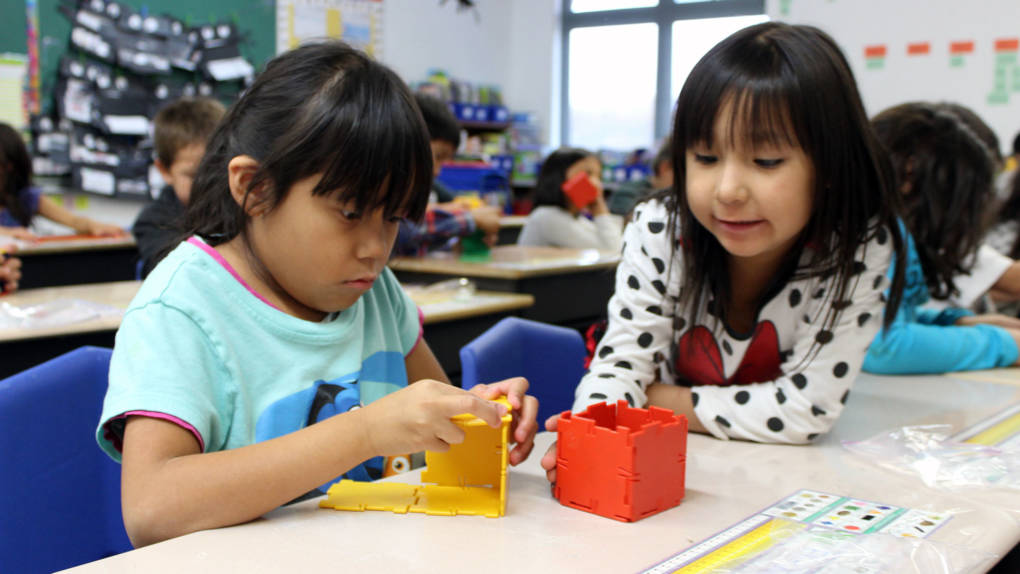
"caption": "Students experiment with three-dimensional cubes.",
"description": null,
"title": "cubes",
"credit": "Zach Pedersen/Robertson Program for Inquiry-Based Teaching in Mathematics and Science",
"status": "inherit",
"isLoading": false,
"fetchFailed": false
},
"mindshift_47255": {
"type": "attachments",
"id": "mindshift_47255",
"meta": {
"index": "attachments_1716263798",
"site": "mindshift",
"id": "47255",
"found": true
},
"parent": 47254,
"imgSizes": {
"small": {
"file": "https://ww2.kqed.org/app/uploads/sites/23/2017/01/parents-and-screens_wide-91cd2351ce15ef6b16ac33edc61c6b5b7f5d86a8-520x293.jpg",
"width": 520,
"mimeType": "image/jpeg",
"height": 293
},
"twentyfourteen-full-width": {
"file": "https://ww2.kqed.org/app/uploads/sites/23/2017/01/parents-and-screens_wide-91cd2351ce15ef6b16ac33edc61c6b5b7f5d86a8-1038x576.jpg",
"width": 1038,
"mimeType": "image/jpeg",
"height": 576
},
"thumbnail": {
"file": "https://ww2.kqed.org/app/uploads/sites/23/2017/01/parents-and-screens_wide-91cd2351ce15ef6b16ac33edc61c6b5b7f5d86a8-160x90.jpg",
"width": 160,
"mimeType": "image/jpeg",
"height": 90
},
"fd-sm": {
"file": "https://ww2.kqed.org/app/uploads/sites/23/2017/01/parents-and-screens_wide-91cd2351ce15ef6b16ac33edc61c6b5b7f5d86a8-960x540.jpg",
"width": 960,
"mimeType": "image/jpeg",
"height": 540
},
"post-thumbnail": {
"file": "https://ww2.kqed.org/app/uploads/sites/23/2017/01/parents-and-screens_wide-91cd2351ce15ef6b16ac33edc61c6b5b7f5d86a8-672x372.jpg",
"width": 672,
"mimeType": "image/jpeg",
"height": 372
},
"xsmall": {
"file": "https://ww2.kqed.org/app/uploads/sites/23/2017/01/parents-and-screens_wide-91cd2351ce15ef6b16ac33edc61c6b5b7f5d86a8-375x211.jpg",
"width": 375,
"mimeType": "image/jpeg",
"height": 211
},
"kqedFullSize": {
"file": "https://ww2.kqed.org/app/uploads/sites/23/2017/01/parents-and-screens_wide-91cd2351ce15ef6b16ac33edc61c6b5b7f5d86a8-e1483558567892.jpg",
"width": 1920,
"height": 1080
},
"large": {
"file": "https://ww2.kqed.org/app/uploads/sites/23/2017/01/parents-and-screens_wide-91cd2351ce15ef6b16ac33edc61c6b5b7f5d86a8-1020x574.jpg",
"width": 1020,
"mimeType": "image/jpeg",
"height": 574
},
"xlarge": {
"file": "https://ww2.kqed.org/app/uploads/sites/23/2017/01/parents-and-screens_wide-91cd2351ce15ef6b16ac33edc61c6b5b7f5d86a8-1180x664.jpg",
"width": 1180,
"mimeType": "image/jpeg",
"height": 664
},
"guest-author-50": {
"file": "https://ww2.kqed.org/app/uploads/sites/23/2017/01/parents-and-screens_wide-91cd2351ce15ef6b16ac33edc61c6b5b7f5d86a8-50x50.jpg",
"width": 50,
"mimeType": "image/jpeg",
"height": 50
},
"guest-author-96": {
"file": "https://ww2.kqed.org/app/uploads/sites/23/2017/01/parents-and-screens_wide-91cd2351ce15ef6b16ac33edc61c6b5b7f5d86a8-96x96.jpg",
"width": 96,
"mimeType": "image/jpeg",
"height": 96
},
"medium": {
"file": "https://ww2.kqed.org/app/uploads/sites/23/2017/01/parents-and-screens_wide-91cd2351ce15ef6b16ac33edc61c6b5b7f5d86a8-800x450.jpg",
"width": 800,
"mimeType": "image/jpeg",
"height": 450
},
"guest-author-64": {
"file": "https://ww2.kqed.org/app/uploads/sites/23/2017/01/parents-and-screens_wide-91cd2351ce15ef6b16ac33edc61c6b5b7f5d86a8-64x64.jpg",
"width": 64,
"mimeType": "image/jpeg",
"height": 64
},
"guest-author-32": {
"file": "https://ww2.kqed.org/app/uploads/sites/23/2017/01/parents-and-screens_wide-91cd2351ce15ef6b16ac33edc61c6b5b7f5d86a8-32x32.jpg",
"width": 32,
"mimeType": "image/jpeg",
"height": 32
},
"fd-lrg": {
"file": "https://ww2.kqed.org/app/uploads/sites/23/2017/01/parents-and-screens_wide-91cd2351ce15ef6b16ac33edc61c6b5b7f5d86a8-1920x1080.jpg",
"width": 1920,
"mimeType": "image/jpeg",
"height": 1080
},
"fd-med": {
"file": "https://ww2.kqed.org/app/uploads/sites/23/2017/01/parents-and-screens_wide-91cd2351ce15ef6b16ac33edc61c6b5b7f5d86a8-1180x664.jpg",
"width": 1180,
"mimeType": "image/jpeg",
"height": 664
},
"full-width": {
"file": "https://ww2.kqed.org/app/uploads/sites/23/2017/01/parents-and-screens_wide-91cd2351ce15ef6b16ac33edc61c6b5b7f5d86a8-1920x1080.jpg",
"width": 1920,
"mimeType": "image/jpeg",
"height": 1080
},
"detail": {
"file": "https://ww2.kqed.org/app/uploads/sites/23/2017/01/parents-and-screens_wide-91cd2351ce15ef6b16ac33edc61c6b5b7f5d86a8-150x150.jpg",
"width": 150,
"mimeType": "image/jpeg",
"height": 150
},
"medium_large": {
"file": "https://ww2.kqed.org/app/uploads/sites/23/2017/01/parents-and-screens_wide-91cd2351ce15ef6b16ac33edc61c6b5b7f5d86a8-768x432.jpg",
"width": 768,
"mimeType": "image/jpeg",
"height": 432
},
"guest-author-128": {
"file": "https://ww2.kqed.org/app/uploads/sites/23/2017/01/parents-and-screens_wide-91cd2351ce15ef6b16ac33edc61c6b5b7f5d86a8-128x128.jpg",
"width": 128,
"mimeType": "image/jpeg",
"height": 128
},
"xxsmall": {
"file": "https://ww2.kqed.org/app/uploads/sites/23/2017/01/parents-and-screens_wide-91cd2351ce15ef6b16ac33edc61c6b5b7f5d86a8-240x135.jpg",
"width": 240,
"mimeType": "image/jpeg",
"height": 135
}
},
"publishDate": 1483558536,
"modified": 1483558590,
"caption": "Learning what is digital and what is real.",
"description": null,
"title": "Learning what is digital and what is real",
"credit": "NPR/LA Johnson",
"status": "inherit",
"isLoading": false,
"fetchFailed": false
},
"mindshift_47115": {
"type": "attachments",
"id": "mindshift_47115",
"meta": {
"index": "attachments_1716263798",
"site": "mindshift",
"id": "47115",
"found": true
},
"parent": 47114,
"imgSizes": {
"small": {
"file": "https://ww2.kqed.org/app/uploads/sites/23/2016/12/preschool-disconnect_slide-3726bed19f01ef932c74fecb1ba8ac361a18e819-520x347.jpg",
"width": 520,
"mimeType": "image/jpeg",
"height": 347
},
"twentyfourteen-full-width": {
"file": "https://ww2.kqed.org/app/uploads/sites/23/2016/12/preschool-disconnect_slide-3726bed19f01ef932c74fecb1ba8ac361a18e819-1038x576.jpg",
"width": 1038,
"mimeType": "image/jpeg",
"height": 576
},
"thumbnail": {
"file": "https://ww2.kqed.org/app/uploads/sites/23/2016/12/preschool-disconnect_slide-3726bed19f01ef932c74fecb1ba8ac361a18e819-160x107.jpg",
"width": 160,
"mimeType": "image/jpeg",
"height": 107
},
"fd-sm": {
"file": "https://ww2.kqed.org/app/uploads/sites/23/2016/12/preschool-disconnect_slide-3726bed19f01ef932c74fecb1ba8ac361a18e819-960x640.jpg",
"width": 960,
"mimeType": "image/jpeg",
"height": 640
},
"post-thumbnail": {
"file": "https://ww2.kqed.org/app/uploads/sites/23/2016/12/preschool-disconnect_slide-3726bed19f01ef932c74fecb1ba8ac361a18e819-672x372.jpg",
"width": 672,
"mimeType": "image/jpeg",
"height": 372
},
"xsmall": {
"file": "https://ww2.kqed.org/app/uploads/sites/23/2016/12/preschool-disconnect_slide-3726bed19f01ef932c74fecb1ba8ac361a18e819-375x250.jpg",
"width": 375,
"mimeType": "image/jpeg",
"height": 250
},
"kqedFullSize": {
"file": "https://ww2.kqed.org/app/uploads/sites/23/2016/12/preschool-disconnect_slide-3726bed19f01ef932c74fecb1ba8ac361a18e819-e1481549918165.jpg",
"width": 1920,
"height": 1280
},
"large": {
"file": "https://ww2.kqed.org/app/uploads/sites/23/2016/12/preschool-disconnect_slide-3726bed19f01ef932c74fecb1ba8ac361a18e819-1020x680.jpg",
"width": 1020,
"mimeType": "image/jpeg",
"height": 680
},
"xlarge": {
"file": "https://ww2.kqed.org/app/uploads/sites/23/2016/12/preschool-disconnect_slide-3726bed19f01ef932c74fecb1ba8ac361a18e819-1180x787.jpg",
"width": 1180,
"mimeType": "image/jpeg",
"height": 787
},
"guest-author-50": {
"file": "https://ww2.kqed.org/app/uploads/sites/23/2016/12/preschool-disconnect_slide-3726bed19f01ef932c74fecb1ba8ac361a18e819-50x50.jpg",
"width": 50,
"mimeType": "image/jpeg",
"height": 50
},
"guest-author-96": {
"file": "https://ww2.kqed.org/app/uploads/sites/23/2016/12/preschool-disconnect_slide-3726bed19f01ef932c74fecb1ba8ac361a18e819-96x96.jpg",
"width": 96,
"mimeType": "image/jpeg",
"height": 96
},
"medium": {
"file": "https://ww2.kqed.org/app/uploads/sites/23/2016/12/preschool-disconnect_slide-3726bed19f01ef932c74fecb1ba8ac361a18e819-800x533.jpg",
"width": 800,
"mimeType": "image/jpeg",
"height": 533
},
"guest-author-64": {
"file": "https://ww2.kqed.org/app/uploads/sites/23/2016/12/preschool-disconnect_slide-3726bed19f01ef932c74fecb1ba8ac361a18e819-64x64.jpg",
"width": 64,
"mimeType": "image/jpeg",
"height": 64
},
"guest-author-32": {
"file": "https://ww2.kqed.org/app/uploads/sites/23/2016/12/preschool-disconnect_slide-3726bed19f01ef932c74fecb1ba8ac361a18e819-32x32.jpg",
"width": 32,
"mimeType": "image/jpeg",
"height": 32
},
"fd-lrg": {
"file": "https://ww2.kqed.org/app/uploads/sites/23/2016/12/preschool-disconnect_slide-3726bed19f01ef932c74fecb1ba8ac361a18e819-1920x1280.jpg",
"width": 1920,
"mimeType": "image/jpeg",
"height": 1280
},
"fd-med": {
"file": "https://ww2.kqed.org/app/uploads/sites/23/2016/12/preschool-disconnect_slide-3726bed19f01ef932c74fecb1ba8ac361a18e819-1180x787.jpg",
"width": 1180,
"mimeType": "image/jpeg",
"height": 787
},
"full-width": {
"file": "https://ww2.kqed.org/app/uploads/sites/23/2016/12/preschool-disconnect_slide-3726bed19f01ef932c74fecb1ba8ac361a18e819-1920x1280.jpg",
"width": 1920,
"mimeType": "image/jpeg",
"height": 1280
},
"detail": {
"file": "https://ww2.kqed.org/app/uploads/sites/23/2016/12/preschool-disconnect_slide-3726bed19f01ef932c74fecb1ba8ac361a18e819-150x150.jpg",
"width": 150,
"mimeType": "image/jpeg",
"height": 150
},
"medium_large": {
"file": "https://ww2.kqed.org/app/uploads/sites/23/2016/12/preschool-disconnect_slide-3726bed19f01ef932c74fecb1ba8ac361a18e819-768x512.jpg",
"width": 768,
"mimeType": "image/jpeg",
"height": 512
},
"guest-author-128": {
"file": "https://ww2.kqed.org/app/uploads/sites/23/2016/12/preschool-disconnect_slide-3726bed19f01ef932c74fecb1ba8ac361a18e819-128x128.jpg",
"width": 128,
"mimeType": "image/jpeg",
"height": 128
},
"xxsmall": {
"file": "https://ww2.kqed.org/app/uploads/sites/23/2016/12/preschool-disconnect_slide-3726bed19f01ef932c74fecb1ba8ac361a18e819-240x160.jpg",
"width": 240,
"mimeType": "image/jpeg",
"height": 160
}
},
"publishDate": 1481549304,
"modified": 1481549943,
"caption": null,
"description": "preschool",
"title": "preschool",
"credit": "NPR/LA Johnson",
"status": "inherit",
"isLoading": false,
"fetchFailed": false
},
"mindshift_44319": {
"type": "attachments",
"id": "mindshift_44319",
"meta": {
"index": "attachments_1716263798",
"site": "mindshift",
"id": "44319",
"found": true
},
"parent": 44318,
"imgSizes": {
"twentyfourteen-full-width": {
"file": "https://ww2.kqed.org/app/uploads/sites/23/2016/03/chalkboard-boy_enl-6f819a308c849b9150e5c499b700df273fb94642-1038x576.jpg",
"width": 1038,
"mimeType": "image/jpeg",
"height": 576
},
"thumbnail": {
"file": "https://ww2.kqed.org/app/uploads/sites/23/2016/03/chalkboard-boy_enl-6f819a308c849b9150e5c499b700df273fb94642-400x267.jpg",
"width": 400,
"mimeType": "image/jpeg",
"height": 267
},
"fd-sm": {
"file": "https://ww2.kqed.org/app/uploads/sites/23/2016/03/chalkboard-boy_enl-6f819a308c849b9150e5c499b700df273fb94642-960x641.jpg",
"width": 960,
"mimeType": "image/jpeg",
"height": 641
},
"post-thumbnail": {
"file": "https://ww2.kqed.org/app/uploads/sites/23/2016/03/chalkboard-boy_enl-6f819a308c849b9150e5c499b700df273fb94642-672x372.jpg",
"width": 672,
"mimeType": "image/jpeg",
"height": 372
},
"kqedFullSize": {
"file": "https://ww2.kqed.org/app/uploads/sites/23/2016/03/chalkboard-boy_enl-6f819a308c849b9150e5c499b700df273fb94642.jpg",
"width": 2000,
"height": 1335
},
"large": {
"file": "https://ww2.kqed.org/app/uploads/sites/23/2016/03/chalkboard-boy_enl-6f819a308c849b9150e5c499b700df273fb94642-1440x961.jpg",
"width": 1440,
"mimeType": "image/jpeg",
"height": 961
},
"guest-author-96": {
"file": "https://ww2.kqed.org/app/uploads/sites/23/2016/03/chalkboard-boy_enl-6f819a308c849b9150e5c499b700df273fb94642-96x96.jpg",
"width": 96,
"mimeType": "image/jpeg",
"height": 96
},
"medium": {
"file": "https://ww2.kqed.org/app/uploads/sites/23/2016/03/chalkboard-boy_enl-6f819a308c849b9150e5c499b700df273fb94642-800x534.jpg",
"width": 800,
"mimeType": "image/jpeg",
"height": 534
},
"guest-author-64": {
"file": "https://ww2.kqed.org/app/uploads/sites/23/2016/03/chalkboard-boy_enl-6f819a308c849b9150e5c499b700df273fb94642-64x64.jpg",
"width": 64,
"mimeType": "image/jpeg",
"height": 64
},
"guest-author-32": {
"file": "https://ww2.kqed.org/app/uploads/sites/23/2016/03/chalkboard-boy_enl-6f819a308c849b9150e5c499b700df273fb94642-32x32.jpg",
"width": 32,
"mimeType": "image/jpeg",
"height": 32
},
"cat_post_thumb_sizecategory-posts-2": {
"file": "https://ww2.kqed.org/app/uploads/sites/23/2016/03/chalkboard-boy_enl-6f819a308c849b9150e5c499b700df273fb94642-50x50.jpg",
"width": 50,
"mimeType": "image/jpeg",
"height": 50
},
"fd-lrg": {
"file": "https://ww2.kqed.org/app/uploads/sites/23/2016/03/chalkboard-boy_enl-6f819a308c849b9150e5c499b700df273fb94642-1920x1282.jpg",
"width": 1920,
"mimeType": "image/jpeg",
"height": 1282
},
"fd-med": {
"file": "https://ww2.kqed.org/app/uploads/sites/23/2016/03/chalkboard-boy_enl-6f819a308c849b9150e5c499b700df273fb94642-1180x788.jpg",
"width": 1180,
"mimeType": "image/jpeg",
"height": 788
},
"detail": {
"file": "https://ww2.kqed.org/app/uploads/sites/23/2016/03/chalkboard-boy_enl-6f819a308c849b9150e5c499b700df273fb94642-75x75.jpg",
"width": 75,
"mimeType": "image/jpeg",
"height": 75
},
"medium_large": {
"file": "https://ww2.kqed.org/app/uploads/sites/23/2016/03/chalkboard-boy_enl-6f819a308c849b9150e5c499b700df273fb94642-768x513.jpg",
"width": 768,
"mimeType": "image/jpeg",
"height": 513
},
"guest-author-128": {
"file": "https://ww2.kqed.org/app/uploads/sites/23/2016/03/chalkboard-boy_enl-6f819a308c849b9150e5c499b700df273fb94642-128x128.jpg",
"width": 128,
"mimeType": "image/jpeg",
"height": 128
}
},
"publishDate": 1458064223,
"modified": 1458064223,
"caption": null,
"description": "Lack of focus at school might be ADHD. Or it might be a function of being young for that grade.",
"title": "Lack of focus at school might be ADHD. Or it might be a function of being young for that grade.",
"credit": null,
"status": "inherit",
"isLoading": false,
"fetchFailed": false
},
"mindshift_43566": {
"type": "attachments",
"id": "mindshift_43566",
"meta": {
"index": "attachments_1716263798",
"site": "mindshift",
"id": "43566",
"found": true
},
"parent": 43563,
"imgSizes": {
"thumbnail": {
"file": "https://ww2.kqed.org/app/uploads/sites/23/2016/01/parenting-400x225.jpg",
"width": 400,
"mimeType": "image/jpeg",
"height": 225
},
"fd-sm": {
"file": "https://ww2.kqed.org/app/uploads/sites/23/2016/01/parenting-960x540.jpg",
"width": 960,
"mimeType": "image/jpeg",
"height": 540
},
"post-thumbnail": {
"file": "https://ww2.kqed.org/app/uploads/sites/23/2016/01/parenting-672x372.jpg",
"width": 672,
"mimeType": "image/jpeg",
"height": 372
},
"kqedFullSize": {
"file": "https://ww2.kqed.org/app/uploads/sites/23/2016/01/parenting.jpg",
"width": 1000,
"height": 563
},
"cat_post_thumb_sizecategory-posts-2": {
"file": "https://ww2.kqed.org/app/uploads/sites/23/2016/01/parenting-50x50.jpg",
"width": 50,
"mimeType": "image/jpeg",
"height": 50
},
"guest-author-96": {
"file": "https://ww2.kqed.org/app/uploads/sites/23/2016/01/parenting-96x96.jpg",
"width": 96,
"mimeType": "image/jpeg",
"height": 96
},
"medium": {
"file": "https://ww2.kqed.org/app/uploads/sites/23/2016/01/parenting-800x450.jpg",
"width": 800,
"mimeType": "image/jpeg",
"height": 450
},
"guest-author-64": {
"file": "https://ww2.kqed.org/app/uploads/sites/23/2016/01/parenting-64x64.jpg",
"width": 64,
"mimeType": "image/jpeg",
"height": 64
},
"detail": {
"file": "https://ww2.kqed.org/app/uploads/sites/23/2016/01/parenting-75x75.jpg",
"width": 75,
"mimeType": "image/jpeg",
"height": 75
},
"guest-author-32": {
"file": "https://ww2.kqed.org/app/uploads/sites/23/2016/01/parenting-32x32.jpg",
"width": 32,
"mimeType": "image/jpeg",
"height": 32
},
"medium_large": {
"file": "https://ww2.kqed.org/app/uploads/sites/23/2016/01/parenting-768x432.jpg",
"width": 768,
"mimeType": "image/jpeg",
"height": 432
},
"guest-author-128": {
"file": "https://ww2.kqed.org/app/uploads/sites/23/2016/01/parenting-128x128.jpg",
"width": 128,
"mimeType": "image/jpeg",
"height": 128
}
},
"publishDate": 1453969283,
"modified": 1453969308,
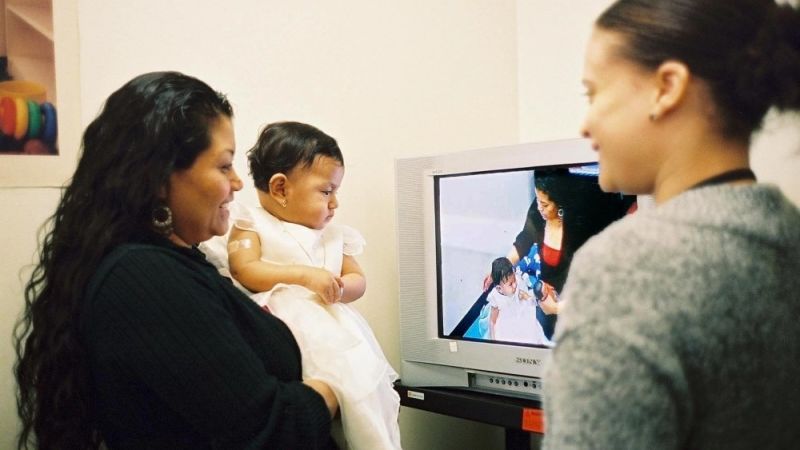
"caption": "A mother watches a video taken of herself playing with her daughter while at Bellevue Hospital in New York for a checkup. Brenda Woodford provides coaching on parenting skills.",
"description": null,
"title": "parenting",
"credit": "Courtesy of Children of Bellevue Archives",
"status": "inherit",
"isLoading": false,
"fetchFailed": false
},
"mindshift_43345": {
"type": "attachments",
"id": "mindshift_43345",
"meta": {
"index": "attachments_1716263798",
"site": "mindshift",
"id": "43345",
"found": true
},
"parent": 43344,
"imgSizes": {
"twentyfourteen-full-width": {
"file": "https://ww2.kqed.org/app/uploads/sites/23/2016/01/growing-up-faster_slide-d752c0592ed360394d5d51b0ed13ad32532a1043-1038x576.jpg",
"width": 1038,
"mimeType": "image/jpeg",
"height": 576
},
"thumbnail": {
"file": "https://ww2.kqed.org/app/uploads/sites/23/2016/01/growing-up-faster_slide-d752c0592ed360394d5d51b0ed13ad32532a1043-400x267.jpg",
"width": 400,
"mimeType": "image/jpeg",
"height": 267
},
"fd-sm": {
"file": "https://ww2.kqed.org/app/uploads/sites/23/2016/01/growing-up-faster_slide-d752c0592ed360394d5d51b0ed13ad32532a1043-960x640.jpg",
"width": 960,
"mimeType": "image/jpeg",
"height": 640
},
"post-thumbnail": {
"file": "https://ww2.kqed.org/app/uploads/sites/23/2016/01/growing-up-faster_slide-d752c0592ed360394d5d51b0ed13ad32532a1043-672x372.jpg",
"width": 672,
"mimeType": "image/jpeg",
"height": 372
},
"kqedFullSize": {
"file": "https://ww2.kqed.org/app/uploads/sites/23/2016/01/growing-up-faster_slide-d752c0592ed360394d5d51b0ed13ad32532a1043.jpg",
"width": 2997,
"height": 1998
},
"large": {
"file": "https://ww2.kqed.org/app/uploads/sites/23/2016/01/growing-up-faster_slide-d752c0592ed360394d5d51b0ed13ad32532a1043-1440x960.jpg",
"width": 1440,
"mimeType": "image/jpeg",
"height": 960
},
"guest-author-96": {
"file": "https://ww2.kqed.org/app/uploads/sites/23/2016/01/growing-up-faster_slide-d752c0592ed360394d5d51b0ed13ad32532a1043-96x96.jpg",
"width": 96,
"mimeType": "image/jpeg",
"height": 96
},
"medium": {
"file": "https://ww2.kqed.org/app/uploads/sites/23/2016/01/growing-up-faster_slide-d752c0592ed360394d5d51b0ed13ad32532a1043-800x533.jpg",
"width": 800,
"mimeType": "image/jpeg",
"height": 533
},
"guest-author-64": {
"file": "https://ww2.kqed.org/app/uploads/sites/23/2016/01/growing-up-faster_slide-d752c0592ed360394d5d51b0ed13ad32532a1043-64x64.jpg",
"width": 64,
"mimeType": "image/jpeg",
"height": 64
},
"guest-author-32": {
"file": "https://ww2.kqed.org/app/uploads/sites/23/2016/01/growing-up-faster_slide-d752c0592ed360394d5d51b0ed13ad32532a1043-32x32.jpg",
"width": 32,
"mimeType": "image/jpeg",
"height": 32
},
"cat_post_thumb_sizecategory-posts-2": {
"file": "https://ww2.kqed.org/app/uploads/sites/23/2016/01/growing-up-faster_slide-d752c0592ed360394d5d51b0ed13ad32532a1043-50x50.jpg",
"width": 50,
"mimeType": "image/jpeg",
"height": 50
},
"fd-lrg": {
"file": "https://ww2.kqed.org/app/uploads/sites/23/2016/01/growing-up-faster_slide-d752c0592ed360394d5d51b0ed13ad32532a1043-1920x1280.jpg",
"width": 1920,
"mimeType": "image/jpeg",
"height": 1280
},
"fd-med": {
"file": "https://ww2.kqed.org/app/uploads/sites/23/2016/01/growing-up-faster_slide-d752c0592ed360394d5d51b0ed13ad32532a1043-1180x787.jpg",
"width": 1180,
"mimeType": "image/jpeg",
"height": 787
},
"detail": {
"file": "https://ww2.kqed.org/app/uploads/sites/23/2016/01/growing-up-faster_slide-d752c0592ed360394d5d51b0ed13ad32532a1043-75x75.jpg",
"width": 75,
"mimeType": "image/jpeg",
"height": 75
},
"medium_large": {
"file": "https://ww2.kqed.org/app/uploads/sites/23/2016/01/growing-up-faster_slide-d752c0592ed360394d5d51b0ed13ad32532a1043-768x512.jpg",
"width": 768,
"mimeType": "image/jpeg",
"height": 512
},
"guest-author-128": {
"file": "https://ww2.kqed.org/app/uploads/sites/23/2016/01/growing-up-faster_slide-d752c0592ed360394d5d51b0ed13ad32532a1043-128x128.jpg",
"width": 128,
"mimeType": "image/jpeg",
"height": 128
}
},
"publishDate": 1452275965,
"modified": 1452275965,
"caption": null,
"description": "Kids are growing up faster these days",
"title": "Kids are growing up faster these days",
"credit": null,
"status": "inherit",
"isLoading": false,
"fetchFailed": false
},
"mindshift_42854": {
"type": "attachments",
"id": "mindshift_42854",
"meta": {
"index": "attachments_1716263798",
"site": "mindshift",
"id": "42854",
"found": true
},
"parent": 42853,
"imgSizes": {
"twentyfourteen-full-width": {
"file": "https://ww2.kqed.org/app/uploads/sites/23/2015/11/laser-cutter-1038x576.jpg",
"width": 1038,
"mimeType": "image/jpeg",
"height": 576
},
"thumbnail": {
"file": "https://ww2.kqed.org/app/uploads/sites/23/2015/11/laser-cutter-400x225.jpg",
"width": 400,
"mimeType": "image/jpeg",
"height": 225
},
"fd-sm": {
"file": "https://ww2.kqed.org/app/uploads/sites/23/2015/11/laser-cutter-960x540.jpg",
"width": 960,
"mimeType": "image/jpeg",
"height": 540
},
"post-thumbnail": {
"file": "https://ww2.kqed.org/app/uploads/sites/23/2015/11/laser-cutter-672x372.jpg",
"width": 672,
"mimeType": "image/jpeg",
"height": 372
},
"kqedFullSize": {
"file": "https://ww2.kqed.org/app/uploads/sites/23/2015/11/laser-cutter.jpg",
"width": 5184,
"height": 2916
},
"large": {
"file": "https://ww2.kqed.org/app/uploads/sites/23/2015/11/laser-cutter-1440x810.jpg",
"width": 1440,
"mimeType": "image/jpeg",
"height": 810
},
"guest-author-96": {
"file": "https://ww2.kqed.org/app/uploads/sites/23/2015/11/laser-cutter-96x96.jpg",
"width": 96,
"mimeType": "image/jpeg",
"height": 96
},
"medium": {
"file": "https://ww2.kqed.org/app/uploads/sites/23/2015/11/laser-cutter-800x450.jpg",
"width": 800,
"mimeType": "image/jpeg",
"height": 450
},
"guest-author-64": {
"file": "https://ww2.kqed.org/app/uploads/sites/23/2015/11/laser-cutter-64x64.jpg",
"width": 64,
"mimeType": "image/jpeg",
"height": 64
},
"guest-author-32": {
"file": "https://ww2.kqed.org/app/uploads/sites/23/2015/11/laser-cutter-32x32.jpg",
"width": 32,
"mimeType": "image/jpeg",
"height": 32
},
"cat_post_thumb_sizecategory-posts-2": {
"file": "https://ww2.kqed.org/app/uploads/sites/23/2015/11/laser-cutter-50x50.jpg",
"width": 50,
"mimeType": "image/jpeg",
"height": 50
},
"fd-lrg": {
"file": "https://ww2.kqed.org/app/uploads/sites/23/2015/11/laser-cutter-1920x1080.jpg",
"width": 1920,
"mimeType": "image/jpeg",
"height": 1080
},
"fd-med": {
"file": "https://ww2.kqed.org/app/uploads/sites/23/2015/11/laser-cutter-1180x664.jpg",
"width": 1180,
"mimeType": "image/jpeg",
"height": 664
},
"detail": {
"file": "https://ww2.kqed.org/app/uploads/sites/23/2015/11/laser-cutter-75x75.jpg",
"width": 75,
"mimeType": "image/jpeg",
"height": 75
},
"guest-author-128": {
"file": "https://ww2.kqed.org/app/uploads/sites/23/2015/11/laser-cutter-128x128.jpg",
"width": 128,
"mimeType": "image/jpeg",
"height": 128
}
},
"publishDate": 1447979466,
"modified": 1447979570,
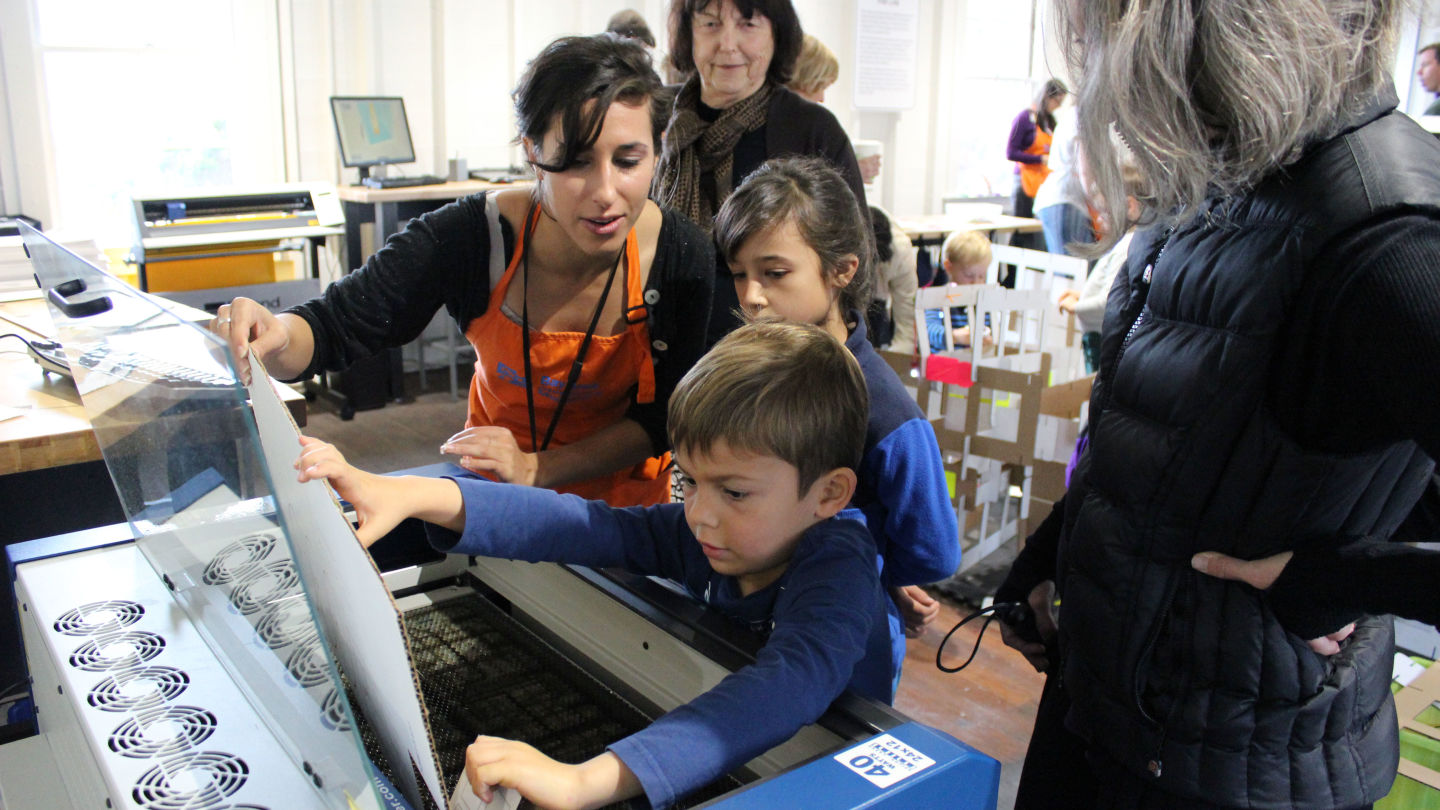
"caption": "Fascinated kids explore how the laser cutter produces the cardboard pieces during the city pilot program.",
"description": null,
"title": "laser-cutter",
"credit": "Courtesy of Bay Area Discovery Museum",
"status": "inherit",
"isLoading": false,
"fetchFailed": false
}
},
"audioPlayerReducer": {
"postId": "stream_live",
"isPaused": true,
"isPlaying": false,
"pfsActive": false,
"pledgeModalIsOpen": true,
"playerDrawerIsOpen": false,
"liveAudioPlayStartedAt": 0,
"liveAudioPlayContext": ""
},
"authorsReducer": {
"byline_mindshift_48842": {
"type": "authors",
"id": "byline_mindshift_48842",
"meta": {
"override": true
},
"slug": "byline_mindshift_48842",
"name": "\u003ca href=\"http://hechingerreport.org/\">Devin Walsh, The Hechinger Report\u003c/a>",
"isLoading": false
},
"byline_mindshift_48856": {
"type": "authors",
"id": "byline_mindshift_48856",
"meta": {
"override": true
},
"slug": "byline_mindshift_48856",
"name": "Julie Depenbrock",
"isLoading": false
},
"byline_mindshift_48635": {
"type": "authors",
"id": "byline_mindshift_48635",
"meta": {
"override": true
},
"slug": "byline_mindshift_48635",
"name": "Julie Depenbrock",
"isLoading": false
},
"byline_mindshift_48155": {
"type": "authors",
"id": "byline_mindshift_48155",
"meta": {
"override": true
},
"slug": "byline_mindshift_48155",
"name": "Claudio Sanchez",
"isLoading": false
},
"byline_mindshift_47848": {
"type": "authors",
"id": "byline_mindshift_47848",
"meta": {
"override": true
},
"slug": "byline_mindshift_47848",
"name": "Rhitu Chatterjee",
"isLoading": false
},
"byline_mindshift_47254": {
"type": "authors",
"id": "byline_mindshift_47254",
"meta": {
"override": true
},
"slug": "byline_mindshift_47254",
"name": "Elissa Nadworny ",
"isLoading": false
},
"byline_mindshift_47114": {
"type": "authors",
"id": "byline_mindshift_47114",
"meta": {
"override": true
},
"slug": "byline_mindshift_47114",
"name": "Eric Westervelt",
"isLoading": false
},
"byline_mindshift_44318": {
"type": "authors",
"id": "byline_mindshift_44318",
"meta": {
"override": true
},
"slug": "byline_mindshift_44318",
"name": "Angus Chen",
"isLoading": false
},
"byline_mindshift_43563": {
"type": "authors",
"id": "byline_mindshift_43563",
"meta": {
"override": true
},
"slug": "byline_mindshift_43563",
"name": "Vanessa Rancaño",
"isLoading": false
},
"byline_mindshift_43344": {
"type": "authors",
"id": "byline_mindshift_43344",
"meta": {
"override": true
},
"slug": "byline_mindshift_43344",
"name": "Elissa Nadworny and Anya Kamenetz",
"isLoading": false
},
"katrinaschwartz": {
"type": "authors",
"id": "234",
"meta": {
"index": "authors_1716337520",
"id": "234",
"found": true
},
"name": "Katrina Schwartz",
"firstName": "Katrina",
"lastName": "Schwartz",
"slug": "katrinaschwartz",
"email": "kschwartz@kqed.org",
"display_author_email": false,
"staff_mastheads": [
"news"
],
"title": "Producer",
"bio": "Katrina Schwartz is a journalist based in San Francisco. She's worked at KPCC public radio in LA and has reported on air and online for KQED since 2010. She covered how teaching and learning is changing for MindShift between 2012 and 2020. She is the co-host of the MindShift podcast and now produces KQED's Bay Curious podcast.",
"avatar": "https://secure.gravatar.com/avatar/edb4ee79070447a018538c9aae6eeecf28786515b8a0c30e43b6b7dce5aa44c8?s=600&d=blank&r=g",
"twitter": "kschwart",
"bluesky": null,
"facebook": null,
"instagram": null,
"linkedin": null,
"sites": [
{
"site": "",
"roles": [
"editor"
]
},
{
"site": "news",
"roles": [
"editor"
]
},
{
"site": "mindshift",
"roles": [
"administrator"
]
},
{
"site": "stateofhealth",
"roles": [
"author"
]
},
{
"site": "science",
"roles": [
"editor"
]
}
],
"headData": {
"title": "Katrina Schwartz | KQED",
"description": "Producer",
"ogImgSrc": "https://secure.gravatar.com/avatar/edb4ee79070447a018538c9aae6eeecf28786515b8a0c30e43b6b7dce5aa44c8?s=600&d=blank&r=g",
"twImgSrc": "https://secure.gravatar.com/avatar/edb4ee79070447a018538c9aae6eeecf28786515b8a0c30e43b6b7dce5aa44c8?s=600&d=blank&r=g"
},
"isLoading": false,
"link": "/author/katrinaschwartz"
}
},
"pagesReducer": {
"mindshift_tag_early-childhood-education": {
"type": "terms",
"id": "mindshift_20720",
"meta": {
"index": "terms_1716263798",
"site": "mindshift",
"id": "20720",
"score": 9.304781
},
"featImg": null,
"name": "early childhood education",
"description": null,
"taxonomy": "tag",
"headData": {
"twImgId": null,
"twTitle": null,
"ogTitle": null,
"ogImgId": null,
"twDescription": null,
"description": null,
"title": "early childhood education Archives | KQED Mindshift",
"ogDescription": null
},
"ttid": 19997,
"slug": "early-childhood-education",
"isLoading": false,
"title": "early childhood education",
"pageMeta": {
"site": "mindshift",
"WpPageTemplate": "page-topic-editorial",
"currentPage": 6
},
"blocks": [
{
"blockName": "kqed/post-list",
"attrs": {
"layout": "cardArticle2",
"query": "posts/mindshift?tag=early-childhood-education",
"seeMore": false,
"paginated": true,
"page": 6
}
},
{
"blockName": "kqed/ad"
}
]
}
},
"pfsSessionReducer": {},
"postsReducer": {
"stream_live": {
"type": "live",
"id": "stream_live",
"audioUrl": "https://streams.kqed.org/kqedradio",
"title": "Live Stream",
"excerpt": "Live Stream information currently unavailable.",
"link": "/radio",
"featImg": "",
"label": {
"name": "KQED Live",
"link": "/"
}
},
"stream_kqedNewscast": {
"type": "posts",
"id": "stream_kqedNewscast",
"audioUrl": "https://www.kqed.org/.stream/anon/radio/RDnews/newscast.mp3?_=1",
"title": "KQED Newscast",
"featImg": "",
"label": {
"name": "88.5 FM",
"link": "/"
}
},
"mindshift_48842": {
"type": "posts",
"id": "mindshift_48842",
"meta": {
"index": "posts_1716263798",
"site": "mindshift",
"id": "48842",
"score": null,
"sort": [
1502431916000
]
},
"parent": 0,
"labelTerm": {
"site": "mindshift"
},
"blocks": [],
"publishDate": 1502431916,
"format": "standard",
"disqusTitle": "Language and Communication Skills That Make all the Difference for Kindergarten",
"title": "Language and Communication Skills That Make all the Difference for Kindergarten",
"headTitle": "MindShift | KQED News",
"content": "\u003cp>\u003cem>Devin Walsh is a kindergarten to first-grade “looping” teacher at Oak Grove Primary School in Hattiesburg, Mississippi. \u003c/em>\u003c/p>\n\u003cp>Promoting good oral language and communication skills is perhaps the most important thing parents, caregivers and educators can do to prepare children to enter kindergarten.\u003c/p>\n\u003cp>Having just completed my 17th year of teaching at Oak Grove Primary School in Hattiesburg, Mississippi, with over 800 students in kindergarten and first grade, I see children daily who have been exposed to models of good oral language.\u003c/p>\n\u003cp>Sadly, I also see many who have not had these models and enter kindergarten at a disadvantage.\u003c/p>\n\u003cp>Just like any other skill, learning to talk requires frequent practice. That’s why it’s essential that family members and others who interact with a child on a daily basis do all that is possible to encourage oral language. These everyday moments spent with your child are valuable opportunities for increasing these skills.\u003c/p>\n\u003cp>[ad fullwidth]\u003c/p>\n\u003cp>By age 3, a child with typically developing language skills should be comfortable verbally answering common questions and shouldn’t be accustomed to communicating only with a head nod or gesture.\u003c/p>\n\u003cp>Since children learn oral language by following the model of adults they hear speaking around them, they will often repeat incorrect grammar or mispronounced words. That is why it’s important to reinforce good speaking habits by setting an example with the use of expression, vocabulary and correct grammar.\u003c/p>\n\u003cp>In \u003ca href=\"http://www.handyhandouts.com/viewHandout.aspx?hh_number=120\">\u003cem>Promoting Oral Language Development in Young Children\u003c/em>\u003c/a>, Audrey Prince details several strategies.\u003c/p>\n\u003cp>First, she stresses the importance of talking to the child. There are many ways to initiate a conversation. The easiest is to ask questions about the activities of the day.\u003c/p>\n\u003cp>Parents, caregivers and educators need to to ask questions that require more than just a one-word answer, to give children the opportunity to respond with a phrase or group of phrases. They can expand the conversations by asking children to elaborate on answers. Talking to children not only develops conversation skills, it also teaches important vocabulary that can be used in daily life. Second, Prince emphasizes the importance of getting close and showing children that adults are truly listening by responding to what was said.\u003c/p>\n\u003cp>Being in close proximity to the children is beneficial so they can see facial expressions and establish eye contact. If children see adults reacting and showing interest in what was said, they will be more likely to continue communicating in this way.\u003c/p>\n\u003cp>Oral language involves more than just speaking. As a “looping” teacher who stays with the same group of students for two school years, kindergarten and first grade, I have seen firsthand how much children learn and grow in oral language development during the beginning of their educational journey. Listening comprehension, vocabulary and phonological knowledge are essential components in this development.\u003c/p>\n\u003cp>Listening skills can be improved over time by providing children with lots of opportunities to practice. It is important that adults model good listening, ensure they have children’s attention, lower their voices, speak slowly and be very clear in what is being communicated.\u003c/p>\n\u003cp>The more words a child has in his vocabulary, the more he is able to comprehend what he is reading or hearing. Children begin hearing and understanding words long before they actually verbalize them. Exposure to a variety of words and helping children understand what they mean can play a vital role in vocabulary growth.\u003c/p>\n\u003cp>Phonological awareness can be developed by reading books, teaching rhymes, poems and songs, doing activities that help build sound skills, practicing the alphabet by pointing out letters and talking about sounds or using technology that emphasizes the development of phonemic and phonological awareness.\u003c/p>\n\u003cp>Educational apps available for smart phones and tablets such as \u003ca href=\"http://www.readingrockets.org/content/ispy-phonics\">iSpy Phonics\u003c/a> can help children learn about the connection between written and spoken language.*\u003c/p>\n\u003cp>Preschool children who have speech or language disorders may have difficulty learning to read and write when they enter school.\u003c/p>\n\u003cp>Other physical and medical conditions, developmental disorders, poverty, lack of literacy in the home environment and language or literacy disabilities in a child’s family history can also be contributing factors.\u003c/p>\n\u003cp>If a child continues using baby talk past an appropriate age, lacks interest in nursery rhymes or shared book reading, has difficulty understanding simple directions or has difficulty learning or remembering names of letters, he may be at risk.\u003c/p>\n\u003cp>Speech-language pathologists can play an important role in helping to identify these children and provide intervention.\u003c/p>\n\u003cp>Although early intervention is beneficial, it is important to remember that children develop at different rates, and even older children with these and other impairments can gain skills needed to read and write. Parents and other professionals who interact with the child can work to fill in the gaps for those who have missed these earlier opportunities.\u003c/p>\n\u003cp>Laying a firm foundation for literacy through early language skills is a cause that I have become passionate about over the years as I have pursued National Board certification and looked for ways to improve my craft.\u003c/p>\n\u003cp>Parents and educators who help children develop oral language skills can ensure they will achieve success in school and beyond.\u003c/p>\n\u003cp>\u003cem>Devin Walsh is a kindergarten to first-grade “looping” \u003c/em>\u003cem>teacher at Oak Grove Primary School in Hattiesburg, Mississippi. She recently completed a biennial loop with a group of first graders and joins a group of incoming kindergarteners this fall, which also marks her 18th year of teaching.\u003c/em>\u003c/p>\n\u003cp>\u003cem>*Coming soon: More from Walsh about language apps that work.\u003c/em>\u003c/p>\n\u003cp>\u003cem>This story was produced by \u003c/em>\u003ca href=\"http://hechingerreport.org/\">\u003cem>The Hechinger Report\u003c/em>\u003c/a>\u003cem>, a nonprofit, independent news organization focused on inequality and innovation in education. Sign up for \u003ca href=\"http://hechingerreport.us2.list-manage2.com/subscribe?u=66c306eebb323868c3ce353c1&id=a4f3e0748b\">\u003cu>our newsletter\u003c/u>\u003c/a>.\u003c/em>\u003c/p>\n\u003cp>\u003c/p>\n\u003cp> \u003c/p>\n\n",
"disqusIdentifier": "48842 https://ww2.kqed.org/mindshift/?p=48842",
"disqusUrl": "https://ww2.kqed.org/mindshift/2017/08/10/language-and-communication-skills-that-make-all-the-difference-for-kindergarten/",
"stats": {
"hasVideo": false,
"hasChartOrMap": false,
"hasAudio": false,
"hasPolis": false,
"wordCount": 957,
"hasGoogleForm": false,
"hasGallery": false,
"hasHearkenModule": false,
"iframeSrcs": [],
"paragraphCount": 28
},
"modified": 1502431916,
"excerpt": "Kids learn oral communication skills by practicing with one another and adults. Based on the work of Audrey Prince, kindergarten teacher Devin Walsh offers several steps that have worked in her classroom. ",
"headData": {
"twImgId": "",
"twTitle": "",
"ogTitle": "",
"ogImgId": "",
"twDescription": "",
"description": "Kids learn oral communication skills by practicing with one another and adults. Based on the work of Audrey Prince, kindergarten teacher Devin Walsh offers several steps that have worked in her classroom. ",
"title": "Language and Communication Skills That Make all the Difference for Kindergarten | KQED",
"ogDescription": "",
"schema": {
"@context": "https://schema.org",
"@type": "Article",
"headline": "Language and Communication Skills That Make all the Difference for Kindergarten",
"datePublished": "2017-08-10T23:11:56-07:00",
"dateModified": "2017-08-10T23:11:56-07:00",
"image": "https://cdn.kqed.org/wp-content/uploads/2020/02/KQED-OG-Image@1x.png"
}
},
"guestAuthors": [],
"slug": "language-and-communication-skills-that-make-all-the-difference-for-kindergarten",
"status": "publish",
"nprByline": "\u003ca href=\"http://hechingerreport.org/\">Devin Walsh, The Hechinger Report\u003c/a>",
"path": "/mindshift/48842/language-and-communication-skills-that-make-all-the-difference-for-kindergarten",
"audioTrackLength": null,
"parsedContent": [
{
"type": "contentString",
"content": "\u003cdiv class=\"post-body\">\u003cp>\u003cp>\u003cem>Devin Walsh is a kindergarten to first-grade “looping” teacher at Oak Grove Primary School in Hattiesburg, Mississippi. \u003c/em>\u003c/p>\n\u003cp>Promoting good oral language and communication skills is perhaps the most important thing parents, caregivers and educators can do to prepare children to enter kindergarten.\u003c/p>\n\u003cp>Having just completed my 17th year of teaching at Oak Grove Primary School in Hattiesburg, Mississippi, with over 800 students in kindergarten and first grade, I see children daily who have been exposed to models of good oral language.\u003c/p>\n\u003cp>Sadly, I also see many who have not had these models and enter kindergarten at a disadvantage.\u003c/p>\n\u003cp>Just like any other skill, learning to talk requires frequent practice. That’s why it’s essential that family members and others who interact with a child on a daily basis do all that is possible to encourage oral language. These everyday moments spent with your child are valuable opportunities for increasing these skills.\u003c/p>\n\u003cp>\u003c/p>\u003c/div>",
"attributes": {
"named": {},
"numeric": []
}
},
{
"type": "component",
"content": "",
"name": "ad",
"attributes": {
"named": {
"label": "fullwidth"
},
"numeric": [
"fullwidth"
]
}
},
{
"type": "contentString",
"content": "\u003cdiv class=\"post-body\">\u003cp>\u003c/p>\n\u003cp>By age 3, a child with typically developing language skills should be comfortable verbally answering common questions and shouldn’t be accustomed to communicating only with a head nod or gesture.\u003c/p>\n\u003cp>Since children learn oral language by following the model of adults they hear speaking around them, they will often repeat incorrect grammar or mispronounced words. That is why it’s important to reinforce good speaking habits by setting an example with the use of expression, vocabulary and correct grammar.\u003c/p>\n\u003cp>In \u003ca href=\"http://www.handyhandouts.com/viewHandout.aspx?hh_number=120\">\u003cem>Promoting Oral Language Development in Young Children\u003c/em>\u003c/a>, Audrey Prince details several strategies.\u003c/p>\n\u003cp>First, she stresses the importance of talking to the child. There are many ways to initiate a conversation. The easiest is to ask questions about the activities of the day.\u003c/p>\n\u003cp>Parents, caregivers and educators need to to ask questions that require more than just a one-word answer, to give children the opportunity to respond with a phrase or group of phrases. They can expand the conversations by asking children to elaborate on answers. Talking to children not only develops conversation skills, it also teaches important vocabulary that can be used in daily life. Second, Prince emphasizes the importance of getting close and showing children that adults are truly listening by responding to what was said.\u003c/p>\n\u003cp>Being in close proximity to the children is beneficial so they can see facial expressions and establish eye contact. If children see adults reacting and showing interest in what was said, they will be more likely to continue communicating in this way.\u003c/p>\n\u003cp>Oral language involves more than just speaking. As a “looping” teacher who stays with the same group of students for two school years, kindergarten and first grade, I have seen firsthand how much children learn and grow in oral language development during the beginning of their educational journey. Listening comprehension, vocabulary and phonological knowledge are essential components in this development.\u003c/p>\n\u003cp>Listening skills can be improved over time by providing children with lots of opportunities to practice. It is important that adults model good listening, ensure they have children’s attention, lower their voices, speak slowly and be very clear in what is being communicated.\u003c/p>\n\u003cp>The more words a child has in his vocabulary, the more he is able to comprehend what he is reading or hearing. Children begin hearing and understanding words long before they actually verbalize them. Exposure to a variety of words and helping children understand what they mean can play a vital role in vocabulary growth.\u003c/p>\n\u003cp>Phonological awareness can be developed by reading books, teaching rhymes, poems and songs, doing activities that help build sound skills, practicing the alphabet by pointing out letters and talking about sounds or using technology that emphasizes the development of phonemic and phonological awareness.\u003c/p>\n\u003cp>Educational apps available for smart phones and tablets such as \u003ca href=\"http://www.readingrockets.org/content/ispy-phonics\">iSpy Phonics\u003c/a> can help children learn about the connection between written and spoken language.*\u003c/p>\n\u003cp>Preschool children who have speech or language disorders may have difficulty learning to read and write when they enter school.\u003c/p>\n\u003cp>Other physical and medical conditions, developmental disorders, poverty, lack of literacy in the home environment and language or literacy disabilities in a child’s family history can also be contributing factors.\u003c/p>\n\u003cp>If a child continues using baby talk past an appropriate age, lacks interest in nursery rhymes or shared book reading, has difficulty understanding simple directions or has difficulty learning or remembering names of letters, he may be at risk.\u003c/p>\n\u003cp>Speech-language pathologists can play an important role in helping to identify these children and provide intervention.\u003c/p>\n\u003cp>Although early intervention is beneficial, it is important to remember that children develop at different rates, and even older children with these and other impairments can gain skills needed to read and write. Parents and other professionals who interact with the child can work to fill in the gaps for those who have missed these earlier opportunities.\u003c/p>\n\u003cp>Laying a firm foundation for literacy through early language skills is a cause that I have become passionate about over the years as I have pursued National Board certification and looked for ways to improve my craft.\u003c/p>\n\u003cp>Parents and educators who help children develop oral language skills can ensure they will achieve success in school and beyond.\u003c/p>\n\u003cp>\u003cem>Devin Walsh is a kindergarten to first-grade “looping” \u003c/em>\u003cem>teacher at Oak Grove Primary School in Hattiesburg, Mississippi. She recently completed a biennial loop with a group of first graders and joins a group of incoming kindergarteners this fall, which also marks her 18th year of teaching.\u003c/em>\u003c/p>\n\u003cp>\u003cem>*Coming soon: More from Walsh about language apps that work.\u003c/em>\u003c/p>\n\u003cp>\u003cem>This story was produced by \u003c/em>\u003ca href=\"http://hechingerreport.org/\">\u003cem>The Hechinger Report\u003c/em>\u003c/a>\u003cem>, a nonprofit, independent news organization focused on inequality and innovation in education. Sign up for \u003ca href=\"http://hechingerreport.us2.list-manage2.com/subscribe?u=66c306eebb323868c3ce353c1&id=a4f3e0748b\">\u003cu>our newsletter\u003c/u>\u003c/a>.\u003c/em>\u003c/p>\n\u003cp>\u003c/p>\n\u003cp> \u003c/p>\n\n\u003c/div>\u003c/p>",
"attributes": {
"named": {},
"numeric": []
}
}
],
"link": "/mindshift/48842/language-and-communication-skills-that-make-all-the-difference-for-kindergarten",
"authors": [
"byline_mindshift_48842"
],
"categories": [
"mindshift_193"
],
"tags": [
"mindshift_21036",
"mindshift_20720",
"mindshift_20784",
"mindshift_1040",
"mindshift_310",
"mindshift_790",
"mindshift_815",
"mindshift_21120",
"mindshift_21121"
],
"featImg": "mindshift_48847",
"label": "mindshift"
},
"mindshift_48856": {
"type": "posts",
"id": "mindshift_48856",
"meta": {
"index": "posts_1716263798",
"site": "mindshift",
"id": "48856",
"score": null,
"sort": [
1501591897000
]
},
"parent": 0,
"labelTerm": {
"site": "mindshift"
},
"blocks": [],
"publishDate": 1501591897,
"format": "standard",
"disqusTitle": "Guess What? We're All Born With Mathematical Abilities",
"title": "Guess What? We're All Born With Mathematical Abilities",
"headTitle": "MindShift | KQED News",
"content": "\u003cp>As an undergraduate at the University of Arizona, Kristy vanMarle knew she wanted to go to grad school for psychology, but wasn't sure what lab to join. Then, she saw a flyer: \u003cem>Did you know that babies can count? \u003c/em>\u003c/p>\n\u003cp>\"I thought,\u003cem> No way. \u003c/em>Babies probably can't count, and they certainly don't count the way that we do,\" she says. But the seed was planted, and vanMarle started down her path of study. The person who made that flyer, Karen Wynn, became her mentor and they have since \u003ca href=\"https://psychology.missouri.edu/people/vanmarle\" target=\"_blank\" rel=\"noopener noreferrer\">co-published several studies together\u003c/a>.\u003c/p>\n\u003cp>I spoke with vanMarle, an associate professor at the University of Missouri \u003ca href=\"http://www.npr.org/sections/ed/2017/07/06/535732200/something-new-for-baby-to-chew-on-rocket-science-and-quantum-physics\" target=\"_blank\" rel=\"noopener noreferrer\">whose research focuses on children's early cognitive development\u003c/a>, to find out what she's been up to lately. The interview that follows has been edited and condensed.\u003c/p>\n\u003cp>\u003cstrong>So, what's all this about being born mathematicians? \u003c/strong>\u003c/p>\n\u003cp>In my lab, we are particularly interested in numerical development and understanding of objects — how the early number skills of young infants, possibly even newborns, get built upon to develop a uniquely human capacity for symbolic math.\u003c/p>\n\u003cp>[ad fullwidth]\u003c/p>\n\u003cp>The roots of those abilities and those skills seem to come from an endowment that is evolutionarily ancient and that we share with most other species.\u003c/p>\n\u003cp>\u003cstrong>In other words, we've evolved to know math — along with almost every other animal. How did you become interested in this?\u003c/strong>\u003c/p>\n\u003cp>I've always been fascinated with the idea that you can have this sophisticated knowledge — at least the foundations of it — in place, very early on. And we know now that it's very broadly available across animal species. Species as different from humans as fish: Guppies are sensitive to numbers in the environment. Of course, primates are. Salamanders. Various insects. It's this basic ability that helps animals navigate their environment. I mean, literally, navigate the environment by calculating angles and distances and so forth. It helps them choose the greater amount of food if they're choosing between two quantities. It shows up in foraging contexts all the time.\u003c/p>\n\u003cp>So I've gotten interested in how these early abilities might provide a foundation for these much more sophisticated abilities that humans grasp pretty ubiquitously. If you're exposed to math and counting, all humans will get it to a degree. Some more easily than others, of course, we all experience that. But the capacity is certainly available.\u003c/p>\n\u003cp>\u003cstrong>What's been the focus of your most recent research?\u003c/strong>\u003c/p>\n\u003cp>Being literate with numbers and math is becoming increasingly important in modern society — perhaps even more important than literacy, which was the focus of a lot of educational initiatives for so many years.\u003c/p>\n\u003cp>We know now that numeracy at the end of high school is a really strong and important predictor of an individual's economic and occupational success. We also know from many, many different studies — including those conducted by my MU colleague, David Geary — that kids who start school behind their peers in math tend to stay behind. And the gap widens over the course of their schooling.\u003c/p>\n\u003cp>Our project is trying to get at what early predictors we can uncover that will tell us who might be at risk for being behind their peers when they enter kindergarten. We're taking what we know and going back a couple steps to see if we can identify kids at risk in the hopes of creating some interventions that can catch them up before school entry and put them on a much more positive path.\u003c/p>\n\u003cp>\u003cstrong>How exactly do you study something like that? \u003c/strong>\u003c/p>\n\u003cp>We followed kids through two years of preschool and assessed a really broad range of quantitative skills. Because when you talk about math achievement and number knowledge, it's not a single solitary construct.\u003c/p>\n\u003cp>Over the two years of preschool, we gave them 12 different tasks — twice a year. Some were symbolic: being able to recite the Arabic numerals or the verbal count list. Others were tapping these earlier, emerging non-symbolic skills: being able to estimate which of two sets of dots is bigger, being able to keep track of additions and subtractions that happen in the environment. Skills like that are building on these evolutionarily ancient core capacities.\u003c/p>\n\u003cp>\u003cstrong>So which of those actually predict math achievement? \u003c/strong>\u003c/p>\n\u003cp>Out of those 12 different skills, there's really one or two that matter most. When we followed up with these kids in kindergarten and first grade, their ability to estimate quantities — this ancient ability — seems to be really important. And also their ability to engage in cardinal reasoning i.e. knowing that the number three — when you see it on a page or hear someone say \"three\" — that it means exactly three, which is really at the root of our ability to count.\u003c/p>\n\u003cp>This cardinality, in particular, seems to be the most important skill that we can measure at a very young age and then predict whether kids are going to be succeeding in a much broader assessment of math achievement when they enter kindergarten.\u003c/p>\n\u003cp>\u003cstrong>Will this have an effect on what kids learn in preschool?\u003c/strong>\u003c/p>\n\u003cp>Well, we hope so. If you look at preschool curricula — kids who are getting structured instruction in math early on — it's really trying to tap these different skills. But when you have a lot of different things you're trying to teach, you don't go into depth with them, right? You're just trying to touch on all of them at once.\u003c/p>\n\u003cp>Our research points to the possibility that it might be more effective for early education if you focus on these core skills that seem to matter the most for developing symbolic knowledge. We're currently running a pilot study — an intervention that targets this ability.\u003c/p>\n\u003cp>\u003cstrong>What does that intervention look like? \u003c/strong>\u003c/p>\n\u003cp>Children count and create sets. We use ice cube trays to count some number of objects. We say, 'Can you put six items into this tray?' And then we point out very interactively where they make mistakes and try to reinforce rules.\u003c/p>\n\u003cp>\u003cstrong>Has it been effective?\u003c/strong>\u003c/p>\n\u003cp>It's too early to say. We are currently inputting the data and analyzing it so I don't have the punchline for you, unfortunately. But we're hopeful it will be effective.\u003c/p>\n\u003cp>It's the kind of thing that parents and early educators can engage in with children. It's possible to even create an app that would allow kids to make sets on an iPad. Of course, that's way down the road for us. But that's kind of where we're headed — getting an intervention that works. We know how to identify which kids are likely to be at risk so the logical next step is to figure out a way to help them.\u003c/p>\n\u003cp>\u003cstrong>Your research points out that parents aren't engaging their kids in number-learning nearly enough at home. What should parents be doing?\u003c/strong>\u003c/p>\n\u003cp>There are any number of opportunities (no pun intended) to point out numbers to your toddler. When you hand them two crackers, you can place them on the table, count them (\"one, two!\" \"two cookies!\") as they watch. That simple interaction reinforces two of the most important rules of counting — one-to-one correspondence (labeling each item exactly once, maybe pointing as you do) and cardinality (in this case, repeating the last number to signify it stands for the total number in the set). Parents can also engage children by asking them to judge the ordinality of numbers: \"I have two crackers and you have three! Who has more, you or me?\"\u003c/p>\n\u003cp>Cooking is another common activity where children can get exposed to amounts and the relationships between amounts.\u003c/p>\n\u003cp>[ad floatright]\u003c/p>\n\u003cp>I think everyday situations present parents with lots of opportunities to help children learn the meanings of numbers and the relationships between the numbers.\u003c/p>\n\u003cdiv class=\"fullattribution\">Copyright 2017 NPR. To see more, visit http://www.npr.org/.\u003cimg src=\"https://www.google-analytics.com/__utm.gif?utmac=UA-5828686-4&utmdt=Guess+What%3F+We%27re+All+Born+With+Mathematical+Abilities+&utme=8(APIKey)9(MDAxOTAwOTE4MDEyMTkxMDAzNjczZDljZA004)\">\u003c/div>\n\n",
"disqusIdentifier": "48856 https://ww2.kqed.org/mindshift/?p=48856",
"disqusUrl": "https://ww2.kqed.org/mindshift/2017/08/01/guess-what-were-all-born-with-mathematical-abilities/",
"stats": {
"hasVideo": false,
"hasChartOrMap": false,
"hasAudio": false,
"hasPolis": false,
"wordCount": 1334,
"hasGoogleForm": false,
"hasGallery": false,
"hasHearkenModule": false,
"iframeSrcs": [],
"paragraphCount": 33
},
"modified": 1501591897,
"excerpt": "Kids who start school behind in math tend to stay behind. But could early predictors in preschool help educators put them on a path to success?",
"headData": {
"twImgId": "",
"twTitle": "",
"ogTitle": "",
"ogImgId": "",
"twDescription": "",
"description": "Kids who start school behind in math tend to stay behind. But could early predictors in preschool help educators put them on a path to success?",
"title": "Guess What? We're All Born With Mathematical Abilities | KQED",
"ogDescription": "",
"schema": {
"@context": "https://schema.org",
"@type": "Article",
"headline": "Guess What? We're All Born With Mathematical Abilities",
"datePublished": "2017-08-01T05:51:37-07:00",
"dateModified": "2017-08-01T05:51:37-07:00",
"image": "https://cdn.kqed.org/wp-content/uploads/2020/02/KQED-OG-Image@1x.png"
}
},
"guestAuthors": [],
"slug": "guess-what-were-all-born-with-mathematical-abilities",
"status": "publish",
"nprApiLink": "http://api.npr.org/query?id=530053714&apiKey=MDAxOTAwOTE4MDEyMTkxMDAzNjczZDljZA004",
"nprByline": "Julie Depenbrock",
"nprStoryDate": "Tue, 01 Aug 2017 05:00:26 -0400",
"nprLastModifiedDate": "Tue, 01 Aug 2017 05:00:26 -0400",
"nprHtmlLink": "http://www.npr.org/sections/ed/2017/08/01/530053714/guess-what-were-all-born-with-mathematical-abilities?ft=nprml&f=530053714",
"nprImageAgency": "NPR",
"nprImageCredit": "LA Johnson",
"nprStoryId": "530053714",
"nprRetrievedStory": "1",
"nprPubDate": "Tue, 01 Aug 2017 05:00:00 -0400",
"path": "/mindshift/48856/guess-what-were-all-born-with-mathematical-abilities",
"audioTrackLength": null,
"parsedContent": [
{
"type": "contentString",
"content": "\u003cdiv class=\"post-body\">\u003cp>\u003cp>As an undergraduate at the University of Arizona, Kristy vanMarle knew she wanted to go to grad school for psychology, but wasn't sure what lab to join. Then, she saw a flyer: \u003cem>Did you know that babies can count? \u003c/em>\u003c/p>\n\u003cp>\"I thought,\u003cem> No way. \u003c/em>Babies probably can't count, and they certainly don't count the way that we do,\" she says. But the seed was planted, and vanMarle started down her path of study. The person who made that flyer, Karen Wynn, became her mentor and they have since \u003ca href=\"https://psychology.missouri.edu/people/vanmarle\" target=\"_blank\" rel=\"noopener noreferrer\">co-published several studies together\u003c/a>.\u003c/p>\n\u003cp>I spoke with vanMarle, an associate professor at the University of Missouri \u003ca href=\"http://www.npr.org/sections/ed/2017/07/06/535732200/something-new-for-baby-to-chew-on-rocket-science-and-quantum-physics\" target=\"_blank\" rel=\"noopener noreferrer\">whose research focuses on children's early cognitive development\u003c/a>, to find out what she's been up to lately. The interview that follows has been edited and condensed.\u003c/p>\n\u003cp>\u003cstrong>So, what's all this about being born mathematicians? \u003c/strong>\u003c/p>\n\u003cp>In my lab, we are particularly interested in numerical development and understanding of objects — how the early number skills of young infants, possibly even newborns, get built upon to develop a uniquely human capacity for symbolic math.\u003c/p>\n\u003cp>\u003c/p>\u003c/div>",
"attributes": {
"named": {},
"numeric": []
}
},
{
"type": "component",
"content": "",
"name": "ad",
"attributes": {
"named": {
"label": "fullwidth"
},
"numeric": [
"fullwidth"
]
}
},
{
"type": "contentString",
"content": "\u003cdiv class=\"post-body\">\u003cp>\u003c/p>\n\u003cp>The roots of those abilities and those skills seem to come from an endowment that is evolutionarily ancient and that we share with most other species.\u003c/p>\n\u003cp>\u003cstrong>In other words, we've evolved to know math — along with almost every other animal. How did you become interested in this?\u003c/strong>\u003c/p>\n\u003cp>I've always been fascinated with the idea that you can have this sophisticated knowledge — at least the foundations of it — in place, very early on. And we know now that it's very broadly available across animal species. Species as different from humans as fish: Guppies are sensitive to numbers in the environment. Of course, primates are. Salamanders. Various insects. It's this basic ability that helps animals navigate their environment. I mean, literally, navigate the environment by calculating angles and distances and so forth. It helps them choose the greater amount of food if they're choosing between two quantities. It shows up in foraging contexts all the time.\u003c/p>\n\u003cp>So I've gotten interested in how these early abilities might provide a foundation for these much more sophisticated abilities that humans grasp pretty ubiquitously. If you're exposed to math and counting, all humans will get it to a degree. Some more easily than others, of course, we all experience that. But the capacity is certainly available.\u003c/p>\n\u003cp>\u003cstrong>What's been the focus of your most recent research?\u003c/strong>\u003c/p>\n\u003cp>Being literate with numbers and math is becoming increasingly important in modern society — perhaps even more important than literacy, which was the focus of a lot of educational initiatives for so many years.\u003c/p>\n\u003cp>We know now that numeracy at the end of high school is a really strong and important predictor of an individual's economic and occupational success. We also know from many, many different studies — including those conducted by my MU colleague, David Geary — that kids who start school behind their peers in math tend to stay behind. And the gap widens over the course of their schooling.\u003c/p>\n\u003cp>Our project is trying to get at what early predictors we can uncover that will tell us who might be at risk for being behind their peers when they enter kindergarten. We're taking what we know and going back a couple steps to see if we can identify kids at risk in the hopes of creating some interventions that can catch them up before school entry and put them on a much more positive path.\u003c/p>\n\u003cp>\u003cstrong>How exactly do you study something like that? \u003c/strong>\u003c/p>\n\u003cp>We followed kids through two years of preschool and assessed a really broad range of quantitative skills. Because when you talk about math achievement and number knowledge, it's not a single solitary construct.\u003c/p>\n\u003cp>Over the two years of preschool, we gave them 12 different tasks — twice a year. Some were symbolic: being able to recite the Arabic numerals or the verbal count list. Others were tapping these earlier, emerging non-symbolic skills: being able to estimate which of two sets of dots is bigger, being able to keep track of additions and subtractions that happen in the environment. Skills like that are building on these evolutionarily ancient core capacities.\u003c/p>\n\u003cp>\u003cstrong>So which of those actually predict math achievement? \u003c/strong>\u003c/p>\n\u003cp>Out of those 12 different skills, there's really one or two that matter most. When we followed up with these kids in kindergarten and first grade, their ability to estimate quantities — this ancient ability — seems to be really important. And also their ability to engage in cardinal reasoning i.e. knowing that the number three — when you see it on a page or hear someone say \"three\" — that it means exactly three, which is really at the root of our ability to count.\u003c/p>\n\u003cp>This cardinality, in particular, seems to be the most important skill that we can measure at a very young age and then predict whether kids are going to be succeeding in a much broader assessment of math achievement when they enter kindergarten.\u003c/p>\n\u003cp>\u003cstrong>Will this have an effect on what kids learn in preschool?\u003c/strong>\u003c/p>\n\u003cp>Well, we hope so. If you look at preschool curricula — kids who are getting structured instruction in math early on — it's really trying to tap these different skills. But when you have a lot of different things you're trying to teach, you don't go into depth with them, right? You're just trying to touch on all of them at once.\u003c/p>\n\u003cp>Our research points to the possibility that it might be more effective for early education if you focus on these core skills that seem to matter the most for developing symbolic knowledge. We're currently running a pilot study — an intervention that targets this ability.\u003c/p>\n\u003cp>\u003cstrong>What does that intervention look like? \u003c/strong>\u003c/p>\n\u003cp>Children count and create sets. We use ice cube trays to count some number of objects. We say, 'Can you put six items into this tray?' And then we point out very interactively where they make mistakes and try to reinforce rules.\u003c/p>\n\u003cp>\u003cstrong>Has it been effective?\u003c/strong>\u003c/p>\n\u003cp>It's too early to say. We are currently inputting the data and analyzing it so I don't have the punchline for you, unfortunately. But we're hopeful it will be effective.\u003c/p>\n\u003cp>It's the kind of thing that parents and early educators can engage in with children. It's possible to even create an app that would allow kids to make sets on an iPad. Of course, that's way down the road for us. But that's kind of where we're headed — getting an intervention that works. We know how to identify which kids are likely to be at risk so the logical next step is to figure out a way to help them.\u003c/p>\n\u003cp>\u003cstrong>Your research points out that parents aren't engaging their kids in number-learning nearly enough at home. What should parents be doing?\u003c/strong>\u003c/p>\n\u003cp>There are any number of opportunities (no pun intended) to point out numbers to your toddler. When you hand them two crackers, you can place them on the table, count them (\"one, two!\" \"two cookies!\") as they watch. That simple interaction reinforces two of the most important rules of counting — one-to-one correspondence (labeling each item exactly once, maybe pointing as you do) and cardinality (in this case, repeating the last number to signify it stands for the total number in the set). Parents can also engage children by asking them to judge the ordinality of numbers: \"I have two crackers and you have three! Who has more, you or me?\"\u003c/p>\n\u003cp>Cooking is another common activity where children can get exposed to amounts and the relationships between amounts.\u003c/p>\n\u003cp>\u003c/p>\u003c/div>",
"attributes": {
"named": {},
"numeric": []
}
},
{
"type": "component",
"content": "",
"name": "ad",
"attributes": {
"named": {
"label": "floatright"
},
"numeric": [
"floatright"
]
}
},
{
"type": "contentString",
"content": "\u003cdiv class=\"post-body\">\u003cp>\u003c/p>\n\u003cp>I think everyday situations present parents with lots of opportunities to help children learn the meanings of numbers and the relationships between the numbers.\u003c/p>\n\u003cdiv class=\"fullattribution\">Copyright 2017 NPR. To see more, visit http://www.npr.org/.\u003cimg src=\"https://www.google-analytics.com/__utm.gif?utmac=UA-5828686-4&utmdt=Guess+What%3F+We%27re+All+Born+With+Mathematical+Abilities+&utme=8(APIKey)9(MDAxOTAwOTE4MDEyMTkxMDAzNjczZDljZA004)\">\u003c/div>\n\n\u003c/div>\u003c/p>",
"attributes": {
"named": {},
"numeric": []
}
}
],
"link": "/mindshift/48856/guess-what-were-all-born-with-mathematical-abilities",
"authors": [
"byline_mindshift_48856"
],
"categories": [
"mindshift_192"
],
"tags": [
"mindshift_20720",
"mindshift_20784",
"mindshift_1040",
"mindshift_392"
],
"featImg": "mindshift_48859",
"label": "mindshift"
},
"mindshift_48635": {
"type": "posts",
"id": "mindshift_48635",
"meta": {
"index": "posts_1716263798",
"site": "mindshift",
"id": "48635",
"score": null,
"sort": [
1499465339000
]
},
"parent": 0,
"labelTerm": {
"site": "mindshift"
},
"blocks": [],
"publishDate": 1499465339,
"format": "standard",
"disqusTitle": "Physics for Babies? Books That Expand Science Understanding",
"title": "Physics for Babies? Books That Expand Science Understanding",
"headTitle": "MindShift | KQED News",
"content": "\u003cp>When Kelly Barrales-Saylor was a new mom, she got a lot of children's books as gifts. Most were simple books about shapes, colors and letters. There were none about science — or math.\u003c/p>\n\u003cp>\"My editorial brain lit up and said there must be a need for this,\" says Barrales-Saylor, who works as an editor for a publishing company outside Chicago.\u003c/p>\n\u003cp>Halfway across the world, Chris Ferrie was similarly unsatisfied.\u003c/p>\n\u003cp>When reading to his kids, Ferrie noticed that most books used animals to introduce new words. In today's world, that just didn't make sense to him.\u003c/p>\n\u003cfigure id=\"attachment_48640\" class=\"wp-caption alignright\" style=\"max-width: 400px\">\u003ca href=\"http://www.goodreads.com/book/show/30286939-general-relativity-for-babies\">\u003cimg class=\"size-full wp-image-48640\" src=\"https://ww2.kqed.org/mindshift/wp-content/uploads/sites/23/2017/07/general-relativity.jpg\" alt=\"\" width=\"400\" height=\"399\" srcset=\"https://ww2.kqed.org/app/uploads/sites/23/2017/07/general-relativity.jpg 400w, https://ww2.kqed.org/app/uploads/sites/23/2017/07/general-relativity-160x160.jpg 160w, https://ww2.kqed.org/app/uploads/sites/23/2017/07/general-relativity-240x239.jpg 240w, https://ww2.kqed.org/app/uploads/sites/23/2017/07/general-relativity-375x374.jpg 375w, https://ww2.kqed.org/app/uploads/sites/23/2017/07/general-relativity-32x32.jpg 32w, https://ww2.kqed.org/app/uploads/sites/23/2017/07/general-relativity-50x50.jpg 50w, https://ww2.kqed.org/app/uploads/sites/23/2017/07/general-relativity-64x64.jpg 64w, https://ww2.kqed.org/app/uploads/sites/23/2017/07/general-relativity-96x96.jpg 96w, https://ww2.kqed.org/app/uploads/sites/23/2017/07/general-relativity-128x128.jpg 128w, https://ww2.kqed.org/app/uploads/sites/23/2017/07/general-relativity-150x150.jpg 150w\" sizes=\"(max-width: 400px) 100vw, 400px\">\u003c/a>\u003cfigcaption class=\"wp-caption-text\">General Relativity for Babies by Chris Ferrie\u003c/figcaption>\u003c/figure>\n\u003cp>\"We're not surrounded by animals anymore,\" says Ferrie, a physicist and mathematician at a university in Sydney, Australia. \"We're surrounded by technology.\" So he created some math and science books for his own children and self-published them online.\u003c/p>\n\u003cp>[ad fullwidth]\u003c/p>\n\u003cp>That's where Barrales-Saylor found them. And together, they designed a series of books aimed at toddlers and babies.\u003c/p>\n\u003cp>The books introduce subjects like rocket science, quantum physics and general relativity — with bright colors, simple shapes and thick board pages perfect for teething toddlers. The books make up the \u003cem>Baby University\u003c/em> series — and each one begins with the same sentence and picture — \u003cem>This is a ball — \u003c/em>and then expands on the titular concept.\u003c/p>\n\u003cp>In the case of general relativity: \u003cem>This ball has mass. \u003c/em>\u003c/p>\n\u003cp>But some of the topics Ferrie covers are tough for even grown-ups to comprehend. (I mean, quantum physics? Come on.)\u003c/p>\n\u003cp>A firm grasp of rocket science isn't really the point, Barrales-Saylor says.\u003c/p>\n\u003cp>\"We know toddlers aren't going to pick up the exact high-level concepts we're explaining,\" she says. \"We're trying to introduce the small seeds of information meant for them to remember years later.\"\u003c/p>\n\u003cp>Some parents hope a happy primer to a complex subject will yield results later on. Take Amber Faust, 33, who lives in South Carolina.\u003c/p>\n\u003cp>Physics never came easily to her — she got a \"C\" in her college class — but that hasn't stopped her from introducing the science to her kids.\u003c/p>\n\u003cp>She reads Ferrie's \u003cem>Baby University\u003c/em> series with sons Oliver, 2, and Milo, 1. Then, they \"act it out.\"\u003c/p>\n\u003cp>\"We make funny noises and run through the house,\" Faust says. \"The 2-year-old is a crazy active baby, so anything we read we have to act out.\"\u003c/p>\n\u003cfigure id=\"attachment_48642\" class=\"wp-caption alignright\" style=\"max-width: 400px\">\u003ca href=\"http://www.goodreads.com/book/show/33939770-rocket-science-for-babies?from_search=true\">\u003cimg class=\"size-full wp-image-48642\" src=\"https://ww2.kqed.org/mindshift/wp-content/uploads/sites/23/2017/07/rocket-science.jpg\" alt=\"\" width=\"400\" height=\"400\" srcset=\"https://ww2.kqed.org/app/uploads/sites/23/2017/07/rocket-science.jpg 400w, https://ww2.kqed.org/app/uploads/sites/23/2017/07/rocket-science-160x160.jpg 160w, https://ww2.kqed.org/app/uploads/sites/23/2017/07/rocket-science-240x240.jpg 240w, https://ww2.kqed.org/app/uploads/sites/23/2017/07/rocket-science-375x375.jpg 375w, https://ww2.kqed.org/app/uploads/sites/23/2017/07/rocket-science-32x32.jpg 32w, https://ww2.kqed.org/app/uploads/sites/23/2017/07/rocket-science-50x50.jpg 50w, https://ww2.kqed.org/app/uploads/sites/23/2017/07/rocket-science-64x64.jpg 64w, https://ww2.kqed.org/app/uploads/sites/23/2017/07/rocket-science-96x96.jpg 96w, https://ww2.kqed.org/app/uploads/sites/23/2017/07/rocket-science-128x128.jpg 128w, https://ww2.kqed.org/app/uploads/sites/23/2017/07/rocket-science-150x150.jpg 150w\" sizes=\"(max-width: 400px) 100vw, 400px\">\u003c/a>\u003cfigcaption class=\"wp-caption-text\">Rocket Science for Babies by Chris Ferrie\u003c/figcaption>\u003c/figure>\n\u003cp>Connecting the books to the real world is the best thing parents can do, says Jeff Winokur, an early education and elementary science instructor at Wheelock College in Boston.\u003c/p>\n\u003cp>\"It's important to give kids physical experiences and a chance to talk about them,\" says Winokur, who remembers learning to \u003cem>dislike\u003c/em> science by reading about it.\u003c/p>\n\u003cp>According to Winokur, what kids and parents need is to accompany their reading with an experiment. It could be as simple as asking the question: \"What happens when I roll this ball down a hill?\" he says.\u003c/p>\n\u003cp>Children would do better to engage with physical objects rather than static pictures on a page — that way, they bring the subjects to life.\u003c/p>\n\u003cp>And the idea that physics is incomprehensible to small children? Let's just say, \u003ca href=\"http://www.npr.org/sections/ed/2015/04/02/396812961/why-babies-love-and-learn-from-magic-tricks\">the babies may know more than we think\u003c/a>.\u003c/p>\n\u003cp>\"Infants come into the world equipped with expectations that accord very closely to what we consider Newtonian physics,\" says Kristy vanMarle, who has been researching children's \"intuitive physics\" at the University of Missouri.\u003c/p>\n\u003cp>Children as young as 2 months comprehend that objects unsupported will fall and objects hidden will not cease to be, according to vanMarle's study.\u003c/p>\n\u003cp>\"Of course, they can't talk about it, or explain it, but the knowledge — in the form of expectations — seems to be in place,\" vanMarle says.\u003c/p>\n\u003cp>As the children grow, so does their understanding. They learn the language to describe the phenomena they have experienced all their life.\u003c/p>\n\u003cfigure id=\"attachment_48643\" class=\"wp-caption alignright\" style=\"max-width: 400px\">\u003ca href=\"http://www.goodreads.com/book/show/33939765-newtonian-physics-for-babies?ac=1&from_search=true\">\u003cimg class=\"size-full wp-image-48643\" src=\"https://ww2.kqed.org/mindshift/wp-content/uploads/sites/23/2017/07/newtonian-physics-for-babies.jpg\" alt=\"\" width=\"400\" height=\"400\" srcset=\"https://ww2.kqed.org/app/uploads/sites/23/2017/07/newtonian-physics-for-babies.jpg 400w, https://ww2.kqed.org/app/uploads/sites/23/2017/07/newtonian-physics-for-babies-160x160.jpg 160w, https://ww2.kqed.org/app/uploads/sites/23/2017/07/newtonian-physics-for-babies-240x240.jpg 240w, https://ww2.kqed.org/app/uploads/sites/23/2017/07/newtonian-physics-for-babies-375x375.jpg 375w, https://ww2.kqed.org/app/uploads/sites/23/2017/07/newtonian-physics-for-babies-32x32.jpg 32w, https://ww2.kqed.org/app/uploads/sites/23/2017/07/newtonian-physics-for-babies-50x50.jpg 50w, https://ww2.kqed.org/app/uploads/sites/23/2017/07/newtonian-physics-for-babies-64x64.jpg 64w, https://ww2.kqed.org/app/uploads/sites/23/2017/07/newtonian-physics-for-babies-96x96.jpg 96w, https://ww2.kqed.org/app/uploads/sites/23/2017/07/newtonian-physics-for-babies-128x128.jpg 128w, https://ww2.kqed.org/app/uploads/sites/23/2017/07/newtonian-physics-for-babies-150x150.jpg 150w\" sizes=\"(max-width: 400px) 100vw, 400px\">\u003c/a>\u003cfigcaption class=\"wp-caption-text\">Newtonian Physics For Babies by Chris Ferrie\u003c/figcaption>\u003c/figure>\n\u003cp>In Washington, D.C., Rosie Nathanson is trying to make Ferrie's physics books work for her two younger children.\u003c/p>\n\u003cp>At her home on Capitol Hill, Nathanson sits on the couch with Henry, 6, and Sylvie, 2 1/2, and reads \u003cem>Rocket Science for Babies: \u003c/em>\u003c/p>\n\u003cp>\"This is a ball. This ball is moving.\"\u003c/p>\n\u003cp>Henry has been learning about this concept — flight — in school.\u003c/p>\n\u003cp>Nathanson continues: \"Air can't go through it.\"\u003c/p>\n\u003cp>\"Cause it's aerodynamic,\" Henry responds. He's excited to hear words he understands.\u003c/p>\n\u003cp>But while Henry plunges through the books, his little sister grows restless. \"I need water,\" says Sylvie, who's having a hard time grasping this intro to rocket science.\u003c/p>\n\u003cp>Her mom thinks she might be more interested in the books a year from now. Henry, meanwhile, gives the books a qualified endorsement.\u003c/p>\n\u003cp>\u003c/p>\n\u003cp>\"I like it half and I didn't like it half,\" says Henry. The half he didn't like? It's \"for babies.\"\u003c/p>\n\u003cdiv class=\"fullattribution\">Copyright 2017 NPR. To see more, visit http://www.npr.org/.\u003cimg src=\"https://www.google-analytics.com/__utm.gif?utmac=UA-5828686-4&utmdt=Something+New+For+Baby+To+Chew+On%3A+Rocket+Science+And+Quantum+Physics&utme=8(APIKey)9(MDAxOTAwOTE4MDEyMTkxMDAzNjczZDljZA004)\">\u003c/div>\n\n",
"disqusIdentifier": "48635 https://ww2.kqed.org/mindshift/?p=48635",
"disqusUrl": "https://ww2.kqed.org/mindshift/2017/07/07/physics-for-babies-books-that-expand-science-understanding/",
"stats": {
"hasVideo": false,
"hasChartOrMap": false,
"hasAudio": false,
"hasPolis": false,
"wordCount": 846,
"hasGoogleForm": false,
"hasGallery": false,
"hasHearkenModule": false,
"iframeSrcs": [],
"paragraphCount": 35
},
"modified": 1499898299,
"excerpt": "Chris Ferrie's board books introduce subjects like rocket science, quantum physics and general relativity to toddlers and babies. What can parents do to make the concepts resonate?",
"headData": {
"twImgId": "",
"twTitle": "",
"ogTitle": "",
"ogImgId": "",
"twDescription": "",
"description": "Chris Ferrie's board books introduce subjects like rocket science, quantum physics and general relativity to toddlers and babies. What can parents do to make the concepts resonate?",
"title": "Physics for Babies? Books That Expand Science Understanding | KQED",
"ogDescription": "",
"schema": {
"@context": "https://schema.org",
"@type": "Article",
"headline": "Physics for Babies? Books That Expand Science Understanding",
"datePublished": "2017-07-07T15:08:59-07:00",
"dateModified": "2017-07-12T15:24:59-07:00",
"image": "https://cdn.kqed.org/wp-content/uploads/2020/02/KQED-OG-Image@1x.png"
}
},
"guestAuthors": [],
"slug": "physics-for-babies-books-that-expand-science-understanding",
"status": "publish",
"nprApiLink": "http://api.npr.org/query?id=535732200&apiKey=MDAxOTAwOTE4MDEyMTkxMDAzNjczZDljZA004",
"nprByline": "Julie Depenbrock",
"nprStoryDate": "Thu, 06 Jul 2017 05:01:00 -0400",
"nprLastModifiedDate": "Fri, 07 Jul 2017 15:25:40 -0400",
"nprHtmlLink": "http://www.npr.org/sections/ed/2017/07/06/535732200/something-new-for-baby-to-chew-on-rocket-science-and-quantum-physics?ft=nprml&f=535732200",
"nprAudio": "https://ondemand.npr.org/anon.npr-mp3/npr/me/2017/07/20170706_me_physics_for_toddlers.mp3?orgId=1&topicId=1032&d=228&p=3&story=535732200&t=progseg&e=535732054&seg=20&ft=nprml&f=535732200",
"nprImageAgency": "Courtesy of Amber Faust",
"nprAudioM3u": "http://api.npr.org/m3u/1535732201-51019f.m3u?orgId=1&topicId=1032&d=228&p=3&story=535732200&t=progseg&e=535732054&seg=20&ft=nprml&f=535732200",
"nprStoryId": "535732200",
"nprRetrievedStory": "1",
"nprPubDate": "Fri, 07 Jul 2017 15:25:00 -0400",
"path": "/mindshift/48635/physics-for-babies-books-that-expand-science-understanding",
"audioUrl": "https://ondemand.npr.org/anon.npr-mp3/npr/me/2017/07/20170706_me_physics_for_toddlers.mp3?orgId=1&topicId=1032&d=228&p=3&story=535732200&t=progseg&e=535732054&seg=20&ft=nprml&f=535732200",
"audioTrackLength": null,
"parsedContent": [
{
"type": "contentString",
"content": "\u003cdiv class=\"post-body\">\u003cp>\u003cp>When Kelly Barrales-Saylor was a new mom, she got a lot of children's books as gifts. Most were simple books about shapes, colors and letters. There were none about science — or math.\u003c/p>\n\u003cp>\"My editorial brain lit up and said there must be a need for this,\" says Barrales-Saylor, who works as an editor for a publishing company outside Chicago.\u003c/p>\n\u003cp>Halfway across the world, Chris Ferrie was similarly unsatisfied.\u003c/p>\n\u003cp>When reading to his kids, Ferrie noticed that most books used animals to introduce new words. In today's world, that just didn't make sense to him.\u003c/p>\n\u003cfigure id=\"attachment_48640\" class=\"wp-caption alignright\" style=\"max-width: 400px\">\u003ca href=\"http://www.goodreads.com/book/show/30286939-general-relativity-for-babies\">\u003cimg class=\"size-full wp-image-48640\" src=\"https://ww2.kqed.org/mindshift/wp-content/uploads/sites/23/2017/07/general-relativity.jpg\" alt=\"\" width=\"400\" height=\"399\" srcset=\"https://ww2.kqed.org/app/uploads/sites/23/2017/07/general-relativity.jpg 400w, https://ww2.kqed.org/app/uploads/sites/23/2017/07/general-relativity-160x160.jpg 160w, https://ww2.kqed.org/app/uploads/sites/23/2017/07/general-relativity-240x239.jpg 240w, https://ww2.kqed.org/app/uploads/sites/23/2017/07/general-relativity-375x374.jpg 375w, https://ww2.kqed.org/app/uploads/sites/23/2017/07/general-relativity-32x32.jpg 32w, https://ww2.kqed.org/app/uploads/sites/23/2017/07/general-relativity-50x50.jpg 50w, https://ww2.kqed.org/app/uploads/sites/23/2017/07/general-relativity-64x64.jpg 64w, https://ww2.kqed.org/app/uploads/sites/23/2017/07/general-relativity-96x96.jpg 96w, https://ww2.kqed.org/app/uploads/sites/23/2017/07/general-relativity-128x128.jpg 128w, https://ww2.kqed.org/app/uploads/sites/23/2017/07/general-relativity-150x150.jpg 150w\" sizes=\"(max-width: 400px) 100vw, 400px\">\u003c/a>\u003cfigcaption class=\"wp-caption-text\">General Relativity for Babies by Chris Ferrie\u003c/figcaption>\u003c/figure>\n\u003cp>\"We're not surrounded by animals anymore,\" says Ferrie, a physicist and mathematician at a university in Sydney, Australia. \"We're surrounded by technology.\" So he created some math and science books for his own children and self-published them online.\u003c/p>\n\u003cp>\u003c/p>\u003c/div>",
"attributes": {
"named": {},
"numeric": []
}
},
{
"type": "component",
"content": "",
"name": "ad",
"attributes": {
"named": {
"label": "fullwidth"
},
"numeric": [
"fullwidth"
]
}
},
{
"type": "contentString",
"content": "\u003cdiv class=\"post-body\">\u003cp>\u003c/p>\n\u003cp>That's where Barrales-Saylor found them. And together, they designed a series of books aimed at toddlers and babies.\u003c/p>\n\u003cp>The books introduce subjects like rocket science, quantum physics and general relativity — with bright colors, simple shapes and thick board pages perfect for teething toddlers. The books make up the \u003cem>Baby University\u003c/em> series — and each one begins with the same sentence and picture — \u003cem>This is a ball — \u003c/em>and then expands on the titular concept.\u003c/p>\n\u003cp>In the case of general relativity: \u003cem>This ball has mass. \u003c/em>\u003c/p>\n\u003cp>But some of the topics Ferrie covers are tough for even grown-ups to comprehend. (I mean, quantum physics? Come on.)\u003c/p>\n\u003cp>A firm grasp of rocket science isn't really the point, Barrales-Saylor says.\u003c/p>\n\u003cp>\"We know toddlers aren't going to pick up the exact high-level concepts we're explaining,\" she says. \"We're trying to introduce the small seeds of information meant for them to remember years later.\"\u003c/p>\n\u003cp>Some parents hope a happy primer to a complex subject will yield results later on. Take Amber Faust, 33, who lives in South Carolina.\u003c/p>\n\u003cp>Physics never came easily to her — she got a \"C\" in her college class — but that hasn't stopped her from introducing the science to her kids.\u003c/p>\n\u003cp>She reads Ferrie's \u003cem>Baby University\u003c/em> series with sons Oliver, 2, and Milo, 1. Then, they \"act it out.\"\u003c/p>\n\u003cp>\"We make funny noises and run through the house,\" Faust says. \"The 2-year-old is a crazy active baby, so anything we read we have to act out.\"\u003c/p>\n\u003cfigure id=\"attachment_48642\" class=\"wp-caption alignright\" style=\"max-width: 400px\">\u003ca href=\"http://www.goodreads.com/book/show/33939770-rocket-science-for-babies?from_search=true\">\u003cimg class=\"size-full wp-image-48642\" src=\"https://ww2.kqed.org/mindshift/wp-content/uploads/sites/23/2017/07/rocket-science.jpg\" alt=\"\" width=\"400\" height=\"400\" srcset=\"https://ww2.kqed.org/app/uploads/sites/23/2017/07/rocket-science.jpg 400w, https://ww2.kqed.org/app/uploads/sites/23/2017/07/rocket-science-160x160.jpg 160w, https://ww2.kqed.org/app/uploads/sites/23/2017/07/rocket-science-240x240.jpg 240w, https://ww2.kqed.org/app/uploads/sites/23/2017/07/rocket-science-375x375.jpg 375w, https://ww2.kqed.org/app/uploads/sites/23/2017/07/rocket-science-32x32.jpg 32w, https://ww2.kqed.org/app/uploads/sites/23/2017/07/rocket-science-50x50.jpg 50w, https://ww2.kqed.org/app/uploads/sites/23/2017/07/rocket-science-64x64.jpg 64w, https://ww2.kqed.org/app/uploads/sites/23/2017/07/rocket-science-96x96.jpg 96w, https://ww2.kqed.org/app/uploads/sites/23/2017/07/rocket-science-128x128.jpg 128w, https://ww2.kqed.org/app/uploads/sites/23/2017/07/rocket-science-150x150.jpg 150w\" sizes=\"(max-width: 400px) 100vw, 400px\">\u003c/a>\u003cfigcaption class=\"wp-caption-text\">Rocket Science for Babies by Chris Ferrie\u003c/figcaption>\u003c/figure>\n\u003cp>Connecting the books to the real world is the best thing parents can do, says Jeff Winokur, an early education and elementary science instructor at Wheelock College in Boston.\u003c/p>\n\u003cp>\"It's important to give kids physical experiences and a chance to talk about them,\" says Winokur, who remembers learning to \u003cem>dislike\u003c/em> science by reading about it.\u003c/p>\n\u003cp>According to Winokur, what kids and parents need is to accompany their reading with an experiment. It could be as simple as asking the question: \"What happens when I roll this ball down a hill?\" he says.\u003c/p>\n\u003cp>Children would do better to engage with physical objects rather than static pictures on a page — that way, they bring the subjects to life.\u003c/p>\n\u003cp>And the idea that physics is incomprehensible to small children? Let's just say, \u003ca href=\"http://www.npr.org/sections/ed/2015/04/02/396812961/why-babies-love-and-learn-from-magic-tricks\">the babies may know more than we think\u003c/a>.\u003c/p>\n\u003cp>\"Infants come into the world equipped with expectations that accord very closely to what we consider Newtonian physics,\" says Kristy vanMarle, who has been researching children's \"intuitive physics\" at the University of Missouri.\u003c/p>\n\u003cp>Children as young as 2 months comprehend that objects unsupported will fall and objects hidden will not cease to be, according to vanMarle's study.\u003c/p>\n\u003cp>\"Of course, they can't talk about it, or explain it, but the knowledge — in the form of expectations — seems to be in place,\" vanMarle says.\u003c/p>\n\u003cp>As the children grow, so does their understanding. They learn the language to describe the phenomena they have experienced all their life.\u003c/p>\n\u003cfigure id=\"attachment_48643\" class=\"wp-caption alignright\" style=\"max-width: 400px\">\u003ca href=\"http://www.goodreads.com/book/show/33939765-newtonian-physics-for-babies?ac=1&from_search=true\">\u003cimg class=\"size-full wp-image-48643\" src=\"https://ww2.kqed.org/mindshift/wp-content/uploads/sites/23/2017/07/newtonian-physics-for-babies.jpg\" alt=\"\" width=\"400\" height=\"400\" srcset=\"https://ww2.kqed.org/app/uploads/sites/23/2017/07/newtonian-physics-for-babies.jpg 400w, https://ww2.kqed.org/app/uploads/sites/23/2017/07/newtonian-physics-for-babies-160x160.jpg 160w, https://ww2.kqed.org/app/uploads/sites/23/2017/07/newtonian-physics-for-babies-240x240.jpg 240w, https://ww2.kqed.org/app/uploads/sites/23/2017/07/newtonian-physics-for-babies-375x375.jpg 375w, https://ww2.kqed.org/app/uploads/sites/23/2017/07/newtonian-physics-for-babies-32x32.jpg 32w, https://ww2.kqed.org/app/uploads/sites/23/2017/07/newtonian-physics-for-babies-50x50.jpg 50w, https://ww2.kqed.org/app/uploads/sites/23/2017/07/newtonian-physics-for-babies-64x64.jpg 64w, https://ww2.kqed.org/app/uploads/sites/23/2017/07/newtonian-physics-for-babies-96x96.jpg 96w, https://ww2.kqed.org/app/uploads/sites/23/2017/07/newtonian-physics-for-babies-128x128.jpg 128w, https://ww2.kqed.org/app/uploads/sites/23/2017/07/newtonian-physics-for-babies-150x150.jpg 150w\" sizes=\"(max-width: 400px) 100vw, 400px\">\u003c/a>\u003cfigcaption class=\"wp-caption-text\">Newtonian Physics For Babies by Chris Ferrie\u003c/figcaption>\u003c/figure>\n\u003cp>In Washington, D.C., Rosie Nathanson is trying to make Ferrie's physics books work for her two younger children.\u003c/p>\n\u003cp>At her home on Capitol Hill, Nathanson sits on the couch with Henry, 6, and Sylvie, 2 1/2, and reads \u003cem>Rocket Science for Babies: \u003c/em>\u003c/p>\n\u003cp>\"This is a ball. This ball is moving.\"\u003c/p>\n\u003cp>Henry has been learning about this concept — flight — in school.\u003c/p>\n\u003cp>Nathanson continues: \"Air can't go through it.\"\u003c/p>\n\u003cp>\"Cause it's aerodynamic,\" Henry responds. He's excited to hear words he understands.\u003c/p>\n\u003cp>But while Henry plunges through the books, his little sister grows restless. \"I need water,\" says Sylvie, who's having a hard time grasping this intro to rocket science.\u003c/p>\n\u003cp>Her mom thinks she might be more interested in the books a year from now. Henry, meanwhile, gives the books a qualified endorsement.\u003c/p>\n\u003cp>\u003c/p>\n\u003cp>\"I like it half and I didn't like it half,\" says Henry. The half he didn't like? It's \"for babies.\"\u003c/p>\n\u003cdiv class=\"fullattribution\">Copyright 2017 NPR. To see more, visit http://www.npr.org/.\u003cimg src=\"https://www.google-analytics.com/__utm.gif?utmac=UA-5828686-4&utmdt=Something+New+For+Baby+To+Chew+On%3A+Rocket+Science+And+Quantum+Physics&utme=8(APIKey)9(MDAxOTAwOTE4MDEyMTkxMDAzNjczZDljZA004)\">\u003c/div>\n\n\u003c/div>\u003c/p>",
"attributes": {
"named": {},
"numeric": []
}
}
],
"link": "/mindshift/48635/physics-for-babies-books-that-expand-science-understanding",
"authors": [
"byline_mindshift_48635"
],
"categories": [
"mindshift_194"
],
"tags": [
"mindshift_20720",
"mindshift_20784",
"mindshift_1040",
"mindshift_20568",
"mindshift_551"
],
"featImg": "mindshift_48636",
"label": "mindshift"
},
"mindshift_48155": {
"type": "posts",
"id": "mindshift_48155",
"meta": {
"index": "posts_1716263798",
"site": "mindshift",
"id": "48155",
"score": null,
"sort": [
1493815226000
]
},
"parent": 0,
"labelTerm": {
"site": "mindshift"
},
"blocks": [],
"publishDate": 1493815226,
"format": "standard",
"disqusTitle": "What the Science Says About How Preschool Benefits Children",
"title": "What the Science Says About How Preschool Benefits Children",
"headTitle": "MindShift | KQED News",
"content": "\u003cp>Some of the nation's top researchers who've spent their careers studying early childhood education recently got together in Washington with one goal in mind: to cut through the fog of studies and the endless debates over the benefits of pre-school.\u003c/p>\n\u003cp>And they came away with one clear, strong message: Kids who attend public preschool programs are better prepared for kindergarten than kids who don't.\u003c/p>\n\u003cp>The findings come in a report \"\u003ca href=\"https://www.brookings.edu/wp-content/uploads/2017/04/duke_prekstudy_final_4-4-17_hires.pdf\" target=\"_blank\">The Current State of Scientific Knowledge on Pre-Kindergarten Effects\u003c/a>,\" and the authors include big names from the early childhood world: Deborah Phillips of Georgetown University, Mark W. Lipsey of Vanderbilt, Kenneth Dodge of Duke, Ron Haskins of the Brookings Institution and others.\u003c/p>\n\u003cp>It lays out the current state of preschool education in the U.S. and what research can tell us about what works and what doesn't.\u003c/p>\n\u003cp>Among their key findings, drawing from across the research base, are:\u003c/p>\n\u003cul>\n\u003cli>That while all kids benefit from preschool, poor and disadvantaged kids often make the most gains. \"Researchers who study pre-K education often find that children who have had early experiences of economic scarcity and insecurity gain more from these programs than their more advantaged peers.\"\u003c/li>\n\u003cli>Children who are dual-language learners \"show relatively large benefits from pre-K education\" — both in their English-language proficiency and in other academic skills. Dual-language learners are mostly low income, Spanish speaking children, often with underdeveloped pre-literacy and pre-math skills. But, says Phillips, \"there's substantial evidence now that, because they're learning two languages at the same time, they have stronger brain circuits that support self regulation.\" That may explain why preschool can help them make quick progress: \"Their capacity to incorporate new information and to switch attention from one task to another, these are the skills they bring.\"\u003c/li>\n\u003cli>And yet, the researchers said, that doesn't mean preschool should necessarily be targeted toward poor or disadvantaged kids. \"Part of what may render a pre-K classroom advantageous\" for a poor student or a child learning English, \"is the value of being immersed among a diverse array of classmates.\"\u003c/li>\n\u003cli>Not all preschool programs are alike. Features that may lead to success include: \"a well implemented, evidence-based curriculum,\" and an emphasis on the quality and continuous training of pre-K teachers. There's still a lot of research that needs to be done, the study concludes, \"to generate more complete and reliable evidence on effectiveness factors.\"\u003c/li>\n\u003c/ul>\n\u003cp>Currently, the federal government, along with 42 states and the District of Columbia, spend about $37 billion a year on early childhood programs, mostly targeting low-income 3- to 5-year-olds.\u003c/p>\n\u003cp>[ad fullwidth]\u003c/p>\n\u003cp>When it comes to what preschools should teach, the researchers took on a big question in that field, too: Should pre-K focus on the social and emotional development of children or should it concentrate on what researchers call \"skills specific curricula,\" namely numeracy and literacy?\u003c/p>\n\u003cp>The research clearly says its not a matter of either/or.\u003c/p>\n\u003cp>\"What we know is that children bring a vast array of experiences, both strengths and weaknesses,\" Phillips says. \"Some children need more support than others. Some bring vast knowledge and skills.\"\u003c/p>\n\u003cp>Instruction built on social and emotional skills, rich play, toys, games, art, music and movement complements explicit instruction focused on things like learning to count and matching letters to sounds and words. Both benefit kids' readiness for school.\u003c/p>\n\u003cp>For researchers, the critical questions now are: What should the next generation of pre-K programs look like? What else needs to happen — in preschool and beyond — to ensure a long-term impact? And how do we connect all the dots in a child's educational trajectory beginning with pre-school?\u003c/p>\n\u003cp>That's no easy task considering that half of the school-readiness gap between poor and affluent children is already evident by age 2, before most kids ever get to preschool.\u003c/p>\n\u003cp>Another major hurdle is the disconnect between pre-K and elementary education. Rather than building on the skills that kids arrive with, researchers have found lots of redundancy with kindergarten and first-grade teachers repeating a lot of what pre-K teachers do. This results in what researchers call \"dead zones\" that squander hard-won gains.\u003c/p>\n\u003cp>\"On that count we cannot declare victory,\" says Phillips. \"We need to look at the elementary grades as re-charging stations.\"\u003c/p>\n\u003cp>Pre-K programs today can also do a better job reaching out to low income families dealing with stress and mental health issues. The home after all, researchers say, provides either a sturdy or fragile foundation.\u003c/p>\n\u003cp>\"We know that poverty and adversity compromises the developing brain architecture and circuits,\" says Phillips.\u003c/p>\n\u003cp>And, while even a high-quality program does not inoculate children from adversity and poverty, it can help mitigate those effects.\u003c/p>\n\u003cp>\u003c/p>\n\u003cp>\"Absolutely,\" says Phillips. \"That is pre-K education's primary function.\"\u003c/p>\n\u003cdiv class=\"fullattribution\">Copyright 2017 NPR. To see more, visit http://www.npr.org/.\u003cimg src=\"https://www.google-analytics.com/__utm.gif?utmac=UA-5828686-4&utmdt=Pre-K%3A+Decades+Worth+of+Studies%2C+One+Strong+Message&utme=8(APIKey)9(MDAxOTAwOTE4MDEyMTkxMDAzNjczZDljZA004)\">\u003c/div>\n\n",
"disqusIdentifier": "48155 https://ww2.kqed.org/mindshift/?p=48155",
"disqusUrl": "https://ww2.kqed.org/mindshift/2017/05/03/what-the-science-says-about-how-preschool-benefits-children/",
"stats": {
"hasVideo": false,
"hasChartOrMap": false,
"hasAudio": false,
"hasPolis": false,
"wordCount": 827,
"hasGoogleForm": false,
"hasGallery": false,
"hasHearkenModule": false,
"iframeSrcs": [],
"paragraphCount": 20
},
"modified": 1493815226,
"excerpt": "What happens when a group of the nation's leading pre-K experts get together to lay out a blueprint for what parents, and educators, can learn from decades of research?",
"headData": {
"twImgId": "",
"twTitle": "",
"ogTitle": "",
"ogImgId": "",
"twDescription": "",
"description": "What happens when a group of the nation's leading pre-K experts get together to lay out a blueprint for what parents, and educators, can learn from decades of research?",
"title": "What the Science Says About How Preschool Benefits Children | KQED",
"ogDescription": "",
"schema": {
"@context": "https://schema.org",
"@type": "Article",
"headline": "What the Science Says About How Preschool Benefits Children",
"datePublished": "2017-05-03T05:40:26-07:00",
"dateModified": "2017-05-03T05:40:26-07:00",
"image": "https://cdn.kqed.org/wp-content/uploads/2020/02/KQED-OG-Image@1x.png"
}
},
"guestAuthors": [],
"slug": "what-the-science-says-about-how-preschool-benefits-children",
"status": "publish",
"nprApiLink": "http://api.npr.org/query?id=524907739&apiKey=MDAxOTAwOTE4MDEyMTkxMDAzNjczZDljZA004",
"nprByline": "Claudio Sanchez",
"nprStoryDate": "Wed, 03 May 2017 06:00:08 -0400",
"nprLastModifiedDate": "Wed, 03 May 2017 06:00:08 -0400",
"nprHtmlLink": "http://www.npr.org/sections/ed/2017/05/03/524907739/pre-k-decades-worth-of-studies-one-strong-message?ft=nprml&f=524907739",
"nprImageAgency": "Shannon Wright for NPR",
"nprStoryId": "524907739",
"nprRetrievedStory": "1",
"nprPubDate": "Wed, 03 May 2017 06:00:00 -0400",
"path": "/mindshift/48155/what-the-science-says-about-how-preschool-benefits-children",
"audioTrackLength": null,
"parsedContent": [
{
"type": "contentString",
"content": "\u003cdiv class=\"post-body\">\u003cp>\u003cp>Some of the nation's top researchers who've spent their careers studying early childhood education recently got together in Washington with one goal in mind: to cut through the fog of studies and the endless debates over the benefits of pre-school.\u003c/p>\n\u003cp>And they came away with one clear, strong message: Kids who attend public preschool programs are better prepared for kindergarten than kids who don't.\u003c/p>\n\u003cp>The findings come in a report \"\u003ca href=\"https://www.brookings.edu/wp-content/uploads/2017/04/duke_prekstudy_final_4-4-17_hires.pdf\" target=\"_blank\">The Current State of Scientific Knowledge on Pre-Kindergarten Effects\u003c/a>,\" and the authors include big names from the early childhood world: Deborah Phillips of Georgetown University, Mark W. Lipsey of Vanderbilt, Kenneth Dodge of Duke, Ron Haskins of the Brookings Institution and others.\u003c/p>\n\u003cp>It lays out the current state of preschool education in the U.S. and what research can tell us about what works and what doesn't.\u003c/p>\n\u003cp>Among their key findings, drawing from across the research base, are:\u003c/p>\n\u003cul>\n\u003cli>That while all kids benefit from preschool, poor and disadvantaged kids often make the most gains. \"Researchers who study pre-K education often find that children who have had early experiences of economic scarcity and insecurity gain more from these programs than their more advantaged peers.\"\u003c/li>\n\u003cli>Children who are dual-language learners \"show relatively large benefits from pre-K education\" — both in their English-language proficiency and in other academic skills. Dual-language learners are mostly low income, Spanish speaking children, often with underdeveloped pre-literacy and pre-math skills. But, says Phillips, \"there's substantial evidence now that, because they're learning two languages at the same time, they have stronger brain circuits that support self regulation.\" That may explain why preschool can help them make quick progress: \"Their capacity to incorporate new information and to switch attention from one task to another, these are the skills they bring.\"\u003c/li>\n\u003cli>And yet, the researchers said, that doesn't mean preschool should necessarily be targeted toward poor or disadvantaged kids. \"Part of what may render a pre-K classroom advantageous\" for a poor student or a child learning English, \"is the value of being immersed among a diverse array of classmates.\"\u003c/li>\n\u003cli>Not all preschool programs are alike. Features that may lead to success include: \"a well implemented, evidence-based curriculum,\" and an emphasis on the quality and continuous training of pre-K teachers. There's still a lot of research that needs to be done, the study concludes, \"to generate more complete and reliable evidence on effectiveness factors.\"\u003c/li>\n\u003c/ul>\n\u003cp>Currently, the federal government, along with 42 states and the District of Columbia, spend about $37 billion a year on early childhood programs, mostly targeting low-income 3- to 5-year-olds.\u003c/p>\n\u003cp>\u003c/p>\u003c/div>",
"attributes": {
"named": {},
"numeric": []
}
},
{
"type": "component",
"content": "",
"name": "ad",
"attributes": {
"named": {
"label": "fullwidth"
},
"numeric": [
"fullwidth"
]
}
},
{
"type": "contentString",
"content": "\u003cdiv class=\"post-body\">\u003cp>\u003c/p>\n\u003cp>When it comes to what preschools should teach, the researchers took on a big question in that field, too: Should pre-K focus on the social and emotional development of children or should it concentrate on what researchers call \"skills specific curricula,\" namely numeracy and literacy?\u003c/p>\n\u003cp>The research clearly says its not a matter of either/or.\u003c/p>\n\u003cp>\"What we know is that children bring a vast array of experiences, both strengths and weaknesses,\" Phillips says. \"Some children need more support than others. Some bring vast knowledge and skills.\"\u003c/p>\n\u003cp>Instruction built on social and emotional skills, rich play, toys, games, art, music and movement complements explicit instruction focused on things like learning to count and matching letters to sounds and words. Both benefit kids' readiness for school.\u003c/p>\n\u003cp>For researchers, the critical questions now are: What should the next generation of pre-K programs look like? What else needs to happen — in preschool and beyond — to ensure a long-term impact? And how do we connect all the dots in a child's educational trajectory beginning with pre-school?\u003c/p>\n\u003cp>That's no easy task considering that half of the school-readiness gap between poor and affluent children is already evident by age 2, before most kids ever get to preschool.\u003c/p>\n\u003cp>Another major hurdle is the disconnect between pre-K and elementary education. Rather than building on the skills that kids arrive with, researchers have found lots of redundancy with kindergarten and first-grade teachers repeating a lot of what pre-K teachers do. This results in what researchers call \"dead zones\" that squander hard-won gains.\u003c/p>\n\u003cp>\"On that count we cannot declare victory,\" says Phillips. \"We need to look at the elementary grades as re-charging stations.\"\u003c/p>\n\u003cp>Pre-K programs today can also do a better job reaching out to low income families dealing with stress and mental health issues. The home after all, researchers say, provides either a sturdy or fragile foundation.\u003c/p>\n\u003cp>\"We know that poverty and adversity compromises the developing brain architecture and circuits,\" says Phillips.\u003c/p>\n\u003cp>And, while even a high-quality program does not inoculate children from adversity and poverty, it can help mitigate those effects.\u003c/p>\n\u003cp>\u003c/p>\n\u003cp>\"Absolutely,\" says Phillips. \"That is pre-K education's primary function.\"\u003c/p>\n\u003cdiv class=\"fullattribution\">Copyright 2017 NPR. To see more, visit http://www.npr.org/.\u003cimg src=\"https://www.google-analytics.com/__utm.gif?utmac=UA-5828686-4&utmdt=Pre-K%3A+Decades+Worth+of+Studies%2C+One+Strong+Message&utme=8(APIKey)9(MDAxOTAwOTE4MDEyMTkxMDAzNjczZDljZA004)\">\u003c/div>\n\n\u003c/div>\u003c/p>",
"attributes": {
"named": {},
"numeric": []
}
}
],
"link": "/mindshift/48155/what-the-science-says-about-how-preschool-benefits-children",
"authors": [
"byline_mindshift_48155"
],
"categories": [
"mindshift_192"
],
"tags": [
"mindshift_20720",
"mindshift_20784",
"mindshift_1040",
"mindshift_152",
"mindshift_943"
],
"featImg": "mindshift_48156",
"label": "mindshift"
},
"mindshift_47848": {
"type": "posts",
"id": "mindshift_47848",
"meta": {
"index": "posts_1716263798",
"site": "mindshift",
"id": "47848",
"score": null,
"sort": [
1490336687000
]
},
"parent": 0,
"labelTerm": {
"site": "mindshift"
},
"blocks": [],
"publishDate": 1490336687,
"format": "standard",
"disqusTitle": "Kids Who Suffer Hunger In First Years Lag Behind Their Peers In School",
"title": "Kids Who Suffer Hunger In First Years Lag Behind Their Peers In School",
"headTitle": "MindShift | KQED News",
"content": "\u003cp>Growing up in a hungry household in the first couple of years of life can hurt how well a child performs in school years later, according to a new study.\u003c/p>\n\u003cp>An estimated 13.1 million children live in homes with insufficient food, \u003ca href=\"https://www.ers.usda.gov/webdocs/publications/err215/err-215.pdf?v=42636\">according to the most recent figures from the U.S. Department of Agriculture\u003c/a>.\u003c/p>\n\u003cp>Many of those children experience hunger during their first few years of life, or their parents are hungry and stressed out about food during those years – the most crucial time for a child's development.\u003c/p>\n\u003cp>The new study, published in the latest issue of the journal \u003cem>Child Development\u003c/em>, suggests that such early experience of hunger in the family is likely to make those children less ready for kindergarten than their classmates who came from homes with enough to eat. It shows that kids who experienced food insecurity in their first five years of life are more likely to be lagging behind in social, emotional and to some degree, cognitive skills when they begin kindergarten.\u003c/p>\n\u003cp>And many previous studies have shown \"that kids who enter the kindergarten door behind, tend to stay behind. They do not catch up,\" says \u003ca href=\"http://explore.georgetown.edu/people/johnsoad/\">Anna Johnson\u003c/a>, a psychologist and an author of the new study.\u003c/p>\n\u003cp>[ad fullwidth]\u003c/p>\n\u003cp>Johnson and her colleague used data from an older study by the U.S. Department of Education conducted between 2000 and 2006, which followed about 10,700 children born in low-income households in 2000. It surveyed the parents of these children on various aspects of their lives, including the quantity and quality of food in their households.\u003c/p>\n\u003cp>Johnson says surveyors asked parents a range of questions that are part of a standardized USDA measure for food security, like, \"In the last 12 months, did you worry your food would run out before you could buy more? In the last 12 months, could you afford to eat balanced meals? In the last 12 months, were you ever hungry because there wasn't enough food?\"\u003c/p>\n\u003cp>The surveyors collected the data at different time points in the children's lives: When they were 9 months old, 2 years old and when they were in preschool. When the children started kindergarten, the scientists tested the kids on their math and reading skills (a measure of their cognitive development). They also worked with the kids' teachers to assess their ability to pay attention in class, their tendencies to throw tantrums or be hyperactive, and their eagerness to learn (all measures for emotional and social skills).\u003c/p>\n\u003cp>Analyzing this data, Johnson found that early experience of high levels of hunger in the household strongly correlated with poor performance in kindergarten. And the younger the children were when the family struggled with hunger, the stronger the effect on their performance once they started school.\u003c/p>\n\u003cp>In other words, Johnson says, \"When children were 9 months old, those who experienced food insecurity were more likely five years later, in kindergarten, to have lower reading and math scores than similar low-income 9-month-olds who didn't experience food insecurity.\" They were also more likely to be hyperactive and throw tantrums in the classroom.\u003c/p>\n\u003cp>Growing up in a hungry family at age 2 had a similarly strong negative effect on children's social, emotional and cognitive abilities in kindergarten. Hunger experienced at preschool also seemed to affect reading scores and how the children approached learning, but the overall effects were weaker than food deprivation at earlier ages.\u003c/p>\n\u003cp>\"Preschoolers at least are getting some access to food in their preschool classrooms if they go to preschools, or their child care centers,\" says Johnson. Little babies and toddlers, on the other hand, don't have this option.\u003c/p>\n\u003cp>However, these effects aren't necessarily because the children themselves went hungry. They could also be an indirect result of parents being hungry, which also affects a child's development, says Johnson.\u003c/p>\n\u003cp>Previous research shows that when parents are hungry, they tend to \"be irritable, harsh and impatient with their children,\" she says. They can also be distracted or depressed. And irritable, distracted and depressed parents engage less with their children.\u003c/p>\n\u003cp>\"They're not playing games with the children, they're not getting down to their levels and playing a puzzle and talking about colors, or holding the child in their lap and tickling their feet and singing songs to them,\" she says. \"All of these things we know to be important for supporting early [brain] development.\"\u003c/p>\n\u003cp>\"The findings from the study weren't surprising, in the sense that they're consistent with previous research,\" says \u003ca href=\"http://profiles.bu.edu/display/151345\">John Cook\u003c/a>, the lead scientist at Boston Medical Center's Children's Health Watch, a research group that monitors the effects of economic condition and public policies on the health of very young kids. A growing number of studies in neuroscience and social science show that hunger experienced early in life can have serious consequences for a child's development.\u003c/p>\n\u003cp>Cook says the strength of the new study is in showing how hunger during specific times in infancy and early childhood can result in subtle but significant differences in learning abilities later in childhood.\u003c/p>\n\u003cp>\"It really highlights the range of effects that food insecurity can have on a child's readiness to learn, which then sets the tone for their academic attainment, essentially for the rest of their school years,\" Cook says.\u003c/p>\n\u003cp>The findings further reinforce the importance of food assistance programs like SNAP, the federal Supplemental Nutrition Assistance Program, also known as food stamps, and the \u003ca href=\"https://www.fns.usda.gov/wic/women-infants-and-children-wic\">Women, Infants and Children (WIC) Food and Nutrition Service\u003c/a>, says Cook. \"Those programs have been proven to be very effective in proving both the food security and the health of school children and enabling them to go to school ready to learn,\" he says.\u003c/p>\n\u003cp>\u003c/p>\n\u003cp>And making sure kids get enough to eat pays societal dividends in the long run, he says, because hunger experienced early in life can really set the trajectory for a child's \"ability to compete in the workforce and to earn enough to be a fully functional member of society.\"\u003c/p>\n\u003cdiv class=\"fullattribution\">Copyright 2017 NPR. To see more, visit http://www.npr.org/.\u003cimg src=\"https://www.google-analytics.com/__utm.gif?utmac=UA-5828686-4&utmdt=Kids+Who+Suffer+Hunger+In+First+Years+Lag+Behind+Their+Peers+In+School&utme=8(APIKey)9(MDAxOTAwOTE4MDEyMTkxMDAzNjczZDljZA004)\">\u003c/div>\n\n",
"disqusIdentifier": "47848 https://ww2.kqed.org/mindshift/?p=47848",
"disqusUrl": "https://ww2.kqed.org/mindshift/2017/03/23/kids-who-suffer-hunger-in-first-years-lag-behind-their-peers-in-school/",
"stats": {
"hasVideo": false,
"hasChartOrMap": false,
"hasAudio": false,
"hasPolis": false,
"wordCount": 1021,
"hasGoogleForm": false,
"hasGallery": false,
"hasHearkenModule": false,
"iframeSrcs": [],
"paragraphCount": 22
},
"modified": 1490336687,
"excerpt": "When infants and young kids grow up in homes without enough to eat, they're more likely to perform poorly in kindergarten, a study shows. The younger they experienced hunger, the stronger the effect.",
"headData": {
"twImgId": "",
"twTitle": "",
"ogTitle": "",
"ogImgId": "",
"twDescription": "",
"description": "When infants and young kids grow up in homes without enough to eat, they're more likely to perform poorly in kindergarten, a study shows. The younger they experienced hunger, the stronger the effect.",
"title": "Kids Who Suffer Hunger In First Years Lag Behind Their Peers In School | KQED",
"ogDescription": "",
"schema": {
"@context": "https://schema.org",
"@type": "Article",
"headline": "Kids Who Suffer Hunger In First Years Lag Behind Their Peers In School",
"datePublished": "2017-03-23T23:24:47-07:00",
"dateModified": "2017-03-23T23:24:47-07:00",
"image": "https://cdn.kqed.org/wp-content/uploads/2020/02/KQED-OG-Image@1x.png"
}
},
"guestAuthors": [],
"slug": "kids-who-suffer-hunger-in-first-years-lag-behind-their-peers-in-school",
"status": "publish",
"nprApiLink": "http://api.npr.org/query?id=520997010&apiKey=MDAxOTAwOTE4MDEyMTkxMDAzNjczZDljZA004",
"nprByline": "Rhitu Chatterjee",
"nprStoryDate": "Thu, 23 Mar 2017 15:54:00 -0400",
"nprLastModifiedDate": "Thu, 23 Mar 2017 16:11:18 -0400",
"nprHtmlLink": "http://www.npr.org/sections/thesalt/2017/03/23/520997010/kids-who-suffer-hunger-in-first-years-lag-behind-their-peers-in-school?ft=nprml&f=520997010",
"nprImageAgency": "Daniel Fishel for NPR",
"nprStoryId": "520997010",
"nprRetrievedStory": "1",
"nprPubDate": "Thu, 23 Mar 2017 16:11:00 -0400",
"path": "/mindshift/47848/kids-who-suffer-hunger-in-first-years-lag-behind-their-peers-in-school",
"audioTrackLength": null,
"parsedContent": [
{
"type": "contentString",
"content": "\u003cdiv class=\"post-body\">\u003cp>\u003cp>Growing up in a hungry household in the first couple of years of life can hurt how well a child performs in school years later, according to a new study.\u003c/p>\n\u003cp>An estimated 13.1 million children live in homes with insufficient food, \u003ca href=\"https://www.ers.usda.gov/webdocs/publications/err215/err-215.pdf?v=42636\">according to the most recent figures from the U.S. Department of Agriculture\u003c/a>.\u003c/p>\n\u003cp>Many of those children experience hunger during their first few years of life, or their parents are hungry and stressed out about food during those years – the most crucial time for a child's development.\u003c/p>\n\u003cp>The new study, published in the latest issue of the journal \u003cem>Child Development\u003c/em>, suggests that such early experience of hunger in the family is likely to make those children less ready for kindergarten than their classmates who came from homes with enough to eat. It shows that kids who experienced food insecurity in their first five years of life are more likely to be lagging behind in social, emotional and to some degree, cognitive skills when they begin kindergarten.\u003c/p>\n\u003cp>And many previous studies have shown \"that kids who enter the kindergarten door behind, tend to stay behind. They do not catch up,\" says \u003ca href=\"http://explore.georgetown.edu/people/johnsoad/\">Anna Johnson\u003c/a>, a psychologist and an author of the new study.\u003c/p>\n\u003cp>\u003c/p>\u003c/div>",
"attributes": {
"named": {},
"numeric": []
}
},
{
"type": "component",
"content": "",
"name": "ad",
"attributes": {
"named": {
"label": "fullwidth"
},
"numeric": [
"fullwidth"
]
}
},
{
"type": "contentString",
"content": "\u003cdiv class=\"post-body\">\u003cp>\u003c/p>\n\u003cp>Johnson and her colleague used data from an older study by the U.S. Department of Education conducted between 2000 and 2006, which followed about 10,700 children born in low-income households in 2000. It surveyed the parents of these children on various aspects of their lives, including the quantity and quality of food in their households.\u003c/p>\n\u003cp>Johnson says surveyors asked parents a range of questions that are part of a standardized USDA measure for food security, like, \"In the last 12 months, did you worry your food would run out before you could buy more? In the last 12 months, could you afford to eat balanced meals? In the last 12 months, were you ever hungry because there wasn't enough food?\"\u003c/p>\n\u003cp>The surveyors collected the data at different time points in the children's lives: When they were 9 months old, 2 years old and when they were in preschool. When the children started kindergarten, the scientists tested the kids on their math and reading skills (a measure of their cognitive development). They also worked with the kids' teachers to assess their ability to pay attention in class, their tendencies to throw tantrums or be hyperactive, and their eagerness to learn (all measures for emotional and social skills).\u003c/p>\n\u003cp>Analyzing this data, Johnson found that early experience of high levels of hunger in the household strongly correlated with poor performance in kindergarten. And the younger the children were when the family struggled with hunger, the stronger the effect on their performance once they started school.\u003c/p>\n\u003cp>In other words, Johnson says, \"When children were 9 months old, those who experienced food insecurity were more likely five years later, in kindergarten, to have lower reading and math scores than similar low-income 9-month-olds who didn't experience food insecurity.\" They were also more likely to be hyperactive and throw tantrums in the classroom.\u003c/p>\n\u003cp>Growing up in a hungry family at age 2 had a similarly strong negative effect on children's social, emotional and cognitive abilities in kindergarten. Hunger experienced at preschool also seemed to affect reading scores and how the children approached learning, but the overall effects were weaker than food deprivation at earlier ages.\u003c/p>\n\u003cp>\"Preschoolers at least are getting some access to food in their preschool classrooms if they go to preschools, or their child care centers,\" says Johnson. Little babies and toddlers, on the other hand, don't have this option.\u003c/p>\n\u003cp>However, these effects aren't necessarily because the children themselves went hungry. They could also be an indirect result of parents being hungry, which also affects a child's development, says Johnson.\u003c/p>\n\u003cp>Previous research shows that when parents are hungry, they tend to \"be irritable, harsh and impatient with their children,\" she says. They can also be distracted or depressed. And irritable, distracted and depressed parents engage less with their children.\u003c/p>\n\u003cp>\"They're not playing games with the children, they're not getting down to their levels and playing a puzzle and talking about colors, or holding the child in their lap and tickling their feet and singing songs to them,\" she says. \"All of these things we know to be important for supporting early [brain] development.\"\u003c/p>\n\u003cp>\"The findings from the study weren't surprising, in the sense that they're consistent with previous research,\" says \u003ca href=\"http://profiles.bu.edu/display/151345\">John Cook\u003c/a>, the lead scientist at Boston Medical Center's Children's Health Watch, a research group that monitors the effects of economic condition and public policies on the health of very young kids. A growing number of studies in neuroscience and social science show that hunger experienced early in life can have serious consequences for a child's development.\u003c/p>\n\u003cp>Cook says the strength of the new study is in showing how hunger during specific times in infancy and early childhood can result in subtle but significant differences in learning abilities later in childhood.\u003c/p>\n\u003cp>\"It really highlights the range of effects that food insecurity can have on a child's readiness to learn, which then sets the tone for their academic attainment, essentially for the rest of their school years,\" Cook says.\u003c/p>\n\u003cp>The findings further reinforce the importance of food assistance programs like SNAP, the federal Supplemental Nutrition Assistance Program, also known as food stamps, and the \u003ca href=\"https://www.fns.usda.gov/wic/women-infants-and-children-wic\">Women, Infants and Children (WIC) Food and Nutrition Service\u003c/a>, says Cook. \"Those programs have been proven to be very effective in proving both the food security and the health of school children and enabling them to go to school ready to learn,\" he says.\u003c/p>\n\u003cp>\u003c/p>\n\u003cp>And making sure kids get enough to eat pays societal dividends in the long run, he says, because hunger experienced early in life can really set the trajectory for a child's \"ability to compete in the workforce and to earn enough to be a fully functional member of society.\"\u003c/p>\n\u003cdiv class=\"fullattribution\">Copyright 2017 NPR. To see more, visit http://www.npr.org/.\u003cimg src=\"https://www.google-analytics.com/__utm.gif?utmac=UA-5828686-4&utmdt=Kids+Who+Suffer+Hunger+In+First+Years+Lag+Behind+Their+Peers+In+School&utme=8(APIKey)9(MDAxOTAwOTE4MDEyMTkxMDAzNjczZDljZA004)\">\u003c/div>\n\n\u003c/div>\u003c/p>",
"attributes": {
"named": {},
"numeric": []
}
}
],
"link": "/mindshift/47848/kids-who-suffer-hunger-in-first-years-lag-behind-their-peers-in-school",
"authors": [
"byline_mindshift_47848"
],
"categories": [
"mindshift_192"
],
"tags": [
"mindshift_21078",
"mindshift_20720",
"mindshift_20784",
"mindshift_21077",
"mindshift_1040"
],
"featImg": "mindshift_47849",
"label": "mindshift"
},
"mindshift_47301": {
"type": "posts",
"id": "mindshift_47301",
"meta": {
"index": "posts_1716263798",
"site": "mindshift",
"id": "47301",
"score": null,
"sort": [
1484903187000
]
},
"parent": 0,
"labelTerm": {
"site": "mindshift"
},
"blocks": [],
"publishDate": 1484903187,
"format": "standard",
"disqusTitle": "Five Compelling Reasons For Teaching Spatial Reasoning To Young Children",
"title": "Five Compelling Reasons For Teaching Spatial Reasoning To Young Children",
"headTitle": "MindShift | KQED News",
"content": "\u003cp>\u003cem>Excerpted from \"\u003ca href=\"http://www.pearsoncanadaschool.com/index.cfm?locator=PS2uLd\">Taking Shape: Activities to Develop Geometric and Spatial Thinking\u003c/a>\" by Joan Moss, Catherine D. Bruce, Bev Caswell, Tara Flynn, and Zachary Hawes. Published by Pearson Canada Inc., 2016, pp. 13–16. Reprinted with permission by Pearson Canada Inc.\u003c/em>\u003cbr>\n\u003cstrong>\u003cbr>\nBy Joan Moss, Catherine D. Bruce, Bev Caswell, Tara Flynn, and Zachary Hawes\u003c/strong>\u003c/p>\n\u003cp>Our journey began when we conducted an extensive literature review at the outset of the project (Bruce, Flynn, & Moss, 2012) and learned about the crucial importance of spatial reasoning. This theme was consistent across many research disciplines, including biology, cognitive sciences, psychology, developmental sciences, education, as well as educational neuroscience—an emerging transdisciplinary field which sits at the intersection of these other disciplines and aims for a collaborative approach in which educational theory and practice are informed by new findings in the cognitive sciences, and vice versa (Fisher, 2009). We also learned—and have experienced in our careers as mathematics educators and researchers—that spatial reasoning is a curiously unacknowledged and neglected area of the curriculum. During our involvement with the M4YC project, we have become more and more convinced of reasons why we should pay attention to spatial reasoning in early years mathematics. Below we offer our Top Five reasons why, as educators, we should care about spatial thinking when we plan, observe, and assess mathematics in our classrooms.\u003c/p>\n\u003cp>\u003cstrong>1. Spatial reasoning and mathematical thinking are intimately linked.\u003c/strong>\u003c/p>\n\u003cp>There are numerous research studies that demonstrate the relationship between spatial reasoning and what we typically think of as mathematical ability. For example, one research study found that the quality of block play at four years of age was a predictor of high school mathematics achievement (Wolfgang et al., 2001). Another study found a relationship between young children’s construction skills (such as playing with jigsaw puzzles and blocks) and strong number sense and success in solving mathematical word problems (Nath & Szücs, 2014). In fact, as Mix and Cheng (2012) report, “The relation between spatial ability and mathematics is so well established that it no longer makes sense to ask whether they are related” (p. 206). Researchers have underlined that the link between spatial reasoning and math is so strong that it is “almost as if they are one and the same thing” (Dehaene, 1997, p. 125). Reflecting on the strength of this relationship, others have noted that “spatial instruction will have a two-for-one effect” that yields benefits in mathematics as well as the spatial domain (Verdine, Golinkoff, Hirsh-Pasek, & Newcombe, 2013, p. 13). Of course, the practices of mathematicians also benefit from spatial reasoning; many mathematicians stress that their work relies strongly on visual and spatial representations and forms of understanding (Whiteley, Sinclair, & Davis, 2015).\u003c/p>\n\u003cp>\u003ca href=\"https://www.amazon.ca/Taking-Shape-Activities-Geometric-Thinking/dp/0134153499\">\u003cimg class=\"alignright wp-image-47302 size-full\" src=\"http://ww2.kqed.org/mindshift/wp-content/uploads/sites/23/2017/01/taking-shape-e1483996684549.jpg\" alt=\"taking-shape\" width=\"250\" height=\"328\">\u003c/a>We can see how the various strands of mathematics are inherently spatial. Think about what happens when we compare the area of two polygons, such as a rhombus and a rectangle. To be successful, we can draw on spatial strategies such as composition and decomposition of 2D shapes, mental rotation, and visualization. In fact, research shows that spatial reasoning is linked to performance within many strands of mathematics including: basic magnitude and counting skills (Thompson, Nuerk, Moeller, & Cohen Kadosh, 2013), mental arithmetic (Kyttälä & Lehto, 2008), word problems (Hegarty & Kozhevnikov, 1999), algebra (Tolar, Lederberg, & Fletcher, 2009), calculus (Sorby, Casey, Veurink, & Dulaney, 2013), and advanced mathematics (Wei, Yuan, Chen, & Zhou, 2012).\u003cbr>\nIn one of the first studies of its kind to show specific links between spatial and mathematical skills, Cheng and Mix (2013) assessed children in both spatial and math skills. Children were randomly assigned to one of two groups: one group engaged in spatial training involving mental rotations, and the other group spent the equivalent amount of time working on crossword puzzles. Both groups of children completed pre- and post-tests involving a range of math and spatial skills. Children in the spatial training group outperformed those in the crossword puzzle group, demonstrating significant improvements in their calculation skills.\u003c/p>\n\u003cp>[ad fullwidth]\u003c/p>\n\u003cp>In another study, Verdine, Irwin, Golinkoff, and Hirsh-Pasek (2014) found that a child’s spatial skill at age three was a reliable predictor of the child’s grasp of number concepts such as more, less, equal, and second, as well as overall number knowledge skills. Taken together, research suggests that spatial instruction offers a potentially powerful means of supporting children’s mathematical thinking and learning.\u003cbr>\n\u003cstrong>\u003cbr>\n2. Spatial reasoning can be improved. Education matters!\u003c/strong>\u003c/p>\n\u003cp>Spatial reasoning is malleable; that is, it can be improved. Spatial reasoning is not a biologically determined cognitive trait as was once thought to be the case. A recent meta-analysis of 217 studies, representing more than two decades of research on spatial training, found that a variety of activities improve spatial reasoning across all age groups (Uttal et al., 2013). Not only did the authors find that spatial training led to improvements on spatial tasks closely related to the training task, but improvements were also seen on other types of tasks that were not part of the training. More research is needed to discover how and why this is the case. In the meantime, the finding that spatial ability can be improved at any age has massive implications for educators, particularly given that spatial reasoning is proving to be an important domain with strong connections to mathematical achievement.\u003c/p>\n\u003cp>\u003cstrong>3. Spatial thinking is an important predictor of achievement in STEM careers.\u003c/strong>\u003c/p>\n\u003cp>Research shows that spatial thinking is an important predictor of achievement in the STEM disciplines—science, technology, engineering, and mathematics (Wai, Lubinski, & Benbow, 2009). Sometimes these are called “STEAM” to reflect the inclusion of the arts. In addition, recent research indicates that early attention to developing children’s spatial thinking increases achievement in math and science and can promote skill and interest in future careers in STEM disciplines (Newcombe, 2010). Currently, many countries are concerned by the low numbers of post-secondary students, particularly female students, entering these disciplines. For example, a 2013 report found that fewer than 50 percent of Canadian secondary school students were graduating with senior-level STEM credits, while 70 percent of the highest-paying jobs require expertise in these disciplines (Let’s Talk Science [with Amgen Canada Inc.], 2013).\u003c/p>\n\u003cp>Geometry spans mathematics and science and plays a central role in disciplines such as surveying, astronomy, chemistry and physics, biology, geography and geology, art and architecture (Wai, Lubinski, & Benbow, 2009).\u003cbr>\n\u003cstrong>\u003cbr>\n4. Spatial reasoning is currently an underserved area of mathematics instruction.\u003c/strong>\u003c/p>\n\u003cp>The National Council of Teachers of Mathematics recommends that at least 50 percent of mathematics instruction focus on spatial reasoning (National Council of Teachers of Mathematics [NCTM], 2006, 2010). Despite calls to bring geometry and spatial thinking to the forefront of early math curricula, local and international studies reveal that geometry and spatial sense receive the least amount of attention in early years math (Bruce, Flynn, & Moss, 2012; Sarama & Clements, 2009a), making it an underserved area of mathematics instruction. Spatial thinking is important in many areas of mathematics and beyond; most subjects in school—art, geography, science, language, and physical education to name a few—rely on at least some aspects of spatial thinking. Yet spatial reasoning itself is rarely, if ever, paid explicit attention. The National Research Council (2006) has highlighted this as a “major blind spot” in education and calls on educators and researchers to pay attention to spatial reasoning. Otherwise, the Council warns, spatial reasoning “will remain locked in a curious educational twilight zone: extensively relied on across the K–12 curriculum but not explicitly and systematically instructed in any part of the curriculum” (p. 7). Geometry and spatial reasoning in the early years typically focus on having children label and sort shapes (Clements, 2004), yet cognitive science and educational research, including the M4YC research, shows us that young children are capable of—and interested in—more dynamic and complex spatial thinking.\u003c/p>\n\u003cp>\u003cstrong>5. Spatial reasoning provides multiple entry points and equitable access to mathematics.\u003c/strong>\u003c/p>\n\u003cp>Many educators in our research classrooms have found that a focus on spatial reasoning provides multiple entry points for children to explore mathematics in an accessible and inclusive way. In fact, many educators have reported to us that, through using the activities that now appear in this book, they have been able to see their students in a new light. This, in turn, gives children the opportunity to participate in the mathematics and to contribute to mathematical discussions in the classroom, building their identities as mathematicians. For example, educators have found that some children who may be struggling in the area of number sense may excel in the area of spatial reasoning. For most children, a spatial approach enhances their developing sense of number. According to Baroody, Lai, and Mix (2006), “Most individual differences [in math ability] are probably due to the lack of opportunity” (p. 200). When we focus on spatial reasoning, we highlight and invite the diverse strengths that children bring to school (Flynn and Hawes, 2014).\u003c/p>\n\u003cp>\u003cem>Joan Moss is an Associate Professor in the Department of Applied Psychology and Human Development at the Dr. Eric Jackman Institute of Child Study at the Ontario Institute for Studies in Education of the University of Toronto.\u003c/em>\u003c/p>\n\u003cp>\u003cem>Catherine D. Bruce is a Professor and Dean of the School of Education and Professional Learning and Director of the Centre for Teaching and Learning at Trent University.\u003c/em>\u003c/p>\n\u003cp>\u003cem>Bev Caswell is the Director of the Robertson Program for Inquiry-Based Teaching in Mathematics and Science at the Dr. Eric Jackman Institute of Child Study and Assistant Professor, Teaching Stream at the Ontario Institute for Studies in Education of the University of Toronto.\u003c/em>\u003c/p>\n\u003cp>\u003cem>Tara Flynn is an educator, author, and editor, and Project Manager and Research Officer for Dr. Cathy Bruce at the Trent University School of Education and Professional Learning.\u003c/em>\u003c/p>\n\u003cp>[ad floatright]\u003c/p>\n\u003cp>\u003cem>Zachary Hawes is a Ph.D. candidate in the Numerical Cognition Laboratory at the University of Western Ontario. Prior to this, he completed his M.A. and teacher training at the University of Toronto’s Dr. Eric Jackman Institute of Child Study.\u003c/em>\u003c/p>\n\n",
"disqusIdentifier": "47301 http://ww2.kqed.org/mindshift/?p=47301",
"disqusUrl": "https://ww2.kqed.org/mindshift/2017/01/20/five-compelling-reasons-to-teach-spatial-reasoning-to-young-children/",
"stats": {
"hasVideo": false,
"hasChartOrMap": false,
"hasAudio": false,
"hasPolis": false,
"wordCount": 1734,
"hasGoogleForm": false,
"hasGallery": false,
"hasHearkenModule": false,
"iframeSrcs": [],
"paragraphCount": 20
},
"modified": 1484944778,
"excerpt": "Research spanning several cognitive science disciplines shows a strong connection between early spatial reasoning training and future academic success.",
"headData": {
"twImgId": "",
"twTitle": "",
"ogTitle": "",
"ogImgId": "",
"twDescription": "",
"description": "Research spanning several cognitive science disciplines shows a strong connection between early spatial reasoning training and future academic success.",
"title": "Five Compelling Reasons For Teaching Spatial Reasoning To Young Children | KQED",
"ogDescription": "",
"schema": {
"@context": "https://schema.org",
"@type": "Article",
"headline": "Five Compelling Reasons For Teaching Spatial Reasoning To Young Children",
"datePublished": "2017-01-20T01:06:27-08:00",
"dateModified": "2017-01-20T12:39:38-08:00",
"image": "https://cdn.kqed.org/wp-content/uploads/2020/02/KQED-OG-Image@1x.png"
}
},
"guestAuthors": [],
"slug": "five-compelling-reasons-to-teach-spatial-reasoning-to-young-children",
"status": "publish",
"path": "/mindshift/47301/five-compelling-reasons-to-teach-spatial-reasoning-to-young-children",
"audioTrackLength": null,
"parsedContent": [
{
"type": "contentString",
"content": "\u003cdiv class=\"post-body\">\u003cp>\u003cp>\u003cem>Excerpted from \"\u003ca href=\"http://www.pearsoncanadaschool.com/index.cfm?locator=PS2uLd\">Taking Shape: Activities to Develop Geometric and Spatial Thinking\u003c/a>\" by Joan Moss, Catherine D. Bruce, Bev Caswell, Tara Flynn, and Zachary Hawes. Published by Pearson Canada Inc., 2016, pp. 13–16. Reprinted with permission by Pearson Canada Inc.\u003c/em>\u003cbr>\n\u003cstrong>\u003cbr>\nBy Joan Moss, Catherine D. Bruce, Bev Caswell, Tara Flynn, and Zachary Hawes\u003c/strong>\u003c/p>\n\u003cp>Our journey began when we conducted an extensive literature review at the outset of the project (Bruce, Flynn, & Moss, 2012) and learned about the crucial importance of spatial reasoning. This theme was consistent across many research disciplines, including biology, cognitive sciences, psychology, developmental sciences, education, as well as educational neuroscience—an emerging transdisciplinary field which sits at the intersection of these other disciplines and aims for a collaborative approach in which educational theory and practice are informed by new findings in the cognitive sciences, and vice versa (Fisher, 2009). We also learned—and have experienced in our careers as mathematics educators and researchers—that spatial reasoning is a curiously unacknowledged and neglected area of the curriculum. During our involvement with the M4YC project, we have become more and more convinced of reasons why we should pay attention to spatial reasoning in early years mathematics. Below we offer our Top Five reasons why, as educators, we should care about spatial thinking when we plan, observe, and assess mathematics in our classrooms.\u003c/p>\n\u003cp>\u003cstrong>1. Spatial reasoning and mathematical thinking are intimately linked.\u003c/strong>\u003c/p>\n\u003cp>There are numerous research studies that demonstrate the relationship between spatial reasoning and what we typically think of as mathematical ability. For example, one research study found that the quality of block play at four years of age was a predictor of high school mathematics achievement (Wolfgang et al., 2001). Another study found a relationship between young children’s construction skills (such as playing with jigsaw puzzles and blocks) and strong number sense and success in solving mathematical word problems (Nath & Szücs, 2014). In fact, as Mix and Cheng (2012) report, “The relation between spatial ability and mathematics is so well established that it no longer makes sense to ask whether they are related” (p. 206). Researchers have underlined that the link between spatial reasoning and math is so strong that it is “almost as if they are one and the same thing” (Dehaene, 1997, p. 125). Reflecting on the strength of this relationship, others have noted that “spatial instruction will have a two-for-one effect” that yields benefits in mathematics as well as the spatial domain (Verdine, Golinkoff, Hirsh-Pasek, & Newcombe, 2013, p. 13). Of course, the practices of mathematicians also benefit from spatial reasoning; many mathematicians stress that their work relies strongly on visual and spatial representations and forms of understanding (Whiteley, Sinclair, & Davis, 2015).\u003c/p>\n\u003cp>\u003ca href=\"https://www.amazon.ca/Taking-Shape-Activities-Geometric-Thinking/dp/0134153499\">\u003cimg class=\"alignright wp-image-47302 size-full\" src=\"http://ww2.kqed.org/mindshift/wp-content/uploads/sites/23/2017/01/taking-shape-e1483996684549.jpg\" alt=\"taking-shape\" width=\"250\" height=\"328\">\u003c/a>We can see how the various strands of mathematics are inherently spatial. Think about what happens when we compare the area of two polygons, such as a rhombus and a rectangle. To be successful, we can draw on spatial strategies such as composition and decomposition of 2D shapes, mental rotation, and visualization. In fact, research shows that spatial reasoning is linked to performance within many strands of mathematics including: basic magnitude and counting skills (Thompson, Nuerk, Moeller, & Cohen Kadosh, 2013), mental arithmetic (Kyttälä & Lehto, 2008), word problems (Hegarty & Kozhevnikov, 1999), algebra (Tolar, Lederberg, & Fletcher, 2009), calculus (Sorby, Casey, Veurink, & Dulaney, 2013), and advanced mathematics (Wei, Yuan, Chen, & Zhou, 2012).\u003cbr>\nIn one of the first studies of its kind to show specific links between spatial and mathematical skills, Cheng and Mix (2013) assessed children in both spatial and math skills. Children were randomly assigned to one of two groups: one group engaged in spatial training involving mental rotations, and the other group spent the equivalent amount of time working on crossword puzzles. Both groups of children completed pre- and post-tests involving a range of math and spatial skills. Children in the spatial training group outperformed those in the crossword puzzle group, demonstrating significant improvements in their calculation skills.\u003c/p>\n\u003cp>\u003c/p>\u003c/div>",
"attributes": {
"named": {},
"numeric": []
}
},
{
"type": "component",
"content": "",
"name": "ad",
"attributes": {
"named": {
"label": "fullwidth"
},
"numeric": [
"fullwidth"
]
}
},
{
"type": "contentString",
"content": "\u003cdiv class=\"post-body\">\u003cp>\u003c/p>\n\u003cp>In another study, Verdine, Irwin, Golinkoff, and Hirsh-Pasek (2014) found that a child’s spatial skill at age three was a reliable predictor of the child’s grasp of number concepts such as more, less, equal, and second, as well as overall number knowledge skills. Taken together, research suggests that spatial instruction offers a potentially powerful means of supporting children’s mathematical thinking and learning.\u003cbr>\n\u003cstrong>\u003cbr>\n2. Spatial reasoning can be improved. Education matters!\u003c/strong>\u003c/p>\n\u003cp>Spatial reasoning is malleable; that is, it can be improved. Spatial reasoning is not a biologically determined cognitive trait as was once thought to be the case. A recent meta-analysis of 217 studies, representing more than two decades of research on spatial training, found that a variety of activities improve spatial reasoning across all age groups (Uttal et al., 2013). Not only did the authors find that spatial training led to improvements on spatial tasks closely related to the training task, but improvements were also seen on other types of tasks that were not part of the training. More research is needed to discover how and why this is the case. In the meantime, the finding that spatial ability can be improved at any age has massive implications for educators, particularly given that spatial reasoning is proving to be an important domain with strong connections to mathematical achievement.\u003c/p>\n\u003cp>\u003cstrong>3. Spatial thinking is an important predictor of achievement in STEM careers.\u003c/strong>\u003c/p>\n\u003cp>Research shows that spatial thinking is an important predictor of achievement in the STEM disciplines—science, technology, engineering, and mathematics (Wai, Lubinski, & Benbow, 2009). Sometimes these are called “STEAM” to reflect the inclusion of the arts. In addition, recent research indicates that early attention to developing children’s spatial thinking increases achievement in math and science and can promote skill and interest in future careers in STEM disciplines (Newcombe, 2010). Currently, many countries are concerned by the low numbers of post-secondary students, particularly female students, entering these disciplines. For example, a 2013 report found that fewer than 50 percent of Canadian secondary school students were graduating with senior-level STEM credits, while 70 percent of the highest-paying jobs require expertise in these disciplines (Let’s Talk Science [with Amgen Canada Inc.], 2013).\u003c/p>\n\u003cp>Geometry spans mathematics and science and plays a central role in disciplines such as surveying, astronomy, chemistry and physics, biology, geography and geology, art and architecture (Wai, Lubinski, & Benbow, 2009).\u003cbr>\n\u003cstrong>\u003cbr>\n4. Spatial reasoning is currently an underserved area of mathematics instruction.\u003c/strong>\u003c/p>\n\u003cp>The National Council of Teachers of Mathematics recommends that at least 50 percent of mathematics instruction focus on spatial reasoning (National Council of Teachers of Mathematics [NCTM], 2006, 2010). Despite calls to bring geometry and spatial thinking to the forefront of early math curricula, local and international studies reveal that geometry and spatial sense receive the least amount of attention in early years math (Bruce, Flynn, & Moss, 2012; Sarama & Clements, 2009a), making it an underserved area of mathematics instruction. Spatial thinking is important in many areas of mathematics and beyond; most subjects in school—art, geography, science, language, and physical education to name a few—rely on at least some aspects of spatial thinking. Yet spatial reasoning itself is rarely, if ever, paid explicit attention. The National Research Council (2006) has highlighted this as a “major blind spot” in education and calls on educators and researchers to pay attention to spatial reasoning. Otherwise, the Council warns, spatial reasoning “will remain locked in a curious educational twilight zone: extensively relied on across the K–12 curriculum but not explicitly and systematically instructed in any part of the curriculum” (p. 7). Geometry and spatial reasoning in the early years typically focus on having children label and sort shapes (Clements, 2004), yet cognitive science and educational research, including the M4YC research, shows us that young children are capable of—and interested in—more dynamic and complex spatial thinking.\u003c/p>\n\u003cp>\u003cstrong>5. Spatial reasoning provides multiple entry points and equitable access to mathematics.\u003c/strong>\u003c/p>\n\u003cp>Many educators in our research classrooms have found that a focus on spatial reasoning provides multiple entry points for children to explore mathematics in an accessible and inclusive way. In fact, many educators have reported to us that, through using the activities that now appear in this book, they have been able to see their students in a new light. This, in turn, gives children the opportunity to participate in the mathematics and to contribute to mathematical discussions in the classroom, building their identities as mathematicians. For example, educators have found that some children who may be struggling in the area of number sense may excel in the area of spatial reasoning. For most children, a spatial approach enhances their developing sense of number. According to Baroody, Lai, and Mix (2006), “Most individual differences [in math ability] are probably due to the lack of opportunity” (p. 200). When we focus on spatial reasoning, we highlight and invite the diverse strengths that children bring to school (Flynn and Hawes, 2014).\u003c/p>\n\u003cp>\u003cem>Joan Moss is an Associate Professor in the Department of Applied Psychology and Human Development at the Dr. Eric Jackman Institute of Child Study at the Ontario Institute for Studies in Education of the University of Toronto.\u003c/em>\u003c/p>\n\u003cp>\u003cem>Catherine D. Bruce is a Professor and Dean of the School of Education and Professional Learning and Director of the Centre for Teaching and Learning at Trent University.\u003c/em>\u003c/p>\n\u003cp>\u003cem>Bev Caswell is the Director of the Robertson Program for Inquiry-Based Teaching in Mathematics and Science at the Dr. Eric Jackman Institute of Child Study and Assistant Professor, Teaching Stream at the Ontario Institute for Studies in Education of the University of Toronto.\u003c/em>\u003c/p>\n\u003cp>\u003cem>Tara Flynn is an educator, author, and editor, and Project Manager and Research Officer for Dr. Cathy Bruce at the Trent University School of Education and Professional Learning.\u003c/em>\u003c/p>\n\u003cp>\u003c/p>\u003c/div>",
"attributes": {
"named": {},
"numeric": []
}
},
{
"type": "component",
"content": "",
"name": "ad",
"attributes": {
"named": {
"label": "floatright"
},
"numeric": [
"floatright"
]
}
},
{
"type": "contentString",
"content": "\u003cdiv class=\"post-body\">\u003cp>\u003c/p>\n\u003cp>\u003cem>Zachary Hawes is a Ph.D. candidate in the Numerical Cognition Laboratory at the University of Western Ontario. Prior to this, he completed his M.A. and teacher training at the University of Toronto’s Dr. Eric Jackman Institute of Child Study.\u003c/em>\u003c/p>\n\n\u003c/div>\u003c/p>",
"attributes": {
"named": {},
"numeric": []
}
}
],
"link": "/mindshift/47301/five-compelling-reasons-to-teach-spatial-reasoning-to-young-children",
"authors": [
"4354"
],
"categories": [
"mindshift_193"
],
"tags": [
"mindshift_20720",
"mindshift_20784",
"mindshift_1040",
"mindshift_392",
"mindshift_20530"
],
"featImg": "mindshift_47330",
"label": "mindshift"
},
"mindshift_47254": {
"type": "posts",
"id": "mindshift_47254",
"meta": {
"index": "posts_1716263798",
"site": "mindshift",
"id": "47254",
"score": null,
"sort": [
1483559317000
]
},
"parent": 0,
"labelTerm": {
"site": "mindshift"
},
"blocks": [],
"publishDate": 1483559317,
"format": "standard",
"disqusTitle": "They Still Need You: How Adults Help Young Kids Learn With Technology",
"title": "They Still Need You: How Adults Help Young Kids Learn With Technology",
"headTitle": "MindShift | KQED News",
"content": "\u003cp>There are more than 80,000 educational apps in Apple's app store. It seems like a great way to encourage brain development and make your little one the smartest baby genius. But just sticking a tablet in your kid's hands might not be as helpful.\u003c/p>\n\u003cp>Sure, use the app. But it's not a babysitter — you've got to help them use it, too.\u003c/p>\n\u003cp>Several recent studies have looked at how young children learn from touchscreens. One study, \u003ca href=\"http://onlinelibrary.wiley.com/doi/10.1111/cdev.12683/full\">published in Child Development\u003c/a>, compared how 2- and 3-year-olds learned to build a three-piece puzzle. Some children learned how to assemble the puzzle from a \"ghost demonstration\" — meaning that, initially, the pieces moved by themselves on the tablet to show how it works. A lot of apps that are intended for young children often have some element of this ghost demonstration: Pieces move on their own or objects will move them.\u003c/p>\n\u003cp>Other children had a person sitting next to them to move the puzzle pieces on the tablet.\u003c/p>\n\u003cp>After they watched the demonstration, both groups of children were asked to complete the task on either a touchscreen tablet or a real puzzle that looked identical to the one they saw.\u003c/p>\n\u003cp>[ad fullwidth]\u003c/p>\n\u003cp>The 2- and 3-year-olds who saw the ghost demonstration had a hard time replicating the task — but did well after they saw the human hand. Researchers concluded that having a human guide — often referred to as having social scaffolding — helped these young children learn.\u003c/p>\n\u003cp>\"Simply having someone show them how to put that puzzle together, rather than the app showing it to them, allowed them to put that puzzle together themselves\" explains Rachel Barr, a professor at Georgetown and one of the authors of the study. \"But taking away that person — taking away that scaffold — made their performance just look like they had never even seen it before.\"\u003c/p>\n\u003cp>Previous \u003ca href=\"http://journal.frontiersin.org/article/10.3389/fpsyg.2016.01264/full\">research from Barr found that\u003c/a> the presence of a parent — more social scaffolding — increased a child's ability to transfer knowledge from the tablet to a real object.\u003c/p>\n\u003cp>I spoke with Barr and Laura Zimmermann, the study's lead author who is now at the University of Delaware, about the takeaways for parents, teachers and app developers.\u003c/p>\n\u003cp>\u003cstrong>Should we be surprised that 2- and 3-year-olds learn better from a real person than from a screen? \u003c/strong>\u003c/p>\n\u003cp>Rachel Barr: Learning from apps and connecting it to the real world is challenging for a really young child. When we watch children play with touchscreens, it seems so intuitive to them. It's very easy for us to forget that they are just like any other tool. And just like any other tool, children are going to need to learn how to learn from them.\u003c/p>\n\u003cp>The ease with which we use technology makes us forget that this is really a fairly complex tool. If we think about how many hours each of us as adults spend with technology each day, and if you just add that up over at least 10 years, this is thousands of hours that we spent learning how to use this technology. These babies are only 2 years old, so their amount of experience using the tools is relatively limited. The fact that they don't just learn everything like magic from these tools means that they require someone to help them with this experience.\u003c/p>\n\u003cp>\u003cstrong>Is this a plea to have adults interact with the apps their kids are using?\u003c/strong>\u003c/p>\n\u003cp>Laura Zimmermann: In an ideal world, we would love for there to be joint media engagement. So: Having a scenario in which a parent or a teacher or a sibling or peer is co-viewing with the child, interacting, teaching and showing new things to each other. This is an optimal way to promote learning and that should not be downplayed at all.\u003c/p>\n\u003cp>Typically, having another person present during these interactions with touch screens or while viewing television is really beneficial. The parent or teacher can take into consideration what their child knows and build on that — something that's too complex for an app to be able to do. So rather than children interacting with a touch screen on their own, parents can provide support, to then boost their learning or help them transfer what they learned to the real world. They could also connect that information to something else that they have in their home.\u003c/p>\n\u003cp>Barr: With puzzle-building, [it's] giving the child a little bit of support. That can really help them to process. It's no different than other learning situations. Technology seems to be able to do everything. But for a very young child, it's just a tool just like any other. And they need to learn how to do it and the best person to help them may be a parent or older siblings.\u003c/p>\n\u003cp>\u003cstrong>Can you give me a concrete example? What would this look like? \u003c/strong>\u003c/p>\n\u003cp>Barr: Let's say there's a show or an app game about a cat and you have a cat living in your house. When that image of the cat is on the screen, the parent can simply say, \"Oh that's a cat just like ours.\" So it's not sort of 24/7 and guiding every single piece of the experience, but it's providing that information at the key point. \"Here's the cat. It's like the cat in our real world.\"\u003c/p>\n\u003cp>Or, if they're playing a game putting together pieces of a puzzle on an app, then afterward, the parent can say, \"Oh let's get out a real puzzle and switch that out.\" Or if they're building a block tower on an app program, building it with them. And now, \"Let's build some real blocks.\"\u003c/p>\n\u003cp>So it's just really helping them make those connections that seem obvious to us, but really are more difficult for young children. It doesn't have to be a whole lot, but the trick is to think about apps and the television more like you think about picture books.\u003c/p>\n\u003cp>\u003cstrong>That's the ideal world. But that doesn't always happen.\u003c/strong>\u003c/p>\n\u003cp>Barr: Right. We want to be realistic.\u003c/p>\n\u003cp>Zimmermann: There is going to be interaction without humans. That's just the nature of our world. Kids are spending time using touchscreens. And if we want to promote the best possible learning, then we have to think about ways that we can provide this social scaffolding in some other form. That's the way I approach it. I definitely agree that having a parent show a child something would be the gold standard. Very early in life, infants are capable of imitating different facial expressions or sounds, just by observing their parents.\u003c/p>\n\u003cp>\u003cstrong>This isn't a new idea, right? \u003c/strong>\u003c/p>\n\u003cp>Zimmermann: We know, from decades of work looking at social learning, that kids learn best from a human. Compared to a touch screen, compared to video. There's real importance in terms of the social scaffolding.\u003c/p>\n\u003cp>Barr: Exactly. It's the same with books. There's been a number of studies where we find the same thing. Parental support around book-reading is highly beneficial for later literacy. Around television: Some support around the content, helping them bridge that gap between the 2D world and the 3D world is really helpful. And now these latest findings suggesting the same thing is happening with apps.\u003c/p>\n\u003cp>\u003cstrong>So, if there's not a human around, are there things that app developers can incorporate into tablet games to help replace or mimic the social scaffolding? \u003c/strong>\u003c/p>\n\u003cp>Zimmermann: App developers could provide information in the app that teaches children or gives them feedback if they're right or wrong to help improve their learning.\u003c/p>\n\u003cp>Maybe a special sound or other haptic feedback — which is a form of touch information, such as vibration. This addition is something that would allow kids to learn, \"Oh I'm doing something right, or I'm doing something wrong,\" to help them achieve some type of goal. In our study we did not provide this feedback in the app.\u003c/p>\n\u003cp>We also know from previous work that different factors like repetition can help facilitate learning and encoding of information. So building in things like repetition can be useful for young children.\u003c/p>\n\u003cp>Barr: The really nice thing about technology is that it will repeat. So we know that if babies are able to see the same show again, or the same task, this does help them learn.\u003c/p>\n\u003cp>Zimmermann: There could also be adaptive play — things like leveling and scaling. It may be the case that with the 2-and-a-half-year-olds in our study, this puzzle was pretty complex for them. So maybe we should have started with a two-piece puzzle. And depending on either the age of the kids or their previous performance, the app could present information accordingly. So as the kid succeeds on a two-piece puzzle, the app could move on to a three-piece puzzle. The task could get increasingly more complex based on the kid's individual performance. I also want to be clear that this leveling is not something we manipulated in this particular study, but it's something that I think future work should look at.\u003c/p>\n\u003cp>When making educational apps, we need to be careful, to go back to the basics. It should be the starting point for developers to ask: \"What do we know about learning and early childhood?\" and then use that information to design new technologies.\u003c/p>\n\u003cp>All this is not to say that there aren't exceptional educational apps out there, but there's a lot for parents and teachers to sift through.\u003c/p>\n\u003cp>\u003cstrong>How could this apply to the classroom?\u003c/strong>\u003c/p>\n\u003cp>Laura Zimmermann: Early educators often require children to transfer knowledge from a task that they learned in one context to another. One example of transfer learning is a teacher showing their students something online or in a video, and then asking them to do an activity in real life or with some hands-on test. Another example, in a preschool or an early elementary school classroom, is children learning basic addition and subtraction with blocks from their teacher. Then later, being asked to transfer their learning to a math activity on a touchscreen for a follow-up assessment.\u003c/p>\n\u003cp>Touchscreen assessments can be very useful tools, but it may be important to consider how their children learn a new skill — on a touchscreen or with concrete toys — as it may influence how they demonstrate what they have learned.\u003c/p>\n\u003cp>[ad floatright]\u003c/p>\n\u003cp> \u003c/p>\n\u003cdiv class=\"fullattribution\">Copyright 2017 NPR. To see more, visit http://www.npr.org/.\u003cimg src=\"http://www.google-analytics.com/__utm.gif?utmac=UA-5828686-4&utmdt=Worried+About+Screen+Time%3F+Don%27t+Let+Kids+Go+It+Alone&utme=8(APIKey)9(MDAxOTAwOTE4MDEyMTkxMDAzNjczZDljZA004)\">\u003c/div>\n\n",
"disqusIdentifier": "47254 http://ww2.kqed.org/mindshift/?p=47254",
"disqusUrl": "https://ww2.kqed.org/mindshift/2017/01/04/they-still-need-you-how-adults-help-young-kids-learn-with-technology/",
"stats": {
"hasVideo": false,
"hasChartOrMap": false,
"hasAudio": false,
"hasPolis": false,
"wordCount": 1790,
"hasGoogleForm": false,
"hasGallery": false,
"hasHearkenModule": false,
"iframeSrcs": [],
"paragraphCount": 39
},
"modified": 1483559317,
"excerpt": "New research reinforces the role of a human -- such as a parent or older child -- when young kids learn from technology.",
"headData": {
"twImgId": "",
"twTitle": "",
"ogTitle": "",
"ogImgId": "",
"twDescription": "",
"description": "New research reinforces the role of a human -- such as a parent or older child -- when young kids learn from technology.",
"title": "They Still Need You: How Adults Help Young Kids Learn With Technology | KQED",
"ogDescription": "",
"schema": {
"@context": "https://schema.org",
"@type": "Article",
"headline": "They Still Need You: How Adults Help Young Kids Learn With Technology",
"datePublished": "2017-01-04T11:48:37-08:00",
"dateModified": "2017-01-04T11:48:37-08:00",
"image": "https://cdn.kqed.org/wp-content/uploads/2020/02/KQED-OG-Image@1x.png"
}
},
"guestAuthors": [],
"slug": "they-still-need-you-how-adults-help-young-kids-learn-with-technology",
"status": "publish",
"nprApiLink": "http://api.npr.org/query?id=505468990&apiKey=MDAxOTAwOTE4MDEyMTkxMDAzNjczZDljZA004",
"nprByline": "Elissa Nadworny ",
"nprStoryDate": "Wed, 04 Jan 2017 04:30:04 -0500",
"nprLastModifiedDate": "Wed, 04 Jan 2017 04:30:04 -0500",
"nprHtmlLink": "http://www.npr.org/sections/ed/2017/01/04/505468990/worried-about-screen-time-don-t-let-kids-go-it-alone?ft=nprml&f=505468990",
"nprImageAgency": "NPR",
"nprImageCredit": "LA Johnson",
"nprStoryId": "505468990",
"nprRetrievedStory": "1",
"nprPubDate": "Wed, 04 Jan 2017 04:30:00 -0500",
"path": "/mindshift/47254/they-still-need-you-how-adults-help-young-kids-learn-with-technology",
"audioTrackLength": null,
"parsedContent": [
{
"type": "contentString",
"content": "\u003cdiv class=\"post-body\">\u003cp>\u003cp>There are more than 80,000 educational apps in Apple's app store. It seems like a great way to encourage brain development and make your little one the smartest baby genius. But just sticking a tablet in your kid's hands might not be as helpful.\u003c/p>\n\u003cp>Sure, use the app. But it's not a babysitter — you've got to help them use it, too.\u003c/p>\n\u003cp>Several recent studies have looked at how young children learn from touchscreens. One study, \u003ca href=\"http://onlinelibrary.wiley.com/doi/10.1111/cdev.12683/full\">published in Child Development\u003c/a>, compared how 2- and 3-year-olds learned to build a three-piece puzzle. Some children learned how to assemble the puzzle from a \"ghost demonstration\" — meaning that, initially, the pieces moved by themselves on the tablet to show how it works. A lot of apps that are intended for young children often have some element of this ghost demonstration: Pieces move on their own or objects will move them.\u003c/p>\n\u003cp>Other children had a person sitting next to them to move the puzzle pieces on the tablet.\u003c/p>\n\u003cp>After they watched the demonstration, both groups of children were asked to complete the task on either a touchscreen tablet or a real puzzle that looked identical to the one they saw.\u003c/p>\n\u003cp>\u003c/p>\u003c/div>",
"attributes": {
"named": {},
"numeric": []
}
},
{
"type": "component",
"content": "",
"name": "ad",
"attributes": {
"named": {
"label": "fullwidth"
},
"numeric": [
"fullwidth"
]
}
},
{
"type": "contentString",
"content": "\u003cdiv class=\"post-body\">\u003cp>\u003c/p>\n\u003cp>The 2- and 3-year-olds who saw the ghost demonstration had a hard time replicating the task — but did well after they saw the human hand. Researchers concluded that having a human guide — often referred to as having social scaffolding — helped these young children learn.\u003c/p>\n\u003cp>\"Simply having someone show them how to put that puzzle together, rather than the app showing it to them, allowed them to put that puzzle together themselves\" explains Rachel Barr, a professor at Georgetown and one of the authors of the study. \"But taking away that person — taking away that scaffold — made their performance just look like they had never even seen it before.\"\u003c/p>\n\u003cp>Previous \u003ca href=\"http://journal.frontiersin.org/article/10.3389/fpsyg.2016.01264/full\">research from Barr found that\u003c/a> the presence of a parent — more social scaffolding — increased a child's ability to transfer knowledge from the tablet to a real object.\u003c/p>\n\u003cp>I spoke with Barr and Laura Zimmermann, the study's lead author who is now at the University of Delaware, about the takeaways for parents, teachers and app developers.\u003c/p>\n\u003cp>\u003cstrong>Should we be surprised that 2- and 3-year-olds learn better from a real person than from a screen? \u003c/strong>\u003c/p>\n\u003cp>Rachel Barr: Learning from apps and connecting it to the real world is challenging for a really young child. When we watch children play with touchscreens, it seems so intuitive to them. It's very easy for us to forget that they are just like any other tool. And just like any other tool, children are going to need to learn how to learn from them.\u003c/p>\n\u003cp>The ease with which we use technology makes us forget that this is really a fairly complex tool. If we think about how many hours each of us as adults spend with technology each day, and if you just add that up over at least 10 years, this is thousands of hours that we spent learning how to use this technology. These babies are only 2 years old, so their amount of experience using the tools is relatively limited. The fact that they don't just learn everything like magic from these tools means that they require someone to help them with this experience.\u003c/p>\n\u003cp>\u003cstrong>Is this a plea to have adults interact with the apps their kids are using?\u003c/strong>\u003c/p>\n\u003cp>Laura Zimmermann: In an ideal world, we would love for there to be joint media engagement. So: Having a scenario in which a parent or a teacher or a sibling or peer is co-viewing with the child, interacting, teaching and showing new things to each other. This is an optimal way to promote learning and that should not be downplayed at all.\u003c/p>\n\u003cp>Typically, having another person present during these interactions with touch screens or while viewing television is really beneficial. The parent or teacher can take into consideration what their child knows and build on that — something that's too complex for an app to be able to do. So rather than children interacting with a touch screen on their own, parents can provide support, to then boost their learning or help them transfer what they learned to the real world. They could also connect that information to something else that they have in their home.\u003c/p>\n\u003cp>Barr: With puzzle-building, [it's] giving the child a little bit of support. That can really help them to process. It's no different than other learning situations. Technology seems to be able to do everything. But for a very young child, it's just a tool just like any other. And they need to learn how to do it and the best person to help them may be a parent or older siblings.\u003c/p>\n\u003cp>\u003cstrong>Can you give me a concrete example? What would this look like? \u003c/strong>\u003c/p>\n\u003cp>Barr: Let's say there's a show or an app game about a cat and you have a cat living in your house. When that image of the cat is on the screen, the parent can simply say, \"Oh that's a cat just like ours.\" So it's not sort of 24/7 and guiding every single piece of the experience, but it's providing that information at the key point. \"Here's the cat. It's like the cat in our real world.\"\u003c/p>\n\u003cp>Or, if they're playing a game putting together pieces of a puzzle on an app, then afterward, the parent can say, \"Oh let's get out a real puzzle and switch that out.\" Or if they're building a block tower on an app program, building it with them. And now, \"Let's build some real blocks.\"\u003c/p>\n\u003cp>So it's just really helping them make those connections that seem obvious to us, but really are more difficult for young children. It doesn't have to be a whole lot, but the trick is to think about apps and the television more like you think about picture books.\u003c/p>\n\u003cp>\u003cstrong>That's the ideal world. But that doesn't always happen.\u003c/strong>\u003c/p>\n\u003cp>Barr: Right. We want to be realistic.\u003c/p>\n\u003cp>Zimmermann: There is going to be interaction without humans. That's just the nature of our world. Kids are spending time using touchscreens. And if we want to promote the best possible learning, then we have to think about ways that we can provide this social scaffolding in some other form. That's the way I approach it. I definitely agree that having a parent show a child something would be the gold standard. Very early in life, infants are capable of imitating different facial expressions or sounds, just by observing their parents.\u003c/p>\n\u003cp>\u003cstrong>This isn't a new idea, right? \u003c/strong>\u003c/p>\n\u003cp>Zimmermann: We know, from decades of work looking at social learning, that kids learn best from a human. Compared to a touch screen, compared to video. There's real importance in terms of the social scaffolding.\u003c/p>\n\u003cp>Barr: Exactly. It's the same with books. There's been a number of studies where we find the same thing. Parental support around book-reading is highly beneficial for later literacy. Around television: Some support around the content, helping them bridge that gap between the 2D world and the 3D world is really helpful. And now these latest findings suggesting the same thing is happening with apps.\u003c/p>\n\u003cp>\u003cstrong>So, if there's not a human around, are there things that app developers can incorporate into tablet games to help replace or mimic the social scaffolding? \u003c/strong>\u003c/p>\n\u003cp>Zimmermann: App developers could provide information in the app that teaches children or gives them feedback if they're right or wrong to help improve their learning.\u003c/p>\n\u003cp>Maybe a special sound or other haptic feedback — which is a form of touch information, such as vibration. This addition is something that would allow kids to learn, \"Oh I'm doing something right, or I'm doing something wrong,\" to help them achieve some type of goal. In our study we did not provide this feedback in the app.\u003c/p>\n\u003cp>We also know from previous work that different factors like repetition can help facilitate learning and encoding of information. So building in things like repetition can be useful for young children.\u003c/p>\n\u003cp>Barr: The really nice thing about technology is that it will repeat. So we know that if babies are able to see the same show again, or the same task, this does help them learn.\u003c/p>\n\u003cp>Zimmermann: There could also be adaptive play — things like leveling and scaling. It may be the case that with the 2-and-a-half-year-olds in our study, this puzzle was pretty complex for them. So maybe we should have started with a two-piece puzzle. And depending on either the age of the kids or their previous performance, the app could present information accordingly. So as the kid succeeds on a two-piece puzzle, the app could move on to a three-piece puzzle. The task could get increasingly more complex based on the kid's individual performance. I also want to be clear that this leveling is not something we manipulated in this particular study, but it's something that I think future work should look at.\u003c/p>\n\u003cp>When making educational apps, we need to be careful, to go back to the basics. It should be the starting point for developers to ask: \"What do we know about learning and early childhood?\" and then use that information to design new technologies.\u003c/p>\n\u003cp>All this is not to say that there aren't exceptional educational apps out there, but there's a lot for parents and teachers to sift through.\u003c/p>\n\u003cp>\u003cstrong>How could this apply to the classroom?\u003c/strong>\u003c/p>\n\u003cp>Laura Zimmermann: Early educators often require children to transfer knowledge from a task that they learned in one context to another. One example of transfer learning is a teacher showing their students something online or in a video, and then asking them to do an activity in real life or with some hands-on test. Another example, in a preschool or an early elementary school classroom, is children learning basic addition and subtraction with blocks from their teacher. Then later, being asked to transfer their learning to a math activity on a touchscreen for a follow-up assessment.\u003c/p>\n\u003cp>Touchscreen assessments can be very useful tools, but it may be important to consider how their children learn a new skill — on a touchscreen or with concrete toys — as it may influence how they demonstrate what they have learned.\u003c/p>\n\u003cp>\u003c/p>\u003c/div>",
"attributes": {
"named": {},
"numeric": []
}
},
{
"type": "component",
"content": "",
"name": "ad",
"attributes": {
"named": {
"label": "floatright"
},
"numeric": [
"floatright"
]
}
},
{
"type": "contentString",
"content": "\u003cdiv class=\"post-body\">\u003cp>\u003c/p>\n\u003cp> \u003c/p>\n\u003cdiv class=\"fullattribution\">Copyright 2017 NPR. To see more, visit http://www.npr.org/.\u003cimg src=\"http://www.google-analytics.com/__utm.gif?utmac=UA-5828686-4&utmdt=Worried+About+Screen+Time%3F+Don%27t+Let+Kids+Go+It+Alone&utme=8(APIKey)9(MDAxOTAwOTE4MDEyMTkxMDAzNjczZDljZA004)\">\u003c/div>\n\n\u003c/div>\u003c/p>",
"attributes": {
"named": {},
"numeric": []
}
}
],
"link": "/mindshift/47254/they-still-need-you-how-adults-help-young-kids-learn-with-technology",
"authors": [
"byline_mindshift_47254"
],
"categories": [
"mindshift_192"
],
"tags": [
"mindshift_20720",
"mindshift_20784",
"mindshift_1040",
"mindshift_20940",
"mindshift_20690",
"mindshift_20816"
],
"featImg": "mindshift_47255",
"label": "mindshift"
},
"mindshift_47114": {
"type": "posts",
"id": "mindshift_47114",
"meta": {
"index": "posts_1716263798",
"site": "mindshift",
"id": "47114",
"score": null,
"sort": [
1481549888000
]
},
"parent": 0,
"labelTerm": {
"site": "mindshift"
},
"blocks": [],
"publishDate": 1481549888,
"format": "standard",
"disqusTitle": "Which Qualities of Early Childcare Programs Help Parents and Kids Succeed?",
"title": "Which Qualities of Early Childcare Programs Help Parents and Kids Succeed?",
"headTitle": "MindShift | KQED News",
"content": "\u003cp>If you got 13 percent back on your investments every year, you'd be pretty happy, right? Remember, the S&P 500, historically, has averaged about 7 percent when adjusted for inflation.\u003c/p>\n\u003cp>What if the investment is in children, and the return on investment not only makes economic sense but results in richer, fuller, healthier lives for the entire family?\u003c/p>\n\u003cp>That's the crux of a new paper out today, \u003ca href=\"http://heckmanequation.org/content/resource/lifecycle-benefits-influential-early-childhood-program\">The Life-Cycle Benefits of an Influential Early Childhood Program \u003c/a>co-authored by Nobel Laureate James Heckman, a professor of economics at the University of Chicago and the director of the \u003ca href=\"http://heckman.uchicago.edu/\">Center for the Economics of Human Development.\u003c/a>\u003c/p>\n\u003cp>There's a \u003ca href=\"http://www.npr.org/sections/ed/2016/11/17/502299963/a-lesson-for-preschools-when-its-done-right-the-benefits-last\">growing body of research\u003c/a> on the value and importance of high-quality early education programs — especially for disadvantaged kids.\u003c/p>\n\u003cp>But there's surprisingly little research on its impact over time. This paper helps change that. Heckman and his co-authors examine the many ways in which these high-quality programs helped participants thrive throughout life.\u003c/p>\n\u003cp>[ad fullwidth]\u003c/p>\n\u003cp>The paper analyzes two North Carolina programs, founded in the 1970s, that worked with infants from 8 weeks old through age 5. The rub for researchers: The programs included data collection from birth through age 8 on a wide range of school and home life factors as well as long-term follow ups through age 35.\u003c/p>\n\u003cp>Quality early education programs are expensive up front. But as Heckman argues, the returns are enormous; the investment well worth it.\u003c/p>\n\u003cp>\u003cstrong>Your study found enduring positive effects of quality pre-K on a lot of things, including future earnings, health, IQ and crime reduction. Is the bottom line here stronger, fuller, richer lives?\u003c/strong>\u003c/p>\n\u003cp>Yes it is, but it's more than just stronger, richer, fuller lives for the children. It's also stronger, richer, fuller lives for the mothers of the children. Let me explain why. In America today we have a lot of single-parent families. We have a lot of mothers who are working.\u003c/p>\n\u003cp>What we've done is shown the benefits across two generations of the study of these enriched early childcare programs. Not only providing childcare for working mothers — allowing them to get more education — but primarily to get more work experience, higher earnings gains through participating in the workforce, but also getting high-quality childcare environments that turn out to be developmentally rich. It promotes social mobility within — and across — generations. That I think is an important finding of this study.\u003c/p>\n\u003cp>\u003cstrong>Tell us about the two programs you've studied, serving mostly lower-income, predominantly African-American families.\u003c/strong>\u003c/p>\n\u003cp>The program starts very early. The children are 8 weeks old. It stays with the children until they they're age 5.\u003c/p>\n\u003cp>It's a program that runs nine hours a day, so it's very childcare-friendly in the sense that women could leave their children at the childcare center and then go on to work. They provide these disadvantaged children with enriched family environments: more verbal attention, more enrichment and parenting resources available to disadvantaged, predominately African-American women, as you say, and single-parent women. It supplements the early lives.\u003c/p>\n\u003cp>In addition, it gives healthcare screenings for children 0 to 5. The pediatrician has access to the treatment group. The pediatrician then would suggest what health indications should be taken. What kind of steps, what kind of treatment might be taken. Doesn't pay for the treatment but it does essentially screen the children and alert parents to the need for treatment.\u003c/p>\n\u003cp>\u003cstrong>This is true wrap-around service and personalized attention?\u003c/strong>\u003c/p>\n\u003cp>Yes. Turns out one of the most effective ingredients for these early childcare programs is interacting with the child. What I mean by interacting is a give-and-take. The term that's used by the child development specialist is scaffolding, like building a sculpture — in this case of a human being. Staying with the child, taking the child to the next step, challenging the child. In that sense it's very personalized education.\u003c/p>\n\u003cp>It's very time-intensive education, but it's education that stays with the child. It also has another effect which is that it engages, through the enhanced stimulation of the child, the parent. Parents themselves visit the center, so that there is also stimulation of the parent-child relationship that lasts long after the program itself is formally ended at age 5.\u003c/p>\n\u003cp>\u003cstrong>This kind of comprehensive program is more costly up front?\u003cbr>\n\u003c/strong>\u003c/p>\n\u003cp>For sure. The main benefit of this study is, if you count all of the benefits that accrue from this program in terms of reduced healthcare costs, reduced crime, greater earnings, more education, higher IQ — the list is quite long. Those all are monetized. We can compute a rate of return, the dividend would be from the investment. You get about 13 percent per annum. Much higher than the annual return on equities in the U.S. stock market post-Second World War through the 2008 meltdown.\u003c/p>\n\u003cp>\u003cstrong>Yeah I'd like 13 percent on my 401(k) every year. \u003c/strong>\u003c/p>\n\u003cp>Exactly. This is a huge, huge investment return. It competes favorably with almost any other public program.\u003c/p>\n\u003cp>\u003cstrong>What was the (annual) per-pupil spending while these children were in the program?\u003c/strong>\u003c/p>\n\u003cp>Per-year it's probably about $16,000 to $18,000. It depends on what (year) dollars you use. It's expensive.\u003c/p>\n\u003cp>\u003cstrong>That is pretty high. You're saying you get what you pay for?\u003c/strong>\u003c/p>\n\u003cp>Well, yes, it's a lot. But what are you getting in return? You're getting hundreds and hundreds of thousands of dollars. Seven to eight hundred thousand dollars back for what is essentially an $80,000 to $85,000 expenditure. Yes, it costs more but we can go back and think: In its time the transcontinental railroad that Abraham Lincoln launched, the Hoover Dam, the transcontinental highway system that Eisenhower launched. These all were very costly, but they also led to enormous social benefits.\u003c/p>\n\u003cp>These programs have enormous social benefit. They help to solve a lot of social problems. The way public policy is discussed frequently in this country is through silos. People say, \"We want to reduce crime. We want to promote health.\" We do what is, I think, a very limited kind of notion: looking at one problem at a time and one solution very closely linked to that problem. I would encourage people who see the price tag to also look at the benefit tag. They're well documented.\u003c/p>\n\u003cp>\u003cstrong>You followed these young people well into adulthood?\u003c/strong>\u003c/p>\n\u003cp>That's the benefit of the study. The children in the study essentially are much healthier than their counterparts who did not participate in the study. That came as a surprise to some people, but it shouldn't be a surprise. Not only did they get the health screening, but they also developed these social and emotional skills: self-control, the ability to monitor. They had more education, therefore they had more information. In a number of ways these children became more engaged, control their own lives better, and that shows up in their adult health.\u003c/p>\n\u003cp>What is turning out from this body of research is that promoting engagement of children, their cognitive and non-cognitive skills, boosting their IQs, at the same time boosting their social engagement, their willingness to participate in society, monitoring their health from an early age, is having huge benefits downstream for the rest of their lives.\u003c/p>\n\u003cp>\u003cstrong>You mentioned the return on investment. But you've also documented health benefits, crime reduction and parental benefits including boosted income and lower obesity rates. Talk about that a little.\u003c/strong>\u003c/p>\n\u003cp>That's folded into what we have for a measure of the rate of return. You can actually monetize the cost of the criminal justice system, the cost of incarcerating people and so forth. You can also talk about the benefits of reduced healthcare expenditures, higher-quality of life and so forth. All of that's incorporated into our rates of return and benefit-cost ratio. Breaking out these components, one of the most surprising findings from a study that we did published in \u003cem>Science\u003c/em> magazine a couple of years ago. We showed that children who are in this program were much less likely to be obese, to have hypertension, to have precursor environments that would promote diabetes.\u003c/p>\n\u003cp>\u003cstrong>You mentioned the poisonous effect of the silofication — if we could call it that — in combating poverty. Looking at social challenges largely in isolation. This is also a hyper-partisan age. What do you think policy makers and politicians are missing when it comes to looking at early childhood education?\u003c/strong>\u003c/p>\n\u003cp>Some of leading politicians both Republicans and Democrats are not missing. They're well aware of it. What's really interesting is that if you go out to those red states that were called fly-over states in the last election, the ones in the Midwest and the ones that people frequently ignore. It's states like Oklahoma, Kansas, Nebraska, that have been some of the most vigorous in promoting early childhood development.\u003c/p>\n\u003cp>The reason is that it's based on an economic efficiency argument and it also promotes what is an agenda that's frequently very common in some of those states about family values. It's really about helping bolster the American family, which I think is under attack, it's under transformation. It's simply that we have many more single-parent families. We have many more mothers who are working because they have to support their families.\u003c/p>\n\u003cp>\u003cstrong>You've said the ultimate risk factor in the complex poverty equation is lack of parental engagement. Talk about that and what these programs you studied did in terms of parental engagement?\u003c/strong>\u003c/p>\n\u003cp>It's not about getting toys that rotate or getting a particular program online to stimulate the kid. That can't hurt, but it's not the story. It's the engagement. It's \"Johnny or Sally, here let's look at this together, let's go to the zoo, let's look at this book, let's see what we're doing.\" It's that engagement. When you engage the parent in that process, you help them bolster their arrangement, then I think you actually will keep in place over the life of the child a very strong very beneficial environment. The center core is engagement. That's what good teaching's about too when you think about it.\u003c/p>\n\u003cp>I don't think I'm saying anything that's revolutionary, but I do think I'm saying something that is frequently ignored in public policy. We think about a bricks-and-mortar approach to what education is about. That's exactly the wrong way to think about it. It's not a teacher lecturing to a student, it's basically the teachers or childcare workers engaging students or engaging these young children and making age-adapted, person-adjusted interventions. I think that's the key.\u003c/p>\n\u003cp>\u003cstrong>What do these programs have that helps foster that engagement?\u003c/strong>\u003c/p>\n\u003cp>It turns out that many of the disadvantaged families have a mode of discouraging the child. Saying, \"Don't do this, don't do that,\" and on and on. The alternative is to actually have a family that encourages the child and supports the child in making mistakes and learning from mistakes, but also in engaging the child to explore the world. It's this attachment and this support that really plays a fundamental role I think in the structure of essential programs. That's an example where you would literally take the child, read to the child, engage the child, and then you would show the parent, bring the parent into the center. Show how successful the child has been and then send the child home. When the child goes home the child is more engaged and also therefore engaging the parent. We found that. We found that as a byproduct: much more parental engagement among those who got the treatment compared to those who were randomized out into the control group. And these were lifetime effects.\u003c/p>\n\u003cp>If you look at disadvantaged children you'll find that they're getting about a third or a fourth as many words per hour as more advantaged children. The environments are fundamentally different. Over the lifetime, their young childhood — a period of say 0 to 5 — you're getting \u003ca href=\"http://www.npr.org/2013/12/29/257922222/closing-the-word-gap-between-rich-and-poor\">a millions of words deficit \u003c/a>between those who are advantaged and those who aren't advantaged. That essentially is one way to close the gap. By literally reading to the child, by encouraging the child.\u003c/p>\n\u003cp>\u003cstrong>As you know there's been a big emphasis on what constitutes high-quality childcare centers. What elements are vital to create these great early learning centers?\u003c/strong>\u003c/p>\n\u003cp>There's this enormous body of evidence talking about parent-child interaction. The structure of a successful [center] would be one that encourages those interactions, that fostered those.\u003c/p>\n\u003cp>\u003cstrong>Are we talking about empathy? \u003c/strong>\u003c/p>\n\u003cp>Well yes we're talking about empathy, and we're talking about the structure of engagement with the child, and at the core of successful programs is parenting. It's not so much having a pretty building. There's a whole mentality out there that says, \"We have a textbook notion about what constitutes a good school. The teachers must have a certain level of educational attainment.\" There have been a lot of studies, serious studies, that show that many of these so-called guides to what makes a good teacher — in terms of things like number of degrees or number of teacher credits and on and on and on — are really worthless in terms of predicting who's a good teacher. What is important is finding this empathy, this ability to work with people, the engagement.\u003c/p>\n\u003cp>By empathy all I really mean is, you work with a child, you stay with a child, a child asks questions, you answer the questions. You don't discourage the questions and you promote them. At the same time you have a firm line where you say, \"Yeah that's a mistake. You could go do a little better,\" and so forth.\u003c/p>\n\u003cp>\u003cstrong>We need a national empathy project, Prof. Heckman.\u003c/strong>\u003c/p>\n\u003cp>[ad floatright]\u003c/p>\n\u003cp>Probably could use it across the board and not just in early childhood!\u003c/p>\n\u003cdiv class=\"fullattribution\">Copyright 2016 NPR. To see more, visit http://www.npr.org/.\u003cimg src=\"http://www.google-analytics.com/__utm.gif?utmac=UA-5828686-4&utmdt=How+Investing+In+Preschool+Beats+The+Stock+Market%2C+Hands+Down&utme=8(APIKey)9(MDAxOTAwOTE4MDEyMTkxMDAzNjczZDljZA004)\">\u003c/div>\n\n",
"disqusIdentifier": "47114 http://ww2.kqed.org/mindshift/?p=47114",
"disqusUrl": "https://ww2.kqed.org/mindshift/2016/12/12/which-qualities-of-early-childcare-programs-help-parents-and-kids-succeed/",
"stats": {
"hasVideo": false,
"hasChartOrMap": false,
"hasAudio": false,
"hasPolis": false,
"wordCount": 2400,
"hasGoogleForm": false,
"hasGallery": false,
"hasHearkenModule": false,
"iframeSrcs": [],
"paragraphCount": 49
},
"modified": 1481549947,
"excerpt": "A new study on high-quality early learning programs show a robust long-term return on investment. The most potent ingredients? Parental engagement and empathy.",
"headData": {
"twImgId": "",
"twTitle": "",
"ogTitle": "",
"ogImgId": "",
"twDescription": "",
"description": "A new study on high-quality early learning programs show a robust long-term return on investment. The most potent ingredients? Parental engagement and empathy.",
"title": "Which Qualities of Early Childcare Programs Help Parents and Kids Succeed? | KQED",
"ogDescription": "",
"schema": {
"@context": "https://schema.org",
"@type": "Article",
"headline": "Which Qualities of Early Childcare Programs Help Parents and Kids Succeed?",
"datePublished": "2016-12-12T05:38:08-08:00",
"dateModified": "2016-12-12T05:39:07-08:00",
"image": "https://cdn.kqed.org/wp-content/uploads/2020/02/KQED-OG-Image@1x.png"
}
},
"guestAuthors": [],
"slug": "which-qualities-of-early-childcare-programs-help-parents-and-kids-succeed",
"status": "publish",
"nprApiLink": "http://api.npr.org/query?id=504867570&apiKey=MDAxOTAwOTE4MDEyMTkxMDAzNjczZDljZA004",
"nprByline": "Eric Westervelt",
"nprStoryDate": "Mon, 12 Dec 2016 06:47:00 -0500",
"nprLastModifiedDate": "Mon, 12 Dec 2016 08:20:11 -0500",
"nprHtmlLink": "http://www.npr.org/sections/ed/2016/12/12/504867570/how-investing-in-preschool-beats-the-stock-market-hands-down?ft=nprml&f=504867570",
"nprImageAgency": "NPR",
"nprImageCredit": "LA Johnson",
"nprStoryId": "504867570",
"nprRetrievedStory": "1",
"nprPubDate": "Mon, 12 Dec 2016 08:20:00 -0500",
"path": "/mindshift/47114/which-qualities-of-early-childcare-programs-help-parents-and-kids-succeed",
"audioTrackLength": null,
"parsedContent": [
{
"type": "contentString",
"content": "\u003cdiv class=\"post-body\">\u003cp>\u003cp>If you got 13 percent back on your investments every year, you'd be pretty happy, right? Remember, the S&P 500, historically, has averaged about 7 percent when adjusted for inflation.\u003c/p>\n\u003cp>What if the investment is in children, and the return on investment not only makes economic sense but results in richer, fuller, healthier lives for the entire family?\u003c/p>\n\u003cp>That's the crux of a new paper out today, \u003ca href=\"http://heckmanequation.org/content/resource/lifecycle-benefits-influential-early-childhood-program\">The Life-Cycle Benefits of an Influential Early Childhood Program \u003c/a>co-authored by Nobel Laureate James Heckman, a professor of economics at the University of Chicago and the director of the \u003ca href=\"http://heckman.uchicago.edu/\">Center for the Economics of Human Development.\u003c/a>\u003c/p>\n\u003cp>There's a \u003ca href=\"http://www.npr.org/sections/ed/2016/11/17/502299963/a-lesson-for-preschools-when-its-done-right-the-benefits-last\">growing body of research\u003c/a> on the value and importance of high-quality early education programs — especially for disadvantaged kids.\u003c/p>\n\u003cp>But there's surprisingly little research on its impact over time. This paper helps change that. Heckman and his co-authors examine the many ways in which these high-quality programs helped participants thrive throughout life.\u003c/p>\n\u003cp>\u003c/p>\u003c/div>",
"attributes": {
"named": {},
"numeric": []
}
},
{
"type": "component",
"content": "",
"name": "ad",
"attributes": {
"named": {
"label": "fullwidth"
},
"numeric": [
"fullwidth"
]
}
},
{
"type": "contentString",
"content": "\u003cdiv class=\"post-body\">\u003cp>\u003c/p>\n\u003cp>The paper analyzes two North Carolina programs, founded in the 1970s, that worked with infants from 8 weeks old through age 5. The rub for researchers: The programs included data collection from birth through age 8 on a wide range of school and home life factors as well as long-term follow ups through age 35.\u003c/p>\n\u003cp>Quality early education programs are expensive up front. But as Heckman argues, the returns are enormous; the investment well worth it.\u003c/p>\n\u003cp>\u003cstrong>Your study found enduring positive effects of quality pre-K on a lot of things, including future earnings, health, IQ and crime reduction. Is the bottom line here stronger, fuller, richer lives?\u003c/strong>\u003c/p>\n\u003cp>Yes it is, but it's more than just stronger, richer, fuller lives for the children. It's also stronger, richer, fuller lives for the mothers of the children. Let me explain why. In America today we have a lot of single-parent families. We have a lot of mothers who are working.\u003c/p>\n\u003cp>What we've done is shown the benefits across two generations of the study of these enriched early childcare programs. Not only providing childcare for working mothers — allowing them to get more education — but primarily to get more work experience, higher earnings gains through participating in the workforce, but also getting high-quality childcare environments that turn out to be developmentally rich. It promotes social mobility within — and across — generations. That I think is an important finding of this study.\u003c/p>\n\u003cp>\u003cstrong>Tell us about the two programs you've studied, serving mostly lower-income, predominantly African-American families.\u003c/strong>\u003c/p>\n\u003cp>The program starts very early. The children are 8 weeks old. It stays with the children until they they're age 5.\u003c/p>\n\u003cp>It's a program that runs nine hours a day, so it's very childcare-friendly in the sense that women could leave their children at the childcare center and then go on to work. They provide these disadvantaged children with enriched family environments: more verbal attention, more enrichment and parenting resources available to disadvantaged, predominately African-American women, as you say, and single-parent women. It supplements the early lives.\u003c/p>\n\u003cp>In addition, it gives healthcare screenings for children 0 to 5. The pediatrician has access to the treatment group. The pediatrician then would suggest what health indications should be taken. What kind of steps, what kind of treatment might be taken. Doesn't pay for the treatment but it does essentially screen the children and alert parents to the need for treatment.\u003c/p>\n\u003cp>\u003cstrong>This is true wrap-around service and personalized attention?\u003c/strong>\u003c/p>\n\u003cp>Yes. Turns out one of the most effective ingredients for these early childcare programs is interacting with the child. What I mean by interacting is a give-and-take. The term that's used by the child development specialist is scaffolding, like building a sculpture — in this case of a human being. Staying with the child, taking the child to the next step, challenging the child. In that sense it's very personalized education.\u003c/p>\n\u003cp>It's very time-intensive education, but it's education that stays with the child. It also has another effect which is that it engages, through the enhanced stimulation of the child, the parent. Parents themselves visit the center, so that there is also stimulation of the parent-child relationship that lasts long after the program itself is formally ended at age 5.\u003c/p>\n\u003cp>\u003cstrong>This kind of comprehensive program is more costly up front?\u003cbr>\n\u003c/strong>\u003c/p>\n\u003cp>For sure. The main benefit of this study is, if you count all of the benefits that accrue from this program in terms of reduced healthcare costs, reduced crime, greater earnings, more education, higher IQ — the list is quite long. Those all are monetized. We can compute a rate of return, the dividend would be from the investment. You get about 13 percent per annum. Much higher than the annual return on equities in the U.S. stock market post-Second World War through the 2008 meltdown.\u003c/p>\n\u003cp>\u003cstrong>Yeah I'd like 13 percent on my 401(k) every year. \u003c/strong>\u003c/p>\n\u003cp>Exactly. This is a huge, huge investment return. It competes favorably with almost any other public program.\u003c/p>\n\u003cp>\u003cstrong>What was the (annual) per-pupil spending while these children were in the program?\u003c/strong>\u003c/p>\n\u003cp>Per-year it's probably about $16,000 to $18,000. It depends on what (year) dollars you use. It's expensive.\u003c/p>\n\u003cp>\u003cstrong>That is pretty high. You're saying you get what you pay for?\u003c/strong>\u003c/p>\n\u003cp>Well, yes, it's a lot. But what are you getting in return? You're getting hundreds and hundreds of thousands of dollars. Seven to eight hundred thousand dollars back for what is essentially an $80,000 to $85,000 expenditure. Yes, it costs more but we can go back and think: In its time the transcontinental railroad that Abraham Lincoln launched, the Hoover Dam, the transcontinental highway system that Eisenhower launched. These all were very costly, but they also led to enormous social benefits.\u003c/p>\n\u003cp>These programs have enormous social benefit. They help to solve a lot of social problems. The way public policy is discussed frequently in this country is through silos. People say, \"We want to reduce crime. We want to promote health.\" We do what is, I think, a very limited kind of notion: looking at one problem at a time and one solution very closely linked to that problem. I would encourage people who see the price tag to also look at the benefit tag. They're well documented.\u003c/p>\n\u003cp>\u003cstrong>You followed these young people well into adulthood?\u003c/strong>\u003c/p>\n\u003cp>That's the benefit of the study. The children in the study essentially are much healthier than their counterparts who did not participate in the study. That came as a surprise to some people, but it shouldn't be a surprise. Not only did they get the health screening, but they also developed these social and emotional skills: self-control, the ability to monitor. They had more education, therefore they had more information. In a number of ways these children became more engaged, control their own lives better, and that shows up in their adult health.\u003c/p>\n\u003cp>What is turning out from this body of research is that promoting engagement of children, their cognitive and non-cognitive skills, boosting their IQs, at the same time boosting their social engagement, their willingness to participate in society, monitoring their health from an early age, is having huge benefits downstream for the rest of their lives.\u003c/p>\n\u003cp>\u003cstrong>You mentioned the return on investment. But you've also documented health benefits, crime reduction and parental benefits including boosted income and lower obesity rates. Talk about that a little.\u003c/strong>\u003c/p>\n\u003cp>That's folded into what we have for a measure of the rate of return. You can actually monetize the cost of the criminal justice system, the cost of incarcerating people and so forth. You can also talk about the benefits of reduced healthcare expenditures, higher-quality of life and so forth. All of that's incorporated into our rates of return and benefit-cost ratio. Breaking out these components, one of the most surprising findings from a study that we did published in \u003cem>Science\u003c/em> magazine a couple of years ago. We showed that children who are in this program were much less likely to be obese, to have hypertension, to have precursor environments that would promote diabetes.\u003c/p>\n\u003cp>\u003cstrong>You mentioned the poisonous effect of the silofication — if we could call it that — in combating poverty. Looking at social challenges largely in isolation. This is also a hyper-partisan age. What do you think policy makers and politicians are missing when it comes to looking at early childhood education?\u003c/strong>\u003c/p>\n\u003cp>Some of leading politicians both Republicans and Democrats are not missing. They're well aware of it. What's really interesting is that if you go out to those red states that were called fly-over states in the last election, the ones in the Midwest and the ones that people frequently ignore. It's states like Oklahoma, Kansas, Nebraska, that have been some of the most vigorous in promoting early childhood development.\u003c/p>\n\u003cp>The reason is that it's based on an economic efficiency argument and it also promotes what is an agenda that's frequently very common in some of those states about family values. It's really about helping bolster the American family, which I think is under attack, it's under transformation. It's simply that we have many more single-parent families. We have many more mothers who are working because they have to support their families.\u003c/p>\n\u003cp>\u003cstrong>You've said the ultimate risk factor in the complex poverty equation is lack of parental engagement. Talk about that and what these programs you studied did in terms of parental engagement?\u003c/strong>\u003c/p>\n\u003cp>It's not about getting toys that rotate or getting a particular program online to stimulate the kid. That can't hurt, but it's not the story. It's the engagement. It's \"Johnny or Sally, here let's look at this together, let's go to the zoo, let's look at this book, let's see what we're doing.\" It's that engagement. When you engage the parent in that process, you help them bolster their arrangement, then I think you actually will keep in place over the life of the child a very strong very beneficial environment. The center core is engagement. That's what good teaching's about too when you think about it.\u003c/p>\n\u003cp>I don't think I'm saying anything that's revolutionary, but I do think I'm saying something that is frequently ignored in public policy. We think about a bricks-and-mortar approach to what education is about. That's exactly the wrong way to think about it. It's not a teacher lecturing to a student, it's basically the teachers or childcare workers engaging students or engaging these young children and making age-adapted, person-adjusted interventions. I think that's the key.\u003c/p>\n\u003cp>\u003cstrong>What do these programs have that helps foster that engagement?\u003c/strong>\u003c/p>\n\u003cp>It turns out that many of the disadvantaged families have a mode of discouraging the child. Saying, \"Don't do this, don't do that,\" and on and on. The alternative is to actually have a family that encourages the child and supports the child in making mistakes and learning from mistakes, but also in engaging the child to explore the world. It's this attachment and this support that really plays a fundamental role I think in the structure of essential programs. That's an example where you would literally take the child, read to the child, engage the child, and then you would show the parent, bring the parent into the center. Show how successful the child has been and then send the child home. When the child goes home the child is more engaged and also therefore engaging the parent. We found that. We found that as a byproduct: much more parental engagement among those who got the treatment compared to those who were randomized out into the control group. And these were lifetime effects.\u003c/p>\n\u003cp>If you look at disadvantaged children you'll find that they're getting about a third or a fourth as many words per hour as more advantaged children. The environments are fundamentally different. Over the lifetime, their young childhood — a period of say 0 to 5 — you're getting \u003ca href=\"http://www.npr.org/2013/12/29/257922222/closing-the-word-gap-between-rich-and-poor\">a millions of words deficit \u003c/a>between those who are advantaged and those who aren't advantaged. That essentially is one way to close the gap. By literally reading to the child, by encouraging the child.\u003c/p>\n\u003cp>\u003cstrong>As you know there's been a big emphasis on what constitutes high-quality childcare centers. What elements are vital to create these great early learning centers?\u003c/strong>\u003c/p>\n\u003cp>There's this enormous body of evidence talking about parent-child interaction. The structure of a successful [center] would be one that encourages those interactions, that fostered those.\u003c/p>\n\u003cp>\u003cstrong>Are we talking about empathy? \u003c/strong>\u003c/p>\n\u003cp>Well yes we're talking about empathy, and we're talking about the structure of engagement with the child, and at the core of successful programs is parenting. It's not so much having a pretty building. There's a whole mentality out there that says, \"We have a textbook notion about what constitutes a good school. The teachers must have a certain level of educational attainment.\" There have been a lot of studies, serious studies, that show that many of these so-called guides to what makes a good teacher — in terms of things like number of degrees or number of teacher credits and on and on and on — are really worthless in terms of predicting who's a good teacher. What is important is finding this empathy, this ability to work with people, the engagement.\u003c/p>\n\u003cp>By empathy all I really mean is, you work with a child, you stay with a child, a child asks questions, you answer the questions. You don't discourage the questions and you promote them. At the same time you have a firm line where you say, \"Yeah that's a mistake. You could go do a little better,\" and so forth.\u003c/p>\n\u003cp>\u003cstrong>We need a national empathy project, Prof. Heckman.\u003c/strong>\u003c/p>\n\u003cp>\u003c/p>\u003c/div>",
"attributes": {
"named": {},
"numeric": []
}
},
{
"type": "component",
"content": "",
"name": "ad",
"attributes": {
"named": {
"label": "floatright"
},
"numeric": [
"floatright"
]
}
},
{
"type": "contentString",
"content": "\u003cdiv class=\"post-body\">\u003cp>\u003c/p>\n\u003cp>Probably could use it across the board and not just in early childhood!\u003c/p>\n\u003cdiv class=\"fullattribution\">Copyright 2016 NPR. To see more, visit http://www.npr.org/.\u003cimg src=\"http://www.google-analytics.com/__utm.gif?utmac=UA-5828686-4&utmdt=How+Investing+In+Preschool+Beats+The+Stock+Market%2C+Hands+Down&utme=8(APIKey)9(MDAxOTAwOTE4MDEyMTkxMDAzNjczZDljZA004)\">\u003c/div>\n\n\u003c/div>\u003c/p>",
"attributes": {
"named": {},
"numeric": []
}
}
],
"link": "/mindshift/47114/which-qualities-of-early-childcare-programs-help-parents-and-kids-succeed",
"authors": [
"byline_mindshift_47114"
],
"categories": [
"mindshift_192"
],
"tags": [
"mindshift_20720",
"mindshift_20784",
"mindshift_1040",
"mindshift_152"
],
"featImg": "mindshift_47115",
"label": "mindshift"
},
"mindshift_44318": {
"type": "posts",
"id": "mindshift_44318",
"meta": {
"index": "posts_1716263798",
"site": "mindshift",
"id": "44318",
"score": null,
"sort": [
1458072490000
]
},
"parent": 0,
"labelTerm": {
"site": "mindshift"
},
"blocks": [],
"publishDate": 1458072490,
"format": "standard",
"disqusTitle": "ADHD Diagnoses? Why the Youngest Kids in Class Are Most Affected",
"title": "ADHD Diagnoses? Why the Youngest Kids in Class Are Most Affected",
"headTitle": "MindShift | KQED News",
"content": "\u003cp>By the time they're in elementary school, some kids prove to be more troublesome than others. They can't sit still or they're not socializing or they can't focus enough to complete tasks that the other kids are handling well. Sounds like ADHD. But it might be that they're just a little young for their grade.\u003c/p>\n\u003cp>Studies done in several countries including Iceland, \u003ca href=\"http://www.cmaj.ca/content/early/2012/03/05/cmaj.111619\">Canada\u003c/a>, \u003ca href=\"http://onlinelibrary.wiley.com/doi/10.1002/pds.3962/abstract;jsessionid=34CD2CCE1D430613A9C3D56977473D1E.f02t04\">Israel\u003c/a>, \u003ca href=\"http://onlinelibrary.wiley.com/doi/10.1111/jcpp.12229/abstract\">Sweden\u003c/a> and Taiwan show children who are at the young end of their grade cohort are more likely to get an ADHD diagnosis than their older classmates.\u003c/p>\n\u003caside class=\"pullquote alignright\">'If you look at the [students' age] just month by month, you'll see that the likelihood increases with each month.'\u003c/aside>\n\u003cp>The youngest students were between 20 percent and 100 percent more likely to get the diagnosis or ADHD medication than were the oldest students in the cohort, says Helga Zoëga, an epidemiologist at the University of Iceland who worked on the Icelandic and Israeli studies.\u003c/p>\n\u003cp>The most recent evidence comes from \u003ca href=\"http://www.jpeds.com/article/S0022-3476(16)00160-8/abstract\">Taiwan\u003c/a>, where an analysis showed the youngest students in a grade were roughly 75 percent more likely to get a diagnosis of \u003ca href=\"https://www.nlm.nih.gov/medlineplus/attentiondeficithyperactivitydisorder.html\">attention deficit hyperactivity disorder\u003c/a> than the oldest ones. It was published Thursday in the \u003cem>Journal of Pediatrics\u003c/em>.\u003c/p>\n\u003cp>Kids are generally 6 years old when they start first grade. A scant few months can span a lot of mental growth at this age.\u003c/p>\n\u003cp>[ad fullwidth]\u003c/p>\n\u003cp>\"Within that age range there is a huge difference in developmental and social and emotional maturity,\" says \u003ca href=\"http://www.texaschildrens.org/find-a-doctor/adiaha-ia-spinks-franklin-md\">Dr. Adiaha Spinks-Franklin\u003c/a>, a developmental and behavioral pediatrician at Texas Children's Hospital who was not involved in any of the studies. \"A 6-year-old is just not the same as a 7-year-old.\"\u003c/p>\n\u003cp>And yet a first-grader might stand shoulder to shoulder with another student nearly 12 months her elder. \"And the way we diagnose ADHD is we talk to the parent about the child's behavior, and we mail the teacher questionnaires,\" Spinks-Franklin says. \"The teacher will be comparing the child's behavior relative to other children in the class.\"\u003c/p>\n\u003cp>That could lead to a mistaken diagnosis of ADHD. Zoëga says the younger the student, the greater the likelihood that student will receive an ADHD diagnosis or medication. \"If you look at the [students' age] just month by month, you'll see that the likelihood increases with each month,\" she says.\u003c/p>\n\u003cp>Zoëga says the only country studied so far where the relative age of young children doesn't seem to have an effect on ADHD diagnosis is \u003ca href=\"http://www.ncbi.nlm.nih.gov/pmc/articles/PMC4277337/\">Denmark\u003c/a>, where there's more flexibility for when children enter school. So this could be because Danish parents with kids who are born just before the cutoff date for grade school entry choose to hold their offspring back one year.\u003c/p>\n\u003cp>But if you're an American parent with children born in the months of December, November or October, that doesn't mean a child should repeat a grade for the fear their relative youth will handicap them, Spinks-Franklin says. \"There is absolutely no data to support grade repetition for maturity issues. Children who repeat a grade are at a higher risk of dropping out of high school. They are more likely to be bullied.\" If the child does have ADHD or another disorder, she notes, repeating a grade will not fix the disorder.\u003c/p>\n\u003cp>And relatively younger children diagnosed with ADHD might really have ADHD, says Dr. Mu-Hong Chen, a psychiatrist at Taipei Veterans General Hospital. \"There's a potential for the harm of overdiagnosis and overprescription.\" That would unnecessarily subject kids to unwanted side effects of stimulant medication and the stigma of the disorder. But perhaps older, more mature-looking students are just being underdiagnosed and not get help they might need, he says. The studies didn't look into that.\u003c/p>\n\u003cp>The best thing for worried parents to do is just give the kids a chance to grow up, Chen says. In most of the studies done on relative age and ADHD, the difference in diagnosis rates vanished by the time the students reached their teenage years. \"I think we have to wait for a while, he says. \"We have to have more time to evaluate their behavior, attention and brain development.\"\u003c/p>\n\u003cp>\u003c/p>\n\u003cp>The data also mean that doctors should take the child's relative age into account when diagnosing ADHD, Zoëga says. \"It has a sensible solution. Just treat the individual according to his or her age.\" \u003c/p>\n\u003cdiv class=\"fullattribution\">Copyright 2016 NPR. To see more, visit http://www.npr.org/.\u003cimg src=\"http://www.google-analytics.com/__utm.gif?utmac=UA-5828686-4&utmdt=Youngest+Kids+In+Class+At+Higher+Risk+Of+ADHD+Diagnosis&utme=8(APIKey)9(MDAxOTAwOTE4MDEyMTkxMDAzNjczZDljZA004)\">\u003c/div>\n\n",
"disqusIdentifier": "44318 http://ww2.kqed.org/mindshift/?p=44318",
"disqusUrl": "https://ww2.kqed.org/mindshift/2016/03/15/adhd-diagnoses-why-the-youngest-kids-in-class-are-most-affected/",
"stats": {
"hasVideo": false,
"hasChartOrMap": false,
"hasAudio": false,
"hasPolis": false,
"wordCount": 763,
"hasGoogleForm": false,
"hasGallery": false,
"hasHearkenModule": false,
"iframeSrcs": [],
"paragraphCount": 15
},
"modified": 1458072490,
"excerpt": "Researchers say the youngest kids in a class are more often diagnosed with ADHD, but it may be that psychologists are just reacting to immature behavior.",
"headData": {
"twImgId": "",
"twTitle": "",
"ogTitle": "",
"ogImgId": "",
"twDescription": "",
"description": "Researchers say the youngest kids in a class are more often diagnosed with ADHD, but it may be that psychologists are just reacting to immature behavior.",
"title": "ADHD Diagnoses? Why the Youngest Kids in Class Are Most Affected | KQED",
"ogDescription": "",
"schema": {
"@context": "https://schema.org",
"@type": "Article",
"headline": "ADHD Diagnoses? Why the Youngest Kids in Class Are Most Affected",
"datePublished": "2016-03-15T13:08:10-07:00",
"dateModified": "2016-03-15T13:08:10-07:00",
"image": "https://cdn.kqed.org/wp-content/uploads/2020/02/KQED-OG-Image@1x.png"
}
},
"guestAuthors": [],
"slug": "adhd-diagnoses-why-the-youngest-kids-in-class-are-most-affected",
"status": "publish",
"nprApiLink": "http://api.npr.org/query?id=469929700&apiKey=MDAxOTAwOTE4MDEyMTkxMDAzNjczZDljZA004",
"nprByline": "Angus Chen",
"nprStoryDate": "Thu, 10 Mar 2016 12:00:00 -0500",
"nprLastModifiedDate": "Thu, 10 Mar 2016 17:00:52 -0500",
"nprHtmlLink": "http://www.npr.org/sections/health-shots/2016/03/10/469929700/a-late-birth-date-could-boost-the-risk-of-an-adhd-diagnosis?ft=nprml&f=469929700",
"nprImageAgency": "Getty Images",
"nprImageCredit": "PeopleImages.com",
"nprStoryId": "469929700",
"nprRetrievedStory": "1",
"nprPubDate": "Thu, 10 Mar 2016 17:00:00 -0500",
"path": "/mindshift/44318/adhd-diagnoses-why-the-youngest-kids-in-class-are-most-affected",
"audioTrackLength": null,
"parsedContent": [
{
"type": "contentString",
"content": "\u003cdiv class=\"post-body\">\u003cp>\u003cp>By the time they're in elementary school, some kids prove to be more troublesome than others. They can't sit still or they're not socializing or they can't focus enough to complete tasks that the other kids are handling well. Sounds like ADHD. But it might be that they're just a little young for their grade.\u003c/p>\n\u003cp>Studies done in several countries including Iceland, \u003ca href=\"http://www.cmaj.ca/content/early/2012/03/05/cmaj.111619\">Canada\u003c/a>, \u003ca href=\"http://onlinelibrary.wiley.com/doi/10.1002/pds.3962/abstract;jsessionid=34CD2CCE1D430613A9C3D56977473D1E.f02t04\">Israel\u003c/a>, \u003ca href=\"http://onlinelibrary.wiley.com/doi/10.1111/jcpp.12229/abstract\">Sweden\u003c/a> and Taiwan show children who are at the young end of their grade cohort are more likely to get an ADHD diagnosis than their older classmates.\u003c/p>\n\u003caside class=\"pullquote alignright\">'If you look at the [students' age] just month by month, you'll see that the likelihood increases with each month.'\u003c/aside>\n\u003cp>The youngest students were between 20 percent and 100 percent more likely to get the diagnosis or ADHD medication than were the oldest students in the cohort, says Helga Zoëga, an epidemiologist at the University of Iceland who worked on the Icelandic and Israeli studies.\u003c/p>\n\u003cp>The most recent evidence comes from \u003ca href=\"http://www.jpeds.com/article/S0022-3476(16)00160-8/abstract\">Taiwan\u003c/a>, where an analysis showed the youngest students in a grade were roughly 75 percent more likely to get a diagnosis of \u003ca href=\"https://www.nlm.nih.gov/medlineplus/attentiondeficithyperactivitydisorder.html\">attention deficit hyperactivity disorder\u003c/a> than the oldest ones. It was published Thursday in the \u003cem>Journal of Pediatrics\u003c/em>.\u003c/p>\n\u003cp>Kids are generally 6 years old when they start first grade. A scant few months can span a lot of mental growth at this age.\u003c/p>\n\u003cp>\u003c/p>\u003c/div>",
"attributes": {
"named": {},
"numeric": []
}
},
{
"type": "component",
"content": "",
"name": "ad",
"attributes": {
"named": {
"label": "fullwidth"
},
"numeric": [
"fullwidth"
]
}
},
{
"type": "contentString",
"content": "\u003cdiv class=\"post-body\">\u003cp>\u003c/p>\n\u003cp>\"Within that age range there is a huge difference in developmental and social and emotional maturity,\" says \u003ca href=\"http://www.texaschildrens.org/find-a-doctor/adiaha-ia-spinks-franklin-md\">Dr. Adiaha Spinks-Franklin\u003c/a>, a developmental and behavioral pediatrician at Texas Children's Hospital who was not involved in any of the studies. \"A 6-year-old is just not the same as a 7-year-old.\"\u003c/p>\n\u003cp>And yet a first-grader might stand shoulder to shoulder with another student nearly 12 months her elder. \"And the way we diagnose ADHD is we talk to the parent about the child's behavior, and we mail the teacher questionnaires,\" Spinks-Franklin says. \"The teacher will be comparing the child's behavior relative to other children in the class.\"\u003c/p>\n\u003cp>That could lead to a mistaken diagnosis of ADHD. Zoëga says the younger the student, the greater the likelihood that student will receive an ADHD diagnosis or medication. \"If you look at the [students' age] just month by month, you'll see that the likelihood increases with each month,\" she says.\u003c/p>\n\u003cp>Zoëga says the only country studied so far where the relative age of young children doesn't seem to have an effect on ADHD diagnosis is \u003ca href=\"http://www.ncbi.nlm.nih.gov/pmc/articles/PMC4277337/\">Denmark\u003c/a>, where there's more flexibility for when children enter school. So this could be because Danish parents with kids who are born just before the cutoff date for grade school entry choose to hold their offspring back one year.\u003c/p>\n\u003cp>But if you're an American parent with children born in the months of December, November or October, that doesn't mean a child should repeat a grade for the fear their relative youth will handicap them, Spinks-Franklin says. \"There is absolutely no data to support grade repetition for maturity issues. Children who repeat a grade are at a higher risk of dropping out of high school. They are more likely to be bullied.\" If the child does have ADHD or another disorder, she notes, repeating a grade will not fix the disorder.\u003c/p>\n\u003cp>And relatively younger children diagnosed with ADHD might really have ADHD, says Dr. Mu-Hong Chen, a psychiatrist at Taipei Veterans General Hospital. \"There's a potential for the harm of overdiagnosis and overprescription.\" That would unnecessarily subject kids to unwanted side effects of stimulant medication and the stigma of the disorder. But perhaps older, more mature-looking students are just being underdiagnosed and not get help they might need, he says. The studies didn't look into that.\u003c/p>\n\u003cp>The best thing for worried parents to do is just give the kids a chance to grow up, Chen says. In most of the studies done on relative age and ADHD, the difference in diagnosis rates vanished by the time the students reached their teenage years. \"I think we have to wait for a while, he says. \"We have to have more time to evaluate their behavior, attention and brain development.\"\u003c/p>\n\u003cp>\u003c/p>\n\u003cp>The data also mean that doctors should take the child's relative age into account when diagnosing ADHD, Zoëga says. \"It has a sensible solution. Just treat the individual according to his or her age.\" \u003c/p>\n\u003cdiv class=\"fullattribution\">Copyright 2016 NPR. To see more, visit http://www.npr.org/.\u003cimg src=\"http://www.google-analytics.com/__utm.gif?utmac=UA-5828686-4&utmdt=Youngest+Kids+In+Class+At+Higher+Risk+Of+ADHD+Diagnosis&utme=8(APIKey)9(MDAxOTAwOTE4MDEyMTkxMDAzNjczZDljZA004)\">\u003c/div>\n\n\u003c/div>\u003c/p>",
"attributes": {
"named": {},
"numeric": []
}
}
],
"link": "/mindshift/44318/adhd-diagnoses-why-the-youngest-kids-in-class-are-most-affected",
"authors": [
"byline_mindshift_44318"
],
"categories": [
"mindshift_194"
],
"tags": [
"mindshift_20862",
"mindshift_20720",
"mindshift_20952"
],
"featImg": "mindshift_44319",
"label": "mindshift"
},
"mindshift_43563": {
"type": "posts",
"id": "mindshift_43563",
"meta": {
"index": "posts_1716263798",
"site": "mindshift",
"id": "43563",
"score": null,
"sort": [
1453969426000
]
},
"parent": 0,
"labelTerm": {
"site": "mindshift"
},
"blocks": [],
"publishDate": 1453969426,
"format": "standard",
"disqusTitle": "How Teaching Parenting Skills At Doctor Visits Helps Kids' Behavior",
"title": "How Teaching Parenting Skills At Doctor Visits Helps Kids' Behavior",
"headTitle": "MindShift | KQED News",
"content": "\u003cp>As researchers have come to understand how poverty and its stresses influence children's brain development, they've begun untangling how that can lead to increased behavior problems and learning difficulties for disadvantaged kids.\u003c/p>\n\u003cp>Rather than trying to treat those problems, NYU child development specialists \u003ca href=\"http://www.med.nyu.edu/pediatrics/developmental/research/belle-project/belle-project-team\">Adriana Weisleder \u003c/a>and Alan Mendelsohn want to head them off.\u003c/p>\n\u003cp>They say they've found a way: Working with low-income parents when they bring babies and young children to the pediatrician. They've been able to reduce key obstacles to learning like hyperactivity and difficulty paying attention, according to \u003ca href=\"https://www.aap.org/en-us/about-the-aap/aap-press-room/Pages/Early-Pediatric-Interventions-Can-Prevent-Behavior-Problems-in-Young-Children.aspx\">research \u003c/a>published Wednesday in the journal \u003cem>Pediatrics\u003c/em>.\u003c/p>\n\u003cp>The researchers recruited mothers with newborns to participate in the study and divided them into three groups. One group received standard pediatric care, which includes some basic coaching on reading to kids. The second went home with books, toys and informational pamphlets, and the third worked with a trained child development professional for about 30 minutes before or after each checkup. The specialist filmed each mother and child reading or playing together for a few minutes, talked to the mother about the positive things she did with her child and sent her home with the video.\u003c/p>\n\u003cp>At 3 years old, 50 percent fewer children in the video interaction group who were most at risk showed signs of hyperactivity compared with those who got standard pediatric care. The results were positive, though less remarkable, for the video group as a whole.\u003c/p>\n\u003cp>[ad fullwidth]\u003c/p>\n\u003cp>Improving a child's ability to focus, regulate behavior and cooperate with other kids can help a child learn. \"If [children are] controlling their behavior, not overreacting and paying attention, they will be taking in more information from learning activities,\" says early childhood expert Susan Landry, director of the Children's Learning Institute, who wasn't involved in the study. \"All those things help in the classroom to be a better student.\"\u003c/p>\n\u003cp>The results show that a relatively cheap form of intervention works, the researchers say, and could be used to reach a big swath of the population, including families who are often hard to reach because parents work multiple jobs or phones get disconnected.\u003c/p>\n\u003cp>By using pediatric checkups as a way to engage parents, the researchers say they could reach every child without burdening parents with additional transportation or logistical demands. \"We're leveraging the relationship they already have with the pediatric clinic,\" Weisleder says.\u003c/p>\n\u003cp>While home visits to provide this sort of one-on-one behavioral training can cost between $1,500 and $10,000 per child per year (models vary widely), the video program costs around $200. David Willis, director of the federal Health Resources and Services Administration's Early Childhood Home Visiting Program, notes that the home visit program is far more intensive than the NYU video method, with families getting between 25 and 30 visits per year. Each lasts at least an hour.\u003c/p>\n\u003cp>\"The families we serve are some of the most challenged families in the country,\" Willis says. Home visits are an important resource for them, but he estimates the program reaches only 1 to 3 percent of families who could benefit from it. \"To simultaneously have this program that's likewise focused on promoting positive parenting and brain development in the youngest families is really significant,\" he says.\u003c/p>\n\u003cp>Landry thinks the \u003ca href=\"http://childrenofbellevue.org/video-interaction-project/\">video intervention \u003c/a>could be embedded into almost any type of pediatric setting for very little cost. \"That's something all of us have been searching for, \"she says. Her team at the University of Texas Health Science Center at Houston is working to make home visits by child development specialists more affordable by giving parents iPads so they can work remotely with experts.\u003c/p>\n\u003cp>The findings don't just apply to disadvantaged families. As a pediatrician, the first advice Mendelsohn gives families when kids have behavior problems is to think not about discipline but rather positive steps.\u003c/p>\n\u003cp>\u003c/p>\n\u003cp>\"Can you start to pay attention to your child when your child is being good?\" he asks. Negative interactions can turn into a cascade, he says, in which parents feel worse about themselves, which influences kids negatively, which ultimately makes things even harder for parents. \"Kids misbehave because it's their job,\" he says. \"It's our job to be able to help them learn and regulate their behavior.\"\u003c/p>\n\u003cdiv class=\"fullattribution\">Copyright 2016 NPR. To see more, visit http://www.npr.org/.\u003cimg src=\"http://www.google-analytics.com/__utm.gif?utmac=UA-5828686-4&utmdt=Teaching+Parenting+Skills+At+Doctor+Visits+Helps+Children%27s+Behavior&utme=8(APIKey)9(MDAxOTAwOTE4MDEyMTkxMDAzNjczZDljZA004)\" alt=\"\">\u003c/div>\n\n",
"disqusIdentifier": "43563 http://ww2.kqed.org/mindshift/?p=43563",
"disqusUrl": "https://ww2.kqed.org/mindshift/2016/01/28/how-teaching-parenting-skills-at-doctor-visits-helps-kids-behavior/",
"stats": {
"hasVideo": false,
"hasChartOrMap": false,
"hasAudio": false,
"hasPolis": false,
"wordCount": 729,
"hasGoogleForm": false,
"hasGallery": false,
"hasHearkenModule": false,
"iframeSrcs": [],
"paragraphCount": 15
},
"modified": 1453969426,
"excerpt": "Using video to teach good parenting habits when children are babies leads to better behavior in kids later on, a study finds. The program is aimed at helping children in low-income families.",
"headData": {
"twImgId": "",
"twTitle": "",
"ogTitle": "",
"ogImgId": "",
"twDescription": "",
"description": "Using video to teach good parenting habits when children are babies leads to better behavior in kids later on, a study finds. The program is aimed at helping children in low-income families.",
"title": "How Teaching Parenting Skills At Doctor Visits Helps Kids' Behavior | KQED",
"ogDescription": "",
"schema": {
"@context": "https://schema.org",
"@type": "Article",
"headline": "How Teaching Parenting Skills At Doctor Visits Helps Kids' Behavior",
"datePublished": "2016-01-28T00:23:46-08:00",
"dateModified": "2016-01-28T00:23:46-08:00",
"image": "https://cdn.kqed.org/wp-content/uploads/2020/02/KQED-OG-Image@1x.png"
}
},
"guestAuthors": [],
"slug": "how-teaching-parenting-skills-at-doctor-visits-helps-kids-behavior",
"status": "publish",
"nprApiLink": "http://api.npr.org/query?id=464552087&apiKey=MDAxOTAwOTE4MDEyMTkxMDAzNjczZDljZA004",
"nprByline": "Vanessa Rancaño",
"nprStoryDate": "Wed, 27 Jan 2016 12:50:00 -0500",
"nprLastModifiedDate": "Wed, 27 Jan 2016 20:09:25 -0500",
"nprHtmlLink": "http://www.npr.org/sections/health-shots/2016/01/27/464552087/teaching-parenting-skills-at-doctor-visits-helps-childrens-behavior?ft=nprml&f=464552087",
"nprStoryId": "464552087",
"nprRetrievedStory": "1",
"nprPubDate": "Wed, 27 Jan 2016 20:09:00 -0500",
"path": "/mindshift/43563/how-teaching-parenting-skills-at-doctor-visits-helps-kids-behavior",
"audioTrackLength": null,
"parsedContent": [
{
"type": "contentString",
"content": "\u003cdiv class=\"post-body\">\u003cp>\u003cp>As researchers have come to understand how poverty and its stresses influence children's brain development, they've begun untangling how that can lead to increased behavior problems and learning difficulties for disadvantaged kids.\u003c/p>\n\u003cp>Rather than trying to treat those problems, NYU child development specialists \u003ca href=\"http://www.med.nyu.edu/pediatrics/developmental/research/belle-project/belle-project-team\">Adriana Weisleder \u003c/a>and Alan Mendelsohn want to head them off.\u003c/p>\n\u003cp>They say they've found a way: Working with low-income parents when they bring babies and young children to the pediatrician. They've been able to reduce key obstacles to learning like hyperactivity and difficulty paying attention, according to \u003ca href=\"https://www.aap.org/en-us/about-the-aap/aap-press-room/Pages/Early-Pediatric-Interventions-Can-Prevent-Behavior-Problems-in-Young-Children.aspx\">research \u003c/a>published Wednesday in the journal \u003cem>Pediatrics\u003c/em>.\u003c/p>\n\u003cp>The researchers recruited mothers with newborns to participate in the study and divided them into three groups. One group received standard pediatric care, which includes some basic coaching on reading to kids. The second went home with books, toys and informational pamphlets, and the third worked with a trained child development professional for about 30 minutes before or after each checkup. The specialist filmed each mother and child reading or playing together for a few minutes, talked to the mother about the positive things she did with her child and sent her home with the video.\u003c/p>\n\u003cp>At 3 years old, 50 percent fewer children in the video interaction group who were most at risk showed signs of hyperactivity compared with those who got standard pediatric care. The results were positive, though less remarkable, for the video group as a whole.\u003c/p>\n\u003cp>\u003c/p>\u003c/div>",
"attributes": {
"named": {},
"numeric": []
}
},
{
"type": "component",
"content": "",
"name": "ad",
"attributes": {
"named": {
"label": "fullwidth"
},
"numeric": [
"fullwidth"
]
}
},
{
"type": "contentString",
"content": "\u003cdiv class=\"post-body\">\u003cp>\u003c/p>\n\u003cp>Improving a child's ability to focus, regulate behavior and cooperate with other kids can help a child learn. \"If [children are] controlling their behavior, not overreacting and paying attention, they will be taking in more information from learning activities,\" says early childhood expert Susan Landry, director of the Children's Learning Institute, who wasn't involved in the study. \"All those things help in the classroom to be a better student.\"\u003c/p>\n\u003cp>The results show that a relatively cheap form of intervention works, the researchers say, and could be used to reach a big swath of the population, including families who are often hard to reach because parents work multiple jobs or phones get disconnected.\u003c/p>\n\u003cp>By using pediatric checkups as a way to engage parents, the researchers say they could reach every child without burdening parents with additional transportation or logistical demands. \"We're leveraging the relationship they already have with the pediatric clinic,\" Weisleder says.\u003c/p>\n\u003cp>While home visits to provide this sort of one-on-one behavioral training can cost between $1,500 and $10,000 per child per year (models vary widely), the video program costs around $200. David Willis, director of the federal Health Resources and Services Administration's Early Childhood Home Visiting Program, notes that the home visit program is far more intensive than the NYU video method, with families getting between 25 and 30 visits per year. Each lasts at least an hour.\u003c/p>\n\u003cp>\"The families we serve are some of the most challenged families in the country,\" Willis says. Home visits are an important resource for them, but he estimates the program reaches only 1 to 3 percent of families who could benefit from it. \"To simultaneously have this program that's likewise focused on promoting positive parenting and brain development in the youngest families is really significant,\" he says.\u003c/p>\n\u003cp>Landry thinks the \u003ca href=\"http://childrenofbellevue.org/video-interaction-project/\">video intervention \u003c/a>could be embedded into almost any type of pediatric setting for very little cost. \"That's something all of us have been searching for, \"she says. Her team at the University of Texas Health Science Center at Houston is working to make home visits by child development specialists more affordable by giving parents iPads so they can work remotely with experts.\u003c/p>\n\u003cp>The findings don't just apply to disadvantaged families. As a pediatrician, the first advice Mendelsohn gives families when kids have behavior problems is to think not about discipline but rather positive steps.\u003c/p>\n\u003cp>\u003c/p>\n\u003cp>\"Can you start to pay attention to your child when your child is being good?\" he asks. Negative interactions can turn into a cascade, he says, in which parents feel worse about themselves, which influences kids negatively, which ultimately makes things even harder for parents. \"Kids misbehave because it's their job,\" he says. \"It's our job to be able to help them learn and regulate their behavior.\"\u003c/p>\n\u003cdiv class=\"fullattribution\">Copyright 2016 NPR. To see more, visit http://www.npr.org/.\u003cimg src=\"http://www.google-analytics.com/__utm.gif?utmac=UA-5828686-4&utmdt=Teaching+Parenting+Skills+At+Doctor+Visits+Helps+Children%27s+Behavior&utme=8(APIKey)9(MDAxOTAwOTE4MDEyMTkxMDAzNjczZDljZA004)\" alt=\"\">\u003c/div>\n\n\u003c/div>\u003c/p>",
"attributes": {
"named": {},
"numeric": []
}
}
],
"link": "/mindshift/43563/how-teaching-parenting-skills-at-doctor-visits-helps-kids-behavior",
"authors": [
"byline_mindshift_43563"
],
"categories": [
"mindshift_1"
],
"tags": [
"mindshift_20720",
"mindshift_20955",
"mindshift_20568"
],
"featImg": "mindshift_43566",
"label": "mindshift"
},
"mindshift_43344": {
"type": "posts",
"id": "mindshift_43344",
"meta": {
"index": "posts_1716263798",
"site": "mindshift",
"id": "43344",
"score": null,
"sort": [
1452287585000
]
},
"parent": 0,
"labelTerm": {
"site": "mindshift"
},
"blocks": [],
"publishDate": 1452287585,
"format": "standard",
"disqusTitle": "What Is Lost When Kindergarten Gets More Academic?",
"title": "What Is Lost When Kindergarten Gets More Academic?",
"headTitle": "MindShift | KQED News",
"content": "\u003cp>\"What are some of the things that the monsters like to eat in this story?\" teacher Marisa McGee asks a trio of girls sitting at her table.\u003c/p>\n\u003cp>McGee teaches kindergarten at Walker Jones Elementary in Washington, D.C. Today's lesson: a close reading of the book \u003cem>What Do Monsters Eat?\u003c/em>\u003c/p>\n\u003cp>\"They like to eat cake,\" says one girl.\u003c/p>\n\u003cp>\"I noticed you answered in a complete sentence,\" McGee says. \"Can you tell me something else?\"\u003c/p>\n\u003cp>\"Stinky socks!\"\u003c/p>\n\u003cp>[ad fullwidth]\u003c/p>\n\u003cp>McGee follows with a line you might not expect in a kindergarten class: \"Can you show me the page where you found that?\"\u003c/p>\n\u003cp>Textual evidence. Complete sentences. Welcome to kindergarten in 2016. It's not quite what McGee, 29, says she was expecting when she started.\u003c/p>\n\u003cp>\"When I came into kindergarten, down from first grade, I was like: Yes! What can I order for dramatic play?\" McGee says. \"And I was told: Kindergartners don't do dramatic play anymore.\"\u003c/p>\n\u003cp>If you have young kids in school, or talk with teachers of young children, you've likely heard the refrain — that something's changed in the early grades. Schools seem to expect more of their youngest students academically, while giving them less time to spend in self-directed and creative play.\u003c/p>\n\u003caside class=\"pullquote alignright\">'The changes that seem potentially troubling are more around how kids are learning, not what kids should be learning.'\u003c/aside>\n\u003cp>\u003ca href=\"http://www.aera.net/Newsroom/StudySnapshotIsKindergartentheNewFirstGrade/tabid/16157/Default.aspx\">A big new study\u003c/a> provides the first national, empirical data to back up the anecdotes. University of Virginia researchers Daphna Bassok, Scott Latham and Anna Rorem analyzed the U.S. Department of Education's Early Childhood Longitudinal Study, which includes a nationally representative annual sample of roughly 2,500 teachers of kindergarten and first grade who answer detailed questions. Their answers can tell us a lot about what they believe and expect of their students and what they actually do in their classrooms.\u003c/p>\n\u003cp>The authors chose to compare teachers' responses from two years, 1998 and 2010. Why 1998? Because the federal No Child Left Behind law hadn't yet changed the school landscape with its annual tests and emphasis on the achievement gap.\u003c/p>\n\u003cp>With the caveat that this is a sample, not a comprehensive survey, here's what they found. Among the differences:\u003c/p>\n\u003cul>\n\u003cli>\u003cstrong>In 2010, prekindergarten prep was expected.\u003c/strong> One-third more teachers believed that students should know the alphabet and how to hold a pencil before beginning kindergarten.\u003c/li>\n\u003cli>\u003cstrong>Everyone should read.\u003c/strong> In 1998, 31 percent of teachers believed their students should learn to read during the kindergarten year. That figure jumped to 80 percent by 2010.\u003c/li>\n\u003cli>\u003cstrong>More testing.\u003c/strong> In 2010, 73 percent of kindergartners took some kind of standardized test. One-third took tests at least once a month. In 1998, they didn't even ask kindergarten teachers that question. But the first-grade teachers in 1998 reported giving far fewer tests than the kindergarten teachers did in 2010.\u003c/li>\n\u003cli>\u003cstrong>Less music and art.\u003c/strong> The percentage of teachers who reported offering music every day in kindergarten dropped by half, from 34 percent to 16 percent. Daily art dropped from 27 to 11 percent.\u003c/li>\n\u003cli>\u003cstrong>Bye, bye brontosaurus.\u003c/strong> \"We saw notable drops in teachers saying they covered science topics like dinosaurs and outer space, which kids this age find really engaging,\" says Bassok, the study's lead author.\u003c/li>\n\u003cli>\u003cstrong>Less \"center time.\"\u003c/strong> There were large, double-digit decreases in the percentage of teachers who said their classrooms had areas for dress-up, a water or sand table, an art area or a science/nature area.\u003c/li>\n\u003cli>\u003cstrong>Less choice.\u003c/strong> And teachers who offered at least an hour a day of student-driven activities dropped from 54 to 40 percent. At the same time, whole-class, teacher-led instruction rose along with the use of textbooks and worksheets.\u003c/li>\n\u003cli>Not all playtime is trending down, though. Perhaps because of national anti-obesity campaigns, daily \u003cstrong>recess is actually up by 9 points,\u003c/strong> and PE has held steady.\u003c/li>\n\u003c/ul>\n\u003cp>Bassok was surprised by her results. \"We went into the study seeing a lot of anecdotal evidence\" about the ratcheting up of expectations in kindergarten, she says. \"I thought part of this was a nostalgia for what we imagined kindergarten may have been. It's pretty amazing to me that, over a 12-year period, we see such drastic changes in teachers reporting what they expect and how they spend their time.\"\u003c/p>\n\u003cp>But what do these findings mean? And are they inherently bad?\u003c/p>\n\u003cp>Sonja Santelises, vice president for K-12 policy and practice at the Education Trust, which focuses on efforts to reduce the achievement gap, says rising expectations are a good thing, though \"rigid instruction\" is not.\u003c/p>\n\u003cp>\"The report clearly raises important questions about how we are teaching our youngest learners,\" Santelises says. \"But we need to be careful that we're not conflating the challenge of high-quality, engaging instruction and the actual target of learning to read.\"\u003c/p>\n\u003cp>Bassok agrees. \"The changes that seem potentially troubling are more around how kids are learning, not what kids should be learning,\" she says. \"There are classrooms that are very hands-on and allow kids to explore and also have terrific focus on math and are language-rich. Those things don't need to be at odds at all.\"\u003c/p>\n\u003cp>It's easy to make this a story about teachers' responses to high-stakes testing. Especially when you consider that, for every one of these indicators, the trend was even stronger in high-poverty classrooms and in schools with more nonwhite children — schools that no doubt felt accountability pressure under NCLB.\u003c/p>\n\u003cp>However, the authors caution that there are lots of factors at play here. Since 1998, the number of children attending public preschool has jumped dramatically. There's been an even bigger leap in students attending full-day versus half-day kindergarten, which gives teachers more time to cover every subject. Parents also appear to be spending more time reading to kids and otherwise introducing language and math. In short, it's possible teachers' academic expectations have risen, at least in part, because more kids are coming to kindergarten better prepared.\u003c/p>\n\u003cp>Also, kindergartners are older than they used to be: \u003ca href=\"http://qz.com/546832/stanford-researchers-show-were-sending-many-children-to-school-way-too-early/\">1 in 5 is 6 years old,\u003c/a> in part due to the practice of \"redshirting.\"\u003c/p>\n\u003cp>[ad floatright]\u003c/p>\n\u003cp>It should be said: The data in this study are five years old. It doesn't capture changes that may have taken place in schools since the adoption of the Common Core, for example. Kindergarten changed dramatically in just over a decade; as policies continue to shift, so too could practice. For now, it's less pretend time and more reading for the kids at Walker Jones Elementary. \u003c/p>\n\u003cdiv class=\"fullattribution\">Copyright 2016 NPR. To see more, visit http://www.npr.org/.\u003cimg src=\"http://www.google-analytics.com/__utm.gif?utmac=UA-5828686-4&utmdt=Why+Kindergarten+Is+The+New+First+Grade&utme=8(APIKey)9(MDAxOTAwOTE4MDEyMTkxMDAzNjczZDljZA004)\">\u003c/div>\n\n",
"disqusIdentifier": "43344 http://ww2.kqed.org/mindshift/?p=43344",
"disqusUrl": "https://ww2.kqed.org/mindshift/2016/01/08/whats-lost-when-kindergarten-gets-more-academic/",
"stats": {
"hasVideo": false,
"hasChartOrMap": false,
"hasAudio": false,
"hasPolis": false,
"wordCount": 1113,
"hasGoogleForm": false,
"hasGallery": false,
"hasHearkenModule": false,
"iframeSrcs": [],
"paragraphCount": 23
},
"modified": 1452287608,
"excerpt": "Kindergarten now has less art and play; more textbooks and tests, say surveyed teachers.",
"headData": {
"twImgId": "",
"twTitle": "",
"ogTitle": "",
"ogImgId": "",
"twDescription": "",
"description": "Kindergarten now has less art and play; more textbooks and tests, say surveyed teachers.",
"title": "What Is Lost When Kindergarten Gets More Academic? | KQED",
"ogDescription": "",
"schema": {
"@context": "https://schema.org",
"@type": "Article",
"headline": "What Is Lost When Kindergarten Gets More Academic?",
"datePublished": "2016-01-08T13:13:05-08:00",
"dateModified": "2016-01-08T13:13:28-08:00",
"image": "https://cdn.kqed.org/wp-content/uploads/2020/02/KQED-OG-Image@1x.png"
}
},
"guestAuthors": [],
"slug": "whats-lost-when-kindergarten-gets-more-academic",
"status": "publish",
"nprApiLink": "http://api.npr.org/query?id=462279629&apiKey=MDAxOTAwOTE4MDEyMTkxMDAzNjczZDljZA004",
"nprByline": "Elissa Nadworny and Anya Kamenetz",
"nprStoryDate": "Fri, 08 Jan 2016 11:41:00 -0500",
"nprLastModifiedDate": "Fri, 08 Jan 2016 12:26:17 -0500",
"nprHtmlLink": "http://www.npr.org/sections/ed/2016/01/08/462279629/why-kindergarten-is-the-new-first-grade?ft=nprml&f=462279629",
"nprImageAgency": "NPR",
"nprImageCredit": "LA Johnson",
"nprStoryId": "462279629",
"nprRetrievedStory": "1",
"nprPubDate": "Fri, 08 Jan 2016 12:26:00 -0500",
"path": "/mindshift/43344/whats-lost-when-kindergarten-gets-more-academic",
"audioTrackLength": null,
"parsedContent": [
{
"type": "contentString",
"content": "\u003cdiv class=\"post-body\">\u003cp>\u003cp>\"What are some of the things that the monsters like to eat in this story?\" teacher Marisa McGee asks a trio of girls sitting at her table.\u003c/p>\n\u003cp>McGee teaches kindergarten at Walker Jones Elementary in Washington, D.C. Today's lesson: a close reading of the book \u003cem>What Do Monsters Eat?\u003c/em>\u003c/p>\n\u003cp>\"They like to eat cake,\" says one girl.\u003c/p>\n\u003cp>\"I noticed you answered in a complete sentence,\" McGee says. \"Can you tell me something else?\"\u003c/p>\n\u003cp>\"Stinky socks!\"\u003c/p>\n\u003cp>\u003c/p>\u003c/div>",
"attributes": {
"named": {},
"numeric": []
}
},
{
"type": "component",
"content": "",
"name": "ad",
"attributes": {
"named": {
"label": "fullwidth"
},
"numeric": [
"fullwidth"
]
}
},
{
"type": "contentString",
"content": "\u003cdiv class=\"post-body\">\u003cp>\u003c/p>\n\u003cp>McGee follows with a line you might not expect in a kindergarten class: \"Can you show me the page where you found that?\"\u003c/p>\n\u003cp>Textual evidence. Complete sentences. Welcome to kindergarten in 2016. It's not quite what McGee, 29, says she was expecting when she started.\u003c/p>\n\u003cp>\"When I came into kindergarten, down from first grade, I was like: Yes! What can I order for dramatic play?\" McGee says. \"And I was told: Kindergartners don't do dramatic play anymore.\"\u003c/p>\n\u003cp>If you have young kids in school, or talk with teachers of young children, you've likely heard the refrain — that something's changed in the early grades. Schools seem to expect more of their youngest students academically, while giving them less time to spend in self-directed and creative play.\u003c/p>\n\u003caside class=\"pullquote alignright\">'The changes that seem potentially troubling are more around how kids are learning, not what kids should be learning.'\u003c/aside>\n\u003cp>\u003ca href=\"http://www.aera.net/Newsroom/StudySnapshotIsKindergartentheNewFirstGrade/tabid/16157/Default.aspx\">A big new study\u003c/a> provides the first national, empirical data to back up the anecdotes. University of Virginia researchers Daphna Bassok, Scott Latham and Anna Rorem analyzed the U.S. Department of Education's Early Childhood Longitudinal Study, which includes a nationally representative annual sample of roughly 2,500 teachers of kindergarten and first grade who answer detailed questions. Their answers can tell us a lot about what they believe and expect of their students and what they actually do in their classrooms.\u003c/p>\n\u003cp>The authors chose to compare teachers' responses from two years, 1998 and 2010. Why 1998? Because the federal No Child Left Behind law hadn't yet changed the school landscape with its annual tests and emphasis on the achievement gap.\u003c/p>\n\u003cp>With the caveat that this is a sample, not a comprehensive survey, here's what they found. Among the differences:\u003c/p>\n\u003cul>\n\u003cli>\u003cstrong>In 2010, prekindergarten prep was expected.\u003c/strong> One-third more teachers believed that students should know the alphabet and how to hold a pencil before beginning kindergarten.\u003c/li>\n\u003cli>\u003cstrong>Everyone should read.\u003c/strong> In 1998, 31 percent of teachers believed their students should learn to read during the kindergarten year. That figure jumped to 80 percent by 2010.\u003c/li>\n\u003cli>\u003cstrong>More testing.\u003c/strong> In 2010, 73 percent of kindergartners took some kind of standardized test. One-third took tests at least once a month. In 1998, they didn't even ask kindergarten teachers that question. But the first-grade teachers in 1998 reported giving far fewer tests than the kindergarten teachers did in 2010.\u003c/li>\n\u003cli>\u003cstrong>Less music and art.\u003c/strong> The percentage of teachers who reported offering music every day in kindergarten dropped by half, from 34 percent to 16 percent. Daily art dropped from 27 to 11 percent.\u003c/li>\n\u003cli>\u003cstrong>Bye, bye brontosaurus.\u003c/strong> \"We saw notable drops in teachers saying they covered science topics like dinosaurs and outer space, which kids this age find really engaging,\" says Bassok, the study's lead author.\u003c/li>\n\u003cli>\u003cstrong>Less \"center time.\"\u003c/strong> There were large, double-digit decreases in the percentage of teachers who said their classrooms had areas for dress-up, a water or sand table, an art area or a science/nature area.\u003c/li>\n\u003cli>\u003cstrong>Less choice.\u003c/strong> And teachers who offered at least an hour a day of student-driven activities dropped from 54 to 40 percent. At the same time, whole-class, teacher-led instruction rose along with the use of textbooks and worksheets.\u003c/li>\n\u003cli>Not all playtime is trending down, though. Perhaps because of national anti-obesity campaigns, daily \u003cstrong>recess is actually up by 9 points,\u003c/strong> and PE has held steady.\u003c/li>\n\u003c/ul>\n\u003cp>Bassok was surprised by her results. \"We went into the study seeing a lot of anecdotal evidence\" about the ratcheting up of expectations in kindergarten, she says. \"I thought part of this was a nostalgia for what we imagined kindergarten may have been. It's pretty amazing to me that, over a 12-year period, we see such drastic changes in teachers reporting what they expect and how they spend their time.\"\u003c/p>\n\u003cp>But what do these findings mean? And are they inherently bad?\u003c/p>\n\u003cp>Sonja Santelises, vice president for K-12 policy and practice at the Education Trust, which focuses on efforts to reduce the achievement gap, says rising expectations are a good thing, though \"rigid instruction\" is not.\u003c/p>\n\u003cp>\"The report clearly raises important questions about how we are teaching our youngest learners,\" Santelises says. \"But we need to be careful that we're not conflating the challenge of high-quality, engaging instruction and the actual target of learning to read.\"\u003c/p>\n\u003cp>Bassok agrees. \"The changes that seem potentially troubling are more around how kids are learning, not what kids should be learning,\" she says. \"There are classrooms that are very hands-on and allow kids to explore and also have terrific focus on math and are language-rich. Those things don't need to be at odds at all.\"\u003c/p>\n\u003cp>It's easy to make this a story about teachers' responses to high-stakes testing. Especially when you consider that, for every one of these indicators, the trend was even stronger in high-poverty classrooms and in schools with more nonwhite children — schools that no doubt felt accountability pressure under NCLB.\u003c/p>\n\u003cp>However, the authors caution that there are lots of factors at play here. Since 1998, the number of children attending public preschool has jumped dramatically. There's been an even bigger leap in students attending full-day versus half-day kindergarten, which gives teachers more time to cover every subject. Parents also appear to be spending more time reading to kids and otherwise introducing language and math. In short, it's possible teachers' academic expectations have risen, at least in part, because more kids are coming to kindergarten better prepared.\u003c/p>\n\u003cp>Also, kindergartners are older than they used to be: \u003ca href=\"http://qz.com/546832/stanford-researchers-show-were-sending-many-children-to-school-way-too-early/\">1 in 5 is 6 years old,\u003c/a> in part due to the practice of \"redshirting.\"\u003c/p>\n\u003cp>\u003c/p>\u003c/div>",
"attributes": {
"named": {},
"numeric": []
}
},
{
"type": "component",
"content": "",
"name": "ad",
"attributes": {
"named": {
"label": "floatright"
},
"numeric": [
"floatright"
]
}
},
{
"type": "contentString",
"content": "\u003cdiv class=\"post-body\">\u003cp>\u003c/p>\n\u003cp>It should be said: The data in this study are five years old. It doesn't capture changes that may have taken place in schools since the adoption of the Common Core, for example. Kindergarten changed dramatically in just over a decade; as policies continue to shift, so too could practice. For now, it's less pretend time and more reading for the kids at Walker Jones Elementary. \u003c/p>\n\u003cdiv class=\"fullattribution\">Copyright 2016 NPR. To see more, visit http://www.npr.org/.\u003cimg src=\"http://www.google-analytics.com/__utm.gif?utmac=UA-5828686-4&utmdt=Why+Kindergarten+Is+The+New+First+Grade&utme=8(APIKey)9(MDAxOTAwOTE4MDEyMTkxMDAzNjczZDljZA004)\">\u003c/div>\n\n\u003c/div>\u003c/p>",
"attributes": {
"named": {},
"numeric": []
}
}
],
"link": "/mindshift/43344/whats-lost-when-kindergarten-gets-more-academic",
"authors": [
"byline_mindshift_43344"
],
"categories": [
"mindshift_194"
],
"tags": [
"mindshift_20720",
"mindshift_20784",
"mindshift_1040",
"mindshift_790"
],
"featImg": "mindshift_43345",
"label": "mindshift"
},
"mindshift_42853": {
"type": "posts",
"id": "mindshift_42853",
"meta": {
"index": "posts_1716263798",
"site": "mindshift",
"id": "42853",
"score": null,
"sort": [
1449557819000
]
},
"parent": 0,
"labelTerm": {
"site": "mindshift"
},
"blocks": [],
"publishDate": 1449557819,
"format": "standard",
"disqusTitle": "Can Kids As Young As Three Learn to Design and Create In Fab Labs?",
"title": "Can Kids As Young As Three Learn to Design and Create In Fab Labs?",
"headTitle": "MindShift | KQED News",
"content": "\u003cp>Screen time for young children has been a \u003ca href=\"http://ww2.kqed.org/mindshift/2011/03/11/screen-time-for-kids-is-it-learning-or-a-brain-drain/\" target=\"_blank\">hotly contested debate\u003c/a> among parents for years. Many worry that passive consumption of media through screens harms young children’s brain development, or at the very least means they are getting less interaction with caregivers, other children and hands-on play. On the other hand, most children under the age of 8 have access to a mobile device in the home and it can be hard to enforce an absolutely-no-screen-time rule. The \u003ca href=\"https://www.baykidsmuseum.org/\" target=\"_blank\">Bay Area Discovery Museum\u003c/a>, which focuses on hands-on, play-based learning, is trying to introduce a more active kind of technology use with the first Fab Lab for kids ages 3 and up.\u003c/p>\n\u003cp>The Discovery Museum is open to families and \u003ca href=\"https://www.baykidsmuseum.org/programs-and-events/programs-for-schools-teachers/program-offerings/\" target=\"_blank\">partners with schools\u003c/a> to bring schoolchildren to the museum in coordination with a multi-part visiting structure to help bring hands-on, creative learning back into the classroom. In contrast to a makerspace, which is a more free-form experience of making, the Fab Lab that museum educators are designing is explicitly connected to the ideas of design and engineering and connects to the \u003ca href=\"http://ww2.kqed.org/mindshift/2013/04/10/new-science-standards-aim-to-relate-concepts-to-students-lives/\" target=\"_blank\">Next Generation Science Standards\u003c/a>.\u003c/p>\n\u003caside class=\"pullquote alignright\">'What’s exciting about this is it offers a different way of using technology that’s much more active.'\u003c/aside>\n\u003cp>“In many ways it’s very connected to the maker movement, but there is more of an intentional focus on some of the skills connected to engineering, electrical engineering and more of an intentional draw back to math concepts,” said Elizabeth Rood, vice president of education strategy for the museum. Rood says young kids have always been fascinated by building things, and educators at the museum hope to help even the youngest kids begin to understand that the built world is designed by people. It doesn’t appear by magic.\u003c/p>\n\u003cp>“It’s really trying to take away the black box and helping kids understand the made-world around them,” Rood said.\u003c/p>\n\u003cp>The museum will be one of the first institutions in the country to pilot a Fab Lab for kids this young, and they are doing a lot of learning along the way. They’ve already started bringing in test groups and will start inviting classes to participate in the spring. All along, they are taking video, watching how interactions take place in the space and modifying activities, materials and curriculum based on what they see.\u003c/p>\n\u003cp>[ad fullwidth]\u003c/p>\n\u003cp>\u003cstrong>WHAT DOES A FAB LAB FOR 3-YEAR OLDS LOOK LIKE?\u003c/strong>\u003c/p>\n\u003cp>Rood said the space is designed with multiple age groups in mind. If a family brings their 8-year-old and their 3-year-old, both kids should have developmentally appropriate activities available to them. The space has a laser cutter, 3-D printer, vinyl cutter (fun for little guys, making stickers), software, and soon hopefully an industrial sewing machine, which automatically sews based on a digital design. The Discovery Museum Fab Lab is three rooms, one room with the more complicated machines requiring more adult facilitation, and two rooms requiring less adult supervision and lots of materials at kid height.\u003c/p>\n\u003cp>In a recent test of the space, museum staff set up activities related to building a city. They had precut cardboard pieces that kids could use to construct buildings, and the laser cutter ran in a corner so kids could see where those pieces came from (although in this activity they didn’t get to cut pieces themselves). They also had a circuitry table so older kids could wire up lighting for the buildings and streets, along with programmable cars. Little kids had access to lots of stickers, tape and paint to beautify the city.\u003c/p>\n\u003cfigure id=\"attachment_42857\" class=\"wp-caption aligncenter\" style=\"max-width: 640px\">\u003cimg class=\"size-large wp-image-42857\" src=\"http://ww2.kqed.org/mindshift/wp-content/uploads/sites/23/2015/11/city-beautification-1440x810.jpg\" alt=\"A dad and son beautify the building they built with pre-cut cardboard pieces.\" width=\"640\" height=\"360\" srcset=\"https://ww2.kqed.org/app/uploads/sites/23/2015/11/city-beautification-1440x810.jpg 1440w, https://ww2.kqed.org/app/uploads/sites/23/2015/11/city-beautification-400x225.jpg 400w, https://ww2.kqed.org/app/uploads/sites/23/2015/11/city-beautification-800x450.jpg 800w, https://ww2.kqed.org/app/uploads/sites/23/2015/11/city-beautification-1180x664.jpg 1180w, https://ww2.kqed.org/app/uploads/sites/23/2015/11/city-beautification-960x540.jpg 960w\" sizes=\"(max-width: 640px) 100vw, 640px\">\u003cfigcaption class=\"wp-caption-text\">A dad and son beautify the building they built with precut cardboard pieces. \u003ccite>(Courtesy Bay Area Discovery Museum)\u003c/cite>\u003c/figcaption>\u003c/figure>\n\u003cp>“It’s all very hands-on, even with the kids who are at the point where they can interact with the software, it’s very hands-on,” Rood said.\u003c/p>\n\u003cp>She imagines the space as a place where kids can experiment with moving from three dimensions to two dimensions and back again. Perhaps children will build something with Play-Doh or clay first and then try to replicate what they’ve built using design software. That 2-D design can then be sent to the laser cutter for cutting. Inevitably the first design won’t work, so they’ll go back and tweak, in the process learning about iteration, trial and error, proportions and other engineering and math concepts.\u003c/p>\n\u003cp>“One of the things we’re really grappling with now is that a major limiting factor is the software,” Rood said. Most design software isn’t appropriate for kids younger than 6 or 7. The museum is committed to keeping the Fab Lab child-centered, where parents are encouraged to interact with their kids, but activities are explicitly designed to be child-led. Most of the commercially available software would require lots of one-on-one adult-to-child attention, so the museum is looking into commissioning its own software.\u003c/p>\n\u003cp>The museum already has a strong focus on science, technology, engineering and math (STEM) activities, and often trains teachers on ways to bring more hands-on approaches into the classroom. Some of those activities, like “fairytale engineering,” could easily be taken a step further with access to the Fab Lab. The activity is designed for kids ages 4 to 6. The educator begins by reading a version of \"The Three Little Pigs\" story, but with a focus on designing and engineering stronger houses. The story introduces the idea of prototyping. Then they read parts of the \"Three Billy Goats Gruff\" story and ask kids what they would design to get the goats across the bridge safely.\u003c/p>\n\u003cp>The kids come up with lots of creative ideas and then they get to play with designing and prototyping their ideas. Often that starts with cardboard, but in the Fab Lab, kids could take their exploration of materials further, printing the same design in plastic or wood and experimenting with how the same design works differently when made in different materials.\u003c/p>\n\u003cp>\u003cstrong>DEVELOPMENTALLY APPROPRIATE?\u003c/strong>\u003c/p>\n\u003cp>There’s been a lot of concern from \u003ca href=\"http://ww2.kqed.org/mindshift/2014/01/23/how-do-parents-think-educational-media-affects-learning/\" target=\"_blank\">parents and early education teachers\u003c/a> about the encroachment of screens into young children’s lives. There are tons of apps and gadgets marketed to parents of young children, many of which require the child only to passively consume content on a device. Rood agrees that kind of passive screen time can be a concern and that parents will ultimately make those decisions for their children.\u003c/p>\n\u003cp>“What’s exciting about this is it offers a different way of using technology that’s much more active,” Rood said. Her goal is to make technology use in the Fab Lab all about creating, with clear tie-ins to what’s happening in the material world. Even the lead curriculum designer was a little unsure that technology would be appropriate for young children.\u003c/p>\n\u003cfigure id=\"attachment_42871\" class=\"wp-caption aligncenter\" style=\"max-width: 640px\">\u003cimg class=\"size-large wp-image-42871\" src=\"http://ww2.kqed.org/mindshift/wp-content/uploads/sites/23/2015/11/programmable-car-1440x810.jpg\" alt=\"A facilitator helps kids figure out how to program one of the cars in the Fab Lab.\" width=\"640\" height=\"360\" srcset=\"https://ww2.kqed.org/app/uploads/sites/23/2015/11/programmable-car-1440x810.jpg 1440w, https://ww2.kqed.org/app/uploads/sites/23/2015/11/programmable-car-400x225.jpg 400w, https://ww2.kqed.org/app/uploads/sites/23/2015/11/programmable-car-800x450.jpg 800w, https://ww2.kqed.org/app/uploads/sites/23/2015/11/programmable-car-1180x664.jpg 1180w, https://ww2.kqed.org/app/uploads/sites/23/2015/11/programmable-car-960x540.jpg 960w\" sizes=\"(max-width: 640px) 100vw, 640px\">\u003cfigcaption class=\"wp-caption-text\">A facilitator helps kids figure out how to program one of the cars in the Fab Lab. \u003ccite>(Courtesy of Bay Area Discovery Museum)\u003c/cite>\u003c/figcaption>\u003c/figure>\n\u003cp>“I was a teacher who really strongly pushed back against introducing technology into the classroom,” said Sara Norris, associate director of STEM education and partnerships. Most of the technology she saw being pushed on classrooms was passive, or limited to keyboarding or projecting things onto a smartboard. She wanted her kindergarten classroom to stay focused on interactive, interpersonal learning. So she was skeptical in her new job with the museum when they started talking about Fab Lab software for very young learners.\u003c/p>\n\u003cp>“I felt that experiential learning couldn’t mean time with screens,” Norris said. “It felt counterintuitive to me.”\u003c/p>\n\u003cp>As the museum has built out the idea over the past several months, Norris has come to see the technology in the Fab Lab as just another tool, equal to any other tool in the space. The museum is working hard to make any technology time active time and Norris is watching how kids interact with the space to make sure it remains developmentally appropriate. She’s open to the idea that they may discover that 3 is too young for the technology side of things. She’s looking to see how long the little kids stick with the technology, whether they’re able to create what they wanted and if it sparks curiosity. All those things would be good signs.\u003c/p>\n\u003caside class=\"pullquote alignleft\">'We want to not only hit things they need to address anyway, but enrich the experience and introduce new and creative ways for how to teach.'\u003c/aside>\n\u003cp>“It’s also about equity and empowering kids so they feel they can shape the world around them,” Norris said. Both she and Rood are passionate about bringing their design-thinking, creative, hands-on approach to kids from all backgrounds. As they experiment with the Fab Lab space, they’ve tried to bring in students from many backgrounds to make sure the space works for all learners.\u003c/p>\n\u003cp>“We are seeing that these tools and this kind of technology is popping up in schools that serve affluent kids,” Rood said. “It is not happening in our public schools. I’m deeply concerned that there’s a divide not only in access, but I worry the answer will be putting technology in without understanding how we’re really going to use it.”\u003c/p>\n\u003cp>When visiting less affluent schools, Rood sees a focus on reproducing knowledge instead of creating it, a gap she hopes the museum can help correct.\u003c/p>\n\u003cp>For the past year, the museum has been piloting a multivisit program. Museum educators visit the classroom and teach about design thinking before bringing the class to the museum, where they get to work with hands-on materials. In the Fab Lab, that hands-on time will mean using the software to design prototypes and using the machines to make their designs real. Then, back in the classroom, the museum educators continue to work with teachers to apply the same ideas to the rest of the curriculum, drawing direct parallels to the standards teachers are required to cover.\u003c/p>\n\u003cp>“We’ve made it really explicit to teachers that all of our projects are connected to the standards,” Norris said. For example, the lessons look at more hands-on and creative ways to think about form and function, or cause and effect.\u003c/p>\n\u003cp>“We want to not only hit things they need to address anyway, but enrich the experience and introduce new and creative ways for how to teach,” Norris said. Bay Area teachers they’ve worked with have been appreciative of this work, asking for more resources and lessons to extend the learning beyond the three-visit structure.\u003c/p>\n\u003cp>Norris said a lot of her time with teachers is spent helping them recognize the creative work they are doing daily in the classroom.\u003c/p>\n\u003cp>“Classroom teachers are constantly involved in design-thinking process all the time, whether they know it or not,” Norris said. They design lessons, see how their “end user” -- students -- respond, and tweak the idea. Norris says more and more public school teachers are seeing how creativity ties into the STEM subjects they are teaching, and are hungry for more resources and training in this model.\u003c/p>\n\u003cp>\u003cstrong>LEARNINGS SO FAR\u003c/strong>\u003c/p>\n\u003cp>While the museum Fab Lab is in a “soft opening” phase right now, museum staff are already seeing some interesting things. “The most exciting thing for me was the collaboration I saw between younger and older children,” Norris said. Parents were also excited about the new space and many were down on the floor with their kids, instead of on their phones or having side conversations with other parents.\u003c/p>\n\u003cp>Rood is excited about how the Fab Lab can push forward the museum’s mission to improve math education. “We really feel strongly that early math learning is the gateway to so many next steps,” Rood said. “We are working a lot in trying to help teachers make mathematics more visual, more conceptual and less performance based.”\u003c/p>\n\u003cp>The interplay between building and designing is a great way to help make \u003ca href=\"http://ww2.kqed.org/mindshift/2015/11/19/how-turning-math-into-a-maker-workshop-can-bring-calculations-to-life/\" target=\"_blank\">theoretical concepts more concrete and visual\u003c/a>. “The FabLab is a great way to build math learning in the early years especially as we think about shapes, proportionality, how shapes fit together, angles and going from two dimensions to three dimensions,” Rood said. “There is so much you can teach in a FabLab using the equipment that’s so engaging and hands-on that is also so rich with math.”\u003c/p>\n\u003cp>As the museum continues to invite families and classes into the space to test their activities, they will be reporting back to a \u003ca href=\"http://www.tiesteach.org/solutions/fab-labs/\" target=\"_blank\">global network\u003c/a> of educators interested in replicating any promising practices that come out of this pilot. The museum will also be commissioning a third-party evaluation of the program after it is formally up and running and has found its feet.\u003c/p>\n\u003cp>[ad floatright]\u003c/p>\n\u003cp> \u003c/p>\n\n",
"disqusIdentifier": "42853 http://ww2.kqed.org/mindshift/?p=42853",
"disqusUrl": "https://ww2.kqed.org/mindshift/2015/12/07/can-kids-as-young-as-three-learn-to-design-and-create-in-fab-labs/",
"stats": {
"hasVideo": false,
"hasChartOrMap": false,
"hasAudio": false,
"hasPolis": false,
"wordCount": 2215,
"hasGoogleForm": false,
"hasGallery": false,
"hasHearkenModule": false,
"iframeSrcs": [],
"paragraphCount": 34
},
"modified": 1449698016,
"excerpt": "A children's museum in the San Francisco Bay Area hopes a new space will bring design and engineering concepts to life with hands-on activities.",
"headData": {
"twImgId": "",
"twTitle": "",
"ogTitle": "",
"ogImgId": "",
"twDescription": "",
"description": "A children's museum in the San Francisco Bay Area hopes a new space will bring design and engineering concepts to life with hands-on activities.",
"title": "Can Kids As Young As Three Learn to Design and Create In Fab Labs? | KQED",
"ogDescription": "",
"schema": {
"@context": "https://schema.org",
"@type": "Article",
"headline": "Can Kids As Young As Three Learn to Design and Create In Fab Labs?",
"datePublished": "2015-12-07T22:56:59-08:00",
"dateModified": "2015-12-09T13:53:36-08:00",
"image": "https://cdn.kqed.org/wp-content/uploads/2020/02/KQED-OG-Image@1x.png"
}
},
"guestAuthors": [],
"slug": "can-kids-as-young-as-three-learn-to-design-and-create-in-fab-labs",
"status": "publish",
"path": "/mindshift/42853/can-kids-as-young-as-three-learn-to-design-and-create-in-fab-labs",
"audioTrackLength": null,
"parsedContent": [
{
"type": "contentString",
"content": "\u003cdiv class=\"post-body\">\u003cp>\u003cp>Screen time for young children has been a \u003ca href=\"http://ww2.kqed.org/mindshift/2011/03/11/screen-time-for-kids-is-it-learning-or-a-brain-drain/\" target=\"_blank\">hotly contested debate\u003c/a> among parents for years. Many worry that passive consumption of media through screens harms young children’s brain development, or at the very least means they are getting less interaction with caregivers, other children and hands-on play. On the other hand, most children under the age of 8 have access to a mobile device in the home and it can be hard to enforce an absolutely-no-screen-time rule. The \u003ca href=\"https://www.baykidsmuseum.org/\" target=\"_blank\">Bay Area Discovery Museum\u003c/a>, which focuses on hands-on, play-based learning, is trying to introduce a more active kind of technology use with the first Fab Lab for kids ages 3 and up.\u003c/p>\n\u003cp>The Discovery Museum is open to families and \u003ca href=\"https://www.baykidsmuseum.org/programs-and-events/programs-for-schools-teachers/program-offerings/\" target=\"_blank\">partners with schools\u003c/a> to bring schoolchildren to the museum in coordination with a multi-part visiting structure to help bring hands-on, creative learning back into the classroom. In contrast to a makerspace, which is a more free-form experience of making, the Fab Lab that museum educators are designing is explicitly connected to the ideas of design and engineering and connects to the \u003ca href=\"http://ww2.kqed.org/mindshift/2013/04/10/new-science-standards-aim-to-relate-concepts-to-students-lives/\" target=\"_blank\">Next Generation Science Standards\u003c/a>.\u003c/p>\n\u003caside class=\"pullquote alignright\">'What’s exciting about this is it offers a different way of using technology that’s much more active.'\u003c/aside>\n\u003cp>“In many ways it’s very connected to the maker movement, but there is more of an intentional focus on some of the skills connected to engineering, electrical engineering and more of an intentional draw back to math concepts,” said Elizabeth Rood, vice president of education strategy for the museum. Rood says young kids have always been fascinated by building things, and educators at the museum hope to help even the youngest kids begin to understand that the built world is designed by people. It doesn’t appear by magic.\u003c/p>\n\u003cp>“It’s really trying to take away the black box and helping kids understand the made-world around them,” Rood said.\u003c/p>\n\u003cp>The museum will be one of the first institutions in the country to pilot a Fab Lab for kids this young, and they are doing a lot of learning along the way. They’ve already started bringing in test groups and will start inviting classes to participate in the spring. All along, they are taking video, watching how interactions take place in the space and modifying activities, materials and curriculum based on what they see.\u003c/p>\n\u003cp>\u003c/p>\u003c/div>",
"attributes": {
"named": {},
"numeric": []
}
},
{
"type": "component",
"content": "",
"name": "ad",
"attributes": {
"named": {
"label": "fullwidth"
},
"numeric": [
"fullwidth"
]
}
},
{
"type": "contentString",
"content": "\u003cdiv class=\"post-body\">\u003cp>\u003c/p>\n\u003cp>\u003cstrong>WHAT DOES A FAB LAB FOR 3-YEAR OLDS LOOK LIKE?\u003c/strong>\u003c/p>\n\u003cp>Rood said the space is designed with multiple age groups in mind. If a family brings their 8-year-old and their 3-year-old, both kids should have developmentally appropriate activities available to them. The space has a laser cutter, 3-D printer, vinyl cutter (fun for little guys, making stickers), software, and soon hopefully an industrial sewing machine, which automatically sews based on a digital design. The Discovery Museum Fab Lab is three rooms, one room with the more complicated machines requiring more adult facilitation, and two rooms requiring less adult supervision and lots of materials at kid height.\u003c/p>\n\u003cp>In a recent test of the space, museum staff set up activities related to building a city. They had precut cardboard pieces that kids could use to construct buildings, and the laser cutter ran in a corner so kids could see where those pieces came from (although in this activity they didn’t get to cut pieces themselves). They also had a circuitry table so older kids could wire up lighting for the buildings and streets, along with programmable cars. Little kids had access to lots of stickers, tape and paint to beautify the city.\u003c/p>\n\u003cfigure id=\"attachment_42857\" class=\"wp-caption aligncenter\" style=\"max-width: 640px\">\u003cimg class=\"size-large wp-image-42857\" src=\"http://ww2.kqed.org/mindshift/wp-content/uploads/sites/23/2015/11/city-beautification-1440x810.jpg\" alt=\"A dad and son beautify the building they built with pre-cut cardboard pieces.\" width=\"640\" height=\"360\" srcset=\"https://ww2.kqed.org/app/uploads/sites/23/2015/11/city-beautification-1440x810.jpg 1440w, https://ww2.kqed.org/app/uploads/sites/23/2015/11/city-beautification-400x225.jpg 400w, https://ww2.kqed.org/app/uploads/sites/23/2015/11/city-beautification-800x450.jpg 800w, https://ww2.kqed.org/app/uploads/sites/23/2015/11/city-beautification-1180x664.jpg 1180w, https://ww2.kqed.org/app/uploads/sites/23/2015/11/city-beautification-960x540.jpg 960w\" sizes=\"(max-width: 640px) 100vw, 640px\">\u003cfigcaption class=\"wp-caption-text\">A dad and son beautify the building they built with precut cardboard pieces. \u003ccite>(Courtesy Bay Area Discovery Museum)\u003c/cite>\u003c/figcaption>\u003c/figure>\n\u003cp>“It’s all very hands-on, even with the kids who are at the point where they can interact with the software, it’s very hands-on,” Rood said.\u003c/p>\n\u003cp>She imagines the space as a place where kids can experiment with moving from three dimensions to two dimensions and back again. Perhaps children will build something with Play-Doh or clay first and then try to replicate what they’ve built using design software. That 2-D design can then be sent to the laser cutter for cutting. Inevitably the first design won’t work, so they’ll go back and tweak, in the process learning about iteration, trial and error, proportions and other engineering and math concepts.\u003c/p>\n\u003cp>“One of the things we’re really grappling with now is that a major limiting factor is the software,” Rood said. Most design software isn’t appropriate for kids younger than 6 or 7. The museum is committed to keeping the Fab Lab child-centered, where parents are encouraged to interact with their kids, but activities are explicitly designed to be child-led. Most of the commercially available software would require lots of one-on-one adult-to-child attention, so the museum is looking into commissioning its own software.\u003c/p>\n\u003cp>The museum already has a strong focus on science, technology, engineering and math (STEM) activities, and often trains teachers on ways to bring more hands-on approaches into the classroom. Some of those activities, like “fairytale engineering,” could easily be taken a step further with access to the Fab Lab. The activity is designed for kids ages 4 to 6. The educator begins by reading a version of \"The Three Little Pigs\" story, but with a focus on designing and engineering stronger houses. The story introduces the idea of prototyping. Then they read parts of the \"Three Billy Goats Gruff\" story and ask kids what they would design to get the goats across the bridge safely.\u003c/p>\n\u003cp>The kids come up with lots of creative ideas and then they get to play with designing and prototyping their ideas. Often that starts with cardboard, but in the Fab Lab, kids could take their exploration of materials further, printing the same design in plastic or wood and experimenting with how the same design works differently when made in different materials.\u003c/p>\n\u003cp>\u003cstrong>DEVELOPMENTALLY APPROPRIATE?\u003c/strong>\u003c/p>\n\u003cp>There’s been a lot of concern from \u003ca href=\"http://ww2.kqed.org/mindshift/2014/01/23/how-do-parents-think-educational-media-affects-learning/\" target=\"_blank\">parents and early education teachers\u003c/a> about the encroachment of screens into young children’s lives. There are tons of apps and gadgets marketed to parents of young children, many of which require the child only to passively consume content on a device. Rood agrees that kind of passive screen time can be a concern and that parents will ultimately make those decisions for their children.\u003c/p>\n\u003cp>“What’s exciting about this is it offers a different way of using technology that’s much more active,” Rood said. Her goal is to make technology use in the Fab Lab all about creating, with clear tie-ins to what’s happening in the material world. Even the lead curriculum designer was a little unsure that technology would be appropriate for young children.\u003c/p>\n\u003cfigure id=\"attachment_42871\" class=\"wp-caption aligncenter\" style=\"max-width: 640px\">\u003cimg class=\"size-large wp-image-42871\" src=\"http://ww2.kqed.org/mindshift/wp-content/uploads/sites/23/2015/11/programmable-car-1440x810.jpg\" alt=\"A facilitator helps kids figure out how to program one of the cars in the Fab Lab.\" width=\"640\" height=\"360\" srcset=\"https://ww2.kqed.org/app/uploads/sites/23/2015/11/programmable-car-1440x810.jpg 1440w, https://ww2.kqed.org/app/uploads/sites/23/2015/11/programmable-car-400x225.jpg 400w, https://ww2.kqed.org/app/uploads/sites/23/2015/11/programmable-car-800x450.jpg 800w, https://ww2.kqed.org/app/uploads/sites/23/2015/11/programmable-car-1180x664.jpg 1180w, https://ww2.kqed.org/app/uploads/sites/23/2015/11/programmable-car-960x540.jpg 960w\" sizes=\"(max-width: 640px) 100vw, 640px\">\u003cfigcaption class=\"wp-caption-text\">A facilitator helps kids figure out how to program one of the cars in the Fab Lab. \u003ccite>(Courtesy of Bay Area Discovery Museum)\u003c/cite>\u003c/figcaption>\u003c/figure>\n\u003cp>“I was a teacher who really strongly pushed back against introducing technology into the classroom,” said Sara Norris, associate director of STEM education and partnerships. Most of the technology she saw being pushed on classrooms was passive, or limited to keyboarding or projecting things onto a smartboard. She wanted her kindergarten classroom to stay focused on interactive, interpersonal learning. So she was skeptical in her new job with the museum when they started talking about Fab Lab software for very young learners.\u003c/p>\n\u003cp>“I felt that experiential learning couldn’t mean time with screens,” Norris said. “It felt counterintuitive to me.”\u003c/p>\n\u003cp>As the museum has built out the idea over the past several months, Norris has come to see the technology in the Fab Lab as just another tool, equal to any other tool in the space. The museum is working hard to make any technology time active time and Norris is watching how kids interact with the space to make sure it remains developmentally appropriate. She’s open to the idea that they may discover that 3 is too young for the technology side of things. She’s looking to see how long the little kids stick with the technology, whether they’re able to create what they wanted and if it sparks curiosity. All those things would be good signs.\u003c/p>\n\u003caside class=\"pullquote alignleft\">'We want to not only hit things they need to address anyway, but enrich the experience and introduce new and creative ways for how to teach.'\u003c/aside>\n\u003cp>“It’s also about equity and empowering kids so they feel they can shape the world around them,” Norris said. Both she and Rood are passionate about bringing their design-thinking, creative, hands-on approach to kids from all backgrounds. As they experiment with the Fab Lab space, they’ve tried to bring in students from many backgrounds to make sure the space works for all learners.\u003c/p>\n\u003cp>“We are seeing that these tools and this kind of technology is popping up in schools that serve affluent kids,” Rood said. “It is not happening in our public schools. I’m deeply concerned that there’s a divide not only in access, but I worry the answer will be putting technology in without understanding how we’re really going to use it.”\u003c/p>\n\u003cp>When visiting less affluent schools, Rood sees a focus on reproducing knowledge instead of creating it, a gap she hopes the museum can help correct.\u003c/p>\n\u003cp>For the past year, the museum has been piloting a multivisit program. Museum educators visit the classroom and teach about design thinking before bringing the class to the museum, where they get to work with hands-on materials. In the Fab Lab, that hands-on time will mean using the software to design prototypes and using the machines to make their designs real. Then, back in the classroom, the museum educators continue to work with teachers to apply the same ideas to the rest of the curriculum, drawing direct parallels to the standards teachers are required to cover.\u003c/p>\n\u003cp>“We’ve made it really explicit to teachers that all of our projects are connected to the standards,” Norris said. For example, the lessons look at more hands-on and creative ways to think about form and function, or cause and effect.\u003c/p>\n\u003cp>“We want to not only hit things they need to address anyway, but enrich the experience and introduce new and creative ways for how to teach,” Norris said. Bay Area teachers they’ve worked with have been appreciative of this work, asking for more resources and lessons to extend the learning beyond the three-visit structure.\u003c/p>\n\u003cp>Norris said a lot of her time with teachers is spent helping them recognize the creative work they are doing daily in the classroom.\u003c/p>\n\u003cp>“Classroom teachers are constantly involved in design-thinking process all the time, whether they know it or not,” Norris said. They design lessons, see how their “end user” -- students -- respond, and tweak the idea. Norris says more and more public school teachers are seeing how creativity ties into the STEM subjects they are teaching, and are hungry for more resources and training in this model.\u003c/p>\n\u003cp>\u003cstrong>LEARNINGS SO FAR\u003c/strong>\u003c/p>\n\u003cp>While the museum Fab Lab is in a “soft opening” phase right now, museum staff are already seeing some interesting things. “The most exciting thing for me was the collaboration I saw between younger and older children,” Norris said. Parents were also excited about the new space and many were down on the floor with their kids, instead of on their phones or having side conversations with other parents.\u003c/p>\n\u003cp>Rood is excited about how the Fab Lab can push forward the museum’s mission to improve math education. “We really feel strongly that early math learning is the gateway to so many next steps,” Rood said. “We are working a lot in trying to help teachers make mathematics more visual, more conceptual and less performance based.”\u003c/p>\n\u003cp>The interplay between building and designing is a great way to help make \u003ca href=\"http://ww2.kqed.org/mindshift/2015/11/19/how-turning-math-into-a-maker-workshop-can-bring-calculations-to-life/\" target=\"_blank\">theoretical concepts more concrete and visual\u003c/a>. “The FabLab is a great way to build math learning in the early years especially as we think about shapes, proportionality, how shapes fit together, angles and going from two dimensions to three dimensions,” Rood said. “There is so much you can teach in a FabLab using the equipment that’s so engaging and hands-on that is also so rich with math.”\u003c/p>\n\u003cp>As the museum continues to invite families and classes into the space to test their activities, they will be reporting back to a \u003ca href=\"http://www.tiesteach.org/solutions/fab-labs/\" target=\"_blank\">global network\u003c/a> of educators interested in replicating any promising practices that come out of this pilot. The museum will also be commissioning a third-party evaluation of the program after it is formally up and running and has found its feet.\u003c/p>\n\u003cp>\u003c/p>\u003c/div>",
"attributes": {
"named": {},
"numeric": []
}
},
{
"type": "component",
"content": "",
"name": "ad",
"attributes": {
"named": {
"label": "floatright"
},
"numeric": [
"floatright"
]
}
},
{
"type": "contentString",
"content": "\u003cdiv class=\"post-body\">\u003cp>\u003c/p>\n\u003cp> \u003c/p>\n\n\u003c/div>\u003c/p>",
"attributes": {
"named": {},
"numeric": []
}
}
],
"link": "/mindshift/42853/can-kids-as-young-as-three-learn-to-design-and-create-in-fab-labs",
"authors": [
"234"
],
"categories": [
"mindshift_20579",
"mindshift_20523",
"mindshift_193"
],
"tags": [
"mindshift_1004",
"mindshift_20720",
"mindshift_20951",
"mindshift_20784",
"mindshift_1040",
"mindshift_20797",
"mindshift_20945",
"mindshift_20946",
"mindshift_391"
],
"featImg": "mindshift_42854",
"label": "mindshift"
}
},
"podcastsReducer": {
"isFetching": false,
"fetchFailed": false,
"hasFetched": false,
"podcasts": {}
},
"radioProgramsReducer": {
"isFetching": false,
"fetchFailed": false,
"hasFetched": false,
"radioPrograms": {}
},
"radioSearchSegmentsReducer": {},
"programsReducer": {
"all-things-considered": {
"id": "all-things-considered",
"title": "All Things Considered",
"info": "Every weekday, \u003cem>All Things Considered\u003c/em> hosts Robert Siegel, Audie Cornish, Ari Shapiro, and Kelly McEvers present the program's trademark mix of news, interviews, commentaries, reviews, and offbeat features. Michel Martin hosts on the weekends.",
"airtime": "MON-FRI 1pm-2pm, 4:30pm-6:30pm\u003cbr />SAT-SUN 5pm-6pm",
"imageSrc": "https://cdn.kqed.org/wp-content/uploads/2024/04/All-Things-Considered-Podcast-Tile-360x360-1.jpg",
"officialWebsiteLink": "https://www.npr.org/programs/all-things-considered/",
"meta": {
"site": "news",
"source": "npr"
},
"link": "/radio/program/all-things-considered"
},
"american-suburb-podcast": {
"id": "american-suburb-podcast",
"title": "American Suburb: The Podcast",
"tagline": "The flip side of gentrification, told through one town",
"info": "Gentrification is changing cities across America, forcing people from neighborhoods they have long called home. Call them the displaced. Now those priced out of the Bay Area are looking for a better life in an unlikely place. American Suburb follows this migration to one California town along the Delta, 45 miles from San Francisco. But is this once sleepy suburb ready for them?",
"imageSrc": "https://cdn.kqed.org/wp-content/uploads/2024/04/American-Suburb-Podcast-Tile-703x703-1.jpg",
"officialWebsiteLink": "/news/series/american-suburb-podcast",
"meta": {
"site": "news",
"source": "kqed",
"order": 19
},
"link": "/news/series/american-suburb-podcast/",
"subscribe": {
"npr": "https://rpb3r.app.goo.gl/RBrW",
"apple": "https://itunes.apple.com/WebObjects/MZStore.woa/wa/viewPodcast?mt=2&id=1287748328",
"tuneIn": "https://tunein.com/radio/American-Suburb-p1086805/",
"rss": "https://ww2.kqed.org/news/series/american-suburb-podcast/feed/podcast",
"google": "https://podcasts.google.com/feed/aHR0cHM6Ly9mZWVkcy5tZWdhcGhvbmUuZm0vS1FJTkMzMDExODgxNjA5"
}
},
"baycurious": {
"id": "baycurious",
"title": "Bay Curious",
"tagline": "Exploring the Bay Area, one question at a time",
"info": "KQED’s new podcast, Bay Curious, gets to the bottom of the mysteries — both profound and peculiar — that give the Bay Area its unique identity. And we’ll do it with your help! You ask the questions. You decide what Bay Curious investigates. And you join us on the journey to find the answers.",
"imageSrc": "https://cdn.kqed.org/wp-content/uploads/2024/04/Bay-Curious-Podcast-Tile-703x703-1.jpg",
"imageAlt": "KQED Bay Curious",
"officialWebsiteLink": "/news/series/baycurious",
"meta": {
"site": "news",
"source": "kqed",
"order": 3
},
"link": "/podcasts/baycurious",
"subscribe": {
"apple": "https://podcasts.apple.com/us/podcast/bay-curious/id1172473406",
"npr": "https://www.npr.org/podcasts/500557090/bay-curious",
"rss": "https://ww2.kqed.org/news/category/bay-curious-podcast/feed/podcast",
"amazon": "https://music.amazon.com/podcasts/9a90d476-aa04-455d-9a4c-0871ed6216d4/bay-curious",
"stitcher": "https://www.stitcher.com/podcast/kqed/bay-curious",
"spotify": "https://open.spotify.com/show/6O76IdmhixfijmhTZLIJ8k"
}
},
"bbc-world-service": {
"id": "bbc-world-service",
"title": "BBC World Service",
"info": "The day's top stories from BBC News compiled twice daily in the week, once at weekends.",
"airtime": "MON-FRI 9pm-10pm, TUE-FRI 1am-2am",
"imageSrc": "https://cdn.kqed.org/wp-content/uploads/2024/04/BBC-World-Service-Podcast-Tile-360x360-1.jpg",
"officialWebsiteLink": "https://www.bbc.co.uk/sounds/play/live:bbc_world_service",
"meta": {
"site": "news",
"source": "BBC World Service"
},
"link": "/radio/program/bbc-world-service",
"subscribe": {
"apple": "https://itunes.apple.com/us/podcast/global-news-podcast/id135067274?mt=2",
"tuneIn": "https://tunein.com/radio/BBC-World-Service-p455581/",
"rss": "https://podcasts.files.bbci.co.uk/p02nq0gn.rss"
}
},
"californiareport": {
"id": "californiareport",
"title": "The California Report",
"tagline": "California, day by day",
"info": "KQED’s statewide radio news program providing daily coverage of issues, trends and public policy decisions.",
"imageSrc": "https://cdn.kqed.org/wp-content/uploads/2024/04/The-California-Report-Podcast-Tile-703x703-1.jpg",
"imageAlt": "KQED The California Report",
"officialWebsiteLink": "/californiareport",
"meta": {
"site": "news",
"source": "kqed",
"order": 8
},
"link": "/californiareport",
"subscribe": {
"apple": "https://podcasts.apple.com/us/podcast/kqeds-the-california-report/id79681292",
"amazon": "https://music.amazon.com/podcasts/26099305-72af-4542-9dde-ac1807fe36d5/kqed-s-the-california-report",
"npr": "https://www.npr.org/podcasts/432285393/the-california-report",
"stitcher": "https://www.stitcher.com/podcast/kqedfm-kqeds-the-california-report-podcast-8838",
"rss": "https://ww2.kqed.org/news/tag/tcram/feed/podcast"
}
},
"californiareportmagazine": {
"id": "californiareportmagazine",
"title": "The California Report Magazine",
"tagline": "Your state, your stories",
"info": "Every week, The California Report Magazine takes you on a road trip for the ears: to visit the places and meet the people who make California unique. The in-depth storytelling podcast from the California Report.",
"airtime": "FRI 4:30pm-5pm, 6:30pm-7pm, 11pm-11:30pm",
"imageSrc": "https://cdn.kqed.org/wp-content/uploads/2024/04/The-California-Report-Magazine-Podcast-Tile-703x703-1.jpg",
"imageAlt": "KQED The California Report Magazine",
"officialWebsiteLink": "/californiareportmagazine",
"meta": {
"site": "news",
"source": "kqed",
"order": 10
},
"link": "/californiareportmagazine",
"subscribe": {
"apple": "https://podcasts.apple.com/us/podcast/the-california-report-magazine/id1314750545",
"google": "https://podcasts.google.com/feed/aHR0cHM6Ly9mZWVkcy5tZWdhcGhvbmUuZm0vS1FJTkM3NjkwNjk1OTAz",
"npr": "https://www.npr.org/podcasts/564733126/the-california-report-magazine",
"stitcher": "https://www.stitcher.com/podcast/kqed/the-california-report-magazine",
"rss": "https://ww2.kqed.org/news/tag/tcrmag/feed/podcast"
}
},
"city-arts": {
"id": "city-arts",
"title": "City Arts & Lectures",
"info": "A one-hour radio program to hear celebrated writers, artists and thinkers address contemporary ideas and values, often discussing the creative process. Please note: tapes or transcripts are not available",
"imageSrc": "https://ww2.kqed.org/radio/wp-content/uploads/sites/50/2018/05/cityartsandlecture-300x300.jpg",
"officialWebsiteLink": "https://www.cityarts.net/",
"airtime": "SUN 1pm-2pm, TUE 10pm, WED 1am",
"meta": {
"site": "news",
"source": "City Arts & Lectures"
},
"link": "https://www.cityarts.net",
"subscribe": {
"tuneIn": "https://tunein.com/radio/City-Arts-and-Lectures-p692/",
"rss": "https://www.cityarts.net/feed/"
}
},
"closealltabs": {
"id": "closealltabs",
"title": "Close All Tabs",
"tagline": "Your irreverent guide to the trends redefining our world",
"info": "Close All Tabs breaks down how digital culture shapes our world through thoughtful insights and irreverent humor.",
"imageSrc": "https://cdn.kqed.org/wp-content/uploads/2025/02/CAT_2_Tile-scaled.jpg",
"imageAlt": "KQED Close All Tabs",
"officialWebsiteLink": "/podcasts/closealltabs",
"meta": {
"site": "news",
"source": "kqed",
"order": 1
},
"link": "/podcasts/closealltabs",
"subscribe": {
"apple": "https://podcasts.apple.com/us/podcast/close-all-tabs/id214663465",
"rss": "https://feeds.megaphone.fm/KQINC6993880386",
"amazon": "https://music.amazon.com/podcasts/92d9d4ac-67a3-4eed-b10a-fb45d45b1ef2/close-all-tabs",
"spotify": "https://open.spotify.com/show/6LAJFHnGK1pYXYzv6SIol6?si=deb0cae19813417c"
}
},
"code-switch-life-kit": {
"id": "code-switch-life-kit",
"title": "Code Switch / Life Kit",
"info": "\u003cem>Code Switch\u003c/em>, which listeners will hear in the first part of the hour, has fearless and much-needed conversations about race. Hosted by journalists of color, the show tackles the subject of race head-on, exploring how it impacts every part of society — from politics and pop culture to history, sports and more.\u003cbr />\u003cbr />\u003cem>Life Kit\u003c/em>, which will be in the second part of the hour, guides you through spaces and feelings no one prepares you for — from finances to mental health, from workplace microaggressions to imposter syndrome, from relationships to parenting. The show features experts with real world experience and shares their knowledge. Because everyone needs a little help being human.\u003cbr />\u003cbr />\u003ca href=\"https://www.npr.org/podcasts/510312/codeswitch\">\u003cem>Code Switch\u003c/em> offical site and podcast\u003c/a>\u003cbr />\u003ca href=\"https://www.npr.org/lifekit\">\u003cem>Life Kit\u003c/em> offical site and podcast\u003c/a>\u003cbr />",
"airtime": "SUN 9pm-10pm",
"imageSrc": "https://cdn.kqed.org/wp-content/uploads/2024/04/Code-Switch-Life-Kit-Podcast-Tile-360x360-1.jpg",
"meta": {
"site": "radio",
"source": "npr"
},
"link": "/radio/program/code-switch-life-kit",
"subscribe": {
"apple": "https://podcasts.apple.com/podcast/1112190608?mt=2&at=11l79Y&ct=nprdirectory",
"google": "https://podcasts.google.com/feed/aHR0cHM6Ly93d3cubnByLm9yZy9yc3MvcG9kY2FzdC5waHA_aWQ9NTEwMzEy",
"spotify": "https://open.spotify.com/show/3bExJ9JQpkwNhoHvaIIuyV",
"rss": "https://feeds.npr.org/510312/podcast.xml"
}
},
"commonwealth-club": {
"id": "commonwealth-club",
"title": "Commonwealth Club of California Podcast",
"info": "The Commonwealth Club of California is the nation's oldest and largest public affairs forum. As a non-partisan forum, The Club brings to the public airwaves diverse viewpoints on important topics. The Club's weekly radio broadcast - the oldest in the U.S., dating back to 1924 - is carried across the nation on public radio stations and is now podcasting. Our website archive features audio of our recent programs, as well as selected speeches from our long and distinguished history. This podcast feed is usually updated twice a week and is always un-edited.",
"airtime": "THU 10pm, FRI 1am",
"imageSrc": "https://cdn.kqed.org/wp-content/uploads/2024/04/Commonwealth-Club-Podcast-Tile-360x360-1.jpg",
"officialWebsiteLink": "https://www.commonwealthclub.org/podcasts",
"meta": {
"site": "news",
"source": "Commonwealth Club of California"
},
"link": "/radio/program/commonwealth-club",
"subscribe": {
"apple": "https://itunes.apple.com/us/podcast/commonwealth-club-of-california-podcast/id976334034?mt=2",
"google": "https://podcasts.google.com/feed/aHR0cDovL3d3dy5jb21tb253ZWFsdGhjbHViLm9yZy9hdWRpby9wb2RjYXN0L3dlZWtseS54bWw",
"tuneIn": "https://tunein.com/radio/Commonwealth-Club-of-California-p1060/"
}
},
"forum": {
"id": "forum",
"title": "Forum",
"tagline": "The conversation starts here",
"info": "KQED’s live call-in program discussing local, state, national and international issues, as well as in-depth interviews.",
"airtime": "MON-FRI 9am-11am, 10pm-11pm",
"imageSrc": "https://cdn.kqed.org/wp-content/uploads/2024/04/Forum-Podcast-Tile-703x703-1.jpg",
"imageAlt": "KQED Forum with Mina Kim and Alexis Madrigal",
"officialWebsiteLink": "/forum",
"meta": {
"site": "news",
"source": "kqed",
"order": 9
},
"link": "/forum",
"subscribe": {
"apple": "https://podcasts.apple.com/us/podcast/kqeds-forum/id73329719",
"google": "https://podcasts.google.com/feed/aHR0cHM6Ly9mZWVkcy5tZWdhcGhvbmUuZm0vS1FJTkM5NTU3MzgxNjMz",
"npr": "https://www.npr.org/podcasts/432307980/forum",
"stitcher": "https://www.stitcher.com/podcast/kqedfm-kqeds-forum-podcast",
"rss": "https://feeds.megaphone.fm/KQINC9557381633"
}
},
"freakonomics-radio": {
"id": "freakonomics-radio",
"title": "Freakonomics Radio",
"info": "Freakonomics Radio is a one-hour award-winning podcast and public-radio project hosted by Stephen Dubner, with co-author Steve Levitt as a regular guest. It is produced in partnership with WNYC.",
"imageSrc": "https://ww2.kqed.org/news/wp-content/uploads/sites/10/2018/05/freakonomicsRadio.png",
"officialWebsiteLink": "http://freakonomics.com/",
"airtime": "SUN 1am-2am, SAT 3pm-4pm",
"meta": {
"site": "radio",
"source": "WNYC"
},
"link": "/radio/program/freakonomics-radio",
"subscribe": {
"npr": "https://rpb3r.app.goo.gl/4s8b",
"apple": "https://itunes.apple.com/us/podcast/freakonomics-radio/id354668519",
"tuneIn": "https://tunein.com/podcasts/WNYC-Podcasts/Freakonomics-Radio-p272293/",
"rss": "https://feeds.feedburner.com/freakonomicsradio"
}
},
"fresh-air": {
"id": "fresh-air",
"title": "Fresh Air",
"info": "Hosted by Terry Gross, \u003cem>Fresh Air from WHYY\u003c/em> is the Peabody Award-winning weekday magazine of contemporary arts and issues. One of public radio's most popular programs, Fresh Air features intimate conversations with today's biggest luminaries.",
"airtime": "MON-FRI 7pm-8pm",
"imageSrc": "https://cdn.kqed.org/wp-content/uploads/2024/04/Fresh-Air-Podcast-Tile-360x360-1.jpg",
"officialWebsiteLink": "https://www.npr.org/programs/fresh-air/",
"meta": {
"site": "radio",
"source": "npr"
},
"link": "/radio/program/fresh-air",
"subscribe": {
"npr": "https://rpb3r.app.goo.gl/4s8b",
"apple": "https://itunes.apple.com/WebObjects/MZStore.woa/wa/viewPodcast?s=143441&mt=2&id=214089682&at=11l79Y&ct=nprdirectory",
"tuneIn": "https://tunein.com/radio/Fresh-Air-p17/",
"rss": "https://feeds.npr.org/381444908/podcast.xml"
}
},
"here-and-now": {
"id": "here-and-now",
"title": "Here & Now",
"info": "A live production of NPR and WBUR Boston, in collaboration with stations across the country, Here & Now reflects the fluid world of news as it's happening in the middle of the day, with timely, in-depth news, interviews and conversation. Hosted by Robin Young, Jeremy Hobson and Tonya Mosley.",
"airtime": "MON-THU 11am-12pm",
"imageSrc": "https://cdn.kqed.org/wp-content/uploads/2024/04/Here-And-Now-Podcast-Tile-360x360-1.jpg",
"officialWebsiteLink": "http://www.wbur.org/hereandnow",
"meta": {
"site": "news",
"source": "npr"
},
"link": "/radio/program/here-and-now",
"subsdcribe": {
"apple": "https://itunes.apple.com/WebObjects/MZStore.woa/wa/viewPodcast?mt=2&id=426698661",
"tuneIn": "https://tunein.com/radio/Here--Now-p211/",
"rss": "https://feeds.npr.org/510051/podcast.xml"
}
},
"hidden-brain": {
"id": "hidden-brain",
"title": "Hidden Brain",
"info": "Shankar Vedantam uses science and storytelling to reveal the unconscious patterns that drive human behavior, shape our choices and direct our relationships.",
"imageSrc": "https://ww2.kqed.org/radio/wp-content/uploads/sites/50/2018/05/hiddenbrain.jpg",
"officialWebsiteLink": "https://www.npr.org/series/423302056/hidden-brain",
"airtime": "SUN 7pm-8pm",
"meta": {
"site": "news",
"source": "NPR"
},
"link": "/radio/program/hidden-brain",
"subscribe": {
"apple": "https://itunes.apple.com/us/podcast/hidden-brain/id1028908750?mt=2",
"tuneIn": "https://tunein.com/podcasts/Science-Podcasts/Hidden-Brain-p787503/",
"rss": "https://feeds.npr.org/510308/podcast.xml"
}
},
"how-i-built-this": {
"id": "how-i-built-this",
"title": "How I Built This with Guy Raz",
"info": "Guy Raz dives into the stories behind some of the world's best known companies. How I Built This weaves a narrative journey about innovators, entrepreneurs and idealists—and the movements they built.",
"imageSrc": "https://ww2.kqed.org/news/wp-content/uploads/sites/10/2018/05/howIBuiltThis.png",
"officialWebsiteLink": "https://www.npr.org/podcasts/510313/how-i-built-this",
"airtime": "SUN 7:30pm-8pm",
"meta": {
"site": "news",
"source": "npr"
},
"link": "/radio/program/how-i-built-this",
"subscribe": {
"npr": "https://rpb3r.app.goo.gl/3zxy",
"apple": "https://itunes.apple.com/us/podcast/how-i-built-this-with-guy-raz/id1150510297?mt=2",
"tuneIn": "https://tunein.com/podcasts/Arts--Culture-Podcasts/How-I-Built-This-p910896/",
"rss": "https://feeds.npr.org/510313/podcast.xml"
}
},
"hyphenacion": {
"id": "hyphenacion",
"title": "Hyphenación",
"tagline": "Where conversation and cultura meet",
"info": "What kind of no sabo word is Hyphenación? For us, it’s about living within a hyphenation. Like being a third-gen Mexican-American from the Texas border now living that Bay Area Chicano life. Like Xorje! Each week we bring together a couple of hyphenated Latinos to talk all about personal life choices: family, careers, relationships, belonging … everything is on the table. ",
"imageSrc": "https://cdn.kqed.org/wp-content/uploads/2025/03/Hyphenacion_FinalAssets_PodcastTile.png",
"imageAlt": "KQED Hyphenación",
"officialWebsiteLink": "/podcasts/hyphenacion",
"meta": {
"site": "news",
"source": "kqed",
"order": 15
},
"link": "/podcasts/hyphenacion",
"subscribe": {
"apple": "https://podcasts.apple.com/us/podcast/hyphenaci%C3%B3n/id1191591838",
"spotify": "https://open.spotify.com/show/2p3Fifq96nw9BPcmFdIq0o?si=39209f7b25774f38",
"youtube": "https://www.youtube.com/c/kqedarts",
"amazon": "https://music.amazon.com/podcasts/6c3dd23c-93fb-4aab-97ba-1725fa6315f1/hyphenaci%C3%B3n",
"rss": "https://feeds.megaphone.fm/KQINC2275451163"
}
},
"jerrybrown": {
"id": "jerrybrown",
"title": "The Political Mind of Jerry Brown",
"tagline": "Lessons from a lifetime in politics",
"info": "The Political Mind of Jerry Brown brings listeners the wisdom of the former Governor, Mayor, and presidential candidate. Scott Shafer interviewed Brown for more than 40 hours, covering the former governor's life and half-century in the political game – and Brown has some lessons he'd like to share. ",
"imageSrc": "https://cdn.kqed.org/wp-content/uploads/2024/04/The-Political-Mind-of-Jerry-Brown-Podcast-Tile-703x703-1.jpg",
"imageAlt": "KQED The Political Mind of Jerry Brown",
"officialWebsiteLink": "/podcasts/jerrybrown",
"meta": {
"site": "news",
"source": "kqed",
"order": 18
},
"link": "/podcasts/jerrybrown",
"subscribe": {
"npr": "https://www.npr.org/podcasts/790253322/the-political-mind-of-jerry-brown",
"apple": "https://itunes.apple.com/us/podcast/id1492194549",
"rss": "https://ww2.kqed.org/news/series/jerrybrown/feed/podcast/",
"tuneIn": "http://tun.in/pjGcK",
"stitcher": "https://www.stitcher.com/podcast/kqed/the-political-mind-of-jerry-brown",
"spotify": "https://open.spotify.com/show/54C1dmuyFyKMFttY6X2j6r?si=K8SgRCoISNK6ZbjpXrX5-w",
"amazon": "https://music.amazon.com/podcasts/44420f75-3b0e-4301-ab3b-16da6b09e543/the-political-mind-of-jerry-brown"
}
},
"latino-usa": {
"id": "latino-usa",
"title": "Latino USA",
"airtime": "MON 1am-2am, SUN 6pm-7pm",
"info": "Latino USA, the radio journal of news and culture, is the only national, English-language radio program produced from a Latino perspective.",
"imageSrc": "https://ww2.kqed.org/radio/wp-content/uploads/sites/50/2018/04/latinoUsa.jpg",
"officialWebsiteLink": "http://latinousa.org/",
"meta": {
"site": "news",
"source": "npr"
},
"link": "/radio/program/latino-usa",
"subscribe": {
"npr": "https://rpb3r.app.goo.gl/xtTd",
"apple": "https://itunes.apple.com/WebObjects/MZStore.woa/wa/viewPodcast?s=143441&mt=2&id=79681317&at=11l79Y&ct=nprdirectory",
"tuneIn": "https://tunein.com/radio/Latino-USA-p621/",
"rss": "https://feeds.npr.org/510016/podcast.xml"
}
},
"marketplace": {
"id": "marketplace",
"title": "Marketplace",
"info": "Our flagship program, helmed by Kai Ryssdal, examines what the day in money delivered, through stories, conversations, newsworthy numbers and more. Updated Monday through Friday at about 3:30 p.m. PT.",
"airtime": "MON-FRI 4pm-4:30pm, MON-WED 6:30pm-7pm",
"imageSrc": "https://cdn.kqed.org/wp-content/uploads/2024/04/Marketplace-Podcast-Tile-360x360-1.jpg",
"officialWebsiteLink": "https://www.marketplace.org/",
"meta": {
"site": "news",
"source": "American Public Media"
},
"link": "/radio/program/marketplace",
"subscribe": {
"apple": "https://itunes.apple.com/WebObjects/MZStore.woa/wa/viewPodcast?s=143441&mt=2&id=201853034&at=11l79Y&ct=nprdirectory",
"tuneIn": "https://tunein.com/radio/APM-Marketplace-p88/",
"rss": "https://feeds.publicradio.org/public_feeds/marketplace-pm/rss/rss"
}
},
"masters-of-scale": {
"id": "masters-of-scale",
"title": "Masters of Scale",
"info": "Masters of Scale is an original podcast in which LinkedIn co-founder and Greylock Partner Reid Hoffman sets out to describe and prove theories that explain how great entrepreneurs take their companies from zero to a gazillion in ingenious fashion.",
"airtime": "Every other Wednesday June 12 through October 16 at 8pm (repeats Thursdays at 2am)",
"imageSrc": "https://cdn.kqed.org/wp-content/uploads/2024/04/Masters-of-Scale-Podcast-Tile-360x360-1.jpg",
"officialWebsiteLink": "https://mastersofscale.com/",
"meta": {
"site": "radio",
"source": "WaitWhat"
},
"link": "/radio/program/masters-of-scale",
"subscribe": {
"apple": "http://mastersofscale.app.link/",
"rss": "https://rss.art19.com/masters-of-scale"
}
},
"mindshift": {
"id": "mindshift",
"title": "MindShift",
"tagline": "A podcast about the future of learning and how we raise our kids",
"info": "The MindShift podcast explores the innovations in education that are shaping how kids learn. Hosts Ki Sung and Katrina Schwartz introduce listeners to educators, researchers, parents and students who are developing effective ways to improve how kids learn. We cover topics like how fed-up administrators are developing surprising tactics to deal with classroom disruptions; how listening to podcasts are helping kids develop reading skills; the consequences of overparenting; and why interdisciplinary learning can engage students on all ends of the traditional achievement spectrum. This podcast is part of the MindShift education site, a division of KQED News. KQED is an NPR/PBS member station based in San Francisco. You can also visit the MindShift website for episodes and supplemental blog posts or tweet us \u003ca href=\"https://twitter.com/MindShiftKQED\">@MindShiftKQED\u003c/a> or visit us at \u003ca href=\"/mindshift\">MindShift.KQED.org\u003c/a>",
"imageSrc": "https://cdn.kqed.org/wp-content/uploads/2024/04/Mindshift-Podcast-Tile-703x703-1.jpg",
"imageAlt": "KQED MindShift: How We Will Learn",
"officialWebsiteLink": "/mindshift/",
"meta": {
"site": "news",
"source": "kqed",
"order": 12
},
"link": "/podcasts/mindshift",
"subscribe": {
"apple": "https://podcasts.apple.com/us/podcast/mindshift-podcast/id1078765985",
"google": "https://podcasts.google.com/feed/aHR0cHM6Ly9mZWVkcy5tZWdhcGhvbmUuZm0vS1FJTkM1NzY0NjAwNDI5",
"npr": "https://www.npr.org/podcasts/464615685/mind-shift-podcast",
"stitcher": "https://www.stitcher.com/podcast/kqed/stories-teachers-share",
"spotify": "https://open.spotify.com/show/0MxSpNYZKNprFLCl7eEtyx"
}
},
"morning-edition": {
"id": "morning-edition",
"title": "Morning Edition",
"info": "\u003cem>Morning Edition\u003c/em> takes listeners around the country and the world with multi-faceted stories and commentaries every weekday. Hosts Steve Inskeep, David Greene and Rachel Martin bring you the latest breaking news and features to prepare you for the day.",
"airtime": "MON-FRI 3am-9am",
"imageSrc": "https://cdn.kqed.org/wp-content/uploads/2024/04/Morning-Edition-Podcast-Tile-360x360-1.jpg",
"officialWebsiteLink": "https://www.npr.org/programs/morning-edition/",
"meta": {
"site": "news",
"source": "npr"
},
"link": "/radio/program/morning-edition"
},
"onourwatch": {
"id": "onourwatch",
"title": "On Our Watch",
"tagline": "Deeply-reported investigative journalism",
"info": "For decades, the process for how police police themselves has been inconsistent – if not opaque. In some states, like California, these proceedings were completely hidden. After a new police transparency law unsealed scores of internal affairs files, our reporters set out to examine these cases and the shadow world of police discipline. On Our Watch brings listeners into the rooms where officers are questioned and witnesses are interrogated to find out who this system is really protecting. Is it the officers, or the public they've sworn to serve?",
"imageSrc": "https://cdn.kqed.org/wp-content/uploads/2024/04/On-Our-Watch-Podcast-Tile-703x703-1.jpg",
"imageAlt": "On Our Watch from NPR and KQED",
"officialWebsiteLink": "/podcasts/onourwatch",
"meta": {
"site": "news",
"source": "kqed",
"order": 11
},
"link": "/podcasts/onourwatch",
"subscribe": {
"apple": "https://podcasts.apple.com/podcast/id1567098962",
"google": "https://podcasts.google.com/feed/aHR0cHM6Ly9mZWVkcy5ucHIub3JnLzUxMDM2MC9wb2RjYXN0LnhtbD9zYz1nb29nbGVwb2RjYXN0cw",
"npr": "https://rpb3r.app.goo.gl/onourwatch",
"spotify": "https://open.spotify.com/show/0OLWoyizopu6tY1XiuX70x",
"tuneIn": "https://tunein.com/radio/On-Our-Watch-p1436229/",
"stitcher": "https://www.stitcher.com/show/on-our-watch",
"rss": "https://feeds.npr.org/510360/podcast.xml"
}
},
"on-the-media": {
"id": "on-the-media",
"title": "On The Media",
"info": "Our weekly podcast explores how the media 'sausage' is made, casts an incisive eye on fluctuations in the marketplace of ideas, and examines threats to the freedom of information and expression in America and abroad. For one hour a week, the show tries to lift the veil from the process of \"making media,\" especially news media, because it's through that lens that we see the world and the world sees us",
"airtime": "SUN 2pm-3pm, MON 12am-1am",
"imageSrc": "https://ww2.kqed.org/radio/wp-content/uploads/sites/50/2018/04/onTheMedia.png",
"officialWebsiteLink": "https://www.wnycstudios.org/shows/otm",
"meta": {
"site": "news",
"source": "wnyc"
},
"link": "/radio/program/on-the-media",
"subscribe": {
"apple": "https://itunes.apple.com/us/podcast/on-the-media/id73330715?mt=2",
"tuneIn": "https://tunein.com/radio/On-the-Media-p69/",
"rss": "http://feeds.wnyc.org/onthemedia"
}
},
"pbs-newshour": {
"id": "pbs-newshour",
"title": "PBS NewsHour",
"info": "Analysis, background reports and updates from the PBS NewsHour putting today's news in context.",
"airtime": "MON-FRI 3pm-4pm",
"imageSrc": "https://cdn.kqed.org/wp-content/uploads/2024/04/PBS-News-Hour-Podcast-Tile-360x360-1.jpg",
"officialWebsiteLink": "https://www.pbs.org/newshour/",
"meta": {
"site": "news",
"source": "pbs"
},
"link": "/radio/program/pbs-newshour",
"subscribe": {
"apple": "https://itunes.apple.com/us/podcast/pbs-newshour-full-show/id394432287?mt=2",
"tuneIn": "https://tunein.com/radio/PBS-NewsHour---Full-Show-p425698/",
"rss": "https://www.pbs.org/newshour/feeds/rss/podcasts/show"
}
},
"perspectives": {
"id": "perspectives",
"title": "Perspectives",
"tagline": "KQED's series of daily listener commentaries since 1991",
"info": "KQED's series of daily listener commentaries since 1991.",
"imageSrc": "https://cdn.kqed.org/wp-content/uploads/2025/01/Perspectives_Tile_Final.jpg",
"imageAlt": "KQED Perspectives",
"officialWebsiteLink": "/perspectives/",
"meta": {
"site": "radio",
"source": "kqed",
"order": 14
},
"link": "/perspectives",
"subscribe": {
"apple": "https://podcasts.apple.com/us/podcast/id73801135",
"npr": "https://www.npr.org/podcasts/432309616/perspectives",
"rss": "https://ww2.kqed.org/perspectives/category/perspectives/feed/",
"google": "https://podcasts.google.com/feed/aHR0cHM6Ly93dzIua3FlZC5vcmcvcGVyc3BlY3RpdmVzL2NhdGVnb3J5L3BlcnNwZWN0aXZlcy9mZWVkLw"
}
},
"planet-money": {
"id": "planet-money",
"title": "Planet Money",
"info": "The economy explained. Imagine you could call up a friend and say, Meet me at the bar and tell me what's going on with the economy. Now imagine that's actually a fun evening.",
"airtime": "SUN 3pm-4pm",
"imageSrc": "https://ww2.kqed.org/radio/wp-content/uploads/sites/50/2018/04/planetmoney.jpg",
"officialWebsiteLink": "https://www.npr.org/sections/money/",
"meta": {
"site": "news",
"source": "npr"
},
"link": "/radio/program/planet-money",
"subscribe": {
"npr": "https://rpb3r.app.goo.gl/M4f5",
"apple": "https://itunes.apple.com/us/podcast/planet-money/id290783428?mt=2",
"tuneIn": "https://tunein.com/podcasts/Business--Economics-Podcasts/Planet-Money-p164680/",
"rss": "https://feeds.npr.org/510289/podcast.xml"
}
},
"politicalbreakdown": {
"id": "politicalbreakdown",
"title": "Political Breakdown",
"tagline": "Politics from a personal perspective",
"info": "Political Breakdown is a new series that explores the political intersection of California and the nation. Each week hosts Scott Shafer and Marisa Lagos are joined with a new special guest to unpack politics -- with personality — and offer an insider’s glimpse at how politics happens.",
"airtime": "THU 6:30pm-7pm",
"imageSrc": "https://cdn.kqed.org/wp-content/uploads/2024/04/Political-Breakdown-2024-Podcast-Tile-703x703-1.jpg",
"imageAlt": "KQED Political Breakdown",
"officialWebsiteLink": "/podcasts/politicalbreakdown",
"meta": {
"site": "radio",
"source": "kqed",
"order": 5
},
"link": "/podcasts/politicalbreakdown",
"subscribe": {
"apple": "https://podcasts.apple.com/us/podcast/political-breakdown/id1327641087",
"amazon": "https://music.amazon.com/podcasts/e0c2d153-ad36-4c8d-901d-f1da6a724824/political-breakdown",
"npr": "https://www.npr.org/podcasts/572155894/political-breakdown",
"stitcher": "https://www.stitcher.com/podcast/kqed/political-breakdown",
"spotify": "https://open.spotify.com/show/07RVyIjIdk2WDuVehvBMoN",
"rss": "https://ww2.kqed.org/news/tag/political-breakdown/feed/podcast"
}
},
"possible": {
"id": "possible",
"title": "Possible",
"info": "Possible is hosted by entrepreneur Reid Hoffman and writer Aria Finger. Together in Possible, Hoffman and Finger lead enlightening discussions about building a brighter collective future. The show features interviews with visionary guests like Trevor Noah, Sam Altman and Janette Sadik-Khan. Possible paints an optimistic portrait of the world we can create through science, policy, business, art and our shared humanity. It asks: What if everything goes right for once? How can we get there? Each episode also includes a short fiction story generated by advanced AI GPT-4, serving as a thought-provoking springboard to speculate how humanity could leverage technology for good.",
"airtime": "SUN 2pm",
"imageSrc": "https://cdn.kqed.org/wp-content/uploads/2024/04/Possible-Podcast-Tile-360x360-1.jpg",
"officialWebsiteLink": "https://www.possible.fm/",
"meta": {
"site": "news",
"source": "Possible"
},
"link": "/radio/program/possible",
"subscribe": {
"apple": "https://podcasts.apple.com/us/podcast/possible/id1677184070",
"spotify": "https://open.spotify.com/show/730YpdUSNlMyPQwNnyjp4k"
}
},
"pri-the-world": {
"id": "pri-the-world",
"title": "PRI's The World: Latest Edition",
"info": "Each weekday, host Marco Werman and his team of producers bring you the world's most interesting stories in an hour of radio that reminds us just how small our planet really is.",
"airtime": "MON-FRI 2pm-3pm",
"imageSrc": "https://cdn.kqed.org/wp-content/uploads/2024/04/The-World-Podcast-Tile-360x360-1.jpg",
"officialWebsiteLink": "https://www.pri.org/programs/the-world",
"meta": {
"site": "news",
"source": "PRI"
},
"link": "/radio/program/pri-the-world",
"subscribe": {
"apple": "https://itunes.apple.com/us/podcast/pris-the-world-latest-edition/id278196007?mt=2",
"tuneIn": "https://tunein.com/podcasts/News--Politics-Podcasts/PRIs-The-World-p24/",
"rss": "http://feeds.feedburner.com/pri/theworld"
}
},
"radiolab": {
"id": "radiolab",
"title": "Radiolab",
"info": "A two-time Peabody Award-winner, Radiolab is an investigation told through sounds and stories, and centered around one big idea. In the Radiolab world, information sounds like music and science and culture collide. Hosted by Jad Abumrad and Robert Krulwich, the show is designed for listeners who demand skepticism, but appreciate wonder. WNYC Studios is the producer of other leading podcasts including Freakonomics Radio, Death, Sex & Money, On the Media and many more.",
"airtime": "SUN 12am-1am, SAT 2pm-3pm",
"imageSrc": "https://ww2.kqed.org/radio/wp-content/uploads/sites/50/2018/04/radiolab1400.png",
"officialWebsiteLink": "https://www.wnycstudios.org/shows/radiolab/",
"meta": {
"site": "science",
"source": "WNYC"
},
"link": "/radio/program/radiolab",
"subscribe": {
"apple": "https://itunes.apple.com/us/podcast/radiolab/id152249110?mt=2",
"tuneIn": "https://tunein.com/radio/RadioLab-p68032/",
"rss": "https://feeds.wnyc.org/radiolab"
}
},
"reveal": {
"id": "reveal",
"title": "Reveal",
"info": "Created by The Center for Investigative Reporting and PRX, Reveal is public radios first one-hour weekly radio show and podcast dedicated to investigative reporting. Credible, fact based and without a partisan agenda, Reveal combines the power and artistry of driveway moment storytelling with data-rich reporting on critically important issues. The result is stories that inform and inspire, arming our listeners with information to right injustices, hold the powerful accountable and improve lives.Reveal is hosted by Al Letson and showcases the award-winning work of CIR and newsrooms large and small across the nation. In a radio and podcast market crowded with choices, Reveal focuses on important and often surprising stories that illuminate the world for our listeners.",
"airtime": "SAT 4pm-5pm",
"imageSrc": "https://ww2.kqed.org/radio/wp-content/uploads/sites/50/2018/04/reveal300px.png",
"officialWebsiteLink": "https://www.revealnews.org/episodes/",
"meta": {
"site": "news",
"source": "npr"
},
"link": "/radio/program/reveal",
"subscribe": {
"apple": "https://itunes.apple.com/us/podcast/reveal/id886009669",
"tuneIn": "https://tunein.com/radio/Reveal-p679597/",
"rss": "http://feeds.revealradio.org/revealpodcast"
}
},
"rightnowish": {
"id": "rightnowish",
"title": "Rightnowish",
"tagline": "Art is where you find it",
"info": "Rightnowish digs into life in the Bay Area right now… ish. Journalist Pendarvis Harshaw takes us to galleries painted on the sides of liquor stores in West Oakland. We'll dance in warehouses in the Bayview, make smoothies with kids in South Berkeley, and listen to classical music in a 1984 Cutlass Supreme in Richmond. Every week, Pen talks to movers and shakers about how the Bay Area shapes what they create, and how they shape the place we call home.",
"imageSrc": "https://cdn.kqed.org/wp-content/uploads/2024/04/Rightnowish-Podcast-Tile-500x500-1.jpg",
"imageAlt": "KQED Rightnowish with Pendarvis Harshaw",
"officialWebsiteLink": "/podcasts/rightnowish",
"meta": {
"site": "arts",
"source": "kqed",
"order": 16
},
"link": "/podcasts/rightnowish",
"subscribe": {
"npr": "https://www.npr.org/podcasts/721590300/rightnowish",
"rss": "https://ww2.kqed.org/arts/programs/rightnowish/feed/podcast",
"apple": "https://podcasts.apple.com/us/podcast/rightnowish/id1482187648",
"stitcher": "https://www.stitcher.com/podcast/kqed/rightnowish",
"google": "https://podcasts.google.com/feed/aHR0cHM6Ly9mZWVkcy5tZWdhcGhvbmUuZm0vS1FJTkMxMjU5MTY3NDc4",
"spotify": "https://open.spotify.com/show/7kEJuafTzTVan7B78ttz1I"
}
},
"science-friday": {
"id": "science-friday",
"title": "Science Friday",
"info": "Science Friday is a weekly science talk show, broadcast live over public radio stations nationwide. Each week, the show focuses on science topics that are in the news and tries to bring an educated, balanced discussion to bear on the scientific issues at hand. Panels of expert guests join host Ira Flatow, a veteran science journalist, to discuss science and to take questions from listeners during the call-in portion of the program.",
"airtime": "FRI 11am-1pm",
"imageSrc": "https://cdn.kqed.org/wp-content/uploads/2024/04/Science-Friday-Podcast-Tile-360x360-1.jpg",
"officialWebsiteLink": "https://www.wnycstudios.org/shows/science-friday",
"meta": {
"site": "news",
"source": "npr"
},
"link": "/radio/program/science-friday",
"subscribe": {
"apple": "https://itunes.apple.com/WebObjects/MZStore.woa/wa/viewPodcast?s=143441&mt=2&id=73329284&at=11l79Y&ct=nprdirectory",
"tuneIn": "https://tunein.com/radio/Science-Friday-p394/",
"rss": "http://feeds.wnyc.org/science-friday"
}
},
"snap-judgment": {
"id": "snap-judgment",
"title": "Snap Judgment",
"tagline": "Real stories with killer beats",
"info": "The Snap Judgment radio show and podcast mixes real stories with killer beats to produce cinematic, dramatic radio. Snap's musical brand of storytelling dares listeners to see the world through the eyes of another. This is storytelling... with a BEAT!! Snap first aired on public radio stations nationwide in July 2010. Today, Snap Judgment airs on over 450 public radio stations and is brought to the airwaves by KQED & PRX.",
"airtime": "SAT 1pm-2pm, 9pm-10pm",
"imageSrc": "https://cdn.kqed.org/wp-content/uploads/2024/05/Snap-Judgment-Podcast-Tile-703x703-1.jpg",
"imageAlt": "KQED Snap Judgment",
"officialWebsiteLink": "https://snapjudgment.org",
"meta": {
"site": "arts",
"source": "kqed",
"order": 4
},
"link": "https://snapjudgment.org",
"subscribe": {
"apple": "https://podcasts.apple.com/us/podcast/snap-judgment/id283657561",
"npr": "https://www.npr.org/podcasts/449018144/snap-judgment",
"stitcher": "https://www.pandora.com/podcast/snap-judgment/PC:241?source=stitcher-sunset",
"spotify": "https://open.spotify.com/show/3Cct7ZWmxHNAtLgBTqjC5v",
"rss": "https://snap.feed.snapjudgment.org/"
}
},
"soldout": {
"id": "soldout",
"title": "SOLD OUT: Rethinking Housing in America",
"tagline": "A new future for housing",
"info": "Sold Out: Rethinking Housing in America",
"imageSrc": "https://cdn.kqed.org/wp-content/uploads/2024/04/Sold-Out-Podcast-Tile-703x703-1.jpg",
"imageAlt": "KQED Sold Out: Rethinking Housing in America",
"officialWebsiteLink": "/podcasts/soldout",
"meta": {
"site": "news",
"source": "kqed",
"order": 13
},
"link": "/podcasts/soldout",
"subscribe": {
"npr": "https://www.npr.org/podcasts/911586047/s-o-l-d-o-u-t-a-new-future-for-housing",
"apple": "https://podcasts.apple.com/us/podcast/introducing-sold-out-rethinking-housing-in-america/id1531354937",
"rss": "https://feeds.megaphone.fm/soldout",
"spotify": "https://open.spotify.com/show/38dTBSk2ISFoPiyYNoKn1X",
"stitcher": "https://www.stitcher.com/podcast/kqed/sold-out-rethinking-housing-in-america",
"tunein": "https://tunein.com/radio/SOLD-OUT-Rethinking-Housing-in-America-p1365871/"
}
},
"spooked": {
"id": "spooked",
"title": "Spooked",
"tagline": "True-life supernatural stories",
"info": "",
"imageSrc": "https://cdn.kqed.org/wp-content/uploads/2024/10/Spooked-Podcast-Tile-703x703-1.jpg",
"imageAlt": "KQED Spooked",
"officialWebsiteLink": "https://spookedpodcast.org/",
"meta": {
"site": "news",
"source": "kqed",
"order": 7
},
"link": "https://spookedpodcast.org/",
"subscribe": {
"apple": "https://podcasts.apple.com/us/podcast/spooked/id1279361017",
"npr": "https://www.npr.org/podcasts/549547848/snap-judgment-presents-spooked",
"spotify": "https://open.spotify.com/show/76571Rfl3m7PLJQZKQIGCT",
"rss": "https://feeds.simplecast.com/TBotaapn"
}
},
"tech-nation": {
"id": "tech-nation",
"title": "Tech Nation Radio Podcast",
"info": "Tech Nation is a weekly public radio program, hosted by Dr. Moira Gunn. Founded in 1993, it has grown from a simple interview show to a multi-faceted production, featuring conversations with noted technology and science leaders, and a weekly science and technology-related commentary.",
"airtime": "FRI 10pm",
"imageSrc": "https://cdn.kqed.org/wp-content/uploads/2024/04/Tech-Nation-Radio-Podcast-Tile-360x360-1.jpg",
"officialWebsiteLink": "http://technation.podomatic.com/",
"meta": {
"site": "science",
"source": "Tech Nation Media"
},
"link": "/radio/program/tech-nation",
"subscribe": {
"rss": "https://technation.podomatic.com/rss2.xml"
}
},
"ted-radio-hour": {
"id": "ted-radio-hour",
"title": "TED Radio Hour",
"info": "The TED Radio Hour is a journey through fascinating ideas, astonishing inventions, fresh approaches to old problems, and new ways to think and create.",
"airtime": "SUN 3pm-4pm, SAT 10pm-11pm",
"imageSrc": "https://ww2.kqed.org/radio/wp-content/uploads/sites/50/2018/04/tedRadioHour.jpg",
"officialWebsiteLink": "https://www.npr.org/programs/ted-radio-hour/?showDate=2018-06-22",
"meta": {
"site": "news",
"source": "npr"
},
"link": "/radio/program/ted-radio-hour",
"subscribe": {
"npr": "https://rpb3r.app.goo.gl/8vsS",
"apple": "https://itunes.apple.com/WebObjects/MZStore.woa/wa/viewPodcast?s=143441&mt=2&id=523121474&at=11l79Y&ct=nprdirectory",
"tuneIn": "https://tunein.com/radio/TED-Radio-Hour-p418021/",
"rss": "https://feeds.npr.org/510298/podcast.xml"
}
},
"thebay": {
"id": "thebay",
"title": "The Bay",
"tagline": "Local news to keep you rooted",
"info": "Host Devin Katayama walks you through the biggest story of the day with reporters and newsmakers.",
"imageSrc": "https://cdn.kqed.org/wp-content/uploads/2024/04/The-Bay-Podcast-Tile-703x703-1.jpg",
"imageAlt": "KQED The Bay",
"officialWebsiteLink": "/podcasts/thebay",
"meta": {
"site": "radio",
"source": "kqed",
"order": 2
},
"link": "/podcasts/thebay",
"subscribe": {
"apple": "https://podcasts.apple.com/us/podcast/the-bay/id1350043452",
"amazon": "https://music.amazon.com/podcasts/d800ea4c-7a2c-42f2-b861-edaf78a5db0b/the-bay",
"npr": "https://www.npr.org/podcasts/586725995/the-bay",
"stitcher": "https://www.stitcher.com/podcast/kqed/the-bay",
"spotify": "https://open.spotify.com/show/4BIKBKIujizLHlIlBNaAqQ",
"rss": "https://feeds.megaphone.fm/KQINC8259786327"
}
},
"thelatest": {
"id": "thelatest",
"title": "The Latest",
"tagline": "Trusted local news in real time",
"info": "",
"imageSrc": "https://cdn.kqed.org/wp-content/uploads/2025/05/The-Latest-2025-Podcast-Tile-703x703-1.jpg",
"imageAlt": "KQED The Latest",
"officialWebsiteLink": "/thelatest",
"meta": {
"site": "news",
"source": "kqed",
"order": 6
},
"link": "/thelatest",
"subscribe": {
"apple": "https://podcasts.apple.com/us/podcast/the-latest-from-kqed/id1197721799",
"npr": "https://www.npr.org/podcasts/1257949365/the-latest-from-k-q-e-d",
"spotify": "https://open.spotify.com/show/5KIIXMgM9GTi5AepwOYvIZ?si=bd3053fec7244dba",
"rss": "https://feeds.megaphone.fm/KQINC9137121918"
}
},
"theleap": {
"id": "theleap",
"title": "The Leap",
"tagline": "What if you closed your eyes, and jumped?",
"info": "Stories about people making dramatic, risky changes, told by award-winning public radio reporter Judy Campbell.",
"imageSrc": "https://cdn.kqed.org/wp-content/uploads/2024/04/The-Leap-Podcast-Tile-703x703-1.jpg",
"imageAlt": "KQED The Leap",
"officialWebsiteLink": "/podcasts/theleap",
"meta": {
"site": "news",
"source": "kqed",
"order": 17
},
"link": "/podcasts/theleap",
"subscribe": {
"apple": "https://podcasts.apple.com/us/podcast/the-leap/id1046668171",
"npr": "https://www.npr.org/podcasts/447248267/the-leap",
"stitcher": "https://www.stitcher.com/podcast/kqed/the-leap",
"spotify": "https://open.spotify.com/show/3sSlVHHzU0ytLwuGs1SD1U",
"rss": "https://ww2.kqed.org/news/programs/the-leap/feed/podcast"
}
},
"the-moth-radio-hour": {
"id": "the-moth-radio-hour",
"title": "The Moth Radio Hour",
"info": "Since its launch in 1997, The Moth has presented thousands of true stories, told live and without notes, to standing-room-only crowds worldwide. Moth storytellers stand alone, under a spotlight, with only a microphone and a roomful of strangers. The storyteller and the audience embark on a high-wire act of shared experience which is both terrifying and exhilarating. Since 2008, The Moth podcast has featured many of our favorite stories told live on Moth stages around the country. For information on all of our programs and live events, visit themoth.org.",
"airtime": "SAT 8pm-9pm and SUN 11am-12pm",
"imageSrc": "https://ww2.kqed.org/radio/wp-content/uploads/sites/50/2018/04/theMoth.jpg",
"officialWebsiteLink": "https://themoth.org/",
"meta": {
"site": "arts",
"source": "prx"
},
"link": "/radio/program/the-moth-radio-hour",
"subscribe": {
"apple": "https://itunes.apple.com/us/podcast/the-moth-podcast/id275699983?mt=2",
"tuneIn": "https://tunein.com/radio/The-Moth-p273888/",
"rss": "http://feeds.themoth.org/themothpodcast"
}
},
"the-new-yorker-radio-hour": {
"id": "the-new-yorker-radio-hour",
"title": "The New Yorker Radio Hour",
"info": "The New Yorker Radio Hour is a weekly program presented by the magazine's editor, David Remnick, and produced by WNYC Studios and The New Yorker. Each episode features a diverse mix of interviews, profiles, storytelling, and an occasional burst of humor inspired by the magazine, and shaped by its writers, artists, and editors. This isn't a radio version of a magazine, but something all its own, reflecting the rich possibilities of audio storytelling and conversation. Theme music for the show was composed and performed by Merrill Garbus of tUnE-YArDs.",
"airtime": "SAT 10am-11am",
"imageSrc": "https://cdn.kqed.org/wp-content/uploads/2024/04/The-New-Yorker-Podcast-Tile-360x360-1.jpg",
"officialWebsiteLink": "https://www.wnycstudios.org/shows/tnyradiohour",
"meta": {
"site": "arts",
"source": "WNYC"
},
"link": "/radio/program/the-new-yorker-radio-hour",
"subscribe": {
"apple": "https://itunes.apple.com/us/podcast/id1050430296",
"tuneIn": "https://tunein.com/podcasts/WNYC-Podcasts/New-Yorker-Radio-Hour-p803804/",
"rss": "https://feeds.feedburner.com/newyorkerradiohour"
}
},
"the-sam-sanders-show": {
"id": "the-sam-sanders-show",
"title": "The Sam Sanders Show",
"info": "One of public radio's most dynamic voices, Sam Sanders helped launch The NPR Politics Podcast and hosted NPR's hit show It's Been A Minute. Now, the award-winning host returns with something brand new, The Sam Sanders Show. Every week, Sam Sanders and friends dig into the culture that shapes our lives: what's driving the biggest trends, how artists really think, and even the memes you can't stop scrolling past. Sam is beloved for his way of unpacking the world and bringing you up close to fresh currents and engaging conversations. The Sam Sanders Show is smart, funny and always a good time.",
"airtime": "FRI 12-1pm AND SAT 11am-12pm",
"imageSrc": "https://cdn.kqed.org/wp-content/uploads/2025/11/The-Sam-Sanders-Show-Podcast-Tile-400x400-1.jpg",
"officialWebsiteLink": "https://www.kcrw.com/shows/the-sam-sanders-show/latest",
"meta": {
"site": "arts",
"source": "KCRW"
},
"link": "https://www.kcrw.com/shows/the-sam-sanders-show/latest",
"subscribe": {
"rss": "https://feed.cdnstream1.com/zjb/feed/download/ac/28/59/ac28594c-e1d0-4231-8728-61865cdc80e8.xml"
}
},
"the-splendid-table": {
"id": "the-splendid-table",
"title": "The Splendid Table",
"info": "\u003cem>The Splendid Table\u003c/em> hosts our nation's conversations about cooking, sustainability and food culture.",
"imageSrc": "https://cdn.kqed.org/wp-content/uploads/2024/04/The-Splendid-Table-Podcast-Tile-360x360-1.jpg",
"officialWebsiteLink": "https://www.splendidtable.org/",
"airtime": "SUN 10-11 pm",
"meta": {
"site": "radio",
"source": "npr"
},
"link": "/radio/program/the-splendid-table"
},
"this-american-life": {
"id": "this-american-life",
"title": "This American Life",
"info": "This American Life is a weekly public radio show, heard by 2.2 million people on more than 500 stations. Another 2.5 million people download the weekly podcast. It is hosted by Ira Glass, produced in collaboration with Chicago Public Media, delivered to stations by PRX The Public Radio Exchange, and has won all of the major broadcasting awards.",
"airtime": "SAT 12pm-1pm, 7pm-8pm",
"imageSrc": "https://ww2.kqed.org/radio/wp-content/uploads/sites/50/2018/04/thisAmericanLife.png",
"officialWebsiteLink": "https://www.thisamericanlife.org/",
"meta": {
"site": "news",
"source": "wbez"
},
"link": "/radio/program/this-american-life",
"subscribe": {
"apple": "https://itunes.apple.com/WebObjects/MZStore.woa/wa/viewPodcast?s=143441&mt=2&id=201671138&at=11l79Y&ct=nprdirectory",
"rss": "https://www.thisamericanlife.org/podcast/rss.xml"
}
},
"tinydeskradio": {
"id": "tinydeskradio",
"title": "Tiny Desk Radio",
"info": "We're bringing the best of Tiny Desk to the airwaves, only on public radio.",
"airtime": "SUN 8pm and SAT 9pm",
"imageSrc": "https://cdn.kqed.org/wp-content/uploads/2025/04/300x300-For-Member-Station-Logo-Tiny-Desk-Radio-@2x.png",
"officialWebsiteLink": "https://www.npr.org/series/g-s1-52030/tiny-desk-radio",
"meta": {
"site": "news",
"source": "npr"
},
"link": "/radio/program/tinydeskradio",
"subscribe": {
"rss": "https://feeds.npr.org/g-s1-52030/rss.xml"
}
},
"wait-wait-dont-tell-me": {
"id": "wait-wait-dont-tell-me",
"title": "Wait Wait... Don't Tell Me!",
"info": "Peter Sagal and Bill Kurtis host the weekly NPR News quiz show alongside some of the best and brightest news and entertainment personalities.",
"airtime": "SUN 10am-11am, SAT 11am-12pm, SAT 6pm-7pm",
"imageSrc": "https://cdn.kqed.org/wp-content/uploads/2024/04/Wait-Wait-Podcast-Tile-300x300-1.jpg",
"officialWebsiteLink": "https://www.npr.org/programs/wait-wait-dont-tell-me/",
"meta": {
"site": "news",
"source": "npr"
},
"link": "/radio/program/wait-wait-dont-tell-me",
"subscribe": {
"npr": "https://rpb3r.app.goo.gl/Xogv",
"apple": "https://itunes.apple.com/WebObjects/MZStore.woa/wa/viewPodcast?s=143441&mt=2&id=121493804&at=11l79Y&ct=nprdirectory",
"tuneIn": "https://tunein.com/radio/Wait-Wait-Dont-Tell-Me-p46/",
"rss": "https://feeds.npr.org/344098539/podcast.xml"
}
},
"weekend-edition-saturday": {
"id": "weekend-edition-saturday",
"title": "Weekend Edition Saturday",
"info": "Weekend Edition Saturday wraps up the week's news and offers a mix of analysis and features on a wide range of topics, including arts, sports, entertainment, and human interest stories. The two-hour program is hosted by NPR's Peabody Award-winning Scott Simon.",
"airtime": "SAT 5am-10am",
"imageSrc": "https://cdn.kqed.org/wp-content/uploads/2024/04/Weekend-Edition-Podcast-Tile-360x360-1.jpg",
"officialWebsiteLink": "https://www.npr.org/programs/weekend-edition-saturday/",
"meta": {
"site": "news",
"source": "npr"
},
"link": "/radio/program/weekend-edition-saturday"
},
"weekend-edition-sunday": {
"id": "weekend-edition-sunday",
"title": "Weekend Edition Sunday",
"info": "Weekend Edition Sunday features interviews with newsmakers, artists, scientists, politicians, musicians, writers, theologians and historians. The program has covered news events from Nelson Mandela's 1990 release from a South African prison to the capture of Saddam Hussein.",
"airtime": "SUN 5am-10am",
"imageSrc": "https://cdn.kqed.org/wp-content/uploads/2024/04/Weekend-Edition-Podcast-Tile-360x360-1.jpg",
"officialWebsiteLink": "https://www.npr.org/programs/weekend-edition-sunday/",
"meta": {
"site": "news",
"source": "npr"
},
"link": "/radio/program/weekend-edition-sunday"
}
},
"racesReducer": {},
"racesGenElectionReducer": {},
"racesGenElection2026Reducer": {},
"radioSchedulesReducer": {},
"listsReducer": {
"posts/mindshift?tag=early-childhood-education": {
"isFetching": false,
"latestQuery": {
"from": 60,
"size": 12
},
"vitalsOnly": false,
"totalRequested": 12,
"isLoading": false,
"isLoadingMore": true,
"total": {
"value": 75,
"relation": "eq"
},
"items": [
"mindshift_48842",
"mindshift_48856",
"mindshift_48635",
"mindshift_48155",
"mindshift_47848",
"mindshift_47301",
"mindshift_47254",
"mindshift_47114",
"mindshift_44318",
"mindshift_43563",
"mindshift_43344",
"mindshift_42853"
],
"complete": true
}
},
"recallGuideReducer": {
"intros": {},
"policy": {},
"candidates": {}
},
"savedArticleReducer": {
"articles": [],
"status": {}
},
"newslettersReducer": {
"isFetching": false,
"fetchFailed": false,
"hasFetched": false,
"newsletters": {},
"isSubscribing": false,
"isUnsubscribing": false,
"subscribedNewsletters": {}
},
"termsReducer": {
"about": {
"name": "About",
"type": "terms",
"id": "about",
"slug": "about",
"link": "/about",
"taxonomy": "site"
},
"arts": {
"name": "Arts & Culture",
"grouping": [
"arts",
"pop",
"trulyca"
],
"description": "KQED Arts provides daily in-depth coverage of the Bay Area's music, art, film, performing arts, literature and arts news, as well as cultural commentary and criticism.",
"type": "terms",
"id": "arts",
"slug": "arts",
"link": "/arts",
"taxonomy": "site"
},
"artschool": {
"name": "Art School",
"parent": "arts",
"type": "terms",
"id": "artschool",
"slug": "artschool",
"link": "/artschool",
"taxonomy": "site"
},
"bayareabites": {
"name": "KQED food",
"grouping": [
"food",
"bayareabites",
"checkplease"
],
"parent": "food",
"type": "terms",
"id": "bayareabites",
"slug": "bayareabites",
"link": "/food",
"taxonomy": "site"
},
"bayareahiphop": {
"name": "Bay Area Hiphop",
"type": "terms",
"id": "bayareahiphop",
"slug": "bayareahiphop",
"link": "/bayareahiphop",
"taxonomy": "site"
},
"campaign21": {
"name": "Campaign 21",
"type": "terms",
"id": "campaign21",
"slug": "campaign21",
"link": "/campaign21",
"taxonomy": "site"
},
"careers": {
"name": "Careers",
"type": "terms",
"id": "careers",
"slug": "careers",
"link": "/careers",
"taxonomy": "site"
},
"checkplease": {
"name": "KQED food",
"grouping": [
"food",
"bayareabites",
"checkplease"
],
"parent": "food",
"type": "terms",
"id": "checkplease",
"slug": "checkplease",
"link": "/food",
"taxonomy": "site"
},
"education": {
"name": "Education",
"grouping": [
"education"
],
"type": "terms",
"id": "education",
"slug": "education",
"link": "/education",
"taxonomy": "site"
},
"elections": {
"name": "Elections",
"type": "terms",
"id": "elections",
"slug": "elections",
"link": "/elections",
"taxonomy": "site"
},
"events": {
"name": "Events",
"type": "terms",
"id": "events",
"slug": "events",
"link": "/events",
"taxonomy": "site"
},
"event": {
"name": "Event",
"alias": "events",
"type": "terms",
"id": "event",
"slug": "event",
"link": "/event",
"taxonomy": "site"
},
"filmschoolshorts": {
"name": "Film School Shorts",
"type": "terms",
"id": "filmschoolshorts",
"slug": "filmschoolshorts",
"link": "/filmschoolshorts",
"taxonomy": "site"
},
"food": {
"name": "KQED food",
"grouping": [
"food",
"bayareabites",
"checkplease"
],
"type": "terms",
"id": "food",
"slug": "food",
"link": "/food",
"taxonomy": "site"
},
"forum": {
"name": "Forum",
"relatedContentQuery": "posts/forum?",
"parent": "news",
"type": "terms",
"id": "forum",
"slug": "forum",
"link": "/forum",
"taxonomy": "site"
},
"futureofyou": {
"name": "Future of You",
"grouping": [
"science",
"futureofyou"
],
"parent": "science",
"type": "terms",
"id": "futureofyou",
"slug": "futureofyou",
"link": "/futureofyou",
"taxonomy": "site"
},
"jpepinheart": {
"name": "KQED food",
"relatedContentQuery": "posts/food,bayareabites,checkplease",
"parent": "food",
"type": "terms",
"id": "jpepinheart",
"slug": "jpepinheart",
"link": "/food",
"taxonomy": "site"
},
"liveblog": {
"name": "Live Blog",
"type": "terms",
"id": "liveblog",
"slug": "liveblog",
"link": "/liveblog",
"taxonomy": "site"
},
"livetv": {
"name": "Live TV",
"parent": "tv",
"type": "terms",
"id": "livetv",
"slug": "livetv",
"link": "/livetv",
"taxonomy": "site"
},
"lowdown": {
"name": "The Lowdown",
"relatedContentQuery": "posts/lowdown?",
"parent": "news",
"type": "terms",
"id": "lowdown",
"slug": "lowdown",
"link": "/lowdown",
"taxonomy": "site"
},
"mindshift": {
"name": "Mindshift",
"parent": "news",
"description": "MindShift explores the future of education by highlighting the innovative – and sometimes counterintuitive – ways educators and parents are helping all children succeed.",
"type": "terms",
"id": "mindshift",
"slug": "mindshift",
"link": "/mindshift",
"taxonomy": "site"
},
"news": {
"name": "News",
"grouping": [
"news",
"forum"
],
"type": "terms",
"id": "news",
"slug": "news",
"link": "/news",
"taxonomy": "site"
},
"newsletters": {
"name": "newsletters",
"type": "terms",
"id": "newsletters",
"slug": "newsletters",
"link": "/newsletters",
"taxonomy": "site"
},
"perspectives": {
"name": "Perspectives",
"parent": "radio",
"type": "terms",
"id": "perspectives",
"slug": "perspectives",
"link": "/perspectives",
"taxonomy": "site"
},
"podcasts": {
"name": "Podcasts",
"type": "terms",
"id": "podcasts",
"slug": "podcasts",
"link": "/podcasts",
"taxonomy": "site"
},
"pop": {
"name": "Pop",
"parent": "arts",
"type": "terms",
"id": "pop",
"slug": "pop",
"link": "/pop",
"taxonomy": "site"
},
"pressroom": {
"name": "Pressroom",
"type": "terms",
"id": "pressroom",
"slug": "pressroom",
"link": "/pressroom",
"taxonomy": "site"
},
"quest": {
"name": "Quest",
"parent": "science",
"type": "terms",
"id": "quest",
"slug": "quest",
"link": "/quest",
"taxonomy": "site"
},
"radio": {
"name": "Radio",
"grouping": [
"forum",
"perspectives"
],
"description": "Listen to KQED Public Radio – home of Forum and The California Report – on 88.5 FM in San Francisco, 89.3 FM in Sacramento, 88.3 FM in Santa Rosa and 88.1 FM in Martinez.",
"type": "terms",
"id": "radio",
"slug": "radio",
"link": "/radio",
"taxonomy": "site"
},
"root": {
"name": "KQED",
"image": "https://ww2.kqed.org/app/uploads/2020/02/KQED-OG-Image@1x.png",
"imageWidth": 1200,
"imageHeight": 630,
"headData": {
"title": "KQED | News, Radio, Podcasts, TV | Public Media for Northern California",
"description": "KQED provides public radio, television, and independent reporting on issues that matter to the Bay Area. We’re the NPR and PBS member station for Northern California."
},
"type": "terms",
"id": "root",
"slug": "root",
"link": "/root",
"taxonomy": "site"
},
"science": {
"name": "Science",
"grouping": [
"science",
"futureofyou"
],
"description": "KQED Science brings you award-winning science and environment coverage from the Bay Area and beyond.",
"type": "terms",
"id": "science",
"slug": "science",
"link": "/science",
"taxonomy": "site"
},
"stateofhealth": {
"name": "State of Health",
"parent": "science",
"type": "terms",
"id": "stateofhealth",
"slug": "stateofhealth",
"link": "/stateofhealth",
"taxonomy": "site"
},
"support": {
"name": "Support",
"type": "terms",
"id": "support",
"slug": "support",
"link": "/support",
"taxonomy": "site"
},
"thedolist": {
"name": "The Do List",
"parent": "arts",
"type": "terms",
"id": "thedolist",
"slug": "thedolist",
"link": "/thedolist",
"taxonomy": "site"
},
"trulyca": {
"name": "Truly CA",
"grouping": [
"arts",
"pop",
"trulyca"
],
"parent": "arts",
"type": "terms",
"id": "trulyca",
"slug": "trulyca",
"link": "/trulyca",
"taxonomy": "site"
},
"tv": {
"name": "TV",
"type": "terms",
"id": "tv",
"slug": "tv",
"link": "/tv",
"taxonomy": "site"
},
"voterguide": {
"name": "Voter Guide",
"parent": "elections",
"alias": "elections",
"type": "terms",
"id": "voterguide",
"slug": "voterguide",
"link": "/voterguide",
"taxonomy": "site"
},
"guiaelectoral": {
"name": "Guia Electoral",
"parent": "elections",
"alias": "elections",
"type": "terms",
"id": "guiaelectoral",
"slug": "guiaelectoral",
"link": "/guiaelectoral",
"taxonomy": "site"
},
"mindshift_tag_early-childhood-education": {
"isLoading": true
},
"mindshift_20720": {
"type": "terms",
"id": "mindshift_20720",
"meta": {
"index": "terms_1716263798",
"site": "mindshift",
"id": "20720",
"found": true
},
"relationships": {},
"featImg": null,
"name": "early childhood education",
"description": null,
"taxonomy": "tag",
"headData": {
"twImgId": null,
"twTitle": null,
"ogTitle": null,
"ogImgId": null,
"twDescription": null,
"description": null,
"title": "early childhood education Archives | KQED Mindshift",
"ogDescription": null
},
"ttid": 19997,
"slug": "early-childhood-education",
"isLoading": false,
"link": "/mindshift/tag/early-childhood-education"
},
"mindshift_193": {
"type": "terms",
"id": "mindshift_193",
"meta": {
"index": "terms_1716263798",
"site": "mindshift",
"id": "193",
"found": true
},
"relationships": {},
"featImg": null,
"name": "Teaching Strategies",
"description": "Innovative ideas - projects, processes, curricula, and more - that are transforming how we teach and learn.",
"taxonomy": "category",
"headData": {
"twImgId": null,
"twTitle": null,
"ogTitle": null,
"ogImgId": null,
"twDescription": null,
"description": "Innovative ideas - projects, processes, curricula, and more - that are transforming how we teach and learn.",
"title": "Teaching Strategies Archives | KQED Mindshift",
"ogDescription": null
},
"ttid": 193,
"slug": "teaching-strategies",
"isLoading": false,
"link": "/mindshift/category/teaching-strategies"
},
"mindshift_21036": {
"type": "terms",
"id": "mindshift_21036",
"meta": {
"index": "terms_1716263798",
"site": "mindshift",
"id": "21036",
"found": true
},
"relationships": {},
"featImg": null,
"name": "communication",
"description": null,
"taxonomy": "tag",
"headData": {
"twImgId": null,
"twTitle": null,
"ogTitle": null,
"ogImgId": null,
"twDescription": null,
"description": null,
"title": "communication Archives | KQED Mindshift",
"ogDescription": null
},
"ttid": 20308,
"slug": "communication",
"isLoading": false,
"link": "/mindshift/tag/communication"
},
"mindshift_20784": {
"type": "terms",
"id": "mindshift_20784",
"meta": {
"index": "terms_1716263798",
"site": "mindshift",
"id": "20784",
"found": true
},
"relationships": {},
"featImg": null,
"name": "featured",
"description": null,
"taxonomy": "tag",
"headData": {
"twImgId": null,
"twTitle": null,
"ogTitle": null,
"ogImgId": null,
"twDescription": null,
"description": null,
"title": "featured Archives | KQED Mindshift",
"ogDescription": null
},
"ttid": 20061,
"slug": "featured",
"isLoading": false,
"link": "/mindshift/tag/featured"
},
"mindshift_1040": {
"type": "terms",
"id": "mindshift_1040",
"meta": {
"index": "terms_1716263798",
"site": "mindshift",
"id": "1040",
"found": true
},
"relationships": {},
"featImg": null,
"name": "full-image",
"description": null,
"taxonomy": "tag",
"headData": {
"twImgId": null,
"twTitle": null,
"ogTitle": null,
"ogImgId": null,
"twDescription": null,
"description": null,
"title": "full-image Archives | KQED Mindshift",
"ogDescription": null
},
"ttid": 1045,
"slug": "full-image",
"isLoading": false,
"link": "/mindshift/tag/full-image"
},
"mindshift_310": {
"type": "terms",
"id": "mindshift_310",
"meta": {
"index": "terms_1716263798",
"site": "mindshift",
"id": "310",
"found": true
},
"relationships": {},
"featImg": null,
"name": "Hechinger",
"description": null,
"taxonomy": "tag",
"headData": {
"twImgId": null,
"twTitle": null,
"ogTitle": null,
"ogImgId": null,
"twDescription": null,
"description": null,
"title": "Hechinger Archives | KQED Mindshift",
"ogDescription": null
},
"ttid": 311,
"slug": "hechinger",
"isLoading": false,
"link": "/mindshift/tag/hechinger"
},
"mindshift_790": {
"type": "terms",
"id": "mindshift_790",
"meta": {
"index": "terms_1716263798",
"site": "mindshift",
"id": "790",
"found": true
},
"relationships": {},
"featImg": null,
"name": "Kindergarten",
"description": null,
"taxonomy": "tag",
"headData": {
"twImgId": null,
"twTitle": null,
"ogTitle": null,
"ogImgId": null,
"twDescription": null,
"description": null,
"title": "Kindergarten Archives | KQED Mindshift",
"ogDescription": null
},
"ttid": 793,
"slug": "kindergarten",
"isLoading": false,
"link": "/mindshift/tag/kindergarten"
},
"mindshift_815": {
"type": "terms",
"id": "mindshift_815",
"meta": {
"index": "terms_1716263798",
"site": "mindshift",
"id": "815",
"found": true
},
"relationships": {},
"featImg": null,
"name": "language learning",
"description": null,
"taxonomy": "tag",
"headData": {
"twImgId": null,
"twTitle": null,
"ogTitle": null,
"ogImgId": null,
"twDescription": null,
"description": null,
"title": "language learning Archives | KQED Mindshift",
"ogDescription": null
},
"ttid": 818,
"slug": "language-learning",
"isLoading": false,
"link": "/mindshift/tag/language-learning"
},
"mindshift_21120": {
"type": "terms",
"id": "mindshift_21120",
"meta": {
"index": "terms_1716263798",
"site": "mindshift",
"id": "21120",
"found": true
},
"relationships": {},
"featImg": null,
"name": "oracy",
"description": null,
"taxonomy": "tag",
"headData": {
"twImgId": null,
"twTitle": null,
"ogTitle": null,
"ogImgId": null,
"twDescription": null,
"description": null,
"title": "oracy Archives | KQED Mindshift",
"ogDescription": null
},
"ttid": 20392,
"slug": "oracy",
"isLoading": false,
"link": "/mindshift/tag/oracy"
},
"mindshift_21121": {
"type": "terms",
"id": "mindshift_21121",
"meta": {
"index": "terms_1716263798",
"site": "mindshift",
"id": "21121",
"found": true
},
"relationships": {},
"featImg": null,
"name": "oral language development",
"description": null,
"taxonomy": "tag",
"headData": {
"twImgId": null,
"twTitle": null,
"ogTitle": null,
"ogImgId": null,
"twDescription": null,
"description": null,
"title": "oral language development Archives | KQED Mindshift",
"ogDescription": null
},
"ttid": 20393,
"slug": "oral-language-development",
"isLoading": false,
"link": "/mindshift/tag/oral-language-development"
},
"mindshift_192": {
"type": "terms",
"id": "mindshift_192",
"meta": {
"index": "terms_1716263798",
"site": "mindshift",
"id": "192",
"found": true
},
"relationships": {},
"featImg": null,
"name": "Big Ideas",
"description": "The latest findings from experts in the field related to the future of learning.",
"taxonomy": "category",
"headData": {
"twImgId": null,
"twTitle": null,
"ogTitle": null,
"ogImgId": null,
"twDescription": null,
"description": "The latest findings from experts in the field related to the future of learning.",
"title": "Big Ideas Archives | KQED Mindshift",
"ogDescription": null
},
"ttid": 192,
"slug": "big-ideas",
"isLoading": false,
"link": "/mindshift/category/big-ideas"
},
"mindshift_392": {
"type": "terms",
"id": "mindshift_392",
"meta": {
"index": "terms_1716263798",
"site": "mindshift",
"id": "392",
"found": true
},
"relationships": {},
"featImg": null,
"name": "math",
"description": null,
"taxonomy": "tag",
"headData": {
"twImgId": null,
"twTitle": null,
"ogTitle": null,
"ogImgId": null,
"twDescription": null,
"description": null,
"title": "math Archives - KQED Mindshift",
"ogDescription": null
},
"ttid": 393,
"slug": "math",
"isLoading": false,
"link": "/mindshift/tag/math"
},
"mindshift_194": {
"type": "terms",
"id": "mindshift_194",
"meta": {
"index": "terms_1716263798",
"site": "mindshift",
"id": "194",
"found": true
},
"relationships": {},
"featImg": null,
"name": "Culture",
"description": "How trends in technology – social networks, Internet privacy, cyberbullying – influence education.",
"taxonomy": "category",
"headData": {
"twImgId": null,
"twTitle": null,
"ogTitle": null,
"ogImgId": null,
"twDescription": null,
"description": "How trends in technology – social networks, Internet privacy, cyberbullying – influence education.",
"title": "Culture Archives | KQED Mindshift",
"ogDescription": null
},
"ttid": 194,
"slug": "culture",
"isLoading": false,
"link": "/mindshift/category/culture"
},
"mindshift_20568": {
"type": "terms",
"id": "mindshift_20568",
"meta": {
"index": "terms_1716263798",
"site": "mindshift",
"id": "20568",
"found": true
},
"relationships": {},
"featImg": null,
"name": "parenting",
"description": null,
"taxonomy": "tag",
"headData": {
"twImgId": null,
"twTitle": null,
"ogTitle": null,
"ogImgId": null,
"twDescription": null,
"description": null,
"title": "parenting Archives - KQED Mindshift",
"ogDescription": null
},
"ttid": 19845,
"slug": "parenting",
"isLoading": false,
"link": "/mindshift/tag/parenting"
},
"mindshift_551": {
"type": "terms",
"id": "mindshift_551",
"meta": {
"index": "terms_1716263798",
"site": "mindshift",
"id": "551",
"found": true
},
"relationships": {},
"featImg": null,
"name": "science",
"description": null,
"taxonomy": "tag",
"headData": {
"twImgId": null,
"twTitle": null,
"ogTitle": null,
"ogImgId": null,
"twDescription": null,
"description": null,
"title": "science Archives | KQED Mindshift",
"ogDescription": null
},
"ttid": 554,
"slug": "science",
"isLoading": false,
"link": "/mindshift/tag/science"
},
"mindshift_152": {
"type": "terms",
"id": "mindshift_152",
"meta": {
"index": "terms_1716263798",
"site": "mindshift",
"id": "152",
"found": true
},
"relationships": {},
"featImg": null,
"name": "preschool",
"description": null,
"taxonomy": "tag",
"headData": {
"twImgId": null,
"twTitle": null,
"ogTitle": null,
"ogImgId": null,
"twDescription": null,
"description": null,
"title": "preschool Archives | KQED Mindshift",
"ogDescription": null
},
"ttid": 152,
"slug": "preschool",
"isLoading": false,
"link": "/mindshift/tag/preschool"
},
"mindshift_943": {
"type": "terms",
"id": "mindshift_943",
"meta": {
"index": "terms_1716263798",
"site": "mindshift",
"id": "943",
"found": true
},
"relationships": {},
"featImg": null,
"name": "social emotional learning",
"description": null,
"taxonomy": "tag",
"headData": {
"twImgId": null,
"twTitle": null,
"ogTitle": null,
"ogImgId": null,
"twDescription": null,
"description": null,
"title": "social emotional learning Archives - KQED Mindshift",
"ogDescription": null
},
"ttid": 948,
"slug": "social-emotional-learning",
"isLoading": false,
"link": "/mindshift/tag/social-emotional-learning"
},
"mindshift_21078": {
"type": "terms",
"id": "mindshift_21078",
"meta": {
"index": "terms_1716263798",
"site": "mindshift",
"id": "21078",
"found": true
},
"relationships": {},
"featImg": null,
"name": "cognitive development",
"description": null,
"taxonomy": "tag",
"headData": {
"twImgId": null,
"twTitle": null,
"ogTitle": null,
"ogImgId": null,
"twDescription": null,
"description": null,
"title": "cognitive development Archives | KQED Mindshift",
"ogDescription": null
},
"ttid": 20350,
"slug": "cognitive-development",
"isLoading": false,
"link": "/mindshift/tag/cognitive-development"
},
"mindshift_21077": {
"type": "terms",
"id": "mindshift_21077",
"meta": {
"index": "terms_1716263798",
"site": "mindshift",
"id": "21077",
"found": true
},
"relationships": {},
"featImg": null,
"name": "food insecurity",
"description": null,
"taxonomy": "tag",
"headData": {
"twImgId": null,
"twTitle": null,
"ogTitle": null,
"ogImgId": null,
"twDescription": null,
"description": null,
"title": "food insecurity Archives | KQED Mindshift",
"ogDescription": null
},
"ttid": 20349,
"slug": "food-insecurity",
"isLoading": false,
"link": "/mindshift/tag/food-insecurity"
},
"mindshift_20530": {
"type": "terms",
"id": "mindshift_20530",
"meta": {
"index": "terms_1716263798",
"site": "mindshift",
"id": "20530",
"found": true
},
"relationships": {},
"featImg": null,
"name": "spatial skills",
"description": null,
"taxonomy": "tag",
"headData": {
"twImgId": null,
"twTitle": null,
"ogTitle": null,
"ogImgId": null,
"twDescription": null,
"description": null,
"title": "spatial skills Archives | KQED Mindshift",
"ogDescription": null
},
"ttid": 19807,
"slug": "spatial-skills",
"isLoading": false,
"link": "/mindshift/tag/spatial-skills"
},
"mindshift_20940": {
"type": "terms",
"id": "mindshift_20940",
"meta": {
"index": "terms_1716263798",
"site": "mindshift",
"id": "20940",
"found": true
},
"relationships": {},
"featImg": null,
"name": "joint media engagement",
"description": null,
"taxonomy": "tag",
"headData": {
"twImgId": null,
"twTitle": null,
"ogTitle": null,
"ogImgId": null,
"twDescription": null,
"description": null,
"title": "joint media engagement Archives | KQED Mindshift",
"ogDescription": null
},
"ttid": 20212,
"slug": "joint-media-engagement",
"isLoading": false,
"link": "/mindshift/tag/joint-media-engagement"
},
"mindshift_20690": {
"type": "terms",
"id": "mindshift_20690",
"meta": {
"index": "terms_1716263798",
"site": "mindshift",
"id": "20690",
"found": true
},
"relationships": {},
"featImg": null,
"name": "scaffold",
"description": null,
"taxonomy": "tag",
"headData": {
"twImgId": null,
"twTitle": null,
"ogTitle": null,
"ogImgId": null,
"twDescription": null,
"description": null,
"title": "scaffold Archives | KQED Mindshift",
"ogDescription": null
},
"ttid": 19967,
"slug": "scaffold",
"isLoading": false,
"link": "/mindshift/tag/scaffold"
},
"mindshift_20816": {
"type": "terms",
"id": "mindshift_20816",
"meta": {
"index": "terms_1716263798",
"site": "mindshift",
"id": "20816",
"found": true
},
"relationships": {},
"featImg": null,
"name": "screen time",
"description": null,
"taxonomy": "tag",
"headData": {
"twImgId": null,
"twTitle": null,
"ogTitle": null,
"ogImgId": null,
"twDescription": null,
"description": null,
"title": "screen time Archives | KQED Mindshift",
"ogDescription": null
},
"ttid": 20093,
"slug": "screen-time",
"isLoading": false,
"link": "/mindshift/tag/screen-time"
},
"mindshift_20862": {
"type": "terms",
"id": "mindshift_20862",
"meta": {
"index": "terms_1716263798",
"site": "mindshift",
"id": "20862",
"found": true
},
"relationships": {},
"featImg": null,
"name": "ADHD",
"description": null,
"taxonomy": "tag",
"headData": {
"twImgId": null,
"twTitle": null,
"ogTitle": null,
"ogImgId": null,
"twDescription": null,
"description": null,
"title": "ADHD Archives | KQED Mindshift",
"ogDescription": null
},
"ttid": 20140,
"slug": "adhd",
"isLoading": false,
"link": "/mindshift/tag/adhd"
},
"mindshift_20952": {
"type": "terms",
"id": "mindshift_20952",
"meta": {
"index": "terms_1716263798",
"site": "mindshift",
"id": "20952",
"found": true
},
"relationships": {},
"featImg": null,
"name": "mental health. behavior",
"description": null,
"taxonomy": "tag",
"headData": {
"twImgId": null,
"twTitle": null,
"ogTitle": null,
"ogImgId": null,
"twDescription": null,
"description": null,
"title": "mental health. behavior Archives | KQED Mindshift",
"ogDescription": null
},
"ttid": 20224,
"slug": "mental-health-behavior",
"isLoading": false,
"link": "/mindshift/tag/mental-health-behavior"
},
"mindshift_1": {
"type": "terms",
"id": "mindshift_1",
"meta": {
"index": "terms_1716263798",
"site": "mindshift",
"id": "1",
"found": true
},
"relationships": {},
"featImg": null,
"name": "Uncategorized",
"description": null,
"taxonomy": "category",
"headData": {
"twImgId": null,
"twTitle": null,
"ogTitle": null,
"ogImgId": null,
"twDescription": null,
"description": null,
"title": "Uncategorized Archives | KQED Mindshift",
"ogDescription": null
},
"ttid": 1,
"slug": "uncategorized",
"isLoading": false,
"link": "/mindshift/category/uncategorized"
},
"mindshift_20955": {
"type": "terms",
"id": "mindshift_20955",
"meta": {
"index": "terms_1716263798",
"site": "mindshift",
"id": "20955",
"found": true
},
"relationships": {},
"featImg": null,
"name": "executive function",
"description": null,
"taxonomy": "tag",
"headData": {
"twImgId": null,
"twTitle": null,
"ogTitle": null,
"ogImgId": null,
"twDescription": null,
"description": null,
"title": "executive function Archives | KQED Mindshift",
"ogDescription": null
},
"ttid": 20227,
"slug": "executive-function",
"isLoading": false,
"link": "/mindshift/tag/executive-function"
},
"mindshift_20579": {
"type": "terms",
"id": "mindshift_20579",
"meta": {
"index": "terms_1716263798",
"site": "mindshift",
"id": "20579",
"found": true
},
"relationships": {},
"featImg": null,
"name": "Creativity",
"description": null,
"taxonomy": "category",
"headData": {
"twImgId": null,
"twTitle": null,
"ogTitle": null,
"ogImgId": null,
"twDescription": null,
"description": null,
"title": "Creativity Archives | KQED Mindshift",
"ogDescription": null
},
"ttid": 19856,
"slug": "creativity-3",
"isLoading": false,
"link": "/mindshift/category/creativity-3"
},
"mindshift_20523": {
"type": "terms",
"id": "mindshift_20523",
"meta": {
"index": "terms_1716263798",
"site": "mindshift",
"id": "20523",
"found": true
},
"relationships": {},
"featImg": null,
"name": "Design Thinking",
"description": null,
"taxonomy": "category",
"headData": {
"twImgId": null,
"twTitle": null,
"ogTitle": null,
"ogImgId": null,
"twDescription": null,
"description": null,
"title": "Design Thinking Archives | KQED Mindshift",
"ogDescription": null
},
"ttid": 19800,
"slug": "design-thinking-2",
"isLoading": false,
"link": "/mindshift/category/design-thinking-2"
},
"mindshift_1004": {
"type": "terms",
"id": "mindshift_1004",
"meta": {
"index": "terms_1716263798",
"site": "mindshift",
"id": "1004",
"found": true
},
"relationships": {},
"featImg": null,
"name": "Common Core State Standards",
"description": null,
"taxonomy": "tag",
"headData": {
"twImgId": null,
"twTitle": null,
"ogTitle": null,
"ogImgId": null,
"twDescription": null,
"description": null,
"title": "Common Core State Standards Archives | KQED Mindshift",
"ogDescription": null
},
"ttid": 1009,
"slug": "common-core",
"isLoading": false,
"link": "/mindshift/tag/common-core"
},
"mindshift_20951": {
"type": "terms",
"id": "mindshift_20951",
"meta": {
"index": "terms_1716263798",
"site": "mindshift",
"id": "20951",
"found": true
},
"relationships": {},
"featImg": null,
"name": "Fab Lab",
"description": null,
"taxonomy": "tag",
"headData": {
"twImgId": null,
"twTitle": null,
"ogTitle": null,
"ogImgId": null,
"twDescription": null,
"description": null,
"title": "Fab Lab Archives | KQED Mindshift",
"ogDescription": null
},
"ttid": 20223,
"slug": "fab-lab",
"isLoading": false,
"link": "/mindshift/tag/fab-lab"
},
"mindshift_20797": {
"type": "terms",
"id": "mindshift_20797",
"meta": {
"index": "terms_1716263798",
"site": "mindshift",
"id": "20797",
"found": true
},
"relationships": {},
"featImg": null,
"name": "hands-on learning",
"description": null,
"taxonomy": "tag",
"headData": {
"twImgId": null,
"twTitle": null,
"ogTitle": null,
"ogImgId": null,
"twDescription": null,
"description": null,
"title": "hands-on learning Archives | KQED Mindshift",
"ogDescription": null
},
"ttid": 20074,
"slug": "hands-on-learning",
"isLoading": false,
"link": "/mindshift/tag/hands-on-learning"
},
"mindshift_20945": {
"type": "terms",
"id": "mindshift_20945",
"meta": {
"index": "terms_1716263798",
"site": "mindshift",
"id": "20945",
"found": true
},
"relationships": {},
"featImg": null,
"name": "maker education",
"description": null,
"taxonomy": "tag",
"headData": {
"twImgId": null,
"twTitle": null,
"ogTitle": null,
"ogImgId": null,
"twDescription": null,
"description": null,
"title": "maker education Archives | KQED Mindshift",
"ogDescription": null
},
"ttid": 20217,
"slug": "maker-education",
"isLoading": false,
"link": "/mindshift/tag/maker-education"
},
"mindshift_20946": {
"type": "terms",
"id": "mindshift_20946",
"meta": {
"index": "terms_1716263798",
"site": "mindshift",
"id": "20946",
"found": true
},
"relationships": {},
"featImg": null,
"name": "Next Generation Science Standards",
"description": null,
"taxonomy": "tag",
"headData": {
"twImgId": null,
"twTitle": null,
"ogTitle": null,
"ogImgId": null,
"twDescription": null,
"description": null,
"title": "Next Generation Science Standards Archives | KQED Mindshift",
"ogDescription": null
},
"ttid": 20218,
"slug": "next-generation-science-standards",
"isLoading": false,
"link": "/mindshift/tag/next-generation-science-standards"
},
"mindshift_391": {
"type": "terms",
"id": "mindshift_391",
"meta": {
"index": "terms_1716263798",
"site": "mindshift",
"id": "391",
"found": true
},
"relationships": {},
"featImg": null,
"name": "STEM education",
"description": null,
"taxonomy": "tag",
"headData": {
"twImgId": null,
"twTitle": null,
"ogTitle": null,
"ogImgId": null,
"twDescription": null,
"description": null,
"title": "STEM education Archives | KQED Mindshift",
"ogDescription": null
},
"ttid": 392,
"slug": "stem-education",
"isLoading": false,
"link": "/mindshift/tag/stem-education"
}
},
"userPermissionsReducer": {
"wpLoggedIn": false
},
"eventsReducer": {},
"fssReducer": {},
"tvDailyScheduleReducer": {},
"tvWeeklyScheduleReducer": {},
"tvPrimetimeScheduleReducer": {},
"tvMonthlyScheduleReducer": {},
"userAccountReducer": {
"user": {
"email": null,
"emailStatus": "EMAIL_UNVALIDATED",
"loggedStatus": "LOGGED_OUT",
"loggingChecked": false,
"articles": [],
"firstName": null,
"lastName": null,
"phoneNumber": null,
"fetchingMembership": false,
"membershipError": false,
"memberships": [
{
"id": null,
"startDate": null,
"firstName": null,
"lastName": null,
"familyNumber": null,
"memberNumber": null,
"memberSince": null,
"expirationDate": null,
"pfsEligible": false,
"isSustaining": false,
"membershipLevel": "Prospect",
"membershipStatus": "Non Member",
"lastGiftDate": null,
"renewalDate": null,
"lastDonationAmount": null
}
]
},
"authModal": {
"isOpen": false,
"view": "LANDING_VIEW"
},
"error": null
},
"youthMediaReducer": {},
"checkPleaseReducer": {
"filterData": {
"region": {
"key": "Restaurant Region",
"filters": [
"Any Region"
]
},
"cuisine": {
"key": "Restaurant Cuisine",
"filters": [
"Any Cuisine"
]
}
},
"restaurantDataById": {},
"restaurantIdsSorted": [],
"error": null
},
"userAgentReducer": {
"userAgent": "Mozilla/5.0 AppleWebKit/537.36 (KHTML, like Gecko; compatible; ClaudeBot/1.0; +claudebot@anthropic.com)",
"isBot": true
},
"requestOutcomesReducer": {
"notFound": []
}
}