window.__IS_SSR__=true
window.__INITIAL_STATE__={
"attachmentsReducer": {
"audio_0": {
"type": "attachments",
"id": "audio_0",
"imgSizes": {
"kqedFullSize": {
"file": "https://ww2.kqed.org/news/wp-content/themes/KQED-unified/img/audio_bgs/background0.jpg"
}
}
},
"audio_1": {
"type": "attachments",
"id": "audio_1",
"imgSizes": {
"kqedFullSize": {
"file": "https://ww2.kqed.org/news/wp-content/themes/KQED-unified/img/audio_bgs/background1.jpg"
}
}
},
"audio_2": {
"type": "attachments",
"id": "audio_2",
"imgSizes": {
"kqedFullSize": {
"file": "https://ww2.kqed.org/news/wp-content/themes/KQED-unified/img/audio_bgs/background2.jpg"
}
}
},
"audio_3": {
"type": "attachments",
"id": "audio_3",
"imgSizes": {
"kqedFullSize": {
"file": "https://ww2.kqed.org/news/wp-content/themes/KQED-unified/img/audio_bgs/background3.jpg"
}
}
},
"audio_4": {
"type": "attachments",
"id": "audio_4",
"imgSizes": {
"kqedFullSize": {
"file": "https://ww2.kqed.org/news/wp-content/themes/KQED-unified/img/audio_bgs/background4.jpg"
}
}
},
"placeholder": {
"type": "attachments",
"id": "placeholder",
"imgSizes": {
"thumbnail": {
"file": "https://cdn.kqed.org/wp-content/uploads/2024/12/KQED-Default-Image-816638274-2000x1333-1-160x107.jpg",
"width": 160,
"height": 107,
"mimeType": "image/jpeg"
},
"medium": {
"file": "https://cdn.kqed.org/wp-content/uploads/2024/12/KQED-Default-Image-816638274-2000x1333-1-800x533.jpg",
"width": 800,
"height": 533,
"mimeType": "image/jpeg"
},
"medium_large": {
"file": "https://cdn.kqed.org/wp-content/uploads/2024/12/KQED-Default-Image-816638274-2000x1333-1-768x512.jpg",
"width": 768,
"height": 512,
"mimeType": "image/jpeg"
},
"large": {
"file": "https://cdn.kqed.org/wp-content/uploads/2024/12/KQED-Default-Image-816638274-2000x1333-1-1020x680.jpg",
"width": 1020,
"height": 680,
"mimeType": "image/jpeg"
},
"1536x1536": {
"file": "https://cdn.kqed.org/wp-content/uploads/2024/12/KQED-Default-Image-816638274-2000x1333-1-1536x1024.jpg",
"width": 1536,
"height": 1024,
"mimeType": "image/jpeg"
},
"fd-lrg": {
"file": "https://cdn.kqed.org/wp-content/uploads/2024/12/KQED-Default-Image-816638274-2000x1333-1-1536x1024.jpg",
"width": 1536,
"height": 1024,
"mimeType": "image/jpeg"
},
"fd-med": {
"file": "https://cdn.kqed.org/wp-content/uploads/2024/12/KQED-Default-Image-816638274-2000x1333-1-1020x680.jpg",
"width": 1020,
"height": 680,
"mimeType": "image/jpeg"
},
"fd-sm": {
"file": "https://cdn.kqed.org/wp-content/uploads/2024/12/KQED-Default-Image-816638274-2000x1333-1-800x533.jpg",
"width": 800,
"height": 533,
"mimeType": "image/jpeg"
},
"post-thumbnail": {
"file": "https://cdn.kqed.org/wp-content/uploads/2024/12/KQED-Default-Image-816638274-2000x1333-1-672x372.jpg",
"width": 672,
"height": 372,
"mimeType": "image/jpeg"
},
"twentyfourteen-full-width": {
"file": "https://cdn.kqed.org/wp-content/uploads/2024/12/KQED-Default-Image-816638274-2000x1333-1-1038x576.jpg",
"width": 1038,
"height": 576,
"mimeType": "image/jpeg"
},
"xxsmall": {
"file": "https://cdn.kqed.org/wp-content/uploads/2024/12/KQED-Default-Image-816638274-2000x1333-1-160x107.jpg",
"width": 160,
"height": 107,
"mimeType": "image/jpeg"
},
"xsmall": {
"file": "https://cdn.kqed.org/wp-content/uploads/2024/12/KQED-Default-Image-816638274-2000x1333-1-672x372.jpg",
"width": 672,
"height": 372,
"mimeType": "image/jpeg"
},
"small": {
"file": "https://cdn.kqed.org/wp-content/uploads/2024/12/KQED-Default-Image-816638274-2000x1333-1-672x372.jpg",
"width": 672,
"height": 372,
"mimeType": "image/jpeg"
},
"xlarge": {
"file": "https://cdn.kqed.org/wp-content/uploads/2024/12/KQED-Default-Image-816638274-2000x1333-1-1020x680.jpg",
"width": 1020,
"height": 680,
"mimeType": "image/jpeg"
},
"full-width": {
"file": "https://cdn.kqed.org/wp-content/uploads/2024/12/KQED-Default-Image-816638274-2000x1333-1-1920x1280.jpg",
"width": 1920,
"height": 1280,
"mimeType": "image/jpeg"
},
"guest-author-32": {
"file": "https://cdn.kqed.org/wp-content/uploads/2025/01/KQED-Default-Image-816638274-1333x1333-1-160x160.jpg",
"width": 32,
"height": 32,
"mimeType": "image/jpeg"
},
"guest-author-50": {
"file": "https://cdn.kqed.org/wp-content/uploads/2025/01/KQED-Default-Image-816638274-1333x1333-1-160x160.jpg",
"width": 50,
"height": 50,
"mimeType": "image/jpeg"
},
"guest-author-64": {
"file": "https://cdn.kqed.org/wp-content/uploads/2025/01/KQED-Default-Image-816638274-1333x1333-1-160x160.jpg",
"width": 64,
"height": 64,
"mimeType": "image/jpeg"
},
"guest-author-96": {
"file": "https://cdn.kqed.org/wp-content/uploads/2025/01/KQED-Default-Image-816638274-1333x1333-1-160x160.jpg",
"width": 96,
"height": 96,
"mimeType": "image/jpeg"
},
"guest-author-128": {
"file": "https://cdn.kqed.org/wp-content/uploads/2025/01/KQED-Default-Image-816638274-1333x1333-1-160x160.jpg",
"width": 128,
"height": 128,
"mimeType": "image/jpeg"
},
"detail": {
"file": "https://cdn.kqed.org/wp-content/uploads/2025/01/KQED-Default-Image-816638274-1333x1333-1-160x160.jpg",
"width": 160,
"height": 160,
"mimeType": "image/jpeg"
},
"kqedFullSize": {
"file": "https://cdn.kqed.org/wp-content/uploads/2024/12/KQED-Default-Image-816638274-2000x1333-1.jpg",
"width": 2000,
"height": 1333
}
}
},
"mindshift_52260": {
"type": "attachments",
"id": "mindshift_52260",
"meta": {
"index": "attachments_1716263798",
"site": "mindshift",
"id": "52260",
"found": true
},
"parent": 52259,
"imgSizes": {
"small": {
"file": "https://ww2.kqed.org/app/uploads/sites/23/2018/10/042818bostonbasics_nadworny0416_slide-27f2f8e0df50ec98659ab2ab1b1b8c9836ba67a2-520x347.jpg",
"width": 520,
"mimeType": "image/jpeg",
"height": 347
},
"twentyfourteen-full-width": {
"file": "https://ww2.kqed.org/app/uploads/sites/23/2018/10/042818bostonbasics_nadworny0416_slide-27f2f8e0df50ec98659ab2ab1b1b8c9836ba67a2-1038x576.jpg",
"width": 1038,
"mimeType": "image/jpeg",
"height": 576
},
"thumbnail": {
"file": "https://ww2.kqed.org/app/uploads/sites/23/2018/10/042818bostonbasics_nadworny0416_slide-27f2f8e0df50ec98659ab2ab1b1b8c9836ba67a2-160x107.jpg",
"width": 160,
"mimeType": "image/jpeg",
"height": 107
},
"fd-sm": {
"file": "https://ww2.kqed.org/app/uploads/sites/23/2018/10/042818bostonbasics_nadworny0416_slide-27f2f8e0df50ec98659ab2ab1b1b8c9836ba67a2-960x640.jpg",
"width": 960,
"mimeType": "image/jpeg",
"height": 640
},
"post-thumbnail": {
"file": "https://ww2.kqed.org/app/uploads/sites/23/2018/10/042818bostonbasics_nadworny0416_slide-27f2f8e0df50ec98659ab2ab1b1b8c9836ba67a2-672x372.jpg",
"width": 672,
"mimeType": "image/jpeg",
"height": 372
},
"xsmall": {
"file": "https://ww2.kqed.org/app/uploads/sites/23/2018/10/042818bostonbasics_nadworny0416_slide-27f2f8e0df50ec98659ab2ab1b1b8c9836ba67a2-375x250.jpg",
"width": 375,
"mimeType": "image/jpeg",
"height": 250
},
"kqedFullSize": {
"file": "https://ww2.kqed.org/app/uploads/sites/23/2018/10/042818bostonbasics_nadworny0416_slide-27f2f8e0df50ec98659ab2ab1b1b8c9836ba67a2-e1538459075935.jpg",
"width": 1920,
"height": 1280
},
"large": {
"file": "https://ww2.kqed.org/app/uploads/sites/23/2018/10/042818bostonbasics_nadworny0416_slide-27f2f8e0df50ec98659ab2ab1b1b8c9836ba67a2-1020x680.jpg",
"width": 1020,
"mimeType": "image/jpeg",
"height": 680
},
"xlarge": {
"file": "https://ww2.kqed.org/app/uploads/sites/23/2018/10/042818bostonbasics_nadworny0416_slide-27f2f8e0df50ec98659ab2ab1b1b8c9836ba67a2-1180x787.jpg",
"width": 1180,
"mimeType": "image/jpeg",
"height": 787
},
"complete_open_graph": {
"file": "https://ww2.kqed.org/app/uploads/sites/23/2018/10/042818bostonbasics_nadworny0416_slide-27f2f8e0df50ec98659ab2ab1b1b8c9836ba67a2-1200x800.jpg",
"width": 1200,
"mimeType": "image/jpeg",
"height": 800
},
"guest-author-50": {
"file": "https://ww2.kqed.org/app/uploads/sites/23/2018/10/042818bostonbasics_nadworny0416_slide-27f2f8e0df50ec98659ab2ab1b1b8c9836ba67a2-50x50.jpg",
"width": 50,
"mimeType": "image/jpeg",
"height": 50
},
"guest-author-96": {
"file": "https://ww2.kqed.org/app/uploads/sites/23/2018/10/042818bostonbasics_nadworny0416_slide-27f2f8e0df50ec98659ab2ab1b1b8c9836ba67a2-96x96.jpg",
"width": 96,
"mimeType": "image/jpeg",
"height": 96
},
"medium": {
"file": "https://ww2.kqed.org/app/uploads/sites/23/2018/10/042818bostonbasics_nadworny0416_slide-27f2f8e0df50ec98659ab2ab1b1b8c9836ba67a2-800x533.jpg",
"width": 800,
"mimeType": "image/jpeg",
"height": 533
},
"guest-author-64": {
"file": "https://ww2.kqed.org/app/uploads/sites/23/2018/10/042818bostonbasics_nadworny0416_slide-27f2f8e0df50ec98659ab2ab1b1b8c9836ba67a2-64x64.jpg",
"width": 64,
"mimeType": "image/jpeg",
"height": 64
},
"guest-author-32": {
"file": "https://ww2.kqed.org/app/uploads/sites/23/2018/10/042818bostonbasics_nadworny0416_slide-27f2f8e0df50ec98659ab2ab1b1b8c9836ba67a2-32x32.jpg",
"width": 32,
"mimeType": "image/jpeg",
"height": 32
},
"fd-lrg": {
"file": "https://ww2.kqed.org/app/uploads/sites/23/2018/10/042818bostonbasics_nadworny0416_slide-27f2f8e0df50ec98659ab2ab1b1b8c9836ba67a2-1920x1280.jpg",
"width": 1920,
"mimeType": "image/jpeg",
"height": 1280
},
"fd-med": {
"file": "https://ww2.kqed.org/app/uploads/sites/23/2018/10/042818bostonbasics_nadworny0416_slide-27f2f8e0df50ec98659ab2ab1b1b8c9836ba67a2-1180x787.jpg",
"width": 1180,
"mimeType": "image/jpeg",
"height": 787
},
"full-width": {
"file": "https://ww2.kqed.org/app/uploads/sites/23/2018/10/042818bostonbasics_nadworny0416_slide-27f2f8e0df50ec98659ab2ab1b1b8c9836ba67a2-1920x1280.jpg",
"width": 1920,
"mimeType": "image/jpeg",
"height": 1280
},
"detail": {
"file": "https://ww2.kqed.org/app/uploads/sites/23/2018/10/042818bostonbasics_nadworny0416_slide-27f2f8e0df50ec98659ab2ab1b1b8c9836ba67a2-150x150.jpg",
"width": 150,
"mimeType": "image/jpeg",
"height": 150
},
"medium_large": {
"file": "https://ww2.kqed.org/app/uploads/sites/23/2018/10/042818bostonbasics_nadworny0416_slide-27f2f8e0df50ec98659ab2ab1b1b8c9836ba67a2-768x512.jpg",
"width": 768,
"mimeType": "image/jpeg",
"height": 512
},
"guest-author-128": {
"file": "https://ww2.kqed.org/app/uploads/sites/23/2018/10/042818bostonbasics_nadworny0416_slide-27f2f8e0df50ec98659ab2ab1b1b8c9836ba67a2-128x128.jpg",
"width": 128,
"mimeType": "image/jpeg",
"height": 128
},
"xxsmall": {
"file": "https://ww2.kqed.org/app/uploads/sites/23/2018/10/042818bostonbasics_nadworny0416_slide-27f2f8e0df50ec98659ab2ab1b1b8c9836ba67a2-240x160.jpg",
"width": 240,
"mimeType": "image/jpeg",
"height": 160
}
},
"publishDate": 1538422774,
"modified": 1538422774,
"caption": null,
"description": "Two babies play during Tara Register's Saturday group for teen moms. \"Don't worry if they make noise or cry,\" she says. \"That's OK. They're just being babies!\"",
"title": "Two babies play during Tara Register's Saturday group for teen moms. \"Don't worry if they make noise or cry,\" she says. \"That's OK. They're just being babies!\"",
"credit": null,
"status": "inherit",
"isLoading": false,
"fetchFailed": false
},
"mindshift_51607": {
"type": "attachments",
"id": "mindshift_51607",
"meta": {
"index": "attachments_1716263798",
"site": "mindshift",
"id": "51607",
"found": true
},
"parent": 51605,
"imgSizes": {
"small": {
"file": "https://ww2.kqed.org/app/uploads/sites/23/2018/07/Sarah-Gonser-EarlyMath1-520x390.jpg",
"width": 520,
"mimeType": "image/jpeg",
"height": 390
},
"twentyfourteen-full-width": {
"file": "https://ww2.kqed.org/app/uploads/sites/23/2018/07/Sarah-Gonser-EarlyMath1-1038x576.jpg",
"width": 1038,
"mimeType": "image/jpeg",
"height": 576
},
"thumbnail": {
"file": "https://ww2.kqed.org/app/uploads/sites/23/2018/07/Sarah-Gonser-EarlyMath1-160x120.jpg",
"width": 160,
"mimeType": "image/jpeg",
"height": 120
},
"fd-sm": {
"file": "https://ww2.kqed.org/app/uploads/sites/23/2018/07/Sarah-Gonser-EarlyMath1-960x720.jpg",
"width": 960,
"mimeType": "image/jpeg",
"height": 720
},
"post-thumbnail": {
"file": "https://ww2.kqed.org/app/uploads/sites/23/2018/07/Sarah-Gonser-EarlyMath1-672x372.jpg",
"width": 672,
"mimeType": "image/jpeg",
"height": 372
},
"xsmall": {
"file": "https://ww2.kqed.org/app/uploads/sites/23/2018/07/Sarah-Gonser-EarlyMath1-375x281.jpg",
"width": 375,
"mimeType": "image/jpeg",
"height": 281
},
"kqedFullSize": {
"file": "https://ww2.kqed.org/app/uploads/sites/23/2018/07/Sarah-Gonser-EarlyMath1-e1531115332299.jpg",
"width": 1920,
"height": 1440
},
"large": {
"file": "https://ww2.kqed.org/app/uploads/sites/23/2018/07/Sarah-Gonser-EarlyMath1-1020x765.jpg",
"width": 1020,
"mimeType": "image/jpeg",
"height": 765
},
"xlarge": {
"file": "https://ww2.kqed.org/app/uploads/sites/23/2018/07/Sarah-Gonser-EarlyMath1-1180x885.jpg",
"width": 1180,
"mimeType": "image/jpeg",
"height": 885
},
"complete_open_graph": {
"file": "https://ww2.kqed.org/app/uploads/sites/23/2018/07/Sarah-Gonser-EarlyMath1-1200x900.jpg",
"width": 1200,
"mimeType": "image/jpeg",
"height": 900
},
"guest-author-50": {
"file": "https://ww2.kqed.org/app/uploads/sites/23/2018/07/Sarah-Gonser-EarlyMath1-50x50.jpg",
"width": 50,
"mimeType": "image/jpeg",
"height": 50
},
"guest-author-96": {
"file": "https://ww2.kqed.org/app/uploads/sites/23/2018/07/Sarah-Gonser-EarlyMath1-96x96.jpg",
"width": 96,
"mimeType": "image/jpeg",
"height": 96
},
"medium": {
"file": "https://ww2.kqed.org/app/uploads/sites/23/2018/07/Sarah-Gonser-EarlyMath1-800x600.jpg",
"width": 800,
"mimeType": "image/jpeg",
"height": 600
},
"guest-author-64": {
"file": "https://ww2.kqed.org/app/uploads/sites/23/2018/07/Sarah-Gonser-EarlyMath1-64x64.jpg",
"width": 64,
"mimeType": "image/jpeg",
"height": 64
},
"guest-author-32": {
"file": "https://ww2.kqed.org/app/uploads/sites/23/2018/07/Sarah-Gonser-EarlyMath1-32x32.jpg",
"width": 32,
"mimeType": "image/jpeg",
"height": 32
},
"fd-lrg": {
"file": "https://ww2.kqed.org/app/uploads/sites/23/2018/07/Sarah-Gonser-EarlyMath1-1920x1440.jpg",
"width": 1920,
"mimeType": "image/jpeg",
"height": 1440
},
"fd-med": {
"file": "https://ww2.kqed.org/app/uploads/sites/23/2018/07/Sarah-Gonser-EarlyMath1-1180x885.jpg",
"width": 1180,
"mimeType": "image/jpeg",
"height": 885
},
"full-width": {
"file": "https://ww2.kqed.org/app/uploads/sites/23/2018/07/Sarah-Gonser-EarlyMath1-1920x1440.jpg",
"width": 1920,
"mimeType": "image/jpeg",
"height": 1440
},
"detail": {
"file": "https://ww2.kqed.org/app/uploads/sites/23/2018/07/Sarah-Gonser-EarlyMath1-150x150.jpg",
"width": 150,
"mimeType": "image/jpeg",
"height": 150
},
"medium_large": {
"file": "https://ww2.kqed.org/app/uploads/sites/23/2018/07/Sarah-Gonser-EarlyMath1-768x576.jpg",
"width": 768,
"mimeType": "image/jpeg",
"height": 576
},
"guest-author-128": {
"file": "https://ww2.kqed.org/app/uploads/sites/23/2018/07/Sarah-Gonser-EarlyMath1-128x128.jpg",
"width": 128,
"mimeType": "image/jpeg",
"height": 128
},
"xxsmall": {
"file": "https://ww2.kqed.org/app/uploads/sites/23/2018/07/Sarah-Gonser-EarlyMath1-240x180.jpg",
"width": 240,
"mimeType": "image/jpeg",
"height": 180
}
},
"publishDate": 1531115291,
"modified": 1531115351,
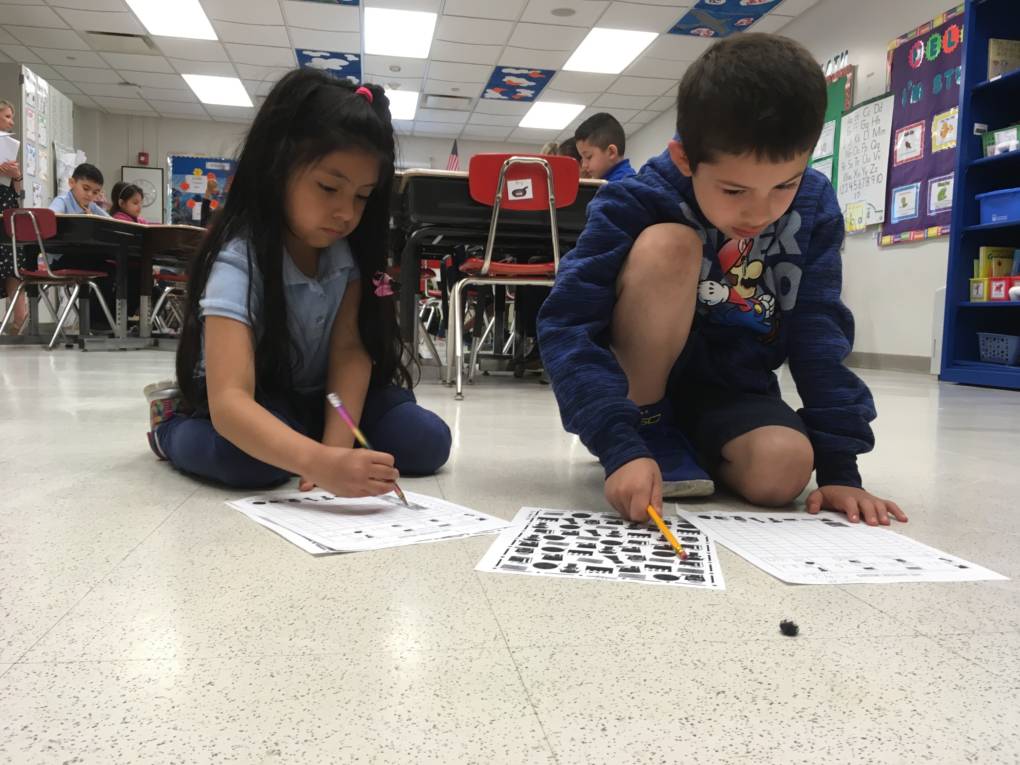
"caption": "Small-group math work at Prairie Oak Elementary in Berwyn North School District 98 where, two years ago, just 14 percent of third-graders were able to do grade-level math. ",
"description": null,
"title": "Sarah Gonser - EarlyMath1",
"credit": "Sarah Gonser for The Hechinger Report",
"status": "inherit",
"isLoading": false,
"fetchFailed": false
},
"mindshift_51485": {
"type": "attachments",
"id": "mindshift_51485",
"meta": {
"index": "attachments_1716263798",
"site": "mindshift",
"id": "51485",
"found": true
},
"parent": 51484,
"imgSizes": {
"small": {
"file": "https://ww2.kqed.org/app/uploads/sites/23/2018/06/ghana-0-1_custom-668823644194063b7cfbf07c396f9641b85cd5ba-520x347.jpg",
"width": 520,
"mimeType": "image/jpeg",
"height": 347
},
"twentyfourteen-full-width": {
"file": "https://ww2.kqed.org/app/uploads/sites/23/2018/06/ghana-0-1_custom-668823644194063b7cfbf07c396f9641b85cd5ba-1038x576.jpg",
"width": 1038,
"mimeType": "image/jpeg",
"height": 576
},
"thumbnail": {
"file": "https://ww2.kqed.org/app/uploads/sites/23/2018/06/ghana-0-1_custom-668823644194063b7cfbf07c396f9641b85cd5ba-160x107.jpg",
"width": 160,
"mimeType": "image/jpeg",
"height": 107
},
"fd-sm": {
"file": "https://ww2.kqed.org/app/uploads/sites/23/2018/06/ghana-0-1_custom-668823644194063b7cfbf07c396f9641b85cd5ba-960x640.jpg",
"width": 960,
"mimeType": "image/jpeg",
"height": 640
},
"post-thumbnail": {
"file": "https://ww2.kqed.org/app/uploads/sites/23/2018/06/ghana-0-1_custom-668823644194063b7cfbf07c396f9641b85cd5ba-672x372.jpg",
"width": 672,
"mimeType": "image/jpeg",
"height": 372
},
"xsmall": {
"file": "https://ww2.kqed.org/app/uploads/sites/23/2018/06/ghana-0-1_custom-668823644194063b7cfbf07c396f9641b85cd5ba-375x250.jpg",
"width": 375,
"mimeType": "image/jpeg",
"height": 250
},
"kqedFullSize": {
"file": "https://ww2.kqed.org/app/uploads/sites/23/2018/06/ghana-0-1_custom-668823644194063b7cfbf07c396f9641b85cd5ba-e1529557074600.jpg",
"width": 1920,
"height": 1281
},
"large": {
"file": "https://ww2.kqed.org/app/uploads/sites/23/2018/06/ghana-0-1_custom-668823644194063b7cfbf07c396f9641b85cd5ba-1020x680.jpg",
"width": 1020,
"mimeType": "image/jpeg",
"height": 680
},
"xlarge": {
"file": "https://ww2.kqed.org/app/uploads/sites/23/2018/06/ghana-0-1_custom-668823644194063b7cfbf07c396f9641b85cd5ba-1180x787.jpg",
"width": 1180,
"mimeType": "image/jpeg",
"height": 787
},
"complete_open_graph": {
"file": "https://ww2.kqed.org/app/uploads/sites/23/2018/06/ghana-0-1_custom-668823644194063b7cfbf07c396f9641b85cd5ba-1200x800.jpg",
"width": 1200,
"mimeType": "image/jpeg",
"height": 800
},
"guest-author-50": {
"file": "https://ww2.kqed.org/app/uploads/sites/23/2018/06/ghana-0-1_custom-668823644194063b7cfbf07c396f9641b85cd5ba-50x50.jpg",
"width": 50,
"mimeType": "image/jpeg",
"height": 50
},
"guest-author-96": {
"file": "https://ww2.kqed.org/app/uploads/sites/23/2018/06/ghana-0-1_custom-668823644194063b7cfbf07c396f9641b85cd5ba-96x96.jpg",
"width": 96,
"mimeType": "image/jpeg",
"height": 96
},
"medium": {
"file": "https://ww2.kqed.org/app/uploads/sites/23/2018/06/ghana-0-1_custom-668823644194063b7cfbf07c396f9641b85cd5ba-800x534.jpg",
"width": 800,
"mimeType": "image/jpeg",
"height": 534
},
"guest-author-64": {
"file": "https://ww2.kqed.org/app/uploads/sites/23/2018/06/ghana-0-1_custom-668823644194063b7cfbf07c396f9641b85cd5ba-64x64.jpg",
"width": 64,
"mimeType": "image/jpeg",
"height": 64
},
"guest-author-32": {
"file": "https://ww2.kqed.org/app/uploads/sites/23/2018/06/ghana-0-1_custom-668823644194063b7cfbf07c396f9641b85cd5ba-32x32.jpg",
"width": 32,
"mimeType": "image/jpeg",
"height": 32
},
"fd-lrg": {
"file": "https://ww2.kqed.org/app/uploads/sites/23/2018/06/ghana-0-1_custom-668823644194063b7cfbf07c396f9641b85cd5ba-1920x1281.jpg",
"width": 1920,
"mimeType": "image/jpeg",
"height": 1281
},
"fd-med": {
"file": "https://ww2.kqed.org/app/uploads/sites/23/2018/06/ghana-0-1_custom-668823644194063b7cfbf07c396f9641b85cd5ba-1180x787.jpg",
"width": 1180,
"mimeType": "image/jpeg",
"height": 787
},
"full-width": {
"file": "https://ww2.kqed.org/app/uploads/sites/23/2018/06/ghana-0-1_custom-668823644194063b7cfbf07c396f9641b85cd5ba-1920x1281.jpg",
"width": 1920,
"mimeType": "image/jpeg",
"height": 1281
},
"detail": {
"file": "https://ww2.kqed.org/app/uploads/sites/23/2018/06/ghana-0-1_custom-668823644194063b7cfbf07c396f9641b85cd5ba-150x150.jpg",
"width": 150,
"mimeType": "image/jpeg",
"height": 150
},
"medium_large": {
"file": "https://ww2.kqed.org/app/uploads/sites/23/2018/06/ghana-0-1_custom-668823644194063b7cfbf07c396f9641b85cd5ba-768x512.jpg",
"width": 768,
"mimeType": "image/jpeg",
"height": 512
},
"guest-author-128": {
"file": "https://ww2.kqed.org/app/uploads/sites/23/2018/06/ghana-0-1_custom-668823644194063b7cfbf07c396f9641b85cd5ba-128x128.jpg",
"width": 128,
"mimeType": "image/jpeg",
"height": 128
},
"xxsmall": {
"file": "https://ww2.kqed.org/app/uploads/sites/23/2018/06/ghana-0-1_custom-668823644194063b7cfbf07c396f9641b85cd5ba-240x160.jpg",
"width": 240,
"mimeType": "image/jpeg",
"height": 160
}
},
"publishDate": 1529521548,
"modified": 1529521750,
"caption": null,
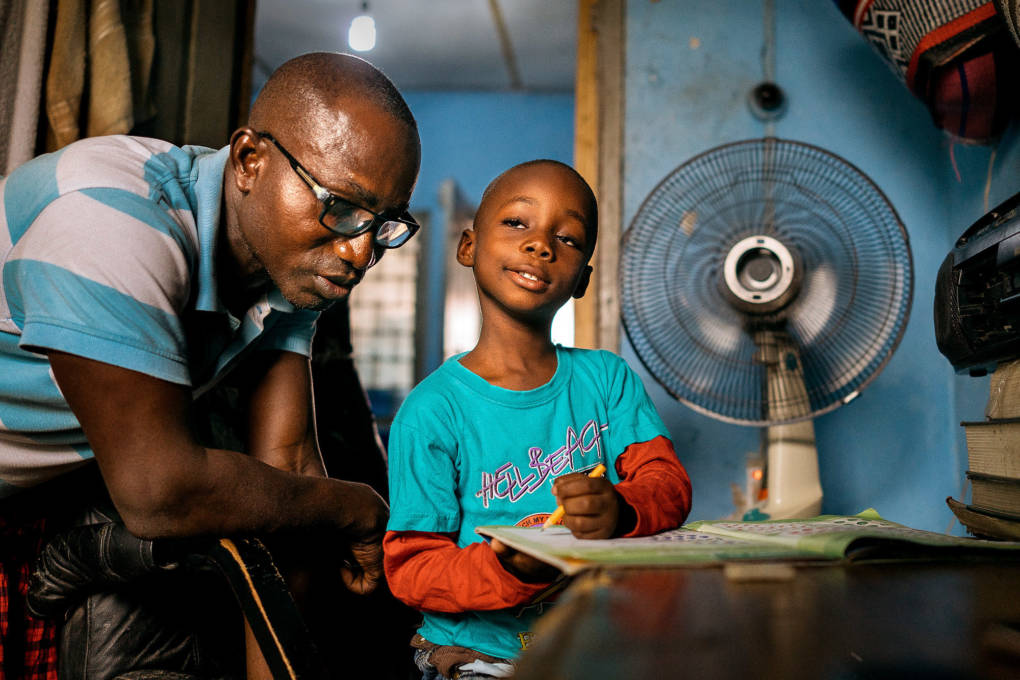
"description": "It's their nightly ritual: Herman Agbavor sits down with his 5-year-old son, Herbert, to go over his homework.",
"title": "It's their nightly ritual: Herman Agbavor sits down with his 5-year-old son, Herbert, to go over his homework.",
"credit": "Nana Kofi Acquah/for NPR ",
"status": "inherit",
"isLoading": false,
"fetchFailed": false
},
"mindshift_51384": {
"type": "attachments",
"id": "mindshift_51384",
"meta": {
"index": "attachments_1716263798",
"site": "mindshift",
"id": "51384",
"found": true
},
"parent": 51378,
"imgSizes": {
"small": {
"file": "https://ww2.kqed.org/app/uploads/sites/23/2018/06/IMG_5619-1-768x576-520x390.jpg",
"width": 520,
"mimeType": "image/jpeg",
"height": 390
},
"twentyfourteen-full-width": {
"file": "https://ww2.kqed.org/app/uploads/sites/23/2018/06/IMG_5619-1-768x576-768x576.jpg",
"width": 768,
"mimeType": "image/jpeg",
"height": 576
},
"thumbnail": {
"file": "https://ww2.kqed.org/app/uploads/sites/23/2018/06/IMG_5619-1-768x576-160x120.jpg",
"width": 160,
"mimeType": "image/jpeg",
"height": 120
},
"post-thumbnail": {
"file": "https://ww2.kqed.org/app/uploads/sites/23/2018/06/IMG_5619-1-768x576-672x372.jpg",
"width": 672,
"mimeType": "image/jpeg",
"height": 372
},
"xsmall": {
"file": "https://ww2.kqed.org/app/uploads/sites/23/2018/06/IMG_5619-1-768x576-375x281.jpg",
"width": 375,
"mimeType": "image/jpeg",
"height": 281
},
"kqedFullSize": {
"file": "https://ww2.kqed.org/app/uploads/sites/23/2018/06/IMG_5619-1-768x576.jpg",
"width": 768,
"height": 576
},
"guest-author-50": {
"file": "https://ww2.kqed.org/app/uploads/sites/23/2018/06/IMG_5619-1-768x576-50x50.jpg",
"width": 50,
"mimeType": "image/jpeg",
"height": 50
},
"guest-author-96": {
"file": "https://ww2.kqed.org/app/uploads/sites/23/2018/06/IMG_5619-1-768x576-96x96.jpg",
"width": 96,
"mimeType": "image/jpeg",
"height": 96
},
"guest-author-64": {
"file": "https://ww2.kqed.org/app/uploads/sites/23/2018/06/IMG_5619-1-768x576-64x64.jpg",
"width": 64,
"mimeType": "image/jpeg",
"height": 64
},
"guest-author-32": {
"file": "https://ww2.kqed.org/app/uploads/sites/23/2018/06/IMG_5619-1-768x576-32x32.jpg",
"width": 32,
"mimeType": "image/jpeg",
"height": 32
},
"detail": {
"file": "https://ww2.kqed.org/app/uploads/sites/23/2018/06/IMG_5619-1-768x576-150x150.jpg",
"width": 150,
"mimeType": "image/jpeg",
"height": 150
},
"medium_large": {
"file": "https://ww2.kqed.org/app/uploads/sites/23/2018/06/IMG_5619-1-768x576-768x576.jpg",
"width": 768,
"mimeType": "image/jpeg",
"height": 576
},
"guest-author-128": {
"file": "https://ww2.kqed.org/app/uploads/sites/23/2018/06/IMG_5619-1-768x576-128x128.jpg",
"width": 128,
"mimeType": "image/jpeg",
"height": 128
},
"xxsmall": {
"file": "https://ww2.kqed.org/app/uploads/sites/23/2018/06/IMG_5619-1-768x576-240x180.jpg",
"width": 240,
"mimeType": "image/jpeg",
"height": 180
}
},
"publishDate": 1528399075,
"modified": 1528399099,
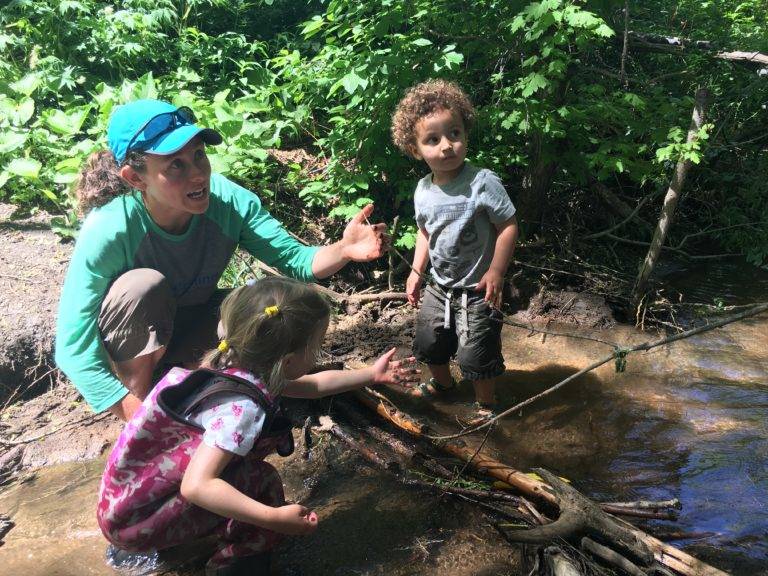
"caption": "Megan Patterson, the founder of Worldmind Nature Immersion School, talks with two children while others play nearby.",
"description": null,
"title": "IMG_5619-1-768x576",
"credit": "Photo by Ann Schimke/Chalkbeat",
"status": "inherit",
"isLoading": false,
"fetchFailed": false
},
"mindshift_50868": {
"type": "attachments",
"id": "mindshift_50868",
"meta": {
"index": "attachments_1716263798",
"site": "mindshift",
"id": "50868",
"found": true
},
"parent": 50867,
"imgSizes": {
"small": {
"file": "https://ww2.kqed.org/app/uploads/sites/23/2018/03/nhammer-irby11_slide-d94cd39f17df1d3fcf467563bb12a2b895d21e94-520x346.jpg",
"width": 520,
"mimeType": "image/jpeg",
"height": 346
},
"twentyfourteen-full-width": {
"file": "https://ww2.kqed.org/app/uploads/sites/23/2018/03/nhammer-irby11_slide-d94cd39f17df1d3fcf467563bb12a2b895d21e94-1038x576.jpg",
"width": 1038,
"mimeType": "image/jpeg",
"height": 576
},
"thumbnail": {
"file": "https://ww2.kqed.org/app/uploads/sites/23/2018/03/nhammer-irby11_slide-d94cd39f17df1d3fcf467563bb12a2b895d21e94-160x107.jpg",
"width": 160,
"mimeType": "image/jpeg",
"height": 107
},
"fd-sm": {
"file": "https://ww2.kqed.org/app/uploads/sites/23/2018/03/nhammer-irby11_slide-d94cd39f17df1d3fcf467563bb12a2b895d21e94-960x640.jpg",
"width": 960,
"mimeType": "image/jpeg",
"height": 640
},
"post-thumbnail": {
"file": "https://ww2.kqed.org/app/uploads/sites/23/2018/03/nhammer-irby11_slide-d94cd39f17df1d3fcf467563bb12a2b895d21e94-672x372.jpg",
"width": 672,
"mimeType": "image/jpeg",
"height": 372
},
"xsmall": {
"file": "https://ww2.kqed.org/app/uploads/sites/23/2018/03/nhammer-irby11_slide-d94cd39f17df1d3fcf467563bb12a2b895d21e94-375x250.jpg",
"width": 375,
"mimeType": "image/jpeg",
"height": 250
},
"kqedFullSize": {
"file": "https://ww2.kqed.org/app/uploads/sites/23/2018/03/nhammer-irby11_slide-d94cd39f17df1d3fcf467563bb12a2b895d21e94-e1522391393123.jpg",
"width": 1920,
"height": 1279
},
"large": {
"file": "https://ww2.kqed.org/app/uploads/sites/23/2018/03/nhammer-irby11_slide-d94cd39f17df1d3fcf467563bb12a2b895d21e94-1020x680.jpg",
"width": 1020,
"mimeType": "image/jpeg",
"height": 680
},
"xlarge": {
"file": "https://ww2.kqed.org/app/uploads/sites/23/2018/03/nhammer-irby11_slide-d94cd39f17df1d3fcf467563bb12a2b895d21e94-1180x786.jpg",
"width": 1180,
"mimeType": "image/jpeg",
"height": 786
},
"guest-author-50": {
"file": "https://ww2.kqed.org/app/uploads/sites/23/2018/03/nhammer-irby11_slide-d94cd39f17df1d3fcf467563bb12a2b895d21e94-50x50.jpg",
"width": 50,
"mimeType": "image/jpeg",
"height": 50
},
"guest-author-96": {
"file": "https://ww2.kqed.org/app/uploads/sites/23/2018/03/nhammer-irby11_slide-d94cd39f17df1d3fcf467563bb12a2b895d21e94-96x96.jpg",
"width": 96,
"mimeType": "image/jpeg",
"height": 96
},
"medium": {
"file": "https://ww2.kqed.org/app/uploads/sites/23/2018/03/nhammer-irby11_slide-d94cd39f17df1d3fcf467563bb12a2b895d21e94-800x533.jpg",
"width": 800,
"mimeType": "image/jpeg",
"height": 533
},
"guest-author-64": {
"file": "https://ww2.kqed.org/app/uploads/sites/23/2018/03/nhammer-irby11_slide-d94cd39f17df1d3fcf467563bb12a2b895d21e94-64x64.jpg",
"width": 64,
"mimeType": "image/jpeg",
"height": 64
},
"guest-author-32": {
"file": "https://ww2.kqed.org/app/uploads/sites/23/2018/03/nhammer-irby11_slide-d94cd39f17df1d3fcf467563bb12a2b895d21e94-32x32.jpg",
"width": 32,
"mimeType": "image/jpeg",
"height": 32
},
"fd-lrg": {
"file": "https://ww2.kqed.org/app/uploads/sites/23/2018/03/nhammer-irby11_slide-d94cd39f17df1d3fcf467563bb12a2b895d21e94-1920x1279.jpg",
"width": 1920,
"mimeType": "image/jpeg",
"height": 1279
},
"fd-med": {
"file": "https://ww2.kqed.org/app/uploads/sites/23/2018/03/nhammer-irby11_slide-d94cd39f17df1d3fcf467563bb12a2b895d21e94-1180x786.jpg",
"width": 1180,
"mimeType": "image/jpeg",
"height": 786
},
"full-width": {
"file": "https://ww2.kqed.org/app/uploads/sites/23/2018/03/nhammer-irby11_slide-d94cd39f17df1d3fcf467563bb12a2b895d21e94-1920x1279.jpg",
"width": 1920,
"mimeType": "image/jpeg",
"height": 1279
},
"detail": {
"file": "https://ww2.kqed.org/app/uploads/sites/23/2018/03/nhammer-irby11_slide-d94cd39f17df1d3fcf467563bb12a2b895d21e94-150x150.jpg",
"width": 150,
"mimeType": "image/jpeg",
"height": 150
},
"medium_large": {
"file": "https://ww2.kqed.org/app/uploads/sites/23/2018/03/nhammer-irby11_slide-d94cd39f17df1d3fcf467563bb12a2b895d21e94-768x512.jpg",
"width": 768,
"mimeType": "image/jpeg",
"height": 512
},
"guest-author-128": {
"file": "https://ww2.kqed.org/app/uploads/sites/23/2018/03/nhammer-irby11_slide-d94cd39f17df1d3fcf467563bb12a2b895d21e94-128x128.jpg",
"width": 128,
"mimeType": "image/jpeg",
"height": 128
},
"xxsmall": {
"file": "https://ww2.kqed.org/app/uploads/sites/23/2018/03/nhammer-irby11_slide-d94cd39f17df1d3fcf467563bb12a2b895d21e94-240x160.jpg",
"width": 240,
"mimeType": "image/jpeg",
"height": 160
}
},
"publishDate": 1522390606,
"modified": 1522391411,
"caption": "Alvin Irby, founder of Barbershop Books, is on a mission to get kids reading in the barbershop.",
"description": "Alvin Irby, founder of Barbershop Books, is on a mission to get kids reading in the barbershop.",
"title": "Alvin Irby, founder of Barbershop Books, is on a mission to get kids reading in the barbershop.",
"credit": "Nickolai Hammer/NPR",
"status": "inherit",
"isLoading": false,
"fetchFailed": false
},
"mindshift_50815": {
"type": "attachments",
"id": "mindshift_50815",
"meta": {
"index": "attachments_1716263798",
"site": "mindshift",
"id": "50815",
"found": true
},
"parent": 50781,
"imgSizes": {
"small": {
"file": "https://ww2.kqed.org/app/uploads/sites/23/2018/03/iStock-160481055-520x347.jpg",
"width": 520,
"mimeType": "image/jpeg",
"height": 347
},
"twentyfourteen-full-width": {
"file": "https://ww2.kqed.org/app/uploads/sites/23/2018/03/iStock-160481055-1038x576.jpg",
"width": 1038,
"mimeType": "image/jpeg",
"height": 576
},
"thumbnail": {
"file": "https://ww2.kqed.org/app/uploads/sites/23/2018/03/iStock-160481055-160x107.jpg",
"width": 160,
"mimeType": "image/jpeg",
"height": 107
},
"fd-sm": {
"file": "https://ww2.kqed.org/app/uploads/sites/23/2018/03/iStock-160481055-960x640.jpg",
"width": 960,
"mimeType": "image/jpeg",
"height": 640
},
"post-thumbnail": {
"file": "https://ww2.kqed.org/app/uploads/sites/23/2018/03/iStock-160481055-672x372.jpg",
"width": 672,
"mimeType": "image/jpeg",
"height": 372
},
"xsmall": {
"file": "https://ww2.kqed.org/app/uploads/sites/23/2018/03/iStock-160481055-375x250.jpg",
"width": 375,
"mimeType": "image/jpeg",
"height": 250
},
"kqedFullSize": {
"file": "https://ww2.kqed.org/app/uploads/sites/23/2018/03/iStock-160481055-e1521614443194.jpg",
"width": 1920,
"height": 1280
},
"large": {
"file": "https://ww2.kqed.org/app/uploads/sites/23/2018/03/iStock-160481055-1020x680.jpg",
"width": 1020,
"mimeType": "image/jpeg",
"height": 680
},
"xlarge": {
"file": "https://ww2.kqed.org/app/uploads/sites/23/2018/03/iStock-160481055-1180x787.jpg",
"width": 1180,
"mimeType": "image/jpeg",
"height": 787
},
"guest-author-50": {
"file": "https://ww2.kqed.org/app/uploads/sites/23/2018/03/iStock-160481055-50x50.jpg",
"width": 50,
"mimeType": "image/jpeg",
"height": 50
},
"guest-author-96": {
"file": "https://ww2.kqed.org/app/uploads/sites/23/2018/03/iStock-160481055-96x96.jpg",
"width": 96,
"mimeType": "image/jpeg",
"height": 96
},
"medium": {
"file": "https://ww2.kqed.org/app/uploads/sites/23/2018/03/iStock-160481055-800x533.jpg",
"width": 800,
"mimeType": "image/jpeg",
"height": 533
},
"guest-author-64": {
"file": "https://ww2.kqed.org/app/uploads/sites/23/2018/03/iStock-160481055-64x64.jpg",
"width": 64,
"mimeType": "image/jpeg",
"height": 64
},
"guest-author-32": {
"file": "https://ww2.kqed.org/app/uploads/sites/23/2018/03/iStock-160481055-32x32.jpg",
"width": 32,
"mimeType": "image/jpeg",
"height": 32
},
"fd-lrg": {
"file": "https://ww2.kqed.org/app/uploads/sites/23/2018/03/iStock-160481055-1920x1280.jpg",
"width": 1920,
"mimeType": "image/jpeg",
"height": 1280
},
"fd-med": {
"file": "https://ww2.kqed.org/app/uploads/sites/23/2018/03/iStock-160481055-1180x787.jpg",
"width": 1180,
"mimeType": "image/jpeg",
"height": 787
},
"full-width": {
"file": "https://ww2.kqed.org/app/uploads/sites/23/2018/03/iStock-160481055-1920x1280.jpg",
"width": 1920,
"mimeType": "image/jpeg",
"height": 1280
},
"detail": {
"file": "https://ww2.kqed.org/app/uploads/sites/23/2018/03/iStock-160481055-150x150.jpg",
"width": 150,
"mimeType": "image/jpeg",
"height": 150
},
"medium_large": {
"file": "https://ww2.kqed.org/app/uploads/sites/23/2018/03/iStock-160481055-768x512.jpg",
"width": 768,
"mimeType": "image/jpeg",
"height": 512
},
"guest-author-128": {
"file": "https://ww2.kqed.org/app/uploads/sites/23/2018/03/iStock-160481055-128x128.jpg",
"width": 128,
"mimeType": "image/jpeg",
"height": 128
},
"xxsmall": {
"file": "https://ww2.kqed.org/app/uploads/sites/23/2018/03/iStock-160481055-240x160.jpg",
"width": 240,
"mimeType": "image/jpeg",
"height": 160
}
},
"publishDate": 1521614425,
"modified": 1521614457,
"caption": null,
"description": null,
"title": "Trying to hear",
"credit": "iStock/sergey02",
"status": "inherit",
"isLoading": false,
"fetchFailed": false
},
"mindshift_50041": {
"type": "attachments",
"id": "mindshift_50041",
"meta": {
"index": "attachments_1716263798",
"site": "mindshift",
"id": "50041",
"found": true
},
"parent": 50040,
"imgSizes": {
"small": {
"file": "https://ww2.kqed.org/app/uploads/sites/23/2018/01/YuhasScienceofLearning-520x390.jpg",
"width": 520,
"mimeType": "image/jpeg",
"height": 390
},
"twentyfourteen-full-width": {
"file": "https://ww2.kqed.org/app/uploads/sites/23/2018/01/YuhasScienceofLearning-1038x576.jpg",
"width": 1038,
"mimeType": "image/jpeg",
"height": 576
},
"thumbnail": {
"file": "https://ww2.kqed.org/app/uploads/sites/23/2018/01/YuhasScienceofLearning-160x120.jpg",
"width": 160,
"mimeType": "image/jpeg",
"height": 120
},
"fd-sm": {
"file": "https://ww2.kqed.org/app/uploads/sites/23/2018/01/YuhasScienceofLearning-960x720.jpg",
"width": 960,
"mimeType": "image/jpeg",
"height": 720
},
"post-thumbnail": {
"file": "https://ww2.kqed.org/app/uploads/sites/23/2018/01/YuhasScienceofLearning-672x372.jpg",
"width": 672,
"mimeType": "image/jpeg",
"height": 372
},
"xsmall": {
"file": "https://ww2.kqed.org/app/uploads/sites/23/2018/01/YuhasScienceofLearning-375x281.jpg",
"width": 375,
"mimeType": "image/jpeg",
"height": 281
},
"kqedFullSize": {
"file": "https://ww2.kqed.org/app/uploads/sites/23/2018/01/YuhasScienceofLearning-e1516737447166.jpg",
"width": 1920,
"height": 1440
},
"large": {
"file": "https://ww2.kqed.org/app/uploads/sites/23/2018/01/YuhasScienceofLearning-1020x765.jpg",
"width": 1020,
"mimeType": "image/jpeg",
"height": 765
},
"xlarge": {
"file": "https://ww2.kqed.org/app/uploads/sites/23/2018/01/YuhasScienceofLearning-1180x885.jpg",
"width": 1180,
"mimeType": "image/jpeg",
"height": 885
},
"guest-author-50": {
"file": "https://ww2.kqed.org/app/uploads/sites/23/2018/01/YuhasScienceofLearning-50x50.jpg",
"width": 50,
"mimeType": "image/jpeg",
"height": 50
},
"guest-author-96": {
"file": "https://ww2.kqed.org/app/uploads/sites/23/2018/01/YuhasScienceofLearning-96x96.jpg",
"width": 96,
"mimeType": "image/jpeg",
"height": 96
},
"medium": {
"file": "https://ww2.kqed.org/app/uploads/sites/23/2018/01/YuhasScienceofLearning-800x600.jpg",
"width": 800,
"mimeType": "image/jpeg",
"height": 600
},
"guest-author-64": {
"file": "https://ww2.kqed.org/app/uploads/sites/23/2018/01/YuhasScienceofLearning-64x64.jpg",
"width": 64,
"mimeType": "image/jpeg",
"height": 64
},
"guest-author-32": {
"file": "https://ww2.kqed.org/app/uploads/sites/23/2018/01/YuhasScienceofLearning-32x32.jpg",
"width": 32,
"mimeType": "image/jpeg",
"height": 32
},
"fd-lrg": {
"file": "https://ww2.kqed.org/app/uploads/sites/23/2018/01/YuhasScienceofLearning-1920x1440.jpg",
"width": 1920,
"mimeType": "image/jpeg",
"height": 1440
},
"fd-med": {
"file": "https://ww2.kqed.org/app/uploads/sites/23/2018/01/YuhasScienceofLearning-1180x885.jpg",
"width": 1180,
"mimeType": "image/jpeg",
"height": 885
},
"full-width": {
"file": "https://ww2.kqed.org/app/uploads/sites/23/2018/01/YuhasScienceofLearning-1920x1440.jpg",
"width": 1920,
"mimeType": "image/jpeg",
"height": 1440
},
"detail": {
"file": "https://ww2.kqed.org/app/uploads/sites/23/2018/01/YuhasScienceofLearning-150x150.jpg",
"width": 150,
"mimeType": "image/jpeg",
"height": 150
},
"medium_large": {
"file": "https://ww2.kqed.org/app/uploads/sites/23/2018/01/YuhasScienceofLearning-768x576.jpg",
"width": 768,
"mimeType": "image/jpeg",
"height": 576
},
"guest-author-128": {
"file": "https://ww2.kqed.org/app/uploads/sites/23/2018/01/YuhasScienceofLearning-128x128.jpg",
"width": 128,
"mimeType": "image/jpeg",
"height": 128
},
"xxsmall": {
"file": "https://ww2.kqed.org/app/uploads/sites/23/2018/01/YuhasScienceofLearning-240x180.jpg",
"width": 240,
"mimeType": "image/jpeg",
"height": 180
}
},
"publishDate": 1516737429,
"modified": 1516737503,
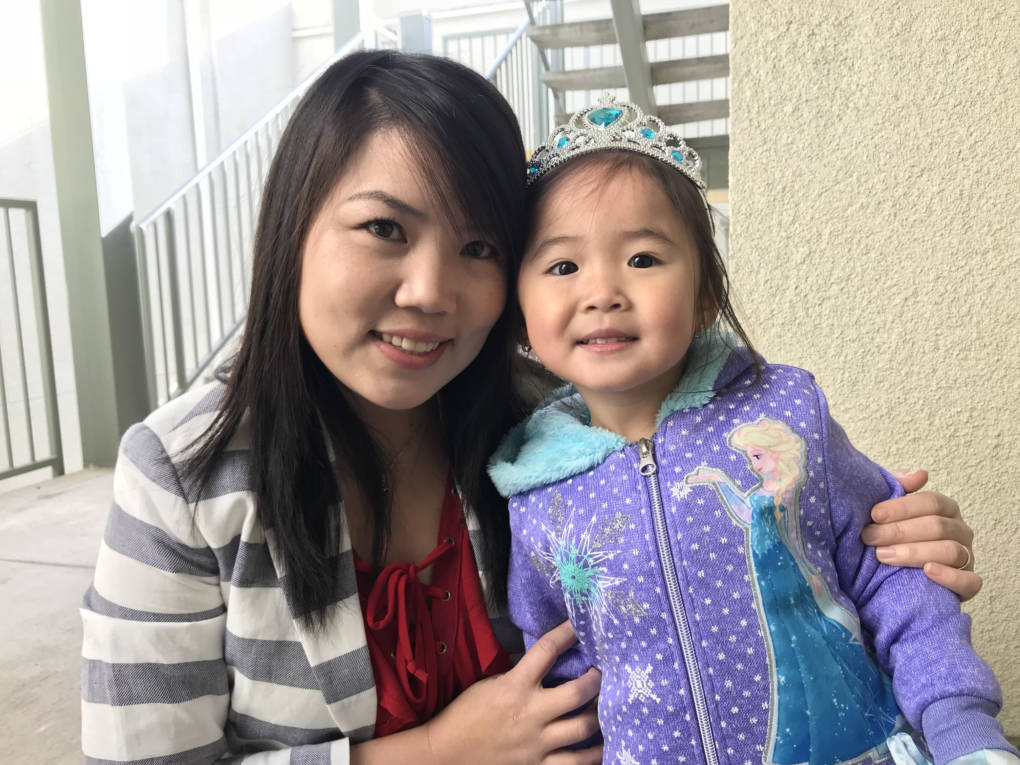
"caption": "Huyen Le and her daughter Katelynn Trinh. Through “nudges” via texts, Le gets reminded of activities to do with Katelynn that enhance her learning. ",
"description": null,
"title": "YuhasScienceofLearning",
"credit": "Courtesy of Huyen Le",
"status": "inherit",
"isLoading": false,
"fetchFailed": false
},
"mindshift_49497": {
"type": "attachments",
"id": "mindshift_49497",
"meta": {
"index": "attachments_1716263798",
"site": "mindshift",
"id": "49497",
"found": true
},
"parent": 49465,
"imgSizes": {
"small": {
"file": "https://ww2.kqed.org/app/uploads/sites/23/2017/10/iStock-520936888-520x347.jpg",
"width": 520,
"mimeType": "image/jpeg",
"height": 347
},
"twentyfourteen-full-width": {
"file": "https://ww2.kqed.org/app/uploads/sites/23/2017/10/iStock-520936888-1038x576.jpg",
"width": 1038,
"mimeType": "image/jpeg",
"height": 576
},
"thumbnail": {
"file": "https://ww2.kqed.org/app/uploads/sites/23/2017/10/iStock-520936888-160x107.jpg",
"width": 160,
"mimeType": "image/jpeg",
"height": 107
},
"fd-sm": {
"file": "https://ww2.kqed.org/app/uploads/sites/23/2017/10/iStock-520936888-960x640.jpg",
"width": 960,
"mimeType": "image/jpeg",
"height": 640
},
"post-thumbnail": {
"file": "https://ww2.kqed.org/app/uploads/sites/23/2017/10/iStock-520936888-672x372.jpg",
"width": 672,
"mimeType": "image/jpeg",
"height": 372
},
"xsmall": {
"file": "https://ww2.kqed.org/app/uploads/sites/23/2017/10/iStock-520936888-375x250.jpg",
"width": 375,
"mimeType": "image/jpeg",
"height": 250
},
"kqedFullSize": {
"file": "https://ww2.kqed.org/app/uploads/sites/23/2017/10/iStock-520936888-e1508350752915.jpg",
"width": 1920,
"height": 1280
},
"large": {
"file": "https://ww2.kqed.org/app/uploads/sites/23/2017/10/iStock-520936888-1020x680.jpg",
"width": 1020,
"mimeType": "image/jpeg",
"height": 680
},
"xlarge": {
"file": "https://ww2.kqed.org/app/uploads/sites/23/2017/10/iStock-520936888-1180x787.jpg",
"width": 1180,
"mimeType": "image/jpeg",
"height": 787
},
"guest-author-50": {
"file": "https://ww2.kqed.org/app/uploads/sites/23/2017/10/iStock-520936888-50x50.jpg",
"width": 50,
"mimeType": "image/jpeg",
"height": 50
},
"guest-author-96": {
"file": "https://ww2.kqed.org/app/uploads/sites/23/2017/10/iStock-520936888-96x96.jpg",
"width": 96,
"mimeType": "image/jpeg",
"height": 96
},
"medium": {
"file": "https://ww2.kqed.org/app/uploads/sites/23/2017/10/iStock-520936888-800x533.jpg",
"width": 800,
"mimeType": "image/jpeg",
"height": 533
},
"guest-author-64": {
"file": "https://ww2.kqed.org/app/uploads/sites/23/2017/10/iStock-520936888-64x64.jpg",
"width": 64,
"mimeType": "image/jpeg",
"height": 64
},
"guest-author-32": {
"file": "https://ww2.kqed.org/app/uploads/sites/23/2017/10/iStock-520936888-32x32.jpg",
"width": 32,
"mimeType": "image/jpeg",
"height": 32
},
"fd-lrg": {
"file": "https://ww2.kqed.org/app/uploads/sites/23/2017/10/iStock-520936888-1920x1280.jpg",
"width": 1920,
"mimeType": "image/jpeg",
"height": 1280
},
"fd-med": {
"file": "https://ww2.kqed.org/app/uploads/sites/23/2017/10/iStock-520936888-1180x787.jpg",
"width": 1180,
"mimeType": "image/jpeg",
"height": 787
},
"full-width": {
"file": "https://ww2.kqed.org/app/uploads/sites/23/2017/10/iStock-520936888-1920x1280.jpg",
"width": 1920,
"mimeType": "image/jpeg",
"height": 1280
},
"detail": {
"file": "https://ww2.kqed.org/app/uploads/sites/23/2017/10/iStock-520936888-150x150.jpg",
"width": 150,
"mimeType": "image/jpeg",
"height": 150
},
"medium_large": {
"file": "https://ww2.kqed.org/app/uploads/sites/23/2017/10/iStock-520936888-768x512.jpg",
"width": 768,
"mimeType": "image/jpeg",
"height": 512
},
"guest-author-128": {
"file": "https://ww2.kqed.org/app/uploads/sites/23/2017/10/iStock-520936888-128x128.jpg",
"width": 128,
"mimeType": "image/jpeg",
"height": 128
},
"xxsmall": {
"file": "https://ww2.kqed.org/app/uploads/sites/23/2017/10/iStock-520936888-240x160.jpg",
"width": 240,
"mimeType": "image/jpeg",
"height": 160
}
},
"publishDate": 1508350718,
"modified": 1508350769,
"caption": null,
"description": null,
"title": null,
"credit": "iStock/Liderina",
"status": "inherit",
"isLoading": false,
"fetchFailed": false
},
"mindshift_49511": {
"type": "attachments",
"id": "mindshift_49511",
"meta": {
"index": "attachments_1716263798",
"site": "mindshift",
"id": "49511",
"found": true
},
"parent": 49510,
"imgSizes": {
"small": {
"file": "https://ww2.kqed.org/app/uploads/sites/23/2017/10/kids-and-screens-final-adjusted_wide-aefd543a9ce04a6d1b1510f4b0631ec2afc5c17e-520x292.jpe",
"width": 520,
"mimeType": "image/jpeg",
"height": 292
},
"twentyfourteen-full-width": {
"file": "https://ww2.kqed.org/app/uploads/sites/23/2017/10/kids-and-screens-final-adjusted_wide-aefd543a9ce04a6d1b1510f4b0631ec2afc5c17e-1038x576.jpe",
"width": 1038,
"mimeType": "image/jpeg",
"height": 576
},
"thumbnail": {
"file": "https://ww2.kqed.org/app/uploads/sites/23/2017/10/kids-and-screens-final-adjusted_wide-aefd543a9ce04a6d1b1510f4b0631ec2afc5c17e-160x90.jpe",
"width": 160,
"mimeType": "image/jpeg",
"height": 90
},
"fd-sm": {
"file": "https://ww2.kqed.org/app/uploads/sites/23/2017/10/kids-and-screens-final-adjusted_wide-aefd543a9ce04a6d1b1510f4b0631ec2afc5c17e-960x540.jpe",
"width": 960,
"mimeType": "image/jpeg",
"height": 540
},
"post-thumbnail": {
"file": "https://ww2.kqed.org/app/uploads/sites/23/2017/10/kids-and-screens-final-adjusted_wide-aefd543a9ce04a6d1b1510f4b0631ec2afc5c17e-672x372.jpe",
"width": 672,
"mimeType": "image/jpeg",
"height": 372
},
"xsmall": {
"file": "https://ww2.kqed.org/app/uploads/sites/23/2017/10/kids-and-screens-final-adjusted_wide-aefd543a9ce04a6d1b1510f4b0631ec2afc5c17e-375x211.jpe",
"width": 375,
"mimeType": "image/jpeg",
"height": 211
},
"kqedFullSize": {
"file": "https://ww2.kqed.org/app/uploads/sites/23/2017/10/kids-and-screens-final-adjusted_wide-aefd543a9ce04a6d1b1510f4b0631ec2afc5c17e-e1508416429116.jpe",
"width": 1920,
"height": 1080
},
"large": {
"file": "https://ww2.kqed.org/app/uploads/sites/23/2017/10/kids-and-screens-final-adjusted_wide-aefd543a9ce04a6d1b1510f4b0631ec2afc5c17e-1020x574.jpe",
"width": 1020,
"mimeType": "image/jpeg",
"height": 574
},
"xlarge": {
"file": "https://ww2.kqed.org/app/uploads/sites/23/2017/10/kids-and-screens-final-adjusted_wide-aefd543a9ce04a6d1b1510f4b0631ec2afc5c17e-1180x664.jpe",
"width": 1180,
"mimeType": "image/jpeg",
"height": 664
},
"guest-author-50": {
"file": "https://ww2.kqed.org/app/uploads/sites/23/2017/10/kids-and-screens-final-adjusted_wide-aefd543a9ce04a6d1b1510f4b0631ec2afc5c17e-50x50.jpe",
"width": 50,
"mimeType": "image/jpeg",
"height": 50
},
"guest-author-96": {
"file": "https://ww2.kqed.org/app/uploads/sites/23/2017/10/kids-and-screens-final-adjusted_wide-aefd543a9ce04a6d1b1510f4b0631ec2afc5c17e-96x96.jpe",
"width": 96,
"mimeType": "image/jpeg",
"height": 96
},
"medium": {
"file": "https://ww2.kqed.org/app/uploads/sites/23/2017/10/kids-and-screens-final-adjusted_wide-aefd543a9ce04a6d1b1510f4b0631ec2afc5c17e-800x450.jpe",
"width": 800,
"mimeType": "image/jpeg",
"height": 450
},
"guest-author-64": {
"file": "https://ww2.kqed.org/app/uploads/sites/23/2017/10/kids-and-screens-final-adjusted_wide-aefd543a9ce04a6d1b1510f4b0631ec2afc5c17e-64x64.jpe",
"width": 64,
"mimeType": "image/jpeg",
"height": 64
},
"guest-author-32": {
"file": "https://ww2.kqed.org/app/uploads/sites/23/2017/10/kids-and-screens-final-adjusted_wide-aefd543a9ce04a6d1b1510f4b0631ec2afc5c17e-32x32.jpe",
"width": 32,
"mimeType": "image/jpeg",
"height": 32
},
"fd-lrg": {
"file": "https://ww2.kqed.org/app/uploads/sites/23/2017/10/kids-and-screens-final-adjusted_wide-aefd543a9ce04a6d1b1510f4b0631ec2afc5c17e-1920x1080.jpe",
"width": 1920,
"mimeType": "image/jpeg",
"height": 1080
},
"fd-med": {
"file": "https://ww2.kqed.org/app/uploads/sites/23/2017/10/kids-and-screens-final-adjusted_wide-aefd543a9ce04a6d1b1510f4b0631ec2afc5c17e-1180x664.jpe",
"width": 1180,
"mimeType": "image/jpeg",
"height": 664
},
"full-width": {
"file": "https://ww2.kqed.org/app/uploads/sites/23/2017/10/kids-and-screens-final-adjusted_wide-aefd543a9ce04a6d1b1510f4b0631ec2afc5c17e-1920x1080.jpe",
"width": 1920,
"mimeType": "image/jpeg",
"height": 1080
},
"detail": {
"file": "https://ww2.kqed.org/app/uploads/sites/23/2017/10/kids-and-screens-final-adjusted_wide-aefd543a9ce04a6d1b1510f4b0631ec2afc5c17e-150x150.jpe",
"width": 150,
"mimeType": "image/jpeg",
"height": 150
},
"medium_large": {
"file": "https://ww2.kqed.org/app/uploads/sites/23/2017/10/kids-and-screens-final-adjusted_wide-aefd543a9ce04a6d1b1510f4b0631ec2afc5c17e-768x432.jpe",
"width": 768,
"mimeType": "image/jpeg",
"height": 432
},
"guest-author-128": {
"file": "https://ww2.kqed.org/app/uploads/sites/23/2017/10/kids-and-screens-final-adjusted_wide-aefd543a9ce04a6d1b1510f4b0631ec2afc5c17e-128x128.jpe",
"width": 128,
"mimeType": "image/jpeg",
"height": 128
},
"xxsmall": {
"file": "https://ww2.kqed.org/app/uploads/sites/23/2017/10/kids-and-screens-final-adjusted_wide-aefd543a9ce04a6d1b1510f4b0631ec2afc5c17e-240x135.jpe",
"width": 240,
"mimeType": "image/jpeg",
"height": 135
}
},
"publishDate": 1508416132,
"modified": 1508416441,
"caption": null,
"description": "kids and screens",
"title": "kids and screens",
"credit": "Ryan Johnson for NPR",
"status": "inherit",
"isLoading": false,
"fetchFailed": false
},
"mindshift_49214": {
"type": "attachments",
"id": "mindshift_49214",
"meta": {
"index": "attachments_1716263798",
"site": "mindshift",
"id": "49214",
"found": true
},
"parent": 49205,
"imgSizes": {
"small": {
"file": "https://ww2.kqed.org/app/uploads/sites/23/2017/09/iStock-538346254-520x347.jpg",
"width": 520,
"mimeType": "image/jpeg",
"height": 347
},
"twentyfourteen-full-width": {
"file": "https://ww2.kqed.org/app/uploads/sites/23/2017/09/iStock-538346254-1038x576.jpg",
"width": 1038,
"mimeType": "image/jpeg",
"height": 576
},
"thumbnail": {
"file": "https://ww2.kqed.org/app/uploads/sites/23/2017/09/iStock-538346254-160x107.jpg",
"width": 160,
"mimeType": "image/jpeg",
"height": 107
},
"fd-sm": {
"file": "https://ww2.kqed.org/app/uploads/sites/23/2017/09/iStock-538346254-960x640.jpg",
"width": 960,
"mimeType": "image/jpeg",
"height": 640
},
"post-thumbnail": {
"file": "https://ww2.kqed.org/app/uploads/sites/23/2017/09/iStock-538346254-672x372.jpg",
"width": 672,
"mimeType": "image/jpeg",
"height": 372
},
"xsmall": {
"file": "https://ww2.kqed.org/app/uploads/sites/23/2017/09/iStock-538346254-375x250.jpg",
"width": 375,
"mimeType": "image/jpeg",
"height": 250
},
"kqedFullSize": {
"file": "https://ww2.kqed.org/app/uploads/sites/23/2017/09/iStock-538346254-e1505342916135.jpg",
"width": 1920,
"height": 1281
},
"large": {
"file": "https://ww2.kqed.org/app/uploads/sites/23/2017/09/iStock-538346254-1020x680.jpg",
"width": 1020,
"mimeType": "image/jpeg",
"height": 680
},
"xlarge": {
"file": "https://ww2.kqed.org/app/uploads/sites/23/2017/09/iStock-538346254-1180x787.jpg",
"width": 1180,
"mimeType": "image/jpeg",
"height": 787
},
"guest-author-50": {
"file": "https://ww2.kqed.org/app/uploads/sites/23/2017/09/iStock-538346254-50x50.jpg",
"width": 50,
"mimeType": "image/jpeg",
"height": 50
},
"guest-author-96": {
"file": "https://ww2.kqed.org/app/uploads/sites/23/2017/09/iStock-538346254-96x96.jpg",
"width": 96,
"mimeType": "image/jpeg",
"height": 96
},
"medium": {
"file": "https://ww2.kqed.org/app/uploads/sites/23/2017/09/iStock-538346254-800x534.jpg",
"width": 800,
"mimeType": "image/jpeg",
"height": 534
},
"guest-author-64": {
"file": "https://ww2.kqed.org/app/uploads/sites/23/2017/09/iStock-538346254-64x64.jpg",
"width": 64,
"mimeType": "image/jpeg",
"height": 64
},
"guest-author-32": {
"file": "https://ww2.kqed.org/app/uploads/sites/23/2017/09/iStock-538346254-32x32.jpg",
"width": 32,
"mimeType": "image/jpeg",
"height": 32
},
"fd-lrg": {
"file": "https://ww2.kqed.org/app/uploads/sites/23/2017/09/iStock-538346254-1920x1281.jpg",
"width": 1920,
"mimeType": "image/jpeg",
"height": 1281
},
"fd-med": {
"file": "https://ww2.kqed.org/app/uploads/sites/23/2017/09/iStock-538346254-1180x787.jpg",
"width": 1180,
"mimeType": "image/jpeg",
"height": 787
},
"full-width": {
"file": "https://ww2.kqed.org/app/uploads/sites/23/2017/09/iStock-538346254-1920x1281.jpg",
"width": 1920,
"mimeType": "image/jpeg",
"height": 1281
},
"detail": {
"file": "https://ww2.kqed.org/app/uploads/sites/23/2017/09/iStock-538346254-150x150.jpg",
"width": 150,
"mimeType": "image/jpeg",
"height": 150
},
"medium_large": {
"file": "https://ww2.kqed.org/app/uploads/sites/23/2017/09/iStock-538346254-768x512.jpg",
"width": 768,
"mimeType": "image/jpeg",
"height": 512
},
"guest-author-128": {
"file": "https://ww2.kqed.org/app/uploads/sites/23/2017/09/iStock-538346254-128x128.jpg",
"width": 128,
"mimeType": "image/jpeg",
"height": 128
},
"xxsmall": {
"file": "https://ww2.kqed.org/app/uploads/sites/23/2017/09/iStock-538346254-240x160.jpg",
"width": 240,
"mimeType": "image/jpeg",
"height": 160
}
},
"publishDate": 1505342890,
"modified": 1505342944,
"caption": null,
"description": null,
"title": "preschool",
"credit": "iStock/gpointstudio",
"status": "inherit",
"isLoading": false,
"fetchFailed": false
},
"mindshift_49025": {
"type": "attachments",
"id": "mindshift_49025",
"meta": {
"index": "attachments_1716263798",
"site": "mindshift",
"id": "49025",
"found": true
},
"parent": 49022,
"imgSizes": {
"small": {
"file": "https://ww2.kqed.org/app/uploads/sites/23/2017/08/twins-reading-520x293.jpg",
"width": 520,
"mimeType": "image/jpeg",
"height": 293
},
"twentyfourteen-full-width": {
"file": "https://ww2.kqed.org/app/uploads/sites/23/2017/08/twins-reading-1038x576.jpg",
"width": 1038,
"mimeType": "image/jpeg",
"height": 576
},
"thumbnail": {
"file": "https://ww2.kqed.org/app/uploads/sites/23/2017/08/twins-reading-160x90.jpg",
"width": 160,
"mimeType": "image/jpeg",
"height": 90
},
"fd-sm": {
"file": "https://ww2.kqed.org/app/uploads/sites/23/2017/08/twins-reading-960x540.jpg",
"width": 960,
"mimeType": "image/jpeg",
"height": 540
},
"post-thumbnail": {
"file": "https://ww2.kqed.org/app/uploads/sites/23/2017/08/twins-reading-672x372.jpg",
"width": 672,
"mimeType": "image/jpeg",
"height": 372
},
"xsmall": {
"file": "https://ww2.kqed.org/app/uploads/sites/23/2017/08/twins-reading-375x211.jpg",
"width": 375,
"mimeType": "image/jpeg",
"height": 211
},
"kqedFullSize": {
"file": "https://ww2.kqed.org/app/uploads/sites/23/2017/08/twins-reading.jpg",
"width": 1920,
"height": 1080
},
"large": {
"file": "https://ww2.kqed.org/app/uploads/sites/23/2017/08/twins-reading-1020x574.jpg",
"width": 1020,
"mimeType": "image/jpeg",
"height": 574
},
"xlarge": {
"file": "https://ww2.kqed.org/app/uploads/sites/23/2017/08/twins-reading-1180x664.jpg",
"width": 1180,
"mimeType": "image/jpeg",
"height": 664
},
"guest-author-50": {
"file": "https://ww2.kqed.org/app/uploads/sites/23/2017/08/twins-reading-50x50.jpg",
"width": 50,
"mimeType": "image/jpeg",
"height": 50
},
"guest-author-96": {
"file": "https://ww2.kqed.org/app/uploads/sites/23/2017/08/twins-reading-96x96.jpg",
"width": 96,
"mimeType": "image/jpeg",
"height": 96
},
"medium": {
"file": "https://ww2.kqed.org/app/uploads/sites/23/2017/08/twins-reading-800x450.jpg",
"width": 800,
"mimeType": "image/jpeg",
"height": 450
},
"guest-author-64": {
"file": "https://ww2.kqed.org/app/uploads/sites/23/2017/08/twins-reading-64x64.jpg",
"width": 64,
"mimeType": "image/jpeg",
"height": 64
},
"guest-author-32": {
"file": "https://ww2.kqed.org/app/uploads/sites/23/2017/08/twins-reading-32x32.jpg",
"width": 32,
"mimeType": "image/jpeg",
"height": 32
},
"fd-lrg": {
"file": "https://ww2.kqed.org/app/uploads/sites/23/2017/08/twins-reading-1920x1080.jpg",
"width": 1920,
"mimeType": "image/jpeg",
"height": 1080
},
"fd-med": {
"file": "https://ww2.kqed.org/app/uploads/sites/23/2017/08/twins-reading-1180x664.jpg",
"width": 1180,
"mimeType": "image/jpeg",
"height": 664
},
"full-width": {
"file": "https://ww2.kqed.org/app/uploads/sites/23/2017/08/twins-reading-1920x1080.jpg",
"width": 1920,
"mimeType": "image/jpeg",
"height": 1080
},
"detail": {
"file": "https://ww2.kqed.org/app/uploads/sites/23/2017/08/twins-reading-150x150.jpg",
"width": 150,
"mimeType": "image/jpeg",
"height": 150
},
"medium_large": {
"file": "https://ww2.kqed.org/app/uploads/sites/23/2017/08/twins-reading-768x432.jpg",
"width": 768,
"mimeType": "image/jpeg",
"height": 432
},
"guest-author-128": {
"file": "https://ww2.kqed.org/app/uploads/sites/23/2017/08/twins-reading-128x128.jpg",
"width": 128,
"mimeType": "image/jpeg",
"height": 128
},
"xxsmall": {
"file": "https://ww2.kqed.org/app/uploads/sites/23/2017/08/twins-reading-240x135.jpg",
"width": 240,
"mimeType": "image/jpeg",
"height": 135
}
},
"publishDate": 1502833187,
"modified": 1502833213,
"caption": null,
"description": null,
"title": "twins-reading",
"credit": "Vstock/iStock",
"status": "inherit",
"isLoading": false,
"fetchFailed": false
},
"mindshift_48847": {
"type": "attachments",
"id": "mindshift_48847",
"meta": {
"index": "attachments_1716263798",
"site": "mindshift",
"id": "48847",
"found": true
},
"parent": 48842,
"imgSizes": {
"small": {
"file": "https://ww2.kqed.org/app/uploads/sites/23/2017/07/iStock-681124010-520x347.jpg",
"width": 520,
"mimeType": "image/jpeg",
"height": 347
},
"twentyfourteen-full-width": {
"file": "https://ww2.kqed.org/app/uploads/sites/23/2017/07/iStock-681124010-1038x576.jpg",
"width": 1038,
"mimeType": "image/jpeg",
"height": 576
},
"thumbnail": {
"file": "https://ww2.kqed.org/app/uploads/sites/23/2017/07/iStock-681124010-160x107.jpg",
"width": 160,
"mimeType": "image/jpeg",
"height": 107
},
"fd-sm": {
"file": "https://ww2.kqed.org/app/uploads/sites/23/2017/07/iStock-681124010-960x640.jpg",
"width": 960,
"mimeType": "image/jpeg",
"height": 640
},
"post-thumbnail": {
"file": "https://ww2.kqed.org/app/uploads/sites/23/2017/07/iStock-681124010-672x372.jpg",
"width": 672,
"mimeType": "image/jpeg",
"height": 372
},
"xsmall": {
"file": "https://ww2.kqed.org/app/uploads/sites/23/2017/07/iStock-681124010-375x250.jpg",
"width": 375,
"mimeType": "image/jpeg",
"height": 250
},
"kqedFullSize": {
"file": "https://ww2.kqed.org/app/uploads/sites/23/2017/07/iStock-681124010-e1501562440854.jpg",
"width": 1920,
"height": 1280
},
"large": {
"file": "https://ww2.kqed.org/app/uploads/sites/23/2017/07/iStock-681124010-1020x680.jpg",
"width": 1020,
"mimeType": "image/jpeg",
"height": 680
},
"xlarge": {
"file": "https://ww2.kqed.org/app/uploads/sites/23/2017/07/iStock-681124010-1180x787.jpg",
"width": 1180,
"mimeType": "image/jpeg",
"height": 787
},
"guest-author-50": {
"file": "https://ww2.kqed.org/app/uploads/sites/23/2017/07/iStock-681124010-50x50.jpg",
"width": 50,
"mimeType": "image/jpeg",
"height": 50
},
"guest-author-96": {
"file": "https://ww2.kqed.org/app/uploads/sites/23/2017/07/iStock-681124010-96x96.jpg",
"width": 96,
"mimeType": "image/jpeg",
"height": 96
},
"medium": {
"file": "https://ww2.kqed.org/app/uploads/sites/23/2017/07/iStock-681124010-800x533.jpg",
"width": 800,
"mimeType": "image/jpeg",
"height": 533
},
"guest-author-64": {
"file": "https://ww2.kqed.org/app/uploads/sites/23/2017/07/iStock-681124010-64x64.jpg",
"width": 64,
"mimeType": "image/jpeg",
"height": 64
},
"guest-author-32": {
"file": "https://ww2.kqed.org/app/uploads/sites/23/2017/07/iStock-681124010-32x32.jpg",
"width": 32,
"mimeType": "image/jpeg",
"height": 32
},
"fd-lrg": {
"file": "https://ww2.kqed.org/app/uploads/sites/23/2017/07/iStock-681124010-1920x1280.jpg",
"width": 1920,
"mimeType": "image/jpeg",
"height": 1280
},
"fd-med": {
"file": "https://ww2.kqed.org/app/uploads/sites/23/2017/07/iStock-681124010-1180x787.jpg",
"width": 1180,
"mimeType": "image/jpeg",
"height": 787
},
"full-width": {
"file": "https://ww2.kqed.org/app/uploads/sites/23/2017/07/iStock-681124010-1920x1280.jpg",
"width": 1920,
"mimeType": "image/jpeg",
"height": 1280
},
"detail": {
"file": "https://ww2.kqed.org/app/uploads/sites/23/2017/07/iStock-681124010-150x150.jpg",
"width": 150,
"mimeType": "image/jpeg",
"height": 150
},
"medium_large": {
"file": "https://ww2.kqed.org/app/uploads/sites/23/2017/07/iStock-681124010-768x512.jpg",
"width": 768,
"mimeType": "image/jpeg",
"height": 512
},
"guest-author-128": {
"file": "https://ww2.kqed.org/app/uploads/sites/23/2017/07/iStock-681124010-128x128.jpg",
"width": 128,
"mimeType": "image/jpeg",
"height": 128
},
"xxsmall": {
"file": "https://ww2.kqed.org/app/uploads/sites/23/2017/07/iStock-681124010-240x160.jpg",
"width": 240,
"mimeType": "image/jpeg",
"height": 160
}
},
"publishDate": 1501562410,
"modified": 1501562435,
"caption": null,
"description": null,
"title": "iStock-681124010",
"credit": "iStock/Sasiistock",
"status": "inherit",
"isLoading": false,
"fetchFailed": false
}
},
"audioPlayerReducer": {
"postId": "stream_live",
"isPaused": true,
"isPlaying": false,
"pfsActive": false,
"pledgeModalIsOpen": true,
"playerDrawerIsOpen": false,
"liveAudioPlayStartedAt": 0,
"liveAudioPlayContext": ""
},
"authorsReducer": {
"byline_mindshift_52259": {
"type": "authors",
"id": "byline_mindshift_52259",
"meta": {
"override": true
},
"slug": "byline_mindshift_52259",
"name": "Elissa Nadworny",
"isLoading": false
},
"byline_mindshift_51605": {
"type": "authors",
"id": "byline_mindshift_51605",
"meta": {
"override": true
},
"slug": "byline_mindshift_51605",
"name": "\u003ca href=\"http://hechingerreport.org/\">Sarah Gonser, The Hechinger Report\u003c/a>",
"isLoading": false
},
"byline_mindshift_51484": {
"type": "authors",
"id": "byline_mindshift_51484",
"meta": {
"override": true
},
"slug": "byline_mindshift_51484",
"name": "Nurith Aizenman and Gregory Warner",
"isLoading": false
},
"byline_mindshift_51378": {
"type": "authors",
"id": "byline_mindshift_51378",
"meta": {
"override": true
},
"slug": "byline_mindshift_51378",
"name": "\u003ca href=\"https://chalkbeat.org/author/ann-schimke/\">Ann Schimke\u003c/a>, \u003ca href=\"https://chalkbeat.org/\">Chalkbeat Colorado\u003c/a>",
"isLoading": false
},
"byline_mindshift_50867": {
"type": "authors",
"id": "byline_mindshift_50867",
"meta": {
"override": true
},
"slug": "byline_mindshift_50867",
"name": "Cory Turner",
"isLoading": false
},
"byline_mindshift_50781": {
"type": "authors",
"id": "byline_mindshift_50781",
"meta": {
"override": true
},
"slug": "byline_mindshift_50781",
"name": "Suzanne Bouffard",
"isLoading": false
},
"byline_mindshift_50040": {
"type": "authors",
"id": "byline_mindshift_50040",
"meta": {
"override": true
},
"slug": "byline_mindshift_50040",
"name": "\u003ca href=\"http://hechingerreport.org/\">Daisy Yuhas, The Hechinger Report\u003c/a>",
"isLoading": false
},
"byline_mindshift_49510": {
"type": "authors",
"id": "byline_mindshift_49510",
"meta": {
"override": true
},
"slug": "byline_mindshift_49510",
"name": "Anya Kamenetz",
"isLoading": false
},
"byline_mindshift_49022": {
"type": "authors",
"id": "byline_mindshift_49022",
"meta": {
"override": true
},
"slug": "byline_mindshift_49022",
"name": "Tania Lombrozo",
"isLoading": false
},
"byline_mindshift_48842": {
"type": "authors",
"id": "byline_mindshift_48842",
"meta": {
"override": true
},
"slug": "byline_mindshift_48842",
"name": "\u003ca href=\"http://hechingerreport.org/\">Devin Walsh, The Hechinger Report\u003c/a>",
"isLoading": false
},
"katrinaschwartz": {
"type": "authors",
"id": "234",
"meta": {
"index": "authors_1716337520",
"id": "234",
"found": true
},
"name": "Katrina Schwartz",
"firstName": "Katrina",
"lastName": "Schwartz",
"slug": "katrinaschwartz",
"email": "kschwartz@kqed.org",
"display_author_email": false,
"staff_mastheads": [
"news"
],
"title": "Producer",
"bio": "Katrina Schwartz is a journalist based in San Francisco. She's worked at KPCC public radio in LA and has reported on air and online for KQED since 2010. She covered how teaching and learning is changing for MindShift between 2012 and 2020. She is the co-host of the MindShift podcast and now produces KQED's Bay Curious podcast.",
"avatar": "https://secure.gravatar.com/avatar/edb4ee79070447a018538c9aae6eeecf28786515b8a0c30e43b6b7dce5aa44c8?s=600&d=blank&r=g",
"twitter": "kschwart",
"bluesky": null,
"facebook": null,
"instagram": null,
"linkedin": null,
"sites": [
{
"site": "news",
"roles": [
"editor"
]
},
{
"site": "mindshift",
"roles": [
"administrator"
]
},
{
"site": "stateofhealth",
"roles": [
"author"
]
},
{
"site": "science",
"roles": [
"editor"
]
}
],
"headData": {
"title": "Katrina Schwartz | KQED",
"description": "Producer",
"ogImgSrc": "https://secure.gravatar.com/avatar/edb4ee79070447a018538c9aae6eeecf28786515b8a0c30e43b6b7dce5aa44c8?s=600&d=blank&r=g",
"twImgSrc": "https://secure.gravatar.com/avatar/edb4ee79070447a018538c9aae6eeecf28786515b8a0c30e43b6b7dce5aa44c8?s=600&d=blank&r=g"
},
"isLoading": false,
"link": "/author/katrinaschwartz"
},
"dfkris": {
"type": "authors",
"id": "11087",
"meta": {
"index": "authors_1716337520",
"id": "11087",
"found": true
},
"name": "Deborah Farmer Kris",
"firstName": "Deborah Farmer",
"lastName": "Kris",
"slug": "dfkris",
"email": "dfkris@gmail.com",
"display_author_email": false,
"staff_mastheads": [],
"title": null,
"bio": "\u003cem>\u003ca href=\"https://twitter.com/@dfkris\">Deborah Farmer Kris\u003c/a> has taught elementary, middle and high school and served as a charter school administrator. She spent a decade as an associate at Boston University’s \u003c/em>\u003cem>\u003ca href=\"http://www.bu.edu/ccsr/about-us/\">Center for Character and Social Responsibility\u003c/a>, \u003c/em>\u003cem>researching, writing, and consulting with schools. She is the mother of two young children. You can follower her on Twitter \u003ca href=\"https://twitter.com/@dfkris\">@dfkris\u003c/a>.\u003c/em>",
"avatar": "https://secure.gravatar.com/avatar/48efe6f17031ed31222b74af9605fe5a?s=600&d=blank&r=g",
"twitter": "dfkris",
"facebook": null,
"instagram": null,
"linkedin": null,
"sites": [
{
"site": "mindshift",
"roles": [
"author"
]
}
],
"headData": {
"title": "Deborah Farmer Kris | KQED",
"description": null,
"ogImgSrc": "https://secure.gravatar.com/avatar/48efe6f17031ed31222b74af9605fe5a?s=600&d=blank&r=g",
"twImgSrc": "https://secure.gravatar.com/avatar/48efe6f17031ed31222b74af9605fe5a?s=600&d=blank&r=g"
},
"isLoading": false,
"link": "/author/dfkris"
}
},
"pagesReducer": {
"mindshift_tag_early-childhood-education": {
"type": "terms",
"id": "mindshift_20720",
"meta": {
"index": "terms_1716263798",
"site": "mindshift",
"id": "20720",
"score": 9.302406
},
"featImg": null,
"name": "early childhood education",
"description": null,
"taxonomy": "tag",
"headData": {
"twImgId": null,
"twTitle": null,
"ogTitle": null,
"ogImgId": null,
"twDescription": null,
"description": null,
"title": "early childhood education Archives | KQED Mindshift",
"ogDescription": null
},
"ttid": 19997,
"slug": "early-childhood-education",
"isLoading": false,
"title": "early childhood education",
"pageMeta": {
"site": "mindshift",
"WpPageTemplate": "page-topic-editorial",
"currentPage": 5
},
"blocks": [
{
"blockName": "kqed/post-list",
"attrs": {
"layout": "cardArticle2",
"query": "posts/mindshift?tag=early-childhood-education",
"seeMore": false,
"paginated": true,
"page": 5
}
},
{
"blockName": "kqed/ad"
}
]
}
},
"pfsSessionReducer": {},
"postsReducer": {
"stream_live": {
"type": "live",
"id": "stream_live",
"audioUrl": "https://streams.kqed.org/kqedradio",
"title": "Live Stream",
"excerpt": "Live Stream information currently unavailable.",
"link": "/radio",
"featImg": "",
"label": {
"name": "KQED Live",
"link": "/"
}
},
"stream_kqedNewscast": {
"type": "posts",
"id": "stream_kqedNewscast",
"audioUrl": "https://www.kqed.org/.stream/anon/radio/RDnews/newscast.mp3?_=1",
"title": "KQED Newscast",
"featImg": "",
"label": {
"name": "88.5 FM",
"link": "/"
}
},
"mindshift_52259": {
"type": "posts",
"id": "mindshift_52259",
"meta": {
"index": "posts_1716263798",
"site": "mindshift",
"id": "52259",
"score": null,
"sort": [
1538460265000
]
},
"parent": 0,
"labelTerm": {
"site": "mindshift"
},
"blocks": [],
"publishDate": 1538460265,
"format": "standard",
"disqusTitle": "5 Simple Ways To Encourage Brain Development In Your Little One",
"title": "5 Simple Ways To Encourage Brain Development In Your Little One",
"headTitle": "MindShift | KQED News",
"content": "\u003cp>Ron Ferguson, an economist at Harvard, has made a career out of studying the achievement gap — the well-documented learning gap that exists between kids of different races and socioeconomic statuses.\u003c/p>\n\u003cp>But even he was surprised to discover that gap visible with \"stark differences\" by just age 2, meaning \"kids aren't halfway to kindergarten and they're already well behind their peers.\"\u003c/p>\n\u003cp>And yet, there's a whole body of research on how caregivers can encourage brain development before a child starts any formal learning. It's another example, Ferguson says, of the disconnect between research and practice. So he set out to translate the research into five simple and free ways adults can help their little ones.\u003c/p>\n\u003cp>\"Things that we need to do with infants and toddlers are not things that cost a lot of money,\" he explains. \"It's really about interacting with them, being responsive to them.\"\u003c/p>\n\u003cp>He calls his list the Boston Basics, and he's on a mission to introduce it to caretakers first in Boston and then across the country.\u003c/p>\n\u003cp>[ad fullwidth]\u003c/p>\n\u003cp>The principles are:\u003c/p>\n\u003col>\n\u003cli>\u003cstrong>Maximize love, manage stress. \u003c/strong>Babies pick up on stress, which means moms and dads have to take care of themselves, too. It's also not possible to over-love or be too affectionate with young children. Research shows feeling safe can have a lasting influence on development.\u003c/li>\n\u003cli>\u003cstrong>Talk, sing and point.\u003c/strong> \"When you point at something, that helps the baby to start to associate words with objects,\" Ferguson explains. Some babies will point before they can even talk.\u003c/li>\n\u003cli>\u003cstrong>Count, group and compare. \u003c/strong>This one is about numeracy. Babies love numbers and counting, and there's research to show they're actually born \u003ca href=\"https://www.npr.org/sections/ed/2017/08/01/530053714/guess-what-were-all-born-with-mathematical-abilities\">with math ability\u003c/a>. Ferguson says caregivers can introduce their children to math vocabulary by using sentences that compare things: \"Oh, look! Grandpa is tall, but grandma is short\" or \"There are two oranges, but only three apples.\"\u003c/li>\n\u003cli>\u003cstrong>Explore through movement and play. \u003c/strong>\"The idea is to have parents be aware that their children are learning when they play,\" Ferguson says.\u003c/li>\n\u003cli>\u003cstrong>Read and discuss stories. \u003c/strong>It's never too early to start reading aloud — even with babies. Hearing words increases vocabulary, and relating objects to sounds starts to create connections in the brain. The Basics also put a big emphasis on discussing stories: If there's a cat in the story and a cat in your home, point that out. That's a piece lots of parents miss when just reading aloud.\u003c/li>\n\u003c/ol>\n\u003cp>So how do these five principles get into the hands — and ultimately the brains — of Boston's babies?\u003c/p>\n\u003cp>Ferguson and his team decided the Basics have to go where the parents are. They're partnering with hospitals to incorporate the five principles into prenatal care and pediatrician visits. They work with social services agencies, home-visiting programs, barbershops and local businesses. Ferguson even teamed up with a local church to deliver a handful of talks at the pulpit after Sunday services.\u003c/p>\n\u003cp>Tara Register runs a group for teen moms at the Full Life Gospel Center in Boston. She says when she learned about the Basics, she thought, \"This would be the perfect place. We've got these young moms learning how to parent and trying to figure this out.\"\u003c/p>\n\u003cp>Register wishes she had known about the five principles back when she was a teen mom. Years later, she's now helping get the word out to a new generation. She says when she talks about the Basics in her group, the teenage parents are surprised to discover that so much learning happens so early. \"Some of this stuff they're probably doing already and they didn't even know there was a name behind it or development behind it.\"\u003c/p>\n\u003cp>And that's true for most caregivers. A lot of this comes naturally; the key is to connect those natural instincts to what researchers know about developmental science — something all parents can learn from, Ferguson says. \"I have a Ph.D. and my wife has a master's degree, but I know there are Boston Basics that we did not do.\"\u003c/p>\n\u003cp>Back in Register's class, she holds one of the babies and points to his head — and the developing brain inside. \"You can't imagine how much of a sponge this is right here,\" she says. The teens brainstorm ways they'll incorporate the Basics into their daily routine. \"I'll narrate what I'm doing as I get ready for work,\" one suggests. \"I'll count out the number on his plaything,\" another offers.\u003c/p>\n\u003cp>\u003c/p>\n\u003cp>As Register wraps up her lesson, she has one final thought for the group, which she repeats several times. It's essentially the thesis behind all five of the Boston Basics: \"Our babies are incredible,\" she tells the new moms. \"They are complex, they are incredible, they are smart. They can take it all in. So don't underestimate them.\"\u003c/p>\n\u003cdiv class=\"fullattribution\">Copyright 2018 NPR. To see more, visit http://www.npr.org/.\u003cimg src=\"https://www.google-analytics.com/__utm.gif?utmac=UA-5828686-4&utmdt=5+Simple+Ways+To+Encourage+Brain+Development+In+Your+Little+One+&utme=8(APIKey)9(MDAxOTAwOTE4MDEyMTkxMDAzNjczZDljZA004)\">\u003c/div>\n\n",
"disqusIdentifier": "52259 https://ww2.kqed.org/mindshift/?p=52259",
"disqusUrl": "https://ww2.kqed.org/mindshift/2018/10/01/5-simple-ways-to-encourage-brain-development-in-your-little-one/",
"stats": {
"hasVideo": false,
"hasChartOrMap": false,
"hasAudio": false,
"hasPolis": false,
"wordCount": 837,
"hasGoogleForm": false,
"hasGallery": false,
"hasHearkenModule": false,
"iframeSrcs": [],
"paragraphCount": 15
},
"modified": 1538460265,
"excerpt": "According to a team of Harvard researchers, the key to addressing the achievement gap lies in connecting parents' natural instincts with what we know about developmental science.",
"headData": {
"twImgId": "",
"twTitle": "",
"ogTitle": "",
"ogImgId": "",
"twDescription": "",
"description": "According to a team of Harvard researchers, the key to addressing the achievement gap lies in connecting parents' natural instincts with what we know about developmental science.",
"title": "5 Simple Ways To Encourage Brain Development In Your Little One | KQED",
"ogDescription": "",
"schema": {
"@context": "https://schema.org",
"@type": "Article",
"headline": "5 Simple Ways To Encourage Brain Development In Your Little One",
"datePublished": "2018-10-01T23:04:25-07:00",
"dateModified": "2018-10-01T23:04:25-07:00",
"image": "https://cdn.kqed.org/wp-content/uploads/2020/02/KQED-OG-Image@1x.png"
}
},
"guestAuthors": [],
"slug": "5-simple-ways-to-encourage-brain-development-in-your-little-one",
"status": "publish",
"nprApiLink": "http://api.npr.org/query?id=605213122&apiKey=MDAxOTAwOTE4MDEyMTkxMDAzNjczZDljZA004",
"nprStoryDate": "Mon, 01 Oct 2018 06:00:55 -0400",
"nprLastModifiedDate": "Mon, 01 Oct 2018 13:57:02 -0400",
"nprHtmlLink": "https://www.npr.org/sections/ed/2018/10/01/605213122/5-simple-ways-to-encourage-brain-development-in-your-little-one?ft=nprml&f=605213122",
"nprAudio": "https://ondemand.npr.org/anon.npr-mp3/npr/me/2018/09/20180927_me_5_things_to_encourage_brain_development_in_your_little_one.mp3?orgId=1&topicId=1013&d=306&story=605213122&ft=nprml&f=605213122",
"nprImageAgency": "NPR",
"nprAudioM3u": "http://api.npr.org/m3u/1652643460-44a5eb.m3u?orgId=1&topicId=1013&d=306&story=605213122&ft=nprml&f=605213122",
"nprStoryId": "605213122",
"nprByline": "Elissa Nadworny",
"audioTrackLength": 307,
"nprImageCredit": "Elissa Nadworny",
"nprRetrievedStory": "1",
"nprPubDate": "Mon, 01 Oct 2018 13:57:00 -0400",
"path": "/mindshift/52259/5-simple-ways-to-encourage-brain-development-in-your-little-one",
"audioUrl": "https://ondemand.npr.org/anon.npr-mp3/npr/me/2018/09/20180927_me_5_things_to_encourage_brain_development_in_your_little_one.mp3?orgId=1&topicId=1013&d=306&story=605213122&ft=nprml&f=605213122",
"parsedContent": [
{
"type": "contentString",
"content": "\u003cdiv class=\"post-body\">\u003cp>\u003cp>Ron Ferguson, an economist at Harvard, has made a career out of studying the achievement gap — the well-documented learning gap that exists between kids of different races and socioeconomic statuses.\u003c/p>\n\u003cp>But even he was surprised to discover that gap visible with \"stark differences\" by just age 2, meaning \"kids aren't halfway to kindergarten and they're already well behind their peers.\"\u003c/p>\n\u003cp>And yet, there's a whole body of research on how caregivers can encourage brain development before a child starts any formal learning. It's another example, Ferguson says, of the disconnect between research and practice. So he set out to translate the research into five simple and free ways adults can help their little ones.\u003c/p>\n\u003cp>\"Things that we need to do with infants and toddlers are not things that cost a lot of money,\" he explains. \"It's really about interacting with them, being responsive to them.\"\u003c/p>\n\u003cp>He calls his list the Boston Basics, and he's on a mission to introduce it to caretakers first in Boston and then across the country.\u003c/p>\n\u003cp>\u003c/p>\u003c/div>",
"attributes": {
"named": {},
"numeric": []
}
},
{
"type": "component",
"content": "",
"name": "ad",
"attributes": {
"named": {
"label": "fullwidth"
},
"numeric": [
"fullwidth"
]
}
},
{
"type": "contentString",
"content": "\u003cdiv class=\"post-body\">\u003cp>\u003c/p>\n\u003cp>The principles are:\u003c/p>\n\u003col>\n\u003cli>\u003cstrong>Maximize love, manage stress. \u003c/strong>Babies pick up on stress, which means moms and dads have to take care of themselves, too. It's also not possible to over-love or be too affectionate with young children. Research shows feeling safe can have a lasting influence on development.\u003c/li>\n\u003cli>\u003cstrong>Talk, sing and point.\u003c/strong> \"When you point at something, that helps the baby to start to associate words with objects,\" Ferguson explains. Some babies will point before they can even talk.\u003c/li>\n\u003cli>\u003cstrong>Count, group and compare. \u003c/strong>This one is about numeracy. Babies love numbers and counting, and there's research to show they're actually born \u003ca href=\"https://www.npr.org/sections/ed/2017/08/01/530053714/guess-what-were-all-born-with-mathematical-abilities\">with math ability\u003c/a>. Ferguson says caregivers can introduce their children to math vocabulary by using sentences that compare things: \"Oh, look! Grandpa is tall, but grandma is short\" or \"There are two oranges, but only three apples.\"\u003c/li>\n\u003cli>\u003cstrong>Explore through movement and play. \u003c/strong>\"The idea is to have parents be aware that their children are learning when they play,\" Ferguson says.\u003c/li>\n\u003cli>\u003cstrong>Read and discuss stories. \u003c/strong>It's never too early to start reading aloud — even with babies. Hearing words increases vocabulary, and relating objects to sounds starts to create connections in the brain. The Basics also put a big emphasis on discussing stories: If there's a cat in the story and a cat in your home, point that out. That's a piece lots of parents miss when just reading aloud.\u003c/li>\n\u003c/ol>\n\u003cp>So how do these five principles get into the hands — and ultimately the brains — of Boston's babies?\u003c/p>\n\u003cp>Ferguson and his team decided the Basics have to go where the parents are. They're partnering with hospitals to incorporate the five principles into prenatal care and pediatrician visits. They work with social services agencies, home-visiting programs, barbershops and local businesses. Ferguson even teamed up with a local church to deliver a handful of talks at the pulpit after Sunday services.\u003c/p>\n\u003cp>Tara Register runs a group for teen moms at the Full Life Gospel Center in Boston. She says when she learned about the Basics, she thought, \"This would be the perfect place. We've got these young moms learning how to parent and trying to figure this out.\"\u003c/p>\n\u003cp>Register wishes she had known about the five principles back when she was a teen mom. Years later, she's now helping get the word out to a new generation. She says when she talks about the Basics in her group, the teenage parents are surprised to discover that so much learning happens so early. \"Some of this stuff they're probably doing already and they didn't even know there was a name behind it or development behind it.\"\u003c/p>\n\u003cp>And that's true for most caregivers. A lot of this comes naturally; the key is to connect those natural instincts to what researchers know about developmental science — something all parents can learn from, Ferguson says. \"I have a Ph.D. and my wife has a master's degree, but I know there are Boston Basics that we did not do.\"\u003c/p>\n\u003cp>Back in Register's class, she holds one of the babies and points to his head — and the developing brain inside. \"You can't imagine how much of a sponge this is right here,\" she says. The teens brainstorm ways they'll incorporate the Basics into their daily routine. \"I'll narrate what I'm doing as I get ready for work,\" one suggests. \"I'll count out the number on his plaything,\" another offers.\u003c/p>\n\u003cp>\u003c/p>\n\u003cp>As Register wraps up her lesson, she has one final thought for the group, which she repeats several times. It's essentially the thesis behind all five of the Boston Basics: \"Our babies are incredible,\" she tells the new moms. \"They are complex, they are incredible, they are smart. They can take it all in. So don't underestimate them.\"\u003c/p>\n\u003cdiv class=\"fullattribution\">Copyright 2018 NPR. To see more, visit http://www.npr.org/.\u003cimg src=\"https://www.google-analytics.com/__utm.gif?utmac=UA-5828686-4&utmdt=5+Simple+Ways+To+Encourage+Brain+Development+In+Your+Little+One+&utme=8(APIKey)9(MDAxOTAwOTE4MDEyMTkxMDAzNjczZDljZA004)\">\u003c/div>\n\n\u003c/div>\u003c/p>",
"attributes": {
"named": {},
"numeric": []
}
}
],
"link": "/mindshift/52259/5-simple-ways-to-encourage-brain-development-in-your-little-one",
"authors": [
"byline_mindshift_52259"
],
"categories": [
"mindshift_192"
],
"tags": [
"mindshift_21226",
"mindshift_20720",
"mindshift_20784",
"mindshift_1040"
],
"featImg": "mindshift_52260",
"label": "mindshift"
},
"mindshift_51605": {
"type": "posts",
"id": "mindshift_51605",
"meta": {
"index": "posts_1716263798",
"site": "mindshift",
"id": "51605",
"score": null,
"sort": [
1531119670000
]
},
"parent": 0,
"labelTerm": {
"site": "mindshift"
},
"blocks": [],
"publishDate": 1531119670,
"format": "standard",
"disqusTitle": "How to Boost Math Skills in the Early Grades",
"title": "How to Boost Math Skills in the Early Grades",
"headTitle": "MindShift | KQED News",
"content": "\u003cp>\u003cem>This story \u003c/em>\u003cem>was produced by \u003c/em>\u003ca href=\"http://hechingerreport.org/\">The Hechinger Report\u003c/a>\u003cem>, a nonprofit, independent news organization focused on inequality and innovation in education. Sign up for the \u003c/em>\u003ca href=\"http://hechingerreport.us2.list-manage1.com/subscribe?u=66c306eebb323868c3ce353c1&id=d3ee4c3e04\">Hechinger newsletter\u003c/a>\u003cem>.\u003c/em>\u003c/p>\n\u003cp>BERWYN, Ill. — In the last decade, educators have focused on boosting literacy skills among low-income kids in the hope that all children will read well by third grade. But the early-grade math skills of these same low-income children have not received equal attention. Researchers say many high-poverty kindergarten classrooms don’t teach enough math and the few lessons on the subject are often too basic. While instruction may challenge kids with no previous exposure to math, it is often not engaging enough for the growing number of kindergarteners with some math skills.\u003c/p>\n\u003cp>During the last school year, only \u003ca href=\"https://www.nationsreportcard.gov/math_2017/%2523/nation/achievement?grade=4\">40 percent of fourth-graders\u003c/a> nationwide scored at a proficient level in a nationwide math assessment. Even more alarming, just 26 percent of Hispanic students and 19 percent of African-American children tested proficient in fourth-grade math. That is significant because strong math skills are needed for some of the \u003ca href=\"https://www.bls.gov/ooh/fastest-growing.htm\">fastest growing jobs\u003c/a> of the next decade and are requirements for many of the \u003ca href=\"https://www.bls.gov/ooh/highest-paying.htm\">highest paying\u003c/a> jobs. Understanding and being able to work with numbers “is a fundamental skill for success in almost any occupation you might choose,” said economist Greg J. Duncan of the University of California Irvine’s School of Education, whose research examines child poverty and education. “It leads to the analytic, higher-level thinking that’s increasingly important.”\u003c/p>\n\u003cp>One district that is steadily ratcheting up its achievement levels, with a focus this year on mathematics, is located in a small Chicago suburb. Two years ago, just 14 percent of third-graders in Berwyn North School District 98 — a high-poverty, mostly Hispanic school district about 30 minutes from downtown Chicago — were able to do grade-level math. That was the district’s first year taking the \u003ca href=\"https://parcc.pearson.com\">PARCC\u003c/a> assessment, a college- and career-readiness test mandated by the state of Illinois, and the results were dismal, though not exactly surprising. “When we started here in 2012, our district was the lowest performing in math and reading of all the schools that feed into Morton West High School,” said Carmen Ayala, Berwyn North School District 98’s superintendent.\u003c/p>\n\u003cp>Ayala, the district’s first woman and first Latina in the top spot, rolled up her sleeves. “Turning this around isn’t something you can do during a couple of workshops,” said Ayala. “For us, the focus had to be on equity because our district is 96 percent children of color, but 90 percent of our teaching staff is white. It’s not just about teachers teaching. It’s how we recruit, how we use resources, how we conduct business in the district.”\u003c/p>\n\u003cp>[ad fullwidth]\u003c/p>\n\u003cp>Although Illinois adopted Common Core standards in 2010, Berwyn North, a kindergarten through eighth-grade district with \u003ca href=\"https://www.illinoisreportcard.com/District.aspx?source=studentcharacteristics&source2=studentdemographics&Districtid=06016098002\">3,084 students\u003c/a>, had not yet incorporated the standards when Ayala and her new assistant superintendent, Amy Zaher, were hired in 2012. “When I started, the consistent word was how inconsistent we were,” said Ayala.\u003c/p>\n\u003cp>Ayala and Zaher created a set of goals for fixing Berwyn North that included an entirely new, district-wide Common Core standards-based curriculum that aligned through each grade, fixing the district’s special education inclusion program, upgrading programs for English learners and better integrating technology into schools and classrooms.\u003c/p>\n\u003cp>These goals still guide the district today. “We’ve become laser-focused on these areas in order to really bring up the achievement levels,” said Ayala.\u003c/p>\n\u003cp>In a district where almost \u003ca href=\"https://www.illinoisreportcard.com/District.aspx?source=studentcharacteristics&source2=lep&Districtid=06016098002\">30 \u003c/a>\u003ca href=\"https://www.illinoisreportcard.com/District.aspx?source=studentcharacteristics&source2=lep&Districtid=06016098002\">percent\u003c/a> of the students are learning English, these goals have meant a radical change in how math is taught in the early grades. Ayala said that before she took over, math lessons were basically one-size-fits-all, making it especially difficult for kids learning English to absorb what was being taught. “We needed to change how we're teaching math, especially for our English-learners, so that we were paying attention to language development and communication skills — how our teachers are helping our students express themselves and connect their experiences with what they were learning,\" said Ayala.\u003c/p>\n\u003cp>This connected closely to the common core mandate that children learn to discuss their thinking about math problems, and to approach problem-solving in a variety of ways, rather than simply producing the correct answer. One way the district is applying this standard is via “number talks,” a math practice that encourages students to discuss and critique math solutions, helping kids develop into flexible and creative mathematical thinkers.\u003c/p>\n\u003cp>On a recent spring day, Maritza Cleary’s third-grade class at the district’s Prairie Oak Elementary School tackled math pictographs. Children sat together in small groups at tables and on the floor with large sheets of paper and markers spread out between them. Cleary was not the only adult in the room: Four adults — teachers and administrators from the district there to observe Prairie Oak teachers at work — meandered between the groups, scrawling notes onto clipboards, sometimes kneeling beside the children to listen as they worked out the problem.\u003c/p>\n\u003cp>A pictograph query, a way of showing information using images, was projected onto a whiteboard at the front of the class:\u003c/p>\n\u003cp>“Mrs. Cleary is having a last-day-of-school ice cream party for her third grade class. She did a survey to find out what flavor each student preferred. There were 10 votes for chocolate, eight votes for vanilla, four votes for strawberry, and three votes for coconut. Use the information from the survey to create a pictograph that shows the preferred ice cream flavors. Create an ice cream symbol for your pictograph that represents two students.”\u003c/p>\n\u003cp>Students quietly discussed possible solutions, and sketched out ideas on small dry-erase boards before drawing their solutions on the poster-size sheets of paper. Cleary pulled a chair close to a group, listening intently as her students debated the ideal ice cream cone data layout strategy — an opportunity to flex their math skills and, in the process, become stronger communicators and mathematicians.\u003c/p>\n\u003cp>Shortly after this classroom visit, 30 teachers and administrators who had spent the day visiting the school's classrooms — including the four adults who observed Cleary’s class — sipped coffee and nibbled pastries in a windowless conference room in the basement of the school. It was the second and final instructional round of the school year at Prairie Oak (the first was last fall). Instructional rounds, modeled after medical rounds, are an opportunity for educators to observe classroom instruction, and then address problems together in an effort to improve their teaching. This year, the district’s instructional rounds focused on the quality and depth of math instruction.\u003c/p>\n\u003cp>At this Prairie Oak session, educators looked for improvements on math-related issues identified last fall during the school’s first instructional round. Were teachers working more closely with instructional coaches? Were lessons rigorous enough? Was classroom management stronger? Were students willing to take risks? In a post-rounds wrap-up session, teachers and administrators discussed positive growth, including greater student participation and more productive math talks between students. The group also noted areas requiring improvement: Teachers needed to use classroom wall space to better promote mathematical thinking, for example, and they needed to step back more frequently to allow students to work out their own creative solutions.\u003c/p>\n\u003cp>Instructional rounds, first brought to the district by Assistant Superintendent Zaher, who learned the practice at her previous job as a Chicago Public Schools administrator, are clearly an effort to unite a formerly disjointed, low-achieving school district around a common vision — 100 percent of students meeting high academic standards — and, importantly, to adopt a cohesive curriculum, connected grade-to-grade and school-to-school.\u003c/p>\n\u003cp>That push for a common, connected curriculum also includes what happens before, and during, kindergarten. Until recently, researchers believed that instilling strong foundational math skills before children enter kindergarten was the best predictor of success in school and life. For those children who missed out on a quality preschool experience, especially poor children of color, catching up in the elementary years was considered unlikely. Today, this thinking is evolving, putting into question just \u003ca href=\"https://www.ncbi.nlm.nih.gov/pmc/articles/PMC5779101/\">how permanent the advantage may be\u003c/a> for children who benefit from rich math curriculums in high-quality preschools. The reason: The early-math boost tends to fade out once children enter elementary school classrooms where teachers often focus on helping students who did not benefit from preschool prep, neglecting to teach more advanced skills to the advanced learners.\u003c/p>\n\u003cp>Last year, 43 states, plus Washington, D.C. and Guam, poured $7.6 billion into publicly funded preschool. In the past few years, researchers have begun exploring how to take advantage of that powerful preschool bump, especially in math, while also ensuring students who didn’t go to preschool could catch up. One of the biggest roadblocks, experts say, is the disconnect between preschool and elementary school math curriculums.\u003c/p>\n\u003cp>UC Irvine’s Duncan, co-author of a seminal \u003ca href=\"http://www.apa.org/news/press/releases/2007/11/school-readiness.aspx\">study\u003c/a> linking early math and reading skills with later academic success, noted that recent research using strong math curriculums in preschool or Head Start programs showed it is possible to level the math-skills playing field among low-income and middle-class children in the early grades.\u003c/p>\n\u003cp>The weak spot occurs once kids enter elementary school and kindergarten teachers become absorbed with teaching students who don’t yet know their numbers. “There’s really not much point [to high-quality preschool] if we don’t work on this task of aligning kindergarten and first-grade classrooms — setting them up to take advantage of the skills built up in the preschool year,” said Duncan. “If most children benefit from preschool or Head Start before heading to [a] kindergarten where teachers are skilled, and coached and supported to build on those gains, then you’ve got a situation for low-income kids that’s on par with middle- or upper-middle-class kids who come into kindergarten knowing their letters and numbers and teachers just take off from there.”\u003c/p>\n\u003cp>Another neglected area contributing to the national math achievement gap, is the lack of math emphasis at home. “Parents focus on reading to their child much more than they do on math skills. We’ve not been very successful so far in convincing parents — as we have with reading — to ‘count with your child’, ” noted Deborah Stipek of the Stanford Graduate School of Education.\u003c/p>\n\u003cp>In Berwyn North District 98, math scores are steadily creeping upward. Last year, \u003ca href=\"https://illinoisreportcard.com/district.aspx?source=trends&source2=parcc.details&Districtid=06016098002\">33 percent\u003c/a> of Hispanic third-graders met or exceeded math grade-level expectations on the PARCC test — nearly double the percentage from 2015. Berwyn North recently turned another stat on its head: Of the four districts that feed into the local high school, Berwyn went from dead-last to leading the pack in both math and reading achievement.\u003c/p>\n\u003cp>\u003cem>This story about \u003c/em>\u003ca href=\"http://hechingerreport.org/how-to-boost-math-skills-in-the-early-grades/\">\u003cem>early math instruction\u003c/em>\u003c/a>\u003cem> is part of a series about innovative practices in the core subjects in the early grades. Read about \u003c/em>\u003ca href=\"http://hechingerreport.org/how-to-help-struggling-young-readers/\">\u003cem>reading\u003c/em>\u003c/a>\u003cem>, \u003c/em>\u003ca href=\"http://hechingerreport.org/will-new-standards-improve-elementary-science-education/\">\u003cem>science\u003c/em>\u003c/a>\u003cem> and \u003c/em>\u003ca href=\"http://hechingerreport.org/how-social-studies-can-help-young-kids-make-sense-of-the-world/\">\u003cem>social studies\u003c/em>\u003c/a>\u003cem>. It was produced by \u003c/em>\u003ca href=\"http://hechingerreport.org/\">The Hechinger Report\u003c/a>\u003cem>, a nonprofit, independent news organization focused on inequality and innovation in education. Sign up for the \u003c/em>\u003ca href=\"http://hechingerreport.us2.list-manage1.com/subscribe?u=66c306eebb323868c3ce353c1&id=d3ee4c3e04\">Hechinger newsletter\u003c/a>\u003cem>.\u003c/em>\u003c/p>\n\u003cp>[ad floatright]\u003c/p>\n\u003cp> \u003c/p>\n\n",
"disqusIdentifier": "51605 https://ww2.kqed.org/mindshift/?p=51605",
"disqusUrl": "https://ww2.kqed.org/mindshift/2018/07/09/how-to-boost-math-skills-in-the-early-grades/",
"stats": {
"hasVideo": false,
"hasChartOrMap": false,
"hasAudio": false,
"hasPolis": false,
"wordCount": 1946,
"hasGoogleForm": false,
"hasGallery": false,
"hasHearkenModule": false,
"iframeSrcs": [],
"paragraphCount": 26
},
"modified": 1531117761,
"excerpt": "Early math skills, though critical to academic success, get far less attention than literacy in high-poverty classrooms. One Illinois school district is working to change that.\r\n",
"headData": {
"twImgId": "",
"twTitle": "",
"ogTitle": "",
"ogImgId": "",
"twDescription": "",
"description": "Early math skills, though critical to academic success, get far less attention than literacy in high-poverty classrooms. One Illinois school district is working to change that.\r\n",
"title": "How to Boost Math Skills in the Early Grades | KQED",
"ogDescription": "",
"schema": {
"@context": "https://schema.org",
"@type": "Article",
"headline": "How to Boost Math Skills in the Early Grades",
"datePublished": "2018-07-09T00:01:10-07:00",
"dateModified": "2018-07-08T23:29:21-07:00",
"image": "https://cdn.kqed.org/wp-content/uploads/2020/02/KQED-OG-Image@1x.png"
}
},
"guestAuthors": [],
"slug": "how-to-boost-math-skills-in-the-early-grades",
"status": "publish",
"nprByline": "\u003ca href=\"http://hechingerreport.org/\">Sarah Gonser, The Hechinger Report\u003c/a>",
"path": "/mindshift/51605/how-to-boost-math-skills-in-the-early-grades",
"audioTrackLength": null,
"parsedContent": [
{
"type": "contentString",
"content": "\u003cdiv class=\"post-body\">\u003cp>\u003cp>\u003cem>This story \u003c/em>\u003cem>was produced by \u003c/em>\u003ca href=\"http://hechingerreport.org/\">The Hechinger Report\u003c/a>\u003cem>, a nonprofit, independent news organization focused on inequality and innovation in education. Sign up for the \u003c/em>\u003ca href=\"http://hechingerreport.us2.list-manage1.com/subscribe?u=66c306eebb323868c3ce353c1&id=d3ee4c3e04\">Hechinger newsletter\u003c/a>\u003cem>.\u003c/em>\u003c/p>\n\u003cp>BERWYN, Ill. — In the last decade, educators have focused on boosting literacy skills among low-income kids in the hope that all children will read well by third grade. But the early-grade math skills of these same low-income children have not received equal attention. Researchers say many high-poverty kindergarten classrooms don’t teach enough math and the few lessons on the subject are often too basic. While instruction may challenge kids with no previous exposure to math, it is often not engaging enough for the growing number of kindergarteners with some math skills.\u003c/p>\n\u003cp>During the last school year, only \u003ca href=\"https://www.nationsreportcard.gov/math_2017/%2523/nation/achievement?grade=4\">40 percent of fourth-graders\u003c/a> nationwide scored at a proficient level in a nationwide math assessment. Even more alarming, just 26 percent of Hispanic students and 19 percent of African-American children tested proficient in fourth-grade math. That is significant because strong math skills are needed for some of the \u003ca href=\"https://www.bls.gov/ooh/fastest-growing.htm\">fastest growing jobs\u003c/a> of the next decade and are requirements for many of the \u003ca href=\"https://www.bls.gov/ooh/highest-paying.htm\">highest paying\u003c/a> jobs. Understanding and being able to work with numbers “is a fundamental skill for success in almost any occupation you might choose,” said economist Greg J. Duncan of the University of California Irvine’s School of Education, whose research examines child poverty and education. “It leads to the analytic, higher-level thinking that’s increasingly important.”\u003c/p>\n\u003cp>One district that is steadily ratcheting up its achievement levels, with a focus this year on mathematics, is located in a small Chicago suburb. Two years ago, just 14 percent of third-graders in Berwyn North School District 98 — a high-poverty, mostly Hispanic school district about 30 minutes from downtown Chicago — were able to do grade-level math. That was the district’s first year taking the \u003ca href=\"https://parcc.pearson.com\">PARCC\u003c/a> assessment, a college- and career-readiness test mandated by the state of Illinois, and the results were dismal, though not exactly surprising. “When we started here in 2012, our district was the lowest performing in math and reading of all the schools that feed into Morton West High School,” said Carmen Ayala, Berwyn North School District 98’s superintendent.\u003c/p>\n\u003cp>Ayala, the district’s first woman and first Latina in the top spot, rolled up her sleeves. “Turning this around isn’t something you can do during a couple of workshops,” said Ayala. “For us, the focus had to be on equity because our district is 96 percent children of color, but 90 percent of our teaching staff is white. It’s not just about teachers teaching. It’s how we recruit, how we use resources, how we conduct business in the district.”\u003c/p>\n\u003cp>\u003c/p>\u003c/div>",
"attributes": {
"named": {},
"numeric": []
}
},
{
"type": "component",
"content": "",
"name": "ad",
"attributes": {
"named": {
"label": "fullwidth"
},
"numeric": [
"fullwidth"
]
}
},
{
"type": "contentString",
"content": "\u003cdiv class=\"post-body\">\u003cp>\u003c/p>\n\u003cp>Although Illinois adopted Common Core standards in 2010, Berwyn North, a kindergarten through eighth-grade district with \u003ca href=\"https://www.illinoisreportcard.com/District.aspx?source=studentcharacteristics&source2=studentdemographics&Districtid=06016098002\">3,084 students\u003c/a>, had not yet incorporated the standards when Ayala and her new assistant superintendent, Amy Zaher, were hired in 2012. “When I started, the consistent word was how inconsistent we were,” said Ayala.\u003c/p>\n\u003cp>Ayala and Zaher created a set of goals for fixing Berwyn North that included an entirely new, district-wide Common Core standards-based curriculum that aligned through each grade, fixing the district’s special education inclusion program, upgrading programs for English learners and better integrating technology into schools and classrooms.\u003c/p>\n\u003cp>These goals still guide the district today. “We’ve become laser-focused on these areas in order to really bring up the achievement levels,” said Ayala.\u003c/p>\n\u003cp>In a district where almost \u003ca href=\"https://www.illinoisreportcard.com/District.aspx?source=studentcharacteristics&source2=lep&Districtid=06016098002\">30 \u003c/a>\u003ca href=\"https://www.illinoisreportcard.com/District.aspx?source=studentcharacteristics&source2=lep&Districtid=06016098002\">percent\u003c/a> of the students are learning English, these goals have meant a radical change in how math is taught in the early grades. Ayala said that before she took over, math lessons were basically one-size-fits-all, making it especially difficult for kids learning English to absorb what was being taught. “We needed to change how we're teaching math, especially for our English-learners, so that we were paying attention to language development and communication skills — how our teachers are helping our students express themselves and connect their experiences with what they were learning,\" said Ayala.\u003c/p>\n\u003cp>This connected closely to the common core mandate that children learn to discuss their thinking about math problems, and to approach problem-solving in a variety of ways, rather than simply producing the correct answer. One way the district is applying this standard is via “number talks,” a math practice that encourages students to discuss and critique math solutions, helping kids develop into flexible and creative mathematical thinkers.\u003c/p>\n\u003cp>On a recent spring day, Maritza Cleary’s third-grade class at the district’s Prairie Oak Elementary School tackled math pictographs. Children sat together in small groups at tables and on the floor with large sheets of paper and markers spread out between them. Cleary was not the only adult in the room: Four adults — teachers and administrators from the district there to observe Prairie Oak teachers at work — meandered between the groups, scrawling notes onto clipboards, sometimes kneeling beside the children to listen as they worked out the problem.\u003c/p>\n\u003cp>A pictograph query, a way of showing information using images, was projected onto a whiteboard at the front of the class:\u003c/p>\n\u003cp>“Mrs. Cleary is having a last-day-of-school ice cream party for her third grade class. She did a survey to find out what flavor each student preferred. There were 10 votes for chocolate, eight votes for vanilla, four votes for strawberry, and three votes for coconut. Use the information from the survey to create a pictograph that shows the preferred ice cream flavors. Create an ice cream symbol for your pictograph that represents two students.”\u003c/p>\n\u003cp>Students quietly discussed possible solutions, and sketched out ideas on small dry-erase boards before drawing their solutions on the poster-size sheets of paper. Cleary pulled a chair close to a group, listening intently as her students debated the ideal ice cream cone data layout strategy — an opportunity to flex their math skills and, in the process, become stronger communicators and mathematicians.\u003c/p>\n\u003cp>Shortly after this classroom visit, 30 teachers and administrators who had spent the day visiting the school's classrooms — including the four adults who observed Cleary’s class — sipped coffee and nibbled pastries in a windowless conference room in the basement of the school. It was the second and final instructional round of the school year at Prairie Oak (the first was last fall). Instructional rounds, modeled after medical rounds, are an opportunity for educators to observe classroom instruction, and then address problems together in an effort to improve their teaching. This year, the district’s instructional rounds focused on the quality and depth of math instruction.\u003c/p>\n\u003cp>At this Prairie Oak session, educators looked for improvements on math-related issues identified last fall during the school’s first instructional round. Were teachers working more closely with instructional coaches? Were lessons rigorous enough? Was classroom management stronger? Were students willing to take risks? In a post-rounds wrap-up session, teachers and administrators discussed positive growth, including greater student participation and more productive math talks between students. The group also noted areas requiring improvement: Teachers needed to use classroom wall space to better promote mathematical thinking, for example, and they needed to step back more frequently to allow students to work out their own creative solutions.\u003c/p>\n\u003cp>Instructional rounds, first brought to the district by Assistant Superintendent Zaher, who learned the practice at her previous job as a Chicago Public Schools administrator, are clearly an effort to unite a formerly disjointed, low-achieving school district around a common vision — 100 percent of students meeting high academic standards — and, importantly, to adopt a cohesive curriculum, connected grade-to-grade and school-to-school.\u003c/p>\n\u003cp>That push for a common, connected curriculum also includes what happens before, and during, kindergarten. Until recently, researchers believed that instilling strong foundational math skills before children enter kindergarten was the best predictor of success in school and life. For those children who missed out on a quality preschool experience, especially poor children of color, catching up in the elementary years was considered unlikely. Today, this thinking is evolving, putting into question just \u003ca href=\"https://www.ncbi.nlm.nih.gov/pmc/articles/PMC5779101/\">how permanent the advantage may be\u003c/a> for children who benefit from rich math curriculums in high-quality preschools. The reason: The early-math boost tends to fade out once children enter elementary school classrooms where teachers often focus on helping students who did not benefit from preschool prep, neglecting to teach more advanced skills to the advanced learners.\u003c/p>\n\u003cp>Last year, 43 states, plus Washington, D.C. and Guam, poured $7.6 billion into publicly funded preschool. In the past few years, researchers have begun exploring how to take advantage of that powerful preschool bump, especially in math, while also ensuring students who didn’t go to preschool could catch up. One of the biggest roadblocks, experts say, is the disconnect between preschool and elementary school math curriculums.\u003c/p>\n\u003cp>UC Irvine’s Duncan, co-author of a seminal \u003ca href=\"http://www.apa.org/news/press/releases/2007/11/school-readiness.aspx\">study\u003c/a> linking early math and reading skills with later academic success, noted that recent research using strong math curriculums in preschool or Head Start programs showed it is possible to level the math-skills playing field among low-income and middle-class children in the early grades.\u003c/p>\n\u003cp>The weak spot occurs once kids enter elementary school and kindergarten teachers become absorbed with teaching students who don’t yet know their numbers. “There’s really not much point [to high-quality preschool] if we don’t work on this task of aligning kindergarten and first-grade classrooms — setting them up to take advantage of the skills built up in the preschool year,” said Duncan. “If most children benefit from preschool or Head Start before heading to [a] kindergarten where teachers are skilled, and coached and supported to build on those gains, then you’ve got a situation for low-income kids that’s on par with middle- or upper-middle-class kids who come into kindergarten knowing their letters and numbers and teachers just take off from there.”\u003c/p>\n\u003cp>Another neglected area contributing to the national math achievement gap, is the lack of math emphasis at home. “Parents focus on reading to their child much more than they do on math skills. We’ve not been very successful so far in convincing parents — as we have with reading — to ‘count with your child’, ” noted Deborah Stipek of the Stanford Graduate School of Education.\u003c/p>\n\u003cp>In Berwyn North District 98, math scores are steadily creeping upward. Last year, \u003ca href=\"https://illinoisreportcard.com/district.aspx?source=trends&source2=parcc.details&Districtid=06016098002\">33 percent\u003c/a> of Hispanic third-graders met or exceeded math grade-level expectations on the PARCC test — nearly double the percentage from 2015. Berwyn North recently turned another stat on its head: Of the four districts that feed into the local high school, Berwyn went from dead-last to leading the pack in both math and reading achievement.\u003c/p>\n\u003cp>\u003cem>This story about \u003c/em>\u003ca href=\"http://hechingerreport.org/how-to-boost-math-skills-in-the-early-grades/\">\u003cem>early math instruction\u003c/em>\u003c/a>\u003cem> is part of a series about innovative practices in the core subjects in the early grades. Read about \u003c/em>\u003ca href=\"http://hechingerreport.org/how-to-help-struggling-young-readers/\">\u003cem>reading\u003c/em>\u003c/a>\u003cem>, \u003c/em>\u003ca href=\"http://hechingerreport.org/will-new-standards-improve-elementary-science-education/\">\u003cem>science\u003c/em>\u003c/a>\u003cem> and \u003c/em>\u003ca href=\"http://hechingerreport.org/how-social-studies-can-help-young-kids-make-sense-of-the-world/\">\u003cem>social studies\u003c/em>\u003c/a>\u003cem>. It was produced by \u003c/em>\u003ca href=\"http://hechingerreport.org/\">The Hechinger Report\u003c/a>\u003cem>, a nonprofit, independent news organization focused on inequality and innovation in education. Sign up for the \u003c/em>\u003ca href=\"http://hechingerreport.us2.list-manage1.com/subscribe?u=66c306eebb323868c3ce353c1&id=d3ee4c3e04\">Hechinger newsletter\u003c/a>\u003cem>.\u003c/em>\u003c/p>\n\u003cp>\u003c/p>\u003c/div>",
"attributes": {
"named": {},
"numeric": []
}
},
{
"type": "component",
"content": "",
"name": "ad",
"attributes": {
"named": {
"label": "floatright"
},
"numeric": [
"floatright"
]
}
},
{
"type": "contentString",
"content": "\u003cdiv class=\"post-body\">\u003cp>\u003c/p>\n\u003cp> \u003c/p>\n\n\u003c/div>\u003c/p>",
"attributes": {
"named": {},
"numeric": []
}
}
],
"link": "/mindshift/51605/how-to-boost-math-skills-in-the-early-grades",
"authors": [
"byline_mindshift_51605"
],
"categories": [
"mindshift_192"
],
"tags": [
"mindshift_179",
"mindshift_20720",
"mindshift_20784",
"mindshift_1040",
"mindshift_392"
],
"featImg": "mindshift_51607",
"label": "mindshift"
},
"mindshift_51484": {
"type": "posts",
"id": "mindshift_51484",
"meta": {
"index": "posts_1716263798",
"site": "mindshift",
"id": "51484",
"score": null,
"sort": [
1529557044000
]
},
"parent": 0,
"labelTerm": {
"site": "mindshift"
},
"blocks": [],
"publishDate": 1529557044,
"format": "standard",
"disqusTitle": "Even When Research Supports Changing Traditional Teaching, Parents Make It Hard",
"title": "Even When Research Supports Changing Traditional Teaching, Parents Make It Hard",
"headTitle": "MindShift | KQED News",
"content": "\u003cp>Every evening after dinner, Herman Agbavor and his 5-year-old son, Herbert, have a ritual. Little Herbert climbs into his dad's lap, unzips his book bag and they go over his kindergarten homework.\u003c/p>\n\u003cp>The two of them have been doing some variation of this homework routine since Herbert was 1. That's when Agbavor first enrolled the boy in preschool.\u003c/p>\n\u003cp>They live in a working-class neighborhood of Ghana's capital city, Accra — in a cement block apartment in a multifamily house that has a television and lots of books but no indoor plumbing.\u003c/p>\n\u003cp>A few minutes into their session on a recent evening, they get to a page with instructions to trace some rectangles. The boy falters.\u003c/p>\n\u003cp>\"T-R-A-C-E,\" says Agbavor. \"What does it spell?\"\u003c/p>\n\u003cp>[ad fullwidth]\u003c/p>\n\u003cp>\"Te?\" offers Herbert in a small voice.\u003c/p>\n\u003cp>\"You've \u003cem>got\u003c/em> to learn how to read,\" Agbavor says intently. \"It's very important. I'm not supposed to be reading for you all the time!\"\u003c/p>\n\u003cp>\u003ca href=\"#callout\">\u003cstrong>Share your story of your school experiences\u003c/strong>\u003c/a>.\u003c/p>\n\u003cp>In Ghana right now there's a lot riding on getting your child to read by age 5. No one can pinpoint precisely when these expectations started. But there's a widespread sense that Africa is rising. Just last year, Ghana ranked among the world's fastest-growing economies. And like many parents, Agbavor is convinced that all sorts of jobs could be opening up for people who know things — skills like speaking English and working with computers. And so there's a trend here. Parents — even those with very low incomes — are putting their children in private schools at younger and younger ages.\u003c/p>\n\u003cp>This hope around preschool is something you see around the world. In rich and poor countries alike there's a recognition that quality preschool can give children an invaluable start in life. And in the U.S. there's a major push underway to get more children enrolled. But in Accra — and in fact in many fast-growing African cities — they've already achieved that. It's estimated that in Accra by the time children reach age 3, 80 percent of them are in preschool, twice the share in the United States.\u003c/p>\n\u003cfigure id=\"attachment_51500\" class=\"wp-caption aligncenter\" style=\"max-width: 800px\">\u003cimg class=\"size-full wp-image-51500\" src=\"https://ww2.kqed.org/mindshift/wp-content/uploads/sites/23/2018/06/ghana-town.jpg\" alt=\"This neighborhood, on the outskirts of Ghana's capital Accra, is home to 5-year-old Herbert Agbavor. Private preschools have been popping up every few blocks.\" width=\"800\" height=\"449\" srcset=\"https://ww2.kqed.org/app/uploads/sites/23/2018/06/ghana-town.jpg 800w, https://ww2.kqed.org/app/uploads/sites/23/2018/06/ghana-town-160x90.jpg 160w, https://ww2.kqed.org/app/uploads/sites/23/2018/06/ghana-town-768x431.jpg 768w, https://ww2.kqed.org/app/uploads/sites/23/2018/06/ghana-town-240x135.jpg 240w, https://ww2.kqed.org/app/uploads/sites/23/2018/06/ghana-town-375x210.jpg 375w, https://ww2.kqed.org/app/uploads/sites/23/2018/06/ghana-town-520x292.jpg 520w\" sizes=\"(max-width: 800px) 100vw, 800px\">\u003cfigcaption class=\"wp-caption-text\">This neighborhood, on the outskirts of Ghana's capital Accra, is home to 5-year-old Herbert Agbavor. Private preschools have been popping up every few blocks. \u003ccite>(Nana Kofi Acquah/for NPR )\u003c/cite>\u003c/figcaption>\u003c/figure>\n\u003cp>But there is a problem with this picture. The government has tested Ghana's children as they move on to elementary school and has found that the preschool boom is not fulfilling its promise. To cite just one statistic, among second-graders tested in city schools, one-third could not read a single word of a simple story. The results on basic arithmetic questions are similarly disappointing.\u003c/p>\n\u003cp>In short, when it comes to preschool in Ghana, \"children are not actually getting anything from it,\" says \u003ca href=\"http://scholar.gse.upenn.edu/wolf\">Sharon Wolf,\u003c/a> a professor of early childhood development at the University of Pennsylvania. \"They are not actually learning.\"\u003c/p>\n\u003cp>Wolf is one of several experts the government has turned to in an attempt to address this problem. Three years ago officials asked her and several collaborators — including an international research group called \u003ca href=\"https://www.poverty-action.org/\">Innovations for Poverty Action\u003c/a> — to set up an experiment aimed at overhauling Accra's preschools: a training program to get the teachers to completely rethink their approach to teaching.\u003c/p>\n\u003cp>And at first the experimental training program was remarkably effective. But then the effort ran into a wall. The very people who are most desperate for Ghana's kids to succeed — the moms and the dads — started getting in the way.\u003c/p>\n\u003ch3>\u003cstrong>A Teacher's Quest\u003c/strong>\u003c/h3>\n\u003cp>Four hundred forty-four teachers were selected for the training experiment. One of them happens to be Herbert's current teacher, a 41-year-old with a beaming smile named Godaiva Gbetodeme.\u003c/p>\n\u003cfigure id=\"attachment_51499\" class=\"wp-caption aligncenter\" style=\"max-width: 800px\">\u003cimg class=\"size-full wp-image-51499\" src=\"https://ww2.kqed.org/mindshift/wp-content/uploads/sites/23/2018/06/ghana-teacher.jpg\" alt=\"\" width=\"800\" height=\"800\" srcset=\"https://ww2.kqed.org/app/uploads/sites/23/2018/06/ghana-teacher.jpg 800w, https://ww2.kqed.org/app/uploads/sites/23/2018/06/ghana-teacher-160x160.jpg 160w, https://ww2.kqed.org/app/uploads/sites/23/2018/06/ghana-teacher-768x768.jpg 768w, https://ww2.kqed.org/app/uploads/sites/23/2018/06/ghana-teacher-240x240.jpg 240w, https://ww2.kqed.org/app/uploads/sites/23/2018/06/ghana-teacher-375x375.jpg 375w, https://ww2.kqed.org/app/uploads/sites/23/2018/06/ghana-teacher-520x520.jpg 520w, https://ww2.kqed.org/app/uploads/sites/23/2018/06/ghana-teacher-32x32.jpg 32w, https://ww2.kqed.org/app/uploads/sites/23/2018/06/ghana-teacher-50x50.jpg 50w, https://ww2.kqed.org/app/uploads/sites/23/2018/06/ghana-teacher-64x64.jpg 64w, https://ww2.kqed.org/app/uploads/sites/23/2018/06/ghana-teacher-96x96.jpg 96w, https://ww2.kqed.org/app/uploads/sites/23/2018/06/ghana-teacher-128x128.jpg 128w, https://ww2.kqed.org/app/uploads/sites/23/2018/06/ghana-teacher-150x150.jpg 150w\" sizes=\"(max-width: 800px) 100vw, 800px\">\u003cfigcaption class=\"wp-caption-text\">Godaiva Gbetodeme went through an experimental training program that made her rethink her entire approach to teaching. \u003ccite>(Nana Kofi Acquah/for NPR )\u003c/cite>\u003c/figcaption>\u003c/figure>\n\u003cp>She was a particularly eager recruit — because she had been trying to figure out how to be a better teacher for years.\u003c/p>\n\u003cp>Gbetodeme had gone into teaching more than two decades earlier, at age 20, mainly because she needed a job. Her mother had died and she needed to support her younger siblings. She didn't have any special skills, just the rough equivalent of a high school diploma.\u003c/p>\n\u003cp>\"So I had to hustle here and there,\" she says, chuckling. And she had noticed that there were all these preschools popping up around the neighborhood, most of them privately run. The owners didn't care that she had no teaching credentials. Few of Ghana's preschool teachers do.\u003c/p>\n\u003cp>But what started as just a job had almost immediately turned into a calling for Gbetodeme. She just loved being around the children: \"I realized that's what God has planned for me.\"\u003c/p>\n\u003cp>And to her that meant she shouldn't just wing it as a teacher. \"I have to get into it fully.\"\u003c/p>\n\u003cp>She tried getting advice on how to be a good teacher from the owners of a succession of preschools she worked at. Their answer, invariably, was \"more homework.\" As in: \"Why don't you give the children three homework [assignments]. Why don't you give them four?\"\u003c/p>\n\u003cp>And that is what the parents seemed to want. They would open their child's backpack in front of her, she recalls, \"and say 'Oh! there's no homework in my child's bag.' So I would say, 'Don't worry. We will double the homework for your child on Monday.' \"\u003c/p>\n\u003cp>Gbetodome says her next attempt to learn how to be a teacher was a kind of spy operation. \"Yes,\" she says, giggling, \"don't laugh at me.\" She had noticed that there was another preschool not far from her home that charged three times as much tuition as the school she was teaching in. Maybe she could learn something from them, she thought. So \"I went there in a pretend manner\" — masquerading as a parent to get the headmistress to show her around.\u003c/p>\n\u003cp>And she was blown away by what she saw.\u003c/p>\n\u003cp>\"I was like, oh wow!\" she remembers.\u003c/p>\n\u003cp>Gbetodome's own classroom was a spartan place — with bare cement walls, not a single poster for the children to look at. This expensive school's classroom was filled with books and toys.\u003c/p>\n\u003cp>\"Legos in different shapes and sizes,\" she recalls.\u003c/p>\n\u003cp>Gbetodome tried to make the case to her own headmaster that they should buy things like this for her classroom. She says he told her, this is a school for working-class parents. We don't have those kind of resources.\u003c/p>\n\u003cp>\"There is no money,\" she recalls. \"They always complain that there is no money in my school.\"\u003c/p>\n\u003cp>So Gbetodome returned to her classroom defeated. It wasn't until the researchers came along that she would find out there was something she could do to dramatically improve her classroom — a missing ingredient that wouldn't require money but rather was a fundamental reconception of how she should relate to her students.\u003c/p>\n\u003cfigure id=\"attachment_51488\" class=\"wp-caption aligncenter\" style=\"max-width: 2000px\">\u003cimg class=\"size-full wp-image-51488\" src=\"https://ww2.kqed.org/mindshift/wp-content/uploads/sites/23/2018/06/ghana-0-4_custom-d38eb7a3d1d80b8502d22af3350a3a3588492120.jpg\" alt=\"\" width=\"2000\" height=\"1334\" srcset=\"https://ww2.kqed.org/app/uploads/sites/23/2018/06/ghana-0-4_custom-d38eb7a3d1d80b8502d22af3350a3a3588492120.jpg 2000w, https://ww2.kqed.org/app/uploads/sites/23/2018/06/ghana-0-4_custom-d38eb7a3d1d80b8502d22af3350a3a3588492120-160x107.jpg 160w, https://ww2.kqed.org/app/uploads/sites/23/2018/06/ghana-0-4_custom-d38eb7a3d1d80b8502d22af3350a3a3588492120-800x534.jpg 800w, https://ww2.kqed.org/app/uploads/sites/23/2018/06/ghana-0-4_custom-d38eb7a3d1d80b8502d22af3350a3a3588492120-768x512.jpg 768w, https://ww2.kqed.org/app/uploads/sites/23/2018/06/ghana-0-4_custom-d38eb7a3d1d80b8502d22af3350a3a3588492120-1020x680.jpg 1020w, https://ww2.kqed.org/app/uploads/sites/23/2018/06/ghana-0-4_custom-d38eb7a3d1d80b8502d22af3350a3a3588492120-1200x800.jpg 1200w, https://ww2.kqed.org/app/uploads/sites/23/2018/06/ghana-0-4_custom-d38eb7a3d1d80b8502d22af3350a3a3588492120-1180x787.jpg 1180w, https://ww2.kqed.org/app/uploads/sites/23/2018/06/ghana-0-4_custom-d38eb7a3d1d80b8502d22af3350a3a3588492120-960x640.jpg 960w, https://ww2.kqed.org/app/uploads/sites/23/2018/06/ghana-0-4_custom-d38eb7a3d1d80b8502d22af3350a3a3588492120-240x160.jpg 240w, https://ww2.kqed.org/app/uploads/sites/23/2018/06/ghana-0-4_custom-d38eb7a3d1d80b8502d22af3350a3a3588492120-375x250.jpg 375w, https://ww2.kqed.org/app/uploads/sites/23/2018/06/ghana-0-4_custom-d38eb7a3d1d80b8502d22af3350a3a3588492120-520x347.jpg 520w\" sizes=\"(max-width: 2000px) 100vw, 2000px\">\u003cfigcaption class=\"wp-caption-text\">Gbetodeme has been teaching preschool for more than 20 years: \"I realized that's what God has planned for me,\" she says. \u003ccite>(Nana Kofi Acquah/for NPR )\u003c/cite>\u003c/figcaption>\u003c/figure>\n\u003ch3>'\u003cstrong>Chew And Pour'\u003c/strong>\u003c/h3>\n\u003cp>Before launching the experiment to train teachers, Wolf, the researcher from the University of Pennsylvania, ran some tests on groups of preschoolers to figure out how much they knew.\u003c/p>\n\u003cp>\"One way is by showing a picture and asking children to tell you what they see,\" she notes. For instance, a landscape with lots of animals. Then, you count the number of words the kids say as a way to gauge their vocabulary skills.\u003c/p>\n\u003cp>But when Wolf tried this common test with Ghana's preschoolers, \"we would just get blank stares.\" If the tester pointed to a specific animal the child could name it. But when the kids were asked, just generally, what do you see, they were stuck. They did not know how to offer their own observations and opinions in answer to an open-ended question.\u003c/p>\n\u003cp>\"It became very clear that children are not really getting opportunities to do this in school,\" says Wolf. And as she started visiting Accra's preschool classrooms it became clear that this was the result of a very particular style of teaching.\u003c/p>\n\u003cp>We get a sense of what this approach looks like on a recent morning when we walk into one of the preschools Wolf has been studying, just as class is about to begin.\u003c/p>\n\u003cp>About 40 toddlers take their place at rows of wood tables. Their teacher walks to the front of the room and turns to face them. \"Attention!\" she calls out crisply. The children rise as one, snapping their hands to their sides.\u003c/p>\n\u003cp>Almost immediately the teacher launches into a vocabulary lesson in English — the language used by officialdom in Ghana but not the language spoken in these children's homes. \"Shoe!\" she shouts, holding up a flashcard with a picture of a shoe. \"Shoe!\" the kids shout back. \"Shoe! Shoe! Shoe!\"\u003c/p>\n\u003cp>Next up, a picture of a nose. \"Nose!\" shouts the teacher. \"Nose! Nose! Nose!\" shout the children.\u003c/p>\n\u003cp>Then it's time for Roman numerals.\u003c/p>\n\u003cp>It looks academically rigorous, but there's a serious deficiency, says Margaret Okai, the government education official in charge of Ghana's preschool and elementary schools.\u003c/p>\n\u003cp>The teachers are exclusively focused on rote memorization. \"When you enter their classroom you realize they are not able to engage the children. They'd rather stand in front of the children,\" she says — lecturing to the students and making the children repeat it back.\u003c/p>\n\u003cp>When we describe the scenes we've been seeing in Accra's preschools to Herman Agbavor — the father who was doing homework with his son — he immediately nods in recognition. \"Back in school we used to call it chew and pour,\" he says. Meaning, for each possible question, the teacher gives you one correct answer to memorize — or \"chew\" — so that come test time, you can regurgitate it — \"pour it\" back to her verbatim.\u003c/p>\n\u003cp>\"And then,\" adds Agbavor with a chuckle, \"you forget about it. Nothing is retained.\"\u003c/p>\n\u003cp>People in Ghana laugh about chew and pour because it's always been this way. It's not something they expect to change. They complain about it the way Americans gripe about standardized testing or how children are given the whole summer off to forget everything they learned during the year.\u003c/p>\n\u003cp>But the consensus among researchers and government officials is that at least in preschools, there's an urgent need to scrap this method. Instead of forcing kids to stare at a chalkboard or a flashcard, Okai says, teachers need to come up with hands-on activities using objects that children can touch and manipulate. And most crucially, agrees Wolf, instead of training them to spit out set answers to a list of questions, teachers need to ask open-ended questions that \"draw out children's ability to think and reason.\"\u003c/p>\n\u003cp>\u003cem>This\u003c/em> was the missing ingredient in Gbetodeme's classroom.\u003c/p>\n\u003ch3>\u003cstrong>No Knocking\u003c/strong>\u003c/h3>\n\u003cp>So how do you turn a chew-and-pour teacher into a different kind of educator?\u003c/p>\n\u003cp>The experimental training program that Wolf designed took place three years ago. It consisted of a week of intensive instruction, followed by two shorter refresher courses and monthly classroom visits from a coach over the course of a year. And it was chock-full of practical tips — activities teachers could use to get students to express themselves.\u003c/p>\n\u003cp>But for Gbetodome the most important takeaway was deeper. Sitting at the training center, she began to realize that if she wanted children to really answer, and not just give blank stares, she didn't just have to ask different questions. She would have to become a different kind of teacher.\u003c/p>\n\u003cp>\"I learned that as a teacher I should be approachable. I should be their friend,\" she says. Meaning she needed to get on the children's level — even literally.\u003c/p>\n\u003cp>\"Like if they sit on the floor, I sit on the floor with them.\"\u003c/p>\n\u003cp>Until the trainers suggested this, Gbetodeme says it would never have occurred to her to interact with her students this way.\u003c/p>\n\u003cp>\"I felt that, 'I'm the teacher. You are my students. I'm educating you,' \" she says.\u003c/p>\n\u003cp>In other words, her role was to be the authority figure — to command respect.\u003c/p>\n\u003cp>At first she was skeptical. This idea of asking kids questions about their thoughts and feelings and waiting for them to answer — that might work in the United States, she thought. But \"this is Ghana. We are supposed to handle kids our own way.\"\u003c/p>\n\u003cp>A child shouldn't be the one to initiate a conversation with an adult. Kids shouldn't look adults in the eye, even. You were supposed to be afraid of teachers.\u003c/p>\n\u003cp>\"It's part and parcel of us,\" she says.\u003c/p>\n\u003cfigure id=\"attachment_51489\" class=\"wp-caption aligncenter\" style=\"max-width: 2000px\">\u003cimg class=\"size-full wp-image-51489\" src=\"https://ww2.kqed.org/mindshift/wp-content/uploads/sites/23/2018/06/ghana-0-6_custom-6c23d07a07b568d2ee8ae46d23cefa86efb8055e.jpg\" alt=\"\" width=\"2000\" height=\"1334\" srcset=\"https://ww2.kqed.org/app/uploads/sites/23/2018/06/ghana-0-6_custom-6c23d07a07b568d2ee8ae46d23cefa86efb8055e.jpg 2000w, https://ww2.kqed.org/app/uploads/sites/23/2018/06/ghana-0-6_custom-6c23d07a07b568d2ee8ae46d23cefa86efb8055e-160x107.jpg 160w, https://ww2.kqed.org/app/uploads/sites/23/2018/06/ghana-0-6_custom-6c23d07a07b568d2ee8ae46d23cefa86efb8055e-800x534.jpg 800w, https://ww2.kqed.org/app/uploads/sites/23/2018/06/ghana-0-6_custom-6c23d07a07b568d2ee8ae46d23cefa86efb8055e-768x512.jpg 768w, https://ww2.kqed.org/app/uploads/sites/23/2018/06/ghana-0-6_custom-6c23d07a07b568d2ee8ae46d23cefa86efb8055e-1020x680.jpg 1020w, https://ww2.kqed.org/app/uploads/sites/23/2018/06/ghana-0-6_custom-6c23d07a07b568d2ee8ae46d23cefa86efb8055e-1200x800.jpg 1200w, https://ww2.kqed.org/app/uploads/sites/23/2018/06/ghana-0-6_custom-6c23d07a07b568d2ee8ae46d23cefa86efb8055e-1180x787.jpg 1180w, https://ww2.kqed.org/app/uploads/sites/23/2018/06/ghana-0-6_custom-6c23d07a07b568d2ee8ae46d23cefa86efb8055e-960x640.jpg 960w, https://ww2.kqed.org/app/uploads/sites/23/2018/06/ghana-0-6_custom-6c23d07a07b568d2ee8ae46d23cefa86efb8055e-240x160.jpg 240w, https://ww2.kqed.org/app/uploads/sites/23/2018/06/ghana-0-6_custom-6c23d07a07b568d2ee8ae46d23cefa86efb8055e-375x250.jpg 375w, https://ww2.kqed.org/app/uploads/sites/23/2018/06/ghana-0-6_custom-6c23d07a07b568d2ee8ae46d23cefa86efb8055e-520x347.jpg 520w\" sizes=\"(max-width: 2000px) 100vw, 2000px\">\u003cfigcaption class=\"wp-caption-text\">Gbetodeme used to think a teacher needs to be an authority figure who commands respect -- if necessary, by \"knocking\" kids in the head. Now she has a new philosophy: \"As a teacher I should be approachable. I should be their friend \u003ccite>(Nana Kofi Acquah/for NPR )\u003c/cite>\u003c/figcaption>\u003c/figure>\n\u003cp>She remembers a time one of her own teachers knocked her in the head. She was 16 years old. He was the French teacher. He caught her trying to sneak a few peppers out of the cafeteria.\u003c/p>\n\u003cp>\"I had a severe headache for two days,\" she says.\u003c/p>\n\u003cp>When she became a teacher, she followed the French teacher's example.\u003c/p>\n\u003cp>\"Let me be frank,\" she says, \"I knocked their heads. When they would do something bad I'd just ...\" She gives the table a hard rap.\u003c/p>\n\u003cp>But in the experimental training program the instructors made the case against intimidation by bringing up brain science.\u003c/p>\n\u003cp>\"When we're scared,\" says Wolf, \"those parts of our brain that can absorb information and are used in learning actually shut down.\"\u003c/p>\n\u003cp>And sitting there, Gbetodeme started to rethink all the experiences she'd had. \"It kept flashing back into my brain.\"\u003c/p>\n\u003cp>Like that time the French teacher had knocked her in the head. It wasn't just physically painful, she says. It was humiliating. She wasn't allowed to leave the cafeteria until lunch was over. So in front of everyone she put her head down on the table, \"and I wept.\" Soon after she dropped his class. She never studied French again. \"I didn't even want to see his face. I hate him up until today,\" she says.\u003c/p>\n\u003cp>And reflecting on that memory, Gbetodeme realized that several years earlier she had done the same thing to one of her own students. A boy named Chris \"was doing something naughty,\" she says, \"I don't remember exactly what.\" So she hit him hard. Now when she runs into him she sees the same hatred in his eyes that she feels toward her French teacher.\u003c/p>\n\u003cp>\"That boy,\" Gbetodeme says sadly, \"will not forgive me.\"\u003c/p>\n\u003cp>All those years that she had been following the traditional script, \"I realized that I had been harming the children.\" Gbetodeme came out of the training and made a vow to herself: She would never lay a hand on a child again. Never even intimidate a kid. It was going to be a different kind of space in her classroom. A different kind of Ghana.\u003c/p>\n\u003ch3>\u003cstrong>A Classroom Transformed\u003c/strong>\u003c/h3>\n\u003cp>Walk into Gbetodeme's class today and the contrast with the typical preschools around the neighborhood is remarkable.\u003c/p>\n\u003cp>Her room is awash in color. Every inch of the cement walls is covered with posters depicting numbers and words and animals. There's a pretend shop filled with empty food boxes and household supplies where children can \"buy\" the items with pretend money. The training program taught her how to use everyday supplies to make teaching materials. Bottle caps, cardboard boxes, \"even the tube inside the toilet [paper] roll,\" she says.\u003c/p>\n\u003cfigure id=\"attachment_51498\" class=\"wp-caption aligncenter\" style=\"max-width: 800px\">\u003cimg class=\"size-full wp-image-51498\" src=\"https://ww2.kqed.org/mindshift/wp-content/uploads/sites/23/2018/06/ghana-materials.jpg\" alt=\"\" width=\"800\" height=\"533\" srcset=\"https://ww2.kqed.org/app/uploads/sites/23/2018/06/ghana-materials.jpg 800w, https://ww2.kqed.org/app/uploads/sites/23/2018/06/ghana-materials-160x107.jpg 160w, https://ww2.kqed.org/app/uploads/sites/23/2018/06/ghana-materials-768x512.jpg 768w, https://ww2.kqed.org/app/uploads/sites/23/2018/06/ghana-materials-240x160.jpg 240w, https://ww2.kqed.org/app/uploads/sites/23/2018/06/ghana-materials-375x250.jpg 375w, https://ww2.kqed.org/app/uploads/sites/23/2018/06/ghana-materials-520x346.jpg 520w\" sizes=\"(max-width: 800px) 100vw, 800px\">\u003cfigcaption class=\"wp-caption-text\">By playing with bottle caps and other objects, Herbert learns addition. Before his teacher went through a training program, she relied on call-and-response drills instead of hands-on activities. \u003ccite>(Nana Kofi Acquah/for NPR )\u003c/cite>\u003c/figcaption>\u003c/figure>\n\u003cp>But the most notable difference is how Gbetodome treats her students. Gone is the knocking. She never even yells — just calls them to attention with a cheerful \"Hello!\" or a ring of a bell.\u003c/p>\n\u003cp>And if they occasionally misbehave — she talks it through with them. When a boy shoves Herbert as they wait to wash their hands, she says firmly but soothingly: \"Michael, why do you like fighting? We say children of God should not fight. Say sorry to him.\"\u003c/p>\n\u003cp>\"Sorry,\" mumbles little Michael.\u003c/p>\n\u003cp>There are still a few chew-and-pour exercises. But throughout the day Gbetodeme finds all sorts of ways to engage the kids in open-ended conversations.\u003c/p>\n\u003cp>It starts with calling the children to a poster with faces on it — one happy, another sad, another angry, another surprised and so on. The children take a sticker with their name on it and place it under the face that reflects how they feel in that moment.\u003c/p>\n\u003cfigure id=\"attachment_51497\" class=\"wp-caption aligncenter\" style=\"max-width: 800px\">\u003cimg class=\"size-full wp-image-51497\" src=\"https://ww2.kqed.org/mindshift/wp-content/uploads/sites/23/2018/06/ghana-feelings.jpg\" alt=\"\" width=\"800\" height=\"533\" srcset=\"https://ww2.kqed.org/app/uploads/sites/23/2018/06/ghana-feelings.jpg 800w, https://ww2.kqed.org/app/uploads/sites/23/2018/06/ghana-feelings-160x107.jpg 160w, https://ww2.kqed.org/app/uploads/sites/23/2018/06/ghana-feelings-768x512.jpg 768w, https://ww2.kqed.org/app/uploads/sites/23/2018/06/ghana-feelings-240x160.jpg 240w, https://ww2.kqed.org/app/uploads/sites/23/2018/06/ghana-feelings-375x250.jpg 375w, https://ww2.kqed.org/app/uploads/sites/23/2018/06/ghana-feelings-520x346.jpg 520w\" sizes=\"(max-width: 800px) 100vw, 800px\">\u003cfigcaption class=\"wp-caption-text\">Every day, Godaiva Gbetodeme asks her students to put a sticker under the face that reflects their mood. Then she asks them why they're feeling that way — one of many ways she tries to draw the children out in open-ended conversations. \u003ccite>(Nana Kofi Acquah/for NPR )\u003c/cite>\u003c/figcaption>\u003c/figure>\n\u003cp>Herbert puts his name under the grinning face. \"Why are you happy?\" asks Gbetodeme.\u003c/p>\n\u003cp>\"Because my mother will buy me a toffee,\" he exclaims.\u003c/p>\n\u003cp>\"Oh!\" says Gbetodeme, laughing. \"Will you be bringing me some of the toffee?\"\u003c/p>\n\u003cp>\"Yes,\" he says shyly as the other children giggle.\u003c/p>\n\u003ch3>\u003cstrong>The Preschool Paradox\u003c/strong>\u003c/h3>\n\u003cp>Gbetodeme is not an outlier. Across the board, Wolf found that this short, very basic program prompted teachers to substantially change their teaching practices. Best of all, that change translated into better learning outcomes for their students — who scored higher on tests of pre-literacy, pre-numeracy and social emotional skills than did children taught by a control group of teachers who did not get the training.\u003c/p>\n\u003cp>\"That was the thing that really floored me,\" says Wolf. She also found that of all the various changes the teachers made — like more hands-on activities and no corporal punishment — what made the most difference in the children's performance on academic tests was when teachers engaged in the open-ended questioning.\u003c/p>\n\u003cp>This suggests something of a paradox: Ghana's chew-and-pour classrooms may be unsuccessful at teaching early reading and math precisely \u003cem>because\u003c/em> they are so squarely focused on teaching this material. And the teachers in the training program had more success at getting children to read and do math precisely because they moved away from such a strong focus on outcomes and focused instead on the process — basically building up the thinking and reasoning skills that children need to learn.\u003c/p>\n\u003cp>\"We didn't train the teachers on how should you be teaching the alphabet,\" notes Wolf. \"We just trained the teachers on how to make their classrooms more child-friendly.\"\u003c/p>\n\u003cp>But then the experiment ran into an unexpected obstacle.\u003c/p>\n\u003ch3>\u003cstrong>Herman's Hopes ... And Fears\u003c/strong>\u003c/h3>\n\u003cp>Herman Agbavor says he enrolled Herbert in preschool at such an early age because he himself didn't have that opportunity.\u003c/p>\n\u003cp>Agbavor is stuck in a job he doesn't love. And he thinks it's because he didn't get the right start. He would have liked to be a doctor, he says. Most recently he has been working toward getting certified as an airplane mechanic. But right now he works at the airport, filling out paperwork on the planes that come in.\u003c/p>\n\u003cp>For his son, \"I would love for him to be a doctor or a pilot or a pastor,\" Agbavor muses. But most important, he says, is that Herbert get to choose his passion. The thought that this future is within Herbert's grasp fills Agbavor with hope. But also with anxiety.\u003c/p>\n\u003cp>Because right now Herbert is not reading at the pace Agbavor thinks he should. He knows his alphabet, \"but when it comes to reading a full word, he's messing up,\" says Agbavor. The realization feels like a punch to the gut for Agbavor. Herbert is only 5 years old, and already Agbavor worries he may be failing him.\u003c/p>\n\u003cp>So earlier this year Agbavor stopped by Gbetodome's classroom to make a request.\u003c/p>\n\u003cp>\"He told me I should lash his son for him,\" recalls Gbetodeme.\u003c/p>\n\u003cp>She considers the boy eager to please and generally well-behaved. And yet here was his father looming before her, giving her this message.\u003c/p>\n\u003cp>\"He said, 'Lash Herbert for me. He's naughty. He's not learning.' \"\u003c/p>\n\u003cp>Agbavor says he was just trying to \"give her confidence\" to get Herbert to buckle down more — and to let Gbetodeme know that he wouldn't complain if she needed to put the boy in line.\u003c/p>\n\u003cp>But Gbetodeme says it felt like criticism. And in that moment — despite all her vows to be a different sort of teacher, one who no longer relies on intimidation — she slipped a little.\u003c/p>\n\u003cp>She says she called out to the boy: \"Herbert, did you hear? Did you hear what your daddy told me to do to you?'\" And she says, Herbert, normally so full of pep, \"he became kind of timid.\"\u003c/p>\n\u003cp>As slips go, it was not hugely dramatic. But it's telling because of another — less hopeful — finding from Wolf's experiment. In addition to the group of teachers that got the training (Gbetodeme's group), Wolf created another group, training the teachers but also bringing in parents of their students to see a video on the importance of activity-based learning and encouraging them to be more involved in their children's education.\u003c/p>\n\u003cp>Here's what she found: The teachers in that group didn't change their teaching style to engage the children in open-ended conversations. And the children didn't make gains in test scores.\u003c/p>\n\u003cfigure id=\"attachment_51496\" class=\"wp-caption aligncenter\" style=\"max-width: 800px\">\u003cimg class=\"size-full wp-image-51496\" src=\"https://ww2.kqed.org/mindshift/wp-content/uploads/sites/23/2018/06/Herbert.jpg\" alt=\"\" width=\"800\" height=\"533\" srcset=\"https://ww2.kqed.org/app/uploads/sites/23/2018/06/Herbert.jpg 800w, https://ww2.kqed.org/app/uploads/sites/23/2018/06/Herbert-160x107.jpg 160w, https://ww2.kqed.org/app/uploads/sites/23/2018/06/Herbert-768x512.jpg 768w, https://ww2.kqed.org/app/uploads/sites/23/2018/06/Herbert-240x160.jpg 240w, https://ww2.kqed.org/app/uploads/sites/23/2018/06/Herbert-375x250.jpg 375w, https://ww2.kqed.org/app/uploads/sites/23/2018/06/Herbert-520x346.jpg 520w\" sizes=\"(max-width: 800px) 100vw, 800px\">\u003cfigcaption class=\"wp-caption-text\">Herbert is excited about school these days. But his dad worries that his son isn't learning to read fast enough. He wants to make sure the boy can grow up to do \"whatever he wants to do. I don't intend to limit him in anything.\" \u003ccite>(Nana Kofi Acquah/for NPR )\u003c/cite>\u003c/figcaption>\u003c/figure>\n\u003cp>Why this happened is a bit of a puzzle. But Wolf found what she thinks was a clue. In some follow-up interviews she did with both parents and teachers, it appeared that the training program made parents more prone to complaining about their children to the teachers — to say things along the lines of what Agbavor told his son's teacher. Wolf hypothesizes that giving up the chew-and-pour approach \"was really going out on a limb\" for these teachers. So in the face of even indirect pushback from parents, the child-centered approach \"was the natural thing for teachers to step back on.\"\u003c/p>\n\u003ch3>\u003cstrong>The Worries Of A One-Eyed Man\u003c/strong>\u003c/h3>\n\u003cp>Agbavor seems genuinely surprised to learn that Gbetodeme took his instruction to her as a criticism. He also was not aware that she had had the experimental training. He hadn't even realized she was using a new approach in her classroom. He has never actually observed her in action.\u003c/p>\n\u003cp>When I fill in him, he's intrigued.\u003c/p>\n\u003cp>It would be great for teachers to give kids more opportunities for hands-on learning, he says.\u003c/p>\n\u003cp>\"I believe in the practical,\" he says. \"If you just have theory and you can't practice, it's useless.\"\u003c/p>\n\u003cp>But as we discuss how he, as a parent, can make sure that Herbert's teachers do better, he reverts to the same focus on outcomes — on the trappings of learning — that gave rise to chew and pour.\u003c/p>\n\u003cp>\"It's step by step,\" he says. First the child needs to know the alphabet, \"then from that to form sentences.\"\u003c/p>\n\u003cp>\"And if I tell [the teachers], by the end of this year he should be writing then they'll know that.\" They'll make it happen.\u003c/p>\n\u003cp>He doesn't see how he can let up on his focus on results. He can't just step back and put his faith in the school.\u003c/p>\n\u003cp>\"Herbert is my first son,\" he says. \"I don't want him to regret in the future that, 'my father couldn't do the right thing for me.' \"\u003c/p>\n\u003cp>Agbavor brings up an expression in his language, Ewe: \"If you're a one-eyed man, you don't play with sand.\" It could get in your eye and \"you don't have an eye to spare. A one-eyed man doesn't play with sand.\"\u003c/p>\n\u003cp>SHARE YOUR STORY: Kids and parental pressure\u003c/p>\n\u003cp>As a parent, did you ever push your child in ways you now regret — or not push enough? Or when you were a child, did you ever feel pushed too hard or not enough? Share your story in the tool below. We are collecting responses until \u003ca href=\"https://www.npr.org/sections/goatsandsoda/2018/06/19/613655788/when-it-comes-to-preschool-does-father-really-know-best\">June 27\u003c/a>. We may feature your post on NPR.\u003c/p>\n\u003cp>[ad floatright]\u003c/p>\n\u003cp class=\"fullattribution\">Copyright 2018 NPR. To see more, visit http://www.npr.org/.\u003cimg src=\"https://www.google-analytics.com/__utm.gif?utmac=UA-5828686-4&utmdt=What+We+Can+Learn+From+Ghana%27s+Obsession+With+Preschool&utme=8(APIKey)9(MDAxOTAwOTE4MDEyMTkxMDAzNjczZDljZA004)\">\u003c/p>\n\n",
"disqusIdentifier": "51484 https://ww2.kqed.org/mindshift/?p=51484",
"disqusUrl": "https://ww2.kqed.org/mindshift/2018/06/20/even-when-research-supports-changing-traditional-teaching-parents-make-it-hard/",
"stats": {
"hasVideo": false,
"hasChartOrMap": false,
"hasAudio": false,
"hasPolis": false,
"wordCount": 4234,
"hasGoogleForm": false,
"hasGallery": false,
"hasHearkenModule": false,
"iframeSrcs": [],
"paragraphCount": 112
},
"modified": 1529557082,
"excerpt": "Parents in Ghana's capital city have embraced preschool as a way to vault their kids into a better future. But the children aren't learning. And the reason may surprise you.",
"headData": {
"twImgId": "",
"twTitle": "",
"ogTitle": "",
"ogImgId": "",
"twDescription": "",
"description": "Parents in Ghana's capital city have embraced preschool as a way to vault their kids into a better future. But the children aren't learning. And the reason may surprise you.",
"title": "Even When Research Supports Changing Traditional Teaching, Parents Make It Hard | KQED",
"ogDescription": "",
"schema": {
"@context": "https://schema.org",
"@type": "Article",
"headline": "Even When Research Supports Changing Traditional Teaching, Parents Make It Hard",
"datePublished": "2018-06-20T21:57:24-07:00",
"dateModified": "2018-06-20T21:58:02-07:00",
"image": "https://cdn.kqed.org/wp-content/uploads/2020/02/KQED-OG-Image@1x.png"
}
},
"guestAuthors": [],
"slug": "even-when-research-supports-changing-traditional-teaching-parents-make-it-hard",
"status": "publish",
"nprApiLink": "http://api.npr.org/query?id=613655788&apiKey=MDAxOTAwOTE4MDEyMTkxMDAzNjczZDljZA004",
"nprByline": "Nurith Aizenman and Gregory Warner",
"nprStoryDate": "Tue, 19 Jun 2018 16:09:00 -0400",
"nprLastModifiedDate": "Wed, 20 Jun 2018 14:56:16 -0400",
"nprHtmlLink": "https://www.npr.org/sections/goatsandsoda/2018/06/19/613655788/when-it-comes-to-preschool-does-father-really-know-best?ft=nprml&f=613655788",
"nprImageAgency": "for NPR",
"nprImageCredit": "Nana Kofi Acquah",
"nprStoryId": "613655788",
"nprRetrievedStory": "1",
"nprPubDate": "Wed, 20 Jun 2018 14:56:00 -0400",
"path": "/mindshift/51484/even-when-research-supports-changing-traditional-teaching-parents-make-it-hard",
"audioTrackLength": null,
"parsedContent": [
{
"type": "contentString",
"content": "\u003cdiv class=\"post-body\">\u003cp>\u003cp>Every evening after dinner, Herman Agbavor and his 5-year-old son, Herbert, have a ritual. Little Herbert climbs into his dad's lap, unzips his book bag and they go over his kindergarten homework.\u003c/p>\n\u003cp>The two of them have been doing some variation of this homework routine since Herbert was 1. That's when Agbavor first enrolled the boy in preschool.\u003c/p>\n\u003cp>They live in a working-class neighborhood of Ghana's capital city, Accra — in a cement block apartment in a multifamily house that has a television and lots of books but no indoor plumbing.\u003c/p>\n\u003cp>A few minutes into their session on a recent evening, they get to a page with instructions to trace some rectangles. The boy falters.\u003c/p>\n\u003cp>\"T-R-A-C-E,\" says Agbavor. \"What does it spell?\"\u003c/p>\n\u003cp>\u003c/p>\u003c/div>",
"attributes": {
"named": {},
"numeric": []
}
},
{
"type": "component",
"content": "",
"name": "ad",
"attributes": {
"named": {
"label": "fullwidth"
},
"numeric": [
"fullwidth"
]
}
},
{
"type": "contentString",
"content": "\u003cdiv class=\"post-body\">\u003cp>\u003c/p>\n\u003cp>\"Te?\" offers Herbert in a small voice.\u003c/p>\n\u003cp>\"You've \u003cem>got\u003c/em> to learn how to read,\" Agbavor says intently. \"It's very important. I'm not supposed to be reading for you all the time!\"\u003c/p>\n\u003cp>\u003ca href=\"#callout\">\u003cstrong>Share your story of your school experiences\u003c/strong>\u003c/a>.\u003c/p>\n\u003cp>In Ghana right now there's a lot riding on getting your child to read by age 5. No one can pinpoint precisely when these expectations started. But there's a widespread sense that Africa is rising. Just last year, Ghana ranked among the world's fastest-growing economies. And like many parents, Agbavor is convinced that all sorts of jobs could be opening up for people who know things — skills like speaking English and working with computers. And so there's a trend here. Parents — even those with very low incomes — are putting their children in private schools at younger and younger ages.\u003c/p>\n\u003cp>This hope around preschool is something you see around the world. In rich and poor countries alike there's a recognition that quality preschool can give children an invaluable start in life. And in the U.S. there's a major push underway to get more children enrolled. But in Accra — and in fact in many fast-growing African cities — they've already achieved that. It's estimated that in Accra by the time children reach age 3, 80 percent of them are in preschool, twice the share in the United States.\u003c/p>\n\u003cfigure id=\"attachment_51500\" class=\"wp-caption aligncenter\" style=\"max-width: 800px\">\u003cimg class=\"size-full wp-image-51500\" src=\"https://ww2.kqed.org/mindshift/wp-content/uploads/sites/23/2018/06/ghana-town.jpg\" alt=\"This neighborhood, on the outskirts of Ghana's capital Accra, is home to 5-year-old Herbert Agbavor. Private preschools have been popping up every few blocks.\" width=\"800\" height=\"449\" srcset=\"https://ww2.kqed.org/app/uploads/sites/23/2018/06/ghana-town.jpg 800w, https://ww2.kqed.org/app/uploads/sites/23/2018/06/ghana-town-160x90.jpg 160w, https://ww2.kqed.org/app/uploads/sites/23/2018/06/ghana-town-768x431.jpg 768w, https://ww2.kqed.org/app/uploads/sites/23/2018/06/ghana-town-240x135.jpg 240w, https://ww2.kqed.org/app/uploads/sites/23/2018/06/ghana-town-375x210.jpg 375w, https://ww2.kqed.org/app/uploads/sites/23/2018/06/ghana-town-520x292.jpg 520w\" sizes=\"(max-width: 800px) 100vw, 800px\">\u003cfigcaption class=\"wp-caption-text\">This neighborhood, on the outskirts of Ghana's capital Accra, is home to 5-year-old Herbert Agbavor. Private preschools have been popping up every few blocks. \u003ccite>(Nana Kofi Acquah/for NPR )\u003c/cite>\u003c/figcaption>\u003c/figure>\n\u003cp>But there is a problem with this picture. The government has tested Ghana's children as they move on to elementary school and has found that the preschool boom is not fulfilling its promise. To cite just one statistic, among second-graders tested in city schools, one-third could not read a single word of a simple story. The results on basic arithmetic questions are similarly disappointing.\u003c/p>\n\u003cp>In short, when it comes to preschool in Ghana, \"children are not actually getting anything from it,\" says \u003ca href=\"http://scholar.gse.upenn.edu/wolf\">Sharon Wolf,\u003c/a> a professor of early childhood development at the University of Pennsylvania. \"They are not actually learning.\"\u003c/p>\n\u003cp>Wolf is one of several experts the government has turned to in an attempt to address this problem. Three years ago officials asked her and several collaborators — including an international research group called \u003ca href=\"https://www.poverty-action.org/\">Innovations for Poverty Action\u003c/a> — to set up an experiment aimed at overhauling Accra's preschools: a training program to get the teachers to completely rethink their approach to teaching.\u003c/p>\n\u003cp>And at first the experimental training program was remarkably effective. But then the effort ran into a wall. The very people who are most desperate for Ghana's kids to succeed — the moms and the dads — started getting in the way.\u003c/p>\n\u003ch3>\u003cstrong>A Teacher's Quest\u003c/strong>\u003c/h3>\n\u003cp>Four hundred forty-four teachers were selected for the training experiment. One of them happens to be Herbert's current teacher, a 41-year-old with a beaming smile named Godaiva Gbetodeme.\u003c/p>\n\u003cfigure id=\"attachment_51499\" class=\"wp-caption aligncenter\" style=\"max-width: 800px\">\u003cimg class=\"size-full wp-image-51499\" src=\"https://ww2.kqed.org/mindshift/wp-content/uploads/sites/23/2018/06/ghana-teacher.jpg\" alt=\"\" width=\"800\" height=\"800\" srcset=\"https://ww2.kqed.org/app/uploads/sites/23/2018/06/ghana-teacher.jpg 800w, https://ww2.kqed.org/app/uploads/sites/23/2018/06/ghana-teacher-160x160.jpg 160w, https://ww2.kqed.org/app/uploads/sites/23/2018/06/ghana-teacher-768x768.jpg 768w, https://ww2.kqed.org/app/uploads/sites/23/2018/06/ghana-teacher-240x240.jpg 240w, https://ww2.kqed.org/app/uploads/sites/23/2018/06/ghana-teacher-375x375.jpg 375w, https://ww2.kqed.org/app/uploads/sites/23/2018/06/ghana-teacher-520x520.jpg 520w, https://ww2.kqed.org/app/uploads/sites/23/2018/06/ghana-teacher-32x32.jpg 32w, https://ww2.kqed.org/app/uploads/sites/23/2018/06/ghana-teacher-50x50.jpg 50w, https://ww2.kqed.org/app/uploads/sites/23/2018/06/ghana-teacher-64x64.jpg 64w, https://ww2.kqed.org/app/uploads/sites/23/2018/06/ghana-teacher-96x96.jpg 96w, https://ww2.kqed.org/app/uploads/sites/23/2018/06/ghana-teacher-128x128.jpg 128w, https://ww2.kqed.org/app/uploads/sites/23/2018/06/ghana-teacher-150x150.jpg 150w\" sizes=\"(max-width: 800px) 100vw, 800px\">\u003cfigcaption class=\"wp-caption-text\">Godaiva Gbetodeme went through an experimental training program that made her rethink her entire approach to teaching. \u003ccite>(Nana Kofi Acquah/for NPR )\u003c/cite>\u003c/figcaption>\u003c/figure>\n\u003cp>She was a particularly eager recruit — because she had been trying to figure out how to be a better teacher for years.\u003c/p>\n\u003cp>Gbetodeme had gone into teaching more than two decades earlier, at age 20, mainly because she needed a job. Her mother had died and she needed to support her younger siblings. She didn't have any special skills, just the rough equivalent of a high school diploma.\u003c/p>\n\u003cp>\"So I had to hustle here and there,\" she says, chuckling. And she had noticed that there were all these preschools popping up around the neighborhood, most of them privately run. The owners didn't care that she had no teaching credentials. Few of Ghana's preschool teachers do.\u003c/p>\n\u003cp>But what started as just a job had almost immediately turned into a calling for Gbetodeme. She just loved being around the children: \"I realized that's what God has planned for me.\"\u003c/p>\n\u003cp>And to her that meant she shouldn't just wing it as a teacher. \"I have to get into it fully.\"\u003c/p>\n\u003cp>She tried getting advice on how to be a good teacher from the owners of a succession of preschools she worked at. Their answer, invariably, was \"more homework.\" As in: \"Why don't you give the children three homework [assignments]. Why don't you give them four?\"\u003c/p>\n\u003cp>And that is what the parents seemed to want. They would open their child's backpack in front of her, she recalls, \"and say 'Oh! there's no homework in my child's bag.' So I would say, 'Don't worry. We will double the homework for your child on Monday.' \"\u003c/p>\n\u003cp>Gbetodome says her next attempt to learn how to be a teacher was a kind of spy operation. \"Yes,\" she says, giggling, \"don't laugh at me.\" She had noticed that there was another preschool not far from her home that charged three times as much tuition as the school she was teaching in. Maybe she could learn something from them, she thought. So \"I went there in a pretend manner\" — masquerading as a parent to get the headmistress to show her around.\u003c/p>\n\u003cp>And she was blown away by what she saw.\u003c/p>\n\u003cp>\"I was like, oh wow!\" she remembers.\u003c/p>\n\u003cp>Gbetodome's own classroom was a spartan place — with bare cement walls, not a single poster for the children to look at. This expensive school's classroom was filled with books and toys.\u003c/p>\n\u003cp>\"Legos in different shapes and sizes,\" she recalls.\u003c/p>\n\u003cp>Gbetodome tried to make the case to her own headmaster that they should buy things like this for her classroom. She says he told her, this is a school for working-class parents. We don't have those kind of resources.\u003c/p>\n\u003cp>\"There is no money,\" she recalls. \"They always complain that there is no money in my school.\"\u003c/p>\n\u003cp>So Gbetodome returned to her classroom defeated. It wasn't until the researchers came along that she would find out there was something she could do to dramatically improve her classroom — a missing ingredient that wouldn't require money but rather was a fundamental reconception of how she should relate to her students.\u003c/p>\n\u003cfigure id=\"attachment_51488\" class=\"wp-caption aligncenter\" style=\"max-width: 2000px\">\u003cimg class=\"size-full wp-image-51488\" src=\"https://ww2.kqed.org/mindshift/wp-content/uploads/sites/23/2018/06/ghana-0-4_custom-d38eb7a3d1d80b8502d22af3350a3a3588492120.jpg\" alt=\"\" width=\"2000\" height=\"1334\" srcset=\"https://ww2.kqed.org/app/uploads/sites/23/2018/06/ghana-0-4_custom-d38eb7a3d1d80b8502d22af3350a3a3588492120.jpg 2000w, https://ww2.kqed.org/app/uploads/sites/23/2018/06/ghana-0-4_custom-d38eb7a3d1d80b8502d22af3350a3a3588492120-160x107.jpg 160w, https://ww2.kqed.org/app/uploads/sites/23/2018/06/ghana-0-4_custom-d38eb7a3d1d80b8502d22af3350a3a3588492120-800x534.jpg 800w, https://ww2.kqed.org/app/uploads/sites/23/2018/06/ghana-0-4_custom-d38eb7a3d1d80b8502d22af3350a3a3588492120-768x512.jpg 768w, https://ww2.kqed.org/app/uploads/sites/23/2018/06/ghana-0-4_custom-d38eb7a3d1d80b8502d22af3350a3a3588492120-1020x680.jpg 1020w, https://ww2.kqed.org/app/uploads/sites/23/2018/06/ghana-0-4_custom-d38eb7a3d1d80b8502d22af3350a3a3588492120-1200x800.jpg 1200w, https://ww2.kqed.org/app/uploads/sites/23/2018/06/ghana-0-4_custom-d38eb7a3d1d80b8502d22af3350a3a3588492120-1180x787.jpg 1180w, https://ww2.kqed.org/app/uploads/sites/23/2018/06/ghana-0-4_custom-d38eb7a3d1d80b8502d22af3350a3a3588492120-960x640.jpg 960w, https://ww2.kqed.org/app/uploads/sites/23/2018/06/ghana-0-4_custom-d38eb7a3d1d80b8502d22af3350a3a3588492120-240x160.jpg 240w, https://ww2.kqed.org/app/uploads/sites/23/2018/06/ghana-0-4_custom-d38eb7a3d1d80b8502d22af3350a3a3588492120-375x250.jpg 375w, https://ww2.kqed.org/app/uploads/sites/23/2018/06/ghana-0-4_custom-d38eb7a3d1d80b8502d22af3350a3a3588492120-520x347.jpg 520w\" sizes=\"(max-width: 2000px) 100vw, 2000px\">\u003cfigcaption class=\"wp-caption-text\">Gbetodeme has been teaching preschool for more than 20 years: \"I realized that's what God has planned for me,\" she says. \u003ccite>(Nana Kofi Acquah/for NPR )\u003c/cite>\u003c/figcaption>\u003c/figure>\n\u003ch3>'\u003cstrong>Chew And Pour'\u003c/strong>\u003c/h3>\n\u003cp>Before launching the experiment to train teachers, Wolf, the researcher from the University of Pennsylvania, ran some tests on groups of preschoolers to figure out how much they knew.\u003c/p>\n\u003cp>\"One way is by showing a picture and asking children to tell you what they see,\" she notes. For instance, a landscape with lots of animals. Then, you count the number of words the kids say as a way to gauge their vocabulary skills.\u003c/p>\n\u003cp>But when Wolf tried this common test with Ghana's preschoolers, \"we would just get blank stares.\" If the tester pointed to a specific animal the child could name it. But when the kids were asked, just generally, what do you see, they were stuck. They did not know how to offer their own observations and opinions in answer to an open-ended question.\u003c/p>\n\u003cp>\"It became very clear that children are not really getting opportunities to do this in school,\" says Wolf. And as she started visiting Accra's preschool classrooms it became clear that this was the result of a very particular style of teaching.\u003c/p>\n\u003cp>We get a sense of what this approach looks like on a recent morning when we walk into one of the preschools Wolf has been studying, just as class is about to begin.\u003c/p>\n\u003cp>About 40 toddlers take their place at rows of wood tables. Their teacher walks to the front of the room and turns to face them. \"Attention!\" she calls out crisply. The children rise as one, snapping their hands to their sides.\u003c/p>\n\u003cp>Almost immediately the teacher launches into a vocabulary lesson in English — the language used by officialdom in Ghana but not the language spoken in these children's homes. \"Shoe!\" she shouts, holding up a flashcard with a picture of a shoe. \"Shoe!\" the kids shout back. \"Shoe! Shoe! Shoe!\"\u003c/p>\n\u003cp>Next up, a picture of a nose. \"Nose!\" shouts the teacher. \"Nose! Nose! Nose!\" shout the children.\u003c/p>\n\u003cp>Then it's time for Roman numerals.\u003c/p>\n\u003cp>It looks academically rigorous, but there's a serious deficiency, says Margaret Okai, the government education official in charge of Ghana's preschool and elementary schools.\u003c/p>\n\u003cp>The teachers are exclusively focused on rote memorization. \"When you enter their classroom you realize they are not able to engage the children. They'd rather stand in front of the children,\" she says — lecturing to the students and making the children repeat it back.\u003c/p>\n\u003cp>When we describe the scenes we've been seeing in Accra's preschools to Herman Agbavor — the father who was doing homework with his son — he immediately nods in recognition. \"Back in school we used to call it chew and pour,\" he says. Meaning, for each possible question, the teacher gives you one correct answer to memorize — or \"chew\" — so that come test time, you can regurgitate it — \"pour it\" back to her verbatim.\u003c/p>\n\u003cp>\"And then,\" adds Agbavor with a chuckle, \"you forget about it. Nothing is retained.\"\u003c/p>\n\u003cp>People in Ghana laugh about chew and pour because it's always been this way. It's not something they expect to change. They complain about it the way Americans gripe about standardized testing or how children are given the whole summer off to forget everything they learned during the year.\u003c/p>\n\u003cp>But the consensus among researchers and government officials is that at least in preschools, there's an urgent need to scrap this method. Instead of forcing kids to stare at a chalkboard or a flashcard, Okai says, teachers need to come up with hands-on activities using objects that children can touch and manipulate. And most crucially, agrees Wolf, instead of training them to spit out set answers to a list of questions, teachers need to ask open-ended questions that \"draw out children's ability to think and reason.\"\u003c/p>\n\u003cp>\u003cem>This\u003c/em> was the missing ingredient in Gbetodeme's classroom.\u003c/p>\n\u003ch3>\u003cstrong>No Knocking\u003c/strong>\u003c/h3>\n\u003cp>So how do you turn a chew-and-pour teacher into a different kind of educator?\u003c/p>\n\u003cp>The experimental training program that Wolf designed took place three years ago. It consisted of a week of intensive instruction, followed by two shorter refresher courses and monthly classroom visits from a coach over the course of a year. And it was chock-full of practical tips — activities teachers could use to get students to express themselves.\u003c/p>\n\u003cp>But for Gbetodome the most important takeaway was deeper. Sitting at the training center, she began to realize that if she wanted children to really answer, and not just give blank stares, she didn't just have to ask different questions. She would have to become a different kind of teacher.\u003c/p>\n\u003cp>\"I learned that as a teacher I should be approachable. I should be their friend,\" she says. Meaning she needed to get on the children's level — even literally.\u003c/p>\n\u003cp>\"Like if they sit on the floor, I sit on the floor with them.\"\u003c/p>\n\u003cp>Until the trainers suggested this, Gbetodeme says it would never have occurred to her to interact with her students this way.\u003c/p>\n\u003cp>\"I felt that, 'I'm the teacher. You are my students. I'm educating you,' \" she says.\u003c/p>\n\u003cp>In other words, her role was to be the authority figure — to command respect.\u003c/p>\n\u003cp>At first she was skeptical. This idea of asking kids questions about their thoughts and feelings and waiting for them to answer — that might work in the United States, she thought. But \"this is Ghana. We are supposed to handle kids our own way.\"\u003c/p>\n\u003cp>A child shouldn't be the one to initiate a conversation with an adult. Kids shouldn't look adults in the eye, even. You were supposed to be afraid of teachers.\u003c/p>\n\u003cp>\"It's part and parcel of us,\" she says.\u003c/p>\n\u003cfigure id=\"attachment_51489\" class=\"wp-caption aligncenter\" style=\"max-width: 2000px\">\u003cimg class=\"size-full wp-image-51489\" src=\"https://ww2.kqed.org/mindshift/wp-content/uploads/sites/23/2018/06/ghana-0-6_custom-6c23d07a07b568d2ee8ae46d23cefa86efb8055e.jpg\" alt=\"\" width=\"2000\" height=\"1334\" srcset=\"https://ww2.kqed.org/app/uploads/sites/23/2018/06/ghana-0-6_custom-6c23d07a07b568d2ee8ae46d23cefa86efb8055e.jpg 2000w, https://ww2.kqed.org/app/uploads/sites/23/2018/06/ghana-0-6_custom-6c23d07a07b568d2ee8ae46d23cefa86efb8055e-160x107.jpg 160w, https://ww2.kqed.org/app/uploads/sites/23/2018/06/ghana-0-6_custom-6c23d07a07b568d2ee8ae46d23cefa86efb8055e-800x534.jpg 800w, https://ww2.kqed.org/app/uploads/sites/23/2018/06/ghana-0-6_custom-6c23d07a07b568d2ee8ae46d23cefa86efb8055e-768x512.jpg 768w, https://ww2.kqed.org/app/uploads/sites/23/2018/06/ghana-0-6_custom-6c23d07a07b568d2ee8ae46d23cefa86efb8055e-1020x680.jpg 1020w, https://ww2.kqed.org/app/uploads/sites/23/2018/06/ghana-0-6_custom-6c23d07a07b568d2ee8ae46d23cefa86efb8055e-1200x800.jpg 1200w, https://ww2.kqed.org/app/uploads/sites/23/2018/06/ghana-0-6_custom-6c23d07a07b568d2ee8ae46d23cefa86efb8055e-1180x787.jpg 1180w, https://ww2.kqed.org/app/uploads/sites/23/2018/06/ghana-0-6_custom-6c23d07a07b568d2ee8ae46d23cefa86efb8055e-960x640.jpg 960w, https://ww2.kqed.org/app/uploads/sites/23/2018/06/ghana-0-6_custom-6c23d07a07b568d2ee8ae46d23cefa86efb8055e-240x160.jpg 240w, https://ww2.kqed.org/app/uploads/sites/23/2018/06/ghana-0-6_custom-6c23d07a07b568d2ee8ae46d23cefa86efb8055e-375x250.jpg 375w, https://ww2.kqed.org/app/uploads/sites/23/2018/06/ghana-0-6_custom-6c23d07a07b568d2ee8ae46d23cefa86efb8055e-520x347.jpg 520w\" sizes=\"(max-width: 2000px) 100vw, 2000px\">\u003cfigcaption class=\"wp-caption-text\">Gbetodeme used to think a teacher needs to be an authority figure who commands respect -- if necessary, by \"knocking\" kids in the head. Now she has a new philosophy: \"As a teacher I should be approachable. I should be their friend \u003ccite>(Nana Kofi Acquah/for NPR )\u003c/cite>\u003c/figcaption>\u003c/figure>\n\u003cp>She remembers a time one of her own teachers knocked her in the head. She was 16 years old. He was the French teacher. He caught her trying to sneak a few peppers out of the cafeteria.\u003c/p>\n\u003cp>\"I had a severe headache for two days,\" she says.\u003c/p>\n\u003cp>When she became a teacher, she followed the French teacher's example.\u003c/p>\n\u003cp>\"Let me be frank,\" she says, \"I knocked their heads. When they would do something bad I'd just ...\" She gives the table a hard rap.\u003c/p>\n\u003cp>But in the experimental training program the instructors made the case against intimidation by bringing up brain science.\u003c/p>\n\u003cp>\"When we're scared,\" says Wolf, \"those parts of our brain that can absorb information and are used in learning actually shut down.\"\u003c/p>\n\u003cp>And sitting there, Gbetodeme started to rethink all the experiences she'd had. \"It kept flashing back into my brain.\"\u003c/p>\n\u003cp>Like that time the French teacher had knocked her in the head. It wasn't just physically painful, she says. It was humiliating. She wasn't allowed to leave the cafeteria until lunch was over. So in front of everyone she put her head down on the table, \"and I wept.\" Soon after she dropped his class. She never studied French again. \"I didn't even want to see his face. I hate him up until today,\" she says.\u003c/p>\n\u003cp>And reflecting on that memory, Gbetodeme realized that several years earlier she had done the same thing to one of her own students. A boy named Chris \"was doing something naughty,\" she says, \"I don't remember exactly what.\" So she hit him hard. Now when she runs into him she sees the same hatred in his eyes that she feels toward her French teacher.\u003c/p>\n\u003cp>\"That boy,\" Gbetodeme says sadly, \"will not forgive me.\"\u003c/p>\n\u003cp>All those years that she had been following the traditional script, \"I realized that I had been harming the children.\" Gbetodeme came out of the training and made a vow to herself: She would never lay a hand on a child again. Never even intimidate a kid. It was going to be a different kind of space in her classroom. A different kind of Ghana.\u003c/p>\n\u003ch3>\u003cstrong>A Classroom Transformed\u003c/strong>\u003c/h3>\n\u003cp>Walk into Gbetodeme's class today and the contrast with the typical preschools around the neighborhood is remarkable.\u003c/p>\n\u003cp>Her room is awash in color. Every inch of the cement walls is covered with posters depicting numbers and words and animals. There's a pretend shop filled with empty food boxes and household supplies where children can \"buy\" the items with pretend money. The training program taught her how to use everyday supplies to make teaching materials. Bottle caps, cardboard boxes, \"even the tube inside the toilet [paper] roll,\" she says.\u003c/p>\n\u003cfigure id=\"attachment_51498\" class=\"wp-caption aligncenter\" style=\"max-width: 800px\">\u003cimg class=\"size-full wp-image-51498\" src=\"https://ww2.kqed.org/mindshift/wp-content/uploads/sites/23/2018/06/ghana-materials.jpg\" alt=\"\" width=\"800\" height=\"533\" srcset=\"https://ww2.kqed.org/app/uploads/sites/23/2018/06/ghana-materials.jpg 800w, https://ww2.kqed.org/app/uploads/sites/23/2018/06/ghana-materials-160x107.jpg 160w, https://ww2.kqed.org/app/uploads/sites/23/2018/06/ghana-materials-768x512.jpg 768w, https://ww2.kqed.org/app/uploads/sites/23/2018/06/ghana-materials-240x160.jpg 240w, https://ww2.kqed.org/app/uploads/sites/23/2018/06/ghana-materials-375x250.jpg 375w, https://ww2.kqed.org/app/uploads/sites/23/2018/06/ghana-materials-520x346.jpg 520w\" sizes=\"(max-width: 800px) 100vw, 800px\">\u003cfigcaption class=\"wp-caption-text\">By playing with bottle caps and other objects, Herbert learns addition. Before his teacher went through a training program, she relied on call-and-response drills instead of hands-on activities. \u003ccite>(Nana Kofi Acquah/for NPR )\u003c/cite>\u003c/figcaption>\u003c/figure>\n\u003cp>But the most notable difference is how Gbetodome treats her students. Gone is the knocking. She never even yells — just calls them to attention with a cheerful \"Hello!\" or a ring of a bell.\u003c/p>\n\u003cp>And if they occasionally misbehave — she talks it through with them. When a boy shoves Herbert as they wait to wash their hands, she says firmly but soothingly: \"Michael, why do you like fighting? We say children of God should not fight. Say sorry to him.\"\u003c/p>\n\u003cp>\"Sorry,\" mumbles little Michael.\u003c/p>\n\u003cp>There are still a few chew-and-pour exercises. But throughout the day Gbetodeme finds all sorts of ways to engage the kids in open-ended conversations.\u003c/p>\n\u003cp>It starts with calling the children to a poster with faces on it — one happy, another sad, another angry, another surprised and so on. The children take a sticker with their name on it and place it under the face that reflects how they feel in that moment.\u003c/p>\n\u003cfigure id=\"attachment_51497\" class=\"wp-caption aligncenter\" style=\"max-width: 800px\">\u003cimg class=\"size-full wp-image-51497\" src=\"https://ww2.kqed.org/mindshift/wp-content/uploads/sites/23/2018/06/ghana-feelings.jpg\" alt=\"\" width=\"800\" height=\"533\" srcset=\"https://ww2.kqed.org/app/uploads/sites/23/2018/06/ghana-feelings.jpg 800w, https://ww2.kqed.org/app/uploads/sites/23/2018/06/ghana-feelings-160x107.jpg 160w, https://ww2.kqed.org/app/uploads/sites/23/2018/06/ghana-feelings-768x512.jpg 768w, https://ww2.kqed.org/app/uploads/sites/23/2018/06/ghana-feelings-240x160.jpg 240w, https://ww2.kqed.org/app/uploads/sites/23/2018/06/ghana-feelings-375x250.jpg 375w, https://ww2.kqed.org/app/uploads/sites/23/2018/06/ghana-feelings-520x346.jpg 520w\" sizes=\"(max-width: 800px) 100vw, 800px\">\u003cfigcaption class=\"wp-caption-text\">Every day, Godaiva Gbetodeme asks her students to put a sticker under the face that reflects their mood. Then she asks them why they're feeling that way — one of many ways she tries to draw the children out in open-ended conversations. \u003ccite>(Nana Kofi Acquah/for NPR )\u003c/cite>\u003c/figcaption>\u003c/figure>\n\u003cp>Herbert puts his name under the grinning face. \"Why are you happy?\" asks Gbetodeme.\u003c/p>\n\u003cp>\"Because my mother will buy me a toffee,\" he exclaims.\u003c/p>\n\u003cp>\"Oh!\" says Gbetodeme, laughing. \"Will you be bringing me some of the toffee?\"\u003c/p>\n\u003cp>\"Yes,\" he says shyly as the other children giggle.\u003c/p>\n\u003ch3>\u003cstrong>The Preschool Paradox\u003c/strong>\u003c/h3>\n\u003cp>Gbetodeme is not an outlier. Across the board, Wolf found that this short, very basic program prompted teachers to substantially change their teaching practices. Best of all, that change translated into better learning outcomes for their students — who scored higher on tests of pre-literacy, pre-numeracy and social emotional skills than did children taught by a control group of teachers who did not get the training.\u003c/p>\n\u003cp>\"That was the thing that really floored me,\" says Wolf. She also found that of all the various changes the teachers made — like more hands-on activities and no corporal punishment — what made the most difference in the children's performance on academic tests was when teachers engaged in the open-ended questioning.\u003c/p>\n\u003cp>This suggests something of a paradox: Ghana's chew-and-pour classrooms may be unsuccessful at teaching early reading and math precisely \u003cem>because\u003c/em> they are so squarely focused on teaching this material. And the teachers in the training program had more success at getting children to read and do math precisely because they moved away from such a strong focus on outcomes and focused instead on the process — basically building up the thinking and reasoning skills that children need to learn.\u003c/p>\n\u003cp>\"We didn't train the teachers on how should you be teaching the alphabet,\" notes Wolf. \"We just trained the teachers on how to make their classrooms more child-friendly.\"\u003c/p>\n\u003cp>But then the experiment ran into an unexpected obstacle.\u003c/p>\n\u003ch3>\u003cstrong>Herman's Hopes ... And Fears\u003c/strong>\u003c/h3>\n\u003cp>Herman Agbavor says he enrolled Herbert in preschool at such an early age because he himself didn't have that opportunity.\u003c/p>\n\u003cp>Agbavor is stuck in a job he doesn't love. And he thinks it's because he didn't get the right start. He would have liked to be a doctor, he says. Most recently he has been working toward getting certified as an airplane mechanic. But right now he works at the airport, filling out paperwork on the planes that come in.\u003c/p>\n\u003cp>For his son, \"I would love for him to be a doctor or a pilot or a pastor,\" Agbavor muses. But most important, he says, is that Herbert get to choose his passion. The thought that this future is within Herbert's grasp fills Agbavor with hope. But also with anxiety.\u003c/p>\n\u003cp>Because right now Herbert is not reading at the pace Agbavor thinks he should. He knows his alphabet, \"but when it comes to reading a full word, he's messing up,\" says Agbavor. The realization feels like a punch to the gut for Agbavor. Herbert is only 5 years old, and already Agbavor worries he may be failing him.\u003c/p>\n\u003cp>So earlier this year Agbavor stopped by Gbetodome's classroom to make a request.\u003c/p>\n\u003cp>\"He told me I should lash his son for him,\" recalls Gbetodeme.\u003c/p>\n\u003cp>She considers the boy eager to please and generally well-behaved. And yet here was his father looming before her, giving her this message.\u003c/p>\n\u003cp>\"He said, 'Lash Herbert for me. He's naughty. He's not learning.' \"\u003c/p>\n\u003cp>Agbavor says he was just trying to \"give her confidence\" to get Herbert to buckle down more — and to let Gbetodeme know that he wouldn't complain if she needed to put the boy in line.\u003c/p>\n\u003cp>But Gbetodeme says it felt like criticism. And in that moment — despite all her vows to be a different sort of teacher, one who no longer relies on intimidation — she slipped a little.\u003c/p>\n\u003cp>She says she called out to the boy: \"Herbert, did you hear? Did you hear what your daddy told me to do to you?'\" And she says, Herbert, normally so full of pep, \"he became kind of timid.\"\u003c/p>\n\u003cp>As slips go, it was not hugely dramatic. But it's telling because of another — less hopeful — finding from Wolf's experiment. In addition to the group of teachers that got the training (Gbetodeme's group), Wolf created another group, training the teachers but also bringing in parents of their students to see a video on the importance of activity-based learning and encouraging them to be more involved in their children's education.\u003c/p>\n\u003cp>Here's what she found: The teachers in that group didn't change their teaching style to engage the children in open-ended conversations. And the children didn't make gains in test scores.\u003c/p>\n\u003cfigure id=\"attachment_51496\" class=\"wp-caption aligncenter\" style=\"max-width: 800px\">\u003cimg class=\"size-full wp-image-51496\" src=\"https://ww2.kqed.org/mindshift/wp-content/uploads/sites/23/2018/06/Herbert.jpg\" alt=\"\" width=\"800\" height=\"533\" srcset=\"https://ww2.kqed.org/app/uploads/sites/23/2018/06/Herbert.jpg 800w, https://ww2.kqed.org/app/uploads/sites/23/2018/06/Herbert-160x107.jpg 160w, https://ww2.kqed.org/app/uploads/sites/23/2018/06/Herbert-768x512.jpg 768w, https://ww2.kqed.org/app/uploads/sites/23/2018/06/Herbert-240x160.jpg 240w, https://ww2.kqed.org/app/uploads/sites/23/2018/06/Herbert-375x250.jpg 375w, https://ww2.kqed.org/app/uploads/sites/23/2018/06/Herbert-520x346.jpg 520w\" sizes=\"(max-width: 800px) 100vw, 800px\">\u003cfigcaption class=\"wp-caption-text\">Herbert is excited about school these days. But his dad worries that his son isn't learning to read fast enough. He wants to make sure the boy can grow up to do \"whatever he wants to do. I don't intend to limit him in anything.\" \u003ccite>(Nana Kofi Acquah/for NPR )\u003c/cite>\u003c/figcaption>\u003c/figure>\n\u003cp>Why this happened is a bit of a puzzle. But Wolf found what she thinks was a clue. In some follow-up interviews she did with both parents and teachers, it appeared that the training program made parents more prone to complaining about their children to the teachers — to say things along the lines of what Agbavor told his son's teacher. Wolf hypothesizes that giving up the chew-and-pour approach \"was really going out on a limb\" for these teachers. So in the face of even indirect pushback from parents, the child-centered approach \"was the natural thing for teachers to step back on.\"\u003c/p>\n\u003ch3>\u003cstrong>The Worries Of A One-Eyed Man\u003c/strong>\u003c/h3>\n\u003cp>Agbavor seems genuinely surprised to learn that Gbetodeme took his instruction to her as a criticism. He also was not aware that she had had the experimental training. He hadn't even realized she was using a new approach in her classroom. He has never actually observed her in action.\u003c/p>\n\u003cp>When I fill in him, he's intrigued.\u003c/p>\n\u003cp>It would be great for teachers to give kids more opportunities for hands-on learning, he says.\u003c/p>\n\u003cp>\"I believe in the practical,\" he says. \"If you just have theory and you can't practice, it's useless.\"\u003c/p>\n\u003cp>But as we discuss how he, as a parent, can make sure that Herbert's teachers do better, he reverts to the same focus on outcomes — on the trappings of learning — that gave rise to chew and pour.\u003c/p>\n\u003cp>\"It's step by step,\" he says. First the child needs to know the alphabet, \"then from that to form sentences.\"\u003c/p>\n\u003cp>\"And if I tell [the teachers], by the end of this year he should be writing then they'll know that.\" They'll make it happen.\u003c/p>\n\u003cp>He doesn't see how he can let up on his focus on results. He can't just step back and put his faith in the school.\u003c/p>\n\u003cp>\"Herbert is my first son,\" he says. \"I don't want him to regret in the future that, 'my father couldn't do the right thing for me.' \"\u003c/p>\n\u003cp>Agbavor brings up an expression in his language, Ewe: \"If you're a one-eyed man, you don't play with sand.\" It could get in your eye and \"you don't have an eye to spare. A one-eyed man doesn't play with sand.\"\u003c/p>\n\u003cp>SHARE YOUR STORY: Kids and parental pressure\u003c/p>\n\u003cp>As a parent, did you ever push your child in ways you now regret — or not push enough? Or when you were a child, did you ever feel pushed too hard or not enough? Share your story in the tool below. We are collecting responses until \u003ca href=\"https://www.npr.org/sections/goatsandsoda/2018/06/19/613655788/when-it-comes-to-preschool-does-father-really-know-best\">June 27\u003c/a>. We may feature your post on NPR.\u003c/p>\n\u003cp>\u003c/p>\u003c/div>",
"attributes": {
"named": {},
"numeric": []
}
},
{
"type": "component",
"content": "",
"name": "ad",
"attributes": {
"named": {
"label": "floatright"
},
"numeric": [
"floatright"
]
}
},
{
"type": "contentString",
"content": "\u003cdiv class=\"post-body\">\u003cp>\u003c/p>\n\u003cp class=\"fullattribution\">Copyright 2018 NPR. To see more, visit http://www.npr.org/.\u003cimg src=\"https://www.google-analytics.com/__utm.gif?utmac=UA-5828686-4&utmdt=What+We+Can+Learn+From+Ghana%27s+Obsession+With+Preschool&utme=8(APIKey)9(MDAxOTAwOTE4MDEyMTkxMDAzNjczZDljZA004)\">\u003c/p>\n\n\u003c/div>\u003c/p>",
"attributes": {
"named": {},
"numeric": []
}
}
],
"link": "/mindshift/51484/even-when-research-supports-changing-traditional-teaching-parents-make-it-hard",
"authors": [
"byline_mindshift_51484"
],
"categories": [
"mindshift_194"
],
"tags": [
"mindshift_20720",
"mindshift_165",
"mindshift_20784",
"mindshift_1040",
"mindshift_797",
"mindshift_290",
"mindshift_152"
],
"featImg": "mindshift_51485",
"label": "mindshift"
},
"mindshift_51378": {
"type": "posts",
"id": "mindshift_51378",
"meta": {
"index": "posts_1716263798",
"site": "mindshift",
"id": "51378",
"score": null,
"sort": [
1528438130000
]
},
"parent": 0,
"labelTerm": {
"site": "mindshift"
},
"blocks": [],
"publishDate": 1528438130,
"format": "standard",
"disqusTitle": "Forest Preschools Let Kids Run Free, But Can They Change to Reach Diverse Families?",
"title": "Forest Preschools Let Kids Run Free, But Can They Change to Reach Diverse Families?",
"headTitle": "MindShift | KQED News",
"content": "\u003cp>A 2½-year-old boy named Ben was ankle-deep in a Jefferson County creek when suddenly he lost his footing and plopped onto his bottom in the cold shallow water. The fall didn’t faze him. Neither did his dripping shorts. He got up and kept playing.\u003c/p>\n\u003cp>About a dozen children frolicked in or near the creek that day — making pretend tea in small metal buckets, building dams with sticks and mud, or inspecting bugs that flitted nearby.\u003c/p>\n\u003cp>It was a typical day at Worldmind Nature Immersion School, one of a growing number of programs where toddlers, preschoolers, and kindergarteners spend all their time outside — no matter the weather.\u003c/p>\n\u003cp>“When children look like they’re playing in nature, huge amounts of learning is taking place,” said Erin Kenny, founder of the American Forest Kindergarten Association and the co-founder of a pioneering outdoor preschool program in Washington state.\u003c/p>\n\u003cp>Established first in Scandinavia, such “forest schools” occupy a steadily expanding niche in the American early-childhood landscape. But even with the movement’s popularity, advocates wonder if it can reach beyond the homogenous slice of families — mostly middle-class and white — it now serves.\u003c/p>\n\u003cp>[ad fullwidth]\u003c/p>\n\u003cp>Advocates like Kenny lament the academic push found in many traditional preschools and say that young children thrive outdoors — developing independence, resilience, and other valuable social-emotional skills.\u003c/p>\n\u003cp>Parents say their kids like the expansive space, non-stop play, and dearth of rules in outdoor classes. And as long as they’re dressed for the conditions, they take rain, snow, or frigid temperatures in stride.\u003c/p>\n\u003cdiv id=\"attachment_166578\" class=\"article-img alignnone\" style=\"width: 500px\">\n\u003cdiv class=\"img-wrapper\">\n\u003cfigure id=\"attachment_166578\" class=\"wp-caption alignnone\" style=\"max-width: 500px\">\u003cimg class=\"wp-image-166578\" src=\"https://www.chalkbeat.org/wp-content/uploads/2018/06/IMG_5452-768x1024.jpg\" alt=\"\" width=\"500\" height=\"667\">\u003cfigcaption class=\"wp-caption-text\">Megan Patterson, the founder of Worldmind Nature Immersion School, pretends her preschool students are penguin chicks. (Photo by Ann Schimke/Chalkbeat)\u003c/figcaption>\u003c/figure>\n\u003c/div>\n\u003c/div>\n\u003cp>“I think it’s great to come in bad weather,” said Denver parent Tracy Larson, who has two children in the Worldmind class. “It makes us go outside when we’re at home in bad weather too … You’re not afraid of it.”\u003c/p>\n\u003cp>Forest schools nationwide face significant regulatory and logistical barriers to expanding their footprint — and serving students of color and those from low-income families.\u003c/p>\n\u003cp>“This movement is not going to move forward or it’s going to be stigmatized if we don’t rapidly move the needle from white middle-class to all-inclusive,” said Kenny.\u003c/p>\n\u003cp>Perhaps the most immediate problem is that states have no rules for outdoor-based programs that serve young children and thus, no way to grant them child care licenses. Besides signaling that programs meet basic health and safety rules, a license opens the door to state subsidies that help low-income families pay for child care.\u003c/p>\n\u003cp>In Colorado, the inability to get licensed means that forest schools can only have up to four young children in a class or, as is the case at Worldmind, must require parents to stay for each session. But licensing rules here could soon change. The same is true in Washington state, where there are dozens of outdoor preschool programs.\u003c/p>\n\u003cp>Government officials in both states are working with outdoor preschool providers as part of pilot programs that could lead to creating a child care license for outdoor preschools. The idea is to ensure children’s safety without stamping out the creek-wading, tree-climbing sensibilities that make the programs what they are.\u003c/p>\n\u003cp>Kenny said there are now around 50 forest preschools in the U.S. and another 200 “nature schools,” which put a major emphasis on outdoor learning but have buildings, too. Colorado and Washington are the only ones she knows of that are actively exploring special licensing classifications for outdoor preschools, but hopes their pilot programs will build momentum nationally.\u003c/p>\n\u003cp>“I used to feel I was riding the crest of a wave,” she said. “Now I feel the wave has crashed and it’s moving in ripples everywhere.\u003c/p>\n\u003cp>\u003cstrong>TESTING THE MODEL\u003c/strong>\u003c/p>\n\u003cp>In Colorado, two providers — Worldmind and a Denver-based program called The Nursery School — are participating in the state pilot program. It starts this month for the Nursery School and in August for Worldmind. Both providers will be allowed to serve up to 10 children ages 3 to 6 during half-day sessions without parents present. The schools must adhere to a staff-student ratio of 1 to 5 — stricter than what is required in a traditional preschool.\u003c/p>\n\u003cp>They’ll also have to abide by other rules, including keeping tree-climbing children within arm’s reach and seeking indoor shelter in extreme weather.\u003c/p>\n\u003cp>In addition, both programs will track heaps of data, ranging from hourly weather changes to the circumstances behind any wildlife encounters or potty accidents. State licensing officials will also visit each program regularly. The pilot will run through February — to capture all kinds of Colorado weather — with a licensing decision possible in the summer of 2019.\u003c/p>\n\u003cp>Matt Hebard, a former preschool teacher and early childhood school district administrator, launched The Nursery School with Brett Dabb last fall at Denver’s Bluff Lake Nature Center. In recent weeks, the handful of children enrolled there have spotted newly hatched goslings and mule deer, and made “snowmen” with fluff from cottonwood trees.\u003c/p>\n\u003cp>The two men first conceived of the school in 2013 during their time in an early childhood leadership program and soon after discovered the long, bureaucracy-laden road to state recognition. There were waiver applications, denials, a hearing before the state attorney general, and even a look at whether state legislation would further the cause of outdoor preschools in Colorado.\u003c/p>\n\u003cp>“It’s been slow going,” but worthwhile, Hebard said. “It’s going to allow other practitioners to open outdoor preschools … It’s going to give parents another option.”\u003c/p>\n\u003cdiv id=\"attachment_166587\" class=\"article-img alignnone\" style=\"width: 650px\">\n\u003cdiv class=\"img-wrapper\">\n\u003cfigure id=\"attachment_166587\" class=\"wp-caption alignnone\" style=\"max-width: 1920px\">\u003cimg class=\"wp-image-166587\" src=\"https://www.chalkbeat.org/wp-content/uploads/2018/06/child-in-the-limbs-of-a-tree-1024x768.jpg\" alt=\"\" width=\"1920\" height=\"1441\">\u003cfigcaption class=\"wp-caption-text\">A child plays in the limbs of a tree at Matthews/Winters Park in Jefferson County. (Photo by Ann Schimke/Chalkbeat)\u003c/figcaption>\u003c/figure>\n\u003c/div>\n\u003c/div>\n\u003cp>Megan Patterson, a former elementary school teacher in Alaska and Colorado, launched Worldmind in 2015 — complying with state rules by offering “child and caregiver” classes at local parks and botanical gardens in Boulder County and metro Denver.\u003c/p>\n\u003cp>“I studied urban ecology in Boston and after that I realized … how important it is to connect kids to places around where they live,” she said. “I finally found the type of education I believe in 100 percent.”\u003c/p>\n\u003cp>State officials say they have been approached by other outdoor preschool providers interested in the pilot, but don’t plan to expand it beyond the two programs, and the roughly 40 children they’ll serve during the pilot period.\u003c/p>\n\u003cp>“We feel the model needs to be even more rigorous in the state of Colorado,” said Erin Mewhinney, director of the state’s early care and learning division in the office of early childhood.\u003c/p>\n\u003cp>She said while forest schools are popular in United Kingdom — where leaders of Worldmind and The Nursery School have both attended special teacher training courses — Colorado weather and terrain pose different challenges\u003c/p>\n\u003cp>“We all love the outdoors, but we all know how dangerous it is and we’re trying to strike a balance with that license type,” she said.\u003c/p>\n\u003cp>\u003cstrong>A SENSE OF FREEDOM\u003c/strong>\u003c/p>\n\u003cp>The recent Worldmind class where 2-year-old Ben plopped in the creek took place at Matthews/Winters Park in Golden on a warm, sunny May morning. While Patterson offered some general structure to the dozen kids in attendance — a snack break, a brief discussion of a picture book they’d read, and a chance to feel animal pelts, the kids were mostly free to do what they wanted.\u003c/p>\n\u003cp>Their parents lingered nearby, chatting with each other, chasing after younger siblings, or joining their kids in the creek or on a green tarp laid out nearby. It felt like a big, free-flowing playdate in the woods.\u003c/p>\n\u003cp>To be sure, there were the usual little-kid frustrations. One small girl, after repeatedly scrambling up the bank of the creek without much trouble, was reduced to tears once her hands went from merely dirty to muddy.\u003c/p>\n\u003cp>Worldmind’s upcoming pilot program class will look similar to the child and caregiver class, though without the parents. It will take place at Denver’s City Park, with the adjacent Denver Museum of Nature and Science serving as a backup in case of extreme weather.\u003c/p>\n\u003cp>Several parents who attended the recent class at Matthews/Winters Park said they planned to send their children to the pilot program. They often used the same word to describe why they liked the outdoor classes: Freedom.\u003c/p>\n\u003cp>Brittany Courville, of Lakewood, said she brought her 5-year-old daughter Siena to her first Worldmind session after the family relocated to Colorado from Texas a few years ago. The move had been jarring for the then 2-year-old, but the outdoor class seemed to restore her spirits.\u003c/p>\n\u003cp>“She loved it … It was freezing and she didn’t want to leave,” said Courville. “You know, you go to library story times — ‘Sit down. Do this. Do that’ — and she came here and there were other kids she could play with and also be herself and just explore.”\u003c/p>\n\u003cfigure id=\"attachment_51382\" class=\"wp-caption alignnone\" style=\"max-width: 900px\">\u003cimg class=\"size-full wp-image-51382\" src=\"https://ww2.kqed.org/mindshift/wp-content/uploads/sites/23/2018/06/IMG_5447-900x0-c-default.jpg\" alt=\"\" width=\"900\" height=\"675\" srcset=\"https://ww2.kqed.org/app/uploads/sites/23/2018/06/IMG_5447-900x0-c-default.jpg 900w, https://ww2.kqed.org/app/uploads/sites/23/2018/06/IMG_5447-900x0-c-default-160x120.jpg 160w, https://ww2.kqed.org/app/uploads/sites/23/2018/06/IMG_5447-900x0-c-default-800x600.jpg 800w, https://ww2.kqed.org/app/uploads/sites/23/2018/06/IMG_5447-900x0-c-default-768x576.jpg 768w, https://ww2.kqed.org/app/uploads/sites/23/2018/06/IMG_5447-900x0-c-default-240x180.jpg 240w, https://ww2.kqed.org/app/uploads/sites/23/2018/06/IMG_5447-900x0-c-default-375x281.jpg 375w, https://ww2.kqed.org/app/uploads/sites/23/2018/06/IMG_5447-900x0-c-default-520x390.jpg 520w\" sizes=\"(max-width: 900px) 100vw, 900px\">\u003cfigcaption class=\"wp-caption-text\">A girl plays during a Worldmind Nature Immersion School class at Matthews/Winters Park in Jefferson County. \u003ccite>(Chalkbeat/Ann Schimke)\u003c/cite>\u003c/figcaption>\u003c/figure>\n\u003cdiv id=\"attachment_166580\" class=\"article-img alignnone\" style=\"width: 650px\">\n\u003cdiv class=\"img-wrapper\">\u003c/div>\n\u003c/div>\n\u003cp>Brit Lease, a Denver resident and the mother of 2-year-old Ben, has friends who are excited that their daughter’s preschool has pledged she’ll be reading on a first-grade level by the time she starts kindergarten. But Lease doesn’t want that for Ben.\u003c/p>\n\u003cp>“What social-emotional learning did they miss out on or interpersonal kinds of things did they miss out on because they were so focused on learning how to read?” she asked.\u003c/p>\n\u003cp>While she talked, Ben growled like a tiger and showed off his “sword” — fashioned out of two thin branches bound together with black cord.\u003c/p>\n\u003cp>“My theory right now is just let them be kids as long as they can because it does start sooner,” Lease said. “Kindergarten is no joke anymore.”\u003c/p>\n\u003cp>\u003cstrong>A BIGGER TENT\u003c/strong>\u003c/p>\n\u003cp>While Patterson launched Worldmind with a primary focus on getting kids outside, she’s lately shifted her goals. The organization is revamping its mission to aim for racial and ethnic, socioeconomic, cultural, and ability diversity.\u003c/p>\n\u003cp>If Worldmind becomes licensed, she also plans to accept state child-care subsidies. Tuition for four half-days of forest school during the fall semester of the pilot project runs about $2,900.\u003c/p>\n\u003cp>But like other outdoor preschool providers, Patterson knows the typical part-day forest school schedule doesn’t work for everybody.\u003c/p>\n\u003cp>In part to accommodate working parents, Patterson hopes by the fall of 2019 to open a brick-and-mortar child care center that would still focus on outdoor learning, while enabling Worldmind to serve infants and toddlers, and offer full-day care for children up to age 6.\u003c/p>\n\u003cdiv id=\"attachment_166581\" class=\"article-img alignnone\" style=\"width: 650px\">\n\u003cdiv class=\"img-wrapper\">\n\u003cfigure id=\"attachment_166581\" class=\"wp-caption alignnone\" style=\"max-width: 650px\">\u003cimg class=\"wp-image-166581\" src=\"https://www.chalkbeat.org/wp-content/uploads/2018/06/kid-in-tree-at-forest-preschool-1024x768.jpg\" alt=\"\" width=\"650\" height=\"488\">\u003cfigcaption class=\"wp-caption-text\">Megan Patterson, the founder of Worldmind Nature Immersion School, talks with two children while others play nearby. (Photo by Ann Schimke/Chalkbeat)\u003c/figcaption>\u003c/figure>\n\u003c/div>\n\u003c/div>\n\u003cp>Hebard said he doesn’t plan to accept child-care subsidies because they come with requirements he thinks don’t apply to an outdoor preschool model. These include evaluating students using a state-approved assessment tool.\u003c/p>\n\u003cp>Still, he would eventually like to raise money for a scholarship program. But with only a handful of tuition-paying families enrolled now and much of his extra time spent working nights at UPS Inc., that reality could be a ways off.\u003c/p>\n\u003cp>“It would be nice to have a broader demographic,” he said. “It’s a good opportunity for any child.”\u003c/p>\n\u003cp>Nationally, some forest preschools have come up with creative ways to open their doors to a wider slice of their communities. For example, the Forest Freedom School, based in Oakland, gives students of a color a 30 percent break on tuition. It’s billed as the “Struggle Is Real” discount.\u003c/p>\n\u003cp>Aside from financial obstacles, there can be cultural barriers that make outdoor preschools perplexing or unthinkable for some families. These may include worries that children will get sick if they spend time in the rain and cold or simply the sense that school isn’t an outdoor activity.\u003c/p>\n\u003cp>Hebard said a colleague at another organization told him about concerns voiced by parents about plans to replace the preschool’s brightly colored plastic play equipment with a nature-themed playground. Some of the parents worked outside all day and were put off by the idea of their children playing in the dirt at school.\u003c/p>\n\u003cp>Overcoming those perceptions will take parent education and outreach to local groups that work with communities of color, forest school leaders say.\u003c/p>\n\u003cp>Kenny said programs must be aggressive about serving all kinds of families. And it’s not just tuition help that’s needed, she said. Because children are outside in all kinds of weather, families may need help ensuring their children have access to high-quality clothing and gear.\u003c/p>\n\u003cp>“It’s incumbent on these schools to offer some kind of assistance because right now the government’s not doing it, nobody’s doing it,” she said.\u003c/p>\n\u003cp>[ad floatright]\u003c/p>\n\u003cp>\u003ca href=\"https://chalkbeat.org\">\u003cem>Chalkbeat\u003c/em>\u003c/a>\u003cem> is a nonprofit news site covering educational change in public schools.\u003c/em>\u003c/p>\n\n",
"disqusIdentifier": "51378 https://ww2.kqed.org/mindshift/?p=51378",
"disqusUrl": "https://ww2.kqed.org/mindshift/2018/06/07/forest-preschools-let-kids-run-free-but-can-they-change-to-reach-diverse-families/",
"stats": {
"hasVideo": false,
"hasChartOrMap": false,
"hasAudio": false,
"hasPolis": false,
"wordCount": 2286,
"hasGoogleForm": false,
"hasGallery": false,
"hasHearkenModule": false,
"iframeSrcs": [],
"paragraphCount": 57
},
"modified": 1528438451,
"excerpt": "Forest-based preschools attract mostly white middle class families. Some programs are trying to diversify outdoor education by adapting to meet criteria for state subsidies or offering discounts for under represented groups. ",
"headData": {
"twImgId": "",
"twTitle": "",
"ogTitle": "",
"ogImgId": "",
"twDescription": "",
"description": "Forest-based preschools attract mostly white middle class families. Some programs are trying to diversify outdoor education by adapting to meet criteria for state subsidies or offering discounts for under represented groups. ",
"title": "Forest Preschools Let Kids Run Free, But Can They Change to Reach Diverse Families? | KQED",
"ogDescription": "",
"schema": {
"@context": "https://schema.org",
"@type": "Article",
"headline": "Forest Preschools Let Kids Run Free, But Can They Change to Reach Diverse Families?",
"datePublished": "2018-06-07T23:08:50-07:00",
"dateModified": "2018-06-07T23:14:11-07:00",
"image": "https://cdn.kqed.org/wp-content/uploads/2020/02/KQED-OG-Image@1x.png"
}
},
"guestAuthors": [],
"slug": "forest-preschools-let-kids-run-free-but-can-they-change-to-reach-diverse-families",
"status": "publish",
"nprByline": "\u003ca href=\"https://chalkbeat.org/author/ann-schimke/\">Ann Schimke\u003c/a>, \u003ca href=\"https://chalkbeat.org/\">Chalkbeat Colorado\u003c/a>",
"path": "/mindshift/51378/forest-preschools-let-kids-run-free-but-can-they-change-to-reach-diverse-families",
"audioTrackLength": null,
"parsedContent": [
{
"type": "contentString",
"content": "\u003cdiv class=\"post-body\">\u003cp>\u003cp>A 2½-year-old boy named Ben was ankle-deep in a Jefferson County creek when suddenly he lost his footing and plopped onto his bottom in the cold shallow water. The fall didn’t faze him. Neither did his dripping shorts. He got up and kept playing.\u003c/p>\n\u003cp>About a dozen children frolicked in or near the creek that day — making pretend tea in small metal buckets, building dams with sticks and mud, or inspecting bugs that flitted nearby.\u003c/p>\n\u003cp>It was a typical day at Worldmind Nature Immersion School, one of a growing number of programs where toddlers, preschoolers, and kindergarteners spend all their time outside — no matter the weather.\u003c/p>\n\u003cp>“When children look like they’re playing in nature, huge amounts of learning is taking place,” said Erin Kenny, founder of the American Forest Kindergarten Association and the co-founder of a pioneering outdoor preschool program in Washington state.\u003c/p>\n\u003cp>Established first in Scandinavia, such “forest schools” occupy a steadily expanding niche in the American early-childhood landscape. But even with the movement’s popularity, advocates wonder if it can reach beyond the homogenous slice of families — mostly middle-class and white — it now serves.\u003c/p>\n\u003cp>\u003c/p>\u003c/div>",
"attributes": {
"named": {},
"numeric": []
}
},
{
"type": "component",
"content": "",
"name": "ad",
"attributes": {
"named": {
"label": "fullwidth"
},
"numeric": [
"fullwidth"
]
}
},
{
"type": "contentString",
"content": "\u003cdiv class=\"post-body\">\u003cp>\u003c/p>\n\u003cp>Advocates like Kenny lament the academic push found in many traditional preschools and say that young children thrive outdoors — developing independence, resilience, and other valuable social-emotional skills.\u003c/p>\n\u003cp>Parents say their kids like the expansive space, non-stop play, and dearth of rules in outdoor classes. And as long as they’re dressed for the conditions, they take rain, snow, or frigid temperatures in stride.\u003c/p>\n\u003cdiv id=\"attachment_166578\" class=\"article-img alignnone\" style=\"width: 500px\">\n\u003cdiv class=\"img-wrapper\">\n\u003cfigure id=\"attachment_166578\" class=\"wp-caption alignnone\" style=\"max-width: 500px\">\u003cimg class=\"wp-image-166578\" src=\"https://www.chalkbeat.org/wp-content/uploads/2018/06/IMG_5452-768x1024.jpg\" alt=\"\" width=\"500\" height=\"667\">\u003cfigcaption class=\"wp-caption-text\">Megan Patterson, the founder of Worldmind Nature Immersion School, pretends her preschool students are penguin chicks. (Photo by Ann Schimke/Chalkbeat)\u003c/figcaption>\u003c/figure>\n\u003c/div>\n\u003c/div>\n\u003cp>“I think it’s great to come in bad weather,” said Denver parent Tracy Larson, who has two children in the Worldmind class. “It makes us go outside when we’re at home in bad weather too … You’re not afraid of it.”\u003c/p>\n\u003cp>Forest schools nationwide face significant regulatory and logistical barriers to expanding their footprint — and serving students of color and those from low-income families.\u003c/p>\n\u003cp>“This movement is not going to move forward or it’s going to be stigmatized if we don’t rapidly move the needle from white middle-class to all-inclusive,” said Kenny.\u003c/p>\n\u003cp>Perhaps the most immediate problem is that states have no rules for outdoor-based programs that serve young children and thus, no way to grant them child care licenses. Besides signaling that programs meet basic health and safety rules, a license opens the door to state subsidies that help low-income families pay for child care.\u003c/p>\n\u003cp>In Colorado, the inability to get licensed means that forest schools can only have up to four young children in a class or, as is the case at Worldmind, must require parents to stay for each session. But licensing rules here could soon change. The same is true in Washington state, where there are dozens of outdoor preschool programs.\u003c/p>\n\u003cp>Government officials in both states are working with outdoor preschool providers as part of pilot programs that could lead to creating a child care license for outdoor preschools. The idea is to ensure children’s safety without stamping out the creek-wading, tree-climbing sensibilities that make the programs what they are.\u003c/p>\n\u003cp>Kenny said there are now around 50 forest preschools in the U.S. and another 200 “nature schools,” which put a major emphasis on outdoor learning but have buildings, too. Colorado and Washington are the only ones she knows of that are actively exploring special licensing classifications for outdoor preschools, but hopes their pilot programs will build momentum nationally.\u003c/p>\n\u003cp>“I used to feel I was riding the crest of a wave,” she said. “Now I feel the wave has crashed and it’s moving in ripples everywhere.\u003c/p>\n\u003cp>\u003cstrong>TESTING THE MODEL\u003c/strong>\u003c/p>\n\u003cp>In Colorado, two providers — Worldmind and a Denver-based program called The Nursery School — are participating in the state pilot program. It starts this month for the Nursery School and in August for Worldmind. Both providers will be allowed to serve up to 10 children ages 3 to 6 during half-day sessions without parents present. The schools must adhere to a staff-student ratio of 1 to 5 — stricter than what is required in a traditional preschool.\u003c/p>\n\u003cp>They’ll also have to abide by other rules, including keeping tree-climbing children within arm’s reach and seeking indoor shelter in extreme weather.\u003c/p>\n\u003cp>In addition, both programs will track heaps of data, ranging from hourly weather changes to the circumstances behind any wildlife encounters or potty accidents. State licensing officials will also visit each program regularly. The pilot will run through February — to capture all kinds of Colorado weather — with a licensing decision possible in the summer of 2019.\u003c/p>\n\u003cp>Matt Hebard, a former preschool teacher and early childhood school district administrator, launched The Nursery School with Brett Dabb last fall at Denver’s Bluff Lake Nature Center. In recent weeks, the handful of children enrolled there have spotted newly hatched goslings and mule deer, and made “snowmen” with fluff from cottonwood trees.\u003c/p>\n\u003cp>The two men first conceived of the school in 2013 during their time in an early childhood leadership program and soon after discovered the long, bureaucracy-laden road to state recognition. There were waiver applications, denials, a hearing before the state attorney general, and even a look at whether state legislation would further the cause of outdoor preschools in Colorado.\u003c/p>\n\u003cp>“It’s been slow going,” but worthwhile, Hebard said. “It’s going to allow other practitioners to open outdoor preschools … It’s going to give parents another option.”\u003c/p>\n\u003cdiv id=\"attachment_166587\" class=\"article-img alignnone\" style=\"width: 650px\">\n\u003cdiv class=\"img-wrapper\">\n\u003cfigure id=\"attachment_166587\" class=\"wp-caption alignnone\" style=\"max-width: 1920px\">\u003cimg class=\"wp-image-166587\" src=\"https://www.chalkbeat.org/wp-content/uploads/2018/06/child-in-the-limbs-of-a-tree-1024x768.jpg\" alt=\"\" width=\"1920\" height=\"1441\">\u003cfigcaption class=\"wp-caption-text\">A child plays in the limbs of a tree at Matthews/Winters Park in Jefferson County. (Photo by Ann Schimke/Chalkbeat)\u003c/figcaption>\u003c/figure>\n\u003c/div>\n\u003c/div>\n\u003cp>Megan Patterson, a former elementary school teacher in Alaska and Colorado, launched Worldmind in 2015 — complying with state rules by offering “child and caregiver” classes at local parks and botanical gardens in Boulder County and metro Denver.\u003c/p>\n\u003cp>“I studied urban ecology in Boston and after that I realized … how important it is to connect kids to places around where they live,” she said. “I finally found the type of education I believe in 100 percent.”\u003c/p>\n\u003cp>State officials say they have been approached by other outdoor preschool providers interested in the pilot, but don’t plan to expand it beyond the two programs, and the roughly 40 children they’ll serve during the pilot period.\u003c/p>\n\u003cp>“We feel the model needs to be even more rigorous in the state of Colorado,” said Erin Mewhinney, director of the state’s early care and learning division in the office of early childhood.\u003c/p>\n\u003cp>She said while forest schools are popular in United Kingdom — where leaders of Worldmind and The Nursery School have both attended special teacher training courses — Colorado weather and terrain pose different challenges\u003c/p>\n\u003cp>“We all love the outdoors, but we all know how dangerous it is and we’re trying to strike a balance with that license type,” she said.\u003c/p>\n\u003cp>\u003cstrong>A SENSE OF FREEDOM\u003c/strong>\u003c/p>\n\u003cp>The recent Worldmind class where 2-year-old Ben plopped in the creek took place at Matthews/Winters Park in Golden on a warm, sunny May morning. While Patterson offered some general structure to the dozen kids in attendance — a snack break, a brief discussion of a picture book they’d read, and a chance to feel animal pelts, the kids were mostly free to do what they wanted.\u003c/p>\n\u003cp>Their parents lingered nearby, chatting with each other, chasing after younger siblings, or joining their kids in the creek or on a green tarp laid out nearby. It felt like a big, free-flowing playdate in the woods.\u003c/p>\n\u003cp>To be sure, there were the usual little-kid frustrations. One small girl, after repeatedly scrambling up the bank of the creek without much trouble, was reduced to tears once her hands went from merely dirty to muddy.\u003c/p>\n\u003cp>Worldmind’s upcoming pilot program class will look similar to the child and caregiver class, though without the parents. It will take place at Denver’s City Park, with the adjacent Denver Museum of Nature and Science serving as a backup in case of extreme weather.\u003c/p>\n\u003cp>Several parents who attended the recent class at Matthews/Winters Park said they planned to send their children to the pilot program. They often used the same word to describe why they liked the outdoor classes: Freedom.\u003c/p>\n\u003cp>Brittany Courville, of Lakewood, said she brought her 5-year-old daughter Siena to her first Worldmind session after the family relocated to Colorado from Texas a few years ago. The move had been jarring for the then 2-year-old, but the outdoor class seemed to restore her spirits.\u003c/p>\n\u003cp>“She loved it … It was freezing and she didn’t want to leave,” said Courville. “You know, you go to library story times — ‘Sit down. Do this. Do that’ — and she came here and there were other kids she could play with and also be herself and just explore.”\u003c/p>\n\u003cfigure id=\"attachment_51382\" class=\"wp-caption alignnone\" style=\"max-width: 900px\">\u003cimg class=\"size-full wp-image-51382\" src=\"https://ww2.kqed.org/mindshift/wp-content/uploads/sites/23/2018/06/IMG_5447-900x0-c-default.jpg\" alt=\"\" width=\"900\" height=\"675\" srcset=\"https://ww2.kqed.org/app/uploads/sites/23/2018/06/IMG_5447-900x0-c-default.jpg 900w, https://ww2.kqed.org/app/uploads/sites/23/2018/06/IMG_5447-900x0-c-default-160x120.jpg 160w, https://ww2.kqed.org/app/uploads/sites/23/2018/06/IMG_5447-900x0-c-default-800x600.jpg 800w, https://ww2.kqed.org/app/uploads/sites/23/2018/06/IMG_5447-900x0-c-default-768x576.jpg 768w, https://ww2.kqed.org/app/uploads/sites/23/2018/06/IMG_5447-900x0-c-default-240x180.jpg 240w, https://ww2.kqed.org/app/uploads/sites/23/2018/06/IMG_5447-900x0-c-default-375x281.jpg 375w, https://ww2.kqed.org/app/uploads/sites/23/2018/06/IMG_5447-900x0-c-default-520x390.jpg 520w\" sizes=\"(max-width: 900px) 100vw, 900px\">\u003cfigcaption class=\"wp-caption-text\">A girl plays during a Worldmind Nature Immersion School class at Matthews/Winters Park in Jefferson County. \u003ccite>(Chalkbeat/Ann Schimke)\u003c/cite>\u003c/figcaption>\u003c/figure>\n\u003cdiv id=\"attachment_166580\" class=\"article-img alignnone\" style=\"width: 650px\">\n\u003cdiv class=\"img-wrapper\">\u003c/div>\n\u003c/div>\n\u003cp>Brit Lease, a Denver resident and the mother of 2-year-old Ben, has friends who are excited that their daughter’s preschool has pledged she’ll be reading on a first-grade level by the time she starts kindergarten. But Lease doesn’t want that for Ben.\u003c/p>\n\u003cp>“What social-emotional learning did they miss out on or interpersonal kinds of things did they miss out on because they were so focused on learning how to read?” she asked.\u003c/p>\n\u003cp>While she talked, Ben growled like a tiger and showed off his “sword” — fashioned out of two thin branches bound together with black cord.\u003c/p>\n\u003cp>“My theory right now is just let them be kids as long as they can because it does start sooner,” Lease said. “Kindergarten is no joke anymore.”\u003c/p>\n\u003cp>\u003cstrong>A BIGGER TENT\u003c/strong>\u003c/p>\n\u003cp>While Patterson launched Worldmind with a primary focus on getting kids outside, she’s lately shifted her goals. The organization is revamping its mission to aim for racial and ethnic, socioeconomic, cultural, and ability diversity.\u003c/p>\n\u003cp>If Worldmind becomes licensed, she also plans to accept state child-care subsidies. Tuition for four half-days of forest school during the fall semester of the pilot project runs about $2,900.\u003c/p>\n\u003cp>But like other outdoor preschool providers, Patterson knows the typical part-day forest school schedule doesn’t work for everybody.\u003c/p>\n\u003cp>In part to accommodate working parents, Patterson hopes by the fall of 2019 to open a brick-and-mortar child care center that would still focus on outdoor learning, while enabling Worldmind to serve infants and toddlers, and offer full-day care for children up to age 6.\u003c/p>\n\u003cdiv id=\"attachment_166581\" class=\"article-img alignnone\" style=\"width: 650px\">\n\u003cdiv class=\"img-wrapper\">\n\u003cfigure id=\"attachment_166581\" class=\"wp-caption alignnone\" style=\"max-width: 650px\">\u003cimg class=\"wp-image-166581\" src=\"https://www.chalkbeat.org/wp-content/uploads/2018/06/kid-in-tree-at-forest-preschool-1024x768.jpg\" alt=\"\" width=\"650\" height=\"488\">\u003cfigcaption class=\"wp-caption-text\">Megan Patterson, the founder of Worldmind Nature Immersion School, talks with two children while others play nearby. (Photo by Ann Schimke/Chalkbeat)\u003c/figcaption>\u003c/figure>\n\u003c/div>\n\u003c/div>\n\u003cp>Hebard said he doesn’t plan to accept child-care subsidies because they come with requirements he thinks don’t apply to an outdoor preschool model. These include evaluating students using a state-approved assessment tool.\u003c/p>\n\u003cp>Still, he would eventually like to raise money for a scholarship program. But with only a handful of tuition-paying families enrolled now and much of his extra time spent working nights at UPS Inc., that reality could be a ways off.\u003c/p>\n\u003cp>“It would be nice to have a broader demographic,” he said. “It’s a good opportunity for any child.”\u003c/p>\n\u003cp>Nationally, some forest preschools have come up with creative ways to open their doors to a wider slice of their communities. For example, the Forest Freedom School, based in Oakland, gives students of a color a 30 percent break on tuition. It’s billed as the “Struggle Is Real” discount.\u003c/p>\n\u003cp>Aside from financial obstacles, there can be cultural barriers that make outdoor preschools perplexing or unthinkable for some families. These may include worries that children will get sick if they spend time in the rain and cold or simply the sense that school isn’t an outdoor activity.\u003c/p>\n\u003cp>Hebard said a colleague at another organization told him about concerns voiced by parents about plans to replace the preschool’s brightly colored plastic play equipment with a nature-themed playground. Some of the parents worked outside all day and were put off by the idea of their children playing in the dirt at school.\u003c/p>\n\u003cp>Overcoming those perceptions will take parent education and outreach to local groups that work with communities of color, forest school leaders say.\u003c/p>\n\u003cp>Kenny said programs must be aggressive about serving all kinds of families. And it’s not just tuition help that’s needed, she said. Because children are outside in all kinds of weather, families may need help ensuring their children have access to high-quality clothing and gear.\u003c/p>\n\u003cp>“It’s incumbent on these schools to offer some kind of assistance because right now the government’s not doing it, nobody’s doing it,” she said.\u003c/p>\n\u003cp>\u003c/p>\u003c/div>",
"attributes": {
"named": {},
"numeric": []
}
},
{
"type": "component",
"content": "",
"name": "ad",
"attributes": {
"named": {
"label": "floatright"
},
"numeric": [
"floatright"
]
}
},
{
"type": "contentString",
"content": "\u003cdiv class=\"post-body\">\u003cp>\u003c/p>\n\u003cp>\u003ca href=\"https://chalkbeat.org\">\u003cem>Chalkbeat\u003c/em>\u003c/a>\u003cem> is a nonprofit news site covering educational change in public schools.\u003c/em>\u003c/p>\n\n\u003c/div>\u003c/p>",
"attributes": {
"named": {},
"numeric": []
}
}
],
"link": "/mindshift/51378/forest-preschools-let-kids-run-free-but-can-they-change-to-reach-diverse-families",
"authors": [
"byline_mindshift_51378"
],
"categories": [
"mindshift_192"
],
"tags": [
"mindshift_20720",
"mindshift_20784",
"mindshift_20866",
"mindshift_1040",
"mindshift_21117",
"mindshift_20712"
],
"featImg": "mindshift_51384",
"label": "mindshift"
},
"mindshift_50867": {
"type": "posts",
"id": "mindshift_50867",
"meta": {
"index": "posts_1716263798",
"site": "mindshift",
"id": "50867",
"score": null,
"sort": [
1522391482000
]
},
"parent": 0,
"labelTerm": {
"site": "mindshift"
},
"blocks": [],
"publishDate": 1522391482,
"format": "standard",
"disqusTitle": "Turning Kids Into Readers, One Barbershop At A Time",
"title": "Turning Kids Into Readers, One Barbershop At A Time",
"headTitle": "MindShift | KQED News",
"content": "\u003cp>\u003cem>Our series Take A Number is exploring problems around the world — and the people who are trying to solve them — through the lens of a single number.\u003c/em>\u003c/p>\n\u003cp>The solution first: 15. More precisely, \u003cem>15 books\u003c/em>.\u003c/p>\n\u003cp>That's Alvin Irby's answer to a problem he knows all too well as a former kindergarten teacher: How to get children of color excited about reading if they don't have much experience with books or reading outside of school, and the books they see inside of school don't speak to them.\u003c/p>\n\u003cp>One day in March, Irby emerges from the subway in Harlem grateful for the grey hooded sweatshirt under his heavy winter parka. The snow falls in crystals the size of cornflakes. He wears glasses with translucent frames, a touch of cool for a man whose backpack is full of kids' books. When he enters Levels Barbershop, on Lexington Avenue, the place thrums with electric razors, conversation and a movie on the flatscreen.\u003c/p>\n\u003cp>One whole wall is a varied patchwork of exposed brick and mirrors. Overlooking the proceedings is a painting of the patron-saint of movie barbers: Eddie Murphy's foul-mouthed coiffeur from \"Coming To America.\"\u003c/p>\n\u003cp>[ad fullwidth]\u003c/p>\n\u003cp>It's mid-afternoon when Irby walks in, a man on a mission. He needs a trim from his go-to barber, Kenny, but he also wants to check in on his 15 books.\u003c/p>\n\u003cp>\"So the bookshelf is back underneath the coat shelf,\" he says, shedding his layers and pointing to a little book case made of wood and red canvas along the back wall. Emblazoned on the canvas is the name, \"Barbershop Books.\" The small shelves brim with children's books with titles like \u003cem>Not Norman\u003c/em> and \u003cem>Chicka Chicka Boom Boom\u003c/em>. But there are only 12.\u003c/p>\n\u003cp>A few titles have disappeared, as they do, so Irby's here to replace them. Before he gets to the shelf, though, he freezes alongside the black vinyl bench that splits the shop in half and cracks a triumphal smile.\u003c/p>\n\u003cp>\"This is evidence that it's being used!\" he says, pointing to two books for beginning readers that have been left on the bench. He picks one up.\u003c/p>\n\u003cp>\"We have \u003cem>Ninjago\u003c/em>, which is one of the books that often gets permanently borrowed. It's about little LEGO characters who are ninjas.\"\u003c/p>\n\u003cp>Irby lovingly carries the books back to the book case and adds another favorite from his backpack: \u003cem>Diary of a Wimpy Kid\u003c/em>. And then this man on a mission drops his mission statement:\u003c/p>\n\u003cp>\"Now, this is the thing: Would these be used for instructional purposes in the classroom?\"\u003c/p>\n\u003cp>It's a rhetorical question. The answer, too often, is No.\u003c/p>\n\u003cp>\"But they should be!\" Irby yells.\u003c/p>\n\u003cfigure id=\"attachment_50869\" class=\"wp-caption alignnone\" style=\"max-width: 640px\">\u003cimg class=\"size-large wp-image-50869\" src=\"https://ww2.kqed.org/mindshift/wp-content/uploads/sites/23/2018/03/nhammer-books_slide-ddabfca28c6ac7107eeaa42b5d0b069c155e5bdd-1020x679.jpg\" alt=\"\" width=\"640\" height=\"426\">\u003cfigcaption class=\"wp-caption-text\">Last year, Barbershop Books won a $10,000 Innovations in Reading Prize from the \u003ca href=\"//www.nationalbook.org/innovations_in_reading_2017.html\">National Book Foundation.\u003c/a> \u003ccite>(Nickolai Hammer/NPR)\u003c/cite>\u003c/figcaption>\u003c/figure>\n\u003cp>\u003cstrong>Slavery, civil rights, slavery, civil rights ...\u003c/strong>\u003c/p>\n\u003cp>Alvin Irby wears many hats. He is a stand-up comedian, a children's book author, a former kindergarten teacher, the founder of Barbershop Books and, above all, a dynamo.\u003c/p>\n\u003cp>He speaks loudly, even when answering questions in a quiet office that's been emptied by the snow. His nonprofit has put a curated list of 15 books — all picked \u003cem>by kids\u003c/em> — in \u003ca href=\"https://barbershopbooks.org/barbershops/\" target=\"_blank\" rel=\"noopener\">dozens of barbershops\u003c/a>, in predominantly black neighborhoods, across the country. And that's not counting the many barbers who have heard his story and done \u003ca href=\"https://www.npr.org/sections/ed/2016/10/12/496553810/choose-a-book-and-read-to-your-barber-hell-take-a-little-money-off-the-top\" target=\"_blank\" rel=\"noopener\">something similar\u003c/a> on their own.\u003c/p>\n\u003cp>Irby, who just turned 33, says he's hoping to help children of color identify as readers. That means, first and foremost, that reading should be fun. It also means kids need to see their lives and interests reflected in the stories they read.\u003c/p>\n\u003cp>But, Irby says, the publishing industry has a long way to go. When he went to a big book convention recently, few of the kids' titles on display had diverse characters. And those that did felt both foreign and not remotely fun.\u003c/p>\n\u003cp>\"Slavery, civil rights, slavery, civil rights,\" Irby says, rattling through the books' subjects. \"Biography, slavery, civil rights, old dead black person.\"\u003c/p>\n\u003cp>While he was there, Irby also asked the librarians he met if they could name two laugh-out-loud picture books with a black protagonist?\u003c/p>\n\u003cp>\"Crickets!\"\u003c/p>\n\u003cp>Irby's not simply complaining about a problem. He's written his own solution — a children's book, called \u003cem>Gross Greg\u003c/em>, which he self-published because traditional publishers showed little interest.\u003c/p>\n\u003cp>\"It's about a little black boy who loves to eat his boogers,\" Irby says. \"You call them boogers. Greg calls them delicious little sugars.\"\u003c/p>\n\u003cp>The boogers here aren't a frivolous distraction. They're the point. Books about slavery and civil rights have their place, Irby believes, but little black boys and girls deserve books that allow them to be children. And to laugh like children.\u003c/p>\n\u003cp>\u003cstrong>Telling bar jokes in church\u003c/strong>\u003c/p>\n\u003cp>Too many children of color, Irby says, are coming into kindergarten without much exposure to books or reading. While they may lack reading skills, their books — and their schools — often lack what Irby calls cultural competency. By that he means the ability to translate what they want kids to know or do into reading experiences that children find relevant and engaging. In a recent \u003ca href=\"https://www.ted.com/talks/alvin_irby_how_to_inspire_every_child_to_be_a_lifelong_reader\" target=\"_blank\" rel=\"noopener\">TED Talk\u003c/a>, Irby explained, using a metaphor from stand-up comedy.\u003c/p>\n\u003cp>\"Before going onstage, I assess an audience. Are they white? Are they Latino? Are they old, young, professional, conservative?\" Irby says to the small TED audience. \"While performing in a church, I could tell bar jokes, but that might not result in laughter.\"\u003c/p>\n\u003cp>Teachers, schools, and book publishers, he says, need to think of kids the same way. \"As a society, we're creating reading experiences for children that are the equivalent of telling bar jokes in a church, and then we wonder why so many children don't read.\"\u003c/p>\n\u003cp>Irby says, schools need to focus less on leveled, out-of-touch books and reading tests that leave kids feeling defeated and try listening more. Ask students, What are your strengths, your experiences, your interests?\u003c/p>\n\u003cp>\"Once you figure out how students identify,\" Irby says, \"then you can begin to craft [reading] experiences that are customized to who they are and what's most important to them.\"\u003c/p>\n\u003cp>Back in Levels Barbershop, what's most important to Vincent, a sixth-grader and son of a barber, is \u003cem>Diary of a Wimpy Kid, \u003c/em>the book Irby just replaced. Because the hero's story feels real — and really funny.\u003c/p>\n\u003cp>\"Everything goes wrong when he thinks that it's gonna go right,\" Vincent says. \"Or, when something good's about to happen, it just gets ruined by his brother, Roderick.\"\u003c/p>\n\u003cp>Vincent's enthusiasm — he says he's read every last one of the shop's 15 books — is all the motivation Alvin Irby needs to keep growing Barbershop Books. And it is growing.\u003c/p>\n\u003cp>Last year, the program won a $10,000 Innovations in Reading Prize from the \u003ca href=\"http://www.nationalbook.org/innovations_in_reading_2017.html#.WrkbvGrwaUk\" target=\"_blank\" rel=\"noopener\">National Book Foundation\u003c/a>. And next month, Irby will host a New York City fundraiser ...\u003c/p>\n\u003cp>[ad floatright]\u003c/p>\n\u003cp>In a comedy club.\u003c/p>\n\u003cdiv class=\"fullattribution\">Copyright 2018 NPR. To see more, visit http://www.npr.org/.\u003cimg src=\"https://www.google-analytics.com/__utm.gif?utmac=UA-5828686-4&utmdt=Turning+Kids+Into+Readers%2C+One+Barbershop+At+A+Time+&utme=8(APIKey)9(MDAxOTAwOTE4MDEyMTkxMDAzNjczZDljZA004)\">\u003c/div>\n\n",
"disqusIdentifier": "50867 https://ww2.kqed.org/mindshift/?p=50867",
"disqusUrl": "https://ww2.kqed.org/mindshift/2018/03/29/turning-kids-into-readers-one-barbershop-at-a-time/",
"stats": {
"hasVideo": false,
"hasChartOrMap": false,
"hasAudio": false,
"hasPolis": false,
"wordCount": 1195,
"hasGoogleForm": false,
"hasGallery": false,
"hasHearkenModule": false,
"iframeSrcs": [],
"paragraphCount": 38
},
"modified": 1522391482,
"excerpt": "Alvin Irby is on a mission to get kids reading in the barbershop. And he wants to make sure kids understand that books are fun.",
"headData": {
"twImgId": "",
"twTitle": "",
"ogTitle": "",
"ogImgId": "",
"twDescription": "",
"description": "Alvin Irby is on a mission to get kids reading in the barbershop. And he wants to make sure kids understand that books are fun.",
"title": "Turning Kids Into Readers, One Barbershop At A Time | KQED",
"ogDescription": "",
"schema": {
"@context": "https://schema.org",
"@type": "Article",
"headline": "Turning Kids Into Readers, One Barbershop At A Time",
"datePublished": "2018-03-29T23:31:22-07:00",
"dateModified": "2018-03-29T23:31:22-07:00",
"image": "https://cdn.kqed.org/wp-content/uploads/2020/02/KQED-OG-Image@1x.png"
}
},
"guestAuthors": [],
"slug": "turning-kids-into-readers-one-barbershop-at-a-time",
"status": "publish",
"nprApiLink": "http://api.npr.org/query?id=595180210&apiKey=MDAxOTAwOTE4MDEyMTkxMDAzNjczZDljZA004",
"nprByline": "Cory Turner",
"nprStoryDate": "Thu, 29 Mar 2018 19:35:00 -0400",
"nprLastModifiedDate": "Thu, 29 Mar 2018 21:21:43 -0400",
"nprHtmlLink": "https://www.npr.org/sections/ed/2018/03/29/595180210/turning-kids-into-readers-one-barbershop-at-a-time?ft=nprml&f=595180210",
"nprAudio": "https://ondemand.npr.org/anon.npr-mp3/npr/atc/2018/03/20180329_atc_turning_kids_into_readers_one_barbershop_at_a_time_.mp3?orgId=1&topicId=1013&aggIds=572289240&d=265&p=2&story=595180210&ft=nprml&f=595180210",
"nprImageAgency": "NPR",
"nprImageCredit": "Nickolai Hammer",
"nprAudioM3u": "http://api.npr.org/m3u/1598053673-4a1f59.m3u?orgId=1&topicId=1013&aggIds=572289240&d=265&p=2&story=595180210&ft=nprml&f=595180210",
"nprStoryId": "595180210",
"nprRetrievedStory": "1",
"nprPubDate": "Fri, 30 Mar 2018 00:32:00 -0400",
"path": "/mindshift/50867/turning-kids-into-readers-one-barbershop-at-a-time",
"audioUrl": "https://ondemand.npr.org/anon.npr-mp3/npr/atc/2018/03/20180329_atc_turning_kids_into_readers_one_barbershop_at_a_time_.mp3?orgId=1&topicId=1013&aggIds=572289240&d=265&p=2&story=595180210&ft=nprml&f=595180210",
"audioTrackLength": null,
"parsedContent": [
{
"type": "contentString",
"content": "\u003cdiv class=\"post-body\">\u003cp>\u003cp>\u003cem>Our series Take A Number is exploring problems around the world — and the people who are trying to solve them — through the lens of a single number.\u003c/em>\u003c/p>\n\u003cp>The solution first: 15. More precisely, \u003cem>15 books\u003c/em>.\u003c/p>\n\u003cp>That's Alvin Irby's answer to a problem he knows all too well as a former kindergarten teacher: How to get children of color excited about reading if they don't have much experience with books or reading outside of school, and the books they see inside of school don't speak to them.\u003c/p>\n\u003cp>One day in March, Irby emerges from the subway in Harlem grateful for the grey hooded sweatshirt under his heavy winter parka. The snow falls in crystals the size of cornflakes. He wears glasses with translucent frames, a touch of cool for a man whose backpack is full of kids' books. When he enters Levels Barbershop, on Lexington Avenue, the place thrums with electric razors, conversation and a movie on the flatscreen.\u003c/p>\n\u003cp>One whole wall is a varied patchwork of exposed brick and mirrors. Overlooking the proceedings is a painting of the patron-saint of movie barbers: Eddie Murphy's foul-mouthed coiffeur from \"Coming To America.\"\u003c/p>\n\u003cp>\u003c/p>\u003c/div>",
"attributes": {
"named": {},
"numeric": []
}
},
{
"type": "component",
"content": "",
"name": "ad",
"attributes": {
"named": {
"label": "fullwidth"
},
"numeric": [
"fullwidth"
]
}
},
{
"type": "contentString",
"content": "\u003cdiv class=\"post-body\">\u003cp>\u003c/p>\n\u003cp>It's mid-afternoon when Irby walks in, a man on a mission. He needs a trim from his go-to barber, Kenny, but he also wants to check in on his 15 books.\u003c/p>\n\u003cp>\"So the bookshelf is back underneath the coat shelf,\" he says, shedding his layers and pointing to a little book case made of wood and red canvas along the back wall. Emblazoned on the canvas is the name, \"Barbershop Books.\" The small shelves brim with children's books with titles like \u003cem>Not Norman\u003c/em> and \u003cem>Chicka Chicka Boom Boom\u003c/em>. But there are only 12.\u003c/p>\n\u003cp>A few titles have disappeared, as they do, so Irby's here to replace them. Before he gets to the shelf, though, he freezes alongside the black vinyl bench that splits the shop in half and cracks a triumphal smile.\u003c/p>\n\u003cp>\"This is evidence that it's being used!\" he says, pointing to two books for beginning readers that have been left on the bench. He picks one up.\u003c/p>\n\u003cp>\"We have \u003cem>Ninjago\u003c/em>, which is one of the books that often gets permanently borrowed. It's about little LEGO characters who are ninjas.\"\u003c/p>\n\u003cp>Irby lovingly carries the books back to the book case and adds another favorite from his backpack: \u003cem>Diary of a Wimpy Kid\u003c/em>. And then this man on a mission drops his mission statement:\u003c/p>\n\u003cp>\"Now, this is the thing: Would these be used for instructional purposes in the classroom?\"\u003c/p>\n\u003cp>It's a rhetorical question. The answer, too often, is No.\u003c/p>\n\u003cp>\"But they should be!\" Irby yells.\u003c/p>\n\u003cfigure id=\"attachment_50869\" class=\"wp-caption alignnone\" style=\"max-width: 640px\">\u003cimg class=\"size-large wp-image-50869\" src=\"https://ww2.kqed.org/mindshift/wp-content/uploads/sites/23/2018/03/nhammer-books_slide-ddabfca28c6ac7107eeaa42b5d0b069c155e5bdd-1020x679.jpg\" alt=\"\" width=\"640\" height=\"426\">\u003cfigcaption class=\"wp-caption-text\">Last year, Barbershop Books won a $10,000 Innovations in Reading Prize from the \u003ca href=\"//www.nationalbook.org/innovations_in_reading_2017.html\">National Book Foundation.\u003c/a> \u003ccite>(Nickolai Hammer/NPR)\u003c/cite>\u003c/figcaption>\u003c/figure>\n\u003cp>\u003cstrong>Slavery, civil rights, slavery, civil rights ...\u003c/strong>\u003c/p>\n\u003cp>Alvin Irby wears many hats. He is a stand-up comedian, a children's book author, a former kindergarten teacher, the founder of Barbershop Books and, above all, a dynamo.\u003c/p>\n\u003cp>He speaks loudly, even when answering questions in a quiet office that's been emptied by the snow. His nonprofit has put a curated list of 15 books — all picked \u003cem>by kids\u003c/em> — in \u003ca href=\"https://barbershopbooks.org/barbershops/\" target=\"_blank\" rel=\"noopener\">dozens of barbershops\u003c/a>, in predominantly black neighborhoods, across the country. And that's not counting the many barbers who have heard his story and done \u003ca href=\"https://www.npr.org/sections/ed/2016/10/12/496553810/choose-a-book-and-read-to-your-barber-hell-take-a-little-money-off-the-top\" target=\"_blank\" rel=\"noopener\">something similar\u003c/a> on their own.\u003c/p>\n\u003cp>Irby, who just turned 33, says he's hoping to help children of color identify as readers. That means, first and foremost, that reading should be fun. It also means kids need to see their lives and interests reflected in the stories they read.\u003c/p>\n\u003cp>But, Irby says, the publishing industry has a long way to go. When he went to a big book convention recently, few of the kids' titles on display had diverse characters. And those that did felt both foreign and not remotely fun.\u003c/p>\n\u003cp>\"Slavery, civil rights, slavery, civil rights,\" Irby says, rattling through the books' subjects. \"Biography, slavery, civil rights, old dead black person.\"\u003c/p>\n\u003cp>While he was there, Irby also asked the librarians he met if they could name two laugh-out-loud picture books with a black protagonist?\u003c/p>\n\u003cp>\"Crickets!\"\u003c/p>\n\u003cp>Irby's not simply complaining about a problem. He's written his own solution — a children's book, called \u003cem>Gross Greg\u003c/em>, which he self-published because traditional publishers showed little interest.\u003c/p>\n\u003cp>\"It's about a little black boy who loves to eat his boogers,\" Irby says. \"You call them boogers. Greg calls them delicious little sugars.\"\u003c/p>\n\u003cp>The boogers here aren't a frivolous distraction. They're the point. Books about slavery and civil rights have their place, Irby believes, but little black boys and girls deserve books that allow them to be children. And to laugh like children.\u003c/p>\n\u003cp>\u003cstrong>Telling bar jokes in church\u003c/strong>\u003c/p>\n\u003cp>Too many children of color, Irby says, are coming into kindergarten without much exposure to books or reading. While they may lack reading skills, their books — and their schools — often lack what Irby calls cultural competency. By that he means the ability to translate what they want kids to know or do into reading experiences that children find relevant and engaging. In a recent \u003ca href=\"https://www.ted.com/talks/alvin_irby_how_to_inspire_every_child_to_be_a_lifelong_reader\" target=\"_blank\" rel=\"noopener\">TED Talk\u003c/a>, Irby explained, using a metaphor from stand-up comedy.\u003c/p>\n\u003cp>\"Before going onstage, I assess an audience. Are they white? Are they Latino? Are they old, young, professional, conservative?\" Irby says to the small TED audience. \"While performing in a church, I could tell bar jokes, but that might not result in laughter.\"\u003c/p>\n\u003cp>Teachers, schools, and book publishers, he says, need to think of kids the same way. \"As a society, we're creating reading experiences for children that are the equivalent of telling bar jokes in a church, and then we wonder why so many children don't read.\"\u003c/p>\n\u003cp>Irby says, schools need to focus less on leveled, out-of-touch books and reading tests that leave kids feeling defeated and try listening more. Ask students, What are your strengths, your experiences, your interests?\u003c/p>\n\u003cp>\"Once you figure out how students identify,\" Irby says, \"then you can begin to craft [reading] experiences that are customized to who they are and what's most important to them.\"\u003c/p>\n\u003cp>Back in Levels Barbershop, what's most important to Vincent, a sixth-grader and son of a barber, is \u003cem>Diary of a Wimpy Kid, \u003c/em>the book Irby just replaced. Because the hero's story feels real — and really funny.\u003c/p>\n\u003cp>\"Everything goes wrong when he thinks that it's gonna go right,\" Vincent says. \"Or, when something good's about to happen, it just gets ruined by his brother, Roderick.\"\u003c/p>\n\u003cp>Vincent's enthusiasm — he says he's read every last one of the shop's 15 books — is all the motivation Alvin Irby needs to keep growing Barbershop Books. And it is growing.\u003c/p>\n\u003cp>Last year, the program won a $10,000 Innovations in Reading Prize from the \u003ca href=\"http://www.nationalbook.org/innovations_in_reading_2017.html#.WrkbvGrwaUk\" target=\"_blank\" rel=\"noopener\">National Book Foundation\u003c/a>. And next month, Irby will host a New York City fundraiser ...\u003c/p>\n\u003cp>\u003c/p>\u003c/div>",
"attributes": {
"named": {},
"numeric": []
}
},
{
"type": "component",
"content": "",
"name": "ad",
"attributes": {
"named": {
"label": "floatright"
},
"numeric": [
"floatright"
]
}
},
{
"type": "contentString",
"content": "\u003cdiv class=\"post-body\">\u003cp>\u003c/p>\n\u003cp>In a comedy club.\u003c/p>\n\u003cdiv class=\"fullattribution\">Copyright 2018 NPR. To see more, visit http://www.npr.org/.\u003cimg src=\"https://www.google-analytics.com/__utm.gif?utmac=UA-5828686-4&utmdt=Turning+Kids+Into+Readers%2C+One+Barbershop+At+A+Time+&utme=8(APIKey)9(MDAxOTAwOTE4MDEyMTkxMDAzNjczZDljZA004)\">\u003c/div>\n\n\u003c/div>\u003c/p>",
"attributes": {
"named": {},
"numeric": []
}
}
],
"link": "/mindshift/50867/turning-kids-into-readers-one-barbershop-at-a-time",
"authors": [
"byline_mindshift_50867"
],
"categories": [
"mindshift_192"
],
"tags": [
"mindshift_20720",
"mindshift_20784",
"mindshift_1040",
"mindshift_550"
],
"featImg": "mindshift_50868",
"label": "mindshift"
},
"mindshift_50781": {
"type": "posts",
"id": "mindshift_50781",
"meta": {
"index": "posts_1716263798",
"site": "mindshift",
"id": "50781",
"score": null,
"sort": [
1521616259000
]
},
"parent": 0,
"labelTerm": {
"site": "mindshift"
},
"blocks": [],
"publishDate": 1521616259,
"format": "standard",
"disqusTitle": "Hey, Alexa, What Are You Teaching Our Kids?",
"title": "Hey, Alexa, What Are You Teaching Our Kids?",
"headTitle": "MindShift | KQED News",
"content": "\u003cp>“Alexa, tell me a story.” “Siri, what is 32 divided by 3?” “Google, why does it snow?”\u003c/p>\n\u003cp>\u003ca href=\"https://www.nationalpublicmedia.com/smart-audio-report/\">One in six\u003c/a> Americans now owns a smart speaker like Amazon’s Alexa or Google Home, and \u003ca href=\"https://www.voicebot.ai/2017/04/14/gartner-predicts-75-us-households-will-smart-speakers-2020/\">75 percent of homes\u003c/a> are likely to have one by 2020. That means information and learning opportunities are more accessible to children than ever before, but it also raises unsettling questions for educators and parents. How do children know whether to trust information from these devices’ disembodied voices? Will kids miss opportunities for rich conversation when they ask Alexa a question instead of mom or dad?\u003c/p>\n\u003cp>Smart speakers are so new that we don’t yet know for sure how they are impacting learning and development. But it’s a question of great interest to many media and child development experts as they, like the rest of us, try to keep up with the ever-evolving technology around us.\u003c/p>\n\u003cp>\u003cstrong>Lots of talk but little conversation \u003c/strong>\u003c/p>\n\u003cp>It’s no surprise that children delight in the ease and speed of information provided by smart speakers, given their endless curiosity and appetite for instant gratification. But it takes more than information to learn. Another key ingredient for learning, especially in young children, is conversation. \u003ca href=\"https://www.gse.harvard.edu/news/uk/18/02/brain-changing-power-conversation\">Mounting evidence\u003c/a> shows that children develop better language, literacy and social skills when they are engaged in lots of \u003ca href=\"https://developingchild.harvard.edu/science/key-concepts/serve-and-return/\">“serve-and-return,”\u003c/a> or back-and-forth, dialogue with adults. (They don’t learn as much from \u003ca href=\"https://www.tandfonline.com/doi/abs/10.1080/15475441.2011.579839\">hearing adults talk\u003c/a> around them.) The most beneficial conversations involve \u003ca href=\"http://onlinelibrary.wiley.com/doi/10.1111/cogs.12349/full\">“wh-“ questions\u003c/a>, like why and where, and involve lots of turn-taking.\u003c/p>\n\u003cp>[ad fullwidth]\u003c/p>\n\u003cp>An interaction with a smart speaker is not a conversation — at least not yet — and that concerns some experts. “I’m worried about parents handing off the responsibility for serve-and-return conversations to the device because they’re tired,” says Chip Donohue, director of the \u003ca href=\"http://teccenter.erikson.edu/\">Technology in Early Childhood Center\u003c/a> at the Erikson Institute. We adults do have some bad habits around technology, studies find; for example, \u003ca href=\"https://jamanetwork.com/journals/jamapediatrics/fullarticle/2478386\">parents tend to talk less\u003c/a> with their children in the presence of an electronic toy than a traditional one.\u003c/p>\n\u003cp>Does that mean young children shouldn’t use smart speakers? Not necessarily. The key is to be thoughtful about \u003cem>how\u003c/em> they are using them, advise Donohue and other child development experts. Adults should make sure children are still getting plenty of rich conversation, and they can do that in combination with the devices. For example, if a child asks Alexa, “What’s the weather?,” a parent can turn that into a learning opportunity by asking him a follow-up question like, “Alexa told us it’s raining, so what do you think we should wear?”\u003c/p>\n\u003cp>Parents should also monitor how the child feels about interacting with the device. Children could become frustrated if the devices don’t understand them. On the other hand, some speech therapists suggest the devices could actually motivate children to practice their articulation. It likely depends on the child, and the issue may soon become moot; engineers are \u003ca href=\"https://www.frontiersin.org/articles/10.3389/fnhum.2017.00073/full\">tackling the challenge\u003c/a> of developing \u003ca href=\"https://www.nytimes.com/2014/10/20/business/media/sesame-workshop-to-tackle-preschool-literacy-with-technology.html\">robots attuned to children’s speech patterns\u003c/a>.\u003c/p>\n\u003cp>\u003cstrong>Smart speakers as storytellers\u003c/strong>\u003c/p>\n\u003cp>Children of all ages love stories, so they are likely to be attracted to smart speakers’ storytelling and audiobook functions. Parents can ask, “Alexa, read a bedtime story to Allie,” Amazon suggests on its \u003ca href=\"https://www.amazon.com/gp/browse.html?node=15144553011&tag=googhydr-20&hvadid=245714959094&hvpos=1t1&hvexid=&hvnetw=g&hvrand=15721243467772355848&hvpone=&hvptwo=&hvqmt=b&hvdev=c&ref=pd_sl_4rd22a8txv_e&hvtargid=kwd-319065120890\">website\u003c/a>. Many parents and teachers cringe at the notion of delegating that most classic of bonding moments to a robot. But when an adult isn’t available, children probably do benefit from asking the device for a story. \u003ca href=\"https://www.kqed.org/mindshift/46824/what-types-of-sound-experiences-enable-children-to-learn-best\">Listening to audiobooks and podcasts\u003c/a> can be helpful for reading development, at least \u003ca href=\"https://www.washingtonpost.com/news/answer-sheet/wp/2016/07/31/is-listening-to-a-book-a-cheating/?utm_term=.59f3e0fef718\">for comprehension and vocabulary, although not for decoding\u003c/a>. And listening to audio narration while following along with text \u003ca href=\"https://www.slj.com/2011/06/sljarchives/are-ebooks-any-good/\">helps struggling readers\u003c/a>.\u003c/p>\n\u003cp>Lisa Guernsey, deputy director of the \u003ca href=\"https://www.newamerica.org/education-policy/\">Education Policy\u003c/a> program and director of the \u003ca href=\"https://www.newamerica.org/education-policy/learning-technologies-project/\">Learning Technologies\u003c/a> project at New America, recommends that educators and parents should take a “both-and” approach to printed books and newer media, including smart speakers. Different media offer different benefits. For example, Guernsey points out that audiobooks allow children to engage their imaginations. On the other hand, printed books make it easier to do \u003ca href=\"https://ies.ed.gov/ncee/wwc/Docs/InterventionReports/WWC_Dialogic_Reading_020807.pdf\">dialogic reading\u003c/a>, a highly effective strategy where an adult pauses while reading to ask questions that require thought and analysis. In addition, children’s needs vary. For instance, \u003ca href=\"http://psycnet.apa.org/record/2004-15619-003\">English language learners\u003c/a> and children with \u003ca href=\"https://www.sciencedaily.com/releases/2016/12/161206111709.htm\">below-average vocabulary\u003c/a> levels tend to comprehend less with audio narration than when hearing a present adult read the story.\u003c/p>\n\u003cp>\u003cstrong>Expanding notions of literacy \u003c/strong>\u003c/p>\n\u003cp>Guernsey points out that getting information from smart speakers isn’t all that different from hearing the news in our cars or relying on smartphones — but in all cases, young people are failing to evaluate the information source. According to a \u003ca href=\"https://ed.stanford.edu/news/stanford-researchers-find-students-have-trouble-judging-credibility-information-online\">Stanford study\u003c/a>, 80 percent of middle schoolers thought “sponsored content” on a news website was a real story, and three-quarters of high schoolers couldn’t tell the difference between a real news website and a fake one. Media literacy education is lacking in most schools, according to Sherri Hope Culver, who directs the \u003ca href=\"https://centermil.org/\">Center for Media and Information Literacy\u003c/a> at Temple University, and smart speakers only heighten the urgency of filling that gap.\u003c/p>\n\u003cp>The \u003ca href=\"https://namle.net/\">National Association for Media Literacy Education (NAMLE)\u003c/a> provides helpful resources with questions young people should ask about the content they are consuming, including who created the message, its purpose, and the values that are included and omitted. That is a complex process that requires adult scaffolding, especially when a disembodied voice provides information with no visible cues such as \u003ca href=\"https://www.iste.org/explore/articleDetail?articleid=2093&category=Digital-and-media-literacy&article=Today%27s+news%3a+Real+or+fake%3f+%5bInfographic%5d\">a website’s url, byline and links to credible sources. \u003c/a>“The earlier we start those conversations, the better,” counsels Culver.\u003c/p>\n\u003cp>Smart speakers aren’t inherently beneficial or harmful — it’s the way we use them that determines whether children will gain or lose learning opportunities. As they become increasingly present in our lives, it is important for educators and parents to help children understand the devices’ functions and limitations. \u003ca href=\"https://drive.google.com/file/d/0B552cSaArazGUGpma2RKWDFTYUU/view\">A recent MIT study\u003c/a> found that young children viewed smart speakers as having thoughts and feelings like a human, and Culver thinks the line between technology and humans is likely to get blurrier as devices look and sound more human.\u003c/p>\n\u003cp>[ad floatright]\u003c/p>\n\u003cp>“This is the first moment when we are having that interaction [with robots] on a large scale,” she points out. “It’s fascinating, cool and scary.”\u003c/p>\n\n",
"disqusIdentifier": "50781 https://ww2.kqed.org/mindshift/?p=50781",
"disqusUrl": "https://ww2.kqed.org/mindshift/2018/03/21/hey-alexa-what-are-you-teaching-our-kids/",
"stats": {
"hasVideo": false,
"hasChartOrMap": false,
"hasAudio": false,
"hasPolis": false,
"wordCount": 1119,
"hasGoogleForm": false,
"hasGallery": false,
"hasHearkenModule": false,
"iframeSrcs": [],
"paragraphCount": 18
},
"modified": 1521616259,
"excerpt": "As smart speakers proliferate in homes, childhood development experts are monitoring how kids interact with devices and make informed choices about what they hear. ",
"headData": {
"twImgId": "",
"twTitle": "",
"ogTitle": "",
"ogImgId": "",
"twDescription": "",
"description": "As smart speakers proliferate in homes, childhood development experts are monitoring how kids interact with devices and make informed choices about what they hear. ",
"title": "Hey, Alexa, What Are You Teaching Our Kids? | KQED",
"ogDescription": "",
"schema": {
"@context": "https://schema.org",
"@type": "Article",
"headline": "Hey, Alexa, What Are You Teaching Our Kids?",
"datePublished": "2018-03-21T00:10:59-07:00",
"dateModified": "2018-03-21T00:10:59-07:00",
"image": "https://cdn.kqed.org/wp-content/uploads/2020/02/KQED-OG-Image@1x.png"
}
},
"guestAuthors": [],
"slug": "hey-alexa-what-are-you-teaching-our-kids",
"status": "publish",
"nprByline": "Suzanne Bouffard",
"path": "/mindshift/50781/hey-alexa-what-are-you-teaching-our-kids",
"audioTrackLength": null,
"parsedContent": [
{
"type": "contentString",
"content": "\u003cdiv class=\"post-body\">\u003cp>\u003cp>“Alexa, tell me a story.” “Siri, what is 32 divided by 3?” “Google, why does it snow?”\u003c/p>\n\u003cp>\u003ca href=\"https://www.nationalpublicmedia.com/smart-audio-report/\">One in six\u003c/a> Americans now owns a smart speaker like Amazon’s Alexa or Google Home, and \u003ca href=\"https://www.voicebot.ai/2017/04/14/gartner-predicts-75-us-households-will-smart-speakers-2020/\">75 percent of homes\u003c/a> are likely to have one by 2020. That means information and learning opportunities are more accessible to children than ever before, but it also raises unsettling questions for educators and parents. How do children know whether to trust information from these devices’ disembodied voices? Will kids miss opportunities for rich conversation when they ask Alexa a question instead of mom or dad?\u003c/p>\n\u003cp>Smart speakers are so new that we don’t yet know for sure how they are impacting learning and development. But it’s a question of great interest to many media and child development experts as they, like the rest of us, try to keep up with the ever-evolving technology around us.\u003c/p>\n\u003cp>\u003cstrong>Lots of talk but little conversation \u003c/strong>\u003c/p>\n\u003cp>It’s no surprise that children delight in the ease and speed of information provided by smart speakers, given their endless curiosity and appetite for instant gratification. But it takes more than information to learn. Another key ingredient for learning, especially in young children, is conversation. \u003ca href=\"https://www.gse.harvard.edu/news/uk/18/02/brain-changing-power-conversation\">Mounting evidence\u003c/a> shows that children develop better language, literacy and social skills when they are engaged in lots of \u003ca href=\"https://developingchild.harvard.edu/science/key-concepts/serve-and-return/\">“serve-and-return,”\u003c/a> or back-and-forth, dialogue with adults. (They don’t learn as much from \u003ca href=\"https://www.tandfonline.com/doi/abs/10.1080/15475441.2011.579839\">hearing adults talk\u003c/a> around them.) The most beneficial conversations involve \u003ca href=\"http://onlinelibrary.wiley.com/doi/10.1111/cogs.12349/full\">“wh-“ questions\u003c/a>, like why and where, and involve lots of turn-taking.\u003c/p>\n\u003cp>\u003c/p>\u003c/div>",
"attributes": {
"named": {},
"numeric": []
}
},
{
"type": "component",
"content": "",
"name": "ad",
"attributes": {
"named": {
"label": "fullwidth"
},
"numeric": [
"fullwidth"
]
}
},
{
"type": "contentString",
"content": "\u003cdiv class=\"post-body\">\u003cp>\u003c/p>\n\u003cp>An interaction with a smart speaker is not a conversation — at least not yet — and that concerns some experts. “I’m worried about parents handing off the responsibility for serve-and-return conversations to the device because they’re tired,” says Chip Donohue, director of the \u003ca href=\"http://teccenter.erikson.edu/\">Technology in Early Childhood Center\u003c/a> at the Erikson Institute. We adults do have some bad habits around technology, studies find; for example, \u003ca href=\"https://jamanetwork.com/journals/jamapediatrics/fullarticle/2478386\">parents tend to talk less\u003c/a> with their children in the presence of an electronic toy than a traditional one.\u003c/p>\n\u003cp>Does that mean young children shouldn’t use smart speakers? Not necessarily. The key is to be thoughtful about \u003cem>how\u003c/em> they are using them, advise Donohue and other child development experts. Adults should make sure children are still getting plenty of rich conversation, and they can do that in combination with the devices. For example, if a child asks Alexa, “What’s the weather?,” a parent can turn that into a learning opportunity by asking him a follow-up question like, “Alexa told us it’s raining, so what do you think we should wear?”\u003c/p>\n\u003cp>Parents should also monitor how the child feels about interacting with the device. Children could become frustrated if the devices don’t understand them. On the other hand, some speech therapists suggest the devices could actually motivate children to practice their articulation. It likely depends on the child, and the issue may soon become moot; engineers are \u003ca href=\"https://www.frontiersin.org/articles/10.3389/fnhum.2017.00073/full\">tackling the challenge\u003c/a> of developing \u003ca href=\"https://www.nytimes.com/2014/10/20/business/media/sesame-workshop-to-tackle-preschool-literacy-with-technology.html\">robots attuned to children’s speech patterns\u003c/a>.\u003c/p>\n\u003cp>\u003cstrong>Smart speakers as storytellers\u003c/strong>\u003c/p>\n\u003cp>Children of all ages love stories, so they are likely to be attracted to smart speakers’ storytelling and audiobook functions. Parents can ask, “Alexa, read a bedtime story to Allie,” Amazon suggests on its \u003ca href=\"https://www.amazon.com/gp/browse.html?node=15144553011&tag=googhydr-20&hvadid=245714959094&hvpos=1t1&hvexid=&hvnetw=g&hvrand=15721243467772355848&hvpone=&hvptwo=&hvqmt=b&hvdev=c&ref=pd_sl_4rd22a8txv_e&hvtargid=kwd-319065120890\">website\u003c/a>. Many parents and teachers cringe at the notion of delegating that most classic of bonding moments to a robot. But when an adult isn’t available, children probably do benefit from asking the device for a story. \u003ca href=\"https://www.kqed.org/mindshift/46824/what-types-of-sound-experiences-enable-children-to-learn-best\">Listening to audiobooks and podcasts\u003c/a> can be helpful for reading development, at least \u003ca href=\"https://www.washingtonpost.com/news/answer-sheet/wp/2016/07/31/is-listening-to-a-book-a-cheating/?utm_term=.59f3e0fef718\">for comprehension and vocabulary, although not for decoding\u003c/a>. And listening to audio narration while following along with text \u003ca href=\"https://www.slj.com/2011/06/sljarchives/are-ebooks-any-good/\">helps struggling readers\u003c/a>.\u003c/p>\n\u003cp>Lisa Guernsey, deputy director of the \u003ca href=\"https://www.newamerica.org/education-policy/\">Education Policy\u003c/a> program and director of the \u003ca href=\"https://www.newamerica.org/education-policy/learning-technologies-project/\">Learning Technologies\u003c/a> project at New America, recommends that educators and parents should take a “both-and” approach to printed books and newer media, including smart speakers. Different media offer different benefits. For example, Guernsey points out that audiobooks allow children to engage their imaginations. On the other hand, printed books make it easier to do \u003ca href=\"https://ies.ed.gov/ncee/wwc/Docs/InterventionReports/WWC_Dialogic_Reading_020807.pdf\">dialogic reading\u003c/a>, a highly effective strategy where an adult pauses while reading to ask questions that require thought and analysis. In addition, children’s needs vary. For instance, \u003ca href=\"http://psycnet.apa.org/record/2004-15619-003\">English language learners\u003c/a> and children with \u003ca href=\"https://www.sciencedaily.com/releases/2016/12/161206111709.htm\">below-average vocabulary\u003c/a> levels tend to comprehend less with audio narration than when hearing a present adult read the story.\u003c/p>\n\u003cp>\u003cstrong>Expanding notions of literacy \u003c/strong>\u003c/p>\n\u003cp>Guernsey points out that getting information from smart speakers isn’t all that different from hearing the news in our cars or relying on smartphones — but in all cases, young people are failing to evaluate the information source. According to a \u003ca href=\"https://ed.stanford.edu/news/stanford-researchers-find-students-have-trouble-judging-credibility-information-online\">Stanford study\u003c/a>, 80 percent of middle schoolers thought “sponsored content” on a news website was a real story, and three-quarters of high schoolers couldn’t tell the difference between a real news website and a fake one. Media literacy education is lacking in most schools, according to Sherri Hope Culver, who directs the \u003ca href=\"https://centermil.org/\">Center for Media and Information Literacy\u003c/a> at Temple University, and smart speakers only heighten the urgency of filling that gap.\u003c/p>\n\u003cp>The \u003ca href=\"https://namle.net/\">National Association for Media Literacy Education (NAMLE)\u003c/a> provides helpful resources with questions young people should ask about the content they are consuming, including who created the message, its purpose, and the values that are included and omitted. That is a complex process that requires adult scaffolding, especially when a disembodied voice provides information with no visible cues such as \u003ca href=\"https://www.iste.org/explore/articleDetail?articleid=2093&category=Digital-and-media-literacy&article=Today%27s+news%3a+Real+or+fake%3f+%5bInfographic%5d\">a website’s url, byline and links to credible sources. \u003c/a>“The earlier we start those conversations, the better,” counsels Culver.\u003c/p>\n\u003cp>Smart speakers aren’t inherently beneficial or harmful — it’s the way we use them that determines whether children will gain or lose learning opportunities. As they become increasingly present in our lives, it is important for educators and parents to help children understand the devices’ functions and limitations. \u003ca href=\"https://drive.google.com/file/d/0B552cSaArazGUGpma2RKWDFTYUU/view\">A recent MIT study\u003c/a> found that young children viewed smart speakers as having thoughts and feelings like a human, and Culver thinks the line between technology and humans is likely to get blurrier as devices look and sound more human.\u003c/p>\n\u003cp>\u003c/p>\u003c/div>",
"attributes": {
"named": {},
"numeric": []
}
},
{
"type": "component",
"content": "",
"name": "ad",
"attributes": {
"named": {
"label": "floatright"
},
"numeric": [
"floatright"
]
}
},
{
"type": "contentString",
"content": "\u003cdiv class=\"post-body\">\u003cp>\u003c/p>\n\u003cp>“This is the first moment when we are having that interaction [with robots] on a large scale,” she points out. “It’s fascinating, cool and scary.”\u003c/p>\n\n\u003c/div>\u003c/p>",
"attributes": {
"named": {},
"numeric": []
}
}
],
"link": "/mindshift/50781/hey-alexa-what-are-you-teaching-our-kids",
"authors": [
"byline_mindshift_50781"
],
"categories": [
"mindshift_192",
"mindshift_195"
],
"tags": [
"mindshift_21052",
"mindshift_20565",
"mindshift_20720",
"mindshift_20784",
"mindshift_1040",
"mindshift_21067",
"mindshift_74",
"mindshift_21182"
],
"featImg": "mindshift_50815",
"label": "mindshift"
},
"mindshift_50040": {
"type": "posts",
"id": "mindshift_50040",
"meta": {
"index": "posts_1716263798",
"site": "mindshift",
"id": "50040",
"score": null,
"sort": [
1516779640000
]
},
"parent": 0,
"labelTerm": {
"site": "mindshift"
},
"blocks": [],
"publishDate": 1516779640,
"format": "standard",
"disqusTitle": "How Tips via Text Message May Help Parents and Preschoolers Learn",
"title": "How Tips via Text Message May Help Parents and Preschoolers Learn",
"headTitle": "MindShift | KQED News",
"content": "\u003cp>Tending toddlers can require endless reserves of energy. Just ask Huyen Le, supervisor of a family resource center in San Jose, California. After a full day’s work managing children’s reading programs and parenting workshops, she returns home to her own two-year-old daughter, Katelynn.\u003c/p>\n\u003cp>“We do a lot in our center. Sometimes, I forget to do it with my kid at home,” Le says. Seeking inspiration, she turns to her phone where, for the last 10 months, she’s been receiving text messages with simple educational games, tips on how to engage with Katelynn and reminders of simple learning activities they can do together.\u003c/p>\n\u003cp>The texts come from a team of researchers at Stanford University’s \u003ca href=\"https://cepa.stanford.edu/cepalabs/tipsbytext\">Center for Education Policy Analysis (CEPA) Labs\u003c/a>. Each message goes out to parents or other caregivers and reminds them of the skills young children will eventually need for school and how to help kids build them.\u003c/p>\n\u003cp>The approach is inspired in part by “nudge” techniques, that is, behavioral interventions that push a person during decision-making towards a certain goal. For example, many employers nudge you to save for retirement by contributing a portion of your paycheck to a 401k. You could always opt out, but making saving a default decision spares you the task of regularly choosing how much to put away – it lightens your cognitive load, so to speak.\u003c/p>\n\u003cp>Nudges could have a powerful effect on education. Parental engagement can be a major factor in a student’s success or failure – and parents tend to have a lot on their minds. So several researchers are exploring how a simple text-based nudge to parents could improve their kids’ academic performance by making engagement easier and even habitual for parents.\u003c/p>\n\u003cp>[ad fullwidth]\u003c/p>\n\u003cp>For instance, Peter Bergman, at Teachers College, Columbia University, found that in one West Virginia school district, simply keeping parents in the loop, through texting, as to their child’s absences and grades \u003ca href=\"http://www.columbia.edu/~psb2101/ParentRCT.pdf\">could cut course failures for middle and high school students by nearly 40 percent\u003c/a>. (The Hechinger Report is an independently funded unit of Teachers College.) Reminders made monitoring a child easier, thus increasing the odds mom or dad would stay involved in a kid’s educational life. Texting, Bergman explains, while not the only communication option, is a wide-reaching, effective and inexpensive medium.\u003c/p>\n\u003cp>The program Le participates in aims at parents of much younger children. Three times a week, researchers from CEPA Labs send parents and other caregivers suggestions on how to support children’s literacy, numeracy and social and emotional skills. Bath time, walks in the park and familiar household interactions become opportunities for children to learn and practice concepts they will later use in school.\u003c/p>\n\u003cp>For example, a Monday message might flag an important domain (“children need to know the letters to learn how to read & write”); a Wednesday text might provide a related learning activity (such as asking a child to find the first letter in his or her name on signs or labels); and a Friday message might offer encouragement (“Keep pointing out the letters. You’re preparing your child 4 K [Kindergarten]!”).\u003c/p>\n\u003cp>Results thus far are encouraging. \u003ca href=\"https://cepa.stanford.edu/sites/default/files/One%20Step%20CEPA%20Working%20Paper%206%201%2017.pdf\">In an analysis of 935 families\u003c/a> with children in preschool in the San Francisco Unified School District, Loeb and her colleagues found that after eight months, teachers noted that text-receiving parents asked more questions about their child’s progress than other adults, and the kids themselves improved their literacy skills.\u003c/p>\n\u003cp>“In the long run it tells us we can positively affect parenting, particularly for kids who have traditionally not been as well served,” says Stanford professor of education Susannah Loeb. In fact, language skills advanced most among kids who started the program with the lowest scores in a literacy assessment.\u003c/p>\n\u003cp>These approaches work, explains University of Chicago professor Ariel Kalil, because they gradually reshape a parent’s routine and habits. Kalil, who co-directs the Behavioral Insights and Parenting Lab, has found that low-income parents know what they \u003cem>should \u003c/em>do with their kids – such as reading more books or practicing counting – but fail to follow through as other parts of their life get in the way. “The issue is basically habit formation, you have a gap between wanting to do something and actually doing it,” she says.\u003c/p>\n\u003cp>Along with the lab’s other co-director, University of Chicago professor Susan Mayer, Kalil is also exploring text-based nudges for low-income families. For instance, in a \u003ca href=\"http://www.nber.org/papers/w21602\">six-week study involving 169 parents\u003c/a>, Kalil and Mayer gave families tablets preloaded with more than 500 children’s stories.\u003c/p>\n\u003cp>Half of participating parents were asked to set weekly goals for how much time they would spend reading to kids, and then received texts with reminders of those targets, progress reports on meeting the aims and even notification when they spent the most time reading of any parent in the study in a given week. The other families received a tablet but no additional reading prompts. At the end of the intervention, the adults who had received the extra nudges spent more than twice as much time reading each week with their kids – a difference of 89 minutes on average.\u003c/p>\n\u003cp>If all of this reminds you of FitBit, but for family time, you’re right. In fact, both Loeb and Kalil make that comparison. Regular reminders of your progress, tips to achieve goals and, yes, gentle social pressure are all nudges that fitness trackers use to not just get you moving but also make walking habitual. If your device breaks, perhaps you won’t make 10,000 steps a day, but you’ll have created a routine that makes it likely you’ll hit, say, 7,000.\u003c/p>\n\u003cp>In that respect, the texting-based education interventions can also stick. Kalil and Mayer found that three months after their experiment had wrapped up and the tablets had been taken away, the parents who had received nudges were \u003cem>still\u003c/em> spending twice as much time reading to their kids as the other families who participated. Building on those successes, Kalil and Mayer are exploring interventions aimed at parents’ math skills, math anxiety and improving preschool attendance.\u003c/p>\n\u003cp>Perhaps because these interventions help parents achieve their goals in a collaborative, not paternalistic, spirit, families across these programs seem to appreciate the reminders. Le, who has helped enroll other caregivers at center where she works into the Stanford program, says, “They really enjoy receiving the texts.”\u003c/p>\n\u003cp>She herself likes having a record of activities to try with Katelynn.\u003c/p>\n\u003cp>“It’s good to have it in the phone,” she says, where she can save a message for later if she can’t act on a tip right away. Given the many demands of parenthood, it can be nice to know that even when things become overwhelming someone will gently nudge you back on track.\u003c/p>\n\u003cp>[ad floatright]\u003c/p>\n\u003cp>\u003cem>This story was produced by \u003ca href=\"http://hechingerreport.org/\">The Hechinger Report\u003c/a>, the nonprofit, independent news website focused on inequality and innovation in education. \u003c/em>\u003ca href=\"http://hechingerreport.us2.list-manage2.com/subscribe?u=66c306eebb323868c3ce353c1&id=a4f3e0748b\">\u003cem>Sign up for our newsletter.\u003c/em>\u003c/a>\u003c/p>\n\n",
"disqusIdentifier": "50040 https://ww2.kqed.org/mindshift/?p=50040",
"disqusUrl": "https://ww2.kqed.org/mindshift/2018/01/23/how-tips-via-text-message-may-help-parents-and-preschoolers-learn/",
"stats": {
"hasVideo": false,
"hasChartOrMap": false,
"hasAudio": false,
"hasPolis": false,
"wordCount": 1214,
"hasGoogleForm": false,
"hasGallery": false,
"hasHearkenModule": false,
"iframeSrcs": [],
"paragraphCount": 21
},
"modified": 1516779640,
"excerpt": "Text “nudges” can boost literacy and numeracy among young children by reminding parents and changing their habits.",
"headData": {
"twImgId": "",
"twTitle": "",
"ogTitle": "",
"ogImgId": "",
"twDescription": "",
"description": "Text “nudges” can boost literacy and numeracy among young children by reminding parents and changing their habits.",
"title": "How Tips via Text Message May Help Parents and Preschoolers Learn | KQED",
"ogDescription": "",
"schema": {
"@context": "https://schema.org",
"@type": "Article",
"headline": "How Tips via Text Message May Help Parents and Preschoolers Learn",
"datePublished": "2018-01-23T23:40:40-08:00",
"dateModified": "2018-01-23T23:40:40-08:00",
"image": "https://cdn.kqed.org/wp-content/uploads/2020/02/KQED-OG-Image@1x.png"
}
},
"guestAuthors": [],
"slug": "how-tips-via-text-message-may-help-parents-and-preschoolers-learn",
"status": "publish",
"nprByline": "\u003ca href=\"http://hechingerreport.org/\">Daisy Yuhas, The Hechinger Report\u003c/a>",
"path": "/mindshift/50040/how-tips-via-text-message-may-help-parents-and-preschoolers-learn",
"audioTrackLength": null,
"parsedContent": [
{
"type": "contentString",
"content": "\u003cdiv class=\"post-body\">\u003cp>\u003cp>Tending toddlers can require endless reserves of energy. Just ask Huyen Le, supervisor of a family resource center in San Jose, California. After a full day’s work managing children’s reading programs and parenting workshops, she returns home to her own two-year-old daughter, Katelynn.\u003c/p>\n\u003cp>“We do a lot in our center. Sometimes, I forget to do it with my kid at home,” Le says. Seeking inspiration, she turns to her phone where, for the last 10 months, she’s been receiving text messages with simple educational games, tips on how to engage with Katelynn and reminders of simple learning activities they can do together.\u003c/p>\n\u003cp>The texts come from a team of researchers at Stanford University’s \u003ca href=\"https://cepa.stanford.edu/cepalabs/tipsbytext\">Center for Education Policy Analysis (CEPA) Labs\u003c/a>. Each message goes out to parents or other caregivers and reminds them of the skills young children will eventually need for school and how to help kids build them.\u003c/p>\n\u003cp>The approach is inspired in part by “nudge” techniques, that is, behavioral interventions that push a person during decision-making towards a certain goal. For example, many employers nudge you to save for retirement by contributing a portion of your paycheck to a 401k. You could always opt out, but making saving a default decision spares you the task of regularly choosing how much to put away – it lightens your cognitive load, so to speak.\u003c/p>\n\u003cp>Nudges could have a powerful effect on education. Parental engagement can be a major factor in a student’s success or failure – and parents tend to have a lot on their minds. So several researchers are exploring how a simple text-based nudge to parents could improve their kids’ academic performance by making engagement easier and even habitual for parents.\u003c/p>\n\u003cp>\u003c/p>\u003c/div>",
"attributes": {
"named": {},
"numeric": []
}
},
{
"type": "component",
"content": "",
"name": "ad",
"attributes": {
"named": {
"label": "fullwidth"
},
"numeric": [
"fullwidth"
]
}
},
{
"type": "contentString",
"content": "\u003cdiv class=\"post-body\">\u003cp>\u003c/p>\n\u003cp>For instance, Peter Bergman, at Teachers College, Columbia University, found that in one West Virginia school district, simply keeping parents in the loop, through texting, as to their child’s absences and grades \u003ca href=\"http://www.columbia.edu/~psb2101/ParentRCT.pdf\">could cut course failures for middle and high school students by nearly 40 percent\u003c/a>. (The Hechinger Report is an independently funded unit of Teachers College.) Reminders made monitoring a child easier, thus increasing the odds mom or dad would stay involved in a kid’s educational life. Texting, Bergman explains, while not the only communication option, is a wide-reaching, effective and inexpensive medium.\u003c/p>\n\u003cp>The program Le participates in aims at parents of much younger children. Three times a week, researchers from CEPA Labs send parents and other caregivers suggestions on how to support children’s literacy, numeracy and social and emotional skills. Bath time, walks in the park and familiar household interactions become opportunities for children to learn and practice concepts they will later use in school.\u003c/p>\n\u003cp>For example, a Monday message might flag an important domain (“children need to know the letters to learn how to read & write”); a Wednesday text might provide a related learning activity (such as asking a child to find the first letter in his or her name on signs or labels); and a Friday message might offer encouragement (“Keep pointing out the letters. You’re preparing your child 4 K [Kindergarten]!”).\u003c/p>\n\u003cp>Results thus far are encouraging. \u003ca href=\"https://cepa.stanford.edu/sites/default/files/One%20Step%20CEPA%20Working%20Paper%206%201%2017.pdf\">In an analysis of 935 families\u003c/a> with children in preschool in the San Francisco Unified School District, Loeb and her colleagues found that after eight months, teachers noted that text-receiving parents asked more questions about their child’s progress than other adults, and the kids themselves improved their literacy skills.\u003c/p>\n\u003cp>“In the long run it tells us we can positively affect parenting, particularly for kids who have traditionally not been as well served,” says Stanford professor of education Susannah Loeb. In fact, language skills advanced most among kids who started the program with the lowest scores in a literacy assessment.\u003c/p>\n\u003cp>These approaches work, explains University of Chicago professor Ariel Kalil, because they gradually reshape a parent’s routine and habits. Kalil, who co-directs the Behavioral Insights and Parenting Lab, has found that low-income parents know what they \u003cem>should \u003c/em>do with their kids – such as reading more books or practicing counting – but fail to follow through as other parts of their life get in the way. “The issue is basically habit formation, you have a gap between wanting to do something and actually doing it,” she says.\u003c/p>\n\u003cp>Along with the lab’s other co-director, University of Chicago professor Susan Mayer, Kalil is also exploring text-based nudges for low-income families. For instance, in a \u003ca href=\"http://www.nber.org/papers/w21602\">six-week study involving 169 parents\u003c/a>, Kalil and Mayer gave families tablets preloaded with more than 500 children’s stories.\u003c/p>\n\u003cp>Half of participating parents were asked to set weekly goals for how much time they would spend reading to kids, and then received texts with reminders of those targets, progress reports on meeting the aims and even notification when they spent the most time reading of any parent in the study in a given week. The other families received a tablet but no additional reading prompts. At the end of the intervention, the adults who had received the extra nudges spent more than twice as much time reading each week with their kids – a difference of 89 minutes on average.\u003c/p>\n\u003cp>If all of this reminds you of FitBit, but for family time, you’re right. In fact, both Loeb and Kalil make that comparison. Regular reminders of your progress, tips to achieve goals and, yes, gentle social pressure are all nudges that fitness trackers use to not just get you moving but also make walking habitual. If your device breaks, perhaps you won’t make 10,000 steps a day, but you’ll have created a routine that makes it likely you’ll hit, say, 7,000.\u003c/p>\n\u003cp>In that respect, the texting-based education interventions can also stick. Kalil and Mayer found that three months after their experiment had wrapped up and the tablets had been taken away, the parents who had received nudges were \u003cem>still\u003c/em> spending twice as much time reading to their kids as the other families who participated. Building on those successes, Kalil and Mayer are exploring interventions aimed at parents’ math skills, math anxiety and improving preschool attendance.\u003c/p>\n\u003cp>Perhaps because these interventions help parents achieve their goals in a collaborative, not paternalistic, spirit, families across these programs seem to appreciate the reminders. Le, who has helped enroll other caregivers at center where she works into the Stanford program, says, “They really enjoy receiving the texts.”\u003c/p>\n\u003cp>She herself likes having a record of activities to try with Katelynn.\u003c/p>\n\u003cp>“It’s good to have it in the phone,” she says, where she can save a message for later if she can’t act on a tip right away. Given the many demands of parenthood, it can be nice to know that even when things become overwhelming someone will gently nudge you back on track.\u003c/p>\n\u003cp>\u003c/p>\u003c/div>",
"attributes": {
"named": {},
"numeric": []
}
},
{
"type": "component",
"content": "",
"name": "ad",
"attributes": {
"named": {
"label": "floatright"
},
"numeric": [
"floatright"
]
}
},
{
"type": "contentString",
"content": "\u003cdiv class=\"post-body\">\u003cp>\u003c/p>\n\u003cp>\u003cem>This story was produced by \u003ca href=\"http://hechingerreport.org/\">The Hechinger Report\u003c/a>, the nonprofit, independent news website focused on inequality and innovation in education. \u003c/em>\u003ca href=\"http://hechingerreport.us2.list-manage2.com/subscribe?u=66c306eebb323868c3ce353c1&id=a4f3e0748b\">\u003cem>Sign up for our newsletter.\u003c/em>\u003c/a>\u003c/p>\n\n\u003c/div>\u003c/p>",
"attributes": {
"named": {},
"numeric": []
}
}
],
"link": "/mindshift/50040/how-tips-via-text-message-may-help-parents-and-preschoolers-learn",
"authors": [
"byline_mindshift_50040"
],
"categories": [
"mindshift_192",
"mindshift_195"
],
"tags": [
"mindshift_20720",
"mindshift_20784",
"mindshift_1040",
"mindshift_21163",
"mindshift_152",
"mindshift_21164",
"mindshift_79",
"mindshift_917"
],
"featImg": "mindshift_50041",
"label": "mindshift"
},
"mindshift_49465": {
"type": "posts",
"id": "mindshift_49465",
"meta": {
"index": "posts_1716263798",
"site": "mindshift",
"id": "49465",
"score": null,
"sort": [
1509086767000
]
},
"parent": 0,
"labelTerm": {
"site": "mindshift"
},
"blocks": [],
"publishDate": 1509086767,
"format": "standard",
"disqusTitle": "Three Ways Parents Can Make Digital Media a Positive for Young Kids",
"title": "Three Ways Parents Can Make Digital Media a Positive for Young Kids",
"headTitle": "MindShift | KQED News",
"content": "\u003cp>Digital technologies have added a new element of \u003ca href=\"https://ww2.kqed.org/mindshift/2016/12/06/how-do-parents-honor-the-benefits-of-digital-devices-while-limiting-kids-use/\" target=\"_blank\" rel=\"noopener\">anxiety to family life\u003c/a> for many parents. A lot of kids now have access to mobile devices, which brings up parent concerns that kids \u003ca href=\"https://www.theatlantic.com/magazine/archive/2017/09/has-the-smartphone-destroyed-a-generation/534198/\" target=\"_blank\" rel=\"noopener\">aren't learning to interact with people\u003c/a>, spend too much time on devices and no longer play outside. Often parents are most concerned about their young children spending time on devices because they know the early years are a crucial time for a child's brain development. But at the same time, parents are often just as addicted to technology as their children, constantly checking phones for news, work and fun. The discussion around the best way to handle mobile devices is a good one to continue, but \u003ca href=\"https://twitter.com/saradewitt\">Sara DeWitt\u003c/a> of PBS Kids Digital says some of parents' deepest fears could be holding them back from seeing the potential of digital technology.\u003c/p>\n\u003cp>\u003cstrong>Fear #1: Screens are passive.\u003c/strong> While some activities on devices are passive, not all are. DeWitt describes games she tested that had kids pretending to be the animals they saw on the screen. And, when adults shut off the device kids continued pretending to be animals. Even better, they remembered many of the facts they'd learned in the game as they were flapping their arms. \"The digital technology prompted embodied learning that kids can now take out into the world,\" DeWitt said. And \u003ca href=\"https://ww2.kqed.org/mindshift/2015/03/26/why-kids-need-to-move-touch-and-experience-to-learn/\">moving while they learned\u003c/a> helped kids remember the science facts about the animal they imitated.\u003c/p>\n\u003cp>\u003cstrong>Fear #2: Digital games waste time that kids should be using to learn.\u003c/strong> Again, there are digital products that don't offer much learning potential, but increasingly researchers are interested in the data behind game play. A group of UCLA researchers wanted to know if the back-end data from a Curious George math game produced by WGBH could predict preschoolers' scores on a standardized test. They found that even though the game was not built to assess math, the choices a player makes while playing says a lot about cognition. The researchers could predict how different kids would perform on the standardized math test by analyzing how they played the game. DeWitt wonders if advances in this field could reduce in-class standardized testing. Could they give a more nuanced picture of a child's cognition and areas of growth that teachers could use to direct learning?\u003c/p>\n\u003cp>\u003cstrong>Fear #3: Screens isolate.\u003c/strong> Research around digital media and parenting shows that kids learn a lot \u003ca href=\"https://ww2.kqed.org/mindshift/2015/11/11/how-to-provide-kids-with-screen-time-that-supports-learning/\" target=\"_blank\" rel=\"noopener\">when their parents interact with them\u003c/a> about the digital media they are consuming. The back and forth conversations that have always been a bedrock of child development still hold true, but \u003ca href=\"https://ww2.kqed.org/mindshift/2017/01/04/they-still-need-you-how-adults-help-young-kids-learn-with-technology/\" target=\"_blank\" rel=\"noopener\">digital technologies can add content\u003c/a> to those conversations. And kids \"love to play with their parents,\" DeWitt says. \u003ca href=\"https://daily.jstor.org/yes-smartphones-are-destroying-a-generation-but-not-of-kids/\" target=\"_blank\" rel=\"noopener\">They don't want to compete with a device\u003c/a> for their parents' time.\u003c/p>\n\u003cp>\"Kids are living in the same world we do, the world where grown-ups check their phones 50 times a day,\" DeWitt said. Rather than being scared that all digital devices are bad for children, she encourages parents to raise their expectations of media, consume products responsibly, and to look for the positive qualities of technology, which has undoubtedly changed how people interact with one another already. Check out DeWitt's \u003ca href=\"https://www.ted.com/talks/sara_dewitt_3_fears_about_screen_time_for_kids_and_why_they_re_not_true\" target=\"_blank\" rel=\"noopener\">TED talk\u003c/a> to learn more.\u003c/p>\n\u003cp>[ad fullwidth]\u003c/p>\n\u003cp>\u003c/p>\n\u003cp>\u003c!-- iframe plugin v.4.3 wordpress.org/plugins/iframe/ -->\u003cbr>\n\u003ciframe width=\"640\" height=\"360\" src=\"https://www.youtube.com/embed/8woKcr7u-YQ?rel=0\" frameborder=\"0\" scrolling=\"yes\" class=\"iframe-class\">\u003c/iframe>\u003c/p>\n\n",
"disqusIdentifier": "49465 https://ww2.kqed.org/mindshift/?p=49465",
"disqusUrl": "https://ww2.kqed.org/mindshift/2017/10/26/three-ways-parents-can-make-digital-media-a-positive-for-young-kids/",
"stats": {
"hasVideo": true,
"hasChartOrMap": true,
"hasAudio": false,
"hasPolis": false,
"wordCount": 548,
"hasGoogleForm": false,
"hasGallery": false,
"hasHearkenModule": false,
"iframeSrcs": [
"https://www.youtube.com/embed/8woKcr7u-YQ"
],
"paragraphCount": 8
},
"modified": 1509086767,
"excerpt": "Screens have added an extra element of anxiety to family life as parents rightly try to balance the time kids spend on devices. But could fear of screen time be holding us back from seeing the potential benefits for child development?",
"headData": {
"twImgId": "",
"twTitle": "",
"ogTitle": "",
"ogImgId": "",
"twDescription": "",
"description": "Screens have added an extra element of anxiety to family life as parents rightly try to balance the time kids spend on devices. But could fear of screen time be holding us back from seeing the potential benefits for child development?",
"title": "Three Ways Parents Can Make Digital Media a Positive for Young Kids | KQED",
"ogDescription": "",
"schema": {
"@context": "https://schema.org",
"@type": "Article",
"headline": "Three Ways Parents Can Make Digital Media a Positive for Young Kids",
"datePublished": "2017-10-26T23:46:07-07:00",
"dateModified": "2017-10-26T23:46:07-07:00",
"image": "https://cdn.kqed.org/wp-content/uploads/2020/02/KQED-OG-Image@1x.png"
}
},
"guestAuthors": [],
"slug": "three-ways-parents-can-make-digital-media-a-positive-for-young-kids",
"status": "publish",
"path": "/mindshift/49465/three-ways-parents-can-make-digital-media-a-positive-for-young-kids",
"audioTrackLength": null,
"parsedContent": [
{
"type": "contentString",
"content": "\u003cdiv class=\"post-body\">\u003cp>\u003cp>Digital technologies have added a new element of \u003ca href=\"https://ww2.kqed.org/mindshift/2016/12/06/how-do-parents-honor-the-benefits-of-digital-devices-while-limiting-kids-use/\" target=\"_blank\" rel=\"noopener\">anxiety to family life\u003c/a> for many parents. A lot of kids now have access to mobile devices, which brings up parent concerns that kids \u003ca href=\"https://www.theatlantic.com/magazine/archive/2017/09/has-the-smartphone-destroyed-a-generation/534198/\" target=\"_blank\" rel=\"noopener\">aren't learning to interact with people\u003c/a>, spend too much time on devices and no longer play outside. Often parents are most concerned about their young children spending time on devices because they know the early years are a crucial time for a child's brain development. But at the same time, parents are often just as addicted to technology as their children, constantly checking phones for news, work and fun. The discussion around the best way to handle mobile devices is a good one to continue, but \u003ca href=\"https://twitter.com/saradewitt\">Sara DeWitt\u003c/a> of PBS Kids Digital says some of parents' deepest fears could be holding them back from seeing the potential of digital technology.\u003c/p>\n\u003cp>\u003cstrong>Fear #1: Screens are passive.\u003c/strong> While some activities on devices are passive, not all are. DeWitt describes games she tested that had kids pretending to be the animals they saw on the screen. And, when adults shut off the device kids continued pretending to be animals. Even better, they remembered many of the facts they'd learned in the game as they were flapping their arms. \"The digital technology prompted embodied learning that kids can now take out into the world,\" DeWitt said. And \u003ca href=\"https://ww2.kqed.org/mindshift/2015/03/26/why-kids-need-to-move-touch-and-experience-to-learn/\">moving while they learned\u003c/a> helped kids remember the science facts about the animal they imitated.\u003c/p>\n\u003cp>\u003cstrong>Fear #2: Digital games waste time that kids should be using to learn.\u003c/strong> Again, there are digital products that don't offer much learning potential, but increasingly researchers are interested in the data behind game play. A group of UCLA researchers wanted to know if the back-end data from a Curious George math game produced by WGBH could predict preschoolers' scores on a standardized test. They found that even though the game was not built to assess math, the choices a player makes while playing says a lot about cognition. The researchers could predict how different kids would perform on the standardized math test by analyzing how they played the game. DeWitt wonders if advances in this field could reduce in-class standardized testing. Could they give a more nuanced picture of a child's cognition and areas of growth that teachers could use to direct learning?\u003c/p>\n\u003cp>\u003cstrong>Fear #3: Screens isolate.\u003c/strong> Research around digital media and parenting shows that kids learn a lot \u003ca href=\"https://ww2.kqed.org/mindshift/2015/11/11/how-to-provide-kids-with-screen-time-that-supports-learning/\" target=\"_blank\" rel=\"noopener\">when their parents interact with them\u003c/a> about the digital media they are consuming. The back and forth conversations that have always been a bedrock of child development still hold true, but \u003ca href=\"https://ww2.kqed.org/mindshift/2017/01/04/they-still-need-you-how-adults-help-young-kids-learn-with-technology/\" target=\"_blank\" rel=\"noopener\">digital technologies can add content\u003c/a> to those conversations. And kids \"love to play with their parents,\" DeWitt says. \u003ca href=\"https://daily.jstor.org/yes-smartphones-are-destroying-a-generation-but-not-of-kids/\" target=\"_blank\" rel=\"noopener\">They don't want to compete with a device\u003c/a> for their parents' time.\u003c/p>\n\u003cp>\"Kids are living in the same world we do, the world where grown-ups check their phones 50 times a day,\" DeWitt said. Rather than being scared that all digital devices are bad for children, she encourages parents to raise their expectations of media, consume products responsibly, and to look for the positive qualities of technology, which has undoubtedly changed how people interact with one another already. Check out DeWitt's \u003ca href=\"https://www.ted.com/talks/sara_dewitt_3_fears_about_screen_time_for_kids_and_why_they_re_not_true\" target=\"_blank\" rel=\"noopener\">TED talk\u003c/a> to learn more.\u003c/p>\n\u003cp>\u003c/p>\u003c/div>",
"attributes": {
"named": {},
"numeric": []
}
},
{
"type": "component",
"content": "",
"name": "ad",
"attributes": {
"named": {
"label": "fullwidth"
},
"numeric": [
"fullwidth"
]
}
},
{
"type": "contentString",
"content": "\u003cdiv class=\"post-body\">\u003cp>\u003c/p>\n\u003cp>\u003c/p>\n\u003cp>\u003c!-- iframe plugin v.4.3 wordpress.org/plugins/iframe/ -->\u003cbr>\n\u003ciframe width=\"640\" height=\"360\" src=\"https://www.youtube.com/embed/8woKcr7u-YQ?rel=0\" frameborder=\"0\" scrolling=\"yes\" class=\"iframe-class\">\u003c/iframe>\u003c/p>\n\n\u003c/div>\u003c/p>",
"attributes": {
"named": {},
"numeric": []
}
}
],
"link": "/mindshift/49465/three-ways-parents-can-make-digital-media-a-positive-for-young-kids",
"authors": [
"234"
],
"categories": [
"mindshift_194"
],
"tags": [
"mindshift_273",
"mindshift_20720",
"mindshift_20784",
"mindshift_1040",
"mindshift_20940",
"mindshift_20568",
"mindshift_740",
"mindshift_20816"
],
"featImg": "mindshift_49497",
"label": "mindshift"
},
"mindshift_49510": {
"type": "posts",
"id": "mindshift_49510",
"meta": {
"index": "posts_1716263798",
"site": "mindshift",
"id": "49510",
"score": null,
"sort": [
1508416579000
]
},
"parent": 0,
"labelTerm": {
"site": "mindshift"
},
"blocks": [],
"publishDate": 1508416579,
"format": "standard",
"disqusTitle": "Young Children Are Spending Much More Time In Front Of Small Screens",
"title": "Young Children Are Spending Much More Time In Front Of Small Screens",
"headTitle": "MindShift | KQED News",
"content": "\u003cp>It's not your imagination: Tiny tots are spending dramatically more time with tiny screens.\u003c/p>\n\u003cp>Common Sense Media, a nonprofit organization, \u003ca href=\"https://www.commonsensemedia.org/user/register?destination=homepage&gclid=CjwKCAjwyIHPBRAIEiwAHPS-GPjmpnrnD3a1M7wCAgEqRCPIZji7gS3ifNdHZ4UxiG1gJifFSWz0txoC_zsQAvD_BwE\" target=\"_blank\" rel=\"noopener\">just released new numbers\u003c/a> on media use by children 8 and under. The nationally representative parent survey found that 98 percent of homes with children now have a mobile device — such as a tablet or smartphone.\u003c/p>\n\u003cp>That's a huge leap from 52 percent just six years ago. Mobile devices are now just as common as televisions in family homes.\u003c/p>\n\u003cp>And, the average amount of time our smallest children spend with those handheld devices each day is skyrocketing too: from 5 minutes a day in 2011, to 15 minutes a day in 2013, to 48 minutes a day in 2017.\u003c/p>\n\u003cp>James Steyer, CEO and founder of Common Sense Media, calls this \"a seismic shift\" that is \"fundamentally redefining childhood experiences\" with \"enormous implications we have just begun to understand.\"\u003c/p>\n\u003cp>[ad fullwidth]\u003c/p>\n\u003cp>Other eye-grabbing highlights from the survey:\u003c/p>\n\u003cul>\n\u003cli>42 percent of young children now have their very own tablet device — up from 7 percent four years ago and less than 1 percent in 2011.\u003c/li>\n\u003cli>Screen media use among infants under 2 appears to be trending downward, from 58 minutes a day in 2013 to 42 minutes in 2017. This decline correlates with a drop in sales of DVDs, and particularly those marketed at babies, such as Baby Einstein. Updated pediatricians' \u003ca href=\"http://www.npr.org/sections/ed/2016/10/21/498550475/american-academy-of-pediatrics-lifts-no-screens-under-2-rule\" target=\"_blank\" rel=\"noopener\">recommendations released last year\u003c/a> call for limited, but not banned, screen use among the youngest set.\u003c/li>\n\u003cli>Nearly half, 49 percent, of children 8 or under \"often or sometimes\" use screens in the hour before bedtime, which experts say is bad for sleep habits.\u003c/li>\n\u003cli>42 percent of parents say the TV is on \"always\" or \"most of the time\" in their home, whether anyone is watching or not. Research has shown this so-called \"background TV\" reduces parent-child interaction, which in turn can hurt language development.\u003c/li>\n\u003c/ul>\n\u003cp>The growth of mobile is a dramatic change. But other aspects of kids' media use have been more stable over time, this periodic census reveals.\u003c/p>\n\u003cp>When you take every source of screen media together, children 8 and under spend an average of about two-and-a-quarter hours (2:19) a day, a figure that's flat from 2011 (2:16). That implies mobile is apparently cannibalizing, not adding on to, the boob tube and other types of media.\u003c/p>\n\u003cp>And, whether young kids are looking at small screens or big ones, most often they are passively watching videos, not using interactive apps. Video watching has dominated children's media use for decades.\u003c/p>\n\u003cp>Finally, young children are still being read to by their parents about 30 minutes a day.\u003c/p>\n\u003cp>\u003cstrong>More questions than answers\u003c/strong>\u003c/p>\n\u003cp>What does all this mean?\u003c/p>\n\u003cp>Researchers don't really know, and that concerns observers like Pamela Hurst-Della Pietra, the founder of \u003ca href=\"http://www.childrenandscreens.com/institute/\">Children and Screens: The Institute of Digital Media and Child Development.\u003c/a>\u003c/p>\n\u003cp>\"How different is the brain of a child who's never known anything but sustained digital media exposure to the brain of her parents, or even older siblings? she asks. \"And what are the implications for parents, educators or policymakers?\"\u003c/p>\n\u003cp>Hurst-Della Pietra says these are questions \"we're only beginning to ask, let alone answer.\" Children and Screens is getting ready to release its own series of reports that sets an agenda for future research.\u003c/p>\n\u003cp>Steyer, of Common Sense Media, agrees. \"I would argue there are big implications for brain and social-emotional development, many of which we don't know the answer to,\" he says.\u003c/p>\n\u003cp>The public conversation about kids and screens is somewhat schizophrenic. American schools, \u003ca href=\"http://www.npr.org/sections/ed/2015/09/18/441122285/learning-to-code-in-preschool\" target=\"_blank\" rel=\"noopener\">even preschools,\u003c/a> are buying millions of electronic devices, and there are tens of thousands of apps meant to enhance learning for even the smallest babies.\u003c/p>\n\u003cp>On the other hand, doctors warn, and parents worry, about negative effects from too much screen time, ranging from obesity to anxiety.\u003c/p>\n\u003cp>One part of the Common Sense report that really plays up this contradiction is the section on the so-called digital divide. The phrase reflects the idea that learning how to use computers and the Internet at home helps kids get ahead in school and in life.\u003c/p>\n\u003cp>Unlike in previous years, this census shows both rich and poor families now appear to have nearly equal access to smartphones. At the same time, kids from lower-income families are spending twice as much time with screens daily as those from the most advantaged families. Is this a boon or a danger?\u003c/p>\n\u003cp>Lynn Schofield Clark at the University of Denver studies media use with a focus on disadvantaged youth and youth of color. She says the missing ingredient in understanding the real impact of the digital divide is time.\u003c/p>\n\u003cp>That is, parenting time: showing a kid how to use a laptop, how to do Internet research, \u003ca href=\"http://www.npr.org/sections/ed/2017/06/26/533788062/how-to-pick-kids-apps-for-the-backseat-this-summer\" target=\"_blank\" rel=\"noopener\">picking out highly rated educational apps\u003c/a> or steering a child toward programs with positive messages.\u003c/p>\n\u003cp>\u003c/p>\n\u003cp>\"People who have more advantages have more time and education to help their kids use the technology,\" she explains. \"We have set up a society where it's structurally very difficult for families to spend time together.\"\u003c/p>\n\u003cdiv class=\"fullattribution\">Copyright 2017 NPR. To see more, visit http://www.npr.org/.\u003cimg src=\"https://www.google-analytics.com/__utm.gif?utmac=UA-5828686-4&utmdt=Young+Children+Are+Spending+Much+More+Time+In+Front+Of+Small+Screens&utme=8(APIKey)9(MDAxOTAwOTE4MDEyMTkxMDAzNjczZDljZA004)\">\u003c/div>\n\n",
"disqusIdentifier": "49510 https://ww2.kqed.org/mindshift/?p=49510",
"disqusUrl": "https://ww2.kqed.org/mindshift/2017/10/19/young-children-are-spending-much-more-time-in-front-of-small-screens/",
"stats": {
"hasVideo": false,
"hasChartOrMap": false,
"hasAudio": false,
"hasPolis": false,
"wordCount": 867,
"hasGoogleForm": false,
"hasGallery": false,
"hasHearkenModule": false,
"iframeSrcs": [],
"paragraphCount": 25
},
"modified": 1508416579,
"excerpt": "A new national survey of parents suggests mobile device use by children under 8 has increased tenfold in the last 6 years.",
"headData": {
"twImgId": "",
"twTitle": "",
"ogTitle": "",
"ogImgId": "",
"twDescription": "",
"description": "A new national survey of parents suggests mobile device use by children under 8 has increased tenfold in the last 6 years.",
"title": "Young Children Are Spending Much More Time In Front Of Small Screens | KQED",
"ogDescription": "",
"schema": {
"@context": "https://schema.org",
"@type": "Article",
"headline": "Young Children Are Spending Much More Time In Front Of Small Screens",
"datePublished": "2017-10-19T05:36:19-07:00",
"dateModified": "2017-10-19T05:36:19-07:00",
"image": "https://cdn.kqed.org/wp-content/uploads/2020/02/KQED-OG-Image@1x.png"
}
},
"guestAuthors": [],
"slug": "young-children-are-spending-much-more-time-in-front-of-small-screens",
"status": "publish",
"nprApiLink": "http://api.npr.org/query?id=558178851&apiKey=MDAxOTAwOTE4MDEyMTkxMDAzNjczZDljZA004",
"nprByline": "Anya Kamenetz",
"nprStoryDate": "Thu, 19 Oct 2017 05:01:00 -0400",
"nprLastModifiedDate": "Thu, 19 Oct 2017 06:29:49 -0400",
"nprHtmlLink": "http://www.npr.org/sections/ed/2017/10/19/558178851/young-children-are-spending-much-more-time-in-front-of-small-screens?ft=nprml&f=558178851",
"nprAudio": "https://ondemand.npr.org/anon.npr-mp3/npr/me/2017/10/20171019_me_young_children_are_spending_much_more_time_in_front_of_small_screens.mp3?orgId=1&topicId=1013&d=232&p=3&story=558178851&t=progseg&e=558688164&seg=6&ft=nprml&f=558178851",
"nprImageAgency": "Ryan Johnson for NPR",
"nprAudioM3u": "http://api.npr.org/m3u/1558706875-cf2987.m3u?orgId=1&topicId=1013&d=232&p=3&story=558178851&t=progseg&e=558688164&seg=6&ft=nprml&f=558178851",
"nprStoryId": "558178851",
"nprRetrievedStory": "1",
"nprPubDate": "Thu, 19 Oct 2017 07:50:00 -0400",
"path": "/mindshift/49510/young-children-are-spending-much-more-time-in-front-of-small-screens",
"audioUrl": "https://ondemand.npr.org/anon.npr-mp3/npr/me/2017/10/20171019_me_young_children_are_spending_much_more_time_in_front_of_small_screens.mp3?orgId=1&topicId=1013&d=232&p=3&story=558178851&t=progseg&e=558688164&seg=6&ft=nprml&f=558178851",
"audioTrackLength": null,
"parsedContent": [
{
"type": "contentString",
"content": "\u003cdiv class=\"post-body\">\u003cp>\u003cp>It's not your imagination: Tiny tots are spending dramatically more time with tiny screens.\u003c/p>\n\u003cp>Common Sense Media, a nonprofit organization, \u003ca href=\"https://www.commonsensemedia.org/user/register?destination=homepage&gclid=CjwKCAjwyIHPBRAIEiwAHPS-GPjmpnrnD3a1M7wCAgEqRCPIZji7gS3ifNdHZ4UxiG1gJifFSWz0txoC_zsQAvD_BwE\" target=\"_blank\" rel=\"noopener\">just released new numbers\u003c/a> on media use by children 8 and under. The nationally representative parent survey found that 98 percent of homes with children now have a mobile device — such as a tablet or smartphone.\u003c/p>\n\u003cp>That's a huge leap from 52 percent just six years ago. Mobile devices are now just as common as televisions in family homes.\u003c/p>\n\u003cp>And, the average amount of time our smallest children spend with those handheld devices each day is skyrocketing too: from 5 minutes a day in 2011, to 15 minutes a day in 2013, to 48 minutes a day in 2017.\u003c/p>\n\u003cp>James Steyer, CEO and founder of Common Sense Media, calls this \"a seismic shift\" that is \"fundamentally redefining childhood experiences\" with \"enormous implications we have just begun to understand.\"\u003c/p>\n\u003cp>\u003c/p>\u003c/div>",
"attributes": {
"named": {},
"numeric": []
}
},
{
"type": "component",
"content": "",
"name": "ad",
"attributes": {
"named": {
"label": "fullwidth"
},
"numeric": [
"fullwidth"
]
}
},
{
"type": "contentString",
"content": "\u003cdiv class=\"post-body\">\u003cp>\u003c/p>\n\u003cp>Other eye-grabbing highlights from the survey:\u003c/p>\n\u003cul>\n\u003cli>42 percent of young children now have their very own tablet device — up from 7 percent four years ago and less than 1 percent in 2011.\u003c/li>\n\u003cli>Screen media use among infants under 2 appears to be trending downward, from 58 minutes a day in 2013 to 42 minutes in 2017. This decline correlates with a drop in sales of DVDs, and particularly those marketed at babies, such as Baby Einstein. Updated pediatricians' \u003ca href=\"http://www.npr.org/sections/ed/2016/10/21/498550475/american-academy-of-pediatrics-lifts-no-screens-under-2-rule\" target=\"_blank\" rel=\"noopener\">recommendations released last year\u003c/a> call for limited, but not banned, screen use among the youngest set.\u003c/li>\n\u003cli>Nearly half, 49 percent, of children 8 or under \"often or sometimes\" use screens in the hour before bedtime, which experts say is bad for sleep habits.\u003c/li>\n\u003cli>42 percent of parents say the TV is on \"always\" or \"most of the time\" in their home, whether anyone is watching or not. Research has shown this so-called \"background TV\" reduces parent-child interaction, which in turn can hurt language development.\u003c/li>\n\u003c/ul>\n\u003cp>The growth of mobile is a dramatic change. But other aspects of kids' media use have been more stable over time, this periodic census reveals.\u003c/p>\n\u003cp>When you take every source of screen media together, children 8 and under spend an average of about two-and-a-quarter hours (2:19) a day, a figure that's flat from 2011 (2:16). That implies mobile is apparently cannibalizing, not adding on to, the boob tube and other types of media.\u003c/p>\n\u003cp>And, whether young kids are looking at small screens or big ones, most often they are passively watching videos, not using interactive apps. Video watching has dominated children's media use for decades.\u003c/p>\n\u003cp>Finally, young children are still being read to by their parents about 30 minutes a day.\u003c/p>\n\u003cp>\u003cstrong>More questions than answers\u003c/strong>\u003c/p>\n\u003cp>What does all this mean?\u003c/p>\n\u003cp>Researchers don't really know, and that concerns observers like Pamela Hurst-Della Pietra, the founder of \u003ca href=\"http://www.childrenandscreens.com/institute/\">Children and Screens: The Institute of Digital Media and Child Development.\u003c/a>\u003c/p>\n\u003cp>\"How different is the brain of a child who's never known anything but sustained digital media exposure to the brain of her parents, or even older siblings? she asks. \"And what are the implications for parents, educators or policymakers?\"\u003c/p>\n\u003cp>Hurst-Della Pietra says these are questions \"we're only beginning to ask, let alone answer.\" Children and Screens is getting ready to release its own series of reports that sets an agenda for future research.\u003c/p>\n\u003cp>Steyer, of Common Sense Media, agrees. \"I would argue there are big implications for brain and social-emotional development, many of which we don't know the answer to,\" he says.\u003c/p>\n\u003cp>The public conversation about kids and screens is somewhat schizophrenic. American schools, \u003ca href=\"http://www.npr.org/sections/ed/2015/09/18/441122285/learning-to-code-in-preschool\" target=\"_blank\" rel=\"noopener\">even preschools,\u003c/a> are buying millions of electronic devices, and there are tens of thousands of apps meant to enhance learning for even the smallest babies.\u003c/p>\n\u003cp>On the other hand, doctors warn, and parents worry, about negative effects from too much screen time, ranging from obesity to anxiety.\u003c/p>\n\u003cp>One part of the Common Sense report that really plays up this contradiction is the section on the so-called digital divide. The phrase reflects the idea that learning how to use computers and the Internet at home helps kids get ahead in school and in life.\u003c/p>\n\u003cp>Unlike in previous years, this census shows both rich and poor families now appear to have nearly equal access to smartphones. At the same time, kids from lower-income families are spending twice as much time with screens daily as those from the most advantaged families. Is this a boon or a danger?\u003c/p>\n\u003cp>Lynn Schofield Clark at the University of Denver studies media use with a focus on disadvantaged youth and youth of color. She says the missing ingredient in understanding the real impact of the digital divide is time.\u003c/p>\n\u003cp>That is, parenting time: showing a kid how to use a laptop, how to do Internet research, \u003ca href=\"http://www.npr.org/sections/ed/2017/06/26/533788062/how-to-pick-kids-apps-for-the-backseat-this-summer\" target=\"_blank\" rel=\"noopener\">picking out highly rated educational apps\u003c/a> or steering a child toward programs with positive messages.\u003c/p>\n\u003cp>\u003c/p>\n\u003cp>\"People who have more advantages have more time and education to help their kids use the technology,\" she explains. \"We have set up a society where it's structurally very difficult for families to spend time together.\"\u003c/p>\n\u003cdiv class=\"fullattribution\">Copyright 2017 NPR. To see more, visit http://www.npr.org/.\u003cimg src=\"https://www.google-analytics.com/__utm.gif?utmac=UA-5828686-4&utmdt=Young+Children+Are+Spending+Much+More+Time+In+Front+Of+Small+Screens&utme=8(APIKey)9(MDAxOTAwOTE4MDEyMTkxMDAzNjczZDljZA004)\">\u003c/div>\n\n\u003c/div>\u003c/p>",
"attributes": {
"named": {},
"numeric": []
}
}
],
"link": "/mindshift/49510/young-children-are-spending-much-more-time-in-front-of-small-screens",
"authors": [
"byline_mindshift_49510"
],
"categories": [
"mindshift_194",
"mindshift_195"
],
"tags": [
"mindshift_20912",
"mindshift_20525",
"mindshift_20720",
"mindshift_20784",
"mindshift_1040",
"mindshift_20816"
],
"featImg": "mindshift_49511",
"label": "mindshift"
},
"mindshift_49205": {
"type": "posts",
"id": "mindshift_49205",
"meta": {
"index": "posts_1716263798",
"site": "mindshift",
"id": "49205",
"score": null,
"sort": [
1505479244000
]
},
"parent": 0,
"labelTerm": {
"site": "mindshift"
},
"blocks": [],
"publishDate": 1505479244,
"format": "standard",
"disqusTitle": "Why Preschool is the 'Most Important Year' In a Child's Development",
"title": "Why Preschool is the 'Most Important Year' In a Child's Development",
"headTitle": "MindShift | KQED News",
"content": "\u003cp>\u003cb>\u003ci>\u003c/i>\u003c/b>\u003cspan style=\"font-weight: 400\">Publicly funded pre-K programs enjoy \u003c/span>\u003ca href=\"https://www.theatlantic.com/education/archive/2015/10/pre-k-vs-college/412048/\">\u003cspan style=\"font-weight: 400\">broad\u003c/span>\u003c/a>\u003cspan style=\"font-weight: 400\"> public and political support, largely because of research suggesting that preschool graduates enjoy both short-term and long-term benefits, including \u003c/span>\u003ca href=\"http://www.npr.org/sections/ed/2017/05/03/524907739/pre-k-decades-worth-of-studies-one-strong-message\">\u003cspan style=\"font-weight: 400\">improved academic and school readiness\u003c/span>\u003c/a>\u003cspan style=\"font-weight: 400\">, \u003c/span>\u003ca href=\"http://www.centerforpubliceducation.org/Main-Menu/Pre-kindergarten/Pre-Kindergarten\">\u003cspan style=\"font-weight: 400\">higher graduation rates\u003c/span>\u003c/a>\u003cspan style=\"font-weight: 400\">, and \u003c/span>\u003ca href=\"http://www.epi.org/publication/book_enriching/\">\u003cspan style=\"font-weight: 400\">lower incarceration rates.\u003c/span>\u003c/a>\u003cspan style=\"font-weight: 400\"> Public preschool is also a financial benefit to lower- and middle-class parents, as quality pre-K \u003c/span>\u003ca href=\"http://time.com/money/4289032/pre-k-costs-more-than-college-in-23-states/\">\u003cspan style=\"font-weight: 400\">can cost as much as a college tuition\u003c/span>\u003c/a>\u003cspan style=\"font-weight: 400\">. \u003c/span>\u003c/p>\n\u003cp>\u003cspan style=\"font-weight: 400\">“We are at a really critical moment for pre-K in the United States,” said Suzanne Bouffard, an education researcher and author of the newly published book \u003c/span>\u003ca href=\"http://www.penguinrandomhouse.com/books/534830/the-most-important-year-by-suzanne-bouffard/9780399184949/\">\u003ci>\u003cspan style=\"font-weight: 400\">The Most Important Year: Pre-Kindergarten and the Future of Our Children.\u003c/span>\u003c/i>\u003c/a>\u003ci>\u003cspan style=\"font-weight: 400\"> \u003c/span>\u003c/i>\u003cspan style=\"font-weight: 400\">In 2016,\u003c/span>\u003cspan style=\"font-weight: 400\"> enrollment in \u003c/span>\u003cspan style=\"font-weight: 400\">state-funded preschool programs \u003c/span>\u003ca href=\"http://nieer.org/state-preschool-yearbooks/yearbook2016\">\u003cspan style=\"font-weight: 400\">reached an all-time high\u003c/span>\u003c/a>\u003cspan style=\"font-weight: 400\"> of nearly 1.5 million children in 43 states. \u003c/span>\u003c/p>\n\u003cp>\u003cspan style=\"font-weight: 400\">While Bouffard applauds the momentum to make pre-K more accessible, she said policy makers are not paying enough attention to what is happening in these classrooms. \u003c/span>\u003c/p>\n\u003cp>\u003cspan style=\"font-weight: 400\">“We need to look at \u003c/span>\u003ci>\u003cspan style=\"font-weight: 400\">how \u003c/span>\u003c/i>\u003cspan style=\"font-weight: 400\">we do pre-K, not just \u003c/span>\u003ci>\u003cspan style=\"font-weight: 400\">whether\u003c/span>\u003c/i>\u003cspan style=\"font-weight: 400\"> we do it\u003c/span>\u003ci>\u003cspan style=\"font-weight: 400\">,” \u003c/span>\u003c/i>\u003cspan style=\"font-weight: 400\">said Bouffard. Without this vision, not only will students be poorly served, lawmakers may ultimately say, “Well, we tried that, we funded it, and it didn’t work.”\u003c/span>\u003c/p>\n\u003cp>\u003cspan style=\"font-weight: 400\">“Quality,” she said, “really matters.” \u003c/span>\u003c/p>\n\u003cp>[ad fullwidth]\u003c/p>\n\u003cp>\u003cb>The Most Important Year\u003c/b>\u003c/p>\n\u003cp>\u003cspan style=\"font-weight: 400\">Pre-K is a foundational year because, for most children, it provides their initial exposure to school and sets the tone for their educational career. “They develop certain feelings, perceptions, and ideas about school. It’s a great opportunity to get kids off on the right foot,” said Bouffard. Conversely, she noted, a sub-par experience in pre-K has the potential to create “enduring negative emotions about school.”\u003c/span>\u003c/p>\n\u003cp>\u003cspan style=\"font-weight: 400\">According to Bouffard, \u003c/span>\u003ca href=\"https://cepa.stanford.edu/content/will-public-pre-k-really-close-achievement-gaps-gaps-prekindergarten-quality-between-students-and-across-states\">\u003cspan style=\"font-weight: 400\">researchers\u003c/span>\u003c/a>\u003cspan style=\"font-weight: 400\"> have found that few pre-K are truly poor quality, and few are truly excellent. Most are stuck in the middle “with considerable room for improvement.” \u003c/span>\u003c/p>\n\u003cp>\u003cspan style=\"font-weight: 400\">She argues that many parents and lawmakers don’t know what to look for in a pre-K classroom -- and that even elementary school administrators may not be well-versed in the distinct needs of this developmental age.\u003c/span>\u003c/p>\n\u003cp>\u003cspan style=\"font-weight: 400\">When Bouffard talks to parents, she tells them, “Don’t worry about a gorgeous facility. The most important things to look for is how the adults interact with children. You want to see them engage with children in a way that is positive, nurturing and genuinely curious.” \u003c/span>\u003c/p>\n\u003cp>\u003cspan style=\"font-weight: 400\">In fact, according to her research, the best pre-K programs are staffed by trained teachers who know how to build students’ self-regulation skills; nurture their creativity and curiosity; and foster an environment of playful learning.\u003c/span>\u003c/p>\n\u003cp>\u003cb>Building Self-Regulation Skills\u003c/b>\u003c/p>\n\u003cp>\u003cspan style=\"font-weight: 400\">According to Bouffard, \u003c/span>\u003ca href=\"https://childmind.org/article/can-help-kids-self-regulation/\">\u003cspan style=\"font-weight: 400\">self-regulation\u003c/span>\u003c/a>\u003cspan style=\"font-weight: 400\"> -- the ability to manage one’s behavior and emotions in a given situation -- is the the most important skill to foster at this age.\u003c/span>\u003c/p>\n\u003cp>\u003cspan style=\"font-weight: 400\">“Good pre-K programs effectively build students’ self-regulation skills that will help them experience success in pre-K and beyond,” said Bouffard. These classrooms teach children “how to be learners,” including how to deal with difficult emotions, how to pay attention, and how to be peers who listen to and interact positively with their classmates.\u003c/span>\u003c/p>\n\u003cp>\u003cspan style=\"font-weight: 400\">“You want to teach children how and why to behave. What \u003c/span>\u003ci>\u003cspan style=\"font-weight: 400\">to do\u003c/span>\u003c/i>\u003cspan style=\"font-weight: 400\"> instead of just what \u003c/span>\u003ci>\u003cspan style=\"font-weight: 400\">not\u003c/span>\u003c/i>\u003cspan style=\"font-weight: 400\"> to do,” said Bouffard. Effective pre-K classrooms teach self-regulation through songs and routines; picture prompts can remind children of the steps in a process. Skilled preschool teachers have strategies for redirecting student behavior and use language that provides instruction. “It’s the difference between, ‘Be quiet – I’m reading’ and ‘I know you are excited to share. Can you hold that and tell me after we finish story time?'”\u003c/span>\u003c/p>\n\u003cp>\u003cspan style=\"font-weight: 400\">Bouffard said that rewards and punishment are not effective tools because they do not teach kids how or why to behave. Rather, “it just emphasizes that \u003c/span>\u003ci>\u003cspan style=\"font-weight: 400\">you\u003c/span>\u003c/i>\u003cspan style=\"font-weight: 400\"> want them to do something.” Ironically, she said, “Kids who have the biggest struggle with self-regulation are those most damaged by these strategies.” When they are unable to earn the reward, they may feel frustration or shame or simply decide to stop trying.\u003c/span>\u003c/p>\n\u003cp>\u003cb>Nurturing Creativity and Curiosity\u003c/b>\u003c/p>\n\u003cp>Effective pre-K classrooms also engage students’ natural curiosity and creativity. In these classrooms, said Bouffard, you will hear teachers using open-ended inquiries such as:\u003c/p>\n\u003cul>\n\u003cli style=\"font-weight: 400\">\u003cspan style=\"font-weight: 400\">“How do you know that?” \u003c/span>\u003c/li>\n\u003cli style=\"font-weight: 400\">\u003cspan style=\"font-weight: 400\">“How did you figure that out?”\u003c/span>\u003c/li>\n\u003cli style=\"font-weight: 400\">\u003cspan style=\"font-weight: 400\">“Explain to me what you are doing.”\u003c/span>\u003c/li>\n\u003cli style=\"font-weight: 400\">\u003cspan style=\"font-weight: 400\">“What do you think will happen if we . . . ?”\u003c/span>\u003c/li>\n\u003c/ul>\n\u003cp>\u003cspan style=\"font-weight: 400\">This dialogue between teacher and student focuses on the \u003c/span>\u003ci>\u003cspan style=\"font-weight: 400\">process\u003c/span>\u003c/i>\u003cspan style=\"font-weight: 400\"> of learning. “In pre-K everything should be process focused and not outcome focused.” For example, art projects should be more about exploring materials and techniques than about producing a replica of what the teacher made. \u003c/span>\u003c/p>\n\u003cp>\u003cb>Fostering Playful Learning \u003c/b>\u003c/p>\n\u003cp>\u003cspan style=\"font-weight: 400\">Much of the public debate around early childhood education comes down to which matters more: academics or play. That’s a false dichotomy, said Bouffard. “Play is really the way that young children learn. It’s a way that they experience the world, and it engages them and helps them learn more deeply.”\u003c/span>\u003c/p>\n\u003cp>\u003cspan style=\"font-weight: 400\">Bouffard is concerned that the “skill and drill” approach to teaching academics is most frequently used in classrooms serving at-risk preschoolers, in an attempt to close the gap on school readiness. Unfortunately, these teaching methods can “turn young kids off to school and introduces the possibility of shame and anxiety. [Skill and drill] doesn’t teach kids the curiosity and critical thinking skills that they need to develop in early childhood.”\u003c/span>\u003c/p>\n\u003cp>\u003cspan style=\"font-weight: 400\">However, pure free play -- an approach she hears advocated more frequently by wealthier cohorts -- also misses the mark. “I hear a lot about just ‘free play classrooms.” But, Bouffard said, if it only involves setting out materials and not thinking about learning goals, there’s a real missed opportunity. For example, she said, researchers have found that children used more sophisticated language about building activity when they had a goal in mind. \u003c/span>\u003c/p>\n\u003cp>What effective preschools aim for is “guided play” or “scaffolded play,” in which adults create a purposeful play environment that encourages student exploration. “For example, in setting up blocks, a teacher might put up pictures of buildings to inspire kids. They may ask students, ‘What are you doing?’ and gently push kids’ thinking by offering new information or nudging them to experiment,” said Bouffard.\u003c/p>\n\u003cp>\u003cspan style=\"font-weight: 400\">Of course, the ability to find this balance rests with teachers. “Good teachers make it look really easy. That’s why it’s really important that we invest in teachers and give them the training to find that middle ground -- to guide play without overly controlling it and to encourage kids to develop an understanding of letters and numbers without ‘skill and drill.’”\u003c/span>\u003c/p>\n\u003cp>\u003cb>Investing in Teacher Training\u003c/b>\u003c/p>\n\u003cp>\u003cspan style=\"font-weight: 400\">As states and cities make a commitment to fund early childhood education, they must also invest in support and training for pre-K teachers, said Bouffard. “We need coaches or mentors for early childhood teachers, particularly in the first few years of their career.” Teachers also need support in the form of other specialists, especially in responding to students with trauma and special needs. She calls for more cooperation between state agencies to make sure pre-K students are set up for success: “This is a time when kids age out of early intervention, so a lot of kids at community-based centers aren’t getting the help they need.”\u003c/span>\u003c/p>\n\u003cp>\u003cspan style=\"font-weight: 400\">And it’s not just teachers who need research-based training: “Everyone involved in the fate of these kids needs to have information about what developmentally appropriate practices look like,” including principals, site-managers and lawmakers.\u003c/span>\u003c/p>\n\u003cp>[ad floatright]\u003c/p>\n\u003cp>\u003cspan style=\"font-weight: 400\">Bouffard hopes this “critical period” of expansion leads to a more systematic review of the early childhood education glide path. “Sometimes policymakers view pre-K as \u003c/span>\u003ci>\u003cspan style=\"font-weight: 400\">the\u003c/span>\u003c/i>\u003cspan style=\"font-weight: 400\"> answer for closing the achievement gap,” she said. “We need to think about our whole system of care from birth to school.” \u003c/span>\u003c/p>\n\n",
"disqusIdentifier": "49205 https://ww2.kqed.org/mindshift/?p=49205",
"disqusUrl": "https://ww2.kqed.org/mindshift/2017/09/15/why-preschool-is-the-most-important-year-in-a-childs-development/",
"stats": {
"hasVideo": false,
"hasChartOrMap": false,
"hasAudio": false,
"hasPolis": false,
"wordCount": 1415,
"hasGoogleForm": false,
"hasGallery": false,
"hasHearkenModule": false,
"iframeSrcs": [],
"paragraphCount": 31
},
"modified": 1505479244,
"excerpt": "A child's experience in preschool sets the foundation for her educational journey, but not all schools know how to deliver what's best, according to author Suzanne Bouffard. ",
"headData": {
"twImgId": "",
"twTitle": "",
"ogTitle": "",
"ogImgId": "",
"twDescription": "",
"description": "A child's experience in preschool sets the foundation for her educational journey, but not all schools know how to deliver what's best, according to author Suzanne Bouffard. ",
"title": "Why Preschool is the 'Most Important Year' In a Child's Development | KQED",
"ogDescription": "",
"schema": {
"@context": "https://schema.org",
"@type": "Article",
"headline": "Why Preschool is the 'Most Important Year' In a Child's Development",
"datePublished": "2017-09-15T05:40:44-07:00",
"dateModified": "2017-09-15T05:40:44-07:00",
"image": "https://cdn.kqed.org/wp-content/uploads/2020/02/KQED-OG-Image@1x.png"
}
},
"guestAuthors": [],
"slug": "why-preschool-is-the-most-important-year-in-a-childs-development",
"status": "publish",
"path": "/mindshift/49205/why-preschool-is-the-most-important-year-in-a-childs-development",
"audioTrackLength": null,
"parsedContent": [
{
"type": "contentString",
"content": "\u003cdiv class=\"post-body\">\u003cp>\u003cp>\u003cb>\u003ci>\u003c/i>\u003c/b>\u003cspan style=\"font-weight: 400\">Publicly funded pre-K programs enjoy \u003c/span>\u003ca href=\"https://www.theatlantic.com/education/archive/2015/10/pre-k-vs-college/412048/\">\u003cspan style=\"font-weight: 400\">broad\u003c/span>\u003c/a>\u003cspan style=\"font-weight: 400\"> public and political support, largely because of research suggesting that preschool graduates enjoy both short-term and long-term benefits, including \u003c/span>\u003ca href=\"http://www.npr.org/sections/ed/2017/05/03/524907739/pre-k-decades-worth-of-studies-one-strong-message\">\u003cspan style=\"font-weight: 400\">improved academic and school readiness\u003c/span>\u003c/a>\u003cspan style=\"font-weight: 400\">, \u003c/span>\u003ca href=\"http://www.centerforpubliceducation.org/Main-Menu/Pre-kindergarten/Pre-Kindergarten\">\u003cspan style=\"font-weight: 400\">higher graduation rates\u003c/span>\u003c/a>\u003cspan style=\"font-weight: 400\">, and \u003c/span>\u003ca href=\"http://www.epi.org/publication/book_enriching/\">\u003cspan style=\"font-weight: 400\">lower incarceration rates.\u003c/span>\u003c/a>\u003cspan style=\"font-weight: 400\"> Public preschool is also a financial benefit to lower- and middle-class parents, as quality pre-K \u003c/span>\u003ca href=\"http://time.com/money/4289032/pre-k-costs-more-than-college-in-23-states/\">\u003cspan style=\"font-weight: 400\">can cost as much as a college tuition\u003c/span>\u003c/a>\u003cspan style=\"font-weight: 400\">. \u003c/span>\u003c/p>\n\u003cp>\u003cspan style=\"font-weight: 400\">“We are at a really critical moment for pre-K in the United States,” said Suzanne Bouffard, an education researcher and author of the newly published book \u003c/span>\u003ca href=\"http://www.penguinrandomhouse.com/books/534830/the-most-important-year-by-suzanne-bouffard/9780399184949/\">\u003ci>\u003cspan style=\"font-weight: 400\">The Most Important Year: Pre-Kindergarten and the Future of Our Children.\u003c/span>\u003c/i>\u003c/a>\u003ci>\u003cspan style=\"font-weight: 400\"> \u003c/span>\u003c/i>\u003cspan style=\"font-weight: 400\">In 2016,\u003c/span>\u003cspan style=\"font-weight: 400\"> enrollment in \u003c/span>\u003cspan style=\"font-weight: 400\">state-funded preschool programs \u003c/span>\u003ca href=\"http://nieer.org/state-preschool-yearbooks/yearbook2016\">\u003cspan style=\"font-weight: 400\">reached an all-time high\u003c/span>\u003c/a>\u003cspan style=\"font-weight: 400\"> of nearly 1.5 million children in 43 states. \u003c/span>\u003c/p>\n\u003cp>\u003cspan style=\"font-weight: 400\">While Bouffard applauds the momentum to make pre-K more accessible, she said policy makers are not paying enough attention to what is happening in these classrooms. \u003c/span>\u003c/p>\n\u003cp>\u003cspan style=\"font-weight: 400\">“We need to look at \u003c/span>\u003ci>\u003cspan style=\"font-weight: 400\">how \u003c/span>\u003c/i>\u003cspan style=\"font-weight: 400\">we do pre-K, not just \u003c/span>\u003ci>\u003cspan style=\"font-weight: 400\">whether\u003c/span>\u003c/i>\u003cspan style=\"font-weight: 400\"> we do it\u003c/span>\u003ci>\u003cspan style=\"font-weight: 400\">,” \u003c/span>\u003c/i>\u003cspan style=\"font-weight: 400\">said Bouffard. Without this vision, not only will students be poorly served, lawmakers may ultimately say, “Well, we tried that, we funded it, and it didn’t work.”\u003c/span>\u003c/p>\n\u003cp>\u003cspan style=\"font-weight: 400\">“Quality,” she said, “really matters.” \u003c/span>\u003c/p>\n\u003cp>\u003c/p>\u003c/div>",
"attributes": {
"named": {},
"numeric": []
}
},
{
"type": "component",
"content": "",
"name": "ad",
"attributes": {
"named": {
"label": "fullwidth"
},
"numeric": [
"fullwidth"
]
}
},
{
"type": "contentString",
"content": "\u003cdiv class=\"post-body\">\u003cp>\u003c/p>\n\u003cp>\u003cb>The Most Important Year\u003c/b>\u003c/p>\n\u003cp>\u003cspan style=\"font-weight: 400\">Pre-K is a foundational year because, for most children, it provides their initial exposure to school and sets the tone for their educational career. “They develop certain feelings, perceptions, and ideas about school. It’s a great opportunity to get kids off on the right foot,” said Bouffard. Conversely, she noted, a sub-par experience in pre-K has the potential to create “enduring negative emotions about school.”\u003c/span>\u003c/p>\n\u003cp>\u003cspan style=\"font-weight: 400\">According to Bouffard, \u003c/span>\u003ca href=\"https://cepa.stanford.edu/content/will-public-pre-k-really-close-achievement-gaps-gaps-prekindergarten-quality-between-students-and-across-states\">\u003cspan style=\"font-weight: 400\">researchers\u003c/span>\u003c/a>\u003cspan style=\"font-weight: 400\"> have found that few pre-K are truly poor quality, and few are truly excellent. Most are stuck in the middle “with considerable room for improvement.” \u003c/span>\u003c/p>\n\u003cp>\u003cspan style=\"font-weight: 400\">She argues that many parents and lawmakers don’t know what to look for in a pre-K classroom -- and that even elementary school administrators may not be well-versed in the distinct needs of this developmental age.\u003c/span>\u003c/p>\n\u003cp>\u003cspan style=\"font-weight: 400\">When Bouffard talks to parents, she tells them, “Don’t worry about a gorgeous facility. The most important things to look for is how the adults interact with children. You want to see them engage with children in a way that is positive, nurturing and genuinely curious.” \u003c/span>\u003c/p>\n\u003cp>\u003cspan style=\"font-weight: 400\">In fact, according to her research, the best pre-K programs are staffed by trained teachers who know how to build students’ self-regulation skills; nurture their creativity and curiosity; and foster an environment of playful learning.\u003c/span>\u003c/p>\n\u003cp>\u003cb>Building Self-Regulation Skills\u003c/b>\u003c/p>\n\u003cp>\u003cspan style=\"font-weight: 400\">According to Bouffard, \u003c/span>\u003ca href=\"https://childmind.org/article/can-help-kids-self-regulation/\">\u003cspan style=\"font-weight: 400\">self-regulation\u003c/span>\u003c/a>\u003cspan style=\"font-weight: 400\"> -- the ability to manage one’s behavior and emotions in a given situation -- is the the most important skill to foster at this age.\u003c/span>\u003c/p>\n\u003cp>\u003cspan style=\"font-weight: 400\">“Good pre-K programs effectively build students’ self-regulation skills that will help them experience success in pre-K and beyond,” said Bouffard. These classrooms teach children “how to be learners,” including how to deal with difficult emotions, how to pay attention, and how to be peers who listen to and interact positively with their classmates.\u003c/span>\u003c/p>\n\u003cp>\u003cspan style=\"font-weight: 400\">“You want to teach children how and why to behave. What \u003c/span>\u003ci>\u003cspan style=\"font-weight: 400\">to do\u003c/span>\u003c/i>\u003cspan style=\"font-weight: 400\"> instead of just what \u003c/span>\u003ci>\u003cspan style=\"font-weight: 400\">not\u003c/span>\u003c/i>\u003cspan style=\"font-weight: 400\"> to do,” said Bouffard. Effective pre-K classrooms teach self-regulation through songs and routines; picture prompts can remind children of the steps in a process. Skilled preschool teachers have strategies for redirecting student behavior and use language that provides instruction. “It’s the difference between, ‘Be quiet – I’m reading’ and ‘I know you are excited to share. Can you hold that and tell me after we finish story time?'”\u003c/span>\u003c/p>\n\u003cp>\u003cspan style=\"font-weight: 400\">Bouffard said that rewards and punishment are not effective tools because they do not teach kids how or why to behave. Rather, “it just emphasizes that \u003c/span>\u003ci>\u003cspan style=\"font-weight: 400\">you\u003c/span>\u003c/i>\u003cspan style=\"font-weight: 400\"> want them to do something.” Ironically, she said, “Kids who have the biggest struggle with self-regulation are those most damaged by these strategies.” When they are unable to earn the reward, they may feel frustration or shame or simply decide to stop trying.\u003c/span>\u003c/p>\n\u003cp>\u003cb>Nurturing Creativity and Curiosity\u003c/b>\u003c/p>\n\u003cp>Effective pre-K classrooms also engage students’ natural curiosity and creativity. In these classrooms, said Bouffard, you will hear teachers using open-ended inquiries such as:\u003c/p>\n\u003cul>\n\u003cli style=\"font-weight: 400\">\u003cspan style=\"font-weight: 400\">“How do you know that?” \u003c/span>\u003c/li>\n\u003cli style=\"font-weight: 400\">\u003cspan style=\"font-weight: 400\">“How did you figure that out?”\u003c/span>\u003c/li>\n\u003cli style=\"font-weight: 400\">\u003cspan style=\"font-weight: 400\">“Explain to me what you are doing.”\u003c/span>\u003c/li>\n\u003cli style=\"font-weight: 400\">\u003cspan style=\"font-weight: 400\">“What do you think will happen if we . . . ?”\u003c/span>\u003c/li>\n\u003c/ul>\n\u003cp>\u003cspan style=\"font-weight: 400\">This dialogue between teacher and student focuses on the \u003c/span>\u003ci>\u003cspan style=\"font-weight: 400\">process\u003c/span>\u003c/i>\u003cspan style=\"font-weight: 400\"> of learning. “In pre-K everything should be process focused and not outcome focused.” For example, art projects should be more about exploring materials and techniques than about producing a replica of what the teacher made. \u003c/span>\u003c/p>\n\u003cp>\u003cb>Fostering Playful Learning \u003c/b>\u003c/p>\n\u003cp>\u003cspan style=\"font-weight: 400\">Much of the public debate around early childhood education comes down to which matters more: academics or play. That’s a false dichotomy, said Bouffard. “Play is really the way that young children learn. It’s a way that they experience the world, and it engages them and helps them learn more deeply.”\u003c/span>\u003c/p>\n\u003cp>\u003cspan style=\"font-weight: 400\">Bouffard is concerned that the “skill and drill” approach to teaching academics is most frequently used in classrooms serving at-risk preschoolers, in an attempt to close the gap on school readiness. Unfortunately, these teaching methods can “turn young kids off to school and introduces the possibility of shame and anxiety. [Skill and drill] doesn’t teach kids the curiosity and critical thinking skills that they need to develop in early childhood.”\u003c/span>\u003c/p>\n\u003cp>\u003cspan style=\"font-weight: 400\">However, pure free play -- an approach she hears advocated more frequently by wealthier cohorts -- also misses the mark. “I hear a lot about just ‘free play classrooms.” But, Bouffard said, if it only involves setting out materials and not thinking about learning goals, there’s a real missed opportunity. For example, she said, researchers have found that children used more sophisticated language about building activity when they had a goal in mind. \u003c/span>\u003c/p>\n\u003cp>What effective preschools aim for is “guided play” or “scaffolded play,” in which adults create a purposeful play environment that encourages student exploration. “For example, in setting up blocks, a teacher might put up pictures of buildings to inspire kids. They may ask students, ‘What are you doing?’ and gently push kids’ thinking by offering new information or nudging them to experiment,” said Bouffard.\u003c/p>\n\u003cp>\u003cspan style=\"font-weight: 400\">Of course, the ability to find this balance rests with teachers. “Good teachers make it look really easy. That’s why it’s really important that we invest in teachers and give them the training to find that middle ground -- to guide play without overly controlling it and to encourage kids to develop an understanding of letters and numbers without ‘skill and drill.’”\u003c/span>\u003c/p>\n\u003cp>\u003cb>Investing in Teacher Training\u003c/b>\u003c/p>\n\u003cp>\u003cspan style=\"font-weight: 400\">As states and cities make a commitment to fund early childhood education, they must also invest in support and training for pre-K teachers, said Bouffard. “We need coaches or mentors for early childhood teachers, particularly in the first few years of their career.” Teachers also need support in the form of other specialists, especially in responding to students with trauma and special needs. She calls for more cooperation between state agencies to make sure pre-K students are set up for success: “This is a time when kids age out of early intervention, so a lot of kids at community-based centers aren’t getting the help they need.”\u003c/span>\u003c/p>\n\u003cp>\u003cspan style=\"font-weight: 400\">And it’s not just teachers who need research-based training: “Everyone involved in the fate of these kids needs to have information about what developmentally appropriate practices look like,” including principals, site-managers and lawmakers.\u003c/span>\u003c/p>\n\u003cp>\u003c/p>\u003c/div>",
"attributes": {
"named": {},
"numeric": []
}
},
{
"type": "component",
"content": "",
"name": "ad",
"attributes": {
"named": {
"label": "floatright"
},
"numeric": [
"floatright"
]
}
},
{
"type": "contentString",
"content": "\u003cdiv class=\"post-body\">\u003cp>\u003c/p>\n\u003cp>\u003cspan style=\"font-weight: 400\">Bouffard hopes this “critical period” of expansion leads to a more systematic review of the early childhood education glide path. “Sometimes policymakers view pre-K as \u003c/span>\u003ci>\u003cspan style=\"font-weight: 400\">the\u003c/span>\u003c/i>\u003cspan style=\"font-weight: 400\"> answer for closing the achievement gap,” she said. “We need to think about our whole system of care from birth to school.” \u003c/span>\u003c/p>\n\n\u003c/div>\u003c/p>",
"attributes": {
"named": {},
"numeric": []
}
}
],
"link": "/mindshift/49205/why-preschool-is-the-most-important-year-in-a-childs-development",
"authors": [
"11087"
],
"categories": [
"mindshift_192"
],
"tags": [
"mindshift_20720",
"mindshift_20784",
"mindshift_1040",
"mindshift_498",
"mindshift_152"
],
"featImg": "mindshift_49214",
"label": "mindshift"
},
"mindshift_49022": {
"type": "posts",
"id": "mindshift_49022",
"meta": {
"index": "posts_1716263798",
"site": "mindshift",
"id": "49022",
"score": null,
"sort": [
1502838009000
]
},
"parent": 0,
"labelTerm": {
"site": "mindshift"
},
"blocks": [],
"publishDate": 1502838009,
"format": "standard",
"disqusTitle": "Children Learn Best From Storybooks When Characters Are Realistic",
"title": "Children Learn Best From Storybooks When Characters Are Realistic",
"headTitle": "MindShift | KQED News",
"content": "\u003cp>A few years ago, my daughter requested that her nightly lullaby be replaced with a bedtime story.\u003c/p>\n\u003cp>I was happy to comply, and promptly invented stories full of imaginary creatures in elaborate plots intended to convey some important lesson about patience or hard work or being kind to others.\u003c/p>\n\u003cp>But my daughter was not pleased. She had very particular ideas about what her bedtime stories should be about. She wanted stories about a little girl planning a birthday party. A \u003cem>human\u003c/em> girl. A human girl about her age. And what fascinated her were the mundane details: the theme for the party, the location, who was invited, and (most importantly) what they had for dessert.\u003c/p>\n\u003cp>It turns out my daughter is not alone. Her passion for birthday party stories, in particular, may be somewhat idiosyncratic, but \u003ca href=\"http://www.npr.org/sections/13.7/2015/10/19/449865847/children-want-factual-stories-versus-fantasy-more-often-than-adults\">children often prefer the factual over the fantastical\u003c/a>. And a growing body of work suggests that when it comes to storybooks, they also learn better from stories that are realistic. For example, preschool-aged children are \u003ca href=\"http://dx.doi.org/10.3389/fpsyg.2014.00283\">more likely to learn new facts about animals\u003c/a> when the animals are portrayed realistically as opposed to anthropomorphically, and they're more likely to apply the solution to a problem presented in a storybook to a new scenario when the storybook involves \u003ca href=\"http://dx.doi.org/10.1080/15248370902966594\">real people\u003c/a> (as opposed to fictional characters) and a \u003ca href=\"http://dx.doi.org/10.1111/j.1467-8624.2011.01603.x\">realistic plot\u003c/a> (as opposed to a space adventure).\u003c/p>\n\u003cp>A \u003ca href=\"https://doi.org/10.1111/desc.12590\">new study\u003c/a> by Nicole Larson, Kang Lee, and Patricia Ganea, forthcoming in the journal \u003cem>Developmental Science\u003c/em>, reveals that learning about good behavior is no exception. When children read a realistic storybook about humans who shared, they were more likely to do so themselves.\u003c/p>\n\u003cp>[ad fullwidth]\u003c/p>\n\u003cp>In the study, 4- to 6-year-old children were read a story about sharing that featured either human characters or anthropomorphic animals. Both before and after the story, children had the opportunity to share stickers with other children. The number of stickers each child set aside for others provided a quantifiable measure of sharing.\u003c/p>\n\u003cp>The key finding was that, on average, children who heard the story featuring a human who shared increased the number of stickers they shared, whereas those who heard the story featuring an anthropomorphic animal that shared did not. In other words, young children applied the lesson from the story to their own behavior, but only when the story featured humans.\u003c/p>\n\u003cp>The researchers also found that when children in another group were allowed to choose whether to read the story about humans or the story about anthropomorphic animals, they had no reliable preference. This suggests that the story about humans wasn't more effective in promoting sharing simply because children found it more appealing, and also that children weren't reliably drawn to the more fantastical alternative.\u003c/p>\n\u003cp>The findings from the study reinforce the idea that young children have an easier time exporting what they learn from a fictional storybook to the real world when the storybook is realistic. The leap from a fictional human to a real one is simply smaller than the leap from an anthropomorphic raccoon to a human. But it could be that as children grow older they become better at making these leaps, or that parents can help them make the leaps more readily.\u003c/p>\n\u003cp>In a \u003ca href=\"http://dx.doi.org/10.1016/j.cognition.2016.11.007\">paper\u003c/a> just published in the journal \u003cem>Cognition\u003c/em>, for example, developmental psychologist Caren Walker and I found that prompting 5- and 6-year-old children to \u003cem>explain\u003c/em> key events in a storybook made them better at extracting the moral of the story and then applying it to a real-world problem. This is something parents can do easily as they read storybooks with their children, asking them why (say) an anthropomorphic raccoon did or didn't share, and why other characters responded as they did. If the theory in our paper is right, this should help children relate the unrealistic aspects of the story to what they know about the real world, and thus appreciate the patterns that hold across both the fictional world of the story and the real world around them.\u003c/p>\n\u003cp>The lesson I've learned from research on children's stories is this: When my daughter asks for a (realistic) birthday party story tonight, I'll indulge her. It will be about a human girl who celebrates her 7th birthday. But it will also include some realistic problems with realistic solutions — and I'll throw in some lessons about sharing and some prompts to explain for good measure.\u003c/p>\n\u003chr>\n\u003cp>\u003c/p>\n\u003cp>\u003cem>Tania Lombrozo is a psychology professor at the University of California, Berkeley. She writes about psychology, cognitive science and philosophy, with occasional forays into parenting and veganism. You can keep up with more of what she is thinking on Twitter: \u003c/em>\u003ca href=\"https://twitter.com/tanialombrozo\" target=\"_blank\" rel=\"noopener noreferrer\">@TaniaLombrozo\u003c/a>\u003c/p>\n\u003cdiv class=\"fullattribution\">Copyright 2017 NPR. To see more, visit http://www.npr.org/.\u003cimg src=\"https://www.google-analytics.com/__utm.gif?utmac=UA-5828686-4&utmdt=In+Children%27s+Storybooks%2C+Realism+Has+Advantages&utme=8(APIKey)9(MDAxOTAwOTE4MDEyMTkxMDAzNjczZDljZA004)\">\u003c/div>\n\n",
"disqusIdentifier": "49022 https://ww2.kqed.org/mindshift/?p=49022",
"disqusUrl": "https://ww2.kqed.org/mindshift/2017/08/15/children-learn-best-from-storybooks-when-characters-are-realistic/",
"stats": {
"hasVideo": false,
"hasChartOrMap": false,
"hasAudio": false,
"hasPolis": false,
"wordCount": 794,
"hasGoogleForm": false,
"hasGallery": false,
"hasHearkenModule": false,
"iframeSrcs": [],
"paragraphCount": 14
},
"modified": 1502838009,
"excerpt": "Young children have an easier time exporting what they learn from a fictional storybook to the real world when the storybook is realistic, says psychologist Tania Lombrozo.",
"headData": {
"twImgId": "",
"twTitle": "",
"ogTitle": "",
"ogImgId": "",
"twDescription": "",
"description": "Young children have an easier time exporting what they learn from a fictional storybook to the real world when the storybook is realistic, says psychologist Tania Lombrozo.",
"title": "Children Learn Best From Storybooks When Characters Are Realistic | KQED",
"ogDescription": "",
"schema": {
"@context": "https://schema.org",
"@type": "Article",
"headline": "Children Learn Best From Storybooks When Characters Are Realistic",
"datePublished": "2017-08-15T16:00:09-07:00",
"dateModified": "2017-08-15T16:00:09-07:00",
"image": "https://cdn.kqed.org/wp-content/uploads/2020/02/KQED-OG-Image@1x.png"
}
},
"guestAuthors": [],
"slug": "children-learn-best-from-storybooks-when-characters-are-realistic",
"status": "publish",
"nprApiLink": "http://api.npr.org/query?id=543405845&apiKey=MDAxOTAwOTE4MDEyMTkxMDAzNjczZDljZA004",
"nprByline": "Tania Lombrozo",
"nprStoryDate": "Mon, 14 Aug 2017 11:47:00 -0400",
"nprLastModifiedDate": "Tue, 15 Aug 2017 11:36:23 -0400",
"nprHtmlLink": "http://www.npr.org/sections/13.7/2017/08/14/543405845/in-children-s-storybooks-realism-has-advantages?ft=nprml&f=543405845",
"nprImageAgency": "Getty Images/iStockphoto",
"nprImageCredit": "urbancow",
"nprStoryId": "543405845",
"nprRetrievedStory": "1",
"nprPubDate": "Tue, 15 Aug 2017 11:36:00 -0400",
"path": "/mindshift/49022/children-learn-best-from-storybooks-when-characters-are-realistic",
"audioTrackLength": null,
"parsedContent": [
{
"type": "contentString",
"content": "\u003cdiv class=\"post-body\">\u003cp>\u003cp>A few years ago, my daughter requested that her nightly lullaby be replaced with a bedtime story.\u003c/p>\n\u003cp>I was happy to comply, and promptly invented stories full of imaginary creatures in elaborate plots intended to convey some important lesson about patience or hard work or being kind to others.\u003c/p>\n\u003cp>But my daughter was not pleased. She had very particular ideas about what her bedtime stories should be about. She wanted stories about a little girl planning a birthday party. A \u003cem>human\u003c/em> girl. A human girl about her age. And what fascinated her were the mundane details: the theme for the party, the location, who was invited, and (most importantly) what they had for dessert.\u003c/p>\n\u003cp>It turns out my daughter is not alone. Her passion for birthday party stories, in particular, may be somewhat idiosyncratic, but \u003ca href=\"http://www.npr.org/sections/13.7/2015/10/19/449865847/children-want-factual-stories-versus-fantasy-more-often-than-adults\">children often prefer the factual over the fantastical\u003c/a>. And a growing body of work suggests that when it comes to storybooks, they also learn better from stories that are realistic. For example, preschool-aged children are \u003ca href=\"http://dx.doi.org/10.3389/fpsyg.2014.00283\">more likely to learn new facts about animals\u003c/a> when the animals are portrayed realistically as opposed to anthropomorphically, and they're more likely to apply the solution to a problem presented in a storybook to a new scenario when the storybook involves \u003ca href=\"http://dx.doi.org/10.1080/15248370902966594\">real people\u003c/a> (as opposed to fictional characters) and a \u003ca href=\"http://dx.doi.org/10.1111/j.1467-8624.2011.01603.x\">realistic plot\u003c/a> (as opposed to a space adventure).\u003c/p>\n\u003cp>A \u003ca href=\"https://doi.org/10.1111/desc.12590\">new study\u003c/a> by Nicole Larson, Kang Lee, and Patricia Ganea, forthcoming in the journal \u003cem>Developmental Science\u003c/em>, reveals that learning about good behavior is no exception. When children read a realistic storybook about humans who shared, they were more likely to do so themselves.\u003c/p>\n\u003cp>\u003c/p>\u003c/div>",
"attributes": {
"named": {},
"numeric": []
}
},
{
"type": "component",
"content": "",
"name": "ad",
"attributes": {
"named": {
"label": "fullwidth"
},
"numeric": [
"fullwidth"
]
}
},
{
"type": "contentString",
"content": "\u003cdiv class=\"post-body\">\u003cp>\u003c/p>\n\u003cp>In the study, 4- to 6-year-old children were read a story about sharing that featured either human characters or anthropomorphic animals. Both before and after the story, children had the opportunity to share stickers with other children. The number of stickers each child set aside for others provided a quantifiable measure of sharing.\u003c/p>\n\u003cp>The key finding was that, on average, children who heard the story featuring a human who shared increased the number of stickers they shared, whereas those who heard the story featuring an anthropomorphic animal that shared did not. In other words, young children applied the lesson from the story to their own behavior, but only when the story featured humans.\u003c/p>\n\u003cp>The researchers also found that when children in another group were allowed to choose whether to read the story about humans or the story about anthropomorphic animals, they had no reliable preference. This suggests that the story about humans wasn't more effective in promoting sharing simply because children found it more appealing, and also that children weren't reliably drawn to the more fantastical alternative.\u003c/p>\n\u003cp>The findings from the study reinforce the idea that young children have an easier time exporting what they learn from a fictional storybook to the real world when the storybook is realistic. The leap from a fictional human to a real one is simply smaller than the leap from an anthropomorphic raccoon to a human. But it could be that as children grow older they become better at making these leaps, or that parents can help them make the leaps more readily.\u003c/p>\n\u003cp>In a \u003ca href=\"http://dx.doi.org/10.1016/j.cognition.2016.11.007\">paper\u003c/a> just published in the journal \u003cem>Cognition\u003c/em>, for example, developmental psychologist Caren Walker and I found that prompting 5- and 6-year-old children to \u003cem>explain\u003c/em> key events in a storybook made them better at extracting the moral of the story and then applying it to a real-world problem. This is something parents can do easily as they read storybooks with their children, asking them why (say) an anthropomorphic raccoon did or didn't share, and why other characters responded as they did. If the theory in our paper is right, this should help children relate the unrealistic aspects of the story to what they know about the real world, and thus appreciate the patterns that hold across both the fictional world of the story and the real world around them.\u003c/p>\n\u003cp>The lesson I've learned from research on children's stories is this: When my daughter asks for a (realistic) birthday party story tonight, I'll indulge her. It will be about a human girl who celebrates her 7th birthday. But it will also include some realistic problems with realistic solutions — and I'll throw in some lessons about sharing and some prompts to explain for good measure.\u003c/p>\n\u003chr>\n\u003cp>\u003c/p>\n\u003cp>\u003cem>Tania Lombrozo is a psychology professor at the University of California, Berkeley. She writes about psychology, cognitive science and philosophy, with occasional forays into parenting and veganism. You can keep up with more of what she is thinking on Twitter: \u003c/em>\u003ca href=\"https://twitter.com/tanialombrozo\" target=\"_blank\" rel=\"noopener noreferrer\">@TaniaLombrozo\u003c/a>\u003c/p>\n\u003cdiv class=\"fullattribution\">Copyright 2017 NPR. To see more, visit http://www.npr.org/.\u003cimg src=\"https://www.google-analytics.com/__utm.gif?utmac=UA-5828686-4&utmdt=In+Children%27s+Storybooks%2C+Realism+Has+Advantages&utme=8(APIKey)9(MDAxOTAwOTE4MDEyMTkxMDAzNjczZDljZA004)\">\u003c/div>\n\n\u003c/div>\u003c/p>",
"attributes": {
"named": {},
"numeric": []
}
}
],
"link": "/mindshift/49022/children-learn-best-from-storybooks-when-characters-are-realistic",
"authors": [
"byline_mindshift_49022"
],
"categories": [
"mindshift_192"
],
"tags": [
"mindshift_20720",
"mindshift_1040",
"mindshift_20568",
"mindshift_550",
"mindshift_1037"
],
"featImg": "mindshift_49025",
"label": "mindshift"
},
"mindshift_48842": {
"type": "posts",
"id": "mindshift_48842",
"meta": {
"index": "posts_1716263798",
"site": "mindshift",
"id": "48842",
"score": null,
"sort": [
1502431916000
]
},
"parent": 0,
"labelTerm": {
"site": "mindshift"
},
"blocks": [],
"publishDate": 1502431916,
"format": "standard",
"disqusTitle": "Language and Communication Skills That Make all the Difference for Kindergarten",
"title": "Language and Communication Skills That Make all the Difference for Kindergarten",
"headTitle": "MindShift | KQED News",
"content": "\u003cp>\u003cem>Devin Walsh is a kindergarten to first-grade “looping” teacher at Oak Grove Primary School in Hattiesburg, Mississippi. \u003c/em>\u003c/p>\n\u003cp>Promoting good oral language and communication skills is perhaps the most important thing parents, caregivers and educators can do to prepare children to enter kindergarten.\u003c/p>\n\u003cp>Having just completed my 17th year of teaching at Oak Grove Primary School in Hattiesburg, Mississippi, with over 800 students in kindergarten and first grade, I see children daily who have been exposed to models of good oral language.\u003c/p>\n\u003cp>Sadly, I also see many who have not had these models and enter kindergarten at a disadvantage.\u003c/p>\n\u003cp>Just like any other skill, learning to talk requires frequent practice. That’s why it’s essential that family members and others who interact with a child on a daily basis do all that is possible to encourage oral language. These everyday moments spent with your child are valuable opportunities for increasing these skills.\u003c/p>\n\u003cp>[ad fullwidth]\u003c/p>\n\u003cp>By age 3, a child with typically developing language skills should be comfortable verbally answering common questions and shouldn’t be accustomed to communicating only with a head nod or gesture.\u003c/p>\n\u003cp>Since children learn oral language by following the model of adults they hear speaking around them, they will often repeat incorrect grammar or mispronounced words. That is why it’s important to reinforce good speaking habits by setting an example with the use of expression, vocabulary and correct grammar.\u003c/p>\n\u003cp>In \u003ca href=\"http://www.handyhandouts.com/viewHandout.aspx?hh_number=120\">\u003cem>Promoting Oral Language Development in Young Children\u003c/em>\u003c/a>, Audrey Prince details several strategies.\u003c/p>\n\u003cp>First, she stresses the importance of talking to the child. There are many ways to initiate a conversation. The easiest is to ask questions about the activities of the day.\u003c/p>\n\u003cp>Parents, caregivers and educators need to to ask questions that require more than just a one-word answer, to give children the opportunity to respond with a phrase or group of phrases. They can expand the conversations by asking children to elaborate on answers. Talking to children not only develops conversation skills, it also teaches important vocabulary that can be used in daily life. Second, Prince emphasizes the importance of getting close and showing children that adults are truly listening by responding to what was said.\u003c/p>\n\u003cp>Being in close proximity to the children is beneficial so they can see facial expressions and establish eye contact. If children see adults reacting and showing interest in what was said, they will be more likely to continue communicating in this way.\u003c/p>\n\u003cp>Oral language involves more than just speaking. As a “looping” teacher who stays with the same group of students for two school years, kindergarten and first grade, I have seen firsthand how much children learn and grow in oral language development during the beginning of their educational journey. Listening comprehension, vocabulary and phonological knowledge are essential components in this development.\u003c/p>\n\u003cp>Listening skills can be improved over time by providing children with lots of opportunities to practice. It is important that adults model good listening, ensure they have children’s attention, lower their voices, speak slowly and be very clear in what is being communicated.\u003c/p>\n\u003cp>The more words a child has in his vocabulary, the more he is able to comprehend what he is reading or hearing. Children begin hearing and understanding words long before they actually verbalize them. Exposure to a variety of words and helping children understand what they mean can play a vital role in vocabulary growth.\u003c/p>\n\u003cp>Phonological awareness can be developed by reading books, teaching rhymes, poems and songs, doing activities that help build sound skills, practicing the alphabet by pointing out letters and talking about sounds or using technology that emphasizes the development of phonemic and phonological awareness.\u003c/p>\n\u003cp>Educational apps available for smart phones and tablets such as \u003ca href=\"http://www.readingrockets.org/content/ispy-phonics\">iSpy Phonics\u003c/a> can help children learn about the connection between written and spoken language.*\u003c/p>\n\u003cp>Preschool children who have speech or language disorders may have difficulty learning to read and write when they enter school.\u003c/p>\n\u003cp>Other physical and medical conditions, developmental disorders, poverty, lack of literacy in the home environment and language or literacy disabilities in a child’s family history can also be contributing factors.\u003c/p>\n\u003cp>If a child continues using baby talk past an appropriate age, lacks interest in nursery rhymes or shared book reading, has difficulty understanding simple directions or has difficulty learning or remembering names of letters, he may be at risk.\u003c/p>\n\u003cp>Speech-language pathologists can play an important role in helping to identify these children and provide intervention.\u003c/p>\n\u003cp>Although early intervention is beneficial, it is important to remember that children develop at different rates, and even older children with these and other impairments can gain skills needed to read and write. Parents and other professionals who interact with the child can work to fill in the gaps for those who have missed these earlier opportunities.\u003c/p>\n\u003cp>Laying a firm foundation for literacy through early language skills is a cause that I have become passionate about over the years as I have pursued National Board certification and looked for ways to improve my craft.\u003c/p>\n\u003cp>Parents and educators who help children develop oral language skills can ensure they will achieve success in school and beyond.\u003c/p>\n\u003cp>\u003cem>Devin Walsh is a kindergarten to first-grade “looping” \u003c/em>\u003cem>teacher at Oak Grove Primary School in Hattiesburg, Mississippi. She recently completed a biennial loop with a group of first graders and joins a group of incoming kindergarteners this fall, which also marks her 18th year of teaching.\u003c/em>\u003c/p>\n\u003cp>\u003cem>*Coming soon: More from Walsh about language apps that work.\u003c/em>\u003c/p>\n\u003cp>\u003cem>This story was produced by \u003c/em>\u003ca href=\"http://hechingerreport.org/\">\u003cem>The Hechinger Report\u003c/em>\u003c/a>\u003cem>, a nonprofit, independent news organization focused on inequality and innovation in education. Sign up for \u003ca href=\"http://hechingerreport.us2.list-manage2.com/subscribe?u=66c306eebb323868c3ce353c1&id=a4f3e0748b\">\u003cu>our newsletter\u003c/u>\u003c/a>.\u003c/em>\u003c/p>\n\u003cp>\u003c/p>\n\u003cp> \u003c/p>\n\n",
"disqusIdentifier": "48842 https://ww2.kqed.org/mindshift/?p=48842",
"disqusUrl": "https://ww2.kqed.org/mindshift/2017/08/10/language-and-communication-skills-that-make-all-the-difference-for-kindergarten/",
"stats": {
"hasVideo": false,
"hasChartOrMap": false,
"hasAudio": false,
"hasPolis": false,
"wordCount": 957,
"hasGoogleForm": false,
"hasGallery": false,
"hasHearkenModule": false,
"iframeSrcs": [],
"paragraphCount": 28
},
"modified": 1502431916,
"excerpt": "Kids learn oral communication skills by practicing with one another and adults. Based on the work of Audrey Prince, kindergarten teacher Devin Walsh offers several steps that have worked in her classroom. ",
"headData": {
"twImgId": "",
"twTitle": "",
"ogTitle": "",
"ogImgId": "",
"twDescription": "",
"description": "Kids learn oral communication skills by practicing with one another and adults. Based on the work of Audrey Prince, kindergarten teacher Devin Walsh offers several steps that have worked in her classroom. ",
"title": "Language and Communication Skills That Make all the Difference for Kindergarten | KQED",
"ogDescription": "",
"schema": {
"@context": "https://schema.org",
"@type": "Article",
"headline": "Language and Communication Skills That Make all the Difference for Kindergarten",
"datePublished": "2017-08-10T23:11:56-07:00",
"dateModified": "2017-08-10T23:11:56-07:00",
"image": "https://cdn.kqed.org/wp-content/uploads/2020/02/KQED-OG-Image@1x.png"
}
},
"guestAuthors": [],
"slug": "language-and-communication-skills-that-make-all-the-difference-for-kindergarten",
"status": "publish",
"nprByline": "\u003ca href=\"http://hechingerreport.org/\">Devin Walsh, The Hechinger Report\u003c/a>",
"path": "/mindshift/48842/language-and-communication-skills-that-make-all-the-difference-for-kindergarten",
"audioTrackLength": null,
"parsedContent": [
{
"type": "contentString",
"content": "\u003cdiv class=\"post-body\">\u003cp>\u003cp>\u003cem>Devin Walsh is a kindergarten to first-grade “looping” teacher at Oak Grove Primary School in Hattiesburg, Mississippi. \u003c/em>\u003c/p>\n\u003cp>Promoting good oral language and communication skills is perhaps the most important thing parents, caregivers and educators can do to prepare children to enter kindergarten.\u003c/p>\n\u003cp>Having just completed my 17th year of teaching at Oak Grove Primary School in Hattiesburg, Mississippi, with over 800 students in kindergarten and first grade, I see children daily who have been exposed to models of good oral language.\u003c/p>\n\u003cp>Sadly, I also see many who have not had these models and enter kindergarten at a disadvantage.\u003c/p>\n\u003cp>Just like any other skill, learning to talk requires frequent practice. That’s why it’s essential that family members and others who interact with a child on a daily basis do all that is possible to encourage oral language. These everyday moments spent with your child are valuable opportunities for increasing these skills.\u003c/p>\n\u003cp>\u003c/p>\u003c/div>",
"attributes": {
"named": {},
"numeric": []
}
},
{
"type": "component",
"content": "",
"name": "ad",
"attributes": {
"named": {
"label": "fullwidth"
},
"numeric": [
"fullwidth"
]
}
},
{
"type": "contentString",
"content": "\u003cdiv class=\"post-body\">\u003cp>\u003c/p>\n\u003cp>By age 3, a child with typically developing language skills should be comfortable verbally answering common questions and shouldn’t be accustomed to communicating only with a head nod or gesture.\u003c/p>\n\u003cp>Since children learn oral language by following the model of adults they hear speaking around them, they will often repeat incorrect grammar or mispronounced words. That is why it’s important to reinforce good speaking habits by setting an example with the use of expression, vocabulary and correct grammar.\u003c/p>\n\u003cp>In \u003ca href=\"http://www.handyhandouts.com/viewHandout.aspx?hh_number=120\">\u003cem>Promoting Oral Language Development in Young Children\u003c/em>\u003c/a>, Audrey Prince details several strategies.\u003c/p>\n\u003cp>First, she stresses the importance of talking to the child. There are many ways to initiate a conversation. The easiest is to ask questions about the activities of the day.\u003c/p>\n\u003cp>Parents, caregivers and educators need to to ask questions that require more than just a one-word answer, to give children the opportunity to respond with a phrase or group of phrases. They can expand the conversations by asking children to elaborate on answers. Talking to children not only develops conversation skills, it also teaches important vocabulary that can be used in daily life. Second, Prince emphasizes the importance of getting close and showing children that adults are truly listening by responding to what was said.\u003c/p>\n\u003cp>Being in close proximity to the children is beneficial so they can see facial expressions and establish eye contact. If children see adults reacting and showing interest in what was said, they will be more likely to continue communicating in this way.\u003c/p>\n\u003cp>Oral language involves more than just speaking. As a “looping” teacher who stays with the same group of students for two school years, kindergarten and first grade, I have seen firsthand how much children learn and grow in oral language development during the beginning of their educational journey. Listening comprehension, vocabulary and phonological knowledge are essential components in this development.\u003c/p>\n\u003cp>Listening skills can be improved over time by providing children with lots of opportunities to practice. It is important that adults model good listening, ensure they have children’s attention, lower their voices, speak slowly and be very clear in what is being communicated.\u003c/p>\n\u003cp>The more words a child has in his vocabulary, the more he is able to comprehend what he is reading or hearing. Children begin hearing and understanding words long before they actually verbalize them. Exposure to a variety of words and helping children understand what they mean can play a vital role in vocabulary growth.\u003c/p>\n\u003cp>Phonological awareness can be developed by reading books, teaching rhymes, poems and songs, doing activities that help build sound skills, practicing the alphabet by pointing out letters and talking about sounds or using technology that emphasizes the development of phonemic and phonological awareness.\u003c/p>\n\u003cp>Educational apps available for smart phones and tablets such as \u003ca href=\"http://www.readingrockets.org/content/ispy-phonics\">iSpy Phonics\u003c/a> can help children learn about the connection between written and spoken language.*\u003c/p>\n\u003cp>Preschool children who have speech or language disorders may have difficulty learning to read and write when they enter school.\u003c/p>\n\u003cp>Other physical and medical conditions, developmental disorders, poverty, lack of literacy in the home environment and language or literacy disabilities in a child’s family history can also be contributing factors.\u003c/p>\n\u003cp>If a child continues using baby talk past an appropriate age, lacks interest in nursery rhymes or shared book reading, has difficulty understanding simple directions or has difficulty learning or remembering names of letters, he may be at risk.\u003c/p>\n\u003cp>Speech-language pathologists can play an important role in helping to identify these children and provide intervention.\u003c/p>\n\u003cp>Although early intervention is beneficial, it is important to remember that children develop at different rates, and even older children with these and other impairments can gain skills needed to read and write. Parents and other professionals who interact with the child can work to fill in the gaps for those who have missed these earlier opportunities.\u003c/p>\n\u003cp>Laying a firm foundation for literacy through early language skills is a cause that I have become passionate about over the years as I have pursued National Board certification and looked for ways to improve my craft.\u003c/p>\n\u003cp>Parents and educators who help children develop oral language skills can ensure they will achieve success in school and beyond.\u003c/p>\n\u003cp>\u003cem>Devin Walsh is a kindergarten to first-grade “looping” \u003c/em>\u003cem>teacher at Oak Grove Primary School in Hattiesburg, Mississippi. She recently completed a biennial loop with a group of first graders and joins a group of incoming kindergarteners this fall, which also marks her 18th year of teaching.\u003c/em>\u003c/p>\n\u003cp>\u003cem>*Coming soon: More from Walsh about language apps that work.\u003c/em>\u003c/p>\n\u003cp>\u003cem>This story was produced by \u003c/em>\u003ca href=\"http://hechingerreport.org/\">\u003cem>The Hechinger Report\u003c/em>\u003c/a>\u003cem>, a nonprofit, independent news organization focused on inequality and innovation in education. Sign up for \u003ca href=\"http://hechingerreport.us2.list-manage2.com/subscribe?u=66c306eebb323868c3ce353c1&id=a4f3e0748b\">\u003cu>our newsletter\u003c/u>\u003c/a>.\u003c/em>\u003c/p>\n\u003cp>\u003c/p>\n\u003cp> \u003c/p>\n\n\u003c/div>\u003c/p>",
"attributes": {
"named": {},
"numeric": []
}
}
],
"link": "/mindshift/48842/language-and-communication-skills-that-make-all-the-difference-for-kindergarten",
"authors": [
"byline_mindshift_48842"
],
"categories": [
"mindshift_193"
],
"tags": [
"mindshift_21036",
"mindshift_20720",
"mindshift_20784",
"mindshift_1040",
"mindshift_310",
"mindshift_790",
"mindshift_815",
"mindshift_21120",
"mindshift_21121"
],
"featImg": "mindshift_48847",
"label": "mindshift"
}
},
"podcastsReducer": {
"isFetching": false,
"fetchFailed": false,
"hasFetched": false,
"podcasts": {}
},
"radioProgramsReducer": {
"isFetching": false,
"fetchFailed": false,
"hasFetched": false,
"radioPrograms": {}
},
"programsReducer": {
"all-things-considered": {
"id": "all-things-considered",
"title": "All Things Considered",
"info": "Every weekday, \u003cem>All Things Considered\u003c/em> hosts Robert Siegel, Audie Cornish, Ari Shapiro, and Kelly McEvers present the program's trademark mix of news, interviews, commentaries, reviews, and offbeat features. Michel Martin hosts on the weekends.",
"airtime": "MON-FRI 1pm-2pm, 4:30pm-6:30pm\u003cbr />SAT-SUN 5pm-6pm",
"imageSrc": "https://cdn.kqed.org/wp-content/uploads/2024/04/All-Things-Considered-Podcast-Tile-360x360-1.jpg",
"officialWebsiteLink": "https://www.npr.org/programs/all-things-considered/",
"meta": {
"site": "news",
"source": "npr"
},
"link": "/radio/program/all-things-considered"
},
"american-suburb-podcast": {
"id": "american-suburb-podcast",
"title": "American Suburb: The Podcast",
"tagline": "The flip side of gentrification, told through one town",
"info": "Gentrification is changing cities across America, forcing people from neighborhoods they have long called home. Call them the displaced. Now those priced out of the Bay Area are looking for a better life in an unlikely place. American Suburb follows this migration to one California town along the Delta, 45 miles from San Francisco. But is this once sleepy suburb ready for them?",
"imageSrc": "https://cdn.kqed.org/wp-content/uploads/2024/04/American-Suburb-Podcast-Tile-703x703-1.jpg",
"officialWebsiteLink": "/news/series/american-suburb-podcast",
"meta": {
"site": "news",
"source": "kqed",
"order": 19
},
"link": "/news/series/american-suburb-podcast/",
"subscribe": {
"npr": "https://rpb3r.app.goo.gl/RBrW",
"apple": "https://itunes.apple.com/WebObjects/MZStore.woa/wa/viewPodcast?mt=2&id=1287748328",
"tuneIn": "https://tunein.com/radio/American-Suburb-p1086805/",
"rss": "https://ww2.kqed.org/news/series/american-suburb-podcast/feed/podcast",
"google": "https://podcasts.google.com/feed/aHR0cHM6Ly9mZWVkcy5tZWdhcGhvbmUuZm0vS1FJTkMzMDExODgxNjA5"
}
},
"baycurious": {
"id": "baycurious",
"title": "Bay Curious",
"tagline": "Exploring the Bay Area, one question at a time",
"info": "KQED’s new podcast, Bay Curious, gets to the bottom of the mysteries — both profound and peculiar — that give the Bay Area its unique identity. And we’ll do it with your help! You ask the questions. You decide what Bay Curious investigates. And you join us on the journey to find the answers.",
"imageSrc": "https://cdn.kqed.org/wp-content/uploads/2024/04/Bay-Curious-Podcast-Tile-703x703-1.jpg",
"imageAlt": "KQED Bay Curious",
"officialWebsiteLink": "/news/series/baycurious",
"meta": {
"site": "news",
"source": "kqed",
"order": 3
},
"link": "/podcasts/baycurious",
"subscribe": {
"apple": "https://podcasts.apple.com/us/podcast/bay-curious/id1172473406",
"npr": "https://www.npr.org/podcasts/500557090/bay-curious",
"rss": "https://ww2.kqed.org/news/category/bay-curious-podcast/feed/podcast",
"amazon": "https://music.amazon.com/podcasts/9a90d476-aa04-455d-9a4c-0871ed6216d4/bay-curious",
"stitcher": "https://www.stitcher.com/podcast/kqed/bay-curious",
"spotify": "https://open.spotify.com/show/6O76IdmhixfijmhTZLIJ8k"
}
},
"bbc-world-service": {
"id": "bbc-world-service",
"title": "BBC World Service",
"info": "The day's top stories from BBC News compiled twice daily in the week, once at weekends.",
"airtime": "MON-FRI 9pm-10pm, TUE-FRI 1am-2am",
"imageSrc": "https://cdn.kqed.org/wp-content/uploads/2024/04/BBC-World-Service-Podcast-Tile-360x360-1.jpg",
"officialWebsiteLink": "https://www.bbc.co.uk/sounds/play/live:bbc_world_service",
"meta": {
"site": "news",
"source": "BBC World Service"
},
"link": "/radio/program/bbc-world-service",
"subscribe": {
"apple": "https://itunes.apple.com/us/podcast/global-news-podcast/id135067274?mt=2",
"tuneIn": "https://tunein.com/radio/BBC-World-Service-p455581/",
"rss": "https://podcasts.files.bbci.co.uk/p02nq0gn.rss"
}
},
"californiareport": {
"id": "californiareport",
"title": "The California Report",
"tagline": "California, day by day",
"info": "KQED’s statewide radio news program providing daily coverage of issues, trends and public policy decisions.",
"imageSrc": "https://cdn.kqed.org/wp-content/uploads/2024/04/The-California-Report-Podcast-Tile-703x703-1.jpg",
"imageAlt": "KQED The California Report",
"officialWebsiteLink": "/californiareport",
"meta": {
"site": "news",
"source": "kqed",
"order": 8
},
"link": "/californiareport",
"subscribe": {
"apple": "https://podcasts.apple.com/us/podcast/kqeds-the-california-report/id79681292",
"amazon": "https://music.amazon.com/podcasts/26099305-72af-4542-9dde-ac1807fe36d5/kqed-s-the-california-report",
"npr": "https://www.npr.org/podcasts/432285393/the-california-report",
"stitcher": "https://www.stitcher.com/podcast/kqedfm-kqeds-the-california-report-podcast-8838",
"rss": "https://ww2.kqed.org/news/tag/tcram/feed/podcast"
}
},
"californiareportmagazine": {
"id": "californiareportmagazine",
"title": "The California Report Magazine",
"tagline": "Your state, your stories",
"info": "Every week, The California Report Magazine takes you on a road trip for the ears: to visit the places and meet the people who make California unique. The in-depth storytelling podcast from the California Report.",
"airtime": "FRI 4:30pm-5pm, 6:30pm-7pm, 11pm-11:30pm",
"imageSrc": "https://cdn.kqed.org/wp-content/uploads/2024/04/The-California-Report-Magazine-Podcast-Tile-703x703-1.jpg",
"imageAlt": "KQED The California Report Magazine",
"officialWebsiteLink": "/californiareportmagazine",
"meta": {
"site": "news",
"source": "kqed",
"order": 10
},
"link": "/californiareportmagazine",
"subscribe": {
"apple": "https://podcasts.apple.com/us/podcast/the-california-report-magazine/id1314750545",
"google": "https://podcasts.google.com/feed/aHR0cHM6Ly9mZWVkcy5tZWdhcGhvbmUuZm0vS1FJTkM3NjkwNjk1OTAz",
"npr": "https://www.npr.org/podcasts/564733126/the-california-report-magazine",
"stitcher": "https://www.stitcher.com/podcast/kqed/the-california-report-magazine",
"rss": "https://ww2.kqed.org/news/tag/tcrmag/feed/podcast"
}
},
"city-arts": {
"id": "city-arts",
"title": "City Arts & Lectures",
"info": "A one-hour radio program to hear celebrated writers, artists and thinkers address contemporary ideas and values, often discussing the creative process. Please note: tapes or transcripts are not available",
"imageSrc": "https://ww2.kqed.org/radio/wp-content/uploads/sites/50/2018/05/cityartsandlecture-300x300.jpg",
"officialWebsiteLink": "https://www.cityarts.net/",
"airtime": "SUN 1pm-2pm, TUE 10pm, WED 1am",
"meta": {
"site": "news",
"source": "City Arts & Lectures"
},
"link": "https://www.cityarts.net",
"subscribe": {
"tuneIn": "https://tunein.com/radio/City-Arts-and-Lectures-p692/",
"rss": "https://www.cityarts.net/feed/"
}
},
"closealltabs": {
"id": "closealltabs",
"title": "Close All Tabs",
"tagline": "Your irreverent guide to the trends redefining our world",
"info": "Close All Tabs breaks down how digital culture shapes our world through thoughtful insights and irreverent humor.",
"imageSrc": "https://cdn.kqed.org/wp-content/uploads/2025/02/CAT_2_Tile-scaled.jpg",
"imageAlt": "KQED Close All Tabs",
"officialWebsiteLink": "/podcasts/closealltabs",
"meta": {
"site": "news",
"source": "kqed",
"order": 1
},
"link": "/podcasts/closealltabs",
"subscribe": {
"apple": "https://podcasts.apple.com/us/podcast/close-all-tabs/id214663465",
"rss": "https://feeds.megaphone.fm/KQINC6993880386",
"amazon": "https://music.amazon.com/podcasts/92d9d4ac-67a3-4eed-b10a-fb45d45b1ef2/close-all-tabs",
"spotify": "https://open.spotify.com/show/6LAJFHnGK1pYXYzv6SIol6?si=deb0cae19813417c"
}
},
"code-switch-life-kit": {
"id": "code-switch-life-kit",
"title": "Code Switch / Life Kit",
"info": "\u003cem>Code Switch\u003c/em>, which listeners will hear in the first part of the hour, has fearless and much-needed conversations about race. Hosted by journalists of color, the show tackles the subject of race head-on, exploring how it impacts every part of society — from politics and pop culture to history, sports and more.\u003cbr />\u003cbr />\u003cem>Life Kit\u003c/em>, which will be in the second part of the hour, guides you through spaces and feelings no one prepares you for — from finances to mental health, from workplace microaggressions to imposter syndrome, from relationships to parenting. The show features experts with real world experience and shares their knowledge. Because everyone needs a little help being human.\u003cbr />\u003cbr />\u003ca href=\"https://www.npr.org/podcasts/510312/codeswitch\">\u003cem>Code Switch\u003c/em> offical site and podcast\u003c/a>\u003cbr />\u003ca href=\"https://www.npr.org/lifekit\">\u003cem>Life Kit\u003c/em> offical site and podcast\u003c/a>\u003cbr />",
"airtime": "SUN 9pm-10pm",
"imageSrc": "https://cdn.kqed.org/wp-content/uploads/2024/04/Code-Switch-Life-Kit-Podcast-Tile-360x360-1.jpg",
"meta": {
"site": "radio",
"source": "npr"
},
"link": "/radio/program/code-switch-life-kit",
"subscribe": {
"apple": "https://podcasts.apple.com/podcast/1112190608?mt=2&at=11l79Y&ct=nprdirectory",
"google": "https://podcasts.google.com/feed/aHR0cHM6Ly93d3cubnByLm9yZy9yc3MvcG9kY2FzdC5waHA_aWQ9NTEwMzEy",
"spotify": "https://open.spotify.com/show/3bExJ9JQpkwNhoHvaIIuyV",
"rss": "https://feeds.npr.org/510312/podcast.xml"
}
},
"commonwealth-club": {
"id": "commonwealth-club",
"title": "Commonwealth Club of California Podcast",
"info": "The Commonwealth Club of California is the nation's oldest and largest public affairs forum. As a non-partisan forum, The Club brings to the public airwaves diverse viewpoints on important topics. The Club's weekly radio broadcast - the oldest in the U.S., dating back to 1924 - is carried across the nation on public radio stations and is now podcasting. Our website archive features audio of our recent programs, as well as selected speeches from our long and distinguished history. This podcast feed is usually updated twice a week and is always un-edited.",
"airtime": "THU 10pm, FRI 1am",
"imageSrc": "https://cdn.kqed.org/wp-content/uploads/2024/04/Commonwealth-Club-Podcast-Tile-360x360-1.jpg",
"officialWebsiteLink": "https://www.commonwealthclub.org/podcasts",
"meta": {
"site": "news",
"source": "Commonwealth Club of California"
},
"link": "/radio/program/commonwealth-club",
"subscribe": {
"apple": "https://itunes.apple.com/us/podcast/commonwealth-club-of-california-podcast/id976334034?mt=2",
"google": "https://podcasts.google.com/feed/aHR0cDovL3d3dy5jb21tb253ZWFsdGhjbHViLm9yZy9hdWRpby9wb2RjYXN0L3dlZWtseS54bWw",
"tuneIn": "https://tunein.com/radio/Commonwealth-Club-of-California-p1060/"
}
},
"forum": {
"id": "forum",
"title": "Forum",
"tagline": "The conversation starts here",
"info": "KQED’s live call-in program discussing local, state, national and international issues, as well as in-depth interviews.",
"airtime": "MON-FRI 9am-11am, 10pm-11pm",
"imageSrc": "https://cdn.kqed.org/wp-content/uploads/2024/04/Forum-Podcast-Tile-703x703-1.jpg",
"imageAlt": "KQED Forum with Mina Kim and Alexis Madrigal",
"officialWebsiteLink": "/forum",
"meta": {
"site": "news",
"source": "kqed",
"order": 9
},
"link": "/forum",
"subscribe": {
"apple": "https://podcasts.apple.com/us/podcast/kqeds-forum/id73329719",
"google": "https://podcasts.google.com/feed/aHR0cHM6Ly9mZWVkcy5tZWdhcGhvbmUuZm0vS1FJTkM5NTU3MzgxNjMz",
"npr": "https://www.npr.org/podcasts/432307980/forum",
"stitcher": "https://www.stitcher.com/podcast/kqedfm-kqeds-forum-podcast",
"rss": "https://feeds.megaphone.fm/KQINC9557381633"
}
},
"freakonomics-radio": {
"id": "freakonomics-radio",
"title": "Freakonomics Radio",
"info": "Freakonomics Radio is a one-hour award-winning podcast and public-radio project hosted by Stephen Dubner, with co-author Steve Levitt as a regular guest. It is produced in partnership with WNYC.",
"imageSrc": "https://ww2.kqed.org/news/wp-content/uploads/sites/10/2018/05/freakonomicsRadio.png",
"officialWebsiteLink": "http://freakonomics.com/",
"airtime": "SUN 1am-2am, SAT 3pm-4pm",
"meta": {
"site": "radio",
"source": "WNYC"
},
"link": "/radio/program/freakonomics-radio",
"subscribe": {
"npr": "https://rpb3r.app.goo.gl/4s8b",
"apple": "https://itunes.apple.com/us/podcast/freakonomics-radio/id354668519",
"tuneIn": "https://tunein.com/podcasts/WNYC-Podcasts/Freakonomics-Radio-p272293/",
"rss": "https://feeds.feedburner.com/freakonomicsradio"
}
},
"fresh-air": {
"id": "fresh-air",
"title": "Fresh Air",
"info": "Hosted by Terry Gross, \u003cem>Fresh Air from WHYY\u003c/em> is the Peabody Award-winning weekday magazine of contemporary arts and issues. One of public radio's most popular programs, Fresh Air features intimate conversations with today's biggest luminaries.",
"airtime": "MON-FRI 7pm-8pm",
"imageSrc": "https://cdn.kqed.org/wp-content/uploads/2024/04/Fresh-Air-Podcast-Tile-360x360-1.jpg",
"officialWebsiteLink": "https://www.npr.org/programs/fresh-air/",
"meta": {
"site": "radio",
"source": "npr"
},
"link": "/radio/program/fresh-air",
"subscribe": {
"npr": "https://rpb3r.app.goo.gl/4s8b",
"apple": "https://itunes.apple.com/WebObjects/MZStore.woa/wa/viewPodcast?s=143441&mt=2&id=214089682&at=11l79Y&ct=nprdirectory",
"tuneIn": "https://tunein.com/radio/Fresh-Air-p17/",
"rss": "https://feeds.npr.org/381444908/podcast.xml"
}
},
"here-and-now": {
"id": "here-and-now",
"title": "Here & Now",
"info": "A live production of NPR and WBUR Boston, in collaboration with stations across the country, Here & Now reflects the fluid world of news as it's happening in the middle of the day, with timely, in-depth news, interviews and conversation. Hosted by Robin Young, Jeremy Hobson and Tonya Mosley.",
"airtime": "MON-THU 11am-12pm",
"imageSrc": "https://cdn.kqed.org/wp-content/uploads/2024/04/Here-And-Now-Podcast-Tile-360x360-1.jpg",
"officialWebsiteLink": "http://www.wbur.org/hereandnow",
"meta": {
"site": "news",
"source": "npr"
},
"link": "/radio/program/here-and-now",
"subsdcribe": {
"apple": "https://itunes.apple.com/WebObjects/MZStore.woa/wa/viewPodcast?mt=2&id=426698661",
"tuneIn": "https://tunein.com/radio/Here--Now-p211/",
"rss": "https://feeds.npr.org/510051/podcast.xml"
}
},
"hidden-brain": {
"id": "hidden-brain",
"title": "Hidden Brain",
"info": "Shankar Vedantam uses science and storytelling to reveal the unconscious patterns that drive human behavior, shape our choices and direct our relationships.",
"imageSrc": "https://ww2.kqed.org/radio/wp-content/uploads/sites/50/2018/05/hiddenbrain.jpg",
"officialWebsiteLink": "https://www.npr.org/series/423302056/hidden-brain",
"airtime": "SUN 7pm-8pm",
"meta": {
"site": "news",
"source": "NPR"
},
"link": "/radio/program/hidden-brain",
"subscribe": {
"apple": "https://itunes.apple.com/us/podcast/hidden-brain/id1028908750?mt=2",
"tuneIn": "https://tunein.com/podcasts/Science-Podcasts/Hidden-Brain-p787503/",
"rss": "https://feeds.npr.org/510308/podcast.xml"
}
},
"how-i-built-this": {
"id": "how-i-built-this",
"title": "How I Built This with Guy Raz",
"info": "Guy Raz dives into the stories behind some of the world's best known companies. How I Built This weaves a narrative journey about innovators, entrepreneurs and idealists—and the movements they built.",
"imageSrc": "https://ww2.kqed.org/news/wp-content/uploads/sites/10/2018/05/howIBuiltThis.png",
"officialWebsiteLink": "https://www.npr.org/podcasts/510313/how-i-built-this",
"airtime": "SUN 7:30pm-8pm",
"meta": {
"site": "news",
"source": "npr"
},
"link": "/radio/program/how-i-built-this",
"subscribe": {
"npr": "https://rpb3r.app.goo.gl/3zxy",
"apple": "https://itunes.apple.com/us/podcast/how-i-built-this-with-guy-raz/id1150510297?mt=2",
"tuneIn": "https://tunein.com/podcasts/Arts--Culture-Podcasts/How-I-Built-This-p910896/",
"rss": "https://feeds.npr.org/510313/podcast.xml"
}
},
"hyphenacion": {
"id": "hyphenacion",
"title": "Hyphenación",
"tagline": "Where conversation and cultura meet",
"info": "What kind of no sabo word is Hyphenación? For us, it’s about living within a hyphenation. Like being a third-gen Mexican-American from the Texas border now living that Bay Area Chicano life. Like Xorje! Each week we bring together a couple of hyphenated Latinos to talk all about personal life choices: family, careers, relationships, belonging … everything is on the table. ",
"imageSrc": "https://cdn.kqed.org/wp-content/uploads/2025/03/Hyphenacion_FinalAssets_PodcastTile.png",
"imageAlt": "KQED Hyphenación",
"officialWebsiteLink": "/podcasts/hyphenacion",
"meta": {
"site": "news",
"source": "kqed",
"order": 15
},
"link": "/podcasts/hyphenacion",
"subscribe": {
"apple": "https://podcasts.apple.com/us/podcast/hyphenaci%C3%B3n/id1191591838",
"spotify": "https://open.spotify.com/show/2p3Fifq96nw9BPcmFdIq0o?si=39209f7b25774f38",
"youtube": "https://www.youtube.com/c/kqedarts",
"amazon": "https://music.amazon.com/podcasts/6c3dd23c-93fb-4aab-97ba-1725fa6315f1/hyphenaci%C3%B3n",
"rss": "https://feeds.megaphone.fm/KQINC2275451163"
}
},
"jerrybrown": {
"id": "jerrybrown",
"title": "The Political Mind of Jerry Brown",
"tagline": "Lessons from a lifetime in politics",
"info": "The Political Mind of Jerry Brown brings listeners the wisdom of the former Governor, Mayor, and presidential candidate. Scott Shafer interviewed Brown for more than 40 hours, covering the former governor's life and half-century in the political game and Brown has some lessons he'd like to share. ",
"imageSrc": "https://cdn.kqed.org/wp-content/uploads/2024/04/The-Political-Mind-of-Jerry-Brown-Podcast-Tile-703x703-1.jpg",
"imageAlt": "KQED The Political Mind of Jerry Brown",
"officialWebsiteLink": "/podcasts/jerrybrown",
"meta": {
"site": "news",
"source": "kqed",
"order": 18
},
"link": "/podcasts/jerrybrown",
"subscribe": {
"npr": "https://www.npr.org/podcasts/790253322/the-political-mind-of-jerry-brown",
"apple": "https://itunes.apple.com/us/podcast/id1492194549",
"rss": "https://ww2.kqed.org/news/series/jerrybrown/feed/podcast/",
"tuneIn": "http://tun.in/pjGcK",
"stitcher": "https://www.stitcher.com/podcast/kqed/the-political-mind-of-jerry-brown",
"spotify": "https://open.spotify.com/show/54C1dmuyFyKMFttY6X2j6r?si=K8SgRCoISNK6ZbjpXrX5-w",
"amazon": "https://music.amazon.com/podcasts/44420f75-3b0e-4301-ab3b-16da6b09e543/the-political-mind-of-jerry-brown"
}
},
"latino-usa": {
"id": "latino-usa",
"title": "Latino USA",
"airtime": "MON 1am-2am, SUN 6pm-7pm",
"info": "Latino USA, the radio journal of news and culture, is the only national, English-language radio program produced from a Latino perspective.",
"imageSrc": "https://ww2.kqed.org/radio/wp-content/uploads/sites/50/2018/04/latinoUsa.jpg",
"officialWebsiteLink": "http://latinousa.org/",
"meta": {
"site": "news",
"source": "npr"
},
"link": "/radio/program/latino-usa",
"subscribe": {
"npr": "https://rpb3r.app.goo.gl/xtTd",
"apple": "https://itunes.apple.com/WebObjects/MZStore.woa/wa/viewPodcast?s=143441&mt=2&id=79681317&at=11l79Y&ct=nprdirectory",
"tuneIn": "https://tunein.com/radio/Latino-USA-p621/",
"rss": "https://feeds.npr.org/510016/podcast.xml"
}
},
"marketplace": {
"id": "marketplace",
"title": "Marketplace",
"info": "Our flagship program, helmed by Kai Ryssdal, examines what the day in money delivered, through stories, conversations, newsworthy numbers and more. Updated Monday through Friday at about 3:30 p.m. PT.",
"airtime": "MON-FRI 4pm-4:30pm, MON-WED 6:30pm-7pm",
"imageSrc": "https://cdn.kqed.org/wp-content/uploads/2024/04/Marketplace-Podcast-Tile-360x360-1.jpg",
"officialWebsiteLink": "https://www.marketplace.org/",
"meta": {
"site": "news",
"source": "American Public Media"
},
"link": "/radio/program/marketplace",
"subscribe": {
"apple": "https://itunes.apple.com/WebObjects/MZStore.woa/wa/viewPodcast?s=143441&mt=2&id=201853034&at=11l79Y&ct=nprdirectory",
"tuneIn": "https://tunein.com/radio/APM-Marketplace-p88/",
"rss": "https://feeds.publicradio.org/public_feeds/marketplace-pm/rss/rss"
}
},
"masters-of-scale": {
"id": "masters-of-scale",
"title": "Masters of Scale",
"info": "Masters of Scale is an original podcast in which LinkedIn co-founder and Greylock Partner Reid Hoffman sets out to describe and prove theories that explain how great entrepreneurs take their companies from zero to a gazillion in ingenious fashion.",
"airtime": "Every other Wednesday June 12 through October 16 at 8pm (repeats Thursdays at 2am)",
"imageSrc": "https://cdn.kqed.org/wp-content/uploads/2024/04/Masters-of-Scale-Podcast-Tile-360x360-1.jpg",
"officialWebsiteLink": "https://mastersofscale.com/",
"meta": {
"site": "radio",
"source": "WaitWhat"
},
"link": "/radio/program/masters-of-scale",
"subscribe": {
"apple": "http://mastersofscale.app.link/",
"rss": "https://rss.art19.com/masters-of-scale"
}
},
"mindshift": {
"id": "mindshift",
"title": "MindShift",
"tagline": "A podcast about the future of learning and how we raise our kids",
"info": "The MindShift podcast explores the innovations in education that are shaping how kids learn. Hosts Ki Sung and Katrina Schwartz introduce listeners to educators, researchers, parents and students who are developing effective ways to improve how kids learn. We cover topics like how fed-up administrators are developing surprising tactics to deal with classroom disruptions; how listening to podcasts are helping kids develop reading skills; the consequences of overparenting; and why interdisciplinary learning can engage students on all ends of the traditional achievement spectrum. This podcast is part of the MindShift education site, a division of KQED News. KQED is an NPR/PBS member station based in San Francisco. You can also visit the MindShift website for episodes and supplemental blog posts or tweet us \u003ca href=\"https://twitter.com/MindShiftKQED\">@MindShiftKQED\u003c/a> or visit us at \u003ca href=\"/mindshift\">MindShift.KQED.org\u003c/a>",
"imageSrc": "https://cdn.kqed.org/wp-content/uploads/2024/04/Mindshift-Podcast-Tile-703x703-1.jpg",
"imageAlt": "KQED MindShift: How We Will Learn",
"officialWebsiteLink": "/mindshift/",
"meta": {
"site": "news",
"source": "kqed",
"order": 12
},
"link": "/podcasts/mindshift",
"subscribe": {
"apple": "https://podcasts.apple.com/us/podcast/mindshift-podcast/id1078765985",
"google": "https://podcasts.google.com/feed/aHR0cHM6Ly9mZWVkcy5tZWdhcGhvbmUuZm0vS1FJTkM1NzY0NjAwNDI5",
"npr": "https://www.npr.org/podcasts/464615685/mind-shift-podcast",
"stitcher": "https://www.stitcher.com/podcast/kqed/stories-teachers-share",
"spotify": "https://open.spotify.com/show/0MxSpNYZKNprFLCl7eEtyx"
}
},
"morning-edition": {
"id": "morning-edition",
"title": "Morning Edition",
"info": "\u003cem>Morning Edition\u003c/em> takes listeners around the country and the world with multi-faceted stories and commentaries every weekday. Hosts Steve Inskeep, David Greene and Rachel Martin bring you the latest breaking news and features to prepare you for the day.",
"airtime": "MON-FRI 3am-9am",
"imageSrc": "https://cdn.kqed.org/wp-content/uploads/2024/04/Morning-Edition-Podcast-Tile-360x360-1.jpg",
"officialWebsiteLink": "https://www.npr.org/programs/morning-edition/",
"meta": {
"site": "news",
"source": "npr"
},
"link": "/radio/program/morning-edition"
},
"onourwatch": {
"id": "onourwatch",
"title": "On Our Watch",
"tagline": "Deeply-reported investigative journalism",
"info": "For decades, the process for how police police themselves has been inconsistent – if not opaque. In some states, like California, these proceedings were completely hidden. After a new police transparency law unsealed scores of internal affairs files, our reporters set out to examine these cases and the shadow world of police discipline. On Our Watch brings listeners into the rooms where officers are questioned and witnesses are interrogated to find out who this system is really protecting. Is it the officers, or the public they've sworn to serve?",
"imageSrc": "https://cdn.kqed.org/wp-content/uploads/2024/04/On-Our-Watch-Podcast-Tile-703x703-1.jpg",
"imageAlt": "On Our Watch from NPR and KQED",
"officialWebsiteLink": "/podcasts/onourwatch",
"meta": {
"site": "news",
"source": "kqed",
"order": 11
},
"link": "/podcasts/onourwatch",
"subscribe": {
"apple": "https://podcasts.apple.com/podcast/id1567098962",
"google": "https://podcasts.google.com/feed/aHR0cHM6Ly9mZWVkcy5ucHIub3JnLzUxMDM2MC9wb2RjYXN0LnhtbD9zYz1nb29nbGVwb2RjYXN0cw",
"npr": "https://rpb3r.app.goo.gl/onourwatch",
"spotify": "https://open.spotify.com/show/0OLWoyizopu6tY1XiuX70x",
"tuneIn": "https://tunein.com/radio/On-Our-Watch-p1436229/",
"stitcher": "https://www.stitcher.com/show/on-our-watch",
"rss": "https://feeds.npr.org/510360/podcast.xml"
}
},
"on-the-media": {
"id": "on-the-media",
"title": "On The Media",
"info": "Our weekly podcast explores how the media 'sausage' is made, casts an incisive eye on fluctuations in the marketplace of ideas, and examines threats to the freedom of information and expression in America and abroad. For one hour a week, the show tries to lift the veil from the process of \"making media,\" especially news media, because it's through that lens that we see the world and the world sees us",
"airtime": "SUN 2pm-3pm, MON 12am-1am",
"imageSrc": "https://ww2.kqed.org/radio/wp-content/uploads/sites/50/2018/04/onTheMedia.png",
"officialWebsiteLink": "https://www.wnycstudios.org/shows/otm",
"meta": {
"site": "news",
"source": "wnyc"
},
"link": "/radio/program/on-the-media",
"subscribe": {
"apple": "https://itunes.apple.com/us/podcast/on-the-media/id73330715?mt=2",
"tuneIn": "https://tunein.com/radio/On-the-Media-p69/",
"rss": "http://feeds.wnyc.org/onthemedia"
}
},
"pbs-newshour": {
"id": "pbs-newshour",
"title": "PBS NewsHour",
"info": "Analysis, background reports and updates from the PBS NewsHour putting today's news in context.",
"airtime": "MON-FRI 3pm-4pm",
"imageSrc": "https://cdn.kqed.org/wp-content/uploads/2024/04/PBS-News-Hour-Podcast-Tile-360x360-1.jpg",
"officialWebsiteLink": "https://www.pbs.org/newshour/",
"meta": {
"site": "news",
"source": "pbs"
},
"link": "/radio/program/pbs-newshour",
"subscribe": {
"apple": "https://itunes.apple.com/us/podcast/pbs-newshour-full-show/id394432287?mt=2",
"tuneIn": "https://tunein.com/radio/PBS-NewsHour---Full-Show-p425698/",
"rss": "https://www.pbs.org/newshour/feeds/rss/podcasts/show"
}
},
"perspectives": {
"id": "perspectives",
"title": "Perspectives",
"tagline": "KQED's series of daily listener commentaries since 1991",
"info": "KQED's series of daily listener commentaries since 1991.",
"imageSrc": "https://cdn.kqed.org/wp-content/uploads/2025/01/Perspectives_Tile_Final.jpg",
"imageAlt": "KQED Perspectives",
"officialWebsiteLink": "/perspectives/",
"meta": {
"site": "radio",
"source": "kqed",
"order": 14
},
"link": "/perspectives",
"subscribe": {
"apple": "https://podcasts.apple.com/us/podcast/id73801135",
"npr": "https://www.npr.org/podcasts/432309616/perspectives",
"rss": "https://ww2.kqed.org/perspectives/category/perspectives/feed/",
"google": "https://podcasts.google.com/feed/aHR0cHM6Ly93dzIua3FlZC5vcmcvcGVyc3BlY3RpdmVzL2NhdGVnb3J5L3BlcnNwZWN0aXZlcy9mZWVkLw"
}
},
"planet-money": {
"id": "planet-money",
"title": "Planet Money",
"info": "The economy explained. Imagine you could call up a friend and say, Meet me at the bar and tell me what's going on with the economy. Now imagine that's actually a fun evening.",
"airtime": "SUN 3pm-4pm",
"imageSrc": "https://ww2.kqed.org/radio/wp-content/uploads/sites/50/2018/04/planetmoney.jpg",
"officialWebsiteLink": "https://www.npr.org/sections/money/",
"meta": {
"site": "news",
"source": "npr"
},
"link": "/radio/program/planet-money",
"subscribe": {
"npr": "https://rpb3r.app.goo.gl/M4f5",
"apple": "https://itunes.apple.com/us/podcast/planet-money/id290783428?mt=2",
"tuneIn": "https://tunein.com/podcasts/Business--Economics-Podcasts/Planet-Money-p164680/",
"rss": "https://feeds.npr.org/510289/podcast.xml"
}
},
"politicalbreakdown": {
"id": "politicalbreakdown",
"title": "Political Breakdown",
"tagline": "Politics from a personal perspective",
"info": "Political Breakdown is a new series that explores the political intersection of California and the nation. Each week hosts Scott Shafer and Marisa Lagos are joined with a new special guest to unpack politics -- with personality — and offer an insider’s glimpse at how politics happens.",
"airtime": "THU 6:30pm-7pm",
"imageSrc": "https://cdn.kqed.org/wp-content/uploads/2024/04/Political-Breakdown-2024-Podcast-Tile-703x703-1.jpg",
"imageAlt": "KQED Political Breakdown",
"officialWebsiteLink": "/podcasts/politicalbreakdown",
"meta": {
"site": "radio",
"source": "kqed",
"order": 5
},
"link": "/podcasts/politicalbreakdown",
"subscribe": {
"apple": "https://podcasts.apple.com/us/podcast/political-breakdown/id1327641087",
"amazon": "https://music.amazon.com/podcasts/e0c2d153-ad36-4c8d-901d-f1da6a724824/political-breakdown",
"npr": "https://www.npr.org/podcasts/572155894/political-breakdown",
"stitcher": "https://www.stitcher.com/podcast/kqed/political-breakdown",
"spotify": "https://open.spotify.com/show/07RVyIjIdk2WDuVehvBMoN",
"rss": "https://ww2.kqed.org/news/tag/political-breakdown/feed/podcast"
}
},
"possible": {
"id": "possible",
"title": "Possible",
"info": "Possible is hosted by entrepreneur Reid Hoffman and writer Aria Finger. Together in Possible, Hoffman and Finger lead enlightening discussions about building a brighter collective future. The show features interviews with visionary guests like Trevor Noah, Sam Altman and Janette Sadik-Khan. Possible paints an optimistic portrait of the world we can create through science, policy, business, art and our shared humanity. It asks: What if everything goes right for once? How can we get there? Each episode also includes a short fiction story generated by advanced AI GPT-4, serving as a thought-provoking springboard to speculate how humanity could leverage technology for good.",
"airtime": "SUN 2pm",
"imageSrc": "https://cdn.kqed.org/wp-content/uploads/2024/04/Possible-Podcast-Tile-360x360-1.jpg",
"officialWebsiteLink": "https://www.possible.fm/",
"meta": {
"site": "news",
"source": "Possible"
},
"link": "/radio/program/possible",
"subscribe": {
"apple": "https://podcasts.apple.com/us/podcast/possible/id1677184070",
"spotify": "https://open.spotify.com/show/730YpdUSNlMyPQwNnyjp4k"
}
},
"pri-the-world": {
"id": "pri-the-world",
"title": "PRI's The World: Latest Edition",
"info": "Each weekday, host Marco Werman and his team of producers bring you the world's most interesting stories in an hour of radio that reminds us just how small our planet really is.",
"airtime": "MON-FRI 2pm-3pm",
"imageSrc": "https://cdn.kqed.org/wp-content/uploads/2024/04/The-World-Podcast-Tile-360x360-1.jpg",
"officialWebsiteLink": "https://www.pri.org/programs/the-world",
"meta": {
"site": "news",
"source": "PRI"
},
"link": "/radio/program/pri-the-world",
"subscribe": {
"apple": "https://itunes.apple.com/us/podcast/pris-the-world-latest-edition/id278196007?mt=2",
"tuneIn": "https://tunein.com/podcasts/News--Politics-Podcasts/PRIs-The-World-p24/",
"rss": "http://feeds.feedburner.com/pri/theworld"
}
},
"radiolab": {
"id": "radiolab",
"title": "Radiolab",
"info": "A two-time Peabody Award-winner, Radiolab is an investigation told through sounds and stories, and centered around one big idea. In the Radiolab world, information sounds like music and science and culture collide. Hosted by Jad Abumrad and Robert Krulwich, the show is designed for listeners who demand skepticism, but appreciate wonder. WNYC Studios is the producer of other leading podcasts including Freakonomics Radio, Death, Sex & Money, On the Media and many more.",
"airtime": "SUN 12am-1am, SAT 2pm-3pm",
"imageSrc": "https://ww2.kqed.org/radio/wp-content/uploads/sites/50/2018/04/radiolab1400.png",
"officialWebsiteLink": "https://www.wnycstudios.org/shows/radiolab/",
"meta": {
"site": "science",
"source": "WNYC"
},
"link": "/radio/program/radiolab",
"subscribe": {
"apple": "https://itunes.apple.com/us/podcast/radiolab/id152249110?mt=2",
"tuneIn": "https://tunein.com/radio/RadioLab-p68032/",
"rss": "https://feeds.wnyc.org/radiolab"
}
},
"reveal": {
"id": "reveal",
"title": "Reveal",
"info": "Created by The Center for Investigative Reporting and PRX, Reveal is public radios first one-hour weekly radio show and podcast dedicated to investigative reporting. Credible, fact based and without a partisan agenda, Reveal combines the power and artistry of driveway moment storytelling with data-rich reporting on critically important issues. The result is stories that inform and inspire, arming our listeners with information to right injustices, hold the powerful accountable and improve lives.Reveal is hosted by Al Letson and showcases the award-winning work of CIR and newsrooms large and small across the nation. In a radio and podcast market crowded with choices, Reveal focuses on important and often surprising stories that illuminate the world for our listeners.",
"airtime": "SAT 4pm-5pm",
"imageSrc": "https://ww2.kqed.org/radio/wp-content/uploads/sites/50/2018/04/reveal300px.png",
"officialWebsiteLink": "https://www.revealnews.org/episodes/",
"meta": {
"site": "news",
"source": "npr"
},
"link": "/radio/program/reveal",
"subscribe": {
"apple": "https://itunes.apple.com/us/podcast/reveal/id886009669",
"tuneIn": "https://tunein.com/radio/Reveal-p679597/",
"rss": "http://feeds.revealradio.org/revealpodcast"
}
},
"rightnowish": {
"id": "rightnowish",
"title": "Rightnowish",
"tagline": "Art is where you find it",
"info": "Rightnowish digs into life in the Bay Area right now… ish. Journalist Pendarvis Harshaw takes us to galleries painted on the sides of liquor stores in West Oakland. We'll dance in warehouses in the Bayview, make smoothies with kids in South Berkeley, and listen to classical music in a 1984 Cutlass Supreme in Richmond. Every week, Pen talks to movers and shakers about how the Bay Area shapes what they create, and how they shape the place we call home.",
"imageSrc": "https://cdn.kqed.org/wp-content/uploads/2024/04/Rightnowish-Podcast-Tile-500x500-1.jpg",
"imageAlt": "KQED Rightnowish with Pendarvis Harshaw",
"officialWebsiteLink": "/podcasts/rightnowish",
"meta": {
"site": "arts",
"source": "kqed",
"order": 16
},
"link": "/podcasts/rightnowish",
"subscribe": {
"npr": "https://www.npr.org/podcasts/721590300/rightnowish",
"rss": "https://ww2.kqed.org/arts/programs/rightnowish/feed/podcast",
"apple": "https://podcasts.apple.com/us/podcast/rightnowish/id1482187648",
"stitcher": "https://www.stitcher.com/podcast/kqed/rightnowish",
"google": "https://podcasts.google.com/feed/aHR0cHM6Ly9mZWVkcy5tZWdhcGhvbmUuZm0vS1FJTkMxMjU5MTY3NDc4",
"spotify": "https://open.spotify.com/show/7kEJuafTzTVan7B78ttz1I"
}
},
"science-friday": {
"id": "science-friday",
"title": "Science Friday",
"info": "Science Friday is a weekly science talk show, broadcast live over public radio stations nationwide. Each week, the show focuses on science topics that are in the news and tries to bring an educated, balanced discussion to bear on the scientific issues at hand. Panels of expert guests join host Ira Flatow, a veteran science journalist, to discuss science and to take questions from listeners during the call-in portion of the program.",
"airtime": "FRI 11am-1pm",
"imageSrc": "https://cdn.kqed.org/wp-content/uploads/2024/04/Science-Friday-Podcast-Tile-360x360-1.jpg",
"officialWebsiteLink": "https://www.wnycstudios.org/shows/science-friday",
"meta": {
"site": "news",
"source": "npr"
},
"link": "/radio/program/science-friday",
"subscribe": {
"apple": "https://itunes.apple.com/WebObjects/MZStore.woa/wa/viewPodcast?s=143441&mt=2&id=73329284&at=11l79Y&ct=nprdirectory",
"tuneIn": "https://tunein.com/radio/Science-Friday-p394/",
"rss": "http://feeds.wnyc.org/science-friday"
}
},
"snap-judgment": {
"id": "snap-judgment",
"title": "Snap Judgment",
"tagline": "Real stories with killer beats",
"info": "The Snap Judgment radio show and podcast mixes real stories with killer beats to produce cinematic, dramatic radio. Snap's musical brand of storytelling dares listeners to see the world through the eyes of another. This is storytelling... with a BEAT!! Snap first aired on public radio stations nationwide in July 2010. Today, Snap Judgment airs on over 450 public radio stations and is brought to the airwaves by KQED & PRX.",
"airtime": "SAT 1pm-2pm, 9pm-10pm",
"imageSrc": "https://cdn.kqed.org/wp-content/uploads/2024/05/Snap-Judgment-Podcast-Tile-703x703-1.jpg",
"imageAlt": "KQED Snap Judgment",
"officialWebsiteLink": "https://snapjudgment.org",
"meta": {
"site": "arts",
"source": "kqed",
"order": 4
},
"link": "https://snapjudgment.org",
"subscribe": {
"apple": "https://podcasts.apple.com/us/podcast/snap-judgment/id283657561",
"npr": "https://www.npr.org/podcasts/449018144/snap-judgment",
"stitcher": "https://www.pandora.com/podcast/snap-judgment/PC:241?source=stitcher-sunset",
"spotify": "https://open.spotify.com/show/3Cct7ZWmxHNAtLgBTqjC5v",
"rss": "https://snap.feed.snapjudgment.org/"
}
},
"soldout": {
"id": "soldout",
"title": "SOLD OUT: Rethinking Housing in America",
"tagline": "A new future for housing",
"info": "Sold Out: Rethinking Housing in America",
"imageSrc": "https://cdn.kqed.org/wp-content/uploads/2024/04/Sold-Out-Podcast-Tile-703x703-1.jpg",
"imageAlt": "KQED Sold Out: Rethinking Housing in America",
"officialWebsiteLink": "/podcasts/soldout",
"meta": {
"site": "news",
"source": "kqed",
"order": 13
},
"link": "/podcasts/soldout",
"subscribe": {
"npr": "https://www.npr.org/podcasts/911586047/s-o-l-d-o-u-t-a-new-future-for-housing",
"apple": "https://podcasts.apple.com/us/podcast/introducing-sold-out-rethinking-housing-in-america/id1531354937",
"rss": "https://feeds.megaphone.fm/soldout",
"spotify": "https://open.spotify.com/show/38dTBSk2ISFoPiyYNoKn1X",
"stitcher": "https://www.stitcher.com/podcast/kqed/sold-out-rethinking-housing-in-america",
"tunein": "https://tunein.com/radio/SOLD-OUT-Rethinking-Housing-in-America-p1365871/"
}
},
"spooked": {
"id": "spooked",
"title": "Spooked",
"tagline": "True-life supernatural stories",
"info": "",
"imageSrc": "https://cdn.kqed.org/wp-content/uploads/2024/10/Spooked-Podcast-Tile-703x703-1.jpg",
"imageAlt": "KQED Spooked",
"officialWebsiteLink": "https://spookedpodcast.org/",
"meta": {
"site": "news",
"source": "kqed",
"order": 7
},
"link": "https://spookedpodcast.org/",
"subscribe": {
"apple": "https://podcasts.apple.com/us/podcast/spooked/id1279361017",
"npr": "https://www.npr.org/podcasts/549547848/snap-judgment-presents-spooked",
"spotify": "https://open.spotify.com/show/76571Rfl3m7PLJQZKQIGCT",
"rss": "https://feeds.simplecast.com/TBotaapn"
}
},
"tech-nation": {
"id": "tech-nation",
"title": "Tech Nation Radio Podcast",
"info": "Tech Nation is a weekly public radio program, hosted by Dr. Moira Gunn. Founded in 1993, it has grown from a simple interview show to a multi-faceted production, featuring conversations with noted technology and science leaders, and a weekly science and technology-related commentary.",
"airtime": "FRI 10pm",
"imageSrc": "https://cdn.kqed.org/wp-content/uploads/2024/04/Tech-Nation-Radio-Podcast-Tile-360x360-1.jpg",
"officialWebsiteLink": "http://technation.podomatic.com/",
"meta": {
"site": "science",
"source": "Tech Nation Media"
},
"link": "/radio/program/tech-nation",
"subscribe": {
"rss": "https://technation.podomatic.com/rss2.xml"
}
},
"ted-radio-hour": {
"id": "ted-radio-hour",
"title": "TED Radio Hour",
"info": "The TED Radio Hour is a journey through fascinating ideas, astonishing inventions, fresh approaches to old problems, and new ways to think and create.",
"airtime": "SUN 3pm-4pm, SAT 10pm-11pm",
"imageSrc": "https://ww2.kqed.org/radio/wp-content/uploads/sites/50/2018/04/tedRadioHour.jpg",
"officialWebsiteLink": "https://www.npr.org/programs/ted-radio-hour/?showDate=2018-06-22",
"meta": {
"site": "news",
"source": "npr"
},
"link": "/radio/program/ted-radio-hour",
"subscribe": {
"npr": "https://rpb3r.app.goo.gl/8vsS",
"apple": "https://itunes.apple.com/WebObjects/MZStore.woa/wa/viewPodcast?s=143441&mt=2&id=523121474&at=11l79Y&ct=nprdirectory",
"tuneIn": "https://tunein.com/radio/TED-Radio-Hour-p418021/",
"rss": "https://feeds.npr.org/510298/podcast.xml"
}
},
"thebay": {
"id": "thebay",
"title": "The Bay",
"tagline": "Local news to keep you rooted",
"info": "Host Devin Katayama walks you through the biggest story of the day with reporters and newsmakers.",
"imageSrc": "https://cdn.kqed.org/wp-content/uploads/2024/04/The-Bay-Podcast-Tile-703x703-1.jpg",
"imageAlt": "KQED The Bay",
"officialWebsiteLink": "/podcasts/thebay",
"meta": {
"site": "radio",
"source": "kqed",
"order": 2
},
"link": "/podcasts/thebay",
"subscribe": {
"apple": "https://podcasts.apple.com/us/podcast/the-bay/id1350043452",
"amazon": "https://music.amazon.com/podcasts/d800ea4c-7a2c-42f2-b861-edaf78a5db0b/the-bay",
"npr": "https://www.npr.org/podcasts/586725995/the-bay",
"stitcher": "https://www.stitcher.com/podcast/kqed/the-bay",
"spotify": "https://open.spotify.com/show/4BIKBKIujizLHlIlBNaAqQ",
"rss": "https://feeds.megaphone.fm/KQINC8259786327"
}
},
"thelatest": {
"id": "thelatest",
"title": "The Latest",
"tagline": "Trusted local news in real time",
"info": "",
"imageSrc": "https://cdn.kqed.org/wp-content/uploads/2025/05/The-Latest-2025-Podcast-Tile-703x703-1.jpg",
"imageAlt": "KQED The Latest",
"officialWebsiteLink": "/thelatest",
"meta": {
"site": "news",
"source": "kqed",
"order": 6
},
"link": "/thelatest",
"subscribe": {
"apple": "https://podcasts.apple.com/us/podcast/the-latest-from-kqed/id1197721799",
"npr": "https://www.npr.org/podcasts/1257949365/the-latest-from-k-q-e-d",
"spotify": "https://open.spotify.com/show/5KIIXMgM9GTi5AepwOYvIZ?si=bd3053fec7244dba",
"rss": "https://feeds.megaphone.fm/KQINC9137121918"
}
},
"theleap": {
"id": "theleap",
"title": "The Leap",
"tagline": "What if you closed your eyes, and jumped?",
"info": "Stories about people making dramatic, risky changes, told by award-winning public radio reporter Judy Campbell.",
"imageSrc": "https://cdn.kqed.org/wp-content/uploads/2024/04/The-Leap-Podcast-Tile-703x703-1.jpg",
"imageAlt": "KQED The Leap",
"officialWebsiteLink": "/podcasts/theleap",
"meta": {
"site": "news",
"source": "kqed",
"order": 17
},
"link": "/podcasts/theleap",
"subscribe": {
"apple": "https://podcasts.apple.com/us/podcast/the-leap/id1046668171",
"npr": "https://www.npr.org/podcasts/447248267/the-leap",
"stitcher": "https://www.stitcher.com/podcast/kqed/the-leap",
"spotify": "https://open.spotify.com/show/3sSlVHHzU0ytLwuGs1SD1U",
"rss": "https://ww2.kqed.org/news/programs/the-leap/feed/podcast"
}
},
"the-moth-radio-hour": {
"id": "the-moth-radio-hour",
"title": "The Moth Radio Hour",
"info": "Since its launch in 1997, The Moth has presented thousands of true stories, told live and without notes, to standing-room-only crowds worldwide. Moth storytellers stand alone, under a spotlight, with only a microphone and a roomful of strangers. The storyteller and the audience embark on a high-wire act of shared experience which is both terrifying and exhilarating. Since 2008, The Moth podcast has featured many of our favorite stories told live on Moth stages around the country. For information on all of our programs and live events, visit themoth.org.",
"airtime": "SAT 8pm-9pm and SUN 11am-12pm",
"imageSrc": "https://ww2.kqed.org/radio/wp-content/uploads/sites/50/2018/04/theMoth.jpg",
"officialWebsiteLink": "https://themoth.org/",
"meta": {
"site": "arts",
"source": "prx"
},
"link": "/radio/program/the-moth-radio-hour",
"subscribe": {
"apple": "https://itunes.apple.com/us/podcast/the-moth-podcast/id275699983?mt=2",
"tuneIn": "https://tunein.com/radio/The-Moth-p273888/",
"rss": "http://feeds.themoth.org/themothpodcast"
}
},
"the-new-yorker-radio-hour": {
"id": "the-new-yorker-radio-hour",
"title": "The New Yorker Radio Hour",
"info": "The New Yorker Radio Hour is a weekly program presented by the magazine's editor, David Remnick, and produced by WNYC Studios and The New Yorker. Each episode features a diverse mix of interviews, profiles, storytelling, and an occasional burst of humor inspired by the magazine, and shaped by its writers, artists, and editors. This isn't a radio version of a magazine, but something all its own, reflecting the rich possibilities of audio storytelling and conversation. Theme music for the show was composed and performed by Merrill Garbus of tUnE-YArDs.",
"airtime": "SAT 10am-11am",
"imageSrc": "https://cdn.kqed.org/wp-content/uploads/2024/04/The-New-Yorker-Podcast-Tile-360x360-1.jpg",
"officialWebsiteLink": "https://www.wnycstudios.org/shows/tnyradiohour",
"meta": {
"site": "arts",
"source": "WNYC"
},
"link": "/radio/program/the-new-yorker-radio-hour",
"subscribe": {
"apple": "https://itunes.apple.com/us/podcast/id1050430296",
"tuneIn": "https://tunein.com/podcasts/WNYC-Podcasts/New-Yorker-Radio-Hour-p803804/",
"rss": "https://feeds.feedburner.com/newyorkerradiohour"
}
},
"the-sam-sanders-show": {
"id": "the-sam-sanders-show",
"title": "The Sam Sanders Show",
"info": "One of public radio's most dynamic voices, Sam Sanders helped launch The NPR Politics Podcast and hosted NPR's hit show It's Been A Minute. Now, the award-winning host returns with something brand new, The Sam Sanders Show. Every week, Sam Sanders and friends dig into the culture that shapes our lives: what's driving the biggest trends, how artists really think, and even the memes you can't stop scrolling past. Sam is beloved for his way of unpacking the world and bringing you up close to fresh currents and engaging conversations. The Sam Sanders Show is smart, funny and always a good time.",
"airtime": "FRI 12-1pm AND SAT 11am-12pm",
"imageSrc": "https://cdn.kqed.org/wp-content/uploads/2025/11/The-Sam-Sanders-Show-Podcast-Tile-400x400-1.jpg",
"officialWebsiteLink": "https://www.kcrw.com/shows/the-sam-sanders-show/latest",
"meta": {
"site": "arts",
"source": "KCRW"
},
"link": "https://www.kcrw.com/shows/the-sam-sanders-show/latest",
"subscribe": {
"rss": "https://feed.cdnstream1.com/zjb/feed/download/ac/28/59/ac28594c-e1d0-4231-8728-61865cdc80e8.xml"
}
},
"the-splendid-table": {
"id": "the-splendid-table",
"title": "The Splendid Table",
"info": "\u003cem>The Splendid Table\u003c/em> hosts our nation's conversations about cooking, sustainability and food culture.",
"imageSrc": "https://cdn.kqed.org/wp-content/uploads/2024/04/The-Splendid-Table-Podcast-Tile-360x360-1.jpg",
"officialWebsiteLink": "https://www.splendidtable.org/",
"airtime": "SUN 10-11 pm",
"meta": {
"site": "radio",
"source": "npr"
},
"link": "/radio/program/the-splendid-table"
},
"this-american-life": {
"id": "this-american-life",
"title": "This American Life",
"info": "This American Life is a weekly public radio show, heard by 2.2 million people on more than 500 stations. Another 2.5 million people download the weekly podcast. It is hosted by Ira Glass, produced in collaboration with Chicago Public Media, delivered to stations by PRX The Public Radio Exchange, and has won all of the major broadcasting awards.",
"airtime": "SAT 12pm-1pm, 7pm-8pm",
"imageSrc": "https://ww2.kqed.org/radio/wp-content/uploads/sites/50/2018/04/thisAmericanLife.png",
"officialWebsiteLink": "https://www.thisamericanlife.org/",
"meta": {
"site": "news",
"source": "wbez"
},
"link": "/radio/program/this-american-life",
"subscribe": {
"apple": "https://itunes.apple.com/WebObjects/MZStore.woa/wa/viewPodcast?s=143441&mt=2&id=201671138&at=11l79Y&ct=nprdirectory",
"rss": "https://www.thisamericanlife.org/podcast/rss.xml"
}
},
"tinydeskradio": {
"id": "tinydeskradio",
"title": "Tiny Desk Radio",
"info": "We're bringing the best of Tiny Desk to the airwaves, only on public radio.",
"airtime": "SUN 8pm and SAT 9pm",
"imageSrc": "https://cdn.kqed.org/wp-content/uploads/2025/04/300x300-For-Member-Station-Logo-Tiny-Desk-Radio-@2x.png",
"officialWebsiteLink": "https://www.npr.org/series/g-s1-52030/tiny-desk-radio",
"meta": {
"site": "news",
"source": "npr"
},
"link": "/radio/program/tinydeskradio",
"subscribe": {
"rss": "https://feeds.npr.org/g-s1-52030/rss.xml"
}
},
"wait-wait-dont-tell-me": {
"id": "wait-wait-dont-tell-me",
"title": "Wait Wait... Don't Tell Me!",
"info": "Peter Sagal and Bill Kurtis host the weekly NPR News quiz show alongside some of the best and brightest news and entertainment personalities.",
"airtime": "SUN 10am-11am, SAT 11am-12pm, SAT 6pm-7pm",
"imageSrc": "https://cdn.kqed.org/wp-content/uploads/2024/04/Wait-Wait-Podcast-Tile-300x300-1.jpg",
"officialWebsiteLink": "https://www.npr.org/programs/wait-wait-dont-tell-me/",
"meta": {
"site": "news",
"source": "npr"
},
"link": "/radio/program/wait-wait-dont-tell-me",
"subscribe": {
"npr": "https://rpb3r.app.goo.gl/Xogv",
"apple": "https://itunes.apple.com/WebObjects/MZStore.woa/wa/viewPodcast?s=143441&mt=2&id=121493804&at=11l79Y&ct=nprdirectory",
"tuneIn": "https://tunein.com/radio/Wait-Wait-Dont-Tell-Me-p46/",
"rss": "https://feeds.npr.org/344098539/podcast.xml"
}
},
"weekend-edition-saturday": {
"id": "weekend-edition-saturday",
"title": "Weekend Edition Saturday",
"info": "Weekend Edition Saturday wraps up the week's news and offers a mix of analysis and features on a wide range of topics, including arts, sports, entertainment, and human interest stories. The two-hour program is hosted by NPR's Peabody Award-winning Scott Simon.",
"airtime": "SAT 5am-10am",
"imageSrc": "https://cdn.kqed.org/wp-content/uploads/2024/04/Weekend-Edition-Podcast-Tile-360x360-1.jpg",
"officialWebsiteLink": "https://www.npr.org/programs/weekend-edition-saturday/",
"meta": {
"site": "news",
"source": "npr"
},
"link": "/radio/program/weekend-edition-saturday"
},
"weekend-edition-sunday": {
"id": "weekend-edition-sunday",
"title": "Weekend Edition Sunday",
"info": "Weekend Edition Sunday features interviews with newsmakers, artists, scientists, politicians, musicians, writers, theologians and historians. The program has covered news events from Nelson Mandela's 1990 release from a South African prison to the capture of Saddam Hussein.",
"airtime": "SUN 5am-10am",
"imageSrc": "https://cdn.kqed.org/wp-content/uploads/2024/04/Weekend-Edition-Podcast-Tile-360x360-1.jpg",
"officialWebsiteLink": "https://www.npr.org/programs/weekend-edition-sunday/",
"meta": {
"site": "news",
"source": "npr"
},
"link": "/radio/program/weekend-edition-sunday"
}
},
"racesReducer": {},
"racesGenElectionReducer": {},
"racesGenElection2026Reducer": {},
"radioSchedulesReducer": {},
"listsReducer": {
"posts/mindshift?tag=early-childhood-education": {
"isFetching": false,
"latestQuery": {
"from": 48,
"size": 12
},
"vitalsOnly": false,
"totalRequested": 12,
"isLoading": false,
"isLoadingMore": true,
"total": {
"value": 74,
"relation": "eq"
},
"items": [
"mindshift_52259",
"mindshift_51605",
"mindshift_51484",
"mindshift_51378",
"mindshift_50867",
"mindshift_50781",
"mindshift_50040",
"mindshift_49465",
"mindshift_49510",
"mindshift_49205",
"mindshift_49022",
"mindshift_48842"
],
"complete": true
}
},
"recallGuideReducer": {
"intros": {},
"policy": {},
"candidates": {}
},
"savedArticleReducer": {
"articles": [],
"status": {}
},
"newslettersReducer": {
"isFetching": false,
"fetchFailed": false,
"hasFetched": false,
"newsletters": {},
"isSubscribing": false,
"isUnsubscribing": false,
"subscribedNewsletters": {}
},
"termsReducer": {
"about": {
"name": "About",
"type": "terms",
"id": "about",
"slug": "about",
"link": "/about",
"taxonomy": "site"
},
"arts": {
"name": "Arts & Culture",
"grouping": [
"arts",
"pop",
"trulyca"
],
"description": "KQED Arts provides daily in-depth coverage of the Bay Area's music, art, film, performing arts, literature and arts news, as well as cultural commentary and criticism.",
"type": "terms",
"id": "arts",
"slug": "arts",
"link": "/arts",
"taxonomy": "site"
},
"artschool": {
"name": "Art School",
"parent": "arts",
"type": "terms",
"id": "artschool",
"slug": "artschool",
"link": "/artschool",
"taxonomy": "site"
},
"bayareabites": {
"name": "KQED food",
"grouping": [
"food",
"bayareabites",
"checkplease"
],
"parent": "food",
"type": "terms",
"id": "bayareabites",
"slug": "bayareabites",
"link": "/food",
"taxonomy": "site"
},
"bayareahiphop": {
"name": "Bay Area Hiphop",
"type": "terms",
"id": "bayareahiphop",
"slug": "bayareahiphop",
"link": "/bayareahiphop",
"taxonomy": "site"
},
"campaign21": {
"name": "Campaign 21",
"type": "terms",
"id": "campaign21",
"slug": "campaign21",
"link": "/campaign21",
"taxonomy": "site"
},
"careers": {
"name": "Careers",
"type": "terms",
"id": "careers",
"slug": "careers",
"link": "/careers",
"taxonomy": "site"
},
"checkplease": {
"name": "KQED food",
"grouping": [
"food",
"bayareabites",
"checkplease"
],
"parent": "food",
"type": "terms",
"id": "checkplease",
"slug": "checkplease",
"link": "/food",
"taxonomy": "site"
},
"education": {
"name": "Education",
"grouping": [
"education"
],
"type": "terms",
"id": "education",
"slug": "education",
"link": "/education",
"taxonomy": "site"
},
"elections": {
"name": "Elections",
"type": "terms",
"id": "elections",
"slug": "elections",
"link": "/elections",
"taxonomy": "site"
},
"events": {
"name": "Events",
"type": "terms",
"id": "events",
"slug": "events",
"link": "/events",
"taxonomy": "site"
},
"event": {
"name": "Event",
"alias": "events",
"type": "terms",
"id": "event",
"slug": "event",
"link": "/event",
"taxonomy": "site"
},
"filmschoolshorts": {
"name": "Film School Shorts",
"type": "terms",
"id": "filmschoolshorts",
"slug": "filmschoolshorts",
"link": "/filmschoolshorts",
"taxonomy": "site"
},
"food": {
"name": "KQED food",
"grouping": [
"food",
"bayareabites",
"checkplease"
],
"type": "terms",
"id": "food",
"slug": "food",
"link": "/food",
"taxonomy": "site"
},
"forum": {
"name": "Forum",
"relatedContentQuery": "posts/forum?",
"parent": "news",
"type": "terms",
"id": "forum",
"slug": "forum",
"link": "/forum",
"taxonomy": "site"
},
"futureofyou": {
"name": "Future of You",
"grouping": [
"science",
"futureofyou"
],
"parent": "science",
"type": "terms",
"id": "futureofyou",
"slug": "futureofyou",
"link": "/futureofyou",
"taxonomy": "site"
},
"jpepinheart": {
"name": "KQED food",
"relatedContentQuery": "posts/food,bayareabites,checkplease",
"parent": "food",
"type": "terms",
"id": "jpepinheart",
"slug": "jpepinheart",
"link": "/food",
"taxonomy": "site"
},
"liveblog": {
"name": "Live Blog",
"type": "terms",
"id": "liveblog",
"slug": "liveblog",
"link": "/liveblog",
"taxonomy": "site"
},
"livetv": {
"name": "Live TV",
"parent": "tv",
"type": "terms",
"id": "livetv",
"slug": "livetv",
"link": "/livetv",
"taxonomy": "site"
},
"lowdown": {
"name": "The Lowdown",
"relatedContentQuery": "posts/lowdown?",
"parent": "news",
"type": "terms",
"id": "lowdown",
"slug": "lowdown",
"link": "/lowdown",
"taxonomy": "site"
},
"mindshift": {
"name": "Mindshift",
"parent": "news",
"description": "MindShift explores the future of education by highlighting the innovative – and sometimes counterintuitive – ways educators and parents are helping all children succeed.",
"type": "terms",
"id": "mindshift",
"slug": "mindshift",
"link": "/mindshift",
"taxonomy": "site"
},
"news": {
"name": "News",
"grouping": [
"news",
"forum"
],
"type": "terms",
"id": "news",
"slug": "news",
"link": "/news",
"taxonomy": "site"
},
"newsletters": {
"name": "newsletters",
"type": "terms",
"id": "newsletters",
"slug": "newsletters",
"link": "/newsletters",
"taxonomy": "site"
},
"perspectives": {
"name": "Perspectives",
"parent": "radio",
"type": "terms",
"id": "perspectives",
"slug": "perspectives",
"link": "/perspectives",
"taxonomy": "site"
},
"podcasts": {
"name": "Podcasts",
"type": "terms",
"id": "podcasts",
"slug": "podcasts",
"link": "/podcasts",
"taxonomy": "site"
},
"pop": {
"name": "Pop",
"parent": "arts",
"type": "terms",
"id": "pop",
"slug": "pop",
"link": "/pop",
"taxonomy": "site"
},
"pressroom": {
"name": "Pressroom",
"type": "terms",
"id": "pressroom",
"slug": "pressroom",
"link": "/pressroom",
"taxonomy": "site"
},
"quest": {
"name": "Quest",
"parent": "science",
"type": "terms",
"id": "quest",
"slug": "quest",
"link": "/quest",
"taxonomy": "site"
},
"radio": {
"name": "Radio",
"grouping": [
"forum",
"perspectives"
],
"description": "Listen to KQED Public Radio – home of Forum and The California Report – on 88.5 FM in San Francisco, 89.3 FM in Sacramento, 88.3 FM in Santa Rosa and 88.1 FM in Martinez.",
"type": "terms",
"id": "radio",
"slug": "radio",
"link": "/radio",
"taxonomy": "site"
},
"root": {
"name": "KQED",
"image": "https://ww2.kqed.org/app/uploads/2020/02/KQED-OG-Image@1x.png",
"imageWidth": 1200,
"imageHeight": 630,
"headData": {
"title": "KQED | News, Radio, Podcasts, TV | Public Media for Northern California",
"description": "KQED provides public radio, television, and independent reporting on issues that matter to the Bay Area. We’re the NPR and PBS member station for Northern California."
},
"type": "terms",
"id": "root",
"slug": "root",
"link": "/root",
"taxonomy": "site"
},
"science": {
"name": "Science",
"grouping": [
"science",
"futureofyou"
],
"description": "KQED Science brings you award-winning science and environment coverage from the Bay Area and beyond.",
"type": "terms",
"id": "science",
"slug": "science",
"link": "/science",
"taxonomy": "site"
},
"stateofhealth": {
"name": "State of Health",
"parent": "science",
"type": "terms",
"id": "stateofhealth",
"slug": "stateofhealth",
"link": "/stateofhealth",
"taxonomy": "site"
},
"support": {
"name": "Support",
"type": "terms",
"id": "support",
"slug": "support",
"link": "/support",
"taxonomy": "site"
},
"thedolist": {
"name": "The Do List",
"parent": "arts",
"type": "terms",
"id": "thedolist",
"slug": "thedolist",
"link": "/thedolist",
"taxonomy": "site"
},
"trulyca": {
"name": "Truly CA",
"grouping": [
"arts",
"pop",
"trulyca"
],
"parent": "arts",
"type": "terms",
"id": "trulyca",
"slug": "trulyca",
"link": "/trulyca",
"taxonomy": "site"
},
"tv": {
"name": "TV",
"type": "terms",
"id": "tv",
"slug": "tv",
"link": "/tv",
"taxonomy": "site"
},
"voterguide": {
"name": "Voter Guide",
"parent": "elections",
"alias": "elections",
"type": "terms",
"id": "voterguide",
"slug": "voterguide",
"link": "/voterguide",
"taxonomy": "site"
},
"guiaelectoral": {
"name": "Guia Electoral",
"parent": "elections",
"alias": "elections",
"type": "terms",
"id": "guiaelectoral",
"slug": "guiaelectoral",
"link": "/guiaelectoral",
"taxonomy": "site"
},
"mindshift_tag_early-childhood-education": {
"isLoading": true
},
"mindshift_20720": {
"type": "terms",
"id": "mindshift_20720",
"meta": {
"index": "terms_1716263798",
"site": "mindshift",
"id": "20720",
"found": true
},
"relationships": {},
"featImg": null,
"name": "early childhood education",
"description": null,
"taxonomy": "tag",
"headData": {
"twImgId": null,
"twTitle": null,
"ogTitle": null,
"ogImgId": null,
"twDescription": null,
"description": null,
"title": "early childhood education Archives | KQED Mindshift",
"ogDescription": null
},
"ttid": 19997,
"slug": "early-childhood-education",
"isLoading": false,
"link": "/mindshift/tag/early-childhood-education"
},
"mindshift_192": {
"type": "terms",
"id": "mindshift_192",
"meta": {
"index": "terms_1716263798",
"site": "mindshift",
"id": "192",
"found": true
},
"relationships": {},
"featImg": null,
"name": "Big Ideas",
"description": "The latest findings from experts in the field related to the future of learning.",
"taxonomy": "category",
"headData": {
"twImgId": null,
"twTitle": null,
"ogTitle": null,
"ogImgId": null,
"twDescription": null,
"description": "The latest findings from experts in the field related to the future of learning.",
"title": "Big Ideas Archives | KQED Mindshift",
"ogDescription": null
},
"ttid": 192,
"slug": "big-ideas",
"isLoading": false,
"link": "/mindshift/category/big-ideas"
},
"mindshift_21226": {
"type": "terms",
"id": "mindshift_21226",
"meta": {
"index": "terms_1716263798",
"site": "mindshift",
"id": "21226",
"found": true
},
"relationships": {},
"featImg": null,
"name": "Boston Basics",
"description": null,
"taxonomy": "tag",
"headData": {
"twImgId": null,
"twTitle": null,
"ogTitle": null,
"ogImgId": null,
"twDescription": null,
"description": null,
"title": "Boston Basics Archives | KQED Mindshift",
"ogDescription": null
},
"ttid": 20498,
"slug": "boston-basics",
"isLoading": false,
"link": "/mindshift/tag/boston-basics"
},
"mindshift_20784": {
"type": "terms",
"id": "mindshift_20784",
"meta": {
"index": "terms_1716263798",
"site": "mindshift",
"id": "20784",
"found": true
},
"relationships": {},
"featImg": null,
"name": "featured",
"description": null,
"taxonomy": "tag",
"headData": {
"twImgId": null,
"twTitle": null,
"ogTitle": null,
"ogImgId": null,
"twDescription": null,
"description": null,
"title": "featured Archives | KQED Mindshift",
"ogDescription": null
},
"ttid": 20061,
"slug": "featured",
"isLoading": false,
"link": "/mindshift/tag/featured"
},
"mindshift_1040": {
"type": "terms",
"id": "mindshift_1040",
"meta": {
"index": "terms_1716263798",
"site": "mindshift",
"id": "1040",
"found": true
},
"relationships": {},
"featImg": null,
"name": "full-image",
"description": null,
"taxonomy": "tag",
"headData": {
"twImgId": null,
"twTitle": null,
"ogTitle": null,
"ogImgId": null,
"twDescription": null,
"description": null,
"title": "full-image Archives | KQED Mindshift",
"ogDescription": null
},
"ttid": 1045,
"slug": "full-image",
"isLoading": false,
"link": "/mindshift/tag/full-image"
},
"mindshift_179": {
"type": "terms",
"id": "mindshift_179",
"meta": {
"index": "terms_1716263798",
"site": "mindshift",
"id": "179",
"found": true
},
"relationships": {},
"featImg": null,
"name": "achievement gap",
"description": null,
"taxonomy": "tag",
"headData": {
"twImgId": null,
"twTitle": null,
"ogTitle": null,
"ogImgId": null,
"twDescription": null,
"description": null,
"title": "achievement gap Archives | KQED Mindshift",
"ogDescription": null
},
"ttid": 179,
"slug": "achievement-gap",
"isLoading": false,
"link": "/mindshift/tag/achievement-gap"
},
"mindshift_392": {
"type": "terms",
"id": "mindshift_392",
"meta": {
"index": "terms_1716263798",
"site": "mindshift",
"id": "392",
"found": true
},
"relationships": {},
"featImg": null,
"name": "math",
"description": null,
"taxonomy": "tag",
"headData": {
"twImgId": null,
"twTitle": null,
"ogTitle": null,
"ogImgId": null,
"twDescription": null,
"description": null,
"title": "math Archives - KQED Mindshift",
"ogDescription": null
},
"ttid": 393,
"slug": "math",
"isLoading": false,
"link": "/mindshift/tag/math"
},
"mindshift_194": {
"type": "terms",
"id": "mindshift_194",
"meta": {
"index": "terms_1716263798",
"site": "mindshift",
"id": "194",
"found": true
},
"relationships": {},
"featImg": null,
"name": "Culture",
"description": "How trends in technology – social networks, Internet privacy, cyberbullying – influence education.",
"taxonomy": "category",
"headData": {
"twImgId": null,
"twTitle": null,
"ogTitle": null,
"ogImgId": null,
"twDescription": null,
"description": "How trends in technology – social networks, Internet privacy, cyberbullying – influence education.",
"title": "Culture Archives | KQED Mindshift",
"ogDescription": null
},
"ttid": 194,
"slug": "culture",
"isLoading": false,
"link": "/mindshift/category/culture"
},
"mindshift_165": {
"type": "terms",
"id": "mindshift_165",
"meta": {
"index": "terms_1716263798",
"site": "mindshift",
"id": "165",
"found": true
},
"relationships": {},
"featImg": null,
"name": "early-education",
"description": null,
"taxonomy": "tag",
"headData": {
"twImgId": null,
"twTitle": null,
"ogTitle": null,
"ogImgId": null,
"twDescription": null,
"description": null,
"title": "early-education Archives | KQED Mindshift",
"ogDescription": null
},
"ttid": 165,
"slug": "early-education",
"isLoading": false,
"link": "/mindshift/tag/early-education"
},
"mindshift_797": {
"type": "terms",
"id": "mindshift_797",
"meta": {
"index": "terms_1716263798",
"site": "mindshift",
"id": "797",
"found": true
},
"relationships": {},
"featImg": null,
"name": "inquiry learning",
"description": null,
"taxonomy": "tag",
"headData": {
"twImgId": null,
"twTitle": null,
"ogTitle": null,
"ogImgId": null,
"twDescription": null,
"description": null,
"title": "inquiry learning Archives - KQED Mindshift",
"ogDescription": null
},
"ttid": 800,
"slug": "inquiry-learning",
"isLoading": false,
"link": "/mindshift/tag/inquiry-learning"
},
"mindshift_290": {
"type": "terms",
"id": "mindshift_290",
"meta": {
"index": "terms_1716263798",
"site": "mindshift",
"id": "290",
"found": true
},
"relationships": {},
"featImg": null,
"name": "parents",
"description": null,
"taxonomy": "tag",
"headData": {
"twImgId": null,
"twTitle": null,
"ogTitle": null,
"ogImgId": null,
"twDescription": null,
"description": null,
"title": "parents Archives | KQED Mindshift",
"ogDescription": null
},
"ttid": 291,
"slug": "parents",
"isLoading": false,
"link": "/mindshift/tag/parents"
},
"mindshift_152": {
"type": "terms",
"id": "mindshift_152",
"meta": {
"index": "terms_1716263798",
"site": "mindshift",
"id": "152",
"found": true
},
"relationships": {},
"featImg": null,
"name": "preschool",
"description": null,
"taxonomy": "tag",
"headData": {
"twImgId": null,
"twTitle": null,
"ogTitle": null,
"ogImgId": null,
"twDescription": null,
"description": null,
"title": "preschool Archives | KQED Mindshift",
"ogDescription": null
},
"ttid": 152,
"slug": "preschool",
"isLoading": false,
"link": "/mindshift/tag/preschool"
},
"mindshift_20866": {
"type": "terms",
"id": "mindshift_20866",
"meta": {
"index": "terms_1716263798",
"site": "mindshift",
"id": "20866",
"found": true
},
"relationships": {},
"featImg": null,
"name": "forest kindergarten",
"description": null,
"taxonomy": "tag",
"headData": {
"twImgId": null,
"twTitle": null,
"ogTitle": null,
"ogImgId": null,
"twDescription": null,
"description": null,
"title": "forest kindergarten Archives | KQED Mindshift",
"ogDescription": null
},
"ttid": 20144,
"slug": "forest-kindergarten",
"isLoading": false,
"link": "/mindshift/tag/forest-kindergarten"
},
"mindshift_21117": {
"type": "terms",
"id": "mindshift_21117",
"meta": {
"index": "terms_1716263798",
"site": "mindshift",
"id": "21117",
"found": true
},
"relationships": {},
"featImg": null,
"name": "outdoor education",
"description": null,
"taxonomy": "tag",
"headData": {
"twImgId": null,
"twTitle": null,
"ogTitle": null,
"ogImgId": null,
"twDescription": null,
"description": null,
"title": "outdoor education Archives | KQED Mindshift",
"ogDescription": null
},
"ttid": 20389,
"slug": "outdoor-education",
"isLoading": false,
"link": "/mindshift/tag/outdoor-education"
},
"mindshift_20712": {
"type": "terms",
"id": "mindshift_20712",
"meta": {
"index": "terms_1716263798",
"site": "mindshift",
"id": "20712",
"found": true
},
"relationships": {},
"featImg": null,
"name": "outdoor kindergarten",
"description": null,
"taxonomy": "tag",
"headData": {
"twImgId": null,
"twTitle": null,
"ogTitle": null,
"ogImgId": null,
"twDescription": null,
"description": null,
"title": "outdoor kindergarten Archives | KQED Mindshift",
"ogDescription": null
},
"ttid": 19989,
"slug": "outdoor-kindergarten",
"isLoading": false,
"link": "/mindshift/tag/outdoor-kindergarten"
},
"mindshift_550": {
"type": "terms",
"id": "mindshift_550",
"meta": {
"index": "terms_1716263798",
"site": "mindshift",
"id": "550",
"found": true
},
"relationships": {},
"featImg": null,
"name": "Reading",
"description": null,
"taxonomy": "tag",
"headData": {
"twImgId": null,
"twTitle": null,
"ogTitle": null,
"ogImgId": null,
"twDescription": null,
"description": null,
"title": "Reading Archives | KQED Mindshift",
"ogDescription": null
},
"ttid": 553,
"slug": "reading",
"isLoading": false,
"link": "/mindshift/tag/reading"
},
"mindshift_195": {
"type": "terms",
"id": "mindshift_195",
"meta": {
"index": "terms_1716263798",
"site": "mindshift",
"id": "195",
"found": true
},
"relationships": {},
"featImg": null,
"name": "Digital Tools",
"description": "How devices, software, and the Internet are changing the classroom dynamic.",
"taxonomy": "category",
"headData": {
"twImgId": null,
"twTitle": null,
"ogTitle": null,
"ogImgId": null,
"twDescription": null,
"description": "How devices, software, and the Internet are changing the classroom dynamic.",
"title": "Digital Tools Archives | KQED Mindshift",
"ogDescription": null
},
"ttid": 195,
"slug": "digital-tools",
"isLoading": false,
"link": "/mindshift/category/digital-tools"
},
"mindshift_21052": {
"type": "terms",
"id": "mindshift_21052",
"meta": {
"index": "terms_1716263798",
"site": "mindshift",
"id": "21052",
"found": true
},
"relationships": {},
"featImg": null,
"name": "auditory learning",
"description": null,
"taxonomy": "tag",
"headData": {
"twImgId": null,
"twTitle": null,
"ogTitle": null,
"ogImgId": null,
"twDescription": null,
"description": null,
"title": "auditory learning Archives | KQED Mindshift",
"ogDescription": null
},
"ttid": 20324,
"slug": "auditory-learning",
"isLoading": false,
"link": "/mindshift/tag/auditory-learning"
},
"mindshift_20565": {
"type": "terms",
"id": "mindshift_20565",
"meta": {
"index": "terms_1716263798",
"site": "mindshift",
"id": "20565",
"found": true
},
"relationships": {},
"featImg": null,
"name": "children and media",
"description": null,
"taxonomy": "tag",
"headData": {
"twImgId": null,
"twTitle": null,
"ogTitle": null,
"ogImgId": null,
"twDescription": null,
"description": null,
"title": "children and media Archives | KQED Mindshift",
"ogDescription": null
},
"ttid": 19842,
"slug": "children-and-media",
"isLoading": false,
"link": "/mindshift/tag/children-and-media"
},
"mindshift_21067": {
"type": "terms",
"id": "mindshift_21067",
"meta": {
"index": "terms_1716263798",
"site": "mindshift",
"id": "21067",
"found": true
},
"relationships": {},
"featImg": null,
"name": "media literacy",
"description": null,
"taxonomy": "tag",
"headData": {
"twImgId": null,
"twTitle": null,
"ogTitle": null,
"ogImgId": null,
"twDescription": null,
"description": null,
"title": "media literacy Archives | KQED Mindshift",
"ogDescription": null
},
"ttid": 20339,
"slug": "media-literacy",
"isLoading": false,
"link": "/mindshift/tag/media-literacy"
},
"mindshift_74": {
"type": "terms",
"id": "mindshift_74",
"meta": {
"index": "terms_1716263798",
"site": "mindshift",
"id": "74",
"found": true
},
"relationships": {},
"featImg": null,
"name": "Podcasts",
"description": null,
"taxonomy": "tag",
"headData": {
"twImgId": null,
"twTitle": null,
"ogTitle": null,
"ogImgId": null,
"twDescription": null,
"description": null,
"title": "Podcasts Archives | KQED Mindshift",
"ogDescription": null
},
"ttid": 74,
"slug": "podcasts",
"isLoading": false,
"link": "/mindshift/tag/podcasts"
},
"mindshift_21182": {
"type": "terms",
"id": "mindshift_21182",
"meta": {
"index": "terms_1716263798",
"site": "mindshift",
"id": "21182",
"found": true
},
"relationships": {},
"featImg": null,
"name": "smart speakers",
"description": null,
"taxonomy": "tag",
"headData": {
"twImgId": null,
"twTitle": null,
"ogTitle": null,
"ogImgId": null,
"twDescription": null,
"description": null,
"title": "smart speakers Archives | KQED Mindshift",
"ogDescription": null
},
"ttid": 20454,
"slug": "smart-speakers",
"isLoading": false,
"link": "/mindshift/tag/smart-speakers"
},
"mindshift_21163": {
"type": "terms",
"id": "mindshift_21163",
"meta": {
"index": "terms_1716263798",
"site": "mindshift",
"id": "21163",
"found": true
},
"relationships": {},
"featImg": null,
"name": "nudge",
"description": null,
"taxonomy": "tag",
"headData": {
"twImgId": null,
"twTitle": null,
"ogTitle": null,
"ogImgId": null,
"twDescription": null,
"description": null,
"title": "nudge Archives | KQED Mindshift",
"ogDescription": null
},
"ttid": 20435,
"slug": "nudge",
"isLoading": false,
"link": "/mindshift/tag/nudge"
},
"mindshift_21164": {
"type": "terms",
"id": "mindshift_21164",
"meta": {
"index": "terms_1716263798",
"site": "mindshift",
"id": "21164",
"found": true
},
"relationships": {},
"featImg": null,
"name": "push notifications",
"description": null,
"taxonomy": "tag",
"headData": {
"twImgId": null,
"twTitle": null,
"ogTitle": null,
"ogImgId": null,
"twDescription": null,
"description": null,
"title": "push notifications Archives | KQED Mindshift",
"ogDescription": null
},
"ttid": 20436,
"slug": "push-notifications",
"isLoading": false,
"link": "/mindshift/tag/push-notifications"
},
"mindshift_79": {
"type": "terms",
"id": "mindshift_79",
"meta": {
"index": "terms_1716263798",
"site": "mindshift",
"id": "79",
"found": true
},
"relationships": {},
"featImg": null,
"name": "Stanford",
"description": null,
"taxonomy": "tag",
"headData": {
"twImgId": null,
"twTitle": null,
"ogTitle": null,
"ogImgId": null,
"twDescription": null,
"description": null,
"title": "Stanford Archives | KQED Mindshift",
"ogDescription": null
},
"ttid": 79,
"slug": "stanford",
"isLoading": false,
"link": "/mindshift/tag/stanford"
},
"mindshift_917": {
"type": "terms",
"id": "mindshift_917",
"meta": {
"index": "terms_1716263798",
"site": "mindshift",
"id": "917",
"found": true
},
"relationships": {},
"featImg": null,
"name": "texting",
"description": null,
"taxonomy": "tag",
"headData": {
"twImgId": null,
"twTitle": null,
"ogTitle": null,
"ogImgId": null,
"twDescription": null,
"description": null,
"title": "texting Archives | KQED Mindshift",
"ogDescription": null
},
"ttid": 921,
"slug": "texting",
"isLoading": false,
"link": "/mindshift/tag/texting"
},
"mindshift_273": {
"type": "terms",
"id": "mindshift_273",
"meta": {
"index": "terms_1716263798",
"site": "mindshift",
"id": "273",
"found": true
},
"relationships": {},
"featImg": null,
"name": "digital media",
"description": null,
"taxonomy": "tag",
"headData": {
"twImgId": null,
"twTitle": null,
"ogTitle": null,
"ogImgId": null,
"twDescription": null,
"description": null,
"title": "digital media Archives | KQED Mindshift",
"ogDescription": null
},
"ttid": 274,
"slug": "digital-media",
"isLoading": false,
"link": "/mindshift/tag/digital-media"
},
"mindshift_20940": {
"type": "terms",
"id": "mindshift_20940",
"meta": {
"index": "terms_1716263798",
"site": "mindshift",
"id": "20940",
"found": true
},
"relationships": {},
"featImg": null,
"name": "joint media engagement",
"description": null,
"taxonomy": "tag",
"headData": {
"twImgId": null,
"twTitle": null,
"ogTitle": null,
"ogImgId": null,
"twDescription": null,
"description": null,
"title": "joint media engagement Archives | KQED Mindshift",
"ogDescription": null
},
"ttid": 20212,
"slug": "joint-media-engagement",
"isLoading": false,
"link": "/mindshift/tag/joint-media-engagement"
},
"mindshift_20568": {
"type": "terms",
"id": "mindshift_20568",
"meta": {
"index": "terms_1716263798",
"site": "mindshift",
"id": "20568",
"found": true
},
"relationships": {},
"featImg": null,
"name": "parenting",
"description": null,
"taxonomy": "tag",
"headData": {
"twImgId": null,
"twTitle": null,
"ogTitle": null,
"ogImgId": null,
"twDescription": null,
"description": null,
"title": "parenting Archives - KQED Mindshift",
"ogDescription": null
},
"ttid": 19845,
"slug": "parenting",
"isLoading": false,
"link": "/mindshift/tag/parenting"
},
"mindshift_740": {
"type": "terms",
"id": "mindshift_740",
"meta": {
"index": "terms_1716263798",
"site": "mindshift",
"id": "740",
"found": true
},
"relationships": {},
"featImg": null,
"name": "PBS Kids",
"description": null,
"taxonomy": "tag",
"headData": {
"twImgId": null,
"twTitle": null,
"ogTitle": null,
"ogImgId": null,
"twDescription": null,
"description": null,
"title": "PBS Kids Archives | KQED Mindshift",
"ogDescription": null
},
"ttid": 743,
"slug": "pbs-kids",
"isLoading": false,
"link": "/mindshift/tag/pbs-kids"
},
"mindshift_20816": {
"type": "terms",
"id": "mindshift_20816",
"meta": {
"index": "terms_1716263798",
"site": "mindshift",
"id": "20816",
"found": true
},
"relationships": {},
"featImg": null,
"name": "screen time",
"description": null,
"taxonomy": "tag",
"headData": {
"twImgId": null,
"twTitle": null,
"ogTitle": null,
"ogImgId": null,
"twDescription": null,
"description": null,
"title": "screen time Archives | KQED Mindshift",
"ogDescription": null
},
"ttid": 20093,
"slug": "screen-time",
"isLoading": false,
"link": "/mindshift/tag/screen-time"
},
"mindshift_20912": {
"type": "terms",
"id": "mindshift_20912",
"meta": {
"index": "terms_1716263798",
"site": "mindshift",
"id": "20912",
"found": true
},
"relationships": {},
"featImg": null,
"name": "Common Sense",
"description": null,
"taxonomy": "tag",
"headData": {
"twImgId": null,
"twTitle": null,
"ogTitle": null,
"ogImgId": null,
"twDescription": null,
"description": null,
"title": "Common Sense Archives | KQED Mindshift",
"ogDescription": null
},
"ttid": 20184,
"slug": "common-sense",
"isLoading": false,
"link": "/mindshift/tag/common-sense"
},
"mindshift_20525": {
"type": "terms",
"id": "mindshift_20525",
"meta": {
"index": "terms_1716263798",
"site": "mindshift",
"id": "20525",
"found": true
},
"relationships": {},
"featImg": null,
"name": "Common Sense Media",
"description": null,
"taxonomy": "tag",
"headData": {
"twImgId": null,
"twTitle": null,
"ogTitle": null,
"ogImgId": null,
"twDescription": null,
"description": null,
"title": "Common Sense Media Archives | KQED Mindshift",
"ogDescription": null
},
"ttid": 19802,
"slug": "common-sense-media",
"isLoading": false,
"link": "/mindshift/tag/common-sense-media"
},
"mindshift_498": {
"type": "terms",
"id": "mindshift_498",
"meta": {
"index": "terms_1716263798",
"site": "mindshift",
"id": "498",
"found": true
},
"relationships": {},
"featImg": null,
"name": "play",
"description": null,
"taxonomy": "tag",
"headData": {
"twImgId": null,
"twTitle": null,
"ogTitle": null,
"ogImgId": null,
"twDescription": null,
"description": null,
"title": "play Archives | KQED Mindshift",
"ogDescription": null
},
"ttid": 501,
"slug": "play",
"isLoading": false,
"link": "/mindshift/tag/play"
},
"mindshift_1037": {
"type": "terms",
"id": "mindshift_1037",
"meta": {
"index": "terms_1716263798",
"site": "mindshift",
"id": "1037",
"found": true
},
"relationships": {},
"featImg": null,
"name": "Reading aloud",
"description": null,
"taxonomy": "tag",
"headData": {
"twImgId": null,
"twTitle": null,
"ogTitle": null,
"ogImgId": null,
"twDescription": null,
"description": null,
"title": "Reading aloud Archives | KQED Mindshift",
"ogDescription": null
},
"ttid": 1042,
"slug": "reading-aloud",
"isLoading": false,
"link": "/mindshift/tag/reading-aloud"
},
"mindshift_193": {
"type": "terms",
"id": "mindshift_193",
"meta": {
"index": "terms_1716263798",
"site": "mindshift",
"id": "193",
"found": true
},
"relationships": {},
"featImg": null,
"name": "Teaching Strategies",
"description": "Innovative ideas - projects, processes, curricula, and more - that are transforming how we teach and learn.",
"taxonomy": "category",
"headData": {
"twImgId": null,
"twTitle": null,
"ogTitle": null,
"ogImgId": null,
"twDescription": null,
"description": "Innovative ideas - projects, processes, curricula, and more - that are transforming how we teach and learn.",
"title": "Teaching Strategies Archives | KQED Mindshift",
"ogDescription": null
},
"ttid": 193,
"slug": "teaching-strategies",
"isLoading": false,
"link": "/mindshift/category/teaching-strategies"
},
"mindshift_21036": {
"type": "terms",
"id": "mindshift_21036",
"meta": {
"index": "terms_1716263798",
"site": "mindshift",
"id": "21036",
"found": true
},
"relationships": {},
"featImg": null,
"name": "communication",
"description": null,
"taxonomy": "tag",
"headData": {
"twImgId": null,
"twTitle": null,
"ogTitle": null,
"ogImgId": null,
"twDescription": null,
"description": null,
"title": "communication Archives | KQED Mindshift",
"ogDescription": null
},
"ttid": 20308,
"slug": "communication",
"isLoading": false,
"link": "/mindshift/tag/communication"
},
"mindshift_310": {
"type": "terms",
"id": "mindshift_310",
"meta": {
"index": "terms_1716263798",
"site": "mindshift",
"id": "310",
"found": true
},
"relationships": {},
"featImg": null,
"name": "Hechinger",
"description": null,
"taxonomy": "tag",
"headData": {
"twImgId": null,
"twTitle": null,
"ogTitle": null,
"ogImgId": null,
"twDescription": null,
"description": null,
"title": "Hechinger Archives | KQED Mindshift",
"ogDescription": null
},
"ttid": 311,
"slug": "hechinger",
"isLoading": false,
"link": "/mindshift/tag/hechinger"
},
"mindshift_790": {
"type": "terms",
"id": "mindshift_790",
"meta": {
"index": "terms_1716263798",
"site": "mindshift",
"id": "790",
"found": true
},
"relationships": {},
"featImg": null,
"name": "Kindergarten",
"description": null,
"taxonomy": "tag",
"headData": {
"twImgId": null,
"twTitle": null,
"ogTitle": null,
"ogImgId": null,
"twDescription": null,
"description": null,
"title": "Kindergarten Archives | KQED Mindshift",
"ogDescription": null
},
"ttid": 793,
"slug": "kindergarten",
"isLoading": false,
"link": "/mindshift/tag/kindergarten"
},
"mindshift_815": {
"type": "terms",
"id": "mindshift_815",
"meta": {
"index": "terms_1716263798",
"site": "mindshift",
"id": "815",
"found": true
},
"relationships": {},
"featImg": null,
"name": "language learning",
"description": null,
"taxonomy": "tag",
"headData": {
"twImgId": null,
"twTitle": null,
"ogTitle": null,
"ogImgId": null,
"twDescription": null,
"description": null,
"title": "language learning Archives | KQED Mindshift",
"ogDescription": null
},
"ttid": 818,
"slug": "language-learning",
"isLoading": false,
"link": "/mindshift/tag/language-learning"
},
"mindshift_21120": {
"type": "terms",
"id": "mindshift_21120",
"meta": {
"index": "terms_1716263798",
"site": "mindshift",
"id": "21120",
"found": true
},
"relationships": {},
"featImg": null,
"name": "oracy",
"description": null,
"taxonomy": "tag",
"headData": {
"twImgId": null,
"twTitle": null,
"ogTitle": null,
"ogImgId": null,
"twDescription": null,
"description": null,
"title": "oracy Archives | KQED Mindshift",
"ogDescription": null
},
"ttid": 20392,
"slug": "oracy",
"isLoading": false,
"link": "/mindshift/tag/oracy"
},
"mindshift_21121": {
"type": "terms",
"id": "mindshift_21121",
"meta": {
"index": "terms_1716263798",
"site": "mindshift",
"id": "21121",
"found": true
},
"relationships": {},
"featImg": null,
"name": "oral language development",
"description": null,
"taxonomy": "tag",
"headData": {
"twImgId": null,
"twTitle": null,
"ogTitle": null,
"ogImgId": null,
"twDescription": null,
"description": null,
"title": "oral language development Archives | KQED Mindshift",
"ogDescription": null
},
"ttid": 20393,
"slug": "oral-language-development",
"isLoading": false,
"link": "/mindshift/tag/oral-language-development"
}
},
"userPermissionsReducer": {
"wpLoggedIn": false
},
"eventsReducer": {},
"fssReducer": {},
"tvDailyScheduleReducer": {},
"tvWeeklyScheduleReducer": {},
"tvPrimetimeScheduleReducer": {},
"tvMonthlyScheduleReducer": {},
"userAccountReducer": {
"user": {
"email": null,
"emailStatus": "EMAIL_UNVALIDATED",
"loggedStatus": "LOGGED_OUT",
"loggingChecked": false,
"articles": [],
"firstName": null,
"lastName": null,
"phoneNumber": null,
"fetchingMembership": false,
"membershipError": false,
"memberships": [
{
"id": null,
"startDate": null,
"firstName": null,
"lastName": null,
"familyNumber": null,
"memberNumber": null,
"memberSince": null,
"expirationDate": null,
"pfsEligible": false,
"isSustaining": false,
"membershipLevel": "Prospect",
"membershipStatus": "Non Member",
"lastGiftDate": null,
"renewalDate": null,
"lastDonationAmount": null
}
]
},
"authModal": {
"isOpen": false,
"view": "LANDING_VIEW"
},
"error": null
},
"youthMediaReducer": {},
"checkPleaseReducer": {
"filterData": {
"region": {
"key": "Restaurant Region",
"filters": [
"Any Region"
]
},
"cuisine": {
"key": "Restaurant Cuisine",
"filters": [
"Any Cuisine"
]
}
},
"restaurantDataById": {},
"restaurantIdsSorted": [],
"error": null
},
"userAgentReducer": {
"userAgent": "Mozilla/5.0 AppleWebKit/537.36 (KHTML, like Gecko; compatible; ClaudeBot/1.0; +claudebot@anthropic.com)",
"isBot": true
}
}