window.__IS_SSR__=true
window.__INITIAL_STATE__={
"attachmentsReducer": {
"audio_0": {
"type": "attachments",
"id": "audio_0",
"imgSizes": {
"kqedFullSize": {
"file": "https://ww2.kqed.org/news/wp-content/themes/KQED-unified/img/audio_bgs/background0.jpg"
}
}
},
"audio_1": {
"type": "attachments",
"id": "audio_1",
"imgSizes": {
"kqedFullSize": {
"file": "https://ww2.kqed.org/news/wp-content/themes/KQED-unified/img/audio_bgs/background1.jpg"
}
}
},
"audio_2": {
"type": "attachments",
"id": "audio_2",
"imgSizes": {
"kqedFullSize": {
"file": "https://ww2.kqed.org/news/wp-content/themes/KQED-unified/img/audio_bgs/background2.jpg"
}
}
},
"audio_3": {
"type": "attachments",
"id": "audio_3",
"imgSizes": {
"kqedFullSize": {
"file": "https://ww2.kqed.org/news/wp-content/themes/KQED-unified/img/audio_bgs/background3.jpg"
}
}
},
"audio_4": {
"type": "attachments",
"id": "audio_4",
"imgSizes": {
"kqedFullSize": {
"file": "https://ww2.kqed.org/news/wp-content/themes/KQED-unified/img/audio_bgs/background4.jpg"
}
}
},
"placeholder": {
"type": "attachments",
"id": "placeholder",
"imgSizes": {
"thumbnail": {
"file": "https://cdn.kqed.org/wp-content/uploads/2024/12/KQED-Default-Image-816638274-2000x1333-1-160x107.jpg",
"width": 160,
"height": 107,
"mimeType": "image/jpeg"
},
"medium": {
"file": "https://cdn.kqed.org/wp-content/uploads/2024/12/KQED-Default-Image-816638274-2000x1333-1-800x533.jpg",
"width": 800,
"height": 533,
"mimeType": "image/jpeg"
},
"medium_large": {
"file": "https://cdn.kqed.org/wp-content/uploads/2024/12/KQED-Default-Image-816638274-2000x1333-1-768x512.jpg",
"width": 768,
"height": 512,
"mimeType": "image/jpeg"
},
"large": {
"file": "https://cdn.kqed.org/wp-content/uploads/2024/12/KQED-Default-Image-816638274-2000x1333-1-1020x680.jpg",
"width": 1020,
"height": 680,
"mimeType": "image/jpeg"
},
"1536x1536": {
"file": "https://cdn.kqed.org/wp-content/uploads/2024/12/KQED-Default-Image-816638274-2000x1333-1-1536x1024.jpg",
"width": 1536,
"height": 1024,
"mimeType": "image/jpeg"
},
"fd-lrg": {
"file": "https://cdn.kqed.org/wp-content/uploads/2024/12/KQED-Default-Image-816638274-2000x1333-1-1536x1024.jpg",
"width": 1536,
"height": 1024,
"mimeType": "image/jpeg"
},
"fd-med": {
"file": "https://cdn.kqed.org/wp-content/uploads/2024/12/KQED-Default-Image-816638274-2000x1333-1-1020x680.jpg",
"width": 1020,
"height": 680,
"mimeType": "image/jpeg"
},
"fd-sm": {
"file": "https://cdn.kqed.org/wp-content/uploads/2024/12/KQED-Default-Image-816638274-2000x1333-1-800x533.jpg",
"width": 800,
"height": 533,
"mimeType": "image/jpeg"
},
"post-thumbnail": {
"file": "https://cdn.kqed.org/wp-content/uploads/2024/12/KQED-Default-Image-816638274-2000x1333-1-672x372.jpg",
"width": 672,
"height": 372,
"mimeType": "image/jpeg"
},
"twentyfourteen-full-width": {
"file": "https://cdn.kqed.org/wp-content/uploads/2024/12/KQED-Default-Image-816638274-2000x1333-1-1038x576.jpg",
"width": 1038,
"height": 576,
"mimeType": "image/jpeg"
},
"xxsmall": {
"file": "https://cdn.kqed.org/wp-content/uploads/2024/12/KQED-Default-Image-816638274-2000x1333-1-160x107.jpg",
"width": 160,
"height": 107,
"mimeType": "image/jpeg"
},
"xsmall": {
"file": "https://cdn.kqed.org/wp-content/uploads/2024/12/KQED-Default-Image-816638274-2000x1333-1-672x372.jpg",
"width": 672,
"height": 372,
"mimeType": "image/jpeg"
},
"small": {
"file": "https://cdn.kqed.org/wp-content/uploads/2024/12/KQED-Default-Image-816638274-2000x1333-1-672x372.jpg",
"width": 672,
"height": 372,
"mimeType": "image/jpeg"
},
"xlarge": {
"file": "https://cdn.kqed.org/wp-content/uploads/2024/12/KQED-Default-Image-816638274-2000x1333-1-1020x680.jpg",
"width": 1020,
"height": 680,
"mimeType": "image/jpeg"
},
"full-width": {
"file": "https://cdn.kqed.org/wp-content/uploads/2024/12/KQED-Default-Image-816638274-2000x1333-1-1920x1280.jpg",
"width": 1920,
"height": 1280,
"mimeType": "image/jpeg"
},
"guest-author-32": {
"file": "https://cdn.kqed.org/wp-content/uploads/2025/01/KQED-Default-Image-816638274-1333x1333-1-160x160.jpg",
"width": 32,
"height": 32,
"mimeType": "image/jpeg"
},
"guest-author-50": {
"file": "https://cdn.kqed.org/wp-content/uploads/2025/01/KQED-Default-Image-816638274-1333x1333-1-160x160.jpg",
"width": 50,
"height": 50,
"mimeType": "image/jpeg"
},
"guest-author-64": {
"file": "https://cdn.kqed.org/wp-content/uploads/2025/01/KQED-Default-Image-816638274-1333x1333-1-160x160.jpg",
"width": 64,
"height": 64,
"mimeType": "image/jpeg"
},
"guest-author-96": {
"file": "https://cdn.kqed.org/wp-content/uploads/2025/01/KQED-Default-Image-816638274-1333x1333-1-160x160.jpg",
"width": 96,
"height": 96,
"mimeType": "image/jpeg"
},
"guest-author-128": {
"file": "https://cdn.kqed.org/wp-content/uploads/2025/01/KQED-Default-Image-816638274-1333x1333-1-160x160.jpg",
"width": 128,
"height": 128,
"mimeType": "image/jpeg"
},
"detail": {
"file": "https://cdn.kqed.org/wp-content/uploads/2025/01/KQED-Default-Image-816638274-1333x1333-1-160x160.jpg",
"width": 160,
"height": 160,
"mimeType": "image/jpeg"
},
"kqedFullSize": {
"file": "https://cdn.kqed.org/wp-content/uploads/2024/12/KQED-Default-Image-816638274-2000x1333-1.jpg",
"width": 2000,
"height": 1333
}
}
},
"mindshift_37188": {
"type": "attachments",
"id": "mindshift_37188",
"meta": {
"index": "attachments_1716263798",
"site": "mindshift",
"id": "37188",
"found": true
},
"parent": 37146,
"imgSizes": {
"thumbnail": {
"file": "https://ww2.kqed.org/app/uploads/sites/23/2014/08/454139809-e1407193423344-400x225.jpg",
"width": 400,
"mimeType": "image/jpeg",
"height": 225
},
"fd-sm": {
"file": "https://ww2.kqed.org/app/uploads/sites/23/2014/08/454139809-e1407193423344-320x180.jpg",
"width": 320,
"mimeType": "image/jpeg",
"height": 180
},
"kqedFullSize": {
"file": "https://ww2.kqed.org/app/uploads/sites/23/2014/08/454139809-e1407193423344.jpg",
"width": 640,
"height": 360
},
"guest-author-96": {
"file": "https://ww2.kqed.org/app/uploads/sites/23/2014/08/454139809-e1407193423344-96x96.jpg",
"width": 96,
"mimeType": "image/jpeg",
"height": 96
},
"guest-author-64": {
"file": "https://ww2.kqed.org/app/uploads/sites/23/2014/08/454139809-e1407193423344-64x64.jpg",
"width": 64,
"mimeType": "image/jpeg",
"height": 64
},
"guest-author-32": {
"file": "https://ww2.kqed.org/app/uploads/sites/23/2014/08/454139809-e1407193423344-32x32.jpg",
"width": 32,
"mimeType": "image/jpeg",
"height": 32
},
"guest-author-128": {
"file": "https://ww2.kqed.org/app/uploads/sites/23/2014/08/454139809-e1407193423344-128x128.jpg",
"width": 128,
"mimeType": "image/jpeg",
"height": 128
}
},
"publishDate": 1407193370,
"modified": 1407193370,
"caption": "Getty",
"description": "Kids at school using smartphone",
"title": "454139809",
"credit": null,
"status": "inherit",
"isLoading": false,
"fetchFailed": false
},
"mindshift_39586": {
"type": "attachments",
"id": "mindshift_39586",
"meta": {
"index": "attachments_1716263798",
"site": "mindshift",
"id": "39586",
"found": true
},
"parent": 39528,
"imgSizes": {
"twentyfourteen-full-width": {
"file": "https://ww2.kqed.org/app/uploads/sites/23/2015/02/Powering-off-phone-1-Margot-1038x576.jpg",
"width": 1038,
"mimeType": "image/jpeg",
"height": 576
},
"thumbnail": {
"file": "https://ww2.kqed.org/app/uploads/sites/23/2015/02/Powering-off-phone-1-Margot-400x267.jpg",
"width": 400,
"mimeType": "image/jpeg",
"height": 267
},
"fd-sm": {
"file": "https://ww2.kqed.org/app/uploads/sites/23/2015/02/Powering-off-phone-1-Margot-320x213.jpg",
"width": 320,
"mimeType": "image/jpeg",
"height": 213
},
"post-thumbnail": {
"file": "https://ww2.kqed.org/app/uploads/sites/23/2015/02/Powering-off-phone-1-Margot-672x372.jpg",
"width": 672,
"mimeType": "image/jpeg",
"height": 372
},
"kqedFullSize": {
"file": "https://ww2.kqed.org/app/uploads/sites/23/2015/02/Powering-off-phone-1-Margot.jpg",
"width": 1440,
"height": 960
},
"large": {
"file": "https://ww2.kqed.org/app/uploads/sites/23/2015/02/Powering-off-phone-1-Margot-1440x960.jpg",
"width": 1440,
"mimeType": "image/jpeg",
"height": 960
},
"guest-author-96": {
"file": "https://ww2.kqed.org/app/uploads/sites/23/2015/02/Powering-off-phone-1-Margot-96x96.jpg",
"width": 96,
"mimeType": "image/jpeg",
"height": 96
},
"medium": {
"file": "https://ww2.kqed.org/app/uploads/sites/23/2015/02/Powering-off-phone-1-Margot-800x533.jpg",
"width": 800,
"mimeType": "image/jpeg",
"height": 533
},
"guest-author-64": {
"file": "https://ww2.kqed.org/app/uploads/sites/23/2015/02/Powering-off-phone-1-Margot-64x64.jpg",
"width": 64,
"mimeType": "image/jpeg",
"height": 64
},
"guest-author-32": {
"file": "https://ww2.kqed.org/app/uploads/sites/23/2015/02/Powering-off-phone-1-Margot-32x32.jpg",
"width": 32,
"mimeType": "image/jpeg",
"height": 32
},
"fd-lrg": {
"file": "https://ww2.kqed.org/app/uploads/sites/23/2015/02/Powering-off-phone-1-Margot-1180x787.jpg",
"width": 1180,
"mimeType": "image/jpeg",
"height": 787
},
"fd-med": {
"file": "https://ww2.kqed.org/app/uploads/sites/23/2015/02/Powering-off-phone-1-Margot-768x512.jpg",
"width": 768,
"mimeType": "image/jpeg",
"height": 512
},
"guest-author-128": {
"file": "https://ww2.kqed.org/app/uploads/sites/23/2015/02/Powering-off-phone-1-Margot-128x128.jpg",
"width": 128,
"mimeType": "image/jpeg",
"height": 128
}
},
"publishDate": 1425592944,
"modified": 1425593025,
"caption": "Ki Sung/MindShift",
"description": null,
"title": "Powering-off-phone-1-Margot",
"credit": null,
"status": "inherit",
"isLoading": false,
"fetchFailed": false
},
"mindshift_37072": {
"type": "attachments",
"id": "mindshift_37072",
"meta": {
"index": "attachments_1716263798",
"site": "mindshift",
"id": "37072",
"found": true
},
"parent": 37020,
"imgSizes": {
"thumbnail": {
"file": "https://ww2.kqed.org/app/uploads/sites/23/2014/08/Mindshift1_illo2_72-400x225.jpg",
"width": 400,
"mimeType": "image/jpeg",
"height": 225
},
"fd-sm": {
"file": "https://ww2.kqed.org/app/uploads/sites/23/2014/08/Mindshift1_illo2_72-320x180.jpg",
"width": 320,
"mimeType": "image/jpeg",
"height": 180
},
"kqedFullSize": {
"file": "https://ww2.kqed.org/app/uploads/sites/23/2014/08/Mindshift1_illo2_72.jpg",
"width": 640,
"height": 360
},
"guest-author-96": {
"file": "https://ww2.kqed.org/app/uploads/sites/23/2014/08/Mindshift1_illo2_72-96x96.jpg",
"width": 96,
"mimeType": "image/jpeg",
"height": 96
},
"guest-author-64": {
"file": "https://ww2.kqed.org/app/uploads/sites/23/2014/08/Mindshift1_illo2_72-64x64.jpg",
"width": 64,
"mimeType": "image/jpeg",
"height": 64
},
"guest-author-32": {
"file": "https://ww2.kqed.org/app/uploads/sites/23/2014/08/Mindshift1_illo2_72-32x32.jpg",
"width": 32,
"mimeType": "image/jpeg",
"height": 32
},
"guest-author-128": {
"file": "https://ww2.kqed.org/app/uploads/sites/23/2014/08/Mindshift1_illo2_72-128x128.jpg",
"width": 128,
"mimeType": "image/jpeg",
"height": 128
}
},
"publishDate": 1407012914,
"modified": 1407012914,
"caption": "Jane Mount/MindShift",
"description": null,
"title": "Mindshift1_illo2_72",
"credit": null,
"status": "inherit",
"isLoading": false,
"fetchFailed": false
},
"mindshift_34225": {
"type": "attachments",
"id": "mindshift_34225",
"meta": {
"index": "attachments_1716263798",
"site": "mindshift",
"id": "34225",
"found": true
},
"parent": 34224,
"imgSizes": {
"fd-sm": {
"file": "https://ww2.kqed.org/app/uploads/sites/23/2014/02/complicated-b5bc7a3d880c0274fb770aa4be59fca03c985d9a-320x240.jpg",
"width": 320,
"mimeType": "image/jpeg",
"height": 240
},
"kqedFullSize": {
"file": "https://ww2.kqed.org/app/uploads/sites/23/2014/02/complicated-b5bc7a3d880c0274fb770aa4be59fca03c985d9a.jpg",
"width": 334,
"height": 250
},
"guest-author-96": {
"file": "https://ww2.kqed.org/app/uploads/sites/23/2014/02/complicated-b5bc7a3d880c0274fb770aa4be59fca03c985d9a-96x96.jpg",
"width": 96,
"mimeType": "image/jpeg",
"height": 96
},
"guest-author-64": {
"file": "https://ww2.kqed.org/app/uploads/sites/23/2014/02/complicated-b5bc7a3d880c0274fb770aa4be59fca03c985d9a-64x64.jpg",
"width": 64,
"mimeType": "image/jpeg",
"height": 64
},
"guest-author-32": {
"file": "https://ww2.kqed.org/app/uploads/sites/23/2014/02/complicated-b5bc7a3d880c0274fb770aa4be59fca03c985d9a-32x32.jpg",
"width": 32,
"mimeType": "image/jpeg",
"height": 32
},
"guest-author-128": {
"file": "https://ww2.kqed.org/app/uploads/sites/23/2014/02/complicated-b5bc7a3d880c0274fb770aa4be59fca03c985d9a-128x128.jpg",
"width": 128,
"mimeType": "image/jpeg",
"height": 128
}
},
"publishDate": 1393367045,
"modified": 1393367045,
"caption": null,
"description": "Cover of \u003cem>It's Complicated.\u003c/em>",
"title": "Cover of It's Complicated.",
"credit": null,
"status": "inherit",
"isLoading": false,
"fetchFailed": false
},
"mindshift_32491": {
"type": "attachments",
"id": "mindshift_32491",
"meta": {
"index": "attachments_1716263798",
"site": "mindshift",
"id": "32491",
"found": true
},
"parent": 32466,
"imgSizes": {
"twentyfourteen-full-width": {
"file": "https://ww2.kqed.org/app/uploads/sites/23/2013/11/5089358202_8bda7750ff_z-426x576.jpg",
"width": 426,
"mimeType": "image/jpeg",
"height": 576
},
"thumbnail": {
"file": "https://ww2.kqed.org/app/uploads/sites/23/2013/11/5089358202_8bda7750ff_z-400x601.jpg",
"width": 400,
"mimeType": "image/jpeg",
"height": 601
},
"fd-sm": {
"file": "https://ww2.kqed.org/app/uploads/sites/23/2013/11/5089358202_8bda7750ff_z-320x481.jpg",
"width": 320,
"mimeType": "image/jpeg",
"height": 481
},
"post-thumbnail": {
"file": "https://ww2.kqed.org/app/uploads/sites/23/2013/11/5089358202_8bda7750ff_z-426x372.jpg",
"width": 426,
"mimeType": "image/jpeg",
"height": 372
},
"kqedFullSize": {
"file": "https://ww2.kqed.org/app/uploads/sites/23/2013/11/5089358202_8bda7750ff_z.jpg",
"width": 426,
"height": 640
},
"guest-author-96": {
"file": "https://ww2.kqed.org/app/uploads/sites/23/2013/11/5089358202_8bda7750ff_z-96x96.jpg",
"width": 96,
"mimeType": "image/jpeg",
"height": 96
},
"guest-author-64": {
"file": "https://ww2.kqed.org/app/uploads/sites/23/2013/11/5089358202_8bda7750ff_z-64x64.jpg",
"width": 64,
"mimeType": "image/jpeg",
"height": 64
},
"detail": {
"file": "https://ww2.kqed.org/app/uploads/sites/23/2013/11/5089358202_8bda7750ff_z-75x75.jpg",
"width": 75,
"mimeType": "image/jpeg",
"height": 75
},
"guest-author-32": {
"file": "https://ww2.kqed.org/app/uploads/sites/23/2013/11/5089358202_8bda7750ff_z-32x32.jpg",
"width": 32,
"mimeType": "image/jpeg",
"height": 32
},
"guest-author-128": {
"file": "https://ww2.kqed.org/app/uploads/sites/23/2013/11/5089358202_8bda7750ff_z-128x128.jpg",
"width": 128,
"mimeType": "image/jpeg",
"height": 128
}
},
"publishDate": 1383351947,
"modified": 1383351947,
"caption": null,
"description": null,
"title": "CSC_0173",
"credit": null,
"status": "inherit",
"isLoading": false,
"fetchFailed": false
},
"mindshift_30991": {
"type": "attachments",
"id": "mindshift_30991",
"meta": {
"index": "attachments_1716263798",
"site": "mindshift",
"id": "30991",
"found": true
},
"parent": 30982,
"imgSizes": {
"fd-sm": {
"file": "https://ww2.kqed.org/app/uploads/sites/23/2013/08/Screen-Shot-2013-08-27-at-2.36.17-PM-320x241.png",
"width": 320,
"mimeType": "image/png",
"height": 241
},
"kqedFullSize": {
"file": "https://ww2.kqed.org/app/uploads/sites/23/2013/08/Screen-Shot-2013-08-27-at-2.36.17-PM.png",
"width": 389,
"height": 293
},
"guest-author-96": {
"file": "https://ww2.kqed.org/app/uploads/sites/23/2013/08/Screen-Shot-2013-08-27-at-2.36.17-PM-96x96.png",
"width": 96,
"mimeType": "image/png",
"height": 96
},
"guest-author-64": {
"file": "https://ww2.kqed.org/app/uploads/sites/23/2013/08/Screen-Shot-2013-08-27-at-2.36.17-PM-64x64.png",
"width": 64,
"mimeType": "image/png",
"height": 64
},
"detail": {
"file": "https://ww2.kqed.org/app/uploads/sites/23/2013/08/Screen-Shot-2013-08-27-at-2.36.17-PM-75x75.png",
"width": 75,
"mimeType": "image/png",
"height": 75
},
"guest-author-32": {
"file": "https://ww2.kqed.org/app/uploads/sites/23/2013/08/Screen-Shot-2013-08-27-at-2.36.17-PM-32x32.png",
"width": 32,
"mimeType": "image/png",
"height": 32
},
"guest-author-128": {
"file": "https://ww2.kqed.org/app/uploads/sites/23/2013/08/Screen-Shot-2013-08-27-at-2.36.17-PM-128x128.png",
"width": 128,
"mimeType": "image/png",
"height": 128
}
},
"publishDate": 1377639492,
"modified": 1377639492,
"caption": null,
"description": null,
"title": "Screen Shot 2013-08-27 at 2.36.17 PM",
"credit": null,
"status": "inherit",
"isLoading": false,
"fetchFailed": false
},
"mindshift_26199": {
"type": "attachments",
"id": "mindshift_26199",
"meta": {
"index": "attachments_1716263798",
"site": "mindshift",
"id": "26199",
"found": true
},
"parent": 26103,
"imgSizes": {
"thumbnail": {
"file": "https://ww2.kqed.org/app/uploads/sites/23/2013/01/laptops-400x231.jpg",
"width": 400,
"mimeType": "image/jpeg",
"height": 231
},
"fd-sm": {
"file": "https://ww2.kqed.org/app/uploads/sites/23/2013/01/laptops-320x184.jpg",
"width": 320,
"mimeType": "image/jpeg",
"height": 184
},
"post-thumbnail": {
"file": "https://ww2.kqed.org/app/uploads/sites/23/2013/01/laptops-649x372.jpg",
"width": 649,
"mimeType": "image/jpeg",
"height": 372
},
"kqedFullSize": {
"file": "https://ww2.kqed.org/app/uploads/sites/23/2013/01/laptops.jpg",
"width": 649,
"height": 374
},
"guest-author-96": {
"file": "https://ww2.kqed.org/app/uploads/sites/23/2013/01/laptops-96x96.jpg",
"width": 96,
"mimeType": "image/jpeg",
"height": 96
},
"guest-author-64": {
"file": "https://ww2.kqed.org/app/uploads/sites/23/2013/01/laptops-64x64.jpg",
"width": 64,
"mimeType": "image/jpeg",
"height": 64
},
"detail": {
"file": "https://ww2.kqed.org/app/uploads/sites/23/2013/01/laptops-75x75.jpg",
"width": 75,
"mimeType": "image/jpeg",
"height": 75
},
"guest-author-32": {
"file": "https://ww2.kqed.org/app/uploads/sites/23/2013/01/laptops-32x32.jpg",
"width": 32,
"mimeType": "image/jpeg",
"height": 32
},
"guest-author-128": {
"file": "https://ww2.kqed.org/app/uploads/sites/23/2013/01/laptops-128x128.jpg",
"width": 128,
"mimeType": "image/jpeg",
"height": 128
}
},
"publishDate": 1357244037,
"modified": 1357244037,
"caption": null,
"description": null,
"title": "laptops",
"credit": null,
"status": "inherit",
"isLoading": false,
"fetchFailed": false
},
"mindshift_23579": {
"type": "attachments",
"id": "mindshift_23579",
"meta": {
"index": "attachments_1716263798",
"site": "mindshift",
"id": "23579",
"found": true
},
"parent": 23569,
"imgSizes": {
"twentyfourteen-full-width": {
"file": "https://ww2.kqed.org/app/uploads/sites/23/2012/08/10_11.15_newtech_0606-1038x576.jpg",
"width": 1038,
"mimeType": "image/jpeg",
"height": 576
},
"thumbnail": {
"file": "https://ww2.kqed.org/app/uploads/sites/23/2012/08/10_11.15_newtech_0606-400x267.jpg",
"width": 400,
"mimeType": "image/jpeg",
"height": 267
},
"fd-sm": {
"file": "https://ww2.kqed.org/app/uploads/sites/23/2012/08/10_11.15_newtech_0606-320x214.jpg",
"width": 320,
"mimeType": "image/jpeg",
"height": 214
},
"post-thumbnail": {
"file": "https://ww2.kqed.org/app/uploads/sites/23/2012/08/10_11.15_newtech_0606-672x372.jpg",
"width": 672,
"mimeType": "image/jpeg",
"height": 372
},
"kqedFullSize": {
"file": "https://ww2.kqed.org/app/uploads/sites/23/2012/08/10_11.15_newtech_0606.jpg",
"width": 1256,
"height": 838
},
"guest-author-96": {
"file": "https://ww2.kqed.org/app/uploads/sites/23/2012/08/10_11.15_newtech_0606-96x96.jpg",
"width": 96,
"mimeType": "image/jpeg",
"height": 96
},
"medium": {
"file": "https://ww2.kqed.org/app/uploads/sites/23/2012/08/10_11.15_newtech_0606-800x534.jpg",
"width": 800,
"mimeType": "image/jpeg",
"height": 534
},
"guest-author-64": {
"file": "https://ww2.kqed.org/app/uploads/sites/23/2012/08/10_11.15_newtech_0606-64x64.jpg",
"width": 64,
"mimeType": "image/jpeg",
"height": 64
},
"guest-author-32": {
"file": "https://ww2.kqed.org/app/uploads/sites/23/2012/08/10_11.15_newtech_0606-32x32.jpg",
"width": 32,
"mimeType": "image/jpeg",
"height": 32
},
"fd-lrg": {
"file": "https://ww2.kqed.org/app/uploads/sites/23/2012/08/10_11.15_newtech_0606-1180x787.jpg",
"width": 1180,
"mimeType": "image/jpeg",
"height": 787
},
"fd-med": {
"file": "https://ww2.kqed.org/app/uploads/sites/23/2012/08/10_11.15_newtech_0606-768x512.jpg",
"width": 768,
"mimeType": "image/jpeg",
"height": 512
},
"detail": {
"file": "https://ww2.kqed.org/app/uploads/sites/23/2012/08/10_11.15_newtech_0606-75x75.jpg",
"width": 75,
"mimeType": "image/jpeg",
"height": 75
},
"guest-author-128": {
"file": "https://ww2.kqed.org/app/uploads/sites/23/2012/08/10_11.15_newtech_0606-128x128.jpg",
"width": 128,
"mimeType": "image/jpeg",
"height": 128
}
},
"publishDate": 1346435317,
"modified": 1346435317,
"caption": null,
"description": null,
"title": "10_11.15_newtech_0606",
"credit": null,
"status": "inherit",
"isLoading": false,
"fetchFailed": false
},
"mindshift_19566": {
"type": "attachments",
"id": "mindshift_19566",
"meta": {
"index": "attachments_1716263798",
"site": "mindshift",
"id": "19566",
"found": true
},
"parent": 19537,
"imgSizes": {
"thumbnail": {
"file": "https://ww2.kqed.org/app/uploads/sites/23/2012/03/3772984885_e453a2cb30-400x266.jpg",
"width": 400,
"mimeType": "image/jpeg",
"height": 266
},
"fd-sm": {
"file": "https://ww2.kqed.org/app/uploads/sites/23/2012/03/3772984885_e453a2cb30-320x213.jpg",
"width": 320,
"mimeType": "image/jpeg",
"height": 213
},
"kqedFullSize": {
"file": "https://ww2.kqed.org/app/uploads/sites/23/2012/03/3772984885_e453a2cb30.jpg",
"width": 500,
"height": 333
},
"guest-author-96": {
"file": "https://ww2.kqed.org/app/uploads/sites/23/2012/03/3772984885_e453a2cb30-96x96.jpg",
"width": 96,
"mimeType": "image/jpeg",
"height": 96
},
"guest-author-64": {
"file": "https://ww2.kqed.org/app/uploads/sites/23/2012/03/3772984885_e453a2cb30-64x64.jpg",
"width": 64,
"mimeType": "image/jpeg",
"height": 64
},
"detail": {
"file": "https://ww2.kqed.org/app/uploads/sites/23/2012/03/3772984885_e453a2cb30-75x75.jpg",
"width": 75,
"mimeType": "image/jpeg",
"height": 75
},
"guest-author-32": {
"file": "https://ww2.kqed.org/app/uploads/sites/23/2012/03/3772984885_e453a2cb30-32x32.jpg",
"width": 32,
"mimeType": "image/jpeg",
"height": 32
},
"guest-author-128": {
"file": "https://ww2.kqed.org/app/uploads/sites/23/2012/03/3772984885_e453a2cb30-128x128.jpg",
"width": 128,
"mimeType": "image/jpeg",
"height": 128
}
},
"publishDate": 1330580044,
"modified": 1330580044,
"caption": null,
"description": null,
"title": "3772984885_e453a2cb30",
"credit": null,
"status": "inherit",
"isLoading": false,
"fetchFailed": false
}
},
"audioPlayerReducer": {
"postId": "stream_live",
"isPaused": true,
"isPlaying": false,
"pfsActive": false,
"pledgeModalIsOpen": true,
"playerDrawerIsOpen": false,
"liveAudioPlayStartedAt": 0,
"liveAudioPlayContext": ""
},
"authorsReducer": {
"byline_mindshift_32466": {
"type": "authors",
"id": "byline_mindshift_32466",
"meta": {
"override": true
},
"slug": "byline_mindshift_32466",
"name": "Laura Sydell",
"isLoading": false
},
"tbarseghian": {
"type": "authors",
"id": "180",
"meta": {
"index": "authors_1716337520",
"id": "180",
"found": true
},
"name": "Tina Barseghian",
"firstName": "Tina",
"lastName": "Barseghian",
"slug": "tbarseghian",
"email": "tbarseghian@kqed.org",
"display_author_email": false,
"staff_mastheads": [],
"title": null,
"bio": null,
"avatar": "https://secure.gravatar.com/avatar/de7e6ced1239b7018fe4d2b61f723c90?s=600&d=blank&r=g",
"twitter": null,
"facebook": null,
"instagram": null,
"linkedin": null,
"sites": [
{
"site": "styleguide",
"roles": [
"contributor"
]
},
{
"site": "news",
"roles": [
"subscriber"
]
},
{
"site": "mindshift",
"roles": [
"subscriber"
]
},
{
"site": "bayareabites",
"roles": [
"subscriber"
]
}
],
"headData": {
"title": "Tina Barseghian | KQED",
"description": null,
"ogImgSrc": "https://secure.gravatar.com/avatar/de7e6ced1239b7018fe4d2b61f723c90?s=600&d=blank&r=g",
"twImgSrc": "https://secure.gravatar.com/avatar/de7e6ced1239b7018fe4d2b61f723c90?s=600&d=blank&r=g"
},
"isLoading": false,
"link": "/author/tbarseghian"
},
"katrinaschwartz": {
"type": "authors",
"id": "234",
"meta": {
"index": "authors_1716337520",
"id": "234",
"found": true
},
"name": "Katrina Schwartz",
"firstName": "Katrina",
"lastName": "Schwartz",
"slug": "katrinaschwartz",
"email": "kschwartz@kqed.org",
"display_author_email": false,
"staff_mastheads": [
"news"
],
"title": "Producer",
"bio": "Katrina Schwartz is a journalist based in San Francisco. She's worked at KPCC public radio in LA and has reported on air and online for KQED since 2010. She covered how teaching and learning is changing for MindShift between 2012 and 2020. She is the co-host of the MindShift podcast and now produces KQED's Bay Curious podcast.",
"avatar": "https://secure.gravatar.com/avatar/edb4ee79070447a018538c9aae6eeecf28786515b8a0c30e43b6b7dce5aa44c8?s=600&d=blank&r=g",
"twitter": "kschwart",
"bluesky": null,
"facebook": null,
"instagram": null,
"linkedin": null,
"sites": [
{
"site": "",
"roles": [
"editor"
]
},
{
"site": "news",
"roles": [
"editor"
]
},
{
"site": "mindshift",
"roles": [
"administrator"
]
},
{
"site": "stateofhealth",
"roles": [
"author"
]
},
{
"site": "science",
"roles": [
"editor"
]
}
],
"headData": {
"title": "Katrina Schwartz | KQED",
"description": "Producer",
"ogImgSrc": "https://secure.gravatar.com/avatar/edb4ee79070447a018538c9aae6eeecf28786515b8a0c30e43b6b7dce5aa44c8?s=600&d=blank&r=g",
"twImgSrc": "https://secure.gravatar.com/avatar/edb4ee79070447a018538c9aae6eeecf28786515b8a0c30e43b6b7dce5aa44c8?s=600&d=blank&r=g"
},
"isLoading": false,
"link": "/author/katrinaschwartz"
}
},
"pagesReducer": {
"mindshift_tag_digital-citizenship": {
"type": "terms",
"id": "mindshift_822",
"meta": {
"index": "terms_1716263798",
"site": "mindshift",
"id": "822",
"score": 9.893822
},
"featImg": null,
"name": "digital citizenship",
"description": null,
"taxonomy": "tag",
"headData": {
"twImgId": null,
"twTitle": null,
"ogTitle": null,
"ogImgId": null,
"twDescription": null,
"description": null,
"title": "digital citizenship Archives | KQED Mindshift",
"ogDescription": null
},
"ttid": 825,
"slug": "digital-citizenship",
"isLoading": false,
"title": "digital citizenship",
"pageMeta": {
"site": "mindshift",
"WpPageTemplate": "page-topic-editorial",
"currentPage": 2
},
"blocks": [
{
"blockName": "kqed/post-list",
"attrs": {
"layout": "cardArticle2",
"query": "posts/mindshift?tag=digital-citizenship",
"seeMore": false,
"paginated": true,
"page": 2
}
},
{
"blockName": "kqed/ad"
}
]
}
},
"pfsSessionReducer": {},
"postsReducer": {
"stream_live": {
"type": "live",
"id": "stream_live",
"audioUrl": "https://streams.kqed.org/kqedradio",
"title": "Live Stream",
"excerpt": "Live Stream information currently unavailable.",
"link": "/radio",
"featImg": "",
"label": {
"name": "KQED Live",
"link": "/"
}
},
"stream_kqedNewscast": {
"type": "posts",
"id": "stream_kqedNewscast",
"audioUrl": "https://www.kqed.org/.stream/anon/radio/RDnews/newscast.mp3?_=1",
"title": "KQED Newscast",
"featImg": "",
"label": {
"name": "88.5 FM",
"link": "/"
}
},
"mindshift_39825": {
"type": "posts",
"id": "mindshift_39825",
"meta": {
"index": "posts_1716263798",
"site": "mindshift",
"id": "39825",
"score": null,
"sort": [
1427118209000
]
},
"parent": 0,
"labelTerm": {
"site": "mindshift"
},
"blocks": [],
"publishDate": 1427118209,
"format": "standard",
"disqusTitle": "Six Powerful Motivations Driving Social Learning By Teens",
"title": "Six Powerful Motivations Driving Social Learning By Teens",
"headTitle": "MindShift | KQED News",
"content": "\u003cp>\u003cstrong>By David Price\u003c/strong>\u003c/p>\n\u003cp class=\"dropcap-serif\">Along with Google search, Wikipedia has become the first point of reference for most of us. Wikipedia’s first incarnation, Nupedia, relied upon the authority of academic experts to provide quality control for Jimmy Wales’ first attempt at an online encyclopedia. After months of peer-review, only a handful of articles had appeared on Nupedia. Wales decision to ‘go open’ not only allowed Wikipedia to flourish, it led to the emergence of the \"pro-am\" (an amateur who possesses professional levels of expertise). The initial academic concerns over the reliability of information in Wikipedia articles have now largely dissipated, assuaged by an army of volunteers, who correct over half the cases of \"vandalism\" in less than four minutes. It is a powerful example of a self-correcting organism. The story of Nupedia and Wikipedia points to a profound shift in the direction in which knowledge travels. Until relatively recently, knowledge only ever trickled down. Now it spreads laterally. At least, it does in the social space. In formal centers of learning, old habits die hard.\u003c/p>\n\u003cp>The tension between open, social learning and the formal, enclosed variety is becoming untenable. Today’s students often have more computing power in their pockets, on their mobile phones, than the PCs in the outdated computer lab–-but they are usually prevented from using it. The students’ personal learning networks of friends, forum users, Twitter followers and Facebook friends provide a rich source of knowledge gathering when they are at home, but use of such networks is excluded from their classrooms. It is little wonder that teachers experience immense frustration in trying to keep their students’ attention.\u003c/p>\n\u003cp>In order to see a rise in the proportion of students who class themselves as engaged in school, we must build a better understanding of how they are learning outside school and take account of that in our learning and teaching practice. There are (at least) six powerful motivations fueling learning socially. I call them the Six \"Do-Its\" and explain them as follows.\u003c/p>\n\u003cp>\u003cstrong>1. DO IT YOURSELF\u003c/strong>\u003cbr>\nClay Shirky (Shirky, 2008) identified the rise in mass online collaboration, speculating that, in the future, such collaboration would extend from \"knowing about\" into \"taking action.\" He did not have long to wait. Organizations like \u003ca href=\"http://www.ushahidi.com/\">Ushahidi\u003c/a> use open source technologies to bring little-known social and political issues to a global audience. They are \"working towards a world where open, effective and participatory governance is the norm, not the exception.\" Such intermediaries are democratizing learning by removing entry barriers and making it active and empowering.\u003c/p>\n\u003cp>[ad fullwidth]\u003c/p>\n\u003cp>[contextly_sidebar id=\"gZezq4pfwBn6GSp8AilKWPWksnv8O8MB\"]\u003c/p>\n\u003cp>\u003cstrong>2. DO IT NOW\u003c/strong>\u003cbr>\nThe immediacy that is seen when Tweets or videos go viral is both motivating and reinforcing. It turns out there's a scientific reason. The reward of dopamine release, observed in immediate responses to social media requests, helps \"stamp in\" memories and increase motivation. Early childhood education expert \u003ca href=\"http://education.illinois.edu/people/lgkatz\">Lilian Katz\u003c/a> has long argued that learning which has immediacy, solving problems just-in-time, has \"horizontal relevance.\" Katz suggests that this kind of learning is more motivating than its opposite – \"vertical relevance\" (just-in-case). Katz’s assertions, made before the advent of social media, are even more applicable today, given the style of learning that dominates in the social space.\u003c/p>\n\u003cp>\u003cstrong>3. DO IT WITH FRIENDS\u003c/strong>\u003cbr>\nThe ability to choose our collaborators is a key freedom hallmarking social learning. Personal learning communities are built upon collegiality and fluidity, with groups coming together around their personal passions and professional interests. Such freedoms are all but absent in most schools.\u003c/p>\n\u003cp>\u003cstrong>4. DO IT FOR FUN\u003c/strong>\u003cbr>\nProjects, forums and social movements are often marked by a sense of playfulness. Fun alone, however, is insufficient to maintain a learning community. \"Serious gaming\" has flourished because it combines enjoyment with challenge--what Seymour Papert calls \"\u003ca href=\"http://www.papert.org/articles/HardFun.html\">hard fun\u003c/a>\"-–in the pursuit of purposeful activity.\u003c/p>\n\u003cp>\u003cstrong>5. DO UNTO OTHERS\u003c/strong>\u003cbr>\nThe technological vehicles for social learning are morally neutral, merely reflecting the values and actions of the participants. Inevitably, much is made of the malevolent use of social media in the mainstream media: cyberbullying, youth radicalization, trolling and the like. However, mainstream media rarely report the million random acts of kindness that occur on forums, media aggregators and knowledge sharing sites. Relatively little is heard of organizations like \u003ca href=\"https://www.dosomething.org/\">DoSomething.org\u003c/a>, a global movement of 3.3 million young people dedicated to \"making the world suck less.\" Their members have recycled 4.3 million pairs of jeans for young homeless people, collected mobile/cell phones for domestic violence survivors, baked cakes for infants in Syria, hosted dance classes for seniors (anyone over 25 is officially \"old\" on DoSomething). Weren’t the Millennials supposed to be the ‘Me Me Me Generation’?\u003c/p>\n\u003cp>\u003cstrong>6. DO IT FOR THE WORLD TO SEE\u003c/strong>\u003cbr>\nPerhaps this is the most contestable of the six motivations of social learning, due to the number of young people who do, or say, stupid things without thinking of the consequences of highly public sharing. Their numbers are only exceeded by the number of adults who say or do even stupider things. The pressures of keeping students safe frequently overwhelms the benefits of authentic public assessment of their work. Most societies teach their children to cross the road safely; we do not ban cars--yet that seems to be the equivalent strategy when it comes to digital safety. As a result, the contrast between the strictly enclosed audience for student work in school, with the open, global audience their work enjoys when they are at home, inevitably makes school work seem dull by comparison.\u003c/p>\n\u003cp>It is not hard to see that these \"Do-Its\" appear far more frequently in social, informal learning than they do in our schools and colleges. This goes some way to explaining the rise of disengagement in school, and presents unenviable challenges for teachers. Yet schools who have opened their learning environments and integrated these motivations into their learning programs are not only enhancing engagement--they are preparing their students for the adaptive, entrepreneurial future that awaits them. In short, they have realised that the best way to prepare young people for the world beyond school is to immerse them in the world beyond school, as often as possible.\u003c/p>\n\u003cp>[ad floatright]\u003c/p>\n\u003cp>\u003cem>David Price is an author, learning futurist and senior associate at the Innovation Unit in London, England. His new book is \u003ca href=\"http://www.amazon.com/OPEN-well-work-learn-future-ebook/dp/B00FLYFS98\">OPEN: How We’ll Work, Live And Learn In The Future\u003c/a> is available on Amazon. You can follow him on Twitter at \u003ca href=\"https://twitter.com/davidpriceobe\">@DavidPriceOBE\u003c/a>.\u003c/em>\u003c/p>\n\n",
"disqusIdentifier": "39825 http://blogs.kqed.org/mindshift/?p=39825",
"disqusUrl": "https://ww2.kqed.org/mindshift/2015/03/23/six-powerful-motivations-driving-social-learning-by-teens/",
"stats": {
"hasVideo": false,
"hasChartOrMap": false,
"hasAudio": false,
"hasPolis": false,
"wordCount": 1099,
"hasGoogleForm": false,
"hasGallery": false,
"hasHearkenModule": false,
"iframeSrcs": [],
"paragraphCount": 14
},
"modified": 1427480709,
"excerpt": "Despite cautionary tales of teens and social networks, students have a lot to gain from incorporating what they learn in their personal digital space to the classroom. ",
"headData": {
"twImgId": "",
"twTitle": "",
"ogTitle": "",
"ogImgId": "",
"twDescription": "",
"description": "Despite cautionary tales of teens and social networks, students have a lot to gain from incorporating what they learn in their personal digital space to the classroom. ",
"title": "Six Powerful Motivations Driving Social Learning By Teens | KQED",
"ogDescription": "",
"schema": {
"@context": "https://schema.org",
"@type": "Article",
"headline": "Six Powerful Motivations Driving Social Learning By Teens",
"datePublished": "2015-03-23T06:43:29-07:00",
"dateModified": "2015-03-27T11:25:09-07:00",
"image": "https://cdn.kqed.org/wp-content/uploads/2020/02/KQED-OG-Image@1x.png"
}
},
"guestAuthors": [],
"slug": "six-powerful-motivations-driving-social-learning-by-teens",
"status": "publish",
"path": "/mindshift/39825/six-powerful-motivations-driving-social-learning-by-teens",
"audioTrackLength": null,
"parsedContent": [
{
"type": "contentString",
"content": "\u003cdiv class=\"post-body\">\u003cp>\u003cp>\u003cstrong>By David Price\u003c/strong>\u003c/p>\n\u003cp class=\"dropcap-serif\">Along with Google search, Wikipedia has become the first point of reference for most of us. Wikipedia’s first incarnation, Nupedia, relied upon the authority of academic experts to provide quality control for Jimmy Wales’ first attempt at an online encyclopedia. After months of peer-review, only a handful of articles had appeared on Nupedia. Wales decision to ‘go open’ not only allowed Wikipedia to flourish, it led to the emergence of the \"pro-am\" (an amateur who possesses professional levels of expertise). The initial academic concerns over the reliability of information in Wikipedia articles have now largely dissipated, assuaged by an army of volunteers, who correct over half the cases of \"vandalism\" in less than four minutes. It is a powerful example of a self-correcting organism. The story of Nupedia and Wikipedia points to a profound shift in the direction in which knowledge travels. Until relatively recently, knowledge only ever trickled down. Now it spreads laterally. At least, it does in the social space. In formal centers of learning, old habits die hard.\u003c/p>\n\u003cp>The tension between open, social learning and the formal, enclosed variety is becoming untenable. Today’s students often have more computing power in their pockets, on their mobile phones, than the PCs in the outdated computer lab–-but they are usually prevented from using it. The students’ personal learning networks of friends, forum users, Twitter followers and Facebook friends provide a rich source of knowledge gathering when they are at home, but use of such networks is excluded from their classrooms. It is little wonder that teachers experience immense frustration in trying to keep their students’ attention.\u003c/p>\n\u003cp>In order to see a rise in the proportion of students who class themselves as engaged in school, we must build a better understanding of how they are learning outside school and take account of that in our learning and teaching practice. There are (at least) six powerful motivations fueling learning socially. I call them the Six \"Do-Its\" and explain them as follows.\u003c/p>\n\u003cp>\u003cstrong>1. DO IT YOURSELF\u003c/strong>\u003cbr>\nClay Shirky (Shirky, 2008) identified the rise in mass online collaboration, speculating that, in the future, such collaboration would extend from \"knowing about\" into \"taking action.\" He did not have long to wait. Organizations like \u003ca href=\"http://www.ushahidi.com/\">Ushahidi\u003c/a> use open source technologies to bring little-known social and political issues to a global audience. They are \"working towards a world where open, effective and participatory governance is the norm, not the exception.\" Such intermediaries are democratizing learning by removing entry barriers and making it active and empowering.\u003c/p>\n\u003cp>\u003c/p>\u003c/div>",
"attributes": {
"named": {},
"numeric": []
}
},
{
"type": "component",
"content": "",
"name": "ad",
"attributes": {
"named": {
"label": "fullwidth"
},
"numeric": [
"fullwidth"
]
}
},
{
"type": "contentString",
"content": "\u003cdiv class=\"post-body\">\u003cp>\u003c/p>\n\u003cp>\u003c/p>\u003cp>\u003c/p>\u003cp>\u003c/p>\n\u003cp>\u003cstrong>2. DO IT NOW\u003c/strong>\u003cbr>\nThe immediacy that is seen when Tweets or videos go viral is both motivating and reinforcing. It turns out there's a scientific reason. The reward of dopamine release, observed in immediate responses to social media requests, helps \"stamp in\" memories and increase motivation. Early childhood education expert \u003ca href=\"http://education.illinois.edu/people/lgkatz\">Lilian Katz\u003c/a> has long argued that learning which has immediacy, solving problems just-in-time, has \"horizontal relevance.\" Katz suggests that this kind of learning is more motivating than its opposite – \"vertical relevance\" (just-in-case). Katz’s assertions, made before the advent of social media, are even more applicable today, given the style of learning that dominates in the social space.\u003c/p>\n\u003cp>\u003cstrong>3. DO IT WITH FRIENDS\u003c/strong>\u003cbr>\nThe ability to choose our collaborators is a key freedom hallmarking social learning. Personal learning communities are built upon collegiality and fluidity, with groups coming together around their personal passions and professional interests. Such freedoms are all but absent in most schools.\u003c/p>\n\u003cp>\u003cstrong>4. DO IT FOR FUN\u003c/strong>\u003cbr>\nProjects, forums and social movements are often marked by a sense of playfulness. Fun alone, however, is insufficient to maintain a learning community. \"Serious gaming\" has flourished because it combines enjoyment with challenge--what Seymour Papert calls \"\u003ca href=\"http://www.papert.org/articles/HardFun.html\">hard fun\u003c/a>\"-–in the pursuit of purposeful activity.\u003c/p>\n\u003cp>\u003cstrong>5. DO UNTO OTHERS\u003c/strong>\u003cbr>\nThe technological vehicles for social learning are morally neutral, merely reflecting the values and actions of the participants. Inevitably, much is made of the malevolent use of social media in the mainstream media: cyberbullying, youth radicalization, trolling and the like. However, mainstream media rarely report the million random acts of kindness that occur on forums, media aggregators and knowledge sharing sites. Relatively little is heard of organizations like \u003ca href=\"https://www.dosomething.org/\">DoSomething.org\u003c/a>, a global movement of 3.3 million young people dedicated to \"making the world suck less.\" Their members have recycled 4.3 million pairs of jeans for young homeless people, collected mobile/cell phones for domestic violence survivors, baked cakes for infants in Syria, hosted dance classes for seniors (anyone over 25 is officially \"old\" on DoSomething). Weren’t the Millennials supposed to be the ‘Me Me Me Generation’?\u003c/p>\n\u003cp>\u003cstrong>6. DO IT FOR THE WORLD TO SEE\u003c/strong>\u003cbr>\nPerhaps this is the most contestable of the six motivations of social learning, due to the number of young people who do, or say, stupid things without thinking of the consequences of highly public sharing. Their numbers are only exceeded by the number of adults who say or do even stupider things. The pressures of keeping students safe frequently overwhelms the benefits of authentic public assessment of their work. Most societies teach their children to cross the road safely; we do not ban cars--yet that seems to be the equivalent strategy when it comes to digital safety. As a result, the contrast between the strictly enclosed audience for student work in school, with the open, global audience their work enjoys when they are at home, inevitably makes school work seem dull by comparison.\u003c/p>\n\u003cp>It is not hard to see that these \"Do-Its\" appear far more frequently in social, informal learning than they do in our schools and colleges. This goes some way to explaining the rise of disengagement in school, and presents unenviable challenges for teachers. Yet schools who have opened their learning environments and integrated these motivations into their learning programs are not only enhancing engagement--they are preparing their students for the adaptive, entrepreneurial future that awaits them. In short, they have realised that the best way to prepare young people for the world beyond school is to immerse them in the world beyond school, as often as possible.\u003c/p>\n\u003cp>\u003c/p>\u003c/div>",
"attributes": {
"named": {},
"numeric": []
}
},
{
"type": "component",
"content": "",
"name": "ad",
"attributes": {
"named": {
"label": "floatright"
},
"numeric": [
"floatright"
]
}
},
{
"type": "contentString",
"content": "\u003cdiv class=\"post-body\">\u003cp>\u003c/p>\n\u003cp>\u003cem>David Price is an author, learning futurist and senior associate at the Innovation Unit in London, England. His new book is \u003ca href=\"http://www.amazon.com/OPEN-well-work-learn-future-ebook/dp/B00FLYFS98\">OPEN: How We’ll Work, Live And Learn In The Future\u003c/a> is available on Amazon. You can follow him on Twitter at \u003ca href=\"https://twitter.com/davidpriceobe\">@DavidPriceOBE\u003c/a>.\u003c/em>\u003c/p>\n\n\u003c/div>\u003c/p>",
"attributes": {
"named": {},
"numeric": []
}
}
],
"link": "/mindshift/39825/six-powerful-motivations-driving-social-learning-by-teens",
"authors": [
"4354"
],
"categories": [
"mindshift_192",
"mindshift_20827"
],
"tags": [
"mindshift_1015",
"mindshift_822",
"mindshift_20784",
"mindshift_1040",
"mindshift_20782",
"mindshift_20557"
],
"featImg": "mindshift_37188",
"label": "mindshift"
},
"mindshift_39528": {
"type": "posts",
"id": "mindshift_39528",
"meta": {
"index": "posts_1716263798",
"site": "mindshift",
"id": "39528",
"score": null,
"sort": [
1425649001000
]
},
"parent": 0,
"labelTerm": {
"site": "mindshift"
},
"blocks": [],
"publishDate": 1425649001,
"format": "aside",
"disqusTitle": "What Happens When Teens Try to Disconnect From Tech For Three Days",
"title": "What Happens When Teens Try to Disconnect From Tech For Three Days",
"headTitle": "MindShift | KQED News",
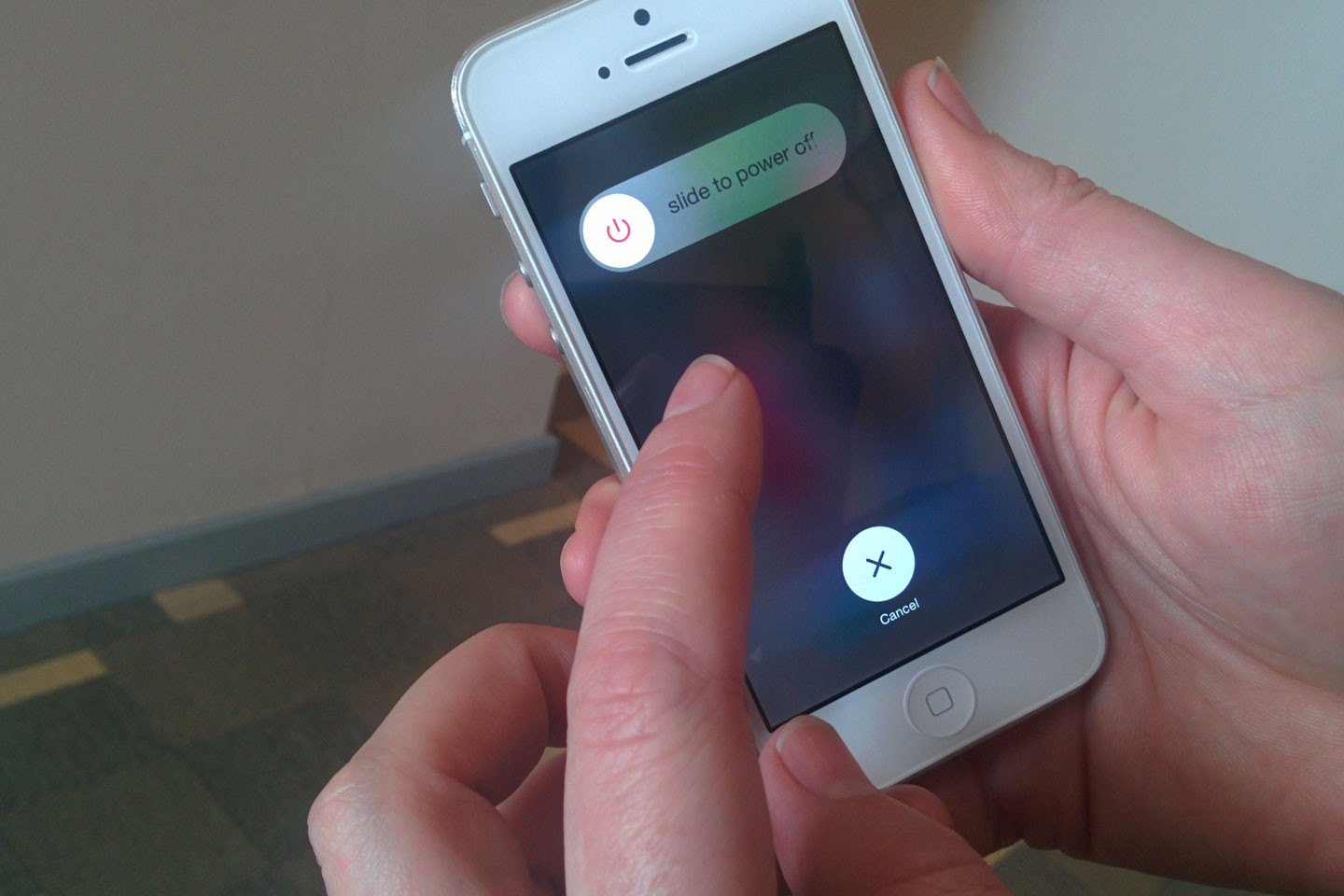
"content": "\u003cfigure id=\"attachment_39586\" class=\"wp-caption alignnone\" style=\"max-width: 640px\">\u003ca href=\"http://ww2.kqed.org/mindshift/2015/03/turned-off-how-teens-respond-to-a-no-tech-challenge/powering-off-phone-1-margot/\" rel=\"attachment wp-att-39586\">\u003cimg class=\"size-full wp-image-39586\" src=\"http://ww2.kqed.org/mindshift/wp-content/uploads/sites/23/2015/02/Powering-off-phone-1-Margot.jpg\" alt=\"Ki Sung/MindShift\" width=\"640\" height=\"960\">\u003c/a>\u003cfigcaption class=\"wp-caption-text\">Ki Sung/MindShift\u003c/figcaption>\u003c/figure>\n\u003cp class=\"dropcap-serif\">Being without a phone can be an incapacitating feeling, possibly worse than leaving a wallet at home. Many adults can remember an analog era of living without a mobile phone. But for young digital natives, taking a break from the phone, where they live and socialize, can induce all kinds of emotions.\u003c/p>\n\u003cp>Recently, a line of teenage boys were frantically sending last-minute texts and posting to Facebook one final time before grabbing a manilla envelope and sealing their devices inside. These boys volunteered to abstain from using not just their phones but \u003cem>all\u003c/em> digital devices for three days to better understand the role of technology in their lives.\u003c/p>\n\u003cp>The \u003ca href=\"http://techtimeout.com/academicchallenge/\" target=\"_blank\">Tech Timeout Academic Challenge\u003c/a> was taken by boys and girls in grades 4 through 12 at Convent & Stuart Hall in San Francisco -- along with some teachers and parents -- as part of this private school’s attempt to implement its one-to-one iPad program. The idea is to recognize that technology is often a distraction from other important things, like connecting with classmates and family, enjoying the moment or being creative.\u003c/p>\n\u003caside class=\"pullquote alignleft\">'It was almost a wake-up call for how dependent we are on technology.'\u003c/aside>\n\u003cp>“This is going to be really hard for me. I think I’m going to have some pretty intense feelings of anxiety after about an hour,” said sophomore Eli Horowitz as he sealed up his phone. Other students were also apprehensive about the timeout, citing their desire to be connected to friends through social media as one of the main temptations, but some were glad for the excuse to try putting the phone away for a while.\u003c/p>\n\u003cp>“We've really accelerated how we've developed technology here [at Stuart Hall] and I think it’s good for people to take a step back and just try to look at learning and friendships and socializing culture through a different lens,” said senior Thomas Namara. In his four years at the school, technology use has increased dramatically. He’s glad the freshmen will get a small taste of what school was like before.\u003c/p>\n\u003cp>[ad fullwidth]\u003c/p>\n\u003cp>[soundcloud url=\"https://api.soundcloud.com/tracks/195568796\" params=\"color=ff5500&auto_play=false&hide_related=false&show_comments=true&show_user=true&show_reposts=false\" width=\"100%\" height=\"166\" iframe=\"true\" /]\u003cbr>\n\u003cem>Students react to the technology-free life.\u003c/em>\u003c/p>\n\u003cp>The school’s leaders expected that some students wouldn’t make it through all three days, but they felt it was important to raise students’ awareness of how they use their devices. “I have a long history of working to promote technology,” said Howard Levin, the school’s director of educational innovation and information services. ”It’s really interesting that now the issues that are the most important to me are working to promote conscious, mindful use and learning to disconnect.”\u003c/p>\n\u003cp>Levin has no doubt that the school’s iPad program is helping students be more effective producers, creators and synthesizers of information, but he’s also aware that technology has insinuated itself deeply into his students' lives and they may not even be aware of what life could be like without it. While this tech timeout is short, just three days, he says that’s enough to get kids reflecting on how they use technology. Maybe they’ll even begin strategizing ways to regularly disconnect.\u003c/p>\n\u003cp>“A lot of what we are targeting with our tech timeout is the interruptions of social media and the pingings and the notifications that interrupt attention,” Levin said. Convent & Stuart Hall allow students to use their phones and iPads anytime during school (nothing is blocked), and teachers are trying to help students build the life skill of recognizing when it’s time to pay attention and when it’s all right to zone out.\u003c/p>\n\u003cdiv style=\"float: LEFT;margin: 0 15px 5px 0\">[soundcloud url=\"https://api.soundcloud.com/tracks/193425072\" params=\"auto_play=false&hide_related=true&show_comments=true&show_user=true&show_reposts=false&visual=true\" width=\"100%\" height=\"300\" iframe=\"true\" /]\u003c/div>\n\u003cp>\u003cstrong>HOW DID THE STUDENTS DO?\u003c/strong>\u003c/p>\n\u003cp>“It made me way more creative with my time and it gave me a sense of relief,” Horowitz said. “Whereas if I had technology, I would feel like I have to check Instagram.\" It was hard to get used to not having his phone, he said. The first day he was anxious, reflexively reaching into his pocket, but by the third day he felt something akin to freedom. He went surfing, bounced on the trampoline and went on walks.\u003c/p>\n\u003cp>“I feel very addicted to social media and stuff, or dependent is a better way to describe it,” Horowitz said. “It’s like habitual dependency, and I feel like I could do without that. It was really relieving for me to not have my technology and my phone on me.” He’s glad he made it through all three days, but isn’t sure he could force himself to take more timeouts in the future.\u003c/p>\n\u003cp>Other students weren't so strong. It wasn’t as hard to abstain from technology at school, said Ryley Aceret, because he was around his friends, who were also taking the challenge. But on Friday night, when he found himself alone, the temptation was too great.\u003c/p>\n\u003cp>“On the bus home it was getting late,\" said Aceret. \"And just that temptation on the bus, [there was] no one to talk to, and so I had to pull out my phone, turn it on for the first time, rip open the seal,” he said.\u003c/p>\n\u003cp>[contextly_sidebar id=\"Ygs3I8wpkq2bkaC4rHHOPb80IzqjMmsz\"]\u003c/p>\n\u003cp>“I felt normal again,” Aceret said of regaining his phone. “When I wasn't with my phone I felt different, like I was naked all the time.” His phone makes him feel secure. He was also imagining that his friends had already caved and were back on social media without him -- he had the fear of missing out.\u003c/p>\n\u003cp>That doesn’t mean he didn’t learn some valuable lessons from the time spent tech-free. “I usually take a really long time doing homework and that’s because I get sidetracked with technology and my phone,” Aceret said.\u003c/p>\n\u003cp>Recently he’s taken to shutting his phone off and secluding himself away from TVs or other \u003ca href=\"http://ww2.kqed.org/mindshift/2013/12/age-of-distraction-why-its-crucial-for-students-to-learn-to-focus/\" target=\"_blank\">distractions so he can concentrate\u003c/a> on homework. With his technology distracting him, Aceret said homework can take up to five hours, but without it he can whip out his assignments in an hour and a half.\u003c/p>\n\u003cp>\u003cstrong>SURPRISING ANALOG CONNECTIONS\u003c/strong>\u003c/p>\n\u003cp>Technology has the odd distinction of both connecting people in unprecedented ways at the same time that it isolates them. Several students noticed that when they didn't have their phones or iPads, they were more ready to connect with friends and family, and more aware when those people were themselves wrapped up in devices.\u003c/p>\n\u003cp>“It was very ironic to see the generation that often criticizes our use of technology addicted to it when I wasn't using it,” Catherine Heinen said.\u003c/p>\n\u003cp>“It kind of changed the whole way we interact with each other,” Namara said. Because students always have their iPads or phones with them, they often play games at lunch or check fantasy sports stats. When no one had devices, Namara talked to his friends more and interacted with people he usually doesn't.\u003c/p>\n\u003cdiv style=\"float: LEFT;margin: 0 15px 5px 0\">[soundcloud url=\"https://api.soundcloud.com/tracks/193432560\" params=\"auto_play=false&hide_related=true&show_comments=true&show_user=true&show_reposts=false&visual=true\" width=\"100%\" height=\"300\" iframe=\"true\" /]\u003c/div>\n\u003cp>“I noticed interacting with people was a lot different,” Namara said. “People take out their phones as a way to mask the awkwardness of the conversation. But I noticed people looked up more.”\u003c/p>\n\u003cp>Without technology, Namara was also more dependent on his parents. His AP government teacher assigned homework to look up an interest group and be ready to explain what it was and how it got its money. Normally, Namara would just look up that information, take some notes and be done. But without technology he had to ask his mom to look it up for him.\u003c/p>\n\u003cp>“Half an hour down the line, my mother and I just had a conversation about politics,” Namara said. “And it went from special interest groups to the environment, and the economy, and what’s happening in the Middle East, and then my dad joined in. An hour in, we had a really good conversation about politics.”\u003c/p>\n\u003cp>That never would have happened normally, Namara said.\u003c/p>\n\u003cp>All the students recognized that class was different without technology, too. “It almost seemed like the whole school was on hold,” he said. “Every class we went to, it seemed like there was one point when we couldn't move on.” Instead, teachers led discussions about current events, played games requiring students to make persuasive arguments or practiced meditation.\u003c/p>\n\u003cp>“It was almost a wakeup call for how dependent we are on technology,” Namara said.\u003c/p>\n\u003cp>[ad floatright]\u003c/p>\n\u003cp>Teachers and students at Convent & Stuart Hall have become so used to using technology for everything that even when teachers knew there would be two days of class without it, the lessons stalled. Students reported enjoying the reprieve from digital notetaking, Apple TVs and online homework, but they recognized they may have been responding to the lighter load in general.\u003c/p>\n\n",
"disqusIdentifier": "39528 http://blogs.kqed.org/mindshift/?p=39528",
"disqusUrl": "https://ww2.kqed.org/mindshift/2015/03/06/turned-off-how-teens-respond-to-a-no-tech-challenge/",
"stats": {
"hasVideo": false,
"hasChartOrMap": false,
"hasAudio": false,
"hasPolis": false,
"wordCount": 1606,
"hasGoogleForm": false,
"hasGallery": false,
"hasHearkenModule": false,
"iframeSrcs": [],
"paragraphCount": 30
},
"modified": 1426193627,
"excerpt": "When students sealed up their phones in manilla envelopes for three days, they had a chance to reflect on the role of tech in their relationships and their lives.",
"headData": {
"twImgId": "",
"twTitle": "",
"ogTitle": "",
"ogImgId": "",
"twDescription": "",
"description": "When students sealed up their phones in manilla envelopes for three days, they had a chance to reflect on the role of tech in their relationships and their lives.",
"title": "What Happens When Teens Try to Disconnect From Tech For Three Days | KQED",
"ogDescription": "",
"schema": {
"@context": "https://schema.org",
"@type": "Article",
"headline": "What Happens When Teens Try to Disconnect From Tech For Three Days",
"datePublished": "2015-03-06T05:36:41-08:00",
"dateModified": "2015-03-12T13:53:47-07:00",
"image": "https://cdn.kqed.org/wp-content/uploads/2020/02/KQED-OG-Image@1x.png"
}
},
"guestAuthors": [],
"slug": "turned-off-how-teens-respond-to-a-no-tech-challenge",
"status": "publish",
"path": "/mindshift/39528/turned-off-how-teens-respond-to-a-no-tech-challenge",
"audioTrackLength": null,
"parsedContent": [
{
"type": "contentString",
"content": "\u003cdiv class=\"post-body\">\u003cp>\u003cfigure id=\"attachment_39586\" class=\"wp-caption alignnone\" style=\"max-width: 640px\">\u003ca href=\"http://ww2.kqed.org/mindshift/2015/03/turned-off-how-teens-respond-to-a-no-tech-challenge/powering-off-phone-1-margot/\" rel=\"attachment wp-att-39586\">\u003cimg class=\"size-full wp-image-39586\" src=\"http://ww2.kqed.org/mindshift/wp-content/uploads/sites/23/2015/02/Powering-off-phone-1-Margot.jpg\" alt=\"Ki Sung/MindShift\" width=\"640\" height=\"960\">\u003c/a>\u003cfigcaption class=\"wp-caption-text\">Ki Sung/MindShift\u003c/figcaption>\u003c/figure>\n\u003cp class=\"dropcap-serif\">Being without a phone can be an incapacitating feeling, possibly worse than leaving a wallet at home. Many adults can remember an analog era of living without a mobile phone. But for young digital natives, taking a break from the phone, where they live and socialize, can induce all kinds of emotions.\u003c/p>\n\u003cp>Recently, a line of teenage boys were frantically sending last-minute texts and posting to Facebook one final time before grabbing a manilla envelope and sealing their devices inside. These boys volunteered to abstain from using not just their phones but \u003cem>all\u003c/em> digital devices for three days to better understand the role of technology in their lives.\u003c/p>\n\u003cp>The \u003ca href=\"http://techtimeout.com/academicchallenge/\" target=\"_blank\">Tech Timeout Academic Challenge\u003c/a> was taken by boys and girls in grades 4 through 12 at Convent & Stuart Hall in San Francisco -- along with some teachers and parents -- as part of this private school’s attempt to implement its one-to-one iPad program. The idea is to recognize that technology is often a distraction from other important things, like connecting with classmates and family, enjoying the moment or being creative.\u003c/p>\n\u003caside class=\"pullquote alignleft\">'It was almost a wake-up call for how dependent we are on technology.'\u003c/aside>\n\u003cp>“This is going to be really hard for me. I think I’m going to have some pretty intense feelings of anxiety after about an hour,” said sophomore Eli Horowitz as he sealed up his phone. Other students were also apprehensive about the timeout, citing their desire to be connected to friends through social media as one of the main temptations, but some were glad for the excuse to try putting the phone away for a while.\u003c/p>\n\u003cp>“We've really accelerated how we've developed technology here [at Stuart Hall] and I think it’s good for people to take a step back and just try to look at learning and friendships and socializing culture through a different lens,” said senior Thomas Namara. In his four years at the school, technology use has increased dramatically. He’s glad the freshmen will get a small taste of what school was like before.\u003c/p>\n\u003cp>\u003c/p>\u003c/div>",
"attributes": {
"named": {},
"numeric": []
}
},
{
"type": "component",
"content": "",
"name": "ad",
"attributes": {
"named": {
"label": "fullwidth"
},
"numeric": [
"fullwidth"
]
}
},
{
"type": "contentString",
"content": "\u003cdiv class=\"post-body\">\u003cp>\u003c/p>\n\u003cp>\u003c/p>\u003cp>\u003cdiv class='utils-parseShortcode-shortcodes-__shortcodes__shortcodeWrapper'>\n \u003ciframe width='100%' height='166'\n scrolling='no' frameborder='no'\n src='https://w.soundcloud.com/player/?url=https://api.soundcloud.com/tracks/195568796&visual=true&color=ff5500&auto_play=false&hide_related=false&show_comments=true&show_user=true&show_reposts=false'\n title='https://api.soundcloud.com/tracks/195568796'>\n \u003c/iframe>\n \u003c/div>\u003c/p>\u003cp>\u003cbr>\n\u003cem>Students react to the technology-free life.\u003c/em>\u003c/p>\n\u003cp>The school’s leaders expected that some students wouldn’t make it through all three days, but they felt it was important to raise students’ awareness of how they use their devices. “I have a long history of working to promote technology,” said Howard Levin, the school’s director of educational innovation and information services. ”It’s really interesting that now the issues that are the most important to me are working to promote conscious, mindful use and learning to disconnect.”\u003c/p>\n\u003cp>Levin has no doubt that the school’s iPad program is helping students be more effective producers, creators and synthesizers of information, but he’s also aware that technology has insinuated itself deeply into his students' lives and they may not even be aware of what life could be like without it. While this tech timeout is short, just three days, he says that’s enough to get kids reflecting on how they use technology. Maybe they’ll even begin strategizing ways to regularly disconnect.\u003c/p>\n\u003cp>“A lot of what we are targeting with our tech timeout is the interruptions of social media and the pingings and the notifications that interrupt attention,” Levin said. Convent & Stuart Hall allow students to use their phones and iPads anytime during school (nothing is blocked), and teachers are trying to help students build the life skill of recognizing when it’s time to pay attention and when it’s all right to zone out.\u003c/p>\n\u003cdiv style=\"float: LEFT;margin: 0 15px 5px 0\">\u003c/p>\u003cp>\u003cdiv class='utils-parseShortcode-shortcodes-__shortcodes__shortcodeWrapper'>\n \u003ciframe width='100%' height='300'\n scrolling='no' frameborder='no'\n src='https://w.soundcloud.com/player/?url=https://api.soundcloud.com/tracks/193425072&visual=true&auto_play=false&hide_related=true&show_comments=true&show_user=true&show_reposts=false&visual=true'\n title='https://api.soundcloud.com/tracks/193425072'>\n \u003c/iframe>\n \u003c/div>\u003c/p>\u003cp>\u003c/div>\n\u003cp>\u003cstrong>HOW DID THE STUDENTS DO?\u003c/strong>\u003c/p>\n\u003cp>“It made me way more creative with my time and it gave me a sense of relief,” Horowitz said. “Whereas if I had technology, I would feel like I have to check Instagram.\" It was hard to get used to not having his phone, he said. The first day he was anxious, reflexively reaching into his pocket, but by the third day he felt something akin to freedom. He went surfing, bounced on the trampoline and went on walks.\u003c/p>\n\u003cp>“I feel very addicted to social media and stuff, or dependent is a better way to describe it,” Horowitz said. “It’s like habitual dependency, and I feel like I could do without that. It was really relieving for me to not have my technology and my phone on me.” He’s glad he made it through all three days, but isn’t sure he could force himself to take more timeouts in the future.\u003c/p>\n\u003cp>Other students weren't so strong. It wasn’t as hard to abstain from technology at school, said Ryley Aceret, because he was around his friends, who were also taking the challenge. But on Friday night, when he found himself alone, the temptation was too great.\u003c/p>\n\u003cp>“On the bus home it was getting late,\" said Aceret. \"And just that temptation on the bus, [there was] no one to talk to, and so I had to pull out my phone, turn it on for the first time, rip open the seal,” he said.\u003c/p>\n\u003cp>\u003c/p>\u003cp>\u003c/p>\u003cp>\u003c/p>\n\u003cp>“I felt normal again,” Aceret said of regaining his phone. “When I wasn't with my phone I felt different, like I was naked all the time.” His phone makes him feel secure. He was also imagining that his friends had already caved and were back on social media without him -- he had the fear of missing out.\u003c/p>\n\u003cp>That doesn’t mean he didn’t learn some valuable lessons from the time spent tech-free. “I usually take a really long time doing homework and that’s because I get sidetracked with technology and my phone,” Aceret said.\u003c/p>\n\u003cp>Recently he’s taken to shutting his phone off and secluding himself away from TVs or other \u003ca href=\"http://ww2.kqed.org/mindshift/2013/12/age-of-distraction-why-its-crucial-for-students-to-learn-to-focus/\" target=\"_blank\">distractions so he can concentrate\u003c/a> on homework. With his technology distracting him, Aceret said homework can take up to five hours, but without it he can whip out his assignments in an hour and a half.\u003c/p>\n\u003cp>\u003cstrong>SURPRISING ANALOG CONNECTIONS\u003c/strong>\u003c/p>\n\u003cp>Technology has the odd distinction of both connecting people in unprecedented ways at the same time that it isolates them. Several students noticed that when they didn't have their phones or iPads, they were more ready to connect with friends and family, and more aware when those people were themselves wrapped up in devices.\u003c/p>\n\u003cp>“It was very ironic to see the generation that often criticizes our use of technology addicted to it when I wasn't using it,” Catherine Heinen said.\u003c/p>\n\u003cp>“It kind of changed the whole way we interact with each other,” Namara said. Because students always have their iPads or phones with them, they often play games at lunch or check fantasy sports stats. When no one had devices, Namara talked to his friends more and interacted with people he usually doesn't.\u003c/p>\n\u003cdiv style=\"float: LEFT;margin: 0 15px 5px 0\">\u003c/p>\u003cp>\u003cdiv class='utils-parseShortcode-shortcodes-__shortcodes__shortcodeWrapper'>\n \u003ciframe width='100%' height='300'\n scrolling='no' frameborder='no'\n src='https://w.soundcloud.com/player/?url=https://api.soundcloud.com/tracks/193432560&visual=true&auto_play=false&hide_related=true&show_comments=true&show_user=true&show_reposts=false&visual=true'\n title='https://api.soundcloud.com/tracks/193432560'>\n \u003c/iframe>\n \u003c/div>\u003c/p>\u003cp>\u003c/div>\n\u003cp>“I noticed interacting with people was a lot different,” Namara said. “People take out their phones as a way to mask the awkwardness of the conversation. But I noticed people looked up more.”\u003c/p>\n\u003cp>Without technology, Namara was also more dependent on his parents. His AP government teacher assigned homework to look up an interest group and be ready to explain what it was and how it got its money. Normally, Namara would just look up that information, take some notes and be done. But without technology he had to ask his mom to look it up for him.\u003c/p>\n\u003cp>“Half an hour down the line, my mother and I just had a conversation about politics,” Namara said. “And it went from special interest groups to the environment, and the economy, and what’s happening in the Middle East, and then my dad joined in. An hour in, we had a really good conversation about politics.”\u003c/p>\n\u003cp>That never would have happened normally, Namara said.\u003c/p>\n\u003cp>All the students recognized that class was different without technology, too. “It almost seemed like the whole school was on hold,” he said. “Every class we went to, it seemed like there was one point when we couldn't move on.” Instead, teachers led discussions about current events, played games requiring students to make persuasive arguments or practiced meditation.\u003c/p>\n\u003cp>“It was almost a wakeup call for how dependent we are on technology,” Namara said.\u003c/p>\n\u003cp>\u003c/p>\u003c/div>",
"attributes": {
"named": {},
"numeric": []
}
},
{
"type": "component",
"content": "",
"name": "ad",
"attributes": {
"named": {
"label": "floatright"
},
"numeric": [
"floatright"
]
}
},
{
"type": "contentString",
"content": "\u003cdiv class=\"post-body\">\u003cp>\u003c/p>\n\u003cp>Teachers and students at Convent & Stuart Hall have become so used to using technology for everything that even when teachers knew there would be two days of class without it, the lessons stalled. Students reported enjoying the reprieve from digital notetaking, Apple TVs and online homework, but they recognized they may have been responding to the lighter load in general.\u003c/p>\n\n\u003c/div>\u003c/p>",
"attributes": {
"named": {},
"numeric": []
}
}
],
"link": "/mindshift/39528/turned-off-how-teens-respond-to-a-no-tech-challenge",
"authors": [
"234"
],
"categories": [
"mindshift_195"
],
"tags": [
"mindshift_20811",
"mindshift_822",
"mindshift_20784",
"mindshift_1040",
"mindshift_20820"
],
"featImg": "mindshift_39586",
"label": "mindshift"
},
"mindshift_38164": {
"type": "posts",
"id": "mindshift_38164",
"meta": {
"index": "posts_1716263798",
"site": "mindshift",
"id": "38164",
"score": null,
"sort": [
1415109832000
]
},
"parent": 0,
"labelTerm": {
"site": "mindshift"
},
"blocks": [],
"publishDate": 1415109832,
"format": "aside",
"disqusTitle": "Why Trust Is A Crucial Ingredient in Shaping Independent Learners",
"title": "Why Trust Is A Crucial Ingredient in Shaping Independent Learners",
"headTitle": "MindShift | KQED News",
"content": "\u003cfigure id=\"attachment_36701\" class=\"wp-caption aligncenter\" style=\"max-width: 640px\">\u003ca href=\"http://ww2.kqed.org/mindshift/wp-content/uploads/sites/23/2014/07/Mindshift1_illo2_72.jpg\">\u003cimg class=\"size-full wp-image-36701\" src=\"http://ww2.kqed.org/mindshift/wp-content/uploads/sites/23/2014/07/Mindshift1_illo2_72.jpg\" alt=\"By Jane Mount/MindShift\" width=\"640\" height=\"360\" srcset=\"https://ww2.kqed.org/app/uploads/sites/23/2014/07/Mindshift1_illo2_72.jpg 640w, https://ww2.kqed.org/app/uploads/sites/23/2014/07/Mindshift1_illo2_72-400x225.jpg 400w, https://ww2.kqed.org/app/uploads/sites/23/2014/07/Mindshift1_illo2_72-320x180.jpg 320w\" sizes=\"(max-width: 640px) 100vw, 640px\">\u003c/a>\u003cfigcaption class=\"wp-caption-text\">By Jane Mount/MindShift\u003c/figcaption>\u003c/figure>\n\u003cp class=\"dropcap-serif\">Preparing students to be “college and career ready” is a catch phrase in many schools, but those same institutions often \u003ca href=\"http://ww2.kqed.org/mindshift/2011/04/straight-from-the-doe-facts-about-blocking-sites-in-schools/\" target=\"_blank\">block large swaths of the internet\u003c/a> in an attempt to protect students from acting inappropriately online. While well-intentioned, blocking useful digital tools prevents educators from guiding students through appropriate online behavior while still in the relative safety of school. \u003ca href=\"http://ww2.kqed.org/mindshift/2014/06/employers-challenge-to-educators-make-school-relevant-to-students-lives/\" target=\"_blank\">College and job recruiters are seeking students\u003c/a> who are creative problem solvers, collaborative workers and independent thinkers, but in many cases, rules prevent students from practicing those skills online.\u003c/p>\n\u003caside class=\"pullquote alignleft\">'If we trust them to engage with the content then we have the power to teach them the digital citizenship.'\u003c/aside>\n\u003cp>“When you try to use a computer in a school, it’s shocking what is blocked,” said \u003ca href=\"https://twitter.com/mluhtala\" target=\"_blank\">Michelle Luhtala\u003c/a>, head librarian at New Caanan High School in Connecticut during an \u003ca href=\"http://home.edweb.net/\" target=\"_blank\">edWeb\u003c/a> webinar. “That is not 21st century learning.” Luhtala doesn’t believe schools can make good on their promise to prepare kids for the world that awaits them outside school walls if they don’t first prepare them to use the tools to operate online in safe ways. She acknowledges that letting students direct their own learning in virtual spaces can be scary and that it takes a lot of trust.\u003c/p>\n\u003cp>In many ways, trust underlies much of what happens in school each day. The job of helping young people grow into well-educated and independent adults rests upon the relationship between teachers and students, teachers and their administrators, the community and its school staff. And yet many of the rules governing schools are about control. Psychologist David DeSteno explores the tension between risk and reward inherent in trust in his book \u003ca href=\"http://www.amazon.com/exec/obidos/ASIN/1594631239/braipick-20\" target=\"_blank\">\"The Truth About Trust: How It Determines Success in Life, Love, Learning and More.\"\u003c/a> Maria Popova summarizes some of the key points in \u003ca href=\"http://www.brainpickings.org/2014/02/03/david-desteno-truth-about-trust/\">Brain Pickings\u003c/a>.\u003c/p>\n\u003cp>\"At the most basic level, the need to trust implies one fundamental fact: you're vulnerable,\" DeSteno writes. \"The ability to satisfy your needs or obtain the outcomes you desire is not entirely under your control.\" That loss of control is part of what intimidates educators, who have been conditioned to take responsibility for the learning of their students, no matter what. \u003c/p>\n\u003cp>\"Trust, then, is simply a bet, and like all bets, it contains an element of risk,\" DeSteno writes. Removing filters, changing device policies and empowering teachers to try new things in the classroom require the kind of risk that DeSteno says makes humans uncomfortable. \u003c/p>\n\u003cp>[ad fullwidth]\u003c/p>\n\u003cp>While Luhtala understands the risk educators take when it comes to trusting kids with digital tools, she has also seen the \u003ca href=\"http://ww2.kqed.org/mindshift/2013/10/teach-kids-to-be-their-own-filter/\" target=\"_blank\">rich rewards of taking that leap\u003c/a>. Ultimately, DeSteno writes, trust is crucial to human evolution:\u003c/p>\n\u003cblockquote>\u003cp>The potential benefits from trusting others considerably outweigh the potential losses on average. The ever-increasing complexity and resources of human society — its technological advancement, interconnected social capital, and burgeoning economic resources — all depend on trust and cooperation. . . . More can be achieved by working together than by working alone. That’s why we trust — plain and simple. \u003c/p>\u003c/blockquote>\n\u003cp>\u003cstrong>REACHING A DIFFERENT GENERATION\u003c/strong>\u003c/p>\n\u003cp>The millennial generation of students is often criticized for being impatient, unfocused, entitled and lazy, but Luhtala said that’s an old-school way of looking at a group of kids who have grown up in a dramatically different world than their teachers. “I don’t think kids are unfocused,” she said. “I think they can be super focused if you give them something to do. And I really mean DO, not listening or watching, but really physically doing something.”\u003c/p>\n\u003cp>Creating learning opportunities that don’t rely on lectures, textbooks or sitting quietly goes against established educational patterns and can feel foreign to many adults who learned that way themselves. It requires trust, but once given, can often produce incredible projects from students that might never have materialized without giving them the freedom to think and act independently, Luhtala said.\u003c/p>\n\u003cp>“Passive learning is really not an effective way to teach these kids,” Luhtala said. “The reality is that kids will retain less than ten percent of what we say in a lecture setting. So we need to empower them to become independent learners.”\u003c/p>\n\u003cp>At New Caanan High School, students are allowed to use their phones and other devices anytime during school. Each year, the current seniors make a “We Trust You” video that freshmen watch in their first week of school. It highlights the \u003ca href=\"http://ww2.kqed.org/mindshift/2013/10/teach-kids-to-be-their-own-filter/\" target=\"_blank\">school culture of trust and the responsibility \u003c/a>that comes along with it.\u003c/p>\n\u003cp>“The subtext is, ‘don’t break it; we like it this way,’” Luhtala said. She and her colleagues actively give students opportunities to use digital tools for learning that otherwise might only be used for texting or social networking, helping them to become responsible digital citizens along the way.\u003c/p>\n\u003cp>https://vimeo.com/79674425\u003c/p>\n\u003cp>\u003cstrong>REPORTING ON MODEL UN DAY\u003c/strong>\u003c/p>\n\u003cp>One way New Canaan teachers showed trust for their students was during a Model United Nations day. The 120 students actively involved in Model UN club organized a mock conference at the school to give everyone a chance to experience their passion. The entire event is student run and it engages most of the student body. When there were more participants than roles, unassigned kids became the press corp for the conference.\u003c/p>\n\u003cp>Students choose to report on Twitter, Facebook or Flickr, documenting the conference as it progresses through the day. “We watch the backchannel on devices,” Luhtala said. “And in six years of doing this we’ve only had one instance of an inappropriate tweet.” Trusting students to behave correctly on informal networks like this has the added benefit of bringing the broader community into the activities happening at school.\u003c/p>\n\u003cp>[contextly_sidebar id=\"PY3RyllcTMiOtEHk5INBBZV5j2pKlZhB\"]\u003c/p>\n\u003cp>Luhtala highlighted another example of how trusting students opens learning doors when she described the “text a librarian” program she runs. Students have a Google Voice number for the library that they can text anytime, day or night. The texts show up in an email account that all the librarians can access. Luhtala is proud that in just one year, student use of the system has exploded. The library dealt with 172 queries in the 2013-2014 school year. In just the first three weeks of the 2014 school year, it had already received 54 queries through text, most of which came in during the evening.\u003c/p>\n\u003cp>“This is saying that given the opportunity to have real time learning experiences, kids want to learn,” Luhtala said. Teachers at the school are assigning complicated tasks that can be difficult to complete, but students are rising to the challenge, navigating their way through complex work and asking for help when they need it.\u003c/p>\n\u003cp>\u003cstrong>OPENING THE DOOR TO TEACH DIGITAL CITIZENSHIP\u003cbr>\n\u003c/strong>\u003cbr>\n“If we trust them to engage with the content, then we have the power to teach them the digital citizenship,” Luhtala said. As with most learning, students understand the necessity of responsible behavior online when they are confronted with real choices as part of their school work. “We have to let them go to places that may feel scary at a lot of levels, but digital citizenship is an important part of 21st century learning,” Luhtala said.\u003c/p>\n\u003cp>At this point in any discussion about technology in education, there will be many parents and educators who raise questions of equity and the digital divide. While it is true that the digital divide exists, some studies suggest the gap in access to devices themselves may be narrowing rapidly, especially when it comes to mobile access. In 2011, 27 percent of low income families surveyed by \u003ca href=\"https://www.commonsensemedia.org/research/zero-to-eight-childrens-media-use-in-america-2013/key-finding-5%3A-reduced-but-persistent-mobile-digital-divide\" target=\"_blank\">Common Sense Media\u003c/a> had access to a smartphone, but by 2013 that number had grown to 51 percent. Similarly tablet ownership among low income families grew to 20 percent in 2013. That still doesn’t match access for higher income children, but it shows rapid growth in access to some kind of device.\u003c/p>\n\u003cp>The more troubling divide lies in how devices are being used and the amount of guidance and direction children get from the adults in their lives. The same \u003ca href=\"https://www.commonsensemedia.org/research/zero-to-eight-childrens-media-use-in-america-2013\" target=\"_blank\">Common Sense Media Zero to Eight Study\u003c/a> found that in 2013, 31 percent of low-income parents had downloaded an app for their children, whereas 75 percent of higher income parents had done the same. Educators can play a big role in helping to close that \u003ca href=\"http://ww2.kqed.org/mindshift/2014/08/what-are-the-most-powerful-uses-of-tech-for-learning/\" target=\"_blank\">gap in powerful use\u003c/a> that could end up being a crucial part of educational equity.\u003c/p>\n\u003cp>“Kids really need to have safe passage and access to content in order to use and experiment with it with guided instruction,” Luhtala said. She’s adamant that educators have a responsibility to recognize their potential for great influence in this area and make the tools available to students.\u003c/p>\n\u003cp>While New Canaan High School is progressive in its approach to devices and internet access, Luhtala recognizes that many educators work in environments with much less freedom.\u003c/p>\n\u003cp>“The frustrated people have gone silent to a large extent,” Luhtala said. She encourages them to voice their opinions to their districts and advocate for the right to teach these important skills so their students don’t miss out on an opportunity. ”There are some kids who are getting a very different learning experience than the kids in those blocked schools and environments,” Luhtala said. “And that’s a digital divide we really could fix. All it takes is trust.”\u003c/p>\n\u003cp>[ad floatright]\u003c/p>\n\u003cp>If a school wants to encourage students to follow their natural inclination towards learning, school materials need to be digital, and available on mobile devices 24/7, Luhtala said. When educators make the materials accessible in these ways, students can find answers to their questions as they arise, and have no excuse for not taking responsibility for their work.\u003c/p>\n\n",
"disqusIdentifier": "38164 http://blogs.kqed.org/mindshift/?p=38164",
"disqusUrl": "https://ww2.kqed.org/mindshift/2014/11/04/why-trust-is-a-crucial-ingredient-to-shaping-independent-learners/",
"stats": {
"hasVideo": false,
"hasChartOrMap": false,
"hasAudio": false,
"hasPolis": false,
"wordCount": 1679,
"hasGoogleForm": false,
"hasGallery": false,
"hasHearkenModule": false,
"iframeSrcs": [],
"paragraphCount": 27
},
"modified": 1427409877,
"excerpt": "Without trust, students don't have the space to build the skills they'll need to learn on their own.",
"headData": {
"twImgId": "",
"twTitle": "",
"ogTitle": "",
"ogImgId": "",
"twDescription": "",
"description": "Without trust, students don't have the space to build the skills they'll need to learn on their own.",
"title": "Why Trust Is A Crucial Ingredient in Shaping Independent Learners | KQED",
"ogDescription": "",
"schema": {
"@context": "https://schema.org",
"@type": "Article",
"headline": "Why Trust Is A Crucial Ingredient in Shaping Independent Learners",
"datePublished": "2014-11-04T06:03:52-08:00",
"dateModified": "2015-03-26T15:44:37-07:00",
"image": "https://cdn.kqed.org/wp-content/uploads/2020/02/KQED-OG-Image@1x.png"
}
},
"guestAuthors": [],
"slug": "why-trust-is-a-crucial-ingredient-to-shaping-independent-learners",
"status": "publish",
"path": "/mindshift/38164/why-trust-is-a-crucial-ingredient-to-shaping-independent-learners",
"audioTrackLength": null,
"parsedContent": [
{
"type": "contentString",
"content": "\u003cdiv class=\"post-body\">\u003cp>\u003cfigure id=\"attachment_36701\" class=\"wp-caption aligncenter\" style=\"max-width: 640px\">\u003ca href=\"http://ww2.kqed.org/mindshift/wp-content/uploads/sites/23/2014/07/Mindshift1_illo2_72.jpg\">\u003cimg class=\"size-full wp-image-36701\" src=\"http://ww2.kqed.org/mindshift/wp-content/uploads/sites/23/2014/07/Mindshift1_illo2_72.jpg\" alt=\"By Jane Mount/MindShift\" width=\"640\" height=\"360\" srcset=\"https://ww2.kqed.org/app/uploads/sites/23/2014/07/Mindshift1_illo2_72.jpg 640w, https://ww2.kqed.org/app/uploads/sites/23/2014/07/Mindshift1_illo2_72-400x225.jpg 400w, https://ww2.kqed.org/app/uploads/sites/23/2014/07/Mindshift1_illo2_72-320x180.jpg 320w\" sizes=\"(max-width: 640px) 100vw, 640px\">\u003c/a>\u003cfigcaption class=\"wp-caption-text\">By Jane Mount/MindShift\u003c/figcaption>\u003c/figure>\n\u003cp class=\"dropcap-serif\">Preparing students to be “college and career ready” is a catch phrase in many schools, but those same institutions often \u003ca href=\"http://ww2.kqed.org/mindshift/2011/04/straight-from-the-doe-facts-about-blocking-sites-in-schools/\" target=\"_blank\">block large swaths of the internet\u003c/a> in an attempt to protect students from acting inappropriately online. While well-intentioned, blocking useful digital tools prevents educators from guiding students through appropriate online behavior while still in the relative safety of school. \u003ca href=\"http://ww2.kqed.org/mindshift/2014/06/employers-challenge-to-educators-make-school-relevant-to-students-lives/\" target=\"_blank\">College and job recruiters are seeking students\u003c/a> who are creative problem solvers, collaborative workers and independent thinkers, but in many cases, rules prevent students from practicing those skills online.\u003c/p>\n\u003caside class=\"pullquote alignleft\">'If we trust them to engage with the content then we have the power to teach them the digital citizenship.'\u003c/aside>\n\u003cp>“When you try to use a computer in a school, it’s shocking what is blocked,” said \u003ca href=\"https://twitter.com/mluhtala\" target=\"_blank\">Michelle Luhtala\u003c/a>, head librarian at New Caanan High School in Connecticut during an \u003ca href=\"http://home.edweb.net/\" target=\"_blank\">edWeb\u003c/a> webinar. “That is not 21st century learning.” Luhtala doesn’t believe schools can make good on their promise to prepare kids for the world that awaits them outside school walls if they don’t first prepare them to use the tools to operate online in safe ways. She acknowledges that letting students direct their own learning in virtual spaces can be scary and that it takes a lot of trust.\u003c/p>\n\u003cp>In many ways, trust underlies much of what happens in school each day. The job of helping young people grow into well-educated and independent adults rests upon the relationship between teachers and students, teachers and their administrators, the community and its school staff. And yet many of the rules governing schools are about control. Psychologist David DeSteno explores the tension between risk and reward inherent in trust in his book \u003ca href=\"http://www.amazon.com/exec/obidos/ASIN/1594631239/braipick-20\" target=\"_blank\">\"The Truth About Trust: How It Determines Success in Life, Love, Learning and More.\"\u003c/a> Maria Popova summarizes some of the key points in \u003ca href=\"http://www.brainpickings.org/2014/02/03/david-desteno-truth-about-trust/\">Brain Pickings\u003c/a>.\u003c/p>\n\u003cp>\"At the most basic level, the need to trust implies one fundamental fact: you're vulnerable,\" DeSteno writes. \"The ability to satisfy your needs or obtain the outcomes you desire is not entirely under your control.\" That loss of control is part of what intimidates educators, who have been conditioned to take responsibility for the learning of their students, no matter what. \u003c/p>\n\u003cp>\"Trust, then, is simply a bet, and like all bets, it contains an element of risk,\" DeSteno writes. Removing filters, changing device policies and empowering teachers to try new things in the classroom require the kind of risk that DeSteno says makes humans uncomfortable. \u003c/p>\n\u003cp>\u003c/p>\u003c/div>",
"attributes": {
"named": {},
"numeric": []
}
},
{
"type": "component",
"content": "",
"name": "ad",
"attributes": {
"named": {
"label": "fullwidth"
},
"numeric": [
"fullwidth"
]
}
},
{
"type": "contentString",
"content": "\u003cdiv class=\"post-body\">\u003cp>\u003c/p>\n\u003cp>While Luhtala understands the risk educators take when it comes to trusting kids with digital tools, she has also seen the \u003ca href=\"http://ww2.kqed.org/mindshift/2013/10/teach-kids-to-be-their-own-filter/\" target=\"_blank\">rich rewards of taking that leap\u003c/a>. Ultimately, DeSteno writes, trust is crucial to human evolution:\u003c/p>\n\u003cblockquote>\u003cp>The potential benefits from trusting others considerably outweigh the potential losses on average. The ever-increasing complexity and resources of human society — its technological advancement, interconnected social capital, and burgeoning economic resources — all depend on trust and cooperation. . . . More can be achieved by working together than by working alone. That’s why we trust — plain and simple. \u003c/p>\u003c/blockquote>\n\u003cp>\u003cstrong>REACHING A DIFFERENT GENERATION\u003c/strong>\u003c/p>\n\u003cp>The millennial generation of students is often criticized for being impatient, unfocused, entitled and lazy, but Luhtala said that’s an old-school way of looking at a group of kids who have grown up in a dramatically different world than their teachers. “I don’t think kids are unfocused,” she said. “I think they can be super focused if you give them something to do. And I really mean DO, not listening or watching, but really physically doing something.”\u003c/p>\n\u003cp>Creating learning opportunities that don’t rely on lectures, textbooks or sitting quietly goes against established educational patterns and can feel foreign to many adults who learned that way themselves. It requires trust, but once given, can often produce incredible projects from students that might never have materialized without giving them the freedom to think and act independently, Luhtala said.\u003c/p>\n\u003cp>“Passive learning is really not an effective way to teach these kids,” Luhtala said. “The reality is that kids will retain less than ten percent of what we say in a lecture setting. So we need to empower them to become independent learners.”\u003c/p>\n\u003cp>At New Caanan High School, students are allowed to use their phones and other devices anytime during school. Each year, the current seniors make a “We Trust You” video that freshmen watch in their first week of school. It highlights the \u003ca href=\"http://ww2.kqed.org/mindshift/2013/10/teach-kids-to-be-their-own-filter/\" target=\"_blank\">school culture of trust and the responsibility \u003c/a>that comes along with it.\u003c/p>\n\u003cp>“The subtext is, ‘don’t break it; we like it this way,’” Luhtala said. She and her colleagues actively give students opportunities to use digital tools for learning that otherwise might only be used for texting or social networking, helping them to become responsible digital citizens along the way.\u003c/p>\u003c/p>\u003c/div>",
"attributes": {
"named": {},
"numeric": []
}
},
{
"type": "component",
"content": "",
"name": "vimeoLink",
"attributes": {
"named": {
"vimeoId": "79674425"
},
"numeric": []
}
},
{
"type": "contentString",
"content": "\u003cdiv class=\"post-body\">\u003cp>\u003cp>\u003cstrong>REPORTING ON MODEL UN DAY\u003c/strong>\u003c/p>\n\u003cp>One way New Canaan teachers showed trust for their students was during a Model United Nations day. The 120 students actively involved in Model UN club organized a mock conference at the school to give everyone a chance to experience their passion. The entire event is student run and it engages most of the student body. When there were more participants than roles, unassigned kids became the press corp for the conference.\u003c/p>\n\u003cp>Students choose to report on Twitter, Facebook or Flickr, documenting the conference as it progresses through the day. “We watch the backchannel on devices,” Luhtala said. “And in six years of doing this we’ve only had one instance of an inappropriate tweet.” Trusting students to behave correctly on informal networks like this has the added benefit of bringing the broader community into the activities happening at school.\u003c/p>\n\u003cp>\u003c/p>\u003cp>\u003c/p>\u003cp>\u003c/p>\n\u003cp>Luhtala highlighted another example of how trusting students opens learning doors when she described the “text a librarian” program she runs. Students have a Google Voice number for the library that they can text anytime, day or night. The texts show up in an email account that all the librarians can access. Luhtala is proud that in just one year, student use of the system has exploded. The library dealt with 172 queries in the 2013-2014 school year. In just the first three weeks of the 2014 school year, it had already received 54 queries through text, most of which came in during the evening.\u003c/p>\n\u003cp>“This is saying that given the opportunity to have real time learning experiences, kids want to learn,” Luhtala said. Teachers at the school are assigning complicated tasks that can be difficult to complete, but students are rising to the challenge, navigating their way through complex work and asking for help when they need it.\u003c/p>\n\u003cp>\u003cstrong>OPENING THE DOOR TO TEACH DIGITAL CITIZENSHIP\u003cbr>\n\u003c/strong>\u003cbr>\n“If we trust them to engage with the content, then we have the power to teach them the digital citizenship,” Luhtala said. As with most learning, students understand the necessity of responsible behavior online when they are confronted with real choices as part of their school work. “We have to let them go to places that may feel scary at a lot of levels, but digital citizenship is an important part of 21st century learning,” Luhtala said.\u003c/p>\n\u003cp>At this point in any discussion about technology in education, there will be many parents and educators who raise questions of equity and the digital divide. While it is true that the digital divide exists, some studies suggest the gap in access to devices themselves may be narrowing rapidly, especially when it comes to mobile access. In 2011, 27 percent of low income families surveyed by \u003ca href=\"https://www.commonsensemedia.org/research/zero-to-eight-childrens-media-use-in-america-2013/key-finding-5%3A-reduced-but-persistent-mobile-digital-divide\" target=\"_blank\">Common Sense Media\u003c/a> had access to a smartphone, but by 2013 that number had grown to 51 percent. Similarly tablet ownership among low income families grew to 20 percent in 2013. That still doesn’t match access for higher income children, but it shows rapid growth in access to some kind of device.\u003c/p>\n\u003cp>The more troubling divide lies in how devices are being used and the amount of guidance and direction children get from the adults in their lives. The same \u003ca href=\"https://www.commonsensemedia.org/research/zero-to-eight-childrens-media-use-in-america-2013\" target=\"_blank\">Common Sense Media Zero to Eight Study\u003c/a> found that in 2013, 31 percent of low-income parents had downloaded an app for their children, whereas 75 percent of higher income parents had done the same. Educators can play a big role in helping to close that \u003ca href=\"http://ww2.kqed.org/mindshift/2014/08/what-are-the-most-powerful-uses-of-tech-for-learning/\" target=\"_blank\">gap in powerful use\u003c/a> that could end up being a crucial part of educational equity.\u003c/p>\n\u003cp>“Kids really need to have safe passage and access to content in order to use and experiment with it with guided instruction,” Luhtala said. She’s adamant that educators have a responsibility to recognize their potential for great influence in this area and make the tools available to students.\u003c/p>\n\u003cp>While New Canaan High School is progressive in its approach to devices and internet access, Luhtala recognizes that many educators work in environments with much less freedom.\u003c/p>\n\u003cp>“The frustrated people have gone silent to a large extent,” Luhtala said. She encourages them to voice their opinions to their districts and advocate for the right to teach these important skills so their students don’t miss out on an opportunity. ”There are some kids who are getting a very different learning experience than the kids in those blocked schools and environments,” Luhtala said. “And that’s a digital divide we really could fix. All it takes is trust.”\u003c/p>\n\u003cp>\u003c/p>\u003c/div>",
"attributes": {
"named": {},
"numeric": []
}
},
{
"type": "component",
"content": "",
"name": "ad",
"attributes": {
"named": {
"label": "floatright"
},
"numeric": [
"floatright"
]
}
},
{
"type": "contentString",
"content": "\u003cdiv class=\"post-body\">\u003cp>\u003c/p>\n\u003cp>If a school wants to encourage students to follow their natural inclination towards learning, school materials need to be digital, and available on mobile devices 24/7, Luhtala said. When educators make the materials accessible in these ways, students can find answers to their questions as they arise, and have no excuse for not taking responsibility for their work.\u003c/p>\n\n\u003c/div>\u003c/p>",
"attributes": {
"named": {},
"numeric": []
}
}
],
"link": "/mindshift/38164/why-trust-is-a-crucial-ingredient-to-shaping-independent-learners",
"authors": [
"234"
],
"categories": [
"mindshift_192",
"mindshift_194"
],
"tags": [
"mindshift_20906",
"mindshift_822",
"mindshift_1040",
"mindshift_20719"
],
"featImg": "mindshift_37072",
"label": "mindshift"
},
"mindshift_34458": {
"type": "posts",
"id": "mindshift_34458",
"meta": {
"index": "posts_1716263798",
"site": "mindshift",
"id": "34458",
"score": null,
"sort": [
1395258942000
]
},
"parent": 0,
"labelTerm": {
"site": "mindshift"
},
"blocks": [],
"publishDate": 1395258942,
"format": "aside",
"disqusTitle": "A Teacher's Perspective on Teens' Complicated Online Lives",
"title": "A Teacher's Perspective on Teens' Complicated Online Lives",
"headTitle": "MindShift | KQED News",
"content": "\u003cp>Author danah boyd's book \u003ca href=\"http://www.danah.org/itscomplicated/\" target=\"_blank\">\u003cem>It's Complicated: the Social Lives of Networked Teens\u003c/em>\u003c/a> has got parents and educators rethinking how teens use digital media. In a post on \u003ca href=\"http://www.middleweb.com/13904/teen-life-today-sure-complicated/\" target=\"_blank\">MiddleWeb\u003c/a>, teacher Kevin Hodgson breaks down what boyd's findings mean for teachers trying to teach and model good digital citizenship skills. Two key points include listening to students, especially because they may have a very different relationship to online spaces than adult mentors; and explicitly teaching students how to find and understand online media. Kids need to know how to judge what's true and what's not in the online world.\u003c/p>\n\u003cdiv style=\"overflow: hidden\">\n\u003cdiv class=\"embedly\">\u003cimg class=\"thumb embedly-thumbnail-small\" src=\"http://www.middleweb.com/wp-content/uploads/2014/03/itscomplicated-200x300.png\" alt=\"\">\u003ca class=\"embedly-title\" href=\"http://www.middleweb.com/13904/teen-life-today-sure-complicated/\" target=\"_blank\">It Sure Is Complicated: Teen Life in the Digital Age | MiddleWeb\u003c/a>A MiddleWeb Blog Dr. danah boyd chose an excellent title for her new book about her research on young people and technology: It's Complicated: the social lives of networked teens. She's right on the money: it sure is complicated.\n\u003cdiv class=\"embedly-clear\">\u003c/div>\n\u003cp>\u003cspan class=\"embedly-powered\" style=\"float: right\">\u003ca title=\"Powered by Embedly\" href=\"http://embed.ly/code?url=http%3A%2F%2Fwww.middleweb.com%2F13904%2Fteen-life-today-sure-complicated%2F\" target=\"_blank\">\u003cimg src=\"http://static.embed.ly/images/logos/embedly-powered-small-light.png\" alt=\"Embedly Powered\">\u003c/a>\u003c/span>\u003c/p>\n\u003cdiv class=\"media-attribution\">via \u003ca class=\"media-attribution-link\" href=\"http://www.middleweb.com\" target=\"_blank\">Middleweb\u003c/a>\u003c/div>\n\u003cdiv class=\"embedly-clear\">\u003c/div>\n\u003c/div>\n\u003c/div>\n\u003cp>[ad fullwidth]\u003c/p>\u003cp>\u003c/p>\n",
"disqusIdentifier": "34458 http://blogs.kqed.org/mindshift/?p=34458",
"disqusUrl": "https://ww2.kqed.org/mindshift/2014/03/19/a-teachers-perspective-on-teens-complicated-online-lives/",
"stats": {
"hasVideo": false,
"hasChartOrMap": false,
"hasAudio": false,
"hasPolis": false,
"wordCount": 157,
"hasGoogleForm": false,
"hasGallery": false,
"hasHearkenModule": false,
"iframeSrcs": [],
"paragraphCount": 4
},
"modified": 1395258942,
"excerpt": "A teacher's perspective on how to reach teens in an increasingly networked and online world.",
"headData": {
"twImgId": "",
"twTitle": "",
"ogTitle": "",
"ogImgId": "",
"twDescription": "",
"description": "A teacher's perspective on how to reach teens in an increasingly networked and online world.",
"title": "A Teacher's Perspective on Teens' Complicated Online Lives | KQED",
"ogDescription": "",
"schema": {
"@context": "https://schema.org",
"@type": "Article",
"headline": "A Teacher's Perspective on Teens' Complicated Online Lives",
"datePublished": "2014-03-19T12:55:42-07:00",
"dateModified": "2014-03-19T12:55:42-07:00",
"image": "https://cdn.kqed.org/wp-content/uploads/2020/02/KQED-OG-Image@1x.png"
}
},
"guestAuthors": [],
"slug": "a-teachers-perspective-on-teens-complicated-online-lives",
"status": "publish",
"path": "/mindshift/34458/a-teachers-perspective-on-teens-complicated-online-lives",
"audioTrackLength": null,
"parsedContent": [
{
"type": "contentString",
"content": "\u003cdiv class=\"post-body\">\u003cp>\u003cp>Author danah boyd's book \u003ca href=\"http://www.danah.org/itscomplicated/\" target=\"_blank\">\u003cem>It's Complicated: the Social Lives of Networked Teens\u003c/em>\u003c/a> has got parents and educators rethinking how teens use digital media. In a post on \u003ca href=\"http://www.middleweb.com/13904/teen-life-today-sure-complicated/\" target=\"_blank\">MiddleWeb\u003c/a>, teacher Kevin Hodgson breaks down what boyd's findings mean for teachers trying to teach and model good digital citizenship skills. Two key points include listening to students, especially because they may have a very different relationship to online spaces than adult mentors; and explicitly teaching students how to find and understand online media. Kids need to know how to judge what's true and what's not in the online world.\u003c/p>\n\u003cdiv style=\"overflow: hidden\">\n\u003cdiv class=\"embedly\">\u003cimg class=\"thumb embedly-thumbnail-small\" src=\"http://www.middleweb.com/wp-content/uploads/2014/03/itscomplicated-200x300.png\" alt=\"\">\u003ca class=\"embedly-title\" href=\"http://www.middleweb.com/13904/teen-life-today-sure-complicated/\" target=\"_blank\">It Sure Is Complicated: Teen Life in the Digital Age | MiddleWeb\u003c/a>A MiddleWeb Blog Dr. danah boyd chose an excellent title for her new book about her research on young people and technology: It's Complicated: the social lives of networked teens. She's right on the money: it sure is complicated.\n\u003cdiv class=\"embedly-clear\">\u003c/div>\n\u003cp>\u003cspan class=\"embedly-powered\" style=\"float: right\">\u003ca title=\"Powered by Embedly\" href=\"http://embed.ly/code?url=http%3A%2F%2Fwww.middleweb.com%2F13904%2Fteen-life-today-sure-complicated%2F\" target=\"_blank\">\u003cimg src=\"http://static.embed.ly/images/logos/embedly-powered-small-light.png\" alt=\"Embedly Powered\">\u003c/a>\u003c/span>\u003c/p>\n\u003cdiv class=\"media-attribution\">via \u003ca class=\"media-attribution-link\" href=\"http://www.middleweb.com\" target=\"_blank\">Middleweb\u003c/a>\u003c/div>\n\u003cdiv class=\"embedly-clear\">\u003c/div>\n\u003c/div>\n\u003c/div>\n\u003cp>\u003c/p>\u003c/div>",
"attributes": {
"named": {},
"numeric": []
}
},
{
"type": "component",
"content": "",
"name": "ad",
"attributes": {
"named": {
"label": "fullwidth"
},
"numeric": [
"fullwidth"
]
}
},
{
"type": "contentString",
"content": "\u003cdiv class=\"post-body\">\u003cp>\u003c/p>\u003cp>\u003c/p>\n\u003c/div>\u003c/p>",
"attributes": {
"named": {},
"numeric": []
}
}
],
"link": "/mindshift/34458/a-teachers-perspective-on-teens-complicated-online-lives",
"authors": [
"234"
],
"categories": [
"mindshift_1"
],
"tags": [
"mindshift_20640",
"mindshift_822",
"mindshift_1038"
],
"featImg": "mindshift_34225",
"label": "mindshift"
},
"mindshift_32466": {
"type": "posts",
"id": "mindshift_32466",
"meta": {
"index": "posts_1716263798",
"site": "mindshift",
"id": "32466",
"score": null,
"sort": [
1383404455000
]
},
"parent": 0,
"labelTerm": {
"site": "mindshift"
},
"blocks": [],
"publishDate": 1383404455,
"format": "aside",
"disqusTitle": "Empowering Kids Online: An Important Strategy to Keep Them Safe",
"title": "Empowering Kids Online: An Important Strategy to Keep Them Safe",
"headTitle": "MindShift | KQED News",
"content": "\u003cp>\u003ca href=\"http://ww2.kqed.org/mindshift/wp-content/uploads/sites/23/2013/11/5089358202_8bda7750ff_z.jpg\">\u003cimg src=\"http://ww2.kqed.org/mindshift/wp-content/uploads/sites/23/2013/11/5089358202_8bda7750ff_z-300x450.jpg\" alt=\"CSC_0173\" width=\"300\" height=\"450\" class=\"size-medium wp-image-32491\">\u003c/a>\u003c/p>\n\u003cp>\u003cstrong>By Laura Sydell, \u003ca href=\"http://www.npr.org/blogs/alltechconsidered/2013/10/29/241605525/asdfd\">NPR\u003c/a>\u003c/strong>\u003c/p>\n\u003cp class=\"dropcap-serif\">The social media site Ask.fm has made headlines in connection with the suicide of a 12-year-old Florida girl who was the target of intense bullying on the site. Some law enforcement officials are warning parents about Ask.fm. But for parents, keeping track of the latest social network can be a game of Whac-a-Mole.\u003c/p>\n\u003cp>On Sept. 9, Rebecca Sedwick climbed a tower at an abandoned concrete plant near her Central Florida home and jumped. Shortly after her death, Sedwick's mother, Patricia Norman, \u003ca href=\"http://www.myfoxtampabay.com/story/23400206/2013/09/11/mom-daughter-was-bullied-online\">told the local Fox news affiliate\u003c/a> her daughter had been bullied on social media.\u003c/p>\n\u003cp>\"People were sending her messages telling her that she should just go kill herself and everybody hated her and nobody liked her,\" Norman said.\u003c/p>\n\u003cp>[ad fullwidth]\u003c/p>\n\u003cp>Norman told the station that she moved her daughter to a new school and thought she'd gotten her off social media sites. But, without Norman's knowledge, her daughter found new sites — among them Ask.fm.\u003c/p>\n\u003cp>The European-based company lets teens post questions and answers anonymously. Mike Harris, who talks to kids in schools as part of his work with the district attorney's office in Jefferson County, Colo., says he's hearing complaints about Ask.fm, and not just from parents.\u003c/p>\n\u003cp>\"The students are complaining, saying that this is a really bad site, a lot of bad people with ill intentions, and just very cruel people,\" Harris said.\u003c/p>\n\u003cp>The Jefferson County District Attorney's office just sent out a warning to parents about Ask.fm. It noted that several teen suicides in the past year happened after the kids were bullied on the site. In an email, Ask.fm told NPR it is responding with new features that make it easier to report and block abusive comments. Harris' advice is for parents to keep better track of where their kids go online.\u003c/p>\n\u003cp style=\"text-align: center;\">\u003cstrong>\u003cspan style=\"color: #808080;\">[RELATED READING: \u003ca href=\"http://ww2.kqed.org/mindshift/2012/03/teaching-and-modeling-good-digital-citizenship/\">Teaching and Modeling Good Digital Citizenship\u003c/a>]\u003c/span>\u003c/strong>\u003c/p>\n\u003cp>\"Grab those phones, the smartphones, see what apps your kids have. And there's a lot of iPhones that you can actually restrict them adding certain apps, or any app,\" Harris said.\u003c/p>\n\u003cp>But Devon Warner, the parent of a 15-year-old in San Francisco, says she found restricting what kids do online may not be the answer.\u003c/p>\n\u003cp>\"I discovered that the child knew how to get beyond [the restrictions],\" Warner said. Her son is transgender and has a mild form of Asperger's.\u003c/p>\n\u003cp>\"When your child has a special need your heart's on your sleeve or it's in your throat,\" she said. When Warner realized she couldn't stop her son from going online, she chose a different way to protect him.\u003c/p>\n\u003cp>\"My goal is to teach him how to buck himself up and how to look at the situation in a way where he can be at peace with other people,\" Warner said. \"[Because] people are prejudiced and they're angry and they're cruel and there's all kinds of stuff. And I don't want him to think that's about him.\"\u003c/p>\n\u003cp>Warner's strategy seems to be working. I met her son — who goes by the name Warner — at a cafe near their home. He uses Facebook and Twitter, and he says he's also an editor on Wikipedia and has an Ask.fm account. He says he has occasionally been the target of bullies.\u003c/p>\n\u003cp>\"I'm trying not to take it too personally, but sometimes I can't help but do,\" 'Warner' said. He tells me he's experienced more bullying from kids he knows in real school than online. And online, he often finds people and sites that help him feel better about being transgender.\u003c/p>\n\u003caside class=\"pullquote alignleft\">\"My goal is to teach him how to buck himself up and how to look at the situation in a way where he can be at peace with other people.\" \u003c/aside>\n\u003cp>\"It's great to look at stuff that's actually supportive and has more of a positive attitude toward it,\" he said. \"I spend a lot of time on the computer. Sometimes the computer's like one of the only friends I have.\"\u003c/p>\n\u003cp>Being on social networks is about connection with friends, says 18-year-old Jennalynn Sallings. When she was 14, she had a secret MySpace account. Sallings says she and her friends needed space away from the prying eyes of their parents.\u003c/p>\n\u003cp>\"We need a sense of privacy. Everyone needs their sense of privacy and how else are we going to grow if we're feeling like we're locked up?\" Sallings said. Her mother, Noelani Sallings, said she discovered her daughter's secret account and forced Jennalynn to show her everything. Sallings now regrets it.\u003c/p>\n\u003cp>\"I personally should have given Jennalynn a little bit more room to experiment with what she was doing because I was so involved in school and other various aspects of her life,\" said Sallings. She says it's more important to talk to kids about how they use social media and about bullying in general. Her daughter agrees.\u003c/p>\n\u003cp>\"Banning things from any teenager will just make them want it even more,\" Jennalynn said. \"And just teaching them how to use things well and teaching them how to have that thick skin and understand that a lot of these people saying mean things have nothing better to do with their time.\"\u003c/p>\n\u003cp>Sallings says her generation is pretty inured to all the nastiness on the Internet. \"We've all grown up with it, and it's like, we're used to seeing such obscene things that our sense of [obscenity] is less,\" she said.\u003c/p>\n\u003cp>Despite the rise of social media, the University of New Hampshire's Family Research Laboratory reports that teen suicides have trended down since the early 1990s.\u003c/p>\n\u003cp>\u003c/p>\n\u003cp>After the death of her daughter, Florida mom Norman told local media simply that her message to parents was not to ignore their kids, Even if they seem fine, check up on them.\u003c/p>\n\u003cdiv class=\"fullattribution\">\u003c/div>\n\n",
"disqusIdentifier": "32466 http://blogs.kqed.org/mindshift/?p=32466",
"disqusUrl": "https://ww2.kqed.org/mindshift/2013/11/02/empowering-kids-online-an-important-strategy-to-keep-them-safe/",
"stats": {
"hasVideo": false,
"hasChartOrMap": false,
"hasAudio": false,
"hasPolis": false,
"wordCount": 1001,
"hasGoogleForm": false,
"hasGallery": false,
"hasHearkenModule": false,
"iframeSrcs": [],
"paragraphCount": 25
},
"modified": 1383352222,
"excerpt": "For parents of teens in the fast-changing social media landscape, which includes sites such as Ask.fm, it can be tough to figure out the balance between giving your children freedom and protecting them from danger. That dilemma was illustrated by the suicide of a 12-year-old Florida girl who reportedly was cyberbullied.",
"headData": {
"twImgId": "",
"twTitle": "",
"ogTitle": "",
"ogImgId": "",
"twDescription": "",
"description": "For parents of teens in the fast-changing social media landscape, which includes sites such as Ask.fm, it can be tough to figure out the balance between giving your children freedom and protecting them from danger. That dilemma was illustrated by the suicide of a 12-year-old Florida girl who reportedly was cyberbullied.",
"title": "Empowering Kids Online: An Important Strategy to Keep Them Safe | KQED",
"ogDescription": "",
"schema": {
"@context": "https://schema.org",
"@type": "Article",
"headline": "Empowering Kids Online: An Important Strategy to Keep Them Safe",
"datePublished": "2013-11-02T08:00:55-07:00",
"dateModified": "2013-11-01T17:30:22-07:00",
"image": "https://cdn.kqed.org/wp-content/uploads/2020/02/KQED-OG-Image@1x.png"
}
},
"guestAuthors": [],
"slug": "empowering-kids-online-an-important-strategy-to-keep-them-safe",
"status": "publish",
"nprApiLink": "http://api.npr.org/query?id=241605525&apiKey=MDAxOTAwOTE4MDEyMTkxMDAzNjczZDljZA004",
"nprByline": "Laura Sydell",
"nprStoryDate": "Tue, 29 Oct 2013 15:00:00 -0400",
"nprLastModifiedDate": "Thu, 31 Oct 2013 15:13:19 -0400",
"nprHtmlLink": "http://www.npr.org/blogs/alltechconsidered/2013/10/29/241605525/asdfd?ft=3&f=241605525",
"nprAudio": "http://pd.npr.org/anon.npr-mp3/npr/atc/2013/10/20131029_atc_08.mp3?orgId=1&topicId=1049&aggIds=241605846&ft=3&f=241605525",
"nprAudioM3u": "http://api.npr.org/m3u/1241667340-50c3c9.m3u?orgId=1&topicId=1049&aggIds=241605846&ft=3&f=241605525",
"nprStoryId": "241605525",
"nprRetrievedStory": "1",
"nprPubDate": "Thu, 31 Oct 2013 15:13:00 -0400",
"path": "/mindshift/32466/empowering-kids-online-an-important-strategy-to-keep-them-safe",
"audioUrl": "http://pd.npr.org/anon.npr-mp3/npr/atc/2013/10/20131029_atc_08.mp3?orgId=1&topicId=1049&aggIds=241605846&ft=3&f=241605525",
"audioTrackLength": null,
"parsedContent": [
{
"type": "contentString",
"content": "\u003cdiv class=\"post-body\">\u003cp>\u003cp>\u003ca href=\"http://ww2.kqed.org/mindshift/wp-content/uploads/sites/23/2013/11/5089358202_8bda7750ff_z.jpg\">\u003cimg src=\"http://ww2.kqed.org/mindshift/wp-content/uploads/sites/23/2013/11/5089358202_8bda7750ff_z-300x450.jpg\" alt=\"CSC_0173\" width=\"300\" height=\"450\" class=\"size-medium wp-image-32491\">\u003c/a>\u003c/p>\n\u003cp>\u003cstrong>By Laura Sydell, \u003ca href=\"http://www.npr.org/blogs/alltechconsidered/2013/10/29/241605525/asdfd\">NPR\u003c/a>\u003c/strong>\u003c/p>\n\u003cp class=\"dropcap-serif\">The social media site Ask.fm has made headlines in connection with the suicide of a 12-year-old Florida girl who was the target of intense bullying on the site. Some law enforcement officials are warning parents about Ask.fm. But for parents, keeping track of the latest social network can be a game of Whac-a-Mole.\u003c/p>\n\u003cp>On Sept. 9, Rebecca Sedwick climbed a tower at an abandoned concrete plant near her Central Florida home and jumped. Shortly after her death, Sedwick's mother, Patricia Norman, \u003ca href=\"http://www.myfoxtampabay.com/story/23400206/2013/09/11/mom-daughter-was-bullied-online\">told the local Fox news affiliate\u003c/a> her daughter had been bullied on social media.\u003c/p>\n\u003cp>\"People were sending her messages telling her that she should just go kill herself and everybody hated her and nobody liked her,\" Norman said.\u003c/p>\n\u003cp>\u003c/p>\u003c/div>",
"attributes": {
"named": {},
"numeric": []
}
},
{
"type": "component",
"content": "",
"name": "ad",
"attributes": {
"named": {
"label": "fullwidth"
},
"numeric": [
"fullwidth"
]
}
},
{
"type": "contentString",
"content": "\u003cdiv class=\"post-body\">\u003cp>\u003c/p>\n\u003cp>Norman told the station that she moved her daughter to a new school and thought she'd gotten her off social media sites. But, without Norman's knowledge, her daughter found new sites — among them Ask.fm.\u003c/p>\n\u003cp>The European-based company lets teens post questions and answers anonymously. Mike Harris, who talks to kids in schools as part of his work with the district attorney's office in Jefferson County, Colo., says he's hearing complaints about Ask.fm, and not just from parents.\u003c/p>\n\u003cp>\"The students are complaining, saying that this is a really bad site, a lot of bad people with ill intentions, and just very cruel people,\" Harris said.\u003c/p>\n\u003cp>The Jefferson County District Attorney's office just sent out a warning to parents about Ask.fm. It noted that several teen suicides in the past year happened after the kids were bullied on the site. In an email, Ask.fm told NPR it is responding with new features that make it easier to report and block abusive comments. Harris' advice is for parents to keep better track of where their kids go online.\u003c/p>\n\u003cp style=\"text-align: center;\">\u003cstrong>\u003cspan style=\"color: #808080;\">[RELATED READING: \u003ca href=\"http://ww2.kqed.org/mindshift/2012/03/teaching-and-modeling-good-digital-citizenship/\">Teaching and Modeling Good Digital Citizenship\u003c/a>]\u003c/span>\u003c/strong>\u003c/p>\n\u003cp>\"Grab those phones, the smartphones, see what apps your kids have. And there's a lot of iPhones that you can actually restrict them adding certain apps, or any app,\" Harris said.\u003c/p>\n\u003cp>But Devon Warner, the parent of a 15-year-old in San Francisco, says she found restricting what kids do online may not be the answer.\u003c/p>\n\u003cp>\"I discovered that the child knew how to get beyond [the restrictions],\" Warner said. Her son is transgender and has a mild form of Asperger's.\u003c/p>\n\u003cp>\"When your child has a special need your heart's on your sleeve or it's in your throat,\" she said. When Warner realized she couldn't stop her son from going online, she chose a different way to protect him.\u003c/p>\n\u003cp>\"My goal is to teach him how to buck himself up and how to look at the situation in a way where he can be at peace with other people,\" Warner said. \"[Because] people are prejudiced and they're angry and they're cruel and there's all kinds of stuff. And I don't want him to think that's about him.\"\u003c/p>\n\u003cp>Warner's strategy seems to be working. I met her son — who goes by the name Warner — at a cafe near their home. He uses Facebook and Twitter, and he says he's also an editor on Wikipedia and has an Ask.fm account. He says he has occasionally been the target of bullies.\u003c/p>\n\u003cp>\"I'm trying not to take it too personally, but sometimes I can't help but do,\" 'Warner' said. He tells me he's experienced more bullying from kids he knows in real school than online. And online, he often finds people and sites that help him feel better about being transgender.\u003c/p>\n\u003caside class=\"pullquote alignleft\">\"My goal is to teach him how to buck himself up and how to look at the situation in a way where he can be at peace with other people.\" \u003c/aside>\n\u003cp>\"It's great to look at stuff that's actually supportive and has more of a positive attitude toward it,\" he said. \"I spend a lot of time on the computer. Sometimes the computer's like one of the only friends I have.\"\u003c/p>\n\u003cp>Being on social networks is about connection with friends, says 18-year-old Jennalynn Sallings. When she was 14, she had a secret MySpace account. Sallings says she and her friends needed space away from the prying eyes of their parents.\u003c/p>\n\u003cp>\"We need a sense of privacy. Everyone needs their sense of privacy and how else are we going to grow if we're feeling like we're locked up?\" Sallings said. Her mother, Noelani Sallings, said she discovered her daughter's secret account and forced Jennalynn to show her everything. Sallings now regrets it.\u003c/p>\n\u003cp>\"I personally should have given Jennalynn a little bit more room to experiment with what she was doing because I was so involved in school and other various aspects of her life,\" said Sallings. She says it's more important to talk to kids about how they use social media and about bullying in general. Her daughter agrees.\u003c/p>\n\u003cp>\"Banning things from any teenager will just make them want it even more,\" Jennalynn said. \"And just teaching them how to use things well and teaching them how to have that thick skin and understand that a lot of these people saying mean things have nothing better to do with their time.\"\u003c/p>\n\u003cp>Sallings says her generation is pretty inured to all the nastiness on the Internet. \"We've all grown up with it, and it's like, we're used to seeing such obscene things that our sense of [obscenity] is less,\" she said.\u003c/p>\n\u003cp>Despite the rise of social media, the University of New Hampshire's Family Research Laboratory reports that teen suicides have trended down since the early 1990s.\u003c/p>\n\u003cp>\u003c/p>\n\u003cp>After the death of her daughter, Florida mom Norman told local media simply that her message to parents was not to ignore their kids, Even if they seem fine, check up on them.\u003c/p>\n\u003cdiv class=\"fullattribution\">\u003c/div>\n\n\u003c/div>\u003c/p>",
"attributes": {
"named": {},
"numeric": []
}
}
],
"link": "/mindshift/32466/empowering-kids-online-an-important-strategy-to-keep-them-safe",
"authors": [
"byline_mindshift_32466"
],
"categories": [
"mindshift_192"
],
"tags": [
"mindshift_73",
"mindshift_822"
],
"featImg": "mindshift_32491",
"label": "mindshift"
},
"mindshift_30982": {
"type": "posts",
"id": "mindshift_30982",
"meta": {
"index": "posts_1716263798",
"site": "mindshift",
"id": "30982",
"score": null,
"sort": [
1377639611000
]
},
"parent": 0,
"labelTerm": {
"site": "mindshift"
},
"blocks": [],
"publishDate": 1377639611,
"format": "aside",
"disqusTitle": "How Teens Deal With Privacy and Mobile Apps",
"title": "How Teens Deal With Privacy and Mobile Apps",
"headTitle": "MindShift | KQED News",
"content": "\u003cp>\u003ca href=\"https://s3.amazonaws.com/easel.ly/all_easels/187182/teenappprivacy/image.jpg\">\u003cimg src=\"https://s3.amazonaws.com/easel.ly/all_easels/187182/teenappprivacy/image.jpg\" alt=\"\">\u003c/a>\u003c/p>\n\u003cp>\u003ca href=\"http://www.pewinternet.org/Reports/2013/Teens-and-Mobile-Apps-Privacy.aspx?utm_source=Mailing+List&utm_campaign=8456873724-Newsletter_082313&utm_medium=email&utm_term=0_79a7fe984b-8456873724-398527965\">A Pew Internet and American Life survey\u003c/a> shows how teens 12 to 17 years old think about privacy when using mobile apps. While some are nonchalant about the kind of personal information some apps collect, more than half avoid some apps due to privacy concerns.\u003c/p>\n\u003cp>Though socio-economics are a factor, that's not the predominant issues, probably because many teens favor free apps. \"Eight in ten (79%) teen mobile device owners living in households earning $50,000 or more per year download apps, compared with 60% of those living in households earning less than $50,000 per year. Teen app downloading does not vary significantly according to a parent’s education level or by their race or ethnicity,\" according to the report.\u003c/p>\n\u003cp>Girls who responded to the survey were more aware than boys of the risks associated with location tracking services in many mobile apps -- 59 percent responded that they turn off location services, while only 37 percent of boys reported turning off the service.\u003c/p>\n\u003cp>Seeking outside advice about how to manage privacy settings is a big indicator of whether a teen is taking steps to protect his or her privacy; 70 percent of teens have sought privacy advice from an adult or outside source. Of those \"advice-seekers\" who have mobile devices, 50 percent turned off location tracking features, as compared to 37 percent of teens who did not seek advice on privacy.\u003c/p>\n\u003cp>[ad fullwidth]\u003c/p>\n\u003cp>\u003c/p>\n\u003cp>The \u003ca href=\"https://s3.amazonaws.com/easel.ly/all_easels/187182/teenappprivacy/image.jpg\">infographic created by MindShift\u003c/a> illustrates some of the highlights from the Pew survey.\u003c/p>\n\n",
"disqusIdentifier": "30982 http://blogs.kqed.org/mindshift/?p=30982",
"disqusUrl": "https://ww2.kqed.org/mindshift/2013/08/27/how-teens-deal-with-privacy-and-mobile-apps/",
"stats": {
"hasVideo": false,
"hasChartOrMap": false,
"hasAudio": false,
"hasPolis": false,
"wordCount": 252,
"hasGoogleForm": false,
"hasGallery": false,
"hasHearkenModule": false,
"iframeSrcs": [],
"paragraphCount": 8
},
"modified": 1377639611,
"excerpt": null,
"headData": {
"twImgId": "",
"twTitle": "",
"ogTitle": "",
"ogImgId": "",
"twDescription": "",
"description": "A Pew Internet and American Life survey shows how teens 12 to 17 years old think about privacy when using mobile apps. While some are nonchalant about the kind of personal information some apps collect, more than half avoid some apps due to privacy concerns. Though socio-economics are a factor, that's not the predominant issues,",
"title": "How Teens Deal With Privacy and Mobile Apps | KQED",
"ogDescription": "",
"schema": {
"@context": "https://schema.org",
"@type": "Article",
"headline": "How Teens Deal With Privacy and Mobile Apps",
"datePublished": "2013-08-27T14:40:11-07:00",
"dateModified": "2013-08-27T14:40:11-07:00",
"image": "https://cdn.kqed.org/wp-content/uploads/2020/02/KQED-OG-Image@1x.png"
}
},
"guestAuthors": [],
"slug": "how-teens-deal-with-privacy-and-mobile-apps",
"status": "publish",
"path": "/mindshift/30982/how-teens-deal-with-privacy-and-mobile-apps",
"audioTrackLength": null,
"parsedContent": [
{
"type": "contentString",
"content": "\u003cdiv class=\"post-body\">\u003cp>\u003cp>\u003ca href=\"https://s3.amazonaws.com/easel.ly/all_easels/187182/teenappprivacy/image.jpg\">\u003cimg src=\"https://s3.amazonaws.com/easel.ly/all_easels/187182/teenappprivacy/image.jpg\" alt=\"\">\u003c/a>\u003c/p>\n\u003cp>\u003ca href=\"http://www.pewinternet.org/Reports/2013/Teens-and-Mobile-Apps-Privacy.aspx?utm_source=Mailing+List&utm_campaign=8456873724-Newsletter_082313&utm_medium=email&utm_term=0_79a7fe984b-8456873724-398527965\">A Pew Internet and American Life survey\u003c/a> shows how teens 12 to 17 years old think about privacy when using mobile apps. While some are nonchalant about the kind of personal information some apps collect, more than half avoid some apps due to privacy concerns.\u003c/p>\n\u003cp>Though socio-economics are a factor, that's not the predominant issues, probably because many teens favor free apps. \"Eight in ten (79%) teen mobile device owners living in households earning $50,000 or more per year download apps, compared with 60% of those living in households earning less than $50,000 per year. Teen app downloading does not vary significantly according to a parent’s education level or by their race or ethnicity,\" according to the report.\u003c/p>\n\u003cp>Girls who responded to the survey were more aware than boys of the risks associated with location tracking services in many mobile apps -- 59 percent responded that they turn off location services, while only 37 percent of boys reported turning off the service.\u003c/p>\n\u003cp>Seeking outside advice about how to manage privacy settings is a big indicator of whether a teen is taking steps to protect his or her privacy; 70 percent of teens have sought privacy advice from an adult or outside source. Of those \"advice-seekers\" who have mobile devices, 50 percent turned off location tracking features, as compared to 37 percent of teens who did not seek advice on privacy.\u003c/p>\n\u003cp>\u003c/p>\u003c/div>",
"attributes": {
"named": {},
"numeric": []
}
},
{
"type": "component",
"content": "",
"name": "ad",
"attributes": {
"named": {
"label": "fullwidth"
},
"numeric": [
"fullwidth"
]
}
},
{
"type": "contentString",
"content": "\u003cdiv class=\"post-body\">\u003cp>\u003c/p>\n\u003cp>\u003c/p>\n\u003cp>The \u003ca href=\"https://s3.amazonaws.com/easel.ly/all_easels/187182/teenappprivacy/image.jpg\">infographic created by MindShift\u003c/a> illustrates some of the highlights from the Pew survey.\u003c/p>\n\n\u003c/div>\u003c/p>",
"attributes": {
"named": {},
"numeric": []
}
}
],
"link": "/mindshift/30982/how-teens-deal-with-privacy-and-mobile-apps",
"authors": [
"234"
],
"categories": [
"mindshift_195"
],
"tags": [
"mindshift_134",
"mindshift_822",
"mindshift_117"
],
"featImg": "mindshift_30991",
"label": "mindshift"
},
"mindshift_26103": {
"type": "posts",
"id": "mindshift_26103",
"meta": {
"index": "posts_1716263798",
"site": "mindshift",
"id": "26103",
"score": null,
"sort": [
1357244175000
]
},
"parent": 0,
"labelTerm": {
"site": "mindshift"
},
"blocks": [],
"publishDate": 1357244175,
"format": "aside",
"disqusTitle": "What Online Tools Work for Teaching Language Arts?",
"title": "What Online Tools Work for Teaching Language Arts?",
"headTitle": "MindShift | KQED News",
"content": "\u003cp>\u003cimg src=\"http://ww2.kqed.org/mindshift/wp-content/uploads/sites/23/2013/08/blended-learning.jpg\" alt=\"blended-learning\" width=\"640\" height=\"360\" class=\"size-full wp-image-30709\" srcset=\"https://ww2.kqed.org/app/uploads/sites/23/2013/08/blended-learning.jpg 640w, https://ww2.kqed.org/app/uploads/sites/23/2013/08/blended-learning-400x225.jpg 400w, https://ww2.kqed.org/app/uploads/sites/23/2013/08/blended-learning-320x180.jpg 320w\" sizes=\"(max-width: 640px) 100vw, 640px\">\u003c/p>\n\u003cp class=\"wp-media-credit\">Erin Scott\u003c/p>\n\n\u003cp class=\"dropcap-serif\">When it comes to language arts, the jury's still out on the quality and effectiveness of the available software. Some schools are investing and experimenting with different products, with mixed results, while others are working with free available web 2.0 tools. Here are two case studies examining each approach.\u003c/p>\n\u003ch4>\u003cstrong>THE SOFTWARE APPROACH\u003c/strong>\u003c/h4>\n\u003cp>\u003ca href=\"http://www.firstlineschools.org/our-approach.html\">Firstline Schools\u003c/a>, a public charter school company in New Orleans operating five schools, has aggressively pursued blended learning with hopes to help students who have fallen behind -- especially after the devastating effects on schooling after Hurricane Katrina.\u003c/p>\n\u003cp>“We can’t imagine going back to a traditional model,” said Chris Liang-Vergara, director of instructional technology for personalized learning at Firstline. “It seems crazy with the amount of differentiation we need.”\u003c/p>\n\u003cp>[ad fullwidth]\u003c/p>\n\u003cp>Firstline uses \u003ca href=\"http://www.achieve3000.com/\">Achieve3000\u003c/a> in some schools, a program that allows students to read a nonfiction\u003c/p>\n\u003caside class=\"pullquote alignleft\">\n\u003cp>“The biggest issue I still see is that people are still trying to break it down when\u003cbr>\nit needs to be combined.”\u003c/p>\n\u003c/aside>\n\u003cp>article everyday and answer questions related to it. But the program is dry, according to Liang-Vergara, and it can seem random and disconnected to the rest of what students are doing in class. He says he’s seen it used well, but usually by experienced teachers who are empowered to use it for the best kind of differentiation. If the teacher takes the time to search the Achieve300 database for nonfiction articles that are relevant to other class work, discusses them, and wraps them into the curriculum that works best. And the software does provide differentiation, increasing the difficulty of vocabulary and sentence structure as a reader progresses.\u003c/p>\n\u003cp>“When you show it to any experienced teacher, they get very excited because they think about how much time they'll save and how much information can be at their fingertips,” said Liang-\u003c!--more-->Vergara. It’s easier for the teacher to see what the student has learned and whether their reading comprehension skills are improving, while saving her grading time.\u003c/p>\n\u003cp>Overall, Liang-Vergara hasn’t seen the success in language arts blended learning that he’d hoped for and Firstline schools have scaled back the amount of time they use digital tools in English class. Liang-Vergara admitted that some schools have stopped using Achieve3000 partly because kids were quickly bored by it.\u003c/p>\n\u003cp style=\"text-align: center\">\u003cem>\u003cspan style=\"color: #808080\">\u003cstrong>[RELATED: \u003c/strong>\u003c/span>\u003ca href=\"http://ww2.kqed.org/mindshift/2012/11/whats-the-best-way-of-using-computers-in-schools/\">To Make Blended Learning Work, Teacher Try Different Tactics\u003c/a>\u003c/em>]\u003c/p>\n\u003cp>“The biggest issue I still see is that people are still trying to break it down when\u003cbr>\nit needs to be combined,” Liang-Vergara said. Learning to read and write requires many complimentary skills working in unison and offering a program that addresses just one skill doesn’t work as well to promote literacy as whole. Vocabulary in a text contributes to understanding meaning, literary structures give it depth, and non-fiction works about the subject matter help deepen understanding. These things can’t be parsed and require frequent back and forth with the teacher.\u003c/p>\n\u003cp>Still, Liang-Vergara says some software has proven more successful – like \u003ca href=\"http://www.vocabjourney.com/\">Vocab Journey\u003c/a>, which puts words in context and uses pictures and gamification to make learning new words fun. Even putting a small portion of assessment online saves teachers time, a big factor in English classes where teachers have to grade writing. “English teachers spend so much time on assessment that it causes them not to assign much work because they know they’ll have to correct all of it,” said Liang-Vergara. Removing some of that burden with programs like Achieve3000 or Vocab Journey allows them more time for one-on-one instruction.\u003c/p>\n\u003cp>Liang-Vergara says software developers he's spoken to at conferences aren't as interested in working on innovations in language arts software as they are in math. He believes the whole market has a lot of growing to do.\u003c/p>\n\u003ch4>\u003cstrong>THE WEB 2.0 APPROACH\u003c/strong>\u003c/h4>\n\u003cp>For Catlin Tucker, a high school teacher in Winsor, Calif., her school has not focused on blended learning the way Firstline has, partly because the cost of software and infrastructure has been a barrier. Even if she had the choice, though, she would not use what she refers to as \"canned content.\" Instead, she started integrating technology naturally into her classroom on an experimental basis using free web tools.\u003c/p>\n\u003cp>Tucker started off by trying to improve her students’ communication skills both online and in-person by using the free online platform \u003ca href=\"http://www.collaborizeclassroom.com/>\">Collaborize Classroom\u003c/a>, which offers more tools than an average discussion board. The online discussion, debate, and collaboration replaced homework, with assignments like posting a response to the discussion topic and responding to three peers. “It was interesting to see students who don’t engage verbally with their peers be super engaged in the online space,” Tucker said. Once those students found an online voice, she said they participated more in class discussions too.\u003c/p>\n\u003cp>She also realized that just because students have been exposed to technology at young ages and use it often doesn’t mean they know how to have an appropriate online discussion, a skill Tucker knows they need.\u003c/p>\n\u003caside class=\"pullquote alignleft\">\n\u003cp>“This is so much more creative, inventive and exciting. As a teacher I am so much more energized.”\u003c/p>\n\u003c/aside>\n\u003cp>With the success of Collaborize Classroom, Tucker began to slowly integrate her classroom time with online spaces, making the transitions fluid with a clear focus on the learning goal, not the technology. She might start a discussion in class, extend it online, require collaboration through Google docs, deepen an understanding of the topic through a \u003ca href=\"http://ed.ted.com/\">TED-Ed\u003c/a> video, then pull it back into the classroom with extension activities.\u003c/p>\n\u003cp>For example, her vocabulary lessons -- one of the few areas where she still found herself lecturing, and a necessary part of any English class -- have been transformed. She now starts out by having students look at words in context and predict what they mean. Then they go home and watch Tucker’s video lecture. When they come back to class, they use mobile devices to find synonyms and antonyms, then go home and incorporate them into poems or stories. They share their work online, the class votes and the winner gets to read aloud in class. Suddenly vocabulary, a traditionally dull aspect of English class has some spice and students find a personal connection to the words they're using.\u003c/p>\n\u003cp style=\"text-align: center\">\u003cem>\u003cstrong>\u003cspan style=\"color: #808080\">[RELATED:\u003c/span>\u003c/strong> \u003ca href=\"http://ww2.kqed.org/mindshift/2012/11/how-teachers-mix-online-math-with-classroom-instruction/\">How Teachers Mix Online Math With Classroom Instruction\u003c/a>\u003c/em>]\u003c/p>\n\u003cp>Tucker doesn’t teach in a wealthy school district where every student has access to a smartphone and a home computer. But if there’s one phone for every three to four students, the activity can still work. And, she doesn’t allow home computer access to become an excuse not to participate – instead she connects her students to free online resources in town.\u003c/p>\n\u003cp>This blended teaching style has completely changed Tucker’s classroom. “So much of my creative energy was being drained by managing the paper load,” Tucker said. “Now I read their online discussions, I see how they're engaging in that space, but I’m not the only one giving feedback; they're getting it from their peers too.” And while teaching this way doesn’t make her job easier, she's more engaged too. “This is so much more creative, inventive and exciting,” she said. “As a teacher I am so much more energized.”\u003c/p>\n\u003cp>[ad floatright]\u003c/p>\n\u003cp>And she’s assigning more work than ever before. “Everything that happens online requires that they're reading and writing as well as thinking critically, so all these different skills are being developed,” said Tucker. For her, blended learning is a good way to get away from collecting and disseminating information, instead helping students discover it on their own.\u003c/p>\n\n",
"disqusIdentifier": "26103 http://blogs.kqed.org/mindshift/?p=26103",
"disqusUrl": "https://ww2.kqed.org/mindshift/2013/01/03/what-online-tools-work-for-language-arts/",
"stats": {
"hasVideo": false,
"hasChartOrMap": false,
"hasAudio": false,
"hasPolis": false,
"wordCount": 1322,
"hasGoogleForm": false,
"hasGallery": false,
"hasHearkenModule": false,
"iframeSrcs": [],
"paragraphCount": 22
},
"modified": 1377109506,
"excerpt": "Growing excitement around technology’s potential to transform the classroom has the education community chattering about laptops, tablets and smartphones. ",
"headData": {
"twImgId": "",
"twTitle": "",
"ogTitle": "",
"ogImgId": "",
"twDescription": "",
"description": "Growing excitement around technology’s potential to transform the classroom has the education community chattering about laptops, tablets and smartphones. ",
"title": "What Online Tools Work for Teaching Language Arts? | KQED",
"ogDescription": "",
"schema": {
"@context": "https://schema.org",
"@type": "Article",
"headline": "What Online Tools Work for Teaching Language Arts?",
"datePublished": "2013-01-03T12:16:15-08:00",
"dateModified": "2013-08-21T11:25:06-07:00",
"image": "https://cdn.kqed.org/wp-content/uploads/2020/02/KQED-OG-Image@1x.png"
}
},
"guestAuthors": [],
"slug": "what-online-tools-work-for-language-arts",
"status": "publish",
"path": "/mindshift/26103/what-online-tools-work-for-language-arts",
"audioTrackLength": null,
"parsedContent": [
{
"type": "contentString",
"content": "\u003cdiv class=\"post-body\">\u003cp>\u003cp>\u003cimg src=\"http://ww2.kqed.org/mindshift/wp-content/uploads/sites/23/2013/08/blended-learning.jpg\" alt=\"blended-learning\" width=\"640\" height=\"360\" class=\"size-full wp-image-30709\" srcset=\"https://ww2.kqed.org/app/uploads/sites/23/2013/08/blended-learning.jpg 640w, https://ww2.kqed.org/app/uploads/sites/23/2013/08/blended-learning-400x225.jpg 400w, https://ww2.kqed.org/app/uploads/sites/23/2013/08/blended-learning-320x180.jpg 320w\" sizes=\"(max-width: 640px) 100vw, 640px\">\u003c/p>\n\u003cp class=\"wp-media-credit\">Erin Scott\u003c/p>\n\n\u003cp class=\"dropcap-serif\">When it comes to language arts, the jury's still out on the quality and effectiveness of the available software. Some schools are investing and experimenting with different products, with mixed results, while others are working with free available web 2.0 tools. Here are two case studies examining each approach.\u003c/p>\n\u003ch4>\u003cstrong>THE SOFTWARE APPROACH\u003c/strong>\u003c/h4>\n\u003cp>\u003ca href=\"http://www.firstlineschools.org/our-approach.html\">Firstline Schools\u003c/a>, a public charter school company in New Orleans operating five schools, has aggressively pursued blended learning with hopes to help students who have fallen behind -- especially after the devastating effects on schooling after Hurricane Katrina.\u003c/p>\n\u003cp>“We can’t imagine going back to a traditional model,” said Chris Liang-Vergara, director of instructional technology for personalized learning at Firstline. “It seems crazy with the amount of differentiation we need.”\u003c/p>\n\u003cp>\u003c/p>\u003c/div>",
"attributes": {
"named": {},
"numeric": []
}
},
{
"type": "component",
"content": "",
"name": "ad",
"attributes": {
"named": {
"label": "fullwidth"
},
"numeric": [
"fullwidth"
]
}
},
{
"type": "contentString",
"content": "\u003cdiv class=\"post-body\">\u003cp>\u003c/p>\n\u003cp>Firstline uses \u003ca href=\"http://www.achieve3000.com/\">Achieve3000\u003c/a> in some schools, a program that allows students to read a nonfiction\u003c/p>\n\u003caside class=\"pullquote alignleft\">\n\u003cp>“The biggest issue I still see is that people are still trying to break it down when\u003cbr>\nit needs to be combined.”\u003c/p>\n\u003c/aside>\n\u003cp>article everyday and answer questions related to it. But the program is dry, according to Liang-Vergara, and it can seem random and disconnected to the rest of what students are doing in class. He says he’s seen it used well, but usually by experienced teachers who are empowered to use it for the best kind of differentiation. If the teacher takes the time to search the Achieve300 database for nonfiction articles that are relevant to other class work, discusses them, and wraps them into the curriculum that works best. And the software does provide differentiation, increasing the difficulty of vocabulary and sentence structure as a reader progresses.\u003c/p>\n\u003cp>“When you show it to any experienced teacher, they get very excited because they think about how much time they'll save and how much information can be at their fingertips,” said Liang-\u003c!--more-->Vergara. It’s easier for the teacher to see what the student has learned and whether their reading comprehension skills are improving, while saving her grading time.\u003c/p>\n\u003cp>Overall, Liang-Vergara hasn’t seen the success in language arts blended learning that he’d hoped for and Firstline schools have scaled back the amount of time they use digital tools in English class. Liang-Vergara admitted that some schools have stopped using Achieve3000 partly because kids were quickly bored by it.\u003c/p>\n\u003cp style=\"text-align: center\">\u003cem>\u003cspan style=\"color: #808080\">\u003cstrong>[RELATED: \u003c/strong>\u003c/span>\u003ca href=\"http://ww2.kqed.org/mindshift/2012/11/whats-the-best-way-of-using-computers-in-schools/\">To Make Blended Learning Work, Teacher Try Different Tactics\u003c/a>\u003c/em>]\u003c/p>\n\u003cp>“The biggest issue I still see is that people are still trying to break it down when\u003cbr>\nit needs to be combined,” Liang-Vergara said. Learning to read and write requires many complimentary skills working in unison and offering a program that addresses just one skill doesn’t work as well to promote literacy as whole. Vocabulary in a text contributes to understanding meaning, literary structures give it depth, and non-fiction works about the subject matter help deepen understanding. These things can’t be parsed and require frequent back and forth with the teacher.\u003c/p>\n\u003cp>Still, Liang-Vergara says some software has proven more successful – like \u003ca href=\"http://www.vocabjourney.com/\">Vocab Journey\u003c/a>, which puts words in context and uses pictures and gamification to make learning new words fun. Even putting a small portion of assessment online saves teachers time, a big factor in English classes where teachers have to grade writing. “English teachers spend so much time on assessment that it causes them not to assign much work because they know they’ll have to correct all of it,” said Liang-Vergara. Removing some of that burden with programs like Achieve3000 or Vocab Journey allows them more time for one-on-one instruction.\u003c/p>\n\u003cp>Liang-Vergara says software developers he's spoken to at conferences aren't as interested in working on innovations in language arts software as they are in math. He believes the whole market has a lot of growing to do.\u003c/p>\n\u003ch4>\u003cstrong>THE WEB 2.0 APPROACH\u003c/strong>\u003c/h4>\n\u003cp>For Catlin Tucker, a high school teacher in Winsor, Calif., her school has not focused on blended learning the way Firstline has, partly because the cost of software and infrastructure has been a barrier. Even if she had the choice, though, she would not use what she refers to as \"canned content.\" Instead, she started integrating technology naturally into her classroom on an experimental basis using free web tools.\u003c/p>\n\u003cp>Tucker started off by trying to improve her students’ communication skills both online and in-person by using the free online platform \u003ca href=\"http://www.collaborizeclassroom.com/>\">Collaborize Classroom\u003c/a>, which offers more tools than an average discussion board. The online discussion, debate, and collaboration replaced homework, with assignments like posting a response to the discussion topic and responding to three peers. “It was interesting to see students who don’t engage verbally with their peers be super engaged in the online space,” Tucker said. Once those students found an online voice, she said they participated more in class discussions too.\u003c/p>\n\u003cp>She also realized that just because students have been exposed to technology at young ages and use it often doesn’t mean they know how to have an appropriate online discussion, a skill Tucker knows they need.\u003c/p>\n\u003caside class=\"pullquote alignleft\">\n\u003cp>“This is so much more creative, inventive and exciting. As a teacher I am so much more energized.”\u003c/p>\n\u003c/aside>\n\u003cp>With the success of Collaborize Classroom, Tucker began to slowly integrate her classroom time with online spaces, making the transitions fluid with a clear focus on the learning goal, not the technology. She might start a discussion in class, extend it online, require collaboration through Google docs, deepen an understanding of the topic through a \u003ca href=\"http://ed.ted.com/\">TED-Ed\u003c/a> video, then pull it back into the classroom with extension activities.\u003c/p>\n\u003cp>For example, her vocabulary lessons -- one of the few areas where she still found herself lecturing, and a necessary part of any English class -- have been transformed. She now starts out by having students look at words in context and predict what they mean. Then they go home and watch Tucker’s video lecture. When they come back to class, they use mobile devices to find synonyms and antonyms, then go home and incorporate them into poems or stories. They share their work online, the class votes and the winner gets to read aloud in class. Suddenly vocabulary, a traditionally dull aspect of English class has some spice and students find a personal connection to the words they're using.\u003c/p>\n\u003cp style=\"text-align: center\">\u003cem>\u003cstrong>\u003cspan style=\"color: #808080\">[RELATED:\u003c/span>\u003c/strong> \u003ca href=\"http://ww2.kqed.org/mindshift/2012/11/how-teachers-mix-online-math-with-classroom-instruction/\">How Teachers Mix Online Math With Classroom Instruction\u003c/a>\u003c/em>]\u003c/p>\n\u003cp>Tucker doesn’t teach in a wealthy school district where every student has access to a smartphone and a home computer. But if there’s one phone for every three to four students, the activity can still work. And, she doesn’t allow home computer access to become an excuse not to participate – instead she connects her students to free online resources in town.\u003c/p>\n\u003cp>This blended teaching style has completely changed Tucker’s classroom. “So much of my creative energy was being drained by managing the paper load,” Tucker said. “Now I read their online discussions, I see how they're engaging in that space, but I’m not the only one giving feedback; they're getting it from their peers too.” And while teaching this way doesn’t make her job easier, she's more engaged too. “This is so much more creative, inventive and exciting,” she said. “As a teacher I am so much more energized.”\u003c/p>\n\u003cp>\u003c/p>\u003c/div>",
"attributes": {
"named": {},
"numeric": []
}
},
{
"type": "component",
"content": "",
"name": "ad",
"attributes": {
"named": {
"label": "floatright"
},
"numeric": [
"floatright"
]
}
},
{
"type": "contentString",
"content": "\u003cdiv class=\"post-body\">\u003cp>\u003c/p>\n\u003cp>And she’s assigning more work than ever before. “Everything that happens online requires that they're reading and writing as well as thinking critically, so all these different skills are being developed,” said Tucker. For her, blended learning is a good way to get away from collecting and disseminating information, instead helping students discover it on their own.\u003c/p>\n\n\u003c/div>\u003c/p>",
"attributes": {
"named": {},
"numeric": []
}
}
],
"link": "/mindshift/26103/what-online-tools-work-for-language-arts",
"authors": [
"234"
],
"categories": [
"mindshift_20546"
],
"tags": [
"mindshift_399",
"mindshift_822",
"mindshift_120",
"mindshift_444",
"mindshift_963"
],
"featImg": "mindshift_26199",
"label": "mindshift"
},
"mindshift_23569": {
"type": "posts",
"id": "mindshift_23569",
"meta": {
"index": "posts_1716263798",
"site": "mindshift",
"id": "23569",
"score": null,
"sort": [
1346435656000
]
},
"parent": 0,
"labelTerm": {
"site": "mindshift"
},
"blocks": [],
"publishDate": 1346435656,
"format": "aside",
"disqusTitle": "What Will You Click On Next? Focusing Our Attention Online ",
"title": "What Will You Click On Next? Focusing Our Attention Online ",
"headTitle": "MindShift | KQED News",
"content": "\u003cdiv id=\"attachment_23579\" class=\"module image aligncenter mceTemp mceIEcenter\" style=\"width: 620px\">\n\u003cp>\u003ca href=\"http://ww2.kqed.org/mindshift/2012/08/what-will-you-click-on-next-focusing-our-attention-online/10_11-15_newtech_0606-3/\" rel=\"attachment wp-att-23579\">\u003cimg class=\"size-large wp-image-23579\" title=\"10_11.15_newtech_0606\" src=\"http://ww2.kqed.org/mindshift/wp-content/uploads/sites/23/2012/08/10_11.15_newtech_0606-620x413.jpg\" alt=\"\" width=\"620\" height=\"413\">\u003c/a>\u003c/p>\n\u003cp class=\"wp-media-credit\">Lenny Gonzales\u003c/p>\n\u003c/div>\n\u003cp class=\"dropcap\">The onslaught of information from the wired world can be overwhelming to anyone -- even the savviest online audiences. But rather than completely shut out the digital world, the smarter solution is to learn how to manage it, says author Howard Rheingold.\u003c/p>\n\u003cp>In his book \u003cem>\u003ca href=\"http://rheingold.com/books/net-smart/\">Net Smart: How to Thrive Online\u003c/a>\u003c/em>, Rheingold outlines the potential merits of the vast digital landscape, and offers ideas on how to lasso the unwieldy aspects and use it for good.\u003c/p>\n\u003cp>In a recent conversation on the \u003ca href=\"http://www.kqed.org/a/forum/R201208291000\">Forum\u003c/a> talk program, Rheingold stresses the importance of intention when it comes to managing digital noise. Knowing that every click will likely to lead to a chunk of time spent on what follows will help people decide if that's worthwhile. Every click counts.\u003c/p>\n\u003cp>\"I think [there's] this matter of meta-cognition, of knowing where you're putting your attention,\" he told Michael Krasny on Forum. \"You need to make decisions. 'Am I going to click on that link? Am I going to maybe open a tab for it on my browser and look at it later? Am I going to bookmark it to look at it much later or am I going to ignore it?' You need to make those decisions consciously and I think most of us make them unconsciously... We wouldn't have so many cute cat videos if people didn't click on impulse.\"\u003c/p>\n\u003caside class=\"pullquote alignleft\">\n\u003cp>\"You need to make decisions. 'Am I going to click on that link? You need to make those decisions consciously.\"\u003c/p>\n\u003c/aside>\n\u003cp>Rheingold advises all of us to create a specific plan when we're online, and to follow through.\u003c/p>\n\u003cp>[ad fullwidth]\u003c/p>\n\u003cp>\"You have to make [decisions] in the context of what you intend to get done for the day. Write down, with good old right-brain pencil and paper, three things you want to get done [online] today, and just two or three words each, and put that in the periphery of your vision,\" he said. \"And when your gaze falls upon it, simply ask yourself 'Is what I'm doing now going to get me to where I need to be by the end of the day?' I'm not asking you to admonish yourself or to make any changes to your routine, I'm only asking you to add a little layer of awareness.\"\u003c/p>\n\u003cp>This exercise in self-control can be honed over time with tools like meditation, Rheingold writes in a chapter called \"Attention!\"\u003c/p>\n\u003cp>\"Mindfuless in all its forms and applications certainly is an end in itself, but practicing mindfulness in regard to online attention serves a specific strategic goal,\" he writes. \"Your goal and mine in this \u003c!--more-->context is not just the control but also the management of attention.\"\u003c/p>\n\u003cp>Rheingold is not alone in his ideas about how meditation can help focus attention when online. Researcher David Levy recently provided evidence on how learning how to meditate can train the mind to focus. (Read \u003ca href=\"http://ww2.kqed.org/mindshift/2011/10/how-meditating-helps-with-multitasking/\">How Meditating Helps With Multitasking).\u003c/a> In his study, Levy said those who learned how to meditate were able to keep on task better than those who didn't. “They realized they didn’t have to respond to everything right away, not everything is urgent,” Levy said. “They felt more in control, less tense, less afraid.”\u003c/p>\n\u003cp>\u003cstrong>\u003ca href=\"http://ww2.kqed.org/mindshift/2012/08/what-will-you-click-on-next-focusing-our-attention-online/attachment/0262017458/\" rel=\"attachment wp-att-23584\">\u003cimg class=\"alignright size-full wp-image-23584\" title=\"0262017458\" src=\"http://ww2.kqed.org/mindshift/wp-content/uploads/sites/23/2012/08/0262017458.jpg\" alt=\"\" width=\"202\" height=\"285\">\u003c/a>GUIDING KIDS ONLINE BEHAVIOR\u003c/strong>\u003c/p>\n\u003cp>As the digital landscape continues to shift under our feet, it's that much more important for parents to be aware of the subtleties of having an online identity and life. Though the media portrays the Web as a \"den of frivolity,\" Rheingold writes that it also presents an appropriate place for young people to experiment with their identity. \"What they are learning is not altogether detrimental to themselves and the society they are going to build when they come of age,\" he writes.\u003c/p>\n\u003cp>At the same time, kids needs to be aware that their online lives will leave indefinite footprints.\u003c/p>\n\u003cp>\"Kids need to be told before they get online that nowadays everything that you put online is going to be there forever, it's going to be searchable, it can be connected to your name, it can be reproduced, and it can be spread around the world,\" he said. \"Kids have always done dumb things and they've always kind of said snarky things about each other and they've always had their best friends. They've never had them reproduced forever, search-ibly and reproduce-ibly and able to be broadcast everywhere. You need to know some of these things before you dip your toe in.\"\u003c/p>\n\u003cp>And though the media is rife with stories of online bullying -- with good reason, as it is a common phenomenon -- the development of audio and video chats like Skype and FaceTime on Apple devices may help to ameliorate online attacks.\u003c/p>\n\u003cp>\"There's something about face to face that can't be duplicated online. But a great deal of that signaling can be duplicated with audio and video,\" Rheingold said. \"So I think we're getting a richer form of communication than we used to have. Here's a research question for some sociologist: Are people going to flame each other when we have universal audio and video or is that an artifact of the text-only world?\"\u003c/p>\n\u003cp>\u003c/p>\n\u003cp>\u003cem>- Additional reporting by Amanda Stupi\u003c/em>\u003c/p>\n\n",
"disqusIdentifier": "23569 http://blogs.kqed.org/mindshift/?p=23569",
"disqusUrl": "https://ww2.kqed.org/mindshift/2012/08/31/what-will-you-click-on-next-focusing-our-attention-online/",
"stats": {
"hasVideo": false,
"hasChartOrMap": false,
"hasAudio": false,
"hasPolis": false,
"wordCount": 883,
"hasGoogleForm": false,
"hasGallery": false,
"hasHearkenModule": false,
"iframeSrcs": [],
"paragraphCount": 19
},
"modified": 1346437236,
"excerpt": null,
"headData": {
"twImgId": "",
"twTitle": "",
"ogTitle": "",
"ogImgId": "",
"twDescription": "",
"description": "Lenny Gonzales The onslaught of information from the wired world can be overwhelming to anyone -- even the savviest online audiences. But rather than completely shut out the digital world, the smarter solution is to learn how to manage it, says author Howard Rheingold. In his book Net Smart: How to Thrive Online, Rheingold outlines",
"title": "What Will You Click On Next? Focusing Our Attention Online | KQED",
"ogDescription": "",
"schema": {
"@context": "https://schema.org",
"@type": "Article",
"headline": "What Will You Click On Next? Focusing Our Attention Online ",
"datePublished": "2012-08-31T10:54:16-07:00",
"dateModified": "2012-08-31T11:20:36-07:00",
"image": "https://cdn.kqed.org/wp-content/uploads/2020/02/KQED-OG-Image@1x.png"
}
},
"guestAuthors": [],
"slug": "what-will-you-click-on-next-focusing-our-attention-online",
"status": "publish",
"path": "/mindshift/23569/what-will-you-click-on-next-focusing-our-attention-online",
"audioTrackLength": null,
"parsedContent": [
{
"type": "contentString",
"content": "\u003cdiv class=\"post-body\">\u003cp>\u003cdiv id=\"attachment_23579\" class=\"module image aligncenter mceTemp mceIEcenter\" style=\"width: 620px\">\n\u003cp>\u003ca href=\"http://ww2.kqed.org/mindshift/2012/08/what-will-you-click-on-next-focusing-our-attention-online/10_11-15_newtech_0606-3/\" rel=\"attachment wp-att-23579\">\u003cimg class=\"size-large wp-image-23579\" title=\"10_11.15_newtech_0606\" src=\"http://ww2.kqed.org/mindshift/wp-content/uploads/sites/23/2012/08/10_11.15_newtech_0606-620x413.jpg\" alt=\"\" width=\"620\" height=\"413\">\u003c/a>\u003c/p>\n\u003cp class=\"wp-media-credit\">Lenny Gonzales\u003c/p>\n\u003c/div>\n\u003cp class=\"dropcap\">The onslaught of information from the wired world can be overwhelming to anyone -- even the savviest online audiences. But rather than completely shut out the digital world, the smarter solution is to learn how to manage it, says author Howard Rheingold.\u003c/p>\n\u003cp>In his book \u003cem>\u003ca href=\"http://rheingold.com/books/net-smart/\">Net Smart: How to Thrive Online\u003c/a>\u003c/em>, Rheingold outlines the potential merits of the vast digital landscape, and offers ideas on how to lasso the unwieldy aspects and use it for good.\u003c/p>\n\u003cp>In a recent conversation on the \u003ca href=\"http://www.kqed.org/a/forum/R201208291000\">Forum\u003c/a> talk program, Rheingold stresses the importance of intention when it comes to managing digital noise. Knowing that every click will likely to lead to a chunk of time spent on what follows will help people decide if that's worthwhile. Every click counts.\u003c/p>\n\u003cp>\"I think [there's] this matter of meta-cognition, of knowing where you're putting your attention,\" he told Michael Krasny on Forum. \"You need to make decisions. 'Am I going to click on that link? Am I going to maybe open a tab for it on my browser and look at it later? Am I going to bookmark it to look at it much later or am I going to ignore it?' You need to make those decisions consciously and I think most of us make them unconsciously... We wouldn't have so many cute cat videos if people didn't click on impulse.\"\u003c/p>\n\u003caside class=\"pullquote alignleft\">\n\u003cp>\"You need to make decisions. 'Am I going to click on that link? You need to make those decisions consciously.\"\u003c/p>\n\u003c/aside>\n\u003cp>Rheingold advises all of us to create a specific plan when we're online, and to follow through.\u003c/p>\n\u003cp>\u003c/p>\u003c/div>",
"attributes": {
"named": {},
"numeric": []
}
},
{
"type": "component",
"content": "",
"name": "ad",
"attributes": {
"named": {
"label": "fullwidth"
},
"numeric": [
"fullwidth"
]
}
},
{
"type": "contentString",
"content": "\u003cdiv class=\"post-body\">\u003cp>\u003c/p>\n\u003cp>\"You have to make [decisions] in the context of what you intend to get done for the day. Write down, with good old right-brain pencil and paper, three things you want to get done [online] today, and just two or three words each, and put that in the periphery of your vision,\" he said. \"And when your gaze falls upon it, simply ask yourself 'Is what I'm doing now going to get me to where I need to be by the end of the day?' I'm not asking you to admonish yourself or to make any changes to your routine, I'm only asking you to add a little layer of awareness.\"\u003c/p>\n\u003cp>This exercise in self-control can be honed over time with tools like meditation, Rheingold writes in a chapter called \"Attention!\"\u003c/p>\n\u003cp>\"Mindfuless in all its forms and applications certainly is an end in itself, but practicing mindfulness in regard to online attention serves a specific strategic goal,\" he writes. \"Your goal and mine in this \u003c!--more-->context is not just the control but also the management of attention.\"\u003c/p>\n\u003cp>Rheingold is not alone in his ideas about how meditation can help focus attention when online. Researcher David Levy recently provided evidence on how learning how to meditate can train the mind to focus. (Read \u003ca href=\"http://ww2.kqed.org/mindshift/2011/10/how-meditating-helps-with-multitasking/\">How Meditating Helps With Multitasking).\u003c/a> In his study, Levy said those who learned how to meditate were able to keep on task better than those who didn't. “They realized they didn’t have to respond to everything right away, not everything is urgent,” Levy said. “They felt more in control, less tense, less afraid.”\u003c/p>\n\u003cp>\u003cstrong>\u003ca href=\"http://ww2.kqed.org/mindshift/2012/08/what-will-you-click-on-next-focusing-our-attention-online/attachment/0262017458/\" rel=\"attachment wp-att-23584\">\u003cimg class=\"alignright size-full wp-image-23584\" title=\"0262017458\" src=\"http://ww2.kqed.org/mindshift/wp-content/uploads/sites/23/2012/08/0262017458.jpg\" alt=\"\" width=\"202\" height=\"285\">\u003c/a>GUIDING KIDS ONLINE BEHAVIOR\u003c/strong>\u003c/p>\n\u003cp>As the digital landscape continues to shift under our feet, it's that much more important for parents to be aware of the subtleties of having an online identity and life. Though the media portrays the Web as a \"den of frivolity,\" Rheingold writes that it also presents an appropriate place for young people to experiment with their identity. \"What they are learning is not altogether detrimental to themselves and the society they are going to build when they come of age,\" he writes.\u003c/p>\n\u003cp>At the same time, kids needs to be aware that their online lives will leave indefinite footprints.\u003c/p>\n\u003cp>\"Kids need to be told before they get online that nowadays everything that you put online is going to be there forever, it's going to be searchable, it can be connected to your name, it can be reproduced, and it can be spread around the world,\" he said. \"Kids have always done dumb things and they've always kind of said snarky things about each other and they've always had their best friends. They've never had them reproduced forever, search-ibly and reproduce-ibly and able to be broadcast everywhere. You need to know some of these things before you dip your toe in.\"\u003c/p>\n\u003cp>And though the media is rife with stories of online bullying -- with good reason, as it is a common phenomenon -- the development of audio and video chats like Skype and FaceTime on Apple devices may help to ameliorate online attacks.\u003c/p>\n\u003cp>\"There's something about face to face that can't be duplicated online. But a great deal of that signaling can be duplicated with audio and video,\" Rheingold said. \"So I think we're getting a richer form of communication than we used to have. Here's a research question for some sociologist: Are people going to flame each other when we have universal audio and video or is that an artifact of the text-only world?\"\u003c/p>\n\u003cp>\u003c/p>\n\u003cp>\u003cem>- Additional reporting by Amanda Stupi\u003c/em>\u003c/p>\n\n\u003c/div>\u003c/p>",
"attributes": {
"named": {},
"numeric": []
}
}
],
"link": "/mindshift/23569/what-will-you-click-on-next-focusing-our-attention-online",
"authors": [
"180"
],
"categories": [
"mindshift_194",
"mindshift_193"
],
"tags": [
"mindshift_822",
"mindshift_928",
"mindshift_842"
],
"featImg": "mindshift_23579",
"label": "mindshift"
},
"mindshift_19537": {
"type": "posts",
"id": "mindshift_19537",
"meta": {
"index": "posts_1716263798",
"site": "mindshift",
"id": "19537",
"score": null,
"sort": [
1330614057000
]
},
"parent": 0,
"labelTerm": {
"site": "mindshift"
},
"blocks": [],
"publishDate": 1330614057,
"format": "aside",
"disqusTitle": "Teaching and Modeling Good Digital Citizenship",
"title": "Teaching and Modeling Good Digital Citizenship",
"headTitle": "MindShift | KQED News",
"content": "\u003cdiv class=\"module image alignright mceTemp\" style=\"width: 300px\">\u003ca href=\"http://www.flickr.com/photos/_lovenothing/3772984885/sizes/m/in/photostream/\">\u003cimg class=\"size-medium wp-image-19566\" src=\"http://ww2.kqed.org/mindshift/wp-content/uploads/sites/23/2012/03/3772984885_e453a2cb30-300x199.jpg\" alt=\"\" width=\"300\" height=\"199\">\u003c/a>\n\u003cp class=\"wp-media-credit\">Flickr: Zawezome\u003c/p>\n\u003c/div>\n\u003ch5>By Jennifer Roland\u003c/h5>\n\u003cp>Teens are savvier than we might give them credit for when it comes to knowing their privacy boundaries on social networking sites. According to a recent \u003ca href=\"http://pewinternet.org/Reports/2012/Privacy-management-on-social-media/Main-findings/Main-findings.aspx\">Pew Internet study\u003c/a>, 62% of teens surveyed said their posts can only be seen by friends, and 19% said that their profile is \"partially private so that friends of friends or their networks can see some version of their profile.\"\u003c/p>\n\u003cp>Still, digital citizenship entails more than just protecting oneself. Incidents of \u003ca href=\"http://napavalleyregister.com/news/local/report-of-cyber-bullying-rattles-napa-family/article_ea69804e-59f5-11e1-964d-001871e3ce6c.html\">cyberbullying and harassment \u003c/a>continue to occur regularly, and some states are taking drastic measures to stop kids from harmful behavior like sexting -- in South Carolina, kids age 12 to 17 who \"transmit sexually explicit photos\" may be fined $100 \u003ca href=\"http://www.wbtv.com/story/17049099/sc-lawmakers-ok-anti-sexting-bill\">if a bill is passed\u003c/a>.\u003c/p>\n\u003cp>Somewhere between kids' intuitive social savvy and their online behavior lies an opportunity for both parents and educators to teach responsible digital citizenship, and there are plenty of organizations dedicated to this task alone. \u003ca href=\"http://www.definetheline.ca\">Define the Line\u003c/a>, a project of McGill University in Canada, was recently awarded a \u003ca href=\"https://www.facebook.com/notes/facebook-safety/facebook-awards-200000-in-digital-citizenship-research-grants/348583601829095\">digital citizenship grant by Facebook \u003c/a>to help further its work in creating materials to open dialogue about finding the line where joking crosses into negative or criminal behavior. The site includes videos and scenarios designed to enhance discussion of real-world digital topics.\u003c/p>\n\u003cp>Common Sense Media recently launched \u003ca href=\"http://www.commonsensemedia.org/educators/curriculum/\">a free digital citizenship\u003c/a> curriculum categorized by age. The curriculum includes both paper-based and digital activities and teaches online safety and \u003c!--more-->Internet research skills in combination with ethics.\u003ca href=\"http://www.cyberwise.org/\"> CyberWise\u003c/a> offers resources to help adults be more tech savvy so they can understand the power of the tools their kids are using and do a better job of helping their kids make smart choices online. And the Department of Education's \u003ca href=\"http://www.ftc.gov/opa/2009/12/netcetera.shtm\">Netcetera\u003c/a> handbook is another resource for parents that schools distribute.\u003c/p>\n\u003cp>\u003cstrong>PRACTICING GOOD CITIZENSHIP\u003c/strong>\u003c/p>\n\u003cp>[ad fullwidth]\u003c/p>\n\u003cp>Educators have lots of options in modeling good digital citizenship with projects they can embark upon with students. Organizations like \u003ca href=\"http://www.iearn.org/\">iEARN\u003c/a> (International Education and Resource Network) are dedicated to connecting teachers and students across the globe to collaborate on educational projects. More than 2 million students and 40,000 educators are involved in iEARN projects. And teachers are taking on global projects on their own, too. Technology specialist Shannon McClintock Miller connects her students with classrooms in distant locations via Skype and even put on a co-production of Romeo and Juliet with students from other classes. (Take a look at her\u003ca href=\"http://www.sharesnack.com/AE56F77EFB5/b30e07e95bfcc826f46caebe35bq34693\"> workshop\u003c/a> at the recent Florida Educational Technology Conference and check out the \u003ca href=\"https://sites.google.com/a/vmbulldogs.com/shannonmmillerfetc/getting-connected-global-collaboration-communication-and-digital-citizenship-through-social-media\">slides and videos\u003c/a>.)\u003c/p>\n\u003cp>Miller’s school also participates in \u003ca href=\"http://www.shesthefirst.org/\">She’s the First\u003c/a>, a non-profit dedicated to helping girls in developing countries become better educated. Students raised funds to send a girl named Neema in Tanzania to school, and interacted with her through videos and the \u003ca href=\"http://kisaproject.org/\">Kisa Project Web site\u003c/a>. Students spoke at assemblies, held bake sales, and worked with the community to raise more than $1,000 so far to support the organization and to send Neema to school.\u003c/p>\n\u003cp>There are also countless examples of students embarking on their own digital projects, kids like Emily from Kansas, a fourth-grader who produces an educational blog called \u003ca href=\"http://sciencegirlem.edublogs.org/2012/01/27/float-or-sink-soda-cans/\">Sciencegirlem\u003c/a> and gets feedback from other kids and adults all over the world.\u003c/p>\n\u003cp> \u003c/p>\n\u003cp> \u003c/p>\n\u003cp>\u003c/p>\n\u003cp> \u003c/p>\n\n",
"disqusIdentifier": "19537 http://blogs.kqed.org/mindshift/?p=19537",
"disqusUrl": "https://ww2.kqed.org/mindshift/2012/03/01/teaching-and-modeling-good-digital-citizenship/",
"stats": {
"hasVideo": false,
"hasChartOrMap": false,
"hasAudio": false,
"hasPolis": false,
"wordCount": 548,
"hasGoogleForm": false,
"hasGallery": false,
"hasHearkenModule": false,
"iframeSrcs": [],
"paragraphCount": 10
},
"modified": 1330580084,
"excerpt": null,
"headData": {
"twImgId": "",
"twTitle": "",
"ogTitle": "",
"ogImgId": "",
"twDescription": "",
"description": "Flickr: Zawezome By Jennifer Roland Teens are savvier than we might give them credit for when it comes to knowing their privacy boundaries on social networking sites. According to a recent Pew Internet study, 62% of teens surveyed said their posts can only be seen by friends, and 19% said that their profile is "partially",
"title": "Teaching and Modeling Good Digital Citizenship | KQED",
"ogDescription": "",
"schema": {
"@context": "https://schema.org",
"@type": "Article",
"headline": "Teaching and Modeling Good Digital Citizenship",
"datePublished": "2012-03-01T07:00:57-08:00",
"dateModified": "2012-02-29T21:34:44-08:00",
"image": "https://cdn.kqed.org/wp-content/uploads/2020/02/KQED-OG-Image@1x.png"
}
},
"guestAuthors": [],
"slug": "teaching-and-modeling-good-digital-citizenship",
"status": "publish",
"path": "/mindshift/19537/teaching-and-modeling-good-digital-citizenship",
"audioTrackLength": null,
"parsedContent": [
{
"type": "contentString",
"content": "\u003cdiv class=\"post-body\">\u003cp>\u003cdiv class=\"module image alignright mceTemp\" style=\"width: 300px\">\u003ca href=\"http://www.flickr.com/photos/_lovenothing/3772984885/sizes/m/in/photostream/\">\u003cimg class=\"size-medium wp-image-19566\" src=\"http://ww2.kqed.org/mindshift/wp-content/uploads/sites/23/2012/03/3772984885_e453a2cb30-300x199.jpg\" alt=\"\" width=\"300\" height=\"199\">\u003c/a>\n\u003cp class=\"wp-media-credit\">Flickr: Zawezome\u003c/p>\n\u003c/div>\n\u003ch5>By Jennifer Roland\u003c/h5>\n\u003cp>Teens are savvier than we might give them credit for when it comes to knowing their privacy boundaries on social networking sites. According to a recent \u003ca href=\"http://pewinternet.org/Reports/2012/Privacy-management-on-social-media/Main-findings/Main-findings.aspx\">Pew Internet study\u003c/a>, 62% of teens surveyed said their posts can only be seen by friends, and 19% said that their profile is \"partially private so that friends of friends or their networks can see some version of their profile.\"\u003c/p>\n\u003cp>Still, digital citizenship entails more than just protecting oneself. Incidents of \u003ca href=\"http://napavalleyregister.com/news/local/report-of-cyber-bullying-rattles-napa-family/article_ea69804e-59f5-11e1-964d-001871e3ce6c.html\">cyberbullying and harassment \u003c/a>continue to occur regularly, and some states are taking drastic measures to stop kids from harmful behavior like sexting -- in South Carolina, kids age 12 to 17 who \"transmit sexually explicit photos\" may be fined $100 \u003ca href=\"http://www.wbtv.com/story/17049099/sc-lawmakers-ok-anti-sexting-bill\">if a bill is passed\u003c/a>.\u003c/p>\n\u003cp>Somewhere between kids' intuitive social savvy and their online behavior lies an opportunity for both parents and educators to teach responsible digital citizenship, and there are plenty of organizations dedicated to this task alone. \u003ca href=\"http://www.definetheline.ca\">Define the Line\u003c/a>, a project of McGill University in Canada, was recently awarded a \u003ca href=\"https://www.facebook.com/notes/facebook-safety/facebook-awards-200000-in-digital-citizenship-research-grants/348583601829095\">digital citizenship grant by Facebook \u003c/a>to help further its work in creating materials to open dialogue about finding the line where joking crosses into negative or criminal behavior. The site includes videos and scenarios designed to enhance discussion of real-world digital topics.\u003c/p>\n\u003cp>Common Sense Media recently launched \u003ca href=\"http://www.commonsensemedia.org/educators/curriculum/\">a free digital citizenship\u003c/a> curriculum categorized by age. The curriculum includes both paper-based and digital activities and teaches online safety and \u003c!--more-->Internet research skills in combination with ethics.\u003ca href=\"http://www.cyberwise.org/\"> CyberWise\u003c/a> offers resources to help adults be more tech savvy so they can understand the power of the tools their kids are using and do a better job of helping their kids make smart choices online. And the Department of Education's \u003ca href=\"http://www.ftc.gov/opa/2009/12/netcetera.shtm\">Netcetera\u003c/a> handbook is another resource for parents that schools distribute.\u003c/p>\n\u003cp>\u003cstrong>PRACTICING GOOD CITIZENSHIP\u003c/strong>\u003c/p>\n\u003cp>\u003c/p>\u003c/div>",
"attributes": {
"named": {},
"numeric": []
}
},
{
"type": "component",
"content": "",
"name": "ad",
"attributes": {
"named": {
"label": "fullwidth"
},
"numeric": [
"fullwidth"
]
}
},
{
"type": "contentString",
"content": "\u003cdiv class=\"post-body\">\u003cp>\u003c/p>\n\u003cp>Educators have lots of options in modeling good digital citizenship with projects they can embark upon with students. Organizations like \u003ca href=\"http://www.iearn.org/\">iEARN\u003c/a> (International Education and Resource Network) are dedicated to connecting teachers and students across the globe to collaborate on educational projects. More than 2 million students and 40,000 educators are involved in iEARN projects. And teachers are taking on global projects on their own, too. Technology specialist Shannon McClintock Miller connects her students with classrooms in distant locations via Skype and even put on a co-production of Romeo and Juliet with students from other classes. (Take a look at her\u003ca href=\"http://www.sharesnack.com/AE56F77EFB5/b30e07e95bfcc826f46caebe35bq34693\"> workshop\u003c/a> at the recent Florida Educational Technology Conference and check out the \u003ca href=\"https://sites.google.com/a/vmbulldogs.com/shannonmmillerfetc/getting-connected-global-collaboration-communication-and-digital-citizenship-through-social-media\">slides and videos\u003c/a>.)\u003c/p>\n\u003cp>Miller’s school also participates in \u003ca href=\"http://www.shesthefirst.org/\">She’s the First\u003c/a>, a non-profit dedicated to helping girls in developing countries become better educated. Students raised funds to send a girl named Neema in Tanzania to school, and interacted with her through videos and the \u003ca href=\"http://kisaproject.org/\">Kisa Project Web site\u003c/a>. Students spoke at assemblies, held bake sales, and worked with the community to raise more than $1,000 so far to support the organization and to send Neema to school.\u003c/p>\n\u003cp>There are also countless examples of students embarking on their own digital projects, kids like Emily from Kansas, a fourth-grader who produces an educational blog called \u003ca href=\"http://sciencegirlem.edublogs.org/2012/01/27/float-or-sink-soda-cans/\">Sciencegirlem\u003c/a> and gets feedback from other kids and adults all over the world.\u003c/p>\n\u003cp> \u003c/p>\n\u003cp> \u003c/p>\n\u003cp>\u003c/p>\n\u003cp> \u003c/p>\n\n\u003c/div>\u003c/p>",
"attributes": {
"named": {},
"numeric": []
}
}
],
"link": "/mindshift/19537/teaching-and-modeling-good-digital-citizenship",
"authors": [
"4354"
],
"categories": [
"mindshift_194"
],
"tags": [
"mindshift_822"
],
"featImg": "mindshift_19566",
"label": "mindshift"
}
},
"podcastsReducer": {
"isFetching": false,
"fetchFailed": false,
"hasFetched": false,
"podcasts": {}
},
"radioProgramsReducer": {
"isFetching": false,
"fetchFailed": false,
"hasFetched": false,
"radioPrograms": {}
},
"radioSearchSegmentsReducer": {},
"programsReducer": {
"all-things-considered": {
"id": "all-things-considered",
"title": "All Things Considered",
"info": "Every weekday, \u003cem>All Things Considered\u003c/em> hosts Robert Siegel, Audie Cornish, Ari Shapiro, and Kelly McEvers present the program's trademark mix of news, interviews, commentaries, reviews, and offbeat features. Michel Martin hosts on the weekends.",
"airtime": "MON-FRI 1pm-2pm, 4:30pm-6:30pm\u003cbr />SAT-SUN 5pm-6pm",
"imageSrc": "https://cdn.kqed.org/wp-content/uploads/2024/04/All-Things-Considered-Podcast-Tile-360x360-1.jpg",
"officialWebsiteLink": "https://www.npr.org/programs/all-things-considered/",
"meta": {
"site": "news",
"source": "npr"
},
"link": "/radio/program/all-things-considered"
},
"american-suburb-podcast": {
"id": "american-suburb-podcast",
"title": "American Suburb: The Podcast",
"tagline": "The flip side of gentrification, told through one town",
"info": "Gentrification is changing cities across America, forcing people from neighborhoods they have long called home. Call them the displaced. Now those priced out of the Bay Area are looking for a better life in an unlikely place. American Suburb follows this migration to one California town along the Delta, 45 miles from San Francisco. But is this once sleepy suburb ready for them?",
"imageSrc": "https://cdn.kqed.org/wp-content/uploads/2024/04/American-Suburb-Podcast-Tile-703x703-1.jpg",
"officialWebsiteLink": "/news/series/american-suburb-podcast",
"meta": {
"site": "news",
"source": "kqed",
"order": 19
},
"link": "/news/series/american-suburb-podcast/",
"subscribe": {
"npr": "https://rpb3r.app.goo.gl/RBrW",
"apple": "https://itunes.apple.com/WebObjects/MZStore.woa/wa/viewPodcast?mt=2&id=1287748328",
"tuneIn": "https://tunein.com/radio/American-Suburb-p1086805/",
"rss": "https://ww2.kqed.org/news/series/american-suburb-podcast/feed/podcast",
"google": "https://podcasts.google.com/feed/aHR0cHM6Ly9mZWVkcy5tZWdhcGhvbmUuZm0vS1FJTkMzMDExODgxNjA5"
}
},
"baycurious": {
"id": "baycurious",
"title": "Bay Curious",
"tagline": "Exploring the Bay Area, one question at a time",
"info": "KQED’s new podcast, Bay Curious, gets to the bottom of the mysteries — both profound and peculiar — that give the Bay Area its unique identity. And we’ll do it with your help! You ask the questions. You decide what Bay Curious investigates. And you join us on the journey to find the answers.",
"imageSrc": "https://cdn.kqed.org/wp-content/uploads/2024/04/Bay-Curious-Podcast-Tile-703x703-1.jpg",
"imageAlt": "KQED Bay Curious",
"officialWebsiteLink": "/news/series/baycurious",
"meta": {
"site": "news",
"source": "kqed",
"order": 3
},
"link": "/podcasts/baycurious",
"subscribe": {
"apple": "https://podcasts.apple.com/us/podcast/bay-curious/id1172473406",
"npr": "https://www.npr.org/podcasts/500557090/bay-curious",
"rss": "https://ww2.kqed.org/news/category/bay-curious-podcast/feed/podcast",
"amazon": "https://music.amazon.com/podcasts/9a90d476-aa04-455d-9a4c-0871ed6216d4/bay-curious",
"stitcher": "https://www.stitcher.com/podcast/kqed/bay-curious",
"spotify": "https://open.spotify.com/show/6O76IdmhixfijmhTZLIJ8k"
}
},
"bbc-world-service": {
"id": "bbc-world-service",
"title": "BBC World Service",
"info": "The day's top stories from BBC News compiled twice daily in the week, once at weekends.",
"airtime": "MON-FRI 9pm-10pm, TUE-FRI 1am-2am",
"imageSrc": "https://cdn.kqed.org/wp-content/uploads/2024/04/BBC-World-Service-Podcast-Tile-360x360-1.jpg",
"officialWebsiteLink": "https://www.bbc.co.uk/sounds/play/live:bbc_world_service",
"meta": {
"site": "news",
"source": "BBC World Service"
},
"link": "/radio/program/bbc-world-service",
"subscribe": {
"apple": "https://itunes.apple.com/us/podcast/global-news-podcast/id135067274?mt=2",
"tuneIn": "https://tunein.com/radio/BBC-World-Service-p455581/",
"rss": "https://podcasts.files.bbci.co.uk/p02nq0gn.rss"
}
},
"californiareport": {
"id": "californiareport",
"title": "The California Report",
"tagline": "California, day by day",
"info": "KQED’s statewide radio news program providing daily coverage of issues, trends and public policy decisions.",
"imageSrc": "https://cdn.kqed.org/wp-content/uploads/2024/04/The-California-Report-Podcast-Tile-703x703-1.jpg",
"imageAlt": "KQED The California Report",
"officialWebsiteLink": "/californiareport",
"meta": {
"site": "news",
"source": "kqed",
"order": 8
},
"link": "/californiareport",
"subscribe": {
"apple": "https://podcasts.apple.com/us/podcast/kqeds-the-california-report/id79681292",
"amazon": "https://music.amazon.com/podcasts/26099305-72af-4542-9dde-ac1807fe36d5/kqed-s-the-california-report",
"npr": "https://www.npr.org/podcasts/432285393/the-california-report",
"stitcher": "https://www.stitcher.com/podcast/kqedfm-kqeds-the-california-report-podcast-8838",
"rss": "https://ww2.kqed.org/news/tag/tcram/feed/podcast"
}
},
"californiareportmagazine": {
"id": "californiareportmagazine",
"title": "The California Report Magazine",
"tagline": "Your state, your stories",
"info": "Every week, The California Report Magazine takes you on a road trip for the ears: to visit the places and meet the people who make California unique. The in-depth storytelling podcast from the California Report.",
"airtime": "FRI 4:30pm-5pm, 6:30pm-7pm, 11pm-11:30pm",
"imageSrc": "https://cdn.kqed.org/wp-content/uploads/2024/04/The-California-Report-Magazine-Podcast-Tile-703x703-1.jpg",
"imageAlt": "KQED The California Report Magazine",
"officialWebsiteLink": "/californiareportmagazine",
"meta": {
"site": "news",
"source": "kqed",
"order": 10
},
"link": "/californiareportmagazine",
"subscribe": {
"apple": "https://podcasts.apple.com/us/podcast/the-california-report-magazine/id1314750545",
"google": "https://podcasts.google.com/feed/aHR0cHM6Ly9mZWVkcy5tZWdhcGhvbmUuZm0vS1FJTkM3NjkwNjk1OTAz",
"npr": "https://www.npr.org/podcasts/564733126/the-california-report-magazine",
"stitcher": "https://www.stitcher.com/podcast/kqed/the-california-report-magazine",
"rss": "https://ww2.kqed.org/news/tag/tcrmag/feed/podcast"
}
},
"city-arts": {
"id": "city-arts",
"title": "City Arts & Lectures",
"info": "A one-hour radio program to hear celebrated writers, artists and thinkers address contemporary ideas and values, often discussing the creative process. Please note: tapes or transcripts are not available",
"imageSrc": "https://ww2.kqed.org/radio/wp-content/uploads/sites/50/2018/05/cityartsandlecture-300x300.jpg",
"officialWebsiteLink": "https://www.cityarts.net/",
"airtime": "SUN 1pm-2pm, TUE 10pm, WED 1am",
"meta": {
"site": "news",
"source": "City Arts & Lectures"
},
"link": "https://www.cityarts.net",
"subscribe": {
"tuneIn": "https://tunein.com/radio/City-Arts-and-Lectures-p692/",
"rss": "https://www.cityarts.net/feed/"
}
},
"closealltabs": {
"id": "closealltabs",
"title": "Close All Tabs",
"tagline": "Your irreverent guide to the trends redefining our world",
"info": "Close All Tabs breaks down how digital culture shapes our world through thoughtful insights and irreverent humor.",
"imageSrc": "https://cdn.kqed.org/wp-content/uploads/2025/02/CAT_2_Tile-scaled.jpg",
"imageAlt": "KQED Close All Tabs",
"officialWebsiteLink": "/podcasts/closealltabs",
"meta": {
"site": "news",
"source": "kqed",
"order": 1
},
"link": "/podcasts/closealltabs",
"subscribe": {
"apple": "https://podcasts.apple.com/us/podcast/close-all-tabs/id214663465",
"rss": "https://feeds.megaphone.fm/KQINC6993880386",
"amazon": "https://music.amazon.com/podcasts/92d9d4ac-67a3-4eed-b10a-fb45d45b1ef2/close-all-tabs",
"spotify": "https://open.spotify.com/show/6LAJFHnGK1pYXYzv6SIol6?si=deb0cae19813417c"
}
},
"code-switch-life-kit": {
"id": "code-switch-life-kit",
"title": "Code Switch / Life Kit",
"info": "\u003cem>Code Switch\u003c/em>, which listeners will hear in the first part of the hour, has fearless and much-needed conversations about race. Hosted by journalists of color, the show tackles the subject of race head-on, exploring how it impacts every part of society — from politics and pop culture to history, sports and more.\u003cbr />\u003cbr />\u003cem>Life Kit\u003c/em>, which will be in the second part of the hour, guides you through spaces and feelings no one prepares you for — from finances to mental health, from workplace microaggressions to imposter syndrome, from relationships to parenting. The show features experts with real world experience and shares their knowledge. Because everyone needs a little help being human.\u003cbr />\u003cbr />\u003ca href=\"https://www.npr.org/podcasts/510312/codeswitch\">\u003cem>Code Switch\u003c/em> offical site and podcast\u003c/a>\u003cbr />\u003ca href=\"https://www.npr.org/lifekit\">\u003cem>Life Kit\u003c/em> offical site and podcast\u003c/a>\u003cbr />",
"airtime": "SUN 9pm-10pm",
"imageSrc": "https://cdn.kqed.org/wp-content/uploads/2024/04/Code-Switch-Life-Kit-Podcast-Tile-360x360-1.jpg",
"meta": {
"site": "radio",
"source": "npr"
},
"link": "/radio/program/code-switch-life-kit",
"subscribe": {
"apple": "https://podcasts.apple.com/podcast/1112190608?mt=2&at=11l79Y&ct=nprdirectory",
"google": "https://podcasts.google.com/feed/aHR0cHM6Ly93d3cubnByLm9yZy9yc3MvcG9kY2FzdC5waHA_aWQ9NTEwMzEy",
"spotify": "https://open.spotify.com/show/3bExJ9JQpkwNhoHvaIIuyV",
"rss": "https://feeds.npr.org/510312/podcast.xml"
}
},
"commonwealth-club": {
"id": "commonwealth-club",
"title": "Commonwealth Club of California Podcast",
"info": "The Commonwealth Club of California is the nation's oldest and largest public affairs forum. As a non-partisan forum, The Club brings to the public airwaves diverse viewpoints on important topics. The Club's weekly radio broadcast - the oldest in the U.S., dating back to 1924 - is carried across the nation on public radio stations and is now podcasting. Our website archive features audio of our recent programs, as well as selected speeches from our long and distinguished history. This podcast feed is usually updated twice a week and is always un-edited.",
"airtime": "THU 10pm, FRI 1am",
"imageSrc": "https://cdn.kqed.org/wp-content/uploads/2024/04/Commonwealth-Club-Podcast-Tile-360x360-1.jpg",
"officialWebsiteLink": "https://www.commonwealthclub.org/podcasts",
"meta": {
"site": "news",
"source": "Commonwealth Club of California"
},
"link": "/radio/program/commonwealth-club",
"subscribe": {
"apple": "https://itunes.apple.com/us/podcast/commonwealth-club-of-california-podcast/id976334034?mt=2",
"google": "https://podcasts.google.com/feed/aHR0cDovL3d3dy5jb21tb253ZWFsdGhjbHViLm9yZy9hdWRpby9wb2RjYXN0L3dlZWtseS54bWw",
"tuneIn": "https://tunein.com/radio/Commonwealth-Club-of-California-p1060/"
}
},
"forum": {
"id": "forum",
"title": "Forum",
"tagline": "The conversation starts here",
"info": "KQED’s live call-in program discussing local, state, national and international issues, as well as in-depth interviews.",
"airtime": "MON-FRI 9am-11am, 10pm-11pm",
"imageSrc": "https://cdn.kqed.org/wp-content/uploads/2024/04/Forum-Podcast-Tile-703x703-1.jpg",
"imageAlt": "KQED Forum with Mina Kim and Alexis Madrigal",
"officialWebsiteLink": "/forum",
"meta": {
"site": "news",
"source": "kqed",
"order": 9
},
"link": "/forum",
"subscribe": {
"apple": "https://podcasts.apple.com/us/podcast/kqeds-forum/id73329719",
"google": "https://podcasts.google.com/feed/aHR0cHM6Ly9mZWVkcy5tZWdhcGhvbmUuZm0vS1FJTkM5NTU3MzgxNjMz",
"npr": "https://www.npr.org/podcasts/432307980/forum",
"stitcher": "https://www.stitcher.com/podcast/kqedfm-kqeds-forum-podcast",
"rss": "https://feeds.megaphone.fm/KQINC9557381633"
}
},
"freakonomics-radio": {
"id": "freakonomics-radio",
"title": "Freakonomics Radio",
"info": "Freakonomics Radio is a one-hour award-winning podcast and public-radio project hosted by Stephen Dubner, with co-author Steve Levitt as a regular guest. It is produced in partnership with WNYC.",
"imageSrc": "https://ww2.kqed.org/news/wp-content/uploads/sites/10/2018/05/freakonomicsRadio.png",
"officialWebsiteLink": "http://freakonomics.com/",
"airtime": "SUN 1am-2am, SAT 3pm-4pm",
"meta": {
"site": "radio",
"source": "WNYC"
},
"link": "/radio/program/freakonomics-radio",
"subscribe": {
"npr": "https://rpb3r.app.goo.gl/4s8b",
"apple": "https://itunes.apple.com/us/podcast/freakonomics-radio/id354668519",
"tuneIn": "https://tunein.com/podcasts/WNYC-Podcasts/Freakonomics-Radio-p272293/",
"rss": "https://feeds.feedburner.com/freakonomicsradio"
}
},
"fresh-air": {
"id": "fresh-air",
"title": "Fresh Air",
"info": "Hosted by Terry Gross, \u003cem>Fresh Air from WHYY\u003c/em> is the Peabody Award-winning weekday magazine of contemporary arts and issues. One of public radio's most popular programs, Fresh Air features intimate conversations with today's biggest luminaries.",
"airtime": "MON-FRI 7pm-8pm",
"imageSrc": "https://cdn.kqed.org/wp-content/uploads/2024/04/Fresh-Air-Podcast-Tile-360x360-1.jpg",
"officialWebsiteLink": "https://www.npr.org/programs/fresh-air/",
"meta": {
"site": "radio",
"source": "npr"
},
"link": "/radio/program/fresh-air",
"subscribe": {
"npr": "https://rpb3r.app.goo.gl/4s8b",
"apple": "https://itunes.apple.com/WebObjects/MZStore.woa/wa/viewPodcast?s=143441&mt=2&id=214089682&at=11l79Y&ct=nprdirectory",
"tuneIn": "https://tunein.com/radio/Fresh-Air-p17/",
"rss": "https://feeds.npr.org/381444908/podcast.xml"
}
},
"here-and-now": {
"id": "here-and-now",
"title": "Here & Now",
"info": "A live production of NPR and WBUR Boston, in collaboration with stations across the country, Here & Now reflects the fluid world of news as it's happening in the middle of the day, with timely, in-depth news, interviews and conversation. Hosted by Robin Young, Jeremy Hobson and Tonya Mosley.",
"airtime": "MON-THU 11am-12pm",
"imageSrc": "https://cdn.kqed.org/wp-content/uploads/2024/04/Here-And-Now-Podcast-Tile-360x360-1.jpg",
"officialWebsiteLink": "http://www.wbur.org/hereandnow",
"meta": {
"site": "news",
"source": "npr"
},
"link": "/radio/program/here-and-now",
"subsdcribe": {
"apple": "https://itunes.apple.com/WebObjects/MZStore.woa/wa/viewPodcast?mt=2&id=426698661",
"tuneIn": "https://tunein.com/radio/Here--Now-p211/",
"rss": "https://feeds.npr.org/510051/podcast.xml"
}
},
"hidden-brain": {
"id": "hidden-brain",
"title": "Hidden Brain",
"info": "Shankar Vedantam uses science and storytelling to reveal the unconscious patterns that drive human behavior, shape our choices and direct our relationships.",
"imageSrc": "https://ww2.kqed.org/radio/wp-content/uploads/sites/50/2018/05/hiddenbrain.jpg",
"officialWebsiteLink": "https://www.npr.org/series/423302056/hidden-brain",
"airtime": "SUN 7pm-8pm",
"meta": {
"site": "news",
"source": "NPR"
},
"link": "/radio/program/hidden-brain",
"subscribe": {
"apple": "https://itunes.apple.com/us/podcast/hidden-brain/id1028908750?mt=2",
"tuneIn": "https://tunein.com/podcasts/Science-Podcasts/Hidden-Brain-p787503/",
"rss": "https://feeds.npr.org/510308/podcast.xml"
}
},
"how-i-built-this": {
"id": "how-i-built-this",
"title": "How I Built This with Guy Raz",
"info": "Guy Raz dives into the stories behind some of the world's best known companies. How I Built This weaves a narrative journey about innovators, entrepreneurs and idealists—and the movements they built.",
"imageSrc": "https://ww2.kqed.org/news/wp-content/uploads/sites/10/2018/05/howIBuiltThis.png",
"officialWebsiteLink": "https://www.npr.org/podcasts/510313/how-i-built-this",
"airtime": "SUN 7:30pm-8pm",
"meta": {
"site": "news",
"source": "npr"
},
"link": "/radio/program/how-i-built-this",
"subscribe": {
"npr": "https://rpb3r.app.goo.gl/3zxy",
"apple": "https://itunes.apple.com/us/podcast/how-i-built-this-with-guy-raz/id1150510297?mt=2",
"tuneIn": "https://tunein.com/podcasts/Arts--Culture-Podcasts/How-I-Built-This-p910896/",
"rss": "https://feeds.npr.org/510313/podcast.xml"
}
},
"hyphenacion": {
"id": "hyphenacion",
"title": "Hyphenación",
"tagline": "Where conversation and cultura meet",
"info": "What kind of no sabo word is Hyphenación? For us, it’s about living within a hyphenation. Like being a third-gen Mexican-American from the Texas border now living that Bay Area Chicano life. Like Xorje! Each week we bring together a couple of hyphenated Latinos to talk all about personal life choices: family, careers, relationships, belonging … everything is on the table. ",
"imageSrc": "https://cdn.kqed.org/wp-content/uploads/2025/03/Hyphenacion_FinalAssets_PodcastTile.png",
"imageAlt": "KQED Hyphenación",
"officialWebsiteLink": "/podcasts/hyphenacion",
"meta": {
"site": "news",
"source": "kqed",
"order": 15
},
"link": "/podcasts/hyphenacion",
"subscribe": {
"apple": "https://podcasts.apple.com/us/podcast/hyphenaci%C3%B3n/id1191591838",
"spotify": "https://open.spotify.com/show/2p3Fifq96nw9BPcmFdIq0o?si=39209f7b25774f38",
"youtube": "https://www.youtube.com/c/kqedarts",
"amazon": "https://music.amazon.com/podcasts/6c3dd23c-93fb-4aab-97ba-1725fa6315f1/hyphenaci%C3%B3n",
"rss": "https://feeds.megaphone.fm/KQINC2275451163"
}
},
"jerrybrown": {
"id": "jerrybrown",
"title": "The Political Mind of Jerry Brown",
"tagline": "Lessons from a lifetime in politics",
"info": "The Political Mind of Jerry Brown brings listeners the wisdom of the former Governor, Mayor, and presidential candidate. Scott Shafer interviewed Brown for more than 40 hours, covering the former governor's life and half-century in the political game – and Brown has some lessons he'd like to share. ",
"imageSrc": "https://cdn.kqed.org/wp-content/uploads/2024/04/The-Political-Mind-of-Jerry-Brown-Podcast-Tile-703x703-1.jpg",
"imageAlt": "KQED The Political Mind of Jerry Brown",
"officialWebsiteLink": "/podcasts/jerrybrown",
"meta": {
"site": "news",
"source": "kqed",
"order": 18
},
"link": "/podcasts/jerrybrown",
"subscribe": {
"npr": "https://www.npr.org/podcasts/790253322/the-political-mind-of-jerry-brown",
"apple": "https://itunes.apple.com/us/podcast/id1492194549",
"rss": "https://ww2.kqed.org/news/series/jerrybrown/feed/podcast/",
"tuneIn": "http://tun.in/pjGcK",
"stitcher": "https://www.stitcher.com/podcast/kqed/the-political-mind-of-jerry-brown",
"spotify": "https://open.spotify.com/show/54C1dmuyFyKMFttY6X2j6r?si=K8SgRCoISNK6ZbjpXrX5-w",
"amazon": "https://music.amazon.com/podcasts/44420f75-3b0e-4301-ab3b-16da6b09e543/the-political-mind-of-jerry-brown"
}
},
"latino-usa": {
"id": "latino-usa",
"title": "Latino USA",
"airtime": "MON 1am-2am, SUN 6pm-7pm",
"info": "Latino USA, the radio journal of news and culture, is the only national, English-language radio program produced from a Latino perspective.",
"imageSrc": "https://ww2.kqed.org/radio/wp-content/uploads/sites/50/2018/04/latinoUsa.jpg",
"officialWebsiteLink": "http://latinousa.org/",
"meta": {
"site": "news",
"source": "npr"
},
"link": "/radio/program/latino-usa",
"subscribe": {
"npr": "https://rpb3r.app.goo.gl/xtTd",
"apple": "https://itunes.apple.com/WebObjects/MZStore.woa/wa/viewPodcast?s=143441&mt=2&id=79681317&at=11l79Y&ct=nprdirectory",
"tuneIn": "https://tunein.com/radio/Latino-USA-p621/",
"rss": "https://feeds.npr.org/510016/podcast.xml"
}
},
"marketplace": {
"id": "marketplace",
"title": "Marketplace",
"info": "Our flagship program, helmed by Kai Ryssdal, examines what the day in money delivered, through stories, conversations, newsworthy numbers and more. Updated Monday through Friday at about 3:30 p.m. PT.",
"airtime": "MON-FRI 4pm-4:30pm, MON-WED 6:30pm-7pm",
"imageSrc": "https://cdn.kqed.org/wp-content/uploads/2024/04/Marketplace-Podcast-Tile-360x360-1.jpg",
"officialWebsiteLink": "https://www.marketplace.org/",
"meta": {
"site": "news",
"source": "American Public Media"
},
"link": "/radio/program/marketplace",
"subscribe": {
"apple": "https://itunes.apple.com/WebObjects/MZStore.woa/wa/viewPodcast?s=143441&mt=2&id=201853034&at=11l79Y&ct=nprdirectory",
"tuneIn": "https://tunein.com/radio/APM-Marketplace-p88/",
"rss": "https://feeds.publicradio.org/public_feeds/marketplace-pm/rss/rss"
}
},
"masters-of-scale": {
"id": "masters-of-scale",
"title": "Masters of Scale",
"info": "Masters of Scale is an original podcast in which LinkedIn co-founder and Greylock Partner Reid Hoffman sets out to describe and prove theories that explain how great entrepreneurs take their companies from zero to a gazillion in ingenious fashion.",
"airtime": "Every other Wednesday June 12 through October 16 at 8pm (repeats Thursdays at 2am)",
"imageSrc": "https://cdn.kqed.org/wp-content/uploads/2024/04/Masters-of-Scale-Podcast-Tile-360x360-1.jpg",
"officialWebsiteLink": "https://mastersofscale.com/",
"meta": {
"site": "radio",
"source": "WaitWhat"
},
"link": "/radio/program/masters-of-scale",
"subscribe": {
"apple": "http://mastersofscale.app.link/",
"rss": "https://rss.art19.com/masters-of-scale"
}
},
"mindshift": {
"id": "mindshift",
"title": "MindShift",
"tagline": "A podcast about the future of learning and how we raise our kids",
"info": "The MindShift podcast explores the innovations in education that are shaping how kids learn. Hosts Ki Sung and Katrina Schwartz introduce listeners to educators, researchers, parents and students who are developing effective ways to improve how kids learn. We cover topics like how fed-up administrators are developing surprising tactics to deal with classroom disruptions; how listening to podcasts are helping kids develop reading skills; the consequences of overparenting; and why interdisciplinary learning can engage students on all ends of the traditional achievement spectrum. This podcast is part of the MindShift education site, a division of KQED News. KQED is an NPR/PBS member station based in San Francisco. You can also visit the MindShift website for episodes and supplemental blog posts or tweet us \u003ca href=\"https://twitter.com/MindShiftKQED\">@MindShiftKQED\u003c/a> or visit us at \u003ca href=\"/mindshift\">MindShift.KQED.org\u003c/a>",
"imageSrc": "https://cdn.kqed.org/wp-content/uploads/2024/04/Mindshift-Podcast-Tile-703x703-1.jpg",
"imageAlt": "KQED MindShift: How We Will Learn",
"officialWebsiteLink": "/mindshift/",
"meta": {
"site": "news",
"source": "kqed",
"order": 12
},
"link": "/podcasts/mindshift",
"subscribe": {
"apple": "https://podcasts.apple.com/us/podcast/mindshift-podcast/id1078765985",
"google": "https://podcasts.google.com/feed/aHR0cHM6Ly9mZWVkcy5tZWdhcGhvbmUuZm0vS1FJTkM1NzY0NjAwNDI5",
"npr": "https://www.npr.org/podcasts/464615685/mind-shift-podcast",
"stitcher": "https://www.stitcher.com/podcast/kqed/stories-teachers-share",
"spotify": "https://open.spotify.com/show/0MxSpNYZKNprFLCl7eEtyx"
}
},
"morning-edition": {
"id": "morning-edition",
"title": "Morning Edition",
"info": "\u003cem>Morning Edition\u003c/em> takes listeners around the country and the world with multi-faceted stories and commentaries every weekday. Hosts Steve Inskeep, David Greene and Rachel Martin bring you the latest breaking news and features to prepare you for the day.",
"airtime": "MON-FRI 3am-9am",
"imageSrc": "https://cdn.kqed.org/wp-content/uploads/2024/04/Morning-Edition-Podcast-Tile-360x360-1.jpg",
"officialWebsiteLink": "https://www.npr.org/programs/morning-edition/",
"meta": {
"site": "news",
"source": "npr"
},
"link": "/radio/program/morning-edition"
},
"onourwatch": {
"id": "onourwatch",
"title": "On Our Watch",
"tagline": "Deeply-reported investigative journalism",
"info": "For decades, the process for how police police themselves has been inconsistent – if not opaque. In some states, like California, these proceedings were completely hidden. After a new police transparency law unsealed scores of internal affairs files, our reporters set out to examine these cases and the shadow world of police discipline. On Our Watch brings listeners into the rooms where officers are questioned and witnesses are interrogated to find out who this system is really protecting. Is it the officers, or the public they've sworn to serve?",
"imageSrc": "https://cdn.kqed.org/wp-content/uploads/2024/04/On-Our-Watch-Podcast-Tile-703x703-1.jpg",
"imageAlt": "On Our Watch from NPR and KQED",
"officialWebsiteLink": "/podcasts/onourwatch",
"meta": {
"site": "news",
"source": "kqed",
"order": 11
},
"link": "/podcasts/onourwatch",
"subscribe": {
"apple": "https://podcasts.apple.com/podcast/id1567098962",
"google": "https://podcasts.google.com/feed/aHR0cHM6Ly9mZWVkcy5ucHIub3JnLzUxMDM2MC9wb2RjYXN0LnhtbD9zYz1nb29nbGVwb2RjYXN0cw",
"npr": "https://rpb3r.app.goo.gl/onourwatch",
"spotify": "https://open.spotify.com/show/0OLWoyizopu6tY1XiuX70x",
"tuneIn": "https://tunein.com/radio/On-Our-Watch-p1436229/",
"stitcher": "https://www.stitcher.com/show/on-our-watch",
"rss": "https://feeds.npr.org/510360/podcast.xml"
}
},
"on-the-media": {
"id": "on-the-media",
"title": "On The Media",
"info": "Our weekly podcast explores how the media 'sausage' is made, casts an incisive eye on fluctuations in the marketplace of ideas, and examines threats to the freedom of information and expression in America and abroad. For one hour a week, the show tries to lift the veil from the process of \"making media,\" especially news media, because it's through that lens that we see the world and the world sees us",
"airtime": "SUN 2pm-3pm, MON 12am-1am",
"imageSrc": "https://ww2.kqed.org/radio/wp-content/uploads/sites/50/2018/04/onTheMedia.png",
"officialWebsiteLink": "https://www.wnycstudios.org/shows/otm",
"meta": {
"site": "news",
"source": "wnyc"
},
"link": "/radio/program/on-the-media",
"subscribe": {
"apple": "https://itunes.apple.com/us/podcast/on-the-media/id73330715?mt=2",
"tuneIn": "https://tunein.com/radio/On-the-Media-p69/",
"rss": "http://feeds.wnyc.org/onthemedia"
}
},
"pbs-newshour": {
"id": "pbs-newshour",
"title": "PBS NewsHour",
"info": "Analysis, background reports and updates from the PBS NewsHour putting today's news in context.",
"airtime": "MON-FRI 3pm-4pm",
"imageSrc": "https://cdn.kqed.org/wp-content/uploads/2024/04/PBS-News-Hour-Podcast-Tile-360x360-1.jpg",
"officialWebsiteLink": "https://www.pbs.org/newshour/",
"meta": {
"site": "news",
"source": "pbs"
},
"link": "/radio/program/pbs-newshour",
"subscribe": {
"apple": "https://itunes.apple.com/us/podcast/pbs-newshour-full-show/id394432287?mt=2",
"tuneIn": "https://tunein.com/radio/PBS-NewsHour---Full-Show-p425698/",
"rss": "https://www.pbs.org/newshour/feeds/rss/podcasts/show"
}
},
"perspectives": {
"id": "perspectives",
"title": "Perspectives",
"tagline": "KQED's series of daily listener commentaries since 1991",
"info": "KQED's series of daily listener commentaries since 1991.",
"imageSrc": "https://cdn.kqed.org/wp-content/uploads/2025/01/Perspectives_Tile_Final.jpg",
"imageAlt": "KQED Perspectives",
"officialWebsiteLink": "/perspectives/",
"meta": {
"site": "radio",
"source": "kqed",
"order": 14
},
"link": "/perspectives",
"subscribe": {
"apple": "https://podcasts.apple.com/us/podcast/id73801135",
"npr": "https://www.npr.org/podcasts/432309616/perspectives",
"rss": "https://ww2.kqed.org/perspectives/category/perspectives/feed/",
"google": "https://podcasts.google.com/feed/aHR0cHM6Ly93dzIua3FlZC5vcmcvcGVyc3BlY3RpdmVzL2NhdGVnb3J5L3BlcnNwZWN0aXZlcy9mZWVkLw"
}
},
"planet-money": {
"id": "planet-money",
"title": "Planet Money",
"info": "The economy explained. Imagine you could call up a friend and say, Meet me at the bar and tell me what's going on with the economy. Now imagine that's actually a fun evening.",
"airtime": "SUN 3pm-4pm",
"imageSrc": "https://ww2.kqed.org/radio/wp-content/uploads/sites/50/2018/04/planetmoney.jpg",
"officialWebsiteLink": "https://www.npr.org/sections/money/",
"meta": {
"site": "news",
"source": "npr"
},
"link": "/radio/program/planet-money",
"subscribe": {
"npr": "https://rpb3r.app.goo.gl/M4f5",
"apple": "https://itunes.apple.com/us/podcast/planet-money/id290783428?mt=2",
"tuneIn": "https://tunein.com/podcasts/Business--Economics-Podcasts/Planet-Money-p164680/",
"rss": "https://feeds.npr.org/510289/podcast.xml"
}
},
"politicalbreakdown": {
"id": "politicalbreakdown",
"title": "Political Breakdown",
"tagline": "Politics from a personal perspective",
"info": "Political Breakdown is a new series that explores the political intersection of California and the nation. Each week hosts Scott Shafer and Marisa Lagos are joined with a new special guest to unpack politics -- with personality — and offer an insider’s glimpse at how politics happens.",
"airtime": "THU 6:30pm-7pm",
"imageSrc": "https://cdn.kqed.org/wp-content/uploads/2024/04/Political-Breakdown-2024-Podcast-Tile-703x703-1.jpg",
"imageAlt": "KQED Political Breakdown",
"officialWebsiteLink": "/podcasts/politicalbreakdown",
"meta": {
"site": "radio",
"source": "kqed",
"order": 5
},
"link": "/podcasts/politicalbreakdown",
"subscribe": {
"apple": "https://podcasts.apple.com/us/podcast/political-breakdown/id1327641087",
"amazon": "https://music.amazon.com/podcasts/e0c2d153-ad36-4c8d-901d-f1da6a724824/political-breakdown",
"npr": "https://www.npr.org/podcasts/572155894/political-breakdown",
"stitcher": "https://www.stitcher.com/podcast/kqed/political-breakdown",
"spotify": "https://open.spotify.com/show/07RVyIjIdk2WDuVehvBMoN",
"rss": "https://ww2.kqed.org/news/tag/political-breakdown/feed/podcast"
}
},
"possible": {
"id": "possible",
"title": "Possible",
"info": "Possible is hosted by entrepreneur Reid Hoffman and writer Aria Finger. Together in Possible, Hoffman and Finger lead enlightening discussions about building a brighter collective future. The show features interviews with visionary guests like Trevor Noah, Sam Altman and Janette Sadik-Khan. Possible paints an optimistic portrait of the world we can create through science, policy, business, art and our shared humanity. It asks: What if everything goes right for once? How can we get there? Each episode also includes a short fiction story generated by advanced AI GPT-4, serving as a thought-provoking springboard to speculate how humanity could leverage technology for good.",
"airtime": "SUN 2pm",
"imageSrc": "https://cdn.kqed.org/wp-content/uploads/2024/04/Possible-Podcast-Tile-360x360-1.jpg",
"officialWebsiteLink": "https://www.possible.fm/",
"meta": {
"site": "news",
"source": "Possible"
},
"link": "/radio/program/possible",
"subscribe": {
"apple": "https://podcasts.apple.com/us/podcast/possible/id1677184070",
"spotify": "https://open.spotify.com/show/730YpdUSNlMyPQwNnyjp4k"
}
},
"pri-the-world": {
"id": "pri-the-world",
"title": "PRI's The World: Latest Edition",
"info": "Each weekday, host Marco Werman and his team of producers bring you the world's most interesting stories in an hour of radio that reminds us just how small our planet really is.",
"airtime": "MON-FRI 2pm-3pm",
"imageSrc": "https://cdn.kqed.org/wp-content/uploads/2024/04/The-World-Podcast-Tile-360x360-1.jpg",
"officialWebsiteLink": "https://www.pri.org/programs/the-world",
"meta": {
"site": "news",
"source": "PRI"
},
"link": "/radio/program/pri-the-world",
"subscribe": {
"apple": "https://itunes.apple.com/us/podcast/pris-the-world-latest-edition/id278196007?mt=2",
"tuneIn": "https://tunein.com/podcasts/News--Politics-Podcasts/PRIs-The-World-p24/",
"rss": "http://feeds.feedburner.com/pri/theworld"
}
},
"radiolab": {
"id": "radiolab",
"title": "Radiolab",
"info": "A two-time Peabody Award-winner, Radiolab is an investigation told through sounds and stories, and centered around one big idea. In the Radiolab world, information sounds like music and science and culture collide. Hosted by Jad Abumrad and Robert Krulwich, the show is designed for listeners who demand skepticism, but appreciate wonder. WNYC Studios is the producer of other leading podcasts including Freakonomics Radio, Death, Sex & Money, On the Media and many more.",
"airtime": "SUN 12am-1am, SAT 2pm-3pm",
"imageSrc": "https://ww2.kqed.org/radio/wp-content/uploads/sites/50/2018/04/radiolab1400.png",
"officialWebsiteLink": "https://www.wnycstudios.org/shows/radiolab/",
"meta": {
"site": "science",
"source": "WNYC"
},
"link": "/radio/program/radiolab",
"subscribe": {
"apple": "https://itunes.apple.com/us/podcast/radiolab/id152249110?mt=2",
"tuneIn": "https://tunein.com/radio/RadioLab-p68032/",
"rss": "https://feeds.wnyc.org/radiolab"
}
},
"reveal": {
"id": "reveal",
"title": "Reveal",
"info": "Created by The Center for Investigative Reporting and PRX, Reveal is public radios first one-hour weekly radio show and podcast dedicated to investigative reporting. Credible, fact based and without a partisan agenda, Reveal combines the power and artistry of driveway moment storytelling with data-rich reporting on critically important issues. The result is stories that inform and inspire, arming our listeners with information to right injustices, hold the powerful accountable and improve lives.Reveal is hosted by Al Letson and showcases the award-winning work of CIR and newsrooms large and small across the nation. In a radio and podcast market crowded with choices, Reveal focuses on important and often surprising stories that illuminate the world for our listeners.",
"airtime": "SAT 4pm-5pm",
"imageSrc": "https://ww2.kqed.org/radio/wp-content/uploads/sites/50/2018/04/reveal300px.png",
"officialWebsiteLink": "https://www.revealnews.org/episodes/",
"meta": {
"site": "news",
"source": "npr"
},
"link": "/radio/program/reveal",
"subscribe": {
"apple": "https://itunes.apple.com/us/podcast/reveal/id886009669",
"tuneIn": "https://tunein.com/radio/Reveal-p679597/",
"rss": "http://feeds.revealradio.org/revealpodcast"
}
},
"rightnowish": {
"id": "rightnowish",
"title": "Rightnowish",
"tagline": "Art is where you find it",
"info": "Rightnowish digs into life in the Bay Area right now… ish. Journalist Pendarvis Harshaw takes us to galleries painted on the sides of liquor stores in West Oakland. We'll dance in warehouses in the Bayview, make smoothies with kids in South Berkeley, and listen to classical music in a 1984 Cutlass Supreme in Richmond. Every week, Pen talks to movers and shakers about how the Bay Area shapes what they create, and how they shape the place we call home.",
"imageSrc": "https://cdn.kqed.org/wp-content/uploads/2024/04/Rightnowish-Podcast-Tile-500x500-1.jpg",
"imageAlt": "KQED Rightnowish with Pendarvis Harshaw",
"officialWebsiteLink": "/podcasts/rightnowish",
"meta": {
"site": "arts",
"source": "kqed",
"order": 16
},
"link": "/podcasts/rightnowish",
"subscribe": {
"npr": "https://www.npr.org/podcasts/721590300/rightnowish",
"rss": "https://ww2.kqed.org/arts/programs/rightnowish/feed/podcast",
"apple": "https://podcasts.apple.com/us/podcast/rightnowish/id1482187648",
"stitcher": "https://www.stitcher.com/podcast/kqed/rightnowish",
"google": "https://podcasts.google.com/feed/aHR0cHM6Ly9mZWVkcy5tZWdhcGhvbmUuZm0vS1FJTkMxMjU5MTY3NDc4",
"spotify": "https://open.spotify.com/show/7kEJuafTzTVan7B78ttz1I"
}
},
"science-friday": {
"id": "science-friday",
"title": "Science Friday",
"info": "Science Friday is a weekly science talk show, broadcast live over public radio stations nationwide. Each week, the show focuses on science topics that are in the news and tries to bring an educated, balanced discussion to bear on the scientific issues at hand. Panels of expert guests join host Ira Flatow, a veteran science journalist, to discuss science and to take questions from listeners during the call-in portion of the program.",
"airtime": "FRI 11am-1pm",
"imageSrc": "https://cdn.kqed.org/wp-content/uploads/2024/04/Science-Friday-Podcast-Tile-360x360-1.jpg",
"officialWebsiteLink": "https://www.wnycstudios.org/shows/science-friday",
"meta": {
"site": "news",
"source": "npr"
},
"link": "/radio/program/science-friday",
"subscribe": {
"apple": "https://itunes.apple.com/WebObjects/MZStore.woa/wa/viewPodcast?s=143441&mt=2&id=73329284&at=11l79Y&ct=nprdirectory",
"tuneIn": "https://tunein.com/radio/Science-Friday-p394/",
"rss": "http://feeds.wnyc.org/science-friday"
}
},
"snap-judgment": {
"id": "snap-judgment",
"title": "Snap Judgment",
"tagline": "Real stories with killer beats",
"info": "The Snap Judgment radio show and podcast mixes real stories with killer beats to produce cinematic, dramatic radio. Snap's musical brand of storytelling dares listeners to see the world through the eyes of another. This is storytelling... with a BEAT!! Snap first aired on public radio stations nationwide in July 2010. Today, Snap Judgment airs on over 450 public radio stations and is brought to the airwaves by KQED & PRX.",
"airtime": "SAT 1pm-2pm, 9pm-10pm",
"imageSrc": "https://cdn.kqed.org/wp-content/uploads/2024/05/Snap-Judgment-Podcast-Tile-703x703-1.jpg",
"imageAlt": "KQED Snap Judgment",
"officialWebsiteLink": "https://snapjudgment.org",
"meta": {
"site": "arts",
"source": "kqed",
"order": 4
},
"link": "https://snapjudgment.org",
"subscribe": {
"apple": "https://podcasts.apple.com/us/podcast/snap-judgment/id283657561",
"npr": "https://www.npr.org/podcasts/449018144/snap-judgment",
"stitcher": "https://www.pandora.com/podcast/snap-judgment/PC:241?source=stitcher-sunset",
"spotify": "https://open.spotify.com/show/3Cct7ZWmxHNAtLgBTqjC5v",
"rss": "https://snap.feed.snapjudgment.org/"
}
},
"soldout": {
"id": "soldout",
"title": "SOLD OUT: Rethinking Housing in America",
"tagline": "A new future for housing",
"info": "Sold Out: Rethinking Housing in America",
"imageSrc": "https://cdn.kqed.org/wp-content/uploads/2024/04/Sold-Out-Podcast-Tile-703x703-1.jpg",
"imageAlt": "KQED Sold Out: Rethinking Housing in America",
"officialWebsiteLink": "/podcasts/soldout",
"meta": {
"site": "news",
"source": "kqed",
"order": 13
},
"link": "/podcasts/soldout",
"subscribe": {
"npr": "https://www.npr.org/podcasts/911586047/s-o-l-d-o-u-t-a-new-future-for-housing",
"apple": "https://podcasts.apple.com/us/podcast/introducing-sold-out-rethinking-housing-in-america/id1531354937",
"rss": "https://feeds.megaphone.fm/soldout",
"spotify": "https://open.spotify.com/show/38dTBSk2ISFoPiyYNoKn1X",
"stitcher": "https://www.stitcher.com/podcast/kqed/sold-out-rethinking-housing-in-america",
"tunein": "https://tunein.com/radio/SOLD-OUT-Rethinking-Housing-in-America-p1365871/"
}
},
"spooked": {
"id": "spooked",
"title": "Spooked",
"tagline": "True-life supernatural stories",
"info": "",
"imageSrc": "https://cdn.kqed.org/wp-content/uploads/2024/10/Spooked-Podcast-Tile-703x703-1.jpg",
"imageAlt": "KQED Spooked",
"officialWebsiteLink": "https://spookedpodcast.org/",
"meta": {
"site": "news",
"source": "kqed",
"order": 7
},
"link": "https://spookedpodcast.org/",
"subscribe": {
"apple": "https://podcasts.apple.com/us/podcast/spooked/id1279361017",
"npr": "https://www.npr.org/podcasts/549547848/snap-judgment-presents-spooked",
"spotify": "https://open.spotify.com/show/76571Rfl3m7PLJQZKQIGCT",
"rss": "https://feeds.simplecast.com/TBotaapn"
}
},
"tech-nation": {
"id": "tech-nation",
"title": "Tech Nation Radio Podcast",
"info": "Tech Nation is a weekly public radio program, hosted by Dr. Moira Gunn. Founded in 1993, it has grown from a simple interview show to a multi-faceted production, featuring conversations with noted technology and science leaders, and a weekly science and technology-related commentary.",
"airtime": "FRI 10pm",
"imageSrc": "https://cdn.kqed.org/wp-content/uploads/2024/04/Tech-Nation-Radio-Podcast-Tile-360x360-1.jpg",
"officialWebsiteLink": "http://technation.podomatic.com/",
"meta": {
"site": "science",
"source": "Tech Nation Media"
},
"link": "/radio/program/tech-nation",
"subscribe": {
"rss": "https://technation.podomatic.com/rss2.xml"
}
},
"ted-radio-hour": {
"id": "ted-radio-hour",
"title": "TED Radio Hour",
"info": "The TED Radio Hour is a journey through fascinating ideas, astonishing inventions, fresh approaches to old problems, and new ways to think and create.",
"airtime": "SUN 3pm-4pm, SAT 10pm-11pm",
"imageSrc": "https://ww2.kqed.org/radio/wp-content/uploads/sites/50/2018/04/tedRadioHour.jpg",
"officialWebsiteLink": "https://www.npr.org/programs/ted-radio-hour/?showDate=2018-06-22",
"meta": {
"site": "news",
"source": "npr"
},
"link": "/radio/program/ted-radio-hour",
"subscribe": {
"npr": "https://rpb3r.app.goo.gl/8vsS",
"apple": "https://itunes.apple.com/WebObjects/MZStore.woa/wa/viewPodcast?s=143441&mt=2&id=523121474&at=11l79Y&ct=nprdirectory",
"tuneIn": "https://tunein.com/radio/TED-Radio-Hour-p418021/",
"rss": "https://feeds.npr.org/510298/podcast.xml"
}
},
"thebay": {
"id": "thebay",
"title": "The Bay",
"tagline": "Local news to keep you rooted",
"info": "Host Devin Katayama walks you through the biggest story of the day with reporters and newsmakers.",
"imageSrc": "https://cdn.kqed.org/wp-content/uploads/2024/04/The-Bay-Podcast-Tile-703x703-1.jpg",
"imageAlt": "KQED The Bay",
"officialWebsiteLink": "/podcasts/thebay",
"meta": {
"site": "radio",
"source": "kqed",
"order": 2
},
"link": "/podcasts/thebay",
"subscribe": {
"apple": "https://podcasts.apple.com/us/podcast/the-bay/id1350043452",
"amazon": "https://music.amazon.com/podcasts/d800ea4c-7a2c-42f2-b861-edaf78a5db0b/the-bay",
"npr": "https://www.npr.org/podcasts/586725995/the-bay",
"stitcher": "https://www.stitcher.com/podcast/kqed/the-bay",
"spotify": "https://open.spotify.com/show/4BIKBKIujizLHlIlBNaAqQ",
"rss": "https://feeds.megaphone.fm/KQINC8259786327"
}
},
"thelatest": {
"id": "thelatest",
"title": "The Latest",
"tagline": "Trusted local news in real time",
"info": "",
"imageSrc": "https://cdn.kqed.org/wp-content/uploads/2025/05/The-Latest-2025-Podcast-Tile-703x703-1.jpg",
"imageAlt": "KQED The Latest",
"officialWebsiteLink": "/thelatest",
"meta": {
"site": "news",
"source": "kqed",
"order": 6
},
"link": "/thelatest",
"subscribe": {
"apple": "https://podcasts.apple.com/us/podcast/the-latest-from-kqed/id1197721799",
"npr": "https://www.npr.org/podcasts/1257949365/the-latest-from-k-q-e-d",
"spotify": "https://open.spotify.com/show/5KIIXMgM9GTi5AepwOYvIZ?si=bd3053fec7244dba",
"rss": "https://feeds.megaphone.fm/KQINC9137121918"
}
},
"theleap": {
"id": "theleap",
"title": "The Leap",
"tagline": "What if you closed your eyes, and jumped?",
"info": "Stories about people making dramatic, risky changes, told by award-winning public radio reporter Judy Campbell.",
"imageSrc": "https://cdn.kqed.org/wp-content/uploads/2024/04/The-Leap-Podcast-Tile-703x703-1.jpg",
"imageAlt": "KQED The Leap",
"officialWebsiteLink": "/podcasts/theleap",
"meta": {
"site": "news",
"source": "kqed",
"order": 17
},
"link": "/podcasts/theleap",
"subscribe": {
"apple": "https://podcasts.apple.com/us/podcast/the-leap/id1046668171",
"npr": "https://www.npr.org/podcasts/447248267/the-leap",
"stitcher": "https://www.stitcher.com/podcast/kqed/the-leap",
"spotify": "https://open.spotify.com/show/3sSlVHHzU0ytLwuGs1SD1U",
"rss": "https://ww2.kqed.org/news/programs/the-leap/feed/podcast"
}
},
"the-moth-radio-hour": {
"id": "the-moth-radio-hour",
"title": "The Moth Radio Hour",
"info": "Since its launch in 1997, The Moth has presented thousands of true stories, told live and without notes, to standing-room-only crowds worldwide. Moth storytellers stand alone, under a spotlight, with only a microphone and a roomful of strangers. The storyteller and the audience embark on a high-wire act of shared experience which is both terrifying and exhilarating. Since 2008, The Moth podcast has featured many of our favorite stories told live on Moth stages around the country. For information on all of our programs and live events, visit themoth.org.",
"airtime": "SAT 8pm-9pm and SUN 11am-12pm",
"imageSrc": "https://ww2.kqed.org/radio/wp-content/uploads/sites/50/2018/04/theMoth.jpg",
"officialWebsiteLink": "https://themoth.org/",
"meta": {
"site": "arts",
"source": "prx"
},
"link": "/radio/program/the-moth-radio-hour",
"subscribe": {
"apple": "https://itunes.apple.com/us/podcast/the-moth-podcast/id275699983?mt=2",
"tuneIn": "https://tunein.com/radio/The-Moth-p273888/",
"rss": "http://feeds.themoth.org/themothpodcast"
}
},
"the-new-yorker-radio-hour": {
"id": "the-new-yorker-radio-hour",
"title": "The New Yorker Radio Hour",
"info": "The New Yorker Radio Hour is a weekly program presented by the magazine's editor, David Remnick, and produced by WNYC Studios and The New Yorker. Each episode features a diverse mix of interviews, profiles, storytelling, and an occasional burst of humor inspired by the magazine, and shaped by its writers, artists, and editors. This isn't a radio version of a magazine, but something all its own, reflecting the rich possibilities of audio storytelling and conversation. Theme music for the show was composed and performed by Merrill Garbus of tUnE-YArDs.",
"airtime": "SAT 10am-11am",
"imageSrc": "https://cdn.kqed.org/wp-content/uploads/2024/04/The-New-Yorker-Podcast-Tile-360x360-1.jpg",
"officialWebsiteLink": "https://www.wnycstudios.org/shows/tnyradiohour",
"meta": {
"site": "arts",
"source": "WNYC"
},
"link": "/radio/program/the-new-yorker-radio-hour",
"subscribe": {
"apple": "https://itunes.apple.com/us/podcast/id1050430296",
"tuneIn": "https://tunein.com/podcasts/WNYC-Podcasts/New-Yorker-Radio-Hour-p803804/",
"rss": "https://feeds.feedburner.com/newyorkerradiohour"
}
},
"the-sam-sanders-show": {
"id": "the-sam-sanders-show",
"title": "The Sam Sanders Show",
"info": "One of public radio's most dynamic voices, Sam Sanders helped launch The NPR Politics Podcast and hosted NPR's hit show It's Been A Minute. Now, the award-winning host returns with something brand new, The Sam Sanders Show. Every week, Sam Sanders and friends dig into the culture that shapes our lives: what's driving the biggest trends, how artists really think, and even the memes you can't stop scrolling past. Sam is beloved for his way of unpacking the world and bringing you up close to fresh currents and engaging conversations. The Sam Sanders Show is smart, funny and always a good time.",
"airtime": "FRI 12-1pm AND SAT 11am-12pm",
"imageSrc": "https://cdn.kqed.org/wp-content/uploads/2025/11/The-Sam-Sanders-Show-Podcast-Tile-400x400-1.jpg",
"officialWebsiteLink": "https://www.kcrw.com/shows/the-sam-sanders-show/latest",
"meta": {
"site": "arts",
"source": "KCRW"
},
"link": "https://www.kcrw.com/shows/the-sam-sanders-show/latest",
"subscribe": {
"rss": "https://feed.cdnstream1.com/zjb/feed/download/ac/28/59/ac28594c-e1d0-4231-8728-61865cdc80e8.xml"
}
},
"the-splendid-table": {
"id": "the-splendid-table",
"title": "The Splendid Table",
"info": "\u003cem>The Splendid Table\u003c/em> hosts our nation's conversations about cooking, sustainability and food culture.",
"imageSrc": "https://cdn.kqed.org/wp-content/uploads/2024/04/The-Splendid-Table-Podcast-Tile-360x360-1.jpg",
"officialWebsiteLink": "https://www.splendidtable.org/",
"airtime": "SUN 10-11 pm",
"meta": {
"site": "radio",
"source": "npr"
},
"link": "/radio/program/the-splendid-table"
},
"this-american-life": {
"id": "this-american-life",
"title": "This American Life",
"info": "This American Life is a weekly public radio show, heard by 2.2 million people on more than 500 stations. Another 2.5 million people download the weekly podcast. It is hosted by Ira Glass, produced in collaboration with Chicago Public Media, delivered to stations by PRX The Public Radio Exchange, and has won all of the major broadcasting awards.",
"airtime": "SAT 12pm-1pm, 7pm-8pm",
"imageSrc": "https://ww2.kqed.org/radio/wp-content/uploads/sites/50/2018/04/thisAmericanLife.png",
"officialWebsiteLink": "https://www.thisamericanlife.org/",
"meta": {
"site": "news",
"source": "wbez"
},
"link": "/radio/program/this-american-life",
"subscribe": {
"apple": "https://itunes.apple.com/WebObjects/MZStore.woa/wa/viewPodcast?s=143441&mt=2&id=201671138&at=11l79Y&ct=nprdirectory",
"rss": "https://www.thisamericanlife.org/podcast/rss.xml"
}
},
"tinydeskradio": {
"id": "tinydeskradio",
"title": "Tiny Desk Radio",
"info": "We're bringing the best of Tiny Desk to the airwaves, only on public radio.",
"airtime": "SUN 8pm and SAT 9pm",
"imageSrc": "https://cdn.kqed.org/wp-content/uploads/2025/04/300x300-For-Member-Station-Logo-Tiny-Desk-Radio-@2x.png",
"officialWebsiteLink": "https://www.npr.org/series/g-s1-52030/tiny-desk-radio",
"meta": {
"site": "news",
"source": "npr"
},
"link": "/radio/program/tinydeskradio",
"subscribe": {
"rss": "https://feeds.npr.org/g-s1-52030/rss.xml"
}
},
"wait-wait-dont-tell-me": {
"id": "wait-wait-dont-tell-me",
"title": "Wait Wait... Don't Tell Me!",
"info": "Peter Sagal and Bill Kurtis host the weekly NPR News quiz show alongside some of the best and brightest news and entertainment personalities.",
"airtime": "SUN 10am-11am, SAT 11am-12pm, SAT 6pm-7pm",
"imageSrc": "https://cdn.kqed.org/wp-content/uploads/2024/04/Wait-Wait-Podcast-Tile-300x300-1.jpg",
"officialWebsiteLink": "https://www.npr.org/programs/wait-wait-dont-tell-me/",
"meta": {
"site": "news",
"source": "npr"
},
"link": "/radio/program/wait-wait-dont-tell-me",
"subscribe": {
"npr": "https://rpb3r.app.goo.gl/Xogv",
"apple": "https://itunes.apple.com/WebObjects/MZStore.woa/wa/viewPodcast?s=143441&mt=2&id=121493804&at=11l79Y&ct=nprdirectory",
"tuneIn": "https://tunein.com/radio/Wait-Wait-Dont-Tell-Me-p46/",
"rss": "https://feeds.npr.org/344098539/podcast.xml"
}
},
"weekend-edition-saturday": {
"id": "weekend-edition-saturday",
"title": "Weekend Edition Saturday",
"info": "Weekend Edition Saturday wraps up the week's news and offers a mix of analysis and features on a wide range of topics, including arts, sports, entertainment, and human interest stories. The two-hour program is hosted by NPR's Peabody Award-winning Scott Simon.",
"airtime": "SAT 5am-10am",
"imageSrc": "https://cdn.kqed.org/wp-content/uploads/2024/04/Weekend-Edition-Podcast-Tile-360x360-1.jpg",
"officialWebsiteLink": "https://www.npr.org/programs/weekend-edition-saturday/",
"meta": {
"site": "news",
"source": "npr"
},
"link": "/radio/program/weekend-edition-saturday"
},
"weekend-edition-sunday": {
"id": "weekend-edition-sunday",
"title": "Weekend Edition Sunday",
"info": "Weekend Edition Sunday features interviews with newsmakers, artists, scientists, politicians, musicians, writers, theologians and historians. The program has covered news events from Nelson Mandela's 1990 release from a South African prison to the capture of Saddam Hussein.",
"airtime": "SUN 5am-10am",
"imageSrc": "https://cdn.kqed.org/wp-content/uploads/2024/04/Weekend-Edition-Podcast-Tile-360x360-1.jpg",
"officialWebsiteLink": "https://www.npr.org/programs/weekend-edition-sunday/",
"meta": {
"site": "news",
"source": "npr"
},
"link": "/radio/program/weekend-edition-sunday"
}
},
"racesReducer": {},
"racesGenElectionReducer": {},
"racesGenElection2026Reducer": {},
"racesGenElection2026PresidentialReducer": {},
"radioSchedulesReducer": {},
"listsReducer": {
"posts/mindshift?tag=digital-citizenship": {
"isFetching": false,
"latestQuery": {
"from": 12,
"size": 12
},
"vitalsOnly": false,
"totalRequested": 9,
"isLoading": false,
"isLoadingMore": true,
"total": {
"value": 21,
"relation": "eq"
},
"items": [
"mindshift_39825",
"mindshift_39528",
"mindshift_38164",
"mindshift_34458",
"mindshift_32466",
"mindshift_30982",
"mindshift_26103",
"mindshift_23569",
"mindshift_19537"
],
"complete": true
}
},
"recallGuideReducer": {
"intros": {},
"policy": {},
"candidates": {}
},
"savedArticleReducer": {
"articles": [],
"status": {}
},
"newslettersReducer": {
"isFetching": false,
"fetchFailed": false,
"hasFetched": false,
"newsletters": {},
"isSubscribing": false,
"isUnsubscribing": false,
"subscribedNewsletters": {}
},
"termsReducer": {
"about": {
"name": "About",
"type": "terms",
"id": "about",
"slug": "about",
"link": "/about",
"taxonomy": "site"
},
"arts": {
"name": "Arts & Culture",
"grouping": [
"arts",
"pop",
"trulyca"
],
"description": "KQED Arts provides daily in-depth coverage of the Bay Area's music, art, film, performing arts, literature and arts news, as well as cultural commentary and criticism.",
"type": "terms",
"id": "arts",
"slug": "arts",
"link": "/arts",
"taxonomy": "site"
},
"artschool": {
"name": "Art School",
"parent": "arts",
"type": "terms",
"id": "artschool",
"slug": "artschool",
"link": "/artschool",
"taxonomy": "site"
},
"bayareabites": {
"name": "KQED food",
"grouping": [
"food",
"bayareabites",
"checkplease"
],
"parent": "food",
"type": "terms",
"id": "bayareabites",
"slug": "bayareabites",
"link": "/food",
"taxonomy": "site"
},
"bayareahiphop": {
"name": "Bay Area Hiphop",
"type": "terms",
"id": "bayareahiphop",
"slug": "bayareahiphop",
"link": "/bayareahiphop",
"taxonomy": "site"
},
"campaign21": {
"name": "Campaign 21",
"type": "terms",
"id": "campaign21",
"slug": "campaign21",
"link": "/campaign21",
"taxonomy": "site"
},
"careers": {
"name": "Careers",
"type": "terms",
"id": "careers",
"slug": "careers",
"link": "/careers",
"taxonomy": "site"
},
"checkplease": {
"name": "KQED food",
"grouping": [
"food",
"bayareabites",
"checkplease"
],
"parent": "food",
"type": "terms",
"id": "checkplease",
"slug": "checkplease",
"link": "/food",
"taxonomy": "site"
},
"education": {
"name": "Education",
"grouping": [
"education"
],
"type": "terms",
"id": "education",
"slug": "education",
"link": "/education",
"taxonomy": "site"
},
"elections": {
"name": "Elections",
"type": "terms",
"id": "elections",
"slug": "elections",
"link": "/elections",
"taxonomy": "site"
},
"events": {
"name": "Events",
"type": "terms",
"id": "events",
"slug": "events",
"link": "/events",
"taxonomy": "site"
},
"event": {
"name": "Event",
"alias": "events",
"type": "terms",
"id": "event",
"slug": "event",
"link": "/event",
"taxonomy": "site"
},
"filmschoolshorts": {
"name": "Film School Shorts",
"type": "terms",
"id": "filmschoolshorts",
"slug": "filmschoolshorts",
"link": "/filmschoolshorts",
"taxonomy": "site"
},
"food": {
"name": "KQED food",
"grouping": [
"food",
"bayareabites",
"checkplease"
],
"type": "terms",
"id": "food",
"slug": "food",
"link": "/food",
"taxonomy": "site"
},
"forum": {
"name": "Forum",
"relatedContentQuery": "posts/forum?",
"parent": "news",
"type": "terms",
"id": "forum",
"slug": "forum",
"link": "/forum",
"taxonomy": "site"
},
"futureofyou": {
"name": "Future of You",
"grouping": [
"science",
"futureofyou"
],
"parent": "science",
"type": "terms",
"id": "futureofyou",
"slug": "futureofyou",
"link": "/futureofyou",
"taxonomy": "site"
},
"jpepinheart": {
"name": "KQED food",
"relatedContentQuery": "posts/food,bayareabites,checkplease",
"parent": "food",
"type": "terms",
"id": "jpepinheart",
"slug": "jpepinheart",
"link": "/food",
"taxonomy": "site"
},
"liveblog": {
"name": "Live Blog",
"type": "terms",
"id": "liveblog",
"slug": "liveblog",
"link": "/liveblog",
"taxonomy": "site"
},
"livetv": {
"name": "Live TV",
"parent": "tv",
"type": "terms",
"id": "livetv",
"slug": "livetv",
"link": "/livetv",
"taxonomy": "site"
},
"lowdown": {
"name": "The Lowdown",
"relatedContentQuery": "posts/lowdown?",
"parent": "news",
"type": "terms",
"id": "lowdown",
"slug": "lowdown",
"link": "/lowdown",
"taxonomy": "site"
},
"mindshift": {
"name": "Mindshift",
"parent": "news",
"description": "MindShift explores the future of education by highlighting the innovative – and sometimes counterintuitive – ways educators and parents are helping all children succeed.",
"type": "terms",
"id": "mindshift",
"slug": "mindshift",
"link": "/mindshift",
"taxonomy": "site"
},
"news": {
"name": "News",
"grouping": [
"news",
"forum"
],
"type": "terms",
"id": "news",
"slug": "news",
"link": "/news",
"taxonomy": "site"
},
"newsletters": {
"name": "newsletters",
"type": "terms",
"id": "newsletters",
"slug": "newsletters",
"link": "/newsletters",
"taxonomy": "site"
},
"perspectives": {
"name": "Perspectives",
"parent": "radio",
"type": "terms",
"id": "perspectives",
"slug": "perspectives",
"link": "/perspectives",
"taxonomy": "site"
},
"podcasts": {
"name": "Podcasts",
"type": "terms",
"id": "podcasts",
"slug": "podcasts",
"link": "/podcasts",
"taxonomy": "site"
},
"pop": {
"name": "Pop",
"parent": "arts",
"type": "terms",
"id": "pop",
"slug": "pop",
"link": "/pop",
"taxonomy": "site"
},
"pressroom": {
"name": "Pressroom",
"type": "terms",
"id": "pressroom",
"slug": "pressroom",
"link": "/pressroom",
"taxonomy": "site"
},
"quest": {
"name": "Quest",
"parent": "science",
"type": "terms",
"id": "quest",
"slug": "quest",
"link": "/quest",
"taxonomy": "site"
},
"radio": {
"name": "Radio",
"grouping": [
"forum",
"perspectives"
],
"description": "Listen to KQED Public Radio – home of Forum and The California Report – on 88.5 FM in San Francisco, 89.3 FM in Sacramento, 88.3 FM in Santa Rosa and 88.1 FM in Martinez.",
"type": "terms",
"id": "radio",
"slug": "radio",
"link": "/radio",
"taxonomy": "site"
},
"root": {
"name": "KQED",
"image": "https://ww2.kqed.org/app/uploads/2020/02/KQED-OG-Image@1x.png",
"imageWidth": 1200,
"imageHeight": 630,
"headData": {
"title": "KQED | News, Radio, Podcasts, TV | Public Media for Northern California",
"description": "KQED provides public radio, television, and independent reporting on issues that matter to the Bay Area. We’re the NPR and PBS member station for Northern California."
},
"type": "terms",
"id": "root",
"slug": "root",
"link": "/root",
"taxonomy": "site"
},
"science": {
"name": "Science",
"grouping": [
"science",
"futureofyou"
],
"description": "KQED Science brings you award-winning science and environment coverage from the Bay Area and beyond.",
"type": "terms",
"id": "science",
"slug": "science",
"link": "/science",
"taxonomy": "site"
},
"stateofhealth": {
"name": "State of Health",
"parent": "science",
"type": "terms",
"id": "stateofhealth",
"slug": "stateofhealth",
"link": "/stateofhealth",
"taxonomy": "site"
},
"support": {
"name": "Support",
"type": "terms",
"id": "support",
"slug": "support",
"link": "/support",
"taxonomy": "site"
},
"thedolist": {
"name": "The Do List",
"parent": "arts",
"type": "terms",
"id": "thedolist",
"slug": "thedolist",
"link": "/thedolist",
"taxonomy": "site"
},
"trulyca": {
"name": "Truly CA",
"grouping": [
"arts",
"pop",
"trulyca"
],
"parent": "arts",
"type": "terms",
"id": "trulyca",
"slug": "trulyca",
"link": "/trulyca",
"taxonomy": "site"
},
"tv": {
"name": "TV",
"type": "terms",
"id": "tv",
"slug": "tv",
"link": "/tv",
"taxonomy": "site"
},
"voterguide": {
"name": "Voter Guide",
"parent": "elections",
"alias": "elections",
"type": "terms",
"id": "voterguide",
"slug": "voterguide",
"link": "/voterguide",
"taxonomy": "site"
},
"guiaelectoral": {
"name": "Guia Electoral",
"parent": "elections",
"alias": "elections",
"type": "terms",
"id": "guiaelectoral",
"slug": "guiaelectoral",
"link": "/guiaelectoral",
"taxonomy": "site"
},
"mindshift_tag_digital-citizenship": {
"isLoading": true
},
"mindshift_822": {
"type": "terms",
"id": "mindshift_822",
"meta": {
"index": "terms_1716263798",
"site": "mindshift",
"id": "822",
"found": true
},
"relationships": {},
"featImg": null,
"name": "digital citizenship",
"description": null,
"taxonomy": "tag",
"headData": {
"twImgId": null,
"twTitle": null,
"ogTitle": null,
"ogImgId": null,
"twDescription": null,
"description": null,
"title": "digital citizenship Archives | KQED Mindshift",
"ogDescription": null
},
"ttid": 825,
"slug": "digital-citizenship",
"isLoading": false,
"link": "/mindshift/tag/digital-citizenship"
},
"mindshift_192": {
"type": "terms",
"id": "mindshift_192",
"meta": {
"index": "terms_1716263798",
"site": "mindshift",
"id": "192",
"found": true
},
"relationships": {},
"featImg": null,
"name": "Big Ideas",
"description": "The latest findings from experts in the field related to the future of learning.",
"taxonomy": "category",
"headData": {
"twImgId": null,
"twTitle": null,
"ogTitle": null,
"ogImgId": null,
"twDescription": null,
"description": "The latest findings from experts in the field related to the future of learning.",
"title": "Big Ideas Archives | KQED Mindshift",
"ogDescription": null
},
"ttid": 192,
"slug": "big-ideas",
"isLoading": false,
"link": "/mindshift/category/big-ideas"
},
"mindshift_20827": {
"type": "terms",
"id": "mindshift_20827",
"meta": {
"index": "terms_1716263798",
"site": "mindshift",
"id": "20827",
"found": true
},
"relationships": {},
"featImg": null,
"name": "Motivation",
"description": null,
"taxonomy": "category",
"headData": {
"twImgId": null,
"twTitle": null,
"ogTitle": null,
"ogImgId": null,
"twDescription": null,
"description": null,
"title": "Motivation Archives | KQED Mindshift",
"ogDescription": null
},
"ttid": 20105,
"slug": "motivation",
"isLoading": false,
"link": "/mindshift/category/motivation"
},
"mindshift_1015": {
"type": "terms",
"id": "mindshift_1015",
"meta": {
"index": "terms_1716263798",
"site": "mindshift",
"id": "1015",
"found": true
},
"relationships": {},
"featImg": null,
"name": "connected learning",
"description": null,
"taxonomy": "tag",
"headData": {
"twImgId": null,
"twTitle": null,
"ogTitle": null,
"ogImgId": null,
"twDescription": null,
"description": null,
"title": "connected learning Archives | KQED Mindshift",
"ogDescription": null
},
"ttid": 1020,
"slug": "connected-learning",
"isLoading": false,
"link": "/mindshift/tag/connected-learning"
},
"mindshift_20784": {
"type": "terms",
"id": "mindshift_20784",
"meta": {
"index": "terms_1716263798",
"site": "mindshift",
"id": "20784",
"found": true
},
"relationships": {},
"featImg": null,
"name": "featured",
"description": null,
"taxonomy": "tag",
"headData": {
"twImgId": null,
"twTitle": null,
"ogTitle": null,
"ogImgId": null,
"twDescription": null,
"description": null,
"title": "featured Archives | KQED Mindshift",
"ogDescription": null
},
"ttid": 20061,
"slug": "featured",
"isLoading": false,
"link": "/mindshift/tag/featured"
},
"mindshift_1040": {
"type": "terms",
"id": "mindshift_1040",
"meta": {
"index": "terms_1716263798",
"site": "mindshift",
"id": "1040",
"found": true
},
"relationships": {},
"featImg": null,
"name": "full-image",
"description": null,
"taxonomy": "tag",
"headData": {
"twImgId": null,
"twTitle": null,
"ogTitle": null,
"ogImgId": null,
"twDescription": null,
"description": null,
"title": "full-image Archives | KQED Mindshift",
"ogDescription": null
},
"ttid": 1045,
"slug": "full-image",
"isLoading": false,
"link": "/mindshift/tag/full-image"
},
"mindshift_20782": {
"type": "terms",
"id": "mindshift_20782",
"meta": {
"index": "terms_1716263798",
"site": "mindshift",
"id": "20782",
"found": true
},
"relationships": {},
"featImg": null,
"name": "open connections",
"description": null,
"taxonomy": "tag",
"headData": {
"twImgId": null,
"twTitle": null,
"ogTitle": null,
"ogImgId": null,
"twDescription": null,
"description": null,
"title": "open connections Archives | KQED Mindshift",
"ogDescription": null
},
"ttid": 20059,
"slug": "open-connections",
"isLoading": false,
"link": "/mindshift/tag/open-connections"
},
"mindshift_20557": {
"type": "terms",
"id": "mindshift_20557",
"meta": {
"index": "terms_1716263798",
"site": "mindshift",
"id": "20557",
"found": true
},
"relationships": {},
"featImg": null,
"name": "student motivation",
"description": null,
"taxonomy": "tag",
"headData": {
"twImgId": null,
"twTitle": null,
"ogTitle": null,
"ogImgId": null,
"twDescription": null,
"description": null,
"title": "student motivation Archives | KQED Mindshift",
"ogDescription": null
},
"ttid": 19834,
"slug": "student-motivation",
"isLoading": false,
"link": "/mindshift/tag/student-motivation"
},
"mindshift_195": {
"type": "terms",
"id": "mindshift_195",
"meta": {
"index": "terms_1716263798",
"site": "mindshift",
"id": "195",
"found": true
},
"relationships": {},
"featImg": null,
"name": "Digital Tools",
"description": "How devices, software, and the Internet are changing the classroom dynamic.",
"taxonomy": "category",
"headData": {
"twImgId": null,
"twTitle": null,
"ogTitle": null,
"ogImgId": null,
"twDescription": null,
"description": "How devices, software, and the Internet are changing the classroom dynamic.",
"title": "Digital Tools Archives | KQED Mindshift",
"ogDescription": null
},
"ttid": 195,
"slug": "digital-tools",
"isLoading": false,
"link": "/mindshift/category/digital-tools"
},
"mindshift_20811": {
"type": "terms",
"id": "mindshift_20811",
"meta": {
"index": "terms_1716263798",
"site": "mindshift",
"id": "20811",
"found": true
},
"relationships": {},
"featImg": null,
"name": "adolescents",
"description": null,
"taxonomy": "tag",
"headData": {
"twImgId": null,
"twTitle": null,
"ogTitle": null,
"ogImgId": null,
"twDescription": null,
"description": null,
"title": "adolescents Archives | KQED Mindshift",
"ogDescription": null
},
"ttid": 20088,
"slug": "adolescents",
"isLoading": false,
"link": "/mindshift/tag/adolescents"
},
"mindshift_20820": {
"type": "terms",
"id": "mindshift_20820",
"meta": {
"index": "terms_1716263798",
"site": "mindshift",
"id": "20820",
"found": true
},
"relationships": {},
"featImg": null,
"name": "Tech Timeout",
"description": null,
"taxonomy": "tag",
"headData": {
"twImgId": null,
"twTitle": null,
"ogTitle": null,
"ogImgId": null,
"twDescription": null,
"description": null,
"title": "Tech Timeout Archives | KQED Mindshift",
"ogDescription": null
},
"ttid": 20097,
"slug": "tech-timeout",
"isLoading": false,
"link": "/mindshift/tag/tech-timeout"
},
"mindshift_194": {
"type": "terms",
"id": "mindshift_194",
"meta": {
"index": "terms_1716263798",
"site": "mindshift",
"id": "194",
"found": true
},
"relationships": {},
"featImg": null,
"name": "Culture",
"description": "How trends in technology – social networks, Internet privacy, cyberbullying – influence education.",
"taxonomy": "category",
"headData": {
"twImgId": null,
"twTitle": null,
"ogTitle": null,
"ogImgId": null,
"twDescription": null,
"description": "How trends in technology – social networks, Internet privacy, cyberbullying – influence education.",
"title": "Culture Archives | KQED Mindshift",
"ogDescription": null
},
"ttid": 194,
"slug": "culture",
"isLoading": false,
"link": "/mindshift/category/culture"
},
"mindshift_20906": {
"type": "terms",
"id": "mindshift_20906",
"meta": {
"index": "terms_1716263798",
"site": "mindshift",
"id": "20906",
"found": true
},
"relationships": {},
"featImg": null,
"name": "BYOD",
"description": null,
"taxonomy": "tag",
"headData": {
"twImgId": null,
"twTitle": null,
"ogTitle": null,
"ogImgId": null,
"twDescription": null,
"description": null,
"title": "BYOD Archives | KQED Mindshift",
"ogDescription": null
},
"ttid": 935,
"slug": "byod",
"isLoading": false,
"link": "/mindshift/tag/byod"
},
"mindshift_20719": {
"type": "terms",
"id": "mindshift_20719",
"meta": {
"index": "terms_1716263798",
"site": "mindshift",
"id": "20719",
"found": true
},
"relationships": {},
"featImg": null,
"name": "trust",
"description": null,
"taxonomy": "tag",
"headData": {
"twImgId": null,
"twTitle": null,
"ogTitle": null,
"ogImgId": null,
"twDescription": null,
"description": null,
"title": "trust Archives | KQED Mindshift",
"ogDescription": null
},
"ttid": 19996,
"slug": "trust",
"isLoading": false,
"link": "/mindshift/tag/trust"
},
"mindshift_1": {
"type": "terms",
"id": "mindshift_1",
"meta": {
"index": "terms_1716263798",
"site": "mindshift",
"id": "1",
"found": true
},
"relationships": {},
"featImg": null,
"name": "Uncategorized",
"description": null,
"taxonomy": "category",
"headData": {
"twImgId": null,
"twTitle": null,
"ogTitle": null,
"ogImgId": null,
"twDescription": null,
"description": null,
"title": "Uncategorized Archives | KQED Mindshift",
"ogDescription": null
},
"ttid": 1,
"slug": "uncategorized",
"isLoading": false,
"link": "/mindshift/category/uncategorized"
},
"mindshift_20640": {
"type": "terms",
"id": "mindshift_20640",
"meta": {
"index": "terms_1716263798",
"site": "mindshift",
"id": "20640",
"found": true
},
"relationships": {},
"featImg": null,
"name": "danah boyd",
"description": null,
"taxonomy": "tag",
"headData": {
"twImgId": null,
"twTitle": null,
"ogTitle": null,
"ogImgId": null,
"twDescription": null,
"description": null,
"title": "danah boyd Archives | KQED Mindshift",
"ogDescription": null
},
"ttid": 19917,
"slug": "danah-boyd",
"isLoading": false,
"link": "/mindshift/tag/danah-boyd"
},
"mindshift_1038": {
"type": "terms",
"id": "mindshift_1038",
"meta": {
"index": "terms_1716263798",
"site": "mindshift",
"id": "1038",
"found": true
},
"relationships": {},
"featImg": null,
"name": "teens",
"description": null,
"taxonomy": "tag",
"headData": {
"twImgId": null,
"twTitle": null,
"ogTitle": null,
"ogImgId": null,
"twDescription": null,
"description": null,
"title": "teens Archives | KQED Mindshift",
"ogDescription": null
},
"ttid": 1043,
"slug": "teens",
"isLoading": false,
"link": "/mindshift/tag/teens"
},
"mindshift_73": {
"type": "terms",
"id": "mindshift_73",
"meta": {
"index": "terms_1716263798",
"site": "mindshift",
"id": "73",
"found": true
},
"relationships": {},
"featImg": null,
"name": "cyberbullying",
"description": null,
"taxonomy": "tag",
"headData": {
"twImgId": null,
"twTitle": null,
"ogTitle": null,
"ogImgId": null,
"twDescription": null,
"description": null,
"title": "cyberbullying Archives | KQED Mindshift",
"ogDescription": null
},
"ttid": 73,
"slug": "cyberbullying",
"isLoading": false,
"link": "/mindshift/tag/cyberbullying"
},
"mindshift_134": {
"type": "terms",
"id": "mindshift_134",
"meta": {
"index": "terms_1716263798",
"site": "mindshift",
"id": "134",
"found": true
},
"relationships": {},
"featImg": null,
"name": "apps",
"description": null,
"taxonomy": "tag",
"headData": {
"twImgId": null,
"twTitle": null,
"ogTitle": null,
"ogImgId": null,
"twDescription": null,
"description": null,
"title": "apps Archives | KQED Mindshift",
"ogDescription": null
},
"ttid": 134,
"slug": "apps",
"isLoading": false,
"link": "/mindshift/tag/apps"
},
"mindshift_117": {
"type": "terms",
"id": "mindshift_117",
"meta": {
"index": "terms_1716263798",
"site": "mindshift",
"id": "117",
"found": true
},
"relationships": {},
"featImg": null,
"name": "privacy",
"description": null,
"taxonomy": "tag",
"headData": {
"twImgId": null,
"twTitle": null,
"ogTitle": null,
"ogImgId": null,
"twDescription": null,
"description": null,
"title": "privacy Archives | KQED Mindshift",
"ogDescription": null
},
"ttid": 117,
"slug": "privacy",
"isLoading": false,
"link": "/mindshift/tag/privacy"
},
"mindshift_20546": {
"type": "terms",
"id": "mindshift_20546",
"meta": {
"index": "terms_1716263798",
"site": "mindshift",
"id": "20546",
"found": true
},
"relationships": {},
"featImg": null,
"name": "Blended Learning",
"description": null,
"taxonomy": "category",
"headData": {
"twImgId": null,
"twTitle": null,
"ogTitle": null,
"ogImgId": null,
"twDescription": null,
"description": null,
"title": "Blended Learning Archives | KQED Mindshift",
"ogDescription": null
},
"ttid": 19823,
"slug": "blended-learning-2",
"isLoading": false,
"link": "/mindshift/category/blended-learning-2"
},
"mindshift_399": {
"type": "terms",
"id": "mindshift_399",
"meta": {
"index": "terms_1716263798",
"site": "mindshift",
"id": "399",
"found": true
},
"relationships": {},
"featImg": null,
"name": "blended learning",
"description": null,
"taxonomy": "tag",
"headData": {
"twImgId": null,
"twTitle": null,
"ogTitle": null,
"ogImgId": null,
"twDescription": null,
"description": null,
"title": "blended learning Archives | KQED Mindshift",
"ogDescription": null
},
"ttid": 400,
"slug": "blended-learning",
"isLoading": false,
"link": "/mindshift/tag/blended-learning"
},
"mindshift_120": {
"type": "terms",
"id": "mindshift_120",
"meta": {
"index": "terms_1716263798",
"site": "mindshift",
"id": "120",
"found": true
},
"relationships": {},
"featImg": null,
"name": "language arts",
"description": null,
"taxonomy": "tag",
"headData": {
"twImgId": null,
"twTitle": null,
"ogTitle": null,
"ogImgId": null,
"twDescription": null,
"description": null,
"title": "language arts Archives | KQED Mindshift",
"ogDescription": null
},
"ttid": 120,
"slug": "language-arts",
"isLoading": false,
"link": "/mindshift/tag/language-arts"
},
"mindshift_444": {
"type": "terms",
"id": "mindshift_444",
"meta": {
"index": "terms_1716263798",
"site": "mindshift",
"id": "444",
"found": true
},
"relationships": {},
"featImg": null,
"name": "literacy",
"description": null,
"taxonomy": "tag",
"headData": {
"twImgId": null,
"twTitle": null,
"ogTitle": null,
"ogImgId": null,
"twDescription": null,
"description": null,
"title": "literacy Archives | KQED Mindshift",
"ogDescription": null
},
"ttid": 446,
"slug": "literacy",
"isLoading": false,
"link": "/mindshift/tag/literacy"
},
"mindshift_963": {
"type": "terms",
"id": "mindshift_963",
"meta": {
"index": "terms_1716263798",
"site": "mindshift",
"id": "963",
"found": true
},
"relationships": {},
"featImg": null,
"name": "teaching with tech",
"description": null,
"taxonomy": "tag",
"headData": {
"twImgId": null,
"twTitle": null,
"ogTitle": null,
"ogImgId": null,
"twDescription": null,
"description": null,
"title": "teaching with tech Archives | KQED Mindshift",
"ogDescription": null
},
"ttid": 968,
"slug": "teaching-with-tech",
"isLoading": false,
"link": "/mindshift/tag/teaching-with-tech"
},
"mindshift_193": {
"type": "terms",
"id": "mindshift_193",
"meta": {
"index": "terms_1716263798",
"site": "mindshift",
"id": "193",
"found": true
},
"relationships": {},
"featImg": null,
"name": "Teaching Strategies",
"description": "Innovative ideas - projects, processes, curricula, and more - that are transforming how we teach and learn.",
"taxonomy": "category",
"headData": {
"twImgId": null,
"twTitle": null,
"ogTitle": null,
"ogImgId": null,
"twDescription": null,
"description": "Innovative ideas - projects, processes, curricula, and more - that are transforming how we teach and learn.",
"title": "Teaching Strategies Archives | KQED Mindshift",
"ogDescription": null
},
"ttid": 193,
"slug": "teaching-strategies",
"isLoading": false,
"link": "/mindshift/category/teaching-strategies"
},
"mindshift_928": {
"type": "terms",
"id": "mindshift_928",
"meta": {
"index": "terms_1716263798",
"site": "mindshift",
"id": "928",
"found": true
},
"relationships": {},
"featImg": null,
"name": "Howard Rheingold",
"description": null,
"taxonomy": "tag",
"headData": {
"twImgId": null,
"twTitle": null,
"ogTitle": null,
"ogImgId": null,
"twDescription": null,
"description": null,
"title": "Howard Rheingold Archives | KQED Mindshift",
"ogDescription": null
},
"ttid": 932,
"slug": "howard-rheingold",
"isLoading": false,
"link": "/mindshift/tag/howard-rheingold"
},
"mindshift_842": {
"type": "terms",
"id": "mindshift_842",
"meta": {
"index": "terms_1716263798",
"site": "mindshift",
"id": "842",
"found": true
},
"relationships": {},
"featImg": null,
"name": "meditation",
"description": null,
"taxonomy": "tag",
"headData": {
"twImgId": null,
"twTitle": null,
"ogTitle": null,
"ogImgId": null,
"twDescription": null,
"description": null,
"title": "meditation Archives | KQED Mindshift",
"ogDescription": null
},
"ttid": 845,
"slug": "meditation",
"isLoading": false,
"link": "/mindshift/tag/meditation"
}
},
"userPermissionsReducer": {
"wpLoggedIn": false
},
"eventsReducer": {},
"fssReducer": {},
"tvDailyScheduleReducer": {},
"tvWeeklyScheduleReducer": {},
"tvPrimetimeScheduleReducer": {},
"tvMonthlyScheduleReducer": {},
"userAccountReducer": {
"user": {
"email": null,
"emailStatus": "EMAIL_UNVALIDATED",
"loggedStatus": "LOGGED_OUT",
"loggingChecked": false,
"articles": [],
"firstName": null,
"lastName": null,
"phoneNumber": null,
"fetchingMembership": false,
"membershipError": false,
"memberships": [
{
"id": null,
"startDate": null,
"firstName": null,
"lastName": null,
"familyNumber": null,
"memberNumber": null,
"memberSince": null,
"expirationDate": null,
"pfsEligible": false,
"isSustaining": false,
"membershipLevel": "Prospect",
"membershipStatus": "Non Member",
"lastGiftDate": null,
"renewalDate": null,
"lastDonationAmount": null
}
]
},
"authModal": {
"isOpen": false,
"view": "LANDING_VIEW"
},
"error": null
},
"youthMediaReducer": {},
"checkPleaseReducer": {
"filterData": {
"region": {
"key": "Restaurant Region",
"filters": [
"Any Region"
]
},
"cuisine": {
"key": "Restaurant Cuisine",
"filters": [
"Any Cuisine"
]
}
},
"restaurantDataById": {},
"restaurantIdsSorted": [],
"error": null
},
"userAgentReducer": {
"userAgent": "Mozilla/5.0 AppleWebKit/537.36 (KHTML, like Gecko; compatible; ClaudeBot/1.0; +claudebot@anthropic.com)",
"isBot": true
},
"requestOutcomesReducer": {
"notFound": []
}
}