window.__IS_SSR__=true
window.__INITIAL_STATE__={
"attachmentsReducer": {
"audio_0": {
"type": "attachments",
"id": "audio_0",
"imgSizes": {
"kqedFullSize": {
"file": "https://ww2.kqed.org/news/wp-content/themes/KQED-unified/img/audio_bgs/background0.jpg"
}
}
},
"audio_1": {
"type": "attachments",
"id": "audio_1",
"imgSizes": {
"kqedFullSize": {
"file": "https://ww2.kqed.org/news/wp-content/themes/KQED-unified/img/audio_bgs/background1.jpg"
}
}
},
"audio_2": {
"type": "attachments",
"id": "audio_2",
"imgSizes": {
"kqedFullSize": {
"file": "https://ww2.kqed.org/news/wp-content/themes/KQED-unified/img/audio_bgs/background2.jpg"
}
}
},
"audio_3": {
"type": "attachments",
"id": "audio_3",
"imgSizes": {
"kqedFullSize": {
"file": "https://ww2.kqed.org/news/wp-content/themes/KQED-unified/img/audio_bgs/background3.jpg"
}
}
},
"audio_4": {
"type": "attachments",
"id": "audio_4",
"imgSizes": {
"kqedFullSize": {
"file": "https://ww2.kqed.org/news/wp-content/themes/KQED-unified/img/audio_bgs/background4.jpg"
}
}
},
"placeholder": {
"type": "attachments",
"id": "placeholder",
"imgSizes": {
"thumbnail": {
"file": "https://cdn.kqed.org/wp-content/uploads/2024/12/KQED-Default-Image-816638274-2000x1333-1-160x107.jpg",
"width": 160,
"height": 107,
"mimeType": "image/jpeg"
},
"medium": {
"file": "https://cdn.kqed.org/wp-content/uploads/2024/12/KQED-Default-Image-816638274-2000x1333-1-800x533.jpg",
"width": 800,
"height": 533,
"mimeType": "image/jpeg"
},
"medium_large": {
"file": "https://cdn.kqed.org/wp-content/uploads/2024/12/KQED-Default-Image-816638274-2000x1333-1-768x512.jpg",
"width": 768,
"height": 512,
"mimeType": "image/jpeg"
},
"large": {
"file": "https://cdn.kqed.org/wp-content/uploads/2024/12/KQED-Default-Image-816638274-2000x1333-1-1020x680.jpg",
"width": 1020,
"height": 680,
"mimeType": "image/jpeg"
},
"1536x1536": {
"file": "https://cdn.kqed.org/wp-content/uploads/2024/12/KQED-Default-Image-816638274-2000x1333-1-1536x1024.jpg",
"width": 1536,
"height": 1024,
"mimeType": "image/jpeg"
},
"fd-lrg": {
"file": "https://cdn.kqed.org/wp-content/uploads/2024/12/KQED-Default-Image-816638274-2000x1333-1-1536x1024.jpg",
"width": 1536,
"height": 1024,
"mimeType": "image/jpeg"
},
"fd-med": {
"file": "https://cdn.kqed.org/wp-content/uploads/2024/12/KQED-Default-Image-816638274-2000x1333-1-1020x680.jpg",
"width": 1020,
"height": 680,
"mimeType": "image/jpeg"
},
"fd-sm": {
"file": "https://cdn.kqed.org/wp-content/uploads/2024/12/KQED-Default-Image-816638274-2000x1333-1-800x533.jpg",
"width": 800,
"height": 533,
"mimeType": "image/jpeg"
},
"post-thumbnail": {
"file": "https://cdn.kqed.org/wp-content/uploads/2024/12/KQED-Default-Image-816638274-2000x1333-1-672x372.jpg",
"width": 672,
"height": 372,
"mimeType": "image/jpeg"
},
"twentyfourteen-full-width": {
"file": "https://cdn.kqed.org/wp-content/uploads/2024/12/KQED-Default-Image-816638274-2000x1333-1-1038x576.jpg",
"width": 1038,
"height": 576,
"mimeType": "image/jpeg"
},
"xxsmall": {
"file": "https://cdn.kqed.org/wp-content/uploads/2024/12/KQED-Default-Image-816638274-2000x1333-1-160x107.jpg",
"width": 160,
"height": 107,
"mimeType": "image/jpeg"
},
"xsmall": {
"file": "https://cdn.kqed.org/wp-content/uploads/2024/12/KQED-Default-Image-816638274-2000x1333-1-672x372.jpg",
"width": 672,
"height": 372,
"mimeType": "image/jpeg"
},
"small": {
"file": "https://cdn.kqed.org/wp-content/uploads/2024/12/KQED-Default-Image-816638274-2000x1333-1-672x372.jpg",
"width": 672,
"height": 372,
"mimeType": "image/jpeg"
},
"xlarge": {
"file": "https://cdn.kqed.org/wp-content/uploads/2024/12/KQED-Default-Image-816638274-2000x1333-1-1020x680.jpg",
"width": 1020,
"height": 680,
"mimeType": "image/jpeg"
},
"full-width": {
"file": "https://cdn.kqed.org/wp-content/uploads/2024/12/KQED-Default-Image-816638274-2000x1333-1-1920x1280.jpg",
"width": 1920,
"height": 1280,
"mimeType": "image/jpeg"
},
"guest-author-32": {
"file": "https://cdn.kqed.org/wp-content/uploads/2025/01/KQED-Default-Image-816638274-1333x1333-1-160x160.jpg",
"width": 32,
"height": 32,
"mimeType": "image/jpeg"
},
"guest-author-50": {
"file": "https://cdn.kqed.org/wp-content/uploads/2025/01/KQED-Default-Image-816638274-1333x1333-1-160x160.jpg",
"width": 50,
"height": 50,
"mimeType": "image/jpeg"
},
"guest-author-64": {
"file": "https://cdn.kqed.org/wp-content/uploads/2025/01/KQED-Default-Image-816638274-1333x1333-1-160x160.jpg",
"width": 64,
"height": 64,
"mimeType": "image/jpeg"
},
"guest-author-96": {
"file": "https://cdn.kqed.org/wp-content/uploads/2025/01/KQED-Default-Image-816638274-1333x1333-1-160x160.jpg",
"width": 96,
"height": 96,
"mimeType": "image/jpeg"
},
"guest-author-128": {
"file": "https://cdn.kqed.org/wp-content/uploads/2025/01/KQED-Default-Image-816638274-1333x1333-1-160x160.jpg",
"width": 128,
"height": 128,
"mimeType": "image/jpeg"
},
"detail": {
"file": "https://cdn.kqed.org/wp-content/uploads/2025/01/KQED-Default-Image-816638274-1333x1333-1-160x160.jpg",
"width": 160,
"height": 160,
"mimeType": "image/jpeg"
},
"kqedFullSize": {
"file": "https://cdn.kqed.org/wp-content/uploads/2024/12/KQED-Default-Image-816638274-2000x1333-1.jpg",
"width": 2000,
"height": 1333
}
}
},
"mindshift_56452": {
"type": "attachments",
"id": "mindshift_56452",
"meta": {
"index": "attachments_1716263798",
"site": "mindshift",
"id": "56452",
"found": true
},
"parent": 56450,
"imgSizes": {
"twentyfourteen-full-width": {
"file": "https://ww2.kqed.org/app/uploads/sites/23/2020/08/mindshift_episode01_illustration_v2-1038x576.jpg",
"width": 1038,
"mimeType": "image/jpeg",
"height": 576
},
"thumbnail": {
"file": "https://ww2.kqed.org/app/uploads/sites/23/2020/08/mindshift_episode01_illustration_v2-160x90.jpg",
"width": 160,
"mimeType": "image/jpeg",
"height": 90
},
"post-thumbnail": {
"file": "https://ww2.kqed.org/app/uploads/sites/23/2020/08/mindshift_episode01_illustration_v2-672x372.jpg",
"width": 672,
"mimeType": "image/jpeg",
"height": 372
},
"kqedFullSize": {
"file": "https://ww2.kqed.org/app/uploads/sites/23/2020/08/mindshift_episode01_illustration_v2-scaled-e1597101935167.jpg",
"width": 1920,
"height": 1080
},
"2048x2048": {
"file": "https://ww2.kqed.org/app/uploads/sites/23/2020/08/mindshift_episode01_illustration_v2-2048x1152.jpg",
"width": 2048,
"mimeType": "image/jpeg",
"height": 1152
},
"large": {
"file": "https://ww2.kqed.org/app/uploads/sites/23/2020/08/mindshift_episode01_illustration_v2-1020x574.jpg",
"width": 1020,
"mimeType": "image/jpeg",
"height": 574
},
"1536x1536": {
"file": "https://ww2.kqed.org/app/uploads/sites/23/2020/08/mindshift_episode01_illustration_v2-1536x864.jpg",
"width": 1536,
"mimeType": "image/jpeg",
"height": 864
},
"full-width": {
"file": "https://ww2.kqed.org/app/uploads/sites/23/2020/08/mindshift_episode01_illustration_v2-1920x1080.jpg",
"width": 1920,
"mimeType": "image/jpeg",
"height": 1080
},
"medium": {
"file": "https://ww2.kqed.org/app/uploads/sites/23/2020/08/mindshift_episode01_illustration_v2-800x450.jpg",
"width": 800,
"mimeType": "image/jpeg",
"height": 450
},
"medium_large": {
"file": "https://ww2.kqed.org/app/uploads/sites/23/2020/08/mindshift_episode01_illustration_v2-768x432.jpg",
"width": 768,
"mimeType": "image/jpeg",
"height": 432
}
},
"publishDate": 1597101910,
"modified": 1597101964,
"caption": null,
"description": null,
"title": "Culturally Relevant Teaching MindShift",
"credit": "Kelly Heigert/KQED",
"status": "inherit",
"isLoading": false,
"fetchFailed": false
},
"mindshift_56431": {
"type": "attachments",
"id": "mindshift_56431",
"meta": {
"index": "attachments_1716263798",
"site": "mindshift",
"id": "56431",
"found": true
},
"parent": 56430,
"imgSizes": {
"twentyfourteen-full-width": {
"file": "https://ww2.kqed.org/app/uploads/sites/23/2020/08/schoolreopening-promo_wide-e6eec4f6547cf3793ae8536e89b49771770a61bc-1038x576.jpg",
"width": 1038,
"mimeType": "image/jpeg",
"height": 576
},
"thumbnail": {
"file": "https://ww2.kqed.org/app/uploads/sites/23/2020/08/schoolreopening-promo_wide-e6eec4f6547cf3793ae8536e89b49771770a61bc-160x90.jpg",
"width": 160,
"mimeType": "image/jpeg",
"height": 90
},
"post-thumbnail": {
"file": "https://ww2.kqed.org/app/uploads/sites/23/2020/08/schoolreopening-promo_wide-e6eec4f6547cf3793ae8536e89b49771770a61bc-672x372.jpg",
"width": 672,
"mimeType": "image/jpeg",
"height": 372
},
"kqedFullSize": {
"file": "https://ww2.kqed.org/app/uploads/sites/23/2020/08/schoolreopening-promo_wide-e6eec4f6547cf3793ae8536e89b49771770a61bc.jpg",
"width": 1820,
"height": 1023
},
"large": {
"file": "https://ww2.kqed.org/app/uploads/sites/23/2020/08/schoolreopening-promo_wide-e6eec4f6547cf3793ae8536e89b49771770a61bc-1020x573.jpg",
"width": 1020,
"mimeType": "image/jpeg",
"height": 573
},
"1536x1536": {
"file": "https://ww2.kqed.org/app/uploads/sites/23/2020/08/schoolreopening-promo_wide-e6eec4f6547cf3793ae8536e89b49771770a61bc-1536x863.jpg",
"width": 1536,
"mimeType": "image/jpeg",
"height": 863
},
"medium": {
"file": "https://ww2.kqed.org/app/uploads/sites/23/2020/08/schoolreopening-promo_wide-e6eec4f6547cf3793ae8536e89b49771770a61bc-800x450.jpg",
"width": 800,
"mimeType": "image/jpeg",
"height": 450
},
"medium_large": {
"file": "https://ww2.kqed.org/app/uploads/sites/23/2020/08/schoolreopening-promo_wide-e6eec4f6547cf3793ae8536e89b49771770a61bc-768x432.jpg",
"width": 768,
"mimeType": "image/jpeg",
"height": 432
}
},
"publishDate": 1597041361,
"modified": 1597041449,
"caption": null,
"description": null,
"title": "NPR spoke with health experts about some of the coronavirus risks involved with schools reopening in the fall.",
"credit": "Rose Wong for NPR",
"status": "inherit",
"isLoading": false,
"fetchFailed": false
},
"mindshift_56440": {
"type": "attachments",
"id": "mindshift_56440",
"meta": {
"index": "attachments_1716263798",
"site": "mindshift",
"id": "56440",
"found": true
},
"parent": 56439,
"imgSizes": {
"twentyfourteen-full-width": {
"file": "https://ww2.kqed.org/app/uploads/sites/23/2020/08/teacher-fears_final_wide-f20333b171f4b57ce66776b8935657e410652b66-1038x576.jpg",
"width": 1038,
"mimeType": "image/jpeg",
"height": 576
},
"thumbnail": {
"file": "https://ww2.kqed.org/app/uploads/sites/23/2020/08/teacher-fears_final_wide-f20333b171f4b57ce66776b8935657e410652b66-160x90.jpg",
"width": 160,
"mimeType": "image/jpeg",
"height": 90
},
"post-thumbnail": {
"file": "https://ww2.kqed.org/app/uploads/sites/23/2020/08/teacher-fears_final_wide-f20333b171f4b57ce66776b8935657e410652b66-672x372.jpg",
"width": 672,
"mimeType": "image/jpeg",
"height": 372
},
"kqedFullSize": {
"file": "https://ww2.kqed.org/app/uploads/sites/23/2020/08/teacher-fears_final_wide-f20333b171f4b57ce66776b8935657e410652b66.jpg",
"width": 1597,
"height": 898
},
"large": {
"file": "https://ww2.kqed.org/app/uploads/sites/23/2020/08/teacher-fears_final_wide-f20333b171f4b57ce66776b8935657e410652b66-1020x574.jpg",
"width": 1020,
"mimeType": "image/jpeg",
"height": 574
},
"1536x1536": {
"file": "https://ww2.kqed.org/app/uploads/sites/23/2020/08/teacher-fears_final_wide-f20333b171f4b57ce66776b8935657e410652b66-1536x864.jpg",
"width": 1536,
"mimeType": "image/jpeg",
"height": 864
},
"medium": {
"file": "https://ww2.kqed.org/app/uploads/sites/23/2020/08/teacher-fears_final_wide-f20333b171f4b57ce66776b8935657e410652b66-800x450.jpg",
"width": 800,
"mimeType": "image/jpeg",
"height": 450
},
"medium_large": {
"file": "https://ww2.kqed.org/app/uploads/sites/23/2020/08/teacher-fears_final_wide-f20333b171f4b57ce66776b8935657e410652b66-768x432.jpg",
"width": 768,
"mimeType": "image/jpeg",
"height": 432
}
},
"publishDate": 1597041428,
"modified": 1597041722,
"caption": null,
"description": null,
"title": "A masked teacher balances on the tip of sharpened pencils.",
"credit": "Michelle Kondrich for NPR",
"status": "inherit",
"isLoading": false,
"fetchFailed": false
},
"mindshift_56403": {
"type": "attachments",
"id": "mindshift_56403",
"meta": {
"index": "attachments_1716263798",
"site": "mindshift",
"id": "56403",
"found": true
},
"parent": 56320,
"imgSizes": {
"twentyfourteen-full-width": {
"file": "https://ww2.kqed.org/app/uploads/sites/23/2020/08/iStock-1246112694-1038x576.jpg",
"width": 1038,
"mimeType": "image/jpeg",
"height": 576
},
"thumbnail": {
"file": "https://ww2.kqed.org/app/uploads/sites/23/2020/08/iStock-1246112694-160x96.jpg",
"width": 160,
"mimeType": "image/jpeg",
"height": 96
},
"post-thumbnail": {
"file": "https://ww2.kqed.org/app/uploads/sites/23/2020/08/iStock-1246112694-672x372.jpg",
"width": 672,
"mimeType": "image/jpeg",
"height": 372
},
"kqedFullSize": {
"file": "https://ww2.kqed.org/app/uploads/sites/23/2020/08/iStock-1246112694-e1596394366471.jpg",
"width": 1920,
"height": 1155
},
"2048x2048": {
"file": "https://ww2.kqed.org/app/uploads/sites/23/2020/08/iStock-1246112694-2048x1232.jpg",
"width": 2048,
"mimeType": "image/jpeg",
"height": 1232
},
"large": {
"file": "https://ww2.kqed.org/app/uploads/sites/23/2020/08/iStock-1246112694-1020x614.jpg",
"width": 1020,
"mimeType": "image/jpeg",
"height": 614
},
"1536x1536": {
"file": "https://ww2.kqed.org/app/uploads/sites/23/2020/08/iStock-1246112694-1536x924.jpg",
"width": 1536,
"mimeType": "image/jpeg",
"height": 924
},
"full-width": {
"file": "https://ww2.kqed.org/app/uploads/sites/23/2020/08/iStock-1246112694-1920x1155.jpg",
"width": 1920,
"mimeType": "image/jpeg",
"height": 1155
},
"medium": {
"file": "https://ww2.kqed.org/app/uploads/sites/23/2020/08/iStock-1246112694-800x481.jpg",
"width": 800,
"mimeType": "image/jpeg",
"height": 481
},
"medium_large": {
"file": "https://ww2.kqed.org/app/uploads/sites/23/2020/08/iStock-1246112694-768x462.jpg",
"width": 768,
"mimeType": "image/jpeg",
"height": 462
}
},
"publishDate": 1596394344,
"modified": 1596394378,
"caption": "Close up of little girl holding protective face mask outside after the end of quarantine. Pandemic COVID-19 is over concept.",
"description": null,
"title": "Close up of little girl holding protective face mask outside",
"credit": "lithiumcloud/iStock",
"status": "inherit",
"isLoading": false,
"fetchFailed": false
},
"mindshift_50740": {
"type": "attachments",
"id": "mindshift_50740",
"meta": {
"index": "attachments_1716263798",
"site": "mindshift",
"id": "50740",
"found": true
},
"parent": 49558,
"imgSizes": {
"small": {
"file": "https://ww2.kqed.org/app/uploads/sites/23/2018/03/Essien-11-520x347.jpg",
"width": 520,
"mimeType": "image/jpeg",
"height": 347
},
"twentyfourteen-full-width": {
"file": "https://ww2.kqed.org/app/uploads/sites/23/2018/03/Essien-11-1038x576.jpg",
"width": 1038,
"mimeType": "image/jpeg",
"height": 576
},
"thumbnail": {
"file": "https://ww2.kqed.org/app/uploads/sites/23/2018/03/Essien-11-160x107.jpg",
"width": 160,
"mimeType": "image/jpeg",
"height": 107
},
"fd-sm": {
"file": "https://ww2.kqed.org/app/uploads/sites/23/2018/03/Essien-11-960x640.jpg",
"width": 960,
"mimeType": "image/jpeg",
"height": 640
},
"post-thumbnail": {
"file": "https://ww2.kqed.org/app/uploads/sites/23/2018/03/Essien-11-672x372.jpg",
"width": 672,
"mimeType": "image/jpeg",
"height": 372
},
"xsmall": {
"file": "https://ww2.kqed.org/app/uploads/sites/23/2018/03/Essien-11-375x250.jpg",
"width": 375,
"mimeType": "image/jpeg",
"height": 250
},
"kqedFullSize": {
"file": "https://ww2.kqed.org/app/uploads/sites/23/2018/03/Essien-11-e1520545799781.jpg",
"width": 1920,
"height": 1280
},
"large": {
"file": "https://ww2.kqed.org/app/uploads/sites/23/2018/03/Essien-11-1020x680.jpg",
"width": 1020,
"mimeType": "image/jpeg",
"height": 680
},
"xlarge": {
"file": "https://ww2.kqed.org/app/uploads/sites/23/2018/03/Essien-11-1180x787.jpg",
"width": 1180,
"mimeType": "image/jpeg",
"height": 787
},
"guest-author-50": {
"file": "https://ww2.kqed.org/app/uploads/sites/23/2018/03/Essien-11-50x50.jpg",
"width": 50,
"mimeType": "image/jpeg",
"height": 50
},
"guest-author-96": {
"file": "https://ww2.kqed.org/app/uploads/sites/23/2018/03/Essien-11-96x96.jpg",
"width": 96,
"mimeType": "image/jpeg",
"height": 96
},
"medium": {
"file": "https://ww2.kqed.org/app/uploads/sites/23/2018/03/Essien-11-800x533.jpg",
"width": 800,
"mimeType": "image/jpeg",
"height": 533
},
"guest-author-64": {
"file": "https://ww2.kqed.org/app/uploads/sites/23/2018/03/Essien-11-64x64.jpg",
"width": 64,
"mimeType": "image/jpeg",
"height": 64
},
"guest-author-32": {
"file": "https://ww2.kqed.org/app/uploads/sites/23/2018/03/Essien-11-32x32.jpg",
"width": 32,
"mimeType": "image/jpeg",
"height": 32
},
"fd-lrg": {
"file": "https://ww2.kqed.org/app/uploads/sites/23/2018/03/Essien-11-1920x1280.jpg",
"width": 1920,
"mimeType": "image/jpeg",
"height": 1280
},
"fd-med": {
"file": "https://ww2.kqed.org/app/uploads/sites/23/2018/03/Essien-11-1180x787.jpg",
"width": 1180,
"mimeType": "image/jpeg",
"height": 787
},
"full-width": {
"file": "https://ww2.kqed.org/app/uploads/sites/23/2018/03/Essien-11-1920x1280.jpg",
"width": 1920,
"mimeType": "image/jpeg",
"height": 1280
},
"detail": {
"file": "https://ww2.kqed.org/app/uploads/sites/23/2018/03/Essien-11-150x150.jpg",
"width": 150,
"mimeType": "image/jpeg",
"height": 150
},
"medium_large": {
"file": "https://ww2.kqed.org/app/uploads/sites/23/2018/03/Essien-11-768x512.jpg",
"width": 768,
"mimeType": "image/jpeg",
"height": 512
},
"guest-author-128": {
"file": "https://ww2.kqed.org/app/uploads/sites/23/2018/03/Essien-11-128x128.jpg",
"width": 128,
"mimeType": "image/jpeg",
"height": 128
},
"xxsmall": {
"file": "https://ww2.kqed.org/app/uploads/sites/23/2018/03/Essien-11-240x160.jpg",
"width": 240,
"mimeType": "image/jpeg",
"height": 160
}
},
"publishDate": 1520545773,
"modified": 1520545822,
"caption": "Principal Michael Essien in his office.",
"description": null,
"title": "Essien-11",
"credit": "Samantha Shanahan/KQED",
"status": "inherit",
"isLoading": false,
"fetchFailed": false
},
"mindshift_56414": {
"type": "attachments",
"id": "mindshift_56414",
"meta": {
"index": "attachments_1716263798",
"site": "mindshift",
"id": "56414",
"found": true
},
"parent": 56413,
"imgSizes": {
"twentyfourteen-full-width": {
"file": "https://ww2.kqed.org/app/uploads/sites/23/2020/07/gettyimages-1225849084_slide-e1cf0166a9b6e92b3839e25b2498c1f9d0a22ea6-1038x576.jpg",
"width": 1038,
"mimeType": "image/jpeg",
"height": 576
},
"thumbnail": {
"file": "https://ww2.kqed.org/app/uploads/sites/23/2020/07/gettyimages-1225849084_slide-e1cf0166a9b6e92b3839e25b2498c1f9d0a22ea6-160x107.jpg",
"width": 160,
"mimeType": "image/jpeg",
"height": 107
},
"post-thumbnail": {
"file": "https://ww2.kqed.org/app/uploads/sites/23/2020/07/gettyimages-1225849084_slide-e1cf0166a9b6e92b3839e25b2498c1f9d0a22ea6-672x372.jpg",
"width": 672,
"mimeType": "image/jpeg",
"height": 372
},
"kqedFullSize": {
"file": "https://ww2.kqed.org/app/uploads/sites/23/2020/07/gettyimages-1225849084_slide-e1cf0166a9b6e92b3839e25b2498c1f9d0a22ea6-scaled-e1596441892807.jpg",
"width": 1920,
"height": 1280
},
"2048x2048": {
"file": "https://ww2.kqed.org/app/uploads/sites/23/2020/07/gettyimages-1225849084_slide-e1cf0166a9b6e92b3839e25b2498c1f9d0a22ea6-2048x1365.jpg",
"width": 2048,
"mimeType": "image/jpeg",
"height": 1365
},
"large": {
"file": "https://ww2.kqed.org/app/uploads/sites/23/2020/07/gettyimages-1225849084_slide-e1cf0166a9b6e92b3839e25b2498c1f9d0a22ea6-1020x680.jpg",
"width": 1020,
"mimeType": "image/jpeg",
"height": 680
},
"1536x1536": {
"file": "https://ww2.kqed.org/app/uploads/sites/23/2020/07/gettyimages-1225849084_slide-e1cf0166a9b6e92b3839e25b2498c1f9d0a22ea6-1536x1024.jpg",
"width": 1536,
"mimeType": "image/jpeg",
"height": 1024
},
"full-width": {
"file": "https://ww2.kqed.org/app/uploads/sites/23/2020/07/gettyimages-1225849084_slide-e1cf0166a9b6e92b3839e25b2498c1f9d0a22ea6-1920x1280.jpg",
"width": 1920,
"mimeType": "image/jpeg",
"height": 1280
},
"medium": {
"file": "https://ww2.kqed.org/app/uploads/sites/23/2020/07/gettyimages-1225849084_slide-e1cf0166a9b6e92b3839e25b2498c1f9d0a22ea6-800x533.jpg",
"width": 800,
"mimeType": "image/jpeg",
"height": 533
},
"medium_large": {
"file": "https://ww2.kqed.org/app/uploads/sites/23/2020/07/gettyimages-1225849084_slide-e1cf0166a9b6e92b3839e25b2498c1f9d0a22ea6-768x512.jpg",
"width": 768,
"mimeType": "image/jpeg",
"height": 512
}
},
"publishDate": 1596441788,
"modified": 1596441906,
"caption": null,
"description": null,
"title": "A man participates in a video call while his children play in the next room.",
"credit": "SDI Productions/Getty Images",
"status": "inherit",
"isLoading": false,
"fetchFailed": false
},
"mindshift_56410": {
"type": "attachments",
"id": "mindshift_56410",
"meta": {
"index": "attachments_1716263798",
"site": "mindshift",
"id": "56410",
"found": true
},
"parent": 56409,
"imgSizes": {
"twentyfourteen-full-width": {
"file": "https://ww2.kqed.org/app/uploads/sites/23/2020/07/janicechangillo_slide-b6e23c57e6ac0bdeffd171709f44f3eaa5ffec09-1038x576.jpg",
"width": 1038,
"mimeType": "image/jpeg",
"height": 576
},
"thumbnail": {
"file": "https://ww2.kqed.org/app/uploads/sites/23/2020/07/janicechangillo_slide-b6e23c57e6ac0bdeffd171709f44f3eaa5ffec09-160x107.jpg",
"width": 160,
"mimeType": "image/jpeg",
"height": 107
},
"post-thumbnail": {
"file": "https://ww2.kqed.org/app/uploads/sites/23/2020/07/janicechangillo_slide-b6e23c57e6ac0bdeffd171709f44f3eaa5ffec09-672x372.jpg",
"width": 672,
"mimeType": "image/jpeg",
"height": 372
},
"kqedFullSize": {
"file": "https://ww2.kqed.org/app/uploads/sites/23/2020/07/janicechangillo_slide-b6e23c57e6ac0bdeffd171709f44f3eaa5ffec09-scaled.jpg",
"width": 2560,
"height": 1707
},
"2048x2048": {
"file": "https://ww2.kqed.org/app/uploads/sites/23/2020/07/janicechangillo_slide-b6e23c57e6ac0bdeffd171709f44f3eaa5ffec09-2048x1365.jpg",
"width": 2048,
"mimeType": "image/jpeg",
"height": 1365
},
"large": {
"file": "https://ww2.kqed.org/app/uploads/sites/23/2020/07/janicechangillo_slide-b6e23c57e6ac0bdeffd171709f44f3eaa5ffec09-1020x680.jpg",
"width": 1020,
"mimeType": "image/jpeg",
"height": 680
},
"1536x1536": {
"file": "https://ww2.kqed.org/app/uploads/sites/23/2020/07/janicechangillo_slide-b6e23c57e6ac0bdeffd171709f44f3eaa5ffec09-1536x1024.jpg",
"width": 1536,
"mimeType": "image/jpeg",
"height": 1024
},
"full-width": {
"file": "https://ww2.kqed.org/app/uploads/sites/23/2020/07/janicechangillo_slide-b6e23c57e6ac0bdeffd171709f44f3eaa5ffec09-1920x1280.jpg",
"width": 1920,
"mimeType": "image/jpeg",
"height": 1280
},
"medium": {
"file": "https://ww2.kqed.org/app/uploads/sites/23/2020/07/janicechangillo_slide-b6e23c57e6ac0bdeffd171709f44f3eaa5ffec09-800x533.jpg",
"width": 800,
"mimeType": "image/jpeg",
"height": 533
},
"medium_large": {
"file": "https://ww2.kqed.org/app/uploads/sites/23/2020/07/janicechangillo_slide-b6e23c57e6ac0bdeffd171709f44f3eaa5ffec09-768x512.jpg",
"width": 768,
"mimeType": "image/jpeg",
"height": 512
}
},
"publishDate": 1596441361,
"modified": 1596441433,
"caption": null,
"description": null,
"title": "School nurses confront the coronavirus.",
"credit": "Janice Chang for NPR",
"status": "inherit",
"isLoading": false,
"fetchFailed": false
},
"mindshift_56383": {
"type": "attachments",
"id": "mindshift_56383",
"meta": {
"index": "attachments_1716263798",
"site": "mindshift",
"id": "56383",
"found": true
},
"parent": 56378,
"imgSizes": {
"twentyfourteen-full-width": {
"file": "https://ww2.kqed.org/app/uploads/sites/23/2020/07/4.21-STEAM-Project-1038x576.png",
"width": 1038,
"mimeType": "image/png",
"height": 576
},
"thumbnail": {
"file": "https://ww2.kqed.org/app/uploads/sites/23/2020/07/4.21-STEAM-Project-160x90.png",
"width": 160,
"mimeType": "image/png",
"height": 90
},
"post-thumbnail": {
"file": "https://ww2.kqed.org/app/uploads/sites/23/2020/07/4.21-STEAM-Project-672x372.png",
"width": 672,
"mimeType": "image/png",
"height": 372
},
"kqedFullSize": {
"file": "https://ww2.kqed.org/app/uploads/sites/23/2020/07/4.21-STEAM-Project-e1596180486612.png",
"width": 1920,
"height": 1079
},
"2048x2048": {
"file": "https://ww2.kqed.org/app/uploads/sites/23/2020/07/4.21-STEAM-Project-2048x1151.png",
"width": 2048,
"mimeType": "image/png",
"height": 1151
},
"large": {
"file": "https://ww2.kqed.org/app/uploads/sites/23/2020/07/4.21-STEAM-Project-1020x573.png",
"width": 1020,
"mimeType": "image/png",
"height": 573
},
"1536x1536": {
"file": "https://ww2.kqed.org/app/uploads/sites/23/2020/07/4.21-STEAM-Project-1536x863.png",
"width": 1536,
"mimeType": "image/png",
"height": 863
},
"full-width": {
"file": "https://ww2.kqed.org/app/uploads/sites/23/2020/07/4.21-STEAM-Project-1920x1079.png",
"width": 1920,
"mimeType": "image/png",
"height": 1079
},
"medium": {
"file": "https://ww2.kqed.org/app/uploads/sites/23/2020/07/4.21-STEAM-Project-800x450.png",
"width": 800,
"mimeType": "image/png",
"height": 450
},
"medium_large": {
"file": "https://ww2.kqed.org/app/uploads/sites/23/2020/07/4.21-STEAM-Project-768x432.png",
"width": 768,
"mimeType": "image/png",
"height": 432
}
},
"publishDate": 1596124811,
"modified": 1596180524,
"caption": "A STEAM greeting card project hosted by the Chattanooga Public Library. ",
"description": null,
"title": "4.21 STEAM Project",
"credit": "Chattanooga Public Library/Youtube",
"status": "inherit",
"isLoading": false,
"fetchFailed": false
},
"mindshift_56374": {
"type": "attachments",
"id": "mindshift_56374",
"meta": {
"index": "attachments_1716263798",
"site": "mindshift",
"id": "56374",
"found": true
},
"parent": 56373,
"imgSizes": {
"twentyfourteen-full-width": {
"file": "https://ww2.kqed.org/app/uploads/sites/23/2020/07/image-from-ios-7-_wide-1a506719f310d4181122c978b1ab761887710ea8-1038x576.jpg",
"width": 1038,
"mimeType": "image/jpeg",
"height": 576
},
"thumbnail": {
"file": "https://ww2.kqed.org/app/uploads/sites/23/2020/07/image-from-ios-7-_wide-1a506719f310d4181122c978b1ab761887710ea8-160x90.jpg",
"width": 160,
"mimeType": "image/jpeg",
"height": 90
},
"post-thumbnail": {
"file": "https://ww2.kqed.org/app/uploads/sites/23/2020/07/image-from-ios-7-_wide-1a506719f310d4181122c978b1ab761887710ea8-672x372.jpg",
"width": 672,
"mimeType": "image/jpeg",
"height": 372
},
"kqedFullSize": {
"file": "https://ww2.kqed.org/app/uploads/sites/23/2020/07/image-from-ios-7-_wide-1a506719f310d4181122c978b1ab761887710ea8.jpg",
"width": 1997,
"height": 1123
},
"large": {
"file": "https://ww2.kqed.org/app/uploads/sites/23/2020/07/image-from-ios-7-_wide-1a506719f310d4181122c978b1ab761887710ea8-1020x574.jpg",
"width": 1020,
"mimeType": "image/jpeg",
"height": 574
},
"1536x1536": {
"file": "https://ww2.kqed.org/app/uploads/sites/23/2020/07/image-from-ios-7-_wide-1a506719f310d4181122c978b1ab761887710ea8-1536x864.jpg",
"width": 1536,
"mimeType": "image/jpeg",
"height": 864
},
"full-width": {
"file": "https://ww2.kqed.org/app/uploads/sites/23/2020/07/image-from-ios-7-_wide-1a506719f310d4181122c978b1ab761887710ea8-1920x1080.jpg",
"width": 1920,
"mimeType": "image/jpeg",
"height": 1080
},
"medium": {
"file": "https://ww2.kqed.org/app/uploads/sites/23/2020/07/image-from-ios-7-_wide-1a506719f310d4181122c978b1ab761887710ea8-800x450.jpg",
"width": 800,
"mimeType": "image/jpeg",
"height": 450
},
"medium_large": {
"file": "https://ww2.kqed.org/app/uploads/sites/23/2020/07/image-from-ios-7-_wide-1a506719f310d4181122c978b1ab761887710ea8-768x432.jpg",
"width": 768,
"mimeType": "image/jpeg",
"height": 432
}
},
"publishDate": 1596007528,
"modified": 1596008469,
"caption": null,
"description": null,
"title": "Students remote learning.",
"credit": "Islenia Milien for NPR",
"status": "inherit",
"isLoading": false,
"fetchFailed": false
},
"mindshift_56360": {
"type": "attachments",
"id": "mindshift_56360",
"meta": {
"index": "attachments_1716263798",
"site": "mindshift",
"id": "56360",
"found": true
},
"parent": 56247,
"imgSizes": {
"twentyfourteen-full-width": {
"file": "https://ww2.kqed.org/app/uploads/sites/23/2020/07/Mindshift_episode2_v2-1038x576.jpg",
"width": 1038,
"mimeType": "image/jpeg",
"height": 576
},
"thumbnail": {
"file": "https://ww2.kqed.org/app/uploads/sites/23/2020/07/Mindshift_episode2_v2-160x90.jpg",
"width": 160,
"mimeType": "image/jpeg",
"height": 90
},
"post-thumbnail": {
"file": "https://ww2.kqed.org/app/uploads/sites/23/2020/07/Mindshift_episode2_v2-672x372.jpg",
"width": 672,
"mimeType": "image/jpeg",
"height": 372
},
"kqedFullSize": {
"file": "https://ww2.kqed.org/app/uploads/sites/23/2020/07/Mindshift_episode2_v2.jpg",
"width": 1920,
"height": 1080
},
"large": {
"file": "https://ww2.kqed.org/app/uploads/sites/23/2020/07/Mindshift_episode2_v2-1020x574.jpg",
"width": 1020,
"mimeType": "image/jpeg",
"height": 574
},
"1536x1536": {
"file": "https://ww2.kqed.org/app/uploads/sites/23/2020/07/Mindshift_episode2_v2-1536x864.jpg",
"width": 1536,
"mimeType": "image/jpeg",
"height": 864
},
"medium": {
"file": "https://ww2.kqed.org/app/uploads/sites/23/2020/07/Mindshift_episode2_v2-800x450.jpg",
"width": 800,
"mimeType": "image/jpeg",
"height": 450
},
"medium_large": {
"file": "https://ww2.kqed.org/app/uploads/sites/23/2020/07/Mindshift_episode2_v2-768x432.jpg",
"width": 768,
"mimeType": "image/jpeg",
"height": 432
}
},
"publishDate": 1595871553,
"modified": 1595871616,
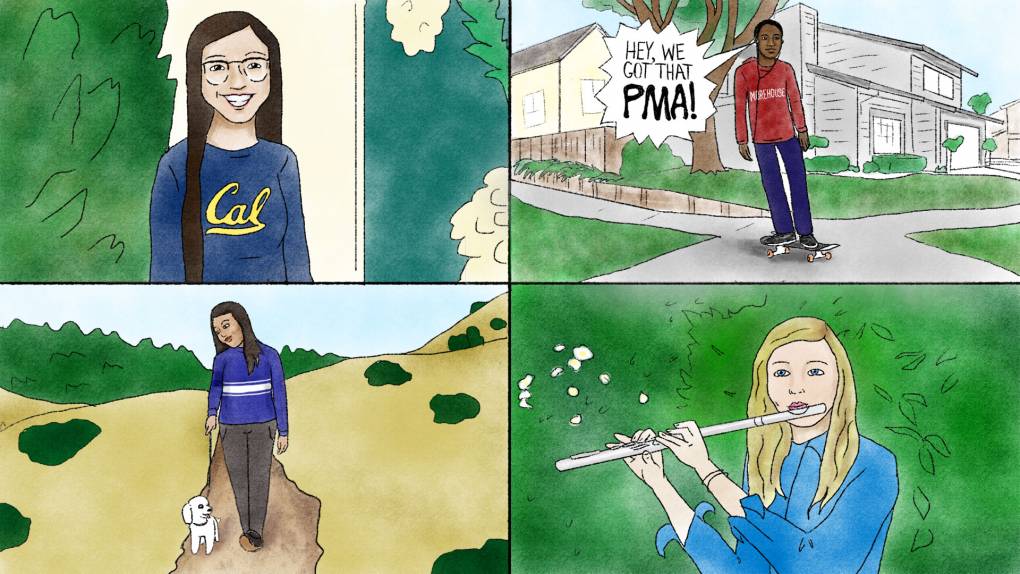
"caption": "Four students from different parts of the San Francisco Bay Area shared their experiences of the Spring of 2020 when coronavirus closed down their schools.",
"description": null,
"title": "Mindshift_episode2_v2",
"credit": "Kelly Heigert/KQED",
"status": "inherit",
"isLoading": false,
"fetchFailed": false
},
"mindshift_56367": {
"type": "attachments",
"id": "mindshift_56367",
"meta": {
"index": "attachments_1716263798",
"site": "mindshift",
"id": "56367",
"found": true
},
"parent": 56365,
"imgSizes": {
"twentyfourteen-full-width": {
"file": "https://ww2.kqed.org/app/uploads/sites/23/2020/07/071320_rd_jenningsschoolpilot_01-copy_slide-9a8ddf5b56269720fe41238bd4d1673d14171d5f-1038x576.jpg",
"width": 1038,
"mimeType": "image/jpeg",
"height": 576
},
"thumbnail": {
"file": "https://ww2.kqed.org/app/uploads/sites/23/2020/07/071320_rd_jenningsschoolpilot_01-copy_slide-9a8ddf5b56269720fe41238bd4d1673d14171d5f-160x107.jpg",
"width": 160,
"mimeType": "image/jpeg",
"height": 107
},
"post-thumbnail": {
"file": "https://ww2.kqed.org/app/uploads/sites/23/2020/07/071320_rd_jenningsschoolpilot_01-copy_slide-9a8ddf5b56269720fe41238bd4d1673d14171d5f-672x372.jpg",
"width": 672,
"mimeType": "image/jpeg",
"height": 372
},
"kqedFullSize": {
"file": "https://ww2.kqed.org/app/uploads/sites/23/2020/07/071320_rd_jenningsschoolpilot_01-copy_slide-9a8ddf5b56269720fe41238bd4d1673d14171d5f-scaled-e1595919095215.jpg",
"width": 1920,
"height": 1280
},
"2048x2048": {
"file": "https://ww2.kqed.org/app/uploads/sites/23/2020/07/071320_rd_jenningsschoolpilot_01-copy_slide-9a8ddf5b56269720fe41238bd4d1673d14171d5f-2048x1365.jpg",
"width": 2048,
"mimeType": "image/jpeg",
"height": 1365
},
"large": {
"file": "https://ww2.kqed.org/app/uploads/sites/23/2020/07/071320_rd_jenningsschoolpilot_01-copy_slide-9a8ddf5b56269720fe41238bd4d1673d14171d5f-1020x680.jpg",
"width": 1020,
"mimeType": "image/jpeg",
"height": 680
},
"1536x1536": {
"file": "https://ww2.kqed.org/app/uploads/sites/23/2020/07/071320_rd_jenningsschoolpilot_01-copy_slide-9a8ddf5b56269720fe41238bd4d1673d14171d5f-1536x1024.jpg",
"width": 1536,
"mimeType": "image/jpeg",
"height": 1024
},
"full-width": {
"file": "https://ww2.kqed.org/app/uploads/sites/23/2020/07/071320_rd_jenningsschoolpilot_01-copy_slide-9a8ddf5b56269720fe41238bd4d1673d14171d5f-1920x1280.jpg",
"width": 1920,
"mimeType": "image/jpeg",
"height": 1280
},
"medium": {
"file": "https://ww2.kqed.org/app/uploads/sites/23/2020/07/071320_rd_jenningsschoolpilot_01-copy_slide-9a8ddf5b56269720fe41238bd4d1673d14171d5f-800x533.jpg",
"width": 800,
"mimeType": "image/jpeg",
"height": 533
},
"medium_large": {
"file": "https://ww2.kqed.org/app/uploads/sites/23/2020/07/071320_rd_jenningsschoolpilot_01-copy_slide-9a8ddf5b56269720fe41238bd4d1673d14171d5f-768x512.jpg",
"width": 768,
"mimeType": "image/jpeg",
"height": 512
}
},
"publishDate": 1595918282,
"modified": 1595919109,
"caption": "Students enrolled in the summer enrichment program eat breakfast while social distancing in the gymnasium.\n",
"description": null,
"title": "Students enrolled in the summer enrichment program eat breakfast while social distancing in the gymnasium.",
"credit": "Ryan Delaney/St. Louis Public Radio",
"status": "inherit",
"isLoading": false,
"fetchFailed": false
},
"mindshift_56348": {
"type": "attachments",
"id": "mindshift_56348",
"meta": {
"index": "attachments_1716263798",
"site": "mindshift",
"id": "56348",
"found": true
},
"parent": 56347,
"imgSizes": {
"twentyfourteen-full-width": {
"file": "https://ww2.kqed.org/app/uploads/sites/23/2020/07/gettyimages-861234542-981e1e51c0a8c3f2003892a7b66c695094e9da71-1038x576.jpg",
"width": 1038,
"mimeType": "image/jpeg",
"height": 576
},
"thumbnail": {
"file": "https://ww2.kqed.org/app/uploads/sites/23/2020/07/gettyimages-861234542-981e1e51c0a8c3f2003892a7b66c695094e9da71-160x120.jpg",
"width": 160,
"mimeType": "image/jpeg",
"height": 120
},
"post-thumbnail": {
"file": "https://ww2.kqed.org/app/uploads/sites/23/2020/07/gettyimages-861234542-981e1e51c0a8c3f2003892a7b66c695094e9da71-672x372.jpg",
"width": 672,
"mimeType": "image/jpeg",
"height": 372
},
"kqedFullSize": {
"file": "https://ww2.kqed.org/app/uploads/sites/23/2020/07/gettyimages-861234542-981e1e51c0a8c3f2003892a7b66c695094e9da71.jpg",
"width": 1885,
"height": 1413
},
"large": {
"file": "https://ww2.kqed.org/app/uploads/sites/23/2020/07/gettyimages-861234542-981e1e51c0a8c3f2003892a7b66c695094e9da71-1020x765.jpg",
"width": 1020,
"mimeType": "image/jpeg",
"height": 765
},
"1536x1536": {
"file": "https://ww2.kqed.org/app/uploads/sites/23/2020/07/gettyimages-861234542-981e1e51c0a8c3f2003892a7b66c695094e9da71-1536x1151.jpg",
"width": 1536,
"mimeType": "image/jpeg",
"height": 1151
},
"medium": {
"file": "https://ww2.kqed.org/app/uploads/sites/23/2020/07/gettyimages-861234542-981e1e51c0a8c3f2003892a7b66c695094e9da71-800x600.jpg",
"width": 800,
"mimeType": "image/jpeg",
"height": 600
},
"medium_large": {
"file": "https://ww2.kqed.org/app/uploads/sites/23/2020/07/gettyimages-861234542-981e1e51c0a8c3f2003892a7b66c695094e9da71-768x576.jpg",
"width": 768,
"mimeType": "image/jpeg",
"height": 576
}
},
"publishDate": 1595613051,
"modified": 1595613122,
"caption": "A high number of LGBTQ teens and youth struggle with mental health issues, according to a new survey by The Trevor Project.\n",
"description": null,
"title": "A high number of LGBTQ teens and youth struggle with mental health issues, according to a new survey by The Trevor Project.",
"credit": "Richard Drury/Getty Images",
"status": "inherit",
"isLoading": false,
"fetchFailed": false
}
},
"audioPlayerReducer": {
"postId": "stream_live",
"isPaused": true,
"isPlaying": false,
"pfsActive": false,
"pledgeModalIsOpen": true,
"playerDrawerIsOpen": false,
"liveAudioPlayStartedAt": 0,
"liveAudioPlayContext": ""
},
"authorsReducer": {
"byline_mindshift_56430": {
"type": "authors",
"id": "byline_mindshift_56430",
"meta": {
"override": true
},
"slug": "byline_mindshift_56430",
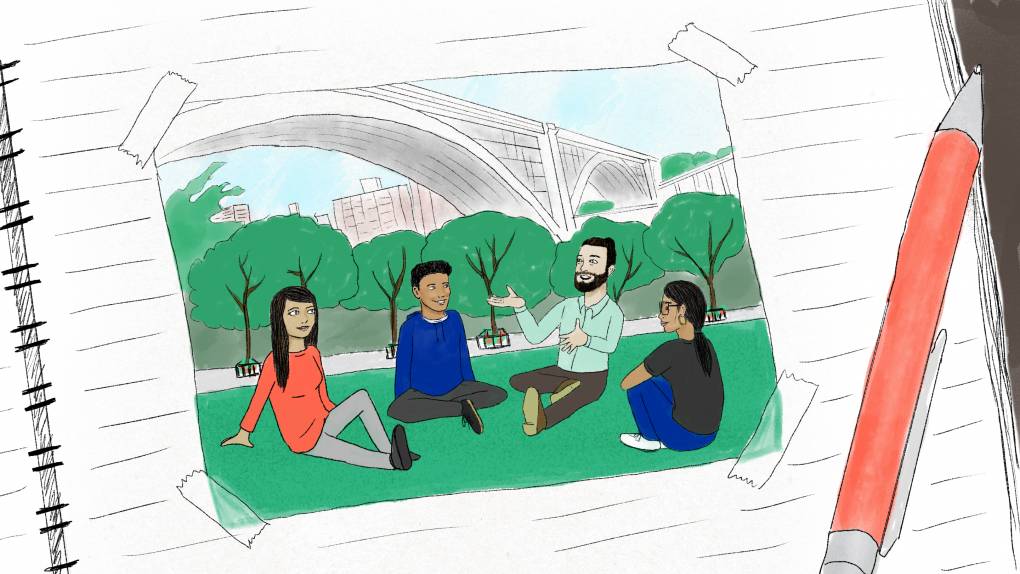
"name": "Anya Kamenetz, Patti Neighmond, Jane Greenhalgh, Allison Aubrey, Carmel Wroth",
"isLoading": false
},
"byline_mindshift_56439": {
"type": "authors",
"id": "byline_mindshift_56439",
"meta": {
"override": true
},
"slug": "byline_mindshift_56439",
"name": "Laura Isensee",
"isLoading": false
},
"byline_mindshift_56320": {
"type": "authors",
"id": "byline_mindshift_56320",
"meta": {
"override": true
},
"slug": "byline_mindshift_56320",
"name": "Suzanne Bouffard",
"isLoading": false
},
"byline_mindshift_56413": {
"type": "authors",
"id": "byline_mindshift_56413",
"meta": {
"override": true
},
"slug": "byline_mindshift_56413",
"name": "Anya Kamenetz",
"isLoading": false
},
"byline_mindshift_56409": {
"type": "authors",
"id": "byline_mindshift_56409",
"meta": {
"override": true
},
"slug": "byline_mindshift_56409",
"name": "Clare Lombardo",
"isLoading": false
},
"byline_mindshift_56373": {
"type": "authors",
"id": "byline_mindshift_56373",
"meta": {
"override": true
},
"slug": "byline_mindshift_56373",
"name": "Anya Kamenetz",
"isLoading": false
},
"byline_mindshift_56365": {
"type": "authors",
"id": "byline_mindshift_56365",
"meta": {
"override": true
},
"slug": "byline_mindshift_56365",
"name": "Ryan Delaney",
"isLoading": false
},
"byline_mindshift_56347": {
"type": "authors",
"id": "byline_mindshift_56347",
"meta": {
"override": true
},
"slug": "byline_mindshift_56347",
"name": "Brianna Scott and Sam Leeds",
"isLoading": false
},
"katrinaschwartz": {
"type": "authors",
"id": "234",
"meta": {
"index": "authors_1716337520",
"id": "234",
"found": true
},
"name": "Katrina Schwartz",
"firstName": "Katrina",
"lastName": "Schwartz",
"slug": "katrinaschwartz",
"email": "kschwartz@kqed.org",
"display_author_email": false,
"staff_mastheads": [
"news"
],
"title": "Producer",
"bio": "Katrina Schwartz is a journalist based in San Francisco. She's worked at KPCC public radio in LA and has reported on air and online for KQED since 2010. She covered how teaching and learning is changing for MindShift between 2012 and 2020. She is the co-host of the MindShift podcast and now produces KQED's Bay Curious podcast.",
"avatar": "https://secure.gravatar.com/avatar/edb4ee79070447a018538c9aae6eeecf28786515b8a0c30e43b6b7dce5aa44c8?s=600&d=blank&r=g",
"twitter": "kschwart",
"bluesky": null,
"facebook": null,
"instagram": null,
"linkedin": null,
"sites": [
{
"site": "",
"roles": [
"editor"
]
},
{
"site": "news",
"roles": [
"editor"
]
},
{
"site": "mindshift",
"roles": [
"administrator"
]
},
{
"site": "stateofhealth",
"roles": [
"author"
]
},
{
"site": "science",
"roles": [
"editor"
]
}
],
"headData": {
"title": "Katrina Schwartz | KQED",
"description": "Producer",
"ogImgSrc": "https://secure.gravatar.com/avatar/edb4ee79070447a018538c9aae6eeecf28786515b8a0c30e43b6b7dce5aa44c8?s=600&d=blank&r=g",
"twImgSrc": "https://secure.gravatar.com/avatar/edb4ee79070447a018538c9aae6eeecf28786515b8a0c30e43b6b7dce5aa44c8?s=600&d=blank&r=g"
},
"isLoading": false,
"link": "/author/katrinaschwartz"
},
"hollykorbey": {
"type": "authors",
"id": "4445",
"meta": {
"index": "authors_1716337520",
"id": "4445",
"found": true
},
"name": "Holly Korbey",
"firstName": "Holly",
"lastName": "Korbey",
"slug": "hollykorbey",
"email": "holly@hollykorbey.com",
"display_author_email": false,
"staff_mastheads": [],
"title": null,
"bio": "Holly Korbey's work on parenting and education has appeared in The New York Times, The Atlantic, Babble, Brain, Child Magazine, and others. She lives in Nashville with her family. Follow her on Twitter: @HKorbey",
"avatar": "https://secure.gravatar.com/avatar/f385f7a3b90e52ecd5e85c24fbd0a363?s=600&d=blank&r=g",
"twitter": null,
"facebook": null,
"instagram": null,
"linkedin": null,
"sites": [
{
"site": "mindshift",
"roles": [
"contributor"
]
}
],
"headData": {
"title": "Holly Korbey | KQED",
"description": null,
"ogImgSrc": "https://secure.gravatar.com/avatar/f385f7a3b90e52ecd5e85c24fbd0a363?s=600&d=blank&r=g",
"twImgSrc": "https://secure.gravatar.com/avatar/f385f7a3b90e52ecd5e85c24fbd0a363?s=600&d=blank&r=g"
},
"isLoading": false,
"link": "/author/hollykorbey"
},
"ksung": {
"type": "authors",
"id": "4596",
"meta": {
"index": "authors_1716337520",
"id": "4596",
"found": true
},
"name": "Ki Sung",
"firstName": "Ki",
"lastName": "Sung",
"slug": "ksung",
"email": "ksung@kqed.org",
"display_author_email": false,
"staff_mastheads": [
"news"
],
"title": "KQED Contributor",
"bio": "Ki Sung is Managing Editor of Digital News at KQED. She is former Senior Editor of MindShift and worked at NPR before joining KQED in 2014.",
"avatar": "https://secure.gravatar.com/avatar/64271e01dc95486c133be56937739045b7c00c990525bf9add12d3dd4f0433c9?s=600&d=blank&r=g",
"twitter": null,
"bluesky": null,
"facebook": null,
"instagram": null,
"linkedin": null,
"sites": [
{
"site": "arts",
"roles": [
"administrator"
]
},
{
"site": "news",
"roles": [
"administrator"
]
},
{
"site": "mindshift",
"roles": [
"administrator"
]
},
{
"site": "science",
"roles": [
"administrator"
]
},
{
"site": "forum",
"roles": [
"administrator"
]
},
{
"site": "perspectives",
"roles": [
"administrator"
]
},
{
"site": "elections",
"roles": [
"administrator"
]
}
],
"headData": {
"title": "Ki Sung | KQED",
"description": "KQED Contributor",
"ogImgSrc": "https://secure.gravatar.com/avatar/64271e01dc95486c133be56937739045b7c00c990525bf9add12d3dd4f0433c9?s=600&d=blank&r=g",
"twImgSrc": "https://secure.gravatar.com/avatar/64271e01dc95486c133be56937739045b7c00c990525bf9add12d3dd4f0433c9?s=600&d=blank&r=g"
},
"isLoading": false,
"link": "/author/ksung"
},
"kdnewhouse": {
"type": "authors",
"id": "11487",
"meta": {
"index": "authors_1716337520",
"id": "11487",
"found": true
},
"name": "Kara Newhouse",
"firstName": "Kara",
"lastName": "Newhouse",
"slug": "kdnewhouse",
"email": "knewhouse@kqed.org",
"display_author_email": false,
"staff_mastheads": [],
"title": "MindShift Editor",
"bio": null,
"avatar": "https://secure.gravatar.com/avatar/3dceed6fb271527113abfa9a8e9df34e?s=600&d=blank&r=g",
"twitter": null,
"facebook": null,
"instagram": null,
"linkedin": null,
"sites": [
{
"site": "",
"roles": [
"editor"
]
},
{
"site": "mindshift",
"roles": []
}
],
"headData": {
"title": "Kara Newhouse | KQED",
"description": "MindShift Editor",
"ogImgSrc": "https://secure.gravatar.com/avatar/3dceed6fb271527113abfa9a8e9df34e?s=600&d=blank&r=g",
"twImgSrc": "https://secure.gravatar.com/avatar/3dceed6fb271527113abfa9a8e9df34e?s=600&d=blank&r=g"
},
"isLoading": false,
"link": "/author/kdnewhouse"
}
},
"pagesReducer": {
"mindshift_tag_covid-19": {
"type": "terms",
"id": "mindshift_21343",
"meta": {
"index": "terms_1716263798",
"site": "mindshift",
"id": "21343",
"score": 8.558781
},
"featImg": null,
"name": "COVID-19",
"description": null,
"taxonomy": "tag",
"headData": {
"twImgId": null,
"twTitle": null,
"ogTitle": null,
"ogImgId": null,
"twDescription": null,
"description": null,
"title": "COVID-19 Archives - KQED Mindshift",
"ogDescription": null
},
"ttid": 20615,
"slug": "covid-19",
"isLoading": false,
"title": "COVID-19",
"pageMeta": {
"site": "mindshift",
"WpPageTemplate": "page-topic-editorial",
"currentPage": 15
},
"blocks": [
{
"blockName": "kqed/post-list",
"attrs": {
"layout": "cardArticle2",
"query": "posts/mindshift?tag=covid-19",
"seeMore": false,
"paginated": true,
"page": 15
}
},
{
"blockName": "kqed/ad"
}
]
}
},
"pfsSessionReducer": {},
"postsReducer": {
"stream_live": {
"type": "live",
"id": "stream_live",
"audioUrl": "https://streams.kqed.org/kqedradio",
"title": "Live Stream",
"excerpt": "Live Stream information currently unavailable.",
"link": "/radio",
"featImg": "",
"label": {
"name": "KQED Live",
"link": "/"
}
},
"stream_kqedNewscast": {
"type": "posts",
"id": "stream_kqedNewscast",
"audioUrl": "https://www.kqed.org/.stream/anon/radio/RDnews/newscast.mp3?_=1",
"title": "KQED Newscast",
"featImg": "",
"label": {
"name": "88.5 FM",
"link": "/"
}
},
"mindshift_56450": {
"type": "posts",
"id": "mindshift_56450",
"meta": {
"index": "posts_1716263798",
"site": "mindshift",
"id": "56450",
"score": null,
"sort": [
1597141101000
]
},
"guestAuthors": [],
"slug": "how-culturally-relevant-teaching-can-build-relationships-while-students-are-home",
"title": "How Culturally Relevant Teaching Can Build Relationships While Students Are Home",
"publishDate": 1597141101,
"format": "standard",
"headTitle": "How Culturally Relevant Teaching Can Build Relationships While Students Are Home | KQED",
"labelTerm": {
"term": 21942,
"site": "mindshift"
},
"content": "\u003ch4>Listen and subscribe to our podcast from your mobile device\u003cbr>\n\u003ca href=\"https://podcasts.apple.com/us/podcast/mindshift-podcast/id1078765985\">via Apple Podcasts \u003c/a> | \u003ca href=\"https://www.stitcher.com/podcast/kqed/stories-teachers-share/\">via Stitcher\u003c/a> | \u003ca href=\"https://podcasts.google.com/feed/aHR0cHM6Ly93dzIua3FlZC5vcmcvbWluZHNoaWZ0L2NhdGVnb3J5L21pbmRzaGlmdHBvZGNhc3QvZmVlZC8/episode/ODA5YmZmOTgtZGI2MC0xMWVhLWI3N2UtNmYzODM1MTM3YWI4?hl=en&ved=2ahUKEwiftIO69JLrAhVFsp4KHcblAloQieUEegQIChAE&ep=6\">via Google\u003c/a> | \u003ca href=\"https://open.spotify.com/show/0MxSpNYZKNprFLCl7eEtyx\"> via Spotify\u003c/a> | \u003ca href=\"https://tunein.com/podcasts/Kids--Family-Podcasts/Mindshift-Podcast-p1139823/?topicId=155253294\">via TuneIn\u003c/a>\u003c/h4>\n\u003cp> \u003c/p>\n\u003cp>\u003cspan style=\"font-weight: 400\">When schools began to close because of COVID-19 in March, teachers and students had to rapidly adjust to learning online. For many students, finding a quiet place at home to learn with reliable technology was difficult, especially when family members were dealing with the pandemic. And teachers tried to figure out what was appropriate for the new online reality when it came to synchronous learning, attendance and grades, among many other issues.\u003c/span>\u003c/p>\n\u003cp>\u003cspan style=\"font-weight: 400\">Coronavirus also created an opportunity for teachers to be creative in order to meet students’ needs. \u003c/span>\u003ca href=\"https://culturallyresponsiveleadership.com/\">\u003cspan style=\"font-weight: 400\">Joe Truss\u003c/span>\u003c/a>\u003cspan style=\"font-weight: 400\">, principal of Visitacion Valley Middle School in San Francisco, saw the inequities created by coronavirus and called upon teachers via social media to create resources for teaching during the pandemic in a way that was relevant to what students were experiencing. \u003c/span>\u003c/p>\n\u003cp>\u003cspan style=\"font-weight: 400\">“We actually wanted to shift even the verbiage from ‘distance learning’ to ‘connecting through crisis’ because primarily we wanted our students to experience connection,” said Truss. “Because right now we’re fractured as a society and our kids are at home. They’re not with their friends and not with their teachers and their normal routine.”\u003c/span>\u003c/p>\n\u003cp>\u003cspan style=\"font-weight: 400\">Truss started a Google doc called “\u003c/span>\u003ca href=\"https://docs.google.com/document/d/1RpwwrZVS8f5OWYiI14IR5QuenF_LC8zskX8UlPLLYH4/edit#\">\u003cspan style=\"font-weight: 400\">Connecting Across the Distance” #Covid19pbl\u003c/span>\u003c/a>\u003cspan style=\"font-weight: 400\"> with contributions from about 150 educators around the country. In May, educators and students hosted a \u003ca href=\"https://padlet.com/covid19pbl20/gallery\">virtual exhibition\u003c/a> of their work. \u003c/span>\u003c/p>\n\u003cp>[ad fullwidth]\u003c/p>\n\u003cp>https://twitter.com/trussleadership/status/1250800577052676098\u003c/p>\n\u003cp>\u003cspan style=\"font-weight: 400\">Teachers submitted resources and lesson plans relevant to the times and students’ experiences. There were resources on understanding the virus and how to interpret pandemic data. Coronavirus brought renewed attention to systemic racism because of the way Black, Indigenous and Latino people died from the infection at disproportionate rates. The Black Lives Matter protests that emerged from the killing of George Floyd by a white police officer in Minneapolis also amplified the need for systemic change. Mental health was a top priority as students were seeing trauma unfold around them. \u003c/span>\u003c/p>\n\u003ch2>\u003cb>Pivoting to Student Pandemic Journal \u003c/b>\u003c/h2>\n\u003cp>\u003cspan style=\"font-weight: 400\">Before the coronavirus outbreak, keeping a journal wasn’t exactly part of the curriculum for English teacher \u003c/span>\u003ca href=\"https://twitter.com/avoulgarides?lang=en\">\u003cspan style=\"font-weight: 400\">Anthony Voulgarides\u003c/span>\u003c/a>\u003cspan style=\"font-weight: 400\">. He submitted a pandemic journal lesson plan to “\u003c/span>\u003ca href=\"https://docs.google.com/document/d/1RpwwrZVS8f5OWYiI14IR5QuenF_LC8zskX8UlPLLYH4/edit#\">\u003cspan style=\"font-weight: 400\">Connecting Across the Distance\u003c/span>\u003c/a>\u003cspan style=\"font-weight: 400\">” and it proved to be an essential way to help his students stay connected to one another and to him during the crisis. Every week, students published journal entries to a document called “\u003ca href=\"https://padlet.com/a_voulgarides/exemplars\">Unprecedented Times\u003c/a>.” \u003c/span>\u003c/p>\n\u003cp>\u003cspan style=\"font-weight: 400\">\u003cimg loading=\"lazy\" decoding=\"async\" class=\"size-full wp-image-56462 alignright\" src=\"https://ww2.kqed.org/app/uploads/sites/23/2020/08/Voulgarides1-e1597137171556.jpg\" alt=\"\" width=\"250\" height=\"290\">“As a teacher, I feel like it’s my job to try to understand what’s most relevant for our students right now, in this moment, and try to tap into that,” said Voulgarides, who teaches at \u003c/span>\u003ca href=\"https://www.wheelsnyc.net/\">\u003cspan style=\"font-weight: 400\">Washington Heights Expeditionary Learning School\u003c/span>\u003c/a>\u003cspan style=\"font-weight: 400\"> in New York City. At the time, the city was a \u003c/span>\u003ca href=\"https://www.nbcnewyork.com/news/local/once-the-nations-epicenter-ny-virus-death-toll-drops-to-5/2489489/\">\u003cspan style=\"font-weight: 400\">hotspot\u003c/span>\u003c/a>\u003cspan style=\"font-weight: 400\"> for coronavirus infections and his students’ families were not spared. Some had to quarantine at home with an infected family member, others had a parent on a ventilator for a month. Senior Diane Arevalo’s uncle died after contracting the virus. \u003c/span>\u003c/p>\n\u003cp>\u003cspan style=\"font-weight: 400\">\u003cimg loading=\"lazy\" decoding=\"async\" class=\"size-full wp-image-56458 alignright\" src=\"https://ww2.kqed.org/app/uploads/sites/23/2020/08/Diane-1-scaled-e1597137239341.jpeg\" alt=\"\" width=\"250\" height=\"333\">“My family, we call him ‘The Newspaper’ because, you know, he knew everybody and everyone knew about him,” she said of her uncle. “And he’d go through the whole neighborhood in the morning. He’ll wake up at six o’clock in the morning, go to his mom’s house, give her food, and then he would go back home and take care of his kids.”\u003c/span>\u003c/p>\n\u003cp>\u003cspan style=\"font-weight: 400\">Safety measures meant family members were physically cut off from patients in hospitals and loved ones at funerals. Arevalo, who didn’t get to say goodbye to her uncle or send him a final message, decided to write him a letter as part of her journal assignment. Last spring, she wrote:\u003c/span>\u003c/p>\n\u003cblockquote>\n\u003cp class=\"p1\">When I told you I got into Brandeis, the first thing you did was come over and bring me a cake. That was the last time I got to see you, Tío. I want to say it’s unfair that you were taken already, but I know you were in pain and now you are better alongside Tía now. Your kids were raised as if they were my siblings. I gained two older brothers and an amazing big sister through you. All I want is that, with your loss, it can bring us all even closer. Thank you for the love, laughter, and support you have given all of us every day.\u003c/p>\n\u003c/blockquote>\n\u003cp>\u003cspan style=\"font-weight: 400\">The journal entries took many forms. Some students submitted drawings. Some shared what they were watching on Netflix. Someone wrote an essay on shelter-in-place from the perspective of a house cat. Others got really vulnerable and shared details they normally keep to themselves.\u003c/span>\u003c/p>\n\u003cp>\u003cspan style=\"font-weight: 400\">\u003cimg loading=\"lazy\" decoding=\"async\" class=\"size-full wp-image-56465 alignright\" src=\"https://ww2.kqed.org/app/uploads/sites/23/2020/08/Yohely-1-e1597137331377.jpg\" alt=\"\" width=\"250\" height=\"322\">“Even if I FaceTime my friends for hours, you know, we’re not just sitting talking about our feelings for hours,” said senior Yohely \u003c/span>\u003cspan style=\"font-weight: 400\">Comprés\u003c/span>\u003cspan style=\"font-weight: 400\">. “And so I read their journal for English class and I learned more than I learned in the FaceTime call.”\u003c/span>\u003c/p>\n\u003cp>\u003cspan style=\"font-weight: 400\">Comprés’s\u003c/span>\u003cspan style=\"font-weight: 400\"> journal entry was about how she had to stay distant from her family members inside their home. In March, she wrote:\u003c/span>\u003c/p>\n\u003cblockquote>\n\u003cp class=\"p1\">Today, my mom didn’t wake up feeling so good. I haven’t touched her warm skin since Friday and I haven’t been able to cuddle her in the mornings either. In order to see her I have to FaceTime her or open the bedroom door just enough so I can peek. I got yelled at by my aunt for opening the door without a mask. I just wanted her to see that I was awake. We’re now waiting for the test results and it’s haunting me thinking about it. Tía tested positive last week. I hope mom doesn’t.\u003c/p>\n\u003c/blockquote>\n\u003cp>\u003cspan style=\"font-weight: 400\">Moments after publishing to the class journal website, Yohely received a text message from a worried Mr. Voulgarides. He was checking in on her after reading her journal entry. He offered to bring groceries to her home and let her know she can reach out to him if she needed anything.\u003c/span>\u003c/p>\n\u003cp>\u003cspan style=\"font-weight: 400\">\u003cimg loading=\"lazy\" decoding=\"async\" class=\"size-full wp-image-56461 alignright\" src=\"https://ww2.kqed.org/app/uploads/sites/23/2020/08/Julio2-e1597137432776.jpg\" alt=\"\" width=\"250\" height=\"336\">Senior Julio Jimenez’s father caught coronavirus and spent a month in the intensive care unit. The family could only see him through a phone connection. Suddenly, Jimenez was thrust into the position of medical translator for his family while being strong for his mother and siblings. As the eldest son, he was now preparing to be the head of the household and thinking differently about his future. Everyday high school activities and starting college felt more distant when his family needed him most. \u003c/span>\u003c/p>\n\u003cp>\u003cspan style=\"font-weight: 400\">“That took a big toll out of me, like, every day,” he said. Before the pandemic, Julio said writing wasn’t exactly his favorite thing to do at school, but the journal turned out to be a way for him to organize his emotions, calm himself down and focus on building emotional strength for his family.\u003c/span>\u003c/p>\n\u003cp>\u003cspan style=\"font-weight: 400\">“It has helped me out of writing it down,” he said. “Getting my emotions on paper – that helped me out. You know, it built some stamina in me to get on with my day.”\u003c/span>\u003c/p>\n\u003cp>\u003cspan style=\"font-weight: 400\">Typically, writing a journal entry is a private activity. But publishing to a class website for trusted classmates and teachers who have spent years relationship-building helped create an opening for help. It also strengthened the community. \u003c/span>\u003c/p>\n\u003cp>\u003cspan style=\"font-weight: 400\">“The fact that those kids were comfortable sharing those journals with one another says a lot about what the teacher did beforehand,” said Tia Madkins, Assistant Professor in the Department of Curriculum and Instruction at the University of Texas at Austin. \u003c/span>\u003c/p>\n\u003ch2>\u003cb>Culturally Relevant Teaching and Trust\u003c/b>\u003c/h2>\n\u003cp>\u003cspan style=\"font-weight: 400\">Teachers at WHEELS spend a lot of time on activities that are outside the more traditional curricula and it’s proven to be a success. WHEELS is part of the \u003c/span>\u003ca href=\"https://eleducation.org/\">\u003cspan style=\"font-weight: 400\">EL Education\u003c/span>\u003c/a>\u003cspan style=\"font-weight: 400\"> network and an \u003c/span>\u003ca href=\"https://www.wheelsnyc.net/expeditionary-learning\">\u003cspan style=\"font-weight: 400\">Outward Bound School\u003c/span>\u003c/a>\u003cspan style=\"font-weight: 400\">. Core to the school is creating authentic learning experiences for students, some of which is grounded in the three tenets of culturally relevant teaching: academic success, cultural competence and critical consciousness. The three pillars of CRT were developed by \u003c/span>\u003ca href=\"https://www.the74million.org/article/74-interview-researcher-gloria-ladson-billings-on-culturally-relevant-teaching-the-role-of-teachers-in-trumps-america-lessons-from-her-two-decades-in-education-research/\">\u003cspan style=\"font-weight: 400\">Gloria Ladson-Billings\u003c/span>\u003c/a>\u003cspan style=\"font-weight: 400\"> after observing teachers who taught African-American students successfully. \u003c/span>\u003c/p>\n\u003cp>\u003cspan style=\"font-weight: 400\">“Every classroom has culture,” said professor \u003c/span>\u003ca href=\"https://www.tc.columbia.edu/faculty/fm2140/\">\u003cspan style=\"font-weight: 400\">Felicia Moore Mensah\u003c/span>\u003c/a>\u003cspan style=\"font-weight: 400\"> of Teachers College Columbia University who researches CRT in science education. \u003c/span>\u003c/p>\n\u003cp>\u003cspan style=\"font-weight: 400\">“What teachers have to realize is that [culture is] there and it’s present, but how do you make it much more part of the process of learning when you have a classroom that is full of African-American, Latinx children or children with racial, ethnic, linguistic diversity within the classroom?” CRT can help address some of the inequities created by schooling that centers a white, middle-class worldview, which is important to address when more than half of students in public schools are kids of color.\u003c/span>\u003c/p>\n\u003cp>\u003cspan style=\"font-weight: 400\">“It does take an extra effort for a lot of white teachers to be able to do this, to be able to focus in on who the students are, bringing them in and asking about aspects of their life as part of the curriculum because our curriculum is not written this particular way.” \u003c/span>\u003c/p>\n\u003cp>\u003cspan style=\"font-weight: 400\">For WHEELS students like Diane Arevalo, cultural competence can look like talking about the differences between Ecuadorian and Dominican cultures, while knowing how to write a professional email to teachers. It also means having the critical consciousness to advocate for the change she wants to see in her community. \u003c/span>\u003c/p>\n\u003cp>\u003cspan style=\"font-weight: 400\">“It’s not fair to me, it’s not fair to my brother, to my family, to the people that live here that we’re stuck in the middle of a highway next to the George Washington Bridge, that we’re stuck with all this pollution,” said Arevalo of her neighborhood.\u003c/span>\u003c/p>\n\u003cp>\u003cspan style=\"font-weight: 400\">Diane and her classmates formed a group to address local environmental issues. The group looked specifically at the health of trees in their neighborhood. The students noticed that in other neighborhoods, trees looked nicer and were protected at the roots by tree guards. \u003c/span>\u003c/p>\n\u003cp>\u003cimg loading=\"lazy\" decoding=\"async\" class=\"alignnone size-full wp-image-56456\" src=\"https://ww2.kqed.org/app/uploads/sites/23/2020/08/Clean-Air-Green-Corridor-of-182nd-st.jpg\" alt=\"\" width=\"960\" height=\"540\" srcset=\"https://cdn.kqed.org/wp-content/uploads/sites/23/2020/08/Clean-Air-Green-Corridor-of-182nd-st.jpg 960w, https://cdn.kqed.org/wp-content/uploads/sites/23/2020/08/Clean-Air-Green-Corridor-of-182nd-st-800x450.jpg 800w, https://cdn.kqed.org/wp-content/uploads/sites/23/2020/08/Clean-Air-Green-Corridor-of-182nd-st-160x90.jpg 160w, https://cdn.kqed.org/wp-content/uploads/sites/23/2020/08/Clean-Air-Green-Corridor-of-182nd-st-768x432.jpg 768w\" sizes=\"(max-width: 960px) 100vw, 960px\">\u003c/p>\n\u003cp>\u003cspan style=\"font-weight: 400\">“It’s kind of sad because our tree guards are destroyed,” said Arevalo. “We don’t even have them. And they’re very full of cigarette butts, needles and needle caps. And it’s kind of sad seeing that because we have to go through that every day to go to school.” \u003c/span>\u003c/p>\n\u003cp>\u003cspan style=\"font-weight: 400\">The students attended community board meetings to advocate for a \u003c/span>\u003ca href=\"https://shareabouts-pbnyc-2018.herokuapp.com/place/598641/response/599327\">\u003cspan style=\"font-weight: 400\">Clean Air/Green Corridor\u003c/span>\u003c/a>\u003cspan style=\"font-weight: 400\">. They also applied for grants from local organizations, which is not \u003c/span>\u003ca href=\"https://www.safepassageproject.org/wheels-hight-school-wins-grant-for-safe-passage-project/\">\u003cspan style=\"font-weight: 400\">uncommon\u003c/span>\u003c/a>\u003cspan style=\"font-weight: 400\"> for WHEELS students who are passionate about causes relevant to their lives. They succeeded and recently \u003c/span>\u003ca href=\"http://www.nyc.gov/html/mancb12/downloads/pdf/h_and_e_committee_minutes_5-2-19.pdf\">\u003cspan style=\"font-weight: 400\">received funding\u003c/span>\u003c/a>\u003cspan style=\"font-weight: 400\"> for new tree guards in their neighborhoods. \u003c/span>\u003c/p>\n\u003cp>\u003cspan style=\"font-weight: 400\">The school also goes to great lengths to value students’ cultural identity. When Yohely \u003c/span>\u003cspan style=\"font-weight: 400\">Comprés\u003c/span>\u003cspan style=\"font-weight: 400\"> was a sophomore, she and a half-dozen students traveled to Peru for a week to learn more about critical theory and Afro-Peruvian culture. \u003c/span>\u003c/p>\n\u003cp>\u003cspan style=\"font-weight: 400\">“And through that, you know, I was able to find that Afro-Latinx culture that I knew I had in me,” said \u003c/span>\u003cspan style=\"font-weight: 400\">Comprés\u003c/span>\u003cspan style=\"font-weight: 400\">, who is Afro-Dominican. “There are programs [at school] that have helped me, with lessons that have helped me, in terms of my identity,” she said. “Even though my teachers are mostly white, they’re very there. I feel like they’ve become an ally to our community and they do the work that they do in our school because they care.”\u003c/span>\u003cb> \u003c/b>\u003c/p>\n\u003cp>\u003cspan style=\"font-weight: 400\">Comprés\u003c/span>\u003cspan style=\"font-weight: 400\"> is also aware of the cultural competence she’ll need when she attends college at Wesleyan in the fall. She’s been at WHEELS since middle school so starting college in a new community will be a challenge. She feels like the teachers have prepared her for this transition, and one way they do that is letting students know they are there for them even after graduation. “They’re always offering their help,” she said. In reference to another teacher, David Lenzner, \u003c/span>\u003cspan style=\"font-weight: 400\">Comprés\u003c/span>\u003cspan style=\"font-weight: 400\"> said, “he’s always like, ‘you know, when when you leave, we’re going to be here and we’re going to be here to support you no matter what.’”\u003c/span>\u003c/p>\n\u003cp>Support will be essential to students who graduated high school during extraordinary times and will start college amidst great uncertainty.\u003cspan style=\"font-weight: 400\"> WHEELS students have the support network they built at school and some have one more new tool: \u003c/span>\u003c/p>\n\u003cp>[ad floatright]\u003c/p>\n\u003cp>“I actually think about getting an actual journal because this has been helping me,” said \u003cspan style=\"font-weight: 400\">Comprés.\u003c/span>\u003c/p>\n\n",
"blocks": [],
"excerpt": "Culturally relevant teaching can be a helpful way for students to develop cultural competence, advocate for change in their lives and excel academically in meaningful ways. ",
"status": "publish",
"parent": 0,
"modified": 1726872547,
"stats": {
"hasAudio": false,
"hasVideo": false,
"hasChartOrMap": false,
"iframeSrcs": [],
"hasGoogleForm": false,
"hasGallery": false,
"hasHearkenModule": false,
"hasPolis": false,
"paragraphCount": 35,
"wordCount": 2196
},
"headData": {
"title": "How Culturally Relevant Teaching Can Build Relationships While Students Are Home | KQED",
"description": "Culturally relevant teaching can be a helpful way for students to develop cultural competence, advocate for change in their lives and excel academically in meaningful ways. ",
"ogTitle": "",
"ogDescription": "",
"ogImgId": "",
"twTitle": "",
"twDescription": "",
"twImgId": "",
"schema": {
"@context": "https://schema.org",
"@type": "Article",
"headline": "How Culturally Relevant Teaching Can Build Relationships While Students Are Home",
"datePublished": "2020-08-11T03:18:21-07:00",
"dateModified": "2024-09-20T15:49:07-07:00",
"image": "https://cdn.kqed.org/wp-content/uploads/2020/02/KQED-OG-Image@1x.png"
}
},
"audioUrl": "https://www.podtrac.com/pts/redirect.mp3/traffic.megaphone.fm/KQINC7354233725.mp3",
"sticky": false,
"path": "/mindshift/56450/how-culturally-relevant-teaching-can-build-relationships-while-students-are-home",
"audioTrackLength": null,
"parsedContent": [
{
"type": "contentString",
"content": "\u003cdiv class=\"post-body\">\u003cp>\u003ch4>Listen and subscribe to our podcast from your mobile device\u003cbr>\n\u003ca href=\"https://podcasts.apple.com/us/podcast/mindshift-podcast/id1078765985\">via Apple Podcasts \u003c/a> | \u003ca href=\"https://www.stitcher.com/podcast/kqed/stories-teachers-share/\">via Stitcher\u003c/a> | \u003ca href=\"https://podcasts.google.com/feed/aHR0cHM6Ly93dzIua3FlZC5vcmcvbWluZHNoaWZ0L2NhdGVnb3J5L21pbmRzaGlmdHBvZGNhc3QvZmVlZC8/episode/ODA5YmZmOTgtZGI2MC0xMWVhLWI3N2UtNmYzODM1MTM3YWI4?hl=en&ved=2ahUKEwiftIO69JLrAhVFsp4KHcblAloQieUEegQIChAE&ep=6\">via Google\u003c/a> | \u003ca href=\"https://open.spotify.com/show/0MxSpNYZKNprFLCl7eEtyx\"> via Spotify\u003c/a> | \u003ca href=\"https://tunein.com/podcasts/Kids--Family-Podcasts/Mindshift-Podcast-p1139823/?topicId=155253294\">via TuneIn\u003c/a>\u003c/h4>\n\u003cp> \u003c/p>\n\u003cp>\u003cspan style=\"font-weight: 400\">When schools began to close because of COVID-19 in March, teachers and students had to rapidly adjust to learning online. For many students, finding a quiet place at home to learn with reliable technology was difficult, especially when family members were dealing with the pandemic. And teachers tried to figure out what was appropriate for the new online reality when it came to synchronous learning, attendance and grades, among many other issues.\u003c/span>\u003c/p>\n\u003cp>\u003cspan style=\"font-weight: 400\">Coronavirus also created an opportunity for teachers to be creative in order to meet students’ needs. \u003c/span>\u003ca href=\"https://culturallyresponsiveleadership.com/\">\u003cspan style=\"font-weight: 400\">Joe Truss\u003c/span>\u003c/a>\u003cspan style=\"font-weight: 400\">, principal of Visitacion Valley Middle School in San Francisco, saw the inequities created by coronavirus and called upon teachers via social media to create resources for teaching during the pandemic in a way that was relevant to what students were experiencing. \u003c/span>\u003c/p>\n\u003cp>\u003cspan style=\"font-weight: 400\">“We actually wanted to shift even the verbiage from ‘distance learning’ to ‘connecting through crisis’ because primarily we wanted our students to experience connection,” said Truss. “Because right now we’re fractured as a society and our kids are at home. They’re not with their friends and not with their teachers and their normal routine.”\u003c/span>\u003c/p>\n\u003cp>\u003cspan style=\"font-weight: 400\">Truss started a Google doc called “\u003c/span>\u003ca href=\"https://docs.google.com/document/d/1RpwwrZVS8f5OWYiI14IR5QuenF_LC8zskX8UlPLLYH4/edit#\">\u003cspan style=\"font-weight: 400\">Connecting Across the Distance” #Covid19pbl\u003c/span>\u003c/a>\u003cspan style=\"font-weight: 400\"> with contributions from about 150 educators around the country. In May, educators and students hosted a \u003ca href=\"https://padlet.com/covid19pbl20/gallery\">virtual exhibition\u003c/a> of their work. \u003c/span>\u003c/p>\n\u003cp>\u003c/p>\u003c/div>",
"attributes": {
"named": {},
"numeric": []
}
},
{
"type": "component",
"content": "",
"name": "ad",
"attributes": {
"named": {
"label": "fullwidth"
},
"numeric": [
"fullwidth"
]
}
},
{
"type": "contentString",
"content": "\u003cdiv class=\"post-body\">\u003cp>\u003c/p>\u003c/p>\u003c/div>",
"attributes": {
"named": {},
"numeric": []
}
},
{
"type": "component",
"content": "",
"name": "singleTwitterStatus",
"attributes": {
"named": {
"id": "1250800577052676098"
},
"numeric": []
}
},
{
"type": "contentString",
"content": "\u003cdiv class=\"post-body\">\u003cp>\n\u003cp>\u003cspan style=\"font-weight: 400\">Teachers submitted resources and lesson plans relevant to the times and students’ experiences. There were resources on understanding the virus and how to interpret pandemic data. Coronavirus brought renewed attention to systemic racism because of the way Black, Indigenous and Latino people died from the infection at disproportionate rates. The Black Lives Matter protests that emerged from the killing of George Floyd by a white police officer in Minneapolis also amplified the need for systemic change. Mental health was a top priority as students were seeing trauma unfold around them. \u003c/span>\u003c/p>\n\u003ch2>\u003cb>Pivoting to Student Pandemic Journal \u003c/b>\u003c/h2>\n\u003cp>\u003cspan style=\"font-weight: 400\">Before the coronavirus outbreak, keeping a journal wasn’t exactly part of the curriculum for English teacher \u003c/span>\u003ca href=\"https://twitter.com/avoulgarides?lang=en\">\u003cspan style=\"font-weight: 400\">Anthony Voulgarides\u003c/span>\u003c/a>\u003cspan style=\"font-weight: 400\">. He submitted a pandemic journal lesson plan to “\u003c/span>\u003ca href=\"https://docs.google.com/document/d/1RpwwrZVS8f5OWYiI14IR5QuenF_LC8zskX8UlPLLYH4/edit#\">\u003cspan style=\"font-weight: 400\">Connecting Across the Distance\u003c/span>\u003c/a>\u003cspan style=\"font-weight: 400\">” and it proved to be an essential way to help his students stay connected to one another and to him during the crisis. Every week, students published journal entries to a document called “\u003ca href=\"https://padlet.com/a_voulgarides/exemplars\">Unprecedented Times\u003c/a>.” \u003c/span>\u003c/p>\n\u003cp>\u003cspan style=\"font-weight: 400\">\u003cimg loading=\"lazy\" decoding=\"async\" class=\"size-full wp-image-56462 alignright\" src=\"https://ww2.kqed.org/app/uploads/sites/23/2020/08/Voulgarides1-e1597137171556.jpg\" alt=\"\" width=\"250\" height=\"290\">“As a teacher, I feel like it’s my job to try to understand what’s most relevant for our students right now, in this moment, and try to tap into that,” said Voulgarides, who teaches at \u003c/span>\u003ca href=\"https://www.wheelsnyc.net/\">\u003cspan style=\"font-weight: 400\">Washington Heights Expeditionary Learning School\u003c/span>\u003c/a>\u003cspan style=\"font-weight: 400\"> in New York City. At the time, the city was a \u003c/span>\u003ca href=\"https://www.nbcnewyork.com/news/local/once-the-nations-epicenter-ny-virus-death-toll-drops-to-5/2489489/\">\u003cspan style=\"font-weight: 400\">hotspot\u003c/span>\u003c/a>\u003cspan style=\"font-weight: 400\"> for coronavirus infections and his students’ families were not spared. Some had to quarantine at home with an infected family member, others had a parent on a ventilator for a month. Senior Diane Arevalo’s uncle died after contracting the virus. \u003c/span>\u003c/p>\n\u003cp>\u003cspan style=\"font-weight: 400\">\u003cimg loading=\"lazy\" decoding=\"async\" class=\"size-full wp-image-56458 alignright\" src=\"https://ww2.kqed.org/app/uploads/sites/23/2020/08/Diane-1-scaled-e1597137239341.jpeg\" alt=\"\" width=\"250\" height=\"333\">“My family, we call him ‘The Newspaper’ because, you know, he knew everybody and everyone knew about him,” she said of her uncle. “And he’d go through the whole neighborhood in the morning. He’ll wake up at six o’clock in the morning, go to his mom’s house, give her food, and then he would go back home and take care of his kids.”\u003c/span>\u003c/p>\n\u003cp>\u003cspan style=\"font-weight: 400\">Safety measures meant family members were physically cut off from patients in hospitals and loved ones at funerals. Arevalo, who didn’t get to say goodbye to her uncle or send him a final message, decided to write him a letter as part of her journal assignment. Last spring, she wrote:\u003c/span>\u003c/p>\n\u003cblockquote>\n\u003cp class=\"p1\">When I told you I got into Brandeis, the first thing you did was come over and bring me a cake. That was the last time I got to see you, Tío. I want to say it’s unfair that you were taken already, but I know you were in pain and now you are better alongside Tía now. Your kids were raised as if they were my siblings. I gained two older brothers and an amazing big sister through you. All I want is that, with your loss, it can bring us all even closer. Thank you for the love, laughter, and support you have given all of us every day.\u003c/p>\n\u003c/blockquote>\n\u003cp>\u003cspan style=\"font-weight: 400\">The journal entries took many forms. Some students submitted drawings. Some shared what they were watching on Netflix. Someone wrote an essay on shelter-in-place from the perspective of a house cat. Others got really vulnerable and shared details they normally keep to themselves.\u003c/span>\u003c/p>\n\u003cp>\u003cspan style=\"font-weight: 400\">\u003cimg loading=\"lazy\" decoding=\"async\" class=\"size-full wp-image-56465 alignright\" src=\"https://ww2.kqed.org/app/uploads/sites/23/2020/08/Yohely-1-e1597137331377.jpg\" alt=\"\" width=\"250\" height=\"322\">“Even if I FaceTime my friends for hours, you know, we’re not just sitting talking about our feelings for hours,” said senior Yohely \u003c/span>\u003cspan style=\"font-weight: 400\">Comprés\u003c/span>\u003cspan style=\"font-weight: 400\">. “And so I read their journal for English class and I learned more than I learned in the FaceTime call.”\u003c/span>\u003c/p>\n\u003cp>\u003cspan style=\"font-weight: 400\">Comprés’s\u003c/span>\u003cspan style=\"font-weight: 400\"> journal entry was about how she had to stay distant from her family members inside their home. In March, she wrote:\u003c/span>\u003c/p>\n\u003cblockquote>\n\u003cp class=\"p1\">Today, my mom didn’t wake up feeling so good. I haven’t touched her warm skin since Friday and I haven’t been able to cuddle her in the mornings either. In order to see her I have to FaceTime her or open the bedroom door just enough so I can peek. I got yelled at by my aunt for opening the door without a mask. I just wanted her to see that I was awake. We’re now waiting for the test results and it’s haunting me thinking about it. Tía tested positive last week. I hope mom doesn’t.\u003c/p>\n\u003c/blockquote>\n\u003cp>\u003cspan style=\"font-weight: 400\">Moments after publishing to the class journal website, Yohely received a text message from a worried Mr. Voulgarides. He was checking in on her after reading her journal entry. He offered to bring groceries to her home and let her know she can reach out to him if she needed anything.\u003c/span>\u003c/p>\n\u003cp>\u003cspan style=\"font-weight: 400\">\u003cimg loading=\"lazy\" decoding=\"async\" class=\"size-full wp-image-56461 alignright\" src=\"https://ww2.kqed.org/app/uploads/sites/23/2020/08/Julio2-e1597137432776.jpg\" alt=\"\" width=\"250\" height=\"336\">Senior Julio Jimenez’s father caught coronavirus and spent a month in the intensive care unit. The family could only see him through a phone connection. Suddenly, Jimenez was thrust into the position of medical translator for his family while being strong for his mother and siblings. As the eldest son, he was now preparing to be the head of the household and thinking differently about his future. Everyday high school activities and starting college felt more distant when his family needed him most. \u003c/span>\u003c/p>\n\u003cp>\u003cspan style=\"font-weight: 400\">“That took a big toll out of me, like, every day,” he said. Before the pandemic, Julio said writing wasn’t exactly his favorite thing to do at school, but the journal turned out to be a way for him to organize his emotions, calm himself down and focus on building emotional strength for his family.\u003c/span>\u003c/p>\n\u003cp>\u003cspan style=\"font-weight: 400\">“It has helped me out of writing it down,” he said. “Getting my emotions on paper – that helped me out. You know, it built some stamina in me to get on with my day.”\u003c/span>\u003c/p>\n\u003cp>\u003cspan style=\"font-weight: 400\">Typically, writing a journal entry is a private activity. But publishing to a class website for trusted classmates and teachers who have spent years relationship-building helped create an opening for help. It also strengthened the community. \u003c/span>\u003c/p>\n\u003cp>\u003cspan style=\"font-weight: 400\">“The fact that those kids were comfortable sharing those journals with one another says a lot about what the teacher did beforehand,” said Tia Madkins, Assistant Professor in the Department of Curriculum and Instruction at the University of Texas at Austin. \u003c/span>\u003c/p>\n\u003ch2>\u003cb>Culturally Relevant Teaching and Trust\u003c/b>\u003c/h2>\n\u003cp>\u003cspan style=\"font-weight: 400\">Teachers at WHEELS spend a lot of time on activities that are outside the more traditional curricula and it’s proven to be a success. WHEELS is part of the \u003c/span>\u003ca href=\"https://eleducation.org/\">\u003cspan style=\"font-weight: 400\">EL Education\u003c/span>\u003c/a>\u003cspan style=\"font-weight: 400\"> network and an \u003c/span>\u003ca href=\"https://www.wheelsnyc.net/expeditionary-learning\">\u003cspan style=\"font-weight: 400\">Outward Bound School\u003c/span>\u003c/a>\u003cspan style=\"font-weight: 400\">. Core to the school is creating authentic learning experiences for students, some of which is grounded in the three tenets of culturally relevant teaching: academic success, cultural competence and critical consciousness. The three pillars of CRT were developed by \u003c/span>\u003ca href=\"https://www.the74million.org/article/74-interview-researcher-gloria-ladson-billings-on-culturally-relevant-teaching-the-role-of-teachers-in-trumps-america-lessons-from-her-two-decades-in-education-research/\">\u003cspan style=\"font-weight: 400\">Gloria Ladson-Billings\u003c/span>\u003c/a>\u003cspan style=\"font-weight: 400\"> after observing teachers who taught African-American students successfully. \u003c/span>\u003c/p>\n\u003cp>\u003cspan style=\"font-weight: 400\">“Every classroom has culture,” said professor \u003c/span>\u003ca href=\"https://www.tc.columbia.edu/faculty/fm2140/\">\u003cspan style=\"font-weight: 400\">Felicia Moore Mensah\u003c/span>\u003c/a>\u003cspan style=\"font-weight: 400\"> of Teachers College Columbia University who researches CRT in science education. \u003c/span>\u003c/p>\n\u003cp>\u003cspan style=\"font-weight: 400\">“What teachers have to realize is that [culture is] there and it’s present, but how do you make it much more part of the process of learning when you have a classroom that is full of African-American, Latinx children or children with racial, ethnic, linguistic diversity within the classroom?” CRT can help address some of the inequities created by schooling that centers a white, middle-class worldview, which is important to address when more than half of students in public schools are kids of color.\u003c/span>\u003c/p>\n\u003cp>\u003cspan style=\"font-weight: 400\">“It does take an extra effort for a lot of white teachers to be able to do this, to be able to focus in on who the students are, bringing them in and asking about aspects of their life as part of the curriculum because our curriculum is not written this particular way.” \u003c/span>\u003c/p>\n\u003cp>\u003cspan style=\"font-weight: 400\">For WHEELS students like Diane Arevalo, cultural competence can look like talking about the differences between Ecuadorian and Dominican cultures, while knowing how to write a professional email to teachers. It also means having the critical consciousness to advocate for the change she wants to see in her community. \u003c/span>\u003c/p>\n\u003cp>\u003cspan style=\"font-weight: 400\">“It’s not fair to me, it’s not fair to my brother, to my family, to the people that live here that we’re stuck in the middle of a highway next to the George Washington Bridge, that we’re stuck with all this pollution,” said Arevalo of her neighborhood.\u003c/span>\u003c/p>\n\u003cp>\u003cspan style=\"font-weight: 400\">Diane and her classmates formed a group to address local environmental issues. The group looked specifically at the health of trees in their neighborhood. The students noticed that in other neighborhoods, trees looked nicer and were protected at the roots by tree guards. \u003c/span>\u003c/p>\n\u003cp>\u003cimg loading=\"lazy\" decoding=\"async\" class=\"alignnone size-full wp-image-56456\" src=\"https://ww2.kqed.org/app/uploads/sites/23/2020/08/Clean-Air-Green-Corridor-of-182nd-st.jpg\" alt=\"\" width=\"960\" height=\"540\" srcset=\"https://cdn.kqed.org/wp-content/uploads/sites/23/2020/08/Clean-Air-Green-Corridor-of-182nd-st.jpg 960w, https://cdn.kqed.org/wp-content/uploads/sites/23/2020/08/Clean-Air-Green-Corridor-of-182nd-st-800x450.jpg 800w, https://cdn.kqed.org/wp-content/uploads/sites/23/2020/08/Clean-Air-Green-Corridor-of-182nd-st-160x90.jpg 160w, https://cdn.kqed.org/wp-content/uploads/sites/23/2020/08/Clean-Air-Green-Corridor-of-182nd-st-768x432.jpg 768w\" sizes=\"(max-width: 960px) 100vw, 960px\">\u003c/p>\n\u003cp>\u003cspan style=\"font-weight: 400\">“It’s kind of sad because our tree guards are destroyed,” said Arevalo. “We don’t even have them. And they’re very full of cigarette butts, needles and needle caps. And it’s kind of sad seeing that because we have to go through that every day to go to school.” \u003c/span>\u003c/p>\n\u003cp>\u003cspan style=\"font-weight: 400\">The students attended community board meetings to advocate for a \u003c/span>\u003ca href=\"https://shareabouts-pbnyc-2018.herokuapp.com/place/598641/response/599327\">\u003cspan style=\"font-weight: 400\">Clean Air/Green Corridor\u003c/span>\u003c/a>\u003cspan style=\"font-weight: 400\">. They also applied for grants from local organizations, which is not \u003c/span>\u003ca href=\"https://www.safepassageproject.org/wheels-hight-school-wins-grant-for-safe-passage-project/\">\u003cspan style=\"font-weight: 400\">uncommon\u003c/span>\u003c/a>\u003cspan style=\"font-weight: 400\"> for WHEELS students who are passionate about causes relevant to their lives. They succeeded and recently \u003c/span>\u003ca href=\"http://www.nyc.gov/html/mancb12/downloads/pdf/h_and_e_committee_minutes_5-2-19.pdf\">\u003cspan style=\"font-weight: 400\">received funding\u003c/span>\u003c/a>\u003cspan style=\"font-weight: 400\"> for new tree guards in their neighborhoods. \u003c/span>\u003c/p>\n\u003cp>\u003cspan style=\"font-weight: 400\">The school also goes to great lengths to value students’ cultural identity. When Yohely \u003c/span>\u003cspan style=\"font-weight: 400\">Comprés\u003c/span>\u003cspan style=\"font-weight: 400\"> was a sophomore, she and a half-dozen students traveled to Peru for a week to learn more about critical theory and Afro-Peruvian culture. \u003c/span>\u003c/p>\n\u003cp>\u003cspan style=\"font-weight: 400\">“And through that, you know, I was able to find that Afro-Latinx culture that I knew I had in me,” said \u003c/span>\u003cspan style=\"font-weight: 400\">Comprés\u003c/span>\u003cspan style=\"font-weight: 400\">, who is Afro-Dominican. “There are programs [at school] that have helped me, with lessons that have helped me, in terms of my identity,” she said. “Even though my teachers are mostly white, they’re very there. I feel like they’ve become an ally to our community and they do the work that they do in our school because they care.”\u003c/span>\u003cb> \u003c/b>\u003c/p>\n\u003cp>\u003cspan style=\"font-weight: 400\">Comprés\u003c/span>\u003cspan style=\"font-weight: 400\"> is also aware of the cultural competence she’ll need when she attends college at Wesleyan in the fall. She’s been at WHEELS since middle school so starting college in a new community will be a challenge. She feels like the teachers have prepared her for this transition, and one way they do that is letting students know they are there for them even after graduation. “They’re always offering their help,” she said. In reference to another teacher, David Lenzner, \u003c/span>\u003cspan style=\"font-weight: 400\">Comprés\u003c/span>\u003cspan style=\"font-weight: 400\"> said, “he’s always like, ‘you know, when when you leave, we’re going to be here and we’re going to be here to support you no matter what.’”\u003c/span>\u003c/p>\n\u003cp>Support will be essential to students who graduated high school during extraordinary times and will start college amidst great uncertainty.\u003cspan style=\"font-weight: 400\"> WHEELS students have the support network they built at school and some have one more new tool: \u003c/span>\u003c/p>\n\u003cp>\u003c/p>\u003c/div>",
"attributes": {
"named": {},
"numeric": []
}
},
{
"type": "component",
"content": "",
"name": "ad",
"attributes": {
"named": {
"label": "floatright"
},
"numeric": [
"floatright"
]
}
},
{
"type": "contentString",
"content": "\u003cdiv class=\"post-body\">\u003cp>\u003c/p>\n\u003cp>“I actually think about getting an actual journal because this has been helping me,” said \u003cspan style=\"font-weight: 400\">Comprés.\u003c/span>\u003c/p>\n\n\u003c/div>\u003c/p>",
"attributes": {
"named": {},
"numeric": []
}
}
],
"link": "/mindshift/56450/how-culturally-relevant-teaching-can-build-relationships-while-students-are-home",
"authors": [
"4596"
],
"programs": [
"mindshift_21847",
"mindshift_21942"
],
"categories": [
"mindshift_21358",
"mindshift_21130",
"mindshift_21848",
"mindshift_193"
],
"tags": [
"mindshift_21344",
"mindshift_21343",
"mindshift_21371",
"mindshift_21126",
"mindshift_358",
"mindshift_21181",
"mindshift_20865",
"mindshift_21132",
"mindshift_21372",
"mindshift_256",
"mindshift_21359"
],
"featImg": "mindshift_56452",
"label": "mindshift_21942"
},
"mindshift_56430": {
"type": "posts",
"id": "mindshift_56430",
"meta": {
"index": "posts_1716263798",
"site": "mindshift",
"id": "56430",
"score": null,
"sort": [
1596782480000
]
},
"parent": 0,
"labelTerm": {
"site": "mindshift"
},
"blocks": [],
"publishDate": 1596782480,
"format": "standard",
"disqusTitle": "How Safe Is Your School's Reopening Plan? Here's What To Look For",
"title": "How Safe Is Your School's Reopening Plan? Here's What To Look For",
"headTitle": "MindShift | KQED News",
"content": "\u003cp>As schools across the country grapple with bringing kids back into the classroom, parents — and teachers — are worried about safety. We asked pediatricians, infectious disease specialists and education experts for help evaluating school district plans.\u003c/p>\n\u003cp>What we learned: There's no such thing as zero risk, but certain practices can lower the risk of an outbreak at school and keep kids, teachers and families safer.\u003c/p>\n\u003cp>If you're considering sending your child back to school this fall or in the coming months, start with assessing both your own family's personal risk and the level of \u003ca href=\"https://globalepidemics.org/key-metrics-for-covid-suppression/\">spread in your community\u003c/a>. The American Federation of Teachers says it doesn't consider in-person school to be safe unless fewer than 5% of coronavirus tests in an area are positive. As of late July, that one benchmark disqualified eight of the 10 largest public school districts in the country.\u003c/p>\n\u003cp>If your family is relatively healthy and local numbers look good, here's how to weigh the key elements of a school reopening plan.\u003c/p>\n\u003ch3>1) Getting to school: Riding the bus\u003c/h3>\n\u003cp>\u003cstrong>Look for: Limited capacity and physical distancing. Plus masks\u003c/strong>\u003c/p>\n\u003cp>[ad fullwidth]\u003c/p>\n\u003cp>\u003cimg class=\"size-full wp-image-56432 alignnone\" src=\"https://ww2.kqed.org/app/uploads/sites/23/2020/08/bus-1_wide-f5773129b6faf1a243c579e55fab47d9fa550abd.jpg\" alt=\"\" width=\"1146\" height=\"645\" srcset=\"https://ww2.kqed.org/app/uploads/sites/23/2020/08/bus-1_wide-f5773129b6faf1a243c579e55fab47d9fa550abd.jpg 1146w, https://ww2.kqed.org/app/uploads/sites/23/2020/08/bus-1_wide-f5773129b6faf1a243c579e55fab47d9fa550abd-800x450.jpg 800w, https://ww2.kqed.org/app/uploads/sites/23/2020/08/bus-1_wide-f5773129b6faf1a243c579e55fab47d9fa550abd-1020x574.jpg 1020w, https://ww2.kqed.org/app/uploads/sites/23/2020/08/bus-1_wide-f5773129b6faf1a243c579e55fab47d9fa550abd-160x90.jpg 160w, https://ww2.kqed.org/app/uploads/sites/23/2020/08/bus-1_wide-f5773129b6faf1a243c579e55fab47d9fa550abd-768x432.jpg 768w\" sizes=\"(max-width: 1146px) 100vw, 1146px\">\u003c/p>\n\u003cp>Buses combine several risk factors for spread: Kids are in a closed space, for an extended period of time, often with poor ventilation.\u003c/p>\n\u003cp>\"The best option for children getting to school would be for their parents to drop them off,\" says \u003ca href=\"https://www.feinberg.northwestern.edu/faculty-profiles/az/profile.html?xid=17154\">Dr. Tina Tan\u003c/a>, pediatrics infectious disease specialist at Northwestern University in Chicago. Or walk or bike to school.\u003c/p>\n\u003cp>But that's not an option for many families, so to make busing safer, limit capacity to 50%, says \u003ca href=\"https://www.drravinakullar.com/\">Ravina Kullar\u003c/a>, an epidemiologist and spokesperson for the Infectious Disease Society of America. The children and the driver should be physically distanced by at least 6 feet, and everyone should wear masks. Ideally there's assigned seating, and tape marks designating where kids should sit, she says.\u003c/p>\n\u003cp>If possible, keep the bus windows open to improve ventilation, says \u003ca href=\"https://www.ohsu.edu/providers/judith-a-guzman-cottrill-do\">Dr. Judith Guzman-Cottrill,\u003c/a> a pediatric infectious disease specialist at Oregon Health & Science University. Airflow helps dilute the virus, thus reducing the risk of infection.\u003c/p>\n\u003cp>\"Students' hands should be sanitized before they enter the bus,\" says \u003ca href=\"https://www.nasn.org/people/laurie-combe\">Laurie Combe,\u003c/a> president of the National Association of School Nurses. Combe suggests mounting a sanitizer dispenser at the entrance of the bus.\u003c/p>\n\u003ch3>2) Entry-to-school guidelines\u003c/h3>\n\u003cp>\u003cstrong>Look for: Clear policies requiring sick kids and teachers to stay home\u003c/strong>\u003c/p>\n\u003cp>Our experts agree: Plans should drive home the message that staff and kids must stay home if they have any \u003ca href=\"https://www.cdc.gov/coronavirus/2019-ncov/symptoms-testing/symptoms.html?CDC_AA_refVal=https%3A%2F%2Fwww.cdc.gov%2Fcoronavirus%2F2019-ncov%2Fabout%2Fsymptoms.html\">symptoms of COVID-19\u003c/a>.\u003c/p>\n\u003cp>\"As a society, we are going to have to learn that if we're sick, we stay home — always,\" says \u003ca href=\"https://cph.osu.edu/people/wmiller\">Dr. William Miller\u003c/a>, an epidemiologist at Ohio State University. It's a big cultural shift, he says, because many of us are used to \"powering through illness, and sometimes, we expect the same of our children.\"\u003c/p>\n\u003cp>There is no one perfect way to enforce this. Some experts suggest schools rely on messaging, while others prefer schools screening for symptoms.\u003c/p>\n\u003cp>Symptom checks at school may not be foolproof, but they reinforce the message that parents should keep kids home if they're sick, says Laurie Combe. \"If there was optimal staffing for this situation, then the best practice would be to be able to screen as people enter the building.\"\u003c/p>\n\u003cp>The CDC currently does not recommend schools conduct widespread symptom screenings. It suggests parents check their children at home before coming to school.\u003c/p>\n\u003cp>Kids should stay home even if they have only very mild symptoms, \"just a headache or stomachache,\" says \u003ca href=\"https://president.umich.edu/leadership-team/direct-reports/preeti-malani/\">Dr. Preeti Malani\u003c/a>, an infectious disease specialist and chief health officer at the University of Michigan. And when parents are sick, children should stay home too, adds Miller. This may be difficult for economic reasons for many families.\u003c/p>\n\u003cp>If teachers or staff have to miss work, then, Malani says, school \"policies have to support it, whether it's paid time off or making sure that there's not a penalty for missing work.\"\u003c/p>\n\u003cp>To encourage symptomatic kids to stay home, some school districts may need to revisit attendance policies that reward students for showing up consistently and penalize them for missing days.\u003c/p>\n\u003cp>\u003cstrong>Under debate: Temperature checks\u003c/strong>\u003c/p>\n\u003cp>Several experts argue for schools conducting daily temperature checks. A good rule of thumb is that any child with a fever exceeding 100.4 F \"should be sent home or to the doctor's office for evaluation,\" says Dr. Dial Hewlett, an infectious disease specialist who has consulted with schools in Westchester County, N.Y.\u003c/p>\n\u003cp>Others, like Malani, are skeptical. She says children infected with the coronavirus may show no symptoms, including fever, so temperature screenings can miss the real cases and could be a waste of resources. And Combe questions \u003ca href=\"https://www.fda.gov/medical-devices/emergency-situations-medical-devices/non-contact-temperature-assessment-devices-during-covid-19-pandemic\">the accuracy of infrared temperature screening devices\u003c/a> and worries about student privacy.\u003c/p>\n\u003ch3>3) Masking policies\u003c/h3>\n\u003cp>\u003cstrong>Look for: Consistent, mandatory mask usage for kids and adults\u003c/strong>\u003c/p>\n\u003cp>\u003cimg class=\"alignnone size-full wp-image-56433\" src=\"https://ww2.kqed.org/app/uploads/sites/23/2020/08/masks-1_wide-69d2c08a6f757310b4c8141fe3b2561eeb205a29.jpg\" alt=\"\" width=\"1146\" height=\"645\" srcset=\"https://ww2.kqed.org/app/uploads/sites/23/2020/08/masks-1_wide-69d2c08a6f757310b4c8141fe3b2561eeb205a29.jpg 1146w, https://ww2.kqed.org/app/uploads/sites/23/2020/08/masks-1_wide-69d2c08a6f757310b4c8141fe3b2561eeb205a29-800x450.jpg 800w, https://ww2.kqed.org/app/uploads/sites/23/2020/08/masks-1_wide-69d2c08a6f757310b4c8141fe3b2561eeb205a29-1020x574.jpg 1020w, https://ww2.kqed.org/app/uploads/sites/23/2020/08/masks-1_wide-69d2c08a6f757310b4c8141fe3b2561eeb205a29-160x90.jpg 160w, https://ww2.kqed.org/app/uploads/sites/23/2020/08/masks-1_wide-69d2c08a6f757310b4c8141fe3b2561eeb205a29-768x432.jpg 768w\" sizes=\"(max-width: 1146px) 100vw, 1146px\">\u003c/p>\n\u003cp>All our experts agree that masks are a vital part of a school's reopening plan.\u003c/p>\n\u003cp>Especially \"in those situations where they cannot physically distance 6 feet or more from each other,\" says Tan. This advice is in line with the \u003ca href=\"https://www.cdc.gov/coronavirus/2019-ncov/community/schools-childcare/cloth-face-cover.html\">CDC's school reopening guidelines\u003c/a>.\u003c/p>\n\u003cp>Miller adds that it's critical that teachers and staff wear masks because \"the distance that airborne particles are dispersed is greater for adults than children.\" Some \u003ca href=\"https://pediatrics.aappublications.org/content/early/2020/07/08/peds.2020-1576\">studies \u003c/a>suggest adults are more likely to infect children than the other way around.\u003c/p>\n\u003cp>But masks aren't optimal for everyone, including anyone with health problems that affect breathing, those interacting with people who are \u003ca href=\"https://www.npr.org/2020/04/29/847925057/new-coronavirus-safety-measures-pose-challenges-for-the-deaf-and-hard-of-hearing\">hard of hearing\u003c/a> and very young children. The CDC suggests schools consider using masks with a see-through covering over the mouth for young students or students with disabilities.\u003c/p>\n\u003cp>For younger kids especially, schools should structure in times when students can \"take off their masks and have a breather,\" says Hewlett. These mask breaks would preferably be outdoors, he says.\u003c/p>\n\u003cp>\u003cstrong>Under debate: Face shields\u003c/strong> Some educators like the idea of a clear, plastic face shield as a stand-alone face covering for younger children. They're more comfortable, make it harder to touch the face and easier to see expressions. But there's no strong evidence that face shields reduce infection rates, says Miller. And the CDC does not recommend them as a substitute for face masks.\u003c/p>\n\u003cp>Face shields or goggles could be used in addition to masks, especially for teachers as a way to protect their eyes\u003ca href=\"https://www.niaid.nih.gov/about/director\">.\u003c/a> In a virtual town hall with the American Federation of Teachers, \u003ca href=\"https://www.niaid.nih.gov/about/director\">Dr. Anthony Fauci\u003c/a> was asked what teachers should wear in class. \"The minimum would be the mask, eye shield if you can have it and possibly gloves,\" he replied.\u003c/p>\n\u003ch3>4) In Class: Social distancing and cohorts\u003c/h3>\n\u003cp>\u003cstrong>Look for: 6 feet between desks, small class sizes and cohorts \u003c/strong>\u003c/p>\n\u003cp>\u003cimg class=\"alignnone size-full wp-image-56434\" src=\"https://ww2.kqed.org/app/uploads/sites/23/2020/08/classrooms-1_wide-0c51f3247b37c836664d15218e863d539b27d263.jpg\" alt=\"\" width=\"1151\" height=\"646\" srcset=\"https://ww2.kqed.org/app/uploads/sites/23/2020/08/classrooms-1_wide-0c51f3247b37c836664d15218e863d539b27d263.jpg 1151w, https://ww2.kqed.org/app/uploads/sites/23/2020/08/classrooms-1_wide-0c51f3247b37c836664d15218e863d539b27d263-800x449.jpg 800w, https://ww2.kqed.org/app/uploads/sites/23/2020/08/classrooms-1_wide-0c51f3247b37c836664d15218e863d539b27d263-1020x572.jpg 1020w, https://ww2.kqed.org/app/uploads/sites/23/2020/08/classrooms-1_wide-0c51f3247b37c836664d15218e863d539b27d263-160x90.jpg 160w, https://ww2.kqed.org/app/uploads/sites/23/2020/08/classrooms-1_wide-0c51f3247b37c836664d15218e863d539b27d263-768x431.jpg 768w\" sizes=\"(max-width: 1151px) 100vw, 1151px\">\u003c/p>\n\u003cp>Physical distancing is a cornerstone of coronavirus protection in school, just as it is in the grocery store or at a White House briefing.\u003c/p>\n\u003cp>Ideally, desks need to be placed at least 6 feet apart. Some schools are considering moving traditional classes into larger rooms like auditoriums, music rooms or gyms, says Hewlett. Tan advises holding classes outdoors when possible.\u003c/p>\n\u003cp>\"There really is no one right way to do this,\" says Tan. Schools have to adapt their space as best they can.\u003c/p>\n\u003cp>One solution many experts recommend is a system of cohorts and staggered schedules. Each class forms a self-contained pod that doesn't interact with other children. The goal, says Miller, is to reduce the number of people any individual is exposed to and to \"reduce the density of people in any given space.\"\u003c/p>\n\u003cp>Malani suggests bringing special-topic teachers, like art and music teachers, to the pod's classroom. This way, students don't have to rub elbows traveling through hallways.\u003c/p>\n\u003cp>\"If the bubble stays safe, then everyone within it stays safe,\" Miller says.\u003c/p>\n\u003cp>As part of a cohort system, many schools are opting to set up a staggered schedule, in which one group of students goes on Wednesday and Friday for example, while another group goes Tuesday and Thursday, and each group alternates Mondays. Another option is to have one group of students go in the mornings and another in the afternoons.\u003c/p>\n\u003cp>\u003cstrong>Under debate: Plexiglass dividers\u003c/strong>\u003c/p>\n\u003cp>Plexiglass dividers have been used in schools in Europe and Asia. But \"the data for plexiglass are limited,\" says Miller, explaining that unless dividers go to the ceiling, \"the air currents will simply flow around them.\" Malani says plexiglass barriers are most useful in front offices, for greeters or security guards sitting in high-traffic areas.\u003c/p>\n\u003ch3>5) What to do when someone gets sick\u003c/h3>\n\u003cp>\u003cstrong>Look for: Requirement for anyone with symptoms to self-isolate — and collaboration with the local health department\u003c/strong>\u003c/p>\n\u003cp>Schools need to have a plan in place for what to do when kids develop symptoms. It's critical this is communicated clearly, says Hewlett, so that \"everyone understands what's going to happen if a child develops infection.\"\u003c/p>\n\u003cp>Most scientists we spoke to agreed that any student or staff with symptoms should be tested or evaluated by a doctor. But few school plans we reviewed specify this as a requirement for students; instead they simply ask that anyone with concerning symptoms or a known exposure stay home. (Some districts, like \u003ca href=\"https://www.detroitk12.org/cms/lib/MI50000060/Centricity/Domain/4/DPSCD%20Reopening%20Plan%20-%20July%20RBM%20Final.pdf\">Detroit\u003c/a>, are asking all staff to get tested prior to the start of school.)\u003c/p>\n\u003cp>With or without test results, anyone with symptoms needs to stay home for at least 10 days after symptom onset, and schools should have a protocol for deciding whether others exposed need to quarantine. This would be best done in consultation with the local health department, says Malani, and will be based on the severity of the symptoms and how much interaction the child had with others.\u003c/p>\n\u003cp>If anyone does test positive, schools need to collaborate with local health departments, Hewlett says, so they can provide contact tracing and guidance for when to shut down a school if needed.\u003c/p>\n\u003cp>Establishing a stable pod or cohort of students could help prevent school shutdowns, says Guzman-Cottrill, because if a person in the cohort tests positive, exposure is limited to the cohort and only those students need to quarantine.\u003c/p>\n\u003cp>\u003cstrong>Future goal: Routine testing\u003c/strong>\u003c/p>\n\u003cp>Several experts said regular testing of asymptomatic students and staff is not feasible, with current testing shortages and delays. But if it were, it could help schools open safely.\u003c/p>\n\u003cp>\"Weekly testing would be ideal, as it would identify asymptomatic infections,\" says Dr. \u003ca href=\"https://www.seattlechildrens.org/directory/danielle-m-zerr/\">Danielle Zerr,\u003c/a> pediatric infectious disease specialist at Seattle Children's Hospital.\u003c/p>\n\u003cp>Once new technologies are approved and rapid tests are available, schools should do routine testing, says Dr.\u003ca href=\"https://ccdd.hsph.harvard.edu/people/michael-mina/\"> Michael Mina\u003c/a>, an immunologist and epidemiologist at Harvard T.H. Chan School of Public Health. \"Short of vaccines, daily cheap rapid tests performed at home or at school are a clear avenue to keep cases low and prevent outbreaks from growing,\" he says.\u003c/p>\n\u003ch3>6) Sanitizing surfaces\u003c/h3>\n\u003cp>\u003cstrong>Look for: Focus on hand hygiene and cleaning high-touch surfaces\u003c/strong>\u003c/p>\n\u003cp>\u003cimg class=\"alignnone size-full wp-image-56435\" src=\"https://ww2.kqed.org/app/uploads/sites/23/2020/08/sanitizing-surfaces-1_wide-91f2f4e0014dc394e44953ca4381f51a4c8facbb.jpg\" alt=\"\" width=\"1150\" height=\"647\" srcset=\"https://ww2.kqed.org/app/uploads/sites/23/2020/08/sanitizing-surfaces-1_wide-91f2f4e0014dc394e44953ca4381f51a4c8facbb.jpg 1150w, https://ww2.kqed.org/app/uploads/sites/23/2020/08/sanitizing-surfaces-1_wide-91f2f4e0014dc394e44953ca4381f51a4c8facbb-800x450.jpg 800w, https://ww2.kqed.org/app/uploads/sites/23/2020/08/sanitizing-surfaces-1_wide-91f2f4e0014dc394e44953ca4381f51a4c8facbb-1020x574.jpg 1020w, https://ww2.kqed.org/app/uploads/sites/23/2020/08/sanitizing-surfaces-1_wide-91f2f4e0014dc394e44953ca4381f51a4c8facbb-160x90.jpg 160w, https://ww2.kqed.org/app/uploads/sites/23/2020/08/sanitizing-surfaces-1_wide-91f2f4e0014dc394e44953ca4381f51a4c8facbb-768x432.jpg 768w\" sizes=\"(max-width: 1150px) 100vw, 1150px\">\u003c/p>\n\u003cp>The CDC says the\u003ca href=\"https://www.cdc.gov/coronavirus/2019-ncov/prevent-getting-sick/how-covid-spreads.html\"> major route of COVID-19 transmission \u003c/a>is through droplets that are expelled when we cough, sneeze or talk. But the virus can live on surfaces for hours and possibly days.\u003c/p>\n\u003cp>But rather than worry about constantly cleaning every part of the school, says Zerr, \"focus on frequent hand hygiene and wiping down frequently touched surfaces.\"\u003c/p>\n\u003cp>To promote hand hygiene, schools could have sanitizer dispensers in classrooms and hallways, says Malani, and keep bathrooms well-stocked with paper towels and soap.\u003c/p>\n\u003cp>Schools should focus cleaning efforts on high-touch surfaces like doorknobs, bathroom doors and sink areas multiple times a day. And some opportunities for touching surfaces could be eliminated. \"Classroom doors can be left open until class starts so that each student does not need to open the door,\" Tan says. Cleaning desks is less of a worry, Miller says, because students don't touch one another's desks that often.\u003c/p>\n\u003cp>It's important to thoroughly clean bathrooms that children routinely use, says Hewlett. These are high-touch areas and can get crowded. Miller says, \"Bathrooms must have strong exhaust fans,\" as airflow dilutes virus that may accumulate in the air.\u003c/p>\n\u003cp>\u003cstrong>Open for debate\u003c/strong>: Disinfectant misters may not be worth it, says school nurse Laurie Combe, because spraying disinfectant willy-nilly might create its own hazards. \"I don't know that we have enough data that tells us that that is safe,\" she says.\u003c/p>\n\u003ch3>7) Air circulation\u003c/h3>\n\u003cp>\u003cstrong>Look for: As much airflow as possible\u003c/strong>\u003c/p>\n\u003cp>While person-to-person spread is the greater risk, scientists are also concerned about the virus accumulating in indoor air. So the guiding principle is to bring in as much fresh air as possible to dilute and disperse viral particles. \"We simply want lots of air exchange with the outside,\" says Miller.\u003c/p>\n\u003cp>\u003ca href=\"https://www.unmc.edu/pathology/faculty/bios/santarpia.html\">Joshua Santarpia\u003c/a>, a microbiologist who studies biological aerosols at the University of Nebraska Medical Center, says that schools should assess their ventilation systems to see if they can be modified to optimize airflow in each classroom. \"The more air changes, the better,\" he says.\u003c/p>\n\u003cp>Newer school buildings with modern systems typically are set up to recirculate indoor air because this saves energy, says Peter Fehl, president of building management systems for Honeywell. But by adjusting those settings, it's possible to get \"seven or eight times more fresh air,\" says Fehl.\u003c/p>\n\u003cp>In addition, schools can replace their system's HEPA filters — which remove most very fine particles — more frequently, probably once a month, Fehl says.\u003c/p>\n\u003cp>But many schools have older systems that don't have the option of increasing fresh air.\u003c/p>\n\u003cp>For schools that can't afford to update their systems, Santarpia recommends free-standing HEPA filters. He says the size of the room and how much noise will be made need to be considered when choosing a device, but if used correctly, these filters \"could dramatically reduce airborne contaminants.\"\u003c/p>\n\u003cp>Unfortunately, the quality of air in classrooms may come down to resources. Wealthier districts will likely have more modern facilities and systems.\u003c/p>\n\u003cp>\u003cstrong>Open to debate: UV light systems\u003c/strong>\u003c/p>\n\u003cp>There are newer technologies such UV light systems that are garnering attention as well, but \"the jury is still out on more novel interventions, like UV light and ionizers,\" Santarpia says. One challenge: When air is moving through a duct system, it can be difficult to get the kind of UV intensity and exposure time necessary to kill viruses.\u003c/p>\n\u003ch3>8) Lunch and snacks\u003c/h3>\n\u003cp>\u003cstrong>Look for: Staggered cafeteria times or in-classroom dining\u003c/strong>\u003c/p>\n\u003cp>\u003cimg class=\"alignnone size-full wp-image-56436\" src=\"https://ww2.kqed.org/app/uploads/sites/23/2020/08/desk-lunch-1_wide-412e41d5ff86a9dd6887d166dbd5f24b787f27d5.jpg\" alt=\"\" width=\"1144\" height=\"642\" srcset=\"https://ww2.kqed.org/app/uploads/sites/23/2020/08/desk-lunch-1_wide-412e41d5ff86a9dd6887d166dbd5f24b787f27d5.jpg 1144w, https://ww2.kqed.org/app/uploads/sites/23/2020/08/desk-lunch-1_wide-412e41d5ff86a9dd6887d166dbd5f24b787f27d5-800x449.jpg 800w, https://ww2.kqed.org/app/uploads/sites/23/2020/08/desk-lunch-1_wide-412e41d5ff86a9dd6887d166dbd5f24b787f27d5-1020x572.jpg 1020w, https://ww2.kqed.org/app/uploads/sites/23/2020/08/desk-lunch-1_wide-412e41d5ff86a9dd6887d166dbd5f24b787f27d5-160x90.jpg 160w, https://ww2.kqed.org/app/uploads/sites/23/2020/08/desk-lunch-1_wide-412e41d5ff86a9dd6887d166dbd5f24b787f27d5-768x431.jpg 768w\" sizes=\"(max-width: 1144px) 100vw, 1144px\">Eating lunch and snacks requires removing face masks, so social distancing is the key here.\u003c/p>\n\u003cp>Schools should avoid having kids eat in a crowded cafeteria. \"This may mean eating in classrooms,\" says Zerr, adding that kids should stick with their designated pod and \"remove masks only to eat.\"\u003c/p>\n\u003cp>Other experts suggest staggering lunchtimes to reduce the number of students who are in the cafeteria so they can socially distance and keep students in their social bubbles, whether they are eating in their classrooms or the cafeteria.\u003c/p>\n\u003cp>\"Purchasing lunches should be OK if students are spaced out and classes do not intermingle,\" Miller says. Many schools are planning to serve a bag lunch which students can carry back to their classroom, although there are concerns these lunches may not be as nutritious.\u003c/p>\n\u003ch3>9) Recess\u003c/h3>\n\u003cp>\u003cstrong>Look for: Outdoor recess in small supervised groups\u003c/strong>\u003c/p>\n\u003cp>\u003cimg class=\"alignnone size-full wp-image-56437\" src=\"https://ww2.kqed.org/app/uploads/sites/23/2020/08/recess-1_wide-464b2093d641f298004fc1be1705b29e958c0f9f.jpg\" alt=\"\" width=\"1144\" height=\"644\" srcset=\"https://ww2.kqed.org/app/uploads/sites/23/2020/08/recess-1_wide-464b2093d641f298004fc1be1705b29e958c0f9f.jpg 1144w, https://ww2.kqed.org/app/uploads/sites/23/2020/08/recess-1_wide-464b2093d641f298004fc1be1705b29e958c0f9f-800x450.jpg 800w, https://ww2.kqed.org/app/uploads/sites/23/2020/08/recess-1_wide-464b2093d641f298004fc1be1705b29e958c0f9f-1020x574.jpg 1020w, https://ww2.kqed.org/app/uploads/sites/23/2020/08/recess-1_wide-464b2093d641f298004fc1be1705b29e958c0f9f-160x90.jpg 160w, https://ww2.kqed.org/app/uploads/sites/23/2020/08/recess-1_wide-464b2093d641f298004fc1be1705b29e958c0f9f-768x432.jpg 768w\" sizes=\"(max-width: 1144px) 100vw, 1144px\">\u003c/p>\n\u003cp>Kids need to run, play and take breaks, says Kullar. And \"we know outdoor time is less risky than indoor time,\" she says. Most of our experts agree — recess should take place outside, ideally with enough room for kids to socially distance, so they can remove their masks.\u003c/p>\n\u003cp>If kids can't stay 6 feet apart while at recess, our experts agreed they should not remove their masks, especially if inside.\u003c/p>\n\u003cp>Kullar advises staggering recess times, sending kids out in \"small, supervised groups.\" And everyone should immediately wash hands when reentering the building, she adds.\u003c/p>\n\u003cp>Some of our experts recommended not just a single recess, but multiple \"mask breaks\" during the day. This could increase chances that kids comply with mask use the rest of the time, says Miller.\u003c/p>\n\u003ch3>10) Gym and sports\u003c/h3>\n\u003cp>\u003cstrong>Look for: Outdoor activities and no contact sports\u003c/strong>\u003c/p>\n\u003cp>Games should be outside and spaced as much as possible, says Miller, adding that kickball is \"relatively safe.\" Modified forms of no-contact tag, hide-and-go-seek or anything where kids are running around and generally staying away from one another also work, he says. \"If you can't go outside, use the gym or the cafeteria as a larger play space,\" Miller says.\u003c/p>\n\u003cp>Avoid sports that involve physical contact, cautioned several of our experts. \"Contact sports should be suspended until we see a decrease in cases,\" says Kullar. This means no team sports like basketball, football, baseball, wrestling and cheerleading, Tan added.\u003c/p>\n\u003cp>Cross-country running and tennis are safer bets than other sports, says Malani. \"With tennis, there's enough distance, particularly with singles play, that other than making sure that you keep your hands clean, there's not a lot of additional precautions that would be needed.\" Malani says.\u003c/p>\n\u003cp>Masks can come off if students are breathing hard, as long as they are well-distanced, Zerr says.\u003c/p>\n\u003ch3>11) The missing ingredient\u003c/h3>\n\u003cp>\u003cstrong>Look for: A boost in funding\u003c/strong>\u003c/p>\n\u003cp>We also asked our experts for other ideas that should be the components of any good back-to-school plan.\u003c/p>\n\u003cp>The No. 1 answer? Money.\u003c/p>\n\u003cp>\u003ca href=\"http://www.nea.org/home/NEA-President-Profile.html\">Lily Eskelsen García\u003c/a>, president of the National Education Association, says of the things schools need to keep students safe and healthy — from face masks to hand sanitizer — \"everything costs money.\" While recently lobbying for school funding, she recalls one politician complained, \"Money, money money, all you guys want is money.\" What schools really needed, the politician said, was plexiglass dividers. And Eskelsen García said, \"Oh, I had no idea they were giving those away! Put me down for 52 million!\"\u003c/p>\n\u003cp>The Council of Chief State School Officers has estimated that schools need as much \u003ca href=\"https://www.usnews.com/news/education-news/articles/2020-06-24/schools-need-245-billion-from-federal-government-to-reopen-safely\">as $245 billion \u003c/a>to reopen safely and to \u003ca href=\"https://www.npr.org/2020/05/26/858257200/the-pandemic-is-driving-americas-schools-toward-a-financial-meltdown\">plug holes in state budgets\u003c/a> caused by the pandemic-induced recession. The White House has recommended \u003ca href=\"https://www.npr.org/sections/coronavirus-live-updates/2020/07/23/894926364/trump-announces-new-guidelines-for-reopening-schools\">allocating $105 billion \u003c/a>in current negotiations but wants to tie much of that money to schools physically reopening.\u003c/p>\n\u003cp>[ad floatright]\u003c/p>\n\u003cp>And of course, some schools have more resources to start with. The bottom line is wealthier school districts will have an easier time implementing some of these safety measures. Without an influx of funding \"inequities that exist now will likely be increased,\" Malani says.\u003c/p>\n\u003cdiv class=\"fullattribution\">Copyright 2020 NPR. To see more, visit https://www.npr.org.\u003cimg src=\"https://www.google-analytics.com/__utm.gif?utmac=UA-5828686-4&utmdt=How+Safe+Is+Your+School%27s+Reopening+Plan%3F+Here%27s+What+To+Look+For&utme=8(APIKey)9(MDAxOTAwOTE4MDEyMTkxMDAzNjczZDljZA004)\">\u003c/div>\n\n",
"disqusIdentifier": "56430 https://ww2.kqed.org/mindshift/?p=56430",
"disqusUrl": "https://ww2.kqed.org/mindshift/2020/08/06/how-safe-is-your-schools-reopening-plan-heres-what-to-look-for/",
"stats": {
"hasVideo": false,
"hasChartOrMap": false,
"hasAudio": false,
"hasPolis": false,
"wordCount": 3098,
"hasGoogleForm": false,
"hasGallery": false,
"hasHearkenModule": false,
"iframeSrcs": [],
"paragraphCount": 95
},
"modified": 1597042595,
"excerpt": "As schools weigh the risks of reopening, many are making plans to lower the risks of coronavirus transmission. Here's how to vet your school's proposals.",
"headData": {
"twImgId": "",
"twTitle": "",
"ogTitle": "",
"ogImgId": "",
"twDescription": "",
"description": "As schools weigh the risks of reopening, many are making plans to lower the risks of coronavirus transmission. Here's how to vet your school's proposals.",
"title": "How Safe Is Your School's Reopening Plan? Here's What To Look For - MindShift",
"ogDescription": "",
"schema": {
"@context": "https://schema.org",
"@type": "Article",
"headline": "How Safe Is Your School's Reopening Plan? Here's What To Look For",
"datePublished": "2020-08-06T23:41:20-07:00",
"dateModified": "2020-08-09T23:56:35-07:00",
"image": "https://cdn.kqed.org/wp-content/uploads/2020/02/KQED-OG-Image@1x.png"
}
},
"guestAuthors": [],
"slug": "how-safe-is-your-schools-reopening-plan-heres-what-to-look-for",
"status": "publish",
"nprApiLink": "http://api.npr.org/query?id=897295450&apiKey=MDAxOTAwOTE4MDEyMTkxMDAzNjczZDljZA004",
"nprByline": "Anya Kamenetz, Patti Neighmond, Jane Greenhalgh, Allison Aubrey, Carmel Wroth",
"nprStoryDate": "Thu, 06 Aug 2020 05:00:26 -0400",
"nprLastModifiedDate": "Thu, 06 Aug 2020 15:18:34 -0400",
"nprHtmlLink": "https://www.npr.org/sections/health-shots/2020/08/06/897295450/how-safe-is-your-schools-reopening-plan-here-s-what-to-look-for?ft=nprml&f=897295450",
"nprImageAgency": "Rose Wong for NPR",
"nprStoryId": "897295450",
"nprRetrievedStory": "1",
"nprPubDate": "Thu, 06 Aug 2020 15:18:00 -0400",
"path": "/mindshift/56430/how-safe-is-your-schools-reopening-plan-heres-what-to-look-for",
"audioTrackLength": null,
"parsedContent": [
{
"type": "contentString",
"content": "\u003cdiv class=\"post-body\">\u003cp>\u003cp>As schools across the country grapple with bringing kids back into the classroom, parents — and teachers — are worried about safety. We asked pediatricians, infectious disease specialists and education experts for help evaluating school district plans.\u003c/p>\n\u003cp>What we learned: There's no such thing as zero risk, but certain practices can lower the risk of an outbreak at school and keep kids, teachers and families safer.\u003c/p>\n\u003cp>If you're considering sending your child back to school this fall or in the coming months, start with assessing both your own family's personal risk and the level of \u003ca href=\"https://globalepidemics.org/key-metrics-for-covid-suppression/\">spread in your community\u003c/a>. The American Federation of Teachers says it doesn't consider in-person school to be safe unless fewer than 5% of coronavirus tests in an area are positive. As of late July, that one benchmark disqualified eight of the 10 largest public school districts in the country.\u003c/p>\n\u003cp>If your family is relatively healthy and local numbers look good, here's how to weigh the key elements of a school reopening plan.\u003c/p>\n\u003ch3>1) Getting to school: Riding the bus\u003c/h3>\n\u003cp>\u003cstrong>Look for: Limited capacity and physical distancing. Plus masks\u003c/strong>\u003c/p>\n\u003cp>\u003c/p>\u003c/div>",
"attributes": {
"named": {},
"numeric": []
}
},
{
"type": "component",
"content": "",
"name": "ad",
"attributes": {
"named": {
"label": "fullwidth"
},
"numeric": [
"fullwidth"
]
}
},
{
"type": "contentString",
"content": "\u003cdiv class=\"post-body\">\u003cp>\u003c/p>\n\u003cp>\u003cimg class=\"size-full wp-image-56432 alignnone\" src=\"https://ww2.kqed.org/app/uploads/sites/23/2020/08/bus-1_wide-f5773129b6faf1a243c579e55fab47d9fa550abd.jpg\" alt=\"\" width=\"1146\" height=\"645\" srcset=\"https://ww2.kqed.org/app/uploads/sites/23/2020/08/bus-1_wide-f5773129b6faf1a243c579e55fab47d9fa550abd.jpg 1146w, https://ww2.kqed.org/app/uploads/sites/23/2020/08/bus-1_wide-f5773129b6faf1a243c579e55fab47d9fa550abd-800x450.jpg 800w, https://ww2.kqed.org/app/uploads/sites/23/2020/08/bus-1_wide-f5773129b6faf1a243c579e55fab47d9fa550abd-1020x574.jpg 1020w, https://ww2.kqed.org/app/uploads/sites/23/2020/08/bus-1_wide-f5773129b6faf1a243c579e55fab47d9fa550abd-160x90.jpg 160w, https://ww2.kqed.org/app/uploads/sites/23/2020/08/bus-1_wide-f5773129b6faf1a243c579e55fab47d9fa550abd-768x432.jpg 768w\" sizes=\"(max-width: 1146px) 100vw, 1146px\">\u003c/p>\n\u003cp>Buses combine several risk factors for spread: Kids are in a closed space, for an extended period of time, often with poor ventilation.\u003c/p>\n\u003cp>\"The best option for children getting to school would be for their parents to drop them off,\" says \u003ca href=\"https://www.feinberg.northwestern.edu/faculty-profiles/az/profile.html?xid=17154\">Dr. Tina Tan\u003c/a>, pediatrics infectious disease specialist at Northwestern University in Chicago. Or walk or bike to school.\u003c/p>\n\u003cp>But that's not an option for many families, so to make busing safer, limit capacity to 50%, says \u003ca href=\"https://www.drravinakullar.com/\">Ravina Kullar\u003c/a>, an epidemiologist and spokesperson for the Infectious Disease Society of America. The children and the driver should be physically distanced by at least 6 feet, and everyone should wear masks. Ideally there's assigned seating, and tape marks designating where kids should sit, she says.\u003c/p>\n\u003cp>If possible, keep the bus windows open to improve ventilation, says \u003ca href=\"https://www.ohsu.edu/providers/judith-a-guzman-cottrill-do\">Dr. Judith Guzman-Cottrill,\u003c/a> a pediatric infectious disease specialist at Oregon Health & Science University. Airflow helps dilute the virus, thus reducing the risk of infection.\u003c/p>\n\u003cp>\"Students' hands should be sanitized before they enter the bus,\" says \u003ca href=\"https://www.nasn.org/people/laurie-combe\">Laurie Combe,\u003c/a> president of the National Association of School Nurses. Combe suggests mounting a sanitizer dispenser at the entrance of the bus.\u003c/p>\n\u003ch3>2) Entry-to-school guidelines\u003c/h3>\n\u003cp>\u003cstrong>Look for: Clear policies requiring sick kids and teachers to stay home\u003c/strong>\u003c/p>\n\u003cp>Our experts agree: Plans should drive home the message that staff and kids must stay home if they have any \u003ca href=\"https://www.cdc.gov/coronavirus/2019-ncov/symptoms-testing/symptoms.html?CDC_AA_refVal=https%3A%2F%2Fwww.cdc.gov%2Fcoronavirus%2F2019-ncov%2Fabout%2Fsymptoms.html\">symptoms of COVID-19\u003c/a>.\u003c/p>\n\u003cp>\"As a society, we are going to have to learn that if we're sick, we stay home — always,\" says \u003ca href=\"https://cph.osu.edu/people/wmiller\">Dr. William Miller\u003c/a>, an epidemiologist at Ohio State University. It's a big cultural shift, he says, because many of us are used to \"powering through illness, and sometimes, we expect the same of our children.\"\u003c/p>\n\u003cp>There is no one perfect way to enforce this. Some experts suggest schools rely on messaging, while others prefer schools screening for symptoms.\u003c/p>\n\u003cp>Symptom checks at school may not be foolproof, but they reinforce the message that parents should keep kids home if they're sick, says Laurie Combe. \"If there was optimal staffing for this situation, then the best practice would be to be able to screen as people enter the building.\"\u003c/p>\n\u003cp>The CDC currently does not recommend schools conduct widespread symptom screenings. It suggests parents check their children at home before coming to school.\u003c/p>\n\u003cp>Kids should stay home even if they have only very mild symptoms, \"just a headache or stomachache,\" says \u003ca href=\"https://president.umich.edu/leadership-team/direct-reports/preeti-malani/\">Dr. Preeti Malani\u003c/a>, an infectious disease specialist and chief health officer at the University of Michigan. And when parents are sick, children should stay home too, adds Miller. This may be difficult for economic reasons for many families.\u003c/p>\n\u003cp>If teachers or staff have to miss work, then, Malani says, school \"policies have to support it, whether it's paid time off or making sure that there's not a penalty for missing work.\"\u003c/p>\n\u003cp>To encourage symptomatic kids to stay home, some school districts may need to revisit attendance policies that reward students for showing up consistently and penalize them for missing days.\u003c/p>\n\u003cp>\u003cstrong>Under debate: Temperature checks\u003c/strong>\u003c/p>\n\u003cp>Several experts argue for schools conducting daily temperature checks. A good rule of thumb is that any child with a fever exceeding 100.4 F \"should be sent home or to the doctor's office for evaluation,\" says Dr. Dial Hewlett, an infectious disease specialist who has consulted with schools in Westchester County, N.Y.\u003c/p>\n\u003cp>Others, like Malani, are skeptical. She says children infected with the coronavirus may show no symptoms, including fever, so temperature screenings can miss the real cases and could be a waste of resources. And Combe questions \u003ca href=\"https://www.fda.gov/medical-devices/emergency-situations-medical-devices/non-contact-temperature-assessment-devices-during-covid-19-pandemic\">the accuracy of infrared temperature screening devices\u003c/a> and worries about student privacy.\u003c/p>\n\u003ch3>3) Masking policies\u003c/h3>\n\u003cp>\u003cstrong>Look for: Consistent, mandatory mask usage for kids and adults\u003c/strong>\u003c/p>\n\u003cp>\u003cimg class=\"alignnone size-full wp-image-56433\" src=\"https://ww2.kqed.org/app/uploads/sites/23/2020/08/masks-1_wide-69d2c08a6f757310b4c8141fe3b2561eeb205a29.jpg\" alt=\"\" width=\"1146\" height=\"645\" srcset=\"https://ww2.kqed.org/app/uploads/sites/23/2020/08/masks-1_wide-69d2c08a6f757310b4c8141fe3b2561eeb205a29.jpg 1146w, https://ww2.kqed.org/app/uploads/sites/23/2020/08/masks-1_wide-69d2c08a6f757310b4c8141fe3b2561eeb205a29-800x450.jpg 800w, https://ww2.kqed.org/app/uploads/sites/23/2020/08/masks-1_wide-69d2c08a6f757310b4c8141fe3b2561eeb205a29-1020x574.jpg 1020w, https://ww2.kqed.org/app/uploads/sites/23/2020/08/masks-1_wide-69d2c08a6f757310b4c8141fe3b2561eeb205a29-160x90.jpg 160w, https://ww2.kqed.org/app/uploads/sites/23/2020/08/masks-1_wide-69d2c08a6f757310b4c8141fe3b2561eeb205a29-768x432.jpg 768w\" sizes=\"(max-width: 1146px) 100vw, 1146px\">\u003c/p>\n\u003cp>All our experts agree that masks are a vital part of a school's reopening plan.\u003c/p>\n\u003cp>Especially \"in those situations where they cannot physically distance 6 feet or more from each other,\" says Tan. This advice is in line with the \u003ca href=\"https://www.cdc.gov/coronavirus/2019-ncov/community/schools-childcare/cloth-face-cover.html\">CDC's school reopening guidelines\u003c/a>.\u003c/p>\n\u003cp>Miller adds that it's critical that teachers and staff wear masks because \"the distance that airborne particles are dispersed is greater for adults than children.\" Some \u003ca href=\"https://pediatrics.aappublications.org/content/early/2020/07/08/peds.2020-1576\">studies \u003c/a>suggest adults are more likely to infect children than the other way around.\u003c/p>\n\u003cp>But masks aren't optimal for everyone, including anyone with health problems that affect breathing, those interacting with people who are \u003ca href=\"https://www.npr.org/2020/04/29/847925057/new-coronavirus-safety-measures-pose-challenges-for-the-deaf-and-hard-of-hearing\">hard of hearing\u003c/a> and very young children. The CDC suggests schools consider using masks with a see-through covering over the mouth for young students or students with disabilities.\u003c/p>\n\u003cp>For younger kids especially, schools should structure in times when students can \"take off their masks and have a breather,\" says Hewlett. These mask breaks would preferably be outdoors, he says.\u003c/p>\n\u003cp>\u003cstrong>Under debate: Face shields\u003c/strong> Some educators like the idea of a clear, plastic face shield as a stand-alone face covering for younger children. They're more comfortable, make it harder to touch the face and easier to see expressions. But there's no strong evidence that face shields reduce infection rates, says Miller. And the CDC does not recommend them as a substitute for face masks.\u003c/p>\n\u003cp>Face shields or goggles could be used in addition to masks, especially for teachers as a way to protect their eyes\u003ca href=\"https://www.niaid.nih.gov/about/director\">.\u003c/a> In a virtual town hall with the American Federation of Teachers, \u003ca href=\"https://www.niaid.nih.gov/about/director\">Dr. Anthony Fauci\u003c/a> was asked what teachers should wear in class. \"The minimum would be the mask, eye shield if you can have it and possibly gloves,\" he replied.\u003c/p>\n\u003ch3>4) In Class: Social distancing and cohorts\u003c/h3>\n\u003cp>\u003cstrong>Look for: 6 feet between desks, small class sizes and cohorts \u003c/strong>\u003c/p>\n\u003cp>\u003cimg class=\"alignnone size-full wp-image-56434\" src=\"https://ww2.kqed.org/app/uploads/sites/23/2020/08/classrooms-1_wide-0c51f3247b37c836664d15218e863d539b27d263.jpg\" alt=\"\" width=\"1151\" height=\"646\" srcset=\"https://ww2.kqed.org/app/uploads/sites/23/2020/08/classrooms-1_wide-0c51f3247b37c836664d15218e863d539b27d263.jpg 1151w, https://ww2.kqed.org/app/uploads/sites/23/2020/08/classrooms-1_wide-0c51f3247b37c836664d15218e863d539b27d263-800x449.jpg 800w, https://ww2.kqed.org/app/uploads/sites/23/2020/08/classrooms-1_wide-0c51f3247b37c836664d15218e863d539b27d263-1020x572.jpg 1020w, https://ww2.kqed.org/app/uploads/sites/23/2020/08/classrooms-1_wide-0c51f3247b37c836664d15218e863d539b27d263-160x90.jpg 160w, https://ww2.kqed.org/app/uploads/sites/23/2020/08/classrooms-1_wide-0c51f3247b37c836664d15218e863d539b27d263-768x431.jpg 768w\" sizes=\"(max-width: 1151px) 100vw, 1151px\">\u003c/p>\n\u003cp>Physical distancing is a cornerstone of coronavirus protection in school, just as it is in the grocery store or at a White House briefing.\u003c/p>\n\u003cp>Ideally, desks need to be placed at least 6 feet apart. Some schools are considering moving traditional classes into larger rooms like auditoriums, music rooms or gyms, says Hewlett. Tan advises holding classes outdoors when possible.\u003c/p>\n\u003cp>\"There really is no one right way to do this,\" says Tan. Schools have to adapt their space as best they can.\u003c/p>\n\u003cp>One solution many experts recommend is a system of cohorts and staggered schedules. Each class forms a self-contained pod that doesn't interact with other children. The goal, says Miller, is to reduce the number of people any individual is exposed to and to \"reduce the density of people in any given space.\"\u003c/p>\n\u003cp>Malani suggests bringing special-topic teachers, like art and music teachers, to the pod's classroom. This way, students don't have to rub elbows traveling through hallways.\u003c/p>\n\u003cp>\"If the bubble stays safe, then everyone within it stays safe,\" Miller says.\u003c/p>\n\u003cp>As part of a cohort system, many schools are opting to set up a staggered schedule, in which one group of students goes on Wednesday and Friday for example, while another group goes Tuesday and Thursday, and each group alternates Mondays. Another option is to have one group of students go in the mornings and another in the afternoons.\u003c/p>\n\u003cp>\u003cstrong>Under debate: Plexiglass dividers\u003c/strong>\u003c/p>\n\u003cp>Plexiglass dividers have been used in schools in Europe and Asia. But \"the data for plexiglass are limited,\" says Miller, explaining that unless dividers go to the ceiling, \"the air currents will simply flow around them.\" Malani says plexiglass barriers are most useful in front offices, for greeters or security guards sitting in high-traffic areas.\u003c/p>\n\u003ch3>5) What to do when someone gets sick\u003c/h3>\n\u003cp>\u003cstrong>Look for: Requirement for anyone with symptoms to self-isolate — and collaboration with the local health department\u003c/strong>\u003c/p>\n\u003cp>Schools need to have a plan in place for what to do when kids develop symptoms. It's critical this is communicated clearly, says Hewlett, so that \"everyone understands what's going to happen if a child develops infection.\"\u003c/p>\n\u003cp>Most scientists we spoke to agreed that any student or staff with symptoms should be tested or evaluated by a doctor. But few school plans we reviewed specify this as a requirement for students; instead they simply ask that anyone with concerning symptoms or a known exposure stay home. (Some districts, like \u003ca href=\"https://www.detroitk12.org/cms/lib/MI50000060/Centricity/Domain/4/DPSCD%20Reopening%20Plan%20-%20July%20RBM%20Final.pdf\">Detroit\u003c/a>, are asking all staff to get tested prior to the start of school.)\u003c/p>\n\u003cp>With or without test results, anyone with symptoms needs to stay home for at least 10 days after symptom onset, and schools should have a protocol for deciding whether others exposed need to quarantine. This would be best done in consultation with the local health department, says Malani, and will be based on the severity of the symptoms and how much interaction the child had with others.\u003c/p>\n\u003cp>If anyone does test positive, schools need to collaborate with local health departments, Hewlett says, so they can provide contact tracing and guidance for when to shut down a school if needed.\u003c/p>\n\u003cp>Establishing a stable pod or cohort of students could help prevent school shutdowns, says Guzman-Cottrill, because if a person in the cohort tests positive, exposure is limited to the cohort and only those students need to quarantine.\u003c/p>\n\u003cp>\u003cstrong>Future goal: Routine testing\u003c/strong>\u003c/p>\n\u003cp>Several experts said regular testing of asymptomatic students and staff is not feasible, with current testing shortages and delays. But if it were, it could help schools open safely.\u003c/p>\n\u003cp>\"Weekly testing would be ideal, as it would identify asymptomatic infections,\" says Dr. \u003ca href=\"https://www.seattlechildrens.org/directory/danielle-m-zerr/\">Danielle Zerr,\u003c/a> pediatric infectious disease specialist at Seattle Children's Hospital.\u003c/p>\n\u003cp>Once new technologies are approved and rapid tests are available, schools should do routine testing, says Dr.\u003ca href=\"https://ccdd.hsph.harvard.edu/people/michael-mina/\"> Michael Mina\u003c/a>, an immunologist and epidemiologist at Harvard T.H. Chan School of Public Health. \"Short of vaccines, daily cheap rapid tests performed at home or at school are a clear avenue to keep cases low and prevent outbreaks from growing,\" he says.\u003c/p>\n\u003ch3>6) Sanitizing surfaces\u003c/h3>\n\u003cp>\u003cstrong>Look for: Focus on hand hygiene and cleaning high-touch surfaces\u003c/strong>\u003c/p>\n\u003cp>\u003cimg class=\"alignnone size-full wp-image-56435\" src=\"https://ww2.kqed.org/app/uploads/sites/23/2020/08/sanitizing-surfaces-1_wide-91f2f4e0014dc394e44953ca4381f51a4c8facbb.jpg\" alt=\"\" width=\"1150\" height=\"647\" srcset=\"https://ww2.kqed.org/app/uploads/sites/23/2020/08/sanitizing-surfaces-1_wide-91f2f4e0014dc394e44953ca4381f51a4c8facbb.jpg 1150w, https://ww2.kqed.org/app/uploads/sites/23/2020/08/sanitizing-surfaces-1_wide-91f2f4e0014dc394e44953ca4381f51a4c8facbb-800x450.jpg 800w, https://ww2.kqed.org/app/uploads/sites/23/2020/08/sanitizing-surfaces-1_wide-91f2f4e0014dc394e44953ca4381f51a4c8facbb-1020x574.jpg 1020w, https://ww2.kqed.org/app/uploads/sites/23/2020/08/sanitizing-surfaces-1_wide-91f2f4e0014dc394e44953ca4381f51a4c8facbb-160x90.jpg 160w, https://ww2.kqed.org/app/uploads/sites/23/2020/08/sanitizing-surfaces-1_wide-91f2f4e0014dc394e44953ca4381f51a4c8facbb-768x432.jpg 768w\" sizes=\"(max-width: 1150px) 100vw, 1150px\">\u003c/p>\n\u003cp>The CDC says the\u003ca href=\"https://www.cdc.gov/coronavirus/2019-ncov/prevent-getting-sick/how-covid-spreads.html\"> major route of COVID-19 transmission \u003c/a>is through droplets that are expelled when we cough, sneeze or talk. But the virus can live on surfaces for hours and possibly days.\u003c/p>\n\u003cp>But rather than worry about constantly cleaning every part of the school, says Zerr, \"focus on frequent hand hygiene and wiping down frequently touched surfaces.\"\u003c/p>\n\u003cp>To promote hand hygiene, schools could have sanitizer dispensers in classrooms and hallways, says Malani, and keep bathrooms well-stocked with paper towels and soap.\u003c/p>\n\u003cp>Schools should focus cleaning efforts on high-touch surfaces like doorknobs, bathroom doors and sink areas multiple times a day. And some opportunities for touching surfaces could be eliminated. \"Classroom doors can be left open until class starts so that each student does not need to open the door,\" Tan says. Cleaning desks is less of a worry, Miller says, because students don't touch one another's desks that often.\u003c/p>\n\u003cp>It's important to thoroughly clean bathrooms that children routinely use, says Hewlett. These are high-touch areas and can get crowded. Miller says, \"Bathrooms must have strong exhaust fans,\" as airflow dilutes virus that may accumulate in the air.\u003c/p>\n\u003cp>\u003cstrong>Open for debate\u003c/strong>: Disinfectant misters may not be worth it, says school nurse Laurie Combe, because spraying disinfectant willy-nilly might create its own hazards. \"I don't know that we have enough data that tells us that that is safe,\" she says.\u003c/p>\n\u003ch3>7) Air circulation\u003c/h3>\n\u003cp>\u003cstrong>Look for: As much airflow as possible\u003c/strong>\u003c/p>\n\u003cp>While person-to-person spread is the greater risk, scientists are also concerned about the virus accumulating in indoor air. So the guiding principle is to bring in as much fresh air as possible to dilute and disperse viral particles. \"We simply want lots of air exchange with the outside,\" says Miller.\u003c/p>\n\u003cp>\u003ca href=\"https://www.unmc.edu/pathology/faculty/bios/santarpia.html\">Joshua Santarpia\u003c/a>, a microbiologist who studies biological aerosols at the University of Nebraska Medical Center, says that schools should assess their ventilation systems to see if they can be modified to optimize airflow in each classroom. \"The more air changes, the better,\" he says.\u003c/p>\n\u003cp>Newer school buildings with modern systems typically are set up to recirculate indoor air because this saves energy, says Peter Fehl, president of building management systems for Honeywell. But by adjusting those settings, it's possible to get \"seven or eight times more fresh air,\" says Fehl.\u003c/p>\n\u003cp>In addition, schools can replace their system's HEPA filters — which remove most very fine particles — more frequently, probably once a month, Fehl says.\u003c/p>\n\u003cp>But many schools have older systems that don't have the option of increasing fresh air.\u003c/p>\n\u003cp>For schools that can't afford to update their systems, Santarpia recommends free-standing HEPA filters. He says the size of the room and how much noise will be made need to be considered when choosing a device, but if used correctly, these filters \"could dramatically reduce airborne contaminants.\"\u003c/p>\n\u003cp>Unfortunately, the quality of air in classrooms may come down to resources. Wealthier districts will likely have more modern facilities and systems.\u003c/p>\n\u003cp>\u003cstrong>Open to debate: UV light systems\u003c/strong>\u003c/p>\n\u003cp>There are newer technologies such UV light systems that are garnering attention as well, but \"the jury is still out on more novel interventions, like UV light and ionizers,\" Santarpia says. One challenge: When air is moving through a duct system, it can be difficult to get the kind of UV intensity and exposure time necessary to kill viruses.\u003c/p>\n\u003ch3>8) Lunch and snacks\u003c/h3>\n\u003cp>\u003cstrong>Look for: Staggered cafeteria times or in-classroom dining\u003c/strong>\u003c/p>\n\u003cp>\u003cimg class=\"alignnone size-full wp-image-56436\" src=\"https://ww2.kqed.org/app/uploads/sites/23/2020/08/desk-lunch-1_wide-412e41d5ff86a9dd6887d166dbd5f24b787f27d5.jpg\" alt=\"\" width=\"1144\" height=\"642\" srcset=\"https://ww2.kqed.org/app/uploads/sites/23/2020/08/desk-lunch-1_wide-412e41d5ff86a9dd6887d166dbd5f24b787f27d5.jpg 1144w, https://ww2.kqed.org/app/uploads/sites/23/2020/08/desk-lunch-1_wide-412e41d5ff86a9dd6887d166dbd5f24b787f27d5-800x449.jpg 800w, https://ww2.kqed.org/app/uploads/sites/23/2020/08/desk-lunch-1_wide-412e41d5ff86a9dd6887d166dbd5f24b787f27d5-1020x572.jpg 1020w, https://ww2.kqed.org/app/uploads/sites/23/2020/08/desk-lunch-1_wide-412e41d5ff86a9dd6887d166dbd5f24b787f27d5-160x90.jpg 160w, https://ww2.kqed.org/app/uploads/sites/23/2020/08/desk-lunch-1_wide-412e41d5ff86a9dd6887d166dbd5f24b787f27d5-768x431.jpg 768w\" sizes=\"(max-width: 1144px) 100vw, 1144px\">Eating lunch and snacks requires removing face masks, so social distancing is the key here.\u003c/p>\n\u003cp>Schools should avoid having kids eat in a crowded cafeteria. \"This may mean eating in classrooms,\" says Zerr, adding that kids should stick with their designated pod and \"remove masks only to eat.\"\u003c/p>\n\u003cp>Other experts suggest staggering lunchtimes to reduce the number of students who are in the cafeteria so they can socially distance and keep students in their social bubbles, whether they are eating in their classrooms or the cafeteria.\u003c/p>\n\u003cp>\"Purchasing lunches should be OK if students are spaced out and classes do not intermingle,\" Miller says. Many schools are planning to serve a bag lunch which students can carry back to their classroom, although there are concerns these lunches may not be as nutritious.\u003c/p>\n\u003ch3>9) Recess\u003c/h3>\n\u003cp>\u003cstrong>Look for: Outdoor recess in small supervised groups\u003c/strong>\u003c/p>\n\u003cp>\u003cimg class=\"alignnone size-full wp-image-56437\" src=\"https://ww2.kqed.org/app/uploads/sites/23/2020/08/recess-1_wide-464b2093d641f298004fc1be1705b29e958c0f9f.jpg\" alt=\"\" width=\"1144\" height=\"644\" srcset=\"https://ww2.kqed.org/app/uploads/sites/23/2020/08/recess-1_wide-464b2093d641f298004fc1be1705b29e958c0f9f.jpg 1144w, https://ww2.kqed.org/app/uploads/sites/23/2020/08/recess-1_wide-464b2093d641f298004fc1be1705b29e958c0f9f-800x450.jpg 800w, https://ww2.kqed.org/app/uploads/sites/23/2020/08/recess-1_wide-464b2093d641f298004fc1be1705b29e958c0f9f-1020x574.jpg 1020w, https://ww2.kqed.org/app/uploads/sites/23/2020/08/recess-1_wide-464b2093d641f298004fc1be1705b29e958c0f9f-160x90.jpg 160w, https://ww2.kqed.org/app/uploads/sites/23/2020/08/recess-1_wide-464b2093d641f298004fc1be1705b29e958c0f9f-768x432.jpg 768w\" sizes=\"(max-width: 1144px) 100vw, 1144px\">\u003c/p>\n\u003cp>Kids need to run, play and take breaks, says Kullar. And \"we know outdoor time is less risky than indoor time,\" she says. Most of our experts agree — recess should take place outside, ideally with enough room for kids to socially distance, so they can remove their masks.\u003c/p>\n\u003cp>If kids can't stay 6 feet apart while at recess, our experts agreed they should not remove their masks, especially if inside.\u003c/p>\n\u003cp>Kullar advises staggering recess times, sending kids out in \"small, supervised groups.\" And everyone should immediately wash hands when reentering the building, she adds.\u003c/p>\n\u003cp>Some of our experts recommended not just a single recess, but multiple \"mask breaks\" during the day. This could increase chances that kids comply with mask use the rest of the time, says Miller.\u003c/p>\n\u003ch3>10) Gym and sports\u003c/h3>\n\u003cp>\u003cstrong>Look for: Outdoor activities and no contact sports\u003c/strong>\u003c/p>\n\u003cp>Games should be outside and spaced as much as possible, says Miller, adding that kickball is \"relatively safe.\" Modified forms of no-contact tag, hide-and-go-seek or anything where kids are running around and generally staying away from one another also work, he says. \"If you can't go outside, use the gym or the cafeteria as a larger play space,\" Miller says.\u003c/p>\n\u003cp>Avoid sports that involve physical contact, cautioned several of our experts. \"Contact sports should be suspended until we see a decrease in cases,\" says Kullar. This means no team sports like basketball, football, baseball, wrestling and cheerleading, Tan added.\u003c/p>\n\u003cp>Cross-country running and tennis are safer bets than other sports, says Malani. \"With tennis, there's enough distance, particularly with singles play, that other than making sure that you keep your hands clean, there's not a lot of additional precautions that would be needed.\" Malani says.\u003c/p>\n\u003cp>Masks can come off if students are breathing hard, as long as they are well-distanced, Zerr says.\u003c/p>\n\u003ch3>11) The missing ingredient\u003c/h3>\n\u003cp>\u003cstrong>Look for: A boost in funding\u003c/strong>\u003c/p>\n\u003cp>We also asked our experts for other ideas that should be the components of any good back-to-school plan.\u003c/p>\n\u003cp>The No. 1 answer? Money.\u003c/p>\n\u003cp>\u003ca href=\"http://www.nea.org/home/NEA-President-Profile.html\">Lily Eskelsen García\u003c/a>, president of the National Education Association, says of the things schools need to keep students safe and healthy — from face masks to hand sanitizer — \"everything costs money.\" While recently lobbying for school funding, she recalls one politician complained, \"Money, money money, all you guys want is money.\" What schools really needed, the politician said, was plexiglass dividers. And Eskelsen García said, \"Oh, I had no idea they were giving those away! Put me down for 52 million!\"\u003c/p>\n\u003cp>The Council of Chief State School Officers has estimated that schools need as much \u003ca href=\"https://www.usnews.com/news/education-news/articles/2020-06-24/schools-need-245-billion-from-federal-government-to-reopen-safely\">as $245 billion \u003c/a>to reopen safely and to \u003ca href=\"https://www.npr.org/2020/05/26/858257200/the-pandemic-is-driving-americas-schools-toward-a-financial-meltdown\">plug holes in state budgets\u003c/a> caused by the pandemic-induced recession. The White House has recommended \u003ca href=\"https://www.npr.org/sections/coronavirus-live-updates/2020/07/23/894926364/trump-announces-new-guidelines-for-reopening-schools\">allocating $105 billion \u003c/a>in current negotiations but wants to tie much of that money to schools physically reopening.\u003c/p>\n\u003cp>\u003c/p>\u003c/div>",
"attributes": {
"named": {},
"numeric": []
}
},
{
"type": "component",
"content": "",
"name": "ad",
"attributes": {
"named": {
"label": "floatright"
},
"numeric": [
"floatright"
]
}
},
{
"type": "contentString",
"content": "\u003cdiv class=\"post-body\">\u003cp>\u003c/p>\n\u003cp>And of course, some schools have more resources to start with. The bottom line is wealthier school districts will have an easier time implementing some of these safety measures. Without an influx of funding \"inequities that exist now will likely be increased,\" Malani says.\u003c/p>\n\u003cdiv class=\"fullattribution\">Copyright 2020 NPR. To see more, visit https://www.npr.org.\u003cimg src=\"https://www.google-analytics.com/__utm.gif?utmac=UA-5828686-4&utmdt=How+Safe+Is+Your+School%27s+Reopening+Plan%3F+Here%27s+What+To+Look+For&utme=8(APIKey)9(MDAxOTAwOTE4MDEyMTkxMDAzNjczZDljZA004)\">\u003c/div>\n\n\u003c/div>\u003c/p>",
"attributes": {
"named": {},
"numeric": []
}
}
],
"link": "/mindshift/56430/how-safe-is-your-schools-reopening-plan-heres-what-to-look-for",
"authors": [
"byline_mindshift_56430"
],
"categories": [
"mindshift_21345"
],
"tags": [
"mindshift_21344",
"mindshift_21343",
"mindshift_358",
"mindshift_21359"
],
"featImg": "mindshift_56431",
"label": "mindshift"
},
"mindshift_56439": {
"type": "posts",
"id": "mindshift_56439",
"meta": {
"index": "posts_1716263798",
"site": "mindshift",
"id": "56439",
"score": null,
"sort": [
1596771435000
]
},
"parent": 0,
"labelTerm": {
"site": "mindshift"
},
"blocks": [],
"publishDate": 1596771435,
"format": "standard",
"disqusTitle": "Most Teachers Concerned About In-Person School; 2 In 3 Want To Start The Year Online",
"title": "Most Teachers Concerned About In-Person School; 2 In 3 Want To Start The Year Online",
"headTitle": "MindShift | KQED News",
"content": "\u003cp>As the school year starts in many districts across the country, a new national poll of teachers from NPR/Ipsos finds overwhelming trepidation about returning to the physical classroom.\u003c/p>\n\u003cp>Eighty-two percent of K-12 teachers say they are concerned about returning to in-person teaching this fall, and two-thirds prefer to teach primarily remotely. On the latter point, teachers are aligned with parents and the general public: \u003ca href=\"https://www.npr.org/2020/08/04/898522180/despite-mask-wars-americans-support-aggressive-measures-to-stop-covid-19-poll-fi\">Another recent NPR/Ipsos poll\u003c/a> found two-thirds of respondents thought schools in their area should be primarily remote, including 62% of parents of children under 18.\u003c/p>\n\u003cp>The teacher poll was conducted July 21-24 and included 505 respondents. Half teach at low-income schools.\u003c/p>\n\u003cp>When it comes to going back to the classroom, 77% of teachers are worried about risking their own health. Robin Stauffer is one of them. She's taught high school English for four decades, most recently in Katy, Texas, a suburb west of Houston. She says working with kids has kept her young and lighthearted, and she has a strong sense of mission \"to be the type of teacher that I wish I would have had when I was in public school, to kind of right the wrongs that I experienced.\"\u003c/p>\n\u003cp style=\"text-align: center\">Teacher Preferences For Remote Vs. In-Person\u003cspan class=\"widont\"> \u003c/span>Classes\u003c/p>\n\u003cfigure id=\"attachment_56443\" class=\"wp-caption alignnone\" style=\"max-width: 600px\">\u003cimg class=\"wp-image-56443 size-full\" src=\"https://ww2.kqed.org/app/uploads/sites/23/2020/08/fallback.png\" alt=\"\" width=\"600\" height=\"502\" srcset=\"https://ww2.kqed.org/app/uploads/sites/23/2020/08/fallback.png 600w, https://ww2.kqed.org/app/uploads/sites/23/2020/08/fallback-160x134.png 160w\" sizes=\"(max-width: 600px) 100vw, 600px\">\u003cfigcaption class=\"wp-caption-text\">Source: NPR/Ipsos poll of 505 U.S. K-12 teachers conducted July 21-24. The credibility interval is plus or minus 5 percentage points. Credit: Audrey Carlsen/NPR\u003c/figcaption>\u003c/figure>\n\u003cp>But she's also 66 years old and has diabetes, both of which make her more vulnerable to the coronavirus. According to the U.S. Department of Education, almost \u003ca href=\"https://nces.ed.gov/pubs2020/2020142.pdf\">30% \u003c/a>of teachers are 50 and older, putting them in a higher-risk category for the virus.\u003c/p>\n\u003cp>[ad fullwidth]\u003c/p>\n\u003cp>\"I just don't trust the school district to safeguard my health during this pandemic,\" Stauffer says.\u003c/p>\n\u003cp>In the poll, 78% of teachers said they are concerned specifically about accessing sufficient personal protective equipment and even cleaning materials for teaching in person.\u003c/p>\n\u003cp>Stauffer says her district cut custodial staff several years ago, and after that it was often up to teachers to clean their own rooms. \"They don't supply hand sanitizer. They don't supply wipes. None of these supplies were ever given to us. You just use what you had or what teachers themselves purchased.\" She says she doubts her school will be able to keep up with the increased cleaning measures \u003ca href=\"https://www.cdc.gov/coronavirus/2019-ncov/community/schools-childcare/schools.html\">recommended\u003c/a> by the Centers for Disease Control and Prevention.\u003c/p>\n\u003cp>Charlie McGeehan, a high school teacher in Philadelphia, has similar concerns. In an email to NPR, he said, \"Much of my hesitation comes from the persistent underfunding of my district, and its proven inability to provide for the safety of staff and students.\" McGeehan notes that several school buildings in the School District of Philadelphia \u003ca href=\"https://whyy.org/articles/two-more-philly-schools-to-close-for-asbestos-cleanup/\">closed for asbestos cleanup\u003c/a> in the last school year, and one teacher \u003ca href=\"https://whyy.org/articles/cancer-stricken-teacher-settles-with-philly-school-district-for-850k/#:~:text=The%20Philadelphia%20Board%20of%20Education,she%20learned%20she%20had%20mesothelioma\">settled with the district\u003c/a> for $850,000 over her mesothelioma, a cancer caused by exposure to the toxin.\u003c/p>\n\u003cp>\"These issues have been ongoing, and repeatedly raised, for more than 30 years — and they still persist,\" McGeehan says.\u003c/p>\n\u003cp>In addition to their health concerns about coming back, teachers are also worried that coronavirus safety measures will interfere with teaching and learning. Seventy-three percent of teachers say they are concerned about connecting with students while wearing a mask. And 84% of teachers say they are likely to have difficulty enforcing social distancing among their students.\u003c/p>\n\u003cfigure id=\"attachment_56448\" class=\"wp-caption alignnone\" style=\"max-width: 947px\">\u003cimg class=\"size-full wp-image-56448\" src=\"https://ww2.kqed.org/app/uploads/sites/23/2020/08/Fallback-5.png\" alt=\"\" width=\"947\" height=\"416\" srcset=\"https://ww2.kqed.org/app/uploads/sites/23/2020/08/Fallback-5.png 947w, https://ww2.kqed.org/app/uploads/sites/23/2020/08/Fallback-5-800x351.png 800w, https://ww2.kqed.org/app/uploads/sites/23/2020/08/Fallback-5-160x70.png 160w, https://ww2.kqed.org/app/uploads/sites/23/2020/08/Fallback-5-768x337.png 768w\" sizes=\"(max-width: 947px) 100vw, 947px\">\u003cfigcaption class=\"wp-caption-text\">Source: NPR/Ipsos poll of 505 U.S. K-12 teachers conducted July 21-24. The credibility interval is plus or minus 5 percentage points.\u003cbr>Credit: Audrey Carlsen/NPR\u003c/figcaption>\u003c/figure>\n\u003cp>\"I want to go back, and I don't want to go back,\" says Felicia Tinsley, who teaches elementary school students with special needs in Chester County, S.C. She expects to navigate a steep learning curve with her students. \"You have to teach kids how to wear masks properly and teach them '6 feet apart.' ... We're going to be doing, basically, instructions on how to operate in our new society.\"\u003c/p>\n\u003cp>Tinsley says it may be especially difficult for her to enforce mask wearing because the topic has been politicized in her area of the country. \"Some people, they have their own beliefs,\" she says.\u003c/p>\n\u003cp>She plans to impress the seriousness of the issue on her students by letting them know she contracted the virus.\u003c/p>\n\u003cp>McGeehan, in Philadelphia, has a different concern around mask enforcement: \"As a white teacher who works with predominantly Black students, I think a lot about the ways that I exert control in my classroom — and how that manifests white supremacy and racism. ... [I'm] considering going back to a school environment where I'm asked to constantly police how far away students are from each other, whether or not they are wearing masks, where they're allowed to go during the day, etc. If this is the type of classroom I'm going to have to facilitate, is in-person learning worth all the risks?\"\u003c/p>\n\u003cp>By nearly a 2-to-1 margin, teachers prefer the idea of teaching online to coming back in person. One bright spot in the poll is that, compared with the spring, 4 out of 5 teachers feel more prepared to teach online this fall. And 70% think their school district's online or distance-learning effort is headed in the right direction.\u003c/p>\n\u003cfigure id=\"attachment_56447\" class=\"wp-caption alignnone\" style=\"max-width: 1012px\">\u003cimg class=\"size-full wp-image-56447\" src=\"https://ww2.kqed.org/app/uploads/sites/23/2020/08/Fallback-4.png\" alt=\"\" width=\"1012\" height=\"380\" srcset=\"https://ww2.kqed.org/app/uploads/sites/23/2020/08/Fallback-4.png 1012w, https://ww2.kqed.org/app/uploads/sites/23/2020/08/Fallback-4-800x300.png 800w, https://ww2.kqed.org/app/uploads/sites/23/2020/08/Fallback-4-160x60.png 160w, https://ww2.kqed.org/app/uploads/sites/23/2020/08/Fallback-4-768x288.png 768w\" sizes=\"(max-width: 1012px) 100vw, 1012px\">\u003cfigcaption class=\"wp-caption-text\">Source: NPR/Ipsos poll of 505 U.S. K-12 teachers conducted July 21-24. The credibility interval is plus or minus 5 percentage points. \"Don't know\" responses not shown.\u003cbr>Credit: Audrey Carlsen/NPR\u003c/figcaption>\u003c/figure>\n\u003cp>\"Every teacher in the nation basically was thrown into some crash course in March and April,\" says Danielle Simpson, who teaches fourth grade at Crescent Academy International, an Islamic private school in Canton, Mich. Going into the fall, she says, the bar is going to be raised.\u003c/p>\n\u003cp>\"I've been taking some courses online and watching professional development webinars to give myself a boost. And there's probably a lot of other teachers doing that, too,\" she says. \"We're developing students' digital citizenship skills, which will support them after graduation.\"\u003c/p>\n\u003cp>Jenny White, who teaches middle school English language arts in Fort Worth, Texas, has also been doing professional development to design more collaborative online classes. She says she's relieved the school year will be starting remote-only in her district, because she feels her classes will be more interactive and less stilted online than in a classroom, where she would have to enforce social distancing and children would be speaking through masks.\u003c/p>\n\u003cp>It will be \"not so fun for them\" in person, she predicts: \"We won't be able to allow them to sit with their friends. There's not going to be chances really for collaboration, where they get to work in groups and have those real rich conversations that they need to have, especially in language arts.\"\u003c/p>\n\u003cp>And yet more than half of surveyed teachers, 55%, say they cannot properly do their job online. Eighty-four percent say online learning creates gaps in opportunities for students. And 83% are also concerned about connecting with students they've never met when online classes begin this fall.\u003c/p>\n\u003cp>Nearly half of the respondents have their own children at home, and 57% of those parent-teachers agree with the statement, \"I cannot properly do my job from home while also taking care of my own child(ren).\" Meanwhile, fewer than half of teachers, 43%, feel comfortable sending their own children to school this fall.\u003c/p>\n\u003cp>\"I do not believe there is any reasonable plan that could be made that would keep my son safe,\" says Eric Schavrda, who visits multiple campuses to teach the visually impaired in Austin, Texas. He says he doesn't see a way to do his job safely either.\u003c/p>\n\u003cp>\"Unless daily tests of all students and contact tracing support were to be available statewide, there is no way to ensure a safe return to school,\" he says.\u003c/p>\n\u003cp>Caught between anxieties about returning to school and about teaching remotely, U.S. teachers have been feeling a lot of uncertainty. In the third week of July, when in many places teachers would normally be working on lesson plans and dusting off classroom decorations, just 11% said their school district's plan for how to start the school year during the pandemic was finalized and clear.\u003c/p>\n\u003cp>Simpson, in Michigan, says, \"There's certain things that still haven't been answered\" as of the first week of August. Her school is planning to open at the end of August with a hybrid schedule, with three rotating cohorts of students. \"With this new rotating schedule, it feels like I'm going to lose some of my prep time from before. So that's one of the things that I'm still waiting to hear about.\"\u003c/p>\n\u003cp>Eighty-three percent of instructors are also concerned the plans will change after the year starts.\u003c/p>\n\u003cp>Tinsley, in South Carolina, is resigned to that — she says her district has already pushed back the start of the school year and gone from offering five days a week in person to a hybrid schedule. \"I'll just see what happens, because every day something changes,\" she says.\u003c/p>\n\u003cp>Despite all the difficulties, 70% of respondents tell NPR/Ipsos that if they could pick a career all over again, they would still choose to be teachers. And just 16% say they would leave the profession if they were called back to the classroom. Stauffer, in Texas, made that hard decision.\u003c/p>\n\u003cp>[ad floatright]\u003c/p>\n\u003cp>She says she was upset, sad and torn, but her health concerns won out. She decided to retire and had to say goodbye to her students over Zoom.\u003c/p>\n\u003cdiv class=\"fullattribution\">Copyright 2020 NPR. To see more, visit https://www.npr.org.\u003cimg src=\"https://www.google-analytics.com/__utm.gif?utmac=UA-5828686-4&utmdt=Most+Teachers+Concerned+About+In-Person+School%3B+2+In+3+Want+To+Start+The+Year+Online&utme=8(APIKey)9(MDAxOTAwOTE4MDEyMTkxMDAzNjczZDljZA004)\">\u003c/div>\n\n",
"disqusIdentifier": "56439 https://ww2.kqed.org/mindshift/?p=56439",
"disqusUrl": "https://ww2.kqed.org/mindshift/2020/08/06/most-teachers-concerned-about-in-person-school-2-in-3-want-to-start-the-year-online/",
"stats": {
"hasVideo": false,
"hasChartOrMap": false,
"hasAudio": false,
"hasPolis": false,
"wordCount": 1635,
"hasGoogleForm": false,
"hasGallery": false,
"hasHearkenModule": false,
"iframeSrcs": [],
"paragraphCount": 32
},
"modified": 1597042508,
"excerpt": "A new national poll of teachers from NPR/Ipsos finds broad trepidation about returning to the classroom, with 77% of those surveyed worried about risking their own health.",
"headData": {
"twImgId": "",
"twTitle": "",
"ogTitle": "",
"ogImgId": "",
"twDescription": "",
"description": "A new national poll of teachers from NPR/Ipsos finds broad trepidation about returning to the classroom, with 77% of those surveyed worried about risking their own health.",
"title": "Most Teachers Concerned About In-Person School; 2 In 3 Want To Start The Year Online - MindShift",
"ogDescription": "",
"schema": {
"@context": "https://schema.org",
"@type": "Article",
"headline": "Most Teachers Concerned About In-Person School; 2 In 3 Want To Start The Year Online",
"datePublished": "2020-08-06T20:37:15-07:00",
"dateModified": "2020-08-09T23:55:08-07:00",
"image": "https://cdn.kqed.org/wp-content/uploads/2020/02/KQED-OG-Image@1x.png"
}
},
"guestAuthors": [],
"slug": "most-teachers-concerned-about-in-person-school-2-in-3-want-to-start-the-year-online",
"status": "publish",
"nprApiLink": "http://api.npr.org/query?id=898584176&apiKey=MDAxOTAwOTE4MDEyMTkxMDAzNjczZDljZA004",
"nprByline": "Laura Isensee",
"nprStoryDate": "Thu, 06 Aug 2020 05:00:00 -0400",
"nprLastModifiedDate": "Thu, 06 Aug 2020 10:34:12 -0400",
"nprHtmlLink": "https://www.npr.org/2020/08/06/898584176/most-teachers-concerned-about-in-person-school-2-in-3-want-to-start-the-year-onl?ft=nprml&f=898584176",
"nprAudio": "https://ondemand.npr.org/anon.npr-mp3/npr/me/2020/08/20200806_me_most_teachers_concerned_about_in-person_school_2_in_3_want_to_start_the_year_online.mp3?orgId=1&topicId=1013&aggIds=812054919&d=263&p=3&story=898584176&ft=nprml&f=898584176",
"nprImageAgency": "Michelle Kondrich for NPR",
"nprAudioM3u": "http://api.npr.org/m3u/1899679985-a72997.m3u?orgId=1&topicId=1013&aggIds=812054919&d=263&p=3&story=898584176&ft=nprml&f=898584176",
"nprStoryId": "898584176",
"nprRetrievedStory": "1",
"nprPubDate": "Thu, 06 Aug 2020 10:34:00 -0400",
"path": "/mindshift/56439/most-teachers-concerned-about-in-person-school-2-in-3-want-to-start-the-year-online",
"audioUrl": "https://ondemand.npr.org/anon.npr-mp3/npr/me/2020/08/20200806_me_most_teachers_concerned_about_in-person_school_2_in_3_want_to_start_the_year_online.mp3?orgId=1&topicId=1013&aggIds=812054919&d=263&p=3&story=898584176&ft=nprml&f=898584176",
"audioTrackLength": null,
"parsedContent": [
{
"type": "contentString",
"content": "\u003cdiv class=\"post-body\">\u003cp>\u003cp>As the school year starts in many districts across the country, a new national poll of teachers from NPR/Ipsos finds overwhelming trepidation about returning to the physical classroom.\u003c/p>\n\u003cp>Eighty-two percent of K-12 teachers say they are concerned about returning to in-person teaching this fall, and two-thirds prefer to teach primarily remotely. On the latter point, teachers are aligned with parents and the general public: \u003ca href=\"https://www.npr.org/2020/08/04/898522180/despite-mask-wars-americans-support-aggressive-measures-to-stop-covid-19-poll-fi\">Another recent NPR/Ipsos poll\u003c/a> found two-thirds of respondents thought schools in their area should be primarily remote, including 62% of parents of children under 18.\u003c/p>\n\u003cp>The teacher poll was conducted July 21-24 and included 505 respondents. Half teach at low-income schools.\u003c/p>\n\u003cp>When it comes to going back to the classroom, 77% of teachers are worried about risking their own health. Robin Stauffer is one of them. She's taught high school English for four decades, most recently in Katy, Texas, a suburb west of Houston. She says working with kids has kept her young and lighthearted, and she has a strong sense of mission \"to be the type of teacher that I wish I would have had when I was in public school, to kind of right the wrongs that I experienced.\"\u003c/p>\n\u003cp style=\"text-align: center\">Teacher Preferences For Remote Vs. In-Person\u003cspan class=\"widont\"> \u003c/span>Classes\u003c/p>\n\u003cfigure id=\"attachment_56443\" class=\"wp-caption alignnone\" style=\"max-width: 600px\">\u003cimg class=\"wp-image-56443 size-full\" src=\"https://ww2.kqed.org/app/uploads/sites/23/2020/08/fallback.png\" alt=\"\" width=\"600\" height=\"502\" srcset=\"https://ww2.kqed.org/app/uploads/sites/23/2020/08/fallback.png 600w, https://ww2.kqed.org/app/uploads/sites/23/2020/08/fallback-160x134.png 160w\" sizes=\"(max-width: 600px) 100vw, 600px\">\u003cfigcaption class=\"wp-caption-text\">Source: NPR/Ipsos poll of 505 U.S. K-12 teachers conducted July 21-24. The credibility interval is plus or minus 5 percentage points. Credit: Audrey Carlsen/NPR\u003c/figcaption>\u003c/figure>\n\u003cp>But she's also 66 years old and has diabetes, both of which make her more vulnerable to the coronavirus. According to the U.S. Department of Education, almost \u003ca href=\"https://nces.ed.gov/pubs2020/2020142.pdf\">30% \u003c/a>of teachers are 50 and older, putting them in a higher-risk category for the virus.\u003c/p>\n\u003cp>\u003c/p>\u003c/div>",
"attributes": {
"named": {},
"numeric": []
}
},
{
"type": "component",
"content": "",
"name": "ad",
"attributes": {
"named": {
"label": "fullwidth"
},
"numeric": [
"fullwidth"
]
}
},
{
"type": "contentString",
"content": "\u003cdiv class=\"post-body\">\u003cp>\u003c/p>\n\u003cp>\"I just don't trust the school district to safeguard my health during this pandemic,\" Stauffer says.\u003c/p>\n\u003cp>In the poll, 78% of teachers said they are concerned specifically about accessing sufficient personal protective equipment and even cleaning materials for teaching in person.\u003c/p>\n\u003cp>Stauffer says her district cut custodial staff several years ago, and after that it was often up to teachers to clean their own rooms. \"They don't supply hand sanitizer. They don't supply wipes. None of these supplies were ever given to us. You just use what you had or what teachers themselves purchased.\" She says she doubts her school will be able to keep up with the increased cleaning measures \u003ca href=\"https://www.cdc.gov/coronavirus/2019-ncov/community/schools-childcare/schools.html\">recommended\u003c/a> by the Centers for Disease Control and Prevention.\u003c/p>\n\u003cp>Charlie McGeehan, a high school teacher in Philadelphia, has similar concerns. In an email to NPR, he said, \"Much of my hesitation comes from the persistent underfunding of my district, and its proven inability to provide for the safety of staff and students.\" McGeehan notes that several school buildings in the School District of Philadelphia \u003ca href=\"https://whyy.org/articles/two-more-philly-schools-to-close-for-asbestos-cleanup/\">closed for asbestos cleanup\u003c/a> in the last school year, and one teacher \u003ca href=\"https://whyy.org/articles/cancer-stricken-teacher-settles-with-philly-school-district-for-850k/#:~:text=The%20Philadelphia%20Board%20of%20Education,she%20learned%20she%20had%20mesothelioma\">settled with the district\u003c/a> for $850,000 over her mesothelioma, a cancer caused by exposure to the toxin.\u003c/p>\n\u003cp>\"These issues have been ongoing, and repeatedly raised, for more than 30 years — and they still persist,\" McGeehan says.\u003c/p>\n\u003cp>In addition to their health concerns about coming back, teachers are also worried that coronavirus safety measures will interfere with teaching and learning. Seventy-three percent of teachers say they are concerned about connecting with students while wearing a mask. And 84% of teachers say they are likely to have difficulty enforcing social distancing among their students.\u003c/p>\n\u003cfigure id=\"attachment_56448\" class=\"wp-caption alignnone\" style=\"max-width: 947px\">\u003cimg class=\"size-full wp-image-56448\" src=\"https://ww2.kqed.org/app/uploads/sites/23/2020/08/Fallback-5.png\" alt=\"\" width=\"947\" height=\"416\" srcset=\"https://ww2.kqed.org/app/uploads/sites/23/2020/08/Fallback-5.png 947w, https://ww2.kqed.org/app/uploads/sites/23/2020/08/Fallback-5-800x351.png 800w, https://ww2.kqed.org/app/uploads/sites/23/2020/08/Fallback-5-160x70.png 160w, https://ww2.kqed.org/app/uploads/sites/23/2020/08/Fallback-5-768x337.png 768w\" sizes=\"(max-width: 947px) 100vw, 947px\">\u003cfigcaption class=\"wp-caption-text\">Source: NPR/Ipsos poll of 505 U.S. K-12 teachers conducted July 21-24. The credibility interval is plus or minus 5 percentage points.\u003cbr>Credit: Audrey Carlsen/NPR\u003c/figcaption>\u003c/figure>\n\u003cp>\"I want to go back, and I don't want to go back,\" says Felicia Tinsley, who teaches elementary school students with special needs in Chester County, S.C. She expects to navigate a steep learning curve with her students. \"You have to teach kids how to wear masks properly and teach them '6 feet apart.' ... We're going to be doing, basically, instructions on how to operate in our new society.\"\u003c/p>\n\u003cp>Tinsley says it may be especially difficult for her to enforce mask wearing because the topic has been politicized in her area of the country. \"Some people, they have their own beliefs,\" she says.\u003c/p>\n\u003cp>She plans to impress the seriousness of the issue on her students by letting them know she contracted the virus.\u003c/p>\n\u003cp>McGeehan, in Philadelphia, has a different concern around mask enforcement: \"As a white teacher who works with predominantly Black students, I think a lot about the ways that I exert control in my classroom — and how that manifests white supremacy and racism. ... [I'm] considering going back to a school environment where I'm asked to constantly police how far away students are from each other, whether or not they are wearing masks, where they're allowed to go during the day, etc. If this is the type of classroom I'm going to have to facilitate, is in-person learning worth all the risks?\"\u003c/p>\n\u003cp>By nearly a 2-to-1 margin, teachers prefer the idea of teaching online to coming back in person. One bright spot in the poll is that, compared with the spring, 4 out of 5 teachers feel more prepared to teach online this fall. And 70% think their school district's online or distance-learning effort is headed in the right direction.\u003c/p>\n\u003cfigure id=\"attachment_56447\" class=\"wp-caption alignnone\" style=\"max-width: 1012px\">\u003cimg class=\"size-full wp-image-56447\" src=\"https://ww2.kqed.org/app/uploads/sites/23/2020/08/Fallback-4.png\" alt=\"\" width=\"1012\" height=\"380\" srcset=\"https://ww2.kqed.org/app/uploads/sites/23/2020/08/Fallback-4.png 1012w, https://ww2.kqed.org/app/uploads/sites/23/2020/08/Fallback-4-800x300.png 800w, https://ww2.kqed.org/app/uploads/sites/23/2020/08/Fallback-4-160x60.png 160w, https://ww2.kqed.org/app/uploads/sites/23/2020/08/Fallback-4-768x288.png 768w\" sizes=\"(max-width: 1012px) 100vw, 1012px\">\u003cfigcaption class=\"wp-caption-text\">Source: NPR/Ipsos poll of 505 U.S. K-12 teachers conducted July 21-24. The credibility interval is plus or minus 5 percentage points. \"Don't know\" responses not shown.\u003cbr>Credit: Audrey Carlsen/NPR\u003c/figcaption>\u003c/figure>\n\u003cp>\"Every teacher in the nation basically was thrown into some crash course in March and April,\" says Danielle Simpson, who teaches fourth grade at Crescent Academy International, an Islamic private school in Canton, Mich. Going into the fall, she says, the bar is going to be raised.\u003c/p>\n\u003cp>\"I've been taking some courses online and watching professional development webinars to give myself a boost. And there's probably a lot of other teachers doing that, too,\" she says. \"We're developing students' digital citizenship skills, which will support them after graduation.\"\u003c/p>\n\u003cp>Jenny White, who teaches middle school English language arts in Fort Worth, Texas, has also been doing professional development to design more collaborative online classes. She says she's relieved the school year will be starting remote-only in her district, because she feels her classes will be more interactive and less stilted online than in a classroom, where she would have to enforce social distancing and children would be speaking through masks.\u003c/p>\n\u003cp>It will be \"not so fun for them\" in person, she predicts: \"We won't be able to allow them to sit with their friends. There's not going to be chances really for collaboration, where they get to work in groups and have those real rich conversations that they need to have, especially in language arts.\"\u003c/p>\n\u003cp>And yet more than half of surveyed teachers, 55%, say they cannot properly do their job online. Eighty-four percent say online learning creates gaps in opportunities for students. And 83% are also concerned about connecting with students they've never met when online classes begin this fall.\u003c/p>\n\u003cp>Nearly half of the respondents have their own children at home, and 57% of those parent-teachers agree with the statement, \"I cannot properly do my job from home while also taking care of my own child(ren).\" Meanwhile, fewer than half of teachers, 43%, feel comfortable sending their own children to school this fall.\u003c/p>\n\u003cp>\"I do not believe there is any reasonable plan that could be made that would keep my son safe,\" says Eric Schavrda, who visits multiple campuses to teach the visually impaired in Austin, Texas. He says he doesn't see a way to do his job safely either.\u003c/p>\n\u003cp>\"Unless daily tests of all students and contact tracing support were to be available statewide, there is no way to ensure a safe return to school,\" he says.\u003c/p>\n\u003cp>Caught between anxieties about returning to school and about teaching remotely, U.S. teachers have been feeling a lot of uncertainty. In the third week of July, when in many places teachers would normally be working on lesson plans and dusting off classroom decorations, just 11% said their school district's plan for how to start the school year during the pandemic was finalized and clear.\u003c/p>\n\u003cp>Simpson, in Michigan, says, \"There's certain things that still haven't been answered\" as of the first week of August. Her school is planning to open at the end of August with a hybrid schedule, with three rotating cohorts of students. \"With this new rotating schedule, it feels like I'm going to lose some of my prep time from before. So that's one of the things that I'm still waiting to hear about.\"\u003c/p>\n\u003cp>Eighty-three percent of instructors are also concerned the plans will change after the year starts.\u003c/p>\n\u003cp>Tinsley, in South Carolina, is resigned to that — she says her district has already pushed back the start of the school year and gone from offering five days a week in person to a hybrid schedule. \"I'll just see what happens, because every day something changes,\" she says.\u003c/p>\n\u003cp>Despite all the difficulties, 70% of respondents tell NPR/Ipsos that if they could pick a career all over again, they would still choose to be teachers. And just 16% say they would leave the profession if they were called back to the classroom. Stauffer, in Texas, made that hard decision.\u003c/p>\n\u003cp>\u003c/p>\u003c/div>",
"attributes": {
"named": {},
"numeric": []
}
},
{
"type": "component",
"content": "",
"name": "ad",
"attributes": {
"named": {
"label": "floatright"
},
"numeric": [
"floatright"
]
}
},
{
"type": "contentString",
"content": "\u003cdiv class=\"post-body\">\u003cp>\u003c/p>\n\u003cp>She says she was upset, sad and torn, but her health concerns won out. She decided to retire and had to say goodbye to her students over Zoom.\u003c/p>\n\u003cdiv class=\"fullattribution\">Copyright 2020 NPR. To see more, visit https://www.npr.org.\u003cimg src=\"https://www.google-analytics.com/__utm.gif?utmac=UA-5828686-4&utmdt=Most+Teachers+Concerned+About+In-Person+School%3B+2+In+3+Want+To+Start+The+Year+Online&utme=8(APIKey)9(MDAxOTAwOTE4MDEyMTkxMDAzNjczZDljZA004)\">\u003c/div>\n\n\u003c/div>\u003c/p>",
"attributes": {
"named": {},
"numeric": []
}
}
],
"link": "/mindshift/56439/most-teachers-concerned-about-in-person-school-2-in-3-want-to-start-the-year-online",
"authors": [
"byline_mindshift_56439"
],
"categories": [
"mindshift_21345",
"mindshift_21358"
],
"tags": [
"mindshift_21344",
"mindshift_21343",
"mindshift_358",
"mindshift_21359"
],
"featImg": "mindshift_56440",
"label": "mindshift"
},
"mindshift_56320": {
"type": "posts",
"id": "mindshift_56320",
"meta": {
"index": "posts_1716263798",
"site": "mindshift",
"id": "56320",
"score": null,
"sort": [
1596527666000
]
},
"parent": 0,
"labelTerm": {
"site": "mindshift"
},
"blocks": [],
"publishDate": 1596527666,
"format": "standard",
"disqusTitle": "How to Stay Physically, but Not Emotionally, Distant with Kindergarten and Pre-K Students",
"title": "How to Stay Physically, but Not Emotionally, Distant with Kindergarten and Pre-K Students",
"headTitle": "MindShift | KQED News",
"content": "\u003cp>If this were a normal summer, Katy Phinney and her colleagues would be organizing their Pre-K classrooms for the new school year, choosing classroom themes and wall décor. Instead, Phinney is worried about what Pre-K will look like if and when students return to classrooms. “My biggest concern is teachers needing to balance the importance of safety procedures with creating a welcoming and loving environment for our students,” says Phinney, the Pre-K program director in Richardson Independent School District in Texas.\u003c/p>\n\u003cp>Early childhood classrooms are going to look different this year, even if school buildings are open – no desk clusters with kids sharing materials, no cozy circles on the rug, no holding hands on the way to the bathroom. \u003ca href=\"https://www.cdc.gov/coronavirus/2019-ncov/community/schools-childcare/index.html\">CDC guidelines\u003c/a> recommend social distancing, keeping students in one classroom throughout the day, and masks for adults. (In many schools, young children will be encouraged but not required to wear masks.)\u003c/p>\n\u003cp>These measures are necessary to protect everyone’s physical health, but what will be the effects on young children’s social and emotional health? Pre-K and kindergarten are \u003ca href=\"https://www.kqed.org/mindshift/49205/why-preschool-is-the-most-important-year-in-a-childs-development\">pivotal points in a child’s education,\u003c/a> in part because they set the tone for long-term feelings about school. “How are we going to not make this a traumatic experience for our littlest learners?” Phinney wonders.\u003c/p>\n\u003ch2>\u003cstrong>Physically but not emotionally distant \u003c/strong>\u003c/h2>\n\u003cp>Trusting, nurturing relationships are the foundation of a smooth transition to school, and they are more important now than ever. “You want to encourage children to be physically distant but not emotionally distant,” says Angela Searcy, a child development instructor at the Erikson Institute and owner of Simple Solutions Educational Services, which provides consultation to early childhood educators.\u003c/p>\n\u003cp>That will take some creative thinking. For example, circle time and morning meeting will be challenging. Teachers can encourage distancing by asking kids to picture themselves in a giant bubble that will help them monitor whether they’re staying 6 feet apart.\u003c/p>\n\u003cp>[ad fullwidth]\u003c/p>\n\u003cp>Facial expressions are an important way of communicating and building relationships, so some early childhood educators plan to wear face shields or masks with clear windows around the mouth, “so the kids can see our smiles!,” says Phinney. Searcy suggests teachers take pictures of themselves and students making different facial expressions and then put the photos on keyrings or lanyards so everyone can point to the picture that expresses the emotions they’re feeling.\u003c/p>\n\u003cp>She also recommends “intensifying the use of visuals,” like sign language to complement speech and visual checklists for routines, which many teachers already use. Teachers can draw from the \u003ca href=\"https://www.kqed.org/mindshift/56195/how-students-benefit-from-a-school-reopening-plan-designed-for-those-at-the-margins\">principles of universal design\u003c/a>, incorporating strategies developed for students with disabilities to make learning more accessible to everyone.\u003c/p>\n\u003cp>\u003ca href=\"https://health.oregonstate.edu/people/megan-mcclelland\">Megan McClelland\u003c/a>, director of the Hallie E. Ford Center for Healthy Children and Families at Oregon State University, highlights the importance of building children’s self-regulation skills to help them navigate this time. She has researched how educators can use brief, fun \u003ca href=\"https://health.oregonstate.edu/biblio/stop-think-act-integrating-self-regulation-early-childhood-classroom\">games to build skills like impulse control, emotion regulation, and cognitive flexibility\u003c/a>. The games are adaptable for different situations and contexts, and the researchers find that teachers are accustomed to making those modifications based on the space and time they have. McClelland says that simply “adding a little bit of intentionality to the strategies teachers are already doing to support self-regulation can be really helpful.”\u003c/p>\n\u003ch2>\u003cstrong>The absence of touch \u003c/strong>\u003c/h2>\n\u003cp>Still, the absence of touch will be a loss for young children and their teachers, some experts say. Melissa Ali-Bell, an administrator at Baldwin Hills Elementary School in Los Angeles says, “I think it’s going to be extremely difficult for the little ones to not touch. That’s how they show their love for you and each other.” Positive touch can be reassuring for children who are stressed or who have experienced trauma, according to \u003ca href=\"https://ampersand.gseis.ucla.edu/tunette-powell-creating-a-safe-place-for-black-parents/\">Tunette Powell\u003c/a>, interim director of the UCLA Parent Empowerment Project.\u003c/p>\n\u003cp>Powell urges schools to think about other ways to establish emotional safety for students, such as applying the principles of \u003ca href=\"https://www.kqed.org/mindshift/tag/trauma-informed-teaching\">trauma-informed teaching\u003c/a>, and to be wary of focusing only on physical safety. “You can give everybody masks and testing, and you can go through a whole school year where no one has COVID, but if you didn’t think about safety in terms of love and restoration and care, that wasn’t safe,” she says.\u003c/p>\n\u003cp>Part of creating an emotionally safe environment is \u003cstrong>supporting rather than punishing children when they struggle to follow the health guidelines.\u003c/strong> “It’s important to keep the adult response focused on empathy and teaching,” says Allyson Apsey, principal of Quincy Elementary in Zeeland, Michigan. That includes focusing on “do’s” rather than “don’ts” and using images like emulating superheroes by wearing masks. Teachers and administrators should \u003ca href=\"http://www.educationalleadership-digital.com/educationalleadership/201809/MobilePagedArticle.action?articleId=1419398#articleId1419398\">avoid using behavior charts\u003c/a> and other tactics that shame children.\u003c/p>\n\u003cp>Ali-Bell is concerned that some teachers will send children out of classrooms or even suspend them if they have trouble following the distancing guidelines. This could have lasting negative impacts on children, especially Black children, who are \u003ca href=\"https://www.instituteforchildsuccess.org/wp-content/uploads/2018/12/ICS-2018-PreschoolSuspensionBrief-WEB.pdf\">suspended and expelled from preschool at disproportionate rates,\u003c/a> feeding the \u003ca href=\"https://www.tandfonline.com/doi/full/10.1080/10665684.2014.958965?casa_token=G_peJoPItBsAAAAA%3AkCFjtrP8heiqLARagHHQQLtmPGHxc84atM-1gEfvUfMiL0vhGTUJKbU05YV5Ok0nrDoX7lI3VPhL\">school-to-prison pipeline\u003c/a> at a shockingly early age. Powell, who went into education after speaking out about her sons’ repeated preschool suspensions, cautions that “we’re going to have schools that look a bit more like prison than ever before,” with strict guidelines such as how children walk through the hallways. Educators must do everything they can to make young children feel like school is a positive and loving place, she says.\u003c/p>\n\u003ch2>\u003cstrong>Adults set the tone \u003c/strong>\u003c/h2>\n\u003cp>Following the health guidelines may not be as hard for children as adults fear, say some educators.\u003c/p>\n\u003cp>“A lot of people have said this is going to be so hard on the kids, but it’s actually harder on the adults. The kids are happy and healthy,” says Janna Baasch, a program director at Play Palz 101 in Kankakee, Illinois, which stayed open as an emergency childcare center for essential workers and has recently expanded its capacity. Children at her center do not have trouble sitting several feet apart and have responded well to new curriculum elements about hygiene, she says, adding, “They really get it.”\u003c/p>\n\u003cp>Young children take their cues from adults, reminds teachers and child development specialists. “Children are mirrors of our own emotions,” principal Apsey says. If teachers and parents are calm, children will be, too. That’s not necessarily easy at a time when all of us are stressed and anxious – and when we are stressed, we are more likely to be \u003ca href=\"https://developingchild.harvard.edu/resources/building-core-capabilities-for-life/\">on the alert for perceived threats and to lose our temper or lash out\u003c/a>. To minimize the chance of such counterproductive reactions, Powell advises that “we’re going to have to invest in early childhood educators – not only in paying them more but in superb training and access to mental health services.” That might include opportunities for teachers to talk about their fears and practice calming strategies like \u003ca href=\"https://greatergood.berkeley.edu/article/item/seven_ways_mindfulness_can_help_teachers\">mindfulness.\u003c/a>\u003c/p>\n\u003cp>Educators can also help parents set a calm, reassuring tone with children. Baasch talks frequently with parents on the phone because they aren’t allowed in the center right now. She updates them, listens to their fears, and reassures them about safety protocols. Even though many of the families are new to her center in recent months, she says they and their children already feel strong bonds with the staff.\u003c/p>\n\u003cp>Julie Fatt, who has taught kindergarten through second grade at P.S. 121 in Brooklyn, NY for over 30 years, is also beefing up her family outreach. She says her school has always placed a high priority on family relationships but “we went above and beyond” when schools closed last spring, having regular one-on-one video calls with families to check in and offer support. Fatt and her colleagues are planning an event to help families prepare their children for the hybrid learning model New York City public schools are currently planning to implement.\u003c/p>\n\u003cp>It remains to be seen when classrooms in New York and around the country will actually open, and what they will look like when they do. Fortunately, teachers of young children are used to being creative and adjusting on the fly. Fatt’s motto right now is “be patient, go with the flow, and we’ll figure it out as we go.” That philosophy surely feels normal to many early childhood educators, even at a time when so little else does.\u003c/p>\n\u003cp>\u003cem>Suzanne Bouffard is the author of \"\u003ca href=\"https://www.penguinrandomhouse.com/books/534830/the-most-important-year-by-suzanne-bouffard/\">The Most Important Year: \u003c/a>\u003ca href=\"https://www.penguinrandomhouse.com/books/534830/the-most-important-year-by-suzanne-bouffard/\">Pre-Kindergarten and the Future of our Children\u003c/a>.\" You can follow her at \u003ca href=\"https://twitter.com/SuzanneBouffard\">@SuzanneBouffard\u003c/a>.\u003c/em>\u003c/p>\n\u003cp>[ad floatright]\u003c/p>\n\u003cp>\u003ci>This story is part of a MindShift series that explores solutions for returning to school during the COVID19 pandemic, supported in part by the \u003c/i>\u003ca href=\"https://www.schusterman.org/\">\u003cspan class=\"s2\">\u003ci>Charles\u003c/i>\u003c/span>\u003cspan class=\"s3\"> \u003c/span>\u003cspan class=\"s4\">\u003ci>and Lynn Schusterman Family Foundation\u003c/i>\u003c/span>\u003c/a>\u003ci>. MindShift retains sole editorial control over all content. \u003c/i>\u003c/p>\n\n",
"disqusIdentifier": "56320 https://ww2.kqed.org/mindshift/?p=56320",
"disqusUrl": "https://ww2.kqed.org/mindshift/2020/08/04/how-to-stay-physically-but-not-emotionally-distant-with-kindergarten-and-pre-k-students/",
"stats": {
"hasVideo": false,
"hasChartOrMap": false,
"hasAudio": false,
"hasPolis": false,
"wordCount": 1535,
"hasGoogleForm": false,
"hasGallery": false,
"hasHearkenModule": false,
"iframeSrcs": [],
"paragraphCount": 22
},
"modified": 1596660993,
"excerpt": "Social distancing poses several challenges for younger children whose physical and emotional needs differ from older kids. Educators have identified ways to keep kids safe while giving them the environment needed to learn and feel cared for.",
"headData": {
"twImgId": "",
"twTitle": "",
"ogTitle": "",
"ogImgId": "",
"twDescription": "",
"description": "Social distancing poses several challenges for younger children whose physical and emotional needs differ from older kids. Educators have identified ways to keep kids safe while giving them the environment needed to learn and feel cared for.",
"title": "How to Stay Physically, but Not Emotionally, Distant with Kindergarten and Pre-K Students - MindShift",
"ogDescription": "",
"schema": {
"@context": "https://schema.org",
"@type": "Article",
"headline": "How to Stay Physically, but Not Emotionally, Distant with Kindergarten and Pre-K Students",
"datePublished": "2020-08-04T00:54:26-07:00",
"dateModified": "2020-08-05T13:56:33-07:00",
"image": "https://cdn.kqed.org/wp-content/uploads/2020/02/KQED-OG-Image@1x.png"
}
},
"guestAuthors": [],
"slug": "how-to-stay-physically-but-not-emotionally-distant-with-kindergarten-and-pre-k-students",
"status": "publish",
"nprByline": "Suzanne Bouffard",
"path": "/mindshift/56320/how-to-stay-physically-but-not-emotionally-distant-with-kindergarten-and-pre-k-students",
"audioTrackLength": null,
"parsedContent": [
{
"type": "contentString",
"content": "\u003cdiv class=\"post-body\">\u003cp>\u003cp>If this were a normal summer, Katy Phinney and her colleagues would be organizing their Pre-K classrooms for the new school year, choosing classroom themes and wall décor. Instead, Phinney is worried about what Pre-K will look like if and when students return to classrooms. “My biggest concern is teachers needing to balance the importance of safety procedures with creating a welcoming and loving environment for our students,” says Phinney, the Pre-K program director in Richardson Independent School District in Texas.\u003c/p>\n\u003cp>Early childhood classrooms are going to look different this year, even if school buildings are open – no desk clusters with kids sharing materials, no cozy circles on the rug, no holding hands on the way to the bathroom. \u003ca href=\"https://www.cdc.gov/coronavirus/2019-ncov/community/schools-childcare/index.html\">CDC guidelines\u003c/a> recommend social distancing, keeping students in one classroom throughout the day, and masks for adults. (In many schools, young children will be encouraged but not required to wear masks.)\u003c/p>\n\u003cp>These measures are necessary to protect everyone’s physical health, but what will be the effects on young children’s social and emotional health? Pre-K and kindergarten are \u003ca href=\"https://www.kqed.org/mindshift/49205/why-preschool-is-the-most-important-year-in-a-childs-development\">pivotal points in a child’s education,\u003c/a> in part because they set the tone for long-term feelings about school. “How are we going to not make this a traumatic experience for our littlest learners?” Phinney wonders.\u003c/p>\n\u003ch2>\u003cstrong>Physically but not emotionally distant \u003c/strong>\u003c/h2>\n\u003cp>Trusting, nurturing relationships are the foundation of a smooth transition to school, and they are more important now than ever. “You want to encourage children to be physically distant but not emotionally distant,” says Angela Searcy, a child development instructor at the Erikson Institute and owner of Simple Solutions Educational Services, which provides consultation to early childhood educators.\u003c/p>\n\u003cp>That will take some creative thinking. For example, circle time and morning meeting will be challenging. Teachers can encourage distancing by asking kids to picture themselves in a giant bubble that will help them monitor whether they’re staying 6 feet apart.\u003c/p>\n\u003cp>\u003c/p>\u003c/div>",
"attributes": {
"named": {},
"numeric": []
}
},
{
"type": "component",
"content": "",
"name": "ad",
"attributes": {
"named": {
"label": "fullwidth"
},
"numeric": [
"fullwidth"
]
}
},
{
"type": "contentString",
"content": "\u003cdiv class=\"post-body\">\u003cp>\u003c/p>\n\u003cp>Facial expressions are an important way of communicating and building relationships, so some early childhood educators plan to wear face shields or masks with clear windows around the mouth, “so the kids can see our smiles!,” says Phinney. Searcy suggests teachers take pictures of themselves and students making different facial expressions and then put the photos on keyrings or lanyards so everyone can point to the picture that expresses the emotions they’re feeling.\u003c/p>\n\u003cp>She also recommends “intensifying the use of visuals,” like sign language to complement speech and visual checklists for routines, which many teachers already use. Teachers can draw from the \u003ca href=\"https://www.kqed.org/mindshift/56195/how-students-benefit-from-a-school-reopening-plan-designed-for-those-at-the-margins\">principles of universal design\u003c/a>, incorporating strategies developed for students with disabilities to make learning more accessible to everyone.\u003c/p>\n\u003cp>\u003ca href=\"https://health.oregonstate.edu/people/megan-mcclelland\">Megan McClelland\u003c/a>, director of the Hallie E. Ford Center for Healthy Children and Families at Oregon State University, highlights the importance of building children’s self-regulation skills to help them navigate this time. She has researched how educators can use brief, fun \u003ca href=\"https://health.oregonstate.edu/biblio/stop-think-act-integrating-self-regulation-early-childhood-classroom\">games to build skills like impulse control, emotion regulation, and cognitive flexibility\u003c/a>. The games are adaptable for different situations and contexts, and the researchers find that teachers are accustomed to making those modifications based on the space and time they have. McClelland says that simply “adding a little bit of intentionality to the strategies teachers are already doing to support self-regulation can be really helpful.”\u003c/p>\n\u003ch2>\u003cstrong>The absence of touch \u003c/strong>\u003c/h2>\n\u003cp>Still, the absence of touch will be a loss for young children and their teachers, some experts say. Melissa Ali-Bell, an administrator at Baldwin Hills Elementary School in Los Angeles says, “I think it’s going to be extremely difficult for the little ones to not touch. That’s how they show their love for you and each other.” Positive touch can be reassuring for children who are stressed or who have experienced trauma, according to \u003ca href=\"https://ampersand.gseis.ucla.edu/tunette-powell-creating-a-safe-place-for-black-parents/\">Tunette Powell\u003c/a>, interim director of the UCLA Parent Empowerment Project.\u003c/p>\n\u003cp>Powell urges schools to think about other ways to establish emotional safety for students, such as applying the principles of \u003ca href=\"https://www.kqed.org/mindshift/tag/trauma-informed-teaching\">trauma-informed teaching\u003c/a>, and to be wary of focusing only on physical safety. “You can give everybody masks and testing, and you can go through a whole school year where no one has COVID, but if you didn’t think about safety in terms of love and restoration and care, that wasn’t safe,” she says.\u003c/p>\n\u003cp>Part of creating an emotionally safe environment is \u003cstrong>supporting rather than punishing children when they struggle to follow the health guidelines.\u003c/strong> “It’s important to keep the adult response focused on empathy and teaching,” says Allyson Apsey, principal of Quincy Elementary in Zeeland, Michigan. That includes focusing on “do’s” rather than “don’ts” and using images like emulating superheroes by wearing masks. Teachers and administrators should \u003ca href=\"http://www.educationalleadership-digital.com/educationalleadership/201809/MobilePagedArticle.action?articleId=1419398#articleId1419398\">avoid using behavior charts\u003c/a> and other tactics that shame children.\u003c/p>\n\u003cp>Ali-Bell is concerned that some teachers will send children out of classrooms or even suspend them if they have trouble following the distancing guidelines. This could have lasting negative impacts on children, especially Black children, who are \u003ca href=\"https://www.instituteforchildsuccess.org/wp-content/uploads/2018/12/ICS-2018-PreschoolSuspensionBrief-WEB.pdf\">suspended and expelled from preschool at disproportionate rates,\u003c/a> feeding the \u003ca href=\"https://www.tandfonline.com/doi/full/10.1080/10665684.2014.958965?casa_token=G_peJoPItBsAAAAA%3AkCFjtrP8heiqLARagHHQQLtmPGHxc84atM-1gEfvUfMiL0vhGTUJKbU05YV5Ok0nrDoX7lI3VPhL\">school-to-prison pipeline\u003c/a> at a shockingly early age. Powell, who went into education after speaking out about her sons’ repeated preschool suspensions, cautions that “we’re going to have schools that look a bit more like prison than ever before,” with strict guidelines such as how children walk through the hallways. Educators must do everything they can to make young children feel like school is a positive and loving place, she says.\u003c/p>\n\u003ch2>\u003cstrong>Adults set the tone \u003c/strong>\u003c/h2>\n\u003cp>Following the health guidelines may not be as hard for children as adults fear, say some educators.\u003c/p>\n\u003cp>“A lot of people have said this is going to be so hard on the kids, but it’s actually harder on the adults. The kids are happy and healthy,” says Janna Baasch, a program director at Play Palz 101 in Kankakee, Illinois, which stayed open as an emergency childcare center for essential workers and has recently expanded its capacity. Children at her center do not have trouble sitting several feet apart and have responded well to new curriculum elements about hygiene, she says, adding, “They really get it.”\u003c/p>\n\u003cp>Young children take their cues from adults, reminds teachers and child development specialists. “Children are mirrors of our own emotions,” principal Apsey says. If teachers and parents are calm, children will be, too. That’s not necessarily easy at a time when all of us are stressed and anxious – and when we are stressed, we are more likely to be \u003ca href=\"https://developingchild.harvard.edu/resources/building-core-capabilities-for-life/\">on the alert for perceived threats and to lose our temper or lash out\u003c/a>. To minimize the chance of such counterproductive reactions, Powell advises that “we’re going to have to invest in early childhood educators – not only in paying them more but in superb training and access to mental health services.” That might include opportunities for teachers to talk about their fears and practice calming strategies like \u003ca href=\"https://greatergood.berkeley.edu/article/item/seven_ways_mindfulness_can_help_teachers\">mindfulness.\u003c/a>\u003c/p>\n\u003cp>Educators can also help parents set a calm, reassuring tone with children. Baasch talks frequently with parents on the phone because they aren’t allowed in the center right now. She updates them, listens to their fears, and reassures them about safety protocols. Even though many of the families are new to her center in recent months, she says they and their children already feel strong bonds with the staff.\u003c/p>\n\u003cp>Julie Fatt, who has taught kindergarten through second grade at P.S. 121 in Brooklyn, NY for over 30 years, is also beefing up her family outreach. She says her school has always placed a high priority on family relationships but “we went above and beyond” when schools closed last spring, having regular one-on-one video calls with families to check in and offer support. Fatt and her colleagues are planning an event to help families prepare their children for the hybrid learning model New York City public schools are currently planning to implement.\u003c/p>\n\u003cp>It remains to be seen when classrooms in New York and around the country will actually open, and what they will look like when they do. Fortunately, teachers of young children are used to being creative and adjusting on the fly. Fatt’s motto right now is “be patient, go with the flow, and we’ll figure it out as we go.” That philosophy surely feels normal to many early childhood educators, even at a time when so little else does.\u003c/p>\n\u003cp>\u003cem>Suzanne Bouffard is the author of \"\u003ca href=\"https://www.penguinrandomhouse.com/books/534830/the-most-important-year-by-suzanne-bouffard/\">The Most Important Year: \u003c/a>\u003ca href=\"https://www.penguinrandomhouse.com/books/534830/the-most-important-year-by-suzanne-bouffard/\">Pre-Kindergarten and the Future of our Children\u003c/a>.\" You can follow her at \u003ca href=\"https://twitter.com/SuzanneBouffard\">@SuzanneBouffard\u003c/a>.\u003c/em>\u003c/p>\n\u003cp>\u003c/p>\u003c/div>",
"attributes": {
"named": {},
"numeric": []
}
},
{
"type": "component",
"content": "",
"name": "ad",
"attributes": {
"named": {
"label": "floatright"
},
"numeric": [
"floatright"
]
}
},
{
"type": "contentString",
"content": "\u003cdiv class=\"post-body\">\u003cp>\u003c/p>\n\u003cp>\u003ci>This story is part of a MindShift series that explores solutions for returning to school during the COVID19 pandemic, supported in part by the \u003c/i>\u003ca href=\"https://www.schusterman.org/\">\u003cspan class=\"s2\">\u003ci>Charles\u003c/i>\u003c/span>\u003cspan class=\"s3\"> \u003c/span>\u003cspan class=\"s4\">\u003ci>and Lynn Schusterman Family Foundation\u003c/i>\u003c/span>\u003c/a>\u003ci>. MindShift retains sole editorial control over all content. \u003c/i>\u003c/p>\n\n\u003c/div>\u003c/p>",
"attributes": {
"named": {},
"numeric": []
}
}
],
"link": "/mindshift/56320/how-to-stay-physically-but-not-emotionally-distant-with-kindergarten-and-pre-k-students",
"authors": [
"byline_mindshift_56320"
],
"categories": [
"mindshift_21358"
],
"tags": [
"mindshift_21344",
"mindshift_21343",
"mindshift_358",
"mindshift_20720",
"mindshift_21101",
"mindshift_480",
"mindshift_790",
"mindshift_152",
"mindshift_21359",
"mindshift_943"
],
"featImg": "mindshift_56403",
"label": "mindshift"
},
"mindshift_56393": {
"type": "posts",
"id": "mindshift_56393",
"meta": {
"index": "posts_1716263798",
"site": "mindshift",
"id": "56393",
"score": null,
"sort": [
1596442500000
]
},
"parent": 0,
"labelTerm": {
"site": "mindshift"
},
"blocks": [],
"publishDate": 1596442500,
"format": "standard",
"disqusTitle": "Why Student Voice is Critical for Managing Discipline When Schools Reopen",
"title": "Why Student Voice is Critical for Managing Discipline When Schools Reopen",
"headTitle": "MindShift | KQED News",
"content": "\u003cp>\u003cspan style=\"font-weight: 400\">It’s \u003c/span>\u003ca href=\"https://www.kqed.org/mindshift/56259/as-school-year-approaches-parents-and-educators-struggle-with-uncertainty\">\u003cspan style=\"font-weight: 400\">unclear\u003c/span>\u003c/a>\u003cspan style=\"font-weight: 400\"> when school buildings will \u003c/span>\u003ca href=\"http://blogs.edweek.org/edweek/District_Dossier/2020/07/reopening_schools_district_plans.html\">\u003cspan style=\"font-weight: 400\">reopen\u003c/span>\u003c/a>\u003cspan style=\"font-weight: 400\"> across the U.S., but when they do, it \u003c/span>\u003ca href=\"https://www.kqed.org/mindshift/56118/5-radical-schooling-ideas-for-an-uncertain-fall-and-beyond\">\u003cspan style=\"font-weight: 400\">won’t be education as usual\u003c/span>\u003c/a>\u003cspan style=\"font-weight: 400\">. \u003c/span>\u003ca href=\"https://www.kqed.org/mindshift/tag/coronavirus\">\u003cspan style=\"font-weight: 400\">Coronavirus precautions\u003c/span>\u003c/a>\u003cspan style=\"font-weight: 400\"> may include wearing masks, spacing desks six feet apart, restricting hallway movement and eating lunch inside classrooms. Students will be reconnecting with peers after months of limited contact, and some will still be dealing with the stress caused by the pandemic’s medical or financial impact on their families. This unusual brew of circumstances has some educators \u003c/span>\u003ca href=\"https://thebolditalic.com/we-cannot-return-to-campus-this-fall-1ad91b8a65e0\">\u003cspan style=\"font-weight: 400\">worried\u003c/span>\u003c/a>\u003cspan style=\"font-weight: 400\"> about more than just the spread of germs. Will enforcement of new health and safety measures \u003c/span>\u003ca href=\"https://twitter.com/tchkimpossible/status/1272573185523961857?s=12\">\u003cspan style=\"font-weight: 400\">lead to increased disciplinary actions\u003c/span>\u003c/a>\u003cspan style=\"font-weight: 400\">, further disrupting students’ education? And if so, will it exacerbate the \u003c/span>\u003ca href=\"https://www.npr.org/2018/12/17/677508707/suspensions-are-down-in-u-s-schools-but-large-racial-gaps-remain\">\u003cspan style=\"font-weight: 400\">disproportionate punishment rates\u003c/span>\u003c/a>\u003cspan style=\"font-weight: 400\"> that Black students and students with disabilities already experience?\u003c/span>\u003c/p>\n\u003cp>\u003cspan style=\"font-weight: 400\">“I can just see people coming back and being like, ‘No, these are the rules. You violate the rules and this is what’s going to happen to you,’” said Michael Essien, principal at Dr. Martin Luther King Jr. Academic Middle School (MLK) in San Francisco. That rigid approach is not how he plans to lead. Perhaps that’s because he has already been through the mill to find an effective way to rein in behavioral issues at his school. Prior to his arrival at MLK and during his \u003c/span>\u003ca href=\"https://www.kqed.org/news/10447247/with-suspensions-down-some-schools-struggle-to-increase-learning\">\u003cspan style=\"font-weight: 400\">first few years\u003c/span>\u003c/a>\u003cspan style=\"font-weight: 400\"> as assistant principal, the climate was \u003c/span>\u003ca href=\"https://abc7news.com/archive/8807013/\">\u003cspan style=\"font-weight: 400\">chaotic\u003c/span>\u003c/a>\u003cspan style=\"font-weight: 400\">, Essien acknowledges. The school had one of the highest \u003c/span>\u003ca href=\"https://www.nbcbayarea.com/news/local/bay-only-school-draft/1927926/\">\u003cspan style=\"font-weight: 400\">suspension rates\u003c/span>\u003c/a>\u003cspan style=\"font-weight: 400\"> in the region and so many of those suspensions were for Black students that the state was monitoring the issue. When he moved up to the lead principal role, he implemented a system called “\u003ca href=\"https://www.kqed.org/mindshift/49558/a-deeper-look-at-the-whole-school-approach-to-behavior\">push-in\u003c/a>” services, in which support staff come to classrooms to de-escalate and resolve problems, rather than \u003c/span>\u003ca href=\"https://www.npr.org/2020/03/14/815778434/new-documentary-examines-how-black-girls-are-disproportionately-punished-in-scho\">\u003cspan style=\"font-weight: 400\">yanking students out\u003c/span>\u003c/a>\u003cspan style=\"font-weight: 400\">. The introduction of push-in services has \u003c/span>\u003ca href=\"https://www.kqed.org/mindshift/49558/a-deeper-look-at-the-whole-school-approach-to-behavior\">\u003cspan style=\"font-weight: 400\">transformed the learning environment\u003c/span>\u003c/a>\u003cspan style=\"font-weight: 400\"> and led to a big drop in disciplinary actions.\u003c/span>\u003c/p>\n\u003cp>\u003cspan style=\"font-weight: 400\">But it’s not just that track record that gives Essien confidence about managing discipline during the pandemic. It’s something deeper that he has promoted as a school administrator: student voice. When students return to MLK, they won’t immediately be lectured about masks and other new rules. “It's going to be a conversation,” Essien said. “When we come up with what we're going to agree upon, then that will be what we will implement.” That doesn’t mean students can reject state or district mandates. MLK staff will be up front about non-negotiables, but Essien said that \u003c/span>\u003ca href=\"https://www.kqed.org/mindshift/38102/how-can-students-have-more-say-in-school-decisions\">\u003cspan style=\"font-weight: 400\">listening to young people’s ideas\u003c/span>\u003c/a>\u003cspan style=\"font-weight: 400\"> about how to handle the changes will give students agency and increase their investment in the solutions. “(School is) going to be a lot different. I have feelings, and I know they're going to have feelings,” he said.\u003c/span>\u003c/p>\n\u003cfigure id=\"attachment_56395\" class=\"wp-caption alignnone\" style=\"max-width: 667px\">\u003cimg class=\"size-full wp-image-56395\" src=\"https://ww2.kqed.org/app/uploads/sites/23/2020/08/See-Feel-Do-Hear-Chart-1.png\" alt=\"\" width=\"667\" height=\"1074\" srcset=\"https://ww2.kqed.org/app/uploads/sites/23/2020/08/See-Feel-Do-Hear-Chart-1.png 667w, https://ww2.kqed.org/app/uploads/sites/23/2020/08/See-Feel-Do-Hear-Chart-1-160x258.png 160w\" sizes=\"(max-width: 667px) 100vw, 667px\">\u003cfigcaption class=\"wp-caption-text\">Example of a See, Hear, Feel, Do chart. \u003ccite>(Courtesy of Michael Essien)\u003c/cite>\u003c/figcaption>\u003c/figure>\n\u003ch1>\u003cb>Student onboarding\u003c/b>\u003c/h1>\n\u003cp>\u003cspan style=\"font-weight: 400\">Under normal circumstances, during the first four weeks of school, MLK students would spend homeroom and the elective period doing onboarding activities that range from social-emotional lessons to discussions about sexual harassment to outdoor games. Though the logistics of this year’s onboarding will depend on when and how the school building opens, Essien said that one particular activity will be critical for a positive return. That exercise, which comes from the \u003c/span>\u003ca href=\"https://www.goodbehaviorgame.org/\">\u003cspan style=\"font-weight: 400\">Pax Good Behavior Game\u003c/span>\u003c/a>\u003cspan style=\"font-weight: 400\">, is called a “See, Hear, Feel, Do” chart. To kick it off, a teacher asks students to envision their dream school — the place where they would be the happiest learner. Students individually brainstorm what they would see, hear, feel and do in that school. They take three minutes of silent writing time for each verb before sharing their ideas in small groups and with the class. Next the teacher asks them to envision the worst school and come up with the things that might happen there. By the end of this process, the class creates a large chart listing out the things they want to experience more and less of in their own school. Some examples from previous students include wanting to \u003c/span>\u003ca href=\"https://www.kqed.org/mindshift/45322/how-trauma-informed-teaching-builds-a-sense-of-safety-and-care\">\u003cspan style=\"font-weight: 400\">feel safe\u003c/span>\u003c/a>\u003cspan style=\"font-weight: 400\"> and not threatened, \u003c/span>\u003ca href=\"https://www.kqed.org/mindshift/52421/what-giving-students-choice-looks-like-in-the-classroom\">\u003cspan style=\"font-weight: 400\">choose their own seats\u003c/span>\u003c/a>\u003cspan style=\"font-weight: 400\"> and do less busywork, see more \u003c/span>\u003ca href=\"https://www.kqed.org/mindshift/50925/4-tools-for-teaching-teamwork-and-collaboration-in-the-classroom\">\u003cspan style=\"font-weight: 400\">teamwork\u003c/span>\u003c/a>\u003cspan style=\"font-weight: 400\"> and less trash on the floor, and hear more music and \u003c/span>\u003ca href=\"https://www.kqed.org/mindshift/56187/6-things-anti-racist-educators-want-grown-ups-to-know-about-teaching-and-raising-kids\">\u003cspan style=\"font-weight: 400\">fewer racist remarks\u003c/span>\u003c/a>\u003cspan style=\"font-weight: 400\">.\u003c/span>\u003c/p>\n\u003cp>\u003cspan style=\"font-weight: 400\">The See, Hear, Feel, Do charts created by homeroom sections are combined into one for each grade level. Essien said that in the new school year, this will be the first step in “co-constructing what discipline is going to look like around us.” Teachers and administrators refer back to the charts throughout the year, so it’s important that the ideas are \u003c/span>\u003ca href=\"https://www.kqed.org/mindshift/tag/student-centered-learning\">\u003cspan style=\"font-weight: 400\">student-driven\u003c/span>\u003c/a>\u003cspan style=\"font-weight: 400\">. “The whole point of this is we need to have kids give their perspective, because (then) it's a different conversation. Then the adults in the building, we’re not disciplining you, we’re reminding you of what you wanted.”\u003c/span>\u003c/p>\n\u003cp>[ad fullwidth]\u003c/p>\n\u003cp>\u003cspan style=\"font-weight: 400\">When problems arise, if push-in support fails and a student winds up in Essien’s office, the principal continues to \u003c/span>\u003ca href=\"https://www.kqed.org/mindshift/tag/student-voice\">\u003cspan style=\"font-weight: 400\">elevate student voice\u003c/span>\u003c/a>\u003cspan style=\"font-weight: 400\"> in his response. He starts by asking the child if their student rights were violated, then digs for the context of the issue and eventually asks the student what they think will resolve the situation. There’s no script for those conversations, because it is individualized. Some students might suggest a too-harsh consequence, and others might suggest something that’s too light. Either way, Essien guides them to a reasonable solution, which may involve repairing damaged relationships or may lead to increased academic or emotional support for the student. In some cases, the student might point out a policy that Essien needs to revise.\u003c/span>\u003c/p>\n\u003ch1>\u003cb>Listening to Kids\u003c/b>\u003c/h1>\n\u003cp>\u003cspan style=\"font-weight: 400\">Essien’s emphasis on student voice contrasts with his own experiences as a child and teenager growing up in a Southern Baptist household. “I clearly remember how I felt knowing that I couldn’t share my opinion,” he said. “Adults did things to me and I had to accept it. I was very angry and frustrated. And so seeing that same anger and frustration when I was the assistant principal, and we had all those referrals, suspensions, fights, it was like, whoa, we need to \u003c/span>\u003ca href=\"https://www.kqed.org/mindshift/52616/why-adults-should-listen-learn-trust-and-expect-more-from-kids\">\u003cspan style=\"font-weight: 400\">listen to kids\u003c/span>\u003c/a>\u003cspan style=\"font-weight: 400\">. We need to talk to kids.”\u003c/span>\u003c/p>\n\u003cp>\u003cspan style=\"font-weight: 400\">Listening and talking happens in many spaces beyond MLK’s onboarding process and the principal’s office. Essien spends one day per month attending gym classes to hear students’ concerns and complaints on any topic, including his own actions. The school also has a peer resources class in which about 15 students review school policies and report on how they are affecting students. This past spring, Essien’s staff \u003c/span>\u003ca href=\"https://www.kqed.org/mindshift/44360/how-meaningful-feedback-for-teachers-and-students-improves-relationships\">\u003cspan style=\"font-weight: 400\">gathered feedback\u003c/span>\u003c/a>\u003cspan style=\"font-weight: 400\"> about \u003c/span>\u003ca href=\"https://www.kqed.org/mindshift/56068/how-teachers-want-emergency-distance-learning-improved\">\u003cspan style=\"font-weight: 400\">emergency distance learning\u003c/span>\u003c/a>\u003cspan style=\"font-weight: 400\"> through multiple student surveys. A common frustration was that instructions for digital work were confusing. That helped teachers realize that they needed to provide video or audio instructions, too, because of low literacy levels. “It’s a different kind of conversation trying to integrate the kids into the community as opposed to having the kids sit outside the community,” Essien said. So whether it’s a new requirement to wear masks or any other changes related to COVID-19, he sees the return to school as “a great opportunity for us to continue to develop (students’) agency and their voice.”\u003c/span>\u003c/p>\n\u003cp>[ad floatright]\u003c/p>\n\u003cp>\u003ci>This story is part of a MindShift series that explores solutions for returning to school during the COVID19 pandemic, supported in part by the \u003c/i>\u003ca href=\"https://www.schusterman.org/\">\u003cspan class=\"s2\">\u003ci>Charles\u003c/i>\u003c/span>\u003cspan class=\"s3\"> \u003c/span>\u003cspan class=\"s4\">\u003ci>and Lynn Schusterman Family Foundation\u003c/i>\u003c/span>\u003c/a>\u003ci>. MindShift retains sole editorial control over all content. \u003c/i>\u003c/p>\n\n",
"disqusIdentifier": "56393 https://ww2.kqed.org/mindshift/?p=56393",
"disqusUrl": "https://ww2.kqed.org/mindshift/2020/08/03/why-student-voice-is-critical-for-managing-discipline-when-schools-reopen/",
"stats": {
"hasVideo": false,
"hasChartOrMap": false,
"hasAudio": false,
"hasPolis": false,
"wordCount": 1308,
"hasGoogleForm": false,
"hasGallery": false,
"hasHearkenModule": false,
"iframeSrcs": [],
"paragraphCount": 11
},
"modified": 1596577061,
"excerpt": "Coronavirus safety procedures will mean new rules, and new rules will mean consequences for students who don't comply. Educators like Michael Essien are developing ways to have students learn safely while co-creating the kind of schools they want with an extended onboarding procedure for students at the beginning of the year. ",
"headData": {
"twImgId": "",
"twTitle": "",
"ogTitle": "",
"ogImgId": "",
"twDescription": "",
"description": "Coronavirus safety procedures will mean new rules, and new rules will mean consequences for students who don't comply. Educators like Michael Essien are developing ways to have students learn safely while co-creating the kind of schools they want with an extended onboarding procedure for students at the beginning of the year. ",
"title": "Why Student Voice is Critical for Managing Discipline When Schools Reopen - MindShift",
"ogDescription": "",
"schema": {
"@context": "https://schema.org",
"@type": "Article",
"headline": "Why Student Voice is Critical for Managing Discipline When Schools Reopen",
"datePublished": "2020-08-03T01:15:00-07:00",
"dateModified": "2020-08-04T14:37:41-07:00",
"image": "https://cdn.kqed.org/wp-content/uploads/2020/02/KQED-OG-Image@1x.png"
}
},
"guestAuthors": [],
"slug": "why-student-voice-is-critical-for-managing-discipline-when-schools-reopen",
"status": "publish",
"path": "/mindshift/56393/why-student-voice-is-critical-for-managing-discipline-when-schools-reopen",
"audioTrackLength": null,
"parsedContent": [
{
"type": "contentString",
"content": "\u003cdiv class=\"post-body\">\u003cp>\u003cp>\u003cspan style=\"font-weight: 400\">It’s \u003c/span>\u003ca href=\"https://www.kqed.org/mindshift/56259/as-school-year-approaches-parents-and-educators-struggle-with-uncertainty\">\u003cspan style=\"font-weight: 400\">unclear\u003c/span>\u003c/a>\u003cspan style=\"font-weight: 400\"> when school buildings will \u003c/span>\u003ca href=\"http://blogs.edweek.org/edweek/District_Dossier/2020/07/reopening_schools_district_plans.html\">\u003cspan style=\"font-weight: 400\">reopen\u003c/span>\u003c/a>\u003cspan style=\"font-weight: 400\"> across the U.S., but when they do, it \u003c/span>\u003ca href=\"https://www.kqed.org/mindshift/56118/5-radical-schooling-ideas-for-an-uncertain-fall-and-beyond\">\u003cspan style=\"font-weight: 400\">won’t be education as usual\u003c/span>\u003c/a>\u003cspan style=\"font-weight: 400\">. \u003c/span>\u003ca href=\"https://www.kqed.org/mindshift/tag/coronavirus\">\u003cspan style=\"font-weight: 400\">Coronavirus precautions\u003c/span>\u003c/a>\u003cspan style=\"font-weight: 400\"> may include wearing masks, spacing desks six feet apart, restricting hallway movement and eating lunch inside classrooms. Students will be reconnecting with peers after months of limited contact, and some will still be dealing with the stress caused by the pandemic’s medical or financial impact on their families. This unusual brew of circumstances has some educators \u003c/span>\u003ca href=\"https://thebolditalic.com/we-cannot-return-to-campus-this-fall-1ad91b8a65e0\">\u003cspan style=\"font-weight: 400\">worried\u003c/span>\u003c/a>\u003cspan style=\"font-weight: 400\"> about more than just the spread of germs. Will enforcement of new health and safety measures \u003c/span>\u003ca href=\"https://twitter.com/tchkimpossible/status/1272573185523961857?s=12\">\u003cspan style=\"font-weight: 400\">lead to increased disciplinary actions\u003c/span>\u003c/a>\u003cspan style=\"font-weight: 400\">, further disrupting students’ education? And if so, will it exacerbate the \u003c/span>\u003ca href=\"https://www.npr.org/2018/12/17/677508707/suspensions-are-down-in-u-s-schools-but-large-racial-gaps-remain\">\u003cspan style=\"font-weight: 400\">disproportionate punishment rates\u003c/span>\u003c/a>\u003cspan style=\"font-weight: 400\"> that Black students and students with disabilities already experience?\u003c/span>\u003c/p>\n\u003cp>\u003cspan style=\"font-weight: 400\">“I can just see people coming back and being like, ‘No, these are the rules. You violate the rules and this is what’s going to happen to you,’” said Michael Essien, principal at Dr. Martin Luther King Jr. Academic Middle School (MLK) in San Francisco. That rigid approach is not how he plans to lead. Perhaps that’s because he has already been through the mill to find an effective way to rein in behavioral issues at his school. Prior to his arrival at MLK and during his \u003c/span>\u003ca href=\"https://www.kqed.org/news/10447247/with-suspensions-down-some-schools-struggle-to-increase-learning\">\u003cspan style=\"font-weight: 400\">first few years\u003c/span>\u003c/a>\u003cspan style=\"font-weight: 400\"> as assistant principal, the climate was \u003c/span>\u003ca href=\"https://abc7news.com/archive/8807013/\">\u003cspan style=\"font-weight: 400\">chaotic\u003c/span>\u003c/a>\u003cspan style=\"font-weight: 400\">, Essien acknowledges. The school had one of the highest \u003c/span>\u003ca href=\"https://www.nbcbayarea.com/news/local/bay-only-school-draft/1927926/\">\u003cspan style=\"font-weight: 400\">suspension rates\u003c/span>\u003c/a>\u003cspan style=\"font-weight: 400\"> in the region and so many of those suspensions were for Black students that the state was monitoring the issue. When he moved up to the lead principal role, he implemented a system called “\u003ca href=\"https://www.kqed.org/mindshift/49558/a-deeper-look-at-the-whole-school-approach-to-behavior\">push-in\u003c/a>” services, in which support staff come to classrooms to de-escalate and resolve problems, rather than \u003c/span>\u003ca href=\"https://www.npr.org/2020/03/14/815778434/new-documentary-examines-how-black-girls-are-disproportionately-punished-in-scho\">\u003cspan style=\"font-weight: 400\">yanking students out\u003c/span>\u003c/a>\u003cspan style=\"font-weight: 400\">. The introduction of push-in services has \u003c/span>\u003ca href=\"https://www.kqed.org/mindshift/49558/a-deeper-look-at-the-whole-school-approach-to-behavior\">\u003cspan style=\"font-weight: 400\">transformed the learning environment\u003c/span>\u003c/a>\u003cspan style=\"font-weight: 400\"> and led to a big drop in disciplinary actions.\u003c/span>\u003c/p>\n\u003cp>\u003cspan style=\"font-weight: 400\">But it’s not just that track record that gives Essien confidence about managing discipline during the pandemic. It’s something deeper that he has promoted as a school administrator: student voice. When students return to MLK, they won’t immediately be lectured about masks and other new rules. “It's going to be a conversation,” Essien said. “When we come up with what we're going to agree upon, then that will be what we will implement.” That doesn’t mean students can reject state or district mandates. MLK staff will be up front about non-negotiables, but Essien said that \u003c/span>\u003ca href=\"https://www.kqed.org/mindshift/38102/how-can-students-have-more-say-in-school-decisions\">\u003cspan style=\"font-weight: 400\">listening to young people’s ideas\u003c/span>\u003c/a>\u003cspan style=\"font-weight: 400\"> about how to handle the changes will give students agency and increase their investment in the solutions. “(School is) going to be a lot different. I have feelings, and I know they're going to have feelings,” he said.\u003c/span>\u003c/p>\n\u003cfigure id=\"attachment_56395\" class=\"wp-caption alignnone\" style=\"max-width: 667px\">\u003cimg class=\"size-full wp-image-56395\" src=\"https://ww2.kqed.org/app/uploads/sites/23/2020/08/See-Feel-Do-Hear-Chart-1.png\" alt=\"\" width=\"667\" height=\"1074\" srcset=\"https://ww2.kqed.org/app/uploads/sites/23/2020/08/See-Feel-Do-Hear-Chart-1.png 667w, https://ww2.kqed.org/app/uploads/sites/23/2020/08/See-Feel-Do-Hear-Chart-1-160x258.png 160w\" sizes=\"(max-width: 667px) 100vw, 667px\">\u003cfigcaption class=\"wp-caption-text\">Example of a See, Hear, Feel, Do chart. \u003ccite>(Courtesy of Michael Essien)\u003c/cite>\u003c/figcaption>\u003c/figure>\n\u003ch1>\u003cb>Student onboarding\u003c/b>\u003c/h1>\n\u003cp>\u003cspan style=\"font-weight: 400\">Under normal circumstances, during the first four weeks of school, MLK students would spend homeroom and the elective period doing onboarding activities that range from social-emotional lessons to discussions about sexual harassment to outdoor games. Though the logistics of this year’s onboarding will depend on when and how the school building opens, Essien said that one particular activity will be critical for a positive return. That exercise, which comes from the \u003c/span>\u003ca href=\"https://www.goodbehaviorgame.org/\">\u003cspan style=\"font-weight: 400\">Pax Good Behavior Game\u003c/span>\u003c/a>\u003cspan style=\"font-weight: 400\">, is called a “See, Hear, Feel, Do” chart. To kick it off, a teacher asks students to envision their dream school — the place where they would be the happiest learner. Students individually brainstorm what they would see, hear, feel and do in that school. They take three minutes of silent writing time for each verb before sharing their ideas in small groups and with the class. Next the teacher asks them to envision the worst school and come up with the things that might happen there. By the end of this process, the class creates a large chart listing out the things they want to experience more and less of in their own school. Some examples from previous students include wanting to \u003c/span>\u003ca href=\"https://www.kqed.org/mindshift/45322/how-trauma-informed-teaching-builds-a-sense-of-safety-and-care\">\u003cspan style=\"font-weight: 400\">feel safe\u003c/span>\u003c/a>\u003cspan style=\"font-weight: 400\"> and not threatened, \u003c/span>\u003ca href=\"https://www.kqed.org/mindshift/52421/what-giving-students-choice-looks-like-in-the-classroom\">\u003cspan style=\"font-weight: 400\">choose their own seats\u003c/span>\u003c/a>\u003cspan style=\"font-weight: 400\"> and do less busywork, see more \u003c/span>\u003ca href=\"https://www.kqed.org/mindshift/50925/4-tools-for-teaching-teamwork-and-collaboration-in-the-classroom\">\u003cspan style=\"font-weight: 400\">teamwork\u003c/span>\u003c/a>\u003cspan style=\"font-weight: 400\"> and less trash on the floor, and hear more music and \u003c/span>\u003ca href=\"https://www.kqed.org/mindshift/56187/6-things-anti-racist-educators-want-grown-ups-to-know-about-teaching-and-raising-kids\">\u003cspan style=\"font-weight: 400\">fewer racist remarks\u003c/span>\u003c/a>\u003cspan style=\"font-weight: 400\">.\u003c/span>\u003c/p>\n\u003cp>\u003cspan style=\"font-weight: 400\">The See, Hear, Feel, Do charts created by homeroom sections are combined into one for each grade level. Essien said that in the new school year, this will be the first step in “co-constructing what discipline is going to look like around us.” Teachers and administrators refer back to the charts throughout the year, so it’s important that the ideas are \u003c/span>\u003ca href=\"https://www.kqed.org/mindshift/tag/student-centered-learning\">\u003cspan style=\"font-weight: 400\">student-driven\u003c/span>\u003c/a>\u003cspan style=\"font-weight: 400\">. “The whole point of this is we need to have kids give their perspective, because (then) it's a different conversation. Then the adults in the building, we’re not disciplining you, we’re reminding you of what you wanted.”\u003c/span>\u003c/p>\n\u003cp>\u003c/p>\u003c/div>",
"attributes": {
"named": {},
"numeric": []
}
},
{
"type": "component",
"content": "",
"name": "ad",
"attributes": {
"named": {
"label": "fullwidth"
},
"numeric": [
"fullwidth"
]
}
},
{
"type": "contentString",
"content": "\u003cdiv class=\"post-body\">\u003cp>\u003c/p>\n\u003cp>\u003cspan style=\"font-weight: 400\">When problems arise, if push-in support fails and a student winds up in Essien’s office, the principal continues to \u003c/span>\u003ca href=\"https://www.kqed.org/mindshift/tag/student-voice\">\u003cspan style=\"font-weight: 400\">elevate student voice\u003c/span>\u003c/a>\u003cspan style=\"font-weight: 400\"> in his response. He starts by asking the child if their student rights were violated, then digs for the context of the issue and eventually asks the student what they think will resolve the situation. There’s no script for those conversations, because it is individualized. Some students might suggest a too-harsh consequence, and others might suggest something that’s too light. Either way, Essien guides them to a reasonable solution, which may involve repairing damaged relationships or may lead to increased academic or emotional support for the student. In some cases, the student might point out a policy that Essien needs to revise.\u003c/span>\u003c/p>\n\u003ch1>\u003cb>Listening to Kids\u003c/b>\u003c/h1>\n\u003cp>\u003cspan style=\"font-weight: 400\">Essien’s emphasis on student voice contrasts with his own experiences as a child and teenager growing up in a Southern Baptist household. “I clearly remember how I felt knowing that I couldn’t share my opinion,” he said. “Adults did things to me and I had to accept it. I was very angry and frustrated. And so seeing that same anger and frustration when I was the assistant principal, and we had all those referrals, suspensions, fights, it was like, whoa, we need to \u003c/span>\u003ca href=\"https://www.kqed.org/mindshift/52616/why-adults-should-listen-learn-trust-and-expect-more-from-kids\">\u003cspan style=\"font-weight: 400\">listen to kids\u003c/span>\u003c/a>\u003cspan style=\"font-weight: 400\">. We need to talk to kids.”\u003c/span>\u003c/p>\n\u003cp>\u003cspan style=\"font-weight: 400\">Listening and talking happens in many spaces beyond MLK’s onboarding process and the principal’s office. Essien spends one day per month attending gym classes to hear students’ concerns and complaints on any topic, including his own actions. The school also has a peer resources class in which about 15 students review school policies and report on how they are affecting students. This past spring, Essien’s staff \u003c/span>\u003ca href=\"https://www.kqed.org/mindshift/44360/how-meaningful-feedback-for-teachers-and-students-improves-relationships\">\u003cspan style=\"font-weight: 400\">gathered feedback\u003c/span>\u003c/a>\u003cspan style=\"font-weight: 400\"> about \u003c/span>\u003ca href=\"https://www.kqed.org/mindshift/56068/how-teachers-want-emergency-distance-learning-improved\">\u003cspan style=\"font-weight: 400\">emergency distance learning\u003c/span>\u003c/a>\u003cspan style=\"font-weight: 400\"> through multiple student surveys. A common frustration was that instructions for digital work were confusing. That helped teachers realize that they needed to provide video or audio instructions, too, because of low literacy levels. “It’s a different kind of conversation trying to integrate the kids into the community as opposed to having the kids sit outside the community,” Essien said. So whether it’s a new requirement to wear masks or any other changes related to COVID-19, he sees the return to school as “a great opportunity for us to continue to develop (students’) agency and their voice.”\u003c/span>\u003c/p>\n\u003cp>\u003c/p>\u003c/div>",
"attributes": {
"named": {},
"numeric": []
}
},
{
"type": "component",
"content": "",
"name": "ad",
"attributes": {
"named": {
"label": "floatright"
},
"numeric": [
"floatright"
]
}
},
{
"type": "contentString",
"content": "\u003cdiv class=\"post-body\">\u003cp>\u003c/p>\n\u003cp>\u003ci>This story is part of a MindShift series that explores solutions for returning to school during the COVID19 pandemic, supported in part by the \u003c/i>\u003ca href=\"https://www.schusterman.org/\">\u003cspan class=\"s2\">\u003ci>Charles\u003c/i>\u003c/span>\u003cspan class=\"s3\"> \u003c/span>\u003cspan class=\"s4\">\u003ci>and Lynn Schusterman Family Foundation\u003c/i>\u003c/span>\u003c/a>\u003ci>. MindShift retains sole editorial control over all content. \u003c/i>\u003c/p>\n\n\u003c/div>\u003c/p>",
"attributes": {
"named": {},
"numeric": []
}
}
],
"link": "/mindshift/56393/why-student-voice-is-critical-for-managing-discipline-when-schools-reopen",
"authors": [
"11487"
],
"categories": [
"mindshift_21345",
"mindshift_21358"
],
"tags": [
"mindshift_21344",
"mindshift_21343",
"mindshift_20794",
"mindshift_358",
"mindshift_20701",
"mindshift_21347",
"mindshift_21359"
],
"featImg": "mindshift_50740",
"label": "mindshift"
},
"mindshift_56413": {
"type": "posts",
"id": "mindshift_56413",
"meta": {
"index": "posts_1716263798",
"site": "mindshift",
"id": "56413",
"score": null,
"sort": [
1596269001000
]
},
"parent": 0,
"labelTerm": {
"site": "mindshift"
},
"blocks": [],
"publishDate": 1596269001,
"format": "standard",
"disqusTitle": "What Are Parents Doing For Child Care? Here Are 3 Options (With Trade-Offs)",
"title": "What Are Parents Doing For Child Care? Here Are 3 Options (With Trade-Offs)",
"headTitle": "MindShift | KQED News",
"content": "\u003cp>Kirk Gallegos is a single father of four. He works construction in Barstow, Calif. Prudence Carter is a single mother of one. She's the dean of the Graduate School of Education at the University of California, Berkeley.\u003c/p>\n\u003cp>Both share the same problem with tens of millions of other parents around the country: Their public schools aren't operating full time in-person this fall. And the rest of the child care system, which had been stretched even before the pandemic, is itself under pressure.\u003c/p>\n\u003cp>The child care sector consists for the most part of small businesses and nonprofits supported by a patchwork of public subsidies. Centers and in-home day cares are mostly owned and operated by women, disproportionately women of color, many of whom live at poverty wages. Child care centers and after-school programs have lost income during shutdowns and because of state and \u003ca href=\"https://www.cccnewyork.org/blog/state-fy-21-executive-budget-would-exacerbate-needs-of-nycs-children-families/\">local budget cuts\u003c/a>, and many have been forced to close for safety reasons. Republicans \u003ca href=\"https://www.cnbc.com/2020/07/28/republicans-15-billion-bailout-of-child-care-industry-falls-short.html\">have proposed $15 billion\u003c/a> for the child care sector in the latest coronavirus aid package; Democrats are seeking \u003ca href=\"https://www.brown.senate.gov/newsroom/press/release/brown-smith-warren-childcare-bailout-coronavirus-relief-package\">more than three times \u003c/a>that amount.\u003c/p>\n\u003cp>In the interim, families are being left to improvise. They're having to consider not only their children's safety but also their academic progress and their well-being after months of isolation.\u003c/p>\n\u003cp>\"I think parents are just trying to do what they have to do to survive in this moment,\" sums up Carter, who is a scholar of inequality in education.\u003c/p>\n\u003cp>[ad fullwidth]\u003c/p>\n\u003cp>Parents have a few options, but none of them come without trade-offs, and they aren't available to all families equally.\u003c/p>\n\u003cp>\u003cstrong>Option 1: Step back from the workforce \u003c/strong>\u003c/p>\n\u003cp>The first resort for parents, and particularly mothers, is working less to take care of their own children. We're in an employment crisis anyway, but caregiving responsibilities are keeping some parents from even looking for work. A recent survey from the Bipartisan Policy Center found that 55% of Hispanic and 44% of Black parents on unemployment insurance were not planning to or did not accept an offer to return to work due to caregiving needs.\u003c/p>\n\u003cp>Gallegos, the construction worker, until recently had to juggle job hunting with taking care of his girls, who range in age from 1 to 10. \"I would take them with me [on interviews] or [search] online. I didn't want to use the day care unless I really, really, really needed to.\"\u003c/p>\n\u003cp>For those who have the relative privilege to work from home, there is a subtler toll on productivity and well-being, particularly for mothers. Many are splitting their schedules, getting up early and staying up late to work while children sleep. Carter cites\u003ca href=\"https://www.nature.com/articles/d41586-020-01294-9\"> an analysis \u003c/a> from her own field of higher education, suggesting that across disciplines, male scholars are producing relatively more work than their female counterparts, more so than before the pandemic.\u003c/p>\n\u003cp>Even as she's working to shift policies to make sure that her own faculty, staff and students who are caregivers aren't penalized for lagging research and publication under these conditions, Carter laments her own loss of \"concentrated time.\" \"It's really hard to write. I was hoping to get a new project off the ground this summer.\"\u003c/p>\n\u003cp>\u003cstrong>Option 2: In-home day cares\u003c/strong>\u003c/p>\n\u003cp>For school-age children who don't have a family member to watch them for free,\u003ca href=\"https://www.urban.org/sites/default/files/publication/102621/meeting-the-school-age-child-care-needs-of-working-parents-facing-covid-19-distance-learning.pdf\"> organized group child care and after-school programs \u003c/a>are the most common option, according to a recent policy analysis by the Urban Institute. But the pandemic has shut many of those as well, because the group sizes are too large for social distancing and cohorting, or because they've lost access to public school buildings, or both.\u003c/p>\n\u003cp>That leaves the next most popular option: in-home day cares. Pre-pandemic, these small neighborhood businesses took care of 7 million children, including around 30% of infants and toddlers, according to the nonprofit Home Grown. Across the country almost all of these providers are women, and almost half are women of color.\u003c/p>\n\u003cp>In-home care is the most affordable option for most families, too — averaging around $300 a week for up to 11 or 12 hours a day, depending on the location and the age of children. The costs tend to be lower if you qualify for public subsidies.\u003c/p>\n\u003cp>Because of their size, these in home day cares have fewer licensing requirements. And industry experts said less staffing and overhead mean that women who run their own home-based day cares can make more money than they can in a standalone center.\u003c/p>\n\u003cp>\"The long-term vision of our company is to get more people to actually start their own home day care,\" said Jessica Chang, CEO of WeeCare. WeeCare is a platform that works sort of like a Lyft for in-home day cares, making thousands of these businesses searchable and helping with overhead such as marketing and billing.\u003c/p>\n\u003cp>Chang and Chris Bennett of Wonderschool, a similar platform, both argue this is a model that is nimble enough potentially to scale up to meet the sudden demand for care for school-age children — if it had the right support.\u003c/p>\n\u003cp>\"We're getting a lot of interest from folks who want to start micro-schools, and a number of our providers are expanding, too,\" Bennett said.\u003c/p>\n\u003cp>Gallegos qualified for a county subsidy to send his four daughters to Little Barstow WeeCare. He drops them off at 6:30 or 7 a.m. and picks them up in the evening. \"They love it. I drop them off, and sometimes they forget to say bye, they're running down the hallway to do whatever they want to do,\" he said.\u003c/p>\n\u003cp>Maria Jensen, the owner-operator, helped him get in touch with the principal at his older daughters' public school to make sure they would have computers to do their schoolwork. When school starts remotely Aug. 10, Jensen will oversee them while they study.\u003c/p>\n\u003cp>\"I talked to a few other day cares, they said they had room and they could take them, but they weren't doing the school part — the academic part,\" Gallegos said. \"That was one of the most important parts to me.\"\u003c/p>\n\u003cp>Natalie Renew directs Home Grown, a nonprofit dedicated to improving the quality of in-home child care. She said many centers already take older kids after school, and she sees this sector stepping up to care for school-age children during the day.\u003c/p>\n\u003cp>\"We're definitely hearing that there is demand, and providers are getting calls from parents as school districts release their plans for the fall,\" she said.\u003c/p>\n\u003cp>But even as demand is growing, supply is in danger of falling. Child care providers who lost head count and revenue during shutdowns are in danger of losing not only their businesses but their homes. Without a bailout, Renew said, \"It's really sort of looking over the edge of a cliff. Many, many providers are already starting to close.\"\u003c/p>\n\u003cp>Health and safety is another key concern for in-home providers, as it is for anywhere people gather indoors during the pandemic. Renew said there isn't a lot of good evidence yet on just how safe these settings might be. But there are hopes that, \"given the small group size of home-based child care, that the threat of transmission may be lower there.\"\u003c/p>\n\u003cp>Ani Angel Gharibian runs Busy Bee, another WeeCare, in Los Angeles. She serves many children of essential workers, and is investing in desks and other equipment to expand to take in more school-age kids during the day, as LA schools are coming back online-only. She said it's impossible to socially distance from infants, and she doesn't like making children wear masks all day, because, she said, it's bad for their language development and makes them \"timid.\" She and her employees are nervous, but she said, \"People are desperate for income at the moment. So even if they do have some reservations, priorities take over.\"\u003c/p>\n\u003cp>\u003cstrong>Option 3: \"Pandemic pod\" \u003c/strong>\u003c/p>\n\u003cp>One of the options that's gotten the most attention is associated with families of greater means — variously known as a \"learning pod,\" or \"pandemic pod.\" Generally, this means getting together a group of a few children to share the cost of a tutor, typically hosted at families' homes.\u003c/p>\n\u003cp>Ivan Kerbel is the founder of the Seattle area Facebook group for founders of what he calls \"pandemic-era nano-schools.\" He has two young children. Like so many parents, he said he's \"in this impossible pickle of child care, parenting and schooling while doing our ostensible jobs.\"\u003c/p>\n\u003cp>Kerbel also wants his children to be able to play safely with other kids and to learn subjects such as math and science by cooking and gardening, not just on the computer.\u003c/p>\n\u003cp>So he started this group to find other families who were interested in doing the same. There are now over \u003ca href=\"https://www.facebook.com/groups/seattle.micro.schools/\">4,000 members\u003c/a> in the Seattle area. Pandemic pod matchmaking groups such as these have sprung up quickly all over the country. And the critiques have come just as fast and furious. In Oakland, Calif., a group of 14 public school principals signed an \u003ca href=\"https://docs.google.com/document/d/1Gv0ZfYylWmvx6Q2mMKRJiDdAJiHx_wY_-FFmkP-FK8M/mobilebasic\">open letter \u003c/a>this week criticizing the practice.\u003c/p>\n\u003cp>One aspect that particularly bothers critics is the idea of hiring teachers directly away from public schools who may be wary of the classroom this fall for safety reasons. Melinda Anderson, a journalist covering education and equity, calls the practice \"pandemic-driven opportunity hoarding.\" \"Opportunity hoarding\" is a sociological concept that basically means a group in power is grabbing up resources and excluding a less powerful group. Anderson said, \"Parents forming pandemic pods and micro-schools did not create school inequalities, but they're certainly exacerbating inequalities by seeking out options unavailable to everyone.\"\u003c/p>\n\u003cp>Some critics have gone further. \u003ca href=\"https://www.washingtonpost.com/education/2020/07/22/huge-problem-with-education-pandemic-pods-suddenly-popping-up/\">A Washington Post column \u003c/a>compared the practice to that of white families a half-century ago seceding from the public school system and forming \"segregation academies\" in resistance to \u003cem>Brown v. Board of Education\u003c/em>.\u003c/p>\n\u003cp>Carter, the dean of the Graduate School of Education at Berkeley, doesn't see things in quite those terms. \"Is this like post-\u003cem>Brown\u003c/em>? I don't think so. I think the country's consciousness is at a different level.\" Casting these issues in terms of race and class leaves out affluent, educated parents of color such as herself, she said, and \"there is a presumption that working-class and poor parents don't want these pods themselves.\"\u003c/p>\n\u003cp>Carter happens to be thinking about forming a learning pod, not only to get more time to write, but also because her son is lonely. \"My child is crying, as an only child, saying, 'I miss my friends.' \" At the same time, as a scholar, she said she's \" thinking about how to minimize the impact of privilege on children's learning.\"\u003c/p>\n\u003cp>For example, Carter said it's important that pandemic pods be as temporary and informal as possible, and that families keep their spot in public schools, if possible, using the remote learning offered by the district, so that schools can hold on to the funding. She doesn't like the idea of parents going fully out on their own — leasing spaces and forming more permanent micro-schools.\u003c/p>\n\u003cp>\"I am not interested in the privatization of public education and this becoming an alternative.\" She also suggests that parents of means not push their children too hard academically this year. Everyone will have catching up to do when in-person schooling resumes, and age-based standards, she said, are arbitrary anyway. \"I don't know about you, but when I was a little girl, I wasn't reading by the end of kindergarten.\"\u003c/p>\n\u003cp>One idea that's popped up to address equity concerns is to have each pod include a sliding scale or scholarship spot. Kerbel said he's trying to institute a rule in his Seattle group: \"If you have a group of four kids, the fourth kid is free, if you have a group of five kids, the fifth kid is free.\" For example, Kerbel said that he's planning to set up ukulele lessons for his 5-year-old. He is in touch with a local refugee resettlement agency to see if a Somali refugee child is able to join.\u003c/p>\n\u003cp>Carter cautions that pods that include a \"diversity\" slot also have to work hard to be inclusive. \"What are you going to do socially and culturally to make sure that that child feels deeply included?\"\u003c/p>\n\u003cp>Kerbel has personal experience with this. He said when he emigrated from Eastern Europe as a child, barely speaking English, a classmate was assigned to be his friend. He remembers feeling grateful.\u003c/p>\n\u003cp>He added that he feels that children are going to learn not only math or music right now but also directly from the choices we make: \"How did their parents respond to the pandemic? Did they widen their social circle? Did they broaden their horizons? Or did they just sort of hunker down and, you know, shut the rest of the world out?\"\u003c/p>\n\u003cp>Carter sees the pandemic magnifying all kinds of inequities, but in some ways it's also putting many different kinds of families in the same boat.\u003c/p>\n\u003cp>[ad floatright]\u003c/p>\n\u003cp>\"We don't have leadership. Resources are so minimal. And so people are trying to use their innovation to just make things work so that they can actually continue to support the families.\"\u003c/p>\n\u003cdiv class=\"fullattribution\">Copyright 2020 NPR. To see more, visit https://www.npr.org.\u003cimg src=\"https://www.google-analytics.com/__utm.gif?utmac=UA-5828686-4&utmdt=What+Are+Parents+Doing+For+Child+Care%3F+Here+Are+3+Options+%28With+Trade-Offs%29+&utme=8(APIKey)9(MDAxOTAwOTE4MDEyMTkxMDAzNjczZDljZA004)\">\u003c/div>\n\n",
"disqusIdentifier": "56413 https://ww2.kqed.org/mindshift/?p=56413",
"disqusUrl": "https://ww2.kqed.org/mindshift/2020/08/01/what-are-parents-doing-for-child-care-here-are-3-options-with-trade-offs/",
"stats": {
"hasVideo": false,
"hasChartOrMap": false,
"hasAudio": false,
"hasPolis": false,
"wordCount": 2258,
"hasGoogleForm": false,
"hasGallery": false,
"hasHearkenModule": false,
"iframeSrcs": [],
"paragraphCount": 46
},
"modified": 1596441977,
"excerpt": "Some parents, particularly moms, are stepping back from the workforce, while others are turning to in-home day cares and \"pandemic pods.\" ",
"headData": {
"twImgId": "",
"twTitle": "",
"ogTitle": "",
"ogImgId": "",
"twDescription": "",
"description": "Some parents, particularly moms, are stepping back from the workforce, while others are turning to in-home day cares and "pandemic pods." ",
"title": "What Are Parents Doing For Child Care? Here Are 3 Options (With Trade-Offs) - MindShift",
"ogDescription": "",
"schema": {
"@context": "https://schema.org",
"@type": "Article",
"headline": "What Are Parents Doing For Child Care? Here Are 3 Options (With Trade-Offs)",
"datePublished": "2020-08-01T01:03:21-07:00",
"dateModified": "2020-08-03T01:06:17-07:00",
"image": "https://cdn.kqed.org/wp-content/uploads/2020/02/KQED-OG-Image@1x.png"
}
},
"guestAuthors": [],
"slug": "what-are-parents-doing-for-child-care-here-are-3-options-with-trade-offs",
"status": "publish",
"nprApiLink": "http://api.npr.org/query?id=897164159&apiKey=MDAxOTAwOTE4MDEyMTkxMDAzNjczZDljZA004",
"nprByline": "Anya Kamenetz",
"nprStoryDate": "Fri, 31 Jul 2020 07:00:56 -0400",
"nprLastModifiedDate": "Fri, 31 Jul 2020 16:13:38 -0400",
"nprHtmlLink": "https://www.npr.org/2020/07/31/897164159/what-are-parents-doing-for-child-care-here-are-3-options-with-trade-offs?ft=nprml&f=897164159",
"nprImageAgency": "Getty Images",
"nprImageCredit": "SDI Productions",
"nprStoryId": "897164159",
"nprRetrievedStory": "1",
"nprPubDate": "Fri, 31 Jul 2020 16:13:00 -0400",
"path": "/mindshift/56413/what-are-parents-doing-for-child-care-here-are-3-options-with-trade-offs",
"audioTrackLength": null,
"parsedContent": [
{
"type": "contentString",
"content": "\u003cdiv class=\"post-body\">\u003cp>\u003cp>Kirk Gallegos is a single father of four. He works construction in Barstow, Calif. Prudence Carter is a single mother of one. She's the dean of the Graduate School of Education at the University of California, Berkeley.\u003c/p>\n\u003cp>Both share the same problem with tens of millions of other parents around the country: Their public schools aren't operating full time in-person this fall. And the rest of the child care system, which had been stretched even before the pandemic, is itself under pressure.\u003c/p>\n\u003cp>The child care sector consists for the most part of small businesses and nonprofits supported by a patchwork of public subsidies. Centers and in-home day cares are mostly owned and operated by women, disproportionately women of color, many of whom live at poverty wages. Child care centers and after-school programs have lost income during shutdowns and because of state and \u003ca href=\"https://www.cccnewyork.org/blog/state-fy-21-executive-budget-would-exacerbate-needs-of-nycs-children-families/\">local budget cuts\u003c/a>, and many have been forced to close for safety reasons. Republicans \u003ca href=\"https://www.cnbc.com/2020/07/28/republicans-15-billion-bailout-of-child-care-industry-falls-short.html\">have proposed $15 billion\u003c/a> for the child care sector in the latest coronavirus aid package; Democrats are seeking \u003ca href=\"https://www.brown.senate.gov/newsroom/press/release/brown-smith-warren-childcare-bailout-coronavirus-relief-package\">more than three times \u003c/a>that amount.\u003c/p>\n\u003cp>In the interim, families are being left to improvise. They're having to consider not only their children's safety but also their academic progress and their well-being after months of isolation.\u003c/p>\n\u003cp>\"I think parents are just trying to do what they have to do to survive in this moment,\" sums up Carter, who is a scholar of inequality in education.\u003c/p>\n\u003cp>\u003c/p>\u003c/div>",
"attributes": {
"named": {},
"numeric": []
}
},
{
"type": "component",
"content": "",
"name": "ad",
"attributes": {
"named": {
"label": "fullwidth"
},
"numeric": [
"fullwidth"
]
}
},
{
"type": "contentString",
"content": "\u003cdiv class=\"post-body\">\u003cp>\u003c/p>\n\u003cp>Parents have a few options, but none of them come without trade-offs, and they aren't available to all families equally.\u003c/p>\n\u003cp>\u003cstrong>Option 1: Step back from the workforce \u003c/strong>\u003c/p>\n\u003cp>The first resort for parents, and particularly mothers, is working less to take care of their own children. We're in an employment crisis anyway, but caregiving responsibilities are keeping some parents from even looking for work. A recent survey from the Bipartisan Policy Center found that 55% of Hispanic and 44% of Black parents on unemployment insurance were not planning to or did not accept an offer to return to work due to caregiving needs.\u003c/p>\n\u003cp>Gallegos, the construction worker, until recently had to juggle job hunting with taking care of his girls, who range in age from 1 to 10. \"I would take them with me [on interviews] or [search] online. I didn't want to use the day care unless I really, really, really needed to.\"\u003c/p>\n\u003cp>For those who have the relative privilege to work from home, there is a subtler toll on productivity and well-being, particularly for mothers. Many are splitting their schedules, getting up early and staying up late to work while children sleep. Carter cites\u003ca href=\"https://www.nature.com/articles/d41586-020-01294-9\"> an analysis \u003c/a> from her own field of higher education, suggesting that across disciplines, male scholars are producing relatively more work than their female counterparts, more so than before the pandemic.\u003c/p>\n\u003cp>Even as she's working to shift policies to make sure that her own faculty, staff and students who are caregivers aren't penalized for lagging research and publication under these conditions, Carter laments her own loss of \"concentrated time.\" \"It's really hard to write. I was hoping to get a new project off the ground this summer.\"\u003c/p>\n\u003cp>\u003cstrong>Option 2: In-home day cares\u003c/strong>\u003c/p>\n\u003cp>For school-age children who don't have a family member to watch them for free,\u003ca href=\"https://www.urban.org/sites/default/files/publication/102621/meeting-the-school-age-child-care-needs-of-working-parents-facing-covid-19-distance-learning.pdf\"> organized group child care and after-school programs \u003c/a>are the most common option, according to a recent policy analysis by the Urban Institute. But the pandemic has shut many of those as well, because the group sizes are too large for social distancing and cohorting, or because they've lost access to public school buildings, or both.\u003c/p>\n\u003cp>That leaves the next most popular option: in-home day cares. Pre-pandemic, these small neighborhood businesses took care of 7 million children, including around 30% of infants and toddlers, according to the nonprofit Home Grown. Across the country almost all of these providers are women, and almost half are women of color.\u003c/p>\n\u003cp>In-home care is the most affordable option for most families, too — averaging around $300 a week for up to 11 or 12 hours a day, depending on the location and the age of children. The costs tend to be lower if you qualify for public subsidies.\u003c/p>\n\u003cp>Because of their size, these in home day cares have fewer licensing requirements. And industry experts said less staffing and overhead mean that women who run their own home-based day cares can make more money than they can in a standalone center.\u003c/p>\n\u003cp>\"The long-term vision of our company is to get more people to actually start their own home day care,\" said Jessica Chang, CEO of WeeCare. WeeCare is a platform that works sort of like a Lyft for in-home day cares, making thousands of these businesses searchable and helping with overhead such as marketing and billing.\u003c/p>\n\u003cp>Chang and Chris Bennett of Wonderschool, a similar platform, both argue this is a model that is nimble enough potentially to scale up to meet the sudden demand for care for school-age children — if it had the right support.\u003c/p>\n\u003cp>\"We're getting a lot of interest from folks who want to start micro-schools, and a number of our providers are expanding, too,\" Bennett said.\u003c/p>\n\u003cp>Gallegos qualified for a county subsidy to send his four daughters to Little Barstow WeeCare. He drops them off at 6:30 or 7 a.m. and picks them up in the evening. \"They love it. I drop them off, and sometimes they forget to say bye, they're running down the hallway to do whatever they want to do,\" he said.\u003c/p>\n\u003cp>Maria Jensen, the owner-operator, helped him get in touch with the principal at his older daughters' public school to make sure they would have computers to do their schoolwork. When school starts remotely Aug. 10, Jensen will oversee them while they study.\u003c/p>\n\u003cp>\"I talked to a few other day cares, they said they had room and they could take them, but they weren't doing the school part — the academic part,\" Gallegos said. \"That was one of the most important parts to me.\"\u003c/p>\n\u003cp>Natalie Renew directs Home Grown, a nonprofit dedicated to improving the quality of in-home child care. She said many centers already take older kids after school, and she sees this sector stepping up to care for school-age children during the day.\u003c/p>\n\u003cp>\"We're definitely hearing that there is demand, and providers are getting calls from parents as school districts release their plans for the fall,\" she said.\u003c/p>\n\u003cp>But even as demand is growing, supply is in danger of falling. Child care providers who lost head count and revenue during shutdowns are in danger of losing not only their businesses but their homes. Without a bailout, Renew said, \"It's really sort of looking over the edge of a cliff. Many, many providers are already starting to close.\"\u003c/p>\n\u003cp>Health and safety is another key concern for in-home providers, as it is for anywhere people gather indoors during the pandemic. Renew said there isn't a lot of good evidence yet on just how safe these settings might be. But there are hopes that, \"given the small group size of home-based child care, that the threat of transmission may be lower there.\"\u003c/p>\n\u003cp>Ani Angel Gharibian runs Busy Bee, another WeeCare, in Los Angeles. She serves many children of essential workers, and is investing in desks and other equipment to expand to take in more school-age kids during the day, as LA schools are coming back online-only. She said it's impossible to socially distance from infants, and she doesn't like making children wear masks all day, because, she said, it's bad for their language development and makes them \"timid.\" She and her employees are nervous, but she said, \"People are desperate for income at the moment. So even if they do have some reservations, priorities take over.\"\u003c/p>\n\u003cp>\u003cstrong>Option 3: \"Pandemic pod\" \u003c/strong>\u003c/p>\n\u003cp>One of the options that's gotten the most attention is associated with families of greater means — variously known as a \"learning pod,\" or \"pandemic pod.\" Generally, this means getting together a group of a few children to share the cost of a tutor, typically hosted at families' homes.\u003c/p>\n\u003cp>Ivan Kerbel is the founder of the Seattle area Facebook group for founders of what he calls \"pandemic-era nano-schools.\" He has two young children. Like so many parents, he said he's \"in this impossible pickle of child care, parenting and schooling while doing our ostensible jobs.\"\u003c/p>\n\u003cp>Kerbel also wants his children to be able to play safely with other kids and to learn subjects such as math and science by cooking and gardening, not just on the computer.\u003c/p>\n\u003cp>So he started this group to find other families who were interested in doing the same. There are now over \u003ca href=\"https://www.facebook.com/groups/seattle.micro.schools/\">4,000 members\u003c/a> in the Seattle area. Pandemic pod matchmaking groups such as these have sprung up quickly all over the country. And the critiques have come just as fast and furious. In Oakland, Calif., a group of 14 public school principals signed an \u003ca href=\"https://docs.google.com/document/d/1Gv0ZfYylWmvx6Q2mMKRJiDdAJiHx_wY_-FFmkP-FK8M/mobilebasic\">open letter \u003c/a>this week criticizing the practice.\u003c/p>\n\u003cp>One aspect that particularly bothers critics is the idea of hiring teachers directly away from public schools who may be wary of the classroom this fall for safety reasons. Melinda Anderson, a journalist covering education and equity, calls the practice \"pandemic-driven opportunity hoarding.\" \"Opportunity hoarding\" is a sociological concept that basically means a group in power is grabbing up resources and excluding a less powerful group. Anderson said, \"Parents forming pandemic pods and micro-schools did not create school inequalities, but they're certainly exacerbating inequalities by seeking out options unavailable to everyone.\"\u003c/p>\n\u003cp>Some critics have gone further. \u003ca href=\"https://www.washingtonpost.com/education/2020/07/22/huge-problem-with-education-pandemic-pods-suddenly-popping-up/\">A Washington Post column \u003c/a>compared the practice to that of white families a half-century ago seceding from the public school system and forming \"segregation academies\" in resistance to \u003cem>Brown v. Board of Education\u003c/em>.\u003c/p>\n\u003cp>Carter, the dean of the Graduate School of Education at Berkeley, doesn't see things in quite those terms. \"Is this like post-\u003cem>Brown\u003c/em>? I don't think so. I think the country's consciousness is at a different level.\" Casting these issues in terms of race and class leaves out affluent, educated parents of color such as herself, she said, and \"there is a presumption that working-class and poor parents don't want these pods themselves.\"\u003c/p>\n\u003cp>Carter happens to be thinking about forming a learning pod, not only to get more time to write, but also because her son is lonely. \"My child is crying, as an only child, saying, 'I miss my friends.' \" At the same time, as a scholar, she said she's \" thinking about how to minimize the impact of privilege on children's learning.\"\u003c/p>\n\u003cp>For example, Carter said it's important that pandemic pods be as temporary and informal as possible, and that families keep their spot in public schools, if possible, using the remote learning offered by the district, so that schools can hold on to the funding. She doesn't like the idea of parents going fully out on their own — leasing spaces and forming more permanent micro-schools.\u003c/p>\n\u003cp>\"I am not interested in the privatization of public education and this becoming an alternative.\" She also suggests that parents of means not push their children too hard academically this year. Everyone will have catching up to do when in-person schooling resumes, and age-based standards, she said, are arbitrary anyway. \"I don't know about you, but when I was a little girl, I wasn't reading by the end of kindergarten.\"\u003c/p>\n\u003cp>One idea that's popped up to address equity concerns is to have each pod include a sliding scale or scholarship spot. Kerbel said he's trying to institute a rule in his Seattle group: \"If you have a group of four kids, the fourth kid is free, if you have a group of five kids, the fifth kid is free.\" For example, Kerbel said that he's planning to set up ukulele lessons for his 5-year-old. He is in touch with a local refugee resettlement agency to see if a Somali refugee child is able to join.\u003c/p>\n\u003cp>Carter cautions that pods that include a \"diversity\" slot also have to work hard to be inclusive. \"What are you going to do socially and culturally to make sure that that child feels deeply included?\"\u003c/p>\n\u003cp>Kerbel has personal experience with this. He said when he emigrated from Eastern Europe as a child, barely speaking English, a classmate was assigned to be his friend. He remembers feeling grateful.\u003c/p>\n\u003cp>He added that he feels that children are going to learn not only math or music right now but also directly from the choices we make: \"How did their parents respond to the pandemic? Did they widen their social circle? Did they broaden their horizons? Or did they just sort of hunker down and, you know, shut the rest of the world out?\"\u003c/p>\n\u003cp>Carter sees the pandemic magnifying all kinds of inequities, but in some ways it's also putting many different kinds of families in the same boat.\u003c/p>\n\u003cp>\u003c/p>\u003c/div>",
"attributes": {
"named": {},
"numeric": []
}
},
{
"type": "component",
"content": "",
"name": "ad",
"attributes": {
"named": {
"label": "floatright"
},
"numeric": [
"floatright"
]
}
},
{
"type": "contentString",
"content": "\u003cdiv class=\"post-body\">\u003cp>\u003c/p>\n\u003cp>\"We don't have leadership. Resources are so minimal. And so people are trying to use their innovation to just make things work so that they can actually continue to support the families.\"\u003c/p>\n\u003cdiv class=\"fullattribution\">Copyright 2020 NPR. To see more, visit https://www.npr.org.\u003cimg src=\"https://www.google-analytics.com/__utm.gif?utmac=UA-5828686-4&utmdt=What+Are+Parents+Doing+For+Child+Care%3F+Here+Are+3+Options+%28With+Trade-Offs%29+&utme=8(APIKey)9(MDAxOTAwOTE4MDEyMTkxMDAzNjczZDljZA004)\">\u003c/div>\n\n\u003c/div>\u003c/p>",
"attributes": {
"named": {},
"numeric": []
}
}
],
"link": "/mindshift/56413/what-are-parents-doing-for-child-care-here-are-3-options-with-trade-offs",
"authors": [
"byline_mindshift_56413"
],
"categories": [
"mindshift_21345",
"mindshift_21358"
],
"tags": [
"mindshift_21344",
"mindshift_21343",
"mindshift_358",
"mindshift_152",
"mindshift_21359"
],
"featImg": "mindshift_56414",
"label": "mindshift"
},
"mindshift_56409": {
"type": "posts",
"id": "mindshift_56409",
"meta": {
"index": "posts_1716263798",
"site": "mindshift",
"id": "56409",
"score": null,
"sort": [
1596268573000
]
},
"parent": 0,
"labelTerm": {
"site": "mindshift"
},
"blocks": [],
"publishDate": 1596268573,
"format": "standard",
"disqusTitle": "Overwhelmed, Stressed, Scared: School Nurses Brace for the Fall Semester",
"title": "Overwhelmed, Stressed, Scared: School Nurses Brace for the Fall Semester",
"headTitle": "MindShift | KQED News",
"content": "\u003cp>In any ordinary school year, school nurses are busy. This year, that's an understatement.\u003c/p>\n\u003cp>\"Our role has expanded tenfold,\" says Eileen Gavin, who co-leads a team of nurses for Middletown Township Public Schools in New Jersey.\u003c/p>\n\u003cp>She and school nurses across the country face an unenviable and unprecedented task: caring for students and staff during a global pandemic. \"We were at the front line of COVID-19 before the stay at home orders were put into place,\" says Gloria Barrera, the president-elect of the Illinois Association of School Nurses. They'll be at the front line again, she says, as the school year begins.\u003c/p>\n\u003cp>Many nurses, including Gavin and Barrera, have been working with their school districts over the summer to prepare plans for every scenario imaginable. But they say that's not the case for everyone.\u003c/p>\n\u003cp>\"I know a lot of nurses have asked to be at the table and they're not being invited or disregarded,\" Gavin says. \"And honestly, would you want your child to return to a school where a school nurse was not part of the plan?\"\u003c/p>\n\u003cp>[ad fullwidth]\u003c/p>\n\u003cp>Colleen, who leads a team of school nurses in Texas, wishes she had more of a voice in her district's decisions for the coming year.\u003c/p>\n\u003cp>\"Overwhelmingly, the response has been, well, let us get some decisions made,\" she says. \"And then once the big decisions are made, you and your nurses can implement plans around that.\" That means she wasn't at the table to relay the most recent research about social distancing or disease spread to district leaders drafting a re–opening plan. (We're using Colleen's middle name so she can speak freely about her employer.)\u003c/p>\n\u003cp>Back in April, when many schools closed their doors, the National Association of School Nurses (NASN) polled members around the country about their roles in pandemic plans. \"While about 60 percent of those school nurses were part of the conversation with their school teams...around COVID, about 40 percent of school nurses weren't involved in the conversation,\" says Donna Mazyck, executive director of NASN.\u003c/p>\n\u003cp>In many places, nurses aren't part of the conversation because they simply don't exist. According to \u003ca href=\"https://higherlogicdownload.s3.amazonaws.com/NASN/3870c72d-fff9-4ed7-833f-215de278d256/UploadedImages/PDFs/Advocacy/2017_Workforce_Study_Infographic_School_Nurses_in_the_Nation.pdf\">data from NASN\u003c/a>, only about half of all schools employ a full time nurse. And, says Mazyck, \"Twenty–five percent of schools do not have a school nurse at all.\"\u003c/p>\n\u003cp>In Gavin's New Jersey district, they're recruiting for more school nurses and substitute nurses. \"And unfortunately, that seems to be a problem because of the pay,\" she says. School nurses with experience and advanced degrees can often make more money at hospitals, which desperately need them too.\u003c/p>\n\u003cp>Even in districts starting the year with mostly virtual learning, nurses plan to hold telehealth visits and check in on students with chronic illness. Gavin, whose school district is finalizing plans for a hybrid model with in-person and virtual options, says she and her nursing team are trained COVID-19 contact tracers.\u003c/p>\n\u003cp>They'll also be checking on students traumatized by the pandemic. There's \"uncertainty, grief and fear that's come because of COVID-19,\" says Mazyck. \"[Students] will have family members who passed away. They will have acquaintances who no longer have grandparents in their home,\" she says. They will need support from trusted adults at school — often, support they seek from their school nurses.\u003c/p>\n\u003cp>For schools intending on a return to in-person classes this fall, nurses must consider seemingly-endless numbers of safety measures: creating social distancing and masking protocols. Asking students to bring water bottles instead of using water fountains. Designating one-way hallways to decrease traffic between classes. Creating a separate \"sick\" area for students and staff who have symptoms. Staffing that area. Establishing protocol for contact tracing. Planning for new outbreaks.\u003c/p>\n\u003cp>\"I feel as though it's a rabbit hole. Once I go down the hole, I think I solved something? There's another issue with that. So we go down that hole. It seems endless,\" Gavin says.\u003c/p>\n\u003cp>She says she's thinking about every possibility — like replacing her school's stock of nasal Narcan, a treatment for opioid overdoses, with the injectable version in order to decrease risk of spreading the virus. In a district outside Columbia, South Carolina, health services coordinator Dawn MacAdams is thinking about kids with asthma. \"We are going to ask that our parents work with their physicians to only bring in an inhaler, not a nebulizer,\" she says. That's because nebulizers generate aerosol, and \u003ca href=\"https://www.npr.org/sections/goatsandsoda/2020/07/06/887919633/aerosols-droplets-fomites-what-we-know-about-transmission-of-covid-19\">there's a chance that tiny virus particles in that aerosol could spread COVID-19. \u003c/a>\u003c/p>\n\u003cp>But no amount of planning can answer the questions even infectious disease experts don't know about COVID-19.\u003c/p>\n\u003cp>The rate that kids transmit the coronavirus \u003ca href=\"https://www.npr.org/sections/health-shots/2020/07/20/892354171/kids-get-coronavirus-but-do-they-spread-it-well-find-out-when-schools-reopen\">remains unclear\u003c/a>. \"We don't know what the impact is going to be, putting those children with faculty and staff,\" says MacAdams. \"We don't know what disease spread is \u003cem>really \u003c/em>going to look like when we put everyone back into the petri dish of a school setting.\"\u003c/p>\n\u003cp>That's one reason why MacAdams, who just wrapped her term as president of the South Carolina Association of School Nurses,\u003ca href=\"https://www.newsobserver.com/news/state/south-carolina/article244275987.html\"> co-wrote a letter\u003c/a> to South Carolina Gov. Henry McMaster after he pushed for schools to include in-person options at the start of the school year. \"The reality is that most South Carolina schools are not currently prepared to reopen during this pandemic,\" they wrote, pushing for state leaders to allow districts to follow health guidelines in the re-opening process.\u003c/p>\n\u003cp>MacAdams feels lucky to have a voice in her district's reopening plans, and she and others who do are advocating for nurses across the country to have a say in what happens where they live.\u003c/p>\n\u003cp>They're also pressing for more funding, which school nurses overwhelmingly say their districts need to re–open safely. \"I mean, the amount of masks, cloth masks, regular face masks, face shields, gowns, gloves...hand sanitizer, hand soap, cleaning supplies — it's very overwhelming when you think of the cost,\" says MacAdams.\u003c/p>\n\u003cp>In New Jersey, Eileen Gavin says she's spent sleepless nights worrying about what the new school year might bring.\u003c/p>\n\u003cp>\"I do feel the weight of the world and the weight of my community as we return to school, that we're doing everything right...that there was nothing else that we could have done,\" she says. \"We care about every one of those kids and every staff member.\"\u003c/p>\n\u003cp>[ad floatright]\u003c/p>\n\u003cp>But she still feels lucky to be a part of those big plans in her district. \"It is an enormous role that school nurses have right now\" she says. \"It's a lot of responsibility, but it's even worse if you don't have a voice.\"\u003c/p>\n\u003cdiv class=\"fullattribution\">Copyright 2020 NPR. To see more, visit https://www.npr.org.\u003cimg src=\"https://www.google-analytics.com/__utm.gif?utmac=UA-5828686-4&utmdt=Overwhelmed%2C+Stressed%2C+Scared%3A+School+Nurses+Brace+for+the+Fall+Semester&utme=8(APIKey)9(MDAxOTAwOTE4MDEyMTkxMDAzNjczZDljZA004)\">\u003c/div>\n\n",
"disqusIdentifier": "56409 https://ww2.kqed.org/mindshift/?p=56409",
"disqusUrl": "https://ww2.kqed.org/mindshift/2020/08/01/overwhelmed-stressed-scared-school-nurses-brace-for-the-fall-semester/",
"stats": {
"hasVideo": false,
"hasChartOrMap": false,
"hasAudio": false,
"hasPolis": false,
"wordCount": 1153,
"hasGoogleForm": false,
"hasGallery": false,
"hasHearkenModule": false,
"iframeSrcs": [],
"paragraphCount": 25
},
"modified": 1596441549,
"excerpt": "As districts plan for a new school year in the middle of the coronavirus pandemic, nurses are tasked with keeping students and staff healthy. Many want a stronger voice in decisions.",
"headData": {
"twImgId": "",
"twTitle": "",
"ogTitle": "",
"ogImgId": "",
"twDescription": "",
"description": "As districts plan for a new school year in the middle of the coronavirus pandemic, nurses are tasked with keeping students and staff healthy. Many want a stronger voice in decisions.",
"title": "Overwhelmed, Stressed, Scared: School Nurses Brace for the Fall Semester - MindShift",
"ogDescription": "",
"schema": {
"@context": "https://schema.org",
"@type": "Article",
"headline": "Overwhelmed, Stressed, Scared: School Nurses Brace for the Fall Semester",
"datePublished": "2020-08-01T00:56:13-07:00",
"dateModified": "2020-08-03T00:59:09-07:00",
"image": "https://cdn.kqed.org/wp-content/uploads/2020/02/KQED-OG-Image@1x.png"
}
},
"guestAuthors": [],
"slug": "overwhelmed-stressed-scared-school-nurses-brace-for-the-fall-semester",
"status": "publish",
"nprApiLink": "http://api.npr.org/query?id=896767422&apiKey=MDAxOTAwOTE4MDEyMTkxMDAzNjczZDljZA004",
"nprByline": "Clare Lombardo",
"nprStoryDate": "Fri, 31 Jul 2020 08:44:48 -0400",
"nprLastModifiedDate": "Fri, 31 Jul 2020 08:54:06 -0400",
"nprHtmlLink": "https://www.npr.org/2020/07/31/896767422/overwhelmed-stressed-scared-school-nurses-brace-for-the-fall-semester?ft=nprml&f=896767422",
"nprAudio": "https://ondemand.npr.org/anon.npr-mp3/npr/atc/2020/07/20200730_atc_its_very_daunting_and_overwhelming_school_nurses_on_preparing_for_the_school_year.mp3?orgId=1&topicId=1013&aggIds=812054919&d=267&story=896767422&ft=nprml&f=896767422",
"nprImageAgency": "Janice Chang for NPR",
"nprImageCredit": " ",
"nprAudioM3u": "http://api.npr.org/m3u/1897646343-b3bd4b.m3u?orgId=1&topicId=1013&aggIds=812054919&d=267&story=896767422&ft=nprml&f=896767422",
"nprStoryId": "896767422",
"nprRetrievedStory": "1",
"nprPubDate": "Fri, 31 Jul 2020 08:54:00 -0400",
"path": "/mindshift/56409/overwhelmed-stressed-scared-school-nurses-brace-for-the-fall-semester",
"audioUrl": "https://ondemand.npr.org/anon.npr-mp3/npr/atc/2020/07/20200730_atc_its_very_daunting_and_overwhelming_school_nurses_on_preparing_for_the_school_year.mp3?orgId=1&topicId=1013&aggIds=812054919&d=267&story=896767422&ft=nprml&f=896767422",
"audioTrackLength": null,
"parsedContent": [
{
"type": "contentString",
"content": "\u003cdiv class=\"post-body\">\u003cp>\u003cp>In any ordinary school year, school nurses are busy. This year, that's an understatement.\u003c/p>\n\u003cp>\"Our role has expanded tenfold,\" says Eileen Gavin, who co-leads a team of nurses for Middletown Township Public Schools in New Jersey.\u003c/p>\n\u003cp>She and school nurses across the country face an unenviable and unprecedented task: caring for students and staff during a global pandemic. \"We were at the front line of COVID-19 before the stay at home orders were put into place,\" says Gloria Barrera, the president-elect of the Illinois Association of School Nurses. They'll be at the front line again, she says, as the school year begins.\u003c/p>\n\u003cp>Many nurses, including Gavin and Barrera, have been working with their school districts over the summer to prepare plans for every scenario imaginable. But they say that's not the case for everyone.\u003c/p>\n\u003cp>\"I know a lot of nurses have asked to be at the table and they're not being invited or disregarded,\" Gavin says. \"And honestly, would you want your child to return to a school where a school nurse was not part of the plan?\"\u003c/p>\n\u003cp>\u003c/p>\u003c/div>",
"attributes": {
"named": {},
"numeric": []
}
},
{
"type": "component",
"content": "",
"name": "ad",
"attributes": {
"named": {
"label": "fullwidth"
},
"numeric": [
"fullwidth"
]
}
},
{
"type": "contentString",
"content": "\u003cdiv class=\"post-body\">\u003cp>\u003c/p>\n\u003cp>Colleen, who leads a team of school nurses in Texas, wishes she had more of a voice in her district's decisions for the coming year.\u003c/p>\n\u003cp>\"Overwhelmingly, the response has been, well, let us get some decisions made,\" she says. \"And then once the big decisions are made, you and your nurses can implement plans around that.\" That means she wasn't at the table to relay the most recent research about social distancing or disease spread to district leaders drafting a re–opening plan. (We're using Colleen's middle name so she can speak freely about her employer.)\u003c/p>\n\u003cp>Back in April, when many schools closed their doors, the National Association of School Nurses (NASN) polled members around the country about their roles in pandemic plans. \"While about 60 percent of those school nurses were part of the conversation with their school teams...around COVID, about 40 percent of school nurses weren't involved in the conversation,\" says Donna Mazyck, executive director of NASN.\u003c/p>\n\u003cp>In many places, nurses aren't part of the conversation because they simply don't exist. According to \u003ca href=\"https://higherlogicdownload.s3.amazonaws.com/NASN/3870c72d-fff9-4ed7-833f-215de278d256/UploadedImages/PDFs/Advocacy/2017_Workforce_Study_Infographic_School_Nurses_in_the_Nation.pdf\">data from NASN\u003c/a>, only about half of all schools employ a full time nurse. And, says Mazyck, \"Twenty–five percent of schools do not have a school nurse at all.\"\u003c/p>\n\u003cp>In Gavin's New Jersey district, they're recruiting for more school nurses and substitute nurses. \"And unfortunately, that seems to be a problem because of the pay,\" she says. School nurses with experience and advanced degrees can often make more money at hospitals, which desperately need them too.\u003c/p>\n\u003cp>Even in districts starting the year with mostly virtual learning, nurses plan to hold telehealth visits and check in on students with chronic illness. Gavin, whose school district is finalizing plans for a hybrid model with in-person and virtual options, says she and her nursing team are trained COVID-19 contact tracers.\u003c/p>\n\u003cp>They'll also be checking on students traumatized by the pandemic. There's \"uncertainty, grief and fear that's come because of COVID-19,\" says Mazyck. \"[Students] will have family members who passed away. They will have acquaintances who no longer have grandparents in their home,\" she says. They will need support from trusted adults at school — often, support they seek from their school nurses.\u003c/p>\n\u003cp>For schools intending on a return to in-person classes this fall, nurses must consider seemingly-endless numbers of safety measures: creating social distancing and masking protocols. Asking students to bring water bottles instead of using water fountains. Designating one-way hallways to decrease traffic between classes. Creating a separate \"sick\" area for students and staff who have symptoms. Staffing that area. Establishing protocol for contact tracing. Planning for new outbreaks.\u003c/p>\n\u003cp>\"I feel as though it's a rabbit hole. Once I go down the hole, I think I solved something? There's another issue with that. So we go down that hole. It seems endless,\" Gavin says.\u003c/p>\n\u003cp>She says she's thinking about every possibility — like replacing her school's stock of nasal Narcan, a treatment for opioid overdoses, with the injectable version in order to decrease risk of spreading the virus. In a district outside Columbia, South Carolina, health services coordinator Dawn MacAdams is thinking about kids with asthma. \"We are going to ask that our parents work with their physicians to only bring in an inhaler, not a nebulizer,\" she says. That's because nebulizers generate aerosol, and \u003ca href=\"https://www.npr.org/sections/goatsandsoda/2020/07/06/887919633/aerosols-droplets-fomites-what-we-know-about-transmission-of-covid-19\">there's a chance that tiny virus particles in that aerosol could spread COVID-19. \u003c/a>\u003c/p>\n\u003cp>But no amount of planning can answer the questions even infectious disease experts don't know about COVID-19.\u003c/p>\n\u003cp>The rate that kids transmit the coronavirus \u003ca href=\"https://www.npr.org/sections/health-shots/2020/07/20/892354171/kids-get-coronavirus-but-do-they-spread-it-well-find-out-when-schools-reopen\">remains unclear\u003c/a>. \"We don't know what the impact is going to be, putting those children with faculty and staff,\" says MacAdams. \"We don't know what disease spread is \u003cem>really \u003c/em>going to look like when we put everyone back into the petri dish of a school setting.\"\u003c/p>\n\u003cp>That's one reason why MacAdams, who just wrapped her term as president of the South Carolina Association of School Nurses,\u003ca href=\"https://www.newsobserver.com/news/state/south-carolina/article244275987.html\"> co-wrote a letter\u003c/a> to South Carolina Gov. Henry McMaster after he pushed for schools to include in-person options at the start of the school year. \"The reality is that most South Carolina schools are not currently prepared to reopen during this pandemic,\" they wrote, pushing for state leaders to allow districts to follow health guidelines in the re-opening process.\u003c/p>\n\u003cp>MacAdams feels lucky to have a voice in her district's reopening plans, and she and others who do are advocating for nurses across the country to have a say in what happens where they live.\u003c/p>\n\u003cp>They're also pressing for more funding, which school nurses overwhelmingly say their districts need to re–open safely. \"I mean, the amount of masks, cloth masks, regular face masks, face shields, gowns, gloves...hand sanitizer, hand soap, cleaning supplies — it's very overwhelming when you think of the cost,\" says MacAdams.\u003c/p>\n\u003cp>In New Jersey, Eileen Gavin says she's spent sleepless nights worrying about what the new school year might bring.\u003c/p>\n\u003cp>\"I do feel the weight of the world and the weight of my community as we return to school, that we're doing everything right...that there was nothing else that we could have done,\" she says. \"We care about every one of those kids and every staff member.\"\u003c/p>\n\u003cp>\u003c/p>\u003c/div>",
"attributes": {
"named": {},
"numeric": []
}
},
{
"type": "component",
"content": "",
"name": "ad",
"attributes": {
"named": {
"label": "floatright"
},
"numeric": [
"floatright"
]
}
},
{
"type": "contentString",
"content": "\u003cdiv class=\"post-body\">\u003cp>\u003c/p>\n\u003cp>But she still feels lucky to be a part of those big plans in her district. \"It is an enormous role that school nurses have right now\" she says. \"It's a lot of responsibility, but it's even worse if you don't have a voice.\"\u003c/p>\n\u003cdiv class=\"fullattribution\">Copyright 2020 NPR. To see more, visit https://www.npr.org.\u003cimg src=\"https://www.google-analytics.com/__utm.gif?utmac=UA-5828686-4&utmdt=Overwhelmed%2C+Stressed%2C+Scared%3A+School+Nurses+Brace+for+the+Fall+Semester&utme=8(APIKey)9(MDAxOTAwOTE4MDEyMTkxMDAzNjczZDljZA004)\">\u003c/div>\n\n\u003c/div>\u003c/p>",
"attributes": {
"named": {},
"numeric": []
}
}
],
"link": "/mindshift/56409/overwhelmed-stressed-scared-school-nurses-brace-for-the-fall-semester",
"authors": [
"byline_mindshift_56409"
],
"categories": [
"mindshift_21345"
],
"tags": [
"mindshift_21344",
"mindshift_21343",
"mindshift_358",
"mindshift_20865",
"mindshift_21359"
],
"featImg": "mindshift_56410",
"label": "mindshift"
},
"mindshift_56378": {
"type": "posts",
"id": "mindshift_56378",
"meta": {
"index": "posts_1716263798",
"site": "mindshift",
"id": "56378",
"score": null,
"sort": [
1596181206000
]
},
"parent": 0,
"labelTerm": {
"site": "mindshift"
},
"blocks": [],
"publishDate": 1596181206,
"format": "standard",
"disqusTitle": "How Libraries Stretch Their Capabilities to Serve Kids During a Pandemic",
"title": "How Libraries Stretch Their Capabilities to Serve Kids During a Pandemic",
"headTitle": "MindShift | KQED News",
"content": "\u003cp>\u003cspan style=\"font-weight: 400\">On a recent summer day, librarian Lyn Hunter posted a video to YouTube on how to make a \u003ca href=\"https://www.youtube.com/watch?v=h1t9Grtn_Ao\">weather thermometer\u003c/a> using a straw, rubbing alcohol and a bottle. Hunter and her colleague Rachel Krumenacker at the Chattanooga Public Library in Chattanooga, Tennessee, had filmed the DIY craft on a Zoom call from their respective living rooms. They posted it to the library’s \u003ca href=\"https://www.youtube.com/c/ChattLibrary/videos\">YouTube channel\u003c/a> as part of their new summer programming, the majority of which is taking place online due to COVID-19. \u003c/span>\u003c/p>\n\u003cp>\u003cspan style=\"font-weight: 400\">“The idea was that Rachel would lead me in a craft that I didn’t know how to do, so the kids get the dynamic back-and-forth of someone learning how to do something,” said Hunter, who is the youth services librarian. “We modeled social distancing, and filmed an overhead view so you can see what her hands are doing. And we put it on YouTube to make it as easy as possible to access.” \u003c/span>\u003c/p>\n\u003cp>\u003cspan style=\"font-weight: 400\">The craft videos are part of the Chattanooga Public Libraries’ summer program for kids, called \u003c/span>\u003ca href=\"https://mprl.chattlibrary.org/\">\u003cspan style=\"font-weight: 400\">Make. Play. Read. Learn.\u003c/span>\u003c/a>\u003cspan style=\"font-weight: 400\">, all of which is happening online. Usually, the library’s summer program is like what Christmas is for retail stores—what they spend the whole year planning for. But this year the STEM projects, maker space designs and story hours that usually take place within the library’s walls have moved online, and the library itself has found itself innovating quickly to meet the needs of their community. “Make. Play. Read. Learn.” includes reading challenges, craft projects, and games where students can earn digital badges online. \u003c/span>\u003c/p>\n\u003cp>https://www.youtube.com/watch?v=L6OIdCkAYZE\u003c/p>\n\u003cp>\u003cspan style=\"font-weight: 400\">Across the nation, libraries are stepping up in a time of crisis. This summer, as communities continue to deal with COVID-19, both public libraries and school libraries are innovating new ways to provide services for communities that reach beyond physical books and buildings. One of libraries’ main goals has been to help children, many of whom have already missed out on a lot, stay engaged, reading and learning at a time when they can’t physically be in the building. School libraries have become tech hubs for educators teaching from home, while public libraries have worked to expand access to the internet, with many keeping their building’s WiFi on even when buildings were closed, so patrons can get internet access from the parking lot. Community events like story hours, maker spaces, and summer camps have moved online for easy access, and librarians are featuring themselves online, reading books and doing crafts, to stay connected. \u003c/span>\u003c/p>\n\u003cp>[ad fullwidth]\u003c/p>\n\u003cp>https://www.youtube.com/watch?v=7ZWh3GJHHlQ\u003c/p>\n\u003cp>\u003cspan style=\"font-weight: 400\">In return, the public is leaning more on libraries to support their kids during the pandemic. Before coronavirus forced school and business closures, Americans already viewed \u003c/span>\u003ca href=\"https://www.pewresearch.org/internet/2016/09/09/americans-attitudes-toward-public-libraries/\">\u003cspan style=\"font-weight: 400\">libraries as essential\u003c/span>\u003c/a>\u003cspan style=\"font-weight: 400\"> to communities. But since shutdowns began back in March, use of library services has increased sharply. Digital book loans have skyrocketed, with children’s e-book checkouts more than doubling since the COVID-19 closures began, according to a \u003c/span>\u003ca href=\"https://www.npr.org/2020/06/16/877651001/libraries-are-dealing-with-new-demand-for-books-and-services-during-the-pandemic\">\u003cspan style=\"font-weight: 400\">report from NPR\u003c/span>\u003c/a>\u003cspan style=\"font-weight: 400\">. A majority of libraries have made borrowing digital media easier by relaxing and extending online renewal policies, offering a wider range of ebooks and streaming media, and increased virtual programming, according to a \u003c/span>\u003ca href=\"https://americanlibrariesmagazine.org/blogs/the-scoop/public-libraries-responding-pandemic/\">\u003cspan style=\"font-weight: 400\">Public Library Association survey\u003c/span>\u003c/a>\u003cspan style=\"font-weight: 400\">. \u003c/span>\u003c/p>\n\u003cp>\u003cspan style=\"font-weight: 400\">Though it doesn’t look like it has in years before, what’s important is that the library is still there for kids, said Lee Hope, director of children’s services in Chattanooga. “How[ever] we can support families, whatever the model looks like, is what we want to do,” she said. \u003c/span>\u003c/p>\n\u003ch2>\u003cb>Providing essential services in a time of distance and upheaval \u003c/b>\u003c/h2>\n\u003cp>\u003cspan style=\"font-weight: 400\">One of the library’s key missions is to provide services to entire communities, regardless of background or socioeconomic status. And during tumultuous times, the need for information, access to literacy, and digital access have become even greater. \u003c/span>\u003c/p>\n\u003cp>\u003cspan style=\"font-weight: 400\">For schools that closed and moved to online learning due to the coronavirus, digital access became a necessity overnight. School libraries had always been central to digital access for the entire school, and when learning moved online they became tech hubs for both teachers and students. The librarians at Leander Independent School District in suburban Austin, Texas, say their “front line” relationships helping teachers connect to printers and setting up laptops in classrooms just shifted when learning moved online. Librarians were instrumental in helping guide teachers in those first weeks, said Leander district library coordinator Becky Calzada, sitting in on staff meetings, helping set up Google classrooms and Zoom calls, and answering copyright questions and curating digital resources.\u003c/span>\u003c/p>\n\u003cp>\u003cspan style=\"font-weight: 400\"> “Everyone in the school turns to you,” when dealing with computers and setting up online learning, said Four Points Middle School librarian April Stone. “Librarians stepped in to help teachers navigate those new tools and shift what they were doing physically versus virtually. We were always on the front lines for campus tech anyway, and it’s the librarians helping not only navigate Zoom, but also best practices on how to use the tools.” \u003c/span>\u003c/p>\n\u003cp>\u003cspan style=\"font-weight: 400\">At the San Francisco Public Library, family engagement specialist Christina Mitra has invested heavily in developing deep lines of digital communication with families through a targeted newsletter and their social media channels. The newsletter keeps families informed of upcoming digital events and services, and keeps kids reading and learning with “play date at home” ideas, links to other online happenings for kids, and of course, curated book lists in several languages. Named Library Journal’s 2018 “Library of the Year” for their emphasis on “human touch,” Mitra \u003c/span>\u003ca href=\"https://home.edweb.net/webinar/commonsense20200520/\">\u003cspan style=\"font-weight: 400\">said in a webinar\u003c/span>\u003c/a>\u003cspan style=\"font-weight: 400\"> that the library is striving for the same feeling of “connected community” even when families can’t be together in library buildings. \u003c/span>\u003c/p>\n\u003cp>https://www.youtube.com/watch?v=PfD6VMT3YkI\u003c/p>\n\u003cp>\u003cspan style=\"font-weight: 400\">For St. Louis, Missouri, kids, the diverse and wide-ranging menu of summer camp offerings provided by the St. Louis Public Library have moved completely online. After struggling with what to do about the digital divide, and a parent survey showing that families were interested in digital camps, program coordinator Jenny Song said the library decided to move forward with digital programming to help parents out with long summer days at home. Families can pick up a Chromebook and hot spot from the library. Joining with local community arts groups and organizations, the library was able to provide 54 of the original 70 in-person camps they had planned for. For some of the more popular camps, like ukelele and clay creations, kids receive a free ukulele or box of clay in the mail, which adds to the excitement. Their well-attended 2-hour Hogwarts camp, featuring Dumbledore guest appearances and magic, gives Harry Potter fanatics a chance to “geek out” over their favorite books. \u003c/span>\u003c/p>\n\u003cp>\u003cspan style=\"font-weight: 400\">“Summer slide is something we are really conscious of,” Song said. “We want to make sure that everybody in our community has access, so all of our camps are free. Kids get to have fun and it’s something exciting they can do at home. But at the same time, they’re not stopping their learning and forgetting everything from the school year.” \u003c/span>\u003c/p>\n\u003ch2>\u003cb>When historic events collide \u003c/b>\u003c/h2>\n\u003cp>\u003cspan style=\"font-weight: 400\">Librarians have also worked to support students as national crises compounded—not just the effects of coronavirus, but the murder of George Floyd and the ensuing protests for racial justice that happened while many were still stuck at home. \u003c/span>\u003c/p>\n\u003cfigure id=\"attachment_56379\" class=\"wp-caption alignright\" style=\"max-width: 250px\">\u003cimg class=\"wp-image-56379\" src=\"https://ww2.kqed.org/app/uploads/sites/23/2020/07/Vihn-Tran.png\" alt=\"\" width=\"250\" height=\"329\" srcset=\"https://ww2.kqed.org/app/uploads/sites/23/2020/07/Vihn-Tran.png 760w, https://ww2.kqed.org/app/uploads/sites/23/2020/07/Vihn-Tran-160x211.png 160w\" sizes=\"(max-width: 250px) 100vw, 250px\">\u003cfigcaption class=\"wp-caption-text\">Vihn Tran \u003ccite>(Courtesy of Vihn Tran)\u003c/cite>\u003c/figcaption>\u003c/figure>\n\u003cp>\u003cspan style=\"font-weight: 400\">School librarian Vinh Tran at Edward Hynes Charter School, a prek-8 school in New Orleans, Louisiana, had been meeting with students throughout school closures in the spring, doing online read-alouds and assisting teachers with online lessons. But George Floyd’s murder happened right before their summer school program began, and Tran felt like she needed to address it on the very first day with her students. At the eleventh hour, she scrapped her carefully crafted lesson plans and decided instead to read \u003c/span>\u003ca href=\"https://www.goodreads.com/book/show/40796177-the-undefeated\">\u003ci>\u003cspan style=\"font-weight: 400\">The Undefeated\u003c/span>\u003c/i>\u003c/a>\u003cspan style=\"font-weight: 400\"> by Kwame Alexander to some of the older students, even though they’d read it earlier that year. \u003c/span>\u003c/p>\n\u003cp>\u003cspan style=\"font-weight: 400\">“I wanted them to know they didn’t have to ignore all the stuff that was happening in the world,” Tran said on a Zoom call. “There was space here to discuss, process, and explore these issues. It's important for kids to know they are seen, they matter, and that whatever they're feeling is valid.”\u003c/span>\u003c/p>\n\u003cp>\u003cspan style=\"font-weight: 400\">School librarians are also making connections on social media during this time of social and cultural upheaval, sharing tips and support with fellow librarians. When schools closed, Julie Stivers, a middle school librarian in Raleigh, North Carolina, sent out a tweet asking if other librarians wanted to brainstorm solutions to the challenges they were up against, like digital access. Using the hashtag \u003c/span>\u003ca href=\"https://twitter.com/search?q=%23libcollab&src=typed_query\">\u003cspan style=\"font-weight: 400\">#LibCollab\u003c/span>\u003c/a>\u003cspan style=\"font-weight: 400\">, Stivers and another librarian, Kathryn Cole, created a professional learning community that began by discussing online learning but soon moved to Black Lives Matter, and how libraries can promote inclusivity and anti-racism. \u003c/span>\u003c/p>\n\u003cp>https://twitter.com/BespokeLib/status/1275434517927358465\u003c/p>\n\u003ch2>\u003cb>Preparing for the future, whatever that might look like\u003c/b>\u003cspan style=\"font-weight: 400\"> \u003c/span>\u003c/h2>\n\u003cp>\u003cspan style=\"font-weight: 400\">Librarians interviewed for this story agreed that, whether they work inside schools or in public libraries, they’re unsure of what the future holds with regards to the autumn and back-to-school. Most librarians are spending the summer preparing for a variety of scenarios, in which libraries are open, partially open, or staying digital. \u003c/span>\u003c/p>\n\u003cp>\u003cspan style=\"font-weight: 400\">Libraries as a whole are also reflecting on how they can better serve the public in uncertain times. At the American Library Association’s virtual conference in June, executive director \u003ca href=\"http://www.ala.org/news/press-releases/2020/06/ala-executive-director-tracie-d-hall-says-dismantling-racism-library-and\">Tracie D. Hall\u003c/a>, the first African-American to hold that office in the association’s history, called for a three-pronged approach for libraries to address their communities’ current challenges: the need for universal broadband, the diversification of libraries, and a broader, stronger base of library funding. \u003c/span>\u003c/p>\n\u003cp>\u003cspan style=\"font-weight: 400\">“Let our legacy be justice,” Hall told librarians on the conference’s Zoom call. “When I say let our legacy be justice, I am inviting us to explore the construct of the library as both the vehicle and driver of justice, as both a means to justice and an arbiter.”\u003c/span>\u003c/p>\n\u003cp>\u003cspan style=\"font-weight: 400\">Librarians predict that after rolling closures and the move to greater digital access, things will never be the same. Lessons learned during pandemic closures will stay with them long after COVID-19 is no longer a threat, with a focus on increased access to digital materials staying on as part of the libraries’ core mission to serve communities equally.\u003c/span>\u003c/p>\n\u003cp>[ad floatright]\u003c/p>\n\u003cp>\u003cspan style=\"font-weight: 400\">“We stepped up and did things differently, immediately,” said Mary Keeling, president of the American Association of School Librarians, on the quick transfer to digital service. “Libraries aren’t closed, we are still open and providing services. What’s closed are the buildings.” \u003c/span>\u003c/p>\n\n",
"disqusIdentifier": "56378 https://ww2.kqed.org/mindshift/?p=56378",
"disqusUrl": "https://ww2.kqed.org/mindshift/2020/07/31/how-libraries-stretch-their-capabilities-to-serve-kids-during-a-pandemic/",
"stats": {
"hasVideo": true,
"hasChartOrMap": false,
"hasAudio": false,
"hasPolis": false,
"wordCount": 1886,
"hasGoogleForm": false,
"hasGallery": false,
"hasHearkenModule": false,
"iframeSrcs": [],
"paragraphCount": 22
},
"modified": 1596181206,
"excerpt": "Libraries have taken creative measures – such as hosting more conversations and camps online – in order to meet kids' needs during the pandemic. ",
"headData": {
"twImgId": "",
"twTitle": "",
"ogTitle": "",
"ogImgId": "",
"twDescription": "",
"description": "Libraries have taken creative measures – such as hosting more conversations and camps online – in order to meet kids' needs during the pandemic. ",
"title": "How Libraries Stretch Their Capabilities to Serve Kids During a Pandemic - MindShift",
"ogDescription": "",
"schema": {
"@context": "https://schema.org",
"@type": "Article",
"headline": "How Libraries Stretch Their Capabilities to Serve Kids During a Pandemic",
"datePublished": "2020-07-31T00:40:06-07:00",
"dateModified": "2020-07-31T00:40:06-07:00",
"image": "https://cdn.kqed.org/wp-content/uploads/2020/02/KQED-OG-Image@1x.png"
}
},
"guestAuthors": [],
"slug": "how-libraries-stretch-their-capabilities-to-serve-kids-during-a-pandemic",
"status": "publish",
"path": "/mindshift/56378/how-libraries-stretch-their-capabilities-to-serve-kids-during-a-pandemic",
"audioTrackLength": null,
"parsedContent": [
{
"type": "contentString",
"content": "\u003cdiv class=\"post-body\">\u003cp>\u003cp>\u003cspan style=\"font-weight: 400\">On a recent summer day, librarian Lyn Hunter posted a video to YouTube on how to make a \u003ca href=\"https://www.youtube.com/watch?v=h1t9Grtn_Ao\">weather thermometer\u003c/a> using a straw, rubbing alcohol and a bottle. Hunter and her colleague Rachel Krumenacker at the Chattanooga Public Library in Chattanooga, Tennessee, had filmed the DIY craft on a Zoom call from their respective living rooms. They posted it to the library’s \u003ca href=\"https://www.youtube.com/c/ChattLibrary/videos\">YouTube channel\u003c/a> as part of their new summer programming, the majority of which is taking place online due to COVID-19. \u003c/span>\u003c/p>\n\u003cp>\u003cspan style=\"font-weight: 400\">“The idea was that Rachel would lead me in a craft that I didn’t know how to do, so the kids get the dynamic back-and-forth of someone learning how to do something,” said Hunter, who is the youth services librarian. “We modeled social distancing, and filmed an overhead view so you can see what her hands are doing. And we put it on YouTube to make it as easy as possible to access.” \u003c/span>\u003c/p>\n\u003cp>\u003cspan style=\"font-weight: 400\">The craft videos are part of the Chattanooga Public Libraries’ summer program for kids, called \u003c/span>\u003ca href=\"https://mprl.chattlibrary.org/\">\u003cspan style=\"font-weight: 400\">Make. Play. Read. Learn.\u003c/span>\u003c/a>\u003cspan style=\"font-weight: 400\">, all of which is happening online. Usually, the library’s summer program is like what Christmas is for retail stores—what they spend the whole year planning for. But this year the STEM projects, maker space designs and story hours that usually take place within the library’s walls have moved online, and the library itself has found itself innovating quickly to meet the needs of their community. “Make. Play. Read. Learn.” includes reading challenges, craft projects, and games where students can earn digital badges online. \u003c/span>\u003c/p>\u003c/p>\u003cp>\u003cspan class='utils-parseShortcode-shortcodes-__youtubeShortcode__embedYoutube'>\n \u003cspan class='utils-parseShortcode-shortcodes-__youtubeShortcode__embedYoutubeInside'>\n \u003ciframe\n loading='lazy'\n class='utils-parseShortcode-shortcodes-__youtubeShortcode__youtubePlayer'\n type='text/html'\n src='//www.youtube.com/embed/L6OIdCkAYZE'\n title='//www.youtube.com/embed/L6OIdCkAYZE'\n allowfullscreen='true'\n style='border:0;'>\u003c/iframe>\n \u003c/span>\n \u003c/span>\u003c/p>\u003cp>\u003cp>\u003cspan style=\"font-weight: 400\">Across the nation, libraries are stepping up in a time of crisis. This summer, as communities continue to deal with COVID-19, both public libraries and school libraries are innovating new ways to provide services for communities that reach beyond physical books and buildings. One of libraries’ main goals has been to help children, many of whom have already missed out on a lot, stay engaged, reading and learning at a time when they can’t physically be in the building. School libraries have become tech hubs for educators teaching from home, while public libraries have worked to expand access to the internet, with many keeping their building’s WiFi on even when buildings were closed, so patrons can get internet access from the parking lot. Community events like story hours, maker spaces, and summer camps have moved online for easy access, and librarians are featuring themselves online, reading books and doing crafts, to stay connected. \u003c/span>\u003c/p>\n\u003cp>\u003c/p>\u003c/div>",
"attributes": {
"named": {},
"numeric": []
}
},
{
"type": "component",
"content": "",
"name": "ad",
"attributes": {
"named": {
"label": "fullwidth"
},
"numeric": [
"fullwidth"
]
}
},
{
"type": "contentString",
"content": "\u003cdiv class=\"post-body\">\u003cp>\u003c/p>\u003c/p>\u003cp>\u003cspan class='utils-parseShortcode-shortcodes-__youtubeShortcode__embedYoutube'>\n \u003cspan class='utils-parseShortcode-shortcodes-__youtubeShortcode__embedYoutubeInside'>\n \u003ciframe\n loading='lazy'\n class='utils-parseShortcode-shortcodes-__youtubeShortcode__youtubePlayer'\n type='text/html'\n src='//www.youtube.com/embed/7ZWh3GJHHlQ'\n title='//www.youtube.com/embed/7ZWh3GJHHlQ'\n allowfullscreen='true'\n style='border:0;'>\u003c/iframe>\n \u003c/span>\n \u003c/span>\u003c/p>\u003cp>\u003cp>\u003cspan style=\"font-weight: 400\">In return, the public is leaning more on libraries to support their kids during the pandemic. Before coronavirus forced school and business closures, Americans already viewed \u003c/span>\u003ca href=\"https://www.pewresearch.org/internet/2016/09/09/americans-attitudes-toward-public-libraries/\">\u003cspan style=\"font-weight: 400\">libraries as essential\u003c/span>\u003c/a>\u003cspan style=\"font-weight: 400\"> to communities. But since shutdowns began back in March, use of library services has increased sharply. Digital book loans have skyrocketed, with children’s e-book checkouts more than doubling since the COVID-19 closures began, according to a \u003c/span>\u003ca href=\"https://www.npr.org/2020/06/16/877651001/libraries-are-dealing-with-new-demand-for-books-and-services-during-the-pandemic\">\u003cspan style=\"font-weight: 400\">report from NPR\u003c/span>\u003c/a>\u003cspan style=\"font-weight: 400\">. A majority of libraries have made borrowing digital media easier by relaxing and extending online renewal policies, offering a wider range of ebooks and streaming media, and increased virtual programming, according to a \u003c/span>\u003ca href=\"https://americanlibrariesmagazine.org/blogs/the-scoop/public-libraries-responding-pandemic/\">\u003cspan style=\"font-weight: 400\">Public Library Association survey\u003c/span>\u003c/a>\u003cspan style=\"font-weight: 400\">. \u003c/span>\u003c/p>\n\u003cp>\u003cspan style=\"font-weight: 400\">Though it doesn’t look like it has in years before, what’s important is that the library is still there for kids, said Lee Hope, director of children’s services in Chattanooga. “How[ever] we can support families, whatever the model looks like, is what we want to do,” she said. \u003c/span>\u003c/p>\n\u003ch2>\u003cb>Providing essential services in a time of distance and upheaval \u003c/b>\u003c/h2>\n\u003cp>\u003cspan style=\"font-weight: 400\">One of the library’s key missions is to provide services to entire communities, regardless of background or socioeconomic status. And during tumultuous times, the need for information, access to literacy, and digital access have become even greater. \u003c/span>\u003c/p>\n\u003cp>\u003cspan style=\"font-weight: 400\">For schools that closed and moved to online learning due to the coronavirus, digital access became a necessity overnight. School libraries had always been central to digital access for the entire school, and when learning moved online they became tech hubs for both teachers and students. The librarians at Leander Independent School District in suburban Austin, Texas, say their “front line” relationships helping teachers connect to printers and setting up laptops in classrooms just shifted when learning moved online. Librarians were instrumental in helping guide teachers in those first weeks, said Leander district library coordinator Becky Calzada, sitting in on staff meetings, helping set up Google classrooms and Zoom calls, and answering copyright questions and curating digital resources.\u003c/span>\u003c/p>\n\u003cp>\u003cspan style=\"font-weight: 400\"> “Everyone in the school turns to you,” when dealing with computers and setting up online learning, said Four Points Middle School librarian April Stone. “Librarians stepped in to help teachers navigate those new tools and shift what they were doing physically versus virtually. We were always on the front lines for campus tech anyway, and it’s the librarians helping not only navigate Zoom, but also best practices on how to use the tools.” \u003c/span>\u003c/p>\n\u003cp>\u003cspan style=\"font-weight: 400\">At the San Francisco Public Library, family engagement specialist Christina Mitra has invested heavily in developing deep lines of digital communication with families through a targeted newsletter and their social media channels. The newsletter keeps families informed of upcoming digital events and services, and keeps kids reading and learning with “play date at home” ideas, links to other online happenings for kids, and of course, curated book lists in several languages. Named Library Journal’s 2018 “Library of the Year” for their emphasis on “human touch,” Mitra \u003c/span>\u003ca href=\"https://home.edweb.net/webinar/commonsense20200520/\">\u003cspan style=\"font-weight: 400\">said in a webinar\u003c/span>\u003c/a>\u003cspan style=\"font-weight: 400\"> that the library is striving for the same feeling of “connected community” even when families can’t be together in library buildings. \u003c/span>\u003c/p>\u003c/p>\u003cp>\u003cspan class='utils-parseShortcode-shortcodes-__youtubeShortcode__embedYoutube'>\n \u003cspan class='utils-parseShortcode-shortcodes-__youtubeShortcode__embedYoutubeInside'>\n \u003ciframe\n loading='lazy'\n class='utils-parseShortcode-shortcodes-__youtubeShortcode__youtubePlayer'\n type='text/html'\n src='//www.youtube.com/embed/PfD6VMT3YkI'\n title='//www.youtube.com/embed/PfD6VMT3YkI'\n allowfullscreen='true'\n style='border:0;'>\u003c/iframe>\n \u003c/span>\n \u003c/span>\u003c/p>\u003cp>\u003cp>\u003cspan style=\"font-weight: 400\">For St. Louis, Missouri, kids, the diverse and wide-ranging menu of summer camp offerings provided by the St. Louis Public Library have moved completely online. After struggling with what to do about the digital divide, and a parent survey showing that families were interested in digital camps, program coordinator Jenny Song said the library decided to move forward with digital programming to help parents out with long summer days at home. Families can pick up a Chromebook and hot spot from the library. Joining with local community arts groups and organizations, the library was able to provide 54 of the original 70 in-person camps they had planned for. For some of the more popular camps, like ukelele and clay creations, kids receive a free ukulele or box of clay in the mail, which adds to the excitement. Their well-attended 2-hour Hogwarts camp, featuring Dumbledore guest appearances and magic, gives Harry Potter fanatics a chance to “geek out” over their favorite books. \u003c/span>\u003c/p>\n\u003cp>\u003cspan style=\"font-weight: 400\">“Summer slide is something we are really conscious of,” Song said. “We want to make sure that everybody in our community has access, so all of our camps are free. Kids get to have fun and it’s something exciting they can do at home. But at the same time, they’re not stopping their learning and forgetting everything from the school year.” \u003c/span>\u003c/p>\n\u003ch2>\u003cb>When historic events collide \u003c/b>\u003c/h2>\n\u003cp>\u003cspan style=\"font-weight: 400\">Librarians have also worked to support students as national crises compounded—not just the effects of coronavirus, but the murder of George Floyd and the ensuing protests for racial justice that happened while many were still stuck at home. \u003c/span>\u003c/p>\n\u003cfigure id=\"attachment_56379\" class=\"wp-caption alignright\" style=\"max-width: 250px\">\u003cimg class=\"wp-image-56379\" src=\"https://ww2.kqed.org/app/uploads/sites/23/2020/07/Vihn-Tran.png\" alt=\"\" width=\"250\" height=\"329\" srcset=\"https://ww2.kqed.org/app/uploads/sites/23/2020/07/Vihn-Tran.png 760w, https://ww2.kqed.org/app/uploads/sites/23/2020/07/Vihn-Tran-160x211.png 160w\" sizes=\"(max-width: 250px) 100vw, 250px\">\u003cfigcaption class=\"wp-caption-text\">Vihn Tran \u003ccite>(Courtesy of Vihn Tran)\u003c/cite>\u003c/figcaption>\u003c/figure>\n\u003cp>\u003cspan style=\"font-weight: 400\">School librarian Vinh Tran at Edward Hynes Charter School, a prek-8 school in New Orleans, Louisiana, had been meeting with students throughout school closures in the spring, doing online read-alouds and assisting teachers with online lessons. But George Floyd’s murder happened right before their summer school program began, and Tran felt like she needed to address it on the very first day with her students. At the eleventh hour, she scrapped her carefully crafted lesson plans and decided instead to read \u003c/span>\u003ca href=\"https://www.goodreads.com/book/show/40796177-the-undefeated\">\u003ci>\u003cspan style=\"font-weight: 400\">The Undefeated\u003c/span>\u003c/i>\u003c/a>\u003cspan style=\"font-weight: 400\"> by Kwame Alexander to some of the older students, even though they’d read it earlier that year. \u003c/span>\u003c/p>\n\u003cp>\u003cspan style=\"font-weight: 400\">“I wanted them to know they didn’t have to ignore all the stuff that was happening in the world,” Tran said on a Zoom call. “There was space here to discuss, process, and explore these issues. It's important for kids to know they are seen, they matter, and that whatever they're feeling is valid.”\u003c/span>\u003c/p>\n\u003cp>\u003cspan style=\"font-weight: 400\">School librarians are also making connections on social media during this time of social and cultural upheaval, sharing tips and support with fellow librarians. When schools closed, Julie Stivers, a middle school librarian in Raleigh, North Carolina, sent out a tweet asking if other librarians wanted to brainstorm solutions to the challenges they were up against, like digital access. Using the hashtag \u003c/span>\u003ca href=\"https://twitter.com/search?q=%23libcollab&src=typed_query\">\u003cspan style=\"font-weight: 400\">#LibCollab\u003c/span>\u003c/a>\u003cspan style=\"font-weight: 400\">, Stivers and another librarian, Kathryn Cole, created a professional learning community that began by discussing online learning but soon moved to Black Lives Matter, and how libraries can promote inclusivity and anti-racism. \u003c/span>\u003c/p>\u003c/p>\u003c/div>",
"attributes": {
"named": {},
"numeric": []
}
},
{
"type": "component",
"content": "",
"name": "singleTwitterStatus",
"attributes": {
"named": {
"id": "1275434517927358465"
},
"numeric": []
}
},
{
"type": "contentString",
"content": "\u003cdiv class=\"post-body\">\u003cp>\n\u003ch2>\u003cb>Preparing for the future, whatever that might look like\u003c/b>\u003cspan style=\"font-weight: 400\"> \u003c/span>\u003c/h2>\n\u003cp>\u003cspan style=\"font-weight: 400\">Librarians interviewed for this story agreed that, whether they work inside schools or in public libraries, they’re unsure of what the future holds with regards to the autumn and back-to-school. Most librarians are spending the summer preparing for a variety of scenarios, in which libraries are open, partially open, or staying digital. \u003c/span>\u003c/p>\n\u003cp>\u003cspan style=\"font-weight: 400\">Libraries as a whole are also reflecting on how they can better serve the public in uncertain times. At the American Library Association’s virtual conference in June, executive director \u003ca href=\"http://www.ala.org/news/press-releases/2020/06/ala-executive-director-tracie-d-hall-says-dismantling-racism-library-and\">Tracie D. Hall\u003c/a>, the first African-American to hold that office in the association’s history, called for a three-pronged approach for libraries to address their communities’ current challenges: the need for universal broadband, the diversification of libraries, and a broader, stronger base of library funding. \u003c/span>\u003c/p>\n\u003cp>\u003cspan style=\"font-weight: 400\">“Let our legacy be justice,” Hall told librarians on the conference’s Zoom call. “When I say let our legacy be justice, I am inviting us to explore the construct of the library as both the vehicle and driver of justice, as both a means to justice and an arbiter.”\u003c/span>\u003c/p>\n\u003cp>\u003cspan style=\"font-weight: 400\">Librarians predict that after rolling closures and the move to greater digital access, things will never be the same. Lessons learned during pandemic closures will stay with them long after COVID-19 is no longer a threat, with a focus on increased access to digital materials staying on as part of the libraries’ core mission to serve communities equally.\u003c/span>\u003c/p>\n\u003cp>\u003c/p>\u003c/div>",
"attributes": {
"named": {},
"numeric": []
}
},
{
"type": "component",
"content": "",
"name": "ad",
"attributes": {
"named": {
"label": "floatright"
},
"numeric": [
"floatright"
]
}
},
{
"type": "contentString",
"content": "\u003cdiv class=\"post-body\">\u003cp>\u003c/p>\n\u003cp>\u003cspan style=\"font-weight: 400\">“We stepped up and did things differently, immediately,” said Mary Keeling, president of the American Association of School Librarians, on the quick transfer to digital service. “Libraries aren’t closed, we are still open and providing services. What’s closed are the buildings.” \u003c/span>\u003c/p>\n\n\u003c/div>\u003c/p>",
"attributes": {
"named": {},
"numeric": []
}
}
],
"link": "/mindshift/56378/how-libraries-stretch-their-capabilities-to-serve-kids-during-a-pandemic",
"authors": [
"4445"
],
"categories": [
"mindshift_21345",
"mindshift_21358"
],
"tags": [
"mindshift_21344",
"mindshift_21343",
"mindshift_358",
"mindshift_856",
"mindshift_895",
"mindshift_21347",
"mindshift_21370",
"mindshift_20947"
],
"featImg": "mindshift_56383",
"label": "mindshift"
},
"mindshift_56373": {
"type": "posts",
"id": "mindshift_56373",
"meta": {
"index": "posts_1716263798",
"site": "mindshift",
"id": "56373",
"score": null,
"sort": [
1596005736000
]
},
"parent": 0,
"labelTerm": {
"site": "mindshift"
},
"blocks": [],
"publishDate": 1596005736,
"format": "standard",
"disqusTitle": "Can Online Learning Be Better This Fall? These Educators Think So",
"title": "Can Online Learning Be Better This Fall? These Educators Think So",
"headTitle": "MindShift | KQED News",
"content": "\u003cp>Wayne Banks is a middle school math teacher and principal in residence for KIPP charter schools. These days, like many teachers around the country, the 29-year-old is working from his apartment in Brooklyn, New York.\u003c/p>\n\u003cp>Banks has never been formally trained to teach online, but that hasn't stopped him from trying to make his classes as engaging and challenging as possible.\u003c/p>\n\u003cp>\"I really took the opportunity in March to be like, 'I just have to figure this out.' [It was] a do or die for me,\" Banks says.\u003c/p>\n\u003cp>Now, with \u003ca href=\"https://www.edweek.org/ew/section/multimedia/school-districts-reopening-plans-a-snapshot.html\">many of the nation's largest school districts\u003c/a> beginning the fall semester online-only, Banks is part of a national effort to improve the quality of distance learning. The goal: Deliver better online learning, at no charge, to any district that wants it.\u003c/p>\n\u003cp>A group of public and charter school leaders launched an online pilot this summer called the National Summer School Initiative. (They are funded by education philanthropists, including the Michael & Susan Dell Foundation and the Walton Family Foundation, which is also an NPR funder.) Co-founder Ian Rowe, who leads Public Prep charter schools in New York City, says they are working right now with about 12,000 students in more than 50 locations. Rowe and his co-founders want to know: \"Could we, over a five-week summer program, start to really isolate certain best practice principles that could then survive into the fall?\"\u003c/p>\n\u003cp>[ad fullwidth]\u003c/p>\n\u003cp>NSSI centers on mentor teachers, like Wayne Banks, who tape video lessons with a group of \"showcase students\" — kind of like you'll see workout instructors on YouTube leading a few people through a routine with modifications for different levels of fitness.\u003c/p>\n\u003cp>Banks is invested in his own best practices to keep his students actively learning and discussing math concepts. In the spring he found a website called \u003ca href=\"https://whiteboard.fi/\">whiteboard.fi\u003c/a> that allows his students to work on a problem while he watches \"over their shoulders\" and then engages them in discussions, sometimes in Zoom breakout rooms. \"That is the core of my class,\" he says. \"We are talking about math every single day.\"\u003c/p>\n\u003cp>He also takes the time to get to know his students and make sure they know each other. He does icebreaker games, calls them at home and recently, when he got a new keyboard, he played them a song.\u003c/p>\n\u003cp>Banks says that as a mentor teacher, his role is to \"guide and inspire\" a group of partner teachers who work more closely with groups of 25 or 30 students. Collaborating on lesson planning, he says, is helpful for everyone's professional development.\u003c/p>\n\u003cp>\"Hundreds of teachers from across the country are all teaching the same content as you. And you know, the way that one person thinks about a math problem is not the way that someone else thinks about a math problem.\" He says being able to talk over strategies \"can create ideas and generate just like a fresh electric energy around being able to teach kids at a high level.\"\u003c/p>\n\u003cp>As far as remote teaching goes, NSSI's offerings resemble what some better-resourced private schools were doing in the spring. Together, the mentor and partner teachers are teaching nearly four hours of classes a day this summer. NSSI has partnered with the nonprofit \u003ca href=\"https://www.biobus.org/at-home/\">Biobus\u003c/a> for science instruction and the National Dance Institute for movement classes.\u003c/p>\n\u003cp>Many public schools with lower-income students, by contrast, offered only a minimum of real-time instruction this past spring. A \u003ca href=\"https://www.air.org/sites/default/files/National-Survey-on-Public-Educations-Coronavirus-Pandemic-Response-First-Look-July-2020.pdf\">recent survey\u003c/a> of 474 school districts by the American Institutes for Research showed that high-poverty districts generally had lower expectations for how long students should be spending on schoolwork each day. Elementary schools were less likely to offer live classes taught by the student's own teacher. And students in high-poverty schools were more likely to be reviewing material rather than learning something new.\u003c/p>\n\u003cp>Sarah Evrard's daughter Lillian is going into fourth grade at a Catholic school in Milwaukee and is taking summer school classes now with NSSI. Evrard says that in the spring, Lillian and her classmates \"would have Zoom meetings with their teachers daily and then they would pick up a packet at school, which was their work for the week.\" She says the school avoided doing a lot of real-time instruction because some children were sharing devices with siblings, and some families were working during the day and had to oversee schoolwork in the evenings. \"But the piece that for us felt was kind of missing was that one-on-one teacher interaction.\"\u003c/p>\n\u003cp>She says that's exactly what they're getting with NSSI, and her daughter loves it. \"She was not exactly thrilled when I told her she was signing up for summer school,\" Evrard says, but now Lillian is being challenged and engaged, and she's meeting kids from all over the country.\u003c/p>\n\u003cp>Ian Rowe says his organization is hoping to team up with schools around the country in the fall. He says school systems can either pick their own local superstar teachers to be mentors, or they can use the initiative's teachers and lessons. Local teachers can then network with others around the country and get feedback on their online performance in a way that didn't necessarily happen this past semester.\u003c/p>\n\u003cp>\"Frankly, we were all thrust into remote learning in the spring. And, you know, not everyone was ready for that,\" Rowe says. \"Now I think we've learned a lot about what elements can work and we're trying to be a resource on that front.\"\u003c/p>\n\u003cp>But some are concerned that this program may be overpromising. For one, the equity issues that interfere with some families being able to take part in real-time instruction — including some of Lillian Evrard's classmates — aren't going anywhere. Many districts are still working on getting devices and Wi-Fi to all students amid widespread budget cuts. And while NSSI won't necessarily cost districts money, the organization is not providing computers or an Internet connection.\u003c/p>\n\u003cp>And then there's the pedagogy. Many high-performing charter school networks that are associated with NSSI, like Achievement First and Ascend Learning, have been criticized in the past for an approach to teaching that is \u003ca href=\"https://blog.kiddom.co/the-mcdonaldization-of-pedagogy/\">overly scripted and standardized\u003c/a> and that emphasizes high test scores above all. This \"no-excuses\" model has been\u003ca href=\"https://blogs.edweek.org/edweek/charterschoice/2019/03/no_excuses_charter_schools_may_be_falling_out_of_favor.html\"> falling out of favor \u003c/a>in recent years.\u003c/p>\n\u003cp>Justin Reich is a researcher in education technology at the Massachusetts Institute of Technology. He has been working with districts and listening to students and teachers to \u003ca href=\"https://edarxiv.org/ufr4q\">help reimagine instruction this fall.\u003c/a> He says he'd prefer to see each district give teachers the time, training and empowerment to plan online teaching right, rather than rushing for a prefabricated solution.\u003c/p>\n\u003cp>\"I think \u003cem>adequate\u003c/em> turnkey instruction may be possible,\" Reich says. \"I don't think it's responsible to promise \u003cem>excellent\u003c/em> turnkey curriculum and training.\"\u003c/p>\n\u003cp>However, Reich acknowledges that with so many districts scrambling to plan remote learning this fall, NSSI may be on to something. He says simply putting a lot of talented teachers together and giving them training and a clear direction \"can, in lots of cases, be way better than having every school and district figure these things out on their own.\"\u003c/p>\n\u003cp>[ad floatright]\u003c/p>\n\u003cp>It's almost August. Many districts may be grateful for an out-of-the box solution — in both senses of the phrase.\u003c/p>\n\u003cdiv class=\"fullattribution\">Copyright 2020 NPR. To see more, visit https://www.npr.org.\u003cimg src=\"https://www.google-analytics.com/__utm.gif?utmac=UA-5828686-4&utmdt=Can+Online+Learning+Be+Better+This+Fall%3F+These+Educators+Think+So&utme=8(APIKey)9(MDAxOTAwOTE4MDEyMTkxMDAzNjczZDljZA004)\">\u003c/div>\n\n",
"disqusIdentifier": "56373 https://ww2.kqed.org/mindshift/?p=56373",
"disqusUrl": "https://ww2.kqed.org/mindshift/2020/07/28/can-online-learning-be-better-this-fall-these-educators-think-so/",
"stats": {
"hasVideo": false,
"hasChartOrMap": false,
"hasAudio": false,
"hasPolis": false,
"wordCount": 1254,
"hasGoogleForm": false,
"hasGallery": false,
"hasHearkenModule": false,
"iframeSrcs": [],
"paragraphCount": 24
},
"modified": 1596008684,
"excerpt": "A new national effort aims to deliver better online learning to any district that wants it. Some worry the program is overpromising.",
"headData": {
"twImgId": "",
"twTitle": "",
"ogTitle": "",
"ogImgId": "",
"twDescription": "",
"description": "A new national effort aims to deliver better online learning to any district that wants it. Some worry the program is overpromising.",
"title": "Can Online Learning Be Better This Fall? These Educators Think So - MindShift",
"ogDescription": "",
"schema": {
"@context": "https://schema.org",
"@type": "Article",
"headline": "Can Online Learning Be Better This Fall? These Educators Think So",
"datePublished": "2020-07-28T23:55:36-07:00",
"dateModified": "2020-07-29T00:44:44-07:00",
"image": "https://cdn.kqed.org/wp-content/uploads/2020/02/KQED-OG-Image@1x.png"
}
},
"guestAuthors": [],
"slug": "can-online-learning-be-better-this-fall-these-educators-think-so",
"status": "publish",
"nprApiLink": "http://api.npr.org/query?id=895720240&apiKey=MDAxOTAwOTE4MDEyMTkxMDAzNjczZDljZA004",
"nprByline": "Anya Kamenetz",
"nprStoryDate": "Tue, 28 Jul 2020 10:00:33 -0400",
"nprLastModifiedDate": "Tue, 28 Jul 2020 11:42:10 -0400",
"nprHtmlLink": "https://www.npr.org/2020/07/28/895720240/can-online-learning-be-better-this-fall-these-educators-think-so?ft=nprml&f=895720240",
"nprAudio": "https://ondemand.npr.org/anon.npr-mp3/npr/wesat/2020/07/20200725_wesat_teaching_online.mp3?orgId=1&topicId=1013&aggIds=812054919&d=241&story=895720240&ft=nprml&f=895720240",
"nprImageAgency": "Islenia Milien for NPR",
"nprAudioM3u": "http://api.npr.org/m3u/1895720612-b6d2f8.m3u?orgId=1&topicId=1013&aggIds=812054919&d=241&story=895720240&ft=nprml&f=895720240",
"nprStoryId": "895720240",
"nprRetrievedStory": "1",
"nprPubDate": "Tue, 28 Jul 2020 11:42:00 -0400",
"path": "/mindshift/56373/can-online-learning-be-better-this-fall-these-educators-think-so",
"audioUrl": "https://ondemand.npr.org/anon.npr-mp3/npr/wesat/2020/07/20200725_wesat_teaching_online.mp3?orgId=1&topicId=1013&aggIds=812054919&d=241&story=895720240&ft=nprml&f=895720240",
"audioTrackLength": null,
"parsedContent": [
{
"type": "contentString",
"content": "\u003cdiv class=\"post-body\">\u003cp>\u003cp>Wayne Banks is a middle school math teacher and principal in residence for KIPP charter schools. These days, like many teachers around the country, the 29-year-old is working from his apartment in Brooklyn, New York.\u003c/p>\n\u003cp>Banks has never been formally trained to teach online, but that hasn't stopped him from trying to make his classes as engaging and challenging as possible.\u003c/p>\n\u003cp>\"I really took the opportunity in March to be like, 'I just have to figure this out.' [It was] a do or die for me,\" Banks says.\u003c/p>\n\u003cp>Now, with \u003ca href=\"https://www.edweek.org/ew/section/multimedia/school-districts-reopening-plans-a-snapshot.html\">many of the nation's largest school districts\u003c/a> beginning the fall semester online-only, Banks is part of a national effort to improve the quality of distance learning. The goal: Deliver better online learning, at no charge, to any district that wants it.\u003c/p>\n\u003cp>A group of public and charter school leaders launched an online pilot this summer called the National Summer School Initiative. (They are funded by education philanthropists, including the Michael & Susan Dell Foundation and the Walton Family Foundation, which is also an NPR funder.) Co-founder Ian Rowe, who leads Public Prep charter schools in New York City, says they are working right now with about 12,000 students in more than 50 locations. Rowe and his co-founders want to know: \"Could we, over a five-week summer program, start to really isolate certain best practice principles that could then survive into the fall?\"\u003c/p>\n\u003cp>\u003c/p>\u003c/div>",
"attributes": {
"named": {},
"numeric": []
}
},
{
"type": "component",
"content": "",
"name": "ad",
"attributes": {
"named": {
"label": "fullwidth"
},
"numeric": [
"fullwidth"
]
}
},
{
"type": "contentString",
"content": "\u003cdiv class=\"post-body\">\u003cp>\u003c/p>\n\u003cp>NSSI centers on mentor teachers, like Wayne Banks, who tape video lessons with a group of \"showcase students\" — kind of like you'll see workout instructors on YouTube leading a few people through a routine with modifications for different levels of fitness.\u003c/p>\n\u003cp>Banks is invested in his own best practices to keep his students actively learning and discussing math concepts. In the spring he found a website called \u003ca href=\"https://whiteboard.fi/\">whiteboard.fi\u003c/a> that allows his students to work on a problem while he watches \"over their shoulders\" and then engages them in discussions, sometimes in Zoom breakout rooms. \"That is the core of my class,\" he says. \"We are talking about math every single day.\"\u003c/p>\n\u003cp>He also takes the time to get to know his students and make sure they know each other. He does icebreaker games, calls them at home and recently, when he got a new keyboard, he played them a song.\u003c/p>\n\u003cp>Banks says that as a mentor teacher, his role is to \"guide and inspire\" a group of partner teachers who work more closely with groups of 25 or 30 students. Collaborating on lesson planning, he says, is helpful for everyone's professional development.\u003c/p>\n\u003cp>\"Hundreds of teachers from across the country are all teaching the same content as you. And you know, the way that one person thinks about a math problem is not the way that someone else thinks about a math problem.\" He says being able to talk over strategies \"can create ideas and generate just like a fresh electric energy around being able to teach kids at a high level.\"\u003c/p>\n\u003cp>As far as remote teaching goes, NSSI's offerings resemble what some better-resourced private schools were doing in the spring. Together, the mentor and partner teachers are teaching nearly four hours of classes a day this summer. NSSI has partnered with the nonprofit \u003ca href=\"https://www.biobus.org/at-home/\">Biobus\u003c/a> for science instruction and the National Dance Institute for movement classes.\u003c/p>\n\u003cp>Many public schools with lower-income students, by contrast, offered only a minimum of real-time instruction this past spring. A \u003ca href=\"https://www.air.org/sites/default/files/National-Survey-on-Public-Educations-Coronavirus-Pandemic-Response-First-Look-July-2020.pdf\">recent survey\u003c/a> of 474 school districts by the American Institutes for Research showed that high-poverty districts generally had lower expectations for how long students should be spending on schoolwork each day. Elementary schools were less likely to offer live classes taught by the student's own teacher. And students in high-poverty schools were more likely to be reviewing material rather than learning something new.\u003c/p>\n\u003cp>Sarah Evrard's daughter Lillian is going into fourth grade at a Catholic school in Milwaukee and is taking summer school classes now with NSSI. Evrard says that in the spring, Lillian and her classmates \"would have Zoom meetings with their teachers daily and then they would pick up a packet at school, which was their work for the week.\" She says the school avoided doing a lot of real-time instruction because some children were sharing devices with siblings, and some families were working during the day and had to oversee schoolwork in the evenings. \"But the piece that for us felt was kind of missing was that one-on-one teacher interaction.\"\u003c/p>\n\u003cp>She says that's exactly what they're getting with NSSI, and her daughter loves it. \"She was not exactly thrilled when I told her she was signing up for summer school,\" Evrard says, but now Lillian is being challenged and engaged, and she's meeting kids from all over the country.\u003c/p>\n\u003cp>Ian Rowe says his organization is hoping to team up with schools around the country in the fall. He says school systems can either pick their own local superstar teachers to be mentors, or they can use the initiative's teachers and lessons. Local teachers can then network with others around the country and get feedback on their online performance in a way that didn't necessarily happen this past semester.\u003c/p>\n\u003cp>\"Frankly, we were all thrust into remote learning in the spring. And, you know, not everyone was ready for that,\" Rowe says. \"Now I think we've learned a lot about what elements can work and we're trying to be a resource on that front.\"\u003c/p>\n\u003cp>But some are concerned that this program may be overpromising. For one, the equity issues that interfere with some families being able to take part in real-time instruction — including some of Lillian Evrard's classmates — aren't going anywhere. Many districts are still working on getting devices and Wi-Fi to all students amid widespread budget cuts. And while NSSI won't necessarily cost districts money, the organization is not providing computers or an Internet connection.\u003c/p>\n\u003cp>And then there's the pedagogy. Many high-performing charter school networks that are associated with NSSI, like Achievement First and Ascend Learning, have been criticized in the past for an approach to teaching that is \u003ca href=\"https://blog.kiddom.co/the-mcdonaldization-of-pedagogy/\">overly scripted and standardized\u003c/a> and that emphasizes high test scores above all. This \"no-excuses\" model has been\u003ca href=\"https://blogs.edweek.org/edweek/charterschoice/2019/03/no_excuses_charter_schools_may_be_falling_out_of_favor.html\"> falling out of favor \u003c/a>in recent years.\u003c/p>\n\u003cp>Justin Reich is a researcher in education technology at the Massachusetts Institute of Technology. He has been working with districts and listening to students and teachers to \u003ca href=\"https://edarxiv.org/ufr4q\">help reimagine instruction this fall.\u003c/a> He says he'd prefer to see each district give teachers the time, training and empowerment to plan online teaching right, rather than rushing for a prefabricated solution.\u003c/p>\n\u003cp>\"I think \u003cem>adequate\u003c/em> turnkey instruction may be possible,\" Reich says. \"I don't think it's responsible to promise \u003cem>excellent\u003c/em> turnkey curriculum and training.\"\u003c/p>\n\u003cp>However, Reich acknowledges that with so many districts scrambling to plan remote learning this fall, NSSI may be on to something. He says simply putting a lot of talented teachers together and giving them training and a clear direction \"can, in lots of cases, be way better than having every school and district figure these things out on their own.\"\u003c/p>\n\u003cp>\u003c/p>\u003c/div>",
"attributes": {
"named": {},
"numeric": []
}
},
{
"type": "component",
"content": "",
"name": "ad",
"attributes": {
"named": {
"label": "floatright"
},
"numeric": [
"floatright"
]
}
},
{
"type": "contentString",
"content": "\u003cdiv class=\"post-body\">\u003cp>\u003c/p>\n\u003cp>It's almost August. Many districts may be grateful for an out-of-the box solution — in both senses of the phrase.\u003c/p>\n\u003cdiv class=\"fullattribution\">Copyright 2020 NPR. To see more, visit https://www.npr.org.\u003cimg src=\"https://www.google-analytics.com/__utm.gif?utmac=UA-5828686-4&utmdt=Can+Online+Learning+Be+Better+This+Fall%3F+These+Educators+Think+So&utme=8(APIKey)9(MDAxOTAwOTE4MDEyMTkxMDAzNjczZDljZA004)\">\u003c/div>\n\n\u003c/div>\u003c/p>",
"attributes": {
"named": {},
"numeric": []
}
}
],
"link": "/mindshift/56373/can-online-learning-be-better-this-fall-these-educators-think-so",
"authors": [
"byline_mindshift_56373"
],
"categories": [
"mindshift_21358"
],
"tags": [
"mindshift_21344",
"mindshift_21343",
"mindshift_358",
"mindshift_384",
"mindshift_122",
"mindshift_21359"
],
"featImg": "mindshift_56374",
"label": "mindshift"
},
"mindshift_56247": {
"type": "posts",
"id": "mindshift_56247",
"meta": {
"index": "posts_1716263798",
"site": "mindshift",
"id": "56247",
"score": null,
"sort": [
1595919710000
]
},
"guestAuthors": [],
"slug": "high-schoolers-share-their-worlds-with-us",
"title": "Prom? Canceled. Graduation? Online. High Schoolers Share Their Worlds With Us",
"publishDate": 1595919710,
"format": "standard",
"headTitle": "Prom? Canceled. Graduation? Online. High Schoolers Share Their Worlds With Us | KQED",
"labelTerm": {
"term": 21942,
"site": "mindshift"
},
"content": "\u003cp>When the coronavirus pandemic forced schools across the country to close it was a shock. Teachers and kids weren’t prepared. Many thought it would be a longer than normal spring break. It wasn’t. In the San Francisco Bay Area, schools stayed closed for the rest of the academic year.\u003c/p>\n\u003cp>This is a historic moment, and there’s been a lot of coverage about how it has affected parents, teachers and schools. But teens are only in high school once, and students are missing out on a lot right now. We wanted to honor that.\u003c/p>\n\u003cp>For the past several months, four teenagers from around the Bay Area have been recording audio diaries about their experience of life sheltering in place. These are their stories.\u003c/p>\n\u003ch1>Taila Lee\u003c/h1>\n\u003cfigure id=\"attachment_11816763\" class=\"wp-caption aligncenter\" style=\"max-width: 1920px\">\u003cimg loading=\"lazy\" decoding=\"async\" class=\"wp-image-11816763 size-full\" src=\"https://ww2.kqed.org/app/uploads/sites/10/2020/05/RS43075_010_KQED_BayCurious_TailaLee_05042020-qut.jpg\" alt=\"High school senior Taila Lee holds her prom dress at her home in San Carlos on April 4, 2020.\" width=\"1920\" height=\"1278\">\u003cfigcaption class=\"wp-caption-text\">High school senior Taila Lee holds the prom dress she never got to wear at her home in San Carlos on April 4, 2020.\u003c/figcaption>\u003c/figure>\n\u003cp>“I’m Taila Lee. I’m a senior at Woodside High School. I’m still taking a lot of time to adjust to online learning. This is only day 3 and I already feel a little bit behind. I think I’m really missing the structure of the school day. I’m also really missing face-to-face instruction and that social interaction with teachers and classmates.”\u003c/p>\n\u003cp>“It’s Tuesday, March 31 and just about two hours ago I found out I’m not going back to school. We’re continuing online learning for the rest of the year, until June. And that means March 13 was the last day of my senior year. And I’m really sad. I’m not going to be able to go prom. I’m not going to sign yearbooks with my friends. I’m not going to hug people goodbye at graduation, take photos. My first semester of college might even be online, which is really crazy to think about.”\u003c/p>\n\u003cfigure id=\"attachment_56249\" class=\"wp-caption aligncenter\" style=\"max-width: 1920px\">\u003cimg loading=\"lazy\" decoding=\"async\" class=\"size-full wp-image-56249\" src=\"https://ww2.kqed.org/app/uploads/sites/23/2020/07/TailaLee2.jpg\" alt=\"Taila Lee stands in her front yard.\" width=\"1920\" height=\"1278\" srcset=\"https://cdn.kqed.org/wp-content/uploads/sites/23/2020/07/TailaLee2.jpg 1920w, https://cdn.kqed.org/wp-content/uploads/sites/23/2020/07/TailaLee2-800x533.jpg 800w, https://cdn.kqed.org/wp-content/uploads/sites/23/2020/07/TailaLee2-1020x679.jpg 1020w, https://cdn.kqed.org/wp-content/uploads/sites/23/2020/07/TailaLee2-160x107.jpg 160w, https://cdn.kqed.org/wp-content/uploads/sites/23/2020/07/TailaLee2-768x511.jpg 768w, https://cdn.kqed.org/wp-content/uploads/sites/23/2020/07/TailaLee2-1536x1022.jpg 1536w\" sizes=\"(max-width: 1920px) 100vw, 1920px\">\u003cfigcaption class=\"wp-caption-text\">Taila Lee, a senior at Woodside High School, at her home. \u003ccite>(Beth LaBerge/KQED)\u003c/cite>\u003c/figcaption>\u003c/figure>\n\u003cp>“I committed to UC Berkeley two days ago. I always imagined pressing the accept button one night and then the next day at school, I’d be able to tell my friends and teachers in person. It was this big, exciting moment I had always pictured.”\u003c/p>\n\u003cp>[ad fullwidth]\u003c/p>\n\u003cp>“It’s Friday, June 5th and today I graduated high school from my couch. They showed graduation slides with the graduate’s name, photo and message and I got pretty excited when I finally saw my slide after probably 200 other slides. But my heart kind of dropped when the announcer pronounced my name wrong. You know, it’s graduation, it’s already disappointing enough that we’re having a virtual graduation, instead of an in person one. So for my name to be pronounced wrong, in addition to having my entire high school experience summed up by a five second grad slide, it was super disappointing. I just don’t really feel like I’ve graduated.”\u003c/p>\n\u003cp>“However, I did feel better after picking up my diploma in person. After the diploma pick up station, we drove through a line of teachers waving and cheering and that was really amazing.”\u003c/p>\n\u003ch1>Qadir Scott\u003c/h1>\n\u003cfigure id=\"attachment_56250\" class=\"wp-caption aligncenter\" style=\"max-width: 1920px\">\u003cimg loading=\"lazy\" decoding=\"async\" class=\"size-full wp-image-56250\" src=\"https://ww2.kqed.org/app/uploads/sites/23/2020/07/RS43086_002_KQED_BayCurious_QadirScott_05062020-qut1.jpg\" alt=\"Qadir Scott, a senior at Oakland Technical High school, leans on his skateboard.\" width=\"1920\" height=\"1280\" srcset=\"https://cdn.kqed.org/wp-content/uploads/sites/23/2020/07/RS43086_002_KQED_BayCurious_QadirScott_05062020-qut1.jpg 1920w, https://cdn.kqed.org/wp-content/uploads/sites/23/2020/07/RS43086_002_KQED_BayCurious_QadirScott_05062020-qut1-800x533.jpg 800w, https://cdn.kqed.org/wp-content/uploads/sites/23/2020/07/RS43086_002_KQED_BayCurious_QadirScott_05062020-qut1-1020x680.jpg 1020w, https://cdn.kqed.org/wp-content/uploads/sites/23/2020/07/RS43086_002_KQED_BayCurious_QadirScott_05062020-qut1-160x107.jpg 160w, https://cdn.kqed.org/wp-content/uploads/sites/23/2020/07/RS43086_002_KQED_BayCurious_QadirScott_05062020-qut1-768x512.jpg 768w, https://cdn.kqed.org/wp-content/uploads/sites/23/2020/07/RS43086_002_KQED_BayCurious_QadirScott_05062020-qut1-1536x1024.jpg 1536w\" sizes=\"(max-width: 1920px) 100vw, 1920px\">\u003cfigcaption class=\"wp-caption-text\">Qadir Scott, a senior at Oakland Tech. \u003ccite>(Beth LaBerge/KQED)\u003c/cite>\u003c/figcaption>\u003c/figure>\n\u003cp>“This is Qadir Scott. I’m a senior at Oakland Tech. A big thing with me, I listen to this band called \u003ca href=\"https://badbrains.com/\">Bad Brains\u003c/a>. Something they talk about is keeping that PMA. That’s positive mind and attitude. PMA. Control everything that you can control, you know. Everything else will kind of play out, but if you keep that positive attitude and mindset, you can achieve anything. That’s exactly how I’m thinking about it right now. Make the best out of it. The way I see it is like, class of 2020, the corona class, COVID-19. We’re part of a bigger moment in history.”\u003c/p>\n\u003cp>“I’m going to Morehouse [College] in the fall. I’m excited about that. But we’re going to do online school, I’m pretty sure, for the first month or two. I don’t really know how to feel about that. It kinda sucks because you kinda want to just jump right into your college experience. But it might make it easier, who knows. I’m kinda just playing it by ear, again trying to keep a positive mind attitude.”\u003c/p>\n\u003cfigure id=\"attachment_11816764\" class=\"wp-caption aligncenter\" style=\"max-width: 1920px\">\u003cimg loading=\"lazy\" decoding=\"async\" class=\"wp-image-11816764 size-full\" src=\"https://ww2.kqed.org/app/uploads/sites/10/2020/05/RS43093_010_KQED_BayCurious_QadirScott_05062020-qut.jpg\" alt=\"Qadir Scott, a senior at Oakland Tech, in Alameda on April 6, 2020.\" width=\"1920\" height=\"1280\">\u003cfigcaption class=\"wp-caption-text\">Qadir’s mantra “positive, mind, attitude” has helped him stay positive during shelter-in-place. He also tries to get out and skateboard when he can.\u003c/figcaption>\u003c/figure>\n\u003cp>“It’s Saturday, June 6th. A lot’s been going on. Following the death of George Floyd, there’s been a lot of civil unrest, a lot of protests. I’ve protested a few times. I’m glad to see so many people unified. Friends, family, anybody, everybody, all races, all genders. Everybody is out here. Pandemic going on, people getting shot and killed left and right. Even at these protests, like people peacefully protesting are getting harmed by the police. Growing up in an activist household, my mom and my grandma and the people I was surrounded by, I’ve been kinda educated on the topic and understanding how systematic oppression works.\u003c/p>\n\u003cp>You know, it’s crazy, honestly, it’s about time. Do I think this is the super big change where racism just doesn’t exist anymore? Nah. But it’s definitely a step in the right direction.”\u003c/p>\n\u003ch1>Julisa Gomez Reyes\u003c/h1>\n\u003cfigure id=\"attachment_11816766\" class=\"wp-caption aligncenter\" style=\"max-width: 1920px\">\u003cimg loading=\"lazy\" decoding=\"async\" class=\"size-full wp-image-11816766\" src=\"https://ww2.kqed.org/app/uploads/sites/10/2020/05/RS43096_003_KQED_BayCurious_Julisa_05062020-qut.jpg\" alt=\"Julisa Gomez Reyes, a high school junior, at her home in San Jose on April 6.\" width=\"1920\" height=\"1280\">\u003cfigcaption class=\"wp-caption-text\">Julisa Gomez Reyes, a high school junior, at her home in San Jose on April 6, 2020.\u003c/figcaption>\u003c/figure>\n\u003cp>“My name is Julisa Gomez Reyes. I’m a junior at Independence High School in San Jose. I miss school. I miss my friends. I miss my teachers. I miss the classroom. And this is something that I never thought I would be saying.”\u003c/p>\n\u003cp>“My sleep schedule is really bad right now. The nights are where I’m awake and during the day I’m asleep. And I’m trying to fix that, especially with my family, we’re all doing it. My mom’s out of a job and we just don’t want to do anything because, I don’t know, we can’t go out and we’re usually a quiet family so it’s very difficult to get anything done.”\u003c/p>\n\u003cfigure id=\"attachment_56252\" class=\"wp-caption aligncenter\" style=\"max-width: 1920px\">\u003cimg loading=\"lazy\" decoding=\"async\" class=\"wp-image-56252 size-full\" src=\"https://ww2.kqed.org/app/uploads/sites/23/2020/07/RS43098_005_KQED_BayCurious_Julisa_05062020-qut.jpg\" alt=\"Julisa Gomez Reyes, a high school junior, stuides in her backyard.\" width=\"1920\" height=\"1280\" srcset=\"https://cdn.kqed.org/wp-content/uploads/sites/23/2020/07/RS43098_005_KQED_BayCurious_Julisa_05062020-qut.jpg 1920w, https://cdn.kqed.org/wp-content/uploads/sites/23/2020/07/RS43098_005_KQED_BayCurious_Julisa_05062020-qut-800x533.jpg 800w, https://cdn.kqed.org/wp-content/uploads/sites/23/2020/07/RS43098_005_KQED_BayCurious_Julisa_05062020-qut-1020x680.jpg 1020w, https://cdn.kqed.org/wp-content/uploads/sites/23/2020/07/RS43098_005_KQED_BayCurious_Julisa_05062020-qut-160x107.jpg 160w, https://cdn.kqed.org/wp-content/uploads/sites/23/2020/07/RS43098_005_KQED_BayCurious_Julisa_05062020-qut-768x512.jpg 768w, https://cdn.kqed.org/wp-content/uploads/sites/23/2020/07/RS43098_005_KQED_BayCurious_Julisa_05062020-qut-1536x1024.jpg 1536w\" sizes=\"(max-width: 1920px) 100vw, 1920px\">\u003cfigcaption class=\"wp-caption-text\">Julisa misses school, her friends, and volunteering with a local education non-profit. She says it’s hard to stay motivated when she’s at home all the time. \u003ccite>(Beth LaBerge/KQED)\u003c/cite>\u003c/figcaption>\u003c/figure>\n\u003cp>“Me and my little sister have been heavily affected by [my parents] fighting. It has made us struggle with anxiety, which is something that I don’t think they see in it.”\u003c/p>\n\u003cp>“Every time they fight, I treat them like children because that’s what it seems like. I’m the only one acting like an adult. I just want all of this to end. And it’s harder to do in this pandemic because we’re at home with each other 24/7. Without this pandemic, I could be going to school, and getting my mind off it for a while.”\u003c/p>\n\u003cp>“My AP experience wasn’t really good. For my first exam it was right after my parents’ fight and I was distracted because they were in the same room together. It really made me uncomfortable and I couldn’t focus. For my second AP exam, my laptop stopped working. For some reason, my laptop does this thing where it automatically disconnects from the internet, so I couldn’t move on to the second question.\u003c/p>\n\u003cp>This year hasn’t been a good year for me.”\u003c/p>\n\u003ch1>Genevieve Schweitzer\u003c/h1>\n\u003cfigure id=\"attachment_11816765\" class=\"wp-caption aligncenter\" style=\"max-width: 1920px\">\u003cimg loading=\"lazy\" decoding=\"async\" class=\"size-full wp-image-11816765\" src=\"https://ww2.kqed.org/app/uploads/sites/10/2020/05/RS43080_005_KQED_BayCurious_GenevieveSchweitzer_05062020-qut.jpg\" alt=\"Genevieve Schweitzer, a junior in high school, plays the flute in her backyard on April 6, 2020.\" width=\"1920\" height=\"1280\">\u003cfigcaption class=\"wp-caption-text\">Genevieve Schweitzer, a junior in high school, plays the flute in her backyard on April 6, 2020.\u003c/figcaption>\u003c/figure>\n\u003cp>“My name is Genevieve Schweitzer. I’m a junior at El Cerrito High School and I’m doing fine. I just miss my friends and doing normal things. It’s Day eight. I’m sitting on my bed, basically in the position I’ve been in all day. I’m just thinking about all the things that have been canceled. Like concerts and trips to Disneyland with my band that we were planning, and prom. I already have my prom dress and it’s just hanging in my closet looking sad. But there’s definitely worse things going on right now so I don’t feel like I can complain too much.”\u003c/p>\n\u003cp>“I just got back from the school. They opened it for one afternoon so we could come get our stuff from our lockers and check out textbooks and things like that. There was a security guard sitting out front with hand sanitizer and wipes and you had to tell them where you were going and why. I didn’t expect it to feel so sad to see the school so empty and to be back. I already had my last day as a junior in high school. And when I come back, I’m going to be a senior.”\u003c/p>\n\u003cfigure id=\"attachment_56251\" class=\"wp-caption aligncenter\" style=\"max-width: 1920px\">\u003cimg loading=\"lazy\" decoding=\"async\" class=\"wp-image-56251 size-full\" src=\"https://ww2.kqed.org/app/uploads/sites/23/2020/07/RS43082_007_KQED_BayCurious_GenevieveSchweitzer_05062020-qut.jpg\" alt=\"Genevieve Schweitzer and her sister, Julia, study in their backyard.\" width=\"1920\" height=\"1280\" srcset=\"https://cdn.kqed.org/wp-content/uploads/sites/23/2020/07/RS43082_007_KQED_BayCurious_GenevieveSchweitzer_05062020-qut.jpg 1920w, https://cdn.kqed.org/wp-content/uploads/sites/23/2020/07/RS43082_007_KQED_BayCurious_GenevieveSchweitzer_05062020-qut-800x533.jpg 800w, https://cdn.kqed.org/wp-content/uploads/sites/23/2020/07/RS43082_007_KQED_BayCurious_GenevieveSchweitzer_05062020-qut-1020x680.jpg 1020w, https://cdn.kqed.org/wp-content/uploads/sites/23/2020/07/RS43082_007_KQED_BayCurious_GenevieveSchweitzer_05062020-qut-160x107.jpg 160w, https://cdn.kqed.org/wp-content/uploads/sites/23/2020/07/RS43082_007_KQED_BayCurious_GenevieveSchweitzer_05062020-qut-768x512.jpg 768w, https://cdn.kqed.org/wp-content/uploads/sites/23/2020/07/RS43082_007_KQED_BayCurious_GenevieveSchweitzer_05062020-qut-1536x1024.jpg 1536w\" sizes=\"(max-width: 1920px) 100vw, 1920px\">\u003cfigcaption class=\"wp-caption-text\">Genevieve Schweitzer (right), a junior in high school, and her sister, Julia (left), study Spanish in their backyard. \u003ccite>(Beth LaBerge/KQED)\u003c/cite>\u003c/figcaption>\u003c/figure>\n\u003cp>“So it is Monday, April 27. And that means that it’s the start of my seventh week in self isolation. Thinking back, I started all this feeling almost excited, like it was an adventure. I was kind of curious to see how distance learning would work. I don’t think I understood how dangerous the coronavirus really was. But then time went on, and like more and more restrictions were put on us. And the length kept getting extended. And soon we were out of school until summer. And we were hearing all these scary stories about the virus destroying communities. And now I would say it’s a lot more real. And I also feel like I’ve lost my motivation compared to the beginning of all this. I sleep in more and I go to bed later. I procrastinate on some of my work, and I feel like I spend less time outside and more time in my room.”\u003c/p>\n\u003cp>“It’s Monday, May 11th, and that means that AP tests are starting this week. My first one is tomorrow and I’m feeling a little nervous. I think I would feel like ten times more confident if it was just the regular format of the test. There’s so much unknown and a lot that could go wrong with the uploading process.”\u003c/p>\n\u003cp>[ad floatright]\u003c/p>\n\u003cp>\u003cem>Read and listen to more student perspectives as part of \u003ca href=\"https://www.kqed.org/youthtakeover\">KQED’s Youth Takeover 2020\u003c/a>.\u003c/em>\u003c/p>\n\n",
"blocks": [],
"excerpt": "High school students had to adjust to distance learning quickly after the coronavirus pandemic hit. Four teens from around the Bay Area recorded audio diaries documenting the moments big and small that defined Spring of 2020.",
"status": "publish",
"parent": 0,
"modified": 1726872556,
"stats": {
"hasAudio": false,
"hasVideo": false,
"hasChartOrMap": false,
"iframeSrcs": [],
"hasGoogleForm": false,
"hasGallery": false,
"hasHearkenModule": false,
"hasPolis": false,
"paragraphCount": 25,
"wordCount": 1885
},
"headData": {
"title": "Prom? Canceled. Graduation? Online. High Schoolers Share Their Worlds With Us | KQED",
"description": "High school students had to adjust to distance learning quickly after the coronavirus pandemic hit. Four teens from around the Bay Area recorded audio diaries documenting the moments big and small that defined Spring of 2020.",
"ogTitle": "",
"ogDescription": "",
"ogImgId": "",
"twTitle": "",
"twDescription": "",
"twImgId": "",
"schema": {
"@context": "https://schema.org",
"@type": "Article",
"headline": "Prom? Canceled. Graduation? Online. High Schoolers Share Their Worlds With Us",
"datePublished": "2020-07-28T00:01:50-07:00",
"dateModified": "2024-09-20T15:49:16-07:00",
"image": "https://cdn.kqed.org/wp-content/uploads/2020/02/KQED-OG-Image@1x.png"
}
},
"audioUrl": "https://www.podtrac.com/pts/redirect.mp3/traffic.megaphone.fm/KQINC3350324621.mp3",
"sticky": false,
"WpOldSlug": "__trashed-2",
"path": "/mindshift/56247/high-schoolers-share-their-worlds-with-us",
"audioTrackLength": null,
"parsedContent": [
{
"type": "contentString",
"content": "\u003cdiv class=\"post-body\">\u003cp>\u003cp>When the coronavirus pandemic forced schools across the country to close it was a shock. Teachers and kids weren’t prepared. Many thought it would be a longer than normal spring break. It wasn’t. In the San Francisco Bay Area, schools stayed closed for the rest of the academic year.\u003c/p>\n\u003cp>This is a historic moment, and there’s been a lot of coverage about how it has affected parents, teachers and schools. But teens are only in high school once, and students are missing out on a lot right now. We wanted to honor that.\u003c/p>\n\u003cp>For the past several months, four teenagers from around the Bay Area have been recording audio diaries about their experience of life sheltering in place. These are their stories.\u003c/p>\n\u003ch1>Taila Lee\u003c/h1>\n\u003cfigure id=\"attachment_11816763\" class=\"wp-caption aligncenter\" style=\"max-width: 1920px\">\u003cimg loading=\"lazy\" decoding=\"async\" class=\"wp-image-11816763 size-full\" src=\"https://ww2.kqed.org/app/uploads/sites/10/2020/05/RS43075_010_KQED_BayCurious_TailaLee_05042020-qut.jpg\" alt=\"High school senior Taila Lee holds her prom dress at her home in San Carlos on April 4, 2020.\" width=\"1920\" height=\"1278\">\u003cfigcaption class=\"wp-caption-text\">High school senior Taila Lee holds the prom dress she never got to wear at her home in San Carlos on April 4, 2020.\u003c/figcaption>\u003c/figure>\n\u003cp>“I’m Taila Lee. I’m a senior at Woodside High School. I’m still taking a lot of time to adjust to online learning. This is only day 3 and I already feel a little bit behind. I think I’m really missing the structure of the school day. I’m also really missing face-to-face instruction and that social interaction with teachers and classmates.”\u003c/p>\n\u003cp>“It’s Tuesday, March 31 and just about two hours ago I found out I’m not going back to school. We’re continuing online learning for the rest of the year, until June. And that means March 13 was the last day of my senior year. And I’m really sad. I’m not going to be able to go prom. I’m not going to sign yearbooks with my friends. I’m not going to hug people goodbye at graduation, take photos. My first semester of college might even be online, which is really crazy to think about.”\u003c/p>\n\u003cfigure id=\"attachment_56249\" class=\"wp-caption aligncenter\" style=\"max-width: 1920px\">\u003cimg loading=\"lazy\" decoding=\"async\" class=\"size-full wp-image-56249\" src=\"https://ww2.kqed.org/app/uploads/sites/23/2020/07/TailaLee2.jpg\" alt=\"Taila Lee stands in her front yard.\" width=\"1920\" height=\"1278\" srcset=\"https://cdn.kqed.org/wp-content/uploads/sites/23/2020/07/TailaLee2.jpg 1920w, https://cdn.kqed.org/wp-content/uploads/sites/23/2020/07/TailaLee2-800x533.jpg 800w, https://cdn.kqed.org/wp-content/uploads/sites/23/2020/07/TailaLee2-1020x679.jpg 1020w, https://cdn.kqed.org/wp-content/uploads/sites/23/2020/07/TailaLee2-160x107.jpg 160w, https://cdn.kqed.org/wp-content/uploads/sites/23/2020/07/TailaLee2-768x511.jpg 768w, https://cdn.kqed.org/wp-content/uploads/sites/23/2020/07/TailaLee2-1536x1022.jpg 1536w\" sizes=\"(max-width: 1920px) 100vw, 1920px\">\u003cfigcaption class=\"wp-caption-text\">Taila Lee, a senior at Woodside High School, at her home. \u003ccite>(Beth LaBerge/KQED)\u003c/cite>\u003c/figcaption>\u003c/figure>\n\u003cp>“I committed to UC Berkeley two days ago. I always imagined pressing the accept button one night and then the next day at school, I’d be able to tell my friends and teachers in person. It was this big, exciting moment I had always pictured.”\u003c/p>\n\u003cp>\u003c/p>\u003c/div>",
"attributes": {
"named": {},
"numeric": []
}
},
{
"type": "component",
"content": "",
"name": "ad",
"attributes": {
"named": {
"label": "fullwidth"
},
"numeric": [
"fullwidth"
]
}
},
{
"type": "contentString",
"content": "\u003cdiv class=\"post-body\">\u003cp>\u003c/p>\n\u003cp>“It’s Friday, June 5th and today I graduated high school from my couch. They showed graduation slides with the graduate’s name, photo and message and I got pretty excited when I finally saw my slide after probably 200 other slides. But my heart kind of dropped when the announcer pronounced my name wrong. You know, it’s graduation, it’s already disappointing enough that we’re having a virtual graduation, instead of an in person one. So for my name to be pronounced wrong, in addition to having my entire high school experience summed up by a five second grad slide, it was super disappointing. I just don’t really feel like I’ve graduated.”\u003c/p>\n\u003cp>“However, I did feel better after picking up my diploma in person. After the diploma pick up station, we drove through a line of teachers waving and cheering and that was really amazing.”\u003c/p>\n\u003ch1>Qadir Scott\u003c/h1>\n\u003cfigure id=\"attachment_56250\" class=\"wp-caption aligncenter\" style=\"max-width: 1920px\">\u003cimg loading=\"lazy\" decoding=\"async\" class=\"size-full wp-image-56250\" src=\"https://ww2.kqed.org/app/uploads/sites/23/2020/07/RS43086_002_KQED_BayCurious_QadirScott_05062020-qut1.jpg\" alt=\"Qadir Scott, a senior at Oakland Technical High school, leans on his skateboard.\" width=\"1920\" height=\"1280\" srcset=\"https://cdn.kqed.org/wp-content/uploads/sites/23/2020/07/RS43086_002_KQED_BayCurious_QadirScott_05062020-qut1.jpg 1920w, https://cdn.kqed.org/wp-content/uploads/sites/23/2020/07/RS43086_002_KQED_BayCurious_QadirScott_05062020-qut1-800x533.jpg 800w, https://cdn.kqed.org/wp-content/uploads/sites/23/2020/07/RS43086_002_KQED_BayCurious_QadirScott_05062020-qut1-1020x680.jpg 1020w, https://cdn.kqed.org/wp-content/uploads/sites/23/2020/07/RS43086_002_KQED_BayCurious_QadirScott_05062020-qut1-160x107.jpg 160w, https://cdn.kqed.org/wp-content/uploads/sites/23/2020/07/RS43086_002_KQED_BayCurious_QadirScott_05062020-qut1-768x512.jpg 768w, https://cdn.kqed.org/wp-content/uploads/sites/23/2020/07/RS43086_002_KQED_BayCurious_QadirScott_05062020-qut1-1536x1024.jpg 1536w\" sizes=\"(max-width: 1920px) 100vw, 1920px\">\u003cfigcaption class=\"wp-caption-text\">Qadir Scott, a senior at Oakland Tech. \u003ccite>(Beth LaBerge/KQED)\u003c/cite>\u003c/figcaption>\u003c/figure>\n\u003cp>“This is Qadir Scott. I’m a senior at Oakland Tech. A big thing with me, I listen to this band called \u003ca href=\"https://badbrains.com/\">Bad Brains\u003c/a>. Something they talk about is keeping that PMA. That’s positive mind and attitude. PMA. Control everything that you can control, you know. Everything else will kind of play out, but if you keep that positive attitude and mindset, you can achieve anything. That’s exactly how I’m thinking about it right now. Make the best out of it. The way I see it is like, class of 2020, the corona class, COVID-19. We’re part of a bigger moment in history.”\u003c/p>\n\u003cp>“I’m going to Morehouse [College] in the fall. I’m excited about that. But we’re going to do online school, I’m pretty sure, for the first month or two. I don’t really know how to feel about that. It kinda sucks because you kinda want to just jump right into your college experience. But it might make it easier, who knows. I’m kinda just playing it by ear, again trying to keep a positive mind attitude.”\u003c/p>\n\u003cfigure id=\"attachment_11816764\" class=\"wp-caption aligncenter\" style=\"max-width: 1920px\">\u003cimg loading=\"lazy\" decoding=\"async\" class=\"wp-image-11816764 size-full\" src=\"https://ww2.kqed.org/app/uploads/sites/10/2020/05/RS43093_010_KQED_BayCurious_QadirScott_05062020-qut.jpg\" alt=\"Qadir Scott, a senior at Oakland Tech, in Alameda on April 6, 2020.\" width=\"1920\" height=\"1280\">\u003cfigcaption class=\"wp-caption-text\">Qadir’s mantra “positive, mind, attitude” has helped him stay positive during shelter-in-place. He also tries to get out and skateboard when he can.\u003c/figcaption>\u003c/figure>\n\u003cp>“It’s Saturday, June 6th. A lot’s been going on. Following the death of George Floyd, there’s been a lot of civil unrest, a lot of protests. I’ve protested a few times. I’m glad to see so many people unified. Friends, family, anybody, everybody, all races, all genders. Everybody is out here. Pandemic going on, people getting shot and killed left and right. Even at these protests, like people peacefully protesting are getting harmed by the police. Growing up in an activist household, my mom and my grandma and the people I was surrounded by, I’ve been kinda educated on the topic and understanding how systematic oppression works.\u003c/p>\n\u003cp>You know, it’s crazy, honestly, it’s about time. Do I think this is the super big change where racism just doesn’t exist anymore? Nah. But it’s definitely a step in the right direction.”\u003c/p>\n\u003ch1>Julisa Gomez Reyes\u003c/h1>\n\u003cfigure id=\"attachment_11816766\" class=\"wp-caption aligncenter\" style=\"max-width: 1920px\">\u003cimg loading=\"lazy\" decoding=\"async\" class=\"size-full wp-image-11816766\" src=\"https://ww2.kqed.org/app/uploads/sites/10/2020/05/RS43096_003_KQED_BayCurious_Julisa_05062020-qut.jpg\" alt=\"Julisa Gomez Reyes, a high school junior, at her home in San Jose on April 6.\" width=\"1920\" height=\"1280\">\u003cfigcaption class=\"wp-caption-text\">Julisa Gomez Reyes, a high school junior, at her home in San Jose on April 6, 2020.\u003c/figcaption>\u003c/figure>\n\u003cp>“My name is Julisa Gomez Reyes. I’m a junior at Independence High School in San Jose. I miss school. I miss my friends. I miss my teachers. I miss the classroom. And this is something that I never thought I would be saying.”\u003c/p>\n\u003cp>“My sleep schedule is really bad right now. The nights are where I’m awake and during the day I’m asleep. And I’m trying to fix that, especially with my family, we’re all doing it. My mom’s out of a job and we just don’t want to do anything because, I don’t know, we can’t go out and we’re usually a quiet family so it’s very difficult to get anything done.”\u003c/p>\n\u003cfigure id=\"attachment_56252\" class=\"wp-caption aligncenter\" style=\"max-width: 1920px\">\u003cimg loading=\"lazy\" decoding=\"async\" class=\"wp-image-56252 size-full\" src=\"https://ww2.kqed.org/app/uploads/sites/23/2020/07/RS43098_005_KQED_BayCurious_Julisa_05062020-qut.jpg\" alt=\"Julisa Gomez Reyes, a high school junior, stuides in her backyard.\" width=\"1920\" height=\"1280\" srcset=\"https://cdn.kqed.org/wp-content/uploads/sites/23/2020/07/RS43098_005_KQED_BayCurious_Julisa_05062020-qut.jpg 1920w, https://cdn.kqed.org/wp-content/uploads/sites/23/2020/07/RS43098_005_KQED_BayCurious_Julisa_05062020-qut-800x533.jpg 800w, https://cdn.kqed.org/wp-content/uploads/sites/23/2020/07/RS43098_005_KQED_BayCurious_Julisa_05062020-qut-1020x680.jpg 1020w, https://cdn.kqed.org/wp-content/uploads/sites/23/2020/07/RS43098_005_KQED_BayCurious_Julisa_05062020-qut-160x107.jpg 160w, https://cdn.kqed.org/wp-content/uploads/sites/23/2020/07/RS43098_005_KQED_BayCurious_Julisa_05062020-qut-768x512.jpg 768w, https://cdn.kqed.org/wp-content/uploads/sites/23/2020/07/RS43098_005_KQED_BayCurious_Julisa_05062020-qut-1536x1024.jpg 1536w\" sizes=\"(max-width: 1920px) 100vw, 1920px\">\u003cfigcaption class=\"wp-caption-text\">Julisa misses school, her friends, and volunteering with a local education non-profit. She says it’s hard to stay motivated when she’s at home all the time. \u003ccite>(Beth LaBerge/KQED)\u003c/cite>\u003c/figcaption>\u003c/figure>\n\u003cp>“Me and my little sister have been heavily affected by [my parents] fighting. It has made us struggle with anxiety, which is something that I don’t think they see in it.”\u003c/p>\n\u003cp>“Every time they fight, I treat them like children because that’s what it seems like. I’m the only one acting like an adult. I just want all of this to end. And it’s harder to do in this pandemic because we’re at home with each other 24/7. Without this pandemic, I could be going to school, and getting my mind off it for a while.”\u003c/p>\n\u003cp>“My AP experience wasn’t really good. For my first exam it was right after my parents’ fight and I was distracted because they were in the same room together. It really made me uncomfortable and I couldn’t focus. For my second AP exam, my laptop stopped working. For some reason, my laptop does this thing where it automatically disconnects from the internet, so I couldn’t move on to the second question.\u003c/p>\n\u003cp>This year hasn’t been a good year for me.”\u003c/p>\n\u003ch1>Genevieve Schweitzer\u003c/h1>\n\u003cfigure id=\"attachment_11816765\" class=\"wp-caption aligncenter\" style=\"max-width: 1920px\">\u003cimg loading=\"lazy\" decoding=\"async\" class=\"size-full wp-image-11816765\" src=\"https://ww2.kqed.org/app/uploads/sites/10/2020/05/RS43080_005_KQED_BayCurious_GenevieveSchweitzer_05062020-qut.jpg\" alt=\"Genevieve Schweitzer, a junior in high school, plays the flute in her backyard on April 6, 2020.\" width=\"1920\" height=\"1280\">\u003cfigcaption class=\"wp-caption-text\">Genevieve Schweitzer, a junior in high school, plays the flute in her backyard on April 6, 2020.\u003c/figcaption>\u003c/figure>\n\u003cp>“My name is Genevieve Schweitzer. I’m a junior at El Cerrito High School and I’m doing fine. I just miss my friends and doing normal things. It’s Day eight. I’m sitting on my bed, basically in the position I’ve been in all day. I’m just thinking about all the things that have been canceled. Like concerts and trips to Disneyland with my band that we were planning, and prom. I already have my prom dress and it’s just hanging in my closet looking sad. But there’s definitely worse things going on right now so I don’t feel like I can complain too much.”\u003c/p>\n\u003cp>“I just got back from the school. They opened it for one afternoon so we could come get our stuff from our lockers and check out textbooks and things like that. There was a security guard sitting out front with hand sanitizer and wipes and you had to tell them where you were going and why. I didn’t expect it to feel so sad to see the school so empty and to be back. I already had my last day as a junior in high school. And when I come back, I’m going to be a senior.”\u003c/p>\n\u003cfigure id=\"attachment_56251\" class=\"wp-caption aligncenter\" style=\"max-width: 1920px\">\u003cimg loading=\"lazy\" decoding=\"async\" class=\"wp-image-56251 size-full\" src=\"https://ww2.kqed.org/app/uploads/sites/23/2020/07/RS43082_007_KQED_BayCurious_GenevieveSchweitzer_05062020-qut.jpg\" alt=\"Genevieve Schweitzer and her sister, Julia, study in their backyard.\" width=\"1920\" height=\"1280\" srcset=\"https://cdn.kqed.org/wp-content/uploads/sites/23/2020/07/RS43082_007_KQED_BayCurious_GenevieveSchweitzer_05062020-qut.jpg 1920w, https://cdn.kqed.org/wp-content/uploads/sites/23/2020/07/RS43082_007_KQED_BayCurious_GenevieveSchweitzer_05062020-qut-800x533.jpg 800w, https://cdn.kqed.org/wp-content/uploads/sites/23/2020/07/RS43082_007_KQED_BayCurious_GenevieveSchweitzer_05062020-qut-1020x680.jpg 1020w, https://cdn.kqed.org/wp-content/uploads/sites/23/2020/07/RS43082_007_KQED_BayCurious_GenevieveSchweitzer_05062020-qut-160x107.jpg 160w, https://cdn.kqed.org/wp-content/uploads/sites/23/2020/07/RS43082_007_KQED_BayCurious_GenevieveSchweitzer_05062020-qut-768x512.jpg 768w, https://cdn.kqed.org/wp-content/uploads/sites/23/2020/07/RS43082_007_KQED_BayCurious_GenevieveSchweitzer_05062020-qut-1536x1024.jpg 1536w\" sizes=\"(max-width: 1920px) 100vw, 1920px\">\u003cfigcaption class=\"wp-caption-text\">Genevieve Schweitzer (right), a junior in high school, and her sister, Julia (left), study Spanish in their backyard. \u003ccite>(Beth LaBerge/KQED)\u003c/cite>\u003c/figcaption>\u003c/figure>\n\u003cp>“So it is Monday, April 27. And that means that it’s the start of my seventh week in self isolation. Thinking back, I started all this feeling almost excited, like it was an adventure. I was kind of curious to see how distance learning would work. I don’t think I understood how dangerous the coronavirus really was. But then time went on, and like more and more restrictions were put on us. And the length kept getting extended. And soon we were out of school until summer. And we were hearing all these scary stories about the virus destroying communities. And now I would say it’s a lot more real. And I also feel like I’ve lost my motivation compared to the beginning of all this. I sleep in more and I go to bed later. I procrastinate on some of my work, and I feel like I spend less time outside and more time in my room.”\u003c/p>\n\u003cp>“It’s Monday, May 11th, and that means that AP tests are starting this week. My first one is tomorrow and I’m feeling a little nervous. I think I would feel like ten times more confident if it was just the regular format of the test. There’s so much unknown and a lot that could go wrong with the uploading process.”\u003c/p>\n\u003cp>\u003c/p>\u003c/div>",
"attributes": {
"named": {},
"numeric": []
}
},
{
"type": "component",
"content": "",
"name": "ad",
"attributes": {
"named": {
"label": "floatright"
},
"numeric": [
"floatright"
]
}
},
{
"type": "contentString",
"content": "\u003cdiv class=\"post-body\">\u003cp>\u003c/p>\n\u003cp>\u003cem>Read and listen to more student perspectives as part of \u003ca href=\"https://www.kqed.org/youthtakeover\">KQED’s Youth Takeover 2020\u003c/a>.\u003c/em>\u003c/p>\n\n\u003c/div>\u003c/p>",
"attributes": {
"named": {},
"numeric": []
}
}
],
"link": "/mindshift/56247/high-schoolers-share-their-worlds-with-us",
"authors": [
"234"
],
"programs": [
"mindshift_21847",
"mindshift_21942"
],
"categories": [
"mindshift_21345",
"mindshift_21130",
"mindshift_21848"
],
"tags": [
"mindshift_21344",
"mindshift_21343",
"mindshift_358",
"mindshift_20784",
"mindshift_1040",
"mindshift_21359",
"mindshift_20624"
],
"featImg": "mindshift_56360",
"label": "mindshift_21942"
},
"mindshift_56365": {
"type": "posts",
"id": "mindshift_56365",
"meta": {
"index": "posts_1716263798",
"site": "mindshift",
"id": "56365",
"score": null,
"sort": [
1595919259000
]
},
"parent": 0,
"labelTerm": {
"site": "mindshift"
},
"blocks": [],
"publishDate": 1595919259,
"format": "standard",
"disqusTitle": "Here's How Back To School Might Look In The New Normal",
"title": "Here's How Back To School Might Look In The New Normal",
"headTitle": "MindShift | KQED News",
"content": "\u003cp>The students are met at the school door with a thermometer and a health quiz, answering questions like \"Are you feeling sick today?\"\u003c/p>\n\u003cp>Once they pass this quiz, the students in this summer enrichment program outside St. Louis proceed to folding chairs spread 10 feet apart across the gymnasium to eat breakfast alone.\u003c/p>\n\u003cp>Eating so far from friends has been \"not great\" for Jada Randle. \"It's boring. You just have to sit \u003cem>away\u003c/em> from people,\" said the 10-year-old.\u003c/p>\n\u003cp>Jennings School District, which educates about 2,500 students just north of St. Louis, is using this summer program to test an in-person school model that it will roll out for the entire district next month. The program highlights the challenges that lie ahead for schools as they try to safely reopen amid a raging pandemic.\u003c/p>\n\u003cp>Two groups of a few dozen students, in grades five through 12, come on alternating days for enrichment programs that include computer coding, building design and chess. Jennings is one of the first public school districts in the region to welcome any students and staff back into its buildings on a regular basis, even as neighboring districts cancel plans to open their schools in the fall.\u003c/p>\n\u003cp>[ad fullwidth]\u003c/p>\n\u003cp>When school resumes in earnest on Aug. 24, Jennings will offer this alternating-day schedule along with a fully online version, a combination that administrators hope will keep capacity at just 25%.\u003c/p>\n\u003cp>\"It's really going well,\" said Vernice Hicks-Prophet, who oversees elementary schools for the district. \"We're working this program so we can get all of the kinks out of it when students return in August.\"\u003c/p>\n\u003cfigure id=\"attachment_56366\" class=\"wp-caption alignnone\" style=\"max-width: 1920px\">\u003cimg class=\"size-full wp-image-56366\" src=\"https://ww2.kqed.org/app/uploads/sites/23/2020/07/071320_rd_jenningsschoolpilot_03-copy_slide-849480e4a1f3ba1eb39b483f3cef660100bf609d-scaled-e1595919044683.jpg\" alt=\"\" width=\"1920\" height=\"1280\">\u003cfigcaption class=\"wp-caption-text\">Students who attend the summer enrichment program in Jennings, Mo., have their temperature taken upon arrival. \u003ccite>(Ryan Delaney/St. Louis Public Radio)\u003c/cite>\u003c/figcaption>\u003c/figure>\n\u003cp>Teachers nationwide and \u003ca href=\"https://news.stlpublicradio.org/post/how-go-back-teachers-wrestle-thought-returning-school\">in St. Louis\u003c/a> have voiced their concerns about keeping themselves and their students healthy. This comes as pressure mounts from government leaders to reopen schools and as coronavirus cases spike around the United States. The union representing teachers in Jennings is against reopening for in-person classes.\u003c/p>\n\u003cp>Business teacher Marc Reid volunteered to come back to school and teach: \"Since we have a lot of safeguards in place, it made me feel very comfortable in doing so.\" Tables in his computer lab were spread as far apart as possible, with just one computer on each table.\u003c/p>\n\u003cp>Sometimes it's hard to hear students' questions when their voices are muffled by their masks, he said.\u003c/p>\n\u003cp>Students are instructed to wear masks except for sips of water from their own cups or bottles. If they show up barefaced, they are supplied a mask. Teachers are also expected to wear masks, though one wasn't. Students mostly complied with the rule, though masks didn't always stay on perfectly over their noses and mouths; masks are too hot, several students said.\u003c/p>\n\u003cp>\"Sometimes I pull it down to scratch my face and forget to pull it back up,\" said 13-year-old Curtis Grisby.\u003c/p>\n\u003cfigure id=\"attachment_56368\" class=\"wp-caption alignnone\" style=\"max-width: 1920px\">\u003cimg class=\"size-full wp-image-56368\" src=\"https://ww2.kqed.org/app/uploads/sites/23/2020/07/072020_rd_jenningsschoolpilot_17-copy_custom-223f0b29a368ba18c86a10b532347daba24c995b-scaled-e1595919148584.jpg\" alt=\"\" width=\"1920\" height=\"1279\">\u003cfigcaption class=\"wp-caption-text\">Business teacher Marc Reid spaced out tables in the classroom he's teaching in this summer. He said it can be hard to hear his students when they're spread out and talking through masks. \u003ccite>(Ryan Delaney/St. Louis Public Radio)\u003c/cite>\u003c/figcaption>\u003c/figure>\n\u003cp>Curtis, who's about to start his freshman year of high school, said he mostly doesn't mind the mask and distancing rules: \"It's just a new experience.\" But he also predicted that his classmates will not follow every rule, especially when changing classes.\u003c/p>\n\u003cp>In regard to mask and distancing infractions, Superintendent Art McCoy said it will take time to develop habits around the protocols.\u003c/p>\n\u003cp>\"We're not expecting perfect. That's why we're starting early,\" he said, adding that the goal will be to balance enforcement and maintaining a positive learning environment, all while keeping the number of COVID-19 cases as low as possible.\u003c/p>\n\u003cp>When NPR visited, a custodian frequently lapped the hallways with a spray bottle of disinfectant; hand sanitizer and Clorox wipes were scattered around rooms; and teachers told students to sanitize their hands before coming into a classroom.\u003c/p>\n\u003cp>\u003cimg class=\"size-full wp-image-56369 alignnone\" src=\"https://ww2.kqed.org/app/uploads/sites/23/2020/07/071320_rd_jenningsschoolpilot_20-copy_custom-31d8e9beaa3dc6b80b0da75d0e9080284a0063f9-scaled-e1595919197958.jpg\" alt=\"\" width=\"1920\" height=\"1279\">\u003c/p>\n\u003cp>The district still has some work to do before reopening — while chairs were spaced far apart for eating, not all classrooms were set up for kids to be separated by at least 6 feet.\u003c/p>\n\u003cp>\u003c/p>\n\u003cp>Jada, the 10-year-old student, said she's worried about more crowded schools too. And as a typical kid, she's not exactly excited about being back in school. But after being stuck inside since March, she \"just wanted to get out of the house.\"\u003c/p>\n\u003cdiv class=\"fullattribution\">Copyright 2020 St. Louis Public Radio. To see more, visit \u003ca href=\"http://www.stlpublicradio.org\">St. Louis Public Radio\u003c/a>.\u003cimg src=\"https://www.google-analytics.com/__utm.gif?utmac=UA-5828686-4&utmdt=Here%27s+How+Back+To+School+Might+Look+In+The+New+Normal&utme=8(APIKey)9(MDAxOTAwOTE4MDEyMTkxMDAzNjczZDljZA004)\">\u003c/div>\n\n",
"disqusIdentifier": "56365 https://ww2.kqed.org/mindshift/?p=56365",
"disqusUrl": "https://ww2.kqed.org/mindshift/2020/07/27/heres-how-back-to-school-might-look-in-the-new-normal/",
"stats": {
"hasVideo": false,
"hasChartOrMap": false,
"hasAudio": false,
"hasPolis": false,
"wordCount": 781,
"hasGoogleForm": false,
"hasGallery": false,
"hasHearkenModule": false,
"iframeSrcs": [],
"paragraphCount": 21
},
"modified": 1595919259,
"excerpt": "As school districts consider their reopening plans, one summer enrichment program offers a glimpse of what in-person school could look like in the fall — from health checks to social distancing.",
"headData": {
"twImgId": "",
"twTitle": "",
"ogTitle": "",
"ogImgId": "",
"twDescription": "",
"description": "As school districts consider their reopening plans, one summer enrichment program offers a glimpse of what in-person school could look like in the fall — from health checks to social distancing.",
"title": "Here's How Back To School Might Look In The New Normal - MindShift",
"ogDescription": "",
"schema": {
"@context": "https://schema.org",
"@type": "Article",
"headline": "Here's How Back To School Might Look In The New Normal",
"datePublished": "2020-07-27T23:54:19-07:00",
"dateModified": "2020-07-27T23:54:19-07:00",
"image": "https://cdn.kqed.org/wp-content/uploads/2020/02/KQED-OG-Image@1x.png"
}
},
"guestAuthors": [],
"slug": "heres-how-back-to-school-might-look-in-the-new-normal",
"status": "publish",
"nprApiLink": "http://api.npr.org/query?id=895666780&apiKey=MDAxOTAwOTE4MDEyMTkxMDAzNjczZDljZA004",
"nprByline": "Ryan Delaney",
"nprStoryDate": "Mon, 27 Jul 2020 07:24:00 -0400",
"nprLastModifiedDate": "Mon, 27 Jul 2020 17:54:41 -0400",
"nprHtmlLink": "https://www.npr.org/2020/07/27/895666780/students-teachers-in-missouri-test-a-return-to-the-classroom?ft=nprml&f=895666780",
"nprAudio": "https://ondemand.npr.org/anon.npr-mp3/npr/me/2020/07/20200727_me_a_sneak_peak_at_reopening_schools.mp3?orgId=278&topicId=1013&d=196&p=3&story=895666780&ft=nprml&f=895666780",
"nprImageAgency": "St. Louis Public Radio",
"nprImageCredit": "Ryan Delaney",
"nprAudioM3u": "http://api.npr.org/m3u/1895668652-586130.m3u?orgId=278&topicId=1013&d=196&p=3&story=895666780&ft=nprml&f=895666780",
"nprStoryId": "895666780",
"nprRetrievedStory": "1",
"nprPubDate": "Mon, 27 Jul 2020 17:54:00 -0400",
"path": "/mindshift/56365/heres-how-back-to-school-might-look-in-the-new-normal",
"audioUrl": "https://ondemand.npr.org/anon.npr-mp3/npr/me/2020/07/20200727_me_a_sneak_peak_at_reopening_schools.mp3?orgId=278&topicId=1013&d=196&p=3&story=895666780&ft=nprml&f=895666780",
"audioTrackLength": null,
"parsedContent": [
{
"type": "contentString",
"content": "\u003cdiv class=\"post-body\">\u003cp>\u003cp>The students are met at the school door with a thermometer and a health quiz, answering questions like \"Are you feeling sick today?\"\u003c/p>\n\u003cp>Once they pass this quiz, the students in this summer enrichment program outside St. Louis proceed to folding chairs spread 10 feet apart across the gymnasium to eat breakfast alone.\u003c/p>\n\u003cp>Eating so far from friends has been \"not great\" for Jada Randle. \"It's boring. You just have to sit \u003cem>away\u003c/em> from people,\" said the 10-year-old.\u003c/p>\n\u003cp>Jennings School District, which educates about 2,500 students just north of St. Louis, is using this summer program to test an in-person school model that it will roll out for the entire district next month. The program highlights the challenges that lie ahead for schools as they try to safely reopen amid a raging pandemic.\u003c/p>\n\u003cp>Two groups of a few dozen students, in grades five through 12, come on alternating days for enrichment programs that include computer coding, building design and chess. Jennings is one of the first public school districts in the region to welcome any students and staff back into its buildings on a regular basis, even as neighboring districts cancel plans to open their schools in the fall.\u003c/p>\n\u003cp>\u003c/p>\u003c/div>",
"attributes": {
"named": {},
"numeric": []
}
},
{
"type": "component",
"content": "",
"name": "ad",
"attributes": {
"named": {
"label": "fullwidth"
},
"numeric": [
"fullwidth"
]
}
},
{
"type": "contentString",
"content": "\u003cdiv class=\"post-body\">\u003cp>\u003c/p>\n\u003cp>When school resumes in earnest on Aug. 24, Jennings will offer this alternating-day schedule along with a fully online version, a combination that administrators hope will keep capacity at just 25%.\u003c/p>\n\u003cp>\"It's really going well,\" said Vernice Hicks-Prophet, who oversees elementary schools for the district. \"We're working this program so we can get all of the kinks out of it when students return in August.\"\u003c/p>\n\u003cfigure id=\"attachment_56366\" class=\"wp-caption alignnone\" style=\"max-width: 1920px\">\u003cimg class=\"size-full wp-image-56366\" src=\"https://ww2.kqed.org/app/uploads/sites/23/2020/07/071320_rd_jenningsschoolpilot_03-copy_slide-849480e4a1f3ba1eb39b483f3cef660100bf609d-scaled-e1595919044683.jpg\" alt=\"\" width=\"1920\" height=\"1280\">\u003cfigcaption class=\"wp-caption-text\">Students who attend the summer enrichment program in Jennings, Mo., have their temperature taken upon arrival. \u003ccite>(Ryan Delaney/St. Louis Public Radio)\u003c/cite>\u003c/figcaption>\u003c/figure>\n\u003cp>Teachers nationwide and \u003ca href=\"https://news.stlpublicradio.org/post/how-go-back-teachers-wrestle-thought-returning-school\">in St. Louis\u003c/a> have voiced their concerns about keeping themselves and their students healthy. This comes as pressure mounts from government leaders to reopen schools and as coronavirus cases spike around the United States. The union representing teachers in Jennings is against reopening for in-person classes.\u003c/p>\n\u003cp>Business teacher Marc Reid volunteered to come back to school and teach: \"Since we have a lot of safeguards in place, it made me feel very comfortable in doing so.\" Tables in his computer lab were spread as far apart as possible, with just one computer on each table.\u003c/p>\n\u003cp>Sometimes it's hard to hear students' questions when their voices are muffled by their masks, he said.\u003c/p>\n\u003cp>Students are instructed to wear masks except for sips of water from their own cups or bottles. If they show up barefaced, they are supplied a mask. Teachers are also expected to wear masks, though one wasn't. Students mostly complied with the rule, though masks didn't always stay on perfectly over their noses and mouths; masks are too hot, several students said.\u003c/p>\n\u003cp>\"Sometimes I pull it down to scratch my face and forget to pull it back up,\" said 13-year-old Curtis Grisby.\u003c/p>\n\u003cfigure id=\"attachment_56368\" class=\"wp-caption alignnone\" style=\"max-width: 1920px\">\u003cimg class=\"size-full wp-image-56368\" src=\"https://ww2.kqed.org/app/uploads/sites/23/2020/07/072020_rd_jenningsschoolpilot_17-copy_custom-223f0b29a368ba18c86a10b532347daba24c995b-scaled-e1595919148584.jpg\" alt=\"\" width=\"1920\" height=\"1279\">\u003cfigcaption class=\"wp-caption-text\">Business teacher Marc Reid spaced out tables in the classroom he's teaching in this summer. He said it can be hard to hear his students when they're spread out and talking through masks. \u003ccite>(Ryan Delaney/St. Louis Public Radio)\u003c/cite>\u003c/figcaption>\u003c/figure>\n\u003cp>Curtis, who's about to start his freshman year of high school, said he mostly doesn't mind the mask and distancing rules: \"It's just a new experience.\" But he also predicted that his classmates will not follow every rule, especially when changing classes.\u003c/p>\n\u003cp>In regard to mask and distancing infractions, Superintendent Art McCoy said it will take time to develop habits around the protocols.\u003c/p>\n\u003cp>\"We're not expecting perfect. That's why we're starting early,\" he said, adding that the goal will be to balance enforcement and maintaining a positive learning environment, all while keeping the number of COVID-19 cases as low as possible.\u003c/p>\n\u003cp>When NPR visited, a custodian frequently lapped the hallways with a spray bottle of disinfectant; hand sanitizer and Clorox wipes were scattered around rooms; and teachers told students to sanitize their hands before coming into a classroom.\u003c/p>\n\u003cp>\u003cimg class=\"size-full wp-image-56369 alignnone\" src=\"https://ww2.kqed.org/app/uploads/sites/23/2020/07/071320_rd_jenningsschoolpilot_20-copy_custom-31d8e9beaa3dc6b80b0da75d0e9080284a0063f9-scaled-e1595919197958.jpg\" alt=\"\" width=\"1920\" height=\"1279\">\u003c/p>\n\u003cp>The district still has some work to do before reopening — while chairs were spaced far apart for eating, not all classrooms were set up for kids to be separated by at least 6 feet.\u003c/p>\n\u003cp>\u003c/p>\n\u003cp>Jada, the 10-year-old student, said she's worried about more crowded schools too. And as a typical kid, she's not exactly excited about being back in school. But after being stuck inside since March, she \"just wanted to get out of the house.\"\u003c/p>\n\u003cdiv class=\"fullattribution\">Copyright 2020 St. Louis Public Radio. To see more, visit \u003ca href=\"http://www.stlpublicradio.org\">St. Louis Public Radio\u003c/a>.\u003cimg src=\"https://www.google-analytics.com/__utm.gif?utmac=UA-5828686-4&utmdt=Here%27s+How+Back+To+School+Might+Look+In+The+New+Normal&utme=8(APIKey)9(MDAxOTAwOTE4MDEyMTkxMDAzNjczZDljZA004)\">\u003c/div>\n\n\u003c/div>\u003c/p>",
"attributes": {
"named": {},
"numeric": []
}
}
],
"link": "/mindshift/56365/heres-how-back-to-school-might-look-in-the-new-normal",
"authors": [
"byline_mindshift_56365"
],
"categories": [
"mindshift_1"
],
"tags": [
"mindshift_21344",
"mindshift_21343",
"mindshift_480",
"mindshift_21361",
"mindshift_21359"
],
"featImg": "mindshift_56367",
"label": "mindshift"
},
"mindshift_56347": {
"type": "posts",
"id": "mindshift_56347",
"meta": {
"index": "posts_1716263798",
"site": "mindshift",
"id": "56347",
"score": null,
"sort": [
1595613584000
]
},
"parent": 0,
"labelTerm": {
"site": "mindshift"
},
"blocks": [],
"publishDate": 1595613584,
"format": "standard",
"disqusTitle": "Thoughts Of Suicide, Other Mental Health Struggles Still High For LGBTQ Youth",
"title": "Thoughts Of Suicide, Other Mental Health Struggles Still High For LGBTQ Youth",
"headTitle": "MindShift | KQED News",
"content": "\u003cp>Forty percent of young LGBTQ people have considered suicide in the last year; that rises to more than half for trans and non-binary youth.\u003c/p>\n\u003cp>That's according to the second annual survey on LGBTQ youth mental health by \u003ca href=\"https://www.thetrevorproject.org/survey-2020/?section=Introduction\">The Trevor Project\u003c/a>. The non-profit organization provides crisis intervention and suicide prevention services to LGBTQ people under the age of 25.\u003c/p>\n\u003cp>Two years of data isn't enough to show trends, says clinical psychologist Amy Green, who is also the director of research at The Trevor Project. But what they do show, she says, is that \"the numbers are high and staying high, in terms of mental health.\"\u003c/p>\n\u003cp>\"LGBTQ youth already deal with housing instability, food insecurity and trouble accessing health care,\" she says. \"All of that is exacerbated by a pandemic.\"\u003c/p>\n\u003cp>More than 40,000 people, age 13 to 24, responded to the survey, which The Trevor Project says is the largest of its kind. It was conducted between December 2019 and March 2020 — as COVID-19 restrictions began to take hold.\u003c/p>\n\u003cblockquote>\u003cp>\u003cstrong>Help is available\u003c/strong>\u003c/p>\n\u003cp>If you are a young person in crisis, feeling suicidal, or in need of a safe and judgment-free place to talk, contact The Trevor Project's TrevorLifeline 24/7 at 1-866-488-7386, \u003ca href=\"https://www.thetrevorproject.org/get-help-now/\">via chat every day\u003c/a> or by texting \"START\" to 678-678.\u003c/p>\u003c/blockquote>\n\u003cp>Many students and recent graduates had to decide whether to move back in with their families.\u003c/p>\n\u003cp>[ad fullwidth]\u003c/p>\n\u003cp>For 24-year old Mia Soza, going home was not an option. Soza moved to Nashville earlier this year. She quit her job at a flower shop when the stress of dealing with racist customers got to be too much. Living in a new city was already hard; the pandemic and unemployment only added to the pressure.\u003c/p>\n\u003cfigure id=\"attachment_56349\" class=\"wp-caption alignright\" style=\"max-width: 250px\">\u003cimg class=\"wp-image-56349\" src=\"https://ww2.kqed.org/app/uploads/sites/23/2020/07/mia-soza_enl-ec7c0a091798cb93a35145044b09507059fc25c0-e1595613291153.jpe\" alt=\"\" width=\"250\" height=\"260\">\u003cfigcaption class=\"wp-caption-text\">Mia Soza \u003ccite>(Courtesy of Mia Soza)\u003c/cite>\u003c/figcaption>\u003c/figure>\n\u003cp>Soza says she hasn't met anyone in Nashville who she can relate to about being \"queer and brown.\"\u003c/p>\n\u003cp>\"I am very unstable right now,\" Soza says. \"I am lucky to be living with friends. But I don't receive any support from my parents, largely because they don't really accept me because of my identity. They are Trump supporters and also Latino.\"\u003c/p>\n\u003cp>That sentiment is reflected in the survey results as well: 86% of LGBTQ youth said recent politics have negatively impacted their well-being, up from 76% last year.\u003c/p>\n\u003cp>While it's \"liberating to feel the comfort of knowing\" who she is, Soza says she feels like a lot of things haven't changed since her middle and high school days. \"I feel very much like that kid, there is no one to talk to.\"\u003c/p>\n\u003cp>The survey found that 46% of LGBTQ youth said they wanted counseling from a mental health professional but were unable to receive it in the past 12 months. The top barriers were affordability and parental permission.\u003c/p>\n\u003cp>Not being accepted by family members also can have an impact on mental health. Six out of 10 LGBTQ youth said that someone — a relative, religious leader — tried to convince them to change their sexuality or gender.\u003c/p>\n\u003cp>But even those who live in an accepting family face challenges.\u003c/p>\n\u003cp>Madison Hall was laid off from her job in February and had plans to go home to visit her parents in March. But her two-week stay turned into multiple months due to the pandemic. The 23-year-old says it's the longest she's spent with her parents since coming out to them as trans.\u003c/p>\n\u003cp>Hall says her parents were always affirming. Yet, she says, she still wasn't comfortable being her full self in front of them when she moved back in. She characterizes the process as a \"trust exercise,\" requiring much back and forth.\u003c/p>\n\u003cfigure id=\"attachment_56350\" class=\"wp-caption alignright\" style=\"max-width: 250px\">\u003cimg class=\"wp-image-56350\" src=\"https://ww2.kqed.org/app/uploads/sites/23/2020/07/madison-hall-selfie_enl-dff2eb69aab349964151082d6817dc143ab7f875.jpg\" alt=\"\" width=\"250\" height=\"279\" srcset=\"https://ww2.kqed.org/app/uploads/sites/23/2020/07/madison-hall-selfie_enl-dff2eb69aab349964151082d6817dc143ab7f875.jpg 1242w, https://ww2.kqed.org/app/uploads/sites/23/2020/07/madison-hall-selfie_enl-dff2eb69aab349964151082d6817dc143ab7f875-800x894.jpg 800w, https://ww2.kqed.org/app/uploads/sites/23/2020/07/madison-hall-selfie_enl-dff2eb69aab349964151082d6817dc143ab7f875-1020x1140.jpg 1020w, https://ww2.kqed.org/app/uploads/sites/23/2020/07/madison-hall-selfie_enl-dff2eb69aab349964151082d6817dc143ab7f875-160x179.jpg 160w, https://ww2.kqed.org/app/uploads/sites/23/2020/07/madison-hall-selfie_enl-dff2eb69aab349964151082d6817dc143ab7f875-768x858.jpg 768w\" sizes=\"(max-width: 250px) 100vw, 250px\">\u003cfigcaption class=\"wp-caption-text\">Madison Hall \u003ccite>(Courtesy of Madison Hall)\u003c/cite>\u003c/figcaption>\u003c/figure>\n\u003cp>\"Yes, I'm her daughter and child, but those 'Let me dress you up' kind of bonds that stem from childhood aren't necessarily there,\" Hall says of her mom. \"She wants to be let in, and I have to let my parents in. I think that's probably a good metaphor to transitioning in general for me. It's letting them know a little, little by little, until we're on the same page.\"\u003c/p>\n\u003cp>The time together is improving Hall's relationship with her parents, and she says it's had a positive effect on her mental health.\u003c/p>\n\u003cp>Amit Paley, CEO of The Trevor Project, says that one affirming adult can have a big impact on LGBTQ youth.\u003c/p>\n\u003cp>\"We saw that LGBTQ young people who have an accepting adult in their lives were 40% less likely to attempt suicide, which is is a huge impact from a public health perspective,\" he said during an interview with NPR.\u003c/p>\n\u003cfigure id=\"attachment_56351\" class=\"wp-caption alignright\" style=\"max-width: 250px\">\u003cimg class=\"wp-image-56351\" src=\"https://ww2.kqed.org/app/uploads/sites/23/2020/07/rhys-hilicki_enl-2957e0befa28f800effce1eee38a9474aa51f337-e1595613402158.jpg\" alt=\"\" width=\"250\" height=\"246\">\u003cfigcaption class=\"wp-caption-text\">Rhys Hilicki \u003ccite>(Courtesy of Rhys Hilicki)\u003c/cite>\u003c/figcaption>\u003c/figure>\n\u003cp>Rhys Hilicki, 17, also has supportive parents. When he came out to them as trans two years ago, Hilicki says they began calling him by his correct name and pronouns almost immediately.\u003c/p>\n\u003cp>\"They remind me to take my medicine and my testosterone shots, they've supported me through my transition and helped me financially with it,\" he says. \"And they've really helped me come out of my shell.\"\u003c/p>\n\u003cp>Hilicki says knowing his parents see him fully helps with his depression and anxiety.\u003c/p>\n\u003cp>Feelings like these are common among LGBTQ youth: 68% percent said they'd experienced generalized anxiety disorder in the past two weeks at the time of the survey, including more than three in four transgender and non-binary youth.\u003c/p>\n\u003cp>Paley says he hopes the survey results help inform efforts to improve mental health outcomes for the community.\u003c/p>\n\u003cp>\"The reason they face these elevated risks of suicide is not because there is something inherently wrong with LGBTQ people,\" he says. \"The reason that they are facing these negative outcomes is because of the discrimination and bias that exists in society today.\"\u003c/p>\n\u003cp>The survey found one in three LGBTQ youth reported that they had been physically threatened or harmed in their lifetime due to their LGBTQ identity. Paley says support from parents and guardians can save lives.\u003c/p>\n\u003cp>[ad floatright]\u003c/p>\n\u003cp>\"We hope that people will see those stories of parents who are understanding that when someone comes out it doesn't change who they are,\" he says. \"It's just a part of their identity and it allows them to hopefully be their fuller selves.\"\u003c/p>\n\u003cblockquote>\u003cp>\u003cstrong>Help is available\u003c/strong>\u003c/p>\n\u003cp>If you are a young person in crisis, feeling suicidal, or in need of a safe and judgment-free place to talk, contact The Trevor Project's TrevorLifeline 24/7 at 1-866-488-7386, \u003ca href=\"https://www.thetrevorproject.org/get-help-now/\">via chat every day\u003c/a> or by texting \"START\" to 678-678.\u003c/p>\u003c/blockquote>\n\u003cdiv class=\"fullattribution\">Copyright 2020 NPR. To see more, visit https://www.npr.org.\u003cimg src=\"https://www.google-analytics.com/__utm.gif?utmac=UA-5828686-4&utmdt=Thoughts+Of+Suicide%2C+Other+Mental+Health+Struggles+Still+High+For+LGBTQ+Youth&utme=8(APIKey)9(MDAxOTAwOTE4MDEyMTkxMDAzNjczZDljZA004)\">\u003c/div>\n\n",
"disqusIdentifier": "56347 https://ww2.kqed.org/mindshift/?p=56347",
"disqusUrl": "https://ww2.kqed.org/mindshift/2020/07/24/thoughts-of-suicide-other-mental-health-struggles-still-high-for-lgbtq-youth/",
"stats": {
"hasVideo": false,
"hasChartOrMap": false,
"hasAudio": false,
"hasPolis": false,
"wordCount": 1123,
"hasGoogleForm": false,
"hasGallery": false,
"hasHearkenModule": false,
"iframeSrcs": [],
"paragraphCount": 34
},
"modified": 1595613584,
"excerpt": "A survey by The Trevor Project found that 40% of young LGBTQ people have considered suicide in the last year. The pandemic has only exacerbated mental health issues LGBTQ youth already face.",
"headData": {
"twImgId": "",
"twTitle": "",
"ogTitle": "",
"ogImgId": "",
"twDescription": "",
"description": "A survey by The Trevor Project found that 40% of young LGBTQ people have considered suicide in the last year. The pandemic has only exacerbated mental health issues LGBTQ youth already face.",
"title": "Thoughts Of Suicide, Other Mental Health Struggles Still High For LGBTQ Youth - MindShift",
"ogDescription": "",
"schema": {
"@context": "https://schema.org",
"@type": "Article",
"headline": "Thoughts Of Suicide, Other Mental Health Struggles Still High For LGBTQ Youth",
"datePublished": "2020-07-24T10:59:44-07:00",
"dateModified": "2020-07-24T10:59:44-07:00",
"image": "https://cdn.kqed.org/wp-content/uploads/2020/02/KQED-OG-Image@1x.png"
}
},
"guestAuthors": [],
"slug": "thoughts-of-suicide-other-mental-health-struggles-still-high-for-lgbtq-youth",
"status": "publish",
"nprApiLink": "http://api.npr.org/query?id=893869207&apiKey=MDAxOTAwOTE4MDEyMTkxMDAzNjczZDljZA004",
"nprByline": "Brianna Scott and Sam Leeds",
"nprStoryDate": "Fri, 24 Jul 2020 07:01:56 -0400",
"nprLastModifiedDate": "Fri, 24 Jul 2020 10:23:20 -0400",
"nprHtmlLink": "https://www.npr.org/sections/health-shots/2020/07/24/893869207/thoughts-of-suicide-other-mental-health-struggles-still-high-for-lgbtq-youth?ft=nprml&f=893869207",
"nprAudio": "https://ondemand.npr.org/anon.npr-mp3/npr/atc/2020/07/20200720_atc_how_pandemic_has_affected_mental_health_of_lgbtq_youth_in_the_us.mp3?orgId=1&topicId=1128&d=336&story=893869207&ft=nprml&f=893869207",
"nprImageAgency": "Getty Images",
"nprImageCredit": "Richard Drury",
"nprAudioM3u": "http://api.npr.org/m3u/1893869760-e1b9ce.m3u?orgId=1&topicId=1128&d=336&story=893869207&ft=nprml&f=893869207",
"nprStoryId": "893869207",
"nprRetrievedStory": "1",
"nprPubDate": "Fri, 24 Jul 2020 10:11:00 -0400",
"path": "/mindshift/56347/thoughts-of-suicide-other-mental-health-struggles-still-high-for-lgbtq-youth",
"audioUrl": "https://ondemand.npr.org/anon.npr-mp3/npr/atc/2020/07/20200720_atc_how_pandemic_has_affected_mental_health_of_lgbtq_youth_in_the_us.mp3?orgId=1&topicId=1128&d=336&story=893869207&ft=nprml&f=893869207",
"audioTrackLength": null,
"parsedContent": [
{
"type": "contentString",
"content": "\u003cdiv class=\"post-body\">\u003cp>\u003cp>Forty percent of young LGBTQ people have considered suicide in the last year; that rises to more than half for trans and non-binary youth.\u003c/p>\n\u003cp>That's according to the second annual survey on LGBTQ youth mental health by \u003ca href=\"https://www.thetrevorproject.org/survey-2020/?section=Introduction\">The Trevor Project\u003c/a>. The non-profit organization provides crisis intervention and suicide prevention services to LGBTQ people under the age of 25.\u003c/p>\n\u003cp>Two years of data isn't enough to show trends, says clinical psychologist Amy Green, who is also the director of research at The Trevor Project. But what they do show, she says, is that \"the numbers are high and staying high, in terms of mental health.\"\u003c/p>\n\u003cp>\"LGBTQ youth already deal with housing instability, food insecurity and trouble accessing health care,\" she says. \"All of that is exacerbated by a pandemic.\"\u003c/p>\n\u003cp>More than 40,000 people, age 13 to 24, responded to the survey, which The Trevor Project says is the largest of its kind. It was conducted between December 2019 and March 2020 — as COVID-19 restrictions began to take hold.\u003c/p>\n\u003cblockquote>\u003cp>\u003cstrong>Help is available\u003c/strong>\u003c/p>\n\u003cp>If you are a young person in crisis, feeling suicidal, or in need of a safe and judgment-free place to talk, contact The Trevor Project's TrevorLifeline 24/7 at 1-866-488-7386, \u003ca href=\"https://www.thetrevorproject.org/get-help-now/\">via chat every day\u003c/a> or by texting \"START\" to 678-678.\u003c/p>\u003c/blockquote>\n\u003cp>Many students and recent graduates had to decide whether to move back in with their families.\u003c/p>\n\u003cp>\u003c/p>\u003c/div>",
"attributes": {
"named": {},
"numeric": []
}
},
{
"type": "component",
"content": "",
"name": "ad",
"attributes": {
"named": {
"label": "fullwidth"
},
"numeric": [
"fullwidth"
]
}
},
{
"type": "contentString",
"content": "\u003cdiv class=\"post-body\">\u003cp>\u003c/p>\n\u003cp>For 24-year old Mia Soza, going home was not an option. Soza moved to Nashville earlier this year. She quit her job at a flower shop when the stress of dealing with racist customers got to be too much. Living in a new city was already hard; the pandemic and unemployment only added to the pressure.\u003c/p>\n\u003cfigure id=\"attachment_56349\" class=\"wp-caption alignright\" style=\"max-width: 250px\">\u003cimg class=\"wp-image-56349\" src=\"https://ww2.kqed.org/app/uploads/sites/23/2020/07/mia-soza_enl-ec7c0a091798cb93a35145044b09507059fc25c0-e1595613291153.jpe\" alt=\"\" width=\"250\" height=\"260\">\u003cfigcaption class=\"wp-caption-text\">Mia Soza \u003ccite>(Courtesy of Mia Soza)\u003c/cite>\u003c/figcaption>\u003c/figure>\n\u003cp>Soza says she hasn't met anyone in Nashville who she can relate to about being \"queer and brown.\"\u003c/p>\n\u003cp>\"I am very unstable right now,\" Soza says. \"I am lucky to be living with friends. But I don't receive any support from my parents, largely because they don't really accept me because of my identity. They are Trump supporters and also Latino.\"\u003c/p>\n\u003cp>That sentiment is reflected in the survey results as well: 86% of LGBTQ youth said recent politics have negatively impacted their well-being, up from 76% last year.\u003c/p>\n\u003cp>While it's \"liberating to feel the comfort of knowing\" who she is, Soza says she feels like a lot of things haven't changed since her middle and high school days. \"I feel very much like that kid, there is no one to talk to.\"\u003c/p>\n\u003cp>The survey found that 46% of LGBTQ youth said they wanted counseling from a mental health professional but were unable to receive it in the past 12 months. The top barriers were affordability and parental permission.\u003c/p>\n\u003cp>Not being accepted by family members also can have an impact on mental health. Six out of 10 LGBTQ youth said that someone — a relative, religious leader — tried to convince them to change their sexuality or gender.\u003c/p>\n\u003cp>But even those who live in an accepting family face challenges.\u003c/p>\n\u003cp>Madison Hall was laid off from her job in February and had plans to go home to visit her parents in March. But her two-week stay turned into multiple months due to the pandemic. The 23-year-old says it's the longest she's spent with her parents since coming out to them as trans.\u003c/p>\n\u003cp>Hall says her parents were always affirming. Yet, she says, she still wasn't comfortable being her full self in front of them when she moved back in. She characterizes the process as a \"trust exercise,\" requiring much back and forth.\u003c/p>\n\u003cfigure id=\"attachment_56350\" class=\"wp-caption alignright\" style=\"max-width: 250px\">\u003cimg class=\"wp-image-56350\" src=\"https://ww2.kqed.org/app/uploads/sites/23/2020/07/madison-hall-selfie_enl-dff2eb69aab349964151082d6817dc143ab7f875.jpg\" alt=\"\" width=\"250\" height=\"279\" srcset=\"https://ww2.kqed.org/app/uploads/sites/23/2020/07/madison-hall-selfie_enl-dff2eb69aab349964151082d6817dc143ab7f875.jpg 1242w, https://ww2.kqed.org/app/uploads/sites/23/2020/07/madison-hall-selfie_enl-dff2eb69aab349964151082d6817dc143ab7f875-800x894.jpg 800w, https://ww2.kqed.org/app/uploads/sites/23/2020/07/madison-hall-selfie_enl-dff2eb69aab349964151082d6817dc143ab7f875-1020x1140.jpg 1020w, https://ww2.kqed.org/app/uploads/sites/23/2020/07/madison-hall-selfie_enl-dff2eb69aab349964151082d6817dc143ab7f875-160x179.jpg 160w, https://ww2.kqed.org/app/uploads/sites/23/2020/07/madison-hall-selfie_enl-dff2eb69aab349964151082d6817dc143ab7f875-768x858.jpg 768w\" sizes=\"(max-width: 250px) 100vw, 250px\">\u003cfigcaption class=\"wp-caption-text\">Madison Hall \u003ccite>(Courtesy of Madison Hall)\u003c/cite>\u003c/figcaption>\u003c/figure>\n\u003cp>\"Yes, I'm her daughter and child, but those 'Let me dress you up' kind of bonds that stem from childhood aren't necessarily there,\" Hall says of her mom. \"She wants to be let in, and I have to let my parents in. I think that's probably a good metaphor to transitioning in general for me. It's letting them know a little, little by little, until we're on the same page.\"\u003c/p>\n\u003cp>The time together is improving Hall's relationship with her parents, and she says it's had a positive effect on her mental health.\u003c/p>\n\u003cp>Amit Paley, CEO of The Trevor Project, says that one affirming adult can have a big impact on LGBTQ youth.\u003c/p>\n\u003cp>\"We saw that LGBTQ young people who have an accepting adult in their lives were 40% less likely to attempt suicide, which is is a huge impact from a public health perspective,\" he said during an interview with NPR.\u003c/p>\n\u003cfigure id=\"attachment_56351\" class=\"wp-caption alignright\" style=\"max-width: 250px\">\u003cimg class=\"wp-image-56351\" src=\"https://ww2.kqed.org/app/uploads/sites/23/2020/07/rhys-hilicki_enl-2957e0befa28f800effce1eee38a9474aa51f337-e1595613402158.jpg\" alt=\"\" width=\"250\" height=\"246\">\u003cfigcaption class=\"wp-caption-text\">Rhys Hilicki \u003ccite>(Courtesy of Rhys Hilicki)\u003c/cite>\u003c/figcaption>\u003c/figure>\n\u003cp>Rhys Hilicki, 17, also has supportive parents. When he came out to them as trans two years ago, Hilicki says they began calling him by his correct name and pronouns almost immediately.\u003c/p>\n\u003cp>\"They remind me to take my medicine and my testosterone shots, they've supported me through my transition and helped me financially with it,\" he says. \"And they've really helped me come out of my shell.\"\u003c/p>\n\u003cp>Hilicki says knowing his parents see him fully helps with his depression and anxiety.\u003c/p>\n\u003cp>Feelings like these are common among LGBTQ youth: 68% percent said they'd experienced generalized anxiety disorder in the past two weeks at the time of the survey, including more than three in four transgender and non-binary youth.\u003c/p>\n\u003cp>Paley says he hopes the survey results help inform efforts to improve mental health outcomes for the community.\u003c/p>\n\u003cp>\"The reason they face these elevated risks of suicide is not because there is something inherently wrong with LGBTQ people,\" he says. \"The reason that they are facing these negative outcomes is because of the discrimination and bias that exists in society today.\"\u003c/p>\n\u003cp>The survey found one in three LGBTQ youth reported that they had been physically threatened or harmed in their lifetime due to their LGBTQ identity. Paley says support from parents and guardians can save lives.\u003c/p>\n\u003cp>\u003c/p>\u003c/div>",
"attributes": {
"named": {},
"numeric": []
}
},
{
"type": "component",
"content": "",
"name": "ad",
"attributes": {
"named": {
"label": "floatright"
},
"numeric": [
"floatright"
]
}
},
{
"type": "contentString",
"content": "\u003cdiv class=\"post-body\">\u003cp>\u003c/p>\n\u003cp>\"We hope that people will see those stories of parents who are understanding that when someone comes out it doesn't change who they are,\" he says. \"It's just a part of their identity and it allows them to hopefully be their fuller selves.\"\u003c/p>\n\u003cblockquote>\u003cp>\u003cstrong>Help is available\u003c/strong>\u003c/p>\n\u003cp>If you are a young person in crisis, feeling suicidal, or in need of a safe and judgment-free place to talk, contact The Trevor Project's TrevorLifeline 24/7 at 1-866-488-7386, \u003ca href=\"https://www.thetrevorproject.org/get-help-now/\">via chat every day\u003c/a> or by texting \"START\" to 678-678.\u003c/p>\u003c/blockquote>\n\u003cdiv class=\"fullattribution\">Copyright 2020 NPR. To see more, visit https://www.npr.org.\u003cimg src=\"https://www.google-analytics.com/__utm.gif?utmac=UA-5828686-4&utmdt=Thoughts+Of+Suicide%2C+Other+Mental+Health+Struggles+Still+High+For+LGBTQ+Youth&utme=8(APIKey)9(MDAxOTAwOTE4MDEyMTkxMDAzNjczZDljZA004)\">\u003c/div>\n\n\u003c/div>\u003c/p>",
"attributes": {
"named": {},
"numeric": []
}
}
],
"link": "/mindshift/56347/thoughts-of-suicide-other-mental-health-struggles-still-high-for-lgbtq-youth",
"authors": [
"byline_mindshift_56347"
],
"categories": [
"mindshift_21280"
],
"tags": [
"mindshift_20589",
"mindshift_21344",
"mindshift_21343",
"mindshift_21339",
"mindshift_20865",
"mindshift_21359",
"mindshift_21369"
],
"featImg": "mindshift_56348",
"label": "mindshift"
}
},
"podcastsReducer": {
"isFetching": false,
"fetchFailed": false,
"hasFetched": false,
"podcasts": {}
},
"radioProgramsReducer": {
"isFetching": false,
"fetchFailed": false,
"hasFetched": false,
"radioPrograms": {}
},
"radioSearchSegmentsReducer": {},
"programsReducer": {
"all-things-considered": {
"id": "all-things-considered",
"title": "All Things Considered",
"info": "Every weekday, \u003cem>All Things Considered\u003c/em> hosts Robert Siegel, Audie Cornish, Ari Shapiro, and Kelly McEvers present the program's trademark mix of news, interviews, commentaries, reviews, and offbeat features. Michel Martin hosts on the weekends.",
"airtime": "MON-FRI 1pm-2pm, 4:30pm-6:30pm\u003cbr />SAT-SUN 5pm-6pm",
"imageSrc": "https://cdn.kqed.org/wp-content/uploads/2024/04/All-Things-Considered-Podcast-Tile-360x360-1.jpg",
"officialWebsiteLink": "https://www.npr.org/programs/all-things-considered/",
"meta": {
"site": "news",
"source": "npr"
},
"link": "/radio/program/all-things-considered"
},
"american-suburb-podcast": {
"id": "american-suburb-podcast",
"title": "American Suburb: The Podcast",
"tagline": "The flip side of gentrification, told through one town",
"info": "Gentrification is changing cities across America, forcing people from neighborhoods they have long called home. Call them the displaced. Now those priced out of the Bay Area are looking for a better life in an unlikely place. American Suburb follows this migration to one California town along the Delta, 45 miles from San Francisco. But is this once sleepy suburb ready for them?",
"imageSrc": "https://cdn.kqed.org/wp-content/uploads/2024/04/American-Suburb-Podcast-Tile-703x703-1.jpg",
"officialWebsiteLink": "/news/series/american-suburb-podcast",
"meta": {
"site": "news",
"source": "kqed",
"order": 19
},
"link": "/news/series/american-suburb-podcast/",
"subscribe": {
"npr": "https://rpb3r.app.goo.gl/RBrW",
"apple": "https://itunes.apple.com/WebObjects/MZStore.woa/wa/viewPodcast?mt=2&id=1287748328",
"tuneIn": "https://tunein.com/radio/American-Suburb-p1086805/",
"rss": "https://ww2.kqed.org/news/series/american-suburb-podcast/feed/podcast",
"google": "https://podcasts.google.com/feed/aHR0cHM6Ly9mZWVkcy5tZWdhcGhvbmUuZm0vS1FJTkMzMDExODgxNjA5"
}
},
"baycurious": {
"id": "baycurious",
"title": "Bay Curious",
"tagline": "Exploring the Bay Area, one question at a time",
"info": "KQED’s new podcast, Bay Curious, gets to the bottom of the mysteries — both profound and peculiar — that give the Bay Area its unique identity. And we’ll do it with your help! You ask the questions. You decide what Bay Curious investigates. And you join us on the journey to find the answers.",
"imageSrc": "https://cdn.kqed.org/wp-content/uploads/2024/04/Bay-Curious-Podcast-Tile-703x703-1.jpg",
"imageAlt": "KQED Bay Curious",
"officialWebsiteLink": "/news/series/baycurious",
"meta": {
"site": "news",
"source": "kqed",
"order": 3
},
"link": "/podcasts/baycurious",
"subscribe": {
"apple": "https://podcasts.apple.com/us/podcast/bay-curious/id1172473406",
"npr": "https://www.npr.org/podcasts/500557090/bay-curious",
"rss": "https://ww2.kqed.org/news/category/bay-curious-podcast/feed/podcast",
"amazon": "https://music.amazon.com/podcasts/9a90d476-aa04-455d-9a4c-0871ed6216d4/bay-curious",
"stitcher": "https://www.stitcher.com/podcast/kqed/bay-curious",
"spotify": "https://open.spotify.com/show/6O76IdmhixfijmhTZLIJ8k"
}
},
"bbc-world-service": {
"id": "bbc-world-service",
"title": "BBC World Service",
"info": "The day's top stories from BBC News compiled twice daily in the week, once at weekends.",
"airtime": "MON-FRI 9pm-10pm, TUE-FRI 1am-2am",
"imageSrc": "https://cdn.kqed.org/wp-content/uploads/2024/04/BBC-World-Service-Podcast-Tile-360x360-1.jpg",
"officialWebsiteLink": "https://www.bbc.co.uk/sounds/play/live:bbc_world_service",
"meta": {
"site": "news",
"source": "BBC World Service"
},
"link": "/radio/program/bbc-world-service",
"subscribe": {
"apple": "https://itunes.apple.com/us/podcast/global-news-podcast/id135067274?mt=2",
"tuneIn": "https://tunein.com/radio/BBC-World-Service-p455581/",
"rss": "https://podcasts.files.bbci.co.uk/p02nq0gn.rss"
}
},
"californiareport": {
"id": "californiareport",
"title": "The California Report",
"tagline": "California, day by day",
"info": "KQED’s statewide radio news program providing daily coverage of issues, trends and public policy decisions.",
"imageSrc": "https://cdn.kqed.org/wp-content/uploads/2024/04/The-California-Report-Podcast-Tile-703x703-1.jpg",
"imageAlt": "KQED The California Report",
"officialWebsiteLink": "/californiareport",
"meta": {
"site": "news",
"source": "kqed",
"order": 8
},
"link": "/californiareport",
"subscribe": {
"apple": "https://podcasts.apple.com/us/podcast/kqeds-the-california-report/id79681292",
"amazon": "https://music.amazon.com/podcasts/26099305-72af-4542-9dde-ac1807fe36d5/kqed-s-the-california-report",
"npr": "https://www.npr.org/podcasts/432285393/the-california-report",
"stitcher": "https://www.stitcher.com/podcast/kqedfm-kqeds-the-california-report-podcast-8838",
"rss": "https://ww2.kqed.org/news/tag/tcram/feed/podcast"
}
},
"californiareportmagazine": {
"id": "californiareportmagazine",
"title": "The California Report Magazine",
"tagline": "Your state, your stories",
"info": "Every week, The California Report Magazine takes you on a road trip for the ears: to visit the places and meet the people who make California unique. The in-depth storytelling podcast from the California Report.",
"airtime": "FRI 4:30pm-5pm, 6:30pm-7pm, 11pm-11:30pm",
"imageSrc": "https://cdn.kqed.org/wp-content/uploads/2024/04/The-California-Report-Magazine-Podcast-Tile-703x703-1.jpg",
"imageAlt": "KQED The California Report Magazine",
"officialWebsiteLink": "/californiareportmagazine",
"meta": {
"site": "news",
"source": "kqed",
"order": 10
},
"link": "/californiareportmagazine",
"subscribe": {
"apple": "https://podcasts.apple.com/us/podcast/the-california-report-magazine/id1314750545",
"google": "https://podcasts.google.com/feed/aHR0cHM6Ly9mZWVkcy5tZWdhcGhvbmUuZm0vS1FJTkM3NjkwNjk1OTAz",
"npr": "https://www.npr.org/podcasts/564733126/the-california-report-magazine",
"stitcher": "https://www.stitcher.com/podcast/kqed/the-california-report-magazine",
"rss": "https://ww2.kqed.org/news/tag/tcrmag/feed/podcast"
}
},
"city-arts": {
"id": "city-arts",
"title": "City Arts & Lectures",
"info": "A one-hour radio program to hear celebrated writers, artists and thinkers address contemporary ideas and values, often discussing the creative process. Please note: tapes or transcripts are not available",
"imageSrc": "https://ww2.kqed.org/radio/wp-content/uploads/sites/50/2018/05/cityartsandlecture-300x300.jpg",
"officialWebsiteLink": "https://www.cityarts.net/",
"airtime": "SUN 1pm-2pm, TUE 10pm, WED 1am",
"meta": {
"site": "news",
"source": "City Arts & Lectures"
},
"link": "https://www.cityarts.net",
"subscribe": {
"tuneIn": "https://tunein.com/radio/City-Arts-and-Lectures-p692/",
"rss": "https://www.cityarts.net/feed/"
}
},
"closealltabs": {
"id": "closealltabs",
"title": "Close All Tabs",
"tagline": "Your irreverent guide to the trends redefining our world",
"info": "Close All Tabs breaks down how digital culture shapes our world through thoughtful insights and irreverent humor.",
"imageSrc": "https://cdn.kqed.org/wp-content/uploads/2025/02/CAT_2_Tile-scaled.jpg",
"imageAlt": "KQED Close All Tabs",
"officialWebsiteLink": "/podcasts/closealltabs",
"meta": {
"site": "news",
"source": "kqed",
"order": 1
},
"link": "/podcasts/closealltabs",
"subscribe": {
"apple": "https://podcasts.apple.com/us/podcast/close-all-tabs/id214663465",
"rss": "https://feeds.megaphone.fm/KQINC6993880386",
"amazon": "https://music.amazon.com/podcasts/92d9d4ac-67a3-4eed-b10a-fb45d45b1ef2/close-all-tabs",
"spotify": "https://open.spotify.com/show/6LAJFHnGK1pYXYzv6SIol6?si=deb0cae19813417c"
}
},
"code-switch-life-kit": {
"id": "code-switch-life-kit",
"title": "Code Switch / Life Kit",
"info": "\u003cem>Code Switch\u003c/em>, which listeners will hear in the first part of the hour, has fearless and much-needed conversations about race. Hosted by journalists of color, the show tackles the subject of race head-on, exploring how it impacts every part of society — from politics and pop culture to history, sports and more.\u003cbr />\u003cbr />\u003cem>Life Kit\u003c/em>, which will be in the second part of the hour, guides you through spaces and feelings no one prepares you for — from finances to mental health, from workplace microaggressions to imposter syndrome, from relationships to parenting. The show features experts with real world experience and shares their knowledge. Because everyone needs a little help being human.\u003cbr />\u003cbr />\u003ca href=\"https://www.npr.org/podcasts/510312/codeswitch\">\u003cem>Code Switch\u003c/em> offical site and podcast\u003c/a>\u003cbr />\u003ca href=\"https://www.npr.org/lifekit\">\u003cem>Life Kit\u003c/em> offical site and podcast\u003c/a>\u003cbr />",
"airtime": "SUN 9pm-10pm",
"imageSrc": "https://cdn.kqed.org/wp-content/uploads/2024/04/Code-Switch-Life-Kit-Podcast-Tile-360x360-1.jpg",
"meta": {
"site": "radio",
"source": "npr"
},
"link": "/radio/program/code-switch-life-kit",
"subscribe": {
"apple": "https://podcasts.apple.com/podcast/1112190608?mt=2&at=11l79Y&ct=nprdirectory",
"google": "https://podcasts.google.com/feed/aHR0cHM6Ly93d3cubnByLm9yZy9yc3MvcG9kY2FzdC5waHA_aWQ9NTEwMzEy",
"spotify": "https://open.spotify.com/show/3bExJ9JQpkwNhoHvaIIuyV",
"rss": "https://feeds.npr.org/510312/podcast.xml"
}
},
"commonwealth-club": {
"id": "commonwealth-club",
"title": "Commonwealth Club of California Podcast",
"info": "The Commonwealth Club of California is the nation's oldest and largest public affairs forum. As a non-partisan forum, The Club brings to the public airwaves diverse viewpoints on important topics. The Club's weekly radio broadcast - the oldest in the U.S., dating back to 1924 - is carried across the nation on public radio stations and is now podcasting. Our website archive features audio of our recent programs, as well as selected speeches from our long and distinguished history. This podcast feed is usually updated twice a week and is always un-edited.",
"airtime": "THU 10pm, FRI 1am",
"imageSrc": "https://cdn.kqed.org/wp-content/uploads/2024/04/Commonwealth-Club-Podcast-Tile-360x360-1.jpg",
"officialWebsiteLink": "https://www.commonwealthclub.org/podcasts",
"meta": {
"site": "news",
"source": "Commonwealth Club of California"
},
"link": "/radio/program/commonwealth-club",
"subscribe": {
"apple": "https://itunes.apple.com/us/podcast/commonwealth-club-of-california-podcast/id976334034?mt=2",
"google": "https://podcasts.google.com/feed/aHR0cDovL3d3dy5jb21tb253ZWFsdGhjbHViLm9yZy9hdWRpby9wb2RjYXN0L3dlZWtseS54bWw",
"tuneIn": "https://tunein.com/radio/Commonwealth-Club-of-California-p1060/"
}
},
"forum": {
"id": "forum",
"title": "Forum",
"tagline": "The conversation starts here",
"info": "KQED’s live call-in program discussing local, state, national and international issues, as well as in-depth interviews.",
"airtime": "MON-FRI 9am-11am, 10pm-11pm",
"imageSrc": "https://cdn.kqed.org/wp-content/uploads/2024/04/Forum-Podcast-Tile-703x703-1.jpg",
"imageAlt": "KQED Forum with Mina Kim and Alexis Madrigal",
"officialWebsiteLink": "/forum",
"meta": {
"site": "news",
"source": "kqed",
"order": 9
},
"link": "/forum",
"subscribe": {
"apple": "https://podcasts.apple.com/us/podcast/kqeds-forum/id73329719",
"google": "https://podcasts.google.com/feed/aHR0cHM6Ly9mZWVkcy5tZWdhcGhvbmUuZm0vS1FJTkM5NTU3MzgxNjMz",
"npr": "https://www.npr.org/podcasts/432307980/forum",
"stitcher": "https://www.stitcher.com/podcast/kqedfm-kqeds-forum-podcast",
"rss": "https://feeds.megaphone.fm/KQINC9557381633"
}
},
"freakonomics-radio": {
"id": "freakonomics-radio",
"title": "Freakonomics Radio",
"info": "Freakonomics Radio is a one-hour award-winning podcast and public-radio project hosted by Stephen Dubner, with co-author Steve Levitt as a regular guest. It is produced in partnership with WNYC.",
"imageSrc": "https://ww2.kqed.org/news/wp-content/uploads/sites/10/2018/05/freakonomicsRadio.png",
"officialWebsiteLink": "http://freakonomics.com/",
"airtime": "SUN 1am-2am, SAT 3pm-4pm",
"meta": {
"site": "radio",
"source": "WNYC"
},
"link": "/radio/program/freakonomics-radio",
"subscribe": {
"npr": "https://rpb3r.app.goo.gl/4s8b",
"apple": "https://itunes.apple.com/us/podcast/freakonomics-radio/id354668519",
"tuneIn": "https://tunein.com/podcasts/WNYC-Podcasts/Freakonomics-Radio-p272293/",
"rss": "https://feeds.feedburner.com/freakonomicsradio"
}
},
"fresh-air": {
"id": "fresh-air",
"title": "Fresh Air",
"info": "Hosted by Terry Gross, \u003cem>Fresh Air from WHYY\u003c/em> is the Peabody Award-winning weekday magazine of contemporary arts and issues. One of public radio's most popular programs, Fresh Air features intimate conversations with today's biggest luminaries.",
"airtime": "MON-FRI 7pm-8pm",
"imageSrc": "https://cdn.kqed.org/wp-content/uploads/2024/04/Fresh-Air-Podcast-Tile-360x360-1.jpg",
"officialWebsiteLink": "https://www.npr.org/programs/fresh-air/",
"meta": {
"site": "radio",
"source": "npr"
},
"link": "/radio/program/fresh-air",
"subscribe": {
"npr": "https://rpb3r.app.goo.gl/4s8b",
"apple": "https://itunes.apple.com/WebObjects/MZStore.woa/wa/viewPodcast?s=143441&mt=2&id=214089682&at=11l79Y&ct=nprdirectory",
"tuneIn": "https://tunein.com/radio/Fresh-Air-p17/",
"rss": "https://feeds.npr.org/381444908/podcast.xml"
}
},
"here-and-now": {
"id": "here-and-now",
"title": "Here & Now",
"info": "A live production of NPR and WBUR Boston, in collaboration with stations across the country, Here & Now reflects the fluid world of news as it's happening in the middle of the day, with timely, in-depth news, interviews and conversation. Hosted by Robin Young, Jeremy Hobson and Tonya Mosley.",
"airtime": "MON-THU 11am-12pm",
"imageSrc": "https://cdn.kqed.org/wp-content/uploads/2024/04/Here-And-Now-Podcast-Tile-360x360-1.jpg",
"officialWebsiteLink": "http://www.wbur.org/hereandnow",
"meta": {
"site": "news",
"source": "npr"
},
"link": "/radio/program/here-and-now",
"subsdcribe": {
"apple": "https://itunes.apple.com/WebObjects/MZStore.woa/wa/viewPodcast?mt=2&id=426698661",
"tuneIn": "https://tunein.com/radio/Here--Now-p211/",
"rss": "https://feeds.npr.org/510051/podcast.xml"
}
},
"hidden-brain": {
"id": "hidden-brain",
"title": "Hidden Brain",
"info": "Shankar Vedantam uses science and storytelling to reveal the unconscious patterns that drive human behavior, shape our choices and direct our relationships.",
"imageSrc": "https://ww2.kqed.org/radio/wp-content/uploads/sites/50/2018/05/hiddenbrain.jpg",
"officialWebsiteLink": "https://www.npr.org/series/423302056/hidden-brain",
"airtime": "SUN 7pm-8pm",
"meta": {
"site": "news",
"source": "NPR"
},
"link": "/radio/program/hidden-brain",
"subscribe": {
"apple": "https://itunes.apple.com/us/podcast/hidden-brain/id1028908750?mt=2",
"tuneIn": "https://tunein.com/podcasts/Science-Podcasts/Hidden-Brain-p787503/",
"rss": "https://feeds.npr.org/510308/podcast.xml"
}
},
"how-i-built-this": {
"id": "how-i-built-this",
"title": "How I Built This with Guy Raz",
"info": "Guy Raz dives into the stories behind some of the world's best known companies. How I Built This weaves a narrative journey about innovators, entrepreneurs and idealists—and the movements they built.",
"imageSrc": "https://ww2.kqed.org/news/wp-content/uploads/sites/10/2018/05/howIBuiltThis.png",
"officialWebsiteLink": "https://www.npr.org/podcasts/510313/how-i-built-this",
"airtime": "SUN 7:30pm-8pm",
"meta": {
"site": "news",
"source": "npr"
},
"link": "/radio/program/how-i-built-this",
"subscribe": {
"npr": "https://rpb3r.app.goo.gl/3zxy",
"apple": "https://itunes.apple.com/us/podcast/how-i-built-this-with-guy-raz/id1150510297?mt=2",
"tuneIn": "https://tunein.com/podcasts/Arts--Culture-Podcasts/How-I-Built-This-p910896/",
"rss": "https://feeds.npr.org/510313/podcast.xml"
}
},
"hyphenacion": {
"id": "hyphenacion",
"title": "Hyphenación",
"tagline": "Where conversation and cultura meet",
"info": "What kind of no sabo word is Hyphenación? For us, it’s about living within a hyphenation. Like being a third-gen Mexican-American from the Texas border now living that Bay Area Chicano life. Like Xorje! Each week we bring together a couple of hyphenated Latinos to talk all about personal life choices: family, careers, relationships, belonging … everything is on the table. ",
"imageSrc": "https://cdn.kqed.org/wp-content/uploads/2025/03/Hyphenacion_FinalAssets_PodcastTile.png",
"imageAlt": "KQED Hyphenación",
"officialWebsiteLink": "/podcasts/hyphenacion",
"meta": {
"site": "news",
"source": "kqed",
"order": 15
},
"link": "/podcasts/hyphenacion",
"subscribe": {
"apple": "https://podcasts.apple.com/us/podcast/hyphenaci%C3%B3n/id1191591838",
"spotify": "https://open.spotify.com/show/2p3Fifq96nw9BPcmFdIq0o?si=39209f7b25774f38",
"youtube": "https://www.youtube.com/c/kqedarts",
"amazon": "https://music.amazon.com/podcasts/6c3dd23c-93fb-4aab-97ba-1725fa6315f1/hyphenaci%C3%B3n",
"rss": "https://feeds.megaphone.fm/KQINC2275451163"
}
},
"jerrybrown": {
"id": "jerrybrown",
"title": "The Political Mind of Jerry Brown",
"tagline": "Lessons from a lifetime in politics",
"info": "The Political Mind of Jerry Brown brings listeners the wisdom of the former Governor, Mayor, and presidential candidate. Scott Shafer interviewed Brown for more than 40 hours, covering the former governor's life and half-century in the political game – and Brown has some lessons he'd like to share. ",
"imageSrc": "https://cdn.kqed.org/wp-content/uploads/2024/04/The-Political-Mind-of-Jerry-Brown-Podcast-Tile-703x703-1.jpg",
"imageAlt": "KQED The Political Mind of Jerry Brown",
"officialWebsiteLink": "/podcasts/jerrybrown",
"meta": {
"site": "news",
"source": "kqed",
"order": 18
},
"link": "/podcasts/jerrybrown",
"subscribe": {
"npr": "https://www.npr.org/podcasts/790253322/the-political-mind-of-jerry-brown",
"apple": "https://itunes.apple.com/us/podcast/id1492194549",
"rss": "https://ww2.kqed.org/news/series/jerrybrown/feed/podcast/",
"tuneIn": "http://tun.in/pjGcK",
"stitcher": "https://www.stitcher.com/podcast/kqed/the-political-mind-of-jerry-brown",
"spotify": "https://open.spotify.com/show/54C1dmuyFyKMFttY6X2j6r?si=K8SgRCoISNK6ZbjpXrX5-w",
"amazon": "https://music.amazon.com/podcasts/44420f75-3b0e-4301-ab3b-16da6b09e543/the-political-mind-of-jerry-brown"
}
},
"latino-usa": {
"id": "latino-usa",
"title": "Latino USA",
"airtime": "MON 1am-2am, SUN 6pm-7pm",
"info": "Latino USA, the radio journal of news and culture, is the only national, English-language radio program produced from a Latino perspective.",
"imageSrc": "https://ww2.kqed.org/radio/wp-content/uploads/sites/50/2018/04/latinoUsa.jpg",
"officialWebsiteLink": "http://latinousa.org/",
"meta": {
"site": "news",
"source": "npr"
},
"link": "/radio/program/latino-usa",
"subscribe": {
"npr": "https://rpb3r.app.goo.gl/xtTd",
"apple": "https://itunes.apple.com/WebObjects/MZStore.woa/wa/viewPodcast?s=143441&mt=2&id=79681317&at=11l79Y&ct=nprdirectory",
"tuneIn": "https://tunein.com/radio/Latino-USA-p621/",
"rss": "https://feeds.npr.org/510016/podcast.xml"
}
},
"marketplace": {
"id": "marketplace",
"title": "Marketplace",
"info": "Our flagship program, helmed by Kai Ryssdal, examines what the day in money delivered, through stories, conversations, newsworthy numbers and more. Updated Monday through Friday at about 3:30 p.m. PT.",
"airtime": "MON-FRI 4pm-4:30pm, MON-WED 6:30pm-7pm",
"imageSrc": "https://cdn.kqed.org/wp-content/uploads/2024/04/Marketplace-Podcast-Tile-360x360-1.jpg",
"officialWebsiteLink": "https://www.marketplace.org/",
"meta": {
"site": "news",
"source": "American Public Media"
},
"link": "/radio/program/marketplace",
"subscribe": {
"apple": "https://itunes.apple.com/WebObjects/MZStore.woa/wa/viewPodcast?s=143441&mt=2&id=201853034&at=11l79Y&ct=nprdirectory",
"tuneIn": "https://tunein.com/radio/APM-Marketplace-p88/",
"rss": "https://feeds.publicradio.org/public_feeds/marketplace-pm/rss/rss"
}
},
"masters-of-scale": {
"id": "masters-of-scale",
"title": "Masters of Scale",
"info": "Masters of Scale is an original podcast in which LinkedIn co-founder and Greylock Partner Reid Hoffman sets out to describe and prove theories that explain how great entrepreneurs take their companies from zero to a gazillion in ingenious fashion.",
"airtime": "Every other Wednesday June 12 through October 16 at 8pm (repeats Thursdays at 2am)",
"imageSrc": "https://cdn.kqed.org/wp-content/uploads/2024/04/Masters-of-Scale-Podcast-Tile-360x360-1.jpg",
"officialWebsiteLink": "https://mastersofscale.com/",
"meta": {
"site": "radio",
"source": "WaitWhat"
},
"link": "/radio/program/masters-of-scale",
"subscribe": {
"apple": "http://mastersofscale.app.link/",
"rss": "https://rss.art19.com/masters-of-scale"
}
},
"mindshift": {
"id": "mindshift",
"title": "MindShift",
"tagline": "A podcast about the future of learning and how we raise our kids",
"info": "The MindShift podcast explores the innovations in education that are shaping how kids learn. Hosts Ki Sung and Katrina Schwartz introduce listeners to educators, researchers, parents and students who are developing effective ways to improve how kids learn. We cover topics like how fed-up administrators are developing surprising tactics to deal with classroom disruptions; how listening to podcasts are helping kids develop reading skills; the consequences of overparenting; and why interdisciplinary learning can engage students on all ends of the traditional achievement spectrum. This podcast is part of the MindShift education site, a division of KQED News. KQED is an NPR/PBS member station based in San Francisco. You can also visit the MindShift website for episodes and supplemental blog posts or tweet us \u003ca href=\"https://twitter.com/MindShiftKQED\">@MindShiftKQED\u003c/a> or visit us at \u003ca href=\"/mindshift\">MindShift.KQED.org\u003c/a>",
"imageSrc": "https://cdn.kqed.org/wp-content/uploads/2024/04/Mindshift-Podcast-Tile-703x703-1.jpg",
"imageAlt": "KQED MindShift: How We Will Learn",
"officialWebsiteLink": "/mindshift/",
"meta": {
"site": "news",
"source": "kqed",
"order": 12
},
"link": "/podcasts/mindshift",
"subscribe": {
"apple": "https://podcasts.apple.com/us/podcast/mindshift-podcast/id1078765985",
"google": "https://podcasts.google.com/feed/aHR0cHM6Ly9mZWVkcy5tZWdhcGhvbmUuZm0vS1FJTkM1NzY0NjAwNDI5",
"npr": "https://www.npr.org/podcasts/464615685/mind-shift-podcast",
"stitcher": "https://www.stitcher.com/podcast/kqed/stories-teachers-share",
"spotify": "https://open.spotify.com/show/0MxSpNYZKNprFLCl7eEtyx"
}
},
"morning-edition": {
"id": "morning-edition",
"title": "Morning Edition",
"info": "\u003cem>Morning Edition\u003c/em> takes listeners around the country and the world with multi-faceted stories and commentaries every weekday. Hosts Steve Inskeep, David Greene and Rachel Martin bring you the latest breaking news and features to prepare you for the day.",
"airtime": "MON-FRI 3am-9am",
"imageSrc": "https://cdn.kqed.org/wp-content/uploads/2024/04/Morning-Edition-Podcast-Tile-360x360-1.jpg",
"officialWebsiteLink": "https://www.npr.org/programs/morning-edition/",
"meta": {
"site": "news",
"source": "npr"
},
"link": "/radio/program/morning-edition"
},
"onourwatch": {
"id": "onourwatch",
"title": "On Our Watch",
"tagline": "Deeply-reported investigative journalism",
"info": "For decades, the process for how police police themselves has been inconsistent – if not opaque. In some states, like California, these proceedings were completely hidden. After a new police transparency law unsealed scores of internal affairs files, our reporters set out to examine these cases and the shadow world of police discipline. On Our Watch brings listeners into the rooms where officers are questioned and witnesses are interrogated to find out who this system is really protecting. Is it the officers, or the public they've sworn to serve?",
"imageSrc": "https://cdn.kqed.org/wp-content/uploads/2024/04/On-Our-Watch-Podcast-Tile-703x703-1.jpg",
"imageAlt": "On Our Watch from NPR and KQED",
"officialWebsiteLink": "/podcasts/onourwatch",
"meta": {
"site": "news",
"source": "kqed",
"order": 11
},
"link": "/podcasts/onourwatch",
"subscribe": {
"apple": "https://podcasts.apple.com/podcast/id1567098962",
"google": "https://podcasts.google.com/feed/aHR0cHM6Ly9mZWVkcy5ucHIub3JnLzUxMDM2MC9wb2RjYXN0LnhtbD9zYz1nb29nbGVwb2RjYXN0cw",
"npr": "https://rpb3r.app.goo.gl/onourwatch",
"spotify": "https://open.spotify.com/show/0OLWoyizopu6tY1XiuX70x",
"tuneIn": "https://tunein.com/radio/On-Our-Watch-p1436229/",
"stitcher": "https://www.stitcher.com/show/on-our-watch",
"rss": "https://feeds.npr.org/510360/podcast.xml"
}
},
"on-the-media": {
"id": "on-the-media",
"title": "On The Media",
"info": "Our weekly podcast explores how the media 'sausage' is made, casts an incisive eye on fluctuations in the marketplace of ideas, and examines threats to the freedom of information and expression in America and abroad. For one hour a week, the show tries to lift the veil from the process of \"making media,\" especially news media, because it's through that lens that we see the world and the world sees us",
"airtime": "SUN 2pm-3pm, MON 12am-1am",
"imageSrc": "https://ww2.kqed.org/radio/wp-content/uploads/sites/50/2018/04/onTheMedia.png",
"officialWebsiteLink": "https://www.wnycstudios.org/shows/otm",
"meta": {
"site": "news",
"source": "wnyc"
},
"link": "/radio/program/on-the-media",
"subscribe": {
"apple": "https://itunes.apple.com/us/podcast/on-the-media/id73330715?mt=2",
"tuneIn": "https://tunein.com/radio/On-the-Media-p69/",
"rss": "http://feeds.wnyc.org/onthemedia"
}
},
"pbs-newshour": {
"id": "pbs-newshour",
"title": "PBS NewsHour",
"info": "Analysis, background reports and updates from the PBS NewsHour putting today's news in context.",
"airtime": "MON-FRI 3pm-4pm",
"imageSrc": "https://cdn.kqed.org/wp-content/uploads/2024/04/PBS-News-Hour-Podcast-Tile-360x360-1.jpg",
"officialWebsiteLink": "https://www.pbs.org/newshour/",
"meta": {
"site": "news",
"source": "pbs"
},
"link": "/radio/program/pbs-newshour",
"subscribe": {
"apple": "https://itunes.apple.com/us/podcast/pbs-newshour-full-show/id394432287?mt=2",
"tuneIn": "https://tunein.com/radio/PBS-NewsHour---Full-Show-p425698/",
"rss": "https://www.pbs.org/newshour/feeds/rss/podcasts/show"
}
},
"perspectives": {
"id": "perspectives",
"title": "Perspectives",
"tagline": "KQED's series of daily listener commentaries since 1991",
"info": "KQED's series of daily listener commentaries since 1991.",
"imageSrc": "https://cdn.kqed.org/wp-content/uploads/2025/01/Perspectives_Tile_Final.jpg",
"imageAlt": "KQED Perspectives",
"officialWebsiteLink": "/perspectives/",
"meta": {
"site": "radio",
"source": "kqed",
"order": 14
},
"link": "/perspectives",
"subscribe": {
"apple": "https://podcasts.apple.com/us/podcast/id73801135",
"npr": "https://www.npr.org/podcasts/432309616/perspectives",
"rss": "https://ww2.kqed.org/perspectives/category/perspectives/feed/",
"google": "https://podcasts.google.com/feed/aHR0cHM6Ly93dzIua3FlZC5vcmcvcGVyc3BlY3RpdmVzL2NhdGVnb3J5L3BlcnNwZWN0aXZlcy9mZWVkLw"
}
},
"planet-money": {
"id": "planet-money",
"title": "Planet Money",
"info": "The economy explained. Imagine you could call up a friend and say, Meet me at the bar and tell me what's going on with the economy. Now imagine that's actually a fun evening.",
"airtime": "SUN 3pm-4pm",
"imageSrc": "https://ww2.kqed.org/radio/wp-content/uploads/sites/50/2018/04/planetmoney.jpg",
"officialWebsiteLink": "https://www.npr.org/sections/money/",
"meta": {
"site": "news",
"source": "npr"
},
"link": "/radio/program/planet-money",
"subscribe": {
"npr": "https://rpb3r.app.goo.gl/M4f5",
"apple": "https://itunes.apple.com/us/podcast/planet-money/id290783428?mt=2",
"tuneIn": "https://tunein.com/podcasts/Business--Economics-Podcasts/Planet-Money-p164680/",
"rss": "https://feeds.npr.org/510289/podcast.xml"
}
},
"politicalbreakdown": {
"id": "politicalbreakdown",
"title": "Political Breakdown",
"tagline": "Politics from a personal perspective",
"info": "Political Breakdown is a new series that explores the political intersection of California and the nation. Each week hosts Scott Shafer and Marisa Lagos are joined with a new special guest to unpack politics -- with personality — and offer an insider’s glimpse at how politics happens.",
"airtime": "THU 6:30pm-7pm",
"imageSrc": "https://cdn.kqed.org/wp-content/uploads/2024/04/Political-Breakdown-2024-Podcast-Tile-703x703-1.jpg",
"imageAlt": "KQED Political Breakdown",
"officialWebsiteLink": "/podcasts/politicalbreakdown",
"meta": {
"site": "radio",
"source": "kqed",
"order": 5
},
"link": "/podcasts/politicalbreakdown",
"subscribe": {
"apple": "https://podcasts.apple.com/us/podcast/political-breakdown/id1327641087",
"amazon": "https://music.amazon.com/podcasts/e0c2d153-ad36-4c8d-901d-f1da6a724824/political-breakdown",
"npr": "https://www.npr.org/podcasts/572155894/political-breakdown",
"stitcher": "https://www.stitcher.com/podcast/kqed/political-breakdown",
"spotify": "https://open.spotify.com/show/07RVyIjIdk2WDuVehvBMoN",
"rss": "https://ww2.kqed.org/news/tag/political-breakdown/feed/podcast"
}
},
"possible": {
"id": "possible",
"title": "Possible",
"info": "Possible is hosted by entrepreneur Reid Hoffman and writer Aria Finger. Together in Possible, Hoffman and Finger lead enlightening discussions about building a brighter collective future. The show features interviews with visionary guests like Trevor Noah, Sam Altman and Janette Sadik-Khan. Possible paints an optimistic portrait of the world we can create through science, policy, business, art and our shared humanity. It asks: What if everything goes right for once? How can we get there? Each episode also includes a short fiction story generated by advanced AI GPT-4, serving as a thought-provoking springboard to speculate how humanity could leverage technology for good.",
"airtime": "SUN 2pm",
"imageSrc": "https://cdn.kqed.org/wp-content/uploads/2024/04/Possible-Podcast-Tile-360x360-1.jpg",
"officialWebsiteLink": "https://www.possible.fm/",
"meta": {
"site": "news",
"source": "Possible"
},
"link": "/radio/program/possible",
"subscribe": {
"apple": "https://podcasts.apple.com/us/podcast/possible/id1677184070",
"spotify": "https://open.spotify.com/show/730YpdUSNlMyPQwNnyjp4k"
}
},
"pri-the-world": {
"id": "pri-the-world",
"title": "PRI's The World: Latest Edition",
"info": "Each weekday, host Marco Werman and his team of producers bring you the world's most interesting stories in an hour of radio that reminds us just how small our planet really is.",
"airtime": "MON-FRI 2pm-3pm",
"imageSrc": "https://cdn.kqed.org/wp-content/uploads/2024/04/The-World-Podcast-Tile-360x360-1.jpg",
"officialWebsiteLink": "https://www.pri.org/programs/the-world",
"meta": {
"site": "news",
"source": "PRI"
},
"link": "/radio/program/pri-the-world",
"subscribe": {
"apple": "https://itunes.apple.com/us/podcast/pris-the-world-latest-edition/id278196007?mt=2",
"tuneIn": "https://tunein.com/podcasts/News--Politics-Podcasts/PRIs-The-World-p24/",
"rss": "http://feeds.feedburner.com/pri/theworld"
}
},
"radiolab": {
"id": "radiolab",
"title": "Radiolab",
"info": "A two-time Peabody Award-winner, Radiolab is an investigation told through sounds and stories, and centered around one big idea. In the Radiolab world, information sounds like music and science and culture collide. Hosted by Jad Abumrad and Robert Krulwich, the show is designed for listeners who demand skepticism, but appreciate wonder. WNYC Studios is the producer of other leading podcasts including Freakonomics Radio, Death, Sex & Money, On the Media and many more.",
"airtime": "SUN 12am-1am, SAT 2pm-3pm",
"imageSrc": "https://ww2.kqed.org/radio/wp-content/uploads/sites/50/2018/04/radiolab1400.png",
"officialWebsiteLink": "https://www.wnycstudios.org/shows/radiolab/",
"meta": {
"site": "science",
"source": "WNYC"
},
"link": "/radio/program/radiolab",
"subscribe": {
"apple": "https://itunes.apple.com/us/podcast/radiolab/id152249110?mt=2",
"tuneIn": "https://tunein.com/radio/RadioLab-p68032/",
"rss": "https://feeds.wnyc.org/radiolab"
}
},
"reveal": {
"id": "reveal",
"title": "Reveal",
"info": "Created by The Center for Investigative Reporting and PRX, Reveal is public radios first one-hour weekly radio show and podcast dedicated to investigative reporting. Credible, fact based and without a partisan agenda, Reveal combines the power and artistry of driveway moment storytelling with data-rich reporting on critically important issues. The result is stories that inform and inspire, arming our listeners with information to right injustices, hold the powerful accountable and improve lives.Reveal is hosted by Al Letson and showcases the award-winning work of CIR and newsrooms large and small across the nation. In a radio and podcast market crowded with choices, Reveal focuses on important and often surprising stories that illuminate the world for our listeners.",
"airtime": "SAT 4pm-5pm",
"imageSrc": "https://ww2.kqed.org/radio/wp-content/uploads/sites/50/2018/04/reveal300px.png",
"officialWebsiteLink": "https://www.revealnews.org/episodes/",
"meta": {
"site": "news",
"source": "npr"
},
"link": "/radio/program/reveal",
"subscribe": {
"apple": "https://itunes.apple.com/us/podcast/reveal/id886009669",
"tuneIn": "https://tunein.com/radio/Reveal-p679597/",
"rss": "http://feeds.revealradio.org/revealpodcast"
}
},
"rightnowish": {
"id": "rightnowish",
"title": "Rightnowish",
"tagline": "Art is where you find it",
"info": "Rightnowish digs into life in the Bay Area right now… ish. Journalist Pendarvis Harshaw takes us to galleries painted on the sides of liquor stores in West Oakland. We'll dance in warehouses in the Bayview, make smoothies with kids in South Berkeley, and listen to classical music in a 1984 Cutlass Supreme in Richmond. Every week, Pen talks to movers and shakers about how the Bay Area shapes what they create, and how they shape the place we call home.",
"imageSrc": "https://cdn.kqed.org/wp-content/uploads/2024/04/Rightnowish-Podcast-Tile-500x500-1.jpg",
"imageAlt": "KQED Rightnowish with Pendarvis Harshaw",
"officialWebsiteLink": "/podcasts/rightnowish",
"meta": {
"site": "arts",
"source": "kqed",
"order": 16
},
"link": "/podcasts/rightnowish",
"subscribe": {
"npr": "https://www.npr.org/podcasts/721590300/rightnowish",
"rss": "https://ww2.kqed.org/arts/programs/rightnowish/feed/podcast",
"apple": "https://podcasts.apple.com/us/podcast/rightnowish/id1482187648",
"stitcher": "https://www.stitcher.com/podcast/kqed/rightnowish",
"google": "https://podcasts.google.com/feed/aHR0cHM6Ly9mZWVkcy5tZWdhcGhvbmUuZm0vS1FJTkMxMjU5MTY3NDc4",
"spotify": "https://open.spotify.com/show/7kEJuafTzTVan7B78ttz1I"
}
},
"science-friday": {
"id": "science-friday",
"title": "Science Friday",
"info": "Science Friday is a weekly science talk show, broadcast live over public radio stations nationwide. Each week, the show focuses on science topics that are in the news and tries to bring an educated, balanced discussion to bear on the scientific issues at hand. Panels of expert guests join host Ira Flatow, a veteran science journalist, to discuss science and to take questions from listeners during the call-in portion of the program.",
"airtime": "FRI 11am-1pm",
"imageSrc": "https://cdn.kqed.org/wp-content/uploads/2024/04/Science-Friday-Podcast-Tile-360x360-1.jpg",
"officialWebsiteLink": "https://www.wnycstudios.org/shows/science-friday",
"meta": {
"site": "news",
"source": "npr"
},
"link": "/radio/program/science-friday",
"subscribe": {
"apple": "https://itunes.apple.com/WebObjects/MZStore.woa/wa/viewPodcast?s=143441&mt=2&id=73329284&at=11l79Y&ct=nprdirectory",
"tuneIn": "https://tunein.com/radio/Science-Friday-p394/",
"rss": "http://feeds.wnyc.org/science-friday"
}
},
"snap-judgment": {
"id": "snap-judgment",
"title": "Snap Judgment",
"tagline": "Real stories with killer beats",
"info": "The Snap Judgment radio show and podcast mixes real stories with killer beats to produce cinematic, dramatic radio. Snap's musical brand of storytelling dares listeners to see the world through the eyes of another. This is storytelling... with a BEAT!! Snap first aired on public radio stations nationwide in July 2010. Today, Snap Judgment airs on over 450 public radio stations and is brought to the airwaves by KQED & PRX.",
"airtime": "SAT 1pm-2pm, 9pm-10pm",
"imageSrc": "https://cdn.kqed.org/wp-content/uploads/2024/05/Snap-Judgment-Podcast-Tile-703x703-1.jpg",
"imageAlt": "KQED Snap Judgment",
"officialWebsiteLink": "https://snapjudgment.org",
"meta": {
"site": "arts",
"source": "kqed",
"order": 4
},
"link": "https://snapjudgment.org",
"subscribe": {
"apple": "https://podcasts.apple.com/us/podcast/snap-judgment/id283657561",
"npr": "https://www.npr.org/podcasts/449018144/snap-judgment",
"stitcher": "https://www.pandora.com/podcast/snap-judgment/PC:241?source=stitcher-sunset",
"spotify": "https://open.spotify.com/show/3Cct7ZWmxHNAtLgBTqjC5v",
"rss": "https://snap.feed.snapjudgment.org/"
}
},
"soldout": {
"id": "soldout",
"title": "SOLD OUT: Rethinking Housing in America",
"tagline": "A new future for housing",
"info": "Sold Out: Rethinking Housing in America",
"imageSrc": "https://cdn.kqed.org/wp-content/uploads/2024/04/Sold-Out-Podcast-Tile-703x703-1.jpg",
"imageAlt": "KQED Sold Out: Rethinking Housing in America",
"officialWebsiteLink": "/podcasts/soldout",
"meta": {
"site": "news",
"source": "kqed",
"order": 13
},
"link": "/podcasts/soldout",
"subscribe": {
"npr": "https://www.npr.org/podcasts/911586047/s-o-l-d-o-u-t-a-new-future-for-housing",
"apple": "https://podcasts.apple.com/us/podcast/introducing-sold-out-rethinking-housing-in-america/id1531354937",
"rss": "https://feeds.megaphone.fm/soldout",
"spotify": "https://open.spotify.com/show/38dTBSk2ISFoPiyYNoKn1X",
"stitcher": "https://www.stitcher.com/podcast/kqed/sold-out-rethinking-housing-in-america",
"tunein": "https://tunein.com/radio/SOLD-OUT-Rethinking-Housing-in-America-p1365871/"
}
},
"spooked": {
"id": "spooked",
"title": "Spooked",
"tagline": "True-life supernatural stories",
"info": "",
"imageSrc": "https://cdn.kqed.org/wp-content/uploads/2024/10/Spooked-Podcast-Tile-703x703-1.jpg",
"imageAlt": "KQED Spooked",
"officialWebsiteLink": "https://spookedpodcast.org/",
"meta": {
"site": "news",
"source": "kqed",
"order": 7
},
"link": "https://spookedpodcast.org/",
"subscribe": {
"apple": "https://podcasts.apple.com/us/podcast/spooked/id1279361017",
"npr": "https://www.npr.org/podcasts/549547848/snap-judgment-presents-spooked",
"spotify": "https://open.spotify.com/show/76571Rfl3m7PLJQZKQIGCT",
"rss": "https://feeds.simplecast.com/TBotaapn"
}
},
"tech-nation": {
"id": "tech-nation",
"title": "Tech Nation Radio Podcast",
"info": "Tech Nation is a weekly public radio program, hosted by Dr. Moira Gunn. Founded in 1993, it has grown from a simple interview show to a multi-faceted production, featuring conversations with noted technology and science leaders, and a weekly science and technology-related commentary.",
"airtime": "FRI 10pm",
"imageSrc": "https://cdn.kqed.org/wp-content/uploads/2024/04/Tech-Nation-Radio-Podcast-Tile-360x360-1.jpg",
"officialWebsiteLink": "http://technation.podomatic.com/",
"meta": {
"site": "science",
"source": "Tech Nation Media"
},
"link": "/radio/program/tech-nation",
"subscribe": {
"rss": "https://technation.podomatic.com/rss2.xml"
}
},
"ted-radio-hour": {
"id": "ted-radio-hour",
"title": "TED Radio Hour",
"info": "The TED Radio Hour is a journey through fascinating ideas, astonishing inventions, fresh approaches to old problems, and new ways to think and create.",
"airtime": "SUN 3pm-4pm, SAT 10pm-11pm",
"imageSrc": "https://ww2.kqed.org/radio/wp-content/uploads/sites/50/2018/04/tedRadioHour.jpg",
"officialWebsiteLink": "https://www.npr.org/programs/ted-radio-hour/?showDate=2018-06-22",
"meta": {
"site": "news",
"source": "npr"
},
"link": "/radio/program/ted-radio-hour",
"subscribe": {
"npr": "https://rpb3r.app.goo.gl/8vsS",
"apple": "https://itunes.apple.com/WebObjects/MZStore.woa/wa/viewPodcast?s=143441&mt=2&id=523121474&at=11l79Y&ct=nprdirectory",
"tuneIn": "https://tunein.com/radio/TED-Radio-Hour-p418021/",
"rss": "https://feeds.npr.org/510298/podcast.xml"
}
},
"thebay": {
"id": "thebay",
"title": "The Bay",
"tagline": "Local news to keep you rooted",
"info": "Host Devin Katayama walks you through the biggest story of the day with reporters and newsmakers.",
"imageSrc": "https://cdn.kqed.org/wp-content/uploads/2024/04/The-Bay-Podcast-Tile-703x703-1.jpg",
"imageAlt": "KQED The Bay",
"officialWebsiteLink": "/podcasts/thebay",
"meta": {
"site": "radio",
"source": "kqed",
"order": 2
},
"link": "/podcasts/thebay",
"subscribe": {
"apple": "https://podcasts.apple.com/us/podcast/the-bay/id1350043452",
"amazon": "https://music.amazon.com/podcasts/d800ea4c-7a2c-42f2-b861-edaf78a5db0b/the-bay",
"npr": "https://www.npr.org/podcasts/586725995/the-bay",
"stitcher": "https://www.stitcher.com/podcast/kqed/the-bay",
"spotify": "https://open.spotify.com/show/4BIKBKIujizLHlIlBNaAqQ",
"rss": "https://feeds.megaphone.fm/KQINC8259786327"
}
},
"thelatest": {
"id": "thelatest",
"title": "The Latest",
"tagline": "Trusted local news in real time",
"info": "",
"imageSrc": "https://cdn.kqed.org/wp-content/uploads/2025/05/The-Latest-2025-Podcast-Tile-703x703-1.jpg",
"imageAlt": "KQED The Latest",
"officialWebsiteLink": "/thelatest",
"meta": {
"site": "news",
"source": "kqed",
"order": 6
},
"link": "/thelatest",
"subscribe": {
"apple": "https://podcasts.apple.com/us/podcast/the-latest-from-kqed/id1197721799",
"npr": "https://www.npr.org/podcasts/1257949365/the-latest-from-k-q-e-d",
"spotify": "https://open.spotify.com/show/5KIIXMgM9GTi5AepwOYvIZ?si=bd3053fec7244dba",
"rss": "https://feeds.megaphone.fm/KQINC9137121918"
}
},
"theleap": {
"id": "theleap",
"title": "The Leap",
"tagline": "What if you closed your eyes, and jumped?",
"info": "Stories about people making dramatic, risky changes, told by award-winning public radio reporter Judy Campbell.",
"imageSrc": "https://cdn.kqed.org/wp-content/uploads/2024/04/The-Leap-Podcast-Tile-703x703-1.jpg",
"imageAlt": "KQED The Leap",
"officialWebsiteLink": "/podcasts/theleap",
"meta": {
"site": "news",
"source": "kqed",
"order": 17
},
"link": "/podcasts/theleap",
"subscribe": {
"apple": "https://podcasts.apple.com/us/podcast/the-leap/id1046668171",
"npr": "https://www.npr.org/podcasts/447248267/the-leap",
"stitcher": "https://www.stitcher.com/podcast/kqed/the-leap",
"spotify": "https://open.spotify.com/show/3sSlVHHzU0ytLwuGs1SD1U",
"rss": "https://ww2.kqed.org/news/programs/the-leap/feed/podcast"
}
},
"the-moth-radio-hour": {
"id": "the-moth-radio-hour",
"title": "The Moth Radio Hour",
"info": "Since its launch in 1997, The Moth has presented thousands of true stories, told live and without notes, to standing-room-only crowds worldwide. Moth storytellers stand alone, under a spotlight, with only a microphone and a roomful of strangers. The storyteller and the audience embark on a high-wire act of shared experience which is both terrifying and exhilarating. Since 2008, The Moth podcast has featured many of our favorite stories told live on Moth stages around the country. For information on all of our programs and live events, visit themoth.org.",
"airtime": "SAT 8pm-9pm and SUN 11am-12pm",
"imageSrc": "https://ww2.kqed.org/radio/wp-content/uploads/sites/50/2018/04/theMoth.jpg",
"officialWebsiteLink": "https://themoth.org/",
"meta": {
"site": "arts",
"source": "prx"
},
"link": "/radio/program/the-moth-radio-hour",
"subscribe": {
"apple": "https://itunes.apple.com/us/podcast/the-moth-podcast/id275699983?mt=2",
"tuneIn": "https://tunein.com/radio/The-Moth-p273888/",
"rss": "http://feeds.themoth.org/themothpodcast"
}
},
"the-new-yorker-radio-hour": {
"id": "the-new-yorker-radio-hour",
"title": "The New Yorker Radio Hour",
"info": "The New Yorker Radio Hour is a weekly program presented by the magazine's editor, David Remnick, and produced by WNYC Studios and The New Yorker. Each episode features a diverse mix of interviews, profiles, storytelling, and an occasional burst of humor inspired by the magazine, and shaped by its writers, artists, and editors. This isn't a radio version of a magazine, but something all its own, reflecting the rich possibilities of audio storytelling and conversation. Theme music for the show was composed and performed by Merrill Garbus of tUnE-YArDs.",
"airtime": "SAT 10am-11am",
"imageSrc": "https://cdn.kqed.org/wp-content/uploads/2024/04/The-New-Yorker-Podcast-Tile-360x360-1.jpg",
"officialWebsiteLink": "https://www.wnycstudios.org/shows/tnyradiohour",
"meta": {
"site": "arts",
"source": "WNYC"
},
"link": "/radio/program/the-new-yorker-radio-hour",
"subscribe": {
"apple": "https://itunes.apple.com/us/podcast/id1050430296",
"tuneIn": "https://tunein.com/podcasts/WNYC-Podcasts/New-Yorker-Radio-Hour-p803804/",
"rss": "https://feeds.feedburner.com/newyorkerradiohour"
}
},
"the-sam-sanders-show": {
"id": "the-sam-sanders-show",
"title": "The Sam Sanders Show",
"info": "One of public radio's most dynamic voices, Sam Sanders helped launch The NPR Politics Podcast and hosted NPR's hit show It's Been A Minute. Now, the award-winning host returns with something brand new, The Sam Sanders Show. Every week, Sam Sanders and friends dig into the culture that shapes our lives: what's driving the biggest trends, how artists really think, and even the memes you can't stop scrolling past. Sam is beloved for his way of unpacking the world and bringing you up close to fresh currents and engaging conversations. The Sam Sanders Show is smart, funny and always a good time.",
"airtime": "FRI 12-1pm AND SAT 11am-12pm",
"imageSrc": "https://cdn.kqed.org/wp-content/uploads/2025/11/The-Sam-Sanders-Show-Podcast-Tile-400x400-1.jpg",
"officialWebsiteLink": "https://www.kcrw.com/shows/the-sam-sanders-show/latest",
"meta": {
"site": "arts",
"source": "KCRW"
},
"link": "https://www.kcrw.com/shows/the-sam-sanders-show/latest",
"subscribe": {
"rss": "https://feed.cdnstream1.com/zjb/feed/download/ac/28/59/ac28594c-e1d0-4231-8728-61865cdc80e8.xml"
}
},
"the-splendid-table": {
"id": "the-splendid-table",
"title": "The Splendid Table",
"info": "\u003cem>The Splendid Table\u003c/em> hosts our nation's conversations about cooking, sustainability and food culture.",
"imageSrc": "https://cdn.kqed.org/wp-content/uploads/2024/04/The-Splendid-Table-Podcast-Tile-360x360-1.jpg",
"officialWebsiteLink": "https://www.splendidtable.org/",
"airtime": "SUN 10-11 pm",
"meta": {
"site": "radio",
"source": "npr"
},
"link": "/radio/program/the-splendid-table"
},
"this-american-life": {
"id": "this-american-life",
"title": "This American Life",
"info": "This American Life is a weekly public radio show, heard by 2.2 million people on more than 500 stations. Another 2.5 million people download the weekly podcast. It is hosted by Ira Glass, produced in collaboration with Chicago Public Media, delivered to stations by PRX The Public Radio Exchange, and has won all of the major broadcasting awards.",
"airtime": "SAT 12pm-1pm, 7pm-8pm",
"imageSrc": "https://ww2.kqed.org/radio/wp-content/uploads/sites/50/2018/04/thisAmericanLife.png",
"officialWebsiteLink": "https://www.thisamericanlife.org/",
"meta": {
"site": "news",
"source": "wbez"
},
"link": "/radio/program/this-american-life",
"subscribe": {
"apple": "https://itunes.apple.com/WebObjects/MZStore.woa/wa/viewPodcast?s=143441&mt=2&id=201671138&at=11l79Y&ct=nprdirectory",
"rss": "https://www.thisamericanlife.org/podcast/rss.xml"
}
},
"tinydeskradio": {
"id": "tinydeskradio",
"title": "Tiny Desk Radio",
"info": "We're bringing the best of Tiny Desk to the airwaves, only on public radio.",
"airtime": "SUN 8pm and SAT 9pm",
"imageSrc": "https://cdn.kqed.org/wp-content/uploads/2025/04/300x300-For-Member-Station-Logo-Tiny-Desk-Radio-@2x.png",
"officialWebsiteLink": "https://www.npr.org/series/g-s1-52030/tiny-desk-radio",
"meta": {
"site": "news",
"source": "npr"
},
"link": "/radio/program/tinydeskradio",
"subscribe": {
"rss": "https://feeds.npr.org/g-s1-52030/rss.xml"
}
},
"wait-wait-dont-tell-me": {
"id": "wait-wait-dont-tell-me",
"title": "Wait Wait... Don't Tell Me!",
"info": "Peter Sagal and Bill Kurtis host the weekly NPR News quiz show alongside some of the best and brightest news and entertainment personalities.",
"airtime": "SUN 10am-11am, SAT 11am-12pm, SAT 6pm-7pm",
"imageSrc": "https://cdn.kqed.org/wp-content/uploads/2024/04/Wait-Wait-Podcast-Tile-300x300-1.jpg",
"officialWebsiteLink": "https://www.npr.org/programs/wait-wait-dont-tell-me/",
"meta": {
"site": "news",
"source": "npr"
},
"link": "/radio/program/wait-wait-dont-tell-me",
"subscribe": {
"npr": "https://rpb3r.app.goo.gl/Xogv",
"apple": "https://itunes.apple.com/WebObjects/MZStore.woa/wa/viewPodcast?s=143441&mt=2&id=121493804&at=11l79Y&ct=nprdirectory",
"tuneIn": "https://tunein.com/radio/Wait-Wait-Dont-Tell-Me-p46/",
"rss": "https://feeds.npr.org/344098539/podcast.xml"
}
},
"weekend-edition-saturday": {
"id": "weekend-edition-saturday",
"title": "Weekend Edition Saturday",
"info": "Weekend Edition Saturday wraps up the week's news and offers a mix of analysis and features on a wide range of topics, including arts, sports, entertainment, and human interest stories. The two-hour program is hosted by NPR's Peabody Award-winning Scott Simon.",
"airtime": "SAT 5am-10am",
"imageSrc": "https://cdn.kqed.org/wp-content/uploads/2024/04/Weekend-Edition-Podcast-Tile-360x360-1.jpg",
"officialWebsiteLink": "https://www.npr.org/programs/weekend-edition-saturday/",
"meta": {
"site": "news",
"source": "npr"
},
"link": "/radio/program/weekend-edition-saturday"
},
"weekend-edition-sunday": {
"id": "weekend-edition-sunday",
"title": "Weekend Edition Sunday",
"info": "Weekend Edition Sunday features interviews with newsmakers, artists, scientists, politicians, musicians, writers, theologians and historians. The program has covered news events from Nelson Mandela's 1990 release from a South African prison to the capture of Saddam Hussein.",
"airtime": "SUN 5am-10am",
"imageSrc": "https://cdn.kqed.org/wp-content/uploads/2024/04/Weekend-Edition-Podcast-Tile-360x360-1.jpg",
"officialWebsiteLink": "https://www.npr.org/programs/weekend-edition-sunday/",
"meta": {
"site": "news",
"source": "npr"
},
"link": "/radio/program/weekend-edition-sunday"
}
},
"racesReducer": {},
"racesGenElectionReducer": {},
"racesGenElection2026Reducer": {},
"racesGenElection2026PresidentialReducer": {},
"radioSchedulesReducer": {},
"listsReducer": {
"posts/mindshift?tag=covid-19": {
"isFetching": false,
"latestQuery": {
"from": 168,
"size": 12
},
"vitalsOnly": false,
"totalRequested": 12,
"isLoading": false,
"isLoadingMore": true,
"total": {
"value": 255,
"relation": "eq"
},
"items": [
"mindshift_56450",
"mindshift_56430",
"mindshift_56439",
"mindshift_56320",
"mindshift_56393",
"mindshift_56413",
"mindshift_56409",
"mindshift_56378",
"mindshift_56373",
"mindshift_56247",
"mindshift_56365",
"mindshift_56347"
],
"complete": true
}
},
"recallGuideReducer": {
"intros": {},
"policy": {},
"candidates": {}
},
"savedArticleReducer": {
"articles": [],
"status": {}
},
"newslettersReducer": {
"isFetching": false,
"fetchFailed": false,
"hasFetched": false,
"newsletters": {},
"isSubscribing": false,
"isUnsubscribing": false,
"subscribedNewsletters": {}
},
"termsReducer": {
"about": {
"name": "About",
"type": "terms",
"id": "about",
"slug": "about",
"link": "/about",
"taxonomy": "site"
},
"arts": {
"name": "Arts & Culture",
"grouping": [
"arts",
"pop",
"trulyca"
],
"description": "KQED Arts provides daily in-depth coverage of the Bay Area's music, art, film, performing arts, literature and arts news, as well as cultural commentary and criticism.",
"type": "terms",
"id": "arts",
"slug": "arts",
"link": "/arts",
"taxonomy": "site"
},
"artschool": {
"name": "Art School",
"parent": "arts",
"type": "terms",
"id": "artschool",
"slug": "artschool",
"link": "/artschool",
"taxonomy": "site"
},
"bayareabites": {
"name": "KQED food",
"grouping": [
"food",
"bayareabites",
"checkplease"
],
"parent": "food",
"type": "terms",
"id": "bayareabites",
"slug": "bayareabites",
"link": "/food",
"taxonomy": "site"
},
"bayareahiphop": {
"name": "Bay Area Hiphop",
"type": "terms",
"id": "bayareahiphop",
"slug": "bayareahiphop",
"link": "/bayareahiphop",
"taxonomy": "site"
},
"campaign21": {
"name": "Campaign 21",
"type": "terms",
"id": "campaign21",
"slug": "campaign21",
"link": "/campaign21",
"taxonomy": "site"
},
"careers": {
"name": "Careers",
"type": "terms",
"id": "careers",
"slug": "careers",
"link": "/careers",
"taxonomy": "site"
},
"checkplease": {
"name": "KQED food",
"grouping": [
"food",
"bayareabites",
"checkplease"
],
"parent": "food",
"type": "terms",
"id": "checkplease",
"slug": "checkplease",
"link": "/food",
"taxonomy": "site"
},
"education": {
"name": "Education",
"grouping": [
"education"
],
"type": "terms",
"id": "education",
"slug": "education",
"link": "/education",
"taxonomy": "site"
},
"elections": {
"name": "Elections",
"type": "terms",
"id": "elections",
"slug": "elections",
"link": "/elections",
"taxonomy": "site"
},
"events": {
"name": "Events",
"type": "terms",
"id": "events",
"slug": "events",
"link": "/events",
"taxonomy": "site"
},
"event": {
"name": "Event",
"alias": "events",
"type": "terms",
"id": "event",
"slug": "event",
"link": "/event",
"taxonomy": "site"
},
"filmschoolshorts": {
"name": "Film School Shorts",
"type": "terms",
"id": "filmschoolshorts",
"slug": "filmschoolshorts",
"link": "/filmschoolshorts",
"taxonomy": "site"
},
"food": {
"name": "KQED food",
"grouping": [
"food",
"bayareabites",
"checkplease"
],
"type": "terms",
"id": "food",
"slug": "food",
"link": "/food",
"taxonomy": "site"
},
"forum": {
"name": "Forum",
"relatedContentQuery": "posts/forum?",
"parent": "news",
"type": "terms",
"id": "forum",
"slug": "forum",
"link": "/forum",
"taxonomy": "site"
},
"futureofyou": {
"name": "Future of You",
"grouping": [
"science",
"futureofyou"
],
"parent": "science",
"type": "terms",
"id": "futureofyou",
"slug": "futureofyou",
"link": "/futureofyou",
"taxonomy": "site"
},
"jpepinheart": {
"name": "KQED food",
"relatedContentQuery": "posts/food,bayareabites,checkplease",
"parent": "food",
"type": "terms",
"id": "jpepinheart",
"slug": "jpepinheart",
"link": "/food",
"taxonomy": "site"
},
"liveblog": {
"name": "Live Blog",
"type": "terms",
"id": "liveblog",
"slug": "liveblog",
"link": "/liveblog",
"taxonomy": "site"
},
"livetv": {
"name": "Live TV",
"parent": "tv",
"type": "terms",
"id": "livetv",
"slug": "livetv",
"link": "/livetv",
"taxonomy": "site"
},
"lowdown": {
"name": "The Lowdown",
"relatedContentQuery": "posts/lowdown?",
"parent": "news",
"type": "terms",
"id": "lowdown",
"slug": "lowdown",
"link": "/lowdown",
"taxonomy": "site"
},
"mindshift": {
"name": "Mindshift",
"parent": "news",
"description": "MindShift explores the future of education by highlighting the innovative – and sometimes counterintuitive – ways educators and parents are helping all children succeed.",
"type": "terms",
"id": "mindshift",
"slug": "mindshift",
"link": "/mindshift",
"taxonomy": "site"
},
"news": {
"name": "News",
"grouping": [
"news",
"forum"
],
"type": "terms",
"id": "news",
"slug": "news",
"link": "/news",
"taxonomy": "site"
},
"newsletters": {
"name": "newsletters",
"type": "terms",
"id": "newsletters",
"slug": "newsletters",
"link": "/newsletters",
"taxonomy": "site"
},
"perspectives": {
"name": "Perspectives",
"parent": "radio",
"type": "terms",
"id": "perspectives",
"slug": "perspectives",
"link": "/perspectives",
"taxonomy": "site"
},
"podcasts": {
"name": "Podcasts",
"type": "terms",
"id": "podcasts",
"slug": "podcasts",
"link": "/podcasts",
"taxonomy": "site"
},
"pop": {
"name": "Pop",
"parent": "arts",
"type": "terms",
"id": "pop",
"slug": "pop",
"link": "/pop",
"taxonomy": "site"
},
"pressroom": {
"name": "Pressroom",
"type": "terms",
"id": "pressroom",
"slug": "pressroom",
"link": "/pressroom",
"taxonomy": "site"
},
"quest": {
"name": "Quest",
"parent": "science",
"type": "terms",
"id": "quest",
"slug": "quest",
"link": "/quest",
"taxonomy": "site"
},
"radio": {
"name": "Radio",
"grouping": [
"forum",
"perspectives"
],
"description": "Listen to KQED Public Radio – home of Forum and The California Report – on 88.5 FM in San Francisco, 89.3 FM in Sacramento, 88.3 FM in Santa Rosa and 88.1 FM in Martinez.",
"type": "terms",
"id": "radio",
"slug": "radio",
"link": "/radio",
"taxonomy": "site"
},
"root": {
"name": "KQED",
"image": "https://ww2.kqed.org/app/uploads/2020/02/KQED-OG-Image@1x.png",
"imageWidth": 1200,
"imageHeight": 630,
"headData": {
"title": "KQED | News, Radio, Podcasts, TV | Public Media for Northern California",
"description": "KQED provides public radio, television, and independent reporting on issues that matter to the Bay Area. We’re the NPR and PBS member station for Northern California."
},
"type": "terms",
"id": "root",
"slug": "root",
"link": "/root",
"taxonomy": "site"
},
"science": {
"name": "Science",
"grouping": [
"science",
"futureofyou"
],
"description": "KQED Science brings you award-winning science and environment coverage from the Bay Area and beyond.",
"type": "terms",
"id": "science",
"slug": "science",
"link": "/science",
"taxonomy": "site"
},
"stateofhealth": {
"name": "State of Health",
"parent": "science",
"type": "terms",
"id": "stateofhealth",
"slug": "stateofhealth",
"link": "/stateofhealth",
"taxonomy": "site"
},
"support": {
"name": "Support",
"type": "terms",
"id": "support",
"slug": "support",
"link": "/support",
"taxonomy": "site"
},
"thedolist": {
"name": "The Do List",
"parent": "arts",
"type": "terms",
"id": "thedolist",
"slug": "thedolist",
"link": "/thedolist",
"taxonomy": "site"
},
"trulyca": {
"name": "Truly CA",
"grouping": [
"arts",
"pop",
"trulyca"
],
"parent": "arts",
"type": "terms",
"id": "trulyca",
"slug": "trulyca",
"link": "/trulyca",
"taxonomy": "site"
},
"tv": {
"name": "TV",
"type": "terms",
"id": "tv",
"slug": "tv",
"link": "/tv",
"taxonomy": "site"
},
"voterguide": {
"name": "Voter Guide",
"parent": "elections",
"alias": "elections",
"type": "terms",
"id": "voterguide",
"slug": "voterguide",
"link": "/voterguide",
"taxonomy": "site"
},
"guiaelectoral": {
"name": "Guia Electoral",
"parent": "elections",
"alias": "elections",
"type": "terms",
"id": "guiaelectoral",
"slug": "guiaelectoral",
"link": "/guiaelectoral",
"taxonomy": "site"
},
"mindshift_tag_covid-19": {
"isLoading": true
},
"mindshift_21343": {
"type": "terms",
"id": "mindshift_21343",
"meta": {
"index": "terms_1716263798",
"site": "mindshift",
"id": "21343",
"found": true
},
"relationships": {},
"featImg": null,
"name": "COVID-19",
"description": null,
"taxonomy": "tag",
"headData": {
"twImgId": null,
"twTitle": null,
"ogTitle": null,
"ogImgId": null,
"twDescription": null,
"description": null,
"title": "COVID-19 Archives - KQED Mindshift",
"ogDescription": null
},
"ttid": 20615,
"slug": "covid-19",
"isLoading": false,
"link": "/mindshift/tag/covid-19"
},
"mindshift_21847": {
"type": "terms",
"id": "mindshift_21847",
"meta": {
"index": "terms_1716263798",
"site": "mindshift",
"id": "21847",
"found": true
},
"relationships": {},
"featImg": null,
"name": "MindShift",
"description": null,
"taxonomy": "program",
"headData": {
"twImgId": null,
"twTitle": null,
"ogTitle": null,
"ogImgId": null,
"twDescription": null,
"description": null,
"title": "MindShift Archives - KQED Mindshift",
"ogDescription": null
},
"ttid": 21119,
"slug": "mindshift",
"isLoading": false,
"link": "/mindshift/program/mindshift"
},
"mindshift_21942": {
"type": "terms",
"id": "mindshift_21942",
"meta": {
"index": "terms_1716263798",
"site": "mindshift",
"id": "21942",
"found": true
},
"relationships": {},
"name": "Mindshift Podcast",
"slug": "mindshiftpodcast",
"taxonomy": "program",
"description": null,
"featImg": null,
"headData": {
"title": "Mindshift Podcast - KQED Mindshift",
"description": null,
"ogTitle": null,
"ogDescription": null,
"ogImgId": null,
"twTitle": null,
"twDescription": null,
"twImgId": null
},
"ttid": 21214,
"isLoading": false,
"link": "/mindshift/program/mindshiftpodcast"
},
"mindshift_21358": {
"type": "terms",
"id": "mindshift_21358",
"meta": {
"index": "terms_1716263798",
"site": "mindshift",
"id": "21358",
"found": true
},
"relationships": {},
"featImg": null,
"name": "Distance Learning",
"description": null,
"taxonomy": "category",
"headData": {
"twImgId": null,
"twTitle": null,
"ogTitle": null,
"ogImgId": null,
"twDescription": null,
"description": "Learn about the benefits and challenges of online learning and the future of distance education through our archive, \"Distance Learning\".",
"title": "Distance Learning - Education News and Updates | KQED",
"ogDescription": null
},
"ttid": 20630,
"slug": "distance-learning",
"isLoading": false,
"link": "/mindshift/category/distance-learning"
},
"mindshift_21130": {
"type": "terms",
"id": "mindshift_21130",
"meta": {
"index": "terms_1716263798",
"site": "mindshift",
"id": "21130",
"found": true
},
"relationships": {},
"featImg": "https://ww2.kqed.org/app/uploads/sites/23/2017/08/Mindshift_KQEDorg_1440x1103_02-1.jpg",
"name": "MindShift Podcast",
"description": "It’s easy to see a child’s education as a path determined by grades, test scores and extra curricular activities. But genuine learning is about so much more than the points schools tally. MindShift explores the future of education by investigating innovations and issues that are shaping how kids learn.\r\nEmotional safety, trust, and relationships: this season, we investigate the intangible, and often overlooked, elements of academic success. You’ll hear how teacher home visits can help parents see themselves as a valued a partner in their child’s education; how far a public high school goes to develop an inclusive experience for the crucial transition to ninth grade; how parents and schools can address childhood trauma so it doesn’t become an obstacle to learning, and what parents and communities can do to help kids grow.\r\nThis podcast is part of the MindShift education site, a division of KQED News. KQED is an NPR/PBS member station based in San Francisco. You can also visit the MindShift website for episodes and supplemental blog posts or tweet us @MindShiftKQED or visit us at MindShift.KQED.org.",
"taxonomy": "category",
"headData": {
"twImgId": null,
"twTitle": null,
"ogTitle": null,
"ogImgId": null,
"twDescription": null,
"description": "It’s easy to see a child’s education as a path determined by grades, test scores and extra curricular activities. But genuine learning is about so much more than the points schools tally. MindShift explores the future of education by investigating innovations and issues that are shaping how kids learn. Emotional safety, trust, and relationships: this season, we investigate the intangible, and often overlooked, elements of academic success. You’ll hear how teacher home visits can help parents see themselves as a valued a partner in their child’s education; how far a public high school goes to develop an inclusive experience for the crucial transition to ninth grade; how parents and schools can address childhood trauma so it doesn’t become an obstacle to learning, and what parents and communities can do to help kids grow. This podcast is part of the MindShift education site, a division of KQED News. KQED is an NPR/PBS member station based in San Francisco. You can also visit the MindShift website for episodes and supplemental blog posts or tweet us @MindShiftKQED or visit us at MindShift.KQED.org.",
"title": "MindShift Podcast Archives | KQED Mindshift",
"ogDescription": null
},
"ttid": 20402,
"slug": "mindshiftpodcast",
"isLoading": false,
"link": "/mindshift/category/mindshiftpodcast"
},
"mindshift_21848": {
"type": "terms",
"id": "mindshift_21848",
"meta": {
"index": "terms_1716263798",
"site": "mindshift",
"id": "21848",
"found": true
},
"relationships": {},
"featImg": null,
"name": "Podcast",
"description": null,
"taxonomy": "category",
"headData": {
"twImgId": null,
"twTitle": null,
"ogTitle": null,
"ogImgId": null,
"twDescription": null,
"description": null,
"title": "Podcast Archives - KQED Mindshift",
"ogDescription": null
},
"ttid": 21120,
"slug": "podcast",
"isLoading": false,
"link": "/mindshift/category/podcast"
},
"mindshift_193": {
"type": "terms",
"id": "mindshift_193",
"meta": {
"index": "terms_1716263798",
"site": "mindshift",
"id": "193",
"found": true
},
"relationships": {},
"featImg": null,
"name": "Teaching Strategies",
"description": "Innovative ideas - projects, processes, curricula, and more - that are transforming how we teach and learn.",
"taxonomy": "category",
"headData": {
"twImgId": null,
"twTitle": null,
"ogTitle": null,
"ogImgId": null,
"twDescription": null,
"description": "Innovative ideas - projects, processes, curricula, and more - that are transforming how we teach and learn.",
"title": "Teaching Strategies Archives | KQED Mindshift",
"ogDescription": null
},
"ttid": 193,
"slug": "teaching-strategies",
"isLoading": false,
"link": "/mindshift/category/teaching-strategies"
},
"mindshift_21344": {
"type": "terms",
"id": "mindshift_21344",
"meta": {
"index": "terms_1716263798",
"site": "mindshift",
"id": "21344",
"found": true
},
"relationships": {},
"featImg": null,
"name": "coronavirus",
"description": null,
"taxonomy": "tag",
"headData": {
"twImgId": null,
"twTitle": null,
"ogTitle": null,
"ogImgId": null,
"twDescription": null,
"description": null,
"title": "coronavirus Archives | KQED Mindshift",
"ogDescription": null
},
"ttid": 20616,
"slug": "coronavirus",
"isLoading": false,
"link": "/mindshift/tag/coronavirus"
},
"mindshift_21371": {
"type": "terms",
"id": "mindshift_21371",
"meta": {
"index": "terms_1716263798",
"site": "mindshift",
"id": "21371",
"found": true
},
"relationships": {},
"featImg": null,
"name": "culturally relevant teaching",
"description": null,
"taxonomy": "tag",
"headData": {
"twImgId": null,
"twTitle": null,
"ogTitle": null,
"ogImgId": null,
"twDescription": null,
"description": null,
"title": "culturally relevant teaching Archives | KQED Mindshift",
"ogDescription": null
},
"ttid": 20643,
"slug": "culturally-relevant-teaching",
"isLoading": false,
"link": "/mindshift/tag/culturally-relevant-teaching"
},
"mindshift_21126": {
"type": "terms",
"id": "mindshift_21126",
"meta": {
"index": "terms_1716263798",
"site": "mindshift",
"id": "21126",
"found": true
},
"relationships": {},
"featImg": null,
"name": "culturally responsive teaching",
"description": null,
"taxonomy": "tag",
"headData": {
"twImgId": null,
"twTitle": null,
"ogTitle": null,
"ogImgId": null,
"twDescription": null,
"description": null,
"title": "culturally responsive teaching Archives | KQED Mindshift",
"ogDescription": null
},
"ttid": 20398,
"slug": "culturally-responsive-teaching",
"isLoading": false,
"link": "/mindshift/tag/culturally-responsive-teaching"
},
"mindshift_358": {
"type": "terms",
"id": "mindshift_358",
"meta": {
"index": "terms_1716263798",
"site": "mindshift",
"id": "358",
"found": true
},
"relationships": {},
"featImg": null,
"name": "distance learning",
"description": null,
"taxonomy": "tag",
"headData": {
"twImgId": null,
"twTitle": null,
"ogTitle": null,
"ogImgId": null,
"twDescription": null,
"description": null,
"title": "distance learning Archives - KQED Mindshift",
"ogDescription": null
},
"ttid": 359,
"slug": "distance-learning",
"isLoading": false,
"link": "/mindshift/tag/distance-learning"
},
"mindshift_21181": {
"type": "terms",
"id": "mindshift_21181",
"meta": {
"index": "terms_1716263798",
"site": "mindshift",
"id": "21181",
"found": true
},
"relationships": {},
"featImg": null,
"name": "journaling",
"description": null,
"taxonomy": "tag",
"headData": {
"twImgId": null,
"twTitle": null,
"ogTitle": null,
"ogImgId": null,
"twDescription": null,
"description": null,
"title": "journaling Archives | KQED Mindshift",
"ogDescription": null
},
"ttid": 20453,
"slug": "journaling",
"isLoading": false,
"link": "/mindshift/tag/journaling"
},
"mindshift_20865": {
"type": "terms",
"id": "mindshift_20865",
"meta": {
"index": "terms_1716263798",
"site": "mindshift",
"id": "20865",
"found": true
},
"relationships": {},
"featImg": null,
"name": "mental health",
"description": null,
"taxonomy": "tag",
"headData": {
"twImgId": null,
"twTitle": null,
"ogTitle": null,
"ogImgId": null,
"twDescription": null,
"description": null,
"title": "mental health Archives - KQED Mindshift",
"ogDescription": null
},
"ttid": 20143,
"slug": "mental-health",
"isLoading": false,
"link": "/mindshift/tag/mental-health"
},
"mindshift_21132": {
"type": "terms",
"id": "mindshift_21132",
"meta": {
"index": "terms_1716263798",
"site": "mindshift",
"id": "21132",
"found": true
},
"relationships": {},
"featImg": null,
"name": "MindShift Podcast",
"description": null,
"taxonomy": "tag",
"headData": {
"twImgId": null,
"twTitle": null,
"ogTitle": null,
"ogImgId": null,
"twDescription": null,
"description": null,
"title": "MindShift Podcast Archives | KQED Mindshift",
"ogDescription": null
},
"ttid": 20404,
"slug": "mindshift-podcast",
"isLoading": false,
"link": "/mindshift/tag/mindshift-podcast"
},
"mindshift_21372": {
"type": "terms",
"id": "mindshift_21372",
"meta": {
"index": "terms_1716263798",
"site": "mindshift",
"id": "21372",
"found": true
},
"relationships": {},
"featImg": null,
"name": "pandemic journal",
"description": null,
"taxonomy": "tag",
"headData": {
"twImgId": null,
"twTitle": null,
"ogTitle": null,
"ogImgId": null,
"twDescription": null,
"description": null,
"title": "pandemic journal Archives | KQED Mindshift",
"ogDescription": null
},
"ttid": 20644,
"slug": "pandemic-journal",
"isLoading": false,
"link": "/mindshift/tag/pandemic-journal"
},
"mindshift_256": {
"type": "terms",
"id": "mindshift_256",
"meta": {
"index": "terms_1716263798",
"site": "mindshift",
"id": "256",
"found": true
},
"relationships": {},
"featImg": null,
"name": "Project Based Learning",
"description": "Educators use Project Based Learning to allow students to make projects as they learn certain subjects.",
"taxonomy": "tag",
"headData": {
"twImgId": null,
"twTitle": null,
"ogTitle": null,
"ogImgId": null,
"twDescription": null,
"description": "Educators use Project Based Learning to allow students to make projects as they learn certain subjects.",
"title": "Project Based Learning Archives - KQED Mindshift",
"ogDescription": null
},
"ttid": 256,
"slug": "project-based-learning",
"isLoading": false,
"link": "/mindshift/tag/project-based-learning"
},
"mindshift_21359": {
"type": "terms",
"id": "mindshift_21359",
"meta": {
"index": "terms_1716263798",
"site": "mindshift",
"id": "21359",
"found": true
},
"relationships": {},
"featImg": null,
"name": "social distancing",
"description": null,
"taxonomy": "tag",
"headData": {
"twImgId": null,
"twTitle": null,
"ogTitle": null,
"ogImgId": null,
"twDescription": null,
"description": null,
"title": "social distancing Archives | KQED Mindshift",
"ogDescription": null
},
"ttid": 20631,
"slug": "social-distancing",
"isLoading": false,
"link": "/mindshift/tag/social-distancing"
},
"mindshift_21345": {
"type": "terms",
"id": "mindshift_21345",
"meta": {
"index": "terms_1716263798",
"site": "mindshift",
"id": "21345",
"found": true
},
"relationships": {},
"featImg": null,
"name": "COVID-19",
"description": null,
"taxonomy": "category",
"headData": {
"twImgId": null,
"twTitle": null,
"ogTitle": null,
"ogImgId": null,
"twDescription": null,
"description": null,
"title": "COVID-19 Archives | KQED Mindshift",
"ogDescription": null
},
"ttid": 20617,
"slug": "covid-19",
"isLoading": false,
"link": "/mindshift/category/covid-19"
},
"mindshift_20720": {
"type": "terms",
"id": "mindshift_20720",
"meta": {
"index": "terms_1716263798",
"site": "mindshift",
"id": "20720",
"found": true
},
"relationships": {},
"featImg": null,
"name": "early childhood education",
"description": null,
"taxonomy": "tag",
"headData": {
"twImgId": null,
"twTitle": null,
"ogTitle": null,
"ogImgId": null,
"twDescription": null,
"description": null,
"title": "early childhood education Archives | KQED Mindshift",
"ogDescription": null
},
"ttid": 19997,
"slug": "early-childhood-education",
"isLoading": false,
"link": "/mindshift/tag/early-childhood-education"
},
"mindshift_21101": {
"type": "terms",
"id": "mindshift_21101",
"meta": {
"index": "terms_1716263798",
"site": "mindshift",
"id": "21101",
"found": true
},
"relationships": {},
"featImg": null,
"name": "elementary",
"description": null,
"taxonomy": "tag",
"headData": {
"twImgId": null,
"twTitle": null,
"ogTitle": null,
"ogImgId": null,
"twDescription": null,
"description": null,
"title": "elementary Archives | KQED Mindshift",
"ogDescription": null
},
"ttid": 20373,
"slug": "elementary",
"isLoading": false,
"link": "/mindshift/tag/elementary"
},
"mindshift_480": {
"type": "terms",
"id": "mindshift_480",
"meta": {
"index": "terms_1716263798",
"site": "mindshift",
"id": "480",
"found": true
},
"relationships": {},
"featImg": null,
"name": "hybrid learning",
"description": null,
"taxonomy": "tag",
"headData": {
"twImgId": null,
"twTitle": null,
"ogTitle": null,
"ogImgId": null,
"twDescription": null,
"description": null,
"title": "hybrid learning Archives | KQED Mindshift",
"ogDescription": null
},
"ttid": 482,
"slug": "hybrid-learning",
"isLoading": false,
"link": "/mindshift/tag/hybrid-learning"
},
"mindshift_790": {
"type": "terms",
"id": "mindshift_790",
"meta": {
"index": "terms_1716263798",
"site": "mindshift",
"id": "790",
"found": true
},
"relationships": {},
"featImg": null,
"name": "Kindergarten",
"description": null,
"taxonomy": "tag",
"headData": {
"twImgId": null,
"twTitle": null,
"ogTitle": null,
"ogImgId": null,
"twDescription": null,
"description": null,
"title": "Kindergarten Archives | KQED Mindshift",
"ogDescription": null
},
"ttid": 793,
"slug": "kindergarten",
"isLoading": false,
"link": "/mindshift/tag/kindergarten"
},
"mindshift_152": {
"type": "terms",
"id": "mindshift_152",
"meta": {
"index": "terms_1716263798",
"site": "mindshift",
"id": "152",
"found": true
},
"relationships": {},
"featImg": null,
"name": "preschool",
"description": null,
"taxonomy": "tag",
"headData": {
"twImgId": null,
"twTitle": null,
"ogTitle": null,
"ogImgId": null,
"twDescription": null,
"description": null,
"title": "preschool Archives | KQED Mindshift",
"ogDescription": null
},
"ttid": 152,
"slug": "preschool",
"isLoading": false,
"link": "/mindshift/tag/preschool"
},
"mindshift_943": {
"type": "terms",
"id": "mindshift_943",
"meta": {
"index": "terms_1716263798",
"site": "mindshift",
"id": "943",
"found": true
},
"relationships": {},
"featImg": null,
"name": "social emotional learning",
"description": null,
"taxonomy": "tag",
"headData": {
"twImgId": null,
"twTitle": null,
"ogTitle": null,
"ogImgId": null,
"twDescription": null,
"description": null,
"title": "social emotional learning Archives - KQED Mindshift",
"ogDescription": null
},
"ttid": 948,
"slug": "social-emotional-learning",
"isLoading": false,
"link": "/mindshift/tag/social-emotional-learning"
},
"mindshift_20794": {
"type": "terms",
"id": "mindshift_20794",
"meta": {
"index": "terms_1716263798",
"site": "mindshift",
"id": "20794",
"found": true
},
"relationships": {},
"featImg": null,
"name": "discipline",
"description": null,
"taxonomy": "tag",
"headData": {
"twImgId": null,
"twTitle": null,
"ogTitle": null,
"ogImgId": null,
"twDescription": null,
"description": null,
"title": "discipline Archives | KQED Mindshift",
"ogDescription": null
},
"ttid": 20071,
"slug": "discipline",
"isLoading": false,
"link": "/mindshift/tag/discipline"
},
"mindshift_20701": {
"type": "terms",
"id": "mindshift_20701",
"meta": {
"index": "terms_1716263798",
"site": "mindshift",
"id": "20701",
"found": true
},
"relationships": {},
"featImg": null,
"name": "equity",
"description": null,
"taxonomy": "tag",
"headData": {
"twImgId": null,
"twTitle": null,
"ogTitle": null,
"ogImgId": null,
"twDescription": null,
"description": null,
"title": "equity Archives - KQED Mindshift",
"ogDescription": null
},
"ttid": 19978,
"slug": "equity",
"isLoading": false,
"link": "/mindshift/tag/equity"
},
"mindshift_21347": {
"type": "terms",
"id": "mindshift_21347",
"meta": {
"index": "terms_1716263798",
"site": "mindshift",
"id": "21347",
"found": true
},
"relationships": {},
"featImg": null,
"name": "remote learning",
"description": null,
"taxonomy": "tag",
"headData": {
"twImgId": null,
"twTitle": null,
"ogTitle": null,
"ogImgId": null,
"twDescription": null,
"description": null,
"title": "remote learning Archives | KQED Mindshift",
"ogDescription": null
},
"ttid": 20619,
"slug": "remote-learning",
"isLoading": false,
"link": "/mindshift/tag/remote-learning"
},
"mindshift_856": {
"type": "terms",
"id": "mindshift_856",
"meta": {
"index": "terms_1716263798",
"site": "mindshift",
"id": "856",
"found": true
},
"relationships": {},
"featImg": null,
"name": "DIY",
"description": null,
"taxonomy": "tag",
"headData": {
"twImgId": null,
"twTitle": null,
"ogTitle": null,
"ogImgId": null,
"twDescription": null,
"description": null,
"title": "DIY Archives | KQED Mindshift",
"ogDescription": null
},
"ttid": 859,
"slug": "diy",
"isLoading": false,
"link": "/mindshift/tag/diy"
},
"mindshift_895": {
"type": "terms",
"id": "mindshift_895",
"meta": {
"index": "terms_1716263798",
"site": "mindshift",
"id": "895",
"found": true
},
"relationships": {},
"featImg": null,
"name": "libraries",
"description": null,
"taxonomy": "tag",
"headData": {
"twImgId": null,
"twTitle": null,
"ogTitle": null,
"ogImgId": null,
"twDescription": null,
"description": null,
"title": "libraries Archives | KQED Mindshift",
"ogDescription": null
},
"ttid": 899,
"slug": "libraries",
"isLoading": false,
"link": "/mindshift/tag/libraries"
},
"mindshift_21370": {
"type": "terms",
"id": "mindshift_21370",
"meta": {
"index": "terms_1716263798",
"site": "mindshift",
"id": "21370",
"found": true
},
"relationships": {},
"featImg": null,
"name": "school closures",
"description": null,
"taxonomy": "tag",
"headData": {
"twImgId": null,
"twTitle": null,
"ogTitle": null,
"ogImgId": null,
"twDescription": null,
"description": null,
"title": "school closures Archives | KQED Mindshift",
"ogDescription": null
},
"ttid": 20642,
"slug": "school-closures",
"isLoading": false,
"link": "/mindshift/tag/school-closures"
},
"mindshift_20947": {
"type": "terms",
"id": "mindshift_20947",
"meta": {
"index": "terms_1716263798",
"site": "mindshift",
"id": "20947",
"found": true
},
"relationships": {},
"featImg": null,
"name": "STEAM",
"description": null,
"taxonomy": "tag",
"headData": {
"twImgId": null,
"twTitle": null,
"ogTitle": null,
"ogImgId": null,
"twDescription": null,
"description": null,
"title": "STEAM Archives | KQED Mindshift",
"ogDescription": null
},
"ttid": 20219,
"slug": "steam",
"isLoading": false,
"link": "/mindshift/tag/steam"
},
"mindshift_384": {
"type": "terms",
"id": "mindshift_384",
"meta": {
"index": "terms_1716263798",
"site": "mindshift",
"id": "384",
"found": true
},
"relationships": {},
"featImg": null,
"name": "online education",
"description": null,
"taxonomy": "tag",
"headData": {
"twImgId": null,
"twTitle": null,
"ogTitle": null,
"ogImgId": null,
"twDescription": null,
"description": null,
"title": "online education Archives | KQED Mindshift",
"ogDescription": null
},
"ttid": 385,
"slug": "online-education",
"isLoading": false,
"link": "/mindshift/tag/online-education"
},
"mindshift_122": {
"type": "terms",
"id": "mindshift_122",
"meta": {
"index": "terms_1716263798",
"site": "mindshift",
"id": "122",
"found": true
},
"relationships": {},
"featImg": null,
"name": "online learning",
"description": null,
"taxonomy": "tag",
"headData": {
"twImgId": null,
"twTitle": null,
"ogTitle": null,
"ogImgId": null,
"twDescription": null,
"description": null,
"title": "online learning Archives | KQED Mindshift",
"ogDescription": null
},
"ttid": 122,
"slug": "online-learning",
"isLoading": false,
"link": "/mindshift/tag/online-learning"
},
"mindshift_20784": {
"type": "terms",
"id": "mindshift_20784",
"meta": {
"index": "terms_1716263798",
"site": "mindshift",
"id": "20784",
"found": true
},
"relationships": {},
"featImg": null,
"name": "featured",
"description": null,
"taxonomy": "tag",
"headData": {
"twImgId": null,
"twTitle": null,
"ogTitle": null,
"ogImgId": null,
"twDescription": null,
"description": null,
"title": "featured Archives | KQED Mindshift",
"ogDescription": null
},
"ttid": 20061,
"slug": "featured",
"isLoading": false,
"link": "/mindshift/tag/featured"
},
"mindshift_1040": {
"type": "terms",
"id": "mindshift_1040",
"meta": {
"index": "terms_1716263798",
"site": "mindshift",
"id": "1040",
"found": true
},
"relationships": {},
"featImg": null,
"name": "full-image",
"description": null,
"taxonomy": "tag",
"headData": {
"twImgId": null,
"twTitle": null,
"ogTitle": null,
"ogImgId": null,
"twDescription": null,
"description": null,
"title": "full-image Archives | KQED Mindshift",
"ogDescription": null
},
"ttid": 1045,
"slug": "full-image",
"isLoading": false,
"link": "/mindshift/tag/full-image"
},
"mindshift_20624": {
"type": "terms",
"id": "mindshift_20624",
"meta": {
"index": "terms_1716263798",
"site": "mindshift",
"id": "20624",
"found": true
},
"relationships": {},
"featImg": null,
"name": "student voices",
"description": null,
"taxonomy": "tag",
"headData": {
"twImgId": null,
"twTitle": null,
"ogTitle": null,
"ogImgId": null,
"twDescription": null,
"description": null,
"title": "student voices Archives | KQED Mindshift",
"ogDescription": null
},
"ttid": 19901,
"slug": "student-voices",
"isLoading": false,
"link": "/mindshift/tag/student-voices"
},
"mindshift_1": {
"type": "terms",
"id": "mindshift_1",
"meta": {
"index": "terms_1716263798",
"site": "mindshift",
"id": "1",
"found": true
},
"relationships": {},
"featImg": null,
"name": "Uncategorized",
"description": null,
"taxonomy": "category",
"headData": {
"twImgId": null,
"twTitle": null,
"ogTitle": null,
"ogImgId": null,
"twDescription": null,
"description": null,
"title": "Uncategorized Archives | KQED Mindshift",
"ogDescription": null
},
"ttid": 1,
"slug": "uncategorized",
"isLoading": false,
"link": "/mindshift/category/uncategorized"
},
"mindshift_21361": {
"type": "terms",
"id": "mindshift_21361",
"meta": {
"index": "terms_1716263798",
"site": "mindshift",
"id": "21361",
"found": true
},
"relationships": {},
"featImg": null,
"name": "school reopening",
"description": null,
"taxonomy": "tag",
"headData": {
"twImgId": null,
"twTitle": null,
"ogTitle": null,
"ogImgId": null,
"twDescription": null,
"description": null,
"title": "school reopening Archives | KQED Mindshift",
"ogDescription": null
},
"ttid": 20633,
"slug": "school-reopening",
"isLoading": false,
"link": "/mindshift/tag/school-reopening"
},
"mindshift_21280": {
"type": "terms",
"id": "mindshift_21280",
"meta": {
"index": "terms_1716263798",
"site": "mindshift",
"id": "21280",
"found": true
},
"relationships": {},
"featImg": null,
"name": "Mental Health",
"description": null,
"taxonomy": "category",
"headData": {
"twImgId": null,
"twTitle": null,
"ogTitle": null,
"ogImgId": null,
"twDescription": null,
"description": null,
"title": "Mental Health Archives | KQED Mindshift",
"ogDescription": null
},
"ttid": 20552,
"slug": "mental-health",
"isLoading": false,
"link": "/mindshift/category/mental-health"
},
"mindshift_20589": {
"type": "terms",
"id": "mindshift_20589",
"meta": {
"index": "terms_1716263798",
"site": "mindshift",
"id": "20589",
"found": true
},
"relationships": {},
"featImg": null,
"name": "anxiety",
"description": null,
"taxonomy": "tag",
"headData": {
"twImgId": null,
"twTitle": null,
"ogTitle": null,
"ogImgId": null,
"twDescription": null,
"description": null,
"title": "anxiety Archives | KQED Mindshift",
"ogDescription": null
},
"ttid": 19866,
"slug": "anxiety",
"isLoading": false,
"link": "/mindshift/tag/anxiety"
},
"mindshift_21339": {
"type": "terms",
"id": "mindshift_21339",
"meta": {
"index": "terms_1716263798",
"site": "mindshift",
"id": "21339",
"found": true
},
"relationships": {},
"featImg": null,
"name": "LGBTQ",
"description": null,
"taxonomy": "tag",
"headData": {
"twImgId": null,
"twTitle": null,
"ogTitle": null,
"ogImgId": null,
"twDescription": null,
"description": null,
"title": "LGBTQ Archives | KQED Mindshift",
"ogDescription": null
},
"ttid": 20611,
"slug": "lgbtq",
"isLoading": false,
"link": "/mindshift/tag/lgbtq"
},
"mindshift_21369": {
"type": "terms",
"id": "mindshift_21369",
"meta": {
"index": "terms_1716263798",
"site": "mindshift",
"id": "21369",
"found": true
},
"relationships": {},
"featImg": null,
"name": "The Trevor Project",
"description": null,
"taxonomy": "tag",
"headData": {
"twImgId": null,
"twTitle": null,
"ogTitle": null,
"ogImgId": null,
"twDescription": null,
"description": null,
"title": "The Trevor Project Archives | KQED Mindshift",
"ogDescription": null
},
"ttid": 20641,
"slug": "the-trevor-project",
"isLoading": false,
"link": "/mindshift/tag/the-trevor-project"
}
},
"userPermissionsReducer": {
"wpLoggedIn": false
},
"eventsReducer": {},
"fssReducer": {},
"tvDailyScheduleReducer": {},
"tvWeeklyScheduleReducer": {},
"tvPrimetimeScheduleReducer": {},
"tvMonthlyScheduleReducer": {},
"userAccountReducer": {
"user": {
"email": null,
"emailStatus": "EMAIL_UNVALIDATED",
"loggedStatus": "LOGGED_OUT",
"loggingChecked": false,
"articles": [],
"firstName": null,
"lastName": null,
"phoneNumber": null,
"fetchingMembership": false,
"membershipError": false,
"memberships": [
{
"id": null,
"startDate": null,
"firstName": null,
"lastName": null,
"familyNumber": null,
"memberNumber": null,
"memberSince": null,
"expirationDate": null,
"pfsEligible": false,
"isSustaining": false,
"membershipLevel": "Prospect",
"membershipStatus": "Non Member",
"lastGiftDate": null,
"renewalDate": null,
"lastDonationAmount": null
}
]
},
"authModal": {
"isOpen": false,
"view": "LANDING_VIEW"
},
"error": null
},
"youthMediaReducer": {},
"checkPleaseReducer": {
"filterData": {
"region": {
"key": "Restaurant Region",
"filters": [
"Any Region"
]
},
"cuisine": {
"key": "Restaurant Cuisine",
"filters": [
"Any Cuisine"
]
}
},
"restaurantDataById": {},
"restaurantIdsSorted": [],
"error": null
},
"userAgentReducer": {
"userAgent": "Mozilla/5.0 AppleWebKit/537.36 (KHTML, like Gecko; compatible; ClaudeBot/1.0; +claudebot@anthropic.com)",
"isBot": true
},
"requestOutcomesReducer": {
"notFound": []
}
}