window.__IS_SSR__=true
window.__INITIAL_STATE__={
"attachmentsReducer": {
"audio_0": {
"type": "attachments",
"id": "audio_0",
"imgSizes": {
"kqedFullSize": {
"file": "https://ww2.kqed.org/news/wp-content/themes/KQED-unified/img/audio_bgs/background0.jpg"
}
}
},
"audio_1": {
"type": "attachments",
"id": "audio_1",
"imgSizes": {
"kqedFullSize": {
"file": "https://ww2.kqed.org/news/wp-content/themes/KQED-unified/img/audio_bgs/background1.jpg"
}
}
},
"audio_2": {
"type": "attachments",
"id": "audio_2",
"imgSizes": {
"kqedFullSize": {
"file": "https://ww2.kqed.org/news/wp-content/themes/KQED-unified/img/audio_bgs/background2.jpg"
}
}
},
"audio_3": {
"type": "attachments",
"id": "audio_3",
"imgSizes": {
"kqedFullSize": {
"file": "https://ww2.kqed.org/news/wp-content/themes/KQED-unified/img/audio_bgs/background3.jpg"
}
}
},
"audio_4": {
"type": "attachments",
"id": "audio_4",
"imgSizes": {
"kqedFullSize": {
"file": "https://ww2.kqed.org/news/wp-content/themes/KQED-unified/img/audio_bgs/background4.jpg"
}
}
},
"placeholder": {
"type": "attachments",
"id": "placeholder",
"imgSizes": {
"thumbnail": {
"file": "https://cdn.kqed.org/wp-content/uploads/2024/12/KQED-Default-Image-816638274-2000x1333-1-160x107.jpg",
"width": 160,
"height": 107,
"mimeType": "image/jpeg"
},
"medium": {
"file": "https://cdn.kqed.org/wp-content/uploads/2024/12/KQED-Default-Image-816638274-2000x1333-1-800x533.jpg",
"width": 800,
"height": 533,
"mimeType": "image/jpeg"
},
"medium_large": {
"file": "https://cdn.kqed.org/wp-content/uploads/2024/12/KQED-Default-Image-816638274-2000x1333-1-768x512.jpg",
"width": 768,
"height": 512,
"mimeType": "image/jpeg"
},
"large": {
"file": "https://cdn.kqed.org/wp-content/uploads/2024/12/KQED-Default-Image-816638274-2000x1333-1-1020x680.jpg",
"width": 1020,
"height": 680,
"mimeType": "image/jpeg"
},
"1536x1536": {
"file": "https://cdn.kqed.org/wp-content/uploads/2024/12/KQED-Default-Image-816638274-2000x1333-1-1536x1024.jpg",
"width": 1536,
"height": 1024,
"mimeType": "image/jpeg"
},
"fd-lrg": {
"file": "https://cdn.kqed.org/wp-content/uploads/2024/12/KQED-Default-Image-816638274-2000x1333-1-1536x1024.jpg",
"width": 1536,
"height": 1024,
"mimeType": "image/jpeg"
},
"fd-med": {
"file": "https://cdn.kqed.org/wp-content/uploads/2024/12/KQED-Default-Image-816638274-2000x1333-1-1020x680.jpg",
"width": 1020,
"height": 680,
"mimeType": "image/jpeg"
},
"fd-sm": {
"file": "https://cdn.kqed.org/wp-content/uploads/2024/12/KQED-Default-Image-816638274-2000x1333-1-800x533.jpg",
"width": 800,
"height": 533,
"mimeType": "image/jpeg"
},
"post-thumbnail": {
"file": "https://cdn.kqed.org/wp-content/uploads/2024/12/KQED-Default-Image-816638274-2000x1333-1-672x372.jpg",
"width": 672,
"height": 372,
"mimeType": "image/jpeg"
},
"twentyfourteen-full-width": {
"file": "https://cdn.kqed.org/wp-content/uploads/2024/12/KQED-Default-Image-816638274-2000x1333-1-1038x576.jpg",
"width": 1038,
"height": 576,
"mimeType": "image/jpeg"
},
"xxsmall": {
"file": "https://cdn.kqed.org/wp-content/uploads/2024/12/KQED-Default-Image-816638274-2000x1333-1-160x107.jpg",
"width": 160,
"height": 107,
"mimeType": "image/jpeg"
},
"xsmall": {
"file": "https://cdn.kqed.org/wp-content/uploads/2024/12/KQED-Default-Image-816638274-2000x1333-1-672x372.jpg",
"width": 672,
"height": 372,
"mimeType": "image/jpeg"
},
"small": {
"file": "https://cdn.kqed.org/wp-content/uploads/2024/12/KQED-Default-Image-816638274-2000x1333-1-672x372.jpg",
"width": 672,
"height": 372,
"mimeType": "image/jpeg"
},
"xlarge": {
"file": "https://cdn.kqed.org/wp-content/uploads/2024/12/KQED-Default-Image-816638274-2000x1333-1-1020x680.jpg",
"width": 1020,
"height": 680,
"mimeType": "image/jpeg"
},
"full-width": {
"file": "https://cdn.kqed.org/wp-content/uploads/2024/12/KQED-Default-Image-816638274-2000x1333-1-1920x1280.jpg",
"width": 1920,
"height": 1280,
"mimeType": "image/jpeg"
},
"guest-author-32": {
"file": "https://cdn.kqed.org/wp-content/uploads/2025/01/KQED-Default-Image-816638274-1333x1333-1-160x160.jpg",
"width": 32,
"height": 32,
"mimeType": "image/jpeg"
},
"guest-author-50": {
"file": "https://cdn.kqed.org/wp-content/uploads/2025/01/KQED-Default-Image-816638274-1333x1333-1-160x160.jpg",
"width": 50,
"height": 50,
"mimeType": "image/jpeg"
},
"guest-author-64": {
"file": "https://cdn.kqed.org/wp-content/uploads/2025/01/KQED-Default-Image-816638274-1333x1333-1-160x160.jpg",
"width": 64,
"height": 64,
"mimeType": "image/jpeg"
},
"guest-author-96": {
"file": "https://cdn.kqed.org/wp-content/uploads/2025/01/KQED-Default-Image-816638274-1333x1333-1-160x160.jpg",
"width": 96,
"height": 96,
"mimeType": "image/jpeg"
},
"guest-author-128": {
"file": "https://cdn.kqed.org/wp-content/uploads/2025/01/KQED-Default-Image-816638274-1333x1333-1-160x160.jpg",
"width": 128,
"height": 128,
"mimeType": "image/jpeg"
},
"detail": {
"file": "https://cdn.kqed.org/wp-content/uploads/2025/01/KQED-Default-Image-816638274-1333x1333-1-160x160.jpg",
"width": 160,
"height": 160,
"mimeType": "image/jpeg"
},
"kqedFullSize": {
"file": "https://cdn.kqed.org/wp-content/uploads/2024/12/KQED-Default-Image-816638274-2000x1333-1.jpg",
"width": 2000,
"height": 1333
}
}
},
"mindshift_56610": {
"type": "attachments",
"id": "mindshift_56610",
"meta": {
"index": "attachments_1716263798",
"site": "mindshift",
"id": "56610",
"found": true
},
"parent": 56609,
"imgSizes": {
"twentyfourteen-full-width": {
"file": "https://ww2.kqed.org/app/uploads/sites/23/2020/09/gettyimages-1219716515-b916aaa29d14b6e71eca6dd1f62a93f156df1fc1-1038x576.jpg",
"width": 1038,
"mimeType": "image/jpeg",
"height": 576
},
"thumbnail": {
"file": "https://ww2.kqed.org/app/uploads/sites/23/2020/09/gettyimages-1219716515-b916aaa29d14b6e71eca6dd1f62a93f156df1fc1-160x120.jpg",
"width": 160,
"mimeType": "image/jpeg",
"height": 120
},
"post-thumbnail": {
"file": "https://ww2.kqed.org/app/uploads/sites/23/2020/09/gettyimages-1219716515-b916aaa29d14b6e71eca6dd1f62a93f156df1fc1-672x372.jpg",
"width": 672,
"mimeType": "image/jpeg",
"height": 372
},
"kqedFullSize": {
"file": "https://ww2.kqed.org/app/uploads/sites/23/2020/09/gettyimages-1219716515-b916aaa29d14b6e71eca6dd1f62a93f156df1fc1.jpg",
"width": 1844,
"height": 1383
},
"large": {
"file": "https://ww2.kqed.org/app/uploads/sites/23/2020/09/gettyimages-1219716515-b916aaa29d14b6e71eca6dd1f62a93f156df1fc1-1020x765.jpg",
"width": 1020,
"mimeType": "image/jpeg",
"height": 765
},
"1536x1536": {
"file": "https://ww2.kqed.org/app/uploads/sites/23/2020/09/gettyimages-1219716515-b916aaa29d14b6e71eca6dd1f62a93f156df1fc1-1536x1152.jpg",
"width": 1536,
"mimeType": "image/jpeg",
"height": 1152
},
"medium": {
"file": "https://ww2.kqed.org/app/uploads/sites/23/2020/09/gettyimages-1219716515-b916aaa29d14b6e71eca6dd1f62a93f156df1fc1-800x600.jpg",
"width": 800,
"mimeType": "image/jpeg",
"height": 600
},
"medium_large": {
"file": "https://ww2.kqed.org/app/uploads/sites/23/2020/09/gettyimages-1219716515-b916aaa29d14b6e71eca6dd1f62a93f156df1fc1-768x576.jpg",
"width": 768,
"mimeType": "image/jpeg",
"height": 576
}
},
"publishDate": 1599029544,
"modified": 1599029633,
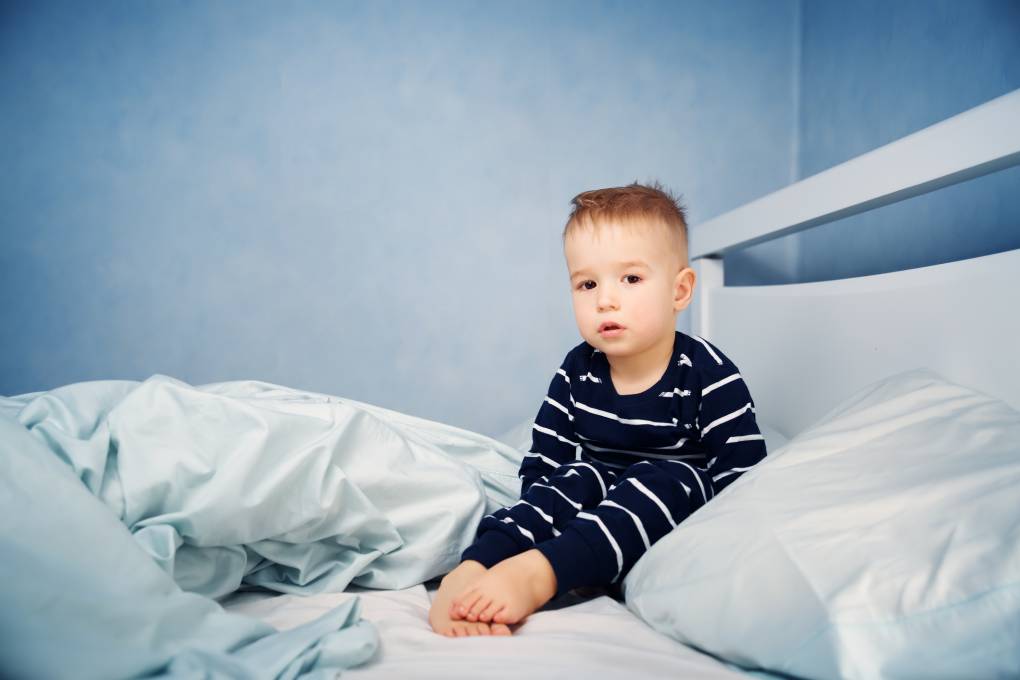
"caption": "Despite the challenges, distance learning can work well for some students with ADHD, researchers say. Some of those who aren't around peers are finding it easier to focus.\n",
"description": "Mother helping sons with homeschooling at home during COVID-19 pandemic.\nNikon D850",
"title": "Despite the challenges, distance learning can work well for some students with ADHD, researchers say. Some of those who aren't around peers are finding it easier to focus.",
"credit": "Imgorthand/Getty Images",
"status": "inherit",
"isLoading": false,
"fetchFailed": false
},
"mindshift_56615": {
"type": "attachments",
"id": "mindshift_56615",
"meta": {
"index": "attachments_1716263798",
"site": "mindshift",
"id": "56615",
"found": true
},
"parent": 56614,
"imgSizes": {
"twentyfourteen-full-width": {
"file": "https://ww2.kqed.org/app/uploads/sites/23/2020/09/paigevickers_npr_finals_9-5-03large_wide-148b1d65662d42ee4a731379d5a38f4f3bb4fabc-1038x576.jpg",
"width": 1038,
"mimeType": "image/jpeg",
"height": 576
},
"thumbnail": {
"file": "https://ww2.kqed.org/app/uploads/sites/23/2020/09/paigevickers_npr_finals_9-5-03large_wide-148b1d65662d42ee4a731379d5a38f4f3bb4fabc-160x90.jpg",
"width": 160,
"mimeType": "image/jpeg",
"height": 90
},
"post-thumbnail": {
"file": "https://ww2.kqed.org/app/uploads/sites/23/2020/09/paigevickers_npr_finals_9-5-03large_wide-148b1d65662d42ee4a731379d5a38f4f3bb4fabc-672x372.jpg",
"width": 672,
"mimeType": "image/jpeg",
"height": 372
},
"kqedFullSize": {
"file": "https://ww2.kqed.org/app/uploads/sites/23/2020/09/paigevickers_npr_finals_9-5-03large_wide-148b1d65662d42ee4a731379d5a38f4f3bb4fabc-scaled-e1599029781340.jpg",
"width": 1920,
"height": 1080
},
"2048x2048": {
"file": "https://ww2.kqed.org/app/uploads/sites/23/2020/09/paigevickers_npr_finals_9-5-03large_wide-148b1d65662d42ee4a731379d5a38f4f3bb4fabc-2048x1152.jpg",
"width": 2048,
"mimeType": "image/jpeg",
"height": 1152
},
"large": {
"file": "https://ww2.kqed.org/app/uploads/sites/23/2020/09/paigevickers_npr_finals_9-5-03large_wide-148b1d65662d42ee4a731379d5a38f4f3bb4fabc-1020x574.jpg",
"width": 1020,
"mimeType": "image/jpeg",
"height": 574
},
"1536x1536": {
"file": "https://ww2.kqed.org/app/uploads/sites/23/2020/09/paigevickers_npr_finals_9-5-03large_wide-148b1d65662d42ee4a731379d5a38f4f3bb4fabc-1536x864.jpg",
"width": 1536,
"mimeType": "image/jpeg",
"height": 864
},
"full-width": {
"file": "https://ww2.kqed.org/app/uploads/sites/23/2020/09/paigevickers_npr_finals_9-5-03large_wide-148b1d65662d42ee4a731379d5a38f4f3bb4fabc-1920x1080.jpg",
"width": 1920,
"mimeType": "image/jpeg",
"height": 1080
},
"medium": {
"file": "https://ww2.kqed.org/app/uploads/sites/23/2020/09/paigevickers_npr_finals_9-5-03large_wide-148b1d65662d42ee4a731379d5a38f4f3bb4fabc-800x450.jpg",
"width": 800,
"mimeType": "image/jpeg",
"height": 450
},
"medium_large": {
"file": "https://ww2.kqed.org/app/uploads/sites/23/2020/09/paigevickers_npr_finals_9-5-03large_wide-148b1d65662d42ee4a731379d5a38f4f3bb4fabc-768x432.jpg",
"width": 768,
"mimeType": "image/jpeg",
"height": 432
}
},
"publishDate": 1599029707,
"modified": 1599029793,
"caption": "There’s no single magic way to take notes, but the act of writing down our interpretation of what we’ve learned helps organize and consolidate information in our brains.",
"description": "There’s no single magic way to take notes, but the act of writing down our interpretation of what we’ve learned helps organize and consolidate information in our brains.",
"title": "There's no single magic way to take notes, but the act of writing down our interpretation of what we've learned helps organize and consolidate information in our brains.",
"credit": "Paige Vickers for NPR",
"status": "inherit",
"isLoading": false,
"fetchFailed": false
},
"mindshift_56619": {
"type": "attachments",
"id": "mindshift_56619",
"meta": {
"index": "attachments_1716263798",
"site": "mindshift",
"id": "56619",
"found": true
},
"parent": 56618,
"imgSizes": {
"twentyfourteen-full-width": {
"file": "https://ww2.kqed.org/app/uploads/sites/23/2020/09/aj-nola-1_custom-13e1b49cd838e94ec26a8b78d9e14c600fa7ffe1-1038x576.jpg",
"width": 1038,
"mimeType": "image/jpeg",
"height": 576
},
"thumbnail": {
"file": "https://ww2.kqed.org/app/uploads/sites/23/2020/09/aj-nola-1_custom-13e1b49cd838e94ec26a8b78d9e14c600fa7ffe1-160x97.jpg",
"width": 160,
"mimeType": "image/jpeg",
"height": 97
},
"post-thumbnail": {
"file": "https://ww2.kqed.org/app/uploads/sites/23/2020/09/aj-nola-1_custom-13e1b49cd838e94ec26a8b78d9e14c600fa7ffe1-672x372.jpg",
"width": 672,
"mimeType": "image/jpeg",
"height": 372
},
"kqedFullSize": {
"file": "https://ww2.kqed.org/app/uploads/sites/23/2020/09/aj-nola-1_custom-13e1b49cd838e94ec26a8b78d9e14c600fa7ffe1-scaled-e1599029915538.jpg",
"width": 1920,
"height": 1159
},
"2048x2048": {
"file": "https://ww2.kqed.org/app/uploads/sites/23/2020/09/aj-nola-1_custom-13e1b49cd838e94ec26a8b78d9e14c600fa7ffe1-2048x1236.jpg",
"width": 2048,
"mimeType": "image/jpeg",
"height": 1236
},
"large": {
"file": "https://ww2.kqed.org/app/uploads/sites/23/2020/09/aj-nola-1_custom-13e1b49cd838e94ec26a8b78d9e14c600fa7ffe1-1020x615.jpg",
"width": 1020,
"mimeType": "image/jpeg",
"height": 615
},
"1536x1536": {
"file": "https://ww2.kqed.org/app/uploads/sites/23/2020/09/aj-nola-1_custom-13e1b49cd838e94ec26a8b78d9e14c600fa7ffe1-1536x927.jpg",
"width": 1536,
"mimeType": "image/jpeg",
"height": 927
},
"full-width": {
"file": "https://ww2.kqed.org/app/uploads/sites/23/2020/09/aj-nola-1_custom-13e1b49cd838e94ec26a8b78d9e14c600fa7ffe1-1920x1158.jpg",
"width": 1920,
"mimeType": "image/jpeg",
"height": 1158
},
"medium": {
"file": "https://ww2.kqed.org/app/uploads/sites/23/2020/09/aj-nola-1_custom-13e1b49cd838e94ec26a8b78d9e14c600fa7ffe1-800x483.jpg",
"width": 800,
"mimeType": "image/jpeg",
"height": 483
},
"medium_large": {
"file": "https://ww2.kqed.org/app/uploads/sites/23/2020/09/aj-nola-1_custom-13e1b49cd838e94ec26a8b78d9e14c600fa7ffe1-768x463.jpg",
"width": 768,
"mimeType": "image/jpeg",
"height": 463
}
},
"publishDate": 1599029881,
"modified": 1599029928,
"caption": "A flex wall separates two groups of students in the cafeteria at Dwight D. Eisenhower Charter School in New Orleans.\n",
"description": null,
"title": "A flex wall separates two groups of students in the cafeteria at Dwight D. Eisenhower Charter School in New Orleans.",
"credit": "Aubri Juhasz/WWNO",
"status": "inherit",
"isLoading": false,
"fetchFailed": false
},
"mindshift_56572": {
"type": "attachments",
"id": "mindshift_56572",
"meta": {
"index": "attachments_1716263798",
"site": "mindshift",
"id": "56572",
"found": true
},
"parent": 56570,
"imgSizes": {
"twentyfourteen-full-width": {
"file": "https://ww2.kqed.org/app/uploads/sites/23/2020/08/6-Light-Bulbs-1038x576.png",
"width": 1038,
"mimeType": "image/png",
"height": 576
},
"thumbnail": {
"file": "https://ww2.kqed.org/app/uploads/sites/23/2020/08/6-Light-Bulbs-160x120.png",
"width": 160,
"mimeType": "image/png",
"height": 120
},
"post-thumbnail": {
"file": "https://ww2.kqed.org/app/uploads/sites/23/2020/08/6-Light-Bulbs-672x372.png",
"width": 672,
"mimeType": "image/png",
"height": 372
},
"kqedFullSize": {
"file": "https://ww2.kqed.org/app/uploads/sites/23/2020/08/6-Light-Bulbs.png",
"width": 1920,
"height": 1440
},
"large": {
"file": "https://ww2.kqed.org/app/uploads/sites/23/2020/08/6-Light-Bulbs-1020x765.png",
"width": 1020,
"mimeType": "image/png",
"height": 765
},
"1536x1536": {
"file": "https://ww2.kqed.org/app/uploads/sites/23/2020/08/6-Light-Bulbs-1536x1152.png",
"width": 1536,
"mimeType": "image/png",
"height": 1152
},
"medium": {
"file": "https://ww2.kqed.org/app/uploads/sites/23/2020/08/6-Light-Bulbs-800x600.png",
"width": 800,
"mimeType": "image/png",
"height": 600
},
"medium_large": {
"file": "https://ww2.kqed.org/app/uploads/sites/23/2020/08/6-Light-Bulbs-768x576.png",
"width": 768,
"mimeType": "image/png",
"height": 576
}
},
"publishDate": 1598258000,
"modified": 1598258020,
"caption": null,
"description": null,
"title": "6-Light-Bulbs",
"credit": "nitiwa/iStock",
"status": "inherit",
"isLoading": false,
"fetchFailed": false
},
"mindshift_56577": {
"type": "attachments",
"id": "mindshift_56577",
"meta": {
"index": "attachments_1716263798",
"site": "mindshift",
"id": "56577",
"found": true
},
"parent": 56576,
"imgSizes": {
"twentyfourteen-full-width": {
"file": "https://ww2.kqed.org/app/uploads/sites/23/2020/08/kendra-and-josh-providence-august-20-2020-4-3d1f0249c8ceab21ab20ca602408ee515e23a566-1038x576.jpg",
"width": 1038,
"mimeType": "image/jpeg",
"height": 576
},
"thumbnail": {
"file": "https://ww2.kqed.org/app/uploads/sites/23/2020/08/kendra-and-josh-providence-august-20-2020-4-3d1f0249c8ceab21ab20ca602408ee515e23a566-160x120.jpg",
"width": 160,
"mimeType": "image/jpeg",
"height": 120
},
"post-thumbnail": {
"file": "https://ww2.kqed.org/app/uploads/sites/23/2020/08/kendra-and-josh-providence-august-20-2020-4-3d1f0249c8ceab21ab20ca602408ee515e23a566-672x372.jpg",
"width": 672,
"mimeType": "image/jpeg",
"height": 372
},
"kqedFullSize": {
"file": "https://ww2.kqed.org/app/uploads/sites/23/2020/08/kendra-and-josh-providence-august-20-2020-4-3d1f0249c8ceab21ab20ca602408ee515e23a566-scaled-e1598258730662.jpg",
"width": 1920,
"height": 1440
},
"2048x2048": {
"file": "https://ww2.kqed.org/app/uploads/sites/23/2020/08/kendra-and-josh-providence-august-20-2020-4-3d1f0249c8ceab21ab20ca602408ee515e23a566-2048x1536.jpg",
"width": 2048,
"mimeType": "image/jpeg",
"height": 1536
},
"large": {
"file": "https://ww2.kqed.org/app/uploads/sites/23/2020/08/kendra-and-josh-providence-august-20-2020-4-3d1f0249c8ceab21ab20ca602408ee515e23a566-1020x765.jpg",
"width": 1020,
"mimeType": "image/jpeg",
"height": 765
},
"1536x1536": {
"file": "https://ww2.kqed.org/app/uploads/sites/23/2020/08/kendra-and-josh-providence-august-20-2020-4-3d1f0249c8ceab21ab20ca602408ee515e23a566-1536x1152.jpg",
"width": 1536,
"mimeType": "image/jpeg",
"height": 1152
},
"full-width": {
"file": "https://ww2.kqed.org/app/uploads/sites/23/2020/08/kendra-and-josh-providence-august-20-2020-4-3d1f0249c8ceab21ab20ca602408ee515e23a566-1920x1440.jpg",
"width": 1920,
"mimeType": "image/jpeg",
"height": 1440
},
"medium": {
"file": "https://ww2.kqed.org/app/uploads/sites/23/2020/08/kendra-and-josh-providence-august-20-2020-4-3d1f0249c8ceab21ab20ca602408ee515e23a566-800x600.jpg",
"width": 800,
"mimeType": "image/jpeg",
"height": 600
},
"medium_large": {
"file": "https://ww2.kqed.org/app/uploads/sites/23/2020/08/kendra-and-josh-providence-august-20-2020-4-3d1f0249c8ceab21ab20ca602408ee515e23a566-768x576.jpg",
"width": 768,
"mimeType": "image/jpeg",
"height": 576
}
},
"publishDate": 1598258663,
"modified": 1598258756,
"caption": "Kendra Mendoza's son, Joshua, has cerebral palsy. She says he loves school, but got little of the therapy he needed this spring.\n",
"description": null,
"title": "Kendra Mendoza's son, Joshua, has cerebral palsy. She says he loves school, but got little of the therapy he needed this spring.",
"credit": "Scott Alario for NPR",
"status": "inherit",
"isLoading": false,
"fetchFailed": false
},
"mindshift_56558": {
"type": "attachments",
"id": "mindshift_56558",
"meta": {
"index": "attachments_1716263798",
"site": "mindshift",
"id": "56558",
"found": true
},
"parent": 56555,
"imgSizes": {
"twentyfourteen-full-width": {
"file": "https://ww2.kqed.org/app/uploads/sites/23/2020/08/School-Leaders-2-1038x576.png",
"width": 1038,
"mimeType": "image/png",
"height": 576
},
"thumbnail": {
"file": "https://ww2.kqed.org/app/uploads/sites/23/2020/08/School-Leaders-2-160x50.png",
"width": 160,
"mimeType": "image/png",
"height": 50
},
"post-thumbnail": {
"file": "https://ww2.kqed.org/app/uploads/sites/23/2020/08/School-Leaders-2-672x372.png",
"width": 672,
"mimeType": "image/png",
"height": 372
},
"kqedFullSize": {
"file": "https://ww2.kqed.org/app/uploads/sites/23/2020/08/School-Leaders-2.png",
"width": 1920,
"height": 600
},
"large": {
"file": "https://ww2.kqed.org/app/uploads/sites/23/2020/08/School-Leaders-2-1020x319.png",
"width": 1020,
"mimeType": "image/png",
"height": 319
},
"1536x1536": {
"file": "https://ww2.kqed.org/app/uploads/sites/23/2020/08/School-Leaders-2-1536x480.png",
"width": 1536,
"mimeType": "image/png",
"height": 480
},
"medium": {
"file": "https://ww2.kqed.org/app/uploads/sites/23/2020/08/School-Leaders-2-800x250.png",
"width": 800,
"mimeType": "image/png",
"height": 250
},
"medium_large": {
"file": "https://ww2.kqed.org/app/uploads/sites/23/2020/08/School-Leaders-2-768x240.png",
"width": 768,
"mimeType": "image/png",
"height": 240
}
},
"publishDate": 1597993695,
"modified": 1597993781,
"caption": "From left: Sonal Patel, Francisco Durán, Sharon Contreras, Joe Truss and M. Ann Levett. ",
"description": null,
"title": "School-Leaders-2",
"credit": null,
"status": "inherit",
"isLoading": false,
"fetchFailed": false
},
"mindshift_56542": {
"type": "attachments",
"id": "mindshift_56542",
"meta": {
"index": "attachments_1716263798",
"site": "mindshift",
"id": "56542",
"found": true
},
"parent": 56539,
"imgSizes": {
"twentyfourteen-full-width": {
"file": "https://ww2.kqed.org/app/uploads/sites/23/2020/08/Sprague-Darcy-Sprague-Coronasol-year-round-3-900x576.jpeg",
"width": 900,
"mimeType": "image/jpeg",
"height": 576
},
"thumbnail": {
"file": "https://ww2.kqed.org/app/uploads/sites/23/2020/08/Sprague-Darcy-Sprague-Coronasol-year-round-3-160x107.jpeg",
"width": 160,
"mimeType": "image/jpeg",
"height": 107
},
"post-thumbnail": {
"file": "https://ww2.kqed.org/app/uploads/sites/23/2020/08/Sprague-Darcy-Sprague-Coronasol-year-round-3-672x372.jpeg",
"width": 672,
"mimeType": "image/jpeg",
"height": 372
},
"kqedFullSize": {
"file": "https://ww2.kqed.org/app/uploads/sites/23/2020/08/Sprague-Darcy-Sprague-Coronasol-year-round-3.jpeg",
"width": 900,
"height": 600
},
"medium": {
"file": "https://ww2.kqed.org/app/uploads/sites/23/2020/08/Sprague-Darcy-Sprague-Coronasol-year-round-3-800x533.jpeg",
"width": 800,
"mimeType": "image/jpeg",
"height": 533
},
"medium_large": {
"file": "https://ww2.kqed.org/app/uploads/sites/23/2020/08/Sprague-Darcy-Sprague-Coronasol-year-round-3-768x512.jpeg",
"width": 768,
"mimeType": "image/jpeg",
"height": 512
}
},
"publishDate": 1597821420,
"modified": 1597821455,
"caption": " Harlandale staff members celebrate a socially distant spring graduation. ",
"description": null,
"title": "Sprague - Darcy Sprague -Coronasol-year-round 3",
"credit": "Mariana Veraza",
"status": "inherit",
"isLoading": false,
"fetchFailed": false
},
"mindshift_56529": {
"type": "attachments",
"id": "mindshift_56529",
"meta": {
"index": "attachments_1716263798",
"site": "mindshift",
"id": "56529",
"found": true
},
"parent": 56526,
"imgSizes": {
"twentyfourteen-full-width": {
"file": "https://ww2.kqed.org/app/uploads/sites/23/2020/08/Mohammad-Ahmadi1-1038x576.jpg",
"width": 1038,
"mimeType": "image/jpeg",
"height": 576
},
"thumbnail": {
"file": "https://ww2.kqed.org/app/uploads/sites/23/2020/08/Mohammad-Ahmadi1-160x106.jpg",
"width": 160,
"mimeType": "image/jpeg",
"height": 106
},
"post-thumbnail": {
"file": "https://ww2.kqed.org/app/uploads/sites/23/2020/08/Mohammad-Ahmadi1-672x372.jpg",
"width": 672,
"mimeType": "image/jpeg",
"height": 372
},
"kqedFullSize": {
"file": "https://ww2.kqed.org/app/uploads/sites/23/2020/08/Mohammad-Ahmadi1-scaled-e1597734152720.jpg",
"width": 1920,
"height": 1275
},
"2048x2048": {
"file": "https://ww2.kqed.org/app/uploads/sites/23/2020/08/Mohammad-Ahmadi1-2048x1360.jpg",
"width": 2048,
"mimeType": "image/jpeg",
"height": 1360
},
"large": {
"file": "https://ww2.kqed.org/app/uploads/sites/23/2020/08/Mohammad-Ahmadi1-1020x677.jpg",
"width": 1020,
"mimeType": "image/jpeg",
"height": 677
},
"1536x1536": {
"file": "https://ww2.kqed.org/app/uploads/sites/23/2020/08/Mohammad-Ahmadi1-1536x1020.jpg",
"width": 1536,
"mimeType": "image/jpeg",
"height": 1020
},
"full-width": {
"file": "https://ww2.kqed.org/app/uploads/sites/23/2020/08/Mohammad-Ahmadi1-1920x1275.jpg",
"width": 1920,
"mimeType": "image/jpeg",
"height": 1275
},
"medium": {
"file": "https://ww2.kqed.org/app/uploads/sites/23/2020/08/Mohammad-Ahmadi1-800x531.jpg",
"width": 800,
"mimeType": "image/jpeg",
"height": 531
},
"medium_large": {
"file": "https://ww2.kqed.org/app/uploads/sites/23/2020/08/Mohammad-Ahmadi1-768x510.jpg",
"width": 768,
"mimeType": "image/jpeg",
"height": 510
}
},
"publishDate": 1597734020,
"modified": 1597820923,
"caption": "Mohammad Ahmadi",
"description": null,
"title": "Mohammad Ahmadi",
"credit": "Photo by Juliana Gomien",
"status": "inherit",
"isLoading": false,
"fetchFailed": false
},
"mindshift_56546": {
"type": "attachments",
"id": "mindshift_56546",
"meta": {
"index": "attachments_1716263798",
"site": "mindshift",
"id": "56546",
"found": true
},
"parent": 56545,
"imgSizes": {
"twentyfourteen-full-width": {
"file": "https://ww2.kqed.org/app/uploads/sites/23/2020/08/img_6351-e2102f33240279fe4b4a6b0c9aa54b3e9ac5e912-1038x576.jpg",
"width": 1038,
"mimeType": "image/jpeg",
"height": 576
},
"thumbnail": {
"file": "https://ww2.kqed.org/app/uploads/sites/23/2020/08/img_6351-e2102f33240279fe4b4a6b0c9aa54b3e9ac5e912-160x120.jpg",
"width": 160,
"mimeType": "image/jpeg",
"height": 120
},
"post-thumbnail": {
"file": "https://ww2.kqed.org/app/uploads/sites/23/2020/08/img_6351-e2102f33240279fe4b4a6b0c9aa54b3e9ac5e912-672x372.jpg",
"width": 672,
"mimeType": "image/jpeg",
"height": 372
},
"kqedFullSize": {
"file": "https://ww2.kqed.org/app/uploads/sites/23/2020/08/img_6351-e2102f33240279fe4b4a6b0c9aa54b3e9ac5e912-scaled-e1597940524835.jpg",
"width": 1920,
"height": 1440
},
"2048x2048": {
"file": "https://ww2.kqed.org/app/uploads/sites/23/2020/08/img_6351-e2102f33240279fe4b4a6b0c9aa54b3e9ac5e912-2048x1536.jpg",
"width": 2048,
"mimeType": "image/jpeg",
"height": 1536
},
"large": {
"file": "https://ww2.kqed.org/app/uploads/sites/23/2020/08/img_6351-e2102f33240279fe4b4a6b0c9aa54b3e9ac5e912-1020x765.jpg",
"width": 1020,
"mimeType": "image/jpeg",
"height": 765
},
"1536x1536": {
"file": "https://ww2.kqed.org/app/uploads/sites/23/2020/08/img_6351-e2102f33240279fe4b4a6b0c9aa54b3e9ac5e912-1536x1152.jpg",
"width": 1536,
"mimeType": "image/jpeg",
"height": 1152
},
"full-width": {
"file": "https://ww2.kqed.org/app/uploads/sites/23/2020/08/img_6351-e2102f33240279fe4b4a6b0c9aa54b3e9ac5e912-1920x1440.jpg",
"width": 1920,
"mimeType": "image/jpeg",
"height": 1440
},
"medium": {
"file": "https://ww2.kqed.org/app/uploads/sites/23/2020/08/img_6351-e2102f33240279fe4b4a6b0c9aa54b3e9ac5e912-800x600.jpg",
"width": 800,
"mimeType": "image/jpeg",
"height": 600
},
"medium_large": {
"file": "https://ww2.kqed.org/app/uploads/sites/23/2020/08/img_6351-e2102f33240279fe4b4a6b0c9aa54b3e9ac5e912-768x576.jpg",
"width": 768,
"mimeType": "image/jpeg",
"height": 576
}
},
"publishDate": 1597940444,
"modified": 1597940546,
"caption": "Third grade teacher Maya Davis attends training before her school district reopens.\n",
"description": null,
"title": "Third grade teacher Maya Davis attends training before her school district reopens.",
"credit": "Kirk Siegler/NPR",
"status": "inherit",
"isLoading": false,
"fetchFailed": false
},
"mindshift_56509": {
"type": "attachments",
"id": "mindshift_56509",
"meta": {
"index": "attachments_1716263798",
"site": "mindshift",
"id": "56509",
"found": true
},
"parent": 56222,
"imgSizes": {
"twentyfourteen-full-width": {
"file": "https://ww2.kqed.org/app/uploads/sites/23/2020/08/iStock-667486874-1038x576.jpg",
"width": 1038,
"mimeType": "image/jpeg",
"height": 576
},
"thumbnail": {
"file": "https://ww2.kqed.org/app/uploads/sites/23/2020/08/iStock-667486874-160x107.jpg",
"width": 160,
"mimeType": "image/jpeg",
"height": 107
},
"post-thumbnail": {
"file": "https://ww2.kqed.org/app/uploads/sites/23/2020/08/iStock-667486874-672x372.jpg",
"width": 672,
"mimeType": "image/jpeg",
"height": 372
},
"kqedFullSize": {
"file": "https://ww2.kqed.org/app/uploads/sites/23/2020/08/iStock-667486874.jpg",
"width": 2121,
"height": 1414
},
"2048x2048": {
"file": "https://ww2.kqed.org/app/uploads/sites/23/2020/08/iStock-667486874-2048x1365.jpg",
"width": 2048,
"mimeType": "image/jpeg",
"height": 1365
},
"large": {
"file": "https://ww2.kqed.org/app/uploads/sites/23/2020/08/iStock-667486874-1020x680.jpg",
"width": 1020,
"mimeType": "image/jpeg",
"height": 680
},
"1536x1536": {
"file": "https://ww2.kqed.org/app/uploads/sites/23/2020/08/iStock-667486874-1536x1024.jpg",
"width": 1536,
"mimeType": "image/jpeg",
"height": 1024
},
"full-width": {
"file": "https://ww2.kqed.org/app/uploads/sites/23/2020/08/iStock-667486874-1920x1280.jpg",
"width": 1920,
"mimeType": "image/jpeg",
"height": 1280
},
"medium": {
"file": "https://ww2.kqed.org/app/uploads/sites/23/2020/08/iStock-667486874-800x533.jpg",
"width": 800,
"mimeType": "image/jpeg",
"height": 533
},
"medium_large": {
"file": "https://ww2.kqed.org/app/uploads/sites/23/2020/08/iStock-667486874-768x512.jpg",
"width": 768,
"mimeType": "image/jpeg",
"height": 512
}
},
"publishDate": 1597386046,
"modified": 1597386074,
"caption": null,
"description": null,
"title": "iStock-667486874",
"credit": "LeManna/iStock",
"status": "inherit",
"isLoading": false,
"fetchFailed": false
},
"mindshift_56520": {
"type": "attachments",
"id": "mindshift_56520",
"meta": {
"index": "attachments_1716263798",
"site": "mindshift",
"id": "56520",
"found": true
},
"parent": 56519,
"imgSizes": {
"twentyfourteen-full-width": {
"file": "https://ww2.kqed.org/app/uploads/sites/23/2020/08/npr_homeschooling01bv2_custom-b302accf10abab607a20b3f636fef91ba2a0df74-1038x576.png",
"width": 1038,
"mimeType": "image/png",
"height": 576
},
"thumbnail": {
"file": "https://ww2.kqed.org/app/uploads/sites/23/2020/08/npr_homeschooling01bv2_custom-b302accf10abab607a20b3f636fef91ba2a0df74-160x90.png",
"width": 160,
"mimeType": "image/png",
"height": 90
},
"post-thumbnail": {
"file": "https://ww2.kqed.org/app/uploads/sites/23/2020/08/npr_homeschooling01bv2_custom-b302accf10abab607a20b3f636fef91ba2a0df74-672x372.png",
"width": 672,
"mimeType": "image/png",
"height": 372
},
"kqedFullSize": {
"file": "https://ww2.kqed.org/app/uploads/sites/23/2020/08/npr_homeschooling01bv2_custom-b302accf10abab607a20b3f636fef91ba2a0df74.png",
"width": 3200,
"height": 1797
},
"2048x2048": {
"file": "https://ww2.kqed.org/app/uploads/sites/23/2020/08/npr_homeschooling01bv2_custom-b302accf10abab607a20b3f636fef91ba2a0df74-2048x1150.png",
"width": 2048,
"mimeType": "image/png",
"height": 1150
},
"large": {
"file": "https://ww2.kqed.org/app/uploads/sites/23/2020/08/npr_homeschooling01bv2_custom-b302accf10abab607a20b3f636fef91ba2a0df74-1020x573.png",
"width": 1020,
"mimeType": "image/png",
"height": 573
},
"1536x1536": {
"file": "https://ww2.kqed.org/app/uploads/sites/23/2020/08/npr_homeschooling01bv2_custom-b302accf10abab607a20b3f636fef91ba2a0df74-1536x863.png",
"width": 1536,
"mimeType": "image/png",
"height": 863
},
"full-width": {
"file": "https://ww2.kqed.org/app/uploads/sites/23/2020/08/npr_homeschooling01bv2_custom-b302accf10abab607a20b3f636fef91ba2a0df74-1920x1078.png",
"width": 1920,
"mimeType": "image/png",
"height": 1078
},
"medium": {
"file": "https://ww2.kqed.org/app/uploads/sites/23/2020/08/npr_homeschooling01bv2_custom-b302accf10abab607a20b3f636fef91ba2a0df74-800x449.png",
"width": 800,
"mimeType": "image/png",
"height": 449
},
"medium_large": {
"file": "https://ww2.kqed.org/app/uploads/sites/23/2020/08/npr_homeschooling01bv2_custom-b302accf10abab607a20b3f636fef91ba2a0df74-768x431.png",
"width": 768,
"mimeType": "image/png",
"height": 431
}
},
"publishDate": 1597642181,
"modified": 1597642384,
"caption": null,
"description": null,
"title": "Children on screens.",
"credit": "Alex Eben Meyer for NPR",
"status": "inherit",
"isLoading": false,
"fetchFailed": false
},
"mindshift_56491": {
"type": "attachments",
"id": "mindshift_56491",
"meta": {
"index": "attachments_1716263798",
"site": "mindshift",
"id": "56491",
"found": true
},
"parent": 56471,
"imgSizes": {
"twentyfourteen-full-width": {
"file": "https://ww2.kqed.org/app/uploads/sites/23/2020/08/First-Year-Teachers-1038x576.png",
"width": 1038,
"mimeType": "image/png",
"height": 576
},
"thumbnail": {
"file": "https://ww2.kqed.org/app/uploads/sites/23/2020/08/First-Year-Teachers-160x100.png",
"width": 160,
"mimeType": "image/png",
"height": 100
},
"post-thumbnail": {
"file": "https://ww2.kqed.org/app/uploads/sites/23/2020/08/First-Year-Teachers-672x372.png",
"width": 672,
"mimeType": "image/png",
"height": 372
},
"kqedFullSize": {
"file": "https://ww2.kqed.org/app/uploads/sites/23/2020/08/First-Year-Teachers.png",
"width": 1920,
"height": 1200
},
"large": {
"file": "https://ww2.kqed.org/app/uploads/sites/23/2020/08/First-Year-Teachers-1020x638.png",
"width": 1020,
"mimeType": "image/png",
"height": 638
},
"1536x1536": {
"file": "https://ww2.kqed.org/app/uploads/sites/23/2020/08/First-Year-Teachers-1536x960.png",
"width": 1536,
"mimeType": "image/png",
"height": 960
},
"medium": {
"file": "https://ww2.kqed.org/app/uploads/sites/23/2020/08/First-Year-Teachers-800x500.png",
"width": 800,
"mimeType": "image/png",
"height": 500
},
"medium_large": {
"file": "https://ww2.kqed.org/app/uploads/sites/23/2020/08/First-Year-Teachers-768x480.png",
"width": 768,
"mimeType": "image/png",
"height": 480
}
},
"publishDate": 1597217722,
"modified": 1597217928,
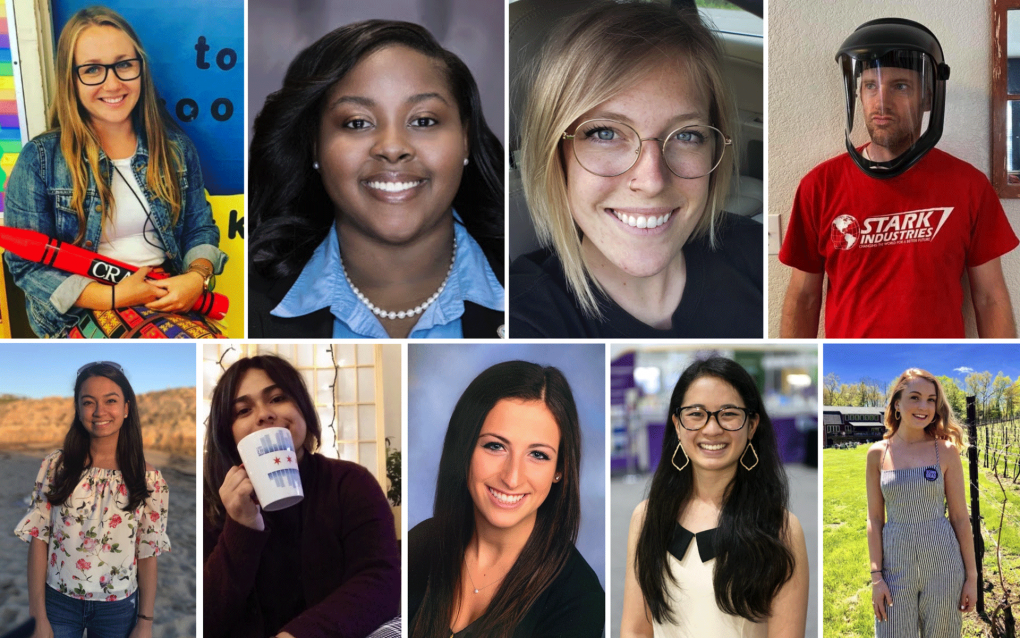
"caption": "Clockwise from the top left: Hannah Long, Mikia D. Frazier, Kristen Stein, Steve Middleton, Lauren Bayersdorfer, Jamie Wong Baesa, Ashley Levy, Geri Zamora and Ranjini Nagaraj.",
"description": null,
"title": "First-Year-Teachers",
"credit": null,
"status": "inherit",
"isLoading": false,
"fetchFailed": false
}
},
"audioPlayerReducer": {
"postId": "stream_live",
"isPaused": true,
"isPlaying": false,
"pfsActive": false,
"pledgeModalIsOpen": true,
"playerDrawerIsOpen": false,
"liveAudioPlayStartedAt": 0,
"liveAudioPlayContext": ""
},
"authorsReducer": {
"byline_mindshift_56609": {
"type": "authors",
"id": "byline_mindshift_56609",
"meta": {
"override": true
},
"slug": "byline_mindshift_56609",
"name": "Jon Hamilton",
"isLoading": false
},
"byline_mindshift_56614": {
"type": "authors",
"id": "byline_mindshift_56614",
"meta": {
"override": true
},
"slug": "byline_mindshift_56614",
"name": "Elissa Nadworny ",
"isLoading": false
},
"byline_mindshift_56618": {
"type": "authors",
"id": "byline_mindshift_56618",
"meta": {
"override": true
},
"slug": "byline_mindshift_56618",
"name": "Anya Kamenetz and Aubri Juhasz",
"isLoading": false
},
"byline_mindshift_56576": {
"type": "authors",
"id": "byline_mindshift_56576",
"meta": {
"override": true
},
"slug": "byline_mindshift_56576",
"name": "Cory Turner",
"isLoading": false
},
"byline_mindshift_56539": {
"type": "authors",
"id": "byline_mindshift_56539",
"meta": {
"override": true
},
"slug": "byline_mindshift_56539",
"name": "\u003ca href=\"https://hechingerreport.org/\">Darcy Sprague, The Hechinger Report\u003c/a>",
"isLoading": false
},
"byline_mindshift_56545": {
"type": "authors",
"id": "byline_mindshift_56545",
"meta": {
"override": true
},
"slug": "byline_mindshift_56545",
"name": "Kirk Siegler",
"isLoading": false
},
"byline_mindshift_56519": {
"type": "authors",
"id": "byline_mindshift_56519",
"meta": {
"override": true
},
"slug": "byline_mindshift_56519",
"name": "Anya Kamenetz and Cory Turner",
"isLoading": false
},
"byline_mindshift_56471": {
"type": "authors",
"id": "byline_mindshift_56471",
"meta": {
"override": true
},
"slug": "byline_mindshift_56471",
"name": "\u003ca href=\"https://www.edsurge.com/\">Emily Tate, EdSurge\u003c/a>",
"isLoading": false
},
"kdnewhouse": {
"type": "authors",
"id": "11487",
"meta": {
"index": "authors_1716337520",
"id": "11487",
"found": true
},
"name": "Kara Newhouse",
"firstName": "Kara",
"lastName": "Newhouse",
"slug": "kdnewhouse",
"email": "knewhouse@kqed.org",
"display_author_email": false,
"staff_mastheads": [],
"title": "MindShift Editor",
"bio": null,
"avatar": "https://secure.gravatar.com/avatar/3dceed6fb271527113abfa9a8e9df34e?s=600&d=blank&r=g",
"twitter": null,
"facebook": null,
"instagram": null,
"linkedin": null,
"sites": [
{
"site": "",
"roles": [
"editor"
]
},
{
"site": "mindshift",
"roles": []
}
],
"headData": {
"title": "Kara Newhouse | KQED",
"description": "MindShift Editor",
"ogImgSrc": "https://secure.gravatar.com/avatar/3dceed6fb271527113abfa9a8e9df34e?s=600&d=blank&r=g",
"twImgSrc": "https://secure.gravatar.com/avatar/3dceed6fb271527113abfa9a8e9df34e?s=600&d=blank&r=g"
},
"isLoading": false,
"link": "/author/kdnewhouse"
}
},
"pagesReducer": {
"mindshift_tag_covid-19": {
"type": "terms",
"id": "mindshift_21343",
"meta": {
"index": "terms_1716263798",
"site": "mindshift",
"id": "21343",
"score": 8.558781
},
"featImg": null,
"name": "COVID-19",
"description": null,
"taxonomy": "tag",
"headData": {
"twImgId": null,
"twTitle": null,
"ogTitle": null,
"ogImgId": null,
"twDescription": null,
"description": null,
"title": "COVID-19 Archives - KQED Mindshift",
"ogDescription": null
},
"ttid": 20615,
"slug": "covid-19",
"isLoading": false,
"title": "COVID-19",
"pageMeta": {
"site": "mindshift",
"WpPageTemplate": "page-topic-editorial",
"currentPage": 14
},
"blocks": [
{
"blockName": "kqed/post-list",
"attrs": {
"layout": "cardArticle2",
"query": "posts/mindshift?tag=covid-19",
"seeMore": false,
"paginated": true,
"page": 14
}
},
{
"blockName": "kqed/ad"
}
]
}
},
"pfsSessionReducer": {},
"postsReducer": {
"stream_live": {
"type": "live",
"id": "stream_live",
"audioUrl": "https://streams.kqed.org/kqedradio",
"title": "Live Stream",
"excerpt": "Live Stream information currently unavailable.",
"link": "/radio",
"featImg": "",
"label": {
"name": "KQED Live",
"link": "/"
}
},
"stream_kqedNewscast": {
"type": "posts",
"id": "stream_kqedNewscast",
"audioUrl": "https://www.kqed.org/.stream/anon/radio/RDnews/newscast.mp3?_=1",
"title": "KQED Newscast",
"featImg": "",
"label": {
"name": "88.5 FM",
"link": "/"
}
},
"mindshift_56609": {
"type": "posts",
"id": "mindshift_56609",
"meta": {
"index": "posts_1716263798",
"site": "mindshift",
"id": "56609",
"score": null,
"sort": [
1599029638000
]
},
"parent": 0,
"labelTerm": {
"site": "mindshift"
},
"blocks": [],
"publishDate": 1599029638,
"format": "standard",
"disqusTitle": "How Remote Learning's Distractions Put Extra Pressure On Students With ADHD",
"title": "How Remote Learning's Distractions Put Extra Pressure On Students With ADHD",
"headTitle": "MindShift | KQED News",
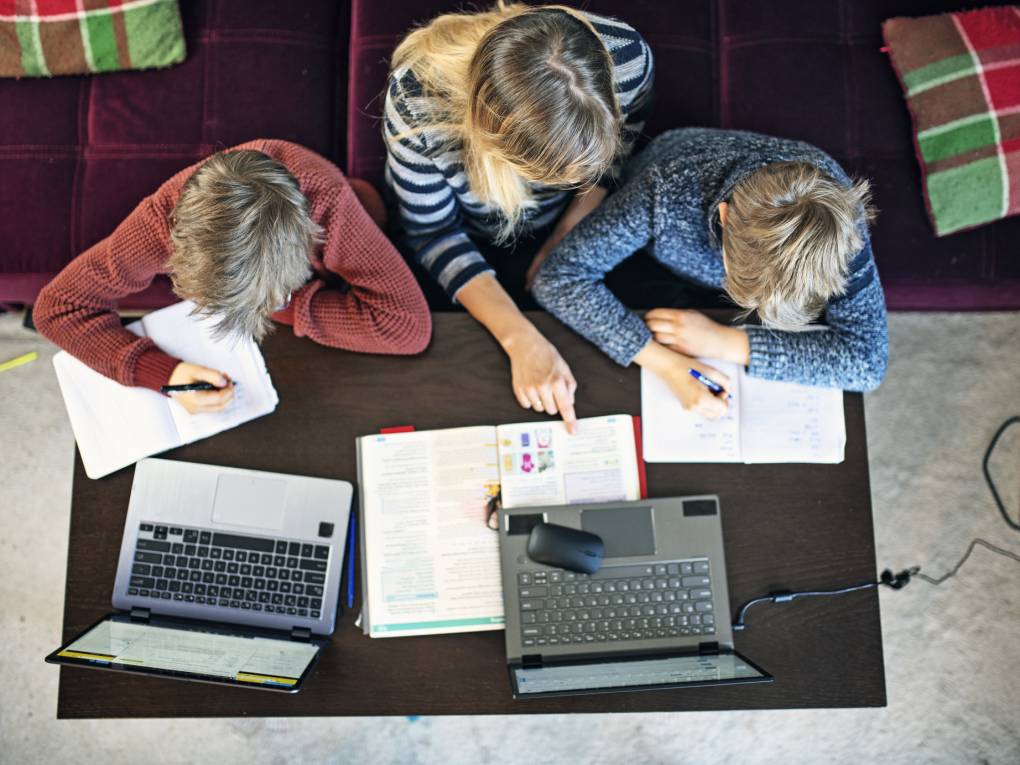
"content": "\u003cp>COVID-19 forced Keriann Wilmot's son to trade his classroom for a computer. It was a tough transition for a 10-year-old with attention deficit hyperactivity disorder.\u003c/p>\n\u003cp>\"It was a different environment for him,\" Wilmot says. \"He wasn't used to this kind of work from school coming in the format of an email in his Chromebook every single day.\"\u003c/p>\n\u003cp>Her son would avoid math and writing and instead go straight to his favorite subjects: science and social studies. But even then, online assignments could be a problem.\u003c/p>\n\u003cp>\"There might be something when he opened it that was like a really pretty PDF that had lots of beautiful illustrations and fonts,\" Wilmot says. \"And he would look at it and just get overwhelmed and shut the laptop and walk away.\"\u003c/p>\n\u003cp>Wilmot was much better prepared than most parents to help her son. She'd spent 20 years as an occupational therapist who specializes in helping children with ADHD and other learning disabilities.\u003c/p>\n\u003cp>[ad fullwidth]\u003c/p>\n\u003cp>Even so, working with her own child was tough.\u003c/p>\n\u003cp>\"It was a different environment for him, and he wasn't used to me asking him to do these activities,\" she says.\u003c/p>\n\u003cp>In the COVID-19 era, these are common experiences for parents of children with ADHD, says Haftan Eckholdt, a developmental psychologist and chief science officer at \u003ca href=\"https://www.understood.org/\">Understood\u003c/a>, a nonprofit that serves people who learn and think differently.\u003c/p>\n\u003cp>\"Most parents have jobs or they're looking for jobs,\" he says. \"Most households don't have a space that they can say, 'This is now your classroom — this is your space, and you'll have this and nothing else will happen here.' \"\u003c/p>\n\u003cp>And a typical home is full of distractions, Eckholdt says.\u003c/p>\n\u003cp>\"There are siblings and pets and all kinds of things going on, including parents,\" he says. \"So there are a lot of things that are novel and very challenging to kids with ADHD.\"\u003c/p>\n\u003cp>And there's no teacher in the room to counteract those distractions.\u003c/p>\n\u003cp>\"When I was in grade school, the teacher might actually come stand near me,\" Eckholdt says. \"That was a way for me to realize, oh right, here I am, I'm here.\"\u003c/p>\n\u003cp>Wilmot was able to provide a designated place for her son to do his schoolwork. But keeping him on track was a challenge.\u003c/p>\n\u003cp>She would get up at 6 a.m., open all her son's assignments on his laptop, and come up with a plan for how and when he would get them done. Then she'd start her own full-time job, working online with other people's children.\u003c/p>\n\u003cp>It was a lot. And at first, Wilmot didn't realize that her son was missing a critical part of school: recess and the physical activity that came with it.\u003c/p>\n\u003cp>At first, Wilmot asked her son to do his schoolwork before riding his bike. It was a big mistake.\u003c/p>\n\u003cp>\"He was like, 'Mom, I need the bike ride at the beginning of my day,' \" she says. \"And he was absolutely right.\"\u003c/p>\n\u003cp>Schools provide breaks that allow kids to \"release some of the energy and bounce off the walls,\" Eckholdt says. \"At home that has to become part of the schedule.\"\u003c/p>\n\u003cp>Despite the challenges, distance learning can work well for some students with ADHD, Eckholdt says.\u003c/p>\n\u003cp>\"There are certainly kids where not being around peers actually makes it easier for them to focus, and they feel like they have a lot more control and a lot less distraction,\" he says.\u003c/p>\n\u003cp>The different experiences with distance learning reflect the many variations of ADHD, says \u003ca href=\"https://www.urmc.rochester.edu/people/29722174-john-j-foxe\">John Foxe\u003c/a>, a neuroscientist at the University of Rochester and director of the Ernest J. Del Monte Institute for Neuroscience.\u003c/p>\n\u003cp>Foxe says scientists are just beginning to understand how the brains of young people with ADHD are different from those of other kids. But he says MRI scans show that children with ADHD do have something in common neurologically.\u003c/p>\n\u003cp>\"When we're recording these youngsters doing tasks in the magnet, what we find is that there are very clear differences in the engagement of the attention circuits,\" he says.\u003c/p>\n\u003cp>Those differences often make it even harder than it is for other children to overcome the urge to use the computer for fun, Foxe says.\u003c/p>\n\u003cp>\"A lot of kids with ADHD are spending a lot of time on screen time and video games at home at the moment but really struggling with the online lessons,\" he says. \"And that of course makes perfect sense, too, because one of the things about that kind of content is it's highly motivating.\"\u003c/p>\n\u003cp>It's hard for a teacher to compete with the excitement and rewards of a video game. And that's just one of the reason's many students with ADHD will continue to struggle with distance learning, Foxe says.\u003c/p>\n\u003cp>For children with more severe learning and intellectual disabilities, though, online classes just don't work, he says.\u003c/p>\n\u003cp>\"For those kids, sitting at home is a disaster, an absolute disaster,\" Foxe says. \"We need to get them back to school. But we have to do it safely.\"\u003c/p>\n\u003cp>\u003c/p>\n\u003cp>Public health officials are still trying to figure out how to do that.\u003c/p>\n\u003cdiv class=\"fullattribution\">Copyright 2020 NPR. To see more, visit https://www.npr.org.\u003cimg src=\"https://www.google-analytics.com/__utm.gif?utmac=UA-5828686-4&utmdt=Remote+Learning%27s+Distractions+Put+Extra+Pressure+On+Students+With+ADHD&utme=8(APIKey)9(MDAxOTAwOTE4MDEyMTkxMDAzNjczZDljZA004)\">\u003c/div>\n\n",
"disqusIdentifier": "56609 https://ww2.kqed.org/mindshift/?p=56609",
"disqusUrl": "https://ww2.kqed.org/mindshift/2020/09/01/how-remote-learnings-distractions-put-extra-pressure-on-students-with-adhd/",
"stats": {
"hasVideo": false,
"hasChartOrMap": false,
"hasAudio": false,
"hasPolis": false,
"wordCount": 877,
"hasGoogleForm": false,
"hasGallery": false,
"hasHearkenModule": false,
"iframeSrcs": [],
"paragraphCount": 32
},
"modified": 1599029638,
"excerpt": "With less structure and supervision than is typically provided inside a classroom, remote classes lean hard on already stressed parents to help students with ADHD stay focused and engaged.",
"headData": {
"twImgId": "",
"twTitle": "",
"ogTitle": "",
"ogImgId": "",
"twDescription": "",
"description": "With less structure and supervision than is typically provided inside a classroom, remote classes lean hard on already stressed parents to help students with ADHD stay focused and engaged.",
"title": "How Remote Learning's Distractions Put Extra Pressure On Students With ADHD - MindShift",
"ogDescription": "",
"schema": {
"@context": "https://schema.org",
"@type": "Article",
"headline": "How Remote Learning's Distractions Put Extra Pressure On Students With ADHD",
"datePublished": "2020-09-01T23:53:58-07:00",
"dateModified": "2020-09-01T23:53:58-07:00",
"image": "https://cdn.kqed.org/wp-content/uploads/2020/02/KQED-OG-Image@1x.png"
}
},
"guestAuthors": [],
"slug": "how-remote-learnings-distractions-put-extra-pressure-on-students-with-adhd",
"status": "publish",
"nprApiLink": "http://api.npr.org/query?id=907995034&apiKey=MDAxOTAwOTE4MDEyMTkxMDAzNjczZDljZA004",
"nprByline": "Jon Hamilton",
"nprStoryDate": "Tue, 01 Sep 2020 05:00:10 -0400",
"nprLastModifiedDate": "Tue, 01 Sep 2020 05:00:10 -0400",
"nprHtmlLink": "https://www.npr.org/sections/health-shots/2020/09/01/907995034/remote-learnings-distractions-put-extra-pressure-on-students-with-adhd?ft=nprml&f=907995034",
"nprImageAgency": "Getty Images",
"nprImageCredit": "Imgorthand",
"nprStoryId": "907995034",
"nprRetrievedStory": "1",
"nprPubDate": "Tue, 01 Sep 2020 05:00:00 -0400",
"path": "/mindshift/56609/how-remote-learnings-distractions-put-extra-pressure-on-students-with-adhd",
"audioTrackLength": null,
"parsedContent": [
{
"type": "contentString",
"content": "\u003cdiv class=\"post-body\">\u003cp>\u003cp>COVID-19 forced Keriann Wilmot's son to trade his classroom for a computer. It was a tough transition for a 10-year-old with attention deficit hyperactivity disorder.\u003c/p>\n\u003cp>\"It was a different environment for him,\" Wilmot says. \"He wasn't used to this kind of work from school coming in the format of an email in his Chromebook every single day.\"\u003c/p>\n\u003cp>Her son would avoid math and writing and instead go straight to his favorite subjects: science and social studies. But even then, online assignments could be a problem.\u003c/p>\n\u003cp>\"There might be something when he opened it that was like a really pretty PDF that had lots of beautiful illustrations and fonts,\" Wilmot says. \"And he would look at it and just get overwhelmed and shut the laptop and walk away.\"\u003c/p>\n\u003cp>Wilmot was much better prepared than most parents to help her son. She'd spent 20 years as an occupational therapist who specializes in helping children with ADHD and other learning disabilities.\u003c/p>\n\u003cp>\u003c/p>\u003c/div>",
"attributes": {
"named": {},
"numeric": []
}
},
{
"type": "component",
"content": "",
"name": "ad",
"attributes": {
"named": {
"label": "fullwidth"
},
"numeric": [
"fullwidth"
]
}
},
{
"type": "contentString",
"content": "\u003cdiv class=\"post-body\">\u003cp>\u003c/p>\n\u003cp>Even so, working with her own child was tough.\u003c/p>\n\u003cp>\"It was a different environment for him, and he wasn't used to me asking him to do these activities,\" she says.\u003c/p>\n\u003cp>In the COVID-19 era, these are common experiences for parents of children with ADHD, says Haftan Eckholdt, a developmental psychologist and chief science officer at \u003ca href=\"https://www.understood.org/\">Understood\u003c/a>, a nonprofit that serves people who learn and think differently.\u003c/p>\n\u003cp>\"Most parents have jobs or they're looking for jobs,\" he says. \"Most households don't have a space that they can say, 'This is now your classroom — this is your space, and you'll have this and nothing else will happen here.' \"\u003c/p>\n\u003cp>And a typical home is full of distractions, Eckholdt says.\u003c/p>\n\u003cp>\"There are siblings and pets and all kinds of things going on, including parents,\" he says. \"So there are a lot of things that are novel and very challenging to kids with ADHD.\"\u003c/p>\n\u003cp>And there's no teacher in the room to counteract those distractions.\u003c/p>\n\u003cp>\"When I was in grade school, the teacher might actually come stand near me,\" Eckholdt says. \"That was a way for me to realize, oh right, here I am, I'm here.\"\u003c/p>\n\u003cp>Wilmot was able to provide a designated place for her son to do his schoolwork. But keeping him on track was a challenge.\u003c/p>\n\u003cp>She would get up at 6 a.m., open all her son's assignments on his laptop, and come up with a plan for how and when he would get them done. Then she'd start her own full-time job, working online with other people's children.\u003c/p>\n\u003cp>It was a lot. And at first, Wilmot didn't realize that her son was missing a critical part of school: recess and the physical activity that came with it.\u003c/p>\n\u003cp>At first, Wilmot asked her son to do his schoolwork before riding his bike. It was a big mistake.\u003c/p>\n\u003cp>\"He was like, 'Mom, I need the bike ride at the beginning of my day,' \" she says. \"And he was absolutely right.\"\u003c/p>\n\u003cp>Schools provide breaks that allow kids to \"release some of the energy and bounce off the walls,\" Eckholdt says. \"At home that has to become part of the schedule.\"\u003c/p>\n\u003cp>Despite the challenges, distance learning can work well for some students with ADHD, Eckholdt says.\u003c/p>\n\u003cp>\"There are certainly kids where not being around peers actually makes it easier for them to focus, and they feel like they have a lot more control and a lot less distraction,\" he says.\u003c/p>\n\u003cp>The different experiences with distance learning reflect the many variations of ADHD, says \u003ca href=\"https://www.urmc.rochester.edu/people/29722174-john-j-foxe\">John Foxe\u003c/a>, a neuroscientist at the University of Rochester and director of the Ernest J. Del Monte Institute for Neuroscience.\u003c/p>\n\u003cp>Foxe says scientists are just beginning to understand how the brains of young people with ADHD are different from those of other kids. But he says MRI scans show that children with ADHD do have something in common neurologically.\u003c/p>\n\u003cp>\"When we're recording these youngsters doing tasks in the magnet, what we find is that there are very clear differences in the engagement of the attention circuits,\" he says.\u003c/p>\n\u003cp>Those differences often make it even harder than it is for other children to overcome the urge to use the computer for fun, Foxe says.\u003c/p>\n\u003cp>\"A lot of kids with ADHD are spending a lot of time on screen time and video games at home at the moment but really struggling with the online lessons,\" he says. \"And that of course makes perfect sense, too, because one of the things about that kind of content is it's highly motivating.\"\u003c/p>\n\u003cp>It's hard for a teacher to compete with the excitement and rewards of a video game. And that's just one of the reason's many students with ADHD will continue to struggle with distance learning, Foxe says.\u003c/p>\n\u003cp>For children with more severe learning and intellectual disabilities, though, online classes just don't work, he says.\u003c/p>\n\u003cp>\"For those kids, sitting at home is a disaster, an absolute disaster,\" Foxe says. \"We need to get them back to school. But we have to do it safely.\"\u003c/p>\n\u003cp>\u003c/p>\n\u003cp>Public health officials are still trying to figure out how to do that.\u003c/p>\n\u003cdiv class=\"fullattribution\">Copyright 2020 NPR. To see more, visit https://www.npr.org.\u003cimg src=\"https://www.google-analytics.com/__utm.gif?utmac=UA-5828686-4&utmdt=Remote+Learning%27s+Distractions+Put+Extra+Pressure+On+Students+With+ADHD&utme=8(APIKey)9(MDAxOTAwOTE4MDEyMTkxMDAzNjczZDljZA004)\">\u003c/div>\n\n\u003c/div>\u003c/p>",
"attributes": {
"named": {},
"numeric": []
}
}
],
"link": "/mindshift/56609/how-remote-learnings-distractions-put-extra-pressure-on-students-with-adhd",
"authors": [
"byline_mindshift_56609"
],
"categories": [
"mindshift_21358"
],
"tags": [
"mindshift_20862",
"mindshift_21344",
"mindshift_21343",
"mindshift_358",
"mindshift_21073",
"mindshift_21347"
],
"featImg": "mindshift_56610",
"label": "mindshift"
},
"mindshift_56614": {
"type": "posts",
"id": "mindshift_56614",
"meta": {
"index": "posts_1716263798",
"site": "mindshift",
"id": "56614",
"score": null,
"sort": [
1599026138000
]
},
"parent": 0,
"labelTerm": {
"site": "mindshift"
},
"blocks": [],
"publishDate": 1599026138,
"format": "standard",
"disqusTitle": "College Is Important. So Is Mental Health. Here's How To Study Without Burning Out",
"title": "College Is Important. So Is Mental Health. Here's How To Study Without Burning Out",
"headTitle": "MindShift | KQED News",
"content": "\u003cp>You've signed up for classes, you've learned your way around the virtual course system — and now, you've got to make sure you survive all the way to graduation.\u003c/p>\n\u003cp>Laptop or paper notes? Highlighter or flashcards? And does music help while studying? Here's how to take better notes and study so that you remember what you've learned — without getting crushed by college stress. Plus: what to do if you do feel crushed.\u003c/p>\n\u003cp>\u003cstrong>1. Learn how to take notes.\u003c/strong>\u003c/p>\n\u003cp>There's no single magic way to take notes, but the act of writing down our interpretation of what we've learned helps organize and consolidate information in our brains.\u003c/p>\n\u003cp>What should you write down? Use clues from your professors to figure out what information is important and what is not.\u003c/p>\n\u003cul>\n\u003cli>Listen to their words: \"This is going to be on the exam\" or \"This is important,\" for instance.\u003c/li>\n\u003cli>Watch them as they teach — they might get animated, repeat themselves, write things on the board.\u003c/li>\n\u003cli>Pay attention when they offer categories and numbered lists. \"Be on the lookout for the ways that professors will organize information,\" says Natalie Murr, a psychologist at North Carolina State University. \"You know, 'Here are the categories of x. There's three categories: No. 1, No. 2 and No. 3.' \"\u003c/li>\n\u003c/ul>\n\u003cp>Also, laptop or paper? It doesn't matter, Murr says. What's more important is that you take down key information, not everything your professor says verbatim.\u003c/p>\n\u003cp>[ad fullwidth]\u003c/p>\n\u003cp>\u003cstrong>2. Get a planner and actually use it.\u003c/strong>\u003c/p>\n\u003cp>You'll have a lot going on in college, and managing your time is a critical skill to master. Use your planner to control your schedule. Write everything down: your classes, your work shifts, assignments and meetings. Let your schedule help you find small windows of time to knock out smaller tasks and keep track of bigger deadlines.\u003c/p>\n\u003cp>\u003cstrong>3. When studying, don't just put information \u003c/strong>\u003cem>\u003cstrong>into\u003c/strong>\u003c/em>\u003cstrong> your brain. Draw it back out. \u003c/strong>\u003c/p>\n\u003cp>We know from research that the most common study strategies are rereading textbooks, rereading notes, and highlighting. We also know that those methods don't really work, because they only focus on the input, not the retrieval, says Pooja Agarwal, a cognitive scientist at the Berklee College of Music.\u003c/p>\n\u003cp>Think of learning as a two-way street. When you re-read and highlight, you're only focused on getting information in, not doing any retrieving.\u003c/p>\n\u003cp>\"Research demonstrates that when we engage in that process of overtly retrieving, we actually organize concepts and create a better structure for what we're understanding,\" Agarwal says. \"So through that process of retrieval, we help make sense of what we're trying to learn.\"\u003c/p>\n\u003cp>Here's what Agarwal recommends to strengthen your retrieval skills.\u003c/p>\n\u003cul>\n\u003cli>The \"Two-Things Rule\": As soon as you finish a lecture or a reading, write down two things you remember.\u003c/li>\n\u003cli>Explain the information to a friend or classmate to test your understanding.\u003c/li>\n\u003cli>Use flashcards — but say the answer out loud (in other words, retrieve it) before you turn it over to check yourself. Shuffle the flashcards and do it again.\u003c/li>\n\u003cli>Set a timer to study for a certain time, take a break, then to get back to work. \"It's almost like an intentional forgetting or a purposeful forgetting,\" Agarwal explains. \"By taking that break, you're letting things simmer a little bit.\"\u003c/li>\n\u003c/ul>\n\u003cp>Another tip — and you might not like this one: Don't listen to music while you read. Research has shown that silence almost doubles reading comprehension, compared to listening to music with lyrics, Agarwal says.\u003c/p>\n\u003cp>\u003cstrong>4. Failure is not the end. \u003c/strong>\u003c/p>\n\u003cp>An F on a test — or even for an entire class — doesn't mean you won't graduate.\u003c/p>\n\u003cp>\"Anyone can do badly in a class,\" says Odette De Leon, an adviser at Valencia College in Orlando. \"We're not born knowing college material. That's why we go to college. That's why we're college students. We're trying to learn these things.\"\u003c/p>\n\u003cp>Sure, it's difficult to hear negative things about yourself — and bad grades are no exception. But being hard on yourself can just make it worse.\u003c/p>\n\u003cp>\u003cstrong>5. Take care of yourself — and get some sleep.\u003c/strong>\u003c/p>\n\u003cp>Students who are sleep-deprived show many of the same symptoms as students diagnosed with attention disorders, says Natalie Murr at North Carolina State.\u003c/p>\n\u003cp>Emotional problems can also throw off a student's focus and interfere with academics.\u003c/p>\n\u003cp>\"If you're really sleepy or if you're really struggling emotionally, there's not a lot of motivation to get up and go to class or do your work or put the effort in that needs to be done,\" Murr says. \"They can really kind of take up space in the brain that would otherwise be open for learning.\"\u003c/p>\n\u003cp>\u003cstrong>6. Let go of the stigma around mental health problems.\u003c/strong>\u003c/p>\n\u003cp>Mental health issues are pervasive among college students, and COVID-19 is only making things tougher. It's nothing to be ashamed of.\u003c/p>\n\u003cp>\"One out of two Americans over their lifetime will have a diagnosable mental health disorder,\" says B. Janet Hibbs, psychologist and author of \u003cem>The Stressed Years of Their Lives\u003c/em>. \"They're highly treatable. It's not something to be scared about.\"\u003c/p>\n\u003cp>And parents, if your kid is in distress, don't judge, says Hibbs. Listen and be supportive so they'll continue to confide in you, and take their anguish seriously.\u003c/p>\n\u003cp>\u003cstrong>7. Know when to reach out for help.\u003c/strong>\u003c/p>\n\u003cp>Stress is so common in college, it can be hard to recognize when it becomes clinically treatable anxiety or depression, says Anthony Rostain, a doctor and professor at the University of Pennsylvania and Hibbs' co-author.\u003c/p>\n\u003cp>Here are warning signs to watch for:\u003c/p>\n\u003cul>\n\u003cli>Trouble sleeping.\u003c/li>\n\u003cli>Trouble waking up.\u003c/li>\n\u003cli>Trouble eating.\u003c/li>\n\u003cli>Feelings of hopelessness or worthlessness.\u003c/li>\n\u003cli>Drinking to the point of blacking out.\u003c/li>\n\u003cli>Having lots of random sexual partners.\u003c/li>\n\u003cli>Not being able to stop playing video games.\u003c/li>\n\u003c/ul>\n\u003cp>\u003cem>Got a neighbor or a niece in college? Consider sharing this story with them.\u003c/em>\u003c/p>\n\u003cp>\u003cstrong>Resources:\u003c/strong>\u003c/p>\n\u003cp>If you're experiencing thoughts of suicide, call 1-800-273-TALK (8255) or text START to 741-741 to get in touch with someone who can help.\u003c/p>\n\u003cp>The Jed Foundation specializes in supporting mental health in \u003ca href=\"https://www.jedfoundation.org/\">teens and young adults as they transition into adulthood\u003c/a>.\u003c/p>\n\u003cp>ULifeline.org, by the Jed Foundation, offers a database of \u003ca href=\"http://www.ulifeline.org/\">campus mental health resources at more than 1,600 colleges\u003c/a>.\u003c/p>\n\u003chr>\n\u003cp>\u003cem>Lauren Migaki produced the podcast version of this story. \u003c/em>\u003c/p>\n\u003cp>\u003cem>We'd love to hear from you. Leave us a voicemail at 202-216-9823, or email us at \u003c/em>\u003ca href=\"mailto:lifekit@npr.org\">\u003cem>LifeKit@npr.org.\u003c/em>\u003c/a>\u003c/p>\n\u003cp>[ad floatright]\u003c/p>\n\u003cp>\u003cem>For more Life Kit, \u003c/em>\u003ca href=\"https://www.npr.org/newsletter/life-kit\">\u003cem>subscribe to our newsletter\u003c/em>\u003c/a>.\u003c/p>\n\u003cdiv class=\"fullattribution\">Copyright 2020 NPR. To see more, visit https://www.npr.org.\u003cimg src=\"https://www.google-analytics.com/__utm.gif?utmac=UA-5828686-4&utmdt=College+Is+Important.+So+Is+Mental+Health.+Here%27s+How+To+Study+Without+Burning+Out&utme=8(APIKey)9(MDAxOTAwOTE4MDEyMTkxMDAzNjczZDljZA004)\">\u003c/div>\n\n",
"disqusIdentifier": "56614 https://ww2.kqed.org/mindshift/?p=56614",
"disqusUrl": "https://ww2.kqed.org/mindshift/2020/09/01/college-is-important-so-is-mental-health-heres-how-to-study-without-burning-out/",
"stats": {
"hasVideo": false,
"hasChartOrMap": false,
"hasAudio": false,
"hasPolis": false,
"wordCount": 1128,
"hasGoogleForm": false,
"hasGallery": false,
"hasHearkenModule": false,
"iframeSrcs": [],
"paragraphCount": 39
},
"modified": 1599029840,
"excerpt": "Should you hand-write your notes or use a laptop? What about flashcards? Does highlighting even do anything? Here's how to improve your study habits and remember what you've learned — and keep college stress under control.",
"headData": {
"twImgId": "",
"twTitle": "",
"ogTitle": "",
"ogImgId": "",
"twDescription": "",
"description": "Should you hand-write your notes or use a laptop? What about flashcards? Does highlighting even do anything? Here's how to improve your study habits and remember what you've learned — and keep college stress under control.",
"title": "College Is Important. So Is Mental Health. Here's How To Study Without Burning Out - MindShift",
"ogDescription": "",
"schema": {
"@context": "https://schema.org",
"@type": "Article",
"headline": "College Is Important. So Is Mental Health. Here's How To Study Without Burning Out",
"datePublished": "2020-09-01T22:55:38-07:00",
"dateModified": "2020-09-01T23:57:20-07:00",
"image": "https://cdn.kqed.org/wp-content/uploads/2020/02/KQED-OG-Image@1x.png"
}
},
"guestAuthors": [],
"slug": "college-is-important-so-is-mental-health-heres-how-to-study-without-burning-out",
"status": "publish",
"nprApiLink": "http://api.npr.org/query?id=757161013&profileTypeId=15&apiKey=MDAxOTAwOTE4MDEyMTkxMDAzNjczZDljZA004",
"nprByline": "Elissa Nadworny ",
"nprStoryDate": "Tue, 01 Sep 2020 10:00:39 -0400",
"nprLastModifiedDate": "Tue, 01 Sep 2020 11:17:33 -0400",
"nprHtmlLink": "https://www.npr.org/2019/09/03/757161013/how-to-do-well-and-be-happy-in-college?ft=nprml&f=757161013",
"nprAudio": "https://ondemand.npr.org/anon.npr-podcasts/podcast/npr/nocompromise/2020/09/20200901_nocompromise_life_kit_-_studying_-_rebroadcast_-_09022020_-_final_-_xpromo-9c49d4d3-f83f-4d48-a4db-583b3437db2d.mp3?orgId=1&topicId=1013&aggIds=676529561&d=1428&story=757161013&t=podcast&e=757161013&ft=nprml&f=757161013",
"nprImageAgency": "Paige Vickers for NPR",
"nprAudioM3u": "http://api.npr.org/m3u/1757288078-87c147.m3u?orgId=1&topicId=1013&aggIds=676529561&d=1428&story=757161013&t=podcast&e=757161013&ft=nprml&f=757161013",
"nprStoryId": "757161013",
"nprRetrievedStory": "1",
"nprPubDate": "Tue, 01 Sep 2020 11:17:00 -0400",
"path": "/mindshift/56614/college-is-important-so-is-mental-health-heres-how-to-study-without-burning-out",
"audioUrl": "https://ondemand.npr.org/anon.npr-podcasts/podcast/npr/nocompromise/2020/09/20200901_nocompromise_life_kit_-_studying_-_rebroadcast_-_09022020_-_final_-_xpromo-9c49d4d3-f83f-4d48-a4db-583b3437db2d.mp3?orgId=1&topicId=1013&aggIds=676529561&d=1428&story=757161013&t=podcast&e=757161013&ft=nprml&f=757161013",
"audioTrackLength": null,
"parsedContent": [
{
"type": "contentString",
"content": "\u003cdiv class=\"post-body\">\u003cp>\u003cp>You've signed up for classes, you've learned your way around the virtual course system — and now, you've got to make sure you survive all the way to graduation.\u003c/p>\n\u003cp>Laptop or paper notes? Highlighter or flashcards? And does music help while studying? Here's how to take better notes and study so that you remember what you've learned — without getting crushed by college stress. Plus: what to do if you do feel crushed.\u003c/p>\n\u003cp>\u003cstrong>1. Learn how to take notes.\u003c/strong>\u003c/p>\n\u003cp>There's no single magic way to take notes, but the act of writing down our interpretation of what we've learned helps organize and consolidate information in our brains.\u003c/p>\n\u003cp>What should you write down? Use clues from your professors to figure out what information is important and what is not.\u003c/p>\n\u003cul>\n\u003cli>Listen to their words: \"This is going to be on the exam\" or \"This is important,\" for instance.\u003c/li>\n\u003cli>Watch them as they teach — they might get animated, repeat themselves, write things on the board.\u003c/li>\n\u003cli>Pay attention when they offer categories and numbered lists. \"Be on the lookout for the ways that professors will organize information,\" says Natalie Murr, a psychologist at North Carolina State University. \"You know, 'Here are the categories of x. There's three categories: No. 1, No. 2 and No. 3.' \"\u003c/li>\n\u003c/ul>\n\u003cp>Also, laptop or paper? It doesn't matter, Murr says. What's more important is that you take down key information, not everything your professor says verbatim.\u003c/p>\n\u003cp>\u003c/p>\u003c/div>",
"attributes": {
"named": {},
"numeric": []
}
},
{
"type": "component",
"content": "",
"name": "ad",
"attributes": {
"named": {
"label": "fullwidth"
},
"numeric": [
"fullwidth"
]
}
},
{
"type": "contentString",
"content": "\u003cdiv class=\"post-body\">\u003cp>\u003c/p>\n\u003cp>\u003cstrong>2. Get a planner and actually use it.\u003c/strong>\u003c/p>\n\u003cp>You'll have a lot going on in college, and managing your time is a critical skill to master. Use your planner to control your schedule. Write everything down: your classes, your work shifts, assignments and meetings. Let your schedule help you find small windows of time to knock out smaller tasks and keep track of bigger deadlines.\u003c/p>\n\u003cp>\u003cstrong>3. When studying, don't just put information \u003c/strong>\u003cem>\u003cstrong>into\u003c/strong>\u003c/em>\u003cstrong> your brain. Draw it back out. \u003c/strong>\u003c/p>\n\u003cp>We know from research that the most common study strategies are rereading textbooks, rereading notes, and highlighting. We also know that those methods don't really work, because they only focus on the input, not the retrieval, says Pooja Agarwal, a cognitive scientist at the Berklee College of Music.\u003c/p>\n\u003cp>Think of learning as a two-way street. When you re-read and highlight, you're only focused on getting information in, not doing any retrieving.\u003c/p>\n\u003cp>\"Research demonstrates that when we engage in that process of overtly retrieving, we actually organize concepts and create a better structure for what we're understanding,\" Agarwal says. \"So through that process of retrieval, we help make sense of what we're trying to learn.\"\u003c/p>\n\u003cp>Here's what Agarwal recommends to strengthen your retrieval skills.\u003c/p>\n\u003cul>\n\u003cli>The \"Two-Things Rule\": As soon as you finish a lecture or a reading, write down two things you remember.\u003c/li>\n\u003cli>Explain the information to a friend or classmate to test your understanding.\u003c/li>\n\u003cli>Use flashcards — but say the answer out loud (in other words, retrieve it) before you turn it over to check yourself. Shuffle the flashcards and do it again.\u003c/li>\n\u003cli>Set a timer to study for a certain time, take a break, then to get back to work. \"It's almost like an intentional forgetting or a purposeful forgetting,\" Agarwal explains. \"By taking that break, you're letting things simmer a little bit.\"\u003c/li>\n\u003c/ul>\n\u003cp>Another tip — and you might not like this one: Don't listen to music while you read. Research has shown that silence almost doubles reading comprehension, compared to listening to music with lyrics, Agarwal says.\u003c/p>\n\u003cp>\u003cstrong>4. Failure is not the end. \u003c/strong>\u003c/p>\n\u003cp>An F on a test — or even for an entire class — doesn't mean you won't graduate.\u003c/p>\n\u003cp>\"Anyone can do badly in a class,\" says Odette De Leon, an adviser at Valencia College in Orlando. \"We're not born knowing college material. That's why we go to college. That's why we're college students. We're trying to learn these things.\"\u003c/p>\n\u003cp>Sure, it's difficult to hear negative things about yourself — and bad grades are no exception. But being hard on yourself can just make it worse.\u003c/p>\n\u003cp>\u003cstrong>5. Take care of yourself — and get some sleep.\u003c/strong>\u003c/p>\n\u003cp>Students who are sleep-deprived show many of the same symptoms as students diagnosed with attention disorders, says Natalie Murr at North Carolina State.\u003c/p>\n\u003cp>Emotional problems can also throw off a student's focus and interfere with academics.\u003c/p>\n\u003cp>\"If you're really sleepy or if you're really struggling emotionally, there's not a lot of motivation to get up and go to class or do your work or put the effort in that needs to be done,\" Murr says. \"They can really kind of take up space in the brain that would otherwise be open for learning.\"\u003c/p>\n\u003cp>\u003cstrong>6. Let go of the stigma around mental health problems.\u003c/strong>\u003c/p>\n\u003cp>Mental health issues are pervasive among college students, and COVID-19 is only making things tougher. It's nothing to be ashamed of.\u003c/p>\n\u003cp>\"One out of two Americans over their lifetime will have a diagnosable mental health disorder,\" says B. Janet Hibbs, psychologist and author of \u003cem>The Stressed Years of Their Lives\u003c/em>. \"They're highly treatable. It's not something to be scared about.\"\u003c/p>\n\u003cp>And parents, if your kid is in distress, don't judge, says Hibbs. Listen and be supportive so they'll continue to confide in you, and take their anguish seriously.\u003c/p>\n\u003cp>\u003cstrong>7. Know when to reach out for help.\u003c/strong>\u003c/p>\n\u003cp>Stress is so common in college, it can be hard to recognize when it becomes clinically treatable anxiety or depression, says Anthony Rostain, a doctor and professor at the University of Pennsylvania and Hibbs' co-author.\u003c/p>\n\u003cp>Here are warning signs to watch for:\u003c/p>\n\u003cul>\n\u003cli>Trouble sleeping.\u003c/li>\n\u003cli>Trouble waking up.\u003c/li>\n\u003cli>Trouble eating.\u003c/li>\n\u003cli>Feelings of hopelessness or worthlessness.\u003c/li>\n\u003cli>Drinking to the point of blacking out.\u003c/li>\n\u003cli>Having lots of random sexual partners.\u003c/li>\n\u003cli>Not being able to stop playing video games.\u003c/li>\n\u003c/ul>\n\u003cp>\u003cem>Got a neighbor or a niece in college? Consider sharing this story with them.\u003c/em>\u003c/p>\n\u003cp>\u003cstrong>Resources:\u003c/strong>\u003c/p>\n\u003cp>If you're experiencing thoughts of suicide, call 1-800-273-TALK (8255) or text START to 741-741 to get in touch with someone who can help.\u003c/p>\n\u003cp>The Jed Foundation specializes in supporting mental health in \u003ca href=\"https://www.jedfoundation.org/\">teens and young adults as they transition into adulthood\u003c/a>.\u003c/p>\n\u003cp>ULifeline.org, by the Jed Foundation, offers a database of \u003ca href=\"http://www.ulifeline.org/\">campus mental health resources at more than 1,600 colleges\u003c/a>.\u003c/p>\n\u003chr>\n\u003cp>\u003cem>Lauren Migaki produced the podcast version of this story. \u003c/em>\u003c/p>\n\u003cp>\u003cem>We'd love to hear from you. Leave us a voicemail at 202-216-9823, or email us at \u003c/em>\u003ca href=\"mailto:lifekit@npr.org\">\u003cem>LifeKit@npr.org.\u003c/em>\u003c/a>\u003c/p>\n\u003cp>\u003c/p>\u003c/div>",
"attributes": {
"named": {},
"numeric": []
}
},
{
"type": "component",
"content": "",
"name": "ad",
"attributes": {
"named": {
"label": "floatright"
},
"numeric": [
"floatright"
]
}
},
{
"type": "contentString",
"content": "\u003cdiv class=\"post-body\">\u003cp>\u003c/p>\n\u003cp>\u003cem>For more Life Kit, \u003c/em>\u003ca href=\"https://www.npr.org/newsletter/life-kit\">\u003cem>subscribe to our newsletter\u003c/em>\u003c/a>.\u003c/p>\n\u003cdiv class=\"fullattribution\">Copyright 2020 NPR. To see more, visit https://www.npr.org.\u003cimg src=\"https://www.google-analytics.com/__utm.gif?utmac=UA-5828686-4&utmdt=College+Is+Important.+So+Is+Mental+Health.+Here%27s+How+To+Study+Without+Burning+Out&utme=8(APIKey)9(MDAxOTAwOTE4MDEyMTkxMDAzNjczZDljZA004)\">\u003c/div>\n\n\u003c/div>\u003c/p>",
"attributes": {
"named": {},
"numeric": []
}
}
],
"link": "/mindshift/56614/college-is-important-so-is-mental-health-heres-how-to-study-without-burning-out",
"authors": [
"byline_mindshift_56614"
],
"categories": [
"mindshift_21358",
"mindshift_21280"
],
"tags": [
"mindshift_21344",
"mindshift_21343",
"mindshift_358",
"mindshift_20865",
"mindshift_21152",
"mindshift_20823"
],
"featImg": "mindshift_56615",
"label": "mindshift"
},
"mindshift_56618": {
"type": "posts",
"id": "mindshift_56618",
"meta": {
"index": "posts_1716263798",
"site": "mindshift",
"id": "56618",
"score": null,
"sort": [
1599022684000
]
},
"parent": 0,
"labelTerm": {
"site": "mindshift"
},
"blocks": [],
"publishDate": 1599022684,
"format": "standard",
"disqusTitle": "Some 'Learning Hubs' Offer Free Child Care And Learning — But Only For A Lucky Few",
"title": "Some 'Learning Hubs' Offer Free Child Care And Learning — But Only For A Lucky Few",
"headTitle": "MindShift | KQED News",
"content": "\u003cp>At Dwight D. Eisenhower Charter School in Algiers, a low-slung brick building across the river from downtown New Orleans, school leaders greet students as they make their way into the building. All are masked.\u003c/p>\n\u003cp>In the cafeteria, a movable wall cuts the space in half, separating the students into socially distanced groups of nine. Strips of tape mark separate pathways for students and staff. Big pumps of hand sanitizer sit on each desk, and everyone, teachers and students, is wearing a mask.\u003c/p>\n\u003cp>The building has capacity for more than 600 students, but today they're expecting fewer than two dozen. That's because this isn't school exactly. It's a \"learning hub,\" where students will do their virtual classwork on city-provided computers with a little bit of guidance from staff. The city of New Orleans, and some of its charter schools, plan to set up at least several hundred of these free learning hub spots at schools, libraries and other locations.\u003c/p>\n\u003cp>Just over half of school districts across the country are providing only virtual learning or, at most, part-time hybrid schedules, according to a recent survey from the Center on Reinventing Public Education. This creates a new child care gap for millions of working parents. Plus, virtual learning requires computers, which an estimated 7.3 million children don't have, and ideally high-speed broadband Internet, which an estimated 16.9 million children don't have, according to a \u003ca href=\"https://futureready.org/wp-content/uploads/2020/08/HomeworkGap_FINAL8.06.2020.pdf\">recent analysis\u003c/a> by the Alliance for Excellent Education.\u003c/p>\n\u003cp>Families with the means may be hiring private tutors, and getting together with other families for socialization, in what's been dubbed \"pandemic pods.\" That solution has been criticized as inequitable. Now, some communities across the country are striving to create free or low-cost alternatives. These, dubbed \"learning hubs\" or \"learning labs,\" are being organized by cities and school districts, often in partnership with local nonprofits, to offer students a free or subsidized safe place to go during the day, and help with remote learning.\u003c/p>\n\u003cp>[ad fullwidth]\u003c/p>\n\u003cp>The city of New York has pledged to create 100,000 spots; San Francisco, 6,000. The YMCA is helping to set up \"hubs\" or \"learning academies\" in California's Silicon Valley; Boston; Chicago; Houston; Memphis, Tenn.; Huntsville and Montgomery, Ala.; Florida; and La Crosse, Wis.\u003c/p>\n\u003cp>In New Orleans, Timolynn Sams is director of community engagement and impact at InspireNOLA, the charter school network of which Eisenhower is a member. They have opened up \"hub\" spots at all eight of their school buildings, and they're at capacity a few weeks after the start of school.\u003c/p>\n\u003cp>The access to Wi-Fi is a big draw as well as part-time free child care. She notes the equity gaps inherent in this arrangement. \"Our private and parochial schools are back in session. None of our public schools are.\" Public schools in New Orleans are 91% students of color, and 82% economically disadvantaged, while private and parochial schools are far more skewed toward white and affluent students.\u003c/p>\n\u003cp>\u003cstrong>Safety issues\u003c/strong>\u003c/p>\n\u003cp>One of the big questions hovering over these learning hubs is: How can it be safe to congregate children, including in school buildings, if it's not safe to open schools? Across the country, learning hub operators say the key is keeping numbers small.\u003c/p>\n\u003cp>In the case of YMCA-led programs, they also have the benefit of experience. YMCAs across the country ran child care programs for essential workers throughout the early months of the pandemic for 40,000 children, with\u003ca href=\"https://www.npr.org/2020/06/24/882316641/what-parents-can-learn-from-child-care-centers-that-stayed-open-during-lockdowns\"> few reported cases\u003c/a> and no outbreaks.\u003c/p>\n\u003cp>In Wisconsin, Jennie Melde is the director of youth development at the La Crosse YMCA, which is planning \"learning lab\" programs for about 800 children in partnership with three different local school districts. Some will be sited in school buildings, with school personnel on staff. They will be free for students during traditional school hours, with additional fees tacked on for before- and after-care.\u003c/p>\n\u003cp>\"Because we're the YMCA, and because we've been doing emergency child care and child care through the summer, we've been through a lot of the things that schools are just preparing to go through, like what do you do when there's a positive case? How do you screen children in your program? How do you train staff? We're already set up to do those things.\"\u003c/p>\n\u003cp>Not only has the YMCA been running child care programs safely for more than 100 days at this point, Melde says; it also has the experience of having to close down after a positive case and then reopening — and doing so with no more reported transmissions.\u003c/p>\n\u003cp>\"Most of our families were very willing to come back and be a part of our program,\" she says, \"because they knew and trusted our safety practices and safety protocols.\" This experience of stopping the spread gives Melde confidence.\u003c/p>\n\u003cp>However, William Hanage, an epidemiologist at the Harvard T.H. Chan School of Public Health, says there are still health worries with learning hubs.\u003c/p>\n\u003cp>The biggest problem arises, he says, in districts that have hybrid schedules. Students might be attending school in person on Monday with one cohort of 12 children, and attend a \"hub\" with a different cohort of 12 children on Tuesday. Total contacts: effectively doubled. \"Not adding new contacts should be the name of the game,\" Hanage says.\u003c/p>\n\u003cp>Even in places where school is entirely virtual and students are attending only the hub program, the makeup of the groups may change from day to day. For example, at some YMCA programs, to provide parents the maximum flexibility and affordability, children can attend as little as one day a week.\u003c/p>\n\u003cp>Plus, Hanage adds, in these more informal settings — outside of school buildings, being set up on a relative shoestring, with staff who may be low-wage child care workers rather than licensed teachers — \"you may have less opportunity to be able to control physical distancing or testing, any of the things that you would be trying to do to prevent the spread of the virus.\"\u003c/p>\n\u003cp>\u003cstrong>Equity concerns\u003c/strong>\u003c/p>\n\u003cp>There's another issue, too. Keeping hub numbers small may be crucial to preserving safety, but it may be directly at odds with providing access to all in need — or even those most in need.\u003c/p>\n\u003cp>With a pandemic-size hole in city and state budgets, and Congress' failure so far to pass a second relief package, many communities may not have enough money.\u003c/p>\n\u003cp>\"It was a balancing act of trying to figure out how many children we would be able to appropriately serve,\" says Maria Su, executive director of San Francisco's Department of Children, Youth and Their Families.\u003c/p>\n\u003cp>San Francisco officials compared notes to get a rough head count of their most high-need populations: children who are homeless or living in single-room-occupancy hotels, are in foster care or public housing, and/or are English language learners. Then they set out to create spots for all of them, using existing nonprofit agencies that provide after-school care.\u003c/p>\n\u003cp>To keep the groups small and distanced, they are spreading out to 80 sites such as libraries and park facilities; so far they've secured about a third of what is needed. \"We are, on a daily basis, trying to recruit more sites so that we can, of course, open up more opportunities,\" Su says.\u003c/p>\n\u003cp>The next missing piece is to find and register those children. Su says they're working with community leaders in public housing, homeless communities and elsewhere for a planned October launch.\u003c/p>\n\u003cp>In New Orleans, Emily Wolff, with the Mayor's Office of Youth & Families, says the hubs there get funding from the federal government, which means a daunting amount of paperwork.\u003c/p>\n\u003cp>\"We wish we could just have them fill out a simple registration form and get signed up right away,\" Wolff explains \"but that's made it a little bit slower. And unfortunately for some families, they see all that and it's just a barrier.\"\u003c/p>\n\u003cp>New York City, which has made the biggest pledge, has released few details thus far. Maj. Kevin Stoops of the local Salvation Army says he's been in talks to host at most 160 children at four locations within New York City. \"We have to ramp up very quickly to get a staff in place.\" And then there's fundraising: There will be extra administrative expenses for these nonprofits that the city, and other communities around the country, are not likely to pay for.\u003c/p>\n\u003cp>With money, public schools could be the ones to secure space, put safety protocols in place and hire enough people to educate all their students for free in small cohorts. States might need to issue emergency certifications to teaching personnel. It's been proposed that some kind of national service program be created for unemployed youth and college students who are themselves taking online classes.\u003c/p>\n\u003cp>[ad floatright]\u003c/p>\n\u003cp>But the money, so far, isn't there. And so \"learning hubs\" are setting out to provide some of the services of public school, minus in-person instruction, to a very small number of children. They are in theory targeted to the most vulnerable, but no one is claiming they're going to reach every family that could benefit.\u003c/p>\n\u003cdiv class=\"fullattribution\">Copyright 2020 NPR. To see more, visit https://www.npr.org.\u003cimg src=\"https://www.google-analytics.com/__utm.gif?utmac=UA-5828686-4&utmdt=%27Learning+Hubs%27+Offer+Free+Child+Care+And+Learning+%E2%80%94+But+Only+For+A+Lucky+Few&utme=8(APIKey)9(MDAxOTAwOTE4MDEyMTkxMDAzNjczZDljZA004)\">\u003c/div>\n\n",
"disqusIdentifier": "56618 https://ww2.kqed.org/mindshift/?p=56618",
"disqusUrl": "https://ww2.kqed.org/mindshift/2020/09/01/some-learning-hubs-offer-free-child-care-and-learning-but-only-for-a-lucky-few/",
"stats": {
"hasVideo": false,
"hasChartOrMap": false,
"hasAudio": false,
"hasPolis": false,
"wordCount": 1559,
"hasGoogleForm": false,
"hasGallery": false,
"hasHearkenModule": false,
"iframeSrcs": [],
"paragraphCount": 33
},
"modified": 1599030032,
"excerpt": "Small groups of students, organized at the local level, may offer a more equitable alternative to \"pandemic pods.\" But they're far from universally accessible.",
"headData": {
"twImgId": "",
"twTitle": "",
"ogTitle": "",
"ogImgId": "",
"twDescription": "",
"description": "Small groups of students, organized at the local level, may offer a more equitable alternative to "pandemic pods." But they're far from universally accessible.",
"title": "Some 'Learning Hubs' Offer Free Child Care And Learning — But Only For A Lucky Few - MindShift",
"ogDescription": "",
"schema": {
"@context": "https://schema.org",
"@type": "Article",
"headline": "Some 'Learning Hubs' Offer Free Child Care And Learning — But Only For A Lucky Few",
"datePublished": "2020-09-01T21:58:04-07:00",
"dateModified": "2020-09-02T00:00:32-07:00",
"image": "https://cdn.kqed.org/wp-content/uploads/2020/02/KQED-OG-Image@1x.png"
}
},
"guestAuthors": [],
"slug": "some-learning-hubs-offer-free-child-care-and-learning-but-only-for-a-lucky-few",
"status": "publish",
"nprApiLink": "http://api.npr.org/query?id=906663624&apiKey=MDAxOTAwOTE4MDEyMTkxMDAzNjczZDljZA004",
"nprByline": "Anya Kamenetz and Aubri Juhasz",
"nprStoryDate": "Tue, 01 Sep 2020 09:52:43 -0400",
"nprLastModifiedDate": "Tue, 01 Sep 2020 13:57:58 -0400",
"nprHtmlLink": "https://www.npr.org/2020/09/01/906663624/-learning-hubs-offer-free-child-care-and-learning-but-only-for-the-lucky-few?ft=nprml&f=906663624",
"nprAudio": "https://ondemand.npr.org/anon.npr-mp3/npr/atc/2020/08/20200831_atc_learning_hubs_for_all.mp3?orgId=1&topicId=1013&aggIds=812054919&d=486&story=906663624&ft=nprml&f=906663624",
"nprImageAgency": "WWNO",
"nprImageCredit": "Aubri Juhasz",
"nprAudioM3u": "http://api.npr.org/m3u/1908278330-bb83e3.m3u?orgId=1&topicId=1013&aggIds=812054919&d=486&story=906663624&ft=nprml&f=906663624",
"nprStoryId": "906663624",
"nprRetrievedStory": "1",
"nprPubDate": "Tue, 01 Sep 2020 13:57:00 -0400",
"path": "/mindshift/56618/some-learning-hubs-offer-free-child-care-and-learning-but-only-for-a-lucky-few",
"audioUrl": "https://ondemand.npr.org/anon.npr-mp3/npr/atc/2020/08/20200831_atc_learning_hubs_for_all.mp3?orgId=1&topicId=1013&aggIds=812054919&d=486&story=906663624&ft=nprml&f=906663624",
"audioTrackLength": null,
"parsedContent": [
{
"type": "contentString",
"content": "\u003cdiv class=\"post-body\">\u003cp>\u003cp>At Dwight D. Eisenhower Charter School in Algiers, a low-slung brick building across the river from downtown New Orleans, school leaders greet students as they make their way into the building. All are masked.\u003c/p>\n\u003cp>In the cafeteria, a movable wall cuts the space in half, separating the students into socially distanced groups of nine. Strips of tape mark separate pathways for students and staff. Big pumps of hand sanitizer sit on each desk, and everyone, teachers and students, is wearing a mask.\u003c/p>\n\u003cp>The building has capacity for more than 600 students, but today they're expecting fewer than two dozen. That's because this isn't school exactly. It's a \"learning hub,\" where students will do their virtual classwork on city-provided computers with a little bit of guidance from staff. The city of New Orleans, and some of its charter schools, plan to set up at least several hundred of these free learning hub spots at schools, libraries and other locations.\u003c/p>\n\u003cp>Just over half of school districts across the country are providing only virtual learning or, at most, part-time hybrid schedules, according to a recent survey from the Center on Reinventing Public Education. This creates a new child care gap for millions of working parents. Plus, virtual learning requires computers, which an estimated 7.3 million children don't have, and ideally high-speed broadband Internet, which an estimated 16.9 million children don't have, according to a \u003ca href=\"https://futureready.org/wp-content/uploads/2020/08/HomeworkGap_FINAL8.06.2020.pdf\">recent analysis\u003c/a> by the Alliance for Excellent Education.\u003c/p>\n\u003cp>Families with the means may be hiring private tutors, and getting together with other families for socialization, in what's been dubbed \"pandemic pods.\" That solution has been criticized as inequitable. Now, some communities across the country are striving to create free or low-cost alternatives. These, dubbed \"learning hubs\" or \"learning labs,\" are being organized by cities and school districts, often in partnership with local nonprofits, to offer students a free or subsidized safe place to go during the day, and help with remote learning.\u003c/p>\n\u003cp>\u003c/p>\u003c/div>",
"attributes": {
"named": {},
"numeric": []
}
},
{
"type": "component",
"content": "",
"name": "ad",
"attributes": {
"named": {
"label": "fullwidth"
},
"numeric": [
"fullwidth"
]
}
},
{
"type": "contentString",
"content": "\u003cdiv class=\"post-body\">\u003cp>\u003c/p>\n\u003cp>The city of New York has pledged to create 100,000 spots; San Francisco, 6,000. The YMCA is helping to set up \"hubs\" or \"learning academies\" in California's Silicon Valley; Boston; Chicago; Houston; Memphis, Tenn.; Huntsville and Montgomery, Ala.; Florida; and La Crosse, Wis.\u003c/p>\n\u003cp>In New Orleans, Timolynn Sams is director of community engagement and impact at InspireNOLA, the charter school network of which Eisenhower is a member. They have opened up \"hub\" spots at all eight of their school buildings, and they're at capacity a few weeks after the start of school.\u003c/p>\n\u003cp>The access to Wi-Fi is a big draw as well as part-time free child care. She notes the equity gaps inherent in this arrangement. \"Our private and parochial schools are back in session. None of our public schools are.\" Public schools in New Orleans are 91% students of color, and 82% economically disadvantaged, while private and parochial schools are far more skewed toward white and affluent students.\u003c/p>\n\u003cp>\u003cstrong>Safety issues\u003c/strong>\u003c/p>\n\u003cp>One of the big questions hovering over these learning hubs is: How can it be safe to congregate children, including in school buildings, if it's not safe to open schools? Across the country, learning hub operators say the key is keeping numbers small.\u003c/p>\n\u003cp>In the case of YMCA-led programs, they also have the benefit of experience. YMCAs across the country ran child care programs for essential workers throughout the early months of the pandemic for 40,000 children, with\u003ca href=\"https://www.npr.org/2020/06/24/882316641/what-parents-can-learn-from-child-care-centers-that-stayed-open-during-lockdowns\"> few reported cases\u003c/a> and no outbreaks.\u003c/p>\n\u003cp>In Wisconsin, Jennie Melde is the director of youth development at the La Crosse YMCA, which is planning \"learning lab\" programs for about 800 children in partnership with three different local school districts. Some will be sited in school buildings, with school personnel on staff. They will be free for students during traditional school hours, with additional fees tacked on for before- and after-care.\u003c/p>\n\u003cp>\"Because we're the YMCA, and because we've been doing emergency child care and child care through the summer, we've been through a lot of the things that schools are just preparing to go through, like what do you do when there's a positive case? How do you screen children in your program? How do you train staff? We're already set up to do those things.\"\u003c/p>\n\u003cp>Not only has the YMCA been running child care programs safely for more than 100 days at this point, Melde says; it also has the experience of having to close down after a positive case and then reopening — and doing so with no more reported transmissions.\u003c/p>\n\u003cp>\"Most of our families were very willing to come back and be a part of our program,\" she says, \"because they knew and trusted our safety practices and safety protocols.\" This experience of stopping the spread gives Melde confidence.\u003c/p>\n\u003cp>However, William Hanage, an epidemiologist at the Harvard T.H. Chan School of Public Health, says there are still health worries with learning hubs.\u003c/p>\n\u003cp>The biggest problem arises, he says, in districts that have hybrid schedules. Students might be attending school in person on Monday with one cohort of 12 children, and attend a \"hub\" with a different cohort of 12 children on Tuesday. Total contacts: effectively doubled. \"Not adding new contacts should be the name of the game,\" Hanage says.\u003c/p>\n\u003cp>Even in places where school is entirely virtual and students are attending only the hub program, the makeup of the groups may change from day to day. For example, at some YMCA programs, to provide parents the maximum flexibility and affordability, children can attend as little as one day a week.\u003c/p>\n\u003cp>Plus, Hanage adds, in these more informal settings — outside of school buildings, being set up on a relative shoestring, with staff who may be low-wage child care workers rather than licensed teachers — \"you may have less opportunity to be able to control physical distancing or testing, any of the things that you would be trying to do to prevent the spread of the virus.\"\u003c/p>\n\u003cp>\u003cstrong>Equity concerns\u003c/strong>\u003c/p>\n\u003cp>There's another issue, too. Keeping hub numbers small may be crucial to preserving safety, but it may be directly at odds with providing access to all in need — or even those most in need.\u003c/p>\n\u003cp>With a pandemic-size hole in city and state budgets, and Congress' failure so far to pass a second relief package, many communities may not have enough money.\u003c/p>\n\u003cp>\"It was a balancing act of trying to figure out how many children we would be able to appropriately serve,\" says Maria Su, executive director of San Francisco's Department of Children, Youth and Their Families.\u003c/p>\n\u003cp>San Francisco officials compared notes to get a rough head count of their most high-need populations: children who are homeless or living in single-room-occupancy hotels, are in foster care or public housing, and/or are English language learners. Then they set out to create spots for all of them, using existing nonprofit agencies that provide after-school care.\u003c/p>\n\u003cp>To keep the groups small and distanced, they are spreading out to 80 sites such as libraries and park facilities; so far they've secured about a third of what is needed. \"We are, on a daily basis, trying to recruit more sites so that we can, of course, open up more opportunities,\" Su says.\u003c/p>\n\u003cp>The next missing piece is to find and register those children. Su says they're working with community leaders in public housing, homeless communities and elsewhere for a planned October launch.\u003c/p>\n\u003cp>In New Orleans, Emily Wolff, with the Mayor's Office of Youth & Families, says the hubs there get funding from the federal government, which means a daunting amount of paperwork.\u003c/p>\n\u003cp>\"We wish we could just have them fill out a simple registration form and get signed up right away,\" Wolff explains \"but that's made it a little bit slower. And unfortunately for some families, they see all that and it's just a barrier.\"\u003c/p>\n\u003cp>New York City, which has made the biggest pledge, has released few details thus far. Maj. Kevin Stoops of the local Salvation Army says he's been in talks to host at most 160 children at four locations within New York City. \"We have to ramp up very quickly to get a staff in place.\" And then there's fundraising: There will be extra administrative expenses for these nonprofits that the city, and other communities around the country, are not likely to pay for.\u003c/p>\n\u003cp>With money, public schools could be the ones to secure space, put safety protocols in place and hire enough people to educate all their students for free in small cohorts. States might need to issue emergency certifications to teaching personnel. It's been proposed that some kind of national service program be created for unemployed youth and college students who are themselves taking online classes.\u003c/p>\n\u003cp>\u003c/p>\u003c/div>",
"attributes": {
"named": {},
"numeric": []
}
},
{
"type": "component",
"content": "",
"name": "ad",
"attributes": {
"named": {
"label": "floatright"
},
"numeric": [
"floatright"
]
}
},
{
"type": "contentString",
"content": "\u003cdiv class=\"post-body\">\u003cp>\u003c/p>\n\u003cp>But the money, so far, isn't there. And so \"learning hubs\" are setting out to provide some of the services of public school, minus in-person instruction, to a very small number of children. They are in theory targeted to the most vulnerable, but no one is claiming they're going to reach every family that could benefit.\u003c/p>\n\u003cdiv class=\"fullattribution\">Copyright 2020 NPR. To see more, visit https://www.npr.org.\u003cimg src=\"https://www.google-analytics.com/__utm.gif?utmac=UA-5828686-4&utmdt=%27Learning+Hubs%27+Offer+Free+Child+Care+And+Learning+%E2%80%94+But+Only+For+A+Lucky+Few&utme=8(APIKey)9(MDAxOTAwOTE4MDEyMTkxMDAzNjczZDljZA004)\">\u003c/div>\n\n\u003c/div>\u003c/p>",
"attributes": {
"named": {},
"numeric": []
}
}
],
"link": "/mindshift/56618/some-learning-hubs-offer-free-child-care-and-learning-but-only-for-a-lucky-few",
"authors": [
"byline_mindshift_56618"
],
"categories": [
"mindshift_21345"
],
"tags": [
"mindshift_21344",
"mindshift_21343",
"mindshift_358",
"mindshift_480",
"mindshift_21368",
"mindshift_21347",
"mindshift_21359"
],
"featImg": "mindshift_56619",
"label": "mindshift"
},
"mindshift_56570": {
"type": "posts",
"id": "mindshift_56570",
"meta": {
"index": "posts_1716263798",
"site": "mindshift",
"id": "56570",
"score": null,
"sort": [
1598258243000
]
},
"parent": 0,
"labelTerm": {
"site": "mindshift"
},
"blocks": [],
"publishDate": 1598258243,
"format": "standard",
"disqusTitle": "6 Classroom Strategies that Work for Generating Student Discussions Online",
"title": "6 Classroom Strategies that Work for Generating Student Discussions Online",
"headTitle": "MindShift | KQED News",
"content": "\u003cp>\u003cspan style=\"font-weight: 400\">Conversation is a cornerstone of \u003c/span>\u003ca href=\"https://twitter.com/cicely_woodard\">\u003cspan style=\"font-weight: 400\">Cicely Woodard’s\u003c/span>\u003c/a>\u003cspan style=\"font-weight: 400\"> classroom. Every day last spring, her eighth-graders at Freedom Middle School in Franklin, Tennessee \u003c/span>\u003ca href=\"https://www.kqed.org/mindshift/54378/how-to-create-deeper-student-learning-experiences-through-questions\">\u003cspan style=\"font-weight: 400\">posed questions\u003c/span>\u003c/a>\u003cspan style=\"font-weight: 400\">, \u003c/span>\u003ca href=\"https://www.edweek.org/ew/articles/2020/05/06/getting-students-to-talk-about-math-helps.html\">\u003cspan style=\"font-weight: 400\">discussed math problems\u003c/span>\u003c/a>\u003cspan style=\"font-weight: 400\"> in small and large groups and responded to one another’s ideas. Woodard wanted those experiences to continue when her school switched to \u003c/span>\u003ca href=\"https://www.kqed.org/mindshift/55838/seven-distance-learning-priorities-to-consider-before-reopening-schools\">\u003cspan style=\"font-weight: 400\">distance learning\u003c/span>\u003c/a>\u003cspan style=\"font-weight: 400\"> during the \u003c/span>\u003ca href=\"https://www.kqed.org/mindshift/tag/coronavirus\">\u003cspan style=\"font-weight: 400\">coronavirus outbreak\u003c/span>\u003c/a>\u003cspan style=\"font-weight: 400\">, but she knew that key elements would be missing. She wouldn’t, for instance, be able to read body language or see students’ work in real time. Like many teachers, those differences made her \u003c/span>\u003ca href=\"https://www.kqed.org/mindshift/55710/teaching-without-schools-grief-then-a-free-for-all\">\u003cspan style=\"font-weight: 400\">uncertain about what to expect\u003c/span>\u003c/a>\u003cspan style=\"font-weight: 400\">. Once virtual classes got rolling, though, she was gratified to see that familiar classroom techniques worked to get kids talking online, too. “I was very intentional about continuing to use (these strategies), because I wanted to keep as much normalcy as possible,” said Woodard, \u003c/span>\u003ca href=\"https://tn.chalkbeat.org/2017/9/28/21105043/tennessee-meet-your-new-teacher-of-the-year\">\u003cspan style=\"font-weight: 400\">a former Tennessee Teacher of the Year\u003c/span>\u003c/a>\u003cspan style=\"font-weight: 400\">. In an interview after her final virtual class this year, Woodard shared six strategies to generate student discussions online.\u003c/span>\u003c/p>\n\u003ch1>\u003cb>Check in as a class\u003c/b>\u003c/h1>\n\u003cp>\u003cspan style=\"font-weight: 400\">Woodard’s students attended one live class per week during distance learning. Woodard opened each of these virtual classes with a question unrelated to math, such as “How are you feeling?” “What are you grateful for today?” or “What’s bringing you joy?” The activity mirrored the “circle time” exercise that her classes usually did on the first day of the week in school. “I think this time at the beginning of our virtual sessions helped all of us to \u003c/span>\u003ca href=\"https://www.kqed.org/mindshift/55903/too-much-alone-time-tips-to-connect-and-find-joy-while-social-distancing\">\u003cspan style=\"font-weight: 400\">feel more connected\u003c/span>\u003c/a>\u003cspan style=\"font-weight: 400\"> and helped them to feel more comfortable talking about math in a virtual setting,” Woodard said. She noted that students always had the option to pass, but they rarely did, and at the end of the year, many highlighted circle time as their favorite part of class.\u003c/span>\u003c/p>\n\u003ch1>\u003cb>Include private think time\u003c/b>\u003c/h1>\n\u003cp>\u003cspan style=\"font-weight: 400\">Just as she would during in-person classes, Woodard chose problems for virtual classes carefully, selecting ones that had \u003c/span>\u003ca href=\"https://www.kqed.org/mindshift/55327/how-hands-on-projects-can-deepen-math-learning-for-teens\">\u003cspan style=\"font-weight: 400\">a real-world context\u003c/span>\u003c/a>\u003cspan style=\"font-weight: 400\"> and could be looked at in multiple ways. “I knew that I had to choose problems that were open to discussion,” she said. Before getting to the discussion, though, Woodard gave students time to think and write down ideas. She would set up the problem with the full group, then set her timer for two minutes. That time allowed students to develop their reasoning and helped eliminate the anxiety caused when speed is prioritized in math. It also gave Woodard insights into student thinking. “I’m often surprised because there are things I think they might say, and they come up with something completely different,” she said.\u003c/span>\u003c/p>\n\u003ch1>\u003cb>Ask, “What do you notice?”\u003c/b>\u003c/h1>\n\u003cp>\u003cspan style=\"font-weight: 400\">Drawing from her training in \u003c/span>\u003ca href=\"https://www.kqed.org/mindshift/50620/how-to-ease-students-into-independent-inquiry-projects\">\u003cspan style=\"font-weight: 400\">inquiry-based learning\u003c/span>\u003c/a>\u003cspan style=\"font-weight: 400\">, Woodard often asks her students, “What do you notice?” in regard to a number, pattern or problem. When raising that question online, she shared her tablet screen and used a stylus to underline, make notes or add drawings as students commented. In one recent class, she showed a graph of two quadratic equations that she created with \u003c/span>\u003ca href=\"https://www.desmos.com/about\">\u003cspan style=\"font-weight: 400\">Desmos\u003c/span>\u003c/a>\u003cspan style=\"font-weight: 400\">. Asked what they noticed, most students talked about the vertices, whether the parabolas opened up or down and other \u003c/span>\u003ca href=\"https://www.youcubed.org/resource/visual-mathematics/\">\u003cspan style=\"font-weight: 400\">visual details\u003c/span>\u003c/a>\u003cspan style=\"font-weight: 400\">. The last student who spoke pointed out something different, though: the equations used for the graph were written in standard form. Woodard said she didn’t expect anyone to discuss the equations, which were written on the side of the graph. “They’re looking at this entire screen and these pictures, and you don’t know what they’re noticing until you give them an opportunity to talk about it.”\u003c/span>\u003c/p>\n\u003ch1>\u003cb>Validate student thinking\u003c/b>\u003c/h1>\n\u003cp>\u003cspan style=\"font-weight: 400\">Woodard’s use of her stylus to record student ideas had a purpose beyond note-taking. “When a student gave an idea it was powerful for the entire class to see that idea written...because it allowed the child to feel like their idea was validated,” she said. That goes for ideas that are on the right track and ones that lead to incorrect solutions. Both enabled students to \u003c/span>\u003ca href=\"https://www.kqed.org/mindshift/53524/how-revising-math-exams-turns-students-into-learners-not-processors\">\u003cspan style=\"font-weight: 400\">elucidate their mathematical thinking\u003c/span>\u003c/a>\u003cspan style=\"font-weight: 400\"> and help each other look at problems differently. And Woodard recommended another way to validate students that is easy to do online: thanking them every time they contribute.\u003c/span>\u003c/p>\n\u003ch1>\u003cb>Make use of small groups\u003c/b>\u003c/h1>\n\u003cp>\u003cspan style=\"font-weight: 400\">Most of Woodard’s classes included paraprofessionals, so she was able to take advantage of Zoom’s breakout room feature to allow students to discuss problems in small groups. In advance of class, she sent her colleagues the problems and a list of questions they could ask to guide discussions. In the small groups, students had more opportunities to agree, disagree and try out ideas. Small groups can be employed without paraprofessionals, too. After his initial experiences with whole group live instruction, New York City math teacher \u003c/span>\u003ca href=\"https://thejosevilson.com/\">\u003cspan style=\"font-weight: 400\">José Vilson\u003c/span>\u003c/a>\u003cspan style=\"font-weight: 400\"> switched to meeting with subgroups. The change made virtual classes more manageable for him and more engaging for students. “The subgrouping has been very helpful because it’s allowed for specific students to talk to each other about how they can do the work together, and I’ve seen some of them collaborate without me there,” Vilson said.\u003c/span>\u003c/p>\n\u003ch1>\u003cb>Be OK with awkward silence\u003c/b>\u003c/h1>\n\u003cp>\u003cspan style=\"font-weight: 400\">During discussions, Woodard typically waits ten seconds after a student asks a question to allow other students to contribute. The silence can feel awkward, especially in a virtual session when not all students are using video. “Waiting is hard, period, for teachers, because sometimes we want to rescue them. We don’t want that \u003c/span>\u003ca href=\"https://www.kqed.org/mindshift/tag/failure\">\u003cspan style=\"font-weight: 400\">uncomfortable struggle\u003c/span>\u003c/a>\u003cspan style=\"font-weight: 400\">,” Woodard said. But it’s often at the last second when she is about to speak that a student chimes in. To be OK with wait time, Woodard said, “I have to remind myself that I want my students to think.”\u003c/span>\u003c/p>\n\u003cp>[ad fullwidth]\u003c/p>\u003cp>\u003c/p>\n",
"disqusIdentifier": "56570 https://ww2.kqed.org/mindshift/?p=56570",
"disqusUrl": "https://ww2.kqed.org/mindshift/2020/08/24/6-classroom-strategies-that-work-for-generating-student-discussions-online/",
"stats": {
"hasVideo": false,
"hasChartOrMap": false,
"hasAudio": false,
"hasPolis": false,
"wordCount": 1006,
"hasGoogleForm": false,
"hasGallery": false,
"hasHearkenModule": false,
"iframeSrcs": [],
"paragraphCount": 9
},
"modified": 1598258243,
"excerpt": "Being physically apart can make lively discussions more challenging, but giving students the time, questions and confidence to engage with classmates can help them have meaningful conversations online. ",
"headData": {
"twImgId": "",
"twTitle": "",
"ogTitle": "",
"ogImgId": "",
"twDescription": "",
"description": "Being physically apart can make lively discussions more challenging, but giving students the time, questions and confidence to engage with classmates can help them have meaningful conversations online. ",
"title": "6 Classroom Strategies that Work for Generating Student Discussions Online - MindShift",
"ogDescription": "",
"schema": {
"@context": "https://schema.org",
"@type": "Article",
"headline": "6 Classroom Strategies that Work for Generating Student Discussions Online",
"datePublished": "2020-08-24T01:37:23-07:00",
"dateModified": "2020-08-24T01:37:23-07:00",
"image": "https://cdn.kqed.org/wp-content/uploads/2020/02/KQED-OG-Image@1x.png"
}
},
"guestAuthors": [],
"slug": "6-classroom-strategies-that-work-for-generating-student-discussions-online",
"status": "publish",
"path": "/mindshift/56570/6-classroom-strategies-that-work-for-generating-student-discussions-online",
"audioTrackLength": null,
"parsedContent": [
{
"type": "contentString",
"content": "\u003cdiv class=\"post-body\">\u003cp>\u003cp>\u003cspan style=\"font-weight: 400\">Conversation is a cornerstone of \u003c/span>\u003ca href=\"https://twitter.com/cicely_woodard\">\u003cspan style=\"font-weight: 400\">Cicely Woodard’s\u003c/span>\u003c/a>\u003cspan style=\"font-weight: 400\"> classroom. Every day last spring, her eighth-graders at Freedom Middle School in Franklin, Tennessee \u003c/span>\u003ca href=\"https://www.kqed.org/mindshift/54378/how-to-create-deeper-student-learning-experiences-through-questions\">\u003cspan style=\"font-weight: 400\">posed questions\u003c/span>\u003c/a>\u003cspan style=\"font-weight: 400\">, \u003c/span>\u003ca href=\"https://www.edweek.org/ew/articles/2020/05/06/getting-students-to-talk-about-math-helps.html\">\u003cspan style=\"font-weight: 400\">discussed math problems\u003c/span>\u003c/a>\u003cspan style=\"font-weight: 400\"> in small and large groups and responded to one another’s ideas. Woodard wanted those experiences to continue when her school switched to \u003c/span>\u003ca href=\"https://www.kqed.org/mindshift/55838/seven-distance-learning-priorities-to-consider-before-reopening-schools\">\u003cspan style=\"font-weight: 400\">distance learning\u003c/span>\u003c/a>\u003cspan style=\"font-weight: 400\"> during the \u003c/span>\u003ca href=\"https://www.kqed.org/mindshift/tag/coronavirus\">\u003cspan style=\"font-weight: 400\">coronavirus outbreak\u003c/span>\u003c/a>\u003cspan style=\"font-weight: 400\">, but she knew that key elements would be missing. She wouldn’t, for instance, be able to read body language or see students’ work in real time. Like many teachers, those differences made her \u003c/span>\u003ca href=\"https://www.kqed.org/mindshift/55710/teaching-without-schools-grief-then-a-free-for-all\">\u003cspan style=\"font-weight: 400\">uncertain about what to expect\u003c/span>\u003c/a>\u003cspan style=\"font-weight: 400\">. Once virtual classes got rolling, though, she was gratified to see that familiar classroom techniques worked to get kids talking online, too. “I was very intentional about continuing to use (these strategies), because I wanted to keep as much normalcy as possible,” said Woodard, \u003c/span>\u003ca href=\"https://tn.chalkbeat.org/2017/9/28/21105043/tennessee-meet-your-new-teacher-of-the-year\">\u003cspan style=\"font-weight: 400\">a former Tennessee Teacher of the Year\u003c/span>\u003c/a>\u003cspan style=\"font-weight: 400\">. In an interview after her final virtual class this year, Woodard shared six strategies to generate student discussions online.\u003c/span>\u003c/p>\n\u003ch1>\u003cb>Check in as a class\u003c/b>\u003c/h1>\n\u003cp>\u003cspan style=\"font-weight: 400\">Woodard’s students attended one live class per week during distance learning. Woodard opened each of these virtual classes with a question unrelated to math, such as “How are you feeling?” “What are you grateful for today?” or “What’s bringing you joy?” The activity mirrored the “circle time” exercise that her classes usually did on the first day of the week in school. “I think this time at the beginning of our virtual sessions helped all of us to \u003c/span>\u003ca href=\"https://www.kqed.org/mindshift/55903/too-much-alone-time-tips-to-connect-and-find-joy-while-social-distancing\">\u003cspan style=\"font-weight: 400\">feel more connected\u003c/span>\u003c/a>\u003cspan style=\"font-weight: 400\"> and helped them to feel more comfortable talking about math in a virtual setting,” Woodard said. She noted that students always had the option to pass, but they rarely did, and at the end of the year, many highlighted circle time as their favorite part of class.\u003c/span>\u003c/p>\n\u003ch1>\u003cb>Include private think time\u003c/b>\u003c/h1>\n\u003cp>\u003cspan style=\"font-weight: 400\">Just as she would during in-person classes, Woodard chose problems for virtual classes carefully, selecting ones that had \u003c/span>\u003ca href=\"https://www.kqed.org/mindshift/55327/how-hands-on-projects-can-deepen-math-learning-for-teens\">\u003cspan style=\"font-weight: 400\">a real-world context\u003c/span>\u003c/a>\u003cspan style=\"font-weight: 400\"> and could be looked at in multiple ways. “I knew that I had to choose problems that were open to discussion,” she said. Before getting to the discussion, though, Woodard gave students time to think and write down ideas. She would set up the problem with the full group, then set her timer for two minutes. That time allowed students to develop their reasoning and helped eliminate the anxiety caused when speed is prioritized in math. It also gave Woodard insights into student thinking. “I’m often surprised because there are things I think they might say, and they come up with something completely different,” she said.\u003c/span>\u003c/p>\n\u003ch1>\u003cb>Ask, “What do you notice?”\u003c/b>\u003c/h1>\n\u003cp>\u003cspan style=\"font-weight: 400\">Drawing from her training in \u003c/span>\u003ca href=\"https://www.kqed.org/mindshift/50620/how-to-ease-students-into-independent-inquiry-projects\">\u003cspan style=\"font-weight: 400\">inquiry-based learning\u003c/span>\u003c/a>\u003cspan style=\"font-weight: 400\">, Woodard often asks her students, “What do you notice?” in regard to a number, pattern or problem. When raising that question online, she shared her tablet screen and used a stylus to underline, make notes or add drawings as students commented. In one recent class, she showed a graph of two quadratic equations that she created with \u003c/span>\u003ca href=\"https://www.desmos.com/about\">\u003cspan style=\"font-weight: 400\">Desmos\u003c/span>\u003c/a>\u003cspan style=\"font-weight: 400\">. Asked what they noticed, most students talked about the vertices, whether the parabolas opened up or down and other \u003c/span>\u003ca href=\"https://www.youcubed.org/resource/visual-mathematics/\">\u003cspan style=\"font-weight: 400\">visual details\u003c/span>\u003c/a>\u003cspan style=\"font-weight: 400\">. The last student who spoke pointed out something different, though: the equations used for the graph were written in standard form. Woodard said she didn’t expect anyone to discuss the equations, which were written on the side of the graph. “They’re looking at this entire screen and these pictures, and you don’t know what they’re noticing until you give them an opportunity to talk about it.”\u003c/span>\u003c/p>\n\u003ch1>\u003cb>Validate student thinking\u003c/b>\u003c/h1>\n\u003cp>\u003cspan style=\"font-weight: 400\">Woodard’s use of her stylus to record student ideas had a purpose beyond note-taking. “When a student gave an idea it was powerful for the entire class to see that idea written...because it allowed the child to feel like their idea was validated,” she said. That goes for ideas that are on the right track and ones that lead to incorrect solutions. Both enabled students to \u003c/span>\u003ca href=\"https://www.kqed.org/mindshift/53524/how-revising-math-exams-turns-students-into-learners-not-processors\">\u003cspan style=\"font-weight: 400\">elucidate their mathematical thinking\u003c/span>\u003c/a>\u003cspan style=\"font-weight: 400\"> and help each other look at problems differently. And Woodard recommended another way to validate students that is easy to do online: thanking them every time they contribute.\u003c/span>\u003c/p>\n\u003ch1>\u003cb>Make use of small groups\u003c/b>\u003c/h1>\n\u003cp>\u003cspan style=\"font-weight: 400\">Most of Woodard’s classes included paraprofessionals, so she was able to take advantage of Zoom’s breakout room feature to allow students to discuss problems in small groups. In advance of class, she sent her colleagues the problems and a list of questions they could ask to guide discussions. In the small groups, students had more opportunities to agree, disagree and try out ideas. Small groups can be employed without paraprofessionals, too. After his initial experiences with whole group live instruction, New York City math teacher \u003c/span>\u003ca href=\"https://thejosevilson.com/\">\u003cspan style=\"font-weight: 400\">José Vilson\u003c/span>\u003c/a>\u003cspan style=\"font-weight: 400\"> switched to meeting with subgroups. The change made virtual classes more manageable for him and more engaging for students. “The subgrouping has been very helpful because it’s allowed for specific students to talk to each other about how they can do the work together, and I’ve seen some of them collaborate without me there,” Vilson said.\u003c/span>\u003c/p>\n\u003ch1>\u003cb>Be OK with awkward silence\u003c/b>\u003c/h1>\n\u003cp>\u003cspan style=\"font-weight: 400\">During discussions, Woodard typically waits ten seconds after a student asks a question to allow other students to contribute. The silence can feel awkward, especially in a virtual session when not all students are using video. “Waiting is hard, period, for teachers, because sometimes we want to rescue them. We don’t want that \u003c/span>\u003ca href=\"https://www.kqed.org/mindshift/tag/failure\">\u003cspan style=\"font-weight: 400\">uncomfortable struggle\u003c/span>\u003c/a>\u003cspan style=\"font-weight: 400\">,” Woodard said. But it’s often at the last second when she is about to speak that a student chimes in. To be OK with wait time, Woodard said, “I have to remind myself that I want my students to think.”\u003c/span>\u003c/p>\n\u003cp>\u003c/p>\u003c/div>",
"attributes": {
"named": {},
"numeric": []
}
},
{
"type": "component",
"content": "",
"name": "ad",
"attributes": {
"named": {
"label": "fullwidth"
},
"numeric": [
"fullwidth"
]
}
},
{
"type": "contentString",
"content": "\u003cdiv class=\"post-body\">\u003cp>\u003c/p>\u003cp>\u003c/p>\n\u003c/div>\u003c/p>",
"attributes": {
"named": {},
"numeric": []
}
}
],
"link": "/mindshift/56570/6-classroom-strategies-that-work-for-generating-student-discussions-online",
"authors": [
"11487"
],
"categories": [
"mindshift_193"
],
"tags": [
"mindshift_21344",
"mindshift_21343",
"mindshift_570",
"mindshift_358",
"mindshift_797",
"mindshift_21213",
"mindshift_21347",
"mindshift_21359"
],
"featImg": "mindshift_56572",
"label": "mindshift"
},
"mindshift_56576": {
"type": "posts",
"id": "mindshift_56576",
"meta": {
"index": "posts_1716263798",
"site": "mindshift",
"id": "56576",
"score": null,
"sort": [
1598078693000
]
},
"parent": 0,
"labelTerm": {
"site": "mindshift"
},
"blocks": [],
"publishDate": 1598078693,
"format": "standard",
"disqusTitle": "Schools Say They Have To Do Better For Students With Disabilities This Fall",
"title": "Schools Say They Have To Do Better For Students With Disabilities This Fall",
"headTitle": "MindShift | KQED News",
"content": "\u003cp>For Sarah McLaren, who lives in a suburb of Minneapolis, talking about the spring is painful. Her daughter, a rising fourth-grader, struggles with auditory processing and receives special education services. But McLaren says her daughter had trouble keeping up with teachers on an iPad because the instruction was almost all \u003cem>talk\u003c/em>.\u003c/p>\n\u003cp>\"They'd tell her, 'Look at this problem, look at that problem. No, show me your worksheet,' \" McLaren remembers. \"The teachers were doing the best they could, but all those rapid verbal directions just overwhelmed her.\"\u003c/p>\n\u003cp>McLaren says her daughter went from loving school to dreading it. \"[She] would literally run away from the iPad and hide in the closet or under the bed.\"\u003c/p>\n\u003cp>More than \u003ca href=\"https://nces.ed.gov/programs/coe/indicator_cgg.asp\">7 million\u003c/a> schoolchildren receive special education services in the U.S. But this spring, when the nation's schools were forced to teach remotely, many of those children were left behind, and some vital services — including physical, occupational and speech therapies — simply stopped. With many districts planning to continue remote learning in the fall, parents and caregivers expect better this school year. And school leaders know: They've got to \u003cem>do\u003c/em> better.\u003c/p>\n\u003cp>Special education teacher Nikki Allinson, in Washington, D.C., says one of the greatest challenges she faced trying to teach remotely was that many of her students learn with the help of tactile, classroom-based tools — like laminated cards or magnetic letters for word decoding. But, in the spring, kids weren't given those tools for use at home. Allinson says that also made it \"nearly impossible\" to teach abstract math concepts. \"I recorded so many videos of me with Legos, you know, trying to find things that they could use that they would already have at home, like cereal boxes for volume.\"\u003c/p>\n\u003cp>[ad fullwidth]\u003c/p>\n\u003cp>Julie Malone, a speech-language pathologist in a San Diego-area school district, says she did her best to help students remotely this spring. \"I will tell you, I have never worked harder.\"\u003c/p>\n\u003cp>Malone put in 16-hour days, but says she still struggled to help her students over a video connection. Zoom was balky and a poor fit for her special sessions. Making matters worse, many therapy providers say they got little direction from school district leaders about how to deliver their services remotely.\u003c/p>\n\u003cp>\"I think districts were completely consumed with what to do with the majority of their kids,\" Malone says. \"And I think special [education] is the harder one to tackle. And I think they left it to last. And it was a mistake.\"\u003c/p>\n\u003cp>Or, as Sarah McLaren puts it: \"There's an assumption that if we just get iPads to everyone, you know, the kids will be OK. Well, some kids aren't going to be OK. And we need to talk about that.\"\u003c/p>\n\u003cp>Some families and advocates have \u003ca href=\"https://www.npr.org/2020/07/23/893450709/families-of-children-with-special-needs-are-suing-in-several-states-heres-why\">filed lawsuits\u003c/a> arguing schools broke federal disability law by providing insufficient services in the spring. The \u003ca href=\"https://www.apa.org/advocacy/education/idea\">Individuals with Disabilities Education Act\u003c/a> and \u003ca href=\"https://www2.ed.gov/about/offices/list/ocr/504faq.html\">Section 504 of the Rehabilitation Act\u003c/a> guarantee students with disabilities the right to a free appropriate public education and protect them from discrimination. In spite of the ongoing pandemic, those laws \"have not changed,\" says Diane Smith Howard, with the National Disability Rights Network. \"Those laws have not been repealed. There are no waivers to those laws. So they are \u003cem>in effect\u003c/em>.\"\u003c/p>\n\u003cp>David Jeck, the superintendent of schools in Fauquier County, Va., believes the reason there haven't been \u003cem>more\u003c/em> lawsuits is because, in the early months of the pandemic, parents of children with disabilities seemed to extend school leaders a certain amount of \"grace.\" He describes the jump to remote learning as \"every school leader's greatest nightmare,\" and says parents understood \"that we're only human. We're going to do the best we can, and that's what we did.\"\u003c/p>\n\u003cp>This fall is \"a different animal,\" he says. \"We've had more time to plan. We've had more time to prepare.\" And schools may no longer be able to count on the \"grace\" of parents.\u003c/p>\n\u003cp>\"The challenge that I give to schools is to really rise to the challenge, meet with families, be creative,\" says Shawn Ullman of The Arc, a national nonprofit that advocates on behalf of people with intellectual and developmental disabilities. \"But you're going to have to be even more creative than you've normally been.\"\u003c/p>\n\u003cp>For Malone, the speech-language pathologist, that's meant helping her district choose a new technology platform to replace Zoom for her speech-language sessions. She says now is \"the first time since March that I feel like I might actually be able to do my job.\"\u003c/p>\n\u003cp>Jeck says his staff have spent the summer reaching out to every family in the district with a child who receives special education services. They're talking through options for the fall, getting creative and updating students' special learning plans, known as Individualized Education Programs, or IEPs.\u003c/p>\n\u003cp>Though Fauquier County's schools will again be remote when classes resume, Jeck is making an exception for roughly 250 kids, many of them with severe disabilities. These students need physical therapy, occupational therapy and other services that often cannot be provided through a computer screen.\u003c/p>\n\u003cp>\"They need to be served in the face-to-face model,\" Jeck says, \"so that's what we're going to do.\"\u003c/p>\n\u003cp>Sarah McLaren's district, outside Minneapolis, is doing something similar, and McLaren is thrilled that her daughter will be heading back to a school building in September. But Kendra Mendoza, in Providence, R. I., says she feels trapped. Mendoza's son, Joshua, has cerebral palsy and a cluster of other conditions that put him in fragile health.\u003c/p>\n\u003cp>\"How do I send him to school if it's going to be a health risk?\" Mendoza asks.\u003c/p>\n\u003cp>Joshua loves school but got little of the therapy he needed this spring. And as a single mom, Mendoza needs him to be in school so she can work. But when she was told Joshua could go back this fall, Mendoza struggled with the decision.\u003c/p>\n\u003cp>\"He could land in the hospital,\" she says. \"One more mistake could leave him in the hospital and potentially kill him.\"\u003c/p>\n\u003cp>She says many children with severe disabilities aren't just immunocompromised — it's also hard for them to wear masks or keep socially distant. They may need help eating or using the bathroom. Their care is very physical, which puts them at even greater risk. Still, Mendoza says, she'll figure it out. It's other families she's worried about.\u003c/p>\n\u003cp>\"I can't even imagine another mom. What I have working in my favor is I'm stubborn. I'm a glutton for punishment, but what about the mom that's ready to give up?\"\u003c/p>\n\u003cp>[ad floatright]\u003c/p>\n\u003cp>Disability rights experts say, this fall, schools have to do better — for the parents who are angry or ready to give up and for the kids for whom remote learning wasn't just inconvenient or boring, it was a painful absence of vital care that could set them back for years.\u003c/p>\n\u003cdiv class=\"fullattribution\">Copyright 2020 NPR. To see more, visit https://www.npr.org.\u003cimg src=\"https://www.google-analytics.com/__utm.gif?utmac=UA-5828686-4&utmdt=Schools+Say+They+Have+To+Do+Better+For+Students+With+Disabilities+This+Fall&utme=8(APIKey)9(MDAxOTAwOTE4MDEyMTkxMDAzNjczZDljZA004)\">\u003c/div>\n\n",
"disqusIdentifier": "56576 https://ww2.kqed.org/mindshift/?p=56576",
"disqusUrl": "https://ww2.kqed.org/mindshift/2020/08/21/schools-say-they-have-to-do-better-for-students-with-disabilities-this-fall/",
"stats": {
"hasVideo": false,
"hasChartOrMap": false,
"hasAudio": false,
"hasPolis": false,
"wordCount": 1192,
"hasGoogleForm": false,
"hasGallery": false,
"hasHearkenModule": false,
"iframeSrcs": [],
"paragraphCount": 26
},
"modified": 1598258796,
"excerpt": "When U.S. schools went online-only in the spring, many struggled to provide vital services to students with disabilities. Families, advocates and many educators say this fall has to be different.",
"headData": {
"twImgId": "",
"twTitle": "",
"ogTitle": "",
"ogImgId": "",
"twDescription": "",
"description": "When U.S. schools went online-only in the spring, many struggled to provide vital services to students with disabilities. Families, advocates and many educators say this fall has to be different.",
"title": "Schools Say They Have To Do Better For Students With Disabilities This Fall - MindShift",
"ogDescription": "",
"schema": {
"@context": "https://schema.org",
"@type": "Article",
"headline": "Schools Say They Have To Do Better For Students With Disabilities This Fall",
"datePublished": "2020-08-21T23:44:53-07:00",
"dateModified": "2020-08-24T01:46:36-07:00",
"image": "https://cdn.kqed.org/wp-content/uploads/2020/02/KQED-OG-Image@1x.png"
}
},
"guestAuthors": [],
"slug": "schools-say-they-have-to-do-better-for-students-with-disabilities-this-fall",
"status": "publish",
"nprApiLink": "http://api.npr.org/query?id=902141314&apiKey=MDAxOTAwOTE4MDEyMTkxMDAzNjczZDljZA004",
"nprByline": "Cory Turner",
"nprStoryDate": "Fri, 21 Aug 2020 09:09:21 -0400",
"nprLastModifiedDate": "Fri, 21 Aug 2020 12:42:59 -0400",
"nprHtmlLink": "https://www.npr.org/2020/08/21/902141314/for-students-with-disabilities-schools-say-they-have-to-do-better-in-the-fall?ft=nprml&f=902141314",
"nprAudio": "https://ondemand.npr.org/anon.npr-mp3/npr/me/2020/08/20200820_me_students_with_disabilities_struggle_to_learn_remotely.mp3?orgId=1&topicId=1013&aggIds=812054919&d=269&story=902141314&ft=nprml&f=902141314",
"nprImageAgency": "Scott Alario for NPR",
"nprAudioM3u": "http://api.npr.org/m3u/1904332116-4ea10d.m3u?orgId=1&topicId=1013&aggIds=812054919&d=269&story=902141314&ft=nprml&f=902141314",
"nprStoryId": "902141314",
"nprRetrievedStory": "1",
"nprPubDate": "Fri, 21 Aug 2020 12:42:00 -0400",
"path": "/mindshift/56576/schools-say-they-have-to-do-better-for-students-with-disabilities-this-fall",
"audioUrl": "https://ondemand.npr.org/anon.npr-mp3/npr/me/2020/08/20200820_me_students_with_disabilities_struggle_to_learn_remotely.mp3?orgId=1&topicId=1013&aggIds=812054919&d=269&story=902141314&ft=nprml&f=902141314",
"audioTrackLength": null,
"parsedContent": [
{
"type": "contentString",
"content": "\u003cdiv class=\"post-body\">\u003cp>\u003cp>For Sarah McLaren, who lives in a suburb of Minneapolis, talking about the spring is painful. Her daughter, a rising fourth-grader, struggles with auditory processing and receives special education services. But McLaren says her daughter had trouble keeping up with teachers on an iPad because the instruction was almost all \u003cem>talk\u003c/em>.\u003c/p>\n\u003cp>\"They'd tell her, 'Look at this problem, look at that problem. No, show me your worksheet,' \" McLaren remembers. \"The teachers were doing the best they could, but all those rapid verbal directions just overwhelmed her.\"\u003c/p>\n\u003cp>McLaren says her daughter went from loving school to dreading it. \"[She] would literally run away from the iPad and hide in the closet or under the bed.\"\u003c/p>\n\u003cp>More than \u003ca href=\"https://nces.ed.gov/programs/coe/indicator_cgg.asp\">7 million\u003c/a> schoolchildren receive special education services in the U.S. But this spring, when the nation's schools were forced to teach remotely, many of those children were left behind, and some vital services — including physical, occupational and speech therapies — simply stopped. With many districts planning to continue remote learning in the fall, parents and caregivers expect better this school year. And school leaders know: They've got to \u003cem>do\u003c/em> better.\u003c/p>\n\u003cp>Special education teacher Nikki Allinson, in Washington, D.C., says one of the greatest challenges she faced trying to teach remotely was that many of her students learn with the help of tactile, classroom-based tools — like laminated cards or magnetic letters for word decoding. But, in the spring, kids weren't given those tools for use at home. Allinson says that also made it \"nearly impossible\" to teach abstract math concepts. \"I recorded so many videos of me with Legos, you know, trying to find things that they could use that they would already have at home, like cereal boxes for volume.\"\u003c/p>\n\u003cp>\u003c/p>\u003c/div>",
"attributes": {
"named": {},
"numeric": []
}
},
{
"type": "component",
"content": "",
"name": "ad",
"attributes": {
"named": {
"label": "fullwidth"
},
"numeric": [
"fullwidth"
]
}
},
{
"type": "contentString",
"content": "\u003cdiv class=\"post-body\">\u003cp>\u003c/p>\n\u003cp>Julie Malone, a speech-language pathologist in a San Diego-area school district, says she did her best to help students remotely this spring. \"I will tell you, I have never worked harder.\"\u003c/p>\n\u003cp>Malone put in 16-hour days, but says she still struggled to help her students over a video connection. Zoom was balky and a poor fit for her special sessions. Making matters worse, many therapy providers say they got little direction from school district leaders about how to deliver their services remotely.\u003c/p>\n\u003cp>\"I think districts were completely consumed with what to do with the majority of their kids,\" Malone says. \"And I think special [education] is the harder one to tackle. And I think they left it to last. And it was a mistake.\"\u003c/p>\n\u003cp>Or, as Sarah McLaren puts it: \"There's an assumption that if we just get iPads to everyone, you know, the kids will be OK. Well, some kids aren't going to be OK. And we need to talk about that.\"\u003c/p>\n\u003cp>Some families and advocates have \u003ca href=\"https://www.npr.org/2020/07/23/893450709/families-of-children-with-special-needs-are-suing-in-several-states-heres-why\">filed lawsuits\u003c/a> arguing schools broke federal disability law by providing insufficient services in the spring. The \u003ca href=\"https://www.apa.org/advocacy/education/idea\">Individuals with Disabilities Education Act\u003c/a> and \u003ca href=\"https://www2.ed.gov/about/offices/list/ocr/504faq.html\">Section 504 of the Rehabilitation Act\u003c/a> guarantee students with disabilities the right to a free appropriate public education and protect them from discrimination. In spite of the ongoing pandemic, those laws \"have not changed,\" says Diane Smith Howard, with the National Disability Rights Network. \"Those laws have not been repealed. There are no waivers to those laws. So they are \u003cem>in effect\u003c/em>.\"\u003c/p>\n\u003cp>David Jeck, the superintendent of schools in Fauquier County, Va., believes the reason there haven't been \u003cem>more\u003c/em> lawsuits is because, in the early months of the pandemic, parents of children with disabilities seemed to extend school leaders a certain amount of \"grace.\" He describes the jump to remote learning as \"every school leader's greatest nightmare,\" and says parents understood \"that we're only human. We're going to do the best we can, and that's what we did.\"\u003c/p>\n\u003cp>This fall is \"a different animal,\" he says. \"We've had more time to plan. We've had more time to prepare.\" And schools may no longer be able to count on the \"grace\" of parents.\u003c/p>\n\u003cp>\"The challenge that I give to schools is to really rise to the challenge, meet with families, be creative,\" says Shawn Ullman of The Arc, a national nonprofit that advocates on behalf of people with intellectual and developmental disabilities. \"But you're going to have to be even more creative than you've normally been.\"\u003c/p>\n\u003cp>For Malone, the speech-language pathologist, that's meant helping her district choose a new technology platform to replace Zoom for her speech-language sessions. She says now is \"the first time since March that I feel like I might actually be able to do my job.\"\u003c/p>\n\u003cp>Jeck says his staff have spent the summer reaching out to every family in the district with a child who receives special education services. They're talking through options for the fall, getting creative and updating students' special learning plans, known as Individualized Education Programs, or IEPs.\u003c/p>\n\u003cp>Though Fauquier County's schools will again be remote when classes resume, Jeck is making an exception for roughly 250 kids, many of them with severe disabilities. These students need physical therapy, occupational therapy and other services that often cannot be provided through a computer screen.\u003c/p>\n\u003cp>\"They need to be served in the face-to-face model,\" Jeck says, \"so that's what we're going to do.\"\u003c/p>\n\u003cp>Sarah McLaren's district, outside Minneapolis, is doing something similar, and McLaren is thrilled that her daughter will be heading back to a school building in September. But Kendra Mendoza, in Providence, R. I., says she feels trapped. Mendoza's son, Joshua, has cerebral palsy and a cluster of other conditions that put him in fragile health.\u003c/p>\n\u003cp>\"How do I send him to school if it's going to be a health risk?\" Mendoza asks.\u003c/p>\n\u003cp>Joshua loves school but got little of the therapy he needed this spring. And as a single mom, Mendoza needs him to be in school so she can work. But when she was told Joshua could go back this fall, Mendoza struggled with the decision.\u003c/p>\n\u003cp>\"He could land in the hospital,\" she says. \"One more mistake could leave him in the hospital and potentially kill him.\"\u003c/p>\n\u003cp>She says many children with severe disabilities aren't just immunocompromised — it's also hard for them to wear masks or keep socially distant. They may need help eating or using the bathroom. Their care is very physical, which puts them at even greater risk. Still, Mendoza says, she'll figure it out. It's other families she's worried about.\u003c/p>\n\u003cp>\"I can't even imagine another mom. What I have working in my favor is I'm stubborn. I'm a glutton for punishment, but what about the mom that's ready to give up?\"\u003c/p>\n\u003cp>\u003c/p>\u003c/div>",
"attributes": {
"named": {},
"numeric": []
}
},
{
"type": "component",
"content": "",
"name": "ad",
"attributes": {
"named": {
"label": "floatright"
},
"numeric": [
"floatright"
]
}
},
{
"type": "contentString",
"content": "\u003cdiv class=\"post-body\">\u003cp>\u003c/p>\n\u003cp>Disability rights experts say, this fall, schools have to do better — for the parents who are angry or ready to give up and for the kids for whom remote learning wasn't just inconvenient or boring, it was a painful absence of vital care that could set them back for years.\u003c/p>\n\u003cdiv class=\"fullattribution\">Copyright 2020 NPR. To see more, visit https://www.npr.org.\u003cimg src=\"https://www.google-analytics.com/__utm.gif?utmac=UA-5828686-4&utmdt=Schools+Say+They+Have+To+Do+Better+For+Students+With+Disabilities+This+Fall&utme=8(APIKey)9(MDAxOTAwOTE4MDEyMTkxMDAzNjczZDljZA004)\">\u003c/div>\n\n\u003c/div>\u003c/p>",
"attributes": {
"named": {},
"numeric": []
}
}
],
"link": "/mindshift/56576/schools-say-they-have-to-do-better-for-students-with-disabilities-this-fall",
"authors": [
"byline_mindshift_56576"
],
"categories": [
"mindshift_21345"
],
"tags": [
"mindshift_21344",
"mindshift_21343",
"mindshift_358",
"mindshift_21347",
"mindshift_21359",
"mindshift_20934",
"mindshift_20933"
],
"featImg": "mindshift_56577",
"label": "mindshift"
},
"mindshift_56555": {
"type": "posts",
"id": "mindshift_56555",
"meta": {
"index": "posts_1716263798",
"site": "mindshift",
"id": "56555",
"score": null,
"sort": [
1597997348000
]
},
"parent": 0,
"labelTerm": {
"site": "mindshift"
},
"blocks": [],
"publishDate": 1597997348,
"format": "standard",
"disqusTitle": "How to Lead During a Pandemic? Be Nimble, Bring In Many Voices and Hold On To Radical Hope",
"title": "How to Lead During a Pandemic? Be Nimble, Bring In Many Voices and Hold On To Radical Hope",
"headTitle": "MindShift | KQED News",
"content": "\u003cp>\u003cspan style=\"font-weight: 400\">In this post, five school administrators from across the country reflect on their experiences leading schools and districts during the \u003c/span>\u003ca href=\"https://www.kqed.org/mindshift/tag/coronavirus\">\u003cspan style=\"font-weight: 400\">COVID-19 outbreak\u003c/span>\u003c/a>\u003cspan style=\"font-weight: 400\">. They describe \u003c/span>\u003ca href=\"https://www.kqed.org/mindshift/56068/how-teachers-want-emergency-distance-learning-improved\">\u003cspan style=\"font-weight: 400\">successes and challenges\u003c/span>\u003c/a>\u003cspan style=\"font-weight: 400\"> of emergency distance learning, how they have practiced self-care and the \u003c/span>\u003ca href=\"https://www.kqed.org/mindshift/56373/can-online-learning-be-better-this-fall-these-educators-think-so\">\u003cspan style=\"font-weight: 400\">lessons\u003c/span>\u003c/a>\u003cspan style=\"font-weight: 400\"> that will carry them into the new school year. MindShift interviewed these educators between early June and late July. As of early August, all of their districts were planning to begin the 2020-2021 school year with \u003c/span>\u003ca href=\"https://www.kqed.org/mindshift/tag/distance-learning\">\u003cspan style=\"font-weight: 400\">distance learning\u003c/span>\u003c/a>\u003cspan style=\"font-weight: 400\">. Quotes have been edited for length and clarity.\u003c/span>\u003c/p>\n\u003cp>\u003cb>\u003cimg class=\"wp-image-56498 alignleft\" src=\"https://ww2.kqed.org/app/uploads/sites/23/2020/08/M-Ann-Levett.jpg\" alt=\"\" width=\"200\" height=\"250\" srcset=\"https://ww2.kqed.org/app/uploads/sites/23/2020/08/M-Ann-Levett.jpg 640w, https://ww2.kqed.org/app/uploads/sites/23/2020/08/M-Ann-Levett-160x200.jpg 160w\" sizes=\"(max-width: 200px) 100vw, 200px\">M. Ann Levett, Superintendent\u003cbr>\n\u003c/b>\u003ci>Savannah-Chatham County Public School System, Georgia\u003cbr>\n\u003c/i>\u003ci>37,146 students, 5,500 full-time staff\u003c/i>\u003c/p>\n\u003cp>\u003cb>On communication: \u003c/b>\u003ca href=\"https://www.facebook.com/dr.annlevett/\">\u003cspan style=\"font-weight: 400\">Levett\u003c/span>\u003c/a>\u003cspan style=\"font-weight: 400\"> said that frequent communication with staff and families is critical in a time of crisis, not only to relay changes to school operations but to direct people toward resources, such as \u003c/span>\u003ca href=\"https://www.kqed.org/mindshift/56409/overwhelmed-stressed-scared-school-nurses-brace-for-the-fall-semester\">\u003cspan style=\"font-weight: 400\">mental health support\u003c/span>\u003c/a>\u003cspan style=\"font-weight: 400\"> and \u003c/span>\u003ca href=\"https://www.kqed.org/mindshift/55571/schools-race-to-feed-students-amid-coronavirus-closures\">\u003cspan style=\"font-weight: 400\">food assistance\u003c/span>\u003c/a>\u003cspan style=\"font-weight: 400\">. Like many districts, Savannah-Chatham created special web pages and frequent messages for families to learn about such resources. During the summer, Levett sent what she called “love notes” to her staff — emails with planning updates and reminders to reach out to administrators and colleagues for support. She also created “Free Talk Friday” videos, which were unscripted messages of encouragement. “I think people just wanted to be reassured that there was some normalcy. And that somebody realized that, hey, the world is \u003c/span>\u003ca href=\"https://www.kqed.org/mindshift/56259/as-school-year-approaches-parents-and-educators-struggle-with-uncertainty\">\u003cspan style=\"font-weight: 400\">changing\u003c/span>\u003c/a>\u003cspan style=\"font-weight: 400\">, but assuring us that you're looking out for our best interest.” Although leaders often prefer to speak authoritatively, Levett said that sharing conditional information is better than not communicating at all. One of her mantras has been “I can’t assure you certainty, but I can assure you clarity.”\u003c/span>\u003c/p>\n\u003cp>\u003cb>On self-care: \u003c/b>\u003cspan style=\"font-weight: 400\">“That is an area that I really have to work on. We have been really trying to prepare for the restart of school. I was out of the office probably two days. But I do have a very supportive family and network who will say, ‘just don't do any work today.’ I've really taken care of myself by not exposing myself [to the virus], so making sure that I'm spending time at home, relaxing, watching Hamilton on Disney+ and, you know, really being engrossed in that. And I've also been able to cook meals. [Before the pandemic] based on my business, I was out eating meals a lot. I don't do that now, which is good.”\u003c/span>\u003c/p>\n\u003cp>\u003cb>Leadership lesson: \u003c/b>\u003cspan style=\"font-weight: 400\">For Levett, this year has highlighted the need to be nimble. One of the most public ways that has played out, she said, was after the Fourth of July holiday. Her staff spent June modifying classrooms and preparing for an in-person start to the new school year. By mid-July, \u003c/span>\u003ca href=\"https://www.npr.org/sections/coronavirus-live-updates/2020/07/16/891997539/georgia-hospital-worker-sounds-alarm-i-have-never-ever-seen-anything-like-this\">\u003cspan style=\"font-weight: 400\">Georgia’s surge in COVID cases\u003c/span>\u003c/a>\u003cspan style=\"font-weight: 400\"> spiked those plans. “Think about 44,000 people,” Levett said. “Think about one day you're planning for everybody to come back and within a week and a half … It's not going to be safe. We've got to take a whole different approach.” Fortunately, Levett’s team had also been developing infrastructure for a virtual reopening, including purchasing devices. “My leadership approach is you always have to have a plan A, B, C, D, E. You’ve got to be planning for all of those,” she said. Still, not everyone was happy with the change, and that’s a reality leaders have to accept. Levett’s response? “That's where we are. So help us get the numbers down so we can see the kids.”\u003c/span>\u003c/p>\n\u003cp>[ad fullwidth]\u003c/p>\n\u003cp>\u003cb>\u003cimg class=\"size-full wp-image-56499 alignleft\" src=\"https://ww2.kqed.org/app/uploads/sites/23/2020/08/Francisco-Duran-scaled-e1597991422692.jpg\" alt=\"\" width=\"200\" height=\"224\">Francisco Durán, Superintendent\u003cbr>\n\u003c/b>\u003ci>Arlington Public Schools, Virginia\u003cbr>\n\u003c/i>\u003ci>28,020 students, 4,937 full-time staff\u003c/i>\u003c/p>\n\u003cp>\u003cb>On prioritization: \u003c/b>\u003cspan style=\"font-weight: 400\">Assuming the superintendency in the midst of a pandemic is not on any educator’s bucket list, but that’s what \u003c/span>\u003ca href=\"https://www.apsva.us/superintendents-office/new-superintendent-dr-francisco-duran/\">\u003cspan style=\"font-weight: 400\">Durán\u003c/span>\u003c/a>\u003cspan style=\"font-weight: 400\">, who previously served as chief academic and equity officer for a neighboring district, \u003c/span>\u003ca href=\"https://www.arlingtonmagazine.com/9-questions-with-incoming-aps-superintendent-francisco-duran/\">\u003cspan style=\"font-weight: 400\">did in June\u003c/span>\u003c/a>\u003cspan style=\"font-weight: 400\">. The long-time school leader said the turbulence of 2020 demands that administrators recognize what’s essential and what’s not. “What I've done is to try and work [with the school board and staff] and say, you know what, between now and the opening of school and really throughout the fall, we need to prioritize returning to school. There's a lot of other things we normally do that we need to take off the table. Just set them aside for now. We actually did a retreat with our board and my leadership team and we identified some of those things. So that's one thing I think is helping model for others how to prioritize.”\u003c/span>\u003c/p>\n\u003cp>\u003cb>On self-care: \u003c/b>\u003cspan style=\"font-weight: 400\">Durán’s emphasis on setting priorities extends to physical and mental wellness. “Right now I take walks every day just to decompress and start each day anew and fresh. I meditate regularly to keep myself in balance. So those are personal things I've done to help say, what’s a priority in my life right now?”\u003c/span>\u003c/p>\n\u003cp>\u003cb>Leadership lesson: \u003c/b>\u003cspan style=\"font-weight: 400\">This year has solidified several lessons for Durán, including the idea of “going slow to go fast.” When his team began to assess reopening options, for example, they created a task force that conducted community and staff surveys. Skipping those steps might have expedited decision making but Durán reminded his team that “it’s important to listen, to \u003c/span>\u003ca href=\"https://www.kqed.org/mindshift/56309/how-giving-all-stakeholders-a-voice-can-improve-school-reopening-plans\">\u003cspan style=\"font-weight: 400\">bring people’s voice\u003c/span>\u003c/a>\u003cspan style=\"font-weight: 400\"> in, to think it through.” Doing so not only yielded useful suggestions but helped identify what questions and misinformation were circulating in the community. “There's a lot of information and wondering out there of, ‘Well, why can't we just do this? Why can't we just have everyone come every day?'\" he said. \"And so I had to really reaffirm (in the July board meeting) that we’re looking at our health information from our state health department and the CDC.”\u003c/span>\u003c/p>\n\u003cp>\u003cb>\u003cimg class=\"alignleft size-full wp-image-56501\" src=\"https://ww2.kqed.org/app/uploads/sites/23/2020/08/Sonal-Patel-e1597991479505.png\" alt=\"\" width=\"200\" height=\"267\">Sonal Patel, Assistant Superintendent of Educational Services\u003cbr>\n\u003c/b>\u003ci>San Leandro Unified School District, California\u003cbr>\n\u003c/i>\u003ci>9,056 students, 978 full-time staff\u003c/i>\u003c/p>\n\u003cp>\u003cb>On dealing with dual pandemics: \u003c/b>\u003ca href=\"https://www.slusd.us/district-divisions-departments/educational-services-division/about-dr-sonal-patel/\">\u003cspan style=\"font-weight: 400\">Patel\u003c/span>\u003c/a>\u003cspan style=\"font-weight: 400\"> spoke with MindShift just a week after the police killing of George Floyd sparked \u003c/span>\u003ca href=\"https://www.npr.org/series/868567696/america-reckons-with-racial-injustice\">\u003cspan style=\"font-weight: 400\">nationwide protests\u003c/span>\u003c/a>\u003cspan style=\"font-weight: 400\">, and a month and half after a police officer \u003c/span>\u003ca href=\"https://abc7news.com/walmart-shooting-steven-taylor-man-killed-san-leando-police/6273284/\">\u003cspan style=\"font-weight: 400\">fatally shot\u003c/span>\u003c/a>\u003cspan style=\"font-weight: 400\"> another Black man, Steven Taylor, in her own community. “Personally, I feel mad and hurt and overwhelmed by my own thoughts and emotions. It can be tough to be a leader while you're processing that in real time,” Patel said. “Even though I've been developing my stance as an \u003c/span>\u003ca href=\"https://www.kqed.org/mindshift/category/antiracism\">\u003cspan style=\"font-weight: 400\">anti-racist educator\u003c/span>\u003c/a>\u003cspan style=\"font-weight: 400\"> for years, watching the world and our communities have to hold this kind of rage right now is very difficult,\" she said. In addition to the logistics of reopening schools, \"we're also battling this other corrosive virus plaguing our schools – white supremacy,\" she said. \"I think at times like this, schools become a really great place for people to find solidarity and comfort and to work through their emotions and thoughts and need for dialogue. To not be able to have that open for our students and families, (and for) our staff and our leaders in these coming weeks is tricky. So I’m just kind of thinking about how we go about doing that.”\u003c/span>\u003c/p>\n\u003cp>\u003cb>On self-care: \u003c/b>\u003cspan style=\"font-weight: 400\">With two teenagers and a spouse at home \u003c/span>\u003ca href=\"https://www.kqed.org/mindshift/55858/how-parents-can-coexist-with-disappointed-and-restless-college-students\">\u003cspan style=\"font-weight: 400\">competing for space and bandwidth\u003c/span>\u003c/a>\u003cspan style=\"font-weight: 400\">, Patel initially continued to go to her district office to work after schools shut down. She soon realized, though, that being alone in the same building all day was isolating. Now that she works from home, her family members take turns making meals, and they shoot hoops together in the evenings. “As I was talking to you, to be delivered a hot cup of tea and a bagel by my kiddo is like, I'm fueled for the day,” Patel said. “They’re teenagers, and they would normally be running around and doing sports and activities with friends,\" she said. \"Just kind of like sitting next to them and chatting with them and processing the day has been a form of self-care because normally I don’t get that time with them.”\u003c/span>\u003c/p>\n\u003cp>\u003cb>Leadership lesson:\u003c/b>\u003cspan style=\"font-weight: 400\"> The pandemic has forced Patel to get comfortable with changing her mind daily. “I like to think of myself as having a strong voice and vision, but I’ve had to change the metric for that,” she said. For instance, after her district adopted a \u003c/span>\u003ca href=\"https://www.kqed.org/mindshift/55889/why-grading-policies-for-equity-matter-more-than-ever\">\u003cspan style=\"font-weight: 400\">pass/incomplete grading policy\u003c/span>\u003c/a>\u003cspan style=\"font-weight: 400\"> for the spring, she found that teachers were over-giving incompletes and she had to communicate differently about the policy’s purpose. Had that occurred prior to the pandemic, Patel might have judged herself for moving too fast, but now, she said, “all that's out the window because you just have to make decisions with what you know for this week or the next few weeks. And so my leadership lesson has been just how nauseous that makes me feel at times.” The antidote to that ailment, she said, is “figuring out how to get as much \u003c/span>\u003ca href=\"https://www.kqed.org/mindshift/56038/how-indigenous-black-and-poc-educators-envision-a-better-school-experience\">\u003cspan style=\"font-weight: 400\">divergent voice\u003c/span>\u003c/a>\u003cspan style=\"font-weight: 400\"> as possible” when making decisions.\u003c/span>\u003c/p>\n\u003cp>\u003cb>\u003cimg class=\"alignleft size-full wp-image-56502\" src=\"https://ww2.kqed.org/app/uploads/sites/23/2020/08/Joe-Truss-e1597991523765.jpg\" alt=\"\" width=\"200\" height=\"234\">Joe Truss, Principal\u003cbr>\n\u003c/b>\u003ci>Visitacion Valley Middle School, San Francisco Unified School District, California\u003cbr>\n\u003c/i>\u003ci>450 students (grades 6-8), 50 full-time staff\u003c/i>\u003c/p>\n\u003cp>\u003cb>On supporting teachers:\u003c/b> \u003ca href=\"https://twitter.com/trussleadership\">\u003cspan style=\"font-weight: 400\">Truss\u003c/span>\u003c/a>\u003cspan style=\"font-weight: 400\"> said his role is all about connecting without controlling. “My number one job is making sure [teachers are] OK and seeing how they're doing and giving them what they need. And then priority two is giving them the space to figure it out as opposed to giving some mandates. With something that’s so crazy, like a sudden rush to remote learning and a pandemic going on in the background, you're going to need an innovative answer. And folks need \u003c/span>\u003ca href=\"https://www.kqed.org/mindshift/56195/how-students-benefit-from-a-school-reopening-plan-designed-for-those-at-the-margins\">\u003cspan style=\"font-weight: 400\">time and space to innovate\u003c/span>\u003c/a>\u003cspan style=\"font-weight: 400\"> and create.” His approach models how he wants teachers to treat students. “Because primarily with the kids, they should be connecting and checking in and also innovating their curriculum,\" he said. \"[Students] should be getting through this time, not worried about if they're going to fall behind or if they're going to pass or not pass. That shouldn't be anything that a kid is worried about when \u003c/span>\u003ca href=\"https://www.npr.org/sections/health-shots/2020/03/16/816707182/map-tracking-the-spread-of-the-coronavirus-in-the-u-s\">\u003cspan style=\"font-weight: 400\">a hundred thousand people\u003c/span>\u003c/a>\u003cspan style=\"font-weight: 400\"> die.”\u003c/span>\u003c/p>\n\u003cp>\u003cb>On self-care:\u003c/b>\u003cspan style=\"font-weight: 400\"> “It’s a very \u003c/span>\u003ca href=\"https://www.kqed.org/mindshift/55544/coronavirus-triple-duty-working-parenting-and-teaching-from-home\">\u003cspan style=\"font-weight: 400\">stressful time for everybody\u003c/span>\u003c/a>\u003cspan style=\"font-weight: 400\">, but, you know, I’m trying to breathe, taking it one day at a time, trying to exercise a little bit. I happen to have just had a kid, so if I hadn't have had a newborn, I probably would have been running and \u003c/span>\u003ca href=\"https://www.kqed.org/mindshift/55533/exercise-tips-to-help-kids-teens-and-families-stay-balanced-at-home\">\u003cspan style=\"font-weight: 400\">exercising\u003c/span>\u003c/a>\u003cspan style=\"font-weight: 400\">. But we also were pregnant and stuck at home with a toddler, you know? So it's not like I just have free time, to get on the Peloton. It's been a time with my family. You do the best you can.”\u003c/span>\u003c/p>\n\u003cp>\u003cb>Leadership Lesson:\u003c/b>\u003cspan style=\"font-weight: 400\"> “Less is more. And, you know, people over profits, right? \u003c/span>\u003ca href=\"https://www.kqed.org/mindshift/55595/staying-in-touch-why-kids-need-teachers-during-coronavirus-school-closings\">\u003cspan style=\"font-weight: 400\">Connection\u003c/span>\u003c/a>\u003cspan style=\"font-weight: 400\"> over standards. There's certain things that matter and certain things that don't matter, especially under these situations. If you love your people, give them the space to figure it out. They'll figure it out. Whatever I can model, I can expect from folks. It allows folks to do that a little bit more if they see me willing to be vulnerable or willing to say, ‘I don't have it figured out’ or willing to say ‘It's not working out. It's not good. It's not fair.’ Then we can kind of have an authentic conversation. As opposed to me giving a party line, like ‘Everything’s under control, people. Pay no attention to the flames.’”\u003c/span>\u003c/p>\n\u003cp>\u003cb>\u003cimg class=\"alignleft size-full wp-image-56500\" src=\"https://ww2.kqed.org/app/uploads/sites/23/2020/08/Sharon-Contreras-scaled-e1597991570117.jpg\" alt=\"\" width=\"200\" height=\"302\">Sharon Contreras, Superintendent\u003cbr>\n\u003c/b>\u003ci>Guilford County Schools, North Carolina\u003cbr>\n\u003c/i>\u003ci>73,000 students, 8,972 full-time staff\u003c/i>\u003c/p>\n\u003cp>\u003cb>On technology and equity: \u003c/b>\u003cspan style=\"font-weight: 400\">According to \u003c/span>\u003ca href=\"https://twitter.com/scontrerasGCS\">\u003cspan style=\"font-weight: 400\">Contreras\u003c/span>\u003c/a>\u003cspan style=\"font-weight: 400\">, 20 percent of her district’s families \u003c/span>\u003ca href=\"https://www.kqed.org/mindshift/55976/survey-shows-big-remote-learning-gaps-for-low-income-and-special-needs-children\">\u003cspan style=\"font-weight: 400\">do not have enough devices\u003c/span>\u003c/a>\u003cspan style=\"font-weight: 400\"> in the home for each child, and approximately 15 percent of students do not have access to cable modems or high speed internet. To fill in the gaps during emergency distance learning, Guilford County Schools distributed more than 17,000 devices to students and sent 40 smart buses into neighborhoods to provide Wi-Fi. Still, about 2,300 students never logged on, and thousands of others logged on only \u003c/span>\u003ca href=\"https://www.kqed.org/mindshift/55701/4-in-10-u-s-teens-say-they-havent-done-online-learning-since-schools-closed\">\u003cspan style=\"font-weight: 400\">sporadically\u003c/span>\u003c/a>\u003cspan style=\"font-weight: 400\">. “A lot is falling on school districts to try to resolve. And I think that school districts have done so much that parents believe it's our responsibility to provide broadband connectivity,” Contreras said, but she believes educators need to help shift that expectation. “It's the responsibility of federal government and the state government to make sure that the citizens of this country have high speed internet because there are very few things you can do any more without internet,\" she said. \"It is something that is an essential service — a public good that is necessary, required, like electricity and water. It should not be treated as a luxury.”\u003c/span>\u003c/p>\n\u003cp>\u003cb>On self-care: \u003c/b>\u003cspan style=\"font-weight: 400\">Contreras said that the high-stress demands of the superintendent role makes self-care important but hard to achieve. “I would say that I'm a work in progress. But I wake up each morning, and I read the Bible, and I'm particularly inspired by The Message version of the Bible, which is plain, modern English. And then I walk three to five miles a day, exploring our county’s beautiful parks and nature trails. And during the pandemic, I started gardening and I enjoy the peace and joy that gardening brings to my life now.”\u003c/span>\u003c/p>\n\u003cp>\u003cb>Leadership lesson: \u003c/b>\u003cspan style=\"font-weight: 400\">“You know, I'm a problem solver. A fixer. A real life Olivia Pope,” said Contreras. “I've had great success my entire career with addressing very complex problems and issues. And I learned I cannot fix the chaos that has ensued since the start of this pandemic. I can't give students and my faculty and staff, my families, \u003c/span>\u003ca href=\"https://www.kqed.org/mindshift/56247/high-schoolers-share-their-worlds-with-us\">\u003cspan style=\"font-weight: 400\">their lives as they once knew them\u003c/span>\u003c/a>\u003cspan style=\"font-weight: 400\"> back.” Despite that reality check, she is inspired by the \u003c/span>\u003ca href=\"https://www.kqed.org/mindshift/56118/5-radical-schooling-ideas-for-an-uncertain-fall-and-beyond\">\u003cspan style=\"font-weight: 400\">innovations\u003c/span>\u003c/a>\u003cspan style=\"font-weight: 400\"> sparked by the pandemic, such as her district’s rapid creation of a virtual school that will remain an option after the coronavirus outbreak. “While I cannot fix some of the issues that the pandemic caused,” she said, “I absolutely believe in radical hope. I believe we will create a better educational system. It will not be easy. But it will be relatively faster than the 300 plus years that we’ve lived in the current one. So I’m still optimistic.”\u003c/span>\u003c/p>\n\u003cp>[ad floatright]\u003c/p>\n\u003cp>\u003ci>This story is part of a MindShift series that explores solutions for returning to school during the COVID19 pandemic, supported in part by the \u003c/i>\u003ca href=\"https://www.schusterman.org/\">\u003cspan class=\"s2\">\u003ci>Charles\u003c/i>\u003c/span>\u003cspan class=\"s3\"> \u003c/span>\u003cspan class=\"s4\">\u003ci>and Lynn Schusterman Family Foundation\u003c/i>\u003c/span>\u003c/a>\u003ci>. MindShift retains sole editorial control over all content. \u003c/i>\u003c/p>\n\n",
"disqusIdentifier": "56555 https://ww2.kqed.org/mindshift/?p=56555",
"disqusUrl": "https://ww2.kqed.org/mindshift/2020/08/21/how-to-lead-during-a-pandemic-be-nimble-bring-in-many-voices-and-hold-on-to-radical-hope/",
"stats": {
"hasVideo": false,
"hasChartOrMap": false,
"hasAudio": false,
"hasPolis": false,
"wordCount": 2560,
"hasGoogleForm": false,
"hasGallery": false,
"hasHearkenModule": false,
"iframeSrcs": [],
"paragraphCount": 24
},
"modified": 1597997348,
"excerpt": "School superintendents and principals who are trying to help teachers, students and families deeply affected by COVID-19 share how they're preparing for the school year. ",
"headData": {
"twImgId": "",
"twTitle": "",
"ogTitle": "",
"ogImgId": "",
"twDescription": "",
"description": "School superintendents and principals who are trying to help teachers, students and families deeply affected by COVID-19 share how they're preparing for the school year. ",
"title": "How to Lead During a Pandemic? Be Nimble, Bring In Many Voices and Hold On To Radical Hope - MindShift",
"ogDescription": "",
"schema": {
"@context": "https://schema.org",
"@type": "Article",
"headline": "How to Lead During a Pandemic? Be Nimble, Bring In Many Voices and Hold On To Radical Hope",
"datePublished": "2020-08-21T01:09:08-07:00",
"dateModified": "2020-08-21T01:09:08-07:00",
"image": "https://cdn.kqed.org/wp-content/uploads/2020/02/KQED-OG-Image@1x.png"
}
},
"guestAuthors": [],
"slug": "how-to-lead-during-a-pandemic-be-nimble-bring-in-many-voices-and-hold-on-to-radical-hope",
"status": "publish",
"path": "/mindshift/56555/how-to-lead-during-a-pandemic-be-nimble-bring-in-many-voices-and-hold-on-to-radical-hope",
"audioTrackLength": null,
"parsedContent": [
{
"type": "contentString",
"content": "\u003cdiv class=\"post-body\">\u003cp>\u003cp>\u003cspan style=\"font-weight: 400\">In this post, five school administrators from across the country reflect on their experiences leading schools and districts during the \u003c/span>\u003ca href=\"https://www.kqed.org/mindshift/tag/coronavirus\">\u003cspan style=\"font-weight: 400\">COVID-19 outbreak\u003c/span>\u003c/a>\u003cspan style=\"font-weight: 400\">. They describe \u003c/span>\u003ca href=\"https://www.kqed.org/mindshift/56068/how-teachers-want-emergency-distance-learning-improved\">\u003cspan style=\"font-weight: 400\">successes and challenges\u003c/span>\u003c/a>\u003cspan style=\"font-weight: 400\"> of emergency distance learning, how they have practiced self-care and the \u003c/span>\u003ca href=\"https://www.kqed.org/mindshift/56373/can-online-learning-be-better-this-fall-these-educators-think-so\">\u003cspan style=\"font-weight: 400\">lessons\u003c/span>\u003c/a>\u003cspan style=\"font-weight: 400\"> that will carry them into the new school year. MindShift interviewed these educators between early June and late July. As of early August, all of their districts were planning to begin the 2020-2021 school year with \u003c/span>\u003ca href=\"https://www.kqed.org/mindshift/tag/distance-learning\">\u003cspan style=\"font-weight: 400\">distance learning\u003c/span>\u003c/a>\u003cspan style=\"font-weight: 400\">. Quotes have been edited for length and clarity.\u003c/span>\u003c/p>\n\u003cp>\u003cb>\u003cimg class=\"wp-image-56498 alignleft\" src=\"https://ww2.kqed.org/app/uploads/sites/23/2020/08/M-Ann-Levett.jpg\" alt=\"\" width=\"200\" height=\"250\" srcset=\"https://ww2.kqed.org/app/uploads/sites/23/2020/08/M-Ann-Levett.jpg 640w, https://ww2.kqed.org/app/uploads/sites/23/2020/08/M-Ann-Levett-160x200.jpg 160w\" sizes=\"(max-width: 200px) 100vw, 200px\">M. Ann Levett, Superintendent\u003cbr>\n\u003c/b>\u003ci>Savannah-Chatham County Public School System, Georgia\u003cbr>\n\u003c/i>\u003ci>37,146 students, 5,500 full-time staff\u003c/i>\u003c/p>\n\u003cp>\u003cb>On communication: \u003c/b>\u003ca href=\"https://www.facebook.com/dr.annlevett/\">\u003cspan style=\"font-weight: 400\">Levett\u003c/span>\u003c/a>\u003cspan style=\"font-weight: 400\"> said that frequent communication with staff and families is critical in a time of crisis, not only to relay changes to school operations but to direct people toward resources, such as \u003c/span>\u003ca href=\"https://www.kqed.org/mindshift/56409/overwhelmed-stressed-scared-school-nurses-brace-for-the-fall-semester\">\u003cspan style=\"font-weight: 400\">mental health support\u003c/span>\u003c/a>\u003cspan style=\"font-weight: 400\"> and \u003c/span>\u003ca href=\"https://www.kqed.org/mindshift/55571/schools-race-to-feed-students-amid-coronavirus-closures\">\u003cspan style=\"font-weight: 400\">food assistance\u003c/span>\u003c/a>\u003cspan style=\"font-weight: 400\">. Like many districts, Savannah-Chatham created special web pages and frequent messages for families to learn about such resources. During the summer, Levett sent what she called “love notes” to her staff — emails with planning updates and reminders to reach out to administrators and colleagues for support. She also created “Free Talk Friday” videos, which were unscripted messages of encouragement. “I think people just wanted to be reassured that there was some normalcy. And that somebody realized that, hey, the world is \u003c/span>\u003ca href=\"https://www.kqed.org/mindshift/56259/as-school-year-approaches-parents-and-educators-struggle-with-uncertainty\">\u003cspan style=\"font-weight: 400\">changing\u003c/span>\u003c/a>\u003cspan style=\"font-weight: 400\">, but assuring us that you're looking out for our best interest.” Although leaders often prefer to speak authoritatively, Levett said that sharing conditional information is better than not communicating at all. One of her mantras has been “I can’t assure you certainty, but I can assure you clarity.”\u003c/span>\u003c/p>\n\u003cp>\u003cb>On self-care: \u003c/b>\u003cspan style=\"font-weight: 400\">“That is an area that I really have to work on. We have been really trying to prepare for the restart of school. I was out of the office probably two days. But I do have a very supportive family and network who will say, ‘just don't do any work today.’ I've really taken care of myself by not exposing myself [to the virus], so making sure that I'm spending time at home, relaxing, watching Hamilton on Disney+ and, you know, really being engrossed in that. And I've also been able to cook meals. [Before the pandemic] based on my business, I was out eating meals a lot. I don't do that now, which is good.”\u003c/span>\u003c/p>\n\u003cp>\u003cb>Leadership lesson: \u003c/b>\u003cspan style=\"font-weight: 400\">For Levett, this year has highlighted the need to be nimble. One of the most public ways that has played out, she said, was after the Fourth of July holiday. Her staff spent June modifying classrooms and preparing for an in-person start to the new school year. By mid-July, \u003c/span>\u003ca href=\"https://www.npr.org/sections/coronavirus-live-updates/2020/07/16/891997539/georgia-hospital-worker-sounds-alarm-i-have-never-ever-seen-anything-like-this\">\u003cspan style=\"font-weight: 400\">Georgia’s surge in COVID cases\u003c/span>\u003c/a>\u003cspan style=\"font-weight: 400\"> spiked those plans. “Think about 44,000 people,” Levett said. “Think about one day you're planning for everybody to come back and within a week and a half … It's not going to be safe. We've got to take a whole different approach.” Fortunately, Levett’s team had also been developing infrastructure for a virtual reopening, including purchasing devices. “My leadership approach is you always have to have a plan A, B, C, D, E. You’ve got to be planning for all of those,” she said. Still, not everyone was happy with the change, and that’s a reality leaders have to accept. Levett’s response? “That's where we are. So help us get the numbers down so we can see the kids.”\u003c/span>\u003c/p>\n\u003cp>\u003c/p>\u003c/div>",
"attributes": {
"named": {},
"numeric": []
}
},
{
"type": "component",
"content": "",
"name": "ad",
"attributes": {
"named": {
"label": "fullwidth"
},
"numeric": [
"fullwidth"
]
}
},
{
"type": "contentString",
"content": "\u003cdiv class=\"post-body\">\u003cp>\u003c/p>\n\u003cp>\u003cb>\u003cimg class=\"size-full wp-image-56499 alignleft\" src=\"https://ww2.kqed.org/app/uploads/sites/23/2020/08/Francisco-Duran-scaled-e1597991422692.jpg\" alt=\"\" width=\"200\" height=\"224\">Francisco Durán, Superintendent\u003cbr>\n\u003c/b>\u003ci>Arlington Public Schools, Virginia\u003cbr>\n\u003c/i>\u003ci>28,020 students, 4,937 full-time staff\u003c/i>\u003c/p>\n\u003cp>\u003cb>On prioritization: \u003c/b>\u003cspan style=\"font-weight: 400\">Assuming the superintendency in the midst of a pandemic is not on any educator’s bucket list, but that’s what \u003c/span>\u003ca href=\"https://www.apsva.us/superintendents-office/new-superintendent-dr-francisco-duran/\">\u003cspan style=\"font-weight: 400\">Durán\u003c/span>\u003c/a>\u003cspan style=\"font-weight: 400\">, who previously served as chief academic and equity officer for a neighboring district, \u003c/span>\u003ca href=\"https://www.arlingtonmagazine.com/9-questions-with-incoming-aps-superintendent-francisco-duran/\">\u003cspan style=\"font-weight: 400\">did in June\u003c/span>\u003c/a>\u003cspan style=\"font-weight: 400\">. The long-time school leader said the turbulence of 2020 demands that administrators recognize what’s essential and what’s not. “What I've done is to try and work [with the school board and staff] and say, you know what, between now and the opening of school and really throughout the fall, we need to prioritize returning to school. There's a lot of other things we normally do that we need to take off the table. Just set them aside for now. We actually did a retreat with our board and my leadership team and we identified some of those things. So that's one thing I think is helping model for others how to prioritize.”\u003c/span>\u003c/p>\n\u003cp>\u003cb>On self-care: \u003c/b>\u003cspan style=\"font-weight: 400\">Durán’s emphasis on setting priorities extends to physical and mental wellness. “Right now I take walks every day just to decompress and start each day anew and fresh. I meditate regularly to keep myself in balance. So those are personal things I've done to help say, what’s a priority in my life right now?”\u003c/span>\u003c/p>\n\u003cp>\u003cb>Leadership lesson: \u003c/b>\u003cspan style=\"font-weight: 400\">This year has solidified several lessons for Durán, including the idea of “going slow to go fast.” When his team began to assess reopening options, for example, they created a task force that conducted community and staff surveys. Skipping those steps might have expedited decision making but Durán reminded his team that “it’s important to listen, to \u003c/span>\u003ca href=\"https://www.kqed.org/mindshift/56309/how-giving-all-stakeholders-a-voice-can-improve-school-reopening-plans\">\u003cspan style=\"font-weight: 400\">bring people’s voice\u003c/span>\u003c/a>\u003cspan style=\"font-weight: 400\"> in, to think it through.” Doing so not only yielded useful suggestions but helped identify what questions and misinformation were circulating in the community. “There's a lot of information and wondering out there of, ‘Well, why can't we just do this? Why can't we just have everyone come every day?'\" he said. \"And so I had to really reaffirm (in the July board meeting) that we’re looking at our health information from our state health department and the CDC.”\u003c/span>\u003c/p>\n\u003cp>\u003cb>\u003cimg class=\"alignleft size-full wp-image-56501\" src=\"https://ww2.kqed.org/app/uploads/sites/23/2020/08/Sonal-Patel-e1597991479505.png\" alt=\"\" width=\"200\" height=\"267\">Sonal Patel, Assistant Superintendent of Educational Services\u003cbr>\n\u003c/b>\u003ci>San Leandro Unified School District, California\u003cbr>\n\u003c/i>\u003ci>9,056 students, 978 full-time staff\u003c/i>\u003c/p>\n\u003cp>\u003cb>On dealing with dual pandemics: \u003c/b>\u003ca href=\"https://www.slusd.us/district-divisions-departments/educational-services-division/about-dr-sonal-patel/\">\u003cspan style=\"font-weight: 400\">Patel\u003c/span>\u003c/a>\u003cspan style=\"font-weight: 400\"> spoke with MindShift just a week after the police killing of George Floyd sparked \u003c/span>\u003ca href=\"https://www.npr.org/series/868567696/america-reckons-with-racial-injustice\">\u003cspan style=\"font-weight: 400\">nationwide protests\u003c/span>\u003c/a>\u003cspan style=\"font-weight: 400\">, and a month and half after a police officer \u003c/span>\u003ca href=\"https://abc7news.com/walmart-shooting-steven-taylor-man-killed-san-leando-police/6273284/\">\u003cspan style=\"font-weight: 400\">fatally shot\u003c/span>\u003c/a>\u003cspan style=\"font-weight: 400\"> another Black man, Steven Taylor, in her own community. “Personally, I feel mad and hurt and overwhelmed by my own thoughts and emotions. It can be tough to be a leader while you're processing that in real time,” Patel said. “Even though I've been developing my stance as an \u003c/span>\u003ca href=\"https://www.kqed.org/mindshift/category/antiracism\">\u003cspan style=\"font-weight: 400\">anti-racist educator\u003c/span>\u003c/a>\u003cspan style=\"font-weight: 400\"> for years, watching the world and our communities have to hold this kind of rage right now is very difficult,\" she said. In addition to the logistics of reopening schools, \"we're also battling this other corrosive virus plaguing our schools – white supremacy,\" she said. \"I think at times like this, schools become a really great place for people to find solidarity and comfort and to work through their emotions and thoughts and need for dialogue. To not be able to have that open for our students and families, (and for) our staff and our leaders in these coming weeks is tricky. So I’m just kind of thinking about how we go about doing that.”\u003c/span>\u003c/p>\n\u003cp>\u003cb>On self-care: \u003c/b>\u003cspan style=\"font-weight: 400\">With two teenagers and a spouse at home \u003c/span>\u003ca href=\"https://www.kqed.org/mindshift/55858/how-parents-can-coexist-with-disappointed-and-restless-college-students\">\u003cspan style=\"font-weight: 400\">competing for space and bandwidth\u003c/span>\u003c/a>\u003cspan style=\"font-weight: 400\">, Patel initially continued to go to her district office to work after schools shut down. She soon realized, though, that being alone in the same building all day was isolating. Now that she works from home, her family members take turns making meals, and they shoot hoops together in the evenings. “As I was talking to you, to be delivered a hot cup of tea and a bagel by my kiddo is like, I'm fueled for the day,” Patel said. “They’re teenagers, and they would normally be running around and doing sports and activities with friends,\" she said. \"Just kind of like sitting next to them and chatting with them and processing the day has been a form of self-care because normally I don’t get that time with them.”\u003c/span>\u003c/p>\n\u003cp>\u003cb>Leadership lesson:\u003c/b>\u003cspan style=\"font-weight: 400\"> The pandemic has forced Patel to get comfortable with changing her mind daily. “I like to think of myself as having a strong voice and vision, but I’ve had to change the metric for that,” she said. For instance, after her district adopted a \u003c/span>\u003ca href=\"https://www.kqed.org/mindshift/55889/why-grading-policies-for-equity-matter-more-than-ever\">\u003cspan style=\"font-weight: 400\">pass/incomplete grading policy\u003c/span>\u003c/a>\u003cspan style=\"font-weight: 400\"> for the spring, she found that teachers were over-giving incompletes and she had to communicate differently about the policy’s purpose. Had that occurred prior to the pandemic, Patel might have judged herself for moving too fast, but now, she said, “all that's out the window because you just have to make decisions with what you know for this week or the next few weeks. And so my leadership lesson has been just how nauseous that makes me feel at times.” The antidote to that ailment, she said, is “figuring out how to get as much \u003c/span>\u003ca href=\"https://www.kqed.org/mindshift/56038/how-indigenous-black-and-poc-educators-envision-a-better-school-experience\">\u003cspan style=\"font-weight: 400\">divergent voice\u003c/span>\u003c/a>\u003cspan style=\"font-weight: 400\"> as possible” when making decisions.\u003c/span>\u003c/p>\n\u003cp>\u003cb>\u003cimg class=\"alignleft size-full wp-image-56502\" src=\"https://ww2.kqed.org/app/uploads/sites/23/2020/08/Joe-Truss-e1597991523765.jpg\" alt=\"\" width=\"200\" height=\"234\">Joe Truss, Principal\u003cbr>\n\u003c/b>\u003ci>Visitacion Valley Middle School, San Francisco Unified School District, California\u003cbr>\n\u003c/i>\u003ci>450 students (grades 6-8), 50 full-time staff\u003c/i>\u003c/p>\n\u003cp>\u003cb>On supporting teachers:\u003c/b> \u003ca href=\"https://twitter.com/trussleadership\">\u003cspan style=\"font-weight: 400\">Truss\u003c/span>\u003c/a>\u003cspan style=\"font-weight: 400\"> said his role is all about connecting without controlling. “My number one job is making sure [teachers are] OK and seeing how they're doing and giving them what they need. And then priority two is giving them the space to figure it out as opposed to giving some mandates. With something that’s so crazy, like a sudden rush to remote learning and a pandemic going on in the background, you're going to need an innovative answer. And folks need \u003c/span>\u003ca href=\"https://www.kqed.org/mindshift/56195/how-students-benefit-from-a-school-reopening-plan-designed-for-those-at-the-margins\">\u003cspan style=\"font-weight: 400\">time and space to innovate\u003c/span>\u003c/a>\u003cspan style=\"font-weight: 400\"> and create.” His approach models how he wants teachers to treat students. “Because primarily with the kids, they should be connecting and checking in and also innovating their curriculum,\" he said. \"[Students] should be getting through this time, not worried about if they're going to fall behind or if they're going to pass or not pass. That shouldn't be anything that a kid is worried about when \u003c/span>\u003ca href=\"https://www.npr.org/sections/health-shots/2020/03/16/816707182/map-tracking-the-spread-of-the-coronavirus-in-the-u-s\">\u003cspan style=\"font-weight: 400\">a hundred thousand people\u003c/span>\u003c/a>\u003cspan style=\"font-weight: 400\"> die.”\u003c/span>\u003c/p>\n\u003cp>\u003cb>On self-care:\u003c/b>\u003cspan style=\"font-weight: 400\"> “It’s a very \u003c/span>\u003ca href=\"https://www.kqed.org/mindshift/55544/coronavirus-triple-duty-working-parenting-and-teaching-from-home\">\u003cspan style=\"font-weight: 400\">stressful time for everybody\u003c/span>\u003c/a>\u003cspan style=\"font-weight: 400\">, but, you know, I’m trying to breathe, taking it one day at a time, trying to exercise a little bit. I happen to have just had a kid, so if I hadn't have had a newborn, I probably would have been running and \u003c/span>\u003ca href=\"https://www.kqed.org/mindshift/55533/exercise-tips-to-help-kids-teens-and-families-stay-balanced-at-home\">\u003cspan style=\"font-weight: 400\">exercising\u003c/span>\u003c/a>\u003cspan style=\"font-weight: 400\">. But we also were pregnant and stuck at home with a toddler, you know? So it's not like I just have free time, to get on the Peloton. It's been a time with my family. You do the best you can.”\u003c/span>\u003c/p>\n\u003cp>\u003cb>Leadership Lesson:\u003c/b>\u003cspan style=\"font-weight: 400\"> “Less is more. And, you know, people over profits, right? \u003c/span>\u003ca href=\"https://www.kqed.org/mindshift/55595/staying-in-touch-why-kids-need-teachers-during-coronavirus-school-closings\">\u003cspan style=\"font-weight: 400\">Connection\u003c/span>\u003c/a>\u003cspan style=\"font-weight: 400\"> over standards. There's certain things that matter and certain things that don't matter, especially under these situations. If you love your people, give them the space to figure it out. They'll figure it out. Whatever I can model, I can expect from folks. It allows folks to do that a little bit more if they see me willing to be vulnerable or willing to say, ‘I don't have it figured out’ or willing to say ‘It's not working out. It's not good. It's not fair.’ Then we can kind of have an authentic conversation. As opposed to me giving a party line, like ‘Everything’s under control, people. Pay no attention to the flames.’”\u003c/span>\u003c/p>\n\u003cp>\u003cb>\u003cimg class=\"alignleft size-full wp-image-56500\" src=\"https://ww2.kqed.org/app/uploads/sites/23/2020/08/Sharon-Contreras-scaled-e1597991570117.jpg\" alt=\"\" width=\"200\" height=\"302\">Sharon Contreras, Superintendent\u003cbr>\n\u003c/b>\u003ci>Guilford County Schools, North Carolina\u003cbr>\n\u003c/i>\u003ci>73,000 students, 8,972 full-time staff\u003c/i>\u003c/p>\n\u003cp>\u003cb>On technology and equity: \u003c/b>\u003cspan style=\"font-weight: 400\">According to \u003c/span>\u003ca href=\"https://twitter.com/scontrerasGCS\">\u003cspan style=\"font-weight: 400\">Contreras\u003c/span>\u003c/a>\u003cspan style=\"font-weight: 400\">, 20 percent of her district’s families \u003c/span>\u003ca href=\"https://www.kqed.org/mindshift/55976/survey-shows-big-remote-learning-gaps-for-low-income-and-special-needs-children\">\u003cspan style=\"font-weight: 400\">do not have enough devices\u003c/span>\u003c/a>\u003cspan style=\"font-weight: 400\"> in the home for each child, and approximately 15 percent of students do not have access to cable modems or high speed internet. To fill in the gaps during emergency distance learning, Guilford County Schools distributed more than 17,000 devices to students and sent 40 smart buses into neighborhoods to provide Wi-Fi. Still, about 2,300 students never logged on, and thousands of others logged on only \u003c/span>\u003ca href=\"https://www.kqed.org/mindshift/55701/4-in-10-u-s-teens-say-they-havent-done-online-learning-since-schools-closed\">\u003cspan style=\"font-weight: 400\">sporadically\u003c/span>\u003c/a>\u003cspan style=\"font-weight: 400\">. “A lot is falling on school districts to try to resolve. And I think that school districts have done so much that parents believe it's our responsibility to provide broadband connectivity,” Contreras said, but she believes educators need to help shift that expectation. “It's the responsibility of federal government and the state government to make sure that the citizens of this country have high speed internet because there are very few things you can do any more without internet,\" she said. \"It is something that is an essential service — a public good that is necessary, required, like electricity and water. It should not be treated as a luxury.”\u003c/span>\u003c/p>\n\u003cp>\u003cb>On self-care: \u003c/b>\u003cspan style=\"font-weight: 400\">Contreras said that the high-stress demands of the superintendent role makes self-care important but hard to achieve. “I would say that I'm a work in progress. But I wake up each morning, and I read the Bible, and I'm particularly inspired by The Message version of the Bible, which is plain, modern English. And then I walk three to five miles a day, exploring our county’s beautiful parks and nature trails. And during the pandemic, I started gardening and I enjoy the peace and joy that gardening brings to my life now.”\u003c/span>\u003c/p>\n\u003cp>\u003cb>Leadership lesson: \u003c/b>\u003cspan style=\"font-weight: 400\">“You know, I'm a problem solver. A fixer. A real life Olivia Pope,” said Contreras. “I've had great success my entire career with addressing very complex problems and issues. And I learned I cannot fix the chaos that has ensued since the start of this pandemic. I can't give students and my faculty and staff, my families, \u003c/span>\u003ca href=\"https://www.kqed.org/mindshift/56247/high-schoolers-share-their-worlds-with-us\">\u003cspan style=\"font-weight: 400\">their lives as they once knew them\u003c/span>\u003c/a>\u003cspan style=\"font-weight: 400\"> back.” Despite that reality check, she is inspired by the \u003c/span>\u003ca href=\"https://www.kqed.org/mindshift/56118/5-radical-schooling-ideas-for-an-uncertain-fall-and-beyond\">\u003cspan style=\"font-weight: 400\">innovations\u003c/span>\u003c/a>\u003cspan style=\"font-weight: 400\"> sparked by the pandemic, such as her district’s rapid creation of a virtual school that will remain an option after the coronavirus outbreak. “While I cannot fix some of the issues that the pandemic caused,” she said, “I absolutely believe in radical hope. I believe we will create a better educational system. It will not be easy. But it will be relatively faster than the 300 plus years that we’ve lived in the current one. So I’m still optimistic.”\u003c/span>\u003c/p>\n\u003cp>\u003c/p>\u003c/div>",
"attributes": {
"named": {},
"numeric": []
}
},
{
"type": "component",
"content": "",
"name": "ad",
"attributes": {
"named": {
"label": "floatright"
},
"numeric": [
"floatright"
]
}
},
{
"type": "contentString",
"content": "\u003cdiv class=\"post-body\">\u003cp>\u003c/p>\n\u003cp>\u003ci>This story is part of a MindShift series that explores solutions for returning to school during the COVID19 pandemic, supported in part by the \u003c/i>\u003ca href=\"https://www.schusterman.org/\">\u003cspan class=\"s2\">\u003ci>Charles\u003c/i>\u003c/span>\u003cspan class=\"s3\"> \u003c/span>\u003cspan class=\"s4\">\u003ci>and Lynn Schusterman Family Foundation\u003c/i>\u003c/span>\u003c/a>\u003ci>. MindShift retains sole editorial control over all content. \u003c/i>\u003c/p>\n\n\u003c/div>\u003c/p>",
"attributes": {
"named": {},
"numeric": []
}
}
],
"link": "/mindshift/56555/how-to-lead-during-a-pandemic-be-nimble-bring-in-many-voices-and-hold-on-to-radical-hope",
"authors": [
"11487"
],
"categories": [
"mindshift_21345",
"mindshift_21358"
],
"tags": [
"mindshift_21344",
"mindshift_21343",
"mindshift_358",
"mindshift_21347",
"mindshift_21359"
],
"featImg": "mindshift_56558",
"label": "mindshift"
},
"mindshift_56539": {
"type": "posts",
"id": "mindshift_56539",
"meta": {
"index": "posts_1716263798",
"site": "mindshift",
"id": "56539",
"score": null,
"sort": [
1597822276000
]
},
"parent": 0,
"labelTerm": {
"site": "mindshift"
},
"blocks": [],
"publishDate": 1597822276,
"format": "standard",
"disqusTitle": "Could Year-round School Provide Vulnerable Students with Needed Help?",
"title": "Could Year-round School Provide Vulnerable Students with Needed Help?",
"headTitle": "MindShift | KQED News",
"content": "\u003cp>\u003cem>This story about \u003c/em>\u003ca href=\"https://hechingerreport.org/is-it-finally-time-for-year-round-school/\">\u003cem>year-round school\u003c/em>\u003c/a>\u003cem> was produced by \u003c/em>\u003ca href=\"http://hechingerreport.org/\">\u003cem>The Hechinger Report\u003c/em>\u003c/a>\u003cem>, a nonprofit, independent news organization focused on inequality and innovation in education. Sign up for \u003c/em>\u003ca href=\"http://eepurl.com/c36ixT\">\u003cem>Hechinger’s newsletter\u003c/em>\u003c/a>\u003cem>.\u003c/em>\u003cem> \u003c/em>\u003c/p>\n\u003cp>SAN ANTONIO, Texas — When Harlandale Independent School District in south San Antonio shuttered its doors in March amid the coronavirus pandemic, Melissa Casey’s first thought about her students was, “How are all of their basic needs going to be met?”\u003c/p>\n\u003cp>In the small district, 88 percent of schoolchildren are economically disadvantaged and almost \u003ca href=\"https://schools.texastribune.org/districts/harlandale-isd/\">75 percent\u003c/a> are at risk of dropping out. Harlandale administrators tried to smooth the transition to remote learning, lending students tablets, parking WiFi-enabled buses throughout the district and partnering with food banks to give out groceries and school supplies. Still, Casey, a Harlandale alum turned assistant superintendent, worried that the school shutdowns would lead to educational setbacks and add more instability to her students’ lives.\u003c/p>\n\u003cp>The pandemic has raised awareness of the many roles schools play — providing everything from free meals to Internet access and caring adults — and also of the learning losses that kids experience when they’re out of school. Even in a normal year, many educators see a “summer slide,” as students return to the classroom with diminished knowledge after the long break.\u003c/p>\n\u003cp>In April, the NWEA, a nonprofit assessment organization, published research showing some students could start school this fall nearly \u003ca href=\"https://www.nwea.org/content/uploads/2020/05/Collaborative-Brief_Covid19-Slide-APR20.pdf\">one year behind where they would normally be\u003c/a>, part of a phenomenon referred to as the “Covid slide.” Not all students will be affected equally: Other research predicts that the losses will probably be greatest for \u003ca href=\"https://tracktherecovery.org/\">low-income\u003c/a> and \u003ca href=\"https://www.mckinsey.com/industries/public-and-social-sector/our-insights/covid-19-and-student-learning-in-the-united-states-the-hurt-could-last-a-lifetime\">Black and Hispanic students.\u003c/a>\u003c/p>\n\u003cp>[ad fullwidth]\u003c/p>\n\u003cp>Nationally, educators and officials have floated one possible solution: year-round school. Under this model, which has existed in parts of the country for decades, schools operate with shorter, more frequent breaks throughout the year, rather than one lengthy summer vacation. While \u003ca href=\"https://www.jstor.org/stable/3516042?read-now=1&seq=43#page_scan_tab_contents\">research\u003c/a> on the model’s effectiveness is mixed, proponents argue that it keeps vulnerable students from falling farther behind and ensures that students benefit more consistently from school meals and other services.\u003c/p>\n\u003cp>In May, the Texas Education Agency advised schools to consider the model. The next month, Harlandale became one of the first districts to take that step when its board approved the move. However, a surge in coronavirus cases pushed back the district’s start and made the year-round schedule untenable for this year.\u003c/p>\n\u003cp>District leaders elsewhere in the country, including \u003ca href=\"https://richmond.com/news/local/richmond-school-board-wants-to-consider-moving-schools-to-year-round-schedule/article_5d63567d-8530-5dab-ab19-fb777c7e3985.html\">Richmond, Virginia\u003c/a>, and \u003ca href=\"https://www.cincinnati.com/story/news/2020/05/21/cincinnati-public-schools-consider-year-round-school-other-fall-ideas/5231347002/\">Cincinnati, Ohio\u003c/a>, have also talked about making the shift. Some states have made it easier for districts to modify their calendars to a year-round system: In Michigan, for example, Gov. Gretchen Whitmer recently included a measure allowing schools to move year-round in an \u003ca href=\"https://www.michigan.gov/whitmer/0,9309,7-387-90499_90705-533311--,00.html\">executive order\u003c/a>.\u003c/p>\n\u003cp>The year-round system began gaining popularity in the 1980’s, according to David Hornak, executive director of the National Association for Year-Round Education and superintendent of Holt Public Schools, in Michigan. In addition to mitigating learning loss, it was seen by school leaders as a way to ease overcrowding by enabling different groups of students to attend at different times, he said, and to help with teacher burnout through more frequent breaks. About 4 percent of K-12 students, or roughly 3 million, attend year-round schools, according to Hornak.\u003c/p>\n\u003cp>Schools use the additional breaks, called intersessions, to provide enrichment activities such as fine arts camps and field trips, or tutoring and other academic support designed to catch up students who have fallen behind. Some year-round schools require students to attend intersessions if they need the extra help, while in other places the programs are voluntary and open to all students.\u003c/p>\n\u003cp>Hornak said the shorter summers mean children do not lose as much knowledge between school years. Teachers can focus on teaching new material, instead of trying to catch students up, and kids who need extra help can receive it.\u003c/p>\n\u003cp>José Espinoza, superintendent of Socorro Independent School District in El Paso County, where year-round school has been in place since the 1990s, is a proponent of the calendar, but he said it is not a perfect solution.\u003c/p>\n\u003cp>In 2012, Socorro, a low-income district, was lagging behind other districts in Texas on new state assessments of academic readiness, despite using the model. Espinoza realized the district needed to better take advantage of the year-round calendar. Over the next few years, Socorro revamped its intersessions, creating the WIN Academy, a program that identified students who were struggling and helped them catch up through extra math and reading instruction. Students typically stayed with the same teachers for a period of years.\u003c/p>\n\u003cp>Last year, Socorro was given an “A” rating by the state.\u003c/p>\n\u003cp>Garland Independent School District in North Texas voted in June to approve the year-round system for two years. Susanna Russell, its chief leadership officer, said the model will help alleviate some of the lasting effects of the pandemic. It also creates flexibility if a student misses many classes because of illness or a loss in the family, or if a school has to shut down temporarily because of a coronavirus outbreak.\u003c/p>\n\u003cp>The district will offer remediation such as tutoring and other services, but it will also help students prepare for Advanced Placement and college entrance exams. There are plans for camps, possibly for fine arts, robotics or coding.\u003c/p>\n\u003cp>“We know our kids are going to be hit harder and they're going to come up at a disadvantage,” Russell said of the district, where more than 60 percent of students are low-income. “And if our district’s core value is that we remove obstacles and barriers to provide access and opportunity, then we have no choice but to explore this.”\u003c/p>\n\u003cp>Tara Kristof, a parent of a sixth grader in the Dallas Independent School District, took note when nearby Garland made the switch.\u003c/p>\n\u003cp>Kristof said she has long been curious about the model because of the expense of summer camp and child care. She saves all year for the summers and leverages a flexible spending account through her job, but she said it would be easier if school breaks were spread out.\u003c/p>\n\u003cp>“Summer is 11 weeks,” Kristof said. “It is a big, big chunk of money all at once.”\u003c/p>\n\u003cp>Some districts use the year-round schedule creatively to ease the kinds of challenges parents like Kristof face. At year-round schools in Hornak’s district, for example, parents can opt to send their students to school during intersessions. It costs $100 a week, but that’s cheaper than local childcare options, according to Hornak.\u003c/p>\n\u003cp>The model can also help ease childhood hunger, which tends to rise during summer months as kids lose access to free school meals. When schools are open throughout the year, children can rely on these meals more consistently, a particularly urgent matter now given that the pandemic has left \u003ca href=\"https://www.usnews.com/news/healthiest-communities/articles/2020-06-16/coronavirus-heightens-threat-of-child-hunger-food-insecurity#:~:text=Soaring%20levels%20of%20food%20insecurity,hunger%20and%20other%20serious%20consequences.&text=The%20nonprofit%20Feeding%20America%20projects,be%20food%20insecure%20in%202020.\">more families hungry\u003c/a>.\u003c/p>\n\u003cp>But there are drawbacks. One concern with the system is the expense: Most teachers’ contracts don’t cover them to work during intersessions, and school facilities cost money to keep open. However, Hornak said districts are typically able to cover the expenses through federal funding for high-poverty districts, or by charging small fees for students who opt in to intersession.\u003c/p>\n\u003cp>Administrators for Socorro and Garland said they’ve been able to pay for the program with federal funds as well as dollars the state allocated in the last legislative session for districts that are adding extra days.\u003c/p>\n\u003cp>When districts consider going year-round, they sometimes face pushback, most of it focused on the disruption to summer traditions. Families plan reunions or vacations, schools host band or athletic camps, and teenagers and teachers take summer jobs.\u003c/p>\n\u003cp>But while some Harlandale parents and teachers initially bristled at the idea of going year-round, Casey said they warmed up to it after learning more about the model. Russell said a parent survey showed significant support for the move. Espinoza said people in his community are happy with the year-round system.\u003c/p>\n\u003cp>While Harlandale won’t be going year-round this fall, Casey said the model is under consideration for next year. After all, the full impact of the “Covid slide” likely won’t be felt until students return to face-to-face instruction – and when that might happen is a big unknown in much of the country.\u003c/p>\n\u003cp>In Harlandale, students will start the school year online. Later in the fall, if cases drop, families will be able to choose between virtual or in-person classes for the rest of the semester.\u003c/p>\n\u003cp>Casey said that once her teachers are face-to-face with students, the learning losses will become clear. “We’re going to know,” she said. She expects it will be difficult to see students struggling to read the same material or perform the same equations they learned previously.\u003c/p>\n\u003cp>“That reality is going to be very profound for people,” she said. “I hope that’s not the case, but I think it’s likely.”\u003c/p>\n\u003cp>[ad floatright]\u003c/p>\n\u003cp>\u003cem>This story about \u003c/em>\u003ca href=\"https://hechingerreport.org/is-it-finally-time-for-year-round-school/\">\u003cem>year-round school\u003c/em>\u003c/a>\u003cem> was produced by \u003c/em>\u003ca href=\"http://hechingerreport.org/\">\u003cem>The Hechinger Report\u003c/em>\u003c/a>\u003cem>, a nonprofit, independent news organization focused on inequality and innovation in education. Sign up for \u003c/em>\u003ca href=\"http://eepurl.com/c36ixT\">\u003cem>Hechinger’s newsletter\u003c/em>\u003c/a>\u003cem>.\u003c/em>\u003c/p>\n\n",
"disqusIdentifier": "56539 https://ww2.kqed.org/mindshift/?p=56539",
"disqusUrl": "https://ww2.kqed.org/mindshift/2020/08/19/could-year-round-school-provide-vulnerable-students-with-needed-help/",
"stats": {
"hasVideo": false,
"hasChartOrMap": false,
"hasAudio": false,
"hasPolis": false,
"wordCount": 1585,
"hasGoogleForm": false,
"hasGallery": false,
"hasHearkenModule": false,
"iframeSrcs": [],
"paragraphCount": 33
},
"modified": 1597822276,
"excerpt": "As schools search for ways to help students recover from the pandemic, the year-round system has emerged as one possible solution. Under this model, schools operate with shorter, more frequent breaks throughout the year, rather than one lengthy summer vacation. Proponents argue it helps keep vulnerable students from falling farther behind and helps ensure that students benefit more consistently from school meals and other services.",
"headData": {
"twImgId": "",
"twTitle": "",
"ogTitle": "",
"ogImgId": "",
"twDescription": "",
"description": "As schools search for ways to help students recover from the pandemic, the year-round system has emerged as one possible solution. Under this model, schools operate with shorter, more frequent breaks throughout the year, rather than one lengthy summer vacation. Proponents argue it helps keep vulnerable students from falling farther behind and helps ensure that students benefit more consistently from school meals and other services.",
"title": "Could Year-round School Provide Vulnerable Students with Needed Help? - MindShift",
"ogDescription": "",
"schema": {
"@context": "https://schema.org",
"@type": "Article",
"headline": "Could Year-round School Provide Vulnerable Students with Needed Help?",
"datePublished": "2020-08-19T00:31:16-07:00",
"dateModified": "2020-08-19T00:31:16-07:00",
"image": "https://cdn.kqed.org/wp-content/uploads/2020/02/KQED-OG-Image@1x.png"
}
},
"guestAuthors": [],
"slug": "could-year-round-school-provide-vulnerable-students-with-needed-help",
"status": "publish",
"nprByline": "\u003ca href=\"https://hechingerreport.org/\">Darcy Sprague, The Hechinger Report\u003c/a>",
"path": "/mindshift/56539/could-year-round-school-provide-vulnerable-students-with-needed-help",
"audioTrackLength": null,
"parsedContent": [
{
"type": "contentString",
"content": "\u003cdiv class=\"post-body\">\u003cp>\u003cp>\u003cem>This story about \u003c/em>\u003ca href=\"https://hechingerreport.org/is-it-finally-time-for-year-round-school/\">\u003cem>year-round school\u003c/em>\u003c/a>\u003cem> was produced by \u003c/em>\u003ca href=\"http://hechingerreport.org/\">\u003cem>The Hechinger Report\u003c/em>\u003c/a>\u003cem>, a nonprofit, independent news organization focused on inequality and innovation in education. Sign up for \u003c/em>\u003ca href=\"http://eepurl.com/c36ixT\">\u003cem>Hechinger’s newsletter\u003c/em>\u003c/a>\u003cem>.\u003c/em>\u003cem> \u003c/em>\u003c/p>\n\u003cp>SAN ANTONIO, Texas — When Harlandale Independent School District in south San Antonio shuttered its doors in March amid the coronavirus pandemic, Melissa Casey’s first thought about her students was, “How are all of their basic needs going to be met?”\u003c/p>\n\u003cp>In the small district, 88 percent of schoolchildren are economically disadvantaged and almost \u003ca href=\"https://schools.texastribune.org/districts/harlandale-isd/\">75 percent\u003c/a> are at risk of dropping out. Harlandale administrators tried to smooth the transition to remote learning, lending students tablets, parking WiFi-enabled buses throughout the district and partnering with food banks to give out groceries and school supplies. Still, Casey, a Harlandale alum turned assistant superintendent, worried that the school shutdowns would lead to educational setbacks and add more instability to her students’ lives.\u003c/p>\n\u003cp>The pandemic has raised awareness of the many roles schools play — providing everything from free meals to Internet access and caring adults — and also of the learning losses that kids experience when they’re out of school. Even in a normal year, many educators see a “summer slide,” as students return to the classroom with diminished knowledge after the long break.\u003c/p>\n\u003cp>In April, the NWEA, a nonprofit assessment organization, published research showing some students could start school this fall nearly \u003ca href=\"https://www.nwea.org/content/uploads/2020/05/Collaborative-Brief_Covid19-Slide-APR20.pdf\">one year behind where they would normally be\u003c/a>, part of a phenomenon referred to as the “Covid slide.” Not all students will be affected equally: Other research predicts that the losses will probably be greatest for \u003ca href=\"https://tracktherecovery.org/\">low-income\u003c/a> and \u003ca href=\"https://www.mckinsey.com/industries/public-and-social-sector/our-insights/covid-19-and-student-learning-in-the-united-states-the-hurt-could-last-a-lifetime\">Black and Hispanic students.\u003c/a>\u003c/p>\n\u003cp>\u003c/p>\u003c/div>",
"attributes": {
"named": {},
"numeric": []
}
},
{
"type": "component",
"content": "",
"name": "ad",
"attributes": {
"named": {
"label": "fullwidth"
},
"numeric": [
"fullwidth"
]
}
},
{
"type": "contentString",
"content": "\u003cdiv class=\"post-body\">\u003cp>\u003c/p>\n\u003cp>Nationally, educators and officials have floated one possible solution: year-round school. Under this model, which has existed in parts of the country for decades, schools operate with shorter, more frequent breaks throughout the year, rather than one lengthy summer vacation. While \u003ca href=\"https://www.jstor.org/stable/3516042?read-now=1&seq=43#page_scan_tab_contents\">research\u003c/a> on the model’s effectiveness is mixed, proponents argue that it keeps vulnerable students from falling farther behind and ensures that students benefit more consistently from school meals and other services.\u003c/p>\n\u003cp>In May, the Texas Education Agency advised schools to consider the model. The next month, Harlandale became one of the first districts to take that step when its board approved the move. However, a surge in coronavirus cases pushed back the district’s start and made the year-round schedule untenable for this year.\u003c/p>\n\u003cp>District leaders elsewhere in the country, including \u003ca href=\"https://richmond.com/news/local/richmond-school-board-wants-to-consider-moving-schools-to-year-round-schedule/article_5d63567d-8530-5dab-ab19-fb777c7e3985.html\">Richmond, Virginia\u003c/a>, and \u003ca href=\"https://www.cincinnati.com/story/news/2020/05/21/cincinnati-public-schools-consider-year-round-school-other-fall-ideas/5231347002/\">Cincinnati, Ohio\u003c/a>, have also talked about making the shift. Some states have made it easier for districts to modify their calendars to a year-round system: In Michigan, for example, Gov. Gretchen Whitmer recently included a measure allowing schools to move year-round in an \u003ca href=\"https://www.michigan.gov/whitmer/0,9309,7-387-90499_90705-533311--,00.html\">executive order\u003c/a>.\u003c/p>\n\u003cp>The year-round system began gaining popularity in the 1980’s, according to David Hornak, executive director of the National Association for Year-Round Education and superintendent of Holt Public Schools, in Michigan. In addition to mitigating learning loss, it was seen by school leaders as a way to ease overcrowding by enabling different groups of students to attend at different times, he said, and to help with teacher burnout through more frequent breaks. About 4 percent of K-12 students, or roughly 3 million, attend year-round schools, according to Hornak.\u003c/p>\n\u003cp>Schools use the additional breaks, called intersessions, to provide enrichment activities such as fine arts camps and field trips, or tutoring and other academic support designed to catch up students who have fallen behind. Some year-round schools require students to attend intersessions if they need the extra help, while in other places the programs are voluntary and open to all students.\u003c/p>\n\u003cp>Hornak said the shorter summers mean children do not lose as much knowledge between school years. Teachers can focus on teaching new material, instead of trying to catch students up, and kids who need extra help can receive it.\u003c/p>\n\u003cp>José Espinoza, superintendent of Socorro Independent School District in El Paso County, where year-round school has been in place since the 1990s, is a proponent of the calendar, but he said it is not a perfect solution.\u003c/p>\n\u003cp>In 2012, Socorro, a low-income district, was lagging behind other districts in Texas on new state assessments of academic readiness, despite using the model. Espinoza realized the district needed to better take advantage of the year-round calendar. Over the next few years, Socorro revamped its intersessions, creating the WIN Academy, a program that identified students who were struggling and helped them catch up through extra math and reading instruction. Students typically stayed with the same teachers for a period of years.\u003c/p>\n\u003cp>Last year, Socorro was given an “A” rating by the state.\u003c/p>\n\u003cp>Garland Independent School District in North Texas voted in June to approve the year-round system for two years. Susanna Russell, its chief leadership officer, said the model will help alleviate some of the lasting effects of the pandemic. It also creates flexibility if a student misses many classes because of illness or a loss in the family, or if a school has to shut down temporarily because of a coronavirus outbreak.\u003c/p>\n\u003cp>The district will offer remediation such as tutoring and other services, but it will also help students prepare for Advanced Placement and college entrance exams. There are plans for camps, possibly for fine arts, robotics or coding.\u003c/p>\n\u003cp>“We know our kids are going to be hit harder and they're going to come up at a disadvantage,” Russell said of the district, where more than 60 percent of students are low-income. “And if our district’s core value is that we remove obstacles and barriers to provide access and opportunity, then we have no choice but to explore this.”\u003c/p>\n\u003cp>Tara Kristof, a parent of a sixth grader in the Dallas Independent School District, took note when nearby Garland made the switch.\u003c/p>\n\u003cp>Kristof said she has long been curious about the model because of the expense of summer camp and child care. She saves all year for the summers and leverages a flexible spending account through her job, but she said it would be easier if school breaks were spread out.\u003c/p>\n\u003cp>“Summer is 11 weeks,” Kristof said. “It is a big, big chunk of money all at once.”\u003c/p>\n\u003cp>Some districts use the year-round schedule creatively to ease the kinds of challenges parents like Kristof face. At year-round schools in Hornak’s district, for example, parents can opt to send their students to school during intersessions. It costs $100 a week, but that’s cheaper than local childcare options, according to Hornak.\u003c/p>\n\u003cp>The model can also help ease childhood hunger, which tends to rise during summer months as kids lose access to free school meals. When schools are open throughout the year, children can rely on these meals more consistently, a particularly urgent matter now given that the pandemic has left \u003ca href=\"https://www.usnews.com/news/healthiest-communities/articles/2020-06-16/coronavirus-heightens-threat-of-child-hunger-food-insecurity#:~:text=Soaring%20levels%20of%20food%20insecurity,hunger%20and%20other%20serious%20consequences.&text=The%20nonprofit%20Feeding%20America%20projects,be%20food%20insecure%20in%202020.\">more families hungry\u003c/a>.\u003c/p>\n\u003cp>But there are drawbacks. One concern with the system is the expense: Most teachers’ contracts don’t cover them to work during intersessions, and school facilities cost money to keep open. However, Hornak said districts are typically able to cover the expenses through federal funding for high-poverty districts, or by charging small fees for students who opt in to intersession.\u003c/p>\n\u003cp>Administrators for Socorro and Garland said they’ve been able to pay for the program with federal funds as well as dollars the state allocated in the last legislative session for districts that are adding extra days.\u003c/p>\n\u003cp>When districts consider going year-round, they sometimes face pushback, most of it focused on the disruption to summer traditions. Families plan reunions or vacations, schools host band or athletic camps, and teenagers and teachers take summer jobs.\u003c/p>\n\u003cp>But while some Harlandale parents and teachers initially bristled at the idea of going year-round, Casey said they warmed up to it after learning more about the model. Russell said a parent survey showed significant support for the move. Espinoza said people in his community are happy with the year-round system.\u003c/p>\n\u003cp>While Harlandale won’t be going year-round this fall, Casey said the model is under consideration for next year. After all, the full impact of the “Covid slide” likely won’t be felt until students return to face-to-face instruction – and when that might happen is a big unknown in much of the country.\u003c/p>\n\u003cp>In Harlandale, students will start the school year online. Later in the fall, if cases drop, families will be able to choose between virtual or in-person classes for the rest of the semester.\u003c/p>\n\u003cp>Casey said that once her teachers are face-to-face with students, the learning losses will become clear. “We’re going to know,” she said. She expects it will be difficult to see students struggling to read the same material or perform the same equations they learned previously.\u003c/p>\n\u003cp>“That reality is going to be very profound for people,” she said. “I hope that’s not the case, but I think it’s likely.”\u003c/p>\n\u003cp>\u003c/p>\u003c/div>",
"attributes": {
"named": {},
"numeric": []
}
},
{
"type": "component",
"content": "",
"name": "ad",
"attributes": {
"named": {
"label": "floatright"
},
"numeric": [
"floatright"
]
}
},
{
"type": "contentString",
"content": "\u003cdiv class=\"post-body\">\u003cp>\u003c/p>\n\u003cp>\u003cem>This story about \u003c/em>\u003ca href=\"https://hechingerreport.org/is-it-finally-time-for-year-round-school/\">\u003cem>year-round school\u003c/em>\u003c/a>\u003cem> was produced by \u003c/em>\u003ca href=\"http://hechingerreport.org/\">\u003cem>The Hechinger Report\u003c/em>\u003c/a>\u003cem>, a nonprofit, independent news organization focused on inequality and innovation in education. Sign up for \u003c/em>\u003ca href=\"http://eepurl.com/c36ixT\">\u003cem>Hechinger’s newsletter\u003c/em>\u003c/a>\u003cem>.\u003c/em>\u003c/p>\n\n\u003c/div>\u003c/p>",
"attributes": {
"named": {},
"numeric": []
}
}
],
"link": "/mindshift/56539/could-year-round-school-provide-vulnerable-students-with-needed-help",
"authors": [
"byline_mindshift_56539"
],
"categories": [
"mindshift_21345"
],
"tags": [
"mindshift_21344",
"mindshift_21343",
"mindshift_358",
"mindshift_20701",
"mindshift_480",
"mindshift_21359",
"mindshift_21375"
],
"featImg": "mindshift_56542",
"label": "mindshift"
},
"mindshift_56526": {
"type": "posts",
"id": "mindshift_56526",
"meta": {
"index": "posts_1716263798",
"site": "mindshift",
"id": "56526",
"score": null,
"sort": [
1597739330000
]
},
"parent": 0,
"labelTerm": {
"site": "mindshift"
},
"blocks": [],
"publishDate": 1597739330,
"format": "standard",
"disqusTitle": "What Student Activists Want Teachers To Know About Virtual Learning and Reopening Schools",
"title": "What Student Activists Want Teachers To Know About Virtual Learning and Reopening Schools",
"headTitle": "MindShift | KQED News",
"content": "\u003cp>\u003cspan style=\"font-weight: 400\">Earlier this summer, as her school district started discussing \u003c/span>\u003ca href=\"https://www.kqed.org/mindshift/56430/how-safe-is-your-schools-reopening-plan-heres-what-to-look-for\">\u003cspan style=\"font-weight: 400\">how and when to reopen schools\u003c/span>\u003c/a>\u003cspan style=\"font-weight: 400\"> amid the ongoing coronavirus outbreak, 17-year-old Chloe Pressley noticed a missing voice. She and her friends were talking about the options, of course, yet school officials had only sought input from adults, including parents and staff. \u003c/span>\u003c/p>\n\u003cp>\u003cspan style=\"font-weight: 400\">“That really concerned me honestly, because I was like, ‘I'm going to be the one who’s going to have to go to class every day and mask for, what, seven hours straight? And I'm not sure if I can do that, but nobody's asking me how I feel.’”\u003c/span>\u003c/p>\n\u003cp>\u003cspan style=\"font-weight: 400\">So Pressley got busy. The rising senior at C.D. Hylton High School in Virginia reached out to friends, circulated digital flyers and \u003c/span>\u003ca href=\"https://wjla.com/news/local/prince-william-county-students-weigh-in-schools-reopening-board-votes\">\u003cspan style=\"font-weight: 400\">created a student voice hashtag\u003c/span>\u003c/a>\u003cspan style=\"font-weight: 400\"> to gather students’ input on what the fall semester should like. Then she called her school board representative. \u003c/span>\u003c/p>\n\u003cfigure id=\"attachment_56527\" class=\"wp-caption alignright\" style=\"max-width: 200px\">\u003cimg class=\"wp-image-56527 size-full\" src=\"https://ww2.kqed.org/app/uploads/sites/23/2020/08/Chloe-Pressley-e1597734926574.jpeg\" alt=\"\" width=\"200\" height=\"304\">\u003cfigcaption class=\"wp-caption-text\">Chloe Pressley \u003ccite>(Courtesy of Chloe Pressley)\u003c/cite>\u003c/figcaption>\u003c/figure>\n\u003cp>\u003cspan style=\"font-weight: 400\">“She picked up right away, which was surprising,” Pressley said, and in the weeks that followed, the board incorporated student feedback into its considerations of hybrid and remote learning. \u003c/span>\u003c/p>\n\u003cp>\u003cspan style=\"font-weight: 400\">Board members aren’t the only ones who can benefit from hearing more student voices. In interviews with MindShift and at a recent journalism conference, Pressley and other high school activists shared how teachers can \u003c/span>\u003ca href=\"https://www.kqed.org/mindshift/56373/can-online-learning-be-better-this-fall-these-educators-think-so\">\u003cspan style=\"font-weight: 400\">improve distance learning\u003c/span>\u003c/a>\u003cspan style=\"font-weight: 400\"> from the \u003c/span>\u003ca href=\"https://www.kqed.org/mindshift/56068/how-teachers-want-emergency-distance-learning-improved\">\u003cspan style=\"font-weight: 400\">uneven experiences\u003c/span>\u003c/a>\u003cspan style=\"font-weight: 400\"> of the spring. What matters most, they said, is that virtual learning includes authentic work, social interaction and empathy for the \u003c/span>\u003ca href=\"https://www.kqed.org/mindshift/56247/high-schoolers-share-their-worlds-with-us\">\u003cspan style=\"font-weight: 400\">challenges teenagers are facing\u003c/span>\u003c/a>\u003cspan style=\"font-weight: 400\"> during the COVID-19 crisis.\u003c/span>\u003c/p>\n\u003ch1>\u003cb>Authentic work and human connections make a difference\u003c/b>\u003c/h1>\n\u003cp>\u003cspan style=\"font-weight: 400\">When schools closed last March, many districts could not ensure that all students had a computer and internet access for \u003c/span>\u003ca href=\"https://www.kqed.org/mindshift/tag/distance-learning\">\u003cspan style=\"font-weight: 400\">virtual learning\u003c/span>\u003c/a>\u003cspan style=\"font-weight: 400\">. Instead, they used paper packets to replace classroom instruction and assignments. Those packets fulfilled the educational mission in word but not deed, according to Eric Luo, a rising senior at West Ranch High School in California. \u003c/span>\u003c/p>\n\u003cp>[ad fullwidth]\u003c/p>\n\u003cp>\u003cspan style=\"font-weight: 400\">“There was just kind of busywork to fill out the rest of the year,” he said during a youth voices panel at the \u003c/span>\u003ca href=\"https://www.ewa.org/\">\u003cspan style=\"font-weight: 400\">Education Writers Association\u003c/span>\u003c/a>\u003cspan style=\"font-weight: 400\"> National Seminar in July. Luo, who is a co-founder of a youth-run grocery delivery service for at-risk individuals, \u003c/span>\u003ca href=\"https://www.sixfeetsupplies.com/about\">\u003cspan style=\"font-weight: 400\">Six Feet Supplies\u003c/span>\u003c/a>\u003cspan style=\"font-weight: 400\">, said that this fall he wants his teachers to assign “actual work rather than just packets and multiple choice tests that don't really mean anything.”\u003c/span>\u003c/p>\n\u003cp>\u003cspan style=\"font-weight: 400\">Busywork contributed to decreased motivation for many students, according to 17-year-old Krupa Hegde, a project lead for the “\u003c/span>\u003ca href=\"https://prichardcommittee.us19.list-manage.com/track/click?u=0724f72ab49b2ab8c4de76939&id=e7365b571f&e=712676e9af\">\u003cspan style=\"font-weight: 400\">Coping with COVID-19 Student-to-Student Survey\u003c/span>\u003c/a>\u003cspan style=\"font-weight: 400\">,” which was completed by more than 9,000 students in Kentucky in May. \u003c/span>\u003c/p>\n\u003cp>\u003cspan style=\"font-weight: 400\">On the survey, 57% of students reported that they were less motivated during emergency distance learning, and 65% reported that they were less engaged. \u003c/span>\u003c/p>\n\u003cfigure id=\"attachment_56528\" class=\"wp-caption alignright\" style=\"max-width: 200px\">\u003cimg class=\"wp-image-56528 size-full\" src=\"https://ww2.kqed.org/app/uploads/sites/23/2020/08/KrupaHegdeHeadshot-e1597734577168.jpg\" alt=\"\" width=\"200\" height=\"282\">\u003cfigcaption class=\"wp-caption-text\">Krupa Hegde \u003ccite>(Courtesy of Krupa Hegde)\u003c/cite>\u003c/figcaption>\u003c/figure>\n\u003cp>\u003ca href=\"https://www.kqed.org/mindshift/55595/staying-in-touch-why-kids-need-teachers-during-coronavirus-school-closings\">\u003cspan style=\"font-weight: 400\">Hearing from teachers\u003c/span>\u003c/a>\u003cspan style=\"font-weight: 400\"> can mitigate those outcomes. Students whose teachers communicated with them two or more times per week were less likely to report a decrease in motivation than students whose teachers touched base less frequently, according to the \u003ca href=\"https://www.prichardcommittee.org/wp-content/uploads/2020/08/Coping-with-COVID-Executive-Summary.pdf\">survey\u003c/a>. \u003c/span>\u003c/p>\n\u003cp>\u003cspan style=\"font-weight: 400\">“Teacher engagement has been huge with regards to students’ perception of their motivation and engagement,\" said Hegde, who is a rising senior at The Gatton Academy in Kentucky. \"There's a sweet spot for teachers to communicate where it's about once every day, but not too much and not too little.” \u003c/span>\u003c/p>\n\u003cp>\u003cspan style=\"font-weight: 400\">Student activists also said they want virtual learning to include more live interaction. Zoe Monterola, Luo’s Six Feet Supplies co-founder and a rising senior at Valencia High School in California, said she wants teachers to “know how much we appreciate Zoom calls and having the personal connection with them, whether that be having open office hours or engaging online classes instead of just Google Classroom assignments.” \u003c/span>\u003c/p>\n\u003cp>\u003cspan style=\"font-weight: 400\">Synchronous classes are important opportunities for interacting with peers in a time when many young people’s social lives have been \u003c/span>\u003ca href=\"https://www.kqed.org/mindshift/55729/how-will-social-isolation-during-covid-19-affect-our-kids\">\u003cspan style=\"font-weight: 400\">dramatically circumscribed\u003c/span>\u003c/a>\u003cspan style=\"font-weight: 400\">. Social connections are, after all, “the good part of school” for many students, as 17-year-old Mohammad Ahmadi put it. Ahmadi is the communications coordinator for the youth climate action group \u003c/span>\u003ca href=\"https://earthuprising.org/about-us/\">\u003cspan style=\"font-weight: 400\">Earth Uprising\u003c/span>\u003c/a>\u003cspan style=\"font-weight: 400\"> and a rising senior at Hinsdale Central High School in Illinois. He told MindShift that his workload last spring was about the same as before, but most of his classes did not meet virtually. \u003c/span>\u003c/p>\n\u003cp>\u003cspan style=\"font-weight: 400\">“We were basically on our own,” he said. To improve virtual learning, Ahmadi suggested that teachers offer 15 to 30 minutes of live instruction, followed by small group exercises or time to ask questions. \u003c/span>\u003c/p>\n\u003cfigure id=\"attachment_56530\" class=\"wp-caption alignnone\" style=\"max-width: 1920px\">\u003cimg class=\"size-full wp-image-56530\" src=\"https://ww2.kqed.org/app/uploads/sites/23/2020/08/Mohammad-Ahmadi2.png\" alt=\"\" width=\"1920\" height=\"1280\" srcset=\"https://ww2.kqed.org/app/uploads/sites/23/2020/08/Mohammad-Ahmadi2.png 1920w, https://ww2.kqed.org/app/uploads/sites/23/2020/08/Mohammad-Ahmadi2-800x533.png 800w, https://ww2.kqed.org/app/uploads/sites/23/2020/08/Mohammad-Ahmadi2-1020x680.png 1020w, https://ww2.kqed.org/app/uploads/sites/23/2020/08/Mohammad-Ahmadi2-160x107.png 160w, https://ww2.kqed.org/app/uploads/sites/23/2020/08/Mohammad-Ahmadi2-768x512.png 768w, https://ww2.kqed.org/app/uploads/sites/23/2020/08/Mohammad-Ahmadi2-1536x1024.png 1536w\" sizes=\"(max-width: 1920px) 100vw, 1920px\">\u003cfigcaption class=\"wp-caption-text\">Mohammad Ahmadi \u003ccite>(Photo by Zamaan Qureshi)\u003c/cite>\u003c/figcaption>\u003c/figure>\n\u003ch1>\u003cb>Teens’ struggles are real\u003c/b>\u003c/h1>\n\u003cp>\u003cspan style=\"font-weight: 400\">Coupled with human connections, student activists want to see \u003c/span>\u003ca href=\"https://www.kqed.org/mindshift/tag/empathy\">\u003cspan style=\"font-weight: 400\">empathy\u003c/span>\u003c/a>\u003cspan style=\"font-weight: 400\"> for the numerous and varied challenges teenagers face right now. “(Teachers) shouldn’t expect us to be at top performance. It’s hard for students to perform and think and collaborate as they did before the pandemic,” said Ahmadi. For Monterola, \u003c/span>\u003ca href=\"https://www.kqed.org/mindshift/55748/with-senior-year-in-disarray-teens-and-young-adults-feel-lost-heres-how-to-help\">\u003cspan style=\"font-weight: 400\">uncertainty around post-secondary plans\u003c/span>\u003c/a>\u003cspan style=\"font-weight: 400\"> was top of mind. “Being a rising senior, I'd want teachers to know that we have a lot of responsibilities and applying (to college) during a pandemic is hard. … The entire college application process has definitely been \u003c/span>\u003ca href=\"https://www.npr.org/2020/08/12/900173338/how-the-coronavirus-has-upended-college-admissions\">\u003cspan style=\"font-weight: 400\">upended\u003c/span>\u003c/a>\u003cspan style=\"font-weight: 400\"> with the disruption in our school year from recommendations (to) extracurriculars, etcetera.”\u003c/span>\u003c/p>\n\u003cp>\u003cspan style=\"font-weight: 400\">For some students, the economic fallout of the COVID-19 crisis is the biggest concern. In the Kentucky study, nearly one-third of students had parents who lost a job or experienced reduced hours or pay cuts since the start of the pandemic. Those students reported more worries about school, and students who took on more work themselves were most likely to spend less than one hour per day on school. Schools need to ensure that such students are supported moving forward, said Stephanie Pacheco, a member of \u003c/span>\u003ca href=\"https://www.teenstakecharge.com/\">\u003cspan style=\"font-weight: 400\">Teens Take Charge\u003c/span>\u003c/a>\u003cspan style=\"font-weight: 400\">, a student organizing group in New York City. \u003c/span>\u003c/p>\n\u003cp>\u003cspan style=\"font-weight: 400\">“Now more than ever, I think that the issues that low-income students face on a regular basis ... they have been just so \u003c/span>\u003ca href=\"https://www.kqed.org/mindshift/55976/survey-shows-big-remote-learning-gaps-for-low-income-and-special-needs-children\">\u003cspan style=\"font-weight: 400\">extremely highlighted\u003c/span>\u003c/a>\u003cspan style=\"font-weight: 400\">. And I think it is crucial for teachers to not forget that the struggle that students are facing and have been facing throughout their entire schooling, they’re very real,” Pacheco said during the EWA youth voices panel.\u003c/span>\u003c/p>\n\u003cp>\u003cspan style=\"font-weight: 400\">With empathy for those struggles comes the need for flexibility. So even though teens wanted more live engagement in virtual learning, they also advocated for making asynchronous options available to students with limited internet access or \u003c/span>\u003ca href=\"https://whyy.org/articles/teens-as-essential-workers-how-high-schoolers-stepped-up-for-family-during-covid-19/\">\u003cspan style=\"font-weight: 400\">those who have jobs\u003c/span>\u003c/a>\u003cspan style=\"font-weight: 400\"> or \u003c/span>\u003ca href=\"https://www.the74million.org/article/when-siblings-become-teachers-its-not-just-parents-who-find-themselves-thrust-into-the-demanding-role-of-at-home-educators/\">\u003cspan style=\"font-weight: 400\">family responsibilities\u003c/span>\u003c/a>\u003cspan style=\"font-weight: 400\"> during class times.\u003c/span>\u003c/p>\n\u003ch1>\u003cb>Seeking student voice\u003c/b>\u003c/h1>\n\u003cp>[ad floatright]\u003c/p>\n\u003cp>\u003cspan style=\"font-weight: 400\">As with everything during the COVID-19 pandemic, young people’s experiences will continue to change as public health conditions, the economy and family situations evolve. Responding to students’ needs will require educators to \u003c/span>\u003ca href=\"https://www.kqed.org/mindshift/56393/why-student-voice-is-critical-for-managing-discipline-when-schools-reopen\">\u003cspan style=\"font-weight: 400\">seek out student voices\u003c/span>\u003c/a>\u003cspan style=\"font-weight: 400\"> on a regular basis. Pressley recommended that teachers survey students before the school year begins to find out about their learning styles, schedules and other responsibilities. Hegde, too, advocated for teachers to ask students what’s working and not working, whether that’s through surveys or class discussions. In a year full of negative events, she believes that classroom spaces in which students feel free to voice those opinions — and where teachers implement meaningful changes — are most likely to result in a positive school experience.\u003c/span>\u003c/p>\n\n",
"disqusIdentifier": "56526 https://ww2.kqed.org/mindshift/?p=56526",
"disqusUrl": "https://ww2.kqed.org/mindshift/2020/08/18/what-student-activists-want-teachers-to-know-about-virtual-learning-and-reopening-schools/",
"stats": {
"hasVideo": false,
"hasChartOrMap": false,
"hasAudio": false,
"hasPolis": false,
"wordCount": 1256,
"hasGoogleForm": false,
"hasGallery": false,
"hasHearkenModule": false,
"iframeSrcs": [],
"paragraphCount": 21
},
"modified": 1597821095,
"excerpt": "According to a student-led survey, students who heard from teachers two or more times per week were less likely to report a decrease in motivation than students whose teachers touched base less frequently.",
"headData": {
"twImgId": "",
"twTitle": "",
"ogTitle": "",
"ogImgId": "",
"twDescription": "",
"description": "According to a student-led survey, students who heard from teachers two or more times per week were less likely to report a decrease in motivation than students whose teachers touched base less frequently.",
"title": "What Student Activists Want Teachers To Know About Virtual Learning and Reopening Schools - MindShift",
"ogDescription": "",
"schema": {
"@context": "https://schema.org",
"@type": "Article",
"headline": "What Student Activists Want Teachers To Know About Virtual Learning and Reopening Schools",
"datePublished": "2020-08-18T01:28:50-07:00",
"dateModified": "2020-08-19T00:11:35-07:00",
"image": "https://cdn.kqed.org/wp-content/uploads/2020/02/KQED-OG-Image@1x.png"
}
},
"guestAuthors": [],
"slug": "what-student-activists-want-teachers-to-know-about-virtual-learning-and-reopening-schools",
"status": "publish",
"subhead": "Synchronous classes help students feel connected; busywork makes them feel disengaged.",
"path": "/mindshift/56526/what-student-activists-want-teachers-to-know-about-virtual-learning-and-reopening-schools",
"audioTrackLength": null,
"parsedContent": [
{
"type": "contentString",
"content": "\u003cdiv class=\"post-body\">\u003cp>\u003cp>\u003cspan style=\"font-weight: 400\">Earlier this summer, as her school district started discussing \u003c/span>\u003ca href=\"https://www.kqed.org/mindshift/56430/how-safe-is-your-schools-reopening-plan-heres-what-to-look-for\">\u003cspan style=\"font-weight: 400\">how and when to reopen schools\u003c/span>\u003c/a>\u003cspan style=\"font-weight: 400\"> amid the ongoing coronavirus outbreak, 17-year-old Chloe Pressley noticed a missing voice. She and her friends were talking about the options, of course, yet school officials had only sought input from adults, including parents and staff. \u003c/span>\u003c/p>\n\u003cp>\u003cspan style=\"font-weight: 400\">“That really concerned me honestly, because I was like, ‘I'm going to be the one who’s going to have to go to class every day and mask for, what, seven hours straight? And I'm not sure if I can do that, but nobody's asking me how I feel.’”\u003c/span>\u003c/p>\n\u003cp>\u003cspan style=\"font-weight: 400\">So Pressley got busy. The rising senior at C.D. Hylton High School in Virginia reached out to friends, circulated digital flyers and \u003c/span>\u003ca href=\"https://wjla.com/news/local/prince-william-county-students-weigh-in-schools-reopening-board-votes\">\u003cspan style=\"font-weight: 400\">created a student voice hashtag\u003c/span>\u003c/a>\u003cspan style=\"font-weight: 400\"> to gather students’ input on what the fall semester should like. Then she called her school board representative. \u003c/span>\u003c/p>\n\u003cfigure id=\"attachment_56527\" class=\"wp-caption alignright\" style=\"max-width: 200px\">\u003cimg class=\"wp-image-56527 size-full\" src=\"https://ww2.kqed.org/app/uploads/sites/23/2020/08/Chloe-Pressley-e1597734926574.jpeg\" alt=\"\" width=\"200\" height=\"304\">\u003cfigcaption class=\"wp-caption-text\">Chloe Pressley \u003ccite>(Courtesy of Chloe Pressley)\u003c/cite>\u003c/figcaption>\u003c/figure>\n\u003cp>\u003cspan style=\"font-weight: 400\">“She picked up right away, which was surprising,” Pressley said, and in the weeks that followed, the board incorporated student feedback into its considerations of hybrid and remote learning. \u003c/span>\u003c/p>\n\u003cp>\u003cspan style=\"font-weight: 400\">Board members aren’t the only ones who can benefit from hearing more student voices. In interviews with MindShift and at a recent journalism conference, Pressley and other high school activists shared how teachers can \u003c/span>\u003ca href=\"https://www.kqed.org/mindshift/56373/can-online-learning-be-better-this-fall-these-educators-think-so\">\u003cspan style=\"font-weight: 400\">improve distance learning\u003c/span>\u003c/a>\u003cspan style=\"font-weight: 400\"> from the \u003c/span>\u003ca href=\"https://www.kqed.org/mindshift/56068/how-teachers-want-emergency-distance-learning-improved\">\u003cspan style=\"font-weight: 400\">uneven experiences\u003c/span>\u003c/a>\u003cspan style=\"font-weight: 400\"> of the spring. What matters most, they said, is that virtual learning includes authentic work, social interaction and empathy for the \u003c/span>\u003ca href=\"https://www.kqed.org/mindshift/56247/high-schoolers-share-their-worlds-with-us\">\u003cspan style=\"font-weight: 400\">challenges teenagers are facing\u003c/span>\u003c/a>\u003cspan style=\"font-weight: 400\"> during the COVID-19 crisis.\u003c/span>\u003c/p>\n\u003ch1>\u003cb>Authentic work and human connections make a difference\u003c/b>\u003c/h1>\n\u003cp>\u003cspan style=\"font-weight: 400\">When schools closed last March, many districts could not ensure that all students had a computer and internet access for \u003c/span>\u003ca href=\"https://www.kqed.org/mindshift/tag/distance-learning\">\u003cspan style=\"font-weight: 400\">virtual learning\u003c/span>\u003c/a>\u003cspan style=\"font-weight: 400\">. Instead, they used paper packets to replace classroom instruction and assignments. Those packets fulfilled the educational mission in word but not deed, according to Eric Luo, a rising senior at West Ranch High School in California. \u003c/span>\u003c/p>\n\u003cp>\u003c/p>\u003c/div>",
"attributes": {
"named": {},
"numeric": []
}
},
{
"type": "component",
"content": "",
"name": "ad",
"attributes": {
"named": {
"label": "fullwidth"
},
"numeric": [
"fullwidth"
]
}
},
{
"type": "contentString",
"content": "\u003cdiv class=\"post-body\">\u003cp>\u003c/p>\n\u003cp>\u003cspan style=\"font-weight: 400\">“There was just kind of busywork to fill out the rest of the year,” he said during a youth voices panel at the \u003c/span>\u003ca href=\"https://www.ewa.org/\">\u003cspan style=\"font-weight: 400\">Education Writers Association\u003c/span>\u003c/a>\u003cspan style=\"font-weight: 400\"> National Seminar in July. Luo, who is a co-founder of a youth-run grocery delivery service for at-risk individuals, \u003c/span>\u003ca href=\"https://www.sixfeetsupplies.com/about\">\u003cspan style=\"font-weight: 400\">Six Feet Supplies\u003c/span>\u003c/a>\u003cspan style=\"font-weight: 400\">, said that this fall he wants his teachers to assign “actual work rather than just packets and multiple choice tests that don't really mean anything.”\u003c/span>\u003c/p>\n\u003cp>\u003cspan style=\"font-weight: 400\">Busywork contributed to decreased motivation for many students, according to 17-year-old Krupa Hegde, a project lead for the “\u003c/span>\u003ca href=\"https://prichardcommittee.us19.list-manage.com/track/click?u=0724f72ab49b2ab8c4de76939&id=e7365b571f&e=712676e9af\">\u003cspan style=\"font-weight: 400\">Coping with COVID-19 Student-to-Student Survey\u003c/span>\u003c/a>\u003cspan style=\"font-weight: 400\">,” which was completed by more than 9,000 students in Kentucky in May. \u003c/span>\u003c/p>\n\u003cp>\u003cspan style=\"font-weight: 400\">On the survey, 57% of students reported that they were less motivated during emergency distance learning, and 65% reported that they were less engaged. \u003c/span>\u003c/p>\n\u003cfigure id=\"attachment_56528\" class=\"wp-caption alignright\" style=\"max-width: 200px\">\u003cimg class=\"wp-image-56528 size-full\" src=\"https://ww2.kqed.org/app/uploads/sites/23/2020/08/KrupaHegdeHeadshot-e1597734577168.jpg\" alt=\"\" width=\"200\" height=\"282\">\u003cfigcaption class=\"wp-caption-text\">Krupa Hegde \u003ccite>(Courtesy of Krupa Hegde)\u003c/cite>\u003c/figcaption>\u003c/figure>\n\u003cp>\u003ca href=\"https://www.kqed.org/mindshift/55595/staying-in-touch-why-kids-need-teachers-during-coronavirus-school-closings\">\u003cspan style=\"font-weight: 400\">Hearing from teachers\u003c/span>\u003c/a>\u003cspan style=\"font-weight: 400\"> can mitigate those outcomes. Students whose teachers communicated with them two or more times per week were less likely to report a decrease in motivation than students whose teachers touched base less frequently, according to the \u003ca href=\"https://www.prichardcommittee.org/wp-content/uploads/2020/08/Coping-with-COVID-Executive-Summary.pdf\">survey\u003c/a>. \u003c/span>\u003c/p>\n\u003cp>\u003cspan style=\"font-weight: 400\">“Teacher engagement has been huge with regards to students’ perception of their motivation and engagement,\" said Hegde, who is a rising senior at The Gatton Academy in Kentucky. \"There's a sweet spot for teachers to communicate where it's about once every day, but not too much and not too little.” \u003c/span>\u003c/p>\n\u003cp>\u003cspan style=\"font-weight: 400\">Student activists also said they want virtual learning to include more live interaction. Zoe Monterola, Luo’s Six Feet Supplies co-founder and a rising senior at Valencia High School in California, said she wants teachers to “know how much we appreciate Zoom calls and having the personal connection with them, whether that be having open office hours or engaging online classes instead of just Google Classroom assignments.” \u003c/span>\u003c/p>\n\u003cp>\u003cspan style=\"font-weight: 400\">Synchronous classes are important opportunities for interacting with peers in a time when many young people’s social lives have been \u003c/span>\u003ca href=\"https://www.kqed.org/mindshift/55729/how-will-social-isolation-during-covid-19-affect-our-kids\">\u003cspan style=\"font-weight: 400\">dramatically circumscribed\u003c/span>\u003c/a>\u003cspan style=\"font-weight: 400\">. Social connections are, after all, “the good part of school” for many students, as 17-year-old Mohammad Ahmadi put it. Ahmadi is the communications coordinator for the youth climate action group \u003c/span>\u003ca href=\"https://earthuprising.org/about-us/\">\u003cspan style=\"font-weight: 400\">Earth Uprising\u003c/span>\u003c/a>\u003cspan style=\"font-weight: 400\"> and a rising senior at Hinsdale Central High School in Illinois. He told MindShift that his workload last spring was about the same as before, but most of his classes did not meet virtually. \u003c/span>\u003c/p>\n\u003cp>\u003cspan style=\"font-weight: 400\">“We were basically on our own,” he said. To improve virtual learning, Ahmadi suggested that teachers offer 15 to 30 minutes of live instruction, followed by small group exercises or time to ask questions. \u003c/span>\u003c/p>\n\u003cfigure id=\"attachment_56530\" class=\"wp-caption alignnone\" style=\"max-width: 1920px\">\u003cimg class=\"size-full wp-image-56530\" src=\"https://ww2.kqed.org/app/uploads/sites/23/2020/08/Mohammad-Ahmadi2.png\" alt=\"\" width=\"1920\" height=\"1280\" srcset=\"https://ww2.kqed.org/app/uploads/sites/23/2020/08/Mohammad-Ahmadi2.png 1920w, https://ww2.kqed.org/app/uploads/sites/23/2020/08/Mohammad-Ahmadi2-800x533.png 800w, https://ww2.kqed.org/app/uploads/sites/23/2020/08/Mohammad-Ahmadi2-1020x680.png 1020w, https://ww2.kqed.org/app/uploads/sites/23/2020/08/Mohammad-Ahmadi2-160x107.png 160w, https://ww2.kqed.org/app/uploads/sites/23/2020/08/Mohammad-Ahmadi2-768x512.png 768w, https://ww2.kqed.org/app/uploads/sites/23/2020/08/Mohammad-Ahmadi2-1536x1024.png 1536w\" sizes=\"(max-width: 1920px) 100vw, 1920px\">\u003cfigcaption class=\"wp-caption-text\">Mohammad Ahmadi \u003ccite>(Photo by Zamaan Qureshi)\u003c/cite>\u003c/figcaption>\u003c/figure>\n\u003ch1>\u003cb>Teens’ struggles are real\u003c/b>\u003c/h1>\n\u003cp>\u003cspan style=\"font-weight: 400\">Coupled with human connections, student activists want to see \u003c/span>\u003ca href=\"https://www.kqed.org/mindshift/tag/empathy\">\u003cspan style=\"font-weight: 400\">empathy\u003c/span>\u003c/a>\u003cspan style=\"font-weight: 400\"> for the numerous and varied challenges teenagers face right now. “(Teachers) shouldn’t expect us to be at top performance. It’s hard for students to perform and think and collaborate as they did before the pandemic,” said Ahmadi. For Monterola, \u003c/span>\u003ca href=\"https://www.kqed.org/mindshift/55748/with-senior-year-in-disarray-teens-and-young-adults-feel-lost-heres-how-to-help\">\u003cspan style=\"font-weight: 400\">uncertainty around post-secondary plans\u003c/span>\u003c/a>\u003cspan style=\"font-weight: 400\"> was top of mind. “Being a rising senior, I'd want teachers to know that we have a lot of responsibilities and applying (to college) during a pandemic is hard. … The entire college application process has definitely been \u003c/span>\u003ca href=\"https://www.npr.org/2020/08/12/900173338/how-the-coronavirus-has-upended-college-admissions\">\u003cspan style=\"font-weight: 400\">upended\u003c/span>\u003c/a>\u003cspan style=\"font-weight: 400\"> with the disruption in our school year from recommendations (to) extracurriculars, etcetera.”\u003c/span>\u003c/p>\n\u003cp>\u003cspan style=\"font-weight: 400\">For some students, the economic fallout of the COVID-19 crisis is the biggest concern. In the Kentucky study, nearly one-third of students had parents who lost a job or experienced reduced hours or pay cuts since the start of the pandemic. Those students reported more worries about school, and students who took on more work themselves were most likely to spend less than one hour per day on school. Schools need to ensure that such students are supported moving forward, said Stephanie Pacheco, a member of \u003c/span>\u003ca href=\"https://www.teenstakecharge.com/\">\u003cspan style=\"font-weight: 400\">Teens Take Charge\u003c/span>\u003c/a>\u003cspan style=\"font-weight: 400\">, a student organizing group in New York City. \u003c/span>\u003c/p>\n\u003cp>\u003cspan style=\"font-weight: 400\">“Now more than ever, I think that the issues that low-income students face on a regular basis ... they have been just so \u003c/span>\u003ca href=\"https://www.kqed.org/mindshift/55976/survey-shows-big-remote-learning-gaps-for-low-income-and-special-needs-children\">\u003cspan style=\"font-weight: 400\">extremely highlighted\u003c/span>\u003c/a>\u003cspan style=\"font-weight: 400\">. And I think it is crucial for teachers to not forget that the struggle that students are facing and have been facing throughout their entire schooling, they’re very real,” Pacheco said during the EWA youth voices panel.\u003c/span>\u003c/p>\n\u003cp>\u003cspan style=\"font-weight: 400\">With empathy for those struggles comes the need for flexibility. So even though teens wanted more live engagement in virtual learning, they also advocated for making asynchronous options available to students with limited internet access or \u003c/span>\u003ca href=\"https://whyy.org/articles/teens-as-essential-workers-how-high-schoolers-stepped-up-for-family-during-covid-19/\">\u003cspan style=\"font-weight: 400\">those who have jobs\u003c/span>\u003c/a>\u003cspan style=\"font-weight: 400\"> or \u003c/span>\u003ca href=\"https://www.the74million.org/article/when-siblings-become-teachers-its-not-just-parents-who-find-themselves-thrust-into-the-demanding-role-of-at-home-educators/\">\u003cspan style=\"font-weight: 400\">family responsibilities\u003c/span>\u003c/a>\u003cspan style=\"font-weight: 400\"> during class times.\u003c/span>\u003c/p>\n\u003ch1>\u003cb>Seeking student voice\u003c/b>\u003c/h1>\n\u003cp>\u003c/p>\u003c/div>",
"attributes": {
"named": {},
"numeric": []
}
},
{
"type": "component",
"content": "",
"name": "ad",
"attributes": {
"named": {
"label": "floatright"
},
"numeric": [
"floatright"
]
}
},
{
"type": "contentString",
"content": "\u003cdiv class=\"post-body\">\u003cp>\u003c/p>\n\u003cp>\u003cspan style=\"font-weight: 400\">As with everything during the COVID-19 pandemic, young people’s experiences will continue to change as public health conditions, the economy and family situations evolve. Responding to students’ needs will require educators to \u003c/span>\u003ca href=\"https://www.kqed.org/mindshift/56393/why-student-voice-is-critical-for-managing-discipline-when-schools-reopen\">\u003cspan style=\"font-weight: 400\">seek out student voices\u003c/span>\u003c/a>\u003cspan style=\"font-weight: 400\"> on a regular basis. Pressley recommended that teachers survey students before the school year begins to find out about their learning styles, schedules and other responsibilities. Hegde, too, advocated for teachers to ask students what’s working and not working, whether that’s through surveys or class discussions. In a year full of negative events, she believes that classroom spaces in which students feel free to voice those opinions — and where teachers implement meaningful changes — are most likely to result in a positive school experience.\u003c/span>\u003c/p>\n\n\u003c/div>\u003c/p>",
"attributes": {
"named": {},
"numeric": []
}
}
],
"link": "/mindshift/56526/what-student-activists-want-teachers-to-know-about-virtual-learning-and-reopening-schools",
"authors": [
"11487"
],
"categories": [
"mindshift_21358"
],
"tags": [
"mindshift_21344",
"mindshift_21343",
"mindshift_358",
"mindshift_21359",
"mindshift_21278",
"mindshift_20624",
"mindshift_21374"
],
"featImg": "mindshift_56529",
"label": "mindshift"
},
"mindshift_56545": {
"type": "posts",
"id": "mindshift_56545",
"meta": {
"index": "posts_1716263798",
"site": "mindshift",
"id": "56545",
"score": null,
"sort": [
1597681273000
]
},
"parent": 0,
"labelTerm": {
"site": "mindshift"
},
"blocks": [],
"publishDate": 1597681273,
"format": "standard",
"disqusTitle": "Rural Schools Struggle With Road Ahead In Era Of Coronavirus",
"title": "Rural Schools Struggle With Road Ahead In Era Of Coronavirus",
"headTitle": "MindShift | KQED News",
"content": "\u003cp>At the Bruneau-Grandview School District in rural southern Idaho, a couple of dozen teachers are crowded into the small library.\u003c/p>\n\u003cp>They're doing a refresher training for online teaching. In person-classes are scheduled to begin Monday, but with coronavirus cases continuing to rise in Idaho and other states, it's an open question for how long.\u003c/p>\n\u003cp>Superintendent Ryan Cantrell, who's helping lead the Google Classroom training, is advising his staff that last-minute decisions will be the unfortunate normal this upcoming school year. Parents have the option of sending their kids to school this week, or staying fully online or some combination of both.\u003c/p>\n\u003cp>A recent survey indicated that about three-quarters of the district's families were comfortable sending their kids back to school this fall.\u003c/p>\n\u003cp>When the district abruptly went to online-only last spring, Cantrell says some students dropped off the map and learning suffered, especially in outlying areas where there's little or no Internet.\u003c/p>\n\u003cp>[ad fullwidth]\u003c/p>\n\u003cp>\"There's a general consensus of let's get moving,\" Cantrell says. \"Let's get the kids back in here so that we can find out where they're at, how we can help them.\"\u003c/p>\n\u003cp>Those kids who do return can expect some changes. Desks will be spaced apart in classrooms and classes are being staggered to minimize the number of students in the hall at one time. The school day will also be shortened to allow for more online teaching.\u003c/p>\n\u003cp>In a small rural school like this, teachers like Maya Davis will be expected to work in both worlds.\u003c/p>\n\u003cp>\"That will be a little bit challenging to navigate because teaching online itself was a full-time job, and obviously teaching in a classroom is a full-time job,\" Davis said. \"But we're just making it work.\"\u003c/p>\n\u003cp>Schools around the country have been grappling with how or even whether to reopen. In the two isolated farming towns of Grandview and Bruneau, which form the joint school district, there are fewer than a dozen known COVID-19 cases. But in nearby more-urban counties, where some of the staff here commute from, infection rates continue to climb out of control.\u003c/p>\n\u003cp>In Idaho, public health experts have warned that schools that are reopening may just have to close down again because it's not safe.\u003c/p>\n\u003cp>At the training, Davis, who teaches third grade, was one of only a handful of teachers wearing a mask. Masks won't be required this semester, except on school buses. She and a few other staffers commute one hour each way from the Boise area.\u003c/p>\n\u003cp>\"I wear a mask just to protect my community,\" Davis says.\"I don't want to be the one coming from Boise bringing COVID into the community.\"\u003c/p>\n\u003cp>Masks just aren't that common in this mostly isolated, rural community along the Snake River, where social distancing is generally a fact of life. And in small towns like this, the school is often a reflection of a community's values, says superintendent Cantrell. Yet it feels almost inevitable to him that there will be coronavirus cases soon after in-person classes resume.\u003c/p>\n\u003cp>\"I think it's only a matter of time before we're back to all virtual,\" Cantrell says.\u003c/p>\n\u003cfigure id=\"attachment_56547\" class=\"wp-caption alignnone\" style=\"max-width: 1920px\">\u003cimg class=\"size-full wp-image-56547\" src=\"https://ww2.kqed.org/app/uploads/sites/23/2020/08/img_6352-9f09b4812bc39f04d3e3ac0950a96ffd171f0f28-scaled-e1597940584420.jpg\" alt=\"\" width=\"1920\" height=\"1440\">\u003cfigcaption class=\"wp-caption-text\">Superintendent Ryan Cantrell wants to get students back in class, even if just temporarily, after months of uncertainty and struggles with distance learning. \u003ccite>(Kirk Siegler/NPR)\u003c/cite>\u003c/figcaption>\u003c/figure>\n\u003cp>He'll work closely with the local public health district to do contact tracing.\u003c/p>\n\u003cp>\"I expect almost immediately to have to start making decisions about who comes to school, who's quarantined, do we need to shut school down for two weeks,\" Cantrell says.\u003c/p>\n\u003cp>This is widely seen as an uncomfortable reality in Idaho, where generally most state leaders have been pushing for businesses and schools to reopen. This is one of the most politically red corners of the country, yet the state also now has a big red mark next to it as having one of the nation's fastest growing rates of coronavirus infections.\u003c/p>\n\u003cp>Some larger school districts in the state are beginning the school year all online. And public health experts have warned schools that are reopening that they may just have to close down again because it's not safe.\u003c/p>\n\u003cp>\"Listening to experts to set policy is an elitist approach,\" said state. Sen. Steven Thayn.\u003c/p>\n\u003cp>At a recent legislative hearing, Thayn, vice chair of an education committee, pushed a bill that would take authority away from Idaho's local health districts so they can't enforce school closures or mandatory mask orders. Many Republicans argued that local school boards should have the final say, not public health experts.\u003c/p>\n\u003cp>That bill and another that would limit a school's liability when it comes to coronavirus lawsuits is likely to be debated in a special session of the Legislature later this month.\u003c/p>\n\u003cp>\"There are a lot of people that are willing to go back to school, willing to go back to work and yet we're letting a few fearful people control the lives of those of us that are not fearful,\" Thayn said at the hearing.\u003c/p>\n\u003cp>In the Bruneau-Grandview district anyway, there is certainly some fear about the virus. But school leaders are also worried about students not learning. The district had long been labeled as poor-performing and things had started to turn around until the virus.\u003c/p>\n\u003cp>This is just another pressure point for schools across the country, and there's no clear blueprint on how to go forward.\u003c/p>\n\u003cp>For now, Davis says she's just hoping to keep herself safe and her classroom clean \"and teach my kids as much as I possibly can.\"\u003c/p>\n\u003cp>\u003c/p>\n\u003cp>One of her first lesson plans for Monday will be a Zoom session with a friend who's a doctor who has treated coronavirus patients. They'll discuss with the third-graders the severity of the virus and how they can protect themselves and their families.\u003c/p>\n\u003cdiv class=\"fullattribution\">Copyright 2020 NPR. To see more, visit https://www.npr.org.\u003cimg src=\"https://www.google-analytics.com/__utm.gif?utmac=UA-5828686-4&utmdt=Rural+Schools+Struggle+With+Road+Ahead+In+Era+Of+Coronavirus&utme=8(APIKey)9(MDAxOTAwOTE4MDEyMTkxMDAzNjczZDljZA004)\">\u003c/div>\n\n",
"disqusIdentifier": "56545 https://ww2.kqed.org/mindshift/?p=56545",
"disqusUrl": "https://ww2.kqed.org/mindshift/2020/08/17/rural-schools-struggle-with-road-ahead-in-era-of-coronavirus/",
"stats": {
"hasVideo": false,
"hasChartOrMap": false,
"hasAudio": false,
"hasPolis": false,
"wordCount": 1005,
"hasGoogleForm": false,
"hasGallery": false,
"hasHearkenModule": false,
"iframeSrcs": [],
"paragraphCount": 29
},
"modified": 1597940639,
"excerpt": "Some schools across the country are under pressure to reopen for in-person classes, even in states like Idaho where coronavirus cases continue to rise out of control.",
"headData": {
"twImgId": "",
"twTitle": "",
"ogTitle": "",
"ogImgId": "",
"twDescription": "",
"description": "Some schools across the country are under pressure to reopen for in-person classes, even in states like Idaho where coronavirus cases continue to rise out of control.",
"title": "Rural Schools Struggle With Road Ahead In Era Of Coronavirus - MindShift",
"ogDescription": "",
"schema": {
"@context": "https://schema.org",
"@type": "Article",
"headline": "Rural Schools Struggle With Road Ahead In Era Of Coronavirus",
"datePublished": "2020-08-17T09:21:13-07:00",
"dateModified": "2020-08-20T09:23:59-07:00",
"image": "https://cdn.kqed.org/wp-content/uploads/2020/02/KQED-OG-Image@1x.png"
}
},
"guestAuthors": [],
"slug": "rural-schools-struggle-with-road-ahead-in-era-of-coronavirus",
"status": "publish",
"nprApiLink": "http://api.npr.org/query?id=902686819&apiKey=MDAxOTAwOTE4MDEyMTkxMDAzNjczZDljZA004",
"nprByline": "Kirk Siegler",
"nprStoryDate": "Mon, 17 Aug 2020 05:00:00 -0400",
"nprLastModifiedDate": "Mon, 17 Aug 2020 14:50:09 -0400",
"nprHtmlLink": "https://www.npr.org/2020/08/17/902686819/rural-schools-struggle-with-road-ahead-in-era-of-coronavirus?ft=nprml&f=902686819",
"nprAudio": "https://ondemand.npr.org/anon.npr-mp3/npr/me/2020/08/20200817_me_rural_schools_struggle_with_road_ahead_in_era_of_coronavirus.mp3?orgId=1&topicId=1013&d=259&p=3&story=902686819&ft=nprml&f=902686819",
"nprImageAgency": "NPR ",
"nprImageCredit": "Kirk Siegler",
"nprAudioM3u": "http://api.npr.org/m3u/1903152263-05578b.m3u?orgId=1&topicId=1013&d=259&p=3&story=902686819&ft=nprml&f=902686819",
"nprStoryId": "902686819",
"nprRetrievedStory": "1",
"nprPubDate": "Mon, 17 Aug 2020 14:50:00 -0400",
"path": "/mindshift/56545/rural-schools-struggle-with-road-ahead-in-era-of-coronavirus",
"audioUrl": "https://ondemand.npr.org/anon.npr-mp3/npr/me/2020/08/20200817_me_rural_schools_struggle_with_road_ahead_in_era_of_coronavirus.mp3?orgId=1&topicId=1013&d=259&p=3&story=902686819&ft=nprml&f=902686819",
"audioTrackLength": null,
"parsedContent": [
{
"type": "contentString",
"content": "\u003cdiv class=\"post-body\">\u003cp>\u003cp>At the Bruneau-Grandview School District in rural southern Idaho, a couple of dozen teachers are crowded into the small library.\u003c/p>\n\u003cp>They're doing a refresher training for online teaching. In person-classes are scheduled to begin Monday, but with coronavirus cases continuing to rise in Idaho and other states, it's an open question for how long.\u003c/p>\n\u003cp>Superintendent Ryan Cantrell, who's helping lead the Google Classroom training, is advising his staff that last-minute decisions will be the unfortunate normal this upcoming school year. Parents have the option of sending their kids to school this week, or staying fully online or some combination of both.\u003c/p>\n\u003cp>A recent survey indicated that about three-quarters of the district's families were comfortable sending their kids back to school this fall.\u003c/p>\n\u003cp>When the district abruptly went to online-only last spring, Cantrell says some students dropped off the map and learning suffered, especially in outlying areas where there's little or no Internet.\u003c/p>\n\u003cp>\u003c/p>\u003c/div>",
"attributes": {
"named": {},
"numeric": []
}
},
{
"type": "component",
"content": "",
"name": "ad",
"attributes": {
"named": {
"label": "fullwidth"
},
"numeric": [
"fullwidth"
]
}
},
{
"type": "contentString",
"content": "\u003cdiv class=\"post-body\">\u003cp>\u003c/p>\n\u003cp>\"There's a general consensus of let's get moving,\" Cantrell says. \"Let's get the kids back in here so that we can find out where they're at, how we can help them.\"\u003c/p>\n\u003cp>Those kids who do return can expect some changes. Desks will be spaced apart in classrooms and classes are being staggered to minimize the number of students in the hall at one time. The school day will also be shortened to allow for more online teaching.\u003c/p>\n\u003cp>In a small rural school like this, teachers like Maya Davis will be expected to work in both worlds.\u003c/p>\n\u003cp>\"That will be a little bit challenging to navigate because teaching online itself was a full-time job, and obviously teaching in a classroom is a full-time job,\" Davis said. \"But we're just making it work.\"\u003c/p>\n\u003cp>Schools around the country have been grappling with how or even whether to reopen. In the two isolated farming towns of Grandview and Bruneau, which form the joint school district, there are fewer than a dozen known COVID-19 cases. But in nearby more-urban counties, where some of the staff here commute from, infection rates continue to climb out of control.\u003c/p>\n\u003cp>In Idaho, public health experts have warned that schools that are reopening may just have to close down again because it's not safe.\u003c/p>\n\u003cp>At the training, Davis, who teaches third grade, was one of only a handful of teachers wearing a mask. Masks won't be required this semester, except on school buses. She and a few other staffers commute one hour each way from the Boise area.\u003c/p>\n\u003cp>\"I wear a mask just to protect my community,\" Davis says.\"I don't want to be the one coming from Boise bringing COVID into the community.\"\u003c/p>\n\u003cp>Masks just aren't that common in this mostly isolated, rural community along the Snake River, where social distancing is generally a fact of life. And in small towns like this, the school is often a reflection of a community's values, says superintendent Cantrell. Yet it feels almost inevitable to him that there will be coronavirus cases soon after in-person classes resume.\u003c/p>\n\u003cp>\"I think it's only a matter of time before we're back to all virtual,\" Cantrell says.\u003c/p>\n\u003cfigure id=\"attachment_56547\" class=\"wp-caption alignnone\" style=\"max-width: 1920px\">\u003cimg class=\"size-full wp-image-56547\" src=\"https://ww2.kqed.org/app/uploads/sites/23/2020/08/img_6352-9f09b4812bc39f04d3e3ac0950a96ffd171f0f28-scaled-e1597940584420.jpg\" alt=\"\" width=\"1920\" height=\"1440\">\u003cfigcaption class=\"wp-caption-text\">Superintendent Ryan Cantrell wants to get students back in class, even if just temporarily, after months of uncertainty and struggles with distance learning. \u003ccite>(Kirk Siegler/NPR)\u003c/cite>\u003c/figcaption>\u003c/figure>\n\u003cp>He'll work closely with the local public health district to do contact tracing.\u003c/p>\n\u003cp>\"I expect almost immediately to have to start making decisions about who comes to school, who's quarantined, do we need to shut school down for two weeks,\" Cantrell says.\u003c/p>\n\u003cp>This is widely seen as an uncomfortable reality in Idaho, where generally most state leaders have been pushing for businesses and schools to reopen. This is one of the most politically red corners of the country, yet the state also now has a big red mark next to it as having one of the nation's fastest growing rates of coronavirus infections.\u003c/p>\n\u003cp>Some larger school districts in the state are beginning the school year all online. And public health experts have warned schools that are reopening that they may just have to close down again because it's not safe.\u003c/p>\n\u003cp>\"Listening to experts to set policy is an elitist approach,\" said state. Sen. Steven Thayn.\u003c/p>\n\u003cp>At a recent legislative hearing, Thayn, vice chair of an education committee, pushed a bill that would take authority away from Idaho's local health districts so they can't enforce school closures or mandatory mask orders. Many Republicans argued that local school boards should have the final say, not public health experts.\u003c/p>\n\u003cp>That bill and another that would limit a school's liability when it comes to coronavirus lawsuits is likely to be debated in a special session of the Legislature later this month.\u003c/p>\n\u003cp>\"There are a lot of people that are willing to go back to school, willing to go back to work and yet we're letting a few fearful people control the lives of those of us that are not fearful,\" Thayn said at the hearing.\u003c/p>\n\u003cp>In the Bruneau-Grandview district anyway, there is certainly some fear about the virus. But school leaders are also worried about students not learning. The district had long been labeled as poor-performing and things had started to turn around until the virus.\u003c/p>\n\u003cp>This is just another pressure point for schools across the country, and there's no clear blueprint on how to go forward.\u003c/p>\n\u003cp>For now, Davis says she's just hoping to keep herself safe and her classroom clean \"and teach my kids as much as I possibly can.\"\u003c/p>\n\u003cp>\u003c/p>\n\u003cp>One of her first lesson plans for Monday will be a Zoom session with a friend who's a doctor who has treated coronavirus patients. They'll discuss with the third-graders the severity of the virus and how they can protect themselves and their families.\u003c/p>\n\u003cdiv class=\"fullattribution\">Copyright 2020 NPR. To see more, visit https://www.npr.org.\u003cimg src=\"https://www.google-analytics.com/__utm.gif?utmac=UA-5828686-4&utmdt=Rural+Schools+Struggle+With+Road+Ahead+In+Era+Of+Coronavirus&utme=8(APIKey)9(MDAxOTAwOTE4MDEyMTkxMDAzNjczZDljZA004)\">\u003c/div>\n\n\u003c/div>\u003c/p>",
"attributes": {
"named": {},
"numeric": []
}
}
],
"link": "/mindshift/56545/rural-schools-struggle-with-road-ahead-in-era-of-coronavirus",
"authors": [
"byline_mindshift_56545"
],
"categories": [
"mindshift_21345",
"mindshift_21358"
],
"tags": [
"mindshift_21344",
"mindshift_21343",
"mindshift_358",
"mindshift_21347",
"mindshift_20627",
"mindshift_21359"
],
"featImg": "mindshift_56546",
"label": "mindshift"
},
"mindshift_56222": {
"type": "posts",
"id": "mindshift_56222",
"meta": {
"index": "posts_1716263798",
"site": "mindshift",
"id": "56222",
"score": null,
"sort": [
1597386778000
]
},
"parent": 0,
"labelTerm": {
"site": "mindshift"
},
"blocks": [],
"publishDate": 1597386778,
"format": "standard",
"disqusTitle": "How to Help Young Children Sleep Better During COVID-19",
"title": "How to Help Young Children Sleep Better During COVID-19",
"headTitle": "MindShift | KQED News",
"content": "\u003cp>\u003cspan style=\"font-weight: 400\">Most days, Jen Lamott would describe her daughter, Katie, as cheerful and kind. Lately, though, the 7-year-old has been acting moody and sometimes grunting instead of talking. “It’s like we have a teenager suddenly,” Lamott said. But while teenagers’ attitudes are usually chalked up to puberty, Lamott knows that something else is at play in her house: exhaustion. Since the coronavirus outbreak this spring, Katie has had trouble falling asleep, expressed greater \u003c/span>\u003ca href=\"https://www.ncbi.nlm.nih.gov/pmc/articles/PMC6033696/\">\u003cspan style=\"font-weight: 400\">sleep anxiety\u003c/span>\u003c/a>\u003cspan style=\"font-weight: 400\"> and started taking naps to compensate for missed sleep, said Lamott, who lives in Ohio. She also said that her 4-year-old, Riley, comes out of his bedroom more often at night, and both children have become clingier. Those challenges may sound familiar to many families right now. In April, after asking more than 300 parents how the pandemic had affected their children’s sleep, pediatrician \u003c/span>\u003ca href=\"https://drcraigcanapari.com/about/\">\u003cspan style=\"font-weight: 400\">Craig Canapari\u003c/span>\u003c/a>\u003cspan style=\"font-weight: 400\"> wrote in the \u003c/span>\u003ca href=\"https://www.nytimes.com/2020/04/14/parenting/coronavirus-kids-sleep.html\">\u003cspan style=\"font-weight: 400\">New York Times\u003c/span>\u003c/a>\u003cspan style=\"font-weight: 400\"> that the most common responses were delayed bedtimes, more conflicts around sleep and increased waking up in the middle of the night.\u003c/span>\u003c/p>\n\u003cp>\u003ca href=\"https://drschneeberg.com/\">\u003cspan style=\"font-weight: 400\">Lynelle Schneeberg\u003c/span>\u003c/a>\u003cspan style=\"font-weight: 400\">, a pediatric sleep psychologist and author of “\u003c/span>\u003ca href=\"https://drschneeberg.com/book-2/\">\u003cspan style=\"font-weight: 400\">Become Your Child's Sleep Coach\u003c/span>\u003c/a>\u003cspan style=\"font-weight: 400\">,” told MindShift that \u003c/span>\u003ca href=\"https://www.kqed.org/mindshift/55550/tips-for-managing-the-stress-of-social-distancing-as-a-family\">\u003cspan style=\"font-weight: 400\">family stress\u003c/span>\u003c/a>\u003cspan style=\"font-weight: 400\">, disrupted school routines and \u003c/span>\u003ca href=\"https://www.kqed.org/mindshift/55533/exercise-tips-to-help-kids-teens-and-families-stay-balanced-at-home\">\u003cspan style=\"font-weight: 400\">decreased physical activity\u003c/span>\u003c/a>\u003cspan style=\"font-weight: 400\"> have caused sleep to suffer for people of all ages \u003c/span>\u003ca href=\"https://www.kqed.org/mindshift/tag/coronavirus\">\u003cspan style=\"font-weight: 400\">during coronavirus lockdowns\u003c/span>\u003c/a>\u003cspan style=\"font-weight: 400\">. While she expected some of those challenges to subside as the \u003c/span>\u003ca href=\"https://www.kqed.org/mindshift/56102/how-elementary-teachers-are-marking-the-end-of-school-amid-grief-for-lost-time-with-students\">\u003cspan style=\"font-weight: 400\">school year ended\u003c/span>\u003c/a>\u003cspan style=\"font-weight: 400\">, she worried that for preschoolers and elementary schoolers who have needed extra attention at bedtime, the problems would persist into the summer. Schneeberg compared the situation to a family trip during which the children sleep in the same room as their parents. “Kids love that. And when they come home, they don't really want to give that up,” she said. “So COVID has been something like a long hotel visit.” To help parents like Lamott, Schneeberg offered some tips and tricks from years of helping families and children get \u003c/span>\u003ca href=\"https://www.sciencedirect.com/science/article/pii/S1087079215001100\">\u003cspan style=\"font-weight: 400\">better sleep\u003c/span>\u003c/a>\u003cspan style=\"font-weight: 400\">.\u003c/span>\u003c/p>\n\u003ch1>\u003cb>Sleep crutches and bedtime baskets\u003c/b>\u003c/h1>\n\u003cp>\u003cspan style=\"font-weight: 400\">In sleep medicine, a “sleep crutch” refers to the actions or objects that help someone fall asleep. Adults, for instance, might prefer one side of the bed or only use a certain type of pillow. For some children, having a parent perform a soothing action, such as singing or rubbing their back can be a sleep crutch. \u003c/span>\u003ca href=\"https://www.sciencedirect.com/science/article/pii/S1389945708003134\">\u003cspan style=\"font-weight: 400\">Kids who get the best sleep\u003c/span>\u003c/a>\u003cspan style=\"font-weight: 400\">, though, are the ones whose sleep crutches are not another human, according to Schneeberg. That’s not because of a moral judgment about \u003c/span>\u003ca href=\"https://www.psychologytoday.com/us/blog/sleeping-angels/201405/teaching-child-self-soothe-not-everyone\">\u003cspan style=\"font-weight: 400\">independent sleep\u003c/span>\u003c/a>\u003cspan style=\"font-weight: 400\">. Schneeberg’s reasoning comes from research that shows that most people wake briefly four to six times per night. “Most people aren't even aware of it. But we wake up and we sort of check that everything's OK. And a child whose parent was there at sleep onset, \u003c/span>\u003ca href=\"https://www.sciencedirect.com/science/article/pii/S1526054214000414\">\u003cspan style=\"font-weight: 400\">they wake up\u003c/span>\u003c/a>\u003cspan style=\"font-weight: 400\"> and something’s missing. The crutch, so to speak, that they needed is gone,” she explained. \u003c/span>\u003c/p>\n\u003cp>\u003cspan style=\"font-weight: 400\">That’s when children start to creep out of their rooms and into their parents’ beds. Schneeberg said the quality of the adult’s sleep also goes down as a result. To help children learn to self-soothe, Schneeberg suggests creating a “bedtime basket.” That’s a bin or basket that is filled with age-appropriate activities that are relaxing and distracting, such as books, puzzles and drawing pads. Kids can use these items after being tucked in, rather than relying on a parent to stay in the room until they drift off. \u003c/span>\u003c/p>\n\u003ch1>\u003cb>Using the 5 Bs\u003c/b>\u003c/h1>\n\u003cp>\u003cspan style=\"font-weight: 400\">Before kids get to the bedtime basket, though, \u003c/span>\u003ca href=\"https://www.ncbi.nlm.nih.gov/pmc/articles/PMC6587181/#R19\">\u003cspan style=\"font-weight: 400\">a consistent routine\u003c/span>\u003c/a>\u003cspan style=\"font-weight: 400\"> plays a big role in healthy sleep habits. Schneeberg recommends trying the 5 Bs:\u003c/span>\u003c/p>\n\u003col>\n\u003cli style=\"font-weight: 400\">\u003cspan style=\"font-weight: 400\">Bite (a bedtime snack)\u003c/span>\u003c/li>\n\u003cli style=\"font-weight: 400\">\u003cspan style=\"font-weight: 400\">Bath/washing up\u003c/span>\u003c/li>\n\u003cli style=\"font-weight: 400\">\u003cspan style=\"font-weight: 400\">Brushing teeth\u003c/span>\u003c/li>\n\u003cli style=\"font-weight: 400\">\u003cspan style=\"font-weight: 400\">Bathroom (a last trip to the loo)\u003c/span>\u003c/li>\n\u003cli style=\"font-weight: 400\">\u003cspan style=\"font-weight: 400\">Books with mom or dad \u003c/span>\u003c/li>\n\u003c/ol>\n\u003cp>\u003cspan style=\"font-weight: 400\">For the last one, Schneeberg said that parents should set parameters, such as a set number of picture books per night, a certain number of chapters or a specific amount of time. At the end of the allotted reading time, a child may say they are not sleepy yet but that’s what the parent can direct them to their bedtime basket. Then parents can move onto whatever work or downtime they need to do for themselves before sleeping.\u003c/span>\u003c/p>\n\u003ch1>\u003cb>Limiting Stalling\u003c/b>\u003c/h1>\n\u003cp>\u003cspan style=\"font-weight: 400\">Kids get really creative when trying to delay bedtime, said Schneeberg. They might reel parents back in by saying their feet are itchy, the blankets are wrinkly, something is under the bed, something is at the window, they want the door open, they want the door closed, they want the light on, they want the light off, or — the most popular — they’re hungry. When a parent responds to those pleas, it teaches the child that the tactic works and encourages them to continue. “Sometimes, as parents, you do a little bit of the wrong thing with the right intentions,” said Schneeberg. “So we always have to find that little middle ground of a cozy routine, but one that ends when it should and a child who knows how to put themselves to sleep on their own.”\u003c/span>\u003c/p>\n\u003cp>[ad fullwidth]\u003c/p>\n\u003cp>\u003c/p>\n\u003cp>\u003cspan style=\"font-weight: 400\">To help parents limit stalling while still showing care, Schneeberg recommends the strategy of “bedtime tickets,” in which parents decorate index cards or sticky notes and give a certain amount to their child per night. When bedtime arrives and the child says something like “my foot itches,” the parent asks for a ticket in order to scratch it. “That lets your child know that you'll do a couple more things for them. Of course you’ll close their closet door, you'll look under their bed or you'll fix their blanket. But you won’t do 17 things. You'll do two things,” Schneeberg explained. Once both tickets are used, the parent can remind the child to make use of the items in their basket until they are sleepy. This reinforces the message that “you don’t have to fall asleep but it is bedtime.”\u003c/span>\u003c/p>\n\n",
"disqusIdentifier": "56222 https://ww2.kqed.org/mindshift/?p=56222",
"disqusUrl": "https://ww2.kqed.org/mindshift/2020/08/13/how-to-help-young-children-sleep-better-during-covid-19/",
"stats": {
"hasVideo": false,
"hasChartOrMap": false,
"hasAudio": false,
"hasPolis": false,
"wordCount": 1038,
"hasGoogleForm": false,
"hasGallery": false,
"hasHearkenModule": false,
"iframeSrcs": [],
"paragraphCount": 10
},
"modified": 1597420355,
"excerpt": "Less exercise, disrupted routines and parental anxiety have affected some kids' sleeping patterns. There are strategies for improving sleep routines, such as limiting the number of bedtime requests to two, not 17. ",
"headData": {
"twImgId": "",
"twTitle": "",
"ogTitle": "",
"ogImgId": "",
"twDescription": "",
"description": "Less exercise, disrupted routines and parental anxiety have affected some kids' sleeping patterns. There are strategies for improving sleep routines, such as limiting the number of bedtime requests to two, not 17. ",
"title": "How to Help Young Children Sleep Better During COVID-19 - MindShift",
"ogDescription": "",
"schema": {
"@context": "https://schema.org",
"@type": "Article",
"headline": "How to Help Young Children Sleep Better During COVID-19",
"datePublished": "2020-08-13T23:32:58-07:00",
"dateModified": "2020-08-14T08:52:35-07:00",
"image": "https://cdn.kqed.org/wp-content/uploads/2020/02/KQED-OG-Image@1x.png"
}
},
"guestAuthors": [],
"slug": "how-to-help-young-children-sleep-better-during-covid-19",
"status": "publish",
"path": "/mindshift/56222/how-to-help-young-children-sleep-better-during-covid-19",
"audioTrackLength": null,
"parsedContent": [
{
"type": "contentString",
"content": "\u003cdiv class=\"post-body\">\u003cp>\u003cp>\u003cspan style=\"font-weight: 400\">Most days, Jen Lamott would describe her daughter, Katie, as cheerful and kind. Lately, though, the 7-year-old has been acting moody and sometimes grunting instead of talking. “It’s like we have a teenager suddenly,” Lamott said. But while teenagers’ attitudes are usually chalked up to puberty, Lamott knows that something else is at play in her house: exhaustion. Since the coronavirus outbreak this spring, Katie has had trouble falling asleep, expressed greater \u003c/span>\u003ca href=\"https://www.ncbi.nlm.nih.gov/pmc/articles/PMC6033696/\">\u003cspan style=\"font-weight: 400\">sleep anxiety\u003c/span>\u003c/a>\u003cspan style=\"font-weight: 400\"> and started taking naps to compensate for missed sleep, said Lamott, who lives in Ohio. She also said that her 4-year-old, Riley, comes out of his bedroom more often at night, and both children have become clingier. Those challenges may sound familiar to many families right now. In April, after asking more than 300 parents how the pandemic had affected their children’s sleep, pediatrician \u003c/span>\u003ca href=\"https://drcraigcanapari.com/about/\">\u003cspan style=\"font-weight: 400\">Craig Canapari\u003c/span>\u003c/a>\u003cspan style=\"font-weight: 400\"> wrote in the \u003c/span>\u003ca href=\"https://www.nytimes.com/2020/04/14/parenting/coronavirus-kids-sleep.html\">\u003cspan style=\"font-weight: 400\">New York Times\u003c/span>\u003c/a>\u003cspan style=\"font-weight: 400\"> that the most common responses were delayed bedtimes, more conflicts around sleep and increased waking up in the middle of the night.\u003c/span>\u003c/p>\n\u003cp>\u003ca href=\"https://drschneeberg.com/\">\u003cspan style=\"font-weight: 400\">Lynelle Schneeberg\u003c/span>\u003c/a>\u003cspan style=\"font-weight: 400\">, a pediatric sleep psychologist and author of “\u003c/span>\u003ca href=\"https://drschneeberg.com/book-2/\">\u003cspan style=\"font-weight: 400\">Become Your Child's Sleep Coach\u003c/span>\u003c/a>\u003cspan style=\"font-weight: 400\">,” told MindShift that \u003c/span>\u003ca href=\"https://www.kqed.org/mindshift/55550/tips-for-managing-the-stress-of-social-distancing-as-a-family\">\u003cspan style=\"font-weight: 400\">family stress\u003c/span>\u003c/a>\u003cspan style=\"font-weight: 400\">, disrupted school routines and \u003c/span>\u003ca href=\"https://www.kqed.org/mindshift/55533/exercise-tips-to-help-kids-teens-and-families-stay-balanced-at-home\">\u003cspan style=\"font-weight: 400\">decreased physical activity\u003c/span>\u003c/a>\u003cspan style=\"font-weight: 400\"> have caused sleep to suffer for people of all ages \u003c/span>\u003ca href=\"https://www.kqed.org/mindshift/tag/coronavirus\">\u003cspan style=\"font-weight: 400\">during coronavirus lockdowns\u003c/span>\u003c/a>\u003cspan style=\"font-weight: 400\">. While she expected some of those challenges to subside as the \u003c/span>\u003ca href=\"https://www.kqed.org/mindshift/56102/how-elementary-teachers-are-marking-the-end-of-school-amid-grief-for-lost-time-with-students\">\u003cspan style=\"font-weight: 400\">school year ended\u003c/span>\u003c/a>\u003cspan style=\"font-weight: 400\">, she worried that for preschoolers and elementary schoolers who have needed extra attention at bedtime, the problems would persist into the summer. Schneeberg compared the situation to a family trip during which the children sleep in the same room as their parents. “Kids love that. And when they come home, they don't really want to give that up,” she said. “So COVID has been something like a long hotel visit.” To help parents like Lamott, Schneeberg offered some tips and tricks from years of helping families and children get \u003c/span>\u003ca href=\"https://www.sciencedirect.com/science/article/pii/S1087079215001100\">\u003cspan style=\"font-weight: 400\">better sleep\u003c/span>\u003c/a>\u003cspan style=\"font-weight: 400\">.\u003c/span>\u003c/p>\n\u003ch1>\u003cb>Sleep crutches and bedtime baskets\u003c/b>\u003c/h1>\n\u003cp>\u003cspan style=\"font-weight: 400\">In sleep medicine, a “sleep crutch” refers to the actions or objects that help someone fall asleep. Adults, for instance, might prefer one side of the bed or only use a certain type of pillow. For some children, having a parent perform a soothing action, such as singing or rubbing their back can be a sleep crutch. \u003c/span>\u003ca href=\"https://www.sciencedirect.com/science/article/pii/S1389945708003134\">\u003cspan style=\"font-weight: 400\">Kids who get the best sleep\u003c/span>\u003c/a>\u003cspan style=\"font-weight: 400\">, though, are the ones whose sleep crutches are not another human, according to Schneeberg. That’s not because of a moral judgment about \u003c/span>\u003ca href=\"https://www.psychologytoday.com/us/blog/sleeping-angels/201405/teaching-child-self-soothe-not-everyone\">\u003cspan style=\"font-weight: 400\">independent sleep\u003c/span>\u003c/a>\u003cspan style=\"font-weight: 400\">. Schneeberg’s reasoning comes from research that shows that most people wake briefly four to six times per night. “Most people aren't even aware of it. But we wake up and we sort of check that everything's OK. And a child whose parent was there at sleep onset, \u003c/span>\u003ca href=\"https://www.sciencedirect.com/science/article/pii/S1526054214000414\">\u003cspan style=\"font-weight: 400\">they wake up\u003c/span>\u003c/a>\u003cspan style=\"font-weight: 400\"> and something’s missing. The crutch, so to speak, that they needed is gone,” she explained. \u003c/span>\u003c/p>\n\u003cp>\u003cspan style=\"font-weight: 400\">That’s when children start to creep out of their rooms and into their parents’ beds. Schneeberg said the quality of the adult’s sleep also goes down as a result. To help children learn to self-soothe, Schneeberg suggests creating a “bedtime basket.” That’s a bin or basket that is filled with age-appropriate activities that are relaxing and distracting, such as books, puzzles and drawing pads. Kids can use these items after being tucked in, rather than relying on a parent to stay in the room until they drift off. \u003c/span>\u003c/p>\n\u003ch1>\u003cb>Using the 5 Bs\u003c/b>\u003c/h1>\n\u003cp>\u003cspan style=\"font-weight: 400\">Before kids get to the bedtime basket, though, \u003c/span>\u003ca href=\"https://www.ncbi.nlm.nih.gov/pmc/articles/PMC6587181/#R19\">\u003cspan style=\"font-weight: 400\">a consistent routine\u003c/span>\u003c/a>\u003cspan style=\"font-weight: 400\"> plays a big role in healthy sleep habits. Schneeberg recommends trying the 5 Bs:\u003c/span>\u003c/p>\n\u003col>\n\u003cli style=\"font-weight: 400\">\u003cspan style=\"font-weight: 400\">Bite (a bedtime snack)\u003c/span>\u003c/li>\n\u003cli style=\"font-weight: 400\">\u003cspan style=\"font-weight: 400\">Bath/washing up\u003c/span>\u003c/li>\n\u003cli style=\"font-weight: 400\">\u003cspan style=\"font-weight: 400\">Brushing teeth\u003c/span>\u003c/li>\n\u003cli style=\"font-weight: 400\">\u003cspan style=\"font-weight: 400\">Bathroom (a last trip to the loo)\u003c/span>\u003c/li>\n\u003cli style=\"font-weight: 400\">\u003cspan style=\"font-weight: 400\">Books with mom or dad \u003c/span>\u003c/li>\n\u003c/ol>\n\u003cp>\u003cspan style=\"font-weight: 400\">For the last one, Schneeberg said that parents should set parameters, such as a set number of picture books per night, a certain number of chapters or a specific amount of time. At the end of the allotted reading time, a child may say they are not sleepy yet but that’s what the parent can direct them to their bedtime basket. Then parents can move onto whatever work or downtime they need to do for themselves before sleeping.\u003c/span>\u003c/p>\n\u003ch1>\u003cb>Limiting Stalling\u003c/b>\u003c/h1>\n\u003cp>\u003cspan style=\"font-weight: 400\">Kids get really creative when trying to delay bedtime, said Schneeberg. They might reel parents back in by saying their feet are itchy, the blankets are wrinkly, something is under the bed, something is at the window, they want the door open, they want the door closed, they want the light on, they want the light off, or — the most popular — they’re hungry. When a parent responds to those pleas, it teaches the child that the tactic works and encourages them to continue. “Sometimes, as parents, you do a little bit of the wrong thing with the right intentions,” said Schneeberg. “So we always have to find that little middle ground of a cozy routine, but one that ends when it should and a child who knows how to put themselves to sleep on their own.”\u003c/span>\u003c/p>\n\u003cp>\u003c/p>\u003c/div>",
"attributes": {
"named": {},
"numeric": []
}
},
{
"type": "component",
"content": "",
"name": "ad",
"attributes": {
"named": {
"label": "fullwidth"
},
"numeric": [
"fullwidth"
]
}
},
{
"type": "contentString",
"content": "\u003cdiv class=\"post-body\">\u003cp>\u003c/p>\n\u003cp>\u003c/p>\n\u003cp>\u003cspan style=\"font-weight: 400\">To help parents limit stalling while still showing care, Schneeberg recommends the strategy of “bedtime tickets,” in which parents decorate index cards or sticky notes and give a certain amount to their child per night. When bedtime arrives and the child says something like “my foot itches,” the parent asks for a ticket in order to scratch it. “That lets your child know that you'll do a couple more things for them. Of course you’ll close their closet door, you'll look under their bed or you'll fix their blanket. But you won’t do 17 things. You'll do two things,” Schneeberg explained. Once both tickets are used, the parent can remind the child to make use of the items in their basket until they are sleepy. This reinforces the message that “you don’t have to fall asleep but it is bedtime.”\u003c/span>\u003c/p>\n\n\u003c/div>\u003c/p>",
"attributes": {
"named": {},
"numeric": []
}
}
],
"link": "/mindshift/56222/how-to-help-young-children-sleep-better-during-covid-19",
"authors": [
"11487"
],
"categories": [
"mindshift_192"
],
"tags": [
"mindshift_21344",
"mindshift_21343",
"mindshift_358",
"mindshift_20568",
"mindshift_21057",
"mindshift_991",
"mindshift_990",
"mindshift_21373",
"mindshift_21359"
],
"featImg": "mindshift_56509",
"label": "mindshift"
},
"mindshift_56519": {
"type": "posts",
"id": "mindshift_56519",
"meta": {
"index": "posts_1716263798",
"site": "mindshift",
"id": "56519",
"score": null,
"sort": [
1597383011000
]
},
"parent": 0,
"labelTerm": {
"site": "mindshift"
},
"blocks": [],
"publishDate": 1597383011,
"format": "standard",
"disqusTitle": "20 Questions To Help Decide What's Best For Your Kids (And You) This School Year",
"title": "20 Questions To Help Decide What's Best For Your Kids (And You) This School Year",
"headTitle": "MindShift | KQED News",
"content": "\u003cp>Families with school-age kids are in a serious bind this fall — but you don't need us to tell you that.\u003c/p>\n\u003cp>A growing number of \u003ca href=\"https://www.edweek.org/ew/section/multimedia/school-districts-reopening-plans-a-snapshot.html\">school districts\u003c/a> are offering solely remote learning this fall. Even those that are opening up for in-person classes may be operating only a few days a week to increase social distancing — and they may be prone to closing down again unpredictably if coronavirus cases spike, or if someone at the school tests positive for the virus.\u003c/p>\n\u003cp>After-school programs that many families rely on may not be happening either. And some of you are worried about leaning too hard on older relatives for care, because you don't want to expose them to the coronavirus.\u003c/p>\n\u003cp>There are no easy answers, and this is not one-size-fits-all. So we came up with a list of questions to help you think through your options.\u003c/p>\n\u003ch3>Questions about you\u003c/h3>\n\u003cp>\u003cstrong>1. Are you working? Or do you need time to look for work? \u003c/strong>\u003c/p>\n\u003cp>[ad fullwidth]\u003c/p>\n\u003cp>\u003cstrong>2. Do you work outside of the house and therefore need someone at home with the kids?\u003c/strong>\u003c/p>\n\u003cp>\u003cstrong>3. Do you work from home, and if so, do you need some help entertaining or occupying your kids while you're on the clock? \u003c/strong>\u003c/p>\n\u003cp>That could be a \"mother's helper,\" i.e., a younger person who potentially charges somewhat less than a full-fledged babysitter.\u003c/p>\n\u003cp>\u003cstrong>4. Does your job have any family leave or any schedule flexibility? \u003c/strong>\u003c/p>\n\u003cp>The Center for WorkLife Law at the University of California, Hastings College of the Law has a \u003ca href=\"https://worklifelaw.org/covid19/\">free legal hotline\u003c/a> to help you understand your rights better as an employee to pandemic-related leave or to schedule adjustments.\u003c/p>\n\u003cp>\u003cstrong>5. If you're thinking about taking a step back from work, have you calculated not only the \u003c/strong>\u003ca href=\"https://www.ncbi.nlm.nih.gov/pmc/articles/PMC4041155/\">\u003cstrong>loss in earnings\u003c/strong>\u003c/a>\u003cstrong> now, but the loss of retirement contributions and a wage penalty \u003c/strong>\u003ca href=\"https://www.americanprogress.org/issues/women/reports/2020/06/03/485855/valuing-womens-caregiving-coronavirus-crisis/\">\u003cstrong>you may pay long term\u003c/strong>\u003c/a>\u003cstrong> when you go back to work? \u003c/strong>\u003c/p>\n\u003cp>Paying for child care may start to look like a better investment when you do the full math.\u003c/p>\n\u003cp>\u003cstrong>6. You may be managing now without help, but are you \u003c/strong>\u003ca href=\"https://medicalxpress.com/news/2020-05-high-stress-coronavirus-parents-apa.html\">\u003cstrong>stressed\u003c/strong>\u003c/a>\u003cstrong> to a level that might lead to burnout? \u003c/strong>\u003c/p>\n\u003cp>Just a few hours a week of help could make a difference.\u003c/p>\n\u003cp>\u003cstrong>7. Do you have what you need to make learning easier at home? \u003c/strong>\u003c/p>\n\u003cp>Look at your state's learning standards to get a sense of what your child should be learning this year. Many are based on the \u003ca href=\"http://www.corestandards.org/\">Common Core.\u003c/a>\u003c/p>\n\u003cp>Since we're \u003ca href=\"https://www.cdc.gov/coronavirus/2019-ncov/daily-life-coping/deciding-to-go-out.html\">less likely to spread the coronavirus outdoors\u003c/a>, are there ways that you could make your outdoor space easier to learn in, even when it starts to get cold? You might look for rain gear, boots and long underwear for your kids. You could also consider a rain shelter, or possibly an outdoor heater or fire pit.\u003c/p>\n\u003ch3>Questions about your household\u003c/h3>\n\u003cp>\u003cstrong>8. Do you have a \u003c/strong>\u003ca href=\"https://www.cdc.gov/coronavirus/2019-ncov/need-extra-precautions/people-at-increased-risk.html?CDC_AA_refVal=https%3A%2F%2Fwww.cdc.gov%2Fcoronavirus%2F2019-ncov%2Fneed-extra-precautions%2Fpeople-at-higher-risk.html\">\u003cstrong>high-risk household member\u003c/strong>\u003c/a>\u003cstrong>? \u003c/strong>\u003c/p>\n\u003cp>This could make it harder to let someone else in to care for your kids. One alternative could be outside or socially distanced play groups.\u003c/p>\n\u003cp>\u003cstrong>9. Do you have a partner? How's your division of labor and time? Could the partner step up? \u003c/strong>\u003c/p>\n\u003cp>This \u003ca href=\"https://www.nytimes.com/2020/05/06/upshot/pandemic-chores-homeschooling-gender.html\">survey suggests\u003c/a> mothers are doing more.\u003c/p>\n\u003ch3>Questions about your kid(s)\u003c/h3>\n\u003cp>\u003cstrong>10. How old are your children? \u003c/strong>\u003c/p>\n\u003cp>For younger kids, \u003ca href=\"https://www.npr.org/sections/coronavirus-live-updates/2020/07/15/891347536/-we-failed-children-says-co-author-of-new-national-back-to-school-report\">some experts say\u003c/a>, the need for in-person learning is greater. (It's important to note that \u003ca href=\"https://www.npr.org/sections/health-shots/2020/07/20/892354171/kids-get-coronavirus-but-do-they-spread-it-well-find-out-when-schools-reopen\">many experts say\u003c/a> we'll only have a real sense of spread between young children once they're back at school in person.)\u003c/p>\n\u003cp>\u003cstrong>11. Do your kids have special needs? \u003c/strong>\u003c/p>\n\u003cp>Many parents of children with special needs\u003ca href=\"https://www.npr.org/2020/07/23/893450709/families-of-children-with-special-needs-are-suing-in-several-states-heres-why\"> say remote learning just isn't working\u003c/a>, and some are successfully getting districts to pay for in-person services.\u003c/p>\n\u003cp>\u003cstrong>12. How did your kids do with remote learning in the spring? Can they stay engaged independently, or do they need continuous support?\u003c/strong>\u003c/p>\n\u003cp>Take note that many public school districts are promising a more \u003ca href=\"https://www.npr.org/sections/coronavirus-live-updates/2020/07/13/890475212/los-angeles-and-san-diego-schools-announce-online-only-fall\">robust and engaging remote learning experienc\u003c/a>e this fall.\u003c/p>\n\u003cp>\u003cstrong>13. How much do they need peers right now? Do they have siblings or others in the household to play with? \u003c/strong>\u003c/p>\n\u003cp>Some children are doing fine, while others are \u003ca href=\"https://www.npr.org/2020/05/14/855641420/with-school-buildings-closed-children-s-mental-health-is-suffering\">having a hard time right now. \u003c/a>\u003c/p>\n\u003cp>\u003cstrong>14. Have you asked them how they prefer to spend their time this fall? \u003c/strong>\u003c/p>\n\u003ch3>Questions about your village\u003c/h3>\n\u003cp>\u003cstrong>15. Are you comfortable having conversations and negotiations about coronavirus safety, including masks and quarantining, with anyone you might bring into your \"\u003c/strong>\u003ca href=\"https://www.npr.org/2020/05/17/857531803/the-pros-and-cons-of-social-bubbles\">\u003cstrong>bubble\u003c/strong>\u003c/a>\u003cstrong>\"?\u003c/strong>\u003c/p>\n\u003cp>(\u003ca href=\"https://www.npr.org/sections/health-shots/2020/07/08/886541838/starting-a-covid-19-social-bubble-how-safe-sex-communication-skills-can-help\">Here's a primer\u003c/a> on those bubbles, or pods.)\u003c/p>\n\u003cp>\u003cstrong>16. Is any family member — grandparent, aunt or uncle, or cousin — able or willing to help out? Could you — or they — relocate if necessary to make that happen? \u003c/strong>\u003c/p>\n\u003cp>\u003cstrong>17. Are there other families nearby who could rotate care? \u003c/strong>\u003c/p>\n\u003cp>\u003cstrong>18. Are there free or affordable school or community-based child care options in your district? \u003c/strong>\u003c/p>\n\u003cp>These are available, for example, \u003ca href=\"https://www.adams12.org/2020-2021-school-year/news/board-adopts-plan-start-2020-2021-school-year-2020-07-30\">in the Denver area\u003c/a> and in\u003ca href=\"https://www.politico.com/states/new-york/albany/story/2020/07/16/city-plans-child-care-for-100-000-kids-when-schools-partially-reopen-1301436\"> New York City\u003c/a>. If they don't yet exist where you live, could you join an effort to push for them?\u003c/p>\n\u003cp>\u003cstrong>19. Have you looked into\u003c/strong>\u003ca href=\"https://winnie.com/school-care\">\u003cstrong> in-home day cares\u003c/strong>\u003c/a>\u003cstrong>, one of the cheapest full-time options? \u003c/strong>\u003c/p>\n\u003cp>Many \u003ca href=\"https://www.npr.org/templates/story/story.php?storyId=900106265&live=1\">in-home day cares\u003c/a> are often quite small, too.\u003c/p>\n\u003cp>\u003cstrong>20. Have you checked out the resources from your local \u003c/strong>\u003ca href=\"http://steveandkatescamp.com/counselors-at-home/\">\u003cstrong>day camp,\u003c/strong>\u003c/a>\u003cstrong> YMCA, gymnastics gym, dance studio or church? \u003c/strong>\u003c/p>\n\u003cp>Almost anywhere that typically houses or entertains kids is trying to come up with a way to help parents meet this need at a variety of price points.\u003c/p>\n\u003chr>\n\u003cp>\u003cem>We'd love to hear from you. Leave us a voicemail at 202-216-9823, or email us at \u003c/em>\u003ca href=\"mailto:lifekit.org\">\u003cem>LifeKit@npr.org\u003c/em>\u003c/a>\u003cem>. \u003c/em>\u003c/p>\n\u003cp>\u003cem>For more Life Kit, \u003c/em>\u003ca href=\"https://www.npr.org/newsletter/life-kit\">\u003cem>subscribe to our newsletter.\u003c/em>\u003c/a>\u003c/p>\n\u003cp>\u003c/p>\n\u003cp>\u003cem>The podcast portion of this story was produced by Clare Marie Schneider.\u003c/em>\u003c/p>\n\u003cdiv class=\"fullattribution\">Copyright 2020 NPR. To see more, visit https://www.npr.org.\u003cimg src=\"https://www.google-analytics.com/__utm.gif?utmac=UA-5828686-4&utmdt=20+Questions+To+Help+Decide+What%27s+Best+For+Your+Kids+%28And+You%29+This+School+Year+&utme=8(APIKey)9(MDAxOTAwOTE4MDEyMTkxMDAzNjczZDljZA004)\">\u003c/div>\n\n",
"disqusIdentifier": "56519 https://ww2.kqed.org/mindshift/?p=56519",
"disqusUrl": "https://ww2.kqed.org/mindshift/2020/08/13/20-questions-to-help-decide-whats-best-for-your-kids-and-you-this-school-year/",
"stats": {
"hasVideo": false,
"hasChartOrMap": false,
"hasAudio": false,
"hasPolis": false,
"wordCount": 971,
"hasGoogleForm": false,
"hasGallery": false,
"hasHearkenModule": false,
"iframeSrcs": [],
"paragraphCount": 45
},
"modified": 1597642475,
"excerpt": "Families with children are in a serious bind. Whether you're looking for options for child care or need resources to keep your kid entertained, this episode will walk through some ideas to think about for this school year. ",
"headData": {
"twImgId": "",
"twTitle": "",
"ogTitle": "",
"ogImgId": "",
"twDescription": "",
"description": "Families with children are in a serious bind. Whether you're looking for options for child care or need resources to keep your kid entertained, this episode will walk through some ideas to think about for this school year. ",
"title": "20 Questions To Help Decide What's Best For Your Kids (And You) This School Year - MindShift",
"ogDescription": "",
"schema": {
"@context": "https://schema.org",
"@type": "Article",
"headline": "20 Questions To Help Decide What's Best For Your Kids (And You) This School Year",
"datePublished": "2020-08-13T22:30:11-07:00",
"dateModified": "2020-08-16T22:34:35-07:00",
"image": "https://cdn.kqed.org/wp-content/uploads/2020/02/KQED-OG-Image@1x.png"
}
},
"guestAuthors": [],
"slug": "20-questions-to-help-decide-whats-best-for-your-kids-and-you-this-school-year",
"status": "publish",
"nprApiLink": "http://api.npr.org/query?id=900106265&profileTypeId=15&apiKey=MDAxOTAwOTE4MDEyMTkxMDAzNjczZDljZA004",
"nprByline": "Anya Kamenetz and Cory Turner",
"nprStoryDate": "Thu, 13 Aug 2020 00:05:18 -0400",
"nprLastModifiedDate": "Thu, 13 Aug 2020 12:39:50 -0400",
"nprHtmlLink": "https://www.npr.org/2020/08/07/900106265/20-questions-to-help-decide-whats-best-for-your-kids-and-you-this-school-year?ft=nprml&f=900106265",
"nprAudio": "https://ondemand.npr.org/anon.npr-podcasts/podcast/npr/lifekit/2020/08/20200813_lifekit_lk_homeschool_pod__-final-36f666df-33d5-469a-9e24-a63ce5be7f3d.mp3?orgId=1&aggIds=676529561&d=937&p=510338&story=900106265&t=podcast&e=900106265&ft=nprml&f=900106265",
"nprImageAgency": "Alex Eben Meyer for NPR",
"nprAudioM3u": "http://api.npr.org/m3u/1901842702-4fd5de.m3u?orgId=1&aggIds=676529561&d=937&p=510338&story=900106265&t=podcast&e=900106265&ft=nprml&f=900106265",
"nprStoryId": "900106265",
"nprRetrievedStory": "1",
"nprPubDate": "Thu, 13 Aug 2020 12:39:00 -0400",
"path": "/mindshift/56519/20-questions-to-help-decide-whats-best-for-your-kids-and-you-this-school-year",
"audioUrl": "https://ondemand.npr.org/anon.npr-podcasts/podcast/npr/lifekit/2020/08/20200813_lifekit_lk_homeschool_pod__-final-36f666df-33d5-469a-9e24-a63ce5be7f3d.mp3?orgId=1&aggIds=676529561&d=937&p=510338&story=900106265&t=podcast&e=900106265&ft=nprml&f=900106265",
"audioTrackLength": null,
"parsedContent": [
{
"type": "contentString",
"content": "\u003cdiv class=\"post-body\">\u003cp>\u003cp>Families with school-age kids are in a serious bind this fall — but you don't need us to tell you that.\u003c/p>\n\u003cp>A growing number of \u003ca href=\"https://www.edweek.org/ew/section/multimedia/school-districts-reopening-plans-a-snapshot.html\">school districts\u003c/a> are offering solely remote learning this fall. Even those that are opening up for in-person classes may be operating only a few days a week to increase social distancing — and they may be prone to closing down again unpredictably if coronavirus cases spike, or if someone at the school tests positive for the virus.\u003c/p>\n\u003cp>After-school programs that many families rely on may not be happening either. And some of you are worried about leaning too hard on older relatives for care, because you don't want to expose them to the coronavirus.\u003c/p>\n\u003cp>There are no easy answers, and this is not one-size-fits-all. So we came up with a list of questions to help you think through your options.\u003c/p>\n\u003ch3>Questions about you\u003c/h3>\n\u003cp>\u003cstrong>1. Are you working? Or do you need time to look for work? \u003c/strong>\u003c/p>\n\u003cp>\u003c/p>\u003c/div>",
"attributes": {
"named": {},
"numeric": []
}
},
{
"type": "component",
"content": "",
"name": "ad",
"attributes": {
"named": {
"label": "fullwidth"
},
"numeric": [
"fullwidth"
]
}
},
{
"type": "contentString",
"content": "\u003cdiv class=\"post-body\">\u003cp>\u003c/p>\n\u003cp>\u003cstrong>2. Do you work outside of the house and therefore need someone at home with the kids?\u003c/strong>\u003c/p>\n\u003cp>\u003cstrong>3. Do you work from home, and if so, do you need some help entertaining or occupying your kids while you're on the clock? \u003c/strong>\u003c/p>\n\u003cp>That could be a \"mother's helper,\" i.e., a younger person who potentially charges somewhat less than a full-fledged babysitter.\u003c/p>\n\u003cp>\u003cstrong>4. Does your job have any family leave or any schedule flexibility? \u003c/strong>\u003c/p>\n\u003cp>The Center for WorkLife Law at the University of California, Hastings College of the Law has a \u003ca href=\"https://worklifelaw.org/covid19/\">free legal hotline\u003c/a> to help you understand your rights better as an employee to pandemic-related leave or to schedule adjustments.\u003c/p>\n\u003cp>\u003cstrong>5. If you're thinking about taking a step back from work, have you calculated not only the \u003c/strong>\u003ca href=\"https://www.ncbi.nlm.nih.gov/pmc/articles/PMC4041155/\">\u003cstrong>loss in earnings\u003c/strong>\u003c/a>\u003cstrong> now, but the loss of retirement contributions and a wage penalty \u003c/strong>\u003ca href=\"https://www.americanprogress.org/issues/women/reports/2020/06/03/485855/valuing-womens-caregiving-coronavirus-crisis/\">\u003cstrong>you may pay long term\u003c/strong>\u003c/a>\u003cstrong> when you go back to work? \u003c/strong>\u003c/p>\n\u003cp>Paying for child care may start to look like a better investment when you do the full math.\u003c/p>\n\u003cp>\u003cstrong>6. You may be managing now without help, but are you \u003c/strong>\u003ca href=\"https://medicalxpress.com/news/2020-05-high-stress-coronavirus-parents-apa.html\">\u003cstrong>stressed\u003c/strong>\u003c/a>\u003cstrong> to a level that might lead to burnout? \u003c/strong>\u003c/p>\n\u003cp>Just a few hours a week of help could make a difference.\u003c/p>\n\u003cp>\u003cstrong>7. Do you have what you need to make learning easier at home? \u003c/strong>\u003c/p>\n\u003cp>Look at your state's learning standards to get a sense of what your child should be learning this year. Many are based on the \u003ca href=\"http://www.corestandards.org/\">Common Core.\u003c/a>\u003c/p>\n\u003cp>Since we're \u003ca href=\"https://www.cdc.gov/coronavirus/2019-ncov/daily-life-coping/deciding-to-go-out.html\">less likely to spread the coronavirus outdoors\u003c/a>, are there ways that you could make your outdoor space easier to learn in, even when it starts to get cold? You might look for rain gear, boots and long underwear for your kids. You could also consider a rain shelter, or possibly an outdoor heater or fire pit.\u003c/p>\n\u003ch3>Questions about your household\u003c/h3>\n\u003cp>\u003cstrong>8. Do you have a \u003c/strong>\u003ca href=\"https://www.cdc.gov/coronavirus/2019-ncov/need-extra-precautions/people-at-increased-risk.html?CDC_AA_refVal=https%3A%2F%2Fwww.cdc.gov%2Fcoronavirus%2F2019-ncov%2Fneed-extra-precautions%2Fpeople-at-higher-risk.html\">\u003cstrong>high-risk household member\u003c/strong>\u003c/a>\u003cstrong>? \u003c/strong>\u003c/p>\n\u003cp>This could make it harder to let someone else in to care for your kids. One alternative could be outside or socially distanced play groups.\u003c/p>\n\u003cp>\u003cstrong>9. Do you have a partner? How's your division of labor and time? Could the partner step up? \u003c/strong>\u003c/p>\n\u003cp>This \u003ca href=\"https://www.nytimes.com/2020/05/06/upshot/pandemic-chores-homeschooling-gender.html\">survey suggests\u003c/a> mothers are doing more.\u003c/p>\n\u003ch3>Questions about your kid(s)\u003c/h3>\n\u003cp>\u003cstrong>10. How old are your children? \u003c/strong>\u003c/p>\n\u003cp>For younger kids, \u003ca href=\"https://www.npr.org/sections/coronavirus-live-updates/2020/07/15/891347536/-we-failed-children-says-co-author-of-new-national-back-to-school-report\">some experts say\u003c/a>, the need for in-person learning is greater. (It's important to note that \u003ca href=\"https://www.npr.org/sections/health-shots/2020/07/20/892354171/kids-get-coronavirus-but-do-they-spread-it-well-find-out-when-schools-reopen\">many experts say\u003c/a> we'll only have a real sense of spread between young children once they're back at school in person.)\u003c/p>\n\u003cp>\u003cstrong>11. Do your kids have special needs? \u003c/strong>\u003c/p>\n\u003cp>Many parents of children with special needs\u003ca href=\"https://www.npr.org/2020/07/23/893450709/families-of-children-with-special-needs-are-suing-in-several-states-heres-why\"> say remote learning just isn't working\u003c/a>, and some are successfully getting districts to pay for in-person services.\u003c/p>\n\u003cp>\u003cstrong>12. How did your kids do with remote learning in the spring? Can they stay engaged independently, or do they need continuous support?\u003c/strong>\u003c/p>\n\u003cp>Take note that many public school districts are promising a more \u003ca href=\"https://www.npr.org/sections/coronavirus-live-updates/2020/07/13/890475212/los-angeles-and-san-diego-schools-announce-online-only-fall\">robust and engaging remote learning experienc\u003c/a>e this fall.\u003c/p>\n\u003cp>\u003cstrong>13. How much do they need peers right now? Do they have siblings or others in the household to play with? \u003c/strong>\u003c/p>\n\u003cp>Some children are doing fine, while others are \u003ca href=\"https://www.npr.org/2020/05/14/855641420/with-school-buildings-closed-children-s-mental-health-is-suffering\">having a hard time right now. \u003c/a>\u003c/p>\n\u003cp>\u003cstrong>14. Have you asked them how they prefer to spend their time this fall? \u003c/strong>\u003c/p>\n\u003ch3>Questions about your village\u003c/h3>\n\u003cp>\u003cstrong>15. Are you comfortable having conversations and negotiations about coronavirus safety, including masks and quarantining, with anyone you might bring into your \"\u003c/strong>\u003ca href=\"https://www.npr.org/2020/05/17/857531803/the-pros-and-cons-of-social-bubbles\">\u003cstrong>bubble\u003c/strong>\u003c/a>\u003cstrong>\"?\u003c/strong>\u003c/p>\n\u003cp>(\u003ca href=\"https://www.npr.org/sections/health-shots/2020/07/08/886541838/starting-a-covid-19-social-bubble-how-safe-sex-communication-skills-can-help\">Here's a primer\u003c/a> on those bubbles, or pods.)\u003c/p>\n\u003cp>\u003cstrong>16. Is any family member — grandparent, aunt or uncle, or cousin — able or willing to help out? Could you — or they — relocate if necessary to make that happen? \u003c/strong>\u003c/p>\n\u003cp>\u003cstrong>17. Are there other families nearby who could rotate care? \u003c/strong>\u003c/p>\n\u003cp>\u003cstrong>18. Are there free or affordable school or community-based child care options in your district? \u003c/strong>\u003c/p>\n\u003cp>These are available, for example, \u003ca href=\"https://www.adams12.org/2020-2021-school-year/news/board-adopts-plan-start-2020-2021-school-year-2020-07-30\">in the Denver area\u003c/a> and in\u003ca href=\"https://www.politico.com/states/new-york/albany/story/2020/07/16/city-plans-child-care-for-100-000-kids-when-schools-partially-reopen-1301436\"> New York City\u003c/a>. If they don't yet exist where you live, could you join an effort to push for them?\u003c/p>\n\u003cp>\u003cstrong>19. Have you looked into\u003c/strong>\u003ca href=\"https://winnie.com/school-care\">\u003cstrong> in-home day cares\u003c/strong>\u003c/a>\u003cstrong>, one of the cheapest full-time options? \u003c/strong>\u003c/p>\n\u003cp>Many \u003ca href=\"https://www.npr.org/templates/story/story.php?storyId=900106265&live=1\">in-home day cares\u003c/a> are often quite small, too.\u003c/p>\n\u003cp>\u003cstrong>20. Have you checked out the resources from your local \u003c/strong>\u003ca href=\"http://steveandkatescamp.com/counselors-at-home/\">\u003cstrong>day camp,\u003c/strong>\u003c/a>\u003cstrong> YMCA, gymnastics gym, dance studio or church? \u003c/strong>\u003c/p>\n\u003cp>Almost anywhere that typically houses or entertains kids is trying to come up with a way to help parents meet this need at a variety of price points.\u003c/p>\n\u003chr>\n\u003cp>\u003cem>We'd love to hear from you. Leave us a voicemail at 202-216-9823, or email us at \u003c/em>\u003ca href=\"mailto:lifekit.org\">\u003cem>LifeKit@npr.org\u003c/em>\u003c/a>\u003cem>. \u003c/em>\u003c/p>\n\u003cp>\u003cem>For more Life Kit, \u003c/em>\u003ca href=\"https://www.npr.org/newsletter/life-kit\">\u003cem>subscribe to our newsletter.\u003c/em>\u003c/a>\u003c/p>\n\u003cp>\u003c/p>\n\u003cp>\u003cem>The podcast portion of this story was produced by Clare Marie Schneider.\u003c/em>\u003c/p>\n\u003cdiv class=\"fullattribution\">Copyright 2020 NPR. To see more, visit https://www.npr.org.\u003cimg src=\"https://www.google-analytics.com/__utm.gif?utmac=UA-5828686-4&utmdt=20+Questions+To+Help+Decide+What%27s+Best+For+Your+Kids+%28And+You%29+This+School+Year+&utme=8(APIKey)9(MDAxOTAwOTE4MDEyMTkxMDAzNjczZDljZA004)\">\u003c/div>\n\n\u003c/div>\u003c/p>",
"attributes": {
"named": {},
"numeric": []
}
}
],
"link": "/mindshift/56519/20-questions-to-help-decide-whats-best-for-your-kids-and-you-this-school-year",
"authors": [
"byline_mindshift_56519"
],
"categories": [
"mindshift_21345"
],
"tags": [
"mindshift_21344",
"mindshift_21343",
"mindshift_358",
"mindshift_122",
"mindshift_20568",
"mindshift_21359"
],
"featImg": "mindshift_56520",
"label": "mindshift"
},
"mindshift_56471": {
"type": "posts",
"id": "mindshift_56471",
"meta": {
"index": "posts_1716263798",
"site": "mindshift",
"id": "56471",
"score": null,
"sort": [
1597219480000
]
},
"parent": 0,
"labelTerm": {
"site": "mindshift"
},
"blocks": [],
"publishDate": 1597219480,
"format": "standard",
"disqusTitle": "‘If I Could Handle This, I Can Handle Anything’: First-Year Teachers Reflect on the Pandemic",
"title": "‘If I Could Handle This, I Can Handle Anything’: First-Year Teachers Reflect on the Pandemic",
"headTitle": "MindShift | KQED News",
"content": "\u003cp>\u003cspan style=\"font-weight: 400\">Jamie Wong Baesa had been dreaming of her first year as a teacher since she was 7 years old, when she would line up her stuffed animals and launch into a lesson.\u003c/span>\u003c/p>\n\u003cp>\u003cspan style=\"font-weight: 400\">Mikia Frazier, too, spent years envisioning the day she would get to walk into her own classroom. Kids from the neighborhood would often stop Frazier’s mother, a school principal, in the supermarket to tell her how much she’d changed their life. Each time that happened, Frazier was that much more certain that teaching was what she wanted to do.\u003c/span>\u003c/p>\n\u003cp>\u003cspan style=\"font-weight: 400\">For others, the calling didn’t come as early. Kristen Stein and Lauren Bayersdorfer realized they wanted to be in the classroom midway through college, switching their majors from cybersecurity and accounting, respectively, to pursue careers in teaching. Steve Middleton worked as an engineer for more than a decade before transitioning to education. \u003c/span>\u003c/p>\n\u003cp>\u003cspan style=\"font-weight: 400\">Regardless of the experiences and interactions that led these educators to the field, each entered their first year of teaching—the 2019-20 school year—filled with excitement, eagerness and anxiety. They didn’t quite know what to expect—what kind of students they’d have in class, what crises may come up, where they would excel or fall short. And certainly none of them could have anticipated the arrival of a global pandemic that would force schools nationwide to close their doors and develop long-term remote learning plans on the fly.\u003c/span>\u003c/p>\n\u003cp>\u003cspan style=\"font-weight: 400\">First-year teachers already face many challenges. The job is unpredictable, and for newcomers, that can be intimidating. Many of the nine first-time teachers featured in this story said that the fall semester was all about getting the hang of teaching—learning how to juggle after-hours responsibilities like grading and emailing, establishing their teaching styles and building relationships with students. When they started the second semester, most felt like, finally, they had figured it out. Then COVID-19 changed everything.\u003c/span>\u003c/p>\n\u003cp>[ad fullwidth]\u003c/p>\n\u003cp>\u003cspan style=\"font-weight: 400\">As Frazier, a fourth grade teacher in Hinesville, Ga., describes, “I will always remember my first year by the pandemic ... knowing that COVID really just kind of came in and cut the school year almost in half. But I'll also remember we got through it.”\u003c/span>\u003c/p>\n\u003cp>\u003cspan style=\"font-weight: 400\">Though their experiences are unique, nearly every educator interviewed for this story said the hardest part of remote learning was the loss of student connection and the way their relationships suffered. They worried about kids who were already struggling, and about those with unstable home environments. They missed the silly jokes and the sound students make when they finally understand a new concept. \u003c/span>\u003c/p>\n\u003cp>\u003cspan style=\"font-weight: 400\">Despite all that COVID-19 took away, many first-year teachers noted that they learned more about teaching and themselves than they likely would have in an average year. They gained confidence in their abilities. And they found it comforting that during remote learning, none of the teachers—not even the veterans—really knew what they were doing. \u003c/span>\u003c/p>\n\u003cp>\u003cspan style=\"font-weight: 400\">In reflecting on the last year, they also expressed concern about the upcoming one. What will it be like to do this all over again, but with students they don’t know? How will they build trust and make the impact that drew them to this field?\u003c/span>\u003c/p>\n\u003cp>\u003cspan style=\"font-weight: 400\">The nine educators profiled below together represent seven U.S. states, from California and New Jersey to Oklahoma and Georgia. Some held live video calls with students during remote learning in the spring. Others haven’t seen their students’ faces since March. Some taught students who lost family members to COVID-19, or who nearly succumbed to it themselves. Others haven’t really felt the effects of the virus yet. \u003c/span>\u003c/p>\n\u003cp>\u003cspan style=\"font-weight: 400\">Here are their stories—as told to EdSurge reporter Emily Tate, lightly edited and condensed for clarity.\u003c/span>\u003c/p>\n\u003ch2>\u003cspan style=\"font-weight: 400\">\u003cimg class=\"alignleft size-full wp-image-56472\" src=\"https://ww2.kqed.org/app/uploads/sites/23/2020/08/Jamie-Wong-Baesa-e1597214825889.jpg\" alt=\"\" width=\"200\" height=\"267\">Jamie Wong Baesa\u003c/span>\u003c/h2>\n\u003cp>\u003cb>Age:\u003c/b>\u003cspan style=\"font-weight: 400\"> 24\u003c/span>\u003c/p>\n\u003cp>\u003cb>Taught: \u003c/b>\u003cspan style=\"font-weight: 400\">Seventh grade math\u003cbr>\n\u003c/span>\u003cb>School: \u003c/b>Lorena Middle School in Lorena, Texas\u003cbr>\n\u003cb>Students served: \u003c/b>About 140\u003cbr>\n\u003cb>Roommates\u003c/b>: One\u003cbr>\n\u003cb>Technology classes in teacher prep program: \u003c/b>Four, including one graduate class\u003cbr>\n\u003cb>Prior experience with group video calls: \u003c/b>\u003cspan style=\"font-weight: 400\">No\u003cbr>\n\u003c/span>\u003cb>Student teaching experience:\u003c/b> Two semesters\u003cbr>\n\u003cb>Salary\u003c/b>: $40,000\u003cb>\u003cbr>\n\u003c/b>\u003cb>Started the year feeling: \u003c/b>Excited, nervous, eager\u003cbr>\n\u003cb>Ended the year feeling: \u003c/b>Relieved, uncertain, thankful\u003c/p>\n\u003cp>\u003ci>\u003cspan style=\"font-weight: 400\">Just before spring break, shortly after all the students at Lorena Middle School had finished reading “Call of the Wild,” they went on a field trip to see the film adaptation of the novel in theaters. Everything seemed completely normal, Jamie Wong Baesa recalls. She told students goodbye, expecting to see them after break in a week. That’s when COVID-19 hit. \u003c/span>\u003c/i>\u003c/p>\n\u003cp>\u003ci>\u003cspan style=\"font-weight: 400\">Wong Baesa’s district did not meet in person again after that, and there was no live instruction during remote learning. She didn’t get to see or talk to her seventh graders after spring break. Instead, her middle school assigned a different subject for each day of the week. Wong Baesa, the only seventh-grade math teacher at her school, taught math to all seventh grade students on Mondays via pre-recorded video lessons, and spent the other days grading and planning for upcoming lessons.\u003c/span>\u003c/i>\u003c/p>\n\u003cp>\u003cspan style=\"font-weight: 400\">“\u003c/span>\u003cspan style=\"font-weight: 400\">On a normal school day, in person, I teach six periods. So, during first period, if the lesson doesn't work, it becomes apparent very quickly. And then it's like, ‘Well, scratch that. I'll reteach it tomorrow.’ But with remote learning, it was a lot harder because there were maybe two or three lessons where it just flopped. Students were like, ‘We don't get this at all.’ All their work was wrong. I’m like, ‘Where did I go wrong?’ But by that point it was already too late, because e\u003c/span>\u003cspan style=\"font-weight: 400\">veryone had already seen the lesson and didn’t get to try again till the next week. \u003c/span>\u003c/p>\n\u003cp>\u003cspan style=\"font-weight: 400\">One of the challenges was that I'd never taught this stuff before to a live audience, and now I had to figure out how to teach it to a remote audience. \u003c/span>\u003cspan style=\"font-weight: 400\">So that was definitely difficult—wrestling with how to\u003c/span>\u003cspan style=\"font-weight: 400\"> make this accessible on technology in a way that [students] can understand. Because you miss the facial expressions, the ways they can instantaneously ask questions in real life.\u003c/span>\u003c/p>\n\u003cp>\u003cspan style=\"font-weight: 400\">It was hard not being able to check in and see how they're doing—learning from administrators, ‘Oh, yeah, he's taking care of his four younger siblings and that's why he hasn't been doing his math homework,' or hearing from distressed parents, ‘I'm so sorry, we haven't had electricity,’ or ‘We have five kids, and they're all sharing one computer.' And you're like, ‘Oh, there's so much more to this school dynamic and day.’ It helped me remember what's really important in this time.\u003c/span>\u003c/p>\n\u003cfigure id=\"attachment_56477\" class=\"wp-caption alignnone\" style=\"max-width: 1600px\">\u003cimg class=\"size-full wp-image-56477\" src=\"https://ww2.kqed.org/app/uploads/sites/23/2020/08/Edited-Jamie-Wong-Baesa-full-width.png\" alt=\"\" width=\"1600\" height=\"648\" srcset=\"https://ww2.kqed.org/app/uploads/sites/23/2020/08/Edited-Jamie-Wong-Baesa-full-width.png 1600w, https://ww2.kqed.org/app/uploads/sites/23/2020/08/Edited-Jamie-Wong-Baesa-full-width-800x324.png 800w, https://ww2.kqed.org/app/uploads/sites/23/2020/08/Edited-Jamie-Wong-Baesa-full-width-1020x413.png 1020w, https://ww2.kqed.org/app/uploads/sites/23/2020/08/Edited-Jamie-Wong-Baesa-full-width-160x65.png 160w, https://ww2.kqed.org/app/uploads/sites/23/2020/08/Edited-Jamie-Wong-Baesa-full-width-768x311.png 768w, https://ww2.kqed.org/app/uploads/sites/23/2020/08/Edited-Jamie-Wong-Baesa-full-width-1536x622.png 1536w\" sizes=\"(max-width: 1600px) 100vw, 1600px\">\u003cfigcaption class=\"wp-caption-text\">Left: Jamie Wong Baesa's seventh grade math class in Lorena, Texas. Right: The desk area where she taught during remote learning. (Courtesy of \u003cspan style=\"font-weight: 400\">Jamie Wong Baesa)\u003c/span>\u003c/figcaption>\u003c/figure>\n\u003cp>\u003cspan style=\"font-weight: 400\">I kept thinking about my students who had hard home lives or [those who] would get really frustrated when they do mathematics, and not being able to just pull them aside and say, ‘Hey, you're doing great. You're going to be okay.’ That was really hard. \u003c/span>\u003c/p>\n\u003cp>\u003cspan style=\"font-weight: 400\">And [at times] I was like, ‘Oh my gosh, I'm totally failing as a teacher,’ but having to reconcile that with, ‘O.K., everybody's learning, we're doing the best we can do. At the end of the day, if the students don't know this one concept, they're probably going to be okay.’\u003c/span>\u003c/p>\n\u003cp>\u003cspan style=\"font-weight: 400\">I think, at the end of the year, remote learning helped confirm that I am in teaching for the relationships. Being able to see students learn and grow and develop has been so big for me. Especially because COVID took some of that away, it just made me realize that, without relationships, it would be a lot harder to believe deeply in what I do.\u003c/span>\u003c/p>\n\u003cp>\u003cspan style=\"font-weight: 400\">When I think about next year, if we don't have any sort of face-to-face component and we do have to go online,I don't know how that will work. Especially if it's with students who I've never met in the flesh before.”\u003c/span>\u003c/p>\n\u003ch2>\u003cspan style=\"font-weight: 400\">\u003cimg class=\"alignleft size-full wp-image-56478\" src=\"https://ww2.kqed.org/app/uploads/sites/23/2020/08/Hannah-Long-e1597215145530.jpeg\" alt=\"\" width=\"200\" height=\"267\">Hannah Long\u003c/span>\u003c/h2>\n\u003cp>\u003cb>Age:\u003c/b>\u003cspan style=\"font-weight: 400\"> 26\u003cbr>\n\u003c/span>\u003cb>Taught: \u003c/b>\u003cspan style=\"font-weight: 400\">T-K and kindergarten\u003cbr>\n\u003c/span>\u003cb>School\u003c/b>: Two Rock Union Elementary in Petaluma, Calif.\u003cbr>\n\u003cb>Students served:\u003c/b>\u003cspan style=\"font-weight: 400\"> 20\u003cbr>\n\u003c/span>\u003cb>Roommates:\u003c/b>\u003cspan style=\"font-weight: 400\"> One, plus an adorable dog\u003cbr>\n\u003c/span>\u003cb>Technology classes in my teacher prep program:\u003c/b>\u003cspan style=\"font-weight: 400\"> None\u003cbr>\n\u003c/span>\u003cb>Prior experience with group video calls\u003c/b>\u003cspan style=\"font-weight: 400\">: No\u003cbr>\n\u003c/span>\u003cb>Student teaching experience\u003c/b>\u003cspan style=\"font-weight: 400\">: Two semesters\u003cbr>\n\u003c/span>\u003cb>Salary\u003c/b>\u003cspan style=\"font-weight: 400\">: $46,000\u003cbr>\n\u003c/span>\u003cb>Started the year feeling: \u003c/b>\u003cspan style=\"font-weight: 400\">Passionate, driven, excited\u003cbr>\n\u003c/span>\u003cb>Ended the year feeling: \u003c/b>\u003cspan style=\"font-weight: 400\">Devastated, incomplete, hopeless\u003c/span>\u003c/p>\n\u003cp>\u003ci>\u003cspan style=\"font-weight: 400\">After studying painting and printmaking in college, Hannah Long spent a few years as a full-time artist. While working at an art studio for young children, her boss said she was such a natural with kids and ought to become a teacher. And that’s exactly what she did. The irony is that Long’s own experience in school was not wholly positive. She was diagnosed with severe dyslexia and ADHD in third grade, and her elementary school years were shaped by those learning challenges. She describes herself as one of the kids who was “left behind” during the No Child Left Behind era. \u003c/span>\u003c/i>\u003c/p>\n\u003cp>\u003ci>\u003cspan style=\"font-weight: 400\">Today, she teaches “littles”—T-K and kindergarteners—at a rural elementary school in Northern California, about a 10-minute drive from where she grew up. When school closed during COVID-19, about half of her students lacked internet access or devices, so she used a combination of online learning and paper packets and sent each student handmade sensory bags—filled with items like glue, bubbles, Play-Doh and water beads. Given their young age, Long says it was difficult to teach 4- and 5-year-olds virtually and keep everyone on track. \u003c/span>\u003c/i>\u003c/p>\n\u003cp>\u003cspan style=\"font-weight: 400\">“COVID-19 happened and we were told we all had to have websites, so we made websites. Then we were told we were using Google Classroom [instead], so we scrapped the websites and made a Google Classroom. And then I was told that six of my kids didn't have internet or devices. It was probably more like 10 kids that either didn't have a device, internet or accessibility—so almost half of my class. So then we were doing paper packets, as well as having all the information online. \u003c/span>\u003c/p>\n\u003cp>\u003cspan style=\"font-weight: 400\">[Live Zoom meetings] turned into more checking in and talking. They got over—very quickly—doing anything academic. ... I guess the buy-in wasn't there. When I teach in my classroom, I can give the kids games where they don't realize that they're learning, and they can be really enthusiastic. There was less of that. \u003c/span>\u003c/p>\n\u003cp>\u003cspan style=\"font-weight: 400\">At the beginning of quarantine, the idea that ‘It's OK to not be OK’ was floating around. And that's very untrue. When I had a Zoom call, there was no ‘not being OK.’ There was no texting their parents, like, ‘Having a bad day. Your child doesn't get to learn today.’ \u003c/span>\u003c/p>\n\u003cfigure id=\"attachment_56479\" class=\"wp-caption alignnone\" style=\"max-width: 512px\">\u003cimg class=\"size-full wp-image-56479\" src=\"https://ww2.kqed.org/app/uploads/sites/23/2020/08/Hannah-Long.png\" alt=\"\" width=\"512\" height=\"207\" srcset=\"https://ww2.kqed.org/app/uploads/sites/23/2020/08/Hannah-Long.png 512w, https://ww2.kqed.org/app/uploads/sites/23/2020/08/Hannah-Long-160x65.png 160w\" sizes=\"(max-width: 512px) 100vw, 512px\">\u003cfigcaption class=\"wp-caption-text\">Photos from Hannah Long teaching in her T-K/K classroom in Petaluma, Calif. before the pandemic. (Courtesy of \u003cspan style=\"font-weight: 400\">Hannah Long)\u003c/span>\u003c/figcaption>\u003c/figure>\n\u003cp>\u003cspan style=\"font-weight: 400\">So that was hard because it's like, I have a life. I have a mom with cancer. My wedding was being canceled. My fianc\u003c/span>\u003cspan style=\"font-weight: 400\">é\u003c/span>\u003cspan style=\"font-weight: 400\"> is in a high-risk group. It was a scary time. And so to say, ‘Everything is fine’ and to reinforce, ‘It's going to be OK’ and to try to explain that to kids was difficult. \u003c/span>\u003c/p>\n\u003cp>\u003cspan style=\"font-weight: 400\">I could say, ‘I'm feeling a little sad today’ or ‘Miss Hannah is having a hard day,’ but I couldn't not show up for my kids. There was a day when I was crying and then my fianc\u003c/span>\u003cspan style=\"font-weight: 400\">é\u003c/span>\u003cspan style=\"font-weight: 400\"> was like, ‘What's wrong?’ And I was like, ‘This, this, this’ and ‘I’m scared.’ And then I was like, ‘Oh! I have a Zoom meeting’ and wiped the tears off my eyes and [logged in and] was like, ‘GOOD MOOORNING!’ So that was really hard.\u003c/span>\u003c/p>\n\u003cp>\u003cspan style=\"font-weight: 400\">And this might be because I'm a novice teacher or just maybe my personality, but I have a hard time setting boundaries. I knew this was hard for parents. And I don't have kids. So when I was done Zooming at the end of the day, I could just go do whatever I wanted. I knew that parents were in a hard situation, and I just wanted to make sure that I was there for them as much as possible. I was getting messages late at night that they couldn't figure out something, so I would get on the computer with them and work it out for an hour. \u003c/span>\u003c/p>\n\u003cp>\u003cspan style=\"font-weight: 400\">I feel like there's the 26-year-old me and there's teacher Hannah. I'm Hannah, and then I’m Miss Hannah—the same person, but different. It was exhausting to be constantly ‘on,’ and to have to be OK [even] if you’re having a hard day. But at the same time, the parent involvement and being able to see the parents get really involved with their kids was amazing.\u003c/span>\u003c/p>\n\u003cp>\u003cspan style=\"font-weight: 400\">Next year, I'll be a second-year teacher. And that’s not what parents want. I mean, I wouldn't want to be on a pilot's first flight. So it's hard. I kind of had to win over my parents this year—and I did, a lot of them—but how do you do that if you’re remote? And the beginning of T-K is like, ‘This is what we do in class.’ And it's repeating myself over and over again: ‘We sit criss-cross applesauce with our hands in our laps … our eyes are on me,’ and then it’s forming a classroom community. How do you create a strong classroom community and a bond with your kids over a computer?\u003c/span>\u003cspan style=\"font-weight: 400\">”\u003c/span>\u003c/p>\n\u003ch2>\u003cspan style=\"font-weight: 400\">\u003cimg class=\"alignleft size-full wp-image-56480\" src=\"https://ww2.kqed.org/app/uploads/sites/23/2020/08/Geri-Zamora-e1597215241824.jpg\" alt=\"\" width=\"200\" height=\"267\">Geri Zamora\u003c/span>\u003c/h2>\n\u003cp>\u003cb>Age: \u003c/b>\u003cspan style=\"font-weight: 400\">23\u003cbr>\n\u003c/span>\u003cb>Taught: \u003c/b>\u003cspan style=\"font-weight: 400\">10th grade U.S. history\u003cbr>\n\u003c/span>\u003cb>School: \u003c/b>\u003cspan style=\"font-weight: 400\">George Washington High School in Chicago\u003cbr>\n\u003c/span>\u003cb>Students served: \u003c/b>\u003cspan style=\"font-weight: 400\">About 150\u003cbr>\n\u003c/span>\u003cb>Roommates\u003c/b>\u003cspan style=\"font-weight: 400\">: One\u003cbr>\n\u003c/span>\u003cb>Technology classes in my teacher prep program: \u003c/b>\u003cspan style=\"font-weight: 400\">None\u003cbr>\n\u003c/span>\u003cb>Prior experience with group video calls\u003c/b>\u003cspan style=\"font-weight: 400\">: Yes\u003cbr>\n\u003c/span>\u003cb>Student teaching experience:\u003c/b>\u003cspan style=\"font-weight: 400\"> One semester\u003cbr>\n\u003c/span>\u003cb>Salary:\u003c/b>\u003cspan style=\"font-weight: 400\"> $54,000\u003cbr>\n\u003c/span>\u003cb>Started the year feeling\u003c/b>\u003cspan style=\"font-weight: 400\">: Excited, determined, eager\u003cbr>\n\u003c/span>\u003cb>Ended the year feeling:\u003c/b>\u003cspan style=\"font-weight: 400\"> Resilient, relieved, excited\u003c/span>\u003c/p>\n\u003cp>\u003ci>\u003cspan style=\"font-weight: 400\">Everything was falling into place last summer for Geri Zamora, a first-generation college student who was born in Costa Rica and raised in Chicago. They had just landed a job teaching U.S. history at Chicago Public Schools and started their teaching career, a dream of Zamora’s since childhood. \u003c/span>\u003c/i>\u003c/p>\n\u003cp>\u003ci>\u003cspan style=\"font-weight: 400\">Then came the Chicago teacher strike. At the time, Zamora thought the strike would be the biggest event of their first year as a teacher. But it proved to be the first of many major challenges—and losses—that they would weather. \u003c/span>\u003c/i>\u003cspan style=\"font-weight: 400\"> \u003c/span>\u003c/p>\n\u003cp>\u003cspan style=\"font-weight: 400\">“During the strike, the main concern was financial. [It was] my first year out of college, I had a whole bunch of loans, I had just gotten an apartment in Chicago with my best friend, and I didn't know when I'd go back to work. My mom was in no position to help me financially—I make more than she does. She's a single mom and all of my other family is in Costa Rica.\u003c/span>\u003c/p>\n\u003cp>\u003cspan style=\"font-weight: 400\">After the strike, unfortunately, at my school, we had some other tragedies due to gang violence and gun violence. And then there was a really terrible [car] accident where we lost two seniors. So we had a very heavy year already as a school. And then the shift to remote learning happened. \u003c/span>\u003c/p>\n\u003cp>\u003cspan style=\"font-weight: 400\">So first semester … woof. But the second semester—that adjustment from not only figuring out what kind of teacher I wanted to be, but [also] how to translate that to a computer—was really difficult.\u003c/span>\u003c/p>\n\u003cfigure id=\"attachment_56481\" class=\"wp-caption alignnone\" style=\"max-width: 512px\">\u003cimg class=\"size-full wp-image-56481\" src=\"https://ww2.kqed.org/app/uploads/sites/23/2020/08/Geri-Zamora.png\" alt=\"\" width=\"512\" height=\"207\" srcset=\"https://ww2.kqed.org/app/uploads/sites/23/2020/08/Geri-Zamora.png 512w, https://ww2.kqed.org/app/uploads/sites/23/2020/08/Geri-Zamora-160x65.png 160w\" sizes=\"(max-width: 512px) 100vw, 512px\">\u003cfigcaption class=\"wp-caption-text\">Left: Geri Zamora's classroom at George Washington High School, part of Chicago Public Schools. Right: Zamora’s desk setup for remote learning. (Courtesy of \u003cspan style=\"font-weight: 400\">Geri Zamora)\u003c/span>\u003c/figcaption>\u003c/figure>\n\u003cp>\u003cspan style=\"font-weight: 400\">Burnout from remote learning was very real. I'm not sure what about my experience made it so bearable. I had a lot of community support. I have really lovely people in my life that were willing to hear me out, to listen to all my frustrations when I needed support. But some of my coworkers who are veteran teachers were having an incredibly difficult time through this. It just felt like I was seeing all these lovely plants wilt, and it killed me because, you know, I'm just a sapling. I want to grow up to be like them. And if I'm seeing them wilt, I mean, it's discouraging. \u003c/span>\u003c/p>\n\u003cp>\u003cspan style=\"font-weight: 400\">But we got to a point [with remote learning] where we were like, well, we're doing our best. And if students come, perfect. But it's a pandemic on their end, too. A lot of my kids were going through battles. These kids carry more on their shoulders than the average adult. \u003c/span>\u003c/p>\n\u003cp>\u003cspan style=\"font-weight: 400\">One of my students caught COVID … and was on a ventilator—no health issues prior to this—and she almost died. She's fine now, but things like that were going on. \u003c/span>\u003c/p>\n\u003cp>\u003cspan style=\"font-weight: 400\">One thing we did to cope was on Friday nights we’d have movie nights, and we’d just watch something together [as a class]. Little virtual things, where I was connecting with my kids, made it at least a little bit more doable. \u003c/span>\u003c/p>\n\u003cp>\u003cspan style=\"font-weight: 400\">Despite all of the changes and turbulence, I really felt like I was where I belonged. It’s now 100 percent ingrained that this was the job I was meant to do. If I could handle this, I can handle anything. And I think that goes for anyone else who is still really into this profession at the end of this. \u003c/span>\u003c/p>\n\u003cp>\u003cspan style=\"font-weight: 400\">This year in general was a big self-discovery year for me, not only as a teacher. My gender identity has always been something I kind of questioned. I identify as non-binary. I've told my coworkers. But I wasn't out to students. I wasn't out at school. I was really reflecting, especially during the pandemic, on how I want to present myself in the classroom and what my kids need. \u003c/span>\u003c/p>\n\u003cp>\u003cspan style=\"font-weight: 400\">At the beginning of the year, I was just Ms. Zamora. But after this year, I'm like, I don't really care what people think. And I have a lot of students that maybe could benefit from knowing that they have a queer teacher. So fall 2020, I'll make my debut as Mx. Zamora.” \u003c/span>\u003c/p>\n\u003ch2>\u003cspan style=\"font-weight: 400\">\u003cimg class=\"alignleft size-full wp-image-56482\" src=\"https://ww2.kqed.org/app/uploads/sites/23/2020/08/Mikia-Frazier-e1597215332662.jpg\" alt=\"\" width=\"200\" height=\"267\">Mikia D. Frazier\u003c/span>\u003c/h2>\n\u003cp>\u003cb>Age\u003c/b>\u003cspan style=\"font-weight: 400\">: 23\u003cbr>\n\u003c/span>\u003cb>Taught: \u003c/b>\u003cspan style=\"font-weight: 400\">Fourth grade language arts and writing\u003cbr>\n\u003c/span>\u003cb>School: \u003c/b>\u003cspan style=\"font-weight: 400\">Joseph Martin Elementary School in Hinesville, Ga.\u003cbr>\n\u003c/span>\u003cb>Students served:\u003c/b>\u003cspan style=\"font-weight: 400\"> 125\u003cbr>\n\u003c/span>\u003cb>Roommates: \u003c/b>\u003cspan style=\"font-weight: 400\">One\u003cbr>\n\u003c/span>\u003cb>Technology classes in teacher prep program: \u003c/b>\u003cspan style=\"font-weight: 400\">One\u003cbr>\n\u003c/span>\u003cb>Prior experience with group video calls:\u003c/b>\u003cspan style=\"font-weight: 400\"> No\u003cbr>\n\u003c/span>\u003cb>Student teaching experience\u003c/b>\u003cspan style=\"font-weight: 400\">: Two semesters\u003cbr>\n\u003c/span>\u003cb>Started the year feeling: \u003c/b>\u003cspan style=\"font-weight: 400\">Excited, prepared, thankful\u003cbr>\n\u003c/span>\u003cb>Ended the year feeling: \u003c/b>\u003cspan style=\"font-weight: 400\">Grateful, impactful, hopeful\u003c/span>\u003c/p>\n\u003cp>\u003ci>\u003cspan style=\"font-weight: 400\">Mikia Frazier comes from a family of educators, the most influential of whom is her mother, a high school principal. After dreaming of becoming a teacher for nearly 20 years, Frazier secured a job at a school that serves many military families, due to the district’s proximity to the Fort Stewart Army base in eastern Georgia. While Frazier was teaching in the 2019-20 school year, she was also taking online courses to earn her master’s degree in elementary education, which she recently completed. \u003c/span>\u003c/i>\u003c/p>\n\u003cp>\u003ci>\u003cspan style=\"font-weight: 400\">Her district is one-to-one, and Frazier started using learning technologies with her students in the first semester, but that still didn’t prepare them—or her—for full-time remote learning in the spring. \u003c/span>\u003c/i>\u003c/p>\n\u003cp>\u003cspan style=\"font-weight: 400\">“My first year was definitely a whirlwind. But \u003c/span>\u003cspan style=\"font-weight: 400\">I loved every minute of it.\u003c/span>\u003c/p>\n\u003cp>\u003cspan style=\"font-weight: 400\">I absolutely loved my students. I loved going to work every day. … Then of course, in the middle of the school year, out of literally nowhere, there's a pandemic, and no one really knows what to do. One day it’s, ‘OK, well, we're going to take a week off from school and we'll be back next week.’ And then ‘next week’ turned into two weeks, and then two weeks turned into next month and next month turned into the next semester. \u003c/span>\u003c/p>\n\u003cp>\u003cspan style=\"font-weight: 400\">It was kind of sad to see my first year of teaching cut short. But one thing I can say is that, as a first-year teacher, it taught me how to adapt. Education is always unpredictable, but we just kind of learned to roll with the punches that came with a pandemic. It was uncharted territory for everyone. No one really knew what to do. So I didn’t feel like the first-year teacher who was just clueless. Everybody was in the same boat at that point.\u003c/span>\u003c/p>\n\u003cp>\u003cspan style=\"font-weight: 400\">Being that we’re very technology-heavy in our classrooms, it was a more seamless transition to remote learning, because our students had knowledge of what Google Classroom is, what Canvas is and how they can use it at home. The difference was that Ms. Frazier was talking to you through a screen as opposed to sitting in front of you or standing next to your desk. \u003c/span>\u003c/p>\n\u003cp>\u003cspan style=\"font-weight: 400\">When we first went digital, I felt like I was trying to continue teaching as if I were still in the classroom. Next year, I want to focus more on having them engage with the content so that they're actually gathering their own thoughts and ideas. Of course, I’ll still teach, but I want to give them more opportunities through digital platforms for them to engage with whatever concepts we're learning.\u003c/span>\u003c/p>\n\u003cfigure id=\"attachment_56483\" class=\"wp-caption alignnone\" style=\"max-width: 512px\">\u003cimg class=\"size-full wp-image-56483\" src=\"https://ww2.kqed.org/app/uploads/sites/23/2020/08/Mikia-Frazier.png\" alt=\"\" width=\"512\" height=\"207\" srcset=\"https://ww2.kqed.org/app/uploads/sites/23/2020/08/Mikia-Frazier.png 512w, https://ww2.kqed.org/app/uploads/sites/23/2020/08/Mikia-Frazier-160x65.png 160w\" sizes=\"(max-width: 512px) 100vw, 512px\">\u003cfigcaption class=\"wp-caption-text\">Left: Mikia Frazier’s fourth grade classroom in Hinesville, Ga., Right: Frazier’s remote learning setup. (Courtesy of \u003cspan style=\"font-weight: 400\">Mikia D. Frazier)\u003c/span>\u003c/figcaption>\u003c/figure>\n\u003cp>\u003cspan style=\"font-weight: 400\">My students surprised me so much. They just kind of jumped right in and they were able to adapt to it. So that was something that brought me a little bit of peace, knowing that, ‘OK, well, it's not all terrible. My kids are still working. They're still learning.’\u003c/span>\u003c/p>\n\u003cp>\u003cspan style=\"font-weight: 400\">The most difficult part of remote learning was not seeing my students. I’m really big on interaction, and seeing them every day really just changes the trajectory of any type of day I’m having. I’m a hugging kind of teacher. Anytime they see me, they want to hug and want to talk for hours. And just not being able to see my students in person, that was really difficult for me personally. \u003c/span>\u003c/p>\n\u003cp>\u003cspan style=\"font-weight: 400\">I definitely learned that my passion for teaching stems from seeing my students thrive. I always knew that teaching was my dream career; I always knew that it was what I was going to do. But after going through the strain of a first year such as this one, it really proved to me that this is where I am supposed to be. Because most people would experience this pandemic and they would say, ‘Never again, there's definitely a new career for me somewhere.’ But I feel like this gave me much more strength to know that, no matter what comes in the way of my students’ learning, there's a way to break down that barrier, because COVID definitely became a major barrier to my students.”\u003c/span>\u003c/p>\n\u003ch2>\u003cspan style=\"font-weight: 400\">\u003cimg class=\"alignleft size-full wp-image-56484\" src=\"https://ww2.kqed.org/app/uploads/sites/23/2020/08/Lauren-Bayersdorfer-e1597215443440.jpg\" alt=\"\" width=\"200\" height=\"267\">Lauren Bayersdorfer\u003c/span>\u003c/h2>\n\u003cp>\u003cb>Age\u003c/b>\u003cspan style=\"font-weight: 400\">: 24\u003cbr>\n\u003c/span>\u003cb>Taught: \u003c/b>\u003cspan style=\"font-weight: 400\">Algebra I and AP Calculus\u003cbr>\n\u003c/span>\u003cb>School: \u003c/b>\u003cspan style=\"font-weight: 400\">Weehawken High School in Weehawken, N.J.\u003cbr>\n\u003c/span>\u003cb>Students served\u003c/b>\u003cspan style=\"font-weight: 400\">: About 100\u003cbr>\n\u003c/span>\u003cb>Roommates:\u003c/b>\u003cspan style=\"font-weight: 400\"> One\u003cbr>\n\u003c/span>\u003cb>Technology classes in my teacher prep program\u003c/b>\u003cspan style=\"font-weight: 400\">: Two\u003cbr>\n\u003c/span>\u003cb>Prior experience with group video calls: \u003c/b>\u003cspan style=\"font-weight: 400\">Yes\u003cbr>\n\u003c/span>\u003cb>Student teaching experience\u003c/b>\u003cspan style=\"font-weight: 400\">: One full-time student teaching placement; three once-a-week school placements\u003cbr>\n\u003c/span>\u003cb>Salary\u003c/b>\u003cspan style=\"font-weight: 400\">: $65,000\u003cbr>\n\u003c/span>\u003cb>Started the year feeling\u003c/b>\u003cspan style=\"font-weight: 400\">: Nervous, excited, optimistic\u003cbr>\n\u003c/span>\u003cb>Ended the year feeling: \u003c/b>\u003cspan style=\"font-weight: 400\">Relieved, defeated, inspired\u003c/span>\u003c/p>\n\u003cp>\u003ci>\u003cspan style=\"font-weight: 400\">By the first day of school, Lauren Bayersdorfer was already wondering if she’d gotten in over her head. She had been a math major in college and was excited to teach the subject, but the then-23-year-old didn’t expect to be teaching AP Calculus to seniors. Nor did she expect to become the high school cheerleading coach, having never cheered a day in her life. In both cases, she had a lot to learn to be able to support her students in the ways they needed. Those commitments made for long days in the first semester. She describes grading papers while eating dinner and agonizing over lesson plans in the shower. \u003c/span>\u003c/i>\u003c/p>\n\u003cp>\u003ci>\u003cspan style=\"font-weight: 400\">Her district had been one-to-one with Chromebooks for several years when the pandemic hit, and she says teachers were given a lot of autonomy around how to conduct remote learning with their students. As a district located just across the Hudson River from New York City, many of Weehawken’s students and staff were affected personally by the pandemic. \u003c/span>\u003c/i>\u003c/p>\n\u003cp>\u003cspan style=\"font-weight: 400\">“[In the first semester, I wondered], ‘Are the kids going to be able to tell that I have no clue what I'm doing?’ That was my fear: ‘Can they tell how anxious I am, and how intimidated I am?’ With COVID, it was more like, ‘How can I make sure I'm doing my job well, given the circumstances?’\u003c/span>\u003c/p>\n\u003cp>\u003cspan style=\"font-weight: 400\">I really struggled to get all of my students into a Google Meet with me. Even if I held it the same time and day every week, I would still only have five to 10 students come—if that. There's not really a way to force kids to come, which is the problem. You can say you'll count it as a grade. They don't care. You can say, ‘We'll play hangman.’ They don't care. \u003c/span>\u003c/p>\n\u003cp>\u003cspan style=\"font-weight: 400\">So they don't care to come, and that's fine. [But] I wish I could have all 18 of my kids on camera so we could do a little activity—not even a math activity, just a bonding activity. I wish we were able to do that. \u003c/span>\u003c/p>\n\u003cp>\u003cspan style=\"font-weight: 400\">There came a point where I just didn't stress it, because it's a tough time for everyone. As long as they were doing the work, that's what I cared about. \u003c/span>\u003c/p>\n\u003cfigure id=\"attachment_56485\" class=\"wp-caption alignnone\" style=\"max-width: 512px\">\u003cimg class=\"size-full wp-image-56485\" src=\"https://ww2.kqed.org/app/uploads/sites/23/2020/08/Lauren-Bayersdorfer.png\" alt=\"\" width=\"512\" height=\"207\" srcset=\"https://ww2.kqed.org/app/uploads/sites/23/2020/08/Lauren-Bayersdorfer.png 512w, https://ww2.kqed.org/app/uploads/sites/23/2020/08/Lauren-Bayersdorfer-160x65.png 160w\" sizes=\"(max-width: 512px) 100vw, 512px\">\u003cfigcaption class=\"wp-caption-text\">Left: Lauren Bayersdorfer with students from her cheerleading squad before the pandemic. Right: Bayersdorfer’s remote teaching setup. (Courtesy of \u003cspan style=\"font-weight: 400\">Lauren Bayersdorfer)\u003c/span>\u003c/figcaption>\u003c/figure>\n\u003cp>\u003cspan style=\"font-weight: 400\">I definitely lost the connection with students. One of the reasons I enjoy my job is being able to see students. A teacher’s favorite sound is, “Ohhhhhh!” Like, when they finally get something? But you don't get to see those moments [online]. You don't get to see them struggling with a problem. You don't get to see them interacting with their peers. Those little memories that I have from the year—those are all pre-March. You don't really have those with virtual teaching, so I definitely missed that. \u003c/span>\u003c/p>\n\u003cp>\u003cspan style=\"font-weight: 400\">Our school got very lenient toward the end of the year because you can't expect kids to learn quadratics when they’re on their own, [especially] given the whole situation of COVID-19 and how especially impacted we were here [in New Jersey]. \u003c/span>\u003c/p>\n\u003cp>\u003cspan style=\"font-weight: 400\">My biggest question is did they actually learn? With math, it's just so easy to cheat—because of all the apps, because of their peers, because they're so connected all the time. It was just an ongoing question I had in my mind: Are they actually learning? And to what extent did they learn? That was a big question mark that me and my entire department had because it's just so easy to get the answers elsewhere.”\u003c/span>\u003c/p>\n\u003ch2>\u003cspan style=\"font-weight: 400\">\u003cimg class=\"alignleft size-full wp-image-56486\" src=\"https://ww2.kqed.org/app/uploads/sites/23/2020/08/Kristen-Stein-e1597215544219.jpg\" alt=\"\" width=\"200\" height=\"267\">Kristen Stein\u003c/span>\u003c/h2>\n\u003cp>\u003cb>Age: \u003c/b>\u003cspan style=\"font-weight: 400\">26\u003cbr>\n\u003c/span>\u003cb>Taught:\u003c/b>\u003cspan style=\"font-weight: 400\"> Fourth grade reading, writing, language arts and spelling\u003cbr>\n\u003c/span>\u003cb>School:\u003c/b>\u003cspan style=\"font-weight: 400\"> L W Westfall Elementary in Choctaw, Okla.\u003cbr>\n\u003c/span>\u003cb>Students served\u003c/b>\u003cspan style=\"font-weight: 400\">: 40-45\u003cbr>\n\u003c/span>\u003cb>Roommates: \u003c/b>\u003cspan style=\"font-weight: 400\">Three\u003cbr>\n\u003c/span>\u003cb>Technology classes in my teacher prep program: \u003c/b>\u003cspan style=\"font-weight: 400\">Two\u003cbr>\n\u003c/span>\u003cb>Prior experience with group video calls\u003c/b>\u003cspan style=\"font-weight: 400\">: No\u003cbr>\n\u003c/span>\u003cb>Student teaching experience: \u003c/b>\u003cspan style=\"font-weight: 400\">One semester\u003cbr>\n\u003c/span>\u003cb>Salary:\u003c/b>\u003cspan style=\"font-weight: 400\"> $36,000\u003cbr>\n\u003c/span>\u003cb>Started the year feeling\u003c/b>\u003cspan style=\"font-weight: 400\">: Hopeful, but also anxious and inadequate\u003cbr>\n\u003c/span>\u003cb>Ended the year feeling:\u003c/b> \u003cspan style=\"font-weight: 400\">Accomplished, confident, thankful\u003c/span>\u003c/p>\n\u003cp>\u003ci>\u003cspan style=\"font-weight: 400\">Kristen Stein started college pursuing a career in cybersecurity, but soon switched her major to education, realizing that teaching is where she was “most naturally gifted.” After years of babysitting and working with children at her church, it felt like the right move. But the decision did not come without doubts. Stein’s student teaching experience was difficult, and led her to question whether she was cut out for this work and could continue doing it long-term. \u003c/span>\u003c/i>\u003c/p>\n\u003cp>\u003ci>\u003cspan style=\"font-weight: 400\">Given the challenges that arose during her first year teaching—at a district a few miles from where she grew up, just outside of Oklahoma City—some of those same concerns and insecurities presented themselves again. \u003c/span>\u003c/i>\u003c/p>\n\u003cp>\u003cspan style=\"font-weight: 400\">“It was really a struggle to drive to work every day and convince myself I have what it takes to do this job. [But] it was really exciting at the end of the day to drive home and say, ‘That was worth doing.’\u003c/span>\u003c/p>\n\u003cp>\u003cspan style=\"font-weight: 400\">The first semester, I remember feeling a lot of stress and anxiety. There's so much more to teaching than writing lesson plans, standing up in front of kids and delivering those lessons. There's paperwork and emails and meetings and committees and entering grades. So I felt really blindsided by just the sheer amount of hours that it takes to really do this job well.\u003c/span>\u003c/p>\n\u003cp>\u003cspan style=\"font-weight: 400\">I felt like, ‘Soon, they're going to realize I'm a sham and I'm not going to get asked back to teach here.’ And that's so scary. I felt a lot of that pressure and a little bit of imposter syndrome, even though everyone was so welcoming and encouraging. But I put down a lot of those burdens the second semester. I worked less hours. I tried to have a better balance of work and life. And from January to spring break, I laughed with my kids a lot more, and I noticed the fun things that were happening in their friendships. Releasing some of the pressure to perform perfectly helped me to enjoy all the little things that I was missing in that first semester. \u003c/span>\u003c/p>\n\u003cfigure id=\"attachment_56487\" class=\"wp-caption alignnone\" style=\"max-width: 1600px\">\u003cimg class=\"size-full wp-image-56487\" src=\"https://ww2.kqed.org/app/uploads/sites/23/2020/08/Kristen-Stein.png\" alt=\"\" width=\"1600\" height=\"648\" srcset=\"https://ww2.kqed.org/app/uploads/sites/23/2020/08/Kristen-Stein.png 1600w, https://ww2.kqed.org/app/uploads/sites/23/2020/08/Kristen-Stein-800x324.png 800w, https://ww2.kqed.org/app/uploads/sites/23/2020/08/Kristen-Stein-1020x413.png 1020w, https://ww2.kqed.org/app/uploads/sites/23/2020/08/Kristen-Stein-160x65.png 160w, https://ww2.kqed.org/app/uploads/sites/23/2020/08/Kristen-Stein-768x311.png 768w, https://ww2.kqed.org/app/uploads/sites/23/2020/08/Kristen-Stein-1536x622.png 1536w\" sizes=\"(max-width: 1600px) 100vw, 1600px\">\u003cfigcaption class=\"wp-caption-text\">Left: Kristen Stein's classroom in Choctaw, Okla. Right: Her remote learning setup from the spring, using a bookshelf as a desk. (Courtesy of \u003cspan style=\"font-weight: 400\">Kristen Stein)\u003c/span>\u003c/figcaption>\u003c/figure>\n\u003cp>\u003cspan style=\"font-weight: 400\">And then in the fourth quarter, everything was turned upside down. But when I think back on it, I enjoyed [remote learning] more than I expected. I found that it was such a great comfort that no one else knew what they were doing either. All of a sudden, I wasn't the only one that was out of my depths and confused and trying to keep up. And I felt more of a sense of, ‘We're all trying to figure this out together,’ rather than they all know what they're doing and I am the one that has no idea. So I felt more of a sense of belonging and community when everything was up in the air for \u003c/span>\u003ci>\u003cspan style=\"font-weight: 400\">everyone\u003c/span>\u003c/i>\u003cspan style=\"font-weight: 400\">, not just me. \u003c/span>\u003c/p>\n\u003cp>\u003cspan style=\"font-weight: 400\">My first year … helped me to see that that's the nature of life. There are things that we're going through that are hard, and there are things that we're going through that give us a lot of joy, and those are happening at the same time. I had to choose, a lot of the time, which thing I was gonna focus on—and sometimes the struggle needed more of my attention. But at a certain point, I [could] choose to enjoy a relationship with one student that's going really well, even though I might be struggling in my relationship with another. My first year teaching taught me so much more about balance in life than any previous life stage.”\u003c/span>\u003c/p>\n\u003ch2>\u003cspan style=\"font-weight: 400\">\u003cimg class=\"alignleft size-full wp-image-56488\" src=\"https://ww2.kqed.org/app/uploads/sites/23/2020/08/Ranjini-Nagaraj-e1597215622355.jpg\" alt=\"\" width=\"200\" height=\"267\">Ranjini Nagaraj\u003c/span>\u003c/h2>\n\u003cp>\u003cb>Age: \u003c/b>\u003cspan style=\"font-weight: 400\">22\u003cbr>\n\u003c/span>\u003cb>Taught: \u003c/b>\u003cspan style=\"font-weight: 400\">Ninth grade science and 10th grade chemistry\u003cbr>\n\u003c/span>\u003cb>School: \u003c/b>Polytechnic High School in Fort Worth, Texas via Teach for America\u003cbr>\n\u003cb>Students served: \u003c/b>\u003cspan style=\"font-weight: 400\">About 150\u003cbr>\n\u003c/span>\u003cb>Roommates\u003c/b>\u003cspan style=\"font-weight: 400\">: Two\u003cbr>\n\u003c/span>\u003cb>Technology classes in my teacher prep program:\u003c/b>\u003cspan style=\"font-weight: 400\"> One\u003cbr>\n\u003c/span>\u003cb>Prior experience with group video calls: \u003c/b>\u003cspan style=\"font-weight: 400\">No\u003cbr>\n\u003c/span>\u003cb>Student teaching experience\u003c/b>\u003cspan style=\"font-weight: 400\">: None\u003cbr>\n\u003c/span>\u003cb>Salary: \u003c/b>\u003cspan style=\"font-weight: 400\">$54,000\u003cbr>\n\u003c/span>\u003cb>Started the year feeling\u003c/b>\u003cspan style=\"font-weight: 400\">: Inspired, excited, nervous\u003cbr>\n\u003c/span>\u003cb>Ended the year feeling:\u003c/b> \u003cspan style=\"font-weight: 400\">Relieved, frustrated, reflective \u003c/span>\u003c/p>\n\u003cp>\u003ci>\u003cspan style=\"font-weight: 400\">Ranjini Nagaraj, a California native, is a Teach for America corps member serving in Texas while she applies to medical school. She teaches high school science and chemistry at a Title I school in Fort Worth with a student population that is about 70 percent Hispanic, including many English language learners. \u003c/span>\u003c/i>\u003c/p>\n\u003cp>\u003ci>\u003cspan style=\"font-weight: 400\">When Nagaraj came back from spring break in March, her school was scrambling to adjust to the new realities brought on by COVID-19. To complicate things further, the school had just suffered a malware attack—everything from copy machines to computers had stopped working, which caused delays in online learning among students and staff. In Nagaraj’s telling, the incident cost her class about three weeks of instructional time. \u003c/span>\u003c/i>\u003c/p>\n\u003cp>\u003cspan style=\"font-weight: 400\">“The first day of school, I was very nervous. I really had no idea what I was walking into. Being just out of college, living on my own basically for the first time, doing all of the adult things, along with being responsible for over 120 kids was very overwhelming. \u003c/span>\u003c/p>\n\u003cp>\u003cspan style=\"font-weight: 400\">The transition—like August, September and, honestly, most of October—was very difficult because I didn't have my lessons prepared more than two days in advance ... and being in the kind of school I was in, where there was so much emotional trauma and emotional baggage, was also a challenge. \u003c/span>\u003c/p>\n\u003cp>\u003cspan style=\"font-weight: 400\">The best part of it, though, was getting to know my kids, having authentic conversations with them and really building those relationships, which helped me so much when I started in January again after the break. It was light years better than the first semester, which is why I was very frustrated when coronavirus hit. \u003c/span>\u003c/p>\n\u003cp>\u003cspan style=\"font-weight: 400\">In the beginning of March, I felt like I was finding my footing in terms of my relationships with the kids, figuring out the best ways to deliver a lesson, the best kinds of support I could give them. And that all changed when online learning started. \u003c/span>\u003c/p>\n\u003cfigure id=\"attachment_56489\" class=\"wp-caption alignnone\" style=\"max-width: 512px\">\u003cimg class=\"size-full wp-image-56489\" src=\"https://ww2.kqed.org/app/uploads/sites/23/2020/08/Ranjini-Nagaraj.png\" alt=\"\" width=\"512\" height=\"207\" srcset=\"https://ww2.kqed.org/app/uploads/sites/23/2020/08/Ranjini-Nagaraj.png 512w, https://ww2.kqed.org/app/uploads/sites/23/2020/08/Ranjini-Nagaraj-160x65.png 160w\" sizes=\"(max-width: 512px) 100vw, 512px\">\u003cfigcaption class=\"wp-caption-text\">Left: Ranjini Nagaraj's classroom in Fort Worth, Texas before her school closed. Right: Nagaraj’s remote learning set-up at home. (Courtesy of \u003cspan style=\"font-weight: 400\">Ranjini Nagaraj)\u003c/span>\u003c/figcaption>\u003c/figure>\n\u003cp>\u003cspan style=\"font-weight: 400\">We never went back after spring break. … I worried about all my kids all the time, honestly. Because they were in such unique circumstances. A lot of my kids had to look after their younger siblings because [their] parents were considered essential workers. And a lot of them—if they weren't in physical school—were expected to also contribute to their family's income by getting a job, like at a grocery store or in construction. So I worried a lot about their basic needs being met—if my kids had enough to eat, if my kids were doing OK mentally and emotionally. And especially for the kids that I was not able to get in contact with, that was really hard. Because of course my mind is going to worst-case scenarios.\u003c/span>\u003c/p>\n\u003cp>\u003cspan style=\"font-weight: 400\">I ended up adjusting my expectations a lot. Instead of being, like, ‘You didn't meet your growth goal of 10 percent over the unit. We're going to have a conversation,’ it was more like, ‘Was I able to have a good conversation with one kid today? Was I able to make one kid smile? Was I able to make one kid's day a little bit better?’ I realized that is what success should be for me in this situation. They're going to forget the chemistry that they learned, but I think it's harder to forget the impact that someone was able to make on them. Switching gears and focusing more on the social-emotional aspects of school was really beneficial for me in terms of the expectations that I had for myself and the expectations I had for my kids.”\u003c/span>\u003c/p>\n\u003ch2>\u003cspan style=\"font-weight: 400\">\u003cimg class=\"alignleft size-full wp-image-56475\" src=\"https://ww2.kqed.org/app/uploads/sites/23/2020/08/Ashley-Levy--e1597215767772.jpeg\" alt=\"\" width=\"200\" height=\"267\">Ashley Levy\u003c/span>\u003cb> \u003c/b>\u003c/h2>\n\u003cp>\u003cb>Age\u003c/b>\u003cspan style=\"font-weight: 400\">:\u003c/span> \u003cspan style=\"font-weight: 400\">23\u003cbr>\n\u003c/span>\u003cb>Taught:\u003c/b>\u003cspan style=\"font-weight: 400\"> Sixth grade\u003cbr>\n\u003c/span>\u003cb>School: \u003c/b>\u003cspan style=\"font-weight: 400\">Newtown Elementary School in Newtown, Pa.\u003cbr>\n\u003c/span>\u003cb>Students served:\u003c/b>\u003cspan style=\"font-weight: 400\"> About 75\u003cbr>\n\u003c/span>\u003cb>Roommates:\u003c/b>\u003cspan style=\"font-weight: 400\"> Four (family members)\u003cbr>\n\u003c/span>\u003cb>Technology classes in my teacher prep program: \u003c/b>\u003cspan style=\"font-weight: 400\">N/A\u003cbr>\n\u003c/span>\u003cb>Prior experience with group video calls:\u003c/b>\u003cspan style=\"font-weight: 400\"> No\u003cbr>\n\u003c/span>\u003cb>Student teaching experience\u003c/b>\u003cspan style=\"font-weight: 400\">: Two semesters\u003cbr>\n\u003c/span>\u003cb>Started the year feeling\u003c/b>\u003cspan style=\"font-weight: 400\">:\u003c/span> \u003cspan style=\"font-weight: 400\">Nervous, enthusiastic, passionate\u003cbr>\n\u003c/span>\u003cb>Ended the year feeling:\u003c/b>\u003cspan style=\"font-weight: 400\"> Inspired, dedicated, motivated\u003c/span>\u003c/p>\n\u003cp>\u003ci>\u003cspan style=\"font-weight: 400\">For her first year in the classroom, Ashley Levy taught sixth grade at the elementary school she attended herself in Newtown, Penn. Many of the same staff—the librarian, the music teacher and others—were still at the school, and she enjoyed reintroducing herself to them as “Miss Levy.”\u003c/span>\u003c/i>\u003c/p>\n\u003cp>\u003ci>\u003cspan style=\"font-weight: 400\">Many of Levy’s colleagues guided her through the first semester, answering the many questions that she had, showing her the ropes and supporting her through a big transition. During the second semester, Levy says, the tables were turned: As the youngest person on staff and one of the most technologically savvy, she got to “return the favor” by assisting other teachers as they adjusted to virtual learning. But even though she had the technology part down, Levy realized that other components of teaching—such as motivating students and maintaining relationships—were difficult to control from a distance. \u003c/span>\u003c/i>\u003c/p>\n\u003cp>\u003cspan style=\"font-weight: 400\">“I fully expected this first year to be very similar to student teaching. While I was student teaching, I was like, ‘Oh, this is what teaching is. This is what working in a school is like. This is great. I love it.’ I still had time to go hang out with friends and do whatever I wanted after school. And it's not that I did not have that this year, but when you walk in and you are the head teacher, you are responsible for so many things behind the scenes that you don't see during student teaching—that you don't see until you are put in the position yourself. \u003c/span>\u003c/p>\n\u003cp>\u003cspan style=\"font-weight: 400\">So whether it was grading, benchmark testing, team meetings or planning ahead, it was very different than what I expected, solely because of the amount of work and the amount of dedication that it takes. I wouldn't trade it for the world. I don't want to be in any other profession. But it was a big surprise.\u003c/span>\u003c/p>\n\u003cp>\u003cspan style=\"font-weight: 400\">In the classroom, you have this routine that you get into. You get used to seeing the kids every morning, and you can feel out their moods. You can feel out how the rest of the day might go, simply based on when they walk in the room and the conversations you have. You can set the tone. You can create an environment where the kids want to be there and are excited to learn. \u003c/span>\u003c/p>\n\u003cfigure id=\"attachment_56476\" class=\"wp-caption alignnone\" style=\"max-width: 512px\">\u003cimg class=\"size-full wp-image-56476\" src=\"https://ww2.kqed.org/app/uploads/sites/23/2020/08/Ashley-Levy-.png\" alt=\"\" width=\"512\" height=\"207\" srcset=\"https://ww2.kqed.org/app/uploads/sites/23/2020/08/Ashley-Levy-.png 512w, https://ww2.kqed.org/app/uploads/sites/23/2020/08/Ashley-Levy--160x65.png 160w\" sizes=\"(max-width: 512px) 100vw, 512px\">\u003cfigcaption class=\"wp-caption-text\">Left: Ashley Levy's sixth grade classroom in Newtown, Pa., before her school closed due to COVID-19. Right: Levy’s remote learning set-up at home. (Courtesy of \u003cspan style=\"font-weight: 400\">Ashley Levy\u003c/span>\u003cb>)\u003c/b>\u003c/figcaption>\u003c/figure>\n\u003cp>\u003cspan style=\"font-weight: 400\">And then, when you go virtual, you're totally separated from their personal lives. In school, they could come in and leave anything that was happening at home, at home. When you’re virtual, whatever's happening at home is brought to school because that \u003c/span>\u003ci>\u003cspan style=\"font-weight: 400\">is\u003c/span>\u003c/i>\u003cspan style=\"font-weight: 400\"> their school. That is where they're completing all of that work. \u003c/span>\u003c/p>\n\u003cp>\u003cspan style=\"font-weight: 400\">So I think the motivation factor was one of the most difficult parts of the second semester, because when you're in person, your attitude, your tone of voice, the things that you plan and the incentives or goals that you set for the class can motivate the students.\u003c/span>\u003c/p>\n\u003cp>\u003cspan style=\"font-weight: 400\">Part of me is happy that I got to be part of this crazy year, that I got to experience both virtual learning and in-person learning. Because while I hope that this is not something that we ever do have to experience again, it is always a possibility. So having had the opportunity to be a professional for the entire year and experience everything that came with it—both good and bad—was great. And it helped me gain more confidence for the fall.”\u003c/span>\u003c/p>\n\u003ch2>\u003cspan style=\"font-weight: 400\">\u003cimg class=\"alignleft size-full wp-image-56473\" src=\"https://ww2.kqed.org/app/uploads/sites/23/2020/08/Steve-Middleton--e1597215836226.jpeg\" alt=\"\" width=\"200\" height=\"266\">Steve Middleton\u003c/span>\u003c/h2>\n\u003cp>\u003cb>Age: \u003c/b>\u003cspan style=\"font-weight: 400\">42\u003c/span>\u003cb>\u003cbr>\n\u003c/b>\u003cb>Taught:\u003c/b>\u003cspan style=\"font-weight: 400\"> Seventh grade digital communications\u003cbr>\n\u003c/span>\u003cb>School: \u003c/b>\u003cspan style=\"font-weight: 400\">Ed White DATA Middle School Magnet Program in San Antonio, Texas\u003cbr>\n\u003c/span>\u003cb>Students served: \u003c/b>\u003cspan style=\"font-weight: 400\">About 135\u003cbr>\n\u003c/span>\u003cb>Roommates:\u003c/b>\u003cspan style=\"font-weight: 400\"> None — I live with my wife and two kids (ages 5 and 6)\u003cbr>\n\u003c/span>\u003cb>Technology classes in my teacher prep program: \u003c/b>\u003cspan style=\"font-weight: 400\">None\u003cbr>\n\u003c/span>\u003cb>Prior experience with group video calls: \u003c/b>\u003cspan style=\"font-weight: 400\">No\u003c/span>\u003cb>\u003cbr>\n\u003c/b>\u003cb>Student teaching experience: \u003c/b>\u003cspan style=\"font-weight: 400\">None\u003cbr>\n\u003c/span>\u003cb>Salary: \u003c/b>\u003cspan style=\"font-weight: 400\">$56,000\u003cbr>\n\u003c/span>\u003cb>Started the year feeling\u003c/b>\u003cspan style=\"font-weight: 400\">: Excited, cautious, proud\u003cbr>\n\u003c/span>\u003cb>Ended the year feeling:\u003c/b>\u003cspan style=\"font-weight: 400\"> Success, relief, sagacious\u003c/span>\u003c/p>\n\u003cp>\u003ci>\u003cspan style=\"font-weight: 400\">About two years ago, after Steve Middleton was let go from his engineering job, he began to wonder if he was in the right field after all. He says he was a good engineer for over 10 years, but something was always missing. Plus, his two young children were growing up fast, and he wanted to be around for that. \u003c/span>\u003c/i>\u003c/p>\n\u003cp>\u003ci>\u003cspan style=\"font-weight: 400\">This thinking led Middleton to make the leap into education last year. He got a job teaching digital communications to middle schoolers at a design and technology academy (DATA) in San Antonio.\u003c/span>\u003c/i>\u003c/p>\n\u003cp>\u003cspan style=\"font-weight: 400\">“I'm really good at thinking on my feet. As an engineer, I had a job once where I did a lot of computer-aided design, and I had a boss who wanted me to make changes to this big machine that we were designing. That was awful. He'd stand behind me and say, ‘OK, stretch this thing, make this bigger and then change this dimension.’ I had to do it in real time. Nobody does that, but I got really good at it. So that really helped me, when the second semester popped up, [since] no one had any warning. \u003c/span>\u003c/p>\n\u003cp>\u003cspan style=\"font-weight: 400\">I was concerned about my family. My kids are 5 and 6, and I had to help them with their distance learning and balance it out with my own work schedule. My kids are my world, and they needed my time. I couldn't stick them in front of a movie all day.\u003c/span>\u003c/p>\n\u003cp>\u003cspan style=\"font-weight: 400\">Being right next to them, like one wall away from them ... that was hard. But I knew what I was doing was important. It was very unfair for [my students] and their parents, what happened—that suddenly they're at home, and suddenly their parents are at home and they have to become their teacher now. From my point of view, doing that with my own kids—maybe I'm the greatest teacher in the world, but it doesn't matter. At home, I'm Dad. I'm not a teacher,. And so there is some confusion about dynamics and roles.\u003c/span>\u003c/p>\n\u003cfigure id=\"attachment_56474\" class=\"wp-caption alignnone\" style=\"max-width: 512px\">\u003cimg class=\"size-full wp-image-56474\" src=\"https://ww2.kqed.org/app/uploads/sites/23/2020/08/Steve-Middleton-.png\" alt=\"\" width=\"512\" height=\"207\" srcset=\"https://ww2.kqed.org/app/uploads/sites/23/2020/08/Steve-Middleton-.png 512w, https://ww2.kqed.org/app/uploads/sites/23/2020/08/Steve-Middleton--160x65.png 160w\" sizes=\"(max-width: 512px) 100vw, 512px\">\u003cfigcaption class=\"wp-caption-text\">Left: Steve Middleton's seventh grade classroom in San Antonio, Texas. Right: Middleton's remote teaching setup at home. (Courtesy of \u003cspan style=\"font-weight: 400\">Steve Middleton)\u003c/span>\u003c/figcaption>\u003c/figure>\n\u003cp>\u003cspan style=\"font-weight: 400\">It turns out that I got a lot more comfortable with ... the parts of myself that I've been kind of putting down, like being a little nerdy—I’m wearing a Stark Industries T-shirt—and being OK with that, and becoming a better, more patient dad from all this. I imagined my [own] kids in five years, thinking, ‘OK, if that was my kid in this classroom, how could I give them the best experience?’\u003c/span>\u003c/p>\n\u003cp>\u003cspan style=\"font-weight: 400\">I started the school year thinking teaching is about making students feel important and teaching them to be great people. I put that up on my board and I told the kids, ‘This is our class goal: I don't want you to be great students. No, I don't. I want you to be great people first, and then you will be great at anything that you do.’ That was really the goal. And I left with that being a lot more solidified in my mind, as a philosophy. It’s not about force-feeding students information. It’s about teaching them to navigate their lives, in any situation, and have confidence. \u003c/span>\u003c/p>\n\u003cp>[ad floatright]\u003c/p>\n\u003cp>\u003cspan style=\"font-weight: 400\">In 10 years, how will I see this time? Is it significant to me in my life? Absolutely it is. I have to look at this as two different experiences in the same year, because everything did change and it was the most unique experience teaching, I think, that anybody could have ever had.”\u003c/span>\u003c/p>\n\u003cdiv role=\"document\">\n\u003cdiv id=\"Item.MessagePartBody\" class=\"_rp_T4\">\n\u003cdiv id=\"Item.MessageUniqueBody\" class=\"_rp_U4 ms-font-weight-regular ms-font-color-neutralDark rpHighlightAllClass rpHighlightBodyClass\">\n\u003cdiv>\n\u003cdiv>\n\u003cdiv dir=\"ltr\">\n\u003cdiv>\u003ci>This story \u003c/i>\u003ca href=\"https://www.edsurge.com/news/2020-08-11-if-i-could-handle-this-i-can-handle-anything-first-year-teachers-reflect-on-the-pandemic\">\u003ci>originally published\u003c/i>\u003c/a>\u003ci> in EdSurge, a media outlet that covers the future of learning through news and research. Sign up for its weekly newsletters \u003c/i>\u003ca href=\"https://accounts.edsurge.com/subscribers/new\">\u003ci>here\u003c/i>\u003c/a>\u003ci>.\u003c/i>\u003c/div>\n\u003c/div>\n\u003c/div>\n\u003c/div>\n\u003c/div>\n\u003c/div>\n\u003cdiv class=\"_pe_d _pe_62\">\u003c/div>\n\u003c/div>\n\n",
"disqusIdentifier": "56471 https://ww2.kqed.org/mindshift/?p=56471",
"disqusUrl": "https://ww2.kqed.org/mindshift/2020/08/12/if-i-could-handle-this-i-can-handle-anything-first-year-teachers-reflect-on-the-pandemic/",
"stats": {
"hasVideo": false,
"hasChartOrMap": false,
"hasAudio": false,
"hasPolis": false,
"wordCount": 7641,
"hasGoogleForm": false,
"hasGallery": false,
"hasHearkenModule": false,
"iframeSrcs": [],
"paragraphCount": 104
},
"modified": 1597273422,
"excerpt": "The move to emergency distance learning was tough for all teachers, but first-year teachers had a unique experience last spring. Despite all that COVID-19 took away, many first-year teachers noted that they learned more about teaching and themselves than they likely would have in an average year. ",
"headData": {
"twImgId": "",
"twTitle": "",
"ogTitle": "",
"ogImgId": "",
"twDescription": "",
"description": "The move to emergency distance learning was tough for all teachers, but first-year teachers had a unique experience last spring. Despite all that COVID-19 took away, many first-year teachers noted that they learned more about teaching and themselves than they likely would have in an average year. ",
"title": "‘If I Could Handle This, I Can Handle Anything’: First-Year Teachers Reflect on the Pandemic - MindShift",
"ogDescription": "",
"schema": {
"@context": "https://schema.org",
"@type": "Article",
"headline": "‘If I Could Handle This, I Can Handle Anything’: First-Year Teachers Reflect on the Pandemic",
"datePublished": "2020-08-12T01:04:40-07:00",
"dateModified": "2020-08-12T16:03:42-07:00",
"image": "https://cdn.kqed.org/wp-content/uploads/2020/02/KQED-OG-Image@1x.png"
}
},
"guestAuthors": [],
"slug": "if-i-could-handle-this-i-can-handle-anything-first-year-teachers-reflect-on-the-pandemic",
"status": "publish",
"nprByline": "\u003ca href=\"https://www.edsurge.com/\">Emily Tate, EdSurge\u003c/a>",
"path": "/mindshift/56471/if-i-could-handle-this-i-can-handle-anything-first-year-teachers-reflect-on-the-pandemic",
"audioTrackLength": null,
"parsedContent": [
{
"type": "contentString",
"content": "\u003cdiv class=\"post-body\">\u003cp>\u003cp>\u003cspan style=\"font-weight: 400\">Jamie Wong Baesa had been dreaming of her first year as a teacher since she was 7 years old, when she would line up her stuffed animals and launch into a lesson.\u003c/span>\u003c/p>\n\u003cp>\u003cspan style=\"font-weight: 400\">Mikia Frazier, too, spent years envisioning the day she would get to walk into her own classroom. Kids from the neighborhood would often stop Frazier’s mother, a school principal, in the supermarket to tell her how much she’d changed their life. Each time that happened, Frazier was that much more certain that teaching was what she wanted to do.\u003c/span>\u003c/p>\n\u003cp>\u003cspan style=\"font-weight: 400\">For others, the calling didn’t come as early. Kristen Stein and Lauren Bayersdorfer realized they wanted to be in the classroom midway through college, switching their majors from cybersecurity and accounting, respectively, to pursue careers in teaching. Steve Middleton worked as an engineer for more than a decade before transitioning to education. \u003c/span>\u003c/p>\n\u003cp>\u003cspan style=\"font-weight: 400\">Regardless of the experiences and interactions that led these educators to the field, each entered their first year of teaching—the 2019-20 school year—filled with excitement, eagerness and anxiety. They didn’t quite know what to expect—what kind of students they’d have in class, what crises may come up, where they would excel or fall short. And certainly none of them could have anticipated the arrival of a global pandemic that would force schools nationwide to close their doors and develop long-term remote learning plans on the fly.\u003c/span>\u003c/p>\n\u003cp>\u003cspan style=\"font-weight: 400\">First-year teachers already face many challenges. The job is unpredictable, and for newcomers, that can be intimidating. Many of the nine first-time teachers featured in this story said that the fall semester was all about getting the hang of teaching—learning how to juggle after-hours responsibilities like grading and emailing, establishing their teaching styles and building relationships with students. When they started the second semester, most felt like, finally, they had figured it out. Then COVID-19 changed everything.\u003c/span>\u003c/p>\n\u003cp>\u003c/p>\u003c/div>",
"attributes": {
"named": {},
"numeric": []
}
},
{
"type": "component",
"content": "",
"name": "ad",
"attributes": {
"named": {
"label": "fullwidth"
},
"numeric": [
"fullwidth"
]
}
},
{
"type": "contentString",
"content": "\u003cdiv class=\"post-body\">\u003cp>\u003c/p>\n\u003cp>\u003cspan style=\"font-weight: 400\">As Frazier, a fourth grade teacher in Hinesville, Ga., describes, “I will always remember my first year by the pandemic ... knowing that COVID really just kind of came in and cut the school year almost in half. But I'll also remember we got through it.”\u003c/span>\u003c/p>\n\u003cp>\u003cspan style=\"font-weight: 400\">Though their experiences are unique, nearly every educator interviewed for this story said the hardest part of remote learning was the loss of student connection and the way their relationships suffered. They worried about kids who were already struggling, and about those with unstable home environments. They missed the silly jokes and the sound students make when they finally understand a new concept. \u003c/span>\u003c/p>\n\u003cp>\u003cspan style=\"font-weight: 400\">Despite all that COVID-19 took away, many first-year teachers noted that they learned more about teaching and themselves than they likely would have in an average year. They gained confidence in their abilities. And they found it comforting that during remote learning, none of the teachers—not even the veterans—really knew what they were doing. \u003c/span>\u003c/p>\n\u003cp>\u003cspan style=\"font-weight: 400\">In reflecting on the last year, they also expressed concern about the upcoming one. What will it be like to do this all over again, but with students they don’t know? How will they build trust and make the impact that drew them to this field?\u003c/span>\u003c/p>\n\u003cp>\u003cspan style=\"font-weight: 400\">The nine educators profiled below together represent seven U.S. states, from California and New Jersey to Oklahoma and Georgia. Some held live video calls with students during remote learning in the spring. Others haven’t seen their students’ faces since March. Some taught students who lost family members to COVID-19, or who nearly succumbed to it themselves. Others haven’t really felt the effects of the virus yet. \u003c/span>\u003c/p>\n\u003cp>\u003cspan style=\"font-weight: 400\">Here are their stories—as told to EdSurge reporter Emily Tate, lightly edited and condensed for clarity.\u003c/span>\u003c/p>\n\u003ch2>\u003cspan style=\"font-weight: 400\">\u003cimg class=\"alignleft size-full wp-image-56472\" src=\"https://ww2.kqed.org/app/uploads/sites/23/2020/08/Jamie-Wong-Baesa-e1597214825889.jpg\" alt=\"\" width=\"200\" height=\"267\">Jamie Wong Baesa\u003c/span>\u003c/h2>\n\u003cp>\u003cb>Age:\u003c/b>\u003cspan style=\"font-weight: 400\"> 24\u003c/span>\u003c/p>\n\u003cp>\u003cb>Taught: \u003c/b>\u003cspan style=\"font-weight: 400\">Seventh grade math\u003cbr>\n\u003c/span>\u003cb>School: \u003c/b>Lorena Middle School in Lorena, Texas\u003cbr>\n\u003cb>Students served: \u003c/b>About 140\u003cbr>\n\u003cb>Roommates\u003c/b>: One\u003cbr>\n\u003cb>Technology classes in teacher prep program: \u003c/b>Four, including one graduate class\u003cbr>\n\u003cb>Prior experience with group video calls: \u003c/b>\u003cspan style=\"font-weight: 400\">No\u003cbr>\n\u003c/span>\u003cb>Student teaching experience:\u003c/b> Two semesters\u003cbr>\n\u003cb>Salary\u003c/b>: $40,000\u003cb>\u003cbr>\n\u003c/b>\u003cb>Started the year feeling: \u003c/b>Excited, nervous, eager\u003cbr>\n\u003cb>Ended the year feeling: \u003c/b>Relieved, uncertain, thankful\u003c/p>\n\u003cp>\u003ci>\u003cspan style=\"font-weight: 400\">Just before spring break, shortly after all the students at Lorena Middle School had finished reading “Call of the Wild,” they went on a field trip to see the film adaptation of the novel in theaters. Everything seemed completely normal, Jamie Wong Baesa recalls. She told students goodbye, expecting to see them after break in a week. That’s when COVID-19 hit. \u003c/span>\u003c/i>\u003c/p>\n\u003cp>\u003ci>\u003cspan style=\"font-weight: 400\">Wong Baesa’s district did not meet in person again after that, and there was no live instruction during remote learning. She didn’t get to see or talk to her seventh graders after spring break. Instead, her middle school assigned a different subject for each day of the week. Wong Baesa, the only seventh-grade math teacher at her school, taught math to all seventh grade students on Mondays via pre-recorded video lessons, and spent the other days grading and planning for upcoming lessons.\u003c/span>\u003c/i>\u003c/p>\n\u003cp>\u003cspan style=\"font-weight: 400\">“\u003c/span>\u003cspan style=\"font-weight: 400\">On a normal school day, in person, I teach six periods. So, during first period, if the lesson doesn't work, it becomes apparent very quickly. And then it's like, ‘Well, scratch that. I'll reteach it tomorrow.’ But with remote learning, it was a lot harder because there were maybe two or three lessons where it just flopped. Students were like, ‘We don't get this at all.’ All their work was wrong. I’m like, ‘Where did I go wrong?’ But by that point it was already too late, because e\u003c/span>\u003cspan style=\"font-weight: 400\">veryone had already seen the lesson and didn’t get to try again till the next week. \u003c/span>\u003c/p>\n\u003cp>\u003cspan style=\"font-weight: 400\">One of the challenges was that I'd never taught this stuff before to a live audience, and now I had to figure out how to teach it to a remote audience. \u003c/span>\u003cspan style=\"font-weight: 400\">So that was definitely difficult—wrestling with how to\u003c/span>\u003cspan style=\"font-weight: 400\"> make this accessible on technology in a way that [students] can understand. Because you miss the facial expressions, the ways they can instantaneously ask questions in real life.\u003c/span>\u003c/p>\n\u003cp>\u003cspan style=\"font-weight: 400\">It was hard not being able to check in and see how they're doing—learning from administrators, ‘Oh, yeah, he's taking care of his four younger siblings and that's why he hasn't been doing his math homework,' or hearing from distressed parents, ‘I'm so sorry, we haven't had electricity,’ or ‘We have five kids, and they're all sharing one computer.' And you're like, ‘Oh, there's so much more to this school dynamic and day.’ It helped me remember what's really important in this time.\u003c/span>\u003c/p>\n\u003cfigure id=\"attachment_56477\" class=\"wp-caption alignnone\" style=\"max-width: 1600px\">\u003cimg class=\"size-full wp-image-56477\" src=\"https://ww2.kqed.org/app/uploads/sites/23/2020/08/Edited-Jamie-Wong-Baesa-full-width.png\" alt=\"\" width=\"1600\" height=\"648\" srcset=\"https://ww2.kqed.org/app/uploads/sites/23/2020/08/Edited-Jamie-Wong-Baesa-full-width.png 1600w, https://ww2.kqed.org/app/uploads/sites/23/2020/08/Edited-Jamie-Wong-Baesa-full-width-800x324.png 800w, https://ww2.kqed.org/app/uploads/sites/23/2020/08/Edited-Jamie-Wong-Baesa-full-width-1020x413.png 1020w, https://ww2.kqed.org/app/uploads/sites/23/2020/08/Edited-Jamie-Wong-Baesa-full-width-160x65.png 160w, https://ww2.kqed.org/app/uploads/sites/23/2020/08/Edited-Jamie-Wong-Baesa-full-width-768x311.png 768w, https://ww2.kqed.org/app/uploads/sites/23/2020/08/Edited-Jamie-Wong-Baesa-full-width-1536x622.png 1536w\" sizes=\"(max-width: 1600px) 100vw, 1600px\">\u003cfigcaption class=\"wp-caption-text\">Left: Jamie Wong Baesa's seventh grade math class in Lorena, Texas. Right: The desk area where she taught during remote learning. (Courtesy of \u003cspan style=\"font-weight: 400\">Jamie Wong Baesa)\u003c/span>\u003c/figcaption>\u003c/figure>\n\u003cp>\u003cspan style=\"font-weight: 400\">I kept thinking about my students who had hard home lives or [those who] would get really frustrated when they do mathematics, and not being able to just pull them aside and say, ‘Hey, you're doing great. You're going to be okay.’ That was really hard. \u003c/span>\u003c/p>\n\u003cp>\u003cspan style=\"font-weight: 400\">And [at times] I was like, ‘Oh my gosh, I'm totally failing as a teacher,’ but having to reconcile that with, ‘O.K., everybody's learning, we're doing the best we can do. At the end of the day, if the students don't know this one concept, they're probably going to be okay.’\u003c/span>\u003c/p>\n\u003cp>\u003cspan style=\"font-weight: 400\">I think, at the end of the year, remote learning helped confirm that I am in teaching for the relationships. Being able to see students learn and grow and develop has been so big for me. Especially because COVID took some of that away, it just made me realize that, without relationships, it would be a lot harder to believe deeply in what I do.\u003c/span>\u003c/p>\n\u003cp>\u003cspan style=\"font-weight: 400\">When I think about next year, if we don't have any sort of face-to-face component and we do have to go online,I don't know how that will work. Especially if it's with students who I've never met in the flesh before.”\u003c/span>\u003c/p>\n\u003ch2>\u003cspan style=\"font-weight: 400\">\u003cimg class=\"alignleft size-full wp-image-56478\" src=\"https://ww2.kqed.org/app/uploads/sites/23/2020/08/Hannah-Long-e1597215145530.jpeg\" alt=\"\" width=\"200\" height=\"267\">Hannah Long\u003c/span>\u003c/h2>\n\u003cp>\u003cb>Age:\u003c/b>\u003cspan style=\"font-weight: 400\"> 26\u003cbr>\n\u003c/span>\u003cb>Taught: \u003c/b>\u003cspan style=\"font-weight: 400\">T-K and kindergarten\u003cbr>\n\u003c/span>\u003cb>School\u003c/b>: Two Rock Union Elementary in Petaluma, Calif.\u003cbr>\n\u003cb>Students served:\u003c/b>\u003cspan style=\"font-weight: 400\"> 20\u003cbr>\n\u003c/span>\u003cb>Roommates:\u003c/b>\u003cspan style=\"font-weight: 400\"> One, plus an adorable dog\u003cbr>\n\u003c/span>\u003cb>Technology classes in my teacher prep program:\u003c/b>\u003cspan style=\"font-weight: 400\"> None\u003cbr>\n\u003c/span>\u003cb>Prior experience with group video calls\u003c/b>\u003cspan style=\"font-weight: 400\">: No\u003cbr>\n\u003c/span>\u003cb>Student teaching experience\u003c/b>\u003cspan style=\"font-weight: 400\">: Two semesters\u003cbr>\n\u003c/span>\u003cb>Salary\u003c/b>\u003cspan style=\"font-weight: 400\">: $46,000\u003cbr>\n\u003c/span>\u003cb>Started the year feeling: \u003c/b>\u003cspan style=\"font-weight: 400\">Passionate, driven, excited\u003cbr>\n\u003c/span>\u003cb>Ended the year feeling: \u003c/b>\u003cspan style=\"font-weight: 400\">Devastated, incomplete, hopeless\u003c/span>\u003c/p>\n\u003cp>\u003ci>\u003cspan style=\"font-weight: 400\">After studying painting and printmaking in college, Hannah Long spent a few years as a full-time artist. While working at an art studio for young children, her boss said she was such a natural with kids and ought to become a teacher. And that’s exactly what she did. The irony is that Long’s own experience in school was not wholly positive. She was diagnosed with severe dyslexia and ADHD in third grade, and her elementary school years were shaped by those learning challenges. She describes herself as one of the kids who was “left behind” during the No Child Left Behind era. \u003c/span>\u003c/i>\u003c/p>\n\u003cp>\u003ci>\u003cspan style=\"font-weight: 400\">Today, she teaches “littles”—T-K and kindergarteners—at a rural elementary school in Northern California, about a 10-minute drive from where she grew up. When school closed during COVID-19, about half of her students lacked internet access or devices, so she used a combination of online learning and paper packets and sent each student handmade sensory bags—filled with items like glue, bubbles, Play-Doh and water beads. Given their young age, Long says it was difficult to teach 4- and 5-year-olds virtually and keep everyone on track. \u003c/span>\u003c/i>\u003c/p>\n\u003cp>\u003cspan style=\"font-weight: 400\">“COVID-19 happened and we were told we all had to have websites, so we made websites. Then we were told we were using Google Classroom [instead], so we scrapped the websites and made a Google Classroom. And then I was told that six of my kids didn't have internet or devices. It was probably more like 10 kids that either didn't have a device, internet or accessibility—so almost half of my class. So then we were doing paper packets, as well as having all the information online. \u003c/span>\u003c/p>\n\u003cp>\u003cspan style=\"font-weight: 400\">[Live Zoom meetings] turned into more checking in and talking. They got over—very quickly—doing anything academic. ... I guess the buy-in wasn't there. When I teach in my classroom, I can give the kids games where they don't realize that they're learning, and they can be really enthusiastic. There was less of that. \u003c/span>\u003c/p>\n\u003cp>\u003cspan style=\"font-weight: 400\">At the beginning of quarantine, the idea that ‘It's OK to not be OK’ was floating around. And that's very untrue. When I had a Zoom call, there was no ‘not being OK.’ There was no texting their parents, like, ‘Having a bad day. Your child doesn't get to learn today.’ \u003c/span>\u003c/p>\n\u003cfigure id=\"attachment_56479\" class=\"wp-caption alignnone\" style=\"max-width: 512px\">\u003cimg class=\"size-full wp-image-56479\" src=\"https://ww2.kqed.org/app/uploads/sites/23/2020/08/Hannah-Long.png\" alt=\"\" width=\"512\" height=\"207\" srcset=\"https://ww2.kqed.org/app/uploads/sites/23/2020/08/Hannah-Long.png 512w, https://ww2.kqed.org/app/uploads/sites/23/2020/08/Hannah-Long-160x65.png 160w\" sizes=\"(max-width: 512px) 100vw, 512px\">\u003cfigcaption class=\"wp-caption-text\">Photos from Hannah Long teaching in her T-K/K classroom in Petaluma, Calif. before the pandemic. (Courtesy of \u003cspan style=\"font-weight: 400\">Hannah Long)\u003c/span>\u003c/figcaption>\u003c/figure>\n\u003cp>\u003cspan style=\"font-weight: 400\">So that was hard because it's like, I have a life. I have a mom with cancer. My wedding was being canceled. My fianc\u003c/span>\u003cspan style=\"font-weight: 400\">é\u003c/span>\u003cspan style=\"font-weight: 400\"> is in a high-risk group. It was a scary time. And so to say, ‘Everything is fine’ and to reinforce, ‘It's going to be OK’ and to try to explain that to kids was difficult. \u003c/span>\u003c/p>\n\u003cp>\u003cspan style=\"font-weight: 400\">I could say, ‘I'm feeling a little sad today’ or ‘Miss Hannah is having a hard day,’ but I couldn't not show up for my kids. There was a day when I was crying and then my fianc\u003c/span>\u003cspan style=\"font-weight: 400\">é\u003c/span>\u003cspan style=\"font-weight: 400\"> was like, ‘What's wrong?’ And I was like, ‘This, this, this’ and ‘I’m scared.’ And then I was like, ‘Oh! I have a Zoom meeting’ and wiped the tears off my eyes and [logged in and] was like, ‘GOOD MOOORNING!’ So that was really hard.\u003c/span>\u003c/p>\n\u003cp>\u003cspan style=\"font-weight: 400\">And this might be because I'm a novice teacher or just maybe my personality, but I have a hard time setting boundaries. I knew this was hard for parents. And I don't have kids. So when I was done Zooming at the end of the day, I could just go do whatever I wanted. I knew that parents were in a hard situation, and I just wanted to make sure that I was there for them as much as possible. I was getting messages late at night that they couldn't figure out something, so I would get on the computer with them and work it out for an hour. \u003c/span>\u003c/p>\n\u003cp>\u003cspan style=\"font-weight: 400\">I feel like there's the 26-year-old me and there's teacher Hannah. I'm Hannah, and then I’m Miss Hannah—the same person, but different. It was exhausting to be constantly ‘on,’ and to have to be OK [even] if you’re having a hard day. But at the same time, the parent involvement and being able to see the parents get really involved with their kids was amazing.\u003c/span>\u003c/p>\n\u003cp>\u003cspan style=\"font-weight: 400\">Next year, I'll be a second-year teacher. And that’s not what parents want. I mean, I wouldn't want to be on a pilot's first flight. So it's hard. I kind of had to win over my parents this year—and I did, a lot of them—but how do you do that if you’re remote? And the beginning of T-K is like, ‘This is what we do in class.’ And it's repeating myself over and over again: ‘We sit criss-cross applesauce with our hands in our laps … our eyes are on me,’ and then it’s forming a classroom community. How do you create a strong classroom community and a bond with your kids over a computer?\u003c/span>\u003cspan style=\"font-weight: 400\">”\u003c/span>\u003c/p>\n\u003ch2>\u003cspan style=\"font-weight: 400\">\u003cimg class=\"alignleft size-full wp-image-56480\" src=\"https://ww2.kqed.org/app/uploads/sites/23/2020/08/Geri-Zamora-e1597215241824.jpg\" alt=\"\" width=\"200\" height=\"267\">Geri Zamora\u003c/span>\u003c/h2>\n\u003cp>\u003cb>Age: \u003c/b>\u003cspan style=\"font-weight: 400\">23\u003cbr>\n\u003c/span>\u003cb>Taught: \u003c/b>\u003cspan style=\"font-weight: 400\">10th grade U.S. history\u003cbr>\n\u003c/span>\u003cb>School: \u003c/b>\u003cspan style=\"font-weight: 400\">George Washington High School in Chicago\u003cbr>\n\u003c/span>\u003cb>Students served: \u003c/b>\u003cspan style=\"font-weight: 400\">About 150\u003cbr>\n\u003c/span>\u003cb>Roommates\u003c/b>\u003cspan style=\"font-weight: 400\">: One\u003cbr>\n\u003c/span>\u003cb>Technology classes in my teacher prep program: \u003c/b>\u003cspan style=\"font-weight: 400\">None\u003cbr>\n\u003c/span>\u003cb>Prior experience with group video calls\u003c/b>\u003cspan style=\"font-weight: 400\">: Yes\u003cbr>\n\u003c/span>\u003cb>Student teaching experience:\u003c/b>\u003cspan style=\"font-weight: 400\"> One semester\u003cbr>\n\u003c/span>\u003cb>Salary:\u003c/b>\u003cspan style=\"font-weight: 400\"> $54,000\u003cbr>\n\u003c/span>\u003cb>Started the year feeling\u003c/b>\u003cspan style=\"font-weight: 400\">: Excited, determined, eager\u003cbr>\n\u003c/span>\u003cb>Ended the year feeling:\u003c/b>\u003cspan style=\"font-weight: 400\"> Resilient, relieved, excited\u003c/span>\u003c/p>\n\u003cp>\u003ci>\u003cspan style=\"font-weight: 400\">Everything was falling into place last summer for Geri Zamora, a first-generation college student who was born in Costa Rica and raised in Chicago. They had just landed a job teaching U.S. history at Chicago Public Schools and started their teaching career, a dream of Zamora’s since childhood. \u003c/span>\u003c/i>\u003c/p>\n\u003cp>\u003ci>\u003cspan style=\"font-weight: 400\">Then came the Chicago teacher strike. At the time, Zamora thought the strike would be the biggest event of their first year as a teacher. But it proved to be the first of many major challenges—and losses—that they would weather. \u003c/span>\u003c/i>\u003cspan style=\"font-weight: 400\"> \u003c/span>\u003c/p>\n\u003cp>\u003cspan style=\"font-weight: 400\">“During the strike, the main concern was financial. [It was] my first year out of college, I had a whole bunch of loans, I had just gotten an apartment in Chicago with my best friend, and I didn't know when I'd go back to work. My mom was in no position to help me financially—I make more than she does. She's a single mom and all of my other family is in Costa Rica.\u003c/span>\u003c/p>\n\u003cp>\u003cspan style=\"font-weight: 400\">After the strike, unfortunately, at my school, we had some other tragedies due to gang violence and gun violence. And then there was a really terrible [car] accident where we lost two seniors. So we had a very heavy year already as a school. And then the shift to remote learning happened. \u003c/span>\u003c/p>\n\u003cp>\u003cspan style=\"font-weight: 400\">So first semester … woof. But the second semester—that adjustment from not only figuring out what kind of teacher I wanted to be, but [also] how to translate that to a computer—was really difficult.\u003c/span>\u003c/p>\n\u003cfigure id=\"attachment_56481\" class=\"wp-caption alignnone\" style=\"max-width: 512px\">\u003cimg class=\"size-full wp-image-56481\" src=\"https://ww2.kqed.org/app/uploads/sites/23/2020/08/Geri-Zamora.png\" alt=\"\" width=\"512\" height=\"207\" srcset=\"https://ww2.kqed.org/app/uploads/sites/23/2020/08/Geri-Zamora.png 512w, https://ww2.kqed.org/app/uploads/sites/23/2020/08/Geri-Zamora-160x65.png 160w\" sizes=\"(max-width: 512px) 100vw, 512px\">\u003cfigcaption class=\"wp-caption-text\">Left: Geri Zamora's classroom at George Washington High School, part of Chicago Public Schools. Right: Zamora’s desk setup for remote learning. (Courtesy of \u003cspan style=\"font-weight: 400\">Geri Zamora)\u003c/span>\u003c/figcaption>\u003c/figure>\n\u003cp>\u003cspan style=\"font-weight: 400\">Burnout from remote learning was very real. I'm not sure what about my experience made it so bearable. I had a lot of community support. I have really lovely people in my life that were willing to hear me out, to listen to all my frustrations when I needed support. But some of my coworkers who are veteran teachers were having an incredibly difficult time through this. It just felt like I was seeing all these lovely plants wilt, and it killed me because, you know, I'm just a sapling. I want to grow up to be like them. And if I'm seeing them wilt, I mean, it's discouraging. \u003c/span>\u003c/p>\n\u003cp>\u003cspan style=\"font-weight: 400\">But we got to a point [with remote learning] where we were like, well, we're doing our best. And if students come, perfect. But it's a pandemic on their end, too. A lot of my kids were going through battles. These kids carry more on their shoulders than the average adult. \u003c/span>\u003c/p>\n\u003cp>\u003cspan style=\"font-weight: 400\">One of my students caught COVID … and was on a ventilator—no health issues prior to this—and she almost died. She's fine now, but things like that were going on. \u003c/span>\u003c/p>\n\u003cp>\u003cspan style=\"font-weight: 400\">One thing we did to cope was on Friday nights we’d have movie nights, and we’d just watch something together [as a class]. Little virtual things, where I was connecting with my kids, made it at least a little bit more doable. \u003c/span>\u003c/p>\n\u003cp>\u003cspan style=\"font-weight: 400\">Despite all of the changes and turbulence, I really felt like I was where I belonged. It’s now 100 percent ingrained that this was the job I was meant to do. If I could handle this, I can handle anything. And I think that goes for anyone else who is still really into this profession at the end of this. \u003c/span>\u003c/p>\n\u003cp>\u003cspan style=\"font-weight: 400\">This year in general was a big self-discovery year for me, not only as a teacher. My gender identity has always been something I kind of questioned. I identify as non-binary. I've told my coworkers. But I wasn't out to students. I wasn't out at school. I was really reflecting, especially during the pandemic, on how I want to present myself in the classroom and what my kids need. \u003c/span>\u003c/p>\n\u003cp>\u003cspan style=\"font-weight: 400\">At the beginning of the year, I was just Ms. Zamora. But after this year, I'm like, I don't really care what people think. And I have a lot of students that maybe could benefit from knowing that they have a queer teacher. So fall 2020, I'll make my debut as Mx. Zamora.” \u003c/span>\u003c/p>\n\u003ch2>\u003cspan style=\"font-weight: 400\">\u003cimg class=\"alignleft size-full wp-image-56482\" src=\"https://ww2.kqed.org/app/uploads/sites/23/2020/08/Mikia-Frazier-e1597215332662.jpg\" alt=\"\" width=\"200\" height=\"267\">Mikia D. Frazier\u003c/span>\u003c/h2>\n\u003cp>\u003cb>Age\u003c/b>\u003cspan style=\"font-weight: 400\">: 23\u003cbr>\n\u003c/span>\u003cb>Taught: \u003c/b>\u003cspan style=\"font-weight: 400\">Fourth grade language arts and writing\u003cbr>\n\u003c/span>\u003cb>School: \u003c/b>\u003cspan style=\"font-weight: 400\">Joseph Martin Elementary School in Hinesville, Ga.\u003cbr>\n\u003c/span>\u003cb>Students served:\u003c/b>\u003cspan style=\"font-weight: 400\"> 125\u003cbr>\n\u003c/span>\u003cb>Roommates: \u003c/b>\u003cspan style=\"font-weight: 400\">One\u003cbr>\n\u003c/span>\u003cb>Technology classes in teacher prep program: \u003c/b>\u003cspan style=\"font-weight: 400\">One\u003cbr>\n\u003c/span>\u003cb>Prior experience with group video calls:\u003c/b>\u003cspan style=\"font-weight: 400\"> No\u003cbr>\n\u003c/span>\u003cb>Student teaching experience\u003c/b>\u003cspan style=\"font-weight: 400\">: Two semesters\u003cbr>\n\u003c/span>\u003cb>Started the year feeling: \u003c/b>\u003cspan style=\"font-weight: 400\">Excited, prepared, thankful\u003cbr>\n\u003c/span>\u003cb>Ended the year feeling: \u003c/b>\u003cspan style=\"font-weight: 400\">Grateful, impactful, hopeful\u003c/span>\u003c/p>\n\u003cp>\u003ci>\u003cspan style=\"font-weight: 400\">Mikia Frazier comes from a family of educators, the most influential of whom is her mother, a high school principal. After dreaming of becoming a teacher for nearly 20 years, Frazier secured a job at a school that serves many military families, due to the district’s proximity to the Fort Stewart Army base in eastern Georgia. While Frazier was teaching in the 2019-20 school year, she was also taking online courses to earn her master’s degree in elementary education, which she recently completed. \u003c/span>\u003c/i>\u003c/p>\n\u003cp>\u003ci>\u003cspan style=\"font-weight: 400\">Her district is one-to-one, and Frazier started using learning technologies with her students in the first semester, but that still didn’t prepare them—or her—for full-time remote learning in the spring. \u003c/span>\u003c/i>\u003c/p>\n\u003cp>\u003cspan style=\"font-weight: 400\">“My first year was definitely a whirlwind. But \u003c/span>\u003cspan style=\"font-weight: 400\">I loved every minute of it.\u003c/span>\u003c/p>\n\u003cp>\u003cspan style=\"font-weight: 400\">I absolutely loved my students. I loved going to work every day. … Then of course, in the middle of the school year, out of literally nowhere, there's a pandemic, and no one really knows what to do. One day it’s, ‘OK, well, we're going to take a week off from school and we'll be back next week.’ And then ‘next week’ turned into two weeks, and then two weeks turned into next month and next month turned into the next semester. \u003c/span>\u003c/p>\n\u003cp>\u003cspan style=\"font-weight: 400\">It was kind of sad to see my first year of teaching cut short. But one thing I can say is that, as a first-year teacher, it taught me how to adapt. Education is always unpredictable, but we just kind of learned to roll with the punches that came with a pandemic. It was uncharted territory for everyone. No one really knew what to do. So I didn’t feel like the first-year teacher who was just clueless. Everybody was in the same boat at that point.\u003c/span>\u003c/p>\n\u003cp>\u003cspan style=\"font-weight: 400\">Being that we’re very technology-heavy in our classrooms, it was a more seamless transition to remote learning, because our students had knowledge of what Google Classroom is, what Canvas is and how they can use it at home. The difference was that Ms. Frazier was talking to you through a screen as opposed to sitting in front of you or standing next to your desk. \u003c/span>\u003c/p>\n\u003cp>\u003cspan style=\"font-weight: 400\">When we first went digital, I felt like I was trying to continue teaching as if I were still in the classroom. Next year, I want to focus more on having them engage with the content so that they're actually gathering their own thoughts and ideas. Of course, I’ll still teach, but I want to give them more opportunities through digital platforms for them to engage with whatever concepts we're learning.\u003c/span>\u003c/p>\n\u003cfigure id=\"attachment_56483\" class=\"wp-caption alignnone\" style=\"max-width: 512px\">\u003cimg class=\"size-full wp-image-56483\" src=\"https://ww2.kqed.org/app/uploads/sites/23/2020/08/Mikia-Frazier.png\" alt=\"\" width=\"512\" height=\"207\" srcset=\"https://ww2.kqed.org/app/uploads/sites/23/2020/08/Mikia-Frazier.png 512w, https://ww2.kqed.org/app/uploads/sites/23/2020/08/Mikia-Frazier-160x65.png 160w\" sizes=\"(max-width: 512px) 100vw, 512px\">\u003cfigcaption class=\"wp-caption-text\">Left: Mikia Frazier’s fourth grade classroom in Hinesville, Ga., Right: Frazier’s remote learning setup. (Courtesy of \u003cspan style=\"font-weight: 400\">Mikia D. Frazier)\u003c/span>\u003c/figcaption>\u003c/figure>\n\u003cp>\u003cspan style=\"font-weight: 400\">My students surprised me so much. They just kind of jumped right in and they were able to adapt to it. So that was something that brought me a little bit of peace, knowing that, ‘OK, well, it's not all terrible. My kids are still working. They're still learning.’\u003c/span>\u003c/p>\n\u003cp>\u003cspan style=\"font-weight: 400\">The most difficult part of remote learning was not seeing my students. I’m really big on interaction, and seeing them every day really just changes the trajectory of any type of day I’m having. I’m a hugging kind of teacher. Anytime they see me, they want to hug and want to talk for hours. And just not being able to see my students in person, that was really difficult for me personally. \u003c/span>\u003c/p>\n\u003cp>\u003cspan style=\"font-weight: 400\">I definitely learned that my passion for teaching stems from seeing my students thrive. I always knew that teaching was my dream career; I always knew that it was what I was going to do. But after going through the strain of a first year such as this one, it really proved to me that this is where I am supposed to be. Because most people would experience this pandemic and they would say, ‘Never again, there's definitely a new career for me somewhere.’ But I feel like this gave me much more strength to know that, no matter what comes in the way of my students’ learning, there's a way to break down that barrier, because COVID definitely became a major barrier to my students.”\u003c/span>\u003c/p>\n\u003ch2>\u003cspan style=\"font-weight: 400\">\u003cimg class=\"alignleft size-full wp-image-56484\" src=\"https://ww2.kqed.org/app/uploads/sites/23/2020/08/Lauren-Bayersdorfer-e1597215443440.jpg\" alt=\"\" width=\"200\" height=\"267\">Lauren Bayersdorfer\u003c/span>\u003c/h2>\n\u003cp>\u003cb>Age\u003c/b>\u003cspan style=\"font-weight: 400\">: 24\u003cbr>\n\u003c/span>\u003cb>Taught: \u003c/b>\u003cspan style=\"font-weight: 400\">Algebra I and AP Calculus\u003cbr>\n\u003c/span>\u003cb>School: \u003c/b>\u003cspan style=\"font-weight: 400\">Weehawken High School in Weehawken, N.J.\u003cbr>\n\u003c/span>\u003cb>Students served\u003c/b>\u003cspan style=\"font-weight: 400\">: About 100\u003cbr>\n\u003c/span>\u003cb>Roommates:\u003c/b>\u003cspan style=\"font-weight: 400\"> One\u003cbr>\n\u003c/span>\u003cb>Technology classes in my teacher prep program\u003c/b>\u003cspan style=\"font-weight: 400\">: Two\u003cbr>\n\u003c/span>\u003cb>Prior experience with group video calls: \u003c/b>\u003cspan style=\"font-weight: 400\">Yes\u003cbr>\n\u003c/span>\u003cb>Student teaching experience\u003c/b>\u003cspan style=\"font-weight: 400\">: One full-time student teaching placement; three once-a-week school placements\u003cbr>\n\u003c/span>\u003cb>Salary\u003c/b>\u003cspan style=\"font-weight: 400\">: $65,000\u003cbr>\n\u003c/span>\u003cb>Started the year feeling\u003c/b>\u003cspan style=\"font-weight: 400\">: Nervous, excited, optimistic\u003cbr>\n\u003c/span>\u003cb>Ended the year feeling: \u003c/b>\u003cspan style=\"font-weight: 400\">Relieved, defeated, inspired\u003c/span>\u003c/p>\n\u003cp>\u003ci>\u003cspan style=\"font-weight: 400\">By the first day of school, Lauren Bayersdorfer was already wondering if she’d gotten in over her head. She had been a math major in college and was excited to teach the subject, but the then-23-year-old didn’t expect to be teaching AP Calculus to seniors. Nor did she expect to become the high school cheerleading coach, having never cheered a day in her life. In both cases, she had a lot to learn to be able to support her students in the ways they needed. Those commitments made for long days in the first semester. She describes grading papers while eating dinner and agonizing over lesson plans in the shower. \u003c/span>\u003c/i>\u003c/p>\n\u003cp>\u003ci>\u003cspan style=\"font-weight: 400\">Her district had been one-to-one with Chromebooks for several years when the pandemic hit, and she says teachers were given a lot of autonomy around how to conduct remote learning with their students. As a district located just across the Hudson River from New York City, many of Weehawken’s students and staff were affected personally by the pandemic. \u003c/span>\u003c/i>\u003c/p>\n\u003cp>\u003cspan style=\"font-weight: 400\">“[In the first semester, I wondered], ‘Are the kids going to be able to tell that I have no clue what I'm doing?’ That was my fear: ‘Can they tell how anxious I am, and how intimidated I am?’ With COVID, it was more like, ‘How can I make sure I'm doing my job well, given the circumstances?’\u003c/span>\u003c/p>\n\u003cp>\u003cspan style=\"font-weight: 400\">I really struggled to get all of my students into a Google Meet with me. Even if I held it the same time and day every week, I would still only have five to 10 students come—if that. There's not really a way to force kids to come, which is the problem. You can say you'll count it as a grade. They don't care. You can say, ‘We'll play hangman.’ They don't care. \u003c/span>\u003c/p>\n\u003cp>\u003cspan style=\"font-weight: 400\">So they don't care to come, and that's fine. [But] I wish I could have all 18 of my kids on camera so we could do a little activity—not even a math activity, just a bonding activity. I wish we were able to do that. \u003c/span>\u003c/p>\n\u003cp>\u003cspan style=\"font-weight: 400\">There came a point where I just didn't stress it, because it's a tough time for everyone. As long as they were doing the work, that's what I cared about. \u003c/span>\u003c/p>\n\u003cfigure id=\"attachment_56485\" class=\"wp-caption alignnone\" style=\"max-width: 512px\">\u003cimg class=\"size-full wp-image-56485\" src=\"https://ww2.kqed.org/app/uploads/sites/23/2020/08/Lauren-Bayersdorfer.png\" alt=\"\" width=\"512\" height=\"207\" srcset=\"https://ww2.kqed.org/app/uploads/sites/23/2020/08/Lauren-Bayersdorfer.png 512w, https://ww2.kqed.org/app/uploads/sites/23/2020/08/Lauren-Bayersdorfer-160x65.png 160w\" sizes=\"(max-width: 512px) 100vw, 512px\">\u003cfigcaption class=\"wp-caption-text\">Left: Lauren Bayersdorfer with students from her cheerleading squad before the pandemic. Right: Bayersdorfer’s remote teaching setup. (Courtesy of \u003cspan style=\"font-weight: 400\">Lauren Bayersdorfer)\u003c/span>\u003c/figcaption>\u003c/figure>\n\u003cp>\u003cspan style=\"font-weight: 400\">I definitely lost the connection with students. One of the reasons I enjoy my job is being able to see students. A teacher’s favorite sound is, “Ohhhhhh!” Like, when they finally get something? But you don't get to see those moments [online]. You don't get to see them struggling with a problem. You don't get to see them interacting with their peers. Those little memories that I have from the year—those are all pre-March. You don't really have those with virtual teaching, so I definitely missed that. \u003c/span>\u003c/p>\n\u003cp>\u003cspan style=\"font-weight: 400\">Our school got very lenient toward the end of the year because you can't expect kids to learn quadratics when they’re on their own, [especially] given the whole situation of COVID-19 and how especially impacted we were here [in New Jersey]. \u003c/span>\u003c/p>\n\u003cp>\u003cspan style=\"font-weight: 400\">My biggest question is did they actually learn? With math, it's just so easy to cheat—because of all the apps, because of their peers, because they're so connected all the time. It was just an ongoing question I had in my mind: Are they actually learning? And to what extent did they learn? That was a big question mark that me and my entire department had because it's just so easy to get the answers elsewhere.”\u003c/span>\u003c/p>\n\u003ch2>\u003cspan style=\"font-weight: 400\">\u003cimg class=\"alignleft size-full wp-image-56486\" src=\"https://ww2.kqed.org/app/uploads/sites/23/2020/08/Kristen-Stein-e1597215544219.jpg\" alt=\"\" width=\"200\" height=\"267\">Kristen Stein\u003c/span>\u003c/h2>\n\u003cp>\u003cb>Age: \u003c/b>\u003cspan style=\"font-weight: 400\">26\u003cbr>\n\u003c/span>\u003cb>Taught:\u003c/b>\u003cspan style=\"font-weight: 400\"> Fourth grade reading, writing, language arts and spelling\u003cbr>\n\u003c/span>\u003cb>School:\u003c/b>\u003cspan style=\"font-weight: 400\"> L W Westfall Elementary in Choctaw, Okla.\u003cbr>\n\u003c/span>\u003cb>Students served\u003c/b>\u003cspan style=\"font-weight: 400\">: 40-45\u003cbr>\n\u003c/span>\u003cb>Roommates: \u003c/b>\u003cspan style=\"font-weight: 400\">Three\u003cbr>\n\u003c/span>\u003cb>Technology classes in my teacher prep program: \u003c/b>\u003cspan style=\"font-weight: 400\">Two\u003cbr>\n\u003c/span>\u003cb>Prior experience with group video calls\u003c/b>\u003cspan style=\"font-weight: 400\">: No\u003cbr>\n\u003c/span>\u003cb>Student teaching experience: \u003c/b>\u003cspan style=\"font-weight: 400\">One semester\u003cbr>\n\u003c/span>\u003cb>Salary:\u003c/b>\u003cspan style=\"font-weight: 400\"> $36,000\u003cbr>\n\u003c/span>\u003cb>Started the year feeling\u003c/b>\u003cspan style=\"font-weight: 400\">: Hopeful, but also anxious and inadequate\u003cbr>\n\u003c/span>\u003cb>Ended the year feeling:\u003c/b> \u003cspan style=\"font-weight: 400\">Accomplished, confident, thankful\u003c/span>\u003c/p>\n\u003cp>\u003ci>\u003cspan style=\"font-weight: 400\">Kristen Stein started college pursuing a career in cybersecurity, but soon switched her major to education, realizing that teaching is where she was “most naturally gifted.” After years of babysitting and working with children at her church, it felt like the right move. But the decision did not come without doubts. Stein’s student teaching experience was difficult, and led her to question whether she was cut out for this work and could continue doing it long-term. \u003c/span>\u003c/i>\u003c/p>\n\u003cp>\u003ci>\u003cspan style=\"font-weight: 400\">Given the challenges that arose during her first year teaching—at a district a few miles from where she grew up, just outside of Oklahoma City—some of those same concerns and insecurities presented themselves again. \u003c/span>\u003c/i>\u003c/p>\n\u003cp>\u003cspan style=\"font-weight: 400\">“It was really a struggle to drive to work every day and convince myself I have what it takes to do this job. [But] it was really exciting at the end of the day to drive home and say, ‘That was worth doing.’\u003c/span>\u003c/p>\n\u003cp>\u003cspan style=\"font-weight: 400\">The first semester, I remember feeling a lot of stress and anxiety. There's so much more to teaching than writing lesson plans, standing up in front of kids and delivering those lessons. There's paperwork and emails and meetings and committees and entering grades. So I felt really blindsided by just the sheer amount of hours that it takes to really do this job well.\u003c/span>\u003c/p>\n\u003cp>\u003cspan style=\"font-weight: 400\">I felt like, ‘Soon, they're going to realize I'm a sham and I'm not going to get asked back to teach here.’ And that's so scary. I felt a lot of that pressure and a little bit of imposter syndrome, even though everyone was so welcoming and encouraging. But I put down a lot of those burdens the second semester. I worked less hours. I tried to have a better balance of work and life. And from January to spring break, I laughed with my kids a lot more, and I noticed the fun things that were happening in their friendships. Releasing some of the pressure to perform perfectly helped me to enjoy all the little things that I was missing in that first semester. \u003c/span>\u003c/p>\n\u003cfigure id=\"attachment_56487\" class=\"wp-caption alignnone\" style=\"max-width: 1600px\">\u003cimg class=\"size-full wp-image-56487\" src=\"https://ww2.kqed.org/app/uploads/sites/23/2020/08/Kristen-Stein.png\" alt=\"\" width=\"1600\" height=\"648\" srcset=\"https://ww2.kqed.org/app/uploads/sites/23/2020/08/Kristen-Stein.png 1600w, https://ww2.kqed.org/app/uploads/sites/23/2020/08/Kristen-Stein-800x324.png 800w, https://ww2.kqed.org/app/uploads/sites/23/2020/08/Kristen-Stein-1020x413.png 1020w, https://ww2.kqed.org/app/uploads/sites/23/2020/08/Kristen-Stein-160x65.png 160w, https://ww2.kqed.org/app/uploads/sites/23/2020/08/Kristen-Stein-768x311.png 768w, https://ww2.kqed.org/app/uploads/sites/23/2020/08/Kristen-Stein-1536x622.png 1536w\" sizes=\"(max-width: 1600px) 100vw, 1600px\">\u003cfigcaption class=\"wp-caption-text\">Left: Kristen Stein's classroom in Choctaw, Okla. Right: Her remote learning setup from the spring, using a bookshelf as a desk. (Courtesy of \u003cspan style=\"font-weight: 400\">Kristen Stein)\u003c/span>\u003c/figcaption>\u003c/figure>\n\u003cp>\u003cspan style=\"font-weight: 400\">And then in the fourth quarter, everything was turned upside down. But when I think back on it, I enjoyed [remote learning] more than I expected. I found that it was such a great comfort that no one else knew what they were doing either. All of a sudden, I wasn't the only one that was out of my depths and confused and trying to keep up. And I felt more of a sense of, ‘We're all trying to figure this out together,’ rather than they all know what they're doing and I am the one that has no idea. So I felt more of a sense of belonging and community when everything was up in the air for \u003c/span>\u003ci>\u003cspan style=\"font-weight: 400\">everyone\u003c/span>\u003c/i>\u003cspan style=\"font-weight: 400\">, not just me. \u003c/span>\u003c/p>\n\u003cp>\u003cspan style=\"font-weight: 400\">My first year … helped me to see that that's the nature of life. There are things that we're going through that are hard, and there are things that we're going through that give us a lot of joy, and those are happening at the same time. I had to choose, a lot of the time, which thing I was gonna focus on—and sometimes the struggle needed more of my attention. But at a certain point, I [could] choose to enjoy a relationship with one student that's going really well, even though I might be struggling in my relationship with another. My first year teaching taught me so much more about balance in life than any previous life stage.”\u003c/span>\u003c/p>\n\u003ch2>\u003cspan style=\"font-weight: 400\">\u003cimg class=\"alignleft size-full wp-image-56488\" src=\"https://ww2.kqed.org/app/uploads/sites/23/2020/08/Ranjini-Nagaraj-e1597215622355.jpg\" alt=\"\" width=\"200\" height=\"267\">Ranjini Nagaraj\u003c/span>\u003c/h2>\n\u003cp>\u003cb>Age: \u003c/b>\u003cspan style=\"font-weight: 400\">22\u003cbr>\n\u003c/span>\u003cb>Taught: \u003c/b>\u003cspan style=\"font-weight: 400\">Ninth grade science and 10th grade chemistry\u003cbr>\n\u003c/span>\u003cb>School: \u003c/b>Polytechnic High School in Fort Worth, Texas via Teach for America\u003cbr>\n\u003cb>Students served: \u003c/b>\u003cspan style=\"font-weight: 400\">About 150\u003cbr>\n\u003c/span>\u003cb>Roommates\u003c/b>\u003cspan style=\"font-weight: 400\">: Two\u003cbr>\n\u003c/span>\u003cb>Technology classes in my teacher prep program:\u003c/b>\u003cspan style=\"font-weight: 400\"> One\u003cbr>\n\u003c/span>\u003cb>Prior experience with group video calls: \u003c/b>\u003cspan style=\"font-weight: 400\">No\u003cbr>\n\u003c/span>\u003cb>Student teaching experience\u003c/b>\u003cspan style=\"font-weight: 400\">: None\u003cbr>\n\u003c/span>\u003cb>Salary: \u003c/b>\u003cspan style=\"font-weight: 400\">$54,000\u003cbr>\n\u003c/span>\u003cb>Started the year feeling\u003c/b>\u003cspan style=\"font-weight: 400\">: Inspired, excited, nervous\u003cbr>\n\u003c/span>\u003cb>Ended the year feeling:\u003c/b> \u003cspan style=\"font-weight: 400\">Relieved, frustrated, reflective \u003c/span>\u003c/p>\n\u003cp>\u003ci>\u003cspan style=\"font-weight: 400\">Ranjini Nagaraj, a California native, is a Teach for America corps member serving in Texas while she applies to medical school. She teaches high school science and chemistry at a Title I school in Fort Worth with a student population that is about 70 percent Hispanic, including many English language learners. \u003c/span>\u003c/i>\u003c/p>\n\u003cp>\u003ci>\u003cspan style=\"font-weight: 400\">When Nagaraj came back from spring break in March, her school was scrambling to adjust to the new realities brought on by COVID-19. To complicate things further, the school had just suffered a malware attack—everything from copy machines to computers had stopped working, which caused delays in online learning among students and staff. In Nagaraj’s telling, the incident cost her class about three weeks of instructional time. \u003c/span>\u003c/i>\u003c/p>\n\u003cp>\u003cspan style=\"font-weight: 400\">“The first day of school, I was very nervous. I really had no idea what I was walking into. Being just out of college, living on my own basically for the first time, doing all of the adult things, along with being responsible for over 120 kids was very overwhelming. \u003c/span>\u003c/p>\n\u003cp>\u003cspan style=\"font-weight: 400\">The transition—like August, September and, honestly, most of October—was very difficult because I didn't have my lessons prepared more than two days in advance ... and being in the kind of school I was in, where there was so much emotional trauma and emotional baggage, was also a challenge. \u003c/span>\u003c/p>\n\u003cp>\u003cspan style=\"font-weight: 400\">The best part of it, though, was getting to know my kids, having authentic conversations with them and really building those relationships, which helped me so much when I started in January again after the break. It was light years better than the first semester, which is why I was very frustrated when coronavirus hit. \u003c/span>\u003c/p>\n\u003cp>\u003cspan style=\"font-weight: 400\">In the beginning of March, I felt like I was finding my footing in terms of my relationships with the kids, figuring out the best ways to deliver a lesson, the best kinds of support I could give them. And that all changed when online learning started. \u003c/span>\u003c/p>\n\u003cfigure id=\"attachment_56489\" class=\"wp-caption alignnone\" style=\"max-width: 512px\">\u003cimg class=\"size-full wp-image-56489\" src=\"https://ww2.kqed.org/app/uploads/sites/23/2020/08/Ranjini-Nagaraj.png\" alt=\"\" width=\"512\" height=\"207\" srcset=\"https://ww2.kqed.org/app/uploads/sites/23/2020/08/Ranjini-Nagaraj.png 512w, https://ww2.kqed.org/app/uploads/sites/23/2020/08/Ranjini-Nagaraj-160x65.png 160w\" sizes=\"(max-width: 512px) 100vw, 512px\">\u003cfigcaption class=\"wp-caption-text\">Left: Ranjini Nagaraj's classroom in Fort Worth, Texas before her school closed. Right: Nagaraj’s remote learning set-up at home. (Courtesy of \u003cspan style=\"font-weight: 400\">Ranjini Nagaraj)\u003c/span>\u003c/figcaption>\u003c/figure>\n\u003cp>\u003cspan style=\"font-weight: 400\">We never went back after spring break. … I worried about all my kids all the time, honestly. Because they were in such unique circumstances. A lot of my kids had to look after their younger siblings because [their] parents were considered essential workers. And a lot of them—if they weren't in physical school—were expected to also contribute to their family's income by getting a job, like at a grocery store or in construction. So I worried a lot about their basic needs being met—if my kids had enough to eat, if my kids were doing OK mentally and emotionally. And especially for the kids that I was not able to get in contact with, that was really hard. Because of course my mind is going to worst-case scenarios.\u003c/span>\u003c/p>\n\u003cp>\u003cspan style=\"font-weight: 400\">I ended up adjusting my expectations a lot. Instead of being, like, ‘You didn't meet your growth goal of 10 percent over the unit. We're going to have a conversation,’ it was more like, ‘Was I able to have a good conversation with one kid today? Was I able to make one kid smile? Was I able to make one kid's day a little bit better?’ I realized that is what success should be for me in this situation. They're going to forget the chemistry that they learned, but I think it's harder to forget the impact that someone was able to make on them. Switching gears and focusing more on the social-emotional aspects of school was really beneficial for me in terms of the expectations that I had for myself and the expectations I had for my kids.”\u003c/span>\u003c/p>\n\u003ch2>\u003cspan style=\"font-weight: 400\">\u003cimg class=\"alignleft size-full wp-image-56475\" src=\"https://ww2.kqed.org/app/uploads/sites/23/2020/08/Ashley-Levy--e1597215767772.jpeg\" alt=\"\" width=\"200\" height=\"267\">Ashley Levy\u003c/span>\u003cb> \u003c/b>\u003c/h2>\n\u003cp>\u003cb>Age\u003c/b>\u003cspan style=\"font-weight: 400\">:\u003c/span> \u003cspan style=\"font-weight: 400\">23\u003cbr>\n\u003c/span>\u003cb>Taught:\u003c/b>\u003cspan style=\"font-weight: 400\"> Sixth grade\u003cbr>\n\u003c/span>\u003cb>School: \u003c/b>\u003cspan style=\"font-weight: 400\">Newtown Elementary School in Newtown, Pa.\u003cbr>\n\u003c/span>\u003cb>Students served:\u003c/b>\u003cspan style=\"font-weight: 400\"> About 75\u003cbr>\n\u003c/span>\u003cb>Roommates:\u003c/b>\u003cspan style=\"font-weight: 400\"> Four (family members)\u003cbr>\n\u003c/span>\u003cb>Technology classes in my teacher prep program: \u003c/b>\u003cspan style=\"font-weight: 400\">N/A\u003cbr>\n\u003c/span>\u003cb>Prior experience with group video calls:\u003c/b>\u003cspan style=\"font-weight: 400\"> No\u003cbr>\n\u003c/span>\u003cb>Student teaching experience\u003c/b>\u003cspan style=\"font-weight: 400\">: Two semesters\u003cbr>\n\u003c/span>\u003cb>Started the year feeling\u003c/b>\u003cspan style=\"font-weight: 400\">:\u003c/span> \u003cspan style=\"font-weight: 400\">Nervous, enthusiastic, passionate\u003cbr>\n\u003c/span>\u003cb>Ended the year feeling:\u003c/b>\u003cspan style=\"font-weight: 400\"> Inspired, dedicated, motivated\u003c/span>\u003c/p>\n\u003cp>\u003ci>\u003cspan style=\"font-weight: 400\">For her first year in the classroom, Ashley Levy taught sixth grade at the elementary school she attended herself in Newtown, Penn. Many of the same staff—the librarian, the music teacher and others—were still at the school, and she enjoyed reintroducing herself to them as “Miss Levy.”\u003c/span>\u003c/i>\u003c/p>\n\u003cp>\u003ci>\u003cspan style=\"font-weight: 400\">Many of Levy’s colleagues guided her through the first semester, answering the many questions that she had, showing her the ropes and supporting her through a big transition. During the second semester, Levy says, the tables were turned: As the youngest person on staff and one of the most technologically savvy, she got to “return the favor” by assisting other teachers as they adjusted to virtual learning. But even though she had the technology part down, Levy realized that other components of teaching—such as motivating students and maintaining relationships—were difficult to control from a distance. \u003c/span>\u003c/i>\u003c/p>\n\u003cp>\u003cspan style=\"font-weight: 400\">“I fully expected this first year to be very similar to student teaching. While I was student teaching, I was like, ‘Oh, this is what teaching is. This is what working in a school is like. This is great. I love it.’ I still had time to go hang out with friends and do whatever I wanted after school. And it's not that I did not have that this year, but when you walk in and you are the head teacher, you are responsible for so many things behind the scenes that you don't see during student teaching—that you don't see until you are put in the position yourself. \u003c/span>\u003c/p>\n\u003cp>\u003cspan style=\"font-weight: 400\">So whether it was grading, benchmark testing, team meetings or planning ahead, it was very different than what I expected, solely because of the amount of work and the amount of dedication that it takes. I wouldn't trade it for the world. I don't want to be in any other profession. But it was a big surprise.\u003c/span>\u003c/p>\n\u003cp>\u003cspan style=\"font-weight: 400\">In the classroom, you have this routine that you get into. You get used to seeing the kids every morning, and you can feel out their moods. You can feel out how the rest of the day might go, simply based on when they walk in the room and the conversations you have. You can set the tone. You can create an environment where the kids want to be there and are excited to learn. \u003c/span>\u003c/p>\n\u003cfigure id=\"attachment_56476\" class=\"wp-caption alignnone\" style=\"max-width: 512px\">\u003cimg class=\"size-full wp-image-56476\" src=\"https://ww2.kqed.org/app/uploads/sites/23/2020/08/Ashley-Levy-.png\" alt=\"\" width=\"512\" height=\"207\" srcset=\"https://ww2.kqed.org/app/uploads/sites/23/2020/08/Ashley-Levy-.png 512w, https://ww2.kqed.org/app/uploads/sites/23/2020/08/Ashley-Levy--160x65.png 160w\" sizes=\"(max-width: 512px) 100vw, 512px\">\u003cfigcaption class=\"wp-caption-text\">Left: Ashley Levy's sixth grade classroom in Newtown, Pa., before her school closed due to COVID-19. Right: Levy’s remote learning set-up at home. (Courtesy of \u003cspan style=\"font-weight: 400\">Ashley Levy\u003c/span>\u003cb>)\u003c/b>\u003c/figcaption>\u003c/figure>\n\u003cp>\u003cspan style=\"font-weight: 400\">And then, when you go virtual, you're totally separated from their personal lives. In school, they could come in and leave anything that was happening at home, at home. When you’re virtual, whatever's happening at home is brought to school because that \u003c/span>\u003ci>\u003cspan style=\"font-weight: 400\">is\u003c/span>\u003c/i>\u003cspan style=\"font-weight: 400\"> their school. That is where they're completing all of that work. \u003c/span>\u003c/p>\n\u003cp>\u003cspan style=\"font-weight: 400\">So I think the motivation factor was one of the most difficult parts of the second semester, because when you're in person, your attitude, your tone of voice, the things that you plan and the incentives or goals that you set for the class can motivate the students.\u003c/span>\u003c/p>\n\u003cp>\u003cspan style=\"font-weight: 400\">Part of me is happy that I got to be part of this crazy year, that I got to experience both virtual learning and in-person learning. Because while I hope that this is not something that we ever do have to experience again, it is always a possibility. So having had the opportunity to be a professional for the entire year and experience everything that came with it—both good and bad—was great. And it helped me gain more confidence for the fall.”\u003c/span>\u003c/p>\n\u003ch2>\u003cspan style=\"font-weight: 400\">\u003cimg class=\"alignleft size-full wp-image-56473\" src=\"https://ww2.kqed.org/app/uploads/sites/23/2020/08/Steve-Middleton--e1597215836226.jpeg\" alt=\"\" width=\"200\" height=\"266\">Steve Middleton\u003c/span>\u003c/h2>\n\u003cp>\u003cb>Age: \u003c/b>\u003cspan style=\"font-weight: 400\">42\u003c/span>\u003cb>\u003cbr>\n\u003c/b>\u003cb>Taught:\u003c/b>\u003cspan style=\"font-weight: 400\"> Seventh grade digital communications\u003cbr>\n\u003c/span>\u003cb>School: \u003c/b>\u003cspan style=\"font-weight: 400\">Ed White DATA Middle School Magnet Program in San Antonio, Texas\u003cbr>\n\u003c/span>\u003cb>Students served: \u003c/b>\u003cspan style=\"font-weight: 400\">About 135\u003cbr>\n\u003c/span>\u003cb>Roommates:\u003c/b>\u003cspan style=\"font-weight: 400\"> None — I live with my wife and two kids (ages 5 and 6)\u003cbr>\n\u003c/span>\u003cb>Technology classes in my teacher prep program: \u003c/b>\u003cspan style=\"font-weight: 400\">None\u003cbr>\n\u003c/span>\u003cb>Prior experience with group video calls: \u003c/b>\u003cspan style=\"font-weight: 400\">No\u003c/span>\u003cb>\u003cbr>\n\u003c/b>\u003cb>Student teaching experience: \u003c/b>\u003cspan style=\"font-weight: 400\">None\u003cbr>\n\u003c/span>\u003cb>Salary: \u003c/b>\u003cspan style=\"font-weight: 400\">$56,000\u003cbr>\n\u003c/span>\u003cb>Started the year feeling\u003c/b>\u003cspan style=\"font-weight: 400\">: Excited, cautious, proud\u003cbr>\n\u003c/span>\u003cb>Ended the year feeling:\u003c/b>\u003cspan style=\"font-weight: 400\"> Success, relief, sagacious\u003c/span>\u003c/p>\n\u003cp>\u003ci>\u003cspan style=\"font-weight: 400\">About two years ago, after Steve Middleton was let go from his engineering job, he began to wonder if he was in the right field after all. He says he was a good engineer for over 10 years, but something was always missing. Plus, his two young children were growing up fast, and he wanted to be around for that. \u003c/span>\u003c/i>\u003c/p>\n\u003cp>\u003ci>\u003cspan style=\"font-weight: 400\">This thinking led Middleton to make the leap into education last year. He got a job teaching digital communications to middle schoolers at a design and technology academy (DATA) in San Antonio.\u003c/span>\u003c/i>\u003c/p>\n\u003cp>\u003cspan style=\"font-weight: 400\">“I'm really good at thinking on my feet. As an engineer, I had a job once where I did a lot of computer-aided design, and I had a boss who wanted me to make changes to this big machine that we were designing. That was awful. He'd stand behind me and say, ‘OK, stretch this thing, make this bigger and then change this dimension.’ I had to do it in real time. Nobody does that, but I got really good at it. So that really helped me, when the second semester popped up, [since] no one had any warning. \u003c/span>\u003c/p>\n\u003cp>\u003cspan style=\"font-weight: 400\">I was concerned about my family. My kids are 5 and 6, and I had to help them with their distance learning and balance it out with my own work schedule. My kids are my world, and they needed my time. I couldn't stick them in front of a movie all day.\u003c/span>\u003c/p>\n\u003cp>\u003cspan style=\"font-weight: 400\">Being right next to them, like one wall away from them ... that was hard. But I knew what I was doing was important. It was very unfair for [my students] and their parents, what happened—that suddenly they're at home, and suddenly their parents are at home and they have to become their teacher now. From my point of view, doing that with my own kids—maybe I'm the greatest teacher in the world, but it doesn't matter. At home, I'm Dad. I'm not a teacher,. And so there is some confusion about dynamics and roles.\u003c/span>\u003c/p>\n\u003cfigure id=\"attachment_56474\" class=\"wp-caption alignnone\" style=\"max-width: 512px\">\u003cimg class=\"size-full wp-image-56474\" src=\"https://ww2.kqed.org/app/uploads/sites/23/2020/08/Steve-Middleton-.png\" alt=\"\" width=\"512\" height=\"207\" srcset=\"https://ww2.kqed.org/app/uploads/sites/23/2020/08/Steve-Middleton-.png 512w, https://ww2.kqed.org/app/uploads/sites/23/2020/08/Steve-Middleton--160x65.png 160w\" sizes=\"(max-width: 512px) 100vw, 512px\">\u003cfigcaption class=\"wp-caption-text\">Left: Steve Middleton's seventh grade classroom in San Antonio, Texas. Right: Middleton's remote teaching setup at home. (Courtesy of \u003cspan style=\"font-weight: 400\">Steve Middleton)\u003c/span>\u003c/figcaption>\u003c/figure>\n\u003cp>\u003cspan style=\"font-weight: 400\">It turns out that I got a lot more comfortable with ... the parts of myself that I've been kind of putting down, like being a little nerdy—I’m wearing a Stark Industries T-shirt—and being OK with that, and becoming a better, more patient dad from all this. I imagined my [own] kids in five years, thinking, ‘OK, if that was my kid in this classroom, how could I give them the best experience?’\u003c/span>\u003c/p>\n\u003cp>\u003cspan style=\"font-weight: 400\">I started the school year thinking teaching is about making students feel important and teaching them to be great people. I put that up on my board and I told the kids, ‘This is our class goal: I don't want you to be great students. No, I don't. I want you to be great people first, and then you will be great at anything that you do.’ That was really the goal. And I left with that being a lot more solidified in my mind, as a philosophy. It’s not about force-feeding students information. It’s about teaching them to navigate their lives, in any situation, and have confidence. \u003c/span>\u003c/p>\n\u003cp>\u003c/p>\u003c/div>",
"attributes": {
"named": {},
"numeric": []
}
},
{
"type": "component",
"content": "",
"name": "ad",
"attributes": {
"named": {
"label": "floatright"
},
"numeric": [
"floatright"
]
}
},
{
"type": "contentString",
"content": "\u003cdiv class=\"post-body\">\u003cp>\u003c/p>\n\u003cp>\u003cspan style=\"font-weight: 400\">In 10 years, how will I see this time? Is it significant to me in my life? Absolutely it is. I have to look at this as two different experiences in the same year, because everything did change and it was the most unique experience teaching, I think, that anybody could have ever had.”\u003c/span>\u003c/p>\n\u003cdiv role=\"document\">\n\u003cdiv id=\"Item.MessagePartBody\" class=\"_rp_T4\">\n\u003cdiv id=\"Item.MessageUniqueBody\" class=\"_rp_U4 ms-font-weight-regular ms-font-color-neutralDark rpHighlightAllClass rpHighlightBodyClass\">\n\u003cdiv>\n\u003cdiv>\n\u003cdiv dir=\"ltr\">\n\u003cdiv>\u003ci>This story \u003c/i>\u003ca href=\"https://www.edsurge.com/news/2020-08-11-if-i-could-handle-this-i-can-handle-anything-first-year-teachers-reflect-on-the-pandemic\">\u003ci>originally published\u003c/i>\u003c/a>\u003ci> in EdSurge, a media outlet that covers the future of learning through news and research. Sign up for its weekly newsletters \u003c/i>\u003ca href=\"https://accounts.edsurge.com/subscribers/new\">\u003ci>here\u003c/i>\u003c/a>\u003ci>.\u003c/i>\u003c/div>\n\u003c/div>\n\u003c/div>\n\u003c/div>\n\u003c/div>\n\u003c/div>\n\u003cdiv class=\"_pe_d _pe_62\">\u003c/div>\n\u003c/div>\n\n\u003c/div>\u003c/p>",
"attributes": {
"named": {},
"numeric": []
}
}
],
"link": "/mindshift/56471/if-i-could-handle-this-i-can-handle-anything-first-year-teachers-reflect-on-the-pandemic",
"authors": [
"byline_mindshift_56471"
],
"categories": [
"mindshift_21345",
"mindshift_21358"
],
"tags": [
"mindshift_21344",
"mindshift_21343",
"mindshift_358",
"mindshift_384",
"mindshift_21347",
"mindshift_21359"
],
"featImg": "mindshift_56491",
"label": "mindshift"
}
},
"podcastsReducer": {
"isFetching": false,
"fetchFailed": false,
"hasFetched": false,
"podcasts": {}
},
"radioProgramsReducer": {
"isFetching": false,
"fetchFailed": false,
"hasFetched": false,
"radioPrograms": {}
},
"radioSearchSegmentsReducer": {},
"programsReducer": {
"all-things-considered": {
"id": "all-things-considered",
"title": "All Things Considered",
"info": "Every weekday, \u003cem>All Things Considered\u003c/em> hosts Robert Siegel, Audie Cornish, Ari Shapiro, and Kelly McEvers present the program's trademark mix of news, interviews, commentaries, reviews, and offbeat features. Michel Martin hosts on the weekends.",
"airtime": "MON-FRI 1pm-2pm, 4:30pm-6:30pm\u003cbr />SAT-SUN 5pm-6pm",
"imageSrc": "https://cdn.kqed.org/wp-content/uploads/2024/04/All-Things-Considered-Podcast-Tile-360x360-1.jpg",
"officialWebsiteLink": "https://www.npr.org/programs/all-things-considered/",
"meta": {
"site": "news",
"source": "npr"
},
"link": "/radio/program/all-things-considered"
},
"american-suburb-podcast": {
"id": "american-suburb-podcast",
"title": "American Suburb: The Podcast",
"tagline": "The flip side of gentrification, told through one town",
"info": "Gentrification is changing cities across America, forcing people from neighborhoods they have long called home. Call them the displaced. Now those priced out of the Bay Area are looking for a better life in an unlikely place. American Suburb follows this migration to one California town along the Delta, 45 miles from San Francisco. But is this once sleepy suburb ready for them?",
"imageSrc": "https://cdn.kqed.org/wp-content/uploads/2024/04/American-Suburb-Podcast-Tile-703x703-1.jpg",
"officialWebsiteLink": "/news/series/american-suburb-podcast",
"meta": {
"site": "news",
"source": "kqed",
"order": 19
},
"link": "/news/series/american-suburb-podcast/",
"subscribe": {
"npr": "https://rpb3r.app.goo.gl/RBrW",
"apple": "https://itunes.apple.com/WebObjects/MZStore.woa/wa/viewPodcast?mt=2&id=1287748328",
"tuneIn": "https://tunein.com/radio/American-Suburb-p1086805/",
"rss": "https://ww2.kqed.org/news/series/american-suburb-podcast/feed/podcast",
"google": "https://podcasts.google.com/feed/aHR0cHM6Ly9mZWVkcy5tZWdhcGhvbmUuZm0vS1FJTkMzMDExODgxNjA5"
}
},
"baycurious": {
"id": "baycurious",
"title": "Bay Curious",
"tagline": "Exploring the Bay Area, one question at a time",
"info": "KQED’s new podcast, Bay Curious, gets to the bottom of the mysteries — both profound and peculiar — that give the Bay Area its unique identity. And we’ll do it with your help! You ask the questions. You decide what Bay Curious investigates. And you join us on the journey to find the answers.",
"imageSrc": "https://cdn.kqed.org/wp-content/uploads/2024/04/Bay-Curious-Podcast-Tile-703x703-1.jpg",
"imageAlt": "KQED Bay Curious",
"officialWebsiteLink": "/news/series/baycurious",
"meta": {
"site": "news",
"source": "kqed",
"order": 3
},
"link": "/podcasts/baycurious",
"subscribe": {
"apple": "https://podcasts.apple.com/us/podcast/bay-curious/id1172473406",
"npr": "https://www.npr.org/podcasts/500557090/bay-curious",
"rss": "https://ww2.kqed.org/news/category/bay-curious-podcast/feed/podcast",
"amazon": "https://music.amazon.com/podcasts/9a90d476-aa04-455d-9a4c-0871ed6216d4/bay-curious",
"stitcher": "https://www.stitcher.com/podcast/kqed/bay-curious",
"spotify": "https://open.spotify.com/show/6O76IdmhixfijmhTZLIJ8k"
}
},
"bbc-world-service": {
"id": "bbc-world-service",
"title": "BBC World Service",
"info": "The day's top stories from BBC News compiled twice daily in the week, once at weekends.",
"airtime": "MON-FRI 9pm-10pm, TUE-FRI 1am-2am",
"imageSrc": "https://cdn.kqed.org/wp-content/uploads/2024/04/BBC-World-Service-Podcast-Tile-360x360-1.jpg",
"officialWebsiteLink": "https://www.bbc.co.uk/sounds/play/live:bbc_world_service",
"meta": {
"site": "news",
"source": "BBC World Service"
},
"link": "/radio/program/bbc-world-service",
"subscribe": {
"apple": "https://itunes.apple.com/us/podcast/global-news-podcast/id135067274?mt=2",
"tuneIn": "https://tunein.com/radio/BBC-World-Service-p455581/",
"rss": "https://podcasts.files.bbci.co.uk/p02nq0gn.rss"
}
},
"californiareport": {
"id": "californiareport",
"title": "The California Report",
"tagline": "California, day by day",
"info": "KQED’s statewide radio news program providing daily coverage of issues, trends and public policy decisions.",
"imageSrc": "https://cdn.kqed.org/wp-content/uploads/2024/04/The-California-Report-Podcast-Tile-703x703-1.jpg",
"imageAlt": "KQED The California Report",
"officialWebsiteLink": "/californiareport",
"meta": {
"site": "news",
"source": "kqed",
"order": 8
},
"link": "/californiareport",
"subscribe": {
"apple": "https://podcasts.apple.com/us/podcast/kqeds-the-california-report/id79681292",
"amazon": "https://music.amazon.com/podcasts/26099305-72af-4542-9dde-ac1807fe36d5/kqed-s-the-california-report",
"npr": "https://www.npr.org/podcasts/432285393/the-california-report",
"stitcher": "https://www.stitcher.com/podcast/kqedfm-kqeds-the-california-report-podcast-8838",
"rss": "https://ww2.kqed.org/news/tag/tcram/feed/podcast"
}
},
"californiareportmagazine": {
"id": "californiareportmagazine",
"title": "The California Report Magazine",
"tagline": "Your state, your stories",
"info": "Every week, The California Report Magazine takes you on a road trip for the ears: to visit the places and meet the people who make California unique. The in-depth storytelling podcast from the California Report.",
"airtime": "FRI 4:30pm-5pm, 6:30pm-7pm, 11pm-11:30pm",
"imageSrc": "https://cdn.kqed.org/wp-content/uploads/2024/04/The-California-Report-Magazine-Podcast-Tile-703x703-1.jpg",
"imageAlt": "KQED The California Report Magazine",
"officialWebsiteLink": "/californiareportmagazine",
"meta": {
"site": "news",
"source": "kqed",
"order": 10
},
"link": "/californiareportmagazine",
"subscribe": {
"apple": "https://podcasts.apple.com/us/podcast/the-california-report-magazine/id1314750545",
"google": "https://podcasts.google.com/feed/aHR0cHM6Ly9mZWVkcy5tZWdhcGhvbmUuZm0vS1FJTkM3NjkwNjk1OTAz",
"npr": "https://www.npr.org/podcasts/564733126/the-california-report-magazine",
"stitcher": "https://www.stitcher.com/podcast/kqed/the-california-report-magazine",
"rss": "https://ww2.kqed.org/news/tag/tcrmag/feed/podcast"
}
},
"city-arts": {
"id": "city-arts",
"title": "City Arts & Lectures",
"info": "A one-hour radio program to hear celebrated writers, artists and thinkers address contemporary ideas and values, often discussing the creative process. Please note: tapes or transcripts are not available",
"imageSrc": "https://ww2.kqed.org/radio/wp-content/uploads/sites/50/2018/05/cityartsandlecture-300x300.jpg",
"officialWebsiteLink": "https://www.cityarts.net/",
"airtime": "SUN 1pm-2pm, TUE 10pm, WED 1am",
"meta": {
"site": "news",
"source": "City Arts & Lectures"
},
"link": "https://www.cityarts.net",
"subscribe": {
"tuneIn": "https://tunein.com/radio/City-Arts-and-Lectures-p692/",
"rss": "https://www.cityarts.net/feed/"
}
},
"closealltabs": {
"id": "closealltabs",
"title": "Close All Tabs",
"tagline": "Your irreverent guide to the trends redefining our world",
"info": "Close All Tabs breaks down how digital culture shapes our world through thoughtful insights and irreverent humor.",
"imageSrc": "https://cdn.kqed.org/wp-content/uploads/2025/02/CAT_2_Tile-scaled.jpg",
"imageAlt": "KQED Close All Tabs",
"officialWebsiteLink": "/podcasts/closealltabs",
"meta": {
"site": "news",
"source": "kqed",
"order": 1
},
"link": "/podcasts/closealltabs",
"subscribe": {
"apple": "https://podcasts.apple.com/us/podcast/close-all-tabs/id214663465",
"rss": "https://feeds.megaphone.fm/KQINC6993880386",
"amazon": "https://music.amazon.com/podcasts/92d9d4ac-67a3-4eed-b10a-fb45d45b1ef2/close-all-tabs",
"spotify": "https://open.spotify.com/show/6LAJFHnGK1pYXYzv6SIol6?si=deb0cae19813417c"
}
},
"code-switch-life-kit": {
"id": "code-switch-life-kit",
"title": "Code Switch / Life Kit",
"info": "\u003cem>Code Switch\u003c/em>, which listeners will hear in the first part of the hour, has fearless and much-needed conversations about race. Hosted by journalists of color, the show tackles the subject of race head-on, exploring how it impacts every part of society — from politics and pop culture to history, sports and more.\u003cbr />\u003cbr />\u003cem>Life Kit\u003c/em>, which will be in the second part of the hour, guides you through spaces and feelings no one prepares you for — from finances to mental health, from workplace microaggressions to imposter syndrome, from relationships to parenting. The show features experts with real world experience and shares their knowledge. Because everyone needs a little help being human.\u003cbr />\u003cbr />\u003ca href=\"https://www.npr.org/podcasts/510312/codeswitch\">\u003cem>Code Switch\u003c/em> offical site and podcast\u003c/a>\u003cbr />\u003ca href=\"https://www.npr.org/lifekit\">\u003cem>Life Kit\u003c/em> offical site and podcast\u003c/a>\u003cbr />",
"airtime": "SUN 9pm-10pm",
"imageSrc": "https://cdn.kqed.org/wp-content/uploads/2024/04/Code-Switch-Life-Kit-Podcast-Tile-360x360-1.jpg",
"meta": {
"site": "radio",
"source": "npr"
},
"link": "/radio/program/code-switch-life-kit",
"subscribe": {
"apple": "https://podcasts.apple.com/podcast/1112190608?mt=2&at=11l79Y&ct=nprdirectory",
"google": "https://podcasts.google.com/feed/aHR0cHM6Ly93d3cubnByLm9yZy9yc3MvcG9kY2FzdC5waHA_aWQ9NTEwMzEy",
"spotify": "https://open.spotify.com/show/3bExJ9JQpkwNhoHvaIIuyV",
"rss": "https://feeds.npr.org/510312/podcast.xml"
}
},
"commonwealth-club": {
"id": "commonwealth-club",
"title": "Commonwealth Club of California Podcast",
"info": "The Commonwealth Club of California is the nation's oldest and largest public affairs forum. As a non-partisan forum, The Club brings to the public airwaves diverse viewpoints on important topics. The Club's weekly radio broadcast - the oldest in the U.S., dating back to 1924 - is carried across the nation on public radio stations and is now podcasting. Our website archive features audio of our recent programs, as well as selected speeches from our long and distinguished history. This podcast feed is usually updated twice a week and is always un-edited.",
"airtime": "THU 10pm, FRI 1am",
"imageSrc": "https://cdn.kqed.org/wp-content/uploads/2024/04/Commonwealth-Club-Podcast-Tile-360x360-1.jpg",
"officialWebsiteLink": "https://www.commonwealthclub.org/podcasts",
"meta": {
"site": "news",
"source": "Commonwealth Club of California"
},
"link": "/radio/program/commonwealth-club",
"subscribe": {
"apple": "https://itunes.apple.com/us/podcast/commonwealth-club-of-california-podcast/id976334034?mt=2",
"google": "https://podcasts.google.com/feed/aHR0cDovL3d3dy5jb21tb253ZWFsdGhjbHViLm9yZy9hdWRpby9wb2RjYXN0L3dlZWtseS54bWw",
"tuneIn": "https://tunein.com/radio/Commonwealth-Club-of-California-p1060/"
}
},
"forum": {
"id": "forum",
"title": "Forum",
"tagline": "The conversation starts here",
"info": "KQED’s live call-in program discussing local, state, national and international issues, as well as in-depth interviews.",
"airtime": "MON-FRI 9am-11am, 10pm-11pm",
"imageSrc": "https://cdn.kqed.org/wp-content/uploads/2024/04/Forum-Podcast-Tile-703x703-1.jpg",
"imageAlt": "KQED Forum with Mina Kim and Alexis Madrigal",
"officialWebsiteLink": "/forum",
"meta": {
"site": "news",
"source": "kqed",
"order": 9
},
"link": "/forum",
"subscribe": {
"apple": "https://podcasts.apple.com/us/podcast/kqeds-forum/id73329719",
"google": "https://podcasts.google.com/feed/aHR0cHM6Ly9mZWVkcy5tZWdhcGhvbmUuZm0vS1FJTkM5NTU3MzgxNjMz",
"npr": "https://www.npr.org/podcasts/432307980/forum",
"stitcher": "https://www.stitcher.com/podcast/kqedfm-kqeds-forum-podcast",
"rss": "https://feeds.megaphone.fm/KQINC9557381633"
}
},
"freakonomics-radio": {
"id": "freakonomics-radio",
"title": "Freakonomics Radio",
"info": "Freakonomics Radio is a one-hour award-winning podcast and public-radio project hosted by Stephen Dubner, with co-author Steve Levitt as a regular guest. It is produced in partnership with WNYC.",
"imageSrc": "https://ww2.kqed.org/news/wp-content/uploads/sites/10/2018/05/freakonomicsRadio.png",
"officialWebsiteLink": "http://freakonomics.com/",
"airtime": "SUN 1am-2am, SAT 3pm-4pm",
"meta": {
"site": "radio",
"source": "WNYC"
},
"link": "/radio/program/freakonomics-radio",
"subscribe": {
"npr": "https://rpb3r.app.goo.gl/4s8b",
"apple": "https://itunes.apple.com/us/podcast/freakonomics-radio/id354668519",
"tuneIn": "https://tunein.com/podcasts/WNYC-Podcasts/Freakonomics-Radio-p272293/",
"rss": "https://feeds.feedburner.com/freakonomicsradio"
}
},
"fresh-air": {
"id": "fresh-air",
"title": "Fresh Air",
"info": "Hosted by Terry Gross, \u003cem>Fresh Air from WHYY\u003c/em> is the Peabody Award-winning weekday magazine of contemporary arts and issues. One of public radio's most popular programs, Fresh Air features intimate conversations with today's biggest luminaries.",
"airtime": "MON-FRI 7pm-8pm",
"imageSrc": "https://cdn.kqed.org/wp-content/uploads/2024/04/Fresh-Air-Podcast-Tile-360x360-1.jpg",
"officialWebsiteLink": "https://www.npr.org/programs/fresh-air/",
"meta": {
"site": "radio",
"source": "npr"
},
"link": "/radio/program/fresh-air",
"subscribe": {
"npr": "https://rpb3r.app.goo.gl/4s8b",
"apple": "https://itunes.apple.com/WebObjects/MZStore.woa/wa/viewPodcast?s=143441&mt=2&id=214089682&at=11l79Y&ct=nprdirectory",
"tuneIn": "https://tunein.com/radio/Fresh-Air-p17/",
"rss": "https://feeds.npr.org/381444908/podcast.xml"
}
},
"here-and-now": {
"id": "here-and-now",
"title": "Here & Now",
"info": "A live production of NPR and WBUR Boston, in collaboration with stations across the country, Here & Now reflects the fluid world of news as it's happening in the middle of the day, with timely, in-depth news, interviews and conversation. Hosted by Robin Young, Jeremy Hobson and Tonya Mosley.",
"airtime": "MON-THU 11am-12pm",
"imageSrc": "https://cdn.kqed.org/wp-content/uploads/2024/04/Here-And-Now-Podcast-Tile-360x360-1.jpg",
"officialWebsiteLink": "http://www.wbur.org/hereandnow",
"meta": {
"site": "news",
"source": "npr"
},
"link": "/radio/program/here-and-now",
"subsdcribe": {
"apple": "https://itunes.apple.com/WebObjects/MZStore.woa/wa/viewPodcast?mt=2&id=426698661",
"tuneIn": "https://tunein.com/radio/Here--Now-p211/",
"rss": "https://feeds.npr.org/510051/podcast.xml"
}
},
"hidden-brain": {
"id": "hidden-brain",
"title": "Hidden Brain",
"info": "Shankar Vedantam uses science and storytelling to reveal the unconscious patterns that drive human behavior, shape our choices and direct our relationships.",
"imageSrc": "https://ww2.kqed.org/radio/wp-content/uploads/sites/50/2018/05/hiddenbrain.jpg",
"officialWebsiteLink": "https://www.npr.org/series/423302056/hidden-brain",
"airtime": "SUN 7pm-8pm",
"meta": {
"site": "news",
"source": "NPR"
},
"link": "/radio/program/hidden-brain",
"subscribe": {
"apple": "https://itunes.apple.com/us/podcast/hidden-brain/id1028908750?mt=2",
"tuneIn": "https://tunein.com/podcasts/Science-Podcasts/Hidden-Brain-p787503/",
"rss": "https://feeds.npr.org/510308/podcast.xml"
}
},
"how-i-built-this": {
"id": "how-i-built-this",
"title": "How I Built This with Guy Raz",
"info": "Guy Raz dives into the stories behind some of the world's best known companies. How I Built This weaves a narrative journey about innovators, entrepreneurs and idealists—and the movements they built.",
"imageSrc": "https://ww2.kqed.org/news/wp-content/uploads/sites/10/2018/05/howIBuiltThis.png",
"officialWebsiteLink": "https://www.npr.org/podcasts/510313/how-i-built-this",
"airtime": "SUN 7:30pm-8pm",
"meta": {
"site": "news",
"source": "npr"
},
"link": "/radio/program/how-i-built-this",
"subscribe": {
"npr": "https://rpb3r.app.goo.gl/3zxy",
"apple": "https://itunes.apple.com/us/podcast/how-i-built-this-with-guy-raz/id1150510297?mt=2",
"tuneIn": "https://tunein.com/podcasts/Arts--Culture-Podcasts/How-I-Built-This-p910896/",
"rss": "https://feeds.npr.org/510313/podcast.xml"
}
},
"hyphenacion": {
"id": "hyphenacion",
"title": "Hyphenación",
"tagline": "Where conversation and cultura meet",
"info": "What kind of no sabo word is Hyphenación? For us, it’s about living within a hyphenation. Like being a third-gen Mexican-American from the Texas border now living that Bay Area Chicano life. Like Xorje! Each week we bring together a couple of hyphenated Latinos to talk all about personal life choices: family, careers, relationships, belonging … everything is on the table. ",
"imageSrc": "https://cdn.kqed.org/wp-content/uploads/2025/03/Hyphenacion_FinalAssets_PodcastTile.png",
"imageAlt": "KQED Hyphenación",
"officialWebsiteLink": "/podcasts/hyphenacion",
"meta": {
"site": "news",
"source": "kqed",
"order": 15
},
"link": "/podcasts/hyphenacion",
"subscribe": {
"apple": "https://podcasts.apple.com/us/podcast/hyphenaci%C3%B3n/id1191591838",
"spotify": "https://open.spotify.com/show/2p3Fifq96nw9BPcmFdIq0o?si=39209f7b25774f38",
"youtube": "https://www.youtube.com/c/kqedarts",
"amazon": "https://music.amazon.com/podcasts/6c3dd23c-93fb-4aab-97ba-1725fa6315f1/hyphenaci%C3%B3n",
"rss": "https://feeds.megaphone.fm/KQINC2275451163"
}
},
"jerrybrown": {
"id": "jerrybrown",
"title": "The Political Mind of Jerry Brown",
"tagline": "Lessons from a lifetime in politics",
"info": "The Political Mind of Jerry Brown brings listeners the wisdom of the former Governor, Mayor, and presidential candidate. Scott Shafer interviewed Brown for more than 40 hours, covering the former governor's life and half-century in the political game – and Brown has some lessons he'd like to share. ",
"imageSrc": "https://cdn.kqed.org/wp-content/uploads/2024/04/The-Political-Mind-of-Jerry-Brown-Podcast-Tile-703x703-1.jpg",
"imageAlt": "KQED The Political Mind of Jerry Brown",
"officialWebsiteLink": "/podcasts/jerrybrown",
"meta": {
"site": "news",
"source": "kqed",
"order": 18
},
"link": "/podcasts/jerrybrown",
"subscribe": {
"npr": "https://www.npr.org/podcasts/790253322/the-political-mind-of-jerry-brown",
"apple": "https://itunes.apple.com/us/podcast/id1492194549",
"rss": "https://ww2.kqed.org/news/series/jerrybrown/feed/podcast/",
"tuneIn": "http://tun.in/pjGcK",
"stitcher": "https://www.stitcher.com/podcast/kqed/the-political-mind-of-jerry-brown",
"spotify": "https://open.spotify.com/show/54C1dmuyFyKMFttY6X2j6r?si=K8SgRCoISNK6ZbjpXrX5-w",
"amazon": "https://music.amazon.com/podcasts/44420f75-3b0e-4301-ab3b-16da6b09e543/the-political-mind-of-jerry-brown"
}
},
"latino-usa": {
"id": "latino-usa",
"title": "Latino USA",
"airtime": "MON 1am-2am, SUN 6pm-7pm",
"info": "Latino USA, the radio journal of news and culture, is the only national, English-language radio program produced from a Latino perspective.",
"imageSrc": "https://ww2.kqed.org/radio/wp-content/uploads/sites/50/2018/04/latinoUsa.jpg",
"officialWebsiteLink": "http://latinousa.org/",
"meta": {
"site": "news",
"source": "npr"
},
"link": "/radio/program/latino-usa",
"subscribe": {
"npr": "https://rpb3r.app.goo.gl/xtTd",
"apple": "https://itunes.apple.com/WebObjects/MZStore.woa/wa/viewPodcast?s=143441&mt=2&id=79681317&at=11l79Y&ct=nprdirectory",
"tuneIn": "https://tunein.com/radio/Latino-USA-p621/",
"rss": "https://feeds.npr.org/510016/podcast.xml"
}
},
"marketplace": {
"id": "marketplace",
"title": "Marketplace",
"info": "Our flagship program, helmed by Kai Ryssdal, examines what the day in money delivered, through stories, conversations, newsworthy numbers and more. Updated Monday through Friday at about 3:30 p.m. PT.",
"airtime": "MON-FRI 4pm-4:30pm, MON-WED 6:30pm-7pm",
"imageSrc": "https://cdn.kqed.org/wp-content/uploads/2024/04/Marketplace-Podcast-Tile-360x360-1.jpg",
"officialWebsiteLink": "https://www.marketplace.org/",
"meta": {
"site": "news",
"source": "American Public Media"
},
"link": "/radio/program/marketplace",
"subscribe": {
"apple": "https://itunes.apple.com/WebObjects/MZStore.woa/wa/viewPodcast?s=143441&mt=2&id=201853034&at=11l79Y&ct=nprdirectory",
"tuneIn": "https://tunein.com/radio/APM-Marketplace-p88/",
"rss": "https://feeds.publicradio.org/public_feeds/marketplace-pm/rss/rss"
}
},
"masters-of-scale": {
"id": "masters-of-scale",
"title": "Masters of Scale",
"info": "Masters of Scale is an original podcast in which LinkedIn co-founder and Greylock Partner Reid Hoffman sets out to describe and prove theories that explain how great entrepreneurs take their companies from zero to a gazillion in ingenious fashion.",
"airtime": "Every other Wednesday June 12 through October 16 at 8pm (repeats Thursdays at 2am)",
"imageSrc": "https://cdn.kqed.org/wp-content/uploads/2024/04/Masters-of-Scale-Podcast-Tile-360x360-1.jpg",
"officialWebsiteLink": "https://mastersofscale.com/",
"meta": {
"site": "radio",
"source": "WaitWhat"
},
"link": "/radio/program/masters-of-scale",
"subscribe": {
"apple": "http://mastersofscale.app.link/",
"rss": "https://rss.art19.com/masters-of-scale"
}
},
"mindshift": {
"id": "mindshift",
"title": "MindShift",
"tagline": "A podcast about the future of learning and how we raise our kids",
"info": "The MindShift podcast explores the innovations in education that are shaping how kids learn. Hosts Ki Sung and Katrina Schwartz introduce listeners to educators, researchers, parents and students who are developing effective ways to improve how kids learn. We cover topics like how fed-up administrators are developing surprising tactics to deal with classroom disruptions; how listening to podcasts are helping kids develop reading skills; the consequences of overparenting; and why interdisciplinary learning can engage students on all ends of the traditional achievement spectrum. This podcast is part of the MindShift education site, a division of KQED News. KQED is an NPR/PBS member station based in San Francisco. You can also visit the MindShift website for episodes and supplemental blog posts or tweet us \u003ca href=\"https://twitter.com/MindShiftKQED\">@MindShiftKQED\u003c/a> or visit us at \u003ca href=\"/mindshift\">MindShift.KQED.org\u003c/a>",
"imageSrc": "https://cdn.kqed.org/wp-content/uploads/2024/04/Mindshift-Podcast-Tile-703x703-1.jpg",
"imageAlt": "KQED MindShift: How We Will Learn",
"officialWebsiteLink": "/mindshift/",
"meta": {
"site": "news",
"source": "kqed",
"order": 12
},
"link": "/podcasts/mindshift",
"subscribe": {
"apple": "https://podcasts.apple.com/us/podcast/mindshift-podcast/id1078765985",
"google": "https://podcasts.google.com/feed/aHR0cHM6Ly9mZWVkcy5tZWdhcGhvbmUuZm0vS1FJTkM1NzY0NjAwNDI5",
"npr": "https://www.npr.org/podcasts/464615685/mind-shift-podcast",
"stitcher": "https://www.stitcher.com/podcast/kqed/stories-teachers-share",
"spotify": "https://open.spotify.com/show/0MxSpNYZKNprFLCl7eEtyx"
}
},
"morning-edition": {
"id": "morning-edition",
"title": "Morning Edition",
"info": "\u003cem>Morning Edition\u003c/em> takes listeners around the country and the world with multi-faceted stories and commentaries every weekday. Hosts Steve Inskeep, David Greene and Rachel Martin bring you the latest breaking news and features to prepare you for the day.",
"airtime": "MON-FRI 3am-9am",
"imageSrc": "https://cdn.kqed.org/wp-content/uploads/2024/04/Morning-Edition-Podcast-Tile-360x360-1.jpg",
"officialWebsiteLink": "https://www.npr.org/programs/morning-edition/",
"meta": {
"site": "news",
"source": "npr"
},
"link": "/radio/program/morning-edition"
},
"onourwatch": {
"id": "onourwatch",
"title": "On Our Watch",
"tagline": "Deeply-reported investigative journalism",
"info": "For decades, the process for how police police themselves has been inconsistent – if not opaque. In some states, like California, these proceedings were completely hidden. After a new police transparency law unsealed scores of internal affairs files, our reporters set out to examine these cases and the shadow world of police discipline. On Our Watch brings listeners into the rooms where officers are questioned and witnesses are interrogated to find out who this system is really protecting. Is it the officers, or the public they've sworn to serve?",
"imageSrc": "https://cdn.kqed.org/wp-content/uploads/2024/04/On-Our-Watch-Podcast-Tile-703x703-1.jpg",
"imageAlt": "On Our Watch from NPR and KQED",
"officialWebsiteLink": "/podcasts/onourwatch",
"meta": {
"site": "news",
"source": "kqed",
"order": 11
},
"link": "/podcasts/onourwatch",
"subscribe": {
"apple": "https://podcasts.apple.com/podcast/id1567098962",
"google": "https://podcasts.google.com/feed/aHR0cHM6Ly9mZWVkcy5ucHIub3JnLzUxMDM2MC9wb2RjYXN0LnhtbD9zYz1nb29nbGVwb2RjYXN0cw",
"npr": "https://rpb3r.app.goo.gl/onourwatch",
"spotify": "https://open.spotify.com/show/0OLWoyizopu6tY1XiuX70x",
"tuneIn": "https://tunein.com/radio/On-Our-Watch-p1436229/",
"stitcher": "https://www.stitcher.com/show/on-our-watch",
"rss": "https://feeds.npr.org/510360/podcast.xml"
}
},
"on-the-media": {
"id": "on-the-media",
"title": "On The Media",
"info": "Our weekly podcast explores how the media 'sausage' is made, casts an incisive eye on fluctuations in the marketplace of ideas, and examines threats to the freedom of information and expression in America and abroad. For one hour a week, the show tries to lift the veil from the process of \"making media,\" especially news media, because it's through that lens that we see the world and the world sees us",
"airtime": "SUN 2pm-3pm, MON 12am-1am",
"imageSrc": "https://ww2.kqed.org/radio/wp-content/uploads/sites/50/2018/04/onTheMedia.png",
"officialWebsiteLink": "https://www.wnycstudios.org/shows/otm",
"meta": {
"site": "news",
"source": "wnyc"
},
"link": "/radio/program/on-the-media",
"subscribe": {
"apple": "https://itunes.apple.com/us/podcast/on-the-media/id73330715?mt=2",
"tuneIn": "https://tunein.com/radio/On-the-Media-p69/",
"rss": "http://feeds.wnyc.org/onthemedia"
}
},
"pbs-newshour": {
"id": "pbs-newshour",
"title": "PBS NewsHour",
"info": "Analysis, background reports and updates from the PBS NewsHour putting today's news in context.",
"airtime": "MON-FRI 3pm-4pm",
"imageSrc": "https://cdn.kqed.org/wp-content/uploads/2024/04/PBS-News-Hour-Podcast-Tile-360x360-1.jpg",
"officialWebsiteLink": "https://www.pbs.org/newshour/",
"meta": {
"site": "news",
"source": "pbs"
},
"link": "/radio/program/pbs-newshour",
"subscribe": {
"apple": "https://itunes.apple.com/us/podcast/pbs-newshour-full-show/id394432287?mt=2",
"tuneIn": "https://tunein.com/radio/PBS-NewsHour---Full-Show-p425698/",
"rss": "https://www.pbs.org/newshour/feeds/rss/podcasts/show"
}
},
"perspectives": {
"id": "perspectives",
"title": "Perspectives",
"tagline": "KQED's series of daily listener commentaries since 1991",
"info": "KQED's series of daily listener commentaries since 1991.",
"imageSrc": "https://cdn.kqed.org/wp-content/uploads/2025/01/Perspectives_Tile_Final.jpg",
"imageAlt": "KQED Perspectives",
"officialWebsiteLink": "/perspectives/",
"meta": {
"site": "radio",
"source": "kqed",
"order": 14
},
"link": "/perspectives",
"subscribe": {
"apple": "https://podcasts.apple.com/us/podcast/id73801135",
"npr": "https://www.npr.org/podcasts/432309616/perspectives",
"rss": "https://ww2.kqed.org/perspectives/category/perspectives/feed/",
"google": "https://podcasts.google.com/feed/aHR0cHM6Ly93dzIua3FlZC5vcmcvcGVyc3BlY3RpdmVzL2NhdGVnb3J5L3BlcnNwZWN0aXZlcy9mZWVkLw"
}
},
"planet-money": {
"id": "planet-money",
"title": "Planet Money",
"info": "The economy explained. Imagine you could call up a friend and say, Meet me at the bar and tell me what's going on with the economy. Now imagine that's actually a fun evening.",
"airtime": "SUN 3pm-4pm",
"imageSrc": "https://ww2.kqed.org/radio/wp-content/uploads/sites/50/2018/04/planetmoney.jpg",
"officialWebsiteLink": "https://www.npr.org/sections/money/",
"meta": {
"site": "news",
"source": "npr"
},
"link": "/radio/program/planet-money",
"subscribe": {
"npr": "https://rpb3r.app.goo.gl/M4f5",
"apple": "https://itunes.apple.com/us/podcast/planet-money/id290783428?mt=2",
"tuneIn": "https://tunein.com/podcasts/Business--Economics-Podcasts/Planet-Money-p164680/",
"rss": "https://feeds.npr.org/510289/podcast.xml"
}
},
"politicalbreakdown": {
"id": "politicalbreakdown",
"title": "Political Breakdown",
"tagline": "Politics from a personal perspective",
"info": "Political Breakdown is a new series that explores the political intersection of California and the nation. Each week hosts Scott Shafer and Marisa Lagos are joined with a new special guest to unpack politics -- with personality — and offer an insider’s glimpse at how politics happens.",
"airtime": "THU 6:30pm-7pm",
"imageSrc": "https://cdn.kqed.org/wp-content/uploads/2024/04/Political-Breakdown-2024-Podcast-Tile-703x703-1.jpg",
"imageAlt": "KQED Political Breakdown",
"officialWebsiteLink": "/podcasts/politicalbreakdown",
"meta": {
"site": "radio",
"source": "kqed",
"order": 5
},
"link": "/podcasts/politicalbreakdown",
"subscribe": {
"apple": "https://podcasts.apple.com/us/podcast/political-breakdown/id1327641087",
"amazon": "https://music.amazon.com/podcasts/e0c2d153-ad36-4c8d-901d-f1da6a724824/political-breakdown",
"npr": "https://www.npr.org/podcasts/572155894/political-breakdown",
"stitcher": "https://www.stitcher.com/podcast/kqed/political-breakdown",
"spotify": "https://open.spotify.com/show/07RVyIjIdk2WDuVehvBMoN",
"rss": "https://ww2.kqed.org/news/tag/political-breakdown/feed/podcast"
}
},
"possible": {
"id": "possible",
"title": "Possible",
"info": "Possible is hosted by entrepreneur Reid Hoffman and writer Aria Finger. Together in Possible, Hoffman and Finger lead enlightening discussions about building a brighter collective future. The show features interviews with visionary guests like Trevor Noah, Sam Altman and Janette Sadik-Khan. Possible paints an optimistic portrait of the world we can create through science, policy, business, art and our shared humanity. It asks: What if everything goes right for once? How can we get there? Each episode also includes a short fiction story generated by advanced AI GPT-4, serving as a thought-provoking springboard to speculate how humanity could leverage technology for good.",
"airtime": "SUN 2pm",
"imageSrc": "https://cdn.kqed.org/wp-content/uploads/2024/04/Possible-Podcast-Tile-360x360-1.jpg",
"officialWebsiteLink": "https://www.possible.fm/",
"meta": {
"site": "news",
"source": "Possible"
},
"link": "/radio/program/possible",
"subscribe": {
"apple": "https://podcasts.apple.com/us/podcast/possible/id1677184070",
"spotify": "https://open.spotify.com/show/730YpdUSNlMyPQwNnyjp4k"
}
},
"pri-the-world": {
"id": "pri-the-world",
"title": "PRI's The World: Latest Edition",
"info": "Each weekday, host Marco Werman and his team of producers bring you the world's most interesting stories in an hour of radio that reminds us just how small our planet really is.",
"airtime": "MON-FRI 2pm-3pm",
"imageSrc": "https://cdn.kqed.org/wp-content/uploads/2024/04/The-World-Podcast-Tile-360x360-1.jpg",
"officialWebsiteLink": "https://www.pri.org/programs/the-world",
"meta": {
"site": "news",
"source": "PRI"
},
"link": "/radio/program/pri-the-world",
"subscribe": {
"apple": "https://itunes.apple.com/us/podcast/pris-the-world-latest-edition/id278196007?mt=2",
"tuneIn": "https://tunein.com/podcasts/News--Politics-Podcasts/PRIs-The-World-p24/",
"rss": "http://feeds.feedburner.com/pri/theworld"
}
},
"radiolab": {
"id": "radiolab",
"title": "Radiolab",
"info": "A two-time Peabody Award-winner, Radiolab is an investigation told through sounds and stories, and centered around one big idea. In the Radiolab world, information sounds like music and science and culture collide. Hosted by Jad Abumrad and Robert Krulwich, the show is designed for listeners who demand skepticism, but appreciate wonder. WNYC Studios is the producer of other leading podcasts including Freakonomics Radio, Death, Sex & Money, On the Media and many more.",
"airtime": "SUN 12am-1am, SAT 2pm-3pm",
"imageSrc": "https://ww2.kqed.org/radio/wp-content/uploads/sites/50/2018/04/radiolab1400.png",
"officialWebsiteLink": "https://www.wnycstudios.org/shows/radiolab/",
"meta": {
"site": "science",
"source": "WNYC"
},
"link": "/radio/program/radiolab",
"subscribe": {
"apple": "https://itunes.apple.com/us/podcast/radiolab/id152249110?mt=2",
"tuneIn": "https://tunein.com/radio/RadioLab-p68032/",
"rss": "https://feeds.wnyc.org/radiolab"
}
},
"reveal": {
"id": "reveal",
"title": "Reveal",
"info": "Created by The Center for Investigative Reporting and PRX, Reveal is public radios first one-hour weekly radio show and podcast dedicated to investigative reporting. Credible, fact based and without a partisan agenda, Reveal combines the power and artistry of driveway moment storytelling with data-rich reporting on critically important issues. The result is stories that inform and inspire, arming our listeners with information to right injustices, hold the powerful accountable and improve lives.Reveal is hosted by Al Letson and showcases the award-winning work of CIR and newsrooms large and small across the nation. In a radio and podcast market crowded with choices, Reveal focuses on important and often surprising stories that illuminate the world for our listeners.",
"airtime": "SAT 4pm-5pm",
"imageSrc": "https://ww2.kqed.org/radio/wp-content/uploads/sites/50/2018/04/reveal300px.png",
"officialWebsiteLink": "https://www.revealnews.org/episodes/",
"meta": {
"site": "news",
"source": "npr"
},
"link": "/radio/program/reveal",
"subscribe": {
"apple": "https://itunes.apple.com/us/podcast/reveal/id886009669",
"tuneIn": "https://tunein.com/radio/Reveal-p679597/",
"rss": "http://feeds.revealradio.org/revealpodcast"
}
},
"rightnowish": {
"id": "rightnowish",
"title": "Rightnowish",
"tagline": "Art is where you find it",
"info": "Rightnowish digs into life in the Bay Area right now… ish. Journalist Pendarvis Harshaw takes us to galleries painted on the sides of liquor stores in West Oakland. We'll dance in warehouses in the Bayview, make smoothies with kids in South Berkeley, and listen to classical music in a 1984 Cutlass Supreme in Richmond. Every week, Pen talks to movers and shakers about how the Bay Area shapes what they create, and how they shape the place we call home.",
"imageSrc": "https://cdn.kqed.org/wp-content/uploads/2024/04/Rightnowish-Podcast-Tile-500x500-1.jpg",
"imageAlt": "KQED Rightnowish with Pendarvis Harshaw",
"officialWebsiteLink": "/podcasts/rightnowish",
"meta": {
"site": "arts",
"source": "kqed",
"order": 16
},
"link": "/podcasts/rightnowish",
"subscribe": {
"npr": "https://www.npr.org/podcasts/721590300/rightnowish",
"rss": "https://ww2.kqed.org/arts/programs/rightnowish/feed/podcast",
"apple": "https://podcasts.apple.com/us/podcast/rightnowish/id1482187648",
"stitcher": "https://www.stitcher.com/podcast/kqed/rightnowish",
"google": "https://podcasts.google.com/feed/aHR0cHM6Ly9mZWVkcy5tZWdhcGhvbmUuZm0vS1FJTkMxMjU5MTY3NDc4",
"spotify": "https://open.spotify.com/show/7kEJuafTzTVan7B78ttz1I"
}
},
"science-friday": {
"id": "science-friday",
"title": "Science Friday",
"info": "Science Friday is a weekly science talk show, broadcast live over public radio stations nationwide. Each week, the show focuses on science topics that are in the news and tries to bring an educated, balanced discussion to bear on the scientific issues at hand. Panels of expert guests join host Ira Flatow, a veteran science journalist, to discuss science and to take questions from listeners during the call-in portion of the program.",
"airtime": "FRI 11am-1pm",
"imageSrc": "https://cdn.kqed.org/wp-content/uploads/2024/04/Science-Friday-Podcast-Tile-360x360-1.jpg",
"officialWebsiteLink": "https://www.wnycstudios.org/shows/science-friday",
"meta": {
"site": "news",
"source": "npr"
},
"link": "/radio/program/science-friday",
"subscribe": {
"apple": "https://itunes.apple.com/WebObjects/MZStore.woa/wa/viewPodcast?s=143441&mt=2&id=73329284&at=11l79Y&ct=nprdirectory",
"tuneIn": "https://tunein.com/radio/Science-Friday-p394/",
"rss": "http://feeds.wnyc.org/science-friday"
}
},
"snap-judgment": {
"id": "snap-judgment",
"title": "Snap Judgment",
"tagline": "Real stories with killer beats",
"info": "The Snap Judgment radio show and podcast mixes real stories with killer beats to produce cinematic, dramatic radio. Snap's musical brand of storytelling dares listeners to see the world through the eyes of another. This is storytelling... with a BEAT!! Snap first aired on public radio stations nationwide in July 2010. Today, Snap Judgment airs on over 450 public radio stations and is brought to the airwaves by KQED & PRX.",
"airtime": "SAT 1pm-2pm, 9pm-10pm",
"imageSrc": "https://cdn.kqed.org/wp-content/uploads/2024/05/Snap-Judgment-Podcast-Tile-703x703-1.jpg",
"imageAlt": "KQED Snap Judgment",
"officialWebsiteLink": "https://snapjudgment.org",
"meta": {
"site": "arts",
"source": "kqed",
"order": 4
},
"link": "https://snapjudgment.org",
"subscribe": {
"apple": "https://podcasts.apple.com/us/podcast/snap-judgment/id283657561",
"npr": "https://www.npr.org/podcasts/449018144/snap-judgment",
"stitcher": "https://www.pandora.com/podcast/snap-judgment/PC:241?source=stitcher-sunset",
"spotify": "https://open.spotify.com/show/3Cct7ZWmxHNAtLgBTqjC5v",
"rss": "https://snap.feed.snapjudgment.org/"
}
},
"soldout": {
"id": "soldout",
"title": "SOLD OUT: Rethinking Housing in America",
"tagline": "A new future for housing",
"info": "Sold Out: Rethinking Housing in America",
"imageSrc": "https://cdn.kqed.org/wp-content/uploads/2024/04/Sold-Out-Podcast-Tile-703x703-1.jpg",
"imageAlt": "KQED Sold Out: Rethinking Housing in America",
"officialWebsiteLink": "/podcasts/soldout",
"meta": {
"site": "news",
"source": "kqed",
"order": 13
},
"link": "/podcasts/soldout",
"subscribe": {
"npr": "https://www.npr.org/podcasts/911586047/s-o-l-d-o-u-t-a-new-future-for-housing",
"apple": "https://podcasts.apple.com/us/podcast/introducing-sold-out-rethinking-housing-in-america/id1531354937",
"rss": "https://feeds.megaphone.fm/soldout",
"spotify": "https://open.spotify.com/show/38dTBSk2ISFoPiyYNoKn1X",
"stitcher": "https://www.stitcher.com/podcast/kqed/sold-out-rethinking-housing-in-america",
"tunein": "https://tunein.com/radio/SOLD-OUT-Rethinking-Housing-in-America-p1365871/"
}
},
"spooked": {
"id": "spooked",
"title": "Spooked",
"tagline": "True-life supernatural stories",
"info": "",
"imageSrc": "https://cdn.kqed.org/wp-content/uploads/2024/10/Spooked-Podcast-Tile-703x703-1.jpg",
"imageAlt": "KQED Spooked",
"officialWebsiteLink": "https://spookedpodcast.org/",
"meta": {
"site": "news",
"source": "kqed",
"order": 7
},
"link": "https://spookedpodcast.org/",
"subscribe": {
"apple": "https://podcasts.apple.com/us/podcast/spooked/id1279361017",
"npr": "https://www.npr.org/podcasts/549547848/snap-judgment-presents-spooked",
"spotify": "https://open.spotify.com/show/76571Rfl3m7PLJQZKQIGCT",
"rss": "https://feeds.simplecast.com/TBotaapn"
}
},
"tech-nation": {
"id": "tech-nation",
"title": "Tech Nation Radio Podcast",
"info": "Tech Nation is a weekly public radio program, hosted by Dr. Moira Gunn. Founded in 1993, it has grown from a simple interview show to a multi-faceted production, featuring conversations with noted technology and science leaders, and a weekly science and technology-related commentary.",
"airtime": "FRI 10pm",
"imageSrc": "https://cdn.kqed.org/wp-content/uploads/2024/04/Tech-Nation-Radio-Podcast-Tile-360x360-1.jpg",
"officialWebsiteLink": "http://technation.podomatic.com/",
"meta": {
"site": "science",
"source": "Tech Nation Media"
},
"link": "/radio/program/tech-nation",
"subscribe": {
"rss": "https://technation.podomatic.com/rss2.xml"
}
},
"ted-radio-hour": {
"id": "ted-radio-hour",
"title": "TED Radio Hour",
"info": "The TED Radio Hour is a journey through fascinating ideas, astonishing inventions, fresh approaches to old problems, and new ways to think and create.",
"airtime": "SUN 3pm-4pm, SAT 10pm-11pm",
"imageSrc": "https://ww2.kqed.org/radio/wp-content/uploads/sites/50/2018/04/tedRadioHour.jpg",
"officialWebsiteLink": "https://www.npr.org/programs/ted-radio-hour/?showDate=2018-06-22",
"meta": {
"site": "news",
"source": "npr"
},
"link": "/radio/program/ted-radio-hour",
"subscribe": {
"npr": "https://rpb3r.app.goo.gl/8vsS",
"apple": "https://itunes.apple.com/WebObjects/MZStore.woa/wa/viewPodcast?s=143441&mt=2&id=523121474&at=11l79Y&ct=nprdirectory",
"tuneIn": "https://tunein.com/radio/TED-Radio-Hour-p418021/",
"rss": "https://feeds.npr.org/510298/podcast.xml"
}
},
"thebay": {
"id": "thebay",
"title": "The Bay",
"tagline": "Local news to keep you rooted",
"info": "Host Devin Katayama walks you through the biggest story of the day with reporters and newsmakers.",
"imageSrc": "https://cdn.kqed.org/wp-content/uploads/2024/04/The-Bay-Podcast-Tile-703x703-1.jpg",
"imageAlt": "KQED The Bay",
"officialWebsiteLink": "/podcasts/thebay",
"meta": {
"site": "radio",
"source": "kqed",
"order": 2
},
"link": "/podcasts/thebay",
"subscribe": {
"apple": "https://podcasts.apple.com/us/podcast/the-bay/id1350043452",
"amazon": "https://music.amazon.com/podcasts/d800ea4c-7a2c-42f2-b861-edaf78a5db0b/the-bay",
"npr": "https://www.npr.org/podcasts/586725995/the-bay",
"stitcher": "https://www.stitcher.com/podcast/kqed/the-bay",
"spotify": "https://open.spotify.com/show/4BIKBKIujizLHlIlBNaAqQ",
"rss": "https://feeds.megaphone.fm/KQINC8259786327"
}
},
"thelatest": {
"id": "thelatest",
"title": "The Latest",
"tagline": "Trusted local news in real time",
"info": "",
"imageSrc": "https://cdn.kqed.org/wp-content/uploads/2025/05/The-Latest-2025-Podcast-Tile-703x703-1.jpg",
"imageAlt": "KQED The Latest",
"officialWebsiteLink": "/thelatest",
"meta": {
"site": "news",
"source": "kqed",
"order": 6
},
"link": "/thelatest",
"subscribe": {
"apple": "https://podcasts.apple.com/us/podcast/the-latest-from-kqed/id1197721799",
"npr": "https://www.npr.org/podcasts/1257949365/the-latest-from-k-q-e-d",
"spotify": "https://open.spotify.com/show/5KIIXMgM9GTi5AepwOYvIZ?si=bd3053fec7244dba",
"rss": "https://feeds.megaphone.fm/KQINC9137121918"
}
},
"theleap": {
"id": "theleap",
"title": "The Leap",
"tagline": "What if you closed your eyes, and jumped?",
"info": "Stories about people making dramatic, risky changes, told by award-winning public radio reporter Judy Campbell.",
"imageSrc": "https://cdn.kqed.org/wp-content/uploads/2024/04/The-Leap-Podcast-Tile-703x703-1.jpg",
"imageAlt": "KQED The Leap",
"officialWebsiteLink": "/podcasts/theleap",
"meta": {
"site": "news",
"source": "kqed",
"order": 17
},
"link": "/podcasts/theleap",
"subscribe": {
"apple": "https://podcasts.apple.com/us/podcast/the-leap/id1046668171",
"npr": "https://www.npr.org/podcasts/447248267/the-leap",
"stitcher": "https://www.stitcher.com/podcast/kqed/the-leap",
"spotify": "https://open.spotify.com/show/3sSlVHHzU0ytLwuGs1SD1U",
"rss": "https://ww2.kqed.org/news/programs/the-leap/feed/podcast"
}
},
"the-moth-radio-hour": {
"id": "the-moth-radio-hour",
"title": "The Moth Radio Hour",
"info": "Since its launch in 1997, The Moth has presented thousands of true stories, told live and without notes, to standing-room-only crowds worldwide. Moth storytellers stand alone, under a spotlight, with only a microphone and a roomful of strangers. The storyteller and the audience embark on a high-wire act of shared experience which is both terrifying and exhilarating. Since 2008, The Moth podcast has featured many of our favorite stories told live on Moth stages around the country. For information on all of our programs and live events, visit themoth.org.",
"airtime": "SAT 8pm-9pm and SUN 11am-12pm",
"imageSrc": "https://ww2.kqed.org/radio/wp-content/uploads/sites/50/2018/04/theMoth.jpg",
"officialWebsiteLink": "https://themoth.org/",
"meta": {
"site": "arts",
"source": "prx"
},
"link": "/radio/program/the-moth-radio-hour",
"subscribe": {
"apple": "https://itunes.apple.com/us/podcast/the-moth-podcast/id275699983?mt=2",
"tuneIn": "https://tunein.com/radio/The-Moth-p273888/",
"rss": "http://feeds.themoth.org/themothpodcast"
}
},
"the-new-yorker-radio-hour": {
"id": "the-new-yorker-radio-hour",
"title": "The New Yorker Radio Hour",
"info": "The New Yorker Radio Hour is a weekly program presented by the magazine's editor, David Remnick, and produced by WNYC Studios and The New Yorker. Each episode features a diverse mix of interviews, profiles, storytelling, and an occasional burst of humor inspired by the magazine, and shaped by its writers, artists, and editors. This isn't a radio version of a magazine, but something all its own, reflecting the rich possibilities of audio storytelling and conversation. Theme music for the show was composed and performed by Merrill Garbus of tUnE-YArDs.",
"airtime": "SAT 10am-11am",
"imageSrc": "https://cdn.kqed.org/wp-content/uploads/2024/04/The-New-Yorker-Podcast-Tile-360x360-1.jpg",
"officialWebsiteLink": "https://www.wnycstudios.org/shows/tnyradiohour",
"meta": {
"site": "arts",
"source": "WNYC"
},
"link": "/radio/program/the-new-yorker-radio-hour",
"subscribe": {
"apple": "https://itunes.apple.com/us/podcast/id1050430296",
"tuneIn": "https://tunein.com/podcasts/WNYC-Podcasts/New-Yorker-Radio-Hour-p803804/",
"rss": "https://feeds.feedburner.com/newyorkerradiohour"
}
},
"the-sam-sanders-show": {
"id": "the-sam-sanders-show",
"title": "The Sam Sanders Show",
"info": "One of public radio's most dynamic voices, Sam Sanders helped launch The NPR Politics Podcast and hosted NPR's hit show It's Been A Minute. Now, the award-winning host returns with something brand new, The Sam Sanders Show. Every week, Sam Sanders and friends dig into the culture that shapes our lives: what's driving the biggest trends, how artists really think, and even the memes you can't stop scrolling past. Sam is beloved for his way of unpacking the world and bringing you up close to fresh currents and engaging conversations. The Sam Sanders Show is smart, funny and always a good time.",
"airtime": "FRI 12-1pm AND SAT 11am-12pm",
"imageSrc": "https://cdn.kqed.org/wp-content/uploads/2025/11/The-Sam-Sanders-Show-Podcast-Tile-400x400-1.jpg",
"officialWebsiteLink": "https://www.kcrw.com/shows/the-sam-sanders-show/latest",
"meta": {
"site": "arts",
"source": "KCRW"
},
"link": "https://www.kcrw.com/shows/the-sam-sanders-show/latest",
"subscribe": {
"rss": "https://feed.cdnstream1.com/zjb/feed/download/ac/28/59/ac28594c-e1d0-4231-8728-61865cdc80e8.xml"
}
},
"the-splendid-table": {
"id": "the-splendid-table",
"title": "The Splendid Table",
"info": "\u003cem>The Splendid Table\u003c/em> hosts our nation's conversations about cooking, sustainability and food culture.",
"imageSrc": "https://cdn.kqed.org/wp-content/uploads/2024/04/The-Splendid-Table-Podcast-Tile-360x360-1.jpg",
"officialWebsiteLink": "https://www.splendidtable.org/",
"airtime": "SUN 10-11 pm",
"meta": {
"site": "radio",
"source": "npr"
},
"link": "/radio/program/the-splendid-table"
},
"this-american-life": {
"id": "this-american-life",
"title": "This American Life",
"info": "This American Life is a weekly public radio show, heard by 2.2 million people on more than 500 stations. Another 2.5 million people download the weekly podcast. It is hosted by Ira Glass, produced in collaboration with Chicago Public Media, delivered to stations by PRX The Public Radio Exchange, and has won all of the major broadcasting awards.",
"airtime": "SAT 12pm-1pm, 7pm-8pm",
"imageSrc": "https://ww2.kqed.org/radio/wp-content/uploads/sites/50/2018/04/thisAmericanLife.png",
"officialWebsiteLink": "https://www.thisamericanlife.org/",
"meta": {
"site": "news",
"source": "wbez"
},
"link": "/radio/program/this-american-life",
"subscribe": {
"apple": "https://itunes.apple.com/WebObjects/MZStore.woa/wa/viewPodcast?s=143441&mt=2&id=201671138&at=11l79Y&ct=nprdirectory",
"rss": "https://www.thisamericanlife.org/podcast/rss.xml"
}
},
"tinydeskradio": {
"id": "tinydeskradio",
"title": "Tiny Desk Radio",
"info": "We're bringing the best of Tiny Desk to the airwaves, only on public radio.",
"airtime": "SUN 8pm and SAT 9pm",
"imageSrc": "https://cdn.kqed.org/wp-content/uploads/2025/04/300x300-For-Member-Station-Logo-Tiny-Desk-Radio-@2x.png",
"officialWebsiteLink": "https://www.npr.org/series/g-s1-52030/tiny-desk-radio",
"meta": {
"site": "news",
"source": "npr"
},
"link": "/radio/program/tinydeskradio",
"subscribe": {
"rss": "https://feeds.npr.org/g-s1-52030/rss.xml"
}
},
"wait-wait-dont-tell-me": {
"id": "wait-wait-dont-tell-me",
"title": "Wait Wait... Don't Tell Me!",
"info": "Peter Sagal and Bill Kurtis host the weekly NPR News quiz show alongside some of the best and brightest news and entertainment personalities.",
"airtime": "SUN 10am-11am, SAT 11am-12pm, SAT 6pm-7pm",
"imageSrc": "https://cdn.kqed.org/wp-content/uploads/2024/04/Wait-Wait-Podcast-Tile-300x300-1.jpg",
"officialWebsiteLink": "https://www.npr.org/programs/wait-wait-dont-tell-me/",
"meta": {
"site": "news",
"source": "npr"
},
"link": "/radio/program/wait-wait-dont-tell-me",
"subscribe": {
"npr": "https://rpb3r.app.goo.gl/Xogv",
"apple": "https://itunes.apple.com/WebObjects/MZStore.woa/wa/viewPodcast?s=143441&mt=2&id=121493804&at=11l79Y&ct=nprdirectory",
"tuneIn": "https://tunein.com/radio/Wait-Wait-Dont-Tell-Me-p46/",
"rss": "https://feeds.npr.org/344098539/podcast.xml"
}
},
"weekend-edition-saturday": {
"id": "weekend-edition-saturday",
"title": "Weekend Edition Saturday",
"info": "Weekend Edition Saturday wraps up the week's news and offers a mix of analysis and features on a wide range of topics, including arts, sports, entertainment, and human interest stories. The two-hour program is hosted by NPR's Peabody Award-winning Scott Simon.",
"airtime": "SAT 5am-10am",
"imageSrc": "https://cdn.kqed.org/wp-content/uploads/2024/04/Weekend-Edition-Podcast-Tile-360x360-1.jpg",
"officialWebsiteLink": "https://www.npr.org/programs/weekend-edition-saturday/",
"meta": {
"site": "news",
"source": "npr"
},
"link": "/radio/program/weekend-edition-saturday"
},
"weekend-edition-sunday": {
"id": "weekend-edition-sunday",
"title": "Weekend Edition Sunday",
"info": "Weekend Edition Sunday features interviews with newsmakers, artists, scientists, politicians, musicians, writers, theologians and historians. The program has covered news events from Nelson Mandela's 1990 release from a South African prison to the capture of Saddam Hussein.",
"airtime": "SUN 5am-10am",
"imageSrc": "https://cdn.kqed.org/wp-content/uploads/2024/04/Weekend-Edition-Podcast-Tile-360x360-1.jpg",
"officialWebsiteLink": "https://www.npr.org/programs/weekend-edition-sunday/",
"meta": {
"site": "news",
"source": "npr"
},
"link": "/radio/program/weekend-edition-sunday"
}
},
"racesReducer": {},
"racesGenElectionReducer": {},
"racesGenElection2026Reducer": {},
"racesGenElection2026PresidentialReducer": {},
"radioSchedulesReducer": {},
"listsReducer": {
"posts/mindshift?tag=covid-19": {
"isFetching": false,
"latestQuery": {
"from": 156,
"size": 12
},
"vitalsOnly": false,
"totalRequested": 12,
"isLoading": false,
"isLoadingMore": true,
"total": {
"value": 255,
"relation": "eq"
},
"items": [
"mindshift_56609",
"mindshift_56614",
"mindshift_56618",
"mindshift_56570",
"mindshift_56576",
"mindshift_56555",
"mindshift_56539",
"mindshift_56526",
"mindshift_56545",
"mindshift_56222",
"mindshift_56519",
"mindshift_56471"
],
"complete": true
}
},
"recallGuideReducer": {
"intros": {},
"policy": {},
"candidates": {}
},
"savedArticleReducer": {
"articles": [],
"status": {}
},
"newslettersReducer": {
"isFetching": false,
"fetchFailed": false,
"hasFetched": false,
"newsletters": {},
"isSubscribing": false,
"isUnsubscribing": false,
"subscribedNewsletters": {}
},
"termsReducer": {
"about": {
"name": "About",
"type": "terms",
"id": "about",
"slug": "about",
"link": "/about",
"taxonomy": "site"
},
"arts": {
"name": "Arts & Culture",
"grouping": [
"arts",
"pop",
"trulyca"
],
"description": "KQED Arts provides daily in-depth coverage of the Bay Area's music, art, film, performing arts, literature and arts news, as well as cultural commentary and criticism.",
"type": "terms",
"id": "arts",
"slug": "arts",
"link": "/arts",
"taxonomy": "site"
},
"artschool": {
"name": "Art School",
"parent": "arts",
"type": "terms",
"id": "artschool",
"slug": "artschool",
"link": "/artschool",
"taxonomy": "site"
},
"bayareabites": {
"name": "KQED food",
"grouping": [
"food",
"bayareabites",
"checkplease"
],
"parent": "food",
"type": "terms",
"id": "bayareabites",
"slug": "bayareabites",
"link": "/food",
"taxonomy": "site"
},
"bayareahiphop": {
"name": "Bay Area Hiphop",
"type": "terms",
"id": "bayareahiphop",
"slug": "bayareahiphop",
"link": "/bayareahiphop",
"taxonomy": "site"
},
"campaign21": {
"name": "Campaign 21",
"type": "terms",
"id": "campaign21",
"slug": "campaign21",
"link": "/campaign21",
"taxonomy": "site"
},
"careers": {
"name": "Careers",
"type": "terms",
"id": "careers",
"slug": "careers",
"link": "/careers",
"taxonomy": "site"
},
"checkplease": {
"name": "KQED food",
"grouping": [
"food",
"bayareabites",
"checkplease"
],
"parent": "food",
"type": "terms",
"id": "checkplease",
"slug": "checkplease",
"link": "/food",
"taxonomy": "site"
},
"education": {
"name": "Education",
"grouping": [
"education"
],
"type": "terms",
"id": "education",
"slug": "education",
"link": "/education",
"taxonomy": "site"
},
"elections": {
"name": "Elections",
"type": "terms",
"id": "elections",
"slug": "elections",
"link": "/elections",
"taxonomy": "site"
},
"events": {
"name": "Events",
"type": "terms",
"id": "events",
"slug": "events",
"link": "/events",
"taxonomy": "site"
},
"event": {
"name": "Event",
"alias": "events",
"type": "terms",
"id": "event",
"slug": "event",
"link": "/event",
"taxonomy": "site"
},
"filmschoolshorts": {
"name": "Film School Shorts",
"type": "terms",
"id": "filmschoolshorts",
"slug": "filmschoolshorts",
"link": "/filmschoolshorts",
"taxonomy": "site"
},
"food": {
"name": "KQED food",
"grouping": [
"food",
"bayareabites",
"checkplease"
],
"type": "terms",
"id": "food",
"slug": "food",
"link": "/food",
"taxonomy": "site"
},
"forum": {
"name": "Forum",
"relatedContentQuery": "posts/forum?",
"parent": "news",
"type": "terms",
"id": "forum",
"slug": "forum",
"link": "/forum",
"taxonomy": "site"
},
"futureofyou": {
"name": "Future of You",
"grouping": [
"science",
"futureofyou"
],
"parent": "science",
"type": "terms",
"id": "futureofyou",
"slug": "futureofyou",
"link": "/futureofyou",
"taxonomy": "site"
},
"jpepinheart": {
"name": "KQED food",
"relatedContentQuery": "posts/food,bayareabites,checkplease",
"parent": "food",
"type": "terms",
"id": "jpepinheart",
"slug": "jpepinheart",
"link": "/food",
"taxonomy": "site"
},
"liveblog": {
"name": "Live Blog",
"type": "terms",
"id": "liveblog",
"slug": "liveblog",
"link": "/liveblog",
"taxonomy": "site"
},
"livetv": {
"name": "Live TV",
"parent": "tv",
"type": "terms",
"id": "livetv",
"slug": "livetv",
"link": "/livetv",
"taxonomy": "site"
},
"lowdown": {
"name": "The Lowdown",
"relatedContentQuery": "posts/lowdown?",
"parent": "news",
"type": "terms",
"id": "lowdown",
"slug": "lowdown",
"link": "/lowdown",
"taxonomy": "site"
},
"mindshift": {
"name": "Mindshift",
"parent": "news",
"description": "MindShift explores the future of education by highlighting the innovative – and sometimes counterintuitive – ways educators and parents are helping all children succeed.",
"type": "terms",
"id": "mindshift",
"slug": "mindshift",
"link": "/mindshift",
"taxonomy": "site"
},
"news": {
"name": "News",
"grouping": [
"news",
"forum"
],
"type": "terms",
"id": "news",
"slug": "news",
"link": "/news",
"taxonomy": "site"
},
"newsletters": {
"name": "newsletters",
"type": "terms",
"id": "newsletters",
"slug": "newsletters",
"link": "/newsletters",
"taxonomy": "site"
},
"perspectives": {
"name": "Perspectives",
"parent": "radio",
"type": "terms",
"id": "perspectives",
"slug": "perspectives",
"link": "/perspectives",
"taxonomy": "site"
},
"podcasts": {
"name": "Podcasts",
"type": "terms",
"id": "podcasts",
"slug": "podcasts",
"link": "/podcasts",
"taxonomy": "site"
},
"pop": {
"name": "Pop",
"parent": "arts",
"type": "terms",
"id": "pop",
"slug": "pop",
"link": "/pop",
"taxonomy": "site"
},
"pressroom": {
"name": "Pressroom",
"type": "terms",
"id": "pressroom",
"slug": "pressroom",
"link": "/pressroom",
"taxonomy": "site"
},
"quest": {
"name": "Quest",
"parent": "science",
"type": "terms",
"id": "quest",
"slug": "quest",
"link": "/quest",
"taxonomy": "site"
},
"radio": {
"name": "Radio",
"grouping": [
"forum",
"perspectives"
],
"description": "Listen to KQED Public Radio – home of Forum and The California Report – on 88.5 FM in San Francisco, 89.3 FM in Sacramento, 88.3 FM in Santa Rosa and 88.1 FM in Martinez.",
"type": "terms",
"id": "radio",
"slug": "radio",
"link": "/radio",
"taxonomy": "site"
},
"root": {
"name": "KQED",
"image": "https://ww2.kqed.org/app/uploads/2020/02/KQED-OG-Image@1x.png",
"imageWidth": 1200,
"imageHeight": 630,
"headData": {
"title": "KQED | News, Radio, Podcasts, TV | Public Media for Northern California",
"description": "KQED provides public radio, television, and independent reporting on issues that matter to the Bay Area. We’re the NPR and PBS member station for Northern California."
},
"type": "terms",
"id": "root",
"slug": "root",
"link": "/root",
"taxonomy": "site"
},
"science": {
"name": "Science",
"grouping": [
"science",
"futureofyou"
],
"description": "KQED Science brings you award-winning science and environment coverage from the Bay Area and beyond.",
"type": "terms",
"id": "science",
"slug": "science",
"link": "/science",
"taxonomy": "site"
},
"stateofhealth": {
"name": "State of Health",
"parent": "science",
"type": "terms",
"id": "stateofhealth",
"slug": "stateofhealth",
"link": "/stateofhealth",
"taxonomy": "site"
},
"support": {
"name": "Support",
"type": "terms",
"id": "support",
"slug": "support",
"link": "/support",
"taxonomy": "site"
},
"thedolist": {
"name": "The Do List",
"parent": "arts",
"type": "terms",
"id": "thedolist",
"slug": "thedolist",
"link": "/thedolist",
"taxonomy": "site"
},
"trulyca": {
"name": "Truly CA",
"grouping": [
"arts",
"pop",
"trulyca"
],
"parent": "arts",
"type": "terms",
"id": "trulyca",
"slug": "trulyca",
"link": "/trulyca",
"taxonomy": "site"
},
"tv": {
"name": "TV",
"type": "terms",
"id": "tv",
"slug": "tv",
"link": "/tv",
"taxonomy": "site"
},
"voterguide": {
"name": "Voter Guide",
"parent": "elections",
"alias": "elections",
"type": "terms",
"id": "voterguide",
"slug": "voterguide",
"link": "/voterguide",
"taxonomy": "site"
},
"guiaelectoral": {
"name": "Guia Electoral",
"parent": "elections",
"alias": "elections",
"type": "terms",
"id": "guiaelectoral",
"slug": "guiaelectoral",
"link": "/guiaelectoral",
"taxonomy": "site"
},
"mindshift_tag_covid-19": {
"isLoading": true
},
"mindshift_21343": {
"type": "terms",
"id": "mindshift_21343",
"meta": {
"index": "terms_1716263798",
"site": "mindshift",
"id": "21343",
"found": true
},
"relationships": {},
"featImg": null,
"name": "COVID-19",
"description": null,
"taxonomy": "tag",
"headData": {
"twImgId": null,
"twTitle": null,
"ogTitle": null,
"ogImgId": null,
"twDescription": null,
"description": null,
"title": "COVID-19 Archives - KQED Mindshift",
"ogDescription": null
},
"ttid": 20615,
"slug": "covid-19",
"isLoading": false,
"link": "/mindshift/tag/covid-19"
},
"mindshift_21358": {
"type": "terms",
"id": "mindshift_21358",
"meta": {
"index": "terms_1716263798",
"site": "mindshift",
"id": "21358",
"found": true
},
"relationships": {},
"featImg": null,
"name": "Distance Learning",
"description": null,
"taxonomy": "category",
"headData": {
"twImgId": null,
"twTitle": null,
"ogTitle": null,
"ogImgId": null,
"twDescription": null,
"description": "Learn about the benefits and challenges of online learning and the future of distance education through our archive, \"Distance Learning\".",
"title": "Distance Learning - Education News and Updates | KQED",
"ogDescription": null
},
"ttid": 20630,
"slug": "distance-learning",
"isLoading": false,
"link": "/mindshift/category/distance-learning"
},
"mindshift_20862": {
"type": "terms",
"id": "mindshift_20862",
"meta": {
"index": "terms_1716263798",
"site": "mindshift",
"id": "20862",
"found": true
},
"relationships": {},
"featImg": null,
"name": "ADHD",
"description": null,
"taxonomy": "tag",
"headData": {
"twImgId": null,
"twTitle": null,
"ogTitle": null,
"ogImgId": null,
"twDescription": null,
"description": null,
"title": "ADHD Archives | KQED Mindshift",
"ogDescription": null
},
"ttid": 20140,
"slug": "adhd",
"isLoading": false,
"link": "/mindshift/tag/adhd"
},
"mindshift_21344": {
"type": "terms",
"id": "mindshift_21344",
"meta": {
"index": "terms_1716263798",
"site": "mindshift",
"id": "21344",
"found": true
},
"relationships": {},
"featImg": null,
"name": "coronavirus",
"description": null,
"taxonomy": "tag",
"headData": {
"twImgId": null,
"twTitle": null,
"ogTitle": null,
"ogImgId": null,
"twDescription": null,
"description": null,
"title": "coronavirus Archives | KQED Mindshift",
"ogDescription": null
},
"ttid": 20616,
"slug": "coronavirus",
"isLoading": false,
"link": "/mindshift/tag/coronavirus"
},
"mindshift_358": {
"type": "terms",
"id": "mindshift_358",
"meta": {
"index": "terms_1716263798",
"site": "mindshift",
"id": "358",
"found": true
},
"relationships": {},
"featImg": null,
"name": "distance learning",
"description": null,
"taxonomy": "tag",
"headData": {
"twImgId": null,
"twTitle": null,
"ogTitle": null,
"ogImgId": null,
"twDescription": null,
"description": null,
"title": "distance learning Archives - KQED Mindshift",
"ogDescription": null
},
"ttid": 359,
"slug": "distance-learning",
"isLoading": false,
"link": "/mindshift/tag/distance-learning"
},
"mindshift_21073": {
"type": "terms",
"id": "mindshift_21073",
"meta": {
"index": "terms_1716263798",
"site": "mindshift",
"id": "21073",
"found": true
},
"relationships": {},
"featImg": null,
"name": "learning differences",
"description": null,
"taxonomy": "tag",
"headData": {
"twImgId": null,
"twTitle": null,
"ogTitle": null,
"ogImgId": null,
"twDescription": null,
"description": null,
"title": "learning differences Archives | KQED Mindshift",
"ogDescription": null
},
"ttid": 20345,
"slug": "learning-differences",
"isLoading": false,
"link": "/mindshift/tag/learning-differences"
},
"mindshift_21347": {
"type": "terms",
"id": "mindshift_21347",
"meta": {
"index": "terms_1716263798",
"site": "mindshift",
"id": "21347",
"found": true
},
"relationships": {},
"featImg": null,
"name": "remote learning",
"description": null,
"taxonomy": "tag",
"headData": {
"twImgId": null,
"twTitle": null,
"ogTitle": null,
"ogImgId": null,
"twDescription": null,
"description": null,
"title": "remote learning Archives | KQED Mindshift",
"ogDescription": null
},
"ttid": 20619,
"slug": "remote-learning",
"isLoading": false,
"link": "/mindshift/tag/remote-learning"
},
"mindshift_21280": {
"type": "terms",
"id": "mindshift_21280",
"meta": {
"index": "terms_1716263798",
"site": "mindshift",
"id": "21280",
"found": true
},
"relationships": {},
"featImg": null,
"name": "Mental Health",
"description": null,
"taxonomy": "category",
"headData": {
"twImgId": null,
"twTitle": null,
"ogTitle": null,
"ogImgId": null,
"twDescription": null,
"description": null,
"title": "Mental Health Archives | KQED Mindshift",
"ogDescription": null
},
"ttid": 20552,
"slug": "mental-health",
"isLoading": false,
"link": "/mindshift/category/mental-health"
},
"mindshift_20865": {
"type": "terms",
"id": "mindshift_20865",
"meta": {
"index": "terms_1716263798",
"site": "mindshift",
"id": "20865",
"found": true
},
"relationships": {},
"featImg": null,
"name": "mental health",
"description": null,
"taxonomy": "tag",
"headData": {
"twImgId": null,
"twTitle": null,
"ogTitle": null,
"ogImgId": null,
"twDescription": null,
"description": null,
"title": "mental health Archives - KQED Mindshift",
"ogDescription": null
},
"ttid": 20143,
"slug": "mental-health",
"isLoading": false,
"link": "/mindshift/tag/mental-health"
},
"mindshift_21152": {
"type": "terms",
"id": "mindshift_21152",
"meta": {
"index": "terms_1716263798",
"site": "mindshift",
"id": "21152",
"found": true
},
"relationships": {},
"featImg": null,
"name": "retrieval practice",
"description": null,
"taxonomy": "tag",
"headData": {
"twImgId": null,
"twTitle": null,
"ogTitle": null,
"ogImgId": null,
"twDescription": null,
"description": null,
"title": "retrieval practice Archives | KQED Mindshift",
"ogDescription": null
},
"ttid": 20424,
"slug": "retrieval-practice",
"isLoading": false,
"link": "/mindshift/tag/retrieval-practice"
},
"mindshift_20823": {
"type": "terms",
"id": "mindshift_20823",
"meta": {
"index": "terms_1716263798",
"site": "mindshift",
"id": "20823",
"found": true
},
"relationships": {},
"featImg": null,
"name": "study skills",
"description": null,
"taxonomy": "tag",
"headData": {
"twImgId": null,
"twTitle": null,
"ogTitle": null,
"ogImgId": null,
"twDescription": null,
"description": null,
"title": "study skills Archives | KQED Mindshift",
"ogDescription": null
},
"ttid": 20100,
"slug": "study-skills",
"isLoading": false,
"link": "/mindshift/tag/study-skills"
},
"mindshift_21345": {
"type": "terms",
"id": "mindshift_21345",
"meta": {
"index": "terms_1716263798",
"site": "mindshift",
"id": "21345",
"found": true
},
"relationships": {},
"featImg": null,
"name": "COVID-19",
"description": null,
"taxonomy": "category",
"headData": {
"twImgId": null,
"twTitle": null,
"ogTitle": null,
"ogImgId": null,
"twDescription": null,
"description": null,
"title": "COVID-19 Archives | KQED Mindshift",
"ogDescription": null
},
"ttid": 20617,
"slug": "covid-19",
"isLoading": false,
"link": "/mindshift/category/covid-19"
},
"mindshift_480": {
"type": "terms",
"id": "mindshift_480",
"meta": {
"index": "terms_1716263798",
"site": "mindshift",
"id": "480",
"found": true
},
"relationships": {},
"featImg": null,
"name": "hybrid learning",
"description": null,
"taxonomy": "tag",
"headData": {
"twImgId": null,
"twTitle": null,
"ogTitle": null,
"ogImgId": null,
"twDescription": null,
"description": null,
"title": "hybrid learning Archives | KQED Mindshift",
"ogDescription": null
},
"ttid": 482,
"slug": "hybrid-learning",
"isLoading": false,
"link": "/mindshift/tag/hybrid-learning"
},
"mindshift_21368": {
"type": "terms",
"id": "mindshift_21368",
"meta": {
"index": "terms_1716263798",
"site": "mindshift",
"id": "21368",
"found": true
},
"relationships": {},
"featImg": null,
"name": "learning pods",
"description": null,
"taxonomy": "tag",
"headData": {
"twImgId": null,
"twTitle": null,
"ogTitle": null,
"ogImgId": null,
"twDescription": null,
"description": null,
"title": "learning pods Archives | KQED Mindshift",
"ogDescription": null
},
"ttid": 20640,
"slug": "learning-pods",
"isLoading": false,
"link": "/mindshift/tag/learning-pods"
},
"mindshift_21359": {
"type": "terms",
"id": "mindshift_21359",
"meta": {
"index": "terms_1716263798",
"site": "mindshift",
"id": "21359",
"found": true
},
"relationships": {},
"featImg": null,
"name": "social distancing",
"description": null,
"taxonomy": "tag",
"headData": {
"twImgId": null,
"twTitle": null,
"ogTitle": null,
"ogImgId": null,
"twDescription": null,
"description": null,
"title": "social distancing Archives | KQED Mindshift",
"ogDescription": null
},
"ttid": 20631,
"slug": "social-distancing",
"isLoading": false,
"link": "/mindshift/tag/social-distancing"
},
"mindshift_193": {
"type": "terms",
"id": "mindshift_193",
"meta": {
"index": "terms_1716263798",
"site": "mindshift",
"id": "193",
"found": true
},
"relationships": {},
"featImg": null,
"name": "Teaching Strategies",
"description": "Innovative ideas - projects, processes, curricula, and more - that are transforming how we teach and learn.",
"taxonomy": "category",
"headData": {
"twImgId": null,
"twTitle": null,
"ogTitle": null,
"ogImgId": null,
"twDescription": null,
"description": "Innovative ideas - projects, processes, curricula, and more - that are transforming how we teach and learn.",
"title": "Teaching Strategies Archives | KQED Mindshift",
"ogDescription": null
},
"ttid": 193,
"slug": "teaching-strategies",
"isLoading": false,
"link": "/mindshift/category/teaching-strategies"
},
"mindshift_570": {
"type": "terms",
"id": "mindshift_570",
"meta": {
"index": "terms_1716263798",
"site": "mindshift",
"id": "570",
"found": true
},
"relationships": {},
"featImg": null,
"name": "Desmos",
"description": null,
"taxonomy": "tag",
"headData": {
"twImgId": null,
"twTitle": null,
"ogTitle": null,
"ogImgId": null,
"twDescription": null,
"description": null,
"title": "Desmos Archives | KQED Mindshift",
"ogDescription": null
},
"ttid": 573,
"slug": "desmos",
"isLoading": false,
"link": "/mindshift/tag/desmos"
},
"mindshift_797": {
"type": "terms",
"id": "mindshift_797",
"meta": {
"index": "terms_1716263798",
"site": "mindshift",
"id": "797",
"found": true
},
"relationships": {},
"featImg": null,
"name": "inquiry learning",
"description": null,
"taxonomy": "tag",
"headData": {
"twImgId": null,
"twTitle": null,
"ogTitle": null,
"ogImgId": null,
"twDescription": null,
"description": null,
"title": "inquiry learning Archives - KQED Mindshift",
"ogDescription": null
},
"ttid": 800,
"slug": "inquiry-learning",
"isLoading": false,
"link": "/mindshift/tag/inquiry-learning"
},
"mindshift_21213": {
"type": "terms",
"id": "mindshift_21213",
"meta": {
"index": "terms_1716263798",
"site": "mindshift",
"id": "21213",
"found": true
},
"relationships": {},
"featImg": null,
"name": "relationships",
"description": null,
"taxonomy": "tag",
"headData": {
"twImgId": null,
"twTitle": null,
"ogTitle": null,
"ogImgId": null,
"twDescription": null,
"description": null,
"title": "relationships Archives - KQED Mindshift",
"ogDescription": null
},
"ttid": 20485,
"slug": "relationships",
"isLoading": false,
"link": "/mindshift/tag/relationships"
},
"mindshift_20934": {
"type": "terms",
"id": "mindshift_20934",
"meta": {
"index": "terms_1716263798",
"site": "mindshift",
"id": "20934",
"found": true
},
"relationships": {},
"featImg": null,
"name": "special education",
"description": null,
"taxonomy": "tag",
"headData": {
"twImgId": null,
"twTitle": null,
"ogTitle": null,
"ogImgId": null,
"twDescription": null,
"description": null,
"title": "special education Archives | KQED Mindshift",
"ogDescription": null
},
"ttid": 20206,
"slug": "special-education",
"isLoading": false,
"link": "/mindshift/tag/special-education"
},
"mindshift_20933": {
"type": "terms",
"id": "mindshift_20933",
"meta": {
"index": "terms_1716263798",
"site": "mindshift",
"id": "20933",
"found": true
},
"relationships": {},
"featImg": null,
"name": "special needs",
"description": null,
"taxonomy": "tag",
"headData": {
"twImgId": null,
"twTitle": null,
"ogTitle": null,
"ogImgId": null,
"twDescription": null,
"description": null,
"title": "special needs Archives | KQED Mindshift",
"ogDescription": null
},
"ttid": 20205,
"slug": "special-needs",
"isLoading": false,
"link": "/mindshift/tag/special-needs"
},
"mindshift_20701": {
"type": "terms",
"id": "mindshift_20701",
"meta": {
"index": "terms_1716263798",
"site": "mindshift",
"id": "20701",
"found": true
},
"relationships": {},
"featImg": null,
"name": "equity",
"description": null,
"taxonomy": "tag",
"headData": {
"twImgId": null,
"twTitle": null,
"ogTitle": null,
"ogImgId": null,
"twDescription": null,
"description": null,
"title": "equity Archives - KQED Mindshift",
"ogDescription": null
},
"ttid": 19978,
"slug": "equity",
"isLoading": false,
"link": "/mindshift/tag/equity"
},
"mindshift_21375": {
"type": "terms",
"id": "mindshift_21375",
"meta": {
"index": "terms_1716263798",
"site": "mindshift",
"id": "21375",
"found": true
},
"relationships": {},
"featImg": null,
"name": "year-round school",
"description": null,
"taxonomy": "tag",
"headData": {
"twImgId": null,
"twTitle": null,
"ogTitle": null,
"ogImgId": null,
"twDescription": null,
"description": null,
"title": "year-round school Archives | KQED Mindshift",
"ogDescription": null
},
"ttid": 20647,
"slug": "year-round-school",
"isLoading": false,
"link": "/mindshift/tag/year-round-school"
},
"mindshift_21278": {
"type": "terms",
"id": "mindshift_21278",
"meta": {
"index": "terms_1716263798",
"site": "mindshift",
"id": "21278",
"found": true
},
"relationships": {},
"featImg": null,
"name": "student activism",
"description": null,
"taxonomy": "tag",
"headData": {
"twImgId": null,
"twTitle": null,
"ogTitle": null,
"ogImgId": null,
"twDescription": null,
"description": null,
"title": "student activism Archives | KQED Mindshift",
"ogDescription": null
},
"ttid": 20550,
"slug": "student-activism",
"isLoading": false,
"link": "/mindshift/tag/student-activism"
},
"mindshift_20624": {
"type": "terms",
"id": "mindshift_20624",
"meta": {
"index": "terms_1716263798",
"site": "mindshift",
"id": "20624",
"found": true
},
"relationships": {},
"featImg": null,
"name": "student voices",
"description": null,
"taxonomy": "tag",
"headData": {
"twImgId": null,
"twTitle": null,
"ogTitle": null,
"ogImgId": null,
"twDescription": null,
"description": null,
"title": "student voices Archives | KQED Mindshift",
"ogDescription": null
},
"ttid": 19901,
"slug": "student-voices",
"isLoading": false,
"link": "/mindshift/tag/student-voices"
},
"mindshift_21374": {
"type": "terms",
"id": "mindshift_21374",
"meta": {
"index": "terms_1716263798",
"site": "mindshift",
"id": "21374",
"found": true
},
"relationships": {},
"featImg": null,
"name": "virtual learning",
"description": null,
"taxonomy": "tag",
"headData": {
"twImgId": null,
"twTitle": null,
"ogTitle": null,
"ogImgId": null,
"twDescription": null,
"description": null,
"title": "virtual learning Archives | KQED Mindshift",
"ogDescription": null
},
"ttid": 20646,
"slug": "virtual-learning",
"isLoading": false,
"link": "/mindshift/tag/virtual-learning"
},
"mindshift_20627": {
"type": "terms",
"id": "mindshift_20627",
"meta": {
"index": "terms_1716263798",
"site": "mindshift",
"id": "20627",
"found": true
},
"relationships": {},
"featImg": null,
"name": "rural schools",
"description": null,
"taxonomy": "tag",
"headData": {
"twImgId": null,
"twTitle": null,
"ogTitle": null,
"ogImgId": null,
"twDescription": null,
"description": null,
"title": "rural schools Archives | KQED Mindshift",
"ogDescription": null
},
"ttid": 19904,
"slug": "rural-schools",
"isLoading": false,
"link": "/mindshift/tag/rural-schools"
},
"mindshift_192": {
"type": "terms",
"id": "mindshift_192",
"meta": {
"index": "terms_1716263798",
"site": "mindshift",
"id": "192",
"found": true
},
"relationships": {},
"featImg": null,
"name": "Big Ideas",
"description": "The latest findings from experts in the field related to the future of learning.",
"taxonomy": "category",
"headData": {
"twImgId": null,
"twTitle": null,
"ogTitle": null,
"ogImgId": null,
"twDescription": null,
"description": "The latest findings from experts in the field related to the future of learning.",
"title": "Big Ideas Archives | KQED Mindshift",
"ogDescription": null
},
"ttid": 192,
"slug": "big-ideas",
"isLoading": false,
"link": "/mindshift/category/big-ideas"
},
"mindshift_20568": {
"type": "terms",
"id": "mindshift_20568",
"meta": {
"index": "terms_1716263798",
"site": "mindshift",
"id": "20568",
"found": true
},
"relationships": {},
"featImg": null,
"name": "parenting",
"description": null,
"taxonomy": "tag",
"headData": {
"twImgId": null,
"twTitle": null,
"ogTitle": null,
"ogImgId": null,
"twDescription": null,
"description": null,
"title": "parenting Archives - KQED Mindshift",
"ogDescription": null
},
"ttid": 19845,
"slug": "parenting",
"isLoading": false,
"link": "/mindshift/tag/parenting"
},
"mindshift_21057": {
"type": "terms",
"id": "mindshift_21057",
"meta": {
"index": "terms_1716263798",
"site": "mindshift",
"id": "21057",
"found": true
},
"relationships": {},
"featImg": null,
"name": "physical education",
"description": null,
"taxonomy": "tag",
"headData": {
"twImgId": null,
"twTitle": null,
"ogTitle": null,
"ogImgId": null,
"twDescription": null,
"description": null,
"title": "physical education Archives | KQED Mindshift",
"ogDescription": null
},
"ttid": 20329,
"slug": "physical-education",
"isLoading": false,
"link": "/mindshift/tag/physical-education"
},
"mindshift_991": {
"type": "terms",
"id": "mindshift_991",
"meta": {
"index": "terms_1716263798",
"site": "mindshift",
"id": "991",
"found": true
},
"relationships": {},
"featImg": null,
"name": "sleep",
"description": null,
"taxonomy": "tag",
"headData": {
"twImgId": null,
"twTitle": null,
"ogTitle": null,
"ogImgId": null,
"twDescription": null,
"description": null,
"title": "sleep Archives | KQED Mindshift",
"ogDescription": null
},
"ttid": 996,
"slug": "sleep",
"isLoading": false,
"link": "/mindshift/tag/sleep"
},
"mindshift_990": {
"type": "terms",
"id": "mindshift_990",
"meta": {
"index": "terms_1716263798",
"site": "mindshift",
"id": "990",
"found": true
},
"relationships": {},
"featImg": null,
"name": "sleep and learning",
"description": null,
"taxonomy": "tag",
"headData": {
"twImgId": null,
"twTitle": null,
"ogTitle": null,
"ogImgId": null,
"twDescription": null,
"description": null,
"title": "sleep and learning Archives | KQED Mindshift",
"ogDescription": null
},
"ttid": 995,
"slug": "sleep-and-learning",
"isLoading": false,
"link": "/mindshift/tag/sleep-and-learning"
},
"mindshift_21373": {
"type": "terms",
"id": "mindshift_21373",
"meta": {
"index": "terms_1716263798",
"site": "mindshift",
"id": "21373",
"found": true
},
"relationships": {},
"featImg": null,
"name": "sleep hygiene",
"description": null,
"taxonomy": "tag",
"headData": {
"twImgId": null,
"twTitle": null,
"ogTitle": null,
"ogImgId": null,
"twDescription": null,
"description": null,
"title": "sleep hygiene Archives | KQED Mindshift",
"ogDescription": null
},
"ttid": 20645,
"slug": "sleep-hygiene",
"isLoading": false,
"link": "/mindshift/tag/sleep-hygiene"
},
"mindshift_122": {
"type": "terms",
"id": "mindshift_122",
"meta": {
"index": "terms_1716263798",
"site": "mindshift",
"id": "122",
"found": true
},
"relationships": {},
"featImg": null,
"name": "online learning",
"description": null,
"taxonomy": "tag",
"headData": {
"twImgId": null,
"twTitle": null,
"ogTitle": null,
"ogImgId": null,
"twDescription": null,
"description": null,
"title": "online learning Archives | KQED Mindshift",
"ogDescription": null
},
"ttid": 122,
"slug": "online-learning",
"isLoading": false,
"link": "/mindshift/tag/online-learning"
},
"mindshift_384": {
"type": "terms",
"id": "mindshift_384",
"meta": {
"index": "terms_1716263798",
"site": "mindshift",
"id": "384",
"found": true
},
"relationships": {},
"featImg": null,
"name": "online education",
"description": null,
"taxonomy": "tag",
"headData": {
"twImgId": null,
"twTitle": null,
"ogTitle": null,
"ogImgId": null,
"twDescription": null,
"description": null,
"title": "online education Archives | KQED Mindshift",
"ogDescription": null
},
"ttid": 385,
"slug": "online-education",
"isLoading": false,
"link": "/mindshift/tag/online-education"
}
},
"userPermissionsReducer": {
"wpLoggedIn": false
},
"eventsReducer": {},
"fssReducer": {},
"tvDailyScheduleReducer": {},
"tvWeeklyScheduleReducer": {},
"tvPrimetimeScheduleReducer": {},
"tvMonthlyScheduleReducer": {},
"userAccountReducer": {
"user": {
"email": null,
"emailStatus": "EMAIL_UNVALIDATED",
"loggedStatus": "LOGGED_OUT",
"loggingChecked": false,
"articles": [],
"firstName": null,
"lastName": null,
"phoneNumber": null,
"fetchingMembership": false,
"membershipError": false,
"memberships": [
{
"id": null,
"startDate": null,
"firstName": null,
"lastName": null,
"familyNumber": null,
"memberNumber": null,
"memberSince": null,
"expirationDate": null,
"pfsEligible": false,
"isSustaining": false,
"membershipLevel": "Prospect",
"membershipStatus": "Non Member",
"lastGiftDate": null,
"renewalDate": null,
"lastDonationAmount": null
}
]
},
"authModal": {
"isOpen": false,
"view": "LANDING_VIEW"
},
"error": null
},
"youthMediaReducer": {},
"checkPleaseReducer": {
"filterData": {
"region": {
"key": "Restaurant Region",
"filters": [
"Any Region"
]
},
"cuisine": {
"key": "Restaurant Cuisine",
"filters": [
"Any Cuisine"
]
}
},
"restaurantDataById": {},
"restaurantIdsSorted": [],
"error": null
},
"userAgentReducer": {
"userAgent": "Mozilla/5.0 AppleWebKit/537.36 (KHTML, like Gecko; compatible; ClaudeBot/1.0; +claudebot@anthropic.com)",
"isBot": true
},
"requestOutcomesReducer": {
"notFound": []
}
}