window.__IS_SSR__=true
window.__INITIAL_STATE__={
"attachmentsReducer": {
"audio_0": {
"type": "attachments",
"id": "audio_0",
"imgSizes": {
"kqedFullSize": {
"file": "https://ww2.kqed.org/news/wp-content/themes/KQED-unified/img/audio_bgs/background0.jpg"
}
}
},
"audio_1": {
"type": "attachments",
"id": "audio_1",
"imgSizes": {
"kqedFullSize": {
"file": "https://ww2.kqed.org/news/wp-content/themes/KQED-unified/img/audio_bgs/background1.jpg"
}
}
},
"audio_2": {
"type": "attachments",
"id": "audio_2",
"imgSizes": {
"kqedFullSize": {
"file": "https://ww2.kqed.org/news/wp-content/themes/KQED-unified/img/audio_bgs/background2.jpg"
}
}
},
"audio_3": {
"type": "attachments",
"id": "audio_3",
"imgSizes": {
"kqedFullSize": {
"file": "https://ww2.kqed.org/news/wp-content/themes/KQED-unified/img/audio_bgs/background3.jpg"
}
}
},
"audio_4": {
"type": "attachments",
"id": "audio_4",
"imgSizes": {
"kqedFullSize": {
"file": "https://ww2.kqed.org/news/wp-content/themes/KQED-unified/img/audio_bgs/background4.jpg"
}
}
},
"placeholder": {
"type": "attachments",
"id": "placeholder",
"imgSizes": {
"thumbnail": {
"file": "https://cdn.kqed.org/wp-content/uploads/2024/12/KQED-Default-Image-816638274-2000x1333-1-160x107.jpg",
"width": 160,
"height": 107,
"mimeType": "image/jpeg"
},
"medium": {
"file": "https://cdn.kqed.org/wp-content/uploads/2024/12/KQED-Default-Image-816638274-2000x1333-1-800x533.jpg",
"width": 800,
"height": 533,
"mimeType": "image/jpeg"
},
"medium_large": {
"file": "https://cdn.kqed.org/wp-content/uploads/2024/12/KQED-Default-Image-816638274-2000x1333-1-768x512.jpg",
"width": 768,
"height": 512,
"mimeType": "image/jpeg"
},
"large": {
"file": "https://cdn.kqed.org/wp-content/uploads/2024/12/KQED-Default-Image-816638274-2000x1333-1-1020x680.jpg",
"width": 1020,
"height": 680,
"mimeType": "image/jpeg"
},
"1536x1536": {
"file": "https://cdn.kqed.org/wp-content/uploads/2024/12/KQED-Default-Image-816638274-2000x1333-1-1536x1024.jpg",
"width": 1536,
"height": 1024,
"mimeType": "image/jpeg"
},
"fd-lrg": {
"file": "https://cdn.kqed.org/wp-content/uploads/2024/12/KQED-Default-Image-816638274-2000x1333-1-1536x1024.jpg",
"width": 1536,
"height": 1024,
"mimeType": "image/jpeg"
},
"fd-med": {
"file": "https://cdn.kqed.org/wp-content/uploads/2024/12/KQED-Default-Image-816638274-2000x1333-1-1020x680.jpg",
"width": 1020,
"height": 680,
"mimeType": "image/jpeg"
},
"fd-sm": {
"file": "https://cdn.kqed.org/wp-content/uploads/2024/12/KQED-Default-Image-816638274-2000x1333-1-800x533.jpg",
"width": 800,
"height": 533,
"mimeType": "image/jpeg"
},
"post-thumbnail": {
"file": "https://cdn.kqed.org/wp-content/uploads/2024/12/KQED-Default-Image-816638274-2000x1333-1-672x372.jpg",
"width": 672,
"height": 372,
"mimeType": "image/jpeg"
},
"twentyfourteen-full-width": {
"file": "https://cdn.kqed.org/wp-content/uploads/2024/12/KQED-Default-Image-816638274-2000x1333-1-1038x576.jpg",
"width": 1038,
"height": 576,
"mimeType": "image/jpeg"
},
"xxsmall": {
"file": "https://cdn.kqed.org/wp-content/uploads/2024/12/KQED-Default-Image-816638274-2000x1333-1-160x107.jpg",
"width": 160,
"height": 107,
"mimeType": "image/jpeg"
},
"xsmall": {
"file": "https://cdn.kqed.org/wp-content/uploads/2024/12/KQED-Default-Image-816638274-2000x1333-1-672x372.jpg",
"width": 672,
"height": 372,
"mimeType": "image/jpeg"
},
"small": {
"file": "https://cdn.kqed.org/wp-content/uploads/2024/12/KQED-Default-Image-816638274-2000x1333-1-672x372.jpg",
"width": 672,
"height": 372,
"mimeType": "image/jpeg"
},
"xlarge": {
"file": "https://cdn.kqed.org/wp-content/uploads/2024/12/KQED-Default-Image-816638274-2000x1333-1-1020x680.jpg",
"width": 1020,
"height": 680,
"mimeType": "image/jpeg"
},
"full-width": {
"file": "https://cdn.kqed.org/wp-content/uploads/2024/12/KQED-Default-Image-816638274-2000x1333-1-1920x1280.jpg",
"width": 1920,
"height": 1280,
"mimeType": "image/jpeg"
},
"guest-author-32": {
"file": "https://cdn.kqed.org/wp-content/uploads/2025/01/KQED-Default-Image-816638274-1333x1333-1-160x160.jpg",
"width": 32,
"height": 32,
"mimeType": "image/jpeg"
},
"guest-author-50": {
"file": "https://cdn.kqed.org/wp-content/uploads/2025/01/KQED-Default-Image-816638274-1333x1333-1-160x160.jpg",
"width": 50,
"height": 50,
"mimeType": "image/jpeg"
},
"guest-author-64": {
"file": "https://cdn.kqed.org/wp-content/uploads/2025/01/KQED-Default-Image-816638274-1333x1333-1-160x160.jpg",
"width": 64,
"height": 64,
"mimeType": "image/jpeg"
},
"guest-author-96": {
"file": "https://cdn.kqed.org/wp-content/uploads/2025/01/KQED-Default-Image-816638274-1333x1333-1-160x160.jpg",
"width": 96,
"height": 96,
"mimeType": "image/jpeg"
},
"guest-author-128": {
"file": "https://cdn.kqed.org/wp-content/uploads/2025/01/KQED-Default-Image-816638274-1333x1333-1-160x160.jpg",
"width": 128,
"height": 128,
"mimeType": "image/jpeg"
},
"detail": {
"file": "https://cdn.kqed.org/wp-content/uploads/2025/01/KQED-Default-Image-816638274-1333x1333-1-160x160.jpg",
"width": 160,
"height": 160,
"mimeType": "image/jpeg"
},
"kqedFullSize": {
"file": "https://cdn.kqed.org/wp-content/uploads/2024/12/KQED-Default-Image-816638274-2000x1333-1.jpg",
"width": 2000,
"height": 1333
}
}
},
"mindshift_41523": {
"type": "attachments",
"id": "mindshift_41523",
"meta": {
"index": "attachments_1716263798",
"site": "mindshift",
"id": "41523",
"found": true
},
"parent": 41508,
"imgSizes": {
"twentyfourteen-full-width": {
"file": "https://ww2.kqed.org/app/uploads/sites/23/2015/08/Dive-Dive-Dive-1038x576.jpg",
"width": 1038,
"mimeType": "image/jpeg",
"height": 576
},
"thumbnail": {
"file": "https://ww2.kqed.org/app/uploads/sites/23/2015/08/Dive-Dive-Dive-400x225.jpg",
"width": 400,
"mimeType": "image/jpeg",
"height": 225
},
"fd-sm": {
"file": "https://ww2.kqed.org/app/uploads/sites/23/2015/08/Dive-Dive-Dive-960x540.jpg",
"width": 960,
"mimeType": "image/jpeg",
"height": 540
},
"post-thumbnail": {
"file": "https://ww2.kqed.org/app/uploads/sites/23/2015/08/Dive-Dive-Dive-672x372.jpg",
"width": 672,
"mimeType": "image/jpeg",
"height": 372
},
"kqedFullSize": {
"file": "https://ww2.kqed.org/app/uploads/sites/23/2015/08/Dive-Dive-Dive.jpg",
"width": 1920,
"height": 1080
},
"large": {
"file": "https://ww2.kqed.org/app/uploads/sites/23/2015/08/Dive-Dive-Dive-1440x810.jpg",
"width": 1440,
"mimeType": "image/jpeg",
"height": 810
},
"guest-author-96": {
"file": "https://ww2.kqed.org/app/uploads/sites/23/2015/08/Dive-Dive-Dive-96x96.jpg",
"width": 96,
"mimeType": "image/jpeg",
"height": 96
},
"medium": {
"file": "https://ww2.kqed.org/app/uploads/sites/23/2015/08/Dive-Dive-Dive-800x450.jpg",
"width": 800,
"mimeType": "image/jpeg",
"height": 450
},
"guest-author-64": {
"file": "https://ww2.kqed.org/app/uploads/sites/23/2015/08/Dive-Dive-Dive-64x64.jpg",
"width": 64,
"mimeType": "image/jpeg",
"height": 64
},
"guest-author-32": {
"file": "https://ww2.kqed.org/app/uploads/sites/23/2015/08/Dive-Dive-Dive-32x32.jpg",
"width": 32,
"mimeType": "image/jpeg",
"height": 32
},
"cat_post_thumb_sizecategory-posts-2": {
"file": "https://ww2.kqed.org/app/uploads/sites/23/2015/08/Dive-Dive-Dive-50x50.jpg",
"width": 50,
"mimeType": "image/jpeg",
"height": 50
},
"fd-lrg": {
"file": "https://ww2.kqed.org/app/uploads/sites/23/2015/08/Dive-Dive-Dive-1920x1080.jpg",
"width": 1920,
"mimeType": "image/jpeg",
"height": 1080
},
"fd-med": {
"file": "https://ww2.kqed.org/app/uploads/sites/23/2015/08/Dive-Dive-Dive-1180x664.jpg",
"width": 1180,
"mimeType": "image/jpeg",
"height": 664
},
"detail": {
"file": "https://ww2.kqed.org/app/uploads/sites/23/2015/08/Dive-Dive-Dive-75x75.jpg",
"width": 75,
"mimeType": "image/jpeg",
"height": 75
},
"guest-author-128": {
"file": "https://ww2.kqed.org/app/uploads/sites/23/2015/08/Dive-Dive-Dive-128x128.jpg",
"width": 128,
"mimeType": "image/jpeg",
"height": 128
}
},
"publishDate": 1438804751,
"modified": 1438878358,
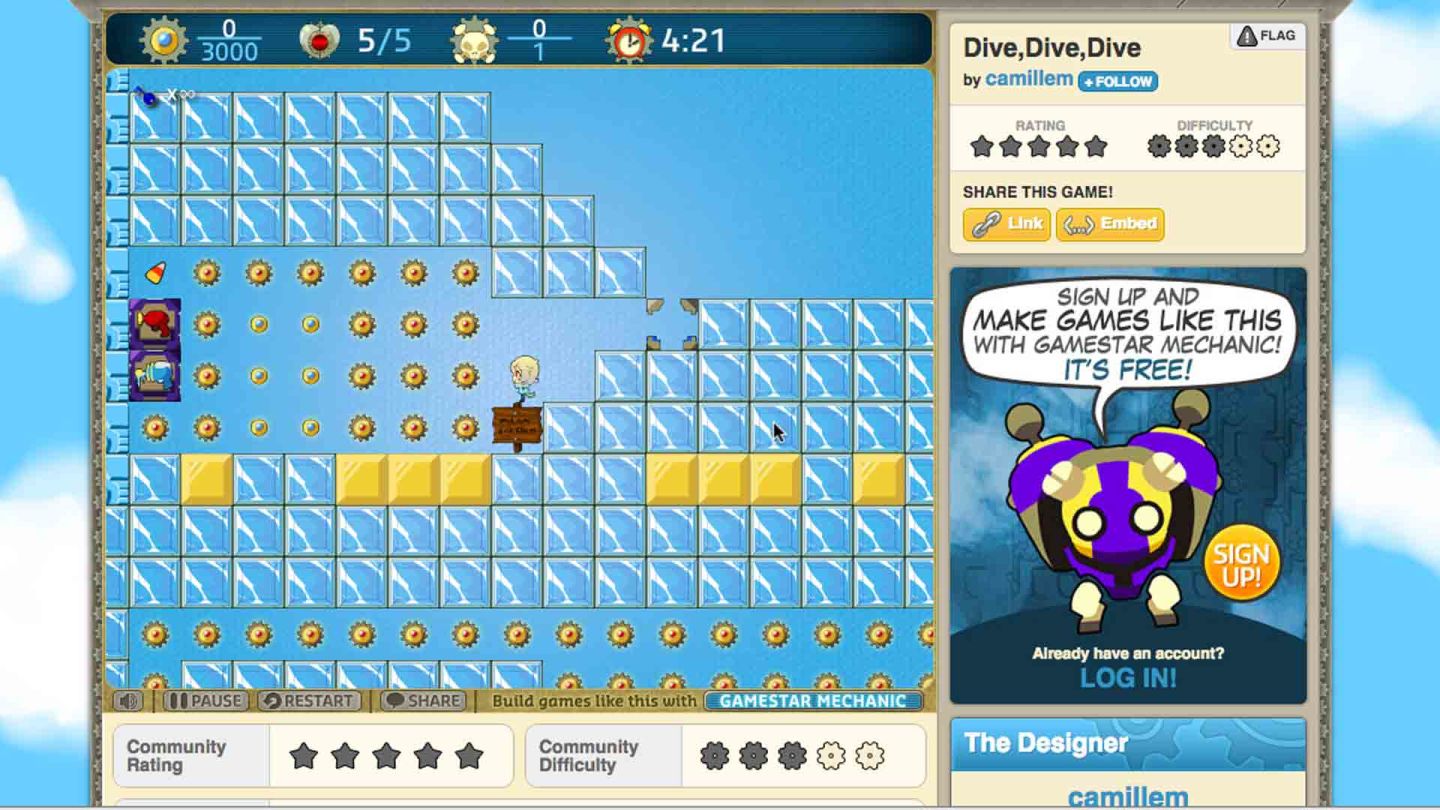
"caption": "Screen grab of a coin collecting game created by a middle school student using Gamestar Mechanic. ",
"description": null,
"title": "Dive-Dive-Dive",
"credit": null,
"status": "inherit",
"isLoading": false,
"fetchFailed": false
},
"mindshift_41463": {
"type": "attachments",
"id": "mindshift_41463",
"meta": {
"index": "attachments_1716263798",
"site": "mindshift",
"id": "41463",
"found": true
},
"parent": 41462,
"imgSizes": {
"twentyfourteen-full-width": {
"file": "https://ww2.kqed.org/app/uploads/sites/23/2015/08/mg_5073_slide-e90d6fface36c7dafec6ec1a457cdf0e5e7dd839-1038x576.jpg",
"width": 1038,
"mimeType": "image/jpeg",
"height": 576
},
"thumbnail": {
"file": "https://ww2.kqed.org/app/uploads/sites/23/2015/08/mg_5073_slide-e90d6fface36c7dafec6ec1a457cdf0e5e7dd839-400x267.jpg",
"width": 400,
"mimeType": "image/jpeg",
"height": 267
},
"fd-sm": {
"file": "https://ww2.kqed.org/app/uploads/sites/23/2015/08/mg_5073_slide-e90d6fface36c7dafec6ec1a457cdf0e5e7dd839-960x640.jpg",
"width": 960,
"mimeType": "image/jpeg",
"height": 640
},
"post-thumbnail": {
"file": "https://ww2.kqed.org/app/uploads/sites/23/2015/08/mg_5073_slide-e90d6fface36c7dafec6ec1a457cdf0e5e7dd839-672x372.jpg",
"width": 672,
"mimeType": "image/jpeg",
"height": 372
},
"kqedFullSize": {
"file": "https://ww2.kqed.org/app/uploads/sites/23/2015/08/mg_5073_slide-e90d6fface36c7dafec6ec1a457cdf0e5e7dd839-e1438605038104.jpg",
"width": 1920,
"height": 1279
},
"large": {
"file": "https://ww2.kqed.org/app/uploads/sites/23/2015/08/mg_5073_slide-e90d6fface36c7dafec6ec1a457cdf0e5e7dd839-1440x960.jpg",
"width": 1440,
"mimeType": "image/jpeg",
"height": 960
},
"guest-author-96": {
"file": "https://ww2.kqed.org/app/uploads/sites/23/2015/08/mg_5073_slide-e90d6fface36c7dafec6ec1a457cdf0e5e7dd839-96x96.jpg",
"width": 96,
"mimeType": "image/jpeg",
"height": 96
},
"medium": {
"file": "https://ww2.kqed.org/app/uploads/sites/23/2015/08/mg_5073_slide-e90d6fface36c7dafec6ec1a457cdf0e5e7dd839-800x533.jpg",
"width": 800,
"mimeType": "image/jpeg",
"height": 533
},
"guest-author-64": {
"file": "https://ww2.kqed.org/app/uploads/sites/23/2015/08/mg_5073_slide-e90d6fface36c7dafec6ec1a457cdf0e5e7dd839-64x64.jpg",
"width": 64,
"mimeType": "image/jpeg",
"height": 64
},
"guest-author-32": {
"file": "https://ww2.kqed.org/app/uploads/sites/23/2015/08/mg_5073_slide-e90d6fface36c7dafec6ec1a457cdf0e5e7dd839-32x32.jpg",
"width": 32,
"mimeType": "image/jpeg",
"height": 32
},
"cat_post_thumb_sizecategory-posts-2": {
"file": "https://ww2.kqed.org/app/uploads/sites/23/2015/08/mg_5073_slide-e90d6fface36c7dafec6ec1a457cdf0e5e7dd839-50x50.jpg",
"width": 50,
"mimeType": "image/jpeg",
"height": 50
},
"fd-lrg": {
"file": "https://ww2.kqed.org/app/uploads/sites/23/2015/08/mg_5073_slide-e90d6fface36c7dafec6ec1a457cdf0e5e7dd839-1920x1279.jpg",
"width": 1920,
"mimeType": "image/jpeg",
"height": 1279
},
"fd-med": {
"file": "https://ww2.kqed.org/app/uploads/sites/23/2015/08/mg_5073_slide-e90d6fface36c7dafec6ec1a457cdf0e5e7dd839-1180x786.jpg",
"width": 1180,
"mimeType": "image/jpeg",
"height": 786
},
"detail": {
"file": "https://ww2.kqed.org/app/uploads/sites/23/2015/08/mg_5073_slide-e90d6fface36c7dafec6ec1a457cdf0e5e7dd839-75x75.jpg",
"width": 75,
"mimeType": "image/jpeg",
"height": 75
},
"guest-author-128": {
"file": "https://ww2.kqed.org/app/uploads/sites/23/2015/08/mg_5073_slide-e90d6fface36c7dafec6ec1a457cdf0e5e7dd839-128x128.jpg",
"width": 128,
"mimeType": "image/jpeg",
"height": 128
}
},
"publishDate": 1438604923,
"modified": 1438605054,
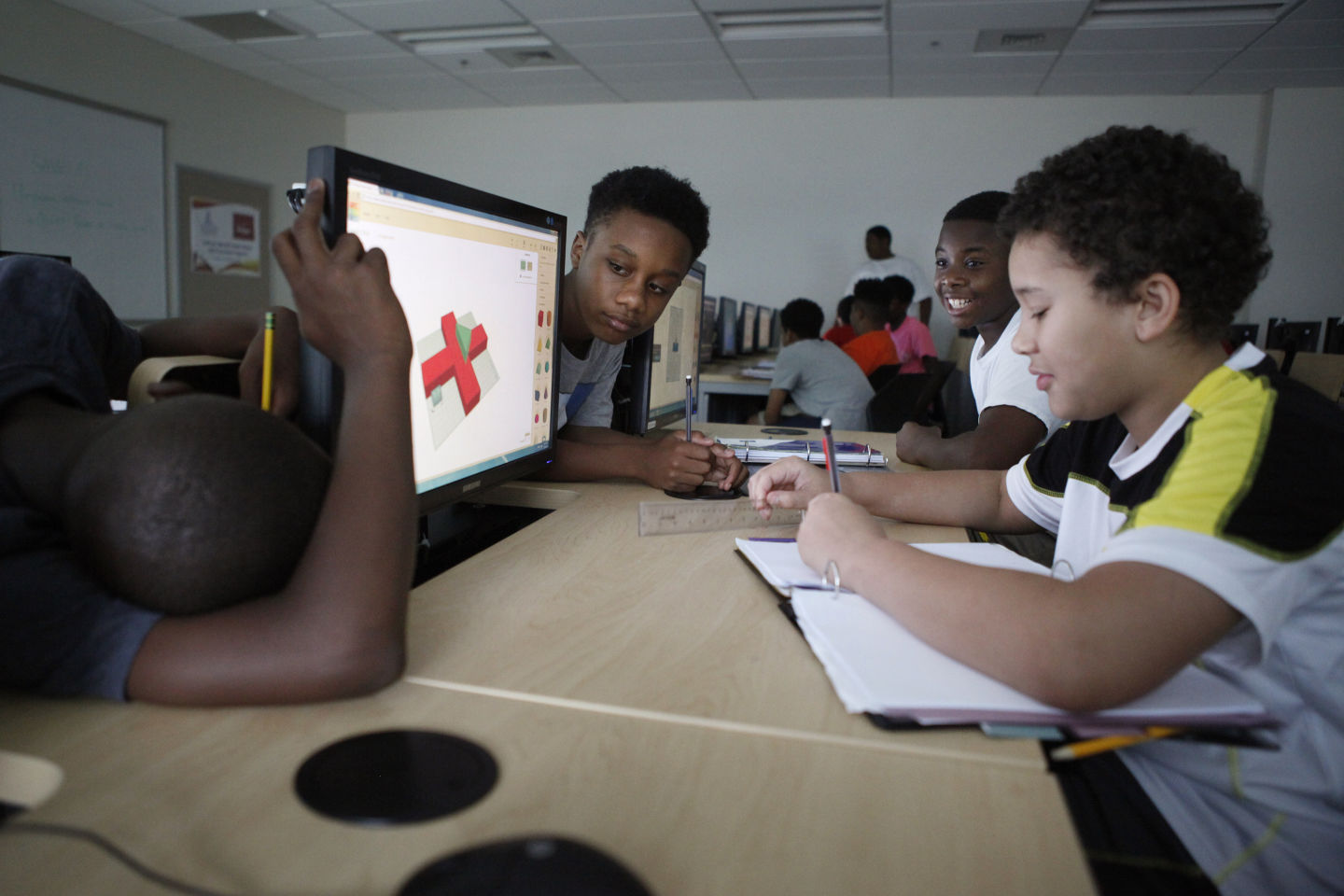
"caption": "Middle-school boys participate in the Minority Male Makers summer program at Morgan State University in Baltimore.",
"description": "Middle-school boys participate in the Minority Male Makers summer program at Morgan State University in Baltimore.",
"title": "Middle-school boys participate in the Minority Male Makers summer program at Morgan State University in Baltimore.",
"credit": "Elissa Nadworny/NPR",
"status": "inherit",
"isLoading": false,
"fetchFailed": false
},
"mindshift_39102": {
"type": "attachments",
"id": "mindshift_39102",
"meta": {
"index": "attachments_1716263798",
"site": "mindshift",
"id": "39102",
"found": true
},
"parent": 39095,
"imgSizes": {
"twentyfourteen-full-width": {
"file": "https://ww2.kqed.org/app/uploads/sites/23/2015/01/Robot-Turtles-2-1038x576.gif",
"width": 1038,
"mimeType": "image/gif",
"height": 576
},
"thumbnail": {
"file": "https://ww2.kqed.org/app/uploads/sites/23/2015/01/Robot-Turtles-2-400x267.gif",
"width": 400,
"mimeType": "image/gif",
"height": 267
},
"fd-sm": {
"file": "https://ww2.kqed.org/app/uploads/sites/23/2015/01/Robot-Turtles-2-320x213.gif",
"width": 320,
"mimeType": "image/gif",
"height": 213
},
"post-thumbnail": {
"file": "https://ww2.kqed.org/app/uploads/sites/23/2015/01/Robot-Turtles-2-672x372.gif",
"width": 672,
"mimeType": "image/gif",
"height": 372
},
"kqedFullSize": {
"file": "https://ww2.kqed.org/app/uploads/sites/23/2015/01/Robot-Turtles-2.gif",
"width": 1440,
"height": 960
},
"large": {
"file": "https://ww2.kqed.org/app/uploads/sites/23/2015/01/Robot-Turtles-2-1440x960.gif",
"width": 1440,
"mimeType": "image/gif",
"height": 960
},
"guest-author-96": {
"file": "https://ww2.kqed.org/app/uploads/sites/23/2015/01/Robot-Turtles-2-96x96.gif",
"width": 96,
"mimeType": "image/gif",
"height": 96
},
"medium": {
"file": "https://ww2.kqed.org/app/uploads/sites/23/2015/01/Robot-Turtles-2-800x533.gif",
"width": 800,
"mimeType": "image/gif",
"height": 533
},
"guest-author-64": {
"file": "https://ww2.kqed.org/app/uploads/sites/23/2015/01/Robot-Turtles-2-64x64.gif",
"width": 64,
"mimeType": "image/gif",
"height": 64
},
"guest-author-32": {
"file": "https://ww2.kqed.org/app/uploads/sites/23/2015/01/Robot-Turtles-2-32x32.gif",
"width": 32,
"mimeType": "image/gif",
"height": 32
},
"fd-lrg": {
"file": "https://ww2.kqed.org/app/uploads/sites/23/2015/01/Robot-Turtles-2-1180x787.gif",
"width": 1180,
"mimeType": "image/gif",
"height": 787
},
"fd-med": {
"file": "https://ww2.kqed.org/app/uploads/sites/23/2015/01/Robot-Turtles-2-768x512.gif",
"width": 768,
"mimeType": "image/gif",
"height": 512
},
"guest-author-128": {
"file": "https://ww2.kqed.org/app/uploads/sites/23/2015/01/Robot-Turtles-2-128x128.gif",
"width": 128,
"mimeType": "image/gif",
"height": 128
}
},
"publishDate": 1422398150,
"modified": 1422398208,
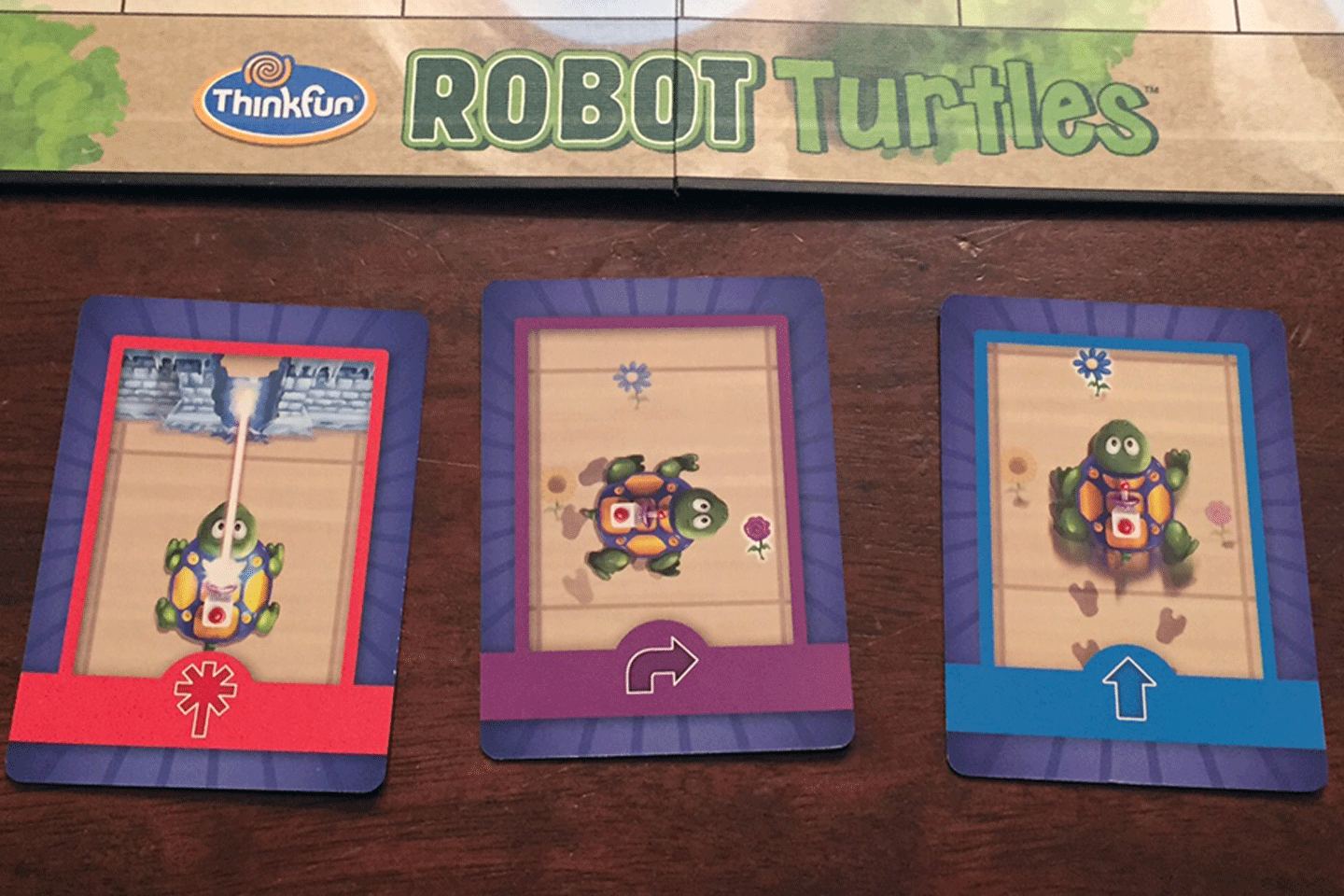
"caption": "Cards program \"Robot Turtles\" to blast, turn or proceed to their destination. (Courtesy of Matthew Farber) ",
"description": null,
"title": "Robot-Turtles-2",
"credit": null,
"status": "inherit",
"isLoading": false,
"fetchFailed": false
},
"mindshift_38795": {
"type": "attachments",
"id": "mindshift_38795",
"meta": {
"index": "attachments_1716263798",
"site": "mindshift",
"id": "38795",
"found": true
},
"parent": 38793,
"imgSizes": {
"twentyfourteen-full-width": {
"file": "https://ww2.kqed.org/app/uploads/sites/23/2014/12/20141210_dbcsf_005_h_slide-630ba43535ce82de7cc0ef1567d53001abfdd4fb-e1419259164381-1038x576.jpg",
"width": 1038,
"mimeType": "image/jpeg",
"height": 576
},
"thumbnail": {
"file": "https://ww2.kqed.org/app/uploads/sites/23/2014/12/20141210_dbcsf_005_h_slide-630ba43535ce82de7cc0ef1567d53001abfdd4fb-e1419259164381-400x267.jpg",
"width": 400,
"mimeType": "image/jpeg",
"height": 267
},
"fd-sm": {
"file": "https://ww2.kqed.org/app/uploads/sites/23/2014/12/20141210_dbcsf_005_h_slide-630ba43535ce82de7cc0ef1567d53001abfdd4fb-e1419259164381-320x213.jpg",
"width": 320,
"mimeType": "image/jpeg",
"height": 213
},
"post-thumbnail": {
"file": "https://ww2.kqed.org/app/uploads/sites/23/2014/12/20141210_dbcsf_005_h_slide-630ba43535ce82de7cc0ef1567d53001abfdd4fb-e1419259164381-672x372.jpg",
"width": 672,
"mimeType": "image/jpeg",
"height": 372
},
"kqedFullSize": {
"file": "https://ww2.kqed.org/app/uploads/sites/23/2014/12/20141210_dbcsf_005_h_slide-630ba43535ce82de7cc0ef1567d53001abfdd4fb-e1419259164381.jpg",
"width": 1440,
"height": 960
},
"large": {
"file": "https://ww2.kqed.org/app/uploads/sites/23/2014/12/20141210_dbcsf_005_h_slide-630ba43535ce82de7cc0ef1567d53001abfdd4fb-e1419259164381-1440x960.jpg",
"width": 1440,
"mimeType": "image/jpeg",
"height": 960
},
"guest-author-96": {
"file": "https://ww2.kqed.org/app/uploads/sites/23/2014/12/20141210_dbcsf_005_h_slide-630ba43535ce82de7cc0ef1567d53001abfdd4fb-e1419259164381-96x96.jpg",
"width": 96,
"mimeType": "image/jpeg",
"height": 96
},
"medium": {
"file": "https://ww2.kqed.org/app/uploads/sites/23/2014/12/20141210_dbcsf_005_h_slide-630ba43535ce82de7cc0ef1567d53001abfdd4fb-e1419259164381-800x533.jpg",
"width": 800,
"mimeType": "image/jpeg",
"height": 533
},
"guest-author-64": {
"file": "https://ww2.kqed.org/app/uploads/sites/23/2014/12/20141210_dbcsf_005_h_slide-630ba43535ce82de7cc0ef1567d53001abfdd4fb-e1419259164381-64x64.jpg",
"width": 64,
"mimeType": "image/jpeg",
"height": 64
},
"guest-author-32": {
"file": "https://ww2.kqed.org/app/uploads/sites/23/2014/12/20141210_dbcsf_005_h_slide-630ba43535ce82de7cc0ef1567d53001abfdd4fb-e1419259164381-32x32.jpg",
"width": 32,
"mimeType": "image/jpeg",
"height": 32
},
"fd-lrg": {
"file": "https://ww2.kqed.org/app/uploads/sites/23/2014/12/20141210_dbcsf_005_h_slide-630ba43535ce82de7cc0ef1567d53001abfdd4fb-e1419259164381-1180x787.jpg",
"width": 1180,
"mimeType": "image/jpeg",
"height": 787
},
"fd-med": {
"file": "https://ww2.kqed.org/app/uploads/sites/23/2014/12/20141210_dbcsf_005_h_slide-630ba43535ce82de7cc0ef1567d53001abfdd4fb-e1419259164381-768x512.jpg",
"width": 768,
"mimeType": "image/jpeg",
"height": 512
},
"detail": {
"file": "https://ww2.kqed.org/app/uploads/sites/23/2014/12/20141210_dbcsf_005_h_slide-630ba43535ce82de7cc0ef1567d53001abfdd4fb-e1419259164381-75x75.jpg",
"width": 75,
"mimeType": "image/jpeg",
"height": 75
},
"guest-author-128": {
"file": "https://ww2.kqed.org/app/uploads/sites/23/2014/12/20141210_dbcsf_005_h_slide-630ba43535ce82de7cc0ef1567d53001abfdd4fb-e1419259164381-128x128.jpg",
"width": 128,
"mimeType": "image/jpeg",
"height": 128
}
},
"publishDate": 1419258929,
"modified": 1419259204,
"caption": "At Dev Bootcamp in San Francisco, group lectures focus on teaching students to teach themselves.\n(Claudine Gossett/Dev Bootcamp)",
"description": "At Dev Bootcamp in San Francisco, group lectures focus on teaching students to teach themselve",
"title": "At Dev Bootcamp in San Francisco, group lectures focus on teaching students to teach themselves.",
"credit": null,
"status": "inherit",
"isLoading": false,
"fetchFailed": false
},
"mindshift_38697": {
"type": "attachments",
"id": "mindshift_38697",
"meta": {
"index": "attachments_1716263798",
"site": "mindshift",
"id": "38697",
"found": true
},
"parent": 38696,
"imgSizes": {
"twentyfourteen-full-width": {
"file": "https://ww2.kqed.org/app/uploads/sites/23/2014/12/Sylvia-and-Arduinos-1038x576.gif",
"width": 1038,
"mimeType": "image/gif",
"height": 576
},
"thumbnail": {
"file": "https://ww2.kqed.org/app/uploads/sites/23/2014/12/Sylvia-and-Arduinos-400x267.gif",
"width": 400,
"mimeType": "image/gif",
"height": 267
},
"fd-sm": {
"file": "https://ww2.kqed.org/app/uploads/sites/23/2014/12/Sylvia-and-Arduinos-320x213.gif",
"width": 320,
"mimeType": "image/gif",
"height": 213
},
"post-thumbnail": {
"file": "https://ww2.kqed.org/app/uploads/sites/23/2014/12/Sylvia-and-Arduinos-672x372.gif",
"width": 672,
"mimeType": "image/gif",
"height": 372
},
"kqedFullSize": {
"file": "https://ww2.kqed.org/app/uploads/sites/23/2014/12/Sylvia-and-Arduinos.gif",
"width": 1440,
"height": 960
},
"large": {
"file": "https://ww2.kqed.org/app/uploads/sites/23/2014/12/Sylvia-and-Arduinos-1440x960.gif",
"width": 1440,
"mimeType": "image/gif",
"height": 960
},
"guest-author-96": {
"file": "https://ww2.kqed.org/app/uploads/sites/23/2014/12/Sylvia-and-Arduinos-96x96.gif",
"width": 96,
"mimeType": "image/gif",
"height": 96
},
"medium": {
"file": "https://ww2.kqed.org/app/uploads/sites/23/2014/12/Sylvia-and-Arduinos-800x533.gif",
"width": 800,
"mimeType": "image/gif",
"height": 533
},
"guest-author-64": {
"file": "https://ww2.kqed.org/app/uploads/sites/23/2014/12/Sylvia-and-Arduinos-64x64.gif",
"width": 64,
"mimeType": "image/gif",
"height": 64
},
"guest-author-32": {
"file": "https://ww2.kqed.org/app/uploads/sites/23/2014/12/Sylvia-and-Arduinos-32x32.gif",
"width": 32,
"mimeType": "image/gif",
"height": 32
},
"fd-lrg": {
"file": "https://ww2.kqed.org/app/uploads/sites/23/2014/12/Sylvia-and-Arduinos-1180x787.gif",
"width": 1180,
"mimeType": "image/gif",
"height": 787
},
"fd-med": {
"file": "https://ww2.kqed.org/app/uploads/sites/23/2014/12/Sylvia-and-Arduinos-768x512.gif",
"width": 768,
"mimeType": "image/gif",
"height": 512
},
"guest-author-128": {
"file": "https://ww2.kqed.org/app/uploads/sites/23/2014/12/Sylvia-and-Arduinos-128x128.gif",
"width": 128,
"mimeType": "image/gif",
"height": 128
}
},
"publishDate": 1418332443,
"modified": 1418332530,
"caption": "Super-Awesome Sylvia and her friendly robots. ",
"description": null,
"title": "Sylvia-and-Arduinos",
"credit": null,
"status": "inherit",
"isLoading": false,
"fetchFailed": false
},
"mindshift_38666": {
"type": "attachments",
"id": "mindshift_38666",
"meta": {
"index": "attachments_1716263798",
"site": "mindshift",
"id": "38666",
"found": true
},
"parent": 38659,
"imgSizes": {
"twentyfourteen-full-width": {
"file": "https://ww2.kqed.org/app/uploads/sites/23/2014/12/Ming-Horn-Angkor-Wat-1038x576.gif",
"width": 1038,
"mimeType": "image/gif",
"height": 576
},
"thumbnail": {
"file": "https://ww2.kqed.org/app/uploads/sites/23/2014/12/Ming-Horn-Angkor-Wat-400x225.gif",
"width": 400,
"mimeType": "image/gif",
"height": 225
},
"fd-sm": {
"file": "https://ww2.kqed.org/app/uploads/sites/23/2014/12/Ming-Horn-Angkor-Wat-320x180.gif",
"width": 320,
"mimeType": "image/gif",
"height": 180
},
"post-thumbnail": {
"file": "https://ww2.kqed.org/app/uploads/sites/23/2014/12/Ming-Horn-Angkor-Wat-672x372.gif",
"width": 672,
"mimeType": "image/gif",
"height": 372
},
"kqedFullSize": {
"file": "https://ww2.kqed.org/app/uploads/sites/23/2014/12/Ming-Horn-Angkor-Wat.gif",
"width": 1280,
"height": 720
},
"fd-lrg": {
"file": "https://ww2.kqed.org/app/uploads/sites/23/2014/12/Ming-Horn-Angkor-Wat-1180x664.gif",
"width": 1180,
"mimeType": "image/gif",
"height": 664
},
"fd-med": {
"file": "https://ww2.kqed.org/app/uploads/sites/23/2014/12/Ming-Horn-Angkor-Wat-768x432.gif",
"width": 768,
"mimeType": "image/gif",
"height": 432
},
"guest-author-96": {
"file": "https://ww2.kqed.org/app/uploads/sites/23/2014/12/Ming-Horn-Angkor-Wat-96x96.gif",
"width": 96,
"mimeType": "image/gif",
"height": 96
},
"medium": {
"file": "https://ww2.kqed.org/app/uploads/sites/23/2014/12/Ming-Horn-Angkor-Wat-800x450.gif",
"width": 800,
"mimeType": "image/gif",
"height": 450
},
"guest-author-64": {
"file": "https://ww2.kqed.org/app/uploads/sites/23/2014/12/Ming-Horn-Angkor-Wat-64x64.gif",
"width": 64,
"mimeType": "image/gif",
"height": 64
},
"guest-author-32": {
"file": "https://ww2.kqed.org/app/uploads/sites/23/2014/12/Ming-Horn-Angkor-Wat-32x32.gif",
"width": 32,
"mimeType": "image/gif",
"height": 32
},
"guest-author-128": {
"file": "https://ww2.kqed.org/app/uploads/sites/23/2014/12/Ming-Horn-Angkor-Wat-128x128.gif",
"width": 128,
"mimeType": "image/gif",
"height": 128
}
},
"publishDate": 1418223539,
"modified": 1418245393,
"caption": "Courtesy of Ming Horn",
"description": null,
"title": "Ming-Horn-Angkor-Wat",
"credit": null,
"status": "inherit",
"isLoading": false,
"fetchFailed": false
},
"mindshift_38284": {
"type": "attachments",
"id": "mindshift_38284",
"meta": {
"index": "attachments_1716263798",
"site": "mindshift",
"id": "38284",
"found": true
},
"parent": 37765,
"imgSizes": {
"twentyfourteen-full-width": {
"file": "https://ww2.kqed.org/app/uploads/sites/23/2014/10/Simona-Math-1038x576.gif",
"width": 1038,
"mimeType": "image/gif",
"height": 576
},
"thumbnail": {
"file": "https://ww2.kqed.org/app/uploads/sites/23/2014/10/Simona-Math-400x225.gif",
"width": 400,
"mimeType": "image/gif",
"height": 225
},
"fd-sm": {
"file": "https://ww2.kqed.org/app/uploads/sites/23/2014/10/Simona-Math-320x180.gif",
"width": 320,
"mimeType": "image/gif",
"height": 180
},
"post-thumbnail": {
"file": "https://ww2.kqed.org/app/uploads/sites/23/2014/10/Simona-Math-672x372.gif",
"width": 672,
"mimeType": "image/gif",
"height": 372
},
"kqedFullSize": {
"file": "https://ww2.kqed.org/app/uploads/sites/23/2014/10/Simona-Math.gif",
"width": 1280,
"height": 720
},
"fd-lrg": {
"file": "https://ww2.kqed.org/app/uploads/sites/23/2014/10/Simona-Math-1180x664.gif",
"width": 1180,
"mimeType": "image/gif",
"height": 664
},
"fd-med": {
"file": "https://ww2.kqed.org/app/uploads/sites/23/2014/10/Simona-Math-768x432.gif",
"width": 768,
"mimeType": "image/gif",
"height": 432
},
"guest-author-96": {
"file": "https://ww2.kqed.org/app/uploads/sites/23/2014/10/Simona-Math-96x96.gif",
"width": 96,
"mimeType": "image/gif",
"height": 96
},
"medium": {
"file": "https://ww2.kqed.org/app/uploads/sites/23/2014/10/Simona-Math-800x450.gif",
"width": 800,
"mimeType": "image/gif",
"height": 450
},
"guest-author-64": {
"file": "https://ww2.kqed.org/app/uploads/sites/23/2014/10/Simona-Math-64x64.gif",
"width": 64,
"mimeType": "image/gif",
"height": 64
},
"guest-author-32": {
"file": "https://ww2.kqed.org/app/uploads/sites/23/2014/10/Simona-Math-32x32.gif",
"width": 32,
"mimeType": "image/gif",
"height": 32
},
"guest-author-128": {
"file": "https://ww2.kqed.org/app/uploads/sites/23/2014/10/Simona-Math-128x128.gif",
"width": 128,
"mimeType": "image/gif",
"height": 128
}
},
"publishDate": 1414500002,
"modified": 1414500002,
"caption": "Simona/Flickr",
"description": null,
"title": "Simona-Math",
"credit": null,
"status": "inherit",
"isLoading": false,
"fetchFailed": false
},
"mindshift_37261": {
"type": "attachments",
"id": "mindshift_37261",
"meta": {
"index": "attachments_1716263798",
"site": "mindshift",
"id": "37261",
"found": true
},
"parent": 37259,
"imgSizes": {
"thumbnail": {
"file": "https://ww2.kqed.org/app/uploads/sites/23/2014/08/code-game-400x225.jpg",
"width": 400,
"mimeType": "image/jpeg",
"height": 225
},
"fd-sm": {
"file": "https://ww2.kqed.org/app/uploads/sites/23/2014/08/code-game-320x180.jpg",
"width": 320,
"mimeType": "image/jpeg",
"height": 180
},
"kqedFullSize": {
"file": "https://ww2.kqed.org/app/uploads/sites/23/2014/08/code-game.jpg",
"width": 640,
"height": 360
},
"guest-author-96": {
"file": "https://ww2.kqed.org/app/uploads/sites/23/2014/08/code-game-96x96.jpg",
"width": 96,
"mimeType": "image/jpeg",
"height": 96
},
"guest-author-64": {
"file": "https://ww2.kqed.org/app/uploads/sites/23/2014/08/code-game-64x64.jpg",
"width": 64,
"mimeType": "image/jpeg",
"height": 64
},
"guest-author-32": {
"file": "https://ww2.kqed.org/app/uploads/sites/23/2014/08/code-game-32x32.jpg",
"width": 32,
"mimeType": "image/jpeg",
"height": 32
},
"guest-author-128": {
"file": "https://ww2.kqed.org/app/uploads/sites/23/2014/08/code-game-128x128.jpg",
"width": 128,
"mimeType": "image/jpeg",
"height": 128
}
},
"publishDate": 1407370180,
"modified": 1407370180,
"caption": "Beta The Game (left) and Hack 'n Slash (right)",
"description": null,
"title": "code-game",
"credit": null,
"status": "inherit",
"isLoading": false,
"fetchFailed": false
},
"mindshift_37465": {
"type": "attachments",
"id": "mindshift_37465",
"meta": {
"index": "attachments_1716263798",
"site": "mindshift",
"id": "37465",
"found": true
},
"parent": 37462,
"imgSizes": {
"thumbnail": {
"file": "https://ww2.kqed.org/app/uploads/sites/23/2014/08/minecraft-400x234.png",
"width": 400,
"mimeType": "image/png",
"height": 234
},
"fd-sm": {
"file": "https://ww2.kqed.org/app/uploads/sites/23/2014/08/minecraft-320x187.png",
"width": 320,
"mimeType": "image/png",
"height": 187
},
"kqedFullSize": {
"file": "https://ww2.kqed.org/app/uploads/sites/23/2014/08/minecraft.png",
"width": 583,
"height": 341
},
"guest-author-96": {
"file": "https://ww2.kqed.org/app/uploads/sites/23/2014/08/minecraft-96x96.png",
"width": 96,
"mimeType": "image/png",
"height": 96
},
"guest-author-64": {
"file": "https://ww2.kqed.org/app/uploads/sites/23/2014/08/minecraft-64x64.png",
"width": 64,
"mimeType": "image/png",
"height": 64
},
"guest-author-32": {
"file": "https://ww2.kqed.org/app/uploads/sites/23/2014/08/minecraft-32x32.png",
"width": 32,
"mimeType": "image/png",
"height": 32
},
"guest-author-128": {
"file": "https://ww2.kqed.org/app/uploads/sites/23/2014/08/minecraft-128x128.png",
"width": 128,
"mimeType": "image/png",
"height": 128
}
},
"publishDate": 1408736604,
"modified": 1408736604,
"caption": "Minecraft",
"description": null,
"title": "minecraft",
"credit": null,
"status": "inherit",
"isLoading": false,
"fetchFailed": false
},
"mindshift_36342": {
"type": "attachments",
"id": "mindshift_36342",
"meta": {
"index": "attachments_1716263798",
"site": "mindshift",
"id": "36342",
"found": true
},
"parent": 36339,
"imgSizes": {
"thumbnail": {
"file": "https://ww2.kqed.org/app/uploads/sites/23/2014/06/hopper1-400x225.jpg",
"width": 400,
"mimeType": "image/jpeg",
"height": 225
},
"fd-sm": {
"file": "https://ww2.kqed.org/app/uploads/sites/23/2014/06/hopper1-320x180.jpg",
"width": 320,
"mimeType": "image/jpeg",
"height": 180
},
"kqedFullSize": {
"file": "https://ww2.kqed.org/app/uploads/sites/23/2014/06/hopper1.jpg",
"width": 630,
"height": 354
},
"guest-author-96": {
"file": "https://ww2.kqed.org/app/uploads/sites/23/2014/06/hopper1-96x96.jpg",
"width": 96,
"mimeType": "image/jpeg",
"height": 96
},
"guest-author-64": {
"file": "https://ww2.kqed.org/app/uploads/sites/23/2014/06/hopper1-64x64.jpg",
"width": 64,
"mimeType": "image/jpeg",
"height": 64
},
"guest-author-32": {
"file": "https://ww2.kqed.org/app/uploads/sites/23/2014/06/hopper1-32x32.jpg",
"width": 32,
"mimeType": "image/jpeg",
"height": 32
},
"guest-author-128": {
"file": "https://ww2.kqed.org/app/uploads/sites/23/2014/06/hopper1-128x128.jpg",
"width": 128,
"mimeType": "image/jpeg",
"height": 128
}
},
"publishDate": 1402955693,
"modified": 1402955693,
"caption": "Grace Hopper led the team that developed the UNIVAC, the first commercial computer. (Smithsonian Institution)",
"description": null,
"title": "hopper1",
"credit": null,
"status": "inherit",
"isLoading": false,
"fetchFailed": false
},
"mindshift_31497": {
"type": "attachments",
"id": "mindshift_31497",
"meta": {
"index": "attachments_1716263798",
"site": "mindshift",
"id": "31497",
"found": true
},
"parent": 31491,
"imgSizes": {
"thumbnail": {
"file": "https://ww2.kqed.org/app/uploads/sites/23/2013/09/black-girls-code640x360-400x225.jpg",
"width": 400,
"mimeType": "image/jpeg",
"height": 225
},
"fd-sm": {
"file": "https://ww2.kqed.org/app/uploads/sites/23/2013/09/black-girls-code640x360-320x180.jpg",
"width": 320,
"mimeType": "image/jpeg",
"height": 180
},
"kqedFullSize": {
"file": "https://ww2.kqed.org/app/uploads/sites/23/2013/09/black-girls-code640x360.jpg",
"width": 640,
"height": 360
},
"guest-author-96": {
"file": "https://ww2.kqed.org/app/uploads/sites/23/2013/09/black-girls-code640x360-96x96.jpg",
"width": 96,
"mimeType": "image/jpeg",
"height": 96
},
"guest-author-64": {
"file": "https://ww2.kqed.org/app/uploads/sites/23/2013/09/black-girls-code640x360-64x64.jpg",
"width": 64,
"mimeType": "image/jpeg",
"height": 64
},
"detail": {
"file": "https://ww2.kqed.org/app/uploads/sites/23/2013/09/black-girls-code640x360-75x75.jpg",
"width": 75,
"mimeType": "image/jpeg",
"height": 75
},
"guest-author-32": {
"file": "https://ww2.kqed.org/app/uploads/sites/23/2013/09/black-girls-code640x360-32x32.jpg",
"width": 32,
"mimeType": "image/jpeg",
"height": 32
},
"guest-author-128": {
"file": "https://ww2.kqed.org/app/uploads/sites/23/2013/09/black-girls-code640x360-128x128.jpg",
"width": 128,
"mimeType": "image/jpeg",
"height": 128
}
},
"publishDate": 1379635646,
"modified": 1379635646,
"caption": null,
"description": null,
"title": "black-girls-code640x360",
"credit": null,
"status": "inherit",
"isLoading": false,
"fetchFailed": false
},
"mindshift_35673": {
"type": "attachments",
"id": "mindshift_35673",
"meta": {
"index": "attachments_1716263798",
"site": "mindshift",
"id": "35673",
"found": true
},
"parent": 35658,
"imgSizes": {
"twentyfourteen-full-width": {
"file": "https://ww2.kqed.org/app/uploads/sites/23/2014/05/Screen-Shot-2014-05-12-at-4.55.25-PM-1038x576.png",
"width": 1038,
"mimeType": "image/png",
"height": 576
},
"thumbnail": {
"file": "https://ww2.kqed.org/app/uploads/sites/23/2014/05/Screen-Shot-2014-05-12-at-4.55.25-PM-400x227.png",
"width": 400,
"mimeType": "image/png",
"height": 227
},
"fd-sm": {
"file": "https://ww2.kqed.org/app/uploads/sites/23/2014/05/Screen-Shot-2014-05-12-at-4.55.25-PM-320x181.png",
"width": 320,
"mimeType": "image/png",
"height": 181
},
"post-thumbnail": {
"file": "https://ww2.kqed.org/app/uploads/sites/23/2014/05/Screen-Shot-2014-05-12-at-4.55.25-PM-672x372.png",
"width": 672,
"mimeType": "image/png",
"height": 372
},
"kqedFullSize": {
"file": "https://ww2.kqed.org/app/uploads/sites/23/2014/05/Screen-Shot-2014-05-12-at-4.55.25-PM.png",
"width": 1276,
"height": 723
},
"fd-lrg": {
"file": "https://ww2.kqed.org/app/uploads/sites/23/2014/05/Screen-Shot-2014-05-12-at-4.55.25-PM-1180x669.png",
"width": 1180,
"mimeType": "image/png",
"height": 669
},
"fd-med": {
"file": "https://ww2.kqed.org/app/uploads/sites/23/2014/05/Screen-Shot-2014-05-12-at-4.55.25-PM-768x435.png",
"width": 768,
"mimeType": "image/png",
"height": 435
},
"guest-author-96": {
"file": "https://ww2.kqed.org/app/uploads/sites/23/2014/05/Screen-Shot-2014-05-12-at-4.55.25-PM-96x96.png",
"width": 96,
"mimeType": "image/png",
"height": 96
},
"medium": {
"file": "https://ww2.kqed.org/app/uploads/sites/23/2014/05/Screen-Shot-2014-05-12-at-4.55.25-PM-800x453.png",
"width": 800,
"mimeType": "image/png",
"height": 453
},
"guest-author-64": {
"file": "https://ww2.kqed.org/app/uploads/sites/23/2014/05/Screen-Shot-2014-05-12-at-4.55.25-PM-64x64.png",
"width": 64,
"mimeType": "image/png",
"height": 64
},
"guest-author-32": {
"file": "https://ww2.kqed.org/app/uploads/sites/23/2014/05/Screen-Shot-2014-05-12-at-4.55.25-PM-32x32.png",
"width": 32,
"mimeType": "image/png",
"height": 32
},
"guest-author-128": {
"file": "https://ww2.kqed.org/app/uploads/sites/23/2014/05/Screen-Shot-2014-05-12-at-4.55.25-PM-128x128.png",
"width": 128,
"mimeType": "image/png",
"height": 128
}
},
"publishDate": 1399939182,
"modified": 1399939182,
"caption": null,
"description": null,
"title": "Screen Shot 2014-05-12 at 4.55.25 PM",
"credit": null,
"status": "inherit",
"isLoading": false,
"fetchFailed": false
}
},
"audioPlayerReducer": {
"postId": "stream_live",
"isPaused": true,
"isPlaying": false,
"pfsActive": false,
"pledgeModalIsOpen": true,
"playerDrawerIsOpen": false,
"liveAudioPlayStartedAt": 0,
"liveAudioPlayContext": ""
},
"authorsReducer": {
"byline_mindshift_41462": {
"type": "authors",
"id": "byline_mindshift_41462",
"meta": {
"override": true
},
"slug": "byline_mindshift_41462",
"name": "Elissa Nadworny, \u003ca href=\"http://www.npr.org/sections/ed/2015/08/01/427416157/coding-camp-to-baltimore-schools-bring-us-your-bored\">NPR\u003c/a> ",
"isLoading": false
},
"byline_mindshift_38793": {
"type": "authors",
"id": "byline_mindshift_38793",
"meta": {
"override": true
},
"slug": "byline_mindshift_38793",
"name": "Anya Kamenetz",
"isLoading": false
},
"tbarseghian": {
"type": "authors",
"id": "180",
"meta": {
"index": "authors_1716337520",
"id": "180",
"found": true
},
"name": "Tina Barseghian",
"firstName": "Tina",
"lastName": "Barseghian",
"slug": "tbarseghian",
"email": "tbarseghian@kqed.org",
"display_author_email": false,
"staff_mastheads": [],
"title": null,
"bio": null,
"avatar": "https://secure.gravatar.com/avatar/de7e6ced1239b7018fe4d2b61f723c90?s=600&d=blank&r=g",
"twitter": null,
"facebook": null,
"instagram": null,
"linkedin": null,
"sites": [
{
"site": "styleguide",
"roles": [
"contributor"
]
},
{
"site": "news",
"roles": [
"subscriber"
]
},
{
"site": "mindshift",
"roles": [
"subscriber"
]
},
{
"site": "bayareabites",
"roles": [
"subscriber"
]
}
],
"headData": {
"title": "Tina Barseghian | KQED",
"description": null,
"ogImgSrc": "https://secure.gravatar.com/avatar/de7e6ced1239b7018fe4d2b61f723c90?s=600&d=blank&r=g",
"twImgSrc": "https://secure.gravatar.com/avatar/de7e6ced1239b7018fe4d2b61f723c90?s=600&d=blank&r=g"
},
"isLoading": false,
"link": "/author/tbarseghian"
},
"katrinaschwartz": {
"type": "authors",
"id": "234",
"meta": {
"index": "authors_1716337520",
"id": "234",
"found": true
},
"name": "Katrina Schwartz",
"firstName": "Katrina",
"lastName": "Schwartz",
"slug": "katrinaschwartz",
"email": "kschwartz@kqed.org",
"display_author_email": false,
"staff_mastheads": [
"news"
],
"title": "Producer",
"bio": "Katrina Schwartz is a journalist based in San Francisco. She's worked at KPCC public radio in LA and has reported on air and online for KQED since 2010. She covered how teaching and learning is changing for MindShift between 2012 and 2020. She is the co-host of the MindShift podcast and now produces KQED's Bay Curious podcast.",
"avatar": "https://secure.gravatar.com/avatar/edb4ee79070447a018538c9aae6eeecf28786515b8a0c30e43b6b7dce5aa44c8?s=600&d=blank&r=g",
"twitter": "kschwart",
"bluesky": null,
"facebook": null,
"instagram": null,
"linkedin": null,
"sites": [
{
"site": "",
"roles": [
"editor"
]
},
{
"site": "news",
"roles": [
"editor"
]
},
{
"site": "mindshift",
"roles": [
"administrator"
]
},
{
"site": "stateofhealth",
"roles": [
"author"
]
},
{
"site": "science",
"roles": [
"editor"
]
}
],
"headData": {
"title": "Katrina Schwartz | KQED",
"description": "Producer",
"ogImgSrc": "https://secure.gravatar.com/avatar/edb4ee79070447a018538c9aae6eeecf28786515b8a0c30e43b6b7dce5aa44c8?s=600&d=blank&r=g",
"twImgSrc": "https://secure.gravatar.com/avatar/edb4ee79070447a018538c9aae6eeecf28786515b8a0c30e43b6b7dce5aa44c8?s=600&d=blank&r=g"
},
"isLoading": false,
"link": "/author/katrinaschwartz"
},
"ksung": {
"type": "authors",
"id": "4596",
"meta": {
"index": "authors_1716337520",
"id": "4596",
"found": true
},
"name": "Ki Sung",
"firstName": "Ki",
"lastName": "Sung",
"slug": "ksung",
"email": "ksung@kqed.org",
"display_author_email": false,
"staff_mastheads": [
"news"
],
"title": "KQED Contributor",
"bio": "Ki Sung is Managing Editor of Digital News at KQED. She is former Senior Editor of MindShift and worked at NPR before joining KQED in 2014.",
"avatar": "https://secure.gravatar.com/avatar/64271e01dc95486c133be56937739045b7c00c990525bf9add12d3dd4f0433c9?s=600&d=blank&r=g",
"twitter": null,
"bluesky": null,
"facebook": null,
"instagram": null,
"linkedin": null,
"sites": [
{
"site": "arts",
"roles": [
"administrator"
]
},
{
"site": "news",
"roles": [
"administrator"
]
},
{
"site": "mindshift",
"roles": [
"administrator"
]
},
{
"site": "science",
"roles": [
"administrator"
]
},
{
"site": "forum",
"roles": [
"administrator"
]
},
{
"site": "perspectives",
"roles": [
"administrator"
]
},
{
"site": "elections",
"roles": [
"administrator"
]
}
],
"headData": {
"title": "Ki Sung | KQED",
"description": "KQED Contributor",
"ogImgSrc": "https://secure.gravatar.com/avatar/64271e01dc95486c133be56937739045b7c00c990525bf9add12d3dd4f0433c9?s=600&d=blank&r=g",
"twImgSrc": "https://secure.gravatar.com/avatar/64271e01dc95486c133be56937739045b7c00c990525bf9add12d3dd4f0433c9?s=600&d=blank&r=g"
},
"isLoading": false,
"link": "/author/ksung"
}
},
"pagesReducer": {
"mindshift_tag_coding": {
"type": "terms",
"id": "mindshift_981",
"meta": {
"index": "terms_1716263798",
"site": "mindshift",
"id": "981",
"score": 9.896327
},
"featImg": null,
"name": "coding",
"description": null,
"taxonomy": "tag",
"headData": {
"twImgId": null,
"twTitle": null,
"ogTitle": null,
"ogImgId": null,
"twDescription": null,
"description": null,
"title": "coding Archives | KQED Mindshift",
"ogDescription": null
},
"ttid": 986,
"slug": "coding",
"isLoading": false,
"title": "coding",
"pageMeta": {
"site": "mindshift",
"WpPageTemplate": "page-topic-editorial",
"currentPage": 2
},
"blocks": [
{
"blockName": "kqed/post-list",
"attrs": {
"layout": "cardArticle2",
"query": "posts/mindshift?tag=coding",
"seeMore": false,
"paginated": true,
"page": 2
}
},
{
"blockName": "kqed/ad"
}
]
}
},
"pfsSessionReducer": {},
"postsReducer": {
"stream_live": {
"type": "live",
"id": "stream_live",
"audioUrl": "https://hls.kqed.org/hls/kqed_app/playlist.m3u8",
"title": "Live Stream",
"excerpt": "Live Stream information currently unavailable.",
"link": "/radio",
"featImg": "",
"label": {
"name": "KQED Live",
"link": "/"
}
},
"stream_kqedNewscast": {
"type": "posts",
"id": "stream_kqedNewscast",
"audioUrl": "https://www.kqed.org/.stream/anon/radio/RDnews/newscast.mp3?_=1",
"title": "KQED Newscast",
"featImg": "",
"label": {
"name": "88.5 FM",
"link": "/"
}
},
"mindshift_41508": {
"type": "posts",
"id": "mindshift_41508",
"meta": {
"index": "posts_1716263798",
"site": "mindshift",
"id": "41508",
"score": null,
"sort": [
1438878388000
]
},
"parent": 0,
"labelTerm": {
"site": "mindshift"
},
"blocks": [],
"publishDate": 1438878388,
"format": "standard",
"disqusTitle": "Why Kids Should Make the Video Games They Love to Play",
"title": "Why Kids Should Make the Video Games They Love to Play",
"headTitle": "MindShift | KQED News",
"content": "\u003cp>When educator Lynn Koresh hears from kids that they want a career doing something with computers, she asks, “To do \u003cem>what\u003c/em> with computers?”\u003c/p>\n\u003cp>Adults often encourage kids to pursue science, technology, engineering and math (STEM) skills, and computing classes are usually a first stop. But Koresh knows it’s the real-world applications of computational thinking and coding language skills that bring such knowledge to life.\u003c/p>\n\u003cp>She reasoned that most middle school students are already playing video games and might respond well to a unit on how to design, create, test and promote video games. Along the way, she's also teaching them about digital citizenship and entrepreneurship.\u003c/p>\n\u003cp>“I wanted to give kids exposure to what it means to have a career using computers,” said Koresh, technology coordinator at Edgewood Campus School in Madison, Wisconsin.\u003c/p>\n\u003cp>She gave students the task of designing a game using \u003ca href=\"https://gamestarmechanic.com/\">Gamestar Mechanic\u003c/a>. It’s a Web tool that helps kids create games. Before any programming begins, students talk about their games, set objectives and start storyboarding on paper. They think about the game’s avatars and how the game mechanics will work. Koresh shared her experience teaching this class at the \u003ca href=\"http://glsconference.org/\">Games Learning Society\u003c/a> conference in Madison.\u003c/p>\n\u003cp>[ad fullwidth]\u003c/p>\n\u003cp>[contextly_sidebar id=\"JV265pYjEj1rLGOQTUv9AyB68XMwB1kk\"]\u003c/p>\n\u003cp>As students develop their games, they test them on one another throughout the semester. Koresh has found kids often give short and positive feedback, making it challenging to learn enough to improve the game. She says the kids respond this way mostly because they’re concerned for their friends and worry that they’ll get a bad grade, even though that’s not the case.\u003c/p>\n\u003cp>\"You have to get specific enough so they don't say, 'It's good, I liked it.' You have to force them to take a stand.\"\u003c/p>\n\u003cp>To help improve the process, she has reframed the questions around student game critiques in a consumer-oriented way, such as, “Would you pay 99 cents for this app? Would you give it three stars or four stars?”\u003c/p>\n\u003cp>To help them become more critical thinkers, the students read product reviews on blogs and business sites to learn about features that might improve the user experience. In the process, Koresh hopes the kids learn to be selective digital consumers and do research before making purchases or trusting a source.\u003c/p>\n\u003cp>It’s also an opportunity to talk about a person’s digital footprint and the types of comments, images and videos that can come back to haunt someone.\u003c/p>\n\u003cp>“If you put it online, it should be worthy of other students, grandma, everyone seeing it,” said Koresh.\u003c/p>\n\u003cp>Once the games are completed, the middle school students have three seconds to pitch their game to fourth-grade players in the form of a slide on a computer screen. Since time to persuade the audience is limited, much like in real life, game designers have to “sell” their game with one compelling slide. Students have to be selective about which elements of the game to highlight. Creating the slide is also an opportunity to talk about marketing.\u003c/p>\n\u003cp>“It’s great you’ve made something, but how do you get other people to use it?\" Koresh asks her students. They get a good idea about how well their ad has worked based on the number of plays their games receive.\u003c/p>\n\u003cp>As for whether parents object to kids spending more time on video games, she says they have been supportive of STEM activities and pre-coding skills learned in game design. Koresh has found the time students spent on the games, both inside and outside class, has helped them think about coding as an extracurricular activity. Girls who have created games in her class have gone on to enter STEM design competitions.\u003c/p>\n\u003cp>Here are some of the ads Koresh's students created that link to their games:\u003c/p>\n\u003cp>\u003cstrong>Dive, Dive, Dive\u003c/strong>\u003ca href=\"https://gamestarmechanic.com/game/shared/245461/10012f920834f982ef3768547cc47e8e\">\u003cimg class=\"alignnone size-full wp-image-41524\" src=\"http://ww2.kqed.org/mindshift/wp-content/uploads/sites/23/2015/08/Koresh-Coin-Collecting.png\" alt=\"Coin Collecting Game Dive Dive Dive\" width=\"1366\" height=\"768\" srcset=\"https://ww2.kqed.org/app/uploads/sites/23/2015/08/Koresh-Coin-Collecting.png 1366w, https://ww2.kqed.org/app/uploads/sites/23/2015/08/Koresh-Coin-Collecting-400x225.png 400w, https://ww2.kqed.org/app/uploads/sites/23/2015/08/Koresh-Coin-Collecting-800x450.png 800w, https://ww2.kqed.org/app/uploads/sites/23/2015/08/Koresh-Coin-Collecting-1180x663.png 1180w, https://ww2.kqed.org/app/uploads/sites/23/2015/08/Koresh-Coin-Collecting-960x540.png 960w\" sizes=\"(max-width: 1366px) 100vw, 1366px\">\u003c/a>\u003c/p>\n\u003cp>\u003cstrong>Those Mondays\u003c/strong>\u003cbr>\n\u003ca href=\"https://gamestarmechanic.com/game/shared/248065/26abaa1d9745aeacd566ed9bf15667a0\">\u003cimg class=\"alignnone size-full wp-image-41526\" src=\"http://ww2.kqed.org/mindshift/wp-content/uploads/sites/23/2015/08/Koresh-Mondays-game.png\" alt=\"Those Mondays game\" width=\"1366\" height=\"768\" srcset=\"https://ww2.kqed.org/app/uploads/sites/23/2015/08/Koresh-Mondays-game.png 1366w, https://ww2.kqed.org/app/uploads/sites/23/2015/08/Koresh-Mondays-game-400x225.png 400w, https://ww2.kqed.org/app/uploads/sites/23/2015/08/Koresh-Mondays-game-800x450.png 800w, https://ww2.kqed.org/app/uploads/sites/23/2015/08/Koresh-Mondays-game-1180x663.png 1180w, https://ww2.kqed.org/app/uploads/sites/23/2015/08/Koresh-Mondays-game-960x540.png 960w\" sizes=\"(max-width: 1366px) 100vw, 1366px\">\u003c/a>\u003c/p>\n\u003cp>\u003c/p>\n\u003cp>\u003cstrong>Plague Dusters\u003c/strong>\u003cimg class=\"alignnone size-full wp-image-41529\" src=\"http://ww2.kqed.org/mindshift/wp-content/uploads/sites/23/2015/08/Plaque-Dusters.png\" alt=\"Plague Dusters\" width=\"1366\" height=\"768\" srcset=\"https://ww2.kqed.org/app/uploads/sites/23/2015/08/Plaque-Dusters.png 1366w, https://ww2.kqed.org/app/uploads/sites/23/2015/08/Plaque-Dusters-400x225.png 400w, https://ww2.kqed.org/app/uploads/sites/23/2015/08/Plaque-Dusters-800x450.png 800w, https://ww2.kqed.org/app/uploads/sites/23/2015/08/Plaque-Dusters-1180x663.png 1180w, https://ww2.kqed.org/app/uploads/sites/23/2015/08/Plaque-Dusters-960x540.png 960w\" sizes=\"(max-width: 1366px) 100vw, 1366px\">\u003c/p>\n\n",
"disqusIdentifier": "41508 http://ww2.kqed.org/mindshift/?p=41508",
"disqusUrl": "https://ww2.kqed.org/mindshift/2015/08/06/why-kids-should-make-the-video-games-they-love-to-play/",
"stats": {
"hasVideo": false,
"hasChartOrMap": false,
"hasAudio": false,
"hasPolis": false,
"wordCount": 682,
"hasGoogleForm": false,
"hasGallery": false,
"hasHearkenModule": false,
"iframeSrcs": [],
"paragraphCount": 21
},
"modified": 1438878388,
"excerpt": "Making video games is a fun way to get kids coding and thinking carefully about what makes a compelling game.",
"headData": {
"twImgId": "",
"twTitle": "",
"ogTitle": "",
"ogImgId": "",
"twDescription": "",
"description": "Making video games is a fun way to get kids coding and thinking carefully about what makes a compelling game.",
"title": "Why Kids Should Make the Video Games They Love to Play | KQED",
"ogDescription": "",
"schema": {
"@context": "https://schema.org",
"@type": "Article",
"headline": "Why Kids Should Make the Video Games They Love to Play",
"datePublished": "2015-08-06T09:26:28-07:00",
"dateModified": "2015-08-06T09:26:28-07:00",
"image": "https://cdn.kqed.org/wp-content/uploads/2020/02/KQED-OG-Image@1x.png"
}
},
"guestAuthors": [],
"slug": "why-kids-should-make-the-video-games-they-love-to-play",
"status": "publish",
"path": "/mindshift/41508/why-kids-should-make-the-video-games-they-love-to-play",
"audioTrackLength": null,
"parsedContent": [
{
"type": "contentString",
"content": "\u003cdiv class=\"post-body\">\u003cp>\u003cp>When educator Lynn Koresh hears from kids that they want a career doing something with computers, she asks, “To do \u003cem>what\u003c/em> with computers?”\u003c/p>\n\u003cp>Adults often encourage kids to pursue science, technology, engineering and math (STEM) skills, and computing classes are usually a first stop. But Koresh knows it’s the real-world applications of computational thinking and coding language skills that bring such knowledge to life.\u003c/p>\n\u003cp>She reasoned that most middle school students are already playing video games and might respond well to a unit on how to design, create, test and promote video games. Along the way, she's also teaching them about digital citizenship and entrepreneurship.\u003c/p>\n\u003cp>“I wanted to give kids exposure to what it means to have a career using computers,” said Koresh, technology coordinator at Edgewood Campus School in Madison, Wisconsin.\u003c/p>\n\u003cp>She gave students the task of designing a game using \u003ca href=\"https://gamestarmechanic.com/\">Gamestar Mechanic\u003c/a>. It’s a Web tool that helps kids create games. Before any programming begins, students talk about their games, set objectives and start storyboarding on paper. They think about the game’s avatars and how the game mechanics will work. Koresh shared her experience teaching this class at the \u003ca href=\"http://glsconference.org/\">Games Learning Society\u003c/a> conference in Madison.\u003c/p>\n\u003cp>\u003c/p>\u003c/div>",
"attributes": {
"named": {},
"numeric": []
}
},
{
"type": "component",
"content": "",
"name": "ad",
"attributes": {
"named": {
"label": "fullwidth"
},
"numeric": [
"fullwidth"
]
}
},
{
"type": "contentString",
"content": "\u003cdiv class=\"post-body\">\u003cp>\u003c/p>\n\u003cp>\u003c/p>\u003cp>\u003c/p>\u003cp>\u003c/p>\n\u003cp>As students develop their games, they test them on one another throughout the semester. Koresh has found kids often give short and positive feedback, making it challenging to learn enough to improve the game. She says the kids respond this way mostly because they’re concerned for their friends and worry that they’ll get a bad grade, even though that’s not the case.\u003c/p>\n\u003cp>\"You have to get specific enough so they don't say, 'It's good, I liked it.' You have to force them to take a stand.\"\u003c/p>\n\u003cp>To help improve the process, she has reframed the questions around student game critiques in a consumer-oriented way, such as, “Would you pay 99 cents for this app? Would you give it three stars or four stars?”\u003c/p>\n\u003cp>To help them become more critical thinkers, the students read product reviews on blogs and business sites to learn about features that might improve the user experience. In the process, Koresh hopes the kids learn to be selective digital consumers and do research before making purchases or trusting a source.\u003c/p>\n\u003cp>It’s also an opportunity to talk about a person’s digital footprint and the types of comments, images and videos that can come back to haunt someone.\u003c/p>\n\u003cp>“If you put it online, it should be worthy of other students, grandma, everyone seeing it,” said Koresh.\u003c/p>\n\u003cp>Once the games are completed, the middle school students have three seconds to pitch their game to fourth-grade players in the form of a slide on a computer screen. Since time to persuade the audience is limited, much like in real life, game designers have to “sell” their game with one compelling slide. Students have to be selective about which elements of the game to highlight. Creating the slide is also an opportunity to talk about marketing.\u003c/p>\n\u003cp>“It’s great you’ve made something, but how do you get other people to use it?\" Koresh asks her students. They get a good idea about how well their ad has worked based on the number of plays their games receive.\u003c/p>\n\u003cp>As for whether parents object to kids spending more time on video games, she says they have been supportive of STEM activities and pre-coding skills learned in game design. Koresh has found the time students spent on the games, both inside and outside class, has helped them think about coding as an extracurricular activity. Girls who have created games in her class have gone on to enter STEM design competitions.\u003c/p>\n\u003cp>Here are some of the ads Koresh's students created that link to their games:\u003c/p>\n\u003cp>\u003cstrong>Dive, Dive, Dive\u003c/strong>\u003ca href=\"https://gamestarmechanic.com/game/shared/245461/10012f920834f982ef3768547cc47e8e\">\u003cimg class=\"alignnone size-full wp-image-41524\" src=\"http://ww2.kqed.org/mindshift/wp-content/uploads/sites/23/2015/08/Koresh-Coin-Collecting.png\" alt=\"Coin Collecting Game Dive Dive Dive\" width=\"1366\" height=\"768\" srcset=\"https://ww2.kqed.org/app/uploads/sites/23/2015/08/Koresh-Coin-Collecting.png 1366w, https://ww2.kqed.org/app/uploads/sites/23/2015/08/Koresh-Coin-Collecting-400x225.png 400w, https://ww2.kqed.org/app/uploads/sites/23/2015/08/Koresh-Coin-Collecting-800x450.png 800w, https://ww2.kqed.org/app/uploads/sites/23/2015/08/Koresh-Coin-Collecting-1180x663.png 1180w, https://ww2.kqed.org/app/uploads/sites/23/2015/08/Koresh-Coin-Collecting-960x540.png 960w\" sizes=\"(max-width: 1366px) 100vw, 1366px\">\u003c/a>\u003c/p>\n\u003cp>\u003cstrong>Those Mondays\u003c/strong>\u003cbr>\n\u003ca href=\"https://gamestarmechanic.com/game/shared/248065/26abaa1d9745aeacd566ed9bf15667a0\">\u003cimg class=\"alignnone size-full wp-image-41526\" src=\"http://ww2.kqed.org/mindshift/wp-content/uploads/sites/23/2015/08/Koresh-Mondays-game.png\" alt=\"Those Mondays game\" width=\"1366\" height=\"768\" srcset=\"https://ww2.kqed.org/app/uploads/sites/23/2015/08/Koresh-Mondays-game.png 1366w, https://ww2.kqed.org/app/uploads/sites/23/2015/08/Koresh-Mondays-game-400x225.png 400w, https://ww2.kqed.org/app/uploads/sites/23/2015/08/Koresh-Mondays-game-800x450.png 800w, https://ww2.kqed.org/app/uploads/sites/23/2015/08/Koresh-Mondays-game-1180x663.png 1180w, https://ww2.kqed.org/app/uploads/sites/23/2015/08/Koresh-Mondays-game-960x540.png 960w\" sizes=\"(max-width: 1366px) 100vw, 1366px\">\u003c/a>\u003c/p>\n\u003cp>\u003c/p>\n\u003cp>\u003cstrong>Plague Dusters\u003c/strong>\u003cimg class=\"alignnone size-full wp-image-41529\" src=\"http://ww2.kqed.org/mindshift/wp-content/uploads/sites/23/2015/08/Plaque-Dusters.png\" alt=\"Plague Dusters\" width=\"1366\" height=\"768\" srcset=\"https://ww2.kqed.org/app/uploads/sites/23/2015/08/Plaque-Dusters.png 1366w, https://ww2.kqed.org/app/uploads/sites/23/2015/08/Plaque-Dusters-400x225.png 400w, https://ww2.kqed.org/app/uploads/sites/23/2015/08/Plaque-Dusters-800x450.png 800w, https://ww2.kqed.org/app/uploads/sites/23/2015/08/Plaque-Dusters-1180x663.png 1180w, https://ww2.kqed.org/app/uploads/sites/23/2015/08/Plaque-Dusters-960x540.png 960w\" sizes=\"(max-width: 1366px) 100vw, 1366px\">\u003c/p>\n\n\u003c/div>\u003c/p>",
"attributes": {
"named": {},
"numeric": []
}
}
],
"link": "/mindshift/41508/why-kids-should-make-the-video-games-they-love-to-play",
"authors": [
"4596"
],
"categories": [
"mindshift_195",
"mindshift_193"
],
"tags": [
"mindshift_981",
"mindshift_20784",
"mindshift_1040",
"mindshift_548",
"mindshift_20890",
"mindshift_114"
],
"featImg": "mindshift_41523",
"label": "mindshift"
},
"mindshift_41462": {
"type": "posts",
"id": "mindshift_41462",
"meta": {
"index": "posts_1716263798",
"site": "mindshift",
"id": "41462",
"score": null,
"sort": [
1438606664000
]
},
"parent": 0,
"labelTerm": {
"site": "mindshift"
},
"blocks": [],
"publishDate": 1438606664,
"format": "standard",
"disqusTitle": "Coding Camp for Minority Boys Where Mentors Make a Big Difference",
"title": "Coding Camp for Minority Boys Where Mentors Make a Big Difference",
"headTitle": "MindShift | KQED News",
"content": "\u003cp>On the second floor of Morgan State University's engineering building, Jacob Walker, 12, is putting the finishing touches on a ruler he's just created.\u003c/p>\n\u003cp>Not yet an actual ruler. One he's designing on the computer. He just needs to add his initials — then it's time to produce it on a 3-D printer.\u003c/p>\n\u003cp>Jacob starts seventh grade in the fall and has big dreams. Building this ruler is all part of the plan.\u003c/p>\n\u003cp>\"When I was a child,\" he says, \"I loved to play with Legos, and it inspired me to be an engineer when I get older.\"\u003c/p>\n\u003cp>Jacob is one of some 50 boys in this free, four-week camp at Morgan State. It's called the Minority Male Makers Program — paid for by Verizon.\u003c/p>\n\u003cp>[ad fullwidth]\u003c/p>\n\u003cp>Students learn to code, design apps, create products — even build a business plan. After they design their rulers, they start pitching ideas: a candy-selling business, a website for kids having trouble studying, an app to find your lost keys.\u003c/p>\n\u003cp>\"We knew that they had these types of capabilities,\" says LaDawn Partlow, a lecturer at Morgan State, who oversees the program. \"It just was about providing them the opportunities and the resources and the outlets to bring it out of them.\"\u003c/p>\n\u003cfigure id=\"attachment_41466\" class=\"wp-caption alignnone\" style=\"max-width: 1920px\">\u003cimg class=\"size-full wp-image-41466\" src=\"http://ww2.kqed.org/mindshift/wp-content/uploads/sites/23/2015/08/mg_5178_slide-a6f97a2ea3b418ddc556121f8a525506dd96dcb0-e1438605006397.jpg\" alt=\"Current Morgan State students work as teaching aides and mentors.\" width=\"1920\" height=\"1280\">\u003cfigcaption class=\"wp-caption-text\">Current Morgan State students work as teaching aides and mentors. \u003ccite>(Elissa Nadworny/NPR)\u003c/cite>\u003c/figcaption>\u003c/figure>\n\u003cp>To find students, Partlow and her team reached out to local middle-school principals and counselors with this simple request:\u003c/p>\n\u003cp>\"We want students who seem like they may need more of a challenge, who on a daily basis may seem a little removed from class,\" she says. \"They may be bored.\"\u003c/p>\n\u003cp>They aren't now. Partlow says some of these kids know the material better than she does, but they're still young and impressionable. And that matters.\u003c/p>\n\u003cp>\"Why not start with the middle schools,\" she says. \"That's where you want to grab the attention of the students. After that they've pretty much formed their own path.\"\u003c/p>\n\u003cp>[contextly_sidebar id=\"hWYnUlyiaRsRmI3VQHuW2aqxZko22GiP\"]\u003c/p>\n\u003cp>Another benefit of the program: Current Morgan State students work as teaching aides and mentors. They're not just there to help students with the work. They're role models, showing these kids what's possible: college and a career in engineering, math, or tech.\u003c/p>\n\u003cp>\"I relate a lot to these kids,\" says mentor Chris Gaines, 26. \"There's no limits for them, and that's what I want to share with them.\"\u003c/p>\n\u003cp>Gaines is back at Morgan State earning a math degree — after working for several years as an electrical engineer.\u003c/p>\n\u003cp>\"From my experience in the industry, there's not many young men of color,\" Gaines says. At work, it sometimes got uncomfortable when talk turned to stories of Trayvon Martin or Michael Brown.\u003c/p>\n\u003cp>\"I was the only young black man in my previous job,\" Gaines says. \"I just had to speak up for these young fellows. So they could understand my perspective. Instead of arguing, I said, 'How about I just contribute and do my part?' And that's why I'm here.\"\u003c/p>\n\u003cfigure id=\"attachment_41465\" class=\"wp-caption alignnone\" style=\"max-width: 1920px\">\u003cimg class=\"size-full wp-image-41465\" src=\"http://ww2.kqed.org/mindshift/wp-content/uploads/sites/23/2015/08/mg_5032_slide-f64f4344a8987206d69174ee3a9e0af8d8e218e9-e1438605143285.jpg\" alt=\"Darryl Burrell, a junior at Morgan State, helps rising seventh-grader Antonne Richardson, 11, build his 3-D ruler.\" width=\"1920\" height=\"1280\">\u003cfigcaption class=\"wp-caption-text\">Darryl Burrell, a junior at Morgan State, helps rising seventh-grader Antonne Richardson, 11, build his 3-D ruler. \u003ccite>(Elissa Nadworny/NPR)\u003c/cite>\u003c/figcaption>\u003c/figure>\n\u003cp>Though summer classes wrapped up this week, the program runs for two years.\u003c/p>\n\u003cp>\u003c/p>\n\u003cp>Jacob Walker and his classmates will come back to campus for several Saturdays throughout the school year. Mentor Chris Gaines says he'll be there to answer questions about engineering, college — and life.\u003c/p>\n\u003cdiv class=\"fullattribution\">Copyright 2015 NPR. To see more, visit http://www.npr.org/.\u003cimg src=\"http://www.google-analytics.com/__utm.gif?utmac=UA-5828686-4&utmdt=Coding+Camp+to+Baltimore+Schools%3A+Bring+Us+Your+Bored%21&utme=8(APIKey)9(MDAxOTAwOTE4MDEyMTkxMDAzNjczZDljZA004)\" alt=\"\">\u003c/div>\n\n",
"disqusIdentifier": "41462 http://ww2.kqed.org/mindshift/?p=41462",
"disqusUrl": "https://ww2.kqed.org/mindshift/2015/08/03/coding-camp-for-minority-boys-where-mentors-make-a-big-difference/",
"stats": {
"hasVideo": false,
"hasChartOrMap": false,
"hasAudio": false,
"hasPolis": false,
"wordCount": 597,
"hasGoogleForm": false,
"hasGallery": false,
"hasHearkenModule": false,
"iframeSrcs": [],
"paragraphCount": 21
},
"modified": 1438606664,
"excerpt": "A summer program in Baltimore has black middle-schoolers coding, designing apps and altogether hooked on engineering.",
"headData": {
"twImgId": "",
"twTitle": "",
"ogTitle": "",
"ogImgId": "",
"twDescription": "",
"description": "A summer program in Baltimore has black middle-schoolers coding, designing apps and altogether hooked on engineering.",
"title": "Coding Camp for Minority Boys Where Mentors Make a Big Difference | KQED",
"ogDescription": "",
"schema": {
"@context": "https://schema.org",
"@type": "Article",
"headline": "Coding Camp for Minority Boys Where Mentors Make a Big Difference",
"datePublished": "2015-08-03T05:57:44-07:00",
"dateModified": "2015-08-03T05:57:44-07:00",
"image": "https://cdn.kqed.org/wp-content/uploads/2020/02/KQED-OG-Image@1x.png"
}
},
"guestAuthors": [],
"slug": "coding-camp-for-minority-boys-where-mentors-make-a-big-difference",
"status": "publish",
"nprApiLink": "http://api.npr.org/query?id=427416157&apiKey=MDAxOTAwOTE4MDEyMTkxMDAzNjczZDljZA004",
"nprByline": "Elissa Nadworny, \u003ca href=\"http://www.npr.org/sections/ed/2015/08/01/427416157/coding-camp-to-baltimore-schools-bring-us-your-bored\">NPR\u003c/a> ",
"nprStoryDate": "Sat, 01 Aug 2015 05:32:00 -0400",
"nprLastModifiedDate": "Sat, 01 Aug 2015 05:35:47 -0400",
"nprHtmlLink": "http://www.npr.org/sections/ed/2015/08/01/427416157/coding-camp-to-baltimore-schools-bring-us-your-bored?ft=nprml&f=427416157",
"nprStoryId": "427416157",
"nprRetrievedStory": "1",
"nprPubDate": "Sat, 01 Aug 2015 05:35:00 -0400",
"path": "/mindshift/41462/coding-camp-for-minority-boys-where-mentors-make-a-big-difference",
"audioTrackLength": null,
"parsedContent": [
{
"type": "contentString",
"content": "\u003cdiv class=\"post-body\">\u003cp>\u003cp>On the second floor of Morgan State University's engineering building, Jacob Walker, 12, is putting the finishing touches on a ruler he's just created.\u003c/p>\n\u003cp>Not yet an actual ruler. One he's designing on the computer. He just needs to add his initials — then it's time to produce it on a 3-D printer.\u003c/p>\n\u003cp>Jacob starts seventh grade in the fall and has big dreams. Building this ruler is all part of the plan.\u003c/p>\n\u003cp>\"When I was a child,\" he says, \"I loved to play with Legos, and it inspired me to be an engineer when I get older.\"\u003c/p>\n\u003cp>Jacob is one of some 50 boys in this free, four-week camp at Morgan State. It's called the Minority Male Makers Program — paid for by Verizon.\u003c/p>\n\u003cp>\u003c/p>\u003c/div>",
"attributes": {
"named": {},
"numeric": []
}
},
{
"type": "component",
"content": "",
"name": "ad",
"attributes": {
"named": {
"label": "fullwidth"
},
"numeric": [
"fullwidth"
]
}
},
{
"type": "contentString",
"content": "\u003cdiv class=\"post-body\">\u003cp>\u003c/p>\n\u003cp>Students learn to code, design apps, create products — even build a business plan. After they design their rulers, they start pitching ideas: a candy-selling business, a website for kids having trouble studying, an app to find your lost keys.\u003c/p>\n\u003cp>\"We knew that they had these types of capabilities,\" says LaDawn Partlow, a lecturer at Morgan State, who oversees the program. \"It just was about providing them the opportunities and the resources and the outlets to bring it out of them.\"\u003c/p>\n\u003cfigure id=\"attachment_41466\" class=\"wp-caption alignnone\" style=\"max-width: 1920px\">\u003cimg class=\"size-full wp-image-41466\" src=\"http://ww2.kqed.org/mindshift/wp-content/uploads/sites/23/2015/08/mg_5178_slide-a6f97a2ea3b418ddc556121f8a525506dd96dcb0-e1438605006397.jpg\" alt=\"Current Morgan State students work as teaching aides and mentors.\" width=\"1920\" height=\"1280\">\u003cfigcaption class=\"wp-caption-text\">Current Morgan State students work as teaching aides and mentors. \u003ccite>(Elissa Nadworny/NPR)\u003c/cite>\u003c/figcaption>\u003c/figure>\n\u003cp>To find students, Partlow and her team reached out to local middle-school principals and counselors with this simple request:\u003c/p>\n\u003cp>\"We want students who seem like they may need more of a challenge, who on a daily basis may seem a little removed from class,\" she says. \"They may be bored.\"\u003c/p>\n\u003cp>They aren't now. Partlow says some of these kids know the material better than she does, but they're still young and impressionable. And that matters.\u003c/p>\n\u003cp>\"Why not start with the middle schools,\" she says. \"That's where you want to grab the attention of the students. After that they've pretty much formed their own path.\"\u003c/p>\n\u003cp>\u003c/p>\u003cp>\u003c/p>\u003cp>\u003c/p>\n\u003cp>Another benefit of the program: Current Morgan State students work as teaching aides and mentors. They're not just there to help students with the work. They're role models, showing these kids what's possible: college and a career in engineering, math, or tech.\u003c/p>\n\u003cp>\"I relate a lot to these kids,\" says mentor Chris Gaines, 26. \"There's no limits for them, and that's what I want to share with them.\"\u003c/p>\n\u003cp>Gaines is back at Morgan State earning a math degree — after working for several years as an electrical engineer.\u003c/p>\n\u003cp>\"From my experience in the industry, there's not many young men of color,\" Gaines says. At work, it sometimes got uncomfortable when talk turned to stories of Trayvon Martin or Michael Brown.\u003c/p>\n\u003cp>\"I was the only young black man in my previous job,\" Gaines says. \"I just had to speak up for these young fellows. So they could understand my perspective. Instead of arguing, I said, 'How about I just contribute and do my part?' And that's why I'm here.\"\u003c/p>\n\u003cfigure id=\"attachment_41465\" class=\"wp-caption alignnone\" style=\"max-width: 1920px\">\u003cimg class=\"size-full wp-image-41465\" src=\"http://ww2.kqed.org/mindshift/wp-content/uploads/sites/23/2015/08/mg_5032_slide-f64f4344a8987206d69174ee3a9e0af8d8e218e9-e1438605143285.jpg\" alt=\"Darryl Burrell, a junior at Morgan State, helps rising seventh-grader Antonne Richardson, 11, build his 3-D ruler.\" width=\"1920\" height=\"1280\">\u003cfigcaption class=\"wp-caption-text\">Darryl Burrell, a junior at Morgan State, helps rising seventh-grader Antonne Richardson, 11, build his 3-D ruler. \u003ccite>(Elissa Nadworny/NPR)\u003c/cite>\u003c/figcaption>\u003c/figure>\n\u003cp>Though summer classes wrapped up this week, the program runs for two years.\u003c/p>\n\u003cp>\u003c/p>\n\u003cp>Jacob Walker and his classmates will come back to campus for several Saturdays throughout the school year. Mentor Chris Gaines says he'll be there to answer questions about engineering, college — and life.\u003c/p>\n\u003cdiv class=\"fullattribution\">Copyright 2015 NPR. To see more, visit http://www.npr.org/.\u003cimg src=\"http://www.google-analytics.com/__utm.gif?utmac=UA-5828686-4&utmdt=Coding+Camp+to+Baltimore+Schools%3A+Bring+Us+Your+Bored%21&utme=8(APIKey)9(MDAxOTAwOTE4MDEyMTkxMDAzNjczZDljZA004)\" alt=\"\">\u003c/div>\n\n\u003c/div>\u003c/p>",
"attributes": {
"named": {},
"numeric": []
}
}
],
"link": "/mindshift/41462/coding-camp-for-minority-boys-where-mentors-make-a-big-difference",
"authors": [
"byline_mindshift_41462"
],
"categories": [
"mindshift_195",
"mindshift_20639"
],
"tags": [
"mindshift_981",
"mindshift_20784",
"mindshift_1040",
"mindshift_391"
],
"featImg": "mindshift_41463",
"label": "mindshift"
},
"mindshift_39095": {
"type": "posts",
"id": "mindshift_39095",
"meta": {
"index": "posts_1716263798",
"site": "mindshift",
"id": "39095",
"score": null,
"sort": [
1422455502000
]
},
"parent": 0,
"labelTerm": {
"site": "mindshift"
},
"blocks": [],
"publishDate": 1422455502,
"format": "aside",
"disqusTitle": "No-Tech Board Games That Teach Coding Skills to Young Children",
"title": "No-Tech Board Games That Teach Coding Skills to Young Children",
"headTitle": "MindShift | KQED News",
"content": "\u003cfigure id=\"attachment_39102\" class=\"wp-caption alignnone\" style=\"max-width: 640px\">\u003ca href=\"http://ww2.kqed.org/mindshift/2015/01/no-tech-board-games-that-teach-coding-skills-to-young-children/robot-turtles-2/\" rel=\"attachment wp-att-39102\">\u003cimg class=\"size-full wp-image-39102\" src=\"http://ww2.kqed.org/mindshift/wp-content/uploads/sites/23/2015/01/Robot-Turtles-2.gif\" alt='Cards program \"Robot Turtles\" to blast, turn or proceed to their destination. (Courtesy of Matthew Farber) ' width=\"640\" height=\"960\">\u003c/a>\u003cfigcaption class=\"wp-caption-text\">Cards program \"Robot Turtles\" to blast, turn or proceed to their destination. (Courtesy of Matthew Farber)\u003c/figcaption>\u003c/figure>\n\u003cp>\u003cstrong>By \u003ca href=\"http://www.matthewfarber.com/\">Matthew Farber\u003c/a>\u003c/strong>\u003c/p>\n\u003cp>Thanks in part to STEM education initiatives and the tech boom, coding in the classroom has become more ubiquitous. Computer programming tasks students to persistently work to solve problems by thinking logically. What’s more, learning how to code is a desired 21st century career skill.\u003c/p>\n\u003cp>There are several \u003ca href=\"http://ww2.kqed.org/mindshift/2014/11/the-mindshift-guide-to-digital-games-and-learning/\">digital games\u003c/a> designed for kids as young as 5 that turn coding into a fun activity, such as \u003ca href=\"https://www.kodable.com\">Kodable\u003c/a> and \u003ca href=\"http://www.scratchjr.org\">Scratch Jr.\u003c/a> But some game designers are going further back to programming’s fundamentals by creating physical games that can’t be found in any app store.\u003c/p>\n\u003cp>[contextly_sidebar id=\"FbVeUCt3wzV8WsFvxkZZUuA2daIcpenx\"]\u003c/p>\n\u003cp>One tabletop game is \u003ca href=\"http://codemonkeyplanet.com\">Code Monkey Island\u003c/a>. It features sequencing and looping statements printed on playable cards. In effect, the cards are the language; choosing correct conditional statements correctly can leads to victory.\u003c/p>\n\u003cp>[ad fullwidth]\u003c/p>\n\u003cp>Another board game that captured imaginations, and major crowdfunding on \u003ca href=\"https://www.kickstarter.com/projects/danshapiro/robot-turtles-the-board-game-for-little-programmer\">Kickstarter\u003c/a>, is \u003ca href=\"http://www.thinkfun.com/robotturtles/\">\u003cem>Robot Turtles\u003c/em>\u003c/a>, which teaches basic coding concepts to preschoolers. Unlike other children’s games (think: \u003cem>Candyland, Chutes and Ladders\u003c/em>), the mechanic of play does not rely on luck. All cards are face up and the players work together cooperatively to win.\u003c/p>\n\u003cp>A child can build cognitive skills by playing \u003cem>Robot Turtles\u003c/em> because when a child plays, or “programs,” a card, he or she is applying logic, according to Bill Ritchie, CEO of ThinkFun, which published the game. “\u003cem>Robot Turtles\u003c/em> is a great example of what coding means for a preschooler,” Ritchie explained. “It is about sequencing instruction by instruction, and then being able to recognize the consequences. It’s a mental framework that is appropriate for a preschooler.” In other words, \u003cem>Robot Turtles \u003c/em>helps growing minds think about thinking.\u003c/p>\n\u003cp>\u003cstrong>Why Teach Coding?\u003c/strong>\u003c/p>\n\u003cp>Teaching children how to code is not new; it dates back to the 1970s and 1980s. Most notable, perhaps, are the initiatives from MIT professor Seymour Papert. His MIT lab helped bring the \u003ca href=\"http://www.logofoundation.org\">Logo language\u003c/a> into schools. In Logo, users programmed a graphical turtle on a computer’s screen. This exemplified Papert’s notion of \u003cem>constructionism\u003c/em>, the learning theory that can be summed up as “learn by making.”\u003c/p>\n\u003cp>Although the Logo language may seem crude by today’s standards, its powerful ideas still resonate. Programming a computer meant that the learner created his or her own working system. Students were learning how to think. In fact, the Logo initiative lives on — it evolved to the visual, interlocking brick language today called \u003ca href=\"http://scratch.mit.edu\">Scratch\u003c/a>, which was followed up with Scratch Jr.\u003c/p>\n\u003cp>\u003cstrong>Setting up the Game\u003c/strong>\u003c/p>\n\u003cfigure id=\"attachment_39129\" class=\"wp-caption alignright\" style=\"max-width: 300px\">\u003ca href=\"https://www.flickr.com/photos/erikbenson/16369643425\">\u003cimg src=\"http://ww2.kqed.org/mindshift/wp-content/uploads/sites/23/2015/01/Robot-Turtles-Board-300x300.gif\" alt=\"Flickr/Buster Benson\" width=\"300\" height=\"300\" class=\"size-medium wp-image-39129\">\u003c/a>\u003cfigcaption class=\"wp-caption-text\">Flickr/Buster Benson\u003c/figcaption>\u003c/figure>\n\u003cp>To start the game, the adult (parent or teacher) — known as the “Turtle Mover” -- places the Robot Turtle Card at the start square and then places the Jewel Card (the goal of the turtle’s quest) elsewhere on the board. The Turtle Mover is the only one allowed to move the turtle. He or she also provides feedback by making beeping sounds. The child — or “Turtle Master” — then selects forward, left or right directional playing cards, which serve as commands to advance the turtle to the jewel.\u003c/p>\n\u003cp>When a child wins — or “levels up” — in \u003cem>Robot Turtles\u003c/em>, additional challenges “unlock.” Obstacles include stone and ice walls, as well as wooden crates. More complex game cards include Function Frogs, which can be “coded” to repeat a series of programmed instructions. In essence, the adult is the computer to the child programmer.\u003c/p>\n\u003cp>\u003cstrong>Solving Problems Together\u003c/strong>\u003c/p>\n\u003cp>Entrepreneur \u003ca href=\"http://www.danshapiro.com/blog/\">Dan Shapiro\u003c/a> invented\u003cem> Robot Turtles\u003c/em> because he grew frustrated whenever he played board games, along with his two young children. “One of the things that led to \u003cem>Robot Turtles \u003c/em>was because [children’s] games give parents an unfair advantage,” Shapiro said. “Either the parent wins over and over again or they end up throwing the match. Part of the inspiration for \u003cem>Robot Turtles \u003c/em>was to create a game where parents and kids could come to it at their own level; the parents do one thing and the kids do a different thing.”\u003c/p>\n\u003cp>Meaningful social cooperation between parent and child superseded Shapiro’s desire to teach coding skills. “The interaction would be something really magical,” he continued. “It [\u003cem>Robot Turtles’ \u003c/em>creation] didn’t come about because I wanted to teach kids to program; it came about because I wanted a fun way for kids and parents to interact.”\u003c/p>\n\u003cp>Any programmer will tell you that coding a computer is more than entering lines of instructions. When a programmer clicks “run,” the results may fail. The next step is “debugging” — the often painstaking process of error-checking code. Debugging until a solution is found is similar to the 21st century competency of design thinking: trial and error based on a challenge.\u003c/p>\n\u003cp>In \u003cem>Robot Turtles, \u003c/em>when the child gives an adult a “wrong” card — for example, a move that takes the turtle off of the game’s board — an opportunity to learn emerges. Ritchie explained, “If a child puts down a bad set of cards, then the parent has an obligation to allow the child to own the responsibility. The child then has to make the decision to debug and to change.”\u003c/p>\n\u003cp>Rather than correcting a child’s mistake, the adult is instructed to simply make a beeping sound. The child Turtle Master can then tap on the “Bug Card,” a round card adorned with a ladybug. After announcing “Debug,” the child can adjust his or her set of commands. Here, failure becomes iteration.\u003c/p>\n\u003cp>“If you ask me the one thing I want my kids to feel about learning, it is that you cannot be afraid to try things and see what happens,” Shapiro said. “It was crucial for me to build that [debugging] into the game — more than the skill of learning about computers. The ability to undo the last move — with no penalty or loss of points — where you just try something and then try again, really gets into the heart of the educational mission of the game. It’s not about learning how to program. It’s about learning how to learn.”\u003c/p>\n\u003cp>[ad floatright]\u003c/p>\n\u003cp>[youtube http://www.youtube.com/watch?v=RHjB9XQodzE&w=560&h=315]\u003c/p>\n\n",
"disqusIdentifier": "39095 http://blogs.kqed.org/mindshift/?p=39095",
"disqusUrl": "https://ww2.kqed.org/mindshift/2015/01/28/no-tech-board-games-that-teach-coding-skills-to-young-children/",
"stats": {
"hasVideo": true,
"hasChartOrMap": false,
"hasAudio": false,
"hasPolis": false,
"wordCount": 1095,
"hasGoogleForm": false,
"hasGallery": false,
"hasHearkenModule": false,
"iframeSrcs": [],
"paragraphCount": 23
},
"modified": 1422463427,
"excerpt": "Programming for young children gets pared down to its analog basics in several board games that teach sequences of commands. ",
"headData": {
"twImgId": "",
"twTitle": "",
"ogTitle": "",
"ogImgId": "",
"twDescription": "",
"description": "Programming for young children gets pared down to its analog basics in several board games that teach sequences of commands. ",
"title": "No-Tech Board Games That Teach Coding Skills to Young Children | KQED",
"ogDescription": "",
"schema": {
"@context": "https://schema.org",
"@type": "Article",
"headline": "No-Tech Board Games That Teach Coding Skills to Young Children",
"datePublished": "2015-01-28T06:31:42-08:00",
"dateModified": "2015-01-28T08:43:47-08:00",
"image": "https://cdn.kqed.org/wp-content/uploads/2020/02/KQED-OG-Image@1x.png"
}
},
"guestAuthors": [],
"slug": "no-tech-board-games-that-teach-coding-skills-to-young-children",
"status": "publish",
"path": "/mindshift/39095/no-tech-board-games-that-teach-coding-skills-to-young-children",
"audioTrackLength": null,
"parsedContent": [
{
"type": "contentString",
"content": "\u003cdiv class=\"post-body\">\u003cp>\u003cfigure id=\"attachment_39102\" class=\"wp-caption alignnone\" style=\"max-width: 640px\">\u003ca href=\"http://ww2.kqed.org/mindshift/2015/01/no-tech-board-games-that-teach-coding-skills-to-young-children/robot-turtles-2/\" rel=\"attachment wp-att-39102\">\u003cimg class=\"size-full wp-image-39102\" src=\"http://ww2.kqed.org/mindshift/wp-content/uploads/sites/23/2015/01/Robot-Turtles-2.gif\" alt='Cards program \"Robot Turtles\" to blast, turn or proceed to their destination. (Courtesy of Matthew Farber) ' width=\"640\" height=\"960\">\u003c/a>\u003cfigcaption class=\"wp-caption-text\">Cards program \"Robot Turtles\" to blast, turn or proceed to their destination. (Courtesy of Matthew Farber)\u003c/figcaption>\u003c/figure>\n\u003cp>\u003cstrong>By \u003ca href=\"http://www.matthewfarber.com/\">Matthew Farber\u003c/a>\u003c/strong>\u003c/p>\n\u003cp>Thanks in part to STEM education initiatives and the tech boom, coding in the classroom has become more ubiquitous. Computer programming tasks students to persistently work to solve problems by thinking logically. What’s more, learning how to code is a desired 21st century career skill.\u003c/p>\n\u003cp>There are several \u003ca href=\"http://ww2.kqed.org/mindshift/2014/11/the-mindshift-guide-to-digital-games-and-learning/\">digital games\u003c/a> designed for kids as young as 5 that turn coding into a fun activity, such as \u003ca href=\"https://www.kodable.com\">Kodable\u003c/a> and \u003ca href=\"http://www.scratchjr.org\">Scratch Jr.\u003c/a> But some game designers are going further back to programming’s fundamentals by creating physical games that can’t be found in any app store.\u003c/p>\n\u003cp>\u003c/p>\u003cp>\u003c/p>\u003cp>\u003c/p>\n\u003cp>One tabletop game is \u003ca href=\"http://codemonkeyplanet.com\">Code Monkey Island\u003c/a>. It features sequencing and looping statements printed on playable cards. In effect, the cards are the language; choosing correct conditional statements correctly can leads to victory.\u003c/p>\n\u003cp>\u003c/p>\u003c/div>",
"attributes": {
"named": {},
"numeric": []
}
},
{
"type": "component",
"content": "",
"name": "ad",
"attributes": {
"named": {
"label": "fullwidth"
},
"numeric": [
"fullwidth"
]
}
},
{
"type": "contentString",
"content": "\u003cdiv class=\"post-body\">\u003cp>\u003c/p>\n\u003cp>Another board game that captured imaginations, and major crowdfunding on \u003ca href=\"https://www.kickstarter.com/projects/danshapiro/robot-turtles-the-board-game-for-little-programmer\">Kickstarter\u003c/a>, is \u003ca href=\"http://www.thinkfun.com/robotturtles/\">\u003cem>Robot Turtles\u003c/em>\u003c/a>, which teaches basic coding concepts to preschoolers. Unlike other children’s games (think: \u003cem>Candyland, Chutes and Ladders\u003c/em>), the mechanic of play does not rely on luck. All cards are face up and the players work together cooperatively to win.\u003c/p>\n\u003cp>A child can build cognitive skills by playing \u003cem>Robot Turtles\u003c/em> because when a child plays, or “programs,” a card, he or she is applying logic, according to Bill Ritchie, CEO of ThinkFun, which published the game. “\u003cem>Robot Turtles\u003c/em> is a great example of what coding means for a preschooler,” Ritchie explained. “It is about sequencing instruction by instruction, and then being able to recognize the consequences. It’s a mental framework that is appropriate for a preschooler.” In other words, \u003cem>Robot Turtles \u003c/em>helps growing minds think about thinking.\u003c/p>\n\u003cp>\u003cstrong>Why Teach Coding?\u003c/strong>\u003c/p>\n\u003cp>Teaching children how to code is not new; it dates back to the 1970s and 1980s. Most notable, perhaps, are the initiatives from MIT professor Seymour Papert. His MIT lab helped bring the \u003ca href=\"http://www.logofoundation.org\">Logo language\u003c/a> into schools. In Logo, users programmed a graphical turtle on a computer’s screen. This exemplified Papert’s notion of \u003cem>constructionism\u003c/em>, the learning theory that can be summed up as “learn by making.”\u003c/p>\n\u003cp>Although the Logo language may seem crude by today’s standards, its powerful ideas still resonate. Programming a computer meant that the learner created his or her own working system. Students were learning how to think. In fact, the Logo initiative lives on — it evolved to the visual, interlocking brick language today called \u003ca href=\"http://scratch.mit.edu\">Scratch\u003c/a>, which was followed up with Scratch Jr.\u003c/p>\n\u003cp>\u003cstrong>Setting up the Game\u003c/strong>\u003c/p>\n\u003cfigure id=\"attachment_39129\" class=\"wp-caption alignright\" style=\"max-width: 300px\">\u003ca href=\"https://www.flickr.com/photos/erikbenson/16369643425\">\u003cimg src=\"http://ww2.kqed.org/mindshift/wp-content/uploads/sites/23/2015/01/Robot-Turtles-Board-300x300.gif\" alt=\"Flickr/Buster Benson\" width=\"300\" height=\"300\" class=\"size-medium wp-image-39129\">\u003c/a>\u003cfigcaption class=\"wp-caption-text\">Flickr/Buster Benson\u003c/figcaption>\u003c/figure>\n\u003cp>To start the game, the adult (parent or teacher) — known as the “Turtle Mover” -- places the Robot Turtle Card at the start square and then places the Jewel Card (the goal of the turtle’s quest) elsewhere on the board. The Turtle Mover is the only one allowed to move the turtle. He or she also provides feedback by making beeping sounds. The child — or “Turtle Master” — then selects forward, left or right directional playing cards, which serve as commands to advance the turtle to the jewel.\u003c/p>\n\u003cp>When a child wins — or “levels up” — in \u003cem>Robot Turtles\u003c/em>, additional challenges “unlock.” Obstacles include stone and ice walls, as well as wooden crates. More complex game cards include Function Frogs, which can be “coded” to repeat a series of programmed instructions. In essence, the adult is the computer to the child programmer.\u003c/p>\n\u003cp>\u003cstrong>Solving Problems Together\u003c/strong>\u003c/p>\n\u003cp>Entrepreneur \u003ca href=\"http://www.danshapiro.com/blog/\">Dan Shapiro\u003c/a> invented\u003cem> Robot Turtles\u003c/em> because he grew frustrated whenever he played board games, along with his two young children. “One of the things that led to \u003cem>Robot Turtles \u003c/em>was because [children’s] games give parents an unfair advantage,” Shapiro said. “Either the parent wins over and over again or they end up throwing the match. Part of the inspiration for \u003cem>Robot Turtles \u003c/em>was to create a game where parents and kids could come to it at their own level; the parents do one thing and the kids do a different thing.”\u003c/p>\n\u003cp>Meaningful social cooperation between parent and child superseded Shapiro’s desire to teach coding skills. “The interaction would be something really magical,” he continued. “It [\u003cem>Robot Turtles’ \u003c/em>creation] didn’t come about because I wanted to teach kids to program; it came about because I wanted a fun way for kids and parents to interact.”\u003c/p>\n\u003cp>Any programmer will tell you that coding a computer is more than entering lines of instructions. When a programmer clicks “run,” the results may fail. The next step is “debugging” — the often painstaking process of error-checking code. Debugging until a solution is found is similar to the 21st century competency of design thinking: trial and error based on a challenge.\u003c/p>\n\u003cp>In \u003cem>Robot Turtles, \u003c/em>when the child gives an adult a “wrong” card — for example, a move that takes the turtle off of the game’s board — an opportunity to learn emerges. Ritchie explained, “If a child puts down a bad set of cards, then the parent has an obligation to allow the child to own the responsibility. The child then has to make the decision to debug and to change.”\u003c/p>\n\u003cp>Rather than correcting a child’s mistake, the adult is instructed to simply make a beeping sound. The child Turtle Master can then tap on the “Bug Card,” a round card adorned with a ladybug. After announcing “Debug,” the child can adjust his or her set of commands. Here, failure becomes iteration.\u003c/p>\n\u003cp>“If you ask me the one thing I want my kids to feel about learning, it is that you cannot be afraid to try things and see what happens,” Shapiro said. “It was crucial for me to build that [debugging] into the game — more than the skill of learning about computers. The ability to undo the last move — with no penalty or loss of points — where you just try something and then try again, really gets into the heart of the educational mission of the game. It’s not about learning how to program. It’s about learning how to learn.”\u003c/p>\n\u003cp>\u003c/p>\u003c/div>",
"attributes": {
"named": {},
"numeric": []
}
},
{
"type": "component",
"content": "",
"name": "ad",
"attributes": {
"named": {
"label": "floatright"
},
"numeric": [
"floatright"
]
}
},
{
"type": "contentString",
"content": "\u003cdiv class=\"post-body\">\u003cp>\u003c/p>\n\u003cp>\u003c/p>\u003cp>\u003cspan class='utils-parseShortcode-shortcodes-__youtubeShortcode__embedYoutube'>\n \u003cspan class='utils-parseShortcode-shortcodes-__youtubeShortcode__embedYoutubeInside'>\n \u003ciframe\n loading='lazy'\n class='utils-parseShortcode-shortcodes-__youtubeShortcode__youtubePlayer'\n type='text/html'\n src='//www.youtube.com/embed/RHjB9XQodzE'\n title='//www.youtube.com/embed/RHjB9XQodzE'\n allowfullscreen='true'\n style='border:0;'>\u003c/iframe>\n \u003c/span>\n \u003c/span>\u003c/p>\u003cp>\u003c/p>\n\n\u003c/div>\u003c/p>",
"attributes": {
"named": {},
"numeric": []
}
}
],
"link": "/mindshift/39095/no-tech-board-games-that-teach-coding-skills-to-young-children",
"authors": [
"4354"
],
"categories": [
"mindshift_195",
"mindshift_20639"
],
"tags": [
"mindshift_20809",
"mindshift_981",
"mindshift_20784",
"mindshift_1040",
"mindshift_548",
"mindshift_499"
],
"featImg": "mindshift_39102",
"label": "mindshift"
},
"mindshift_38793": {
"type": "posts",
"id": "mindshift_38793",
"meta": {
"index": "posts_1716263798",
"site": "mindshift",
"id": "38793",
"score": null,
"sort": [
1419260536000
]
},
"parent": 0,
"labelTerm": {
"site": "mindshift"
},
"blocks": [],
"publishDate": 1419260536,
"format": "aside",
"disqusTitle": "Coding Bootcamps Emerge as Fast Tracks to 6 Figure Salaries",
"title": "Coding Bootcamps Emerge as Fast Tracks to 6 Figure Salaries",
"headTitle": "MindShift | KQED News",
"content": "\u003cfigure id=\"attachment_38795\" class=\"wp-caption alignnone\" style=\"max-width: 640px\">\u003ca href=\"http://ww2.kqed.org/mindshift/wp-content/uploads/sites/23/2014/12/20141210_dbcsf_005_h_slide-630ba43535ce82de7cc0ef1567d53001abfdd4fb-e1419259164381.jpg\">\u003cimg src=\"http://ww2.kqed.org/mindshift/wp-content/uploads/sites/23/2014/12/20141210_dbcsf_005_h_slide-630ba43535ce82de7cc0ef1567d53001abfdd4fb-e1419259164381.jpg\" alt=\"At Dev Bootcamp in San Francisco, group lectures focus on teaching students to teach themselves. (Claudine Gossett/Dev Bootcamp)\" width=\"640\" height=\"960\" class=\"size-full wp-image-38795\">\u003c/a>\u003cfigcaption class=\"wp-caption-text\">At Dev Bootcamp in San Francisco, group lectures focus on teaching students to teach themselves.\u003cbr>(Claudine Gossett/Dev Bootcamp)\u003c/figcaption>\u003c/figure>\n\u003cp>\u003cstrong>\u003cbr>\nBy Anya Kamenetz, \u003ca href=\"http://www.npr.org/blogs/ed/2014/12/20/370954988/twelve-weeks-to-a-six-figure-job\">NPR\u003c/a>\u003c/strong>\u003c/p>\n\u003cp class=\"dropcap-serif\">Marlon Frausto is in pursuit of the new American dream. Just a few weeks ago he left his job, in Hispanic marketing for the legal industry, and moved to San Francisco.\u003c/p>\n\u003cp>Every day he wakes at 5:30 a.m., commutes 45 minutes by train, and studies until 9 or 10 at night. He's spending down his savings and says he's getting help from \"my loving family.\"\u003c/p>\n\u003cp>At age 26, Frausto has gone back to school. Sort of. He's enrolled in a brand-new kind of trade school: the immersive web-development program, also known as a \"coder boot camp.\" These programs promise, for several thousand dollars, to take people like Frausto and, in a manner of weeks, turn them into job-ready web developers.\u003c/p>\n\u003cp>Virtually unknown just four years ago, today at least 50 of these programs have sprung up around the country and overseas. Collectively, the sector has taken in an estimated $73 million in tuition since 2011.\u003c/p>\n\u003cp>[ad fullwidth]\u003c/p>\n\u003cp>And the top programs say they are placing the vast majority of their graduates into jobs earning just under six figures in a rapidly expanding field — filling a need for practical, hands-on skills that traditional college programs, in many cases, don't.\u003c/p>\n\u003cp>\"The main portion [that attracted me] was the empowerment — being able to create something in terms of technology,\" says Frausto, a slight man in a baseball cap with a mustache waxed straight out to sharp points. \"That, and obtaining a trade.\"\u003c/p>\n\u003cp>Coder boot camps are poised to get much, much bigger. This past summer, Kaplan, one of the largest education companies, acquired Dev Bootcamp, where Frausto is enrolled. These programs constitute nothing less than a new business model for for-profit vocational education. But their creators believe their greatest innovation may actually be in the realm of learning itself.\u003c/p>\n\u003cp>\"This was a chance to think about education in a very different way, and the way I think education should be,\" says Anne Spalding, the director of Dev Bootcamp in San Francisco.\u003c/p>\n\u003cp>Spalding left a tenured position as a computer science professor at Colorado Mesa University to take this job just under two years ago. Her new \"campus\" is a well-worn floor of offices in the South of Market neighborhood in San Francisco's central business district.\u003c/p>\n\u003cp>There's a space for daily yoga sessions for the 75-odd students, as required by the California vibe police. (Life coaches are also available, as are weekly sessions on social and emotional skills like empathy and giving and receiving feedback). There are rows of Macs everywhere and a kitchen where students keep bins of groceries — they're usually working straight through breakfast, lunch and dinner.\u003c/p>\n\u003cp>Spalding originally came to the city on sabbatical. She wound up helping with the very first cohort of Dev Bootcamp.\u003c/p>\n\u003cp>\"The primary difference [from a university] is the intensity of the program,\" she says. That and the changed role of teachers, from being the \"sole source of knowledge,\" she explains, \"to creating a guided learning environment where knowledge comes from everyone and is shared by everyone.\"\u003c/p>\n\u003cfigure id=\"attachment_38796\" class=\"wp-caption alignnone\" style=\"max-width: 799px\">\u003ca href=\"http://ww2.kqed.org/mindshift/wp-content/uploads/sites/23/2014/12/20141210_dbcsf_169_l_slide-6c0f00c3ff71eec42ce448854c367a80fbe404aa.jpg\">\u003cimg src=\"http://ww2.kqed.org/mindshift/wp-content/uploads/sites/23/2014/12/20141210_dbcsf_169_l_slide-6c0f00c3ff71eec42ce448854c367a80fbe404aa.jpg\" alt='At Dev Bootcamp in San Francisco, students spend most of the day in the \"lab,\" pairing with one another on coding challenges. (Claudine Gossett/Dev Bootcamp)' width=\"799\" height=\"532\" class=\"size-full wp-image-38796\" srcset=\"https://ww2.kqed.org/app/uploads/sites/23/2014/12/20141210_dbcsf_169_l_slide-6c0f00c3ff71eec42ce448854c367a80fbe404aa.jpg 799w, https://ww2.kqed.org/app/uploads/sites/23/2014/12/20141210_dbcsf_169_l_slide-6c0f00c3ff71eec42ce448854c367a80fbe404aa-400x266.jpg 400w, https://ww2.kqed.org/app/uploads/sites/23/2014/12/20141210_dbcsf_169_l_slide-6c0f00c3ff71eec42ce448854c367a80fbe404aa-768x511.jpg 768w, https://ww2.kqed.org/app/uploads/sites/23/2014/12/20141210_dbcsf_169_l_slide-6c0f00c3ff71eec42ce448854c367a80fbe404aa-320x213.jpg 320w\" sizes=\"(max-width: 799px) 100vw, 799px\">\u003c/a>\u003cfigcaption class=\"wp-caption-text\">At Dev Bootcamp in San Francisco, students spend most of the day in the \"lab,\" pairing with one another on coding challenges.\u003cbr>(Claudine Gossett/Dev Bootcamp)\u003c/figcaption>\u003c/figure>\n\u003cp>So, how do these programs work? I spent an afternoon at the San Francisco site to find out.\u003c/p>\n\u003cp>Students have two quick lectures or Q&A sessions, one in the morning and one in the afternoon, that focus on teaching them how to teach themselves. I heard one lecturer explain to brand-new students how to debug a program by Googling for help.\u003c/p>\n\u003cp>Each lecture is followed by a coding challenge. Usually this is completed through a method called \"pair programming\", a common industry practice where two programmers share duplicate screens, correcting each others' mistakes as they go. In the final weeks, students propose and build a project. Then they spend a career week\" working on their portfolios and interviewing skills.\u003c/p>\n\u003cp>\u003cstrong>Uniting 'Practice and Theory' \u003c/strong>\u003c/p>\n\u003cp>Frausto is in the third three-week module of the program. On the day that I visit he is paired with Murat Gocmen, 35, originally from Turkey. The two of them are tasked with building a \"clone\" of a web site called Stack Overflow — a question-and-answer site where users can submit answers and vote them up or down.\u003c/p>\n\u003cp>The two students put a yellow Post-it note atop their monitor, signaling that they're stuck. A teacher, another student or a paid alumni mentor may come around to assist.\u003c/p>\n\u003cp>\"Practice and theory are one and the same here,\" Frausto says. \"I just thought it was a very integrated approach to education that isn't available anywhere else.\"\u003c/p>\n\u003cp>Coder boot camps arose as an elegant solution to a problem of supply and demand.\u003c/p>\n\u003cp>[contextly_sidebar id=\"OsKvI7YGsrpZ1BnDDbvQJzs6UOoF4vVJ\"]\u003c/p>\n\u003cp>This is one of the fastest-growing areas of the job market, and average salaries are high: from $62,500 for a web developer to $93,350 for a software developer, and even higher in competitive cities like San Francisco. Outside the traditional tech fields, a basic familiarity with code is helpful in design, journalism, education, marketing, business, finance, scientific research, and many more.\u003c/p>\n\u003cp>At the same time, in just the past five years, the nature of coding itself has changed. Programming languages like JavaScript and Ruby, essential for websites and web browser-based applications, are evolving to be increasingly powerful, even for novices.\u003c/p>\n\u003cp>When you compare today's toolkits, frameworks, and scripts to the earlier days of programming, it's like the difference between hand-carving a set of wooden blocks to build a model house, and snapping together some Legos.\u003c/p>\n\u003cp>It's that technological progress that makes it plausible, just barely, for these programs to advertise that, in just 10 to 19 weeks: \"We are teaching them enough to be able to get a job and get paid to keep learning,\" in Spalding's words.\u003c/p>\n\u003cp>Patrick Sarnacke has hired many Dev Bootcamp and other \"boot camp\" graduates at ThoughtWorks. It's a global software consultancy headquartered in Chicago and Sarnacke is head of the associate consultant program.\u003c/p>\n\u003cp>\"Just because someone has a four-year computer science degree doesn't mean they're going to be great coders in the business world,\" he says. \"A lot of traditional programs aren't teaching the skills people need.\"\u003c/p>\n\u003cp>On the other hand, Sarnacke says, \"The boot camps cut right to the chase.\" While graduates generally have some weaknesses in the area of computer-science theory, \"They have experience. They know the engineering practices and the software methodologies that we use.\"\u003c/p>\n\u003cfigure id=\"attachment_38797\" class=\"wp-caption alignnone\" style=\"max-width: 2805px\">\u003ca href=\"http://ww2.kqed.org/mindshift/wp-content/uploads/sites/23/2014/12/ga-01-0575_slide-5abae77b0e8127eb7823c3600e28240271e3f4a2.jpg\">\u003cimg src=\"http://ww2.kqed.org/mindshift/wp-content/uploads/sites/23/2014/12/ga-01-0575_slide-5abae77b0e8127eb7823c3600e28240271e3f4a2.jpg\" alt=\"Students learning to code at General Assembly in New York City. (Courtesy of General Assembly) \" width=\"2805\" height=\"1870\" class=\"size-full wp-image-38797\" srcset=\"https://ww2.kqed.org/app/uploads/sites/23/2014/12/ga-01-0575_slide-5abae77b0e8127eb7823c3600e28240271e3f4a2.jpg 2805w, https://ww2.kqed.org/app/uploads/sites/23/2014/12/ga-01-0575_slide-5abae77b0e8127eb7823c3600e28240271e3f4a2-400x267.jpg 400w, https://ww2.kqed.org/app/uploads/sites/23/2014/12/ga-01-0575_slide-5abae77b0e8127eb7823c3600e28240271e3f4a2-800x533.jpg 800w, https://ww2.kqed.org/app/uploads/sites/23/2014/12/ga-01-0575_slide-5abae77b0e8127eb7823c3600e28240271e3f4a2-1440x960.jpg 1440w, https://ww2.kqed.org/app/uploads/sites/23/2014/12/ga-01-0575_slide-5abae77b0e8127eb7823c3600e28240271e3f4a2-1180x787.jpg 1180w, https://ww2.kqed.org/app/uploads/sites/23/2014/12/ga-01-0575_slide-5abae77b0e8127eb7823c3600e28240271e3f4a2-768x512.jpg 768w, https://ww2.kqed.org/app/uploads/sites/23/2014/12/ga-01-0575_slide-5abae77b0e8127eb7823c3600e28240271e3f4a2-320x213.jpg 320w\" sizes=\"(max-width: 2805px) 100vw, 2805px\">\u003c/a>\u003cfigcaption class=\"wp-caption-text\">Students learning to code at General Assembly in New York City.\u003cbr>(Courtesy of General Assembly)\u003cbr>\u003c/figcaption>\u003c/figure>\n\u003cp>\u003cstrong>Selling Access\u003c/strong>\u003c/p>\n\u003cp>There are as many different ways to learn coding today as there are people who want to study it: free online tutorials like Codecademy; paid online communities like Treehouse; nonprofit, in-person mentoring groups like Black Girls Code; and of course traditional and online university programs.\u003c/p>\n\u003cp>The coder boot camp is a hybrid of all of these that sprang up almost by accident. In the beginning of 2011, entrepreneur Shereef Bishay was teaching one of his best friends how to code. He thought it would be more fun in a group, so he posted on an online community called HackerNews that he was thinking of holding a 10-week intensive training to share what he knew about programming.\u003c/p>\n\u003cp>In the first week he had over 200 applications, and Dev Bootcamp was off and running in San Francisco. They've since expanded to Chicago and New York. At about the same time, General Assembly, a co-working space in downtown Manhattan founded in 2010, began adding evening classes and workshops in design, technology, and entrepreneurship. In response to requests, they introduced their own full-time immersive web development program, which now has locations in Sydney, Melbourne and Hong Kong.\u003c/p>\n\u003cp>These programs tend to claim that nine out of 10 of their graduates get hired, with starting salaries between $75,000 and $110,000. It's difficult to independently verify these numbers.\u003c/p>\n\u003cp>In exchange, Dev Bootcamp charges $12,200. General Assembly's Web Development Immersive is $11,500. And don't go looking for a Pell Grant or even a student loan. Coder boot camps are not accredited by any federal or state education agency, and they're not interested in doing so. They will vouch that you've successfully completed the program, but that's it.\u003c/p>\n\u003cp>\"We're not selling a degree. We're selling an experience, a job, and access to our community,\" says Jake Schwartz, co-founder of General Assembly. (General Assembly has begun work on a \u003ca href=\"http://www.npr.org/blogs/ed/2014/10/15/356199691/a-new-credential-for-the-tech-industry\">set of alternative credentials \u003c/a>that it hopes will be recognized by industry partners like GE.)\u003c/p>\n\u003cp>\u003cstrong>Regulatory Questions\u003cbr>\u003c/strong>\u003c/p>\n\u003cp>In January, a division of the California Office of Consumer Affairs that regulates trade schools warned General Assembly and several other boot camps that they could face fines up of to $50,000 and a shutdown if they didn't come into compliance with the regulations that govern such schools.\u003c/p>\n\u003cp>But Schwartz says the state was asking for little more than basic measures, like an enrollment agreement that clearly discloses all terms of the program. \"At the end of the day their goal is not regulating what we teach, it's consumer protection, which we are very much in favor of.\"\u003c/p>\n\u003cp>Somewhat paradoxically, Schwartz argues that this lack of regulation is part of what keeps his business honest, and sets it apart from the bulk of the for-profit education industry.\u003c/p>\n\u003cp>[contextly_sidebar id=\"jUhOA5kStMWfZRWQBULbPmwJHny9T9Zv\"]\u003c/p>\n\u003cp>\"The problem with for-profits has been that they evolved to become machines for gobs of Title IV funding,\" he says, referring to the category that covers federal higher-education aid. Indeed, for-profit technical schools get as much as 90 percent of their money from these sources. In response to increased regulatory pressure and bad publicity, \u003ca href=\"http://www.npr.org/blogs/ed/2014/11/07/362069843/for-profit-colleges-sue-the-federal-government\">enrollment across the sector\u003c/a> has fallen sharply in recent years.\u003c/p>\n\u003cp>By contrast, at a coder boot camp, students are paying out of pocket, which should in theory make them more attentive to the question of return on investment. \"Our students are taking on a significant risk here,\" says Spalding. \"They're looking to change their lives.\"\u003c/p>\n\u003cp>Boot camps demand a full-time, if short, commitment, and offer few scholarships (Dev Bootcamp has a $500 discount for veterans, minorities and women). That makes them more elite than, say, a community college or typical online program.\u003c/p>\n\u003cp>Participants tend to have resources, and at least some college and work experience. They are not much more diverse than the predominantly white, male tech workforce in general.\u003c/p>\n\u003cp>The application process for Dev Bootcamp is similar to a job application, and people complete a 9-week, part-time introduction online before they come to campus. And, Dev Bootcamp says, about 95 percent complete the program — that includes those who repeat the first six weeks, which you can do for free.\u003c/p>\n\u003cp>All this helps explain their stellar reported job-placement rates. But it also would seem to place a limit on growth.\u003c/p>\n\u003cp>\u003cstrong>Thumbs Up / Thumbs Down\u003c/strong>\u003c/p>\n\u003cp>If you comb comment threads on websites, you'll find some disgruntled boot camp participants.\u003c/p>\n\u003cp>\"I quit my job, emptied my bank account and essentially abandoned my family for almost three months pursuing my education at Dev Bootcamp. All of this for training which was far less effective than the website made it out to be, and a promised career as a developer which has yet to materialize, and I don't expect will ever materialize,\" wrote a user named \"ingbird\" on a site called techendo.com.\u003c/p>\n\u003cp>\"It's really the Wild Wild West of education,\" says Dan Gailey. He started techendo to collect independent reviews of boot camps after being unable to get verifiable information on job-placement rates from the schools themselves. \"Some people really loved [their experience], and learned a lot. Some people don't. They feel like they were taken.\"\u003c/p>\n\u003cp>The top coder boot camps have lots of happy graduates too.\u003c/p>\n\u003cp>Laura Mead graduated from UCLA in June 2013 as an English major and went to Dev Bootcamp that fall. As she was completing the program, she was recruited by the sales software company Salesforce; and a few weeks ago, Twitter hired her away from there, into a six-figure engineering position.\u003c/p>\n\u003cp>[ad floatright]\u003c/p>\n\u003cp>\"I'm not afraid to say I can learn whatever you need me to learn,\" says the 23-year-old. \"That's the way a lot of DBC people get hired.\" \u003c/p>\n\u003cdiv class=\"fullattribution\">Copyright 2014 NPR. To see more, visit http://www.npr.org/.\u003cimg src=\"http://www.google-analytics.com/__utm.gif?utmac=UA-5828686-4&utmdt=12+Weeks+To+A+6-Figure+Job&utme=8(APIKey)9(MDAxOTAwOTE4MDEyMTkxMDAzNjczZDljZA004)\">\u003c/div>\n\n",
"disqusIdentifier": "38793 http://blogs.kqed.org/mindshift/?p=38793",
"disqusUrl": "https://ww2.kqed.org/mindshift/2014/12/22/coding-bootcamps-emerge-as-fast-tracks-to-6-figure-salaries/",
"stats": {
"hasVideo": false,
"hasChartOrMap": false,
"hasAudio": false,
"hasPolis": false,
"wordCount": 2135,
"hasGoogleForm": false,
"hasGallery": false,
"hasHearkenModule": false,
"iframeSrcs": [],
"paragraphCount": 55
},
"modified": 1419260536,
"excerpt": "Coder boot camps are poised to get bigger in the coming years, offering the skills to get six-figure salaries after 12 weeks of training. Is this a new education delivery system?",
"headData": {
"twImgId": "",
"twTitle": "",
"ogTitle": "",
"ogImgId": "",
"twDescription": "",
"description": "Coder boot camps are poised to get bigger in the coming years, offering the skills to get six-figure salaries after 12 weeks of training. Is this a new education delivery system?",
"title": "Coding Bootcamps Emerge as Fast Tracks to 6 Figure Salaries | KQED",
"ogDescription": "",
"schema": {
"@context": "https://schema.org",
"@type": "Article",
"headline": "Coding Bootcamps Emerge as Fast Tracks to 6 Figure Salaries",
"datePublished": "2014-12-22T07:02:16-08:00",
"dateModified": "2014-12-22T07:02:16-08:00",
"image": "https://cdn.kqed.org/wp-content/uploads/2020/02/KQED-OG-Image@1x.png"
}
},
"guestAuthors": [],
"slug": "coding-bootcamps-emerge-as-fast-tracks-to-6-figure-salaries",
"status": "publish",
"nprApiLink": "http://api.npr.org/query?id=370954988&apiKey=MDAxOTAwOTE4MDEyMTkxMDAzNjczZDljZA004",
"nprByline": "Anya Kamenetz",
"nprStoryDate": "Sat, 20 Dec 2014 08:03:00 -0500",
"nprLastModifiedDate": "Sun, 21 Dec 2014 17:44:52 -0500",
"nprHtmlLink": "http://www.npr.org/blogs/ed/2014/12/20/370954988/twelve-weeks-to-a-six-figure-job?ft=3&f=370954988",
"nprStoryId": "370954988",
"nprRetrievedStory": "1",
"nprPubDate": "Sun, 21 Dec 2014 17:44:00 -0500",
"path": "/mindshift/38793/coding-bootcamps-emerge-as-fast-tracks-to-6-figure-salaries",
"audioTrackLength": null,
"parsedContent": [
{
"type": "contentString",
"content": "\u003cdiv class=\"post-body\">\u003cp>\u003cfigure id=\"attachment_38795\" class=\"wp-caption alignnone\" style=\"max-width: 640px\">\u003ca href=\"http://ww2.kqed.org/mindshift/wp-content/uploads/sites/23/2014/12/20141210_dbcsf_005_h_slide-630ba43535ce82de7cc0ef1567d53001abfdd4fb-e1419259164381.jpg\">\u003cimg src=\"http://ww2.kqed.org/mindshift/wp-content/uploads/sites/23/2014/12/20141210_dbcsf_005_h_slide-630ba43535ce82de7cc0ef1567d53001abfdd4fb-e1419259164381.jpg\" alt=\"At Dev Bootcamp in San Francisco, group lectures focus on teaching students to teach themselves. (Claudine Gossett/Dev Bootcamp)\" width=\"640\" height=\"960\" class=\"size-full wp-image-38795\">\u003c/a>\u003cfigcaption class=\"wp-caption-text\">At Dev Bootcamp in San Francisco, group lectures focus on teaching students to teach themselves.\u003cbr>(Claudine Gossett/Dev Bootcamp)\u003c/figcaption>\u003c/figure>\n\u003cp>\u003cstrong>\u003cbr>\nBy Anya Kamenetz, \u003ca href=\"http://www.npr.org/blogs/ed/2014/12/20/370954988/twelve-weeks-to-a-six-figure-job\">NPR\u003c/a>\u003c/strong>\u003c/p>\n\u003cp class=\"dropcap-serif\">Marlon Frausto is in pursuit of the new American dream. Just a few weeks ago he left his job, in Hispanic marketing for the legal industry, and moved to San Francisco.\u003c/p>\n\u003cp>Every day he wakes at 5:30 a.m., commutes 45 minutes by train, and studies until 9 or 10 at night. He's spending down his savings and says he's getting help from \"my loving family.\"\u003c/p>\n\u003cp>At age 26, Frausto has gone back to school. Sort of. He's enrolled in a brand-new kind of trade school: the immersive web-development program, also known as a \"coder boot camp.\" These programs promise, for several thousand dollars, to take people like Frausto and, in a manner of weeks, turn them into job-ready web developers.\u003c/p>\n\u003cp>Virtually unknown just four years ago, today at least 50 of these programs have sprung up around the country and overseas. Collectively, the sector has taken in an estimated $73 million in tuition since 2011.\u003c/p>\n\u003cp>\u003c/p>\u003c/div>",
"attributes": {
"named": {},
"numeric": []
}
},
{
"type": "component",
"content": "",
"name": "ad",
"attributes": {
"named": {
"label": "fullwidth"
},
"numeric": [
"fullwidth"
]
}
},
{
"type": "contentString",
"content": "\u003cdiv class=\"post-body\">\u003cp>\u003c/p>\n\u003cp>And the top programs say they are placing the vast majority of their graduates into jobs earning just under six figures in a rapidly expanding field — filling a need for practical, hands-on skills that traditional college programs, in many cases, don't.\u003c/p>\n\u003cp>\"The main portion [that attracted me] was the empowerment — being able to create something in terms of technology,\" says Frausto, a slight man in a baseball cap with a mustache waxed straight out to sharp points. \"That, and obtaining a trade.\"\u003c/p>\n\u003cp>Coder boot camps are poised to get much, much bigger. This past summer, Kaplan, one of the largest education companies, acquired Dev Bootcamp, where Frausto is enrolled. These programs constitute nothing less than a new business model for for-profit vocational education. But their creators believe their greatest innovation may actually be in the realm of learning itself.\u003c/p>\n\u003cp>\"This was a chance to think about education in a very different way, and the way I think education should be,\" says Anne Spalding, the director of Dev Bootcamp in San Francisco.\u003c/p>\n\u003cp>Spalding left a tenured position as a computer science professor at Colorado Mesa University to take this job just under two years ago. Her new \"campus\" is a well-worn floor of offices in the South of Market neighborhood in San Francisco's central business district.\u003c/p>\n\u003cp>There's a space for daily yoga sessions for the 75-odd students, as required by the California vibe police. (Life coaches are also available, as are weekly sessions on social and emotional skills like empathy and giving and receiving feedback). There are rows of Macs everywhere and a kitchen where students keep bins of groceries — they're usually working straight through breakfast, lunch and dinner.\u003c/p>\n\u003cp>Spalding originally came to the city on sabbatical. She wound up helping with the very first cohort of Dev Bootcamp.\u003c/p>\n\u003cp>\"The primary difference [from a university] is the intensity of the program,\" she says. That and the changed role of teachers, from being the \"sole source of knowledge,\" she explains, \"to creating a guided learning environment where knowledge comes from everyone and is shared by everyone.\"\u003c/p>\n\u003cfigure id=\"attachment_38796\" class=\"wp-caption alignnone\" style=\"max-width: 799px\">\u003ca href=\"http://ww2.kqed.org/mindshift/wp-content/uploads/sites/23/2014/12/20141210_dbcsf_169_l_slide-6c0f00c3ff71eec42ce448854c367a80fbe404aa.jpg\">\u003cimg src=\"http://ww2.kqed.org/mindshift/wp-content/uploads/sites/23/2014/12/20141210_dbcsf_169_l_slide-6c0f00c3ff71eec42ce448854c367a80fbe404aa.jpg\" alt='At Dev Bootcamp in San Francisco, students spend most of the day in the \"lab,\" pairing with one another on coding challenges. (Claudine Gossett/Dev Bootcamp)' width=\"799\" height=\"532\" class=\"size-full wp-image-38796\" srcset=\"https://ww2.kqed.org/app/uploads/sites/23/2014/12/20141210_dbcsf_169_l_slide-6c0f00c3ff71eec42ce448854c367a80fbe404aa.jpg 799w, https://ww2.kqed.org/app/uploads/sites/23/2014/12/20141210_dbcsf_169_l_slide-6c0f00c3ff71eec42ce448854c367a80fbe404aa-400x266.jpg 400w, https://ww2.kqed.org/app/uploads/sites/23/2014/12/20141210_dbcsf_169_l_slide-6c0f00c3ff71eec42ce448854c367a80fbe404aa-768x511.jpg 768w, https://ww2.kqed.org/app/uploads/sites/23/2014/12/20141210_dbcsf_169_l_slide-6c0f00c3ff71eec42ce448854c367a80fbe404aa-320x213.jpg 320w\" sizes=\"(max-width: 799px) 100vw, 799px\">\u003c/a>\u003cfigcaption class=\"wp-caption-text\">At Dev Bootcamp in San Francisco, students spend most of the day in the \"lab,\" pairing with one another on coding challenges.\u003cbr>(Claudine Gossett/Dev Bootcamp)\u003c/figcaption>\u003c/figure>\n\u003cp>So, how do these programs work? I spent an afternoon at the San Francisco site to find out.\u003c/p>\n\u003cp>Students have two quick lectures or Q&A sessions, one in the morning and one in the afternoon, that focus on teaching them how to teach themselves. I heard one lecturer explain to brand-new students how to debug a program by Googling for help.\u003c/p>\n\u003cp>Each lecture is followed by a coding challenge. Usually this is completed through a method called \"pair programming\", a common industry practice where two programmers share duplicate screens, correcting each others' mistakes as they go. In the final weeks, students propose and build a project. Then they spend a career week\" working on their portfolios and interviewing skills.\u003c/p>\n\u003cp>\u003cstrong>Uniting 'Practice and Theory' \u003c/strong>\u003c/p>\n\u003cp>Frausto is in the third three-week module of the program. On the day that I visit he is paired with Murat Gocmen, 35, originally from Turkey. The two of them are tasked with building a \"clone\" of a web site called Stack Overflow — a question-and-answer site where users can submit answers and vote them up or down.\u003c/p>\n\u003cp>The two students put a yellow Post-it note atop their monitor, signaling that they're stuck. A teacher, another student or a paid alumni mentor may come around to assist.\u003c/p>\n\u003cp>\"Practice and theory are one and the same here,\" Frausto says. \"I just thought it was a very integrated approach to education that isn't available anywhere else.\"\u003c/p>\n\u003cp>Coder boot camps arose as an elegant solution to a problem of supply and demand.\u003c/p>\n\u003cp>\u003c/p>\u003cp>\u003c/p>\u003cp>\u003c/p>\n\u003cp>This is one of the fastest-growing areas of the job market, and average salaries are high: from $62,500 for a web developer to $93,350 for a software developer, and even higher in competitive cities like San Francisco. Outside the traditional tech fields, a basic familiarity with code is helpful in design, journalism, education, marketing, business, finance, scientific research, and many more.\u003c/p>\n\u003cp>At the same time, in just the past five years, the nature of coding itself has changed. Programming languages like JavaScript and Ruby, essential for websites and web browser-based applications, are evolving to be increasingly powerful, even for novices.\u003c/p>\n\u003cp>When you compare today's toolkits, frameworks, and scripts to the earlier days of programming, it's like the difference between hand-carving a set of wooden blocks to build a model house, and snapping together some Legos.\u003c/p>\n\u003cp>It's that technological progress that makes it plausible, just barely, for these programs to advertise that, in just 10 to 19 weeks: \"We are teaching them enough to be able to get a job and get paid to keep learning,\" in Spalding's words.\u003c/p>\n\u003cp>Patrick Sarnacke has hired many Dev Bootcamp and other \"boot camp\" graduates at ThoughtWorks. It's a global software consultancy headquartered in Chicago and Sarnacke is head of the associate consultant program.\u003c/p>\n\u003cp>\"Just because someone has a four-year computer science degree doesn't mean they're going to be great coders in the business world,\" he says. \"A lot of traditional programs aren't teaching the skills people need.\"\u003c/p>\n\u003cp>On the other hand, Sarnacke says, \"The boot camps cut right to the chase.\" While graduates generally have some weaknesses in the area of computer-science theory, \"They have experience. They know the engineering practices and the software methodologies that we use.\"\u003c/p>\n\u003cfigure id=\"attachment_38797\" class=\"wp-caption alignnone\" style=\"max-width: 2805px\">\u003ca href=\"http://ww2.kqed.org/mindshift/wp-content/uploads/sites/23/2014/12/ga-01-0575_slide-5abae77b0e8127eb7823c3600e28240271e3f4a2.jpg\">\u003cimg src=\"http://ww2.kqed.org/mindshift/wp-content/uploads/sites/23/2014/12/ga-01-0575_slide-5abae77b0e8127eb7823c3600e28240271e3f4a2.jpg\" alt=\"Students learning to code at General Assembly in New York City. (Courtesy of General Assembly) \" width=\"2805\" height=\"1870\" class=\"size-full wp-image-38797\" srcset=\"https://ww2.kqed.org/app/uploads/sites/23/2014/12/ga-01-0575_slide-5abae77b0e8127eb7823c3600e28240271e3f4a2.jpg 2805w, https://ww2.kqed.org/app/uploads/sites/23/2014/12/ga-01-0575_slide-5abae77b0e8127eb7823c3600e28240271e3f4a2-400x267.jpg 400w, https://ww2.kqed.org/app/uploads/sites/23/2014/12/ga-01-0575_slide-5abae77b0e8127eb7823c3600e28240271e3f4a2-800x533.jpg 800w, https://ww2.kqed.org/app/uploads/sites/23/2014/12/ga-01-0575_slide-5abae77b0e8127eb7823c3600e28240271e3f4a2-1440x960.jpg 1440w, https://ww2.kqed.org/app/uploads/sites/23/2014/12/ga-01-0575_slide-5abae77b0e8127eb7823c3600e28240271e3f4a2-1180x787.jpg 1180w, https://ww2.kqed.org/app/uploads/sites/23/2014/12/ga-01-0575_slide-5abae77b0e8127eb7823c3600e28240271e3f4a2-768x512.jpg 768w, https://ww2.kqed.org/app/uploads/sites/23/2014/12/ga-01-0575_slide-5abae77b0e8127eb7823c3600e28240271e3f4a2-320x213.jpg 320w\" sizes=\"(max-width: 2805px) 100vw, 2805px\">\u003c/a>\u003cfigcaption class=\"wp-caption-text\">Students learning to code at General Assembly in New York City.\u003cbr>(Courtesy of General Assembly)\u003cbr>\u003c/figcaption>\u003c/figure>\n\u003cp>\u003cstrong>Selling Access\u003c/strong>\u003c/p>\n\u003cp>There are as many different ways to learn coding today as there are people who want to study it: free online tutorials like Codecademy; paid online communities like Treehouse; nonprofit, in-person mentoring groups like Black Girls Code; and of course traditional and online university programs.\u003c/p>\n\u003cp>The coder boot camp is a hybrid of all of these that sprang up almost by accident. In the beginning of 2011, entrepreneur Shereef Bishay was teaching one of his best friends how to code. He thought it would be more fun in a group, so he posted on an online community called HackerNews that he was thinking of holding a 10-week intensive training to share what he knew about programming.\u003c/p>\n\u003cp>In the first week he had over 200 applications, and Dev Bootcamp was off and running in San Francisco. They've since expanded to Chicago and New York. At about the same time, General Assembly, a co-working space in downtown Manhattan founded in 2010, began adding evening classes and workshops in design, technology, and entrepreneurship. In response to requests, they introduced their own full-time immersive web development program, which now has locations in Sydney, Melbourne and Hong Kong.\u003c/p>\n\u003cp>These programs tend to claim that nine out of 10 of their graduates get hired, with starting salaries between $75,000 and $110,000. It's difficult to independently verify these numbers.\u003c/p>\n\u003cp>In exchange, Dev Bootcamp charges $12,200. General Assembly's Web Development Immersive is $11,500. And don't go looking for a Pell Grant or even a student loan. Coder boot camps are not accredited by any federal or state education agency, and they're not interested in doing so. They will vouch that you've successfully completed the program, but that's it.\u003c/p>\n\u003cp>\"We're not selling a degree. We're selling an experience, a job, and access to our community,\" says Jake Schwartz, co-founder of General Assembly. (General Assembly has begun work on a \u003ca href=\"http://www.npr.org/blogs/ed/2014/10/15/356199691/a-new-credential-for-the-tech-industry\">set of alternative credentials \u003c/a>that it hopes will be recognized by industry partners like GE.)\u003c/p>\n\u003cp>\u003cstrong>Regulatory Questions\u003cbr>\u003c/strong>\u003c/p>\n\u003cp>In January, a division of the California Office of Consumer Affairs that regulates trade schools warned General Assembly and several other boot camps that they could face fines up of to $50,000 and a shutdown if they didn't come into compliance with the regulations that govern such schools.\u003c/p>\n\u003cp>But Schwartz says the state was asking for little more than basic measures, like an enrollment agreement that clearly discloses all terms of the program. \"At the end of the day their goal is not regulating what we teach, it's consumer protection, which we are very much in favor of.\"\u003c/p>\n\u003cp>Somewhat paradoxically, Schwartz argues that this lack of regulation is part of what keeps his business honest, and sets it apart from the bulk of the for-profit education industry.\u003c/p>\n\u003cp>\u003c/p>\u003cp>\u003c/p>\u003cp>\u003c/p>\n\u003cp>\"The problem with for-profits has been that they evolved to become machines for gobs of Title IV funding,\" he says, referring to the category that covers federal higher-education aid. Indeed, for-profit technical schools get as much as 90 percent of their money from these sources. In response to increased regulatory pressure and bad publicity, \u003ca href=\"http://www.npr.org/blogs/ed/2014/11/07/362069843/for-profit-colleges-sue-the-federal-government\">enrollment across the sector\u003c/a> has fallen sharply in recent years.\u003c/p>\n\u003cp>By contrast, at a coder boot camp, students are paying out of pocket, which should in theory make them more attentive to the question of return on investment. \"Our students are taking on a significant risk here,\" says Spalding. \"They're looking to change their lives.\"\u003c/p>\n\u003cp>Boot camps demand a full-time, if short, commitment, and offer few scholarships (Dev Bootcamp has a $500 discount for veterans, minorities and women). That makes them more elite than, say, a community college or typical online program.\u003c/p>\n\u003cp>Participants tend to have resources, and at least some college and work experience. They are not much more diverse than the predominantly white, male tech workforce in general.\u003c/p>\n\u003cp>The application process for Dev Bootcamp is similar to a job application, and people complete a 9-week, part-time introduction online before they come to campus. And, Dev Bootcamp says, about 95 percent complete the program — that includes those who repeat the first six weeks, which you can do for free.\u003c/p>\n\u003cp>All this helps explain their stellar reported job-placement rates. But it also would seem to place a limit on growth.\u003c/p>\n\u003cp>\u003cstrong>Thumbs Up / Thumbs Down\u003c/strong>\u003c/p>\n\u003cp>If you comb comment threads on websites, you'll find some disgruntled boot camp participants.\u003c/p>\n\u003cp>\"I quit my job, emptied my bank account and essentially abandoned my family for almost three months pursuing my education at Dev Bootcamp. All of this for training which was far less effective than the website made it out to be, and a promised career as a developer which has yet to materialize, and I don't expect will ever materialize,\" wrote a user named \"ingbird\" on a site called techendo.com.\u003c/p>\n\u003cp>\"It's really the Wild Wild West of education,\" says Dan Gailey. He started techendo to collect independent reviews of boot camps after being unable to get verifiable information on job-placement rates from the schools themselves. \"Some people really loved [their experience], and learned a lot. Some people don't. They feel like they were taken.\"\u003c/p>\n\u003cp>The top coder boot camps have lots of happy graduates too.\u003c/p>\n\u003cp>Laura Mead graduated from UCLA in June 2013 as an English major and went to Dev Bootcamp that fall. As she was completing the program, she was recruited by the sales software company Salesforce; and a few weeks ago, Twitter hired her away from there, into a six-figure engineering position.\u003c/p>\n\u003cp>\u003c/p>\u003c/div>",
"attributes": {
"named": {},
"numeric": []
}
},
{
"type": "component",
"content": "",
"name": "ad",
"attributes": {
"named": {
"label": "floatright"
},
"numeric": [
"floatright"
]
}
},
{
"type": "contentString",
"content": "\u003cdiv class=\"post-body\">\u003cp>\u003c/p>\n\u003cp>\"I'm not afraid to say I can learn whatever you need me to learn,\" says the 23-year-old. \"That's the way a lot of DBC people get hired.\" \u003c/p>\n\u003cdiv class=\"fullattribution\">Copyright 2014 NPR. To see more, visit http://www.npr.org/.\u003cimg src=\"http://www.google-analytics.com/__utm.gif?utmac=UA-5828686-4&utmdt=12+Weeks+To+A+6-Figure+Job&utme=8(APIKey)9(MDAxOTAwOTE4MDEyMTkxMDAzNjczZDljZA004)\">\u003c/div>\n\n\u003c/div>\u003c/p>",
"attributes": {
"named": {},
"numeric": []
}
}
],
"link": "/mindshift/38793/coding-bootcamps-emerge-as-fast-tracks-to-6-figure-salaries",
"authors": [
"byline_mindshift_38793"
],
"categories": [
"mindshift_195"
],
"tags": [
"mindshift_981",
"mindshift_20784",
"mindshift_1040"
],
"featImg": "mindshift_38795",
"label": "mindshift"
},
"mindshift_38696": {
"type": "posts",
"id": "mindshift_38696",
"meta": {
"index": "posts_1716263798",
"site": "mindshift",
"id": "38696",
"score": null,
"sort": [
1418394050000
]
},
"parent": 0,
"labelTerm": {
"site": "mindshift"
},
"blocks": [],
"publishDate": 1418394050,
"format": "aside",
"disqusTitle": "Getting Excited About Engineering with Super-Awesome Sylvia",
"title": "Getting Excited About Engineering with Super-Awesome Sylvia",
"headTitle": "MindShift | KQED News",
"content": "\u003cfigure id=\"attachment_38697\" class=\"wp-caption alignnone\" style=\"max-width: 640px\">\u003ca href=\"http://ww2.kqed.org/mindshift/wp-content/uploads/sites/23/2014/12/Sylvia-and-Arduinos.gif\">\u003cimg src=\"http://ww2.kqed.org/mindshift/wp-content/uploads/sites/23/2014/12/Sylvia-and-Arduinos.gif\" alt=\"Super-Awesome Sylvia and her friendly robots. \" width=\"640\" height=\"960\" class=\"size-full wp-image-38697\">\u003c/a>\u003cfigcaption class=\"wp-caption-text\">Super-Awesome Sylvia and her friendly robots.\u003c/figcaption>\u003c/figure>\n\u003cp>\u003cem>The following excerpt is from \"\u003ca href=\"http://www.amazon.com/Sylvias-Super-Awesome-Project-Book-Super-Simple/dp/0989151166\">Sylvia’s Super-Awesome Project Book (Volume 2): Super-Simple Arduino\u003c/a>\" by \u003ca href=\"http://superawesomebook.com/sylvia/\">\"Super Awesome\" Sylvia Todd\u003c/a>. \u003c/em>\u003c/p>\n\u003cp>\u003cstrong>What's an Arduino??\u003c/strong>\u003c/p>\n\u003cp>The Arduino is an awesome programmable prototyping platform. It’s a little computer that acts like a brain for robots, sensors, or other machines that connect to the real world. It’s pretty inexpensive, too! For less than the cost of a tank of gas, you can get yourself this little blue open-source brain board and start creating something incredible. With just a little bit of code (that you don’t even have to write), it can do almost any crazy thing you want.\u003c/p>\n\u003cfigure id=\"attachment_38700\" class=\"wp-caption alignright\" style=\"max-width: 300px\">\u003ca href=\"http://ww2.kqed.org/mindshift/wp-content/uploads/sites/23/2014/12/Arduino-2.png\">\u003cimg src=\"http://ww2.kqed.org/mindshift/wp-content/uploads/sites/23/2014/12/Arduino-2-300x222.png\" alt=\"Courtesy of Sylvia Todd\" width=\"300\" height=\"222\" class=\"size-medium wp-image-38700\">\u003c/a>\u003cfigcaption class=\"wp-caption-text\">Courtesy of Sylvia Todd\u003c/figcaption>\u003c/figure>\n\u003cp>Not to mention, Arduino boards now come in all shapes and sizes (some of them are shown above) with tons more processing power, and a variety of inputs and outputs. Only the blue Arduino boards are officially called “Arduino”, offshoot boards like the RedBoard above are called Arduino-compatible. They can do everything an official blue Arduino can do, but look different and are made by someone else. For our experiments, we recommend the Arduino Uno or the Redboard, which are easy to get and simple to use.\u003c/p>\n\u003cp>When you get an Arduino, it’s not always clear what you should do. I’ve heard of some people who get one, and then just leave it on the shelf — what a waste! With just a quick search online, you can find literally thousands of incredibly creative Arduino-based projects, like walking robots, musical instruments, or even video games.\u003cbr>\nThanks to the awesome Arduino community, most projects can be built at home with the parts listed and open-source code you simply copy-and-paste. Once your invention is working, you can change the code, add functionality, and make the machine your own.\u003c/p>\n\u003cp>[ad fullwidth]\u003c/p>\n\u003cp>\u003cstrong>Sylvia's Super-Awesome Maker Show on YouTube\u003c/strong> \u003c/p>\n\u003cp>[youtube http://www.youtube.com/watch?v=3xCY2K9kQz4&w=560&h=315]\u003c/p>\n\u003cp>\u003cstrong>Understanding Code\u003c/strong>\u003c/p>\n\u003cp>When you want to tell a computer what to do, you quickly learn that it doesn’t speak your language. That’s why a bunch of smart peeps came up with programming languages that computers can understand. Arduino uses a pretty old but very good language called “C”. Every Arduino program is a list of instructions written in the C language that tells the Arduino to do something exactly same way, every time the program runs. It’s mostly English, with a bit of syntax to make it more standard. It can be a little hard to read at first, but just pick out stuff you know, and the rest will start making sense.\u003c/p>\n\u003cp>The Arduino may be small, but it’s very fast. It can do things faster than a millionth of a second, and we’re going to use that to our advantage for this project. Once your simple strobe is assembled, you need to teach it to work by programming it. We do so by writing a program (or changing someone else’s program). Today, lots of people call their computer programs, “code,” and the programming process, “coding.”\u003c/p>\n\u003cp>Every Arduino sketch has at least two functions: setup and loop. The setup function is triggered ONLY when the Arduino starts up. Then, the loop function runs and when it’s done, it runs again, forever! Using just these two functions, you can make the Arduino do almost anything you want.\u003c/p>\n\u003cp>\u003c/p>\n\u003cp>\u003cem>\"Super Awesome\" Sylvia Todd has been making and tinkering since she was 7 years old. She hosts her DIY web show \"\u003ca href=\"http://sylviashow.com/\">Sylvia's Super-Awesome Maker Show\u003c/a>\" with the help of her father James Todd. She has demonstrated her projects to President Obama at the \u003ca href=\"http://www.nytimes.com/2013/04/24/science/sylvia-todd-science-star-tinkers-with-the-idea-of-growing-up.html?pagewanted=1\">White House\u003c/a> and at Maker Faires around the country. \u003c/em>\u003c/p>\n\n",
"disqusIdentifier": "38696 http://blogs.kqed.org/mindshift/?p=38696",
"disqusUrl": "https://ww2.kqed.org/mindshift/2014/12/12/getting-excited-about-engineering-with-super-awesome-sylvia/",
"stats": {
"hasVideo": true,
"hasChartOrMap": false,
"hasAudio": false,
"hasPolis": false,
"wordCount": 659,
"hasGoogleForm": false,
"hasGallery": false,
"hasHearkenModule": false,
"iframeSrcs": [],
"paragraphCount": 14
},
"modified": 1418394226,
"excerpt": "The girl who made making things fun on her web shows has a book explaining engineering and coding projects. ",
"headData": {
"twImgId": "",
"twTitle": "",
"ogTitle": "",
"ogImgId": "",
"twDescription": "",
"description": "The girl who made making things fun on her web shows has a book explaining engineering and coding projects. ",
"title": "Getting Excited About Engineering with Super-Awesome Sylvia | KQED",
"ogDescription": "",
"schema": {
"@context": "https://schema.org",
"@type": "Article",
"headline": "Getting Excited About Engineering with Super-Awesome Sylvia",
"datePublished": "2014-12-12T06:20:50-08:00",
"dateModified": "2014-12-12T06:23:46-08:00",
"image": "https://cdn.kqed.org/wp-content/uploads/2020/02/KQED-OG-Image@1x.png"
}
},
"guestAuthors": [],
"slug": "getting-excited-about-engineering-with-super-awesome-sylvia",
"status": "publish",
"path": "/mindshift/38696/getting-excited-about-engineering-with-super-awesome-sylvia",
"audioTrackLength": null,
"parsedContent": [
{
"type": "contentString",
"content": "\u003cdiv class=\"post-body\">\u003cp>\u003cfigure id=\"attachment_38697\" class=\"wp-caption alignnone\" style=\"max-width: 640px\">\u003ca href=\"http://ww2.kqed.org/mindshift/wp-content/uploads/sites/23/2014/12/Sylvia-and-Arduinos.gif\">\u003cimg src=\"http://ww2.kqed.org/mindshift/wp-content/uploads/sites/23/2014/12/Sylvia-and-Arduinos.gif\" alt=\"Super-Awesome Sylvia and her friendly robots. \" width=\"640\" height=\"960\" class=\"size-full wp-image-38697\">\u003c/a>\u003cfigcaption class=\"wp-caption-text\">Super-Awesome Sylvia and her friendly robots.\u003c/figcaption>\u003c/figure>\n\u003cp>\u003cem>The following excerpt is from \"\u003ca href=\"http://www.amazon.com/Sylvias-Super-Awesome-Project-Book-Super-Simple/dp/0989151166\">Sylvia’s Super-Awesome Project Book (Volume 2): Super-Simple Arduino\u003c/a>\" by \u003ca href=\"http://superawesomebook.com/sylvia/\">\"Super Awesome\" Sylvia Todd\u003c/a>. \u003c/em>\u003c/p>\n\u003cp>\u003cstrong>What's an Arduino??\u003c/strong>\u003c/p>\n\u003cp>The Arduino is an awesome programmable prototyping platform. It’s a little computer that acts like a brain for robots, sensors, or other machines that connect to the real world. It’s pretty inexpensive, too! For less than the cost of a tank of gas, you can get yourself this little blue open-source brain board and start creating something incredible. With just a little bit of code (that you don’t even have to write), it can do almost any crazy thing you want.\u003c/p>\n\u003cfigure id=\"attachment_38700\" class=\"wp-caption alignright\" style=\"max-width: 300px\">\u003ca href=\"http://ww2.kqed.org/mindshift/wp-content/uploads/sites/23/2014/12/Arduino-2.png\">\u003cimg src=\"http://ww2.kqed.org/mindshift/wp-content/uploads/sites/23/2014/12/Arduino-2-300x222.png\" alt=\"Courtesy of Sylvia Todd\" width=\"300\" height=\"222\" class=\"size-medium wp-image-38700\">\u003c/a>\u003cfigcaption class=\"wp-caption-text\">Courtesy of Sylvia Todd\u003c/figcaption>\u003c/figure>\n\u003cp>Not to mention, Arduino boards now come in all shapes and sizes (some of them are shown above) with tons more processing power, and a variety of inputs and outputs. Only the blue Arduino boards are officially called “Arduino”, offshoot boards like the RedBoard above are called Arduino-compatible. They can do everything an official blue Arduino can do, but look different and are made by someone else. For our experiments, we recommend the Arduino Uno or the Redboard, which are easy to get and simple to use.\u003c/p>\n\u003cp>When you get an Arduino, it’s not always clear what you should do. I’ve heard of some people who get one, and then just leave it on the shelf — what a waste! With just a quick search online, you can find literally thousands of incredibly creative Arduino-based projects, like walking robots, musical instruments, or even video games.\u003cbr>\nThanks to the awesome Arduino community, most projects can be built at home with the parts listed and open-source code you simply copy-and-paste. Once your invention is working, you can change the code, add functionality, and make the machine your own.\u003c/p>\n\u003cp>\u003c/p>\u003c/div>",
"attributes": {
"named": {},
"numeric": []
}
},
{
"type": "component",
"content": "",
"name": "ad",
"attributes": {
"named": {
"label": "fullwidth"
},
"numeric": [
"fullwidth"
]
}
},
{
"type": "contentString",
"content": "\u003cdiv class=\"post-body\">\u003cp>\u003c/p>\n\u003cp>\u003cstrong>Sylvia's Super-Awesome Maker Show on YouTube\u003c/strong> \u003c/p>\n\u003cp>\u003c/p>\u003cp>\u003cspan class='utils-parseShortcode-shortcodes-__youtubeShortcode__embedYoutube'>\n \u003cspan class='utils-parseShortcode-shortcodes-__youtubeShortcode__embedYoutubeInside'>\n \u003ciframe\n loading='lazy'\n class='utils-parseShortcode-shortcodes-__youtubeShortcode__youtubePlayer'\n type='text/html'\n src='//www.youtube.com/embed/3xCY2K9kQz4'\n title='//www.youtube.com/embed/3xCY2K9kQz4'\n allowfullscreen='true'\n style='border:0;'>\u003c/iframe>\n \u003c/span>\n \u003c/span>\u003c/p>\u003cp>\u003c/p>\n\u003cp>\u003cstrong>Understanding Code\u003c/strong>\u003c/p>\n\u003cp>When you want to tell a computer what to do, you quickly learn that it doesn’t speak your language. That’s why a bunch of smart peeps came up with programming languages that computers can understand. Arduino uses a pretty old but very good language called “C”. Every Arduino program is a list of instructions written in the C language that tells the Arduino to do something exactly same way, every time the program runs. It’s mostly English, with a bit of syntax to make it more standard. It can be a little hard to read at first, but just pick out stuff you know, and the rest will start making sense.\u003c/p>\n\u003cp>The Arduino may be small, but it’s very fast. It can do things faster than a millionth of a second, and we’re going to use that to our advantage for this project. Once your simple strobe is assembled, you need to teach it to work by programming it. We do so by writing a program (or changing someone else’s program). Today, lots of people call their computer programs, “code,” and the programming process, “coding.”\u003c/p>\n\u003cp>Every Arduino sketch has at least two functions: setup and loop. The setup function is triggered ONLY when the Arduino starts up. Then, the loop function runs and when it’s done, it runs again, forever! Using just these two functions, you can make the Arduino do almost anything you want.\u003c/p>\n\u003cp>\u003c/p>\n\u003cp>\u003cem>\"Super Awesome\" Sylvia Todd has been making and tinkering since she was 7 years old. She hosts her DIY web show \"\u003ca href=\"http://sylviashow.com/\">Sylvia's Super-Awesome Maker Show\u003c/a>\" with the help of her father James Todd. She has demonstrated her projects to President Obama at the \u003ca href=\"http://www.nytimes.com/2013/04/24/science/sylvia-todd-science-star-tinkers-with-the-idea-of-growing-up.html?pagewanted=1\">White House\u003c/a> and at Maker Faires around the country. \u003c/em>\u003c/p>\n\n\u003c/div>\u003c/p>",
"attributes": {
"named": {},
"numeric": []
}
}
],
"link": "/mindshift/38696/getting-excited-about-engineering-with-super-awesome-sylvia",
"authors": [
"4354"
],
"categories": [
"mindshift_20639"
],
"tags": [
"mindshift_981",
"mindshift_856",
"mindshift_20784",
"mindshift_1040",
"mindshift_980"
],
"featImg": "mindshift_38697",
"label": "mindshift"
},
"mindshift_38659": {
"type": "posts",
"id": "mindshift_38659",
"meta": {
"index": "posts_1716263798",
"site": "mindshift",
"id": "38659",
"score": null,
"sort": [
1418308375000
]
},
"parent": 0,
"labelTerm": {
"site": "mindshift"
},
"blocks": [],
"publishDate": 1418308375,
"format": "aside",
"disqusTitle": "How a Teen Knew She was Ready to Teach Computer Coding Skills",
"title": "How a Teen Knew She was Ready to Teach Computer Coding Skills",
"headTitle": "MindShift | KQED News",
"content": "\u003cfigure id=\"attachment_38665\" class=\"wp-caption alignnone\" style=\"max-width: 1280px\">\u003ca href=\"http://ww2.kqed.org/mindshift/wp-content/uploads/sites/23/2014/12/KhodeUp-table.gif\">\u003cimg class=\"size-full wp-image-38665\" src=\"http://ww2.kqed.org/mindshift/wp-content/uploads/sites/23/2014/12/KhodeUp-table.gif\" alt=\"Courtesy of Ming Horn\" width=\"1280\" height=\"720\">\u003c/a>\u003cfigcaption class=\"wp-caption-text\">Courtesy of Ming Horn\u003c/figcaption>\u003c/figure>\n\u003cp class=\"dropcap-serif\">Diplomas, certificates and accreditation are just some of the indicators that let aspiring educators know they’re ready to teach. But what happens when your passion gets ahead of your level of experience? Ming Horn was debating her sense of readiness earlier this year when she set out on an ambitious plan to teach code to teens at the Future Light Orphanage in Cambodia. Horn, then a junior at Berkeley High School in California, had never taught a classroom of students, nor did she have any fluency in Khmer. What she did have, however, was her experience as a learner.\u003c/p>\n\u003cp>“I don’t know how computer science classes are taught, but I know how I learn — project-based, experimental, asking people in the community,” she told an audience this week at the \u003ca href=\"http://www.bigideasfest.org/content/ming-horn\">Big Ideas Fest\u003c/a> hosted by ISKME. “My time was spent writing pitches, emailing people, developing the curriculum and learning on the fly.” Pulling off this project “was not about your coding skills, but really about your organization.”\u003c/p>\n\u003cfigure id=\"attachment_38690\" class=\"wp-caption alignright\" style=\"max-width: 140px\">\u003ca href=\"http://ww2.kqed.org/mindshift/wp-content/uploads/sites/23/2014/12/Ming-Horn.gif\">\u003cimg src=\"http://ww2.kqed.org/mindshift/wp-content/uploads/sites/23/2014/12/Ming-Horn-140x140.gif\" alt=\"Courtesy of Ming Horn\" width=\"140\" height=\"140\" class=\"size-thumbnail wp-image-38690\">\u003c/a>\u003cfigcaption class=\"wp-caption-text\">Courtesy of Ming Horn\u003c/figcaption>\u003c/figure>\n\u003cp>She had a lot to organize and deliver last summer after launching \u003ca href=\"https://www.indiegogo.com/projects/khodeup#home\">KhodeUp\u003c/a> on the crowdfunding site Indiegogo. The project raised more than $5,000 above her $15,000 goal to fund laptops for 20 to 30 teens, Internet connections and travel. KhodeUp was designed as a four-week course for teenage orphans in Cambodia to learn HTML, CSS, Javascript and Adobe Photoshop and Illustrator. Those programming skills could help improve the standard of living for the orphans by giving them the basics for well-paying tech jobs as opposed to the lower wages of the garment or hospitality industry.\u003c/p>\n\u003cp>For their final projects, students modeled the process of taking client input and applying it to website designs. \"One of my students ended up integrating code that I had never taught him,\" said Horn. \"He had learned how to learn by himself.\" Students designed and built working websites by the end of the course. Graduates of the program were able to keep the laptops and could apply for funding for future projects.\u003c/p>\n\u003cp class=\"p1\">\"Much of the learning will happen after I leave,\" Horn said. \"My plan was to give them the basics, but really point them to the basics they need to continue the learning.\"\u003c/p>\n\u003cfigure id=\"attachment_38662\" class=\"wp-caption alignnone\" style=\"max-width: 1280px\">\u003ca href=\"http://ww2.kqed.org/mindshift/wp-content/uploads/sites/23/2014/12/KhodeUp-certificate.gif\">\u003cimg class=\"size-full wp-image-38662\" src=\"http://ww2.kqed.org/mindshift/wp-content/uploads/sites/23/2014/12/KhodeUp-certificate.gif\" alt=\"Courtesy of Ming Horn\" width=\"1280\" height=\"720\">\u003c/a>\u003cfigcaption class=\"wp-caption-text\">Courtesy of Ming Horn\u003c/figcaption>\u003c/figure>\n\u003cp>While some people might wait until they've at least graduated from high school, Horn felt ready to take the leap into teaching the class overseas for several reasons. First, resources available online allow motivated individuals to find necessary tools. She also had encouragement from a teacher she met, Jen Selby, at a \u003ca href=\"http://girlswhocode.com/programs/\">Girls Who Code\u003c/a> summer session in 2013. When Horn shared her idea for the program, her teacher said, “All you need to do is try. You don’t need to be an expert.”\u003c/p>\n\u003cp>[ad fullwidth]\u003c/p>\n\u003cp>But of course, there would be growing pains.\u003c/p>\n\u003cp>\"My first day was really scary,\" said Horn. \"I was really nervous about what the students would think.\"\u003c/p>\n\u003cp>Despite being the teacher, Horn, then 16 years old, was the second-youngest person in the class of 24 students and one translator. She didn't know the language, and that altered how she had intended to teach the students.\u003c/p>\n\u003cp>\"I threw out my game plan halfway through the first week. I still followed the same structure but I stopped using the [PowerPoint] slides and [started] doing examples of what was on the slides and not talking as much.\"\u003c/p>\n\u003cp>She began teaching mostly by demonstrating her process of coding. \"When you code, even if you’re super experienced, you make mistakes all the time. I had to get comfortable with the fact that they would see me make mistakes.” What surprised her most about teaching code to the students was that everyone was comfortable making mistakes and asking for help. That was in contrast to what Horn experienced in the United States, where her peers were more reluctant to show those vulnerabilities.\u003c/p>\n\u003cp class=\"p1\">\"Everybody was a beginner, and that creates a much more safe environment to make mistakes.\"\u003c/p>\n\u003cfigure id=\"attachment_38664\" class=\"wp-caption alignnone\" style=\"max-width: 1600px\">\u003ca href=\"http://ww2.kqed.org/mindshift/wp-content/uploads/sites/23/2014/12/Copy-of-Me-and-my-brother-1st-grade-at-Angkor-Wat.jpg\">\u003cimg class=\"size-full wp-image-38664\" src=\"http://ww2.kqed.org/mindshift/wp-content/uploads/sites/23/2014/12/Copy-of-Me-and-my-brother-1st-grade-at-Angkor-Wat.jpg\" alt=\"Ming Horn with her brother on a visit to Angkor Wat when she was in the first grade. (Courtesy of Ming Horn)\" width=\"1600\" height=\"1200\" srcset=\"https://ww2.kqed.org/app/uploads/sites/23/2014/12/Copy-of-Me-and-my-brother-1st-grade-at-Angkor-Wat.jpg 1600w, https://ww2.kqed.org/app/uploads/sites/23/2014/12/Copy-of-Me-and-my-brother-1st-grade-at-Angkor-Wat-800x600.jpg 800w, https://ww2.kqed.org/app/uploads/sites/23/2014/12/Copy-of-Me-and-my-brother-1st-grade-at-Angkor-Wat-1440x1080.jpg 1440w, https://ww2.kqed.org/app/uploads/sites/23/2014/12/Copy-of-Me-and-my-brother-1st-grade-at-Angkor-Wat-1180x885.jpg 1180w, https://ww2.kqed.org/app/uploads/sites/23/2014/12/Copy-of-Me-and-my-brother-1st-grade-at-Angkor-Wat-768x576.jpg 768w, https://ww2.kqed.org/app/uploads/sites/23/2014/12/Copy-of-Me-and-my-brother-1st-grade-at-Angkor-Wat-320x240.jpg 320w\" sizes=\"(max-width: 1600px) 100vw, 1600px\">\u003c/a>\u003cfigcaption class=\"wp-caption-text\">Ming Horn with her brother on a visit to Angkor Wat when she was in the first grade. (Courtesy of Ming Horn)\u003c/figcaption>\u003c/figure>\n\u003cp class=\"p1\">\u003cstrong>Why KhodeUp in Cambodia?\u003c/strong>\u003c/p>\n\u003cp class=\"p1\">When Ming Horn sees the kids at the orphanage, she sees the reflection of of a life that could have been hers. She was adopted as a toddler from China and her brother was adopted from Cambodia. Her brother has family members in Cambodia and Horn's family visits them regularly. It was during a trip in 2013 that she met her cousin's friend, who wanted to pursue computer science but didn't have the resources.\u003c/p>\n\u003cp class=\"p1\">\"I’ve always had this sense that I could have easily ended up staying in one of those orphanages my whole life. Having been afforded the opportunity to code since first grade and explore all of those passions of mine, I've always been looking for a way to give back to kids that really are not that different from me.”\u003c/p>\n\u003cp class=\"p1\">Now in her senior year, she's exploring possibilities for KhodeUp, which include finding more funding for teaching future coding courses at the orphanage.\u003c/p>\n\u003cp>[vimeo 94481420 w=500 h=281]\u003c/p>\n\u003cp>\u003c/p>\n\u003cp>\u003ca href=\"http://vimeo.com/94481420\">KhodeUp\u003c/a> from \u003ca href=\"http://vimeo.com/khodeup\">KhodeUp\u003c/a> on \u003ca href=\"https://vimeo.com\">Vimeo\u003c/a>.\u003c/p>\n\n",
"disqusIdentifier": "38659 http://blogs.kqed.org/mindshift/?p=38659",
"disqusUrl": "https://ww2.kqed.org/mindshift/2014/12/11/when-is-a-teen-ready-to-teach-computer-coding-skills/",
"stats": {
"hasVideo": true,
"hasChartOrMap": false,
"hasAudio": false,
"hasPolis": false,
"wordCount": 908,
"hasGoogleForm": false,
"hasGallery": false,
"hasHearkenModule": false,
"iframeSrcs": [],
"paragraphCount": 13
},
"modified": 1418308984,
"excerpt": "A high school junior decided to let her favorite ways to learn guide her when she became the teacher at an orphanage in Cambodia.",
"headData": {
"twImgId": "",
"twTitle": "",
"ogTitle": "",
"ogImgId": "",
"twDescription": "",
"description": "A high school junior decided to let her favorite ways to learn guide her when she became the teacher at an orphanage in Cambodia.",
"title": "How a Teen Knew She was Ready to Teach Computer Coding Skills | KQED",
"ogDescription": "",
"schema": {
"@context": "https://schema.org",
"@type": "Article",
"headline": "How a Teen Knew She was Ready to Teach Computer Coding Skills",
"datePublished": "2014-12-11T06:32:55-08:00",
"dateModified": "2014-12-11T06:43:04-08:00",
"image": "https://cdn.kqed.org/wp-content/uploads/2020/02/KQED-OG-Image@1x.png"
}
},
"guestAuthors": [],
"slug": "when-is-a-teen-ready-to-teach-computer-coding-skills",
"status": "publish",
"path": "/mindshift/38659/when-is-a-teen-ready-to-teach-computer-coding-skills",
"audioTrackLength": null,
"parsedContent": [
{
"type": "contentString",
"content": "\u003cdiv class=\"post-body\">\u003cp>\u003cfigure id=\"attachment_38665\" class=\"wp-caption alignnone\" style=\"max-width: 1280px\">\u003ca href=\"http://ww2.kqed.org/mindshift/wp-content/uploads/sites/23/2014/12/KhodeUp-table.gif\">\u003cimg class=\"size-full wp-image-38665\" src=\"http://ww2.kqed.org/mindshift/wp-content/uploads/sites/23/2014/12/KhodeUp-table.gif\" alt=\"Courtesy of Ming Horn\" width=\"1280\" height=\"720\">\u003c/a>\u003cfigcaption class=\"wp-caption-text\">Courtesy of Ming Horn\u003c/figcaption>\u003c/figure>\n\u003cp class=\"dropcap-serif\">Diplomas, certificates and accreditation are just some of the indicators that let aspiring educators know they’re ready to teach. But what happens when your passion gets ahead of your level of experience? Ming Horn was debating her sense of readiness earlier this year when she set out on an ambitious plan to teach code to teens at the Future Light Orphanage in Cambodia. Horn, then a junior at Berkeley High School in California, had never taught a classroom of students, nor did she have any fluency in Khmer. What she did have, however, was her experience as a learner.\u003c/p>\n\u003cp>“I don’t know how computer science classes are taught, but I know how I learn — project-based, experimental, asking people in the community,” she told an audience this week at the \u003ca href=\"http://www.bigideasfest.org/content/ming-horn\">Big Ideas Fest\u003c/a> hosted by ISKME. “My time was spent writing pitches, emailing people, developing the curriculum and learning on the fly.” Pulling off this project “was not about your coding skills, but really about your organization.”\u003c/p>\n\u003cfigure id=\"attachment_38690\" class=\"wp-caption alignright\" style=\"max-width: 140px\">\u003ca href=\"http://ww2.kqed.org/mindshift/wp-content/uploads/sites/23/2014/12/Ming-Horn.gif\">\u003cimg src=\"http://ww2.kqed.org/mindshift/wp-content/uploads/sites/23/2014/12/Ming-Horn-140x140.gif\" alt=\"Courtesy of Ming Horn\" width=\"140\" height=\"140\" class=\"size-thumbnail wp-image-38690\">\u003c/a>\u003cfigcaption class=\"wp-caption-text\">Courtesy of Ming Horn\u003c/figcaption>\u003c/figure>\n\u003cp>She had a lot to organize and deliver last summer after launching \u003ca href=\"https://www.indiegogo.com/projects/khodeup#home\">KhodeUp\u003c/a> on the crowdfunding site Indiegogo. The project raised more than $5,000 above her $15,000 goal to fund laptops for 20 to 30 teens, Internet connections and travel. KhodeUp was designed as a four-week course for teenage orphans in Cambodia to learn HTML, CSS, Javascript and Adobe Photoshop and Illustrator. Those programming skills could help improve the standard of living for the orphans by giving them the basics for well-paying tech jobs as opposed to the lower wages of the garment or hospitality industry.\u003c/p>\n\u003cp>For their final projects, students modeled the process of taking client input and applying it to website designs. \"One of my students ended up integrating code that I had never taught him,\" said Horn. \"He had learned how to learn by himself.\" Students designed and built working websites by the end of the course. Graduates of the program were able to keep the laptops and could apply for funding for future projects.\u003c/p>\n\u003cp class=\"p1\">\"Much of the learning will happen after I leave,\" Horn said. \"My plan was to give them the basics, but really point them to the basics they need to continue the learning.\"\u003c/p>\n\u003cfigure id=\"attachment_38662\" class=\"wp-caption alignnone\" style=\"max-width: 1280px\">\u003ca href=\"http://ww2.kqed.org/mindshift/wp-content/uploads/sites/23/2014/12/KhodeUp-certificate.gif\">\u003cimg class=\"size-full wp-image-38662\" src=\"http://ww2.kqed.org/mindshift/wp-content/uploads/sites/23/2014/12/KhodeUp-certificate.gif\" alt=\"Courtesy of Ming Horn\" width=\"1280\" height=\"720\">\u003c/a>\u003cfigcaption class=\"wp-caption-text\">Courtesy of Ming Horn\u003c/figcaption>\u003c/figure>\n\u003cp>While some people might wait until they've at least graduated from high school, Horn felt ready to take the leap into teaching the class overseas for several reasons. First, resources available online allow motivated individuals to find necessary tools. She also had encouragement from a teacher she met, Jen Selby, at a \u003ca href=\"http://girlswhocode.com/programs/\">Girls Who Code\u003c/a> summer session in 2013. When Horn shared her idea for the program, her teacher said, “All you need to do is try. You don’t need to be an expert.”\u003c/p>\n\u003cp>\u003c/p>\u003c/div>",
"attributes": {
"named": {},
"numeric": []
}
},
{
"type": "component",
"content": "",
"name": "ad",
"attributes": {
"named": {
"label": "fullwidth"
},
"numeric": [
"fullwidth"
]
}
},
{
"type": "contentString",
"content": "\u003cdiv class=\"post-body\">\u003cp>\u003c/p>\n\u003cp>But of course, there would be growing pains.\u003c/p>\n\u003cp>\"My first day was really scary,\" said Horn. \"I was really nervous about what the students would think.\"\u003c/p>\n\u003cp>Despite being the teacher, Horn, then 16 years old, was the second-youngest person in the class of 24 students and one translator. She didn't know the language, and that altered how she had intended to teach the students.\u003c/p>\n\u003cp>\"I threw out my game plan halfway through the first week. I still followed the same structure but I stopped using the [PowerPoint] slides and [started] doing examples of what was on the slides and not talking as much.\"\u003c/p>\n\u003cp>She began teaching mostly by demonstrating her process of coding. \"When you code, even if you’re super experienced, you make mistakes all the time. I had to get comfortable with the fact that they would see me make mistakes.” What surprised her most about teaching code to the students was that everyone was comfortable making mistakes and asking for help. That was in contrast to what Horn experienced in the United States, where her peers were more reluctant to show those vulnerabilities.\u003c/p>\n\u003cp class=\"p1\">\"Everybody was a beginner, and that creates a much more safe environment to make mistakes.\"\u003c/p>\n\u003cfigure id=\"attachment_38664\" class=\"wp-caption alignnone\" style=\"max-width: 1600px\">\u003ca href=\"http://ww2.kqed.org/mindshift/wp-content/uploads/sites/23/2014/12/Copy-of-Me-and-my-brother-1st-grade-at-Angkor-Wat.jpg\">\u003cimg class=\"size-full wp-image-38664\" src=\"http://ww2.kqed.org/mindshift/wp-content/uploads/sites/23/2014/12/Copy-of-Me-and-my-brother-1st-grade-at-Angkor-Wat.jpg\" alt=\"Ming Horn with her brother on a visit to Angkor Wat when she was in the first grade. (Courtesy of Ming Horn)\" width=\"1600\" height=\"1200\" srcset=\"https://ww2.kqed.org/app/uploads/sites/23/2014/12/Copy-of-Me-and-my-brother-1st-grade-at-Angkor-Wat.jpg 1600w, https://ww2.kqed.org/app/uploads/sites/23/2014/12/Copy-of-Me-and-my-brother-1st-grade-at-Angkor-Wat-800x600.jpg 800w, https://ww2.kqed.org/app/uploads/sites/23/2014/12/Copy-of-Me-and-my-brother-1st-grade-at-Angkor-Wat-1440x1080.jpg 1440w, https://ww2.kqed.org/app/uploads/sites/23/2014/12/Copy-of-Me-and-my-brother-1st-grade-at-Angkor-Wat-1180x885.jpg 1180w, https://ww2.kqed.org/app/uploads/sites/23/2014/12/Copy-of-Me-and-my-brother-1st-grade-at-Angkor-Wat-768x576.jpg 768w, https://ww2.kqed.org/app/uploads/sites/23/2014/12/Copy-of-Me-and-my-brother-1st-grade-at-Angkor-Wat-320x240.jpg 320w\" sizes=\"(max-width: 1600px) 100vw, 1600px\">\u003c/a>\u003cfigcaption class=\"wp-caption-text\">Ming Horn with her brother on a visit to Angkor Wat when she was in the first grade. (Courtesy of Ming Horn)\u003c/figcaption>\u003c/figure>\n\u003cp class=\"p1\">\u003cstrong>Why KhodeUp in Cambodia?\u003c/strong>\u003c/p>\n\u003cp class=\"p1\">When Ming Horn sees the kids at the orphanage, she sees the reflection of of a life that could have been hers. She was adopted as a toddler from China and her brother was adopted from Cambodia. Her brother has family members in Cambodia and Horn's family visits them regularly. It was during a trip in 2013 that she met her cousin's friend, who wanted to pursue computer science but didn't have the resources.\u003c/p>\n\u003cp class=\"p1\">\"I’ve always had this sense that I could have easily ended up staying in one of those orphanages my whole life. Having been afforded the opportunity to code since first grade and explore all of those passions of mine, I've always been looking for a way to give back to kids that really are not that different from me.”\u003c/p>\n\u003cp class=\"p1\">Now in her senior year, she's exploring possibilities for KhodeUp, which include finding more funding for teaching future coding courses at the orphanage.\u003c/p>\n\u003cp>\u003c/p>\u003c/div>",
"attributes": {
"named": {},
"numeric": []
}
},
{
"type": "component",
"content": "",
"name": "vimeo",
"attributes": {
"named": {
"w": "500",
"h": "281",
"label": "94481420"
},
"numeric": [
"94481420"
]
}
},
{
"type": "contentString",
"content": "\u003cdiv class=\"post-body\">\u003cp>\u003c/p>\n\u003cp>\u003c/p>\n\u003cp>\u003ca href=\"http://vimeo.com/94481420\">KhodeUp\u003c/a> from \u003ca href=\"http://vimeo.com/khodeup\">KhodeUp\u003c/a> on \u003ca href=\"https://vimeo.com\">Vimeo\u003c/a>.\u003c/p>\n\n\u003c/div>\u003c/p>",
"attributes": {
"named": {},
"numeric": []
}
}
],
"link": "/mindshift/38659/when-is-a-teen-ready-to-teach-computer-coding-skills",
"authors": [
"4596"
],
"categories": [
"mindshift_193"
],
"tags": [
"mindshift_981",
"mindshift_20784",
"mindshift_1040",
"mindshift_20791",
"mindshift_20592",
"mindshift_499"
],
"featImg": "mindshift_38666",
"label": "mindshift"
},
"mindshift_38353": {
"type": "posts",
"id": "mindshift_38353",
"meta": {
"index": "posts_1716263798",
"site": "mindshift",
"id": "38353",
"score": null,
"sort": [
1415715808000
]
},
"parent": 0,
"labelTerm": {
"site": "mindshift"
},
"blocks": [],
"publishDate": 1415715808,
"format": "aside",
"disqusTitle": "What Can Programmers and Writers Learn From One Another?",
"title": "What Can Programmers and Writers Learn From One Another?",
"headTitle": "MindShift | KQED News",
"content": "\u003cfigure id=\"attachment_38284\" class=\"wp-caption aligncenter\" style=\"max-width: 640px\">\u003ca href=\"http://ww2.kqed.org/mindshift/wp-content/uploads/sites/23/2014/10/Simona-Math.gif\">\u003cimg class=\"size-large wp-image-38284\" src=\"http://ww2.kqed.org/mindshift/wp-content/uploads/sites/23/2014/10/Simona-Math-640x360.gif\" alt=\"Simona/Flickr\" width=\"640\" height=\"360\">\u003c/a>\u003cfigcaption class=\"wp-caption-text\">Simona/Flickr\u003c/figcaption>\u003c/figure>\n\u003cp class=\"dropcap-serif\">Proponents of stronger computer science and programming courses in schools generally focus on the usefulness of those skills in today’s world. Some argue that computer programming should be offered instead of a foreign language requirement, while others say it’s crucial to engineering and robotics. Rarely is coding considered a complement to the English curriculum. But what if learning to code could also make students better writers?\u003c/p>\n\u003cp>There are more similarities between coding and prose than meet the eye. “The interesting thing about writing code is you don’t really write code for the machine,” said Vikram Chandra, a professor of creative writing at UC Berkeley and author of \u003ca href=\"http://www.nytimes.com/2014/08/24/books/review/geek-sublime-by-vikram-chandra.html\" target=\"_blank\">\"Geek Sublime,\"\u003c/a> on \u003ca href=\"http://www.kqed.org/a/forum/R201410211000\" target=\"_blank\">KQED's \u003cem>Forum\u003c/em>\u003c/a>. “That’s almost an incidental byproduct. Who you really write code for is all the programmers in the future who will try to fix it, extend it and debug it.\u003c/p>\n\u003caside class=\"pullquote alignleft\">'When I give you a piece of text to read, I’m handing you a script that you will run inside your own brain, that you will perform inside your own brain, and that will transform you.'\u003c/aside>\n\u003cp>A famous programmer, Donald Knuth, championed the idea of “literate programming,” the idea that code should be written for humans, not just machines. Knuth compared the programmer with an essayist, Chandra said, paraphrasing his argument. “Somebody who sits down with a thesaurus and tries to construct a script that is best for human understanding, not for computer understanding.”\u003c/p>\n\u003cp>And code, like powerful literature, can have a long shelf life. If it is well written, it can be built upon many times over. And poorly written code could still be the cornerstone of an important software program that no one understands. To Chandra, truly elegant code solves a problem simply and within the aesthetics of functionality. And therein lies the difference between code and an art form like writing.\u003c/p>\n\u003cp>“Making something beautiful is not the same thing as being an artist,” Chandra said. “There is a substantial difference in what you are trying to do with the beauty.”\u003c/p>\n\u003cp>[ad fullwidth]\u003c/p>\n\u003cp>The difference lies in the intention behind each form of writing. Fiction tries to evoke emotion or illuminate a human truth, whereas good code strives to be as denotative as possible. If a line of code leaves something up to interpretation it is not doing its job. “Code has to be designed for change in the future,” Chandra said. Coding, unlike most fiction writing, is essentially collaborative in nature. If computer scientists can’t follow the effects of the code through the machine, it becomes incomprehensible -- a “big ball of mud,” in programmer lingo.\u003c/p>\n\u003cp>[contextly_sidebar id=\"rvcBWH6qv3du6dL08FVKEplqh6MXr8gm\"]\u003c/p>\n\u003cp>Chandra is clear that while code can be elegantly written and even beautiful in form, it does not reach the level of art. “I think you become an artist by making an object that rewards contemplation outside of functionality,” Chandra said. A poem is powerful both in what it says and what is left out; it requires the participation of the reader. “If you introduce ambiguity into code, you’re setting up a potential disaster,” Chandra said.\u003c/p>\n\u003cp>Still, as both a writer and an amateur computer programmer, Chandra sees parallels that might help blossoming writers and coders learn from one another. “When I’m writing a novel and when I’m writing code, I can see certain analogies,” he said. “For example, the composition of complexity by building simple objects and putting them together.”\u003c/p>\n\u003cp>In a work of fiction, the narrative and thematic structures are built upon paragraphs, composed of sentences, made of words. Code isn’t so different, except it has to be easier to break apart. “Each little piece of code that you write has one function that you can then test,” Chandra said. “And then you compose all these small bits of functionality to make greater functionality. It’s like putting together a mosaic or a jigsaw puzzle, but the jigsaw puzzle has to come apart very easily and then allow the replacement of some of the parts with newer parts.”\u003c/p>\n\u003cp>\u003cstrong>EARLY STAGES\u003c/strong>\u003c/p>\n\u003cp>The digital world has come a long way in the last 40 years, but in many ways it still imitates analog equivalents, especially when it comes to education materials. E-books exist, but they are just that -- electronic books -- a digital form of a concept that has been around for centuries. The first books printed after the advent of the printing press looked a lot like manuscripts until people began to experiment more liberally with the new form.\u003c/p>\n\u003cp>Similarly, Chandra believes humans are still at the beginning of the code revolution. Programmers and users are still imitating what came before, and haven’t even imagined all that could be in the future. “There are certain possibilities in making narrative within e-books, but I still don’t have the tools to do it yet. It’s too difficult,” Chandra said as one example. In another, perhaps one day lines of code will literally take a three-dimensional form, becoming sculpture.\u003c/p>\n\u003cp>One thing Chandra is sure of is that code is a type of language, based on the same logic as Sanskrit, and for the first time in history language can change the physical world. That’s something literature has been trying to do for a long time. Think about it like this, Chandra said: “When I give you a piece of text to read, I’m handing you a script that you will run inside your own brain, that you will perform inside your own brain, and that will transform you.”\u003c/p>\n\u003cp>\u003c/p>\n\u003cp>That might be just as good as transforming the physical world.\u003c/p>\n\n",
"disqusIdentifier": "38353 http://blogs.kqed.org/mindshift/?p=38353",
"disqusUrl": "https://ww2.kqed.org/mindshift/2014/11/11/what-can-programmers-and-writers-learn-from-one-another/",
"stats": {
"hasVideo": false,
"hasChartOrMap": false,
"hasAudio": false,
"hasPolis": false,
"wordCount": 986,
"hasGoogleForm": false,
"hasGallery": false,
"hasHearkenModule": false,
"iframeSrcs": [],
"paragraphCount": 16
},
"modified": 1415715808,
"excerpt": "Simple, elegant solutions work, no matter the discipline.",
"headData": {
"twImgId": "",
"twTitle": "",
"ogTitle": "",
"ogImgId": "",
"twDescription": "",
"description": "Simple, elegant solutions work, no matter the discipline.",
"title": "What Can Programmers and Writers Learn From One Another? | KQED",
"ogDescription": "",
"schema": {
"@context": "https://schema.org",
"@type": "Article",
"headline": "What Can Programmers and Writers Learn From One Another?",
"datePublished": "2014-11-11T06:23:28-08:00",
"dateModified": "2014-11-11T06:23:28-08:00",
"image": "https://cdn.kqed.org/wp-content/uploads/2020/02/KQED-OG-Image@1x.png"
}
},
"guestAuthors": [],
"slug": "what-can-programmers-and-writers-learn-from-one-another",
"status": "publish",
"path": "/mindshift/38353/what-can-programmers-and-writers-learn-from-one-another",
"audioTrackLength": null,
"parsedContent": [
{
"type": "contentString",
"content": "\u003cdiv class=\"post-body\">\u003cp>\u003cfigure id=\"attachment_38284\" class=\"wp-caption aligncenter\" style=\"max-width: 640px\">\u003ca href=\"http://ww2.kqed.org/mindshift/wp-content/uploads/sites/23/2014/10/Simona-Math.gif\">\u003cimg class=\"size-large wp-image-38284\" src=\"http://ww2.kqed.org/mindshift/wp-content/uploads/sites/23/2014/10/Simona-Math-640x360.gif\" alt=\"Simona/Flickr\" width=\"640\" height=\"360\">\u003c/a>\u003cfigcaption class=\"wp-caption-text\">Simona/Flickr\u003c/figcaption>\u003c/figure>\n\u003cp class=\"dropcap-serif\">Proponents of stronger computer science and programming courses in schools generally focus on the usefulness of those skills in today’s world. Some argue that computer programming should be offered instead of a foreign language requirement, while others say it’s crucial to engineering and robotics. Rarely is coding considered a complement to the English curriculum. But what if learning to code could also make students better writers?\u003c/p>\n\u003cp>There are more similarities between coding and prose than meet the eye. “The interesting thing about writing code is you don’t really write code for the machine,” said Vikram Chandra, a professor of creative writing at UC Berkeley and author of \u003ca href=\"http://www.nytimes.com/2014/08/24/books/review/geek-sublime-by-vikram-chandra.html\" target=\"_blank\">\"Geek Sublime,\"\u003c/a> on \u003ca href=\"http://www.kqed.org/a/forum/R201410211000\" target=\"_blank\">KQED's \u003cem>Forum\u003c/em>\u003c/a>. “That’s almost an incidental byproduct. Who you really write code for is all the programmers in the future who will try to fix it, extend it and debug it.\u003c/p>\n\u003caside class=\"pullquote alignleft\">'When I give you a piece of text to read, I’m handing you a script that you will run inside your own brain, that you will perform inside your own brain, and that will transform you.'\u003c/aside>\n\u003cp>A famous programmer, Donald Knuth, championed the idea of “literate programming,” the idea that code should be written for humans, not just machines. Knuth compared the programmer with an essayist, Chandra said, paraphrasing his argument. “Somebody who sits down with a thesaurus and tries to construct a script that is best for human understanding, not for computer understanding.”\u003c/p>\n\u003cp>And code, like powerful literature, can have a long shelf life. If it is well written, it can be built upon many times over. And poorly written code could still be the cornerstone of an important software program that no one understands. To Chandra, truly elegant code solves a problem simply and within the aesthetics of functionality. And therein lies the difference between code and an art form like writing.\u003c/p>\n\u003cp>“Making something beautiful is not the same thing as being an artist,” Chandra said. “There is a substantial difference in what you are trying to do with the beauty.”\u003c/p>\n\u003cp>\u003c/p>\u003c/div>",
"attributes": {
"named": {},
"numeric": []
}
},
{
"type": "component",
"content": "",
"name": "ad",
"attributes": {
"named": {
"label": "fullwidth"
},
"numeric": [
"fullwidth"
]
}
},
{
"type": "contentString",
"content": "\u003cdiv class=\"post-body\">\u003cp>\u003c/p>\n\u003cp>The difference lies in the intention behind each form of writing. Fiction tries to evoke emotion or illuminate a human truth, whereas good code strives to be as denotative as possible. If a line of code leaves something up to interpretation it is not doing its job. “Code has to be designed for change in the future,” Chandra said. Coding, unlike most fiction writing, is essentially collaborative in nature. If computer scientists can’t follow the effects of the code through the machine, it becomes incomprehensible -- a “big ball of mud,” in programmer lingo.\u003c/p>\n\u003cp>\u003c/p>\u003cp>\u003c/p>\u003cp>\u003c/p>\n\u003cp>Chandra is clear that while code can be elegantly written and even beautiful in form, it does not reach the level of art. “I think you become an artist by making an object that rewards contemplation outside of functionality,” Chandra said. A poem is powerful both in what it says and what is left out; it requires the participation of the reader. “If you introduce ambiguity into code, you’re setting up a potential disaster,” Chandra said.\u003c/p>\n\u003cp>Still, as both a writer and an amateur computer programmer, Chandra sees parallels that might help blossoming writers and coders learn from one another. “When I’m writing a novel and when I’m writing code, I can see certain analogies,” he said. “For example, the composition of complexity by building simple objects and putting them together.”\u003c/p>\n\u003cp>In a work of fiction, the narrative and thematic structures are built upon paragraphs, composed of sentences, made of words. Code isn’t so different, except it has to be easier to break apart. “Each little piece of code that you write has one function that you can then test,” Chandra said. “And then you compose all these small bits of functionality to make greater functionality. It’s like putting together a mosaic or a jigsaw puzzle, but the jigsaw puzzle has to come apart very easily and then allow the replacement of some of the parts with newer parts.”\u003c/p>\n\u003cp>\u003cstrong>EARLY STAGES\u003c/strong>\u003c/p>\n\u003cp>The digital world has come a long way in the last 40 years, but in many ways it still imitates analog equivalents, especially when it comes to education materials. E-books exist, but they are just that -- electronic books -- a digital form of a concept that has been around for centuries. The first books printed after the advent of the printing press looked a lot like manuscripts until people began to experiment more liberally with the new form.\u003c/p>\n\u003cp>Similarly, Chandra believes humans are still at the beginning of the code revolution. Programmers and users are still imitating what came before, and haven’t even imagined all that could be in the future. “There are certain possibilities in making narrative within e-books, but I still don’t have the tools to do it yet. It’s too difficult,” Chandra said as one example. In another, perhaps one day lines of code will literally take a three-dimensional form, becoming sculpture.\u003c/p>\n\u003cp>One thing Chandra is sure of is that code is a type of language, based on the same logic as Sanskrit, and for the first time in history language can change the physical world. That’s something literature has been trying to do for a long time. Think about it like this, Chandra said: “When I give you a piece of text to read, I’m handing you a script that you will run inside your own brain, that you will perform inside your own brain, and that will transform you.”\u003c/p>\n\u003cp>\u003c/p>\n\u003cp>That might be just as good as transforming the physical world.\u003c/p>\n\n\u003c/div>\u003c/p>",
"attributes": {
"named": {},
"numeric": []
}
}
],
"link": "/mindshift/38353/what-can-programmers-and-writers-learn-from-one-another",
"authors": [
"234"
],
"categories": [
"mindshift_192"
],
"tags": [
"mindshift_981",
"mindshift_20784",
"mindshift_1040",
"mindshift_499",
"mindshift_851"
],
"featImg": "mindshift_38284",
"label": "mindshift"
},
"mindshift_37259": {
"type": "posts",
"id": "mindshift_37259",
"meta": {
"index": "posts_1716263798",
"site": "mindshift",
"id": "37259",
"score": null,
"sort": [
1409148032000
]
},
"parent": 0,
"labelTerm": {
"site": "mindshift"
},
"blocks": [],
"publishDate": 1409148032,
"format": "aside",
"disqusTitle": "Three Video Games That Teach Programming Through Play",
"title": "Three Video Games That Teach Programming Through Play",
"headTitle": "MindShift | KQED News",
"content": "\u003cfigure id=\"attachment_37261\" class=\"wp-caption aligncenter\" style=\"max-width: 640px\">\u003ca href=\"http://ww2.kqed.org/mindshift/wp-content/uploads/sites/23/2014/08/code-game.jpg\">\u003cimg class=\"size-full wp-image-37261\" src=\"http://ww2.kqed.org/mindshift/wp-content/uploads/sites/23/2014/08/code-game.jpg\" alt=\"Beta The Game (left) and Hack 'n Slash (right)\" width=\"640\" height=\"360\" srcset=\"https://ww2.kqed.org/app/uploads/sites/23/2014/08/code-game.jpg 640w, https://ww2.kqed.org/app/uploads/sites/23/2014/08/code-game-400x225.jpg 400w, https://ww2.kqed.org/app/uploads/sites/23/2014/08/code-game-320x180.jpg 320w\" sizes=\"(max-width: 640px) 100vw, 640px\">\u003c/a>\u003cfigcaption class=\"wp-caption-text\">Beta The Game (left) and Hack 'n Slash (right)\u003c/figcaption>\u003c/figure>\n\u003cp>\u003cstrong>By Tanner Higgin, \u003ca href=\"http://www.graphite.org/\" target=\"_blank\">Graphite\u003c/a>\u003c/strong>\u003c/p>\n\u003cp class=\"dropcap-serif\">The push to get kids to code has been such a \u003ca href=\"http://ww2.kqed.org/mindshift/2014/05/ali-partovi-why-learning-to-code-is-imperative-in-public-education/\" target=\"_blank\">hot topic\u003c/a> these past few years you might be sick of hearing about it. There are those that see code as a critical skill -- like learning a second language -- which all kids need to learn. Others question whether programming is as important as \u003ca href=\"http://www.slate.com/articles/technology/future_tense/2013/08/everybody_does_not_need_to_learn_to_code.2.html\" target=\"_blank\">critical thinking\u003c/a>, or if code literacy is more or less important than \u003ca href=\"http://venturebeat.com/2014/06/09/linux-creator-linus-torvalds-i-do-not-believe-everybody-should-learn-to-code/\" target=\"_blank\">traditional textual/numerical literacy\u003c/a>. While this controversy continues to circulate, most people can agree that a basic \u003ca href=\"http://www.fastcolabs.com/3020126/no-you-dont-need-to-learn-to-code\" target=\"_blank\">understanding of code and coders\u003c/a> is an increasingly important part of being a critical thinker in a world that's full of screens and data.\u003c/p>\n\u003cp>Since digital games are both coded objects and systems that can be critiqued and better understood, they sit nicely between the evangelistic and tempered supporters of code literacy. Games build critical thinking skills and teach code literacy, offering authentic experiences that let kids experiment with how code works. They're solid platforms to begin exploring programming.\u003c/p>\n\u003cp>Code-focused learning games run the gamut of age/grade ranges and level of code complexity. They can also be split into two discrete but interconnected camps: those that teach the procedural logics of programming -- like Kodable Pro or Cargo-Bot -- and those that dig into programming and scripting, most often using visual metaphors for code -- like Tynker or Gamestar Mechanic.\u003c/p>\n\u003cp>[contextly_sidebar id=\"5k4yyYLIauETWQMdTUGmlL6MHeqRf2nb\"]\u003c/p>\n\u003cp>More recently, there's been a few games that up the ante of authentic code-based learning -- games that peel back the façade and allow players to tweak the code of the game as they play. Confused? Think of it like opening up the hood of a game, and fiddling with the engine -- as you drive.\u003c/p>\n\u003cp>[ad fullwidth]\u003c/p>\n\u003cp>Take, \u003ca href=\"http://www.betathegame.com/\" target=\"_blank\">Beta The Game\u003c/a>, for example. It's a run and jump style platform that uses a custom-built language called codePOP. Via an in-game coding terminal, players use the codePOP language to modify the world around them, adding platforms and changing properties and behaviors of objects. David Thomas, who \u003ca href=\"http://www.graphite.org/game/beta-the-game\" target=\"_blank\">reviewed the game for Graphite\u003c/a>, points out how this unique language has its benefits and drawbacks: offering a nice blend of \"code scripting and object-oriented programming\" while also carrying with it some \"idiosyncrasies.\" Still it's got a great set of support features, and level sharing provides users with tons of additional player-designed challenges.\u003c/p>\n\u003cp>Thomas also\u003ca href=\"http://www.graphite.org/game/codecombat\" target=\"_blank\"> reviewed CodeCombat\u003c/a>, and found it more promising, even if the player community isn't quite as strong yet. Unlike Beta The Game, \u003ca href=\"http://codecombat.com/\" target=\"_blank\">CodeCombat\u003c/a> uses non-proprietary languages -- JavaScript and Python (in beta). It also delves into the dungeon crawler genre, letting players explore, kill monsters, and loot treasure. The result is an experience that \"never feels like code school,\" although Thomas notes that the fantasy setting means it's best for students \"motivated by the idea of battling knights and ogres.\"\u003c/p>\n\u003cp>While these two games are a bit under the radar,\u003ca href=\"http://www.hacknslashthegame.com/\" target=\"_blank\"> Hack 'n' Slash\u003c/a> has more reach due to the big name talent behind it. Developed by fan favorite studio Double Fine Productions -- the company behind critical darlings like Psychonauts and Broken Age -- Hack 'n' Slash aims to push the learn-to-code game genre into new territory. Modeled on the Zelda series, and trading on Double Fine's signature charm and inventiveness, Hack 'n' Slash mixes adventuring and puzzling and doesn't pull any punches in terms of what players can do with the game's code. Just about everything in-game can be tweaked and modified in whatever ways the player chooses. In fact, the same code that underlies the game is the code the players see. And, bravely, Double Fine made a decision early on in development to not wall off or gate the code; instead, it's set up like a sandcastle waiting to be stomped. For players that's an empowering feeling – like the game can be fooled. Graphite hasn't reviewed it yet because it's still in-development, but are interested to \u003ca href=\"http://www.graphite.org/game/hack-n-slash\" target=\"_blank\">hear what teachers who have already played it think\u003c/a>.\u003c/p>\n\u003cp>All of the games mentioned above represent and expose a key quality of play that's often lost in stuffy, overly-scaffolded learning games -- subversion. While code might be all about rules and procedure, play isn't. Games are the things that harness play through rules, but play -- and players -- can never quite be tamed. Play is too big and too slippery, ever redefining itself and evolving. Yet code -- and in some sense games -- are defined by stability. How can the two be reconciled? By letting games be games -- finicky and structured -- and players be players -- risky and inventive. This offers an appealing counterpoint to the dominant and perhaps tired code literacy rhetoric: stop 'learning to code' and start messing with it.\u003c/p>\n\u003cp>\u003c/p>\n\u003cp>\u003cem>Tanner Higgin is Senior Manager, Education Content, at \u003ca href=\"http://www.commonsensemedia.org/educators\" target=\"_blank\">Common Sense Media\u003c/a>, creator of \u003ca href=\"http://www.graphite.org/\" target=\"_blank\">Graphite ™\u003c/a>, a free service for educators in search of the best apps, games, and websites rated for learning. This post is one in a series collaboration. Games included here have received high ratings on Graphite by educators and by the editorial staff at Common Sense Media. Go to Graphite to read full reviews of games and how teachers use them for learning in class.\u003c/em>\u003c/p>\n\n",
"disqusIdentifier": "37259 http://blogs.kqed.org/mindshift/?p=37259",
"disqusUrl": "https://ww2.kqed.org/mindshift/2014/08/27/three-video-games-that-teach-programming-through-game-play/",
"stats": {
"hasVideo": false,
"hasChartOrMap": false,
"hasAudio": false,
"hasPolis": false,
"wordCount": 895,
"hasGoogleForm": false,
"hasGallery": false,
"hasHearkenModule": false,
"iframeSrcs": [],
"paragraphCount": 12
},
"modified": 1409160318,
"excerpt": "Play can release code from the rules and structures that drive it.",
"headData": {
"twImgId": "",
"twTitle": "",
"ogTitle": "",
"ogImgId": "",
"twDescription": "",
"description": "Play can release code from the rules and structures that drive it.",
"title": "Three Video Games That Teach Programming Through Play | KQED",
"ogDescription": "",
"schema": {
"@context": "https://schema.org",
"@type": "Article",
"headline": "Three Video Games That Teach Programming Through Play",
"datePublished": "2014-08-27T07:00:32-07:00",
"dateModified": "2014-08-27T10:25:18-07:00",
"image": "https://cdn.kqed.org/wp-content/uploads/2020/02/KQED-OG-Image@1x.png"
}
},
"guestAuthors": [],
"slug": "three-video-games-that-teach-programming-through-game-play",
"status": "publish",
"path": "/mindshift/37259/three-video-games-that-teach-programming-through-game-play",
"audioTrackLength": null,
"parsedContent": [
{
"type": "contentString",
"content": "\u003cdiv class=\"post-body\">\u003cp>\u003cfigure id=\"attachment_37261\" class=\"wp-caption aligncenter\" style=\"max-width: 640px\">\u003ca href=\"http://ww2.kqed.org/mindshift/wp-content/uploads/sites/23/2014/08/code-game.jpg\">\u003cimg class=\"size-full wp-image-37261\" src=\"http://ww2.kqed.org/mindshift/wp-content/uploads/sites/23/2014/08/code-game.jpg\" alt=\"Beta The Game (left) and Hack 'n Slash (right)\" width=\"640\" height=\"360\" srcset=\"https://ww2.kqed.org/app/uploads/sites/23/2014/08/code-game.jpg 640w, https://ww2.kqed.org/app/uploads/sites/23/2014/08/code-game-400x225.jpg 400w, https://ww2.kqed.org/app/uploads/sites/23/2014/08/code-game-320x180.jpg 320w\" sizes=\"(max-width: 640px) 100vw, 640px\">\u003c/a>\u003cfigcaption class=\"wp-caption-text\">Beta The Game (left) and Hack 'n Slash (right)\u003c/figcaption>\u003c/figure>\n\u003cp>\u003cstrong>By Tanner Higgin, \u003ca href=\"http://www.graphite.org/\" target=\"_blank\">Graphite\u003c/a>\u003c/strong>\u003c/p>\n\u003cp class=\"dropcap-serif\">The push to get kids to code has been such a \u003ca href=\"http://ww2.kqed.org/mindshift/2014/05/ali-partovi-why-learning-to-code-is-imperative-in-public-education/\" target=\"_blank\">hot topic\u003c/a> these past few years you might be sick of hearing about it. There are those that see code as a critical skill -- like learning a second language -- which all kids need to learn. Others question whether programming is as important as \u003ca href=\"http://www.slate.com/articles/technology/future_tense/2013/08/everybody_does_not_need_to_learn_to_code.2.html\" target=\"_blank\">critical thinking\u003c/a>, or if code literacy is more or less important than \u003ca href=\"http://venturebeat.com/2014/06/09/linux-creator-linus-torvalds-i-do-not-believe-everybody-should-learn-to-code/\" target=\"_blank\">traditional textual/numerical literacy\u003c/a>. While this controversy continues to circulate, most people can agree that a basic \u003ca href=\"http://www.fastcolabs.com/3020126/no-you-dont-need-to-learn-to-code\" target=\"_blank\">understanding of code and coders\u003c/a> is an increasingly important part of being a critical thinker in a world that's full of screens and data.\u003c/p>\n\u003cp>Since digital games are both coded objects and systems that can be critiqued and better understood, they sit nicely between the evangelistic and tempered supporters of code literacy. Games build critical thinking skills and teach code literacy, offering authentic experiences that let kids experiment with how code works. They're solid platforms to begin exploring programming.\u003c/p>\n\u003cp>Code-focused learning games run the gamut of age/grade ranges and level of code complexity. They can also be split into two discrete but interconnected camps: those that teach the procedural logics of programming -- like Kodable Pro or Cargo-Bot -- and those that dig into programming and scripting, most often using visual metaphors for code -- like Tynker or Gamestar Mechanic.\u003c/p>\n\u003cp>\u003c/p>\u003cp>\u003c/p>\u003cp>\u003c/p>\n\u003cp>More recently, there's been a few games that up the ante of authentic code-based learning -- games that peel back the façade and allow players to tweak the code of the game as they play. Confused? Think of it like opening up the hood of a game, and fiddling with the engine -- as you drive.\u003c/p>\n\u003cp>\u003c/p>\u003c/div>",
"attributes": {
"named": {},
"numeric": []
}
},
{
"type": "component",
"content": "",
"name": "ad",
"attributes": {
"named": {
"label": "fullwidth"
},
"numeric": [
"fullwidth"
]
}
},
{
"type": "contentString",
"content": "\u003cdiv class=\"post-body\">\u003cp>\u003c/p>\n\u003cp>Take, \u003ca href=\"http://www.betathegame.com/\" target=\"_blank\">Beta The Game\u003c/a>, for example. It's a run and jump style platform that uses a custom-built language called codePOP. Via an in-game coding terminal, players use the codePOP language to modify the world around them, adding platforms and changing properties and behaviors of objects. David Thomas, who \u003ca href=\"http://www.graphite.org/game/beta-the-game\" target=\"_blank\">reviewed the game for Graphite\u003c/a>, points out how this unique language has its benefits and drawbacks: offering a nice blend of \"code scripting and object-oriented programming\" while also carrying with it some \"idiosyncrasies.\" Still it's got a great set of support features, and level sharing provides users with tons of additional player-designed challenges.\u003c/p>\n\u003cp>Thomas also\u003ca href=\"http://www.graphite.org/game/codecombat\" target=\"_blank\"> reviewed CodeCombat\u003c/a>, and found it more promising, even if the player community isn't quite as strong yet. Unlike Beta The Game, \u003ca href=\"http://codecombat.com/\" target=\"_blank\">CodeCombat\u003c/a> uses non-proprietary languages -- JavaScript and Python (in beta). It also delves into the dungeon crawler genre, letting players explore, kill monsters, and loot treasure. The result is an experience that \"never feels like code school,\" although Thomas notes that the fantasy setting means it's best for students \"motivated by the idea of battling knights and ogres.\"\u003c/p>\n\u003cp>While these two games are a bit under the radar,\u003ca href=\"http://www.hacknslashthegame.com/\" target=\"_blank\"> Hack 'n' Slash\u003c/a> has more reach due to the big name talent behind it. Developed by fan favorite studio Double Fine Productions -- the company behind critical darlings like Psychonauts and Broken Age -- Hack 'n' Slash aims to push the learn-to-code game genre into new territory. Modeled on the Zelda series, and trading on Double Fine's signature charm and inventiveness, Hack 'n' Slash mixes adventuring and puzzling and doesn't pull any punches in terms of what players can do with the game's code. Just about everything in-game can be tweaked and modified in whatever ways the player chooses. In fact, the same code that underlies the game is the code the players see. And, bravely, Double Fine made a decision early on in development to not wall off or gate the code; instead, it's set up like a sandcastle waiting to be stomped. For players that's an empowering feeling – like the game can be fooled. Graphite hasn't reviewed it yet because it's still in-development, but are interested to \u003ca href=\"http://www.graphite.org/game/hack-n-slash\" target=\"_blank\">hear what teachers who have already played it think\u003c/a>.\u003c/p>\n\u003cp>All of the games mentioned above represent and expose a key quality of play that's often lost in stuffy, overly-scaffolded learning games -- subversion. While code might be all about rules and procedure, play isn't. Games are the things that harness play through rules, but play -- and players -- can never quite be tamed. Play is too big and too slippery, ever redefining itself and evolving. Yet code -- and in some sense games -- are defined by stability. How can the two be reconciled? By letting games be games -- finicky and structured -- and players be players -- risky and inventive. This offers an appealing counterpoint to the dominant and perhaps tired code literacy rhetoric: stop 'learning to code' and start messing with it.\u003c/p>\n\u003cp>\u003c/p>\n\u003cp>\u003cem>Tanner Higgin is Senior Manager, Education Content, at \u003ca href=\"http://www.commonsensemedia.org/educators\" target=\"_blank\">Common Sense Media\u003c/a>, creator of \u003ca href=\"http://www.graphite.org/\" target=\"_blank\">Graphite ™\u003c/a>, a free service for educators in search of the best apps, games, and websites rated for learning. This post is one in a series collaboration. Games included here have received high ratings on Graphite by educators and by the editorial staff at Common Sense Media. Go to Graphite to read full reviews of games and how teachers use them for learning in class.\u003c/em>\u003c/p>\n\n\u003c/div>\u003c/p>",
"attributes": {
"named": {},
"numeric": []
}
}
],
"link": "/mindshift/37259/three-video-games-that-teach-programming-through-game-play",
"authors": [
"4354"
],
"categories": [
"mindshift_195"
],
"tags": [
"mindshift_981",
"mindshift_1040",
"mindshift_548",
"mindshift_499",
"mindshift_114"
],
"featImg": "mindshift_37261",
"label": "mindshift"
},
"mindshift_37462": {
"type": "posts",
"id": "mindshift_37462",
"meta": {
"index": "posts_1716263798",
"site": "mindshift",
"id": "37462",
"score": null,
"sort": [
1408739426000
]
},
"parent": 0,
"labelTerm": {
"site": "mindshift"
},
"blocks": [],
"publishDate": 1408739426,
"format": "aside",
"disqusTitle": "How Kids Are Learning to Code While Playing Minecraft",
"title": "How Kids Are Learning to Code While Playing Minecraft",
"headTitle": "MindShift | KQED News",
"content": "\u003cp>Teachers are already capitalizing on their students' fascination with the computer game Minecraft to teach everything from math to history. Now, a new add-on teaches kids to code their own modifications to the game. In his \u003ca href=\"http://www.wired.com/2014/08/learntomod/\" target=\"_blank\">Wired article\u003c/a>, Klint Finley explains how the creators of the add-on called LearnToMod hope their tool could be a gateway for students to discover a love of computer programming.\u003cbr>\nhttp://www.wired.com/2014/08/learntomod/\u003c/p>\n\u003cp>[ad fullwidth]\u003c/p>\u003cp>\u003c/p>\n",
"disqusIdentifier": "37462 http://blogs.kqed.org/mindshift/?p=37462",
"disqusUrl": "https://ww2.kqed.org/mindshift/2014/08/22/how-kids-are-learning-to-code-while-playing-minecraft/",
"stats": {
"hasVideo": false,
"hasChartOrMap": false,
"hasAudio": false,
"hasPolis": false,
"wordCount": 76,
"hasGoogleForm": false,
"hasGallery": false,
"hasHearkenModule": false,
"iframeSrcs": [],
"paragraphCount": 3
},
"modified": 1456260017,
"excerpt": "To get ahead in the game, kids are learning to code their own Minecraft features.",
"headData": {
"twImgId": "",
"twTitle": "",
"ogTitle": "",
"ogImgId": "",
"twDescription": "",
"description": "To get ahead in the game, kids are learning to code their own Minecraft features.",
"title": "How Kids Are Learning to Code While Playing Minecraft | KQED",
"ogDescription": "",
"schema": {
"@context": "https://schema.org",
"@type": "Article",
"headline": "How Kids Are Learning to Code While Playing Minecraft",
"datePublished": "2014-08-22T13:30:26-07:00",
"dateModified": "2016-02-23T12:40:17-08:00",
"image": "https://cdn.kqed.org/wp-content/uploads/2020/02/KQED-OG-Image@1x.png"
}
},
"guestAuthors": [],
"slug": "how-kids-are-learning-to-code-while-playing-minecraft",
"status": "publish",
"path": "/mindshift/37462/how-kids-are-learning-to-code-while-playing-minecraft",
"audioTrackLength": null,
"parsedContent": [
{
"type": "contentString",
"content": "\u003cdiv class=\"post-body\">\u003cp>\u003cp>Teachers are already capitalizing on their students' fascination with the computer game Minecraft to teach everything from math to history. Now, a new add-on teaches kids to code their own modifications to the game. In his \u003ca href=\"http://www.wired.com/2014/08/learntomod/\" target=\"_blank\">Wired article\u003c/a>, Klint Finley explains how the creators of the add-on called LearnToMod hope their tool could be a gateway for students to discover a love of computer programming.\u003cbr>\nhttp://www.wired.com/2014/08/learntomod/\u003c/p>\n\u003cp>\u003c/p>\u003c/div>",
"attributes": {
"named": {},
"numeric": []
}
},
{
"type": "component",
"content": "",
"name": "ad",
"attributes": {
"named": {
"label": "fullwidth"
},
"numeric": [
"fullwidth"
]
}
},
{
"type": "contentString",
"content": "\u003cdiv class=\"post-body\">\u003cp>\u003c/p>\u003cp>\u003c/p>\n\u003c/div>\u003c/p>",
"attributes": {
"named": {},
"numeric": []
}
}
],
"link": "/mindshift/37462/how-kids-are-learning-to-code-while-playing-minecraft",
"authors": [
"4354"
],
"categories": [
"mindshift_195"
],
"tags": [
"mindshift_981",
"mindshift_861",
"mindshift_499"
],
"featImg": "mindshift_37465",
"label": "mindshift"
},
"mindshift_36339": {
"type": "posts",
"id": "mindshift_36339",
"meta": {
"index": "posts_1716263798",
"site": "mindshift",
"id": "36339",
"score": null,
"sort": [
1403038223000
]
},
"parent": 0,
"labelTerm": {
"site": "mindshift"
},
"blocks": [],
"publishDate": 1403038223,
"format": "aside",
"disqusTitle": "Before the Digital Gap Splits Further, Now is the Time for Computer Literacy",
"title": "Before the Digital Gap Splits Further, Now is the Time for Computer Literacy",
"headTitle": "MindShift | KQED News",
"content": "\u003cp>Learning computational thinking and its language, various forms of computer code, needs to be elevated to the same level of importance as reading as writing, lest we risk perpetuating inequality in public education, argues Tasneem Raja in her \u003ca href=\"http://www.motherjones.com/media/2014/06/computer-science-programming-code-diversity-sexism-education\" target=\"_blank\">Mother Jones article\u003c/a>.Raja writes:\u003c/p>\n\u003cp>\"In other words, computational thinking opens doors. For while it may seem premature to claim that today every kid needs to code, it's clear that they're increasingly surrounded by opportunities to code—opportunities that the children of the privileged are already seizing. The parents of Facebook founder Mark Zuckerberg got him a private computer tutor when he was in middle school. Last year, 13,000 people chipped in more than $600,000 via Kickstarter for their own limited-edition copy of Robot Turtles, a board game that teaches programming basics to kids as young as three. There are plenty of free, kid-oriented code-learning sites—like Scratch, a programming language for children developed at MIT—but parents and kids in places like San Francisco or Austin are more likely to know they exist.\"\u003c/p>\n\u003cp>http://www.motherjones.com/media/2014/06/computer-science-programming-code-diversity-sexism-education\u003c/p>\n\u003cp>[ad fullwidth]\u003c/p>\u003cp>\u003c/p>\n",
"disqusIdentifier": "36339 http://blogs.kqed.org/mindshift/?p=36339",
"disqusUrl": "https://ww2.kqed.org/mindshift/2014/06/17/before-the-digital-gap-splits-further-now-is-the-time-for-computer-literacy/",
"stats": {
"hasVideo": false,
"hasChartOrMap": false,
"hasAudio": false,
"hasPolis": false,
"wordCount": 199,
"hasGoogleForm": false,
"hasGallery": false,
"hasHearkenModule": false,
"iframeSrcs": [],
"paragraphCount": 4
},
"modified": 1456275718,
"excerpt": "Computer literacy is fast becoming an essential skill for jobs in the future, making it imperative that public schools learn to teach all kids to code, or risk putting some at a disadvantage later in life.",
"headData": {
"twImgId": "",
"twTitle": "",
"ogTitle": "",
"ogImgId": "",
"twDescription": "",
"description": "Computer literacy is fast becoming an essential skill for jobs in the future, making it imperative that public schools learn to teach all kids to code, or risk putting some at a disadvantage later in life.",
"title": "Before the Digital Gap Splits Further, Now is the Time for Computer Literacy | KQED",
"ogDescription": "",
"schema": {
"@context": "https://schema.org",
"@type": "Article",
"headline": "Before the Digital Gap Splits Further, Now is the Time for Computer Literacy",
"datePublished": "2014-06-17T13:50:23-07:00",
"dateModified": "2016-02-23T17:01:58-08:00",
"image": "https://cdn.kqed.org/wp-content/uploads/2020/02/KQED-OG-Image@1x.png"
}
},
"guestAuthors": [],
"slug": "before-the-digital-gap-splits-further-now-is-the-time-for-computer-literacy",
"status": "publish",
"path": "/mindshift/36339/before-the-digital-gap-splits-further-now-is-the-time-for-computer-literacy",
"audioTrackLength": null,
"parsedContent": [
{
"type": "contentString",
"content": "\u003cdiv class=\"post-body\">\u003cp>\u003cp>Learning computational thinking and its language, various forms of computer code, needs to be elevated to the same level of importance as reading as writing, lest we risk perpetuating inequality in public education, argues Tasneem Raja in her \u003ca href=\"http://www.motherjones.com/media/2014/06/computer-science-programming-code-diversity-sexism-education\" target=\"_blank\">Mother Jones article\u003c/a>.Raja writes:\u003c/p>\n\u003cp>\"In other words, computational thinking opens doors. For while it may seem premature to claim that today every kid needs to code, it's clear that they're increasingly surrounded by opportunities to code—opportunities that the children of the privileged are already seizing. The parents of Facebook founder Mark Zuckerberg got him a private computer tutor when he was in middle school. Last year, 13,000 people chipped in more than $600,000 via Kickstarter for their own limited-edition copy of Robot Turtles, a board game that teaches programming basics to kids as young as three. There are plenty of free, kid-oriented code-learning sites—like Scratch, a programming language for children developed at MIT—but parents and kids in places like San Francisco or Austin are more likely to know they exist.\"\u003c/p>\n\u003cp>http://www.motherjones.com/media/2014/06/computer-science-programming-code-diversity-sexism-education\u003c/p>\n\u003cp>\u003c/p>\u003c/div>",
"attributes": {
"named": {},
"numeric": []
}
},
{
"type": "component",
"content": "",
"name": "ad",
"attributes": {
"named": {
"label": "fullwidth"
},
"numeric": [
"fullwidth"
]
}
},
{
"type": "contentString",
"content": "\u003cdiv class=\"post-body\">\u003cp>\u003c/p>\u003cp>\u003c/p>\n\u003c/div>\u003c/p>",
"attributes": {
"named": {},
"numeric": []
}
}
],
"link": "/mindshift/36339/before-the-digital-gap-splits-further-now-is-the-time-for-computer-literacy",
"authors": [
"4354"
],
"categories": [
"mindshift_195"
],
"tags": [
"mindshift_981"
],
"featImg": "mindshift_36342",
"label": "mindshift"
},
"mindshift_36055": {
"type": "posts",
"id": "mindshift_36055",
"meta": {
"index": "posts_1716263798",
"site": "mindshift",
"id": "36055",
"score": null,
"sort": [
1401915641000
]
},
"parent": 0,
"labelTerm": {
"site": "mindshift"
},
"blocks": [],
"publishDate": 1401915641,
"format": "aside",
"disqusTitle": "Could Minecraft Be the Hook to Get Girls Interested in Coding?",
"title": "Could Minecraft Be the Hook to Get Girls Interested in Coding?",
"headTitle": "MindShift | KQED News",
"content": "\u003cp>As coding becomes the \u003cem>lingua franca\u003c/em> of the future, girls are still hesitant to embrace it. Last year, only 18.5 percent of those who took the AP computer science test were girls, a slight drop from the previous year. The gender gap in science, technology, engineering and math fields has many educators worried, but those working with young coders say games could be an effective way to spark girls' interest. In a \u003ca href=\"http://www.nytimes.com/2014/06/01/opinion/sunday/how-to-get-girls-into-coding.html?_r=1\" target=\"_blank\">New York Times op-ed\u003c/a> Nitasha Tiku writes that Minecraft, in particular, has made it to the mainstream.\u003c/p>\n\u003cp>\"A hundred students were on ThoughtSTEM’s waiting list for its first Minecraft class two months ago. 'I would say that the girls are actually outperforming the boys, at least in my class,' Mr. Foster said. 'And it’s very good to see, because as computer scientists, we definitely recognize that there’s a big gender disparity in our field.' He added, 'There are just so many girls who play Minecraft who, as far as I’m concerned, are all people who can be swayed to pursue coding — they just don’t realize it yet.'\"\u003cbr>\nhttp://www.nytimes.com/2014/06/01/opinion/sunday/how-to-get-girls-into-coding.html\u003c/p>\n\u003cp>[ad fullwidth]\u003c/p>\u003cp>\u003c/p>\n",
"disqusIdentifier": "36055 http://blogs.kqed.org/mindshift/?p=36055",
"disqusUrl": "https://ww2.kqed.org/mindshift/2014/06/04/could-minecraft-be-the-hook-to-get-girls-interested-in-coding/",
"stats": {
"hasVideo": false,
"hasChartOrMap": false,
"hasAudio": false,
"hasPolis": false,
"wordCount": 210,
"hasGoogleForm": false,
"hasGallery": false,
"hasHearkenModule": false,
"iframeSrcs": [],
"paragraphCount": 4
},
"modified": 1456257800,
"excerpt": "Girls love to play Minecraft as much as boys, a fact educators would like to use to interest them in coding more generally.",
"headData": {
"twImgId": "",
"twTitle": "",
"ogTitle": "",
"ogImgId": "",
"twDescription": "",
"description": "Girls love to play Minecraft as much as boys, a fact educators would like to use to interest them in coding more generally.",
"title": "Could Minecraft Be the Hook to Get Girls Interested in Coding? | KQED",
"ogDescription": "",
"schema": {
"@context": "https://schema.org",
"@type": "Article",
"headline": "Could Minecraft Be the Hook to Get Girls Interested in Coding?",
"datePublished": "2014-06-04T14:00:41-07:00",
"dateModified": "2016-02-23T12:03:20-08:00",
"image": "https://cdn.kqed.org/wp-content/uploads/2020/02/KQED-OG-Image@1x.png"
}
},
"guestAuthors": [],
"slug": "could-minecraft-be-the-hook-to-get-girls-interested-in-coding",
"status": "publish",
"path": "/mindshift/36055/could-minecraft-be-the-hook-to-get-girls-interested-in-coding",
"audioTrackLength": null,
"parsedContent": [
{
"type": "contentString",
"content": "\u003cdiv class=\"post-body\">\u003cp>\u003cp>As coding becomes the \u003cem>lingua franca\u003c/em> of the future, girls are still hesitant to embrace it. Last year, only 18.5 percent of those who took the AP computer science test were girls, a slight drop from the previous year. The gender gap in science, technology, engineering and math fields has many educators worried, but those working with young coders say games could be an effective way to spark girls' interest. In a \u003ca href=\"http://www.nytimes.com/2014/06/01/opinion/sunday/how-to-get-girls-into-coding.html?_r=1\" target=\"_blank\">New York Times op-ed\u003c/a> Nitasha Tiku writes that Minecraft, in particular, has made it to the mainstream.\u003c/p>\n\u003cp>\"A hundred students were on ThoughtSTEM’s waiting list for its first Minecraft class two months ago. 'I would say that the girls are actually outperforming the boys, at least in my class,' Mr. Foster said. 'And it’s very good to see, because as computer scientists, we definitely recognize that there’s a big gender disparity in our field.' He added, 'There are just so many girls who play Minecraft who, as far as I’m concerned, are all people who can be swayed to pursue coding — they just don’t realize it yet.'\"\u003cbr>\nhttp://www.nytimes.com/2014/06/01/opinion/sunday/how-to-get-girls-into-coding.html\u003c/p>\n\u003cp>\u003c/p>\u003c/div>",
"attributes": {
"named": {},
"numeric": []
}
},
{
"type": "component",
"content": "",
"name": "ad",
"attributes": {
"named": {
"label": "fullwidth"
},
"numeric": [
"fullwidth"
]
}
},
{
"type": "contentString",
"content": "\u003cdiv class=\"post-body\">\u003cp>\u003c/p>\u003cp>\u003c/p>\n\u003c/div>\u003c/p>",
"attributes": {
"named": {},
"numeric": []
}
}
],
"link": "/mindshift/36055/could-minecraft-be-the-hook-to-get-girls-interested-in-coding",
"authors": [
"4354"
],
"categories": [
"mindshift_193"
],
"tags": [
"mindshift_981",
"mindshift_861"
],
"featImg": "mindshift_31497",
"label": "mindshift"
},
"mindshift_35658": {
"type": "posts",
"id": "mindshift_35658",
"meta": {
"index": "posts_1716263798",
"site": "mindshift",
"id": "35658",
"score": null,
"sort": [
1399992491000
]
},
"parent": 0,
"labelTerm": {
"site": "mindshift"
},
"blocks": [],
"publishDate": 1399992491,
"format": "aside",
"disqusTitle": "Ali Partovi: Why Learning to Code Is Imperative In Public Education",
"title": "Ali Partovi: Why Learning to Code Is Imperative In Public Education",
"headTitle": "MindShift | KQED News",
"content": "\u003cp>[youtube http://www.youtube.com/watch?v=YqRXgKKtoNg&w=640&h=360]\u003c/p>\n\u003cp> \u003c/p>\n\u003cp>\"Education is about preparing kids for life, and public education is about helping people have equal opportunity, helping those who don't have as much money have a more level playing field,\" said Ali Partovi, co-founder of \u003ca href=\"http://code.org/\" target=\"_blank\">Code.org,\u003c/a> in an interview at the \u003ca href=\"http://www.bigideasfest.org/about-big-ideas-fest-2013\" target=\"_blank\">Big Ideas Fest\u003c/a> a few months ago.\u003c/p>\n\u003cp>Partovi has an ambitious goal: To get public high schools to offer computer programming classes -- not just as an elective, but as a science requirement. \"It's absolutely relevant for public education to embrace computer science,\" he said. \"I can't think of any other science that would better prepare you for life in the 21st century.\"\u003c/p>\n\u003cp>Partovi's goal is being realized in pockets around the country. Through efforts like \u003ca href=\"http://csedweek.org/\" target=\"_blank\">Hour of Code\u003c/a>, a viral online campaign to promote coding, more than 20,000 teachers have started adding programming lessons, which \u003ca title=\"Website.\" href=\"http://code.org/\">Code.org\u003c/a> for which offers free classes. What's more, \"30 school districts, including New York City and Chicago, have agreed to add coding classes in the fall, mainly in high schools but in lower grades, too. And policy makers in nine states have begun awarding the same credits for computer science classes that they do for basic math and science courses, rather than treating them as electives,\" \u003ca href=\"http://www.nytimes.com/2014/05/11/us/reading-writing-arithmetic-and-lately-coding.html?_r=0\" target=\"_blank\">according to an article in the New York Times.\u003c/a>\u003c/p>\n\u003cp>[ad fullwidth]\u003c/p>\n\u003cp>\u003c/p>\n\u003cp> \u003c/p>\n\n",
"disqusIdentifier": "35658 http://blogs.kqed.org/mindshift/?p=35658",
"disqusUrl": "https://ww2.kqed.org/mindshift/2014/05/13/ali-partovi-why-learning-to-code-is-imperative-in-public-education/",
"stats": {
"hasVideo": true,
"hasChartOrMap": false,
"hasAudio": false,
"hasPolis": false,
"wordCount": 240,
"hasGoogleForm": false,
"hasGallery": false,
"hasHearkenModule": false,
"iframeSrcs": [],
"paragraphCount": 6
},
"modified": 1399992491,
"excerpt": "Ali Partovi, co-founder of Code.org, has an ambitious goal: To get public high schools to offer computer programming classes -- not just as an elective, but as a science requirement. \"It's absolutely relevant for public education to embrace computer science,\" he says. \"I can't think of any other science that would better prepare you for life in the 21st century.\"",
"headData": {
"twImgId": "",
"twTitle": "",
"ogTitle": "",
"ogImgId": "",
"twDescription": "",
"description": "Ali Partovi, co-founder of Code.org, has an ambitious goal: To get public high schools to offer computer programming classes -- not just as an elective, but as a science requirement. "It's absolutely relevant for public education to embrace computer science," he says. "I can't think of any other science that would better prepare you for life in the 21st century."",
"title": "Ali Partovi: Why Learning to Code Is Imperative In Public Education | KQED",
"ogDescription": "",
"schema": {
"@context": "https://schema.org",
"@type": "Article",
"headline": "Ali Partovi: Why Learning to Code Is Imperative In Public Education",
"datePublished": "2014-05-13T07:48:11-07:00",
"dateModified": "2014-05-13T07:48:11-07:00",
"image": "https://cdn.kqed.org/wp-content/uploads/2020/02/KQED-OG-Image@1x.png"
}
},
"guestAuthors": [],
"slug": "ali-partovi-why-learning-to-code-is-imperative-in-public-education",
"status": "publish",
"path": "/mindshift/35658/ali-partovi-why-learning-to-code-is-imperative-in-public-education",
"audioTrackLength": null,
"parsedContent": [
{
"type": "contentString",
"content": "\u003cdiv class=\"post-body\">\u003cp>\u003cp>\u003c/p>\u003cp>\u003cspan class='utils-parseShortcode-shortcodes-__youtubeShortcode__embedYoutube'>\n \u003cspan class='utils-parseShortcode-shortcodes-__youtubeShortcode__embedYoutubeInside'>\n \u003ciframe\n loading='lazy'\n class='utils-parseShortcode-shortcodes-__youtubeShortcode__youtubePlayer'\n type='text/html'\n src='//www.youtube.com/embed/YqRXgKKtoNg'\n title='//www.youtube.com/embed/YqRXgKKtoNg'\n allowfullscreen='true'\n style='border:0;'>\u003c/iframe>\n \u003c/span>\n \u003c/span>\u003c/p>\u003cp>\u003c/p>\n\u003cp> \u003c/p>\n\u003cp>\"Education is about preparing kids for life, and public education is about helping people have equal opportunity, helping those who don't have as much money have a more level playing field,\" said Ali Partovi, co-founder of \u003ca href=\"http://code.org/\" target=\"_blank\">Code.org,\u003c/a> in an interview at the \u003ca href=\"http://www.bigideasfest.org/about-big-ideas-fest-2013\" target=\"_blank\">Big Ideas Fest\u003c/a> a few months ago.\u003c/p>\n\u003cp>Partovi has an ambitious goal: To get public high schools to offer computer programming classes -- not just as an elective, but as a science requirement. \"It's absolutely relevant for public education to embrace computer science,\" he said. \"I can't think of any other science that would better prepare you for life in the 21st century.\"\u003c/p>\n\u003cp>Partovi's goal is being realized in pockets around the country. Through efforts like \u003ca href=\"http://csedweek.org/\" target=\"_blank\">Hour of Code\u003c/a>, a viral online campaign to promote coding, more than 20,000 teachers have started adding programming lessons, which \u003ca title=\"Website.\" href=\"http://code.org/\">Code.org\u003c/a> for which offers free classes. What's more, \"30 school districts, including New York City and Chicago, have agreed to add coding classes in the fall, mainly in high schools but in lower grades, too. And policy makers in nine states have begun awarding the same credits for computer science classes that they do for basic math and science courses, rather than treating them as electives,\" \u003ca href=\"http://www.nytimes.com/2014/05/11/us/reading-writing-arithmetic-and-lately-coding.html?_r=0\" target=\"_blank\">according to an article in the New York Times.\u003c/a>\u003c/p>\n\u003cp>\u003c/p>\u003c/div>",
"attributes": {
"named": {},
"numeric": []
}
},
{
"type": "component",
"content": "",
"name": "ad",
"attributes": {
"named": {
"label": "fullwidth"
},
"numeric": [
"fullwidth"
]
}
},
{
"type": "contentString",
"content": "\u003cdiv class=\"post-body\">\u003cp>\u003c/p>\n\u003cp>\u003c/p>\n\u003cp> \u003c/p>\n\n\u003c/div>\u003c/p>",
"attributes": {
"named": {},
"numeric": []
}
}
],
"link": "/mindshift/35658/ali-partovi-why-learning-to-code-is-imperative-in-public-education",
"authors": [
"180"
],
"categories": [
"mindshift_195"
],
"tags": [
"mindshift_20679",
"mindshift_170",
"mindshift_20680",
"mindshift_981",
"mindshift_557",
"mindshift_499"
],
"featImg": "mindshift_35673",
"label": "mindshift"
}
},
"podcastsReducer": {
"isFetching": false,
"fetchFailed": false,
"hasFetched": false,
"podcasts": {}
},
"radioProgramsReducer": {
"isFetching": false,
"fetchFailed": false,
"hasFetched": false,
"radioPrograms": {}
},
"radioSearchSegmentsReducer": {},
"programsReducer": {
"all-things-considered": {
"id": "all-things-considered",
"title": "All Things Considered",
"info": "Every weekday, \u003cem>All Things Considered\u003c/em> hosts Robert Siegel, Audie Cornish, Ari Shapiro, and Kelly McEvers present the program's trademark mix of news, interviews, commentaries, reviews, and offbeat features. Michel Martin hosts on the weekends.",
"airtime": "MON-FRI 1pm-2pm, 4:30pm-6:30pm\u003cbr />SAT-SUN 5pm-6pm",
"imageSrc": "https://cdn.kqed.org/wp-content/uploads/2024/04/All-Things-Considered-Podcast-Tile-360x360-1.jpg",
"officialWebsiteLink": "https://www.npr.org/programs/all-things-considered/",
"meta": {
"site": "news",
"source": "npr"
},
"link": "/radio/program/all-things-considered"
},
"american-suburb-podcast": {
"id": "american-suburb-podcast",
"title": "American Suburb: The Podcast",
"tagline": "The flip side of gentrification, told through one town",
"info": "Gentrification is changing cities across America, forcing people from neighborhoods they have long called home. Call them the displaced. Now those priced out of the Bay Area are looking for a better life in an unlikely place. American Suburb follows this migration to one California town along the Delta, 45 miles from San Francisco. But is this once sleepy suburb ready for them?",
"imageSrc": "https://cdn.kqed.org/wp-content/uploads/2024/04/American-Suburb-Podcast-Tile-703x703-1.jpg",
"officialWebsiteLink": "/news/series/american-suburb-podcast",
"meta": {
"site": "news",
"source": "kqed",
"order": 19
},
"link": "/news/series/american-suburb-podcast/",
"subscribe": {
"npr": "https://rpb3r.app.goo.gl/RBrW",
"apple": "https://itunes.apple.com/WebObjects/MZStore.woa/wa/viewPodcast?mt=2&id=1287748328",
"tuneIn": "https://tunein.com/radio/American-Suburb-p1086805/",
"rss": "https://ww2.kqed.org/news/series/american-suburb-podcast/feed/podcast",
"google": "https://podcasts.google.com/feed/aHR0cHM6Ly9mZWVkcy5tZWdhcGhvbmUuZm0vS1FJTkMzMDExODgxNjA5"
}
},
"baycurious": {
"id": "baycurious",
"title": "Bay Curious",
"tagline": "Exploring the Bay Area, one question at a time",
"info": "KQED’s new podcast, Bay Curious, gets to the bottom of the mysteries — both profound and peculiar — that give the Bay Area its unique identity. And we’ll do it with your help! You ask the questions. You decide what Bay Curious investigates. And you join us on the journey to find the answers.",
"imageSrc": "https://cdn.kqed.org/wp-content/uploads/2024/04/Bay-Curious-Podcast-Tile-703x703-1.jpg",
"imageAlt": "KQED Bay Curious",
"officialWebsiteLink": "/news/series/baycurious",
"meta": {
"site": "news",
"source": "kqed",
"order": 3
},
"link": "/podcasts/baycurious",
"subscribe": {
"apple": "https://podcasts.apple.com/us/podcast/bay-curious/id1172473406",
"npr": "https://www.npr.org/podcasts/500557090/bay-curious",
"rss": "https://ww2.kqed.org/news/category/bay-curious-podcast/feed/podcast",
"amazon": "https://music.amazon.com/podcasts/9a90d476-aa04-455d-9a4c-0871ed6216d4/bay-curious",
"stitcher": "https://www.stitcher.com/podcast/kqed/bay-curious",
"spotify": "https://open.spotify.com/show/6O76IdmhixfijmhTZLIJ8k"
}
},
"bbc-world-service": {
"id": "bbc-world-service",
"title": "BBC World Service",
"info": "The day's top stories from BBC News compiled twice daily in the week, once at weekends.",
"airtime": "MON-FRI 9pm-10pm, TUE-FRI 1am-2am",
"imageSrc": "https://cdn.kqed.org/wp-content/uploads/2024/04/BBC-World-Service-Podcast-Tile-360x360-1.jpg",
"officialWebsiteLink": "https://www.bbc.co.uk/sounds/play/live:bbc_world_service",
"meta": {
"site": "news",
"source": "BBC World Service"
},
"link": "/radio/program/bbc-world-service",
"subscribe": {
"apple": "https://itunes.apple.com/us/podcast/global-news-podcast/id135067274?mt=2",
"tuneIn": "https://tunein.com/radio/BBC-World-Service-p455581/",
"rss": "https://podcasts.files.bbci.co.uk/p02nq0gn.rss"
}
},
"californiareport": {
"id": "californiareport",
"title": "The California Report",
"tagline": "California, day by day",
"info": "KQED’s statewide radio news program providing daily coverage of issues, trends and public policy decisions.",
"imageSrc": "https://cdn.kqed.org/wp-content/uploads/2024/04/The-California-Report-Podcast-Tile-703x703-1.jpg",
"imageAlt": "KQED The California Report",
"officialWebsiteLink": "/californiareport",
"meta": {
"site": "news",
"source": "kqed",
"order": 8
},
"link": "/californiareport",
"subscribe": {
"apple": "https://podcasts.apple.com/us/podcast/kqeds-the-california-report/id79681292",
"amazon": "https://music.amazon.com/podcasts/26099305-72af-4542-9dde-ac1807fe36d5/kqed-s-the-california-report",
"npr": "https://www.npr.org/podcasts/432285393/the-california-report",
"stitcher": "https://www.stitcher.com/podcast/kqedfm-kqeds-the-california-report-podcast-8838",
"rss": "https://ww2.kqed.org/news/tag/tcram/feed/podcast"
}
},
"californiareportmagazine": {
"id": "californiareportmagazine",
"title": "The California Report Magazine",
"tagline": "Your state, your stories",
"info": "Every week, The California Report Magazine takes you on a road trip for the ears: to visit the places and meet the people who make California unique. The in-depth storytelling podcast from the California Report.",
"airtime": "FRI 4:30pm-5pm, 6:30pm-7pm, 11pm-11:30pm",
"imageSrc": "https://cdn.kqed.org/wp-content/uploads/2024/04/The-California-Report-Magazine-Podcast-Tile-703x703-1.jpg",
"imageAlt": "KQED The California Report Magazine",
"officialWebsiteLink": "/californiareportmagazine",
"meta": {
"site": "news",
"source": "kqed",
"order": 10
},
"link": "/californiareportmagazine",
"subscribe": {
"apple": "https://podcasts.apple.com/us/podcast/the-california-report-magazine/id1314750545",
"google": "https://podcasts.google.com/feed/aHR0cHM6Ly9mZWVkcy5tZWdhcGhvbmUuZm0vS1FJTkM3NjkwNjk1OTAz",
"npr": "https://www.npr.org/podcasts/564733126/the-california-report-magazine",
"stitcher": "https://www.stitcher.com/podcast/kqed/the-california-report-magazine",
"rss": "https://ww2.kqed.org/news/tag/tcrmag/feed/podcast"
}
},
"city-arts": {
"id": "city-arts",
"title": "City Arts & Lectures",
"info": "A one-hour radio program to hear celebrated writers, artists and thinkers address contemporary ideas and values, often discussing the creative process. Please note: tapes or transcripts are not available",
"imageSrc": "https://ww2.kqed.org/radio/wp-content/uploads/sites/50/2018/05/cityartsandlecture-300x300.jpg",
"officialWebsiteLink": "https://www.cityarts.net/",
"airtime": "SUN 1pm-2pm, TUE 10pm, WED 1am",
"meta": {
"site": "news",
"source": "City Arts & Lectures"
},
"link": "https://www.cityarts.net",
"subscribe": {
"tuneIn": "https://tunein.com/radio/City-Arts-and-Lectures-p692/",
"rss": "https://www.cityarts.net/feed/"
}
},
"closealltabs": {
"id": "closealltabs",
"title": "Close All Tabs",
"tagline": "Your irreverent guide to the trends redefining our world",
"info": "Close All Tabs breaks down how digital culture shapes our world through thoughtful insights and irreverent humor.",
"imageSrc": "https://cdn.kqed.org/wp-content/uploads/2025/02/CAT_2_Tile-scaled.jpg",
"imageAlt": "KQED Close All Tabs",
"officialWebsiteLink": "/podcasts/closealltabs",
"meta": {
"site": "news",
"source": "kqed",
"order": 1
},
"link": "/podcasts/closealltabs",
"subscribe": {
"apple": "https://podcasts.apple.com/us/podcast/close-all-tabs/id214663465",
"rss": "https://feeds.megaphone.fm/KQINC6993880386",
"amazon": "https://music.amazon.com/podcasts/92d9d4ac-67a3-4eed-b10a-fb45d45b1ef2/close-all-tabs",
"spotify": "https://open.spotify.com/show/6LAJFHnGK1pYXYzv6SIol6?si=deb0cae19813417c"
}
},
"code-switch-life-kit": {
"id": "code-switch-life-kit",
"title": "Code Switch / Life Kit",
"info": "\u003cem>Code Switch\u003c/em>, which listeners will hear in the first part of the hour, has fearless and much-needed conversations about race. Hosted by journalists of color, the show tackles the subject of race head-on, exploring how it impacts every part of society — from politics and pop culture to history, sports and more.\u003cbr />\u003cbr />\u003cem>Life Kit\u003c/em>, which will be in the second part of the hour, guides you through spaces and feelings no one prepares you for — from finances to mental health, from workplace microaggressions to imposter syndrome, from relationships to parenting. The show features experts with real world experience and shares their knowledge. Because everyone needs a little help being human.\u003cbr />\u003cbr />\u003ca href=\"https://www.npr.org/podcasts/510312/codeswitch\">\u003cem>Code Switch\u003c/em> offical site and podcast\u003c/a>\u003cbr />\u003ca href=\"https://www.npr.org/lifekit\">\u003cem>Life Kit\u003c/em> offical site and podcast\u003c/a>\u003cbr />",
"airtime": "SUN 9pm-10pm",
"imageSrc": "https://cdn.kqed.org/wp-content/uploads/2024/04/Code-Switch-Life-Kit-Podcast-Tile-360x360-1.jpg",
"meta": {
"site": "radio",
"source": "npr"
},
"link": "/radio/program/code-switch-life-kit",
"subscribe": {
"apple": "https://podcasts.apple.com/podcast/1112190608?mt=2&at=11l79Y&ct=nprdirectory",
"google": "https://podcasts.google.com/feed/aHR0cHM6Ly93d3cubnByLm9yZy9yc3MvcG9kY2FzdC5waHA_aWQ9NTEwMzEy",
"spotify": "https://open.spotify.com/show/3bExJ9JQpkwNhoHvaIIuyV",
"rss": "https://feeds.npr.org/510312/podcast.xml"
}
},
"commonwealth-club": {
"id": "commonwealth-club",
"title": "Commonwealth Club of California Podcast",
"info": "The Commonwealth Club of California is the nation's oldest and largest public affairs forum. As a non-partisan forum, The Club brings to the public airwaves diverse viewpoints on important topics. The Club's weekly radio broadcast - the oldest in the U.S., dating back to 1924 - is carried across the nation on public radio stations and is now podcasting. Our website archive features audio of our recent programs, as well as selected speeches from our long and distinguished history. This podcast feed is usually updated twice a week and is always un-edited.",
"airtime": "THU 10pm, FRI 1am",
"imageSrc": "https://cdn.kqed.org/wp-content/uploads/2024/04/Commonwealth-Club-Podcast-Tile-360x360-1.jpg",
"officialWebsiteLink": "https://www.commonwealthclub.org/podcasts",
"meta": {
"site": "news",
"source": "Commonwealth Club of California"
},
"link": "/radio/program/commonwealth-club",
"subscribe": {
"apple": "https://itunes.apple.com/us/podcast/commonwealth-club-of-california-podcast/id976334034?mt=2",
"google": "https://podcasts.google.com/feed/aHR0cDovL3d3dy5jb21tb253ZWFsdGhjbHViLm9yZy9hdWRpby9wb2RjYXN0L3dlZWtseS54bWw",
"tuneIn": "https://tunein.com/radio/Commonwealth-Club-of-California-p1060/"
}
},
"forum": {
"id": "forum",
"title": "Forum",
"tagline": "The conversation starts here",
"info": "KQED’s live call-in program discussing local, state, national and international issues, as well as in-depth interviews.",
"airtime": "MON-FRI 9am-11am, 10pm-11pm",
"imageSrc": "https://cdn.kqed.org/wp-content/uploads/2024/04/Forum-Podcast-Tile-703x703-1.jpg",
"imageAlt": "KQED Forum with Mina Kim and Alexis Madrigal",
"officialWebsiteLink": "/forum",
"meta": {
"site": "news",
"source": "kqed",
"order": 9
},
"link": "/forum",
"subscribe": {
"apple": "https://podcasts.apple.com/us/podcast/kqeds-forum/id73329719",
"google": "https://podcasts.google.com/feed/aHR0cHM6Ly9mZWVkcy5tZWdhcGhvbmUuZm0vS1FJTkM5NTU3MzgxNjMz",
"npr": "https://www.npr.org/podcasts/432307980/forum",
"stitcher": "https://www.stitcher.com/podcast/kqedfm-kqeds-forum-podcast",
"rss": "https://feeds.megaphone.fm/KQINC9557381633"
}
},
"freakonomics-radio": {
"id": "freakonomics-radio",
"title": "Freakonomics Radio",
"info": "Freakonomics Radio is a one-hour award-winning podcast and public-radio project hosted by Stephen Dubner, with co-author Steve Levitt as a regular guest. It is produced in partnership with WNYC.",
"imageSrc": "https://ww2.kqed.org/news/wp-content/uploads/sites/10/2018/05/freakonomicsRadio.png",
"officialWebsiteLink": "http://freakonomics.com/",
"airtime": "SUN 1am-2am, SAT 3pm-4pm",
"meta": {
"site": "radio",
"source": "WNYC"
},
"link": "/radio/program/freakonomics-radio",
"subscribe": {
"npr": "https://rpb3r.app.goo.gl/4s8b",
"apple": "https://itunes.apple.com/us/podcast/freakonomics-radio/id354668519",
"tuneIn": "https://tunein.com/podcasts/WNYC-Podcasts/Freakonomics-Radio-p272293/",
"rss": "https://feeds.feedburner.com/freakonomicsradio"
}
},
"fresh-air": {
"id": "fresh-air",
"title": "Fresh Air",
"info": "Hosted by Terry Gross, \u003cem>Fresh Air from WHYY\u003c/em> is the Peabody Award-winning weekday magazine of contemporary arts and issues. One of public radio's most popular programs, Fresh Air features intimate conversations with today's biggest luminaries.",
"airtime": "MON-FRI 7pm-8pm",
"imageSrc": "https://cdn.kqed.org/wp-content/uploads/2024/04/Fresh-Air-Podcast-Tile-360x360-1.jpg",
"officialWebsiteLink": "https://www.npr.org/programs/fresh-air/",
"meta": {
"site": "radio",
"source": "npr"
},
"link": "/radio/program/fresh-air",
"subscribe": {
"npr": "https://rpb3r.app.goo.gl/4s8b",
"apple": "https://itunes.apple.com/WebObjects/MZStore.woa/wa/viewPodcast?s=143441&mt=2&id=214089682&at=11l79Y&ct=nprdirectory",
"tuneIn": "https://tunein.com/radio/Fresh-Air-p17/",
"rss": "https://feeds.npr.org/381444908/podcast.xml"
}
},
"here-and-now": {
"id": "here-and-now",
"title": "Here & Now",
"info": "A live production of NPR and WBUR Boston, in collaboration with stations across the country, Here & Now reflects the fluid world of news as it's happening in the middle of the day, with timely, in-depth news, interviews and conversation. Hosted by Robin Young, Jeremy Hobson and Tonya Mosley.",
"airtime": "MON-THU 11am-12pm",
"imageSrc": "https://cdn.kqed.org/wp-content/uploads/2024/04/Here-And-Now-Podcast-Tile-360x360-1.jpg",
"officialWebsiteLink": "http://www.wbur.org/hereandnow",
"meta": {
"site": "news",
"source": "npr"
},
"link": "/radio/program/here-and-now",
"subsdcribe": {
"apple": "https://itunes.apple.com/WebObjects/MZStore.woa/wa/viewPodcast?mt=2&id=426698661",
"tuneIn": "https://tunein.com/radio/Here--Now-p211/",
"rss": "https://feeds.npr.org/510051/podcast.xml"
}
},
"hidden-brain": {
"id": "hidden-brain",
"title": "Hidden Brain",
"info": "Shankar Vedantam uses science and storytelling to reveal the unconscious patterns that drive human behavior, shape our choices and direct our relationships.",
"imageSrc": "https://ww2.kqed.org/radio/wp-content/uploads/sites/50/2018/05/hiddenbrain.jpg",
"officialWebsiteLink": "https://www.npr.org/series/423302056/hidden-brain",
"airtime": "SUN 7pm-8pm",
"meta": {
"site": "news",
"source": "NPR"
},
"link": "/radio/program/hidden-brain",
"subscribe": {
"apple": "https://itunes.apple.com/us/podcast/hidden-brain/id1028908750?mt=2",
"tuneIn": "https://tunein.com/podcasts/Science-Podcasts/Hidden-Brain-p787503/",
"rss": "https://feeds.npr.org/510308/podcast.xml"
}
},
"how-i-built-this": {
"id": "how-i-built-this",
"title": "How I Built This with Guy Raz",
"info": "Guy Raz dives into the stories behind some of the world's best known companies. How I Built This weaves a narrative journey about innovators, entrepreneurs and idealists—and the movements they built.",
"imageSrc": "https://ww2.kqed.org/news/wp-content/uploads/sites/10/2018/05/howIBuiltThis.png",
"officialWebsiteLink": "https://www.npr.org/podcasts/510313/how-i-built-this",
"airtime": "SUN 7:30pm-8pm",
"meta": {
"site": "news",
"source": "npr"
},
"link": "/radio/program/how-i-built-this",
"subscribe": {
"npr": "https://rpb3r.app.goo.gl/3zxy",
"apple": "https://itunes.apple.com/us/podcast/how-i-built-this-with-guy-raz/id1150510297?mt=2",
"tuneIn": "https://tunein.com/podcasts/Arts--Culture-Podcasts/How-I-Built-This-p910896/",
"rss": "https://feeds.npr.org/510313/podcast.xml"
}
},
"hyphenacion": {
"id": "hyphenacion",
"title": "Hyphenación",
"tagline": "Where conversation and cultura meet",
"info": "What kind of no sabo word is Hyphenación? For us, it’s about living within a hyphenation. Like being a third-gen Mexican-American from the Texas border now living that Bay Area Chicano life. Like Xorje! Each week we bring together a couple of hyphenated Latinos to talk all about personal life choices: family, careers, relationships, belonging … everything is on the table. ",
"imageSrc": "https://cdn.kqed.org/wp-content/uploads/2025/03/Hyphenacion_FinalAssets_PodcastTile.png",
"imageAlt": "KQED Hyphenación",
"officialWebsiteLink": "/podcasts/hyphenacion",
"meta": {
"site": "news",
"source": "kqed",
"order": 15
},
"link": "/podcasts/hyphenacion",
"subscribe": {
"apple": "https://podcasts.apple.com/us/podcast/hyphenaci%C3%B3n/id1191591838",
"spotify": "https://open.spotify.com/show/2p3Fifq96nw9BPcmFdIq0o?si=39209f7b25774f38",
"youtube": "https://www.youtube.com/c/kqedarts",
"amazon": "https://music.amazon.com/podcasts/6c3dd23c-93fb-4aab-97ba-1725fa6315f1/hyphenaci%C3%B3n",
"rss": "https://feeds.megaphone.fm/KQINC2275451163"
}
},
"jerrybrown": {
"id": "jerrybrown",
"title": "The Political Mind of Jerry Brown",
"tagline": "Lessons from a lifetime in politics",
"info": "The Political Mind of Jerry Brown brings listeners the wisdom of the former Governor, Mayor, and presidential candidate. Scott Shafer interviewed Brown for more than 40 hours, covering the former governor's life and half-century in the political game – and Brown has some lessons he'd like to share. ",
"imageSrc": "https://cdn.kqed.org/wp-content/uploads/2024/04/The-Political-Mind-of-Jerry-Brown-Podcast-Tile-703x703-1.jpg",
"imageAlt": "KQED The Political Mind of Jerry Brown",
"officialWebsiteLink": "/podcasts/jerrybrown",
"meta": {
"site": "news",
"source": "kqed",
"order": 18
},
"link": "/podcasts/jerrybrown",
"subscribe": {
"npr": "https://www.npr.org/podcasts/790253322/the-political-mind-of-jerry-brown",
"apple": "https://itunes.apple.com/us/podcast/id1492194549",
"rss": "https://ww2.kqed.org/news/series/jerrybrown/feed/podcast/",
"tuneIn": "http://tun.in/pjGcK",
"stitcher": "https://www.stitcher.com/podcast/kqed/the-political-mind-of-jerry-brown",
"spotify": "https://open.spotify.com/show/54C1dmuyFyKMFttY6X2j6r?si=K8SgRCoISNK6ZbjpXrX5-w",
"amazon": "https://music.amazon.com/podcasts/44420f75-3b0e-4301-ab3b-16da6b09e543/the-political-mind-of-jerry-brown"
}
},
"latino-usa": {
"id": "latino-usa",
"title": "Latino USA",
"airtime": "MON 1am-2am, SUN 6pm-7pm",
"info": "Latino USA, the radio journal of news and culture, is the only national, English-language radio program produced from a Latino perspective.",
"imageSrc": "https://ww2.kqed.org/radio/wp-content/uploads/sites/50/2018/04/latinoUsa.jpg",
"officialWebsiteLink": "http://latinousa.org/",
"meta": {
"site": "news",
"source": "npr"
},
"link": "/radio/program/latino-usa",
"subscribe": {
"npr": "https://rpb3r.app.goo.gl/xtTd",
"apple": "https://itunes.apple.com/WebObjects/MZStore.woa/wa/viewPodcast?s=143441&mt=2&id=79681317&at=11l79Y&ct=nprdirectory",
"tuneIn": "https://tunein.com/radio/Latino-USA-p621/",
"rss": "https://feeds.npr.org/510016/podcast.xml"
}
},
"marketplace": {
"id": "marketplace",
"title": "Marketplace",
"info": "Our flagship program, helmed by Kai Ryssdal, examines what the day in money delivered, through stories, conversations, newsworthy numbers and more. Updated Monday through Friday at about 3:30 p.m. PT.",
"airtime": "MON-FRI 4pm-4:30pm, MON-WED 6:30pm-7pm",
"imageSrc": "https://cdn.kqed.org/wp-content/uploads/2024/04/Marketplace-Podcast-Tile-360x360-1.jpg",
"officialWebsiteLink": "https://www.marketplace.org/",
"meta": {
"site": "news",
"source": "American Public Media"
},
"link": "/radio/program/marketplace",
"subscribe": {
"apple": "https://itunes.apple.com/WebObjects/MZStore.woa/wa/viewPodcast?s=143441&mt=2&id=201853034&at=11l79Y&ct=nprdirectory",
"tuneIn": "https://tunein.com/radio/APM-Marketplace-p88/",
"rss": "https://feeds.publicradio.org/public_feeds/marketplace-pm/rss/rss"
}
},
"masters-of-scale": {
"id": "masters-of-scale",
"title": "Masters of Scale",
"info": "Masters of Scale is an original podcast in which LinkedIn co-founder and Greylock Partner Reid Hoffman sets out to describe and prove theories that explain how great entrepreneurs take their companies from zero to a gazillion in ingenious fashion.",
"airtime": "Every other Wednesday June 12 through October 16 at 8pm (repeats Thursdays at 2am)",
"imageSrc": "https://cdn.kqed.org/wp-content/uploads/2024/04/Masters-of-Scale-Podcast-Tile-360x360-1.jpg",
"officialWebsiteLink": "https://mastersofscale.com/",
"meta": {
"site": "radio",
"source": "WaitWhat"
},
"link": "/radio/program/masters-of-scale",
"subscribe": {
"apple": "http://mastersofscale.app.link/",
"rss": "https://rss.art19.com/masters-of-scale"
}
},
"mindshift": {
"id": "mindshift",
"title": "MindShift",
"tagline": "A podcast about the future of learning and how we raise our kids",
"info": "The MindShift podcast explores the innovations in education that are shaping how kids learn. Hosts Ki Sung and Katrina Schwartz introduce listeners to educators, researchers, parents and students who are developing effective ways to improve how kids learn. We cover topics like how fed-up administrators are developing surprising tactics to deal with classroom disruptions; how listening to podcasts are helping kids develop reading skills; the consequences of overparenting; and why interdisciplinary learning can engage students on all ends of the traditional achievement spectrum. This podcast is part of the MindShift education site, a division of KQED News. KQED is an NPR/PBS member station based in San Francisco. You can also visit the MindShift website for episodes and supplemental blog posts or tweet us \u003ca href=\"https://twitter.com/MindShiftKQED\">@MindShiftKQED\u003c/a> or visit us at \u003ca href=\"/mindshift\">MindShift.KQED.org\u003c/a>",
"imageSrc": "https://cdn.kqed.org/wp-content/uploads/2024/04/Mindshift-Podcast-Tile-703x703-1.jpg",
"imageAlt": "KQED MindShift: How We Will Learn",
"officialWebsiteLink": "/mindshift/",
"meta": {
"site": "news",
"source": "kqed",
"order": 12
},
"link": "/podcasts/mindshift",
"subscribe": {
"apple": "https://podcasts.apple.com/us/podcast/mindshift-podcast/id1078765985",
"google": "https://podcasts.google.com/feed/aHR0cHM6Ly9mZWVkcy5tZWdhcGhvbmUuZm0vS1FJTkM1NzY0NjAwNDI5",
"npr": "https://www.npr.org/podcasts/464615685/mind-shift-podcast",
"stitcher": "https://www.stitcher.com/podcast/kqed/stories-teachers-share",
"spotify": "https://open.spotify.com/show/0MxSpNYZKNprFLCl7eEtyx"
}
},
"morning-edition": {
"id": "morning-edition",
"title": "Morning Edition",
"info": "\u003cem>Morning Edition\u003c/em> takes listeners around the country and the world with multi-faceted stories and commentaries every weekday. Hosts Steve Inskeep, David Greene and Rachel Martin bring you the latest breaking news and features to prepare you for the day.",
"airtime": "MON-FRI 3am-9am",
"imageSrc": "https://cdn.kqed.org/wp-content/uploads/2024/04/Morning-Edition-Podcast-Tile-360x360-1.jpg",
"officialWebsiteLink": "https://www.npr.org/programs/morning-edition/",
"meta": {
"site": "news",
"source": "npr"
},
"link": "/radio/program/morning-edition"
},
"onourwatch": {
"id": "onourwatch",
"title": "On Our Watch",
"tagline": "Deeply-reported investigative journalism",
"info": "For decades, the process for how police police themselves has been inconsistent – if not opaque. In some states, like California, these proceedings were completely hidden. After a new police transparency law unsealed scores of internal affairs files, our reporters set out to examine these cases and the shadow world of police discipline. On Our Watch brings listeners into the rooms where officers are questioned and witnesses are interrogated to find out who this system is really protecting. Is it the officers, or the public they've sworn to serve?",
"imageSrc": "https://cdn.kqed.org/wp-content/uploads/2024/04/On-Our-Watch-Podcast-Tile-703x703-1.jpg",
"imageAlt": "On Our Watch from NPR and KQED",
"officialWebsiteLink": "/podcasts/onourwatch",
"meta": {
"site": "news",
"source": "kqed",
"order": 11
},
"link": "/podcasts/onourwatch",
"subscribe": {
"apple": "https://podcasts.apple.com/podcast/id1567098962",
"google": "https://podcasts.google.com/feed/aHR0cHM6Ly9mZWVkcy5ucHIub3JnLzUxMDM2MC9wb2RjYXN0LnhtbD9zYz1nb29nbGVwb2RjYXN0cw",
"npr": "https://rpb3r.app.goo.gl/onourwatch",
"spotify": "https://open.spotify.com/show/0OLWoyizopu6tY1XiuX70x",
"tuneIn": "https://tunein.com/radio/On-Our-Watch-p1436229/",
"stitcher": "https://www.stitcher.com/show/on-our-watch",
"rss": "https://feeds.npr.org/510360/podcast.xml"
}
},
"on-the-media": {
"id": "on-the-media",
"title": "On The Media",
"info": "Our weekly podcast explores how the media 'sausage' is made, casts an incisive eye on fluctuations in the marketplace of ideas, and examines threats to the freedom of information and expression in America and abroad. For one hour a week, the show tries to lift the veil from the process of \"making media,\" especially news media, because it's through that lens that we see the world and the world sees us",
"airtime": "SUN 2pm-3pm, MON 12am-1am",
"imageSrc": "https://ww2.kqed.org/radio/wp-content/uploads/sites/50/2018/04/onTheMedia.png",
"officialWebsiteLink": "https://www.wnycstudios.org/shows/otm",
"meta": {
"site": "news",
"source": "wnyc"
},
"link": "/radio/program/on-the-media",
"subscribe": {
"apple": "https://itunes.apple.com/us/podcast/on-the-media/id73330715?mt=2",
"tuneIn": "https://tunein.com/radio/On-the-Media-p69/",
"rss": "http://feeds.wnyc.org/onthemedia"
}
},
"pbs-newshour": {
"id": "pbs-newshour",
"title": "PBS NewsHour",
"info": "Analysis, background reports and updates from the PBS NewsHour putting today's news in context.",
"airtime": "MON-FRI 3pm-4pm",
"imageSrc": "https://cdn.kqed.org/wp-content/uploads/2024/04/PBS-News-Hour-Podcast-Tile-360x360-1.jpg",
"officialWebsiteLink": "https://www.pbs.org/newshour/",
"meta": {
"site": "news",
"source": "pbs"
},
"link": "/radio/program/pbs-newshour",
"subscribe": {
"apple": "https://itunes.apple.com/us/podcast/pbs-newshour-full-show/id394432287?mt=2",
"tuneIn": "https://tunein.com/radio/PBS-NewsHour---Full-Show-p425698/",
"rss": "https://www.pbs.org/newshour/feeds/rss/podcasts/show"
}
},
"perspectives": {
"id": "perspectives",
"title": "Perspectives",
"tagline": "KQED's series of daily listener commentaries since 1991",
"info": "KQED's series of daily listener commentaries since 1991.",
"imageSrc": "https://cdn.kqed.org/wp-content/uploads/2025/01/Perspectives_Tile_Final.jpg",
"imageAlt": "KQED Perspectives",
"officialWebsiteLink": "/perspectives/",
"meta": {
"site": "radio",
"source": "kqed",
"order": 14
},
"link": "/perspectives",
"subscribe": {
"apple": "https://podcasts.apple.com/us/podcast/id73801135",
"npr": "https://www.npr.org/podcasts/432309616/perspectives",
"rss": "https://ww2.kqed.org/perspectives/category/perspectives/feed/",
"google": "https://podcasts.google.com/feed/aHR0cHM6Ly93dzIua3FlZC5vcmcvcGVyc3BlY3RpdmVzL2NhdGVnb3J5L3BlcnNwZWN0aXZlcy9mZWVkLw"
}
},
"planet-money": {
"id": "planet-money",
"title": "Planet Money",
"info": "The economy explained. Imagine you could call up a friend and say, Meet me at the bar and tell me what's going on with the economy. Now imagine that's actually a fun evening.",
"airtime": "SUN 3pm-4pm",
"imageSrc": "https://ww2.kqed.org/radio/wp-content/uploads/sites/50/2018/04/planetmoney.jpg",
"officialWebsiteLink": "https://www.npr.org/sections/money/",
"meta": {
"site": "news",
"source": "npr"
},
"link": "/radio/program/planet-money",
"subscribe": {
"npr": "https://rpb3r.app.goo.gl/M4f5",
"apple": "https://itunes.apple.com/us/podcast/planet-money/id290783428?mt=2",
"tuneIn": "https://tunein.com/podcasts/Business--Economics-Podcasts/Planet-Money-p164680/",
"rss": "https://feeds.npr.org/510289/podcast.xml"
}
},
"politicalbreakdown": {
"id": "politicalbreakdown",
"title": "Political Breakdown",
"tagline": "Politics from a personal perspective",
"info": "Political Breakdown is a new series that explores the political intersection of California and the nation. Each week hosts Scott Shafer and Marisa Lagos are joined with a new special guest to unpack politics -- with personality — and offer an insider’s glimpse at how politics happens.",
"airtime": "THU 6:30pm-7pm",
"imageSrc": "https://cdn.kqed.org/wp-content/uploads/2024/04/Political-Breakdown-2024-Podcast-Tile-703x703-1.jpg",
"imageAlt": "KQED Political Breakdown",
"officialWebsiteLink": "/podcasts/politicalbreakdown",
"meta": {
"site": "radio",
"source": "kqed",
"order": 5
},
"link": "/podcasts/politicalbreakdown",
"subscribe": {
"apple": "https://podcasts.apple.com/us/podcast/political-breakdown/id1327641087",
"amazon": "https://music.amazon.com/podcasts/e0c2d153-ad36-4c8d-901d-f1da6a724824/political-breakdown",
"npr": "https://www.npr.org/podcasts/572155894/political-breakdown",
"stitcher": "https://www.stitcher.com/podcast/kqed/political-breakdown",
"spotify": "https://open.spotify.com/show/07RVyIjIdk2WDuVehvBMoN",
"rss": "https://ww2.kqed.org/news/tag/political-breakdown/feed/podcast"
}
},
"possible": {
"id": "possible",
"title": "Possible",
"info": "Possible is hosted by entrepreneur Reid Hoffman and writer Aria Finger. Together in Possible, Hoffman and Finger lead enlightening discussions about building a brighter collective future. The show features interviews with visionary guests like Trevor Noah, Sam Altman and Janette Sadik-Khan. Possible paints an optimistic portrait of the world we can create through science, policy, business, art and our shared humanity. It asks: What if everything goes right for once? How can we get there? Each episode also includes a short fiction story generated by advanced AI GPT-4, serving as a thought-provoking springboard to speculate how humanity could leverage technology for good.",
"airtime": "SUN 2pm",
"imageSrc": "https://cdn.kqed.org/wp-content/uploads/2024/04/Possible-Podcast-Tile-360x360-1.jpg",
"officialWebsiteLink": "https://www.possible.fm/",
"meta": {
"site": "news",
"source": "Possible"
},
"link": "/radio/program/possible",
"subscribe": {
"apple": "https://podcasts.apple.com/us/podcast/possible/id1677184070",
"spotify": "https://open.spotify.com/show/730YpdUSNlMyPQwNnyjp4k"
}
},
"pri-the-world": {
"id": "pri-the-world",
"title": "PRI's The World: Latest Edition",
"info": "Each weekday, host Marco Werman and his team of producers bring you the world's most interesting stories in an hour of radio that reminds us just how small our planet really is.",
"airtime": "MON-FRI 2pm-3pm",
"imageSrc": "https://cdn.kqed.org/wp-content/uploads/2024/04/The-World-Podcast-Tile-360x360-1.jpg",
"officialWebsiteLink": "https://www.pri.org/programs/the-world",
"meta": {
"site": "news",
"source": "PRI"
},
"link": "/radio/program/pri-the-world",
"subscribe": {
"apple": "https://itunes.apple.com/us/podcast/pris-the-world-latest-edition/id278196007?mt=2",
"tuneIn": "https://tunein.com/podcasts/News--Politics-Podcasts/PRIs-The-World-p24/",
"rss": "http://feeds.feedburner.com/pri/theworld"
}
},
"radiolab": {
"id": "radiolab",
"title": "Radiolab",
"info": "A two-time Peabody Award-winner, Radiolab is an investigation told through sounds and stories, and centered around one big idea. In the Radiolab world, information sounds like music and science and culture collide. Hosted by Jad Abumrad and Robert Krulwich, the show is designed for listeners who demand skepticism, but appreciate wonder. WNYC Studios is the producer of other leading podcasts including Freakonomics Radio, Death, Sex & Money, On the Media and many more.",
"airtime": "SUN 12am-1am, SAT 2pm-3pm",
"imageSrc": "https://ww2.kqed.org/radio/wp-content/uploads/sites/50/2018/04/radiolab1400.png",
"officialWebsiteLink": "https://www.wnycstudios.org/shows/radiolab/",
"meta": {
"site": "science",
"source": "WNYC"
},
"link": "/radio/program/radiolab",
"subscribe": {
"apple": "https://itunes.apple.com/us/podcast/radiolab/id152249110?mt=2",
"tuneIn": "https://tunein.com/radio/RadioLab-p68032/",
"rss": "https://feeds.wnyc.org/radiolab"
}
},
"reveal": {
"id": "reveal",
"title": "Reveal",
"info": "Created by The Center for Investigative Reporting and PRX, Reveal is public radios first one-hour weekly radio show and podcast dedicated to investigative reporting. Credible, fact based and without a partisan agenda, Reveal combines the power and artistry of driveway moment storytelling with data-rich reporting on critically important issues. The result is stories that inform and inspire, arming our listeners with information to right injustices, hold the powerful accountable and improve lives.Reveal is hosted by Al Letson and showcases the award-winning work of CIR and newsrooms large and small across the nation. In a radio and podcast market crowded with choices, Reveal focuses on important and often surprising stories that illuminate the world for our listeners.",
"airtime": "SAT 4pm-5pm",
"imageSrc": "https://ww2.kqed.org/radio/wp-content/uploads/sites/50/2018/04/reveal300px.png",
"officialWebsiteLink": "https://www.revealnews.org/episodes/",
"meta": {
"site": "news",
"source": "npr"
},
"link": "/radio/program/reveal",
"subscribe": {
"apple": "https://itunes.apple.com/us/podcast/reveal/id886009669",
"tuneIn": "https://tunein.com/radio/Reveal-p679597/",
"rss": "http://feeds.revealradio.org/revealpodcast"
}
},
"rightnowish": {
"id": "rightnowish",
"title": "Rightnowish",
"tagline": "Art is where you find it",
"info": "Rightnowish digs into life in the Bay Area right now… ish. Journalist Pendarvis Harshaw takes us to galleries painted on the sides of liquor stores in West Oakland. We'll dance in warehouses in the Bayview, make smoothies with kids in South Berkeley, and listen to classical music in a 1984 Cutlass Supreme in Richmond. Every week, Pen talks to movers and shakers about how the Bay Area shapes what they create, and how they shape the place we call home.",
"imageSrc": "https://cdn.kqed.org/wp-content/uploads/2024/04/Rightnowish-Podcast-Tile-500x500-1.jpg",
"imageAlt": "KQED Rightnowish with Pendarvis Harshaw",
"officialWebsiteLink": "/podcasts/rightnowish",
"meta": {
"site": "arts",
"source": "kqed",
"order": 16
},
"link": "/podcasts/rightnowish",
"subscribe": {
"npr": "https://www.npr.org/podcasts/721590300/rightnowish",
"rss": "https://ww2.kqed.org/arts/programs/rightnowish/feed/podcast",
"apple": "https://podcasts.apple.com/us/podcast/rightnowish/id1482187648",
"stitcher": "https://www.stitcher.com/podcast/kqed/rightnowish",
"google": "https://podcasts.google.com/feed/aHR0cHM6Ly9mZWVkcy5tZWdhcGhvbmUuZm0vS1FJTkMxMjU5MTY3NDc4",
"spotify": "https://open.spotify.com/show/7kEJuafTzTVan7B78ttz1I"
}
},
"science-friday": {
"id": "science-friday",
"title": "Science Friday",
"info": "Science Friday is a weekly science talk show, broadcast live over public radio stations nationwide. Each week, the show focuses on science topics that are in the news and tries to bring an educated, balanced discussion to bear on the scientific issues at hand. Panels of expert guests join host Ira Flatow, a veteran science journalist, to discuss science and to take questions from listeners during the call-in portion of the program.",
"airtime": "FRI 11am-1pm",
"imageSrc": "https://cdn.kqed.org/wp-content/uploads/2024/04/Science-Friday-Podcast-Tile-360x360-1.jpg",
"officialWebsiteLink": "https://www.wnycstudios.org/shows/science-friday",
"meta": {
"site": "news",
"source": "npr"
},
"link": "/radio/program/science-friday",
"subscribe": {
"apple": "https://itunes.apple.com/WebObjects/MZStore.woa/wa/viewPodcast?s=143441&mt=2&id=73329284&at=11l79Y&ct=nprdirectory",
"tuneIn": "https://tunein.com/radio/Science-Friday-p394/",
"rss": "http://feeds.wnyc.org/science-friday"
}
},
"snap-judgment": {
"id": "snap-judgment",
"title": "Snap Judgment",
"tagline": "Real stories with killer beats",
"info": "The Snap Judgment radio show and podcast mixes real stories with killer beats to produce cinematic, dramatic radio. Snap's musical brand of storytelling dares listeners to see the world through the eyes of another. This is storytelling... with a BEAT!! Snap first aired on public radio stations nationwide in July 2010. Today, Snap Judgment airs on over 450 public radio stations and is brought to the airwaves by KQED & PRX.",
"airtime": "SAT 1pm-2pm, 9pm-10pm",
"imageSrc": "https://cdn.kqed.org/wp-content/uploads/2024/05/Snap-Judgment-Podcast-Tile-703x703-1.jpg",
"imageAlt": "KQED Snap Judgment",
"officialWebsiteLink": "https://snapjudgment.org",
"meta": {
"site": "arts",
"source": "kqed",
"order": 4
},
"link": "https://snapjudgment.org",
"subscribe": {
"apple": "https://podcasts.apple.com/us/podcast/snap-judgment/id283657561",
"npr": "https://www.npr.org/podcasts/449018144/snap-judgment",
"stitcher": "https://www.pandora.com/podcast/snap-judgment/PC:241?source=stitcher-sunset",
"spotify": "https://open.spotify.com/show/3Cct7ZWmxHNAtLgBTqjC5v",
"rss": "https://snap.feed.snapjudgment.org/"
}
},
"soldout": {
"id": "soldout",
"title": "SOLD OUT: Rethinking Housing in America",
"tagline": "A new future for housing",
"info": "Sold Out: Rethinking Housing in America",
"imageSrc": "https://cdn.kqed.org/wp-content/uploads/2024/04/Sold-Out-Podcast-Tile-703x703-1.jpg",
"imageAlt": "KQED Sold Out: Rethinking Housing in America",
"officialWebsiteLink": "/podcasts/soldout",
"meta": {
"site": "news",
"source": "kqed",
"order": 13
},
"link": "/podcasts/soldout",
"subscribe": {
"npr": "https://www.npr.org/podcasts/911586047/s-o-l-d-o-u-t-a-new-future-for-housing",
"apple": "https://podcasts.apple.com/us/podcast/introducing-sold-out-rethinking-housing-in-america/id1531354937",
"rss": "https://feeds.megaphone.fm/soldout",
"spotify": "https://open.spotify.com/show/38dTBSk2ISFoPiyYNoKn1X",
"stitcher": "https://www.stitcher.com/podcast/kqed/sold-out-rethinking-housing-in-america",
"tunein": "https://tunein.com/radio/SOLD-OUT-Rethinking-Housing-in-America-p1365871/"
}
},
"spooked": {
"id": "spooked",
"title": "Spooked",
"tagline": "True-life supernatural stories",
"info": "",
"imageSrc": "https://cdn.kqed.org/wp-content/uploads/2024/10/Spooked-Podcast-Tile-703x703-1.jpg",
"imageAlt": "KQED Spooked",
"officialWebsiteLink": "https://spookedpodcast.org/",
"meta": {
"site": "news",
"source": "kqed",
"order": 7
},
"link": "https://spookedpodcast.org/",
"subscribe": {
"apple": "https://podcasts.apple.com/us/podcast/spooked/id1279361017",
"npr": "https://www.npr.org/podcasts/549547848/snap-judgment-presents-spooked",
"spotify": "https://open.spotify.com/show/76571Rfl3m7PLJQZKQIGCT",
"rss": "https://feeds.simplecast.com/TBotaapn"
}
},
"tech-nation": {
"id": "tech-nation",
"title": "Tech Nation Radio Podcast",
"info": "Tech Nation is a weekly public radio program, hosted by Dr. Moira Gunn. Founded in 1993, it has grown from a simple interview show to a multi-faceted production, featuring conversations with noted technology and science leaders, and a weekly science and technology-related commentary.",
"airtime": "FRI 10pm",
"imageSrc": "https://cdn.kqed.org/wp-content/uploads/2024/04/Tech-Nation-Radio-Podcast-Tile-360x360-1.jpg",
"officialWebsiteLink": "http://technation.podomatic.com/",
"meta": {
"site": "science",
"source": "Tech Nation Media"
},
"link": "/radio/program/tech-nation",
"subscribe": {
"rss": "https://technation.podomatic.com/rss2.xml"
}
},
"ted-radio-hour": {
"id": "ted-radio-hour",
"title": "TED Radio Hour",
"info": "The TED Radio Hour is a journey through fascinating ideas, astonishing inventions, fresh approaches to old problems, and new ways to think and create.",
"airtime": "SUN 3pm-4pm, SAT 10pm-11pm",
"imageSrc": "https://ww2.kqed.org/radio/wp-content/uploads/sites/50/2018/04/tedRadioHour.jpg",
"officialWebsiteLink": "https://www.npr.org/programs/ted-radio-hour/?showDate=2018-06-22",
"meta": {
"site": "news",
"source": "npr"
},
"link": "/radio/program/ted-radio-hour",
"subscribe": {
"npr": "https://rpb3r.app.goo.gl/8vsS",
"apple": "https://itunes.apple.com/WebObjects/MZStore.woa/wa/viewPodcast?s=143441&mt=2&id=523121474&at=11l79Y&ct=nprdirectory",
"tuneIn": "https://tunein.com/radio/TED-Radio-Hour-p418021/",
"rss": "https://feeds.npr.org/510298/podcast.xml"
}
},
"thebay": {
"id": "thebay",
"title": "The Bay",
"tagline": "Local news to keep you rooted",
"info": "Host Devin Katayama walks you through the biggest story of the day with reporters and newsmakers.",
"imageSrc": "https://cdn.kqed.org/wp-content/uploads/2024/04/The-Bay-Podcast-Tile-703x703-1.jpg",
"imageAlt": "KQED The Bay",
"officialWebsiteLink": "/podcasts/thebay",
"meta": {
"site": "radio",
"source": "kqed",
"order": 2
},
"link": "/podcasts/thebay",
"subscribe": {
"apple": "https://podcasts.apple.com/us/podcast/the-bay/id1350043452",
"amazon": "https://music.amazon.com/podcasts/d800ea4c-7a2c-42f2-b861-edaf78a5db0b/the-bay",
"npr": "https://www.npr.org/podcasts/586725995/the-bay",
"stitcher": "https://www.stitcher.com/podcast/kqed/the-bay",
"spotify": "https://open.spotify.com/show/4BIKBKIujizLHlIlBNaAqQ",
"rss": "https://feeds.megaphone.fm/KQINC8259786327"
}
},
"thelatest": {
"id": "thelatest",
"title": "The Latest",
"tagline": "Trusted local news in real time",
"info": "",
"imageSrc": "https://cdn.kqed.org/wp-content/uploads/2025/05/The-Latest-2025-Podcast-Tile-703x703-1.jpg",
"imageAlt": "KQED The Latest",
"officialWebsiteLink": "/thelatest",
"meta": {
"site": "news",
"source": "kqed",
"order": 6
},
"link": "/thelatest",
"subscribe": {
"apple": "https://podcasts.apple.com/us/podcast/the-latest-from-kqed/id1197721799",
"npr": "https://www.npr.org/podcasts/1257949365/the-latest-from-k-q-e-d",
"spotify": "https://open.spotify.com/show/5KIIXMgM9GTi5AepwOYvIZ?si=bd3053fec7244dba",
"rss": "https://feeds.megaphone.fm/KQINC9137121918"
}
},
"theleap": {
"id": "theleap",
"title": "The Leap",
"tagline": "What if you closed your eyes, and jumped?",
"info": "Stories about people making dramatic, risky changes, told by award-winning public radio reporter Judy Campbell.",
"imageSrc": "https://cdn.kqed.org/wp-content/uploads/2024/04/The-Leap-Podcast-Tile-703x703-1.jpg",
"imageAlt": "KQED The Leap",
"officialWebsiteLink": "/podcasts/theleap",
"meta": {
"site": "news",
"source": "kqed",
"order": 17
},
"link": "/podcasts/theleap",
"subscribe": {
"apple": "https://podcasts.apple.com/us/podcast/the-leap/id1046668171",
"npr": "https://www.npr.org/podcasts/447248267/the-leap",
"stitcher": "https://www.stitcher.com/podcast/kqed/the-leap",
"spotify": "https://open.spotify.com/show/3sSlVHHzU0ytLwuGs1SD1U",
"rss": "https://ww2.kqed.org/news/programs/the-leap/feed/podcast"
}
},
"the-moth-radio-hour": {
"id": "the-moth-radio-hour",
"title": "The Moth Radio Hour",
"info": "Since its launch in 1997, The Moth has presented thousands of true stories, told live and without notes, to standing-room-only crowds worldwide. Moth storytellers stand alone, under a spotlight, with only a microphone and a roomful of strangers. The storyteller and the audience embark on a high-wire act of shared experience which is both terrifying and exhilarating. Since 2008, The Moth podcast has featured many of our favorite stories told live on Moth stages around the country. For information on all of our programs and live events, visit themoth.org.",
"airtime": "SAT 8pm-9pm and SUN 11am-12pm",
"imageSrc": "https://ww2.kqed.org/radio/wp-content/uploads/sites/50/2018/04/theMoth.jpg",
"officialWebsiteLink": "https://themoth.org/",
"meta": {
"site": "arts",
"source": "prx"
},
"link": "/radio/program/the-moth-radio-hour",
"subscribe": {
"apple": "https://itunes.apple.com/us/podcast/the-moth-podcast/id275699983?mt=2",
"tuneIn": "https://tunein.com/radio/The-Moth-p273888/",
"rss": "http://feeds.themoth.org/themothpodcast"
}
},
"the-new-yorker-radio-hour": {
"id": "the-new-yorker-radio-hour",
"title": "The New Yorker Radio Hour",
"info": "The New Yorker Radio Hour is a weekly program presented by the magazine's editor, David Remnick, and produced by WNYC Studios and The New Yorker. Each episode features a diverse mix of interviews, profiles, storytelling, and an occasional burst of humor inspired by the magazine, and shaped by its writers, artists, and editors. This isn't a radio version of a magazine, but something all its own, reflecting the rich possibilities of audio storytelling and conversation. Theme music for the show was composed and performed by Merrill Garbus of tUnE-YArDs.",
"airtime": "SAT 10am-11am",
"imageSrc": "https://cdn.kqed.org/wp-content/uploads/2024/04/The-New-Yorker-Podcast-Tile-360x360-1.jpg",
"officialWebsiteLink": "https://www.wnycstudios.org/shows/tnyradiohour",
"meta": {
"site": "arts",
"source": "WNYC"
},
"link": "/radio/program/the-new-yorker-radio-hour",
"subscribe": {
"apple": "https://itunes.apple.com/us/podcast/id1050430296",
"tuneIn": "https://tunein.com/podcasts/WNYC-Podcasts/New-Yorker-Radio-Hour-p803804/",
"rss": "https://feeds.feedburner.com/newyorkerradiohour"
}
},
"the-sam-sanders-show": {
"id": "the-sam-sanders-show",
"title": "The Sam Sanders Show",
"info": "One of public radio's most dynamic voices, Sam Sanders helped launch The NPR Politics Podcast and hosted NPR's hit show It's Been A Minute. Now, the award-winning host returns with something brand new, The Sam Sanders Show. Every week, Sam Sanders and friends dig into the culture that shapes our lives: what's driving the biggest trends, how artists really think, and even the memes you can't stop scrolling past. Sam is beloved for his way of unpacking the world and bringing you up close to fresh currents and engaging conversations. The Sam Sanders Show is smart, funny and always a good time.",
"airtime": "FRI 12-1pm AND SAT 11am-12pm",
"imageSrc": "https://cdn.kqed.org/wp-content/uploads/2025/11/The-Sam-Sanders-Show-Podcast-Tile-400x400-1.jpg",
"officialWebsiteLink": "https://www.kcrw.com/shows/the-sam-sanders-show/latest",
"meta": {
"site": "arts",
"source": "KCRW"
},
"link": "https://www.kcrw.com/shows/the-sam-sanders-show/latest",
"subscribe": {
"rss": "https://feed.cdnstream1.com/zjb/feed/download/ac/28/59/ac28594c-e1d0-4231-8728-61865cdc80e8.xml"
}
},
"the-splendid-table": {
"id": "the-splendid-table",
"title": "The Splendid Table",
"info": "\u003cem>The Splendid Table\u003c/em> hosts our nation's conversations about cooking, sustainability and food culture.",
"imageSrc": "https://cdn.kqed.org/wp-content/uploads/2024/04/The-Splendid-Table-Podcast-Tile-360x360-1.jpg",
"officialWebsiteLink": "https://www.splendidtable.org/",
"airtime": "SUN 10-11 pm",
"meta": {
"site": "radio",
"source": "npr"
},
"link": "/radio/program/the-splendid-table"
},
"this-american-life": {
"id": "this-american-life",
"title": "This American Life",
"info": "This American Life is a weekly public radio show, heard by 2.2 million people on more than 500 stations. Another 2.5 million people download the weekly podcast. It is hosted by Ira Glass, produced in collaboration with Chicago Public Media, delivered to stations by PRX The Public Radio Exchange, and has won all of the major broadcasting awards.",
"airtime": "SAT 12pm-1pm, 7pm-8pm",
"imageSrc": "https://ww2.kqed.org/radio/wp-content/uploads/sites/50/2018/04/thisAmericanLife.png",
"officialWebsiteLink": "https://www.thisamericanlife.org/",
"meta": {
"site": "news",
"source": "wbez"
},
"link": "/radio/program/this-american-life",
"subscribe": {
"apple": "https://itunes.apple.com/WebObjects/MZStore.woa/wa/viewPodcast?s=143441&mt=2&id=201671138&at=11l79Y&ct=nprdirectory",
"rss": "https://www.thisamericanlife.org/podcast/rss.xml"
}
},
"tinydeskradio": {
"id": "tinydeskradio",
"title": "Tiny Desk Radio",
"info": "We're bringing the best of Tiny Desk to the airwaves, only on public radio.",
"airtime": "SUN 8pm and SAT 9pm",
"imageSrc": "https://cdn.kqed.org/wp-content/uploads/2025/04/300x300-For-Member-Station-Logo-Tiny-Desk-Radio-@2x.png",
"officialWebsiteLink": "https://www.npr.org/series/g-s1-52030/tiny-desk-radio",
"meta": {
"site": "news",
"source": "npr"
},
"link": "/radio/program/tinydeskradio",
"subscribe": {
"rss": "https://feeds.npr.org/g-s1-52030/rss.xml"
}
},
"wait-wait-dont-tell-me": {
"id": "wait-wait-dont-tell-me",
"title": "Wait Wait... Don't Tell Me!",
"info": "Peter Sagal and Bill Kurtis host the weekly NPR News quiz show alongside some of the best and brightest news and entertainment personalities.",
"airtime": "SUN 10am-11am, SAT 11am-12pm, SAT 6pm-7pm",
"imageSrc": "https://cdn.kqed.org/wp-content/uploads/2024/04/Wait-Wait-Podcast-Tile-300x300-1.jpg",
"officialWebsiteLink": "https://www.npr.org/programs/wait-wait-dont-tell-me/",
"meta": {
"site": "news",
"source": "npr"
},
"link": "/radio/program/wait-wait-dont-tell-me",
"subscribe": {
"npr": "https://rpb3r.app.goo.gl/Xogv",
"apple": "https://itunes.apple.com/WebObjects/MZStore.woa/wa/viewPodcast?s=143441&mt=2&id=121493804&at=11l79Y&ct=nprdirectory",
"tuneIn": "https://tunein.com/radio/Wait-Wait-Dont-Tell-Me-p46/",
"rss": "https://feeds.npr.org/344098539/podcast.xml"
}
},
"weekend-edition-saturday": {
"id": "weekend-edition-saturday",
"title": "Weekend Edition Saturday",
"info": "Weekend Edition Saturday wraps up the week's news and offers a mix of analysis and features on a wide range of topics, including arts, sports, entertainment, and human interest stories. The two-hour program is hosted by NPR's Peabody Award-winning Scott Simon.",
"airtime": "SAT 5am-10am",
"imageSrc": "https://cdn.kqed.org/wp-content/uploads/2024/04/Weekend-Edition-Podcast-Tile-360x360-1.jpg",
"officialWebsiteLink": "https://www.npr.org/programs/weekend-edition-saturday/",
"meta": {
"site": "news",
"source": "npr"
},
"link": "/radio/program/weekend-edition-saturday"
},
"weekend-edition-sunday": {
"id": "weekend-edition-sunday",
"title": "Weekend Edition Sunday",
"info": "Weekend Edition Sunday features interviews with newsmakers, artists, scientists, politicians, musicians, writers, theologians and historians. The program has covered news events from Nelson Mandela's 1990 release from a South African prison to the capture of Saddam Hussein.",
"airtime": "SUN 5am-10am",
"imageSrc": "https://cdn.kqed.org/wp-content/uploads/2024/04/Weekend-Edition-Podcast-Tile-360x360-1.jpg",
"officialWebsiteLink": "https://www.npr.org/programs/weekend-edition-sunday/",
"meta": {
"site": "news",
"source": "npr"
},
"link": "/radio/program/weekend-edition-sunday"
}
},
"racesReducer": {},
"racesGenElectionReducer": {},
"racesGenElection2026Reducer": {},
"racesGeneralEl2026Reducer": {},
"radioSchedulesReducer": {},
"listsReducer": {
"posts/mindshift?tag=coding": {
"isFetching": false,
"latestQuery": {
"from": 12,
"size": 12
},
"vitalsOnly": false,
"totalRequested": 12,
"isLoading": false,
"isLoadingMore": true,
"total": {
"value": 39,
"relation": "eq"
},
"items": [
"mindshift_41508",
"mindshift_41462",
"mindshift_39095",
"mindshift_38793",
"mindshift_38696",
"mindshift_38659",
"mindshift_38353",
"mindshift_37259",
"mindshift_37462",
"mindshift_36339",
"mindshift_36055",
"mindshift_35658"
],
"complete": true
}
},
"recallGuideReducer": {
"intros": {},
"policy": {},
"candidates": {}
},
"savedArticleReducer": {
"articles": [],
"status": {}
},
"newslettersReducer": {
"isFetching": false,
"fetchFailed": false,
"hasFetched": false,
"newsletters": {},
"isSubscribing": false,
"isUnsubscribing": false,
"subscribedNewsletters": {}
},
"termsReducer": {
"about": {
"name": "About",
"type": "terms",
"id": "about",
"slug": "about",
"link": "/about",
"taxonomy": "site"
},
"arts": {
"name": "Arts & Culture",
"grouping": [
"arts",
"pop",
"trulyca"
],
"description": "KQED Arts provides daily in-depth coverage of the Bay Area's music, art, film, performing arts, literature and arts news, as well as cultural commentary and criticism.",
"type": "terms",
"id": "arts",
"slug": "arts",
"link": "/arts",
"taxonomy": "site"
},
"artschool": {
"name": "Art School",
"parent": "arts",
"type": "terms",
"id": "artschool",
"slug": "artschool",
"link": "/artschool",
"taxonomy": "site"
},
"bayareabites": {
"name": "KQED food",
"grouping": [
"food",
"bayareabites",
"checkplease"
],
"parent": "food",
"type": "terms",
"id": "bayareabites",
"slug": "bayareabites",
"link": "/food",
"taxonomy": "site"
},
"bayareahiphop": {
"name": "Bay Area Hiphop",
"type": "terms",
"id": "bayareahiphop",
"slug": "bayareahiphop",
"link": "/bayareahiphop",
"taxonomy": "site"
},
"campaign21": {
"name": "Campaign 21",
"type": "terms",
"id": "campaign21",
"slug": "campaign21",
"link": "/campaign21",
"taxonomy": "site"
},
"careers": {
"name": "Careers",
"type": "terms",
"id": "careers",
"slug": "careers",
"link": "/careers",
"taxonomy": "site"
},
"checkplease": {
"name": "KQED food",
"grouping": [
"food",
"bayareabites",
"checkplease"
],
"parent": "food",
"type": "terms",
"id": "checkplease",
"slug": "checkplease",
"link": "/food",
"taxonomy": "site"
},
"education": {
"name": "Education",
"grouping": [
"education"
],
"type": "terms",
"id": "education",
"slug": "education",
"link": "/education",
"taxonomy": "site"
},
"elections": {
"name": "Elections",
"type": "terms",
"id": "elections",
"slug": "elections",
"link": "/elections",
"taxonomy": "site"
},
"events": {
"name": "Events",
"type": "terms",
"id": "events",
"slug": "events",
"link": "/events",
"taxonomy": "site"
},
"event": {
"name": "Event",
"alias": "events",
"type": "terms",
"id": "event",
"slug": "event",
"link": "/event",
"taxonomy": "site"
},
"filmschoolshorts": {
"name": "Film School Shorts",
"type": "terms",
"id": "filmschoolshorts",
"slug": "filmschoolshorts",
"link": "/filmschoolshorts",
"taxonomy": "site"
},
"food": {
"name": "KQED food",
"grouping": [
"food",
"bayareabites",
"checkplease"
],
"type": "terms",
"id": "food",
"slug": "food",
"link": "/food",
"taxonomy": "site"
},
"forum": {
"name": "Forum",
"relatedContentQuery": "posts/forum?",
"parent": "news",
"type": "terms",
"id": "forum",
"slug": "forum",
"link": "/forum",
"taxonomy": "site"
},
"futureofyou": {
"name": "Future of You",
"grouping": [
"science",
"futureofyou"
],
"parent": "science",
"type": "terms",
"id": "futureofyou",
"slug": "futureofyou",
"link": "/futureofyou",
"taxonomy": "site"
},
"jpepinheart": {
"name": "KQED food",
"relatedContentQuery": "posts/food,bayareabites,checkplease",
"parent": "food",
"type": "terms",
"id": "jpepinheart",
"slug": "jpepinheart",
"link": "/food",
"taxonomy": "site"
},
"liveblog": {
"name": "Live Blog",
"type": "terms",
"id": "liveblog",
"slug": "liveblog",
"link": "/liveblog",
"taxonomy": "site"
},
"livetv": {
"name": "Live TV",
"parent": "tv",
"type": "terms",
"id": "livetv",
"slug": "livetv",
"link": "/livetv",
"taxonomy": "site"
},
"lowdown": {
"name": "The Lowdown",
"relatedContentQuery": "posts/lowdown?",
"parent": "news",
"type": "terms",
"id": "lowdown",
"slug": "lowdown",
"link": "/lowdown",
"taxonomy": "site"
},
"mindshift": {
"name": "Mindshift",
"parent": "news",
"description": "MindShift explores the future of education by highlighting the innovative – and sometimes counterintuitive – ways educators and parents are helping all children succeed.",
"type": "terms",
"id": "mindshift",
"slug": "mindshift",
"link": "/mindshift",
"taxonomy": "site"
},
"news": {
"name": "News",
"grouping": [
"news",
"forum"
],
"type": "terms",
"id": "news",
"slug": "news",
"link": "/news",
"taxonomy": "site"
},
"newsletters": {
"name": "newsletters",
"type": "terms",
"id": "newsletters",
"slug": "newsletters",
"link": "/newsletters",
"taxonomy": "site"
},
"perspectives": {
"name": "Perspectives",
"parent": "radio",
"type": "terms",
"id": "perspectives",
"slug": "perspectives",
"link": "/perspectives",
"taxonomy": "site"
},
"podcasts": {
"name": "Podcasts",
"type": "terms",
"id": "podcasts",
"slug": "podcasts",
"link": "/podcasts",
"taxonomy": "site"
},
"pop": {
"name": "Pop",
"parent": "arts",
"type": "terms",
"id": "pop",
"slug": "pop",
"link": "/pop",
"taxonomy": "site"
},
"pressroom": {
"name": "Pressroom",
"type": "terms",
"id": "pressroom",
"slug": "pressroom",
"link": "/pressroom",
"taxonomy": "site"
},
"quest": {
"name": "Quest",
"parent": "science",
"type": "terms",
"id": "quest",
"slug": "quest",
"link": "/quest",
"taxonomy": "site"
},
"radio": {
"name": "Radio",
"grouping": [
"forum",
"perspectives"
],
"description": "Listen to KQED Public Radio – home of Forum and The California Report – on 88.5 FM in San Francisco, 89.3 FM in Sacramento, 88.3 FM in Santa Rosa and 88.1 FM in Martinez.",
"type": "terms",
"id": "radio",
"slug": "radio",
"link": "/radio",
"taxonomy": "site"
},
"root": {
"name": "KQED",
"image": "https://ww2.kqed.org/app/uploads/2020/02/KQED-OG-Image@1x.png",
"imageWidth": 1200,
"imageHeight": 630,
"headData": {
"title": "KQED | News, Radio, Podcasts, TV | Public Media for Northern California",
"description": "KQED provides public radio, television, and independent reporting on issues that matter to the Bay Area. We’re the NPR and PBS member station for Northern California."
},
"type": "terms",
"id": "root",
"slug": "root",
"link": "/root",
"taxonomy": "site"
},
"science": {
"name": "Science",
"grouping": [
"science",
"futureofyou"
],
"description": "KQED Science brings you award-winning science and environment coverage from the Bay Area and beyond.",
"type": "terms",
"id": "science",
"slug": "science",
"link": "/science",
"taxonomy": "site"
},
"stateofhealth": {
"name": "State of Health",
"parent": "science",
"type": "terms",
"id": "stateofhealth",
"slug": "stateofhealth",
"link": "/stateofhealth",
"taxonomy": "site"
},
"support": {
"name": "Support",
"type": "terms",
"id": "support",
"slug": "support",
"link": "/support",
"taxonomy": "site"
},
"thedolist": {
"name": "The Do List",
"parent": "arts",
"type": "terms",
"id": "thedolist",
"slug": "thedolist",
"link": "/thedolist",
"taxonomy": "site"
},
"trulyca": {
"name": "Truly CA",
"grouping": [
"arts",
"pop",
"trulyca"
],
"parent": "arts",
"type": "terms",
"id": "trulyca",
"slug": "trulyca",
"link": "/trulyca",
"taxonomy": "site"
},
"tv": {
"name": "TV",
"type": "terms",
"id": "tv",
"slug": "tv",
"link": "/tv",
"taxonomy": "site"
},
"voterguide": {
"name": "Voter Guide",
"parent": "elections",
"alias": "elections",
"type": "terms",
"id": "voterguide",
"slug": "voterguide",
"link": "/voterguide",
"taxonomy": "site"
},
"guiaelectoral": {
"name": "Guia Electoral",
"parent": "elections",
"alias": "elections",
"type": "terms",
"id": "guiaelectoral",
"slug": "guiaelectoral",
"link": "/guiaelectoral",
"taxonomy": "site"
},
"mindshift_tag_coding": {
"isLoading": true
},
"mindshift_981": {
"type": "terms",
"id": "mindshift_981",
"meta": {
"index": "terms_1716263798",
"site": "mindshift",
"id": "981",
"found": true
},
"relationships": {},
"featImg": null,
"name": "coding",
"description": null,
"taxonomy": "tag",
"headData": {
"twImgId": null,
"twTitle": null,
"ogTitle": null,
"ogImgId": null,
"twDescription": null,
"description": null,
"title": "coding Archives | KQED Mindshift",
"ogDescription": null
},
"ttid": 986,
"slug": "coding",
"isLoading": false,
"link": "/mindshift/tag/coding"
},
"mindshift_195": {
"type": "terms",
"id": "mindshift_195",
"meta": {
"index": "terms_1716263798",
"site": "mindshift",
"id": "195",
"found": true
},
"relationships": {},
"featImg": null,
"name": "Digital Tools",
"description": "How devices, software, and the Internet are changing the classroom dynamic.",
"taxonomy": "category",
"headData": {
"twImgId": null,
"twTitle": null,
"ogTitle": null,
"ogImgId": null,
"twDescription": null,
"description": "How devices, software, and the Internet are changing the classroom dynamic.",
"title": "Digital Tools Archives | KQED Mindshift",
"ogDescription": null
},
"ttid": 195,
"slug": "digital-tools",
"isLoading": false,
"link": "/mindshift/category/digital-tools"
},
"mindshift_193": {
"type": "terms",
"id": "mindshift_193",
"meta": {
"index": "terms_1716263798",
"site": "mindshift",
"id": "193",
"found": true
},
"relationships": {},
"featImg": null,
"name": "Teaching Strategies",
"description": "Innovative ideas - projects, processes, curricula, and more - that are transforming how we teach and learn.",
"taxonomy": "category",
"headData": {
"twImgId": null,
"twTitle": null,
"ogTitle": null,
"ogImgId": null,
"twDescription": null,
"description": "Innovative ideas - projects, processes, curricula, and more - that are transforming how we teach and learn.",
"title": "Teaching Strategies Archives | KQED Mindshift",
"ogDescription": null
},
"ttid": 193,
"slug": "teaching-strategies",
"isLoading": false,
"link": "/mindshift/category/teaching-strategies"
},
"mindshift_20784": {
"type": "terms",
"id": "mindshift_20784",
"meta": {
"index": "terms_1716263798",
"site": "mindshift",
"id": "20784",
"found": true
},
"relationships": {},
"featImg": null,
"name": "featured",
"description": null,
"taxonomy": "tag",
"headData": {
"twImgId": null,
"twTitle": null,
"ogTitle": null,
"ogImgId": null,
"twDescription": null,
"description": null,
"title": "featured Archives | KQED Mindshift",
"ogDescription": null
},
"ttid": 20061,
"slug": "featured",
"isLoading": false,
"link": "/mindshift/tag/featured"
},
"mindshift_1040": {
"type": "terms",
"id": "mindshift_1040",
"meta": {
"index": "terms_1716263798",
"site": "mindshift",
"id": "1040",
"found": true
},
"relationships": {},
"featImg": null,
"name": "full-image",
"description": null,
"taxonomy": "tag",
"headData": {
"twImgId": null,
"twTitle": null,
"ogTitle": null,
"ogImgId": null,
"twDescription": null,
"description": null,
"title": "full-image Archives | KQED Mindshift",
"ogDescription": null
},
"ttid": 1045,
"slug": "full-image",
"isLoading": false,
"link": "/mindshift/tag/full-image"
},
"mindshift_548": {
"type": "terms",
"id": "mindshift_548",
"meta": {
"index": "terms_1716263798",
"site": "mindshift",
"id": "548",
"found": true
},
"relationships": {},
"featImg": null,
"name": "game-based learning",
"description": null,
"taxonomy": "tag",
"headData": {
"twImgId": null,
"twTitle": null,
"ogTitle": null,
"ogImgId": null,
"twDescription": null,
"description": null,
"title": "game-based learning Archives | KQED Mindshift",
"ogDescription": null
},
"ttid": 551,
"slug": "game-based-learning",
"isLoading": false,
"link": "/mindshift/tag/game-based-learning"
},
"mindshift_20890": {
"type": "terms",
"id": "mindshift_20890",
"meta": {
"index": "terms_1716263798",
"site": "mindshift",
"id": "20890",
"found": true
},
"relationships": {},
"featImg": null,
"name": "GameStar Mechanic",
"description": null,
"taxonomy": "tag",
"headData": {
"twImgId": null,
"twTitle": null,
"ogTitle": null,
"ogImgId": null,
"twDescription": null,
"description": null,
"title": "GameStar Mechanic Archives | KQED Mindshift",
"ogDescription": null
},
"ttid": 20168,
"slug": "gamestar-mechanic",
"isLoading": false,
"link": "/mindshift/tag/gamestar-mechanic"
},
"mindshift_114": {
"type": "terms",
"id": "mindshift_114",
"meta": {
"index": "terms_1716263798",
"site": "mindshift",
"id": "114",
"found": true
},
"relationships": {},
"featImg": null,
"name": "video games",
"description": null,
"taxonomy": "tag",
"headData": {
"twImgId": null,
"twTitle": null,
"ogTitle": null,
"ogImgId": null,
"twDescription": null,
"description": null,
"title": "video games Archives | KQED Mindshift",
"ogDescription": null
},
"ttid": 114,
"slug": "video-games",
"isLoading": false,
"link": "/mindshift/tag/video-games"
},
"mindshift_20639": {
"type": "terms",
"id": "mindshift_20639",
"meta": {
"index": "terms_1716263798",
"site": "mindshift",
"id": "20639",
"found": true
},
"relationships": {},
"featImg": null,
"name": "Kids and Coding",
"description": null,
"taxonomy": "category",
"headData": {
"twImgId": null,
"twTitle": null,
"ogTitle": null,
"ogImgId": null,
"twDescription": null,
"description": null,
"title": "Kids and Coding Archives | KQED Mindshift",
"ogDescription": null
},
"ttid": 19916,
"slug": "kids-and-coding",
"isLoading": false,
"link": "/mindshift/category/kids-and-coding"
},
"mindshift_391": {
"type": "terms",
"id": "mindshift_391",
"meta": {
"index": "terms_1716263798",
"site": "mindshift",
"id": "391",
"found": true
},
"relationships": {},
"featImg": null,
"name": "STEM education",
"description": null,
"taxonomy": "tag",
"headData": {
"twImgId": null,
"twTitle": null,
"ogTitle": null,
"ogImgId": null,
"twDescription": null,
"description": null,
"title": "STEM education Archives | KQED Mindshift",
"ogDescription": null
},
"ttid": 392,
"slug": "stem-education",
"isLoading": false,
"link": "/mindshift/tag/stem-education"
},
"mindshift_20809": {
"type": "terms",
"id": "mindshift_20809",
"meta": {
"index": "terms_1716263798",
"site": "mindshift",
"id": "20809",
"found": true
},
"relationships": {},
"featImg": null,
"name": "board games",
"description": null,
"taxonomy": "tag",
"headData": {
"twImgId": null,
"twTitle": null,
"ogTitle": null,
"ogImgId": null,
"twDescription": null,
"description": null,
"title": "board games Archives | KQED Mindshift",
"ogDescription": null
},
"ttid": 20086,
"slug": "board-games",
"isLoading": false,
"link": "/mindshift/tag/board-games"
},
"mindshift_499": {
"type": "terms",
"id": "mindshift_499",
"meta": {
"index": "terms_1716263798",
"site": "mindshift",
"id": "499",
"found": true
},
"relationships": {},
"featImg": null,
"name": "programming",
"description": null,
"taxonomy": "tag",
"headData": {
"twImgId": null,
"twTitle": null,
"ogTitle": null,
"ogImgId": null,
"twDescription": null,
"description": null,
"title": "programming Archives | KQED Mindshift",
"ogDescription": null
},
"ttid": 502,
"slug": "programming",
"isLoading": false,
"link": "/mindshift/tag/programming"
},
"mindshift_856": {
"type": "terms",
"id": "mindshift_856",
"meta": {
"index": "terms_1716263798",
"site": "mindshift",
"id": "856",
"found": true
},
"relationships": {},
"featImg": null,
"name": "DIY",
"description": null,
"taxonomy": "tag",
"headData": {
"twImgId": null,
"twTitle": null,
"ogTitle": null,
"ogImgId": null,
"twDescription": null,
"description": null,
"title": "DIY Archives | KQED Mindshift",
"ogDescription": null
},
"ttid": 859,
"slug": "diy",
"isLoading": false,
"link": "/mindshift/tag/diy"
},
"mindshift_980": {
"type": "terms",
"id": "mindshift_980",
"meta": {
"index": "terms_1716263798",
"site": "mindshift",
"id": "980",
"found": true
},
"relationships": {},
"featImg": null,
"name": "maker movement",
"description": null,
"taxonomy": "tag",
"headData": {
"twImgId": null,
"twTitle": null,
"ogTitle": null,
"ogImgId": null,
"twDescription": null,
"description": null,
"title": "maker movement Archives | KQED Mindshift",
"ogDescription": null
},
"ttid": 985,
"slug": "maker-movement",
"isLoading": false,
"link": "/mindshift/tag/maker-movement"
},
"mindshift_20791": {
"type": "terms",
"id": "mindshift_20791",
"meta": {
"index": "terms_1716263798",
"site": "mindshift",
"id": "20791",
"found": true
},
"relationships": {},
"featImg": null,
"name": "Girls Who Code",
"description": null,
"taxonomy": "tag",
"headData": {
"twImgId": null,
"twTitle": null,
"ogTitle": null,
"ogImgId": null,
"twDescription": null,
"description": null,
"title": "Girls Who Code Archives | KQED Mindshift",
"ogDescription": null
},
"ttid": 20068,
"slug": "girls-who-code",
"isLoading": false,
"link": "/mindshift/tag/girls-who-code"
},
"mindshift_20592": {
"type": "terms",
"id": "mindshift_20592",
"meta": {
"index": "terms_1716263798",
"site": "mindshift",
"id": "20592",
"found": true
},
"relationships": {},
"featImg": null,
"name": "Hour of Code",
"description": null,
"taxonomy": "tag",
"headData": {
"twImgId": null,
"twTitle": null,
"ogTitle": null,
"ogImgId": null,
"twDescription": null,
"description": null,
"title": "Hour of Code Archives | KQED Mindshift",
"ogDescription": null
},
"ttid": 19869,
"slug": "hour-of-code",
"isLoading": false,
"link": "/mindshift/tag/hour-of-code"
},
"mindshift_192": {
"type": "terms",
"id": "mindshift_192",
"meta": {
"index": "terms_1716263798",
"site": "mindshift",
"id": "192",
"found": true
},
"relationships": {},
"featImg": null,
"name": "Big Ideas",
"description": "The latest findings from experts in the field related to the future of learning.",
"taxonomy": "category",
"headData": {
"twImgId": null,
"twTitle": null,
"ogTitle": null,
"ogImgId": null,
"twDescription": null,
"description": "The latest findings from experts in the field related to the future of learning.",
"title": "Big Ideas Archives | KQED Mindshift",
"ogDescription": null
},
"ttid": 192,
"slug": "big-ideas",
"isLoading": false,
"link": "/mindshift/category/big-ideas"
},
"mindshift_851": {
"type": "terms",
"id": "mindshift_851",
"meta": {
"index": "terms_1716263798",
"site": "mindshift",
"id": "851",
"found": true
},
"relationships": {},
"featImg": null,
"name": "writing",
"description": null,
"taxonomy": "tag",
"headData": {
"twImgId": null,
"twTitle": null,
"ogTitle": null,
"ogImgId": null,
"twDescription": null,
"description": null,
"title": "writing Archives | KQED Mindshift",
"ogDescription": null
},
"ttid": 854,
"slug": "writing",
"isLoading": false,
"link": "/mindshift/tag/writing"
},
"mindshift_861": {
"type": "terms",
"id": "mindshift_861",
"meta": {
"index": "terms_1716263798",
"site": "mindshift",
"id": "861",
"found": true
},
"relationships": {},
"featImg": null,
"name": "Minecraft",
"description": null,
"taxonomy": "tag",
"headData": {
"twImgId": null,
"twTitle": null,
"ogTitle": null,
"ogImgId": null,
"twDescription": null,
"description": null,
"title": "Minecraft Archives | KQED Mindshift",
"ogDescription": null
},
"ttid": 864,
"slug": "minecraft",
"isLoading": false,
"link": "/mindshift/tag/minecraft"
},
"mindshift_20679": {
"type": "terms",
"id": "mindshift_20679",
"meta": {
"index": "terms_1716263798",
"site": "mindshift",
"id": "20679",
"found": true
},
"relationships": {},
"featImg": null,
"name": "Ali Partovi",
"description": null,
"taxonomy": "tag",
"headData": {
"twImgId": null,
"twTitle": null,
"ogTitle": null,
"ogImgId": null,
"twDescription": null,
"description": null,
"title": "Ali Partovi Archives | KQED Mindshift",
"ogDescription": null
},
"ttid": 19956,
"slug": "ali-partovi",
"isLoading": false,
"link": "/mindshift/tag/ali-partovi"
},
"mindshift_170": {
"type": "terms",
"id": "mindshift_170",
"meta": {
"index": "terms_1716263798",
"site": "mindshift",
"id": "170",
"found": true
},
"relationships": {},
"featImg": null,
"name": "Big Ideas Fest",
"description": null,
"taxonomy": "tag",
"headData": {
"twImgId": null,
"twTitle": null,
"ogTitle": null,
"ogImgId": null,
"twDescription": null,
"description": null,
"title": "Big Ideas Fest Archives | KQED Mindshift",
"ogDescription": null
},
"ttid": 170,
"slug": "big-ideas-fest",
"isLoading": false,
"link": "/mindshift/tag/big-ideas-fest"
},
"mindshift_20680": {
"type": "terms",
"id": "mindshift_20680",
"meta": {
"index": "terms_1716263798",
"site": "mindshift",
"id": "20680",
"found": true
},
"relationships": {},
"featImg": null,
"name": "code.org",
"description": null,
"taxonomy": "tag",
"headData": {
"twImgId": null,
"twTitle": null,
"ogTitle": null,
"ogImgId": null,
"twDescription": null,
"description": null,
"title": "code.org Archives | KQED Mindshift",
"ogDescription": null
},
"ttid": 19957,
"slug": "code-org",
"isLoading": false,
"link": "/mindshift/tag/code-org"
},
"mindshift_557": {
"type": "terms",
"id": "mindshift_557",
"meta": {
"index": "terms_1716263798",
"site": "mindshift",
"id": "557",
"found": true
},
"relationships": {},
"featImg": null,
"name": "computer science",
"description": null,
"taxonomy": "tag",
"headData": {
"twImgId": null,
"twTitle": null,
"ogTitle": null,
"ogImgId": null,
"twDescription": null,
"description": null,
"title": "computer science Archives | KQED Mindshift",
"ogDescription": null
},
"ttid": 560,
"slug": "computer-science",
"isLoading": false,
"link": "/mindshift/tag/computer-science"
}
},
"userPermissionsReducer": {
"wpLoggedIn": false
},
"eventsReducer": {},
"fssReducer": {},
"tvDailyScheduleReducer": {},
"tvWeeklyScheduleReducer": {},
"tvPrimetimeScheduleReducer": {},
"tvMonthlyScheduleReducer": {},
"userAccountReducer": {
"user": {
"email": null,
"emailStatus": "EMAIL_UNVALIDATED",
"loggedStatus": "LOGGED_OUT",
"loggingChecked": false,
"articles": [],
"firstName": null,
"lastName": null,
"phoneNumber": null,
"fetchingMembership": false,
"membershipError": false,
"memberships": [
{
"id": null,
"startDate": null,
"firstName": null,
"lastName": null,
"familyNumber": null,
"memberNumber": null,
"memberSince": null,
"expirationDate": null,
"pfsEligible": false,
"isSustaining": false,
"membershipLevel": "Prospect",
"membershipStatus": "Non Member",
"lastGiftDate": null,
"renewalDate": null,
"lastDonationAmount": null
}
]
},
"authModal": {
"isOpen": false,
"view": "LANDING_VIEW"
},
"error": null
},
"youthMediaReducer": {},
"checkPleaseReducer": {
"filterData": {
"region": {
"key": "Restaurant Region",
"filters": [
"Any Region"
]
},
"cuisine": {
"key": "Restaurant Cuisine",
"filters": [
"Any Cuisine"
]
}
},
"restaurantDataById": {},
"restaurantIdsSorted": [],
"error": null
},
"userAgentReducer": {
"userAgent": "Mozilla/5.0 AppleWebKit/537.36 (KHTML, like Gecko; compatible; ClaudeBot/1.0; +claudebot@anthropic.com)",
"isBot": true
},
"requestOutcomesReducer": {
"notFound": []
},
"navPromosReducer": {
"isFetching": false,
"fetchFailed": false,
"hasFetched": true,
"promos": {
"news": {
"name": "2026 Voter Guide",
"link": "/voterguide",
"imageURL": "https://cdn.kqed.org/wp-content/uploads/2026/10/Nav-News-Nov2026ElectionCoverage@2x-7bd4aad4.png",
"description": "Get informed in minutes with our Voter Guide for California’s November 3 election."
},
"podcasts-radio": {},
"video-tv": {},
"events": {},
"support": {}
}
}
}