window.__IS_SSR__=true
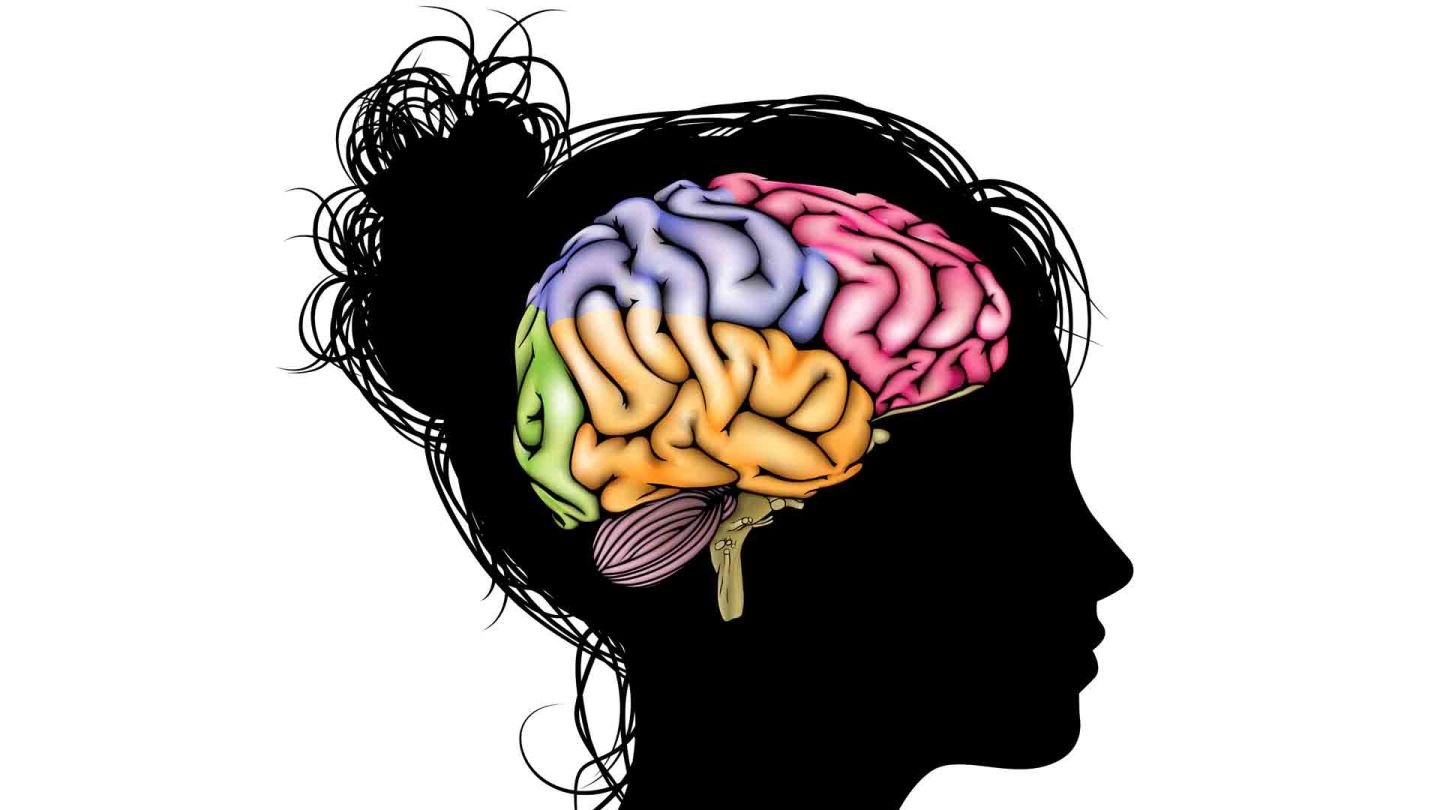
window.__INITIAL_STATE__={
"attachmentsReducer": {
"audio_0": {
"type": "attachments",
"id": "audio_0",
"imgSizes": {
"kqedFullSize": {
"file": "https://ww2.kqed.org/news/wp-content/themes/KQED-unified/img/audio_bgs/background0.jpg"
}
}
},
"audio_1": {
"type": "attachments",
"id": "audio_1",
"imgSizes": {
"kqedFullSize": {
"file": "https://ww2.kqed.org/news/wp-content/themes/KQED-unified/img/audio_bgs/background1.jpg"
}
}
},
"audio_2": {
"type": "attachments",
"id": "audio_2",
"imgSizes": {
"kqedFullSize": {
"file": "https://ww2.kqed.org/news/wp-content/themes/KQED-unified/img/audio_bgs/background2.jpg"
}
}
},
"audio_3": {
"type": "attachments",
"id": "audio_3",
"imgSizes": {
"kqedFullSize": {
"file": "https://ww2.kqed.org/news/wp-content/themes/KQED-unified/img/audio_bgs/background3.jpg"
}
}
},
"audio_4": {
"type": "attachments",
"id": "audio_4",
"imgSizes": {
"kqedFullSize": {
"file": "https://ww2.kqed.org/news/wp-content/themes/KQED-unified/img/audio_bgs/background4.jpg"
}
}
},
"placeholder": {
"type": "attachments",
"id": "placeholder",
"imgSizes": {
"thumbnail": {
"file": "https://cdn.kqed.org/wp-content/uploads/2024/12/KQED-Default-Image-816638274-2000x1333-1-160x107.jpg",
"width": 160,
"height": 107,
"mimeType": "image/jpeg"
},
"medium": {
"file": "https://cdn.kqed.org/wp-content/uploads/2024/12/KQED-Default-Image-816638274-2000x1333-1-800x533.jpg",
"width": 800,
"height": 533,
"mimeType": "image/jpeg"
},
"medium_large": {
"file": "https://cdn.kqed.org/wp-content/uploads/2024/12/KQED-Default-Image-816638274-2000x1333-1-768x512.jpg",
"width": 768,
"height": 512,
"mimeType": "image/jpeg"
},
"large": {
"file": "https://cdn.kqed.org/wp-content/uploads/2024/12/KQED-Default-Image-816638274-2000x1333-1-1020x680.jpg",
"width": 1020,
"height": 680,
"mimeType": "image/jpeg"
},
"1536x1536": {
"file": "https://cdn.kqed.org/wp-content/uploads/2024/12/KQED-Default-Image-816638274-2000x1333-1-1536x1024.jpg",
"width": 1536,
"height": 1024,
"mimeType": "image/jpeg"
},
"fd-lrg": {
"file": "https://cdn.kqed.org/wp-content/uploads/2024/12/KQED-Default-Image-816638274-2000x1333-1-1536x1024.jpg",
"width": 1536,
"height": 1024,
"mimeType": "image/jpeg"
},
"fd-med": {
"file": "https://cdn.kqed.org/wp-content/uploads/2024/12/KQED-Default-Image-816638274-2000x1333-1-1020x680.jpg",
"width": 1020,
"height": 680,
"mimeType": "image/jpeg"
},
"fd-sm": {
"file": "https://cdn.kqed.org/wp-content/uploads/2024/12/KQED-Default-Image-816638274-2000x1333-1-800x533.jpg",
"width": 800,
"height": 533,
"mimeType": "image/jpeg"
},
"post-thumbnail": {
"file": "https://cdn.kqed.org/wp-content/uploads/2024/12/KQED-Default-Image-816638274-2000x1333-1-672x372.jpg",
"width": 672,
"height": 372,
"mimeType": "image/jpeg"
},
"twentyfourteen-full-width": {
"file": "https://cdn.kqed.org/wp-content/uploads/2024/12/KQED-Default-Image-816638274-2000x1333-1-1038x576.jpg",
"width": 1038,
"height": 576,
"mimeType": "image/jpeg"
},
"xxsmall": {
"file": "https://cdn.kqed.org/wp-content/uploads/2024/12/KQED-Default-Image-816638274-2000x1333-1-160x107.jpg",
"width": 160,
"height": 107,
"mimeType": "image/jpeg"
},
"xsmall": {
"file": "https://cdn.kqed.org/wp-content/uploads/2024/12/KQED-Default-Image-816638274-2000x1333-1-672x372.jpg",
"width": 672,
"height": 372,
"mimeType": "image/jpeg"
},
"small": {
"file": "https://cdn.kqed.org/wp-content/uploads/2024/12/KQED-Default-Image-816638274-2000x1333-1-672x372.jpg",
"width": 672,
"height": 372,
"mimeType": "image/jpeg"
},
"xlarge": {
"file": "https://cdn.kqed.org/wp-content/uploads/2024/12/KQED-Default-Image-816638274-2000x1333-1-1020x680.jpg",
"width": 1020,
"height": 680,
"mimeType": "image/jpeg"
},
"full-width": {
"file": "https://cdn.kqed.org/wp-content/uploads/2024/12/KQED-Default-Image-816638274-2000x1333-1-1920x1280.jpg",
"width": 1920,
"height": 1280,
"mimeType": "image/jpeg"
},
"guest-author-32": {
"file": "https://cdn.kqed.org/wp-content/uploads/2025/01/KQED-Default-Image-816638274-1333x1333-1-160x160.jpg",
"width": 32,
"height": 32,
"mimeType": "image/jpeg"
},
"guest-author-50": {
"file": "https://cdn.kqed.org/wp-content/uploads/2025/01/KQED-Default-Image-816638274-1333x1333-1-160x160.jpg",
"width": 50,
"height": 50,
"mimeType": "image/jpeg"
},
"guest-author-64": {
"file": "https://cdn.kqed.org/wp-content/uploads/2025/01/KQED-Default-Image-816638274-1333x1333-1-160x160.jpg",
"width": 64,
"height": 64,
"mimeType": "image/jpeg"
},
"guest-author-96": {
"file": "https://cdn.kqed.org/wp-content/uploads/2025/01/KQED-Default-Image-816638274-1333x1333-1-160x160.jpg",
"width": 96,
"height": 96,
"mimeType": "image/jpeg"
},
"guest-author-128": {
"file": "https://cdn.kqed.org/wp-content/uploads/2025/01/KQED-Default-Image-816638274-1333x1333-1-160x160.jpg",
"width": 128,
"height": 128,
"mimeType": "image/jpeg"
},
"detail": {
"file": "https://cdn.kqed.org/wp-content/uploads/2025/01/KQED-Default-Image-816638274-1333x1333-1-160x160.jpg",
"width": 160,
"height": 160,
"mimeType": "image/jpeg"
},
"kqedFullSize": {
"file": "https://cdn.kqed.org/wp-content/uploads/2024/12/KQED-Default-Image-816638274-2000x1333-1.jpg",
"width": 2000,
"height": 1333
}
}
},
"mindshift_43185": {
"type": "attachments",
"id": "mindshift_43185",
"meta": {
"index": "attachments_1716263798",
"site": "mindshift",
"id": "43185",
"found": true
},
"parent": 43020,
"imgSizes": {
"twentyfourteen-full-width": {
"file": "https://ww2.kqed.org/app/uploads/sites/23/2015/12/Teenage-brain-1038x576.jpg",
"width": 1038,
"mimeType": "image/jpeg",
"height": 576
},
"thumbnail": {
"file": "https://ww2.kqed.org/app/uploads/sites/23/2015/12/Teenage-brain-400x225.jpg",
"width": 400,
"mimeType": "image/jpeg",
"height": 225
},
"fd-sm": {
"file": "https://ww2.kqed.org/app/uploads/sites/23/2015/12/Teenage-brain-960x540.jpg",
"width": 960,
"mimeType": "image/jpeg",
"height": 540
},
"post-thumbnail": {
"file": "https://ww2.kqed.org/app/uploads/sites/23/2015/12/Teenage-brain-672x372.jpg",
"width": 672,
"mimeType": "image/jpeg",
"height": 372
},
"kqedFullSize": {
"file": "https://ww2.kqed.org/app/uploads/sites/23/2015/12/Teenage-brain.jpg",
"width": 1920,
"height": 1080
},
"large": {
"file": "https://ww2.kqed.org/app/uploads/sites/23/2015/12/Teenage-brain-1440x810.jpg",
"width": 1440,
"mimeType": "image/jpeg",
"height": 810
},
"guest-author-96": {
"file": "https://ww2.kqed.org/app/uploads/sites/23/2015/12/Teenage-brain-96x96.jpg",
"width": 96,
"mimeType": "image/jpeg",
"height": 96
},
"medium": {
"file": "https://ww2.kqed.org/app/uploads/sites/23/2015/12/Teenage-brain-800x450.jpg",
"width": 800,
"mimeType": "image/jpeg",
"height": 450
},
"guest-author-64": {
"file": "https://ww2.kqed.org/app/uploads/sites/23/2015/12/Teenage-brain-64x64.jpg",
"width": 64,
"mimeType": "image/jpeg",
"height": 64
},
"guest-author-32": {
"file": "https://ww2.kqed.org/app/uploads/sites/23/2015/12/Teenage-brain-32x32.jpg",
"width": 32,
"mimeType": "image/jpeg",
"height": 32
},
"cat_post_thumb_sizecategory-posts-2": {
"file": "https://ww2.kqed.org/app/uploads/sites/23/2015/12/Teenage-brain-50x50.jpg",
"width": 50,
"mimeType": "image/jpeg",
"height": 50
},
"fd-lrg": {
"file": "https://ww2.kqed.org/app/uploads/sites/23/2015/12/Teenage-brain-1920x1080.jpg",
"width": 1920,
"mimeType": "image/jpeg",
"height": 1080
},
"fd-med": {
"file": "https://ww2.kqed.org/app/uploads/sites/23/2015/12/Teenage-brain-1180x664.jpg",
"width": 1180,
"mimeType": "image/jpeg",
"height": 664
},
"detail": {
"file": "https://ww2.kqed.org/app/uploads/sites/23/2015/12/Teenage-brain-75x75.jpg",
"width": 75,
"mimeType": "image/jpeg",
"height": 75
},
"medium_large": {
"file": "https://ww2.kqed.org/app/uploads/sites/23/2015/12/Teenage-brain-768x432.jpg",
"width": 768,
"mimeType": "image/jpeg",
"height": 432
},
"guest-author-128": {
"file": "https://ww2.kqed.org/app/uploads/sites/23/2015/12/Teenage-brain-128x128.jpg",
"width": 128,
"mimeType": "image/jpeg",
"height": 128
}
},
"publishDate": 1450683499,
"modified": 1450683508,
"caption": null,
"description": null,
"title": "Teenage-brain",
"credit": "iStock",
"status": "inherit",
"isLoading": false,
"fetchFailed": false
},
"mindshift_41403": {
"type": "attachments",
"id": "mindshift_41403",
"meta": {
"index": "attachments_1716263798",
"site": "mindshift",
"id": "41403",
"found": true
},
"parent": 41401,
"imgSizes": {
"twentyfourteen-full-width": {
"file": "https://ww2.kqed.org/app/uploads/sites/23/2015/07/TeachingCenter-1038x576.jpg",
"width": 1038,
"mimeType": "image/jpeg",
"height": 576
},
"thumbnail": {
"file": "https://ww2.kqed.org/app/uploads/sites/23/2015/07/TeachingCenter-400x225.jpg",
"width": 400,
"mimeType": "image/jpeg",
"height": 225
},
"fd-sm": {
"file": "https://ww2.kqed.org/app/uploads/sites/23/2015/07/TeachingCenter-960x540.jpg",
"width": 960,
"mimeType": "image/jpeg",
"height": 540
},
"post-thumbnail": {
"file": "https://ww2.kqed.org/app/uploads/sites/23/2015/07/TeachingCenter-672x372.jpg",
"width": 672,
"mimeType": "image/jpeg",
"height": 372
},
"kqedFullSize": {
"file": "https://ww2.kqed.org/app/uploads/sites/23/2015/07/TeachingCenter.jpg",
"width": 1920,
"height": 1080
},
"large": {
"file": "https://ww2.kqed.org/app/uploads/sites/23/2015/07/TeachingCenter-1440x810.jpg",
"width": 1440,
"mimeType": "image/jpeg",
"height": 810
},
"guest-author-96": {
"file": "https://ww2.kqed.org/app/uploads/sites/23/2015/07/TeachingCenter-96x96.jpg",
"width": 96,
"mimeType": "image/jpeg",
"height": 96
},
"medium": {
"file": "https://ww2.kqed.org/app/uploads/sites/23/2015/07/TeachingCenter-800x450.jpg",
"width": 800,
"mimeType": "image/jpeg",
"height": 450
},
"guest-author-64": {
"file": "https://ww2.kqed.org/app/uploads/sites/23/2015/07/TeachingCenter-64x64.jpg",
"width": 64,
"mimeType": "image/jpeg",
"height": 64
},
"guest-author-32": {
"file": "https://ww2.kqed.org/app/uploads/sites/23/2015/07/TeachingCenter-32x32.jpg",
"width": 32,
"mimeType": "image/jpeg",
"height": 32
},
"cat_post_thumb_sizecategory-posts-2": {
"file": "https://ww2.kqed.org/app/uploads/sites/23/2015/07/TeachingCenter-50x50.jpg",
"width": 50,
"mimeType": "image/jpeg",
"height": 50
},
"fd-lrg": {
"file": "https://ww2.kqed.org/app/uploads/sites/23/2015/07/TeachingCenter-1920x1080.jpg",
"width": 1920,
"mimeType": "image/jpeg",
"height": 1080
},
"fd-med": {
"file": "https://ww2.kqed.org/app/uploads/sites/23/2015/07/TeachingCenter-1180x664.jpg",
"width": 1180,
"mimeType": "image/jpeg",
"height": 664
},
"detail": {
"file": "https://ww2.kqed.org/app/uploads/sites/23/2015/07/TeachingCenter-75x75.jpg",
"width": 75,
"mimeType": "image/jpeg",
"height": 75
},
"guest-author-128": {
"file": "https://ww2.kqed.org/app/uploads/sites/23/2015/07/TeachingCenter-128x128.jpg",
"width": 128,
"mimeType": "image/jpeg",
"height": 128
}
},
"publishDate": 1438196440,
"modified": 1438196453,
"caption": null,
"description": null,
"title": "TeachingCenter",
"credit": "Key and Peele",
"status": "inherit",
"isLoading": false,
"fetchFailed": false
},
"mindshift_41035": {
"type": "attachments",
"id": "mindshift_41035",
"meta": {
"index": "attachments_1716263798",
"site": "mindshift",
"id": "41035",
"found": true
},
"parent": 41032,
"imgSizes": {
"twentyfourteen-full-width": {
"file": "https://ww2.kqed.org/app/uploads/sites/23/2015/07/Books-1038x576.jpg",
"width": 1038,
"mimeType": "image/jpeg",
"height": 576
},
"thumbnail": {
"file": "https://ww2.kqed.org/app/uploads/sites/23/2015/07/Books-400x225.jpg",
"width": 400,
"mimeType": "image/jpeg",
"height": 225
},
"fd-sm": {
"file": "https://ww2.kqed.org/app/uploads/sites/23/2015/07/Books-960x540.jpg",
"width": 960,
"mimeType": "image/jpeg",
"height": 540
},
"post-thumbnail": {
"file": "https://ww2.kqed.org/app/uploads/sites/23/2015/07/Books-672x372.jpg",
"width": 672,
"mimeType": "image/jpeg",
"height": 372
},
"kqedFullSize": {
"file": "https://ww2.kqed.org/app/uploads/sites/23/2015/07/Books.jpg",
"width": 1920,
"height": 1080
},
"large": {
"file": "https://ww2.kqed.org/app/uploads/sites/23/2015/07/Books-1440x810.jpg",
"width": 1440,
"mimeType": "image/jpeg",
"height": 810
},
"guest-author-96": {
"file": "https://ww2.kqed.org/app/uploads/sites/23/2015/07/Books-96x96.jpg",
"width": 96,
"mimeType": "image/jpeg",
"height": 96
},
"medium": {
"file": "https://ww2.kqed.org/app/uploads/sites/23/2015/07/Books-800x450.jpg",
"width": 800,
"mimeType": "image/jpeg",
"height": 450
},
"guest-author-64": {
"file": "https://ww2.kqed.org/app/uploads/sites/23/2015/07/Books-64x64.jpg",
"width": 64,
"mimeType": "image/jpeg",
"height": 64
},
"guest-author-32": {
"file": "https://ww2.kqed.org/app/uploads/sites/23/2015/07/Books-32x32.jpg",
"width": 32,
"mimeType": "image/jpeg",
"height": 32
},
"cat_post_thumb_sizecategory-posts-2": {
"file": "https://ww2.kqed.org/app/uploads/sites/23/2015/07/Books-50x50.jpg",
"width": 50,
"mimeType": "image/jpeg",
"height": 50
},
"fd-med": {
"file": "https://ww2.kqed.org/app/uploads/sites/23/2015/07/Books-1180x664.jpg",
"width": 1180,
"mimeType": "image/jpeg",
"height": 664
},
"detail": {
"file": "https://ww2.kqed.org/app/uploads/sites/23/2015/07/Books-75x75.jpg",
"width": 75,
"mimeType": "image/jpeg",
"height": 75
},
"guest-author-128": {
"file": "https://ww2.kqed.org/app/uploads/sites/23/2015/07/Books-128x128.jpg",
"width": 128,
"mimeType": "image/jpeg",
"height": 128
}
},
"publishDate": 1435867545,
"modified": 1435867551,
"caption": null,
"description": null,
"title": "Books",
"credit": "iStock",
"status": "inherit",
"isLoading": false,
"fetchFailed": false
},
"mindshift_40562": {
"type": "attachments",
"id": "mindshift_40562",
"meta": {
"index": "attachments_1716263798",
"site": "mindshift",
"id": "40562",
"found": true
},
"parent": 40561,
"imgSizes": {
"twentyfourteen-full-width": {
"file": "https://ww2.kqed.org/app/uploads/sites/23/2015/05/adhd-fidgeting-kids1_slide-70735dc5a1e5db47ce664416373d4a0d9ae577dc-1038x576.jpg",
"width": 1038,
"mimeType": "image/jpeg",
"height": 576
},
"thumbnail": {
"file": "https://ww2.kqed.org/app/uploads/sites/23/2015/05/adhd-fidgeting-kids1_slide-70735dc5a1e5db47ce664416373d4a0d9ae577dc-400x267.jpg",
"width": 400,
"mimeType": "image/jpeg",
"height": 267
},
"fd-sm": {
"file": "https://ww2.kqed.org/app/uploads/sites/23/2015/05/adhd-fidgeting-kids1_slide-70735dc5a1e5db47ce664416373d4a0d9ae577dc-960x640.jpg",
"width": 960,
"mimeType": "image/jpeg",
"height": 640
},
"post-thumbnail": {
"file": "https://ww2.kqed.org/app/uploads/sites/23/2015/05/adhd-fidgeting-kids1_slide-70735dc5a1e5db47ce664416373d4a0d9ae577dc-672x372.jpg",
"width": 672,
"mimeType": "image/jpeg",
"height": 372
},
"kqedFullSize": {
"file": "https://ww2.kqed.org/app/uploads/sites/23/2015/05/adhd-fidgeting-kids1_slide-70735dc5a1e5db47ce664416373d4a0d9ae577dc.jpg",
"width": 2671,
"height": 1780
},
"large": {
"file": "https://ww2.kqed.org/app/uploads/sites/23/2015/05/adhd-fidgeting-kids1_slide-70735dc5a1e5db47ce664416373d4a0d9ae577dc-1440x960.jpg",
"width": 1440,
"mimeType": "image/jpeg",
"height": 960
},
"guest-author-96": {
"file": "https://ww2.kqed.org/app/uploads/sites/23/2015/05/adhd-fidgeting-kids1_slide-70735dc5a1e5db47ce664416373d4a0d9ae577dc-96x96.jpg",
"width": 96,
"mimeType": "image/jpeg",
"height": 96
},
"medium": {
"file": "https://ww2.kqed.org/app/uploads/sites/23/2015/05/adhd-fidgeting-kids1_slide-70735dc5a1e5db47ce664416373d4a0d9ae577dc-800x533.jpg",
"width": 800,
"mimeType": "image/jpeg",
"height": 533
},
"guest-author-64": {
"file": "https://ww2.kqed.org/app/uploads/sites/23/2015/05/adhd-fidgeting-kids1_slide-70735dc5a1e5db47ce664416373d4a0d9ae577dc-64x64.jpg",
"width": 64,
"mimeType": "image/jpeg",
"height": 64
},
"guest-author-32": {
"file": "https://ww2.kqed.org/app/uploads/sites/23/2015/05/adhd-fidgeting-kids1_slide-70735dc5a1e5db47ce664416373d4a0d9ae577dc-32x32.jpg",
"width": 32,
"mimeType": "image/jpeg",
"height": 32
},
"cat_post_thumb_sizecategory-posts-2": {
"file": "https://ww2.kqed.org/app/uploads/sites/23/2015/05/adhd-fidgeting-kids1_slide-70735dc5a1e5db47ce664416373d4a0d9ae577dc-50x50.jpg",
"width": 50,
"mimeType": "image/jpeg",
"height": 50
},
"fd-med": {
"file": "https://ww2.kqed.org/app/uploads/sites/23/2015/05/adhd-fidgeting-kids1_slide-70735dc5a1e5db47ce664416373d4a0d9ae577dc-1180x786.jpg",
"width": 1180,
"mimeType": "image/jpeg",
"height": 786
},
"detail": {
"file": "https://ww2.kqed.org/app/uploads/sites/23/2015/05/adhd-fidgeting-kids1_slide-70735dc5a1e5db47ce664416373d4a0d9ae577dc-75x75.jpg",
"width": 75,
"mimeType": "image/jpeg",
"height": 75
},
"guest-author-128": {
"file": "https://ww2.kqed.org/app/uploads/sites/23/2015/05/adhd-fidgeting-kids1_slide-70735dc5a1e5db47ce664416373d4a0d9ae577dc-128x128.jpg",
"width": 128,
"mimeType": "image/jpeg",
"height": 128
}
},
"publishDate": 1431691279,
"modified": 1431691876,
"caption": "Allowing kids with ADHD to move around in class may help them collect their thoughts.",
"description": "Allowing kids with ADHD to move around in class may help them collect their thoughts.",
"title": "Allowing kids with ADHD to move around in class may help them collect their thoughts.",
"credit": "LA Johnson/NPR",
"status": "inherit",
"isLoading": false,
"fetchFailed": false
},
"mindshift_40510": {
"type": "attachments",
"id": "mindshift_40510",
"meta": {
"index": "attachments_1716263798",
"site": "mindshift",
"id": "40510",
"found": true
},
"parent": 40376,
"imgSizes": {
"twentyfourteen-full-width": {
"file": "https://ww2.kqed.org/app/uploads/sites/23/2015/05/FB_IMG_1430492544753-1038x576.jpg",
"width": 1038,
"mimeType": "image/jpeg",
"height": 576
},
"thumbnail": {
"file": "https://ww2.kqed.org/app/uploads/sites/23/2015/05/FB_IMG_1430492544753-400x237.jpg",
"width": 400,
"mimeType": "image/jpeg",
"height": 237
},
"fd-sm": {
"file": "https://ww2.kqed.org/app/uploads/sites/23/2015/05/FB_IMG_1430492544753-960x570.jpg",
"width": 960,
"mimeType": "image/jpeg",
"height": 570
},
"post-thumbnail": {
"file": "https://ww2.kqed.org/app/uploads/sites/23/2015/05/FB_IMG_1430492544753-672x372.jpg",
"width": 672,
"mimeType": "image/jpeg",
"height": 372
},
"kqedFullSize": {
"file": "https://ww2.kqed.org/app/uploads/sites/23/2015/05/FB_IMG_1430492544753.jpg",
"width": 1068,
"height": 634
},
"cat_post_thumb_sizecategory-posts-2": {
"file": "https://ww2.kqed.org/app/uploads/sites/23/2015/05/FB_IMG_1430492544753-50x50.jpg",
"width": 50,
"mimeType": "image/jpeg",
"height": 50
},
"guest-author-96": {
"file": "https://ww2.kqed.org/app/uploads/sites/23/2015/05/FB_IMG_1430492544753-96x96.jpg",
"width": 96,
"mimeType": "image/jpeg",
"height": 96
},
"medium": {
"file": "https://ww2.kqed.org/app/uploads/sites/23/2015/05/FB_IMG_1430492544753-800x475.jpg",
"width": 800,
"mimeType": "image/jpeg",
"height": 475
},
"guest-author-64": {
"file": "https://ww2.kqed.org/app/uploads/sites/23/2015/05/FB_IMG_1430492544753-64x64.jpg",
"width": 64,
"mimeType": "image/jpeg",
"height": 64
},
"detail": {
"file": "https://ww2.kqed.org/app/uploads/sites/23/2015/05/FB_IMG_1430492544753-75x75.jpg",
"width": 75,
"mimeType": "image/jpeg",
"height": 75
},
"guest-author-32": {
"file": "https://ww2.kqed.org/app/uploads/sites/23/2015/05/FB_IMG_1430492544753-32x32.jpg",
"width": 32,
"mimeType": "image/jpeg",
"height": 32
},
"guest-author-128": {
"file": "https://ww2.kqed.org/app/uploads/sites/23/2015/05/FB_IMG_1430492544753-128x128.jpg",
"width": 128,
"mimeType": "image/jpeg",
"height": 128
}
},
"publishDate": 1431519904,
"modified": 1431520723,
"caption": null,
"description": null,
"title": "FB_IMG_1430492544753",
"credit": "Courtesy of Alex Fernandez",
"status": "inherit",
"isLoading": false,
"fetchFailed": false
},
"mindshift_40371": {
"type": "attachments",
"id": "mindshift_40371",
"meta": {
"index": "attachments_1716263798",
"site": "mindshift",
"id": "40371",
"found": true
},
"parent": 40292,
"imgSizes": {
"twentyfourteen-full-width": {
"file": "https://ww2.kqed.org/app/uploads/sites/23/2015/04/Moo-Baan-Dek-2-Ryan-Libre-1038x576.jpeg",
"width": 1038,
"mimeType": "image/jpeg",
"height": 576
},
"thumbnail": {
"file": "https://ww2.kqed.org/app/uploads/sites/23/2015/04/Moo-Baan-Dek-2-Ryan-Libre-400x303.jpeg",
"width": 400,
"mimeType": "image/jpeg",
"height": 303
},
"fd-sm": {
"file": "https://ww2.kqed.org/app/uploads/sites/23/2015/04/Moo-Baan-Dek-2-Ryan-Libre-960x726.jpeg",
"width": 960,
"mimeType": "image/jpeg",
"height": 726
},
"post-thumbnail": {
"file": "https://ww2.kqed.org/app/uploads/sites/23/2015/04/Moo-Baan-Dek-2-Ryan-Libre-672x372.jpeg",
"width": 672,
"mimeType": "image/jpeg",
"height": 372
},
"kqedFullSize": {
"file": "https://ww2.kqed.org/app/uploads/sites/23/2015/04/Moo-Baan-Dek-2-Ryan-Libre-e1430415964816.jpeg",
"width": 1920,
"height": 1453
},
"large": {
"file": "https://ww2.kqed.org/app/uploads/sites/23/2015/04/Moo-Baan-Dek-2-Ryan-Libre-1440x1090.jpeg",
"width": 1440,
"mimeType": "image/jpeg",
"height": 1090
},
"guest-author-96": {
"file": "https://ww2.kqed.org/app/uploads/sites/23/2015/04/Moo-Baan-Dek-2-Ryan-Libre-96x96.jpeg",
"width": 96,
"mimeType": "image/jpeg",
"height": 96
},
"medium": {
"file": "https://ww2.kqed.org/app/uploads/sites/23/2015/04/Moo-Baan-Dek-2-Ryan-Libre-800x605.jpeg",
"width": 800,
"mimeType": "image/jpeg",
"height": 605
},
"guest-author-64": {
"file": "https://ww2.kqed.org/app/uploads/sites/23/2015/04/Moo-Baan-Dek-2-Ryan-Libre-64x64.jpeg",
"width": 64,
"mimeType": "image/jpeg",
"height": 64
},
"guest-author-32": {
"file": "https://ww2.kqed.org/app/uploads/sites/23/2015/04/Moo-Baan-Dek-2-Ryan-Libre-32x32.jpeg",
"width": 32,
"mimeType": "image/jpeg",
"height": 32
},
"cat_post_thumb_sizecategory-posts-2": {
"file": "https://ww2.kqed.org/app/uploads/sites/23/2015/04/Moo-Baan-Dek-2-Ryan-Libre-50x50.jpeg",
"width": 50,
"mimeType": "image/jpeg",
"height": 50
},
"fd-med": {
"file": "https://ww2.kqed.org/app/uploads/sites/23/2015/04/Moo-Baan-Dek-2-Ryan-Libre-1180x893.jpeg",
"width": 1180,
"mimeType": "image/jpeg",
"height": 893
},
"detail": {
"file": "https://ww2.kqed.org/app/uploads/sites/23/2015/04/Moo-Baan-Dek-2-Ryan-Libre-75x75.jpeg",
"width": 75,
"mimeType": "image/jpeg",
"height": 75
},
"guest-author-128": {
"file": "https://ww2.kqed.org/app/uploads/sites/23/2015/04/Moo-Baan-Dek-2-Ryan-Libre-128x128.jpeg",
"width": 128,
"mimeType": "image/jpeg",
"height": 128
}
},
"publishDate": 1430415912,
"modified": 1430415947,
"caption": "Children at Moo Baan Dek",
"description": null,
"title": "Moo Baan Dek 2 - Ryan Libre",
"credit": "Ryan Libre",
"status": "inherit",
"isLoading": false,
"fetchFailed": false
},
"mindshift_40066": {
"type": "attachments",
"id": "mindshift_40066",
"meta": {
"index": "attachments_1716263798",
"site": "mindshift",
"id": "40066",
"found": true
},
"parent": 40040,
"imgSizes": {
"twentyfourteen-full-width": {
"file": "https://ww2.kqed.org/app/uploads/sites/23/2015/04/Lisa-E-Reflection-1038x576.jpg",
"width": 1038,
"mimeType": "image/jpeg",
"height": 576
},
"thumbnail": {
"file": "https://ww2.kqed.org/app/uploads/sites/23/2015/04/Lisa-E-Reflection-400x225.jpg",
"width": 400,
"mimeType": "image/jpeg",
"height": 225
},
"fd-sm": {
"file": "https://ww2.kqed.org/app/uploads/sites/23/2015/04/Lisa-E-Reflection-320x180.jpg",
"width": 320,
"mimeType": "image/jpeg",
"height": 180
},
"post-thumbnail": {
"file": "https://ww2.kqed.org/app/uploads/sites/23/2015/04/Lisa-E-Reflection-672x372.jpg",
"width": 672,
"mimeType": "image/jpeg",
"height": 372
},
"kqedFullSize": {
"file": "https://ww2.kqed.org/app/uploads/sites/23/2015/04/Lisa-E-Reflection.jpg",
"width": 1920,
"height": 1081
},
"large": {
"file": "https://ww2.kqed.org/app/uploads/sites/23/2015/04/Lisa-E-Reflection-1440x811.jpg",
"width": 1440,
"mimeType": "image/jpeg",
"height": 811
},
"guest-author-96": {
"file": "https://ww2.kqed.org/app/uploads/sites/23/2015/04/Lisa-E-Reflection-96x96.jpg",
"width": 96,
"mimeType": "image/jpeg",
"height": 96
},
"medium": {
"file": "https://ww2.kqed.org/app/uploads/sites/23/2015/04/Lisa-E-Reflection-800x450.jpg",
"width": 800,
"mimeType": "image/jpeg",
"height": 450
},
"guest-author-64": {
"file": "https://ww2.kqed.org/app/uploads/sites/23/2015/04/Lisa-E-Reflection-64x64.jpg",
"width": 64,
"mimeType": "image/jpeg",
"height": 64
},
"guest-author-32": {
"file": "https://ww2.kqed.org/app/uploads/sites/23/2015/04/Lisa-E-Reflection-32x32.jpg",
"width": 32,
"mimeType": "image/jpeg",
"height": 32
},
"cat_post_thumb_sizecategory-posts-2": {
"file": "https://ww2.kqed.org/app/uploads/sites/23/2015/04/Lisa-E-Reflection-50x50.jpg",
"width": 50,
"mimeType": "image/jpeg",
"height": 50
},
"fd-lrg": {
"file": "https://ww2.kqed.org/app/uploads/sites/23/2015/04/Lisa-E-Reflection-1180x664.jpg",
"width": 1180,
"mimeType": "image/jpeg",
"height": 664
},
"fd-med": {
"file": "https://ww2.kqed.org/app/uploads/sites/23/2015/04/Lisa-E-Reflection-768x432.jpg",
"width": 768,
"mimeType": "image/jpeg",
"height": 432
},
"detail": {
"file": "https://ww2.kqed.org/app/uploads/sites/23/2015/04/Lisa-E-Reflection-75x75.jpg",
"width": 75,
"mimeType": "image/jpeg",
"height": 75
},
"guest-author-128": {
"file": "https://ww2.kqed.org/app/uploads/sites/23/2015/04/Lisa-E-Reflection-128x128.jpg",
"width": 128,
"mimeType": "image/jpeg",
"height": 128
}
},
"publishDate": 1428931760,
"modified": 1428931773,
"caption": null,
"description": null,
"title": "Lisa E Reflection",
"credit": "Lisa E/Flickr",
"status": "inherit",
"isLoading": false,
"fetchFailed": false
},
"mindshift_39782": {
"type": "attachments",
"id": "mindshift_39782",
"meta": {
"index": "attachments_1716263798",
"site": "mindshift",
"id": "39782",
"found": true
},
"parent": 39707,
"imgSizes": {
"twentyfourteen-full-width": {
"file": "https://ww2.kqed.org/app/uploads/sites/23/2015/03/Reading-Alex-Ragone-1038x576.jpg",
"width": 1038,
"mimeType": "image/jpeg",
"height": 576
},
"thumbnail": {
"file": "https://ww2.kqed.org/app/uploads/sites/23/2015/03/Reading-Alex-Ragone-400x267.jpg",
"width": 400,
"mimeType": "image/jpeg",
"height": 267
},
"fd-sm": {
"file": "https://ww2.kqed.org/app/uploads/sites/23/2015/03/Reading-Alex-Ragone-320x214.jpg",
"width": 320,
"mimeType": "image/jpeg",
"height": 214
},
"post-thumbnail": {
"file": "https://ww2.kqed.org/app/uploads/sites/23/2015/03/Reading-Alex-Ragone-672x372.jpg",
"width": 672,
"mimeType": "image/jpeg",
"height": 372
},
"kqedFullSize": {
"file": "https://ww2.kqed.org/app/uploads/sites/23/2015/03/Reading-Alex-Ragone.jpg",
"width": 1438,
"height": 960
},
"fd-lrg": {
"file": "https://ww2.kqed.org/app/uploads/sites/23/2015/03/Reading-Alex-Ragone-1180x788.jpg",
"width": 1180,
"mimeType": "image/jpeg",
"height": 788
},
"fd-med": {
"file": "https://ww2.kqed.org/app/uploads/sites/23/2015/03/Reading-Alex-Ragone-768x513.jpg",
"width": 768,
"mimeType": "image/jpeg",
"height": 513
},
"guest-author-96": {
"file": "https://ww2.kqed.org/app/uploads/sites/23/2015/03/Reading-Alex-Ragone-96x96.jpg",
"width": 96,
"mimeType": "image/jpeg",
"height": 96
},
"medium": {
"file": "https://ww2.kqed.org/app/uploads/sites/23/2015/03/Reading-Alex-Ragone-800x534.jpg",
"width": 800,
"mimeType": "image/jpeg",
"height": 534
},
"guest-author-64": {
"file": "https://ww2.kqed.org/app/uploads/sites/23/2015/03/Reading-Alex-Ragone-64x64.jpg",
"width": 64,
"mimeType": "image/jpeg",
"height": 64
},
"guest-author-32": {
"file": "https://ww2.kqed.org/app/uploads/sites/23/2015/03/Reading-Alex-Ragone-32x32.jpg",
"width": 32,
"mimeType": "image/jpeg",
"height": 32
},
"guest-author-128": {
"file": "https://ww2.kqed.org/app/uploads/sites/23/2015/03/Reading-Alex-Ragone-128x128.jpg",
"width": 128,
"mimeType": "image/jpeg",
"height": 128
}
},
"publishDate": 1426686807,
"modified": 1426686818,
"caption": "Alex Ragone/Flickr",
"description": null,
"title": "Reading-Alex-Ragone",
"credit": null,
"status": "inherit",
"isLoading": false,
"fetchFailed": false
},
"mindshift_39254": {
"type": "attachments",
"id": "mindshift_39254",
"meta": {
"index": "attachments_1716263798",
"site": "mindshift",
"id": "39254",
"found": true
},
"parent": 39205,
"imgSizes": {
"twentyfourteen-full-width": {
"file": "https://ww2.kqed.org/app/uploads/sites/23/2015/02/Mario-question-3d-1038x576.gif",
"width": 1038,
"mimeType": "image/gif",
"height": 576
},
"thumbnail": {
"file": "https://ww2.kqed.org/app/uploads/sites/23/2015/02/Mario-question-3d-400x267.gif",
"width": 400,
"mimeType": "image/gif",
"height": 267
},
"fd-sm": {
"file": "https://ww2.kqed.org/app/uploads/sites/23/2015/02/Mario-question-3d-320x214.gif",
"width": 320,
"mimeType": "image/gif",
"height": 214
},
"post-thumbnail": {
"file": "https://ww2.kqed.org/app/uploads/sites/23/2015/02/Mario-question-3d-672x372.gif",
"width": 672,
"mimeType": "image/gif",
"height": 372
},
"kqedFullSize": {
"file": "https://ww2.kqed.org/app/uploads/sites/23/2015/02/Mario-question-3d.gif",
"width": 1438,
"height": 960
},
"fd-lrg": {
"file": "https://ww2.kqed.org/app/uploads/sites/23/2015/02/Mario-question-3d-1180x788.gif",
"width": 1180,
"mimeType": "image/gif",
"height": 788
},
"fd-med": {
"file": "https://ww2.kqed.org/app/uploads/sites/23/2015/02/Mario-question-3d-768x513.gif",
"width": 768,
"mimeType": "image/gif",
"height": 513
},
"guest-author-96": {
"file": "https://ww2.kqed.org/app/uploads/sites/23/2015/02/Mario-question-3d-96x96.gif",
"width": 96,
"mimeType": "image/gif",
"height": 96
},
"medium": {
"file": "https://ww2.kqed.org/app/uploads/sites/23/2015/02/Mario-question-3d-800x534.gif",
"width": 800,
"mimeType": "image/gif",
"height": 534
},
"guest-author-64": {
"file": "https://ww2.kqed.org/app/uploads/sites/23/2015/02/Mario-question-3d-64x64.gif",
"width": 64,
"mimeType": "image/gif",
"height": 64
},
"guest-author-32": {
"file": "https://ww2.kqed.org/app/uploads/sites/23/2015/02/Mario-question-3d-32x32.gif",
"width": 32,
"mimeType": "image/gif",
"height": 32
},
"guest-author-128": {
"file": "https://ww2.kqed.org/app/uploads/sites/23/2015/02/Mario-question-3d-128x128.gif",
"width": 128,
"mimeType": "image/gif",
"height": 128
}
},
"publishDate": 1423146157,
"modified": 1423146191,
"caption": "Flickr/Jared Cherup",
"description": null,
"title": "Mario-question-3d",
"credit": null,
"status": "inherit",
"isLoading": false,
"fetchFailed": false
},
"mindshift_38896": {
"type": "attachments",
"id": "mindshift_38896",
"meta": {
"index": "attachments_1716263798",
"site": "mindshift",
"id": "38896",
"found": true
},
"parent": 38895,
"imgSizes": {
"twentyfourteen-full-width": {
"file": "https://ww2.kqed.org/app/uploads/sites/23/2015/01/npred-testingcrying2_custom-0ce22ba65f0416297bc17d8282bff89bbf195f19-e1420551862201-1038x576.jpg",
"width": 1038,
"mimeType": "image/jpeg",
"height": 576
},
"thumbnail": {
"file": "https://ww2.kqed.org/app/uploads/sites/23/2015/01/npred-testingcrying2_custom-0ce22ba65f0416297bc17d8282bff89bbf195f19-e1420551862201-400x201.jpg",
"width": 400,
"mimeType": "image/jpeg",
"height": 201
},
"fd-sm": {
"file": "https://ww2.kqed.org/app/uploads/sites/23/2015/01/npred-testingcrying2_custom-0ce22ba65f0416297bc17d8282bff89bbf195f19-e1420551862201-320x161.jpg",
"width": 320,
"mimeType": "image/jpeg",
"height": 161
},
"post-thumbnail": {
"file": "https://ww2.kqed.org/app/uploads/sites/23/2015/01/npred-testingcrying2_custom-0ce22ba65f0416297bc17d8282bff89bbf195f19-e1420551862201-672x372.jpg",
"width": 672,
"mimeType": "image/jpeg",
"height": 372
},
"kqedFullSize": {
"file": "https://ww2.kqed.org/app/uploads/sites/23/2015/01/npred-testingcrying2_custom-0ce22ba65f0416297bc17d8282bff89bbf195f19-e1420551862201.jpg",
"width": 1440,
"height": 725
},
"large": {
"file": "https://ww2.kqed.org/app/uploads/sites/23/2015/01/npred-testingcrying2_custom-0ce22ba65f0416297bc17d8282bff89bbf195f19-e1420551862201-1440x725.jpg",
"width": 1440,
"mimeType": "image/jpeg",
"height": 725
},
"guest-author-96": {
"file": "https://ww2.kqed.org/app/uploads/sites/23/2015/01/npred-testingcrying2_custom-0ce22ba65f0416297bc17d8282bff89bbf195f19-e1420551862201-96x96.jpg",
"width": 96,
"mimeType": "image/jpeg",
"height": 96
},
"medium": {
"file": "https://ww2.kqed.org/app/uploads/sites/23/2015/01/npred-testingcrying2_custom-0ce22ba65f0416297bc17d8282bff89bbf195f19-e1420551862201-800x403.jpg",
"width": 800,
"mimeType": "image/jpeg",
"height": 403
},
"guest-author-64": {
"file": "https://ww2.kqed.org/app/uploads/sites/23/2015/01/npred-testingcrying2_custom-0ce22ba65f0416297bc17d8282bff89bbf195f19-e1420551862201-64x64.jpg",
"width": 64,
"mimeType": "image/jpeg",
"height": 64
},
"guest-author-32": {
"file": "https://ww2.kqed.org/app/uploads/sites/23/2015/01/npred-testingcrying2_custom-0ce22ba65f0416297bc17d8282bff89bbf195f19-e1420551862201-32x32.jpg",
"width": 32,
"mimeType": "image/jpeg",
"height": 32
},
"fd-lrg": {
"file": "https://ww2.kqed.org/app/uploads/sites/23/2015/01/npred-testingcrying2_custom-0ce22ba65f0416297bc17d8282bff89bbf195f19-e1420551862201-1180x594.jpg",
"width": 1180,
"mimeType": "image/jpeg",
"height": 594
},
"fd-med": {
"file": "https://ww2.kqed.org/app/uploads/sites/23/2015/01/npred-testingcrying2_custom-0ce22ba65f0416297bc17d8282bff89bbf195f19-e1420551862201-768x387.jpg",
"width": 768,
"mimeType": "image/jpeg",
"height": 387
},
"detail": {
"file": "https://ww2.kqed.org/app/uploads/sites/23/2015/01/npred-testingcrying2_custom-0ce22ba65f0416297bc17d8282bff89bbf195f19-e1420551862201-75x75.jpg",
"width": 75,
"mimeType": "image/jpeg",
"height": 75
},
"guest-author-128": {
"file": "https://ww2.kqed.org/app/uploads/sites/23/2015/01/npred-testingcrying2_custom-0ce22ba65f0416297bc17d8282bff89bbf195f19-e1420551862201-128x128.jpg",
"width": 128,
"mimeType": "image/jpeg",
"height": 128
}
},
"publishDate": 1420551770,
"modified": 1420551818,
"caption": "NPR/LA Johnson",
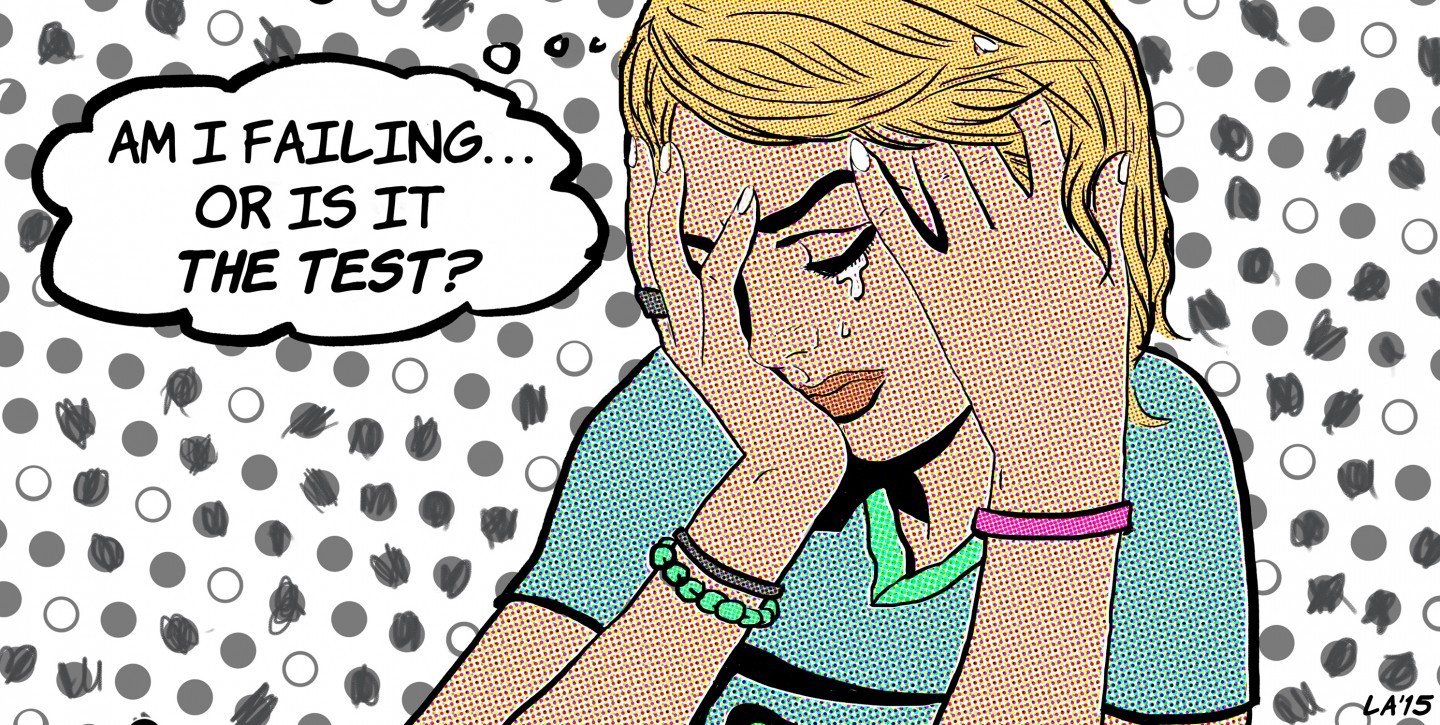
"description": "Am I failing... or is it the test?",
"title": "Am I failing... or is it the test?",
"credit": null,
"status": "inherit",
"isLoading": false,
"fetchFailed": false
},
"mindshift_38545": {
"type": "attachments",
"id": "mindshift_38545",
"meta": {
"index": "attachments_1716263798",
"site": "mindshift",
"id": "38545",
"found": true
},
"parent": 38544,
"imgSizes": {
"twentyfourteen-full-width": {
"file": "https://ww2.kqed.org/app/uploads/sites/23/2014/11/Curran-Stockton-2-1038x576.png",
"width": 1038,
"mimeType": "image/png",
"height": 576
},
"thumbnail": {
"file": "https://ww2.kqed.org/app/uploads/sites/23/2014/11/Curran-Stockton-2-400x225.png",
"width": 400,
"mimeType": "image/png",
"height": 225
},
"fd-sm": {
"file": "https://ww2.kqed.org/app/uploads/sites/23/2014/11/Curran-Stockton-2-320x180.png",
"width": 320,
"mimeType": "image/png",
"height": 180
},
"post-thumbnail": {
"file": "https://ww2.kqed.org/app/uploads/sites/23/2014/11/Curran-Stockton-2-672x372.png",
"width": 672,
"mimeType": "image/png",
"height": 372
},
"kqedFullSize": {
"file": "https://ww2.kqed.org/app/uploads/sites/23/2014/11/Curran-Stockton-2.png",
"width": 1366,
"height": 768
},
"fd-lrg": {
"file": "https://ww2.kqed.org/app/uploads/sites/23/2014/11/Curran-Stockton-2-1180x663.png",
"width": 1180,
"mimeType": "image/png",
"height": 663
},
"fd-med": {
"file": "https://ww2.kqed.org/app/uploads/sites/23/2014/11/Curran-Stockton-2-768x432.png",
"width": 768,
"mimeType": "image/png",
"height": 432
},
"guest-author-96": {
"file": "https://ww2.kqed.org/app/uploads/sites/23/2014/11/Curran-Stockton-2-96x96.png",
"width": 96,
"mimeType": "image/png",
"height": 96
},
"medium": {
"file": "https://ww2.kqed.org/app/uploads/sites/23/2014/11/Curran-Stockton-2-800x450.png",
"width": 800,
"mimeType": "image/png",
"height": 450
},
"guest-author-64": {
"file": "https://ww2.kqed.org/app/uploads/sites/23/2014/11/Curran-Stockton-2-64x64.png",
"width": 64,
"mimeType": "image/png",
"height": 64
},
"guest-author-32": {
"file": "https://ww2.kqed.org/app/uploads/sites/23/2014/11/Curran-Stockton-2-32x32.png",
"width": 32,
"mimeType": "image/png",
"height": 32
},
"guest-author-128": {
"file": "https://ww2.kqed.org/app/uploads/sites/23/2014/11/Curran-Stockton-2-128x128.png",
"width": 128,
"mimeType": "image/png",
"height": 128
}
},
"publishDate": 1416925648,
"modified": 1416925648,
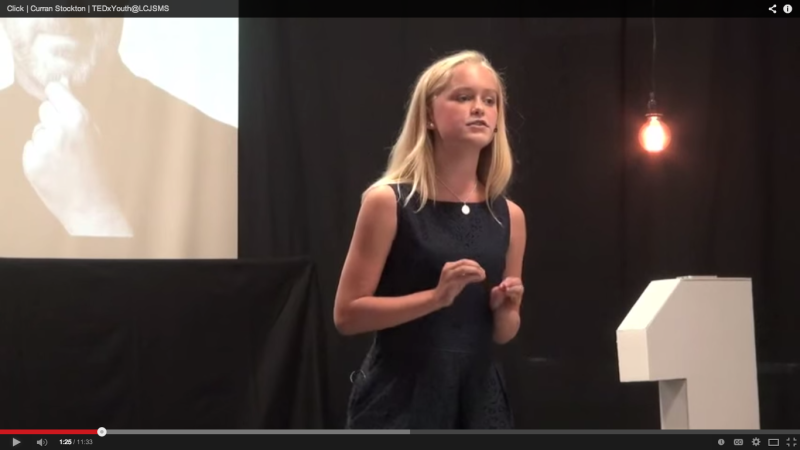
"caption": "Student Curran Stockton Gives a TEDx talk on technology and communication. ",
"description": null,
"title": "Curran Stockton ",
"credit": null,
"status": "inherit",
"isLoading": false,
"fetchFailed": false
},
"mindshift_38370": {
"type": "attachments",
"id": "mindshift_38370",
"meta": {
"index": "attachments_1716263798",
"site": "mindshift",
"id": "38370",
"found": true
},
"parent": 38359,
"imgSizes": {
"twentyfourteen-full-width": {
"file": "https://ww2.kqed.org/app/uploads/sites/23/2014/11/Raised-Hands-1038x576.gif",
"width": 1038,
"mimeType": "image/gif",
"height": 576
},
"thumbnail": {
"file": "https://ww2.kqed.org/app/uploads/sites/23/2014/11/Raised-Hands-400x225.gif",
"width": 400,
"mimeType": "image/gif",
"height": 225
},
"fd-sm": {
"file": "https://ww2.kqed.org/app/uploads/sites/23/2014/11/Raised-Hands-320x180.gif",
"width": 320,
"mimeType": "image/gif",
"height": 180
},
"post-thumbnail": {
"file": "https://ww2.kqed.org/app/uploads/sites/23/2014/11/Raised-Hands-672x372.gif",
"width": 672,
"mimeType": "image/gif",
"height": 372
},
"kqedFullSize": {
"file": "https://ww2.kqed.org/app/uploads/sites/23/2014/11/Raised-Hands.gif",
"width": 1440,
"height": 810
},
"large": {
"file": "https://ww2.kqed.org/app/uploads/sites/23/2014/11/Raised-Hands-1440x810.gif",
"width": 1440,
"mimeType": "image/gif",
"height": 810
},
"guest-author-96": {
"file": "https://ww2.kqed.org/app/uploads/sites/23/2014/11/Raised-Hands-96x96.gif",
"width": 96,
"mimeType": "image/gif",
"height": 96
},
"medium": {
"file": "https://ww2.kqed.org/app/uploads/sites/23/2014/11/Raised-Hands-800x450.gif",
"width": 800,
"mimeType": "image/gif",
"height": 450
},
"guest-author-64": {
"file": "https://ww2.kqed.org/app/uploads/sites/23/2014/11/Raised-Hands-64x64.gif",
"width": 64,
"mimeType": "image/gif",
"height": 64
},
"guest-author-32": {
"file": "https://ww2.kqed.org/app/uploads/sites/23/2014/11/Raised-Hands-32x32.gif",
"width": 32,
"mimeType": "image/gif",
"height": 32
},
"fd-lrg": {
"file": "https://ww2.kqed.org/app/uploads/sites/23/2014/11/Raised-Hands-1180x664.gif",
"width": 1180,
"mimeType": "image/gif",
"height": 664
},
"fd-med": {
"file": "https://ww2.kqed.org/app/uploads/sites/23/2014/11/Raised-Hands-768x432.gif",
"width": 768,
"mimeType": "image/gif",
"height": 432
},
"guest-author-128": {
"file": "https://ww2.kqed.org/app/uploads/sites/23/2014/11/Raised-Hands-128x128.gif",
"width": 128,
"mimeType": "image/gif",
"height": 128
}
},
"publishDate": 1415285627,
"modified": 1423493209,
"caption": "iStock\n",
"description": null,
"title": "Raised-Hands",
"credit": null,
"status": "inherit",
"isLoading": false,
"fetchFailed": false
}
},
"audioPlayerReducer": {
"postId": "stream_live",
"isPaused": true,
"isPlaying": false,
"pfsActive": false,
"pledgeModalIsOpen": true,
"playerDrawerIsOpen": false,
"liveAudioPlayStartedAt": 0,
"liveAudioPlayContext": ""
},
"authorsReducer": {
"byline_mindshift_40561": {
"type": "authors",
"id": "byline_mindshift_40561",
"meta": {
"override": true
},
"slug": "byline_mindshift_40561",
"name": "Anya Kamenetz",
"isLoading": false
},
"byline_mindshift_38895": {
"type": "authors",
"id": "byline_mindshift_38895",
"meta": {
"override": true
},
"slug": "byline_mindshift_38895",
"name": "Anya Kamenetz, NPR",
"isLoading": false
},
"katrinaschwartz": {
"type": "authors",
"id": "234",
"meta": {
"index": "authors_1716337520",
"id": "234",
"found": true
},
"name": "Katrina Schwartz",
"firstName": "Katrina",
"lastName": "Schwartz",
"slug": "katrinaschwartz",
"email": "kschwartz@kqed.org",
"display_author_email": false,
"staff_mastheads": [
"news"
],
"title": "Producer",
"bio": "Katrina Schwartz is a journalist based in San Francisco. She's worked at KPCC public radio in LA and has reported on air and online for KQED since 2010. She covered how teaching and learning is changing for MindShift between 2012 and 2020. She is the co-host of the MindShift podcast and now produces KQED's Bay Curious podcast.",
"avatar": "https://secure.gravatar.com/avatar/edb4ee79070447a018538c9aae6eeecf28786515b8a0c30e43b6b7dce5aa44c8?s=600&d=blank&r=g",
"twitter": "kschwart",
"bluesky": null,
"facebook": null,
"instagram": null,
"linkedin": null,
"sites": [
{
"site": "",
"roles": [
"editor"
]
},
{
"site": "news",
"roles": [
"editor"
]
},
{
"site": "mindshift",
"roles": [
"administrator"
]
},
{
"site": "stateofhealth",
"roles": [
"author"
]
},
{
"site": "science",
"roles": [
"editor"
]
}
],
"headData": {
"title": "Katrina Schwartz | KQED",
"description": "Producer",
"ogImgSrc": "https://secure.gravatar.com/avatar/edb4ee79070447a018538c9aae6eeecf28786515b8a0c30e43b6b7dce5aa44c8?s=600&d=blank&r=g",
"twImgSrc": "https://secure.gravatar.com/avatar/edb4ee79070447a018538c9aae6eeecf28786515b8a0c30e43b6b7dce5aa44c8?s=600&d=blank&r=g"
},
"isLoading": false,
"link": "/author/katrinaschwartz"
},
"luba": {
"type": "authors",
"id": "4537",
"meta": {
"index": "authors_1716337520",
"id": "4537",
"found": true
},
"name": "Luba Vangelova",
"firstName": "Luba",
"lastName": "Vangelova",
"slug": "luba",
"email": "luba@catalystcommunicationsllc.com",
"display_author_email": false,
"staff_mastheads": [],
"title": null,
"bio": "Luba Vangelova’s work has appeared in numerous print, online and broadcast media outlets, including The New York Times, Smithsonian, The Atlantic, and Salon. She is also working on a book about self-directed learning. Her web site is \u003ca title=\"Luba Vangelova\" href=\"http://www.LubaVangelova.com\" target=\"_blank\">www.LubaVangelova.com\u003c/a>. She also posts on \u003ca title=\"@LubaSays\" href=\"http://www.twitter.com/LubaSays\" target=\"_blank\">Twitter\u003c/a> and on her official \u003ca title=\"Facebook - Luba Vangelova\" href=\"http://www.facebook.com/LubaSays\" target=\"_blank\">Facebook\u003c/a> page.",
"avatar": "https://secure.gravatar.com/avatar/0c49027042bcd2ffbce1f5f200e2172e?s=600&d=blank&r=g",
"twitter": "LubaSays",
"facebook": null,
"instagram": null,
"linkedin": "lvangelova",
"sites": [
{
"site": "mindshift",
"roles": [
"contributor"
]
}
],
"headData": {
"title": "Luba Vangelova | KQED",
"description": null,
"ogImgSrc": "https://secure.gravatar.com/avatar/0c49027042bcd2ffbce1f5f200e2172e?s=600&d=blank&r=g",
"twImgSrc": "https://secure.gravatar.com/avatar/0c49027042bcd2ffbce1f5f200e2172e?s=600&d=blank&r=g"
},
"isLoading": false,
"link": "/author/luba"
},
"ksung": {
"type": "authors",
"id": "4596",
"meta": {
"index": "authors_1716337520",
"id": "4596",
"found": true
},
"name": "Ki Sung",
"firstName": "Ki",
"lastName": "Sung",
"slug": "ksung",
"email": "ksung@kqed.org",
"display_author_email": false,
"staff_mastheads": [
"news"
],
"title": "KQED Contributor",
"bio": "Ki Sung is Managing Editor of Digital News at KQED. She is former Senior Editor of MindShift and worked at NPR before joining KQED in 2014.",
"avatar": "https://secure.gravatar.com/avatar/64271e01dc95486c133be56937739045b7c00c990525bf9add12d3dd4f0433c9?s=600&d=blank&r=g",
"twitter": null,
"bluesky": null,
"facebook": null,
"instagram": null,
"linkedin": null,
"sites": [
{
"site": "news",
"roles": [
"editor"
]
},
{
"site": "mindshift",
"roles": [
"administrator"
]
},
{
"site": "elections",
"roles": [
"administrator"
]
}
],
"headData": {
"title": "Ki Sung | KQED",
"description": "KQED Contributor",
"ogImgSrc": "https://secure.gravatar.com/avatar/64271e01dc95486c133be56937739045b7c00c990525bf9add12d3dd4f0433c9?s=600&d=blank&r=g",
"twImgSrc": "https://secure.gravatar.com/avatar/64271e01dc95486c133be56937739045b7c00c990525bf9add12d3dd4f0433c9?s=600&d=blank&r=g"
},
"isLoading": false,
"link": "/author/ksung"
},
"lindaflan": {
"type": "authors",
"id": "4613",
"meta": {
"index": "authors_1716337520",
"id": "4613",
"found": true
},
"name": "Linda Flanagan",
"firstName": "Linda",
"lastName": "Flanagan",
"slug": "lindaflan",
"email": "lindaflan@comcast.net",
"display_author_email": false,
"staff_mastheads": [],
"title": null,
"bio": "Linda Flanagan is a freelance writer, researcher, and editor. Her work has appeared in The Atlantic, The Wall St. Journal, Newsweek, Running Times, and Mind/Shift, and she blogs regularly for the Huffington Post. Linda writes about education, culture, athletics, youth sports, mental health, politics, college admissions, and other curiosities. She also reviews books and conducts interviews.",
"avatar": "https://secure.gravatar.com/avatar/6bca04c0736bf5eaea80654019de688f?s=600&d=blank&r=g",
"twitter": "LindaFlanagan2",
"facebook": null,
"instagram": null,
"linkedin": null,
"sites": [
{
"site": "mindshift",
"roles": [
"contributor"
]
}
],
"headData": {
"title": "Linda Flanagan | KQED",
"description": null,
"ogImgSrc": "https://secure.gravatar.com/avatar/6bca04c0736bf5eaea80654019de688f?s=600&d=blank&r=g",
"twImgSrc": "https://secure.gravatar.com/avatar/6bca04c0736bf5eaea80654019de688f?s=600&d=blank&r=g"
},
"isLoading": false,
"link": "/author/lindaflan"
},
"dfkris": {
"type": "authors",
"id": "11087",
"meta": {
"index": "authors_1716337520",
"id": "11087",
"found": true
},
"name": "Deborah Farmer Kris",
"firstName": "Deborah Farmer",
"lastName": "Kris",
"slug": "dfkris",
"email": "dfkris@gmail.com",
"display_author_email": false,
"staff_mastheads": [],
"title": null,
"bio": "\u003cem>\u003ca href=\"https://twitter.com/@dfkris\">Deborah Farmer Kris\u003c/a> has taught elementary, middle and high school and served as a charter school administrator. She spent a decade as an associate at Boston University’s \u003c/em>\u003cem>\u003ca href=\"http://www.bu.edu/ccsr/about-us/\">Center for Character and Social Responsibility\u003c/a>, \u003c/em>\u003cem>researching, writing, and consulting with schools. She is the mother of two young children. You can follower her on Twitter \u003ca href=\"https://twitter.com/@dfkris\">@dfkris\u003c/a>.\u003c/em>",
"avatar": "https://secure.gravatar.com/avatar/48efe6f17031ed31222b74af9605fe5a?s=600&d=blank&r=g",
"twitter": "dfkris",
"facebook": null,
"instagram": null,
"linkedin": null,
"sites": [
{
"site": "mindshift",
"roles": [
"author"
]
}
],
"headData": {
"title": "Deborah Farmer Kris | KQED",
"description": null,
"ogImgSrc": "https://secure.gravatar.com/avatar/48efe6f17031ed31222b74af9605fe5a?s=600&d=blank&r=g",
"twImgSrc": "https://secure.gravatar.com/avatar/48efe6f17031ed31222b74af9605fe5a?s=600&d=blank&r=g"
},
"isLoading": false,
"link": "/author/dfkris"
}
},
"pagesReducer": {
"mindshift_category_uncategorized": {
"type": "terms",
"id": "mindshift_1",
"meta": {
"index": "terms_1716263798",
"site": "mindshift",
"id": "1",
"score": 11.461798
},
"featImg": null,
"name": "Uncategorized",
"description": null,
"taxonomy": "category",
"headData": {
"twImgId": null,
"twTitle": null,
"ogTitle": null,
"ogImgId": null,
"twDescription": null,
"description": null,
"title": "Uncategorized Archives | KQED Mindshift",
"ogDescription": null
},
"ttid": 1,
"slug": "uncategorized",
"isLoading": false,
"title": "Uncategorized",
"pageMeta": {
"site": "mindshift",
"WpPageTemplate": "page-topic-editorial",
"currentPage": 5
},
"blocks": [
{
"blockName": "kqed/post-list",
"attrs": {
"layout": "cardArticle2",
"query": "posts/mindshift?category=uncategorized",
"seeMore": false,
"paginated": true,
"page": 5
}
},
{
"blockName": "kqed/ad"
}
]
}
},
"pfsSessionReducer": {},
"postsReducer": {
"stream_live": {
"type": "live",
"id": "stream_live",
"audioUrl": "https://streams.kqed.org/kqedradio",
"title": "Live Stream",
"excerpt": "Live Stream information currently unavailable.",
"link": "/radio",
"featImg": "",
"label": {
"name": "KQED Live",
"link": "/"
}
},
"stream_kqedNewscast": {
"type": "posts",
"id": "stream_kqedNewscast",
"audioUrl": "https://www.kqed.org/.stream/anon/radio/RDnews/newscast.mp3?_=1",
"title": "KQED Newscast",
"featImg": "",
"label": {
"name": "88.5 FM",
"link": "/"
}
},
"mindshift_43020": {
"type": "posts",
"id": "mindshift_43020",
"meta": {
"index": "posts_1716263798",
"site": "mindshift",
"id": "43020",
"score": null,
"sort": [
1450684985000
]
},
"parent": 0,
"labelTerm": {
"site": "mindshift"
},
"blocks": [],
"publishDate": 1450684985,
"format": "standard",
"disqusTitle": "Harnessing the Incredible Learning Potential of the Adolescent Brain",
"title": "Harnessing the Incredible Learning Potential of the Adolescent Brain",
"headTitle": "MindShift | KQED News",
"content": "\u003cp>It has become a cultural cliché that raising adolescents is the most difficult part of parenting. It’s common to joke that when kids are in their teens they are sullen, uncommunicative, more interested in their phones than in their parents and generally hard to take. But this negative trope about adolescents misses the incredible opportunity to positively shape a kid’s brain and future life course during this period of development.\u003c/p>\n\u003cp>“[Adolescence is] a stage of life when we can really thrive, but we need to take advantage of the opportunity,” said Temple University neuroscientist \u003ca href=\"http://www.laurencesteinberg.com/\" target=\"_blank\">Laurence Steinberg\u003c/a> at a \u003ca href=\"http://www.learningandthebrain.com/\" target=\"_blank\">Learning and the Brain\u003c/a> conference in Boston. Steinberg has spent his career studying how the adolescent brain develops and believes there is a fundamental disconnect between the popular characterizations of adolescents and what’s really going on in their brains.\u003c/p>\n\u003cp>Because the brain is still developing during adolescence, it has incredible plasticity. It’s akin to the first five years of life, when a child’s brain is growing and developing new pathways all the time in response to experiences. Adult brains are somewhat plastic as well -- otherwise they wouldn’t be able to learn new things -- but “brain plasticity in adulthood involves minor changes to existing circuits, not the wholesale development of new ones or elimination of others,” Steinberg said.\u003c/p>\n\u003cp>Adolescence is the last time in a person’s life that the brain can be so dramatically overhauled.\u003c/p>\n\u003cp>“The adolescent brain is exquisitely sensitive to experience,” Steinberg said. “It is like the recording device is turned up to a different level of sensitivity.” That’s why humans tend to remember even the most mundane events from adolescence much better than even important events that took place later in life. It also means adolescence could be an extremely important window for learning that sticks. Steinberg notes this window is also lengthening as scientists observe the onset of \u003ca href=\"http://www.theguardian.com/politics/2013/nov/04/why-is-puberty-starting-younger-precocious\" target=\"_blank\">puberty happening earlier\u003c/a> and young people taking on adult roles \u003ca href=\"http://www.bbc.com/news/magazine-24173194\">later in life\u003c/a>. Between these two factors, one biological and one social, adolescence researchers now generally say the period lasts 15 years between the ages of 10 and 25.\u003c/p>\n\u003cp>[ad fullwidth]\u003c/p>\n\u003cp>“When adolescence is this long, we can’t look at it as something to just survive,” Steinberg said.\u003c/p>\n\u003cp>Teenagers get a bad reputation as risk-takers because parts of their brains are more plastic than others, creating an imbalance. The prefrontal cortex, which controls things like planning, thinking ahead, weighing risk and reward, and logical reasoning is the most malleable during adolescence. Meanwhile, sex hormones released by puberty affect brain functioning by adding more dopamine to the system. Every time an adolescent feels good about something he gets a dopamine squirt. That’s why adolescents seek out pleasurable experiences, despite the risks.\u003c/p>\n\u003cp>“Nothing will ever feel as good to you for the rest of your life as it did when you were a teenager,” Steinberg said. The imbalance between an aroused dopamine system and a still developing prefrontal cortex, which would inhibit some of the risky pleasure-seeking behaviors, is why adolescence is such a dangerous time. While adolescents are extremely healthy, mortality rates increase by 200-300 percent due to risky behavior. Scientists have also shown that reward pathways are activated when an adolescent is with a group of peers, which is why kids take extra risks when with friends that they might not take when alone.\u003c/p>\n\u003cp>The imbalance between aroused dopamine systems and self-regulation systems sounds like a scary story, but it also represents a unique opportunity to reach adolescents with positive stimuli that will be hard-wired in high definition years later. Unfortunately, American high schools are by and large not taking advantage of this opportunity.\u003c/p>\n\u003cp>“Our high school students are among the worst in the developed world,” Steinberg said. The high school math and reading scores on the National Assessment of Educational Progress (NAEP) \u003ca href=\"https://nces.ed.gov/fastfacts/display.asp?id=38\" target=\"_blank\">have been flat \u003c/a>for 40 years. In contrast, both elementary school students and middle school students have improved. And U.S. schools tend to spend more money on high schools, those teachers make more money, and on the whole \u003ca href=\"https://nces.ed.gov/programs/coe/analysis/2010-section1a.asp\" target=\"_blank\">elementary schools enroll more low-income kids than high schools\u003c/a>. Steinberg contends that the traditional arguments for why schools fail don’t explain everything that’s going on.\u003c/p>\n\u003cp>“It’s because our high schools are so boring,” Steinberg said. He notes U.S. high school students who study abroad report their experiences were more interesting and more challenging, while foreign students who study in the U.S. say American high school is more boring.\u003c/p>\n\u003cp>Steinberg believes part of the reason school is so boring for teens is that it \u003ca href=\"http://www.slate.com/articles/life/education/2014/02/high_school_in_america_a_complete_disaster.html\" target=\"_blank\">doesn’t challenge them; they're bored\u003c/a>. Students themselves report that they \u003ca href=\"https://www.americanprogress.org/issues/education/report/2012/07/10/11913/do-schools-challenge-our-students/\" target=\"_blank\">can get by in school without doing much\u003c/a>. “When we are not challenging our kids in high school, not only are we hindering their academic development, but we also aren’t taking advantage of the plastic prefrontal cortex,” Steinberg said. The prefrontal cortex is strengthened by challenge and novelty.\u003c/p>\n\u003cp>“This is when we want them to be challenged and pushed because this is when we can develop advanced thinking, as well as self-regulation,” Steinberg said.\u003c/p>\n\u003cp>Teachers often say their students struggle with work that is below grade level and must catch up before they can take on more challenging tasks. But scaffolding can ensure that even the catch-up process is challenging in an interesting way. Consistently providing students with work that is slightly more challenging than their current level keeps them engaged. If the work is too easy, they will disengage and become frustrated.\u003c/p>\n\u003cp>The problem is that many high schools confuse “challenging work” with “amount of work.” Students are stressed out by the volume of tasks they must complete each night or week, but that isn’t the same thing as being challenged by the work. Steinberg points out that hours of repetitious work that is not challenging do nothing but make kids hate school.\u003c/p>\n\u003cp>“Rates of anxiety disorders among adolescents are at record levels,” Steinberg said. “We are raising generations of students who we are driving crazy with what we are asking of them.” Recognizing this pitfall is not only important for maximizing the opportunity to make a lasting impact on students’ extremely malleable developing brains, but also because a plastic brain is also vulnerable to the wrong influences.\u003c/p>\n\u003cp>Adolescence is the most likely time for\u003ca href=\"http://ww2.kqed.org/mindshift/2015/05/22/how-schools-can-help-nurture-students-mental-health/\" target=\"_blank\"> mental illness to develop\u003c/a>, and substance abuse is 10 times worse if a student starts using before the age of 15. “It’s not just the type of people who begin using earlier, it’s the way the adolescent brain is responding to the use,” Steinberg said. The aroused dopamine system in the adolescent brain craves drugs, nicotine or alcohol in a different way than at other times in life.\u003c/p>\n\u003cp>Stress also has a big impact on adolescent brains. A recent study from UC Berkeley showed that growing up as an adolescent during wartime took years off people’s lives. “[Stress] takes more years off of your life if you are a teenager than if you are a child or an adult,” Steinberg said.\u003c/p>\n\u003cp>\u003cstrong>TAKING ADVANTAGE OF A MALLEABLE BRAIN\u003c/strong>\u003c/p>\n\u003cp>Understanding the neuroscience at work in the adolescents populating classrooms can help teachers develop lessons that challenge, engage and satisfy the search for novelty in teens. Those experiences in turn could be some of the most meaningful ones in their lives. If educators and parents don’t take note of this research, kids will continue to tune out, seek pleasure in risky places and continue on into college-level courses unprepared.\u003c/p>\n\u003cp>Research has shown that targeting prefrontal cortex development in adolescents does help. Despite being a bit clichéd, Steinberg pointed to initial research findings that \u003ca href=\"http://rd.springer.com/article/10.1007/s12671-012-0094-5\" target=\"_blank\">mindfulness in schools\u003c/a> can improve self-regulation, the single most important quality to leading a successful life. Steinberg says that statistically there are four things everyone has to do to have a good life: graduate high school, don’t have a child until being married, don’t get in trouble with the law and don’t be idle.\u003c/p>\n\u003cp>“If you play by those rules you will be guaranteed a basically decent life,” Steinberg said. “This is not a moral thing, this is a statistical fact.”\u003c/p>\n\u003cp>[ad floatright]\u003c/p>\n\u003cp>Self-regulation and delayed gratification are important skills to clear those four hurdles. Steinberg basically says that if educators and parents can teach kids self-regulation, they can reduce poverty.\u003c/p>\n\n",
"disqusIdentifier": "43020 http://ww2.kqed.org/mindshift/?p=43020",
"disqusUrl": "https://ww2.kqed.org/mindshift/2015/12/21/harnessing-the-incredible-learning-potential-of-the-adolescent-brain/",
"stats": {
"hasVideo": false,
"hasChartOrMap": false,
"hasAudio": false,
"hasPolis": false,
"wordCount": 1473,
"hasGoogleForm": false,
"hasGallery": false,
"hasHearkenModule": false,
"iframeSrcs": [],
"paragraphCount": 25
},
"modified": 1450685095,
"excerpt": "Adolescence and the teenage years can be riddled with anxiety. But the fantastic brain development during that period makes it a prime time to nurture a love of learning. ",
"headData": {
"twImgId": "",
"twTitle": "",
"ogTitle": "",
"ogImgId": "",
"twDescription": "",
"description": "Adolescence and the teenage years can be riddled with anxiety. But the fantastic brain development during that period makes it a prime time to nurture a love of learning. ",
"title": "Harnessing the Incredible Learning Potential of the Adolescent Brain | KQED",
"ogDescription": "",
"schema": {
"@context": "https://schema.org",
"@type": "Article",
"headline": "Harnessing the Incredible Learning Potential of the Adolescent Brain",
"datePublished": "2015-12-21T00:03:05-08:00",
"dateModified": "2015-12-21T00:04:55-08:00",
"image": "https://cdn.kqed.org/wp-content/uploads/2020/02/KQED-OG-Image@1x.png"
}
},
"guestAuthors": [],
"slug": "harnessing-the-incredible-learning-potential-of-the-adolescent-brain",
"status": "publish",
"path": "/mindshift/43020/harnessing-the-incredible-learning-potential-of-the-adolescent-brain",
"audioTrackLength": null,
"parsedContent": [
{
"type": "contentString",
"content": "\u003cdiv class=\"post-body\">\u003cp>\u003cp>It has become a cultural cliché that raising adolescents is the most difficult part of parenting. It’s common to joke that when kids are in their teens they are sullen, uncommunicative, more interested in their phones than in their parents and generally hard to take. But this negative trope about adolescents misses the incredible opportunity to positively shape a kid’s brain and future life course during this period of development.\u003c/p>\n\u003cp>“[Adolescence is] a stage of life when we can really thrive, but we need to take advantage of the opportunity,” said Temple University neuroscientist \u003ca href=\"http://www.laurencesteinberg.com/\" target=\"_blank\">Laurence Steinberg\u003c/a> at a \u003ca href=\"http://www.learningandthebrain.com/\" target=\"_blank\">Learning and the Brain\u003c/a> conference in Boston. Steinberg has spent his career studying how the adolescent brain develops and believes there is a fundamental disconnect between the popular characterizations of adolescents and what’s really going on in their brains.\u003c/p>\n\u003cp>Because the brain is still developing during adolescence, it has incredible plasticity. It’s akin to the first five years of life, when a child’s brain is growing and developing new pathways all the time in response to experiences. Adult brains are somewhat plastic as well -- otherwise they wouldn’t be able to learn new things -- but “brain plasticity in adulthood involves minor changes to existing circuits, not the wholesale development of new ones or elimination of others,” Steinberg said.\u003c/p>\n\u003cp>Adolescence is the last time in a person’s life that the brain can be so dramatically overhauled.\u003c/p>\n\u003cp>“The adolescent brain is exquisitely sensitive to experience,” Steinberg said. “It is like the recording device is turned up to a different level of sensitivity.” That’s why humans tend to remember even the most mundane events from adolescence much better than even important events that took place later in life. It also means adolescence could be an extremely important window for learning that sticks. Steinberg notes this window is also lengthening as scientists observe the onset of \u003ca href=\"http://www.theguardian.com/politics/2013/nov/04/why-is-puberty-starting-younger-precocious\" target=\"_blank\">puberty happening earlier\u003c/a> and young people taking on adult roles \u003ca href=\"http://www.bbc.com/news/magazine-24173194\">later in life\u003c/a>. Between these two factors, one biological and one social, adolescence researchers now generally say the period lasts 15 years between the ages of 10 and 25.\u003c/p>\n\u003cp>\u003c/p>\u003c/div>",
"attributes": {
"named": {},
"numeric": []
}
},
{
"type": "component",
"content": "",
"name": "ad",
"attributes": {
"named": {
"label": "fullwidth"
},
"numeric": [
"fullwidth"
]
}
},
{
"type": "contentString",
"content": "\u003cdiv class=\"post-body\">\u003cp>\u003c/p>\n\u003cp>“When adolescence is this long, we can’t look at it as something to just survive,” Steinberg said.\u003c/p>\n\u003cp>Teenagers get a bad reputation as risk-takers because parts of their brains are more plastic than others, creating an imbalance. The prefrontal cortex, which controls things like planning, thinking ahead, weighing risk and reward, and logical reasoning is the most malleable during adolescence. Meanwhile, sex hormones released by puberty affect brain functioning by adding more dopamine to the system. Every time an adolescent feels good about something he gets a dopamine squirt. That’s why adolescents seek out pleasurable experiences, despite the risks.\u003c/p>\n\u003cp>“Nothing will ever feel as good to you for the rest of your life as it did when you were a teenager,” Steinberg said. The imbalance between an aroused dopamine system and a still developing prefrontal cortex, which would inhibit some of the risky pleasure-seeking behaviors, is why adolescence is such a dangerous time. While adolescents are extremely healthy, mortality rates increase by 200-300 percent due to risky behavior. Scientists have also shown that reward pathways are activated when an adolescent is with a group of peers, which is why kids take extra risks when with friends that they might not take when alone.\u003c/p>\n\u003cp>The imbalance between aroused dopamine systems and self-regulation systems sounds like a scary story, but it also represents a unique opportunity to reach adolescents with positive stimuli that will be hard-wired in high definition years later. Unfortunately, American high schools are by and large not taking advantage of this opportunity.\u003c/p>\n\u003cp>“Our high school students are among the worst in the developed world,” Steinberg said. The high school math and reading scores on the National Assessment of Educational Progress (NAEP) \u003ca href=\"https://nces.ed.gov/fastfacts/display.asp?id=38\" target=\"_blank\">have been flat \u003c/a>for 40 years. In contrast, both elementary school students and middle school students have improved. And U.S. schools tend to spend more money on high schools, those teachers make more money, and on the whole \u003ca href=\"https://nces.ed.gov/programs/coe/analysis/2010-section1a.asp\" target=\"_blank\">elementary schools enroll more low-income kids than high schools\u003c/a>. Steinberg contends that the traditional arguments for why schools fail don’t explain everything that’s going on.\u003c/p>\n\u003cp>“It’s because our high schools are so boring,” Steinberg said. He notes U.S. high school students who study abroad report their experiences were more interesting and more challenging, while foreign students who study in the U.S. say American high school is more boring.\u003c/p>\n\u003cp>Steinberg believes part of the reason school is so boring for teens is that it \u003ca href=\"http://www.slate.com/articles/life/education/2014/02/high_school_in_america_a_complete_disaster.html\" target=\"_blank\">doesn’t challenge them; they're bored\u003c/a>. Students themselves report that they \u003ca href=\"https://www.americanprogress.org/issues/education/report/2012/07/10/11913/do-schools-challenge-our-students/\" target=\"_blank\">can get by in school without doing much\u003c/a>. “When we are not challenging our kids in high school, not only are we hindering their academic development, but we also aren’t taking advantage of the plastic prefrontal cortex,” Steinberg said. The prefrontal cortex is strengthened by challenge and novelty.\u003c/p>\n\u003cp>“This is when we want them to be challenged and pushed because this is when we can develop advanced thinking, as well as self-regulation,” Steinberg said.\u003c/p>\n\u003cp>Teachers often say their students struggle with work that is below grade level and must catch up before they can take on more challenging tasks. But scaffolding can ensure that even the catch-up process is challenging in an interesting way. Consistently providing students with work that is slightly more challenging than their current level keeps them engaged. If the work is too easy, they will disengage and become frustrated.\u003c/p>\n\u003cp>The problem is that many high schools confuse “challenging work” with “amount of work.” Students are stressed out by the volume of tasks they must complete each night or week, but that isn’t the same thing as being challenged by the work. Steinberg points out that hours of repetitious work that is not challenging do nothing but make kids hate school.\u003c/p>\n\u003cp>“Rates of anxiety disorders among adolescents are at record levels,” Steinberg said. “We are raising generations of students who we are driving crazy with what we are asking of them.” Recognizing this pitfall is not only important for maximizing the opportunity to make a lasting impact on students’ extremely malleable developing brains, but also because a plastic brain is also vulnerable to the wrong influences.\u003c/p>\n\u003cp>Adolescence is the most likely time for\u003ca href=\"http://ww2.kqed.org/mindshift/2015/05/22/how-schools-can-help-nurture-students-mental-health/\" target=\"_blank\"> mental illness to develop\u003c/a>, and substance abuse is 10 times worse if a student starts using before the age of 15. “It’s not just the type of people who begin using earlier, it’s the way the adolescent brain is responding to the use,” Steinberg said. The aroused dopamine system in the adolescent brain craves drugs, nicotine or alcohol in a different way than at other times in life.\u003c/p>\n\u003cp>Stress also has a big impact on adolescent brains. A recent study from UC Berkeley showed that growing up as an adolescent during wartime took years off people’s lives. “[Stress] takes more years off of your life if you are a teenager than if you are a child or an adult,” Steinberg said.\u003c/p>\n\u003cp>\u003cstrong>TAKING ADVANTAGE OF A MALLEABLE BRAIN\u003c/strong>\u003c/p>\n\u003cp>Understanding the neuroscience at work in the adolescents populating classrooms can help teachers develop lessons that challenge, engage and satisfy the search for novelty in teens. Those experiences in turn could be some of the most meaningful ones in their lives. If educators and parents don’t take note of this research, kids will continue to tune out, seek pleasure in risky places and continue on into college-level courses unprepared.\u003c/p>\n\u003cp>Research has shown that targeting prefrontal cortex development in adolescents does help. Despite being a bit clichéd, Steinberg pointed to initial research findings that \u003ca href=\"http://rd.springer.com/article/10.1007/s12671-012-0094-5\" target=\"_blank\">mindfulness in schools\u003c/a> can improve self-regulation, the single most important quality to leading a successful life. Steinberg says that statistically there are four things everyone has to do to have a good life: graduate high school, don’t have a child until being married, don’t get in trouble with the law and don’t be idle.\u003c/p>\n\u003cp>“If you play by those rules you will be guaranteed a basically decent life,” Steinberg said. “This is not a moral thing, this is a statistical fact.”\u003c/p>\n\u003cp>\u003c/p>\u003c/div>",
"attributes": {
"named": {},
"numeric": []
}
},
{
"type": "component",
"content": "",
"name": "ad",
"attributes": {
"named": {
"label": "floatright"
},
"numeric": [
"floatright"
]
}
},
{
"type": "contentString",
"content": "\u003cdiv class=\"post-body\">\u003cp>\u003c/p>\n\u003cp>Self-regulation and delayed gratification are important skills to clear those four hurdles. Steinberg basically says that if educators and parents can teach kids self-regulation, they can reduce poverty.\u003c/p>\n\n\u003c/div>\u003c/p>",
"attributes": {
"named": {},
"numeric": []
}
}
],
"link": "/mindshift/43020/harnessing-the-incredible-learning-potential-of-the-adolescent-brain",
"authors": [
"234"
],
"categories": [
"mindshift_20874",
"mindshift_1"
],
"tags": [
"mindshift_20811",
"mindshift_767",
"mindshift_20784",
"mindshift_1040",
"mindshift_20953",
"mindshift_1038"
],
"featImg": "mindshift_43185",
"label": "mindshift"
},
"mindshift_41401": {
"type": "posts",
"id": "mindshift_41401",
"meta": {
"index": "posts_1716263798",
"site": "mindshift",
"id": "41401",
"score": null,
"sort": [
1438201854000
]
},
"parent": 0,
"labelTerm": {
"site": "mindshift"
},
"blocks": [],
"publishDate": 1438201854,
"format": "standard",
"disqusTitle": "What If Teachers Were Treated Like Pro Athletes?",
"title": "What If Teachers Were Treated Like Pro Athletes?",
"headTitle": "MindShift | KQED News",
"content": "\u003cp>The \u003ca href=\"https://www.youtube.com/channel/UCUsN5ZwHx2kILm84-jPDeXw\" target=\"_blank\">Comedy Central\u003c/a> duo \"Key and Peele\" are bringing some much-needed levity to the discussion of education. Their SportsCenter parody \"TeachingCenter\" replaces the NFL draft with the \"High School Teacher Draft\" and highlights the best classroom play of the week. But jokes aside, what if our star teachers commanded million dollar salaries and the poorest performing schools got to pick the best teachers? Would our education system be stronger and more equitable?\u003c/p>\n\u003cp>\u003c!-- iframe plugin v.4.3 wordpress.org/plugins/iframe/ -->\u003cbr>\n\u003ciframe width=\"640\" height=\"360\" src=\"https://www.youtube.com/embed/dkHqPFbxmOU\" frameborder=\"0\" scrolling=\"yes\" class=\"iframe-class\">\u003c/iframe>\u003c/p>\n\u003cp>[ad fullwidth]\u003c/p>\u003cp>\u003c/p>\n",
"disqusIdentifier": "41401 http://ww2.kqed.org/mindshift/?p=41401",
"disqusUrl": "https://ww2.kqed.org/mindshift/2015/07/29/what-if-teachers-were-treated-like-pro-athletes/",
"stats": {
"hasVideo": true,
"hasChartOrMap": true,
"hasAudio": false,
"hasPolis": false,
"wordCount": 75,
"hasGoogleForm": false,
"hasGallery": false,
"hasHearkenModule": false,
"iframeSrcs": [
"https://www.youtube.com/embed/dkHqPFbxmOU"
],
"paragraphCount": 4
},
"modified": 1438196992,
"excerpt": "Key and Peele bring us an alternate world where the best teachers are paid top dollar and great classroom moments are broken down play-by-play.",
"headData": {
"twImgId": "",
"twTitle": "",
"ogTitle": "",
"ogImgId": "",
"twDescription": "",
"description": "Key and Peele bring us an alternate world where the best teachers are paid top dollar and great classroom moments are broken down play-by-play.",
"title": "What If Teachers Were Treated Like Pro Athletes? | KQED",
"ogDescription": "",
"schema": {
"@context": "https://schema.org",
"@type": "Article",
"headline": "What If Teachers Were Treated Like Pro Athletes?",
"datePublished": "2015-07-29T13:30:54-07:00",
"dateModified": "2015-07-29T12:09:52-07:00",
"image": "https://cdn.kqed.org/wp-content/uploads/2020/02/KQED-OG-Image@1x.png"
}
},
"guestAuthors": [],
"slug": "what-if-teachers-were-treated-like-pro-athletes",
"status": "publish",
"path": "/mindshift/41401/what-if-teachers-were-treated-like-pro-athletes",
"audioTrackLength": null,
"parsedContent": [
{
"type": "contentString",
"content": "\u003cdiv class=\"post-body\">\u003cp>\u003cp>The \u003ca href=\"https://www.youtube.com/channel/UCUsN5ZwHx2kILm84-jPDeXw\" target=\"_blank\">Comedy Central\u003c/a> duo \"Key and Peele\" are bringing some much-needed levity to the discussion of education. Their SportsCenter parody \"TeachingCenter\" replaces the NFL draft with the \"High School Teacher Draft\" and highlights the best classroom play of the week. But jokes aside, what if our star teachers commanded million dollar salaries and the poorest performing schools got to pick the best teachers? Would our education system be stronger and more equitable?\u003c/p>\n\u003cp>\u003c!-- iframe plugin v.4.3 wordpress.org/plugins/iframe/ -->\u003cbr>\n\u003ciframe width=\"640\" height=\"360\" src=\"https://www.youtube.com/embed/dkHqPFbxmOU\" frameborder=\"0\" scrolling=\"yes\" class=\"iframe-class\">\u003c/iframe>\u003c/p>\n\u003cp>\u003c/p>\u003c/div>",
"attributes": {
"named": {},
"numeric": []
}
},
{
"type": "component",
"content": "",
"name": "ad",
"attributes": {
"named": {
"label": "fullwidth"
},
"numeric": [
"fullwidth"
]
}
},
{
"type": "contentString",
"content": "\u003cdiv class=\"post-body\">\u003cp>\u003c/p>\u003cp>\u003c/p>\n\u003c/div>\u003c/p>",
"attributes": {
"named": {},
"numeric": []
}
}
],
"link": "/mindshift/41401/what-if-teachers-were-treated-like-pro-athletes",
"authors": [
"4354"
],
"categories": [
"mindshift_1"
],
"tags": [
"mindshift_20885",
"mindshift_20886",
"mindshift_20571"
],
"featImg": "mindshift_41403",
"label": "mindshift"
},
"mindshift_41032": {
"type": "posts",
"id": "mindshift_41032",
"meta": {
"index": "posts_1716263798",
"site": "mindshift",
"id": "41032",
"score": null,
"sort": [
1435875527000
]
},
"parent": 0,
"labelTerm": {
"site": "mindshift"
},
"blocks": [],
"publishDate": 1435875527,
"format": "standard",
"disqusTitle": "What 'Faces at the Bottom of the Well' Teaches About Race",
"title": "What 'Faces at the Bottom of the Well' Teaches About Race",
"headTitle": "MindShift | KQED News",
"content": "\u003cp class=\"x_MsoNormal\">\u003cstrong>By Melinda D. Anderson\u003c/strong>\u003c/p>\n\u003cp class=\"x_MsoNormal\">From an early age my love of reading was inspired by my unbridled imagination. Our neighbors who worked in a field office for the State Department weren’t just government bureaucrats. Obviously, they were spies. Reading Nancy Drew mysteries and later suspense novels complimented my natural and limitless curiosity. Though at some point in my mid-20s I hit a wall. A full-time job and a part-time job to pay for an apartment and student loans cut into my leisure time. So busy “adulting,” my love of reading started to wane.\u003c/p>\n\u003cp>This is the mood that I brought with me when I relocated to Washington, D.C. in 1994. New job, new city, who’s got time for books?\u003c/p>\n\u003cp>Enter my friend, Denise, who led a Black women’s book club. The invitation to join her book club was my ticket back to the world of books and reconnecting with my identity as a voracious reader. \"\u003ca href=\"http://www.amazon.com/Faces-The-Bottom-Well-Permanence/dp/0465068146\">Faces at the Bottom of the Well: The Permanence of Racism\u003c/a>\" by Derrick Bell was my first assigned book.\u003c/p>\n\u003cp>Bell, who passed away in 2011, was a catalyst for racial equity. His life, a tribute to activism and courage, was expertly chronicled by \u003ci>The HistoryMakers\u003c/i>, which \u003ca href=\"http://www.thehistorymakers.com/biography/derrick-bell-jr\">records oral histories of the Black experience\u003c/a>.\u003c/p>\n\u003cblockquote>\n\u003cp class=\"x_MsoNormal\">In 1971, Bell became the first African American to become a tenured professor at Harvard Law School; there he established a course in civil rights law and wrote Race, Racism and American Law, which today is a standard textbook in law schools around the country. Leaving Harvard, Bell became the first African American dean of the University of Oregon Law School, and in 1985, he resigned in protest after the university directed him not to hire an Asian American candidate for a faculty position. Returning to Harvard Law School, Bell would again resign in protest in 1992 over the school’s failure to hire and offer tenure to minority women.\u003c/p>\n\u003c/blockquote>\n\u003cp class=\"x_MsoNormal\">The conversation sparked by Bell’s \u003ci>Faces at the Bottom of the Well\u003c/i> among four Black women sitting in a Northeast D.C. living room is as indelible as the book’s content. In education, one of the foundational principles is that understanding and learning is enriched when students learn with and from each other. But not all learning happens in a classroom, and peer to peer education can take many forms. This book club rebuffed light reading fare. Its members – a PhD in social psychology, an English professor at the University of the District of Columbia, and a graduate student – saw the monthly book club as a seminar in raising racial consciousness and saw themselves as social justice teachers.\u003cbr>\n\u003ci>\u003cbr>\nFaces at the Bottom of the Well\u003c/i>\u003cspan class=\"\"> \u003c/span>pierced my perception and views about race and racism in America. It begins with a sobering and illuminating declaration by the author:\u003c/p>\n\u003cblockquote>\u003cp>\"Black people are the magical faces at the bottom of society’s well. Even the poorest whites, those who must live their lives only a few levels above, gain their self-esteem by gazing down on us. Surely, they must know that their deliverance depends on letting down their ropes. Only by working together is escape possible. Over time, many reach out, but most simply watch, mesmerized into maintaining their unspoken commitment to keeping us where we are, at whatever cost to them or to us.”\u003c/p>\u003c/blockquote>\n\u003cp class=\"x_MsoNormal\">Bell’s overriding argument is that “racism is an integral, permanent and indestructible component of this society…” For this message to come from a\u003cspan class=\"\"> \u003c/span>\u003ca href=\"http://www.nytimes.com/2011/10/06/us/derrick-bell-pioneering-harvard-law-professor-dies-at-80.html\">civil rights trailblazer and important Black legal scholar\u003c/a>\u003cspan class=\"\"> \u003c/span>is significant and profound. Most striking is the sense of purpose embedded in Bell’s searing conclusion, which is “calculated to lead not to despair but, perhaps ironically, to freedom.”\u003cspan class=\"\"> \u003c/span>\u003c/p>\n\u003cp>[ad fullwidth]\u003c/p>\n\u003cp>As a Black parent and education writer navigating race and racism, Bell’s words remind me that the battle for racial justice is unrelenting and unforgiving. Whether the target is\u003cspan class=\"\"> \u003c/span>\u003ca href=\"http://www.washingtonpost.com/opinions/behind-the-curtain-in-montgomery-county/2015/02/13/2741d858-b16a-11e4-827f-93f454140e2b_story.html\">growing segregation and inequalities\u003c/a>\u003cspan class=\"\"> \u003c/span>in our public schools,\u003cspan class=\"\"> \u003c/span>\u003ca href=\"http://magazine.good.is/articles/how-long-will-we-tolerate-racial-profiling-in-our-schools\">zero tolerance policies\u003c/a>\u003cspan class=\"\"> \u003c/span>that disproportionately punish Black students, a dearth of racial diversity in \u003ca href=\"http://crooksandliars.com/2014/05/why-are-teachers-color-missing-teacher\">recognizing teaching excellence\u003c/a>, or teaching practices that leave students of color\u003cspan class=\"\"> \u003c/span>\u003ca href=\"http://www.tolerance.org/blog/when-educators-understand-race-and-racism\">feeling marginalized and disempowered\u003c/a>.\u003c/p>\n\u003cp>Asserting that racism is an enduring and malignant feature of American life is ultimately liberating – it spurs me to keep striving and pushing for social change. Because as Bell notes, for Black Americans, our story is “less of success than of survival through an unremitting struggle that leaves no room for giving up.”\u003c/p>\n\u003cp>\u003c/p>\n\u003cp class=\"p1\">\u003ci>Melinda D. Anderson is a Washington, D.C.–based freelance writer with a special interest in race, class and educational equity. Follow her on Twitter \u003ca href=\"https://twitter.com/mdawriter\">@mdawriter\u003c/a>. Read more of her work at Ghostwritings.net.\u003c/i>\u003c/p>\n\n",
"disqusIdentifier": "41032 http://ww2.kqed.org/mindshift/?p=41032",
"disqusUrl": "https://ww2.kqed.org/mindshift/2015/07/02/what-faces-at-the-bottom-of-the-well-teaches-about-race/",
"stats": {
"hasVideo": false,
"hasChartOrMap": false,
"hasAudio": false,
"hasPolis": false,
"wordCount": 817,
"hasGoogleForm": false,
"hasGallery": false,
"hasHearkenModule": false,
"iframeSrcs": [],
"paragraphCount": 8
},
"modified": 1435875718,
"excerpt": "Writer Melinda D. Anderson discovers Derrick Bell's book by way of a book club, which informed her understanding of race and racism in America. ",
"headData": {
"twImgId": "",
"twTitle": "",
"ogTitle": "",
"ogImgId": "",
"twDescription": "",
"description": "Writer Melinda D. Anderson discovers Derrick Bell's book by way of a book club, which informed her understanding of race and racism in America. ",
"title": "What 'Faces at the Bottom of the Well' Teaches About Race | KQED",
"ogDescription": "",
"schema": {
"@context": "https://schema.org",
"@type": "Article",
"headline": "What 'Faces at the Bottom of the Well' Teaches About Race",
"datePublished": "2015-07-02T15:18:47-07:00",
"dateModified": "2015-07-02T15:21:58-07:00",
"image": "https://cdn.kqed.org/wp-content/uploads/2020/02/KQED-OG-Image@1x.png"
}
},
"guestAuthors": [],
"slug": "what-faces-at-the-bottom-of-the-well-teaches-about-race",
"status": "publish",
"path": "/mindshift/41032/what-faces-at-the-bottom-of-the-well-teaches-about-race",
"audioTrackLength": null,
"parsedContent": [
{
"type": "contentString",
"content": "\u003cdiv class=\"post-body\">\u003cp>\u003cp class=\"x_MsoNormal\">\u003cstrong>By Melinda D. Anderson\u003c/strong>\u003c/p>\n\u003cp class=\"x_MsoNormal\">From an early age my love of reading was inspired by my unbridled imagination. Our neighbors who worked in a field office for the State Department weren’t just government bureaucrats. Obviously, they were spies. Reading Nancy Drew mysteries and later suspense novels complimented my natural and limitless curiosity. Though at some point in my mid-20s I hit a wall. A full-time job and a part-time job to pay for an apartment and student loans cut into my leisure time. So busy “adulting,” my love of reading started to wane.\u003c/p>\n\u003cp>This is the mood that I brought with me when I relocated to Washington, D.C. in 1994. New job, new city, who’s got time for books?\u003c/p>\n\u003cp>Enter my friend, Denise, who led a Black women’s book club. The invitation to join her book club was my ticket back to the world of books and reconnecting with my identity as a voracious reader. \"\u003ca href=\"http://www.amazon.com/Faces-The-Bottom-Well-Permanence/dp/0465068146\">Faces at the Bottom of the Well: The Permanence of Racism\u003c/a>\" by Derrick Bell was my first assigned book.\u003c/p>\n\u003cp>Bell, who passed away in 2011, was a catalyst for racial equity. His life, a tribute to activism and courage, was expertly chronicled by \u003ci>The HistoryMakers\u003c/i>, which \u003ca href=\"http://www.thehistorymakers.com/biography/derrick-bell-jr\">records oral histories of the Black experience\u003c/a>.\u003c/p>\n\u003cblockquote>\n\u003cp class=\"x_MsoNormal\">In 1971, Bell became the first African American to become a tenured professor at Harvard Law School; there he established a course in civil rights law and wrote Race, Racism and American Law, which today is a standard textbook in law schools around the country. Leaving Harvard, Bell became the first African American dean of the University of Oregon Law School, and in 1985, he resigned in protest after the university directed him not to hire an Asian American candidate for a faculty position. Returning to Harvard Law School, Bell would again resign in protest in 1992 over the school’s failure to hire and offer tenure to minority women.\u003c/p>\n\u003c/blockquote>\n\u003cp class=\"x_MsoNormal\">The conversation sparked by Bell’s \u003ci>Faces at the Bottom of the Well\u003c/i> among four Black women sitting in a Northeast D.C. living room is as indelible as the book’s content. In education, one of the foundational principles is that understanding and learning is enriched when students learn with and from each other. But not all learning happens in a classroom, and peer to peer education can take many forms. This book club rebuffed light reading fare. Its members – a PhD in social psychology, an English professor at the University of the District of Columbia, and a graduate student – saw the monthly book club as a seminar in raising racial consciousness and saw themselves as social justice teachers.\u003cbr>\n\u003ci>\u003cbr>\nFaces at the Bottom of the Well\u003c/i>\u003cspan class=\"\"> \u003c/span>pierced my perception and views about race and racism in America. It begins with a sobering and illuminating declaration by the author:\u003c/p>\n\u003cblockquote>\u003cp>\"Black people are the magical faces at the bottom of society’s well. Even the poorest whites, those who must live their lives only a few levels above, gain their self-esteem by gazing down on us. Surely, they must know that their deliverance depends on letting down their ropes. Only by working together is escape possible. Over time, many reach out, but most simply watch, mesmerized into maintaining their unspoken commitment to keeping us where we are, at whatever cost to them or to us.”\u003c/p>\u003c/blockquote>\n\u003cp class=\"x_MsoNormal\">Bell’s overriding argument is that “racism is an integral, permanent and indestructible component of this society…” For this message to come from a\u003cspan class=\"\"> \u003c/span>\u003ca href=\"http://www.nytimes.com/2011/10/06/us/derrick-bell-pioneering-harvard-law-professor-dies-at-80.html\">civil rights trailblazer and important Black legal scholar\u003c/a>\u003cspan class=\"\"> \u003c/span>is significant and profound. Most striking is the sense of purpose embedded in Bell’s searing conclusion, which is “calculated to lead not to despair but, perhaps ironically, to freedom.”\u003cspan class=\"\"> \u003c/span>\u003c/p>\n\u003cp>\u003c/p>\u003c/div>",
"attributes": {
"named": {},
"numeric": []
}
},
{
"type": "component",
"content": "",
"name": "ad",
"attributes": {
"named": {
"label": "fullwidth"
},
"numeric": [
"fullwidth"
]
}
},
{
"type": "contentString",
"content": "\u003cdiv class=\"post-body\">\u003cp>\u003c/p>\n\u003cp>As a Black parent and education writer navigating race and racism, Bell’s words remind me that the battle for racial justice is unrelenting and unforgiving. Whether the target is\u003cspan class=\"\"> \u003c/span>\u003ca href=\"http://www.washingtonpost.com/opinions/behind-the-curtain-in-montgomery-county/2015/02/13/2741d858-b16a-11e4-827f-93f454140e2b_story.html\">growing segregation and inequalities\u003c/a>\u003cspan class=\"\"> \u003c/span>in our public schools,\u003cspan class=\"\"> \u003c/span>\u003ca href=\"http://magazine.good.is/articles/how-long-will-we-tolerate-racial-profiling-in-our-schools\">zero tolerance policies\u003c/a>\u003cspan class=\"\"> \u003c/span>that disproportionately punish Black students, a dearth of racial diversity in \u003ca href=\"http://crooksandliars.com/2014/05/why-are-teachers-color-missing-teacher\">recognizing teaching excellence\u003c/a>, or teaching practices that leave students of color\u003cspan class=\"\"> \u003c/span>\u003ca href=\"http://www.tolerance.org/blog/when-educators-understand-race-and-racism\">feeling marginalized and disempowered\u003c/a>.\u003c/p>\n\u003cp>Asserting that racism is an enduring and malignant feature of American life is ultimately liberating – it spurs me to keep striving and pushing for social change. Because as Bell notes, for Black Americans, our story is “less of success than of survival through an unremitting struggle that leaves no room for giving up.”\u003c/p>\n\u003cp>\u003c/p>\n\u003cp class=\"p1\">\u003ci>Melinda D. Anderson is a Washington, D.C.–based freelance writer with a special interest in race, class and educational equity. Follow her on Twitter \u003ca href=\"https://twitter.com/mdawriter\">@mdawriter\u003c/a>. Read more of her work at Ghostwritings.net.\u003c/i>\u003c/p>\n\n\u003c/div>\u003c/p>",
"attributes": {
"named": {},
"numeric": []
}
}
],
"link": "/mindshift/41032/what-faces-at-the-bottom-of-the-well-teaches-about-race",
"authors": [
"4354"
],
"categories": [
"mindshift_1"
],
"featImg": "mindshift_41035",
"label": "mindshift"
},
"mindshift_40561": {
"type": "posts",
"id": "mindshift_40561",
"meta": {
"index": "posts_1716263798",
"site": "mindshift",
"id": "40561",
"score": null,
"sort": [
1431692205000
]
},
"parent": 0,
"labelTerm": {
"site": "mindshift"
},
"blocks": [],
"publishDate": 1431692205,
"format": "standard",
"disqusTitle": "Let Kids Fidget in Class: Why It Can Be Good For Those with ADHD",
"title": "Let Kids Fidget in Class: Why It Can Be Good For Those with ADHD",
"headTitle": "MindShift | KQED News",
"content": "\u003cp>Are you a pen-clicker? A hair-twirler? A knee-bouncer? Did you ever get in trouble for fidgeting in class? Don't hang your head in shame. All that movement may be helping you think.\u003c/p>\n\u003cp>A \u003ca href=\"http://link.springer.com/article/10.1007%2Fs10802-015-0011-1\">new study\u003c/a> suggests that for children with attention disorders, hyperactive movements meant better performance on a task that requires concentration. The researchers gave a small group of boys, ages 8 to 12, a sequence of random letters and numbers. Their job: Repeat back the numbers in order, plus the last letter in the bunch. All the while, the kids were sitting in a swiveling chair.\u003c/p>\n\u003cp>For the subjects diagnosed with attention deficit hyperactivity disorder, or ADHD, moving and spinning in the chair were correlated with better performance. For typically developing kids, however, it was the opposite: The more they moved, the worse they did on the task.\u003c/p>\n\u003cp>Dustin Sarver at the University of Mississippi Medical Center is \u003ca href=\"https://www.umc.edu/News_and_Publications/Press_Release/2015-04-27-00_Researcher__Hyperactive_movements_help_ADHD_kids_learn.aspx\">the lead author of this study\u003c/a>. ADHD is his field, and he has a theory as to why fidgeting helps these kids.\u003c/p>\n\u003cp>\"We think that part of the reason is that when they're moving more they're increasing their alertness.\"\u003c/p>\n\u003cp>[ad fullwidth]\u003c/p>\n\u003cp>That's right — increasing. The prevailing scientific theory on attention disorders holds that they are caused by chronic underarousal of the brain. That's why stimulants are prescribed as treatment. Sarver believes that slight physical movements \"wake up\" the nervous system in much the same way that Ritalin does, thus improving cognitive performance.\u003c/p>\n\u003cp>However, he explains, alertness occurs on a \"rainbow curve.\" You want to maintain a \"Goldilocks\" level of alertness — not too much, not too little. That's why moving around didn't help the typically developing kids; it might even have distracted them.\u003c/p>\n\u003cp>[contextly_sidebar id=\"BBb8DTT1EA8GTszbRlUYaTmYKP0pnAz3\"]\u003c/p>\n\u003cp>Lots of popular classroom-management advice focuses on controlling students' postures and movements, on the theory that sitting still is synonymous with thinking well. For example, Doug Lemov's \"Teach Like A Champion\" model, used in many charter schools, uses the acronym SLANT, for \"Sit up, Listen, Ask and answer questions, Nod, Track the speaker.\"\u003c/p>\n\u003cp>This is one small study, not meant to provide conclusive evidence one way or another. But in his role as an ADHD researcher, Sarver often finds himself in conversation with teachers who ask him for his opinion.\u003c/p>\n\u003cp>Sarver tells them that it may make more sense to grant kids with ADHD some leeway — not to get out of their desk constantly or distract other students, but to move around as they need to.\u003c/p>\n\u003cp>\u003c/p>\n\u003cp>\"When I tell a kid, 'Sit down, don't move, stop tapping, stop bouncing,' the kids are spending all their mental energy concentrating on that rule. And that doesn't allow them to concentrate on what we're asking them to do, which is their homework.\"\u003c/p>\n\u003cdiv class=\"fullattribution\">Copyright 2015 NPR. To see more, visit http://www.npr.org/.\u003cimg src=\"http://www.google-analytics.com/__utm.gif?utmac=UA-5828686-4&utmdt=Vindication+For+Fidgeters%3A+Movement+May+Help+Students+With+ADHD+Concentrate&utme=8(APIKey)9(MDAxOTAwOTE4MDEyMTkxMDAzNjczZDljZA004)\" alt=\"\">\u003c/div>\n\n",
"disqusIdentifier": "40561 http://ww2.kqed.org/mindshift/?p=40561",
"disqusUrl": "https://ww2.kqed.org/mindshift/2015/05/15/let-kids-fidget-in-class-why-it-can-be-good-for-those-with-adhd/",
"stats": {
"hasVideo": false,
"hasChartOrMap": false,
"hasAudio": false,
"hasPolis": false,
"wordCount": 483,
"hasGoogleForm": false,
"hasGallery": false,
"hasHearkenModule": false,
"iframeSrcs": [],
"paragraphCount": 14
},
"modified": 1432037908,
"excerpt": "There's a correlation between physical movement and mental work, new research suggests. For kids with attention deficit hyperactivity disorder, that may mean bouncing a knee helps sharpen their focus.",
"headData": {
"twImgId": "",
"twTitle": "",
"ogTitle": "",
"ogImgId": "",
"twDescription": "",
"description": "There's a correlation between physical movement and mental work, new research suggests. For kids with attention deficit hyperactivity disorder, that may mean bouncing a knee helps sharpen their focus.",
"title": "Let Kids Fidget in Class: Why It Can Be Good For Those with ADHD | KQED",
"ogDescription": "",
"schema": {
"@context": "https://schema.org",
"@type": "Article",
"headline": "Let Kids Fidget in Class: Why It Can Be Good For Those with ADHD",
"datePublished": "2015-05-15T05:16:45-07:00",
"dateModified": "2015-05-19T05:18:28-07:00",
"image": "https://cdn.kqed.org/wp-content/uploads/2020/02/KQED-OG-Image@1x.png"
}
},
"guestAuthors": [],
"slug": "let-kids-fidget-in-class-why-it-can-be-good-for-those-with-adhd",
"status": "publish",
"nprApiLink": "http://api.npr.org/query?id=404959284&apiKey=MDAxOTAwOTE4MDEyMTkxMDAzNjczZDljZA004",
"nprByline": "Anya Kamenetz",
"nprStoryDate": "Thu, 14 May 2015 08:27:00 -0400",
"nprLastModifiedDate": "Thu, 14 May 2015 09:46:58 -0400",
"nprHtmlLink": "http://www.npr.org/sections/ed/2015/05/14/404959284/fidgeting-may-help-concentration-for-students-with-adhd?ft=nprml&f=404959284",
"nprStoryId": "404959284",
"nprRetrievedStory": "1",
"nprPubDate": "Thu, 14 May 2015 09:46:00 -0400",
"path": "/mindshift/40561/let-kids-fidget-in-class-why-it-can-be-good-for-those-with-adhd",
"audioTrackLength": null,
"parsedContent": [
{
"type": "contentString",
"content": "\u003cdiv class=\"post-body\">\u003cp>\u003cp>Are you a pen-clicker? A hair-twirler? A knee-bouncer? Did you ever get in trouble for fidgeting in class? Don't hang your head in shame. All that movement may be helping you think.\u003c/p>\n\u003cp>A \u003ca href=\"http://link.springer.com/article/10.1007%2Fs10802-015-0011-1\">new study\u003c/a> suggests that for children with attention disorders, hyperactive movements meant better performance on a task that requires concentration. The researchers gave a small group of boys, ages 8 to 12, a sequence of random letters and numbers. Their job: Repeat back the numbers in order, plus the last letter in the bunch. All the while, the kids were sitting in a swiveling chair.\u003c/p>\n\u003cp>For the subjects diagnosed with attention deficit hyperactivity disorder, or ADHD, moving and spinning in the chair were correlated with better performance. For typically developing kids, however, it was the opposite: The more they moved, the worse they did on the task.\u003c/p>\n\u003cp>Dustin Sarver at the University of Mississippi Medical Center is \u003ca href=\"https://www.umc.edu/News_and_Publications/Press_Release/2015-04-27-00_Researcher__Hyperactive_movements_help_ADHD_kids_learn.aspx\">the lead author of this study\u003c/a>. ADHD is his field, and he has a theory as to why fidgeting helps these kids.\u003c/p>\n\u003cp>\"We think that part of the reason is that when they're moving more they're increasing their alertness.\"\u003c/p>\n\u003cp>\u003c/p>\u003c/div>",
"attributes": {
"named": {},
"numeric": []
}
},
{
"type": "component",
"content": "",
"name": "ad",
"attributes": {
"named": {
"label": "fullwidth"
},
"numeric": [
"fullwidth"
]
}
},
{
"type": "contentString",
"content": "\u003cdiv class=\"post-body\">\u003cp>\u003c/p>\n\u003cp>That's right — increasing. The prevailing scientific theory on attention disorders holds that they are caused by chronic underarousal of the brain. That's why stimulants are prescribed as treatment. Sarver believes that slight physical movements \"wake up\" the nervous system in much the same way that Ritalin does, thus improving cognitive performance.\u003c/p>\n\u003cp>However, he explains, alertness occurs on a \"rainbow curve.\" You want to maintain a \"Goldilocks\" level of alertness — not too much, not too little. That's why moving around didn't help the typically developing kids; it might even have distracted them.\u003c/p>\n\u003cp>\u003c/p>\u003cp>\u003c/p>\u003cp>\u003c/p>\n\u003cp>Lots of popular classroom-management advice focuses on controlling students' postures and movements, on the theory that sitting still is synonymous with thinking well. For example, Doug Lemov's \"Teach Like A Champion\" model, used in many charter schools, uses the acronym SLANT, for \"Sit up, Listen, Ask and answer questions, Nod, Track the speaker.\"\u003c/p>\n\u003cp>This is one small study, not meant to provide conclusive evidence one way or another. But in his role as an ADHD researcher, Sarver often finds himself in conversation with teachers who ask him for his opinion.\u003c/p>\n\u003cp>Sarver tells them that it may make more sense to grant kids with ADHD some leeway — not to get out of their desk constantly or distract other students, but to move around as they need to.\u003c/p>\n\u003cp>\u003c/p>\n\u003cp>\"When I tell a kid, 'Sit down, don't move, stop tapping, stop bouncing,' the kids are spending all their mental energy concentrating on that rule. And that doesn't allow them to concentrate on what we're asking them to do, which is their homework.\"\u003c/p>\n\u003cdiv class=\"fullattribution\">Copyright 2015 NPR. To see more, visit http://www.npr.org/.\u003cimg src=\"http://www.google-analytics.com/__utm.gif?utmac=UA-5828686-4&utmdt=Vindication+For+Fidgeters%3A+Movement+May+Help+Students+With+ADHD+Concentrate&utme=8(APIKey)9(MDAxOTAwOTE4MDEyMTkxMDAzNjczZDljZA004)\" alt=\"\">\u003c/div>\n\n\u003c/div>\u003c/p>",
"attributes": {
"named": {},
"numeric": []
}
}
],
"link": "/mindshift/40561/let-kids-fidget-in-class-why-it-can-be-good-for-those-with-adhd",
"authors": [
"byline_mindshift_40561"
],
"categories": [
"mindshift_1"
],
"tags": [
"mindshift_20862",
"mindshift_20711",
"mindshift_20784",
"mindshift_1040"
],
"featImg": "mindshift_40562",
"label": "mindshift"
},
"mindshift_40376": {
"type": "posts",
"id": "mindshift_40376",
"meta": {
"index": "posts_1716263798",
"site": "mindshift",
"id": "40376",
"score": null,
"sort": [
1431524765000
]
},
"parent": 0,
"labelTerm": {
"site": "mindshift"
},
"blocks": [],
"publishDate": 1431524765,
"format": "standard",
"disqusTitle": "Meaningful Stories: How Teens Connect with StoryCorps and Podcasts",
"title": "Meaningful Stories: How Teens Connect with StoryCorps and Podcasts",
"headTitle": "MindShift | KQED News",
"content": "\u003cp>Classmates can spend much of their waking lives alongside each other, taking notes, completing projects and participating in events. But for teens, getting to know one another is often the domain of intimate friendships or curated identities on social media platforms. How well do students get to know one another and the people who are truly important to them? What kinds of deeper bonds are teens making with one another?\u003c/p>\n\u003cp>Social science teacher \u003ca href=\"http://www.npr.org/2011/04/15/135415519/a-young-sons-goal-making-money-for-his-mother\">Alex Fernandez\u003c/a> is encouraging his students to think about these deeper experiences by spending one day a week discussing their own life stories and sharing them with classmates. At the end of the school week, he sits down with his students at World Language High School, in Chicago’s tough Little Village neighborhood, and invites them to talk about their futures.\u003c/p>\n\u003cp>One recent Friday, Fernandez covered his classroom with photos of Latino, African-American, Asian and other minority adults, all involved in a variety of jobs. Then he attached to every picture a paragraph illuminating that person’s path to work.\u003c/p>\n\u003cp>So many of his students lack what Fernandez calls a “template” -- or map for how to get to that future desired place -- and this exercise provides examples of real people who have found their way. During class, he told the students to examine the photos and stories and then find a person whose path feels familiar.\u003c/p>\n\u003cp>“Then we had a conversation about why they picked that person,” Fernandez says.\u003c/p>\n\u003cp>[ad fullwidth]\u003c/p>\n\u003cp>It’s all a part of a curriculum Fernandez trained for through \u003ca href=\"http://staging.storycorps.org/discover/storycorpsu/\">StoryCorpsU\u003c/a>, a learning and youth development program for troubled schools that \u003ca href=\"http://storycorps.org/\">StoryCorps\u003c/a> founder David Isay launched six years ago. A nonprofit that invites people to conduct one-on-one interviews in designated recording booths around the country, StoryCorps has helped create a massive archive of personal stories told to and by ordinary people. The StoryCorpsU curriculum extracts the essence of Isay’s original venture -- the connectedness it generates through honest conversations about what matters -- and brings it to the neediest schools.\u003c/p>\n\u003cp>Students embrace these StoryCorpsU classes, Fernandez says, and not just because they’re a diversion from the typical school day.\u003c/p>\n\u003cp>“They get their stories out there,” Fernandez says, which humanizes them with their classmates. The three pillars of the curriculum -- Where have you been? Where are you now? Where are you going? -- invite them to reflect on what they want from life, and provide them tools to navigate what’s ahead.\u003c/p>\n\u003cfigure id=\"attachment_40512\" class=\"wp-caption alignnone\" style=\"max-width: 999px\">\u003ca href=\"http://ww2.kqed.org/mindshift/wp-content/uploads/sites/23/2015/05/FB_IMG_1430492534814.jpg\">\u003cimg class=\"size-full wp-image-40512\" src=\"http://ww2.kqed.org/mindshift/wp-content/uploads/sites/23/2015/05/FB_IMG_1430492534814.jpg\" alt=\"The class discusses different interactions (positive or negative) experienced with the police in their lifetime. \" width=\"999\" height=\"578\" srcset=\"https://ww2.kqed.org/app/uploads/sites/23/2015/05/FB_IMG_1430492534814.jpg 999w, https://ww2.kqed.org/app/uploads/sites/23/2015/05/FB_IMG_1430492534814-400x231.jpg 400w, https://ww2.kqed.org/app/uploads/sites/23/2015/05/FB_IMG_1430492534814-800x463.jpg 800w, https://ww2.kqed.org/app/uploads/sites/23/2015/05/FB_IMG_1430492534814-960x555.jpg 960w\" sizes=\"(max-width: 999px) 100vw, 999px\">\u003c/a>\u003cfigcaption class=\"wp-caption-text\">The class discusses different interactions (positive or negative) experienced with the police in their lifetime. \u003ccite>(Courtesy of Alex Fernandez)\u003c/cite>\u003c/figcaption>\u003c/figure>\n\u003cp>“They learn that the past can weigh you down, but if you have a growth mindset, you can change your life,” Fernandez explains. “They grow emotionally, as people.\"\u003c/p>\n\u003cp>The special Friday classes also motivate the students to perform better during the first four days of the week, in part because of the bonds they’ve formed with each other and their teacher. “The students are more responsive to my teaching,” Fernandez says.\u003c/p>\n\u003cp>\u003cstrong>TEEN VOICES MATTER\u003c/strong>\u003c/p>\n\u003cp>“I hope they recognize how important their story is, and learn that their lives matter,” Isay says about the underlying purpose of StoryCorps and StoryCorpsU.\u003c/p>\n\u003cp>Isay began StoryCorps in 2003 after years of producing radio documentaries that relied on dialogues for content. He saw how transformative such personal conversations could be, for interviewer and subject, and wanted to create something with a focus on the interview itself. He opened recording booths in U.S. cities, hired facilitators to help guide the discussions, arranged to store tapes of the conversations at the Library of Congress, and invited ordinary people to come in and interview someone in their lives.\u003c/p>\n\u003cfigure id=\"attachment_40517\" class=\"wp-caption alignnone\" style=\"max-width: 1920px\">\u003ca href=\"http://ww2.kqed.org/mindshift/wp-content/uploads/sites/23/2015/05/Story-Corps-trailer.jpg\">\u003cimg class=\"size-full wp-image-40517\" src=\"http://ww2.kqed.org/mindshift/wp-content/uploads/sites/23/2015/05/Story-Corps-trailer.jpg\" alt=\"A StoryCorps mobile recording booth in front of the New Jersey State Library. \" width=\"1920\" height=\"1081\" srcset=\"https://ww2.kqed.org/app/uploads/sites/23/2015/05/Story-Corps-trailer.jpg 1920w, https://ww2.kqed.org/app/uploads/sites/23/2015/05/Story-Corps-trailer-400x225.jpg 400w, https://ww2.kqed.org/app/uploads/sites/23/2015/05/Story-Corps-trailer-800x450.jpg 800w, https://ww2.kqed.org/app/uploads/sites/23/2015/05/Story-Corps-trailer-1440x811.jpg 1440w, https://ww2.kqed.org/app/uploads/sites/23/2015/05/Story-Corps-trailer-1180x664.jpg 1180w, https://ww2.kqed.org/app/uploads/sites/23/2015/05/Story-Corps-trailer-960x541.jpg 960w\" sizes=\"(max-width: 1920px) 100vw, 1920px\">\u003c/a>\u003cfigcaption class=\"wp-caption-text\">A StoryCorps mobile recording booth in front of the New Jersey State Library. \u003ccite>(New Jersey State Library)\u003c/cite>\u003c/figcaption>\u003c/figure>\n\u003cp>It has been a wild and unexpected success: Since it began, StoryCorps has collected and preserved more than 50,000 interviews, and a fraction of them are aired weekly on NPR’s \u003cem>Morning Edition.\u003c/em>\u003c/p>\n\u003cp>Isay believes that StoryCorps is especially valuable to kids, in part because it represents the antithesis of what our contemporary culture seems to celebrate: what’s trivial, sparkly and fleeting. StoryCorps, which invites intimate conversations about the weightiest matters, “is the opposite of reality TV, and of modern technology,” he says. “It’s about the power of personal connection in the digital age.”\u003c/p>\n\u003cp>Interviewing someone you care about requires courage, empathy and the willingness to listen. “It’s a gift to someone else,” Isay says -- another contrast to the look-at-me nature of modern communication. Technology is no substitute for human wisdom, he adds, and StoryCorps aims to collect the latter.\u003c/p>\n\u003cp>“Communicating with someone in a profound way is hugely beneficial,” Isay says. “It opens up areas of communication and strengthens relationships.”\u003c/p>\n\u003cp>Such was the case for \u003ca href=\"http://storycorps.org/listen/bonnie-and-myra-brown/\">Myra Brown\u003c/a>, 17, who interviewed her mother two years ago through \u003ca href=\"http://www.npr.org/2013/02/08/171382156/a-life-defined-not-by-disability-but-love\">StoryCorps\u003c/a>, and whose memory of the encounter speaks to the power of these conversations. Myra’s mother, Bonnie, is intellectually disabled, and the two talked candidly about Bonnie’s condition and how it affected their relationship.\u003c/p>\n\u003cp>Today, Myra describes the interview as a rare experience that she treasures not only because it’s permanent -- she has a tape of the recording that she plans to share, when the time comes, with her children -- but also because the impact of the conversation is lasting.\u003c/p>\n\u003cp>“Once you’ve experienced interviewing someone you’re close to, it’s something that will stay with you,” she says. “It brought us closer, and let us know how close we already are.\"\u003c/p>\n\u003cp>\u003cstrong>BECOMING A BETTER LISTENER\u003c/strong>\u003c/p>\n\u003cp>Teachers have long recognized the educational value of interviewing, but more recently some have integrated techniques they’ve picked up from public radio, including StoryCorps, to add richness to the assignment.\u003c/p>\n\u003cp>Two years ago, Jennifer Klem-Clarke, a veteran seventh-grade language arts and social studies teacher at Marin Primary and Middle School in Larkspur, California, started asking students to tell someone’s life-changing story and then turn it into a podcast.\u003c/p>\n\u003cp>She played snippets from StoryCorps in class to give students a feel for questions and tone, and gave everyone a long weekend in which to record and interview an older person whose life they wanted to honor. After turning that interview into a script, students created a podcast using a music creation app, and then spliced in music and sound effects in the style of \u003cem>Snap Judgment\u003c/em>.\u003c/p>\n\u003cp>“They were most anxious about how their classmates would react,” Klem-Clarke says. But once students got past the embarrassment of hearing their own recorded voices, they learned vital skills, and not just the technical variety involving apps and uploads. More important, they learned how to tell a true story with passion, to find a way to engage an audience, and to accept feedback from peers -- as well as the more prosaic matters of good storytelling, like knowing when to pause.\u003c/p>\n\u003cp>[soundcloud url=\"https://api.soundcloud.com/tracks/205276828\"]\u003c/p>\n\u003cp>And when students hear the stories, they learn that “celebrities are no more interesting than the rest of us,” as Isay puts it. One seventh-grader told the story of a great-uncle, who avoided being sent to a boarding school for the deaf because his parents fought to keep the family together. Another student explained how his grandfather happened upon the first astronauts to have orbited the earth; their space capsule fell into the ocean near the ship he was on, and his crew hauled in the astronauts.\u003c/p>\n\u003cp>Another podcast by a student about his grandparents’ interracial marriage grew into a story about the civil rights movement. “He reminded his classmates that this was very unusual at the time,” Klem-Clarke says. The grandparents played the podcast at their 50\u003csup>th\u003c/sup> wedding anniversary.\u003c/p>\n\u003cp>What’s sure to have a galvanizing effect on interviewing of all kinds is the availability of a \u003ca href=\"https://itunes.apple.com/us/app/storycorps/id359071069?mt=8\">StoryCorps app\u003c/a>, which Isay just released in March. With support from the TED foundation, Isay created the app to spread the power of interviewing around the world. “It brings this interviewing technique to the 21\u003csup>st\u003c/sup> century,” Isay says.\u003c/p>\n\u003cp>Once downloaded, the free app offers sample questions, provides tips for effective interviews and records the exchange, which is then preserved at the Library of Congress, just like the interviews conducted in booths, if those doing the interview wish to archive it.\u003c/p>\n\u003cp>“It’s easy to use, and easy to record,” Isay says, “and people are taking it very seriously.”\u003c/p>\n\u003cp>Already, the app has been downloaded by refugee groups, State Department officials, ebola survivors and a surprising number of young people around the globe, he says.\u003c/p>\n\u003cp>But it’s in schools where Isay hopes to have the biggest impact.\u003c/p>\n\u003cp>“Schools are at the white-hot core of this,” he says. Isay wants to persuade teachers around the country to agree to one national assignment, perhaps over Thanksgiving weekend, that would involve students interviewing an elder. “It would be a 'weekend of history,’ or a ‘national homework assignment,’ ” Isay explains. ‘To get 100,000 of these interviews, or a million,” he says, pausing, “you could touch the lives of every American family.”\u003c/p>\n\u003cfigure id=\"attachment_40513\" class=\"wp-caption alignright\" style=\"max-width: 400px\">\u003ca href=\"http://ww2.kqed.org/mindshift/wp-content/uploads/sites/23/2015/05/FB_IMG_14304925574141.jpeg\">\u003cimg class=\"size-thumbnail wp-image-40513\" src=\"http://ww2.kqed.org/mindshift/wp-content/uploads/sites/23/2015/05/FB_IMG_14304925574141-400x407.jpeg\" alt=\"Two students discuss a time they felt discriminated against as part of a StoryCorpsU exercise. \" width=\"400\" height=\"407\" srcset=\"https://ww2.kqed.org/app/uploads/sites/23/2015/05/FB_IMG_14304925574141-400x407.jpeg 400w, https://ww2.kqed.org/app/uploads/sites/23/2015/05/FB_IMG_14304925574141-32x32.jpeg 32w, https://ww2.kqed.org/app/uploads/sites/23/2015/05/FB_IMG_14304925574141-64x64.jpeg 64w, https://ww2.kqed.org/app/uploads/sites/23/2015/05/FB_IMG_14304925574141-50x50.jpeg 50w, https://ww2.kqed.org/app/uploads/sites/23/2015/05/FB_IMG_14304925574141-75x75.jpeg 75w, https://ww2.kqed.org/app/uploads/sites/23/2015/05/FB_IMG_14304925574141.jpeg 425w\" sizes=\"(max-width: 400px) 100vw, 400px\">\u003c/a>\u003cfigcaption class=\"wp-caption-text\">Two students discuss a time they felt discriminated against as part of a StoryCorpsU exercise. \u003ccite>(Courtesy of Alex Fernandez)\u003c/cite>\u003c/figcaption>\u003c/figure>\n\u003cp>Alex Fernandez plans to use the StoryCorps app with his high school students in Chicago. “All the extra things I can have them do outside school!” he exclaims. More important than allowing for additional homework though, the App will make StoryCorps -- and the values it cultivates -- more available to schools everywhere, he says.\u003c/p>\n\u003cp>And as much as the students learn from conducting interviews and hearing stories, it’s the teachers who have as much to gain. Fernandez describes his Friday StoryCorpsU classes, where the teacher and students talk openly about their lives, as “an Eden—our little oasis.”\u003c/p>\n\u003cp>It brings him back to why he went into teaching to begin with.\u003c/p>\n\u003cp>[ad floatright]\u003c/p>\n\u003cp>\"It’s the purest form of why we became educators,” he says. “Not for testing or scores, but to help them grow as human beings.\"\u003c/p>\n\n",
"disqusIdentifier": "40376 http://ww2.kqed.org/mindshift/?p=40376",
"disqusUrl": "https://ww2.kqed.org/mindshift/2015/05/13/personal-stories-how-teens-connect-with-storycorps-and-podcasts/",
"stats": {
"hasVideo": false,
"hasChartOrMap": false,
"hasAudio": false,
"hasPolis": false,
"wordCount": 1764,
"hasGoogleForm": false,
"hasGallery": false,
"hasHearkenModule": false,
"iframeSrcs": [],
"paragraphCount": 40
},
"modified": 1511814728,
"excerpt": "StoryCorps and podcast tools are helping students know others and themselves better through personal stories.",
"headData": {
"twImgId": "",
"twTitle": "",
"ogTitle": "",
"ogImgId": "",
"twDescription": "",
"description": "StoryCorps and podcast tools are helping students know others and themselves better through personal stories.",
"title": "Meaningful Stories: How Teens Connect with StoryCorps and Podcasts | KQED",
"ogDescription": "",
"schema": {
"@context": "https://schema.org",
"@type": "Article",
"headline": "Meaningful Stories: How Teens Connect with StoryCorps and Podcasts",
"datePublished": "2015-05-13T06:46:05-07:00",
"dateModified": "2017-11-27T12:32:08-08:00",
"image": "https://cdn.kqed.org/wp-content/uploads/2020/02/KQED-OG-Image@1x.png"
}
},
"guestAuthors": [],
"slug": "personal-stories-how-teens-connect-with-storycorps-and-podcasts",
"status": "publish",
"path": "/mindshift/40376/personal-stories-how-teens-connect-with-storycorps-and-podcasts",
"audioTrackLength": null,
"parsedContent": [
{
"type": "contentString",
"content": "\u003cdiv class=\"post-body\">\u003cp>\u003cp>Classmates can spend much of their waking lives alongside each other, taking notes, completing projects and participating in events. But for teens, getting to know one another is often the domain of intimate friendships or curated identities on social media platforms. How well do students get to know one another and the people who are truly important to them? What kinds of deeper bonds are teens making with one another?\u003c/p>\n\u003cp>Social science teacher \u003ca href=\"http://www.npr.org/2011/04/15/135415519/a-young-sons-goal-making-money-for-his-mother\">Alex Fernandez\u003c/a> is encouraging his students to think about these deeper experiences by spending one day a week discussing their own life stories and sharing them with classmates. At the end of the school week, he sits down with his students at World Language High School, in Chicago’s tough Little Village neighborhood, and invites them to talk about their futures.\u003c/p>\n\u003cp>One recent Friday, Fernandez covered his classroom with photos of Latino, African-American, Asian and other minority adults, all involved in a variety of jobs. Then he attached to every picture a paragraph illuminating that person’s path to work.\u003c/p>\n\u003cp>So many of his students lack what Fernandez calls a “template” -- or map for how to get to that future desired place -- and this exercise provides examples of real people who have found their way. During class, he told the students to examine the photos and stories and then find a person whose path feels familiar.\u003c/p>\n\u003cp>“Then we had a conversation about why they picked that person,” Fernandez says.\u003c/p>\n\u003cp>\u003c/p>\u003c/div>",
"attributes": {
"named": {},
"numeric": []
}
},
{
"type": "component",
"content": "",
"name": "ad",
"attributes": {
"named": {
"label": "fullwidth"
},
"numeric": [
"fullwidth"
]
}
},
{
"type": "contentString",
"content": "\u003cdiv class=\"post-body\">\u003cp>\u003c/p>\n\u003cp>It’s all a part of a curriculum Fernandez trained for through \u003ca href=\"http://staging.storycorps.org/discover/storycorpsu/\">StoryCorpsU\u003c/a>, a learning and youth development program for troubled schools that \u003ca href=\"http://storycorps.org/\">StoryCorps\u003c/a> founder David Isay launched six years ago. A nonprofit that invites people to conduct one-on-one interviews in designated recording booths around the country, StoryCorps has helped create a massive archive of personal stories told to and by ordinary people. The StoryCorpsU curriculum extracts the essence of Isay’s original venture -- the connectedness it generates through honest conversations about what matters -- and brings it to the neediest schools.\u003c/p>\n\u003cp>Students embrace these StoryCorpsU classes, Fernandez says, and not just because they’re a diversion from the typical school day.\u003c/p>\n\u003cp>“They get their stories out there,” Fernandez says, which humanizes them with their classmates. The three pillars of the curriculum -- Where have you been? Where are you now? Where are you going? -- invite them to reflect on what they want from life, and provide them tools to navigate what’s ahead.\u003c/p>\n\u003cfigure id=\"attachment_40512\" class=\"wp-caption alignnone\" style=\"max-width: 999px\">\u003ca href=\"http://ww2.kqed.org/mindshift/wp-content/uploads/sites/23/2015/05/FB_IMG_1430492534814.jpg\">\u003cimg class=\"size-full wp-image-40512\" src=\"http://ww2.kqed.org/mindshift/wp-content/uploads/sites/23/2015/05/FB_IMG_1430492534814.jpg\" alt=\"The class discusses different interactions (positive or negative) experienced with the police in their lifetime. \" width=\"999\" height=\"578\" srcset=\"https://ww2.kqed.org/app/uploads/sites/23/2015/05/FB_IMG_1430492534814.jpg 999w, https://ww2.kqed.org/app/uploads/sites/23/2015/05/FB_IMG_1430492534814-400x231.jpg 400w, https://ww2.kqed.org/app/uploads/sites/23/2015/05/FB_IMG_1430492534814-800x463.jpg 800w, https://ww2.kqed.org/app/uploads/sites/23/2015/05/FB_IMG_1430492534814-960x555.jpg 960w\" sizes=\"(max-width: 999px) 100vw, 999px\">\u003c/a>\u003cfigcaption class=\"wp-caption-text\">The class discusses different interactions (positive or negative) experienced with the police in their lifetime. \u003ccite>(Courtesy of Alex Fernandez)\u003c/cite>\u003c/figcaption>\u003c/figure>\n\u003cp>“They learn that the past can weigh you down, but if you have a growth mindset, you can change your life,” Fernandez explains. “They grow emotionally, as people.\"\u003c/p>\n\u003cp>The special Friday classes also motivate the students to perform better during the first four days of the week, in part because of the bonds they’ve formed with each other and their teacher. “The students are more responsive to my teaching,” Fernandez says.\u003c/p>\n\u003cp>\u003cstrong>TEEN VOICES MATTER\u003c/strong>\u003c/p>\n\u003cp>“I hope they recognize how important their story is, and learn that their lives matter,” Isay says about the underlying purpose of StoryCorps and StoryCorpsU.\u003c/p>\n\u003cp>Isay began StoryCorps in 2003 after years of producing radio documentaries that relied on dialogues for content. He saw how transformative such personal conversations could be, for interviewer and subject, and wanted to create something with a focus on the interview itself. He opened recording booths in U.S. cities, hired facilitators to help guide the discussions, arranged to store tapes of the conversations at the Library of Congress, and invited ordinary people to come in and interview someone in their lives.\u003c/p>\n\u003cfigure id=\"attachment_40517\" class=\"wp-caption alignnone\" style=\"max-width: 1920px\">\u003ca href=\"http://ww2.kqed.org/mindshift/wp-content/uploads/sites/23/2015/05/Story-Corps-trailer.jpg\">\u003cimg class=\"size-full wp-image-40517\" src=\"http://ww2.kqed.org/mindshift/wp-content/uploads/sites/23/2015/05/Story-Corps-trailer.jpg\" alt=\"A StoryCorps mobile recording booth in front of the New Jersey State Library. \" width=\"1920\" height=\"1081\" srcset=\"https://ww2.kqed.org/app/uploads/sites/23/2015/05/Story-Corps-trailer.jpg 1920w, https://ww2.kqed.org/app/uploads/sites/23/2015/05/Story-Corps-trailer-400x225.jpg 400w, https://ww2.kqed.org/app/uploads/sites/23/2015/05/Story-Corps-trailer-800x450.jpg 800w, https://ww2.kqed.org/app/uploads/sites/23/2015/05/Story-Corps-trailer-1440x811.jpg 1440w, https://ww2.kqed.org/app/uploads/sites/23/2015/05/Story-Corps-trailer-1180x664.jpg 1180w, https://ww2.kqed.org/app/uploads/sites/23/2015/05/Story-Corps-trailer-960x541.jpg 960w\" sizes=\"(max-width: 1920px) 100vw, 1920px\">\u003c/a>\u003cfigcaption class=\"wp-caption-text\">A StoryCorps mobile recording booth in front of the New Jersey State Library. \u003ccite>(New Jersey State Library)\u003c/cite>\u003c/figcaption>\u003c/figure>\n\u003cp>It has been a wild and unexpected success: Since it began, StoryCorps has collected and preserved more than 50,000 interviews, and a fraction of them are aired weekly on NPR’s \u003cem>Morning Edition.\u003c/em>\u003c/p>\n\u003cp>Isay believes that StoryCorps is especially valuable to kids, in part because it represents the antithesis of what our contemporary culture seems to celebrate: what’s trivial, sparkly and fleeting. StoryCorps, which invites intimate conversations about the weightiest matters, “is the opposite of reality TV, and of modern technology,” he says. “It’s about the power of personal connection in the digital age.”\u003c/p>\n\u003cp>Interviewing someone you care about requires courage, empathy and the willingness to listen. “It’s a gift to someone else,” Isay says -- another contrast to the look-at-me nature of modern communication. Technology is no substitute for human wisdom, he adds, and StoryCorps aims to collect the latter.\u003c/p>\n\u003cp>“Communicating with someone in a profound way is hugely beneficial,” Isay says. “It opens up areas of communication and strengthens relationships.”\u003c/p>\n\u003cp>Such was the case for \u003ca href=\"http://storycorps.org/listen/bonnie-and-myra-brown/\">Myra Brown\u003c/a>, 17, who interviewed her mother two years ago through \u003ca href=\"http://www.npr.org/2013/02/08/171382156/a-life-defined-not-by-disability-but-love\">StoryCorps\u003c/a>, and whose memory of the encounter speaks to the power of these conversations. Myra’s mother, Bonnie, is intellectually disabled, and the two talked candidly about Bonnie’s condition and how it affected their relationship.\u003c/p>\n\u003cp>Today, Myra describes the interview as a rare experience that she treasures not only because it’s permanent -- she has a tape of the recording that she plans to share, when the time comes, with her children -- but also because the impact of the conversation is lasting.\u003c/p>\n\u003cp>“Once you’ve experienced interviewing someone you’re close to, it’s something that will stay with you,” she says. “It brought us closer, and let us know how close we already are.\"\u003c/p>\n\u003cp>\u003cstrong>BECOMING A BETTER LISTENER\u003c/strong>\u003c/p>\n\u003cp>Teachers have long recognized the educational value of interviewing, but more recently some have integrated techniques they’ve picked up from public radio, including StoryCorps, to add richness to the assignment.\u003c/p>\n\u003cp>Two years ago, Jennifer Klem-Clarke, a veteran seventh-grade language arts and social studies teacher at Marin Primary and Middle School in Larkspur, California, started asking students to tell someone’s life-changing story and then turn it into a podcast.\u003c/p>\n\u003cp>She played snippets from StoryCorps in class to give students a feel for questions and tone, and gave everyone a long weekend in which to record and interview an older person whose life they wanted to honor. After turning that interview into a script, students created a podcast using a music creation app, and then spliced in music and sound effects in the style of \u003cem>Snap Judgment\u003c/em>.\u003c/p>\n\u003cp>“They were most anxious about how their classmates would react,” Klem-Clarke says. But once students got past the embarrassment of hearing their own recorded voices, they learned vital skills, and not just the technical variety involving apps and uploads. More important, they learned how to tell a true story with passion, to find a way to engage an audience, and to accept feedback from peers -- as well as the more prosaic matters of good storytelling, like knowing when to pause.\u003c/p>\n\u003cp>\u003c/p>\u003cp>\u003cdiv class='utils-parseShortcode-shortcodes-__shortcodes__shortcodeWrapper'>\n \u003ciframe width='undefined' height='undefined'\n scrolling='no' frameborder='no'\n src='https://w.soundcloud.com/player/?url=https://api.soundcloud.com/tracks/205276828&visual=true&undefined'\n title='https://api.soundcloud.com/tracks/205276828'>\n \u003c/iframe>\n \u003c/div>\u003c/p>\u003cp>\u003c/p>\n\u003cp>And when students hear the stories, they learn that “celebrities are no more interesting than the rest of us,” as Isay puts it. One seventh-grader told the story of a great-uncle, who avoided being sent to a boarding school for the deaf because his parents fought to keep the family together. Another student explained how his grandfather happened upon the first astronauts to have orbited the earth; their space capsule fell into the ocean near the ship he was on, and his crew hauled in the astronauts.\u003c/p>\n\u003cp>Another podcast by a student about his grandparents’ interracial marriage grew into a story about the civil rights movement. “He reminded his classmates that this was very unusual at the time,” Klem-Clarke says. The grandparents played the podcast at their 50\u003csup>th\u003c/sup> wedding anniversary.\u003c/p>\n\u003cp>What’s sure to have a galvanizing effect on interviewing of all kinds is the availability of a \u003ca href=\"https://itunes.apple.com/us/app/storycorps/id359071069?mt=8\">StoryCorps app\u003c/a>, which Isay just released in March. With support from the TED foundation, Isay created the app to spread the power of interviewing around the world. “It brings this interviewing technique to the 21\u003csup>st\u003c/sup> century,” Isay says.\u003c/p>\n\u003cp>Once downloaded, the free app offers sample questions, provides tips for effective interviews and records the exchange, which is then preserved at the Library of Congress, just like the interviews conducted in booths, if those doing the interview wish to archive it.\u003c/p>\n\u003cp>“It’s easy to use, and easy to record,” Isay says, “and people are taking it very seriously.”\u003c/p>\n\u003cp>Already, the app has been downloaded by refugee groups, State Department officials, ebola survivors and a surprising number of young people around the globe, he says.\u003c/p>\n\u003cp>But it’s in schools where Isay hopes to have the biggest impact.\u003c/p>\n\u003cp>“Schools are at the white-hot core of this,” he says. Isay wants to persuade teachers around the country to agree to one national assignment, perhaps over Thanksgiving weekend, that would involve students interviewing an elder. “It would be a 'weekend of history,’ or a ‘national homework assignment,’ ” Isay explains. ‘To get 100,000 of these interviews, or a million,” he says, pausing, “you could touch the lives of every American family.”\u003c/p>\n\u003cfigure id=\"attachment_40513\" class=\"wp-caption alignright\" style=\"max-width: 400px\">\u003ca href=\"http://ww2.kqed.org/mindshift/wp-content/uploads/sites/23/2015/05/FB_IMG_14304925574141.jpeg\">\u003cimg class=\"size-thumbnail wp-image-40513\" src=\"http://ww2.kqed.org/mindshift/wp-content/uploads/sites/23/2015/05/FB_IMG_14304925574141-400x407.jpeg\" alt=\"Two students discuss a time they felt discriminated against as part of a StoryCorpsU exercise. \" width=\"400\" height=\"407\" srcset=\"https://ww2.kqed.org/app/uploads/sites/23/2015/05/FB_IMG_14304925574141-400x407.jpeg 400w, https://ww2.kqed.org/app/uploads/sites/23/2015/05/FB_IMG_14304925574141-32x32.jpeg 32w, https://ww2.kqed.org/app/uploads/sites/23/2015/05/FB_IMG_14304925574141-64x64.jpeg 64w, https://ww2.kqed.org/app/uploads/sites/23/2015/05/FB_IMG_14304925574141-50x50.jpeg 50w, https://ww2.kqed.org/app/uploads/sites/23/2015/05/FB_IMG_14304925574141-75x75.jpeg 75w, https://ww2.kqed.org/app/uploads/sites/23/2015/05/FB_IMG_14304925574141.jpeg 425w\" sizes=\"(max-width: 400px) 100vw, 400px\">\u003c/a>\u003cfigcaption class=\"wp-caption-text\">Two students discuss a time they felt discriminated against as part of a StoryCorpsU exercise. \u003ccite>(Courtesy of Alex Fernandez)\u003c/cite>\u003c/figcaption>\u003c/figure>\n\u003cp>Alex Fernandez plans to use the StoryCorps app with his high school students in Chicago. “All the extra things I can have them do outside school!” he exclaims. More important than allowing for additional homework though, the App will make StoryCorps -- and the values it cultivates -- more available to schools everywhere, he says.\u003c/p>\n\u003cp>And as much as the students learn from conducting interviews and hearing stories, it’s the teachers who have as much to gain. Fernandez describes his Friday StoryCorpsU classes, where the teacher and students talk openly about their lives, as “an Eden—our little oasis.”\u003c/p>\n\u003cp>It brings him back to why he went into teaching to begin with.\u003c/p>\n\u003cp>\u003c/p>\u003c/div>",
"attributes": {
"named": {},
"numeric": []
}
},
{
"type": "component",
"content": "",
"name": "ad",
"attributes": {
"named": {
"label": "floatright"
},
"numeric": [
"floatright"
]
}
},
{
"type": "contentString",
"content": "\u003cdiv class=\"post-body\">\u003cp>\u003c/p>\n\u003cp>\"It’s the purest form of why we became educators,” he says. “Not for testing or scores, but to help them grow as human beings.\"\u003c/p>\n\n\u003c/div>\u003c/p>",
"attributes": {
"named": {},
"numeric": []
}
}
],
"link": "/mindshift/40376/personal-stories-how-teens-connect-with-storycorps-and-podcasts",
"authors": [
"4613"
],
"categories": [
"mindshift_1"
],
"tags": [
"mindshift_20784",
"mindshift_1040",
"mindshift_74",
"mindshift_770"
],
"featImg": "mindshift_40510",
"label": "mindshift"
},
"mindshift_40292": {
"type": "posts",
"id": "mindshift_40292",
"meta": {
"index": "posts_1716263798",
"site": "mindshift",
"id": "40292",
"score": null,
"sort": [
1430482645000
]
},
"parent": 0,
"labelTerm": {
"site": "mindshift"
},
"blocks": [],
"publishDate": 1430482645,
"format": "standard",
"disqusTitle": "What Self-Directed Learning Can Look Like for Underprivileged Children in Asia",
"title": "What Self-Directed Learning Can Look Like for Underprivileged Children in Asia",
"headTitle": "MindShift | KQED News",
"content": "\u003cp>\u003cem>This is the second in a \u003ca href=\"http://ww2.kqed.org/mindshift/2015/04/24/can-self-directed-learning-work-for-underprivileged-children/\">two-part conversation\u003c/a> with author David Gribble. After teaching in both conventional and democratic schools in England for more than 30 years, he visited nearly 20 other schools around the world that promote self-directed learning and recorded his observations in two books (“\u003c/em>\u003ca href=\"http://www.amazon.com/Real-Education-Varieties-David-Gribble/dp/0951399756/ref=sr_1_1?ie=UTF8&qid=1421292244&sr=8-1&keywords=Real+Education%3A+Varieties+of+Freedom\">\u003cem>Real Education: Varieties of Freedom\u003c/em>\u003c/a>\u003cem>” and “\u003c/em>\u003ca href=\"http://www.amazon.com/Lifelines-DAVID-GRIBBLE/dp/0951399799/ref=sr_1_1?ie=UTF8&qid=1421292333&sr=8-1&keywords=Lifelines+david+gribble\">\u003cem>Lifelines\u003c/em>\u003c/a>\u003cem>”). This conversation focuses on how underprivileged children fare in such environments.\u003c/em>\u003c/p>\n\u003cp>David Gribble was curious to see how self-directed learning played out in different cultural as well as socio-economic contexts. So in addition to researching \u003ca href=\"http://ww2.kqed.org/mindshift/2015/04/24/can-self-directed-learning-work-for-underprivileged-children/\">self-directed schools in Western societies\u003c/a>, he also observed educational institutions in India and Thailand that catered to desperately underserved children, some of them living on the streets. What follows are some of his main takeaways from these visits, as well as his overall conclusions.\u003c/p>\n\u003cp>\u003cstrong>A Democratic School with a Buddhist Interpretation\u003c/strong>\u003c/p>\n\u003cp>\u003ca href=\"http://www.ffc.or.th/mbdeng/generalinfo/generalinfo.htm\">Moo Baan Dek\u003c/a> (which means “Children’s Village” in Thai) is a residential learning center located on 60 acres of woodland about three hours’ drive from Bangkok. It takes in slum dwellers as young as four who are unwanted by their families. In many cases, their backgrounds were harshly authoritarian; many were abused and arrived showing signs of defiance and aggression. The founders loosely modeled Moo Baan Dek on the \u003ca href=\"http://www.summerhillschool.co.uk/about.php\">Summerhill\u003c/a> democratic school in England, with the belief that freedom, love and warmth would give the children courage to show their emotional scars and engage in therapeutic activities that would facilitate healing.\u003c/p>\n\u003cp>The faculty and students are considered equals and abide by the same rules, which are jointly decided at weekly meetings. Newcomers are given up to three years to simply play in the natural surroundings, without fixed goals and time limits. After that they are encouraged, but not required, to attend classes. There are adult-directed activities and certain routines (such as meditation and circle time), but a lot of inattention is tolerated. Children move through lessons at their own pace, and there is no disgrace in learning more slowly than one’s peers.\u003c/p>\n\u003cfigure id=\"attachment_40372\" class=\"wp-caption alignnone\" style=\"max-width: 640px\">\u003ca href=\"http://ww2.kqed.org/mindshift/wp-content/uploads/sites/23/2015/04/Moo-Baan-Dek-Ryan-Libre.jpeg\">\u003cimg class=\"wp-image-40372 size-large\" src=\"http://ww2.kqed.org/mindshift/wp-content/uploads/sites/23/2015/04/Moo-Baan-Dek-Ryan-Libre-1440x2151.jpeg\" alt=\"Moo Baan Dek\" width=\"640\" height=\"956\" srcset=\"https://ww2.kqed.org/app/uploads/sites/23/2015/04/Moo-Baan-Dek-Ryan-Libre-1440x2151.jpeg 1440w, https://ww2.kqed.org/app/uploads/sites/23/2015/04/Moo-Baan-Dek-Ryan-Libre-400x598.jpeg 400w, https://ww2.kqed.org/app/uploads/sites/23/2015/04/Moo-Baan-Dek-Ryan-Libre-800x1195.jpeg 800w, https://ww2.kqed.org/app/uploads/sites/23/2015/04/Moo-Baan-Dek-Ryan-Libre-1180x1763.jpeg 1180w, https://ww2.kqed.org/app/uploads/sites/23/2015/04/Moo-Baan-Dek-Ryan-Libre-960x1434.jpeg 960w\" sizes=\"(max-width: 640px) 100vw, 640px\">\u003c/a>\u003cfigcaption class=\"wp-caption-text\">Moo Baan Dek by Ryan Libre \u003ccite>(Ryan Libre)\u003c/cite>\u003c/figcaption>\u003c/figure>\n\u003cp>Unlike at Summerhill, children at Moo Baan Dek have work responsibilities (such as working in the center’s rice fields), but these are freely chosen, and there is a lot of discretion in how they are carried out (e.g., children are encouraged to listen to their bodies if they need a break). Children also collaborate with houseparents on menus and shopping, learning about home economics in the process.\u003c/p>\n\u003cp>[ad fullwidth]\u003c/p>\n\u003cp>“Once they trust the adults, the adults can help them to do something,” one of the founders, Rajani Dongchai, told Gribble. But after developing this bond, the adults step back so the children can learn to believe in the inherent value of the activities, rather than simply obeying their elders. They step in only when children appear to need help, and then offer it with compassion.\u003c/p>\n\u003cp>Many of Moo Baan Dek’s students have gone on to higher education and gainful work in occupations that run the gamut from hospital staff to auto mechanics and sales.\u003c/p>\n\u003cp>\u003cstrong>Street Children Apply Themselves to Have an “Education for Life”\u003c/strong>\u003c/p>\n\u003cp>Children who work and/or live on New Delhi’s streets struggle to survive, picking up small jobs such as collecting rags, carrying bags, or selling food, while coping with police beatings, predatory adults, and motorists that don’t even brake for them, reflecting their extremely low status in that society.\u003c/p>\n\u003cp>Social worker Rita Panicker was dismayed that most organizations trying to help these children treated them merely as passive recipients of charity and offered them conventional lessons that did little to help them overcome their specific challenges, instead of empowering them with “education for life.” To offer an alternative, she started the Butterflies program in 1989; its name evokes her desire to help these eight- to 15-year-old children develop wings to fly in freedom wherever they chose.\u003c/p>\n\u003cp>[contextly_sidebar id=\"JxJNWsIjx6iNbXl7J6QxB581nrxQTgo9\"]\u003c/p>\n\u003cp>Its core guiding principle is children’s participation. So the Butterflies educators began by spending weeks on the streets, getting to know the children who wanted to talk, asking them what they wanted to do, and in what areas they wanted help. The program’s distinguishing operating elements include a Children’s Council with decision-making power (which extends to the ability to dismiss staff) and a requirement that the children pay a modest fee for services. The educators relate to the children as friends and colleagues and are affectionately called Elder Brother and Elder Sister.\u003c/p>\n\u003cp>Most of the children have never even held a pencil when they begin interacting with the program, but Gribble notes that literacy should not be confused with education. In some senses, these children are already highly educated and mature, because they manage to survive on their own and handle complicated, real-life situations on a regular basis. Therefore the Butterflies curriculum “can’t be childish,” he says. Moreover, he explains in “\u003cem>Lifelines\u003c/em>,” although the program is accredited through the equivalent of eighth grade, and the children have opportunities to learn subjects such as math, science, Hindi and English, “formal education is not the priority. The priority is to make each child feel trusted, secure and precious. Only then can formal learning take place.”\u003c/p>\n\u003cp>Educators meet the children at popular contact points around the city (such as the railway station) at mutually agreed times. They offer activities that help the children analyze and question and find things out for themselves. They also bring tin trunks with materials such as exercise books, discussion-provoking cards, and games. The children decide how much, or whether, to engage, and can work on whatever they choose. Anyone is welcome to join in, and some 1,500 children have taken up the offer. Older street children often lead the activities, with the staff remaining in the background, offering assistance as needed.\u003c/p>\n\u003caside class=\"pullquote alignleft\">“They desperately need to experience respect from others in order to gain self-respect and lead dignified lives. And genuine respect implies freedom and self-directedness.”\u003c/aside>\n\u003cp>Many choose to study because no one is requiring them to, Gribble says. He observed children working together “enthusiastically and seriously,” he writes, with a “dignity and purposefulness that perhaps is in part a result of not suffering the humiliation of being obliged to accept charity. … It is moving almost to the point of tears to see a twelve-year-old boy totally committing himself to sounding out letters or practising basic addition.”\u003c/p>\n\u003cp>The educators also cover subjects that “touch the children emotionally, because those are the subjects that children really want to talk and write about,” Gribble explains. For instance, they may present realistic case studies (e.g., a runaway girl confides that she’s been sexually abused, but the police don’t want to file a report) and ask the children to demonstrate possible responses through dramatic arts.\u003c/p>\n\u003cp>Success isn’t measured in test scores or the attainment of formal qualifications. It’s considered success if the children trust the adults; learn to read and write (about 60 percent of the children who participate for six months learn to read and write within that time); accomplish personal projects; or go on to high school and find sustaining work. It is also considered success if they become aware of their rights and develop skills that enable them to protect themselves from being cheated and to negotiate for better wages.\u003c/p>\n\u003cp>https://vimeo.com/84884698\u003c/p>\n\u003cp>“The life of the child on the street is made up of individual projects and solutions to problems,” Gribble writes. “Butterflies helps them to be more ambitious in the former, and more collaborative in the latter.” The children plan and carry out street theater, protest marches and press conferences, run a broadcasting service, and publish a small newspaper, assuming responsibility for the projects and consulting with the educators as needed. They have also established a child worker’s union.\u003c/p>\n\u003cp>“From being an object … I became a citizen who was capable of self-care, self-protection and participation,” one participant told Gribble. Said another: “We learnt that we ourselves have the solutions for all our problems.” (A few years after Gribble’s visit, the Alternative Education Resource Organization produced a \u003ca href=\"http://www.educationrevolution.org/store/product/butterflies-program-documentary/\">video\u003c/a> about the Butterflies program.)\u003c/p>\n\u003cp>https://www.youtube.com/watch?v=0XU6i7xSJnY\u003c/p>\n\u003cp>\u003cstrong>“Genuine Respect Implies Freedom And Self-Directedness”\u003c/strong>\u003c/p>\n\u003cp>Gribble was struck by the fact that, overall, the children at these schools appeared engaged and eager to learn, without coercion—they were even willing to make great sacrifices for the opportunity to attend the schools, such as risking retaliation from gang members or giving up precious income. Also, considering their starting points, they were making considerable strides to improve their life prospects.\u003c/p>\n\u003cp>He credits the schools with creating environments that helped students deal with their problems and discover their potential—not just academic potential, as he explains in \u003cem>“Lifelines,” \u003c/em>but also “social potential, potential for self-respect, the … potential to assert their own rights and to play a full role in their communities.”\u003c/p>\n\u003cp>No school can solve every problem, he notes, and some underprivileged children will not be able to overcome their struggles, regardless of what type of learning environment they experience during their formative years. Nevertheless, “most social and academic problems are eased and many are solved … by respect, responsibility, affection and freedom,” he writes.\u003c/p>\n\u003cp>That’s because the primary lessons children absorb—which then impact all other learning, as well as their lives more broadly—are lessons about themselves, and these stem from how they are treated. Without a supportive learning environment, children who hail from insecure backgrounds and are not academic standouts “have little hope for the future,” Gribble says. “All their lives they have been taught that they are inferior …. They desperately need to experience respect from others in order to gain self-respect and lead dignified lives. And genuine respect implies freedom and self-directedness.”\u003c/p>\n\u003cp>[ad floatright]\u003c/p>\n\u003cp>\u003cem>Part one of this two-part conversation with David Gribble is \u003ca href=\"http://ww2.kqed.org/mindshift/2015/04/24/can-self-directed-learning-work-for-underprivileged-children/\">available here\u003c/a>. \u003c/em>\u003c/p>\n\n",
"disqusIdentifier": "40292 http://ww2.kqed.org/mindshift/?p=40292",
"disqusUrl": "https://ww2.kqed.org/mindshift/2015/05/01/what-self-directed-learning-can-look-like-for-underprivileged-children-in-asia/",
"stats": {
"hasVideo": true,
"hasChartOrMap": false,
"hasAudio": false,
"hasPolis": false,
"wordCount": 1740,
"hasGoogleForm": false,
"hasGallery": false,
"hasHearkenModule": false,
"iframeSrcs": [],
"paragraphCount": 28
},
"modified": 1430508649,
"excerpt": "In Asia, two programs help children living in an orphanage and on the street direct their learning experience, a practice that is often the domain of private schools in the West.",
"headData": {
"twImgId": "",
"twTitle": "",
"ogTitle": "",
"ogImgId": "",
"twDescription": "",
"description": "In Asia, two programs help children living in an orphanage and on the street direct their learning experience, a practice that is often the domain of private schools in the West.",
"title": "What Self-Directed Learning Can Look Like for Underprivileged Children in Asia | KQED",
"ogDescription": "",
"schema": {
"@context": "https://schema.org",
"@type": "Article",
"headline": "What Self-Directed Learning Can Look Like for Underprivileged Children in Asia",
"datePublished": "2015-05-01T05:17:25-07:00",
"dateModified": "2015-05-01T12:30:49-07:00",
"image": "https://cdn.kqed.org/wp-content/uploads/2020/02/KQED-OG-Image@1x.png"
}
},
"guestAuthors": [],
"slug": "what-self-directed-learning-can-look-like-for-underprivileged-children-in-asia",
"status": "publish",
"path": "/mindshift/40292/what-self-directed-learning-can-look-like-for-underprivileged-children-in-asia",
"audioTrackLength": null,
"parsedContent": [
{
"type": "contentString",
"content": "\u003cdiv class=\"post-body\">\u003cp>\u003cp>\u003cem>This is the second in a \u003ca href=\"http://ww2.kqed.org/mindshift/2015/04/24/can-self-directed-learning-work-for-underprivileged-children/\">two-part conversation\u003c/a> with author David Gribble. After teaching in both conventional and democratic schools in England for more than 30 years, he visited nearly 20 other schools around the world that promote self-directed learning and recorded his observations in two books (“\u003c/em>\u003ca href=\"http://www.amazon.com/Real-Education-Varieties-David-Gribble/dp/0951399756/ref=sr_1_1?ie=UTF8&qid=1421292244&sr=8-1&keywords=Real+Education%3A+Varieties+of+Freedom\">\u003cem>Real Education: Varieties of Freedom\u003c/em>\u003c/a>\u003cem>” and “\u003c/em>\u003ca href=\"http://www.amazon.com/Lifelines-DAVID-GRIBBLE/dp/0951399799/ref=sr_1_1?ie=UTF8&qid=1421292333&sr=8-1&keywords=Lifelines+david+gribble\">\u003cem>Lifelines\u003c/em>\u003c/a>\u003cem>”). This conversation focuses on how underprivileged children fare in such environments.\u003c/em>\u003c/p>\n\u003cp>David Gribble was curious to see how self-directed learning played out in different cultural as well as socio-economic contexts. So in addition to researching \u003ca href=\"http://ww2.kqed.org/mindshift/2015/04/24/can-self-directed-learning-work-for-underprivileged-children/\">self-directed schools in Western societies\u003c/a>, he also observed educational institutions in India and Thailand that catered to desperately underserved children, some of them living on the streets. What follows are some of his main takeaways from these visits, as well as his overall conclusions.\u003c/p>\n\u003cp>\u003cstrong>A Democratic School with a Buddhist Interpretation\u003c/strong>\u003c/p>\n\u003cp>\u003ca href=\"http://www.ffc.or.th/mbdeng/generalinfo/generalinfo.htm\">Moo Baan Dek\u003c/a> (which means “Children’s Village” in Thai) is a residential learning center located on 60 acres of woodland about three hours’ drive from Bangkok. It takes in slum dwellers as young as four who are unwanted by their families. In many cases, their backgrounds were harshly authoritarian; many were abused and arrived showing signs of defiance and aggression. The founders loosely modeled Moo Baan Dek on the \u003ca href=\"http://www.summerhillschool.co.uk/about.php\">Summerhill\u003c/a> democratic school in England, with the belief that freedom, love and warmth would give the children courage to show their emotional scars and engage in therapeutic activities that would facilitate healing.\u003c/p>\n\u003cp>The faculty and students are considered equals and abide by the same rules, which are jointly decided at weekly meetings. Newcomers are given up to three years to simply play in the natural surroundings, without fixed goals and time limits. After that they are encouraged, but not required, to attend classes. There are adult-directed activities and certain routines (such as meditation and circle time), but a lot of inattention is tolerated. Children move through lessons at their own pace, and there is no disgrace in learning more slowly than one’s peers.\u003c/p>\n\u003cfigure id=\"attachment_40372\" class=\"wp-caption alignnone\" style=\"max-width: 640px\">\u003ca href=\"http://ww2.kqed.org/mindshift/wp-content/uploads/sites/23/2015/04/Moo-Baan-Dek-Ryan-Libre.jpeg\">\u003cimg class=\"wp-image-40372 size-large\" src=\"http://ww2.kqed.org/mindshift/wp-content/uploads/sites/23/2015/04/Moo-Baan-Dek-Ryan-Libre-1440x2151.jpeg\" alt=\"Moo Baan Dek\" width=\"640\" height=\"956\" srcset=\"https://ww2.kqed.org/app/uploads/sites/23/2015/04/Moo-Baan-Dek-Ryan-Libre-1440x2151.jpeg 1440w, https://ww2.kqed.org/app/uploads/sites/23/2015/04/Moo-Baan-Dek-Ryan-Libre-400x598.jpeg 400w, https://ww2.kqed.org/app/uploads/sites/23/2015/04/Moo-Baan-Dek-Ryan-Libre-800x1195.jpeg 800w, https://ww2.kqed.org/app/uploads/sites/23/2015/04/Moo-Baan-Dek-Ryan-Libre-1180x1763.jpeg 1180w, https://ww2.kqed.org/app/uploads/sites/23/2015/04/Moo-Baan-Dek-Ryan-Libre-960x1434.jpeg 960w\" sizes=\"(max-width: 640px) 100vw, 640px\">\u003c/a>\u003cfigcaption class=\"wp-caption-text\">Moo Baan Dek by Ryan Libre \u003ccite>(Ryan Libre)\u003c/cite>\u003c/figcaption>\u003c/figure>\n\u003cp>Unlike at Summerhill, children at Moo Baan Dek have work responsibilities (such as working in the center’s rice fields), but these are freely chosen, and there is a lot of discretion in how they are carried out (e.g., children are encouraged to listen to their bodies if they need a break). Children also collaborate with houseparents on menus and shopping, learning about home economics in the process.\u003c/p>\n\u003cp>\u003c/p>\u003c/div>",
"attributes": {
"named": {},
"numeric": []
}
},
{
"type": "component",
"content": "",
"name": "ad",
"attributes": {
"named": {
"label": "fullwidth"
},
"numeric": [
"fullwidth"
]
}
},
{
"type": "contentString",
"content": "\u003cdiv class=\"post-body\">\u003cp>\u003c/p>\n\u003cp>“Once they trust the adults, the adults can help them to do something,” one of the founders, Rajani Dongchai, told Gribble. But after developing this bond, the adults step back so the children can learn to believe in the inherent value of the activities, rather than simply obeying their elders. They step in only when children appear to need help, and then offer it with compassion.\u003c/p>\n\u003cp>Many of Moo Baan Dek’s students have gone on to higher education and gainful work in occupations that run the gamut from hospital staff to auto mechanics and sales.\u003c/p>\n\u003cp>\u003cstrong>Street Children Apply Themselves to Have an “Education for Life”\u003c/strong>\u003c/p>\n\u003cp>Children who work and/or live on New Delhi’s streets struggle to survive, picking up small jobs such as collecting rags, carrying bags, or selling food, while coping with police beatings, predatory adults, and motorists that don’t even brake for them, reflecting their extremely low status in that society.\u003c/p>\n\u003cp>Social worker Rita Panicker was dismayed that most organizations trying to help these children treated them merely as passive recipients of charity and offered them conventional lessons that did little to help them overcome their specific challenges, instead of empowering them with “education for life.” To offer an alternative, she started the Butterflies program in 1989; its name evokes her desire to help these eight- to 15-year-old children develop wings to fly in freedom wherever they chose.\u003c/p>\n\u003cp>\u003c/p>\u003cp>\u003c/p>\u003cp>\u003c/p>\n\u003cp>Its core guiding principle is children’s participation. So the Butterflies educators began by spending weeks on the streets, getting to know the children who wanted to talk, asking them what they wanted to do, and in what areas they wanted help. The program’s distinguishing operating elements include a Children’s Council with decision-making power (which extends to the ability to dismiss staff) and a requirement that the children pay a modest fee for services. The educators relate to the children as friends and colleagues and are affectionately called Elder Brother and Elder Sister.\u003c/p>\n\u003cp>Most of the children have never even held a pencil when they begin interacting with the program, but Gribble notes that literacy should not be confused with education. In some senses, these children are already highly educated and mature, because they manage to survive on their own and handle complicated, real-life situations on a regular basis. Therefore the Butterflies curriculum “can’t be childish,” he says. Moreover, he explains in “\u003cem>Lifelines\u003c/em>,” although the program is accredited through the equivalent of eighth grade, and the children have opportunities to learn subjects such as math, science, Hindi and English, “formal education is not the priority. The priority is to make each child feel trusted, secure and precious. Only then can formal learning take place.”\u003c/p>\n\u003cp>Educators meet the children at popular contact points around the city (such as the railway station) at mutually agreed times. They offer activities that help the children analyze and question and find things out for themselves. They also bring tin trunks with materials such as exercise books, discussion-provoking cards, and games. The children decide how much, or whether, to engage, and can work on whatever they choose. Anyone is welcome to join in, and some 1,500 children have taken up the offer. Older street children often lead the activities, with the staff remaining in the background, offering assistance as needed.\u003c/p>\n\u003caside class=\"pullquote alignleft\">“They desperately need to experience respect from others in order to gain self-respect and lead dignified lives. And genuine respect implies freedom and self-directedness.”\u003c/aside>\n\u003cp>Many choose to study because no one is requiring them to, Gribble says. He observed children working together “enthusiastically and seriously,” he writes, with a “dignity and purposefulness that perhaps is in part a result of not suffering the humiliation of being obliged to accept charity. … It is moving almost to the point of tears to see a twelve-year-old boy totally committing himself to sounding out letters or practising basic addition.”\u003c/p>\n\u003cp>The educators also cover subjects that “touch the children emotionally, because those are the subjects that children really want to talk and write about,” Gribble explains. For instance, they may present realistic case studies (e.g., a runaway girl confides that she’s been sexually abused, but the police don’t want to file a report) and ask the children to demonstrate possible responses through dramatic arts.\u003c/p>\n\u003cp>Success isn’t measured in test scores or the attainment of formal qualifications. It’s considered success if the children trust the adults; learn to read and write (about 60 percent of the children who participate for six months learn to read and write within that time); accomplish personal projects; or go on to high school and find sustaining work. It is also considered success if they become aware of their rights and develop skills that enable them to protect themselves from being cheated and to negotiate for better wages.\u003c/p>\u003c/p>\u003c/div>",
"attributes": {
"named": {},
"numeric": []
}
},
{
"type": "component",
"content": "",
"name": "vimeoLink",
"attributes": {
"named": {
"vimeoId": "84884698"
},
"numeric": []
}
},
{
"type": "contentString",
"content": "\u003cdiv class=\"post-body\">\u003cp>\u003cp>“The life of the child on the street is made up of individual projects and solutions to problems,” Gribble writes. “Butterflies helps them to be more ambitious in the former, and more collaborative in the latter.” The children plan and carry out street theater, protest marches and press conferences, run a broadcasting service, and publish a small newspaper, assuming responsibility for the projects and consulting with the educators as needed. They have also established a child worker’s union.\u003c/p>\n\u003cp>“From being an object … I became a citizen who was capable of self-care, self-protection and participation,” one participant told Gribble. Said another: “We learnt that we ourselves have the solutions for all our problems.” (A few years after Gribble’s visit, the Alternative Education Resource Organization produced a \u003ca href=\"http://www.educationrevolution.org/store/product/butterflies-program-documentary/\">video\u003c/a> about the Butterflies program.)\u003c/p>\u003c/p>\u003cp>\u003cspan class='utils-parseShortcode-shortcodes-__youtubeShortcode__embedYoutube'>\n \u003cspan class='utils-parseShortcode-shortcodes-__youtubeShortcode__embedYoutubeInside'>\n \u003ciframe\n loading='lazy'\n class='utils-parseShortcode-shortcodes-__youtubeShortcode__youtubePlayer'\n type='text/html'\n src='//www.youtube.com/embed/0XU6i7xSJnY'\n title='//www.youtube.com/embed/0XU6i7xSJnY'\n allowfullscreen='true'\n style='border:0;'>\u003c/iframe>\n \u003c/span>\n \u003c/span>\u003c/p>\u003cp>\u003cp>\u003cstrong>“Genuine Respect Implies Freedom And Self-Directedness”\u003c/strong>\u003c/p>\n\u003cp>Gribble was struck by the fact that, overall, the children at these schools appeared engaged and eager to learn, without coercion—they were even willing to make great sacrifices for the opportunity to attend the schools, such as risking retaliation from gang members or giving up precious income. Also, considering their starting points, they were making considerable strides to improve their life prospects.\u003c/p>\n\u003cp>He credits the schools with creating environments that helped students deal with their problems and discover their potential—not just academic potential, as he explains in \u003cem>“Lifelines,” \u003c/em>but also “social potential, potential for self-respect, the … potential to assert their own rights and to play a full role in their communities.”\u003c/p>\n\u003cp>No school can solve every problem, he notes, and some underprivileged children will not be able to overcome their struggles, regardless of what type of learning environment they experience during their formative years. Nevertheless, “most social and academic problems are eased and many are solved … by respect, responsibility, affection and freedom,” he writes.\u003c/p>\n\u003cp>That’s because the primary lessons children absorb—which then impact all other learning, as well as their lives more broadly—are lessons about themselves, and these stem from how they are treated. Without a supportive learning environment, children who hail from insecure backgrounds and are not academic standouts “have little hope for the future,” Gribble says. “All their lives they have been taught that they are inferior …. They desperately need to experience respect from others in order to gain self-respect and lead dignified lives. And genuine respect implies freedom and self-directedness.”\u003c/p>\n\u003cp>\u003c/p>\u003c/div>",
"attributes": {
"named": {},
"numeric": []
}
},
{
"type": "component",
"content": "",
"name": "ad",
"attributes": {
"named": {
"label": "floatright"
},
"numeric": [
"floatright"
]
}
},
{
"type": "contentString",
"content": "\u003cdiv class=\"post-body\">\u003cp>\u003c/p>\n\u003cp>\u003cem>Part one of this two-part conversation with David Gribble is \u003ca href=\"http://ww2.kqed.org/mindshift/2015/04/24/can-self-directed-learning-work-for-underprivileged-children/\">available here\u003c/a>. \u003c/em>\u003c/p>\n\n\u003c/div>\u003c/p>",
"attributes": {
"named": {},
"numeric": []
}
}
],
"link": "/mindshift/40292/what-self-directed-learning-can-look-like-for-underprivileged-children-in-asia",
"authors": [
"4537"
],
"categories": [
"mindshift_1"
],
"tags": [
"mindshift_20856",
"mindshift_20857",
"mindshift_20763",
"mindshift_20784",
"mindshift_1040",
"mindshift_20855",
"mindshift_20764",
"mindshift_20858"
],
"featImg": "mindshift_40371",
"label": "mindshift"
},
"mindshift_40040": {
"type": "posts",
"id": "mindshift_40040",
"meta": {
"index": "posts_1716263798",
"site": "mindshift",
"id": "40040",
"score": null,
"sort": [
1428932302000
]
},
"parent": 0,
"labelTerm": {
"site": "mindshift"
},
"blocks": [],
"publishDate": 1428932302,
"format": "standard",
"disqusTitle": "The Benefits of Helping Preschoolers Understand and Discuss Their Emotions",
"title": "The Benefits of Helping Preschoolers Understand and Discuss Their Emotions",
"headTitle": "MindShift | KQED News",
"content": "\u003cp>Terrible Twos. Threenagers. Fearsome Fours. These are years marked by tantrums and meltdowns -- palpable reminders that young children haven’t yet learned how to regulate their emotions. But rather than wait for them to outgrow this phase, caregivers can use this window to teach emotional literacy skills that will yield immediate and long-term benefits.\u003c/p>\n\u003cp>Increasingly, research confirms the efficacy of explicit training in \u003ca href=\"https://www.psychologytoday.com/basics/emotional-intelligence\">emotional intelligence\u003c/a> starting at a very young age. According to \u003ca href=\"http://www.nytimes.com/2013/09/15/magazine/can-emotional-intelligence-be-taught.html?pagewanted=all\">multiple\u003c/a> \u003ca href=\"http://www.npr.org/blogs/ed/2014/07/14/330761945/teaching-four-year-olds-to-feel-better\">studies\u003c/a>, preschoolers who participate in social-emotional skills programs exhibit less aggression and anxiety and become better social problem solvers. While these outcomes may make for a more peaceful classroom environment, the benefits outlive preschool: prosocial behavior in early childhood is strongly \u003ca href=\"http://thehawnfoundation.org/sites/default/files/009_Capraraetal_Psychological%20Science.pdf\">linked\u003c/a> with future academic performance and \u003ca href=\"http://www.npr.org/blogs/ed/2014/12/31/356187871/why-emotional-literacy-may-be-as-important-as-learning-the-a-b-c-s\">mental health\u003c/a>. In other words, when children learn how to calm themselves down, use language to express their feelings and treat others with kindness, they are laying the foundation for future success and wellness.\u003c/p>\n\u003cp>Even without a formal curriculum to draw on, parents and early childhood educators can do a lot to foster young children’s emotional literacy.\u003c/p>\n\u003cp>\u003cstrong>What Parents and Teachers Can Do\u003c/strong>\u003c/p>\n\u003cp>\u003cstrong style=\"line-height: 1.5\">1. Name emotions\u003c/strong>\u003c/p>\n\u003cp>[ad fullwidth]\u003c/p>\n\u003cp>Reflective listening is a hallmark of effective counseling. Therapists listen to patients and then reflect back what they hear as a way to strengthen the patients’ self-understanding. Toddlers and preschoolers have limited expressive language skills, but parents and teachers can “listen” to their \u003cem>behavior\u003c/em> – be it yelling, pushing, crying, or withdrawing – \u003ca href=\"http://www.nytimes.com/2008/02/05/health/05well.html\">reflect it back\u003c/a>, and help them put a name to what they are feeling. It might sound like this:\u003c/p>\n\u003cul>\n\u003cli> “You are mad! Baby brother ripped your picture and you are MAD.”\u003c/li>\n\u003cli> “You are sad. Grandma left and you didn’t want her to leave. You feel so, so sad.”\u003c/li>\n\u003cli> “You are happy! You got a big balloon and you are jumping up and down because you are so happy!”\u003c/li>\n\u003c/ul>\n\u003cp>As children mature, you can use this strategy to introduce nuances that will build their emotional vocabulary: “You sound \u003cem>frustrated\u003c/em>. Your tower fell down and you worked hard to make it tall! That’s \u003cem>disappointing\u003c/em>.” Or, “You look \u003cem>startled\u003c/em>. That thunder was really loud, and it \u003cem>surprised\u003c/em> you.”\u003c/p>\n\u003cp>\u003cstrong style=\"line-height: 1.5\">2. Normalize emotions\u003c/strong>\u003c/p>\n\u003cp>Emotions should not be \u003ca href=\"http://www.scientificamerican.com/article/negative-emotions-key-well-being/\">classified\u003c/a> as good or bad. Even so, strong emotions can scare or overwhelm kids, so normalizing their response to stimuli – helping them see that everyone feels mad, sad, or scared sometimes – can comfort them and build their perspective-taking skills.\u003c/p>\n\u003cp>[contextly_sidebar id=\"MYmhtoqsu4r9OwaDG7HWUKGLdF4EsfvU\"]\u003c/p>\n\u003cp>After the child has calmed down, circle back and briefly summarize what happened, including how the child felt. Then, remind them that everyone – including you – feels this way sometimes. For example, “When grandma left this morning, you felt very sad. You kicked and cried. You wanted grandma to stay and play with you. Everyone feels sad sometimes. I felt sad when grandma left, too. I like talking with her and watching her read books to you. It’s sad when people say goodbye. Do you want call her tomorrow to say hello or draw her a picture?”\u003c/p>\n\u003cp>Some advanced warning: Don’t be surprised if a child wants to hear the story about “the time I got mad at Target” multiple times. But such repetition has its benefits: with the triggering event safely in the past, you and the child can use it as a reference point when encountering future emotional stimuli.\u003c/p>\n\u003cp>\u003cstrong style=\"line-height: 1.5\">3. Develop Strategies\u003c/strong>\u003c/p>\n\u003cp>At some point, almost everyone learns that throwing a physical tantrum in the middle of the checkout aisle is not a wise choice, but that doesn’t mean we don’t feel frustrated when we are running late and stuck in a slow line. We can’t always control how we feel, but we can control how we express our emotions.\u003c/p>\n\u003cp>Building on Fred Rogers’ legacy, the PBS show\u003ca href=\"http://pbskids.org/daniel/\"> Daniel Tiger’s Neighborhood\u003c/a> provides memorable musical prompts about how kids can respond to emotional stress – everything from “When you feel so mad that you want to roar, take a deep breath and count to four” to “Saying I’m sorry is the first step, then how can I help?” to “You can take a turn, and then I’ll get it back.”\u003c/p>\n\u003cp>You can help children develop with similar simple, memorable strategies. If a child is struggling with a particular aggressive behavior, help them verbalize both what they can’t do and what they can, such as, “When I’m mad, I can’t hit my brother, but I can stomp my feet or squeeze my ball.” You can also model the connection between mood and healthy eating, exercise, and sleeping: “Sometimes when I’m frustrated, I eat a healthy snack or take a nap to help me feel better.”\u003c/p>\n\u003cp>\u003cstrong style=\"line-height: 1.5\">4. “Read” pictures\u003c/strong>\u003c/p>\n\u003cp>\u003ca href=\"http://well.blogs.nytimes.com/2013/10/03/i-know-how-youre-feeling-i-read-chekhov/\">Research\u003c/a> indicates that reading fiction promotes empathy. For little ones, picture books offer an additional tool for teaching emotional literacy: illustrations that serve as visual context clues. When a happy, scary, or frustrating event occurs in a story, pause and look at the picture together. “Look at her – how do you think she's feeling right now?” Examine characters’ facial expressions, how they are standing, and what they are doing. Employ this same technique when you watch media together. A few picture book authors who are particularly skilled at exploring emotion in print and picture are\u003ca href=\"http://www.kevinhenkes.com/reading/mouse-books/\"> Kevin Henkes\u003c/a>,\u003ca href=\"http://www.patriciapolacco.com/books/\"> Patricia Polacco\u003c/a> and \u003ca href=\"http://www.mowillems.com/\">Mo Willems\u003c/a>.\u003c/p>\n\u003cp>\u003cstrong style=\"line-height: 1.5\">5. Practice mindfulness\u003c/strong>\u003c/p>\n\u003cp>Mindfulness has its roots in Buddhism but has been\u003ca href=\"http://www.huffingtonpost.com/2015/01/23/neuroscience-mindfulness_n_6531544.html\"> adopted by clinicians\u003c/a> and \u003ca href=\"http://www.childmind.org/en/posts/articles/2012-4-23-mindfulness-classroom\">teachers\u003c/a> as a way to support mental health and improve emotional self-regulation. A key principle to this practice is calming your body and mind and paying attention to the sensations around you – the sounds, smells, and sights. Practice sitting quietly with your child or students for 60 seconds – and then share what you each saw and heard. Take “listening walks” around the park or neighborhood. Before bed – or at the end of the school day – share small moments that made you happy.\u003c/p>\n\u003cp>[ad floatright]\u003c/p>\n\u003cp>Ultimately, emotional literacy is as foundational as learning the ABC’s. As psychologist \u003ca href=\"http://en.wikiquote.org/wiki/Daniel_Goleman\">Daniel Goleman\u003c/a> reminds us, “If your emotional abilities aren't in hand, if you don't have self-awareness, if you are not able to manage your distressing emotions, if you can't have empathy and have effective relationships, then no matter how smart you are, you are not going to get very far.”\u003c/p>\n\n",
"disqusIdentifier": "40040 http://ww2.kqed.org/mindshift/?p=40040",
"disqusUrl": "https://ww2.kqed.org/mindshift/2015/04/13/the-benefits-of-helping-preschoolers-understand-and-discuss-their-emotions/",
"stats": {
"hasVideo": false,
"hasChartOrMap": false,
"hasAudio": false,
"hasPolis": false,
"wordCount": 1146,
"hasGoogleForm": false,
"hasGallery": false,
"hasHearkenModule": false,
"iframeSrcs": [],
"paragraphCount": 23
},
"modified": 1443081228,
"excerpt": "Emotional literacy at an early age can make a big difference in a person's life. Here are some steps for helping adults and young children understand a child's big emotions. ",
"headData": {
"twImgId": "",
"twTitle": "",
"ogTitle": "",
"ogImgId": "",
"twDescription": "",
"description": "Emotional literacy at an early age can make a big difference in a person's life. Here are some steps for helping adults and young children understand a child's big emotions. ",
"title": "The Benefits of Helping Preschoolers Understand and Discuss Their Emotions | KQED",
"ogDescription": "",
"schema": {
"@context": "https://schema.org",
"@type": "Article",
"headline": "The Benefits of Helping Preschoolers Understand and Discuss Their Emotions",
"datePublished": "2015-04-13T06:38:22-07:00",
"dateModified": "2015-09-24T00:53:48-07:00",
"image": "https://cdn.kqed.org/wp-content/uploads/2020/02/KQED-OG-Image@1x.png"
}
},
"guestAuthors": [],
"slug": "the-benefits-of-helping-preschoolers-understand-and-discuss-their-emotions",
"status": "publish",
"path": "/mindshift/40040/the-benefits-of-helping-preschoolers-understand-and-discuss-their-emotions",
"audioTrackLength": null,
"parsedContent": [
{
"type": "contentString",
"content": "\u003cdiv class=\"post-body\">\u003cp>\u003cp>Terrible Twos. Threenagers. Fearsome Fours. These are years marked by tantrums and meltdowns -- palpable reminders that young children haven’t yet learned how to regulate their emotions. But rather than wait for them to outgrow this phase, caregivers can use this window to teach emotional literacy skills that will yield immediate and long-term benefits.\u003c/p>\n\u003cp>Increasingly, research confirms the efficacy of explicit training in \u003ca href=\"https://www.psychologytoday.com/basics/emotional-intelligence\">emotional intelligence\u003c/a> starting at a very young age. According to \u003ca href=\"http://www.nytimes.com/2013/09/15/magazine/can-emotional-intelligence-be-taught.html?pagewanted=all\">multiple\u003c/a> \u003ca href=\"http://www.npr.org/blogs/ed/2014/07/14/330761945/teaching-four-year-olds-to-feel-better\">studies\u003c/a>, preschoolers who participate in social-emotional skills programs exhibit less aggression and anxiety and become better social problem solvers. While these outcomes may make for a more peaceful classroom environment, the benefits outlive preschool: prosocial behavior in early childhood is strongly \u003ca href=\"http://thehawnfoundation.org/sites/default/files/009_Capraraetal_Psychological%20Science.pdf\">linked\u003c/a> with future academic performance and \u003ca href=\"http://www.npr.org/blogs/ed/2014/12/31/356187871/why-emotional-literacy-may-be-as-important-as-learning-the-a-b-c-s\">mental health\u003c/a>. In other words, when children learn how to calm themselves down, use language to express their feelings and treat others with kindness, they are laying the foundation for future success and wellness.\u003c/p>\n\u003cp>Even without a formal curriculum to draw on, parents and early childhood educators can do a lot to foster young children’s emotional literacy.\u003c/p>\n\u003cp>\u003cstrong>What Parents and Teachers Can Do\u003c/strong>\u003c/p>\n\u003cp>\u003cstrong style=\"line-height: 1.5\">1. Name emotions\u003c/strong>\u003c/p>\n\u003cp>\u003c/p>\u003c/div>",
"attributes": {
"named": {},
"numeric": []
}
},
{
"type": "component",
"content": "",
"name": "ad",
"attributes": {
"named": {
"label": "fullwidth"
},
"numeric": [
"fullwidth"
]
}
},
{
"type": "contentString",
"content": "\u003cdiv class=\"post-body\">\u003cp>\u003c/p>\n\u003cp>Reflective listening is a hallmark of effective counseling. Therapists listen to patients and then reflect back what they hear as a way to strengthen the patients’ self-understanding. Toddlers and preschoolers have limited expressive language skills, but parents and teachers can “listen” to their \u003cem>behavior\u003c/em> – be it yelling, pushing, crying, or withdrawing – \u003ca href=\"http://www.nytimes.com/2008/02/05/health/05well.html\">reflect it back\u003c/a>, and help them put a name to what they are feeling. It might sound like this:\u003c/p>\n\u003cul>\n\u003cli> “You are mad! Baby brother ripped your picture and you are MAD.”\u003c/li>\n\u003cli> “You are sad. Grandma left and you didn’t want her to leave. You feel so, so sad.”\u003c/li>\n\u003cli> “You are happy! You got a big balloon and you are jumping up and down because you are so happy!”\u003c/li>\n\u003c/ul>\n\u003cp>As children mature, you can use this strategy to introduce nuances that will build their emotional vocabulary: “You sound \u003cem>frustrated\u003c/em>. Your tower fell down and you worked hard to make it tall! That’s \u003cem>disappointing\u003c/em>.” Or, “You look \u003cem>startled\u003c/em>. That thunder was really loud, and it \u003cem>surprised\u003c/em> you.”\u003c/p>\n\u003cp>\u003cstrong style=\"line-height: 1.5\">2. Normalize emotions\u003c/strong>\u003c/p>\n\u003cp>Emotions should not be \u003ca href=\"http://www.scientificamerican.com/article/negative-emotions-key-well-being/\">classified\u003c/a> as good or bad. Even so, strong emotions can scare or overwhelm kids, so normalizing their response to stimuli – helping them see that everyone feels mad, sad, or scared sometimes – can comfort them and build their perspective-taking skills.\u003c/p>\n\u003cp>\u003c/p>\u003cp>\u003c/p>\u003cp>\u003c/p>\n\u003cp>After the child has calmed down, circle back and briefly summarize what happened, including how the child felt. Then, remind them that everyone – including you – feels this way sometimes. For example, “When grandma left this morning, you felt very sad. You kicked and cried. You wanted grandma to stay and play with you. Everyone feels sad sometimes. I felt sad when grandma left, too. I like talking with her and watching her read books to you. It’s sad when people say goodbye. Do you want call her tomorrow to say hello or draw her a picture?”\u003c/p>\n\u003cp>Some advanced warning: Don’t be surprised if a child wants to hear the story about “the time I got mad at Target” multiple times. But such repetition has its benefits: with the triggering event safely in the past, you and the child can use it as a reference point when encountering future emotional stimuli.\u003c/p>\n\u003cp>\u003cstrong style=\"line-height: 1.5\">3. Develop Strategies\u003c/strong>\u003c/p>\n\u003cp>At some point, almost everyone learns that throwing a physical tantrum in the middle of the checkout aisle is not a wise choice, but that doesn’t mean we don’t feel frustrated when we are running late and stuck in a slow line. We can’t always control how we feel, but we can control how we express our emotions.\u003c/p>\n\u003cp>Building on Fred Rogers’ legacy, the PBS show\u003ca href=\"http://pbskids.org/daniel/\"> Daniel Tiger’s Neighborhood\u003c/a> provides memorable musical prompts about how kids can respond to emotional stress – everything from “When you feel so mad that you want to roar, take a deep breath and count to four” to “Saying I’m sorry is the first step, then how can I help?” to “You can take a turn, and then I’ll get it back.”\u003c/p>\n\u003cp>You can help children develop with similar simple, memorable strategies. If a child is struggling with a particular aggressive behavior, help them verbalize both what they can’t do and what they can, such as, “When I’m mad, I can’t hit my brother, but I can stomp my feet or squeeze my ball.” You can also model the connection between mood and healthy eating, exercise, and sleeping: “Sometimes when I’m frustrated, I eat a healthy snack or take a nap to help me feel better.”\u003c/p>\n\u003cp>\u003cstrong style=\"line-height: 1.5\">4. “Read” pictures\u003c/strong>\u003c/p>\n\u003cp>\u003ca href=\"http://well.blogs.nytimes.com/2013/10/03/i-know-how-youre-feeling-i-read-chekhov/\">Research\u003c/a> indicates that reading fiction promotes empathy. For little ones, picture books offer an additional tool for teaching emotional literacy: illustrations that serve as visual context clues. When a happy, scary, or frustrating event occurs in a story, pause and look at the picture together. “Look at her – how do you think she's feeling right now?” Examine characters’ facial expressions, how they are standing, and what they are doing. Employ this same technique when you watch media together. A few picture book authors who are particularly skilled at exploring emotion in print and picture are\u003ca href=\"http://www.kevinhenkes.com/reading/mouse-books/\"> Kevin Henkes\u003c/a>,\u003ca href=\"http://www.patriciapolacco.com/books/\"> Patricia Polacco\u003c/a> and \u003ca href=\"http://www.mowillems.com/\">Mo Willems\u003c/a>.\u003c/p>\n\u003cp>\u003cstrong style=\"line-height: 1.5\">5. Practice mindfulness\u003c/strong>\u003c/p>\n\u003cp>Mindfulness has its roots in Buddhism but has been\u003ca href=\"http://www.huffingtonpost.com/2015/01/23/neuroscience-mindfulness_n_6531544.html\"> adopted by clinicians\u003c/a> and \u003ca href=\"http://www.childmind.org/en/posts/articles/2012-4-23-mindfulness-classroom\">teachers\u003c/a> as a way to support mental health and improve emotional self-regulation. A key principle to this practice is calming your body and mind and paying attention to the sensations around you – the sounds, smells, and sights. Practice sitting quietly with your child or students for 60 seconds – and then share what you each saw and heard. Take “listening walks” around the park or neighborhood. Before bed – or at the end of the school day – share small moments that made you happy.\u003c/p>\n\u003cp>\u003c/p>\u003c/div>",
"attributes": {
"named": {},
"numeric": []
}
},
{
"type": "component",
"content": "",
"name": "ad",
"attributes": {
"named": {
"label": "floatright"
},
"numeric": [
"floatright"
]
}
},
{
"type": "contentString",
"content": "\u003cdiv class=\"post-body\">\u003cp>\u003c/p>\n\u003cp>Ultimately, emotional literacy is as foundational as learning the ABC’s. As psychologist \u003ca href=\"http://en.wikiquote.org/wiki/Daniel_Goleman\">Daniel Goleman\u003c/a> reminds us, “If your emotional abilities aren't in hand, if you don't have self-awareness, if you are not able to manage your distressing emotions, if you can't have empathy and have effective relationships, then no matter how smart you are, you are not going to get very far.”\u003c/p>\n\n\u003c/div>\u003c/p>",
"attributes": {
"named": {},
"numeric": []
}
}
],
"link": "/mindshift/40040/the-benefits-of-helping-preschoolers-understand-and-discuss-their-emotions",
"authors": [
"11087"
],
"categories": [
"mindshift_1"
],
"tags": [
"mindshift_20784",
"mindshift_1040",
"mindshift_152",
"mindshift_943"
],
"featImg": "mindshift_40066",
"label": "mindshift"
},
"mindshift_39707": {
"type": "posts",
"id": "mindshift_39707",
"meta": {
"index": "posts_1716263798",
"site": "mindshift",
"id": "39707",
"score": null,
"sort": [
1426687298000
]
},
"parent": 0,
"labelTerm": {
"site": "mindshift"
},
"blocks": [],
"publishDate": 1426687298,
"format": "aside",
"disqusTitle": "What Motivates A Student's Interest in Reading and Writing",
"title": "What Motivates A Student's Interest in Reading and Writing",
"headTitle": "MindShift | KQED News",
"content": "\u003cfigure id=\"attachment_39782\" class=\"wp-caption alignnone\" style=\"max-width: 640px\">\u003ca href=\"http://ww2.kqed.org/mindshift/2015/03/what-motivates-students-interest-in-reading-and-writing/reading-alex-ragone/\" rel=\"attachment wp-att-39782\">\u003cimg src=\"http://ww2.kqed.org/mindshift/wp-content/uploads/sites/23/2015/03/Reading-Alex-Ragone.jpg\" alt=\"Alex Ragone/Flickr\" width=\"640\" height=\"960\" class=\"size-full wp-image-39782\">\u003c/a>\u003cfigcaption class=\"wp-caption-text\">\u003ca href=\"https://www.flickr.com/photos/alexragone/3756298136\">Alex Ragone/Flickr\u003c/a>\u003c/figcaption>\u003c/figure>\n\u003cp>\u003cem>The excerpt below is from the book \"\u003ca href=\"http://www.routledge.com/books/details/9780415746663/\">Building a Community of Self-Motivated Learners: Strategies to Help Students Thrive in School and Beyond\u003c/a>,\" by Larry Ferlazzo. This excerpt is from the chapter entitled “I Still Want to Know: How Can You Get Students More Interested in Reading and Writing?\"\u003c/em>\u003c/p>\n\u003cp>Let’s begin with a review of those essential qualities (needed to develop intrinsic motivation) in the context of reading and writing:\u003c/p>\n\u003cp>♦ Autonomy. A major Pew Research Center report (Lenhart et al., 2008) found that choice has an equally important role in teens feeling a desire to write (the story in Chapter 1 of my student who was energized by writing about football illustrates this point). Likewise, in reading, extensive research documents that teachers encouraging students to read books of their choice for pleasure is a major contribution towards students developing a positive attitude towards reading and a life-long interest in it (Leisure Reading Task Force, 20014, p. 2).\u003c/p>\n\u003cp>\u003ca href=\"http://ww2.kqed.org/mindshift/2015/03/what-motivates-students-interest-in-reading-and-writing/ferlazzo-cover/\" rel=\"attachment wp-att-39778\">\u003cimg src=\"http://ww2.kqed.org/mindshift/wp-content/uploads/sites/23/2015/03/Ferlazzo-cover-300x434.png\" alt=\"Ferlazzo cover\" width=\"300\" height=\"434\" class=\"alignright size-medium wp-image-39778\">\u003c/a>♦ Competence. A scene from the HBO series The Leftovers (http:// www.hbo.com/the-leftovers) succinctly explains why this quality is so important for intrinsic motivation. In it, two FBI agents were sitting in an office, and one told the other that his child wanted to quit soccer and wanted to know if he should let him do it. The other agent asked him, “Is he any good at it?” The first agent responded, “Nobody quits what they’re good at,” and much research backs him up (Tsioulcas, 2013; Yuhas, 2012). Providing scaffolding like writing frames and strategies/tools such as graphic organizers (student- or teacher-created) for responding to prompts (Ferlazzo, 2013, p. 144) can assist students’ developing confidence as writers. The Progress Principle, which highlights that intrinsic motivation can be driven by people seeing meaningful progress in their work, was mentioned in the first chapter and in previous titles in this series (Ferlazzo, 2013, p. 10). Creating structured opportunities for students to see their progress in reading and writing by comparing work (preferably emphasizing tools like “improvement rubrics” that focus more on what they have successfully done and less on their deficits [Ferlazzo, 2011, p. 79]) done at the beginning of the school year with accomplishments later in the year can also support student feelings of competence. In fact, at our school English folders are passed up through the grades and students can see and reflect on their progress over the years!\u003c/p>\n\u003cp>♦ Relatedness. The Pew Research Center found that teens say the most important factor for them to feel motivated to write is using it as a way to connect with, and receive feedback from, teachers, family members, and friends (Lenhart et al., 2008). Opportunities for students to discuss what they are reading with their teachers and with their peers in low-or-no-stakes environments has been found to promote a greater interest in reading (Leisure Reading Task Force, 2014, p. 4).\u003c/p>\n\u003cp>[ad fullwidth]\u003c/p>\n\u003cp>♦ The work is seen as interesting, and valuable for future goals. In other words, as mentioned in Chapter 1, students should see it as relevant to their present lives and/or hopes and dreams for the future.\u003c/p>\n\u003cp>[contextly_sidebar id=\"yHRrH0Pp9ZEjFPBrK3OoLGRXyVpNJHo6\"]\u003c/p>\n\u003cp>A slight “qualifier” should be attached to the second part of this last element— the one about it being seen as helpful to hopes and dreams for the future. As mentioned in Chapter 1, some researchers suggest that teachers explicitly pointing out how skills being taught in the classroom can be used in the future by students can be damaging to intrinsic motivation, particularly if they do not feel confident in their abilities or have little interest in the subject (Hulleman et al., 2010, p. 881). This issue is particularly relevant to a discussion on reading and writing since a significant percentage of students, particularly boys, often say that English is not a favorite subject (Wiggins, 2014) and multiple surveys have found that decreasing percentages of young people say they enjoy reading (Leisure Reading Task Force, 2014, p. 3). As a result of these negative attitudes, many of us teachers may tend to use a motivational strategy of emphasizing to students how important literacy will be to any of their future goals (Ferlazzo, 2013, p. 147).\u003c/p>\n\u003cp>Is this a bad strategy? The slightly “qualified” answer is yes, no, and possibly maybe . . . Other researchers also suggest that we need to be particularly careful when we focus on relevance towards a student’s goals, though they also see potential benefits. Motivation researchers Edward Deci and Richard Ryan call slightly different versions of it “regulation through identification” and “integrated regulation.” They believe the motive of wanting to do something less for the joy it brings and more for its instrumental value towards achieving a goal is a less harmful form of extrinsic motivation that—on a continuum—is as close as you can get to intrinsic motivation without being there (Ryan & Deci, 2000, p. 61). They also point out, however, that its promotion can still bring many benefits, including greater engagement and learning as well as increasing the potential that those tasks can be moved to the final step of intrinsically motivated, as long as the other three elements—autonomy, competence, and relatedness—are present (Ryan & Deci, 2000, pp. 63, 65). Indeed, organizers of the 2012 international PISA test in 2012 found that, over the previous ten years, countries where students reported an increase in intrinsic motivation also reported an increase in students reporting this kind of instrumental motivation (Organization for Economic Cooperation and Development [OECD], 2012, p. 74).\u003c/p>\n\u003cp>So, what does this “qualifier” mean practically for our classroom practice? Is it a group of academicians arguing about how many angels can dance on the head of a pin (What’s the historical origin, n.d.)? Or is it a meaningful nuance we should seriously consider?\u003c/p>\n\u003cfigure id=\"attachment_39777\" class=\"wp-caption alignright\" style=\"max-width: 140px\">\u003ca href=\"http://ww2.kqed.org/mindshift/2015/03/what-motivates-students-interest-in-reading-and-writing/larry-ferlazzo-headshot/\" rel=\"attachment wp-att-39777\">\u003cimg src=\"http://ww2.kqed.org/mindshift/wp-content/uploads/sites/23/2015/03/Larry-Ferlazzo-headshot-140x140.png\" alt=\"Larry Ferlazzo\" width=\"140\" height=\"140\" class=\"size-thumbnail wp-image-39777\">\u003c/a>\u003cfigcaption class=\"wp-caption-text\">Larry Ferlazzo\u003c/figcaption>\u003c/figure>\n\u003cp>I would suggest that teachers explicitly connecting what is being taught in school to student goals—by pointing it out themselves or by drawing it out of students (which, as Chapter 1 pointed out, appears to have less damaging potential)—can have a place in class, but also has to be kept in its place. In my experience, we will get fewer “Why are we learning this?” questions in learning environments that promote autonomy, competence, relatedness, or are connected to student interest. But when we do, I don’t see anything wrong in helping students make those connections to their personal and professional goals or periodically having teacher- initiated lessons with that focus, such as several in this book and in previous ones (Ferlazzo, 2013, p. 147). On the other hand, constantly getting “Why are we learning this?” or “How are we going to use this?” questions might be an important indicator that we are not doing as good a job as we could be on implementing those other important conditions necessary for the development of intrinsic motivation.\u003c/p>\n\u003cp>[ad floatright]\u003c/p>\n\u003cp>\u003cem>\u003ca href=\"http://larryferlazzo.edublogs.org/\">Larry Ferlazzo\u003c/a> is an award-winning teacher at Luther Burbank High School in Sacramento, California. He writes a popular education blog and a teacher advice column for \u003ca href=\"http://blogs.edweek.org/teachers/classroom_qa_with_larry_ferlazzo/\">Education Week Teacher\u003c/a>. You can follow him on Twitter at @Larryferlazzo.\u003c/em>\u003c/p>\n\n",
"disqusIdentifier": "39707 http://blogs.kqed.org/mindshift/?p=39707",
"disqusUrl": "https://ww2.kqed.org/mindshift/2015/03/18/what-motivates-students-interest-in-reading-and-writing/",
"stats": {
"hasVideo": false,
"hasChartOrMap": false,
"hasAudio": false,
"hasPolis": false,
"wordCount": 1234,
"hasGoogleForm": false,
"hasGallery": false,
"hasHearkenModule": false,
"iframeSrcs": [],
"paragraphCount": 14
},
"modified": 1498596645,
"excerpt": "Educator Larry Ferlazzo details how to make reading and writing relevant to students lives in order to motivate them. ",
"headData": {
"twImgId": "",
"twTitle": "",
"ogTitle": "",
"ogImgId": "",
"twDescription": "",
"description": "Educator Larry Ferlazzo details how to make reading and writing relevant to students lives in order to motivate them. ",
"title": "What Motivates A Student's Interest in Reading and Writing | KQED",
"ogDescription": "",
"schema": {
"@context": "https://schema.org",
"@type": "Article",
"headline": "What Motivates A Student's Interest in Reading and Writing",
"datePublished": "2015-03-18T07:01:38-07:00",
"dateModified": "2017-06-27T13:50:45-07:00",
"image": "https://cdn.kqed.org/wp-content/uploads/2020/02/KQED-OG-Image@1x.png"
}
},
"guestAuthors": [],
"slug": "what-motivates-students-interest-in-reading-and-writing",
"status": "publish",
"path": "/mindshift/39707/what-motivates-students-interest-in-reading-and-writing",
"audioTrackLength": null,
"parsedContent": [
{
"type": "contentString",
"content": "\u003cdiv class=\"post-body\">\u003cp>\u003cfigure id=\"attachment_39782\" class=\"wp-caption alignnone\" style=\"max-width: 640px\">\u003ca href=\"http://ww2.kqed.org/mindshift/2015/03/what-motivates-students-interest-in-reading-and-writing/reading-alex-ragone/\" rel=\"attachment wp-att-39782\">\u003cimg src=\"http://ww2.kqed.org/mindshift/wp-content/uploads/sites/23/2015/03/Reading-Alex-Ragone.jpg\" alt=\"Alex Ragone/Flickr\" width=\"640\" height=\"960\" class=\"size-full wp-image-39782\">\u003c/a>\u003cfigcaption class=\"wp-caption-text\">\u003ca href=\"https://www.flickr.com/photos/alexragone/3756298136\">Alex Ragone/Flickr\u003c/a>\u003c/figcaption>\u003c/figure>\n\u003cp>\u003cem>The excerpt below is from the book \"\u003ca href=\"http://www.routledge.com/books/details/9780415746663/\">Building a Community of Self-Motivated Learners: Strategies to Help Students Thrive in School and Beyond\u003c/a>,\" by Larry Ferlazzo. This excerpt is from the chapter entitled “I Still Want to Know: How Can You Get Students More Interested in Reading and Writing?\"\u003c/em>\u003c/p>\n\u003cp>Let’s begin with a review of those essential qualities (needed to develop intrinsic motivation) in the context of reading and writing:\u003c/p>\n\u003cp>♦ Autonomy. A major Pew Research Center report (Lenhart et al., 2008) found that choice has an equally important role in teens feeling a desire to write (the story in Chapter 1 of my student who was energized by writing about football illustrates this point). Likewise, in reading, extensive research documents that teachers encouraging students to read books of their choice for pleasure is a major contribution towards students developing a positive attitude towards reading and a life-long interest in it (Leisure Reading Task Force, 20014, p. 2).\u003c/p>\n\u003cp>\u003ca href=\"http://ww2.kqed.org/mindshift/2015/03/what-motivates-students-interest-in-reading-and-writing/ferlazzo-cover/\" rel=\"attachment wp-att-39778\">\u003cimg src=\"http://ww2.kqed.org/mindshift/wp-content/uploads/sites/23/2015/03/Ferlazzo-cover-300x434.png\" alt=\"Ferlazzo cover\" width=\"300\" height=\"434\" class=\"alignright size-medium wp-image-39778\">\u003c/a>♦ Competence. A scene from the HBO series The Leftovers (http:// www.hbo.com/the-leftovers) succinctly explains why this quality is so important for intrinsic motivation. In it, two FBI agents were sitting in an office, and one told the other that his child wanted to quit soccer and wanted to know if he should let him do it. The other agent asked him, “Is he any good at it?” The first agent responded, “Nobody quits what they’re good at,” and much research backs him up (Tsioulcas, 2013; Yuhas, 2012). Providing scaffolding like writing frames and strategies/tools such as graphic organizers (student- or teacher-created) for responding to prompts (Ferlazzo, 2013, p. 144) can assist students’ developing confidence as writers. The Progress Principle, which highlights that intrinsic motivation can be driven by people seeing meaningful progress in their work, was mentioned in the first chapter and in previous titles in this series (Ferlazzo, 2013, p. 10). Creating structured opportunities for students to see their progress in reading and writing by comparing work (preferably emphasizing tools like “improvement rubrics” that focus more on what they have successfully done and less on their deficits [Ferlazzo, 2011, p. 79]) done at the beginning of the school year with accomplishments later in the year can also support student feelings of competence. In fact, at our school English folders are passed up through the grades and students can see and reflect on their progress over the years!\u003c/p>\n\u003cp>♦ Relatedness. The Pew Research Center found that teens say the most important factor for them to feel motivated to write is using it as a way to connect with, and receive feedback from, teachers, family members, and friends (Lenhart et al., 2008). Opportunities for students to discuss what they are reading with their teachers and with their peers in low-or-no-stakes environments has been found to promote a greater interest in reading (Leisure Reading Task Force, 2014, p. 4).\u003c/p>\n\u003cp>\u003c/p>\u003c/div>",
"attributes": {
"named": {},
"numeric": []
}
},
{
"type": "component",
"content": "",
"name": "ad",
"attributes": {
"named": {
"label": "fullwidth"
},
"numeric": [
"fullwidth"
]
}
},
{
"type": "contentString",
"content": "\u003cdiv class=\"post-body\">\u003cp>\u003c/p>\n\u003cp>♦ The work is seen as interesting, and valuable for future goals. In other words, as mentioned in Chapter 1, students should see it as relevant to their present lives and/or hopes and dreams for the future.\u003c/p>\n\u003cp>\u003c/p>\u003cp>\u003c/p>\u003cp>\u003c/p>\n\u003cp>A slight “qualifier” should be attached to the second part of this last element— the one about it being seen as helpful to hopes and dreams for the future. As mentioned in Chapter 1, some researchers suggest that teachers explicitly pointing out how skills being taught in the classroom can be used in the future by students can be damaging to intrinsic motivation, particularly if they do not feel confident in their abilities or have little interest in the subject (Hulleman et al., 2010, p. 881). This issue is particularly relevant to a discussion on reading and writing since a significant percentage of students, particularly boys, often say that English is not a favorite subject (Wiggins, 2014) and multiple surveys have found that decreasing percentages of young people say they enjoy reading (Leisure Reading Task Force, 2014, p. 3). As a result of these negative attitudes, many of us teachers may tend to use a motivational strategy of emphasizing to students how important literacy will be to any of their future goals (Ferlazzo, 2013, p. 147).\u003c/p>\n\u003cp>Is this a bad strategy? The slightly “qualified” answer is yes, no, and possibly maybe . . . Other researchers also suggest that we need to be particularly careful when we focus on relevance towards a student’s goals, though they also see potential benefits. Motivation researchers Edward Deci and Richard Ryan call slightly different versions of it “regulation through identification” and “integrated regulation.” They believe the motive of wanting to do something less for the joy it brings and more for its instrumental value towards achieving a goal is a less harmful form of extrinsic motivation that—on a continuum—is as close as you can get to intrinsic motivation without being there (Ryan & Deci, 2000, p. 61). They also point out, however, that its promotion can still bring many benefits, including greater engagement and learning as well as increasing the potential that those tasks can be moved to the final step of intrinsically motivated, as long as the other three elements—autonomy, competence, and relatedness—are present (Ryan & Deci, 2000, pp. 63, 65). Indeed, organizers of the 2012 international PISA test in 2012 found that, over the previous ten years, countries where students reported an increase in intrinsic motivation also reported an increase in students reporting this kind of instrumental motivation (Organization for Economic Cooperation and Development [OECD], 2012, p. 74).\u003c/p>\n\u003cp>So, what does this “qualifier” mean practically for our classroom practice? Is it a group of academicians arguing about how many angels can dance on the head of a pin (What’s the historical origin, n.d.)? Or is it a meaningful nuance we should seriously consider?\u003c/p>\n\u003cfigure id=\"attachment_39777\" class=\"wp-caption alignright\" style=\"max-width: 140px\">\u003ca href=\"http://ww2.kqed.org/mindshift/2015/03/what-motivates-students-interest-in-reading-and-writing/larry-ferlazzo-headshot/\" rel=\"attachment wp-att-39777\">\u003cimg src=\"http://ww2.kqed.org/mindshift/wp-content/uploads/sites/23/2015/03/Larry-Ferlazzo-headshot-140x140.png\" alt=\"Larry Ferlazzo\" width=\"140\" height=\"140\" class=\"size-thumbnail wp-image-39777\">\u003c/a>\u003cfigcaption class=\"wp-caption-text\">Larry Ferlazzo\u003c/figcaption>\u003c/figure>\n\u003cp>I would suggest that teachers explicitly connecting what is being taught in school to student goals—by pointing it out themselves or by drawing it out of students (which, as Chapter 1 pointed out, appears to have less damaging potential)—can have a place in class, but also has to be kept in its place. In my experience, we will get fewer “Why are we learning this?” questions in learning environments that promote autonomy, competence, relatedness, or are connected to student interest. But when we do, I don’t see anything wrong in helping students make those connections to their personal and professional goals or periodically having teacher- initiated lessons with that focus, such as several in this book and in previous ones (Ferlazzo, 2013, p. 147). On the other hand, constantly getting “Why are we learning this?” or “How are we going to use this?” questions might be an important indicator that we are not doing as good a job as we could be on implementing those other important conditions necessary for the development of intrinsic motivation.\u003c/p>\n\u003cp>\u003c/p>\u003c/div>",
"attributes": {
"named": {},
"numeric": []
}
},
{
"type": "component",
"content": "",
"name": "ad",
"attributes": {
"named": {
"label": "floatright"
},
"numeric": [
"floatright"
]
}
},
{
"type": "contentString",
"content": "\u003cdiv class=\"post-body\">\u003cp>\u003c/p>\n\u003cp>\u003cem>\u003ca href=\"http://larryferlazzo.edublogs.org/\">Larry Ferlazzo\u003c/a> is an award-winning teacher at Luther Burbank High School in Sacramento, California. He writes a popular education blog and a teacher advice column for \u003ca href=\"http://blogs.edweek.org/teachers/classroom_qa_with_larry_ferlazzo/\">Education Week Teacher\u003c/a>. You can follow him on Twitter at @Larryferlazzo.\u003c/em>\u003c/p>\n\n\u003c/div>\u003c/p>",
"attributes": {
"named": {},
"numeric": []
}
}
],
"link": "/mindshift/39707/what-motivates-students-interest-in-reading-and-writing",
"authors": [
"4354"
],
"categories": [
"mindshift_20827",
"mindshift_1"
],
"tags": [
"mindshift_20784",
"mindshift_1040",
"mindshift_550",
"mindshift_20557"
],
"featImg": "mindshift_39782",
"label": "mindshift"
},
"mindshift_39205": {
"type": "posts",
"id": "mindshift_39205",
"meta": {
"index": "posts_1716263798",
"site": "mindshift",
"id": "39205",
"score": null,
"sort": [
1423146424000
]
},
"parent": 0,
"labelTerm": {
"site": "mindshift"
},
"blocks": [],
"publishDate": 1423146424,
"format": "aside",
"disqusTitle": "Survey: Help MindShift By Telling Us What You Need",
"title": "Survey: Help MindShift By Telling Us What You Need",
"headTitle": "MindShift | KQED News",
"content": "\u003cfigure id=\"attachment_39254\" class=\"wp-caption alignnone\" style=\"max-width: 640px\">\u003ca href=\"https://www.flickr.com/photos/jarbo/9379813470\">\u003cimg class=\"size-full wp-image-39254\" src=\"http://ww2.kqed.org/mindshift/wp-content/uploads/sites/23/2015/02/Mario-question-3d.gif\" alt=\"Flickr/Jared Cherup\" width=\"640\" height=\"960\">\u003c/a>\u003cfigcaption class=\"wp-caption-text\">Flickr/Jared Cherup\u003c/figcaption>\u003c/figure>\n\u003cp>Dear MindShift readers,\u003c/p>\n\u003cp>Thank you so much for coming to our site and enjoying our stories. You mean the world to us!\u003c/p>\n\u003cp>Can we ask a favor of you? Would you mind letting us know how we can better serve you? We’d like to know what topics we can do a better job of covering and new ones we can explore. Are we giving you too much or not enough? What concerns do you have about the future of education?\u003c/p>\n\u003cp>\u003ca href=\"https://docs.google.com/forms/d/1LZQgLQim0tl-uueAsOeVubgTNCiE0NWrurQi5cvVMaM/viewform\">You can find the survey here\u003c/a>.\u003c/p>\n\u003cp>Let us know so we can better meet your needs in 2015 and the years to come!\u003c/p>\n\u003cp>[ad fullwidth]\u003c/p>\n\u003cp>\u003c/p>\n\u003cp>Ki & Katrina\u003c/p>\n\n",
"disqusIdentifier": "39205 http://blogs.kqed.org/mindshift/?p=39205",
"disqusUrl": "https://ww2.kqed.org/mindshift/2015/02/05/help-mindshift-by-telling-us-what-you-need/",
"stats": {
"hasVideo": false,
"hasChartOrMap": false,
"hasAudio": false,
"hasPolis": false,
"wordCount": 113,
"hasGoogleForm": false,
"hasGallery": false,
"hasHearkenModule": false,
"iframeSrcs": [],
"paragraphCount": 8
},
"modified": 1423147719,
"excerpt": "Let us know how we can better serve you by filling out our survey, ",
"headData": {
"twImgId": "",
"twTitle": "",
"ogTitle": "",
"ogImgId": "",
"twDescription": "",
"description": "Let us know how we can better serve you by filling out our survey, ",
"title": "Survey: Help MindShift By Telling Us What You Need | KQED",
"ogDescription": "",
"schema": {
"@context": "https://schema.org",
"@type": "Article",
"headline": "Survey: Help MindShift By Telling Us What You Need",
"datePublished": "2015-02-05T06:27:04-08:00",
"dateModified": "2015-02-05T06:48:39-08:00",
"image": "https://cdn.kqed.org/wp-content/uploads/2020/02/KQED-OG-Image@1x.png"
}
},
"guestAuthors": [],
"slug": "help-mindshift-by-telling-us-what-you-need",
"status": "publish",
"path": "/mindshift/39205/help-mindshift-by-telling-us-what-you-need",
"audioTrackLength": null,
"parsedContent": [
{
"type": "contentString",
"content": "\u003cdiv class=\"post-body\">\u003cp>\u003cfigure id=\"attachment_39254\" class=\"wp-caption alignnone\" style=\"max-width: 640px\">\u003ca href=\"https://www.flickr.com/photos/jarbo/9379813470\">\u003cimg class=\"size-full wp-image-39254\" src=\"http://ww2.kqed.org/mindshift/wp-content/uploads/sites/23/2015/02/Mario-question-3d.gif\" alt=\"Flickr/Jared Cherup\" width=\"640\" height=\"960\">\u003c/a>\u003cfigcaption class=\"wp-caption-text\">Flickr/Jared Cherup\u003c/figcaption>\u003c/figure>\n\u003cp>Dear MindShift readers,\u003c/p>\n\u003cp>Thank you so much for coming to our site and enjoying our stories. You mean the world to us!\u003c/p>\n\u003cp>Can we ask a favor of you? Would you mind letting us know how we can better serve you? We’d like to know what topics we can do a better job of covering and new ones we can explore. Are we giving you too much or not enough? What concerns do you have about the future of education?\u003c/p>\n\u003cp>\u003ca href=\"https://docs.google.com/forms/d/1LZQgLQim0tl-uueAsOeVubgTNCiE0NWrurQi5cvVMaM/viewform\">You can find the survey here\u003c/a>.\u003c/p>\n\u003cp>Let us know so we can better meet your needs in 2015 and the years to come!\u003c/p>\n\u003cp>\u003c/p>\u003c/div>",
"attributes": {
"named": {},
"numeric": []
}
},
{
"type": "component",
"content": "",
"name": "ad",
"attributes": {
"named": {
"label": "fullwidth"
},
"numeric": [
"fullwidth"
]
}
},
{
"type": "contentString",
"content": "\u003cdiv class=\"post-body\">\u003cp>\u003c/p>\n\u003cp>\u003c/p>\n\u003cp>Ki & Katrina\u003c/p>\n\n\u003c/div>\u003c/p>",
"attributes": {
"named": {},
"numeric": []
}
}
],
"link": "/mindshift/39205/help-mindshift-by-telling-us-what-you-need",
"authors": [
"4596"
],
"categories": [
"mindshift_1"
],
"tags": [
"mindshift_20784",
"mindshift_1040"
],
"featImg": "mindshift_39254",
"label": "mindshift"
},
"mindshift_38895": {
"type": "posts",
"id": "mindshift_38895",
"meta": {
"index": "posts_1716263798",
"site": "mindshift",
"id": "38895",
"score": null,
"sort": [
1420553302000
]
},
"parent": 0,
"labelTerm": {
"site": "mindshift"
},
"blocks": [],
"publishDate": 1420553302,
"format": "aside",
"disqusTitle": "Beyond Standardized Tests: Existing Tools For Measuring Student Progress",
"title": "Beyond Standardized Tests: Existing Tools For Measuring Student Progress",
"headTitle": "MindShift | KQED News",
"content": "\u003cfigure id=\"attachment_38896\" class=\"wp-caption alignnone\" style=\"max-width: 640px\">\u003ca href=\"http://ww2.kqed.org/mindshift/wp-content/uploads/sites/23/2015/01/npred-testingcrying2_custom-0ce22ba65f0416297bc17d8282bff89bbf195f19-e1420551862201.jpg\">\u003cimg class=\"size-full wp-image-38896\" src=\"http://ww2.kqed.org/mindshift/wp-content/uploads/sites/23/2015/01/npred-testingcrying2_custom-0ce22ba65f0416297bc17d8282bff89bbf195f19-e1420551862201.jpg\" alt=\"NPR/LA Johnson\" width=\"640\" height=\"725\">\u003c/a>\u003cfigcaption class=\"wp-caption-text\">NPR/LA Johnson\u003c/figcaption>\u003c/figure>\n\u003cp>Close your eyes for a minute and daydream about a world without bubble tests.\u003c/p>\n\u003cp>\u003cem>\u003ca href=\"http://blogs.edweek.org/edweek/campaign-k-12/2014/12/gop_senate_aides_working_on_dr.html\">Education Week\u003c/a>\u003c/em> recently reported that some Republican Senate aides are doing more than dreaming — they're drafting a bill that would eliminate the federal mandate on standardized testing.\u003c/p>\n\u003cp>Annual tests for every child in reading and math in grades 3 through 8, plus one in high school, have been a centerpiece of federal education law since 2002. No Child Left Behind, the current incarnation of the Elementary and Secondary Education Act, requires them.\u003c/p>\n\u003cp>But this law has been overdue for reauthorization since before President Obama took office. The Senate plans to take the matter up early this year.\u003c/p>\n\u003cp>[contextly_sidebar id=\"e9O6kg88xj96i2yXYOvLG5TOONxMrAjG\"]\u003c/p>\n\u003cp>Discussions about cutting back on these requirements comes at a time of \u003ca href=\"http://www.npr.org/blogs/ed/2014/11/17/362339421/testing-how-much-is-too-much\">growing concern\u003c/a> about the number of tests kids take and the time they spend taking them. Parents in some communities have formed \"opt-out\" groups and removed their children not only from federally mandated tests, but also the legions of state and district-required tests that have followed in their wake.\u003c/p>\n\u003cp>[ad fullwidth]\u003c/p>\n\u003cp>\u003ca href=\"http://www.npr.org/blogs/ed/2014/11/17/362339421/testing-how-much-is-too-much\">The Council of Chief State School Officers \u003c/a>and the country's largest school districts have spoken out in favor of reducing the number of standardized tests students take. The national teachers' unions and other traditionally Democratic groups are on board with the idea too.\u003c/p>\n\u003cp>Education Secretary \u003ca href=\"http://www.npr.org/blogs/ed/2014/11/17/362339421/testing-how-much-is-too-much\">Arne Duncan \u003c/a>says he's concerned about testing too, but he's written he \u003ca href=\"http://www.washingtonpost.com/opinions/arne-duncan-standardized-tests-must-measure-up/2014/10/17/e0e699c4-54a4-11e4-892e-602188e70e9c_story.html\">\"strongly believes\" \u003c/a>in annual tests as an educational tool.\u003c/p>\n\u003cp>Missing from this debate, however, is a sense of what could replace annual tests. What would the nation \u003cem>do \u003c/em>to monitor learning and ensure equity and accountability if states didn't have to test every child every year?\u003c/p>\n\u003cp>Here are four possible answers. They're not necessarily exclusive of each other. In fact, they could all happen at the same time, as different states and districts make different decisions.\u003c/p>\n\u003cp>\u003cstrong>1) Sampling. \u003c/strong>A simple approach. The same tests, just fewer of 'em. Accountability could be achieved at the district level by administering traditional standardized tests to a statistically representative sampling of students, rather than to every student every year.\u003c/p>\n\u003cp>That's how the \"Nation's Report Card\" works. Formally known as the National Assessment of Educational Progress, or NAEP, it's one of the longest-running and most-trusted tests in the U.S. education arsenal, even though it's not attached to high stakes. It's given to a different sample of students each year, in \u003ca href=\"http://nces.ed.gov/nationsreportcard/about/natimportant.aspx\">grades 4, 8, and 12.\u003c/a> The widely respected international test, \u003ca href=\"http://www.oecd.org/pisa/test/\">PISA\u003c/a>, is given to a sample of students too.\u003c/p>\n\u003cp>\u003cstrong>2) Stealth assessment.\u003c/strong> Similar math and reading data, but collected differently.\u003c/p>\n\u003cp>The major textbook publishers, plus companies like Dreambox, Scholastic and the nonprofit Khan Academy, all sell software for students to practice math and English. These programs register every single answer a student gives.\u003c/p>\n\u003cp>The companies that develop this software argue that it presents the opportunity to eliminate the time, cost and anxiety of \"stop and test\" in favor of passively collecting data on student's knowledge over a semester, year or an entire school career. Valerie Shute, a professor at Florida State University and former principal research scientist at ETS, coined the term \"stealth assessment\" to describe this approach.\u003c/p>\n\u003cp>Stealth assessment doesn't just show what skills a student has mastered at a given moment. The pattern of answers potentially offers insights into how quickly students learn, how diligent they are and other big-picture factors.\u003c/p>\n\u003cp>\"Invisible, integrated assessment, to me, is the future,\" Kimberly O'Malley, the senior vice president of school research at Pearson Education, told me. \"We can monitor students' learning day-to-day in a digital scenario. Ultimately, if we're successful, the need for, and the activity of, stopping and testing will go away in many cases.\"\u003c/p>\n\u003cp>Applying this approach on a national scale using scientific methods has never been done, in part because the products are still new. It would probably require a large outlay in terms of software, professional training and computer equipment — and would result in a corresponding windfall for companies like Pearson.\u003c/p>\n\u003cp>\u003cstrong>3) Multiple measures. \u003c/strong>Incorporate more, and different, kinds of data on student progress and school performance into accountability measures.\u003c/p>\n\u003cp>\u003ca href=\"http://www.npr.org/blogs/alltechconsidered/2014/04/28/305715935/what-parents-need-to-know-about-big-data-and-student-privacy\">Statewide longitudinal data systems \u003c/a>now track students in most states from Pre-K all the way through high school (and in some states, college). That means accountability measures and interventions don't have to depend on the outcome of just one test. They could take a big-data approach, combining information from a number of different sources — graduation rates, discipline outcomes, demographic information, teacher-created assessments and, eventually, workforce outcomes. This information, in turn, could be used to gauge the performance of students, schools and teachers over time.\u003c/p>\n\u003cp>As part of a multiple-measures approach, some districts are also collecting different kinds of information about students.\u003c/p>\n\u003cp>\u003cstrong> 3a)\u003c/strong> \u003cstrong>Social and emotional skills surveys\u003c/strong>. Research shows that at least half of long-term chances of success are determined by non-academic qualities like grit, perseverance and curiosity. As states expand access to pre-K, they are \u003ca href=\"http://www.npr.org/blogs/ed/2014/11/25/366561443/what-every-school-can-learn-from-preschools\">including social and emotional measures\u003c/a> in their definitions of \"high quality\" preschool. As one component of a multiple-measures system, all schools could be held accountable for cultivating this half of the picture.\u003c/p>\n\u003cp>The Montgomery County Public Schools in Maryland survey both students and teachers on social and emotional factors and use the results to guide internal decisionmaking. The district uses the \u003ca href=\"http://www.gallupstudentpoll.com/home.aspx\">Gallup student poll,\u003c/a> a 20-question survey that seeks to measure levels of hope, engagement and well-being.\u003c/p>\n\u003cp>\"Engagement\" is basically a measure of how excited students are to be in the building. Last year, 875,000 students took the Gallup poll nationwide, in grades 5-12. According to one study, student\u003ca href=\"http://www.americaspromise.org/sites/default/files/legacy/bodyfiles/GSP%20National%20Report.pdf\"> hope scores \u003c/a> on this poll do a better job of predicting college persistence and GPA than high school GPA, SATs or ACT scores.\u003c/p>\n\u003cp>\u003cstrong> 3b) Game-based assessments.\u003c/strong>\u003c/p>\n\u003cp>Video-game-like assessments, such as those created by GlassLab and \u003ca href=\"http://www.npr.org/blogs/ed/2014/08/07/337129961/tests-that-look-like-video-games\">the AAA lab at Stanford\u003c/a>, are designed to get at higher-order thinking skills. These games are designed to test things like systems thinking or the ability to take feedback — measures that traditional tests don't get at. Of course, they are still in their infancy.\u003c/p>\n\u003cp>\u003cstrong> 3c) Performance or portfolio-based assessments\u003c/strong>.\u003c/p>\n\u003cp>Schools around the country are incorporating direct demonstrations of student learning into their assessment programs. These include projects, individual and group presentations, reports and papers and portfolios of work collected over time. The New York \u003ca href=\"http://performanceassessment.org/\">Performance Standards Consortium \u003c/a>consists of 28 schools, grades 6-12, throughout New York State that rely on these teacher-created assessments to the exclusion of standardized tests. These public schools tend to show higher graduation rates and better college-retention rates, while serving a similar population to other urban schools.\u003c/p>\n\u003cp>\u003cstrong>4)\u003c/strong> \u003cstrong>Inspections.\u003c/strong>\u003c/p>\n\u003cp>Scotland is a place where you can see many of the approaches above in action. Unlike the rest of the UK, it has no specifically government-mandated school tests. They do administer a sampling survey of math and literacy, and there is a series of high-school-exit/college-entrance exams that are high stakes for students. But national education policy emphasizes \u003ca href=\"http://www.educationscotland.gov.uk/learningteachingandassessment/assessment/supportmaterials/nar/assessmentmaterials/index.asp\">a wide range of approaches to assessment\u003c/a>, including presentations, performances and reports. These are designed to measure higher-order skills like creativity, students' well-being and technological literacy as well as traditional academics. Schools and teachers have a lot of control over the methods of evaluation.\u003c/p>\n\u003cp>At the school level, Scotland maintains accountability through a system of \u003ca href=\"http://www.educationscotland.gov.uk/inspectionandreview/about/index.asp\">government inspections \u003c/a>that has been in place in the UK since 1833. Inspectors observe lessons, look at student work, and interview both students and staff members.\u003c/p>\n\u003cp>[ad floatright]\u003c/p>\n\u003cp>\u003cem>This piece is adapted in part from\u003c/em> The Test: Why Our Schools Are Obsessed With Standardized Testing, But You Don't Have To Be\u003cem> \u003ca href=\"http://www.publicaffairsbooks.com/book?isbn=9781610394420\">(PublicAffairs, 2015)\u003c/a>. \u003c/em>\u003c/p>\n\u003cdiv class=\"fullattribution\">Copyright 2015 NPR. To see more, visit http://www.npr.org/.\u003cimg src=\"http://www.google-analytics.com/__utm.gif?utmac=UA-5828686-4&utmdt=What+Schools+Could+Use+Instead+Of+Standardized+Tests&utme=8(APIKey)9(MDAxOTAwOTE4MDEyMTkxMDAzNjczZDljZA004)\" alt=\"\">\u003c/div>\n\n",
"disqusIdentifier": "38895 http://blogs.kqed.org/mindshift/?p=38895",
"disqusUrl": "https://ww2.kqed.org/mindshift/2015/01/06/beyond-standardized-tests-existing-tools-for-measuring-student-progress/",
"stats": {
"hasVideo": false,
"hasChartOrMap": false,
"hasAudio": false,
"hasPolis": false,
"wordCount": 1331,
"hasGoogleForm": false,
"hasGallery": false,
"hasHearkenModule": false,
"iframeSrcs": [],
"paragraphCount": 34
},
"modified": 1435504518,
"excerpt": "There are multiple ways to assess a student's progress besides standardized tests. Here are some alternatives to the existing system, including emotional skills surveys, sampling and government inspections. ",
"headData": {
"twImgId": "",
"twTitle": "",
"ogTitle": "",
"ogImgId": "",
"twDescription": "",
"description": "There are multiple ways to assess a student's progress besides standardized tests. Here are some alternatives to the existing system, including emotional skills surveys, sampling and government inspections. ",
"title": "Beyond Standardized Tests: Existing Tools For Measuring Student Progress | KQED",
"ogDescription": "",
"schema": {
"@context": "https://schema.org",
"@type": "Article",
"headline": "Beyond Standardized Tests: Existing Tools For Measuring Student Progress",
"datePublished": "2015-01-06T06:08:22-08:00",
"dateModified": "2015-06-28T08:15:18-07:00",
"image": "https://cdn.kqed.org/wp-content/uploads/2020/02/KQED-OG-Image@1x.png"
}
},
"guestAuthors": [],
"slug": "beyond-standardized-tests-existing-tools-for-measuring-student-progress",
"status": "publish",
"nprApiLink": "http://api.npr.org/query?id=371659141&apiKey=MDAxOTAwOTE4MDEyMTkxMDAzNjczZDljZA004",
"nprByline": "Anya Kamenetz, NPR",
"nprStoryDate": "Tue, 06 Jan 2015 07:03:14 -0500",
"nprLastModifiedDate": "Tue, 06 Jan 2015 07:03:14 -0500",
"nprHtmlLink": "http://www.npr.org/blogs/ed/2015/01/06/371659141/what-schools-could-use-instead-of-standardized-tests?ft=3&f=371659141",
"nprStoryId": "371659141",
"nprRetrievedStory": "1",
"nprPubDate": "Tue, 06 Jan 2015 07:03:00 -0500",
"path": "/mindshift/38895/beyond-standardized-tests-existing-tools-for-measuring-student-progress",
"audioTrackLength": null,
"parsedContent": [
{
"type": "contentString",
"content": "\u003cdiv class=\"post-body\">\u003cp>\u003cfigure id=\"attachment_38896\" class=\"wp-caption alignnone\" style=\"max-width: 640px\">\u003ca href=\"http://ww2.kqed.org/mindshift/wp-content/uploads/sites/23/2015/01/npred-testingcrying2_custom-0ce22ba65f0416297bc17d8282bff89bbf195f19-e1420551862201.jpg\">\u003cimg class=\"size-full wp-image-38896\" src=\"http://ww2.kqed.org/mindshift/wp-content/uploads/sites/23/2015/01/npred-testingcrying2_custom-0ce22ba65f0416297bc17d8282bff89bbf195f19-e1420551862201.jpg\" alt=\"NPR/LA Johnson\" width=\"640\" height=\"725\">\u003c/a>\u003cfigcaption class=\"wp-caption-text\">NPR/LA Johnson\u003c/figcaption>\u003c/figure>\n\u003cp>Close your eyes for a minute and daydream about a world without bubble tests.\u003c/p>\n\u003cp>\u003cem>\u003ca href=\"http://blogs.edweek.org/edweek/campaign-k-12/2014/12/gop_senate_aides_working_on_dr.html\">Education Week\u003c/a>\u003c/em> recently reported that some Republican Senate aides are doing more than dreaming — they're drafting a bill that would eliminate the federal mandate on standardized testing.\u003c/p>\n\u003cp>Annual tests for every child in reading and math in grades 3 through 8, plus one in high school, have been a centerpiece of federal education law since 2002. No Child Left Behind, the current incarnation of the Elementary and Secondary Education Act, requires them.\u003c/p>\n\u003cp>But this law has been overdue for reauthorization since before President Obama took office. The Senate plans to take the matter up early this year.\u003c/p>\n\u003cp>\u003c/p>\u003cp>\u003c/p>\u003cp>\u003c/p>\n\u003cp>Discussions about cutting back on these requirements comes at a time of \u003ca href=\"http://www.npr.org/blogs/ed/2014/11/17/362339421/testing-how-much-is-too-much\">growing concern\u003c/a> about the number of tests kids take and the time they spend taking them. Parents in some communities have formed \"opt-out\" groups and removed their children not only from federally mandated tests, but also the legions of state and district-required tests that have followed in their wake.\u003c/p>\n\u003cp>\u003c/p>\u003c/div>",
"attributes": {
"named": {},
"numeric": []
}
},
{
"type": "component",
"content": "",
"name": "ad",
"attributes": {
"named": {
"label": "fullwidth"
},
"numeric": [
"fullwidth"
]
}
},
{
"type": "contentString",
"content": "\u003cdiv class=\"post-body\">\u003cp>\u003c/p>\n\u003cp>\u003ca href=\"http://www.npr.org/blogs/ed/2014/11/17/362339421/testing-how-much-is-too-much\">The Council of Chief State School Officers \u003c/a>and the country's largest school districts have spoken out in favor of reducing the number of standardized tests students take. The national teachers' unions and other traditionally Democratic groups are on board with the idea too.\u003c/p>\n\u003cp>Education Secretary \u003ca href=\"http://www.npr.org/blogs/ed/2014/11/17/362339421/testing-how-much-is-too-much\">Arne Duncan \u003c/a>says he's concerned about testing too, but he's written he \u003ca href=\"http://www.washingtonpost.com/opinions/arne-duncan-standardized-tests-must-measure-up/2014/10/17/e0e699c4-54a4-11e4-892e-602188e70e9c_story.html\">\"strongly believes\" \u003c/a>in annual tests as an educational tool.\u003c/p>\n\u003cp>Missing from this debate, however, is a sense of what could replace annual tests. What would the nation \u003cem>do \u003c/em>to monitor learning and ensure equity and accountability if states didn't have to test every child every year?\u003c/p>\n\u003cp>Here are four possible answers. They're not necessarily exclusive of each other. In fact, they could all happen at the same time, as different states and districts make different decisions.\u003c/p>\n\u003cp>\u003cstrong>1) Sampling. \u003c/strong>A simple approach. The same tests, just fewer of 'em. Accountability could be achieved at the district level by administering traditional standardized tests to a statistically representative sampling of students, rather than to every student every year.\u003c/p>\n\u003cp>That's how the \"Nation's Report Card\" works. Formally known as the National Assessment of Educational Progress, or NAEP, it's one of the longest-running and most-trusted tests in the U.S. education arsenal, even though it's not attached to high stakes. It's given to a different sample of students each year, in \u003ca href=\"http://nces.ed.gov/nationsreportcard/about/natimportant.aspx\">grades 4, 8, and 12.\u003c/a> The widely respected international test, \u003ca href=\"http://www.oecd.org/pisa/test/\">PISA\u003c/a>, is given to a sample of students too.\u003c/p>\n\u003cp>\u003cstrong>2) Stealth assessment.\u003c/strong> Similar math and reading data, but collected differently.\u003c/p>\n\u003cp>The major textbook publishers, plus companies like Dreambox, Scholastic and the nonprofit Khan Academy, all sell software for students to practice math and English. These programs register every single answer a student gives.\u003c/p>\n\u003cp>The companies that develop this software argue that it presents the opportunity to eliminate the time, cost and anxiety of \"stop and test\" in favor of passively collecting data on student's knowledge over a semester, year or an entire school career. Valerie Shute, a professor at Florida State University and former principal research scientist at ETS, coined the term \"stealth assessment\" to describe this approach.\u003c/p>\n\u003cp>Stealth assessment doesn't just show what skills a student has mastered at a given moment. The pattern of answers potentially offers insights into how quickly students learn, how diligent they are and other big-picture factors.\u003c/p>\n\u003cp>\"Invisible, integrated assessment, to me, is the future,\" Kimberly O'Malley, the senior vice president of school research at Pearson Education, told me. \"We can monitor students' learning day-to-day in a digital scenario. Ultimately, if we're successful, the need for, and the activity of, stopping and testing will go away in many cases.\"\u003c/p>\n\u003cp>Applying this approach on a national scale using scientific methods has never been done, in part because the products are still new. It would probably require a large outlay in terms of software, professional training and computer equipment — and would result in a corresponding windfall for companies like Pearson.\u003c/p>\n\u003cp>\u003cstrong>3) Multiple measures. \u003c/strong>Incorporate more, and different, kinds of data on student progress and school performance into accountability measures.\u003c/p>\n\u003cp>\u003ca href=\"http://www.npr.org/blogs/alltechconsidered/2014/04/28/305715935/what-parents-need-to-know-about-big-data-and-student-privacy\">Statewide longitudinal data systems \u003c/a>now track students in most states from Pre-K all the way through high school (and in some states, college). That means accountability measures and interventions don't have to depend on the outcome of just one test. They could take a big-data approach, combining information from a number of different sources — graduation rates, discipline outcomes, demographic information, teacher-created assessments and, eventually, workforce outcomes. This information, in turn, could be used to gauge the performance of students, schools and teachers over time.\u003c/p>\n\u003cp>As part of a multiple-measures approach, some districts are also collecting different kinds of information about students.\u003c/p>\n\u003cp>\u003cstrong> 3a)\u003c/strong> \u003cstrong>Social and emotional skills surveys\u003c/strong>. Research shows that at least half of long-term chances of success are determined by non-academic qualities like grit, perseverance and curiosity. As states expand access to pre-K, they are \u003ca href=\"http://www.npr.org/blogs/ed/2014/11/25/366561443/what-every-school-can-learn-from-preschools\">including social and emotional measures\u003c/a> in their definitions of \"high quality\" preschool. As one component of a multiple-measures system, all schools could be held accountable for cultivating this half of the picture.\u003c/p>\n\u003cp>The Montgomery County Public Schools in Maryland survey both students and teachers on social and emotional factors and use the results to guide internal decisionmaking. The district uses the \u003ca href=\"http://www.gallupstudentpoll.com/home.aspx\">Gallup student poll,\u003c/a> a 20-question survey that seeks to measure levels of hope, engagement and well-being.\u003c/p>\n\u003cp>\"Engagement\" is basically a measure of how excited students are to be in the building. Last year, 875,000 students took the Gallup poll nationwide, in grades 5-12. According to one study, student\u003ca href=\"http://www.americaspromise.org/sites/default/files/legacy/bodyfiles/GSP%20National%20Report.pdf\"> hope scores \u003c/a> on this poll do a better job of predicting college persistence and GPA than high school GPA, SATs or ACT scores.\u003c/p>\n\u003cp>\u003cstrong> 3b) Game-based assessments.\u003c/strong>\u003c/p>\n\u003cp>Video-game-like assessments, such as those created by GlassLab and \u003ca href=\"http://www.npr.org/blogs/ed/2014/08/07/337129961/tests-that-look-like-video-games\">the AAA lab at Stanford\u003c/a>, are designed to get at higher-order thinking skills. These games are designed to test things like systems thinking or the ability to take feedback — measures that traditional tests don't get at. Of course, they are still in their infancy.\u003c/p>\n\u003cp>\u003cstrong> 3c) Performance or portfolio-based assessments\u003c/strong>.\u003c/p>\n\u003cp>Schools around the country are incorporating direct demonstrations of student learning into their assessment programs. These include projects, individual and group presentations, reports and papers and portfolios of work collected over time. The New York \u003ca href=\"http://performanceassessment.org/\">Performance Standards Consortium \u003c/a>consists of 28 schools, grades 6-12, throughout New York State that rely on these teacher-created assessments to the exclusion of standardized tests. These public schools tend to show higher graduation rates and better college-retention rates, while serving a similar population to other urban schools.\u003c/p>\n\u003cp>\u003cstrong>4)\u003c/strong> \u003cstrong>Inspections.\u003c/strong>\u003c/p>\n\u003cp>Scotland is a place where you can see many of the approaches above in action. Unlike the rest of the UK, it has no specifically government-mandated school tests. They do administer a sampling survey of math and literacy, and there is a series of high-school-exit/college-entrance exams that are high stakes for students. But national education policy emphasizes \u003ca href=\"http://www.educationscotland.gov.uk/learningteachingandassessment/assessment/supportmaterials/nar/assessmentmaterials/index.asp\">a wide range of approaches to assessment\u003c/a>, including presentations, performances and reports. These are designed to measure higher-order skills like creativity, students' well-being and technological literacy as well as traditional academics. Schools and teachers have a lot of control over the methods of evaluation.\u003c/p>\n\u003cp>At the school level, Scotland maintains accountability through a system of \u003ca href=\"http://www.educationscotland.gov.uk/inspectionandreview/about/index.asp\">government inspections \u003c/a>that has been in place in the UK since 1833. Inspectors observe lessons, look at student work, and interview both students and staff members.\u003c/p>\n\u003cp>\u003c/p>\u003c/div>",
"attributes": {
"named": {},
"numeric": []
}
},
{
"type": "component",
"content": "",
"name": "ad",
"attributes": {
"named": {
"label": "floatright"
},
"numeric": [
"floatright"
]
}
},
{
"type": "contentString",
"content": "\u003cdiv class=\"post-body\">\u003cp>\u003c/p>\n\u003cp>\u003cem>This piece is adapted in part from\u003c/em> The Test: Why Our Schools Are Obsessed With Standardized Testing, But You Don't Have To Be\u003cem> \u003ca href=\"http://www.publicaffairsbooks.com/book?isbn=9781610394420\">(PublicAffairs, 2015)\u003c/a>. \u003c/em>\u003c/p>\n\u003cdiv class=\"fullattribution\">Copyright 2015 NPR. To see more, visit http://www.npr.org/.\u003cimg src=\"http://www.google-analytics.com/__utm.gif?utmac=UA-5828686-4&utmdt=What+Schools+Could+Use+Instead+Of+Standardized+Tests&utme=8(APIKey)9(MDAxOTAwOTE4MDEyMTkxMDAzNjczZDljZA004)\" alt=\"\">\u003c/div>\n\n\u003c/div>\u003c/p>",
"attributes": {
"named": {},
"numeric": []
}
}
],
"link": "/mindshift/38895/beyond-standardized-tests-existing-tools-for-measuring-student-progress",
"authors": [
"byline_mindshift_38895"
],
"categories": [
"mindshift_1"
],
"tags": [
"mindshift_49",
"mindshift_108",
"mindshift_20784",
"mindshift_1040",
"mindshift_548",
"mindshift_943"
],
"featImg": "mindshift_38896",
"label": "mindshift"
},
"mindshift_38544": {
"type": "posts",
"id": "mindshift_38544",
"meta": {
"index": "posts_1716263798",
"site": "mindshift",
"id": "38544",
"score": null,
"sort": [
1416927575000
]
},
"parent": 0,
"labelTerm": {
"site": "mindshift"
},
"blocks": [],
"publishDate": 1416927575,
"format": "aside",
"disqusTitle": "What Students Can Learn from Giving TEDx Talks",
"title": "What Students Can Learn from Giving TEDx Talks",
"headTitle": "MindShift | KQED News",
"content": "\u003cfigure id=\"attachment_38545\" class=\"wp-caption alignnone\" style=\"max-width: 640px\">\u003ca href=\"http://ww2.kqed.org/mindshift/wp-content/uploads/sites/23/2014/11/Curran-Stockton-2.png\">\u003cimg src=\"http://ww2.kqed.org/mindshift/wp-content/uploads/sites/23/2014/11/Curran-Stockton-2-640x359.png\" alt=\"Student Curran Stockton Gives a TEDx talk on technology and communication. \" width=\"640\" height=\"359\" class=\"size-large wp-image-38545\">\u003c/a>\u003cfigcaption class=\"wp-caption-text\">Student Curran Stockton Gives a TEDx talk on technology and communication with the image of Steve Jobs in the background.\u003c/figcaption>\u003c/figure>\n\u003cp class=\"dropcap-serif\">When Kate Griffith brought a huge batch of homemade chocolate chip cookies into an 8th grade class, she was doing more than sharing her culinary talents with hungry kids. An 8th grader herself, Griffith was conducting an experiment as part of the background research for her upcoming TEDx presentation. The test was simple: anyone willing and able to wait an hour would be rewarded with three cookies. “One by one, the kids left,” Griffith says, until finally only five of the original 20 kids remained to claim their prize. “My research told me that we didn’t have enough capacity to delay gratification, and we weren’t striving for it.”\u003c/p>\n\u003cp>Two years ago, Griffith was one of 10 students at the Lawton C. Johnson Summit Middle School, in New Jersey, to be selected for the \u003ca href=\"http://www.ted.com/tedx/groups/7606\">school’s first TEDx program\u003c/a>. Modelled on the popular TED talks, TEDx allows community organizations, towns and schools to put on their own version of a TED talk, featuring local experts, authorities or even teenagers, rather than nationally recognized figures. \u003c/p>\n\u003caside class=\"pullquote alignleft\"> “My mind is more open to different ideas, and I have the ability to look at things in a different way than I did before.” \u003c/aside>\n\u003cp>More than 10,000 TEDx events have been held around the world since the program was launched in 2009, including those put on by schools like the one in Summit. To be recognized as an official TEDx event, organizers need to apply online for licensing and agree to TED’s detailed set of by-laws. What’s critical to the success of a youth-run TEDx program is the active participation of a teacher, says Salome Heusel, Deputy Director of TEDx. \u003c/p>\n\u003cp>At Summit, Randy Wallock provides that support. A 7th grade Language Arts teacher, Wallock had directed the school’s previous afterschool enrichment effort, known as the Scholar Laureate program, which involved writing lengthy research papers. “It had prestige to it, but the kids didn’t love it,” Wallock says. He wanted to replace it with something more dynamic and interesting, and stumbled on TEDx. “I thought it would be a good platform for enrichment,” he says. After applying for and receiving the TEDx license in the fall of 2012, he recruited teachers from special education, forensics and technology to make the program happen.\u003c/p>\n\u003cp>[youtube http://www.youtube.com/watch?v=mvCLpXkOS64&w=560&h=315]\u003c/p>\n\u003cp>Wallock recruited students that first year. “I wanted to take the kids who might not be getting A’s, but who might need a challenge,” he says. He told them that the TEDx club was a pilot program, and that together they would figure out how to develop their ideas, manage their time, and learn how to present a speech. “Collaboration was one of the biggest things,” Wallock says, “and giving kids autonomy, working at their own pace, and choice.” \u003c/p>\n\u003cp>[ad fullwidth]\u003c/p>\n\u003cp>Every Tuesday afternoon the group met for two hours or more to brainstorm and discuss their projects, and as the school year moved along, the meetings expanded to Friday nights and the occasional half day on Saturday. One constant: “we always had a ton of food,” Wallock says. Their work culminated in a June assembly in the school lobby, where every speaker got up and delivered a 10-minute presentation without notes, TED-style, before an audience of just 100, as the TED by-laws require. The talks were meant to be organic representations of the kids’ interests, and Wallock and the other adults overseeing the club were careful not to coach their public speaking styles. \u003c/p>\n\u003cp>Curran Stockton is now and a high school freshman, but she discusses her two years’ involvement in TEDx at Summit Middle School with fondness and enthusiasm. The social benefits of preparing for the speech came as a surprise. “I met some people who weren’t in my main friend group, but we all had creative ideas and liked to write and speak,” she says. “We were all so different, but everyone blended so well,” she adds. Like an athletic team or school play, the club nourished camaraderie and cohesion, this time around intellectual pursuits. “You really got to know other people through the collaborative work,” says Alexis Greenblatt, a high school sophomore, who took part in TEDx as an 8th grader.\u003c/p>\n\u003cp>Some students gained insight into learning itself. Griffith, who examined non-cognitive skills, valued the casual give-and-take among students and teachers, and credited it with deepening her understanding of the subject matter. “It was learning in a different way,” she says. “You asked more questions, you got to go deeper. And when you get to go that deep, you learn more and more,” she adds. Alexis Greenblatt brightens when she talks about her project on happiness, disputing what Epicurus considered its three prerequisites and explaining how her findings—that kids are more sentimental and less materialistic than our culture concedes—help her better understand her own friends.\u003c/p>\n\u003cp>[contextly_sidebar id=\"xFVWFGlGK3UF3VxvfO5FQqBAl0X0Mejj\"]\u003c/p>\n\u003cp>The students gained emotionally as well, starting with a boost in confidence. The idea of speaking publicly, without notes, no longer seems formidable. “I learned that I’m capable of more than I think I am,” Stockton says. She also credits her TEDx experience with opening her mind and feeding her creativity. She used to think more straightforwardly, she said, but her deeper learning experience with the TEDx club changed her perspective. “My mind is more open to different ideas, and I have the ability to look at things in a different way than I did before.” \u003c/p>\n\u003cp>Wallock was stunned by the transformations he saw, particularly among kids whose intellectual identities hadn’t been rewarded in a regular classroom. Absent distracting social undercurrents for teenagers, the students involved in TEDx were able to cultivate their curiosities. “There was a cultural expectation of brains,” Wallock says, “and being smart and articulate was celebrated.” Students receive no grades or special commendations for their work, though their talks are archived in the YouTube universe. \u003c/p>\n\u003cp>Now Wallock is into the third year of overseeing his school’s TEDx club. The first year’s success inspired more students to participate in 2013, and this year about 25 students tried out for the 10 spots, requiring the adult supervisors to hold auditions. “We put a massive amount of work into it,” Wallock says about the commitment involved. Still, grappling with middle school students over big concepts like Schadenfreude and the Socratic Method is fun for him, he says. “It’s the most intellectual stimulation I get.”\u003c/p>\n\u003cp>[ad floatright]\u003c/p>\n\u003cp>See videos of \u003ca href=\"https://www.youtube.com/watch?v=iGxBVHwvwhk\">Curran Stockton\u003c/a>, \u003ca href=\"https://www.youtube.com/watch?v=-P1K1mU_bDE\">Alexis Greenblatt\u003c/a> and \u003ca href=\"https://www.youtube.com/watch?v=PCFZSTTcNbA\">Scott Greenblatt's\u003c/a> TEDx talks. \u003c/p>\n\n",
"disqusIdentifier": "38544 http://blogs.kqed.org/mindshift/?p=38544",
"disqusUrl": "https://ww2.kqed.org/mindshift/2014/11/25/what-students-can-learn-from-giving-tedx-talks/",
"stats": {
"hasVideo": true,
"hasChartOrMap": false,
"hasAudio": false,
"hasPolis": false,
"wordCount": 1182,
"hasGoogleForm": false,
"hasGallery": false,
"hasHearkenModule": false,
"iframeSrcs": [],
"paragraphCount": 15
},
"modified": 1424825565,
"excerpt": "Creating a TED talk can be as educational as watching one. Students and teachers are taking up this activity to grow new skills and learn more about themselves. ",
"headData": {
"twImgId": "",
"twTitle": "",
"ogTitle": "",
"ogImgId": "",
"twDescription": "",
"description": "Creating a TED talk can be as educational as watching one. Students and teachers are taking up this activity to grow new skills and learn more about themselves. ",
"title": "What Students Can Learn from Giving TEDx Talks | KQED",
"ogDescription": "",
"schema": {
"@context": "https://schema.org",
"@type": "Article",
"headline": "What Students Can Learn from Giving TEDx Talks",
"datePublished": "2014-11-25T06:59:35-08:00",
"dateModified": "2015-02-24T16:52:45-08:00",
"image": "https://cdn.kqed.org/wp-content/uploads/2020/02/KQED-OG-Image@1x.png"
}
},
"guestAuthors": [],
"slug": "what-students-can-learn-from-giving-tedx-talks",
"status": "publish",
"path": "/mindshift/38544/what-students-can-learn-from-giving-tedx-talks",
"audioTrackLength": null,
"parsedContent": [
{
"type": "contentString",
"content": "\u003cdiv class=\"post-body\">\u003cp>\u003cfigure id=\"attachment_38545\" class=\"wp-caption alignnone\" style=\"max-width: 640px\">\u003ca href=\"http://ww2.kqed.org/mindshift/wp-content/uploads/sites/23/2014/11/Curran-Stockton-2.png\">\u003cimg src=\"http://ww2.kqed.org/mindshift/wp-content/uploads/sites/23/2014/11/Curran-Stockton-2-640x359.png\" alt=\"Student Curran Stockton Gives a TEDx talk on technology and communication. \" width=\"640\" height=\"359\" class=\"size-large wp-image-38545\">\u003c/a>\u003cfigcaption class=\"wp-caption-text\">Student Curran Stockton Gives a TEDx talk on technology and communication with the image of Steve Jobs in the background.\u003c/figcaption>\u003c/figure>\n\u003cp class=\"dropcap-serif\">When Kate Griffith brought a huge batch of homemade chocolate chip cookies into an 8th grade class, she was doing more than sharing her culinary talents with hungry kids. An 8th grader herself, Griffith was conducting an experiment as part of the background research for her upcoming TEDx presentation. The test was simple: anyone willing and able to wait an hour would be rewarded with three cookies. “One by one, the kids left,” Griffith says, until finally only five of the original 20 kids remained to claim their prize. “My research told me that we didn’t have enough capacity to delay gratification, and we weren’t striving for it.”\u003c/p>\n\u003cp>Two years ago, Griffith was one of 10 students at the Lawton C. Johnson Summit Middle School, in New Jersey, to be selected for the \u003ca href=\"http://www.ted.com/tedx/groups/7606\">school’s first TEDx program\u003c/a>. Modelled on the popular TED talks, TEDx allows community organizations, towns and schools to put on their own version of a TED talk, featuring local experts, authorities or even teenagers, rather than nationally recognized figures. \u003c/p>\n\u003caside class=\"pullquote alignleft\"> “My mind is more open to different ideas, and I have the ability to look at things in a different way than I did before.” \u003c/aside>\n\u003cp>More than 10,000 TEDx events have been held around the world since the program was launched in 2009, including those put on by schools like the one in Summit. To be recognized as an official TEDx event, organizers need to apply online for licensing and agree to TED’s detailed set of by-laws. What’s critical to the success of a youth-run TEDx program is the active participation of a teacher, says Salome Heusel, Deputy Director of TEDx. \u003c/p>\n\u003cp>At Summit, Randy Wallock provides that support. A 7th grade Language Arts teacher, Wallock had directed the school’s previous afterschool enrichment effort, known as the Scholar Laureate program, which involved writing lengthy research papers. “It had prestige to it, but the kids didn’t love it,” Wallock says. He wanted to replace it with something more dynamic and interesting, and stumbled on TEDx. “I thought it would be a good platform for enrichment,” he says. After applying for and receiving the TEDx license in the fall of 2012, he recruited teachers from special education, forensics and technology to make the program happen.\u003c/p>\n\u003cp>\u003c/p>\u003cp>\u003cspan class='utils-parseShortcode-shortcodes-__youtubeShortcode__embedYoutube'>\n \u003cspan class='utils-parseShortcode-shortcodes-__youtubeShortcode__embedYoutubeInside'>\n \u003ciframe\n loading='lazy'\n class='utils-parseShortcode-shortcodes-__youtubeShortcode__youtubePlayer'\n type='text/html'\n src='//www.youtube.com/embed/mvCLpXkOS64'\n title='//www.youtube.com/embed/mvCLpXkOS64'\n allowfullscreen='true'\n style='border:0;'>\u003c/iframe>\n \u003c/span>\n \u003c/span>\u003c/p>\u003cp>\u003c/p>\n\u003cp>Wallock recruited students that first year. “I wanted to take the kids who might not be getting A’s, but who might need a challenge,” he says. He told them that the TEDx club was a pilot program, and that together they would figure out how to develop their ideas, manage their time, and learn how to present a speech. “Collaboration was one of the biggest things,” Wallock says, “and giving kids autonomy, working at their own pace, and choice.” \u003c/p>\n\u003cp>\u003c/p>\u003c/div>",
"attributes": {
"named": {},
"numeric": []
}
},
{
"type": "component",
"content": "",
"name": "ad",
"attributes": {
"named": {
"label": "fullwidth"
},
"numeric": [
"fullwidth"
]
}
},
{
"type": "contentString",
"content": "\u003cdiv class=\"post-body\">\u003cp>\u003c/p>\n\u003cp>Every Tuesday afternoon the group met for two hours or more to brainstorm and discuss their projects, and as the school year moved along, the meetings expanded to Friday nights and the occasional half day on Saturday. One constant: “we always had a ton of food,” Wallock says. Their work culminated in a June assembly in the school lobby, where every speaker got up and delivered a 10-minute presentation without notes, TED-style, before an audience of just 100, as the TED by-laws require. The talks were meant to be organic representations of the kids’ interests, and Wallock and the other adults overseeing the club were careful not to coach their public speaking styles. \u003c/p>\n\u003cp>Curran Stockton is now and a high school freshman, but she discusses her two years’ involvement in TEDx at Summit Middle School with fondness and enthusiasm. The social benefits of preparing for the speech came as a surprise. “I met some people who weren’t in my main friend group, but we all had creative ideas and liked to write and speak,” she says. “We were all so different, but everyone blended so well,” she adds. Like an athletic team or school play, the club nourished camaraderie and cohesion, this time around intellectual pursuits. “You really got to know other people through the collaborative work,” says Alexis Greenblatt, a high school sophomore, who took part in TEDx as an 8th grader.\u003c/p>\n\u003cp>Some students gained insight into learning itself. Griffith, who examined non-cognitive skills, valued the casual give-and-take among students and teachers, and credited it with deepening her understanding of the subject matter. “It was learning in a different way,” she says. “You asked more questions, you got to go deeper. And when you get to go that deep, you learn more and more,” she adds. Alexis Greenblatt brightens when she talks about her project on happiness, disputing what Epicurus considered its three prerequisites and explaining how her findings—that kids are more sentimental and less materialistic than our culture concedes—help her better understand her own friends.\u003c/p>\n\u003cp>\u003c/p>\u003cp>\u003c/p>\u003cp>\u003c/p>\n\u003cp>The students gained emotionally as well, starting with a boost in confidence. The idea of speaking publicly, without notes, no longer seems formidable. “I learned that I’m capable of more than I think I am,” Stockton says. She also credits her TEDx experience with opening her mind and feeding her creativity. She used to think more straightforwardly, she said, but her deeper learning experience with the TEDx club changed her perspective. “My mind is more open to different ideas, and I have the ability to look at things in a different way than I did before.” \u003c/p>\n\u003cp>Wallock was stunned by the transformations he saw, particularly among kids whose intellectual identities hadn’t been rewarded in a regular classroom. Absent distracting social undercurrents for teenagers, the students involved in TEDx were able to cultivate their curiosities. “There was a cultural expectation of brains,” Wallock says, “and being smart and articulate was celebrated.” Students receive no grades or special commendations for their work, though their talks are archived in the YouTube universe. \u003c/p>\n\u003cp>Now Wallock is into the third year of overseeing his school’s TEDx club. The first year’s success inspired more students to participate in 2013, and this year about 25 students tried out for the 10 spots, requiring the adult supervisors to hold auditions. “We put a massive amount of work into it,” Wallock says about the commitment involved. Still, grappling with middle school students over big concepts like Schadenfreude and the Socratic Method is fun for him, he says. “It’s the most intellectual stimulation I get.”\u003c/p>\n\u003cp>\u003c/p>\u003c/div>",
"attributes": {
"named": {},
"numeric": []
}
},
{
"type": "component",
"content": "",
"name": "ad",
"attributes": {
"named": {
"label": "floatright"
},
"numeric": [
"floatright"
]
}
},
{
"type": "contentString",
"content": "\u003cdiv class=\"post-body\">\u003cp>\u003c/p>\n\u003cp>See videos of \u003ca href=\"https://www.youtube.com/watch?v=iGxBVHwvwhk\">Curran Stockton\u003c/a>, \u003ca href=\"https://www.youtube.com/watch?v=-P1K1mU_bDE\">Alexis Greenblatt\u003c/a> and \u003ca href=\"https://www.youtube.com/watch?v=PCFZSTTcNbA\">Scott Greenblatt's\u003c/a> TEDx talks. \u003c/p>\n\n\u003c/div>\u003c/p>",
"attributes": {
"named": {},
"numeric": []
}
}
],
"link": "/mindshift/38544/what-students-can-learn-from-giving-tedx-talks",
"authors": [
"4613"
],
"categories": [
"mindshift_1"
],
"tags": [
"mindshift_20784",
"mindshift_1040",
"mindshift_20787",
"mindshift_780",
"mindshift_20581"
],
"featImg": "mindshift_38545",
"label": "mindshift"
},
"mindshift_38359": {
"type": "posts",
"id": "mindshift_38359",
"meta": {
"index": "posts_1716263798",
"site": "mindshift",
"id": "38359",
"score": null,
"sort": [
1415285691000
]
},
"parent": 0,
"labelTerm": {
"site": "mindshift"
},
"blocks": [],
"publishDate": 1415285691,
"format": "aside",
"disqusTitle": "How One Teacher Changed for the Good of Her Students",
"title": "How One Teacher Changed for the Good of Her Students",
"headTitle": "MindShift | KQED News",
"content": "\u003cfigure id=\"attachment_38370\" class=\"wp-caption alignnone\" style=\"max-width: 640px\">\u003ca href=\"http://ww2.kqed.org/mindshift/wp-content/uploads/sites/23/2014/11/Raised-Hands.gif\">\u003cimg class=\"size-full wp-image-38370\" src=\"http://ww2.kqed.org/mindshift/wp-content/uploads/sites/23/2014/11/Raised-Hands.gif\" alt=\"iStock \" width=\"640\" height=\"810\">\u003c/a>\u003cfigcaption class=\"wp-caption-text\">iStock\u003c/figcaption>\u003c/figure>\n\u003cp>\u003cem>The excerpt below is from the book “\u003ca href=\"https://www.amazon.com/Passionate-Learners-Empower-Students-Education/dp/1138916927/ref=as_li_ss_tl?ie=UTF8&qid=1506965766&sr=8-1&keywords=passionate+learner&linkCode=sl1&tag=blogthrothefo-20&linkId=f9e9c1720f58307b64ebc2285c4100ba\">Passionate Learners: Giving Our Classrooms Back to Our Students\u003c/a>,” by Pernille Ripp. This excerpt is from the chapter entitled “When Change Happens to Good Teachers.\"\u003c/em>\u003c/p>\n\u003cp class=\"dropcap-serif\">Four years ago, I realized that I needed to take responsibility for the damage I had done to students who came into my room loving (or at least liking) school and left diminished in some ways. Those kids who loved math until my long-winded lectures about process left them confused and bitter. Those kids that loved to read until my strict book report guidelines and reading logs devoured their curiosity for great stories.\u003c/p>\n\u003cp>I had to take responsibility for what I had done. There was no one else to blame. Just as important, I had to make sure that my future students would leave our classroom still loving school, with passionate curiosity, not afraid to try something new.\u003c/p>\n\u003cp>How do we make children hate school so much? I now teach 5th grade, and by the time they reach me, certain subjects have already landed on their top 10 list of most dreadful things to do. Math tends to top the chart, but social studies usually is close behind, and some even hate reading (but may read many books outside of school). Most students confess a love of recess, art, music, and sometimes even science. PE is always a crowd favorite as well. But math and social studies, yikes.\u003c/p>\n\u003caside class=\"pullquote alignleft\">I never marry an idea; I date it. Year after year my ideas should evolve to match my growing understanding and experience.\u003c/aside>\n\u003cp>I don’t blame the students. The system of school has taught them to feel this way. How dare I say this? Because I was that system. I think about math and how I taught it: drill and kill, lecture and lecture some more. Show them repeatedly how to do a problem, then have one or two students come up and work through a similar problem while the rest of the class watches (eyes glazing over). And finally have them practice it on their own, usually through homework. In my straight-edged classroom, students were not allowed to work ahead — they needed to pay attention to me slogging through all of the pages. We did not have much time for discussion, let alone any further exploration.\u003c/p>\n\u003cp>[ad fullwidth]\u003c/p>\n\u003cp>Substitute social studies for math in the paragraph above, leave out the problems at the board, and you have a pretty good summary of what my social studies class looked like as well. By the time I was done teaching, my students were good at putting their names on worksheets, filling them out, and following along in the textbook. Too bad about their curiosity. We just didn't have time for that.\u003c/p>\n\u003cp>So I changed. And if you want to change but haven't tried yet, take my word for it — you can too. I'm not that special; lots of teachers are changing the way they teach and how school is done. Many did not wait for permission but transformed on their own. If you would like someone’s permission, you hereby have mine. Go ahead – start to create your own classroom of passionate learners.\u003c/p>\n\u003cp>\u003ca href=\"http://ww2.kqed.org/mindshift/wp-content/uploads/sites/23/2014/11/Pernille-Rip-cover.png\">\u003cimg class=\"alignleft size-medium wp-image-38362\" src=\"http://ww2.kqed.org/mindshift/wp-content/uploads/sites/23/2014/11/Pernille-Rip-cover-300x388.png\" alt=\"Pernille Rip Passionate Learning\" width=\"300\" height=\"388\">\u003c/a>I will admit that not every kid leaves my classroom having fallen back in love with school. Sometimes that damage takes years to undo. But I mostly get them back on the path of loving learning. I take responsibility for my own actions as a teacher and realize the damage I can do. I go to school knowing that every day I can be the difference between a child embracing his or her own learning or tuning out. I accept that what I do today may make the difference a few years from now between staying in school or dropping out.\u003c/p>\n\u003cp>I believed that there was one way to do school to kids. Now I know that school needs to change, and we have to change it from within. Part of that change needs to be about including the voices of our students. School can no longer just be done to our kids, they must experience it and own it.\u003c/p>\n\u003cp>When I first started on this journey of changing the way I teach, I did not know where my path would ultimately lead. I still don’t. With every child that enters my classroom, and with every parent that comes along with something to share, that path changes and so must I.\u003c/p>\n\u003cp>I set out to give the classroom back to the students, and this remains my mission, yet I have not accomplished all of the goals I set for myself. With any change there comes resistance, and I have met my fair share. Students who did not understand why they couldn’t just be told how to do something. Parents who felt I didn't give enough homework or enough grades. Teachers who thought I wasn't doing a good enough job preparing the kids. My own doubt sneaking in whenever an idea did not work.\u003c/p>\n\u003cp>Yet, if we want to make change, we must expect to fight for what we believe in – even with ourselves sometimes. There are ways that we can change our school system from within, even though many policy makers may seem to work against us.\u003c/p>\n\u003cp>\u003cstrong>So How Do We Change?\u003c/strong>\u003c/p>\n\u003cp>The one question from teachers I seem to get the most is this: How do you change?\u003c/p>\n\u003cp>The answer for me has always been: start where you are. Once you embrace the idea that there has to be something better, you are on your way. Take stock of what makes you tick and what makes you stop. What burns you out and what do you have power over? There are many things that wear my soul down that I cannot control. So I try to focus on the things I can make decisions about. What is in my control? Homework, grades, punishment, the ways information is presented, the community building, the shared ownership.\u003c/p>\n\u003cp>Then I focus on the few things that I feel ready to change right now. I never marry an idea; I date it. Year after year my ideas should evolve to match my growing understanding and experience. I won't get stuck. I just need to stay focused on my ultimate purpose: to have students love school. Change may always be a constant, and I am at peace with that.\u003c/p>\n\u003cp>[ad floatright]\u003c/p>\n\u003cp>\u003cem>Pernille Ripp teaches 7th graders in Wisconsin and has taught 4th and 5th grade as well. She is the creator of the Global Read Aloud Project, a co-founder of EdCamp MadWI and writes at \u003ca href=\"http://pernillesripp.com/\">Blogging through the Fourth Dimension\u003c/a>. Her first book \u003ca href=\"https://www.amazon.com/Passionate-Learners-Empower-Students-Education/dp/1138916927/ref=as_li_ss_tl?ie=UTF8&qid=1506965766&sr=8-1&keywords=passionate+learner&linkCode=sl1&tag=blogthrothefo-20&linkId=f9e9c1720f58307b64ebc2285c4100ba\">Passionate Learners: Giving Our Classrooms Back to Our Students\u003c/a> is available from Powerful Learning Press. Her second book, \u003ca href=\"http://www.corwin.com/books/Book244208\">Empowered Schools, Empowered Students – Creating Connected and Invested Learners\u003c/a>, has just been published by Corwin Press. Follow her on Twitter \u003ca href=\"https://twitter.com/pernilleripp\">@PernilleRipp\u003c/a>.\u003c/em>\u003c/p>\n\n",
"disqusIdentifier": "38359 http://blogs.kqed.org/mindshift/?p=38359",
"disqusUrl": "https://ww2.kqed.org/mindshift/2014/11/06/how-one-teacher-changed-for-the-good-of-her-students/",
"stats": {
"hasVideo": false,
"hasChartOrMap": false,
"hasAudio": false,
"hasPolis": false,
"wordCount": 1173,
"hasGoogleForm": false,
"hasGallery": false,
"hasHearkenModule": false,
"iframeSrcs": [],
"paragraphCount": 18
},
"modified": 1506966659,
"excerpt": "Author and educator Pernille Ripp shares the steps she took to help her students regain a love of learning. ",
"headData": {
"twImgId": "",
"twTitle": "",
"ogTitle": "",
"ogImgId": "",
"twDescription": "",
"description": "Author and educator Pernille Ripp shares the steps she took to help her students regain a love of learning. ",
"title": "How One Teacher Changed for the Good of Her Students | KQED",
"ogDescription": "",
"schema": {
"@context": "https://schema.org",
"@type": "Article",
"headline": "How One Teacher Changed for the Good of Her Students",
"datePublished": "2014-11-06T06:54:51-08:00",
"dateModified": "2017-10-02T10:50:59-07:00",
"image": "https://cdn.kqed.org/wp-content/uploads/2020/02/KQED-OG-Image@1x.png"
}
},
"guestAuthors": [],
"slug": "how-one-teacher-changed-for-the-good-of-her-students",
"status": "publish",
"path": "/mindshift/38359/how-one-teacher-changed-for-the-good-of-her-students",
"audioTrackLength": null,
"parsedContent": [
{
"type": "contentString",
"content": "\u003cdiv class=\"post-body\">\u003cp>\u003cfigure id=\"attachment_38370\" class=\"wp-caption alignnone\" style=\"max-width: 640px\">\u003ca href=\"http://ww2.kqed.org/mindshift/wp-content/uploads/sites/23/2014/11/Raised-Hands.gif\">\u003cimg class=\"size-full wp-image-38370\" src=\"http://ww2.kqed.org/mindshift/wp-content/uploads/sites/23/2014/11/Raised-Hands.gif\" alt=\"iStock \" width=\"640\" height=\"810\">\u003c/a>\u003cfigcaption class=\"wp-caption-text\">iStock\u003c/figcaption>\u003c/figure>\n\u003cp>\u003cem>The excerpt below is from the book “\u003ca href=\"https://www.amazon.com/Passionate-Learners-Empower-Students-Education/dp/1138916927/ref=as_li_ss_tl?ie=UTF8&qid=1506965766&sr=8-1&keywords=passionate+learner&linkCode=sl1&tag=blogthrothefo-20&linkId=f9e9c1720f58307b64ebc2285c4100ba\">Passionate Learners: Giving Our Classrooms Back to Our Students\u003c/a>,” by Pernille Ripp. This excerpt is from the chapter entitled “When Change Happens to Good Teachers.\"\u003c/em>\u003c/p>\n\u003cp class=\"dropcap-serif\">Four years ago, I realized that I needed to take responsibility for the damage I had done to students who came into my room loving (or at least liking) school and left diminished in some ways. Those kids who loved math until my long-winded lectures about process left them confused and bitter. Those kids that loved to read until my strict book report guidelines and reading logs devoured their curiosity for great stories.\u003c/p>\n\u003cp>I had to take responsibility for what I had done. There was no one else to blame. Just as important, I had to make sure that my future students would leave our classroom still loving school, with passionate curiosity, not afraid to try something new.\u003c/p>\n\u003cp>How do we make children hate school so much? I now teach 5th grade, and by the time they reach me, certain subjects have already landed on their top 10 list of most dreadful things to do. Math tends to top the chart, but social studies usually is close behind, and some even hate reading (but may read many books outside of school). Most students confess a love of recess, art, music, and sometimes even science. PE is always a crowd favorite as well. But math and social studies, yikes.\u003c/p>\n\u003caside class=\"pullquote alignleft\">I never marry an idea; I date it. Year after year my ideas should evolve to match my growing understanding and experience.\u003c/aside>\n\u003cp>I don’t blame the students. The system of school has taught them to feel this way. How dare I say this? Because I was that system. I think about math and how I taught it: drill and kill, lecture and lecture some more. Show them repeatedly how to do a problem, then have one or two students come up and work through a similar problem while the rest of the class watches (eyes glazing over). And finally have them practice it on their own, usually through homework. In my straight-edged classroom, students were not allowed to work ahead — they needed to pay attention to me slogging through all of the pages. We did not have much time for discussion, let alone any further exploration.\u003c/p>\n\u003cp>\u003c/p>\u003c/div>",
"attributes": {
"named": {},
"numeric": []
}
},
{
"type": "component",
"content": "",
"name": "ad",
"attributes": {
"named": {
"label": "fullwidth"
},
"numeric": [
"fullwidth"
]
}
},
{
"type": "contentString",
"content": "\u003cdiv class=\"post-body\">\u003cp>\u003c/p>\n\u003cp>Substitute social studies for math in the paragraph above, leave out the problems at the board, and you have a pretty good summary of what my social studies class looked like as well. By the time I was done teaching, my students were good at putting their names on worksheets, filling them out, and following along in the textbook. Too bad about their curiosity. We just didn't have time for that.\u003c/p>\n\u003cp>So I changed. And if you want to change but haven't tried yet, take my word for it — you can too. I'm not that special; lots of teachers are changing the way they teach and how school is done. Many did not wait for permission but transformed on their own. If you would like someone’s permission, you hereby have mine. Go ahead – start to create your own classroom of passionate learners.\u003c/p>\n\u003cp>\u003ca href=\"http://ww2.kqed.org/mindshift/wp-content/uploads/sites/23/2014/11/Pernille-Rip-cover.png\">\u003cimg class=\"alignleft size-medium wp-image-38362\" src=\"http://ww2.kqed.org/mindshift/wp-content/uploads/sites/23/2014/11/Pernille-Rip-cover-300x388.png\" alt=\"Pernille Rip Passionate Learning\" width=\"300\" height=\"388\">\u003c/a>I will admit that not every kid leaves my classroom having fallen back in love with school. Sometimes that damage takes years to undo. But I mostly get them back on the path of loving learning. I take responsibility for my own actions as a teacher and realize the damage I can do. I go to school knowing that every day I can be the difference between a child embracing his or her own learning or tuning out. I accept that what I do today may make the difference a few years from now between staying in school or dropping out.\u003c/p>\n\u003cp>I believed that there was one way to do school to kids. Now I know that school needs to change, and we have to change it from within. Part of that change needs to be about including the voices of our students. School can no longer just be done to our kids, they must experience it and own it.\u003c/p>\n\u003cp>When I first started on this journey of changing the way I teach, I did not know where my path would ultimately lead. I still don’t. With every child that enters my classroom, and with every parent that comes along with something to share, that path changes and so must I.\u003c/p>\n\u003cp>I set out to give the classroom back to the students, and this remains my mission, yet I have not accomplished all of the goals I set for myself. With any change there comes resistance, and I have met my fair share. Students who did not understand why they couldn’t just be told how to do something. Parents who felt I didn't give enough homework or enough grades. Teachers who thought I wasn't doing a good enough job preparing the kids. My own doubt sneaking in whenever an idea did not work.\u003c/p>\n\u003cp>Yet, if we want to make change, we must expect to fight for what we believe in – even with ourselves sometimes. There are ways that we can change our school system from within, even though many policy makers may seem to work against us.\u003c/p>\n\u003cp>\u003cstrong>So How Do We Change?\u003c/strong>\u003c/p>\n\u003cp>The one question from teachers I seem to get the most is this: How do you change?\u003c/p>\n\u003cp>The answer for me has always been: start where you are. Once you embrace the idea that there has to be something better, you are on your way. Take stock of what makes you tick and what makes you stop. What burns you out and what do you have power over? There are many things that wear my soul down that I cannot control. So I try to focus on the things I can make decisions about. What is in my control? Homework, grades, punishment, the ways information is presented, the community building, the shared ownership.\u003c/p>\n\u003cp>Then I focus on the few things that I feel ready to change right now. I never marry an idea; I date it. Year after year my ideas should evolve to match my growing understanding and experience. I won't get stuck. I just need to stay focused on my ultimate purpose: to have students love school. Change may always be a constant, and I am at peace with that.\u003c/p>\n\u003cp>\u003c/p>\u003c/div>",
"attributes": {
"named": {},
"numeric": []
}
},
{
"type": "component",
"content": "",
"name": "ad",
"attributes": {
"named": {
"label": "floatright"
},
"numeric": [
"floatright"
]
}
},
{
"type": "contentString",
"content": "\u003cdiv class=\"post-body\">\u003cp>\u003c/p>\n\u003cp>\u003cem>Pernille Ripp teaches 7th graders in Wisconsin and has taught 4th and 5th grade as well. She is the creator of the Global Read Aloud Project, a co-founder of EdCamp MadWI and writes at \u003ca href=\"http://pernillesripp.com/\">Blogging through the Fourth Dimension\u003c/a>. Her first book \u003ca href=\"https://www.amazon.com/Passionate-Learners-Empower-Students-Education/dp/1138916927/ref=as_li_ss_tl?ie=UTF8&qid=1506965766&sr=8-1&keywords=passionate+learner&linkCode=sl1&tag=blogthrothefo-20&linkId=f9e9c1720f58307b64ebc2285c4100ba\">Passionate Learners: Giving Our Classrooms Back to Our Students\u003c/a> is available from Powerful Learning Press. Her second book, \u003ca href=\"http://www.corwin.com/books/Book244208\">Empowered Schools, Empowered Students – Creating Connected and Invested Learners\u003c/a>, has just been published by Corwin Press. Follow her on Twitter \u003ca href=\"https://twitter.com/pernilleripp\">@PernilleRipp\u003c/a>.\u003c/em>\u003c/p>\n\n\u003c/div>\u003c/p>",
"attributes": {
"named": {},
"numeric": []
}
}
],
"link": "/mindshift/38359/how-one-teacher-changed-for-the-good-of-her-students",
"authors": [
"4354"
],
"categories": [
"mindshift_194",
"mindshift_1"
],
"tags": [
"mindshift_20784",
"mindshift_1040",
"mindshift_20521",
"mindshift_486"
],
"featImg": "mindshift_38370",
"label": "mindshift"
}
},
"podcastsReducer": {
"isFetching": false,
"fetchFailed": false,
"hasFetched": false,
"podcasts": {}
},
"radioProgramsReducer": {
"isFetching": false,
"fetchFailed": false,
"hasFetched": false,
"radioPrograms": {}
},
"radioSearchSegmentsReducer": {},
"programsReducer": {
"all-things-considered": {
"id": "all-things-considered",
"title": "All Things Considered",
"info": "Every weekday, \u003cem>All Things Considered\u003c/em> hosts Robert Siegel, Audie Cornish, Ari Shapiro, and Kelly McEvers present the program's trademark mix of news, interviews, commentaries, reviews, and offbeat features. Michel Martin hosts on the weekends.",
"airtime": "MON-FRI 1pm-2pm, 4:30pm-6:30pm\u003cbr />SAT-SUN 5pm-6pm",
"imageSrc": "https://cdn.kqed.org/wp-content/uploads/2024/04/All-Things-Considered-Podcast-Tile-360x360-1.jpg",
"officialWebsiteLink": "https://www.npr.org/programs/all-things-considered/",
"meta": {
"site": "news",
"source": "npr"
},
"link": "/radio/program/all-things-considered"
},
"american-suburb-podcast": {
"id": "american-suburb-podcast",
"title": "American Suburb: The Podcast",
"tagline": "The flip side of gentrification, told through one town",
"info": "Gentrification is changing cities across America, forcing people from neighborhoods they have long called home. Call them the displaced. Now those priced out of the Bay Area are looking for a better life in an unlikely place. American Suburb follows this migration to one California town along the Delta, 45 miles from San Francisco. But is this once sleepy suburb ready for them?",
"imageSrc": "https://cdn.kqed.org/wp-content/uploads/2024/04/American-Suburb-Podcast-Tile-703x703-1.jpg",
"officialWebsiteLink": "/news/series/american-suburb-podcast",
"meta": {
"site": "news",
"source": "kqed",
"order": 19
},
"link": "/news/series/american-suburb-podcast/",
"subscribe": {
"npr": "https://rpb3r.app.goo.gl/RBrW",
"apple": "https://itunes.apple.com/WebObjects/MZStore.woa/wa/viewPodcast?mt=2&id=1287748328",
"tuneIn": "https://tunein.com/radio/American-Suburb-p1086805/",
"rss": "https://ww2.kqed.org/news/series/american-suburb-podcast/feed/podcast",
"google": "https://podcasts.google.com/feed/aHR0cHM6Ly9mZWVkcy5tZWdhcGhvbmUuZm0vS1FJTkMzMDExODgxNjA5"
}
},
"baycurious": {
"id": "baycurious",
"title": "Bay Curious",
"tagline": "Exploring the Bay Area, one question at a time",
"info": "KQED’s new podcast, Bay Curious, gets to the bottom of the mysteries — both profound and peculiar — that give the Bay Area its unique identity. And we’ll do it with your help! You ask the questions. You decide what Bay Curious investigates. And you join us on the journey to find the answers.",
"imageSrc": "https://cdn.kqed.org/wp-content/uploads/2024/04/Bay-Curious-Podcast-Tile-703x703-1.jpg",
"imageAlt": "KQED Bay Curious",
"officialWebsiteLink": "/news/series/baycurious",
"meta": {
"site": "news",
"source": "kqed",
"order": 3
},
"link": "/podcasts/baycurious",
"subscribe": {
"apple": "https://podcasts.apple.com/us/podcast/bay-curious/id1172473406",
"npr": "https://www.npr.org/podcasts/500557090/bay-curious",
"rss": "https://ww2.kqed.org/news/category/bay-curious-podcast/feed/podcast",
"amazon": "https://music.amazon.com/podcasts/9a90d476-aa04-455d-9a4c-0871ed6216d4/bay-curious",
"stitcher": "https://www.stitcher.com/podcast/kqed/bay-curious",
"spotify": "https://open.spotify.com/show/6O76IdmhixfijmhTZLIJ8k"
}
},
"bbc-world-service": {
"id": "bbc-world-service",
"title": "BBC World Service",
"info": "The day's top stories from BBC News compiled twice daily in the week, once at weekends.",
"airtime": "MON-FRI 9pm-10pm, TUE-FRI 1am-2am",
"imageSrc": "https://cdn.kqed.org/wp-content/uploads/2024/04/BBC-World-Service-Podcast-Tile-360x360-1.jpg",
"officialWebsiteLink": "https://www.bbc.co.uk/sounds/play/live:bbc_world_service",
"meta": {
"site": "news",
"source": "BBC World Service"
},
"link": "/radio/program/bbc-world-service",
"subscribe": {
"apple": "https://itunes.apple.com/us/podcast/global-news-podcast/id135067274?mt=2",
"tuneIn": "https://tunein.com/radio/BBC-World-Service-p455581/",
"rss": "https://podcasts.files.bbci.co.uk/p02nq0gn.rss"
}
},
"californiareport": {
"id": "californiareport",
"title": "The California Report",
"tagline": "California, day by day",
"info": "KQED’s statewide radio news program providing daily coverage of issues, trends and public policy decisions.",
"imageSrc": "https://cdn.kqed.org/wp-content/uploads/2024/04/The-California-Report-Podcast-Tile-703x703-1.jpg",
"imageAlt": "KQED The California Report",
"officialWebsiteLink": "/californiareport",
"meta": {
"site": "news",
"source": "kqed",
"order": 8
},
"link": "/californiareport",
"subscribe": {
"apple": "https://podcasts.apple.com/us/podcast/kqeds-the-california-report/id79681292",
"amazon": "https://music.amazon.com/podcasts/26099305-72af-4542-9dde-ac1807fe36d5/kqed-s-the-california-report",
"npr": "https://www.npr.org/podcasts/432285393/the-california-report",
"stitcher": "https://www.stitcher.com/podcast/kqedfm-kqeds-the-california-report-podcast-8838",
"rss": "https://ww2.kqed.org/news/tag/tcram/feed/podcast"
}
},
"californiareportmagazine": {
"id": "californiareportmagazine",
"title": "The California Report Magazine",
"tagline": "Your state, your stories",
"info": "Every week, The California Report Magazine takes you on a road trip for the ears: to visit the places and meet the people who make California unique. The in-depth storytelling podcast from the California Report.",
"airtime": "FRI 4:30pm-5pm, 6:30pm-7pm, 11pm-11:30pm",
"imageSrc": "https://cdn.kqed.org/wp-content/uploads/2024/04/The-California-Report-Magazine-Podcast-Tile-703x703-1.jpg",
"imageAlt": "KQED The California Report Magazine",
"officialWebsiteLink": "/californiareportmagazine",
"meta": {
"site": "news",
"source": "kqed",
"order": 10
},
"link": "/californiareportmagazine",
"subscribe": {
"apple": "https://podcasts.apple.com/us/podcast/the-california-report-magazine/id1314750545",
"google": "https://podcasts.google.com/feed/aHR0cHM6Ly9mZWVkcy5tZWdhcGhvbmUuZm0vS1FJTkM3NjkwNjk1OTAz",
"npr": "https://www.npr.org/podcasts/564733126/the-california-report-magazine",
"stitcher": "https://www.stitcher.com/podcast/kqed/the-california-report-magazine",
"rss": "https://ww2.kqed.org/news/tag/tcrmag/feed/podcast"
}
},
"city-arts": {
"id": "city-arts",
"title": "City Arts & Lectures",
"info": "A one-hour radio program to hear celebrated writers, artists and thinkers address contemporary ideas and values, often discussing the creative process. Please note: tapes or transcripts are not available",
"imageSrc": "https://ww2.kqed.org/radio/wp-content/uploads/sites/50/2018/05/cityartsandlecture-300x300.jpg",
"officialWebsiteLink": "https://www.cityarts.net/",
"airtime": "SUN 1pm-2pm, TUE 10pm, WED 1am",
"meta": {
"site": "news",
"source": "City Arts & Lectures"
},
"link": "https://www.cityarts.net",
"subscribe": {
"tuneIn": "https://tunein.com/radio/City-Arts-and-Lectures-p692/",
"rss": "https://www.cityarts.net/feed/"
}
},
"closealltabs": {
"id": "closealltabs",
"title": "Close All Tabs",
"tagline": "Your irreverent guide to the trends redefining our world",
"info": "Close All Tabs breaks down how digital culture shapes our world through thoughtful insights and irreverent humor.",
"imageSrc": "https://cdn.kqed.org/wp-content/uploads/2025/02/CAT_2_Tile-scaled.jpg",
"imageAlt": "KQED Close All Tabs",
"officialWebsiteLink": "/podcasts/closealltabs",
"meta": {
"site": "news",
"source": "kqed",
"order": 1
},
"link": "/podcasts/closealltabs",
"subscribe": {
"apple": "https://podcasts.apple.com/us/podcast/close-all-tabs/id214663465",
"rss": "https://feeds.megaphone.fm/KQINC6993880386",
"amazon": "https://music.amazon.com/podcasts/92d9d4ac-67a3-4eed-b10a-fb45d45b1ef2/close-all-tabs",
"spotify": "https://open.spotify.com/show/6LAJFHnGK1pYXYzv6SIol6?si=deb0cae19813417c"
}
},
"code-switch-life-kit": {
"id": "code-switch-life-kit",
"title": "Code Switch / Life Kit",
"info": "\u003cem>Code Switch\u003c/em>, which listeners will hear in the first part of the hour, has fearless and much-needed conversations about race. Hosted by journalists of color, the show tackles the subject of race head-on, exploring how it impacts every part of society — from politics and pop culture to history, sports and more.\u003cbr />\u003cbr />\u003cem>Life Kit\u003c/em>, which will be in the second part of the hour, guides you through spaces and feelings no one prepares you for — from finances to mental health, from workplace microaggressions to imposter syndrome, from relationships to parenting. The show features experts with real world experience and shares their knowledge. Because everyone needs a little help being human.\u003cbr />\u003cbr />\u003ca href=\"https://www.npr.org/podcasts/510312/codeswitch\">\u003cem>Code Switch\u003c/em> offical site and podcast\u003c/a>\u003cbr />\u003ca href=\"https://www.npr.org/lifekit\">\u003cem>Life Kit\u003c/em> offical site and podcast\u003c/a>\u003cbr />",
"airtime": "SUN 9pm-10pm",
"imageSrc": "https://cdn.kqed.org/wp-content/uploads/2024/04/Code-Switch-Life-Kit-Podcast-Tile-360x360-1.jpg",
"meta": {
"site": "radio",
"source": "npr"
},
"link": "/radio/program/code-switch-life-kit",
"subscribe": {
"apple": "https://podcasts.apple.com/podcast/1112190608?mt=2&at=11l79Y&ct=nprdirectory",
"google": "https://podcasts.google.com/feed/aHR0cHM6Ly93d3cubnByLm9yZy9yc3MvcG9kY2FzdC5waHA_aWQ9NTEwMzEy",
"spotify": "https://open.spotify.com/show/3bExJ9JQpkwNhoHvaIIuyV",
"rss": "https://feeds.npr.org/510312/podcast.xml"
}
},
"commonwealth-club": {
"id": "commonwealth-club",
"title": "Commonwealth Club of California Podcast",
"info": "The Commonwealth Club of California is the nation's oldest and largest public affairs forum. As a non-partisan forum, The Club brings to the public airwaves diverse viewpoints on important topics. The Club's weekly radio broadcast - the oldest in the U.S., dating back to 1924 - is carried across the nation on public radio stations and is now podcasting. Our website archive features audio of our recent programs, as well as selected speeches from our long and distinguished history. This podcast feed is usually updated twice a week and is always un-edited.",
"airtime": "THU 10pm, FRI 1am",
"imageSrc": "https://cdn.kqed.org/wp-content/uploads/2024/04/Commonwealth-Club-Podcast-Tile-360x360-1.jpg",
"officialWebsiteLink": "https://www.commonwealthclub.org/podcasts",
"meta": {
"site": "news",
"source": "Commonwealth Club of California"
},
"link": "/radio/program/commonwealth-club",
"subscribe": {
"apple": "https://itunes.apple.com/us/podcast/commonwealth-club-of-california-podcast/id976334034?mt=2",
"google": "https://podcasts.google.com/feed/aHR0cDovL3d3dy5jb21tb253ZWFsdGhjbHViLm9yZy9hdWRpby9wb2RjYXN0L3dlZWtseS54bWw",
"tuneIn": "https://tunein.com/radio/Commonwealth-Club-of-California-p1060/"
}
},
"forum": {
"id": "forum",
"title": "Forum",
"tagline": "The conversation starts here",
"info": "KQED’s live call-in program discussing local, state, national and international issues, as well as in-depth interviews.",
"airtime": "MON-FRI 9am-11am, 10pm-11pm",
"imageSrc": "https://cdn.kqed.org/wp-content/uploads/2024/04/Forum-Podcast-Tile-703x703-1.jpg",
"imageAlt": "KQED Forum with Mina Kim and Alexis Madrigal",
"officialWebsiteLink": "/forum",
"meta": {
"site": "news",
"source": "kqed",
"order": 9
},
"link": "/forum",
"subscribe": {
"apple": "https://podcasts.apple.com/us/podcast/kqeds-forum/id73329719",
"google": "https://podcasts.google.com/feed/aHR0cHM6Ly9mZWVkcy5tZWdhcGhvbmUuZm0vS1FJTkM5NTU3MzgxNjMz",
"npr": "https://www.npr.org/podcasts/432307980/forum",
"stitcher": "https://www.stitcher.com/podcast/kqedfm-kqeds-forum-podcast",
"rss": "https://feeds.megaphone.fm/KQINC9557381633"
}
},
"freakonomics-radio": {
"id": "freakonomics-radio",
"title": "Freakonomics Radio",
"info": "Freakonomics Radio is a one-hour award-winning podcast and public-radio project hosted by Stephen Dubner, with co-author Steve Levitt as a regular guest. It is produced in partnership with WNYC.",
"imageSrc": "https://ww2.kqed.org/news/wp-content/uploads/sites/10/2018/05/freakonomicsRadio.png",
"officialWebsiteLink": "http://freakonomics.com/",
"airtime": "SUN 1am-2am, SAT 3pm-4pm",
"meta": {
"site": "radio",
"source": "WNYC"
},
"link": "/radio/program/freakonomics-radio",
"subscribe": {
"npr": "https://rpb3r.app.goo.gl/4s8b",
"apple": "https://itunes.apple.com/us/podcast/freakonomics-radio/id354668519",
"tuneIn": "https://tunein.com/podcasts/WNYC-Podcasts/Freakonomics-Radio-p272293/",
"rss": "https://feeds.feedburner.com/freakonomicsradio"
}
},
"fresh-air": {
"id": "fresh-air",
"title": "Fresh Air",
"info": "Hosted by Terry Gross, \u003cem>Fresh Air from WHYY\u003c/em> is the Peabody Award-winning weekday magazine of contemporary arts and issues. One of public radio's most popular programs, Fresh Air features intimate conversations with today's biggest luminaries.",
"airtime": "MON-FRI 7pm-8pm",
"imageSrc": "https://cdn.kqed.org/wp-content/uploads/2024/04/Fresh-Air-Podcast-Tile-360x360-1.jpg",
"officialWebsiteLink": "https://www.npr.org/programs/fresh-air/",
"meta": {
"site": "radio",
"source": "npr"
},
"link": "/radio/program/fresh-air",
"subscribe": {
"npr": "https://rpb3r.app.goo.gl/4s8b",
"apple": "https://itunes.apple.com/WebObjects/MZStore.woa/wa/viewPodcast?s=143441&mt=2&id=214089682&at=11l79Y&ct=nprdirectory",
"tuneIn": "https://tunein.com/radio/Fresh-Air-p17/",
"rss": "https://feeds.npr.org/381444908/podcast.xml"
}
},
"here-and-now": {
"id": "here-and-now",
"title": "Here & Now",
"info": "A live production of NPR and WBUR Boston, in collaboration with stations across the country, Here & Now reflects the fluid world of news as it's happening in the middle of the day, with timely, in-depth news, interviews and conversation. Hosted by Robin Young, Jeremy Hobson and Tonya Mosley.",
"airtime": "MON-THU 11am-12pm",
"imageSrc": "https://cdn.kqed.org/wp-content/uploads/2024/04/Here-And-Now-Podcast-Tile-360x360-1.jpg",
"officialWebsiteLink": "http://www.wbur.org/hereandnow",
"meta": {
"site": "news",
"source": "npr"
},
"link": "/radio/program/here-and-now",
"subsdcribe": {
"apple": "https://itunes.apple.com/WebObjects/MZStore.woa/wa/viewPodcast?mt=2&id=426698661",
"tuneIn": "https://tunein.com/radio/Here--Now-p211/",
"rss": "https://feeds.npr.org/510051/podcast.xml"
}
},
"hidden-brain": {
"id": "hidden-brain",
"title": "Hidden Brain",
"info": "Shankar Vedantam uses science and storytelling to reveal the unconscious patterns that drive human behavior, shape our choices and direct our relationships.",
"imageSrc": "https://ww2.kqed.org/radio/wp-content/uploads/sites/50/2018/05/hiddenbrain.jpg",
"officialWebsiteLink": "https://www.npr.org/series/423302056/hidden-brain",
"airtime": "SUN 7pm-8pm",
"meta": {
"site": "news",
"source": "NPR"
},
"link": "/radio/program/hidden-brain",
"subscribe": {
"apple": "https://itunes.apple.com/us/podcast/hidden-brain/id1028908750?mt=2",
"tuneIn": "https://tunein.com/podcasts/Science-Podcasts/Hidden-Brain-p787503/",
"rss": "https://feeds.npr.org/510308/podcast.xml"
}
},
"how-i-built-this": {
"id": "how-i-built-this",
"title": "How I Built This with Guy Raz",
"info": "Guy Raz dives into the stories behind some of the world's best known companies. How I Built This weaves a narrative journey about innovators, entrepreneurs and idealists—and the movements they built.",
"imageSrc": "https://ww2.kqed.org/news/wp-content/uploads/sites/10/2018/05/howIBuiltThis.png",
"officialWebsiteLink": "https://www.npr.org/podcasts/510313/how-i-built-this",
"airtime": "SUN 7:30pm-8pm",
"meta": {
"site": "news",
"source": "npr"
},
"link": "/radio/program/how-i-built-this",
"subscribe": {
"npr": "https://rpb3r.app.goo.gl/3zxy",
"apple": "https://itunes.apple.com/us/podcast/how-i-built-this-with-guy-raz/id1150510297?mt=2",
"tuneIn": "https://tunein.com/podcasts/Arts--Culture-Podcasts/How-I-Built-This-p910896/",
"rss": "https://feeds.npr.org/510313/podcast.xml"
}
},
"hyphenacion": {
"id": "hyphenacion",
"title": "Hyphenación",
"tagline": "Where conversation and cultura meet",
"info": "What kind of no sabo word is Hyphenación? For us, it’s about living within a hyphenation. Like being a third-gen Mexican-American from the Texas border now living that Bay Area Chicano life. Like Xorje! Each week we bring together a couple of hyphenated Latinos to talk all about personal life choices: family, careers, relationships, belonging … everything is on the table. ",
"imageSrc": "https://cdn.kqed.org/wp-content/uploads/2025/03/Hyphenacion_FinalAssets_PodcastTile.png",
"imageAlt": "KQED Hyphenación",
"officialWebsiteLink": "/podcasts/hyphenacion",
"meta": {
"site": "news",
"source": "kqed",
"order": 15
},
"link": "/podcasts/hyphenacion",
"subscribe": {
"apple": "https://podcasts.apple.com/us/podcast/hyphenaci%C3%B3n/id1191591838",
"spotify": "https://open.spotify.com/show/2p3Fifq96nw9BPcmFdIq0o?si=39209f7b25774f38",
"youtube": "https://www.youtube.com/c/kqedarts",
"amazon": "https://music.amazon.com/podcasts/6c3dd23c-93fb-4aab-97ba-1725fa6315f1/hyphenaci%C3%B3n",
"rss": "https://feeds.megaphone.fm/KQINC2275451163"
}
},
"jerrybrown": {
"id": "jerrybrown",
"title": "The Political Mind of Jerry Brown",
"tagline": "Lessons from a lifetime in politics",
"info": "The Political Mind of Jerry Brown brings listeners the wisdom of the former Governor, Mayor, and presidential candidate. Scott Shafer interviewed Brown for more than 40 hours, covering the former governor's life and half-century in the political game – and Brown has some lessons he'd like to share. ",
"imageSrc": "https://cdn.kqed.org/wp-content/uploads/2024/04/The-Political-Mind-of-Jerry-Brown-Podcast-Tile-703x703-1.jpg",
"imageAlt": "KQED The Political Mind of Jerry Brown",
"officialWebsiteLink": "/podcasts/jerrybrown",
"meta": {
"site": "news",
"source": "kqed",
"order": 18
},
"link": "/podcasts/jerrybrown",
"subscribe": {
"npr": "https://www.npr.org/podcasts/790253322/the-political-mind-of-jerry-brown",
"apple": "https://itunes.apple.com/us/podcast/id1492194549",
"rss": "https://ww2.kqed.org/news/series/jerrybrown/feed/podcast/",
"tuneIn": "http://tun.in/pjGcK",
"stitcher": "https://www.stitcher.com/podcast/kqed/the-political-mind-of-jerry-brown",
"spotify": "https://open.spotify.com/show/54C1dmuyFyKMFttY6X2j6r?si=K8SgRCoISNK6ZbjpXrX5-w",
"amazon": "https://music.amazon.com/podcasts/44420f75-3b0e-4301-ab3b-16da6b09e543/the-political-mind-of-jerry-brown"
}
},
"latino-usa": {
"id": "latino-usa",
"title": "Latino USA",
"airtime": "MON 1am-2am, SUN 6pm-7pm",
"info": "Latino USA, the radio journal of news and culture, is the only national, English-language radio program produced from a Latino perspective.",
"imageSrc": "https://ww2.kqed.org/radio/wp-content/uploads/sites/50/2018/04/latinoUsa.jpg",
"officialWebsiteLink": "http://latinousa.org/",
"meta": {
"site": "news",
"source": "npr"
},
"link": "/radio/program/latino-usa",
"subscribe": {
"npr": "https://rpb3r.app.goo.gl/xtTd",
"apple": "https://itunes.apple.com/WebObjects/MZStore.woa/wa/viewPodcast?s=143441&mt=2&id=79681317&at=11l79Y&ct=nprdirectory",
"tuneIn": "https://tunein.com/radio/Latino-USA-p621/",
"rss": "https://feeds.npr.org/510016/podcast.xml"
}
},
"marketplace": {
"id": "marketplace",
"title": "Marketplace",
"info": "Our flagship program, helmed by Kai Ryssdal, examines what the day in money delivered, through stories, conversations, newsworthy numbers and more. Updated Monday through Friday at about 3:30 p.m. PT.",
"airtime": "MON-FRI 4pm-4:30pm, MON-WED 6:30pm-7pm",
"imageSrc": "https://cdn.kqed.org/wp-content/uploads/2024/04/Marketplace-Podcast-Tile-360x360-1.jpg",
"officialWebsiteLink": "https://www.marketplace.org/",
"meta": {
"site": "news",
"source": "American Public Media"
},
"link": "/radio/program/marketplace",
"subscribe": {
"apple": "https://itunes.apple.com/WebObjects/MZStore.woa/wa/viewPodcast?s=143441&mt=2&id=201853034&at=11l79Y&ct=nprdirectory",
"tuneIn": "https://tunein.com/radio/APM-Marketplace-p88/",
"rss": "https://feeds.publicradio.org/public_feeds/marketplace-pm/rss/rss"
}
},
"masters-of-scale": {
"id": "masters-of-scale",
"title": "Masters of Scale",
"info": "Masters of Scale is an original podcast in which LinkedIn co-founder and Greylock Partner Reid Hoffman sets out to describe and prove theories that explain how great entrepreneurs take their companies from zero to a gazillion in ingenious fashion.",
"airtime": "Every other Wednesday June 12 through October 16 at 8pm (repeats Thursdays at 2am)",
"imageSrc": "https://cdn.kqed.org/wp-content/uploads/2024/04/Masters-of-Scale-Podcast-Tile-360x360-1.jpg",
"officialWebsiteLink": "https://mastersofscale.com/",
"meta": {
"site": "radio",
"source": "WaitWhat"
},
"link": "/radio/program/masters-of-scale",
"subscribe": {
"apple": "http://mastersofscale.app.link/",
"rss": "https://rss.art19.com/masters-of-scale"
}
},
"mindshift": {
"id": "mindshift",
"title": "MindShift",
"tagline": "A podcast about the future of learning and how we raise our kids",
"info": "The MindShift podcast explores the innovations in education that are shaping how kids learn. Hosts Ki Sung and Katrina Schwartz introduce listeners to educators, researchers, parents and students who are developing effective ways to improve how kids learn. We cover topics like how fed-up administrators are developing surprising tactics to deal with classroom disruptions; how listening to podcasts are helping kids develop reading skills; the consequences of overparenting; and why interdisciplinary learning can engage students on all ends of the traditional achievement spectrum. This podcast is part of the MindShift education site, a division of KQED News. KQED is an NPR/PBS member station based in San Francisco. You can also visit the MindShift website for episodes and supplemental blog posts or tweet us \u003ca href=\"https://twitter.com/MindShiftKQED\">@MindShiftKQED\u003c/a> or visit us at \u003ca href=\"/mindshift\">MindShift.KQED.org\u003c/a>",
"imageSrc": "https://cdn.kqed.org/wp-content/uploads/2024/04/Mindshift-Podcast-Tile-703x703-1.jpg",
"imageAlt": "KQED MindShift: How We Will Learn",
"officialWebsiteLink": "/mindshift/",
"meta": {
"site": "news",
"source": "kqed",
"order": 12
},
"link": "/podcasts/mindshift",
"subscribe": {
"apple": "https://podcasts.apple.com/us/podcast/mindshift-podcast/id1078765985",
"google": "https://podcasts.google.com/feed/aHR0cHM6Ly9mZWVkcy5tZWdhcGhvbmUuZm0vS1FJTkM1NzY0NjAwNDI5",
"npr": "https://www.npr.org/podcasts/464615685/mind-shift-podcast",
"stitcher": "https://www.stitcher.com/podcast/kqed/stories-teachers-share",
"spotify": "https://open.spotify.com/show/0MxSpNYZKNprFLCl7eEtyx"
}
},
"morning-edition": {
"id": "morning-edition",
"title": "Morning Edition",
"info": "\u003cem>Morning Edition\u003c/em> takes listeners around the country and the world with multi-faceted stories and commentaries every weekday. Hosts Steve Inskeep, David Greene and Rachel Martin bring you the latest breaking news and features to prepare you for the day.",
"airtime": "MON-FRI 3am-9am",
"imageSrc": "https://cdn.kqed.org/wp-content/uploads/2024/04/Morning-Edition-Podcast-Tile-360x360-1.jpg",
"officialWebsiteLink": "https://www.npr.org/programs/morning-edition/",
"meta": {
"site": "news",
"source": "npr"
},
"link": "/radio/program/morning-edition"
},
"onourwatch": {
"id": "onourwatch",
"title": "On Our Watch",
"tagline": "Deeply-reported investigative journalism",
"info": "For decades, the process for how police police themselves has been inconsistent – if not opaque. In some states, like California, these proceedings were completely hidden. After a new police transparency law unsealed scores of internal affairs files, our reporters set out to examine these cases and the shadow world of police discipline. On Our Watch brings listeners into the rooms where officers are questioned and witnesses are interrogated to find out who this system is really protecting. Is it the officers, or the public they've sworn to serve?",
"imageSrc": "https://cdn.kqed.org/wp-content/uploads/2024/04/On-Our-Watch-Podcast-Tile-703x703-1.jpg",
"imageAlt": "On Our Watch from NPR and KQED",
"officialWebsiteLink": "/podcasts/onourwatch",
"meta": {
"site": "news",
"source": "kqed",
"order": 11
},
"link": "/podcasts/onourwatch",
"subscribe": {
"apple": "https://podcasts.apple.com/podcast/id1567098962",
"google": "https://podcasts.google.com/feed/aHR0cHM6Ly9mZWVkcy5ucHIub3JnLzUxMDM2MC9wb2RjYXN0LnhtbD9zYz1nb29nbGVwb2RjYXN0cw",
"npr": "https://rpb3r.app.goo.gl/onourwatch",
"spotify": "https://open.spotify.com/show/0OLWoyizopu6tY1XiuX70x",
"tuneIn": "https://tunein.com/radio/On-Our-Watch-p1436229/",
"stitcher": "https://www.stitcher.com/show/on-our-watch",
"rss": "https://feeds.npr.org/510360/podcast.xml"
}
},
"on-the-media": {
"id": "on-the-media",
"title": "On The Media",
"info": "Our weekly podcast explores how the media 'sausage' is made, casts an incisive eye on fluctuations in the marketplace of ideas, and examines threats to the freedom of information and expression in America and abroad. For one hour a week, the show tries to lift the veil from the process of \"making media,\" especially news media, because it's through that lens that we see the world and the world sees us",
"airtime": "SUN 2pm-3pm, MON 12am-1am",
"imageSrc": "https://ww2.kqed.org/radio/wp-content/uploads/sites/50/2018/04/onTheMedia.png",
"officialWebsiteLink": "https://www.wnycstudios.org/shows/otm",
"meta": {
"site": "news",
"source": "wnyc"
},
"link": "/radio/program/on-the-media",
"subscribe": {
"apple": "https://itunes.apple.com/us/podcast/on-the-media/id73330715?mt=2",
"tuneIn": "https://tunein.com/radio/On-the-Media-p69/",
"rss": "http://feeds.wnyc.org/onthemedia"
}
},
"pbs-newshour": {
"id": "pbs-newshour",
"title": "PBS NewsHour",
"info": "Analysis, background reports and updates from the PBS NewsHour putting today's news in context.",
"airtime": "MON-FRI 3pm-4pm",
"imageSrc": "https://cdn.kqed.org/wp-content/uploads/2024/04/PBS-News-Hour-Podcast-Tile-360x360-1.jpg",
"officialWebsiteLink": "https://www.pbs.org/newshour/",
"meta": {
"site": "news",
"source": "pbs"
},
"link": "/radio/program/pbs-newshour",
"subscribe": {
"apple": "https://itunes.apple.com/us/podcast/pbs-newshour-full-show/id394432287?mt=2",
"tuneIn": "https://tunein.com/radio/PBS-NewsHour---Full-Show-p425698/",
"rss": "https://www.pbs.org/newshour/feeds/rss/podcasts/show"
}
},
"perspectives": {
"id": "perspectives",
"title": "Perspectives",
"tagline": "KQED's series of daily listener commentaries since 1991",
"info": "KQED's series of daily listener commentaries since 1991.",
"imageSrc": "https://cdn.kqed.org/wp-content/uploads/2025/01/Perspectives_Tile_Final.jpg",
"imageAlt": "KQED Perspectives",
"officialWebsiteLink": "/perspectives/",
"meta": {
"site": "radio",
"source": "kqed",
"order": 14
},
"link": "/perspectives",
"subscribe": {
"apple": "https://podcasts.apple.com/us/podcast/id73801135",
"npr": "https://www.npr.org/podcasts/432309616/perspectives",
"rss": "https://ww2.kqed.org/perspectives/category/perspectives/feed/",
"google": "https://podcasts.google.com/feed/aHR0cHM6Ly93dzIua3FlZC5vcmcvcGVyc3BlY3RpdmVzL2NhdGVnb3J5L3BlcnNwZWN0aXZlcy9mZWVkLw"
}
},
"planet-money": {
"id": "planet-money",
"title": "Planet Money",
"info": "The economy explained. Imagine you could call up a friend and say, Meet me at the bar and tell me what's going on with the economy. Now imagine that's actually a fun evening.",
"airtime": "SUN 3pm-4pm",
"imageSrc": "https://ww2.kqed.org/radio/wp-content/uploads/sites/50/2018/04/planetmoney.jpg",
"officialWebsiteLink": "https://www.npr.org/sections/money/",
"meta": {
"site": "news",
"source": "npr"
},
"link": "/radio/program/planet-money",
"subscribe": {
"npr": "https://rpb3r.app.goo.gl/M4f5",
"apple": "https://itunes.apple.com/us/podcast/planet-money/id290783428?mt=2",
"tuneIn": "https://tunein.com/podcasts/Business--Economics-Podcasts/Planet-Money-p164680/",
"rss": "https://feeds.npr.org/510289/podcast.xml"
}
},
"politicalbreakdown": {
"id": "politicalbreakdown",
"title": "Political Breakdown",
"tagline": "Politics from a personal perspective",
"info": "Political Breakdown is a new series that explores the political intersection of California and the nation. Each week hosts Scott Shafer and Marisa Lagos are joined with a new special guest to unpack politics -- with personality — and offer an insider’s glimpse at how politics happens.",
"airtime": "THU 6:30pm-7pm",
"imageSrc": "https://cdn.kqed.org/wp-content/uploads/2024/04/Political-Breakdown-2024-Podcast-Tile-703x703-1.jpg",
"imageAlt": "KQED Political Breakdown",
"officialWebsiteLink": "/podcasts/politicalbreakdown",
"meta": {
"site": "radio",
"source": "kqed",
"order": 5
},
"link": "/podcasts/politicalbreakdown",
"subscribe": {
"apple": "https://podcasts.apple.com/us/podcast/political-breakdown/id1327641087",
"amazon": "https://music.amazon.com/podcasts/e0c2d153-ad36-4c8d-901d-f1da6a724824/political-breakdown",
"npr": "https://www.npr.org/podcasts/572155894/political-breakdown",
"stitcher": "https://www.stitcher.com/podcast/kqed/political-breakdown",
"spotify": "https://open.spotify.com/show/07RVyIjIdk2WDuVehvBMoN",
"rss": "https://ww2.kqed.org/news/tag/political-breakdown/feed/podcast"
}
},
"possible": {
"id": "possible",
"title": "Possible",
"info": "Possible is hosted by entrepreneur Reid Hoffman and writer Aria Finger. Together in Possible, Hoffman and Finger lead enlightening discussions about building a brighter collective future. The show features interviews with visionary guests like Trevor Noah, Sam Altman and Janette Sadik-Khan. Possible paints an optimistic portrait of the world we can create through science, policy, business, art and our shared humanity. It asks: What if everything goes right for once? How can we get there? Each episode also includes a short fiction story generated by advanced AI GPT-4, serving as a thought-provoking springboard to speculate how humanity could leverage technology for good.",
"airtime": "SUN 2pm",
"imageSrc": "https://cdn.kqed.org/wp-content/uploads/2024/04/Possible-Podcast-Tile-360x360-1.jpg",
"officialWebsiteLink": "https://www.possible.fm/",
"meta": {
"site": "news",
"source": "Possible"
},
"link": "/radio/program/possible",
"subscribe": {
"apple": "https://podcasts.apple.com/us/podcast/possible/id1677184070",
"spotify": "https://open.spotify.com/show/730YpdUSNlMyPQwNnyjp4k"
}
},
"pri-the-world": {
"id": "pri-the-world",
"title": "PRI's The World: Latest Edition",
"info": "Each weekday, host Marco Werman and his team of producers bring you the world's most interesting stories in an hour of radio that reminds us just how small our planet really is.",
"airtime": "MON-FRI 2pm-3pm",
"imageSrc": "https://cdn.kqed.org/wp-content/uploads/2024/04/The-World-Podcast-Tile-360x360-1.jpg",
"officialWebsiteLink": "https://www.pri.org/programs/the-world",
"meta": {
"site": "news",
"source": "PRI"
},
"link": "/radio/program/pri-the-world",
"subscribe": {
"apple": "https://itunes.apple.com/us/podcast/pris-the-world-latest-edition/id278196007?mt=2",
"tuneIn": "https://tunein.com/podcasts/News--Politics-Podcasts/PRIs-The-World-p24/",
"rss": "http://feeds.feedburner.com/pri/theworld"
}
},
"radiolab": {
"id": "radiolab",
"title": "Radiolab",
"info": "A two-time Peabody Award-winner, Radiolab is an investigation told through sounds and stories, and centered around one big idea. In the Radiolab world, information sounds like music and science and culture collide. Hosted by Jad Abumrad and Robert Krulwich, the show is designed for listeners who demand skepticism, but appreciate wonder. WNYC Studios is the producer of other leading podcasts including Freakonomics Radio, Death, Sex & Money, On the Media and many more.",
"airtime": "SUN 12am-1am, SAT 2pm-3pm",
"imageSrc": "https://ww2.kqed.org/radio/wp-content/uploads/sites/50/2018/04/radiolab1400.png",
"officialWebsiteLink": "https://www.wnycstudios.org/shows/radiolab/",
"meta": {
"site": "science",
"source": "WNYC"
},
"link": "/radio/program/radiolab",
"subscribe": {
"apple": "https://itunes.apple.com/us/podcast/radiolab/id152249110?mt=2",
"tuneIn": "https://tunein.com/radio/RadioLab-p68032/",
"rss": "https://feeds.wnyc.org/radiolab"
}
},
"reveal": {
"id": "reveal",
"title": "Reveal",
"info": "Created by The Center for Investigative Reporting and PRX, Reveal is public radios first one-hour weekly radio show and podcast dedicated to investigative reporting. Credible, fact based and without a partisan agenda, Reveal combines the power and artistry of driveway moment storytelling with data-rich reporting on critically important issues. The result is stories that inform and inspire, arming our listeners with information to right injustices, hold the powerful accountable and improve lives.Reveal is hosted by Al Letson and showcases the award-winning work of CIR and newsrooms large and small across the nation. In a radio and podcast market crowded with choices, Reveal focuses on important and often surprising stories that illuminate the world for our listeners.",
"airtime": "SAT 4pm-5pm",
"imageSrc": "https://ww2.kqed.org/radio/wp-content/uploads/sites/50/2018/04/reveal300px.png",
"officialWebsiteLink": "https://www.revealnews.org/episodes/",
"meta": {
"site": "news",
"source": "npr"
},
"link": "/radio/program/reveal",
"subscribe": {
"apple": "https://itunes.apple.com/us/podcast/reveal/id886009669",
"tuneIn": "https://tunein.com/radio/Reveal-p679597/",
"rss": "http://feeds.revealradio.org/revealpodcast"
}
},
"rightnowish": {
"id": "rightnowish",
"title": "Rightnowish",
"tagline": "Art is where you find it",
"info": "Rightnowish digs into life in the Bay Area right now… ish. Journalist Pendarvis Harshaw takes us to galleries painted on the sides of liquor stores in West Oakland. We'll dance in warehouses in the Bayview, make smoothies with kids in South Berkeley, and listen to classical music in a 1984 Cutlass Supreme in Richmond. Every week, Pen talks to movers and shakers about how the Bay Area shapes what they create, and how they shape the place we call home.",
"imageSrc": "https://cdn.kqed.org/wp-content/uploads/2024/04/Rightnowish-Podcast-Tile-500x500-1.jpg",
"imageAlt": "KQED Rightnowish with Pendarvis Harshaw",
"officialWebsiteLink": "/podcasts/rightnowish",
"meta": {
"site": "arts",
"source": "kqed",
"order": 16
},
"link": "/podcasts/rightnowish",
"subscribe": {
"npr": "https://www.npr.org/podcasts/721590300/rightnowish",
"rss": "https://ww2.kqed.org/arts/programs/rightnowish/feed/podcast",
"apple": "https://podcasts.apple.com/us/podcast/rightnowish/id1482187648",
"stitcher": "https://www.stitcher.com/podcast/kqed/rightnowish",
"google": "https://podcasts.google.com/feed/aHR0cHM6Ly9mZWVkcy5tZWdhcGhvbmUuZm0vS1FJTkMxMjU5MTY3NDc4",
"spotify": "https://open.spotify.com/show/7kEJuafTzTVan7B78ttz1I"
}
},
"science-friday": {
"id": "science-friday",
"title": "Science Friday",
"info": "Science Friday is a weekly science talk show, broadcast live over public radio stations nationwide. Each week, the show focuses on science topics that are in the news and tries to bring an educated, balanced discussion to bear on the scientific issues at hand. Panels of expert guests join host Ira Flatow, a veteran science journalist, to discuss science and to take questions from listeners during the call-in portion of the program.",
"airtime": "FRI 11am-1pm",
"imageSrc": "https://cdn.kqed.org/wp-content/uploads/2024/04/Science-Friday-Podcast-Tile-360x360-1.jpg",
"officialWebsiteLink": "https://www.wnycstudios.org/shows/science-friday",
"meta": {
"site": "news",
"source": "npr"
},
"link": "/radio/program/science-friday",
"subscribe": {
"apple": "https://itunes.apple.com/WebObjects/MZStore.woa/wa/viewPodcast?s=143441&mt=2&id=73329284&at=11l79Y&ct=nprdirectory",
"tuneIn": "https://tunein.com/radio/Science-Friday-p394/",
"rss": "http://feeds.wnyc.org/science-friday"
}
},
"snap-judgment": {
"id": "snap-judgment",
"title": "Snap Judgment",
"tagline": "Real stories with killer beats",
"info": "The Snap Judgment radio show and podcast mixes real stories with killer beats to produce cinematic, dramatic radio. Snap's musical brand of storytelling dares listeners to see the world through the eyes of another. This is storytelling... with a BEAT!! Snap first aired on public radio stations nationwide in July 2010. Today, Snap Judgment airs on over 450 public radio stations and is brought to the airwaves by KQED & PRX.",
"airtime": "SAT 1pm-2pm, 9pm-10pm",
"imageSrc": "https://cdn.kqed.org/wp-content/uploads/2024/05/Snap-Judgment-Podcast-Tile-703x703-1.jpg",
"imageAlt": "KQED Snap Judgment",
"officialWebsiteLink": "https://snapjudgment.org",
"meta": {
"site": "arts",
"source": "kqed",
"order": 4
},
"link": "https://snapjudgment.org",
"subscribe": {
"apple": "https://podcasts.apple.com/us/podcast/snap-judgment/id283657561",
"npr": "https://www.npr.org/podcasts/449018144/snap-judgment",
"stitcher": "https://www.pandora.com/podcast/snap-judgment/PC:241?source=stitcher-sunset",
"spotify": "https://open.spotify.com/show/3Cct7ZWmxHNAtLgBTqjC5v",
"rss": "https://snap.feed.snapjudgment.org/"
}
},
"soldout": {
"id": "soldout",
"title": "SOLD OUT: Rethinking Housing in America",
"tagline": "A new future for housing",
"info": "Sold Out: Rethinking Housing in America",
"imageSrc": "https://cdn.kqed.org/wp-content/uploads/2024/04/Sold-Out-Podcast-Tile-703x703-1.jpg",
"imageAlt": "KQED Sold Out: Rethinking Housing in America",
"officialWebsiteLink": "/podcasts/soldout",
"meta": {
"site": "news",
"source": "kqed",
"order": 13
},
"link": "/podcasts/soldout",
"subscribe": {
"npr": "https://www.npr.org/podcasts/911586047/s-o-l-d-o-u-t-a-new-future-for-housing",
"apple": "https://podcasts.apple.com/us/podcast/introducing-sold-out-rethinking-housing-in-america/id1531354937",
"rss": "https://feeds.megaphone.fm/soldout",
"spotify": "https://open.spotify.com/show/38dTBSk2ISFoPiyYNoKn1X",
"stitcher": "https://www.stitcher.com/podcast/kqed/sold-out-rethinking-housing-in-america",
"tunein": "https://tunein.com/radio/SOLD-OUT-Rethinking-Housing-in-America-p1365871/"
}
},
"spooked": {
"id": "spooked",
"title": "Spooked",
"tagline": "True-life supernatural stories",
"info": "",
"imageSrc": "https://cdn.kqed.org/wp-content/uploads/2024/10/Spooked-Podcast-Tile-703x703-1.jpg",
"imageAlt": "KQED Spooked",
"officialWebsiteLink": "https://spookedpodcast.org/",
"meta": {
"site": "news",
"source": "kqed",
"order": 7
},
"link": "https://spookedpodcast.org/",
"subscribe": {
"apple": "https://podcasts.apple.com/us/podcast/spooked/id1279361017",
"npr": "https://www.npr.org/podcasts/549547848/snap-judgment-presents-spooked",
"spotify": "https://open.spotify.com/show/76571Rfl3m7PLJQZKQIGCT",
"rss": "https://feeds.simplecast.com/TBotaapn"
}
},
"tech-nation": {
"id": "tech-nation",
"title": "Tech Nation Radio Podcast",
"info": "Tech Nation is a weekly public radio program, hosted by Dr. Moira Gunn. Founded in 1993, it has grown from a simple interview show to a multi-faceted production, featuring conversations with noted technology and science leaders, and a weekly science and technology-related commentary.",
"airtime": "FRI 10pm",
"imageSrc": "https://cdn.kqed.org/wp-content/uploads/2024/04/Tech-Nation-Radio-Podcast-Tile-360x360-1.jpg",
"officialWebsiteLink": "http://technation.podomatic.com/",
"meta": {
"site": "science",
"source": "Tech Nation Media"
},
"link": "/radio/program/tech-nation",
"subscribe": {
"rss": "https://technation.podomatic.com/rss2.xml"
}
},
"ted-radio-hour": {
"id": "ted-radio-hour",
"title": "TED Radio Hour",
"info": "The TED Radio Hour is a journey through fascinating ideas, astonishing inventions, fresh approaches to old problems, and new ways to think and create.",
"airtime": "SUN 3pm-4pm, SAT 10pm-11pm",
"imageSrc": "https://ww2.kqed.org/radio/wp-content/uploads/sites/50/2018/04/tedRadioHour.jpg",
"officialWebsiteLink": "https://www.npr.org/programs/ted-radio-hour/?showDate=2018-06-22",
"meta": {
"site": "news",
"source": "npr"
},
"link": "/radio/program/ted-radio-hour",
"subscribe": {
"npr": "https://rpb3r.app.goo.gl/8vsS",
"apple": "https://itunes.apple.com/WebObjects/MZStore.woa/wa/viewPodcast?s=143441&mt=2&id=523121474&at=11l79Y&ct=nprdirectory",
"tuneIn": "https://tunein.com/radio/TED-Radio-Hour-p418021/",
"rss": "https://feeds.npr.org/510298/podcast.xml"
}
},
"thebay": {
"id": "thebay",
"title": "The Bay",
"tagline": "Local news to keep you rooted",
"info": "Host Devin Katayama walks you through the biggest story of the day with reporters and newsmakers.",
"imageSrc": "https://cdn.kqed.org/wp-content/uploads/2024/04/The-Bay-Podcast-Tile-703x703-1.jpg",
"imageAlt": "KQED The Bay",
"officialWebsiteLink": "/podcasts/thebay",
"meta": {
"site": "radio",
"source": "kqed",
"order": 2
},
"link": "/podcasts/thebay",
"subscribe": {
"apple": "https://podcasts.apple.com/us/podcast/the-bay/id1350043452",
"amazon": "https://music.amazon.com/podcasts/d800ea4c-7a2c-42f2-b861-edaf78a5db0b/the-bay",
"npr": "https://www.npr.org/podcasts/586725995/the-bay",
"stitcher": "https://www.stitcher.com/podcast/kqed/the-bay",
"spotify": "https://open.spotify.com/show/4BIKBKIujizLHlIlBNaAqQ",
"rss": "https://feeds.megaphone.fm/KQINC8259786327"
}
},
"thelatest": {
"id": "thelatest",
"title": "The Latest",
"tagline": "Trusted local news in real time",
"info": "",
"imageSrc": "https://cdn.kqed.org/wp-content/uploads/2025/05/The-Latest-2025-Podcast-Tile-703x703-1.jpg",
"imageAlt": "KQED The Latest",
"officialWebsiteLink": "/thelatest",
"meta": {
"site": "news",
"source": "kqed",
"order": 6
},
"link": "/thelatest",
"subscribe": {
"apple": "https://podcasts.apple.com/us/podcast/the-latest-from-kqed/id1197721799",
"npr": "https://www.npr.org/podcasts/1257949365/the-latest-from-k-q-e-d",
"spotify": "https://open.spotify.com/show/5KIIXMgM9GTi5AepwOYvIZ?si=bd3053fec7244dba",
"rss": "https://feeds.megaphone.fm/KQINC9137121918"
}
},
"theleap": {
"id": "theleap",
"title": "The Leap",
"tagline": "What if you closed your eyes, and jumped?",
"info": "Stories about people making dramatic, risky changes, told by award-winning public radio reporter Judy Campbell.",
"imageSrc": "https://cdn.kqed.org/wp-content/uploads/2024/04/The-Leap-Podcast-Tile-703x703-1.jpg",
"imageAlt": "KQED The Leap",
"officialWebsiteLink": "/podcasts/theleap",
"meta": {
"site": "news",
"source": "kqed",
"order": 17
},
"link": "/podcasts/theleap",
"subscribe": {
"apple": "https://podcasts.apple.com/us/podcast/the-leap/id1046668171",
"npr": "https://www.npr.org/podcasts/447248267/the-leap",
"stitcher": "https://www.stitcher.com/podcast/kqed/the-leap",
"spotify": "https://open.spotify.com/show/3sSlVHHzU0ytLwuGs1SD1U",
"rss": "https://ww2.kqed.org/news/programs/the-leap/feed/podcast"
}
},
"the-moth-radio-hour": {
"id": "the-moth-radio-hour",
"title": "The Moth Radio Hour",
"info": "Since its launch in 1997, The Moth has presented thousands of true stories, told live and without notes, to standing-room-only crowds worldwide. Moth storytellers stand alone, under a spotlight, with only a microphone and a roomful of strangers. The storyteller and the audience embark on a high-wire act of shared experience which is both terrifying and exhilarating. Since 2008, The Moth podcast has featured many of our favorite stories told live on Moth stages around the country. For information on all of our programs and live events, visit themoth.org.",
"airtime": "SAT 8pm-9pm and SUN 11am-12pm",
"imageSrc": "https://ww2.kqed.org/radio/wp-content/uploads/sites/50/2018/04/theMoth.jpg",
"officialWebsiteLink": "https://themoth.org/",
"meta": {
"site": "arts",
"source": "prx"
},
"link": "/radio/program/the-moth-radio-hour",
"subscribe": {
"apple": "https://itunes.apple.com/us/podcast/the-moth-podcast/id275699983?mt=2",
"tuneIn": "https://tunein.com/radio/The-Moth-p273888/",
"rss": "http://feeds.themoth.org/themothpodcast"
}
},
"the-new-yorker-radio-hour": {
"id": "the-new-yorker-radio-hour",
"title": "The New Yorker Radio Hour",
"info": "The New Yorker Radio Hour is a weekly program presented by the magazine's editor, David Remnick, and produced by WNYC Studios and The New Yorker. Each episode features a diverse mix of interviews, profiles, storytelling, and an occasional burst of humor inspired by the magazine, and shaped by its writers, artists, and editors. This isn't a radio version of a magazine, but something all its own, reflecting the rich possibilities of audio storytelling and conversation. Theme music for the show was composed and performed by Merrill Garbus of tUnE-YArDs.",
"airtime": "SAT 10am-11am",
"imageSrc": "https://cdn.kqed.org/wp-content/uploads/2024/04/The-New-Yorker-Podcast-Tile-360x360-1.jpg",
"officialWebsiteLink": "https://www.wnycstudios.org/shows/tnyradiohour",
"meta": {
"site": "arts",
"source": "WNYC"
},
"link": "/radio/program/the-new-yorker-radio-hour",
"subscribe": {
"apple": "https://itunes.apple.com/us/podcast/id1050430296",
"tuneIn": "https://tunein.com/podcasts/WNYC-Podcasts/New-Yorker-Radio-Hour-p803804/",
"rss": "https://feeds.feedburner.com/newyorkerradiohour"
}
},
"the-sam-sanders-show": {
"id": "the-sam-sanders-show",
"title": "The Sam Sanders Show",
"info": "One of public radio's most dynamic voices, Sam Sanders helped launch The NPR Politics Podcast and hosted NPR's hit show It's Been A Minute. Now, the award-winning host returns with something brand new, The Sam Sanders Show. Every week, Sam Sanders and friends dig into the culture that shapes our lives: what's driving the biggest trends, how artists really think, and even the memes you can't stop scrolling past. Sam is beloved for his way of unpacking the world and bringing you up close to fresh currents and engaging conversations. The Sam Sanders Show is smart, funny and always a good time.",
"airtime": "FRI 12-1pm AND SAT 11am-12pm",
"imageSrc": "https://cdn.kqed.org/wp-content/uploads/2025/11/The-Sam-Sanders-Show-Podcast-Tile-400x400-1.jpg",
"officialWebsiteLink": "https://www.kcrw.com/shows/the-sam-sanders-show/latest",
"meta": {
"site": "arts",
"source": "KCRW"
},
"link": "https://www.kcrw.com/shows/the-sam-sanders-show/latest",
"subscribe": {
"rss": "https://feed.cdnstream1.com/zjb/feed/download/ac/28/59/ac28594c-e1d0-4231-8728-61865cdc80e8.xml"
}
},
"the-splendid-table": {
"id": "the-splendid-table",
"title": "The Splendid Table",
"info": "\u003cem>The Splendid Table\u003c/em> hosts our nation's conversations about cooking, sustainability and food culture.",
"imageSrc": "https://cdn.kqed.org/wp-content/uploads/2024/04/The-Splendid-Table-Podcast-Tile-360x360-1.jpg",
"officialWebsiteLink": "https://www.splendidtable.org/",
"airtime": "SUN 10-11 pm",
"meta": {
"site": "radio",
"source": "npr"
},
"link": "/radio/program/the-splendid-table"
},
"this-american-life": {
"id": "this-american-life",
"title": "This American Life",
"info": "This American Life is a weekly public radio show, heard by 2.2 million people on more than 500 stations. Another 2.5 million people download the weekly podcast. It is hosted by Ira Glass, produced in collaboration with Chicago Public Media, delivered to stations by PRX The Public Radio Exchange, and has won all of the major broadcasting awards.",
"airtime": "SAT 12pm-1pm, 7pm-8pm",
"imageSrc": "https://ww2.kqed.org/radio/wp-content/uploads/sites/50/2018/04/thisAmericanLife.png",
"officialWebsiteLink": "https://www.thisamericanlife.org/",
"meta": {
"site": "news",
"source": "wbez"
},
"link": "/radio/program/this-american-life",
"subscribe": {
"apple": "https://itunes.apple.com/WebObjects/MZStore.woa/wa/viewPodcast?s=143441&mt=2&id=201671138&at=11l79Y&ct=nprdirectory",
"rss": "https://www.thisamericanlife.org/podcast/rss.xml"
}
},
"tinydeskradio": {
"id": "tinydeskradio",
"title": "Tiny Desk Radio",
"info": "We're bringing the best of Tiny Desk to the airwaves, only on public radio.",
"airtime": "SUN 8pm and SAT 9pm",
"imageSrc": "https://cdn.kqed.org/wp-content/uploads/2025/04/300x300-For-Member-Station-Logo-Tiny-Desk-Radio-@2x.png",
"officialWebsiteLink": "https://www.npr.org/series/g-s1-52030/tiny-desk-radio",
"meta": {
"site": "news",
"source": "npr"
},
"link": "/radio/program/tinydeskradio",
"subscribe": {
"rss": "https://feeds.npr.org/g-s1-52030/rss.xml"
}
},
"wait-wait-dont-tell-me": {
"id": "wait-wait-dont-tell-me",
"title": "Wait Wait... Don't Tell Me!",
"info": "Peter Sagal and Bill Kurtis host the weekly NPR News quiz show alongside some of the best and brightest news and entertainment personalities.",
"airtime": "SUN 10am-11am, SAT 11am-12pm, SAT 6pm-7pm",
"imageSrc": "https://cdn.kqed.org/wp-content/uploads/2024/04/Wait-Wait-Podcast-Tile-300x300-1.jpg",
"officialWebsiteLink": "https://www.npr.org/programs/wait-wait-dont-tell-me/",
"meta": {
"site": "news",
"source": "npr"
},
"link": "/radio/program/wait-wait-dont-tell-me",
"subscribe": {
"npr": "https://rpb3r.app.goo.gl/Xogv",
"apple": "https://itunes.apple.com/WebObjects/MZStore.woa/wa/viewPodcast?s=143441&mt=2&id=121493804&at=11l79Y&ct=nprdirectory",
"tuneIn": "https://tunein.com/radio/Wait-Wait-Dont-Tell-Me-p46/",
"rss": "https://feeds.npr.org/344098539/podcast.xml"
}
},
"weekend-edition-saturday": {
"id": "weekend-edition-saturday",
"title": "Weekend Edition Saturday",
"info": "Weekend Edition Saturday wraps up the week's news and offers a mix of analysis and features on a wide range of topics, including arts, sports, entertainment, and human interest stories. The two-hour program is hosted by NPR's Peabody Award-winning Scott Simon.",
"airtime": "SAT 5am-10am",
"imageSrc": "https://cdn.kqed.org/wp-content/uploads/2024/04/Weekend-Edition-Podcast-Tile-360x360-1.jpg",
"officialWebsiteLink": "https://www.npr.org/programs/weekend-edition-saturday/",
"meta": {
"site": "news",
"source": "npr"
},
"link": "/radio/program/weekend-edition-saturday"
},
"weekend-edition-sunday": {
"id": "weekend-edition-sunday",
"title": "Weekend Edition Sunday",
"info": "Weekend Edition Sunday features interviews with newsmakers, artists, scientists, politicians, musicians, writers, theologians and historians. The program has covered news events from Nelson Mandela's 1990 release from a South African prison to the capture of Saddam Hussein.",
"airtime": "SUN 5am-10am",
"imageSrc": "https://cdn.kqed.org/wp-content/uploads/2024/04/Weekend-Edition-Podcast-Tile-360x360-1.jpg",
"officialWebsiteLink": "https://www.npr.org/programs/weekend-edition-sunday/",
"meta": {
"site": "news",
"source": "npr"
},
"link": "/radio/program/weekend-edition-sunday"
}
},
"racesReducer": {},
"racesGenElectionReducer": {},
"racesGenElection2026Reducer": {},
"racesGenElection2026PresidentialReducer": {},
"radioSchedulesReducer": {},
"listsReducer": {
"posts/mindshift?category=uncategorized": {
"isFetching": false,
"latestQuery": {
"from": 48,
"size": 12
},
"vitalsOnly": false,
"totalRequested": 12,
"isLoading": false,
"isLoadingMore": true,
"total": {
"value": 211,
"relation": "eq"
},
"items": [
"mindshift_43020",
"mindshift_41401",
"mindshift_41032",
"mindshift_40561",
"mindshift_40376",
"mindshift_40292",
"mindshift_40040",
"mindshift_39707",
"mindshift_39205",
"mindshift_38895",
"mindshift_38544",
"mindshift_38359"
],
"complete": true
}
},
"recallGuideReducer": {
"intros": {},
"policy": {},
"candidates": {}
},
"savedArticleReducer": {
"articles": [],
"status": {}
},
"newslettersReducer": {
"isFetching": false,
"fetchFailed": false,
"hasFetched": false,
"newsletters": {},
"isSubscribing": false,
"isUnsubscribing": false,
"subscribedNewsletters": {}
},
"termsReducer": {
"about": {
"name": "About",
"type": "terms",
"id": "about",
"slug": "about",
"link": "/about",
"taxonomy": "site"
},
"arts": {
"name": "Arts & Culture",
"grouping": [
"arts",
"pop",
"trulyca"
],
"description": "KQED Arts provides daily in-depth coverage of the Bay Area's music, art, film, performing arts, literature and arts news, as well as cultural commentary and criticism.",
"type": "terms",
"id": "arts",
"slug": "arts",
"link": "/arts",
"taxonomy": "site"
},
"artschool": {
"name": "Art School",
"parent": "arts",
"type": "terms",
"id": "artschool",
"slug": "artschool",
"link": "/artschool",
"taxonomy": "site"
},
"bayareabites": {
"name": "KQED food",
"grouping": [
"food",
"bayareabites",
"checkplease"
],
"parent": "food",
"type": "terms",
"id": "bayareabites",
"slug": "bayareabites",
"link": "/food",
"taxonomy": "site"
},
"bayareahiphop": {
"name": "Bay Area Hiphop",
"type": "terms",
"id": "bayareahiphop",
"slug": "bayareahiphop",
"link": "/bayareahiphop",
"taxonomy": "site"
},
"campaign21": {
"name": "Campaign 21",
"type": "terms",
"id": "campaign21",
"slug": "campaign21",
"link": "/campaign21",
"taxonomy": "site"
},
"careers": {
"name": "Careers",
"type": "terms",
"id": "careers",
"slug": "careers",
"link": "/careers",
"taxonomy": "site"
},
"checkplease": {
"name": "KQED food",
"grouping": [
"food",
"bayareabites",
"checkplease"
],
"parent": "food",
"type": "terms",
"id": "checkplease",
"slug": "checkplease",
"link": "/food",
"taxonomy": "site"
},
"education": {
"name": "Education",
"grouping": [
"education"
],
"type": "terms",
"id": "education",
"slug": "education",
"link": "/education",
"taxonomy": "site"
},
"elections": {
"name": "Elections",
"type": "terms",
"id": "elections",
"slug": "elections",
"link": "/elections",
"taxonomy": "site"
},
"events": {
"name": "Events",
"type": "terms",
"id": "events",
"slug": "events",
"link": "/events",
"taxonomy": "site"
},
"event": {
"name": "Event",
"alias": "events",
"type": "terms",
"id": "event",
"slug": "event",
"link": "/event",
"taxonomy": "site"
},
"filmschoolshorts": {
"name": "Film School Shorts",
"type": "terms",
"id": "filmschoolshorts",
"slug": "filmschoolshorts",
"link": "/filmschoolshorts",
"taxonomy": "site"
},
"food": {
"name": "KQED food",
"grouping": [
"food",
"bayareabites",
"checkplease"
],
"type": "terms",
"id": "food",
"slug": "food",
"link": "/food",
"taxonomy": "site"
},
"forum": {
"name": "Forum",
"relatedContentQuery": "posts/forum?",
"parent": "news",
"type": "terms",
"id": "forum",
"slug": "forum",
"link": "/forum",
"taxonomy": "site"
},
"futureofyou": {
"name": "Future of You",
"grouping": [
"science",
"futureofyou"
],
"parent": "science",
"type": "terms",
"id": "futureofyou",
"slug": "futureofyou",
"link": "/futureofyou",
"taxonomy": "site"
},
"jpepinheart": {
"name": "KQED food",
"relatedContentQuery": "posts/food,bayareabites,checkplease",
"parent": "food",
"type": "terms",
"id": "jpepinheart",
"slug": "jpepinheart",
"link": "/food",
"taxonomy": "site"
},
"liveblog": {
"name": "Live Blog",
"type": "terms",
"id": "liveblog",
"slug": "liveblog",
"link": "/liveblog",
"taxonomy": "site"
},
"livetv": {
"name": "Live TV",
"parent": "tv",
"type": "terms",
"id": "livetv",
"slug": "livetv",
"link": "/livetv",
"taxonomy": "site"
},
"lowdown": {
"name": "The Lowdown",
"relatedContentQuery": "posts/lowdown?",
"parent": "news",
"type": "terms",
"id": "lowdown",
"slug": "lowdown",
"link": "/lowdown",
"taxonomy": "site"
},
"mindshift": {
"name": "Mindshift",
"parent": "news",
"description": "MindShift explores the future of education by highlighting the innovative – and sometimes counterintuitive – ways educators and parents are helping all children succeed.",
"type": "terms",
"id": "mindshift",
"slug": "mindshift",
"link": "/mindshift",
"taxonomy": "site"
},
"news": {
"name": "News",
"grouping": [
"news",
"forum"
],
"type": "terms",
"id": "news",
"slug": "news",
"link": "/news",
"taxonomy": "site"
},
"newsletters": {
"name": "newsletters",
"type": "terms",
"id": "newsletters",
"slug": "newsletters",
"link": "/newsletters",
"taxonomy": "site"
},
"perspectives": {
"name": "Perspectives",
"parent": "radio",
"type": "terms",
"id": "perspectives",
"slug": "perspectives",
"link": "/perspectives",
"taxonomy": "site"
},
"podcasts": {
"name": "Podcasts",
"type": "terms",
"id": "podcasts",
"slug": "podcasts",
"link": "/podcasts",
"taxonomy": "site"
},
"pop": {
"name": "Pop",
"parent": "arts",
"type": "terms",
"id": "pop",
"slug": "pop",
"link": "/pop",
"taxonomy": "site"
},
"pressroom": {
"name": "Pressroom",
"type": "terms",
"id": "pressroom",
"slug": "pressroom",
"link": "/pressroom",
"taxonomy": "site"
},
"quest": {
"name": "Quest",
"parent": "science",
"type": "terms",
"id": "quest",
"slug": "quest",
"link": "/quest",
"taxonomy": "site"
},
"radio": {
"name": "Radio",
"grouping": [
"forum",
"perspectives"
],
"description": "Listen to KQED Public Radio – home of Forum and The California Report – on 88.5 FM in San Francisco, 89.3 FM in Sacramento, 88.3 FM in Santa Rosa and 88.1 FM in Martinez.",
"type": "terms",
"id": "radio",
"slug": "radio",
"link": "/radio",
"taxonomy": "site"
},
"root": {
"name": "KQED",
"image": "https://ww2.kqed.org/app/uploads/2020/02/KQED-OG-Image@1x.png",
"imageWidth": 1200,
"imageHeight": 630,
"headData": {
"title": "KQED | News, Radio, Podcasts, TV | Public Media for Northern California",
"description": "KQED provides public radio, television, and independent reporting on issues that matter to the Bay Area. We’re the NPR and PBS member station for Northern California."
},
"type": "terms",
"id": "root",
"slug": "root",
"link": "/root",
"taxonomy": "site"
},
"science": {
"name": "Science",
"grouping": [
"science",
"futureofyou"
],
"description": "KQED Science brings you award-winning science and environment coverage from the Bay Area and beyond.",
"type": "terms",
"id": "science",
"slug": "science",
"link": "/science",
"taxonomy": "site"
},
"stateofhealth": {
"name": "State of Health",
"parent": "science",
"type": "terms",
"id": "stateofhealth",
"slug": "stateofhealth",
"link": "/stateofhealth",
"taxonomy": "site"
},
"support": {
"name": "Support",
"type": "terms",
"id": "support",
"slug": "support",
"link": "/support",
"taxonomy": "site"
},
"thedolist": {
"name": "The Do List",
"parent": "arts",
"type": "terms",
"id": "thedolist",
"slug": "thedolist",
"link": "/thedolist",
"taxonomy": "site"
},
"trulyca": {
"name": "Truly CA",
"grouping": [
"arts",
"pop",
"trulyca"
],
"parent": "arts",
"type": "terms",
"id": "trulyca",
"slug": "trulyca",
"link": "/trulyca",
"taxonomy": "site"
},
"tv": {
"name": "TV",
"type": "terms",
"id": "tv",
"slug": "tv",
"link": "/tv",
"taxonomy": "site"
},
"voterguide": {
"name": "Voter Guide",
"parent": "elections",
"alias": "elections",
"type": "terms",
"id": "voterguide",
"slug": "voterguide",
"link": "/voterguide",
"taxonomy": "site"
},
"guiaelectoral": {
"name": "Guia Electoral",
"parent": "elections",
"alias": "elections",
"type": "terms",
"id": "guiaelectoral",
"slug": "guiaelectoral",
"link": "/guiaelectoral",
"taxonomy": "site"
},
"mindshift_category_uncategorized": {
"isLoading": true
},
"mindshift_1": {
"type": "terms",
"id": "mindshift_1",
"meta": {
"index": "terms_1716263798",
"site": "mindshift",
"id": "1",
"found": true
},
"relationships": {},
"featImg": null,
"name": "Uncategorized",
"description": null,
"taxonomy": "category",
"headData": {
"twImgId": null,
"twTitle": null,
"ogTitle": null,
"ogImgId": null,
"twDescription": null,
"description": null,
"title": "Uncategorized Archives | KQED Mindshift",
"ogDescription": null
},
"ttid": 1,
"slug": "uncategorized",
"isLoading": false,
"link": "/mindshift/category/uncategorized"
},
"mindshift_20874": {
"type": "terms",
"id": "mindshift_20874",
"meta": {
"index": "terms_1716263798",
"site": "mindshift",
"id": "20874",
"found": true
},
"relationships": {},
"featImg": null,
"name": "Teenage Years",
"description": null,
"taxonomy": "category",
"headData": {
"twImgId": null,
"twTitle": null,
"ogTitle": null,
"ogImgId": null,
"twDescription": null,
"description": null,
"title": "Teenage Years Archives | KQED Mindshift",
"ogDescription": null
},
"ttid": 20152,
"slug": "teenage-years",
"isLoading": false,
"link": "/mindshift/category/teenage-years"
},
"mindshift_20811": {
"type": "terms",
"id": "mindshift_20811",
"meta": {
"index": "terms_1716263798",
"site": "mindshift",
"id": "20811",
"found": true
},
"relationships": {},
"featImg": null,
"name": "adolescents",
"description": null,
"taxonomy": "tag",
"headData": {
"twImgId": null,
"twTitle": null,
"ogTitle": null,
"ogImgId": null,
"twDescription": null,
"description": null,
"title": "adolescents Archives | KQED Mindshift",
"ogDescription": null
},
"ttid": 20088,
"slug": "adolescents",
"isLoading": false,
"link": "/mindshift/tag/adolescents"
},
"mindshift_767": {
"type": "terms",
"id": "mindshift_767",
"meta": {
"index": "terms_1716263798",
"site": "mindshift",
"id": "767",
"found": true
},
"relationships": {},
"featImg": null,
"name": "brain research",
"description": null,
"taxonomy": "tag",
"headData": {
"twImgId": null,
"twTitle": null,
"ogTitle": null,
"ogImgId": null,
"twDescription": null,
"description": null,
"title": "brain research Archives | KQED Mindshift",
"ogDescription": null
},
"ttid": 770,
"slug": "brain-research",
"isLoading": false,
"link": "/mindshift/tag/brain-research"
},
"mindshift_20784": {
"type": "terms",
"id": "mindshift_20784",
"meta": {
"index": "terms_1716263798",
"site": "mindshift",
"id": "20784",
"found": true
},
"relationships": {},
"featImg": null,
"name": "featured",
"description": null,
"taxonomy": "tag",
"headData": {
"twImgId": null,
"twTitle": null,
"ogTitle": null,
"ogImgId": null,
"twDescription": null,
"description": null,
"title": "featured Archives | KQED Mindshift",
"ogDescription": null
},
"ttid": 20061,
"slug": "featured",
"isLoading": false,
"link": "/mindshift/tag/featured"
},
"mindshift_1040": {
"type": "terms",
"id": "mindshift_1040",
"meta": {
"index": "terms_1716263798",
"site": "mindshift",
"id": "1040",
"found": true
},
"relationships": {},
"featImg": null,
"name": "full-image",
"description": null,
"taxonomy": "tag",
"headData": {
"twImgId": null,
"twTitle": null,
"ogTitle": null,
"ogImgId": null,
"twDescription": null,
"description": null,
"title": "full-image Archives | KQED Mindshift",
"ogDescription": null
},
"ttid": 1045,
"slug": "full-image",
"isLoading": false,
"link": "/mindshift/tag/full-image"
},
"mindshift_20953": {
"type": "terms",
"id": "mindshift_20953",
"meta": {
"index": "terms_1716263798",
"site": "mindshift",
"id": "20953",
"found": true
},
"relationships": {},
"featImg": null,
"name": "prefrontal cortex",
"description": null,
"taxonomy": "tag",
"headData": {
"twImgId": null,
"twTitle": null,
"ogTitle": null,
"ogImgId": null,
"twDescription": null,
"description": null,
"title": "prefrontal cortex Archives | KQED Mindshift",
"ogDescription": null
},
"ttid": 20225,
"slug": "prefrontal-cortex",
"isLoading": false,
"link": "/mindshift/tag/prefrontal-cortex"
},
"mindshift_1038": {
"type": "terms",
"id": "mindshift_1038",
"meta": {
"index": "terms_1716263798",
"site": "mindshift",
"id": "1038",
"found": true
},
"relationships": {},
"featImg": null,
"name": "teens",
"description": null,
"taxonomy": "tag",
"headData": {
"twImgId": null,
"twTitle": null,
"ogTitle": null,
"ogImgId": null,
"twDescription": null,
"description": null,
"title": "teens Archives | KQED Mindshift",
"ogDescription": null
},
"ttid": 1043,
"slug": "teens",
"isLoading": false,
"link": "/mindshift/tag/teens"
},
"mindshift_20885": {
"type": "terms",
"id": "mindshift_20885",
"meta": {
"index": "terms_1716263798",
"site": "mindshift",
"id": "20885",
"found": true
},
"relationships": {},
"featImg": null,
"name": "comedy",
"description": null,
"taxonomy": "tag",
"headData": {
"twImgId": null,
"twTitle": null,
"ogTitle": null,
"ogImgId": null,
"twDescription": null,
"description": null,
"title": "comedy Archives | KQED Mindshift",
"ogDescription": null
},
"ttid": 20163,
"slug": "comedy",
"isLoading": false,
"link": "/mindshift/tag/comedy"
},
"mindshift_20886": {
"type": "terms",
"id": "mindshift_20886",
"meta": {
"index": "terms_1716263798",
"site": "mindshift",
"id": "20886",
"found": true
},
"relationships": {},
"featImg": null,
"name": "key and peele",
"description": null,
"taxonomy": "tag",
"headData": {
"twImgId": null,
"twTitle": null,
"ogTitle": null,
"ogImgId": null,
"twDescription": null,
"description": null,
"title": "key and peele Archives | KQED Mindshift",
"ogDescription": null
},
"ttid": 20164,
"slug": "key-and-peele",
"isLoading": false,
"link": "/mindshift/tag/key-and-peele"
},
"mindshift_20571": {
"type": "terms",
"id": "mindshift_20571",
"meta": {
"index": "terms_1716263798",
"site": "mindshift",
"id": "20571",
"found": true
},
"relationships": {},
"featImg": null,
"name": "video",
"description": null,
"taxonomy": "tag",
"headData": {
"twImgId": null,
"twTitle": null,
"ogTitle": null,
"ogImgId": null,
"twDescription": null,
"description": null,
"title": "video Archives | KQED Mindshift",
"ogDescription": null
},
"ttid": 19848,
"slug": "video-2",
"isLoading": false,
"link": "/mindshift/tag/video-2"
},
"mindshift_20862": {
"type": "terms",
"id": "mindshift_20862",
"meta": {
"index": "terms_1716263798",
"site": "mindshift",
"id": "20862",
"found": true
},
"relationships": {},
"featImg": null,
"name": "ADHD",
"description": null,
"taxonomy": "tag",
"headData": {
"twImgId": null,
"twTitle": null,
"ogTitle": null,
"ogImgId": null,
"twDescription": null,
"description": null,
"title": "ADHD Archives | KQED Mindshift",
"ogDescription": null
},
"ttid": 20140,
"slug": "adhd",
"isLoading": false,
"link": "/mindshift/tag/adhd"
},
"mindshift_20711": {
"type": "terms",
"id": "mindshift_20711",
"meta": {
"index": "terms_1716263798",
"site": "mindshift",
"id": "20711",
"found": true
},
"relationships": {},
"featImg": null,
"name": "embodied learning",
"description": null,
"taxonomy": "tag",
"headData": {
"twImgId": null,
"twTitle": null,
"ogTitle": null,
"ogImgId": null,
"twDescription": null,
"description": null,
"title": "embodied learning Archives | KQED Mindshift",
"ogDescription": null
},
"ttid": 19988,
"slug": "embodied-learning",
"isLoading": false,
"link": "/mindshift/tag/embodied-learning"
},
"mindshift_74": {
"type": "terms",
"id": "mindshift_74",
"meta": {
"index": "terms_1716263798",
"site": "mindshift",
"id": "74",
"found": true
},
"relationships": {},
"featImg": null,
"name": "Podcasts",
"description": null,
"taxonomy": "tag",
"headData": {
"twImgId": null,
"twTitle": null,
"ogTitle": null,
"ogImgId": null,
"twDescription": null,
"description": null,
"title": "Podcasts Archives | KQED Mindshift",
"ogDescription": null
},
"ttid": 74,
"slug": "podcasts",
"isLoading": false,
"link": "/mindshift/tag/podcasts"
},
"mindshift_770": {
"type": "terms",
"id": "mindshift_770",
"meta": {
"index": "terms_1716263798",
"site": "mindshift",
"id": "770",
"found": true
},
"relationships": {},
"featImg": null,
"name": "StoryCorps",
"description": null,
"taxonomy": "tag",
"headData": {
"twImgId": null,
"twTitle": null,
"ogTitle": null,
"ogImgId": null,
"twDescription": null,
"description": null,
"title": "StoryCorps Archives | KQED Mindshift",
"ogDescription": null
},
"ttid": 773,
"slug": "storycorps",
"isLoading": false,
"link": "/mindshift/tag/storycorps"
},
"mindshift_20856": {
"type": "terms",
"id": "mindshift_20856",
"meta": {
"index": "terms_1716263798",
"site": "mindshift",
"id": "20856",
"found": true
},
"relationships": {},
"featImg": null,
"name": "Butterflies",
"description": null,
"taxonomy": "tag",
"headData": {
"twImgId": null,
"twTitle": null,
"ogTitle": null,
"ogImgId": null,
"twDescription": null,
"description": null,
"title": "Butterflies Archives | KQED Mindshift",
"ogDescription": null
},
"ttid": 20134,
"slug": "butterflies",
"isLoading": false,
"link": "/mindshift/tag/butterflies"
},
"mindshift_20857": {
"type": "terms",
"id": "mindshift_20857",
"meta": {
"index": "terms_1716263798",
"site": "mindshift",
"id": "20857",
"found": true
},
"relationships": {},
"featImg": null,
"name": "David Gribble",
"description": null,
"taxonomy": "tag",
"headData": {
"twImgId": null,
"twTitle": null,
"ogTitle": null,
"ogImgId": null,
"twDescription": null,
"description": null,
"title": "David Gribble Archives | KQED Mindshift",
"ogDescription": null
},
"ttid": 20135,
"slug": "david-gribble",
"isLoading": false,
"link": "/mindshift/tag/david-gribble"
},
"mindshift_20763": {
"type": "terms",
"id": "mindshift_20763",
"meta": {
"index": "terms_1716263798",
"site": "mindshift",
"id": "20763",
"found": true
},
"relationships": {},
"featImg": null,
"name": "democratic school",
"description": null,
"taxonomy": "tag",
"headData": {
"twImgId": null,
"twTitle": null,
"ogTitle": null,
"ogImgId": null,
"twDescription": null,
"description": null,
"title": "democratic school Archives | KQED Mindshift",
"ogDescription": null
},
"ttid": 20040,
"slug": "democratic-school",
"isLoading": false,
"link": "/mindshift/tag/democratic-school"
},
"mindshift_20855": {
"type": "terms",
"id": "mindshift_20855",
"meta": {
"index": "terms_1716263798",
"site": "mindshift",
"id": "20855",
"found": true
},
"relationships": {},
"featImg": null,
"name": "Moo Baan Dek",
"description": null,
"taxonomy": "tag",
"headData": {
"twImgId": null,
"twTitle": null,
"ogTitle": null,
"ogImgId": null,
"twDescription": null,
"description": null,
"title": "Moo Baan Dek Archives | KQED Mindshift",
"ogDescription": null
},
"ttid": 20133,
"slug": "moo-baan-dek",
"isLoading": false,
"link": "/mindshift/tag/moo-baan-dek"
},
"mindshift_20764": {
"type": "terms",
"id": "mindshift_20764",
"meta": {
"index": "terms_1716263798",
"site": "mindshift",
"id": "20764",
"found": true
},
"relationships": {},
"featImg": null,
"name": "self-directed learning",
"description": null,
"taxonomy": "tag",
"headData": {
"twImgId": null,
"twTitle": null,
"ogTitle": null,
"ogImgId": null,
"twDescription": null,
"description": null,
"title": "self-directed learning Archives | KQED Mindshift",
"ogDescription": null
},
"ttid": 20041,
"slug": "self-directed-learning",
"isLoading": false,
"link": "/mindshift/tag/self-directed-learning"
},
"mindshift_20858": {
"type": "terms",
"id": "mindshift_20858",
"meta": {
"index": "terms_1716263798",
"site": "mindshift",
"id": "20858",
"found": true
},
"relationships": {},
"featImg": null,
"name": "Summerhill",
"description": null,
"taxonomy": "tag",
"headData": {
"twImgId": null,
"twTitle": null,
"ogTitle": null,
"ogImgId": null,
"twDescription": null,
"description": null,
"title": "Summerhill Archives | KQED Mindshift",
"ogDescription": null
},
"ttid": 20136,
"slug": "summerhill",
"isLoading": false,
"link": "/mindshift/tag/summerhill"
},
"mindshift_152": {
"type": "terms",
"id": "mindshift_152",
"meta": {
"index": "terms_1716263798",
"site": "mindshift",
"id": "152",
"found": true
},
"relationships": {},
"featImg": null,
"name": "preschool",
"description": null,
"taxonomy": "tag",
"headData": {
"twImgId": null,
"twTitle": null,
"ogTitle": null,
"ogImgId": null,
"twDescription": null,
"description": null,
"title": "preschool Archives | KQED Mindshift",
"ogDescription": null
},
"ttid": 152,
"slug": "preschool",
"isLoading": false,
"link": "/mindshift/tag/preschool"
},
"mindshift_943": {
"type": "terms",
"id": "mindshift_943",
"meta": {
"index": "terms_1716263798",
"site": "mindshift",
"id": "943",
"found": true
},
"relationships": {},
"featImg": null,
"name": "social emotional learning",
"description": null,
"taxonomy": "tag",
"headData": {
"twImgId": null,
"twTitle": null,
"ogTitle": null,
"ogImgId": null,
"twDescription": null,
"description": null,
"title": "social emotional learning Archives - KQED Mindshift",
"ogDescription": null
},
"ttid": 948,
"slug": "social-emotional-learning",
"isLoading": false,
"link": "/mindshift/tag/social-emotional-learning"
},
"mindshift_20827": {
"type": "terms",
"id": "mindshift_20827",
"meta": {
"index": "terms_1716263798",
"site": "mindshift",
"id": "20827",
"found": true
},
"relationships": {},
"featImg": null,
"name": "Motivation",
"description": null,
"taxonomy": "category",
"headData": {
"twImgId": null,
"twTitle": null,
"ogTitle": null,
"ogImgId": null,
"twDescription": null,
"description": null,
"title": "Motivation Archives | KQED Mindshift",
"ogDescription": null
},
"ttid": 20105,
"slug": "motivation",
"isLoading": false,
"link": "/mindshift/category/motivation"
},
"mindshift_550": {
"type": "terms",
"id": "mindshift_550",
"meta": {
"index": "terms_1716263798",
"site": "mindshift",
"id": "550",
"found": true
},
"relationships": {},
"featImg": null,
"name": "Reading",
"description": null,
"taxonomy": "tag",
"headData": {
"twImgId": null,
"twTitle": null,
"ogTitle": null,
"ogImgId": null,
"twDescription": null,
"description": null,
"title": "Reading Archives | KQED Mindshift",
"ogDescription": null
},
"ttid": 553,
"slug": "reading",
"isLoading": false,
"link": "/mindshift/tag/reading"
},
"mindshift_20557": {
"type": "terms",
"id": "mindshift_20557",
"meta": {
"index": "terms_1716263798",
"site": "mindshift",
"id": "20557",
"found": true
},
"relationships": {},
"featImg": null,
"name": "student motivation",
"description": null,
"taxonomy": "tag",
"headData": {
"twImgId": null,
"twTitle": null,
"ogTitle": null,
"ogImgId": null,
"twDescription": null,
"description": null,
"title": "student motivation Archives | KQED Mindshift",
"ogDescription": null
},
"ttid": 19834,
"slug": "student-motivation",
"isLoading": false,
"link": "/mindshift/tag/student-motivation"
},
"mindshift_49": {
"type": "terms",
"id": "mindshift_49",
"meta": {
"index": "terms_1716263798",
"site": "mindshift",
"id": "49",
"found": true
},
"relationships": {},
"featImg": null,
"name": "1-1",
"description": null,
"taxonomy": "tag",
"headData": {
"twImgId": null,
"twTitle": null,
"ogTitle": null,
"ogImgId": null,
"twDescription": null,
"description": null,
"title": "1-1 Archives | KQED Mindshift",
"ogDescription": null
},
"ttid": 49,
"slug": "1-1",
"isLoading": false,
"link": "/mindshift/tag/1-1"
},
"mindshift_108": {
"type": "terms",
"id": "mindshift_108",
"meta": {
"index": "terms_1716263798",
"site": "mindshift",
"id": "108",
"found": true
},
"relationships": {},
"featImg": null,
"name": "assessment",
"description": null,
"taxonomy": "tag",
"headData": {
"twImgId": null,
"twTitle": null,
"ogTitle": null,
"ogImgId": null,
"twDescription": null,
"description": null,
"title": "assessment Archives | KQED Mindshift",
"ogDescription": null
},
"ttid": 108,
"slug": "assessments",
"isLoading": false,
"link": "/mindshift/tag/assessments"
},
"mindshift_548": {
"type": "terms",
"id": "mindshift_548",
"meta": {
"index": "terms_1716263798",
"site": "mindshift",
"id": "548",
"found": true
},
"relationships": {},
"featImg": null,
"name": "game-based learning",
"description": null,
"taxonomy": "tag",
"headData": {
"twImgId": null,
"twTitle": null,
"ogTitle": null,
"ogImgId": null,
"twDescription": null,
"description": null,
"title": "game-based learning Archives | KQED Mindshift",
"ogDescription": null
},
"ttid": 551,
"slug": "game-based-learning",
"isLoading": false,
"link": "/mindshift/tag/game-based-learning"
},
"mindshift_20787": {
"type": "terms",
"id": "mindshift_20787",
"meta": {
"index": "terms_1716263798",
"site": "mindshift",
"id": "20787",
"found": true
},
"relationships": {},
"featImg": null,
"name": "marshmallow test",
"description": null,
"taxonomy": "tag",
"headData": {
"twImgId": null,
"twTitle": null,
"ogTitle": null,
"ogImgId": null,
"twDescription": null,
"description": null,
"title": "marshmallow test Archives | KQED Mindshift",
"ogDescription": null
},
"ttid": 20064,
"slug": "marshmallow-test",
"isLoading": false,
"link": "/mindshift/tag/marshmallow-test"
},
"mindshift_780": {
"type": "terms",
"id": "mindshift_780",
"meta": {
"index": "terms_1716263798",
"site": "mindshift",
"id": "780",
"found": true
},
"relationships": {},
"featImg": null,
"name": "TED",
"description": null,
"taxonomy": "tag",
"headData": {
"twImgId": null,
"twTitle": null,
"ogTitle": null,
"ogImgId": null,
"twDescription": null,
"description": null,
"title": "TED Archives | KQED Mindshift",
"ogDescription": null
},
"ttid": 783,
"slug": "ted",
"isLoading": false,
"link": "/mindshift/tag/ted"
},
"mindshift_20581": {
"type": "terms",
"id": "mindshift_20581",
"meta": {
"index": "terms_1716263798",
"site": "mindshift",
"id": "20581",
"found": true
},
"relationships": {},
"featImg": null,
"name": "TEDYouth",
"description": null,
"taxonomy": "tag",
"headData": {
"twImgId": null,
"twTitle": null,
"ogTitle": null,
"ogImgId": null,
"twDescription": null,
"description": null,
"title": "TEDYouth Archives | KQED Mindshift",
"ogDescription": null
},
"ttid": 19858,
"slug": "tedyouth",
"isLoading": false,
"link": "/mindshift/tag/tedyouth"
},
"mindshift_194": {
"type": "terms",
"id": "mindshift_194",
"meta": {
"index": "terms_1716263798",
"site": "mindshift",
"id": "194",
"found": true
},
"relationships": {},
"featImg": null,
"name": "Culture",
"description": "How trends in technology – social networks, Internet privacy, cyberbullying – influence education.",
"taxonomy": "category",
"headData": {
"twImgId": null,
"twTitle": null,
"ogTitle": null,
"ogImgId": null,
"twDescription": null,
"description": "How trends in technology – social networks, Internet privacy, cyberbullying – influence education.",
"title": "Culture Archives | KQED Mindshift",
"ogDescription": null
},
"ttid": 194,
"slug": "culture",
"isLoading": false,
"link": "/mindshift/category/culture"
},
"mindshift_20521": {
"type": "terms",
"id": "mindshift_20521",
"meta": {
"index": "terms_1716263798",
"site": "mindshift",
"id": "20521",
"found": true
},
"relationships": {},
"featImg": null,
"name": "networked teacher",
"description": null,
"taxonomy": "tag",
"headData": {
"twImgId": null,
"twTitle": null,
"ogTitle": null,
"ogImgId": null,
"twDescription": null,
"description": null,
"title": "networked teacher Archives | KQED Mindshift",
"ogDescription": null
},
"ttid": 19798,
"slug": "networked-teacher",
"isLoading": false,
"link": "/mindshift/tag/networked-teacher"
},
"mindshift_486": {
"type": "terms",
"id": "mindshift_486",
"meta": {
"index": "terms_1716263798",
"site": "mindshift",
"id": "486",
"found": true
},
"relationships": {},
"featImg": null,
"name": "school culture",
"description": null,
"taxonomy": "tag",
"headData": {
"twImgId": null,
"twTitle": null,
"ogTitle": null,
"ogImgId": null,
"twDescription": null,
"description": null,
"title": "school culture Archives | KQED Mindshift",
"ogDescription": null
},
"ttid": 489,
"slug": "school-culture",
"isLoading": false,
"link": "/mindshift/tag/school-culture"
}
},
"userPermissionsReducer": {
"wpLoggedIn": false
},
"eventsReducer": {},
"fssReducer": {},
"tvDailyScheduleReducer": {},
"tvWeeklyScheduleReducer": {},
"tvPrimetimeScheduleReducer": {},
"tvMonthlyScheduleReducer": {},
"userAccountReducer": {
"user": {
"email": null,
"emailStatus": "EMAIL_UNVALIDATED",
"loggedStatus": "LOGGED_OUT",
"loggingChecked": false,
"articles": [],
"firstName": null,
"lastName": null,
"phoneNumber": null,
"fetchingMembership": false,
"membershipError": false,
"memberships": [
{
"id": null,
"startDate": null,
"firstName": null,
"lastName": null,
"familyNumber": null,
"memberNumber": null,
"memberSince": null,
"expirationDate": null,
"pfsEligible": false,
"isSustaining": false,
"membershipLevel": "Prospect",
"membershipStatus": "Non Member",
"lastGiftDate": null,
"renewalDate": null,
"lastDonationAmount": null
}
]
},
"authModal": {
"isOpen": false,
"view": "LANDING_VIEW"
},
"error": null
},
"youthMediaReducer": {},
"checkPleaseReducer": {
"filterData": {
"region": {
"key": "Restaurant Region",
"filters": [
"Any Region"
]
},
"cuisine": {
"key": "Restaurant Cuisine",
"filters": [
"Any Cuisine"
]
}
},
"restaurantDataById": {},
"restaurantIdsSorted": [],
"error": null
},
"userAgentReducer": {
"userAgent": "Mozilla/5.0 AppleWebKit/537.36 (KHTML, like Gecko; compatible; ClaudeBot/1.0; +claudebot@anthropic.com)",
"isBot": true
},
"requestOutcomesReducer": {
"notFound": []
}
}