window.__IS_SSR__=true
window.__INITIAL_STATE__={
"attachmentsReducer": {
"audio_0": {
"type": "attachments",
"id": "audio_0",
"imgSizes": {
"kqedFullSize": {
"file": "https://ww2.kqed.org/news/wp-content/themes/KQED-unified/img/audio_bgs/background0.jpg"
}
}
},
"audio_1": {
"type": "attachments",
"id": "audio_1",
"imgSizes": {
"kqedFullSize": {
"file": "https://ww2.kqed.org/news/wp-content/themes/KQED-unified/img/audio_bgs/background1.jpg"
}
}
},
"audio_2": {
"type": "attachments",
"id": "audio_2",
"imgSizes": {
"kqedFullSize": {
"file": "https://ww2.kqed.org/news/wp-content/themes/KQED-unified/img/audio_bgs/background2.jpg"
}
}
},
"audio_3": {
"type": "attachments",
"id": "audio_3",
"imgSizes": {
"kqedFullSize": {
"file": "https://ww2.kqed.org/news/wp-content/themes/KQED-unified/img/audio_bgs/background3.jpg"
}
}
},
"audio_4": {
"type": "attachments",
"id": "audio_4",
"imgSizes": {
"kqedFullSize": {
"file": "https://ww2.kqed.org/news/wp-content/themes/KQED-unified/img/audio_bgs/background4.jpg"
}
}
},
"placeholder": {
"type": "attachments",
"id": "placeholder",
"imgSizes": {
"thumbnail": {
"file": "https://cdn.kqed.org/wp-content/uploads/2024/12/KQED-Default-Image-816638274-2000x1333-1-160x107.jpg",
"width": 160,
"height": 107,
"mimeType": "image/jpeg"
},
"medium": {
"file": "https://cdn.kqed.org/wp-content/uploads/2024/12/KQED-Default-Image-816638274-2000x1333-1-800x533.jpg",
"width": 800,
"height": 533,
"mimeType": "image/jpeg"
},
"medium_large": {
"file": "https://cdn.kqed.org/wp-content/uploads/2024/12/KQED-Default-Image-816638274-2000x1333-1-768x512.jpg",
"width": 768,
"height": 512,
"mimeType": "image/jpeg"
},
"large": {
"file": "https://cdn.kqed.org/wp-content/uploads/2024/12/KQED-Default-Image-816638274-2000x1333-1-1020x680.jpg",
"width": 1020,
"height": 680,
"mimeType": "image/jpeg"
},
"1536x1536": {
"file": "https://cdn.kqed.org/wp-content/uploads/2024/12/KQED-Default-Image-816638274-2000x1333-1-1536x1024.jpg",
"width": 1536,
"height": 1024,
"mimeType": "image/jpeg"
},
"fd-lrg": {
"file": "https://cdn.kqed.org/wp-content/uploads/2024/12/KQED-Default-Image-816638274-2000x1333-1-1536x1024.jpg",
"width": 1536,
"height": 1024,
"mimeType": "image/jpeg"
},
"fd-med": {
"file": "https://cdn.kqed.org/wp-content/uploads/2024/12/KQED-Default-Image-816638274-2000x1333-1-1020x680.jpg",
"width": 1020,
"height": 680,
"mimeType": "image/jpeg"
},
"fd-sm": {
"file": "https://cdn.kqed.org/wp-content/uploads/2024/12/KQED-Default-Image-816638274-2000x1333-1-800x533.jpg",
"width": 800,
"height": 533,
"mimeType": "image/jpeg"
},
"post-thumbnail": {
"file": "https://cdn.kqed.org/wp-content/uploads/2024/12/KQED-Default-Image-816638274-2000x1333-1-672x372.jpg",
"width": 672,
"height": 372,
"mimeType": "image/jpeg"
},
"twentyfourteen-full-width": {
"file": "https://cdn.kqed.org/wp-content/uploads/2024/12/KQED-Default-Image-816638274-2000x1333-1-1038x576.jpg",
"width": 1038,
"height": 576,
"mimeType": "image/jpeg"
},
"xxsmall": {
"file": "https://cdn.kqed.org/wp-content/uploads/2024/12/KQED-Default-Image-816638274-2000x1333-1-160x107.jpg",
"width": 160,
"height": 107,
"mimeType": "image/jpeg"
},
"xsmall": {
"file": "https://cdn.kqed.org/wp-content/uploads/2024/12/KQED-Default-Image-816638274-2000x1333-1-672x372.jpg",
"width": 672,
"height": 372,
"mimeType": "image/jpeg"
},
"small": {
"file": "https://cdn.kqed.org/wp-content/uploads/2024/12/KQED-Default-Image-816638274-2000x1333-1-672x372.jpg",
"width": 672,
"height": 372,
"mimeType": "image/jpeg"
},
"xlarge": {
"file": "https://cdn.kqed.org/wp-content/uploads/2024/12/KQED-Default-Image-816638274-2000x1333-1-1020x680.jpg",
"width": 1020,
"height": 680,
"mimeType": "image/jpeg"
},
"full-width": {
"file": "https://cdn.kqed.org/wp-content/uploads/2024/12/KQED-Default-Image-816638274-2000x1333-1-1920x1280.jpg",
"width": 1920,
"height": 1280,
"mimeType": "image/jpeg"
},
"guest-author-32": {
"file": "https://cdn.kqed.org/wp-content/uploads/2025/01/KQED-Default-Image-816638274-1333x1333-1-160x160.jpg",
"width": 32,
"height": 32,
"mimeType": "image/jpeg"
},
"guest-author-50": {
"file": "https://cdn.kqed.org/wp-content/uploads/2025/01/KQED-Default-Image-816638274-1333x1333-1-160x160.jpg",
"width": 50,
"height": 50,
"mimeType": "image/jpeg"
},
"guest-author-64": {
"file": "https://cdn.kqed.org/wp-content/uploads/2025/01/KQED-Default-Image-816638274-1333x1333-1-160x160.jpg",
"width": 64,
"height": 64,
"mimeType": "image/jpeg"
},
"guest-author-96": {
"file": "https://cdn.kqed.org/wp-content/uploads/2025/01/KQED-Default-Image-816638274-1333x1333-1-160x160.jpg",
"width": 96,
"height": 96,
"mimeType": "image/jpeg"
},
"guest-author-128": {
"file": "https://cdn.kqed.org/wp-content/uploads/2025/01/KQED-Default-Image-816638274-1333x1333-1-160x160.jpg",
"width": 128,
"height": 128,
"mimeType": "image/jpeg"
},
"detail": {
"file": "https://cdn.kqed.org/wp-content/uploads/2025/01/KQED-Default-Image-816638274-1333x1333-1-160x160.jpg",
"width": 160,
"height": 160,
"mimeType": "image/jpeg"
},
"kqedFullSize": {
"file": "https://cdn.kqed.org/wp-content/uploads/2024/12/KQED-Default-Image-816638274-2000x1333-1.jpg",
"width": 2000,
"height": 1333
}
}
},
"mindshift_65293": {
"type": "attachments",
"id": "mindshift_65293",
"meta": {
"index": "attachments_1716263798",
"site": "mindshift",
"id": "65293",
"found": true
},
"title": "Teacher with book pointing with an open hand on blackboard.",
"publishDate": 1741723127,
"status": "inherit",
"parent": 65290,
"modified": 1741723220,
"caption": null,
"credit": "Natalie_/ iStock",
"altTag": "Teacher with book pointing with an open hand on blackboard.",
"description": null,
"imgSizes": {
"medium": {
"file": "https://cdn.kqed.org/wp-content/uploads/sites/23/2025/03/presentation-slides-800x562.jpg",
"width": 800,
"height": 562,
"mimeType": "image/jpeg"
},
"large": {
"file": "https://cdn.kqed.org/wp-content/uploads/sites/23/2025/03/presentation-slides-1020x716.jpg",
"width": 1020,
"height": 716,
"mimeType": "image/jpeg"
},
"thumbnail": {
"file": "https://cdn.kqed.org/wp-content/uploads/sites/23/2025/03/presentation-slides-160x112.jpg",
"width": 160,
"height": 112,
"mimeType": "image/jpeg"
},
"medium_large": {
"file": "https://cdn.kqed.org/wp-content/uploads/sites/23/2025/03/presentation-slides-768x539.jpg",
"width": 768,
"height": 539,
"mimeType": "image/jpeg"
},
"1536x1536": {
"file": "https://cdn.kqed.org/wp-content/uploads/sites/23/2025/03/presentation-slides-1536x1078.jpg",
"width": 1536,
"height": 1078,
"mimeType": "image/jpeg"
},
"2048x2048": {
"file": "https://cdn.kqed.org/wp-content/uploads/sites/23/2025/03/presentation-slides-2048x1438.jpg",
"width": 2048,
"height": 1438,
"mimeType": "image/jpeg"
},
"post-thumbnail": {
"file": "https://cdn.kqed.org/wp-content/uploads/sites/23/2025/03/presentation-slides-672x372.jpg",
"width": 672,
"height": 372,
"mimeType": "image/jpeg"
},
"twentyfourteen-full-width": {
"file": "https://cdn.kqed.org/wp-content/uploads/sites/23/2025/03/presentation-slides-1038x576.jpg",
"width": 1038,
"height": 576,
"mimeType": "image/jpeg"
},
"full-width": {
"file": "https://cdn.kqed.org/wp-content/uploads/sites/23/2025/03/presentation-slides-1920x1348.jpg",
"width": 1920,
"height": 1348,
"mimeType": "image/jpeg"
},
"kqedFullSize": {
"file": "https://cdn.kqed.org/wp-content/uploads/sites/23/2025/03/presentation-slides-e1741723234823.jpg",
"width": 1920,
"height": 1348
}
},
"isLoading": false,
"fetchFailed": false
},
"mindshift_65299": {
"type": "attachments",
"id": "mindshift_65299",
"meta": {
"index": "attachments_1716263798",
"site": "mindshift",
"id": "65299",
"found": true
},
"title": null,
"publishDate": 1741885395,
"status": "inherit",
"parent": 65296,
"modified": 1741895897,
"caption": null,
"credit": "StudioM1/iStock",
"altTag": "Illustration of a man's profile with a halo of letters",
"description": null,
"imgSizes": {
"medium": {
"file": "https://cdn.kqed.org/wp-content/uploads/sites/23/2025/03/iStock-1313637285-e1741895922280-800x625.jpg",
"width": 800,
"height": 625,
"mimeType": "image/jpeg"
},
"large": {
"file": "https://cdn.kqed.org/wp-content/uploads/sites/23/2025/03/iStock-1313637285-e1741895922280-1020x797.jpg",
"width": 1020,
"height": 797,
"mimeType": "image/jpeg"
},
"thumbnail": {
"file": "https://cdn.kqed.org/wp-content/uploads/sites/23/2025/03/iStock-1313637285-e1741895922280-160x125.jpg",
"width": 160,
"height": 125,
"mimeType": "image/jpeg"
},
"medium_large": {
"file": "https://cdn.kqed.org/wp-content/uploads/sites/23/2025/03/iStock-1313637285-e1741895922280-768x600.jpg",
"width": 768,
"height": 600,
"mimeType": "image/jpeg"
},
"1536x1536": {
"file": "https://cdn.kqed.org/wp-content/uploads/sites/23/2025/03/iStock-1313637285-e1741895922280-1536x1200.jpg",
"width": 1536,
"height": 1200,
"mimeType": "image/jpeg"
},
"2048x2048": {
"file": "https://cdn.kqed.org/wp-content/uploads/sites/23/2025/03/iStock-1313637285-2048x1441.jpg",
"width": 2048,
"height": 1441,
"mimeType": "image/jpeg"
},
"post-thumbnail": {
"file": "https://cdn.kqed.org/wp-content/uploads/sites/23/2025/03/iStock-1313637285-e1741895922280-672x372.jpg",
"width": 672,
"height": 372,
"mimeType": "image/jpeg"
},
"twentyfourteen-full-width": {
"file": "https://cdn.kqed.org/wp-content/uploads/sites/23/2025/03/iStock-1313637285-e1741895922280-1038x576.jpg",
"width": 1038,
"height": 576,
"mimeType": "image/jpeg"
},
"full-width": {
"file": "https://cdn.kqed.org/wp-content/uploads/sites/23/2025/03/iStock-1313637285-1920x1351.jpg",
"width": 1920,
"height": 1351,
"mimeType": "image/jpeg"
},
"kqedFullSize": {
"file": "https://cdn.kqed.org/wp-content/uploads/sites/23/2025/03/iStock-1313637285-e1741895922280.jpg",
"width": 1850,
"height": 1445
}
},
"isLoading": false,
"fetchFailed": false
},
"mindshift_65288": {
"type": "attachments",
"id": "mindshift_65288",
"meta": {
"index": "attachments_1716263798",
"site": "mindshift",
"id": "65288",
"found": true
},
"title": "Set of halftone images of hands holding a pen",
"publishDate": 1741637193,
"status": "inherit",
"parent": 65286,
"modified": 1741637422,
"caption": null,
"credit": "WhataWin/ iStock",
"altTag": "Set of halftone images of hands",
"description": null,
"imgSizes": {
"medium": {
"file": "https://cdn.kqed.org/wp-content/uploads/sites/23/2025/03/iStock-2175516316-800x215.jpg",
"width": 800,
"height": 215,
"mimeType": "image/jpeg"
},
"large": {
"file": "https://cdn.kqed.org/wp-content/uploads/sites/23/2025/03/iStock-2175516316-1020x274.jpg",
"width": 1020,
"height": 274,
"mimeType": "image/jpeg"
},
"thumbnail": {
"file": "https://cdn.kqed.org/wp-content/uploads/sites/23/2025/03/iStock-2175516316-160x43.jpg",
"width": 160,
"height": 43,
"mimeType": "image/jpeg"
},
"medium_large": {
"file": "https://cdn.kqed.org/wp-content/uploads/sites/23/2025/03/iStock-2175516316-768x206.jpg",
"width": 768,
"height": 206,
"mimeType": "image/jpeg"
},
"1536x1536": {
"file": "https://cdn.kqed.org/wp-content/uploads/sites/23/2025/03/iStock-2175516316-1536x413.jpg",
"width": 1536,
"height": 413,
"mimeType": "image/jpeg"
},
"post-thumbnail": {
"file": "https://cdn.kqed.org/wp-content/uploads/sites/23/2025/03/iStock-2175516316-672x372.jpg",
"width": 672,
"height": 372,
"mimeType": "image/jpeg"
},
"twentyfourteen-full-width": {
"file": "https://cdn.kqed.org/wp-content/uploads/sites/23/2025/03/iStock-2175516316-1038x531.jpg",
"width": 1038,
"height": 531,
"mimeType": "image/jpeg"
},
"full-width": {
"file": "https://cdn.kqed.org/wp-content/uploads/sites/23/2025/03/iStock-2175516316-1920x516.jpg",
"width": 1920,
"height": 516,
"mimeType": "image/jpeg"
},
"kqedFullSize": {
"file": "https://cdn.kqed.org/wp-content/uploads/sites/23/2025/03/iStock-2175516316-e1741637430849.jpg",
"width": 1920,
"height": 516
}
},
"isLoading": false,
"fetchFailed": false
},
"mindshift_65280": {
"type": "attachments",
"id": "mindshift_65280",
"meta": {
"index": "attachments_1716263798",
"site": "mindshift",
"id": "65280",
"found": true
},
"title": "AP22283513525329-scaled",
"publishDate": 1741541322,
"status": "inherit",
"parent": 65279,
"modified": 1741541826,
"caption": null,
"credit": "Craig Mitchelldyer/Associated Press",
"altTag": "Teacher holding up book to read to children sitting on the ground.",
"description": null,
"imgSizes": {
"medium": {
"file": "https://cdn.kqed.org/wp-content/uploads/sites/23/2025/03/AP22283513525329-scaled-1-800x546.jpg",
"width": 800,
"height": 546,
"mimeType": "image/jpeg"
},
"large": {
"file": "https://cdn.kqed.org/wp-content/uploads/sites/23/2025/03/AP22283513525329-scaled-1-1020x696.jpg",
"width": 1020,
"height": 696,
"mimeType": "image/jpeg"
},
"thumbnail": {
"file": "https://cdn.kqed.org/wp-content/uploads/sites/23/2025/03/AP22283513525329-scaled-1-160x109.jpg",
"width": 160,
"height": 109,
"mimeType": "image/jpeg"
},
"medium_large": {
"file": "https://cdn.kqed.org/wp-content/uploads/sites/23/2025/03/AP22283513525329-scaled-1-768x524.jpg",
"width": 768,
"height": 524,
"mimeType": "image/jpeg"
},
"1536x1536": {
"file": "https://cdn.kqed.org/wp-content/uploads/sites/23/2025/03/AP22283513525329-scaled-1-1536x1048.jpg",
"width": 1536,
"height": 1048,
"mimeType": "image/jpeg"
},
"2048x2048": {
"file": "https://cdn.kqed.org/wp-content/uploads/sites/23/2025/03/AP22283513525329-scaled-1-2048x1398.jpg",
"width": 2048,
"height": 1398,
"mimeType": "image/jpeg"
},
"post-thumbnail": {
"file": "https://cdn.kqed.org/wp-content/uploads/sites/23/2025/03/AP22283513525329-scaled-1-672x372.jpg",
"width": 672,
"height": 372,
"mimeType": "image/jpeg"
},
"twentyfourteen-full-width": {
"file": "https://cdn.kqed.org/wp-content/uploads/sites/23/2025/03/AP22283513525329-scaled-1-1038x576.jpg",
"width": 1038,
"height": 576,
"mimeType": "image/jpeg"
},
"full-width": {
"file": "https://cdn.kqed.org/wp-content/uploads/sites/23/2025/03/AP22283513525329-scaled-1-1920x1310.jpg",
"width": 1920,
"height": 1310,
"mimeType": "image/jpeg"
},
"kqedFullSize": {
"file": "https://cdn.kqed.org/wp-content/uploads/sites/23/2025/03/AP22283513525329-scaled-1.jpg",
"width": 2560,
"height": 1747
}
},
"isLoading": false,
"fetchFailed": false
},
"mindshift_65257": {
"type": "attachments",
"id": "mindshift_65257",
"meta": {
"index": "attachments_1716263798",
"site": "mindshift",
"id": "65257",
"found": true
},
"title": "Primary school teacher supporting girl in cloakroom",
"publishDate": 1741035724,
"status": "inherit",
"parent": 65255,
"modified": 1741035756,
"caption": null,
"credit": "10'000 Hours/Getty Images",
"altTag": "Elementary school girl sitting on bench talking to teacher",
"description": null,
"imgSizes": {
"medium": {
"file": "https://cdn.kqed.org/wp-content/uploads/sites/23/2025/03/GettyImages-1498436295-800x552.jpg",
"width": 800,
"height": 552,
"mimeType": "image/jpeg"
},
"large": {
"file": "https://cdn.kqed.org/wp-content/uploads/sites/23/2025/03/GettyImages-1498436295-1020x704.jpg",
"width": 1020,
"height": 704,
"mimeType": "image/jpeg"
},
"thumbnail": {
"file": "https://cdn.kqed.org/wp-content/uploads/sites/23/2025/03/GettyImages-1498436295-160x110.jpg",
"width": 160,
"height": 110,
"mimeType": "image/jpeg"
},
"medium_large": {
"file": "https://cdn.kqed.org/wp-content/uploads/sites/23/2025/03/GettyImages-1498436295-768x530.jpg",
"width": 768,
"height": 530,
"mimeType": "image/jpeg"
},
"1536x1536": {
"file": "https://cdn.kqed.org/wp-content/uploads/sites/23/2025/03/GettyImages-1498436295-1536x1061.jpg",
"width": 1536,
"height": 1061,
"mimeType": "image/jpeg"
},
"2048x2048": {
"file": "https://cdn.kqed.org/wp-content/uploads/sites/23/2025/03/GettyImages-1498436295-2048x1414.jpg",
"width": 2048,
"height": 1414,
"mimeType": "image/jpeg"
},
"post-thumbnail": {
"file": "https://cdn.kqed.org/wp-content/uploads/sites/23/2025/03/GettyImages-1498436295-672x372.jpg",
"width": 672,
"height": 372,
"mimeType": "image/jpeg"
},
"twentyfourteen-full-width": {
"file": "https://cdn.kqed.org/wp-content/uploads/sites/23/2025/03/GettyImages-1498436295-1038x576.jpg",
"width": 1038,
"height": 576,
"mimeType": "image/jpeg"
},
"full-width": {
"file": "https://cdn.kqed.org/wp-content/uploads/sites/23/2025/03/GettyImages-1498436295-1920x1326.jpg",
"width": 1920,
"height": 1326,
"mimeType": "image/jpeg"
},
"kqedFullSize": {
"file": "https://cdn.kqed.org/wp-content/uploads/sites/23/2025/03/GettyImages-1498436295.jpg",
"width": 2084,
"height": 1439
}
},
"isLoading": false,
"fetchFailed": false
},
"mindshift_65214": {
"type": "attachments",
"id": "mindshift_65214",
"meta": {
"index": "attachments_1716263798",
"site": "mindshift",
"id": "65214",
"found": true
},
"title": "korbey-numbersense-04",
"publishDate": 1739938310,
"status": "inherit",
"parent": 65212,
"modified": 1739938373,
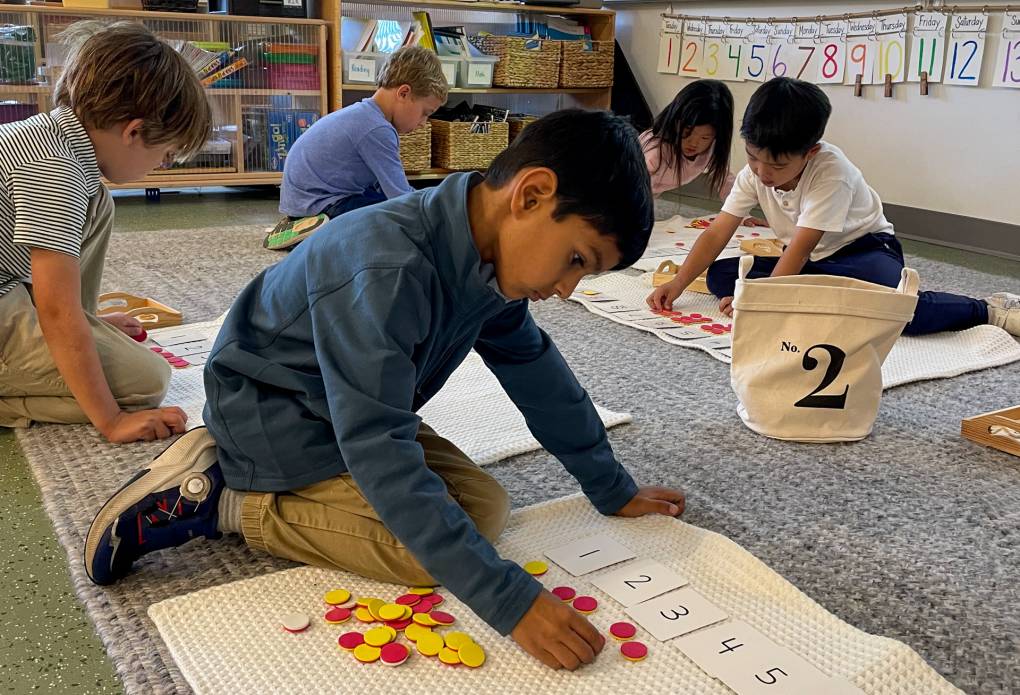
"caption": "Students in Melissa Williams' kindergarten class at the Westminster School in Atlanta, Georgia, practice connecting quantities to written numbers — a key part of number sense. ",
"credit": "Holly Korbey for The Hechinger Report",
"altTag": "Child sitting on the floor learning math with games",
"description": null,
"imgSizes": {
"medium": {
"file": "https://cdn.kqed.org/wp-content/uploads/sites/23/2025/02/korbey-numbersense-04-800x545.jpg",
"width": 800,
"height": 545,
"mimeType": "image/jpeg"
},
"large": {
"file": "https://cdn.kqed.org/wp-content/uploads/sites/23/2025/02/korbey-numbersense-04-1020x695.jpg",
"width": 1020,
"height": 695,
"mimeType": "image/jpeg"
},
"thumbnail": {
"file": "https://cdn.kqed.org/wp-content/uploads/sites/23/2025/02/korbey-numbersense-04-160x109.jpg",
"width": 160,
"height": 109,
"mimeType": "image/jpeg"
},
"medium_large": {
"file": "https://cdn.kqed.org/wp-content/uploads/sites/23/2025/02/korbey-numbersense-04-768x524.jpg",
"width": 768,
"height": 524,
"mimeType": "image/jpeg"
},
"1536x1536": {
"file": "https://cdn.kqed.org/wp-content/uploads/sites/23/2025/02/korbey-numbersense-04-1536x1047.jpg",
"width": 1536,
"height": 1047,
"mimeType": "image/jpeg"
},
"post-thumbnail": {
"file": "https://cdn.kqed.org/wp-content/uploads/sites/23/2025/02/korbey-numbersense-04-672x372.jpg",
"width": 672,
"height": 372,
"mimeType": "image/jpeg"
},
"twentyfourteen-full-width": {
"file": "https://cdn.kqed.org/wp-content/uploads/sites/23/2025/02/korbey-numbersense-04-1038x576.jpg",
"width": 1038,
"height": 576,
"mimeType": "image/jpeg"
},
"kqedFullSize": {
"file": "https://cdn.kqed.org/wp-content/uploads/sites/23/2025/02/korbey-numbersense-04.jpg",
"width": 1920,
"height": 1309
}
},
"isLoading": false,
"fetchFailed": false
},
"mindshift_65149": {
"type": "attachments",
"id": "mindshift_65149",
"meta": {
"index": "attachments_1716263798",
"site": "mindshift",
"id": "65149",
"found": true
},
"title": null,
"publishDate": 1738104291,
"status": "inherit",
"parent": 65144,
"modified": 1738104492,
"caption": null,
"credit": "iStock/Happy Kikky",
"altTag": "Woman with eyes closed and hands clasped in meditation or frustration.",
"description": null,
"imgSizes": {
"medium": {
"file": "https://cdn.kqed.org/wp-content/uploads/sites/23/2025/01/GettyImages-2195205861-800x450.jpg",
"width": 800,
"height": 450,
"mimeType": "image/jpeg"
},
"large": {
"file": "https://cdn.kqed.org/wp-content/uploads/sites/23/2025/01/GettyImages-2195205861-1020x574.jpg",
"width": 1020,
"height": 574,
"mimeType": "image/jpeg"
},
"thumbnail": {
"file": "https://cdn.kqed.org/wp-content/uploads/sites/23/2025/01/GettyImages-2195205861-160x90.jpg",
"width": 160,
"height": 90,
"mimeType": "image/jpeg"
},
"medium_large": {
"file": "https://cdn.kqed.org/wp-content/uploads/sites/23/2025/01/GettyImages-2195205861-768x432.jpg",
"width": 768,
"height": 432,
"mimeType": "image/jpeg"
},
"1536x1536": {
"file": "https://cdn.kqed.org/wp-content/uploads/sites/23/2025/01/GettyImages-2195205861-1536x864.jpg",
"width": 1536,
"height": 864,
"mimeType": "image/jpeg"
},
"2048x2048": {
"file": "https://cdn.kqed.org/wp-content/uploads/sites/23/2025/01/GettyImages-2195205861-2048x1152.jpg",
"width": 2048,
"height": 1152,
"mimeType": "image/jpeg"
},
"post-thumbnail": {
"file": "https://cdn.kqed.org/wp-content/uploads/sites/23/2025/01/GettyImages-2195205861-672x372.jpg",
"width": 672,
"height": 372,
"mimeType": "image/jpeg"
},
"twentyfourteen-full-width": {
"file": "https://cdn.kqed.org/wp-content/uploads/sites/23/2025/01/GettyImages-2195205861-1038x576.jpg",
"width": 1038,
"height": 576,
"mimeType": "image/jpeg"
},
"full-width": {
"file": "https://cdn.kqed.org/wp-content/uploads/sites/23/2025/01/GettyImages-2195205861-1920x1080.jpg",
"width": 1920,
"height": 1080,
"mimeType": "image/jpeg"
},
"kqedFullSize": {
"file": "https://cdn.kqed.org/wp-content/uploads/sites/23/2025/01/GettyImages-2195205861-scaled.jpg",
"width": 2560,
"height": 1440
}
},
"isLoading": false,
"fetchFailed": false
},
"mindshift_65135": {
"type": "attachments",
"id": "mindshift_65135",
"meta": {
"index": "attachments_1716263798",
"site": "mindshift",
"id": "65135",
"found": true
},
"title": "Artificial intelligence brain",
"publishDate": 1737392069,
"status": "inherit",
"parent": 64964,
"modified": 1737392105,
"caption": null,
"credit": "Flavio Coelho/iStock",
"altTag": "A brain-shaped integrated circuit on a digital background",
"description": null,
"imgSizes": {
"medium": {
"file": "https://cdn.kqed.org/wp-content/uploads/sites/23/2024/11/GettyImages-2164377415-800x533.jpg",
"width": 800,
"height": 533,
"mimeType": "image/jpeg"
},
"large": {
"file": "https://cdn.kqed.org/wp-content/uploads/sites/23/2024/11/GettyImages-2164377415-1020x680.jpg",
"width": 1020,
"height": 680,
"mimeType": "image/jpeg"
},
"thumbnail": {
"file": "https://cdn.kqed.org/wp-content/uploads/sites/23/2024/11/GettyImages-2164377415-160x107.jpg",
"width": 160,
"height": 107,
"mimeType": "image/jpeg"
},
"medium_large": {
"file": "https://cdn.kqed.org/wp-content/uploads/sites/23/2024/11/GettyImages-2164377415-768x512.jpg",
"width": 768,
"height": 512,
"mimeType": "image/jpeg"
},
"1536x1536": {
"file": "https://cdn.kqed.org/wp-content/uploads/sites/23/2024/11/GettyImages-2164377415-1536x1024.jpg",
"width": 1536,
"height": 1024,
"mimeType": "image/jpeg"
},
"2048x2048": {
"file": "https://cdn.kqed.org/wp-content/uploads/sites/23/2024/11/GettyImages-2164377415-2048x1365.jpg",
"width": 2048,
"height": 1365,
"mimeType": "image/jpeg"
},
"post-thumbnail": {
"file": "https://cdn.kqed.org/wp-content/uploads/sites/23/2024/11/GettyImages-2164377415-672x372.jpg",
"width": 672,
"height": 372,
"mimeType": "image/jpeg"
},
"twentyfourteen-full-width": {
"file": "https://cdn.kqed.org/wp-content/uploads/sites/23/2024/11/GettyImages-2164377415-1038x576.jpg",
"width": 1038,
"height": 576,
"mimeType": "image/jpeg"
},
"full-width": {
"file": "https://cdn.kqed.org/wp-content/uploads/sites/23/2024/11/GettyImages-2164377415-1920x1280.jpg",
"width": 1920,
"height": 1280,
"mimeType": "image/jpeg"
},
"kqedFullSize": {
"file": "https://cdn.kqed.org/wp-content/uploads/sites/23/2024/11/GettyImages-2164377415.jpg",
"width": 2121,
"height": 1414
}
},
"isLoading": false,
"fetchFailed": false
},
"mindshift_65131": {
"type": "attachments",
"id": "mindshift_65131",
"meta": {
"index": "attachments_1716263798",
"site": "mindshift",
"id": "65131",
"found": true
},
"title": "Typing Writing Illustration",
"publishDate": 1737389195,
"status": "inherit",
"parent": 65130,
"modified": 1737389253,
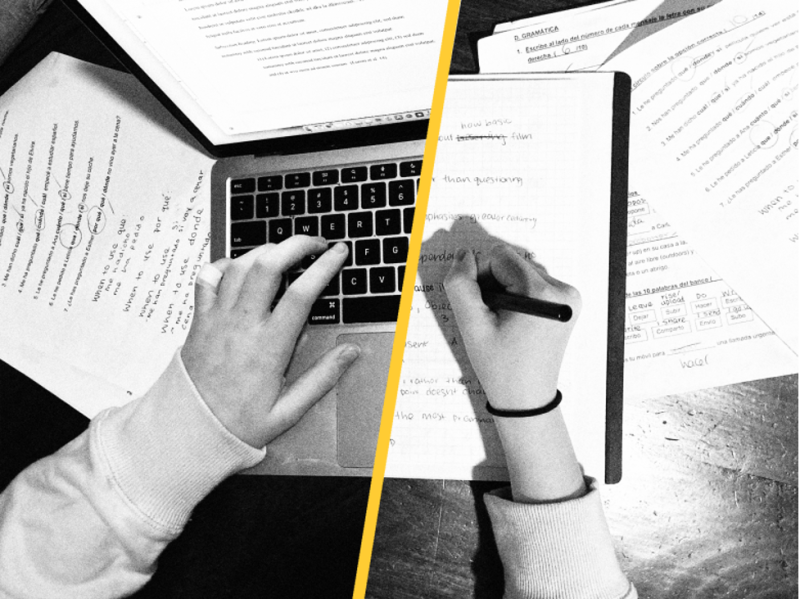
"caption": "Split image of typing on the left and handwriting on the right. ",
"credit": "Illustration by Camilla Forte/The Hechinger Report. Images by Jill Barshay/The Hechinger Report",
"altTag": null,
"description": null,
"imgSizes": {
"medium": {
"file": "https://cdn.kqed.org/wp-content/uploads/sites/23/2025/01/Typing-Writing-Illustration-800x599.png",
"width": 800,
"height": 599,
"mimeType": "image/png"
},
"thumbnail": {
"file": "https://cdn.kqed.org/wp-content/uploads/sites/23/2025/01/Typing-Writing-Illustration-160x120.png",
"width": 160,
"height": 120,
"mimeType": "image/png"
},
"medium_large": {
"file": "https://cdn.kqed.org/wp-content/uploads/sites/23/2025/01/Typing-Writing-Illustration-768x575.png",
"width": 768,
"height": 575,
"mimeType": "image/png"
},
"post-thumbnail": {
"file": "https://cdn.kqed.org/wp-content/uploads/sites/23/2025/01/Typing-Writing-Illustration-672x372.png",
"width": 672,
"height": 372,
"mimeType": "image/png"
},
"twentyfourteen-full-width": {
"file": "https://cdn.kqed.org/wp-content/uploads/sites/23/2025/01/Typing-Writing-Illustration-977x576.png",
"width": 977,
"height": 576,
"mimeType": "image/png"
},
"kqedFullSize": {
"file": "https://cdn.kqed.org/wp-content/uploads/sites/23/2025/01/Typing-Writing-Illustration.png",
"width": 977,
"height": 731
}
},
"isLoading": false,
"fetchFailed": false
},
"mindshift_65094": {
"type": "attachments",
"id": "mindshift_65094",
"meta": {
"index": "attachments_1716263798",
"site": "mindshift",
"id": "65094",
"found": true
},
"title": "Schools",
"publishDate": 1735945095,
"status": "inherit",
"parent": 65092,
"modified": 1735945155,
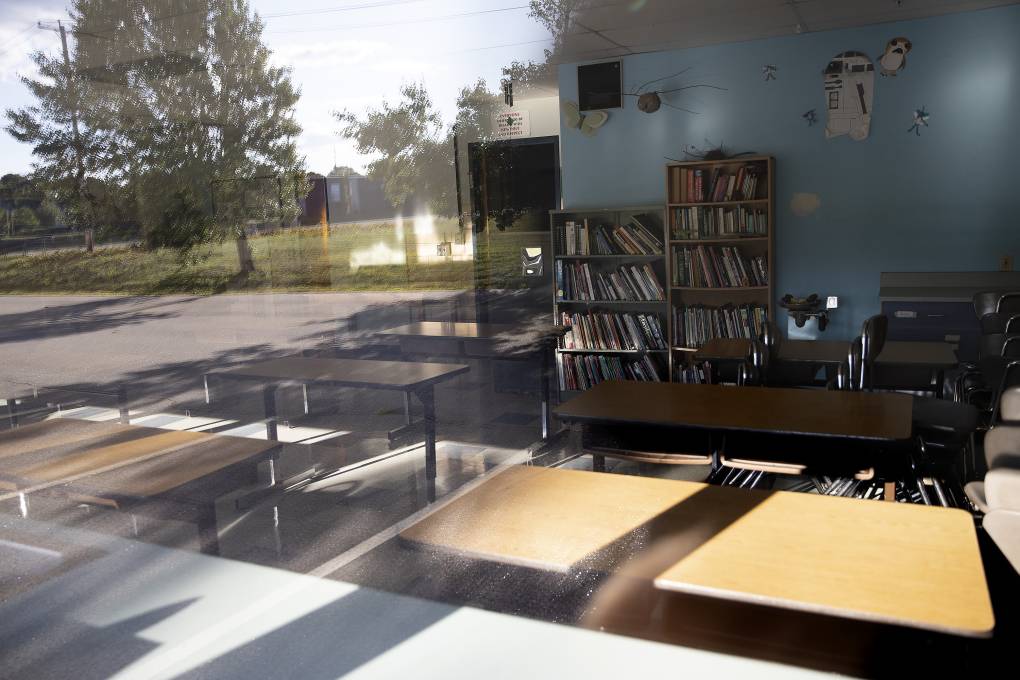
"caption": "Students who were chosen to receive tutoring in Washington, D.C., had missed more than 30 days of school, on average. A Stanford study showed that tutoring could improve their attendance by about one day. ",
"credit": "Derek Davis/Portland Press Herald via Getty Images",
"altTag": "Empty desks seen through a window of a classroom",
"description": null,
"imgSizes": {
"medium": {
"file": "https://cdn.kqed.org/wp-content/uploads/sites/23/2025/01/GettyImages-1227991729-800x533.jpg",
"width": 800,
"height": 533,
"mimeType": "image/jpeg"
},
"large": {
"file": "https://cdn.kqed.org/wp-content/uploads/sites/23/2025/01/GettyImages-1227991729-1020x680.jpg",
"width": 1020,
"height": 680,
"mimeType": "image/jpeg"
},
"thumbnail": {
"file": "https://cdn.kqed.org/wp-content/uploads/sites/23/2025/01/GettyImages-1227991729-160x107.jpg",
"width": 160,
"height": 107,
"mimeType": "image/jpeg"
},
"medium_large": {
"file": "https://cdn.kqed.org/wp-content/uploads/sites/23/2025/01/GettyImages-1227991729-768x512.jpg",
"width": 768,
"height": 512,
"mimeType": "image/jpeg"
},
"1536x1536": {
"file": "https://cdn.kqed.org/wp-content/uploads/sites/23/2025/01/GettyImages-1227991729-1536x1024.jpg",
"width": 1536,
"height": 1024,
"mimeType": "image/jpeg"
},
"2048x2048": {
"file": "https://cdn.kqed.org/wp-content/uploads/sites/23/2025/01/GettyImages-1227991729-2048x1365.jpg",
"width": 2048,
"height": 1365,
"mimeType": "image/jpeg"
},
"post-thumbnail": {
"file": "https://cdn.kqed.org/wp-content/uploads/sites/23/2025/01/GettyImages-1227991729-672x372.jpg",
"width": 672,
"height": 372,
"mimeType": "image/jpeg"
},
"twentyfourteen-full-width": {
"file": "https://cdn.kqed.org/wp-content/uploads/sites/23/2025/01/GettyImages-1227991729-1038x576.jpg",
"width": 1038,
"height": 576,
"mimeType": "image/jpeg"
},
"full-width": {
"file": "https://cdn.kqed.org/wp-content/uploads/sites/23/2025/01/GettyImages-1227991729-1920x1280.jpg",
"width": 1920,
"height": 1280,
"mimeType": "image/jpeg"
},
"kqedFullSize": {
"file": "https://cdn.kqed.org/wp-content/uploads/sites/23/2025/01/GettyImages-1227991729-scaled.jpg",
"width": 2560,
"height": 1707
}
},
"isLoading": false,
"fetchFailed": false
},
"mindshift_64955": {
"type": "attachments",
"id": "mindshift_64955",
"meta": {
"index": "attachments_1716263798",
"site": "mindshift",
"id": "64955",
"found": true
},
"title": "Close-up of middle school girl in library stacks",
"publishDate": 1731091329,
"status": "inherit",
"parent": 64953,
"modified": 1731091358,
"caption": null,
"credit": "Allison Shelley/The Verbatim Agency for EDUimages",
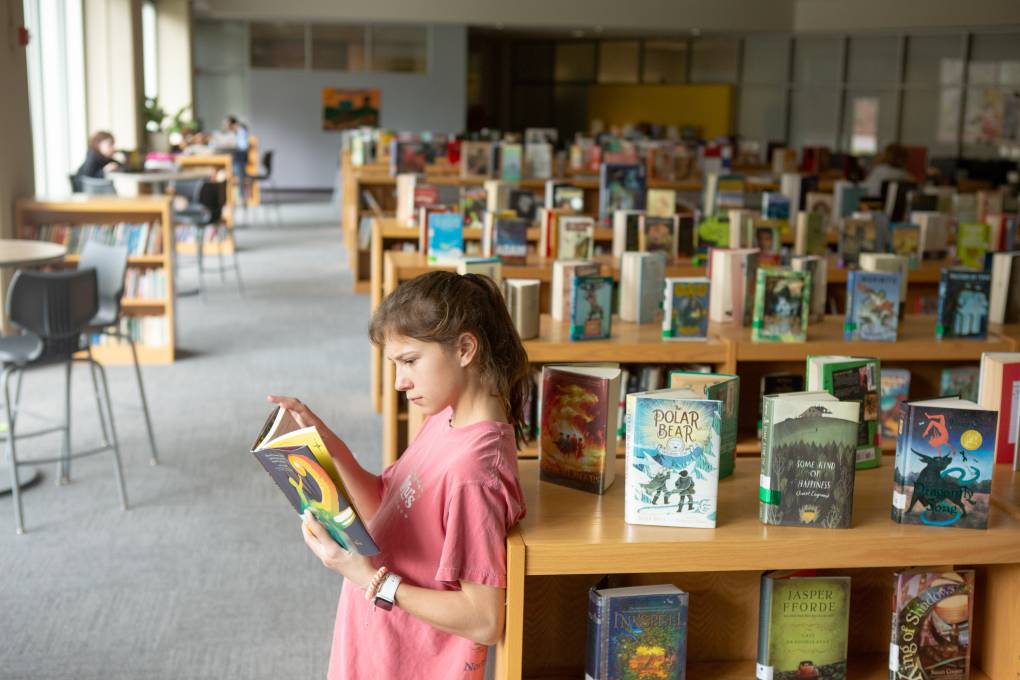
"altTag": "A seventh-grade student reads a book in the library stacks at Sutton Middle School.",
"description": null,
"imgSizes": {
"medium": {
"file": "https://cdn.kqed.org/wp-content/uploads/sites/23/2024/11/AMERICANED_SUTTON_078-800x533.jpg",
"width": 800,
"height": 533,
"mimeType": "image/jpeg"
},
"large": {
"file": "https://cdn.kqed.org/wp-content/uploads/sites/23/2024/11/AMERICANED_SUTTON_078-1020x680.jpg",
"width": 1020,
"height": 680,
"mimeType": "image/jpeg"
},
"thumbnail": {
"file": "https://cdn.kqed.org/wp-content/uploads/sites/23/2024/11/AMERICANED_SUTTON_078-160x107.jpg",
"width": 160,
"height": 107,
"mimeType": "image/jpeg"
},
"medium_large": {
"file": "https://cdn.kqed.org/wp-content/uploads/sites/23/2024/11/AMERICANED_SUTTON_078-768x512.jpg",
"width": 768,
"height": 512,
"mimeType": "image/jpeg"
},
"1536x1536": {
"file": "https://cdn.kqed.org/wp-content/uploads/sites/23/2024/11/AMERICANED_SUTTON_078-1536x1024.jpg",
"width": 1536,
"height": 1024,
"mimeType": "image/jpeg"
},
"2048x2048": {
"file": "https://cdn.kqed.org/wp-content/uploads/sites/23/2024/11/AMERICANED_SUTTON_078-2048x1365.jpg",
"width": 2048,
"height": 1365,
"mimeType": "image/jpeg"
},
"post-thumbnail": {
"file": "https://cdn.kqed.org/wp-content/uploads/sites/23/2024/11/AMERICANED_SUTTON_078-672x372.jpg",
"width": 672,
"height": 372,
"mimeType": "image/jpeg"
},
"twentyfourteen-full-width": {
"file": "https://cdn.kqed.org/wp-content/uploads/sites/23/2024/11/AMERICANED_SUTTON_078-1038x576.jpg",
"width": 1038,
"height": 576,
"mimeType": "image/jpeg"
},
"full-width": {
"file": "https://cdn.kqed.org/wp-content/uploads/sites/23/2024/11/AMERICANED_SUTTON_078-1920x1280.jpg",
"width": 1920,
"height": 1280,
"mimeType": "image/jpeg"
},
"kqedFullSize": {
"file": "https://cdn.kqed.org/wp-content/uploads/sites/23/2024/11/AMERICANED_SUTTON_078-scaled-e1731091366202.jpg",
"width": 1920,
"height": 1280
}
},
"isLoading": false,
"fetchFailed": false
},
"mindshift_64879": {
"type": "attachments",
"id": "mindshift_64879",
"meta": {
"index": "attachments_1716263798",
"site": "mindshift",
"id": "64879",
"found": true
},
"title": "Magnifier with Brainstorm inside to smart, idea, creative, thinking;, education, innovation smart intelligence concept.",
"publishDate": 1728971341,
"status": "inherit",
"parent": 64877,
"modified": 1728971373,
"caption": null,
"credit": "champpixs/iStock",
"altTag": "Illustration of a brain magnified by a magnifying glass",
"description": null,
"imgSizes": {
"medium": {
"file": "https://cdn.kqed.org/wp-content/uploads/sites/23/2024/10/iStock-1492377092-800x538.jpg",
"width": 800,
"height": 538,
"mimeType": "image/jpeg"
},
"large": {
"file": "https://cdn.kqed.org/wp-content/uploads/sites/23/2024/10/iStock-1492377092-1020x686.jpg",
"width": 1020,
"height": 686,
"mimeType": "image/jpeg"
},
"thumbnail": {
"file": "https://cdn.kqed.org/wp-content/uploads/sites/23/2024/10/iStock-1492377092-160x108.jpg",
"width": 160,
"height": 108,
"mimeType": "image/jpeg"
},
"medium_large": {
"file": "https://cdn.kqed.org/wp-content/uploads/sites/23/2024/10/iStock-1492377092-768x517.jpg",
"width": 768,
"height": 517,
"mimeType": "image/jpeg"
},
"1536x1536": {
"file": "https://cdn.kqed.org/wp-content/uploads/sites/23/2024/10/iStock-1492377092-1536x1034.jpg",
"width": 1536,
"height": 1034,
"mimeType": "image/jpeg"
},
"2048x2048": {
"file": "https://cdn.kqed.org/wp-content/uploads/sites/23/2024/10/iStock-1492377092-2048x1378.jpg",
"width": 2048,
"height": 1378,
"mimeType": "image/jpeg"
},
"post-thumbnail": {
"file": "https://cdn.kqed.org/wp-content/uploads/sites/23/2024/10/iStock-1492377092-672x372.jpg",
"width": 672,
"height": 372,
"mimeType": "image/jpeg"
},
"twentyfourteen-full-width": {
"file": "https://cdn.kqed.org/wp-content/uploads/sites/23/2024/10/iStock-1492377092-1038x576.jpg",
"width": 1038,
"height": 576,
"mimeType": "image/jpeg"
},
"full-width": {
"file": "https://cdn.kqed.org/wp-content/uploads/sites/23/2024/10/iStock-1492377092-1920x1292.jpg",
"width": 1920,
"height": 1292,
"mimeType": "image/jpeg"
},
"kqedFullSize": {
"file": "https://cdn.kqed.org/wp-content/uploads/sites/23/2024/10/iStock-1492377092.jpg",
"width": 2110,
"height": 1420
}
},
"isLoading": false,
"fetchFailed": false
}
},
"audioPlayerReducer": {
"postId": "stream_live",
"isPaused": true,
"isPlaying": false,
"pfsActive": false,
"pledgeModalIsOpen": true,
"playerDrawerIsOpen": false,
"liveAudioPlayStartedAt": 0,
"liveAudioPlayContext": ""
},
"authorsReducer": {
"byline_mindshift_65279": {
"type": "authors",
"id": "byline_mindshift_65279",
"meta": {
"override": true
},
"slug": "byline_mindshift_65279",
"name": "Jill Barshay, \u003ca href=\"https://hechingerreport.org/\">The Hechinger Report\u003c/a>",
"isLoading": false
},
"byline_mindshift_65212": {
"type": "authors",
"id": "byline_mindshift_65212",
"meta": {
"override": true
},
"slug": "byline_mindshift_65212",
"name": "Holly Korbey, \u003ca href=\"https://hechingerreport.org/\">The Hechinger Report\u003c/a>",
"isLoading": false
},
"byline_mindshift_65130": {
"type": "authors",
"id": "byline_mindshift_65130",
"meta": {
"override": true
},
"slug": "byline_mindshift_65130",
"name": "Jill Barshay, \u003ca href=\"https://hechingerreport.org/\">The Hechinger Report\u003c/a>",
"isLoading": false
},
"byline_mindshift_65092": {
"type": "authors",
"id": "byline_mindshift_65092",
"meta": {
"override": true
},
"slug": "byline_mindshift_65092",
"name": "Jill Barshay, \u003ca href=\"https://hechingerreport.org/\">The Hechinger Report\u003c/a>",
"isLoading": false
},
"mfederis": {
"type": "authors",
"id": "11509",
"meta": {
"index": "authors_1716337520",
"id": "11509",
"found": true
},
"name": "Marnette Federis",
"firstName": "Marnette",
"lastName": "Federis",
"slug": "mfederis",
"email": "mfederis@kqed.org",
"display_author_email": false,
"staff_mastheads": [],
"title": "KQED Contributor",
"bio": null,
"avatar": "https://secure.gravatar.com/avatar/4e22db56276fd54eaeb4ec94c12662c6c695a321a263331af03448665369ad7f?s=600&d=mm&r=g",
"twitter": null,
"bluesky": null,
"facebook": null,
"instagram": null,
"linkedin": null,
"sites": [
{
"site": "arts",
"roles": [
"editor"
]
},
{
"site": "news",
"roles": [
"editor"
]
},
{
"site": "mindshift",
"roles": [
"editor"
]
},
{
"site": "science",
"roles": [
"editor"
]
},
{
"site": "forum",
"roles": [
"editor"
]
},
{
"site": "podcasts",
"roles": [
"editor"
]
},
{
"site": "elections",
"roles": [
"editor"
]
}
],
"headData": {
"title": "Marnette Federis | KQED",
"description": "KQED Contributor",
"ogImgSrc": "https://secure.gravatar.com/avatar/4e22db56276fd54eaeb4ec94c12662c6c695a321a263331af03448665369ad7f?s=600&d=mm&r=g",
"twImgSrc": "https://secure.gravatar.com/avatar/4e22db56276fd54eaeb4ec94c12662c6c695a321a263331af03448665369ad7f?s=600&d=mm&r=g"
},
"isLoading": false,
"link": "/author/mfederis"
},
"ngobir": {
"type": "authors",
"id": "11721",
"meta": {
"index": "authors_1716337520",
"id": "11721",
"found": true
},
"name": "Nimah Gobir",
"firstName": "Nimah",
"lastName": "Gobir",
"slug": "ngobir",
"email": "ngobir@kqed.org",
"display_author_email": false,
"staff_mastheads": [],
"title": "KQED Contributor",
"bio": null,
"avatar": "https://secure.gravatar.com/avatar/837f5df7045c59f3ec097cdf7ac391373ab75d5ec936dd7099b8cb6f0af1b0e9?s=600&d=blank&r=g",
"twitter": null,
"bluesky": null,
"facebook": null,
"instagram": null,
"linkedin": null,
"sites": [
{
"site": "mindshift",
"roles": [
"editor"
]
}
],
"headData": {
"title": "Nimah Gobir | KQED",
"description": "KQED Contributor",
"ogImgSrc": "https://secure.gravatar.com/avatar/837f5df7045c59f3ec097cdf7ac391373ab75d5ec936dd7099b8cb6f0af1b0e9?s=600&d=blank&r=g",
"twImgSrc": "https://secure.gravatar.com/avatar/837f5df7045c59f3ec097cdf7ac391373ab75d5ec936dd7099b8cb6f0af1b0e9?s=600&d=blank&r=g"
},
"isLoading": false,
"link": "/author/ngobir"
},
"mjacksonretondo": {
"type": "authors",
"id": "11759",
"meta": {
"index": "authors_1716337520",
"id": "11759",
"found": true
},
"name": "Marlena Jackson-Retondo",
"firstName": "Marlena",
"lastName": "Jackson-Retondo",
"slug": "mjacksonretondo",
"email": "mjacksonretondo@kqed.org",
"display_author_email": false,
"staff_mastheads": [],
"title": "Engagement Producer",
"bio": "Marlena Jackson-Retondo is the engagement producer for KQED's \u003cem>Forum \u003c/em>and \u003cem>Mindshift\u003c/em>. Prior to joining the team in 2022, Marlena was an intern with the KQED Digital News Engagement team. She grew up in the Bay Area.\u003cem> \u003c/em>",
"avatar": "https://secure.gravatar.com/avatar/94ab429312e9a676559e31d1894130df?s=600&d=blank&r=g",
"twitter": null,
"facebook": null,
"instagram": null,
"linkedin": null,
"sites": [
{
"site": "arts",
"roles": [
"editor"
]
},
{
"site": "news",
"roles": [
"contributor"
]
},
{
"site": "mindshift",
"roles": [
"editor"
]
},
{
"site": "forum",
"roles": [
"editor"
]
}
],
"headData": {
"title": "Marlena Jackson-Retondo | KQED",
"description": "Engagement Producer",
"ogImgSrc": "https://secure.gravatar.com/avatar/94ab429312e9a676559e31d1894130df?s=600&d=blank&r=g",
"twImgSrc": "https://secure.gravatar.com/avatar/94ab429312e9a676559e31d1894130df?s=600&d=blank&r=g"
},
"isLoading": false,
"link": "/author/mjacksonretondo"
}
},
"pagesReducer": {
"mindshift_category_teaching-strategies": {
"type": "terms",
"id": "mindshift_193",
"meta": {
"index": "terms_1716263798",
"site": "mindshift",
"id": "193",
"score": 14.406914
},
"featImg": null,
"name": "Teaching Strategies",
"description": "Innovative ideas - projects, processes, curricula, and more - that are transforming how we teach and learn.",
"taxonomy": "category",
"headData": {
"twImgId": null,
"twTitle": null,
"ogTitle": null,
"ogImgId": null,
"twDescription": null,
"description": "Innovative ideas - projects, processes, curricula, and more - that are transforming how we teach and learn.",
"title": "Teaching Strategies Archives | KQED Mindshift",
"ogDescription": null
},
"ttid": 193,
"slug": "teaching-strategies",
"isLoading": false,
"title": "Teaching Strategies",
"pageMeta": {
"site": "mindshift",
"WpPageTemplate": "page-topic-editorial",
"currentPage": 2
},
"blocks": [
{
"blockName": "kqed/company-paragraph",
"content": "Innovative ideas - projects, processes, curricula, and more - that are transforming how we teach and learn."
},
{
"blockName": "kqed/post-list",
"attrs": {
"layout": "cardArticle2",
"query": "posts/mindshift?category=teaching-strategies",
"seeMore": false,
"paginated": true,
"page": 2
}
},
{
"blockName": "kqed/ad"
}
]
}
},
"pfsSessionReducer": {},
"postsReducer": {
"stream_live": {
"type": "live",
"id": "stream_live",
"audioUrl": "https://streams.kqed.org/kqedradio",
"title": "Live Stream",
"excerpt": "Live Stream information currently unavailable.",
"link": "/radio",
"featImg": "",
"label": {
"name": "KQED Live",
"link": "/"
}
},
"stream_kqedNewscast": {
"type": "posts",
"id": "stream_kqedNewscast",
"audioUrl": "https://www.kqed.org/.stream/anon/radio/RDnews/newscast.mp3?_=1",
"title": "KQED Newscast",
"featImg": "",
"label": {
"name": "88.5 FM",
"link": "/"
}
},
"mindshift_65290": {
"type": "posts",
"id": "mindshift_65290",
"meta": {
"index": "posts_1716263798",
"site": "mindshift",
"id": "65290",
"score": null,
"sort": [
1742292019000
]
},
"guestAuthors": [],
"slug": "are-your-slides-too-cute-3-presentation-tips-that-center-student-understanding",
"title": "Are Your Slides Too Cute? 3 Presentation Tips That Center Student Understanding",
"publishDate": 1742292019,
"format": "standard",
"headTitle": "Are Your Slides Too Cute? 3 Presentation Tips That Center Student Understanding | KQED",
"labelTerm": {
"site": "mindshift"
},
"content": "\u003cp>During the height of the pandemic, Christina Scheffel, a high school English teacher in Delaware, was desperate for ways to get students engaged in her presentations. As a solution, she started adding embellishments to her slide presentations, including cactus themed slides with cactus borders, font and arrows. “Every single cactus emoji that I could find got put somewhere on these slides and I really did think it was a way to bring some joy into the classroom,” said Scheffel.\u003c/p>\n\u003cp>Students enjoyed the novelty, but later, when Scheffel asked them to recall information from the presentation, one student said something that made her rethink the way that she made all of her presentations going forward. ”One of my students looked at me and said, ‘All I remember from the last lesson is the cactuses on the slides,’” she recalled.\u003c/p>\n\u003cp>Designing visually appealing materials, like slides and worksheets, is easier than ever. However, Scheffel noted that too much decoration can \u003ca href=\"https://www.kqed.org/mindshift/57734/distracted-these-four-learning-strategies-can-help\">distract from learning\u003c/a>. She invited teachers to consider the \u003ca href=\"https://www.kqed.org/mindshift/61731/how-universal-design-for-learning-helps-students-merge-onto-the-learning-expressway\">universal design for learning\u003c/a> principle of \u003ca href=\"https://udlguidelines.cast.org/representation/\">representation\u003c/a> that asks teachers to present information in a way that makes it \u003ca href=\"https://www.kqed.org/mindshift/46880/why-designing-for-disability-leads-to-better-solutions-for-everyone\">accessible to all learners\u003c/a>. Scheffel provided useful tips for keeping classroom materials clear, accessible and focused on learning goals at the \u003ca href=\"https://conference.iste.org/2024/\">International Society for Technology in Education 2024 Conference\u003c/a>.\u003c/p>\n\u003ch2>\u003cstrong>Choose a design that works for students\u003c/strong>\u003c/h2>\n\u003cp>Scheffel emphasized the importance of reducing cognitive load, the amount of information students can process at a given time. When slides have too many distractions like GIFs or irrelevant images, “we are asking students to take that extra processing step and therefore we are increasing their cognitive load,” said Scheffel. For that reason, teachers may want to be especially attuned to how they format slides with important information. Jeff Kilner, a technology integration specialist for Indian River School District in Delaware, said he benefited from putting the most important information in the foreground of slides so students have a clear idea of what to prioritize.\u003c/p>\n\u003cp>Scheffel also suggested checking design choices to ensure they support learning. Teachers can make sure that the font style and size is easily readable for all students in the room. Additionally, teachers can check to see if the color combinations in their materials are easy to read by using a \u003ca href=\"https://accessibleweb.com/color-contrast-checker/\">contrast checker guide\u003c/a>.\u003c/p>\n\u003ch2>\u003cstrong>Limit text on slides\u003c/strong>\u003c/h2>\n\u003cp>Slides packed with information can overwhelm students. “The language center of the brain doesn’t work that way. You can’t read information and listen to information and process both at the same time,” said Scheffel. “If our students are overloaded, they can’t learn effectively.” Grouping together related information can ensure that students are not being asked to do or learn too much at once. This approach, also called chunking, makes it easier for students to \u003ca href=\"https://www.kqed.org/mindshift/48902/digital-note-taking-strategies-that-deepen-student-thinking\">move new information into their long term memory\u003c/a>.\u003c/p>\n\u003cp>[ad fullwidth]\u003c/p>\n\u003cp>Classroom resources can be accessed\u003ca href=\"https://www.kqed.org/mindshift/56205/how-designing-accessible-curriculum-for-all-can-help-make-online-learning-more-equitable\"> outside of the classroom\u003c/a> and it isn’t unusual for teachers to post the materials they used in class on a learning management system like Google Classroom or Canvas. Scheffel suggested using minimal text on the slides used in class and sharing another more text-heavy version online for students to access later. Alternatively, teachers can also post a video of them talking over the slides they used in class.\u003c/p>\n\u003ch2>\u003cstrong>Provide multiple forms of media\u003c/strong>\u003c/h2>\n\u003cp>Using different media types can help reach diverse learners. “Our learners differ in the ways that they perceive and comprehend information that is presented to them. And there is no one perfect means of representation that’s optimal for all learners. So we need to provide options,” Scheffel said.\u003c/p>\n\u003cp>Using videos, audio, visuals and text provides multiple avenues for understanding. Scheffel encouraged teachers to include captions or transcripts with videos, many of which can be generated automatically. “All of this needs to be \u003ca href=\"https://www.kqed.org/mindshift/59217/three-tools-to-help-educators-better-understand-what-students-need\">incorporated in our planning\u003c/a> and not as an afterthought,” Scheffel said, acknowledging the time constraints teachers face. “Take it one step at a time.”\u003c/p>\n\u003cp>\u003c/p>\n\u003cp>Not all materials need to be plain and dull, Scheffel explained. “There is a time and a place for those fun, creative, cute things,” she said, suggesting that these designs work well for non-instructional content. For example, a teacher may choose to use a fun format during a check in, by providing students with a selection of emojis or graphics and asking them to choose which one they feel represents their current mood. “Not every student is going to get thrown off by a wordy slide or a rogue cactus, but some are,” Scheffel said. “We need to design with all of our students in mind.”\u003c/p>\n\n",
"blocks": [],
"excerpt": "High school English teacher Christina Scheffel shares tips for designing accessible, purposeful classroom materials.",
"status": "publish",
"parent": 0,
"modified": 1742570838,
"stats": {
"hasAudio": false,
"hasVideo": false,
"hasChartOrMap": false,
"iframeSrcs": [],
"hasGoogleForm": false,
"hasGallery": false,
"hasHearkenModule": false,
"hasPolis": false,
"paragraphCount": 12,
"wordCount": 794
},
"headData": {
"title": "Are Your Slides Too Cute? 3 Presentation Tips That Center Student Understanding | KQED",
"description": "Learn how to create accessible, focused classroom materials to better engage diverse learners.",
"ogTitle": "",
"ogDescription": "",
"ogImgId": "",
"twTitle": "",
"twDescription": "",
"twImgId": "",
"socialDescription": "Learn how to create accessible, focused classroom materials to better engage diverse learners.",
"schema": {
"@context": "https://schema.org",
"@type": "Article",
"headline": "Are Your Slides Too Cute? 3 Presentation Tips That Center Student Understanding",
"datePublished": "2025-03-18T03:00:19-07:00",
"dateModified": "2025-03-21T08:27:18-07:00",
"image": "https://cdn.kqed.org/wp-content/uploads/2020/02/KQED-OG-Image@1x.png"
}
},
"sticky": false,
"nprStoryId": "kqed-65290",
"templateType": "standard",
"featuredImageType": "standard",
"excludeFromSiteSearch": "Include",
"articleAge": "0",
"path": "/mindshift/65290/are-your-slides-too-cute-3-presentation-tips-that-center-student-understanding",
"audioTrackLength": null,
"parsedContent": [
{
"type": "contentString",
"content": "\u003cdiv class=\"post-body\">\u003cp>\u003cp>During the height of the pandemic, Christina Scheffel, a high school English teacher in Delaware, was desperate for ways to get students engaged in her presentations. As a solution, she started adding embellishments to her slide presentations, including cactus themed slides with cactus borders, font and arrows. “Every single cactus emoji that I could find got put somewhere on these slides and I really did think it was a way to bring some joy into the classroom,” said Scheffel.\u003c/p>\n\u003cp>Students enjoyed the novelty, but later, when Scheffel asked them to recall information from the presentation, one student said something that made her rethink the way that she made all of her presentations going forward. ”One of my students looked at me and said, ‘All I remember from the last lesson is the cactuses on the slides,’” she recalled.\u003c/p>\n\u003cp>Designing visually appealing materials, like slides and worksheets, is easier than ever. However, Scheffel noted that too much decoration can \u003ca href=\"https://www.kqed.org/mindshift/57734/distracted-these-four-learning-strategies-can-help\">distract from learning\u003c/a>. She invited teachers to consider the \u003ca href=\"https://www.kqed.org/mindshift/61731/how-universal-design-for-learning-helps-students-merge-onto-the-learning-expressway\">universal design for learning\u003c/a> principle of \u003ca href=\"https://udlguidelines.cast.org/representation/\">representation\u003c/a> that asks teachers to present information in a way that makes it \u003ca href=\"https://www.kqed.org/mindshift/46880/why-designing-for-disability-leads-to-better-solutions-for-everyone\">accessible to all learners\u003c/a>. Scheffel provided useful tips for keeping classroom materials clear, accessible and focused on learning goals at the \u003ca href=\"https://conference.iste.org/2024/\">International Society for Technology in Education 2024 Conference\u003c/a>.\u003c/p>\n\u003ch2>\u003cstrong>Choose a design that works for students\u003c/strong>\u003c/h2>\n\u003cp>Scheffel emphasized the importance of reducing cognitive load, the amount of information students can process at a given time. When slides have too many distractions like GIFs or irrelevant images, “we are asking students to take that extra processing step and therefore we are increasing their cognitive load,” said Scheffel. For that reason, teachers may want to be especially attuned to how they format slides with important information. Jeff Kilner, a technology integration specialist for Indian River School District in Delaware, said he benefited from putting the most important information in the foreground of slides so students have a clear idea of what to prioritize.\u003c/p>\n\u003cp>Scheffel also suggested checking design choices to ensure they support learning. Teachers can make sure that the font style and size is easily readable for all students in the room. Additionally, teachers can check to see if the color combinations in their materials are easy to read by using a \u003ca href=\"https://accessibleweb.com/color-contrast-checker/\">contrast checker guide\u003c/a>.\u003c/p>\n\u003ch2>\u003cstrong>Limit text on slides\u003c/strong>\u003c/h2>\n\u003cp>Slides packed with information can overwhelm students. “The language center of the brain doesn’t work that way. You can’t read information and listen to information and process both at the same time,” said Scheffel. “If our students are overloaded, they can’t learn effectively.” Grouping together related information can ensure that students are not being asked to do or learn too much at once. This approach, also called chunking, makes it easier for students to \u003ca href=\"https://www.kqed.org/mindshift/48902/digital-note-taking-strategies-that-deepen-student-thinking\">move new information into their long term memory\u003c/a>.\u003c/p>\n\u003cp>\u003c/p>\u003c/div>",
"attributes": {
"named": {},
"numeric": []
}
},
{
"type": "component",
"content": "",
"name": "ad",
"attributes": {
"named": {
"label": "fullwidth"
},
"numeric": [
"fullwidth"
]
}
},
{
"type": "contentString",
"content": "\u003cdiv class=\"post-body\">\u003cp>\u003c/p>\n\u003cp>Classroom resources can be accessed\u003ca href=\"https://www.kqed.org/mindshift/56205/how-designing-accessible-curriculum-for-all-can-help-make-online-learning-more-equitable\"> outside of the classroom\u003c/a> and it isn’t unusual for teachers to post the materials they used in class on a learning management system like Google Classroom or Canvas. Scheffel suggested using minimal text on the slides used in class and sharing another more text-heavy version online for students to access later. Alternatively, teachers can also post a video of them talking over the slides they used in class.\u003c/p>\n\u003ch2>\u003cstrong>Provide multiple forms of media\u003c/strong>\u003c/h2>\n\u003cp>Using different media types can help reach diverse learners. “Our learners differ in the ways that they perceive and comprehend information that is presented to them. And there is no one perfect means of representation that’s optimal for all learners. So we need to provide options,” Scheffel said.\u003c/p>\n\u003cp>Using videos, audio, visuals and text provides multiple avenues for understanding. Scheffel encouraged teachers to include captions or transcripts with videos, many of which can be generated automatically. “All of this needs to be \u003ca href=\"https://www.kqed.org/mindshift/59217/three-tools-to-help-educators-better-understand-what-students-need\">incorporated in our planning\u003c/a> and not as an afterthought,” Scheffel said, acknowledging the time constraints teachers face. “Take it one step at a time.”\u003c/p>\n\u003cp>\u003c/p>\n\u003cp>Not all materials need to be plain and dull, Scheffel explained. “There is a time and a place for those fun, creative, cute things,” she said, suggesting that these designs work well for non-instructional content. For example, a teacher may choose to use a fun format during a check in, by providing students with a selection of emojis or graphics and asking them to choose which one they feel represents their current mood. “Not every student is going to get thrown off by a wordy slide or a rogue cactus, but some are,” Scheffel said. “We need to design with all of our students in mind.”\u003c/p>\n\n\u003c/div>\u003c/p>",
"attributes": {
"named": {},
"numeric": []
}
}
],
"link": "/mindshift/65290/are-your-slides-too-cute-3-presentation-tips-that-center-student-understanding",
"authors": [
"11721"
],
"categories": [
"mindshift_193"
],
"tags": [
"mindshift_388",
"mindshift_20616",
"mindshift_21050"
],
"featImg": "mindshift_65293",
"label": "mindshift"
},
"mindshift_65296": {
"type": "posts",
"id": "mindshift_65296",
"meta": {
"index": "posts_1716263798",
"site": "mindshift",
"id": "65296",
"score": null,
"sort": [
1741886203000
]
},
"guestAuthors": [],
"slug": "with-ai-changing-everything-heres-how-teachers-can-shape-the-new-culture-of-learning",
"title": "With AI Changing Everything, Here's How Teachers Can Shape the New Culture of Learning",
"publishDate": 1741886203,
"format": "standard",
"headTitle": "With AI Changing Everything, Here’s How Teachers Can Shape the New Culture of Learning | KQED",
"labelTerm": {
"term": 21847,
"site": "mindshift"
},
"content": "\u003cp>When Chris Knight started teaching in 2011, overhead projectors were being replaced by smartboards and teachers could finally project slides directly to the whiteboard from their laptops. Technology was emphasized as a utility in the classroom, said Knight. But a decade later in 2021, when in-person classes resumed after a year online, Knight noticed a big cultural shift in his classroom, one that he attributes in part to his students’ relationship to technology.\u003c/p>\n\u003cp>\u003ca href=\"https://www.kqed.org/mindshift/tag/artificial-intelligence\">Artificial intelligence\u003c/a> certainly wasn’t a novelty in 2021, but in the years leading up to the pandemic, AI — touted as a \u003ca href=\"https://www.kqed.org/mindshift/62462/8-free-ai-powered-tools-that-can-save-teachers-time-and-enhance-instruction\">tool of efficiency\u003c/a> — quickly progressed beyond spellcheck. Public access to long awaited generative AI tools like Dall-E, and the release of large language models like ChatGPT in 2022, took the world by storm and \u003ca href=\"https://www.kqed.org/mindshift/64965/ai-is-moving-fast-here-are-some-helpful-ways-to-support-teachers\">schools were not immune to these advances\u003c/a>.\u003c/p>\n\u003cp>For Knight, who teaches at a high school in Albany, California, education technology used to feel thoughtful and make his life as a teacher easier. But these days, “we have this ecosystem of stuff that makes our lives as teachers actually harder,” he said, since students, with the help of AI, can forgo doing much of their own work and miss out on their own learning as a result.\u003c/p>\n\u003cp>However, the presence of AI might also provide something beyond efficiency: a welcome opportunity to deepen knowledge, and encourage critical thinking, according to \u003ca href=\"https://search.asu.edu/profile/1980815\">Steve Graham\u003c/a>, a professor of teaching and learning innovation at Arizona State University. Yet in order to reap these benefits with AI, one must apply the skills traditionally acquired from doing the hard work of learning how to read and write well. But this process is what AI can so easily bypass.\u003c/p>\n\u003cp>“If you’re going to be skilled at using AI for writing, you actually need to know more” than if you didn’t use AI, said Graham.\u003c/p>\n\u003ch2>\u003cstrong>What happens when AI writes for us? \u003c/strong>\u003c/h2>\n\u003cp>ChatGPT has raised alarms in schools since it was first released in 2022. Concerns of cheating and \u003ca href=\"https://www.kqed.org/mindshift/64965/ai-is-moving-fast-here-are-some-helpful-ways-to-support-teachers\">diminished learning\u003c/a> were shared amongst teachers. But what happens to learning and literacy when AI writes for us?\u003c/p>\n\u003cp>[ad fullwidth]\u003c/p>\n\u003cp>According to Graham, reading and writing are deeply intertwined; you can’t have one without the other. Reading and writing make and communicate meaning, and they both draw upon some of the same processes in the brain, said Graham. He studies the development of writing and the effectiveness of digital tools that support writing for K-12 students.\u003c/p>\n\u003cp>“Reading and writing are great tools for learning,” Graham said. But when an AI tool does the “thinking” for students, such as generating large and complex portions of text, some of that learning goes away. Take an essay outline for example. Outlining a paper requires thinking about information, making decisions about what information to include and exclude, and organizing that information to make an argument, said Graham.\u003c/p>\n\u003cp>“If we disengage our thinking, then we’re less likely to learn as much and examine the material we’re writing about in as much depth,” he said.\u003c/p>\n\u003cp>According to Graham, revision is an important process of writing development and learning. “When we write, new ideas come to us…and when we revise, the same kind of thing happens,” he said. When AI tools are used to bypass some of these important steps in writing development like an essay outline or revisions, the “\u003ca href=\"https://www.kqed.org/mindshift/34196/bigger-gains-for-students-who-dont-have-help-solving-problems-struggle-to-learn\">struggle\u003c/a>” of learning is also taken away.\u003c/p>\n\u003cp>But, according to Graham, there is a right way to use AI as a “writing partner.” When you write, you make small adjustments as you go, he said. For example, you might write a sentence and wonder if you need to make a different word choice, or change the punctuation. When you use ChatGPT to suggest alternative sentences to one that you’ve already written, you are required to do “wholesale evaluations” of the material, Graham continued.\u003c/p>\n\u003cp>Using AI to assist with writing can become a metacognitive practice rather than a time-saving strategy. Rather than adjusting your own writing, consider using AI to generate alternative sentences. But you still need to be able to determine the “best” sentence.\u003c/p>\n\u003cp>“I think one of the biggest challenges for writing at high school level or any level right now is basically time. Very little time is devoted to writing,” said Graham.\u003c/p>\n\u003cp>Unfortunately, on a good learning day, time is tight. When time has to be used in order to address other issues in the classroom, like student apathy and learning loss, having enough time can seem like an impossibility.\u003c/p>\n\u003ch2>\u003cstrong>The pandemic changed everything \u003c/strong>\u003c/h2>\n\u003cp>It wasn’t until in-person classes resumed in the 2021-22 school year that Knight noticed a change in his students and the technology. “Something really didn’t work” during virtual school, he said. It wasn’t necessarily a shift in the types of technology available to students, but a shift in students’ relationship to that technology, Knight continued.\u003c/p>\n\u003cp>For the past four school years, Knight has witnessed his students’ social regulation skills decline. He and his colleagues now give students a five-minute break during 90-minute block periods, a practice that didn’t exist before the pandemic. And although he works hard to creatively engage his students in classroom activities, Knight often finds that they quickly blow past what he calls the “sweet spot of social engagement.” A socially engaging learning activity now quickly morphs into excess energy not conducive to learning, said Knight.\u003c/p>\n\u003cp>His first interaction with newer AI tech in the classroom was negative. Some of Knight’s students used ChatGPT to cheat on an essay. So Knight decided to begin using AI detection software, but the pendulum swung too far, and he falsely accused a student of cheating. The result was a \u003ca href=\"https://www.kqed.org/mindshift/65255/relationship-repairing-skills-every-adult-should-learn-to-help-the-kids-in-their-lives\">damaged relationship\u003c/a> with his student.\u003c/p>\n\u003cp>For the 2024-25 school year, Knight prefers \u003ca href=\"https://www.kqed.org/mindshift/64992/taking-exams-in-blue-books-its-back-to-help-curb-ai-use-and-rampant-cheating\">paper and pencil\u003c/a>, and doesn’t assign open-ended written response work on laptops or computers. He no longer uses AI detection software either.\u003c/p>\n\u003ch2>\u003cstrong>Schools’ ongoing response to AI technology \u003c/strong>\u003c/h2>\n\u003cp>Investments in technology like generative AI aren’t necessarily the only way or even the best way to improve student learning, according to Justin Reich of MIT’s Teaching System Labs. “Sometimes schools chose technology, and sometimes they chose other things,” he said.\u003c/p>\n\u003cp>The pandemic forced all K-12 schools, regardless of their prior technology philosophy, to aggressively adopt and adapt to extensive technological changes at lightning speed, said Reich. This accelerated the move and exposure to certain technologies before a lot of teachers and students were ready to, he continued.\u003c/p>\n\u003cp>And less preparation can sometimes spell a harder road to success, especially during a time of less connectivity and more social isolation.\u003c/p>\n\u003cp>It’s easy to spiral when thinking about the possibilities and disruptions that the advancement of AI might be capable of in the classroom. But remember, “it is quite common over the last century for people to invent technologies that bypass student thinking,” said Reich. At one point in time, encyclopedias provided a shortcut to students assigned “to summarize a topic based on multiple sources,” he said, and “calculators did the same kind of thing in math class; a more recent example might be Google Translate.”\u003c/p>\n\u003cp>Reich uses these earlier technological advancements that changed the culture of learning at the time they were introduced to students and teachers – but are now used quite commonly – as a reminder that “as a field, we know something about dealing with and managing technologies,” he said.\u003c/p>\n\u003cp>In the past couple of years, some schools have experienced high levels of students using large language models or generative AI to feed them answers to homework or essay questions. When these numbers reach a “crisis” level, and a lot of students are asking a machine to do a lot of their work without their teachers knowing, the pace of classes becomes accelerated “because the teacher thinks [students] understand stuff, but they’re just feeding him answers out of ChatGPT,” said Reich.\u003c/p>\n\u003ch2>\u003cstrong>Where are we now?\u003c/strong>\u003c/h2>\n\u003cp>The good news is that the AI’s predicted exponentially sophisticated growth when ChatGPT 3.5 was released has fallen flat, according to Reich. “That’s a good thing for schools,” he continued. In his conversations and surveys of students, Reich said that, in general, young people understand that they – not AI – should be doing the work. But most students agree that they use AI when they’re pressed for time, are stuck on a problem or have determined that the work that they’ve been given isn’t of value, Reich added.\u003c/p>\n\u003cp>Reich and his colleagues recommend that teachers encourage students to think of AI tools as helping with small portions of their work rather than assisting with the whole of their work. “So if you get stuck, don’t ask machines to do your assignment. Ask the machine to give you some help with what the next step is,” he said.\u003c/p>\n\u003cp>Ultimately, one solution does not fit all. Some schools and teachers, like Knight, might decide that it’s best for their learning environment and students if they return to pencil and paper, while other educational spaces adopt AI tools and discussions with students surrounding them, said Reich.\u003c/p>\n\u003cp>Instead of thinking about AI as an efficiency tool, Graham likes to think about AI as a means for \u003ca href=\"https://www.kqed.org/mindshift/23799/how-do-we-define-and-measure-deeper-learning\">deeper learning\u003c/a>. “How can it help us do the things that we want to do in a way that doesn’t impede learning and is also beneficial to a broad range of kids?” said Graham. This sounds like a daunting task, but there are some reasonable ways to implement AI as a tool that both benefits the teacher and the student in the classroom and promotes learning.\u003c/p>\n\u003cp>For example, Graham spoke with a teacher who used ChatGPT to produce a writing sample with some of the most common miscues used by students in that class. The class looked at the AI generated “student” example and deepened their understanding of their own writing without the embarrassment of singling out an individual students’ writing.\u003c/p>\n\u003cp>Although it is widely understood that AI detection software isn’t reliable, \u003ca href=\"https://www.kqed.org/mindshift/63901/writing-researcher-finds-ai-feedback-better-than-i-thought\">AI has been shown to be\u003c/a> \u003ca href=\"https://www.kqed.org/mindshift/63901/writing-researcher-finds-ai-feedback-better-than-i-thought\">pretty good at giving feedback\u003c/a>, said Graham. This doesn’t mean that AI is better at giving feedback than humans are, but AI is able to replicate feedback that is similarly good and similarly bad to human generated feedback, Graham continued. But AI feedback gives us tools that aren’t often used when teacher feedback is given, and that is skepticism.\u003c/p>\n\u003cp>[ad floatright]\u003c/p>\n\u003cp>While some teachers give open-ended feedback to student work, other teachers give \u003ca href=\"https://www.kqed.org/mindshift/63901/writing-researcher-finds-ai-feedback-better-than-i-thought\">feedback\u003c/a> that assumes the student takes that feedback directly. “I think with AI, it opens the possibility— because we’re suspicious of what it is going to say to us —to be more critical about the feedback,” said Graham, and therefore promoting an important skill for all students to have: critical thinking.\u003c/p>\n\n",
"blocks": [],
"excerpt": "The impact of artificial intelligence is growing, and that means educators and parents must keep a closer eye on how learning is evolving as well. ",
"status": "publish",
"parent": 0,
"modified": 1741895932,
"stats": {
"hasAudio": false,
"hasVideo": false,
"hasChartOrMap": false,
"iframeSrcs": [],
"hasGoogleForm": false,
"hasGallery": false,
"hasHearkenModule": false,
"hasPolis": false,
"paragraphCount": 33,
"wordCount": 1918
},
"headData": {
"title": "With AI Changing Everything, Here's How Teachers Can Shape the New Culture of Learning | KQED",
"description": "The impact of artificial intelligence is growing, and that means educators and parents must keep a closer eye on how learning is evolving as well. ",
"ogTitle": "",
"ogDescription": "",
"ogImgId": "",
"twTitle": "",
"twDescription": "",
"twImgId": "",
"schema": {
"@context": "https://schema.org",
"@type": "Article",
"headline": "With AI Changing Everything, Here's How Teachers Can Shape the New Culture of Learning",
"datePublished": "2025-03-13T10:16:43-07:00",
"dateModified": "2025-03-13T12:58:52-07:00",
"image": "https://cdn.kqed.org/wp-content/uploads/2020/02/KQED-OG-Image@1x.png"
}
},
"sticky": false,
"nprStoryId": "kqed-65296",
"templateType": "standard",
"featuredImageType": "standard",
"excludeFromSiteSearch": "Include",
"articleAge": "0",
"path": "/mindshift/65296/with-ai-changing-everything-heres-how-teachers-can-shape-the-new-culture-of-learning",
"audioTrackLength": null,
"parsedContent": [
{
"type": "contentString",
"content": "\u003cdiv class=\"post-body\">\u003cp>\u003cp>When Chris Knight started teaching in 2011, overhead projectors were being replaced by smartboards and teachers could finally project slides directly to the whiteboard from their laptops. Technology was emphasized as a utility in the classroom, said Knight. But a decade later in 2021, when in-person classes resumed after a year online, Knight noticed a big cultural shift in his classroom, one that he attributes in part to his students’ relationship to technology.\u003c/p>\n\u003cp>\u003ca href=\"https://www.kqed.org/mindshift/tag/artificial-intelligence\">Artificial intelligence\u003c/a> certainly wasn’t a novelty in 2021, but in the years leading up to the pandemic, AI — touted as a \u003ca href=\"https://www.kqed.org/mindshift/62462/8-free-ai-powered-tools-that-can-save-teachers-time-and-enhance-instruction\">tool of efficiency\u003c/a> — quickly progressed beyond spellcheck. Public access to long awaited generative AI tools like Dall-E, and the release of large language models like ChatGPT in 2022, took the world by storm and \u003ca href=\"https://www.kqed.org/mindshift/64965/ai-is-moving-fast-here-are-some-helpful-ways-to-support-teachers\">schools were not immune to these advances\u003c/a>.\u003c/p>\n\u003cp>For Knight, who teaches at a high school in Albany, California, education technology used to feel thoughtful and make his life as a teacher easier. But these days, “we have this ecosystem of stuff that makes our lives as teachers actually harder,” he said, since students, with the help of AI, can forgo doing much of their own work and miss out on their own learning as a result.\u003c/p>\n\u003cp>However, the presence of AI might also provide something beyond efficiency: a welcome opportunity to deepen knowledge, and encourage critical thinking, according to \u003ca href=\"https://search.asu.edu/profile/1980815\">Steve Graham\u003c/a>, a professor of teaching and learning innovation at Arizona State University. Yet in order to reap these benefits with AI, one must apply the skills traditionally acquired from doing the hard work of learning how to read and write well. But this process is what AI can so easily bypass.\u003c/p>\n\u003cp>“If you’re going to be skilled at using AI for writing, you actually need to know more” than if you didn’t use AI, said Graham.\u003c/p>\n\u003ch2>\u003cstrong>What happens when AI writes for us? \u003c/strong>\u003c/h2>\n\u003cp>ChatGPT has raised alarms in schools since it was first released in 2022. Concerns of cheating and \u003ca href=\"https://www.kqed.org/mindshift/64965/ai-is-moving-fast-here-are-some-helpful-ways-to-support-teachers\">diminished learning\u003c/a> were shared amongst teachers. But what happens to learning and literacy when AI writes for us?\u003c/p>\n\u003cp>\u003c/p>\u003c/div>",
"attributes": {
"named": {},
"numeric": []
}
},
{
"type": "component",
"content": "",
"name": "ad",
"attributes": {
"named": {
"label": "fullwidth"
},
"numeric": [
"fullwidth"
]
}
},
{
"type": "contentString",
"content": "\u003cdiv class=\"post-body\">\u003cp>\u003c/p>\n\u003cp>According to Graham, reading and writing are deeply intertwined; you can’t have one without the other. Reading and writing make and communicate meaning, and they both draw upon some of the same processes in the brain, said Graham. He studies the development of writing and the effectiveness of digital tools that support writing for K-12 students.\u003c/p>\n\u003cp>“Reading and writing are great tools for learning,” Graham said. But when an AI tool does the “thinking” for students, such as generating large and complex portions of text, some of that learning goes away. Take an essay outline for example. Outlining a paper requires thinking about information, making decisions about what information to include and exclude, and organizing that information to make an argument, said Graham.\u003c/p>\n\u003cp>“If we disengage our thinking, then we’re less likely to learn as much and examine the material we’re writing about in as much depth,” he said.\u003c/p>\n\u003cp>According to Graham, revision is an important process of writing development and learning. “When we write, new ideas come to us…and when we revise, the same kind of thing happens,” he said. When AI tools are used to bypass some of these important steps in writing development like an essay outline or revisions, the “\u003ca href=\"https://www.kqed.org/mindshift/34196/bigger-gains-for-students-who-dont-have-help-solving-problems-struggle-to-learn\">struggle\u003c/a>” of learning is also taken away.\u003c/p>\n\u003cp>But, according to Graham, there is a right way to use AI as a “writing partner.” When you write, you make small adjustments as you go, he said. For example, you might write a sentence and wonder if you need to make a different word choice, or change the punctuation. When you use ChatGPT to suggest alternative sentences to one that you’ve already written, you are required to do “wholesale evaluations” of the material, Graham continued.\u003c/p>\n\u003cp>Using AI to assist with writing can become a metacognitive practice rather than a time-saving strategy. Rather than adjusting your own writing, consider using AI to generate alternative sentences. But you still need to be able to determine the “best” sentence.\u003c/p>\n\u003cp>“I think one of the biggest challenges for writing at high school level or any level right now is basically time. Very little time is devoted to writing,” said Graham.\u003c/p>\n\u003cp>Unfortunately, on a good learning day, time is tight. When time has to be used in order to address other issues in the classroom, like student apathy and learning loss, having enough time can seem like an impossibility.\u003c/p>\n\u003ch2>\u003cstrong>The pandemic changed everything \u003c/strong>\u003c/h2>\n\u003cp>It wasn’t until in-person classes resumed in the 2021-22 school year that Knight noticed a change in his students and the technology. “Something really didn’t work” during virtual school, he said. It wasn’t necessarily a shift in the types of technology available to students, but a shift in students’ relationship to that technology, Knight continued.\u003c/p>\n\u003cp>For the past four school years, Knight has witnessed his students’ social regulation skills decline. He and his colleagues now give students a five-minute break during 90-minute block periods, a practice that didn’t exist before the pandemic. And although he works hard to creatively engage his students in classroom activities, Knight often finds that they quickly blow past what he calls the “sweet spot of social engagement.” A socially engaging learning activity now quickly morphs into excess energy not conducive to learning, said Knight.\u003c/p>\n\u003cp>His first interaction with newer AI tech in the classroom was negative. Some of Knight’s students used ChatGPT to cheat on an essay. So Knight decided to begin using AI detection software, but the pendulum swung too far, and he falsely accused a student of cheating. The result was a \u003ca href=\"https://www.kqed.org/mindshift/65255/relationship-repairing-skills-every-adult-should-learn-to-help-the-kids-in-their-lives\">damaged relationship\u003c/a> with his student.\u003c/p>\n\u003cp>For the 2024-25 school year, Knight prefers \u003ca href=\"https://www.kqed.org/mindshift/64992/taking-exams-in-blue-books-its-back-to-help-curb-ai-use-and-rampant-cheating\">paper and pencil\u003c/a>, and doesn’t assign open-ended written response work on laptops or computers. He no longer uses AI detection software either.\u003c/p>\n\u003ch2>\u003cstrong>Schools’ ongoing response to AI technology \u003c/strong>\u003c/h2>\n\u003cp>Investments in technology like generative AI aren’t necessarily the only way or even the best way to improve student learning, according to Justin Reich of MIT’s Teaching System Labs. “Sometimes schools chose technology, and sometimes they chose other things,” he said.\u003c/p>\n\u003cp>The pandemic forced all K-12 schools, regardless of their prior technology philosophy, to aggressively adopt and adapt to extensive technological changes at lightning speed, said Reich. This accelerated the move and exposure to certain technologies before a lot of teachers and students were ready to, he continued.\u003c/p>\n\u003cp>And less preparation can sometimes spell a harder road to success, especially during a time of less connectivity and more social isolation.\u003c/p>\n\u003cp>It’s easy to spiral when thinking about the possibilities and disruptions that the advancement of AI might be capable of in the classroom. But remember, “it is quite common over the last century for people to invent technologies that bypass student thinking,” said Reich. At one point in time, encyclopedias provided a shortcut to students assigned “to summarize a topic based on multiple sources,” he said, and “calculators did the same kind of thing in math class; a more recent example might be Google Translate.”\u003c/p>\n\u003cp>Reich uses these earlier technological advancements that changed the culture of learning at the time they were introduced to students and teachers – but are now used quite commonly – as a reminder that “as a field, we know something about dealing with and managing technologies,” he said.\u003c/p>\n\u003cp>In the past couple of years, some schools have experienced high levels of students using large language models or generative AI to feed them answers to homework or essay questions. When these numbers reach a “crisis” level, and a lot of students are asking a machine to do a lot of their work without their teachers knowing, the pace of classes becomes accelerated “because the teacher thinks [students] understand stuff, but they’re just feeding him answers out of ChatGPT,” said Reich.\u003c/p>\n\u003ch2>\u003cstrong>Where are we now?\u003c/strong>\u003c/h2>\n\u003cp>The good news is that the AI’s predicted exponentially sophisticated growth when ChatGPT 3.5 was released has fallen flat, according to Reich. “That’s a good thing for schools,” he continued. In his conversations and surveys of students, Reich said that, in general, young people understand that they – not AI – should be doing the work. But most students agree that they use AI when they’re pressed for time, are stuck on a problem or have determined that the work that they’ve been given isn’t of value, Reich added.\u003c/p>\n\u003cp>Reich and his colleagues recommend that teachers encourage students to think of AI tools as helping with small portions of their work rather than assisting with the whole of their work. “So if you get stuck, don’t ask machines to do your assignment. Ask the machine to give you some help with what the next step is,” he said.\u003c/p>\n\u003cp>Ultimately, one solution does not fit all. Some schools and teachers, like Knight, might decide that it’s best for their learning environment and students if they return to pencil and paper, while other educational spaces adopt AI tools and discussions with students surrounding them, said Reich.\u003c/p>\n\u003cp>Instead of thinking about AI as an efficiency tool, Graham likes to think about AI as a means for \u003ca href=\"https://www.kqed.org/mindshift/23799/how-do-we-define-and-measure-deeper-learning\">deeper learning\u003c/a>. “How can it help us do the things that we want to do in a way that doesn’t impede learning and is also beneficial to a broad range of kids?” said Graham. This sounds like a daunting task, but there are some reasonable ways to implement AI as a tool that both benefits the teacher and the student in the classroom and promotes learning.\u003c/p>\n\u003cp>For example, Graham spoke with a teacher who used ChatGPT to produce a writing sample with some of the most common miscues used by students in that class. The class looked at the AI generated “student” example and deepened their understanding of their own writing without the embarrassment of singling out an individual students’ writing.\u003c/p>\n\u003cp>Although it is widely understood that AI detection software isn’t reliable, \u003ca href=\"https://www.kqed.org/mindshift/63901/writing-researcher-finds-ai-feedback-better-than-i-thought\">AI has been shown to be\u003c/a> \u003ca href=\"https://www.kqed.org/mindshift/63901/writing-researcher-finds-ai-feedback-better-than-i-thought\">pretty good at giving feedback\u003c/a>, said Graham. This doesn’t mean that AI is better at giving feedback than humans are, but AI is able to replicate feedback that is similarly good and similarly bad to human generated feedback, Graham continued. But AI feedback gives us tools that aren’t often used when teacher feedback is given, and that is skepticism.\u003c/p>\n\u003cp>\u003c/p>\u003c/div>",
"attributes": {
"named": {},
"numeric": []
}
},
{
"type": "component",
"content": "",
"name": "ad",
"attributes": {
"named": {
"label": "floatright"
},
"numeric": [
"floatright"
]
}
},
{
"type": "contentString",
"content": "\u003cdiv class=\"post-body\">\u003cp>\u003c/p>\n\u003cp>While some teachers give open-ended feedback to student work, other teachers give \u003ca href=\"https://www.kqed.org/mindshift/63901/writing-researcher-finds-ai-feedback-better-than-i-thought\">feedback\u003c/a> that assumes the student takes that feedback directly. “I think with AI, it opens the possibility— because we’re suspicious of what it is going to say to us —to be more critical about the feedback,” said Graham, and therefore promoting an important skill for all students to have: critical thinking.\u003c/p>\n\n\u003c/div>\u003c/p>",
"attributes": {
"named": {},
"numeric": []
}
}
],
"link": "/mindshift/65296/with-ai-changing-everything-heres-how-teachers-can-shape-the-new-culture-of-learning",
"authors": [
"11759"
],
"programs": [
"mindshift_21847"
],
"categories": [
"mindshift_193"
],
"tags": [
"mindshift_1023",
"mindshift_739",
"mindshift_21128",
"mindshift_21465",
"mindshift_851"
],
"featImg": "mindshift_65299",
"label": "mindshift_21847"
},
"mindshift_65286": {
"type": "posts",
"id": "mindshift_65286",
"meta": {
"index": "posts_1716263798",
"site": "mindshift",
"id": "65286",
"score": null,
"sort": [
1741687215000
]
},
"guestAuthors": [],
"slug": "handwriting-helps-kids-learn-heres-how-to-make-the-most-of-it",
"title": "Handwriting Helps Kids Learn. Here’s How to Make the Most of It",
"publishDate": 1741687215,
"format": "audio",
"headTitle": "Handwriting Helps Kids Learn. Here’s How to Make the Most of It | KQED",
"labelTerm": {
"site": "mindshift"
},
"content": "\u003cp>\u003ca href=\"#episode-transcript\">\u003cem>View the full episode transcript\u003c/em>\u003c/a>\u003c/p>\n\u003cp>In an age where screens dominate classrooms and workplaces, handwriting might seem like a relic of the past. But research shows that putting pen to paper plays a \u003ca href=\"https://www.kqed.org/mindshift/63759/why-writing-by-hand-beats-typing-for-thinking-and-learning\">crucial role in literacy development.\u003c/a> “I can’t talk about handwriting without talking about reading and spelling—they’re integrated. In our brains, the networks are connected,” said \u003ca href=\"https://www.lexiconreadingcenter.org/prof-nancy-cushen-white/\">Dr. Nancy Cushen White\u003c/a>, a language therapist and educator who has worked with students of all ages, including adults, to develop writing skills.\u003c/p>\n\u003cp>Handwriting is more than just a motor skill, White explained. Research shows writing by hand leads to \u003ca href=\"https://www.sciencedirect.com/science/article/abs/pii/S0001691804001167\">better recognition and understanding of letters\u003c/a>. It also improves \u003ca href=\"https://pmc.ncbi.nlm.nih.gov/articles/PMC8222525/\">memory and recall of words\u003c/a>. “Writing is deeply connected to language networks,” she said. “Once students learn to write letters, if they see one of those letters in print, the same part of the brain that functions when they are writing is activated.”\u003c/p>\n\u003cp>While \u003ca href=\"https://www.kqed.org/mindshift/65130/writing-notes-instead-of-typing-research-pits-scholars-against-each-other\">typing is valuable\u003c/a>, it does not provide the same cognitive benefits for young children. In other words, when students put pen to paper, they aren’t just learning to write—they’re training their brains to read, spell, and retain information more effectively. White offered guidance on maximizing \u003ca href=\"https://www.kqed.org/news/11936366/the-joys-and-benefits-of-handwriting-and-how-to-keep-it-alive-in-schools\">handwriting’s benefits\u003c/a>, including whether to prioritize cursive, the importance of developing automaticity and ensuring handwriting remains a functional literacy skill.\u003c/p>\n\u003ch2>\u003cstrong>Cursive vs. manuscript\u003c/strong>\u003c/h2>\n\u003cp>As \u003ca href=\"https://kqed.org/mindshift/46509/why-are-we-so-obsessed-with-teaching-kids-cursive-handwriting\">cursive instruction\u003c/a> fades from many classrooms, educators may wonder: do today’s kids really need it? White said both cursive and manuscript—writing unconnected letters—have advantages. “There’s no research that says manuscript or cursive is best for everyone at all times,” she said.\u003c/p>\n\u003cp>[ad fullwidth]\u003c/p>\n\u003cp>One of the main advantages of manuscript is that students encounter these letters in books. “Studies show that spending two years learning manuscript writing strengthens letter recognition and helps make writing automatic,” White explained.\u003c/p>\n\u003cp>On the other hand, cursive can be faster. “You don’t have to pick up your pencil every time,” White said. She also noted that students who learn to write and recognize cursive are better equipped to read \u003ca href=\"https://www.kqed.org/mindshift/64572/humanizing-history-by-learning-with-primary-sources\">historical documents and primary sources\u003c/a>, such as the Declaration of Independence or the Constitution. Some students struggle with cursive, while others find it a welcome alternative. “For older kids who never developed legible manuscript writing but recognize letters, cursive can feel like a fresh start,” she added.\u003c/p>\n\u003ch2>\u003cstrong>Developing automaticity\u003c/strong>\u003c/h2>\n\u003cp>Whether students learn manuscript or cursive, White stressed the importance of practicing until they \u003ca href=\"https://pmc.ncbi.nlm.nih.gov/articles/PMC9204270/\">no longer have to think about forming letters\u003c/a>, which is when automaticity is gained. “Handwriting is only functional if it’s automatic. That happens when students make each letter the same way every time,” she said. There are multiple correct ways to form letters, but consistency is key.\u003c/p>\n\u003cp>White compared it to learning to ride a bike. “You’re not thinking about where to put your feet or hands,” she said. “If you were learning to ride a bicycle, but every day it was a different bicycle and things were in a slightly different place, you’d still be falling off and skinning your knee.”\u003c/p>\n\u003cp>Teachers can help students of all ages by demonstrating letter formation on a large sheet of paper or a whiteboard while verbalizing the process using words like curve, slant, separate, cross, and connecting stroke. This multimodal approach helps students see and hear how letters are made. White also encourages students to verbalize the steps themselves while writing to reinforce the connection between movement and letter formation. “Once the movement is automatic, then they can concentrate on the other pieces,” she said.\u003c/p>\n\u003ch2>\u003cstrong>Writing Words and Phrases\u003c/strong>\u003c/h2>\n\u003cp>Mastering individual letters is important, but White emphasized that students should quickly move on to writing words and phrases. “If students only memorize how to write separate letters, it doesn’t integrate with spelling and reading skills,” she said.\u003c/p>\n\u003cp>She recommended introducing a small group of letters and having students practice reading and writing words using them. White recommends teachers avoid asking students to spell words containing letters they haven’t learned to write. This approach helps students recognize orthographic patterns—common letter groupings in English. “If children are drawing each letter as a separate entity every time, they’re not going to get that benefit,” White said.\u003c/p>\n\u003cp>Although handwriting instruction may seem slow or outdated, White believes it empowers students. She recalled a student named Sasha who was excited to write his name on a birthday card for his father. When he wrote an “S” backwards, he wasn’t discouraged. Instead, he corrected himself with confidence. “He put his hand on his mom’s shoulder and said, ‘Mom, don’t worry. I made a mistake. I know how to fix it,’” White recounted.\u003c/p>\n\u003cp>\u003c!-- iframe plugin v.4.3 wordpress.org/plugins/iframe/ -->\u003cbr>\n\u003ciframe loading=\"lazy\" frameborder=\"0\" height=\"200\" scrolling=\"no\" src=\"https://playlist.megaphone.fm?e=KQINC4395556198\" width=\"100%\" class=\"iframe-class\">\u003c/iframe>\u003c/p>\n\u003ch2 id=\"episode-transcript\">Episode Transcript\u003c/h2>\n\u003cp>\u003cstrong>Nimah Gobir:\u003c/strong> Welcome to MindShift, the podcast about the future of learning and how we raise our kids. I’m Nimah Gobir\u003c/p>\n\u003cp>\u003cstrong>Nimah Gobir:\u003c/strong> These days, it feels like everyone is looking for the next big innovation in education. Schools are adopting one-to-one technology programs, where every student has a tablet or laptop. New programs promise to solve every learning challenge you can think of. But in all of this excitement, are we forgetting the basics?\u003c/p>\n\u003cp>\u003cstrong>Nimah Gobir:\u003c/strong> When was the last time you thought about writing by hand? If you’re an elementary school or TK teacher, the answer is probably all the time—maybe even in your sleep. But for many of us in a digital world, handwriting is becoming an afterthought.\u003c/p>\n\u003cp>\u003cstrong>Nimah Gobir:\u003c/strong> That’s a big mistake, according to Dr. Nancy Cushen White, an educator and language therapist. She says handwriting isn’t just about writing letters—it’s a powerful tool for literacy learning. And just because adults don’t think much about writing by hand doesn’t mean kids don’t love it—or benefit from it.\u003c/p>\n\u003cp>\u003cstrong>Nimah Gobir:\u003c/strong> Stick around to hear more from Nancy about strategies for teaching handwriting and whether cursive is on its way out, Stay tuned!\u003c/p>\n\u003cp>\u003cstrong>Nimah Gobir:\u003c/strong> Nancy Cushen White has spent decades trying to figure out how to teach kids to read and process language in a way that sticks. But that journey started with real challenges—challenges that she didn’t even see coming at first.\u003c/p>\n\u003cp>\u003cstrong>Nancy Cushen White:\u003c/strong> My first full year of teaching, I was assigned to an elementary school in San Francisco, and it was a General Ed fourth grade class, and there were 37 children.\u003c/p>\n\u003cp>\u003cstrong>Nimah Gobir:\u003c/strong> Right away, she realized some skills were missing.\u003c/p>\n\u003cp>\u003cstrong>Nancy Cushen White:\u003c/strong> There were a few kids who could read, but that was not the norm. That was the exception, and I didn’t know enough then to even realize what a serious problem I had on my hands. I just thought well I have credentials in three states. I’ll do everything I learned and I’ll take care of this problem.\u003c/p>\n\u003cp>\u003cstrong>Nancy Cushen White:\u003c/strong> I tried everything I’d been taught. It didn’t take very long, and it didn’t work very well. And so. That began my quest for finding something that would work.\u003c/p>\n\u003cp>\u003cstrong>Nimah Gobir:\u003c/strong> She discovered that handwriting is an essential part of learning language. Writing by hand strengthens letter recognition and supports memory and recall—especially when taught alongside reading and spelling.\u003c/p>\n\u003cp>\u003cstrong>Nancy Cushen White:\u003c/strong> All language skills are connected. So handwriting isn’t in a separate part of the brain from reading or spelling. And obviously handwriting involves motor skills, but it’s much more than a motor skill. It’s very connected to language\u003c/p>\n\u003cp>\u003cstrong>Nimah Gobir:\u003c/strong> Students are typically taught two types of handwriting in school: manuscript, where letters are distinct and unconnected, and cursive, where letters flow together.\u003c/p>\n\u003cp>\u003cstrong>Nancy Cushen White:\u003c/strong> There are so the advantages to manuscript one being the print or the manuscript is more like what they read in books. So when they are learning to write the letters, they’re learning to write the letters that they’re seeing in books that they’re reading.\u003c/p>\n\u003cp>\u003cstrong>Nancy Cushen White:\u003c/strong> There are studies that show that students who have learned manuscript print letters, once they’ve learned to write those letters, if they see one of those letters in print, whether they’re writing it or not, the part of the brain that is that functions when they are writing is activated.\u003c/p>\n\u003cp>\u003cstrong>Nimah Gobir:\u003c/strong> Cursive, on the other hand, has its own perks.\u003c/p>\n\u003cp>\u003cstrong>Nancy Cushen White:\u003c/strong> Cursive can be faster. You don’t have to pick up your pencil every time.\u003c/p>\n\u003cp>\u003cstrong>Nancy Cushen White:\u003c/strong> I don’t know if it’s because of what happened to them when they were trying to learn it in school, but there are people who really hate it.\u003c/p>\n\u003cp>\u003cstrong>Nimah Gobir:\u003c/strong> For those who struggled with cursive, there’s good news—it’s falling out of use. Some students today can’t read cursive at all. There is actually this joke that adults of a certain generation can use cursive to write secret messages to each other that kids can’t read. But jokes aside, there are real implications. While students who can’t read cursive are still literate, they might struggle to read historical documents like the U.S. Constitution or the Declaration of Independence.\u003c/p>\n\u003cp>\u003cstrong>Nimah Gobir:\u003c/strong> It is not proven that either manuscript or cursive writing is best. What does matter is that students get so much practice writing that they don’t have to think about forming letters. So, how can teachers ensure handwriting becomes second nature?\u003c/p>\n\u003cp>\u003cstrong>Nancy Cushen White:\u003c/strong> It’s going to become automatic if they make each letter the same way every time.\u003c/p>\n\u003cp>\u003cstrong>Nancy Cushen White:\u003c/strong> There are many correct ways to form, both manuscript and cursive letters. Think of all the font. But children need to be taught one way that they practice automaticity. Then they don’t have to think about how to make the letter. That becomes automatic.\u003c/p>\n\u003cp>\u003cstrong>Nimah Gobir:\u003c/strong> When students write letters the same way many times, it becomes muscle memory.\u003c/p>\n\u003cp>\u003cstrong>Nancy Cushen White:\u003c/strong> If you were taking notes right now, you would be thinking about what I’m saying. You might be thinking about how to spell some words, but you wouldn’t be thinking about how to form the letters because it’s automatic. Your brain knows that. it’s like jumping on a bicycle and heading off. You’re not thinking where you’re putting your feet or where you’re putting your hands.\u003c/p>\n\u003cp>\u003cstrong>Nancy Cushen White:\u003c/strong> If you were learning to ride a bicycle but every day it was a different bicycle and things were in a slightly different place? You’d still be falling off and skinning your knee, or at least I would be, yeah.\u003c/p>\n\u003cp>\u003cstrong>Nimah Gobir:\u003c/strong> One of the best ways to teach handwriting is through modeling. Nancy talks about what she is doing as she writes a new letter. This makes it a multimodal learning experience for students because they are able to see her make the letter on a big piece of paper or a whiteboard and hear her talk about it. Take a lower case, cursive letter “L”\u003c/p>\n\u003cp>\u003cstrong>Nancy Cushen White:\u003c/strong> Starts on the baseline, curves up two spaces, curves back slightly, and then slant down, crossing on the midline, down almost to the baseline and up for a connecting stroke, L. And then I might do that again. And then I ask another student in the class, tell me how to make an L.\u003c/p>\n\u003cp>\u003cstrong>Nancy Cushen White:\u003c/strong> You want them to use those words to guide themselves as long as they need to and to have the same words. So curve, slant, separate, cross, connecting stroke, using the same words for all the letters.\u003c/p>\n\u003cp>\u003cstrong>Nancy Cushen White:\u003c/strong> But it’s not memorizing it. It’s really connecting it to that movement. And then once the movement is automatic, then they can concentrate on the other pieces.\u003c/p>\n\u003cp>\u003cstrong>Nimah Gobir:\u003c/strong> But simply copying letters over and over isn’t enough. Students need to write words, phrases, and sentences.\u003c/p>\n\u003cp>\u003cstrong>Nancy Cushen White:\u003c/strong> I think sometimes when it’s taught just as the motor skill, it misses that connection because it is a language skill.\u003c/p>\n\u003cp>\u003cstrong>Nancy Cushen White:\u003c/strong> In situations where a student gets tutoring just for handwriting and they learn all the letters, they can write all the letters, but they’re not using it functionally. They’re not writing words or phrases. So they’ve memorized something, but it’s not connected to something functional. And that’s a really important piece. And so most of the research supports teaching it as part of that literacy network.\u003c/p>\n\u003cp>\u003cstrong>Nancy Cushen White:\u003c/strong> In a lesson, teach it slowly in a sequence and then have children reading and writing the words with those letters. You don’t ask them to spell anything that they can’t write the letters for.\u003c/p>\n\u003cp>\u003cstrong>Nimah Gobir:\u003c/strong> As students learn to write the letters in the words they’re spelling, they begin to recognize common letter patterns and structures.\u003c/p>\n\u003cp>\u003cstrong>Nimah Gobir:\u003c/strong> Today, kids are using computers earlier than ever, which means they may be missing out on handwriting’s cognitive benefits.\u003c/p>\n\u003cp>\u003cstrong>Nancy Cushen White:\u003c/strong> When you’re typing, just pushing the keys, you’re not getting the kind of motor feedback. There’s not a unique sequence of movements for forming each letter when you’re hitting the key on the keyboard as when you’re writing.\u003c/p>\n\u003cp>\u003cstrong>Nimah Gobir:\u003c/strong> Because writing is so embodied, you are able to make memory associations with what you’re seeing and hearing. Yes, writing by hand is slower, but that’s actually a good thing.\u003c/p>\n\u003cp>\u003cstrong>Nancy Cushen White:\u003c/strong> Because I have to think about what I’m gonna write because I don’t have time to write everything, I actually have to pay attention to the content. I have to decide what is the most important thing.\u003c/p>\n\u003cp>\u003cstrong>Nimah Gobir:\u003c/strong> Handwriting may not sound exciting, but kids love it. There’s something powerful about learning to write—even if it’s just your own name.\u003c/p>\n\u003cp>\u003cstrong>Nancy Cushen White:\u003c/strong>There was a little first grader and his name was Sasha. And his mom wrote us a note about halfway through, and she said his father’s birthday had occurred, and he was writing his name. And he wrote one of the Ss backwards.\u003c/p>\n\u003cp>[ad floatright]\u003c/p>\n\u003cp>\u003cstrong>Nancy Cushen White:\u003c/strong> And he put his hand on his mom’s shoulder. He said, “mom, don’t worry. I made a mistake. I know how to fix it.” And he put around the backwards S, and he wrote a regular S the way he needed to, and he was perfectly fine. She said, if that had happened a month before that, he would have had a complete meltdown, and thrown the card on the floor, and that would have been the end of it. But just accepting, well, I’m gonna make a mistake every once in a while, but I know how to fix it. You just put brackets, that means I made a mistake, I know how to fix it, and you keep on going.\u003c/p>\n\n",
"blocks": [],
"excerpt": "Handwriting strengthens literacy, memory and learning, making it a crucial skill even in today’s tech-driven world.",
"status": "publish",
"parent": 0,
"modified": 1741971487,
"stats": {
"hasAudio": true,
"hasVideo": false,
"hasChartOrMap": false,
"iframeSrcs": [],
"hasGoogleForm": false,
"hasGallery": false,
"hasHearkenModule": false,
"hasPolis": false,
"paragraphCount": 57,
"wordCount": 2646
},
"headData": {
"title": "Handwriting Helps Kids Learn. Here’s How to Make the Most of It | KQED",
"description": "Learn how handwriting boosts literacy, memory, and learning—and why it remains vital in a tech-driven world.",
"ogTitle": "",
"ogDescription": "",
"ogImgId": "",
"twTitle": "",
"twDescription": "",
"twImgId": "",
"socialDescription": "Learn how handwriting boosts literacy, memory, and learning—and why it remains vital in a tech-driven world.",
"schema": {
"@context": "https://schema.org",
"@type": "Article",
"headline": "Handwriting Helps Kids Learn. Here’s How to Make the Most of It",
"datePublished": "2025-03-11T03:00:15-07:00",
"dateModified": "2025-03-14T09:58:07-07:00",
"image": "https://cdn.kqed.org/wp-content/uploads/2020/02/KQED-OG-Image@1x.png"
}
},
"audioUrl": "https://www.podtrac.com/pts/redirect.mp3/chrt.fm/track/G6C7C3/traffic.megaphone.fm/KQINC4395556198.mp3?updated=1741644599",
"sticky": false,
"nprStoryId": "kqed-65286",
"templateType": "standard",
"featuredImageType": "standard",
"excludeFromSiteSearch": "Include",
"articleAge": "0",
"path": "/mindshift/65286/handwriting-helps-kids-learn-heres-how-to-make-the-most-of-it",
"audioTrackLength": null,
"parsedContent": [
{
"type": "contentString",
"content": "\u003cdiv class=\"post-body\">\u003cp>\u003cp>\u003ca href=\"#episode-transcript\">\u003cem>View the full episode transcript\u003c/em>\u003c/a>\u003c/p>\n\u003cp>In an age where screens dominate classrooms and workplaces, handwriting might seem like a relic of the past. But research shows that putting pen to paper plays a \u003ca href=\"https://www.kqed.org/mindshift/63759/why-writing-by-hand-beats-typing-for-thinking-and-learning\">crucial role in literacy development.\u003c/a> “I can’t talk about handwriting without talking about reading and spelling—they’re integrated. In our brains, the networks are connected,” said \u003ca href=\"https://www.lexiconreadingcenter.org/prof-nancy-cushen-white/\">Dr. Nancy Cushen White\u003c/a>, a language therapist and educator who has worked with students of all ages, including adults, to develop writing skills.\u003c/p>\n\u003cp>Handwriting is more than just a motor skill, White explained. Research shows writing by hand leads to \u003ca href=\"https://www.sciencedirect.com/science/article/abs/pii/S0001691804001167\">better recognition and understanding of letters\u003c/a>. It also improves \u003ca href=\"https://pmc.ncbi.nlm.nih.gov/articles/PMC8222525/\">memory and recall of words\u003c/a>. “Writing is deeply connected to language networks,” she said. “Once students learn to write letters, if they see one of those letters in print, the same part of the brain that functions when they are writing is activated.”\u003c/p>\n\u003cp>While \u003ca href=\"https://www.kqed.org/mindshift/65130/writing-notes-instead-of-typing-research-pits-scholars-against-each-other\">typing is valuable\u003c/a>, it does not provide the same cognitive benefits for young children. In other words, when students put pen to paper, they aren’t just learning to write—they’re training their brains to read, spell, and retain information more effectively. White offered guidance on maximizing \u003ca href=\"https://www.kqed.org/news/11936366/the-joys-and-benefits-of-handwriting-and-how-to-keep-it-alive-in-schools\">handwriting’s benefits\u003c/a>, including whether to prioritize cursive, the importance of developing automaticity and ensuring handwriting remains a functional literacy skill.\u003c/p>\n\u003ch2>\u003cstrong>Cursive vs. manuscript\u003c/strong>\u003c/h2>\n\u003cp>As \u003ca href=\"https://kqed.org/mindshift/46509/why-are-we-so-obsessed-with-teaching-kids-cursive-handwriting\">cursive instruction\u003c/a> fades from many classrooms, educators may wonder: do today’s kids really need it? White said both cursive and manuscript—writing unconnected letters—have advantages. “There’s no research that says manuscript or cursive is best for everyone at all times,” she said.\u003c/p>\n\u003cp>\u003c/p>\u003c/div>",
"attributes": {
"named": {},
"numeric": []
}
},
{
"type": "component",
"content": "",
"name": "ad",
"attributes": {
"named": {
"label": "fullwidth"
},
"numeric": [
"fullwidth"
]
}
},
{
"type": "contentString",
"content": "\u003cdiv class=\"post-body\">\u003cp>\u003c/p>\n\u003cp>One of the main advantages of manuscript is that students encounter these letters in books. “Studies show that spending two years learning manuscript writing strengthens letter recognition and helps make writing automatic,” White explained.\u003c/p>\n\u003cp>On the other hand, cursive can be faster. “You don’t have to pick up your pencil every time,” White said. She also noted that students who learn to write and recognize cursive are better equipped to read \u003ca href=\"https://www.kqed.org/mindshift/64572/humanizing-history-by-learning-with-primary-sources\">historical documents and primary sources\u003c/a>, such as the Declaration of Independence or the Constitution. Some students struggle with cursive, while others find it a welcome alternative. “For older kids who never developed legible manuscript writing but recognize letters, cursive can feel like a fresh start,” she added.\u003c/p>\n\u003ch2>\u003cstrong>Developing automaticity\u003c/strong>\u003c/h2>\n\u003cp>Whether students learn manuscript or cursive, White stressed the importance of practicing until they \u003ca href=\"https://pmc.ncbi.nlm.nih.gov/articles/PMC9204270/\">no longer have to think about forming letters\u003c/a>, which is when automaticity is gained. “Handwriting is only functional if it’s automatic. That happens when students make each letter the same way every time,” she said. There are multiple correct ways to form letters, but consistency is key.\u003c/p>\n\u003cp>White compared it to learning to ride a bike. “You’re not thinking about where to put your feet or hands,” she said. “If you were learning to ride a bicycle, but every day it was a different bicycle and things were in a slightly different place, you’d still be falling off and skinning your knee.”\u003c/p>\n\u003cp>Teachers can help students of all ages by demonstrating letter formation on a large sheet of paper or a whiteboard while verbalizing the process using words like curve, slant, separate, cross, and connecting stroke. This multimodal approach helps students see and hear how letters are made. White also encourages students to verbalize the steps themselves while writing to reinforce the connection between movement and letter formation. “Once the movement is automatic, then they can concentrate on the other pieces,” she said.\u003c/p>\n\u003ch2>\u003cstrong>Writing Words and Phrases\u003c/strong>\u003c/h2>\n\u003cp>Mastering individual letters is important, but White emphasized that students should quickly move on to writing words and phrases. “If students only memorize how to write separate letters, it doesn’t integrate with spelling and reading skills,” she said.\u003c/p>\n\u003cp>She recommended introducing a small group of letters and having students practice reading and writing words using them. White recommends teachers avoid asking students to spell words containing letters they haven’t learned to write. This approach helps students recognize orthographic patterns—common letter groupings in English. “If children are drawing each letter as a separate entity every time, they’re not going to get that benefit,” White said.\u003c/p>\n\u003cp>Although handwriting instruction may seem slow or outdated, White believes it empowers students. She recalled a student named Sasha who was excited to write his name on a birthday card for his father. When he wrote an “S” backwards, he wasn’t discouraged. Instead, he corrected himself with confidence. “He put his hand on his mom’s shoulder and said, ‘Mom, don’t worry. I made a mistake. I know how to fix it,’” White recounted.\u003c/p>\n\u003cp>\u003c!-- iframe plugin v.4.3 wordpress.org/plugins/iframe/ -->\u003cbr>\n\u003ciframe loading=\"lazy\" frameborder=\"0\" height=\"200\" scrolling=\"no\" src=\"https://playlist.megaphone.fm?e=KQINC4395556198\" width=\"100%\" class=\"iframe-class\">\u003c/iframe>\u003c/div>",
"attributes": {
"named": {},
"numeric": []
}
},
{
"type": "contentString",
"content": "\u003cdiv class=\"post-content post-body\">\u003ch2 id=\"episode-transcript\">Episode Transcript\u003c/h2>\n\u003cp>\u003cstrong>Nimah Gobir:\u003c/strong> Welcome to MindShift, the podcast about the future of learning and how we raise our kids. I’m Nimah Gobir\u003c/p>\n\u003cp>\u003cstrong>Nimah Gobir:\u003c/strong> These days, it feels like everyone is looking for the next big innovation in education. Schools are adopting one-to-one technology programs, where every student has a tablet or laptop. New programs promise to solve every learning challenge you can think of. But in all of this excitement, are we forgetting the basics?\u003c/p>\n\u003cp>\u003cstrong>Nimah Gobir:\u003c/strong> When was the last time you thought about writing by hand? If you’re an elementary school or TK teacher, the answer is probably all the time—maybe even in your sleep. But for many of us in a digital world, handwriting is becoming an afterthought.\u003c/p>\n\u003cp>\u003cstrong>Nimah Gobir:\u003c/strong> That’s a big mistake, according to Dr. Nancy Cushen White, an educator and language therapist. She says handwriting isn’t just about writing letters—it’s a powerful tool for literacy learning. And just because adults don’t think much about writing by hand doesn’t mean kids don’t love it—or benefit from it.\u003c/p>\n\u003cp>\u003cstrong>Nimah Gobir:\u003c/strong> Stick around to hear more from Nancy about strategies for teaching handwriting and whether cursive is on its way out, Stay tuned!\u003c/p>\n\u003cp>\u003cstrong>Nimah Gobir:\u003c/strong> Nancy Cushen White has spent decades trying to figure out how to teach kids to read and process language in a way that sticks. But that journey started with real challenges—challenges that she didn’t even see coming at first.\u003c/p>\n\u003cp>\u003cstrong>Nancy Cushen White:\u003c/strong> My first full year of teaching, I was assigned to an elementary school in San Francisco, and it was a General Ed fourth grade class, and there were 37 children.\u003c/p>\n\u003cp>\u003cstrong>Nimah Gobir:\u003c/strong> Right away, she realized some skills were missing.\u003c/p>\n\u003cp>\u003cstrong>Nancy Cushen White:\u003c/strong> There were a few kids who could read, but that was not the norm. That was the exception, and I didn’t know enough then to even realize what a serious problem I had on my hands. I just thought well I have credentials in three states. I’ll do everything I learned and I’ll take care of this problem.\u003c/p>\n\u003cp>\u003cstrong>Nancy Cushen White:\u003c/strong> I tried everything I’d been taught. It didn’t take very long, and it didn’t work very well. And so. That began my quest for finding something that would work.\u003c/p>\n\u003cp>\u003cstrong>Nimah Gobir:\u003c/strong> She discovered that handwriting is an essential part of learning language. Writing by hand strengthens letter recognition and supports memory and recall—especially when taught alongside reading and spelling.\u003c/p>\n\u003cp>\u003cstrong>Nancy Cushen White:\u003c/strong> All language skills are connected. So handwriting isn’t in a separate part of the brain from reading or spelling. And obviously handwriting involves motor skills, but it’s much more than a motor skill. It’s very connected to language\u003c/p>\n\u003cp>\u003cstrong>Nimah Gobir:\u003c/strong> Students are typically taught two types of handwriting in school: manuscript, where letters are distinct and unconnected, and cursive, where letters flow together.\u003c/p>\n\u003cp>\u003cstrong>Nancy Cushen White:\u003c/strong> There are so the advantages to manuscript one being the print or the manuscript is more like what they read in books. So when they are learning to write the letters, they’re learning to write the letters that they’re seeing in books that they’re reading.\u003c/p>\n\u003cp>\u003cstrong>Nancy Cushen White:\u003c/strong> There are studies that show that students who have learned manuscript print letters, once they’ve learned to write those letters, if they see one of those letters in print, whether they’re writing it or not, the part of the brain that is that functions when they are writing is activated.\u003c/p>\n\u003cp>\u003cstrong>Nimah Gobir:\u003c/strong> Cursive, on the other hand, has its own perks.\u003c/p>\n\u003cp>\u003cstrong>Nancy Cushen White:\u003c/strong> Cursive can be faster. You don’t have to pick up your pencil every time.\u003c/p>\n\u003cp>\u003cstrong>Nancy Cushen White:\u003c/strong> I don’t know if it’s because of what happened to them when they were trying to learn it in school, but there are people who really hate it.\u003c/p>\n\u003cp>\u003cstrong>Nimah Gobir:\u003c/strong> For those who struggled with cursive, there’s good news—it’s falling out of use. Some students today can’t read cursive at all. There is actually this joke that adults of a certain generation can use cursive to write secret messages to each other that kids can’t read. But jokes aside, there are real implications. While students who can’t read cursive are still literate, they might struggle to read historical documents like the U.S. Constitution or the Declaration of Independence.\u003c/p>\n\u003cp>\u003cstrong>Nimah Gobir:\u003c/strong> It is not proven that either manuscript or cursive writing is best. What does matter is that students get so much practice writing that they don’t have to think about forming letters. So, how can teachers ensure handwriting becomes second nature?\u003c/p>\n\u003cp>\u003cstrong>Nancy Cushen White:\u003c/strong> It’s going to become automatic if they make each letter the same way every time.\u003c/p>\n\u003cp>\u003cstrong>Nancy Cushen White:\u003c/strong> There are many correct ways to form, both manuscript and cursive letters. Think of all the font. But children need to be taught one way that they practice automaticity. Then they don’t have to think about how to make the letter. That becomes automatic.\u003c/p>\n\u003cp>\u003cstrong>Nimah Gobir:\u003c/strong> When students write letters the same way many times, it becomes muscle memory.\u003c/p>\n\u003cp>\u003cstrong>Nancy Cushen White:\u003c/strong> If you were taking notes right now, you would be thinking about what I’m saying. You might be thinking about how to spell some words, but you wouldn’t be thinking about how to form the letters because it’s automatic. Your brain knows that. it’s like jumping on a bicycle and heading off. You’re not thinking where you’re putting your feet or where you’re putting your hands.\u003c/p>\n\u003cp>\u003cstrong>Nancy Cushen White:\u003c/strong> If you were learning to ride a bicycle but every day it was a different bicycle and things were in a slightly different place? You’d still be falling off and skinning your knee, or at least I would be, yeah.\u003c/p>\n\u003cp>\u003cstrong>Nimah Gobir:\u003c/strong> One of the best ways to teach handwriting is through modeling. Nancy talks about what she is doing as she writes a new letter. This makes it a multimodal learning experience for students because they are able to see her make the letter on a big piece of paper or a whiteboard and hear her talk about it. Take a lower case, cursive letter “L”\u003c/p>\n\u003cp>\u003cstrong>Nancy Cushen White:\u003c/strong> Starts on the baseline, curves up two spaces, curves back slightly, and then slant down, crossing on the midline, down almost to the baseline and up for a connecting stroke, L. And then I might do that again. And then I ask another student in the class, tell me how to make an L.\u003c/p>\n\u003cp>\u003cstrong>Nancy Cushen White:\u003c/strong> You want them to use those words to guide themselves as long as they need to and to have the same words. So curve, slant, separate, cross, connecting stroke, using the same words for all the letters.\u003c/p>\n\u003cp>\u003cstrong>Nancy Cushen White:\u003c/strong> But it’s not memorizing it. It’s really connecting it to that movement. And then once the movement is automatic, then they can concentrate on the other pieces.\u003c/p>\n\u003cp>\u003cstrong>Nimah Gobir:\u003c/strong> But simply copying letters over and over isn’t enough. Students need to write words, phrases, and sentences.\u003c/p>\n\u003cp>\u003cstrong>Nancy Cushen White:\u003c/strong> I think sometimes when it’s taught just as the motor skill, it misses that connection because it is a language skill.\u003c/p>\n\u003cp>\u003cstrong>Nancy Cushen White:\u003c/strong> In situations where a student gets tutoring just for handwriting and they learn all the letters, they can write all the letters, but they’re not using it functionally. They’re not writing words or phrases. So they’ve memorized something, but it’s not connected to something functional. And that’s a really important piece. And so most of the research supports teaching it as part of that literacy network.\u003c/p>\n\u003cp>\u003cstrong>Nancy Cushen White:\u003c/strong> In a lesson, teach it slowly in a sequence and then have children reading and writing the words with those letters. You don’t ask them to spell anything that they can’t write the letters for.\u003c/p>\n\u003cp>\u003cstrong>Nimah Gobir:\u003c/strong> As students learn to write the letters in the words they’re spelling, they begin to recognize common letter patterns and structures.\u003c/p>\n\u003cp>\u003cstrong>Nimah Gobir:\u003c/strong> Today, kids are using computers earlier than ever, which means they may be missing out on handwriting’s cognitive benefits.\u003c/p>\n\u003cp>\u003cstrong>Nancy Cushen White:\u003c/strong> When you’re typing, just pushing the keys, you’re not getting the kind of motor feedback. There’s not a unique sequence of movements for forming each letter when you’re hitting the key on the keyboard as when you’re writing.\u003c/p>\n\u003cp>\u003cstrong>Nimah Gobir:\u003c/strong> Because writing is so embodied, you are able to make memory associations with what you’re seeing and hearing. Yes, writing by hand is slower, but that’s actually a good thing.\u003c/p>\n\u003cp>\u003cstrong>Nancy Cushen White:\u003c/strong> Because I have to think about what I’m gonna write because I don’t have time to write everything, I actually have to pay attention to the content. I have to decide what is the most important thing.\u003c/p>\n\u003cp>\u003cstrong>Nimah Gobir:\u003c/strong> Handwriting may not sound exciting, but kids love it. There’s something powerful about learning to write—even if it’s just your own name.\u003c/p>\n\u003cp>\u003cstrong>Nancy Cushen White:\u003c/strong>There was a little first grader and his name was Sasha. And his mom wrote us a note about halfway through, and she said his father’s birthday had occurred, and he was writing his name. And he wrote one of the Ss backwards.\u003c/p>\n\u003cp>\u003c/p>\n\u003cp>\u003cstrong>Nancy Cushen White:\u003c/strong> And he put his hand on his mom’s shoulder. He said, “mom, don’t worry. I made a mistake. I know how to fix it.” And he put around the backwards S, and he wrote a regular S the way he needed to, and he was perfectly fine. She said, if that had happened a month before that, he would have had a complete meltdown, and thrown the card on the floor, and that would have been the end of it. But just accepting, well, I’m gonna make a mistake every once in a while, but I know how to fix it. You just put brackets, that means I made a mistake, I know how to fix it, and you keep on going.\u003c/p>\n\n\u003c/div>"
}
],
"link": "/mindshift/65286/handwriting-helps-kids-learn-heres-how-to-make-the-most-of-it",
"authors": [
"11721"
],
"categories": [
"mindshift_21130",
"mindshift_193"
],
"tags": [
"mindshift_705",
"mindshift_20637",
"mindshift_444"
],
"featImg": "mindshift_65288",
"label": "mindshift"
},
"mindshift_65279": {
"type": "posts",
"id": "mindshift_65279",
"meta": {
"index": "posts_1716263798",
"site": "mindshift",
"id": "65279",
"score": null,
"sort": [
1741600810000
]
},
"guestAuthors": [],
"slug": "why-is-teaching-reading-comprehension-such-a-big-challenge",
"title": "Why is Teaching Reading Comprehension Such a Big Challenge?",
"publishDate": 1741600810,
"format": "standard",
"headTitle": "Why is Teaching Reading Comprehension Such a Big Challenge? | KQED",
"labelTerm": {
"term": 21847,
"site": "mindshift"
},
"content": "\u003cp>Nearly a half century ago, \u003ca href=\"https://www.jstor.org/stable/747260\">a landmark study\u003c/a> showed that teachers weren’t explicitly teaching reading comprehension. Once children learned how to read words, no one taught them how to make sense of the sentences and paragraphs. Some kids naturally got it. Some didn’t.\u003c/p>\n\u003cp>Since then, reading researchers have come up with many ideas to foster comprehension. Educators continue to debate how much to emphasize some ideas over others. Although the research on reading comprehension continues, there’s \u003ca href=\"https://ies.ed.gov/ncee/WWC/Docs/PracticeGuide/WWC-practice-guide-reading-intervention-full-text.pdf#page=27\">relatively good evidence\u003c/a> for a collection of teaching approaches, from building vocabulary and background knowledge to leading classroom discussions and encouraging children to check for understanding as they read.\u003c/p>\n\u003cp>That should mean substantial progress toward fixing a problem identified decades ago. But a \u003ca href=\"https://www.tandfonline.com/doi/full/10.1080/10888438.2024.2418582\">paper published in a 2025 issue\u003c/a> of the peer-reviewed journal Scientific Studies of Reading shows that hardly any of these evidence-based practices have filtered into the classroom.\u003c/p>\n\u003cp>“It’s a little bit discouraging,” said Philip Capin, an assistant professor of education at Harvard University’s Graduate School of Education. “There’s debates going on about strategies versus knowledge. But what we often see in classrooms is actually devoid of high-quality strategy instruction or knowledge-building instruction.”\u003c/p>\n\u003cp>Capin is referring to a host of comprehension strategies, such as checking yourself for understanding after reading a paragraph, identifying the author’s main point or summarizing what you have just read. Knowledge building, by contrast, is helpful because it’s easier to comprehend something you are reading if you can connect it to something you already know.\u003c/p>\n\u003cp>[ad fullwidth]\u003c/p>\n\u003cp>Capin led an 11-member team that gathered 66 studies in which reading instruction was observed in real classrooms over the past 40 years. Most of the studies took place after 2000 and included observations of almost 1,800 teachers. The studies not only looked at reading or English language arts classes, but also science and social studies. In some of the studies, researchers recorded hours of instruction and analyzed transcripts.\u003c/p>\n\u003cp>These observations and recordings are just snapshots of what is happening in classrooms. Unfortunately, these observational studies can’t explain why teachers aren’t following the scientific evidence for reading comprehension, and Capin was unable to determine if comprehension instruction had improved most recently with new interest in the science of reading. But he shared a few insights.\u003c/p>\n\u003ch2>\u003cstrong>Little time spent on reading\u003c/strong>\u003c/h2>\n\u003cp>Teachers spend limited time reading texts with children. “The obvious problem is that it’s hard to support reading comprehension if students are not reading,” said Capin.\u003c/p>\n\u003cp>The dearth of reading was especially pronounced in science classes where teachers tended to prefer PowerPoint slides over texts. More time was spent on reading comprehension instruction in reading or English class, but it was still just 23 percent of instructional time. Still, that is a big improvement over the original 1978 study, which documented that only 1 percent of instructional time was spent on reading comprehension.\u003c/p>\n\u003cp>A \u003ca href=\"https://link.springer.com/article/10.1007/s11145-021-10177-y\">separate survey of middle school teachers\u003c/a> published in 2021 echoes these observational findings that very little reading is taking place in classrooms. Seventy percent of science teachers said they spent less than 6 minutes on texts a day, or less than 30 minutes a week. Only 50 percent of social studies teachers said they spent more time reading in classrooms.\u003c/p>\n\u003cp>“It’s possible that poor reading instruction may beget poor reading instruction,” said Capin. “Teachers frequently report that their students have difficulties reading grade-level texts.” So they avoid reading altogether.\u003c/p>\n\u003cp>It can seem like a catch-22. Teachers don’t devote more time to reading instruction because students have difficulty reading. But without more time reading, students cannot improve.\u003c/p>\n\u003ch2>\u003cstrong>More attention to decoding than comprehension\u003c/strong>\u003c/h2>\n\u003cp>Capin said his team found that reading instruction was more focused on word reading skills, what educators call “decoding.” Researchers noticed that teachers were also building students’ knowledge, especially in science and social studies classes. But this knowledge building was mostly divorced from engaging students in text comprehension.\u003c/p>\n\u003cp>“We took this approach that reading comprehension instruction is defined by reading and understanding text,” said Capin. That might sound obvious, but Capin said that some advocates of knowledge building criticized his analysis, arguing that knowledge building alone is beneficial for reading comprehension and it doesn’t matter if the teacher uses slides or actual texts.\u003c/p>\n\u003ch2>\u003cstrong>Low-level instruction\u003c/strong>\u003c/h2>\n\u003cp>Evidence-based reading instruction, as recommended in \u003ca href=\"https://ies.ed.gov/ncee/WWC/Docs/PracticeGuide/WWC-practice-guide-reading-intervention-full-text.pdf#page=27\">teaching guides by the Institute of Education Sciences\u003c/a>, is rare, Capin said.\u003c/p>\n\u003cp>Instead, researchers observed “low-level” reading instruction in which a teacher asks a question and students respond with a one-word answer. Capin offered me an example.\u003c/p>\n\u003cp>Teacher: We just read about ancient Egypt. Who were the ancient Egyptian leaders?\u003cbr>\nClass: Pharaohs!\u003c/p>\n\u003cp>And the teacher moves on.\u003c/p>\n\u003cp>A more sophisticated approach might be to ask students about the goals of the pharaohs, or why ancient Egyptians built the tombs.\u003c/p>\n\u003cp>Teachers tended to confirm whether student responses were “right” or “wrong.” Capin said that only 18 percent of teacher responses elaborated on or developed students’ ideas.\u003c/p>\n\u003cp>Capin said teachers tended to lecture rather than encourage students to talk about what they understand or think. Teachers often read the text aloud, asked a question and then answered the question themselves when students didn’t answer it correctly. He said that leading a discussion might help students better understand the text.\u003c/p>\n\u003cp>Capin said teachers also often ask generic comprehension questions, such as “What is the main point?” without considering whether the questions are appropriate for the reading passage at hand. For example, in fiction, the author’s main point is not nearly as important as identifying the main characters and their goals. Even evidence-based ways of improving reading comprehension can be poorly executed.\u003c/p>\n\u003cp>Some teachers are leading reading discussions in their classrooms. Capin said he visited one such classroom a few weeks ago. But he thinks good comprehension instruction isn’t commonplace because it’s much harder than teaching foundational reading skills. Teachers have to fill in gaps in students’ skills and background knowledge so that everyone can engage. Teacher training programs don’t put enough emphasis on evidence-based methods, and researchers aren’t good at telling educators about these methods. Meanwhile, teachers face pressures to produce high test scores and low-level comprehension strategies can yield short-term results.\u003c/p>\n\u003cp>“I also don’t want to pretend that researchers know it all when it comes to reading comprehension instruction,” said Capin. “We are about 20 years behind in the science of reading comprehension instruction compared to foundational reading skills.”\u003c/p>\n\u003cp>Interest in the science of reading has been exploding around the country over the past five years, especially since a podcast, “\u003ca href=\"https://hechingerreport.org/sold-a-story/\">Sold a Story\u003c/a>,” highlighted the need for more phonics instruction. Hopefully, we won’t have to wait another 50 years for comprehension to get better.\u003c/p>\n\u003cp>[ad floatright]\u003c/p>\n\u003cp>\u003cem>This story about \u003c/em>\u003ca href=\"https://hechingerreport.org/proof-points-reading-comprehension-classroom/\">\u003cem>reading comprehension\u003c/em>\u003c/a>\u003cem> was written by Jill Barshay and produced by \u003c/em>\u003ca href=\"https://hechingerreport.org/special-reports/higher-education/\">The Hechinger Report\u003c/a>\u003cem>, a nonprofit, independent news organization focused on inequality and innovation in education. Sign up for \u003c/em>\u003ca href=\"https://hechingerreport.org/proofpoints/\">\u003cem>Proof Points\u003c/em>\u003c/a>\u003cem> and other \u003c/em>\u003ca href=\"https://hechingerreport.org/newsletters/\">\u003cem>Hechinger newsletters\u003c/em>\u003c/a>\u003cem>.\u003c/em>\u003c/p>\n\n",
"blocks": [],
"excerpt": "New study says few teachers use methods tested by years of research.",
"status": "publish",
"parent": 0,
"modified": 1741971524,
"stats": {
"hasAudio": false,
"hasVideo": false,
"hasChartOrMap": false,
"iframeSrcs": [],
"hasGoogleForm": false,
"hasGallery": false,
"hasHearkenModule": false,
"hasPolis": false,
"paragraphCount": 28,
"wordCount": 1228
},
"headData": {
"title": "Why is Teaching Reading Comprehension Such a Big Challenge? | KQED",
"description": "New study says few teachers use methods tested by years of research.",
"ogTitle": "",
"ogDescription": "",
"ogImgId": "",
"twTitle": "",
"twDescription": "",
"twImgId": "",
"schema": {
"@context": "https://schema.org",
"@type": "Article",
"headline": "Why is Teaching Reading Comprehension Such a Big Challenge?",
"datePublished": "2025-03-10T03:00:10-07:00",
"dateModified": "2025-03-14T09:58:44-07:00",
"image": "https://cdn.kqed.org/wp-content/uploads/2020/02/KQED-OG-Image@1x.png"
}
},
"sticky": false,
"nprByline": "Jill Barshay, \u003ca href=\"https://hechingerreport.org/\">The Hechinger Report\u003c/a>",
"nprStoryId": "kqed-65279",
"templateType": "standard",
"featuredImageType": "standard",
"excludeFromSiteSearch": "Include",
"showOnAuthorArchivePages": "No",
"articleAge": "0",
"path": "/mindshift/65279/why-is-teaching-reading-comprehension-such-a-big-challenge",
"audioTrackLength": null,
"parsedContent": [
{
"type": "contentString",
"content": "\u003cdiv class=\"post-body\">\u003cp>\u003cp>Nearly a half century ago, \u003ca href=\"https://www.jstor.org/stable/747260\">a landmark study\u003c/a> showed that teachers weren’t explicitly teaching reading comprehension. Once children learned how to read words, no one taught them how to make sense of the sentences and paragraphs. Some kids naturally got it. Some didn’t.\u003c/p>\n\u003cp>Since then, reading researchers have come up with many ideas to foster comprehension. Educators continue to debate how much to emphasize some ideas over others. Although the research on reading comprehension continues, there’s \u003ca href=\"https://ies.ed.gov/ncee/WWC/Docs/PracticeGuide/WWC-practice-guide-reading-intervention-full-text.pdf#page=27\">relatively good evidence\u003c/a> for a collection of teaching approaches, from building vocabulary and background knowledge to leading classroom discussions and encouraging children to check for understanding as they read.\u003c/p>\n\u003cp>That should mean substantial progress toward fixing a problem identified decades ago. But a \u003ca href=\"https://www.tandfonline.com/doi/full/10.1080/10888438.2024.2418582\">paper published in a 2025 issue\u003c/a> of the peer-reviewed journal Scientific Studies of Reading shows that hardly any of these evidence-based practices have filtered into the classroom.\u003c/p>\n\u003cp>“It’s a little bit discouraging,” said Philip Capin, an assistant professor of education at Harvard University’s Graduate School of Education. “There’s debates going on about strategies versus knowledge. But what we often see in classrooms is actually devoid of high-quality strategy instruction or knowledge-building instruction.”\u003c/p>\n\u003cp>Capin is referring to a host of comprehension strategies, such as checking yourself for understanding after reading a paragraph, identifying the author’s main point or summarizing what you have just read. Knowledge building, by contrast, is helpful because it’s easier to comprehend something you are reading if you can connect it to something you already know.\u003c/p>\n\u003cp>\u003c/p>\u003c/div>",
"attributes": {
"named": {},
"numeric": []
}
},
{
"type": "component",
"content": "",
"name": "ad",
"attributes": {
"named": {
"label": "fullwidth"
},
"numeric": [
"fullwidth"
]
}
},
{
"type": "contentString",
"content": "\u003cdiv class=\"post-body\">\u003cp>\u003c/p>\n\u003cp>Capin led an 11-member team that gathered 66 studies in which reading instruction was observed in real classrooms over the past 40 years. Most of the studies took place after 2000 and included observations of almost 1,800 teachers. The studies not only looked at reading or English language arts classes, but also science and social studies. In some of the studies, researchers recorded hours of instruction and analyzed transcripts.\u003c/p>\n\u003cp>These observations and recordings are just snapshots of what is happening in classrooms. Unfortunately, these observational studies can’t explain why teachers aren’t following the scientific evidence for reading comprehension, and Capin was unable to determine if comprehension instruction had improved most recently with new interest in the science of reading. But he shared a few insights.\u003c/p>\n\u003ch2>\u003cstrong>Little time spent on reading\u003c/strong>\u003c/h2>\n\u003cp>Teachers spend limited time reading texts with children. “The obvious problem is that it’s hard to support reading comprehension if students are not reading,” said Capin.\u003c/p>\n\u003cp>The dearth of reading was especially pronounced in science classes where teachers tended to prefer PowerPoint slides over texts. More time was spent on reading comprehension instruction in reading or English class, but it was still just 23 percent of instructional time. Still, that is a big improvement over the original 1978 study, which documented that only 1 percent of instructional time was spent on reading comprehension.\u003c/p>\n\u003cp>A \u003ca href=\"https://link.springer.com/article/10.1007/s11145-021-10177-y\">separate survey of middle school teachers\u003c/a> published in 2021 echoes these observational findings that very little reading is taking place in classrooms. Seventy percent of science teachers said they spent less than 6 minutes on texts a day, or less than 30 minutes a week. Only 50 percent of social studies teachers said they spent more time reading in classrooms.\u003c/p>\n\u003cp>“It’s possible that poor reading instruction may beget poor reading instruction,” said Capin. “Teachers frequently report that their students have difficulties reading grade-level texts.” So they avoid reading altogether.\u003c/p>\n\u003cp>It can seem like a catch-22. Teachers don’t devote more time to reading instruction because students have difficulty reading. But without more time reading, students cannot improve.\u003c/p>\n\u003ch2>\u003cstrong>More attention to decoding than comprehension\u003c/strong>\u003c/h2>\n\u003cp>Capin said his team found that reading instruction was more focused on word reading skills, what educators call “decoding.” Researchers noticed that teachers were also building students’ knowledge, especially in science and social studies classes. But this knowledge building was mostly divorced from engaging students in text comprehension.\u003c/p>\n\u003cp>“We took this approach that reading comprehension instruction is defined by reading and understanding text,” said Capin. That might sound obvious, but Capin said that some advocates of knowledge building criticized his analysis, arguing that knowledge building alone is beneficial for reading comprehension and it doesn’t matter if the teacher uses slides or actual texts.\u003c/p>\n\u003ch2>\u003cstrong>Low-level instruction\u003c/strong>\u003c/h2>\n\u003cp>Evidence-based reading instruction, as recommended in \u003ca href=\"https://ies.ed.gov/ncee/WWC/Docs/PracticeGuide/WWC-practice-guide-reading-intervention-full-text.pdf#page=27\">teaching guides by the Institute of Education Sciences\u003c/a>, is rare, Capin said.\u003c/p>\n\u003cp>Instead, researchers observed “low-level” reading instruction in which a teacher asks a question and students respond with a one-word answer. Capin offered me an example.\u003c/p>\n\u003cp>Teacher: We just read about ancient Egypt. Who were the ancient Egyptian leaders?\u003cbr>\nClass: Pharaohs!\u003c/p>\n\u003cp>And the teacher moves on.\u003c/p>\n\u003cp>A more sophisticated approach might be to ask students about the goals of the pharaohs, or why ancient Egyptians built the tombs.\u003c/p>\n\u003cp>Teachers tended to confirm whether student responses were “right” or “wrong.” Capin said that only 18 percent of teacher responses elaborated on or developed students’ ideas.\u003c/p>\n\u003cp>Capin said teachers tended to lecture rather than encourage students to talk about what they understand or think. Teachers often read the text aloud, asked a question and then answered the question themselves when students didn’t answer it correctly. He said that leading a discussion might help students better understand the text.\u003c/p>\n\u003cp>Capin said teachers also often ask generic comprehension questions, such as “What is the main point?” without considering whether the questions are appropriate for the reading passage at hand. For example, in fiction, the author’s main point is not nearly as important as identifying the main characters and their goals. Even evidence-based ways of improving reading comprehension can be poorly executed.\u003c/p>\n\u003cp>Some teachers are leading reading discussions in their classrooms. Capin said he visited one such classroom a few weeks ago. But he thinks good comprehension instruction isn’t commonplace because it’s much harder than teaching foundational reading skills. Teachers have to fill in gaps in students’ skills and background knowledge so that everyone can engage. Teacher training programs don’t put enough emphasis on evidence-based methods, and researchers aren’t good at telling educators about these methods. Meanwhile, teachers face pressures to produce high test scores and low-level comprehension strategies can yield short-term results.\u003c/p>\n\u003cp>“I also don’t want to pretend that researchers know it all when it comes to reading comprehension instruction,” said Capin. “We are about 20 years behind in the science of reading comprehension instruction compared to foundational reading skills.”\u003c/p>\n\u003cp>Interest in the science of reading has been exploding around the country over the past five years, especially since a podcast, “\u003ca href=\"https://hechingerreport.org/sold-a-story/\">Sold a Story\u003c/a>,” highlighted the need for more phonics instruction. Hopefully, we won’t have to wait another 50 years for comprehension to get better.\u003c/p>\n\u003cp>\u003c/p>\u003c/div>",
"attributes": {
"named": {},
"numeric": []
}
},
{
"type": "component",
"content": "",
"name": "ad",
"attributes": {
"named": {
"label": "floatright"
},
"numeric": [
"floatright"
]
}
},
{
"type": "contentString",
"content": "\u003cdiv class=\"post-body\">\u003cp>\u003c/p>\n\u003cp>\u003cem>This story about \u003c/em>\u003ca href=\"https://hechingerreport.org/proof-points-reading-comprehension-classroom/\">\u003cem>reading comprehension\u003c/em>\u003c/a>\u003cem> was written by Jill Barshay and produced by \u003c/em>\u003ca href=\"https://hechingerreport.org/special-reports/higher-education/\">The Hechinger Report\u003c/a>\u003cem>, a nonprofit, independent news organization focused on inequality and innovation in education. Sign up for \u003c/em>\u003ca href=\"https://hechingerreport.org/proofpoints/\">\u003cem>Proof Points\u003c/em>\u003c/a>\u003cem> and other \u003c/em>\u003ca href=\"https://hechingerreport.org/newsletters/\">\u003cem>Hechinger newsletters\u003c/em>\u003c/a>\u003cem>.\u003c/em>\u003c/p>\n\n\u003c/div>\u003c/p>",
"attributes": {
"named": {},
"numeric": []
}
}
],
"link": "/mindshift/65279/why-is-teaching-reading-comprehension-such-a-big-challenge",
"authors": [
"byline_mindshift_65279"
],
"programs": [
"mindshift_21847"
],
"categories": [
"mindshift_193"
],
"tags": [
"mindshift_21128",
"mindshift_21465",
"mindshift_21254",
"mindshift_21616"
],
"featImg": "mindshift_65280",
"label": "mindshift_21847"
},
"mindshift_65255": {
"type": "posts",
"id": "mindshift_65255",
"meta": {
"index": "posts_1716263798",
"site": "mindshift",
"id": "65255",
"score": null,
"sort": [
1741086044000
]
},
"guestAuthors": [],
"slug": "relationship-repairing-skills-every-adult-should-learn-to-help-the-kids-in-their-lives",
"title": "Relationship Repairing Skills Every Adult Should Learn to Help the Kids in Their Lives",
"publishDate": 1741086044,
"format": "standard",
"headTitle": "Relationship Repairing Skills Every Adult Should Learn to Help the Kids in Their Lives | KQED",
"labelTerm": {
"term": 21847,
"site": "mindshift"
},
"content": "\u003cp>For many teachers, building relationships is a priority in the classroom – they put in time and effort to incorporate strategies\u003ca href=\"https://www.kqed.org/mindshift/60094/strategies-for-building-deeper-relationships-with-students-through-academic-content\"> into lesson plans\u003c/a> and\u003ca href=\"https://www.kqed.org/mindshift/63861/how-to-build-mutually-respectful-relationships-with-students-from-day-1\"> daily routines\u003c/a> to forge bonds with their students.\u003c/p>\n\u003cp>But what happens when there’s a breakdown in communication or a relationship degrades over time due to conflict or disagreements?\u003c/p>\n\u003cp>Developing a relationship is one skill; repairing that relationship when it becomes fractured is another, according to author and high school history teacher Dave Stuart. He says teachers will inevitably need to fix a relationship with a student, and developing the skills to do that is essential.\u003c/p>\n\u003cp>“I don’t think enough teachers understand that you will, unintentionally, despite your best efforts, cause relational damage,” he said. “The reality is that you’re going to cause offense, even if you don’t mean to, and so … you gotta get good at trying to identify when that happens and do something about it.”\u003c/p>\n\u003cp>Stuart wrote the book “\u003ca href=\"https://davestuartjr.com/wtl/\">The Will to Learn: How to Cultivate Student Motivation Without Losing Your Own\u003c/a>,” which delves into ways of instilling self-motivation in students. At the root of that motivation is having good relationships in the classroom. Since learning is hard enough, he wants to remove relational friction from that equation, likening relationship repair to weeding in the garden.\u003c/p>\n\u003cp>[ad fullwidth]\u003c/p>\n\u003cp>“You know weeds are going to grow in a garden, so you just need to be aware of that if you want to have a good garden, and regularly scan for weeds and pull them out where they exist,” he said.\u003c/p>\n\u003cp>Repair comes down to three simple steps.\u003c/p>\n\u003ch2>\u003cstrong>Be aware of when repair is necessary\u003c/strong>\u003c/h2>\n\u003cp>When a student’s affect changes, it can often be the first sign of a fractured relationship, according to Stuart. Some examples are if a student who was typically outgoing with you has become more withdrawn, or a student who often greeted you at the start of class no longer does.\u003c/p>\n\u003cp>Teachers must be aware of and notice changes in their student’s demeanor or emotional state.\u003c/p>\n\u003ch2>\u003cstrong>Address it directly and talk to the student\u003c/strong>\u003c/h2>\n\u003cp>The next step is to address the potential conflict by talking to the student directly, according to Stuart.\u003c/p>\n\u003cp>The student can be pulled aside briefly in the hallway or during independent work, he suggests. The teacher can point out the change in the student and ask, “Is there anything going on that I should be aware of?” and “Have I done anything that resulted in this change?”\u003c/p>\n\u003cp>Acknowledging there might be an issue can help in repairing the relationship.\u003c/p>\n\u003cp>“Just bringing this up is … the lion’s share of working towards repair,” said Stuart. “I find that in many cases, addressing the change and asking if I’ve done anything will help.”\u003c/p>\n\u003ch2>\u003cstrong>Take accountability and talk about what you can do better next time\u003c/strong>\u003c/h2>\n\u003cp>The third step is for teachers to acknowledge if they have done something to cause the damage.\u003c/p>\n\u003cp>“Teachers, we’re not perfect,” Stuart said.\u003c/p>\n\u003cp>Be self-aware and reflect on whether something was said too harshly or said in a way that caused embarrassment. According to Stuart, it sounds like, “Yesterday, I corrected that task behavior I saw you doing, but I just don’t feel good about the way I did that, and I want to say that I’m sorry.”\u003c/p>\n\u003cp>Stuart says these three steps require minimal work and can result in a more enjoyable learning environment for both the teacher and the student.\u003c/p>\n\u003cp>“I’m never trying to be … best friends or be the best teacher ever to my students, but I’m just trying to facilitate an enjoyable, productive experience,” he said.\u003c/p>\n\u003cp>https://www.youtube.com/watch?v=okwl3ZoTKUk\u003c/p>\n\u003ch2>Establish-Maintain-Restore\u003c/h2>\n\u003cp>\u003ca href=\"https://characterstrong.com/clay-cook/\">Clay Cook\u003c/a> says most educators believe in the power of relationships, but traditionally, schools don’t have a common language or dedicated practices for cultivating those connections intentionally.\u003c/p>\n\u003cp>This led Cook to design a school-based support called “establish-maintain-restore” (EMR), a framework and practice educators can adopt and implement in the classroom. Cook is the chief development officer with Character Strong, an organization training teachers in EMR, which promotes healthy relationships through establishing connections, maintaining those connections and restoring the connection if there’s been damage.\u003c/p>\n\u003cp>Science indicates that any relationship — whether it’s a couple, one with an employer, or a teacher and their students — often gets worse over time, especially when the parties involved are not working to maintain that relationship, said Cook.\u003c/p>\n\u003cp>“Misunderstanding, conflict, disagreements … those things can harm a relationship,” said Cook. “And because of that, there’s a need to be intentional on the back end to be able to fix and repair that.”\u003c/p>\n\u003cp>According to Cook, the EMR method encourages teachers to engage in intentional relationship reflection. Teachers fill out reflection forms to determine which students are in “establish,” meaning the relationship still needs to be formed. Students in “maintain” means a relationship exists but needs to be fostered. And those in “restore” means the teacher needs to repair relationships with those students.\u003c/p>\n\u003cp>Cook says these four skillful communication techniques can help during the repair conversation:\u003c/p>\n\u003ch2>\u003cstrong>Letting Go\u003c/strong>\u003c/h2>\n\u003cp>Young people often think adults hold grudges after doing something and that those things are held against them, he said.\u003c/p>\n\u003cp>“And when you look, a lot of adults \u003cem>do\u003c/em> hold on to what students have said or done in their environment, and they aren’t letting it go,” said Cook.\u003c/p>\n\u003cp>He said the letting go conversation needs to be authentic and genuine for the student to believe what you are saying.\u003c/p>\n\u003ch2>\u003cstrong>Taking ownership\u003c/strong>\u003c/h2>\n\u003cp>Young people respond well when adults take ownership, said Cook. Teachers who admit their part in causing the conflict or disagreement show that “they’re not in a soapbox, that it takes two people for any interaction.”\u003c/p>\n\u003cp>He said it’s not about taking sole blame or placing blame on one person versus another.\u003c/p>\n\u003ch2>\u003cstrong>Win-win\u003c/strong>\u003c/h2>\n\u003cp>Cook said it’s also important to collaborate on how to improve the relationship during repair.\u003c/p>\n\u003cp>“We’re… going to say, ‘Hey, whatever happened, it didn’t work for either side. I think we can put our brains together and come up with a way in which we don’t repeat [this conflict] in the future,'” he said.\u003c/p>\n\u003cp>This way, the student can share their feelings and ideas on how to move forward and be part of the solution. Teachers can also follow up with their perspectives and offer solutions.\u003c/p>\n\u003ch2>\u003cstrong>Separating the deed from the doer\u003c/strong>\u003c/h2>\n\u003cp>Cook says many young people think that adults don’t care for them or define who they are by their behavior.\u003c/p>\n\u003cp>In separating “the deed” from “the doer,” the teacher is letting the students know that they have intrinsic value and redeemable qualities and that their behavior does not define who they are.\u003c/p>\n\u003cp>“We’re going to still hold students accountable for the behavior, but we don’t want the student to lose sight of … who they are,” Cook said. He added, in education, it’s not just about forging bonds with one another, but also about the \u003cem>quality\u003c/em> of those connections.\u003c/p>\n\u003cp>[ad floatright]\u003c/p>\n\u003cp>“I think educators who work towards identifying those concrete practices and then figuring out how … we fit them in based on the time we interface with students are going to see the [positive] outcomes,” said Cook.\u003c/p>\n\n",
"blocks": [],
"excerpt": "Great teachers are always developing ways to build relationships with their students. But what can they do if those relationships break down?",
"status": "publish",
"parent": 0,
"modified": 1741368525,
"stats": {
"hasAudio": false,
"hasVideo": true,
"hasChartOrMap": false,
"iframeSrcs": [],
"hasGoogleForm": false,
"hasGallery": false,
"hasHearkenModule": false,
"hasPolis": false,
"paragraphCount": 38,
"wordCount": 1308
},
"headData": {
"title": "Relationship Repairing Skills Every Adult Should Learn to Help the Kids in Their Lives | KQED",
"description": "Great teachers are always developing ways to build relationships with their students. But what can they do if those relationships break down?",
"ogTitle": "",
"ogDescription": "",
"ogImgId": "",
"twTitle": "",
"twDescription": "",
"twImgId": "",
"schema": {
"@context": "https://schema.org",
"@type": "Article",
"headline": "Relationship Repairing Skills Every Adult Should Learn to Help the Kids in Their Lives",
"datePublished": "2025-03-04T03:00:44-08:00",
"dateModified": "2025-03-07T09:28:45-08:00",
"image": "https://cdn.kqed.org/wp-content/uploads/2020/02/KQED-OG-Image@1x.png"
}
},
"sticky": false,
"nprStoryId": "kqed-65255",
"templateType": "standard",
"featuredImageType": "standard",
"excludeFromSiteSearch": "Include",
"articleAge": "0",
"path": "/mindshift/65255/relationship-repairing-skills-every-adult-should-learn-to-help-the-kids-in-their-lives",
"audioTrackLength": null,
"parsedContent": [
{
"type": "contentString",
"content": "\u003cdiv class=\"post-body\">\u003cp>\u003cp>For many teachers, building relationships is a priority in the classroom – they put in time and effort to incorporate strategies\u003ca href=\"https://www.kqed.org/mindshift/60094/strategies-for-building-deeper-relationships-with-students-through-academic-content\"> into lesson plans\u003c/a> and\u003ca href=\"https://www.kqed.org/mindshift/63861/how-to-build-mutually-respectful-relationships-with-students-from-day-1\"> daily routines\u003c/a> to forge bonds with their students.\u003c/p>\n\u003cp>But what happens when there’s a breakdown in communication or a relationship degrades over time due to conflict or disagreements?\u003c/p>\n\u003cp>Developing a relationship is one skill; repairing that relationship when it becomes fractured is another, according to author and high school history teacher Dave Stuart. He says teachers will inevitably need to fix a relationship with a student, and developing the skills to do that is essential.\u003c/p>\n\u003cp>“I don’t think enough teachers understand that you will, unintentionally, despite your best efforts, cause relational damage,” he said. “The reality is that you’re going to cause offense, even if you don’t mean to, and so … you gotta get good at trying to identify when that happens and do something about it.”\u003c/p>\n\u003cp>Stuart wrote the book “\u003ca href=\"https://davestuartjr.com/wtl/\">The Will to Learn: How to Cultivate Student Motivation Without Losing Your Own\u003c/a>,” which delves into ways of instilling self-motivation in students. At the root of that motivation is having good relationships in the classroom. Since learning is hard enough, he wants to remove relational friction from that equation, likening relationship repair to weeding in the garden.\u003c/p>\n\u003cp>\u003c/p>\u003c/div>",
"attributes": {
"named": {},
"numeric": []
}
},
{
"type": "component",
"content": "",
"name": "ad",
"attributes": {
"named": {
"label": "fullwidth"
},
"numeric": [
"fullwidth"
]
}
},
{
"type": "contentString",
"content": "\u003cdiv class=\"post-body\">\u003cp>\u003c/p>\n\u003cp>“You know weeds are going to grow in a garden, so you just need to be aware of that if you want to have a good garden, and regularly scan for weeds and pull them out where they exist,” he said.\u003c/p>\n\u003cp>Repair comes down to three simple steps.\u003c/p>\n\u003ch2>\u003cstrong>Be aware of when repair is necessary\u003c/strong>\u003c/h2>\n\u003cp>When a student’s affect changes, it can often be the first sign of a fractured relationship, according to Stuart. Some examples are if a student who was typically outgoing with you has become more withdrawn, or a student who often greeted you at the start of class no longer does.\u003c/p>\n\u003cp>Teachers must be aware of and notice changes in their student’s demeanor or emotional state.\u003c/p>\n\u003ch2>\u003cstrong>Address it directly and talk to the student\u003c/strong>\u003c/h2>\n\u003cp>The next step is to address the potential conflict by talking to the student directly, according to Stuart.\u003c/p>\n\u003cp>The student can be pulled aside briefly in the hallway or during independent work, he suggests. The teacher can point out the change in the student and ask, “Is there anything going on that I should be aware of?” and “Have I done anything that resulted in this change?”\u003c/p>\n\u003cp>Acknowledging there might be an issue can help in repairing the relationship.\u003c/p>\n\u003cp>“Just bringing this up is … the lion’s share of working towards repair,” said Stuart. “I find that in many cases, addressing the change and asking if I’ve done anything will help.”\u003c/p>\n\u003ch2>\u003cstrong>Take accountability and talk about what you can do better next time\u003c/strong>\u003c/h2>\n\u003cp>The third step is for teachers to acknowledge if they have done something to cause the damage.\u003c/p>\n\u003cp>“Teachers, we’re not perfect,” Stuart said.\u003c/p>\n\u003cp>Be self-aware and reflect on whether something was said too harshly or said in a way that caused embarrassment. According to Stuart, it sounds like, “Yesterday, I corrected that task behavior I saw you doing, but I just don’t feel good about the way I did that, and I want to say that I’m sorry.”\u003c/p>\n\u003cp>Stuart says these three steps require minimal work and can result in a more enjoyable learning environment for both the teacher and the student.\u003c/p>\n\u003cp>“I’m never trying to be … best friends or be the best teacher ever to my students, but I’m just trying to facilitate an enjoyable, productive experience,” he said.\u003c/p>\u003c/p>\u003cp>\u003cspan class='utils-parseShortcode-shortcodes-__youtubeShortcode__embedYoutube'>\n \u003cspan class='utils-parseShortcode-shortcodes-__youtubeShortcode__embedYoutubeInside'>\n \u003ciframe\n loading='lazy'\n class='utils-parseShortcode-shortcodes-__youtubeShortcode__youtubePlayer'\n type='text/html'\n src='//www.youtube.com/embed/okwl3ZoTKUk'\n title='//www.youtube.com/embed/okwl3ZoTKUk'\n allowfullscreen='true'\n style='border:0;'>\u003c/iframe>\n \u003c/span>\n \u003c/span>\u003c/p>\u003cp>\u003ch2>Establish-Maintain-Restore\u003c/h2>\n\u003cp>\u003ca href=\"https://characterstrong.com/clay-cook/\">Clay Cook\u003c/a> says most educators believe in the power of relationships, but traditionally, schools don’t have a common language or dedicated practices for cultivating those connections intentionally.\u003c/p>\n\u003cp>This led Cook to design a school-based support called “establish-maintain-restore” (EMR), a framework and practice educators can adopt and implement in the classroom. Cook is the chief development officer with Character Strong, an organization training teachers in EMR, which promotes healthy relationships through establishing connections, maintaining those connections and restoring the connection if there’s been damage.\u003c/p>\n\u003cp>Science indicates that any relationship — whether it’s a couple, one with an employer, or a teacher and their students — often gets worse over time, especially when the parties involved are not working to maintain that relationship, said Cook.\u003c/p>\n\u003cp>“Misunderstanding, conflict, disagreements … those things can harm a relationship,” said Cook. “And because of that, there’s a need to be intentional on the back end to be able to fix and repair that.”\u003c/p>\n\u003cp>According to Cook, the EMR method encourages teachers to engage in intentional relationship reflection. Teachers fill out reflection forms to determine which students are in “establish,” meaning the relationship still needs to be formed. Students in “maintain” means a relationship exists but needs to be fostered. And those in “restore” means the teacher needs to repair relationships with those students.\u003c/p>\n\u003cp>Cook says these four skillful communication techniques can help during the repair conversation:\u003c/p>\n\u003ch2>\u003cstrong>Letting Go\u003c/strong>\u003c/h2>\n\u003cp>Young people often think adults hold grudges after doing something and that those things are held against them, he said.\u003c/p>\n\u003cp>“And when you look, a lot of adults \u003cem>do\u003c/em> hold on to what students have said or done in their environment, and they aren’t letting it go,” said Cook.\u003c/p>\n\u003cp>He said the letting go conversation needs to be authentic and genuine for the student to believe what you are saying.\u003c/p>\n\u003ch2>\u003cstrong>Taking ownership\u003c/strong>\u003c/h2>\n\u003cp>Young people respond well when adults take ownership, said Cook. Teachers who admit their part in causing the conflict or disagreement show that “they’re not in a soapbox, that it takes two people for any interaction.”\u003c/p>\n\u003cp>He said it’s not about taking sole blame or placing blame on one person versus another.\u003c/p>\n\u003ch2>\u003cstrong>Win-win\u003c/strong>\u003c/h2>\n\u003cp>Cook said it’s also important to collaborate on how to improve the relationship during repair.\u003c/p>\n\u003cp>“We’re… going to say, ‘Hey, whatever happened, it didn’t work for either side. I think we can put our brains together and come up with a way in which we don’t repeat [this conflict] in the future,'” he said.\u003c/p>\n\u003cp>This way, the student can share their feelings and ideas on how to move forward and be part of the solution. Teachers can also follow up with their perspectives and offer solutions.\u003c/p>\n\u003ch2>\u003cstrong>Separating the deed from the doer\u003c/strong>\u003c/h2>\n\u003cp>Cook says many young people think that adults don’t care for them or define who they are by their behavior.\u003c/p>\n\u003cp>In separating “the deed” from “the doer,” the teacher is letting the students know that they have intrinsic value and redeemable qualities and that their behavior does not define who they are.\u003c/p>\n\u003cp>“We’re going to still hold students accountable for the behavior, but we don’t want the student to lose sight of … who they are,” Cook said. He added, in education, it’s not just about forging bonds with one another, but also about the \u003cem>quality\u003c/em> of those connections.\u003c/p>\n\u003cp>\u003c/p>\u003c/div>",
"attributes": {
"named": {},
"numeric": []
}
},
{
"type": "component",
"content": "",
"name": "ad",
"attributes": {
"named": {
"label": "floatright"
},
"numeric": [
"floatright"
]
}
},
{
"type": "contentString",
"content": "\u003cdiv class=\"post-body\">\u003cp>\u003c/p>\n\u003cp>“I think educators who work towards identifying those concrete practices and then figuring out how … we fit them in based on the time we interface with students are going to see the [positive] outcomes,” said Cook.\u003c/p>\n\n\u003c/div>\u003c/p>",
"attributes": {
"named": {},
"numeric": []
}
}
],
"link": "/mindshift/65255/relationship-repairing-skills-every-adult-should-learn-to-help-the-kids-in-their-lives",
"authors": [
"11509"
],
"programs": [
"mindshift_21847"
],
"categories": [
"mindshift_193"
],
"tags": [
"mindshift_21768",
"mindshift_21250",
"mindshift_20865",
"mindshift_21213"
],
"featImg": "mindshift_65257",
"label": "mindshift_21847"
},
"mindshift_65212": {
"type": "posts",
"id": "mindshift_65212",
"meta": {
"index": "posts_1716263798",
"site": "mindshift",
"id": "65212",
"score": null,
"sort": [
1739962815000
]
},
"guestAuthors": [],
"slug": "the-building-blocks-of-math-students-need-to-excel",
"title": "The Building Blocks of Math That Students Need to Excel",
"publishDate": 1739962815,
"format": "standard",
"headTitle": "The Building Blocks of Math That Students Need to Excel | KQED",
"labelTerm": {
"term": 21847,
"site": "mindshift"
},
"content": "\u003cp>\u003cspan style=\"font-weight: 400;\">ATLANTA — \u003c/span>\u003cspan style=\"font-weight: 400;\">Students gathered around a bright blue number board in Melissa Williams’ kindergarten class at the Westminster School, gazing at the bank of 100 blank squares, organized in rows and columns of 10. Their assignment was to pick a numbered tile and figure out where it should go on the board.\u003c/span>\u003c/p>\n\u003cp>\u003cspan style=\"font-weight: 400;\">The task seems simple, but Williams’ goal was to bolster students’ “number sense” — a difficult-to-define skill, but one that is nevertheless essential for more advanced mathematics. \u003c/span>\u003c/p>\n\u003cp>\u003cspan style=\"font-weight: 400;\">One student with a “42” tile carefully counted the squares in each row. “Ten!” he said. Counting each row by tens — 10, 20, 30 — he came to 40, then moved his finger to the next row and counted the next two to arrive at 42.\u003c/span>\u003c/p>\n\u003cp>\u003cspan style=\"font-weight: 400;\">The fact that the student was able to count by tens and then add two, rather than counting each square up to 42, is an example of number sense. \u003c/span>\u003c/p>\n\u003cfigure id=\"attachment_65215\" class=\"wp-caption alignnone\" style=\"max-width: 1920px\">\u003cimg loading=\"lazy\" decoding=\"async\" class=\"size-full wp-image-65215\" src=\"https://cdn.kqed.org/wp-content/uploads/sites/23/2025/02/korbey-numbersense-03.jpg\" alt=\"Two children place numbers on a grid\" width=\"1920\" height=\"1180\" srcset=\"https://cdn.kqed.org/wp-content/uploads/sites/23/2025/02/korbey-numbersense-03.jpg 1920w, https://cdn.kqed.org/wp-content/uploads/sites/23/2025/02/korbey-numbersense-03-800x492.jpg 800w, https://cdn.kqed.org/wp-content/uploads/sites/23/2025/02/korbey-numbersense-03-1020x627.jpg 1020w, https://cdn.kqed.org/wp-content/uploads/sites/23/2025/02/korbey-numbersense-03-160x98.jpg 160w, https://cdn.kqed.org/wp-content/uploads/sites/23/2025/02/korbey-numbersense-03-768x472.jpg 768w, https://cdn.kqed.org/wp-content/uploads/sites/23/2025/02/korbey-numbersense-03-1536x944.jpg 1536w\" sizes=\"auto, (max-width: 1920px) 100vw, 1920px\">\u003cfigcaption class=\"wp-caption-text\">A student in Melissa Williams’ kindergarten class at the Westminster School in Atlanta, Georgia, uses an understanding of 10 to find where 69 goes in a 100-block square. \u003ccite>(Holly Korbey for The Hechinger Report)\u003c/cite>\u003c/figcaption>\u003c/figure>\n\u003cp>\u003cspan style=\"font-weight: 400;\">Other examples include understanding the size of numbers in relation to one another, finding missing numbers in a sequence, understanding that written numbers like “100” represent 100 items, and counting by ones, twos, fives and tens. Each of these skills is critical to understanding math, just like grasping the connection between letters and the sounds they represent is a must-have skill for fluent reading.\u003c/span>\u003c/p>\n\u003cp>[ad fullwidth]\u003c/p>\n\u003cp>\u003cspan style=\"font-weight: 400;\">Number sense is so innate to many adults that they may not remember being taught such skills. It is crucial to mastering more complex math skills like manipulating fractions and decimals, or solving equations with unknown variables, experts say. \u003c/span>\u003ca href=\"https://pmc.ncbi.nlm.nih.gov/articles/PMC2855153/\">\u003cspan style=\"font-weight: 400;\">Research\u003c/span>\u003c/a>\u003cspan style=\"font-weight: 400;\"> shows that a flexible understanding of numbers is strongly correlated to later math achievement and the ability to solve problems presented in different ways.\u003c/span>\u003c/p>\n\u003cp>\u003cspan style=\"font-weight: 400;\">Unlike the recent surge of evidence on science-based reading instruction, research and emphasis on number sense isn’t making its way into schools and classrooms in the same way. Students spend \u003c/span>\u003ca href=\"https://files.eric.ed.gov/fulltext/EJ1100409.pdf\">\u003cspan style=\"font-weight: 400;\">less time\u003c/span>\u003c/a>\u003cspan style=\"font-weight: 400;\"> on foundational numeracy compared with what they spend on reading; elementary teachers often receive \u003c/span>\u003ca href=\"https://www.nctq.org/review/standard/Elementary-Mathematics#footnote2\">\u003cspan style=\"font-weight: 400;\">less training\u003c/span>\u003c/a>\u003cspan style=\"font-weight: 400;\"> in how to teach math effectively; and schools use \u003c/span>\u003ca href=\"https://www.the74million.org/article/reading-supports-abound-in-schools-but-effective-math-help-much-harder-to-find/\">\u003cspan style=\"font-weight: 400;\">fewer interventions\u003c/span>\u003c/a>\u003cspan style=\"font-weight: 400;\"> for students who need extra math support. \u003c/span>\u003c/p>\n\u003cp>\u003cspan style=\"font-weight: 400;\">Many American students struggle in math. According to the \u003c/span>\u003ca href=\"https://www.nationsreportcard.gov/reports/mathematics/2024/g4_8/\">\u003cspan style=\"font-weight: 400;\">2024 National Assessment of Educational Progress\u003c/span>\u003c/a>\u003cspan style=\"font-weight: 400;\">, nearly 1 in 4 fourth graders and 39 percent of eighth graders scored “below basic,” the test’s lowest category. \u003c/span>\u003ca href=\"https://educationrecoveryscorecard.org/\">\u003cspan style=\"font-weight: 400;\">An analysis of state tests\u003c/span>\u003c/a>\u003cspan style=\"font-weight: 400;\"> shows that few states have recovered students from pandemic math losses, with disadvantaged students from low-income neighborhoods hit especially hard. \u003c/span>\u003c/p>\n\u003cp>\u003cspan style=\"font-weight: 400;\">For those struggling students — including those diagnosed with dyscalculia and related learning challenges — lack of number sense often plays a significant role. \u003c/span>\u003c/p>\n\u003cp>\u003cspan style=\"font-weight: 400;\">“For kids that have a fundamental weakness in mathematics, 80 percent or 90 percent of the time that’s going to be linked to a lack of understanding numbers,” said Ben Clarke, an early math researcher and department head of special education and clinical sciences at the University of Oregon. “If we want students to be able to access other pieces of mathematics that are really important, then they need to build this foundational understanding of numbers.” \u003c/span>\u003c/p>\n\u003cp>\u003cspan style=\"font-weight: 400;\">Doug Clements, the Kennedy endowed chair in early childhood learning at the University of Denver, said many American students struggle with seeing relationships between numbers. “Children who see 98 plus 99 and line them up vertically, draw a bar underneath with an addition sign, then sum the eight and the nine, carry the one and so forth — they are not showing relational thinking,” Clements said. “Children who immediately say, ‘That’s 200 take away three, so 197,’ are showing number sense.” \u003c/span>\u003c/p>\n\u003cfigure id=\"attachment_65217\" class=\"wp-caption alignnone\" style=\"max-width: 1440px\">\u003cimg loading=\"lazy\" decoding=\"async\" class=\"size-full wp-image-65217\" src=\"https://cdn.kqed.org/wp-content/uploads/sites/23/2025/02/korbey-numbersense-01.jpg\" alt=\"Teacher checks a student's work\" width=\"1440\" height=\"1920\" srcset=\"https://cdn.kqed.org/wp-content/uploads/sites/23/2025/02/korbey-numbersense-01.jpg 1440w, https://cdn.kqed.org/wp-content/uploads/sites/23/2025/02/korbey-numbersense-01-800x1067.jpg 800w, https://cdn.kqed.org/wp-content/uploads/sites/23/2025/02/korbey-numbersense-01-1020x1360.jpg 1020w, https://cdn.kqed.org/wp-content/uploads/sites/23/2025/02/korbey-numbersense-01-160x213.jpg 160w, https://cdn.kqed.org/wp-content/uploads/sites/23/2025/02/korbey-numbersense-01-768x1024.jpg 768w, https://cdn.kqed.org/wp-content/uploads/sites/23/2025/02/korbey-numbersense-01-1152x1536.jpg 1152w\" sizes=\"auto, (max-width: 1440px) 100vw, 1440px\">\u003cfigcaption class=\"wp-caption-text\">Fourth grade math teacher Catherine Schwartz helping a student use number sense for complicated subtraction at Nashville Classical Charter School in Nashville, Tennessee. \u003ccite>(Holly Korbey for The Hechinger Report)\u003c/cite>\u003c/figcaption>\u003c/figure>\n\u003cp>\u003cspan style=\"font-weight: 400;\">Even in the early years of school, researchers can spot students who can make connections between numbers and use more sophisticated strategies to solve problems, just as there are some students who start school already reading. \u003c/span>\u003c/p>\n\u003cp>\u003cspan style=\"font-weight: 400;\">Also as with reading, gaps between students are present on the first day of kindergarten. Students from low-income and disadvantaged backgrounds arrive at school with less math knowledge than high-income students. Boston College psychologist and early math researcher Elida Laski said research has found income-based differences in how families talk about math with children before they ever reach school.\u003c/span>\u003c/p>\n\u003cp>\u003cspan style=\"font-weight: 400;\">“Lower-income families are more likely to think about math as narrow, it’s counting and numbers,” Laski said. “Whereas higher-income families tend to think about math as more conceptual and around in everyday life.”\u003c/span>\u003c/p>\n\u003cp>\u003cspan style=\"font-weight: 400;\">These differences in thinking play out in how flexible students are with numbers in early elementary school. In \u003c/span>\u003ca href=\"https://eric.ed.gov/?id=EJ1194594\">\u003cspan style=\"font-weight: 400;\">one study\u003c/span>\u003c/a>\u003cspan style=\"font-weight: 400;\">, Laski and her team found that higher-income kindergarten and first grade students used more sophisticated problem-solving strategies than lower-income students, who more often relied on counting. The higher-income students also had more basic math facts committed to memory, like the answer to one plus two. \u003c/span>\u003c/p>\n\u003cp>\u003cspan style=\"font-weight: 400;\">The memory recall and relatively advanced strategies used by higher-income students produced more efficient problem-solving and more correct answers than counting did. Also, when students from high-income families produced a wrong answer, it was often less wrong than students who were relying on strategies like counting.\u003c/span>\u003c/p>\n\u003cp>\u003cspan style=\"font-weight: 400;\">Laski said many of the low-income students in the study struggled with addition because they didn’t have a firm understanding of how basic concepts of numbers work. For example, “When we’d ask, ‘What’s three plus four,’ we’d get answers like ‘34,’” Laski said. “Whatever ways they’re practicing arithmetic, they don’t have the conceptual basis to make sense of it. They didn’t have the number sense, really.” \u003c/span>\u003c/p>\n\u003cp>\u003cspan style=\"font-weight: 400;\">Laski said early childhood classrooms could be “far more direct” with students in teaching number sense, weaving it in explicitly when working on more concrete skills like addition.\u003c/span>\u003c/p>\n\u003cp>\u003cspan style=\"font-weight: 400;\">Clarke, the early math researcher at University of Oregon, agreed.\u003c/span>\u003c/p>\n\u003cp>\u003cspan style=\"font-weight: 400;\">“Our understanding has drastically grown in the last 20, 25 years about effective instructional approaches” to help students learn number sense, said Clarke. “If you are only going to get X number of minutes in kindergarten or first grade to support student development in mathematics, kids that are not responding to the core instruction — you have to be pretty focused on what you do and what you offer.”\u003c/span>\u003c/p>\n\u003cfigure id=\"attachment_65216\" class=\"wp-caption alignnone\" style=\"max-width: 1920px\">\u003cimg loading=\"lazy\" decoding=\"async\" class=\"size-full wp-image-65216\" src=\"https://cdn.kqed.org/wp-content/uploads/sites/23/2025/02/korbey-numbersense-02.jpg\" alt=\"Wall with numbers pinned\" width=\"1920\" height=\"1461\" srcset=\"https://cdn.kqed.org/wp-content/uploads/sites/23/2025/02/korbey-numbersense-02.jpg 1920w, https://cdn.kqed.org/wp-content/uploads/sites/23/2025/02/korbey-numbersense-02-800x609.jpg 800w, https://cdn.kqed.org/wp-content/uploads/sites/23/2025/02/korbey-numbersense-02-1020x776.jpg 1020w, https://cdn.kqed.org/wp-content/uploads/sites/23/2025/02/korbey-numbersense-02-160x122.jpg 160w, https://cdn.kqed.org/wp-content/uploads/sites/23/2025/02/korbey-numbersense-02-768x584.jpg 768w, https://cdn.kqed.org/wp-content/uploads/sites/23/2025/02/korbey-numbersense-02-1536x1169.jpg 1536w\" sizes=\"auto, (max-width: 1920px) 100vw, 1920px\">\u003cfigcaption class=\"wp-caption-text\">Knowing which numbers are missing in sequence is a key piece of number sense, like these missing number cards in Melissa Williams’ kindergarten class at the Westminster School in Atlanta, Georgia. \u003ccite>(Holly Korbey at The Hechinger Report)\u003c/cite>\u003c/figcaption>\u003c/figure>\n\u003cp>\u003cspan style=\"font-weight: 400;\">But elementary school teachers often aren’t trained well on the evidence base for best practices in teaching number sense. A \u003c/span>\u003ca href=\"https://www.nctq.org/review/standard/Elementary-Mathematics#footnote2\">\u003cspan style=\"font-weight: 400;\">2022 report\u003c/span>\u003c/a>\u003cspan style=\"font-weight: 400;\"> from the National Council on Teacher Quality highlights that while teacher training programs have improved in the last decade, they still have a long way to go. By their standard, only 15 percent of undergraduate elementary education programs earned an A for adequately covering both math content and pedagogy.\u003c/span>\u003c/p>\n\u003cp>\u003cspan style=\"font-weight: 400;\">Teachers aren’t often taught to look at math learning as a whole, a \u003c/span>\u003ca href=\"https://ies.ed.gov/ncee/edlabs/regions/central/blog/math-developmental-progression.asp\">\u003cspan style=\"font-weight: 400;\">progression of skills\u003c/span>\u003c/a>\u003cspan style=\"font-weight: 400;\"> that takes students through elementary math, beginning with learning to count and ending up in fractions and decimals — something that some instructional coaches say would help emphasize the importance of how early number sense connects to advanced math. Grade-level standards are the focus that can leave out the bigger picture. \u003c/span>\u003c/p>\n\u003cp>\u003cspan style=\"font-weight: 400;\">Both the \u003c/span>\u003ca href=\"https://achievethecore.org/page/254/progressions-documents-for-the-common-core-state-standards-for-mathematics\">\u003cspan style=\"font-weight: 400;\">Common Core State Standards\u003c/span>\u003c/a>\u003cspan style=\"font-weight: 400;\"> and Clements, who served on the 2008 National Mathematics Advisory Panel and helped create a resource of \u003c/span>\u003ca href=\"https://www.learningtrajectories.org/math/learning-trajectories\">\u003cspan style=\"font-weight: 400;\">early math learning trajectories\u003c/span>\u003c/a>\u003cspan style=\"font-weight: 400;\">, outline those skills progressions. But many teachers are unaware of them.\u003c/span>\u003c/p>\n\u003cp>\u003cspan style=\"font-weight: 400;\">Instructional coach and math consultant Neily Boyd, who is based in Nashville, Tennessee, said she often works with teachers on understanding how one skill builds on another in sequence, how skills are connected, using the progressions as a jumping-off point.\u003c/span>\u003c/p>\n\u003cp>\u003cspan style=\"font-weight: 400;\">“When teachers have been trained on both the whole math concept and how the pieces progress from year to year, they’re able to teach their grade-level piece in a way that builds from the previous pieces and towards the future pieces,” she said. “Learning math becomes about widening and refining understandings you’ve already built, rather than a never-ending list of seemingly disconnected components.” \u003c/span>\u003c/p>\n\u003cp>\u003cspan style=\"font-weight: 400;\">Young students also \u003c/span>\u003ca href=\"http://papers.ccpr.ucla.edu/index.php/pwp/article/view/CCPR-2009-009\">\u003cspan style=\"font-weight: 400;\">spend less time with numbers\u003c/span>\u003c/a>\u003cspan style=\"font-weight: 400;\">, which often only appear during “math time,” than they do with letters, reading and literacy.\u003c/span>\u003c/p>\n\u003cp>\u003cspan style=\"font-weight: 400;\">“Often I’ll go into classrooms with literacy stuff all over the walls, but nothing in terms of number,” said Nancy Jordan, professor of learning sciences at the University of Delaware and author of “\u003c/span>\u003ca href=\"https://www.amazon.com/Number-Sense-Interventions-Nancy-Jordan/dp/1598572911\">\u003cspan style=\"font-weight: 400;\">Number Sense Interventions\u003c/span>\u003c/a>\u003cspan style=\"font-weight: 400;\">.” “In the early grades, there are so many ways to build number sense outside of instructional time as well — playing games, number lines in the classroom. Teachers can think of other ways to build these informal understandings of math and relate them to formal understanding.”\u003c/span>\u003c/p>\n\u003cp>\u003cspan style=\"font-weight: 400;\">On a recent fall day at Nashville Classical Charter School, in Nashville, Tennessee, fourth grade math teacher Catherine Schwartz was walking students through a complicated subtraction problem with big numbers: “Lyle has 2,302 dog treats, but he needs 13,400. How many more treats does Lyle need?”\u003c/span>\u003c/p>\n\u003cp>\u003cspan style=\"font-weight: 400;\">To solve it, students had to “subtract across zeros,” regrouping from one place value to the next. Subtraction’s standard algorithm is an important skill to learn, Schwartz said, but can’t be done well without strong number sense.\u003c/span>\u003c/p>\n\u003cp>\u003cspan style=\"font-weight: 400;\">Number sense for older students has some of the same ideas of magnitude and relationships, Schwartz said, but the numbers get bigger. Students began the subtraction problem using 13 thousands and four hundreds to recognize the magnitude of the numbers in each place value, for example, but slowly simplified it into the classic stack-and-subtract method.\u003c/span>\u003c/p>\n\u003cp>\u003cspan style=\"font-weight: 400;\">Schwartz, who has taught for seven years, said at first she didn’t realize how big a role number sense played in calculations like subtraction with big numbers. ”Number sense or number flexibility, it’s never truly named” in the curriculum, Schwartz said. “We try to practice it.”\u003c/span>\u003c/p>\n\u003cp>\u003cspan style=\"font-weight: 400;\">Even something as simple as counting big numbers, including hundred thousands and millions, some educators say, can help develop number sense. Counting might seem simple, but for young children it’s foundational and essential. “These are really big ideas for little kids,” Jordan said.\u003c/span>\u003c/p>\n\u003cp>\u003ci>\u003cspan style=\"font-weight: 400;\">Contact the editor of this story, Christina Samuels, at 212-678-3635 or \u003c/span>\u003c/i>\u003ca href=\"mailto:samuels@hechingerreport.org\">\u003ci>\u003cspan style=\"font-weight: 400;\">samuels@hechingerreport.org\u003c/span>\u003c/i>\u003c/a>\u003c/p>\n\u003cp>[ad floatright]\u003c/p>\n\u003cp>\u003cem>This story about \u003c/em>\u003ca href=\"https://hechingerreport.org/the-building-blocks-of-math-students-need-to-excel/\">\u003cem>number sense\u003c/em>\u003c/a>\u003cem> was produced by \u003c/em>\u003ca href=\"https://hechingerreport.org/\">The Hechinger Report\u003c/a>\u003cem>, a nonprofit, independent news organization focused on inequality and innovation in education. Sign up for the \u003c/em>\u003ca href=\"https://hechingerreport.org/earlychildhood/\">\u003cem>Hechinger newsletter\u003c/em>\u003c/a>\u003cem>.\u003c/em>\u003c/p>\n\n",
"blocks": [],
"excerpt": "Fluency in understanding numbers and their relationships to one another is crucial in mastering more complex numbers later in school. ",
"status": "publish",
"parent": 0,
"modified": 1740504894,
"stats": {
"hasAudio": false,
"hasVideo": false,
"hasChartOrMap": false,
"iframeSrcs": [],
"hasGoogleForm": false,
"hasGallery": false,
"hasHearkenModule": false,
"hasPolis": false,
"paragraphCount": 36,
"wordCount": 1913
},
"headData": {
"title": "The Building Blocks of Math That Students Need to Excel | KQED",
"description": "Fluency in understanding numbers and their relationships to one another is crucial in mastering more complex numbers later in school. ",
"ogTitle": "",
"ogDescription": "",
"ogImgId": "",
"twTitle": "",
"twDescription": "",
"twImgId": "",
"schema": {
"@context": "https://schema.org",
"@type": "Article",
"headline": "The Building Blocks of Math That Students Need to Excel",
"datePublished": "2025-02-19T03:00:15-08:00",
"dateModified": "2025-02-25T09:34:54-08:00",
"image": "https://cdn.kqed.org/wp-content/uploads/2020/02/KQED-OG-Image@1x.png"
}
},
"sticky": false,
"nprByline": "Holly Korbey, \u003ca href=\"https://hechingerreport.org/\">The Hechinger Report\u003c/a>",
"nprStoryId": "kqed-65212",
"excludeFromSiteSearch": "Include",
"showOnAuthorArchivePages": "No",
"articleAge": "0",
"path": "/mindshift/65212/the-building-blocks-of-math-students-need-to-excel",
"audioTrackLength": null,
"parsedContent": [
{
"type": "contentString",
"content": "\u003cdiv class=\"post-body\">\u003cp>\u003cp>\u003cspan style=\"font-weight: 400;\">ATLANTA — \u003c/span>\u003cspan style=\"font-weight: 400;\">Students gathered around a bright blue number board in Melissa Williams’ kindergarten class at the Westminster School, gazing at the bank of 100 blank squares, organized in rows and columns of 10. Their assignment was to pick a numbered tile and figure out where it should go on the board.\u003c/span>\u003c/p>\n\u003cp>\u003cspan style=\"font-weight: 400;\">The task seems simple, but Williams’ goal was to bolster students’ “number sense” — a difficult-to-define skill, but one that is nevertheless essential for more advanced mathematics. \u003c/span>\u003c/p>\n\u003cp>\u003cspan style=\"font-weight: 400;\">One student with a “42” tile carefully counted the squares in each row. “Ten!” he said. Counting each row by tens — 10, 20, 30 — he came to 40, then moved his finger to the next row and counted the next two to arrive at 42.\u003c/span>\u003c/p>\n\u003cp>\u003cspan style=\"font-weight: 400;\">The fact that the student was able to count by tens and then add two, rather than counting each square up to 42, is an example of number sense. \u003c/span>\u003c/p>\n\u003cfigure id=\"attachment_65215\" class=\"wp-caption alignnone\" style=\"max-width: 1920px\">\u003cimg loading=\"lazy\" decoding=\"async\" class=\"size-full wp-image-65215\" src=\"https://cdn.kqed.org/wp-content/uploads/sites/23/2025/02/korbey-numbersense-03.jpg\" alt=\"Two children place numbers on a grid\" width=\"1920\" height=\"1180\" srcset=\"https://cdn.kqed.org/wp-content/uploads/sites/23/2025/02/korbey-numbersense-03.jpg 1920w, https://cdn.kqed.org/wp-content/uploads/sites/23/2025/02/korbey-numbersense-03-800x492.jpg 800w, https://cdn.kqed.org/wp-content/uploads/sites/23/2025/02/korbey-numbersense-03-1020x627.jpg 1020w, https://cdn.kqed.org/wp-content/uploads/sites/23/2025/02/korbey-numbersense-03-160x98.jpg 160w, https://cdn.kqed.org/wp-content/uploads/sites/23/2025/02/korbey-numbersense-03-768x472.jpg 768w, https://cdn.kqed.org/wp-content/uploads/sites/23/2025/02/korbey-numbersense-03-1536x944.jpg 1536w\" sizes=\"auto, (max-width: 1920px) 100vw, 1920px\">\u003cfigcaption class=\"wp-caption-text\">A student in Melissa Williams’ kindergarten class at the Westminster School in Atlanta, Georgia, uses an understanding of 10 to find where 69 goes in a 100-block square. \u003ccite>(Holly Korbey for The Hechinger Report)\u003c/cite>\u003c/figcaption>\u003c/figure>\n\u003cp>\u003cspan style=\"font-weight: 400;\">Other examples include understanding the size of numbers in relation to one another, finding missing numbers in a sequence, understanding that written numbers like “100” represent 100 items, and counting by ones, twos, fives and tens. Each of these skills is critical to understanding math, just like grasping the connection between letters and the sounds they represent is a must-have skill for fluent reading.\u003c/span>\u003c/p>\n\u003cp>\u003c/p>\u003c/div>",
"attributes": {
"named": {},
"numeric": []
}
},
{
"type": "component",
"content": "",
"name": "ad",
"attributes": {
"named": {
"label": "fullwidth"
},
"numeric": [
"fullwidth"
]
}
},
{
"type": "contentString",
"content": "\u003cdiv class=\"post-body\">\u003cp>\u003c/p>\n\u003cp>\u003cspan style=\"font-weight: 400;\">Number sense is so innate to many adults that they may not remember being taught such skills. It is crucial to mastering more complex math skills like manipulating fractions and decimals, or solving equations with unknown variables, experts say. \u003c/span>\u003ca href=\"https://pmc.ncbi.nlm.nih.gov/articles/PMC2855153/\">\u003cspan style=\"font-weight: 400;\">Research\u003c/span>\u003c/a>\u003cspan style=\"font-weight: 400;\"> shows that a flexible understanding of numbers is strongly correlated to later math achievement and the ability to solve problems presented in different ways.\u003c/span>\u003c/p>\n\u003cp>\u003cspan style=\"font-weight: 400;\">Unlike the recent surge of evidence on science-based reading instruction, research and emphasis on number sense isn’t making its way into schools and classrooms in the same way. Students spend \u003c/span>\u003ca href=\"https://files.eric.ed.gov/fulltext/EJ1100409.pdf\">\u003cspan style=\"font-weight: 400;\">less time\u003c/span>\u003c/a>\u003cspan style=\"font-weight: 400;\"> on foundational numeracy compared with what they spend on reading; elementary teachers often receive \u003c/span>\u003ca href=\"https://www.nctq.org/review/standard/Elementary-Mathematics#footnote2\">\u003cspan style=\"font-weight: 400;\">less training\u003c/span>\u003c/a>\u003cspan style=\"font-weight: 400;\"> in how to teach math effectively; and schools use \u003c/span>\u003ca href=\"https://www.the74million.org/article/reading-supports-abound-in-schools-but-effective-math-help-much-harder-to-find/\">\u003cspan style=\"font-weight: 400;\">fewer interventions\u003c/span>\u003c/a>\u003cspan style=\"font-weight: 400;\"> for students who need extra math support. \u003c/span>\u003c/p>\n\u003cp>\u003cspan style=\"font-weight: 400;\">Many American students struggle in math. According to the \u003c/span>\u003ca href=\"https://www.nationsreportcard.gov/reports/mathematics/2024/g4_8/\">\u003cspan style=\"font-weight: 400;\">2024 National Assessment of Educational Progress\u003c/span>\u003c/a>\u003cspan style=\"font-weight: 400;\">, nearly 1 in 4 fourth graders and 39 percent of eighth graders scored “below basic,” the test’s lowest category. \u003c/span>\u003ca href=\"https://educationrecoveryscorecard.org/\">\u003cspan style=\"font-weight: 400;\">An analysis of state tests\u003c/span>\u003c/a>\u003cspan style=\"font-weight: 400;\"> shows that few states have recovered students from pandemic math losses, with disadvantaged students from low-income neighborhoods hit especially hard. \u003c/span>\u003c/p>\n\u003cp>\u003cspan style=\"font-weight: 400;\">For those struggling students — including those diagnosed with dyscalculia and related learning challenges — lack of number sense often plays a significant role. \u003c/span>\u003c/p>\n\u003cp>\u003cspan style=\"font-weight: 400;\">“For kids that have a fundamental weakness in mathematics, 80 percent or 90 percent of the time that’s going to be linked to a lack of understanding numbers,” said Ben Clarke, an early math researcher and department head of special education and clinical sciences at the University of Oregon. “If we want students to be able to access other pieces of mathematics that are really important, then they need to build this foundational understanding of numbers.” \u003c/span>\u003c/p>\n\u003cp>\u003cspan style=\"font-weight: 400;\">Doug Clements, the Kennedy endowed chair in early childhood learning at the University of Denver, said many American students struggle with seeing relationships between numbers. “Children who see 98 plus 99 and line them up vertically, draw a bar underneath with an addition sign, then sum the eight and the nine, carry the one and so forth — they are not showing relational thinking,” Clements said. “Children who immediately say, ‘That’s 200 take away three, so 197,’ are showing number sense.” \u003c/span>\u003c/p>\n\u003cfigure id=\"attachment_65217\" class=\"wp-caption alignnone\" style=\"max-width: 1440px\">\u003cimg loading=\"lazy\" decoding=\"async\" class=\"size-full wp-image-65217\" src=\"https://cdn.kqed.org/wp-content/uploads/sites/23/2025/02/korbey-numbersense-01.jpg\" alt=\"Teacher checks a student's work\" width=\"1440\" height=\"1920\" srcset=\"https://cdn.kqed.org/wp-content/uploads/sites/23/2025/02/korbey-numbersense-01.jpg 1440w, https://cdn.kqed.org/wp-content/uploads/sites/23/2025/02/korbey-numbersense-01-800x1067.jpg 800w, https://cdn.kqed.org/wp-content/uploads/sites/23/2025/02/korbey-numbersense-01-1020x1360.jpg 1020w, https://cdn.kqed.org/wp-content/uploads/sites/23/2025/02/korbey-numbersense-01-160x213.jpg 160w, https://cdn.kqed.org/wp-content/uploads/sites/23/2025/02/korbey-numbersense-01-768x1024.jpg 768w, https://cdn.kqed.org/wp-content/uploads/sites/23/2025/02/korbey-numbersense-01-1152x1536.jpg 1152w\" sizes=\"auto, (max-width: 1440px) 100vw, 1440px\">\u003cfigcaption class=\"wp-caption-text\">Fourth grade math teacher Catherine Schwartz helping a student use number sense for complicated subtraction at Nashville Classical Charter School in Nashville, Tennessee. \u003ccite>(Holly Korbey for The Hechinger Report)\u003c/cite>\u003c/figcaption>\u003c/figure>\n\u003cp>\u003cspan style=\"font-weight: 400;\">Even in the early years of school, researchers can spot students who can make connections between numbers and use more sophisticated strategies to solve problems, just as there are some students who start school already reading. \u003c/span>\u003c/p>\n\u003cp>\u003cspan style=\"font-weight: 400;\">Also as with reading, gaps between students are present on the first day of kindergarten. Students from low-income and disadvantaged backgrounds arrive at school with less math knowledge than high-income students. Boston College psychologist and early math researcher Elida Laski said research has found income-based differences in how families talk about math with children before they ever reach school.\u003c/span>\u003c/p>\n\u003cp>\u003cspan style=\"font-weight: 400;\">“Lower-income families are more likely to think about math as narrow, it’s counting and numbers,” Laski said. “Whereas higher-income families tend to think about math as more conceptual and around in everyday life.”\u003c/span>\u003c/p>\n\u003cp>\u003cspan style=\"font-weight: 400;\">These differences in thinking play out in how flexible students are with numbers in early elementary school. In \u003c/span>\u003ca href=\"https://eric.ed.gov/?id=EJ1194594\">\u003cspan style=\"font-weight: 400;\">one study\u003c/span>\u003c/a>\u003cspan style=\"font-weight: 400;\">, Laski and her team found that higher-income kindergarten and first grade students used more sophisticated problem-solving strategies than lower-income students, who more often relied on counting. The higher-income students also had more basic math facts committed to memory, like the answer to one plus two. \u003c/span>\u003c/p>\n\u003cp>\u003cspan style=\"font-weight: 400;\">The memory recall and relatively advanced strategies used by higher-income students produced more efficient problem-solving and more correct answers than counting did. Also, when students from high-income families produced a wrong answer, it was often less wrong than students who were relying on strategies like counting.\u003c/span>\u003c/p>\n\u003cp>\u003cspan style=\"font-weight: 400;\">Laski said many of the low-income students in the study struggled with addition because they didn’t have a firm understanding of how basic concepts of numbers work. For example, “When we’d ask, ‘What’s three plus four,’ we’d get answers like ‘34,’” Laski said. “Whatever ways they’re practicing arithmetic, they don’t have the conceptual basis to make sense of it. They didn’t have the number sense, really.” \u003c/span>\u003c/p>\n\u003cp>\u003cspan style=\"font-weight: 400;\">Laski said early childhood classrooms could be “far more direct” with students in teaching number sense, weaving it in explicitly when working on more concrete skills like addition.\u003c/span>\u003c/p>\n\u003cp>\u003cspan style=\"font-weight: 400;\">Clarke, the early math researcher at University of Oregon, agreed.\u003c/span>\u003c/p>\n\u003cp>\u003cspan style=\"font-weight: 400;\">“Our understanding has drastically grown in the last 20, 25 years about effective instructional approaches” to help students learn number sense, said Clarke. “If you are only going to get X number of minutes in kindergarten or first grade to support student development in mathematics, kids that are not responding to the core instruction — you have to be pretty focused on what you do and what you offer.”\u003c/span>\u003c/p>\n\u003cfigure id=\"attachment_65216\" class=\"wp-caption alignnone\" style=\"max-width: 1920px\">\u003cimg loading=\"lazy\" decoding=\"async\" class=\"size-full wp-image-65216\" src=\"https://cdn.kqed.org/wp-content/uploads/sites/23/2025/02/korbey-numbersense-02.jpg\" alt=\"Wall with numbers pinned\" width=\"1920\" height=\"1461\" srcset=\"https://cdn.kqed.org/wp-content/uploads/sites/23/2025/02/korbey-numbersense-02.jpg 1920w, https://cdn.kqed.org/wp-content/uploads/sites/23/2025/02/korbey-numbersense-02-800x609.jpg 800w, https://cdn.kqed.org/wp-content/uploads/sites/23/2025/02/korbey-numbersense-02-1020x776.jpg 1020w, https://cdn.kqed.org/wp-content/uploads/sites/23/2025/02/korbey-numbersense-02-160x122.jpg 160w, https://cdn.kqed.org/wp-content/uploads/sites/23/2025/02/korbey-numbersense-02-768x584.jpg 768w, https://cdn.kqed.org/wp-content/uploads/sites/23/2025/02/korbey-numbersense-02-1536x1169.jpg 1536w\" sizes=\"auto, (max-width: 1920px) 100vw, 1920px\">\u003cfigcaption class=\"wp-caption-text\">Knowing which numbers are missing in sequence is a key piece of number sense, like these missing number cards in Melissa Williams’ kindergarten class at the Westminster School in Atlanta, Georgia. \u003ccite>(Holly Korbey at The Hechinger Report)\u003c/cite>\u003c/figcaption>\u003c/figure>\n\u003cp>\u003cspan style=\"font-weight: 400;\">But elementary school teachers often aren’t trained well on the evidence base for best practices in teaching number sense. A \u003c/span>\u003ca href=\"https://www.nctq.org/review/standard/Elementary-Mathematics#footnote2\">\u003cspan style=\"font-weight: 400;\">2022 report\u003c/span>\u003c/a>\u003cspan style=\"font-weight: 400;\"> from the National Council on Teacher Quality highlights that while teacher training programs have improved in the last decade, they still have a long way to go. By their standard, only 15 percent of undergraduate elementary education programs earned an A for adequately covering both math content and pedagogy.\u003c/span>\u003c/p>\n\u003cp>\u003cspan style=\"font-weight: 400;\">Teachers aren’t often taught to look at math learning as a whole, a \u003c/span>\u003ca href=\"https://ies.ed.gov/ncee/edlabs/regions/central/blog/math-developmental-progression.asp\">\u003cspan style=\"font-weight: 400;\">progression of skills\u003c/span>\u003c/a>\u003cspan style=\"font-weight: 400;\"> that takes students through elementary math, beginning with learning to count and ending up in fractions and decimals — something that some instructional coaches say would help emphasize the importance of how early number sense connects to advanced math. Grade-level standards are the focus that can leave out the bigger picture. \u003c/span>\u003c/p>\n\u003cp>\u003cspan style=\"font-weight: 400;\">Both the \u003c/span>\u003ca href=\"https://achievethecore.org/page/254/progressions-documents-for-the-common-core-state-standards-for-mathematics\">\u003cspan style=\"font-weight: 400;\">Common Core State Standards\u003c/span>\u003c/a>\u003cspan style=\"font-weight: 400;\"> and Clements, who served on the 2008 National Mathematics Advisory Panel and helped create a resource of \u003c/span>\u003ca href=\"https://www.learningtrajectories.org/math/learning-trajectories\">\u003cspan style=\"font-weight: 400;\">early math learning trajectories\u003c/span>\u003c/a>\u003cspan style=\"font-weight: 400;\">, outline those skills progressions. But many teachers are unaware of them.\u003c/span>\u003c/p>\n\u003cp>\u003cspan style=\"font-weight: 400;\">Instructional coach and math consultant Neily Boyd, who is based in Nashville, Tennessee, said she often works with teachers on understanding how one skill builds on another in sequence, how skills are connected, using the progressions as a jumping-off point.\u003c/span>\u003c/p>\n\u003cp>\u003cspan style=\"font-weight: 400;\">“When teachers have been trained on both the whole math concept and how the pieces progress from year to year, they’re able to teach their grade-level piece in a way that builds from the previous pieces and towards the future pieces,” she said. “Learning math becomes about widening and refining understandings you’ve already built, rather than a never-ending list of seemingly disconnected components.” \u003c/span>\u003c/p>\n\u003cp>\u003cspan style=\"font-weight: 400;\">Young students also \u003c/span>\u003ca href=\"http://papers.ccpr.ucla.edu/index.php/pwp/article/view/CCPR-2009-009\">\u003cspan style=\"font-weight: 400;\">spend less time with numbers\u003c/span>\u003c/a>\u003cspan style=\"font-weight: 400;\">, which often only appear during “math time,” than they do with letters, reading and literacy.\u003c/span>\u003c/p>\n\u003cp>\u003cspan style=\"font-weight: 400;\">“Often I’ll go into classrooms with literacy stuff all over the walls, but nothing in terms of number,” said Nancy Jordan, professor of learning sciences at the University of Delaware and author of “\u003c/span>\u003ca href=\"https://www.amazon.com/Number-Sense-Interventions-Nancy-Jordan/dp/1598572911\">\u003cspan style=\"font-weight: 400;\">Number Sense Interventions\u003c/span>\u003c/a>\u003cspan style=\"font-weight: 400;\">.” “In the early grades, there are so many ways to build number sense outside of instructional time as well — playing games, number lines in the classroom. Teachers can think of other ways to build these informal understandings of math and relate them to formal understanding.”\u003c/span>\u003c/p>\n\u003cp>\u003cspan style=\"font-weight: 400;\">On a recent fall day at Nashville Classical Charter School, in Nashville, Tennessee, fourth grade math teacher Catherine Schwartz was walking students through a complicated subtraction problem with big numbers: “Lyle has 2,302 dog treats, but he needs 13,400. How many more treats does Lyle need?”\u003c/span>\u003c/p>\n\u003cp>\u003cspan style=\"font-weight: 400;\">To solve it, students had to “subtract across zeros,” regrouping from one place value to the next. Subtraction’s standard algorithm is an important skill to learn, Schwartz said, but can’t be done well without strong number sense.\u003c/span>\u003c/p>\n\u003cp>\u003cspan style=\"font-weight: 400;\">Number sense for older students has some of the same ideas of magnitude and relationships, Schwartz said, but the numbers get bigger. Students began the subtraction problem using 13 thousands and four hundreds to recognize the magnitude of the numbers in each place value, for example, but slowly simplified it into the classic stack-and-subtract method.\u003c/span>\u003c/p>\n\u003cp>\u003cspan style=\"font-weight: 400;\">Schwartz, who has taught for seven years, said at first she didn’t realize how big a role number sense played in calculations like subtraction with big numbers. ”Number sense or number flexibility, it’s never truly named” in the curriculum, Schwartz said. “We try to practice it.”\u003c/span>\u003c/p>\n\u003cp>\u003cspan style=\"font-weight: 400;\">Even something as simple as counting big numbers, including hundred thousands and millions, some educators say, can help develop number sense. Counting might seem simple, but for young children it’s foundational and essential. “These are really big ideas for little kids,” Jordan said.\u003c/span>\u003c/p>\n\u003cp>\u003ci>\u003cspan style=\"font-weight: 400;\">Contact the editor of this story, Christina Samuels, at 212-678-3635 or \u003c/span>\u003c/i>\u003ca href=\"mailto:samuels@hechingerreport.org\">\u003ci>\u003cspan style=\"font-weight: 400;\">samuels@hechingerreport.org\u003c/span>\u003c/i>\u003c/a>\u003c/p>\n\u003cp>\u003c/p>\u003c/div>",
"attributes": {
"named": {},
"numeric": []
}
},
{
"type": "component",
"content": "",
"name": "ad",
"attributes": {
"named": {
"label": "floatright"
},
"numeric": [
"floatright"
]
}
},
{
"type": "contentString",
"content": "\u003cdiv class=\"post-body\">\u003cp>\u003c/p>\n\u003cp>\u003cem>This story about \u003c/em>\u003ca href=\"https://hechingerreport.org/the-building-blocks-of-math-students-need-to-excel/\">\u003cem>number sense\u003c/em>\u003c/a>\u003cem> was produced by \u003c/em>\u003ca href=\"https://hechingerreport.org/\">The Hechinger Report\u003c/a>\u003cem>, a nonprofit, independent news organization focused on inequality and innovation in education. Sign up for the \u003c/em>\u003ca href=\"https://hechingerreport.org/earlychildhood/\">\u003cem>Hechinger newsletter\u003c/em>\u003c/a>\u003cem>.\u003c/em>\u003c/p>\n\n\u003c/div>\u003c/p>",
"attributes": {
"named": {},
"numeric": []
}
}
],
"link": "/mindshift/65212/the-building-blocks-of-math-students-need-to-excel",
"authors": [
"byline_mindshift_65212"
],
"programs": [
"mindshift_21847"
],
"categories": [
"mindshift_193"
],
"tags": [
"mindshift_21949",
"mindshift_21948",
"mindshift_20975"
],
"featImg": "mindshift_65214",
"label": "mindshift_21847"
},
"mindshift_65144": {
"type": "posts",
"id": "mindshift_65144",
"meta": {
"index": "posts_1716263798",
"site": "mindshift",
"id": "65144",
"score": null,
"sort": [
1738171158000
]
},
"guestAuthors": [],
"slug": "four-strategies-for-a-successful-second-semester",
"title": "Four Strategies for a Successful Second Semester ",
"publishDate": 1738171158,
"format": "standard",
"headTitle": "Four Strategies for a Successful Second Semester | KQED",
"labelTerm": {
"term": 21847,
"site": "mindshift"
},
"content": "\u003cp>\u003cem>Stay on top of articles like this one by subscribing to the weekly \u003ca href=\"https://www.kqed.org/newsletters/mindshift\">MindShift email newsletter\u003c/a>.\u003c/em>\u003c/p>\n\u003cp>By the first day of school, teachers have already spent the summer preparing for their students and everyone’s energized for a fresh start. The first few weeks of instruction are planned out, expectations are set and the focus is on building a strong classroom community.\u003c/p>\n\u003cp>But when starting the second semester stretch, the vibes are definitely different.\u003c/p>\n\u003cp>Most teachers are already familiar with their students, but learning gaps are starting to widen.\u003c/p>\n\u003cp>A lot of hard work goes into establishing classroom routines and expectations in the first half of the school year, so the second half can understandably lead teachers to stay the course and not think about changing things up to address those issues, according to Catlin Tucker, a former high school teacher and author of “\u003ca href=\"https://www.novakeducation.com/elevating-educational-design-with-udl\">Elevating Educational Design with AI\u003c/a>.” That familiarity can also decenter the earlier focus on relationship and community building in the second semester, even though it’s still essential, she said.\u003c/p>\n\u003ch2>\u003cstrong>A Good Time to ‘Start, Keep, Stop,’ and Reflect \u003c/strong>\u003c/h2>\n\u003cp>For \u003ca href=\"https://substack.com/@marcusluther\">Marcus Luther\u003c/a>, a high school English teacher, the start of the second semester is an opportunity to reset as a classroom community. This process includes a “start, keep, stop” survey for students, which asks them to identify classroom and instructional practices that they would like to make adjustments to. The survey is given at the end of the first semester and the recommendations are applied in the second semester.\u003c/p>\n\u003cp>[ad fullwidth]\u003c/p>\n\u003cp>\u003cimg loading=\"lazy\" decoding=\"async\" class=\"alignright wp-image-65145\" src=\"https://cdn.kqed.org/wp-content/uploads/sites/23/2025/01/Luther_Headshot2.png\" alt=\"\" width=\"250\" height=\"265\" srcset=\"https://cdn.kqed.org/wp-content/uploads/sites/23/2025/01/Luther_Headshot2.png 438w, https://cdn.kqed.org/wp-content/uploads/sites/23/2025/01/Luther_Headshot2-160x169.png 160w\" sizes=\"auto, (max-width: 250px) 100vw, 250px\">Like Luther, many teachers might have new students in their classrooms in the spring semester. Luther kick-starts these classes with value setting activities and check-ins, much like he would do at the beginning of the year, “to make sure that we are building community intentionally in the second semester in the same way we did in the first semester,” he said.\u003c/p>\n\u003cp>The second semester brings a lot of potential challenges to teachers’ regularly scheduled programming because of standardized testing, graduation events and student burnout. To get ahead, Luther relies on data sheets containing information about student performance and skills which helps him anticipate their strengths and growth areas. His students keep tabs on their own progress too by having an ongoing log of reflections which they write down after every assessment.\u003c/p>\n\u003cfigure id=\"attachment_65147\" class=\"wp-caption alignnone\" style=\"max-width: 2270px\">\u003cimg loading=\"lazy\" decoding=\"async\" class=\"size-full wp-image-65147\" src=\"https://cdn.kqed.org/wp-content/uploads/sites/23/2025/01/Luther_HardCopyConfidenceScale.png\" alt=\"A self assessment that students complete at the bottom of their assignment, showing a scale of one to five.\" width=\"2270\" height=\"1278\" srcset=\"https://cdn.kqed.org/wp-content/uploads/sites/23/2025/01/Luther_HardCopyConfidenceScale.png 2270w, https://cdn.kqed.org/wp-content/uploads/sites/23/2025/01/Luther_HardCopyConfidenceScale-800x450.png 800w, https://cdn.kqed.org/wp-content/uploads/sites/23/2025/01/Luther_HardCopyConfidenceScale-1020x574.png 1020w, https://cdn.kqed.org/wp-content/uploads/sites/23/2025/01/Luther_HardCopyConfidenceScale-160x90.png 160w, https://cdn.kqed.org/wp-content/uploads/sites/23/2025/01/Luther_HardCopyConfidenceScale-768x432.png 768w, https://cdn.kqed.org/wp-content/uploads/sites/23/2025/01/Luther_HardCopyConfidenceScale-1536x865.png 1536w, https://cdn.kqed.org/wp-content/uploads/sites/23/2025/01/Luther_HardCopyConfidenceScale-2048x1153.png 2048w, https://cdn.kqed.org/wp-content/uploads/sites/23/2025/01/Luther_HardCopyConfidenceScale-1920x1081.png 1920w\" sizes=\"auto, (max-width: 2270px) 100vw, 2270px\">\u003cfigcaption class=\"wp-caption-text\">A student self-reflection prompt \u003ccite>(Courtesy of Marcus Luther)\u003c/cite>\u003c/figcaption>\u003c/figure>\n\u003cp>Students answer questions like: How do I feel about my process? How do I feel about my results?\u003c/p>\n\u003cp>This metacognitive practice offers students an opportunity to take ownership of their own learning and buys back time for teachers; student self-reflection means they are meeting Luther halfway so not all of the observations and strategies fall on the teacher.\u003c/p>\n\u003cp>“Not only am I aware of how students see themselves as learners going into second semester, they’re also aware and they can track their progress,” said Luther.\u003c/p>\n\u003ch2>\u003cstrong>Dealing with Interruptions \u003c/strong>\u003c/h2>\n\u003cp>“With lots of interruptions for [assessments], SAT/PSAT testing and breaks, it’s much more difficult to get into ‘a flow’,” according to Erin Connors, a high school U.S. history and social studies teacher.\u003c/p>\n\u003cp>Preparing students for standardized testing eats up a lot of valuable instructional time. Less time means narrowed flexibility to address varying student needs and widening learning gaps, said Luther. And although differentiated teaching practices are becoming the gold standard across K-12 education, actually following through on an effective personalized learning approach can seem more and more out of reach as the school year comes to a close.\u003c/p>\n\u003cp>According to Luther, it’s tempting to want to run out the clock during those last weeks and months of school.\u003c/p>\n\u003cp>“You’ve got so much going on…it can feel almost like you’re trying to keep the train on the tracks in the classroom, and there are all these tracks missing,” he said.\u003c/p>\n\u003cp>To combat a downward spiral, Luther prioritizes meeting his students where they are through built-in check-ins that take a few moments to set up and saves time when making sure that student needs are met.\u003c/p>\n\u003cp>On days when students are given extended time to work on a project or assessment, he throws a one-through-six scale on the board, and asks students to write down a number for him to see at their desks. A one indicates that they are 100 percent ready to work. A three might mean that they have a couple of questions and would like a check-in soon. A five or six means that they don’t know how to move forward and need immediate support. While students work independently Luther is able to meet one-on-one with each student prioritizing the fives and sixes first, and working his way down the scale.\u003c/p>\n\u003cfigure id=\"attachment_65146\" class=\"wp-caption alignnone\" style=\"max-width: 1964px\">\u003cimg loading=\"lazy\" decoding=\"async\" class=\"size-full wp-image-65146\" src=\"https://cdn.kqed.org/wp-content/uploads/sites/23/2025/01/Luther_HardCopyConfidenceScaleReflection.png\" alt=\"\" width=\"1964\" height=\"1294\" srcset=\"https://cdn.kqed.org/wp-content/uploads/sites/23/2025/01/Luther_HardCopyConfidenceScaleReflection.png 1964w, https://cdn.kqed.org/wp-content/uploads/sites/23/2025/01/Luther_HardCopyConfidenceScaleReflection-800x527.png 800w, https://cdn.kqed.org/wp-content/uploads/sites/23/2025/01/Luther_HardCopyConfidenceScaleReflection-1020x672.png 1020w, https://cdn.kqed.org/wp-content/uploads/sites/23/2025/01/Luther_HardCopyConfidenceScaleReflection-160x105.png 160w, https://cdn.kqed.org/wp-content/uploads/sites/23/2025/01/Luther_HardCopyConfidenceScaleReflection-768x506.png 768w, https://cdn.kqed.org/wp-content/uploads/sites/23/2025/01/Luther_HardCopyConfidenceScaleReflection-1536x1012.png 1536w, https://cdn.kqed.org/wp-content/uploads/sites/23/2025/01/Luther_HardCopyConfidenceScaleReflection-1920x1265.png 1920w\" sizes=\"auto, (max-width: 1964px) 100vw, 1964px\">\u003cfigcaption class=\"wp-caption-text\">A student writes a self-reflection in Marcus Luther’s class. \u003ccite>(Marcus Luther)\u003c/cite>\u003c/figcaption>\u003c/figure>\n\u003cp>Carving out the time and practices to support each student can feel like a heavy lift, but asking students to self-evaluate, and responding to them is a good starting point, said Luther.\u003c/p>\n\u003cp>Middle school teacher Sean Walsh also cites the importance of perspective-taking in the second semester.\u003c/p>\n\u003cp>“You stress their accomplishments and show them where they were at the beginning of the year and where they are now,” according to Walsh, which helps students work on their self-improvement and development with teacher guidance. “Each student needs to reflect on their accomplishments and to continue developing their growth mindset.”\u003c/p>\n\u003ch2>\u003cstrong>Instructional Practices That Buy Back Time \u003c/strong>\u003c/h2>\n\u003cp>“If teachers haven’t already started to experiment with more student-led strategies, [the second semester] is a wonderful time to be doing that,” said Tucker. A good old \u003ca href=\"https://catlintucker.com/2021/10/station-rotation-model/\">station rotation is useful for all K-12 classrooms\u003c/a> in order to deliver meaningful differentiated instruction, Tucker continued. Making only one of the stations teacher-led, while having both an online and an offline station, carves out built-in time for \u003ca href=\"https://www.kqed.org/mindshift/49315/be-the-change-you-want-to-see\">personalized instruction\u003c/a>.\u003c/p>\n\u003cp>Leaning into the social interactions that students crave can be a useful tool. Student-led instruction like station rotations allows “students to do the heavy cognitive lift and engage socially with each other and make meaning together in ways that should keep them more engaged,” Tucker said. And this saves teachers time and energy during the second semester.\u003c/p>\n\u003cp>“Believe it or not, now is the time to slow things down, embed review of the first semester in all new material, and remember to have some fun,” according to high school Spanish teacher Julie Hawkes.\u003c/p>\n\u003ch2>Focus on You and What You’re Excited About\u003c/h2>\n\u003cp>The second half is when the content gets harder, but more hands-on, according to Oliver Yang, who teaches high school chemistry.\u003c/p>\n\u003cp>“It’s also where we start to do more lab experiments and I am very excited to do actual chemical reactions with my students,” according to Yang. “The first half of the school year can be a bit boring with all the nomenclature and vocabulary students are learning.”\u003c/p>\n\u003cp>Like most teachers, Luther is very intentional with instructional planning during the second half of the school year. He focuses on the units that he’s most excited about and plans for them to take place during key moments of the semester. For example, one class is kicking off the second semester with a graphic novel unit, one of Luther’s favorites, and in another class they are starting off with a Shakespeare performance unit. Some of his favorite projects are intentionally done at the end of the semester to stir excitement and maintain focused learning during a time of the year when retaining student interest is historically difficult.\u003c/p>\n\u003cfigure id=\"attachment_65148\" class=\"wp-caption alignright\" style=\"max-width: 1528px\">\u003cimg loading=\"lazy\" decoding=\"async\" class=\"size-full wp-image-65148\" src=\"https://cdn.kqed.org/wp-content/uploads/sites/23/2025/01/Luther_DigitalConfidenceScaleReflection.png\" alt=\"\" width=\"1528\" height=\"256\" srcset=\"https://cdn.kqed.org/wp-content/uploads/sites/23/2025/01/Luther_DigitalConfidenceScaleReflection.png 1528w, https://cdn.kqed.org/wp-content/uploads/sites/23/2025/01/Luther_DigitalConfidenceScaleReflection-800x134.png 800w, https://cdn.kqed.org/wp-content/uploads/sites/23/2025/01/Luther_DigitalConfidenceScaleReflection-1020x171.png 1020w, https://cdn.kqed.org/wp-content/uploads/sites/23/2025/01/Luther_DigitalConfidenceScaleReflection-160x27.png 160w, https://cdn.kqed.org/wp-content/uploads/sites/23/2025/01/Luther_DigitalConfidenceScaleReflection-768x129.png 768w\" sizes=\"auto, (max-width: 1528px) 100vw, 1528px\">\u003cfigcaption class=\"wp-caption-text\">A student self-reflection. \u003ccite>(Courtesy of Marcus Luther)\u003c/cite>\u003c/figcaption>\u003c/figure>\n\u003cp>Channeling your own excitement as a teacher into authentic enthusiasm for subject matter can rub off on students, said Luther. “Planning intentionally, knowing that exhaustion is going to come, and I think also just trying to stay present,” is key to a successful second semester, he continued.\u003c/p>\n\u003cp>High school teacher Erin Connors focuses on fun assignments and SEL check-ins with students, and Yang relies on journal reflections and meditations year-round.\u003c/p>\n\u003cp>[ad floatright]\u003c/p>\n\u003cp>Even when going through difficult moments, like the forced reduction in his district last year that left his future as a teacher uncertain, Luther makes space for daily gratitude. Writing down one thing that he is grateful for at the end of every day keeps him grounded. “Finding what’s good and emphasizing that in the classroom,” pays off when the second semester gets tough, said Luther.\u003cbr>\n\u003cem>\u003cbr>\nStay on top of articles like this by subscribing to the weekly \u003ca href=\"https://www.kqed.org/newsletters/mindshift\">MindShift email newsletter\u003c/a>.\u003c/em>\u003c/p>\n\n",
"blocks": [],
"excerpt": "Teachers have summer to rest and prepare for the first day of school. The second half of the school year doesn't get as much preparation time and the year can be a slog. ",
"status": "publish",
"parent": 0,
"modified": 1738309006,
"stats": {
"hasAudio": false,
"hasVideo": false,
"hasChartOrMap": false,
"iframeSrcs": [],
"hasGoogleForm": false,
"hasGallery": false,
"hasHearkenModule": false,
"hasPolis": false,
"paragraphCount": 31,
"wordCount": 1491
},
"headData": {
"title": "Four Strategies for a Successful Second Semester | KQED",
"description": "Teachers have summer to rest and prepare for the first day of school. The second half of the school year doesn't get as much preparation time and the year can be a slog. ",
"ogTitle": "",
"ogDescription": "",
"ogImgId": "",
"twTitle": "",
"twDescription": "",
"twImgId": "",
"schema": {
"@context": "https://schema.org",
"@type": "Article",
"headline": "Four Strategies for a Successful Second Semester ",
"datePublished": "2025-01-29T09:19:18-08:00",
"dateModified": "2025-01-30T23:36:46-08:00",
"image": "https://cdn.kqed.org/wp-content/uploads/2020/02/KQED-OG-Image@1x.png"
}
},
"sticky": false,
"nprStoryId": "kqed-65144",
"excludeFromSiteSearch": "Include",
"articleAge": "0",
"path": "/mindshift/65144/four-strategies-for-a-successful-second-semester",
"audioTrackLength": null,
"parsedContent": [
{
"type": "contentString",
"content": "\u003cdiv class=\"post-body\">\u003cp>\u003cp>\u003cem>Stay on top of articles like this one by subscribing to the weekly \u003ca href=\"https://www.kqed.org/newsletters/mindshift\">MindShift email newsletter\u003c/a>.\u003c/em>\u003c/p>\n\u003cp>By the first day of school, teachers have already spent the summer preparing for their students and everyone’s energized for a fresh start. The first few weeks of instruction are planned out, expectations are set and the focus is on building a strong classroom community.\u003c/p>\n\u003cp>But when starting the second semester stretch, the vibes are definitely different.\u003c/p>\n\u003cp>Most teachers are already familiar with their students, but learning gaps are starting to widen.\u003c/p>\n\u003cp>A lot of hard work goes into establishing classroom routines and expectations in the first half of the school year, so the second half can understandably lead teachers to stay the course and not think about changing things up to address those issues, according to Catlin Tucker, a former high school teacher and author of “\u003ca href=\"https://www.novakeducation.com/elevating-educational-design-with-udl\">Elevating Educational Design with AI\u003c/a>.” That familiarity can also decenter the earlier focus on relationship and community building in the second semester, even though it’s still essential, she said.\u003c/p>\n\u003ch2>\u003cstrong>A Good Time to ‘Start, Keep, Stop,’ and Reflect \u003c/strong>\u003c/h2>\n\u003cp>For \u003ca href=\"https://substack.com/@marcusluther\">Marcus Luther\u003c/a>, a high school English teacher, the start of the second semester is an opportunity to reset as a classroom community. This process includes a “start, keep, stop” survey for students, which asks them to identify classroom and instructional practices that they would like to make adjustments to. The survey is given at the end of the first semester and the recommendations are applied in the second semester.\u003c/p>\n\u003cp>\u003c/p>\u003c/div>",
"attributes": {
"named": {},
"numeric": []
}
},
{
"type": "component",
"content": "",
"name": "ad",
"attributes": {
"named": {
"label": "fullwidth"
},
"numeric": [
"fullwidth"
]
}
},
{
"type": "contentString",
"content": "\u003cdiv class=\"post-body\">\u003cp>\u003c/p>\n\u003cp>\u003cimg loading=\"lazy\" decoding=\"async\" class=\"alignright wp-image-65145\" src=\"https://cdn.kqed.org/wp-content/uploads/sites/23/2025/01/Luther_Headshot2.png\" alt=\"\" width=\"250\" height=\"265\" srcset=\"https://cdn.kqed.org/wp-content/uploads/sites/23/2025/01/Luther_Headshot2.png 438w, https://cdn.kqed.org/wp-content/uploads/sites/23/2025/01/Luther_Headshot2-160x169.png 160w\" sizes=\"auto, (max-width: 250px) 100vw, 250px\">Like Luther, many teachers might have new students in their classrooms in the spring semester. Luther kick-starts these classes with value setting activities and check-ins, much like he would do at the beginning of the year, “to make sure that we are building community intentionally in the second semester in the same way we did in the first semester,” he said.\u003c/p>\n\u003cp>The second semester brings a lot of potential challenges to teachers’ regularly scheduled programming because of standardized testing, graduation events and student burnout. To get ahead, Luther relies on data sheets containing information about student performance and skills which helps him anticipate their strengths and growth areas. His students keep tabs on their own progress too by having an ongoing log of reflections which they write down after every assessment.\u003c/p>\n\u003cfigure id=\"attachment_65147\" class=\"wp-caption alignnone\" style=\"max-width: 2270px\">\u003cimg loading=\"lazy\" decoding=\"async\" class=\"size-full wp-image-65147\" src=\"https://cdn.kqed.org/wp-content/uploads/sites/23/2025/01/Luther_HardCopyConfidenceScale.png\" alt=\"A self assessment that students complete at the bottom of their assignment, showing a scale of one to five.\" width=\"2270\" height=\"1278\" srcset=\"https://cdn.kqed.org/wp-content/uploads/sites/23/2025/01/Luther_HardCopyConfidenceScale.png 2270w, https://cdn.kqed.org/wp-content/uploads/sites/23/2025/01/Luther_HardCopyConfidenceScale-800x450.png 800w, https://cdn.kqed.org/wp-content/uploads/sites/23/2025/01/Luther_HardCopyConfidenceScale-1020x574.png 1020w, https://cdn.kqed.org/wp-content/uploads/sites/23/2025/01/Luther_HardCopyConfidenceScale-160x90.png 160w, https://cdn.kqed.org/wp-content/uploads/sites/23/2025/01/Luther_HardCopyConfidenceScale-768x432.png 768w, https://cdn.kqed.org/wp-content/uploads/sites/23/2025/01/Luther_HardCopyConfidenceScale-1536x865.png 1536w, https://cdn.kqed.org/wp-content/uploads/sites/23/2025/01/Luther_HardCopyConfidenceScale-2048x1153.png 2048w, https://cdn.kqed.org/wp-content/uploads/sites/23/2025/01/Luther_HardCopyConfidenceScale-1920x1081.png 1920w\" sizes=\"auto, (max-width: 2270px) 100vw, 2270px\">\u003cfigcaption class=\"wp-caption-text\">A student self-reflection prompt \u003ccite>(Courtesy of Marcus Luther)\u003c/cite>\u003c/figcaption>\u003c/figure>\n\u003cp>Students answer questions like: How do I feel about my process? How do I feel about my results?\u003c/p>\n\u003cp>This metacognitive practice offers students an opportunity to take ownership of their own learning and buys back time for teachers; student self-reflection means they are meeting Luther halfway so not all of the observations and strategies fall on the teacher.\u003c/p>\n\u003cp>“Not only am I aware of how students see themselves as learners going into second semester, they’re also aware and they can track their progress,” said Luther.\u003c/p>\n\u003ch2>\u003cstrong>Dealing with Interruptions \u003c/strong>\u003c/h2>\n\u003cp>“With lots of interruptions for [assessments], SAT/PSAT testing and breaks, it’s much more difficult to get into ‘a flow’,” according to Erin Connors, a high school U.S. history and social studies teacher.\u003c/p>\n\u003cp>Preparing students for standardized testing eats up a lot of valuable instructional time. Less time means narrowed flexibility to address varying student needs and widening learning gaps, said Luther. And although differentiated teaching practices are becoming the gold standard across K-12 education, actually following through on an effective personalized learning approach can seem more and more out of reach as the school year comes to a close.\u003c/p>\n\u003cp>According to Luther, it’s tempting to want to run out the clock during those last weeks and months of school.\u003c/p>\n\u003cp>“You’ve got so much going on…it can feel almost like you’re trying to keep the train on the tracks in the classroom, and there are all these tracks missing,” he said.\u003c/p>\n\u003cp>To combat a downward spiral, Luther prioritizes meeting his students where they are through built-in check-ins that take a few moments to set up and saves time when making sure that student needs are met.\u003c/p>\n\u003cp>On days when students are given extended time to work on a project or assessment, he throws a one-through-six scale on the board, and asks students to write down a number for him to see at their desks. A one indicates that they are 100 percent ready to work. A three might mean that they have a couple of questions and would like a check-in soon. A five or six means that they don’t know how to move forward and need immediate support. While students work independently Luther is able to meet one-on-one with each student prioritizing the fives and sixes first, and working his way down the scale.\u003c/p>\n\u003cfigure id=\"attachment_65146\" class=\"wp-caption alignnone\" style=\"max-width: 1964px\">\u003cimg loading=\"lazy\" decoding=\"async\" class=\"size-full wp-image-65146\" src=\"https://cdn.kqed.org/wp-content/uploads/sites/23/2025/01/Luther_HardCopyConfidenceScaleReflection.png\" alt=\"\" width=\"1964\" height=\"1294\" srcset=\"https://cdn.kqed.org/wp-content/uploads/sites/23/2025/01/Luther_HardCopyConfidenceScaleReflection.png 1964w, https://cdn.kqed.org/wp-content/uploads/sites/23/2025/01/Luther_HardCopyConfidenceScaleReflection-800x527.png 800w, https://cdn.kqed.org/wp-content/uploads/sites/23/2025/01/Luther_HardCopyConfidenceScaleReflection-1020x672.png 1020w, https://cdn.kqed.org/wp-content/uploads/sites/23/2025/01/Luther_HardCopyConfidenceScaleReflection-160x105.png 160w, https://cdn.kqed.org/wp-content/uploads/sites/23/2025/01/Luther_HardCopyConfidenceScaleReflection-768x506.png 768w, https://cdn.kqed.org/wp-content/uploads/sites/23/2025/01/Luther_HardCopyConfidenceScaleReflection-1536x1012.png 1536w, https://cdn.kqed.org/wp-content/uploads/sites/23/2025/01/Luther_HardCopyConfidenceScaleReflection-1920x1265.png 1920w\" sizes=\"auto, (max-width: 1964px) 100vw, 1964px\">\u003cfigcaption class=\"wp-caption-text\">A student writes a self-reflection in Marcus Luther’s class. \u003ccite>(Marcus Luther)\u003c/cite>\u003c/figcaption>\u003c/figure>\n\u003cp>Carving out the time and practices to support each student can feel like a heavy lift, but asking students to self-evaluate, and responding to them is a good starting point, said Luther.\u003c/p>\n\u003cp>Middle school teacher Sean Walsh also cites the importance of perspective-taking in the second semester.\u003c/p>\n\u003cp>“You stress their accomplishments and show them where they were at the beginning of the year and where they are now,” according to Walsh, which helps students work on their self-improvement and development with teacher guidance. “Each student needs to reflect on their accomplishments and to continue developing their growth mindset.”\u003c/p>\n\u003ch2>\u003cstrong>Instructional Practices That Buy Back Time \u003c/strong>\u003c/h2>\n\u003cp>“If teachers haven’t already started to experiment with more student-led strategies, [the second semester] is a wonderful time to be doing that,” said Tucker. A good old \u003ca href=\"https://catlintucker.com/2021/10/station-rotation-model/\">station rotation is useful for all K-12 classrooms\u003c/a> in order to deliver meaningful differentiated instruction, Tucker continued. Making only one of the stations teacher-led, while having both an online and an offline station, carves out built-in time for \u003ca href=\"https://www.kqed.org/mindshift/49315/be-the-change-you-want-to-see\">personalized instruction\u003c/a>.\u003c/p>\n\u003cp>Leaning into the social interactions that students crave can be a useful tool. Student-led instruction like station rotations allows “students to do the heavy cognitive lift and engage socially with each other and make meaning together in ways that should keep them more engaged,” Tucker said. And this saves teachers time and energy during the second semester.\u003c/p>\n\u003cp>“Believe it or not, now is the time to slow things down, embed review of the first semester in all new material, and remember to have some fun,” according to high school Spanish teacher Julie Hawkes.\u003c/p>\n\u003ch2>Focus on You and What You’re Excited About\u003c/h2>\n\u003cp>The second half is when the content gets harder, but more hands-on, according to Oliver Yang, who teaches high school chemistry.\u003c/p>\n\u003cp>“It’s also where we start to do more lab experiments and I am very excited to do actual chemical reactions with my students,” according to Yang. “The first half of the school year can be a bit boring with all the nomenclature and vocabulary students are learning.”\u003c/p>\n\u003cp>Like most teachers, Luther is very intentional with instructional planning during the second half of the school year. He focuses on the units that he’s most excited about and plans for them to take place during key moments of the semester. For example, one class is kicking off the second semester with a graphic novel unit, one of Luther’s favorites, and in another class they are starting off with a Shakespeare performance unit. Some of his favorite projects are intentionally done at the end of the semester to stir excitement and maintain focused learning during a time of the year when retaining student interest is historically difficult.\u003c/p>\n\u003cfigure id=\"attachment_65148\" class=\"wp-caption alignright\" style=\"max-width: 1528px\">\u003cimg loading=\"lazy\" decoding=\"async\" class=\"size-full wp-image-65148\" src=\"https://cdn.kqed.org/wp-content/uploads/sites/23/2025/01/Luther_DigitalConfidenceScaleReflection.png\" alt=\"\" width=\"1528\" height=\"256\" srcset=\"https://cdn.kqed.org/wp-content/uploads/sites/23/2025/01/Luther_DigitalConfidenceScaleReflection.png 1528w, https://cdn.kqed.org/wp-content/uploads/sites/23/2025/01/Luther_DigitalConfidenceScaleReflection-800x134.png 800w, https://cdn.kqed.org/wp-content/uploads/sites/23/2025/01/Luther_DigitalConfidenceScaleReflection-1020x171.png 1020w, https://cdn.kqed.org/wp-content/uploads/sites/23/2025/01/Luther_DigitalConfidenceScaleReflection-160x27.png 160w, https://cdn.kqed.org/wp-content/uploads/sites/23/2025/01/Luther_DigitalConfidenceScaleReflection-768x129.png 768w\" sizes=\"auto, (max-width: 1528px) 100vw, 1528px\">\u003cfigcaption class=\"wp-caption-text\">A student self-reflection. \u003ccite>(Courtesy of Marcus Luther)\u003c/cite>\u003c/figcaption>\u003c/figure>\n\u003cp>Channeling your own excitement as a teacher into authentic enthusiasm for subject matter can rub off on students, said Luther. “Planning intentionally, knowing that exhaustion is going to come, and I think also just trying to stay present,” is key to a successful second semester, he continued.\u003c/p>\n\u003cp>High school teacher Erin Connors focuses on fun assignments and SEL check-ins with students, and Yang relies on journal reflections and meditations year-round.\u003c/p>\n\u003cp>\u003c/p>\u003c/div>",
"attributes": {
"named": {},
"numeric": []
}
},
{
"type": "component",
"content": "",
"name": "ad",
"attributes": {
"named": {
"label": "floatright"
},
"numeric": [
"floatright"
]
}
},
{
"type": "contentString",
"content": "\u003cdiv class=\"post-body\">\u003cp>\u003c/p>\n\u003cp>Even when going through difficult moments, like the forced reduction in his district last year that left his future as a teacher uncertain, Luther makes space for daily gratitude. Writing down one thing that he is grateful for at the end of every day keeps him grounded. “Finding what’s good and emphasizing that in the classroom,” pays off when the second semester gets tough, said Luther.\u003cbr>\n\u003cem>\u003cbr>\nStay on top of articles like this by subscribing to the weekly \u003ca href=\"https://www.kqed.org/newsletters/mindshift\">MindShift email newsletter\u003c/a>.\u003c/em>\u003c/p>\n\n\u003c/div>\u003c/p>",
"attributes": {
"named": {},
"numeric": []
}
}
],
"link": "/mindshift/65144/four-strategies-for-a-successful-second-semester",
"authors": [
"11759"
],
"programs": [
"mindshift_21847"
],
"categories": [
"mindshift_193"
],
"tags": [
"mindshift_608",
"mindshift_21601",
"mindshift_21398"
],
"featImg": "mindshift_65149",
"label": "mindshift_21847"
},
"mindshift_64964": {
"type": "posts",
"id": "mindshift_64964",
"meta": {
"index": "posts_1716263798",
"site": "mindshift",
"id": "64964",
"score": null,
"sort": [
1737567789000
]
},
"guestAuthors": [],
"slug": "gamification-fatigue-try-game-based-learning",
"title": "Gamification Fatigue? Try Game-Based Learning",
"publishDate": 1737567789,
"format": "standard",
"headTitle": "Gamification Fatigue? Try Game-Based Learning | KQED",
"labelTerm": {
"term": 21847,
"site": "mindshift"
},
"content": "\u003cp>When classrooms went online in 2020 during the \u003ca href=\"https://www.kqed.org/mindshift/55771/10-comfort-games-that-encourage-kindness-community-and-well-being\">pandemic, gamified learning opportunities\u003c/a> grew as a quick and easy way to evaluate the general learning that was happening from student to student. Gamified learning applies game-like elements, like point systems, badges or micro-credentialing to incentivize a learning activity. While these activities are easily accessible for teachers and students, there are drawbacks to gamified learning tools like multiple choice games.\u003c/p>\n\u003cp>“It doesn’t evaluate particularly meaningful forms of learning,” according to Antero Godina Garcia, an associate professor at Stanford’s Graduate School of Education.\u003c/p>\n\u003cp>After so many years of gamification, teachers might also be feeling some fatigue with those tools, he said. Constant advertisements from ed-tech companies selling their gamified learning products can be dismissive of a teacher’s pedagogical expertise.\u003c/p>\n\u003cp>“It’s frustrating and exhausting,” he said, for educators who have not seen gamified tools make the classroom better or more manageable.\u003c/p>\n\u003cp>Popular gamified learning platforms like Kahoot are good at motivating students to complete quiz-like tasks, but aren’t necessarily pedagogically innovative, said Tanner Higgin, a senior educational technology researcher at WestEd.\u003c/p>\n\u003cp>[ad fullwidth]\u003c/p>\n\u003cp>Gamified learning activities can get students engaged really quickly, but these strategies don’t breed the \u003ca href=\"https://www.kqed.org/mindshift/51772/how-data-privacy-lessons-in-alternative-reality-games-can-help-kids-in-real-life\">long-lasting motivation for learning\u003c/a> that most teachers look for, said Higgin. Because gamification is \u003ca href=\"https://www.kqed.org/mindshift/53337/intrinsic-motivation-is-key-to-student-achievement-but-schools-can-crush-it\">extrinsically motivated\u003c/a>, students can tire quickly because the rewards become less and less appealing over time, he said.\u003c/p>\n\u003cp>“I think what teachers are ultimately after is seeing students driving their own learning, and really digging deep into subjects,” which is hard to do with gamified activities that promote quick rewards for simple task completion, said Higgin.\u003c/p>\n\u003cp>There is a rather large distinction between gamification and game-based learning in terms of outcome and execution. \u003ca href=\"https://www.kqed.org/mindshift/35180/tapping-into-the-potential-of-video-games-and-uninhibited-play-for-learning-education\">Game-based learning\u003c/a> is useful for teachers and students when used to expand understanding, and gain creative, critical thinking, and communication skills, said Higgin. But, like most pedagogical practices, game-based learning requires a lot of preparation.\u003c/p>\n\u003cp>“Game-based learning works well for any content area or subject if, pedagogically, you’re focused on building skills and conceptual understanding of material,” he said.\u003c/p>\n\u003ch2>\u003cstrong>Game-based Learning in the Classroom\u003c/strong>\u003c/h2>\n\u003cp>Educational gaming platforms like \u003ca href=\"https://www.filamentgames.com/\">Filament Games\u003c/a> align content with learning objectives and require thinking skills, said Higgin. For the most effective games, “the very mechanics of the game are teaching you valuable skills that can be translated into the classroom and that align with teachers’ goals,” Higgin said.\u003c/p>\n\u003cp>Joe Dillon, a teacher and cross-content instructional coach, was an early adopter of digital game-based learning and has used \u003ca href=\"https://education.minecraft.net/en-us\">Minecraft: Education Edition\u003c/a> in the classroom.\u003c/p>\n\u003cp>Dillon first became interested in using digital games as texts nearly two decades ago and was already familiar with game-based learning. He began to \u003ca href=\"https://www.edutopia.org/article/guide-teaching-writing-minecraft/\">explore digital games\u003c/a>, and developed social studies units where students would write their own version of adventure-based games. Dillon began using Minecraft: Education Edition during workshops that helped students develop community building skills. Dillon went on to help design English Language Arts games, and the students at his current school have access to Minecraft: Education Edition.\u003c/p>\n\u003cp>Game-based learning doesn’t have to be digital. According to Higgin, teachers have found success utilizing existing board games. For example, the board game \u003ca href=\"https://www.kqed.org/mindshift/41614/what-do-sixth-graders-say-about-learning-with-games-it-works\">Settlers of Catan\u003c/a> is commonly used by math teachers to exercise applications of probability and decision making, said Higgin. He encouraged teachers to ask students about games that they are interested in and have access to, to drive game-based learning.\u003c/p>\n\u003cp>But game-based learning is easier said than done.\u003c/p>\n\u003cp>Dillon logged countless hours utilizing Minecraft before he was able to introduce it to a classroom with specific and effective learning goals attached. According to Garcia, teachers and schools need to be committed to the pedagogical approach in order to embrace game-based learning. “Game-based learning is about adapting existing games” often for the purpose of developing soft skills like collaboration, teamwork, and leadership, he said. Game-based learning can also serve as a means of content exposure through gameplay.\u003c/p>\n\u003cp>Garcia cautioned against game-based learning when a teacher hasn’t properly prepared. Certain games also include historical simulations which Garcia said can present unintended “dangers around thinking about empathy and issues of gender, racial, and cultural politics” especially if they reproduce “particular kinds of harmful legacies across our history.”\u003c/p>\n\u003cp>There’s a time and place for game-based learning, and it shouldn’t be used for every single learning opportunity in classrooms. “I don’t necessarily think you can use a game to replace literature or particular forms of writing and communication,” said Garcia.\u003c/p>\n\u003ch2>\u003cstrong>Balancing Game-based Learning and Gamification \u003c/strong>\u003c/h2>\n\u003cp>Although there is some skepticism around gamification, it isn’t all bad. “I do think teachers, when they act as designers, can take principles of gamification and do great things,” said Dillon. Embracing a teacher’s own ability to play is important, said Garcia and suggested that teachers guide students through thinking meta-cognitively about gamification activities. Teachers can discuss with students some of the ways “these kinds of gaming systems are shaping the practices in [the] classrooms,” said Garcia. “When you allow kids to kind of see explicitly what schools are expecting of them, you get really powerful conversations where a lot is being learned that might not necessarily be the stated outcome of these gamification tools,” Garcia continued.\u003c/p>\n\u003cp>Although teachers and students might have varying opinions and responses to gamification and game-based learning, gamification can sometimes lack connection to the material being incentivized. If resources and time are limited, as they are with most teachers, there are ways to incorporate the principles of game-based learning without a complete overhaul of existing lessons and curricula.\u003c/p>\n\u003cp>\u003c/p>\n\u003cp>“What teachers can do instead is look for ways to give students more meaningful [choices] over what they’re doing,” said Higgin. When teachers find “ways to connect students’ curiosity or unique interests to the content,” the pedagogical approach of game-based learning starts to emerge.\u003c/p>\n\n",
"blocks": [],
"excerpt": "Teachers experiencing gamification fatigue may find the challenges with game-based learning worth the time and effort it takes to implement. ",
"status": "publish",
"parent": 0,
"modified": 1737567789,
"stats": {
"hasAudio": false,
"hasVideo": false,
"hasChartOrMap": false,
"iframeSrcs": [],
"hasGoogleForm": false,
"hasGallery": false,
"hasHearkenModule": false,
"hasPolis": false,
"paragraphCount": 22,
"wordCount": 1047
},
"headData": {
"title": "Gamification Fatigue? Try Game-Based Learning | KQED",
"description": "Teachers experiencing gamification fatigue may find the challenges with game-based learning worth the time and effort it takes to implement. ",
"ogTitle": "",
"ogDescription": "",
"ogImgId": "",
"twTitle": "",
"twDescription": "",
"twImgId": "",
"schema": {
"@context": "https://schema.org",
"@type": "Article",
"headline": "Gamification Fatigue? Try Game-Based Learning",
"datePublished": "2025-01-22T09:43:09-08:00",
"dateModified": "2025-01-22T09:43:09-08:00",
"image": "https://cdn.kqed.org/wp-content/uploads/2020/02/KQED-OG-Image@1x.png"
}
},
"sticky": false,
"nprStoryId": "kqed-64964",
"excludeFromSiteSearch": "Include",
"articleAge": "0",
"path": "/mindshift/64964/gamification-fatigue-try-game-based-learning",
"audioTrackLength": null,
"parsedContent": [
{
"type": "contentString",
"content": "\u003cdiv class=\"post-body\">\u003cp>\u003cp>When classrooms went online in 2020 during the \u003ca href=\"https://www.kqed.org/mindshift/55771/10-comfort-games-that-encourage-kindness-community-and-well-being\">pandemic, gamified learning opportunities\u003c/a> grew as a quick and easy way to evaluate the general learning that was happening from student to student. Gamified learning applies game-like elements, like point systems, badges or micro-credentialing to incentivize a learning activity. While these activities are easily accessible for teachers and students, there are drawbacks to gamified learning tools like multiple choice games.\u003c/p>\n\u003cp>“It doesn’t evaluate particularly meaningful forms of learning,” according to Antero Godina Garcia, an associate professor at Stanford’s Graduate School of Education.\u003c/p>\n\u003cp>After so many years of gamification, teachers might also be feeling some fatigue with those tools, he said. Constant advertisements from ed-tech companies selling their gamified learning products can be dismissive of a teacher’s pedagogical expertise.\u003c/p>\n\u003cp>“It’s frustrating and exhausting,” he said, for educators who have not seen gamified tools make the classroom better or more manageable.\u003c/p>\n\u003cp>Popular gamified learning platforms like Kahoot are good at motivating students to complete quiz-like tasks, but aren’t necessarily pedagogically innovative, said Tanner Higgin, a senior educational technology researcher at WestEd.\u003c/p>\n\u003cp>\u003c/p>\u003c/div>",
"attributes": {
"named": {},
"numeric": []
}
},
{
"type": "component",
"content": "",
"name": "ad",
"attributes": {
"named": {
"label": "fullwidth"
},
"numeric": [
"fullwidth"
]
}
},
{
"type": "contentString",
"content": "\u003cdiv class=\"post-body\">\u003cp>\u003c/p>\n\u003cp>Gamified learning activities can get students engaged really quickly, but these strategies don’t breed the \u003ca href=\"https://www.kqed.org/mindshift/51772/how-data-privacy-lessons-in-alternative-reality-games-can-help-kids-in-real-life\">long-lasting motivation for learning\u003c/a> that most teachers look for, said Higgin. Because gamification is \u003ca href=\"https://www.kqed.org/mindshift/53337/intrinsic-motivation-is-key-to-student-achievement-but-schools-can-crush-it\">extrinsically motivated\u003c/a>, students can tire quickly because the rewards become less and less appealing over time, he said.\u003c/p>\n\u003cp>“I think what teachers are ultimately after is seeing students driving their own learning, and really digging deep into subjects,” which is hard to do with gamified activities that promote quick rewards for simple task completion, said Higgin.\u003c/p>\n\u003cp>There is a rather large distinction between gamification and game-based learning in terms of outcome and execution. \u003ca href=\"https://www.kqed.org/mindshift/35180/tapping-into-the-potential-of-video-games-and-uninhibited-play-for-learning-education\">Game-based learning\u003c/a> is useful for teachers and students when used to expand understanding, and gain creative, critical thinking, and communication skills, said Higgin. But, like most pedagogical practices, game-based learning requires a lot of preparation.\u003c/p>\n\u003cp>“Game-based learning works well for any content area or subject if, pedagogically, you’re focused on building skills and conceptual understanding of material,” he said.\u003c/p>\n\u003ch2>\u003cstrong>Game-based Learning in the Classroom\u003c/strong>\u003c/h2>\n\u003cp>Educational gaming platforms like \u003ca href=\"https://www.filamentgames.com/\">Filament Games\u003c/a> align content with learning objectives and require thinking skills, said Higgin. For the most effective games, “the very mechanics of the game are teaching you valuable skills that can be translated into the classroom and that align with teachers’ goals,” Higgin said.\u003c/p>\n\u003cp>Joe Dillon, a teacher and cross-content instructional coach, was an early adopter of digital game-based learning and has used \u003ca href=\"https://education.minecraft.net/en-us\">Minecraft: Education Edition\u003c/a> in the classroom.\u003c/p>\n\u003cp>Dillon first became interested in using digital games as texts nearly two decades ago and was already familiar with game-based learning. He began to \u003ca href=\"https://www.edutopia.org/article/guide-teaching-writing-minecraft/\">explore digital games\u003c/a>, and developed social studies units where students would write their own version of adventure-based games. Dillon began using Minecraft: Education Edition during workshops that helped students develop community building skills. Dillon went on to help design English Language Arts games, and the students at his current school have access to Minecraft: Education Edition.\u003c/p>\n\u003cp>Game-based learning doesn’t have to be digital. According to Higgin, teachers have found success utilizing existing board games. For example, the board game \u003ca href=\"https://www.kqed.org/mindshift/41614/what-do-sixth-graders-say-about-learning-with-games-it-works\">Settlers of Catan\u003c/a> is commonly used by math teachers to exercise applications of probability and decision making, said Higgin. He encouraged teachers to ask students about games that they are interested in and have access to, to drive game-based learning.\u003c/p>\n\u003cp>But game-based learning is easier said than done.\u003c/p>\n\u003cp>Dillon logged countless hours utilizing Minecraft before he was able to introduce it to a classroom with specific and effective learning goals attached. According to Garcia, teachers and schools need to be committed to the pedagogical approach in order to embrace game-based learning. “Game-based learning is about adapting existing games” often for the purpose of developing soft skills like collaboration, teamwork, and leadership, he said. Game-based learning can also serve as a means of content exposure through gameplay.\u003c/p>\n\u003cp>Garcia cautioned against game-based learning when a teacher hasn’t properly prepared. Certain games also include historical simulations which Garcia said can present unintended “dangers around thinking about empathy and issues of gender, racial, and cultural politics” especially if they reproduce “particular kinds of harmful legacies across our history.”\u003c/p>\n\u003cp>There’s a time and place for game-based learning, and it shouldn’t be used for every single learning opportunity in classrooms. “I don’t necessarily think you can use a game to replace literature or particular forms of writing and communication,” said Garcia.\u003c/p>\n\u003ch2>\u003cstrong>Balancing Game-based Learning and Gamification \u003c/strong>\u003c/h2>\n\u003cp>Although there is some skepticism around gamification, it isn’t all bad. “I do think teachers, when they act as designers, can take principles of gamification and do great things,” said Dillon. Embracing a teacher’s own ability to play is important, said Garcia and suggested that teachers guide students through thinking meta-cognitively about gamification activities. Teachers can discuss with students some of the ways “these kinds of gaming systems are shaping the practices in [the] classrooms,” said Garcia. “When you allow kids to kind of see explicitly what schools are expecting of them, you get really powerful conversations where a lot is being learned that might not necessarily be the stated outcome of these gamification tools,” Garcia continued.\u003c/p>\n\u003cp>Although teachers and students might have varying opinions and responses to gamification and game-based learning, gamification can sometimes lack connection to the material being incentivized. If resources and time are limited, as they are with most teachers, there are ways to incorporate the principles of game-based learning without a complete overhaul of existing lessons and curricula.\u003c/p>\n\u003cp>\u003c/p>\n\u003cp>“What teachers can do instead is look for ways to give students more meaningful [choices] over what they’re doing,” said Higgin. When teachers find “ways to connect students’ curiosity or unique interests to the content,” the pedagogical approach of game-based learning starts to emerge.\u003c/p>\n\n\u003c/div>\u003c/p>",
"attributes": {
"named": {},
"numeric": []
}
}
],
"link": "/mindshift/64964/gamification-fatigue-try-game-based-learning",
"authors": [
"11759"
],
"programs": [
"mindshift_21847"
],
"categories": [
"mindshift_193"
],
"tags": [
"mindshift_20767",
"mindshift_548",
"mindshift_20655",
"mindshift_20774"
],
"featImg": "mindshift_65135",
"label": "mindshift_21847"
},
"mindshift_65130": {
"type": "posts",
"id": "mindshift_65130",
"meta": {
"index": "posts_1716263798",
"site": "mindshift",
"id": "65130",
"score": null,
"sort": [
1737370815000
]
},
"guestAuthors": [],
"slug": "writing-notes-instead-of-typing-research-pits-scholars-against-each-other",
"title": "Writing Notes Instead of Typing Research Pits Scholars Against Each Other",
"publishDate": 1737370815,
"format": "standard",
"headTitle": "Writing Notes Instead of Typing Research Pits Scholars Against Each Other | KQED",
"labelTerm": {
"term": 21847,
"site": "mindshift"
},
"content": "\u003cp>Imagine you’re a student in high school or college. Class is about to start. You are faced with a notable dilemma: Should you whip out a notebook or a laptop to take notes?\u003c/p>\n\u003cp>The answer is not so simple. A year ago, paper and pen seemed to be the winner when the journal Frontiers in Psychology published a \u003ca href=\"https://www.frontiersin.org/journals/psychology/articles/10.3389/fpsyg.2023.1219945/full\">Norwegian study\u003c/a> that documented how different areas of the brain were communicating more frequently when students were writing by hand. When students were typing, the brain was not nearly so active. This extra brain activity, the neuroscientists wrote, is “beneficial for learning.”\u003c/p>\n\u003cp>The study ricocheted around the world. Almost 200 news stories promoted the idea that we remember things better when we \u003ca href=\"https://www.scientificamerican.com/article/why-writing-by-hand-is-better-for-memory-and-learning/\">write them down by hand\u003c/a> instead of typing. It confirmed what many of us instinctively feel. That’s why I still take notes in a notebook even though I can hardly read my chicken scratch.\u003c/p>\n\u003cp>Yet earlier this month, the same academic journal published a scathing \u003ca href=\"https://www.frontiersin.org/journals/psychology/articles/10.3389/fpsyg.2024.1517235/full\">rebuttal\u003c/a> to the handwriting study. A pair of scientists in Spain and France pointed out that none of the Norwegian college students was asked to learn anything in the laboratory experiment. “Drawing conclusions on learning processes in children in a classroom from a lab study carried out on a group of university students that did not include any type of learning seems slippery at best,” the critics wrote.\u003c/p>\n\u003cp>The Norwegian study asked 36 college students in their early 20s to write words from the game Pictionary using either a digital pen on a touchscreen or typing on a keyboard. The participants wore stretchy hair nets studded with electrodes to capture their brain activity. The scientists documented the differences between the two modes of writing.\u003c/p>\n\u003cp>[ad fullwidth]\u003c/p>\n\u003cp>Neither mode approximated real life conditions. The students were instructed to write in cursive without lifting the stylus from the screen. And they were only allowed to type with their right index finger.\u003c/p>\n\u003cp>The critics also questioned whether elevated brain activity is proof of better learning. Increased brain activity could equally be interpreted as a sign that handwriting is slower and more taxing than typing. We don’t know.\u003c/p>\n\u003cp>I contacted Audrey van der Meer, one of the co-authors of the Norwegian study who runs a neuroscience lab at the Norwegian University of Science and Technology in Trondheim. She pointed out that her critics promote the use of keyboards in education, and so they may not be unbiased. But she admitted that her study didn’t test whether students learned anything.\u003c/p>\n\u003cp>Van der Meer is conducting a fresh experiment that involves actual learning with 140 teenagers. She had the high school students watch a recorded lecture. Half of them were randomly assigned to take notes by hand, using a digital pen and touchscreen, and the other half typed their notes. Afterward, they all took the same exam graded by teachers at the school.\u003c/p>\n\u003cp>So far, she’s noticed clear differences in note-taking styles. Those who typed their notes wrote significantly more words, often transcribing parts of the lecture verbatim. They didn’t make any drawings. Those who used a digital pen mainly wrote key words and short sentences and produced two drawings, on average.\u003c/p>\n\u003cp>According to van der Meer, students who use the keyboard are writing down everything the teacher says “because they can.” But, she said in an email, “the information appears to be coming in through the ears and, without any form of processing, going out through the fingertips.” She added that when taking notes by hand, “it is impossible to write down everything, so students have to process the incoming information, summarize it, and link it to knowledge they already have.” That helps the “new information to stick better, resulting in better retention.”\u003c/p>\n\u003cp>Van der Meer said she could not yet share the exam results with me as she is still analyzing them. She explained that there are “many confounding variables” that make it difficult to tell if those who used handwritten notes performed better on the exam.\u003c/p>\n\u003cp>Even the pro-typing scientists admit that handwriting is important. \u003ca href=\"https://pmc.ncbi.nlm.nih.gov/articles/PMC4274624/\">Previous research\u003c/a> has shown that writing letters by hand, compared to typing them, helps \u003ca href=\"https://pubmed.ncbi.nlm.nih.gov/15823243/\">young children learn their letters\u003c/a> much better. A \u003ca href=\"https://www.jowr.org/index.php/jowr/article/view/662\">2015 study\u003c/a> found that adults were better able to recall words in a memory game when they wrote them down by hand first instead of typing them. And a \u003ca href=\"https://www.google.com/books/edition/Advances_in_Haptics/MuqODwAAQBAJ?hl=en&gbpv=1&dq=Digitizing+literacy:+reflections+on+the+haptics+of+writing&pg=PA385&printsec=frontcover\">2010 book\u003c/a> chapter documented positive associations between writing words and being able to read them.\u003c/p>\n\u003cp>While there’s fairly compelling evidence that handwriting can help children learn their letters and new words, there’s less proof that handwriting helps us absorb new information and ideas. That’s not to say the Norwegian neuroscientists are wrong. But we still need the proof.\u003c/p>\n\u003cp>I’d also add that not all learning is the same. Learning to write is different from learning Spanish vocabulary. There may be times when typing is the ideal way to learn something and other times when handwriting is. Also, learning something involves far more than either typing or handwriting, and the method we use to take notes might ultimately be of small importance compared to how we study our notes afterwards.\u003c/p>\n\u003cp>In the meantime, where did I put my notebook?\u003c/p>\n\u003cp>\u003c/p>\n\u003cp>\u003cem>This story about \u003c/em>\u003ca href=\"https://hechingerreport.org/proof-points-writing-versus-typing-learning/\">\u003cem>handwriting versus typing\u003c/em>\u003c/a>\u003cem> was written by Jill Barshay and produced by \u003c/em>\u003ca href=\"https://hechingerreport.org/special-reports/higher-education/\">The Hechinger Report\u003c/a>\u003cem>, a nonprofit, independent news organization focused on inequality and innovation in education. Sign up for\u003c/em>\u003ca href=\"https://hechingerreport.org/proofpoints/\">\u003cem>Proof Points\u003c/em>\u003c/a>\u003cem> and other \u003c/em>\u003ca href=\"https://hechingerreport.org/newsletters/\">\u003cem>Hechinger newsletters\u003c/em>\u003c/a>\u003cem>.\u003c/em>\u003c/p>\n\n",
"blocks": [],
"excerpt": "A widely cited neuroscience study about the effectiveness of writing by hand over typing on learning is contested.",
"status": "publish",
"parent": 0,
"modified": 1737390570,
"stats": {
"hasAudio": false,
"hasVideo": false,
"hasChartOrMap": false,
"iframeSrcs": [],
"hasGoogleForm": false,
"hasGallery": false,
"hasHearkenModule": false,
"hasPolis": false,
"paragraphCount": 19,
"wordCount": 940
},
"headData": {
"title": "Writing Notes Instead of Typing Research Pits Scholars Against Each Other | KQED",
"description": "A widely cited neuroscience study about the effectiveness of writing by hand over typing on learning is contested.",
"ogTitle": "",
"ogDescription": "",
"ogImgId": "",
"twTitle": "",
"twDescription": "",
"twImgId": "",
"schema": {
"@context": "https://schema.org",
"@type": "Article",
"headline": "Writing Notes Instead of Typing Research Pits Scholars Against Each Other",
"datePublished": "2025-01-20T03:00:15-08:00",
"dateModified": "2025-01-20T08:29:30-08:00",
"image": "https://cdn.kqed.org/wp-content/uploads/2020/02/KQED-OG-Image@1x.png"
}
},
"sticky": false,
"nprByline": "Jill Barshay, \u003ca href=\"https://hechingerreport.org/\">The Hechinger Report\u003c/a>",
"nprStoryId": "kqed-65130",
"excludeFromSiteSearch": "Include",
"showOnAuthorArchivePages": "No",
"articleAge": "0",
"path": "/mindshift/65130/writing-notes-instead-of-typing-research-pits-scholars-against-each-other",
"audioTrackLength": null,
"parsedContent": [
{
"type": "contentString",
"content": "\u003cdiv class=\"post-body\">\u003cp>\u003cp>Imagine you’re a student in high school or college. Class is about to start. You are faced with a notable dilemma: Should you whip out a notebook or a laptop to take notes?\u003c/p>\n\u003cp>The answer is not so simple. A year ago, paper and pen seemed to be the winner when the journal Frontiers in Psychology published a \u003ca href=\"https://www.frontiersin.org/journals/psychology/articles/10.3389/fpsyg.2023.1219945/full\">Norwegian study\u003c/a> that documented how different areas of the brain were communicating more frequently when students were writing by hand. When students were typing, the brain was not nearly so active. This extra brain activity, the neuroscientists wrote, is “beneficial for learning.”\u003c/p>\n\u003cp>The study ricocheted around the world. Almost 200 news stories promoted the idea that we remember things better when we \u003ca href=\"https://www.scientificamerican.com/article/why-writing-by-hand-is-better-for-memory-and-learning/\">write them down by hand\u003c/a> instead of typing. It confirmed what many of us instinctively feel. That’s why I still take notes in a notebook even though I can hardly read my chicken scratch.\u003c/p>\n\u003cp>Yet earlier this month, the same academic journal published a scathing \u003ca href=\"https://www.frontiersin.org/journals/psychology/articles/10.3389/fpsyg.2024.1517235/full\">rebuttal\u003c/a> to the handwriting study. A pair of scientists in Spain and France pointed out that none of the Norwegian college students was asked to learn anything in the laboratory experiment. “Drawing conclusions on learning processes in children in a classroom from a lab study carried out on a group of university students that did not include any type of learning seems slippery at best,” the critics wrote.\u003c/p>\n\u003cp>The Norwegian study asked 36 college students in their early 20s to write words from the game Pictionary using either a digital pen on a touchscreen or typing on a keyboard. The participants wore stretchy hair nets studded with electrodes to capture their brain activity. The scientists documented the differences between the two modes of writing.\u003c/p>\n\u003cp>\u003c/p>\u003c/div>",
"attributes": {
"named": {},
"numeric": []
}
},
{
"type": "component",
"content": "",
"name": "ad",
"attributes": {
"named": {
"label": "fullwidth"
},
"numeric": [
"fullwidth"
]
}
},
{
"type": "contentString",
"content": "\u003cdiv class=\"post-body\">\u003cp>\u003c/p>\n\u003cp>Neither mode approximated real life conditions. The students were instructed to write in cursive without lifting the stylus from the screen. And they were only allowed to type with their right index finger.\u003c/p>\n\u003cp>The critics also questioned whether elevated brain activity is proof of better learning. Increased brain activity could equally be interpreted as a sign that handwriting is slower and more taxing than typing. We don’t know.\u003c/p>\n\u003cp>I contacted Audrey van der Meer, one of the co-authors of the Norwegian study who runs a neuroscience lab at the Norwegian University of Science and Technology in Trondheim. She pointed out that her critics promote the use of keyboards in education, and so they may not be unbiased. But she admitted that her study didn’t test whether students learned anything.\u003c/p>\n\u003cp>Van der Meer is conducting a fresh experiment that involves actual learning with 140 teenagers. She had the high school students watch a recorded lecture. Half of them were randomly assigned to take notes by hand, using a digital pen and touchscreen, and the other half typed their notes. Afterward, they all took the same exam graded by teachers at the school.\u003c/p>\n\u003cp>So far, she’s noticed clear differences in note-taking styles. Those who typed their notes wrote significantly more words, often transcribing parts of the lecture verbatim. They didn’t make any drawings. Those who used a digital pen mainly wrote key words and short sentences and produced two drawings, on average.\u003c/p>\n\u003cp>According to van der Meer, students who use the keyboard are writing down everything the teacher says “because they can.” But, she said in an email, “the information appears to be coming in through the ears and, without any form of processing, going out through the fingertips.” She added that when taking notes by hand, “it is impossible to write down everything, so students have to process the incoming information, summarize it, and link it to knowledge they already have.” That helps the “new information to stick better, resulting in better retention.”\u003c/p>\n\u003cp>Van der Meer said she could not yet share the exam results with me as she is still analyzing them. She explained that there are “many confounding variables” that make it difficult to tell if those who used handwritten notes performed better on the exam.\u003c/p>\n\u003cp>Even the pro-typing scientists admit that handwriting is important. \u003ca href=\"https://pmc.ncbi.nlm.nih.gov/articles/PMC4274624/\">Previous research\u003c/a> has shown that writing letters by hand, compared to typing them, helps \u003ca href=\"https://pubmed.ncbi.nlm.nih.gov/15823243/\">young children learn their letters\u003c/a> much better. A \u003ca href=\"https://www.jowr.org/index.php/jowr/article/view/662\">2015 study\u003c/a> found that adults were better able to recall words in a memory game when they wrote them down by hand first instead of typing them. And a \u003ca href=\"https://www.google.com/books/edition/Advances_in_Haptics/MuqODwAAQBAJ?hl=en&gbpv=1&dq=Digitizing+literacy:+reflections+on+the+haptics+of+writing&pg=PA385&printsec=frontcover\">2010 book\u003c/a> chapter documented positive associations between writing words and being able to read them.\u003c/p>\n\u003cp>While there’s fairly compelling evidence that handwriting can help children learn their letters and new words, there’s less proof that handwriting helps us absorb new information and ideas. That’s not to say the Norwegian neuroscientists are wrong. But we still need the proof.\u003c/p>\n\u003cp>I’d also add that not all learning is the same. Learning to write is different from learning Spanish vocabulary. There may be times when typing is the ideal way to learn something and other times when handwriting is. Also, learning something involves far more than either typing or handwriting, and the method we use to take notes might ultimately be of small importance compared to how we study our notes afterwards.\u003c/p>\n\u003cp>In the meantime, where did I put my notebook?\u003c/p>\n\u003cp>\u003c/p>\n\u003cp>\u003cem>This story about \u003c/em>\u003ca href=\"https://hechingerreport.org/proof-points-writing-versus-typing-learning/\">\u003cem>handwriting versus typing\u003c/em>\u003c/a>\u003cem> was written by Jill Barshay and produced by \u003c/em>\u003ca href=\"https://hechingerreport.org/special-reports/higher-education/\">The Hechinger Report\u003c/a>\u003cem>, a nonprofit, independent news organization focused on inequality and innovation in education. Sign up for\u003c/em>\u003ca href=\"https://hechingerreport.org/proofpoints/\">\u003cem>Proof Points\u003c/em>\u003c/a>\u003cem> and other \u003c/em>\u003ca href=\"https://hechingerreport.org/newsletters/\">\u003cem>Hechinger newsletters\u003c/em>\u003c/a>\u003cem>.\u003c/em>\u003c/p>\n\n\u003c/div>\u003c/p>",
"attributes": {
"named": {},
"numeric": []
}
}
],
"link": "/mindshift/65130/writing-notes-instead-of-typing-research-pits-scholars-against-each-other",
"authors": [
"byline_mindshift_65130"
],
"programs": [
"mindshift_21847"
],
"categories": [
"mindshift_193"
],
"tags": [
"mindshift_20786",
"mindshift_20637"
],
"featImg": "mindshift_65131",
"label": "mindshift_21847"
},
"mindshift_65092": {
"type": "posts",
"id": "mindshift_65092",
"meta": {
"index": "posts_1716263798",
"site": "mindshift",
"id": "65092",
"score": null,
"sort": [
1736161237000
]
},
"guestAuthors": [],
"slug": "updated-research-on-tutoring-as-a-school-attendance-improvement-tool",
"title": "Updated Research on Tutoring as a School Attendance Improvement Tool",
"publishDate": 1736161237,
"format": "standard",
"headTitle": "Updated Research on Tutoring as a School Attendance Improvement Tool | KQED",
"labelTerm": {
"term": 21847,
"site": "mindshift"
},
"content": "\u003cp>In early 2024, initial reports indicated that tutoring might not only help kids catch up academically after the pandemic but could also combat chronic absenteeism. More recent research, however, suggests that prediction may have been overly optimistic.\u003c/p>\n\u003cp>Stanford University researchers have been studying Washington, D.C.’s \u003ca href=\"https://studentsupportaccelerator.org/sites/default/files/Implementation%20of%20the%20OSSE%20High%20Impact%20Tutoring%20Initiative.pdf\">$33 million\u003c/a> investment in tutoring, which provided extra help to more than 5,000 of the district’s 100,000 students in 2022-23, the second year of a three-year tutoring initiative. When researchers looked at these students’ test scores, they found \u003ca href=\"https://studentsupportaccelerator.org/sites/default/files/Implementation%20of%20the%20OSSE%20High%20Impact%20Tutoring%20Initiative.pdf\">minimal to modest improvements in reading or math\u003c/a>.\u003c/p>\n\u003cp>“We weren’t seeing a ton of big impacts on achievement,” said Monica Lee, one of the Stanford researchers. “But what we were seeing at that point in time were promising findings that the tutoring might be doing something for attendance.”\u003c/p>\n\u003cp>That is important because \u003ca href=\"https://hechingerreport.org/proof-points-the-chronic-absenteeism-puzzle/\">absenteeism soared\u003c/a> after the pandemic. The \u003ca href=\"https://studentsupportaccelerator.org/about\">National Student Support Accelerator\u003c/a>, a Stanford-based organization that studies, promotes and seeks to improve tutoring, issued a \u003ca href=\"https://studentsupportaccelerator.org/news/early-findings-show-evidence-high-impact-tutoring-increases-student-attendance-dc-schools\">March 2024 press release\u003c/a> proclaiming that tutoring had increased student attendance in Washington, and could potentially address widespread chronic absenteeism, which was a particular scourge in the city. Soon after, Washington Mayor Muriel Bowser \u003ca href=\"https://www.washingtonpost.com/education/2024/03/20/tutoring-budget-schools/\">proposed an additional $4.8 million for tutoring\u003c/a>.\u003c/p>\n\u003cp>The lackluster academic results weren’t mentioned in the March press release or the news coverage, but were disclosed later in an \u003ca href=\"https://studentsupportaccelerator.org/sites/default/files/Implementation%20of%20the%20OSSE%20High%20Impact%20Tutoring%20Initiative.pdf\">August report\u003c/a> by the National Student Support Accelerator. That same month, a separate group of researchers studying another large-scale tutoring effort in Nashville, Tennessee, also found \u003ca href=\"https://hechingerreport.org/proof-points-tutoring-research-nashville/\">disappointing learning gains for students\u003c/a>. As tutoring expanded to reach thousands of students, the less it helped them in math and reading. Still, its side benefit of re-engaging students in school remained tantalizing.\u003c/p>\n\u003cp>[ad fullwidth]\u003c/p>\n\u003cp>Then, in December, Stanford researchers with the National Student Support Accelerator released an academic \u003ca href=\"https://edworkingpapers.com/sites/default/files/ai24-1107.pdf\">paper\u003c/a> with more details about the heralded boost to attendance in Washington. Lee and her research team analyzed tutoring schedules for more than 4,000 of the students and calculated that a student was 7 percent less likely to be absent from school on a day when tutoring was on the schedule, compared with a day when tutoring was not on the schedule. The researchers thought that perhaps students felt like they were learning in these sessions, or enjoyed the personal attention, and looked forward to them.\u003c/p>\n\u003cp>Tutoring schedules ranged from once a week to daily. A student scheduled to receive tutoring three times a week, the recommended minimum for effective catch-up tutoring, would attend a total of 1.3 more days of school, on average, over a 180-day school year.\u003c/p>\n\u003cp>“That feels minimal, just a day or so,” Lee admitted. But she said it was “encouraging to move the needle at all,” with this group of economically disadvantaged students. More than 80 percent of the tutored students were Black. The remainder were largely Hispanic.\u003c/p>\n\u003cp>What struck me was the high average absenteeism rate among the thousands of students selected for tutoring: 17 percent. In other words, these students had missed more than 30 days, not including weekends. A large subset of them – one out of six – were considered to be “extremely absent,” missing more than 30 percent of the school year. That’s about 60 school days. “They’re missing school at an alarming rate,” said Lee.\u003c/p>\n\u003cp>No wonder these children and teens are so far behind. And no wonder Washington’s leaders wanted tutors for these kids, who were at risk of falling further behind and ultimately becoming dropouts.\u003c/p>\n\u003cp>I contacted Hedy Chang, the executive director of Attendance Works, an organization that works with schools to boost attendance, to ask how significant one additional day of school could be for chronically absent students. She said working with kids who are missing 30 days of school is important. “I am a bit concerned that this small change (1.3), while promising, might not be enough to make a difference,” she said in an email.\u003c/p>\n\u003cp>Chang consulted with her research team and they found a bright spot: small gains can add up across a school. For one student, 1.3 days is small, Chang explained. But across 100 students, that’s 130 more days. “It could be a movement towards more stability in classrooms,” Chang said.\u003c/p>\n\u003cp>Averages mask big differences. Some students’ attendance increased by a lot more. Middle school students were the most likely to attend school on a tutoring day, translating to 2.1 additional days of school for a student who was scheduled three times a week. High school students were the least likely to be motivated to attend school. Their attendance wasn’t much different between days with and without tutoring. Tutoring scheduled during the school day was more of a motivator to show up than tutoring scheduled after school. Smaller tutor-to-student ratios of 1-to-1 or 1-to-2 were more effective in reducing absenteeism than larger tutoring groups of three or four students. (All of the tutoring was in-person, not online.)\u003c/p>\n\u003cp>Much of what schools actually try in education is rarely studied and analyzed rigorously. Research like this helps school leaders reflect on what works and what doesn’t. Washington deserves credit for trying tutoring, which had shown strong benefits in \u003ca href=\"https://www.nber.org/papers/w27476\">hundreds of earlier, albeit smaller studies\u003c/a>, and for opening its doors to researchers to study its big rollout.\u003c/p>\n\u003cp>It didn’t work as well as hoped for a variety of reasons. Some of the tutoring wasn’t scheduled as often as the \u003ca href=\"https://hechingerreport.org/proof-points-taking-stock-of-tutoring/\">research advised\u003c/a>, or during the school day when attendance is highest. But the critical lesson we learn from this analysis is that some students may be too disengaged from school to take advantage of even well-designed tutoring programs. It’s useless to hire tutors for students who don’t show up.\u003c/p>\n\u003cp>The Stanford study makes the argument that tutoring itself helps to re-engage kids in school and that any improvement in attendance is worthwhile. But I question the economic value when the benefit is so tiny.\u003c/p>\n\u003cp>I don’t envy school leaders. They are dealing with masses of disengaged students and we don’t have good solutions for them.\u003c/p>\n\u003cp>[ad floatright]\u003c/p>\n\u003cp>\u003cem>This story about \u003c/em>\u003ca href=\"https://hechingerreport.org/proof-points-tutoring-absenteeism/\">\u003cem>tutoring attendance\u003c/em>\u003c/a>\u003cem> was written by Jill Barshay and produced by \u003c/em>\u003ca href=\"https://hechingerreport.org/special-reports/higher-education/\">The Hechinger Report\u003c/a>\u003cem>, a nonprofit, independent news organization focused on inequality and innovation in education. Sign up for \u003c/em>\u003ca href=\"https://hechingerreport.org/proofpoints/\">\u003cem>Proof Points\u003c/em>\u003c/a>\u003cem> and other \u003c/em>\u003ca href=\"https://hechingerreport.org/newsletters/\">\u003cem>Hechinger newsletters\u003c/em>\u003c/a>\u003cem>.\u003c/em>\u003c/p>\n\n",
"blocks": [],
"excerpt": "A study of D.C. students shows a smaller impact than originally reported for those who received tutoring. ",
"status": "publish",
"parent": 0,
"modified": 1736142521,
"stats": {
"hasAudio": false,
"hasVideo": false,
"hasChartOrMap": false,
"iframeSrcs": [],
"hasGoogleForm": false,
"hasGallery": false,
"hasHearkenModule": false,
"hasPolis": false,
"paragraphCount": 20,
"wordCount": 1110
},
"headData": {
"title": "Updated Research on Tutoring as a School Attendance Improvement Tool | KQED",
"description": "A study of D.C. students shows a smaller impact than originally reported for those who received tutoring. ",
"ogTitle": "",
"ogDescription": "",
"ogImgId": "",
"twTitle": "",
"twDescription": "",
"twImgId": "",
"schema": {
"@context": "https://schema.org",
"@type": "Article",
"headline": "Updated Research on Tutoring as a School Attendance Improvement Tool",
"datePublished": "2025-01-06T03:00:37-08:00",
"dateModified": "2025-01-05T21:48:41-08:00",
"image": "https://cdn.kqed.org/wp-content/uploads/2020/02/KQED-OG-Image@1x.png"
}
},
"sticky": false,
"nprByline": "Jill Barshay, \u003ca href=\"https://hechingerreport.org/\">The Hechinger Report\u003c/a>",
"excludeFromSiteSearch": "Include",
"showOnAuthorArchivePages": "No",
"articleAge": "0",
"path": "/mindshift/65092/updated-research-on-tutoring-as-a-school-attendance-improvement-tool",
"audioTrackLength": null,
"parsedContent": [
{
"type": "contentString",
"content": "\u003cdiv class=\"post-body\">\u003cp>\u003cp>In early 2024, initial reports indicated that tutoring might not only help kids catch up academically after the pandemic but could also combat chronic absenteeism. More recent research, however, suggests that prediction may have been overly optimistic.\u003c/p>\n\u003cp>Stanford University researchers have been studying Washington, D.C.’s \u003ca href=\"https://studentsupportaccelerator.org/sites/default/files/Implementation%20of%20the%20OSSE%20High%20Impact%20Tutoring%20Initiative.pdf\">$33 million\u003c/a> investment in tutoring, which provided extra help to more than 5,000 of the district’s 100,000 students in 2022-23, the second year of a three-year tutoring initiative. When researchers looked at these students’ test scores, they found \u003ca href=\"https://studentsupportaccelerator.org/sites/default/files/Implementation%20of%20the%20OSSE%20High%20Impact%20Tutoring%20Initiative.pdf\">minimal to modest improvements in reading or math\u003c/a>.\u003c/p>\n\u003cp>“We weren’t seeing a ton of big impacts on achievement,” said Monica Lee, one of the Stanford researchers. “But what we were seeing at that point in time were promising findings that the tutoring might be doing something for attendance.”\u003c/p>\n\u003cp>That is important because \u003ca href=\"https://hechingerreport.org/proof-points-the-chronic-absenteeism-puzzle/\">absenteeism soared\u003c/a> after the pandemic. The \u003ca href=\"https://studentsupportaccelerator.org/about\">National Student Support Accelerator\u003c/a>, a Stanford-based organization that studies, promotes and seeks to improve tutoring, issued a \u003ca href=\"https://studentsupportaccelerator.org/news/early-findings-show-evidence-high-impact-tutoring-increases-student-attendance-dc-schools\">March 2024 press release\u003c/a> proclaiming that tutoring had increased student attendance in Washington, and could potentially address widespread chronic absenteeism, which was a particular scourge in the city. Soon after, Washington Mayor Muriel Bowser \u003ca href=\"https://www.washingtonpost.com/education/2024/03/20/tutoring-budget-schools/\">proposed an additional $4.8 million for tutoring\u003c/a>.\u003c/p>\n\u003cp>The lackluster academic results weren’t mentioned in the March press release or the news coverage, but were disclosed later in an \u003ca href=\"https://studentsupportaccelerator.org/sites/default/files/Implementation%20of%20the%20OSSE%20High%20Impact%20Tutoring%20Initiative.pdf\">August report\u003c/a> by the National Student Support Accelerator. That same month, a separate group of researchers studying another large-scale tutoring effort in Nashville, Tennessee, also found \u003ca href=\"https://hechingerreport.org/proof-points-tutoring-research-nashville/\">disappointing learning gains for students\u003c/a>. As tutoring expanded to reach thousands of students, the less it helped them in math and reading. Still, its side benefit of re-engaging students in school remained tantalizing.\u003c/p>\n\u003cp>\u003c/p>\u003c/div>",
"attributes": {
"named": {},
"numeric": []
}
},
{
"type": "component",
"content": "",
"name": "ad",
"attributes": {
"named": {
"label": "fullwidth"
},
"numeric": [
"fullwidth"
]
}
},
{
"type": "contentString",
"content": "\u003cdiv class=\"post-body\">\u003cp>\u003c/p>\n\u003cp>Then, in December, Stanford researchers with the National Student Support Accelerator released an academic \u003ca href=\"https://edworkingpapers.com/sites/default/files/ai24-1107.pdf\">paper\u003c/a> with more details about the heralded boost to attendance in Washington. Lee and her research team analyzed tutoring schedules for more than 4,000 of the students and calculated that a student was 7 percent less likely to be absent from school on a day when tutoring was on the schedule, compared with a day when tutoring was not on the schedule. The researchers thought that perhaps students felt like they were learning in these sessions, or enjoyed the personal attention, and looked forward to them.\u003c/p>\n\u003cp>Tutoring schedules ranged from once a week to daily. A student scheduled to receive tutoring three times a week, the recommended minimum for effective catch-up tutoring, would attend a total of 1.3 more days of school, on average, over a 180-day school year.\u003c/p>\n\u003cp>“That feels minimal, just a day or so,” Lee admitted. But she said it was “encouraging to move the needle at all,” with this group of economically disadvantaged students. More than 80 percent of the tutored students were Black. The remainder were largely Hispanic.\u003c/p>\n\u003cp>What struck me was the high average absenteeism rate among the thousands of students selected for tutoring: 17 percent. In other words, these students had missed more than 30 days, not including weekends. A large subset of them – one out of six – were considered to be “extremely absent,” missing more than 30 percent of the school year. That’s about 60 school days. “They’re missing school at an alarming rate,” said Lee.\u003c/p>\n\u003cp>No wonder these children and teens are so far behind. And no wonder Washington’s leaders wanted tutors for these kids, who were at risk of falling further behind and ultimately becoming dropouts.\u003c/p>\n\u003cp>I contacted Hedy Chang, the executive director of Attendance Works, an organization that works with schools to boost attendance, to ask how significant one additional day of school could be for chronically absent students. She said working with kids who are missing 30 days of school is important. “I am a bit concerned that this small change (1.3), while promising, might not be enough to make a difference,” she said in an email.\u003c/p>\n\u003cp>Chang consulted with her research team and they found a bright spot: small gains can add up across a school. For one student, 1.3 days is small, Chang explained. But across 100 students, that’s 130 more days. “It could be a movement towards more stability in classrooms,” Chang said.\u003c/p>\n\u003cp>Averages mask big differences. Some students’ attendance increased by a lot more. Middle school students were the most likely to attend school on a tutoring day, translating to 2.1 additional days of school for a student who was scheduled three times a week. High school students were the least likely to be motivated to attend school. Their attendance wasn’t much different between days with and without tutoring. Tutoring scheduled during the school day was more of a motivator to show up than tutoring scheduled after school. Smaller tutor-to-student ratios of 1-to-1 or 1-to-2 were more effective in reducing absenteeism than larger tutoring groups of three or four students. (All of the tutoring was in-person, not online.)\u003c/p>\n\u003cp>Much of what schools actually try in education is rarely studied and analyzed rigorously. Research like this helps school leaders reflect on what works and what doesn’t. Washington deserves credit for trying tutoring, which had shown strong benefits in \u003ca href=\"https://www.nber.org/papers/w27476\">hundreds of earlier, albeit smaller studies\u003c/a>, and for opening its doors to researchers to study its big rollout.\u003c/p>\n\u003cp>It didn’t work as well as hoped for a variety of reasons. Some of the tutoring wasn’t scheduled as often as the \u003ca href=\"https://hechingerreport.org/proof-points-taking-stock-of-tutoring/\">research advised\u003c/a>, or during the school day when attendance is highest. But the critical lesson we learn from this analysis is that some students may be too disengaged from school to take advantage of even well-designed tutoring programs. It’s useless to hire tutors for students who don’t show up.\u003c/p>\n\u003cp>The Stanford study makes the argument that tutoring itself helps to re-engage kids in school and that any improvement in attendance is worthwhile. But I question the economic value when the benefit is so tiny.\u003c/p>\n\u003cp>I don’t envy school leaders. They are dealing with masses of disengaged students and we don’t have good solutions for them.\u003c/p>\n\u003cp>\u003c/p>\u003c/div>",
"attributes": {
"named": {},
"numeric": []
}
},
{
"type": "component",
"content": "",
"name": "ad",
"attributes": {
"named": {
"label": "floatright"
},
"numeric": [
"floatright"
]
}
},
{
"type": "contentString",
"content": "\u003cdiv class=\"post-body\">\u003cp>\u003c/p>\n\u003cp>\u003cem>This story about \u003c/em>\u003ca href=\"https://hechingerreport.org/proof-points-tutoring-absenteeism/\">\u003cem>tutoring attendance\u003c/em>\u003c/a>\u003cem> was written by Jill Barshay and produced by \u003c/em>\u003ca href=\"https://hechingerreport.org/special-reports/higher-education/\">The Hechinger Report\u003c/a>\u003cem>, a nonprofit, independent news organization focused on inequality and innovation in education. Sign up for \u003c/em>\u003ca href=\"https://hechingerreport.org/proofpoints/\">\u003cem>Proof Points\u003c/em>\u003c/a>\u003cem> and other \u003c/em>\u003ca href=\"https://hechingerreport.org/newsletters/\">\u003cem>Hechinger newsletters\u003c/em>\u003c/a>\u003cem>.\u003c/em>\u003c/p>\n\n\u003c/div>\u003c/p>",
"attributes": {
"named": {},
"numeric": []
}
}
],
"link": "/mindshift/65092/updated-research-on-tutoring-as-a-school-attendance-improvement-tool",
"authors": [
"byline_mindshift_65092"
],
"programs": [
"mindshift_21847"
],
"categories": [
"mindshift_193"
],
"tags": [
"mindshift_21146",
"mindshift_21539",
"mindshift_21413"
],
"featImg": "mindshift_65094",
"label": "mindshift_21847"
},
"mindshift_64953": {
"type": "posts",
"id": "mindshift_64953",
"meta": {
"index": "posts_1716263798",
"site": "mindshift",
"id": "64953",
"score": null,
"sort": [
1731412858000
]
},
"guestAuthors": [],
"slug": "its-not-too-late-to-read-that-entire-book-with-your-students",
"title": "It’s Not Too Late to Read That Entire Book With Your Students",
"publishDate": 1731412858,
"format": "audio",
"headTitle": "It’s Not Too Late to Read That Entire Book With Your Students | KQED",
"labelTerm": {
"term": 21942,
"site": "mindshift"
},
"content": "\u003cp>\u003ca href=\"#episode-transcript\">\u003ci>\u003cspan style=\"font-weight: 400\">View the full episode transcript.\u003c/span>\u003c/i>\u003c/a>\u003c/p>\n\u003cp>\u003cspan style=\"font-weight: 400\">When former educator \u003c/span>\u003ca href=\"https://www.daniellebayardjackson.com/home\">\u003cspan style=\"font-weight: 400\">Danielle Bayard Jackson\u003c/span>\u003c/a>\u003cspan style=\"font-weight: 400\"> was called into the principal’s office, she was told to stop reading whole books with her students. She was advised to focus on chapters and summaries instead, in preparation for upcoming standardized tests that emphasized shorter passages. \u003c/span>\u003c/p>\n\u003cp>\u003cspan style=\"font-weight: 400\">“I knew I was being asked to do something that would be a disservice to my kids,” Jackson recalled. She continued to read full books with her students, who later scored well on the standardized tests. Jackson’s experience is common; many teachers face pressure to use excerpts rather than complete works, which aligns with test formats but \u003c/span>\u003ca href=\"https://www.theatlantic.com/magazine/archive/2024/11/the-elite-college-students-who-cant-read-books/679945/\">\u003cspan style=\"font-weight: 400\">may impact students’ reading endurance and comprehension\u003c/span>\u003c/a>\u003cspan style=\"font-weight: 400\">, according to journalist Rose Horowitch in The Atlantic.\u003c/span>\u003c/p>\n\u003cp>\u003cspan style=\"font-weight: 400\">Horowitch’s interviews with college professors reveal concerns about students’ reading skills, even at elite institutions. “Professors were clear-eyed about the fact that students have probably never done all of the reading,” she said. Yet today’s students struggle with vocabulary and understanding a book’s overarching structure, often losing track of plots and complex narratives.\u003c/span>\u003c/p>\n\u003cp>\u003cspan style=\"font-weight: 400\">Despite \u003c/span>\u003ca href=\"https://www.kqed.org/mindshift/61018/want-kids-to-love-reading-authors-grace-lin-and-kate-messner-share-how-to-find-wonder-in-books\">\u003cspan style=\"font-weight: 400\">well-documented benefits of reading\u003c/span>\u003c/a>\u003cspan style=\"font-weight: 400\">, the focus on testing has pushed many to bypass the unique advantages of full-length books. However, reintroducing full-length texts may unlock the rewards of sustained reading.\u003c/span>\u003c/p>\n\u003ch2>\u003cb>Making connections and Cultivating Empathy\u003c/b>\u003c/h2>\n\u003cp>\u003cspan style=\"font-weight: 400\">Full books are particularly effective at fostering empathy in readers and students may miss out on developing these qualities when they only read shorter passages. Additionally, \u003c/span>\u003ca href=\"https://pmc.ncbi.nlm.nih.gov/articles/PMC3559433/\">\u003cspan style=\"font-weight: 400\">research shows\u003c/span>\u003c/a>\u003cspan style=\"font-weight: 400\"> that fiction elicits emotions from readers, who are likely to get “lost” in the narrative and identify with characters. “You could read about somebody and connect with them even if they lived a thousand years ago or far away or had such a different life,” Horowitch said. Discussions about characters and storylines, experts noted, can nurture these skills.\u003c/span>\u003c/p>\n\u003cp>[ad fullwidth]\u003c/p>\n\u003cp>\u003cspan style=\"font-weight: 400\">Reading also enables students to make broader connections to the world, whether it has to do with global events, personal conflicts, or societal dynamics. These connections to real life events are called \u003c/span>\u003ca href=\"https://www.facinghistory.org/resource-library/text-text-text-self-text-world-0\">\u003cspan style=\"font-weight: 400\">text-to-world connections\u003c/span>\u003c/a>\u003cspan style=\"font-weight: 400\">. According to \u003c/span>\u003ca href=\"https://firstbook.org/solutions/diverse-books-study/\">\u003cspan style=\"font-weight: 400\">a recent study\u003c/span>\u003c/a>\u003cspan style=\"font-weight: 400\">, students engage more deeply when books have \u003c/span>\u003ca href=\"https://www.kqed.org/mindshift/55039/how-the-disrupttexts-movement-can-help-english-teachers-be-more-inclusive\">\u003cspan style=\"font-weight: 400\">diverse characters and relatable topics\u003c/span>\u003c/a>\u003cspan style=\"font-weight: 400\">.\u003c/span>\u003c/p>\n\u003cp>\u003cspan style=\"font-weight: 400\">Jackson recalled teaching \u003c/span>\u003ci>\u003cspan style=\"font-weight: 400\">Lord of the Flies\u003c/span>\u003c/i>\u003cspan style=\"font-weight: 400\"> to her high schoolers. “It’s just such a cool and very important book about governing and groupthink,” she said. Through class discussions about personal experiences and acting out sections from the book, her students saw parallels between the characters’ experiences and situations they observe around them.\u003c/span>\u003c/p>\n\u003cp>\u003cspan style=\"font-weight: 400\">Books also teach students to recognize how events unfold. “You’re noticing foreshadowing from chapter one, and then seeing it all come together in chapter 16,” Jackson noted as she recalled the excitement students will feel when they recognize a connection. \u003c/span>\u003c/p>\n\u003cp>\u003cspan style=\"font-weight: 400\">This emotional engagement helps students develop skills beyond reading, such as navigating nuanced arguments and reflecting on their own experiences, Horowitch said. \u003c/span>\u003ca href=\"https://virginialibrariesjournal.org/articles/10.21061/valib.v63i1.1474\">\u003cspan style=\"font-weight: 400\">Reading fiction is shown to make people more open to changing their minds\u003c/span>\u003c/a>\u003cspan style=\"font-weight: 400\"> —a valuable trait, especially as empathy-related activities like volunteerism decline and issues such as bullying increase.\u003c/span>\u003c/p>\n\u003ch2>\u003cb>Building Endurance\u003c/b>\u003c/h2>\n\u003cp>\u003cspan style=\"font-weight: 400\">Reading entire books strengthens students’ endurance and focus, according to Horowitch. \u003c/span>\u003c/p>\n\u003cp>\u003cspan style=\"font-weight: 400\">“It’s really a skill to stay on one task for an extended period,” she said, sharing a professor’s observation that some students even struggle to focus on a 14-line sonnet.\u003c/span>\u003c/p>\n\u003cp>\u003cspan style=\"font-weight: 400\">While technology’s role in diminishing attention spans isn’t definitive, studies suggest people \u003c/span>\u003ca href=\"https://www.kqed.org/mindshift/59602/paper-books-linked-to-stronger-readers-in-an-international-study\">\u003cspan style=\"font-weight: 400\">read more deeply in physical books\u003c/span>\u003c/a>\u003cspan style=\"font-weight: 400\"> than on digital devices, which can \u003c/span>\u003ca href=\"https://www.kqed.org/mindshift/57734/distracted-these-four-learning-strategies-can-help\">\u003cspan style=\"font-weight: 400\">distract with notifications\u003c/span>\u003c/a>\u003cspan style=\"font-weight: 400\">. Although students might \u003c/span>\u003ca href=\"https://www.kqed.org/mindshift/61287/beyond-reading-logs-and-lexile-levels-supporting-students-multifaceted-reading-lives\">\u003cspan style=\"font-weight: 400\">read more than ever through social media\u003c/span>\u003c/a>\u003cspan style=\"font-weight: 400\">, the fragmented format doesn’t build reading stamina. “I don’t think anybody’s deep-reading Twitter comments,” Horowitch said. \u003c/span>\u003c/p>\n\u003cp>\u003cspan style=\"font-weight: 400\">“You’re good at what you practice. And the more time you spend reading these really small snippets of little words, whether it’s an Instagram comment or watching a TikTok video, that’s just what you’re used to,” said Horowitch. She added that sometimes it can be hard to read something that isn’t immediately rewarding the way that social media is. Students also spend \u003c/span>\u003ca href=\"https://www.nytimes.com/2022/03/24/well/family/child-social-media-use.html\">\u003cspan style=\"font-weight: 400\">more time on social media than they ever have before\u003c/span>\u003c/a>\u003cspan style=\"font-weight: 400\">, leaving less time for reading for fun. \u003c/span>\u003c/p>\n\u003cp>\u003cspan style=\"font-weight: 400\">It is possible to gain that reading stamina back. Horowitch said that some people have experimented with committing to read a certain amount of pages and then steadily increasing the number of pages they read in one sitting. Danielle also said that it could be helpful for teachers to relate to students’ experiences when they struggle with a text. “When I read this in school, it kind of threw me off, too,” she would say, “But I’ve got you. I’m here with you.”\u003c/span>\u003c/p>\n\u003cp>\u003c!-- iframe plugin v.4.3 wordpress.org/plugins/iframe/ -->\u003cbr>\n\u003ciframe loading=\"lazy\" frameborder=\"0\" height=\"200\" scrolling=\"no\" src=\"https://playlist.megaphone.fm?e=KQINC2189171731\" width=\"100%\" class=\"iframe-class\">\u003c/iframe>\u003c/p>\n\u003ch2 id=\"episode-transcript\">Episode Transcript\u003c/h2>\n\u003cp>\u003ci>\u003cspan style=\"font-weight: 400\">This is a computer-generated transcript. While our team has reviewed it, there may be errors.\u003c/span>\u003c/i>\u003c/p>\n\u003cp>\u003cstrong>Nimah Gobir:\u003c/strong> Welcome to MindShift. Where we discuss the future of learning and how we raise our kids. I’m Nimah Gobir. You might’ve heard about The Atlantic article making waves lately. The headline? Some students—even those at elite universities—are struggling to read entire books. Whether you’ve read it yourself or just caught bits of the buzz, we’re here to break it down and get to the core of what’s really going on. Is this a crisis we need to worry about? Or is it just headline hype? Rose Horowitch wrote the article.\u003c/p>\n\u003cp>\u003cstrong>Rose Horowitch:\u003c/strong> I write primarily about education with some politics and general interest stories mixed in. I kept hearing scattered reports from professors that they were really noticing a change in their students reading habits over the past decade. And I was curious to see, you know, whether this was something that just a few people were experiencing or whether it was a much broader phenomenon.\u003c/p>\n\u003cp>\u003cstrong>Nimah Gobir:\u003c/strong> Rose talked to professors and learned that it wasn’t that college students don’t know how to read.\u003c/p>\n\u003cp>\u003cstrong>Rose Horowitch:\u003c/strong> Their students are literate, you know, they can decode words and read sentences, but they have much narrower vocabularies than they used to. They really struggle digging into a text, getting through a text that might, you know, be sort of challenging that they kind of reached their limit much earlier, that they struggle to and even deal sort of with the architecture of a book and focus on small details while keeping in mind the overall plot and how they fit together.\u003c/p>\n\u003cp>\u003cstrong>Nimah Gobir:\u003c/strong> And surprisingly, it’s not just books that students are struggling with.\u003c/p>\n\u003cp>\u003cstrong>Rose Horowitch:\u003c/strong> One thing that was sort of jaw-dropping for me was speaking with the chair of Georgetown University’s English department, and he was saying that he really notices these changes even when students are reading a sonnet and that, you know, it can be you can be reading something that’s 14 lines and it’s still just can be really hard for them to focus on it and get through it and really wrestle with it.\u003c/p>\n\u003cp>\u003cstrong>Nimah Gobir:\u003c/strong> I asked Rose about the possible causes, and one was a usual suspect: digital media and technology.\u003c/p>\n\u003cp>\u003cstrong>Rose Horowitch:\u003c/strong> In speaking with experts, you know, they definitely did think that smartphones and social media played a role. You know, it seems that there was some disagreement over whether smartphones are really kind of rewiring people’s brains.\u003c/p>\n\u003cp>\u003cstrong>Nimah Gobir:\u003c/strong> There are so many things that affect a person’s attention span, that it’s hard to definitively say tech hurts learning. However, research by the National Library of Medicine shows that some tech is designed to draw people’s attention. These are known as persuasive technologies.\u003c/p>\n\u003cp>\u003cstrong>Rose Horowitch: \u003c/strong> It’s always engaging, always fun. And so it’s very hard to to kind of read something that’s not immediately rewarding. And another aspect of that is just that it’s like being on your smartphone just takes up so much time that, you know, people also seem to be reading a lot less just for fun because, you know, they’re spending their time on social media instead.\u003c/p>\n\u003cp>\u003cstrong>Nimah Gobir:\u003c/strong> But, on the other hand, some literacy experts say we’re reading more than ever.\u003c/p>\n\u003cp>\u003cstrong>Rose Horowitch:\u003c/strong> Just in shorter bursts and, you know, with less kind of care. I mean, I don’t think anybody’s like deep reading their Twitter comments. Um There’s a lot of research that people sort of do tend to read more deeply when they’re reading on a print page instead of on a screen. Because it is really a skill to just stay on one task for an extended period of time.\u003c/p>\n\u003cp>\u003cstrong>Nimah Gobir:\u003c/strong> While it’s easy to blame technology, it’s not the only factor here.There’s also the role of schools and teaching. We’re going to take a quick break, and when we’re back, we’ll look at how education might be playing a part in this trend and what teachers can do to help. Stay with us.\u003c/p>\n\u003cp>Nimah Gobir: I thought we could just blame everything on tech and call it a day, but high schools and middle school play a role in students’ reading abilities too. The subtitle on Rose Horowitch’s article in the Atlantic says, “To read a book in college, it helps to have read a book in high school.” And when I saw that I got a little chill because It’s like when the character in a scary movie realizes the call is coming from inside the house… or should i say inside our grade school buildings?\u003c/p>\n\u003cp>\u003cstrong>Rose Horowitch:\u003c/strong> Professors that I spoke with also thought that the preparation that students were getting was, you know, an equally large, if not, you know, even more significant factor in it. There was a lot of emphasis, too, on, you know, preparing students for these standardized tests, you know, instead and just, you know, reading wasn’t something that was valued as much.\u003c/p>\n\u003cp>\u003cstrong>Nimah Gobir:\u003c/strong> For decades, standardized testing has emphasized shorter passages, encouraging teachers to focus on excerpts rather than full texts. But while this may boost test scores, it may also erode the endurance students need for book-length reading.\u003c/p>\n\u003cp>\u003cstrong>Danielle Bayard Jackson: \u003c/strong> It started because a teacher came to observe my classroom. She called me down the next day. She told me that she noticed I was reading full books with the students. She asked politely that I not do that.\u003c/p>\n\u003cp>\u003cstrong>Nimah Gobir:\u003c/strong> This is Danielle Bayard Jackson, talking about her experience as an English teacher.\u003c/p>\n\u003cp>\u003cstrong>Danielle Bayard Jackson: \u003c/strong>She suggested, “How about you read a chapter with the students and just summarize the rest? Because we’ve really got to focus on that test.” I think what’s so disturbing is you have teachers who are oftentimes not being treated like the experts that they are. I went to school for that. My degree is in that I know best practices. I know about how to maximize and optimize things for students’ learning.\u003c/p>\n\u003cp>\u003cstrong>Nimah Gobir:\u003c/strong> Danielle decided to push back.\u003c/p>\n\u003cp>\u003cstrong>Danielle Bayard Jackson:\u003c/strong> And it became a matter of personal integrity for me in that moment because I knew I was being asked to do something that would be that would be a disservice to my kids. I began to go to the library on campus and and ask the, you know, media center, you know, librarian, if I could get class sets of different books, one of them being \u003cem>Lord of the Flies\u003c/em>. I mean, that is a classic. And it’s so much fun to read. And so I did that a couple times for months. And she was in on it with me. And I’m pushing the cart to the room and pushing it back so they don’t see class sets in my classroom. And a couple of months later, they called me down and they let me know that my students scored the highest in the school on that assessment. And they asked me, “What did you do? What’s the secret?” And I have goosebumps now even recalling the moment because I told them, I said, “We’ve been reading.”\u003c/p>\n\u003cp>\u003cstrong>Nimah Gobir:\u003c/strong> This raises the question: what’s lost when students can’t engage with full books? Is it really such a big deal?\u003c/p>\n\u003cp>\u003cstrong>Danielle Bayard Jackson:\u003c/strong> They don’t get a chance to develop a certain endurance, right, to stick with something over time. So that skill in and of itself is really important and is transferable to a lot of other spaces. It’s not about the book. It’s about all the things that come with journeying through a book. So the first is a certain mental endurance because it’s mentally laborious sometimes to read through a text. They also miss making exciting connections, you know, because maybe it takes us, you know, couple of weeks to read through a book, but it’s really settling in with you more deeply. You’re starting to make connections to it. To the outside world. You can think about things more deeply. You’re noticing foreshadowing from chapter one, something felt a little a little odd. And then we see it all come together in Chapter 16. Character development, right? So we’re watching this person, this character over time and how they change. And we can unpack that.\u003c/p>\n\u003cp>\u003cstrong>Nimah Gobir:\u003c/strong> It’s possible that the shift in reading habits has less to do with skills and more to do with values. Students today are more focused on getting ready to enter the workforce and may feel like they have less time for reading for reading sake. Danielle now has a job that is coveted by young people. She’s a TikTok influencer who makes videos about how women can develop better communication practices. I asked her if reading plays a role in her current work.\u003c/p>\n\u003cp>\u003cstrong>Danielle Bayard Jackson:\u003c/strong> I’m surprised to see that, you know, a lot of my after coming out of the classroom to see the way that my personal career journey has developed, you know, coaching people through friendships, studying friendship research, I didn’t see that for myself. I’m traveling across the country speaking and getting paid for videos on TikTok. I mean, that’s a part of it as a content creator, I suppose. I have to read those contracts, which are lengthy. I have to, you know, read through the research papers that I’m then going and sharing with people. Reading is a part of everything that we do. And you have to have a certain stamina to get through hearty things. You have to have the skill of pausing and to go back and to review and to make sure you’ve got clarity. It’s great that some things are coming in a bite size way, but then other things are are are not going to come in that way. But we need the skill to do both. And a lot of times what we don’t realize is a lot of these things that are coming in these bite sized packages are excerpts from larger things. So even teaching young people about context. So maybe you saw this TikTok video or this little essay or this little article. But a lot of times it’s being pulled from larger texts.\u003c/p>\n\u003cp>\u003cstrong>Nimah Gobir:\u003c/strong> It seems like reading can only benefit students when they enter the workforce, whether they are trying to be a content creator or an educator. Here’s Rose again\u003c/p>\n\u003cp>\u003cstrong>Rose Horowitch:\u003c/strong> Reading kind of trains you to deal with more nuanced arguments and also to reflect on yourself and and learn lessons about yourself through, you know, reading about someone else. What the professors that I spoke with were most worried about who was just what would what, if anything, would kind of take the place of reading in, in giving us these, you know, kind of, I guess, values or lessons that so far sort of reading has. And it’s not readily clear what what could be a substitute.\u003c/p>\n\u003cp>\u003cstrong>Nimah Gobir:\u003c/strong> It is worth remembering that people have been concerned about students’ academic skills for centuries. Even Socrates in 400 BC warned that writing would weaken memory.\u003c/p>\n\u003cp>\u003cstrong>Rose Horowitch:\u003c/strong> A lot of people brought up that that example of Socrates talking about how writing would destroy memory because people wouldn’t need to use it anymore. Socrates was right. Like I could never memorize \u003cem>The Iliad\u003c/em>, you know, in the way that people who were used to memorizing things all the time could. But at the same time, like, I think it shows that, you know, the way that we read or write, you know, and kind of interface with information really does change. But, you know, you can still find a way to pass those ideas down. No matter what, we’ll potentially adapt to something new but there maybe is room for hope in that.\u003c/p>\n\u003cp>[ad floatright]\u003c/p>\n\u003cp>\u003cstrong>Nimah Gobir:\u003c/strong> That was Rose Horowitch and Danielle Bayard Jackson. We’ll have more minisodes coming down the pipeline to bring you ideas and innovations from experts in education and beyond. Hit follow on your favorite podcast app so you don’t miss a thing.\u003c/p>\n\n",
"blocks": [],
"excerpt": "Full-length books offer students invaluable benefits that are often lost when reading is reduced to test-prep passages and excerpts.",
"status": "publish",
"parent": 0,
"modified": 1731390639,
"stats": {
"hasAudio": true,
"hasVideo": false,
"hasChartOrMap": false,
"iframeSrcs": [],
"hasGoogleForm": false,
"hasGallery": false,
"hasHearkenModule": false,
"hasPolis": false,
"paragraphCount": 49,
"wordCount": 3026
},
"headData": {
"title": "It’s Not Too Late to Read That Entire Book With Your Students | KQED",
"description": "Full-length books offer students invaluable benefits that are often lost when reading is reduced to test-prep passages and excerpts.",
"ogTitle": "",
"ogDescription": "",
"ogImgId": "",
"twTitle": "",
"twDescription": "",
"twImgId": "",
"socialDescription": "Full-length books offer students invaluable benefits that are often lost when reading is reduced to test-prep passages and excerpts.",
"schema": {
"@context": "https://schema.org",
"@type": "Article",
"headline": "It’s Not Too Late to Read That Entire Book With Your Students",
"datePublished": "2024-11-12T04:00:58-08:00",
"dateModified": "2024-11-11T21:50:39-08:00",
"image": "https://cdn.kqed.org/wp-content/uploads/2020/02/KQED-OG-Image@1x.png"
}
},
"audioUrl": "https://www.podtrac.com/pts/redirect.mp3/chrt.fm/track/G6C7C3/traffic.megaphone.fm/KQINC2189171731.mp3?updated=1731368317",
"sticky": false,
"excludeFromSiteSearch": "Include",
"articleAge": "0",
"path": "/mindshift/64953/its-not-too-late-to-read-that-entire-book-with-your-students",
"audioTrackLength": null,
"parsedContent": [
{
"type": "contentString",
"content": "\u003cdiv class=\"post-body\">\u003cp>\u003cp>\u003ca href=\"#episode-transcript\">\u003ci>\u003cspan style=\"font-weight: 400\">View the full episode transcript.\u003c/span>\u003c/i>\u003c/a>\u003c/p>\n\u003cp>\u003cspan style=\"font-weight: 400\">When former educator \u003c/span>\u003ca href=\"https://www.daniellebayardjackson.com/home\">\u003cspan style=\"font-weight: 400\">Danielle Bayard Jackson\u003c/span>\u003c/a>\u003cspan style=\"font-weight: 400\"> was called into the principal’s office, she was told to stop reading whole books with her students. She was advised to focus on chapters and summaries instead, in preparation for upcoming standardized tests that emphasized shorter passages. \u003c/span>\u003c/p>\n\u003cp>\u003cspan style=\"font-weight: 400\">“I knew I was being asked to do something that would be a disservice to my kids,” Jackson recalled. She continued to read full books with her students, who later scored well on the standardized tests. Jackson’s experience is common; many teachers face pressure to use excerpts rather than complete works, which aligns with test formats but \u003c/span>\u003ca href=\"https://www.theatlantic.com/magazine/archive/2024/11/the-elite-college-students-who-cant-read-books/679945/\">\u003cspan style=\"font-weight: 400\">may impact students’ reading endurance and comprehension\u003c/span>\u003c/a>\u003cspan style=\"font-weight: 400\">, according to journalist Rose Horowitch in The Atlantic.\u003c/span>\u003c/p>\n\u003cp>\u003cspan style=\"font-weight: 400\">Horowitch’s interviews with college professors reveal concerns about students’ reading skills, even at elite institutions. “Professors were clear-eyed about the fact that students have probably never done all of the reading,” she said. Yet today’s students struggle with vocabulary and understanding a book’s overarching structure, often losing track of plots and complex narratives.\u003c/span>\u003c/p>\n\u003cp>\u003cspan style=\"font-weight: 400\">Despite \u003c/span>\u003ca href=\"https://www.kqed.org/mindshift/61018/want-kids-to-love-reading-authors-grace-lin-and-kate-messner-share-how-to-find-wonder-in-books\">\u003cspan style=\"font-weight: 400\">well-documented benefits of reading\u003c/span>\u003c/a>\u003cspan style=\"font-weight: 400\">, the focus on testing has pushed many to bypass the unique advantages of full-length books. However, reintroducing full-length texts may unlock the rewards of sustained reading.\u003c/span>\u003c/p>\n\u003ch2>\u003cb>Making connections and Cultivating Empathy\u003c/b>\u003c/h2>\n\u003cp>\u003cspan style=\"font-weight: 400\">Full books are particularly effective at fostering empathy in readers and students may miss out on developing these qualities when they only read shorter passages. Additionally, \u003c/span>\u003ca href=\"https://pmc.ncbi.nlm.nih.gov/articles/PMC3559433/\">\u003cspan style=\"font-weight: 400\">research shows\u003c/span>\u003c/a>\u003cspan style=\"font-weight: 400\"> that fiction elicits emotions from readers, who are likely to get “lost” in the narrative and identify with characters. “You could read about somebody and connect with them even if they lived a thousand years ago or far away or had such a different life,” Horowitch said. Discussions about characters and storylines, experts noted, can nurture these skills.\u003c/span>\u003c/p>\n\u003cp>\u003c/p>\u003c/div>",
"attributes": {
"named": {},
"numeric": []
}
},
{
"type": "component",
"content": "",
"name": "ad",
"attributes": {
"named": {
"label": "fullwidth"
},
"numeric": [
"fullwidth"
]
}
},
{
"type": "contentString",
"content": "\u003cdiv class=\"post-body\">\u003cp>\u003c/p>\n\u003cp>\u003cspan style=\"font-weight: 400\">Reading also enables students to make broader connections to the world, whether it has to do with global events, personal conflicts, or societal dynamics. These connections to real life events are called \u003c/span>\u003ca href=\"https://www.facinghistory.org/resource-library/text-text-text-self-text-world-0\">\u003cspan style=\"font-weight: 400\">text-to-world connections\u003c/span>\u003c/a>\u003cspan style=\"font-weight: 400\">. According to \u003c/span>\u003ca href=\"https://firstbook.org/solutions/diverse-books-study/\">\u003cspan style=\"font-weight: 400\">a recent study\u003c/span>\u003c/a>\u003cspan style=\"font-weight: 400\">, students engage more deeply when books have \u003c/span>\u003ca href=\"https://www.kqed.org/mindshift/55039/how-the-disrupttexts-movement-can-help-english-teachers-be-more-inclusive\">\u003cspan style=\"font-weight: 400\">diverse characters and relatable topics\u003c/span>\u003c/a>\u003cspan style=\"font-weight: 400\">.\u003c/span>\u003c/p>\n\u003cp>\u003cspan style=\"font-weight: 400\">Jackson recalled teaching \u003c/span>\u003ci>\u003cspan style=\"font-weight: 400\">Lord of the Flies\u003c/span>\u003c/i>\u003cspan style=\"font-weight: 400\"> to her high schoolers. “It’s just such a cool and very important book about governing and groupthink,” she said. Through class discussions about personal experiences and acting out sections from the book, her students saw parallels between the characters’ experiences and situations they observe around them.\u003c/span>\u003c/p>\n\u003cp>\u003cspan style=\"font-weight: 400\">Books also teach students to recognize how events unfold. “You’re noticing foreshadowing from chapter one, and then seeing it all come together in chapter 16,” Jackson noted as she recalled the excitement students will feel when they recognize a connection. \u003c/span>\u003c/p>\n\u003cp>\u003cspan style=\"font-weight: 400\">This emotional engagement helps students develop skills beyond reading, such as navigating nuanced arguments and reflecting on their own experiences, Horowitch said. \u003c/span>\u003ca href=\"https://virginialibrariesjournal.org/articles/10.21061/valib.v63i1.1474\">\u003cspan style=\"font-weight: 400\">Reading fiction is shown to make people more open to changing their minds\u003c/span>\u003c/a>\u003cspan style=\"font-weight: 400\"> —a valuable trait, especially as empathy-related activities like volunteerism decline and issues such as bullying increase.\u003c/span>\u003c/p>\n\u003ch2>\u003cb>Building Endurance\u003c/b>\u003c/h2>\n\u003cp>\u003cspan style=\"font-weight: 400\">Reading entire books strengthens students’ endurance and focus, according to Horowitch. \u003c/span>\u003c/p>\n\u003cp>\u003cspan style=\"font-weight: 400\">“It’s really a skill to stay on one task for an extended period,” she said, sharing a professor’s observation that some students even struggle to focus on a 14-line sonnet.\u003c/span>\u003c/p>\n\u003cp>\u003cspan style=\"font-weight: 400\">While technology’s role in diminishing attention spans isn’t definitive, studies suggest people \u003c/span>\u003ca href=\"https://www.kqed.org/mindshift/59602/paper-books-linked-to-stronger-readers-in-an-international-study\">\u003cspan style=\"font-weight: 400\">read more deeply in physical books\u003c/span>\u003c/a>\u003cspan style=\"font-weight: 400\"> than on digital devices, which can \u003c/span>\u003ca href=\"https://www.kqed.org/mindshift/57734/distracted-these-four-learning-strategies-can-help\">\u003cspan style=\"font-weight: 400\">distract with notifications\u003c/span>\u003c/a>\u003cspan style=\"font-weight: 400\">. Although students might \u003c/span>\u003ca href=\"https://www.kqed.org/mindshift/61287/beyond-reading-logs-and-lexile-levels-supporting-students-multifaceted-reading-lives\">\u003cspan style=\"font-weight: 400\">read more than ever through social media\u003c/span>\u003c/a>\u003cspan style=\"font-weight: 400\">, the fragmented format doesn’t build reading stamina. “I don’t think anybody’s deep-reading Twitter comments,” Horowitch said. \u003c/span>\u003c/p>\n\u003cp>\u003cspan style=\"font-weight: 400\">“You’re good at what you practice. And the more time you spend reading these really small snippets of little words, whether it’s an Instagram comment or watching a TikTok video, that’s just what you’re used to,” said Horowitch. She added that sometimes it can be hard to read something that isn’t immediately rewarding the way that social media is. Students also spend \u003c/span>\u003ca href=\"https://www.nytimes.com/2022/03/24/well/family/child-social-media-use.html\">\u003cspan style=\"font-weight: 400\">more time on social media than they ever have before\u003c/span>\u003c/a>\u003cspan style=\"font-weight: 400\">, leaving less time for reading for fun. \u003c/span>\u003c/p>\n\u003cp>\u003cspan style=\"font-weight: 400\">It is possible to gain that reading stamina back. Horowitch said that some people have experimented with committing to read a certain amount of pages and then steadily increasing the number of pages they read in one sitting. Danielle also said that it could be helpful for teachers to relate to students’ experiences when they struggle with a text. “When I read this in school, it kind of threw me off, too,” she would say, “But I’ve got you. I’m here with you.”\u003c/span>\u003c/p>\n\u003cp>\u003c!-- iframe plugin v.4.3 wordpress.org/plugins/iframe/ -->\u003cbr>\n\u003ciframe loading=\"lazy\" frameborder=\"0\" height=\"200\" scrolling=\"no\" src=\"https://playlist.megaphone.fm?e=KQINC2189171731\" width=\"100%\" class=\"iframe-class\">\u003c/iframe>\u003c/div>",
"attributes": {
"named": {},
"numeric": []
}
},
{
"type": "contentString",
"content": "\u003cdiv class=\"post-content post-body\">\u003ch2 id=\"episode-transcript\">Episode Transcript\u003c/h2>\n\u003cp>\u003ci>\u003cspan style=\"font-weight: 400\">This is a computer-generated transcript. While our team has reviewed it, there may be errors.\u003c/span>\u003c/i>\u003c/p>\n\u003cp>\u003cstrong>Nimah Gobir:\u003c/strong> Welcome to MindShift. Where we discuss the future of learning and how we raise our kids. I’m Nimah Gobir. You might’ve heard about The Atlantic article making waves lately. The headline? Some students—even those at elite universities—are struggling to read entire books. Whether you’ve read it yourself or just caught bits of the buzz, we’re here to break it down and get to the core of what’s really going on. Is this a crisis we need to worry about? Or is it just headline hype? Rose Horowitch wrote the article.\u003c/p>\n\u003cp>\u003cstrong>Rose Horowitch:\u003c/strong> I write primarily about education with some politics and general interest stories mixed in. I kept hearing scattered reports from professors that they were really noticing a change in their students reading habits over the past decade. And I was curious to see, you know, whether this was something that just a few people were experiencing or whether it was a much broader phenomenon.\u003c/p>\n\u003cp>\u003cstrong>Nimah Gobir:\u003c/strong> Rose talked to professors and learned that it wasn’t that college students don’t know how to read.\u003c/p>\n\u003cp>\u003cstrong>Rose Horowitch:\u003c/strong> Their students are literate, you know, they can decode words and read sentences, but they have much narrower vocabularies than they used to. They really struggle digging into a text, getting through a text that might, you know, be sort of challenging that they kind of reached their limit much earlier, that they struggle to and even deal sort of with the architecture of a book and focus on small details while keeping in mind the overall plot and how they fit together.\u003c/p>\n\u003cp>\u003cstrong>Nimah Gobir:\u003c/strong> And surprisingly, it’s not just books that students are struggling with.\u003c/p>\n\u003cp>\u003cstrong>Rose Horowitch:\u003c/strong> One thing that was sort of jaw-dropping for me was speaking with the chair of Georgetown University’s English department, and he was saying that he really notices these changes even when students are reading a sonnet and that, you know, it can be you can be reading something that’s 14 lines and it’s still just can be really hard for them to focus on it and get through it and really wrestle with it.\u003c/p>\n\u003cp>\u003cstrong>Nimah Gobir:\u003c/strong> I asked Rose about the possible causes, and one was a usual suspect: digital media and technology.\u003c/p>\n\u003cp>\u003cstrong>Rose Horowitch:\u003c/strong> In speaking with experts, you know, they definitely did think that smartphones and social media played a role. You know, it seems that there was some disagreement over whether smartphones are really kind of rewiring people’s brains.\u003c/p>\n\u003cp>\u003cstrong>Nimah Gobir:\u003c/strong> There are so many things that affect a person’s attention span, that it’s hard to definitively say tech hurts learning. However, research by the National Library of Medicine shows that some tech is designed to draw people’s attention. These are known as persuasive technologies.\u003c/p>\n\u003cp>\u003cstrong>Rose Horowitch: \u003c/strong> It’s always engaging, always fun. And so it’s very hard to to kind of read something that’s not immediately rewarding. And another aspect of that is just that it’s like being on your smartphone just takes up so much time that, you know, people also seem to be reading a lot less just for fun because, you know, they’re spending their time on social media instead.\u003c/p>\n\u003cp>\u003cstrong>Nimah Gobir:\u003c/strong> But, on the other hand, some literacy experts say we’re reading more than ever.\u003c/p>\n\u003cp>\u003cstrong>Rose Horowitch:\u003c/strong> Just in shorter bursts and, you know, with less kind of care. I mean, I don’t think anybody’s like deep reading their Twitter comments. Um There’s a lot of research that people sort of do tend to read more deeply when they’re reading on a print page instead of on a screen. Because it is really a skill to just stay on one task for an extended period of time.\u003c/p>\n\u003cp>\u003cstrong>Nimah Gobir:\u003c/strong> While it’s easy to blame technology, it’s not the only factor here.There’s also the role of schools and teaching. We’re going to take a quick break, and when we’re back, we’ll look at how education might be playing a part in this trend and what teachers can do to help. Stay with us.\u003c/p>\n\u003cp>Nimah Gobir: I thought we could just blame everything on tech and call it a day, but high schools and middle school play a role in students’ reading abilities too. The subtitle on Rose Horowitch’s article in the Atlantic says, “To read a book in college, it helps to have read a book in high school.” And when I saw that I got a little chill because It’s like when the character in a scary movie realizes the call is coming from inside the house… or should i say inside our grade school buildings?\u003c/p>\n\u003cp>\u003cstrong>Rose Horowitch:\u003c/strong> Professors that I spoke with also thought that the preparation that students were getting was, you know, an equally large, if not, you know, even more significant factor in it. There was a lot of emphasis, too, on, you know, preparing students for these standardized tests, you know, instead and just, you know, reading wasn’t something that was valued as much.\u003c/p>\n\u003cp>\u003cstrong>Nimah Gobir:\u003c/strong> For decades, standardized testing has emphasized shorter passages, encouraging teachers to focus on excerpts rather than full texts. But while this may boost test scores, it may also erode the endurance students need for book-length reading.\u003c/p>\n\u003cp>\u003cstrong>Danielle Bayard Jackson: \u003c/strong> It started because a teacher came to observe my classroom. She called me down the next day. She told me that she noticed I was reading full books with the students. She asked politely that I not do that.\u003c/p>\n\u003cp>\u003cstrong>Nimah Gobir:\u003c/strong> This is Danielle Bayard Jackson, talking about her experience as an English teacher.\u003c/p>\n\u003cp>\u003cstrong>Danielle Bayard Jackson: \u003c/strong>She suggested, “How about you read a chapter with the students and just summarize the rest? Because we’ve really got to focus on that test.” I think what’s so disturbing is you have teachers who are oftentimes not being treated like the experts that they are. I went to school for that. My degree is in that I know best practices. I know about how to maximize and optimize things for students’ learning.\u003c/p>\n\u003cp>\u003cstrong>Nimah Gobir:\u003c/strong> Danielle decided to push back.\u003c/p>\n\u003cp>\u003cstrong>Danielle Bayard Jackson:\u003c/strong> And it became a matter of personal integrity for me in that moment because I knew I was being asked to do something that would be that would be a disservice to my kids. I began to go to the library on campus and and ask the, you know, media center, you know, librarian, if I could get class sets of different books, one of them being \u003cem>Lord of the Flies\u003c/em>. I mean, that is a classic. And it’s so much fun to read. And so I did that a couple times for months. And she was in on it with me. And I’m pushing the cart to the room and pushing it back so they don’t see class sets in my classroom. And a couple of months later, they called me down and they let me know that my students scored the highest in the school on that assessment. And they asked me, “What did you do? What’s the secret?” And I have goosebumps now even recalling the moment because I told them, I said, “We’ve been reading.”\u003c/p>\n\u003cp>\u003cstrong>Nimah Gobir:\u003c/strong> This raises the question: what’s lost when students can’t engage with full books? Is it really such a big deal?\u003c/p>\n\u003cp>\u003cstrong>Danielle Bayard Jackson:\u003c/strong> They don’t get a chance to develop a certain endurance, right, to stick with something over time. So that skill in and of itself is really important and is transferable to a lot of other spaces. It’s not about the book. It’s about all the things that come with journeying through a book. So the first is a certain mental endurance because it’s mentally laborious sometimes to read through a text. They also miss making exciting connections, you know, because maybe it takes us, you know, couple of weeks to read through a book, but it’s really settling in with you more deeply. You’re starting to make connections to it. To the outside world. You can think about things more deeply. You’re noticing foreshadowing from chapter one, something felt a little a little odd. And then we see it all come together in Chapter 16. Character development, right? So we’re watching this person, this character over time and how they change. And we can unpack that.\u003c/p>\n\u003cp>\u003cstrong>Nimah Gobir:\u003c/strong> It’s possible that the shift in reading habits has less to do with skills and more to do with values. Students today are more focused on getting ready to enter the workforce and may feel like they have less time for reading for reading sake. Danielle now has a job that is coveted by young people. She’s a TikTok influencer who makes videos about how women can develop better communication practices. I asked her if reading plays a role in her current work.\u003c/p>\n\u003cp>\u003cstrong>Danielle Bayard Jackson:\u003c/strong> I’m surprised to see that, you know, a lot of my after coming out of the classroom to see the way that my personal career journey has developed, you know, coaching people through friendships, studying friendship research, I didn’t see that for myself. I’m traveling across the country speaking and getting paid for videos on TikTok. I mean, that’s a part of it as a content creator, I suppose. I have to read those contracts, which are lengthy. I have to, you know, read through the research papers that I’m then going and sharing with people. Reading is a part of everything that we do. And you have to have a certain stamina to get through hearty things. You have to have the skill of pausing and to go back and to review and to make sure you’ve got clarity. It’s great that some things are coming in a bite size way, but then other things are are are not going to come in that way. But we need the skill to do both. And a lot of times what we don’t realize is a lot of these things that are coming in these bite sized packages are excerpts from larger things. So even teaching young people about context. So maybe you saw this TikTok video or this little essay or this little article. But a lot of times it’s being pulled from larger texts.\u003c/p>\n\u003cp>\u003cstrong>Nimah Gobir:\u003c/strong> It seems like reading can only benefit students when they enter the workforce, whether they are trying to be a content creator or an educator. Here’s Rose again\u003c/p>\n\u003cp>\u003cstrong>Rose Horowitch:\u003c/strong> Reading kind of trains you to deal with more nuanced arguments and also to reflect on yourself and and learn lessons about yourself through, you know, reading about someone else. What the professors that I spoke with were most worried about who was just what would what, if anything, would kind of take the place of reading in, in giving us these, you know, kind of, I guess, values or lessons that so far sort of reading has. And it’s not readily clear what what could be a substitute.\u003c/p>\n\u003cp>\u003cstrong>Nimah Gobir:\u003c/strong> It is worth remembering that people have been concerned about students’ academic skills for centuries. Even Socrates in 400 BC warned that writing would weaken memory.\u003c/p>\n\u003cp>\u003cstrong>Rose Horowitch:\u003c/strong> A lot of people brought up that that example of Socrates talking about how writing would destroy memory because people wouldn’t need to use it anymore. Socrates was right. Like I could never memorize \u003cem>The Iliad\u003c/em>, you know, in the way that people who were used to memorizing things all the time could. But at the same time, like, I think it shows that, you know, the way that we read or write, you know, and kind of interface with information really does change. But, you know, you can still find a way to pass those ideas down. No matter what, we’ll potentially adapt to something new but there maybe is room for hope in that.\u003c/p>\n\u003cp>\u003c/p>\n\u003cp>\u003cstrong>Nimah Gobir:\u003c/strong> That was Rose Horowitch and Danielle Bayard Jackson. We’ll have more minisodes coming down the pipeline to bring you ideas and innovations from experts in education and beyond. Hit follow on your favorite podcast app so you don’t miss a thing.\u003c/p>\n\n\u003c/div>"
}
],
"link": "/mindshift/64953/its-not-too-late-to-read-that-entire-book-with-your-students",
"authors": [
"11721"
],
"programs": [
"mindshift_21847",
"mindshift_21942"
],
"categories": [
"mindshift_21504",
"mindshift_21694",
"mindshift_21130",
"mindshift_21579",
"mindshift_193"
],
"tags": [
"mindshift_20699",
"mindshift_68",
"mindshift_21128",
"mindshift_21465",
"mindshift_291"
],
"featImg": "mindshift_64955",
"label": "mindshift_21942"
},
"mindshift_64877": {
"type": "posts",
"id": "mindshift_64877",
"meta": {
"index": "posts_1716263798",
"site": "mindshift",
"id": "64877",
"score": null,
"sort": [
1728986466000
]
},
"guestAuthors": [],
"slug": "students-wont-always-remember-what-theyve-learned-heres-how-to-help",
"title": "Students Won’t Always Remember What They’ve Learned. Here's How to Help.",
"publishDate": 1728986466,
"format": "standard",
"headTitle": "Students Won’t Always Remember What They’ve Learned. Here’s How to Help. | KQED",
"labelTerm": {
"site": "mindshift"
},
"content": "\u003cp>Spanish teacher Dorie Conlon, like so many teachers, is extremely familiar with hearing phrases from students like, “I don’t remember that” or “you never taught us that.” Conlon generally teaches her students for a few years in a row, so she knows exactly what those students have been taught in her classes.\u003c/p>\n\u003cp>Conlon’s response to those students? “You may not have acquired it, but it was definitely something that has been covered,” she said.\u003c/p>\n\u003cp>While it’s easy to get frustrated, Conlon doesn’t assume that a student is lying when they tell her that she never taught them a certain concept. Instead, she tries to take the perspective of the student and understand what they are trying to tell her.\u003c/p>\n\u003cp>Usually, “the student is actually saying, ‘I need more time with this concept’…and it’s my job as a teacher to provide that,” said Conlon.\u003c/p>\n\u003cp>Oftentimes teachers and other adults can forget what it’s like to be a student learning information for the first time. Additionally, there are other issues that can influence the ability to retain information.\u003c/p>\n\u003ch2>\u003cstrong>How learning new information works\u003c/strong>\u003c/h2>\n\u003cp>“The more you know, the easier it is to learn new things,” said \u003ca href=\"http://www.danielwillingham.com/\">Daniel Willingham\u003c/a>, a professor of psychology at the University of Virginia. When children learn new information, their ability to take in that information is informed by their prior knowledge of a related topic.\u003c/p>\n\u003cp>[ad fullwidth]\u003c/p>\n\u003cp>However, when students lack the foundational knowledge that they might be able to relate to the new information provided, they may struggle with getting to a good understanding of the material.\u003c/p>\n\u003cp>Additionally, students who are pressed to memorize information without truly understanding the material can stymie their future learning. Why? When students are required to memorize information that they don’t understand, “that’s going to be something you’re going to forget really rapidly,” Willingham continued. “Understanding is really the cornerstone of remembering.”\u003c/p>\n\u003cp>Another reason why students can’t remember what they learned is because people just forget things.\u003c/p>\n\u003cp>Cara Goodwin, a child psychologist, said there is a neurological reason why students may not remember something that they were present for. The prefrontal cortex and hippocampus, the regions of the brain responsible for memory integration and retrieval, are not fully developed until 25 years of age, she said. “Our brain is developing very gradually throughout the course of childhood, so…these memory skills should get better and better as children get older,” she said.\u003c/p>\n\u003cp>According to Willingham, “forgetting is a natural part of memory.”\u003c/p>\n\u003ch2>\u003cstrong>Teaching tools for information retention\u003c/strong>\u003c/h2>\n\u003cp>Despite some forgetting, Conlon has her toolkit of strategies to help her students retain as much information as possible, such as speaking in Spanish for most of the class time to ensure kids have lots of exposure to Spanish. She also makes activities and lessons \u003ca href=\"https://www.kqed.org/mindshift/45201/why-emotions-are-integral-to-learning\">emotionally engaging\u003c/a> for her students. “I do think that the more invested they are, the more they are going to be able to learn that language, and really pay attention to the input they’re getting,” said Conlon.\u003c/p>\n\u003cp>For Conlon’s first through fifth graders, emotionally engaged learning is done through play, singing, dancing and reading stories. In Connecticut, where she teaches, \u003ca href=\"https://medicine.yale.edu/news-article/play-is-the-law-in-ct/\">play-based learning is mandated\u003c/a> for preschool and kindergarten, and schools are required to allow teachers to use a play-based learning approach through fifth grade.\u003c/p>\n\u003cp>According to Willingham, one effective strategy for learning is low stakes and ungraded quizzes with immediate feedback. “Going into your memory and trying to find something, even if you fail, is a really good way to cement something into memory that was in there, but kind of fragile,” he said.\u003c/p>\n\u003cp>Context clues can also be very helpful when helping students retrieve information that they think they’ve forgotten. This is also true for adults, said Goodwin. For example, if someone asks you what the capital of Virginia is, you might not remember, but if they give you a context clue like “it starts with the letter ‘R’” you might be able to guess that it’s Richmond, she continued.\u003c/p>\n\u003ch2>\u003cstrong>Year-over-Year Curriculum Alignment and Teacher-to-Teacher Communication\u003c/strong>\u003c/h2>\n\u003cp>Teachers can help students retain knowledge, but these processes need to be baked into the curriculum, at appropriate times, said Willingham. If there’s a skill or knowledge that must be retained by the time a student graduates from high school, but that student acquired this information for the first time in middle school, “then that content needs to be periodically revisited,” in meaningful ways, Willingham said.\u003c/p>\n\u003cp>Oftentimes teachers and other adults can forget what it’s like to be a student learning information for the first time. The “curse of knowledge,” as Willingham describes it, makes it difficult “to put yourself back in the mindset of someone who doesn’t yet know [certain information], and so it seems like it ought to be a whole lot simpler than it is.”\u003c/p>\n\u003cp>Conlon credited a district-wide push for stronger vertical articulation for the helpful inter-level conversations she’s had with other teachers in her department. Through these meetings Conlon and her elementary teacher colleagues are able to meet with middle school teachers to discuss how students prepare for sixth grade\u003c/p>\n\u003cp>\u003c/p>\n\u003cp>Conlon encouraged teachers to take an observation day to see what other teachers at different levels are doing in their classrooms. At the elementary level, you might see students playing, “but that playing is leading to learning, and language acquisition, and social emotional skills and all those things that hopefully are setting them up for success for sixth grade,” said Conlon.\u003c/p>\n\n",
"blocks": [],
"excerpt": "Kids will forget things, but understanding how they best learn new information can help them retain it and build new knowledge. ",
"status": "publish",
"parent": 0,
"modified": 1729134069,
"stats": {
"hasAudio": false,
"hasVideo": false,
"hasChartOrMap": false,
"iframeSrcs": [],
"hasGoogleForm": false,
"hasGallery": false,
"hasHearkenModule": false,
"hasPolis": false,
"paragraphCount": 21,
"wordCount": 987
},
"headData": {
"title": "Students Won’t Always Remember What They’ve Learned. Here's How to Help. | KQED",
"description": "Kids will forget things, but understanding how they best learn new information can help them retain it and build new knowledge. ",
"ogTitle": "",
"ogDescription": "",
"ogImgId": "",
"twTitle": "",
"twDescription": "",
"twImgId": "",
"schema": {
"@context": "https://schema.org",
"@type": "Article",
"headline": "Students Won’t Always Remember What They’ve Learned. Here's How to Help.",
"datePublished": "2024-10-15T03:01:06-07:00",
"dateModified": "2024-10-16T20:01:09-07:00",
"image": "https://cdn.kqed.org/wp-content/uploads/2020/02/KQED-OG-Image@1x.png"
}
},
"sticky": false,
"excludeFromSiteSearch": "Include",
"articleAge": "0",
"path": "/mindshift/64877/students-wont-always-remember-what-theyve-learned-heres-how-to-help",
"audioTrackLength": null,
"parsedContent": [
{
"type": "contentString",
"content": "\u003cdiv class=\"post-body\">\u003cp>\u003cp>Spanish teacher Dorie Conlon, like so many teachers, is extremely familiar with hearing phrases from students like, “I don’t remember that” or “you never taught us that.” Conlon generally teaches her students for a few years in a row, so she knows exactly what those students have been taught in her classes.\u003c/p>\n\u003cp>Conlon’s response to those students? “You may not have acquired it, but it was definitely something that has been covered,” she said.\u003c/p>\n\u003cp>While it’s easy to get frustrated, Conlon doesn’t assume that a student is lying when they tell her that she never taught them a certain concept. Instead, she tries to take the perspective of the student and understand what they are trying to tell her.\u003c/p>\n\u003cp>Usually, “the student is actually saying, ‘I need more time with this concept’…and it’s my job as a teacher to provide that,” said Conlon.\u003c/p>\n\u003cp>Oftentimes teachers and other adults can forget what it’s like to be a student learning information for the first time. Additionally, there are other issues that can influence the ability to retain information.\u003c/p>\n\u003ch2>\u003cstrong>How learning new information works\u003c/strong>\u003c/h2>\n\u003cp>“The more you know, the easier it is to learn new things,” said \u003ca href=\"http://www.danielwillingham.com/\">Daniel Willingham\u003c/a>, a professor of psychology at the University of Virginia. When children learn new information, their ability to take in that information is informed by their prior knowledge of a related topic.\u003c/p>\n\u003cp>\u003c/p>\u003c/div>",
"attributes": {
"named": {},
"numeric": []
}
},
{
"type": "component",
"content": "",
"name": "ad",
"attributes": {
"named": {
"label": "fullwidth"
},
"numeric": [
"fullwidth"
]
}
},
{
"type": "contentString",
"content": "\u003cdiv class=\"post-body\">\u003cp>\u003c/p>\n\u003cp>However, when students lack the foundational knowledge that they might be able to relate to the new information provided, they may struggle with getting to a good understanding of the material.\u003c/p>\n\u003cp>Additionally, students who are pressed to memorize information without truly understanding the material can stymie their future learning. Why? When students are required to memorize information that they don’t understand, “that’s going to be something you’re going to forget really rapidly,” Willingham continued. “Understanding is really the cornerstone of remembering.”\u003c/p>\n\u003cp>Another reason why students can’t remember what they learned is because people just forget things.\u003c/p>\n\u003cp>Cara Goodwin, a child psychologist, said there is a neurological reason why students may not remember something that they were present for. The prefrontal cortex and hippocampus, the regions of the brain responsible for memory integration and retrieval, are not fully developed until 25 years of age, she said. “Our brain is developing very gradually throughout the course of childhood, so…these memory skills should get better and better as children get older,” she said.\u003c/p>\n\u003cp>According to Willingham, “forgetting is a natural part of memory.”\u003c/p>\n\u003ch2>\u003cstrong>Teaching tools for information retention\u003c/strong>\u003c/h2>\n\u003cp>Despite some forgetting, Conlon has her toolkit of strategies to help her students retain as much information as possible, such as speaking in Spanish for most of the class time to ensure kids have lots of exposure to Spanish. She also makes activities and lessons \u003ca href=\"https://www.kqed.org/mindshift/45201/why-emotions-are-integral-to-learning\">emotionally engaging\u003c/a> for her students. “I do think that the more invested they are, the more they are going to be able to learn that language, and really pay attention to the input they’re getting,” said Conlon.\u003c/p>\n\u003cp>For Conlon’s first through fifth graders, emotionally engaged learning is done through play, singing, dancing and reading stories. In Connecticut, where she teaches, \u003ca href=\"https://medicine.yale.edu/news-article/play-is-the-law-in-ct/\">play-based learning is mandated\u003c/a> for preschool and kindergarten, and schools are required to allow teachers to use a play-based learning approach through fifth grade.\u003c/p>\n\u003cp>According to Willingham, one effective strategy for learning is low stakes and ungraded quizzes with immediate feedback. “Going into your memory and trying to find something, even if you fail, is a really good way to cement something into memory that was in there, but kind of fragile,” he said.\u003c/p>\n\u003cp>Context clues can also be very helpful when helping students retrieve information that they think they’ve forgotten. This is also true for adults, said Goodwin. For example, if someone asks you what the capital of Virginia is, you might not remember, but if they give you a context clue like “it starts with the letter ‘R’” you might be able to guess that it’s Richmond, she continued.\u003c/p>\n\u003ch2>\u003cstrong>Year-over-Year Curriculum Alignment and Teacher-to-Teacher Communication\u003c/strong>\u003c/h2>\n\u003cp>Teachers can help students retain knowledge, but these processes need to be baked into the curriculum, at appropriate times, said Willingham. If there’s a skill or knowledge that must be retained by the time a student graduates from high school, but that student acquired this information for the first time in middle school, “then that content needs to be periodically revisited,” in meaningful ways, Willingham said.\u003c/p>\n\u003cp>Oftentimes teachers and other adults can forget what it’s like to be a student learning information for the first time. The “curse of knowledge,” as Willingham describes it, makes it difficult “to put yourself back in the mindset of someone who doesn’t yet know [certain information], and so it seems like it ought to be a whole lot simpler than it is.”\u003c/p>\n\u003cp>Conlon credited a district-wide push for stronger vertical articulation for the helpful inter-level conversations she’s had with other teachers in her department. Through these meetings Conlon and her elementary teacher colleagues are able to meet with middle school teachers to discuss how students prepare for sixth grade\u003c/p>\n\u003cp>\u003c/p>\n\u003cp>Conlon encouraged teachers to take an observation day to see what other teachers at different levels are doing in their classrooms. At the elementary level, you might see students playing, “but that playing is leading to learning, and language acquisition, and social emotional skills and all those things that hopefully are setting them up for success for sixth grade,” said Conlon.\u003c/p>\n\n\u003c/div>\u003c/p>",
"attributes": {
"named": {},
"numeric": []
}
}
],
"link": "/mindshift/64877/students-wont-always-remember-what-theyve-learned-heres-how-to-help",
"authors": [
"11759"
],
"categories": [
"mindshift_21848",
"mindshift_193"
],
"tags": [
"mindshift_20777",
"mindshift_20556",
"mindshift_20953",
"mindshift_21421"
],
"featImg": "mindshift_64879",
"label": "mindshift"
}
},
"podcastsReducer": {
"isFetching": false,
"fetchFailed": false,
"hasFetched": false,
"podcasts": {}
},
"radioProgramsReducer": {
"isFetching": false,
"fetchFailed": false,
"hasFetched": false,
"radioPrograms": {}
},
"radioSearchSegmentsReducer": {},
"programsReducer": {
"all-things-considered": {
"id": "all-things-considered",
"title": "All Things Considered",
"info": "Every weekday, \u003cem>All Things Considered\u003c/em> hosts Robert Siegel, Audie Cornish, Ari Shapiro, and Kelly McEvers present the program's trademark mix of news, interviews, commentaries, reviews, and offbeat features. Michel Martin hosts on the weekends.",
"airtime": "MON-FRI 1pm-2pm, 4:30pm-6:30pm\u003cbr />SAT-SUN 5pm-6pm",
"imageSrc": "https://cdn.kqed.org/wp-content/uploads/2024/04/All-Things-Considered-Podcast-Tile-360x360-1.jpg",
"officialWebsiteLink": "https://www.npr.org/programs/all-things-considered/",
"meta": {
"site": "news",
"source": "npr"
},
"link": "/radio/program/all-things-considered"
},
"american-suburb-podcast": {
"id": "american-suburb-podcast",
"title": "American Suburb: The Podcast",
"tagline": "The flip side of gentrification, told through one town",
"info": "Gentrification is changing cities across America, forcing people from neighborhoods they have long called home. Call them the displaced. Now those priced out of the Bay Area are looking for a better life in an unlikely place. American Suburb follows this migration to one California town along the Delta, 45 miles from San Francisco. But is this once sleepy suburb ready for them?",
"imageSrc": "https://cdn.kqed.org/wp-content/uploads/2024/04/American-Suburb-Podcast-Tile-703x703-1.jpg",
"officialWebsiteLink": "/news/series/american-suburb-podcast",
"meta": {
"site": "news",
"source": "kqed",
"order": 19
},
"link": "/news/series/american-suburb-podcast/",
"subscribe": {
"npr": "https://rpb3r.app.goo.gl/RBrW",
"apple": "https://itunes.apple.com/WebObjects/MZStore.woa/wa/viewPodcast?mt=2&id=1287748328",
"tuneIn": "https://tunein.com/radio/American-Suburb-p1086805/",
"rss": "https://ww2.kqed.org/news/series/american-suburb-podcast/feed/podcast",
"google": "https://podcasts.google.com/feed/aHR0cHM6Ly9mZWVkcy5tZWdhcGhvbmUuZm0vS1FJTkMzMDExODgxNjA5"
}
},
"baycurious": {
"id": "baycurious",
"title": "Bay Curious",
"tagline": "Exploring the Bay Area, one question at a time",
"info": "KQED’s new podcast, Bay Curious, gets to the bottom of the mysteries — both profound and peculiar — that give the Bay Area its unique identity. And we’ll do it with your help! You ask the questions. You decide what Bay Curious investigates. And you join us on the journey to find the answers.",
"imageSrc": "https://cdn.kqed.org/wp-content/uploads/2024/04/Bay-Curious-Podcast-Tile-703x703-1.jpg",
"imageAlt": "KQED Bay Curious",
"officialWebsiteLink": "/news/series/baycurious",
"meta": {
"site": "news",
"source": "kqed",
"order": 3
},
"link": "/podcasts/baycurious",
"subscribe": {
"apple": "https://podcasts.apple.com/us/podcast/bay-curious/id1172473406",
"npr": "https://www.npr.org/podcasts/500557090/bay-curious",
"rss": "https://ww2.kqed.org/news/category/bay-curious-podcast/feed/podcast",
"amazon": "https://music.amazon.com/podcasts/9a90d476-aa04-455d-9a4c-0871ed6216d4/bay-curious",
"stitcher": "https://www.stitcher.com/podcast/kqed/bay-curious",
"spotify": "https://open.spotify.com/show/6O76IdmhixfijmhTZLIJ8k"
}
},
"bbc-world-service": {
"id": "bbc-world-service",
"title": "BBC World Service",
"info": "The day's top stories from BBC News compiled twice daily in the week, once at weekends.",
"airtime": "MON-FRI 9pm-10pm, TUE-FRI 1am-2am",
"imageSrc": "https://cdn.kqed.org/wp-content/uploads/2024/04/BBC-World-Service-Podcast-Tile-360x360-1.jpg",
"officialWebsiteLink": "https://www.bbc.co.uk/sounds/play/live:bbc_world_service",
"meta": {
"site": "news",
"source": "BBC World Service"
},
"link": "/radio/program/bbc-world-service",
"subscribe": {
"apple": "https://itunes.apple.com/us/podcast/global-news-podcast/id135067274?mt=2",
"tuneIn": "https://tunein.com/radio/BBC-World-Service-p455581/",
"rss": "https://podcasts.files.bbci.co.uk/p02nq0gn.rss"
}
},
"californiareport": {
"id": "californiareport",
"title": "The California Report",
"tagline": "California, day by day",
"info": "KQED’s statewide radio news program providing daily coverage of issues, trends and public policy decisions.",
"imageSrc": "https://cdn.kqed.org/wp-content/uploads/2024/04/The-California-Report-Podcast-Tile-703x703-1.jpg",
"imageAlt": "KQED The California Report",
"officialWebsiteLink": "/californiareport",
"meta": {
"site": "news",
"source": "kqed",
"order": 8
},
"link": "/californiareport",
"subscribe": {
"apple": "https://podcasts.apple.com/us/podcast/kqeds-the-california-report/id79681292",
"amazon": "https://music.amazon.com/podcasts/26099305-72af-4542-9dde-ac1807fe36d5/kqed-s-the-california-report",
"npr": "https://www.npr.org/podcasts/432285393/the-california-report",
"stitcher": "https://www.stitcher.com/podcast/kqedfm-kqeds-the-california-report-podcast-8838",
"rss": "https://ww2.kqed.org/news/tag/tcram/feed/podcast"
}
},
"californiareportmagazine": {
"id": "californiareportmagazine",
"title": "The California Report Magazine",
"tagline": "Your state, your stories",
"info": "Every week, The California Report Magazine takes you on a road trip for the ears: to visit the places and meet the people who make California unique. The in-depth storytelling podcast from the California Report.",
"airtime": "FRI 4:30pm-5pm, 6:30pm-7pm, 11pm-11:30pm",
"imageSrc": "https://cdn.kqed.org/wp-content/uploads/2024/04/The-California-Report-Magazine-Podcast-Tile-703x703-1.jpg",
"imageAlt": "KQED The California Report Magazine",
"officialWebsiteLink": "/californiareportmagazine",
"meta": {
"site": "news",
"source": "kqed",
"order": 10
},
"link": "/californiareportmagazine",
"subscribe": {
"apple": "https://podcasts.apple.com/us/podcast/the-california-report-magazine/id1314750545",
"google": "https://podcasts.google.com/feed/aHR0cHM6Ly9mZWVkcy5tZWdhcGhvbmUuZm0vS1FJTkM3NjkwNjk1OTAz",
"npr": "https://www.npr.org/podcasts/564733126/the-california-report-magazine",
"stitcher": "https://www.stitcher.com/podcast/kqed/the-california-report-magazine",
"rss": "https://ww2.kqed.org/news/tag/tcrmag/feed/podcast"
}
},
"city-arts": {
"id": "city-arts",
"title": "City Arts & Lectures",
"info": "A one-hour radio program to hear celebrated writers, artists and thinkers address contemporary ideas and values, often discussing the creative process. Please note: tapes or transcripts are not available",
"imageSrc": "https://ww2.kqed.org/radio/wp-content/uploads/sites/50/2018/05/cityartsandlecture-300x300.jpg",
"officialWebsiteLink": "https://www.cityarts.net/",
"airtime": "SUN 1pm-2pm, TUE 10pm, WED 1am",
"meta": {
"site": "news",
"source": "City Arts & Lectures"
},
"link": "https://www.cityarts.net",
"subscribe": {
"tuneIn": "https://tunein.com/radio/City-Arts-and-Lectures-p692/",
"rss": "https://www.cityarts.net/feed/"
}
},
"closealltabs": {
"id": "closealltabs",
"title": "Close All Tabs",
"tagline": "Your irreverent guide to the trends redefining our world",
"info": "Close All Tabs breaks down how digital culture shapes our world through thoughtful insights and irreverent humor.",
"imageSrc": "https://cdn.kqed.org/wp-content/uploads/2025/02/CAT_2_Tile-scaled.jpg",
"imageAlt": "KQED Close All Tabs",
"officialWebsiteLink": "/podcasts/closealltabs",
"meta": {
"site": "news",
"source": "kqed",
"order": 1
},
"link": "/podcasts/closealltabs",
"subscribe": {
"apple": "https://podcasts.apple.com/us/podcast/close-all-tabs/id214663465",
"rss": "https://feeds.megaphone.fm/KQINC6993880386",
"amazon": "https://music.amazon.com/podcasts/92d9d4ac-67a3-4eed-b10a-fb45d45b1ef2/close-all-tabs",
"spotify": "https://open.spotify.com/show/6LAJFHnGK1pYXYzv6SIol6?si=deb0cae19813417c"
}
},
"code-switch-life-kit": {
"id": "code-switch-life-kit",
"title": "Code Switch / Life Kit",
"info": "\u003cem>Code Switch\u003c/em>, which listeners will hear in the first part of the hour, has fearless and much-needed conversations about race. Hosted by journalists of color, the show tackles the subject of race head-on, exploring how it impacts every part of society — from politics and pop culture to history, sports and more.\u003cbr />\u003cbr />\u003cem>Life Kit\u003c/em>, which will be in the second part of the hour, guides you through spaces and feelings no one prepares you for — from finances to mental health, from workplace microaggressions to imposter syndrome, from relationships to parenting. The show features experts with real world experience and shares their knowledge. Because everyone needs a little help being human.\u003cbr />\u003cbr />\u003ca href=\"https://www.npr.org/podcasts/510312/codeswitch\">\u003cem>Code Switch\u003c/em> offical site and podcast\u003c/a>\u003cbr />\u003ca href=\"https://www.npr.org/lifekit\">\u003cem>Life Kit\u003c/em> offical site and podcast\u003c/a>\u003cbr />",
"airtime": "SUN 9pm-10pm",
"imageSrc": "https://cdn.kqed.org/wp-content/uploads/2024/04/Code-Switch-Life-Kit-Podcast-Tile-360x360-1.jpg",
"meta": {
"site": "radio",
"source": "npr"
},
"link": "/radio/program/code-switch-life-kit",
"subscribe": {
"apple": "https://podcasts.apple.com/podcast/1112190608?mt=2&at=11l79Y&ct=nprdirectory",
"google": "https://podcasts.google.com/feed/aHR0cHM6Ly93d3cubnByLm9yZy9yc3MvcG9kY2FzdC5waHA_aWQ9NTEwMzEy",
"spotify": "https://open.spotify.com/show/3bExJ9JQpkwNhoHvaIIuyV",
"rss": "https://feeds.npr.org/510312/podcast.xml"
}
},
"commonwealth-club": {
"id": "commonwealth-club",
"title": "Commonwealth Club of California Podcast",
"info": "The Commonwealth Club of California is the nation's oldest and largest public affairs forum. As a non-partisan forum, The Club brings to the public airwaves diverse viewpoints on important topics. The Club's weekly radio broadcast - the oldest in the U.S., dating back to 1924 - is carried across the nation on public radio stations and is now podcasting. Our website archive features audio of our recent programs, as well as selected speeches from our long and distinguished history. This podcast feed is usually updated twice a week and is always un-edited.",
"airtime": "THU 10pm, FRI 1am",
"imageSrc": "https://cdn.kqed.org/wp-content/uploads/2024/04/Commonwealth-Club-Podcast-Tile-360x360-1.jpg",
"officialWebsiteLink": "https://www.commonwealthclub.org/podcasts",
"meta": {
"site": "news",
"source": "Commonwealth Club of California"
},
"link": "/radio/program/commonwealth-club",
"subscribe": {
"apple": "https://itunes.apple.com/us/podcast/commonwealth-club-of-california-podcast/id976334034?mt=2",
"google": "https://podcasts.google.com/feed/aHR0cDovL3d3dy5jb21tb253ZWFsdGhjbHViLm9yZy9hdWRpby9wb2RjYXN0L3dlZWtseS54bWw",
"tuneIn": "https://tunein.com/radio/Commonwealth-Club-of-California-p1060/"
}
},
"forum": {
"id": "forum",
"title": "Forum",
"tagline": "The conversation starts here",
"info": "KQED’s live call-in program discussing local, state, national and international issues, as well as in-depth interviews.",
"airtime": "MON-FRI 9am-11am, 10pm-11pm",
"imageSrc": "https://cdn.kqed.org/wp-content/uploads/2024/04/Forum-Podcast-Tile-703x703-1.jpg",
"imageAlt": "KQED Forum with Mina Kim and Alexis Madrigal",
"officialWebsiteLink": "/forum",
"meta": {
"site": "news",
"source": "kqed",
"order": 9
},
"link": "/forum",
"subscribe": {
"apple": "https://podcasts.apple.com/us/podcast/kqeds-forum/id73329719",
"google": "https://podcasts.google.com/feed/aHR0cHM6Ly9mZWVkcy5tZWdhcGhvbmUuZm0vS1FJTkM5NTU3MzgxNjMz",
"npr": "https://www.npr.org/podcasts/432307980/forum",
"stitcher": "https://www.stitcher.com/podcast/kqedfm-kqeds-forum-podcast",
"rss": "https://feeds.megaphone.fm/KQINC9557381633"
}
},
"freakonomics-radio": {
"id": "freakonomics-radio",
"title": "Freakonomics Radio",
"info": "Freakonomics Radio is a one-hour award-winning podcast and public-radio project hosted by Stephen Dubner, with co-author Steve Levitt as a regular guest. It is produced in partnership with WNYC.",
"imageSrc": "https://ww2.kqed.org/news/wp-content/uploads/sites/10/2018/05/freakonomicsRadio.png",
"officialWebsiteLink": "http://freakonomics.com/",
"airtime": "SUN 1am-2am, SAT 3pm-4pm",
"meta": {
"site": "radio",
"source": "WNYC"
},
"link": "/radio/program/freakonomics-radio",
"subscribe": {
"npr": "https://rpb3r.app.goo.gl/4s8b",
"apple": "https://itunes.apple.com/us/podcast/freakonomics-radio/id354668519",
"tuneIn": "https://tunein.com/podcasts/WNYC-Podcasts/Freakonomics-Radio-p272293/",
"rss": "https://feeds.feedburner.com/freakonomicsradio"
}
},
"fresh-air": {
"id": "fresh-air",
"title": "Fresh Air",
"info": "Hosted by Terry Gross, \u003cem>Fresh Air from WHYY\u003c/em> is the Peabody Award-winning weekday magazine of contemporary arts and issues. One of public radio's most popular programs, Fresh Air features intimate conversations with today's biggest luminaries.",
"airtime": "MON-FRI 7pm-8pm",
"imageSrc": "https://cdn.kqed.org/wp-content/uploads/2024/04/Fresh-Air-Podcast-Tile-360x360-1.jpg",
"officialWebsiteLink": "https://www.npr.org/programs/fresh-air/",
"meta": {
"site": "radio",
"source": "npr"
},
"link": "/radio/program/fresh-air",
"subscribe": {
"npr": "https://rpb3r.app.goo.gl/4s8b",
"apple": "https://itunes.apple.com/WebObjects/MZStore.woa/wa/viewPodcast?s=143441&mt=2&id=214089682&at=11l79Y&ct=nprdirectory",
"tuneIn": "https://tunein.com/radio/Fresh-Air-p17/",
"rss": "https://feeds.npr.org/381444908/podcast.xml"
}
},
"here-and-now": {
"id": "here-and-now",
"title": "Here & Now",
"info": "A live production of NPR and WBUR Boston, in collaboration with stations across the country, Here & Now reflects the fluid world of news as it's happening in the middle of the day, with timely, in-depth news, interviews and conversation. Hosted by Robin Young, Jeremy Hobson and Tonya Mosley.",
"airtime": "MON-THU 11am-12pm",
"imageSrc": "https://cdn.kqed.org/wp-content/uploads/2024/04/Here-And-Now-Podcast-Tile-360x360-1.jpg",
"officialWebsiteLink": "http://www.wbur.org/hereandnow",
"meta": {
"site": "news",
"source": "npr"
},
"link": "/radio/program/here-and-now",
"subsdcribe": {
"apple": "https://itunes.apple.com/WebObjects/MZStore.woa/wa/viewPodcast?mt=2&id=426698661",
"tuneIn": "https://tunein.com/radio/Here--Now-p211/",
"rss": "https://feeds.npr.org/510051/podcast.xml"
}
},
"hidden-brain": {
"id": "hidden-brain",
"title": "Hidden Brain",
"info": "Shankar Vedantam uses science and storytelling to reveal the unconscious patterns that drive human behavior, shape our choices and direct our relationships.",
"imageSrc": "https://ww2.kqed.org/radio/wp-content/uploads/sites/50/2018/05/hiddenbrain.jpg",
"officialWebsiteLink": "https://www.npr.org/series/423302056/hidden-brain",
"airtime": "SUN 7pm-8pm",
"meta": {
"site": "news",
"source": "NPR"
},
"link": "/radio/program/hidden-brain",
"subscribe": {
"apple": "https://itunes.apple.com/us/podcast/hidden-brain/id1028908750?mt=2",
"tuneIn": "https://tunein.com/podcasts/Science-Podcasts/Hidden-Brain-p787503/",
"rss": "https://feeds.npr.org/510308/podcast.xml"
}
},
"how-i-built-this": {
"id": "how-i-built-this",
"title": "How I Built This with Guy Raz",
"info": "Guy Raz dives into the stories behind some of the world's best known companies. How I Built This weaves a narrative journey about innovators, entrepreneurs and idealists—and the movements they built.",
"imageSrc": "https://ww2.kqed.org/news/wp-content/uploads/sites/10/2018/05/howIBuiltThis.png",
"officialWebsiteLink": "https://www.npr.org/podcasts/510313/how-i-built-this",
"airtime": "SUN 7:30pm-8pm",
"meta": {
"site": "news",
"source": "npr"
},
"link": "/radio/program/how-i-built-this",
"subscribe": {
"npr": "https://rpb3r.app.goo.gl/3zxy",
"apple": "https://itunes.apple.com/us/podcast/how-i-built-this-with-guy-raz/id1150510297?mt=2",
"tuneIn": "https://tunein.com/podcasts/Arts--Culture-Podcasts/How-I-Built-This-p910896/",
"rss": "https://feeds.npr.org/510313/podcast.xml"
}
},
"hyphenacion": {
"id": "hyphenacion",
"title": "Hyphenación",
"tagline": "Where conversation and cultura meet",
"info": "What kind of no sabo word is Hyphenación? For us, it’s about living within a hyphenation. Like being a third-gen Mexican-American from the Texas border now living that Bay Area Chicano life. Like Xorje! Each week we bring together a couple of hyphenated Latinos to talk all about personal life choices: family, careers, relationships, belonging … everything is on the table. ",
"imageSrc": "https://cdn.kqed.org/wp-content/uploads/2025/03/Hyphenacion_FinalAssets_PodcastTile.png",
"imageAlt": "KQED Hyphenación",
"officialWebsiteLink": "/podcasts/hyphenacion",
"meta": {
"site": "news",
"source": "kqed",
"order": 15
},
"link": "/podcasts/hyphenacion",
"subscribe": {
"apple": "https://podcasts.apple.com/us/podcast/hyphenaci%C3%B3n/id1191591838",
"spotify": "https://open.spotify.com/show/2p3Fifq96nw9BPcmFdIq0o?si=39209f7b25774f38",
"youtube": "https://www.youtube.com/c/kqedarts",
"amazon": "https://music.amazon.com/podcasts/6c3dd23c-93fb-4aab-97ba-1725fa6315f1/hyphenaci%C3%B3n",
"rss": "https://feeds.megaphone.fm/KQINC2275451163"
}
},
"jerrybrown": {
"id": "jerrybrown",
"title": "The Political Mind of Jerry Brown",
"tagline": "Lessons from a lifetime in politics",
"info": "The Political Mind of Jerry Brown brings listeners the wisdom of the former Governor, Mayor, and presidential candidate. Scott Shafer interviewed Brown for more than 40 hours, covering the former governor's life and half-century in the political game – and Brown has some lessons he'd like to share. ",
"imageSrc": "https://cdn.kqed.org/wp-content/uploads/2024/04/The-Political-Mind-of-Jerry-Brown-Podcast-Tile-703x703-1.jpg",
"imageAlt": "KQED The Political Mind of Jerry Brown",
"officialWebsiteLink": "/podcasts/jerrybrown",
"meta": {
"site": "news",
"source": "kqed",
"order": 18
},
"link": "/podcasts/jerrybrown",
"subscribe": {
"npr": "https://www.npr.org/podcasts/790253322/the-political-mind-of-jerry-brown",
"apple": "https://itunes.apple.com/us/podcast/id1492194549",
"rss": "https://ww2.kqed.org/news/series/jerrybrown/feed/podcast/",
"tuneIn": "http://tun.in/pjGcK",
"stitcher": "https://www.stitcher.com/podcast/kqed/the-political-mind-of-jerry-brown",
"spotify": "https://open.spotify.com/show/54C1dmuyFyKMFttY6X2j6r?si=K8SgRCoISNK6ZbjpXrX5-w",
"amazon": "https://music.amazon.com/podcasts/44420f75-3b0e-4301-ab3b-16da6b09e543/the-political-mind-of-jerry-brown"
}
},
"latino-usa": {
"id": "latino-usa",
"title": "Latino USA",
"airtime": "MON 1am-2am, SUN 6pm-7pm",
"info": "Latino USA, the radio journal of news and culture, is the only national, English-language radio program produced from a Latino perspective.",
"imageSrc": "https://ww2.kqed.org/radio/wp-content/uploads/sites/50/2018/04/latinoUsa.jpg",
"officialWebsiteLink": "http://latinousa.org/",
"meta": {
"site": "news",
"source": "npr"
},
"link": "/radio/program/latino-usa",
"subscribe": {
"npr": "https://rpb3r.app.goo.gl/xtTd",
"apple": "https://itunes.apple.com/WebObjects/MZStore.woa/wa/viewPodcast?s=143441&mt=2&id=79681317&at=11l79Y&ct=nprdirectory",
"tuneIn": "https://tunein.com/radio/Latino-USA-p621/",
"rss": "https://feeds.npr.org/510016/podcast.xml"
}
},
"marketplace": {
"id": "marketplace",
"title": "Marketplace",
"info": "Our flagship program, helmed by Kai Ryssdal, examines what the day in money delivered, through stories, conversations, newsworthy numbers and more. Updated Monday through Friday at about 3:30 p.m. PT.",
"airtime": "MON-FRI 4pm-4:30pm, MON-WED 6:30pm-7pm",
"imageSrc": "https://cdn.kqed.org/wp-content/uploads/2024/04/Marketplace-Podcast-Tile-360x360-1.jpg",
"officialWebsiteLink": "https://www.marketplace.org/",
"meta": {
"site": "news",
"source": "American Public Media"
},
"link": "/radio/program/marketplace",
"subscribe": {
"apple": "https://itunes.apple.com/WebObjects/MZStore.woa/wa/viewPodcast?s=143441&mt=2&id=201853034&at=11l79Y&ct=nprdirectory",
"tuneIn": "https://tunein.com/radio/APM-Marketplace-p88/",
"rss": "https://feeds.publicradio.org/public_feeds/marketplace-pm/rss/rss"
}
},
"masters-of-scale": {
"id": "masters-of-scale",
"title": "Masters of Scale",
"info": "Masters of Scale is an original podcast in which LinkedIn co-founder and Greylock Partner Reid Hoffman sets out to describe and prove theories that explain how great entrepreneurs take their companies from zero to a gazillion in ingenious fashion.",
"airtime": "Every other Wednesday June 12 through October 16 at 8pm (repeats Thursdays at 2am)",
"imageSrc": "https://cdn.kqed.org/wp-content/uploads/2024/04/Masters-of-Scale-Podcast-Tile-360x360-1.jpg",
"officialWebsiteLink": "https://mastersofscale.com/",
"meta": {
"site": "radio",
"source": "WaitWhat"
},
"link": "/radio/program/masters-of-scale",
"subscribe": {
"apple": "http://mastersofscale.app.link/",
"rss": "https://rss.art19.com/masters-of-scale"
}
},
"mindshift": {
"id": "mindshift",
"title": "MindShift",
"tagline": "A podcast about the future of learning and how we raise our kids",
"info": "The MindShift podcast explores the innovations in education that are shaping how kids learn. Hosts Ki Sung and Katrina Schwartz introduce listeners to educators, researchers, parents and students who are developing effective ways to improve how kids learn. We cover topics like how fed-up administrators are developing surprising tactics to deal with classroom disruptions; how listening to podcasts are helping kids develop reading skills; the consequences of overparenting; and why interdisciplinary learning can engage students on all ends of the traditional achievement spectrum. This podcast is part of the MindShift education site, a division of KQED News. KQED is an NPR/PBS member station based in San Francisco. You can also visit the MindShift website for episodes and supplemental blog posts or tweet us \u003ca href=\"https://twitter.com/MindShiftKQED\">@MindShiftKQED\u003c/a> or visit us at \u003ca href=\"/mindshift\">MindShift.KQED.org\u003c/a>",
"imageSrc": "https://cdn.kqed.org/wp-content/uploads/2024/04/Mindshift-Podcast-Tile-703x703-1.jpg",
"imageAlt": "KQED MindShift: How We Will Learn",
"officialWebsiteLink": "/mindshift/",
"meta": {
"site": "news",
"source": "kqed",
"order": 12
},
"link": "/podcasts/mindshift",
"subscribe": {
"apple": "https://podcasts.apple.com/us/podcast/mindshift-podcast/id1078765985",
"google": "https://podcasts.google.com/feed/aHR0cHM6Ly9mZWVkcy5tZWdhcGhvbmUuZm0vS1FJTkM1NzY0NjAwNDI5",
"npr": "https://www.npr.org/podcasts/464615685/mind-shift-podcast",
"stitcher": "https://www.stitcher.com/podcast/kqed/stories-teachers-share",
"spotify": "https://open.spotify.com/show/0MxSpNYZKNprFLCl7eEtyx"
}
},
"morning-edition": {
"id": "morning-edition",
"title": "Morning Edition",
"info": "\u003cem>Morning Edition\u003c/em> takes listeners around the country and the world with multi-faceted stories and commentaries every weekday. Hosts Steve Inskeep, David Greene and Rachel Martin bring you the latest breaking news and features to prepare you for the day.",
"airtime": "MON-FRI 3am-9am",
"imageSrc": "https://cdn.kqed.org/wp-content/uploads/2024/04/Morning-Edition-Podcast-Tile-360x360-1.jpg",
"officialWebsiteLink": "https://www.npr.org/programs/morning-edition/",
"meta": {
"site": "news",
"source": "npr"
},
"link": "/radio/program/morning-edition"
},
"onourwatch": {
"id": "onourwatch",
"title": "On Our Watch",
"tagline": "Deeply-reported investigative journalism",
"info": "For decades, the process for how police police themselves has been inconsistent – if not opaque. In some states, like California, these proceedings were completely hidden. After a new police transparency law unsealed scores of internal affairs files, our reporters set out to examine these cases and the shadow world of police discipline. On Our Watch brings listeners into the rooms where officers are questioned and witnesses are interrogated to find out who this system is really protecting. Is it the officers, or the public they've sworn to serve?",
"imageSrc": "https://cdn.kqed.org/wp-content/uploads/2024/04/On-Our-Watch-Podcast-Tile-703x703-1.jpg",
"imageAlt": "On Our Watch from NPR and KQED",
"officialWebsiteLink": "/podcasts/onourwatch",
"meta": {
"site": "news",
"source": "kqed",
"order": 11
},
"link": "/podcasts/onourwatch",
"subscribe": {
"apple": "https://podcasts.apple.com/podcast/id1567098962",
"google": "https://podcasts.google.com/feed/aHR0cHM6Ly9mZWVkcy5ucHIub3JnLzUxMDM2MC9wb2RjYXN0LnhtbD9zYz1nb29nbGVwb2RjYXN0cw",
"npr": "https://rpb3r.app.goo.gl/onourwatch",
"spotify": "https://open.spotify.com/show/0OLWoyizopu6tY1XiuX70x",
"tuneIn": "https://tunein.com/radio/On-Our-Watch-p1436229/",
"stitcher": "https://www.stitcher.com/show/on-our-watch",
"rss": "https://feeds.npr.org/510360/podcast.xml"
}
},
"on-the-media": {
"id": "on-the-media",
"title": "On The Media",
"info": "Our weekly podcast explores how the media 'sausage' is made, casts an incisive eye on fluctuations in the marketplace of ideas, and examines threats to the freedom of information and expression in America and abroad. For one hour a week, the show tries to lift the veil from the process of \"making media,\" especially news media, because it's through that lens that we see the world and the world sees us",
"airtime": "SUN 2pm-3pm, MON 12am-1am",
"imageSrc": "https://ww2.kqed.org/radio/wp-content/uploads/sites/50/2018/04/onTheMedia.png",
"officialWebsiteLink": "https://www.wnycstudios.org/shows/otm",
"meta": {
"site": "news",
"source": "wnyc"
},
"link": "/radio/program/on-the-media",
"subscribe": {
"apple": "https://itunes.apple.com/us/podcast/on-the-media/id73330715?mt=2",
"tuneIn": "https://tunein.com/radio/On-the-Media-p69/",
"rss": "http://feeds.wnyc.org/onthemedia"
}
},
"pbs-newshour": {
"id": "pbs-newshour",
"title": "PBS NewsHour",
"info": "Analysis, background reports and updates from the PBS NewsHour putting today's news in context.",
"airtime": "MON-FRI 3pm-4pm",
"imageSrc": "https://cdn.kqed.org/wp-content/uploads/2024/04/PBS-News-Hour-Podcast-Tile-360x360-1.jpg",
"officialWebsiteLink": "https://www.pbs.org/newshour/",
"meta": {
"site": "news",
"source": "pbs"
},
"link": "/radio/program/pbs-newshour",
"subscribe": {
"apple": "https://itunes.apple.com/us/podcast/pbs-newshour-full-show/id394432287?mt=2",
"tuneIn": "https://tunein.com/radio/PBS-NewsHour---Full-Show-p425698/",
"rss": "https://www.pbs.org/newshour/feeds/rss/podcasts/show"
}
},
"perspectives": {
"id": "perspectives",
"title": "Perspectives",
"tagline": "KQED's series of daily listener commentaries since 1991",
"info": "KQED's series of daily listener commentaries since 1991.",
"imageSrc": "https://cdn.kqed.org/wp-content/uploads/2025/01/Perspectives_Tile_Final.jpg",
"imageAlt": "KQED Perspectives",
"officialWebsiteLink": "/perspectives/",
"meta": {
"site": "radio",
"source": "kqed",
"order": 14
},
"link": "/perspectives",
"subscribe": {
"apple": "https://podcasts.apple.com/us/podcast/id73801135",
"npr": "https://www.npr.org/podcasts/432309616/perspectives",
"rss": "https://ww2.kqed.org/perspectives/category/perspectives/feed/",
"google": "https://podcasts.google.com/feed/aHR0cHM6Ly93dzIua3FlZC5vcmcvcGVyc3BlY3RpdmVzL2NhdGVnb3J5L3BlcnNwZWN0aXZlcy9mZWVkLw"
}
},
"planet-money": {
"id": "planet-money",
"title": "Planet Money",
"info": "The economy explained. Imagine you could call up a friend and say, Meet me at the bar and tell me what's going on with the economy. Now imagine that's actually a fun evening.",
"airtime": "SUN 3pm-4pm",
"imageSrc": "https://ww2.kqed.org/radio/wp-content/uploads/sites/50/2018/04/planetmoney.jpg",
"officialWebsiteLink": "https://www.npr.org/sections/money/",
"meta": {
"site": "news",
"source": "npr"
},
"link": "/radio/program/planet-money",
"subscribe": {
"npr": "https://rpb3r.app.goo.gl/M4f5",
"apple": "https://itunes.apple.com/us/podcast/planet-money/id290783428?mt=2",
"tuneIn": "https://tunein.com/podcasts/Business--Economics-Podcasts/Planet-Money-p164680/",
"rss": "https://feeds.npr.org/510289/podcast.xml"
}
},
"politicalbreakdown": {
"id": "politicalbreakdown",
"title": "Political Breakdown",
"tagline": "Politics from a personal perspective",
"info": "Political Breakdown is a new series that explores the political intersection of California and the nation. Each week hosts Scott Shafer and Marisa Lagos are joined with a new special guest to unpack politics -- with personality — and offer an insider’s glimpse at how politics happens.",
"airtime": "THU 6:30pm-7pm",
"imageSrc": "https://cdn.kqed.org/wp-content/uploads/2024/04/Political-Breakdown-2024-Podcast-Tile-703x703-1.jpg",
"imageAlt": "KQED Political Breakdown",
"officialWebsiteLink": "/podcasts/politicalbreakdown",
"meta": {
"site": "radio",
"source": "kqed",
"order": 5
},
"link": "/podcasts/politicalbreakdown",
"subscribe": {
"apple": "https://podcasts.apple.com/us/podcast/political-breakdown/id1327641087",
"amazon": "https://music.amazon.com/podcasts/e0c2d153-ad36-4c8d-901d-f1da6a724824/political-breakdown",
"npr": "https://www.npr.org/podcasts/572155894/political-breakdown",
"stitcher": "https://www.stitcher.com/podcast/kqed/political-breakdown",
"spotify": "https://open.spotify.com/show/07RVyIjIdk2WDuVehvBMoN",
"rss": "https://ww2.kqed.org/news/tag/political-breakdown/feed/podcast"
}
},
"possible": {
"id": "possible",
"title": "Possible",
"info": "Possible is hosted by entrepreneur Reid Hoffman and writer Aria Finger. Together in Possible, Hoffman and Finger lead enlightening discussions about building a brighter collective future. The show features interviews with visionary guests like Trevor Noah, Sam Altman and Janette Sadik-Khan. Possible paints an optimistic portrait of the world we can create through science, policy, business, art and our shared humanity. It asks: What if everything goes right for once? How can we get there? Each episode also includes a short fiction story generated by advanced AI GPT-4, serving as a thought-provoking springboard to speculate how humanity could leverage technology for good.",
"airtime": "SUN 2pm",
"imageSrc": "https://cdn.kqed.org/wp-content/uploads/2024/04/Possible-Podcast-Tile-360x360-1.jpg",
"officialWebsiteLink": "https://www.possible.fm/",
"meta": {
"site": "news",
"source": "Possible"
},
"link": "/radio/program/possible",
"subscribe": {
"apple": "https://podcasts.apple.com/us/podcast/possible/id1677184070",
"spotify": "https://open.spotify.com/show/730YpdUSNlMyPQwNnyjp4k"
}
},
"pri-the-world": {
"id": "pri-the-world",
"title": "PRI's The World: Latest Edition",
"info": "Each weekday, host Marco Werman and his team of producers bring you the world's most interesting stories in an hour of radio that reminds us just how small our planet really is.",
"airtime": "MON-FRI 2pm-3pm",
"imageSrc": "https://cdn.kqed.org/wp-content/uploads/2024/04/The-World-Podcast-Tile-360x360-1.jpg",
"officialWebsiteLink": "https://www.pri.org/programs/the-world",
"meta": {
"site": "news",
"source": "PRI"
},
"link": "/radio/program/pri-the-world",
"subscribe": {
"apple": "https://itunes.apple.com/us/podcast/pris-the-world-latest-edition/id278196007?mt=2",
"tuneIn": "https://tunein.com/podcasts/News--Politics-Podcasts/PRIs-The-World-p24/",
"rss": "http://feeds.feedburner.com/pri/theworld"
}
},
"radiolab": {
"id": "radiolab",
"title": "Radiolab",
"info": "A two-time Peabody Award-winner, Radiolab is an investigation told through sounds and stories, and centered around one big idea. In the Radiolab world, information sounds like music and science and culture collide. Hosted by Jad Abumrad and Robert Krulwich, the show is designed for listeners who demand skepticism, but appreciate wonder. WNYC Studios is the producer of other leading podcasts including Freakonomics Radio, Death, Sex & Money, On the Media and many more.",
"airtime": "SUN 12am-1am, SAT 2pm-3pm",
"imageSrc": "https://ww2.kqed.org/radio/wp-content/uploads/sites/50/2018/04/radiolab1400.png",
"officialWebsiteLink": "https://www.wnycstudios.org/shows/radiolab/",
"meta": {
"site": "science",
"source": "WNYC"
},
"link": "/radio/program/radiolab",
"subscribe": {
"apple": "https://itunes.apple.com/us/podcast/radiolab/id152249110?mt=2",
"tuneIn": "https://tunein.com/radio/RadioLab-p68032/",
"rss": "https://feeds.wnyc.org/radiolab"
}
},
"reveal": {
"id": "reveal",
"title": "Reveal",
"info": "Created by The Center for Investigative Reporting and PRX, Reveal is public radios first one-hour weekly radio show and podcast dedicated to investigative reporting. Credible, fact based and without a partisan agenda, Reveal combines the power and artistry of driveway moment storytelling with data-rich reporting on critically important issues. The result is stories that inform and inspire, arming our listeners with information to right injustices, hold the powerful accountable and improve lives.Reveal is hosted by Al Letson and showcases the award-winning work of CIR and newsrooms large and small across the nation. In a radio and podcast market crowded with choices, Reveal focuses on important and often surprising stories that illuminate the world for our listeners.",
"airtime": "SAT 4pm-5pm",
"imageSrc": "https://ww2.kqed.org/radio/wp-content/uploads/sites/50/2018/04/reveal300px.png",
"officialWebsiteLink": "https://www.revealnews.org/episodes/",
"meta": {
"site": "news",
"source": "npr"
},
"link": "/radio/program/reveal",
"subscribe": {
"apple": "https://itunes.apple.com/us/podcast/reveal/id886009669",
"tuneIn": "https://tunein.com/radio/Reveal-p679597/",
"rss": "http://feeds.revealradio.org/revealpodcast"
}
},
"rightnowish": {
"id": "rightnowish",
"title": "Rightnowish",
"tagline": "Art is where you find it",
"info": "Rightnowish digs into life in the Bay Area right now… ish. Journalist Pendarvis Harshaw takes us to galleries painted on the sides of liquor stores in West Oakland. We'll dance in warehouses in the Bayview, make smoothies with kids in South Berkeley, and listen to classical music in a 1984 Cutlass Supreme in Richmond. Every week, Pen talks to movers and shakers about how the Bay Area shapes what they create, and how they shape the place we call home.",
"imageSrc": "https://cdn.kqed.org/wp-content/uploads/2024/04/Rightnowish-Podcast-Tile-500x500-1.jpg",
"imageAlt": "KQED Rightnowish with Pendarvis Harshaw",
"officialWebsiteLink": "/podcasts/rightnowish",
"meta": {
"site": "arts",
"source": "kqed",
"order": 16
},
"link": "/podcasts/rightnowish",
"subscribe": {
"npr": "https://www.npr.org/podcasts/721590300/rightnowish",
"rss": "https://ww2.kqed.org/arts/programs/rightnowish/feed/podcast",
"apple": "https://podcasts.apple.com/us/podcast/rightnowish/id1482187648",
"stitcher": "https://www.stitcher.com/podcast/kqed/rightnowish",
"google": "https://podcasts.google.com/feed/aHR0cHM6Ly9mZWVkcy5tZWdhcGhvbmUuZm0vS1FJTkMxMjU5MTY3NDc4",
"spotify": "https://open.spotify.com/show/7kEJuafTzTVan7B78ttz1I"
}
},
"science-friday": {
"id": "science-friday",
"title": "Science Friday",
"info": "Science Friday is a weekly science talk show, broadcast live over public radio stations nationwide. Each week, the show focuses on science topics that are in the news and tries to bring an educated, balanced discussion to bear on the scientific issues at hand. Panels of expert guests join host Ira Flatow, a veteran science journalist, to discuss science and to take questions from listeners during the call-in portion of the program.",
"airtime": "FRI 11am-1pm",
"imageSrc": "https://cdn.kqed.org/wp-content/uploads/2024/04/Science-Friday-Podcast-Tile-360x360-1.jpg",
"officialWebsiteLink": "https://www.wnycstudios.org/shows/science-friday",
"meta": {
"site": "news",
"source": "npr"
},
"link": "/radio/program/science-friday",
"subscribe": {
"apple": "https://itunes.apple.com/WebObjects/MZStore.woa/wa/viewPodcast?s=143441&mt=2&id=73329284&at=11l79Y&ct=nprdirectory",
"tuneIn": "https://tunein.com/radio/Science-Friday-p394/",
"rss": "http://feeds.wnyc.org/science-friday"
}
},
"snap-judgment": {
"id": "snap-judgment",
"title": "Snap Judgment",
"tagline": "Real stories with killer beats",
"info": "The Snap Judgment radio show and podcast mixes real stories with killer beats to produce cinematic, dramatic radio. Snap's musical brand of storytelling dares listeners to see the world through the eyes of another. This is storytelling... with a BEAT!! Snap first aired on public radio stations nationwide in July 2010. Today, Snap Judgment airs on over 450 public radio stations and is brought to the airwaves by KQED & PRX.",
"airtime": "SAT 1pm-2pm, 9pm-10pm",
"imageSrc": "https://cdn.kqed.org/wp-content/uploads/2024/05/Snap-Judgment-Podcast-Tile-703x703-1.jpg",
"imageAlt": "KQED Snap Judgment",
"officialWebsiteLink": "https://snapjudgment.org",
"meta": {
"site": "arts",
"source": "kqed",
"order": 4
},
"link": "https://snapjudgment.org",
"subscribe": {
"apple": "https://podcasts.apple.com/us/podcast/snap-judgment/id283657561",
"npr": "https://www.npr.org/podcasts/449018144/snap-judgment",
"stitcher": "https://www.pandora.com/podcast/snap-judgment/PC:241?source=stitcher-sunset",
"spotify": "https://open.spotify.com/show/3Cct7ZWmxHNAtLgBTqjC5v",
"rss": "https://snap.feed.snapjudgment.org/"
}
},
"soldout": {
"id": "soldout",
"title": "SOLD OUT: Rethinking Housing in America",
"tagline": "A new future for housing",
"info": "Sold Out: Rethinking Housing in America",
"imageSrc": "https://cdn.kqed.org/wp-content/uploads/2024/04/Sold-Out-Podcast-Tile-703x703-1.jpg",
"imageAlt": "KQED Sold Out: Rethinking Housing in America",
"officialWebsiteLink": "/podcasts/soldout",
"meta": {
"site": "news",
"source": "kqed",
"order": 13
},
"link": "/podcasts/soldout",
"subscribe": {
"npr": "https://www.npr.org/podcasts/911586047/s-o-l-d-o-u-t-a-new-future-for-housing",
"apple": "https://podcasts.apple.com/us/podcast/introducing-sold-out-rethinking-housing-in-america/id1531354937",
"rss": "https://feeds.megaphone.fm/soldout",
"spotify": "https://open.spotify.com/show/38dTBSk2ISFoPiyYNoKn1X",
"stitcher": "https://www.stitcher.com/podcast/kqed/sold-out-rethinking-housing-in-america",
"tunein": "https://tunein.com/radio/SOLD-OUT-Rethinking-Housing-in-America-p1365871/"
}
},
"spooked": {
"id": "spooked",
"title": "Spooked",
"tagline": "True-life supernatural stories",
"info": "",
"imageSrc": "https://cdn.kqed.org/wp-content/uploads/2024/10/Spooked-Podcast-Tile-703x703-1.jpg",
"imageAlt": "KQED Spooked",
"officialWebsiteLink": "https://spookedpodcast.org/",
"meta": {
"site": "news",
"source": "kqed",
"order": 7
},
"link": "https://spookedpodcast.org/",
"subscribe": {
"apple": "https://podcasts.apple.com/us/podcast/spooked/id1279361017",
"npr": "https://www.npr.org/podcasts/549547848/snap-judgment-presents-spooked",
"spotify": "https://open.spotify.com/show/76571Rfl3m7PLJQZKQIGCT",
"rss": "https://feeds.simplecast.com/TBotaapn"
}
},
"tech-nation": {
"id": "tech-nation",
"title": "Tech Nation Radio Podcast",
"info": "Tech Nation is a weekly public radio program, hosted by Dr. Moira Gunn. Founded in 1993, it has grown from a simple interview show to a multi-faceted production, featuring conversations with noted technology and science leaders, and a weekly science and technology-related commentary.",
"airtime": "FRI 10pm",
"imageSrc": "https://cdn.kqed.org/wp-content/uploads/2024/04/Tech-Nation-Radio-Podcast-Tile-360x360-1.jpg",
"officialWebsiteLink": "http://technation.podomatic.com/",
"meta": {
"site": "science",
"source": "Tech Nation Media"
},
"link": "/radio/program/tech-nation",
"subscribe": {
"rss": "https://technation.podomatic.com/rss2.xml"
}
},
"ted-radio-hour": {
"id": "ted-radio-hour",
"title": "TED Radio Hour",
"info": "The TED Radio Hour is a journey through fascinating ideas, astonishing inventions, fresh approaches to old problems, and new ways to think and create.",
"airtime": "SUN 3pm-4pm, SAT 10pm-11pm",
"imageSrc": "https://ww2.kqed.org/radio/wp-content/uploads/sites/50/2018/04/tedRadioHour.jpg",
"officialWebsiteLink": "https://www.npr.org/programs/ted-radio-hour/?showDate=2018-06-22",
"meta": {
"site": "news",
"source": "npr"
},
"link": "/radio/program/ted-radio-hour",
"subscribe": {
"npr": "https://rpb3r.app.goo.gl/8vsS",
"apple": "https://itunes.apple.com/WebObjects/MZStore.woa/wa/viewPodcast?s=143441&mt=2&id=523121474&at=11l79Y&ct=nprdirectory",
"tuneIn": "https://tunein.com/radio/TED-Radio-Hour-p418021/",
"rss": "https://feeds.npr.org/510298/podcast.xml"
}
},
"thebay": {
"id": "thebay",
"title": "The Bay",
"tagline": "Local news to keep you rooted",
"info": "Host Devin Katayama walks you through the biggest story of the day with reporters and newsmakers.",
"imageSrc": "https://cdn.kqed.org/wp-content/uploads/2024/04/The-Bay-Podcast-Tile-703x703-1.jpg",
"imageAlt": "KQED The Bay",
"officialWebsiteLink": "/podcasts/thebay",
"meta": {
"site": "radio",
"source": "kqed",
"order": 2
},
"link": "/podcasts/thebay",
"subscribe": {
"apple": "https://podcasts.apple.com/us/podcast/the-bay/id1350043452",
"amazon": "https://music.amazon.com/podcasts/d800ea4c-7a2c-42f2-b861-edaf78a5db0b/the-bay",
"npr": "https://www.npr.org/podcasts/586725995/the-bay",
"stitcher": "https://www.stitcher.com/podcast/kqed/the-bay",
"spotify": "https://open.spotify.com/show/4BIKBKIujizLHlIlBNaAqQ",
"rss": "https://feeds.megaphone.fm/KQINC8259786327"
}
},
"thelatest": {
"id": "thelatest",
"title": "The Latest",
"tagline": "Trusted local news in real time",
"info": "",
"imageSrc": "https://cdn.kqed.org/wp-content/uploads/2025/05/The-Latest-2025-Podcast-Tile-703x703-1.jpg",
"imageAlt": "KQED The Latest",
"officialWebsiteLink": "/thelatest",
"meta": {
"site": "news",
"source": "kqed",
"order": 6
},
"link": "/thelatest",
"subscribe": {
"apple": "https://podcasts.apple.com/us/podcast/the-latest-from-kqed/id1197721799",
"npr": "https://www.npr.org/podcasts/1257949365/the-latest-from-k-q-e-d",
"spotify": "https://open.spotify.com/show/5KIIXMgM9GTi5AepwOYvIZ?si=bd3053fec7244dba",
"rss": "https://feeds.megaphone.fm/KQINC9137121918"
}
},
"theleap": {
"id": "theleap",
"title": "The Leap",
"tagline": "What if you closed your eyes, and jumped?",
"info": "Stories about people making dramatic, risky changes, told by award-winning public radio reporter Judy Campbell.",
"imageSrc": "https://cdn.kqed.org/wp-content/uploads/2024/04/The-Leap-Podcast-Tile-703x703-1.jpg",
"imageAlt": "KQED The Leap",
"officialWebsiteLink": "/podcasts/theleap",
"meta": {
"site": "news",
"source": "kqed",
"order": 17
},
"link": "/podcasts/theleap",
"subscribe": {
"apple": "https://podcasts.apple.com/us/podcast/the-leap/id1046668171",
"npr": "https://www.npr.org/podcasts/447248267/the-leap",
"stitcher": "https://www.stitcher.com/podcast/kqed/the-leap",
"spotify": "https://open.spotify.com/show/3sSlVHHzU0ytLwuGs1SD1U",
"rss": "https://ww2.kqed.org/news/programs/the-leap/feed/podcast"
}
},
"the-moth-radio-hour": {
"id": "the-moth-radio-hour",
"title": "The Moth Radio Hour",
"info": "Since its launch in 1997, The Moth has presented thousands of true stories, told live and without notes, to standing-room-only crowds worldwide. Moth storytellers stand alone, under a spotlight, with only a microphone and a roomful of strangers. The storyteller and the audience embark on a high-wire act of shared experience which is both terrifying and exhilarating. Since 2008, The Moth podcast has featured many of our favorite stories told live on Moth stages around the country. For information on all of our programs and live events, visit themoth.org.",
"airtime": "SAT 8pm-9pm and SUN 11am-12pm",
"imageSrc": "https://ww2.kqed.org/radio/wp-content/uploads/sites/50/2018/04/theMoth.jpg",
"officialWebsiteLink": "https://themoth.org/",
"meta": {
"site": "arts",
"source": "prx"
},
"link": "/radio/program/the-moth-radio-hour",
"subscribe": {
"apple": "https://itunes.apple.com/us/podcast/the-moth-podcast/id275699983?mt=2",
"tuneIn": "https://tunein.com/radio/The-Moth-p273888/",
"rss": "http://feeds.themoth.org/themothpodcast"
}
},
"the-new-yorker-radio-hour": {
"id": "the-new-yorker-radio-hour",
"title": "The New Yorker Radio Hour",
"info": "The New Yorker Radio Hour is a weekly program presented by the magazine's editor, David Remnick, and produced by WNYC Studios and The New Yorker. Each episode features a diverse mix of interviews, profiles, storytelling, and an occasional burst of humor inspired by the magazine, and shaped by its writers, artists, and editors. This isn't a radio version of a magazine, but something all its own, reflecting the rich possibilities of audio storytelling and conversation. Theme music for the show was composed and performed by Merrill Garbus of tUnE-YArDs.",
"airtime": "SAT 10am-11am",
"imageSrc": "https://cdn.kqed.org/wp-content/uploads/2024/04/The-New-Yorker-Podcast-Tile-360x360-1.jpg",
"officialWebsiteLink": "https://www.wnycstudios.org/shows/tnyradiohour",
"meta": {
"site": "arts",
"source": "WNYC"
},
"link": "/radio/program/the-new-yorker-radio-hour",
"subscribe": {
"apple": "https://itunes.apple.com/us/podcast/id1050430296",
"tuneIn": "https://tunein.com/podcasts/WNYC-Podcasts/New-Yorker-Radio-Hour-p803804/",
"rss": "https://feeds.feedburner.com/newyorkerradiohour"
}
},
"the-sam-sanders-show": {
"id": "the-sam-sanders-show",
"title": "The Sam Sanders Show",
"info": "One of public radio's most dynamic voices, Sam Sanders helped launch The NPR Politics Podcast and hosted NPR's hit show It's Been A Minute. Now, the award-winning host returns with something brand new, The Sam Sanders Show. Every week, Sam Sanders and friends dig into the culture that shapes our lives: what's driving the biggest trends, how artists really think, and even the memes you can't stop scrolling past. Sam is beloved for his way of unpacking the world and bringing you up close to fresh currents and engaging conversations. The Sam Sanders Show is smart, funny and always a good time.",
"airtime": "FRI 12-1pm AND SAT 11am-12pm",
"imageSrc": "https://cdn.kqed.org/wp-content/uploads/2025/11/The-Sam-Sanders-Show-Podcast-Tile-400x400-1.jpg",
"officialWebsiteLink": "https://www.kcrw.com/shows/the-sam-sanders-show/latest",
"meta": {
"site": "arts",
"source": "KCRW"
},
"link": "https://www.kcrw.com/shows/the-sam-sanders-show/latest",
"subscribe": {
"rss": "https://feed.cdnstream1.com/zjb/feed/download/ac/28/59/ac28594c-e1d0-4231-8728-61865cdc80e8.xml"
}
},
"the-splendid-table": {
"id": "the-splendid-table",
"title": "The Splendid Table",
"info": "\u003cem>The Splendid Table\u003c/em> hosts our nation's conversations about cooking, sustainability and food culture.",
"imageSrc": "https://cdn.kqed.org/wp-content/uploads/2024/04/The-Splendid-Table-Podcast-Tile-360x360-1.jpg",
"officialWebsiteLink": "https://www.splendidtable.org/",
"airtime": "SUN 10-11 pm",
"meta": {
"site": "radio",
"source": "npr"
},
"link": "/radio/program/the-splendid-table"
},
"this-american-life": {
"id": "this-american-life",
"title": "This American Life",
"info": "This American Life is a weekly public radio show, heard by 2.2 million people on more than 500 stations. Another 2.5 million people download the weekly podcast. It is hosted by Ira Glass, produced in collaboration with Chicago Public Media, delivered to stations by PRX The Public Radio Exchange, and has won all of the major broadcasting awards.",
"airtime": "SAT 12pm-1pm, 7pm-8pm",
"imageSrc": "https://ww2.kqed.org/radio/wp-content/uploads/sites/50/2018/04/thisAmericanLife.png",
"officialWebsiteLink": "https://www.thisamericanlife.org/",
"meta": {
"site": "news",
"source": "wbez"
},
"link": "/radio/program/this-american-life",
"subscribe": {
"apple": "https://itunes.apple.com/WebObjects/MZStore.woa/wa/viewPodcast?s=143441&mt=2&id=201671138&at=11l79Y&ct=nprdirectory",
"rss": "https://www.thisamericanlife.org/podcast/rss.xml"
}
},
"tinydeskradio": {
"id": "tinydeskradio",
"title": "Tiny Desk Radio",
"info": "We're bringing the best of Tiny Desk to the airwaves, only on public radio.",
"airtime": "SUN 8pm and SAT 9pm",
"imageSrc": "https://cdn.kqed.org/wp-content/uploads/2025/04/300x300-For-Member-Station-Logo-Tiny-Desk-Radio-@2x.png",
"officialWebsiteLink": "https://www.npr.org/series/g-s1-52030/tiny-desk-radio",
"meta": {
"site": "news",
"source": "npr"
},
"link": "/radio/program/tinydeskradio",
"subscribe": {
"rss": "https://feeds.npr.org/g-s1-52030/rss.xml"
}
},
"wait-wait-dont-tell-me": {
"id": "wait-wait-dont-tell-me",
"title": "Wait Wait... Don't Tell Me!",
"info": "Peter Sagal and Bill Kurtis host the weekly NPR News quiz show alongside some of the best and brightest news and entertainment personalities.",
"airtime": "SUN 10am-11am, SAT 11am-12pm, SAT 6pm-7pm",
"imageSrc": "https://cdn.kqed.org/wp-content/uploads/2024/04/Wait-Wait-Podcast-Tile-300x300-1.jpg",
"officialWebsiteLink": "https://www.npr.org/programs/wait-wait-dont-tell-me/",
"meta": {
"site": "news",
"source": "npr"
},
"link": "/radio/program/wait-wait-dont-tell-me",
"subscribe": {
"npr": "https://rpb3r.app.goo.gl/Xogv",
"apple": "https://itunes.apple.com/WebObjects/MZStore.woa/wa/viewPodcast?s=143441&mt=2&id=121493804&at=11l79Y&ct=nprdirectory",
"tuneIn": "https://tunein.com/radio/Wait-Wait-Dont-Tell-Me-p46/",
"rss": "https://feeds.npr.org/344098539/podcast.xml"
}
},
"weekend-edition-saturday": {
"id": "weekend-edition-saturday",
"title": "Weekend Edition Saturday",
"info": "Weekend Edition Saturday wraps up the week's news and offers a mix of analysis and features on a wide range of topics, including arts, sports, entertainment, and human interest stories. The two-hour program is hosted by NPR's Peabody Award-winning Scott Simon.",
"airtime": "SAT 5am-10am",
"imageSrc": "https://cdn.kqed.org/wp-content/uploads/2024/04/Weekend-Edition-Podcast-Tile-360x360-1.jpg",
"officialWebsiteLink": "https://www.npr.org/programs/weekend-edition-saturday/",
"meta": {
"site": "news",
"source": "npr"
},
"link": "/radio/program/weekend-edition-saturday"
},
"weekend-edition-sunday": {
"id": "weekend-edition-sunday",
"title": "Weekend Edition Sunday",
"info": "Weekend Edition Sunday features interviews with newsmakers, artists, scientists, politicians, musicians, writers, theologians and historians. The program has covered news events from Nelson Mandela's 1990 release from a South African prison to the capture of Saddam Hussein.",
"airtime": "SUN 5am-10am",
"imageSrc": "https://cdn.kqed.org/wp-content/uploads/2024/04/Weekend-Edition-Podcast-Tile-360x360-1.jpg",
"officialWebsiteLink": "https://www.npr.org/programs/weekend-edition-sunday/",
"meta": {
"site": "news",
"source": "npr"
},
"link": "/radio/program/weekend-edition-sunday"
}
},
"racesReducer": {},
"racesGenElectionReducer": {},
"racesGenElection2026Reducer": {},
"racesGenElection2026PresidentialReducer": {},
"radioSchedulesReducer": {},
"listsReducer": {
"posts/mindshift?category=teaching-strategies": {
"isFetching": false,
"latestQuery": {
"from": 12,
"size": 12
},
"vitalsOnly": false,
"totalRequested": 12,
"isLoading": false,
"isLoadingMore": true,
"total": {
"value": 1188,
"relation": "eq"
},
"items": [
"mindshift_65290",
"mindshift_65296",
"mindshift_65286",
"mindshift_65279",
"mindshift_65255",
"mindshift_65212",
"mindshift_65144",
"mindshift_64964",
"mindshift_65130",
"mindshift_65092",
"mindshift_64953",
"mindshift_64877"
],
"complete": true
}
},
"recallGuideReducer": {
"intros": {},
"policy": {},
"candidates": {}
},
"savedArticleReducer": {
"articles": [],
"status": {}
},
"newslettersReducer": {
"isFetching": false,
"fetchFailed": false,
"hasFetched": false,
"newsletters": {},
"isSubscribing": false,
"isUnsubscribing": false,
"subscribedNewsletters": {}
},
"termsReducer": {
"about": {
"name": "About",
"type": "terms",
"id": "about",
"slug": "about",
"link": "/about",
"taxonomy": "site"
},
"arts": {
"name": "Arts & Culture",
"grouping": [
"arts",
"pop",
"trulyca"
],
"description": "KQED Arts provides daily in-depth coverage of the Bay Area's music, art, film, performing arts, literature and arts news, as well as cultural commentary and criticism.",
"type": "terms",
"id": "arts",
"slug": "arts",
"link": "/arts",
"taxonomy": "site"
},
"artschool": {
"name": "Art School",
"parent": "arts",
"type": "terms",
"id": "artschool",
"slug": "artschool",
"link": "/artschool",
"taxonomy": "site"
},
"bayareabites": {
"name": "KQED food",
"grouping": [
"food",
"bayareabites",
"checkplease"
],
"parent": "food",
"type": "terms",
"id": "bayareabites",
"slug": "bayareabites",
"link": "/food",
"taxonomy": "site"
},
"bayareahiphop": {
"name": "Bay Area Hiphop",
"type": "terms",
"id": "bayareahiphop",
"slug": "bayareahiphop",
"link": "/bayareahiphop",
"taxonomy": "site"
},
"campaign21": {
"name": "Campaign 21",
"type": "terms",
"id": "campaign21",
"slug": "campaign21",
"link": "/campaign21",
"taxonomy": "site"
},
"careers": {
"name": "Careers",
"type": "terms",
"id": "careers",
"slug": "careers",
"link": "/careers",
"taxonomy": "site"
},
"checkplease": {
"name": "KQED food",
"grouping": [
"food",
"bayareabites",
"checkplease"
],
"parent": "food",
"type": "terms",
"id": "checkplease",
"slug": "checkplease",
"link": "/food",
"taxonomy": "site"
},
"education": {
"name": "Education",
"grouping": [
"education"
],
"type": "terms",
"id": "education",
"slug": "education",
"link": "/education",
"taxonomy": "site"
},
"elections": {
"name": "Elections",
"type": "terms",
"id": "elections",
"slug": "elections",
"link": "/elections",
"taxonomy": "site"
},
"events": {
"name": "Events",
"type": "terms",
"id": "events",
"slug": "events",
"link": "/events",
"taxonomy": "site"
},
"event": {
"name": "Event",
"alias": "events",
"type": "terms",
"id": "event",
"slug": "event",
"link": "/event",
"taxonomy": "site"
},
"filmschoolshorts": {
"name": "Film School Shorts",
"type": "terms",
"id": "filmschoolshorts",
"slug": "filmschoolshorts",
"link": "/filmschoolshorts",
"taxonomy": "site"
},
"food": {
"name": "KQED food",
"grouping": [
"food",
"bayareabites",
"checkplease"
],
"type": "terms",
"id": "food",
"slug": "food",
"link": "/food",
"taxonomy": "site"
},
"forum": {
"name": "Forum",
"relatedContentQuery": "posts/forum?",
"parent": "news",
"type": "terms",
"id": "forum",
"slug": "forum",
"link": "/forum",
"taxonomy": "site"
},
"futureofyou": {
"name": "Future of You",
"grouping": [
"science",
"futureofyou"
],
"parent": "science",
"type": "terms",
"id": "futureofyou",
"slug": "futureofyou",
"link": "/futureofyou",
"taxonomy": "site"
},
"jpepinheart": {
"name": "KQED food",
"relatedContentQuery": "posts/food,bayareabites,checkplease",
"parent": "food",
"type": "terms",
"id": "jpepinheart",
"slug": "jpepinheart",
"link": "/food",
"taxonomy": "site"
},
"liveblog": {
"name": "Live Blog",
"type": "terms",
"id": "liveblog",
"slug": "liveblog",
"link": "/liveblog",
"taxonomy": "site"
},
"livetv": {
"name": "Live TV",
"parent": "tv",
"type": "terms",
"id": "livetv",
"slug": "livetv",
"link": "/livetv",
"taxonomy": "site"
},
"lowdown": {
"name": "The Lowdown",
"relatedContentQuery": "posts/lowdown?",
"parent": "news",
"type": "terms",
"id": "lowdown",
"slug": "lowdown",
"link": "/lowdown",
"taxonomy": "site"
},
"mindshift": {
"name": "Mindshift",
"parent": "news",
"description": "MindShift explores the future of education by highlighting the innovative – and sometimes counterintuitive – ways educators and parents are helping all children succeed.",
"type": "terms",
"id": "mindshift",
"slug": "mindshift",
"link": "/mindshift",
"taxonomy": "site"
},
"news": {
"name": "News",
"grouping": [
"news",
"forum"
],
"type": "terms",
"id": "news",
"slug": "news",
"link": "/news",
"taxonomy": "site"
},
"newsletters": {
"name": "newsletters",
"type": "terms",
"id": "newsletters",
"slug": "newsletters",
"link": "/newsletters",
"taxonomy": "site"
},
"perspectives": {
"name": "Perspectives",
"parent": "radio",
"type": "terms",
"id": "perspectives",
"slug": "perspectives",
"link": "/perspectives",
"taxonomy": "site"
},
"podcasts": {
"name": "Podcasts",
"type": "terms",
"id": "podcasts",
"slug": "podcasts",
"link": "/podcasts",
"taxonomy": "site"
},
"pop": {
"name": "Pop",
"parent": "arts",
"type": "terms",
"id": "pop",
"slug": "pop",
"link": "/pop",
"taxonomy": "site"
},
"pressroom": {
"name": "Pressroom",
"type": "terms",
"id": "pressroom",
"slug": "pressroom",
"link": "/pressroom",
"taxonomy": "site"
},
"quest": {
"name": "Quest",
"parent": "science",
"type": "terms",
"id": "quest",
"slug": "quest",
"link": "/quest",
"taxonomy": "site"
},
"radio": {
"name": "Radio",
"grouping": [
"forum",
"perspectives"
],
"description": "Listen to KQED Public Radio – home of Forum and The California Report – on 88.5 FM in San Francisco, 89.3 FM in Sacramento, 88.3 FM in Santa Rosa and 88.1 FM in Martinez.",
"type": "terms",
"id": "radio",
"slug": "radio",
"link": "/radio",
"taxonomy": "site"
},
"root": {
"name": "KQED",
"image": "https://ww2.kqed.org/app/uploads/2020/02/KQED-OG-Image@1x.png",
"imageWidth": 1200,
"imageHeight": 630,
"headData": {
"title": "KQED | News, Radio, Podcasts, TV | Public Media for Northern California",
"description": "KQED provides public radio, television, and independent reporting on issues that matter to the Bay Area. We’re the NPR and PBS member station for Northern California."
},
"type": "terms",
"id": "root",
"slug": "root",
"link": "/root",
"taxonomy": "site"
},
"science": {
"name": "Science",
"grouping": [
"science",
"futureofyou"
],
"description": "KQED Science brings you award-winning science and environment coverage from the Bay Area and beyond.",
"type": "terms",
"id": "science",
"slug": "science",
"link": "/science",
"taxonomy": "site"
},
"stateofhealth": {
"name": "State of Health",
"parent": "science",
"type": "terms",
"id": "stateofhealth",
"slug": "stateofhealth",
"link": "/stateofhealth",
"taxonomy": "site"
},
"support": {
"name": "Support",
"type": "terms",
"id": "support",
"slug": "support",
"link": "/support",
"taxonomy": "site"
},
"thedolist": {
"name": "The Do List",
"parent": "arts",
"type": "terms",
"id": "thedolist",
"slug": "thedolist",
"link": "/thedolist",
"taxonomy": "site"
},
"trulyca": {
"name": "Truly CA",
"grouping": [
"arts",
"pop",
"trulyca"
],
"parent": "arts",
"type": "terms",
"id": "trulyca",
"slug": "trulyca",
"link": "/trulyca",
"taxonomy": "site"
},
"tv": {
"name": "TV",
"type": "terms",
"id": "tv",
"slug": "tv",
"link": "/tv",
"taxonomy": "site"
},
"voterguide": {
"name": "Voter Guide",
"parent": "elections",
"alias": "elections",
"type": "terms",
"id": "voterguide",
"slug": "voterguide",
"link": "/voterguide",
"taxonomy": "site"
},
"guiaelectoral": {
"name": "Guia Electoral",
"parent": "elections",
"alias": "elections",
"type": "terms",
"id": "guiaelectoral",
"slug": "guiaelectoral",
"link": "/guiaelectoral",
"taxonomy": "site"
},
"mindshift_category_teaching-strategies": {
"isLoading": true
},
"mindshift_193": {
"type": "terms",
"id": "mindshift_193",
"meta": {
"index": "terms_1716263798",
"site": "mindshift",
"id": "193",
"found": true
},
"relationships": {},
"featImg": null,
"name": "Teaching Strategies",
"description": "Innovative ideas - projects, processes, curricula, and more - that are transforming how we teach and learn.",
"taxonomy": "category",
"headData": {
"twImgId": null,
"twTitle": null,
"ogTitle": null,
"ogImgId": null,
"twDescription": null,
"description": "Innovative ideas - projects, processes, curricula, and more - that are transforming how we teach and learn.",
"title": "Teaching Strategies Archives | KQED Mindshift",
"ogDescription": null
},
"ttid": 193,
"slug": "teaching-strategies",
"isLoading": false,
"link": "/mindshift/category/teaching-strategies"
},
"mindshift_388": {
"type": "terms",
"id": "mindshift_388",
"meta": {
"index": "terms_1716263798",
"site": "mindshift",
"id": "388",
"found": true
},
"relationships": {},
"featImg": null,
"name": "accessibility",
"description": null,
"taxonomy": "tag",
"headData": {
"twImgId": null,
"twTitle": null,
"ogTitle": null,
"ogImgId": null,
"twDescription": null,
"description": null,
"title": "accessibility Archives | KQED Mindshift",
"ogDescription": null
},
"ttid": 389,
"slug": "accessibility",
"isLoading": false,
"link": "/mindshift/tag/accessibility"
},
"mindshift_20616": {
"type": "terms",
"id": "mindshift_20616",
"meta": {
"index": "terms_1716263798",
"site": "mindshift",
"id": "20616",
"found": true
},
"relationships": {},
"featImg": null,
"name": "student engagement",
"description": null,
"taxonomy": "tag",
"headData": {
"twImgId": null,
"twTitle": null,
"ogTitle": null,
"ogImgId": null,
"twDescription": null,
"description": null,
"title": "student engagement Archives | KQED Mindshift",
"ogDescription": null
},
"ttid": 19893,
"slug": "student-engagement",
"isLoading": false,
"link": "/mindshift/tag/student-engagement"
},
"mindshift_21050": {
"type": "terms",
"id": "mindshift_21050",
"meta": {
"index": "terms_1716263798",
"site": "mindshift",
"id": "21050",
"found": true
},
"relationships": {},
"featImg": null,
"name": "universal design for learning",
"description": null,
"taxonomy": "tag",
"headData": {
"twImgId": null,
"twTitle": null,
"ogTitle": null,
"ogImgId": null,
"twDescription": null,
"description": null,
"title": "universal design for learning Archives | KQED Mindshift",
"ogDescription": null
},
"ttid": 20322,
"slug": "universal-design-for-learning",
"isLoading": false,
"link": "/mindshift/tag/universal-design-for-learning"
},
"mindshift_21892": {
"type": "terms",
"id": "mindshift_21892",
"meta": {
"index": "terms_1716263798",
"site": "mindshift",
"id": "21892",
"found": true
},
"relationships": {},
"featImg": null,
"name": "Education",
"description": null,
"taxonomy": "interest",
"headData": {
"twImgId": null,
"twTitle": null,
"ogTitle": null,
"ogImgId": null,
"twDescription": null,
"description": null,
"title": "Education Archives - MindShift",
"ogDescription": null
},
"ttid": 21164,
"slug": "education",
"isLoading": false,
"link": "/mindshift/interest/education"
},
"mindshift_21847": {
"type": "terms",
"id": "mindshift_21847",
"meta": {
"index": "terms_1716263798",
"site": "mindshift",
"id": "21847",
"found": true
},
"relationships": {},
"featImg": null,
"name": "MindShift",
"description": null,
"taxonomy": "program",
"headData": {
"twImgId": null,
"twTitle": null,
"ogTitle": null,
"ogImgId": null,
"twDescription": null,
"description": null,
"title": "MindShift Archives - KQED Mindshift",
"ogDescription": null
},
"ttid": 21119,
"slug": "mindshift",
"isLoading": false,
"link": "/mindshift/program/mindshift"
},
"mindshift_1023": {
"type": "terms",
"id": "mindshift_1023",
"meta": {
"index": "terms_1716263798",
"site": "mindshift",
"id": "1023",
"found": true
},
"relationships": {},
"featImg": null,
"name": "artificial intelligence",
"description": null,
"taxonomy": "tag",
"headData": {
"twImgId": null,
"twTitle": null,
"ogTitle": null,
"ogImgId": null,
"twDescription": null,
"description": null,
"title": "artificial intelligence Archives | KQED Mindshift",
"ogDescription": null
},
"ttid": 1028,
"slug": "artificial-intelligence",
"isLoading": false,
"link": "/mindshift/tag/artificial-intelligence"
},
"mindshift_739": {
"type": "terms",
"id": "mindshift_739",
"meta": {
"index": "terms_1716263798",
"site": "mindshift",
"id": "739",
"found": true
},
"relationships": {},
"featImg": null,
"name": "cheating",
"description": null,
"taxonomy": "tag",
"headData": {
"twImgId": null,
"twTitle": null,
"ogTitle": null,
"ogImgId": null,
"twDescription": null,
"description": null,
"title": "cheating Archives | KQED Mindshift",
"ogDescription": null
},
"ttid": 742,
"slug": "cheating",
"isLoading": false,
"link": "/mindshift/tag/cheating"
},
"mindshift_21128": {
"type": "terms",
"id": "mindshift_21128",
"meta": {
"index": "terms_1716263798",
"site": "mindshift",
"id": "21128",
"found": true
},
"relationships": {},
"featImg": null,
"name": "reading comprehension",
"description": null,
"taxonomy": "tag",
"headData": {
"twImgId": null,
"twTitle": null,
"ogTitle": null,
"ogImgId": null,
"twDescription": null,
"description": null,
"title": "reading comprehension Archives | KQED Mindshift",
"ogDescription": null
},
"ttid": 20400,
"slug": "reading-comprehension",
"isLoading": false,
"link": "/mindshift/tag/reading-comprehension"
},
"mindshift_21465": {
"type": "terms",
"id": "mindshift_21465",
"meta": {
"index": "terms_1716263798",
"site": "mindshift",
"id": "21465",
"found": true
},
"relationships": {},
"featImg": null,
"name": "reading instruction",
"description": null,
"taxonomy": "tag",
"headData": {
"twImgId": null,
"twTitle": null,
"ogTitle": null,
"ogImgId": null,
"twDescription": null,
"description": null,
"title": "reading instruction Archives | KQED Mindshift",
"ogDescription": null
},
"ttid": 20737,
"slug": "reading-instruction",
"isLoading": false,
"link": "/mindshift/tag/reading-instruction"
},
"mindshift_851": {
"type": "terms",
"id": "mindshift_851",
"meta": {
"index": "terms_1716263798",
"site": "mindshift",
"id": "851",
"found": true
},
"relationships": {},
"featImg": null,
"name": "writing",
"description": null,
"taxonomy": "tag",
"headData": {
"twImgId": null,
"twTitle": null,
"ogTitle": null,
"ogImgId": null,
"twDescription": null,
"description": null,
"title": "writing Archives | KQED Mindshift",
"ogDescription": null
},
"ttid": 854,
"slug": "writing",
"isLoading": false,
"link": "/mindshift/tag/writing"
},
"mindshift_21130": {
"type": "terms",
"id": "mindshift_21130",
"meta": {
"index": "terms_1716263798",
"site": "mindshift",
"id": "21130",
"found": true
},
"relationships": {},
"featImg": "https://ww2.kqed.org/app/uploads/sites/23/2017/08/Mindshift_KQEDorg_1440x1103_02-1.jpg",
"name": "MindShift Podcast",
"description": "It’s easy to see a child’s education as a path determined by grades, test scores and extra curricular activities. But genuine learning is about so much more than the points schools tally. MindShift explores the future of education by investigating innovations and issues that are shaping how kids learn.\r\nEmotional safety, trust, and relationships: this season, we investigate the intangible, and often overlooked, elements of academic success. You’ll hear how teacher home visits can help parents see themselves as a valued a partner in their child’s education; how far a public high school goes to develop an inclusive experience for the crucial transition to ninth grade; how parents and schools can address childhood trauma so it doesn’t become an obstacle to learning, and what parents and communities can do to help kids grow.\r\nThis podcast is part of the MindShift education site, a division of KQED News. KQED is an NPR/PBS member station based in San Francisco. You can also visit the MindShift website for episodes and supplemental blog posts or tweet us @MindShiftKQED or visit us at MindShift.KQED.org.",
"taxonomy": "category",
"headData": {
"twImgId": null,
"twTitle": null,
"ogTitle": null,
"ogImgId": null,
"twDescription": null,
"description": "It’s easy to see a child’s education as a path determined by grades, test scores and extra curricular activities. But genuine learning is about so much more than the points schools tally. MindShift explores the future of education by investigating innovations and issues that are shaping how kids learn. Emotional safety, trust, and relationships: this season, we investigate the intangible, and often overlooked, elements of academic success. You’ll hear how teacher home visits can help parents see themselves as a valued a partner in their child’s education; how far a public high school goes to develop an inclusive experience for the crucial transition to ninth grade; how parents and schools can address childhood trauma so it doesn’t become an obstacle to learning, and what parents and communities can do to help kids grow. This podcast is part of the MindShift education site, a division of KQED News. KQED is an NPR/PBS member station based in San Francisco. You can also visit the MindShift website for episodes and supplemental blog posts or tweet us @MindShiftKQED or visit us at MindShift.KQED.org.",
"title": "MindShift Podcast Archives | KQED Mindshift",
"ogDescription": null
},
"ttid": 20402,
"slug": "mindshiftpodcast",
"isLoading": false,
"link": "/mindshift/category/mindshiftpodcast"
},
"mindshift_705": {
"type": "terms",
"id": "mindshift_705",
"meta": {
"index": "terms_1716263798",
"site": "mindshift",
"id": "705",
"found": true
},
"relationships": {},
"featImg": null,
"name": "cursive",
"description": null,
"taxonomy": "tag",
"headData": {
"twImgId": null,
"twTitle": null,
"ogTitle": null,
"ogImgId": null,
"twDescription": null,
"description": null,
"title": "cursive Archives | KQED Mindshift",
"ogDescription": null
},
"ttid": 708,
"slug": "cursive",
"isLoading": false,
"link": "/mindshift/tag/cursive"
},
"mindshift_20637": {
"type": "terms",
"id": "mindshift_20637",
"meta": {
"index": "terms_1716263798",
"site": "mindshift",
"id": "20637",
"found": true
},
"relationships": {},
"featImg": null,
"name": "handwriting",
"description": null,
"taxonomy": "tag",
"headData": {
"twImgId": null,
"twTitle": null,
"ogTitle": null,
"ogImgId": null,
"twDescription": null,
"description": null,
"title": "handwriting Archives | KQED Mindshift",
"ogDescription": null
},
"ttid": 19914,
"slug": "handwriting",
"isLoading": false,
"link": "/mindshift/tag/handwriting"
},
"mindshift_444": {
"type": "terms",
"id": "mindshift_444",
"meta": {
"index": "terms_1716263798",
"site": "mindshift",
"id": "444",
"found": true
},
"relationships": {},
"featImg": null,
"name": "literacy",
"description": null,
"taxonomy": "tag",
"headData": {
"twImgId": null,
"twTitle": null,
"ogTitle": null,
"ogImgId": null,
"twDescription": null,
"description": null,
"title": "literacy Archives | KQED Mindshift",
"ogDescription": null
},
"ttid": 446,
"slug": "literacy",
"isLoading": false,
"link": "/mindshift/tag/literacy"
},
"mindshift_21254": {
"type": "terms",
"id": "mindshift_21254",
"meta": {
"index": "terms_1716263798",
"site": "mindshift",
"id": "21254",
"found": true
},
"relationships": {},
"featImg": null,
"name": "reading proficiency",
"description": null,
"taxonomy": "tag",
"headData": {
"twImgId": null,
"twTitle": null,
"ogTitle": null,
"ogImgId": null,
"twDescription": null,
"description": null,
"title": "reading proficiency Archives | KQED Mindshift",
"ogDescription": null
},
"ttid": 20526,
"slug": "reading-proficiency",
"isLoading": false,
"link": "/mindshift/tag/reading-proficiency"
},
"mindshift_21616": {
"type": "terms",
"id": "mindshift_21616",
"meta": {
"index": "terms_1716263798",
"site": "mindshift",
"id": "21616",
"found": true
},
"relationships": {},
"featImg": null,
"name": "science of reading",
"description": null,
"taxonomy": "tag",
"headData": {
"twImgId": null,
"twTitle": null,
"ogTitle": null,
"ogImgId": null,
"twDescription": null,
"description": null,
"title": "science of reading Archives - KQED Mindshift",
"ogDescription": null
},
"ttid": 20888,
"slug": "science-of-reading",
"isLoading": false,
"link": "/mindshift/tag/science-of-reading"
},
"mindshift_21768": {
"type": "terms",
"id": "mindshift_21768",
"meta": {
"index": "terms_1716263798",
"site": "mindshift",
"id": "21768",
"found": true
},
"relationships": {},
"featImg": null,
"name": "apologizing",
"description": null,
"taxonomy": "tag",
"headData": {
"twImgId": null,
"twTitle": null,
"ogTitle": null,
"ogImgId": null,
"twDescription": null,
"description": null,
"title": "apologizing Archives - KQED Mindshift",
"ogDescription": null
},
"ttid": 21040,
"slug": "apologizing",
"isLoading": false,
"link": "/mindshift/tag/apologizing"
},
"mindshift_21250": {
"type": "terms",
"id": "mindshift_21250",
"meta": {
"index": "terms_1716263798",
"site": "mindshift",
"id": "21250",
"found": true
},
"relationships": {},
"featImg": null,
"name": "belonging",
"description": null,
"taxonomy": "tag",
"headData": {
"twImgId": null,
"twTitle": null,
"ogTitle": null,
"ogImgId": null,
"twDescription": null,
"description": null,
"title": "belonging Archives | KQED Mindshift",
"ogDescription": null
},
"ttid": 20522,
"slug": "belonging",
"isLoading": false,
"link": "/mindshift/tag/belonging"
},
"mindshift_20865": {
"type": "terms",
"id": "mindshift_20865",
"meta": {
"index": "terms_1716263798",
"site": "mindshift",
"id": "20865",
"found": true
},
"relationships": {},
"featImg": null,
"name": "mental health",
"description": null,
"taxonomy": "tag",
"headData": {
"twImgId": null,
"twTitle": null,
"ogTitle": null,
"ogImgId": null,
"twDescription": null,
"description": null,
"title": "mental health Archives - KQED Mindshift",
"ogDescription": null
},
"ttid": 20143,
"slug": "mental-health",
"isLoading": false,
"link": "/mindshift/tag/mental-health"
},
"mindshift_21213": {
"type": "terms",
"id": "mindshift_21213",
"meta": {
"index": "terms_1716263798",
"site": "mindshift",
"id": "21213",
"found": true
},
"relationships": {},
"featImg": null,
"name": "relationships",
"description": null,
"taxonomy": "tag",
"headData": {
"twImgId": null,
"twTitle": null,
"ogTitle": null,
"ogImgId": null,
"twDescription": null,
"description": null,
"title": "relationships Archives - KQED Mindshift",
"ogDescription": null
},
"ttid": 20485,
"slug": "relationships",
"isLoading": false,
"link": "/mindshift/tag/relationships"
},
"mindshift_21949": {
"type": "terms",
"id": "mindshift_21949",
"meta": {
"index": "terms_1716263798",
"site": "mindshift",
"id": "21949",
"found": true
},
"relationships": {},
"name": "math education",
"slug": "math-education",
"taxonomy": "tag",
"description": null,
"featImg": null,
"headData": {
"title": "math education - KQED Mindshift",
"description": null,
"ogTitle": null,
"ogDescription": null,
"ogImgId": null,
"twTitle": null,
"twDescription": null,
"twImgId": null
},
"ttid": 21221,
"isLoading": false,
"link": "/mindshift/tag/math-education"
},
"mindshift_21948": {
"type": "terms",
"id": "mindshift_21948",
"meta": {
"index": "terms_1716263798",
"site": "mindshift",
"id": "21948",
"found": true
},
"relationships": {},
"name": "number sense",
"slug": "number-sense",
"taxonomy": "tag",
"description": null,
"featImg": null,
"headData": {
"title": "number sense - KQED Mindshift",
"description": null,
"ogTitle": null,
"ogDescription": null,
"ogImgId": null,
"twTitle": null,
"twDescription": null,
"twImgId": null
},
"ttid": 21220,
"isLoading": false,
"link": "/mindshift/tag/number-sense"
},
"mindshift_20975": {
"type": "terms",
"id": "mindshift_20975",
"meta": {
"index": "terms_1716263798",
"site": "mindshift",
"id": "20975",
"found": true
},
"relationships": {},
"featImg": null,
"name": "numeracy",
"description": null,
"taxonomy": "tag",
"headData": {
"twImgId": null,
"twTitle": null,
"ogTitle": null,
"ogImgId": null,
"twDescription": null,
"description": null,
"title": "numeracy Archives | KQED Mindshift",
"ogDescription": null
},
"ttid": 20247,
"slug": "numeracy",
"isLoading": false,
"link": "/mindshift/tag/numeracy"
},
"mindshift_608": {
"type": "terms",
"id": "mindshift_608",
"meta": {
"index": "terms_1716263798",
"site": "mindshift",
"id": "608",
"found": true
},
"relationships": {},
"featImg": null,
"name": "new teachers",
"description": null,
"taxonomy": "tag",
"headData": {
"twImgId": null,
"twTitle": null,
"ogTitle": null,
"ogImgId": null,
"twDescription": null,
"description": null,
"title": "new teachers Archives | KQED Mindshift",
"ogDescription": null
},
"ttid": 611,
"slug": "new-teachers",
"isLoading": false,
"link": "/mindshift/tag/new-teachers"
},
"mindshift_21601": {
"type": "terms",
"id": "mindshift_21601",
"meta": {
"index": "terms_1716263798",
"site": "mindshift",
"id": "21601",
"found": true
},
"relationships": {},
"featImg": null,
"name": "teacher agency",
"description": null,
"taxonomy": "tag",
"headData": {
"twImgId": null,
"twTitle": null,
"ogTitle": null,
"ogImgId": null,
"twDescription": null,
"description": null,
"title": "teacher agency Archives - KQED Mindshift",
"ogDescription": null
},
"ttid": 20873,
"slug": "teacher-agency",
"isLoading": false,
"link": "/mindshift/tag/teacher-agency"
},
"mindshift_21398": {
"type": "terms",
"id": "mindshift_21398",
"meta": {
"index": "terms_1716263798",
"site": "mindshift",
"id": "21398",
"found": true
},
"relationships": {},
"featImg": null,
"name": "teacher burnout",
"description": null,
"taxonomy": "tag",
"headData": {
"twImgId": null,
"twTitle": null,
"ogTitle": null,
"ogImgId": null,
"twDescription": null,
"description": null,
"title": "teacher burnout Archives | KQED Mindshift",
"ogDescription": null
},
"ttid": 20670,
"slug": "teacher-burnout",
"isLoading": false,
"link": "/mindshift/tag/teacher-burnout"
},
"mindshift_20767": {
"type": "terms",
"id": "mindshift_20767",
"meta": {
"index": "terms_1716263798",
"site": "mindshift",
"id": "20767",
"found": true
},
"relationships": {},
"featImg": null,
"name": "alternate reality games",
"description": null,
"taxonomy": "tag",
"headData": {
"twImgId": null,
"twTitle": null,
"ogTitle": null,
"ogImgId": null,
"twDescription": null,
"description": null,
"title": "alternate reality games Archives | KQED Mindshift",
"ogDescription": null
},
"ttid": 20044,
"slug": "alternate-reality-games",
"isLoading": false,
"link": "/mindshift/tag/alternate-reality-games"
},
"mindshift_548": {
"type": "terms",
"id": "mindshift_548",
"meta": {
"index": "terms_1716263798",
"site": "mindshift",
"id": "548",
"found": true
},
"relationships": {},
"featImg": null,
"name": "game-based learning",
"description": null,
"taxonomy": "tag",
"headData": {
"twImgId": null,
"twTitle": null,
"ogTitle": null,
"ogImgId": null,
"twDescription": null,
"description": null,
"title": "game-based learning Archives | KQED Mindshift",
"ogDescription": null
},
"ttid": 551,
"slug": "game-based-learning",
"isLoading": false,
"link": "/mindshift/tag/game-based-learning"
},
"mindshift_20655": {
"type": "terms",
"id": "mindshift_20655",
"meta": {
"index": "terms_1716263798",
"site": "mindshift",
"id": "20655",
"found": true
},
"relationships": {},
"featImg": null,
"name": "Games and learning",
"description": null,
"taxonomy": "tag",
"headData": {
"twImgId": null,
"twTitle": null,
"ogTitle": null,
"ogImgId": null,
"twDescription": null,
"description": null,
"title": "Games and learning Archives | KQED Mindshift",
"ogDescription": null
},
"ttid": 19932,
"slug": "games-and-learning",
"isLoading": false,
"link": "/mindshift/tag/games-and-learning"
},
"mindshift_20774": {
"type": "terms",
"id": "mindshift_20774",
"meta": {
"index": "terms_1716263798",
"site": "mindshift",
"id": "20774",
"found": true
},
"relationships": {},
"featImg": null,
"name": "role-playing games",
"description": null,
"taxonomy": "tag",
"headData": {
"twImgId": null,
"twTitle": null,
"ogTitle": null,
"ogImgId": null,
"twDescription": null,
"description": null,
"title": "role-playing games Archives | KQED Mindshift",
"ogDescription": null
},
"ttid": 20051,
"slug": "role-playing-games",
"isLoading": false,
"link": "/mindshift/tag/role-playing-games"
},
"mindshift_20786": {
"type": "terms",
"id": "mindshift_20786",
"meta": {
"index": "terms_1716263798",
"site": "mindshift",
"id": "20786",
"found": true
},
"relationships": {},
"featImg": null,
"name": "active learning",
"description": null,
"taxonomy": "tag",
"headData": {
"twImgId": null,
"twTitle": null,
"ogTitle": null,
"ogImgId": null,
"twDescription": null,
"description": null,
"title": "active learning Archives | KQED Mindshift",
"ogDescription": null
},
"ttid": 20063,
"slug": "active-learning",
"isLoading": false,
"link": "/mindshift/tag/active-learning"
},
"mindshift_21146": {
"type": "terms",
"id": "mindshift_21146",
"meta": {
"index": "terms_1716263798",
"site": "mindshift",
"id": "21146",
"found": true
},
"relationships": {},
"featImg": null,
"name": "chronic absenteeism",
"description": null,
"taxonomy": "tag",
"headData": {
"twImgId": null,
"twTitle": null,
"ogTitle": null,
"ogImgId": null,
"twDescription": null,
"description": null,
"title": "chronic absenteeism Archives | KQED Mindshift",
"ogDescription": null
},
"ttid": 20418,
"slug": "chronic-absenteeism",
"isLoading": false,
"link": "/mindshift/tag/chronic-absenteeism"
},
"mindshift_21539": {
"type": "terms",
"id": "mindshift_21539",
"meta": {
"index": "terms_1716263798",
"site": "mindshift",
"id": "21539",
"found": true
},
"relationships": {},
"featImg": null,
"name": "learning loss",
"description": null,
"taxonomy": "tag",
"headData": {
"twImgId": null,
"twTitle": null,
"ogTitle": null,
"ogImgId": null,
"twDescription": null,
"description": null,
"title": "learning loss Archives - KQED Mindshift",
"ogDescription": null
},
"ttid": 20811,
"slug": "learning-loss",
"isLoading": false,
"link": "/mindshift/tag/learning-loss"
},
"mindshift_21413": {
"type": "terms",
"id": "mindshift_21413",
"meta": {
"index": "terms_1716263798",
"site": "mindshift",
"id": "21413",
"found": true
},
"relationships": {},
"featImg": null,
"name": "tutoring",
"description": null,
"taxonomy": "tag",
"headData": {
"twImgId": null,
"twTitle": null,
"ogTitle": null,
"ogImgId": null,
"twDescription": null,
"description": null,
"title": "tutoring Archives | KQED Mindshift",
"ogDescription": null
},
"ttid": 20685,
"slug": "tutoring",
"isLoading": false,
"link": "/mindshift/tag/tutoring"
},
"mindshift_21942": {
"type": "terms",
"id": "mindshift_21942",
"meta": {
"index": "terms_1716263798",
"site": "mindshift",
"id": "21942",
"found": true
},
"relationships": {},
"name": "Mindshift Podcast",
"slug": "mindshiftpodcast",
"taxonomy": "program",
"description": null,
"featImg": null,
"headData": {
"title": "Mindshift Podcast - KQED Mindshift",
"description": null,
"ogTitle": null,
"ogDescription": null,
"ogImgId": null,
"twTitle": null,
"twDescription": null,
"twImgId": null
},
"ttid": 21214,
"isLoading": false,
"link": "/mindshift/program/mindshiftpodcast"
},
"mindshift_21504": {
"type": "terms",
"id": "mindshift_21504",
"meta": {
"index": "terms_1716263798",
"site": "mindshift",
"id": "21504",
"found": true
},
"relationships": {},
"featImg": null,
"name": "Education research",
"description": null,
"taxonomy": "category",
"headData": {
"twImgId": null,
"twTitle": null,
"ogTitle": null,
"ogImgId": null,
"twDescription": null,
"description": null,
"title": "Education research Archives | KQED Mindshift",
"ogDescription": null
},
"ttid": 20776,
"slug": "education-research",
"isLoading": false,
"link": "/mindshift/category/education-research"
},
"mindshift_21694": {
"type": "terms",
"id": "mindshift_21694",
"meta": {
"index": "terms_1716263798",
"site": "mindshift",
"id": "21694",
"found": true
},
"relationships": {},
"featImg": null,
"name": "Higher Education",
"description": null,
"taxonomy": "category",
"headData": {
"twImgId": null,
"twTitle": null,
"ogTitle": null,
"ogImgId": null,
"twDescription": null,
"description": null,
"title": "Higher Education Archives - KQED Mindshift",
"ogDescription": null
},
"ttid": 20966,
"slug": "higher-education",
"isLoading": false,
"link": "/mindshift/category/higher-education"
},
"mindshift_21579": {
"type": "terms",
"id": "mindshift_21579",
"meta": {
"index": "terms_1716263798",
"site": "mindshift",
"id": "21579",
"found": true
},
"relationships": {},
"featImg": null,
"name": "Schoolwide Solutions",
"description": null,
"taxonomy": "category",
"headData": {
"twImgId": null,
"twTitle": null,
"ogTitle": null,
"ogImgId": null,
"twDescription": null,
"description": null,
"title": "Schoolwide Solutions Archives - KQED Mindshift",
"ogDescription": null
},
"ttid": 20851,
"slug": "schoolwide-solutions",
"isLoading": false,
"link": "/mindshift/category/schoolwide-solutions"
},
"mindshift_20699": {
"type": "terms",
"id": "mindshift_20699",
"meta": {
"index": "terms_1716263798",
"site": "mindshift",
"id": "20699",
"found": true
},
"relationships": {},
"featImg": null,
"name": "empathy",
"description": null,
"taxonomy": "tag",
"headData": {
"twImgId": null,
"twTitle": null,
"ogTitle": null,
"ogImgId": null,
"twDescription": null,
"description": null,
"title": "empathy Archives | KQED Mindshift",
"ogDescription": null
},
"ttid": 19976,
"slug": "empathy",
"isLoading": false,
"link": "/mindshift/tag/empathy"
},
"mindshift_68": {
"type": "terms",
"id": "mindshift_68",
"meta": {
"index": "terms_1716263798",
"site": "mindshift",
"id": "68",
"found": true
},
"relationships": {},
"featImg": null,
"name": "Higher Education",
"description": null,
"taxonomy": "tag",
"headData": {
"twImgId": null,
"twTitle": null,
"ogTitle": null,
"ogImgId": null,
"twDescription": null,
"description": null,
"title": "Higher Education Archives - KQED Mindshift",
"ogDescription": null
},
"ttid": 68,
"slug": "higher-education",
"isLoading": false,
"link": "/mindshift/tag/higher-education"
},
"mindshift_291": {
"type": "terms",
"id": "mindshift_291",
"meta": {
"index": "terms_1716263798",
"site": "mindshift",
"id": "291",
"found": true
},
"relationships": {},
"featImg": null,
"name": "test preparation",
"description": null,
"taxonomy": "tag",
"headData": {
"twImgId": null,
"twTitle": null,
"ogTitle": null,
"ogImgId": null,
"twDescription": null,
"description": null,
"title": "test preparation Archives | KQED Mindshift",
"ogDescription": null
},
"ttid": 292,
"slug": "test-preparation",
"isLoading": false,
"link": "/mindshift/tag/test-preparation"
},
"mindshift_21848": {
"type": "terms",
"id": "mindshift_21848",
"meta": {
"index": "terms_1716263798",
"site": "mindshift",
"id": "21848",
"found": true
},
"relationships": {},
"featImg": null,
"name": "Podcast",
"description": null,
"taxonomy": "category",
"headData": {
"twImgId": null,
"twTitle": null,
"ogTitle": null,
"ogImgId": null,
"twDescription": null,
"description": null,
"title": "Podcast Archives - KQED Mindshift",
"ogDescription": null
},
"ttid": 21120,
"slug": "podcast",
"isLoading": false,
"link": "/mindshift/category/podcast"
},
"mindshift_20777": {
"type": "terms",
"id": "mindshift_20777",
"meta": {
"index": "terms_1716263798",
"site": "mindshift",
"id": "20777",
"found": true
},
"relationships": {},
"featImg": null,
"name": "interleaved learning",
"description": null,
"taxonomy": "tag",
"headData": {
"twImgId": null,
"twTitle": null,
"ogTitle": null,
"ogImgId": null,
"twDescription": null,
"description": null,
"title": "interleaved learning Archives | KQED Mindshift",
"ogDescription": null
},
"ttid": 20054,
"slug": "interleaved-learning",
"isLoading": false,
"link": "/mindshift/tag/interleaved-learning"
},
"mindshift_20556": {
"type": "terms",
"id": "mindshift_20556",
"meta": {
"index": "terms_1716263798",
"site": "mindshift",
"id": "20556",
"found": true
},
"relationships": {},
"featImg": null,
"name": "memory",
"description": null,
"taxonomy": "tag",
"headData": {
"twImgId": null,
"twTitle": null,
"ogTitle": null,
"ogImgId": null,
"twDescription": null,
"description": null,
"title": "memory Archives | KQED Mindshift",
"ogDescription": null
},
"ttid": 19833,
"slug": "memory",
"isLoading": false,
"link": "/mindshift/tag/memory"
},
"mindshift_20953": {
"type": "terms",
"id": "mindshift_20953",
"meta": {
"index": "terms_1716263798",
"site": "mindshift",
"id": "20953",
"found": true
},
"relationships": {},
"featImg": null,
"name": "prefrontal cortex",
"description": null,
"taxonomy": "tag",
"headData": {
"twImgId": null,
"twTitle": null,
"ogTitle": null,
"ogImgId": null,
"twDescription": null,
"description": null,
"title": "prefrontal cortex Archives | KQED Mindshift",
"ogDescription": null
},
"ttid": 20225,
"slug": "prefrontal-cortex",
"isLoading": false,
"link": "/mindshift/tag/prefrontal-cortex"
},
"mindshift_21421": {
"type": "terms",
"id": "mindshift_21421",
"meta": {
"index": "terms_1716263798",
"site": "mindshift",
"id": "21421",
"found": true
},
"relationships": {},
"featImg": null,
"name": "study strategies",
"description": null,
"taxonomy": "tag",
"headData": {
"twImgId": null,
"twTitle": null,
"ogTitle": null,
"ogImgId": null,
"twDescription": null,
"description": null,
"title": "study strategies Archives | KQED Mindshift",
"ogDescription": null
},
"ttid": 20693,
"slug": "study-strategies",
"isLoading": false,
"link": "/mindshift/tag/study-strategies"
}
},
"userPermissionsReducer": {
"wpLoggedIn": false
},
"eventsReducer": {},
"fssReducer": {},
"tvDailyScheduleReducer": {},
"tvWeeklyScheduleReducer": {},
"tvPrimetimeScheduleReducer": {},
"tvMonthlyScheduleReducer": {},
"userAccountReducer": {
"user": {
"email": null,
"emailStatus": "EMAIL_UNVALIDATED",
"loggedStatus": "LOGGED_OUT",
"loggingChecked": false,
"articles": [],
"firstName": null,
"lastName": null,
"phoneNumber": null,
"fetchingMembership": false,
"membershipError": false,
"memberships": [
{
"id": null,
"startDate": null,
"firstName": null,
"lastName": null,
"familyNumber": null,
"memberNumber": null,
"memberSince": null,
"expirationDate": null,
"pfsEligible": false,
"isSustaining": false,
"membershipLevel": "Prospect",
"membershipStatus": "Non Member",
"lastGiftDate": null,
"renewalDate": null,
"lastDonationAmount": null
}
]
},
"authModal": {
"isOpen": false,
"view": "LANDING_VIEW"
},
"error": null
},
"youthMediaReducer": {},
"checkPleaseReducer": {
"filterData": {
"region": {
"key": "Restaurant Region",
"filters": [
"Any Region"
]
},
"cuisine": {
"key": "Restaurant Cuisine",
"filters": [
"Any Cuisine"
]
}
},
"restaurantDataById": {},
"restaurantIdsSorted": [],
"error": null
},
"userAgentReducer": {
"userAgent": "Mozilla/5.0 AppleWebKit/537.36 (KHTML, like Gecko; compatible; ClaudeBot/1.0; +claudebot@anthropic.com)",
"isBot": true
},
"requestOutcomesReducer": {
"notFound": []
}
}