window.__IS_SSR__=true
window.__INITIAL_STATE__={
"attachmentsReducer": {
"audio_0": {
"type": "attachments",
"id": "audio_0",
"imgSizes": {
"kqedFullSize": {
"file": "https://ww2.kqed.org/news/wp-content/themes/KQED-unified/img/audio_bgs/background0.jpg"
}
}
},
"audio_1": {
"type": "attachments",
"id": "audio_1",
"imgSizes": {
"kqedFullSize": {
"file": "https://ww2.kqed.org/news/wp-content/themes/KQED-unified/img/audio_bgs/background1.jpg"
}
}
},
"audio_2": {
"type": "attachments",
"id": "audio_2",
"imgSizes": {
"kqedFullSize": {
"file": "https://ww2.kqed.org/news/wp-content/themes/KQED-unified/img/audio_bgs/background2.jpg"
}
}
},
"audio_3": {
"type": "attachments",
"id": "audio_3",
"imgSizes": {
"kqedFullSize": {
"file": "https://ww2.kqed.org/news/wp-content/themes/KQED-unified/img/audio_bgs/background3.jpg"
}
}
},
"audio_4": {
"type": "attachments",
"id": "audio_4",
"imgSizes": {
"kqedFullSize": {
"file": "https://ww2.kqed.org/news/wp-content/themes/KQED-unified/img/audio_bgs/background4.jpg"
}
}
},
"placeholder": {
"type": "attachments",
"id": "placeholder",
"imgSizes": {
"thumbnail": {
"file": "https://cdn.kqed.org/wp-content/uploads/2024/12/KQED-Default-Image-816638274-2000x1333-1-160x107.jpg",
"width": 160,
"height": 107,
"mimeType": "image/jpeg"
},
"medium": {
"file": "https://cdn.kqed.org/wp-content/uploads/2024/12/KQED-Default-Image-816638274-2000x1333-1-800x533.jpg",
"width": 800,
"height": 533,
"mimeType": "image/jpeg"
},
"medium_large": {
"file": "https://cdn.kqed.org/wp-content/uploads/2024/12/KQED-Default-Image-816638274-2000x1333-1-768x512.jpg",
"width": 768,
"height": 512,
"mimeType": "image/jpeg"
},
"large": {
"file": "https://cdn.kqed.org/wp-content/uploads/2024/12/KQED-Default-Image-816638274-2000x1333-1-1020x680.jpg",
"width": 1020,
"height": 680,
"mimeType": "image/jpeg"
},
"1536x1536": {
"file": "https://cdn.kqed.org/wp-content/uploads/2024/12/KQED-Default-Image-816638274-2000x1333-1-1536x1024.jpg",
"width": 1536,
"height": 1024,
"mimeType": "image/jpeg"
},
"fd-lrg": {
"file": "https://cdn.kqed.org/wp-content/uploads/2024/12/KQED-Default-Image-816638274-2000x1333-1-1536x1024.jpg",
"width": 1536,
"height": 1024,
"mimeType": "image/jpeg"
},
"fd-med": {
"file": "https://cdn.kqed.org/wp-content/uploads/2024/12/KQED-Default-Image-816638274-2000x1333-1-1020x680.jpg",
"width": 1020,
"height": 680,
"mimeType": "image/jpeg"
},
"fd-sm": {
"file": "https://cdn.kqed.org/wp-content/uploads/2024/12/KQED-Default-Image-816638274-2000x1333-1-800x533.jpg",
"width": 800,
"height": 533,
"mimeType": "image/jpeg"
},
"post-thumbnail": {
"file": "https://cdn.kqed.org/wp-content/uploads/2024/12/KQED-Default-Image-816638274-2000x1333-1-672x372.jpg",
"width": 672,
"height": 372,
"mimeType": "image/jpeg"
},
"twentyfourteen-full-width": {
"file": "https://cdn.kqed.org/wp-content/uploads/2024/12/KQED-Default-Image-816638274-2000x1333-1-1038x576.jpg",
"width": 1038,
"height": 576,
"mimeType": "image/jpeg"
},
"xxsmall": {
"file": "https://cdn.kqed.org/wp-content/uploads/2024/12/KQED-Default-Image-816638274-2000x1333-1-160x107.jpg",
"width": 160,
"height": 107,
"mimeType": "image/jpeg"
},
"xsmall": {
"file": "https://cdn.kqed.org/wp-content/uploads/2024/12/KQED-Default-Image-816638274-2000x1333-1-672x372.jpg",
"width": 672,
"height": 372,
"mimeType": "image/jpeg"
},
"small": {
"file": "https://cdn.kqed.org/wp-content/uploads/2024/12/KQED-Default-Image-816638274-2000x1333-1-672x372.jpg",
"width": 672,
"height": 372,
"mimeType": "image/jpeg"
},
"xlarge": {
"file": "https://cdn.kqed.org/wp-content/uploads/2024/12/KQED-Default-Image-816638274-2000x1333-1-1020x680.jpg",
"width": 1020,
"height": 680,
"mimeType": "image/jpeg"
},
"full-width": {
"file": "https://cdn.kqed.org/wp-content/uploads/2024/12/KQED-Default-Image-816638274-2000x1333-1-1920x1280.jpg",
"width": 1920,
"height": 1280,
"mimeType": "image/jpeg"
},
"guest-author-32": {
"file": "https://cdn.kqed.org/wp-content/uploads/2025/01/KQED-Default-Image-816638274-1333x1333-1-160x160.jpg",
"width": 32,
"height": 32,
"mimeType": "image/jpeg"
},
"guest-author-50": {
"file": "https://cdn.kqed.org/wp-content/uploads/2025/01/KQED-Default-Image-816638274-1333x1333-1-160x160.jpg",
"width": 50,
"height": 50,
"mimeType": "image/jpeg"
},
"guest-author-64": {
"file": "https://cdn.kqed.org/wp-content/uploads/2025/01/KQED-Default-Image-816638274-1333x1333-1-160x160.jpg",
"width": 64,
"height": 64,
"mimeType": "image/jpeg"
},
"guest-author-96": {
"file": "https://cdn.kqed.org/wp-content/uploads/2025/01/KQED-Default-Image-816638274-1333x1333-1-160x160.jpg",
"width": 96,
"height": 96,
"mimeType": "image/jpeg"
},
"guest-author-128": {
"file": "https://cdn.kqed.org/wp-content/uploads/2025/01/KQED-Default-Image-816638274-1333x1333-1-160x160.jpg",
"width": 128,
"height": 128,
"mimeType": "image/jpeg"
},
"detail": {
"file": "https://cdn.kqed.org/wp-content/uploads/2025/01/KQED-Default-Image-816638274-1333x1333-1-160x160.jpg",
"width": 160,
"height": 160,
"mimeType": "image/jpeg"
},
"kqedFullSize": {
"file": "https://cdn.kqed.org/wp-content/uploads/2024/12/KQED-Default-Image-816638274-2000x1333-1.jpg",
"width": 2000,
"height": 1333
}
}
},
"mindshift_63054": {
"type": "attachments",
"id": "mindshift_63054",
"meta": {
"index": "attachments_1716263798",
"site": "mindshift",
"id": "63054",
"found": true
},
"parent": 63052,
"imgSizes": {
"twentyfourteen-full-width": {
"file": "https://cdn.kqed.org/wp-content/uploads/sites/23/2024/02/iStock-1862146139-1038x576.jpg",
"width": 1038,
"mimeType": "image/jpeg",
"height": 576
},
"thumbnail": {
"file": "https://cdn.kqed.org/wp-content/uploads/sites/23/2024/02/iStock-1862146139-160x128.jpg",
"width": 160,
"mimeType": "image/jpeg",
"height": 128
},
"post-thumbnail": {
"file": "https://cdn.kqed.org/wp-content/uploads/sites/23/2024/02/iStock-1862146139-672x372.jpg",
"width": 672,
"mimeType": "image/jpeg",
"height": 372
},
"kqedFullSize": {
"file": "https://cdn.kqed.org/wp-content/uploads/sites/23/2024/02/iStock-1862146139.jpg",
"width": 1934,
"height": 1550
},
"large": {
"file": "https://cdn.kqed.org/wp-content/uploads/sites/23/2024/02/iStock-1862146139-1020x817.jpg",
"width": 1020,
"mimeType": "image/jpeg",
"height": 817
},
"1536x1536": {
"file": "https://cdn.kqed.org/wp-content/uploads/sites/23/2024/02/iStock-1862146139-1536x1231.jpg",
"width": 1536,
"mimeType": "image/jpeg",
"height": 1231
},
"full-width": {
"file": "https://cdn.kqed.org/wp-content/uploads/sites/23/2024/02/iStock-1862146139-1920x1539.jpg",
"width": 1920,
"mimeType": "image/jpeg",
"height": 1539
},
"medium": {
"file": "https://cdn.kqed.org/wp-content/uploads/sites/23/2024/02/iStock-1862146139-800x641.jpg",
"width": 800,
"mimeType": "image/jpeg",
"height": 641
},
"medium_large": {
"file": "https://cdn.kqed.org/wp-content/uploads/sites/23/2024/02/iStock-1862146139-768x616.jpg",
"width": 768,
"mimeType": "image/jpeg",
"height": 616
}
},
"publishDate": 1706884850,
"modified": 1706885212,
"caption": null,
"description": null,
"title": "Tired, Fatigue Student Boy Rests His Head On The Desk, Laptop Open And Surrounded By Books, Succumbing To Exhaustion",
"credit": "lemono/iStock",
"status": "inherit",
"altTag": "Illustration of Tired, Fatigue Student Boy Resting his Head On a Desk, Laptop Open And Surrounded By Books. A battery symbol with low energy status floats above him on a pink background.",
"isLoading": false,
"fetchFailed": false
},
"mindshift_63016": {
"type": "attachments",
"id": "mindshift_63016",
"meta": {
"index": "attachments_1716263798",
"site": "mindshift",
"id": "63016",
"found": true
},
"parent": 63014,
"imgSizes": {
"twentyfourteen-full-width": {
"file": "https://cdn.kqed.org/wp-content/uploads/sites/23/2024/01/stack-of-books-1038x576.jpg",
"width": 1038,
"mimeType": "image/jpeg",
"height": 576
},
"thumbnail": {
"file": "https://cdn.kqed.org/wp-content/uploads/sites/23/2024/01/stack-of-books-160x107.jpg",
"width": 160,
"mimeType": "image/jpeg",
"height": 107
},
"post-thumbnail": {
"file": "https://cdn.kqed.org/wp-content/uploads/sites/23/2024/01/stack-of-books-672x372.jpg",
"width": 672,
"mimeType": "image/jpeg",
"height": 372
},
"kqedFullSize": {
"file": "https://cdn.kqed.org/wp-content/uploads/sites/23/2024/01/stack-of-books-e1706302318741.jpg",
"width": 1920,
"height": 1280
},
"2048x2048": {
"file": "https://cdn.kqed.org/wp-content/uploads/sites/23/2024/01/stack-of-books-2048x1365.jpg",
"width": 2048,
"mimeType": "image/jpeg",
"height": 1365
},
"large": {
"file": "https://cdn.kqed.org/wp-content/uploads/sites/23/2024/01/stack-of-books-1020x680.jpg",
"width": 1020,
"mimeType": "image/jpeg",
"height": 680
},
"1536x1536": {
"file": "https://cdn.kqed.org/wp-content/uploads/sites/23/2024/01/stack-of-books-1536x1024.jpg",
"width": 1536,
"mimeType": "image/jpeg",
"height": 1024
},
"full-width": {
"file": "https://cdn.kqed.org/wp-content/uploads/sites/23/2024/01/stack-of-books-1920x1280.jpg",
"width": 1920,
"mimeType": "image/jpeg",
"height": 1280
},
"medium": {
"file": "https://cdn.kqed.org/wp-content/uploads/sites/23/2024/01/stack-of-books-800x533.jpg",
"width": 800,
"mimeType": "image/jpeg",
"height": 533
},
"medium_large": {
"file": "https://cdn.kqed.org/wp-content/uploads/sites/23/2024/01/stack-of-books-768x512.jpg",
"width": 768,
"mimeType": "image/jpeg",
"height": 512
}
},
"publishDate": 1706302253,
"modified": 1706547787,
"caption": null,
"description": null,
"title": "Smiling man with pile of books",
"credit": "iStock/Denis Novikov",
"status": "inherit",
"altTag": "Illustrated smiling man with books pile on teal background",
"isLoading": false,
"fetchFailed": false
},
"mindshift_63040": {
"type": "attachments",
"id": "mindshift_63040",
"meta": {
"index": "attachments_1716263798",
"site": "mindshift",
"id": "63040",
"found": true
},
"parent": 63039,
"imgSizes": {
"twentyfourteen-full-width": {
"file": "https://cdn.kqed.org/wp-content/uploads/sites/23/2024/01/20231221_tampa_mindfness_22_slide-aaf5e754b80bcf943744116d8bd416e496633aac-1038x576.jpg",
"width": 1038,
"mimeType": "image/jpeg",
"height": 576
},
"thumbnail": {
"file": "https://cdn.kqed.org/wp-content/uploads/sites/23/2024/01/20231221_tampa_mindfness_22_slide-aaf5e754b80bcf943744116d8bd416e496633aac-160x107.jpg",
"width": 160,
"mimeType": "image/jpeg",
"height": 107
},
"post-thumbnail": {
"file": "https://cdn.kqed.org/wp-content/uploads/sites/23/2024/01/20231221_tampa_mindfness_22_slide-aaf5e754b80bcf943744116d8bd416e496633aac-672x372.jpg",
"width": 672,
"mimeType": "image/jpeg",
"height": 372
},
"kqedFullSize": {
"file": "https://cdn.kqed.org/wp-content/uploads/sites/23/2024/01/20231221_tampa_mindfness_22_slide-aaf5e754b80bcf943744116d8bd416e496633aac.jpg",
"width": 2497,
"height": 1665
},
"2048x2048": {
"file": "https://cdn.kqed.org/wp-content/uploads/sites/23/2024/01/20231221_tampa_mindfness_22_slide-aaf5e754b80bcf943744116d8bd416e496633aac-2048x1366.jpg",
"width": 2048,
"mimeType": "image/jpeg",
"height": 1366
},
"large": {
"file": "https://cdn.kqed.org/wp-content/uploads/sites/23/2024/01/20231221_tampa_mindfness_22_slide-aaf5e754b80bcf943744116d8bd416e496633aac-1020x680.jpg",
"width": 1020,
"mimeType": "image/jpeg",
"height": 680
},
"1536x1536": {
"file": "https://cdn.kqed.org/wp-content/uploads/sites/23/2024/01/20231221_tampa_mindfness_22_slide-aaf5e754b80bcf943744116d8bd416e496633aac-1536x1024.jpg",
"width": 1536,
"mimeType": "image/jpeg",
"height": 1024
},
"full-width": {
"file": "https://cdn.kqed.org/wp-content/uploads/sites/23/2024/01/20231221_tampa_mindfness_22_slide-aaf5e754b80bcf943744116d8bd416e496633aac-1920x1280.jpg",
"width": 1920,
"mimeType": "image/jpeg",
"height": 1280
},
"medium": {
"file": "https://cdn.kqed.org/wp-content/uploads/sites/23/2024/01/20231221_tampa_mindfness_22_slide-aaf5e754b80bcf943744116d8bd416e496633aac-800x533.jpg",
"width": 800,
"mimeType": "image/jpeg",
"height": 533
},
"medium_large": {
"file": "https://cdn.kqed.org/wp-content/uploads/sites/23/2024/01/20231221_tampa_mindfness_22_slide-aaf5e754b80bcf943744116d8bd416e496633aac-768x512.jpg",
"width": 768,
"mimeType": "image/jpeg",
"height": 512
}
},
"publishDate": 1706557520,
"modified": 1706557861,
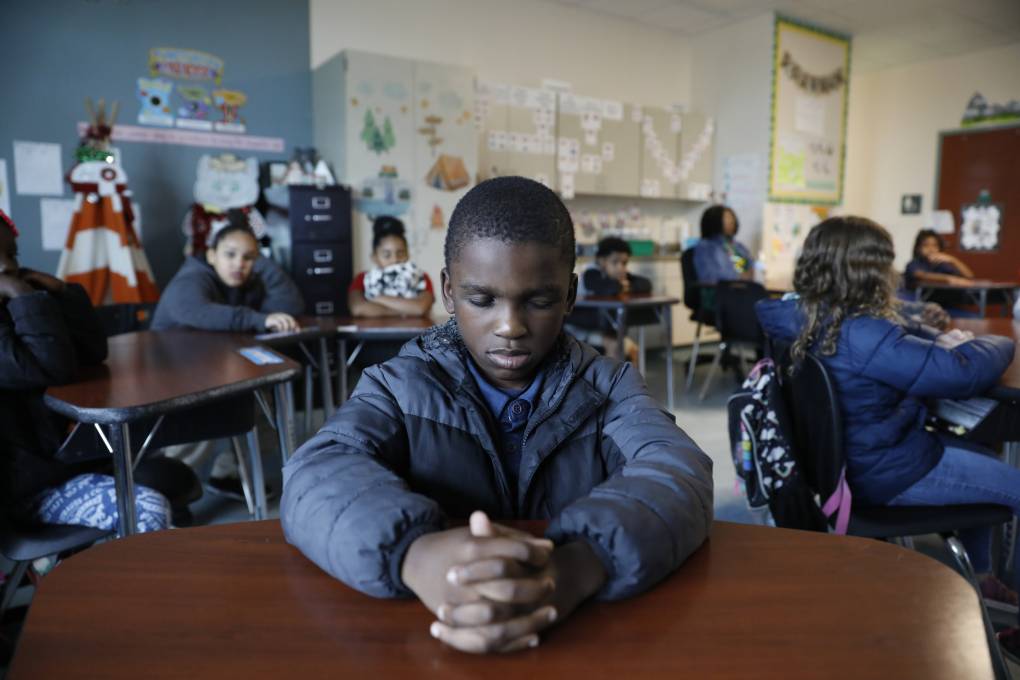
"caption": "A student named Royce closes his eyes during a mindfulness session in class at Patricia J. Sullivan Partnership School in Tampa, Fla. Students say the daily lessons help them cope with their feelings.",
"description": null,
"title": "A student named Royce closes his eyes during a mindfulness session in class at Patricia J. Sullivan Partnership School in Tampa, Fla. Students say the daily lessons help them cope with their feelings.",
"credit": "Octavio Jones for NPR",
"status": "inherit",
"altTag": null,
"isLoading": false,
"fetchFailed": false
},
"mindshift_62967": {
"type": "attachments",
"id": "mindshift_62967",
"meta": {
"index": "attachments_1716263798",
"site": "mindshift",
"id": "62967",
"found": true
},
"parent": 62965,
"imgSizes": {
"twentyfourteen-full-width": {
"file": "https://cdn.kqed.org/wp-content/uploads/sites/23/2024/01/iStock-1124598435-1038x576.jpg",
"width": 1038,
"mimeType": "image/jpeg",
"height": 576
},
"thumbnail": {
"file": "https://cdn.kqed.org/wp-content/uploads/sites/23/2024/01/iStock-1124598435-160x107.jpg",
"width": 160,
"mimeType": "image/jpeg",
"height": 107
},
"post-thumbnail": {
"file": "https://cdn.kqed.org/wp-content/uploads/sites/23/2024/01/iStock-1124598435-672x372.jpg",
"width": 672,
"mimeType": "image/jpeg",
"height": 372
},
"kqedFullSize": {
"file": "https://cdn.kqed.org/wp-content/uploads/sites/23/2024/01/iStock-1124598435.jpg",
"width": 2121,
"height": 1414
},
"2048x2048": {
"file": "https://cdn.kqed.org/wp-content/uploads/sites/23/2024/01/iStock-1124598435-2048x1365.jpg",
"width": 2048,
"mimeType": "image/jpeg",
"height": 1365
},
"large": {
"file": "https://cdn.kqed.org/wp-content/uploads/sites/23/2024/01/iStock-1124598435-1020x680.jpg",
"width": 1020,
"mimeType": "image/jpeg",
"height": 680
},
"1536x1536": {
"file": "https://cdn.kqed.org/wp-content/uploads/sites/23/2024/01/iStock-1124598435-1536x1024.jpg",
"width": 1536,
"mimeType": "image/jpeg",
"height": 1024
},
"full-width": {
"file": "https://cdn.kqed.org/wp-content/uploads/sites/23/2024/01/iStock-1124598435-1920x1280.jpg",
"width": 1920,
"mimeType": "image/jpeg",
"height": 1280
},
"medium": {
"file": "https://cdn.kqed.org/wp-content/uploads/sites/23/2024/01/iStock-1124598435-800x533.jpg",
"width": 800,
"mimeType": "image/jpeg",
"height": 533
},
"medium_large": {
"file": "https://cdn.kqed.org/wp-content/uploads/sites/23/2024/01/iStock-1124598435-768x512.jpg",
"width": 768,
"mimeType": "image/jpeg",
"height": 512
}
},
"publishDate": 1704910790,
"modified": 1704910843,
"caption": null,
"description": null,
"title": "hands holding red heart, health insurance, donation concept",
"credit": "iStock/SewcreamStudio",
"status": "inherit",
"altTag": "3 pairs of hands hold a red smooth stone heart. Beige background",
"isLoading": false,
"fetchFailed": false
},
"mindshift_62864": {
"type": "attachments",
"id": "mindshift_62864",
"meta": {
"index": "attachments_1716263798",
"site": "mindshift",
"id": "62864",
"found": true
},
"parent": 62863,
"imgSizes": {
"twentyfourteen-full-width": {
"file": "https://cdn.kqed.org/wp-content/uploads/sites/23/2023/12/ljohnson-fentanyl-rehab-school_slide-1ecd80c5e24de13658578a205c1651a09a0c36d3-1038x576.jpg",
"width": 1038,
"mimeType": "image/jpeg",
"height": 576
},
"thumbnail": {
"file": "https://cdn.kqed.org/wp-content/uploads/sites/23/2023/12/ljohnson-fentanyl-rehab-school_slide-1ecd80c5e24de13658578a205c1651a09a0c36d3-160x107.jpg",
"width": 160,
"mimeType": "image/jpeg",
"height": 107
},
"post-thumbnail": {
"file": "https://cdn.kqed.org/wp-content/uploads/sites/23/2023/12/ljohnson-fentanyl-rehab-school_slide-1ecd80c5e24de13658578a205c1651a09a0c36d3-672x372.jpg",
"width": 672,
"mimeType": "image/jpeg",
"height": 372
},
"kqedFullSize": {
"file": "https://cdn.kqed.org/wp-content/uploads/sites/23/2023/12/ljohnson-fentanyl-rehab-school_slide-1ecd80c5e24de13658578a205c1651a09a0c36d3-scaled.jpg",
"width": 2560,
"height": 1707
},
"2048x2048": {
"file": "https://cdn.kqed.org/wp-content/uploads/sites/23/2023/12/ljohnson-fentanyl-rehab-school_slide-1ecd80c5e24de13658578a205c1651a09a0c36d3-2048x1365.jpg",
"width": 2048,
"mimeType": "image/jpeg",
"height": 1365
},
"large": {
"file": "https://cdn.kqed.org/wp-content/uploads/sites/23/2023/12/ljohnson-fentanyl-rehab-school_slide-1ecd80c5e24de13658578a205c1651a09a0c36d3-1020x680.jpg",
"width": 1020,
"mimeType": "image/jpeg",
"height": 680
},
"1536x1536": {
"file": "https://cdn.kqed.org/wp-content/uploads/sites/23/2023/12/ljohnson-fentanyl-rehab-school_slide-1ecd80c5e24de13658578a205c1651a09a0c36d3-1536x1024.jpg",
"width": 1536,
"mimeType": "image/jpeg",
"height": 1024
},
"full-width": {
"file": "https://cdn.kqed.org/wp-content/uploads/sites/23/2023/12/ljohnson-fentanyl-rehab-school_slide-1ecd80c5e24de13658578a205c1651a09a0c36d3-1920x1280.jpg",
"width": 1920,
"mimeType": "image/jpeg",
"height": 1280
},
"medium": {
"file": "https://cdn.kqed.org/wp-content/uploads/sites/23/2023/12/ljohnson-fentanyl-rehab-school_slide-1ecd80c5e24de13658578a205c1651a09a0c36d3-800x533.jpg",
"width": 800,
"mimeType": "image/jpeg",
"height": 533
},
"medium_large": {
"file": "https://cdn.kqed.org/wp-content/uploads/sites/23/2023/12/ljohnson-fentanyl-rehab-school_slide-1ecd80c5e24de13658578a205c1651a09a0c36d3-768x512.jpg",
"width": 768,
"mimeType": "image/jpeg",
"height": 512
}
},
"publishDate": 1702670881,
"modified": 1702671633,
"caption": null,
"description": null,
"title": "Hands encircle a struggling teenager",
"credit": "Photo illustration by LA Johnson/Getty Images/NPR",
"status": "inherit",
"altTag": "Orange background. Hands and forearms reach into center forming a circle with a lighter orange background. A teen sits in circle with backpack in one hand and other hand on forehead.",
"isLoading": false,
"fetchFailed": false
},
"mindshift_62765": {
"type": "attachments",
"id": "mindshift_62765",
"meta": {
"index": "attachments_1716263798",
"site": "mindshift",
"id": "62765",
"found": true
},
"parent": 62762,
"imgSizes": {
"twentyfourteen-full-width": {
"file": "https://ww2.kqed.org/app/uploads/sites/23/2023/11/iStock-925672792-1038x576.jpg",
"width": 1038,
"mimeType": "image/jpeg",
"height": 576
},
"thumbnail": {
"file": "https://ww2.kqed.org/app/uploads/sites/23/2023/11/iStock-925672792-160x107.jpg",
"width": 160,
"mimeType": "image/jpeg",
"height": 107
},
"post-thumbnail": {
"file": "https://ww2.kqed.org/app/uploads/sites/23/2023/11/iStock-925672792-672x372.jpg",
"width": 672,
"mimeType": "image/jpeg",
"height": 372
},
"kqedFullSize": {
"file": "https://ww2.kqed.org/app/uploads/sites/23/2023/11/iStock-925672792.jpg",
"width": 2121,
"height": 1414
},
"2048x2048": {
"file": "https://ww2.kqed.org/app/uploads/sites/23/2023/11/iStock-925672792-2048x1365.jpg",
"width": 2048,
"mimeType": "image/jpeg",
"height": 1365
},
"large": {
"file": "https://ww2.kqed.org/app/uploads/sites/23/2023/11/iStock-925672792-1020x680.jpg",
"width": 1020,
"mimeType": "image/jpeg",
"height": 680
},
"1536x1536": {
"file": "https://ww2.kqed.org/app/uploads/sites/23/2023/11/iStock-925672792-1536x1024.jpg",
"width": 1536,
"mimeType": "image/jpeg",
"height": 1024
},
"full-width": {
"file": "https://ww2.kqed.org/app/uploads/sites/23/2023/11/iStock-925672792-1920x1280.jpg",
"width": 1920,
"mimeType": "image/jpeg",
"height": 1280
},
"medium": {
"file": "https://ww2.kqed.org/app/uploads/sites/23/2023/11/iStock-925672792-800x533.jpg",
"width": 800,
"mimeType": "image/jpeg",
"height": 533
},
"medium_large": {
"file": "https://ww2.kqed.org/app/uploads/sites/23/2023/11/iStock-925672792-768x512.jpg",
"width": 768,
"mimeType": "image/jpeg",
"height": 512
}
},
"publishDate": 1701140240,
"modified": 1701140310,
"caption": null,
"description": null,
"title": null,
"credit": "iStock/Sladic",
"status": "inherit",
"altTag": "Father walks with arm around son's shoulder. Green park scene in background.",
"isLoading": false,
"fetchFailed": false
},
"mindshift_62736": {
"type": "attachments",
"id": "mindshift_62736",
"meta": {
"index": "attachments_1716263798",
"site": "mindshift",
"id": "62736",
"found": true
},
"parent": 62734,
"imgSizes": {
"twentyfourteen-full-width": {
"file": "https://ww2.kqed.org/app/uploads/sites/23/2023/11/iStock-991129396-1038x576.jpg",
"width": 1038,
"mimeType": "image/jpeg",
"height": 576
},
"thumbnail": {
"file": "https://ww2.kqed.org/app/uploads/sites/23/2023/11/iStock-991129396-160x107.jpg",
"width": 160,
"mimeType": "image/jpeg",
"height": 107
},
"post-thumbnail": {
"file": "https://ww2.kqed.org/app/uploads/sites/23/2023/11/iStock-991129396-672x372.jpg",
"width": 672,
"mimeType": "image/jpeg",
"height": 372
},
"kqedFullSize": {
"file": "https://ww2.kqed.org/app/uploads/sites/23/2023/11/iStock-991129396.jpg",
"width": 2119,
"height": 1415
},
"2048x2048": {
"file": "https://ww2.kqed.org/app/uploads/sites/23/2023/11/iStock-991129396-2048x1368.jpg",
"width": 2048,
"mimeType": "image/jpeg",
"height": 1368
},
"large": {
"file": "https://ww2.kqed.org/app/uploads/sites/23/2023/11/iStock-991129396-1020x681.jpg",
"width": 1020,
"mimeType": "image/jpeg",
"height": 681
},
"1536x1536": {
"file": "https://ww2.kqed.org/app/uploads/sites/23/2023/11/iStock-991129396-1536x1026.jpg",
"width": 1536,
"mimeType": "image/jpeg",
"height": 1026
},
"full-width": {
"file": "https://ww2.kqed.org/app/uploads/sites/23/2023/11/iStock-991129396-1920x1282.jpg",
"width": 1920,
"mimeType": "image/jpeg",
"height": 1282
},
"medium": {
"file": "https://ww2.kqed.org/app/uploads/sites/23/2023/11/iStock-991129396-800x534.jpg",
"width": 800,
"mimeType": "image/jpeg",
"height": 534
},
"medium_large": {
"file": "https://ww2.kqed.org/app/uploads/sites/23/2023/11/iStock-991129396-768x513.jpg",
"width": 768,
"mimeType": "image/jpeg",
"height": 513
}
},
"publishDate": 1699989251,
"modified": 1700009270,
"caption": null,
"description": null,
"title": "Tired two student girl with stack of books close their face by book. education, session, exams and school conceptual. Two student tired from reading before examination.",
"credit": "iStock/Rachaphak",
"status": "inherit",
"altTag": "Two students with stack of books close their face, laying in the grass.",
"isLoading": false,
"fetchFailed": false
},
"mindshift_62743": {
"type": "attachments",
"id": "mindshift_62743",
"meta": {
"index": "attachments_1716263798",
"site": "mindshift",
"id": "62743",
"found": true
},
"parent": 62742,
"imgSizes": {
"twentyfourteen-full-width": {
"file": "https://ww2.kqed.org/app/uploads/sites/23/2023/11/ljohnson-fentanyl-harm-reduction1_slide-6e97e7cfb8aeb8a86b60a299f927e86a821a0899-1038x576.jpg",
"width": 1038,
"mimeType": "image/jpeg",
"height": 576
},
"thumbnail": {
"file": "https://ww2.kqed.org/app/uploads/sites/23/2023/11/ljohnson-fentanyl-harm-reduction1_slide-6e97e7cfb8aeb8a86b60a299f927e86a821a0899-160x107.jpg",
"width": 160,
"mimeType": "image/jpeg",
"height": 107
},
"post-thumbnail": {
"file": "https://ww2.kqed.org/app/uploads/sites/23/2023/11/ljohnson-fentanyl-harm-reduction1_slide-6e97e7cfb8aeb8a86b60a299f927e86a821a0899-672x372.jpg",
"width": 672,
"mimeType": "image/jpeg",
"height": 372
},
"kqedFullSize": {
"file": "https://ww2.kqed.org/app/uploads/sites/23/2023/11/ljohnson-fentanyl-harm-reduction1_slide-6e97e7cfb8aeb8a86b60a299f927e86a821a0899-scaled.jpg",
"width": 2560,
"height": 1707
},
"2048x2048": {
"file": "https://ww2.kqed.org/app/uploads/sites/23/2023/11/ljohnson-fentanyl-harm-reduction1_slide-6e97e7cfb8aeb8a86b60a299f927e86a821a0899-2048x1365.jpg",
"width": 2048,
"mimeType": "image/jpeg",
"height": 1365
},
"large": {
"file": "https://ww2.kqed.org/app/uploads/sites/23/2023/11/ljohnson-fentanyl-harm-reduction1_slide-6e97e7cfb8aeb8a86b60a299f927e86a821a0899-1020x680.jpg",
"width": 1020,
"mimeType": "image/jpeg",
"height": 680
},
"1536x1536": {
"file": "https://ww2.kqed.org/app/uploads/sites/23/2023/11/ljohnson-fentanyl-harm-reduction1_slide-6e97e7cfb8aeb8a86b60a299f927e86a821a0899-1536x1024.jpg",
"width": 1536,
"mimeType": "image/jpeg",
"height": 1024
},
"full-width": {
"file": "https://ww2.kqed.org/app/uploads/sites/23/2023/11/ljohnson-fentanyl-harm-reduction1_slide-6e97e7cfb8aeb8a86b60a299f927e86a821a0899-1920x1280.jpg",
"width": 1920,
"mimeType": "image/jpeg",
"height": 1280
},
"medium": {
"file": "https://ww2.kqed.org/app/uploads/sites/23/2023/11/ljohnson-fentanyl-harm-reduction1_slide-6e97e7cfb8aeb8a86b60a299f927e86a821a0899-800x533.jpg",
"width": 800,
"mimeType": "image/jpeg",
"height": 533
},
"medium_large": {
"file": "https://ww2.kqed.org/app/uploads/sites/23/2023/11/ljohnson-fentanyl-harm-reduction1_slide-6e97e7cfb8aeb8a86b60a299f927e86a821a0899-768x512.jpg",
"width": 768,
"mimeType": "image/jpeg",
"height": 512
}
},
"publishDate": 1700014252,
"modified": 1700014432,
"caption": null,
"description": null,
"title": "Drug use prevention programs like Nancy Reagan's \"Just say no\" campaign have proven ineffective.",
"credit": "Photo illustration by LA Johnson/Getty Images/NPR",
"status": "inherit",
"altTag": null,
"isLoading": false,
"fetchFailed": false
},
"mindshift_62629": {
"type": "attachments",
"id": "mindshift_62629",
"meta": {
"index": "attachments_1716263798",
"site": "mindshift",
"id": "62629",
"found": true
},
"parent": 62628,
"imgSizes": {
"twentyfourteen-full-width": {
"file": "https://ww2.kqed.org/app/uploads/sites/23/2023/10/iStock-1363659665-1038x576.jpg",
"width": 1038,
"mimeType": "image/jpeg",
"height": 576
},
"thumbnail": {
"file": "https://ww2.kqed.org/app/uploads/sites/23/2023/10/iStock-1363659665-160x124.jpg",
"width": 160,
"mimeType": "image/jpeg",
"height": 124
},
"post-thumbnail": {
"file": "https://ww2.kqed.org/app/uploads/sites/23/2023/10/iStock-1363659665-672x372.jpg",
"width": 672,
"mimeType": "image/jpeg",
"height": 372
},
"kqedFullSize": {
"file": "https://ww2.kqed.org/app/uploads/sites/23/2023/10/iStock-1363659665.jpg",
"width": 1963,
"height": 1527
},
"large": {
"file": "https://ww2.kqed.org/app/uploads/sites/23/2023/10/iStock-1363659665-1020x793.jpg",
"width": 1020,
"mimeType": "image/jpeg",
"height": 793
},
"1536x1536": {
"file": "https://ww2.kqed.org/app/uploads/sites/23/2023/10/iStock-1363659665-1536x1195.jpg",
"width": 1536,
"mimeType": "image/jpeg",
"height": 1195
},
"full-width": {
"file": "https://ww2.kqed.org/app/uploads/sites/23/2023/10/iStock-1363659665-1920x1494.jpg",
"width": 1920,
"mimeType": "image/jpeg",
"height": 1494
},
"medium": {
"file": "https://ww2.kqed.org/app/uploads/sites/23/2023/10/iStock-1363659665-800x622.jpg",
"width": 800,
"mimeType": "image/jpeg",
"height": 622
},
"medium_large": {
"file": "https://ww2.kqed.org/app/uploads/sites/23/2023/10/iStock-1363659665-768x597.jpg",
"width": 768,
"mimeType": "image/jpeg",
"height": 597
}
},
"publishDate": 1697579835,
"modified": 1697579892,
"caption": null,
"description": null,
"title": "Psychologist doctor online consultation. Psychotherapy practice, psychological help, psychiatrist consulting patient.",
"credit": "iStock/Valentina Antuganova",
"status": "inherit",
"altTag": "illustration of a doctor in a computer talking to a girl with a tangled cloud above her head",
"isLoading": false,
"fetchFailed": false
},
"mindshift_62508": {
"type": "attachments",
"id": "mindshift_62508",
"meta": {
"index": "attachments_1716263798",
"site": "mindshift",
"id": "62508",
"found": true
},
"parent": 62501,
"imgSizes": {
"twentyfourteen-full-width": {
"file": "https://ww2.kqed.org/app/uploads/sites/23/2023/10/iStock-1227064104-1038x576.jpg",
"width": 1038,
"mimeType": "image/jpeg",
"height": 576
},
"thumbnail": {
"file": "https://ww2.kqed.org/app/uploads/sites/23/2023/10/iStock-1227064104-160x107.jpg",
"width": 160,
"mimeType": "image/jpeg",
"height": 107
},
"post-thumbnail": {
"file": "https://ww2.kqed.org/app/uploads/sites/23/2023/10/iStock-1227064104-672x372.jpg",
"width": 672,
"mimeType": "image/jpeg",
"height": 372
},
"kqedFullSize": {
"file": "https://ww2.kqed.org/app/uploads/sites/23/2023/10/iStock-1227064104.jpg",
"width": 2121,
"height": 1414
},
"2048x2048": {
"file": "https://ww2.kqed.org/app/uploads/sites/23/2023/10/iStock-1227064104-2048x1365.jpg",
"width": 2048,
"mimeType": "image/jpeg",
"height": 1365
},
"large": {
"file": "https://ww2.kqed.org/app/uploads/sites/23/2023/10/iStock-1227064104-1020x680.jpg",
"width": 1020,
"mimeType": "image/jpeg",
"height": 680
},
"1536x1536": {
"file": "https://ww2.kqed.org/app/uploads/sites/23/2023/10/iStock-1227064104-1536x1024.jpg",
"width": 1536,
"mimeType": "image/jpeg",
"height": 1024
},
"full-width": {
"file": "https://ww2.kqed.org/app/uploads/sites/23/2023/10/iStock-1227064104-1920x1280.jpg",
"width": 1920,
"mimeType": "image/jpeg",
"height": 1280
},
"medium": {
"file": "https://ww2.kqed.org/app/uploads/sites/23/2023/10/iStock-1227064104-800x533.jpg",
"width": 800,
"mimeType": "image/jpeg",
"height": 533
},
"medium_large": {
"file": "https://ww2.kqed.org/app/uploads/sites/23/2023/10/iStock-1227064104-768x512.jpg",
"width": 768,
"mimeType": "image/jpeg",
"height": 512
}
},
"publishDate": 1696706071,
"modified": 1696706125,
"caption": null,
"description": null,
"title": null,
"credit": "iStock/SewcreamStudio",
"status": "inherit",
"altTag": "Hand choosing green happy smiley face paper next to a frown face paper and an OK face paper",
"isLoading": false,
"fetchFailed": false
},
"mindshift_62419": {
"type": "attachments",
"id": "mindshift_62419",
"meta": {
"index": "attachments_1716263798",
"site": "mindshift",
"id": "62419",
"found": true
},
"parent": 62417,
"imgSizes": {
"twentyfourteen-full-width": {
"file": "https://ww2.kqed.org/app/uploads/sites/23/2023/09/cb3-1038x576.jpeg",
"width": 1038,
"mimeType": "image/jpeg",
"height": 576
},
"thumbnail": {
"file": "https://ww2.kqed.org/app/uploads/sites/23/2023/09/cb3-160x106.jpeg",
"width": 160,
"mimeType": "image/jpeg",
"height": 106
},
"post-thumbnail": {
"file": "https://ww2.kqed.org/app/uploads/sites/23/2023/09/cb3-672x372.jpeg",
"width": 672,
"mimeType": "image/jpeg",
"height": 372
},
"kqedFullSize": {
"file": "https://ww2.kqed.org/app/uploads/sites/23/2023/09/cb3.jpeg",
"width": 1680,
"height": 1110
},
"large": {
"file": "https://ww2.kqed.org/app/uploads/sites/23/2023/09/cb3-1020x674.jpeg",
"width": 1020,
"mimeType": "image/jpeg",
"height": 674
},
"1536x1536": {
"file": "https://ww2.kqed.org/app/uploads/sites/23/2023/09/cb3-1536x1015.jpeg",
"width": 1536,
"mimeType": "image/jpeg",
"height": 1015
},
"medium": {
"file": "https://ww2.kqed.org/app/uploads/sites/23/2023/09/cb3-800x529.jpeg",
"width": 800,
"mimeType": "image/jpeg",
"height": 529
},
"medium_large": {
"file": "https://ww2.kqed.org/app/uploads/sites/23/2023/09/cb3-768x507.jpeg",
"width": 768,
"mimeType": "image/jpeg",
"height": 507
}
},
"publishDate": 1695243409,
"modified": 1695243480,
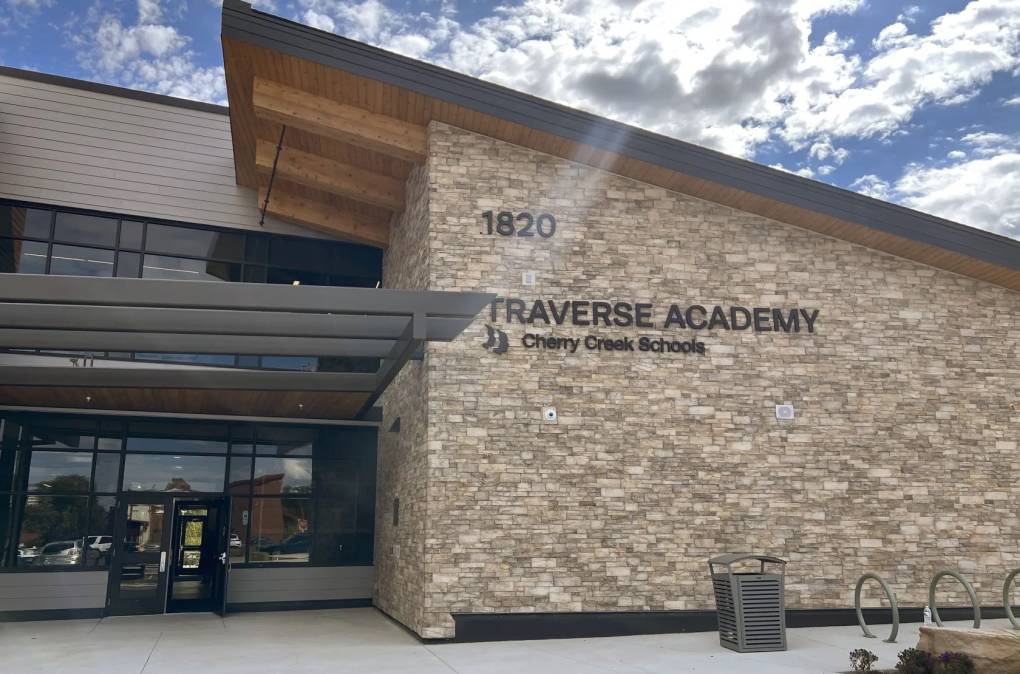
"caption": "Traverse Academy is set to open Oct. 23. There are already 30 students on a waiting list.",
"description": null,
"title": "cb3",
"credit": "Melanie Asmar/Chalkbeat",
"status": "inherit",
"altTag": null,
"isLoading": false,
"fetchFailed": false
},
"mindshift_62413": {
"type": "attachments",
"id": "mindshift_62413",
"meta": {
"index": "attachments_1716263798",
"site": "mindshift",
"id": "62413",
"found": true
},
"parent": 62409,
"imgSizes": {
"twentyfourteen-full-width": {
"file": "https://ww2.kqed.org/app/uploads/sites/23/2023/09/iStock-1470038807-1038x576.jpg",
"width": 1038,
"mimeType": "image/jpeg",
"height": 576
},
"thumbnail": {
"file": "https://ww2.kqed.org/app/uploads/sites/23/2023/09/iStock-1470038807-160x107.jpg",
"width": 160,
"mimeType": "image/jpeg",
"height": 107
},
"post-thumbnail": {
"file": "https://ww2.kqed.org/app/uploads/sites/23/2023/09/iStock-1470038807-672x372.jpg",
"width": 672,
"mimeType": "image/jpeg",
"height": 372
},
"kqedFullSize": {
"file": "https://ww2.kqed.org/app/uploads/sites/23/2023/09/iStock-1470038807-scaled.jpg",
"width": 2560,
"height": 1708
},
"2048x2048": {
"file": "https://ww2.kqed.org/app/uploads/sites/23/2023/09/iStock-1470038807-2048x1366.jpg",
"width": 2048,
"mimeType": "image/jpeg",
"height": 1366
},
"large": {
"file": "https://ww2.kqed.org/app/uploads/sites/23/2023/09/iStock-1470038807-1020x680.jpg",
"width": 1020,
"mimeType": "image/jpeg",
"height": 680
},
"1536x1536": {
"file": "https://ww2.kqed.org/app/uploads/sites/23/2023/09/iStock-1470038807-1536x1025.jpg",
"width": 1536,
"mimeType": "image/jpeg",
"height": 1025
},
"full-width": {
"file": "https://ww2.kqed.org/app/uploads/sites/23/2023/09/iStock-1470038807-1920x1281.jpg",
"width": 1920,
"mimeType": "image/jpeg",
"height": 1281
},
"medium": {
"file": "https://ww2.kqed.org/app/uploads/sites/23/2023/09/iStock-1470038807-800x534.jpg",
"width": 800,
"mimeType": "image/jpeg",
"height": 534
},
"medium_large": {
"file": "https://ww2.kqed.org/app/uploads/sites/23/2023/09/iStock-1470038807-768x512.jpg",
"width": 768,
"mimeType": "image/jpeg",
"height": 512
}
},
"publishDate": 1695176559,
"modified": 1695176850,
"caption": null,
"description": null,
"title": "students",
"credit": "iStock/PeopleImages",
"status": "inherit",
"altTag": null,
"isLoading": false,
"fetchFailed": false
}
},
"audioPlayerReducer": {
"postId": "stream_live",
"isPaused": true,
"isPlaying": false,
"pfsActive": false,
"pledgeModalIsOpen": true,
"playerDrawerIsOpen": false,
"liveAudioPlayStartedAt": 0,
"liveAudioPlayContext": ""
},
"authorsReducer": {
"byline_mindshift_63052": {
"type": "authors",
"id": "byline_mindshift_63052",
"meta": {
"override": true
},
"slug": "byline_mindshift_63052",
"name": "Jill Barshay, \u003ca href=\"https://hechingerreport.org/\" target=\"_blank\">The Hechinger Report\u003c/a>",
"isLoading": false
},
"byline_mindshift_63039": {
"type": "authors",
"id": "byline_mindshift_63039",
"meta": {
"override": true
},
"slug": "byline_mindshift_63039",
"name": "Pien Huang",
"isLoading": false
},
"byline_mindshift_62863": {
"type": "authors",
"id": "byline_mindshift_62863",
"meta": {
"override": true
},
"slug": "byline_mindshift_62863",
"name": "Sequoia Carrillo",
"isLoading": false
},
"byline_mindshift_62742": {
"type": "authors",
"id": "byline_mindshift_62742",
"meta": {
"override": true
},
"slug": "byline_mindshift_62742",
"name": "Lee V. Gaines",
"isLoading": false
},
"byline_mindshift_62628": {
"type": "authors",
"id": "byline_mindshift_62628",
"meta": {
"override": true
},
"slug": "byline_mindshift_62628",
"name": "Cara Goodwin, \u003ca href=\"https://parentingtranslator.org\" target=\"_blank\">The Parenting Translator\u003c/a>",
"isLoading": false
},
"byline_mindshift_62417": {
"type": "authors",
"id": "byline_mindshift_62417",
"meta": {
"override": true
},
"slug": "byline_mindshift_62417",
"name": "Melanie Asmar, Chalkbeat Colorado",
"isLoading": false
},
"lindaflan": {
"type": "authors",
"id": "4613",
"meta": {
"index": "authors_1716337520",
"id": "4613",
"found": true
},
"name": "Linda Flanagan",
"firstName": "Linda",
"lastName": "Flanagan",
"slug": "lindaflan",
"email": "lindaflan@comcast.net",
"display_author_email": false,
"staff_mastheads": [],
"title": null,
"bio": "Linda Flanagan is a freelance writer, researcher, and editor. Her work has appeared in The Atlantic, The Wall St. Journal, Newsweek, Running Times, and Mind/Shift, and she blogs regularly for the Huffington Post. Linda writes about education, culture, athletics, youth sports, mental health, politics, college admissions, and other curiosities. She also reviews books and conducts interviews.",
"avatar": "https://secure.gravatar.com/avatar/6bca04c0736bf5eaea80654019de688f?s=600&d=blank&r=g",
"twitter": "LindaFlanagan2",
"facebook": null,
"instagram": null,
"linkedin": null,
"sites": [
{
"site": "mindshift",
"roles": [
"contributor"
]
}
],
"headData": {
"title": "Linda Flanagan | KQED",
"description": null,
"ogImgSrc": "https://secure.gravatar.com/avatar/6bca04c0736bf5eaea80654019de688f?s=600&d=blank&r=g",
"twImgSrc": "https://secure.gravatar.com/avatar/6bca04c0736bf5eaea80654019de688f?s=600&d=blank&r=g"
},
"isLoading": false,
"link": "/author/lindaflan"
},
"ngobir": {
"type": "authors",
"id": "11721",
"meta": {
"index": "authors_1716337520",
"id": "11721",
"found": true
},
"name": "Nimah Gobir",
"firstName": "Nimah",
"lastName": "Gobir",
"slug": "ngobir",
"email": "ngobir@kqed.org",
"display_author_email": false,
"staff_mastheads": [],
"title": "KQED Contributor",
"bio": null,
"avatar": "https://secure.gravatar.com/avatar/837f5df7045c59f3ec097cdf7ac391373ab75d5ec936dd7099b8cb6f0af1b0e9?s=600&d=blank&r=g",
"twitter": null,
"bluesky": null,
"facebook": null,
"instagram": null,
"linkedin": null,
"sites": [
{
"site": "mindshift",
"roles": [
"editor"
]
}
],
"headData": {
"title": "Nimah Gobir | KQED",
"description": "KQED Contributor",
"ogImgSrc": "https://secure.gravatar.com/avatar/837f5df7045c59f3ec097cdf7ac391373ab75d5ec936dd7099b8cb6f0af1b0e9?s=600&d=blank&r=g",
"twImgSrc": "https://secure.gravatar.com/avatar/837f5df7045c59f3ec097cdf7ac391373ab75d5ec936dd7099b8cb6f0af1b0e9?s=600&d=blank&r=g"
},
"isLoading": false,
"link": "/author/ngobir"
},
"mjacksonretondo": {
"type": "authors",
"id": "11759",
"meta": {
"index": "authors_1716337520",
"id": "11759",
"found": true
},
"name": "Marlena Jackson-Retondo",
"firstName": "Marlena",
"lastName": "Jackson-Retondo",
"slug": "mjacksonretondo",
"email": "mjacksonretondo@kqed.org",
"display_author_email": false,
"staff_mastheads": [],
"title": "Engagement Producer",
"bio": "Marlena Jackson-Retondo is the engagement producer for KQED's \u003cem>Forum \u003c/em>and \u003cem>Mindshift\u003c/em>. Prior to joining the team in 2022, Marlena was an intern with the KQED Digital News Engagement team. She grew up in the Bay Area.\u003cem> \u003c/em>",
"avatar": "https://secure.gravatar.com/avatar/94ab429312e9a676559e31d1894130df?s=600&d=blank&r=g",
"twitter": null,
"facebook": null,
"instagram": null,
"linkedin": null,
"sites": [
{
"site": "arts",
"roles": [
"editor"
]
},
{
"site": "news",
"roles": [
"contributor"
]
},
{
"site": "mindshift",
"roles": [
"editor"
]
},
{
"site": "forum",
"roles": [
"editor"
]
}
],
"headData": {
"title": "Marlena Jackson-Retondo | KQED",
"description": "Engagement Producer",
"ogImgSrc": "https://secure.gravatar.com/avatar/94ab429312e9a676559e31d1894130df?s=600&d=blank&r=g",
"twImgSrc": "https://secure.gravatar.com/avatar/94ab429312e9a676559e31d1894130df?s=600&d=blank&r=g"
},
"isLoading": false,
"link": "/author/mjacksonretondo"
}
},
"pagesReducer": {
"mindshift_category_mental-health": {
"type": "terms",
"id": "mindshift_21280",
"meta": {
"index": "terms_1716263798",
"site": "mindshift",
"id": "21280",
"score": 12.28665
},
"featImg": null,
"name": "Mental Health",
"description": null,
"taxonomy": "category",
"headData": {
"twImgId": null,
"twTitle": null,
"ogTitle": null,
"ogImgId": null,
"twDescription": null,
"description": null,
"title": "Mental Health Archives | KQED Mindshift",
"ogDescription": null
},
"ttid": 20552,
"slug": "mental-health",
"isLoading": false,
"title": "Mental Health",
"pageMeta": {
"site": "mindshift",
"WpPageTemplate": "page-topic-editorial",
"currentPage": 3
},
"blocks": [
{
"blockName": "kqed/post-list",
"attrs": {
"layout": "cardArticle2",
"query": "posts/mindshift?category=mental-health",
"seeMore": false,
"paginated": true,
"page": 3
}
},
{
"blockName": "kqed/ad"
}
]
}
},
"pfsSessionReducer": {},
"postsReducer": {
"stream_live": {
"type": "live",
"id": "stream_live",
"audioUrl": "https://streams.kqed.org/kqedradio",
"title": "Live Stream",
"excerpt": "Live Stream information currently unavailable.",
"link": "/radio",
"featImg": "",
"label": {
"name": "KQED Live",
"link": "/"
}
},
"stream_kqedNewscast": {
"type": "posts",
"id": "stream_kqedNewscast",
"audioUrl": "https://www.kqed.org/.stream/anon/radio/RDnews/newscast.mp3?_=1",
"title": "KQED Newscast",
"featImg": "",
"label": {
"name": "88.5 FM",
"link": "/"
}
},
"mindshift_63052": {
"type": "posts",
"id": "mindshift_63052",
"meta": {
"index": "posts_1716263798",
"site": "mindshift",
"id": "63052",
"score": null,
"sort": [
1707130837000
]
},
"guestAuthors": [],
"slug": "overscheduling-kids-lives-causes-depression-and-anxiety-study-finds",
"title": "Overscheduling Kids’ Lives Causes Depression and Anxiety, Study Finds",
"publishDate": 1707130837,
"format": "standard",
"headTitle": "Overscheduling Kids’ Lives Causes Depression and Anxiety, Study Finds | KQED",
"labelTerm": {
"site": "mindshift"
},
"content": "\u003cp>\u003cspan style=\"font-weight: 400\">Psychologists have long warned that children’s lives are overscheduled, which undermines their ability to develop non-academic skills that they’ll need in adulthood, from coping with setbacks to building strong relationships. Now a trio of economists say they’ve been able to calculate some of these psychological costs.\u003c/span>\u003c/p>\n\u003cp>\u003cspan style=\"font-weight: 400\">In a new \u003c/span>\u003ca href=\"https://www.sciencedirect.com/science/article/abs/pii/S0272775723001504?via%3Dihub\">\u003cspan style=\"font-weight: 400\">data analysis published in the February 2024 issue of the Economics of Education Review\u003c/span>\u003c/a>\u003cspan style=\"font-weight: 400\">, three economists from the University of Georgia and the Federal Reserve Board found that students are assigned so much homework and signed up for so many extracurricular activities that the “last hour” was no longer helping to build their academic skills. Instead, the activities were actually harming their mental well-being, making students more anxious, depressed or angry. \u003c/span>\u003c/p>\n\u003cp>\u003cspan style=\"font-weight: 400\">“We’re not saying that all these activities are bad, but that the total is bad,” said Carolina Caetano, one of the study’s authors and an assistant professor of economics at the University of Georgia. Homework and scheduled activities, she said, were eating away at time for sleep and socializing, which are also important. \u003c/span>\u003c/p>\n\u003cp>\u003cspan style=\"font-weight: 400\">The downsides of homework and scheduled activities were most pronounced during the high school years, when students are feeling pressure to earn high grades and load up on extracurriculars for their college applications, the researchers found.\u003c/span>\u003c/p>\n\u003cp>\u003cspan style=\"font-weight: 400\">Unfortunately, the researchers weren’t able to put a precise number on how many hours is too much, and Caetano explained to me that the number might not be the same for everyone.\u003c/span>\u003c/p>\n\u003cp>[ad fullwidth]\u003c/p>\n\u003cp>\u003cspan style=\"font-weight: 400\">Parents who worry that their children might be overscheduled should ask themselves whether they feel their days are so busy that their children don’t even have time for spontaneous play dates, Caetano said. “If you feel stretched, you’re probably on the too-much side of this,” she said.\u003c/span>\u003c/p>\n\u003cp>\u003cspan style=\"font-weight: 400\">Caetano and her research team analyzed the time diaries of 4,300 children and teens, from kindergarten through 12th grade. The diaries had been collected over the years, dating back to 1997, as part of the \u003c/span>\u003ca href=\"https://psidonline.isr.umich.edu/\">\u003cspan style=\"font-weight: 400\">Panel Study of Income Dynamics (PSID)\u003c/span>\u003c/a>\u003cspan style=\"font-weight: 400\">, a large nationally representative household survey overseen by the University of Michigan. Children, parents and survey workers kept track of a random weekday and a random weekend day for each child, allowing the researchers to see how children spent every minute.\u003c/span>\u003c/p>\n\u003cp>\u003cspan style=\"font-weight: 400\">The researchers described a wide assortment of activities intended to improve children’s skills as “enrichment.” Homework was the largest component, adding up to two thirds of the total enrichment hours. The remainder of the enrichment time was occupied by reading (14% of the enrichment time), followed by before- and after-school programs (7%). In the diaries, relatively little time was spent being read to by parents, tutoring and other academic lessons, and on non-academic lessons, such as piano, soccer lessons or driver’s ed. On average, children spent 45 minutes a day on all of them, ranging from zero to four hours a day.\u003c/span>\u003c/p>\n\u003cp>\u003cspan style=\"font-weight: 400\">The researchers then compared time spent on these enrichment activities with academic test scores along with non-cognitive psychological measures, which were based on parent surveys of their children’s behaviors, such as being withdrawn, anxious or angry. \u003c/span>\u003c/p>\n\u003cp>\u003cspan style=\"font-weight: 400\">At first, there seemed to be a strong association between time spent on enrichment and academic skills and positive behaviors. That is, students who were more scheduled also had higher test scores and better behaviors. \u003c/span>\u003c/p>\n\u003cp>\u003cspan style=\"font-weight: 400\">But scheduled students also tend to be wealthier. Their families have the resources for tutors, after-school activities, or nannies who enforce homework time. It’s hard to tell how much the activities were responsible for boosting students’ skills or whether these highly resourced children would have done just as well on the tests and non-cognitive measures without the activities. After adjusting for family income and other demographic characteristics, some of these benefits melted away. Still, some association between scheduled activities and academic skills remained. In other words, even between two children with the same demographics and family income, the one that was more scheduled and spent more time on homework scored higher.\u003c/span>\u003c/p>\n\u003cp>\u003cspan style=\"font-weight: 400\">However, these scheduled children of the same income and demographics still differ from each other in important ways. Some are more motivated or conscientious. Some have photographic memories or are hard working. Some have a gift for math or music. The children who choose to do more homework and participate in after-school activities are exactly the ones who are more likely to score higher anyway. It’s a thorny knot to disentangle how much the homework and scheduled activities are driving the improvement in skills.\u003c/span>\u003c/p>\n\u003cp>\u003cspan style=\"font-weight: 400\">In this study, the researchers used a new statistical technique for large datasets to disentangle it. And once they adjusted for the effects of the students’ unobservable or inner differences, all the academic benefits melted away, and well-being turned negative. That is, the final or marginal hour of homework and activities didn’t raise a student’s test scores at all and lowered a child’s non-cognitive behaviors.\u003c/span>\u003c/p>\n\u003cp>\u003cspan style=\"font-weight: 400\">The researchers also noticed a dilemma in the data. The psychological downsides of overscheduling hit before students’ cognitive skills were maximized. There’s a point where a child could still boost his academic skills by doing another hour of homework or tutoring, for example, but it would come at the expense of mental well-being. With more time spent on these activities, the academic returns eventually fall to zero, but by that time, there’s been a considerable hit to well-being.\u003c/span>\u003c/p>\n\u003cp>\u003cspan style=\"font-weight: 400\">A lot more research is needed to understand if some activities are harming students more than others. One question Caetano has concerns timing. She wonders what would happen if little kids were less scheduled in elementary school. Would they then have more resilience to deal with the time pressures in high school? \u003c/span>\u003c/p>\n\u003cp>\u003cspan style=\"font-weight: 400\">The statistical techniques in this study are new and researchers debate about how and when to use them. Josh Goodman, an education economist at Boston University who was not involved in the study, commented that the causal claims between overscheduling and academic skills and mental well-being aren’t “perfect,” but called them “good enough.” He said on X (formerly Twitter) that “the paper raises some very uncomfortable questions (including about my own parenting decisions!)” \u003c/span>\u003c/p>\n\u003cp>\u003cspan style=\"font-weight: 400\">Of course, parents aren’t entirely to blame. Schools assign the homework and their children’s grades will suffer if it isn’t done. College admissions departments value applicants with high grades and activities. Caetano sympathizes with parents who find it hard to individually push back against the current system. \u003c/span>\u003c/p>\n\u003cp>\u003cspan style=\"font-weight: 400\">It’s similarly difficult for one school to unilaterally change homework policies when colleges could penalize their students. Indeed, schools that have tried reducing the pressure have sometimes felt the wrath of parents who are worried that less homework will cause their children to fall behind the competition. Ultimately, Caetano says that education policymakers on the state or federal level need to set policies to ratchet down the pressure for all.\u003c/span>\u003c/p>\n\u003cp>[ad floatright]\u003c/p>\n\u003cp>\u003ci>\u003cspan style=\"font-weight: 400\">This story about \u003c/span>\u003c/i>\u003ca href=\"https://hechingerreport.org/proof-points-overscheduling-kids-lives-causes-depression-and-anxiety-study-finds/\">\u003ci>\u003cspan style=\"font-weight: 400\">extracurricular activities\u003c/span>\u003c/i>\u003c/a>\u003ci>\u003cspan style=\"font-weight: 400\"> was written by Jill Barshay and produced by \u003c/span>\u003c/i>\u003cspan style=\"font-weight: 400\">The Hechinger Report\u003c/span>\u003ci>\u003cspan style=\"font-weight: 400\">, a nonprofit, independent news organization focused on inequality and innovation in education. Sign up for the \u003c/span>\u003c/i>\u003ca href=\"https://hechingerreport.org/proofpoints/\">\u003ci>\u003cspan style=\"font-weight: 400\">Proof Points newsletter\u003c/span>\u003c/i>\u003c/a>\u003ci>\u003cspan style=\"font-weight: 400\">.\u003c/span>\u003c/i>\u003c/p>\n\n",
"blocks": [],
"excerpt": "Economists calculated the costs and benefits of homework and extracurriculars. They found troubling mental health costs.",
"status": "publish",
"parent": 0,
"modified": 1723488253,
"stats": {
"hasAudio": false,
"hasVideo": false,
"hasChartOrMap": false,
"iframeSrcs": [],
"hasGoogleForm": false,
"hasGallery": false,
"hasHearkenModule": false,
"hasPolis": false,
"paragraphCount": 21,
"wordCount": 1247
},
"headData": {
"title": "Overscheduling Kids’ Lives Causes Depression and Anxiety, Study Finds | KQED",
"description": "Economists calculated the costs and benefits of homework and extracurriculars. They found troubling mental health costs.",
"ogTitle": "",
"ogDescription": "",
"ogImgId": "",
"twTitle": "",
"twDescription": "",
"twImgId": "",
"socialDescription": "Economists calculated the costs and benefits of homework and extracurriculars. They found troubling mental health costs.",
"schema": {
"@context": "https://schema.org",
"@type": "Article",
"headline": "Overscheduling Kids’ Lives Causes Depression and Anxiety, Study Finds",
"datePublished": "2024-02-05T03:00:37-08:00",
"dateModified": "2024-08-12T11:44:13-07:00",
"image": "https://cdn.kqed.org/wp-content/uploads/2020/02/KQED-OG-Image@1x.png"
}
},
"sticky": false,
"nprByline": "Jill Barshay, \u003ca href=\"https://hechingerreport.org/\" target=\"_blank\">The Hechinger Report\u003c/a>",
"excludeFromSiteSearch": "Include",
"showOnAuthorArchivePages": "No",
"articleAge": "0",
"path": "/mindshift/63052/overscheduling-kids-lives-causes-depression-and-anxiety-study-finds",
"audioTrackLength": null,
"parsedContent": [
{
"type": "contentString",
"content": "\u003cdiv class=\"post-body\">\u003cp>\u003cp>\u003cspan style=\"font-weight: 400\">Psychologists have long warned that children’s lives are overscheduled, which undermines their ability to develop non-academic skills that they’ll need in adulthood, from coping with setbacks to building strong relationships. Now a trio of economists say they’ve been able to calculate some of these psychological costs.\u003c/span>\u003c/p>\n\u003cp>\u003cspan style=\"font-weight: 400\">In a new \u003c/span>\u003ca href=\"https://www.sciencedirect.com/science/article/abs/pii/S0272775723001504?via%3Dihub\">\u003cspan style=\"font-weight: 400\">data analysis published in the February 2024 issue of the Economics of Education Review\u003c/span>\u003c/a>\u003cspan style=\"font-weight: 400\">, three economists from the University of Georgia and the Federal Reserve Board found that students are assigned so much homework and signed up for so many extracurricular activities that the “last hour” was no longer helping to build their academic skills. Instead, the activities were actually harming their mental well-being, making students more anxious, depressed or angry. \u003c/span>\u003c/p>\n\u003cp>\u003cspan style=\"font-weight: 400\">“We’re not saying that all these activities are bad, but that the total is bad,” said Carolina Caetano, one of the study’s authors and an assistant professor of economics at the University of Georgia. Homework and scheduled activities, she said, were eating away at time for sleep and socializing, which are also important. \u003c/span>\u003c/p>\n\u003cp>\u003cspan style=\"font-weight: 400\">The downsides of homework and scheduled activities were most pronounced during the high school years, when students are feeling pressure to earn high grades and load up on extracurriculars for their college applications, the researchers found.\u003c/span>\u003c/p>\n\u003cp>\u003cspan style=\"font-weight: 400\">Unfortunately, the researchers weren’t able to put a precise number on how many hours is too much, and Caetano explained to me that the number might not be the same for everyone.\u003c/span>\u003c/p>\n\u003cp>\u003c/p>\u003c/div>",
"attributes": {
"named": {},
"numeric": []
}
},
{
"type": "component",
"content": "",
"name": "ad",
"attributes": {
"named": {
"label": "fullwidth"
},
"numeric": [
"fullwidth"
]
}
},
{
"type": "contentString",
"content": "\u003cdiv class=\"post-body\">\u003cp>\u003c/p>\n\u003cp>\u003cspan style=\"font-weight: 400\">Parents who worry that their children might be overscheduled should ask themselves whether they feel their days are so busy that their children don’t even have time for spontaneous play dates, Caetano said. “If you feel stretched, you’re probably on the too-much side of this,” she said.\u003c/span>\u003c/p>\n\u003cp>\u003cspan style=\"font-weight: 400\">Caetano and her research team analyzed the time diaries of 4,300 children and teens, from kindergarten through 12th grade. The diaries had been collected over the years, dating back to 1997, as part of the \u003c/span>\u003ca href=\"https://psidonline.isr.umich.edu/\">\u003cspan style=\"font-weight: 400\">Panel Study of Income Dynamics (PSID)\u003c/span>\u003c/a>\u003cspan style=\"font-weight: 400\">, a large nationally representative household survey overseen by the University of Michigan. Children, parents and survey workers kept track of a random weekday and a random weekend day for each child, allowing the researchers to see how children spent every minute.\u003c/span>\u003c/p>\n\u003cp>\u003cspan style=\"font-weight: 400\">The researchers described a wide assortment of activities intended to improve children’s skills as “enrichment.” Homework was the largest component, adding up to two thirds of the total enrichment hours. The remainder of the enrichment time was occupied by reading (14% of the enrichment time), followed by before- and after-school programs (7%). In the diaries, relatively little time was spent being read to by parents, tutoring and other academic lessons, and on non-academic lessons, such as piano, soccer lessons or driver’s ed. On average, children spent 45 minutes a day on all of them, ranging from zero to four hours a day.\u003c/span>\u003c/p>\n\u003cp>\u003cspan style=\"font-weight: 400\">The researchers then compared time spent on these enrichment activities with academic test scores along with non-cognitive psychological measures, which were based on parent surveys of their children’s behaviors, such as being withdrawn, anxious or angry. \u003c/span>\u003c/p>\n\u003cp>\u003cspan style=\"font-weight: 400\">At first, there seemed to be a strong association between time spent on enrichment and academic skills and positive behaviors. That is, students who were more scheduled also had higher test scores and better behaviors. \u003c/span>\u003c/p>\n\u003cp>\u003cspan style=\"font-weight: 400\">But scheduled students also tend to be wealthier. Their families have the resources for tutors, after-school activities, or nannies who enforce homework time. It’s hard to tell how much the activities were responsible for boosting students’ skills or whether these highly resourced children would have done just as well on the tests and non-cognitive measures without the activities. After adjusting for family income and other demographic characteristics, some of these benefits melted away. Still, some association between scheduled activities and academic skills remained. In other words, even between two children with the same demographics and family income, the one that was more scheduled and spent more time on homework scored higher.\u003c/span>\u003c/p>\n\u003cp>\u003cspan style=\"font-weight: 400\">However, these scheduled children of the same income and demographics still differ from each other in important ways. Some are more motivated or conscientious. Some have photographic memories or are hard working. Some have a gift for math or music. The children who choose to do more homework and participate in after-school activities are exactly the ones who are more likely to score higher anyway. It’s a thorny knot to disentangle how much the homework and scheduled activities are driving the improvement in skills.\u003c/span>\u003c/p>\n\u003cp>\u003cspan style=\"font-weight: 400\">In this study, the researchers used a new statistical technique for large datasets to disentangle it. And once they adjusted for the effects of the students’ unobservable or inner differences, all the academic benefits melted away, and well-being turned negative. That is, the final or marginal hour of homework and activities didn’t raise a student’s test scores at all and lowered a child’s non-cognitive behaviors.\u003c/span>\u003c/p>\n\u003cp>\u003cspan style=\"font-weight: 400\">The researchers also noticed a dilemma in the data. The psychological downsides of overscheduling hit before students’ cognitive skills were maximized. There’s a point where a child could still boost his academic skills by doing another hour of homework or tutoring, for example, but it would come at the expense of mental well-being. With more time spent on these activities, the academic returns eventually fall to zero, but by that time, there’s been a considerable hit to well-being.\u003c/span>\u003c/p>\n\u003cp>\u003cspan style=\"font-weight: 400\">A lot more research is needed to understand if some activities are harming students more than others. One question Caetano has concerns timing. She wonders what would happen if little kids were less scheduled in elementary school. Would they then have more resilience to deal with the time pressures in high school? \u003c/span>\u003c/p>\n\u003cp>\u003cspan style=\"font-weight: 400\">The statistical techniques in this study are new and researchers debate about how and when to use them. Josh Goodman, an education economist at Boston University who was not involved in the study, commented that the causal claims between overscheduling and academic skills and mental well-being aren’t “perfect,” but called them “good enough.” He said on X (formerly Twitter) that “the paper raises some very uncomfortable questions (including about my own parenting decisions!)” \u003c/span>\u003c/p>\n\u003cp>\u003cspan style=\"font-weight: 400\">Of course, parents aren’t entirely to blame. Schools assign the homework and their children’s grades will suffer if it isn’t done. College admissions departments value applicants with high grades and activities. Caetano sympathizes with parents who find it hard to individually push back against the current system. \u003c/span>\u003c/p>\n\u003cp>\u003cspan style=\"font-weight: 400\">It’s similarly difficult for one school to unilaterally change homework policies when colleges could penalize their students. Indeed, schools that have tried reducing the pressure have sometimes felt the wrath of parents who are worried that less homework will cause their children to fall behind the competition. Ultimately, Caetano says that education policymakers on the state or federal level need to set policies to ratchet down the pressure for all.\u003c/span>\u003c/p>\n\u003cp>\u003c/p>\u003c/div>",
"attributes": {
"named": {},
"numeric": []
}
},
{
"type": "component",
"content": "",
"name": "ad",
"attributes": {
"named": {
"label": "floatright"
},
"numeric": [
"floatright"
]
}
},
{
"type": "contentString",
"content": "\u003cdiv class=\"post-body\">\u003cp>\u003c/p>\n\u003cp>\u003ci>\u003cspan style=\"font-weight: 400\">This story about \u003c/span>\u003c/i>\u003ca href=\"https://hechingerreport.org/proof-points-overscheduling-kids-lives-causes-depression-and-anxiety-study-finds/\">\u003ci>\u003cspan style=\"font-weight: 400\">extracurricular activities\u003c/span>\u003c/i>\u003c/a>\u003ci>\u003cspan style=\"font-weight: 400\"> was written by Jill Barshay and produced by \u003c/span>\u003c/i>\u003cspan style=\"font-weight: 400\">The Hechinger Report\u003c/span>\u003ci>\u003cspan style=\"font-weight: 400\">, a nonprofit, independent news organization focused on inequality and innovation in education. Sign up for the \u003c/span>\u003c/i>\u003ca href=\"https://hechingerreport.org/proofpoints/\">\u003ci>\u003cspan style=\"font-weight: 400\">Proof Points newsletter\u003c/span>\u003c/i>\u003c/a>\u003ci>\u003cspan style=\"font-weight: 400\">.\u003c/span>\u003c/i>\u003c/p>\n\n\u003c/div>\u003c/p>",
"attributes": {
"named": {},
"numeric": []
}
}
],
"link": "/mindshift/63052/overscheduling-kids-lives-causes-depression-and-anxiety-study-finds",
"authors": [
"byline_mindshift_63052"
],
"categories": [
"mindshift_21504",
"mindshift_21280",
"mindshift_21385",
"mindshift_20874"
],
"tags": [
"mindshift_20589",
"mindshift_21612",
"mindshift_21070",
"mindshift_21100",
"mindshift_563",
"mindshift_20865",
"mindshift_20870",
"mindshift_290"
],
"featImg": "mindshift_63054",
"label": "mindshift"
},
"mindshift_63014": {
"type": "posts",
"id": "mindshift_63014",
"meta": {
"index": "posts_1716263798",
"site": "mindshift",
"id": "63014",
"score": null,
"sort": [
1706612418000
]
},
"parent": 0,
"labelTerm": {
"site": "mindshift"
},
"blocks": [],
"publishDate": 1706612418,
"format": "standard",
"title": "A Diverse Classroom Library Includes and Respects Fat Characters, Too",
"headTitle": "A Diverse Classroom Library Includes and Respects Fat Characters, Too | KQED",
"content": "\u003cp>\u003cspan style=\"font-weight: 400\">Many teachers excel at stocking their shelves with books featuring characters of diverse \u003c/span>\u003ca href=\"https://www.kqed.org/mindshift/62049/choosing-childrens-books-that-include-and-affirm-disability-experiences\">\u003cspan style=\"font-weight: 400\">abilities\u003c/span>\u003c/a>\u003cspan style=\"font-weight: 400\">, \u003c/span>\u003ca href=\"https://www.kqed.org/mindshift/57026/diversifying-your-classroom-book-collections-avoid-these-7-pitfalls\">\u003cspan style=\"font-weight: 400\">races\u003c/span>\u003c/a>\u003cspan style=\"font-weight: 400\"> and socioeconomic statuses. However, representation of size diversity, particularly with regard to fat main characters, is often overlooked. The absence of differently sized characters has far-reaching implications for students because \u003c/span>\u003ca href=\"https://www.scholastic.com/parents/books-and-reading/raise-a-reader-blog/why-its-important-kids-to-see-themselves-books.html\">\u003cspan style=\"font-weight: 400\">students’ engagement and motivation\u003c/span>\u003c/a>\u003cspan style=\"font-weight: 400\"> in reading are influenced by the presence of relatable protagonists. \u003c/span>\u003ca href=\"https://journals.sagepub.com/doi/full/10.1177/23813377211028256#body-ref-bibr18-23813377211028256\">\u003cspan style=\"font-weight: 400\">Rudine Sims Bishop’s\u003c/span>\u003c/a>\u003cspan style=\"font-weight: 400\"> “windows, mirrors and sliding glass doors” framework underscores the \u003c/span>\u003ca href=\"https://www.kqed.org/mindshift/61018/want-kids-to-love-reading-authors-grace-lin-and-kate-messner-share-how-to-find-wonder-in-books\">\u003cspan style=\"font-weight: 400\">roles books play\u003c/span>\u003c/a>\u003cspan style=\"font-weight: 400\"> for learning about others, reflecting aspects of oneself, and facilitating exploration.\u003c/span>\u003c/p>\n\u003cp>\u003cspan style=\"font-weight: 400\">“Fat is viewed as profane,” said \u003c/span>\u003ca href=\"https://www.drdywannasmith.com/\">\u003cspan style=\"font-weight: 400\">Dywanna Smith\u003c/span>\u003c/a>\u003cspan style=\"font-weight: 400\">, a former English teacher who focused her dissertation on establishing safe spaces for Black girls to discuss body size. \u003c/span>\u003cspan style=\"font-weight: 400\">She emphasized that when fat students lack representation or only encounter characters who reinforce fat bias, it sends the message that they do not belong. This bias, known as fatphobia, involves discrimination against people based on their overweight or obese body size. Experiencing weight stigma has lasting effects: A \u003c/span>\u003ca href=\"https://onlinelibrary.wiley.com/doi/full/10.1038/oby.2006.208\">\u003cspan style=\"font-weight: 400\">2012 study in the journal Obesity\u003c/span>\u003c/a>\u003cspan style=\"font-weight: 400\"> found that \u003c/span>\u003ca href=\"https://www.kqed.org/mindshift/58357/why-focusing-on-healthy-habits-not-weight-gain-can-better-help-kids\">\u003cspan style=\"font-weight: 400\">weight stigma did not motivate weight loss\u003c/span>\u003c/a>\u003cspan style=\"font-weight: 400\"> but can result in isolation and avoidance, among other coping strategies. Overweight or obese kids also are often \u003c/span>\u003ca href=\"https://www.kqed.org/mindshift/54257/praise-dont-tease-and-other-tips-to-help-kids-with-their-weight\">\u003cspan style=\"font-weight: 400\">victims of bullying\u003c/span>\u003c/a>\u003cspan style=\"font-weight: 400\">, which is \u003c/span>\u003ca href=\"https://www.cdc.gov/violenceprevention/pdf/yv/bullying-suicide-translation-final-a.pdf\">\u003cspan style=\"font-weight: 400\">correlated with increased suicide-related behavior\u003c/span>\u003c/a>\u003cspan style=\"font-weight: 400\">. \u003c/span>\u003c/p>\n\u003cp>\u003cspan style=\"font-weight: 400\">Every student deserves access to books with relatable stories that foster a sense of inclusivity and \u003c/span>\u003ca href=\"https://www.kqed.org/mindshift/62154/proven-classroom-strategies-for-winning-over-reluctant-readers\">\u003cspan style=\"font-weight: 400\">cultivate a love for reading\u003c/span>\u003c/a>\u003cspan style=\"font-weight: 400\">. Teachers can explore ways to critically examine the presence of fat characters in literature and seek books that portray fat protagonists in all of their complexity.\u003c/span>\u003c/p>\n\u003ch2>\u003cb>Not all representation is good representation\u003c/b>\u003c/h2>\n\u003cp>\u003cspan style=\"font-weight: 400\">The literary landscape includes few fat characters who follow well-worn storylines. “Their size is one of the main conflicts of the story and typically it (has) to be resolved with that person losing weight,” said Smith. \u003c/span>\u003ca href=\"https://twitter.com/JustTeachingELA\">\u003cspan style=\"font-weight: 400\">Caitlin O’ Connor\u003c/span>\u003c/a>\u003cspan style=\"font-weight: 400\">, a language arts teacher from New York who presented on fat positivity at the \u003c/span>\u003ca href=\"https://convention.ncte.org/\">\u003cspan style=\"font-weight: 400\">National Council of Teachers of English\u003c/span>\u003c/a>\u003cspan style=\"font-weight: 400\"> conference last year, added that plot lines where fat characters lose weight can be harmful because it communicates fat characters are only likable if they are committed to getting smaller. \u003c/span>\u003c/p>\n\u003cp>\u003cspan style=\"font-weight: 400\">Fat characters are often subject to harmful stereotypes. “It’s not just the presence of fat characters that we need. It’s the good representation of fat characters that we need. We need them to be represented as whole people with stories and lives that are full, that matter, that aren’t just a list of tropes,” said O’Connor. She cited Piggy, a character described as fat from Lord of the Flies, as an example. “He’s constantly called fat and framed as lesser than,” she said, adding that the way that Piggy is treated throughout the book suggests fat people are deserving of name calling and bullying. Other common tropes include framing fat characters as unable to decide what is best for themselves, having fraught relationships with food, or being uninterested in athletic activities. O’Connor emphasized that fat characters should not be confined to proving thin people’s physical superiority or serving as comic relief. \u003c/span>\u003c/p>\n\u003cp>[ad fullwidth]\u003c/p>\n\u003cp>\u003cspan style=\"font-weight: 400\">If a teacher has to explore a book with a fat main character that falls into reductive stereotypes, it can be a learning opportunity. O’Connor encouraged teachers to engage students in discussions about character portrayal and patterns across other books. “Having these discussions builds the critical thinking skills and perspectives we want our students to develop,” she said. “We can teach students to recognize and challenge stereotypes through literature.”\u003c/span>\u003c/p>\n\u003ch2>\u003cb>Literature can debunk stereotypes and tropes\u003c/b>\u003c/h2>\n\u003cp>\u003cspan style=\"font-weight: 400\">Teachers can curate diverse book collections that feature fat characters in multifaceted roles and that combat anti-fat bias. O’Connor emphasized the power of language, urging teachers to discuss words as a tool that can uplift or oppress. She suggested repositioning the word “fat” as a descriptor, not a derisive term.\u003c/span>\u003c/p>\n\u003cp>\u003cspan style=\"font-weight: 400\">When choosing a book with a fat character, Smith recommended that teachers ask whether the character’s portrayal contributes to existing harmful attitudes, prejudices or stereotypes. Additionally, it’s crucial to assess whether the character is allowed to grow and change throughout the narrative.\u003c/span>\u003c/p>\n\u003cp>\u003cspan style=\"font-weight: 400\">Among Smith and O’Connor’s recommended books for students are Lisa Fipps’ \u003c/span>\u003ca href=\"https://www.penguinrandomhouse.com/books/608212/starfish-by-lisa-fipps/\">\u003ci>\u003cspan style=\"font-weight: 400\">Starfish\u003c/span>\u003c/i>\u003c/a>\u003cspan style=\"font-weight: 400\">, Crystal Maldonado’s \u003c/span>\u003ca href=\"https://www.penguinrandomhouse.com/books/648097/fat-chance-charlie-vega-by-by-crystal-maldonado/\">\u003ci>\u003cspan style=\"font-weight: 400\">Fat Chance Charlie Vega\u003c/span>\u003c/i>\u003c/a>\u003cspan style=\"font-weight: 400\">, Susan Vaught’s \u003c/span>\u003ca href=\"http://susanvaught.com/book/big-fat-manifesto-2/\">\u003ci>\u003cspan style=\"font-weight: 400\">Big Fat Manifesto\u003c/span>\u003c/i>\u003c/a>\u003cspan style=\"font-weight: 400\">, and a collection titled \u003c/span>\u003ca href=\"https://www.harvard.com/book/the_other_f_word/\">\u003ci>\u003cspan style=\"font-weight: 400\">The (Other) F Word: A Celebration of the Fat & Fierce\u003c/span>\u003c/i>\u003c/a>\u003cspan style=\"font-weight: 400\">, edited by Angie Manfredi. These narratives explore themes of self-acceptance, challenging societal norms and celebrating diverse bodies. Other recommendations include the anthology \u003c/span>\u003ca href=\"https://www.bloomsbury.com/us/every-body-shines-9781547606078/\">\u003ci>\u003cspan style=\"font-weight: 400\">Every Body Shines\u003c/span>\u003c/i>\u003c/a>\u003cspan style=\"font-weight: 400\">, edited by Cassandra Newbould, Claire Kann’s \u003c/span>\u003ca href=\"https://us.macmillan.com/books/9781250192677/ifitmakesyouhappy\">\u003ci>\u003cspan style=\"font-weight: 400\">If It Makes You Happy\u003c/span>\u003c/i>\u003c/a>\u003cspan style=\"font-weight: 400\">, Paul Coccia’s \u003c/span>\u003ca href=\"https://www.orcabook.com/Cub\">\u003ci>\u003cspan style=\"font-weight: 400\">Cub\u003c/span>\u003c/i>\u003c/a>\u003cspan style=\"font-weight: 400\">, and Gabby Rivera’s \u003c/span>\u003ca href=\"https://www.penguinrandomhouse.com/books/621079/juliet-takes-a-breath-by-gabby-rivera/\">\u003ci>\u003cspan style=\"font-weight: 400\">Juliet Takes a Breath\u003c/span>\u003c/i>\u003c/a>\u003cspan style=\"font-weight: 400\">, each contributing to a tapestry of stories that defy stereotypes and promote body positivity.\u003c/span>\u003c/p>\n\u003ch2>\u003cb>Where teachers can start\u003c/b>\u003c/h2>\n\u003cp>\u003cspan style=\"font-weight: 400\">Addressing the needs of students, especially those experiencing fatphobia, begins with critical introspection, according to Smith. She suggested making a table with the days of the week and noting what you do to support students and colleagues who are fat. “Oftentimes very little is written down,” she said.\u003c/span>\u003c/p>\n\u003cp>\u003cspan style=\"font-weight: 400\">Some teachers may not know where to start and don’t want to say the wrong thing when broaching discussions about body size. Smith urged educators to familiarize themselves with fatphobia and read fat literature for adults, such as \u003c/span>\u003ca href=\"https://www.penguinrandomhouse.com/books/565139/the-body-is-not-an-apology-second-edition-by-sonya-renee-taylor/\">\u003ci>\u003cspan style=\"font-weight: 400\">The Body Is Not an Apology\u003c/span>\u003c/i>\u003c/a>\u003cspan style=\"font-weight: 400\"> by Sonya Renee Taylor, which advocates for radical self-love to counteract harm caused by bias or fatphobia, and \u003c/span>\u003ca href=\"https://www.penguinrandomhouse.com/books/645819/what-we-dont-talk-about-when-we-talk-about-fat-by-aubrey-gordon/\">\u003ci>\u003cspan style=\"font-weight: 400\">What We Don’t Talk About When We Talk About Fat\u003c/span>\u003c/i>\u003c/a>\u003cspan style=\"font-weight: 400\"> by Aubrey Gordon, which covers how to challenge cultural attitudes and advocate for social justice.\u003c/span>\u003c/p>\n\u003cp>\u003cspan style=\"font-weight: 400\">Highlighting the historical intersections of race and body size, Smith considers \u003c/span>\u003ca href=\"https://nyupress.org/9781479886753/fearing-the-black-body/\">\u003ci>\u003cspan style=\"font-weight: 400\">Fearing the Black Body: The Racial Origins of Fat Phobia\u003c/span>\u003c/i>\u003c/a>\u003cspan style=\"font-weight: 400\"> by Sabrina Strings a keystone text. \u003c/span>\u003ca href=\"https://www.routledge.com/Thickening-Fat-Fat-Bodies-Intersectionality-and-Social-Justice/Friedman-Rice-Rinaldi/p/book/9781138580039\">\u003ci>\u003cspan style=\"font-weight: 400\">Thickening Fat: Fat Bodies, Intersectionality, and Social Justice\u003c/span>\u003c/i>\u003c/a>\u003cspan style=\"font-weight: 400\">, edited by May Friedman, Carla Rice and Jen Rinaldi, explores fat oppression and activism through various perspectives.\u003c/span>\u003c/p>\n\u003cp>[ad floatright]\u003c/p>\n\u003cp>\u003cspan style=\"font-weight: 400\">The worst thing teachers can do is to stay silent about fat characters or the lack thereof, Smith said. “Do we really want to be responsible for saying, ‘Because you are fat, you are unworthy of grace, dignity, love and to have your story heard?’” she asked. “In the absence of this discussion, isn’t that what we’re saying already?”\u003c/span>\u003c/p>\n\n",
"stats": {
"hasVideo": false,
"hasChartOrMap": false,
"hasAudio": false,
"hasPolis": false,
"wordCount": 1098,
"hasGoogleForm": false,
"hasGallery": false,
"hasHearkenModule": false,
"iframeSrcs": [],
"paragraphCount": 15
},
"modified": 1713534588,
"excerpt": "Cultivate inclusivity, confront stereotypes, and instill critical thinking skill in students by paying attention to how fat characters are represented in your classroom library.",
"headData": {
"twImgId": "",
"twTitle": "",
"ogTitle": "",
"ogImgId": "",
"twDescription": "",
"description": "Diverse characters in literature play a crucial role in affirming students, disrupting stereotypes and fostering empathy.",
"socialDescription": "Diverse characters in literature play a crucial role in affirming students, disrupting stereotypes and fostering empathy.",
"title": "A Diverse Classroom Library Includes and Respects Fat Characters, Too | KQED",
"ogDescription": "",
"schema": {
"@context": "https://schema.org",
"@type": "Article",
"headline": "A Diverse Classroom Library Includes and Respects Fat Characters, Too",
"datePublished": "2024-01-30T03:00:18-08:00",
"dateModified": "2024-04-19T06:49:48-07:00",
"image": "https://cdn.kqed.org/wp-content/uploads/2020/02/KQED-OG-Image@1x.png"
}
},
"guestAuthors": [],
"slug": "a-diverse-classroom-library-includes-and-respects-fat-characters-too",
"status": "publish",
"excludeFromSiteSearch": "Include",
"sticky": false,
"articleAge": "0",
"path": "/mindshift/63014/a-diverse-classroom-library-includes-and-respects-fat-characters-too",
"audioTrackLength": null,
"parsedContent": [
{
"type": "contentString",
"content": "\u003cdiv class=\"post-body\">\u003cp>\u003cp>\u003cspan style=\"font-weight: 400\">Many teachers excel at stocking their shelves with books featuring characters of diverse \u003c/span>\u003ca href=\"https://www.kqed.org/mindshift/62049/choosing-childrens-books-that-include-and-affirm-disability-experiences\">\u003cspan style=\"font-weight: 400\">abilities\u003c/span>\u003c/a>\u003cspan style=\"font-weight: 400\">, \u003c/span>\u003ca href=\"https://www.kqed.org/mindshift/57026/diversifying-your-classroom-book-collections-avoid-these-7-pitfalls\">\u003cspan style=\"font-weight: 400\">races\u003c/span>\u003c/a>\u003cspan style=\"font-weight: 400\"> and socioeconomic statuses. However, representation of size diversity, particularly with regard to fat main characters, is often overlooked. The absence of differently sized characters has far-reaching implications for students because \u003c/span>\u003ca href=\"https://www.scholastic.com/parents/books-and-reading/raise-a-reader-blog/why-its-important-kids-to-see-themselves-books.html\">\u003cspan style=\"font-weight: 400\">students’ engagement and motivation\u003c/span>\u003c/a>\u003cspan style=\"font-weight: 400\"> in reading are influenced by the presence of relatable protagonists. \u003c/span>\u003ca href=\"https://journals.sagepub.com/doi/full/10.1177/23813377211028256#body-ref-bibr18-23813377211028256\">\u003cspan style=\"font-weight: 400\">Rudine Sims Bishop’s\u003c/span>\u003c/a>\u003cspan style=\"font-weight: 400\"> “windows, mirrors and sliding glass doors” framework underscores the \u003c/span>\u003ca href=\"https://www.kqed.org/mindshift/61018/want-kids-to-love-reading-authors-grace-lin-and-kate-messner-share-how-to-find-wonder-in-books\">\u003cspan style=\"font-weight: 400\">roles books play\u003c/span>\u003c/a>\u003cspan style=\"font-weight: 400\"> for learning about others, reflecting aspects of oneself, and facilitating exploration.\u003c/span>\u003c/p>\n\u003cp>\u003cspan style=\"font-weight: 400\">“Fat is viewed as profane,” said \u003c/span>\u003ca href=\"https://www.drdywannasmith.com/\">\u003cspan style=\"font-weight: 400\">Dywanna Smith\u003c/span>\u003c/a>\u003cspan style=\"font-weight: 400\">, a former English teacher who focused her dissertation on establishing safe spaces for Black girls to discuss body size. \u003c/span>\u003cspan style=\"font-weight: 400\">She emphasized that when fat students lack representation or only encounter characters who reinforce fat bias, it sends the message that they do not belong. This bias, known as fatphobia, involves discrimination against people based on their overweight or obese body size. Experiencing weight stigma has lasting effects: A \u003c/span>\u003ca href=\"https://onlinelibrary.wiley.com/doi/full/10.1038/oby.2006.208\">\u003cspan style=\"font-weight: 400\">2012 study in the journal Obesity\u003c/span>\u003c/a>\u003cspan style=\"font-weight: 400\"> found that \u003c/span>\u003ca href=\"https://www.kqed.org/mindshift/58357/why-focusing-on-healthy-habits-not-weight-gain-can-better-help-kids\">\u003cspan style=\"font-weight: 400\">weight stigma did not motivate weight loss\u003c/span>\u003c/a>\u003cspan style=\"font-weight: 400\"> but can result in isolation and avoidance, among other coping strategies. Overweight or obese kids also are often \u003c/span>\u003ca href=\"https://www.kqed.org/mindshift/54257/praise-dont-tease-and-other-tips-to-help-kids-with-their-weight\">\u003cspan style=\"font-weight: 400\">victims of bullying\u003c/span>\u003c/a>\u003cspan style=\"font-weight: 400\">, which is \u003c/span>\u003ca href=\"https://www.cdc.gov/violenceprevention/pdf/yv/bullying-suicide-translation-final-a.pdf\">\u003cspan style=\"font-weight: 400\">correlated with increased suicide-related behavior\u003c/span>\u003c/a>\u003cspan style=\"font-weight: 400\">. \u003c/span>\u003c/p>\n\u003cp>\u003cspan style=\"font-weight: 400\">Every student deserves access to books with relatable stories that foster a sense of inclusivity and \u003c/span>\u003ca href=\"https://www.kqed.org/mindshift/62154/proven-classroom-strategies-for-winning-over-reluctant-readers\">\u003cspan style=\"font-weight: 400\">cultivate a love for reading\u003c/span>\u003c/a>\u003cspan style=\"font-weight: 400\">. Teachers can explore ways to critically examine the presence of fat characters in literature and seek books that portray fat protagonists in all of their complexity.\u003c/span>\u003c/p>\n\u003ch2>\u003cb>Not all representation is good representation\u003c/b>\u003c/h2>\n\u003cp>\u003cspan style=\"font-weight: 400\">The literary landscape includes few fat characters who follow well-worn storylines. “Their size is one of the main conflicts of the story and typically it (has) to be resolved with that person losing weight,” said Smith. \u003c/span>\u003ca href=\"https://twitter.com/JustTeachingELA\">\u003cspan style=\"font-weight: 400\">Caitlin O’ Connor\u003c/span>\u003c/a>\u003cspan style=\"font-weight: 400\">, a language arts teacher from New York who presented on fat positivity at the \u003c/span>\u003ca href=\"https://convention.ncte.org/\">\u003cspan style=\"font-weight: 400\">National Council of Teachers of English\u003c/span>\u003c/a>\u003cspan style=\"font-weight: 400\"> conference last year, added that plot lines where fat characters lose weight can be harmful because it communicates fat characters are only likable if they are committed to getting smaller. \u003c/span>\u003c/p>\n\u003cp>\u003cspan style=\"font-weight: 400\">Fat characters are often subject to harmful stereotypes. “It’s not just the presence of fat characters that we need. It’s the good representation of fat characters that we need. We need them to be represented as whole people with stories and lives that are full, that matter, that aren’t just a list of tropes,” said O’Connor. She cited Piggy, a character described as fat from Lord of the Flies, as an example. “He’s constantly called fat and framed as lesser than,” she said, adding that the way that Piggy is treated throughout the book suggests fat people are deserving of name calling and bullying. Other common tropes include framing fat characters as unable to decide what is best for themselves, having fraught relationships with food, or being uninterested in athletic activities. O’Connor emphasized that fat characters should not be confined to proving thin people’s physical superiority or serving as comic relief. \u003c/span>\u003c/p>\n\u003cp>\u003c/p>\u003c/div>",
"attributes": {
"named": {},
"numeric": []
}
},
{
"type": "component",
"content": "",
"name": "ad",
"attributes": {
"named": {
"label": "fullwidth"
},
"numeric": [
"fullwidth"
]
}
},
{
"type": "contentString",
"content": "\u003cdiv class=\"post-body\">\u003cp>\u003c/p>\n\u003cp>\u003cspan style=\"font-weight: 400\">If a teacher has to explore a book with a fat main character that falls into reductive stereotypes, it can be a learning opportunity. O’Connor encouraged teachers to engage students in discussions about character portrayal and patterns across other books. “Having these discussions builds the critical thinking skills and perspectives we want our students to develop,” she said. “We can teach students to recognize and challenge stereotypes through literature.”\u003c/span>\u003c/p>\n\u003ch2>\u003cb>Literature can debunk stereotypes and tropes\u003c/b>\u003c/h2>\n\u003cp>\u003cspan style=\"font-weight: 400\">Teachers can curate diverse book collections that feature fat characters in multifaceted roles and that combat anti-fat bias. O’Connor emphasized the power of language, urging teachers to discuss words as a tool that can uplift or oppress. She suggested repositioning the word “fat” as a descriptor, not a derisive term.\u003c/span>\u003c/p>\n\u003cp>\u003cspan style=\"font-weight: 400\">When choosing a book with a fat character, Smith recommended that teachers ask whether the character’s portrayal contributes to existing harmful attitudes, prejudices or stereotypes. Additionally, it’s crucial to assess whether the character is allowed to grow and change throughout the narrative.\u003c/span>\u003c/p>\n\u003cp>\u003cspan style=\"font-weight: 400\">Among Smith and O’Connor’s recommended books for students are Lisa Fipps’ \u003c/span>\u003ca href=\"https://www.penguinrandomhouse.com/books/608212/starfish-by-lisa-fipps/\">\u003ci>\u003cspan style=\"font-weight: 400\">Starfish\u003c/span>\u003c/i>\u003c/a>\u003cspan style=\"font-weight: 400\">, Crystal Maldonado’s \u003c/span>\u003ca href=\"https://www.penguinrandomhouse.com/books/648097/fat-chance-charlie-vega-by-by-crystal-maldonado/\">\u003ci>\u003cspan style=\"font-weight: 400\">Fat Chance Charlie Vega\u003c/span>\u003c/i>\u003c/a>\u003cspan style=\"font-weight: 400\">, Susan Vaught’s \u003c/span>\u003ca href=\"http://susanvaught.com/book/big-fat-manifesto-2/\">\u003ci>\u003cspan style=\"font-weight: 400\">Big Fat Manifesto\u003c/span>\u003c/i>\u003c/a>\u003cspan style=\"font-weight: 400\">, and a collection titled \u003c/span>\u003ca href=\"https://www.harvard.com/book/the_other_f_word/\">\u003ci>\u003cspan style=\"font-weight: 400\">The (Other) F Word: A Celebration of the Fat & Fierce\u003c/span>\u003c/i>\u003c/a>\u003cspan style=\"font-weight: 400\">, edited by Angie Manfredi. These narratives explore themes of self-acceptance, challenging societal norms and celebrating diverse bodies. Other recommendations include the anthology \u003c/span>\u003ca href=\"https://www.bloomsbury.com/us/every-body-shines-9781547606078/\">\u003ci>\u003cspan style=\"font-weight: 400\">Every Body Shines\u003c/span>\u003c/i>\u003c/a>\u003cspan style=\"font-weight: 400\">, edited by Cassandra Newbould, Claire Kann’s \u003c/span>\u003ca href=\"https://us.macmillan.com/books/9781250192677/ifitmakesyouhappy\">\u003ci>\u003cspan style=\"font-weight: 400\">If It Makes You Happy\u003c/span>\u003c/i>\u003c/a>\u003cspan style=\"font-weight: 400\">, Paul Coccia’s \u003c/span>\u003ca href=\"https://www.orcabook.com/Cub\">\u003ci>\u003cspan style=\"font-weight: 400\">Cub\u003c/span>\u003c/i>\u003c/a>\u003cspan style=\"font-weight: 400\">, and Gabby Rivera’s \u003c/span>\u003ca href=\"https://www.penguinrandomhouse.com/books/621079/juliet-takes-a-breath-by-gabby-rivera/\">\u003ci>\u003cspan style=\"font-weight: 400\">Juliet Takes a Breath\u003c/span>\u003c/i>\u003c/a>\u003cspan style=\"font-weight: 400\">, each contributing to a tapestry of stories that defy stereotypes and promote body positivity.\u003c/span>\u003c/p>\n\u003ch2>\u003cb>Where teachers can start\u003c/b>\u003c/h2>\n\u003cp>\u003cspan style=\"font-weight: 400\">Addressing the needs of students, especially those experiencing fatphobia, begins with critical introspection, according to Smith. She suggested making a table with the days of the week and noting what you do to support students and colleagues who are fat. “Oftentimes very little is written down,” she said.\u003c/span>\u003c/p>\n\u003cp>\u003cspan style=\"font-weight: 400\">Some teachers may not know where to start and don’t want to say the wrong thing when broaching discussions about body size. Smith urged educators to familiarize themselves with fatphobia and read fat literature for adults, such as \u003c/span>\u003ca href=\"https://www.penguinrandomhouse.com/books/565139/the-body-is-not-an-apology-second-edition-by-sonya-renee-taylor/\">\u003ci>\u003cspan style=\"font-weight: 400\">The Body Is Not an Apology\u003c/span>\u003c/i>\u003c/a>\u003cspan style=\"font-weight: 400\"> by Sonya Renee Taylor, which advocates for radical self-love to counteract harm caused by bias or fatphobia, and \u003c/span>\u003ca href=\"https://www.penguinrandomhouse.com/books/645819/what-we-dont-talk-about-when-we-talk-about-fat-by-aubrey-gordon/\">\u003ci>\u003cspan style=\"font-weight: 400\">What We Don’t Talk About When We Talk About Fat\u003c/span>\u003c/i>\u003c/a>\u003cspan style=\"font-weight: 400\"> by Aubrey Gordon, which covers how to challenge cultural attitudes and advocate for social justice.\u003c/span>\u003c/p>\n\u003cp>\u003cspan style=\"font-weight: 400\">Highlighting the historical intersections of race and body size, Smith considers \u003c/span>\u003ca href=\"https://nyupress.org/9781479886753/fearing-the-black-body/\">\u003ci>\u003cspan style=\"font-weight: 400\">Fearing the Black Body: The Racial Origins of Fat Phobia\u003c/span>\u003c/i>\u003c/a>\u003cspan style=\"font-weight: 400\"> by Sabrina Strings a keystone text. \u003c/span>\u003ca href=\"https://www.routledge.com/Thickening-Fat-Fat-Bodies-Intersectionality-and-Social-Justice/Friedman-Rice-Rinaldi/p/book/9781138580039\">\u003ci>\u003cspan style=\"font-weight: 400\">Thickening Fat: Fat Bodies, Intersectionality, and Social Justice\u003c/span>\u003c/i>\u003c/a>\u003cspan style=\"font-weight: 400\">, edited by May Friedman, Carla Rice and Jen Rinaldi, explores fat oppression and activism through various perspectives.\u003c/span>\u003c/p>\n\u003cp>\u003c/p>\u003c/div>",
"attributes": {
"named": {},
"numeric": []
}
},
{
"type": "component",
"content": "",
"name": "ad",
"attributes": {
"named": {
"label": "floatright"
},
"numeric": [
"floatright"
]
}
},
{
"type": "contentString",
"content": "\u003cdiv class=\"post-body\">\u003cp>\u003c/p>\n\u003cp>\u003cspan style=\"font-weight: 400\">The worst thing teachers can do is to stay silent about fat characters or the lack thereof, Smith said. “Do we really want to be responsible for saying, ‘Because you are fat, you are unworthy of grace, dignity, love and to have your story heard?’” she asked. “In the absence of this discussion, isn’t that what we’re saying already?”\u003c/span>\u003c/p>\n\n\u003c/div>\u003c/p>",
"attributes": {
"named": {},
"numeric": []
}
}
],
"link": "/mindshift/63014/a-diverse-classroom-library-includes-and-respects-fat-characters-too",
"authors": [
"11721"
],
"categories": [
"mindshift_21512",
"mindshift_21280",
"mindshift_193"
],
"tags": [
"mindshift_21250",
"mindshift_20818",
"mindshift_21561",
"mindshift_20997",
"mindshift_843",
"mindshift_268",
"mindshift_20564",
"mindshift_21277",
"mindshift_20770",
"mindshift_96",
"mindshift_550",
"mindshift_825"
],
"featImg": "mindshift_63016",
"label": "mindshift"
},
"mindshift_63039": {
"type": "posts",
"id": "mindshift_63039",
"meta": {
"index": "posts_1716263798",
"site": "mindshift",
"id": "63039",
"score": null,
"sort": [
1706299986000
]
},
"guestAuthors": [],
"slug": "to-help-students-deal-with-trauma-this-school-holds-mindfulness-lessons-over-the-loudspeaker",
"title": "To Help Students Deal with Trauma, This School Holds Mindfulness Lessons Over the Loudspeaker",
"publishDate": 1706299986,
"format": "standard",
"headTitle": "To Help Students Deal with Trauma, This School Holds Mindfulness Lessons Over the Loudspeaker | KQED",
"labelTerm": {
"site": "mindshift"
},
"content": "\u003cp>TAMPA, Fla. — At 8:30 a.m. on a sunny winter day, the cafeteria tables at the \u003ca href=\"https://www.hillsboroughschools.org/sullivan\">Patricia J. Sullivan Partnership Elementary School\u003c/a> are packed. Dozens of students – from kindergarten through the fifth grade – are hanging out, catching up and eating today’s breakfast of apple strudel, fruit juice, banana and milk.\u003c/p>\n\u003cp>School principal Dave McMeen is in constant motion. He’s greeting students, picking wrappers and banana peels off the floor and lining up the kids to send them off to class.\u003c/p>\n\u003cp>The first lesson of the day, as they leave the cafeteria, is self control: “Show me that right now me by facing forward. Show me your toes, show me your hands, now show me your body,” he says, to a row of kindergartners assembling in the hallway, “When your body is still, your mind is still and we can focus.”\u003c/p>\n\u003cp>Sullivan Elementary School is the smallest public school in the Hillsborough County school district, with 76 students and one teacher per grade level. It operates in partnership \u003ca href=\"https://www.metromin.org/\">Metropolitan Ministries, a local nonprofit\u003c/a> that supports families at risk of homelessness in Tampa Bay.\u003c/p>\n\u003cp>Principal McMeen says many of the students come from the homeless shelter next door and are dealing with serious stressors outside of school.\u003c/p>\n\u003cp>[ad fullwidth]\u003c/p>\n\u003cp>“Students experience these traumas of which sometimes they don’t have control over,” he says, “So while we have them, what do we have control over? It’s those few moments to say, Ok, take that hurt, take that pain, let’s figure out how we can release it.”\u003c/p>\n\u003cp>For the past few years, the school has been experimenting with a new tool to help kids deal with their stress: a daily mindfulness program called \u003ca href=\"https://innerexplorer.org/\">Inner Explorer\u003c/a>. An app created for schools, it involves daily lessons in observing sensations and emotions. It’s part of a new approach to delivering mindfulness, an increasingly popular, evidence-based mental health practice, in more accessible ways to vulnerable populations.\u003c/p>\n\u003cp>Neuroscience research shows that \u003ca href=\"https://www.ncbi.nlm.nih.gov/pmc/articles/PMC2746750/\">chronic stress\u003c/a> can shrink the brain, especially the parts that play a role in learning and memory. \u003ca href=\"https://www.ncbi.nlm.nih.gov/pmc/articles/PMC3004979/\">And that mindfulness\u003c/a> – taking a few minutes to breathe, relax and center oneself – helps reduce that stress.\u003c/p>\n\u003cfigure id=\"attachment_63049\" class=\"wp-caption aligncenter\" style=\"max-width: 800px\">\u003cimg loading=\"lazy\" decoding=\"async\" class=\"size-medium wp-image-63049\" src=\"https://cdn.kqed.org/wp-content/uploads/sites/23/2024/01/mind1-800x533.jpg\" alt=\"\" width=\"800\" height=\"533\" srcset=\"https://cdn.kqed.org/wp-content/uploads/sites/23/2024/01/mind1-800x533.jpg 800w, https://cdn.kqed.org/wp-content/uploads/sites/23/2024/01/mind1-1020x679.jpg 1020w, https://cdn.kqed.org/wp-content/uploads/sites/23/2024/01/mind1-160x107.jpg 160w, https://cdn.kqed.org/wp-content/uploads/sites/23/2024/01/mind1-768x511.jpg 768w, https://cdn.kqed.org/wp-content/uploads/sites/23/2024/01/mind1-1536x1022.jpg 1536w, https://cdn.kqed.org/wp-content/uploads/sites/23/2024/01/mind1.jpg 1600w\" sizes=\"(max-width: 800px) 100vw, 800px\">\u003cfigcaption class=\"wp-caption-text\">Principal Dave McMeen monitors students during breakfast. McMeen says mindfulness has played a role in turning the school around academically. \u003ccite>(Octavio Jones for NPR)\u003c/cite>\u003c/figcaption>\u003c/figure>\n\u003cp>Research also suggests that it can be especially helpful for developing minds. Students who scored higher on a mindfulness survey may \u003ca href=\"https://onlinelibrary.wiley.com/doi/10.1111/mbe.12200\">get better grades and test scores at school\u003c/a>, and have fewer absences and suspensions, says \u003ca href=\"https://gablab.mit.edu/john-gabrieli/\">John Gabrieli\u003c/a>, a cognitive neuroscientist at MIT who has studied the trait in students.\u003c/p>\n\u003cp>“Mindfulness is one of the few tools we have to enhance mental well-being in students,” Gabrieli says, “And in parallel, it also seems to support traditional things we want on behalf of students – showing up in school, not getting in trouble and learning.”\u003c/p>\n\u003ch3>8 minutes of stillness\u003c/h3>\n\u003cp>At 8:50 a.m. – as it does each school day morning – a prerecorded mindfulness session plays over the school-wide loudspeaker: “Breathing in and out. Placing the hands on the heart,” the narrator says. “Repeating to yourself, ‘I have the power to make wise choices.'”\u003c/p>\n\u003cp>In Mandy Hambrick’s second- and third-grade class, seventeen students repeat the phrase out loud. Then they sit silently, eyes closed, absorbing the day’s lesson on forgiveness.\u003c/p>\n\u003cp>“It may seem strange to practice forgiveness,” the narrator continues, “Like all skills, it’s important to practice before you really need it. With forgiveness, the practice happens on the inside of you.” For a full eight minutes, the students sit quietly. They’re not even fidgeting, as they contemplate mean things people have said to them, and how to let that go.\u003c/p>\n\u003cp>After the exercise, a student named Grace shares her thoughts with the class on how mindfulness helps. “It can help you relieve the stress so you’re not angry, and you don’t take it out on somebody else,” she says.\u003c/p>\n\u003cfigure id=\"attachment_63048\" class=\"wp-caption aligncenter\" style=\"max-width: 800px\">\u003cimg loading=\"lazy\" decoding=\"async\" class=\"size-medium wp-image-63048\" src=\"https://cdn.kqed.org/wp-content/uploads/sites/23/2024/01/mind2-800x533.jpeg\" alt=\"\" width=\"800\" height=\"533\" srcset=\"https://cdn.kqed.org/wp-content/uploads/sites/23/2024/01/mind2-800x533.jpeg 800w, https://cdn.kqed.org/wp-content/uploads/sites/23/2024/01/mind2-1020x680.jpeg 1020w, https://cdn.kqed.org/wp-content/uploads/sites/23/2024/01/mind2-160x107.jpeg 160w, https://cdn.kqed.org/wp-content/uploads/sites/23/2024/01/mind2-768x512.jpeg 768w, https://cdn.kqed.org/wp-content/uploads/sites/23/2024/01/mind2-1536x1023.jpeg 1536w, https://cdn.kqed.org/wp-content/uploads/sites/23/2024/01/mind2.jpeg 1600w\" sizes=\"(max-width: 800px) 100vw, 800px\">\u003cfigcaption class=\"wp-caption-text\">Students work on an assignment in Mrs. Ferlita’s 5th grade class. Ferlita says mindfulness has helped her kids. “They pay more attention to each other and to each other’s feelings,” she says. \u003ccite>(Octavio Jones for NPR)\u003c/cite>\u003c/figcaption>\u003c/figure>\n\u003cp>Each morning, the students at Sullivan Elementary School go through a remarkable transition after they get into the classroom – from hyper and socially active to quiet and settled in a matter of minutes. “It’s what I experience each and every day,” Principal McMeen says. “We begin with mindfulness – we take a moment, we center ourselves – and then we get engaged.”\u003c/p>\n\u003ch3>An ‘A’ grade for the school\u003c/h3>\n\u003cp>Small, rigorous studies over the years have shown that “mindfulness interventions can broadly reduce suffering – reduce people’s stress, their depressive symptoms, their anxiety,” says David Creswell, a neuroscientist at Carnegie Mellon University.\u003c/p>\n\u003cp>In 2022, the Sullivan Elementary School received its \u003ca href=\"https://www.fldoe.org/accountability/accountability-reporting/school-grades/archives.stml#2021-2022\">first “A,” a grade\u003c/a> based on standardized test scores from the Florida Department of Education. It was – a huge shift from receiving an “F” grade five years before. Principal McMeen says mindfulness has played a role in turning the school around.\u003c/p>\n\u003cp>But there isn’t yet a clear best practice for teaching mindfulness in school settings. Some schools around the country offer in-person mindfulness instruction for kids – a process that involves teacher trainings and consistent investment. Inner Explorer’s model – pressing play on a prerecorded session – makes it easier for school administrators and teachers to incorporate the practice.\u003c/p>\n\u003cp>The \u003ca href=\"https://innerexplorer.org/\">Inner Explorer\u003c/a> program is used in about 3,000 schools around the country. “We have a lot of schools that have been doing it for a couple of years now, and are seeing substantial improvements in student behavior and student performance,” says Laura Bakosh, who \u003ca href=\"https://innerexplorer.org/ie-team\">co-founded the program\u003c/a> with educator Janice Houlihan.\u003c/p>\n\u003cp>The curriculum draws on from \u003ca href=\"https://www.ummhealth.org/center-mindfulness-LP?gclid=Cj0KCQiAwbitBhDIARIsABfFYIKTelpTAG--NQlGOB-RceZ_zOstNNtO_eJwrbo_1ey6xqslIOJuOuIaAsBIEALw_wcB&gclsrc=aw.ds\">mindfulness-based stress reduction\u003c/a>, a well-tested set of techniques that traditionally taught with intensive lectures and retreats and long daily practices. Inner Explorer distills the teachings into ten-minute sessions that can be integrated into the school day.\u003c/p>\n\u003cfigure id=\"attachment_63047\" class=\"wp-caption aligncenter\" style=\"max-width: 800px\">\u003cimg loading=\"lazy\" decoding=\"async\" class=\"size-medium wp-image-63047\" src=\"https://cdn.kqed.org/wp-content/uploads/sites/23/2024/01/mind3-800x600.jpeg\" alt=\"\" width=\"800\" height=\"600\" srcset=\"https://cdn.kqed.org/wp-content/uploads/sites/23/2024/01/mind3-800x600.jpeg 800w, https://cdn.kqed.org/wp-content/uploads/sites/23/2024/01/mind3-1020x765.jpeg 1020w, https://cdn.kqed.org/wp-content/uploads/sites/23/2024/01/mind3-160x120.jpeg 160w, https://cdn.kqed.org/wp-content/uploads/sites/23/2024/01/mind3-768x576.jpeg 768w, https://cdn.kqed.org/wp-content/uploads/sites/23/2024/01/mind3-1536x1152.jpeg 1536w, https://cdn.kqed.org/wp-content/uploads/sites/23/2024/01/mind3.jpeg 1600w\" sizes=\"(max-width: 800px) 100vw, 800px\">\u003cfigcaption class=\"wp-caption-text\">Laura Bakosh, Ph.D. co-founder, of Inner Explorer. The app is used in about 3,000 schools around the country. \u003ccite>(Octavio Jones for NPR)\u003c/cite>\u003c/figcaption>\u003c/figure>\n\u003cp>For instance, one lesson invites kids to tune into the sounds they’re hearing around them.\u003c/p>\n\u003cp>“Instead of handling ‘sense awareness’ in a two-and-a-half hour lesson, we handle it over the course of many days and ten-minute segments,” Bakosh says, And as they tune into their sense of sound, she says,”they are building an intentional skill, from a brain standpoint.”\u003c/p>\n\u003cp>The same goes for recognizing how they’re feeling, and practicing how to let things go.\u003c/p>\n\u003cp>Practicing mindfulness can help the kids realize “that they don’t need to be dragged around by their thoughts and emotions. They have much more control,” Bakosh says, “When children learn this, they feel very empowered.”\u003c/p>\n\u003cp>“Mindfulness is really not about clearing your mind,” Bakosh continues. “It’s about inhabiting your moment-to-moment experiences with a sense of openness and curiosity.”\u003c/p>\n\u003ch3>Scaling up mindfulness\u003c/h3>\n\u003cp>Digital, app-based mindfulness programs – such as Headspace and Calm – have become hugely popular over the past ten years, and have the potential to make mindfulness training more widely accessible as a public health intervention, Creswell says. They’re more affordable and convenient, compared with intensive training programs that have been more rigorously studied.\u003c/p>\n\u003cp>These digital mindfulness interventions, he says, merit further research. There haven’t yet been large-scale experiments that clearly establish whether these programs can help fix systemic, population-level problems such as loneliness and addiction. “There are some challenges [with retention], but I think there’s some real promise in terms of scaling up to people who need these programs the most,” says Creswell.\u003c/p>\n\u003cfigure id=\"attachment_63046\" class=\"wp-caption aligncenter\" style=\"max-width: 800px\">\u003cimg loading=\"lazy\" decoding=\"async\" class=\"size-medium wp-image-63046\" src=\"https://cdn.kqed.org/wp-content/uploads/sites/23/2024/01/mind4-800x533.jpeg\" alt=\"\" width=\"800\" height=\"533\" srcset=\"https://cdn.kqed.org/wp-content/uploads/sites/23/2024/01/mind4-800x533.jpeg 800w, https://cdn.kqed.org/wp-content/uploads/sites/23/2024/01/mind4-1020x680.jpeg 1020w, https://cdn.kqed.org/wp-content/uploads/sites/23/2024/01/mind4-160x107.jpeg 160w, https://cdn.kqed.org/wp-content/uploads/sites/23/2024/01/mind4-768x512.jpeg 768w, https://cdn.kqed.org/wp-content/uploads/sites/23/2024/01/mind4-1536x1023.jpeg 1536w, https://cdn.kqed.org/wp-content/uploads/sites/23/2024/01/mind4.jpeg 1600w\" sizes=\"(max-width: 800px) 100vw, 800px\">\u003cfigcaption class=\"wp-caption-text\">A student named RaMeir focuses during the morning mindfulness lesson. Teachers say the morning sessions help the kids practice mindfulness throughout the day. \u003ccite>(Octavio Jones for NPR)\u003c/cite>\u003c/figcaption>\u003c/figure>\n\u003cp>Back at the Sullivan Elementary School, a fifth-grader named Avery says he’s been practicing mindfulness at the school for years. “It’s a strategy that you can use to cope, or you can journal and let out your feelings in a good way,” he says.\u003c/p>\n\u003cp>One strategy he’s learned from Inner Explorer is called “\u003ca href=\"https://www.youtube.com/watch?v=groqciMoqvY\">the shark fin\u003c/a>,” where you align your palm vertically, place your thumb on your forehead and drag it down to your heart as you focus on centering yourself. He used it recently when he was stressing out over a reading assignment.\u003c/p>\n\u003cp>When Inner Explorer comes on over the loudspeaker, “I do it some mornings, not every morning,” Avery says, “The mornings I do it are so I can cope and have a good day.”\u003c/p>\n\u003cp>Today, Avery’s day is shaping up well. The classroom is filled with the smell of freshly cooked chocolate chip pancakes – the subject of today’s science lesson on phase changes. “What makes the bubbles?” asks Patti Ferlita, the fifth-grade teacher, “Gas. It’s being released – that’s why we see the bubbles,” she says.\u003c/p>\n\u003cp>Ferlita has been teaching at the school for 15 years, and she says mindfulness has made a big difference with the students. “A lot of them really started getting out of the ‘me, me, me.’ They pay more attention to each other and to each other’s feelings,” she says, citing the positive reinforcement the kids give each other – hugging, high-fiving and applauding when their classmates answer questions correctly.\u003c/p>\n\u003cp>And if a child is having a hard time, Ferlita says they get a chance to take a minute to breathe and get themselves together. These types of reinforcements in the classroom help the kids practice mindfulness throughout the day.\u003c/p>\n\u003cp>It might take until these kids are adults to prove – with scientific data – that their mindfulness practice today will have a lasting impact on their lives. But here at Sullivan Elementary School, the educators say they see mindfulness working now.\u003c/p>\n\u003cp>[ad floatright]\u003c/p>\n\u003cp>\u003cem>Editing and visual layout by Carmel Wroth. Visual producing by Katie Hayes Luke.\u003c/em>\u003c/p>\n\u003cdiv class=\"fullattribution\">Copyright 2024 NPR. To see more, visit https://www.npr.org.\u003cimg decoding=\"async\" src=\"https://www.google-analytics.com/__utm.gif?utmac=UA-5828686-4&utmdt=To+help+these+school+kids+deal+with+trauma%2C+mindfulness+lessons+over+the+loudspeaker&utme=8(APIKey)9(MDAxOTAwOTE4MDEyMTkxMDAzNjczZDljZA004)\">\u003c/div>\n\n",
"blocks": [],
"excerpt": "An elementary school in Florida credits daily mindfulness lessons with helping students cope with stress — and turning the school around academically. The lessons are delivered through an app.",
"status": "publish",
"parent": 0,
"modified": 1723674766,
"stats": {
"hasAudio": false,
"hasVideo": false,
"hasChartOrMap": false,
"iframeSrcs": [],
"hasGoogleForm": false,
"hasGallery": false,
"hasHearkenModule": false,
"hasPolis": false,
"paragraphCount": 37,
"wordCount": 1814
},
"headData": {
"title": "To Help Students Deal with Trauma, This School Holds Mindfulness Lessons Over the Loudspeaker | KQED",
"description": "An elementary school in Florida credits daily mindfulness lessons with helping students cope with stress — and turning the school around academically.",
"ogTitle": "",
"ogDescription": "",
"ogImgId": "",
"twTitle": "",
"twDescription": "",
"twImgId": "",
"socialDescription": "An elementary school in Florida credits daily mindfulness lessons with helping students cope with stress — and turning the school around academically.",
"schema": {
"@context": "https://schema.org",
"@type": "Article",
"headline": "To Help Students Deal with Trauma, This School Holds Mindfulness Lessons Over the Loudspeaker",
"datePublished": "2024-01-26T12:13:06-08:00",
"dateModified": "2024-08-14T15:32:46-07:00",
"image": "https://cdn.kqed.org/wp-content/uploads/2020/02/KQED-OG-Image@1x.png"
}
},
"sticky": false,
"nprByline": "Pien Huang",
"nprImageAgency": "Octavio Jones for NPR",
"nprStoryId": "1227056527",
"nprApiLink": "http://api.npr.org/query?id=1227056527&apiKey=MDAxOTAwOTE4MDEyMTkxMDAzNjczZDljZA004",
"nprHtmlLink": "https://www.npr.org/sections/health-shots/2024/01/26/1227056527/to-help-these-school-kids-deal-with-trauma-mindfulness-lessons-over-the-loudspea?ft=nprml&f=1227056527",
"nprRetrievedStory": "1",
"nprPubDate": "Fri, 26 Jan 2024 06:00:00 -0500",
"nprStoryDate": "Fri, 26 Jan 2024 06:00:44 -0500",
"nprLastModifiedDate": "Fri, 26 Jan 2024 06:00:44 -0500",
"nprAudio": "https://play.podtrac.com/npr-1176326550/ondemand.npr.org/anon.npr-mp3/npr/me/2024/01/20240122_me_a_visit_to_one_florida_school_where_mindfulness_is_helping_youngsters_succeed.mp3?orgId=1&topicId=1128&aggIds=1176326550&d=394&story=1227056527&ft=nprml&f=1227056527",
"nprAudioM3u": "http://api.npr.org/m3u/11227066154-adb0eb.m3u?orgId=1&topicId=1128&aggIds=1176326550&d=394&story=1227056527&ft=nprml&f=1227056527",
"excludeFromSiteSearch": "Include",
"showOnAuthorArchivePages": "No",
"articleAge": "0",
"path": "/mindshift/63039/to-help-students-deal-with-trauma-this-school-holds-mindfulness-lessons-over-the-loudspeaker",
"audioUrl": "https://play.podtrac.com/npr-1176326550/ondemand.npr.org/anon.npr-mp3/npr/me/2024/01/20240122_me_a_visit_to_one_florida_school_where_mindfulness_is_helping_youngsters_succeed.mp3?orgId=1&topicId=1128&aggIds=1176326550&d=394&story=1227056527&ft=nprml&f=1227056527",
"audioTrackLength": null,
"parsedContent": [
{
"type": "contentString",
"content": "\u003cdiv class=\"post-body\">\u003cp>\u003cp>TAMPA, Fla. — At 8:30 a.m. on a sunny winter day, the cafeteria tables at the \u003ca href=\"https://www.hillsboroughschools.org/sullivan\">Patricia J. Sullivan Partnership Elementary School\u003c/a> are packed. Dozens of students – from kindergarten through the fifth grade – are hanging out, catching up and eating today’s breakfast of apple strudel, fruit juice, banana and milk.\u003c/p>\n\u003cp>School principal Dave McMeen is in constant motion. He’s greeting students, picking wrappers and banana peels off the floor and lining up the kids to send them off to class.\u003c/p>\n\u003cp>The first lesson of the day, as they leave the cafeteria, is self control: “Show me that right now me by facing forward. Show me your toes, show me your hands, now show me your body,” he says, to a row of kindergartners assembling in the hallway, “When your body is still, your mind is still and we can focus.”\u003c/p>\n\u003cp>Sullivan Elementary School is the smallest public school in the Hillsborough County school district, with 76 students and one teacher per grade level. It operates in partnership \u003ca href=\"https://www.metromin.org/\">Metropolitan Ministries, a local nonprofit\u003c/a> that supports families at risk of homelessness in Tampa Bay.\u003c/p>\n\u003cp>Principal McMeen says many of the students come from the homeless shelter next door and are dealing with serious stressors outside of school.\u003c/p>\n\u003cp>\u003c/p>\u003c/div>",
"attributes": {
"named": {},
"numeric": []
}
},
{
"type": "component",
"content": "",
"name": "ad",
"attributes": {
"named": {
"label": "fullwidth"
},
"numeric": [
"fullwidth"
]
}
},
{
"type": "contentString",
"content": "\u003cdiv class=\"post-body\">\u003cp>\u003c/p>\n\u003cp>“Students experience these traumas of which sometimes they don’t have control over,” he says, “So while we have them, what do we have control over? It’s those few moments to say, Ok, take that hurt, take that pain, let’s figure out how we can release it.”\u003c/p>\n\u003cp>For the past few years, the school has been experimenting with a new tool to help kids deal with their stress: a daily mindfulness program called \u003ca href=\"https://innerexplorer.org/\">Inner Explorer\u003c/a>. An app created for schools, it involves daily lessons in observing sensations and emotions. It’s part of a new approach to delivering mindfulness, an increasingly popular, evidence-based mental health practice, in more accessible ways to vulnerable populations.\u003c/p>\n\u003cp>Neuroscience research shows that \u003ca href=\"https://www.ncbi.nlm.nih.gov/pmc/articles/PMC2746750/\">chronic stress\u003c/a> can shrink the brain, especially the parts that play a role in learning and memory. \u003ca href=\"https://www.ncbi.nlm.nih.gov/pmc/articles/PMC3004979/\">And that mindfulness\u003c/a> – taking a few minutes to breathe, relax and center oneself – helps reduce that stress.\u003c/p>\n\u003cfigure id=\"attachment_63049\" class=\"wp-caption aligncenter\" style=\"max-width: 800px\">\u003cimg loading=\"lazy\" decoding=\"async\" class=\"size-medium wp-image-63049\" src=\"https://cdn.kqed.org/wp-content/uploads/sites/23/2024/01/mind1-800x533.jpg\" alt=\"\" width=\"800\" height=\"533\" srcset=\"https://cdn.kqed.org/wp-content/uploads/sites/23/2024/01/mind1-800x533.jpg 800w, https://cdn.kqed.org/wp-content/uploads/sites/23/2024/01/mind1-1020x679.jpg 1020w, https://cdn.kqed.org/wp-content/uploads/sites/23/2024/01/mind1-160x107.jpg 160w, https://cdn.kqed.org/wp-content/uploads/sites/23/2024/01/mind1-768x511.jpg 768w, https://cdn.kqed.org/wp-content/uploads/sites/23/2024/01/mind1-1536x1022.jpg 1536w, https://cdn.kqed.org/wp-content/uploads/sites/23/2024/01/mind1.jpg 1600w\" sizes=\"(max-width: 800px) 100vw, 800px\">\u003cfigcaption class=\"wp-caption-text\">Principal Dave McMeen monitors students during breakfast. McMeen says mindfulness has played a role in turning the school around academically. \u003ccite>(Octavio Jones for NPR)\u003c/cite>\u003c/figcaption>\u003c/figure>\n\u003cp>Research also suggests that it can be especially helpful for developing minds. Students who scored higher on a mindfulness survey may \u003ca href=\"https://onlinelibrary.wiley.com/doi/10.1111/mbe.12200\">get better grades and test scores at school\u003c/a>, and have fewer absences and suspensions, says \u003ca href=\"https://gablab.mit.edu/john-gabrieli/\">John Gabrieli\u003c/a>, a cognitive neuroscientist at MIT who has studied the trait in students.\u003c/p>\n\u003cp>“Mindfulness is one of the few tools we have to enhance mental well-being in students,” Gabrieli says, “And in parallel, it also seems to support traditional things we want on behalf of students – showing up in school, not getting in trouble and learning.”\u003c/p>\n\u003ch3>8 minutes of stillness\u003c/h3>\n\u003cp>At 8:50 a.m. – as it does each school day morning – a prerecorded mindfulness session plays over the school-wide loudspeaker: “Breathing in and out. Placing the hands on the heart,” the narrator says. “Repeating to yourself, ‘I have the power to make wise choices.'”\u003c/p>\n\u003cp>In Mandy Hambrick’s second- and third-grade class, seventeen students repeat the phrase out loud. Then they sit silently, eyes closed, absorbing the day’s lesson on forgiveness.\u003c/p>\n\u003cp>“It may seem strange to practice forgiveness,” the narrator continues, “Like all skills, it’s important to practice before you really need it. With forgiveness, the practice happens on the inside of you.” For a full eight minutes, the students sit quietly. They’re not even fidgeting, as they contemplate mean things people have said to them, and how to let that go.\u003c/p>\n\u003cp>After the exercise, a student named Grace shares her thoughts with the class on how mindfulness helps. “It can help you relieve the stress so you’re not angry, and you don’t take it out on somebody else,” she says.\u003c/p>\n\u003cfigure id=\"attachment_63048\" class=\"wp-caption aligncenter\" style=\"max-width: 800px\">\u003cimg loading=\"lazy\" decoding=\"async\" class=\"size-medium wp-image-63048\" src=\"https://cdn.kqed.org/wp-content/uploads/sites/23/2024/01/mind2-800x533.jpeg\" alt=\"\" width=\"800\" height=\"533\" srcset=\"https://cdn.kqed.org/wp-content/uploads/sites/23/2024/01/mind2-800x533.jpeg 800w, https://cdn.kqed.org/wp-content/uploads/sites/23/2024/01/mind2-1020x680.jpeg 1020w, https://cdn.kqed.org/wp-content/uploads/sites/23/2024/01/mind2-160x107.jpeg 160w, https://cdn.kqed.org/wp-content/uploads/sites/23/2024/01/mind2-768x512.jpeg 768w, https://cdn.kqed.org/wp-content/uploads/sites/23/2024/01/mind2-1536x1023.jpeg 1536w, https://cdn.kqed.org/wp-content/uploads/sites/23/2024/01/mind2.jpeg 1600w\" sizes=\"(max-width: 800px) 100vw, 800px\">\u003cfigcaption class=\"wp-caption-text\">Students work on an assignment in Mrs. Ferlita’s 5th grade class. Ferlita says mindfulness has helped her kids. “They pay more attention to each other and to each other’s feelings,” she says. \u003ccite>(Octavio Jones for NPR)\u003c/cite>\u003c/figcaption>\u003c/figure>\n\u003cp>Each morning, the students at Sullivan Elementary School go through a remarkable transition after they get into the classroom – from hyper and socially active to quiet and settled in a matter of minutes. “It’s what I experience each and every day,” Principal McMeen says. “We begin with mindfulness – we take a moment, we center ourselves – and then we get engaged.”\u003c/p>\n\u003ch3>An ‘A’ grade for the school\u003c/h3>\n\u003cp>Small, rigorous studies over the years have shown that “mindfulness interventions can broadly reduce suffering – reduce people’s stress, their depressive symptoms, their anxiety,” says David Creswell, a neuroscientist at Carnegie Mellon University.\u003c/p>\n\u003cp>In 2022, the Sullivan Elementary School received its \u003ca href=\"https://www.fldoe.org/accountability/accountability-reporting/school-grades/archives.stml#2021-2022\">first “A,” a grade\u003c/a> based on standardized test scores from the Florida Department of Education. It was – a huge shift from receiving an “F” grade five years before. Principal McMeen says mindfulness has played a role in turning the school around.\u003c/p>\n\u003cp>But there isn’t yet a clear best practice for teaching mindfulness in school settings. Some schools around the country offer in-person mindfulness instruction for kids – a process that involves teacher trainings and consistent investment. Inner Explorer’s model – pressing play on a prerecorded session – makes it easier for school administrators and teachers to incorporate the practice.\u003c/p>\n\u003cp>The \u003ca href=\"https://innerexplorer.org/\">Inner Explorer\u003c/a> program is used in about 3,000 schools around the country. “We have a lot of schools that have been doing it for a couple of years now, and are seeing substantial improvements in student behavior and student performance,” says Laura Bakosh, who \u003ca href=\"https://innerexplorer.org/ie-team\">co-founded the program\u003c/a> with educator Janice Houlihan.\u003c/p>\n\u003cp>The curriculum draws on from \u003ca href=\"https://www.ummhealth.org/center-mindfulness-LP?gclid=Cj0KCQiAwbitBhDIARIsABfFYIKTelpTAG--NQlGOB-RceZ_zOstNNtO_eJwrbo_1ey6xqslIOJuOuIaAsBIEALw_wcB&gclsrc=aw.ds\">mindfulness-based stress reduction\u003c/a>, a well-tested set of techniques that traditionally taught with intensive lectures and retreats and long daily practices. Inner Explorer distills the teachings into ten-minute sessions that can be integrated into the school day.\u003c/p>\n\u003cfigure id=\"attachment_63047\" class=\"wp-caption aligncenter\" style=\"max-width: 800px\">\u003cimg loading=\"lazy\" decoding=\"async\" class=\"size-medium wp-image-63047\" src=\"https://cdn.kqed.org/wp-content/uploads/sites/23/2024/01/mind3-800x600.jpeg\" alt=\"\" width=\"800\" height=\"600\" srcset=\"https://cdn.kqed.org/wp-content/uploads/sites/23/2024/01/mind3-800x600.jpeg 800w, https://cdn.kqed.org/wp-content/uploads/sites/23/2024/01/mind3-1020x765.jpeg 1020w, https://cdn.kqed.org/wp-content/uploads/sites/23/2024/01/mind3-160x120.jpeg 160w, https://cdn.kqed.org/wp-content/uploads/sites/23/2024/01/mind3-768x576.jpeg 768w, https://cdn.kqed.org/wp-content/uploads/sites/23/2024/01/mind3-1536x1152.jpeg 1536w, https://cdn.kqed.org/wp-content/uploads/sites/23/2024/01/mind3.jpeg 1600w\" sizes=\"(max-width: 800px) 100vw, 800px\">\u003cfigcaption class=\"wp-caption-text\">Laura Bakosh, Ph.D. co-founder, of Inner Explorer. The app is used in about 3,000 schools around the country. \u003ccite>(Octavio Jones for NPR)\u003c/cite>\u003c/figcaption>\u003c/figure>\n\u003cp>For instance, one lesson invites kids to tune into the sounds they’re hearing around them.\u003c/p>\n\u003cp>“Instead of handling ‘sense awareness’ in a two-and-a-half hour lesson, we handle it over the course of many days and ten-minute segments,” Bakosh says, And as they tune into their sense of sound, she says,”they are building an intentional skill, from a brain standpoint.”\u003c/p>\n\u003cp>The same goes for recognizing how they’re feeling, and practicing how to let things go.\u003c/p>\n\u003cp>Practicing mindfulness can help the kids realize “that they don’t need to be dragged around by their thoughts and emotions. They have much more control,” Bakosh says, “When children learn this, they feel very empowered.”\u003c/p>\n\u003cp>“Mindfulness is really not about clearing your mind,” Bakosh continues. “It’s about inhabiting your moment-to-moment experiences with a sense of openness and curiosity.”\u003c/p>\n\u003ch3>Scaling up mindfulness\u003c/h3>\n\u003cp>Digital, app-based mindfulness programs – such as Headspace and Calm – have become hugely popular over the past ten years, and have the potential to make mindfulness training more widely accessible as a public health intervention, Creswell says. They’re more affordable and convenient, compared with intensive training programs that have been more rigorously studied.\u003c/p>\n\u003cp>These digital mindfulness interventions, he says, merit further research. There haven’t yet been large-scale experiments that clearly establish whether these programs can help fix systemic, population-level problems such as loneliness and addiction. “There are some challenges [with retention], but I think there’s some real promise in terms of scaling up to people who need these programs the most,” says Creswell.\u003c/p>\n\u003cfigure id=\"attachment_63046\" class=\"wp-caption aligncenter\" style=\"max-width: 800px\">\u003cimg loading=\"lazy\" decoding=\"async\" class=\"size-medium wp-image-63046\" src=\"https://cdn.kqed.org/wp-content/uploads/sites/23/2024/01/mind4-800x533.jpeg\" alt=\"\" width=\"800\" height=\"533\" srcset=\"https://cdn.kqed.org/wp-content/uploads/sites/23/2024/01/mind4-800x533.jpeg 800w, https://cdn.kqed.org/wp-content/uploads/sites/23/2024/01/mind4-1020x680.jpeg 1020w, https://cdn.kqed.org/wp-content/uploads/sites/23/2024/01/mind4-160x107.jpeg 160w, https://cdn.kqed.org/wp-content/uploads/sites/23/2024/01/mind4-768x512.jpeg 768w, https://cdn.kqed.org/wp-content/uploads/sites/23/2024/01/mind4-1536x1023.jpeg 1536w, https://cdn.kqed.org/wp-content/uploads/sites/23/2024/01/mind4.jpeg 1600w\" sizes=\"(max-width: 800px) 100vw, 800px\">\u003cfigcaption class=\"wp-caption-text\">A student named RaMeir focuses during the morning mindfulness lesson. Teachers say the morning sessions help the kids practice mindfulness throughout the day. \u003ccite>(Octavio Jones for NPR)\u003c/cite>\u003c/figcaption>\u003c/figure>\n\u003cp>Back at the Sullivan Elementary School, a fifth-grader named Avery says he’s been practicing mindfulness at the school for years. “It’s a strategy that you can use to cope, or you can journal and let out your feelings in a good way,” he says.\u003c/p>\n\u003cp>One strategy he’s learned from Inner Explorer is called “\u003ca href=\"https://www.youtube.com/watch?v=groqciMoqvY\">the shark fin\u003c/a>,” where you align your palm vertically, place your thumb on your forehead and drag it down to your heart as you focus on centering yourself. He used it recently when he was stressing out over a reading assignment.\u003c/p>\n\u003cp>When Inner Explorer comes on over the loudspeaker, “I do it some mornings, not every morning,” Avery says, “The mornings I do it are so I can cope and have a good day.”\u003c/p>\n\u003cp>Today, Avery’s day is shaping up well. The classroom is filled with the smell of freshly cooked chocolate chip pancakes – the subject of today’s science lesson on phase changes. “What makes the bubbles?” asks Patti Ferlita, the fifth-grade teacher, “Gas. It’s being released – that’s why we see the bubbles,” she says.\u003c/p>\n\u003cp>Ferlita has been teaching at the school for 15 years, and she says mindfulness has made a big difference with the students. “A lot of them really started getting out of the ‘me, me, me.’ They pay more attention to each other and to each other’s feelings,” she says, citing the positive reinforcement the kids give each other – hugging, high-fiving and applauding when their classmates answer questions correctly.\u003c/p>\n\u003cp>And if a child is having a hard time, Ferlita says they get a chance to take a minute to breathe and get themselves together. These types of reinforcements in the classroom help the kids practice mindfulness throughout the day.\u003c/p>\n\u003cp>It might take until these kids are adults to prove – with scientific data – that their mindfulness practice today will have a lasting impact on their lives. But here at Sullivan Elementary School, the educators say they see mindfulness working now.\u003c/p>\n\u003cp>\u003c/p>\u003c/div>",
"attributes": {
"named": {},
"numeric": []
}
},
{
"type": "component",
"content": "",
"name": "ad",
"attributes": {
"named": {
"label": "floatright"
},
"numeric": [
"floatright"
]
}
},
{
"type": "contentString",
"content": "\u003cdiv class=\"post-body\">\u003cp>\u003c/p>\n\u003cp>\u003cem>Editing and visual layout by Carmel Wroth. Visual producing by Katie Hayes Luke.\u003c/em>\u003c/p>\n\u003cdiv class=\"fullattribution\">Copyright 2024 NPR. To see more, visit https://www.npr.org.\u003cimg decoding=\"async\" src=\"https://www.google-analytics.com/__utm.gif?utmac=UA-5828686-4&utmdt=To+help+these+school+kids+deal+with+trauma%2C+mindfulness+lessons+over+the+loudspeaker&utme=8(APIKey)9(MDAxOTAwOTE4MDEyMTkxMDAzNjczZDljZA004)\">\u003c/div>\n\n\u003c/div>\u003c/p>",
"attributes": {
"named": {},
"numeric": []
}
}
],
"link": "/mindshift/63039/to-help-students-deal-with-trauma-this-school-holds-mindfulness-lessons-over-the-loudspeaker",
"authors": [
"byline_mindshift_63039"
],
"categories": [
"mindshift_21280"
],
"tags": [
"mindshift_841",
"mindshift_943",
"mindshift_21105"
],
"featImg": "mindshift_63040",
"label": "mindshift"
},
"mindshift_62965": {
"type": "posts",
"id": "mindshift_62965",
"meta": {
"index": "posts_1716263798",
"site": "mindshift",
"id": "62965",
"score": null,
"sort": [
1705402857000
]
},
"parent": 0,
"labelTerm": {
"site": "mindshift"
},
"blocks": [],
"publishDate": 1705402857,
"format": "standard",
"title": "When Adults Learn about Trauma-Informed Practices, Students Can Recover",
"headTitle": "When Adults Learn about Trauma-Informed Practices, Students Can Recover | KQED",
"content": "\u003cp>\u003cspan style=\"font-weight: 400\">When students at Mercer County Intermediate School returned to in-person learning during the 2021-2022 school year, school counselor \u003ca href=\"https://twitter.com/AmyRiley1994\">Amy Riley\u003c/a> noticed heightened anxiety among the third through fifth grade students in Harrodsburg, Kentucky. Riley attributed this change to isolation, economic disadvantage, and increased social media use during the pandemic. During remote learning – which lasted from March 2020 through June 2021 – some students would be home alone all day because their parents were essential workers; others told Riley that they had one or two parents out of work.\u003c/span>\u003c/p>\n\u003cp>\u003cspan style=\"font-weight: 400\">“The strain, economically, on some of our families was intense and the kids knew that,” she said. When school was primarily virtual, Riley went from monthly in-classroom counseling lessons to no structured school counseling class at all.\u003c/span>\u003c/p>\n\u003cp>\u003cspan style=\"font-weight: 400\">“It was really difficult. And honestly, for the first few weeks, I felt useless,” said Riley. So she decided to connect with her students over her YouTube channel. Riley took requests from students, like making slime or doing gymnastics, and fit those into counseling lessons. “There were kids who connected with me through my YouTube channel that would have never walked up to me at school and said anything to me or would have never come to my office,” said Riley.\u003c/span>\u003c/p>\n\u003cp>\u003cspan style=\"font-weight: 400\">Prior to the pandemic, they had about one suicide threat assessment per month, which was, according to Riley, typical for a school with a student population of 600. However, during the 2021-2022 school year, when kids were back in school buildings, there were 52 instances of a child threatening suicide. “Before COVID, we had students who had gone through trauma” said Riley, “but after COVID, [suicide risk assessments] just skyrocketed.” This was a crisis and Mercer County Intermediate wasn’t alone.\u003c/span>\u003c/p>\n\u003cp>\u003ca href=\"https://www.ncbi.nlm.nih.gov/pmc/articles/PMC10019926/#:~:text=Feelings%20of%20social%20isolation%20with,followed%20by%20depression%20and%20stress.\">\u003cspan style=\"font-weight: 400\">A study published by the Cambridge University Press\u003c/span>\u003c/a>\u003cspan style=\"font-weight: 400\"> in 2023 found that not only did the pandemic increase social isolation, but the social isolation that children ages 6-17 experienced dramatically increased their rate of diagnosed anxiety. \u003c/span>\u003c/p>\n\u003cp>[ad fullwidth]\u003c/p>\n\u003cp>\u003cspan style=\"font-weight: 400\">In order to address the sudden uptick in suicide threat assessments on campus, Riley read \u003c/span>\u003ca href=\"https://www.cdc.gov/violenceprevention/aces/about.html\">\u003cspan style=\"font-weight: 400\">the CDC’s Adverse Childhood Experiences (ACE) study\u003c/span>\u003c/a>\u003cspan style=\"font-weight: 400\"> and was struck by the connection between childhood trauma and health problems later in life. Trauma can be invisible, and one’s experience with it can vary; an event that might cause trauma to a certain individual might not cause trauma to another individual.\u003c/span>\u003c/p>\n\u003cp>\u003cb>A schoolwide approach to trauma\u003c/b>\u003c/p>\n\u003cp>\u003cspan style=\"font-weight: 400\">Riley saw the benefit of recognizing how childhood trauma – such as neglect, food insecurity, and homelessness – may manifest in the children around her, but decided against \u003c/span>\u003ca href=\"https://www.acesaware.org/implement-screening/stage-1-prepare-foundation/\">\u003cspan style=\"font-weight: 400\">using the ACEs survey to collect data on students\u003c/span>\u003c/a>\u003cspan style=\"font-weight: 400\">. “We thought it would be triggering,” said Riley.\u003c/span>\u003c/p>\n\u003cp>\u003cspan style=\"font-weight: 400\">Instead, she chose to focus on educating the school staff and faculty about ACEs and the variety of outcomes and experiences of their students. They had the urgent goal of bringing down the number of suicide threat assessments and improve the mental health outcomes for all students.\u003c/span>\u003c/p>\n\u003cp>\u003cspan style=\"font-weight: 400\">According to the CDC, \u003c/span>\u003ca href=\"https://www.cdc.gov/violenceprevention/aces/fastfact.html\">\u003cspan style=\"font-weight: 400\">one of the ways to mitigate ACEs\u003c/span>\u003c/a>\u003cspan style=\"font-weight: 400\"> is to “connect youth to caring adults and activities.” At Riley’s school, she and several colleagues went through a list of all students and matched them with a caring adult on campus, regardless of academics. This kind of \u003c/span>\u003ca href=\"https://www.edutopia.org/video/making-sure-each-child-known\">\u003cspan style=\"font-weight: 400\">adult-student matching\u003c/span>\u003c/a>\u003cspan style=\"font-weight: 400\"> is a practice recommended by other educators.\u003c/span>\u003c/p>\n\u003cp>\u003cspan style=\"font-weight: 400\">While she recognized that teachers are a vital piece of a student’s experience in a school setting, Riley made sure to include other faculty and staff like bus drivers, custodians and lunchroom workers. “We are all on this journey of trying to help our students, helping the whole child,” she said.\u003c/span>\u003c/p>\n\u003cp>\u003cspan style=\"font-weight: 400\">She saw the difference a schoolwide program could make and said it was a necessity to improve the mental health and mental health response for all students.\u003c/span>\u003c/p>\n\u003cp>\u003cspan style=\"font-weight: 400\">As a school counselor, Riley is used to seeing students in her office, who use her sensory wall and de-escalation techniques to regulate their nervous systems and return to the classroom after a triggering event. While Riley tends to see students in her office who have already been triggered, the schoolwide approach is meant to train other adults to recognize and anticipate potential triggers to ensure that students are being cared for in all areas of their school environment. \u003c/span>\u003c/p>\n\u003cp>\u003cspan style=\"font-weight: 400\">Faculty and staff must also do things that seem obvious and appropriate in working with other people: like using a child’s name every day; no raised voices, ever; and having predictable daily routines. She found that these steps helped the kids better regulate themselves and created a more supportive environment.\u003c/span>\u003c/p>\n\u003cp>\u003cspan style=\"font-weight: 400\">Confronting alarming behavior can be tough for adults, too, so she recommended guided language – such as “[student name] is having a hard day” – for faculty and staff to use as a more caring way to alert other adults to concerns about a particular student instead of relying on labels or conjecture.\u003c/span>\u003c/p>\n\u003cp>\u003cspan style=\"font-weight: 400\">These schoolwide practices are based on the national initiative by the\u003c/span>\u003ca href=\"https://www.acf.hhs.gov/blog/2020/07/handle-care\">\u003cspan style=\"font-weight: 400\"> U.S. Administration for Children and Families’ “Handle with Care” program\u003c/span>\u003c/a>\u003cspan style=\"font-weight: 400\">. HWC provides a systematic approach to informing the responsible adults around children who have experienced a traumatic event or trigger. For Riley and Mercer County Intermediate School, this framework provided the benefit of communication without breaking down the necessary barriers of student confidentiality. According to Riley, the school’s student suicide threat assessments lowered from 52 to 14 in the following 2022-2023 school year thanks, in part, to this program.\u003c/span>\u003c/p>\n\u003cp>\u003cspan style=\"font-weight: 400\">In Nashville, Tennessee, \u003ca href=\"https://twitter.com/principalest?lang=en\">Mathew Portell\u003c/a> also saw an increase in suicide threat assessments and suicidal ideation in students as young as five during the 2021-2022 school year. Portell is the founder of the \u003c/span>\u003ca href=\"https://www.tienetwork.org/\">\u003cspan style=\"font-weight: 400\">Trauma Informed Education Network\u003c/span>\u003c/a>\u003cspan style=\"font-weight: 400\"> and a former elementary school principal.\u003c/span>\u003c/p>\n\u003cp>\u003cspan style=\"font-weight: 400\">When Portell’s school resumed in person learning, he was disappointed in the state’s approach to the effects of the pandemic on students. It was “the opposite of what we wish would have happened in trauma-informed work,” he said, noting an \u003c/span>\u003ca href=\"https://www.ncja.org/crimeandjusticenews/school-suspensions-discipline-policies-ramp-up-after-covid-19#:~:text=2%20min-,School%20Suspensions%2C%20Discipline%20Policies%20Ramp%20Up%20After%20COVID%2D19,or%20talking%20back%20to%20teachers.\">\u003cspan style=\"font-weight: 400\">increase in exclusionary practices and punishment\u003c/span>\u003c/a>\u003cspan style=\"font-weight: 400\">. He and other educators had to manage \u003c/span>\u003ca href=\"https://www.kqed.org/mindshift/59211/6-in-10-teachers-experienced-physical-violence-or-verbal-aggression-during-covid\">\u003cspan style=\"font-weight: 400\">disruptive behavior\u003c/span>\u003c/a>\u003cspan style=\"font-weight: 400\"> from both students and parents. “We have needed a trauma-informed paradigm shift for decades,” Portell said.\u003c/span>\u003c/p>\n\u003cp>\u003cspan style=\"font-weight: 400\">“We had higher percentages of kids that were coming back dysregulated, are feeling symptoms of stress, even depression, even trauma,” he continued. “There’s an idea that kids don’t know what’s going on; it’s not impacting them; they’re too little. It’s all misinformation. I mean, that’s just not how our bodies and brains operate.”\u003c/span>\u003c/p>\n\u003cp>\u003cspan style=\"font-weight: 400\">As teachers in his network identified effective strategies to mitigate triggered student behavior, Portell found that routines and predictability made a big difference. “We know that [for] kids who have heightened senses of stress or trauma, \u003c/span>\u003ca href=\"https://www.trepeducator.org/consistency-and-predictability#:~:text=Consistency%20%26%20Predictability,-The%20need%20for&text=Consistency%20and%20predictability%20are%20imperatives,their%20lives%20outside%20of%20school.\">\u003cspan style=\"font-weight: 400\">predictability allows the brain to get into a state of learning\u003c/span>\u003c/a>\u003cspan style=\"font-weight: 400\">,” he said.\u003c/span>\u003c/p>\n\u003cp>\u003cb>Supporting teachers to support kids\u003c/b>\u003c/p>\n\u003cp>\u003cspan style=\"font-weight: 400\">What does it take for a schoolwide trauma-informed program to work? Riley said programs must be intentional and have buy-in from educators and school staff. Those programs must also have school-wide support beyond instructional periods, including during meal times and school bus rides.\u003c/span>\u003c/p>\n\u003cp>\u003cspan style=\"font-weight: 400\">“A big part of trauma-informed schools is making sure that the teachers feel grounded and supported,” said \u003ca href=\"https://twitter.com/AlexSVenet\">Alex Shevrin Venet\u003c/a>, educator, professional development facilitator and author of \u003c/span>\u003ca href=\"https://www.kqed.org/mindshift/57646/how-unconditional-positive-regard-can-help-students-feel-cared-for\">\u003ci>\u003cspan style=\"font-weight: 400\">Equity-Centered Trauma-Informed Education\u003c/span>\u003c/i>\u003c/a>\u003cspan style=\"font-weight: 400\">. \u003c/span>\u003c/p>\n\u003cp>\u003cspan style=\"font-weight: 400\">Portell recommends that school counselors and administrators start with a “why” when presenting a new trauma-informed practice program to teachers in order to shift their thinking. “Start with the adults” and create “systems of support that support the adults equally or as much as you support the kids,” he said. \u003c/span>\u003cspan style=\"font-weight: 400\">\u003cbr>\n\u003c/span>\u003cspan style=\"font-weight: 400\">\u003cbr>\n\u003c/span>\u003cspan style=\"font-weight: 400\">One way Portell has supported teachers is by using what he calls a “tap in and tap out process.” Teachers would communicate via a text chain in the app GroupMe, keeping their phone numbers anonymous. A teacher might say, “I need to tap out,” in which case two other teachers would “tap in” and help with the students and offer support to the teacher. \u003c/span>\u003c/p>\n\u003cp>\u003cspan style=\"font-weight: 400\">Portell, like many other educators, noticed an immediate need for \u003c/span>\u003ca href=\"https://teachbetter.com/blog/moving-from-self-care-to-collective-care/#:~:text=Collective%20care%20removes%20the%20responsibility,help%20you%20develop%20firm%20boundaries\">\u003cspan style=\"font-weight: 400\">“collective care”\u003c/span>\u003c/a>\u003cspan style=\"font-weight: 400\"> after the first year of the pandemic. “Post-pandemic, post racial reckoning, post all of the increase of school shootings, there [was an] insurmountable, incomprehensible amount of stress on teachers,” said Portell. “We’re in a situation where we can’t just self-care our way out of where we’re in right now in education,” he added.\u003c/span>\u003c/p>\n\u003cp>\u003cspan style=\"font-weight: 400\">By beginning with the “why” and emphasizing collective care, Portell was able to create buy-in from teachers. However, Portell also values positivity. “As a school culture, you have to have fun through this process. We’ve lost this idea of fun in the community,” he said.\u003c/span>\u003c/p>\n\u003cp>\u003cspan style=\"font-weight: 400\">In Kentucky, Riley created a process for onboarding all staff and faculty involved in a student’s learning day including lunchroom workers and bus drivers. Implementing trauma-informed practices as a new and unfamiliar initiative takes some creativity, so here are some ways that Riley has achieved this: \u003c/span>\u003c/p>\n\u003cul>\n\u003cli style=\"font-weight: 400\">\u003cspan style=\"font-weight: 400\">Changing discipline practices inside and outside the classroom\u003c/span>\u003c/li>\n\u003cli style=\"font-weight: 400\">\u003cspan style=\"font-weight: 400\">Positive messages in bathroom stalls \u003c/span>\u003c/li>\n\u003cli style=\"font-weight: 400\">\u003cspan style=\"font-weight: 400\">A sensory room \u003c/span>\u003c/li>\n\u003cli style=\"font-weight: 400\">\u003cspan style=\"font-weight: 400\">Advanced notice of potentially triggering events\u003c/span>\u003c/li>\n\u003cli style=\"font-weight: 400\">\u003cspan style=\"font-weight: 400\">Allowing access to animals for students on the campus farm\u003c/span>\u003c/li>\n\u003cli style=\"font-weight: 400\">\u003cspan style=\"font-weight: 400\">Allowing for alternative ways for students to participate in assemblies\u003c/span>\u003c/li>\n\u003cli style=\"font-weight: 400\">\u003cspan style=\"font-weight: 400\">A family resource center\u003c/span>\u003c/li>\n\u003cli style=\"font-weight: 400\">\u003cspan style=\"font-weight: 400\">Awareness during natural disaster anniversaries\u003c/span>\u003c/li>\n\u003cli style=\"font-weight: 400\">\u003cspan style=\"font-weight: 400\">504s and IEP plans for trauma\u003c/span>\u003c/li>\n\u003c/ul>\n\u003cp>\u003cspan style=\"font-weight: 400\">Portell recommends \u003c/span>\u003ca href=\"https://revelationsineducation.com/the-book/\">\u003cspan style=\"font-weight: 400\">Lori Desautels’ books\u003c/span>\u003c/a> \u003ci>\u003cspan style=\"font-weight: 400\">Connection Over Compliance\u003c/span>\u003c/i>\u003cspan style=\"font-weight: 400\"> and \u003c/span>\u003ci>\u003cspan style=\"font-weight: 400\">Intentional Neuroplasticity: Moving Our Nervous Systems and Educational System Toward Post-Traumatic Growth\u003c/span>\u003c/i>\u003cspan style=\"font-weight: 400\">, both of which provide practical application strategies for trauma-informed practices. \u003c/span>\u003c/p>\n\u003cp>\u003cspan style=\"font-weight: 400\">The first step a teacher can take toward trauma-informed practices is to start viewing disruptive or emotionally heightened behavior “skill gaps,” said Portell. He recommends that teachers build in “pause time” to their daily planning which can help to address students who might feel overwhelmed. This can be as simple as a morning meeting, or with younger learners, circle time for morning greetings. \u003c/span>\u003c/p>\n\u003cp>\u003cspan style=\"font-weight: 400\">Another trauma-informed strategy that teachers can use in the classroom is to name and teach de-escalation strategies. Portell suggested looking up de-escalation strategy videos online. His favorites are simple breathing strategies, like \u003c/span>\u003ca href=\"https://www.youtube.com/watch?v=z-3n5iBi4u0\">\u003cspan style=\"font-weight: 400\">star breath\u003c/span>\u003c/a>\u003cspan style=\"font-weight: 400\"> and \u003c/span>\u003ca href=\"https://www.youtube.com/watch?v=IIbBI-BT9c4\">\u003cspan style=\"font-weight: 400\">rainbow breath\u003c/span>\u003c/a>\u003cspan style=\"font-weight: 400\">. Once the students are taught these self-regulation strategies, teachers can post simple instructions in the classroom so that students can reference them when needed. \u003c/span>\u003c/p>\n\u003cp>\u003cspan style=\"font-weight: 400\">For little to no cost, teachers can also create space in their room for students to go when they are feeling overwhelmed. “We refer to them as peace corners,” said Portell.\u003c/span>\u003c/p>\n\u003cp>\u003cspan style=\"font-weight: 400\">“Be who children need right now,” said Portell. “Meeting that child where they are is more important than the objective you’re trying to teach.”\u003c/span>\u003c/p>\n\u003cp>\u003cspan style=\"font-weight: 400\">“I see a trend that trauma-informed work is not only a necessity, it’s imperative,” he added. “If we know what we’re doing isn’t working, then we have to do something else.” \u003c/span>\u003c/p>\n\u003cp>[ad floatright]\u003c/p>\n\u003cp>\u003cspan style=\"font-weight: 400\">Riley recently changed schools, and as she brings her trauma-informed practices to a new set of staff and students, her word of the year is “resilience.” Including educators in schoolwide trauma-informed practices is doable in many different ways, and allows for more mental health support in schools. According to Venet, “We’re normalizing talking about mental health and we’re normalizing different levels of support.”\u003c/span>\u003c/p>\n\n",
"stats": {
"hasVideo": false,
"hasChartOrMap": false,
"hasAudio": false,
"hasPolis": false,
"wordCount": 1995,
"hasGoogleForm": false,
"hasGallery": false,
"hasHearkenModule": false,
"iframeSrcs": [],
"paragraphCount": 36
},
"modified": 1713534518,
"excerpt": "After a rise in suicide threats, a school counselor in Kentucky started teaching everyone from teachers to bus drivers about trauma-informed practices.",
"headData": {
"twImgId": "",
"twTitle": "",
"ogTitle": "",
"ogImgId": "",
"twDescription": "",
"description": "After a rise in suicide threats, a school counselor in Kentucky started teaching everyone from teachers to bus drivers about trauma-informed practices.",
"socialDescription": "After a rise in suicide threats, a school counselor in Kentucky started teaching everyone from teachers to bus drivers about trauma-informed practices.",
"title": "When Adults Learn about Trauma-Informed Practices, Students Can Recover | KQED",
"ogDescription": "",
"schema": {
"@context": "https://schema.org",
"@type": "Article",
"headline": "When Adults Learn about Trauma-Informed Practices, Students Can Recover",
"datePublished": "2024-01-16T03:00:57-08:00",
"dateModified": "2024-04-19T06:48:38-07:00",
"image": "https://cdn.kqed.org/wp-content/uploads/2020/02/KQED-OG-Image@1x.png"
}
},
"guestAuthors": [],
"slug": "when-adults-learn-about-trauma-informed-practices-students-can-recover",
"status": "publish",
"excludeFromSiteSearch": "Include",
"sticky": false,
"articleAge": "0",
"path": "/mindshift/62965/when-adults-learn-about-trauma-informed-practices-students-can-recover",
"audioTrackLength": null,
"parsedContent": [
{
"type": "contentString",
"content": "\u003cdiv class=\"post-body\">\u003cp>\u003cp>\u003cspan style=\"font-weight: 400\">When students at Mercer County Intermediate School returned to in-person learning during the 2021-2022 school year, school counselor \u003ca href=\"https://twitter.com/AmyRiley1994\">Amy Riley\u003c/a> noticed heightened anxiety among the third through fifth grade students in Harrodsburg, Kentucky. Riley attributed this change to isolation, economic disadvantage, and increased social media use during the pandemic. During remote learning – which lasted from March 2020 through June 2021 – some students would be home alone all day because their parents were essential workers; others told Riley that they had one or two parents out of work.\u003c/span>\u003c/p>\n\u003cp>\u003cspan style=\"font-weight: 400\">“The strain, economically, on some of our families was intense and the kids knew that,” she said. When school was primarily virtual, Riley went from monthly in-classroom counseling lessons to no structured school counseling class at all.\u003c/span>\u003c/p>\n\u003cp>\u003cspan style=\"font-weight: 400\">“It was really difficult. And honestly, for the first few weeks, I felt useless,” said Riley. So she decided to connect with her students over her YouTube channel. Riley took requests from students, like making slime or doing gymnastics, and fit those into counseling lessons. “There were kids who connected with me through my YouTube channel that would have never walked up to me at school and said anything to me or would have never come to my office,” said Riley.\u003c/span>\u003c/p>\n\u003cp>\u003cspan style=\"font-weight: 400\">Prior to the pandemic, they had about one suicide threat assessment per month, which was, according to Riley, typical for a school with a student population of 600. However, during the 2021-2022 school year, when kids were back in school buildings, there were 52 instances of a child threatening suicide. “Before COVID, we had students who had gone through trauma” said Riley, “but after COVID, [suicide risk assessments] just skyrocketed.” This was a crisis and Mercer County Intermediate wasn’t alone.\u003c/span>\u003c/p>\n\u003cp>\u003ca href=\"https://www.ncbi.nlm.nih.gov/pmc/articles/PMC10019926/#:~:text=Feelings%20of%20social%20isolation%20with,followed%20by%20depression%20and%20stress.\">\u003cspan style=\"font-weight: 400\">A study published by the Cambridge University Press\u003c/span>\u003c/a>\u003cspan style=\"font-weight: 400\"> in 2023 found that not only did the pandemic increase social isolation, but the social isolation that children ages 6-17 experienced dramatically increased their rate of diagnosed anxiety. \u003c/span>\u003c/p>\n\u003cp>\u003c/p>\u003c/div>",
"attributes": {
"named": {},
"numeric": []
}
},
{
"type": "component",
"content": "",
"name": "ad",
"attributes": {
"named": {
"label": "fullwidth"
},
"numeric": [
"fullwidth"
]
}
},
{
"type": "contentString",
"content": "\u003cdiv class=\"post-body\">\u003cp>\u003c/p>\n\u003cp>\u003cspan style=\"font-weight: 400\">In order to address the sudden uptick in suicide threat assessments on campus, Riley read \u003c/span>\u003ca href=\"https://www.cdc.gov/violenceprevention/aces/about.html\">\u003cspan style=\"font-weight: 400\">the CDC’s Adverse Childhood Experiences (ACE) study\u003c/span>\u003c/a>\u003cspan style=\"font-weight: 400\"> and was struck by the connection between childhood trauma and health problems later in life. Trauma can be invisible, and one’s experience with it can vary; an event that might cause trauma to a certain individual might not cause trauma to another individual.\u003c/span>\u003c/p>\n\u003cp>\u003cb>A schoolwide approach to trauma\u003c/b>\u003c/p>\n\u003cp>\u003cspan style=\"font-weight: 400\">Riley saw the benefit of recognizing how childhood trauma – such as neglect, food insecurity, and homelessness – may manifest in the children around her, but decided against \u003c/span>\u003ca href=\"https://www.acesaware.org/implement-screening/stage-1-prepare-foundation/\">\u003cspan style=\"font-weight: 400\">using the ACEs survey to collect data on students\u003c/span>\u003c/a>\u003cspan style=\"font-weight: 400\">. “We thought it would be triggering,” said Riley.\u003c/span>\u003c/p>\n\u003cp>\u003cspan style=\"font-weight: 400\">Instead, she chose to focus on educating the school staff and faculty about ACEs and the variety of outcomes and experiences of their students. They had the urgent goal of bringing down the number of suicide threat assessments and improve the mental health outcomes for all students.\u003c/span>\u003c/p>\n\u003cp>\u003cspan style=\"font-weight: 400\">According to the CDC, \u003c/span>\u003ca href=\"https://www.cdc.gov/violenceprevention/aces/fastfact.html\">\u003cspan style=\"font-weight: 400\">one of the ways to mitigate ACEs\u003c/span>\u003c/a>\u003cspan style=\"font-weight: 400\"> is to “connect youth to caring adults and activities.” At Riley’s school, she and several colleagues went through a list of all students and matched them with a caring adult on campus, regardless of academics. This kind of \u003c/span>\u003ca href=\"https://www.edutopia.org/video/making-sure-each-child-known\">\u003cspan style=\"font-weight: 400\">adult-student matching\u003c/span>\u003c/a>\u003cspan style=\"font-weight: 400\"> is a practice recommended by other educators.\u003c/span>\u003c/p>\n\u003cp>\u003cspan style=\"font-weight: 400\">While she recognized that teachers are a vital piece of a student’s experience in a school setting, Riley made sure to include other faculty and staff like bus drivers, custodians and lunchroom workers. “We are all on this journey of trying to help our students, helping the whole child,” she said.\u003c/span>\u003c/p>\n\u003cp>\u003cspan style=\"font-weight: 400\">She saw the difference a schoolwide program could make and said it was a necessity to improve the mental health and mental health response for all students.\u003c/span>\u003c/p>\n\u003cp>\u003cspan style=\"font-weight: 400\">As a school counselor, Riley is used to seeing students in her office, who use her sensory wall and de-escalation techniques to regulate their nervous systems and return to the classroom after a triggering event. While Riley tends to see students in her office who have already been triggered, the schoolwide approach is meant to train other adults to recognize and anticipate potential triggers to ensure that students are being cared for in all areas of their school environment. \u003c/span>\u003c/p>\n\u003cp>\u003cspan style=\"font-weight: 400\">Faculty and staff must also do things that seem obvious and appropriate in working with other people: like using a child’s name every day; no raised voices, ever; and having predictable daily routines. She found that these steps helped the kids better regulate themselves and created a more supportive environment.\u003c/span>\u003c/p>\n\u003cp>\u003cspan style=\"font-weight: 400\">Confronting alarming behavior can be tough for adults, too, so she recommended guided language – such as “[student name] is having a hard day” – for faculty and staff to use as a more caring way to alert other adults to concerns about a particular student instead of relying on labels or conjecture.\u003c/span>\u003c/p>\n\u003cp>\u003cspan style=\"font-weight: 400\">These schoolwide practices are based on the national initiative by the\u003c/span>\u003ca href=\"https://www.acf.hhs.gov/blog/2020/07/handle-care\">\u003cspan style=\"font-weight: 400\"> U.S. Administration for Children and Families’ “Handle with Care” program\u003c/span>\u003c/a>\u003cspan style=\"font-weight: 400\">. HWC provides a systematic approach to informing the responsible adults around children who have experienced a traumatic event or trigger. For Riley and Mercer County Intermediate School, this framework provided the benefit of communication without breaking down the necessary barriers of student confidentiality. According to Riley, the school’s student suicide threat assessments lowered from 52 to 14 in the following 2022-2023 school year thanks, in part, to this program.\u003c/span>\u003c/p>\n\u003cp>\u003cspan style=\"font-weight: 400\">In Nashville, Tennessee, \u003ca href=\"https://twitter.com/principalest?lang=en\">Mathew Portell\u003c/a> also saw an increase in suicide threat assessments and suicidal ideation in students as young as five during the 2021-2022 school year. Portell is the founder of the \u003c/span>\u003ca href=\"https://www.tienetwork.org/\">\u003cspan style=\"font-weight: 400\">Trauma Informed Education Network\u003c/span>\u003c/a>\u003cspan style=\"font-weight: 400\"> and a former elementary school principal.\u003c/span>\u003c/p>\n\u003cp>\u003cspan style=\"font-weight: 400\">When Portell’s school resumed in person learning, he was disappointed in the state’s approach to the effects of the pandemic on students. It was “the opposite of what we wish would have happened in trauma-informed work,” he said, noting an \u003c/span>\u003ca href=\"https://www.ncja.org/crimeandjusticenews/school-suspensions-discipline-policies-ramp-up-after-covid-19#:~:text=2%20min-,School%20Suspensions%2C%20Discipline%20Policies%20Ramp%20Up%20After%20COVID%2D19,or%20talking%20back%20to%20teachers.\">\u003cspan style=\"font-weight: 400\">increase in exclusionary practices and punishment\u003c/span>\u003c/a>\u003cspan style=\"font-weight: 400\">. He and other educators had to manage \u003c/span>\u003ca href=\"https://www.kqed.org/mindshift/59211/6-in-10-teachers-experienced-physical-violence-or-verbal-aggression-during-covid\">\u003cspan style=\"font-weight: 400\">disruptive behavior\u003c/span>\u003c/a>\u003cspan style=\"font-weight: 400\"> from both students and parents. “We have needed a trauma-informed paradigm shift for decades,” Portell said.\u003c/span>\u003c/p>\n\u003cp>\u003cspan style=\"font-weight: 400\">“We had higher percentages of kids that were coming back dysregulated, are feeling symptoms of stress, even depression, even trauma,” he continued. “There’s an idea that kids don’t know what’s going on; it’s not impacting them; they’re too little. It’s all misinformation. I mean, that’s just not how our bodies and brains operate.”\u003c/span>\u003c/p>\n\u003cp>\u003cspan style=\"font-weight: 400\">As teachers in his network identified effective strategies to mitigate triggered student behavior, Portell found that routines and predictability made a big difference. “We know that [for] kids who have heightened senses of stress or trauma, \u003c/span>\u003ca href=\"https://www.trepeducator.org/consistency-and-predictability#:~:text=Consistency%20%26%20Predictability,-The%20need%20for&text=Consistency%20and%20predictability%20are%20imperatives,their%20lives%20outside%20of%20school.\">\u003cspan style=\"font-weight: 400\">predictability allows the brain to get into a state of learning\u003c/span>\u003c/a>\u003cspan style=\"font-weight: 400\">,” he said.\u003c/span>\u003c/p>\n\u003cp>\u003cb>Supporting teachers to support kids\u003c/b>\u003c/p>\n\u003cp>\u003cspan style=\"font-weight: 400\">What does it take for a schoolwide trauma-informed program to work? Riley said programs must be intentional and have buy-in from educators and school staff. Those programs must also have school-wide support beyond instructional periods, including during meal times and school bus rides.\u003c/span>\u003c/p>\n\u003cp>\u003cspan style=\"font-weight: 400\">“A big part of trauma-informed schools is making sure that the teachers feel grounded and supported,” said \u003ca href=\"https://twitter.com/AlexSVenet\">Alex Shevrin Venet\u003c/a>, educator, professional development facilitator and author of \u003c/span>\u003ca href=\"https://www.kqed.org/mindshift/57646/how-unconditional-positive-regard-can-help-students-feel-cared-for\">\u003ci>\u003cspan style=\"font-weight: 400\">Equity-Centered Trauma-Informed Education\u003c/span>\u003c/i>\u003c/a>\u003cspan style=\"font-weight: 400\">. \u003c/span>\u003c/p>\n\u003cp>\u003cspan style=\"font-weight: 400\">Portell recommends that school counselors and administrators start with a “why” when presenting a new trauma-informed practice program to teachers in order to shift their thinking. “Start with the adults” and create “systems of support that support the adults equally or as much as you support the kids,” he said. \u003c/span>\u003cspan style=\"font-weight: 400\">\u003cbr>\n\u003c/span>\u003cspan style=\"font-weight: 400\">\u003cbr>\n\u003c/span>\u003cspan style=\"font-weight: 400\">One way Portell has supported teachers is by using what he calls a “tap in and tap out process.” Teachers would communicate via a text chain in the app GroupMe, keeping their phone numbers anonymous. A teacher might say, “I need to tap out,” in which case two other teachers would “tap in” and help with the students and offer support to the teacher. \u003c/span>\u003c/p>\n\u003cp>\u003cspan style=\"font-weight: 400\">Portell, like many other educators, noticed an immediate need for \u003c/span>\u003ca href=\"https://teachbetter.com/blog/moving-from-self-care-to-collective-care/#:~:text=Collective%20care%20removes%20the%20responsibility,help%20you%20develop%20firm%20boundaries\">\u003cspan style=\"font-weight: 400\">“collective care”\u003c/span>\u003c/a>\u003cspan style=\"font-weight: 400\"> after the first year of the pandemic. “Post-pandemic, post racial reckoning, post all of the increase of school shootings, there [was an] insurmountable, incomprehensible amount of stress on teachers,” said Portell. “We’re in a situation where we can’t just self-care our way out of where we’re in right now in education,” he added.\u003c/span>\u003c/p>\n\u003cp>\u003cspan style=\"font-weight: 400\">By beginning with the “why” and emphasizing collective care, Portell was able to create buy-in from teachers. However, Portell also values positivity. “As a school culture, you have to have fun through this process. We’ve lost this idea of fun in the community,” he said.\u003c/span>\u003c/p>\n\u003cp>\u003cspan style=\"font-weight: 400\">In Kentucky, Riley created a process for onboarding all staff and faculty involved in a student’s learning day including lunchroom workers and bus drivers. Implementing trauma-informed practices as a new and unfamiliar initiative takes some creativity, so here are some ways that Riley has achieved this: \u003c/span>\u003c/p>\n\u003cul>\n\u003cli style=\"font-weight: 400\">\u003cspan style=\"font-weight: 400\">Changing discipline practices inside and outside the classroom\u003c/span>\u003c/li>\n\u003cli style=\"font-weight: 400\">\u003cspan style=\"font-weight: 400\">Positive messages in bathroom stalls \u003c/span>\u003c/li>\n\u003cli style=\"font-weight: 400\">\u003cspan style=\"font-weight: 400\">A sensory room \u003c/span>\u003c/li>\n\u003cli style=\"font-weight: 400\">\u003cspan style=\"font-weight: 400\">Advanced notice of potentially triggering events\u003c/span>\u003c/li>\n\u003cli style=\"font-weight: 400\">\u003cspan style=\"font-weight: 400\">Allowing access to animals for students on the campus farm\u003c/span>\u003c/li>\n\u003cli style=\"font-weight: 400\">\u003cspan style=\"font-weight: 400\">Allowing for alternative ways for students to participate in assemblies\u003c/span>\u003c/li>\n\u003cli style=\"font-weight: 400\">\u003cspan style=\"font-weight: 400\">A family resource center\u003c/span>\u003c/li>\n\u003cli style=\"font-weight: 400\">\u003cspan style=\"font-weight: 400\">Awareness during natural disaster anniversaries\u003c/span>\u003c/li>\n\u003cli style=\"font-weight: 400\">\u003cspan style=\"font-weight: 400\">504s and IEP plans for trauma\u003c/span>\u003c/li>\n\u003c/ul>\n\u003cp>\u003cspan style=\"font-weight: 400\">Portell recommends \u003c/span>\u003ca href=\"https://revelationsineducation.com/the-book/\">\u003cspan style=\"font-weight: 400\">Lori Desautels’ books\u003c/span>\u003c/a> \u003ci>\u003cspan style=\"font-weight: 400\">Connection Over Compliance\u003c/span>\u003c/i>\u003cspan style=\"font-weight: 400\"> and \u003c/span>\u003ci>\u003cspan style=\"font-weight: 400\">Intentional Neuroplasticity: Moving Our Nervous Systems and Educational System Toward Post-Traumatic Growth\u003c/span>\u003c/i>\u003cspan style=\"font-weight: 400\">, both of which provide practical application strategies for trauma-informed practices. \u003c/span>\u003c/p>\n\u003cp>\u003cspan style=\"font-weight: 400\">The first step a teacher can take toward trauma-informed practices is to start viewing disruptive or emotionally heightened behavior “skill gaps,” said Portell. He recommends that teachers build in “pause time” to their daily planning which can help to address students who might feel overwhelmed. This can be as simple as a morning meeting, or with younger learners, circle time for morning greetings. \u003c/span>\u003c/p>\n\u003cp>\u003cspan style=\"font-weight: 400\">Another trauma-informed strategy that teachers can use in the classroom is to name and teach de-escalation strategies. Portell suggested looking up de-escalation strategy videos online. His favorites are simple breathing strategies, like \u003c/span>\u003ca href=\"https://www.youtube.com/watch?v=z-3n5iBi4u0\">\u003cspan style=\"font-weight: 400\">star breath\u003c/span>\u003c/a>\u003cspan style=\"font-weight: 400\"> and \u003c/span>\u003ca href=\"https://www.youtube.com/watch?v=IIbBI-BT9c4\">\u003cspan style=\"font-weight: 400\">rainbow breath\u003c/span>\u003c/a>\u003cspan style=\"font-weight: 400\">. Once the students are taught these self-regulation strategies, teachers can post simple instructions in the classroom so that students can reference them when needed. \u003c/span>\u003c/p>\n\u003cp>\u003cspan style=\"font-weight: 400\">For little to no cost, teachers can also create space in their room for students to go when they are feeling overwhelmed. “We refer to them as peace corners,” said Portell.\u003c/span>\u003c/p>\n\u003cp>\u003cspan style=\"font-weight: 400\">“Be who children need right now,” said Portell. “Meeting that child where they are is more important than the objective you’re trying to teach.”\u003c/span>\u003c/p>\n\u003cp>\u003cspan style=\"font-weight: 400\">“I see a trend that trauma-informed work is not only a necessity, it’s imperative,” he added. “If we know what we’re doing isn’t working, then we have to do something else.” \u003c/span>\u003c/p>\n\u003cp>\u003c/p>\u003c/div>",
"attributes": {
"named": {},
"numeric": []
}
},
{
"type": "component",
"content": "",
"name": "ad",
"attributes": {
"named": {
"label": "floatright"
},
"numeric": [
"floatright"
]
}
},
{
"type": "contentString",
"content": "\u003cdiv class=\"post-body\">\u003cp>\u003c/p>\n\u003cp>\u003cspan style=\"font-weight: 400\">Riley recently changed schools, and as she brings her trauma-informed practices to a new set of staff and students, her word of the year is “resilience.” Including educators in schoolwide trauma-informed practices is doable in many different ways, and allows for more mental health support in schools. According to Venet, “We’re normalizing talking about mental health and we’re normalizing different levels of support.”\u003c/span>\u003c/p>\n\n\u003c/div>\u003c/p>",
"attributes": {
"named": {},
"numeric": []
}
}
],
"link": "/mindshift/62965/when-adults-learn-about-trauma-informed-practices-students-can-recover",
"authors": [
"11759"
],
"categories": [
"mindshift_21345",
"mindshift_194",
"mindshift_21358",
"mindshift_21280",
"mindshift_21579"
],
"tags": [
"mindshift_21448",
"mindshift_21105",
"mindshift_20999"
],
"featImg": "mindshift_62967",
"label": "mindshift"
},
"mindshift_62863": {
"type": "posts",
"id": "mindshift_62863",
"meta": {
"index": "posts_1716263798",
"site": "mindshift",
"id": "62863",
"score": null,
"sort": [
1702648854000
]
},
"parent": 0,
"labelTerm": {
"site": "mindshift"
},
"blocks": [],
"publishDate": 1702648854,
"format": "standard",
"title": "How do you discipline an in-school overdose? In some districts, you don't",
"headTitle": "How do you discipline an in-school overdose? In some districts, you don’t | KQED",
"content": "\u003cp>Perched above a major highway in central Los Angeles sits an unassuming high school where students are all too familiar with the sound of ambulance sirens. This fall, the principal has called an ambulance about five times because of suspected student drug use.\u003c/p>\n\u003cp>“We’re just extra cautious,” he says.\u003c/p>\n\u003cp>“Before, if the kid had a migraine, the kid had a headache, the kid looked a little tired. OK, let’s rest. Let’s get you going. Now, let’s check the blood pressure. If it’s high, let’s play the safe side. Let’s just call the ambulance.”\u003c/p>\n\u003cp>His school is part of a bold new experiment at Los Angeles Unified School District: Instead of the traditional, zero tolerance approach to student overdoses, LAUSD is piloting a focus on rehabilitation. But that effort comes with some stigma, and so we aren’t naming the principal or his school over district officials’ concerns that it become known as a “drug school.”\u003c/p>\n\u003cp>This pilot project is a response to a growing number of student opioid overdoses on LAUSD campuses. \u003ca href=\"https://www.latimes.com/california/story/2022-09-16/this-pill-is-poison-family-mourns-girl-who-died-of-possible-fentanyl-overdose-at-hollywood-school\">A student died\u003c/a> in a school bathroom after a suspected fentanyl overdose in September 2022. After that, LAUSD \u003ca href=\"https://www.lausd.org/site/default.aspx?PageType=3&DomainID=4&ModuleInstanceID=4466&ViewID=6446EE88-D30C-497E-9316-3F8874B3E108&RenderLoc=0&FlexDataID=122978&PageID=1#:~:text=Return%20to%20Headlines-,Los%20Angeles%20Unified%20Announces%20Naloxone%20\">began stocking naloxone\u003c/a> in schools. Since then, the district says it has administered the opioid overdose reversal medicine 55 times.\u003c/p>\n\u003cp>[ad fullwidth]\u003c/p>\n\u003cp>And the problem goes far beyond LA: In 2021, fentanyl was involved in the vast majority of all teen overdose deaths – 84% – according to the Centers for Disease Control and Prevention. Among adolescents, fentanyl-related overdose deaths nearly tripled from 2019 to 2021, with almost a quarter involving counterfeit pills that didn’t come from any pharmacy.\u003c/p>\n\u003cp>Today, students caught with illegal drugs at school often face all kinds of consequences – \u003ca href=\"https://www.tennessean.com/story/news/local/robertson/2015/02/13/high-school-students-suspended-drug-charges-white-house/23384515/\">including\u003c/a> \u003ca href=\"https://www.the74million.org/article/in-a-central-texas-county-high-schoolers-are-jailed-on-felony-charges-for-vaping-what-could-be-legal-hemp/\">expulsion\u003c/a>, \u003ca href=\"https://www.wsbtv.com/news/local/rockdale-county/teacher-says-student-suspended-handing-out-fentanyl-laced-candy-metro-middle-school/FLBK552W7NEXLPC6NJSTVRAYNA/\">suspension\u003c/a> and possibly a \u003ca href=\"https://www.kiiitv.com/article/news/local/2-moody-high-school-students-arrested-monday/503-3aece1ff-9b67-4873-9c30-b0b1df7dd655\">criminal charge\u003c/a>.\u003c/p>\n\u003cp>But amid the rise in teen overdoses, school systems across the country – from LA to Portland, Ore., to Prince George’s County, Md. – are beginning to change their approach.\u003c/p>\n\u003cp>LAUSD Superintendent Alberto Carvalho has been a driving force in this shift away from discipline and toward rehabilitation. He says schools “have a moral and professional obligation” to provide students with support, not just punishments.\u003c/p>\n\u003cp>“We never treat that child, that student, as a criminal element or someone who broke a rule. We ought to address the root causes of the problem rather than focusing on the possible consequence.”\u003c/p>\n\u003ch3>What it looks like to focus on rehab\u003c/h3>\n\u003cp>Medical attention is the top priority following a suspected student overdose on campus, the LAUSD principal says.\u003c/p>\n\u003cp>“The first concern is: Let’s get you well.”\u003c/p>\n\u003cp>After a student has been cleared and sent home from the hospital, his school’s efforts shift to getting the student back into the classroom.\u003c/p>\n\u003cp>Administrators and the school’s psychiatric social worker work with the student’s parents to create a re-entry plan. These plans are tailored to meet each student’s individual needs following an overdose, whether they’re struggling with addiction or accidentally overdosed on a counterfeit pill.\u003c/p>\n\u003cp>Check-ins with the in-school counselor, therapy sessions and out-patient rehabilitation with the nearby children’s hospital are all available at little to no cost to the student’s family.\u003c/p>\n\u003cp>And then, the principal says, “when the student does return, it’s a matter of making sure that we’re constantly monitoring.” That’s not just on school administrators and the psychiatric social worker, but also teachers, hall monitors and other school staff.\u003c/p>\n\u003cp>Sometimes “dailies” are part of a re-entry plan – paper cards that teachers sign each class period to show that the student showed up to class and stayed until the end. Some students are granted cards that get them out of class if they need to go see a counselor or therapist during the school day.\u003c/p>\n\u003cp>And students aren’t the only ones who need help with re-entry. The school’s psychiatric social worker, who we also aren’t naming, says a big portion of her job in the aftermath of an overdose is talking parents through very tough situations.\u003c/p>\n\u003cp>“Oftentimes parents have struggles with the idea that their student does have a substance abuse [problem],” she says. She does her best to educate parents on today’s \u003ca href=\"https://www.npr.org/2023/08/30/1196343448/fentanyl-deaths-teens-schools-overdose\">changing drug landscape\u003c/a> and how the family can best help their child, including by consenting to rehabilitation services.\u003c/p>\n\u003cp>The school has partnered with a community mental health organization to provide therapy for students at school. Therapists with the organization stop by every Friday for check-ins with specific students, and to be available for anyone who needs it.\u003c/p>\n\u003ch3>Rehab is an expensive approach that takes a lot of resources\u003c/h3>\n\u003cp>LAUSD isn’t the only district moving toward a rehabilitation model. Administrators at Prince George’s County Public Schools, in Maryland, are also exploring a transition away from zero tolerance. But they cite an important hurdle: It’s expensive. Someone has to foot the bill for the programs, and hire the staff to help parents navigate them.\u003c/p>\n\u003cp>Richard Moody, the supervisor of Student Engagement and School Support for Prince George’s County, is still trying to figure out how to pay for a rehabilitation model.\u003c/p>\n\u003cp>“We have a whole list of inpatient and outpatient programs, but a lot of them don’t service adolescents,” he says. Moody also finds that sometimes undocumented students and parents will avoid treatment programs all together for fear of filling out paperwork and putting their names in a system. The principal in LA says that’s a big reason the school decided to provide services on campus.\u003c/p>\n\u003cp>Like LAUSD, Prince George’s County is hoping to circumvent these barriers by hiring in-house care for students, but Moody says the timeline for that is uncertain.\u003c/p>\n\u003cp>His district has to rely on grant funding to hire new positions, like in-house substance abuse counselors, but it’s been a months-long wait to hear back on those grant applications.\u003c/p>\n\u003ch3>A fast-evolving crisis meets slow school bureaucracies\u003c/h3>\n\u003cp>The drug landscape may be changing quickly, but school bureaucracies are slow. It can be hard for districts to keep up.\u003c/p>\n\u003cp>At LAUSD, the principal is taking it day by day. Especially since the rehabilitative model comes with a lot of extra work.\u003c/p>\n\u003cp>When asked what keeps him going, he says, “The second week of June.” Getting the students to graduation, clean and armed with habits for a healthier life.\u003c/p>\n\u003cp>[ad floatright]\u003c/p>\n\u003cp>\u003cem>Edited by: Nicole Cohen\u003cbr>\nVisual design and development by: LA Johnson\u003cbr>\nAudio story edited by: Steve Drummond\u003c/em>\u003c/p>\n\u003cdiv class=\"fullattribution\">Copyright 2023 NPR. To see more, visit https://www.npr.org.\u003cimg decoding=\"async\" src=\"https://www.google-analytics.com/__utm.gif?utmac=UA-5828686-4&utmdt=How+do+you+discipline+an+in-school+overdose%3F+In+some+districts%2C+you+don%27t&utme=8(APIKey)9(MDAxOTAwOTE4MDEyMTkxMDAzNjczZDljZA004)\">\u003c/div>\n\n",
"stats": {
"hasVideo": false,
"hasChartOrMap": false,
"hasAudio": false,
"hasPolis": false,
"wordCount": 1158,
"hasGoogleForm": false,
"hasGallery": false,
"hasHearkenModule": false,
"iframeSrcs": [],
"paragraphCount": 31
},
"modified": 1702671793,
"excerpt": "Amid the rise in teen opioid overdoses, school systems from California to Maryland are changing their approach: Instead of zero tolerance, they're turning to rehabilitation. ",
"headData": {
"twImgId": "",
"twTitle": "",
"ogTitle": "",
"ogImgId": "",
"twDescription": "",
"description": "Amid the rise in teen opioid overdoses, school systems from California to Maryland dropping zero tolerance and turning to rehabilitation.",
"socialDescription": "Amid the rise in teen opioid overdoses, school systems from California to Maryland dropping zero tolerance and turning to rehabilitation.",
"title": "How do you discipline an in-school overdose? In some districts, you don't | KQED",
"ogDescription": "",
"schema": {
"@context": "https://schema.org",
"@type": "Article",
"headline": "How do you discipline an in-school overdose? In some districts, you don't",
"datePublished": "2023-12-15T06:00:54-08:00",
"dateModified": "2023-12-15T12:23:13-08:00",
"image": "https://cdn.kqed.org/wp-content/uploads/2020/02/KQED-OG-Image@1x.png"
}
},
"guestAuthors": [],
"slug": "how-do-you-discipline-an-in-school-overdose-in-some-districts-you-dont",
"status": "publish",
"nprApiLink": "http://api.npr.org/query?id=1219286465&apiKey=MDAxOTAwOTE4MDEyMTkxMDAzNjczZDljZA004",
"nprStoryDate": "Fri, 15 Dec 2023 05:00:43 -0500",
"excludeFromSiteSearch": "Include",
"nprLastModifiedDate": "Fri, 15 Dec 2023 08:19:16 -0500",
"nprHtmlLink": "https://www.npr.org/2023/12/15/1219286465/how-do-you-discipline-an-in-school-overdose-in-some-districts-you-dont?ft=nprml&f=1219286465",
"nprImageAgency": "Getty Images/NPR",
"nprStoryId": "1219286465",
"nprByline": "Sequoia Carrillo",
"sticky": false,
"nprImageCredit": "Photo illustration by LA Johnson",
"showOnAuthorArchivePages": "No",
"articleAge": "0",
"nprRetrievedStory": "1",
"nprPubDate": "Fri, 15 Dec 2023 08:19:00 -0500",
"path": "/mindshift/62863/how-do-you-discipline-an-in-school-overdose-in-some-districts-you-dont",
"audioTrackLength": null,
"parsedContent": [
{
"type": "contentString",
"content": "\u003cdiv class=\"post-body\">\u003cp>\u003cp>Perched above a major highway in central Los Angeles sits an unassuming high school where students are all too familiar with the sound of ambulance sirens. This fall, the principal has called an ambulance about five times because of suspected student drug use.\u003c/p>\n\u003cp>“We’re just extra cautious,” he says.\u003c/p>\n\u003cp>“Before, if the kid had a migraine, the kid had a headache, the kid looked a little tired. OK, let’s rest. Let’s get you going. Now, let’s check the blood pressure. If it’s high, let’s play the safe side. Let’s just call the ambulance.”\u003c/p>\n\u003cp>His school is part of a bold new experiment at Los Angeles Unified School District: Instead of the traditional, zero tolerance approach to student overdoses, LAUSD is piloting a focus on rehabilitation. But that effort comes with some stigma, and so we aren’t naming the principal or his school over district officials’ concerns that it become known as a “drug school.”\u003c/p>\n\u003cp>This pilot project is a response to a growing number of student opioid overdoses on LAUSD campuses. \u003ca href=\"https://www.latimes.com/california/story/2022-09-16/this-pill-is-poison-family-mourns-girl-who-died-of-possible-fentanyl-overdose-at-hollywood-school\">A student died\u003c/a> in a school bathroom after a suspected fentanyl overdose in September 2022. After that, LAUSD \u003ca href=\"https://www.lausd.org/site/default.aspx?PageType=3&DomainID=4&ModuleInstanceID=4466&ViewID=6446EE88-D30C-497E-9316-3F8874B3E108&RenderLoc=0&FlexDataID=122978&PageID=1#:~:text=Return%20to%20Headlines-,Los%20Angeles%20Unified%20Announces%20Naloxone%20\">began stocking naloxone\u003c/a> in schools. Since then, the district says it has administered the opioid overdose reversal medicine 55 times.\u003c/p>\n\u003cp>\u003c/p>\u003c/div>",
"attributes": {
"named": {},
"numeric": []
}
},
{
"type": "component",
"content": "",
"name": "ad",
"attributes": {
"named": {
"label": "fullwidth"
},
"numeric": [
"fullwidth"
]
}
},
{
"type": "contentString",
"content": "\u003cdiv class=\"post-body\">\u003cp>\u003c/p>\n\u003cp>And the problem goes far beyond LA: In 2021, fentanyl was involved in the vast majority of all teen overdose deaths – 84% – according to the Centers for Disease Control and Prevention. Among adolescents, fentanyl-related overdose deaths nearly tripled from 2019 to 2021, with almost a quarter involving counterfeit pills that didn’t come from any pharmacy.\u003c/p>\n\u003cp>Today, students caught with illegal drugs at school often face all kinds of consequences – \u003ca href=\"https://www.tennessean.com/story/news/local/robertson/2015/02/13/high-school-students-suspended-drug-charges-white-house/23384515/\">including\u003c/a> \u003ca href=\"https://www.the74million.org/article/in-a-central-texas-county-high-schoolers-are-jailed-on-felony-charges-for-vaping-what-could-be-legal-hemp/\">expulsion\u003c/a>, \u003ca href=\"https://www.wsbtv.com/news/local/rockdale-county/teacher-says-student-suspended-handing-out-fentanyl-laced-candy-metro-middle-school/FLBK552W7NEXLPC6NJSTVRAYNA/\">suspension\u003c/a> and possibly a \u003ca href=\"https://www.kiiitv.com/article/news/local/2-moody-high-school-students-arrested-monday/503-3aece1ff-9b67-4873-9c30-b0b1df7dd655\">criminal charge\u003c/a>.\u003c/p>\n\u003cp>But amid the rise in teen overdoses, school systems across the country – from LA to Portland, Ore., to Prince George’s County, Md. – are beginning to change their approach.\u003c/p>\n\u003cp>LAUSD Superintendent Alberto Carvalho has been a driving force in this shift away from discipline and toward rehabilitation. He says schools “have a moral and professional obligation” to provide students with support, not just punishments.\u003c/p>\n\u003cp>“We never treat that child, that student, as a criminal element or someone who broke a rule. We ought to address the root causes of the problem rather than focusing on the possible consequence.”\u003c/p>\n\u003ch3>What it looks like to focus on rehab\u003c/h3>\n\u003cp>Medical attention is the top priority following a suspected student overdose on campus, the LAUSD principal says.\u003c/p>\n\u003cp>“The first concern is: Let’s get you well.”\u003c/p>\n\u003cp>After a student has been cleared and sent home from the hospital, his school’s efforts shift to getting the student back into the classroom.\u003c/p>\n\u003cp>Administrators and the school’s psychiatric social worker work with the student’s parents to create a re-entry plan. These plans are tailored to meet each student’s individual needs following an overdose, whether they’re struggling with addiction or accidentally overdosed on a counterfeit pill.\u003c/p>\n\u003cp>Check-ins with the in-school counselor, therapy sessions and out-patient rehabilitation with the nearby children’s hospital are all available at little to no cost to the student’s family.\u003c/p>\n\u003cp>And then, the principal says, “when the student does return, it’s a matter of making sure that we’re constantly monitoring.” That’s not just on school administrators and the psychiatric social worker, but also teachers, hall monitors and other school staff.\u003c/p>\n\u003cp>Sometimes “dailies” are part of a re-entry plan – paper cards that teachers sign each class period to show that the student showed up to class and stayed until the end. Some students are granted cards that get them out of class if they need to go see a counselor or therapist during the school day.\u003c/p>\n\u003cp>And students aren’t the only ones who need help with re-entry. The school’s psychiatric social worker, who we also aren’t naming, says a big portion of her job in the aftermath of an overdose is talking parents through very tough situations.\u003c/p>\n\u003cp>“Oftentimes parents have struggles with the idea that their student does have a substance abuse [problem],” she says. She does her best to educate parents on today’s \u003ca href=\"https://www.npr.org/2023/08/30/1196343448/fentanyl-deaths-teens-schools-overdose\">changing drug landscape\u003c/a> and how the family can best help their child, including by consenting to rehabilitation services.\u003c/p>\n\u003cp>The school has partnered with a community mental health organization to provide therapy for students at school. Therapists with the organization stop by every Friday for check-ins with specific students, and to be available for anyone who needs it.\u003c/p>\n\u003ch3>Rehab is an expensive approach that takes a lot of resources\u003c/h3>\n\u003cp>LAUSD isn’t the only district moving toward a rehabilitation model. Administrators at Prince George’s County Public Schools, in Maryland, are also exploring a transition away from zero tolerance. But they cite an important hurdle: It’s expensive. Someone has to foot the bill for the programs, and hire the staff to help parents navigate them.\u003c/p>\n\u003cp>Richard Moody, the supervisor of Student Engagement and School Support for Prince George’s County, is still trying to figure out how to pay for a rehabilitation model.\u003c/p>\n\u003cp>“We have a whole list of inpatient and outpatient programs, but a lot of them don’t service adolescents,” he says. Moody also finds that sometimes undocumented students and parents will avoid treatment programs all together for fear of filling out paperwork and putting their names in a system. The principal in LA says that’s a big reason the school decided to provide services on campus.\u003c/p>\n\u003cp>Like LAUSD, Prince George’s County is hoping to circumvent these barriers by hiring in-house care for students, but Moody says the timeline for that is uncertain.\u003c/p>\n\u003cp>His district has to rely on grant funding to hire new positions, like in-house substance abuse counselors, but it’s been a months-long wait to hear back on those grant applications.\u003c/p>\n\u003ch3>A fast-evolving crisis meets slow school bureaucracies\u003c/h3>\n\u003cp>The drug landscape may be changing quickly, but school bureaucracies are slow. It can be hard for districts to keep up.\u003c/p>\n\u003cp>At LAUSD, the principal is taking it day by day. Especially since the rehabilitative model comes with a lot of extra work.\u003c/p>\n\u003cp>When asked what keeps him going, he says, “The second week of June.” Getting the students to graduation, clean and armed with habits for a healthier life.\u003c/p>\n\u003cp>\u003c/p>\u003c/div>",
"attributes": {
"named": {},
"numeric": []
}
},
{
"type": "component",
"content": "",
"name": "ad",
"attributes": {
"named": {
"label": "floatright"
},
"numeric": [
"floatright"
]
}
},
{
"type": "contentString",
"content": "\u003cdiv class=\"post-body\">\u003cp>\u003c/p>\n\u003cp>\u003cem>Edited by: Nicole Cohen\u003cbr>\nVisual design and development by: LA Johnson\u003cbr>\nAudio story edited by: Steve Drummond\u003c/em>\u003c/p>\n\u003cdiv class=\"fullattribution\">Copyright 2023 NPR. To see more, visit https://www.npr.org.\u003cimg decoding=\"async\" src=\"https://www.google-analytics.com/__utm.gif?utmac=UA-5828686-4&utmdt=How+do+you+discipline+an+in-school+overdose%3F+In+some+districts%2C+you+don%27t&utme=8(APIKey)9(MDAxOTAwOTE4MDEyMTkxMDAzNjczZDljZA004)\">\u003c/div>\n\n\u003c/div>\u003c/p>",
"attributes": {
"named": {},
"numeric": []
}
}
],
"link": "/mindshift/62863/how-do-you-discipline-an-in-school-overdose-in-some-districts-you-dont",
"authors": [
"byline_mindshift_62863"
],
"categories": [
"mindshift_192",
"mindshift_194",
"mindshift_21280",
"mindshift_20874"
],
"tags": [
"mindshift_21581",
"mindshift_21872",
"mindshift_21783",
"mindshift_21780",
"mindshift_20559",
"mindshift_21782",
"mindshift_21035"
],
"featImg": "mindshift_62864",
"label": "mindshift"
},
"mindshift_62762": {
"type": "posts",
"id": "mindshift_62762",
"meta": {
"index": "posts_1716263798",
"site": "mindshift",
"id": "62762",
"score": null,
"sort": [
1701169243000
]
},
"parent": 0,
"labelTerm": {
"site": "mindshift"
},
"blocks": [],
"publishDate": 1701169243,
"format": "standard",
"title": "How parents can help their kids feel seen",
"headTitle": "How parents can help their kids feel seen | KQED",
"content": "\u003cp class=\"p1\">In his new book, \u003ca href=\"https://www.penguinrandomhouse.com/books/652822/how-to-know-a-person-by-david-brooks/\">\u003ci>How to Know a Person: The Art of Seeing Others Deeply and Being Deeply Seen\u003c/i>\u003c/a>, author and \u003ci>New York Times\u003c/i> columnist \u003ca href=\"https://twitter.com/nytdavidbrooksauthor\">David Brooks\u003c/a> writes about a period of singular connection between him and his young son. The boy was just over a year old and would wake every morning at 4 a.m. Rather than shush the boy back to bed, Brooks would join him on the floor for \u003ca href=\"https://www.kqed.org/mindshift/60248/the-complex-world-of-pre-k-play-young-kids-benefit-from-play-but-what-should-it-look-like\">several hours and play\u003c/a>. “I’m naturally immature,” Brooks told me, “And I loved to play.” He recalls those extended, wordless sessions with his son as a time of \u003ca href=\"https://www.kqed.org/mindshift/57373/why-we-need-to-pay-more-attention-to-the-youngest-children-right-now-and-their-parents\">profound tenderness and understanding\u003c/a>, when each knew the other more completely than they did any other person. It was made possible by the natural bonding that \u003ca href=\"https://www.kqed.org/mindshift/60251/want-resilient-and-well-adjusted-kids-let-them-play\">comes with simple play\u003c/a>.\u003c/p>\n\u003cp class=\"p1\">\u003cimg decoding=\"async\" loading=\"lazy\" class=\"alignright size-thumbnail wp-image-62766\" src=\"https://ww2.kqed.org/app/uploads/sites/23/2023/11/brooks-160x243.jpeg\" alt=\"Book cover for How to Know a Person by David Brooks\" width=\"160\" height=\"243\" srcset=\"https://ww2.kqed.org/app/uploads/sites/23/2023/11/brooks-160x243.jpeg 160w, https://ww2.kqed.org/app/uploads/sites/23/2023/11/brooks.jpeg 296w\" sizes=\"(max-width: 160px) 100vw, 160px\">Echoing the late British author Iris Murdoch, Brooks believes that looking closely at another person and striving to understand their place in the world, as he and his son did decades ago, is “the essential moral act” — a posture towards others that determines the kind of person we become. But understanding another is inherently difficult; egotism, fear, a distorted faith in our own perspective and other interior impediments get in the way. Society’s “creeping dehumanization” and \u003ca href=\"https://www.kqed.org/mindshift/62235/teens-are-overwhelmed-by-pressure-to-achieve-how-can-parents-restore-balance\">narrow focus on academic merit over character development\u003c/a>, especially among the young, also have conspired to corrode moral awareness. Few know how to escape the prisons of their minds, and the social skills that would help us understand each other — how to converse, ask questions, disagree with integrity, and consider another’s perspective — are rarely taught in schools. Brooks wrote \u003ci>How to Know a Person \u003c/i>to help us develop these vital skills, many of them rusty from underuse or eroded by coarse social norms.\u003c/p>\n\u003cp class=\"p1\">The challenge is particularly important for loving parents who crave \u003ca href=\"https://www.kqed.org/mindshift/61492/relax-your-adult-child-is-probably-fine\">lasting connection with their children\u003c/a>. Brooks explained how the work involved in understanding children varies by their age and life circumstance. “The first thing to shine on a young child is a gaze, the gaze of love, the gaze that says, ‘I recognize you, I see you’,” he told me. Playing side-by-side, without an agenda or purpose, also generates organic trust and understanding. While easy in theory, parents (and everyone else) are \u003ca href=\"https://www.kqed.org/mindshift/60436/when-parents-practice-good-screen-habits-it-rubs-off-on-the-whole-family\">assaulted by distractions, especially from their phones\u003c/a>. Brooks advises regarding attention as a switch that’s either off or on; when caring for a child, shut down TikTok or Instagram and fully engage. Striving to become a “loud listener” who responds to a child’s stories and experiences with vocal curiosity also builds understanding. Brooks learned this himself by observing how Oprah Winfrey leans in, gapes, affirms and manifestly attends to those she interviews.\u003c/p>\n\u003cp class=\"p1\">Parents also would be wise to consider their child’s phase of life. This is especially \u003ca href=\"https://www.kqed.org/mindshift/62233/how-to-help-your-kids-navigate-social-media-without-getting-lost\">important with teenagers\u003c/a>, who typically have moved beyond what Brooks calls the early “imperial task,” in which they discover their own agency, and have advanced to the “interpersonal task,” where they gain insight into their psychology — along with an acute and occasionally maddening longing to be liked by their peers. Try to see the world from their perspective, he advises. Invite enigmatic teenagers to tell stories about what they’re experiencing. And as they do with fellow adults, parents might deploy conversational techniques that spur openness: Ask questions about the child’s unique interests, allow for lulls in the back-and-forth, and repeat back what the child said in your own words. Keep in mind that what often drives division between generations is the suspicion among the young that they’re not respected.\u003c/p>\n\u003cp class=\"p1\">Personality types, of both parents and kids, also affect communication. But few adults are aware of the \u003ca href=\"https://www.psychologytoday.com/us/basics/big-5-personality-traits\">five big personality types\u003c/a> — extroverted, conscientious, neurotic, agreeable, open — or grasp how these natures might clash. The demanding father who is short on agreeableness, for example, might come off to his neurotic, exquisitely sensitive son as loud and critical. A richer appreciation of these differing personality types can help parents moderate their communication to fit the child.\u003c/p>\n\u003cp>[ad fullwidth]\u003c/p>\n\u003cp class=\"p1\">For college-aged and young adult children, parents would be wise to “to update their models,” Brooks told me. “Make it clear that this is not an adult-child relationship, this is an adult-adult relationship,” he added. And while demonstrating curiosity and inviting more storytelling, parents of grown kids might get closer by sharing a little of their own vulnerabilities. By admitting their foibles and weaknesses, parents cast aside the (false) role of omnipotent protector and acknowledge their own imperfect humanity. Expressing fears and doubts welcomes children to the grownup table, and “opens up a way to see each other,” he said.\u003c/p>\n\u003cp class=\"p1\">For decades, American schools taught children basic manners, and some today offer instruction on social/emotional learning. Brooks would like more of this, so that kids understand the mechanics of how to get along. One promising arena in which kids still learn some of these skills is on sports teams, he added. \u003ca href=\"https://www.kqed.org/mindshift/59768/do-youth-sports-really-build-character-what-kids-gain-from-sports-depends-on-adults\">The best coaches focus on cultivating responsibility and respect for others\u003c/a>, while also insisting on attention to small but vital manners that others might let go, like punctuality and holding eye contact. “I found that for moral formation, the kids would listen to some teachers who had credibility, but they would almost always listen to coaches,” he said. Joining a school’s theater production also helps children appreciate another’s perspective and build empathy.\u003c/p>\n\u003cp>[ad floatright]\u003c/p>\n\u003cp class=\"p1\">Seeing anyone clearly and deeply requires work, perhaps even more so between parents and children. Along with the regular barriers to understanding, mothers and fathers have the \u003ca href=\"https://www.kqed.org/mindshift/61924/how-to-keep-your-kids-grandparents-involved-without-losing-your-mind\">emotional legacy of their own upbringing\u003c/a>, which shapes how they engage with the young. A history of conflict between parent and child also can blind both to the other’s intentions, making genuine understanding nearly impossible. And at a certain stage of life — when kids are grown and out on their own, perhaps living far from their first home\u003cspan class=\"Apple-converted-space\"> \u003c/span>disrupting established patterns is tougher. Kids can grow up feeling loved without feeling understood, Brooks said. But for deeper understanding, “you’ve got to take the extra effort to lead with curiosity,” he said. “Even with somebody you think you know.”\u003c/p>\n\n",
"stats": {
"hasVideo": false,
"hasChartOrMap": false,
"hasAudio": false,
"hasPolis": false,
"wordCount": 1086,
"hasGoogleForm": false,
"hasGallery": false,
"hasHearkenModule": false,
"iframeSrcs": [],
"paragraphCount": 2
},
"modified": 1701141789,
"excerpt": "In \"How to Know a Person,\" David Brooks writes that our ability to see and be seen deeply by others is central to the kind of person we become.",
"headData": {
"twImgId": "",
"twTitle": "",
"ogTitle": "",
"ogImgId": "",
"twDescription": "",
"description": "In "How to Know a Person," David Brooks writes that our ability to see and be seen deeply by others is central to the kind of person we become.",
"socialDescription": "In "How to Know a Person," David Brooks writes that our ability to see and be seen deeply by others is central to the kind of person we become.",
"title": "How parents can help their kids feel seen | KQED",
"ogDescription": "",
"schema": {
"@context": "https://schema.org",
"@type": "Article",
"headline": "How parents can help their kids feel seen",
"datePublished": "2023-11-28T03:00:43-08:00",
"dateModified": "2023-11-27T19:23:09-08:00",
"image": "https://cdn.kqed.org/wp-content/uploads/2020/02/KQED-OG-Image@1x.png"
}
},
"guestAuthors": [],
"slug": "how-parents-can-help-their-kids-feel-seen",
"status": "publish",
"excludeFromSiteSearch": "Include",
"articleAge": "0",
"path": "/mindshift/62762/how-parents-can-help-their-kids-feel-seen",
"audioTrackLength": null,
"parsedContent": [
{
"type": "contentString",
"content": "\u003cdiv class=\"post-body\">\u003cp>\u003cp class=\"p1\">In his new book, \u003ca href=\"https://www.penguinrandomhouse.com/books/652822/how-to-know-a-person-by-david-brooks/\">\u003ci>How to Know a Person: The Art of Seeing Others Deeply and Being Deeply Seen\u003c/i>\u003c/a>, author and \u003ci>New York Times\u003c/i> columnist \u003ca href=\"https://twitter.com/nytdavidbrooksauthor\">David Brooks\u003c/a> writes about a period of singular connection between him and his young son. The boy was just over a year old and would wake every morning at 4 a.m. Rather than shush the boy back to bed, Brooks would join him on the floor for \u003ca href=\"https://www.kqed.org/mindshift/60248/the-complex-world-of-pre-k-play-young-kids-benefit-from-play-but-what-should-it-look-like\">several hours and play\u003c/a>. “I’m naturally immature,” Brooks told me, “And I loved to play.” He recalls those extended, wordless sessions with his son as a time of \u003ca href=\"https://www.kqed.org/mindshift/57373/why-we-need-to-pay-more-attention-to-the-youngest-children-right-now-and-their-parents\">profound tenderness and understanding\u003c/a>, when each knew the other more completely than they did any other person. It was made possible by the natural bonding that \u003ca href=\"https://www.kqed.org/mindshift/60251/want-resilient-and-well-adjusted-kids-let-them-play\">comes with simple play\u003c/a>.\u003c/p>\n\u003cp class=\"p1\">\u003cimg decoding=\"async\" loading=\"lazy\" class=\"alignright size-thumbnail wp-image-62766\" src=\"https://ww2.kqed.org/app/uploads/sites/23/2023/11/brooks-160x243.jpeg\" alt=\"Book cover for How to Know a Person by David Brooks\" width=\"160\" height=\"243\" srcset=\"https://ww2.kqed.org/app/uploads/sites/23/2023/11/brooks-160x243.jpeg 160w, https://ww2.kqed.org/app/uploads/sites/23/2023/11/brooks.jpeg 296w\" sizes=\"(max-width: 160px) 100vw, 160px\">Echoing the late British author Iris Murdoch, Brooks believes that looking closely at another person and striving to understand their place in the world, as he and his son did decades ago, is “the essential moral act” — a posture towards others that determines the kind of person we become. But understanding another is inherently difficult; egotism, fear, a distorted faith in our own perspective and other interior impediments get in the way. Society’s “creeping dehumanization” and \u003ca href=\"https://www.kqed.org/mindshift/62235/teens-are-overwhelmed-by-pressure-to-achieve-how-can-parents-restore-balance\">narrow focus on academic merit over character development\u003c/a>, especially among the young, also have conspired to corrode moral awareness. Few know how to escape the prisons of their minds, and the social skills that would help us understand each other — how to converse, ask questions, disagree with integrity, and consider another’s perspective — are rarely taught in schools. Brooks wrote \u003ci>How to Know a Person \u003c/i>to help us develop these vital skills, many of them rusty from underuse or eroded by coarse social norms.\u003c/p>\n\u003cp class=\"p1\">The challenge is particularly important for loving parents who crave \u003ca href=\"https://www.kqed.org/mindshift/61492/relax-your-adult-child-is-probably-fine\">lasting connection with their children\u003c/a>. Brooks explained how the work involved in understanding children varies by their age and life circumstance. “The first thing to shine on a young child is a gaze, the gaze of love, the gaze that says, ‘I recognize you, I see you’,” he told me. Playing side-by-side, without an agenda or purpose, also generates organic trust and understanding. While easy in theory, parents (and everyone else) are \u003ca href=\"https://www.kqed.org/mindshift/60436/when-parents-practice-good-screen-habits-it-rubs-off-on-the-whole-family\">assaulted by distractions, especially from their phones\u003c/a>. Brooks advises regarding attention as a switch that’s either off or on; when caring for a child, shut down TikTok or Instagram and fully engage. Striving to become a “loud listener” who responds to a child’s stories and experiences with vocal curiosity also builds understanding. Brooks learned this himself by observing how Oprah Winfrey leans in, gapes, affirms and manifestly attends to those she interviews.\u003c/p>\n\u003cp class=\"p1\">Parents also would be wise to consider their child’s phase of life. This is especially \u003ca href=\"https://www.kqed.org/mindshift/62233/how-to-help-your-kids-navigate-social-media-without-getting-lost\">important with teenagers\u003c/a>, who typically have moved beyond what Brooks calls the early “imperial task,” in which they discover their own agency, and have advanced to the “interpersonal task,” where they gain insight into their psychology — along with an acute and occasionally maddening longing to be liked by their peers. Try to see the world from their perspective, he advises. Invite enigmatic teenagers to tell stories about what they’re experiencing. And as they do with fellow adults, parents might deploy conversational techniques that spur openness: Ask questions about the child’s unique interests, allow for lulls in the back-and-forth, and repeat back what the child said in your own words. Keep in mind that what often drives division between generations is the suspicion among the young that they’re not respected.\u003c/p>\n\u003cp class=\"p1\">Personality types, of both parents and kids, also affect communication. But few adults are aware of the \u003ca href=\"https://www.psychologytoday.com/us/basics/big-5-personality-traits\">five big personality types\u003c/a> — extroverted, conscientious, neurotic, agreeable, open — or grasp how these natures might clash. The demanding father who is short on agreeableness, for example, might come off to his neurotic, exquisitely sensitive son as loud and critical. A richer appreciation of these differing personality types can help parents moderate their communication to fit the child.\u003c/p>\n\u003cp>\u003c/p>\u003c/div>",
"attributes": {
"named": {},
"numeric": []
}
},
{
"type": "component",
"content": "",
"name": "ad",
"attributes": {
"named": {
"label": "fullwidth"
},
"numeric": [
"fullwidth"
]
}
},
{
"type": "contentString",
"content": "\u003cdiv class=\"post-body\">\u003cp>\u003c/p>\n\u003cp class=\"p1\">For college-aged and young adult children, parents would be wise to “to update their models,” Brooks told me. “Make it clear that this is not an adult-child relationship, this is an adult-adult relationship,” he added. And while demonstrating curiosity and inviting more storytelling, parents of grown kids might get closer by sharing a little of their own vulnerabilities. By admitting their foibles and weaknesses, parents cast aside the (false) role of omnipotent protector and acknowledge their own imperfect humanity. Expressing fears and doubts welcomes children to the grownup table, and “opens up a way to see each other,” he said.\u003c/p>\n\u003cp class=\"p1\">For decades, American schools taught children basic manners, and some today offer instruction on social/emotional learning. Brooks would like more of this, so that kids understand the mechanics of how to get along. One promising arena in which kids still learn some of these skills is on sports teams, he added. \u003ca href=\"https://www.kqed.org/mindshift/59768/do-youth-sports-really-build-character-what-kids-gain-from-sports-depends-on-adults\">The best coaches focus on cultivating responsibility and respect for others\u003c/a>, while also insisting on attention to small but vital manners that others might let go, like punctuality and holding eye contact. “I found that for moral formation, the kids would listen to some teachers who had credibility, but they would almost always listen to coaches,” he said. Joining a school’s theater production also helps children appreciate another’s perspective and build empathy.\u003c/p>\n\u003cp>\u003c/p>\u003c/div>",
"attributes": {
"named": {},
"numeric": []
}
},
{
"type": "component",
"content": "",
"name": "ad",
"attributes": {
"named": {
"label": "floatright"
},
"numeric": [
"floatright"
]
}
},
{
"type": "contentString",
"content": "\u003cdiv class=\"post-body\">\u003cp>\u003c/p>\n\u003cp class=\"p1\">Seeing anyone clearly and deeply requires work, perhaps even more so between parents and children. Along with the regular barriers to understanding, mothers and fathers have the \u003ca href=\"https://www.kqed.org/mindshift/61924/how-to-keep-your-kids-grandparents-involved-without-losing-your-mind\">emotional legacy of their own upbringing\u003c/a>, which shapes how they engage with the young. A history of conflict between parent and child also can blind both to the other’s intentions, making genuine understanding nearly impossible. And at a certain stage of life — when kids are grown and out on their own, perhaps living far from their first home\u003cspan class=\"Apple-converted-space\"> \u003c/span>disrupting established patterns is tougher. Kids can grow up feeling loved without feeling understood, Brooks said. But for deeper understanding, “you’ve got to take the extra effort to lead with curiosity,” he said. “Even with somebody you think you know.”\u003c/p>\n\n\u003c/div>\u003c/p>",
"attributes": {
"named": {},
"numeric": []
}
}
],
"link": "/mindshift/62762/how-parents-can-help-their-kids-feel-seen",
"authors": [
"4613"
],
"categories": [
"mindshift_21445",
"mindshift_192",
"mindshift_21280",
"mindshift_21385"
],
"tags": [
"mindshift_21849",
"mindshift_21850",
"mindshift_20568",
"mindshift_290"
],
"featImg": "mindshift_62765",
"label": "mindshift"
},
"mindshift_62734": {
"type": "posts",
"id": "mindshift_62734",
"meta": {
"index": "posts_1716263798",
"site": "mindshift",
"id": "62734",
"score": null,
"sort": [
1700046055000
]
},
"parent": 0,
"labelTerm": {
"site": "mindshift"
},
"blocks": [],
"publishDate": 1700046055,
"format": "standard",
"title": "When Parents Only Focus on College Admissions, Essential Skills Can Slip Through the Cracks",
"headTitle": "When Parents Only Focus on College Admissions, Essential Skills Can Slip Through the Cracks | KQED",
"content": "\u003cp>\u003cspan style=\"font-weight: 400\">The transition from high school to college has become a rite of passage laden with expectations – chief among them is the assumption that admission to a prestigious college is the golden ticket to future success. However, \u003c/span>\u003ca href=\"https://twitter.com/anahomayoun?ref_src=twsrc%5Egoogle%7Ctwcamp%5Eserp%7Ctwgr%5Eauthor\">\u003cspan style=\"font-weight: 400\">Ana Homayoun\u003c/span>\u003c/a>\u003cspan style=\"font-weight: 400\">, an academic advisor and early career development expert, challenges the belief that taking all AP classes, starting on the varsity team and being first string in orchestra guarantees the skills a student needs to thrive in college and beyond. “We all play a role in supporting students \u003c/span>\u003ca href=\"https://www.kqed.org/mindshift/58155/grades-have-huge-impact-but-are-they-effective\">\u003cspan style=\"font-weight: 400\">beyond grades\u003c/span>\u003c/a>\u003cspan style=\"font-weight: 400\">, test scores and college admission,” she said. “I started to think about what are the key skills that are not just crucial for our livelihood but also for social and economic mobility.” In her book \u003c/span>\u003ca href=\"https://anahomayoun.com/erasing-the-finish-line/\">\u003ci>\u003cspan style=\"font-weight: 400\">Erasing the Finish Line: The New Blueprint for Success Beyond Grades and College Admission,\u003c/span>\u003c/i>\u003c/a>\u003cspan style=\"font-weight: 400\"> Homayoun draws from over two decades of working with students to show how the narrow focus on competitive college admissions has inadvertently sidelined necessary skills like organization, planning, prioritization and non-transactional relationship building. These assets, she added, are essential for success not only in college but also in career paths and personal relationships.\u003c/span>\u003c/p>\n\u003cp>\u003cspan style=\"font-weight: 400\">While there have always been students who were not ready for college, Homayoun noted that the \u003c/span>\u003ca href=\"https://hechingerreport.org/after-the-pandemic-disrupted-their-high-school-educations-students-are-arriving-at-college-unprepared/\">\u003cspan style=\"font-weight: 400\">pandemic has made this more common\u003c/span>\u003c/a>\u003cspan style=\"font-weight: 400\">. “Particularly after the last few years, I will say that students’ skill sets aren’t as developed as they were in the past,” she said. Today’s students may struggle with managing their time effectively, building meaningful connections, and adapting to the challenges of a dynamic post-high school environment. Homayoun helps families establish a new approach to academic success and overall well-being that will sustain children in their journeys after K-12 education. She advises moving away from the \u003ca href=\"https://www.kqed.org/mindshift/62235/teens-are-overwhelmed-by-pressure-to-achieve-how-can-parents-restore-balance\">relentless pursuit of accolades\u003c/a> and places a renewed emphasis on social well-being and emotional development. \u003c/span>\u003c/p>\n\u003cp>\u003cspan style=\"font-weight: 400\">Given that there’s no one-size-fits-all path to success for any student, parents can support their child in \u003c/span>\u003cspan style=\"font-weight: 400\">building strong habits and refining skills that have a lasting impact on long-term success.\u003c/span>\u003cspan style=\"font-weight: 400\"> According to Homayoun, paying attention to kids’ energy levels, honing extracurricular commitments, and improving conversation skills yields benefits that extend far beyond gaining acceptance into college.\u003c/span>\u003c/p>\n\u003ch2>\u003cb>Pay attention to energy levels\u003c/b>\u003c/h2>\n\u003cp>\u003cspan style=\"font-weight: 400\">It’s common for parents to get caught up in a culture of comparison and wonder if their child is involved in enough activities for the college admissions process, especially during the transition from middle to high school, Homayoun pointed out. She urges parents to shift their perspective from time management, often driven by an unending to-do list, to \u003ca href=\"https://www.kqed.org/mindshift/60543/what-parents-need-to-monitor-about-teens-sleep-beyond-the-hour-count\">energy management\u003c/a>. Being attuned to a child’s energy levels empowers parents to understand their behavior patterns and support them in recharging when necessary. Homayoun said it can be as simple as asking three key questions: “What energizes you? What drains you? And how do you recharge?” \u003c/span>\u003c/p>\n\u003cp>\u003cspan style=\"font-weight: 400\">Parents can monitor their child’s energy levels by assessing the activities they participate in and ensuring there is a healthy balance between activity and rest. For instance, a child might require more transition time when moving between activities or need solo time during the weekend to recover from a demanding week. A child’s energy profile may evolve over time. Circumstances such as an injury, breakup, or \u003c/span>\u003ca href=\"https://www.kqed.org/mindshift/59837/four-circles-of-self-care-a-tool-to-help-students-make-mental-health-a-daily-practice\">\u003cspan style=\"font-weight: 400\">mental health concerns can also have an impact on a child’s energy profile\u003c/span>\u003c/a>\u003cspan style=\"font-weight: 400\">, whether temporarily or more permanently. Homayoun suggested that parents stay flexible and shift priorities accordingly.\u003c/span>\u003c/p>\n\u003cp>[ad fullwidth]\u003c/p>\n\u003cp>\u003cspan style=\"font-weight: 400\">It’s crucial to move away from the notion that there is something “wrong” with an \u003c/span>\u003ca href=\"https://www.kqed.org/mindshift/62119/how-extroverted-teachers-can-engage-introverted-students\">\u003cspan style=\"font-weight: 400\">introverted child\u003c/span>\u003c/a>\u003cspan style=\"font-weight: 400\"> who doesn’t socialize in the same way as their extroverted siblings or parents, said Homayoun. Embracing and respecting individual energy profiles allows each child to thrive in their own way, ensuring that they have the space and support to develop the skills and self-awareness necessary for a successful journey through education and beyond. While the race to college acceptance can push children to keep going until they burn out, shifting the focus to energy management helps parents support their child in a more sustainable and balanced approach to life.\u003c/span>\u003c/p>\n\u003ch2>\u003cb>Determine what is going to “take the B”\u003c/b>\u003c/h2>\n\u003cp>\u003cspan style=\"font-weight: 400\">In her book, Homayoun introduces the concept of “taking the B,” which means deciding which activities and obligations can take a back seat in one’s life. As children grow older, activities that were once minor commitments may start demanding more time and energy, leading to packed schedules that leave little room for rest, reflection and open-ended exploration. “I regularly see students who are in school from 8:30 a.m. to 3 p.m., and then have an activity from 3:30 to 6 p.m., and then need to commute home and complete one to three hours of homework,” wrote Homayoun. This kind of demanding schedule takes a toll on their energy, mood and motivation. It can foster a sense of never doing enough and an unceasing pressure to do more, which, in turn, can erode their self-esteem. \u003c/span>\u003ca href=\"https://www.kqed.org/mindshift/59625/three-reasons-teens-need-later-school-start-times\">\u003cspan style=\"font-weight: 400\">Valuable sleep time is often sacrificed\u003c/span>\u003c/a>\u003cspan style=\"font-weight: 400\"> as schedules become increasingly packed. “For students, the notion of “taking the B” shouldn’t be about grades or test scores but rather daily and weekly allocation of energy,” wrote Homayoun. \u003c/span>\u003c/p>\n\u003cp>\u003cspan style=\"font-weight: 400\">Parental fears can often shape a student’s schedule, with concerns that reducing extracurricular involvement may limit future opportunities. However, Homayoun emphasizes that the “bigger, better” culture doesn’t necessarily benefit anyone. Rather than encouraging kids to do it all, she urged parents to help them assess their schedules and \u003ca href=\"https://www.kqed.org/mindshift/61739/when-should-you-let-your-kid-quit\">identify activities that can be scaled back\u003c/a>. This doesn’t necessarily mean quitting an activity entirely. For instance, if a student enjoys playing a sport but doesn’t want to commit to it at a high level, they can \u003c/span>\u003ca href=\"https://www.kqed.org/mindshift/59342/how-can-high-school-sports-better-serve-students\">\u003cspan style=\"font-weight: 400\">join a low-commitment recreational league\u003c/span>\u003c/a>\u003cspan style=\"font-weight: 400\">. Reducing a child’s commitments can enable them to experience greater happiness, improved rest and less burnout.\u003c/span>\u003c/p>\n\u003ch2>\u003cb>Build conversation skills\u003c/b>\u003c/h2>\n\u003cp>\u003cspan style=\"font-weight: 400\">Many of the students Homayoun has worked with who have achieved the professional or personal success they aspired to possess strong conversation and small talk skills. “We get stuck in this faulty finish line of college admissions and the test scores and grades. And we think, ‘Oh, well, this kid is getting great grades, then they clearly are doing fine,’ but they don’t have the ability to connect,\u003c/span>\u003cspan style=\"font-weight: 400\">” she said. \u003c/span>\u003cspan style=\"font-weight: 400\">Developing better small talk skills can boost a student’s confidence in \u003c/span>\u003ca href=\"https://www.kqed.org/mindshift/58462/how-to-help-anxious-students-re-adjust-to-social-settings\">\u003cspan style=\"font-weight: 400\">navigating new social environments that might otherwise feel overwhelming\u003c/span>\u003c/a>\u003cspan style=\"font-weight: 400\">. \u003c/span>\u003c/p>\n\u003cp>\u003cspan style=\"font-weight: 400\">Homayoun encourages students to engage in conversations with people from different generations, because conversations with peers or family members can be limiting. “A lot of students are like, ‘Oh, I’m talking about college admissions with my classmates.’ And I’m like, ‘Well, none of them have applied to college yet,’\u003c/span>\u003cspan style=\"font-weight: 400\">”\u003c/span>\u003cspan style=\"font-weight: 400\"> said Homayoun.\u003c/span>\u003c/p>\n\u003cp>\u003cspan style=\"font-weight: 400\">For parents who are looking to build their child’s small talk skills, Homayoun suggested making it a game. During gatherings, whether they are family events or neighborhood barbecues, parents can challenge their child to initiate brief conversations with three new people. This practice not only helps in making eye contact, reading nonverbal cues, starting a conversation, asking questions, and wrapping up a conversation effectively but also improves their confidence in social situations.\u003c/span>\u003c/p>\n\u003cp>\u003cspan style=\"font-weight: 400\">Summer jobs that involve interacting with the public, like working at a grocery store or lifeguarding at a local pool, can help teenagers build their conversation skills. Additionally, \u003c/span>\u003ca href=\"https://www.pnas.org/doi/10.1073/pnas.2120668119\">\u003cspan style=\"font-weight: 400\">research\u003c/span>\u003c/a>\u003cspan style=\"font-weight: 400\"> has shown that the more small conversations and interactions a person engages in, the more likely they are to experience increased happiness, as they establish meaningful connections with others and build a foundation of positive social interactions. \u003c/span>\u003c/p>\n\u003cp>[ad floatright]\u003c/p>\n\u003cp>\u003cspan style=\"font-weight: 400\">There are many soft skills that children can benefit from developing. It may not require parents to add more activities to their schedule; rather, it could just mean fine-tuning their existing interests to help them thrive in the long run.\u003c/span>\u003c/p>\n\n",
"stats": {
"hasVideo": false,
"hasChartOrMap": false,
"hasAudio": false,
"hasPolis": false,
"wordCount": 1382,
"hasGoogleForm": false,
"hasGallery": false,
"hasHearkenModule": false,
"iframeSrcs": [],
"paragraphCount": 15
},
"modified": 1713534407,
"excerpt": "What are the keys to success beyond college admissions? In her book, “Erasing the Finish Line,” Ana Homayoun teaches parents to nurture essential skills like energy management, strong habits, and effective conversations for lifelong well-being.",
"headData": {
"twImgId": "",
"twTitle": "",
"ogTitle": "",
"ogImgId": "",
"twDescription": "",
"description": "Author and academic advisor Ana Homayoun says parents should nurture skills like energy management and small talk in their kids.",
"socialDescription": "Author and academic advisor Ana Homayoun says parents should nurture skills like energy management and small talk in their kids.",
"title": "When Parents Only Focus on College Admissions, Essential Skills Can Slip Through the Cracks | KQED",
"ogDescription": "",
"schema": {
"@context": "https://schema.org",
"@type": "Article",
"headline": "When Parents Only Focus on College Admissions, Essential Skills Can Slip Through the Cracks",
"datePublished": "2023-11-15T03:00:55-08:00",
"dateModified": "2024-04-19T06:46:47-07:00",
"image": "https://cdn.kqed.org/wp-content/uploads/2020/02/KQED-OG-Image@1x.png"
}
},
"guestAuthors": [],
"slug": "when-parents-only-focus-on-college-admissions-essential-skills-can-slip-through-the-cracks",
"status": "publish",
"excludeFromSiteSearch": "Include",
"sticky": false,
"articleAge": "0",
"path": "/mindshift/62734/when-parents-only-focus-on-college-admissions-essential-skills-can-slip-through-the-cracks",
"audioTrackLength": null,
"parsedContent": [
{
"type": "contentString",
"content": "\u003cdiv class=\"post-body\">\u003cp>\u003cp>\u003cspan style=\"font-weight: 400\">The transition from high school to college has become a rite of passage laden with expectations – chief among them is the assumption that admission to a prestigious college is the golden ticket to future success. However, \u003c/span>\u003ca href=\"https://twitter.com/anahomayoun?ref_src=twsrc%5Egoogle%7Ctwcamp%5Eserp%7Ctwgr%5Eauthor\">\u003cspan style=\"font-weight: 400\">Ana Homayoun\u003c/span>\u003c/a>\u003cspan style=\"font-weight: 400\">, an academic advisor and early career development expert, challenges the belief that taking all AP classes, starting on the varsity team and being first string in orchestra guarantees the skills a student needs to thrive in college and beyond. “We all play a role in supporting students \u003c/span>\u003ca href=\"https://www.kqed.org/mindshift/58155/grades-have-huge-impact-but-are-they-effective\">\u003cspan style=\"font-weight: 400\">beyond grades\u003c/span>\u003c/a>\u003cspan style=\"font-weight: 400\">, test scores and college admission,” she said. “I started to think about what are the key skills that are not just crucial for our livelihood but also for social and economic mobility.” In her book \u003c/span>\u003ca href=\"https://anahomayoun.com/erasing-the-finish-line/\">\u003ci>\u003cspan style=\"font-weight: 400\">Erasing the Finish Line: The New Blueprint for Success Beyond Grades and College Admission,\u003c/span>\u003c/i>\u003c/a>\u003cspan style=\"font-weight: 400\"> Homayoun draws from over two decades of working with students to show how the narrow focus on competitive college admissions has inadvertently sidelined necessary skills like organization, planning, prioritization and non-transactional relationship building. These assets, she added, are essential for success not only in college but also in career paths and personal relationships.\u003c/span>\u003c/p>\n\u003cp>\u003cspan style=\"font-weight: 400\">While there have always been students who were not ready for college, Homayoun noted that the \u003c/span>\u003ca href=\"https://hechingerreport.org/after-the-pandemic-disrupted-their-high-school-educations-students-are-arriving-at-college-unprepared/\">\u003cspan style=\"font-weight: 400\">pandemic has made this more common\u003c/span>\u003c/a>\u003cspan style=\"font-weight: 400\">. “Particularly after the last few years, I will say that students’ skill sets aren’t as developed as they were in the past,” she said. Today’s students may struggle with managing their time effectively, building meaningful connections, and adapting to the challenges of a dynamic post-high school environment. Homayoun helps families establish a new approach to academic success and overall well-being that will sustain children in their journeys after K-12 education. She advises moving away from the \u003ca href=\"https://www.kqed.org/mindshift/62235/teens-are-overwhelmed-by-pressure-to-achieve-how-can-parents-restore-balance\">relentless pursuit of accolades\u003c/a> and places a renewed emphasis on social well-being and emotional development. \u003c/span>\u003c/p>\n\u003cp>\u003cspan style=\"font-weight: 400\">Given that there’s no one-size-fits-all path to success for any student, parents can support their child in \u003c/span>\u003cspan style=\"font-weight: 400\">building strong habits and refining skills that have a lasting impact on long-term success.\u003c/span>\u003cspan style=\"font-weight: 400\"> According to Homayoun, paying attention to kids’ energy levels, honing extracurricular commitments, and improving conversation skills yields benefits that extend far beyond gaining acceptance into college.\u003c/span>\u003c/p>\n\u003ch2>\u003cb>Pay attention to energy levels\u003c/b>\u003c/h2>\n\u003cp>\u003cspan style=\"font-weight: 400\">It’s common for parents to get caught up in a culture of comparison and wonder if their child is involved in enough activities for the college admissions process, especially during the transition from middle to high school, Homayoun pointed out. She urges parents to shift their perspective from time management, often driven by an unending to-do list, to \u003ca href=\"https://www.kqed.org/mindshift/60543/what-parents-need-to-monitor-about-teens-sleep-beyond-the-hour-count\">energy management\u003c/a>. Being attuned to a child’s energy levels empowers parents to understand their behavior patterns and support them in recharging when necessary. Homayoun said it can be as simple as asking three key questions: “What energizes you? What drains you? And how do you recharge?” \u003c/span>\u003c/p>\n\u003cp>\u003cspan style=\"font-weight: 400\">Parents can monitor their child’s energy levels by assessing the activities they participate in and ensuring there is a healthy balance between activity and rest. For instance, a child might require more transition time when moving between activities or need solo time during the weekend to recover from a demanding week. A child’s energy profile may evolve over time. Circumstances such as an injury, breakup, or \u003c/span>\u003ca href=\"https://www.kqed.org/mindshift/59837/four-circles-of-self-care-a-tool-to-help-students-make-mental-health-a-daily-practice\">\u003cspan style=\"font-weight: 400\">mental health concerns can also have an impact on a child’s energy profile\u003c/span>\u003c/a>\u003cspan style=\"font-weight: 400\">, whether temporarily or more permanently. Homayoun suggested that parents stay flexible and shift priorities accordingly.\u003c/span>\u003c/p>\n\u003cp>\u003c/p>\u003c/div>",
"attributes": {
"named": {},
"numeric": []
}
},
{
"type": "component",
"content": "",
"name": "ad",
"attributes": {
"named": {
"label": "fullwidth"
},
"numeric": [
"fullwidth"
]
}
},
{
"type": "contentString",
"content": "\u003cdiv class=\"post-body\">\u003cp>\u003c/p>\n\u003cp>\u003cspan style=\"font-weight: 400\">It’s crucial to move away from the notion that there is something “wrong” with an \u003c/span>\u003ca href=\"https://www.kqed.org/mindshift/62119/how-extroverted-teachers-can-engage-introverted-students\">\u003cspan style=\"font-weight: 400\">introverted child\u003c/span>\u003c/a>\u003cspan style=\"font-weight: 400\"> who doesn’t socialize in the same way as their extroverted siblings or parents, said Homayoun. Embracing and respecting individual energy profiles allows each child to thrive in their own way, ensuring that they have the space and support to develop the skills and self-awareness necessary for a successful journey through education and beyond. While the race to college acceptance can push children to keep going until they burn out, shifting the focus to energy management helps parents support their child in a more sustainable and balanced approach to life.\u003c/span>\u003c/p>\n\u003ch2>\u003cb>Determine what is going to “take the B”\u003c/b>\u003c/h2>\n\u003cp>\u003cspan style=\"font-weight: 400\">In her book, Homayoun introduces the concept of “taking the B,” which means deciding which activities and obligations can take a back seat in one’s life. As children grow older, activities that were once minor commitments may start demanding more time and energy, leading to packed schedules that leave little room for rest, reflection and open-ended exploration. “I regularly see students who are in school from 8:30 a.m. to 3 p.m., and then have an activity from 3:30 to 6 p.m., and then need to commute home and complete one to three hours of homework,” wrote Homayoun. This kind of demanding schedule takes a toll on their energy, mood and motivation. It can foster a sense of never doing enough and an unceasing pressure to do more, which, in turn, can erode their self-esteem. \u003c/span>\u003ca href=\"https://www.kqed.org/mindshift/59625/three-reasons-teens-need-later-school-start-times\">\u003cspan style=\"font-weight: 400\">Valuable sleep time is often sacrificed\u003c/span>\u003c/a>\u003cspan style=\"font-weight: 400\"> as schedules become increasingly packed. “For students, the notion of “taking the B” shouldn’t be about grades or test scores but rather daily and weekly allocation of energy,” wrote Homayoun. \u003c/span>\u003c/p>\n\u003cp>\u003cspan style=\"font-weight: 400\">Parental fears can often shape a student’s schedule, with concerns that reducing extracurricular involvement may limit future opportunities. However, Homayoun emphasizes that the “bigger, better” culture doesn’t necessarily benefit anyone. Rather than encouraging kids to do it all, she urged parents to help them assess their schedules and \u003ca href=\"https://www.kqed.org/mindshift/61739/when-should-you-let-your-kid-quit\">identify activities that can be scaled back\u003c/a>. This doesn’t necessarily mean quitting an activity entirely. For instance, if a student enjoys playing a sport but doesn’t want to commit to it at a high level, they can \u003c/span>\u003ca href=\"https://www.kqed.org/mindshift/59342/how-can-high-school-sports-better-serve-students\">\u003cspan style=\"font-weight: 400\">join a low-commitment recreational league\u003c/span>\u003c/a>\u003cspan style=\"font-weight: 400\">. Reducing a child’s commitments can enable them to experience greater happiness, improved rest and less burnout.\u003c/span>\u003c/p>\n\u003ch2>\u003cb>Build conversation skills\u003c/b>\u003c/h2>\n\u003cp>\u003cspan style=\"font-weight: 400\">Many of the students Homayoun has worked with who have achieved the professional or personal success they aspired to possess strong conversation and small talk skills. “We get stuck in this faulty finish line of college admissions and the test scores and grades. And we think, ‘Oh, well, this kid is getting great grades, then they clearly are doing fine,’ but they don’t have the ability to connect,\u003c/span>\u003cspan style=\"font-weight: 400\">” she said. \u003c/span>\u003cspan style=\"font-weight: 400\">Developing better small talk skills can boost a student’s confidence in \u003c/span>\u003ca href=\"https://www.kqed.org/mindshift/58462/how-to-help-anxious-students-re-adjust-to-social-settings\">\u003cspan style=\"font-weight: 400\">navigating new social environments that might otherwise feel overwhelming\u003c/span>\u003c/a>\u003cspan style=\"font-weight: 400\">. \u003c/span>\u003c/p>\n\u003cp>\u003cspan style=\"font-weight: 400\">Homayoun encourages students to engage in conversations with people from different generations, because conversations with peers or family members can be limiting. “A lot of students are like, ‘Oh, I’m talking about college admissions with my classmates.’ And I’m like, ‘Well, none of them have applied to college yet,’\u003c/span>\u003cspan style=\"font-weight: 400\">”\u003c/span>\u003cspan style=\"font-weight: 400\"> said Homayoun.\u003c/span>\u003c/p>\n\u003cp>\u003cspan style=\"font-weight: 400\">For parents who are looking to build their child’s small talk skills, Homayoun suggested making it a game. During gatherings, whether they are family events or neighborhood barbecues, parents can challenge their child to initiate brief conversations with three new people. This practice not only helps in making eye contact, reading nonverbal cues, starting a conversation, asking questions, and wrapping up a conversation effectively but also improves their confidence in social situations.\u003c/span>\u003c/p>\n\u003cp>\u003cspan style=\"font-weight: 400\">Summer jobs that involve interacting with the public, like working at a grocery store or lifeguarding at a local pool, can help teenagers build their conversation skills. Additionally, \u003c/span>\u003ca href=\"https://www.pnas.org/doi/10.1073/pnas.2120668119\">\u003cspan style=\"font-weight: 400\">research\u003c/span>\u003c/a>\u003cspan style=\"font-weight: 400\"> has shown that the more small conversations and interactions a person engages in, the more likely they are to experience increased happiness, as they establish meaningful connections with others and build a foundation of positive social interactions. \u003c/span>\u003c/p>\n\u003cp>\u003c/p>\u003c/div>",
"attributes": {
"named": {},
"numeric": []
}
},
{
"type": "component",
"content": "",
"name": "ad",
"attributes": {
"named": {
"label": "floatright"
},
"numeric": [
"floatright"
]
}
},
{
"type": "contentString",
"content": "\u003cdiv class=\"post-body\">\u003cp>\u003c/p>\n\u003cp>\u003cspan style=\"font-weight: 400\">There are many soft skills that children can benefit from developing. It may not require parents to add more activities to their schedule; rather, it could just mean fine-tuning their existing interests to help them thrive in the long run.\u003c/span>\u003c/p>\n\n\u003c/div>\u003c/p>",
"attributes": {
"named": {},
"numeric": []
}
}
],
"link": "/mindshift/62734/when-parents-only-focus-on-college-admissions-essential-skills-can-slip-through-the-cracks",
"authors": [
"11721"
],
"categories": [
"mindshift_21482",
"mindshift_21694",
"mindshift_21280",
"mindshift_21385"
],
"tags": [
"mindshift_21188",
"mindshift_21189",
"mindshift_21177",
"mindshift_21100",
"mindshift_21736",
"mindshift_21732",
"mindshift_21416",
"mindshift_21707",
"mindshift_21230",
"mindshift_146",
"mindshift_21735",
"mindshift_20970",
"mindshift_52",
"mindshift_21213",
"mindshift_21234",
"mindshift_20725"
],
"featImg": "mindshift_62736",
"label": "mindshift"
},
"mindshift_62742": {
"type": "posts",
"id": "mindshift_62742",
"meta": {
"index": "posts_1716263798",
"site": "mindshift",
"id": "62742",
"score": null,
"sort": [
1699797619000
]
},
"parent": 0,
"labelTerm": {
"site": "mindshift"
},
"blocks": [],
"publishDate": 1699797619,
"format": "standard",
"title": "'Just say no' didn't actually protect students from drugs. Here's what could",
"headTitle": "‘Just say no’ didn’t actually protect students from drugs. Here’s what could | KQED",
"content": "\u003cp>College sophomore Elias Myers thinks his friends are lucky to be alive.\u003c/p>\n\u003cp>The 19-year-old recounts a recent incident in which his friends got ahold of a drug that \u003ca href=\"https://www.npr.org/2023/10/18/1206274353/college-fentanyl-overdose\">test strips showed\u003c/a> was laced with fentanyl, a potent, often deadly, synthetic opioid.\u003c/p>\n\u003cp>“That’s kind of when I decided that caution is not, like, a best practice, but a survival technique,” says the University of California, Berkeley, student.\u003c/p>\n\u003cp>And yet those survival techniques were never talked about in Myers’ middle and high school drug education classes. In fact Myers says they didn’t mention fentanyl at all. He says those classes failed to prepare him and his peers for an increasingly dangerous drug landscape in which a single high can have deadly consequences.\u003c/p>\n\u003cp>Myers says everything he learned about fentanyl has been from friends and older siblings.\u003c/p>\n\u003cp>[ad fullwidth]\u003c/p>\n\u003cp>“But it didn’t have to be that way. We could have learned safety way ahead of time,” he says.\u003c/p>\n\u003cp>For decades, students like Myers have been told to just say no to drugs. The message was repeated in public service announcements and in classroom presentations. But research shows this approach alone doesn’t work. And now, overdose deaths among teenagers have skyrocketed — largely due to fentanyl. The synthetic opioid was involved in the vast majority of teen overdose deaths in 2021, according to the \u003ca href=\"https://blogs.cdc.gov/nchs/2023/05/03/7338/#:~:text=Fentanyl%20Overdose%20Death%20Rates%20More%20Than%20Tripled%20From%202016%20to%202021,-May%203%2C%202023&text=Drug%20overdose%20death%20rates%20involving,for%20Health%20Statistics%20(NCHS).\">Centers for Disease Control and Prevention\u003c/a>. Many of those deaths involved fentanyl-laced counterfeit prescription pills that didn’t come from a pharmacy. And the problem has \u003ca href=\"https://www.npr.org/2023/10/18/1206274353/college-fentanyl-overdose\">followed teens onto college campuses\u003c/a>.\u003c/p>\n\u003cp>Some experts say drug education that focuses on harm reduction techniques – designed to keep people safe when they do choose to use – could help save lives. Here’s what that looks like.\u003c/p>\n\u003ch3>Teaching safety measures for when students do choose to use\u003c/h3>\n\u003cp>“The most important tenet of drug education is to be honest,” says professor Bonnie Halpern-Felsher. “And to have a balanced perspective. We cannot lie, we cannot exaggerate to teens.”\u003c/p>\n\u003cp>Halpern-Felsher directs Stanford University’s REACH Lab, which focuses on understanding, preventing and reducing teen and young adult substance use, among other risky behaviors.\u003c/p>\n\u003cp>Her lab maintains a high school curriculum called \u003ca href=\"https://med.stanford.edu/halpern-felsher-reach-lab/preventions-interventions/Safety-First.html\">Safety First\u003c/a> (initially developed by the nonprofit Drug Policy Alliance), which encourages young people to abstain from drug use while also providing them with information to reduce their risk of addiction and death if they or their friends do choose to use. The concept is called harm reduction.\u003c/p>\n\u003cp>First, Halpern-Felsher says, students need to know the facts about drugs — including their benefits and their harms.\u003c/p>\n\u003cp>For example, opioids like fentanyl have been used safely in healthcare facilities for decades to treat patients’ pain. But when used recreationally — either purposefully or unknowingly — it’s extremely dangerous, because very small amounts can lead to an overdose.\u003c/p>\n\u003cp>Activities — not just lectures — should be used to demonstrate a lesson, Halpern-Felsher explains. The Safety First curriculum includes an activity that asks students to add sugar to one pitcher of water and salt to another.\u003c/p>\n\u003cp>“You cannot see the difference. But one can and potentially will really hurt you. And this is why it’s so important for you to understand that you cannot just simply pick up a drug and go ahead and use it,” she says.\u003c/p>\n\u003cp>The curriculum also \u003ca href=\"https://docs.google.com/document/d/1kKE6QMHG2nSoLgr61ze39KXSvb9tUhYKEE-RnOW7P-Y/edit\">outlines safety measures\u003c/a> for when students or their friends \u003cem>do \u003c/em>choose to use drugs. Messages like:\u003c/p>\n\u003cul>\n\u003cli>If you’re using drugs, the healthiest choice is to stop using, or at least cut down on how much and how often you use.\u003c/li>\n\u003cli>Ideally, you’re using drugs only as recommended by a doctor or a pharmaceutical label. But if you’re not, don’t take a lot of any drug. Wait and see how it affects you before taking any more.\u003c/li>\n\u003cli>Consider your mindset before using drugs. What you’re thinking and feeling before and during substance use can affect your experience.\u003c/li>\n\u003cli>Consider the setting. Where and with whom you’re using drugs can reduce your chance of injury or death.\u003c/li>\n\u003cli>Check the substance before you use it. Testing a drug for things like fentanyl can reduce the risk of harm. But even test strips aren’t always 100% accurate.\u003c/li>\n\u003cli>Don’t mix drugs. The effects from combining drugs \u003ca href=\"https://www.cdc.gov/stopoverdose/polysubstance-use/index.html#:~:text=Mixing%20alcohol%20with%20other%20drugs,%2C%20heart%2C%20and%20other%20organs.&text=It%20may%20be%20hard%20to,you%20could%20save%20a%20life.&text=Try%20to%20keep%20the%20person%20awake%20and%20breathing\">may be stronger and more unpredictable\u003c/a> than one drug alone, and even deadly.\u003c/li>\n\u003cli>Know how to respond in an emergency: Spot the signs of an overdose. Call 911. Place someone on their side to prevent choking. Administer the opioid reversal medication naloxone, often sold under the brand name Narcan.\u003c/li>\n\u003c/ul>\n\u003cp>Halpern-Felsher knows some people might interpret harm reduction as encouraging teens to use drugs. But she says that’s a misperception.\u003c/p>\n\u003cp>“The most important piece of this curriculum is not to use, but if they are using or if they’re in situations where they might be using, we are just trying to keep them safe,” she says.\u003c/p>\n\u003cp>There are few studies that focus on harm reduction drug education programs in schools, and more research is needed to evaluate their efficacy. But experts told NPR that harm reduction could help save lives at a moment when teens are dying at alarming rates.\u003c/p>\n\u003cp>\u003ca href=\"https://pubmed.ncbi.nlm.nih.gov/36503561/\">A pilot study\u003c/a> of the Safety First curriculum found it significantly increased high school students’ knowledge of harm reduction techniques and behaviors, and found a decrease in overall substance use.\u003c/p>\n\u003ch3>What harm reduction looks like in the classroom\u003c/h3>\n\u003cp>Last spring, Cameron McNeely stood in front of a group of high schoolers and told them they had a choice to make: will they or won’t they use drugs.\u003c/p>\n\u003cp>“I’m not here to judge you for that,” he told the Indianapolis teens. “But hopefully I can present you some information that gets you to understand the consequences of those choices — yes or no — a little bit better, and, hopefully, to get you to steer clear of substance use.”\u003c/p>\n\u003cp>McNeely, 28, is the director of youth education for Overdose Lifeline, an Indianapolis-based nonprofit that created a drug education program, with an emphasis on opioids, for students in grades six through 12.\u003c/p>\n\u003cp>In this presentation at Perry Meridian High School, McNeely shared statistics on drug-related deaths, explained how opioids affect the body, emphasized addiction is a disease — not a moral failing — and explained why it’s a good idea to carry naloxone.\u003c/p>\n\u003cp>To hammer that point home, McNeely shared a personal story: One night, while in college, he and his friend took some pills to relax. Shortly after, he noticed his friend had fallen asleep, and it looked like he was struggling to breathe.\u003c/p>\n\u003cp>“Little did I know, about five feet away from me, my friend was having an overdose,” McNeely told the students. He called 911 and emergency responders were able to revive his friend with Narcan.\u003c/p>\n\u003cp>“It saved his life,” he said. “Narcan buys time, which is the most important thing to have in an overdose.”\u003c/p>\n\u003cp>After the presentation, McNeely told NPR he had little to no drug education in high school.\u003c/p>\n\u003cp>“Nobody ever told me about how to drink safely and how, if I use pills, you know, they have different effects on you and what those effects are, and how it could just kill you — just one night, bad pill, it could all go down the drain.”\u003c/p>\n\u003cp>McNeely’s experience isn’t uncommon. Drug education across the country is ad-hoc, often outdated or not provided at all. In a 2021 National Survey of Drug Use and Health, only about 60% of 12-17-year-olds self-reported that they saw or heard drug or alcohol prevention messaging in school. And there’s no way to track what type of drug education programming is being offered in schools nationwide.\u003c/p>\n\u003cp>“I just wanted to fill in those gaps that I felt as I was growing up in my drug education,” McNeely said.\u003c/p>\n\u003ch3>The “just say no” messaging of the past didn’t work\u003c/h3>\n\u003cp>McNeely’s presentation is a far cry from the drug education of prior decades — like the Drug Abuse Resistance Education program, commonly known by the acronym D.A.R.E. \u003ca href=\"https://crimesolutions.ojp.gov/ratedprograms/99\">Launched in 1983\u003c/a>, D.A.R.E. was taught by police officers in classrooms nationwide. Their presentations warned students about the dangers of substance use and told kids to say no to drugs. It was a message that was repeated in \u003ca href=\"https://youtu.be/3phzVSysURQ?si=75hvmi1lhPGHnhtz\">PSAs\u003c/a> and \u003ca href=\"https://www.youtube.com/watch?v=TMOXxX5_wAA\">cheesy songs\u003c/a>. Former First Lady Nancy Reagan even made it one of her \u003ca href=\"https://www.youtube.com/watch?v=lQXgVM30mIY\">major\u003c/a> \u003ca href=\"https://www.reaganfoundation.org/ronald-reagan/nancy-reagan/her-causes/\">causes\u003c/a>.\u003c/p>\n\u003cp>Teaching drug abstinence remains popular among some groups, and the U.S. Drug Enforcement Administration’s \u003ca href=\"https://www.dea.gov/onepill/teens\">messaging\u003c/a> to \u003ca href=\"https://www.justthinktwice.gov/living-drug-free\">teenagers\u003c/a> still focuses on the goal that they should be “drug-free.” But numerous studies \u003ca href=\"https://pubmed.ncbi.nlm.nih.gov/8781009/\">published\u003c/a> \u003ca href=\"https://www.ojp.gov/pdffiles1/Digitization/152055NCJRS.pdf\">in the\u003c/a> \u003ca href=\"https://journals.sagepub.com/doi/abs/10.1177/0022427894031001001\">1990s\u003c/a> and \u003ca href=\"https://www.ncbi.nlm.nih.gov/pmc/articles/PMC1448384/\">early 2000s\u003c/a> concluded programs like D.A.R.E. had no significant impact on drug use. And one study actually found \u003ca href=\"https://journals.sagepub.com/doi/abs/10.1177/0022427898035004002\">a slight uptick in drug use\u003c/a> among suburban students after participation in D.A.R.E. In 2009, D.A.R.E. rebranded with \u003ca href=\"https://dare.org/education/#posters\">new curriculums\u003c/a> for students dubbed “keepin’ it REAL.” But the programming doesn’t focus on how students can minimize their risk of harm if they do choose to use drugs.\u003c/p>\n\u003cp>“It is clear that just saying no is not sufficient,” says Nora Volkow, director of the National Institute on Drug Abuse. “We’d like the theoretical perfect: don’t touch a drug — abstinence. But that’s not necessarily the reality for everyone.”\u003c/p>\n\u003cp>Volkow says the failures of past drug education programs haunt current efforts to inform young people of the risks of fentanyl.\u003c/p>\n\u003cp>For years, anti-drug curriculums exaggerated the effects of certain types of substance use, she says. For example: Students were taught that using cannabis would destroy their brain or make them dumb. And while there is data to suggest cannabis use can have detrimental effects — particularly for young people — that messaging didn’t always match students’ lived experiences.\u003c/p>\n\u003cp>College sophomore Elias Myers remembers the dire warnings. But he also had classmates who used the drug.\u003c/p>\n\u003cp>“I couldn’t understand, like, if these people can smoke weed after class and be totally fine, how can this curriculum be true?” Myers says. “I remember coming away from that in like middle school and early high school feeling really unsatisfied with the education. I remember feeling as though what I was being told perhaps wasn’t the truth.”\u003c/p>\n\u003cp>Volkow says that loss of credibility makes it harder to give students life-saving information about drugs now.\u003c/p>\n\u003cp>“It has weakened our position because a lot of people know others that take marijuana and they are functioning and they don’t see any evidence of ill effects,” she says.\u003c/p>\n\u003cp>And now the consequences of drug use are deadlier than ever. Teens are dying after taking what they thought was Adderall or Percocet, but turn out to be fentanyl-laced counterfeit pills.\u003c/p>\n\u003cp>“They actually taught us when we were children: If you cry wolf too many times, when the wolf really comes, no one is paying attention,” Volkow says. “And this is, I fear, where we are a little bit with fentanyl, because it is such a dangerous moment in the history of illicit drugs right now.”\u003c/p>\n\u003ch3>Meet young people where they are, not where you want them to be\u003c/h3>\n\u003cp>Volkow and Bonnie Halpern-Felsher say school curriculums that teach kids how to reduce the harms related to drug use can help save lives — but they’re not a cure-all.\u003c/p>\n\u003cp>Halpern-Felsher says schools alone can’t solve the fentanyl crisis; rather, it requires a cultural shift. Educators, families and communities at large need to start having honest conversations about drug use.\u003c/p>\n\u003cp>“And until we do, you know, just having a 50-minute class on fentanyl is not going to be the sole defining moment for anybody.”\u003c/p>\n\u003cp>Myers, in California, serves on the Youth Action Board for Halpern-Felsher’s REACH Lab, and he’s familiar with the Safety First curriculum.\u003c/p>\n\u003cp>“I think it’s realistic,” Myers says of the program. “You’ve got to meet children and teens and youths where they are, rather than meeting them where you want them to be.”\u003c/p>\n\u003cp>Myers says he wishes he and his peers had had access to drug curriculums like this when he was in high school.\u003c/p>\n\u003cp>“I think that we would have adopted ideas of safety through school and not through having to actually experience times of danger,” Myers says.\u003c/p>\n\u003cp>“I think that we were very lucky in so many different ways… You hear often about those who don’t experience that luck. And I feel like those lives could have been saved.”\u003c/p>\n\u003cp>\u003cem>Edited by Nicole Cohen\u003cbr>\nVisual design and development by LA Johnson\u003cbr>\nAudio story produced by Janet Woojeong Lee\u003c/em>\u003c/p>\n\u003cp>[ad floatright]\u003c/p>\n\u003cp>Copyright 2023 WFYI Public Media. To see more, visit \u003ca href=\"https://www.wfyi.org\">WFYI Public Media\u003c/a>.\u003cimg decoding=\"async\" src=\"https://www.google-analytics.com/__utm.gif?utmac=UA-5828686-4&utmdt=%27Just+say+no%27+didn%27t+actually+protect+students+from+drugs.+Here%27s+what+could&utme=8(APIKey)9(MDAxOTAwOTE4MDEyMTkxMDAzNjczZDljZA004)\">\u003c/p>\n\n",
"stats": {
"hasVideo": false,
"hasChartOrMap": false,
"hasAudio": false,
"hasPolis": false,
"wordCount": 2242,
"hasGoogleForm": false,
"hasGallery": false,
"hasHearkenModule": false,
"iframeSrcs": [],
"paragraphCount": 54
},
"modified": 1700014758,
"excerpt": "For years, programs like D.A.R.E. told students to \"just say no\" to drugs. But research shows that approach alone didn't work. Now experts are backing a new approach that could help save lives.",
"headData": {
"twImgId": "",
"twTitle": "",
"ogTitle": "",
"ogImgId": "",
"twDescription": "",
"description": "For years, programs like D.A.R.E. told students to "just say no" to drugs. But research shows that approach alone didn't work. Now experts are backing a new approach that could help save lives.",
"socialDescription": "For years, programs like D.A.R.E. told students to "just say no" to drugs. But research shows that approach alone didn't work. Now experts are backing a new approach that could help save lives.",
"title": "'Just say no' didn't actually protect students from drugs. Here's what could | KQED",
"ogDescription": "",
"schema": {
"@context": "https://schema.org",
"@type": "Article",
"headline": "'Just say no' didn't actually protect students from drugs. Here's what could",
"datePublished": "2023-11-12T06:00:19-08:00",
"dateModified": "2023-11-14T18:19:18-08:00",
"image": "https://cdn.kqed.org/wp-content/uploads/2020/02/KQED-OG-Image@1x.png"
}
},
"guestAuthors": [],
"slug": "just-say-no-didnt-actually-protect-students-from-drugs-heres-what-could",
"status": "publish",
"nprApiLink": "http://api.npr.org/query?id=1211217460&apiKey=MDAxOTAwOTE4MDEyMTkxMDAzNjczZDljZA004",
"nprStoryDate": "Thu, 09 Nov 2023 05:01:02 -0500",
"excludeFromSiteSearch": "Include",
"nprLastModifiedDate": "Mon, 13 Nov 2023 11:01:48 -0500",
"nprHtmlLink": "https://www.npr.org/2023/11/09/1211217460/fentanyl-drug-education-dare?ft=nprml&f=1211217460",
"nprAudio": "https://play.podtrac.com/npr-191676894/ondemand.npr.org/anon.npr-mp3/npr/atc/2023/11/20231113_atc_just_say_no_didnt_actually_protect_students_from_drugs_heres_what_could.mp3?orgId=394&topicId=1013&aggIds=1206504912&d=333&p=2&story=1211217460&ft=nprml&f=1211217460",
"nprImageAgency": "Getty Images/NPR",
"nprAudioM3u": "http://api.npr.org/m3u/11212737870-1d7ce6.m3u?orgId=394&topicId=1013&aggIds=1206504912&d=333&p=2&story=1211217460&ft=nprml&f=1211217460",
"nprStoryId": "1211217460",
"nprByline": "Lee V. Gaines",
"nprImageCredit": "Photo illustration by LA Johnson",
"showOnAuthorArchivePages": "No",
"articleAge": "0",
"nprRetrievedStory": "1",
"nprPubDate": "Mon, 13 Nov 2023 16:36:00 -0500",
"path": "/mindshift/62742/just-say-no-didnt-actually-protect-students-from-drugs-heres-what-could",
"audioUrl": "https://play.podtrac.com/npr-191676894/ondemand.npr.org/anon.npr-mp3/npr/atc/2023/11/20231113_atc_just_say_no_didnt_actually_protect_students_from_drugs_heres_what_could.mp3?orgId=394&topicId=1013&aggIds=1206504912&d=333&p=2&story=1211217460&ft=nprml&f=1211217460",
"audioTrackLength": null,
"parsedContent": [
{
"type": "contentString",
"content": "\u003cdiv class=\"post-body\">\u003cp>\u003cp>College sophomore Elias Myers thinks his friends are lucky to be alive.\u003c/p>\n\u003cp>The 19-year-old recounts a recent incident in which his friends got ahold of a drug that \u003ca href=\"https://www.npr.org/2023/10/18/1206274353/college-fentanyl-overdose\">test strips showed\u003c/a> was laced with fentanyl, a potent, often deadly, synthetic opioid.\u003c/p>\n\u003cp>“That’s kind of when I decided that caution is not, like, a best practice, but a survival technique,” says the University of California, Berkeley, student.\u003c/p>\n\u003cp>And yet those survival techniques were never talked about in Myers’ middle and high school drug education classes. In fact Myers says they didn’t mention fentanyl at all. He says those classes failed to prepare him and his peers for an increasingly dangerous drug landscape in which a single high can have deadly consequences.\u003c/p>\n\u003cp>Myers says everything he learned about fentanyl has been from friends and older siblings.\u003c/p>\n\u003cp>\u003c/p>\u003c/div>",
"attributes": {
"named": {},
"numeric": []
}
},
{
"type": "component",
"content": "",
"name": "ad",
"attributes": {
"named": {
"label": "fullwidth"
},
"numeric": [
"fullwidth"
]
}
},
{
"type": "contentString",
"content": "\u003cdiv class=\"post-body\">\u003cp>\u003c/p>\n\u003cp>“But it didn’t have to be that way. We could have learned safety way ahead of time,” he says.\u003c/p>\n\u003cp>For decades, students like Myers have been told to just say no to drugs. The message was repeated in public service announcements and in classroom presentations. But research shows this approach alone doesn’t work. And now, overdose deaths among teenagers have skyrocketed — largely due to fentanyl. The synthetic opioid was involved in the vast majority of teen overdose deaths in 2021, according to the \u003ca href=\"https://blogs.cdc.gov/nchs/2023/05/03/7338/#:~:text=Fentanyl%20Overdose%20Death%20Rates%20More%20Than%20Tripled%20From%202016%20to%202021,-May%203%2C%202023&text=Drug%20overdose%20death%20rates%20involving,for%20Health%20Statistics%20(NCHS).\">Centers for Disease Control and Prevention\u003c/a>. Many of those deaths involved fentanyl-laced counterfeit prescription pills that didn’t come from a pharmacy. And the problem has \u003ca href=\"https://www.npr.org/2023/10/18/1206274353/college-fentanyl-overdose\">followed teens onto college campuses\u003c/a>.\u003c/p>\n\u003cp>Some experts say drug education that focuses on harm reduction techniques – designed to keep people safe when they do choose to use – could help save lives. Here’s what that looks like.\u003c/p>\n\u003ch3>Teaching safety measures for when students do choose to use\u003c/h3>\n\u003cp>“The most important tenet of drug education is to be honest,” says professor Bonnie Halpern-Felsher. “And to have a balanced perspective. We cannot lie, we cannot exaggerate to teens.”\u003c/p>\n\u003cp>Halpern-Felsher directs Stanford University’s REACH Lab, which focuses on understanding, preventing and reducing teen and young adult substance use, among other risky behaviors.\u003c/p>\n\u003cp>Her lab maintains a high school curriculum called \u003ca href=\"https://med.stanford.edu/halpern-felsher-reach-lab/preventions-interventions/Safety-First.html\">Safety First\u003c/a> (initially developed by the nonprofit Drug Policy Alliance), which encourages young people to abstain from drug use while also providing them with information to reduce their risk of addiction and death if they or their friends do choose to use. The concept is called harm reduction.\u003c/p>\n\u003cp>First, Halpern-Felsher says, students need to know the facts about drugs — including their benefits and their harms.\u003c/p>\n\u003cp>For example, opioids like fentanyl have been used safely in healthcare facilities for decades to treat patients’ pain. But when used recreationally — either purposefully or unknowingly — it’s extremely dangerous, because very small amounts can lead to an overdose.\u003c/p>\n\u003cp>Activities — not just lectures — should be used to demonstrate a lesson, Halpern-Felsher explains. The Safety First curriculum includes an activity that asks students to add sugar to one pitcher of water and salt to another.\u003c/p>\n\u003cp>“You cannot see the difference. But one can and potentially will really hurt you. And this is why it’s so important for you to understand that you cannot just simply pick up a drug and go ahead and use it,” she says.\u003c/p>\n\u003cp>The curriculum also \u003ca href=\"https://docs.google.com/document/d/1kKE6QMHG2nSoLgr61ze39KXSvb9tUhYKEE-RnOW7P-Y/edit\">outlines safety measures\u003c/a> for when students or their friends \u003cem>do \u003c/em>choose to use drugs. Messages like:\u003c/p>\n\u003cul>\n\u003cli>If you’re using drugs, the healthiest choice is to stop using, or at least cut down on how much and how often you use.\u003c/li>\n\u003cli>Ideally, you’re using drugs only as recommended by a doctor or a pharmaceutical label. But if you’re not, don’t take a lot of any drug. Wait and see how it affects you before taking any more.\u003c/li>\n\u003cli>Consider your mindset before using drugs. What you’re thinking and feeling before and during substance use can affect your experience.\u003c/li>\n\u003cli>Consider the setting. Where and with whom you’re using drugs can reduce your chance of injury or death.\u003c/li>\n\u003cli>Check the substance before you use it. Testing a drug for things like fentanyl can reduce the risk of harm. But even test strips aren’t always 100% accurate.\u003c/li>\n\u003cli>Don’t mix drugs. The effects from combining drugs \u003ca href=\"https://www.cdc.gov/stopoverdose/polysubstance-use/index.html#:~:text=Mixing%20alcohol%20with%20other%20drugs,%2C%20heart%2C%20and%20other%20organs.&text=It%20may%20be%20hard%20to,you%20could%20save%20a%20life.&text=Try%20to%20keep%20the%20person%20awake%20and%20breathing\">may be stronger and more unpredictable\u003c/a> than one drug alone, and even deadly.\u003c/li>\n\u003cli>Know how to respond in an emergency: Spot the signs of an overdose. Call 911. Place someone on their side to prevent choking. Administer the opioid reversal medication naloxone, often sold under the brand name Narcan.\u003c/li>\n\u003c/ul>\n\u003cp>Halpern-Felsher knows some people might interpret harm reduction as encouraging teens to use drugs. But she says that’s a misperception.\u003c/p>\n\u003cp>“The most important piece of this curriculum is not to use, but if they are using or if they’re in situations where they might be using, we are just trying to keep them safe,” she says.\u003c/p>\n\u003cp>There are few studies that focus on harm reduction drug education programs in schools, and more research is needed to evaluate their efficacy. But experts told NPR that harm reduction could help save lives at a moment when teens are dying at alarming rates.\u003c/p>\n\u003cp>\u003ca href=\"https://pubmed.ncbi.nlm.nih.gov/36503561/\">A pilot study\u003c/a> of the Safety First curriculum found it significantly increased high school students’ knowledge of harm reduction techniques and behaviors, and found a decrease in overall substance use.\u003c/p>\n\u003ch3>What harm reduction looks like in the classroom\u003c/h3>\n\u003cp>Last spring, Cameron McNeely stood in front of a group of high schoolers and told them they had a choice to make: will they or won’t they use drugs.\u003c/p>\n\u003cp>“I’m not here to judge you for that,” he told the Indianapolis teens. “But hopefully I can present you some information that gets you to understand the consequences of those choices — yes or no — a little bit better, and, hopefully, to get you to steer clear of substance use.”\u003c/p>\n\u003cp>McNeely, 28, is the director of youth education for Overdose Lifeline, an Indianapolis-based nonprofit that created a drug education program, with an emphasis on opioids, for students in grades six through 12.\u003c/p>\n\u003cp>In this presentation at Perry Meridian High School, McNeely shared statistics on drug-related deaths, explained how opioids affect the body, emphasized addiction is a disease — not a moral failing — and explained why it’s a good idea to carry naloxone.\u003c/p>\n\u003cp>To hammer that point home, McNeely shared a personal story: One night, while in college, he and his friend took some pills to relax. Shortly after, he noticed his friend had fallen asleep, and it looked like he was struggling to breathe.\u003c/p>\n\u003cp>“Little did I know, about five feet away from me, my friend was having an overdose,” McNeely told the students. He called 911 and emergency responders were able to revive his friend with Narcan.\u003c/p>\n\u003cp>“It saved his life,” he said. “Narcan buys time, which is the most important thing to have in an overdose.”\u003c/p>\n\u003cp>After the presentation, McNeely told NPR he had little to no drug education in high school.\u003c/p>\n\u003cp>“Nobody ever told me about how to drink safely and how, if I use pills, you know, they have different effects on you and what those effects are, and how it could just kill you — just one night, bad pill, it could all go down the drain.”\u003c/p>\n\u003cp>McNeely’s experience isn’t uncommon. Drug education across the country is ad-hoc, often outdated or not provided at all. In a 2021 National Survey of Drug Use and Health, only about 60% of 12-17-year-olds self-reported that they saw or heard drug or alcohol prevention messaging in school. And there’s no way to track what type of drug education programming is being offered in schools nationwide.\u003c/p>\n\u003cp>“I just wanted to fill in those gaps that I felt as I was growing up in my drug education,” McNeely said.\u003c/p>\n\u003ch3>The “just say no” messaging of the past didn’t work\u003c/h3>\n\u003cp>McNeely’s presentation is a far cry from the drug education of prior decades — like the Drug Abuse Resistance Education program, commonly known by the acronym D.A.R.E. \u003ca href=\"https://crimesolutions.ojp.gov/ratedprograms/99\">Launched in 1983\u003c/a>, D.A.R.E. was taught by police officers in classrooms nationwide. Their presentations warned students about the dangers of substance use and told kids to say no to drugs. It was a message that was repeated in \u003ca href=\"https://youtu.be/3phzVSysURQ?si=75hvmi1lhPGHnhtz\">PSAs\u003c/a> and \u003ca href=\"https://www.youtube.com/watch?v=TMOXxX5_wAA\">cheesy songs\u003c/a>. Former First Lady Nancy Reagan even made it one of her \u003ca href=\"https://www.youtube.com/watch?v=lQXgVM30mIY\">major\u003c/a> \u003ca href=\"https://www.reaganfoundation.org/ronald-reagan/nancy-reagan/her-causes/\">causes\u003c/a>.\u003c/p>\n\u003cp>Teaching drug abstinence remains popular among some groups, and the U.S. Drug Enforcement Administration’s \u003ca href=\"https://www.dea.gov/onepill/teens\">messaging\u003c/a> to \u003ca href=\"https://www.justthinktwice.gov/living-drug-free\">teenagers\u003c/a> still focuses on the goal that they should be “drug-free.” But numerous studies \u003ca href=\"https://pubmed.ncbi.nlm.nih.gov/8781009/\">published\u003c/a> \u003ca href=\"https://www.ojp.gov/pdffiles1/Digitization/152055NCJRS.pdf\">in the\u003c/a> \u003ca href=\"https://journals.sagepub.com/doi/abs/10.1177/0022427894031001001\">1990s\u003c/a> and \u003ca href=\"https://www.ncbi.nlm.nih.gov/pmc/articles/PMC1448384/\">early 2000s\u003c/a> concluded programs like D.A.R.E. had no significant impact on drug use. And one study actually found \u003ca href=\"https://journals.sagepub.com/doi/abs/10.1177/0022427898035004002\">a slight uptick in drug use\u003c/a> among suburban students after participation in D.A.R.E. In 2009, D.A.R.E. rebranded with \u003ca href=\"https://dare.org/education/#posters\">new curriculums\u003c/a> for students dubbed “keepin’ it REAL.” But the programming doesn’t focus on how students can minimize their risk of harm if they do choose to use drugs.\u003c/p>\n\u003cp>“It is clear that just saying no is not sufficient,” says Nora Volkow, director of the National Institute on Drug Abuse. “We’d like the theoretical perfect: don’t touch a drug — abstinence. But that’s not necessarily the reality for everyone.”\u003c/p>\n\u003cp>Volkow says the failures of past drug education programs haunt current efforts to inform young people of the risks of fentanyl.\u003c/p>\n\u003cp>For years, anti-drug curriculums exaggerated the effects of certain types of substance use, she says. For example: Students were taught that using cannabis would destroy their brain or make them dumb. And while there is data to suggest cannabis use can have detrimental effects — particularly for young people — that messaging didn’t always match students’ lived experiences.\u003c/p>\n\u003cp>College sophomore Elias Myers remembers the dire warnings. But he also had classmates who used the drug.\u003c/p>\n\u003cp>“I couldn’t understand, like, if these people can smoke weed after class and be totally fine, how can this curriculum be true?” Myers says. “I remember coming away from that in like middle school and early high school feeling really unsatisfied with the education. I remember feeling as though what I was being told perhaps wasn’t the truth.”\u003c/p>\n\u003cp>Volkow says that loss of credibility makes it harder to give students life-saving information about drugs now.\u003c/p>\n\u003cp>“It has weakened our position because a lot of people know others that take marijuana and they are functioning and they don’t see any evidence of ill effects,” she says.\u003c/p>\n\u003cp>And now the consequences of drug use are deadlier than ever. Teens are dying after taking what they thought was Adderall or Percocet, but turn out to be fentanyl-laced counterfeit pills.\u003c/p>\n\u003cp>“They actually taught us when we were children: If you cry wolf too many times, when the wolf really comes, no one is paying attention,” Volkow says. “And this is, I fear, where we are a little bit with fentanyl, because it is such a dangerous moment in the history of illicit drugs right now.”\u003c/p>\n\u003ch3>Meet young people where they are, not where you want them to be\u003c/h3>\n\u003cp>Volkow and Bonnie Halpern-Felsher say school curriculums that teach kids how to reduce the harms related to drug use can help save lives — but they’re not a cure-all.\u003c/p>\n\u003cp>Halpern-Felsher says schools alone can’t solve the fentanyl crisis; rather, it requires a cultural shift. Educators, families and communities at large need to start having honest conversations about drug use.\u003c/p>\n\u003cp>“And until we do, you know, just having a 50-minute class on fentanyl is not going to be the sole defining moment for anybody.”\u003c/p>\n\u003cp>Myers, in California, serves on the Youth Action Board for Halpern-Felsher’s REACH Lab, and he’s familiar with the Safety First curriculum.\u003c/p>\n\u003cp>“I think it’s realistic,” Myers says of the program. “You’ve got to meet children and teens and youths where they are, rather than meeting them where you want them to be.”\u003c/p>\n\u003cp>Myers says he wishes he and his peers had had access to drug curriculums like this when he was in high school.\u003c/p>\n\u003cp>“I think that we would have adopted ideas of safety through school and not through having to actually experience times of danger,” Myers says.\u003c/p>\n\u003cp>“I think that we were very lucky in so many different ways… You hear often about those who don’t experience that luck. And I feel like those lives could have been saved.”\u003c/p>\n\u003cp>\u003cem>Edited by Nicole Cohen\u003cbr>\nVisual design and development by LA Johnson\u003cbr>\nAudio story produced by Janet Woojeong Lee\u003c/em>\u003c/p>\n\u003cp>\u003c/p>\u003c/div>",
"attributes": {
"named": {},
"numeric": []
}
},
{
"type": "component",
"content": "",
"name": "ad",
"attributes": {
"named": {
"label": "floatright"
},
"numeric": [
"floatright"
]
}
},
{
"type": "contentString",
"content": "\u003cdiv class=\"post-body\">\u003cp>\u003c/p>\n\u003cp>Copyright 2023 WFYI Public Media. To see more, visit \u003ca href=\"https://www.wfyi.org\">WFYI Public Media\u003c/a>.\u003cimg decoding=\"async\" src=\"https://www.google-analytics.com/__utm.gif?utmac=UA-5828686-4&utmdt=%27Just+say+no%27+didn%27t+actually+protect+students+from+drugs.+Here%27s+what+could&utme=8(APIKey)9(MDAxOTAwOTE4MDEyMTkxMDAzNjczZDljZA004)\">\u003c/p>\n\n\u003c/div>\u003c/p>",
"attributes": {
"named": {},
"numeric": []
}
}
],
"link": "/mindshift/62742/just-say-no-didnt-actually-protect-students-from-drugs-heres-what-could",
"authors": [
"byline_mindshift_62742"
],
"categories": [
"mindshift_21445",
"mindshift_21280",
"mindshift_21579"
],
"featImg": "mindshift_62743",
"label": "mindshift"
},
"mindshift_62628": {
"type": "posts",
"id": "mindshift_62628",
"meta": {
"index": "posts_1716263798",
"site": "mindshift",
"id": "62628",
"score": null,
"sort": [
1697632218000
]
},
"guestAuthors": [],
"slug": "how-parents-can-recognize-and-help-a-child-with-anxiety",
"title": "How Parents Can Recognize and Help a Child With Anxiety",
"publishDate": 1697632218,
"format": "standard",
"headTitle": "How Parents Can Recognize and Help a Child With Anxiety | KQED",
"labelTerm": {
"site": "mindshift"
},
"content": "\u003cp>\u003cem>This post was \u003ca href=\"https://parentingtranslator.substack.com/p/how-to-help-your-anxious-child\">originally published\u003c/a> by Parenting Translator. Sign up for \u003ca href=\"https://parentingtranslator.substack.com/\" target=\"_blank\" rel=\"noopener\">the newsletter\u003c/a> and follow Parenting Translator \u003ca href=\"https://www.instagram.com/parentingtranslator/\" target=\"_blank\" rel=\"noopener\">on Instagram\u003c/a>.\u003c/em>\u003c/p>\n\u003cp>\u003cspan style=\"font-weight: 400\">Anxiety disorders are the most common mental health concern in children. The rates of children with anxiety have been growing dramatically. In 2021, a meta-analysis (translation: a study that combines data from all previous studies) found that \u003c/span>\u003ca href=\"https://jamanetwork.com/journals/jamapediatrics/fullarticle/2782796\">\u003cspan style=\"font-weight: 400\">20.5% of children worldwide have symptoms of anxiety\u003c/span>\u003c/a>\u003cspan style=\"font-weight: 400\">.\u003c/span>\u003c/p>\n\u003cp>\u003cspan style=\"font-weight: 400\">This post will help parents address many of your common questions on anxiety, including:\u003c/span>\u003c/p>\n\u003cul>\n\u003cli style=\"font-weight: 400\">\u003cspan style=\"font-weight: 400\">How do you know if your child has anxiety?\u003c/span>\u003c/li>\n\u003cli style=\"font-weight: 400\">\u003cspan style=\"font-weight: 400\">What are the common anxiety disorders in children?\u003c/span>\u003c/li>\n\u003cli style=\"font-weight: 400\">\u003cspan style=\"font-weight: 400\">Is your child’s anxiety your “fault” as a parent?\u003c/span>\u003c/li>\n\u003cli style=\"font-weight: 400\">\u003cspan style=\"font-weight: 400\">What can you do to help your child?\u003c/span>\u003c/li>\n\u003cli style=\"font-weight: 400\">\u003cspan style=\"font-weight: 400\">When and how should you seek professional help for your child?\u003c/span>\u003c/li>\n\u003c/ul>\n\u003ch3>\u003cb>How do you know if your child has anxiety?\u003c/b>\u003c/h3>\n\u003cp>\u003cspan style=\"font-weight: 400\">It is very normal for children to have fears that seem irrational or out of proportion to the danger actually posed, such as being afraid of the dark or worried about their parents leaving. However, most children seem to outgrow these fears with age and/or the fears do not interfere with the child’s ability to make friends, go to school, sleep or engage in other activities that are important to the child and the family. Parents should be concerned if the fear or anxiety does not seem typical for their age or if it starts to interfere with important activities for your child, such as sleep, school or important family activities.\u003c/span>\u003c/p>\n\u003cp>\u003cspan style=\"font-weight: 400\">Children with anxiety may show some of the following symptoms:\u003c/span>\u003c/p>\n\u003cul>\n\u003cli style=\"font-weight: 400\">\u003cspan style=\"font-weight: 400\">Complaining of stomach or head problems\u003c/span>\u003c/li>\n\u003cli style=\"font-weight: 400\">\u003cspan style=\"font-weight: 400\">Difficulty falling or staying asleep\u003c/span>\u003c/li>\n\u003cli style=\"font-weight: 400\">\u003cspan style=\"font-weight: 400\">Difficulty concentrating\u003c/span>\u003c/li>\n\u003cli style=\"font-weight: 400\">\u003cspan style=\"font-weight: 400\">Seeming overly tired or on edge\u003c/span>\u003c/li>\n\u003cli style=\"font-weight: 400\">\u003cspan style=\"font-weight: 400\">Excessive worrying\u003c/span>\u003c/li>\n\u003cli style=\"font-weight: 400\">\u003cspan style=\"font-weight: 400\">Avoiding certain things or activities\u003c/span>\u003c/li>\n\u003cli style=\"font-weight: 400\">\u003cspan style=\"font-weight: 400\">Irritability or being more prone to anger\u003c/span>\u003c/li>\n\u003c/ul>\n\u003cp>\u003cspan style=\"font-weight: 400\">It is also important to note that anxiety can look different in children than in adults. For children, it is common that anxiety involves physical complaints (stomachache, headache or being tired or unable to sleep) or looks more like irritability and anger than nervousness. Young children also may not be able to describe their anxious thoughts or even accept that their thoughts are irrational or unreasonable. Older children may know their thoughts are unreasonable but not be able to control them or still feel anxious.\u003c/span>\u003c/p>\n\u003cp>[ad fullwidth]\u003c/p>\n\u003cp>\u003cspan style=\"font-weight: 400\">Anxiety in children can include any of the following diagnoses:\u003c/span>\u003c/p>\n\u003col>\n\u003cli style=\"font-weight: 400\">\u003cb>Generalized anxiety disorder\u003c/b>\u003cspan style=\"font-weight: 400\">: Children with generalized anxiety disorder show a general pattern of anxiety that is not specific to a particular object or event. They worry constantly about a variety of topics and show physical signs of anxiety, such as stomaches or a racing heart). Their anxiety is so distressing that it interferes with school and other activities.\u003c/span>\u003c/li>\n\u003cli style=\"font-weight: 400\">\u003cb>Separation anxiety disorder:\u003c/b>\u003cspan style=\"font-weight: 400\"> Most children don’t like being separated from their primary caregivers but children with separation anxiety disorder show an extreme response to separation that is more intense or lasts longer than other children their age. They may refuse separation or worry that something may happen to the caregiver while they are away.\u003c/span>\u003c/li>\n\u003cli style=\"font-weight: 400\">\u003cb>Social anxiety disorder:\u003c/b>\u003cspan style=\"font-weight: 400\"> Children with social anxiety disorder are very afraid of social situations. Older children may be very worried about being judged or viewed negatively by others. This could result in school avoidance or avoiding other types of social situations.\u003c/span>\u003c/li>\n\u003cli style=\"font-weight: 400\">\u003cb>Panic disorder:\u003c/b>\u003cspan style=\"font-weight: 400\"> Panic disorder is diagnosed when children have regular, unpredictable panic attacks and have a persistent worry about having another one. A panic attack may involve a sudden feeling of heart pounding, trouble breathing, dizziness or feeling shaky and sweaty.\u003c/span>\u003c/li>\n\u003cli style=\"font-weight: 400\">\u003cb>Specific phobias:\u003c/b>\u003cspan style=\"font-weight: 400\"> A specific phobia is strong fear about a particular situation or object. These fears are so intense that they cause extreme distress and/or stop the child from going places or doing things they want to do. Common examples include going to the doctor or dentist, dogs, thunderstorms and vomit.\u003c/span>\u003c/li>\n\u003cli style=\"font-weight: 400\">\u003cb>Selective mutism\u003c/b>\u003cspan style=\"font-weight: 400\">: Selective mutism occurs when children have trouble talking or refuse to talk in situations that are new or uncomfortable for them. They do not have trouble communicating with familiar people in familiar situations but they only have trouble talking in anxiety-provoking situations.\u003c/span>\u003c/li>\n\u003c/ol>\n\u003ch3>\u003cb>Is your child’s anxiety your “fault” as a parent?\u003c/b>\u003c/h3>\n\u003cp>\u003cspan style=\"font-weight: 400\">A\u003c/span>\u003ca href=\"https://weiszlab.fas.harvard.edu/files/jweisz/files/mcleod_wood_weisz_2007_clinc_psych_rev_anxiety.pdf\"> \u003cspan style=\"font-weight: 400\">meta-analysis\u003c/span>\u003c/a> \u003cspan style=\"font-weight: 400\">(translation: a study which combines data from all previous studies on the topic) found that only 4% of the variance in child anxiety is related to parenting. This means that most cases of childhood anxiety are \u003c/span>\u003ci>\u003cspan style=\"font-weight: 400\">not \u003c/span>\u003c/i>\u003cspan style=\"font-weight: 400\">caused or made worse by parenting. For most children, there is nothing you did or did not do to cause your child’s anxiety.\u003c/span>\u003c/p>\n\u003cp>\u003cspan style=\"font-weight: 400\">However, just because parenting is unlikely to have caused anxiety, it does not mean that there is nothing you can do to help your child learn how to cope with anxiety or reduce their experience of anxiety.\u003c/span>\u003c/p>\n\u003ch3>\u003cb>What can I do to help my child?\u003c/b>\u003c/h3>\n\u003cp>\u003cspan style=\"font-weight: 400\">Research finds that parents may play a clear role in helping their child to cope with anxiety. In fact, a \u003c/span>\u003ca href=\"https://pubmed.ncbi.nlm.nih.gov/30851397/\">\u003cspan style=\"font-weight: 400\">recent study\u003c/span>\u003c/a>\u003cspan style=\"font-weight: 400\"> found that training parents in effective ways to manage their child’s anxiety was just as effective in reducing anxiety symptoms as direct child therapy.\u003c/span>\u003c/p>\n\u003cp>\u003cspan style=\"font-weight: 400\">So what can you do to help your anxious child, according to research?\u003c/span>\u003c/p>\n\u003col>\n\u003cli style=\"font-weight: 400\">\u003cb>Explain what anxiety is and take away the shame:\u003c/b>\u003cspan style=\"font-weight: 400\"> Explain to your child that there is nothing wrong with them and that anxiety itself is not “bad”— anxiety is there to protect them. You can describe their brain as being more likely to have “false alarms” meaning their brain is telling them there is danger when really they are safe. Explain that this happens to everyone and maybe even give an example of when it happened to you as a child or an adult.\u003c/span>\u003c/li>\n\u003cli style=\"font-weight: 400\">\u003cb>When your child is anxious, avoid any “accommodating behaviors”:\u003c/b>\u003cspan style=\"font-weight: 400\"> Be careful not to provide too much reassurance or help the child to avoid what makes them anxious. These are called “accommodating behaviors” by psychologists. Many well-intentioned parents of anxious children get in the pattern of shielding their child or avoiding anything that might trigger anxiety. Yet, we know from\u003c/span>\u003ca href=\"https://www.ncbi.nlm.nih.gov/pmc/articles/PMC3932435/\"> \u003cspan style=\"font-weight: 400\">research\u003c/span>\u003c/a>\u003cspan style=\"font-weight: 400\"> that avoiding anxiety-provoking events only makes anxiety worse and keeps the child reliant on their parents coping with the situation for them so they don’t learn skills for coping with their anxiety independently. It also reinforces that the situation is something they should be afraid of (since even their parents seem worried) and communicates to children that they are not capable of handling it on their own. Examples can include always speaking for a shy child, answering repetitive questions when a child is worried about something or avoiding events that might make your child anxious.\u003c/span>\u003c/li>\n\u003cli style=\"font-weight: 400\">\u003cb>Validate and empathize with anxiety:\u003c/b>\u003cspan style=\"font-weight: 400\"> At the same time, parents also do not want to ignore or invalidate their child’s anxiety. They should acknowledge that the child’s anxiety is “real” and is difficult for them, even if it seems irrational to the parent. For example: “I can tell that was really scary for you.”\u003c/span>\u003c/li>\n\u003cli style=\"font-weight: 400\">\u003cb>Encourage children to face their fears:\u003c/b>\u003cspan style=\"font-weight: 400\"> After acknowledging and empathizing with their child’s anxiety, parents should then encourage them to gradually and gently face their fears. Parents should work with their children to take “baby steps” to facing their fears. For example: “This really makes you feel nervous but I know you can handle it.”\u003c/span>\u003c/li>\n\u003cli style=\"font-weight: 400\">\u003cb>Praise any “brave” behavior:\u003c/b>\u003cspan style=\"font-weight: 400\"> When children successfully face their fears or even when they take a “baby step” toward facing their fears, parents should give children a lot of praise and positive attention. When doing this, parents should acknowledge that the child was anxious and that it was very difficult but they did it anyway, rather than invalidating their experience with something like “See, that wasn’t so bad!”\u003c/span>\u003c/li>\n\u003cli style=\"font-weight: 400\">\u003cb>Help your child learn to tolerate uncertainty:\u003c/b>\u003cspan style=\"font-weight: 400\"> Many children and adults with anxiety will try to avoid anxiety by reducing uncertainty in their environment. Help your child to face uncertainty and learn to tolerate uncertainty by gradually exposing them to more uncertainty in their environment. This could include not answering repetitive questions, packing them a slightly different snack every day, trying out new activities even if they are nervous, driving a different way to school or changing the order of a routine.\u003c/span>\u003c/li>\n\u003cli style=\"font-weight: 400\">\u003cb>Encourage your child’s independence and ability to make choices on their own\u003c/b>\u003cspan style=\"font-weight: 400\">: Allow your child the freedom to make mistakes, take risks and even make the “wrong” decision.\u003c/span>\u003ca href=\"https://weiszlab.fas.harvard.edu/files/jweisz/files/mcleod_wood_weisz_2007_clinc_psych_rev_anxiety.pdf\"> \u003cspan style=\"font-weight: 400\">Research\u003c/span>\u003c/a>\u003cspan style=\"font-weight: 400\"> finds that parents who are overly controlling are more likely to have a child with anxiety. Although this parenting practice could reflect the parents’ anxiety themselves, it also makes sense that this behavior may hurt children’s confidence.\u003c/span>\u003c/li>\n\u003c/ol>\n\u003ch3>\u003cb>When and how do I seek professional help?\u003c/b>\u003c/h3>\n\u003cp>\u003cspan style=\"font-weight: 400\">Although parents can certainly help their children to cope with anxiety, it is also important to seek professional help when needed for childhood anxiety.\u003c/span>\u003c/p>\n\u003cp>\u003cspan style=\"font-weight: 400\">How do you know if you need to seek help? Parents should seek help for any of the following reasons:\u003c/span>\u003c/p>\n\u003cul>\n\u003cli style=\"font-weight: 400\">\u003cspan style=\"font-weight: 400\">Their child’s anxiety seems to be interfering with important functions such as sleep, eating, school or activities that they used to enjoy\u003c/span>\u003c/li>\n\u003cli style=\"font-weight: 400\">\u003cspan style=\"font-weight: 400\">The strategies they are trying to manage their child’s anxiety don’t seem to be helping or are making the anxiety worse\u003c/span>\u003c/li>\n\u003cli style=\"font-weight: 400\">\u003cspan style=\"font-weight: 400\">The child has been exposed to a traumatic situation which is causing anxiety\u003c/span>\u003c/li>\n\u003cli style=\"font-weight: 400\">\u003cspan style=\"font-weight: 400\">The child’s anxiety seems to be getting worse over time\u003c/span>\u003c/li>\n\u003c/ul>\n\u003cp>\u003cspan style=\"font-weight: 400\">If you do think your child needs professional help, ask your pediatrician or school counselor for a referral to a psychologist, doctor or other mental health professional. They may conduct an evaluation, which will likely involve some questionnaires and talking to you and your child about their symptoms. After the evaluation, you will be told whether your child meets criteria for an anxiety disorder and what your treatment options might be.\u003c/span>\u003c/p>\n\u003cp>\u003cspan style=\"font-weight: 400\">Therapy and medication are very effective for treating childhood anxiety. In particular,\u003c/span>\u003ca href=\"https://www.nejm.org/doi/full/10.1056/NEJMoa0804633\"> \u003cspan style=\"font-weight: 400\">a type of therapy called Cognitive Behavioral Therapy (CBT) helps most children with anxiety show improvement in symptoms\u003c/span>\u003c/a>\u003cspan style=\"font-weight: 400\">.\u003c/span>\u003ca href=\"https://link.springer.com/article/10.1007/s10567-019-00303-2\"> \u003cspan style=\"font-weight: 400\">Research\u003c/span>\u003c/a>\u003cspan style=\"font-weight: 400\"> also finds that therapy with “in-session exposure” (translation: exposing children to what makes them anxious during the therapy session) may help to improve anxiety symptoms. Parents can ask providers whether they have been trained in CBT and use exposure in their sessions in order to determine if their approach is backed by research.\u003c/span>\u003c/p>\n\u003cp>[ad floatright]\u003c/p>\n\u003cp>\u003ci>Cara Goodwin, PhD, is a licensed psychologist, a mother of four and the founder of \u003ca href=\"https://parentingtranslator.substack.com/\" target=\"_blank\" rel=\"noopener\">Parenting Translator\u003c/a>, a nonprofit newsletter that turns scientific research into information that is accurate, relevant and useful for parents.\u003c/i>\u003c/p>\n\n",
"blocks": [],
"excerpt": "How do you know if your child has anxiety? How do you know whether to seek help? Child psychologist answers parent questions about anxiety disorders.",
"status": "publish",
"parent": 0,
"modified": 1720105003,
"stats": {
"hasAudio": false,
"hasVideo": false,
"hasChartOrMap": false,
"iframeSrcs": [],
"hasGoogleForm": false,
"hasGallery": false,
"hasHearkenModule": false,
"hasPolis": false,
"paragraphCount": 18,
"wordCount": 1798
},
"headData": {
"title": "How Parents Can Recognize and Help a Child With Anxiety | KQED",
"description": "How do you know if your child has anxiety? How do you know whether to seek help? Child psychologist answers parent questions about anxiety disorders.",
"ogTitle": "",
"ogDescription": "",
"ogImgId": "",
"twTitle": "",
"twDescription": "",
"twImgId": "",
"socialDescription": "How do you know if your child has anxiety? How do you know whether to seek help? Child psychologist answers parent questions about anxiety disorders.",
"schema": {
"@context": "https://schema.org",
"@type": "Article",
"headline": "How Parents Can Recognize and Help a Child With Anxiety",
"datePublished": "2023-10-18T05:30:18-07:00",
"dateModified": "2024-07-04T07:56:43-07:00",
"image": "https://cdn.kqed.org/wp-content/uploads/2020/02/KQED-OG-Image@1x.png"
}
},
"sticky": false,
"nprByline": "Cara Goodwin, \u003ca href=\"https://parentingtranslator.org\" target=\"_blank\">The Parenting Translator\u003c/a>",
"excludeFromSiteSearch": "Include",
"showOnAuthorArchivePages": "No",
"articleAge": "0",
"path": "/mindshift/62628/how-parents-can-recognize-and-help-a-child-with-anxiety",
"audioTrackLength": null,
"parsedContent": [
{
"type": "contentString",
"content": "\u003cdiv class=\"post-body\">\u003cp>\u003cp>\u003cem>This post was \u003ca href=\"https://parentingtranslator.substack.com/p/how-to-help-your-anxious-child\">originally published\u003c/a> by Parenting Translator. Sign up for \u003ca href=\"https://parentingtranslator.substack.com/\" target=\"_blank\" rel=\"noopener\">the newsletter\u003c/a> and follow Parenting Translator \u003ca href=\"https://www.instagram.com/parentingtranslator/\" target=\"_blank\" rel=\"noopener\">on Instagram\u003c/a>.\u003c/em>\u003c/p>\n\u003cp>\u003cspan style=\"font-weight: 400\">Anxiety disorders are the most common mental health concern in children. The rates of children with anxiety have been growing dramatically. In 2021, a meta-analysis (translation: a study that combines data from all previous studies) found that \u003c/span>\u003ca href=\"https://jamanetwork.com/journals/jamapediatrics/fullarticle/2782796\">\u003cspan style=\"font-weight: 400\">20.5% of children worldwide have symptoms of anxiety\u003c/span>\u003c/a>\u003cspan style=\"font-weight: 400\">.\u003c/span>\u003c/p>\n\u003cp>\u003cspan style=\"font-weight: 400\">This post will help parents address many of your common questions on anxiety, including:\u003c/span>\u003c/p>\n\u003cul>\n\u003cli style=\"font-weight: 400\">\u003cspan style=\"font-weight: 400\">How do you know if your child has anxiety?\u003c/span>\u003c/li>\n\u003cli style=\"font-weight: 400\">\u003cspan style=\"font-weight: 400\">What are the common anxiety disorders in children?\u003c/span>\u003c/li>\n\u003cli style=\"font-weight: 400\">\u003cspan style=\"font-weight: 400\">Is your child’s anxiety your “fault” as a parent?\u003c/span>\u003c/li>\n\u003cli style=\"font-weight: 400\">\u003cspan style=\"font-weight: 400\">What can you do to help your child?\u003c/span>\u003c/li>\n\u003cli style=\"font-weight: 400\">\u003cspan style=\"font-weight: 400\">When and how should you seek professional help for your child?\u003c/span>\u003c/li>\n\u003c/ul>\n\u003ch3>\u003cb>How do you know if your child has anxiety?\u003c/b>\u003c/h3>\n\u003cp>\u003cspan style=\"font-weight: 400\">It is very normal for children to have fears that seem irrational or out of proportion to the danger actually posed, such as being afraid of the dark or worried about their parents leaving. However, most children seem to outgrow these fears with age and/or the fears do not interfere with the child’s ability to make friends, go to school, sleep or engage in other activities that are important to the child and the family. Parents should be concerned if the fear or anxiety does not seem typical for their age or if it starts to interfere with important activities for your child, such as sleep, school or important family activities.\u003c/span>\u003c/p>\n\u003cp>\u003cspan style=\"font-weight: 400\">Children with anxiety may show some of the following symptoms:\u003c/span>\u003c/p>\n\u003cul>\n\u003cli style=\"font-weight: 400\">\u003cspan style=\"font-weight: 400\">Complaining of stomach or head problems\u003c/span>\u003c/li>\n\u003cli style=\"font-weight: 400\">\u003cspan style=\"font-weight: 400\">Difficulty falling or staying asleep\u003c/span>\u003c/li>\n\u003cli style=\"font-weight: 400\">\u003cspan style=\"font-weight: 400\">Difficulty concentrating\u003c/span>\u003c/li>\n\u003cli style=\"font-weight: 400\">\u003cspan style=\"font-weight: 400\">Seeming overly tired or on edge\u003c/span>\u003c/li>\n\u003cli style=\"font-weight: 400\">\u003cspan style=\"font-weight: 400\">Excessive worrying\u003c/span>\u003c/li>\n\u003cli style=\"font-weight: 400\">\u003cspan style=\"font-weight: 400\">Avoiding certain things or activities\u003c/span>\u003c/li>\n\u003cli style=\"font-weight: 400\">\u003cspan style=\"font-weight: 400\">Irritability or being more prone to anger\u003c/span>\u003c/li>\n\u003c/ul>\n\u003cp>\u003cspan style=\"font-weight: 400\">It is also important to note that anxiety can look different in children than in adults. For children, it is common that anxiety involves physical complaints (stomachache, headache or being tired or unable to sleep) or looks more like irritability and anger than nervousness. Young children also may not be able to describe their anxious thoughts or even accept that their thoughts are irrational or unreasonable. Older children may know their thoughts are unreasonable but not be able to control them or still feel anxious.\u003c/span>\u003c/p>\n\u003cp>\u003c/p>\u003c/div>",
"attributes": {
"named": {},
"numeric": []
}
},
{
"type": "component",
"content": "",
"name": "ad",
"attributes": {
"named": {
"label": "fullwidth"
},
"numeric": [
"fullwidth"
]
}
},
{
"type": "contentString",
"content": "\u003cdiv class=\"post-body\">\u003cp>\u003c/p>\n\u003cp>\u003cspan style=\"font-weight: 400\">Anxiety in children can include any of the following diagnoses:\u003c/span>\u003c/p>\n\u003col>\n\u003cli style=\"font-weight: 400\">\u003cb>Generalized anxiety disorder\u003c/b>\u003cspan style=\"font-weight: 400\">: Children with generalized anxiety disorder show a general pattern of anxiety that is not specific to a particular object or event. They worry constantly about a variety of topics and show physical signs of anxiety, such as stomaches or a racing heart). Their anxiety is so distressing that it interferes with school and other activities.\u003c/span>\u003c/li>\n\u003cli style=\"font-weight: 400\">\u003cb>Separation anxiety disorder:\u003c/b>\u003cspan style=\"font-weight: 400\"> Most children don’t like being separated from their primary caregivers but children with separation anxiety disorder show an extreme response to separation that is more intense or lasts longer than other children their age. They may refuse separation or worry that something may happen to the caregiver while they are away.\u003c/span>\u003c/li>\n\u003cli style=\"font-weight: 400\">\u003cb>Social anxiety disorder:\u003c/b>\u003cspan style=\"font-weight: 400\"> Children with social anxiety disorder are very afraid of social situations. Older children may be very worried about being judged or viewed negatively by others. This could result in school avoidance or avoiding other types of social situations.\u003c/span>\u003c/li>\n\u003cli style=\"font-weight: 400\">\u003cb>Panic disorder:\u003c/b>\u003cspan style=\"font-weight: 400\"> Panic disorder is diagnosed when children have regular, unpredictable panic attacks and have a persistent worry about having another one. A panic attack may involve a sudden feeling of heart pounding, trouble breathing, dizziness or feeling shaky and sweaty.\u003c/span>\u003c/li>\n\u003cli style=\"font-weight: 400\">\u003cb>Specific phobias:\u003c/b>\u003cspan style=\"font-weight: 400\"> A specific phobia is strong fear about a particular situation or object. These fears are so intense that they cause extreme distress and/or stop the child from going places or doing things they want to do. Common examples include going to the doctor or dentist, dogs, thunderstorms and vomit.\u003c/span>\u003c/li>\n\u003cli style=\"font-weight: 400\">\u003cb>Selective mutism\u003c/b>\u003cspan style=\"font-weight: 400\">: Selective mutism occurs when children have trouble talking or refuse to talk in situations that are new or uncomfortable for them. They do not have trouble communicating with familiar people in familiar situations but they only have trouble talking in anxiety-provoking situations.\u003c/span>\u003c/li>\n\u003c/ol>\n\u003ch3>\u003cb>Is your child’s anxiety your “fault” as a parent?\u003c/b>\u003c/h3>\n\u003cp>\u003cspan style=\"font-weight: 400\">A\u003c/span>\u003ca href=\"https://weiszlab.fas.harvard.edu/files/jweisz/files/mcleod_wood_weisz_2007_clinc_psych_rev_anxiety.pdf\"> \u003cspan style=\"font-weight: 400\">meta-analysis\u003c/span>\u003c/a> \u003cspan style=\"font-weight: 400\">(translation: a study which combines data from all previous studies on the topic) found that only 4% of the variance in child anxiety is related to parenting. This means that most cases of childhood anxiety are \u003c/span>\u003ci>\u003cspan style=\"font-weight: 400\">not \u003c/span>\u003c/i>\u003cspan style=\"font-weight: 400\">caused or made worse by parenting. For most children, there is nothing you did or did not do to cause your child’s anxiety.\u003c/span>\u003c/p>\n\u003cp>\u003cspan style=\"font-weight: 400\">However, just because parenting is unlikely to have caused anxiety, it does not mean that there is nothing you can do to help your child learn how to cope with anxiety or reduce their experience of anxiety.\u003c/span>\u003c/p>\n\u003ch3>\u003cb>What can I do to help my child?\u003c/b>\u003c/h3>\n\u003cp>\u003cspan style=\"font-weight: 400\">Research finds that parents may play a clear role in helping their child to cope with anxiety. In fact, a \u003c/span>\u003ca href=\"https://pubmed.ncbi.nlm.nih.gov/30851397/\">\u003cspan style=\"font-weight: 400\">recent study\u003c/span>\u003c/a>\u003cspan style=\"font-weight: 400\"> found that training parents in effective ways to manage their child’s anxiety was just as effective in reducing anxiety symptoms as direct child therapy.\u003c/span>\u003c/p>\n\u003cp>\u003cspan style=\"font-weight: 400\">So what can you do to help your anxious child, according to research?\u003c/span>\u003c/p>\n\u003col>\n\u003cli style=\"font-weight: 400\">\u003cb>Explain what anxiety is and take away the shame:\u003c/b>\u003cspan style=\"font-weight: 400\"> Explain to your child that there is nothing wrong with them and that anxiety itself is not “bad”— anxiety is there to protect them. You can describe their brain as being more likely to have “false alarms” meaning their brain is telling them there is danger when really they are safe. Explain that this happens to everyone and maybe even give an example of when it happened to you as a child or an adult.\u003c/span>\u003c/li>\n\u003cli style=\"font-weight: 400\">\u003cb>When your child is anxious, avoid any “accommodating behaviors”:\u003c/b>\u003cspan style=\"font-weight: 400\"> Be careful not to provide too much reassurance or help the child to avoid what makes them anxious. These are called “accommodating behaviors” by psychologists. Many well-intentioned parents of anxious children get in the pattern of shielding their child or avoiding anything that might trigger anxiety. Yet, we know from\u003c/span>\u003ca href=\"https://www.ncbi.nlm.nih.gov/pmc/articles/PMC3932435/\"> \u003cspan style=\"font-weight: 400\">research\u003c/span>\u003c/a>\u003cspan style=\"font-weight: 400\"> that avoiding anxiety-provoking events only makes anxiety worse and keeps the child reliant on their parents coping with the situation for them so they don’t learn skills for coping with their anxiety independently. It also reinforces that the situation is something they should be afraid of (since even their parents seem worried) and communicates to children that they are not capable of handling it on their own. Examples can include always speaking for a shy child, answering repetitive questions when a child is worried about something or avoiding events that might make your child anxious.\u003c/span>\u003c/li>\n\u003cli style=\"font-weight: 400\">\u003cb>Validate and empathize with anxiety:\u003c/b>\u003cspan style=\"font-weight: 400\"> At the same time, parents also do not want to ignore or invalidate their child’s anxiety. They should acknowledge that the child’s anxiety is “real” and is difficult for them, even if it seems irrational to the parent. For example: “I can tell that was really scary for you.”\u003c/span>\u003c/li>\n\u003cli style=\"font-weight: 400\">\u003cb>Encourage children to face their fears:\u003c/b>\u003cspan style=\"font-weight: 400\"> After acknowledging and empathizing with their child’s anxiety, parents should then encourage them to gradually and gently face their fears. Parents should work with their children to take “baby steps” to facing their fears. For example: “This really makes you feel nervous but I know you can handle it.”\u003c/span>\u003c/li>\n\u003cli style=\"font-weight: 400\">\u003cb>Praise any “brave” behavior:\u003c/b>\u003cspan style=\"font-weight: 400\"> When children successfully face their fears or even when they take a “baby step” toward facing their fears, parents should give children a lot of praise and positive attention. When doing this, parents should acknowledge that the child was anxious and that it was very difficult but they did it anyway, rather than invalidating their experience with something like “See, that wasn’t so bad!”\u003c/span>\u003c/li>\n\u003cli style=\"font-weight: 400\">\u003cb>Help your child learn to tolerate uncertainty:\u003c/b>\u003cspan style=\"font-weight: 400\"> Many children and adults with anxiety will try to avoid anxiety by reducing uncertainty in their environment. Help your child to face uncertainty and learn to tolerate uncertainty by gradually exposing them to more uncertainty in their environment. This could include not answering repetitive questions, packing them a slightly different snack every day, trying out new activities even if they are nervous, driving a different way to school or changing the order of a routine.\u003c/span>\u003c/li>\n\u003cli style=\"font-weight: 400\">\u003cb>Encourage your child’s independence and ability to make choices on their own\u003c/b>\u003cspan style=\"font-weight: 400\">: Allow your child the freedom to make mistakes, take risks and even make the “wrong” decision.\u003c/span>\u003ca href=\"https://weiszlab.fas.harvard.edu/files/jweisz/files/mcleod_wood_weisz_2007_clinc_psych_rev_anxiety.pdf\"> \u003cspan style=\"font-weight: 400\">Research\u003c/span>\u003c/a>\u003cspan style=\"font-weight: 400\"> finds that parents who are overly controlling are more likely to have a child with anxiety. Although this parenting practice could reflect the parents’ anxiety themselves, it also makes sense that this behavior may hurt children’s confidence.\u003c/span>\u003c/li>\n\u003c/ol>\n\u003ch3>\u003cb>When and how do I seek professional help?\u003c/b>\u003c/h3>\n\u003cp>\u003cspan style=\"font-weight: 400\">Although parents can certainly help their children to cope with anxiety, it is also important to seek professional help when needed for childhood anxiety.\u003c/span>\u003c/p>\n\u003cp>\u003cspan style=\"font-weight: 400\">How do you know if you need to seek help? Parents should seek help for any of the following reasons:\u003c/span>\u003c/p>\n\u003cul>\n\u003cli style=\"font-weight: 400\">\u003cspan style=\"font-weight: 400\">Their child’s anxiety seems to be interfering with important functions such as sleep, eating, school or activities that they used to enjoy\u003c/span>\u003c/li>\n\u003cli style=\"font-weight: 400\">\u003cspan style=\"font-weight: 400\">The strategies they are trying to manage their child’s anxiety don’t seem to be helping or are making the anxiety worse\u003c/span>\u003c/li>\n\u003cli style=\"font-weight: 400\">\u003cspan style=\"font-weight: 400\">The child has been exposed to a traumatic situation which is causing anxiety\u003c/span>\u003c/li>\n\u003cli style=\"font-weight: 400\">\u003cspan style=\"font-weight: 400\">The child’s anxiety seems to be getting worse over time\u003c/span>\u003c/li>\n\u003c/ul>\n\u003cp>\u003cspan style=\"font-weight: 400\">If you do think your child needs professional help, ask your pediatrician or school counselor for a referral to a psychologist, doctor or other mental health professional. They may conduct an evaluation, which will likely involve some questionnaires and talking to you and your child about their symptoms. After the evaluation, you will be told whether your child meets criteria for an anxiety disorder and what your treatment options might be.\u003c/span>\u003c/p>\n\u003cp>\u003cspan style=\"font-weight: 400\">Therapy and medication are very effective for treating childhood anxiety. In particular,\u003c/span>\u003ca href=\"https://www.nejm.org/doi/full/10.1056/NEJMoa0804633\"> \u003cspan style=\"font-weight: 400\">a type of therapy called Cognitive Behavioral Therapy (CBT) helps most children with anxiety show improvement in symptoms\u003c/span>\u003c/a>\u003cspan style=\"font-weight: 400\">.\u003c/span>\u003ca href=\"https://link.springer.com/article/10.1007/s10567-019-00303-2\"> \u003cspan style=\"font-weight: 400\">Research\u003c/span>\u003c/a>\u003cspan style=\"font-weight: 400\"> also finds that therapy with “in-session exposure” (translation: exposing children to what makes them anxious during the therapy session) may help to improve anxiety symptoms. Parents can ask providers whether they have been trained in CBT and use exposure in their sessions in order to determine if their approach is backed by research.\u003c/span>\u003c/p>\n\u003cp>\u003c/p>\u003c/div>",
"attributes": {
"named": {},
"numeric": []
}
},
{
"type": "component",
"content": "",
"name": "ad",
"attributes": {
"named": {
"label": "floatright"
},
"numeric": [
"floatright"
]
}
},
{
"type": "contentString",
"content": "\u003cdiv class=\"post-body\">\u003cp>\u003c/p>\n\u003cp>\u003ci>Cara Goodwin, PhD, is a licensed psychologist, a mother of four and the founder of \u003ca href=\"https://parentingtranslator.substack.com/\" target=\"_blank\" rel=\"noopener\">Parenting Translator\u003c/a>, a nonprofit newsletter that turns scientific research into information that is accurate, relevant and useful for parents.\u003c/i>\u003c/p>\n\n\u003c/div>\u003c/p>",
"attributes": {
"named": {},
"numeric": []
}
}
],
"link": "/mindshift/62628/how-parents-can-recognize-and-help-a-child-with-anxiety",
"authors": [
"byline_mindshift_62628"
],
"categories": [
"mindshift_21280",
"mindshift_21385"
],
"tags": [
"mindshift_20589",
"mindshift_21827",
"mindshift_20865",
"mindshift_20568",
"mindshift_21706",
"mindshift_21749",
"mindshift_381"
],
"featImg": "mindshift_62629",
"label": "mindshift"
},
"mindshift_62501": {
"type": "posts",
"id": "mindshift_62501",
"meta": {
"index": "posts_1716263798",
"site": "mindshift",
"id": "62501",
"score": null,
"sort": [
1696932046000
]
},
"guestAuthors": [],
"slug": "want-your-kids-to-be-happier-and-healthier-start-talking-with-them-about-uncomfortable-emotions",
"title": "Want Your Kids to Be Happier and Healthier? Start Talking with Them About Uncomfortable Emotions",
"publishDate": 1696932046,
"format": "standard",
"headTitle": "Want Your Kids to Be Happier and Healthier? Start Talking with Them About Uncomfortable Emotions | KQED",
"labelTerm": {
"site": "mindshift"
},
"content": "\u003cp>\u003cem>Excerpted from \u003ca href=\"https://parenting.drrobynsilverman.com/book\">How to Talk to Kids About Anything: Tips, Scripts, Stories, and Steps to Make Even the Toughest Conversations Easier\u003c/a> by Robyn Silverman. (c) 2023 by Dr. Robyn Silverman. Used with permission of the publisher, Sourcebooks, Inc. All rights reserved.\u003c/em>\u003c/p>\n\u003cp>\u003cspan style=\"font-weight: 400\">While we may wish our kids could be happy all the time, as it turns out, they wouldn’t be healthy if they were. Studies show that those who experience emodiversity, a range and abundance of both negative and positive emotions, are happier and healthier than those who remain numb or tend to fixate on any one emotion for a long period of time. Additionally, in environments that place a premium on expressing only positive emotions, those who experience negative feelings tend to falter. As Susan David, PhD, psychologist and bestselling author of \u003c/span>\u003ca href=\"https://www.susandavid.com/book/\">\u003ci>\u003cspan style=\"font-weight: 400\">Emotional Agility\u003c/span>\u003c/i>\u003c/a>\u003cspan style=\"font-weight: 400\"> says in her \u003c/span>\u003ca href=\"https://www.ted.com/talks/susan_david_the_gift_and_power_of_emotional_courage?language=en\">\u003cspan style=\"font-weight: 400\">TED Talk\u003c/span>\u003c/a>\u003cspan style=\"font-weight: 400\">, “Tough emotions are part of our contract with life. You don’t get to have a meaningful career or raise a family or leave the world a better place without stress and discomfort.”\u003c/span>\u003c/p>\n\u003cp>\u003cspan style=\"font-weight: 400\">\u003cimg loading=\"lazy\" decoding=\"async\" class=\"alignright wp-image-62509 size-thumbnail\" src=\"https://ww2.kqed.org/app/uploads/sites/23/2023/10/robynsilvermanbook-160x240.jpeg\" alt=\"cover of How to Talk to Kids About Anything by Robyn Silverman\" width=\"160\" height=\"240\" srcset=\"https://cdn.kqed.org/wp-content/uploads/sites/23/2023/10/robynsilvermanbook-160x240.jpeg 160w, https://cdn.kqed.org/wp-content/uploads/sites/23/2023/10/robynsilvermanbook.jpeg 397w\" sizes=\"(max-width: 160px) 100vw, 160px\">When we attempt to suppress emotional thoughts, feelings, and expressions, there can be negative consequences. Studies show that emotional inhibition and invalidation contribute to children becoming dysregulated, distressed, depressed, anxious and more negative over time. When we try to reject, dismiss and prematurely urge our children to move away from tough feelings, they can wind up with more of them. Plus, if we ignore or minimize our children’s feelings, we could hurt our relationship with them and make them feel lonely or even worthless.\u003c/span>\u003c/p>\n\u003cp>\u003cspan style=\"font-weight: 400\">Conversely, when parents accept their children’s feelings and view emotional displays as opportunities to empathize, connect and strategize, kids tend to have fewer emotional and behavioral problems, including issues with anger, anxiety and acting out. “Feelings are just a message to us,” Laura Markham, psychologist and author of \u003c/span>\u003ca href=\"https://www.ahaparenting.com/peaceful-parent-happy-kids\">\u003ci>\u003cspan style=\"font-weight: 400\">Peaceful Parent, Happy Kids\u003c/span>\u003c/i>\u003c/a>\u003cspan style=\"font-weight: 400\">, told me. “When you allow yourself to feel an emotion, it begins to dissipate and heal.”\u003c/span>\u003c/p>\n\u003cp>\u003cspan style=\"font-weight: 400\">Parents often ask me if they should be sharing their own negative feelings with their children. The knee-jerk reaction, of course, is to say no — we want to protect our kids from the unpleasant things in life. But research shows that parents and key adults who hide their negative feelings from their children may not only confuse them but also appear less emotionally available. In a \u003c/span>\u003ca href=\"https://psycnet.apa.org/record/2020-26571-001\">\u003cspan style=\"font-weight: 400\">recent study\u003c/span>\u003c/a>\u003cspan style=\"font-weight: 400\"> of 107 parents and their children, researchers at Washington State University found that when parents pretended everything was fine, the kids exhibited more signs of stress and, in fact, both parents and kids were less warm and engaged with one another. Also, parents who admit to and cope with common negative feelings such as anger, sadness and fear show kids how to handle these emotions, regulate them and make a situation better.\u003c/span>\u003c/p>\n\u003cp>[ad fullwidth]\u003c/p>\n\u003cp>\u003cspan style=\"font-weight: 400\">The key to emodiversity is to feel a whole host of emotions — and express them in healthy ways. We don’t want them to build up and lie dormant. As Marc Brackett, author of \u003c/span>\u003ca href=\"https://www.marcbrackett.com/about/book-permission-to-feel/\">\u003ci>\u003cspan style=\"font-weight: 400\">Permission to Feel\u003c/span>\u003c/i>\u003c/a>\u003cspan style=\"font-weight: 400\">, so beautifully told Brené Brown on her podcast \u003c/span>\u003ca href=\"https://brenebrown.com/podcast/dr-marc-brackett-and-brene-on-permission-to-feel/\">\u003ci>\u003cspan style=\"font-weight: 400\">Unlocking Us\u003c/span>\u003c/i>\u003c/a>\u003cspan style=\"font-weight: 400\">, “Hurt feelings don’t vanish on their own. They don’t heal themselves. If we don’t express our emotions, they pile up like a debt that will eventually come due.”\u003c/span>\u003c/p>\n\u003cp>\u003cspan style=\"font-weight: 400\">Bottom line? Every feeling has a purpose. Talking about uncomfortable emotions and embracing them can result in better mental and physical health and, potentially, greater happiness in our kids and ourselves.\u003c/span>\u003c/p>\n\u003cp>\u003cimg loading=\"lazy\" decoding=\"async\" class=\"alignleft wp-image-62504\" src=\"https://ww2.kqed.org/app/uploads/sites/23/2023/10/Dr.-Robyn-Silverman.jpg\" alt=\"\" width=\"200\" height=\"200\" srcset=\"https://cdn.kqed.org/wp-content/uploads/sites/23/2023/10/Dr.-Robyn-Silverman.jpg 800w, https://cdn.kqed.org/wp-content/uploads/sites/23/2023/10/Dr.-Robyn-Silverman-160x160.jpg 160w, https://cdn.kqed.org/wp-content/uploads/sites/23/2023/10/Dr.-Robyn-Silverman-768x768.jpg 768w\" sizes=\"(max-width: 200px) 100vw, 200px\">\u003c/p>\n\u003cp>\u003c/p>\n\u003cp>\u003cem>Known as the “Conversation Doc,” \u003ca href=\"https://www.instagram.com/drrobynsilverman/\">Robyn Silverman\u003c/a> is a child and teen development specialist and host of the podcast, \u003c/em>\u003ca href=\"https://podcasts.apple.com/us/podcast/how-to-talk-to-kids-about-anything/id1231126178\">How to Talk to Kids About Anything\u003c/a>\u003cem>, as well as the author of the book of the same name. She is a cofounder of the Powerful Words Character System, which gives educators the talking points they need to help children become kind, responsible citizens of the world. Find out all about the book at \u003ca href=\"https://protect-us.mimecast.com/s/fQx2ClYpANizZZppsjDlez?domain=parenting.drrobynsilverman.com\" target=\"_blank\" rel=\"noopener noreferrer\">https://parenting.drrobynsilverman.com/\u003c/a>.\u003c/em>\u003c/p>\n\n",
"blocks": [],
"excerpt": "When parents view their children’s emotional displays as opportunities to connect and strategize, kids tend to have fewer emotional and behavioral problems.",
"status": "publish",
"parent": 0,
"modified": 1725975877,
"stats": {
"hasAudio": false,
"hasVideo": false,
"hasChartOrMap": false,
"iframeSrcs": [],
"hasGoogleForm": false,
"hasGallery": false,
"hasHearkenModule": false,
"hasPolis": false,
"paragraphCount": 11,
"wordCount": 681
},
"headData": {
"title": "Want Your Kids to Be Happier and Healthier? Start Talking with Them About Uncomfortable Emotions | KQED",
"description": "When parents view their children’s emotional displays as opportunities to connect and strategize, kids tend to have fewer emotional and behavioral problems.",
"ogTitle": "",
"ogDescription": "",
"ogImgId": "",
"twTitle": "",
"twDescription": "",
"twImgId": "",
"socialDescription": "When parents view their children’s emotional displays as opportunities to connect and strategize, kids tend to have fewer emotional and behavioral problems.",
"schema": {
"@context": "https://schema.org",
"@type": "Article",
"headline": "Want Your Kids to Be Happier and Healthier? Start Talking with Them About Uncomfortable Emotions",
"datePublished": "2023-10-10T03:00:46-07:00",
"dateModified": "2024-09-10T06:44:37-07:00",
"image": "https://cdn.kqed.org/wp-content/uploads/2020/02/KQED-OG-Image@1x.png"
}
},
"sticky": false,
"excludeFromSiteSearch": "Include",
"articleAge": "0",
"path": "/mindshift/62501/want-your-kids-to-be-happier-and-healthier-start-talking-with-them-about-uncomfortable-emotions",
"audioTrackLength": null,
"parsedContent": [
{
"type": "contentString",
"content": "\u003cdiv class=\"post-body\">\u003cp>\u003cp>\u003cem>Excerpted from \u003ca href=\"https://parenting.drrobynsilverman.com/book\">How to Talk to Kids About Anything: Tips, Scripts, Stories, and Steps to Make Even the Toughest Conversations Easier\u003c/a> by Robyn Silverman. (c) 2023 by Dr. Robyn Silverman. Used with permission of the publisher, Sourcebooks, Inc. All rights reserved.\u003c/em>\u003c/p>\n\u003cp>\u003cspan style=\"font-weight: 400\">While we may wish our kids could be happy all the time, as it turns out, they wouldn’t be healthy if they were. Studies show that those who experience emodiversity, a range and abundance of both negative and positive emotions, are happier and healthier than those who remain numb or tend to fixate on any one emotion for a long period of time. Additionally, in environments that place a premium on expressing only positive emotions, those who experience negative feelings tend to falter. As Susan David, PhD, psychologist and bestselling author of \u003c/span>\u003ca href=\"https://www.susandavid.com/book/\">\u003ci>\u003cspan style=\"font-weight: 400\">Emotional Agility\u003c/span>\u003c/i>\u003c/a>\u003cspan style=\"font-weight: 400\"> says in her \u003c/span>\u003ca href=\"https://www.ted.com/talks/susan_david_the_gift_and_power_of_emotional_courage?language=en\">\u003cspan style=\"font-weight: 400\">TED Talk\u003c/span>\u003c/a>\u003cspan style=\"font-weight: 400\">, “Tough emotions are part of our contract with life. You don’t get to have a meaningful career or raise a family or leave the world a better place without stress and discomfort.”\u003c/span>\u003c/p>\n\u003cp>\u003cspan style=\"font-weight: 400\">\u003cimg loading=\"lazy\" decoding=\"async\" class=\"alignright wp-image-62509 size-thumbnail\" src=\"https://ww2.kqed.org/app/uploads/sites/23/2023/10/robynsilvermanbook-160x240.jpeg\" alt=\"cover of How to Talk to Kids About Anything by Robyn Silverman\" width=\"160\" height=\"240\" srcset=\"https://cdn.kqed.org/wp-content/uploads/sites/23/2023/10/robynsilvermanbook-160x240.jpeg 160w, https://cdn.kqed.org/wp-content/uploads/sites/23/2023/10/robynsilvermanbook.jpeg 397w\" sizes=\"(max-width: 160px) 100vw, 160px\">When we attempt to suppress emotional thoughts, feelings, and expressions, there can be negative consequences. Studies show that emotional inhibition and invalidation contribute to children becoming dysregulated, distressed, depressed, anxious and more negative over time. When we try to reject, dismiss and prematurely urge our children to move away from tough feelings, they can wind up with more of them. Plus, if we ignore or minimize our children’s feelings, we could hurt our relationship with them and make them feel lonely or even worthless.\u003c/span>\u003c/p>\n\u003cp>\u003cspan style=\"font-weight: 400\">Conversely, when parents accept their children’s feelings and view emotional displays as opportunities to empathize, connect and strategize, kids tend to have fewer emotional and behavioral problems, including issues with anger, anxiety and acting out. “Feelings are just a message to us,” Laura Markham, psychologist and author of \u003c/span>\u003ca href=\"https://www.ahaparenting.com/peaceful-parent-happy-kids\">\u003ci>\u003cspan style=\"font-weight: 400\">Peaceful Parent, Happy Kids\u003c/span>\u003c/i>\u003c/a>\u003cspan style=\"font-weight: 400\">, told me. “When you allow yourself to feel an emotion, it begins to dissipate and heal.”\u003c/span>\u003c/p>\n\u003cp>\u003cspan style=\"font-weight: 400\">Parents often ask me if they should be sharing their own negative feelings with their children. The knee-jerk reaction, of course, is to say no — we want to protect our kids from the unpleasant things in life. But research shows that parents and key adults who hide their negative feelings from their children may not only confuse them but also appear less emotionally available. In a \u003c/span>\u003ca href=\"https://psycnet.apa.org/record/2020-26571-001\">\u003cspan style=\"font-weight: 400\">recent study\u003c/span>\u003c/a>\u003cspan style=\"font-weight: 400\"> of 107 parents and their children, researchers at Washington State University found that when parents pretended everything was fine, the kids exhibited more signs of stress and, in fact, both parents and kids were less warm and engaged with one another. Also, parents who admit to and cope with common negative feelings such as anger, sadness and fear show kids how to handle these emotions, regulate them and make a situation better.\u003c/span>\u003c/p>\n\u003cp>\u003c/p>\u003c/div>",
"attributes": {
"named": {},
"numeric": []
}
},
{
"type": "component",
"content": "",
"name": "ad",
"attributes": {
"named": {
"label": "fullwidth"
},
"numeric": [
"fullwidth"
]
}
},
{
"type": "contentString",
"content": "\u003cdiv class=\"post-body\">\u003cp>\u003c/p>\n\u003cp>\u003cspan style=\"font-weight: 400\">The key to emodiversity is to feel a whole host of emotions — and express them in healthy ways. We don’t want them to build up and lie dormant. As Marc Brackett, author of \u003c/span>\u003ca href=\"https://www.marcbrackett.com/about/book-permission-to-feel/\">\u003ci>\u003cspan style=\"font-weight: 400\">Permission to Feel\u003c/span>\u003c/i>\u003c/a>\u003cspan style=\"font-weight: 400\">, so beautifully told Brené Brown on her podcast \u003c/span>\u003ca href=\"https://brenebrown.com/podcast/dr-marc-brackett-and-brene-on-permission-to-feel/\">\u003ci>\u003cspan style=\"font-weight: 400\">Unlocking Us\u003c/span>\u003c/i>\u003c/a>\u003cspan style=\"font-weight: 400\">, “Hurt feelings don’t vanish on their own. They don’t heal themselves. If we don’t express our emotions, they pile up like a debt that will eventually come due.”\u003c/span>\u003c/p>\n\u003cp>\u003cspan style=\"font-weight: 400\">Bottom line? Every feeling has a purpose. Talking about uncomfortable emotions and embracing them can result in better mental and physical health and, potentially, greater happiness in our kids and ourselves.\u003c/span>\u003c/p>\n\u003cp>\u003cimg loading=\"lazy\" decoding=\"async\" class=\"alignleft wp-image-62504\" src=\"https://ww2.kqed.org/app/uploads/sites/23/2023/10/Dr.-Robyn-Silverman.jpg\" alt=\"\" width=\"200\" height=\"200\" srcset=\"https://cdn.kqed.org/wp-content/uploads/sites/23/2023/10/Dr.-Robyn-Silverman.jpg 800w, https://cdn.kqed.org/wp-content/uploads/sites/23/2023/10/Dr.-Robyn-Silverman-160x160.jpg 160w, https://cdn.kqed.org/wp-content/uploads/sites/23/2023/10/Dr.-Robyn-Silverman-768x768.jpg 768w\" sizes=\"(max-width: 200px) 100vw, 200px\">\u003c/p>\n\u003cp>\u003c/p>\n\u003cp>\u003cem>Known as the “Conversation Doc,” \u003ca href=\"https://www.instagram.com/drrobynsilverman/\">Robyn Silverman\u003c/a> is a child and teen development specialist and host of the podcast, \u003c/em>\u003ca href=\"https://podcasts.apple.com/us/podcast/how-to-talk-to-kids-about-anything/id1231126178\">How to Talk to Kids About Anything\u003c/a>\u003cem>, as well as the author of the book of the same name. She is a cofounder of the Powerful Words Character System, which gives educators the talking points they need to help children become kind, responsible citizens of the world. Find out all about the book at \u003ca href=\"https://protect-us.mimecast.com/s/fQx2ClYpANizZZppsjDlez?domain=parenting.drrobynsilverman.com\" target=\"_blank\" rel=\"noopener noreferrer\">https://parenting.drrobynsilverman.com/\u003c/a>.\u003c/em>\u003c/p>\n\n\u003c/div>\u003c/p>",
"attributes": {
"named": {},
"numeric": []
}
}
],
"link": "/mindshift/62501/want-your-kids-to-be-happier-and-healthier-start-talking-with-them-about-uncomfortable-emotions",
"authors": [
"4354"
],
"categories": [
"mindshift_192",
"mindshift_21280",
"mindshift_21385"
],
"tags": [
"mindshift_21071",
"mindshift_21814",
"mindshift_21816",
"mindshift_20865",
"mindshift_21038",
"mindshift_21813",
"mindshift_943",
"mindshift_21815"
],
"featImg": "mindshift_62508",
"label": "mindshift"
},
"mindshift_62417": {
"type": "posts",
"id": "mindshift_62417",
"meta": {
"index": "posts_1716263798",
"site": "mindshift",
"id": "62417",
"score": null,
"sort": [
1695214830000
]
},
"parent": 0,
"labelTerm": {
"site": "mindshift"
},
"blocks": [],
"publishDate": 1695214830,
"format": "standard",
"title": "Amid youth mental health crisis, a Colorado district creates a school for students who need more support",
"headTitle": "Amid youth mental health crisis, a Colorado district creates a school for students who need more support | KQED",
"content": "\u003cp>\u003cem>This story was \u003ca href=\"https://co.chalkbeat.org/2023/9/19/23881349/traverse-academy-cherry-creek-mental-health-facility-severe-needs-first-of-its-kind\" rel=\"canonical\">originally published\u003c/a> by Chalkbeat. Sign up for their newsletters at \u003ca class=\"Link\" href=\"https://ckbe.at/newsletters\" target=\"_blank\" rel=\"noopener\">\u003cu>ckbe.at/newsletters\u003c/u>\u003c/a>\u003c/em>.\u003c/p>\n\u003cp>Next month, the Cherry Creek School District will open a first-of-its-kind facility — part school, part therapeutic mental health facility — to meet the needs of students in crisis.\u003c/p>\n\u003cp>The number of facilities in Colorado that serve students with intense mental health or behavioral needs \u003ca class=\"Link\" href=\"https://co.chalkbeat.org/2023/5/11/23716068/special-education-colorado-facility-schools-behavioral-mental-health-last-resort\" target=\"_blank\" rel=\"noopener\">has drastically dwindled over the past 20 years\u003c/a>, leaving many children without critical care. The new Traverse Academy is an effort to address that problem.\u003c/p>\n\u003cp>Once open, it will serve students ages 10 to 18 who have severe behavioral, social, or emotional challenges, or are experiencing serious depression, anxiety, post-traumatic stress syndrome, or suicidal ideation, district officials said.\u003c/p>\n\u003cp>“This school will save lives,” said Cherry Creek Superintendent Chris Smith.\u003c/p>\n\u003cfigure id=\"attachment_62420\" class=\"wp-caption aligncenter\" style=\"max-width: 1680px\">\u003cimg decoding=\"async\" loading=\"lazy\" class=\"size-full wp-image-62420\" src=\"https://ww2.kqed.org/app/uploads/sites/23/2023/09/cb4.jpeg\" alt=\"\" width=\"1680\" height=\"1110\" srcset=\"https://ww2.kqed.org/app/uploads/sites/23/2023/09/cb4.jpeg 1680w, https://ww2.kqed.org/app/uploads/sites/23/2023/09/cb4-800x529.jpeg 800w, https://ww2.kqed.org/app/uploads/sites/23/2023/09/cb4-1020x674.jpeg 1020w, https://ww2.kqed.org/app/uploads/sites/23/2023/09/cb4-160x106.jpeg 160w, https://ww2.kqed.org/app/uploads/sites/23/2023/09/cb4-768x507.jpeg 768w, https://ww2.kqed.org/app/uploads/sites/23/2023/09/cb4-1536x1015.jpeg 1536w\" sizes=\"(max-width: 1680px) 100vw, 1680px\">\u003cfigcaption class=\"wp-caption-text\">Tony Poole, the assistant superintendent of special populations for Cherry Creek School District, shows off one of the transition classrooms at Traverse Academy. \u003ccite>(Melanie Asmar/Chalkbeat)\u003c/cite>\u003c/figcaption>\u003c/figure>\n\u003cp>Officials in the suburban district southeast of Denver gave tours Tuesday of the new building, which was built with $19 million in voter-approved bond funding. It was carefully designed not to feel like a clinic or hospital, said Tony Poole, assistant superintendent of special populations.\u003c/p>\n\u003cp>[ad fullwidth]\u003c/p>\n\u003cp>But it doesn’t feel like a traditional school, either.\u003c/p>\n\u003cp>The walls are painted soft greens, blues, and purples, and the corners are rounded. There is a nook under the staircase where students can go if they’re feeling overwhelmed. The windows are oversized, letting in plenty of natural light, with benches underneath where students can sit.\u003c/p>\n\u003cp>Outside, there are two open-air amphitheater classrooms, a boulder for students to climb, and a painted labyrinth. The main foyer has couches and a coffee bar.\u003c/p>\n\u003cp>“When we talk about de-institutionalizing mental health, it starts right when you walk through the door and how you feel,” Poole said.\u003c/p>\n\u003cfigure id=\"attachment_62418\" class=\"wp-caption aligncenter\" style=\"max-width: 1680px\">\u003cimg decoding=\"async\" loading=\"lazy\" class=\"size-full wp-image-62418\" src=\"https://ww2.kqed.org/app/uploads/sites/23/2023/09/cb2.jpeg\" alt=\"\" width=\"1680\" height=\"1110\" srcset=\"https://ww2.kqed.org/app/uploads/sites/23/2023/09/cb2.jpeg 1680w, https://ww2.kqed.org/app/uploads/sites/23/2023/09/cb2-800x529.jpeg 800w, https://ww2.kqed.org/app/uploads/sites/23/2023/09/cb2-1020x674.jpeg 1020w, https://ww2.kqed.org/app/uploads/sites/23/2023/09/cb2-160x106.jpeg 160w, https://ww2.kqed.org/app/uploads/sites/23/2023/09/cb2-768x507.jpeg 768w, https://ww2.kqed.org/app/uploads/sites/23/2023/09/cb2-1536x1015.jpeg 1536w\" sizes=\"(max-width: 1680px) 100vw, 1680px\">\u003cfigcaption class=\"wp-caption-text\">The walls at Traverse Academy are painted soft greens, blues and purples, and the corners are rounded. \u003ccite>(Melanie Asmar/Chalkbeat)\u003c/cite>\u003c/figcaption>\u003c/figure>\n\u003cp>At full capacity, Traverse Academy will serve between 48 and 60 students in grades four through 12. Students will be referred by the social workers or psychologists at their schools, and parents must agree to the placement. Students won’t be at Traverse all year; Poole said a typical stay might be as short as eight weeks or as long as five months.\u003c/p>\n\u003cp>The facility is split into three pods that Traverse calls “home bases”: one for students with severe needs, another for students with moderate needs, and the third to help prepare students to transition back to their middle or high schools.\u003c/p>\n\u003cp>The severe and moderate pods have a main classroom with tables for schoolwork, as well as a group therapy room with comfy chairs and beanbags, and two smaller rooms for students to take breaks or receive individual therapy.\u003c/p>\n\u003cp>Each student will receive nine hours of individual, group, or family therapy per week, which Poole said is nearly the same amount children get in residential treatment facilities.\u003c/p>\n\u003cp>There are also hidden design features meant to keep students safe. The doors have special hinges that allow them to swing both ways, so students can’t barricade themselves in a room, Poole said, and other features help deter suicide attempts.\u003c/p>\n\u003cp>The transitional pods look different, with square classrooms, a wall of lockers, and fewer therapy rooms. The idea is that students will advance through the pods, their progress signified by different color schemes, as they reacclimate to a traditional school setting.\u003c/p>\n\u003cp>“Everything is really programmed, down to the bolts, down to the shapes of the walls, down to the way things are secured, so that we are student-centered,” said Traverse Academy Principal Kimberly Avalos, who started her career as a Cherry Creek teacher and rose to work on special education for the entire district, with a focus on students with emotional disabilities.\u003c/p>\n\u003cp>“We are investing in them and showing them they are important and matter,” she said.\u003c/p>\n\u003cfigure id=\"attachment_62421\" class=\"wp-caption aligncenter\" style=\"max-width: 1680px\">\u003cimg decoding=\"async\" loading=\"lazy\" class=\"size-full wp-image-62421\" src=\"https://ww2.kqed.org/app/uploads/sites/23/2023/09/cb5.jpeg\" alt=\"\" width=\"1680\" height=\"1110\" srcset=\"https://ww2.kqed.org/app/uploads/sites/23/2023/09/cb5.jpeg 1680w, https://ww2.kqed.org/app/uploads/sites/23/2023/09/cb5-800x529.jpeg 800w, https://ww2.kqed.org/app/uploads/sites/23/2023/09/cb5-1020x674.jpeg 1020w, https://ww2.kqed.org/app/uploads/sites/23/2023/09/cb5-160x106.jpeg 160w, https://ww2.kqed.org/app/uploads/sites/23/2023/09/cb5-768x507.jpeg 768w, https://ww2.kqed.org/app/uploads/sites/23/2023/09/cb5-1536x1015.jpeg 1536w\" sizes=\"(max-width: 1680px) 100vw, 1680px\">\u003cfigcaption class=\"wp-caption-text\">One of two “innovation rooms” at Traverse Academy. This room – dubbed Messy Mesa – will be used for messy projects such as chemistry experiments, pottery and painting. \u003ccite>(Melanie Asmar/Chalkbeat)\u003c/cite>\u003c/figcaption>\u003c/figure>\n\u003cp>School psychologist John Smrcka is one of the 30 mental health providers and teachers who will work on the Traverse Academy staff, which will be a mix of Cherry Creek employees and clinical staff from the University of Colorado Department of Psychiatry. Smrcka said he was inspired to apply for the position after realizing how unique Traverse Academy would be.\u003c/p>\n\u003cp>“Here in a school setting, we’ll be able to provide treatment,” he said. “As a school psychologist in a typical public school, we’re not supposed to do clinical treatment. We’re just going to help the class manage the behavior — but we’re not going to try and address it at a root level.\u003c/p>\n\u003cp>“Traverse is going to be an opportunity to do some things differently,” Smrcka said.\u003c/p>\n\u003cp>Former Cherry Creek student Jacob Eggleston will be one of six paraprofessionals at Traverse. Eggleston said he himself struggled with suicide, depression, and anger as a student.\u003c/p>\n\u003cp>“I want to be a role model and be an example and point them in the right direction,” he said.\u003c/p>\n\u003cp>Traverse Academy is not set to open until Oct. 23, but Poole said there are already 30 students on a waiting list. Those 30 students haven’t been able to get into the dwindling number of privately run facility schools around the state, and so have been waiting in hospitals or at home.\u003c/p>\n\u003cp>“This can’t open soon enough,” Poole said.\u003c/p>\n\u003cp>\u003c/p>\n\u003cp>\u003ca href=\"https://co.chalkbeat.org/2023/9/19/23881349/traverse-academy-cherry-creek-mental-health-facility-severe-needs-first-of-its-kind\" rel=\"canonical\">\u003cem>Chalkbeat\u003c/em>\u003c/a>\u003cem> is a nonprofit news site covering educational change in public schools.\u003c/em>\u003c/p>\n\n",
"stats": {
"hasVideo": false,
"hasChartOrMap": false,
"hasAudio": false,
"hasPolis": false,
"wordCount": 977,
"hasGoogleForm": false,
"hasGallery": false,
"hasHearkenModule": false,
"iframeSrcs": [],
"paragraphCount": 28
},
"modified": 1695244090,
"excerpt": "Once open, Traverse Academy will serve students ages 10-18 who have severe behavioral, social or emotional challenges. There is already a waiting list.",
"headData": {
"twImgId": "",
"twTitle": "",
"ogTitle": "",
"ogImgId": "",
"twDescription": "",
"description": "Once open, Traverse Academy will serve students who have severe behavioral, social or emotional challenges. There is already a waiting list.",
"socialDescription": "Once open, Traverse Academy will serve students who have severe behavioral, social or emotional challenges. There is already a waiting list.",
"title": "Amid youth mental health crisis, a Colorado district creates a school for students who need more support | KQED",
"ogDescription": "",
"schema": {
"@context": "https://schema.org",
"@type": "Article",
"headline": "Amid youth mental health crisis, a Colorado district creates a school for students who need more support",
"datePublished": "2023-09-20T06:00:30-07:00",
"dateModified": "2023-09-20T14:08:10-07:00",
"image": "https://cdn.kqed.org/wp-content/uploads/2020/02/KQED-OG-Image@1x.png"
}
},
"guestAuthors": [],
"slug": "amid-youth-mental-health-crisis-a-colorado-district-creates-a-school-for-students-who-need-more-support",
"status": "publish",
"nprByline": "Melanie Asmar, Chalkbeat Colorado",
"excludeFromSiteSearch": "Include",
"showOnAuthorArchivePages": "No",
"articleAge": "0",
"path": "/mindshift/62417/amid-youth-mental-health-crisis-a-colorado-district-creates-a-school-for-students-who-need-more-support",
"audioTrackLength": null,
"parsedContent": [
{
"type": "contentString",
"content": "\u003cdiv class=\"post-body\">\u003cp>\u003cp>\u003cem>This story was \u003ca href=\"https://co.chalkbeat.org/2023/9/19/23881349/traverse-academy-cherry-creek-mental-health-facility-severe-needs-first-of-its-kind\" rel=\"canonical\">originally published\u003c/a> by Chalkbeat. Sign up for their newsletters at \u003ca class=\"Link\" href=\"https://ckbe.at/newsletters\" target=\"_blank\" rel=\"noopener\">\u003cu>ckbe.at/newsletters\u003c/u>\u003c/a>\u003c/em>.\u003c/p>\n\u003cp>Next month, the Cherry Creek School District will open a first-of-its-kind facility — part school, part therapeutic mental health facility — to meet the needs of students in crisis.\u003c/p>\n\u003cp>The number of facilities in Colorado that serve students with intense mental health or behavioral needs \u003ca class=\"Link\" href=\"https://co.chalkbeat.org/2023/5/11/23716068/special-education-colorado-facility-schools-behavioral-mental-health-last-resort\" target=\"_blank\" rel=\"noopener\">has drastically dwindled over the past 20 years\u003c/a>, leaving many children without critical care. The new Traverse Academy is an effort to address that problem.\u003c/p>\n\u003cp>Once open, it will serve students ages 10 to 18 who have severe behavioral, social, or emotional challenges, or are experiencing serious depression, anxiety, post-traumatic stress syndrome, or suicidal ideation, district officials said.\u003c/p>\n\u003cp>“This school will save lives,” said Cherry Creek Superintendent Chris Smith.\u003c/p>\n\u003cfigure id=\"attachment_62420\" class=\"wp-caption aligncenter\" style=\"max-width: 1680px\">\u003cimg decoding=\"async\" loading=\"lazy\" class=\"size-full wp-image-62420\" src=\"https://ww2.kqed.org/app/uploads/sites/23/2023/09/cb4.jpeg\" alt=\"\" width=\"1680\" height=\"1110\" srcset=\"https://ww2.kqed.org/app/uploads/sites/23/2023/09/cb4.jpeg 1680w, https://ww2.kqed.org/app/uploads/sites/23/2023/09/cb4-800x529.jpeg 800w, https://ww2.kqed.org/app/uploads/sites/23/2023/09/cb4-1020x674.jpeg 1020w, https://ww2.kqed.org/app/uploads/sites/23/2023/09/cb4-160x106.jpeg 160w, https://ww2.kqed.org/app/uploads/sites/23/2023/09/cb4-768x507.jpeg 768w, https://ww2.kqed.org/app/uploads/sites/23/2023/09/cb4-1536x1015.jpeg 1536w\" sizes=\"(max-width: 1680px) 100vw, 1680px\">\u003cfigcaption class=\"wp-caption-text\">Tony Poole, the assistant superintendent of special populations for Cherry Creek School District, shows off one of the transition classrooms at Traverse Academy. \u003ccite>(Melanie Asmar/Chalkbeat)\u003c/cite>\u003c/figcaption>\u003c/figure>\n\u003cp>Officials in the suburban district southeast of Denver gave tours Tuesday of the new building, which was built with $19 million in voter-approved bond funding. It was carefully designed not to feel like a clinic or hospital, said Tony Poole, assistant superintendent of special populations.\u003c/p>\n\u003cp>\u003c/p>\u003c/div>",
"attributes": {
"named": {},
"numeric": []
}
},
{
"type": "component",
"content": "",
"name": "ad",
"attributes": {
"named": {
"label": "fullwidth"
},
"numeric": [
"fullwidth"
]
}
},
{
"type": "contentString",
"content": "\u003cdiv class=\"post-body\">\u003cp>\u003c/p>\n\u003cp>But it doesn’t feel like a traditional school, either.\u003c/p>\n\u003cp>The walls are painted soft greens, blues, and purples, and the corners are rounded. There is a nook under the staircase where students can go if they’re feeling overwhelmed. The windows are oversized, letting in plenty of natural light, with benches underneath where students can sit.\u003c/p>\n\u003cp>Outside, there are two open-air amphitheater classrooms, a boulder for students to climb, and a painted labyrinth. The main foyer has couches and a coffee bar.\u003c/p>\n\u003cp>“When we talk about de-institutionalizing mental health, it starts right when you walk through the door and how you feel,” Poole said.\u003c/p>\n\u003cfigure id=\"attachment_62418\" class=\"wp-caption aligncenter\" style=\"max-width: 1680px\">\u003cimg decoding=\"async\" loading=\"lazy\" class=\"size-full wp-image-62418\" src=\"https://ww2.kqed.org/app/uploads/sites/23/2023/09/cb2.jpeg\" alt=\"\" width=\"1680\" height=\"1110\" srcset=\"https://ww2.kqed.org/app/uploads/sites/23/2023/09/cb2.jpeg 1680w, https://ww2.kqed.org/app/uploads/sites/23/2023/09/cb2-800x529.jpeg 800w, https://ww2.kqed.org/app/uploads/sites/23/2023/09/cb2-1020x674.jpeg 1020w, https://ww2.kqed.org/app/uploads/sites/23/2023/09/cb2-160x106.jpeg 160w, https://ww2.kqed.org/app/uploads/sites/23/2023/09/cb2-768x507.jpeg 768w, https://ww2.kqed.org/app/uploads/sites/23/2023/09/cb2-1536x1015.jpeg 1536w\" sizes=\"(max-width: 1680px) 100vw, 1680px\">\u003cfigcaption class=\"wp-caption-text\">The walls at Traverse Academy are painted soft greens, blues and purples, and the corners are rounded. \u003ccite>(Melanie Asmar/Chalkbeat)\u003c/cite>\u003c/figcaption>\u003c/figure>\n\u003cp>At full capacity, Traverse Academy will serve between 48 and 60 students in grades four through 12. Students will be referred by the social workers or psychologists at their schools, and parents must agree to the placement. Students won’t be at Traverse all year; Poole said a typical stay might be as short as eight weeks or as long as five months.\u003c/p>\n\u003cp>The facility is split into three pods that Traverse calls “home bases”: one for students with severe needs, another for students with moderate needs, and the third to help prepare students to transition back to their middle or high schools.\u003c/p>\n\u003cp>The severe and moderate pods have a main classroom with tables for schoolwork, as well as a group therapy room with comfy chairs and beanbags, and two smaller rooms for students to take breaks or receive individual therapy.\u003c/p>\n\u003cp>Each student will receive nine hours of individual, group, or family therapy per week, which Poole said is nearly the same amount children get in residential treatment facilities.\u003c/p>\n\u003cp>There are also hidden design features meant to keep students safe. The doors have special hinges that allow them to swing both ways, so students can’t barricade themselves in a room, Poole said, and other features help deter suicide attempts.\u003c/p>\n\u003cp>The transitional pods look different, with square classrooms, a wall of lockers, and fewer therapy rooms. The idea is that students will advance through the pods, their progress signified by different color schemes, as they reacclimate to a traditional school setting.\u003c/p>\n\u003cp>“Everything is really programmed, down to the bolts, down to the shapes of the walls, down to the way things are secured, so that we are student-centered,” said Traverse Academy Principal Kimberly Avalos, who started her career as a Cherry Creek teacher and rose to work on special education for the entire district, with a focus on students with emotional disabilities.\u003c/p>\n\u003cp>“We are investing in them and showing them they are important and matter,” she said.\u003c/p>\n\u003cfigure id=\"attachment_62421\" class=\"wp-caption aligncenter\" style=\"max-width: 1680px\">\u003cimg decoding=\"async\" loading=\"lazy\" class=\"size-full wp-image-62421\" src=\"https://ww2.kqed.org/app/uploads/sites/23/2023/09/cb5.jpeg\" alt=\"\" width=\"1680\" height=\"1110\" srcset=\"https://ww2.kqed.org/app/uploads/sites/23/2023/09/cb5.jpeg 1680w, https://ww2.kqed.org/app/uploads/sites/23/2023/09/cb5-800x529.jpeg 800w, https://ww2.kqed.org/app/uploads/sites/23/2023/09/cb5-1020x674.jpeg 1020w, https://ww2.kqed.org/app/uploads/sites/23/2023/09/cb5-160x106.jpeg 160w, https://ww2.kqed.org/app/uploads/sites/23/2023/09/cb5-768x507.jpeg 768w, https://ww2.kqed.org/app/uploads/sites/23/2023/09/cb5-1536x1015.jpeg 1536w\" sizes=\"(max-width: 1680px) 100vw, 1680px\">\u003cfigcaption class=\"wp-caption-text\">One of two “innovation rooms” at Traverse Academy. This room – dubbed Messy Mesa – will be used for messy projects such as chemistry experiments, pottery and painting. \u003ccite>(Melanie Asmar/Chalkbeat)\u003c/cite>\u003c/figcaption>\u003c/figure>\n\u003cp>School psychologist John Smrcka is one of the 30 mental health providers and teachers who will work on the Traverse Academy staff, which will be a mix of Cherry Creek employees and clinical staff from the University of Colorado Department of Psychiatry. Smrcka said he was inspired to apply for the position after realizing how unique Traverse Academy would be.\u003c/p>\n\u003cp>“Here in a school setting, we’ll be able to provide treatment,” he said. “As a school psychologist in a typical public school, we’re not supposed to do clinical treatment. We’re just going to help the class manage the behavior — but we’re not going to try and address it at a root level.\u003c/p>\n\u003cp>“Traverse is going to be an opportunity to do some things differently,” Smrcka said.\u003c/p>\n\u003cp>Former Cherry Creek student Jacob Eggleston will be one of six paraprofessionals at Traverse. Eggleston said he himself struggled with suicide, depression, and anger as a student.\u003c/p>\n\u003cp>“I want to be a role model and be an example and point them in the right direction,” he said.\u003c/p>\n\u003cp>Traverse Academy is not set to open until Oct. 23, but Poole said there are already 30 students on a waiting list. Those 30 students haven’t been able to get into the dwindling number of privately run facility schools around the state, and so have been waiting in hospitals or at home.\u003c/p>\n\u003cp>“This can’t open soon enough,” Poole said.\u003c/p>\n\u003cp>\u003c/p>\n\u003cp>\u003ca href=\"https://co.chalkbeat.org/2023/9/19/23881349/traverse-academy-cherry-creek-mental-health-facility-severe-needs-first-of-its-kind\" rel=\"canonical\">\u003cem>Chalkbeat\u003c/em>\u003c/a>\u003cem> is a nonprofit news site covering educational change in public schools.\u003c/em>\u003c/p>\n\n\u003c/div>\u003c/p>",
"attributes": {
"named": {},
"numeric": []
}
}
],
"link": "/mindshift/62417/amid-youth-mental-health-crisis-a-colorado-district-creates-a-school-for-students-who-need-more-support",
"authors": [
"byline_mindshift_62417"
],
"categories": [
"mindshift_21280",
"mindshift_21579"
],
"tags": [
"mindshift_21669",
"mindshift_21791",
"mindshift_21543",
"mindshift_20865",
"mindshift_21457"
],
"featImg": "mindshift_62419",
"label": "mindshift"
},
"mindshift_62409": {
"type": "posts",
"id": "mindshift_62409",
"meta": {
"index": "posts_1716263798",
"site": "mindshift",
"id": "62409",
"score": null,
"sort": [
1695204002000
]
},
"parent": 0,
"labelTerm": {
"site": "mindshift"
},
"blocks": [],
"publishDate": 1695204002,
"format": "standard",
"title": "How Bibliocounseling Can Create Space for Black Girls and Girls of Color to Connect in School",
"headTitle": "How Bibliocounseling Can Create Space for Black Girls and Girls of Color to Connect in School | KQED",
"content": "\u003cp>\u003cspan style=\"font-weight: 400\">Like many school counselors, Christina Tillery had trouble reaching kids during the first year of the COVID-19 pandemic. In the 2020-21 school year, only 100 out of 1800 students opted for in-person learning at\u003c/span>\u003cspan style=\"font-weight: 400\"> her school, while \u003c/span>\u003cspan style=\"font-weight: 400\">her office remained in the building. Despite the challenges, Tillery used the opportunity to develop programming that could help her connect with students in new ways. Through many brainstorming sessions, she planned a \u003c/span>\u003ca href=\"https://www.kqed.org/mindshift/50642/how-bibliotherapy-can-help-students-open-up-about-their-mental-health\">\u003cspan style=\"font-weight: 400\">bibliocounseling group\u003c/span>\u003c/a>\u003cspan style=\"font-weight: 400\">, which she launched the next year. This group used literature to “facilitate therapeutic conversations and promote emotional well-being,” Tillery explained in a workshop at the American School Counselors Association (ASCA) \u003c/span>\u003ca href=\"https://ascaconferences.org/2023/\">\u003cspan style=\"font-weight: 400\">conference\u003c/span>\u003c/a>\u003cspan style=\"font-weight: 400\"> last summer.\u003c/span>\u003c/p>\n\u003cp>\u003cspan style=\"font-weight: 400\">The bibliotherapy group brought together about a dozen students together under the supervision of Tillery and another school counselor at Highland Springs High School, a public school in the suburbs of Richmond, Virginia. This group read a book together and met weekly six times to discuss the themes, conflicts and relevance to their own lives. In the 2021-22 school year, many students were in the first uninterrupted school year since the start of the pandemic, and \u003c/span>\u003ca href=\"https://www.kqed.org/mindshift/59379/4-high-school-students-talk-mental-health-and-how-the-pandemic-changed-them\">\u003cspan style=\"font-weight: 400\">readjusting\u003c/span>\u003c/a>\u003cspan style=\"font-weight: 400\"> to the social world of school \u003c/span>\u003ca href=\"https://www.kqed.org/mindshift/59540/pandemic-effect-more-fights-and-class-disruptions-new-data-show\">\u003cspan style=\"font-weight: 400\">was rocky\u003c/span>\u003c/a>\u003cspan style=\"font-weight: 400\">. Against this backdrop, Tillery’s bibliocounseling group was a hit, and she said she loved sitting back and seeing the students \u003c/span>\u003ca href=\"https://www.kqed.org/mindshift/61585/how-a-social-emotional-learning-book-club-can-cut-across-cliques-and-connect-kids\">\u003cspan style=\"font-weight: 400\">share and connect\u003c/span>\u003c/a>\u003cspan style=\"font-weight: 400\"> with each other over vulnerable topics.\u003c/span>\u003c/p>\n\u003cp>\u003cspan style=\"font-weight: 400\">Tillery has continued organizing a bibliotherapy group each year. At the ASCA conference, she discussed how bibliocounseling can be used to create affinity groups for Black girls and girls of color. Tillery’s school \u003c/span>\u003ca href=\"https://nces.ed.gov/ccd/schoolsearch/school_detail.asp?ID=510189000809\">\u003cspan style=\"font-weight: 400\">serves a predominantly Black population\u003c/span>\u003c/a>\u003cspan style=\"font-weight: 400\">. Tillery, too, is Black and lives in the school community. “I feel like I have a good relationship with the community,” she said. Many school counselors, however, work with student populations whose race and ethnicity \u003c/span>\u003ca href=\"https://www.kqed.org/news/11895538/representation-matters-the-case-for-more-black-counselors-in-k-12-schools\">\u003cspan style=\"font-weight: 400\">differ from their own\u003c/span>\u003c/a>\u003cspan style=\"font-weight: 400\">. According to ASCA, \u003c/span>\u003ca href=\"https://www.schoolcounselor.org/getmedia/9c1d81ab-2484-4615-9dd7-d788a241beaf/member-demographics.pdf\">\u003cspan style=\"font-weight: 400\">almost three-quarters\u003c/span>\u003c/a>\u003cspan style=\"font-weight: 400\"> of its members are white, while \u003c/span>\u003ca href=\"https://nces.ed.gov/programs/coe/indicator/cge\">\u003cspan style=\"font-weight: 400\">less than half of K-12 public school students\u003c/span>\u003c/a>\u003cspan style=\"font-weight: 400\"> are white. At the conference, white counselors in several sessions asked about building their capacity to better support students of color. \u003c/span>\u003cspan style=\"font-weight: 400\">In her session, Tillery said white counselors can be \u003c/span>\u003ca href=\"https://www.teachingwhilewhite.org/being-a-coconspirator\">\u003cspan style=\"font-weight: 400\">co-conspirators\u003c/span>\u003c/a>\u003cspan style=\"font-weight: 400\"> for students who come to them with experiences of racism.\u003c/span>\u003cspan style=\"font-weight: 400\"> She identified common systemic barriers that Black girls and girls of color face within the K-12 education system, including: racial \u003c/span>\u003ca href=\"https://www.kqed.org/mindshift/58323/how-to-lay-the-groundwork-for-antibias-and-antiracist-teaching\">\u003cspan style=\"font-weight: 400\">bias\u003c/span>\u003c/a>\u003cspan style=\"font-weight: 400\">, disproportionate \u003c/span>\u003ca href=\"https://www.youtube.com/watch?v=9FKUNLrMXic\">\u003cspan style=\"font-weight: 400\">discipline\u003c/span>\u003c/a>\u003cspan style=\"font-weight: 400\">, limited representation in \u003c/span>\u003ca href=\"https://www.kqed.org/mindshift/61220/illinois-teachers-create-black-history-courses-to-fill-in-gaps-in-u-s-history-for-students\">\u003cspan style=\"font-weight: 400\">curriculum\u003c/span>\u003c/a>\u003cspan style=\"font-weight: 400\">, \u003c/span>\u003ca href=\"https://www.kqed.org/mindshift/54986/how-black-girls-benefit-when-math-has-social-interaction-and-ways-to-learn-together\">\u003cspan style=\"font-weight: 400\">opportunity gaps\u003c/span>\u003c/a>\u003cspan style=\"font-weight: 400\">, lack of \u003c/span>\u003ca href=\"https://www.kqed.org/mindshift/58492/how-do-you-cultivate-genius-in-all-students\">\u003cspan style=\"font-weight: 400\">culturally responsive supports\u003c/span>\u003c/a>\u003cspan style=\"font-weight: 400\">, inequitable resource allocation like \u003c/span>\u003ca href=\"https://www.kqed.org/mindshift/61031/teen-girls-and-lgbtq-youth-plagued-by-violence-and-trauma-survey-says\">\u003cspan style=\"font-weight: 400\">mental health services\u003c/span>\u003c/a>\u003cspan style=\"font-weight: 400\">, and cultural and language barriers.\u003c/span>\u003c/p>\n\u003cp>\u003cspan style=\"font-weight: 400\">While bibliocounseling is not designed to address every systemic barrier head on, Tillery said it can help Black girls and girls of color connect with each other about their everyday struggles. \u003c/span>\u003cspan style=\"font-weight: 400\">For Tillery’s first bibliocounseling group, the topics were clear: teen dating, teen relationships and teen intimate partner violence. Tillery and her colleagues had heard a lot of concerns from students related to these issues. By picking this focus, Tillery hoped to validate students’ feelings and experiences and \u003c/span>\u003ca href=\"https://www.kqed.org/mindshift/62011/teens-want-to-know-how-to-have-better-relationships-consent-education-can-help\">\u003cspan style=\"font-weight: 400\">help them navigate difficult relationships in positive ways\u003c/span>\u003c/a>\u003cspan style=\"font-weight: 400\">. \u003c/span>\u003c/p>\n\u003cp>\u003cspan style=\"font-weight: 400\">The best themes and books for bibliocounseling will vary by school. Teachers and librarians can also partner with counselors to offer bibliotherapy programs. Tillery offered the following \u003ca href=\"https://docs.google.com/document/d/1hMXlpBVKsBQ3UvqBSVk4QLH-8hDpMMYyOomdV6WnwFI/edit\">advice for those interested in starting bibliocounseling affinity groups\u003c/a> for high school students:\u003c/span>\u003c/p>\n\u003cul>\n\u003cli style=\"font-weight: 400\">\u003cspan style=\"font-weight: 400\">Figure out your program’s purpose and goals. Determining these will help to define a topic for that year’s reading topic.\u003c/span>\u003c/li>\n\u003cli style=\"font-weight: 400\">\u003cspan style=\"font-weight: 400\">Rely on resources found online as well as local and school librarians to find the right book.\u003c/span>\u003c/li>\n\u003cli style=\"font-weight: 400\">\u003cspan style=\"font-weight: 400\">Read the text in full before recommending it to a group of students. \u003c/span>\u003c/li>\n\u003cli style=\"font-weight: 400\">\u003cspan style=\"font-weight: 400\">Gather permissions from parents and caregivers and issue content warnings pertaining to the material as a part of the permission gathering process.\u003c/span>\u003c/li>\n\u003cli style=\"font-weight: 400\">\u003cspan style=\"font-weight: 400\">Use Google forms, QR codes, posters, and the school’s learning management system to gauge student interest in the group.\u003c/span>\u003c/li>\n\u003cli style=\"font-weight: 400\">\u003cspan style=\"font-weight: 400\">Incentivize completion of the bibliocounseling group interest form with a raffle or reward.\u003c/span>\u003c/li>\n\u003cli style=\"font-weight: 400\">\u003cspan style=\"font-weight: 400\">Reach out to students who are often left out of activities,or who may not have had the opportunity to be a part of affinity groups in the past. \u003c/span>\u003c/li>\n\u003cli style=\"font-weight: 400\">\u003cspan style=\"font-weight: 400\">Reach out to local literacy groups, libraries, non-profit organizations and even social media to acquire the books for students. \u003c/span>\u003c/li>\n\u003c/ul>\n\u003cp>[ad fullwidth]\u003c/p>\u003cp>\u003c/p>\n",
"stats": {
"hasVideo": false,
"hasChartOrMap": false,
"hasAudio": false,
"hasPolis": false,
"wordCount": 714,
"hasGoogleForm": false,
"hasGallery": false,
"hasHearkenModule": false,
"iframeSrcs": [],
"paragraphCount": 7
},
"modified": 1713290987,
"excerpt": "Bibliotherapy uses literature to facilitate therapeutic conversations and promote emotional well-being. One school counselor recommends bibliocounseling for affinity groups where students can share their everyday struggles.",
"headData": {
"twImgId": "",
"twTitle": "",
"ogTitle": "",
"ogImgId": "",
"twDescription": "",
"description": "A school counselor shares how she uses bibliotherapy in affinity groups where students can share their everyday struggles.",
"socialDescription": "A school counselor shares how she uses bibliotherapy in affinity groups where students can share their everyday struggles.",
"title": "How Bibliocounseling Can Create Space for Black Girls and Girls of Color to Connect in School | KQED",
"ogDescription": "",
"schema": {
"@context": "https://schema.org",
"@type": "Article",
"headline": "How Bibliocounseling Can Create Space for Black Girls and Girls of Color to Connect in School",
"datePublished": "2023-09-20T03:00:02-07:00",
"dateModified": "2024-04-16T11:09:47-07:00",
"image": "https://cdn.kqed.org/wp-content/uploads/2020/02/KQED-OG-Image@1x.png"
}
},
"guestAuthors": [],
"slug": "how-bibliocounseling-can-create-space-for-black-girls-and-girls-of-color-to-connect-in-school",
"status": "publish",
"excludeFromSiteSearch": "Include",
"sticky": false,
"articleAge": "0",
"path": "/mindshift/62409/how-bibliocounseling-can-create-space-for-black-girls-and-girls-of-color-to-connect-in-school",
"audioTrackLength": null,
"parsedContent": [
{
"type": "contentString",
"content": "\u003cdiv class=\"post-body\">\u003cp>\u003cp>\u003cspan style=\"font-weight: 400\">Like many school counselors, Christina Tillery had trouble reaching kids during the first year of the COVID-19 pandemic. In the 2020-21 school year, only 100 out of 1800 students opted for in-person learning at\u003c/span>\u003cspan style=\"font-weight: 400\"> her school, while \u003c/span>\u003cspan style=\"font-weight: 400\">her office remained in the building. Despite the challenges, Tillery used the opportunity to develop programming that could help her connect with students in new ways. Through many brainstorming sessions, she planned a \u003c/span>\u003ca href=\"https://www.kqed.org/mindshift/50642/how-bibliotherapy-can-help-students-open-up-about-their-mental-health\">\u003cspan style=\"font-weight: 400\">bibliocounseling group\u003c/span>\u003c/a>\u003cspan style=\"font-weight: 400\">, which she launched the next year. This group used literature to “facilitate therapeutic conversations and promote emotional well-being,” Tillery explained in a workshop at the American School Counselors Association (ASCA) \u003c/span>\u003ca href=\"https://ascaconferences.org/2023/\">\u003cspan style=\"font-weight: 400\">conference\u003c/span>\u003c/a>\u003cspan style=\"font-weight: 400\"> last summer.\u003c/span>\u003c/p>\n\u003cp>\u003cspan style=\"font-weight: 400\">The bibliotherapy group brought together about a dozen students together under the supervision of Tillery and another school counselor at Highland Springs High School, a public school in the suburbs of Richmond, Virginia. This group read a book together and met weekly six times to discuss the themes, conflicts and relevance to their own lives. In the 2021-22 school year, many students were in the first uninterrupted school year since the start of the pandemic, and \u003c/span>\u003ca href=\"https://www.kqed.org/mindshift/59379/4-high-school-students-talk-mental-health-and-how-the-pandemic-changed-them\">\u003cspan style=\"font-weight: 400\">readjusting\u003c/span>\u003c/a>\u003cspan style=\"font-weight: 400\"> to the social world of school \u003c/span>\u003ca href=\"https://www.kqed.org/mindshift/59540/pandemic-effect-more-fights-and-class-disruptions-new-data-show\">\u003cspan style=\"font-weight: 400\">was rocky\u003c/span>\u003c/a>\u003cspan style=\"font-weight: 400\">. Against this backdrop, Tillery’s bibliocounseling group was a hit, and she said she loved sitting back and seeing the students \u003c/span>\u003ca href=\"https://www.kqed.org/mindshift/61585/how-a-social-emotional-learning-book-club-can-cut-across-cliques-and-connect-kids\">\u003cspan style=\"font-weight: 400\">share and connect\u003c/span>\u003c/a>\u003cspan style=\"font-weight: 400\"> with each other over vulnerable topics.\u003c/span>\u003c/p>\n\u003cp>\u003cspan style=\"font-weight: 400\">Tillery has continued organizing a bibliotherapy group each year. At the ASCA conference, she discussed how bibliocounseling can be used to create affinity groups for Black girls and girls of color. Tillery’s school \u003c/span>\u003ca href=\"https://nces.ed.gov/ccd/schoolsearch/school_detail.asp?ID=510189000809\">\u003cspan style=\"font-weight: 400\">serves a predominantly Black population\u003c/span>\u003c/a>\u003cspan style=\"font-weight: 400\">. Tillery, too, is Black and lives in the school community. “I feel like I have a good relationship with the community,” she said. Many school counselors, however, work with student populations whose race and ethnicity \u003c/span>\u003ca href=\"https://www.kqed.org/news/11895538/representation-matters-the-case-for-more-black-counselors-in-k-12-schools\">\u003cspan style=\"font-weight: 400\">differ from their own\u003c/span>\u003c/a>\u003cspan style=\"font-weight: 400\">. According to ASCA, \u003c/span>\u003ca href=\"https://www.schoolcounselor.org/getmedia/9c1d81ab-2484-4615-9dd7-d788a241beaf/member-demographics.pdf\">\u003cspan style=\"font-weight: 400\">almost three-quarters\u003c/span>\u003c/a>\u003cspan style=\"font-weight: 400\"> of its members are white, while \u003c/span>\u003ca href=\"https://nces.ed.gov/programs/coe/indicator/cge\">\u003cspan style=\"font-weight: 400\">less than half of K-12 public school students\u003c/span>\u003c/a>\u003cspan style=\"font-weight: 400\"> are white. At the conference, white counselors in several sessions asked about building their capacity to better support students of color. \u003c/span>\u003cspan style=\"font-weight: 400\">In her session, Tillery said white counselors can be \u003c/span>\u003ca href=\"https://www.teachingwhilewhite.org/being-a-coconspirator\">\u003cspan style=\"font-weight: 400\">co-conspirators\u003c/span>\u003c/a>\u003cspan style=\"font-weight: 400\"> for students who come to them with experiences of racism.\u003c/span>\u003cspan style=\"font-weight: 400\"> She identified common systemic barriers that Black girls and girls of color face within the K-12 education system, including: racial \u003c/span>\u003ca href=\"https://www.kqed.org/mindshift/58323/how-to-lay-the-groundwork-for-antibias-and-antiracist-teaching\">\u003cspan style=\"font-weight: 400\">bias\u003c/span>\u003c/a>\u003cspan style=\"font-weight: 400\">, disproportionate \u003c/span>\u003ca href=\"https://www.youtube.com/watch?v=9FKUNLrMXic\">\u003cspan style=\"font-weight: 400\">discipline\u003c/span>\u003c/a>\u003cspan style=\"font-weight: 400\">, limited representation in \u003c/span>\u003ca href=\"https://www.kqed.org/mindshift/61220/illinois-teachers-create-black-history-courses-to-fill-in-gaps-in-u-s-history-for-students\">\u003cspan style=\"font-weight: 400\">curriculum\u003c/span>\u003c/a>\u003cspan style=\"font-weight: 400\">, \u003c/span>\u003ca href=\"https://www.kqed.org/mindshift/54986/how-black-girls-benefit-when-math-has-social-interaction-and-ways-to-learn-together\">\u003cspan style=\"font-weight: 400\">opportunity gaps\u003c/span>\u003c/a>\u003cspan style=\"font-weight: 400\">, lack of \u003c/span>\u003ca href=\"https://www.kqed.org/mindshift/58492/how-do-you-cultivate-genius-in-all-students\">\u003cspan style=\"font-weight: 400\">culturally responsive supports\u003c/span>\u003c/a>\u003cspan style=\"font-weight: 400\">, inequitable resource allocation like \u003c/span>\u003ca href=\"https://www.kqed.org/mindshift/61031/teen-girls-and-lgbtq-youth-plagued-by-violence-and-trauma-survey-says\">\u003cspan style=\"font-weight: 400\">mental health services\u003c/span>\u003c/a>\u003cspan style=\"font-weight: 400\">, and cultural and language barriers.\u003c/span>\u003c/p>\n\u003cp>\u003cspan style=\"font-weight: 400\">While bibliocounseling is not designed to address every systemic barrier head on, Tillery said it can help Black girls and girls of color connect with each other about their everyday struggles. \u003c/span>\u003cspan style=\"font-weight: 400\">For Tillery’s first bibliocounseling group, the topics were clear: teen dating, teen relationships and teen intimate partner violence. Tillery and her colleagues had heard a lot of concerns from students related to these issues. By picking this focus, Tillery hoped to validate students’ feelings and experiences and \u003c/span>\u003ca href=\"https://www.kqed.org/mindshift/62011/teens-want-to-know-how-to-have-better-relationships-consent-education-can-help\">\u003cspan style=\"font-weight: 400\">help them navigate difficult relationships in positive ways\u003c/span>\u003c/a>\u003cspan style=\"font-weight: 400\">. \u003c/span>\u003c/p>\n\u003cp>\u003cspan style=\"font-weight: 400\">The best themes and books for bibliocounseling will vary by school. Teachers and librarians can also partner with counselors to offer bibliotherapy programs. Tillery offered the following \u003ca href=\"https://docs.google.com/document/d/1hMXlpBVKsBQ3UvqBSVk4QLH-8hDpMMYyOomdV6WnwFI/edit\">advice for those interested in starting bibliocounseling affinity groups\u003c/a> for high school students:\u003c/span>\u003c/p>\n\u003cul>\n\u003cli style=\"font-weight: 400\">\u003cspan style=\"font-weight: 400\">Figure out your program’s purpose and goals. Determining these will help to define a topic for that year’s reading topic.\u003c/span>\u003c/li>\n\u003cli style=\"font-weight: 400\">\u003cspan style=\"font-weight: 400\">Rely on resources found online as well as local and school librarians to find the right book.\u003c/span>\u003c/li>\n\u003cli style=\"font-weight: 400\">\u003cspan style=\"font-weight: 400\">Read the text in full before recommending it to a group of students. \u003c/span>\u003c/li>\n\u003cli style=\"font-weight: 400\">\u003cspan style=\"font-weight: 400\">Gather permissions from parents and caregivers and issue content warnings pertaining to the material as a part of the permission gathering process.\u003c/span>\u003c/li>\n\u003cli style=\"font-weight: 400\">\u003cspan style=\"font-weight: 400\">Use Google forms, QR codes, posters, and the school’s learning management system to gauge student interest in the group.\u003c/span>\u003c/li>\n\u003cli style=\"font-weight: 400\">\u003cspan style=\"font-weight: 400\">Incentivize completion of the bibliocounseling group interest form with a raffle or reward.\u003c/span>\u003c/li>\n\u003cli style=\"font-weight: 400\">\u003cspan style=\"font-weight: 400\">Reach out to students who are often left out of activities,or who may not have had the opportunity to be a part of affinity groups in the past. \u003c/span>\u003c/li>\n\u003cli style=\"font-weight: 400\">\u003cspan style=\"font-weight: 400\">Reach out to local literacy groups, libraries, non-profit organizations and even social media to acquire the books for students. \u003c/span>\u003c/li>\n\u003c/ul>\n\u003cp>\u003c/p>\u003c/div>",
"attributes": {
"named": {},
"numeric": []
}
},
{
"type": "component",
"content": "",
"name": "ad",
"attributes": {
"named": {
"label": "fullwidth"
},
"numeric": [
"fullwidth"
]
}
},
{
"type": "contentString",
"content": "\u003cdiv class=\"post-body\">\u003cp>\u003c/p>\u003cp>\u003c/p>\n\u003c/div>\u003c/p>",
"attributes": {
"named": {},
"numeric": []
}
}
],
"link": "/mindshift/62409/how-bibliocounseling-can-create-space-for-black-girls-and-girls-of-color-to-connect-in-school",
"authors": [
"11759"
],
"categories": [
"mindshift_21357",
"mindshift_21280"
],
"tags": [
"mindshift_21617",
"mindshift_21322",
"mindshift_21202",
"mindshift_21342",
"mindshift_972",
"mindshift_444",
"mindshift_20865",
"mindshift_550",
"mindshift_21337",
"mindshift_943"
],
"featImg": "mindshift_62413",
"label": "mindshift"
}
},
"podcastsReducer": {
"isFetching": false,
"fetchFailed": false,
"hasFetched": false,
"podcasts": {}
},
"radioProgramsReducer": {
"isFetching": false,
"fetchFailed": false,
"hasFetched": false,
"radioPrograms": {}
},
"radioSearchSegmentsReducer": {},
"programsReducer": {
"all-things-considered": {
"id": "all-things-considered",
"title": "All Things Considered",
"info": "Every weekday, \u003cem>All Things Considered\u003c/em> hosts Robert Siegel, Audie Cornish, Ari Shapiro, and Kelly McEvers present the program's trademark mix of news, interviews, commentaries, reviews, and offbeat features. Michel Martin hosts on the weekends.",
"airtime": "MON-FRI 1pm-2pm, 4:30pm-6:30pm\u003cbr />SAT-SUN 5pm-6pm",
"imageSrc": "https://cdn.kqed.org/wp-content/uploads/2024/04/All-Things-Considered-Podcast-Tile-360x360-1.jpg",
"officialWebsiteLink": "https://www.npr.org/programs/all-things-considered/",
"meta": {
"site": "news",
"source": "npr"
},
"link": "/radio/program/all-things-considered"
},
"american-suburb-podcast": {
"id": "american-suburb-podcast",
"title": "American Suburb: The Podcast",
"tagline": "The flip side of gentrification, told through one town",
"info": "Gentrification is changing cities across America, forcing people from neighborhoods they have long called home. Call them the displaced. Now those priced out of the Bay Area are looking for a better life in an unlikely place. American Suburb follows this migration to one California town along the Delta, 45 miles from San Francisco. But is this once sleepy suburb ready for them?",
"imageSrc": "https://cdn.kqed.org/wp-content/uploads/2024/04/American-Suburb-Podcast-Tile-703x703-1.jpg",
"officialWebsiteLink": "/news/series/american-suburb-podcast",
"meta": {
"site": "news",
"source": "kqed",
"order": 19
},
"link": "/news/series/american-suburb-podcast/",
"subscribe": {
"npr": "https://rpb3r.app.goo.gl/RBrW",
"apple": "https://itunes.apple.com/WebObjects/MZStore.woa/wa/viewPodcast?mt=2&id=1287748328",
"tuneIn": "https://tunein.com/radio/American-Suburb-p1086805/",
"rss": "https://ww2.kqed.org/news/series/american-suburb-podcast/feed/podcast",
"google": "https://podcasts.google.com/feed/aHR0cHM6Ly9mZWVkcy5tZWdhcGhvbmUuZm0vS1FJTkMzMDExODgxNjA5"
}
},
"baycurious": {
"id": "baycurious",
"title": "Bay Curious",
"tagline": "Exploring the Bay Area, one question at a time",
"info": "KQED’s new podcast, Bay Curious, gets to the bottom of the mysteries — both profound and peculiar — that give the Bay Area its unique identity. And we’ll do it with your help! You ask the questions. You decide what Bay Curious investigates. And you join us on the journey to find the answers.",
"imageSrc": "https://cdn.kqed.org/wp-content/uploads/2024/04/Bay-Curious-Podcast-Tile-703x703-1.jpg",
"imageAlt": "KQED Bay Curious",
"officialWebsiteLink": "/news/series/baycurious",
"meta": {
"site": "news",
"source": "kqed",
"order": 3
},
"link": "/podcasts/baycurious",
"subscribe": {
"apple": "https://podcasts.apple.com/us/podcast/bay-curious/id1172473406",
"npr": "https://www.npr.org/podcasts/500557090/bay-curious",
"rss": "https://ww2.kqed.org/news/category/bay-curious-podcast/feed/podcast",
"amazon": "https://music.amazon.com/podcasts/9a90d476-aa04-455d-9a4c-0871ed6216d4/bay-curious",
"stitcher": "https://www.stitcher.com/podcast/kqed/bay-curious",
"spotify": "https://open.spotify.com/show/6O76IdmhixfijmhTZLIJ8k"
}
},
"bbc-world-service": {
"id": "bbc-world-service",
"title": "BBC World Service",
"info": "The day's top stories from BBC News compiled twice daily in the week, once at weekends.",
"airtime": "MON-FRI 9pm-10pm, TUE-FRI 1am-2am",
"imageSrc": "https://cdn.kqed.org/wp-content/uploads/2024/04/BBC-World-Service-Podcast-Tile-360x360-1.jpg",
"officialWebsiteLink": "https://www.bbc.co.uk/sounds/play/live:bbc_world_service",
"meta": {
"site": "news",
"source": "BBC World Service"
},
"link": "/radio/program/bbc-world-service",
"subscribe": {
"apple": "https://itunes.apple.com/us/podcast/global-news-podcast/id135067274?mt=2",
"tuneIn": "https://tunein.com/radio/BBC-World-Service-p455581/",
"rss": "https://podcasts.files.bbci.co.uk/p02nq0gn.rss"
}
},
"californiareport": {
"id": "californiareport",
"title": "The California Report",
"tagline": "California, day by day",
"info": "KQED’s statewide radio news program providing daily coverage of issues, trends and public policy decisions.",
"imageSrc": "https://cdn.kqed.org/wp-content/uploads/2024/04/The-California-Report-Podcast-Tile-703x703-1.jpg",
"imageAlt": "KQED The California Report",
"officialWebsiteLink": "/californiareport",
"meta": {
"site": "news",
"source": "kqed",
"order": 8
},
"link": "/californiareport",
"subscribe": {
"apple": "https://podcasts.apple.com/us/podcast/kqeds-the-california-report/id79681292",
"amazon": "https://music.amazon.com/podcasts/26099305-72af-4542-9dde-ac1807fe36d5/kqed-s-the-california-report",
"npr": "https://www.npr.org/podcasts/432285393/the-california-report",
"stitcher": "https://www.stitcher.com/podcast/kqedfm-kqeds-the-california-report-podcast-8838",
"rss": "https://ww2.kqed.org/news/tag/tcram/feed/podcast"
}
},
"californiareportmagazine": {
"id": "californiareportmagazine",
"title": "The California Report Magazine",
"tagline": "Your state, your stories",
"info": "Every week, The California Report Magazine takes you on a road trip for the ears: to visit the places and meet the people who make California unique. The in-depth storytelling podcast from the California Report.",
"airtime": "FRI 4:30pm-5pm, 6:30pm-7pm, 11pm-11:30pm",
"imageSrc": "https://cdn.kqed.org/wp-content/uploads/2024/04/The-California-Report-Magazine-Podcast-Tile-703x703-1.jpg",
"imageAlt": "KQED The California Report Magazine",
"officialWebsiteLink": "/californiareportmagazine",
"meta": {
"site": "news",
"source": "kqed",
"order": 10
},
"link": "/californiareportmagazine",
"subscribe": {
"apple": "https://podcasts.apple.com/us/podcast/the-california-report-magazine/id1314750545",
"google": "https://podcasts.google.com/feed/aHR0cHM6Ly9mZWVkcy5tZWdhcGhvbmUuZm0vS1FJTkM3NjkwNjk1OTAz",
"npr": "https://www.npr.org/podcasts/564733126/the-california-report-magazine",
"stitcher": "https://www.stitcher.com/podcast/kqed/the-california-report-magazine",
"rss": "https://ww2.kqed.org/news/tag/tcrmag/feed/podcast"
}
},
"city-arts": {
"id": "city-arts",
"title": "City Arts & Lectures",
"info": "A one-hour radio program to hear celebrated writers, artists and thinkers address contemporary ideas and values, often discussing the creative process. Please note: tapes or transcripts are not available",
"imageSrc": "https://ww2.kqed.org/radio/wp-content/uploads/sites/50/2018/05/cityartsandlecture-300x300.jpg",
"officialWebsiteLink": "https://www.cityarts.net/",
"airtime": "SUN 1pm-2pm, TUE 10pm, WED 1am",
"meta": {
"site": "news",
"source": "City Arts & Lectures"
},
"link": "https://www.cityarts.net",
"subscribe": {
"tuneIn": "https://tunein.com/radio/City-Arts-and-Lectures-p692/",
"rss": "https://www.cityarts.net/feed/"
}
},
"closealltabs": {
"id": "closealltabs",
"title": "Close All Tabs",
"tagline": "Your irreverent guide to the trends redefining our world",
"info": "Close All Tabs breaks down how digital culture shapes our world through thoughtful insights and irreverent humor.",
"imageSrc": "https://cdn.kqed.org/wp-content/uploads/2025/02/CAT_2_Tile-scaled.jpg",
"imageAlt": "KQED Close All Tabs",
"officialWebsiteLink": "/podcasts/closealltabs",
"meta": {
"site": "news",
"source": "kqed",
"order": 1
},
"link": "/podcasts/closealltabs",
"subscribe": {
"apple": "https://podcasts.apple.com/us/podcast/close-all-tabs/id214663465",
"rss": "https://feeds.megaphone.fm/KQINC6993880386",
"amazon": "https://music.amazon.com/podcasts/92d9d4ac-67a3-4eed-b10a-fb45d45b1ef2/close-all-tabs",
"spotify": "https://open.spotify.com/show/6LAJFHnGK1pYXYzv6SIol6?si=deb0cae19813417c"
}
},
"code-switch-life-kit": {
"id": "code-switch-life-kit",
"title": "Code Switch / Life Kit",
"info": "\u003cem>Code Switch\u003c/em>, which listeners will hear in the first part of the hour, has fearless and much-needed conversations about race. Hosted by journalists of color, the show tackles the subject of race head-on, exploring how it impacts every part of society — from politics and pop culture to history, sports and more.\u003cbr />\u003cbr />\u003cem>Life Kit\u003c/em>, which will be in the second part of the hour, guides you through spaces and feelings no one prepares you for — from finances to mental health, from workplace microaggressions to imposter syndrome, from relationships to parenting. The show features experts with real world experience and shares their knowledge. Because everyone needs a little help being human.\u003cbr />\u003cbr />\u003ca href=\"https://www.npr.org/podcasts/510312/codeswitch\">\u003cem>Code Switch\u003c/em> offical site and podcast\u003c/a>\u003cbr />\u003ca href=\"https://www.npr.org/lifekit\">\u003cem>Life Kit\u003c/em> offical site and podcast\u003c/a>\u003cbr />",
"airtime": "SUN 9pm-10pm",
"imageSrc": "https://cdn.kqed.org/wp-content/uploads/2024/04/Code-Switch-Life-Kit-Podcast-Tile-360x360-1.jpg",
"meta": {
"site": "radio",
"source": "npr"
},
"link": "/radio/program/code-switch-life-kit",
"subscribe": {
"apple": "https://podcasts.apple.com/podcast/1112190608?mt=2&at=11l79Y&ct=nprdirectory",
"google": "https://podcasts.google.com/feed/aHR0cHM6Ly93d3cubnByLm9yZy9yc3MvcG9kY2FzdC5waHA_aWQ9NTEwMzEy",
"spotify": "https://open.spotify.com/show/3bExJ9JQpkwNhoHvaIIuyV",
"rss": "https://feeds.npr.org/510312/podcast.xml"
}
},
"commonwealth-club": {
"id": "commonwealth-club",
"title": "Commonwealth Club of California Podcast",
"info": "The Commonwealth Club of California is the nation's oldest and largest public affairs forum. As a non-partisan forum, The Club brings to the public airwaves diverse viewpoints on important topics. The Club's weekly radio broadcast - the oldest in the U.S., dating back to 1924 - is carried across the nation on public radio stations and is now podcasting. Our website archive features audio of our recent programs, as well as selected speeches from our long and distinguished history. This podcast feed is usually updated twice a week and is always un-edited.",
"airtime": "THU 10pm, FRI 1am",
"imageSrc": "https://cdn.kqed.org/wp-content/uploads/2024/04/Commonwealth-Club-Podcast-Tile-360x360-1.jpg",
"officialWebsiteLink": "https://www.commonwealthclub.org/podcasts",
"meta": {
"site": "news",
"source": "Commonwealth Club of California"
},
"link": "/radio/program/commonwealth-club",
"subscribe": {
"apple": "https://itunes.apple.com/us/podcast/commonwealth-club-of-california-podcast/id976334034?mt=2",
"google": "https://podcasts.google.com/feed/aHR0cDovL3d3dy5jb21tb253ZWFsdGhjbHViLm9yZy9hdWRpby9wb2RjYXN0L3dlZWtseS54bWw",
"tuneIn": "https://tunein.com/radio/Commonwealth-Club-of-California-p1060/"
}
},
"forum": {
"id": "forum",
"title": "Forum",
"tagline": "The conversation starts here",
"info": "KQED’s live call-in program discussing local, state, national and international issues, as well as in-depth interviews.",
"airtime": "MON-FRI 9am-11am, 10pm-11pm",
"imageSrc": "https://cdn.kqed.org/wp-content/uploads/2024/04/Forum-Podcast-Tile-703x703-1.jpg",
"imageAlt": "KQED Forum with Mina Kim and Alexis Madrigal",
"officialWebsiteLink": "/forum",
"meta": {
"site": "news",
"source": "kqed",
"order": 9
},
"link": "/forum",
"subscribe": {
"apple": "https://podcasts.apple.com/us/podcast/kqeds-forum/id73329719",
"google": "https://podcasts.google.com/feed/aHR0cHM6Ly9mZWVkcy5tZWdhcGhvbmUuZm0vS1FJTkM5NTU3MzgxNjMz",
"npr": "https://www.npr.org/podcasts/432307980/forum",
"stitcher": "https://www.stitcher.com/podcast/kqedfm-kqeds-forum-podcast",
"rss": "https://feeds.megaphone.fm/KQINC9557381633"
}
},
"freakonomics-radio": {
"id": "freakonomics-radio",
"title": "Freakonomics Radio",
"info": "Freakonomics Radio is a one-hour award-winning podcast and public-radio project hosted by Stephen Dubner, with co-author Steve Levitt as a regular guest. It is produced in partnership with WNYC.",
"imageSrc": "https://ww2.kqed.org/news/wp-content/uploads/sites/10/2018/05/freakonomicsRadio.png",
"officialWebsiteLink": "http://freakonomics.com/",
"airtime": "SUN 1am-2am, SAT 3pm-4pm",
"meta": {
"site": "radio",
"source": "WNYC"
},
"link": "/radio/program/freakonomics-radio",
"subscribe": {
"npr": "https://rpb3r.app.goo.gl/4s8b",
"apple": "https://itunes.apple.com/us/podcast/freakonomics-radio/id354668519",
"tuneIn": "https://tunein.com/podcasts/WNYC-Podcasts/Freakonomics-Radio-p272293/",
"rss": "https://feeds.feedburner.com/freakonomicsradio"
}
},
"fresh-air": {
"id": "fresh-air",
"title": "Fresh Air",
"info": "Hosted by Terry Gross, \u003cem>Fresh Air from WHYY\u003c/em> is the Peabody Award-winning weekday magazine of contemporary arts and issues. One of public radio's most popular programs, Fresh Air features intimate conversations with today's biggest luminaries.",
"airtime": "MON-FRI 7pm-8pm",
"imageSrc": "https://cdn.kqed.org/wp-content/uploads/2024/04/Fresh-Air-Podcast-Tile-360x360-1.jpg",
"officialWebsiteLink": "https://www.npr.org/programs/fresh-air/",
"meta": {
"site": "radio",
"source": "npr"
},
"link": "/radio/program/fresh-air",
"subscribe": {
"npr": "https://rpb3r.app.goo.gl/4s8b",
"apple": "https://itunes.apple.com/WebObjects/MZStore.woa/wa/viewPodcast?s=143441&mt=2&id=214089682&at=11l79Y&ct=nprdirectory",
"tuneIn": "https://tunein.com/radio/Fresh-Air-p17/",
"rss": "https://feeds.npr.org/381444908/podcast.xml"
}
},
"here-and-now": {
"id": "here-and-now",
"title": "Here & Now",
"info": "A live production of NPR and WBUR Boston, in collaboration with stations across the country, Here & Now reflects the fluid world of news as it's happening in the middle of the day, with timely, in-depth news, interviews and conversation. Hosted by Robin Young, Jeremy Hobson and Tonya Mosley.",
"airtime": "MON-THU 11am-12pm",
"imageSrc": "https://cdn.kqed.org/wp-content/uploads/2024/04/Here-And-Now-Podcast-Tile-360x360-1.jpg",
"officialWebsiteLink": "http://www.wbur.org/hereandnow",
"meta": {
"site": "news",
"source": "npr"
},
"link": "/radio/program/here-and-now",
"subsdcribe": {
"apple": "https://itunes.apple.com/WebObjects/MZStore.woa/wa/viewPodcast?mt=2&id=426698661",
"tuneIn": "https://tunein.com/radio/Here--Now-p211/",
"rss": "https://feeds.npr.org/510051/podcast.xml"
}
},
"hidden-brain": {
"id": "hidden-brain",
"title": "Hidden Brain",
"info": "Shankar Vedantam uses science and storytelling to reveal the unconscious patterns that drive human behavior, shape our choices and direct our relationships.",
"imageSrc": "https://ww2.kqed.org/radio/wp-content/uploads/sites/50/2018/05/hiddenbrain.jpg",
"officialWebsiteLink": "https://www.npr.org/series/423302056/hidden-brain",
"airtime": "SUN 7pm-8pm",
"meta": {
"site": "news",
"source": "NPR"
},
"link": "/radio/program/hidden-brain",
"subscribe": {
"apple": "https://itunes.apple.com/us/podcast/hidden-brain/id1028908750?mt=2",
"tuneIn": "https://tunein.com/podcasts/Science-Podcasts/Hidden-Brain-p787503/",
"rss": "https://feeds.npr.org/510308/podcast.xml"
}
},
"how-i-built-this": {
"id": "how-i-built-this",
"title": "How I Built This with Guy Raz",
"info": "Guy Raz dives into the stories behind some of the world's best known companies. How I Built This weaves a narrative journey about innovators, entrepreneurs and idealists—and the movements they built.",
"imageSrc": "https://ww2.kqed.org/news/wp-content/uploads/sites/10/2018/05/howIBuiltThis.png",
"officialWebsiteLink": "https://www.npr.org/podcasts/510313/how-i-built-this",
"airtime": "SUN 7:30pm-8pm",
"meta": {
"site": "news",
"source": "npr"
},
"link": "/radio/program/how-i-built-this",
"subscribe": {
"npr": "https://rpb3r.app.goo.gl/3zxy",
"apple": "https://itunes.apple.com/us/podcast/how-i-built-this-with-guy-raz/id1150510297?mt=2",
"tuneIn": "https://tunein.com/podcasts/Arts--Culture-Podcasts/How-I-Built-This-p910896/",
"rss": "https://feeds.npr.org/510313/podcast.xml"
}
},
"hyphenacion": {
"id": "hyphenacion",
"title": "Hyphenación",
"tagline": "Where conversation and cultura meet",
"info": "What kind of no sabo word is Hyphenación? For us, it’s about living within a hyphenation. Like being a third-gen Mexican-American from the Texas border now living that Bay Area Chicano life. Like Xorje! Each week we bring together a couple of hyphenated Latinos to talk all about personal life choices: family, careers, relationships, belonging … everything is on the table. ",
"imageSrc": "https://cdn.kqed.org/wp-content/uploads/2025/03/Hyphenacion_FinalAssets_PodcastTile.png",
"imageAlt": "KQED Hyphenación",
"officialWebsiteLink": "/podcasts/hyphenacion",
"meta": {
"site": "news",
"source": "kqed",
"order": 15
},
"link": "/podcasts/hyphenacion",
"subscribe": {
"apple": "https://podcasts.apple.com/us/podcast/hyphenaci%C3%B3n/id1191591838",
"spotify": "https://open.spotify.com/show/2p3Fifq96nw9BPcmFdIq0o?si=39209f7b25774f38",
"youtube": "https://www.youtube.com/c/kqedarts",
"amazon": "https://music.amazon.com/podcasts/6c3dd23c-93fb-4aab-97ba-1725fa6315f1/hyphenaci%C3%B3n",
"rss": "https://feeds.megaphone.fm/KQINC2275451163"
}
},
"jerrybrown": {
"id": "jerrybrown",
"title": "The Political Mind of Jerry Brown",
"tagline": "Lessons from a lifetime in politics",
"info": "The Political Mind of Jerry Brown brings listeners the wisdom of the former Governor, Mayor, and presidential candidate. Scott Shafer interviewed Brown for more than 40 hours, covering the former governor's life and half-century in the political game – and Brown has some lessons he'd like to share. ",
"imageSrc": "https://cdn.kqed.org/wp-content/uploads/2024/04/The-Political-Mind-of-Jerry-Brown-Podcast-Tile-703x703-1.jpg",
"imageAlt": "KQED The Political Mind of Jerry Brown",
"officialWebsiteLink": "/podcasts/jerrybrown",
"meta": {
"site": "news",
"source": "kqed",
"order": 18
},
"link": "/podcasts/jerrybrown",
"subscribe": {
"npr": "https://www.npr.org/podcasts/790253322/the-political-mind-of-jerry-brown",
"apple": "https://itunes.apple.com/us/podcast/id1492194549",
"rss": "https://ww2.kqed.org/news/series/jerrybrown/feed/podcast/",
"tuneIn": "http://tun.in/pjGcK",
"stitcher": "https://www.stitcher.com/podcast/kqed/the-political-mind-of-jerry-brown",
"spotify": "https://open.spotify.com/show/54C1dmuyFyKMFttY6X2j6r?si=K8SgRCoISNK6ZbjpXrX5-w",
"amazon": "https://music.amazon.com/podcasts/44420f75-3b0e-4301-ab3b-16da6b09e543/the-political-mind-of-jerry-brown"
}
},
"latino-usa": {
"id": "latino-usa",
"title": "Latino USA",
"airtime": "MON 1am-2am, SUN 6pm-7pm",
"info": "Latino USA, the radio journal of news and culture, is the only national, English-language radio program produced from a Latino perspective.",
"imageSrc": "https://ww2.kqed.org/radio/wp-content/uploads/sites/50/2018/04/latinoUsa.jpg",
"officialWebsiteLink": "http://latinousa.org/",
"meta": {
"site": "news",
"source": "npr"
},
"link": "/radio/program/latino-usa",
"subscribe": {
"npr": "https://rpb3r.app.goo.gl/xtTd",
"apple": "https://itunes.apple.com/WebObjects/MZStore.woa/wa/viewPodcast?s=143441&mt=2&id=79681317&at=11l79Y&ct=nprdirectory",
"tuneIn": "https://tunein.com/radio/Latino-USA-p621/",
"rss": "https://feeds.npr.org/510016/podcast.xml"
}
},
"marketplace": {
"id": "marketplace",
"title": "Marketplace",
"info": "Our flagship program, helmed by Kai Ryssdal, examines what the day in money delivered, through stories, conversations, newsworthy numbers and more. Updated Monday through Friday at about 3:30 p.m. PT.",
"airtime": "MON-FRI 4pm-4:30pm, MON-WED 6:30pm-7pm",
"imageSrc": "https://cdn.kqed.org/wp-content/uploads/2024/04/Marketplace-Podcast-Tile-360x360-1.jpg",
"officialWebsiteLink": "https://www.marketplace.org/",
"meta": {
"site": "news",
"source": "American Public Media"
},
"link": "/radio/program/marketplace",
"subscribe": {
"apple": "https://itunes.apple.com/WebObjects/MZStore.woa/wa/viewPodcast?s=143441&mt=2&id=201853034&at=11l79Y&ct=nprdirectory",
"tuneIn": "https://tunein.com/radio/APM-Marketplace-p88/",
"rss": "https://feeds.publicradio.org/public_feeds/marketplace-pm/rss/rss"
}
},
"masters-of-scale": {
"id": "masters-of-scale",
"title": "Masters of Scale",
"info": "Masters of Scale is an original podcast in which LinkedIn co-founder and Greylock Partner Reid Hoffman sets out to describe and prove theories that explain how great entrepreneurs take their companies from zero to a gazillion in ingenious fashion.",
"airtime": "Every other Wednesday June 12 through October 16 at 8pm (repeats Thursdays at 2am)",
"imageSrc": "https://cdn.kqed.org/wp-content/uploads/2024/04/Masters-of-Scale-Podcast-Tile-360x360-1.jpg",
"officialWebsiteLink": "https://mastersofscale.com/",
"meta": {
"site": "radio",
"source": "WaitWhat"
},
"link": "/radio/program/masters-of-scale",
"subscribe": {
"apple": "http://mastersofscale.app.link/",
"rss": "https://rss.art19.com/masters-of-scale"
}
},
"mindshift": {
"id": "mindshift",
"title": "MindShift",
"tagline": "A podcast about the future of learning and how we raise our kids",
"info": "The MindShift podcast explores the innovations in education that are shaping how kids learn. Hosts Ki Sung and Katrina Schwartz introduce listeners to educators, researchers, parents and students who are developing effective ways to improve how kids learn. We cover topics like how fed-up administrators are developing surprising tactics to deal with classroom disruptions; how listening to podcasts are helping kids develop reading skills; the consequences of overparenting; and why interdisciplinary learning can engage students on all ends of the traditional achievement spectrum. This podcast is part of the MindShift education site, a division of KQED News. KQED is an NPR/PBS member station based in San Francisco. You can also visit the MindShift website for episodes and supplemental blog posts or tweet us \u003ca href=\"https://twitter.com/MindShiftKQED\">@MindShiftKQED\u003c/a> or visit us at \u003ca href=\"/mindshift\">MindShift.KQED.org\u003c/a>",
"imageSrc": "https://cdn.kqed.org/wp-content/uploads/2024/04/Mindshift-Podcast-Tile-703x703-1.jpg",
"imageAlt": "KQED MindShift: How We Will Learn",
"officialWebsiteLink": "/mindshift/",
"meta": {
"site": "news",
"source": "kqed",
"order": 12
},
"link": "/podcasts/mindshift",
"subscribe": {
"apple": "https://podcasts.apple.com/us/podcast/mindshift-podcast/id1078765985",
"google": "https://podcasts.google.com/feed/aHR0cHM6Ly9mZWVkcy5tZWdhcGhvbmUuZm0vS1FJTkM1NzY0NjAwNDI5",
"npr": "https://www.npr.org/podcasts/464615685/mind-shift-podcast",
"stitcher": "https://www.stitcher.com/podcast/kqed/stories-teachers-share",
"spotify": "https://open.spotify.com/show/0MxSpNYZKNprFLCl7eEtyx"
}
},
"morning-edition": {
"id": "morning-edition",
"title": "Morning Edition",
"info": "\u003cem>Morning Edition\u003c/em> takes listeners around the country and the world with multi-faceted stories and commentaries every weekday. Hosts Steve Inskeep, David Greene and Rachel Martin bring you the latest breaking news and features to prepare you for the day.",
"airtime": "MON-FRI 3am-9am",
"imageSrc": "https://cdn.kqed.org/wp-content/uploads/2024/04/Morning-Edition-Podcast-Tile-360x360-1.jpg",
"officialWebsiteLink": "https://www.npr.org/programs/morning-edition/",
"meta": {
"site": "news",
"source": "npr"
},
"link": "/radio/program/morning-edition"
},
"onourwatch": {
"id": "onourwatch",
"title": "On Our Watch",
"tagline": "Deeply-reported investigative journalism",
"info": "For decades, the process for how police police themselves has been inconsistent – if not opaque. In some states, like California, these proceedings were completely hidden. After a new police transparency law unsealed scores of internal affairs files, our reporters set out to examine these cases and the shadow world of police discipline. On Our Watch brings listeners into the rooms where officers are questioned and witnesses are interrogated to find out who this system is really protecting. Is it the officers, or the public they've sworn to serve?",
"imageSrc": "https://cdn.kqed.org/wp-content/uploads/2024/04/On-Our-Watch-Podcast-Tile-703x703-1.jpg",
"imageAlt": "On Our Watch from NPR and KQED",
"officialWebsiteLink": "/podcasts/onourwatch",
"meta": {
"site": "news",
"source": "kqed",
"order": 11
},
"link": "/podcasts/onourwatch",
"subscribe": {
"apple": "https://podcasts.apple.com/podcast/id1567098962",
"google": "https://podcasts.google.com/feed/aHR0cHM6Ly9mZWVkcy5ucHIub3JnLzUxMDM2MC9wb2RjYXN0LnhtbD9zYz1nb29nbGVwb2RjYXN0cw",
"npr": "https://rpb3r.app.goo.gl/onourwatch",
"spotify": "https://open.spotify.com/show/0OLWoyizopu6tY1XiuX70x",
"tuneIn": "https://tunein.com/radio/On-Our-Watch-p1436229/",
"stitcher": "https://www.stitcher.com/show/on-our-watch",
"rss": "https://feeds.npr.org/510360/podcast.xml"
}
},
"on-the-media": {
"id": "on-the-media",
"title": "On The Media",
"info": "Our weekly podcast explores how the media 'sausage' is made, casts an incisive eye on fluctuations in the marketplace of ideas, and examines threats to the freedom of information and expression in America and abroad. For one hour a week, the show tries to lift the veil from the process of \"making media,\" especially news media, because it's through that lens that we see the world and the world sees us",
"airtime": "SUN 2pm-3pm, MON 12am-1am",
"imageSrc": "https://ww2.kqed.org/radio/wp-content/uploads/sites/50/2018/04/onTheMedia.png",
"officialWebsiteLink": "https://www.wnycstudios.org/shows/otm",
"meta": {
"site": "news",
"source": "wnyc"
},
"link": "/radio/program/on-the-media",
"subscribe": {
"apple": "https://itunes.apple.com/us/podcast/on-the-media/id73330715?mt=2",
"tuneIn": "https://tunein.com/radio/On-the-Media-p69/",
"rss": "http://feeds.wnyc.org/onthemedia"
}
},
"pbs-newshour": {
"id": "pbs-newshour",
"title": "PBS NewsHour",
"info": "Analysis, background reports and updates from the PBS NewsHour putting today's news in context.",
"airtime": "MON-FRI 3pm-4pm",
"imageSrc": "https://cdn.kqed.org/wp-content/uploads/2024/04/PBS-News-Hour-Podcast-Tile-360x360-1.jpg",
"officialWebsiteLink": "https://www.pbs.org/newshour/",
"meta": {
"site": "news",
"source": "pbs"
},
"link": "/radio/program/pbs-newshour",
"subscribe": {
"apple": "https://itunes.apple.com/us/podcast/pbs-newshour-full-show/id394432287?mt=2",
"tuneIn": "https://tunein.com/radio/PBS-NewsHour---Full-Show-p425698/",
"rss": "https://www.pbs.org/newshour/feeds/rss/podcasts/show"
}
},
"perspectives": {
"id": "perspectives",
"title": "Perspectives",
"tagline": "KQED's series of daily listener commentaries since 1991",
"info": "KQED's series of daily listener commentaries since 1991.",
"imageSrc": "https://cdn.kqed.org/wp-content/uploads/2025/01/Perspectives_Tile_Final.jpg",
"imageAlt": "KQED Perspectives",
"officialWebsiteLink": "/perspectives/",
"meta": {
"site": "radio",
"source": "kqed",
"order": 14
},
"link": "/perspectives",
"subscribe": {
"apple": "https://podcasts.apple.com/us/podcast/id73801135",
"npr": "https://www.npr.org/podcasts/432309616/perspectives",
"rss": "https://ww2.kqed.org/perspectives/category/perspectives/feed/",
"google": "https://podcasts.google.com/feed/aHR0cHM6Ly93dzIua3FlZC5vcmcvcGVyc3BlY3RpdmVzL2NhdGVnb3J5L3BlcnNwZWN0aXZlcy9mZWVkLw"
}
},
"planet-money": {
"id": "planet-money",
"title": "Planet Money",
"info": "The economy explained. Imagine you could call up a friend and say, Meet me at the bar and tell me what's going on with the economy. Now imagine that's actually a fun evening.",
"airtime": "SUN 3pm-4pm",
"imageSrc": "https://ww2.kqed.org/radio/wp-content/uploads/sites/50/2018/04/planetmoney.jpg",
"officialWebsiteLink": "https://www.npr.org/sections/money/",
"meta": {
"site": "news",
"source": "npr"
},
"link": "/radio/program/planet-money",
"subscribe": {
"npr": "https://rpb3r.app.goo.gl/M4f5",
"apple": "https://itunes.apple.com/us/podcast/planet-money/id290783428?mt=2",
"tuneIn": "https://tunein.com/podcasts/Business--Economics-Podcasts/Planet-Money-p164680/",
"rss": "https://feeds.npr.org/510289/podcast.xml"
}
},
"politicalbreakdown": {
"id": "politicalbreakdown",
"title": "Political Breakdown",
"tagline": "Politics from a personal perspective",
"info": "Political Breakdown is a new series that explores the political intersection of California and the nation. Each week hosts Scott Shafer and Marisa Lagos are joined with a new special guest to unpack politics -- with personality — and offer an insider’s glimpse at how politics happens.",
"airtime": "THU 6:30pm-7pm",
"imageSrc": "https://cdn.kqed.org/wp-content/uploads/2024/04/Political-Breakdown-2024-Podcast-Tile-703x703-1.jpg",
"imageAlt": "KQED Political Breakdown",
"officialWebsiteLink": "/podcasts/politicalbreakdown",
"meta": {
"site": "radio",
"source": "kqed",
"order": 5
},
"link": "/podcasts/politicalbreakdown",
"subscribe": {
"apple": "https://podcasts.apple.com/us/podcast/political-breakdown/id1327641087",
"amazon": "https://music.amazon.com/podcasts/e0c2d153-ad36-4c8d-901d-f1da6a724824/political-breakdown",
"npr": "https://www.npr.org/podcasts/572155894/political-breakdown",
"stitcher": "https://www.stitcher.com/podcast/kqed/political-breakdown",
"spotify": "https://open.spotify.com/show/07RVyIjIdk2WDuVehvBMoN",
"rss": "https://ww2.kqed.org/news/tag/political-breakdown/feed/podcast"
}
},
"possible": {
"id": "possible",
"title": "Possible",
"info": "Possible is hosted by entrepreneur Reid Hoffman and writer Aria Finger. Together in Possible, Hoffman and Finger lead enlightening discussions about building a brighter collective future. The show features interviews with visionary guests like Trevor Noah, Sam Altman and Janette Sadik-Khan. Possible paints an optimistic portrait of the world we can create through science, policy, business, art and our shared humanity. It asks: What if everything goes right for once? How can we get there? Each episode also includes a short fiction story generated by advanced AI GPT-4, serving as a thought-provoking springboard to speculate how humanity could leverage technology for good.",
"airtime": "SUN 2pm",
"imageSrc": "https://cdn.kqed.org/wp-content/uploads/2024/04/Possible-Podcast-Tile-360x360-1.jpg",
"officialWebsiteLink": "https://www.possible.fm/",
"meta": {
"site": "news",
"source": "Possible"
},
"link": "/radio/program/possible",
"subscribe": {
"apple": "https://podcasts.apple.com/us/podcast/possible/id1677184070",
"spotify": "https://open.spotify.com/show/730YpdUSNlMyPQwNnyjp4k"
}
},
"pri-the-world": {
"id": "pri-the-world",
"title": "PRI's The World: Latest Edition",
"info": "Each weekday, host Marco Werman and his team of producers bring you the world's most interesting stories in an hour of radio that reminds us just how small our planet really is.",
"airtime": "MON-FRI 2pm-3pm",
"imageSrc": "https://cdn.kqed.org/wp-content/uploads/2024/04/The-World-Podcast-Tile-360x360-1.jpg",
"officialWebsiteLink": "https://www.pri.org/programs/the-world",
"meta": {
"site": "news",
"source": "PRI"
},
"link": "/radio/program/pri-the-world",
"subscribe": {
"apple": "https://itunes.apple.com/us/podcast/pris-the-world-latest-edition/id278196007?mt=2",
"tuneIn": "https://tunein.com/podcasts/News--Politics-Podcasts/PRIs-The-World-p24/",
"rss": "http://feeds.feedburner.com/pri/theworld"
}
},
"radiolab": {
"id": "radiolab",
"title": "Radiolab",
"info": "A two-time Peabody Award-winner, Radiolab is an investigation told through sounds and stories, and centered around one big idea. In the Radiolab world, information sounds like music and science and culture collide. Hosted by Jad Abumrad and Robert Krulwich, the show is designed for listeners who demand skepticism, but appreciate wonder. WNYC Studios is the producer of other leading podcasts including Freakonomics Radio, Death, Sex & Money, On the Media and many more.",
"airtime": "SUN 12am-1am, SAT 2pm-3pm",
"imageSrc": "https://ww2.kqed.org/radio/wp-content/uploads/sites/50/2018/04/radiolab1400.png",
"officialWebsiteLink": "https://www.wnycstudios.org/shows/radiolab/",
"meta": {
"site": "science",
"source": "WNYC"
},
"link": "/radio/program/radiolab",
"subscribe": {
"apple": "https://itunes.apple.com/us/podcast/radiolab/id152249110?mt=2",
"tuneIn": "https://tunein.com/radio/RadioLab-p68032/",
"rss": "https://feeds.wnyc.org/radiolab"
}
},
"reveal": {
"id": "reveal",
"title": "Reveal",
"info": "Created by The Center for Investigative Reporting and PRX, Reveal is public radios first one-hour weekly radio show and podcast dedicated to investigative reporting. Credible, fact based and without a partisan agenda, Reveal combines the power and artistry of driveway moment storytelling with data-rich reporting on critically important issues. The result is stories that inform and inspire, arming our listeners with information to right injustices, hold the powerful accountable and improve lives.Reveal is hosted by Al Letson and showcases the award-winning work of CIR and newsrooms large and small across the nation. In a radio and podcast market crowded with choices, Reveal focuses on important and often surprising stories that illuminate the world for our listeners.",
"airtime": "SAT 4pm-5pm",
"imageSrc": "https://ww2.kqed.org/radio/wp-content/uploads/sites/50/2018/04/reveal300px.png",
"officialWebsiteLink": "https://www.revealnews.org/episodes/",
"meta": {
"site": "news",
"source": "npr"
},
"link": "/radio/program/reveal",
"subscribe": {
"apple": "https://itunes.apple.com/us/podcast/reveal/id886009669",
"tuneIn": "https://tunein.com/radio/Reveal-p679597/",
"rss": "http://feeds.revealradio.org/revealpodcast"
}
},
"rightnowish": {
"id": "rightnowish",
"title": "Rightnowish",
"tagline": "Art is where you find it",
"info": "Rightnowish digs into life in the Bay Area right now… ish. Journalist Pendarvis Harshaw takes us to galleries painted on the sides of liquor stores in West Oakland. We'll dance in warehouses in the Bayview, make smoothies with kids in South Berkeley, and listen to classical music in a 1984 Cutlass Supreme in Richmond. Every week, Pen talks to movers and shakers about how the Bay Area shapes what they create, and how they shape the place we call home.",
"imageSrc": "https://cdn.kqed.org/wp-content/uploads/2024/04/Rightnowish-Podcast-Tile-500x500-1.jpg",
"imageAlt": "KQED Rightnowish with Pendarvis Harshaw",
"officialWebsiteLink": "/podcasts/rightnowish",
"meta": {
"site": "arts",
"source": "kqed",
"order": 16
},
"link": "/podcasts/rightnowish",
"subscribe": {
"npr": "https://www.npr.org/podcasts/721590300/rightnowish",
"rss": "https://ww2.kqed.org/arts/programs/rightnowish/feed/podcast",
"apple": "https://podcasts.apple.com/us/podcast/rightnowish/id1482187648",
"stitcher": "https://www.stitcher.com/podcast/kqed/rightnowish",
"google": "https://podcasts.google.com/feed/aHR0cHM6Ly9mZWVkcy5tZWdhcGhvbmUuZm0vS1FJTkMxMjU5MTY3NDc4",
"spotify": "https://open.spotify.com/show/7kEJuafTzTVan7B78ttz1I"
}
},
"science-friday": {
"id": "science-friday",
"title": "Science Friday",
"info": "Science Friday is a weekly science talk show, broadcast live over public radio stations nationwide. Each week, the show focuses on science topics that are in the news and tries to bring an educated, balanced discussion to bear on the scientific issues at hand. Panels of expert guests join host Ira Flatow, a veteran science journalist, to discuss science and to take questions from listeners during the call-in portion of the program.",
"airtime": "FRI 11am-1pm",
"imageSrc": "https://cdn.kqed.org/wp-content/uploads/2024/04/Science-Friday-Podcast-Tile-360x360-1.jpg",
"officialWebsiteLink": "https://www.wnycstudios.org/shows/science-friday",
"meta": {
"site": "news",
"source": "npr"
},
"link": "/radio/program/science-friday",
"subscribe": {
"apple": "https://itunes.apple.com/WebObjects/MZStore.woa/wa/viewPodcast?s=143441&mt=2&id=73329284&at=11l79Y&ct=nprdirectory",
"tuneIn": "https://tunein.com/radio/Science-Friday-p394/",
"rss": "http://feeds.wnyc.org/science-friday"
}
},
"snap-judgment": {
"id": "snap-judgment",
"title": "Snap Judgment",
"tagline": "Real stories with killer beats",
"info": "The Snap Judgment radio show and podcast mixes real stories with killer beats to produce cinematic, dramatic radio. Snap's musical brand of storytelling dares listeners to see the world through the eyes of another. This is storytelling... with a BEAT!! Snap first aired on public radio stations nationwide in July 2010. Today, Snap Judgment airs on over 450 public radio stations and is brought to the airwaves by KQED & PRX.",
"airtime": "SAT 1pm-2pm, 9pm-10pm",
"imageSrc": "https://cdn.kqed.org/wp-content/uploads/2024/05/Snap-Judgment-Podcast-Tile-703x703-1.jpg",
"imageAlt": "KQED Snap Judgment",
"officialWebsiteLink": "https://snapjudgment.org",
"meta": {
"site": "arts",
"source": "kqed",
"order": 4
},
"link": "https://snapjudgment.org",
"subscribe": {
"apple": "https://podcasts.apple.com/us/podcast/snap-judgment/id283657561",
"npr": "https://www.npr.org/podcasts/449018144/snap-judgment",
"stitcher": "https://www.pandora.com/podcast/snap-judgment/PC:241?source=stitcher-sunset",
"spotify": "https://open.spotify.com/show/3Cct7ZWmxHNAtLgBTqjC5v",
"rss": "https://snap.feed.snapjudgment.org/"
}
},
"soldout": {
"id": "soldout",
"title": "SOLD OUT: Rethinking Housing in America",
"tagline": "A new future for housing",
"info": "Sold Out: Rethinking Housing in America",
"imageSrc": "https://cdn.kqed.org/wp-content/uploads/2024/04/Sold-Out-Podcast-Tile-703x703-1.jpg",
"imageAlt": "KQED Sold Out: Rethinking Housing in America",
"officialWebsiteLink": "/podcasts/soldout",
"meta": {
"site": "news",
"source": "kqed",
"order": 13
},
"link": "/podcasts/soldout",
"subscribe": {
"npr": "https://www.npr.org/podcasts/911586047/s-o-l-d-o-u-t-a-new-future-for-housing",
"apple": "https://podcasts.apple.com/us/podcast/introducing-sold-out-rethinking-housing-in-america/id1531354937",
"rss": "https://feeds.megaphone.fm/soldout",
"spotify": "https://open.spotify.com/show/38dTBSk2ISFoPiyYNoKn1X",
"stitcher": "https://www.stitcher.com/podcast/kqed/sold-out-rethinking-housing-in-america",
"tunein": "https://tunein.com/radio/SOLD-OUT-Rethinking-Housing-in-America-p1365871/"
}
},
"spooked": {
"id": "spooked",
"title": "Spooked",
"tagline": "True-life supernatural stories",
"info": "",
"imageSrc": "https://cdn.kqed.org/wp-content/uploads/2024/10/Spooked-Podcast-Tile-703x703-1.jpg",
"imageAlt": "KQED Spooked",
"officialWebsiteLink": "https://spookedpodcast.org/",
"meta": {
"site": "news",
"source": "kqed",
"order": 7
},
"link": "https://spookedpodcast.org/",
"subscribe": {
"apple": "https://podcasts.apple.com/us/podcast/spooked/id1279361017",
"npr": "https://www.npr.org/podcasts/549547848/snap-judgment-presents-spooked",
"spotify": "https://open.spotify.com/show/76571Rfl3m7PLJQZKQIGCT",
"rss": "https://feeds.simplecast.com/TBotaapn"
}
},
"tech-nation": {
"id": "tech-nation",
"title": "Tech Nation Radio Podcast",
"info": "Tech Nation is a weekly public radio program, hosted by Dr. Moira Gunn. Founded in 1993, it has grown from a simple interview show to a multi-faceted production, featuring conversations with noted technology and science leaders, and a weekly science and technology-related commentary.",
"airtime": "FRI 10pm",
"imageSrc": "https://cdn.kqed.org/wp-content/uploads/2024/04/Tech-Nation-Radio-Podcast-Tile-360x360-1.jpg",
"officialWebsiteLink": "http://technation.podomatic.com/",
"meta": {
"site": "science",
"source": "Tech Nation Media"
},
"link": "/radio/program/tech-nation",
"subscribe": {
"rss": "https://technation.podomatic.com/rss2.xml"
}
},
"ted-radio-hour": {
"id": "ted-radio-hour",
"title": "TED Radio Hour",
"info": "The TED Radio Hour is a journey through fascinating ideas, astonishing inventions, fresh approaches to old problems, and new ways to think and create.",
"airtime": "SUN 3pm-4pm, SAT 10pm-11pm",
"imageSrc": "https://ww2.kqed.org/radio/wp-content/uploads/sites/50/2018/04/tedRadioHour.jpg",
"officialWebsiteLink": "https://www.npr.org/programs/ted-radio-hour/?showDate=2018-06-22",
"meta": {
"site": "news",
"source": "npr"
},
"link": "/radio/program/ted-radio-hour",
"subscribe": {
"npr": "https://rpb3r.app.goo.gl/8vsS",
"apple": "https://itunes.apple.com/WebObjects/MZStore.woa/wa/viewPodcast?s=143441&mt=2&id=523121474&at=11l79Y&ct=nprdirectory",
"tuneIn": "https://tunein.com/radio/TED-Radio-Hour-p418021/",
"rss": "https://feeds.npr.org/510298/podcast.xml"
}
},
"thebay": {
"id": "thebay",
"title": "The Bay",
"tagline": "Local news to keep you rooted",
"info": "Host Devin Katayama walks you through the biggest story of the day with reporters and newsmakers.",
"imageSrc": "https://cdn.kqed.org/wp-content/uploads/2024/04/The-Bay-Podcast-Tile-703x703-1.jpg",
"imageAlt": "KQED The Bay",
"officialWebsiteLink": "/podcasts/thebay",
"meta": {
"site": "radio",
"source": "kqed",
"order": 2
},
"link": "/podcasts/thebay",
"subscribe": {
"apple": "https://podcasts.apple.com/us/podcast/the-bay/id1350043452",
"amazon": "https://music.amazon.com/podcasts/d800ea4c-7a2c-42f2-b861-edaf78a5db0b/the-bay",
"npr": "https://www.npr.org/podcasts/586725995/the-bay",
"stitcher": "https://www.stitcher.com/podcast/kqed/the-bay",
"spotify": "https://open.spotify.com/show/4BIKBKIujizLHlIlBNaAqQ",
"rss": "https://feeds.megaphone.fm/KQINC8259786327"
}
},
"thelatest": {
"id": "thelatest",
"title": "The Latest",
"tagline": "Trusted local news in real time",
"info": "",
"imageSrc": "https://cdn.kqed.org/wp-content/uploads/2025/05/The-Latest-2025-Podcast-Tile-703x703-1.jpg",
"imageAlt": "KQED The Latest",
"officialWebsiteLink": "/thelatest",
"meta": {
"site": "news",
"source": "kqed",
"order": 6
},
"link": "/thelatest",
"subscribe": {
"apple": "https://podcasts.apple.com/us/podcast/the-latest-from-kqed/id1197721799",
"npr": "https://www.npr.org/podcasts/1257949365/the-latest-from-k-q-e-d",
"spotify": "https://open.spotify.com/show/5KIIXMgM9GTi5AepwOYvIZ?si=bd3053fec7244dba",
"rss": "https://feeds.megaphone.fm/KQINC9137121918"
}
},
"theleap": {
"id": "theleap",
"title": "The Leap",
"tagline": "What if you closed your eyes, and jumped?",
"info": "Stories about people making dramatic, risky changes, told by award-winning public radio reporter Judy Campbell.",
"imageSrc": "https://cdn.kqed.org/wp-content/uploads/2024/04/The-Leap-Podcast-Tile-703x703-1.jpg",
"imageAlt": "KQED The Leap",
"officialWebsiteLink": "/podcasts/theleap",
"meta": {
"site": "news",
"source": "kqed",
"order": 17
},
"link": "/podcasts/theleap",
"subscribe": {
"apple": "https://podcasts.apple.com/us/podcast/the-leap/id1046668171",
"npr": "https://www.npr.org/podcasts/447248267/the-leap",
"stitcher": "https://www.stitcher.com/podcast/kqed/the-leap",
"spotify": "https://open.spotify.com/show/3sSlVHHzU0ytLwuGs1SD1U",
"rss": "https://ww2.kqed.org/news/programs/the-leap/feed/podcast"
}
},
"the-moth-radio-hour": {
"id": "the-moth-radio-hour",
"title": "The Moth Radio Hour",
"info": "Since its launch in 1997, The Moth has presented thousands of true stories, told live and without notes, to standing-room-only crowds worldwide. Moth storytellers stand alone, under a spotlight, with only a microphone and a roomful of strangers. The storyteller and the audience embark on a high-wire act of shared experience which is both terrifying and exhilarating. Since 2008, The Moth podcast has featured many of our favorite stories told live on Moth stages around the country. For information on all of our programs and live events, visit themoth.org.",
"airtime": "SAT 8pm-9pm and SUN 11am-12pm",
"imageSrc": "https://ww2.kqed.org/radio/wp-content/uploads/sites/50/2018/04/theMoth.jpg",
"officialWebsiteLink": "https://themoth.org/",
"meta": {
"site": "arts",
"source": "prx"
},
"link": "/radio/program/the-moth-radio-hour",
"subscribe": {
"apple": "https://itunes.apple.com/us/podcast/the-moth-podcast/id275699983?mt=2",
"tuneIn": "https://tunein.com/radio/The-Moth-p273888/",
"rss": "http://feeds.themoth.org/themothpodcast"
}
},
"the-new-yorker-radio-hour": {
"id": "the-new-yorker-radio-hour",
"title": "The New Yorker Radio Hour",
"info": "The New Yorker Radio Hour is a weekly program presented by the magazine's editor, David Remnick, and produced by WNYC Studios and The New Yorker. Each episode features a diverse mix of interviews, profiles, storytelling, and an occasional burst of humor inspired by the magazine, and shaped by its writers, artists, and editors. This isn't a radio version of a magazine, but something all its own, reflecting the rich possibilities of audio storytelling and conversation. Theme music for the show was composed and performed by Merrill Garbus of tUnE-YArDs.",
"airtime": "SAT 10am-11am",
"imageSrc": "https://cdn.kqed.org/wp-content/uploads/2024/04/The-New-Yorker-Podcast-Tile-360x360-1.jpg",
"officialWebsiteLink": "https://www.wnycstudios.org/shows/tnyradiohour",
"meta": {
"site": "arts",
"source": "WNYC"
},
"link": "/radio/program/the-new-yorker-radio-hour",
"subscribe": {
"apple": "https://itunes.apple.com/us/podcast/id1050430296",
"tuneIn": "https://tunein.com/podcasts/WNYC-Podcasts/New-Yorker-Radio-Hour-p803804/",
"rss": "https://feeds.feedburner.com/newyorkerradiohour"
}
},
"the-sam-sanders-show": {
"id": "the-sam-sanders-show",
"title": "The Sam Sanders Show",
"info": "One of public radio's most dynamic voices, Sam Sanders helped launch The NPR Politics Podcast and hosted NPR's hit show It's Been A Minute. Now, the award-winning host returns with something brand new, The Sam Sanders Show. Every week, Sam Sanders and friends dig into the culture that shapes our lives: what's driving the biggest trends, how artists really think, and even the memes you can't stop scrolling past. Sam is beloved for his way of unpacking the world and bringing you up close to fresh currents and engaging conversations. The Sam Sanders Show is smart, funny and always a good time.",
"airtime": "FRI 12-1pm AND SAT 11am-12pm",
"imageSrc": "https://cdn.kqed.org/wp-content/uploads/2025/11/The-Sam-Sanders-Show-Podcast-Tile-400x400-1.jpg",
"officialWebsiteLink": "https://www.kcrw.com/shows/the-sam-sanders-show/latest",
"meta": {
"site": "arts",
"source": "KCRW"
},
"link": "https://www.kcrw.com/shows/the-sam-sanders-show/latest",
"subscribe": {
"rss": "https://feed.cdnstream1.com/zjb/feed/download/ac/28/59/ac28594c-e1d0-4231-8728-61865cdc80e8.xml"
}
},
"the-splendid-table": {
"id": "the-splendid-table",
"title": "The Splendid Table",
"info": "\u003cem>The Splendid Table\u003c/em> hosts our nation's conversations about cooking, sustainability and food culture.",
"imageSrc": "https://cdn.kqed.org/wp-content/uploads/2024/04/The-Splendid-Table-Podcast-Tile-360x360-1.jpg",
"officialWebsiteLink": "https://www.splendidtable.org/",
"airtime": "SUN 10-11 pm",
"meta": {
"site": "radio",
"source": "npr"
},
"link": "/radio/program/the-splendid-table"
},
"this-american-life": {
"id": "this-american-life",
"title": "This American Life",
"info": "This American Life is a weekly public radio show, heard by 2.2 million people on more than 500 stations. Another 2.5 million people download the weekly podcast. It is hosted by Ira Glass, produced in collaboration with Chicago Public Media, delivered to stations by PRX The Public Radio Exchange, and has won all of the major broadcasting awards.",
"airtime": "SAT 12pm-1pm, 7pm-8pm",
"imageSrc": "https://ww2.kqed.org/radio/wp-content/uploads/sites/50/2018/04/thisAmericanLife.png",
"officialWebsiteLink": "https://www.thisamericanlife.org/",
"meta": {
"site": "news",
"source": "wbez"
},
"link": "/radio/program/this-american-life",
"subscribe": {
"apple": "https://itunes.apple.com/WebObjects/MZStore.woa/wa/viewPodcast?s=143441&mt=2&id=201671138&at=11l79Y&ct=nprdirectory",
"rss": "https://www.thisamericanlife.org/podcast/rss.xml"
}
},
"tinydeskradio": {
"id": "tinydeskradio",
"title": "Tiny Desk Radio",
"info": "We're bringing the best of Tiny Desk to the airwaves, only on public radio.",
"airtime": "SUN 8pm and SAT 9pm",
"imageSrc": "https://cdn.kqed.org/wp-content/uploads/2025/04/300x300-For-Member-Station-Logo-Tiny-Desk-Radio-@2x.png",
"officialWebsiteLink": "https://www.npr.org/series/g-s1-52030/tiny-desk-radio",
"meta": {
"site": "news",
"source": "npr"
},
"link": "/radio/program/tinydeskradio",
"subscribe": {
"rss": "https://feeds.npr.org/g-s1-52030/rss.xml"
}
},
"wait-wait-dont-tell-me": {
"id": "wait-wait-dont-tell-me",
"title": "Wait Wait... Don't Tell Me!",
"info": "Peter Sagal and Bill Kurtis host the weekly NPR News quiz show alongside some of the best and brightest news and entertainment personalities.",
"airtime": "SUN 10am-11am, SAT 11am-12pm, SAT 6pm-7pm",
"imageSrc": "https://cdn.kqed.org/wp-content/uploads/2024/04/Wait-Wait-Podcast-Tile-300x300-1.jpg",
"officialWebsiteLink": "https://www.npr.org/programs/wait-wait-dont-tell-me/",
"meta": {
"site": "news",
"source": "npr"
},
"link": "/radio/program/wait-wait-dont-tell-me",
"subscribe": {
"npr": "https://rpb3r.app.goo.gl/Xogv",
"apple": "https://itunes.apple.com/WebObjects/MZStore.woa/wa/viewPodcast?s=143441&mt=2&id=121493804&at=11l79Y&ct=nprdirectory",
"tuneIn": "https://tunein.com/radio/Wait-Wait-Dont-Tell-Me-p46/",
"rss": "https://feeds.npr.org/344098539/podcast.xml"
}
},
"weekend-edition-saturday": {
"id": "weekend-edition-saturday",
"title": "Weekend Edition Saturday",
"info": "Weekend Edition Saturday wraps up the week's news and offers a mix of analysis and features on a wide range of topics, including arts, sports, entertainment, and human interest stories. The two-hour program is hosted by NPR's Peabody Award-winning Scott Simon.",
"airtime": "SAT 5am-10am",
"imageSrc": "https://cdn.kqed.org/wp-content/uploads/2024/04/Weekend-Edition-Podcast-Tile-360x360-1.jpg",
"officialWebsiteLink": "https://www.npr.org/programs/weekend-edition-saturday/",
"meta": {
"site": "news",
"source": "npr"
},
"link": "/radio/program/weekend-edition-saturday"
},
"weekend-edition-sunday": {
"id": "weekend-edition-sunday",
"title": "Weekend Edition Sunday",
"info": "Weekend Edition Sunday features interviews with newsmakers, artists, scientists, politicians, musicians, writers, theologians and historians. The program has covered news events from Nelson Mandela's 1990 release from a South African prison to the capture of Saddam Hussein.",
"airtime": "SUN 5am-10am",
"imageSrc": "https://cdn.kqed.org/wp-content/uploads/2024/04/Weekend-Edition-Podcast-Tile-360x360-1.jpg",
"officialWebsiteLink": "https://www.npr.org/programs/weekend-edition-sunday/",
"meta": {
"site": "news",
"source": "npr"
},
"link": "/radio/program/weekend-edition-sunday"
}
},
"racesReducer": {},
"racesGenElectionReducer": {},
"racesGenElection2026Reducer": {},
"racesGenElection2026PresidentialReducer": {},
"radioSchedulesReducer": {},
"listsReducer": {
"posts/mindshift?category=mental-health": {
"isFetching": false,
"latestQuery": {
"from": 24,
"size": 12
},
"vitalsOnly": false,
"totalRequested": 12,
"isLoading": false,
"isLoadingMore": true,
"total": {
"value": 137,
"relation": "eq"
},
"items": [
"mindshift_63052",
"mindshift_63014",
"mindshift_63039",
"mindshift_62965",
"mindshift_62863",
"mindshift_62762",
"mindshift_62734",
"mindshift_62742",
"mindshift_62628",
"mindshift_62501",
"mindshift_62417",
"mindshift_62409"
],
"complete": true
}
},
"recallGuideReducer": {
"intros": {},
"policy": {},
"candidates": {}
},
"savedArticleReducer": {
"articles": [],
"status": {}
},
"newslettersReducer": {
"isFetching": false,
"fetchFailed": false,
"hasFetched": false,
"newsletters": {},
"isSubscribing": false,
"isUnsubscribing": false,
"subscribedNewsletters": {}
},
"termsReducer": {
"about": {
"name": "About",
"type": "terms",
"id": "about",
"slug": "about",
"link": "/about",
"taxonomy": "site"
},
"arts": {
"name": "Arts & Culture",
"grouping": [
"arts",
"pop",
"trulyca"
],
"description": "KQED Arts provides daily in-depth coverage of the Bay Area's music, art, film, performing arts, literature and arts news, as well as cultural commentary and criticism.",
"type": "terms",
"id": "arts",
"slug": "arts",
"link": "/arts",
"taxonomy": "site"
},
"artschool": {
"name": "Art School",
"parent": "arts",
"type": "terms",
"id": "artschool",
"slug": "artschool",
"link": "/artschool",
"taxonomy": "site"
},
"bayareabites": {
"name": "KQED food",
"grouping": [
"food",
"bayareabites",
"checkplease"
],
"parent": "food",
"type": "terms",
"id": "bayareabites",
"slug": "bayareabites",
"link": "/food",
"taxonomy": "site"
},
"bayareahiphop": {
"name": "Bay Area Hiphop",
"type": "terms",
"id": "bayareahiphop",
"slug": "bayareahiphop",
"link": "/bayareahiphop",
"taxonomy": "site"
},
"campaign21": {
"name": "Campaign 21",
"type": "terms",
"id": "campaign21",
"slug": "campaign21",
"link": "/campaign21",
"taxonomy": "site"
},
"careers": {
"name": "Careers",
"type": "terms",
"id": "careers",
"slug": "careers",
"link": "/careers",
"taxonomy": "site"
},
"checkplease": {
"name": "KQED food",
"grouping": [
"food",
"bayareabites",
"checkplease"
],
"parent": "food",
"type": "terms",
"id": "checkplease",
"slug": "checkplease",
"link": "/food",
"taxonomy": "site"
},
"education": {
"name": "Education",
"grouping": [
"education"
],
"type": "terms",
"id": "education",
"slug": "education",
"link": "/education",
"taxonomy": "site"
},
"elections": {
"name": "Elections",
"type": "terms",
"id": "elections",
"slug": "elections",
"link": "/elections",
"taxonomy": "site"
},
"events": {
"name": "Events",
"type": "terms",
"id": "events",
"slug": "events",
"link": "/events",
"taxonomy": "site"
},
"event": {
"name": "Event",
"alias": "events",
"type": "terms",
"id": "event",
"slug": "event",
"link": "/event",
"taxonomy": "site"
},
"filmschoolshorts": {
"name": "Film School Shorts",
"type": "terms",
"id": "filmschoolshorts",
"slug": "filmschoolshorts",
"link": "/filmschoolshorts",
"taxonomy": "site"
},
"food": {
"name": "KQED food",
"grouping": [
"food",
"bayareabites",
"checkplease"
],
"type": "terms",
"id": "food",
"slug": "food",
"link": "/food",
"taxonomy": "site"
},
"forum": {
"name": "Forum",
"relatedContentQuery": "posts/forum?",
"parent": "news",
"type": "terms",
"id": "forum",
"slug": "forum",
"link": "/forum",
"taxonomy": "site"
},
"futureofyou": {
"name": "Future of You",
"grouping": [
"science",
"futureofyou"
],
"parent": "science",
"type": "terms",
"id": "futureofyou",
"slug": "futureofyou",
"link": "/futureofyou",
"taxonomy": "site"
},
"jpepinheart": {
"name": "KQED food",
"relatedContentQuery": "posts/food,bayareabites,checkplease",
"parent": "food",
"type": "terms",
"id": "jpepinheart",
"slug": "jpepinheart",
"link": "/food",
"taxonomy": "site"
},
"liveblog": {
"name": "Live Blog",
"type": "terms",
"id": "liveblog",
"slug": "liveblog",
"link": "/liveblog",
"taxonomy": "site"
},
"livetv": {
"name": "Live TV",
"parent": "tv",
"type": "terms",
"id": "livetv",
"slug": "livetv",
"link": "/livetv",
"taxonomy": "site"
},
"lowdown": {
"name": "The Lowdown",
"relatedContentQuery": "posts/lowdown?",
"parent": "news",
"type": "terms",
"id": "lowdown",
"slug": "lowdown",
"link": "/lowdown",
"taxonomy": "site"
},
"mindshift": {
"name": "Mindshift",
"parent": "news",
"description": "MindShift explores the future of education by highlighting the innovative – and sometimes counterintuitive – ways educators and parents are helping all children succeed.",
"type": "terms",
"id": "mindshift",
"slug": "mindshift",
"link": "/mindshift",
"taxonomy": "site"
},
"news": {
"name": "News",
"grouping": [
"news",
"forum"
],
"type": "terms",
"id": "news",
"slug": "news",
"link": "/news",
"taxonomy": "site"
},
"newsletters": {
"name": "newsletters",
"type": "terms",
"id": "newsletters",
"slug": "newsletters",
"link": "/newsletters",
"taxonomy": "site"
},
"perspectives": {
"name": "Perspectives",
"parent": "radio",
"type": "terms",
"id": "perspectives",
"slug": "perspectives",
"link": "/perspectives",
"taxonomy": "site"
},
"podcasts": {
"name": "Podcasts",
"type": "terms",
"id": "podcasts",
"slug": "podcasts",
"link": "/podcasts",
"taxonomy": "site"
},
"pop": {
"name": "Pop",
"parent": "arts",
"type": "terms",
"id": "pop",
"slug": "pop",
"link": "/pop",
"taxonomy": "site"
},
"pressroom": {
"name": "Pressroom",
"type": "terms",
"id": "pressroom",
"slug": "pressroom",
"link": "/pressroom",
"taxonomy": "site"
},
"quest": {
"name": "Quest",
"parent": "science",
"type": "terms",
"id": "quest",
"slug": "quest",
"link": "/quest",
"taxonomy": "site"
},
"radio": {
"name": "Radio",
"grouping": [
"forum",
"perspectives"
],
"description": "Listen to KQED Public Radio – home of Forum and The California Report – on 88.5 FM in San Francisco, 89.3 FM in Sacramento, 88.3 FM in Santa Rosa and 88.1 FM in Martinez.",
"type": "terms",
"id": "radio",
"slug": "radio",
"link": "/radio",
"taxonomy": "site"
},
"root": {
"name": "KQED",
"image": "https://ww2.kqed.org/app/uploads/2020/02/KQED-OG-Image@1x.png",
"imageWidth": 1200,
"imageHeight": 630,
"headData": {
"title": "KQED | News, Radio, Podcasts, TV | Public Media for Northern California",
"description": "KQED provides public radio, television, and independent reporting on issues that matter to the Bay Area. We’re the NPR and PBS member station for Northern California."
},
"type": "terms",
"id": "root",
"slug": "root",
"link": "/root",
"taxonomy": "site"
},
"science": {
"name": "Science",
"grouping": [
"science",
"futureofyou"
],
"description": "KQED Science brings you award-winning science and environment coverage from the Bay Area and beyond.",
"type": "terms",
"id": "science",
"slug": "science",
"link": "/science",
"taxonomy": "site"
},
"stateofhealth": {
"name": "State of Health",
"parent": "science",
"type": "terms",
"id": "stateofhealth",
"slug": "stateofhealth",
"link": "/stateofhealth",
"taxonomy": "site"
},
"support": {
"name": "Support",
"type": "terms",
"id": "support",
"slug": "support",
"link": "/support",
"taxonomy": "site"
},
"thedolist": {
"name": "The Do List",
"parent": "arts",
"type": "terms",
"id": "thedolist",
"slug": "thedolist",
"link": "/thedolist",
"taxonomy": "site"
},
"trulyca": {
"name": "Truly CA",
"grouping": [
"arts",
"pop",
"trulyca"
],
"parent": "arts",
"type": "terms",
"id": "trulyca",
"slug": "trulyca",
"link": "/trulyca",
"taxonomy": "site"
},
"tv": {
"name": "TV",
"type": "terms",
"id": "tv",
"slug": "tv",
"link": "/tv",
"taxonomy": "site"
},
"voterguide": {
"name": "Voter Guide",
"parent": "elections",
"alias": "elections",
"type": "terms",
"id": "voterguide",
"slug": "voterguide",
"link": "/voterguide",
"taxonomy": "site"
},
"guiaelectoral": {
"name": "Guia Electoral",
"parent": "elections",
"alias": "elections",
"type": "terms",
"id": "guiaelectoral",
"slug": "guiaelectoral",
"link": "/guiaelectoral",
"taxonomy": "site"
},
"mindshift_category_mental-health": {
"isLoading": true
},
"mindshift_21280": {
"type": "terms",
"id": "mindshift_21280",
"meta": {
"index": "terms_1716263798",
"site": "mindshift",
"id": "21280",
"found": true
},
"relationships": {},
"featImg": null,
"name": "Mental Health",
"description": null,
"taxonomy": "category",
"headData": {
"twImgId": null,
"twTitle": null,
"ogTitle": null,
"ogImgId": null,
"twDescription": null,
"description": null,
"title": "Mental Health Archives | KQED Mindshift",
"ogDescription": null
},
"ttid": 20552,
"slug": "mental-health",
"isLoading": false,
"link": "/mindshift/category/mental-health"
},
"mindshift_21504": {
"type": "terms",
"id": "mindshift_21504",
"meta": {
"index": "terms_1716263798",
"site": "mindshift",
"id": "21504",
"found": true
},
"relationships": {},
"featImg": null,
"name": "Education research",
"description": null,
"taxonomy": "category",
"headData": {
"twImgId": null,
"twTitle": null,
"ogTitle": null,
"ogImgId": null,
"twDescription": null,
"description": null,
"title": "Education research Archives | KQED Mindshift",
"ogDescription": null
},
"ttid": 20776,
"slug": "education-research",
"isLoading": false,
"link": "/mindshift/category/education-research"
},
"mindshift_21385": {
"type": "terms",
"id": "mindshift_21385",
"meta": {
"index": "terms_1716263798",
"site": "mindshift",
"id": "21385",
"found": true
},
"relationships": {},
"featImg": null,
"name": "Parenting",
"description": null,
"taxonomy": "category",
"headData": {
"twImgId": null,
"twTitle": null,
"ogTitle": null,
"ogImgId": null,
"twDescription": null,
"description": null,
"title": "Parenting Archives | KQED Mindshift",
"ogDescription": null
},
"ttid": 20657,
"slug": "parenting",
"isLoading": false,
"link": "/mindshift/category/parenting"
},
"mindshift_20874": {
"type": "terms",
"id": "mindshift_20874",
"meta": {
"index": "terms_1716263798",
"site": "mindshift",
"id": "20874",
"found": true
},
"relationships": {},
"featImg": null,
"name": "Teenage Years",
"description": null,
"taxonomy": "category",
"headData": {
"twImgId": null,
"twTitle": null,
"ogTitle": null,
"ogImgId": null,
"twDescription": null,
"description": null,
"title": "Teenage Years Archives | KQED Mindshift",
"ogDescription": null
},
"ttid": 20152,
"slug": "teenage-years",
"isLoading": false,
"link": "/mindshift/category/teenage-years"
},
"mindshift_20589": {
"type": "terms",
"id": "mindshift_20589",
"meta": {
"index": "terms_1716263798",
"site": "mindshift",
"id": "20589",
"found": true
},
"relationships": {},
"featImg": null,
"name": "anxiety",
"description": null,
"taxonomy": "tag",
"headData": {
"twImgId": null,
"twTitle": null,
"ogTitle": null,
"ogImgId": null,
"twDescription": null,
"description": null,
"title": "anxiety Archives | KQED Mindshift",
"ogDescription": null
},
"ttid": 19866,
"slug": "anxiety",
"isLoading": false,
"link": "/mindshift/tag/anxiety"
},
"mindshift_21612": {
"type": "terms",
"id": "mindshift_21612",
"meta": {
"index": "terms_1716263798",
"site": "mindshift",
"id": "21612",
"found": true
},
"relationships": {},
"featImg": null,
"name": "autonomy-supportive parenting",
"description": null,
"taxonomy": "tag",
"headData": {
"twImgId": null,
"twTitle": null,
"ogTitle": null,
"ogImgId": null,
"twDescription": null,
"description": null,
"title": "autonomy-supportive parenting Archives - KQED Mindshift",
"ogDescription": null
},
"ttid": 20884,
"slug": "autonomy-supportive-parenting",
"isLoading": false,
"link": "/mindshift/tag/autonomy-supportive-parenting"
},
"mindshift_21070": {
"type": "terms",
"id": "mindshift_21070",
"meta": {
"index": "terms_1716263798",
"site": "mindshift",
"id": "21070",
"found": true
},
"relationships": {},
"featImg": null,
"name": "depression",
"description": null,
"taxonomy": "tag",
"headData": {
"twImgId": null,
"twTitle": null,
"ogTitle": null,
"ogImgId": null,
"twDescription": null,
"description": null,
"title": "depression Archives | KQED Mindshift",
"ogDescription": null
},
"ttid": 20342,
"slug": "depression",
"isLoading": false,
"link": "/mindshift/tag/depression"
},
"mindshift_21100": {
"type": "terms",
"id": "mindshift_21100",
"meta": {
"index": "terms_1716263798",
"site": "mindshift",
"id": "21100",
"found": true
},
"relationships": {},
"featImg": null,
"name": "extracurricular",
"description": null,
"taxonomy": "tag",
"headData": {
"twImgId": null,
"twTitle": null,
"ogTitle": null,
"ogImgId": null,
"twDescription": null,
"description": null,
"title": "extracurricular Archives | KQED Mindshift",
"ogDescription": null
},
"ttid": 20372,
"slug": "extracurricular",
"isLoading": false,
"link": "/mindshift/tag/extracurricular"
},
"mindshift_563": {
"type": "terms",
"id": "mindshift_563",
"meta": {
"index": "terms_1716263798",
"site": "mindshift",
"id": "563",
"found": true
},
"relationships": {},
"featImg": null,
"name": "homework",
"description": null,
"taxonomy": "tag",
"headData": {
"twImgId": null,
"twTitle": null,
"ogTitle": null,
"ogImgId": null,
"twDescription": null,
"description": null,
"title": "homework Archives | KQED Mindshift",
"ogDescription": null
},
"ttid": 566,
"slug": "homework",
"isLoading": false,
"link": "/mindshift/tag/homework"
},
"mindshift_20865": {
"type": "terms",
"id": "mindshift_20865",
"meta": {
"index": "terms_1716263798",
"site": "mindshift",
"id": "20865",
"found": true
},
"relationships": {},
"featImg": null,
"name": "mental health",
"description": null,
"taxonomy": "tag",
"headData": {
"twImgId": null,
"twTitle": null,
"ogTitle": null,
"ogImgId": null,
"twDescription": null,
"description": null,
"title": "mental health Archives - KQED Mindshift",
"ogDescription": null
},
"ttid": 20143,
"slug": "mental-health",
"isLoading": false,
"link": "/mindshift/tag/mental-health"
},
"mindshift_20870": {
"type": "terms",
"id": "mindshift_20870",
"meta": {
"index": "terms_1716263798",
"site": "mindshift",
"id": "20870",
"found": true
},
"relationships": {},
"featImg": null,
"name": "overparenting",
"description": null,
"taxonomy": "tag",
"headData": {
"twImgId": null,
"twTitle": null,
"ogTitle": null,
"ogImgId": null,
"twDescription": null,
"description": null,
"title": "overparenting Archives | KQED Mindshift",
"ogDescription": null
},
"ttid": 20148,
"slug": "overparenting",
"isLoading": false,
"link": "/mindshift/tag/overparenting"
},
"mindshift_290": {
"type": "terms",
"id": "mindshift_290",
"meta": {
"index": "terms_1716263798",
"site": "mindshift",
"id": "290",
"found": true
},
"relationships": {},
"featImg": null,
"name": "parents",
"description": null,
"taxonomy": "tag",
"headData": {
"twImgId": null,
"twTitle": null,
"ogTitle": null,
"ogImgId": null,
"twDescription": null,
"description": null,
"title": "parents Archives | KQED Mindshift",
"ogDescription": null
},
"ttid": 291,
"slug": "parents",
"isLoading": false,
"link": "/mindshift/tag/parents"
},
"mindshift_21512": {
"type": "terms",
"id": "mindshift_21512",
"meta": {
"index": "terms_1716263798",
"site": "mindshift",
"id": "21512",
"found": true
},
"relationships": {},
"featImg": null,
"name": "Belonging",
"description": null,
"taxonomy": "category",
"headData": {
"twImgId": null,
"twTitle": null,
"ogTitle": null,
"ogImgId": null,
"twDescription": null,
"description": null,
"title": "Belonging Archives | KQED Mindshift",
"ogDescription": null
},
"ttid": 20784,
"slug": "belonging",
"isLoading": false,
"link": "/mindshift/category/belonging"
},
"mindshift_193": {
"type": "terms",
"id": "mindshift_193",
"meta": {
"index": "terms_1716263798",
"site": "mindshift",
"id": "193",
"found": true
},
"relationships": {},
"featImg": null,
"name": "Teaching Strategies",
"description": "Innovative ideas - projects, processes, curricula, and more - that are transforming how we teach and learn.",
"taxonomy": "category",
"headData": {
"twImgId": null,
"twTitle": null,
"ogTitle": null,
"ogImgId": null,
"twDescription": null,
"description": "Innovative ideas - projects, processes, curricula, and more - that are transforming how we teach and learn.",
"title": "Teaching Strategies Archives | KQED Mindshift",
"ogDescription": null
},
"ttid": 193,
"slug": "teaching-strategies",
"isLoading": false,
"link": "/mindshift/category/teaching-strategies"
},
"mindshift_21250": {
"type": "terms",
"id": "mindshift_21250",
"meta": {
"index": "terms_1716263798",
"site": "mindshift",
"id": "21250",
"found": true
},
"relationships": {},
"featImg": null,
"name": "belonging",
"description": null,
"taxonomy": "tag",
"headData": {
"twImgId": null,
"twTitle": null,
"ogTitle": null,
"ogImgId": null,
"twDescription": null,
"description": null,
"title": "belonging Archives | KQED Mindshift",
"ogDescription": null
},
"ttid": 20522,
"slug": "belonging",
"isLoading": false,
"link": "/mindshift/tag/belonging"
},
"mindshift_20818": {
"type": "terms",
"id": "mindshift_20818",
"meta": {
"index": "terms_1716263798",
"site": "mindshift",
"id": "20818",
"found": true
},
"relationships": {},
"featImg": null,
"name": "bias",
"description": null,
"taxonomy": "tag",
"headData": {
"twImgId": null,
"twTitle": null,
"ogTitle": null,
"ogImgId": null,
"twDescription": null,
"description": null,
"title": "bias Archives | KQED Mindshift",
"ogDescription": null
},
"ttid": 20095,
"slug": "bias",
"isLoading": false,
"link": "/mindshift/tag/bias"
},
"mindshift_21561": {
"type": "terms",
"id": "mindshift_21561",
"meta": {
"index": "terms_1716263798",
"site": "mindshift",
"id": "21561",
"found": true
},
"relationships": {},
"featImg": null,
"name": "body image",
"description": null,
"taxonomy": "tag",
"headData": {
"twImgId": null,
"twTitle": null,
"ogTitle": null,
"ogImgId": null,
"twDescription": null,
"description": null,
"title": "body image Archives - KQED Mindshift",
"ogDescription": null
},
"ttid": 20833,
"slug": "body-image",
"isLoading": false,
"link": "/mindshift/tag/body-image"
},
"mindshift_20997": {
"type": "terms",
"id": "mindshift_20997",
"meta": {
"index": "terms_1716263798",
"site": "mindshift",
"id": "20997",
"found": true
},
"relationships": {},
"featImg": null,
"name": "children's books",
"description": null,
"taxonomy": "tag",
"headData": {
"twImgId": null,
"twTitle": null,
"ogTitle": null,
"ogImgId": null,
"twDescription": null,
"description": null,
"title": "children's books Archives | KQED Mindshift",
"ogDescription": null
},
"ttid": 20269,
"slug": "childrens-books",
"isLoading": false,
"link": "/mindshift/tag/childrens-books"
},
"mindshift_843": {
"type": "terms",
"id": "mindshift_843",
"meta": {
"index": "terms_1716263798",
"site": "mindshift",
"id": "843",
"found": true
},
"relationships": {},
"featImg": null,
"name": "critical thinking",
"description": null,
"taxonomy": "tag",
"headData": {
"twImgId": null,
"twTitle": null,
"ogTitle": null,
"ogImgId": null,
"twDescription": null,
"description": null,
"title": "critical thinking Archives | KQED Mindshift",
"ogDescription": null
},
"ttid": 846,
"slug": "critical-thinking",
"isLoading": false,
"link": "/mindshift/tag/critical-thinking"
},
"mindshift_268": {
"type": "terms",
"id": "mindshift_268",
"meta": {
"index": "terms_1716263798",
"site": "mindshift",
"id": "268",
"found": true
},
"relationships": {},
"featImg": null,
"name": "health",
"description": null,
"taxonomy": "tag",
"headData": {
"twImgId": null,
"twTitle": null,
"ogTitle": null,
"ogImgId": null,
"twDescription": null,
"description": null,
"title": "health Archives | KQED Mindshift",
"ogDescription": null
},
"ttid": 269,
"slug": "health",
"isLoading": false,
"link": "/mindshift/tag/health"
},
"mindshift_20564": {
"type": "terms",
"id": "mindshift_20564",
"meta": {
"index": "terms_1716263798",
"site": "mindshift",
"id": "20564",
"found": true
},
"relationships": {},
"featImg": null,
"name": "literature",
"description": null,
"taxonomy": "tag",
"headData": {
"twImgId": null,
"twTitle": null,
"ogTitle": null,
"ogImgId": null,
"twDescription": null,
"description": null,
"title": "literature Archives | KQED Mindshift",
"ogDescription": null
},
"ttid": 19841,
"slug": "literature",
"isLoading": false,
"link": "/mindshift/tag/literature"
},
"mindshift_21277": {
"type": "terms",
"id": "mindshift_21277",
"meta": {
"index": "terms_1716263798",
"site": "mindshift",
"id": "21277",
"found": true
},
"relationships": {},
"featImg": null,
"name": "nutrition",
"description": null,
"taxonomy": "tag",
"headData": {
"twImgId": null,
"twTitle": null,
"ogTitle": null,
"ogImgId": null,
"twDescription": null,
"description": null,
"title": "nutrition Archives | KQED Mindshift",
"ogDescription": null
},
"ttid": 20549,
"slug": "nutrition",
"isLoading": false,
"link": "/mindshift/tag/nutrition"
},
"mindshift_20770": {
"type": "terms",
"id": "mindshift_20770",
"meta": {
"index": "terms_1716263798",
"site": "mindshift",
"id": "20770",
"found": true
},
"relationships": {},
"featImg": null,
"name": "obesity",
"description": null,
"taxonomy": "tag",
"headData": {
"twImgId": null,
"twTitle": null,
"ogTitle": null,
"ogImgId": null,
"twDescription": null,
"description": null,
"title": "obesity Archives | KQED Mindshift",
"ogDescription": null
},
"ttid": 20047,
"slug": "obesity",
"isLoading": false,
"link": "/mindshift/tag/obesity"
},
"mindshift_96": {
"type": "terms",
"id": "mindshift_96",
"meta": {
"index": "terms_1716263798",
"site": "mindshift",
"id": "96",
"found": true
},
"relationships": {},
"featImg": null,
"name": "professional development",
"description": null,
"taxonomy": "tag",
"headData": {
"twImgId": null,
"twTitle": null,
"ogTitle": null,
"ogImgId": null,
"twDescription": null,
"description": null,
"title": "professional development Archives | KQED Mindshift",
"ogDescription": null
},
"ttid": 96,
"slug": "professional-development",
"isLoading": false,
"link": "/mindshift/tag/professional-development"
},
"mindshift_550": {
"type": "terms",
"id": "mindshift_550",
"meta": {
"index": "terms_1716263798",
"site": "mindshift",
"id": "550",
"found": true
},
"relationships": {},
"featImg": null,
"name": "Reading",
"description": null,
"taxonomy": "tag",
"headData": {
"twImgId": null,
"twTitle": null,
"ogTitle": null,
"ogImgId": null,
"twDescription": null,
"description": null,
"title": "Reading Archives | KQED Mindshift",
"ogDescription": null
},
"ttid": 553,
"slug": "reading",
"isLoading": false,
"link": "/mindshift/tag/reading"
},
"mindshift_825": {
"type": "terms",
"id": "mindshift_825",
"meta": {
"index": "terms_1716263798",
"site": "mindshift",
"id": "825",
"found": true
},
"relationships": {},
"featImg": null,
"name": "stereotypes",
"description": null,
"taxonomy": "tag",
"headData": {
"twImgId": null,
"twTitle": null,
"ogTitle": null,
"ogImgId": null,
"twDescription": null,
"description": null,
"title": "stereotypes Archives | KQED Mindshift",
"ogDescription": null
},
"ttid": 828,
"slug": "stereotypes",
"isLoading": false,
"link": "/mindshift/tag/stereotypes"
},
"mindshift_841": {
"type": "terms",
"id": "mindshift_841",
"meta": {
"index": "terms_1716263798",
"site": "mindshift",
"id": "841",
"found": true
},
"relationships": {},
"featImg": null,
"name": "mindfulness",
"description": null,
"taxonomy": "tag",
"headData": {
"twImgId": null,
"twTitle": null,
"ogTitle": null,
"ogImgId": null,
"twDescription": null,
"description": null,
"title": "mindfulness Archives - KQED Mindshift",
"ogDescription": null
},
"ttid": 844,
"slug": "mindfulness",
"isLoading": false,
"link": "/mindshift/tag/mindfulness"
},
"mindshift_943": {
"type": "terms",
"id": "mindshift_943",
"meta": {
"index": "terms_1716263798",
"site": "mindshift",
"id": "943",
"found": true
},
"relationships": {},
"featImg": null,
"name": "social emotional learning",
"description": null,
"taxonomy": "tag",
"headData": {
"twImgId": null,
"twTitle": null,
"ogTitle": null,
"ogImgId": null,
"twDescription": null,
"description": null,
"title": "social emotional learning Archives - KQED Mindshift",
"ogDescription": null
},
"ttid": 948,
"slug": "social-emotional-learning",
"isLoading": false,
"link": "/mindshift/tag/social-emotional-learning"
},
"mindshift_21105": {
"type": "terms",
"id": "mindshift_21105",
"meta": {
"index": "terms_1716263798",
"site": "mindshift",
"id": "21105",
"found": true
},
"relationships": {},
"featImg": null,
"name": "trauma",
"description": null,
"taxonomy": "tag",
"headData": {
"twImgId": null,
"twTitle": null,
"ogTitle": null,
"ogImgId": null,
"twDescription": null,
"description": null,
"title": "trauma Archives | KQED Mindshift",
"ogDescription": null
},
"ttid": 20377,
"slug": "trauma",
"isLoading": false,
"link": "/mindshift/tag/trauma"
},
"mindshift_21345": {
"type": "terms",
"id": "mindshift_21345",
"meta": {
"index": "terms_1716263798",
"site": "mindshift",
"id": "21345",
"found": true
},
"relationships": {},
"featImg": null,
"name": "COVID-19",
"description": null,
"taxonomy": "category",
"headData": {
"twImgId": null,
"twTitle": null,
"ogTitle": null,
"ogImgId": null,
"twDescription": null,
"description": null,
"title": "COVID-19 Archives | KQED Mindshift",
"ogDescription": null
},
"ttid": 20617,
"slug": "covid-19",
"isLoading": false,
"link": "/mindshift/category/covid-19"
},
"mindshift_194": {
"type": "terms",
"id": "mindshift_194",
"meta": {
"index": "terms_1716263798",
"site": "mindshift",
"id": "194",
"found": true
},
"relationships": {},
"featImg": null,
"name": "Culture",
"description": "How trends in technology – social networks, Internet privacy, cyberbullying – influence education.",
"taxonomy": "category",
"headData": {
"twImgId": null,
"twTitle": null,
"ogTitle": null,
"ogImgId": null,
"twDescription": null,
"description": "How trends in technology – social networks, Internet privacy, cyberbullying – influence education.",
"title": "Culture Archives | KQED Mindshift",
"ogDescription": null
},
"ttid": 194,
"slug": "culture",
"isLoading": false,
"link": "/mindshift/category/culture"
},
"mindshift_21358": {
"type": "terms",
"id": "mindshift_21358",
"meta": {
"index": "terms_1716263798",
"site": "mindshift",
"id": "21358",
"found": true
},
"relationships": {},
"featImg": null,
"name": "Distance Learning",
"description": null,
"taxonomy": "category",
"headData": {
"twImgId": null,
"twTitle": null,
"ogTitle": null,
"ogImgId": null,
"twDescription": null,
"description": "Learn about the benefits and challenges of online learning and the future of distance education through our archive, \"Distance Learning\".",
"title": "Distance Learning - Education News and Updates | KQED",
"ogDescription": null
},
"ttid": 20630,
"slug": "distance-learning",
"isLoading": false,
"link": "/mindshift/category/distance-learning"
},
"mindshift_21579": {
"type": "terms",
"id": "mindshift_21579",
"meta": {
"index": "terms_1716263798",
"site": "mindshift",
"id": "21579",
"found": true
},
"relationships": {},
"featImg": null,
"name": "Schoolwide Solutions",
"description": null,
"taxonomy": "category",
"headData": {
"twImgId": null,
"twTitle": null,
"ogTitle": null,
"ogImgId": null,
"twDescription": null,
"description": null,
"title": "Schoolwide Solutions Archives - KQED Mindshift",
"ogDescription": null
},
"ttid": 20851,
"slug": "schoolwide-solutions",
"isLoading": false,
"link": "/mindshift/category/schoolwide-solutions"
},
"mindshift_21448": {
"type": "terms",
"id": "mindshift_21448",
"meta": {
"index": "terms_1716263798",
"site": "mindshift",
"id": "21448",
"found": true
},
"relationships": {},
"featImg": null,
"name": "community trauma",
"description": null,
"taxonomy": "tag",
"headData": {
"twImgId": null,
"twTitle": null,
"ogTitle": null,
"ogImgId": null,
"twDescription": null,
"description": null,
"title": "community trauma Archives | KQED Mindshift",
"ogDescription": null
},
"ttid": 20720,
"slug": "community-trauma",
"isLoading": false,
"link": "/mindshift/tag/community-trauma"
},
"mindshift_20999": {
"type": "terms",
"id": "mindshift_20999",
"meta": {
"index": "terms_1716263798",
"site": "mindshift",
"id": "20999",
"found": true
},
"relationships": {},
"featImg": null,
"name": "trauma-informed teaching",
"description": null,
"taxonomy": "tag",
"headData": {
"twImgId": null,
"twTitle": null,
"ogTitle": null,
"ogImgId": null,
"twDescription": null,
"description": null,
"title": "trauma-informed teaching Archives | KQED Mindshift",
"ogDescription": null
},
"ttid": 20271,
"slug": "trauma-informed-teaching",
"isLoading": false,
"link": "/mindshift/tag/trauma-informed-teaching"
},
"mindshift_192": {
"type": "terms",
"id": "mindshift_192",
"meta": {
"index": "terms_1716263798",
"site": "mindshift",
"id": "192",
"found": true
},
"relationships": {},
"featImg": null,
"name": "Big Ideas",
"description": "The latest findings from experts in the field related to the future of learning.",
"taxonomy": "category",
"headData": {
"twImgId": null,
"twTitle": null,
"ogTitle": null,
"ogImgId": null,
"twDescription": null,
"description": "The latest findings from experts in the field related to the future of learning.",
"title": "Big Ideas Archives | KQED Mindshift",
"ogDescription": null
},
"ttid": 192,
"slug": "big-ideas",
"isLoading": false,
"link": "/mindshift/category/big-ideas"
},
"mindshift_21581": {
"type": "terms",
"id": "mindshift_21581",
"meta": {
"index": "terms_1716263798",
"site": "mindshift",
"id": "21581",
"found": true
},
"relationships": {},
"featImg": null,
"name": "addiction",
"description": null,
"taxonomy": "tag",
"headData": {
"twImgId": null,
"twTitle": null,
"ogTitle": null,
"ogImgId": null,
"twDescription": null,
"description": null,
"title": "addiction Archives - KQED Mindshift",
"ogDescription": null
},
"ttid": 20853,
"slug": "addiction",
"isLoading": false,
"link": "/mindshift/tag/addiction"
},
"mindshift_21872": {
"type": "terms",
"id": "mindshift_21872",
"meta": {
"index": "terms_1716263798",
"site": "mindshift",
"id": "21872",
"found": true
},
"relationships": {},
"featImg": null,
"name": "Alberto Carvalho",
"description": null,
"taxonomy": "tag",
"headData": {
"twImgId": null,
"twTitle": null,
"ogTitle": null,
"ogImgId": null,
"twDescription": null,
"description": null,
"title": "Alberto Carvalho Archives - KQED Mindshift",
"ogDescription": null
},
"ttid": 21144,
"slug": "alberto-carvalho",
"isLoading": false,
"link": "/mindshift/tag/alberto-carvalho"
},
"mindshift_21783": {
"type": "terms",
"id": "mindshift_21783",
"meta": {
"index": "terms_1716263798",
"site": "mindshift",
"id": "21783",
"found": true
},
"relationships": {},
"featImg": null,
"name": "drug use",
"description": null,
"taxonomy": "tag",
"headData": {
"twImgId": null,
"twTitle": null,
"ogTitle": null,
"ogImgId": null,
"twDescription": null,
"description": null,
"title": "drug use Archives - KQED Mindshift",
"ogDescription": null
},
"ttid": 21055,
"slug": "drug-use",
"isLoading": false,
"link": "/mindshift/tag/drug-use"
},
"mindshift_21780": {
"type": "terms",
"id": "mindshift_21780",
"meta": {
"index": "terms_1716263798",
"site": "mindshift",
"id": "21780",
"found": true
},
"relationships": {},
"featImg": null,
"name": "fentanyl",
"description": null,
"taxonomy": "tag",
"headData": {
"twImgId": null,
"twTitle": null,
"ogTitle": null,
"ogImgId": null,
"twDescription": null,
"description": null,
"title": "fentanyl Archives - KQED Mindshift",
"ogDescription": null
},
"ttid": 21052,
"slug": "fentanyl",
"isLoading": false,
"link": "/mindshift/tag/fentanyl"
},
"mindshift_20559": {
"type": "terms",
"id": "mindshift_20559",
"meta": {
"index": "terms_1716263798",
"site": "mindshift",
"id": "20559",
"found": true
},
"relationships": {},
"featImg": null,
"name": "Los Angeles Unified School District",
"description": null,
"taxonomy": "tag",
"headData": {
"twImgId": null,
"twTitle": null,
"ogTitle": null,
"ogImgId": null,
"twDescription": null,
"description": null,
"title": "Los Angeles Unified School District Archives | KQED Mindshift",
"ogDescription": null
},
"ttid": 19836,
"slug": "los-angeles-unified-school-district",
"isLoading": false,
"link": "/mindshift/tag/los-angeles-unified-school-district"
},
"mindshift_21782": {
"type": "terms",
"id": "mindshift_21782",
"meta": {
"index": "terms_1716263798",
"site": "mindshift",
"id": "21782",
"found": true
},
"relationships": {},
"featImg": null,
"name": "naloxone",
"description": null,
"taxonomy": "tag",
"headData": {
"twImgId": null,
"twTitle": null,
"ogTitle": null,
"ogImgId": null,
"twDescription": null,
"description": null,
"title": "naloxone Archives - KQED Mindshift",
"ogDescription": null
},
"ttid": 21054,
"slug": "naloxone",
"isLoading": false,
"link": "/mindshift/tag/naloxone"
},
"mindshift_21035": {
"type": "terms",
"id": "mindshift_21035",
"meta": {
"index": "terms_1716263798",
"site": "mindshift",
"id": "21035",
"found": true
},
"relationships": {},
"featImg": null,
"name": "zero tolerance",
"description": null,
"taxonomy": "tag",
"headData": {
"twImgId": null,
"twTitle": null,
"ogTitle": null,
"ogImgId": null,
"twDescription": null,
"description": null,
"title": "zero tolerance Archives | KQED Mindshift",
"ogDescription": null
},
"ttid": 20307,
"slug": "zero-tolerance",
"isLoading": false,
"link": "/mindshift/tag/zero-tolerance"
},
"mindshift_21445": {
"type": "terms",
"id": "mindshift_21445",
"meta": {
"index": "terms_1716263798",
"site": "mindshift",
"id": "21445",
"found": true
},
"relationships": {},
"featImg": null,
"name": "Adolescence",
"description": null,
"taxonomy": "category",
"headData": {
"twImgId": null,
"twTitle": null,
"ogTitle": null,
"ogImgId": null,
"twDescription": null,
"description": null,
"title": "Adolescence Archives | KQED Mindshift",
"ogDescription": null
},
"ttid": 20717,
"slug": "adolescence",
"isLoading": false,
"link": "/mindshift/category/adolescence"
},
"mindshift_21849": {
"type": "terms",
"id": "mindshift_21849",
"meta": {
"index": "terms_1716263798",
"site": "mindshift",
"id": "21849",
"found": true
},
"relationships": {},
"featImg": null,
"name": "David Brooks",
"description": null,
"taxonomy": "tag",
"headData": {
"twImgId": null,
"twTitle": null,
"ogTitle": null,
"ogImgId": null,
"twDescription": null,
"description": null,
"title": "David Brooks Archives - KQED Mindshift",
"ogDescription": null
},
"ttid": 21121,
"slug": "david-brooks",
"isLoading": false,
"link": "/mindshift/tag/david-brooks"
},
"mindshift_21850": {
"type": "terms",
"id": "mindshift_21850",
"meta": {
"index": "terms_1716263798",
"site": "mindshift",
"id": "21850",
"found": true
},
"relationships": {},
"featImg": null,
"name": "How to Know a Person",
"description": null,
"taxonomy": "tag",
"headData": {
"twImgId": null,
"twTitle": null,
"ogTitle": null,
"ogImgId": null,
"twDescription": null,
"description": null,
"title": "How to Know a Person Archives - KQED Mindshift",
"ogDescription": null
},
"ttid": 21122,
"slug": "how-to-know-a-person",
"isLoading": false,
"link": "/mindshift/tag/how-to-know-a-person"
},
"mindshift_20568": {
"type": "terms",
"id": "mindshift_20568",
"meta": {
"index": "terms_1716263798",
"site": "mindshift",
"id": "20568",
"found": true
},
"relationships": {},
"featImg": null,
"name": "parenting",
"description": null,
"taxonomy": "tag",
"headData": {
"twImgId": null,
"twTitle": null,
"ogTitle": null,
"ogImgId": null,
"twDescription": null,
"description": null,
"title": "parenting Archives - KQED Mindshift",
"ogDescription": null
},
"ttid": 19845,
"slug": "parenting",
"isLoading": false,
"link": "/mindshift/tag/parenting"
},
"mindshift_21482": {
"type": "terms",
"id": "mindshift_21482",
"meta": {
"index": "terms_1716263798",
"site": "mindshift",
"id": "21482",
"found": true
},
"relationships": {},
"featImg": null,
"name": "Grades",
"description": null,
"taxonomy": "category",
"headData": {
"twImgId": null,
"twTitle": null,
"ogTitle": null,
"ogImgId": null,
"twDescription": null,
"description": null,
"title": "Grades Archives | KQED Mindshift",
"ogDescription": null
},
"ttid": 20754,
"slug": "grades",
"isLoading": false,
"link": "/mindshift/category/grades"
},
"mindshift_21694": {
"type": "terms",
"id": "mindshift_21694",
"meta": {
"index": "terms_1716263798",
"site": "mindshift",
"id": "21694",
"found": true
},
"relationships": {},
"featImg": null,
"name": "Higher Education",
"description": null,
"taxonomy": "category",
"headData": {
"twImgId": null,
"twTitle": null,
"ogTitle": null,
"ogImgId": null,
"twDescription": null,
"description": null,
"title": "Higher Education Archives - KQED Mindshift",
"ogDescription": null
},
"ttid": 20966,
"slug": "higher-education",
"isLoading": false,
"link": "/mindshift/category/higher-education"
},
"mindshift_21188": {
"type": "terms",
"id": "mindshift_21188",
"meta": {
"index": "terms_1716263798",
"site": "mindshift",
"id": "21188",
"found": true
},
"relationships": {},
"featImg": null,
"name": "Career and Technical Education",
"description": null,
"taxonomy": "tag",
"headData": {
"twImgId": null,
"twTitle": null,
"ogTitle": null,
"ogImgId": null,
"twDescription": null,
"description": null,
"title": "Career and Technical Education Archives | KQED Mindshift",
"ogDescription": null
},
"ttid": 20460,
"slug": "career-and-technical-education",
"isLoading": false,
"link": "/mindshift/tag/career-and-technical-education"
},
"mindshift_21189": {
"type": "terms",
"id": "mindshift_21189",
"meta": {
"index": "terms_1716263798",
"site": "mindshift",
"id": "21189",
"found": true
},
"relationships": {},
"featImg": null,
"name": "college admissions",
"description": null,
"taxonomy": "tag",
"headData": {
"twImgId": null,
"twTitle": null,
"ogTitle": null,
"ogImgId": null,
"twDescription": null,
"description": null,
"title": "college admissions Archives | KQED Mindshift",
"ogDescription": null
},
"ttid": 20461,
"slug": "college-admissions",
"isLoading": false,
"link": "/mindshift/tag/college-admissions"
},
"mindshift_21177": {
"type": "terms",
"id": "mindshift_21177",
"meta": {
"index": "terms_1716263798",
"site": "mindshift",
"id": "21177",
"found": true
},
"relationships": {},
"featImg": null,
"name": "college-ready",
"description": null,
"taxonomy": "tag",
"headData": {
"twImgId": null,
"twTitle": null,
"ogTitle": null,
"ogImgId": null,
"twDescription": null,
"description": null,
"title": "college-ready Archives | KQED Mindshift",
"ogDescription": null
},
"ttid": 20449,
"slug": "college-ready",
"isLoading": false,
"link": "/mindshift/tag/college-ready"
},
"mindshift_21736": {
"type": "terms",
"id": "mindshift_21736",
"meta": {
"index": "terms_1716263798",
"site": "mindshift",
"id": "21736",
"found": true
},
"relationships": {},
"featImg": null,
"name": "extroversion",
"description": null,
"taxonomy": "tag",
"headData": {
"twImgId": null,
"twTitle": null,
"ogTitle": null,
"ogImgId": null,
"twDescription": null,
"description": null,
"title": "extroversion Archives - KQED Mindshift",
"ogDescription": null
},
"ttid": 21008,
"slug": "extroversion",
"isLoading": false,
"link": "/mindshift/tag/extroversion"
},
"mindshift_21732": {
"type": "terms",
"id": "mindshift_21732",
"meta": {
"index": "terms_1716263798",
"site": "mindshift",
"id": "21732",
"found": true
},
"relationships": {},
"featImg": null,
"name": "extrovert",
"description": null,
"taxonomy": "tag",
"headData": {
"twImgId": null,
"twTitle": null,
"ogTitle": null,
"ogImgId": null,
"twDescription": null,
"description": null,
"title": "extrovert Archives - KQED Mindshift",
"ogDescription": null
},
"ttid": 21004,
"slug": "extrovert",
"isLoading": false,
"link": "/mindshift/tag/extrovert"
},
"mindshift_21416": {
"type": "terms",
"id": "mindshift_21416",
"meta": {
"index": "terms_1716263798",
"site": "mindshift",
"id": "21416",
"found": true
},
"relationships": {},
"featImg": null,
"name": "families",
"description": null,
"taxonomy": "tag",
"headData": {
"twImgId": null,
"twTitle": null,
"ogTitle": null,
"ogImgId": null,
"twDescription": null,
"description": null,
"title": "families Archives | KQED Mindshift",
"ogDescription": null
},
"ttid": 20688,
"slug": "families",
"isLoading": false,
"link": "/mindshift/tag/families"
},
"mindshift_21707": {
"type": "terms",
"id": "mindshift_21707",
"meta": {
"index": "terms_1716263798",
"site": "mindshift",
"id": "21707",
"found": true
},
"relationships": {},
"featImg": null,
"name": "family",
"description": null,
"taxonomy": "tag",
"headData": {
"twImgId": null,
"twTitle": null,
"ogTitle": null,
"ogImgId": null,
"twDescription": null,
"description": null,
"title": "family Archives - KQED Mindshift",
"ogDescription": null
},
"ttid": 20979,
"slug": "family",
"isLoading": false,
"link": "/mindshift/tag/family"
},
"mindshift_21230": {
"type": "terms",
"id": "mindshift_21230",
"meta": {
"index": "terms_1716263798",
"site": "mindshift",
"id": "21230",
"found": true
},
"relationships": {},
"featImg": null,
"name": "family engagement",
"description": null,
"taxonomy": "tag",
"headData": {
"twImgId": null,
"twTitle": null,
"ogTitle": null,
"ogImgId": null,
"twDescription": null,
"description": null,
"title": "family engagement Archives | KQED Mindshift",
"ogDescription": null
},
"ttid": 20502,
"slug": "family-engagement",
"isLoading": false,
"link": "/mindshift/tag/family-engagement"
},
"mindshift_146": {
"type": "terms",
"id": "mindshift_146",
"meta": {
"index": "terms_1716263798",
"site": "mindshift",
"id": "146",
"found": true
},
"relationships": {},
"featImg": null,
"name": "High School",
"description": null,
"taxonomy": "tag",
"headData": {
"twImgId": null,
"twTitle": null,
"ogTitle": null,
"ogImgId": null,
"twDescription": null,
"description": null,
"title": "High School Archives | KQED Mindshift",
"ogDescription": null
},
"ttid": 146,
"slug": "high-school",
"isLoading": false,
"link": "/mindshift/tag/high-school"
},
"mindshift_21735": {
"type": "terms",
"id": "mindshift_21735",
"meta": {
"index": "terms_1716263798",
"site": "mindshift",
"id": "21735",
"found": true
},
"relationships": {},
"featImg": null,
"name": "introversion",
"description": null,
"taxonomy": "tag",
"headData": {
"twImgId": null,
"twTitle": null,
"ogTitle": null,
"ogImgId": null,
"twDescription": null,
"description": null,
"title": "introversion Archives - KQED Mindshift",
"ogDescription": null
},
"ttid": 21007,
"slug": "introversion",
"isLoading": false,
"link": "/mindshift/tag/introversion"
},
"mindshift_20970": {
"type": "terms",
"id": "mindshift_20970",
"meta": {
"index": "terms_1716263798",
"site": "mindshift",
"id": "20970",
"found": true
},
"relationships": {},
"featImg": null,
"name": "introvert",
"description": null,
"taxonomy": "tag",
"headData": {
"twImgId": null,
"twTitle": null,
"ogTitle": null,
"ogImgId": null,
"twDescription": null,
"description": null,
"title": "introvert Archives | KQED Mindshift",
"ogDescription": null
},
"ttid": 20242,
"slug": "introvert",
"isLoading": false,
"link": "/mindshift/tag/introvert"
},
"mindshift_52": {
"type": "terms",
"id": "mindshift_52",
"meta": {
"index": "terms_1716263798",
"site": "mindshift",
"id": "52",
"found": true
},
"relationships": {},
"featImg": null,
"name": "Organization",
"description": null,
"taxonomy": "tag",
"headData": {
"twImgId": null,
"twTitle": null,
"ogTitle": null,
"ogImgId": null,
"twDescription": null,
"description": null,
"title": "Organization Archives | KQED Mindshift",
"ogDescription": null
},
"ttid": 52,
"slug": "organization",
"isLoading": false,
"link": "/mindshift/tag/organization"
},
"mindshift_21213": {
"type": "terms",
"id": "mindshift_21213",
"meta": {
"index": "terms_1716263798",
"site": "mindshift",
"id": "21213",
"found": true
},
"relationships": {},
"featImg": null,
"name": "relationships",
"description": null,
"taxonomy": "tag",
"headData": {
"twImgId": null,
"twTitle": null,
"ogTitle": null,
"ogImgId": null,
"twDescription": null,
"description": null,
"title": "relationships Archives - KQED Mindshift",
"ogDescription": null
},
"ttid": 20485,
"slug": "relationships",
"isLoading": false,
"link": "/mindshift/tag/relationships"
},
"mindshift_21234": {
"type": "terms",
"id": "mindshift_21234",
"meta": {
"index": "terms_1716263798",
"site": "mindshift",
"id": "21234",
"found": true
},
"relationships": {},
"featImg": null,
"name": "soft skills",
"description": null,
"taxonomy": "tag",
"headData": {
"twImgId": null,
"twTitle": null,
"ogTitle": null,
"ogImgId": null,
"twDescription": null,
"description": null,
"title": "soft skills Archives | KQED Mindshift",
"ogDescription": null
},
"ttid": 20506,
"slug": "soft-skills",
"isLoading": false,
"link": "/mindshift/tag/soft-skills"
},
"mindshift_20725": {
"type": "terms",
"id": "mindshift_20725",
"meta": {
"index": "terms_1716263798",
"site": "mindshift",
"id": "20725",
"found": true
},
"relationships": {},
"featImg": null,
"name": "study habits",
"description": null,
"taxonomy": "tag",
"headData": {
"twImgId": null,
"twTitle": null,
"ogTitle": null,
"ogImgId": null,
"twDescription": null,
"description": null,
"title": "study habits Archives | KQED Mindshift",
"ogDescription": null
},
"ttid": 20002,
"slug": "study-habits",
"isLoading": false,
"link": "/mindshift/tag/study-habits"
},
"mindshift_21827": {
"type": "terms",
"id": "mindshift_21827",
"meta": {
"index": "terms_1716263798",
"site": "mindshift",
"id": "21827",
"found": true
},
"relationships": {},
"featImg": null,
"name": "child anxiety",
"description": null,
"taxonomy": "tag",
"headData": {
"twImgId": null,
"twTitle": null,
"ogTitle": null,
"ogImgId": null,
"twDescription": null,
"description": null,
"title": "child anxiety Archives - KQED Mindshift",
"ogDescription": null
},
"ttid": 21099,
"slug": "child-anxiety",
"isLoading": false,
"link": "/mindshift/tag/child-anxiety"
},
"mindshift_21706": {
"type": "terms",
"id": "mindshift_21706",
"meta": {
"index": "terms_1716263798",
"site": "mindshift",
"id": "21706",
"found": true
},
"relationships": {},
"featImg": null,
"name": "Parenting Translator",
"description": null,
"taxonomy": "tag",
"headData": {
"twImgId": null,
"twTitle": null,
"ogTitle": null,
"ogImgId": null,
"twDescription": null,
"description": null,
"title": "Parenting Translator Archives - KQED Mindshift",
"ogDescription": null
},
"ttid": 20978,
"slug": "parenting-translator",
"isLoading": false,
"link": "/mindshift/tag/parenting-translator"
},
"mindshift_21749": {
"type": "terms",
"id": "mindshift_21749",
"meta": {
"index": "terms_1716263798",
"site": "mindshift",
"id": "21749",
"found": true
},
"relationships": {},
"featImg": null,
"name": "psychology",
"description": null,
"taxonomy": "tag",
"headData": {
"twImgId": null,
"twTitle": null,
"ogTitle": null,
"ogImgId": null,
"twDescription": null,
"description": null,
"title": "psychology Archives - KQED Mindshift",
"ogDescription": null
},
"ttid": 21021,
"slug": "psychology",
"isLoading": false,
"link": "/mindshift/tag/psychology"
},
"mindshift_381": {
"type": "terms",
"id": "mindshift_381",
"meta": {
"index": "terms_1716263798",
"site": "mindshift",
"id": "381",
"found": true
},
"relationships": {},
"featImg": null,
"name": "research",
"description": null,
"taxonomy": "tag",
"headData": {
"twImgId": null,
"twTitle": null,
"ogTitle": null,
"ogImgId": null,
"twDescription": null,
"description": null,
"title": "research Archives | KQED Mindshift",
"ogDescription": null
},
"ttid": 382,
"slug": "research-2",
"isLoading": false,
"link": "/mindshift/tag/research-2"
},
"mindshift_21071": {
"type": "terms",
"id": "mindshift_21071",
"meta": {
"index": "terms_1716263798",
"site": "mindshift",
"id": "21071",
"found": true
},
"relationships": {},
"featImg": null,
"name": "emotional agility",
"description": null,
"taxonomy": "tag",
"headData": {
"twImgId": null,
"twTitle": null,
"ogTitle": null,
"ogImgId": null,
"twDescription": null,
"description": null,
"title": "emotional agility Archives | KQED Mindshift",
"ogDescription": null
},
"ttid": 20343,
"slug": "emotional-agility",
"isLoading": false,
"link": "/mindshift/tag/emotional-agility"
},
"mindshift_21814": {
"type": "terms",
"id": "mindshift_21814",
"meta": {
"index": "terms_1716263798",
"site": "mindshift",
"id": "21814",
"found": true
},
"relationships": {},
"featImg": null,
"name": "emotional health",
"description": null,
"taxonomy": "tag",
"headData": {
"twImgId": null,
"twTitle": null,
"ogTitle": null,
"ogImgId": null,
"twDescription": null,
"description": null,
"title": "emotional health Archives - KQED Mindshift",
"ogDescription": null
},
"ttid": 21086,
"slug": "emotional-health",
"isLoading": false,
"link": "/mindshift/tag/emotional-health"
},
"mindshift_21816": {
"type": "terms",
"id": "mindshift_21816",
"meta": {
"index": "terms_1716263798",
"site": "mindshift",
"id": "21816",
"found": true
},
"relationships": {},
"featImg": null,
"name": "Laura Markham",
"description": null,
"taxonomy": "tag",
"headData": {
"twImgId": null,
"twTitle": null,
"ogTitle": null,
"ogImgId": null,
"twDescription": null,
"description": null,
"title": "Laura Markham Archives - KQED Mindshift",
"ogDescription": null
},
"ttid": 21088,
"slug": "laura-markham",
"isLoading": false,
"link": "/mindshift/tag/laura-markham"
},
"mindshift_21038": {
"type": "terms",
"id": "mindshift_21038",
"meta": {
"index": "terms_1716263798",
"site": "mindshift",
"id": "21038",
"found": true
},
"relationships": {},
"featImg": null,
"name": "resilience",
"description": null,
"taxonomy": "tag",
"headData": {
"twImgId": null,
"twTitle": null,
"ogTitle": null,
"ogImgId": null,
"twDescription": null,
"description": null,
"title": "resilience Archives | KQED Mindshift",
"ogDescription": null
},
"ttid": 20310,
"slug": "resilience",
"isLoading": false,
"link": "/mindshift/tag/resilience"
},
"mindshift_21813": {
"type": "terms",
"id": "mindshift_21813",
"meta": {
"index": "terms_1716263798",
"site": "mindshift",
"id": "21813",
"found": true
},
"relationships": {},
"featImg": null,
"name": "Robyn Silverman",
"description": null,
"taxonomy": "tag",
"headData": {
"twImgId": null,
"twTitle": null,
"ogTitle": null,
"ogImgId": null,
"twDescription": null,
"description": null,
"title": "Robyn Silverman Archives - KQED Mindshift",
"ogDescription": null
},
"ttid": 21085,
"slug": "robyn-silverman",
"isLoading": false,
"link": "/mindshift/tag/robyn-silverman"
},
"mindshift_21815": {
"type": "terms",
"id": "mindshift_21815",
"meta": {
"index": "terms_1716263798",
"site": "mindshift",
"id": "21815",
"found": true
},
"relationships": {},
"featImg": null,
"name": "uncomfortable emotions",
"description": null,
"taxonomy": "tag",
"headData": {
"twImgId": null,
"twTitle": null,
"ogTitle": null,
"ogImgId": null,
"twDescription": null,
"description": null,
"title": "uncomfortable emotions Archives - KQED Mindshift",
"ogDescription": null
},
"ttid": 21087,
"slug": "uncomfortable-emotions",
"isLoading": false,
"link": "/mindshift/tag/uncomfortable-emotions"
},
"mindshift_21669": {
"type": "terms",
"id": "mindshift_21669",
"meta": {
"index": "terms_1716263798",
"site": "mindshift",
"id": "21669",
"found": true
},
"relationships": {},
"featImg": null,
"name": "behavioral health",
"description": null,
"taxonomy": "tag",
"headData": {
"twImgId": null,
"twTitle": null,
"ogTitle": null,
"ogImgId": null,
"twDescription": null,
"description": null,
"title": "behavioral health Archives - KQED Mindshift",
"ogDescription": null
},
"ttid": 20941,
"slug": "behavioral-health",
"isLoading": false,
"link": "/mindshift/tag/behavioral-health"
},
"mindshift_21791": {
"type": "terms",
"id": "mindshift_21791",
"meta": {
"index": "terms_1716263798",
"site": "mindshift",
"id": "21791",
"found": true
},
"relationships": {},
"featImg": null,
"name": "Cherry Creek School District",
"description": null,
"taxonomy": "tag",
"headData": {
"twImgId": null,
"twTitle": null,
"ogTitle": null,
"ogImgId": null,
"twDescription": null,
"description": null,
"title": "Cherry Creek School District Archives - KQED Mindshift",
"ogDescription": null
},
"ttid": 21063,
"slug": "cherry-creek-school-district",
"isLoading": false,
"link": "/mindshift/tag/cherry-creek-school-district"
},
"mindshift_21543": {
"type": "terms",
"id": "mindshift_21543",
"meta": {
"index": "terms_1716263798",
"site": "mindshift",
"id": "21543",
"found": true
},
"relationships": {},
"featImg": null,
"name": "Colorado",
"description": null,
"taxonomy": "tag",
"headData": {
"twImgId": null,
"twTitle": null,
"ogTitle": null,
"ogImgId": null,
"twDescription": null,
"description": null,
"title": "Colorado Archives - KQED Mindshift",
"ogDescription": null
},
"ttid": 20815,
"slug": "colorado",
"isLoading": false,
"link": "/mindshift/tag/colorado"
},
"mindshift_21457": {
"type": "terms",
"id": "mindshift_21457",
"meta": {
"index": "terms_1716263798",
"site": "mindshift",
"id": "21457",
"found": true
},
"relationships": {},
"featImg": null,
"name": "social services",
"description": null,
"taxonomy": "tag",
"headData": {
"twImgId": null,
"twTitle": null,
"ogTitle": null,
"ogImgId": null,
"twDescription": null,
"description": null,
"title": "social services Archives | KQED Mindshift",
"ogDescription": null
},
"ttid": 20729,
"slug": "social-services",
"isLoading": false,
"link": "/mindshift/tag/social-services"
},
"mindshift_21357": {
"type": "terms",
"id": "mindshift_21357",
"meta": {
"index": "terms_1716263798",
"site": "mindshift",
"id": "21357",
"found": true
},
"relationships": {},
"featImg": null,
"name": "Antiracism",
"description": null,
"taxonomy": "category",
"headData": {
"twImgId": null,
"twTitle": null,
"ogTitle": null,
"ogImgId": null,
"twDescription": null,
"description": null,
"title": "Antiracism Archives | KQED Mindshift",
"ogDescription": null
},
"ttid": 20629,
"slug": "antiracism",
"isLoading": false,
"link": "/mindshift/category/antiracism"
},
"mindshift_21617": {
"type": "terms",
"id": "mindshift_21617",
"meta": {
"index": "terms_1716263798",
"site": "mindshift",
"id": "21617",
"found": true
},
"relationships": {},
"featImg": null,
"name": "American School Counselors Association",
"description": null,
"taxonomy": "tag",
"headData": {
"twImgId": null,
"twTitle": null,
"ogTitle": null,
"ogImgId": null,
"twDescription": null,
"description": null,
"title": "American School Counselors Association Archives - KQED Mindshift",
"ogDescription": null
},
"ttid": 20889,
"slug": "american-school-counselors-association",
"isLoading": false,
"link": "/mindshift/tag/american-school-counselors-association"
},
"mindshift_21322": {
"type": "terms",
"id": "mindshift_21322",
"meta": {
"index": "terms_1716263798",
"site": "mindshift",
"id": "21322",
"found": true
},
"relationships": {},
"featImg": null,
"name": "antiracist",
"description": null,
"taxonomy": "tag",
"headData": {
"twImgId": null,
"twTitle": null,
"ogTitle": null,
"ogImgId": null,
"twDescription": null,
"description": null,
"title": "antiracist Archives | KQED Mindshift",
"ogDescription": null
},
"ttid": 20594,
"slug": "antiracist",
"isLoading": false,
"link": "/mindshift/tag/antiracist"
},
"mindshift_21202": {
"type": "terms",
"id": "mindshift_21202",
"meta": {
"index": "terms_1716263798",
"site": "mindshift",
"id": "21202",
"found": true
},
"relationships": {},
"featImg": null,
"name": "bibliotherapy",
"description": null,
"taxonomy": "tag",
"headData": {
"twImgId": null,
"twTitle": null,
"ogTitle": null,
"ogImgId": null,
"twDescription": null,
"description": null,
"title": "bibliotherapy Archives | KQED Mindshift",
"ogDescription": null
},
"ttid": 20474,
"slug": "bibliotherapy",
"isLoading": false,
"link": "/mindshift/tag/bibliotherapy"
},
"mindshift_21342": {
"type": "terms",
"id": "mindshift_21342",
"meta": {
"index": "terms_1716263798",
"site": "mindshift",
"id": "21342",
"found": true
},
"relationships": {},
"featImg": null,
"name": "Black girls",
"description": null,
"taxonomy": "tag",
"headData": {
"twImgId": null,
"twTitle": null,
"ogTitle": null,
"ogImgId": null,
"twDescription": null,
"description": null,
"title": "Black girls Archives | KQED Mindshift",
"ogDescription": null
},
"ttid": 20614,
"slug": "black-girls",
"isLoading": false,
"link": "/mindshift/tag/black-girls"
},
"mindshift_972": {
"type": "terms",
"id": "mindshift_972",
"meta": {
"index": "terms_1716263798",
"site": "mindshift",
"id": "972",
"found": true
},
"relationships": {},
"featImg": null,
"name": "books",
"description": null,
"taxonomy": "tag",
"headData": {
"twImgId": null,
"twTitle": null,
"ogTitle": null,
"ogImgId": null,
"twDescription": null,
"description": null,
"title": "books Archives | KQED Mindshift",
"ogDescription": null
},
"ttid": 977,
"slug": "books",
"isLoading": false,
"link": "/mindshift/tag/books"
},
"mindshift_444": {
"type": "terms",
"id": "mindshift_444",
"meta": {
"index": "terms_1716263798",
"site": "mindshift",
"id": "444",
"found": true
},
"relationships": {},
"featImg": null,
"name": "literacy",
"description": null,
"taxonomy": "tag",
"headData": {
"twImgId": null,
"twTitle": null,
"ogTitle": null,
"ogImgId": null,
"twDescription": null,
"description": null,
"title": "literacy Archives | KQED Mindshift",
"ogDescription": null
},
"ttid": 446,
"slug": "literacy",
"isLoading": false,
"link": "/mindshift/tag/literacy"
},
"mindshift_21337": {
"type": "terms",
"id": "mindshift_21337",
"meta": {
"index": "terms_1716263798",
"site": "mindshift",
"id": "21337",
"found": true
},
"relationships": {},
"featImg": null,
"name": "school counselors",
"description": null,
"taxonomy": "tag",
"headData": {
"twImgId": null,
"twTitle": null,
"ogTitle": null,
"ogImgId": null,
"twDescription": null,
"description": null,
"title": "school counselors Archives | KQED Mindshift",
"ogDescription": null
},
"ttid": 20609,
"slug": "school-counselors",
"isLoading": false,
"link": "/mindshift/tag/school-counselors"
}
},
"userPermissionsReducer": {
"wpLoggedIn": false
},
"eventsReducer": {},
"fssReducer": {},
"tvDailyScheduleReducer": {},
"tvWeeklyScheduleReducer": {},
"tvPrimetimeScheduleReducer": {},
"tvMonthlyScheduleReducer": {},
"userAccountReducer": {
"user": {
"email": null,
"emailStatus": "EMAIL_UNVALIDATED",
"loggedStatus": "LOGGED_OUT",
"loggingChecked": false,
"articles": [],
"firstName": null,
"lastName": null,
"phoneNumber": null,
"fetchingMembership": false,
"membershipError": false,
"memberships": [
{
"id": null,
"startDate": null,
"firstName": null,
"lastName": null,
"familyNumber": null,
"memberNumber": null,
"memberSince": null,
"expirationDate": null,
"pfsEligible": false,
"isSustaining": false,
"membershipLevel": "Prospect",
"membershipStatus": "Non Member",
"lastGiftDate": null,
"renewalDate": null,
"lastDonationAmount": null
}
]
},
"authModal": {
"isOpen": false,
"view": "LANDING_VIEW"
},
"error": null
},
"youthMediaReducer": {},
"checkPleaseReducer": {
"filterData": {
"region": {
"key": "Restaurant Region",
"filters": [
"Any Region"
]
},
"cuisine": {
"key": "Restaurant Cuisine",
"filters": [
"Any Cuisine"
]
}
},
"restaurantDataById": {},
"restaurantIdsSorted": [],
"error": null
},
"userAgentReducer": {
"userAgent": "Mozilla/5.0 AppleWebKit/537.36 (KHTML, like Gecko; compatible; ClaudeBot/1.0; +claudebot@anthropic.com)",
"isBot": true
},
"requestOutcomesReducer": {
"notFound": []
}
}