window.__IS_SSR__=true
window.__INITIAL_STATE__={
"attachmentsReducer": {
"audio_0": {
"type": "attachments",
"id": "audio_0",
"imgSizes": {
"kqedFullSize": {
"file": "https://ww2.kqed.org/news/wp-content/themes/KQED-unified/img/audio_bgs/background0.jpg"
}
}
},
"audio_1": {
"type": "attachments",
"id": "audio_1",
"imgSizes": {
"kqedFullSize": {
"file": "https://ww2.kqed.org/news/wp-content/themes/KQED-unified/img/audio_bgs/background1.jpg"
}
}
},
"audio_2": {
"type": "attachments",
"id": "audio_2",
"imgSizes": {
"kqedFullSize": {
"file": "https://ww2.kqed.org/news/wp-content/themes/KQED-unified/img/audio_bgs/background2.jpg"
}
}
},
"audio_3": {
"type": "attachments",
"id": "audio_3",
"imgSizes": {
"kqedFullSize": {
"file": "https://ww2.kqed.org/news/wp-content/themes/KQED-unified/img/audio_bgs/background3.jpg"
}
}
},
"audio_4": {
"type": "attachments",
"id": "audio_4",
"imgSizes": {
"kqedFullSize": {
"file": "https://ww2.kqed.org/news/wp-content/themes/KQED-unified/img/audio_bgs/background4.jpg"
}
}
},
"placeholder": {
"type": "attachments",
"id": "placeholder",
"imgSizes": {
"thumbnail": {
"file": "https://cdn.kqed.org/wp-content/uploads/2024/12/KQED-Default-Image-816638274-2000x1333-1-160x107.jpg",
"width": 160,
"height": 107,
"mimeType": "image/jpeg"
},
"medium": {
"file": "https://cdn.kqed.org/wp-content/uploads/2024/12/KQED-Default-Image-816638274-2000x1333-1-800x533.jpg",
"width": 800,
"height": 533,
"mimeType": "image/jpeg"
},
"medium_large": {
"file": "https://cdn.kqed.org/wp-content/uploads/2024/12/KQED-Default-Image-816638274-2000x1333-1-768x512.jpg",
"width": 768,
"height": 512,
"mimeType": "image/jpeg"
},
"large": {
"file": "https://cdn.kqed.org/wp-content/uploads/2024/12/KQED-Default-Image-816638274-2000x1333-1-1020x680.jpg",
"width": 1020,
"height": 680,
"mimeType": "image/jpeg"
},
"1536x1536": {
"file": "https://cdn.kqed.org/wp-content/uploads/2024/12/KQED-Default-Image-816638274-2000x1333-1-1536x1024.jpg",
"width": 1536,
"height": 1024,
"mimeType": "image/jpeg"
},
"fd-lrg": {
"file": "https://cdn.kqed.org/wp-content/uploads/2024/12/KQED-Default-Image-816638274-2000x1333-1-1536x1024.jpg",
"width": 1536,
"height": 1024,
"mimeType": "image/jpeg"
},
"fd-med": {
"file": "https://cdn.kqed.org/wp-content/uploads/2024/12/KQED-Default-Image-816638274-2000x1333-1-1020x680.jpg",
"width": 1020,
"height": 680,
"mimeType": "image/jpeg"
},
"fd-sm": {
"file": "https://cdn.kqed.org/wp-content/uploads/2024/12/KQED-Default-Image-816638274-2000x1333-1-800x533.jpg",
"width": 800,
"height": 533,
"mimeType": "image/jpeg"
},
"post-thumbnail": {
"file": "https://cdn.kqed.org/wp-content/uploads/2024/12/KQED-Default-Image-816638274-2000x1333-1-672x372.jpg",
"width": 672,
"height": 372,
"mimeType": "image/jpeg"
},
"twentyfourteen-full-width": {
"file": "https://cdn.kqed.org/wp-content/uploads/2024/12/KQED-Default-Image-816638274-2000x1333-1-1038x576.jpg",
"width": 1038,
"height": 576,
"mimeType": "image/jpeg"
},
"xxsmall": {
"file": "https://cdn.kqed.org/wp-content/uploads/2024/12/KQED-Default-Image-816638274-2000x1333-1-160x107.jpg",
"width": 160,
"height": 107,
"mimeType": "image/jpeg"
},
"xsmall": {
"file": "https://cdn.kqed.org/wp-content/uploads/2024/12/KQED-Default-Image-816638274-2000x1333-1-672x372.jpg",
"width": 672,
"height": 372,
"mimeType": "image/jpeg"
},
"small": {
"file": "https://cdn.kqed.org/wp-content/uploads/2024/12/KQED-Default-Image-816638274-2000x1333-1-672x372.jpg",
"width": 672,
"height": 372,
"mimeType": "image/jpeg"
},
"xlarge": {
"file": "https://cdn.kqed.org/wp-content/uploads/2024/12/KQED-Default-Image-816638274-2000x1333-1-1020x680.jpg",
"width": 1020,
"height": 680,
"mimeType": "image/jpeg"
},
"full-width": {
"file": "https://cdn.kqed.org/wp-content/uploads/2024/12/KQED-Default-Image-816638274-2000x1333-1-1920x1280.jpg",
"width": 1920,
"height": 1280,
"mimeType": "image/jpeg"
},
"guest-author-32": {
"file": "https://cdn.kqed.org/wp-content/uploads/2025/01/KQED-Default-Image-816638274-1333x1333-1-160x160.jpg",
"width": 32,
"height": 32,
"mimeType": "image/jpeg"
},
"guest-author-50": {
"file": "https://cdn.kqed.org/wp-content/uploads/2025/01/KQED-Default-Image-816638274-1333x1333-1-160x160.jpg",
"width": 50,
"height": 50,
"mimeType": "image/jpeg"
},
"guest-author-64": {
"file": "https://cdn.kqed.org/wp-content/uploads/2025/01/KQED-Default-Image-816638274-1333x1333-1-160x160.jpg",
"width": 64,
"height": 64,
"mimeType": "image/jpeg"
},
"guest-author-96": {
"file": "https://cdn.kqed.org/wp-content/uploads/2025/01/KQED-Default-Image-816638274-1333x1333-1-160x160.jpg",
"width": 96,
"height": 96,
"mimeType": "image/jpeg"
},
"guest-author-128": {
"file": "https://cdn.kqed.org/wp-content/uploads/2025/01/KQED-Default-Image-816638274-1333x1333-1-160x160.jpg",
"width": 128,
"height": 128,
"mimeType": "image/jpeg"
},
"detail": {
"file": "https://cdn.kqed.org/wp-content/uploads/2025/01/KQED-Default-Image-816638274-1333x1333-1-160x160.jpg",
"width": 160,
"height": 160,
"mimeType": "image/jpeg"
},
"kqedFullSize": {
"file": "https://cdn.kqed.org/wp-content/uploads/2024/12/KQED-Default-Image-816638274-2000x1333-1.jpg",
"width": 2000,
"height": 1333
}
}
},
"mindshift_29035": {
"type": "attachments",
"id": "mindshift_29035",
"meta": {
"index": "attachments_1716263798",
"site": "mindshift",
"id": "29035",
"found": true
},
"parent": 29024,
"imgSizes": {
"thumbnail": {
"file": "https://ww2.kqed.org/app/uploads/sites/23/2013/05/library-400x225.jpg",
"width": 400,
"mimeType": "image/jpeg",
"height": 225
},
"fd-sm": {
"file": "https://ww2.kqed.org/app/uploads/sites/23/2013/05/library-320x180.jpg",
"width": 320,
"mimeType": "image/jpeg",
"height": 180
},
"kqedFullSize": {
"file": "https://ww2.kqed.org/app/uploads/sites/23/2013/05/library.jpg",
"width": 636,
"height": 358
},
"guest-author-96": {
"file": "https://ww2.kqed.org/app/uploads/sites/23/2013/05/library-96x96.jpg",
"width": 96,
"mimeType": "image/jpeg",
"height": 96
},
"guest-author-64": {
"file": "https://ww2.kqed.org/app/uploads/sites/23/2013/05/library-64x64.jpg",
"width": 64,
"mimeType": "image/jpeg",
"height": 64
},
"detail": {
"file": "https://ww2.kqed.org/app/uploads/sites/23/2013/05/library-75x75.jpg",
"width": 75,
"mimeType": "image/jpeg",
"height": 75
},
"guest-author-32": {
"file": "https://ww2.kqed.org/app/uploads/sites/23/2013/05/library-32x32.jpg",
"width": 32,
"mimeType": "image/jpeg",
"height": 32
},
"guest-author-128": {
"file": "https://ww2.kqed.org/app/uploads/sites/23/2013/05/library-128x128.jpg",
"width": 128,
"mimeType": "image/jpeg",
"height": 128
}
},
"publishDate": 1370018010,
"modified": 1370018010,
"caption": null,
"description": null,
"title": "library",
"credit": null,
"status": "inherit",
"isLoading": false,
"fetchFailed": false
},
"mindshift_28983": {
"type": "attachments",
"id": "mindshift_28983",
"meta": {
"index": "attachments_1716263798",
"site": "mindshift",
"id": "28983",
"found": true
},
"parent": 28966,
"imgSizes": {
"thumbnail": {
"file": "https://ww2.kqed.org/app/uploads/sites/23/2013/05/TED-talks-400x225.jpg",
"width": 400,
"mimeType": "image/jpeg",
"height": 225
},
"fd-sm": {
"file": "https://ww2.kqed.org/app/uploads/sites/23/2013/05/TED-talks-320x180.jpg",
"width": 320,
"mimeType": "image/jpeg",
"height": 180
},
"kqedFullSize": {
"file": "https://ww2.kqed.org/app/uploads/sites/23/2013/05/TED-talks.jpg",
"width": 640,
"height": 360
},
"guest-author-96": {
"file": "https://ww2.kqed.org/app/uploads/sites/23/2013/05/TED-talks-96x96.jpg",
"width": 96,
"mimeType": "image/jpeg",
"height": 96
},
"guest-author-64": {
"file": "https://ww2.kqed.org/app/uploads/sites/23/2013/05/TED-talks-64x64.jpg",
"width": 64,
"mimeType": "image/jpeg",
"height": 64
},
"detail": {
"file": "https://ww2.kqed.org/app/uploads/sites/23/2013/05/TED-talks-75x75.jpg",
"width": 75,
"mimeType": "image/jpeg",
"height": 75
},
"guest-author-32": {
"file": "https://ww2.kqed.org/app/uploads/sites/23/2013/05/TED-talks-32x32.jpg",
"width": 32,
"mimeType": "image/jpeg",
"height": 32
},
"guest-author-128": {
"file": "https://ww2.kqed.org/app/uploads/sites/23/2013/05/TED-talks-128x128.jpg",
"width": 128,
"mimeType": "image/jpeg",
"height": 128
}
},
"publishDate": 1369764243,
"modified": 1369764243,
"caption": null,
"description": null,
"title": "TED talks",
"credit": null,
"status": "inherit",
"isLoading": false,
"fetchFailed": false
},
"mindshift_28950": {
"type": "attachments",
"id": "mindshift_28950",
"meta": {
"index": "attachments_1716263798",
"site": "mindshift",
"id": "28950",
"found": true
},
"parent": 28696,
"imgSizes": {
"thumbnail": {
"file": "https://ww2.kqed.org/app/uploads/sites/23/2013/05/teacher-students-400x225.jpg",
"width": 400,
"mimeType": "image/jpeg",
"height": 225
},
"fd-sm": {
"file": "https://ww2.kqed.org/app/uploads/sites/23/2013/05/teacher-students-320x180.jpg",
"width": 320,
"mimeType": "image/jpeg",
"height": 180
},
"kqedFullSize": {
"file": "https://ww2.kqed.org/app/uploads/sites/23/2013/05/teacher-students.jpg",
"width": 640,
"height": 360
},
"guest-author-96": {
"file": "https://ww2.kqed.org/app/uploads/sites/23/2013/05/teacher-students-96x96.jpg",
"width": 96,
"mimeType": "image/jpeg",
"height": 96
},
"guest-author-64": {
"file": "https://ww2.kqed.org/app/uploads/sites/23/2013/05/teacher-students-64x64.jpg",
"width": 64,
"mimeType": "image/jpeg",
"height": 64
},
"detail": {
"file": "https://ww2.kqed.org/app/uploads/sites/23/2013/05/teacher-students-75x75.jpg",
"width": 75,
"mimeType": "image/jpeg",
"height": 75
},
"guest-author-32": {
"file": "https://ww2.kqed.org/app/uploads/sites/23/2013/05/teacher-students-32x32.jpg",
"width": 32,
"mimeType": "image/jpeg",
"height": 32
},
"guest-author-128": {
"file": "https://ww2.kqed.org/app/uploads/sites/23/2013/05/teacher-students-128x128.jpg",
"width": 128,
"mimeType": "image/jpeg",
"height": 128
}
},
"publishDate": 1369417119,
"modified": 1369417119,
"caption": null,
"description": null,
"title": "teacher-students",
"credit": null,
"status": "inherit",
"isLoading": false,
"fetchFailed": false
},
"mindshift_28477": {
"type": "attachments",
"id": "mindshift_28477",
"meta": {
"index": "attachments_1716263798",
"site": "mindshift",
"id": "28477",
"found": true
},
"parent": 28475,
"imgSizes": {
"twentyfourteen-full-width": {
"file": "https://ww2.kqed.org/app/uploads/sites/23/2013/04/New-Tech-students-1038x576.jpg",
"width": 1038,
"mimeType": "image/jpeg",
"height": 576
},
"thumbnail": {
"file": "https://ww2.kqed.org/app/uploads/sites/23/2013/04/New-Tech-students-400x238.jpg",
"width": 400,
"mimeType": "image/jpeg",
"height": 238
},
"fd-sm": {
"file": "https://ww2.kqed.org/app/uploads/sites/23/2013/04/New-Tech-students-320x190.jpg",
"width": 320,
"mimeType": "image/jpeg",
"height": 190
},
"post-thumbnail": {
"file": "https://ww2.kqed.org/app/uploads/sites/23/2013/04/New-Tech-students-672x372.jpg",
"width": 672,
"mimeType": "image/jpeg",
"height": 372
},
"kqedFullSize": {
"file": "https://ww2.kqed.org/app/uploads/sites/23/2013/04/New-Tech-students.jpg",
"width": 3225,
"height": 1917
},
"large": {
"file": "https://ww2.kqed.org/app/uploads/sites/23/2013/04/New-Tech-students-1440x856.jpg",
"width": 1440,
"mimeType": "image/jpeg",
"height": 856
},
"guest-author-96": {
"file": "https://ww2.kqed.org/app/uploads/sites/23/2013/04/New-Tech-students-96x96.jpg",
"width": 96,
"mimeType": "image/jpeg",
"height": 96
},
"medium": {
"file": "https://ww2.kqed.org/app/uploads/sites/23/2013/04/New-Tech-students-800x476.jpg",
"width": 800,
"mimeType": "image/jpeg",
"height": 476
},
"guest-author-64": {
"file": "https://ww2.kqed.org/app/uploads/sites/23/2013/04/New-Tech-students-64x64.jpg",
"width": 64,
"mimeType": "image/jpeg",
"height": 64
},
"guest-author-32": {
"file": "https://ww2.kqed.org/app/uploads/sites/23/2013/04/New-Tech-students-32x32.jpg",
"width": 32,
"mimeType": "image/jpeg",
"height": 32
},
"fd-lrg": {
"file": "https://ww2.kqed.org/app/uploads/sites/23/2013/04/New-Tech-students-1180x701.jpg",
"width": 1180,
"mimeType": "image/jpeg",
"height": 701
},
"fd-med": {
"file": "https://ww2.kqed.org/app/uploads/sites/23/2013/04/New-Tech-students-768x457.jpg",
"width": 768,
"mimeType": "image/jpeg",
"height": 457
},
"detail": {
"file": "https://ww2.kqed.org/app/uploads/sites/23/2013/04/New-Tech-students-75x75.jpg",
"width": 75,
"mimeType": "image/jpeg",
"height": 75
},
"guest-author-128": {
"file": "https://ww2.kqed.org/app/uploads/sites/23/2013/04/New-Tech-students-128x128.jpg",
"width": 128,
"mimeType": "image/jpeg",
"height": 128
}
},
"publishDate": 1367262771,
"modified": 1367262771,
"caption": null,
"description": null,
"title": "New-Tech-students",
"credit": null,
"status": "inherit",
"isLoading": false,
"fetchFailed": false
},
"mindshift_28775": {
"type": "attachments",
"id": "mindshift_28775",
"meta": {
"index": "attachments_1716263798",
"site": "mindshift",
"id": "28775",
"found": true
},
"parent": 28719,
"imgSizes": {
"twentyfourteen-full-width": {
"file": "https://ww2.kqed.org/app/uploads/sites/23/2013/05/11_1.21_Ipad_Algebra_0238-1038x576.jpg",
"width": 1038,
"mimeType": "image/jpeg",
"height": 576
},
"thumbnail": {
"file": "https://ww2.kqed.org/app/uploads/sites/23/2013/05/11_1.21_Ipad_Algebra_0238-400x266.jpg",
"width": 400,
"mimeType": "image/jpeg",
"height": 266
},
"fd-sm": {
"file": "https://ww2.kqed.org/app/uploads/sites/23/2013/05/11_1.21_Ipad_Algebra_0238-320x213.jpg",
"width": 320,
"mimeType": "image/jpeg",
"height": 213
},
"post-thumbnail": {
"file": "https://ww2.kqed.org/app/uploads/sites/23/2013/05/11_1.21_Ipad_Algebra_0238-672x372.jpg",
"width": 672,
"mimeType": "image/jpeg",
"height": 372
},
"kqedFullSize": {
"file": "https://ww2.kqed.org/app/uploads/sites/23/2013/05/11_1.21_Ipad_Algebra_0238.jpg",
"width": 1440,
"height": 958
},
"large": {
"file": "https://ww2.kqed.org/app/uploads/sites/23/2013/05/11_1.21_Ipad_Algebra_0238-1440x958.jpg",
"width": 1440,
"mimeType": "image/jpeg",
"height": 958
},
"guest-author-96": {
"file": "https://ww2.kqed.org/app/uploads/sites/23/2013/05/11_1.21_Ipad_Algebra_0238-96x96.jpg",
"width": 96,
"mimeType": "image/jpeg",
"height": 96
},
"medium": {
"file": "https://ww2.kqed.org/app/uploads/sites/23/2013/05/11_1.21_Ipad_Algebra_0238-800x532.jpg",
"width": 800,
"mimeType": "image/jpeg",
"height": 532
},
"guest-author-64": {
"file": "https://ww2.kqed.org/app/uploads/sites/23/2013/05/11_1.21_Ipad_Algebra_0238-64x64.jpg",
"width": 64,
"mimeType": "image/jpeg",
"height": 64
},
"guest-author-32": {
"file": "https://ww2.kqed.org/app/uploads/sites/23/2013/05/11_1.21_Ipad_Algebra_0238-32x32.jpg",
"width": 32,
"mimeType": "image/jpeg",
"height": 32
},
"fd-lrg": {
"file": "https://ww2.kqed.org/app/uploads/sites/23/2013/05/11_1.21_Ipad_Algebra_0238-1180x785.jpg",
"width": 1180,
"mimeType": "image/jpeg",
"height": 785
},
"fd-med": {
"file": "https://ww2.kqed.org/app/uploads/sites/23/2013/05/11_1.21_Ipad_Algebra_0238-768x511.jpg",
"width": 768,
"mimeType": "image/jpeg",
"height": 511
},
"detail": {
"file": "https://ww2.kqed.org/app/uploads/sites/23/2013/05/11_1.21_Ipad_Algebra_0238-75x75.jpg",
"width": 75,
"mimeType": "image/jpeg",
"height": 75
},
"guest-author-128": {
"file": "https://ww2.kqed.org/app/uploads/sites/23/2013/05/11_1.21_Ipad_Algebra_0238-128x128.jpg",
"width": 128,
"mimeType": "image/jpeg",
"height": 128
}
},
"publishDate": 1368567916,
"modified": 1368567916,
"caption": null,
"description": null,
"title": "11_1.21_Ipad_Algebra_0238",
"credit": null,
"status": "inherit",
"isLoading": false,
"fetchFailed": false
},
"mindshift_28758": {
"type": "attachments",
"id": "mindshift_28758",
"meta": {
"index": "attachments_1716263798",
"site": "mindshift",
"id": "28758",
"found": true
},
"parent": 28757,
"imgSizes": {
"thumbnail": {
"file": "https://ww2.kqed.org/app/uploads/sites/23/2013/05/CERN-400x298.jpg",
"width": 400,
"mimeType": "image/jpeg",
"height": 298
},
"fd-sm": {
"file": "https://ww2.kqed.org/app/uploads/sites/23/2013/05/CERN-320x239.jpg",
"width": 320,
"mimeType": "image/jpeg",
"height": 239
},
"kqedFullSize": {
"file": "https://ww2.kqed.org/app/uploads/sites/23/2013/05/CERN.jpg",
"width": 452,
"height": 337
},
"guest-author-96": {
"file": "https://ww2.kqed.org/app/uploads/sites/23/2013/05/CERN-96x96.jpg",
"width": 96,
"mimeType": "image/jpeg",
"height": 96
},
"guest-author-64": {
"file": "https://ww2.kqed.org/app/uploads/sites/23/2013/05/CERN-64x64.jpg",
"width": 64,
"mimeType": "image/jpeg",
"height": 64
},
"detail": {
"file": "https://ww2.kqed.org/app/uploads/sites/23/2013/05/CERN-75x75.jpg",
"width": 75,
"mimeType": "image/jpeg",
"height": 75
},
"guest-author-32": {
"file": "https://ww2.kqed.org/app/uploads/sites/23/2013/05/CERN-32x32.jpg",
"width": 32,
"mimeType": "image/jpeg",
"height": 32
},
"guest-author-128": {
"file": "https://ww2.kqed.org/app/uploads/sites/23/2013/05/CERN-128x128.jpg",
"width": 128,
"mimeType": "image/jpeg",
"height": 128
}
},
"publishDate": 1368487009,
"modified": 1368487009,
"caption": null,
"description": null,
"title": "CERN",
"credit": null,
"status": "inherit",
"isLoading": false,
"fetchFailed": false
},
"mindshift_28706": {
"type": "attachments",
"id": "mindshift_28706",
"meta": {
"index": "attachments_1716263798",
"site": "mindshift",
"id": "28706",
"found": true
},
"parent": 28669,
"imgSizes": {
"fd-sm": {
"file": "https://ww2.kqed.org/app/uploads/sites/23/2013/05/8414244830_430e903163_z-320x240.jpg",
"width": 320,
"mimeType": "image/jpeg",
"height": 240
},
"post-thumbnail": {
"file": "https://ww2.kqed.org/app/uploads/sites/23/2013/05/8414244830_430e903163_z-640x372.jpg",
"width": 640,
"mimeType": "image/jpeg",
"height": 372
},
"kqedFullSize": {
"file": "https://ww2.kqed.org/app/uploads/sites/23/2013/05/8414244830_430e903163_z.jpg",
"width": 640,
"height": 480
},
"guest-author-96": {
"file": "https://ww2.kqed.org/app/uploads/sites/23/2013/05/8414244830_430e903163_z-96x96.jpg",
"width": 96,
"mimeType": "image/jpeg",
"height": 96
},
"guest-author-64": {
"file": "https://ww2.kqed.org/app/uploads/sites/23/2013/05/8414244830_430e903163_z-64x64.jpg",
"width": 64,
"mimeType": "image/jpeg",
"height": 64
},
"detail": {
"file": "https://ww2.kqed.org/app/uploads/sites/23/2013/05/8414244830_430e903163_z-75x75.jpg",
"width": 75,
"mimeType": "image/jpeg",
"height": 75
},
"guest-author-32": {
"file": "https://ww2.kqed.org/app/uploads/sites/23/2013/05/8414244830_430e903163_z-32x32.jpg",
"width": 32,
"mimeType": "image/jpeg",
"height": 32
},
"guest-author-128": {
"file": "https://ww2.kqed.org/app/uploads/sites/23/2013/05/8414244830_430e903163_z-128x128.jpg",
"width": 128,
"mimeType": "image/jpeg",
"height": 128
}
},
"publishDate": 1368160375,
"modified": 1368160375,
"caption": null,
"description": null,
"title": "8414244830_430e903163_z",
"credit": null,
"status": "inherit",
"isLoading": false,
"fetchFailed": false
},
"mindshift_28643": {
"type": "attachments",
"id": "mindshift_28643",
"meta": {
"index": "attachments_1716263798",
"site": "mindshift",
"id": "28643",
"found": true
},
"parent": 28640,
"imgSizes": {
"fd-sm": {
"file": "https://ww2.kqed.org/app/uploads/sites/23/2013/05/6660027849_17523f1d90-320x240.jpg",
"width": 320,
"mimeType": "image/jpeg",
"height": 240
},
"post-thumbnail": {
"file": "https://ww2.kqed.org/app/uploads/sites/23/2013/05/6660027849_17523f1d90-500x372.jpg",
"width": 500,
"mimeType": "image/jpeg",
"height": 372
},
"kqedFullSize": {
"file": "https://ww2.kqed.org/app/uploads/sites/23/2013/05/6660027849_17523f1d90.jpg",
"width": 500,
"height": 375
},
"guest-author-96": {
"file": "https://ww2.kqed.org/app/uploads/sites/23/2013/05/6660027849_17523f1d90-96x96.jpg",
"width": 96,
"mimeType": "image/jpeg",
"height": 96
},
"guest-author-64": {
"file": "https://ww2.kqed.org/app/uploads/sites/23/2013/05/6660027849_17523f1d90-64x64.jpg",
"width": 64,
"mimeType": "image/jpeg",
"height": 64
},
"detail": {
"file": "https://ww2.kqed.org/app/uploads/sites/23/2013/05/6660027849_17523f1d90-75x75.jpg",
"width": 75,
"mimeType": "image/jpeg",
"height": 75
},
"guest-author-32": {
"file": "https://ww2.kqed.org/app/uploads/sites/23/2013/05/6660027849_17523f1d90-32x32.jpg",
"width": 32,
"mimeType": "image/jpeg",
"height": 32
},
"guest-author-128": {
"file": "https://ww2.kqed.org/app/uploads/sites/23/2013/05/6660027849_17523f1d90-128x128.jpg",
"width": 128,
"mimeType": "image/jpeg",
"height": 128
}
},
"publishDate": 1367886713,
"modified": 1367886713,
"caption": null,
"description": null,
"title": "6660027849_17523f1d90",
"credit": null,
"status": "inherit",
"isLoading": false,
"fetchFailed": false
},
"mindshift_28634": {
"type": "attachments",
"id": "mindshift_28634",
"meta": {
"index": "attachments_1716263798",
"site": "mindshift",
"id": "28634",
"found": true
},
"parent": 28585,
"imgSizes": {
"thumbnail": {
"file": "https://ww2.kqed.org/app/uploads/sites/23/2013/05/6497720753_fbaea0598e_z-400x268.jpg",
"width": 400,
"mimeType": "image/jpeg",
"height": 268
},
"fd-sm": {
"file": "https://ww2.kqed.org/app/uploads/sites/23/2013/05/6497720753_fbaea0598e_z-320x214.jpg",
"width": 320,
"mimeType": "image/jpeg",
"height": 214
},
"post-thumbnail": {
"file": "https://ww2.kqed.org/app/uploads/sites/23/2013/05/6497720753_fbaea0598e_z-640x372.jpg",
"width": 640,
"mimeType": "image/jpeg",
"height": 372
},
"kqedFullSize": {
"file": "https://ww2.kqed.org/app/uploads/sites/23/2013/05/6497720753_fbaea0598e_z.jpg",
"width": 640,
"height": 428
},
"guest-author-96": {
"file": "https://ww2.kqed.org/app/uploads/sites/23/2013/05/6497720753_fbaea0598e_z-96x96.jpg",
"width": 96,
"mimeType": "image/jpeg",
"height": 96
},
"guest-author-64": {
"file": "https://ww2.kqed.org/app/uploads/sites/23/2013/05/6497720753_fbaea0598e_z-64x64.jpg",
"width": 64,
"mimeType": "image/jpeg",
"height": 64
},
"detail": {
"file": "https://ww2.kqed.org/app/uploads/sites/23/2013/05/6497720753_fbaea0598e_z-75x75.jpg",
"width": 75,
"mimeType": "image/jpeg",
"height": 75
},
"guest-author-32": {
"file": "https://ww2.kqed.org/app/uploads/sites/23/2013/05/6497720753_fbaea0598e_z-32x32.jpg",
"width": 32,
"mimeType": "image/jpeg",
"height": 32
},
"guest-author-128": {
"file": "https://ww2.kqed.org/app/uploads/sites/23/2013/05/6497720753_fbaea0598e_z-128x128.jpg",
"width": 128,
"mimeType": "image/jpeg",
"height": 128
}
},
"publishDate": 1367883486,
"modified": 1367883486,
"caption": null,
"description": null,
"title": "6497720753_fbaea0598e_z",
"credit": null,
"status": "inherit",
"isLoading": false,
"fetchFailed": false
},
"mindshift_28620": {
"type": "attachments",
"id": "mindshift_28620",
"meta": {
"index": "attachments_1716263798",
"site": "mindshift",
"id": "28620",
"found": true
},
"parent": 28609,
"imgSizes": {
"thumbnail": {
"file": "https://ww2.kqed.org/app/uploads/sites/23/2013/05/Sesame_TocaBoca-400x265.jpg",
"width": 400,
"mimeType": "image/jpeg",
"height": 265
},
"fd-sm": {
"file": "https://ww2.kqed.org/app/uploads/sites/23/2013/05/Sesame_TocaBoca-320x212.jpg",
"width": 320,
"mimeType": "image/jpeg",
"height": 212
},
"kqedFullSize": {
"file": "https://ww2.kqed.org/app/uploads/sites/23/2013/05/Sesame_TocaBoca.jpg",
"width": 500,
"height": 331
},
"guest-author-96": {
"file": "https://ww2.kqed.org/app/uploads/sites/23/2013/05/Sesame_TocaBoca-96x96.jpg",
"width": 96,
"mimeType": "image/jpeg",
"height": 96
},
"guest-author-64": {
"file": "https://ww2.kqed.org/app/uploads/sites/23/2013/05/Sesame_TocaBoca-64x64.jpg",
"width": 64,
"mimeType": "image/jpeg",
"height": 64
},
"detail": {
"file": "https://ww2.kqed.org/app/uploads/sites/23/2013/05/Sesame_TocaBoca-75x75.jpg",
"width": 75,
"mimeType": "image/jpeg",
"height": 75
},
"guest-author-32": {
"file": "https://ww2.kqed.org/app/uploads/sites/23/2013/05/Sesame_TocaBoca-32x32.jpg",
"width": 32,
"mimeType": "image/jpeg",
"height": 32
},
"guest-author-128": {
"file": "https://ww2.kqed.org/app/uploads/sites/23/2013/05/Sesame_TocaBoca-128x128.jpg",
"width": 128,
"mimeType": "image/jpeg",
"height": 128
}
},
"publishDate": 1367880527,
"modified": 1367880527,
"caption": null,
"description": null,
"title": "Sesame_TocaBoca",
"credit": null,
"status": "inherit",
"isLoading": false,
"fetchFailed": false
},
"mindshift_28572": {
"type": "attachments",
"id": "mindshift_28572",
"meta": {
"index": "attachments_1716263798",
"site": "mindshift",
"id": "28572",
"found": true
},
"parent": 28561,
"imgSizes": {
"thumbnail": {
"file": "https://ww2.kqed.org/app/uploads/sites/23/2013/05/5103679466_287d32457e_z-400x253.jpg",
"width": 400,
"mimeType": "image/jpeg",
"height": 253
},
"fd-sm": {
"file": "https://ww2.kqed.org/app/uploads/sites/23/2013/05/5103679466_287d32457e_z-320x203.jpg",
"width": 320,
"mimeType": "image/jpeg",
"height": 203
},
"post-thumbnail": {
"file": "https://ww2.kqed.org/app/uploads/sites/23/2013/05/5103679466_287d32457e_z-640x372.jpg",
"width": 640,
"mimeType": "image/jpeg",
"height": 372
},
"kqedFullSize": {
"file": "https://ww2.kqed.org/app/uploads/sites/23/2013/05/5103679466_287d32457e_z.jpg",
"width": 640,
"height": 405
},
"guest-author-96": {
"file": "https://ww2.kqed.org/app/uploads/sites/23/2013/05/5103679466_287d32457e_z-96x96.jpg",
"width": 96,
"mimeType": "image/jpeg",
"height": 96
},
"guest-author-64": {
"file": "https://ww2.kqed.org/app/uploads/sites/23/2013/05/5103679466_287d32457e_z-64x64.jpg",
"width": 64,
"mimeType": "image/jpeg",
"height": 64
},
"detail": {
"file": "https://ww2.kqed.org/app/uploads/sites/23/2013/05/5103679466_287d32457e_z-75x75.jpg",
"width": 75,
"mimeType": "image/jpeg",
"height": 75
},
"guest-author-32": {
"file": "https://ww2.kqed.org/app/uploads/sites/23/2013/05/5103679466_287d32457e_z-32x32.jpg",
"width": 32,
"mimeType": "image/jpeg",
"height": 32
},
"guest-author-128": {
"file": "https://ww2.kqed.org/app/uploads/sites/23/2013/05/5103679466_287d32457e_z-128x128.jpg",
"width": 128,
"mimeType": "image/jpeg",
"height": 128
}
},
"publishDate": 1367541432,
"modified": 1367541432,
"caption": null,
"description": null,
"title": "5103679466_287d32457e_z",
"credit": null,
"status": "inherit",
"isLoading": false,
"fetchFailed": false
},
"mindshift_28543": {
"type": "attachments",
"id": "mindshift_28543",
"meta": {
"index": "attachments_1716263798",
"site": "mindshift",
"id": "28543",
"found": true
},
"parent": 28534,
"imgSizes": {
"thumbnail": {
"file": "https://ww2.kqed.org/app/uploads/sites/23/2013/05/4789125747_58f0aa40b2_z-400x214.jpg",
"width": 400,
"mimeType": "image/jpeg",
"height": 214
},
"fd-sm": {
"file": "https://ww2.kqed.org/app/uploads/sites/23/2013/05/4789125747_58f0aa40b2_z-320x171.jpg",
"width": 320,
"mimeType": "image/jpeg",
"height": 171
},
"kqedFullSize": {
"file": "https://ww2.kqed.org/app/uploads/sites/23/2013/05/4789125747_58f0aa40b2_z.jpg",
"width": 546,
"height": 292
},
"guest-author-96": {
"file": "https://ww2.kqed.org/app/uploads/sites/23/2013/05/4789125747_58f0aa40b2_z-96x96.jpg",
"width": 96,
"mimeType": "image/jpeg",
"height": 96
},
"guest-author-64": {
"file": "https://ww2.kqed.org/app/uploads/sites/23/2013/05/4789125747_58f0aa40b2_z-64x64.jpg",
"width": 64,
"mimeType": "image/jpeg",
"height": 64
},
"detail": {
"file": "https://ww2.kqed.org/app/uploads/sites/23/2013/05/4789125747_58f0aa40b2_z-75x75.jpg",
"width": 75,
"mimeType": "image/jpeg",
"height": 75
},
"guest-author-32": {
"file": "https://ww2.kqed.org/app/uploads/sites/23/2013/05/4789125747_58f0aa40b2_z-32x32.jpg",
"width": 32,
"mimeType": "image/jpeg",
"height": 32
},
"guest-author-128": {
"file": "https://ww2.kqed.org/app/uploads/sites/23/2013/05/4789125747_58f0aa40b2_z-128x128.jpg",
"width": 128,
"mimeType": "image/jpeg",
"height": 128
}
},
"publishDate": 1367513656,
"modified": 1367513656,
"caption": null,
"description": null,
"title": "4789125747_58f0aa40b2_z",
"credit": null,
"status": "inherit",
"isLoading": false,
"fetchFailed": false
}
},
"audioPlayerReducer": {
"postId": "stream_live",
"isPaused": true,
"isPlaying": false,
"pfsActive": false,
"pledgeModalIsOpen": true,
"playerDrawerIsOpen": false,
"liveAudioPlayStartedAt": 0,
"liveAudioPlayContext": ""
},
"authorsReducer": {
"katrinaschwartz": {
"type": "authors",
"id": "234",
"meta": {
"index": "authors_1716337520",
"id": "234",
"found": true
},
"name": "Katrina Schwartz",
"firstName": "Katrina",
"lastName": "Schwartz",
"slug": "katrinaschwartz",
"email": "kschwartz@kqed.org",
"display_author_email": false,
"staff_mastheads": [
"news"
],
"title": "Producer",
"bio": "Katrina Schwartz is a journalist based in San Francisco. She's worked at KPCC public radio in LA and has reported on air and online for KQED since 2010. She covered how teaching and learning is changing for MindShift between 2012 and 2020. She is the co-host of the MindShift podcast and now produces KQED's Bay Curious podcast.",
"avatar": "https://secure.gravatar.com/avatar/edb4ee79070447a018538c9aae6eeecf28786515b8a0c30e43b6b7dce5aa44c8?s=600&d=blank&r=g",
"twitter": "kschwart",
"bluesky": null,
"facebook": null,
"instagram": null,
"linkedin": null,
"sites": [
{
"site": "",
"roles": [
"editor"
]
},
{
"site": "news",
"roles": [
"editor"
]
},
{
"site": "mindshift",
"roles": [
"administrator"
]
},
{
"site": "stateofhealth",
"roles": [
"author"
]
},
{
"site": "science",
"roles": [
"editor"
]
}
],
"headData": {
"title": "Katrina Schwartz | KQED",
"description": "Producer",
"ogImgSrc": "https://secure.gravatar.com/avatar/edb4ee79070447a018538c9aae6eeecf28786515b8a0c30e43b6b7dce5aa44c8?s=600&d=blank&r=g",
"twImgSrc": "https://secure.gravatar.com/avatar/edb4ee79070447a018538c9aae6eeecf28786515b8a0c30e43b6b7dce5aa44c8?s=600&d=blank&r=g"
},
"isLoading": false,
"link": "/author/katrinaschwartz"
},
"anniempaul": {
"type": "authors",
"id": "4355",
"meta": {
"index": "authors_1716337520",
"id": "4355",
"found": true
},
"name": "Annie Murphy Paul",
"firstName": "Annie",
"lastName": "Murphy Paul",
"slug": "anniempaul",
"email": "anniempaul@gmail.com",
"display_author_email": false,
"staff_mastheads": [],
"title": null,
"bio": null,
"avatar": "https://secure.gravatar.com/avatar/060ea758e9b83d478e4e6c8a0466af50?s=600&d=blank&r=g",
"twitter": null,
"facebook": null,
"instagram": null,
"linkedin": null,
"sites": [
{
"site": "mindshift",
"roles": [
"author"
]
}
],
"headData": {
"title": "Annie Murphy Paul | KQED",
"description": null,
"ogImgSrc": "https://secure.gravatar.com/avatar/060ea758e9b83d478e4e6c8a0466af50?s=600&d=blank&r=g",
"twImgSrc": "https://secure.gravatar.com/avatar/060ea758e9b83d478e4e6c8a0466af50?s=600&d=blank&r=g"
},
"isLoading": false,
"link": "/author/anniempaul"
},
"ianquillen": {
"type": "authors",
"id": "4411",
"meta": {
"index": "authors_1716337520",
"id": "4411",
"found": true
},
"name": "Ian Quillen",
"firstName": "Ian",
"lastName": "Quillen",
"slug": "ianquillen",
"email": "ian.nicholas.quillen@gmail.com",
"display_author_email": false,
"staff_mastheads": [],
"title": null,
"bio": null,
"avatar": "https://secure.gravatar.com/avatar/587c40a44a1c17d9578290184bcc41cf?s=600&d=blank&r=g",
"twitter": null,
"facebook": null,
"instagram": null,
"linkedin": null,
"sites": [
{
"site": "mindshift",
"roles": [
"subscriber"
]
}
],
"headData": {
"title": "Ian Quillen | KQED",
"description": null,
"ogImgSrc": "https://secure.gravatar.com/avatar/587c40a44a1c17d9578290184bcc41cf?s=600&d=blank&r=g",
"twImgSrc": "https://secure.gravatar.com/avatar/587c40a44a1c17d9578290184bcc41cf?s=600&d=blank&r=g"
},
"isLoading": false,
"link": "/author/ianquillen"
},
"hollykorbey": {
"type": "authors",
"id": "4445",
"meta": {
"index": "authors_1716337520",
"id": "4445",
"found": true
},
"name": "Holly Korbey",
"firstName": "Holly",
"lastName": "Korbey",
"slug": "hollykorbey",
"email": "holly@hollykorbey.com",
"display_author_email": false,
"staff_mastheads": [],
"title": null,
"bio": "Holly Korbey's work on parenting and education has appeared in The New York Times, The Atlantic, Babble, Brain, Child Magazine, and others. She lives in Nashville with her family. Follow her on Twitter: @HKorbey",
"avatar": "https://secure.gravatar.com/avatar/f385f7a3b90e52ecd5e85c24fbd0a363?s=600&d=blank&r=g",
"twitter": null,
"facebook": null,
"instagram": null,
"linkedin": null,
"sites": [
{
"site": "mindshift",
"roles": [
"contributor"
]
}
],
"headData": {
"title": "Holly Korbey | KQED",
"description": null,
"ogImgSrc": "https://secure.gravatar.com/avatar/f385f7a3b90e52ecd5e85c24fbd0a363?s=600&d=blank&r=g",
"twImgSrc": "https://secure.gravatar.com/avatar/f385f7a3b90e52ecd5e85c24fbd0a363?s=600&d=blank&r=g"
},
"isLoading": false,
"link": "/author/hollykorbey"
}
},
"pagesReducer": {
"mindshift_category_digital-tools": {
"type": "terms",
"id": "mindshift_195",
"meta": {
"index": "terms_1716263798",
"site": "mindshift",
"id": "195",
"score": 14.406195
},
"featImg": null,
"name": "Digital Tools",
"description": "How devices, software, and the Internet are changing the classroom dynamic.",
"taxonomy": "category",
"headData": {
"twImgId": null,
"twTitle": null,
"ogTitle": null,
"ogImgId": null,
"twDescription": null,
"description": "How devices, software, and the Internet are changing the classroom dynamic.",
"title": "Digital Tools Archives | KQED Mindshift",
"ogDescription": null
},
"ttid": 195,
"slug": "digital-tools",
"isLoading": false,
"title": "Digital Tools",
"pageMeta": {
"site": "mindshift",
"WpPageTemplate": "page-topic-editorial",
"currentPage": 29
},
"blocks": [
{
"blockName": "kqed/company-paragraph",
"content": "How devices, software, and the Internet are changing the classroom dynamic."
},
{
"blockName": "kqed/post-list",
"attrs": {
"layout": "cardArticle2",
"query": "posts/mindshift?category=digital-tools",
"seeMore": false,
"paginated": true,
"page": 29
}
},
{
"blockName": "kqed/ad"
}
]
}
},
"pfsSessionReducer": {},
"postsReducer": {
"stream_live": {
"type": "live",
"id": "stream_live",
"audioUrl": "https://streams.kqed.org/kqedradio",
"title": "Live Stream",
"excerpt": "Live Stream information currently unavailable.",
"link": "/radio",
"featImg": "",
"label": {
"name": "KQED Live",
"link": "/"
}
},
"stream_kqedNewscast": {
"type": "posts",
"id": "stream_kqedNewscast",
"audioUrl": "https://www.kqed.org/.stream/anon/radio/RDnews/newscast.mp3?_=1",
"title": "KQED Newscast",
"featImg": "",
"label": {
"name": "88.5 FM",
"link": "/"
}
},
"mindshift_29024": {
"type": "posts",
"id": "mindshift_29024",
"meta": {
"index": "posts_1716263798",
"site": "mindshift",
"id": "29024",
"score": null,
"sort": [
1370018258000
]
},
"parent": 0,
"labelTerm": {
"site": "mindshift"
},
"blocks": [],
"publishDate": 1370018258,
"format": "aside",
"disqusTitle": "In the Digital Age, What Becomes of the Library?",
"title": "In the Digital Age, What Becomes of the Library?",
"headTitle": "MindShift | KQED News",
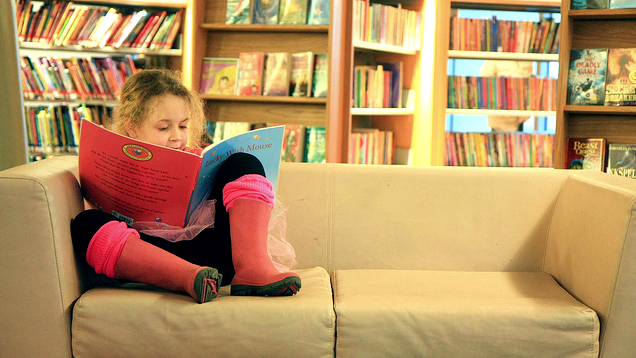
"content": "\u003cfigure id=\"attachment_29035\" class=\"wp-caption center\" style=\"max-width: 636px\">\u003ca href=\"http://www.flickr.com/photos/barneymoss/8403878432/sizes/z/in/photolist-dNC5gJ-7GybTY-7Ftqxp-9T3i18-7VKNJW-a9igco-7PhWCV-L3RM-gA2Ck-877YbZ-7FrnX8-7Fro1c-7PhWCM-7PhWCP-9rhZMM-877YiR-87baA7-9kKmZC-7Lfmtf-87bat9-bCmPMN-aoUasH-7PQjCz-7PTDm5-7PQjzF-aXWDzt-5XfPgs-aoWSLo-8UEWTg-8R2kKs-8YdExL-8B82iS-7FM12R-8XYUmy-7PQjBc-7wWSYU-8DF6iD-8B897W-8B52Vi-8B52Rx-7JywR2-7Fvh6y-7FrnMz-7KgJJQ-81SGEt-81VR5E-7YSpdV-7V6Mcm-7FgQy8-8GnH5p-87baCW/http://\">\u003cimg class=\"size-full wp-image-29035\" src=\"http://ww2.kqed.org/mindshift/wp-content/uploads/sites/23/2013/05/library.jpg\" alt=\"library\" width=\"636\" height=\"358\" srcset=\"https://ww2.kqed.org/app/uploads/sites/23/2013/05/library.jpg 636w, https://ww2.kqed.org/app/uploads/sites/23/2013/05/library-400x225.jpg 400w, https://ww2.kqed.org/app/uploads/sites/23/2013/05/library-320x180.jpg 320w\" sizes=\"(max-width: 636px) 100vw, 636px\">\u003c/a>\u003cfigcaption class=\"wp-caption-text\"> \u003c/figcaption>\u003c/figure>\n\u003cp class=\"dropcap-serif\">Nashville’s Main Public Library, located in a stately building in the heart of downtown, has a children’s section filled with comfortable sitting areas, oversized art, and a state-of-the-art theater for puppet shows and interactive story time. On a recent afternoon, children of varying ages were sitting or lying on the carpet, reading alongside rows of books lined on two-tiered shelves perfectly sized for little hands. Two grade-school children sat at a row of computers, playing a learning game, while parents and caregivers checked out books via computer. A line of parents and children waited to speak with one of the two librarians on duty. Something about the scene seemed touchingly retrograde: minus the computers and modern furniture, this could have easily been a library scene from 1980 or 2013.\u003c/p>\n\u003cp>That timeless feeling, said library director Kent Oliver, is because reading, regardless of format, continues to be important. “I think most parents understand that reading is the basis of success in life, and they know that libraries are about literacy and reading, regardless of the form the public library comes in,” he said. “One of our core values here is [cultivating] the love of reading. Parents get that, and the associated programs that go on only support that and teach that.”\u003c/p>\n\u003cp>A recent \u003ca href=\"http://libraries.pewinternet.org/2013/05/01/parents-children-libraries-and-reading/\">Pew Internet study\u003c/a> on parents, reading and libraries supports Oliver’s sentiment, showing the library’s traditional purpose - providing free reading material - is also its most popular: the main reason most parents (87 percent) go to libraries is to get books for their kids.\u003c/p>\n\u003cp>But will that be changing? While no one would disagree that libraries should promote literacy, it’s hard to deny that the tech revolution is changing both how people consume books and the ways libraries present their offerings to parents and children: in some libraries, a student can \u003ca href=\"http://www.tumblebooks.com/library/asp/customer_login.asp?accessdenied=%2Flibrary%2Fasp%2Fhome_tumblebooks%2Easp\">download an ebook\u003c/a> online, use a phone app to locate reference material, make stuff in \u003ca href=\"http://ww2.kqed.org/mindshift/2011/11/libraries-and-museums-set-to-become-hands-on-learning-labs/\">designated “maker spaces,” \u003c/a> take \u003ca href=\"http://ww2.kqed.org/mindshift/2011/12/books-and-band-saws-the-future-of-libraries/\">DIY classes\u003c/a>, or have a meeting at a \u003ca href=\"http://cityroom.blogs.nytimes.com/2013/05/09/at-brooklyn-librarys-new-center-books-are-secondary/?src=recg\">community multi-use space\u003c/a>. The Nashville library is currently using a MacArthur grant to create a Learning Lab where teens will be able to record music, write stories and more - a free space filled with equipment, as Oliver put it, “to create content, not just consume it.”\u003c/p>\n\u003cp>In a related Pew study on \u003ca href=\"http://libraries.pewinternet.org/2013/01/22/library-services/\">libraries and the Internet,\u003c/a> one librarian told researchers, “I believe public libraries should move away from being ‘houses of knowledge’ and move more towards being ‘houses of access.’ This is what the public is asking for and we are here to serve them.” Beyond the use of technology, many librarians think in terms of access and information being closely linked, and believe that libraries still have a responsibility to both.\u003c/p>\n\u003cp>[ad fullwidth]\u003c/p>\n\u003cp>\u003cstrong>\u003cstrong>\u003c/strong>\u003c/strong>\u003c/p>\n\u003caside class=\"pullquote alignright\">\u003cstrong>“I believe public libraries should move away from being ‘houses of knowledge’ and move more towards being ‘houses of access.’ This is what the public is asking for and we are here to serve them.”\u003c/strong>\u003c/aside>\n\u003cp>\u003c/p>\n\u003cp>For libraries right now, it’s not an either/or situation when it comes to information and access, said school librarian Kate Hewitt of the Far Brook School in Short Hills, New Jersey. “I try to make my library the hub of learning, collaboration, of community, of diversity, of innovation.” she said, “Libraries must evolve to meet the needs of their patrons or students, but they are also ‘conservative’ in the original sense of the word -- they conserve the knowledge our culture has amassed over time.”\u003c/p>\n\u003cp>Hewitt strives to bring print materials and digital technology together so her students can get the best of both worlds. She cites the example of the recent transition she made in moving most of the reference section to online databases. Online encyclopedias are “much more nimble and up-to-date” than print, and online entries are loaded with hyperlinks that become a gateway to other authoritative sources. A reference area becomes much richer using digital tools, she said, “but when it comes to picture books for younger readers, I would much rather have kids looking at traditional print books than apps.\"\u003c/p>\n\u003cp>For many households, the access and the information libraries offer have been interdependent long before the digital age, Kent Oliver said; without the free access the library provides, many cannot get the information they need. “I think there’s a real inaccuracy in what people think about our society, that everybody has a computer and everybody can afford to buy books, and that’s certainly not the case.”\u003c/p>\n\u003cp style=\"text-align: center\">\u003cstrong>[RELATED:\u003c/strong> \u003ca href=\"http://ww2.kqed.org/mindshift/2011/11/the-public-library-completely-reimagined/\">The Public Library, Completely Re-Imagined\u003c/a>\u003cstrong>]\u003c/strong>\u003c/p>\n\u003cp>While libraries might warehouse the information in formats both print and digital, they are not the \u003cem>keepers\u003c/em> of the information, said Tiffany Verzani, Youth and Young Adult Services Manager at the Hinsdale Public Library in Hinsdale, Illinois. Much like the Internet itself, the information wants to be untethered. While her library, located in suburban Chicago, offers print and digital materials, music, DVDs, and more, she believes the library experience strives to be “self-guided exploration.” Even though her library has added tech features, like self-check and placing holds and paying fines online, she emphasizes the importance of teaching self-sufficiency to users. “We help people become more self-sufficient and the library becomes more flexible and can more quickly adapt to patron needs and wants.”\u003c/p>\n\u003ch4>\u003cstrong>WHAT'S THE FUTURE OF THE LIBRARY?\u003c/strong>\u003c/h4>\n\u003cp>When looking to the future, what else can libraries do besides provide access to learning and information, whether digitally or in print? One of the library’s most unique -- and analog -- features is the librarian, an expert who will help research topics or find answers for free.\u003c/p>\n\u003cp>“We are about helping people,” Oliver said. “One of the things I like to say is that we are one of the only institutions in our society that helps one person at a time. We are not satisfied until they’ve had their needs met.” While a majority of parents in the \u003ca href=\"http://libraries.pewinternet.org/2013/05/01/parents-children-libraries-and-reading/\">Pew study\u003c/a> said they would likely use an online research service (“ask a librarian”), administrators are quick to point out that real librarians not only find the answers, but teach patrons how to find answers for themselves -- a \"teach a man to fish\" method that works whether it’s digital, print, or do-it-yourself. “The public librarian acts as a guide to help the individual find resources,” said Youth Services Librarian and \u003ca href=\"http://www.nonfictiondetectives.com/\">blogger \u003c/a>Louise Capizzo of Scarborough, Maine. “For example, a person comes in asking for very specific medical information. We can find the answer to their query by teaching them how to use online databases.”\u003c/p>\n\u003cp>As for virtual librarians, Capizzo suggests that what a real librarian does is more useful. “Would you ask, ‘What makes teachers so vital to schools?’” she asked. “Librarians are committed to promoting lifelong learning in order to create a community of well-informed individuals. Librarians are catalysts to enlightenment for their communities.”\u003c/p>\n\u003cp>\u003cstrong>\u003cstrong>\u003c/strong>\u003c/strong>\u003c/p>\n\u003caside class=\"pullquote alignright\">\u003cstrong>“I think there's something so magical about being literally surrounded by books, able to browse and wander and discover independently.\u003c/strong>”\u003c/aside>\n\u003cp>\u003c/p>\n\u003cp>How and when libraries move into the future is largely determined by budget and local politics, and make figuring out what’s next for libraries complex and murky. For many, the wish list included not the latest tech gadgets or maker spaces, but longer hours and more staff. When asked what the Nashville library was going to do with a small increase in budget spending, Oliver smiled. “We’re very excited that the mayor has given us the money to now be open on Mondays, a day which we’ve always been closed,” he said.\u003c/p>\n\u003cp>Verzani, who mentioned that each state has its own rules about how libraries are funded, said that for many cities, library services may be cut when money is needed for other things. “I do think the library of the future looks a lot like many libraries out there, but many libraries suffer from the digital divide and suffer economically and feel like they are being left behind,” she said. “Sadly, there are many libraries that do not have an IT person on staff and it's harder to update, maintain computers or create a dynamic website.”\u003c/p>\n\u003ch4>\u003cstrong>THE MAGIC OF A LIBRARY\u003c/strong>\u003c/h4>\n\u003cp>The reality of what libraries will become seems to be more complex than just incorporating e-books, apps, and creative use of space, most especially because of the unique interaction that takes place between the users, the librarians and the materials in the physical space of the library building -- something New York City parent Melissa Casey Jose calls, simply, magic.\u003c/p>\n\u003cp>“I think there's something so magical about being literally surrounded by books, able to browse and wander and discover independently. I love the community of it; we are literally borrowing/sharing these books, and the librarians are excited to help you discover and learn.”\u003c/p>\n\u003cp style=\"text-align: center\">\u003cstrong>[RELATED:\u003c/strong> \u003ca href=\"http://ww2.kqed.org/mindshift/2011/12/books-and-band-saws-the-future-of-libraries/\">Books and Bandsaws, The Future of Libraries\u003c/a>\u003cstrong>]\u003c/strong>\u003c/p>\n\u003cp>Gretchen Bolen of Columbia, South Carolina, said that, like many parents in the Pew study, the library is very important to her and her family. Local librarians encourage her family to check out the maximum number of books per month: 60. And while Bolen and her kids enjoy the story hour, the puppet shows, and the art, she most enjoys what her library represents: “The library is a symbol of opportunity for us. Our library provides lots of free activities and classes. There are thousands of books we could never buy. We are a working class family and the library also provides us with cultural experiences we couldn't afford to pay for. We see rich people and homeless people in our library. It truly is a melting pot of folks. A little slice of Americana. I don't think there is another place like our library in town. It really is one of my family's favorite places to visit.”\u003c/p>\n\u003cp>As libraries hurtle toward the future, moving books and services online, many strive to provide services that are relevant, but the desire to come together with like-minded individuals, searching for knowledge and information, stays the same. And if your library has been slow to move into the digital age? Capizzo suggests asking for it. “Ask yourself what you want to see in your library. Talk to your librarian. Then, advocate for those changes. You are to blame if your library doesn’t have what you want.”\u003c/p>\n\u003cp>[ad floatright]\u003c/p>\n\u003cp>When asked about the future, Capizzo said, “We have no way of knowing, but we are prepared to move forward because we will be listening to what our community wants.”\u003c/p>\n\n",
"disqusIdentifier": "29024 http://blogs.kqed.org/mindshift/?p=29024",
"disqusUrl": "https://ww2.kqed.org/mindshift/2013/05/31/in-the-digital-age-what-becomes-of-the-library/",
"stats": {
"hasVideo": false,
"hasChartOrMap": false,
"hasAudio": false,
"hasPolis": false,
"wordCount": 1844,
"hasGoogleForm": false,
"hasGallery": false,
"hasHearkenModule": false,
"iframeSrcs": [],
"paragraphCount": 24
},
"modified": 1370968861,
"excerpt": "The main reason most parents go to libraries is to get books for their kids. So what becomes of the magic of being surrounded by books when e-readers become more prevalent?",
"headData": {
"twImgId": "",
"twTitle": "",
"ogTitle": "",
"ogImgId": "",
"twDescription": "",
"description": "The main reason most parents go to libraries is to get books for their kids. So what becomes of the magic of being surrounded by books when e-readers become more prevalent?",
"title": "In the Digital Age, What Becomes of the Library? | KQED",
"ogDescription": "",
"schema": {
"@context": "https://schema.org",
"@type": "Article",
"headline": "In the Digital Age, What Becomes of the Library?",
"datePublished": "2013-05-31T09:37:38-07:00",
"dateModified": "2013-06-11T09:41:01-07:00",
"image": "https://cdn.kqed.org/wp-content/uploads/2020/02/KQED-OG-Image@1x.png"
}
},
"guestAuthors": [],
"slug": "in-the-digital-age-what-becomes-of-the-library",
"status": "publish",
"path": "/mindshift/29024/in-the-digital-age-what-becomes-of-the-library",
"audioTrackLength": null,
"parsedContent": [
{
"type": "contentString",
"content": "\u003cdiv class=\"post-body\">\u003cp>\u003cfigure id=\"attachment_29035\" class=\"wp-caption center\" style=\"max-width: 636px\">\u003ca href=\"http://www.flickr.com/photos/barneymoss/8403878432/sizes/z/in/photolist-dNC5gJ-7GybTY-7Ftqxp-9T3i18-7VKNJW-a9igco-7PhWCV-L3RM-gA2Ck-877YbZ-7FrnX8-7Fro1c-7PhWCM-7PhWCP-9rhZMM-877YiR-87baA7-9kKmZC-7Lfmtf-87bat9-bCmPMN-aoUasH-7PQjCz-7PTDm5-7PQjzF-aXWDzt-5XfPgs-aoWSLo-8UEWTg-8R2kKs-8YdExL-8B82iS-7FM12R-8XYUmy-7PQjBc-7wWSYU-8DF6iD-8B897W-8B52Vi-8B52Rx-7JywR2-7Fvh6y-7FrnMz-7KgJJQ-81SGEt-81VR5E-7YSpdV-7V6Mcm-7FgQy8-8GnH5p-87baCW/http://\">\u003cimg class=\"size-full wp-image-29035\" src=\"http://ww2.kqed.org/mindshift/wp-content/uploads/sites/23/2013/05/library.jpg\" alt=\"library\" width=\"636\" height=\"358\" srcset=\"https://ww2.kqed.org/app/uploads/sites/23/2013/05/library.jpg 636w, https://ww2.kqed.org/app/uploads/sites/23/2013/05/library-400x225.jpg 400w, https://ww2.kqed.org/app/uploads/sites/23/2013/05/library-320x180.jpg 320w\" sizes=\"(max-width: 636px) 100vw, 636px\">\u003c/a>\u003cfigcaption class=\"wp-caption-text\"> \u003c/figcaption>\u003c/figure>\n\u003cp class=\"dropcap-serif\">Nashville’s Main Public Library, located in a stately building in the heart of downtown, has a children’s section filled with comfortable sitting areas, oversized art, and a state-of-the-art theater for puppet shows and interactive story time. On a recent afternoon, children of varying ages were sitting or lying on the carpet, reading alongside rows of books lined on two-tiered shelves perfectly sized for little hands. Two grade-school children sat at a row of computers, playing a learning game, while parents and caregivers checked out books via computer. A line of parents and children waited to speak with one of the two librarians on duty. Something about the scene seemed touchingly retrograde: minus the computers and modern furniture, this could have easily been a library scene from 1980 or 2013.\u003c/p>\n\u003cp>That timeless feeling, said library director Kent Oliver, is because reading, regardless of format, continues to be important. “I think most parents understand that reading is the basis of success in life, and they know that libraries are about literacy and reading, regardless of the form the public library comes in,” he said. “One of our core values here is [cultivating] the love of reading. Parents get that, and the associated programs that go on only support that and teach that.”\u003c/p>\n\u003cp>A recent \u003ca href=\"http://libraries.pewinternet.org/2013/05/01/parents-children-libraries-and-reading/\">Pew Internet study\u003c/a> on parents, reading and libraries supports Oliver’s sentiment, showing the library’s traditional purpose - providing free reading material - is also its most popular: the main reason most parents (87 percent) go to libraries is to get books for their kids.\u003c/p>\n\u003cp>But will that be changing? While no one would disagree that libraries should promote literacy, it’s hard to deny that the tech revolution is changing both how people consume books and the ways libraries present their offerings to parents and children: in some libraries, a student can \u003ca href=\"http://www.tumblebooks.com/library/asp/customer_login.asp?accessdenied=%2Flibrary%2Fasp%2Fhome_tumblebooks%2Easp\">download an ebook\u003c/a> online, use a phone app to locate reference material, make stuff in \u003ca href=\"http://ww2.kqed.org/mindshift/2011/11/libraries-and-museums-set-to-become-hands-on-learning-labs/\">designated “maker spaces,” \u003c/a> take \u003ca href=\"http://ww2.kqed.org/mindshift/2011/12/books-and-band-saws-the-future-of-libraries/\">DIY classes\u003c/a>, or have a meeting at a \u003ca href=\"http://cityroom.blogs.nytimes.com/2013/05/09/at-brooklyn-librarys-new-center-books-are-secondary/?src=recg\">community multi-use space\u003c/a>. The Nashville library is currently using a MacArthur grant to create a Learning Lab where teens will be able to record music, write stories and more - a free space filled with equipment, as Oliver put it, “to create content, not just consume it.”\u003c/p>\n\u003cp>In a related Pew study on \u003ca href=\"http://libraries.pewinternet.org/2013/01/22/library-services/\">libraries and the Internet,\u003c/a> one librarian told researchers, “I believe public libraries should move away from being ‘houses of knowledge’ and move more towards being ‘houses of access.’ This is what the public is asking for and we are here to serve them.” Beyond the use of technology, many librarians think in terms of access and information being closely linked, and believe that libraries still have a responsibility to both.\u003c/p>\n\u003cp>\u003c/p>\u003c/div>",
"attributes": {
"named": {},
"numeric": []
}
},
{
"type": "component",
"content": "",
"name": "ad",
"attributes": {
"named": {
"label": "fullwidth"
},
"numeric": [
"fullwidth"
]
}
},
{
"type": "contentString",
"content": "\u003cdiv class=\"post-body\">\u003cp>\u003c/p>\n\u003cp>\u003cstrong>\u003cstrong>\u003c/strong>\u003c/strong>\u003c/p>\n\u003caside class=\"pullquote alignright\">\u003cstrong>“I believe public libraries should move away from being ‘houses of knowledge’ and move more towards being ‘houses of access.’ This is what the public is asking for and we are here to serve them.”\u003c/strong>\u003c/aside>\n\u003cp>\u003c/p>\n\u003cp>For libraries right now, it’s not an either/or situation when it comes to information and access, said school librarian Kate Hewitt of the Far Brook School in Short Hills, New Jersey. “I try to make my library the hub of learning, collaboration, of community, of diversity, of innovation.” she said, “Libraries must evolve to meet the needs of their patrons or students, but they are also ‘conservative’ in the original sense of the word -- they conserve the knowledge our culture has amassed over time.”\u003c/p>\n\u003cp>Hewitt strives to bring print materials and digital technology together so her students can get the best of both worlds. She cites the example of the recent transition she made in moving most of the reference section to online databases. Online encyclopedias are “much more nimble and up-to-date” than print, and online entries are loaded with hyperlinks that become a gateway to other authoritative sources. A reference area becomes much richer using digital tools, she said, “but when it comes to picture books for younger readers, I would much rather have kids looking at traditional print books than apps.\"\u003c/p>\n\u003cp>For many households, the access and the information libraries offer have been interdependent long before the digital age, Kent Oliver said; without the free access the library provides, many cannot get the information they need. “I think there’s a real inaccuracy in what people think about our society, that everybody has a computer and everybody can afford to buy books, and that’s certainly not the case.”\u003c/p>\n\u003cp style=\"text-align: center\">\u003cstrong>[RELATED:\u003c/strong> \u003ca href=\"http://ww2.kqed.org/mindshift/2011/11/the-public-library-completely-reimagined/\">The Public Library, Completely Re-Imagined\u003c/a>\u003cstrong>]\u003c/strong>\u003c/p>\n\u003cp>While libraries might warehouse the information in formats both print and digital, they are not the \u003cem>keepers\u003c/em> of the information, said Tiffany Verzani, Youth and Young Adult Services Manager at the Hinsdale Public Library in Hinsdale, Illinois. Much like the Internet itself, the information wants to be untethered. While her library, located in suburban Chicago, offers print and digital materials, music, DVDs, and more, she believes the library experience strives to be “self-guided exploration.” Even though her library has added tech features, like self-check and placing holds and paying fines online, she emphasizes the importance of teaching self-sufficiency to users. “We help people become more self-sufficient and the library becomes more flexible and can more quickly adapt to patron needs and wants.”\u003c/p>\n\u003ch4>\u003cstrong>WHAT'S THE FUTURE OF THE LIBRARY?\u003c/strong>\u003c/h4>\n\u003cp>When looking to the future, what else can libraries do besides provide access to learning and information, whether digitally or in print? One of the library’s most unique -- and analog -- features is the librarian, an expert who will help research topics or find answers for free.\u003c/p>\n\u003cp>“We are about helping people,” Oliver said. “One of the things I like to say is that we are one of the only institutions in our society that helps one person at a time. We are not satisfied until they’ve had their needs met.” While a majority of parents in the \u003ca href=\"http://libraries.pewinternet.org/2013/05/01/parents-children-libraries-and-reading/\">Pew study\u003c/a> said they would likely use an online research service (“ask a librarian”), administrators are quick to point out that real librarians not only find the answers, but teach patrons how to find answers for themselves -- a \"teach a man to fish\" method that works whether it’s digital, print, or do-it-yourself. “The public librarian acts as a guide to help the individual find resources,” said Youth Services Librarian and \u003ca href=\"http://www.nonfictiondetectives.com/\">blogger \u003c/a>Louise Capizzo of Scarborough, Maine. “For example, a person comes in asking for very specific medical information. We can find the answer to their query by teaching them how to use online databases.”\u003c/p>\n\u003cp>As for virtual librarians, Capizzo suggests that what a real librarian does is more useful. “Would you ask, ‘What makes teachers so vital to schools?’” she asked. “Librarians are committed to promoting lifelong learning in order to create a community of well-informed individuals. Librarians are catalysts to enlightenment for their communities.”\u003c/p>\n\u003cp>\u003cstrong>\u003cstrong>\u003c/strong>\u003c/strong>\u003c/p>\n\u003caside class=\"pullquote alignright\">\u003cstrong>“I think there's something so magical about being literally surrounded by books, able to browse and wander and discover independently.\u003c/strong>”\u003c/aside>\n\u003cp>\u003c/p>\n\u003cp>How and when libraries move into the future is largely determined by budget and local politics, and make figuring out what’s next for libraries complex and murky. For many, the wish list included not the latest tech gadgets or maker spaces, but longer hours and more staff. When asked what the Nashville library was going to do with a small increase in budget spending, Oliver smiled. “We’re very excited that the mayor has given us the money to now be open on Mondays, a day which we’ve always been closed,” he said.\u003c/p>\n\u003cp>Verzani, who mentioned that each state has its own rules about how libraries are funded, said that for many cities, library services may be cut when money is needed for other things. “I do think the library of the future looks a lot like many libraries out there, but many libraries suffer from the digital divide and suffer economically and feel like they are being left behind,” she said. “Sadly, there are many libraries that do not have an IT person on staff and it's harder to update, maintain computers or create a dynamic website.”\u003c/p>\n\u003ch4>\u003cstrong>THE MAGIC OF A LIBRARY\u003c/strong>\u003c/h4>\n\u003cp>The reality of what libraries will become seems to be more complex than just incorporating e-books, apps, and creative use of space, most especially because of the unique interaction that takes place between the users, the librarians and the materials in the physical space of the library building -- something New York City parent Melissa Casey Jose calls, simply, magic.\u003c/p>\n\u003cp>“I think there's something so magical about being literally surrounded by books, able to browse and wander and discover independently. I love the community of it; we are literally borrowing/sharing these books, and the librarians are excited to help you discover and learn.”\u003c/p>\n\u003cp style=\"text-align: center\">\u003cstrong>[RELATED:\u003c/strong> \u003ca href=\"http://ww2.kqed.org/mindshift/2011/12/books-and-band-saws-the-future-of-libraries/\">Books and Bandsaws, The Future of Libraries\u003c/a>\u003cstrong>]\u003c/strong>\u003c/p>\n\u003cp>Gretchen Bolen of Columbia, South Carolina, said that, like many parents in the Pew study, the library is very important to her and her family. Local librarians encourage her family to check out the maximum number of books per month: 60. And while Bolen and her kids enjoy the story hour, the puppet shows, and the art, she most enjoys what her library represents: “The library is a symbol of opportunity for us. Our library provides lots of free activities and classes. There are thousands of books we could never buy. We are a working class family and the library also provides us with cultural experiences we couldn't afford to pay for. We see rich people and homeless people in our library. It truly is a melting pot of folks. A little slice of Americana. I don't think there is another place like our library in town. It really is one of my family's favorite places to visit.”\u003c/p>\n\u003cp>As libraries hurtle toward the future, moving books and services online, many strive to provide services that are relevant, but the desire to come together with like-minded individuals, searching for knowledge and information, stays the same. And if your library has been slow to move into the digital age? Capizzo suggests asking for it. “Ask yourself what you want to see in your library. Talk to your librarian. Then, advocate for those changes. You are to blame if your library doesn’t have what you want.”\u003c/p>\n\u003cp>\u003c/p>\u003c/div>",
"attributes": {
"named": {},
"numeric": []
}
},
{
"type": "component",
"content": "",
"name": "ad",
"attributes": {
"named": {
"label": "floatright"
},
"numeric": [
"floatright"
]
}
},
{
"type": "contentString",
"content": "\u003cdiv class=\"post-body\">\u003cp>\u003c/p>\n\u003cp>When asked about the future, Capizzo said, “We have no way of knowing, but we are prepared to move forward because we will be listening to what our community wants.”\u003c/p>\n\n\u003c/div>\u003c/p>",
"attributes": {
"named": {},
"numeric": []
}
}
],
"link": "/mindshift/29024/in-the-digital-age-what-becomes-of-the-library",
"authors": [
"4445"
],
"categories": [
"mindshift_195"
],
"tags": [
"mindshift_33",
"mindshift_470"
],
"featImg": "mindshift_29035",
"label": "mindshift"
},
"mindshift_28966": {
"type": "posts",
"id": "mindshift_28966",
"meta": {
"index": "posts_1716263798",
"site": "mindshift",
"id": "28966",
"score": null,
"sort": [
1369762166000
]
},
"parent": 0,
"labelTerm": {
"site": "mindshift"
},
"blocks": [],
"publishDate": 1369762166,
"format": "aside",
"disqusTitle": "What Do We Actually Learn From Videos?",
"title": "What Do We Actually Learn From Videos?",
"headTitle": "MindShift | KQED News",
"content": "\u003cfigure id=\"attachment_28976\" class=\"wp-caption center\" style=\"max-width: 640px\">\u003cimg class=\"size-large wp-image-28976\" src=\"http://ww2.kqed.org/mindshift/wp-content/uploads/sites/23/2013/05/TED-talks-640x359.png\" alt=\"TED talks\" width=\"640\" height=\"359\">\u003cfigcaption class=\"wp-caption-text\"> \u003c/figcaption>\u003c/figure>\n\u003cp class=\"dropcap-serif\">Many of us have enjoyed watching\u003ca href=\"http://www.ted.com\"> TED talks\u003c/a>, the online videos of scientists, artists, inventors and others talking about their work. But do we actually learn anything from them? That's the question raised by \u003ca href=\"http://link.springer.com/article/10.3758%2Fs13423-013-0442-z\">a new study\u003c/a> led by professor Shana K. Carpenter of Iowa State University and published this month in Psychonomic Bulletin & Review.\u003c/p>\n\u003cp>Carpenter and her colleagues showed study participants one of two short videos of an instructor explaining a scientific concept (in this case, the genetics of the calico cat). In the \"fluent\" video, the instructor stood upright, maintained eye contact, and spoke fluidly without notes. In the \"disfluent\" video, the instructor slumped, looked away, and spoke haltingly while referring to notes. After watching one of the videos, participants were asked to predict how much of the content they would later be able to recall, and then were tested on the content.\u003c/p>\n\u003cp>Participants who watched the fluent video thought they would remember much more information than participants who watched the disfluent video—but actually both groups remembered about the same amount.\u003c/p>\n\u003cp style=\"text-align: center\">[\u003cstrong>RELATED:\u003c/strong> \u003ca href=\"http://ww2.kqed.org/mindshift/2013/03/teachers-ultimate-guide-to-using-videos/\">Teachers' Ultimate Guide to Using Videos\u003c/a>]\u003c/p>\n\u003cp>TED talkers are nothing if not fluent. Could it be that the effective presentation of the speakers in TED-style videos fools us into thinking we're learning more than we are? As someone who watches TED videos often, and who has given a TED talk herself, I'm biased. But I think there are good reasons to believe that these videos can be vehicles for genuine learning. Here, five ways that well-made videos (including MOOCs and other kinds of digital instruction) can help us learn:\u003c/p>\n\u003cp>[ad fullwidth]\u003c/p>\n\u003cp>\u003cstrong>• They gratify our preference for visual learning.\u003c/strong> Effective presentations treat our visual sense as being integral to learning. This elevation of the image—and the eschewal of text-heavy Power Point presentations—comports well with cognitive scientists’ findings that we understand and remember pictures much better than mere words.\u003c/p>\n\u003cp>\u003cstrong>• They engage the power of social learning.\u003c/strong> The robust conversation that videos can inspire, both online and off, recognizes a central principle of adult education: We learn best from other people. In the discussions, debates, and occasional arguments about the content of the talks they see, video-watchers are deepening their own knowledge and understanding.\u003c/p>\n\u003cp>\u003cstrong>• They put practitioners in the role of teachers.\u003c/strong> We take in knowledge most readily, not when it’s presented in the abstract, but when it’s embedded in a rich context of stories and experiences. TED’s speakers are effective teachers because most of the time, they don’t teach; they do.\u003c/p>\n\u003cp>\u003cstrong>• They enable self-directed, “just-in-time” learning.\u003c/strong> Because video viewers choose which talks to watch and when to watch them, they’re able to tailor their education to their own needs. Knowledge is easiest to absorb at the moment when we’re ready to apply it.\u003c/p>\n\u003cp>\u003cstrong>• They encourage viewers to build on what they already know.\u003c/strong> Adults are not blank slates: They bring to learning a lifetime of previously acquired information and experience. Effective video instruction build on top of this knowledge, adding and elaborating without dumbing down.\u003c/p>\n\u003cp>It's become fashionable to mock the distinctive style of TED videos; their success makes them a tempting target. But in a world in which we want—and need—to be learning all the time, they're excellent arrows to have in our quiver.\u003c/p>\n\u003cp>\u003c/p>\n\u003cp>Read more \u003ca href=\"http://www.anniemurphypaul.com\">here\u003c/a>.\u003c/p>\n\n",
"disqusIdentifier": "28966 http://blogs.kqed.org/mindshift/?p=28966",
"disqusUrl": "https://ww2.kqed.org/mindshift/2013/05/28/what-do-we-actually-learn-from-videos/",
"stats": {
"hasVideo": false,
"hasChartOrMap": false,
"hasAudio": false,
"hasPolis": false,
"wordCount": 583,
"hasGoogleForm": false,
"hasGallery": false,
"hasHearkenModule": false,
"iframeSrcs": [],
"paragraphCount": 12
},
"modified": 1370968941,
"excerpt": "TED talkers are nothing if not fluent. Could it be that the effective presentation of the speakers in TED-style videos fools us into thinking we're learning more than we are? Here, five ways that well-made videos (including MOOCs and other kinds of digital instruction) can help us learn.",
"headData": {
"twImgId": "",
"twTitle": "",
"ogTitle": "",
"ogImgId": "",
"twDescription": "",
"description": "TED talkers are nothing if not fluent. Could it be that the effective presentation of the speakers in TED-style videos fools us into thinking we're learning more than we are? Here, five ways that well-made videos (including MOOCs and other kinds of digital instruction) can help us learn.",
"title": "What Do We Actually Learn From Videos? | KQED",
"ogDescription": "",
"schema": {
"@context": "https://schema.org",
"@type": "Article",
"headline": "What Do We Actually Learn From Videos?",
"datePublished": "2013-05-28T10:29:26-07:00",
"dateModified": "2013-06-11T09:42:21-07:00",
"image": "https://cdn.kqed.org/wp-content/uploads/2020/02/KQED-OG-Image@1x.png"
}
},
"guestAuthors": [],
"slug": "what-do-we-actually-learn-from-videos",
"status": "publish",
"path": "/mindshift/28966/what-do-we-actually-learn-from-videos",
"audioTrackLength": null,
"parsedContent": [
{
"type": "contentString",
"content": "\u003cdiv class=\"post-body\">\u003cp>\u003cfigure id=\"attachment_28976\" class=\"wp-caption center\" style=\"max-width: 640px\">\u003cimg class=\"size-large wp-image-28976\" src=\"http://ww2.kqed.org/mindshift/wp-content/uploads/sites/23/2013/05/TED-talks-640x359.png\" alt=\"TED talks\" width=\"640\" height=\"359\">\u003cfigcaption class=\"wp-caption-text\"> \u003c/figcaption>\u003c/figure>\n\u003cp class=\"dropcap-serif\">Many of us have enjoyed watching\u003ca href=\"http://www.ted.com\"> TED talks\u003c/a>, the online videos of scientists, artists, inventors and others talking about their work. But do we actually learn anything from them? That's the question raised by \u003ca href=\"http://link.springer.com/article/10.3758%2Fs13423-013-0442-z\">a new study\u003c/a> led by professor Shana K. Carpenter of Iowa State University and published this month in Psychonomic Bulletin & Review.\u003c/p>\n\u003cp>Carpenter and her colleagues showed study participants one of two short videos of an instructor explaining a scientific concept (in this case, the genetics of the calico cat). In the \"fluent\" video, the instructor stood upright, maintained eye contact, and spoke fluidly without notes. In the \"disfluent\" video, the instructor slumped, looked away, and spoke haltingly while referring to notes. After watching one of the videos, participants were asked to predict how much of the content they would later be able to recall, and then were tested on the content.\u003c/p>\n\u003cp>Participants who watched the fluent video thought they would remember much more information than participants who watched the disfluent video—but actually both groups remembered about the same amount.\u003c/p>\n\u003cp style=\"text-align: center\">[\u003cstrong>RELATED:\u003c/strong> \u003ca href=\"http://ww2.kqed.org/mindshift/2013/03/teachers-ultimate-guide-to-using-videos/\">Teachers' Ultimate Guide to Using Videos\u003c/a>]\u003c/p>\n\u003cp>TED talkers are nothing if not fluent. Could it be that the effective presentation of the speakers in TED-style videos fools us into thinking we're learning more than we are? As someone who watches TED videos often, and who has given a TED talk herself, I'm biased. But I think there are good reasons to believe that these videos can be vehicles for genuine learning. Here, five ways that well-made videos (including MOOCs and other kinds of digital instruction) can help us learn:\u003c/p>\n\u003cp>\u003c/p>\u003c/div>",
"attributes": {
"named": {},
"numeric": []
}
},
{
"type": "component",
"content": "",
"name": "ad",
"attributes": {
"named": {
"label": "fullwidth"
},
"numeric": [
"fullwidth"
]
}
},
{
"type": "contentString",
"content": "\u003cdiv class=\"post-body\">\u003cp>\u003c/p>\n\u003cp>\u003cstrong>• They gratify our preference for visual learning.\u003c/strong> Effective presentations treat our visual sense as being integral to learning. This elevation of the image—and the eschewal of text-heavy Power Point presentations—comports well with cognitive scientists’ findings that we understand and remember pictures much better than mere words.\u003c/p>\n\u003cp>\u003cstrong>• They engage the power of social learning.\u003c/strong> The robust conversation that videos can inspire, both online and off, recognizes a central principle of adult education: We learn best from other people. In the discussions, debates, and occasional arguments about the content of the talks they see, video-watchers are deepening their own knowledge and understanding.\u003c/p>\n\u003cp>\u003cstrong>• They put practitioners in the role of teachers.\u003c/strong> We take in knowledge most readily, not when it’s presented in the abstract, but when it’s embedded in a rich context of stories and experiences. TED’s speakers are effective teachers because most of the time, they don’t teach; they do.\u003c/p>\n\u003cp>\u003cstrong>• They enable self-directed, “just-in-time” learning.\u003c/strong> Because video viewers choose which talks to watch and when to watch them, they’re able to tailor their education to their own needs. Knowledge is easiest to absorb at the moment when we’re ready to apply it.\u003c/p>\n\u003cp>\u003cstrong>• They encourage viewers to build on what they already know.\u003c/strong> Adults are not blank slates: They bring to learning a lifetime of previously acquired information and experience. Effective video instruction build on top of this knowledge, adding and elaborating without dumbing down.\u003c/p>\n\u003cp>It's become fashionable to mock the distinctive style of TED videos; their success makes them a tempting target. But in a world in which we want—and need—to be learning all the time, they're excellent arrows to have in our quiver.\u003c/p>\n\u003cp>\u003c/p>\n\u003cp>Read more \u003ca href=\"http://www.anniemurphypaul.com\">here\u003c/a>.\u003c/p>\n\n\u003c/div>\u003c/p>",
"attributes": {
"named": {},
"numeric": []
}
}
],
"link": "/mindshift/28966/what-do-we-actually-learn-from-videos",
"authors": [
"4355"
],
"categories": [
"mindshift_195"
],
"tags": [
"mindshift_135",
"mindshift_707"
],
"featImg": "mindshift_28983",
"label": "mindshift"
},
"mindshift_28696": {
"type": "posts",
"id": "mindshift_28696",
"meta": {
"index": "posts_1716263798",
"site": "mindshift",
"id": "28696",
"score": null,
"sort": [
1369153682000
]
},
"parent": 0,
"labelTerm": {
"site": "mindshift"
},
"blocks": [],
"publishDate": 1369153682,
"format": "aside",
"disqusTitle": "Flipped Classroom 2.0: Competency Learning With Videos",
"title": "Flipped Classroom 2.0: Competency Learning With Videos",
"headTitle": "MindShift | KQED News",
"content": "\u003cp>\u003ca href=\"http://www.flickr.com/photos/jeremywilburn/5229735592/sizes/z/in/photostream/\">\u003cimg src=\"http://ww2.kqed.org/mindshift/wp-content/uploads/sites/23/2013/05/teacher-students.jpg\" alt=\"teacher-students\" width=\"640\" height=\"360\" class=\"size-full wp-image-28950\" srcset=\"https://ww2.kqed.org/app/uploads/sites/23/2013/05/teacher-students.jpg 640w, https://ww2.kqed.org/app/uploads/sites/23/2013/05/teacher-students-400x225.jpg 400w, https://ww2.kqed.org/app/uploads/sites/23/2013/05/teacher-students-320x180.jpg 320w\" sizes=\"(max-width: 640px) 100vw, 640px\">\u003c/a>\u003c/p>\n\u003cp class=\"dropcap-serif\">The flipped classroom model generated \u003ca href=\"http://ww2.kqed.org/mindshift/2011/07/the-flip-why-i-love-it-how-i-use-it/\">a lot of excitement \u003c/a>initially, but more recently some educators -- even those who were initial advocates -- have \u003ca href=\"http://plpnetwork.com/2012/10/08/flip-love-affair/\">expressed disillusionment\u003c/a> with the idea of assigning students to watch instructional videos at home and work on problem solving and practice in class. Biggest criticisms: watching videos of lectures wasn't all that revolutionary, that it perpetuated bad teaching and raised questions about equal access to digital technology.\u003c/p>\n\u003cp>Now flipped classroom may have reached equilibrium, neither loved nor hated, just another potential tool for teachers -- if done well. “You never want to get stuck in a rut and keep doing the same thing over and over,” said \u003ca href=\"http://www.aaronsams.com/about-aaron/\">Aaron Sams\u003c/a>, a former high school chemistry teacher turned consultant who helped pioneer \u003ca href=\"http://flipped-learning.com/\">flipped classroom learning\u003c/a> in an \u003ca href=\"http://home.edweb.net/\">edWeb\u003c/a> webinar. “The flipped classroom is not about the video,” said \u003ca href=\"http://www.ted.com/speakers/jon_bergmann.html\">Jonathan Bergmann\u003c/a>, Sams’ fellow teacher who helped fine tune and improve a flipped classroom strategy. “It’s about the active engaged stuff you can do in your class.”\u003c/p>\n\u003caside class=\"pullquote alignright\">“There is no place for them to hide. They had to converse with me and tell me when they were ready to be assessed on something.”\u003c/aside>\n\u003cp>The two teachers admit when they started flipping their classrooms they put everything into video form. Now, they've taken a step back and realized some things shouldn't be in lecture form, and \u003c!--more-->therefore shouldn't be videos either. Instead, the two teachers have embraced what they call mastery learning, with an emphasis on students taking control of their own learning. Instructional videos are an optional part of a bigger move towards asynchronous learning.\u003c/p>\n\u003cp>“The best use of class time is to meet the individual needs of each learner, not driving the class with predetermined curriculum,” Sams said. So he and Bergmann decided to make watching the video lectures optional. The videos are available, but if students felt they could learn it better in some other way, they're encouraged to do what works best for them.\u003c/p>\n\u003cp>[ad fullwidth]\u003c/p>\n\u003cp style=\"text-align: center\">\u003cstrong>\u003cspan style=\"color: #808080\">[RELATED READING: \u003ca href=\"http://ww2.kqed.org/mindshift/2012/05/can-ted-talks-really-work-in-a-classroom/\">Can TED Talks Really Work in the Classroom?\u003c/a>]\u003c/span>\u003c/strong>\u003c/p>\n\u003cp>“One of the most important skills that any student can learn is where to go for information and resources,” Sams said. Instead of following a rigid curriculum, the two teachers decided on the key learning objectives of the class -- the things they felt their students really needed to know --and structured the class around those. Then they offered students a menu of resources that included instructional video, some sort of practice and links to the corresponding section of a textbook. The teachers became resources and helped provide benchmarks to keep students on track.\u003c/p>\n\u003cp>The educators say this method is working for them because they've decided to make their classrooms mastery based, whereby \"a student gets to the end of some learning unit and must pass whatever kind of assessment you have before he can move on,” Sams said -- very much like \u003ca href=\"http://ww2.kqed.org/mindshift/2013/04/to-break-the-mold-is-competency-learning-the-key/\">competency-based learning\u003c/a>. “There is no place for them to hide. They had to converse with me and tell me when they were ready to be assessed on something,” Sams said. When he taught in a more traditional way, Sams admitted there were students he hardly knew.\u003c/p>\n\u003cp>\u003cstrong>WHAT'S IT LOOK LIKE?\u003c/strong>\u003c/p>\n\u003cp>Working with a mastery-based model means students are not all learning the same thing at the same time. Bergmann said the first five minutes of class are essential to setting the class into productive motion by quickly assessing where students are and directing them to various stations around the room. ”Your class looks like organized chaos,” Bergmann said. “It’s very powerful.”\u003c/p>\n\u003caside class=\"pullquote alignleft\"> “The flipped classroom is not about the video. It’s about the active engaged stuff you can do in your class.”\u003c/aside>\n\u003cp>Students are scattered around the room learning a topic in their own way and teachers are walking around talking to students, answering questions and checking in on their progress. There’s no assigned homework, unless a student feels he needs to do some extra work to understand a concept. “The kids who are going to get most of my time are the kids who need it,” said Sams. “It’s the kids who are struggling or the kids who need me hovering over their shoulder.”\u003c/p>\n\u003cp>Sams and Bergmann soon realized that effective flipped classrooms didn’t include videos of science demonstrations. That’s the most exciting part of science and kids should get to see it up close. Since students were moving at different paces, Sams and Bergmann had to demonstrate the same thing multiple times. “We did demos for just a handful of students,” said Sams. “It was a far more intimate environment so we could converse with kids about what was going on.”\u003c/p>\n\u003cp>Disciplinary issues also diminished significantly. “When I was the guy up front, all the attention was supposed to be on me and it was really easy for a disruptive kid to pull the attention to himself,” said Sams. With everyone working on their own projects, one kid has much less power to disrupt.\u003c/p>\n\u003cp>\u003cstrong>ASSESSING WITH MASTERY MODEL\u003c/strong>\u003c/p>\n\u003cp>One of the most challenging parts of a messy, asynchronous classroom is that kids aren't all ready to be assessed at the same time, and when they do take a test, they might not pass. Sams’ and Bergmann's chemistry classes have formative assessments, constant checking in and talking about work with students on a daily basis.\u003c/p>\n\u003cp>The two teachers also spent two years building up a store of test questions in \u003ca href=\"https://moodle.org/\">Moodle\u003c/a>, a free learning management system that randomly generates tests. Those who fail the test can take another to prove mastery.\u003c/p>\n\u003cp>It took a lot of work to build up the system that now works smoothly and the process revealed challenges in the mastery model. “One of the dark sides of mastery is the demoralizing effect,” Bergmann said. He had students that he knew understood the material because of his daily work with them, but who couldn’t pass the tests. That’s a frustrating and demotivating experience for a student.\u003c/p>\n\u003cp>Sams and Bergmann turned to the \u003ca href=\"http://www.udlcenter.org/aboutudl\">Universal Design for Learning\u003c/a>, a set of curriculum principles that maintains students need more than one way to learn information and more than one way to demonstrate knowledge. Following the second principle, the two teachers allowed their students to show they understood the material any way they wanted. Sams said he received songs, welding projects and even hand-drawn graphic novels. He admits those didn’t help the students take standardized tests, but they showed chemistry understanding, his main goal.\u003c/p>\n\u003cp>If this all sounds messy, it is. Sams and Bergmann are the first to admit that there are challenges, especially around grading. But, they’ve discovered a way to take flipped learning to another level, offering it as one option in a smorgasbord of instructional materials and letting students have the autonomy to choose what works best for them. Kids got behind, but the teachers checked their progress along the way and structured the course so that the most necessary information was in the first four sections, with nice-to-know material in the fifth section.\u003c/p>\n\u003cp>[ad floatright]\u003c/p>\n\u003cp>“We would rather our kids actually know 80 percent of the content, instead of being exposed to 100 percent of the content,” said Bergmann.\u003c/p>\n\n",
"disqusIdentifier": "28696 http://blogs.kqed.org/mindshift/?p=28696",
"disqusUrl": "https://ww2.kqed.org/mindshift/2013/05/21/flipped-classroom-2-0-mastery-levelcomptenecy-learning-with-videos/",
"stats": {
"hasVideo": false,
"hasChartOrMap": false,
"hasAudio": false,
"hasPolis": false,
"wordCount": 1263,
"hasGoogleForm": false,
"hasGallery": false,
"hasHearkenModule": false,
"iframeSrcs": [],
"paragraphCount": 20
},
"modified": 1457134472,
"excerpt": null,
"headData": {
"twImgId": "",
"twTitle": "",
"ogTitle": "",
"ogImgId": "",
"twDescription": "",
"description": "The flipped classroom model generated a lot of excitement initially, but more recently some educators -- even those who were initial advocates -- have expressed disillusionment with the idea of assigning students to watch instructional videos at home and work on problem solving and practice in class. Biggest criticisms: watching videos of lectures wasn't all",
"title": "Flipped Classroom 2.0: Competency Learning With Videos | KQED",
"ogDescription": "",
"schema": {
"@context": "https://schema.org",
"@type": "Article",
"headline": "Flipped Classroom 2.0: Competency Learning With Videos",
"datePublished": "2013-05-21T09:28:02-07:00",
"dateModified": "2016-03-04T15:34:32-08:00",
"image": "https://cdn.kqed.org/wp-content/uploads/2020/02/KQED-OG-Image@1x.png"
}
},
"guestAuthors": [],
"slug": "flipped-classroom-2-0-mastery-levelcomptenecy-learning-with-videos",
"status": "publish",
"path": "/mindshift/28696/flipped-classroom-2-0-mastery-levelcomptenecy-learning-with-videos",
"audioTrackLength": null,
"parsedContent": [
{
"type": "contentString",
"content": "\u003cdiv class=\"post-body\">\u003cp>\u003cp>\u003ca href=\"http://www.flickr.com/photos/jeremywilburn/5229735592/sizes/z/in/photostream/\">\u003cimg src=\"http://ww2.kqed.org/mindshift/wp-content/uploads/sites/23/2013/05/teacher-students.jpg\" alt=\"teacher-students\" width=\"640\" height=\"360\" class=\"size-full wp-image-28950\" srcset=\"https://ww2.kqed.org/app/uploads/sites/23/2013/05/teacher-students.jpg 640w, https://ww2.kqed.org/app/uploads/sites/23/2013/05/teacher-students-400x225.jpg 400w, https://ww2.kqed.org/app/uploads/sites/23/2013/05/teacher-students-320x180.jpg 320w\" sizes=\"(max-width: 640px) 100vw, 640px\">\u003c/a>\u003c/p>\n\u003cp class=\"dropcap-serif\">The flipped classroom model generated \u003ca href=\"http://ww2.kqed.org/mindshift/2011/07/the-flip-why-i-love-it-how-i-use-it/\">a lot of excitement \u003c/a>initially, but more recently some educators -- even those who were initial advocates -- have \u003ca href=\"http://plpnetwork.com/2012/10/08/flip-love-affair/\">expressed disillusionment\u003c/a> with the idea of assigning students to watch instructional videos at home and work on problem solving and practice in class. Biggest criticisms: watching videos of lectures wasn't all that revolutionary, that it perpetuated bad teaching and raised questions about equal access to digital technology.\u003c/p>\n\u003cp>Now flipped classroom may have reached equilibrium, neither loved nor hated, just another potential tool for teachers -- if done well. “You never want to get stuck in a rut and keep doing the same thing over and over,” said \u003ca href=\"http://www.aaronsams.com/about-aaron/\">Aaron Sams\u003c/a>, a former high school chemistry teacher turned consultant who helped pioneer \u003ca href=\"http://flipped-learning.com/\">flipped classroom learning\u003c/a> in an \u003ca href=\"http://home.edweb.net/\">edWeb\u003c/a> webinar. “The flipped classroom is not about the video,” said \u003ca href=\"http://www.ted.com/speakers/jon_bergmann.html\">Jonathan Bergmann\u003c/a>, Sams’ fellow teacher who helped fine tune and improve a flipped classroom strategy. “It’s about the active engaged stuff you can do in your class.”\u003c/p>\n\u003caside class=\"pullquote alignright\">“There is no place for them to hide. They had to converse with me and tell me when they were ready to be assessed on something.”\u003c/aside>\n\u003cp>The two teachers admit when they started flipping their classrooms they put everything into video form. Now, they've taken a step back and realized some things shouldn't be in lecture form, and \u003c!--more-->therefore shouldn't be videos either. Instead, the two teachers have embraced what they call mastery learning, with an emphasis on students taking control of their own learning. Instructional videos are an optional part of a bigger move towards asynchronous learning.\u003c/p>\n\u003cp>“The best use of class time is to meet the individual needs of each learner, not driving the class with predetermined curriculum,” Sams said. So he and Bergmann decided to make watching the video lectures optional. The videos are available, but if students felt they could learn it better in some other way, they're encouraged to do what works best for them.\u003c/p>\n\u003cp>\u003c/p>\u003c/div>",
"attributes": {
"named": {},
"numeric": []
}
},
{
"type": "component",
"content": "",
"name": "ad",
"attributes": {
"named": {
"label": "fullwidth"
},
"numeric": [
"fullwidth"
]
}
},
{
"type": "contentString",
"content": "\u003cdiv class=\"post-body\">\u003cp>\u003c/p>\n\u003cp style=\"text-align: center\">\u003cstrong>\u003cspan style=\"color: #808080\">[RELATED READING: \u003ca href=\"http://ww2.kqed.org/mindshift/2012/05/can-ted-talks-really-work-in-a-classroom/\">Can TED Talks Really Work in the Classroom?\u003c/a>]\u003c/span>\u003c/strong>\u003c/p>\n\u003cp>“One of the most important skills that any student can learn is where to go for information and resources,” Sams said. Instead of following a rigid curriculum, the two teachers decided on the key learning objectives of the class -- the things they felt their students really needed to know --and structured the class around those. Then they offered students a menu of resources that included instructional video, some sort of practice and links to the corresponding section of a textbook. The teachers became resources and helped provide benchmarks to keep students on track.\u003c/p>\n\u003cp>The educators say this method is working for them because they've decided to make their classrooms mastery based, whereby \"a student gets to the end of some learning unit and must pass whatever kind of assessment you have before he can move on,” Sams said -- very much like \u003ca href=\"http://ww2.kqed.org/mindshift/2013/04/to-break-the-mold-is-competency-learning-the-key/\">competency-based learning\u003c/a>. “There is no place for them to hide. They had to converse with me and tell me when they were ready to be assessed on something,” Sams said. When he taught in a more traditional way, Sams admitted there were students he hardly knew.\u003c/p>\n\u003cp>\u003cstrong>WHAT'S IT LOOK LIKE?\u003c/strong>\u003c/p>\n\u003cp>Working with a mastery-based model means students are not all learning the same thing at the same time. Bergmann said the first five minutes of class are essential to setting the class into productive motion by quickly assessing where students are and directing them to various stations around the room. ”Your class looks like organized chaos,” Bergmann said. “It’s very powerful.”\u003c/p>\n\u003caside class=\"pullquote alignleft\"> “The flipped classroom is not about the video. It’s about the active engaged stuff you can do in your class.”\u003c/aside>\n\u003cp>Students are scattered around the room learning a topic in their own way and teachers are walking around talking to students, answering questions and checking in on their progress. There’s no assigned homework, unless a student feels he needs to do some extra work to understand a concept. “The kids who are going to get most of my time are the kids who need it,” said Sams. “It’s the kids who are struggling or the kids who need me hovering over their shoulder.”\u003c/p>\n\u003cp>Sams and Bergmann soon realized that effective flipped classrooms didn’t include videos of science demonstrations. That’s the most exciting part of science and kids should get to see it up close. Since students were moving at different paces, Sams and Bergmann had to demonstrate the same thing multiple times. “We did demos for just a handful of students,” said Sams. “It was a far more intimate environment so we could converse with kids about what was going on.”\u003c/p>\n\u003cp>Disciplinary issues also diminished significantly. “When I was the guy up front, all the attention was supposed to be on me and it was really easy for a disruptive kid to pull the attention to himself,” said Sams. With everyone working on their own projects, one kid has much less power to disrupt.\u003c/p>\n\u003cp>\u003cstrong>ASSESSING WITH MASTERY MODEL\u003c/strong>\u003c/p>\n\u003cp>One of the most challenging parts of a messy, asynchronous classroom is that kids aren't all ready to be assessed at the same time, and when they do take a test, they might not pass. Sams’ and Bergmann's chemistry classes have formative assessments, constant checking in and talking about work with students on a daily basis.\u003c/p>\n\u003cp>The two teachers also spent two years building up a store of test questions in \u003ca href=\"https://moodle.org/\">Moodle\u003c/a>, a free learning management system that randomly generates tests. Those who fail the test can take another to prove mastery.\u003c/p>\n\u003cp>It took a lot of work to build up the system that now works smoothly and the process revealed challenges in the mastery model. “One of the dark sides of mastery is the demoralizing effect,” Bergmann said. He had students that he knew understood the material because of his daily work with them, but who couldn’t pass the tests. That’s a frustrating and demotivating experience for a student.\u003c/p>\n\u003cp>Sams and Bergmann turned to the \u003ca href=\"http://www.udlcenter.org/aboutudl\">Universal Design for Learning\u003c/a>, a set of curriculum principles that maintains students need more than one way to learn information and more than one way to demonstrate knowledge. Following the second principle, the two teachers allowed their students to show they understood the material any way they wanted. Sams said he received songs, welding projects and even hand-drawn graphic novels. He admits those didn’t help the students take standardized tests, but they showed chemistry understanding, his main goal.\u003c/p>\n\u003cp>If this all sounds messy, it is. Sams and Bergmann are the first to admit that there are challenges, especially around grading. But, they’ve discovered a way to take flipped learning to another level, offering it as one option in a smorgasbord of instructional materials and letting students have the autonomy to choose what works best for them. Kids got behind, but the teachers checked their progress along the way and structured the course so that the most necessary information was in the first four sections, with nice-to-know material in the fifth section.\u003c/p>\n\u003cp>\u003c/p>\u003c/div>",
"attributes": {
"named": {},
"numeric": []
}
},
{
"type": "component",
"content": "",
"name": "ad",
"attributes": {
"named": {
"label": "floatright"
},
"numeric": [
"floatright"
]
}
},
{
"type": "contentString",
"content": "\u003cdiv class=\"post-body\">\u003cp>\u003c/p>\n\u003cp>“We would rather our kids actually know 80 percent of the content, instead of being exposed to 100 percent of the content,” said Bergmann.\u003c/p>\n\n\u003c/div>\u003c/p>",
"attributes": {
"named": {},
"numeric": []
}
}
],
"link": "/mindshift/28696/flipped-classroom-2-0-mastery-levelcomptenecy-learning-with-videos",
"authors": [
"234"
],
"categories": [
"mindshift_195",
"mindshift_193"
],
"tags": [
"mindshift_1021",
"mindshift_651",
"mindshift_1040",
"mindshift_873"
],
"featImg": "mindshift_28950",
"label": "mindshift"
},
"mindshift_28475": {
"type": "posts",
"id": "mindshift_28475",
"meta": {
"index": "posts_1716263798",
"site": "mindshift",
"id": "28475",
"score": null,
"sort": [
1368712819000
]
},
"parent": 0,
"labelTerm": {
"site": "mindshift",
"term": 20656
},
"blocks": [],
"publishDate": 1368712819,
"format": "aside",
"disqusTitle": "What It Takes to Become an All Project-Based School",
"title": "What It Takes to Become an All Project-Based School",
"headTitle": "PROJECT BASED LEARNING | MindShift | KQED News",
"content": "\u003cfigure id=\"attachment_28477\" class=\"wp-caption center\" style=\"max-width: 620px\">\u003cimg class=\"size-large wp-image-28477\" title=\"\" src=\"http://ww2.kqed.org/mindshift/wp-content/uploads/sites/23/2013/04/New-Tech-students-620x368.jpg\" alt=\"New-Tech-students\" width=\"620\" height=\"368\">\u003cfigcaption class=\"wp-caption-text\"> \u003c/figcaption>\u003c/figure>\n\u003cp class=\"dropcap-serif\">In many schools, project-based learning happens in isolated cases: in certain teachers' classrooms here and there, or in the contexts of specific subjects. But for students to benefit from project-based learning, ideally it's part of a school's infrastructure -- a way to approach learning holistically.\u003c/p>\n\u003cp>For one quickly growing network of schools, project-based learning is the crux of the entire ecosystem. \u003ca href=\"http://www.newtechnetwork.org/\">New Tech Network,\u003c/a> which was founded 15 years ago, is taking its school-wide project-based model to national scale. The organization, which offers a paid program for schools to use its model, began with a \u003ca href=\"http://ww2.kqed.org/mindshift/2011/01/napa-new-tech-school-of-the-future-is-here/\">flagship school in Napa\u003c/a> and has grown to 120 schools in 18 states, most of which are public schools.\u003c/p>\n\u003cp>The network has not only grown in size, but also in notoriety. President Obama visited \u003ca href=\"http://www.csmonitor.com/USA/Education/2013/0509/In-Texas-Obama-lauds-New-Tech-high-school.-Model-for-the-future-video\">Manor New Tech High School\u003c/a> in Texas last week, as part of an effort to promote an education agenda focused on producing graduates that can compete in today's global economy.\u003c/p>\n\u003cp>The nod from the president comes at a time when New Tech is attempting to position itself as a successful model to follow. But rather than relying on test scores and such quantifiable numbers to prove its value, New Tech's own \u003ca href=\"http://www.newtechnetwork.org/sites/default/files/news/2013_annual_data_v14-01.pdf\">2013 annual report \u003c/a>frames success by focusing on deeper learning that can't be measured by standardized test scores and their college readiness. Yet it's that lack of emphasis on test scores, an all-consuming worry for many districts, that makes it more difficult for the organization to pin point numbers to tell its story.\u003c/p>\n\u003caside class=\"pullquote alignleft\">\u003cstrong>“From where we stand, public school districts are as capable of innovative schools as charter schools.”\u003c/strong>\u003c/aside>\n\u003cp>Here are a few of the\u003ca href=\"http://www.newtechnetwork.org/sites/default/files/ntn_overview1.pdf\"> statistics\u003c/a> New Tech has gathered from their schools: students graduate at a rate six percent higher than the national average and enroll in college nine percent more than the average. They also persist in four-year universities at a 17 percent higher rate and 46 percent higher rate when it comes to two year colleges. Perhaps most importantly, they claim that \u003c!--more-->students’ higher order thinking skills between freshmen and senior years grow 75 percent more than a comparison group that did not attend a New Tech high school.\u003c/p>\n\u003cp>[ad fullwidth]\u003c/p>\n\u003cp>New Tech calls itself a school development organization and is a non-profit subsidiary of \u003ca href=\"http://knowledgeworks.org/\">KnowledgeWorks\u003c/a>, another non-profit that acts as a foundation, education policy advocate and on-the-ground work through mergers with groups like New Tech, \u003ca href=\"http://strivenetwork.org/\">Strive\u003c/a> and \u003ca href=\"http://www.edworkspartners.org/\">EdWorks\u003c/a>.\u003c/p>\n\u003cp>\u003cstrong>GRAPPLING WITH THE PUBLIC SCHOOL SYSTEM\u003c/strong>\u003c/p>\n\u003cp>New Tech offers whole-school change to any school interested in contracting with them, including public schools. It has implemented the model in charter and private schools as well, but the majority of its clients are public schools. “From where we stand, public school districts are as capable of innovative schools as charter schools,” said Lydia Dobyns, president of New Tech Network. But as everyone in education knows, every school and every district has different needs, and the organization's offerings are changed accordingly.\u003c/p>\n\u003cp>New Tech schools are entirely\u003ca href=\"http://ww2.kqed.org/mindshift/2013/01/what-project-based-learning-is-and-isnt/\"> project-based\u003c/a> and cross-disciplinary. Students take courses like Bio-literacy, which mesh subjects together, emphasizing that disciplines are not stand-alone endeavors. Technology is woven throughout the school day and at home seamlessly. Many New Tech schools have one-to-one programs and all schools in the network use a learning management system called Echo that tracks student progress, is open to teachers and students, and connects New Tech educators around the country.\u003c/p>\n\u003cfigure id=\"attachment_28483\" class=\"wp-caption left\" style=\"max-width: 300px\">\u003cimg class=\"size-medium wp-image-28483\" title=\"\" src=\"http://ww2.kqed.org/mindshift/wp-content/uploads/sites/23/2013/04/New-Tech-measuring-300x438.jpg\" alt=\"New-Tech-measuring\" width=\"300\" height=\"438\">\u003cfigcaption class=\"wp-caption-text\"> \u003c/figcaption>\u003c/figure>\n\u003cp>Assessments are designed to measure different kinds of learning outcomes. Mike Reed, principal of \u003ca href=\"http://www.bcsc.k12.in.us/Page/8148\">Columbus Signature Academy\u003c/a> in Indiana, said that only 60 percent of assessment is based on content. The other 40 percent is based on what he called “school-wide learning outcomes,” things like written and oral proficiency, work ethic, presentation skills and the ability to give and take feedback. Students can see the project rubric and know where they need to improve their skills.\u003c/p>\n\u003cp>“Looking at school performance is really different from looking at student growth, which is really what we want to focus on,” Dobyns said. That’s why New Tech doesn’t promise to increase school test scores – it sees that as a separate question, and one that they're not necessarily interested in.\u003c/p>\n\u003cp>The schools that have taken on this model don’t seem to mind that test scores aren’t the focus. “A big difference you’d see is student engagement,” Reed said. “Students are working on authentic projects and problems.” He gave an example of a cross curricular physics and environmental science class that studied the physics of power and electricity. “Our students learned those skills and then rewired houses that were destroyed in New Orleans’ 9th Ward. They’re going to remember that far longer than regurgitating a test or a lab.”\u003c/p>\n\u003cp>\u003cstrong>PROFESSIONAL DEVELOPMENT\u003c/strong>\u003c/p>\n\u003cp>New Tech works with schools individually, offering professional development as the school gets started. “One of the things we’ve learned and changed is that every implementation is now a custom designed implementation plan,” Dobyns said.\u003c/p>\n\u003cp>New Tech sticks with a school for five years, spending the first year laying ground work, listening to what schools want and need and garnering teacher buy-in. They offer intensive trainings to help teachers retool skills to teach entirely-project based and cross-curricular classes. Each school is given a coach who visits throughout the school year, checks on lesson plans, suggests changes and helps troubleshoot problems. And New Tech focuses on nurturing the leadership capacity of principals so they can continue to innovate with teachers.\u003c/p>\n\u003cp style=\"text-align: center\">\u003cstrong>[RELATED READING: \u003ca href=\"http://ww2.kqed.org/mindshift/2013/02/are-teachers-of-tomorrow-prepared-to-use-innovative-tech/\">Are Teachers of Tomorrow Prepared to Use Innovative Tech?\u003c/a>]\u003c/strong>\u003c/p>\n\u003cp>At Columbus Signature Academy, Reed and his staff discussed the professional culture they wanted to promote and decided they’d make decisions by consensus. “That changes everything in a school,” Reed said. Those affected by a decision get equal say in making it, and that includes students. For example, teachers are in charge of the master schedule because it affects them most, but students can weigh in about how changes affect them too.\u003c/p>\n\u003cp>If gaining consensus is important in New Tech Schools, so is transparency. Teachers share and vet lessons with colleagues at the beginning and end of every project to learn from successes and mistakes. Teachers aren’t penalized if something they try doesn’t work out. They share their successes, experiments, and failures and everyone learns from the experience. That’s the kind of collaborative learning schools expect from students and Dobyns thinks it’s important that teachers experience and practice it too.\u003c/p>\n\u003cp>\u003cstrong>TRANSITION CHALLENGES\u003c/strong>\u003c/p>\n\u003cp>Opening or converting to a New Tech school can mean some growing pains.\u003c/p>\n\u003cp>“It’s almost a month of de-programming,” said Randy Hollenkamp, director of \u003ca href=\"http://www.bulldogtech.org/\">Bulldog Tech\u003c/a> in San Jose, one of the few middle schools New Tech has begun to pilot. When kids enter his seventh grade they are so used to the traditional school system, they don’t know how to work collaboratively on projects. “At first their grades go down just because it’s projects. It’s actually kind of harder because you have to be a self-learner.” In traditional schools, kids are constantly being directed, so they don’t have to think for themselves as much, Hollenkamp said.\u003c/p>\n\u003cp>“Every year, as you grow into it, it’s difficult for the group of students who aren’t a part of New Tech,” said Jason Witzigreuter, principal of \u003ca href=\"http://www.accs.k12.in.us/jets/\">Adams Central\u003c/a> in Monroe, Indiana. Adams Central is a unique school in the New Tech Network because it is a K-12 school under one roof, but only the high school uses New Tech’s model. Witzigreuter calls his school a hybrid model and a learning experience. The school is three years into the experiment, which means the seniors are the only class without their own laptops and without some of the communication and presentation skills that the freshmen quickly pick up.\u003c/p>\n\u003cp>“Our kids at a lower grade are able to understand how to collaborate better and use those soft skills, or 21st century skills, better because they’ve been taught that through New Tech,” Witzigreuter said. He tries to use the younger students’ success to encourage seniors into demonstrating the same kinds of higher order thinking and maturity.\u003c/p>\n\u003cp style=\"text-align: center\">\u003cstrong>[RELATED READING: \u003ca href=\"http://ww2.kqed.org/mindshift/2013/01/how-can-teachers-prepare-kids-for-a-connected-world/\">How Can Teachers Prepare Kids for a Connected World?\u003c/a>]\u003c/strong>\u003c/p>\n\u003cp>From New Tech’s perspective, one of the hardest things about working on a five-year timeline can be school leadership changes. And, like any part of the public school system, funding cuts can affect whether a district is able to continue to pay for the program.\u003c/p>\n\u003cp>\u003cstrong>COSTS\u003c/strong>\u003c/p>\n\u003cp>New Tech’s model is not cheap. It costs about $100,000-$120,000 per year for each school. That hefty fee includes support, training, professional development, and access to the knowledge and experience of all the other schools in the network. Still, to pay for it, districts have done everything from pass school bonds, apply for state innovation grants, apply for private foundation grants and beg districts for the money. In addition to New Tech’s service fees, schools have to pay for the technology that accompanies the program and often facility redesign to foster more collaborative “studio” spaces.\u003c/p>\n\u003cp>Though it's a big price tag, the principals interviewed at three New Tech schools thought the money was well spent. \u003ca href=\"http://www.successforall.org/\">Success For All\u003c/a> is another school development program that uses a “whole school” model at the elementary school level. They estimate that for 500 students, their program costs $120,000 in the first year and decreases to $50,000 in the second year, finally reaching $30,000 in the third year. High schools programs generally cost more than elementary programs, though.\u003c/p>\n\u003cp>\u003cstrong>NEW DIRECTIONS\u003c/strong>\u003c/p>\n\u003cp>[ad floatright]\u003c/p>\n\u003cp>New Tech has proven that its model is scalable, in part with extra cash from its parent company KnowledgeWorks. Now they're trying to see if it can work beyond high school. In the past year New Tech has opened 10 middle schools in various states and is dipping into the elementary school scene as well. They’re also trying to find ways for districts to expand the model to other schools nearby on their own. “The first New Tech School can be an anchor in their district and then the strategies can spread across the schools,” Dobyns said. Leaders and teachers at the anchor school could act as trainers and coaches to others, lowering the cost of transitioning future schools.\u003c/p>\n\n",
"disqusIdentifier": "28475 http://blogs.kqed.org/mindshift/?p=28475",
"disqusUrl": "https://ww2.kqed.org/mindshift/2013/05/16/what-it-takes-to-become-a-project-based-school/",
"stats": {
"hasVideo": false,
"hasChartOrMap": false,
"hasAudio": false,
"hasPolis": false,
"wordCount": 1810,
"hasGoogleForm": false,
"hasGallery": false,
"hasHearkenModule": false,
"iframeSrcs": [],
"paragraphCount": 29
},
"modified": 1369352668,
"excerpt": "New Tech Network, which was founded 15 years ago, is taking its school-wide project-based model to national scale. The organization, which offers a paid program for schools to use its model, began with a flagship school in Napa and has grown to 120 schools in 18 states, most of which are public schools.",
"headData": {
"twImgId": "",
"twTitle": "",
"ogTitle": "",
"ogImgId": "",
"twDescription": "",
"description": "New Tech Network, which was founded 15 years ago, is taking its school-wide project-based model to national scale. The organization, which offers a paid program for schools to use its model, began with a flagship school in Napa and has grown to 120 schools in 18 states, most of which are public schools.",
"title": "What It Takes to Become an All Project-Based School | KQED",
"ogDescription": "",
"schema": {
"@context": "https://schema.org",
"@type": "Article",
"headline": "What It Takes to Become an All Project-Based School",
"datePublished": "2013-05-16T07:00:19-07:00",
"dateModified": "2013-05-23T16:44:28-07:00",
"image": "https://cdn.kqed.org/wp-content/uploads/2020/02/KQED-OG-Image@1x.png"
}
},
"guestAuthors": [],
"slug": "what-it-takes-to-become-a-project-based-school",
"status": "publish",
"path": "/mindshift/28475/what-it-takes-to-become-a-project-based-school",
"audioTrackLength": null,
"parsedContent": [
{
"type": "contentString",
"content": "\u003cdiv class=\"post-body\">\u003cp>\u003cfigure id=\"attachment_28477\" class=\"wp-caption center\" style=\"max-width: 620px\">\u003cimg class=\"size-large wp-image-28477\" title=\"\" src=\"http://ww2.kqed.org/mindshift/wp-content/uploads/sites/23/2013/04/New-Tech-students-620x368.jpg\" alt=\"New-Tech-students\" width=\"620\" height=\"368\">\u003cfigcaption class=\"wp-caption-text\"> \u003c/figcaption>\u003c/figure>\n\u003cp class=\"dropcap-serif\">In many schools, project-based learning happens in isolated cases: in certain teachers' classrooms here and there, or in the contexts of specific subjects. But for students to benefit from project-based learning, ideally it's part of a school's infrastructure -- a way to approach learning holistically.\u003c/p>\n\u003cp>For one quickly growing network of schools, project-based learning is the crux of the entire ecosystem. \u003ca href=\"http://www.newtechnetwork.org/\">New Tech Network,\u003c/a> which was founded 15 years ago, is taking its school-wide project-based model to national scale. The organization, which offers a paid program for schools to use its model, began with a \u003ca href=\"http://ww2.kqed.org/mindshift/2011/01/napa-new-tech-school-of-the-future-is-here/\">flagship school in Napa\u003c/a> and has grown to 120 schools in 18 states, most of which are public schools.\u003c/p>\n\u003cp>The network has not only grown in size, but also in notoriety. President Obama visited \u003ca href=\"http://www.csmonitor.com/USA/Education/2013/0509/In-Texas-Obama-lauds-New-Tech-high-school.-Model-for-the-future-video\">Manor New Tech High School\u003c/a> in Texas last week, as part of an effort to promote an education agenda focused on producing graduates that can compete in today's global economy.\u003c/p>\n\u003cp>The nod from the president comes at a time when New Tech is attempting to position itself as a successful model to follow. But rather than relying on test scores and such quantifiable numbers to prove its value, New Tech's own \u003ca href=\"http://www.newtechnetwork.org/sites/default/files/news/2013_annual_data_v14-01.pdf\">2013 annual report \u003c/a>frames success by focusing on deeper learning that can't be measured by standardized test scores and their college readiness. Yet it's that lack of emphasis on test scores, an all-consuming worry for many districts, that makes it more difficult for the organization to pin point numbers to tell its story.\u003c/p>\n\u003caside class=\"pullquote alignleft\">\u003cstrong>“From where we stand, public school districts are as capable of innovative schools as charter schools.”\u003c/strong>\u003c/aside>\n\u003cp>Here are a few of the\u003ca href=\"http://www.newtechnetwork.org/sites/default/files/ntn_overview1.pdf\"> statistics\u003c/a> New Tech has gathered from their schools: students graduate at a rate six percent higher than the national average and enroll in college nine percent more than the average. They also persist in four-year universities at a 17 percent higher rate and 46 percent higher rate when it comes to two year colleges. Perhaps most importantly, they claim that \u003c!--more-->students’ higher order thinking skills between freshmen and senior years grow 75 percent more than a comparison group that did not attend a New Tech high school.\u003c/p>\n\u003cp>\u003c/p>\u003c/div>",
"attributes": {
"named": {},
"numeric": []
}
},
{
"type": "component",
"content": "",
"name": "ad",
"attributes": {
"named": {
"label": "fullwidth"
},
"numeric": [
"fullwidth"
]
}
},
{
"type": "contentString",
"content": "\u003cdiv class=\"post-body\">\u003cp>\u003c/p>\n\u003cp>New Tech calls itself a school development organization and is a non-profit subsidiary of \u003ca href=\"http://knowledgeworks.org/\">KnowledgeWorks\u003c/a>, another non-profit that acts as a foundation, education policy advocate and on-the-ground work through mergers with groups like New Tech, \u003ca href=\"http://strivenetwork.org/\">Strive\u003c/a> and \u003ca href=\"http://www.edworkspartners.org/\">EdWorks\u003c/a>.\u003c/p>\n\u003cp>\u003cstrong>GRAPPLING WITH THE PUBLIC SCHOOL SYSTEM\u003c/strong>\u003c/p>\n\u003cp>New Tech offers whole-school change to any school interested in contracting with them, including public schools. It has implemented the model in charter and private schools as well, but the majority of its clients are public schools. “From where we stand, public school districts are as capable of innovative schools as charter schools,” said Lydia Dobyns, president of New Tech Network. But as everyone in education knows, every school and every district has different needs, and the organization's offerings are changed accordingly.\u003c/p>\n\u003cp>New Tech schools are entirely\u003ca href=\"http://ww2.kqed.org/mindshift/2013/01/what-project-based-learning-is-and-isnt/\"> project-based\u003c/a> and cross-disciplinary. Students take courses like Bio-literacy, which mesh subjects together, emphasizing that disciplines are not stand-alone endeavors. Technology is woven throughout the school day and at home seamlessly. Many New Tech schools have one-to-one programs and all schools in the network use a learning management system called Echo that tracks student progress, is open to teachers and students, and connects New Tech educators around the country.\u003c/p>\n\u003cfigure id=\"attachment_28483\" class=\"wp-caption left\" style=\"max-width: 300px\">\u003cimg class=\"size-medium wp-image-28483\" title=\"\" src=\"http://ww2.kqed.org/mindshift/wp-content/uploads/sites/23/2013/04/New-Tech-measuring-300x438.jpg\" alt=\"New-Tech-measuring\" width=\"300\" height=\"438\">\u003cfigcaption class=\"wp-caption-text\"> \u003c/figcaption>\u003c/figure>\n\u003cp>Assessments are designed to measure different kinds of learning outcomes. Mike Reed, principal of \u003ca href=\"http://www.bcsc.k12.in.us/Page/8148\">Columbus Signature Academy\u003c/a> in Indiana, said that only 60 percent of assessment is based on content. The other 40 percent is based on what he called “school-wide learning outcomes,” things like written and oral proficiency, work ethic, presentation skills and the ability to give and take feedback. Students can see the project rubric and know where they need to improve their skills.\u003c/p>\n\u003cp>“Looking at school performance is really different from looking at student growth, which is really what we want to focus on,” Dobyns said. That’s why New Tech doesn’t promise to increase school test scores – it sees that as a separate question, and one that they're not necessarily interested in.\u003c/p>\n\u003cp>The schools that have taken on this model don’t seem to mind that test scores aren’t the focus. “A big difference you’d see is student engagement,” Reed said. “Students are working on authentic projects and problems.” He gave an example of a cross curricular physics and environmental science class that studied the physics of power and electricity. “Our students learned those skills and then rewired houses that were destroyed in New Orleans’ 9th Ward. They’re going to remember that far longer than regurgitating a test or a lab.”\u003c/p>\n\u003cp>\u003cstrong>PROFESSIONAL DEVELOPMENT\u003c/strong>\u003c/p>\n\u003cp>New Tech works with schools individually, offering professional development as the school gets started. “One of the things we’ve learned and changed is that every implementation is now a custom designed implementation plan,” Dobyns said.\u003c/p>\n\u003cp>New Tech sticks with a school for five years, spending the first year laying ground work, listening to what schools want and need and garnering teacher buy-in. They offer intensive trainings to help teachers retool skills to teach entirely-project based and cross-curricular classes. Each school is given a coach who visits throughout the school year, checks on lesson plans, suggests changes and helps troubleshoot problems. And New Tech focuses on nurturing the leadership capacity of principals so they can continue to innovate with teachers.\u003c/p>\n\u003cp style=\"text-align: center\">\u003cstrong>[RELATED READING: \u003ca href=\"http://ww2.kqed.org/mindshift/2013/02/are-teachers-of-tomorrow-prepared-to-use-innovative-tech/\">Are Teachers of Tomorrow Prepared to Use Innovative Tech?\u003c/a>]\u003c/strong>\u003c/p>\n\u003cp>At Columbus Signature Academy, Reed and his staff discussed the professional culture they wanted to promote and decided they’d make decisions by consensus. “That changes everything in a school,” Reed said. Those affected by a decision get equal say in making it, and that includes students. For example, teachers are in charge of the master schedule because it affects them most, but students can weigh in about how changes affect them too.\u003c/p>\n\u003cp>If gaining consensus is important in New Tech Schools, so is transparency. Teachers share and vet lessons with colleagues at the beginning and end of every project to learn from successes and mistakes. Teachers aren’t penalized if something they try doesn’t work out. They share their successes, experiments, and failures and everyone learns from the experience. That’s the kind of collaborative learning schools expect from students and Dobyns thinks it’s important that teachers experience and practice it too.\u003c/p>\n\u003cp>\u003cstrong>TRANSITION CHALLENGES\u003c/strong>\u003c/p>\n\u003cp>Opening or converting to a New Tech school can mean some growing pains.\u003c/p>\n\u003cp>“It’s almost a month of de-programming,” said Randy Hollenkamp, director of \u003ca href=\"http://www.bulldogtech.org/\">Bulldog Tech\u003c/a> in San Jose, one of the few middle schools New Tech has begun to pilot. When kids enter his seventh grade they are so used to the traditional school system, they don’t know how to work collaboratively on projects. “At first their grades go down just because it’s projects. It’s actually kind of harder because you have to be a self-learner.” In traditional schools, kids are constantly being directed, so they don’t have to think for themselves as much, Hollenkamp said.\u003c/p>\n\u003cp>“Every year, as you grow into it, it’s difficult for the group of students who aren’t a part of New Tech,” said Jason Witzigreuter, principal of \u003ca href=\"http://www.accs.k12.in.us/jets/\">Adams Central\u003c/a> in Monroe, Indiana. Adams Central is a unique school in the New Tech Network because it is a K-12 school under one roof, but only the high school uses New Tech’s model. Witzigreuter calls his school a hybrid model and a learning experience. The school is three years into the experiment, which means the seniors are the only class without their own laptops and without some of the communication and presentation skills that the freshmen quickly pick up.\u003c/p>\n\u003cp>“Our kids at a lower grade are able to understand how to collaborate better and use those soft skills, or 21st century skills, better because they’ve been taught that through New Tech,” Witzigreuter said. He tries to use the younger students’ success to encourage seniors into demonstrating the same kinds of higher order thinking and maturity.\u003c/p>\n\u003cp style=\"text-align: center\">\u003cstrong>[RELATED READING: \u003ca href=\"http://ww2.kqed.org/mindshift/2013/01/how-can-teachers-prepare-kids-for-a-connected-world/\">How Can Teachers Prepare Kids for a Connected World?\u003c/a>]\u003c/strong>\u003c/p>\n\u003cp>From New Tech’s perspective, one of the hardest things about working on a five-year timeline can be school leadership changes. And, like any part of the public school system, funding cuts can affect whether a district is able to continue to pay for the program.\u003c/p>\n\u003cp>\u003cstrong>COSTS\u003c/strong>\u003c/p>\n\u003cp>New Tech’s model is not cheap. It costs about $100,000-$120,000 per year for each school. That hefty fee includes support, training, professional development, and access to the knowledge and experience of all the other schools in the network. Still, to pay for it, districts have done everything from pass school bonds, apply for state innovation grants, apply for private foundation grants and beg districts for the money. In addition to New Tech’s service fees, schools have to pay for the technology that accompanies the program and often facility redesign to foster more collaborative “studio” spaces.\u003c/p>\n\u003cp>Though it's a big price tag, the principals interviewed at three New Tech schools thought the money was well spent. \u003ca href=\"http://www.successforall.org/\">Success For All\u003c/a> is another school development program that uses a “whole school” model at the elementary school level. They estimate that for 500 students, their program costs $120,000 in the first year and decreases to $50,000 in the second year, finally reaching $30,000 in the third year. High schools programs generally cost more than elementary programs, though.\u003c/p>\n\u003cp>\u003cstrong>NEW DIRECTIONS\u003c/strong>\u003c/p>\n\u003cp>\u003c/p>\u003c/div>",
"attributes": {
"named": {},
"numeric": []
}
},
{
"type": "component",
"content": "",
"name": "ad",
"attributes": {
"named": {
"label": "floatright"
},
"numeric": [
"floatright"
]
}
},
{
"type": "contentString",
"content": "\u003cdiv class=\"post-body\">\u003cp>\u003c/p>\n\u003cp>New Tech has proven that its model is scalable, in part with extra cash from its parent company KnowledgeWorks. Now they're trying to see if it can work beyond high school. In the past year New Tech has opened 10 middle schools in various states and is dipping into the elementary school scene as well. They’re also trying to find ways for districts to expand the model to other schools nearby on their own. “The first New Tech School can be an anchor in their district and then the strategies can spread across the schools,” Dobyns said. Leaders and teachers at the anchor school could act as trainers and coaches to others, lowering the cost of transitioning future schools.\u003c/p>\n\n\u003c/div>\u003c/p>",
"attributes": {
"named": {},
"numeric": []
}
}
],
"link": "/mindshift/28475/what-it-takes-to-become-a-project-based-school",
"authors": [
"234"
],
"series": [
"mindshift_20656"
],
"categories": [
"mindshift_194",
"mindshift_195",
"mindshift_193"
],
"tags": [
"mindshift_254",
"mindshift_421",
"mindshift_96",
"mindshift_256",
"mindshift_486"
],
"featImg": "mindshift_28477",
"label": "mindshift_20656"
},
"mindshift_28719": {
"type": "posts",
"id": "mindshift_28719",
"meta": {
"index": "posts_1716263798",
"site": "mindshift",
"id": "28719",
"score": null,
"sort": [
1368626446000
]
},
"parent": 0,
"labelTerm": {
"site": "mindshift"
},
"blocks": [],
"publishDate": 1368626446,
"format": "aside",
"disqusTitle": "With Tech Tools, How Should Teachers Tackle Multitasking In Class?",
"title": "With Tech Tools, How Should Teachers Tackle Multitasking In Class?",
"headTitle": "MindShift | KQED News",
"content": "\u003cfigure id=\"attachment_28775\" class=\"wp-caption center\" style=\"max-width: 620px\">\u003cimg class=\"size-large wp-image-28775\" title=\"\" src=\"http://ww2.kqed.org/mindshift/wp-content/uploads/sites/23/2013/05/11_1.21_Ipad_Algebra_0238-620x412.jpg\" alt=\"11_1.21_Ipad_Algebra_0238\" width=\"620\" height=\"412\">\u003cfigcaption class=\"wp-caption-text\"> \u003c/figcaption>\u003c/figure>\n\u003cp class=\"dropcap-serif\">Important research compiled on the effects of students multitasking while learning shows that they are losing depth of learning, getting mentally fatigued, and are weakening their ability to transfer what they have learned to other subjects and situations.\u003c/p>\n\u003cp>Educators as well as students have noticed how schoolwork suffers when attention is split between homework and a buzzing smartphone. Many students, like Alex Sifuentes, who admit to multitasking while studying, know the consequences well. “When I was grounded for a couple of months and didn't have my phone, I got done extra early with homework,” Sifuentes wrote in response to Annie Murphy Paul's article, \"\u003ca href=\"http://ww2.kqed.org/mindshift/2013/05/how-does-multitasking-change-the-way-kids-learn/\">How Does Multitasking Change the Way Kids Learn?\u003c/a>\"\u003c/p>\n\u003cp>Parents also see a big difference in their kids' studying habits. Jenifer Gossman reported that her 17-year-old daughter asked her brother to hide her phone so she could study for several important exams. After hours of studying, Gossman’s daughter reappeared, amazed at how productive she’d been without her phone by her side.\u003c/p>\n\u003caside class=\"pullquote alignleft\">\u003cstrong>\"Devices that once were just an entertainment tool are also becoming our educational and work tools.\"\u003c/strong>\u003c/aside>\n\u003cp>But for many, the solution isn't simply to do away with the gadgets -- mostly because they're the same tools that actually help do the work, and it can be confusing for young adults to distinguish the difference between work and everything else.\u003c/p>\n\u003cp>“We have a new problem forthcoming and that is our devices that once were just an entertainment tool are also becoming our educational and work tools,\" wrote commenter Des. \"And with this all combined into one, it's hard to put one away without the other being easy to access. With these things being integrated, we also start to lose sight of what is actually work and what is entertainment.\"\u003c/p>\n\u003cp>[ad fullwidth]\u003c/p>\n\u003cp>While some teachers want to remove all digital distractions from the classroom, others say Generation M’s biggest challenges -- like giving schoolwork undivided attention -- require learning \u003c!--more-->a new set of behaviors that need to be taught and modeled. Besides, tasks like online research, communicating with teachers and other students, and sharing ideas and divvying up work online are mandatory parts of doing school work. So the question for educators is: what to do about it?\u003c/p>\n\u003cp>\u003cstrong>WHEN DOES IT WORK?\u003c/strong>\u003c/p>\n\u003cp>At the totally wired, textbook-free New Tech Institute in Evansville, Indiana, high school students are online for all their assignments, working on Dell laptops in 90-minute subject blocks. Principal Michael Allen admits that keeping students simultaneously connected and focused for that length of time has been a big challenge. “It is very hard to manage teenagers with technology for 90 minutes of academic purpose,” he said.\u003c/p>\n\u003cp>But Allen emphasizes that, when dealing with new and emerging technologies, there will undoubtedly be new and emerging behaviors that will need guidance -- a responsibility he believes falls somewhat on schools. Much like Howard Rheingold’s call to name \u003ca href=\"http://rheingold.com/netsmart/\">attention\u003c/a> as a vital digital skill in his book \u003cem>NetSmart\u003c/em>, Allen thinks it’s important not only to teach kids how to use technology, it’s important to show them how to be aware of what they’re doing while using it, too.\u003c/p>\n\u003cp>Allen recently challenged some of his educators to sit with students and teach them how to watch a video math tutorial, piece by piece: “How do you structure watching a tutorial? How many times do you hit pause? How many times do you watch something before you get all the way through it? How do you put yourself in an environment where you can remain focused?” He hopes that teacher guidance can help shape the new behaviors required of students in the digital age, and that includes avoiding being distracted by texts and Facebook feeds.\u003c/p>\n\u003cp dir=\"ltr\">“Look, it’s not going away. It exists, it’s permeated every other aspect of their life,” Allen said about teens and tech distractions. “The article is timely and correct in so many ways: multitasking is one of the things that needs to be tackled about tech.”\u003c/p>\n\u003cp>\u003cstrong>\u003c/strong>\u003c/p>\n\u003caside class=\"pullquote alignleft\">“Look, it’s not going away. It exists, it’s permeated every other aspect of their life. Multitasking is one of the things that needs to be tackled about tech.”\u003c/aside>\n\u003cp>\u003c/p>\n\u003cp>Thirty-year veteran educator Elizabeth Smith, who teaches AP English at Hume-Fogg High School in Nashville, says that over the last decade, teens’ work has changed. “The things that I notice the most are the reduced transfer of knowledge discussed by Poldrack in the article, and the more shallow learning that Meyer mentions,” she said. Smith had a no-tech rule in her class until a few years ago, when school policy moved from prohibiting phones to allowing them in passing periods and in class, with teacher approval. “Of course, this is a constant problem, since they now have them legally at school -- their use filters into the classroom.”\u003c/p>\n\u003cp>In order to maintain student focus, especially during open-book tests, during which many students have the book stored on their iPhone, Smith takes extra precautions. “This is a much bigger issue than ever this year. I have to go around and disable wi-fi (which most of them use) on reading devices,” she said.\u003c/p>\n\u003cp>But as for the effects of multitasking on her students, as Smith sees it, the problem might be more complex than just teen brains being re-wired by technology interruptions. She also believes that many students aren’t being challenged and engaged enough to stimulate their brains in class. The result is kids who are looking for a welcome, exciting distraction. “I have recently discussed this with my colleagues, and we believe that this is a result of rote learning with much less focus on critical thinking,\" she said. \"Maybe it is a combination. Perhaps if we were given more leeway at all levels (which I have in my AP class) to teach important concepts in-depth, students would find the learning we are doing more intriguing and would be less likely to head to Facebook for a distraction.”\u003c/p>\n\u003cp>How will students stay focused? Where will teachers draw the line? For Elizabeth Smith, it’s a no-brainer; even though she can’t enforce it at home, she still has a strict no-tech policy during class. “I prefer talking to my students when they are actually in the room,” she said. “I want my students to boldly take risks. They cannot do this if their ideas come anonymously across an electronic device.”\u003c/p>\n\u003cp>[ad floatright]\u003c/p>\n\u003cp>But even then, students sometimes get distracted. “Students sometimes Tweet things I say in class,” she said, “which, so far, has only been in good humor.”\u003c/p>\n\n",
"disqusIdentifier": "28719 http://blogs.kqed.org/mindshift/?p=28719",
"disqusUrl": "https://ww2.kqed.org/mindshift/2013/05/15/with-tech-tools-how-should-teachers-tackle-multitasking-in-class/",
"stats": {
"hasVideo": false,
"hasChartOrMap": false,
"hasAudio": false,
"hasPolis": false,
"wordCount": 1152,
"hasGoogleForm": false,
"hasGallery": false,
"hasHearkenModule": false,
"iframeSrcs": [],
"paragraphCount": 18
},
"modified": 1369352872,
"excerpt": "Educators, students, and parents have noticed how schoolwork suffers when attention is split between homework and a buzzing smartphone. Read how teachers are responding.",
"headData": {
"twImgId": "",
"twTitle": "",
"ogTitle": "",
"ogImgId": "",
"twDescription": "",
"description": "Educators, students, and parents have noticed how schoolwork suffers when attention is split between homework and a buzzing smartphone. Read how teachers are responding.",
"title": "With Tech Tools, How Should Teachers Tackle Multitasking In Class? | KQED",
"ogDescription": "",
"schema": {
"@context": "https://schema.org",
"@type": "Article",
"headline": "With Tech Tools, How Should Teachers Tackle Multitasking In Class?",
"datePublished": "2013-05-15T07:00:46-07:00",
"dateModified": "2013-05-23T16:47:52-07:00",
"image": "https://cdn.kqed.org/wp-content/uploads/2020/02/KQED-OG-Image@1x.png"
}
},
"guestAuthors": [],
"slug": "with-tech-tools-how-should-teachers-tackle-multitasking-in-class",
"status": "publish",
"path": "/mindshift/28719/with-tech-tools-how-should-teachers-tackle-multitasking-in-class",
"audioTrackLength": null,
"parsedContent": [
{
"type": "contentString",
"content": "\u003cdiv class=\"post-body\">\u003cp>\u003cfigure id=\"attachment_28775\" class=\"wp-caption center\" style=\"max-width: 620px\">\u003cimg class=\"size-large wp-image-28775\" title=\"\" src=\"http://ww2.kqed.org/mindshift/wp-content/uploads/sites/23/2013/05/11_1.21_Ipad_Algebra_0238-620x412.jpg\" alt=\"11_1.21_Ipad_Algebra_0238\" width=\"620\" height=\"412\">\u003cfigcaption class=\"wp-caption-text\"> \u003c/figcaption>\u003c/figure>\n\u003cp class=\"dropcap-serif\">Important research compiled on the effects of students multitasking while learning shows that they are losing depth of learning, getting mentally fatigued, and are weakening their ability to transfer what they have learned to other subjects and situations.\u003c/p>\n\u003cp>Educators as well as students have noticed how schoolwork suffers when attention is split between homework and a buzzing smartphone. Many students, like Alex Sifuentes, who admit to multitasking while studying, know the consequences well. “When I was grounded for a couple of months and didn't have my phone, I got done extra early with homework,” Sifuentes wrote in response to Annie Murphy Paul's article, \"\u003ca href=\"http://ww2.kqed.org/mindshift/2013/05/how-does-multitasking-change-the-way-kids-learn/\">How Does Multitasking Change the Way Kids Learn?\u003c/a>\"\u003c/p>\n\u003cp>Parents also see a big difference in their kids' studying habits. Jenifer Gossman reported that her 17-year-old daughter asked her brother to hide her phone so she could study for several important exams. After hours of studying, Gossman’s daughter reappeared, amazed at how productive she’d been without her phone by her side.\u003c/p>\n\u003caside class=\"pullquote alignleft\">\u003cstrong>\"Devices that once were just an entertainment tool are also becoming our educational and work tools.\"\u003c/strong>\u003c/aside>\n\u003cp>But for many, the solution isn't simply to do away with the gadgets -- mostly because they're the same tools that actually help do the work, and it can be confusing for young adults to distinguish the difference between work and everything else.\u003c/p>\n\u003cp>“We have a new problem forthcoming and that is our devices that once were just an entertainment tool are also becoming our educational and work tools,\" wrote commenter Des. \"And with this all combined into one, it's hard to put one away without the other being easy to access. With these things being integrated, we also start to lose sight of what is actually work and what is entertainment.\"\u003c/p>\n\u003cp>\u003c/p>\u003c/div>",
"attributes": {
"named": {},
"numeric": []
}
},
{
"type": "component",
"content": "",
"name": "ad",
"attributes": {
"named": {
"label": "fullwidth"
},
"numeric": [
"fullwidth"
]
}
},
{
"type": "contentString",
"content": "\u003cdiv class=\"post-body\">\u003cp>\u003c/p>\n\u003cp>While some teachers want to remove all digital distractions from the classroom, others say Generation M’s biggest challenges -- like giving schoolwork undivided attention -- require learning \u003c!--more-->a new set of behaviors that need to be taught and modeled. Besides, tasks like online research, communicating with teachers and other students, and sharing ideas and divvying up work online are mandatory parts of doing school work. So the question for educators is: what to do about it?\u003c/p>\n\u003cp>\u003cstrong>WHEN DOES IT WORK?\u003c/strong>\u003c/p>\n\u003cp>At the totally wired, textbook-free New Tech Institute in Evansville, Indiana, high school students are online for all their assignments, working on Dell laptops in 90-minute subject blocks. Principal Michael Allen admits that keeping students simultaneously connected and focused for that length of time has been a big challenge. “It is very hard to manage teenagers with technology for 90 minutes of academic purpose,” he said.\u003c/p>\n\u003cp>But Allen emphasizes that, when dealing with new and emerging technologies, there will undoubtedly be new and emerging behaviors that will need guidance -- a responsibility he believes falls somewhat on schools. Much like Howard Rheingold’s call to name \u003ca href=\"http://rheingold.com/netsmart/\">attention\u003c/a> as a vital digital skill in his book \u003cem>NetSmart\u003c/em>, Allen thinks it’s important not only to teach kids how to use technology, it’s important to show them how to be aware of what they’re doing while using it, too.\u003c/p>\n\u003cp>Allen recently challenged some of his educators to sit with students and teach them how to watch a video math tutorial, piece by piece: “How do you structure watching a tutorial? How many times do you hit pause? How many times do you watch something before you get all the way through it? How do you put yourself in an environment where you can remain focused?” He hopes that teacher guidance can help shape the new behaviors required of students in the digital age, and that includes avoiding being distracted by texts and Facebook feeds.\u003c/p>\n\u003cp dir=\"ltr\">“Look, it’s not going away. It exists, it’s permeated every other aspect of their life,” Allen said about teens and tech distractions. “The article is timely and correct in so many ways: multitasking is one of the things that needs to be tackled about tech.”\u003c/p>\n\u003cp>\u003cstrong>\u003c/strong>\u003c/p>\n\u003caside class=\"pullquote alignleft\">“Look, it’s not going away. It exists, it’s permeated every other aspect of their life. Multitasking is one of the things that needs to be tackled about tech.”\u003c/aside>\n\u003cp>\u003c/p>\n\u003cp>Thirty-year veteran educator Elizabeth Smith, who teaches AP English at Hume-Fogg High School in Nashville, says that over the last decade, teens’ work has changed. “The things that I notice the most are the reduced transfer of knowledge discussed by Poldrack in the article, and the more shallow learning that Meyer mentions,” she said. Smith had a no-tech rule in her class until a few years ago, when school policy moved from prohibiting phones to allowing them in passing periods and in class, with teacher approval. “Of course, this is a constant problem, since they now have them legally at school -- their use filters into the classroom.”\u003c/p>\n\u003cp>In order to maintain student focus, especially during open-book tests, during which many students have the book stored on their iPhone, Smith takes extra precautions. “This is a much bigger issue than ever this year. I have to go around and disable wi-fi (which most of them use) on reading devices,” she said.\u003c/p>\n\u003cp>But as for the effects of multitasking on her students, as Smith sees it, the problem might be more complex than just teen brains being re-wired by technology interruptions. She also believes that many students aren’t being challenged and engaged enough to stimulate their brains in class. The result is kids who are looking for a welcome, exciting distraction. “I have recently discussed this with my colleagues, and we believe that this is a result of rote learning with much less focus on critical thinking,\" she said. \"Maybe it is a combination. Perhaps if we were given more leeway at all levels (which I have in my AP class) to teach important concepts in-depth, students would find the learning we are doing more intriguing and would be less likely to head to Facebook for a distraction.”\u003c/p>\n\u003cp>How will students stay focused? Where will teachers draw the line? For Elizabeth Smith, it’s a no-brainer; even though she can’t enforce it at home, she still has a strict no-tech policy during class. “I prefer talking to my students when they are actually in the room,” she said. “I want my students to boldly take risks. They cannot do this if their ideas come anonymously across an electronic device.”\u003c/p>\n\u003cp>\u003c/p>\u003c/div>",
"attributes": {
"named": {},
"numeric": []
}
},
{
"type": "component",
"content": "",
"name": "ad",
"attributes": {
"named": {
"label": "floatright"
},
"numeric": [
"floatright"
]
}
},
{
"type": "contentString",
"content": "\u003cdiv class=\"post-body\">\u003cp>\u003c/p>\n\u003cp>But even then, students sometimes get distracted. “Students sometimes Tweet things I say in class,” she said, “which, so far, has only been in good humor.”\u003c/p>\n\n\u003c/div>\u003c/p>",
"attributes": {
"named": {},
"numeric": []
}
}
],
"link": "/mindshift/28719/with-tech-tools-how-should-teachers-tackle-multitasking-in-class",
"authors": [
"4445"
],
"categories": [
"mindshift_192",
"mindshift_195",
"mindshift_193"
],
"tags": [
"mindshift_380"
],
"featImg": "mindshift_28775",
"label": "mindshift"
},
"mindshift_28757": {
"type": "posts",
"id": "mindshift_28757",
"meta": {
"index": "posts_1716263798",
"site": "mindshift",
"id": "28757",
"score": null,
"sort": [
1368565248000
]
},
"parent": 0,
"labelTerm": {
"site": "mindshift"
},
"blocks": [],
"publishDate": 1368565248,
"format": "aside",
"disqusTitle": "Google Glass: Vision for Future of Learning?",
"title": "Google Glass: Vision for Future of Learning?",
"headTitle": "MindShift | KQED News",
"content": "\u003cp>This is a shamelessly promotional video for \u003ca href=\"http://www.google.com/glass/start/\">Google Glass\u003c/a>, but it shows the possibilities this tool opens up for learners. Andrew Vanden Heuvel teaches advanced physics online to high school students whose schools don't offer the course. He explores \u003ca href=\"http://home.web.cern.ch/\">CERN\u003c/a>, the famous particle physics laboratory in Geneva, Switzerland, bringing it back into the classroom in real time with Google glasses.\u003c/p>\n\u003cp>\u003ciframe src=\"http://www.youtube.com/embed/yRrdeFh5-io\" frameborder=\"0\" width=\"560\" height=\"315\">\u003c/iframe>\u003c/p>\n\u003cp>[ad fullwidth]\u003c/p>\u003cp>\u003c/p>\n",
"disqusIdentifier": "28757 http://blogs.kqed.org/mindshift/?p=28757",
"disqusUrl": "https://ww2.kqed.org/mindshift/2013/05/14/google-glass-vision-for-future-of-learning/",
"stats": {
"hasVideo": true,
"hasChartOrMap": true,
"hasAudio": false,
"hasPolis": false,
"wordCount": 63,
"hasGoogleForm": false,
"hasGallery": false,
"hasHearkenModule": false,
"iframeSrcs": [
"http://www.youtube.com/embed/yRrdeFh5-io"
],
"paragraphCount": 4
},
"modified": 1369353483,
"excerpt": "Andrew Vanden Heuvel, teaches advanced physics online to high school students, shows the possibilities Google Glass opens up for learners. ",
"headData": {
"twImgId": "",
"twTitle": "",
"ogTitle": "",
"ogImgId": "",
"twDescription": "",
"description": "Andrew Vanden Heuvel, teaches advanced physics online to high school students, shows the possibilities Google Glass opens up for learners. ",
"title": "Google Glass: Vision for Future of Learning? | KQED",
"ogDescription": "",
"schema": {
"@context": "https://schema.org",
"@type": "Article",
"headline": "Google Glass: Vision for Future of Learning?",
"datePublished": "2013-05-14T14:00:48-07:00",
"dateModified": "2013-05-23T16:58:03-07:00",
"image": "https://cdn.kqed.org/wp-content/uploads/2020/02/KQED-OG-Image@1x.png"
}
},
"guestAuthors": [],
"slug": "google-glass-vision-for-future-of-learning",
"status": "publish",
"path": "/mindshift/28757/google-glass-vision-for-future-of-learning",
"audioTrackLength": null,
"parsedContent": [
{
"type": "contentString",
"content": "\u003cdiv class=\"post-body\">\u003cp>\u003cp>This is a shamelessly promotional video for \u003ca href=\"http://www.google.com/glass/start/\">Google Glass\u003c/a>, but it shows the possibilities this tool opens up for learners. Andrew Vanden Heuvel teaches advanced physics online to high school students whose schools don't offer the course. He explores \u003ca href=\"http://home.web.cern.ch/\">CERN\u003c/a>, the famous particle physics laboratory in Geneva, Switzerland, bringing it back into the classroom in real time with Google glasses.\u003c/p>\n\u003cp>\u003ciframe src=\"http://www.youtube.com/embed/yRrdeFh5-io\" frameborder=\"0\" width=\"560\" height=\"315\">\u003c/iframe>\u003c/p>\n\u003cp>\u003c/p>\u003c/div>",
"attributes": {
"named": {},
"numeric": []
}
},
{
"type": "component",
"content": "",
"name": "ad",
"attributes": {
"named": {
"label": "fullwidth"
},
"numeric": [
"fullwidth"
]
}
},
{
"type": "contentString",
"content": "\u003cdiv class=\"post-body\">\u003cp>\u003c/p>\u003cp>\u003c/p>\n\u003c/div>\u003c/p>",
"attributes": {
"named": {},
"numeric": []
}
}
],
"link": "/mindshift/28757/google-glass-vision-for-future-of-learning",
"authors": [
"234"
],
"categories": [
"mindshift_195",
"mindshift_193"
],
"tags": [
"mindshift_105",
"mindshift_707"
],
"featImg": "mindshift_28758",
"label": "mindshift"
},
"mindshift_28669": {
"type": "posts",
"id": "mindshift_28669",
"meta": {
"index": "posts_1716263798",
"site": "mindshift",
"id": "28669",
"score": null,
"sort": [
1368194415000
]
},
"parent": 0,
"labelTerm": {
"site": "mindshift"
},
"blocks": [],
"publishDate": 1368194415,
"format": "aside",
"disqusTitle": "Paint or Paint App? Value of Creating Digital Vs. Traditional Art ",
"title": "Paint or Paint App? Value of Creating Digital Vs. Traditional Art ",
"headTitle": "MindShift | KQED News",
"content": "\u003cfigure id=\"attachment_28711\" class=\"wp-caption center\" style=\"max-width: 620px\">\u003ca href=\"http://www.flickr.com/photos/sosodaydreamart/8414244830/sizes/z/in/photostream/\">\u003cimg class=\"size-large wp-image-28711\" title=\"\" src=\"http://ww2.kqed.org/mindshift/wp-content/uploads/sites/23/2013/05/8414244830_430e903163_z1-620x405.jpg\" alt=\"8414244830_430e903163_z\" width=\"620\" height=\"405\">\u003c/a>\u003cfigcaption class=\"wp-caption-text\"> \u003c/figcaption>\u003c/figure>\n\u003cp class=\"dropcap-serif\">While it may be easy to imagine how\u003ca href=\"http://ww2.kqed.org/mindshift/2012/07/14-smart-tips-for-using-ipads-in-class/\"> iPads can support\u003c/a> classroom studies with reading, history, or science, some of the most groundbreaking -- and creative -- work with digital tools may be happening in arts classes. Schools using iPads are incorporating them in art and music classes, too -- and not only as tools for measuring and remembering, but for creating as well. Whether or not students grow up to become the next David Hockney - who has created \u003ca href=\"http://www.newyorker.com/online/blogs/newsdesk/2011/06/cover-story-he-draw-on-ipad.html#slide_ss_0=1\">several New Yorker covers\u003c/a> using the iPad’s drawing tool - teachers say there is value to learning to create using digital tools, especially when blended with more hands-on means of expression.\u003c/p>\n\u003cp>Susan Sonnemaker, a middle school chorus and band teacher at San Francisco Day School, uses school-provided tablets in limited amounts throughout the year. She finds them most useful for managing technical aspects of music class with record speed -- like recording practice sessions, using a tuner app to help kids tune their own instruments, and collecting digital practice sheets. For practical matters, Sonnemaker says, the iPad has been invaluable, because streamlining and managing tuning and practice leaves more time for actually playing or singing music.\u003c/p>\n\u003caside class=\"pullquote alignleft\">\u003cstrong>\"You can create something digitally that would be impossible to create by hand. Conversely, you can create something by hand that you cannot replicate digitally.”\u003c/strong>\u003c/aside>\n\u003cp>But what about using tablets for inspiration and creating new music? When it comes to creating something new, Sonnemaker says that technology helps her students be more creative, not less: “In regards to composition, students are not only more engaged in their own projects (with iPads), but they're using real life technology,\" she said. \"We still do a good deal of composition exercises using old-fashioned pencil and paper. But using Garageband on the iPad is what many professional musicians use, so students are also acquiring skills to compose in the real world if \u003c!--more-->they choose to continue.”\u003c/p>\n\u003cp>Benefield’s colleague, visual art teacher Karen Richards, notes that iPad apps have made the tools that digital artists use much more accessible for young children, but having the digital technology available doesn’t at all diminish hands-on art making. “I must stress that technology is one of many tools our students have to execute their critical and creative thinking. We believe that they must also know how to sew, woodwork, sculpt in clay, paint, draw, make prints, shoot a good photo, animate an image, and know about the artists that they stand on the shoulders of,” Richards said.\u003c/p>\n\u003cp>Richards describes a recent photography-based project she developed in order for children to blend the two: “They're all taking tons of photos (with the iPads), so we worked on photography. We also learned a bit about Photoshop with Photoshop Express, and we had each student (K-8) edit and alter their photo before printing it out on watercolor paper,\" she said. The final outcome was a sewing project inspired by textile artist and San Francisco Day School artist-in-residence \u003ca href=\"http://ehrenreed.com/home.html\">Ehren Reed\u003c/a>, where the students sewed into their photos.\u003c/p>\n\u003cp>[ad fullwidth]\u003c/p>\n\u003cp>In January of this year, the Indianapolis Museum of Art opened the Star Studio, an interactive exhibit that includes a room filled with iPads featuring a museum-customized drawing app. Tools include digital blending sticks, markers, chalk and paint brushes. Originally intended for children ages five to eight to explore the fundamentals of art alongside their parents, says Jen Mayhill, Senior Coordinator of Play and Learning at the museum, in reality the exhibit’s popularity has extended much further. “We're seeing people of all ages and abilities using the application now.” Mayhill mentioned that, even though she doesn’t have the numbers yet, the exhibit is popular; a feature that allows visitors to email their finished iPad artwork has already yielded over 1,500 emails of art. “Purely from my own observations, I cannot imagine this space without these components, since they appear to be as popular as the tables including more traditional art mediums.”\u003c/p>\n\u003cp>Media and communications scholar/philosopher \u003ca href=\"http://www.nytimes.com/2011/07/26/books/marshall-mcluhan-media-theorist-is-celebrated.html?_r=0\">Marshall McLuhen\u003c/a> wrote in 1964: “We shape our tools, and thereafter they shape us.” McLuhen’s eerily prescient observation of today’s interactive world hints at the idea that some essential aspects of what we think of as traditional art fall away as we increasingly move to more digital forms. Louisville-based artist Douglas Miller confesses to “secretly abhorring” computer-generated art, and some of his ink-and-paint hand-drawn works are actually a response to the speed of creating work via technology. “I have made images that are ‘reverse engineered’ as a commentary on the ease of computer art -- I will painstakingly re-draw a mirror image of a subject when it could be done easily with a simple click in Photoshop.” Miller, 39, has noticed the generation gap when he lectures to college students who have always had computers at home and in classrooms. “I see the overuse and reliance on it in classrooms as possibly detrimental to artmaking.”\u003c/p>\n\u003cp>While work like Miller’s is decidedly un-tech, his painstaking efforts to stay analog highlight the tension between handmade and digital art - about what it means to be creative, and what constitutes art. In this way, can digital art become a catalyst for students, an opportunity for them to ask, what is the best means of creating my message?\u003c/p>\n\u003cp>Plano, Texas, high school art teacher Christine Miller, who was chosen to pilot this year’s \u003ca href=\"http://txartandmedia.org/\">Arts and Digital Literacy Initiative\u003c/a> funded by the Texas Cultural Trust, explains that, while she gives students free reign to create art by both digital and hands-on means, her students are actually more reluctant to use technology than one might assume. “Not all young students are interested in utilizing technology to make their art,\" she said. \"There can be much resistance in my classroom when we work on an art project that is going to be produced using Photoshop. I explain to my students that these are just alternative tools, and like any other tool, you can create something digitally that would be impossible to create by hand. Conversely, you can create something by hand that you cannot replicate digitally.”\u003c/p>\n\u003cp>Miller teaches Art and Media Communications for the pilot program, and while her school doesn’t provide an iPad for each student, the course is designed to bring fine arts and digital literacy together. She describes the curriculum as aiming to be relevant to students' lives through the use of technology, while also helping to foster collaboration and divergent thinking. In order to get students to focus on divergent thinking, she shows them Sir Ken Robinson’s famous \u003ca href=\"http://www.youtube.com/watch?v=zDZFcDGpL4U\">Changing Education Paradigms\u003c/a> video on the first day of school.\u003c/p>\n\u003cp>“It [divergent thinking] is extremely difficult for the majority of my students. Truly, only a small percentage of my students think on a level I would call divergent,\" Miller said. \"In the regard that technology is affecting their perceptions of the world and they regurgitate those perceptions out automatically, then yes, technology is impacting their thinking and artistic creativity in a huge way.”\u003c/p>\n\u003cp>The biggest influence of technology on students, Miller said, is the amount of \"visual culture\" in their artwork. “Because of the prevalence of popular cultural imagery everywhere, those characters (Sponge Bob, Anonymous, Pokemon) are the first images that show up in many of their art pieces. Their brains have been so saturated with this imagery, they are often \u003cem>unable\u003c/em> to come up with a unique image or character of their own,” she said.\u003c/p>\n\u003cp>Finding - or creating - the original idea in a massive sea of ever-present information, images and text might prove difficult when it comes to art created using online and social networks on devices that can fit in a backpack or pocket -- there is, simply, so much input. But Susan Sonnemaker said she doesn’t really see that happening in her music class.\u003c/p>\n\u003cp>“I think that in a world where kids are inundated with technology, I could see the point about less thought and creativity, but I don't think it's what happens,\" she said. \"The kids I see using iPads are able to engage in creativity in ways they couldn't before, and in an instant, rather than waiting to get their thoughts down on paper. My students can write their original music in GarageBand in an instant, or record themselves creating music/poetry in an instant. I think it's a tool for kids to use when they find inspiration.”\u003c/p>\n\u003cp>Christine Miller is reminded that, throughout history, early adopters to a new tool or technology (think photography) weren’t always readily accepted: “There are always those who protest art produced by ‘that technology’ as not being ‘authentic’ or ‘valuable’ or ‘respected’ works of art.”\u003c/p>\n\u003cp>[ad floatright]\u003c/p>\n\u003cp>All the teachers interviewed agreed that art made with the body using sensory, physical materials, is beyond valuable to understanding the artistic process, and should never be replaced (one Broadway dancer who teaches children’s dance emphasized, “Hands-on first, technology later.”). But all the same teachers also saw value in using the digital to enhance and even alter the act of creation. Where will iPad art take us? And what will we leave behind? Only the young artists will know for sure.\u003c/p>\n\n",
"disqusIdentifier": "28669 http://blogs.kqed.org/mindshift/?p=28669",
"disqusUrl": "https://ww2.kqed.org/mindshift/2013/05/10/paint-or-paint-app-value-of-creating-digital-vs-traditional-art/",
"stats": {
"hasVideo": false,
"hasChartOrMap": false,
"hasAudio": false,
"hasPolis": false,
"wordCount": 1599,
"hasGoogleForm": false,
"hasGallery": false,
"hasHearkenModule": false,
"iframeSrcs": [],
"paragraphCount": 17
},
"modified": 1369353715,
"excerpt": "Teachers say there is value to learning to create using digital tools, especially when blended with more hands-on means of expression.",
"headData": {
"twImgId": "",
"twTitle": "",
"ogTitle": "",
"ogImgId": "",
"twDescription": "",
"description": "Teachers say there is value to learning to create using digital tools, especially when blended with more hands-on means of expression.",
"title": "Paint or Paint App? Value of Creating Digital Vs. Traditional Art | KQED",
"ogDescription": "",
"schema": {
"@context": "https://schema.org",
"@type": "Article",
"headline": "Paint or Paint App? Value of Creating Digital Vs. Traditional Art ",
"datePublished": "2013-05-10T07:00:15-07:00",
"dateModified": "2013-05-23T17:01:55-07:00",
"image": "https://cdn.kqed.org/wp-content/uploads/2020/02/KQED-OG-Image@1x.png"
}
},
"guestAuthors": [],
"slug": "paint-or-paint-app-value-of-creating-digital-vs-traditional-art",
"status": "publish",
"path": "/mindshift/28669/paint-or-paint-app-value-of-creating-digital-vs-traditional-art",
"audioTrackLength": null,
"parsedContent": [
{
"type": "contentString",
"content": "\u003cdiv class=\"post-body\">\u003cp>\u003cfigure id=\"attachment_28711\" class=\"wp-caption center\" style=\"max-width: 620px\">\u003ca href=\"http://www.flickr.com/photos/sosodaydreamart/8414244830/sizes/z/in/photostream/\">\u003cimg class=\"size-large wp-image-28711\" title=\"\" src=\"http://ww2.kqed.org/mindshift/wp-content/uploads/sites/23/2013/05/8414244830_430e903163_z1-620x405.jpg\" alt=\"8414244830_430e903163_z\" width=\"620\" height=\"405\">\u003c/a>\u003cfigcaption class=\"wp-caption-text\"> \u003c/figcaption>\u003c/figure>\n\u003cp class=\"dropcap-serif\">While it may be easy to imagine how\u003ca href=\"http://ww2.kqed.org/mindshift/2012/07/14-smart-tips-for-using-ipads-in-class/\"> iPads can support\u003c/a> classroom studies with reading, history, or science, some of the most groundbreaking -- and creative -- work with digital tools may be happening in arts classes. Schools using iPads are incorporating them in art and music classes, too -- and not only as tools for measuring and remembering, but for creating as well. Whether or not students grow up to become the next David Hockney - who has created \u003ca href=\"http://www.newyorker.com/online/blogs/newsdesk/2011/06/cover-story-he-draw-on-ipad.html#slide_ss_0=1\">several New Yorker covers\u003c/a> using the iPad’s drawing tool - teachers say there is value to learning to create using digital tools, especially when blended with more hands-on means of expression.\u003c/p>\n\u003cp>Susan Sonnemaker, a middle school chorus and band teacher at San Francisco Day School, uses school-provided tablets in limited amounts throughout the year. She finds them most useful for managing technical aspects of music class with record speed -- like recording practice sessions, using a tuner app to help kids tune their own instruments, and collecting digital practice sheets. For practical matters, Sonnemaker says, the iPad has been invaluable, because streamlining and managing tuning and practice leaves more time for actually playing or singing music.\u003c/p>\n\u003caside class=\"pullquote alignleft\">\u003cstrong>\"You can create something digitally that would be impossible to create by hand. Conversely, you can create something by hand that you cannot replicate digitally.”\u003c/strong>\u003c/aside>\n\u003cp>But what about using tablets for inspiration and creating new music? When it comes to creating something new, Sonnemaker says that technology helps her students be more creative, not less: “In regards to composition, students are not only more engaged in their own projects (with iPads), but they're using real life technology,\" she said. \"We still do a good deal of composition exercises using old-fashioned pencil and paper. But using Garageband on the iPad is what many professional musicians use, so students are also acquiring skills to compose in the real world if \u003c!--more-->they choose to continue.”\u003c/p>\n\u003cp>Benefield’s colleague, visual art teacher Karen Richards, notes that iPad apps have made the tools that digital artists use much more accessible for young children, but having the digital technology available doesn’t at all diminish hands-on art making. “I must stress that technology is one of many tools our students have to execute their critical and creative thinking. We believe that they must also know how to sew, woodwork, sculpt in clay, paint, draw, make prints, shoot a good photo, animate an image, and know about the artists that they stand on the shoulders of,” Richards said.\u003c/p>\n\u003cp>Richards describes a recent photography-based project she developed in order for children to blend the two: “They're all taking tons of photos (with the iPads), so we worked on photography. We also learned a bit about Photoshop with Photoshop Express, and we had each student (K-8) edit and alter their photo before printing it out on watercolor paper,\" she said. The final outcome was a sewing project inspired by textile artist and San Francisco Day School artist-in-residence \u003ca href=\"http://ehrenreed.com/home.html\">Ehren Reed\u003c/a>, where the students sewed into their photos.\u003c/p>\n\u003cp>\u003c/p>\u003c/div>",
"attributes": {
"named": {},
"numeric": []
}
},
{
"type": "component",
"content": "",
"name": "ad",
"attributes": {
"named": {
"label": "fullwidth"
},
"numeric": [
"fullwidth"
]
}
},
{
"type": "contentString",
"content": "\u003cdiv class=\"post-body\">\u003cp>\u003c/p>\n\u003cp>In January of this year, the Indianapolis Museum of Art opened the Star Studio, an interactive exhibit that includes a room filled with iPads featuring a museum-customized drawing app. Tools include digital blending sticks, markers, chalk and paint brushes. Originally intended for children ages five to eight to explore the fundamentals of art alongside their parents, says Jen Mayhill, Senior Coordinator of Play and Learning at the museum, in reality the exhibit’s popularity has extended much further. “We're seeing people of all ages and abilities using the application now.” Mayhill mentioned that, even though she doesn’t have the numbers yet, the exhibit is popular; a feature that allows visitors to email their finished iPad artwork has already yielded over 1,500 emails of art. “Purely from my own observations, I cannot imagine this space without these components, since they appear to be as popular as the tables including more traditional art mediums.”\u003c/p>\n\u003cp>Media and communications scholar/philosopher \u003ca href=\"http://www.nytimes.com/2011/07/26/books/marshall-mcluhan-media-theorist-is-celebrated.html?_r=0\">Marshall McLuhen\u003c/a> wrote in 1964: “We shape our tools, and thereafter they shape us.” McLuhen’s eerily prescient observation of today’s interactive world hints at the idea that some essential aspects of what we think of as traditional art fall away as we increasingly move to more digital forms. Louisville-based artist Douglas Miller confesses to “secretly abhorring” computer-generated art, and some of his ink-and-paint hand-drawn works are actually a response to the speed of creating work via technology. “I have made images that are ‘reverse engineered’ as a commentary on the ease of computer art -- I will painstakingly re-draw a mirror image of a subject when it could be done easily with a simple click in Photoshop.” Miller, 39, has noticed the generation gap when he lectures to college students who have always had computers at home and in classrooms. “I see the overuse and reliance on it in classrooms as possibly detrimental to artmaking.”\u003c/p>\n\u003cp>While work like Miller’s is decidedly un-tech, his painstaking efforts to stay analog highlight the tension between handmade and digital art - about what it means to be creative, and what constitutes art. In this way, can digital art become a catalyst for students, an opportunity for them to ask, what is the best means of creating my message?\u003c/p>\n\u003cp>Plano, Texas, high school art teacher Christine Miller, who was chosen to pilot this year’s \u003ca href=\"http://txartandmedia.org/\">Arts and Digital Literacy Initiative\u003c/a> funded by the Texas Cultural Trust, explains that, while she gives students free reign to create art by both digital and hands-on means, her students are actually more reluctant to use technology than one might assume. “Not all young students are interested in utilizing technology to make their art,\" she said. \"There can be much resistance in my classroom when we work on an art project that is going to be produced using Photoshop. I explain to my students that these are just alternative tools, and like any other tool, you can create something digitally that would be impossible to create by hand. Conversely, you can create something by hand that you cannot replicate digitally.”\u003c/p>\n\u003cp>Miller teaches Art and Media Communications for the pilot program, and while her school doesn’t provide an iPad for each student, the course is designed to bring fine arts and digital literacy together. She describes the curriculum as aiming to be relevant to students' lives through the use of technology, while also helping to foster collaboration and divergent thinking. In order to get students to focus on divergent thinking, she shows them Sir Ken Robinson’s famous \u003ca href=\"http://www.youtube.com/watch?v=zDZFcDGpL4U\">Changing Education Paradigms\u003c/a> video on the first day of school.\u003c/p>\n\u003cp>“It [divergent thinking] is extremely difficult for the majority of my students. Truly, only a small percentage of my students think on a level I would call divergent,\" Miller said. \"In the regard that technology is affecting their perceptions of the world and they regurgitate those perceptions out automatically, then yes, technology is impacting their thinking and artistic creativity in a huge way.”\u003c/p>\n\u003cp>The biggest influence of technology on students, Miller said, is the amount of \"visual culture\" in their artwork. “Because of the prevalence of popular cultural imagery everywhere, those characters (Sponge Bob, Anonymous, Pokemon) are the first images that show up in many of their art pieces. Their brains have been so saturated with this imagery, they are often \u003cem>unable\u003c/em> to come up with a unique image or character of their own,” she said.\u003c/p>\n\u003cp>Finding - or creating - the original idea in a massive sea of ever-present information, images and text might prove difficult when it comes to art created using online and social networks on devices that can fit in a backpack or pocket -- there is, simply, so much input. But Susan Sonnemaker said she doesn’t really see that happening in her music class.\u003c/p>\n\u003cp>“I think that in a world where kids are inundated with technology, I could see the point about less thought and creativity, but I don't think it's what happens,\" she said. \"The kids I see using iPads are able to engage in creativity in ways they couldn't before, and in an instant, rather than waiting to get their thoughts down on paper. My students can write their original music in GarageBand in an instant, or record themselves creating music/poetry in an instant. I think it's a tool for kids to use when they find inspiration.”\u003c/p>\n\u003cp>Christine Miller is reminded that, throughout history, early adopters to a new tool or technology (think photography) weren’t always readily accepted: “There are always those who protest art produced by ‘that technology’ as not being ‘authentic’ or ‘valuable’ or ‘respected’ works of art.”\u003c/p>\n\u003cp>\u003c/p>\u003c/div>",
"attributes": {
"named": {},
"numeric": []
}
},
{
"type": "component",
"content": "",
"name": "ad",
"attributes": {
"named": {
"label": "floatright"
},
"numeric": [
"floatright"
]
}
},
{
"type": "contentString",
"content": "\u003cdiv class=\"post-body\">\u003cp>\u003c/p>\n\u003cp>All the teachers interviewed agreed that art made with the body using sensory, physical materials, is beyond valuable to understanding the artistic process, and should never be replaced (one Broadway dancer who teaches children’s dance emphasized, “Hands-on first, technology later.”). But all the same teachers also saw value in using the digital to enhance and even alter the act of creation. Where will iPad art take us? And what will we leave behind? Only the young artists will know for sure.\u003c/p>\n\n\u003c/div>\u003c/p>",
"attributes": {
"named": {},
"numeric": []
}
}
],
"link": "/mindshift/28669/paint-or-paint-app-value-of-creating-digital-vs-traditional-art",
"authors": [
"4445"
],
"categories": [
"mindshift_194",
"mindshift_195",
"mindshift_193"
],
"tags": [
"mindshift_1036",
"mindshift_81"
],
"featImg": "mindshift_28706",
"label": "mindshift"
},
"mindshift_28640": {
"type": "posts",
"id": "mindshift_28640",
"meta": {
"index": "posts_1716263798",
"site": "mindshift",
"id": "28640",
"score": null,
"sort": [
1368021626000
]
},
"parent": 0,
"labelTerm": {
"site": "mindshift"
},
"blocks": [],
"publishDate": 1368021626,
"format": "aside",
"disqusTitle": "The Future of Tablets in Education: Potential Vs. Reality of Consuming Media",
"title": "The Future of Tablets in Education: Potential Vs. Reality of Consuming Media",
"headTitle": "MindShift | KQED News",
"content": "\u003cfigure id=\"attachment_28661\" class=\"wp-caption center\" style=\"max-width: 620px\">\u003ca href=\"http://www.flickr.com/photos/56155476@N08/6660027849/sizes/z/in/photostream/\">\u003cimg class=\"size-large wp-image-28661\" title=\"\" src=\"http://ww2.kqed.org/mindshift/wp-content/uploads/sites/23/2013/05/6660027849_17523f1d90_z-620x465.jpg\" alt=\"6660027849_17523f1d90_z\" width=\"620\" height=\"465\">\u003c/a>\u003cfigcaption class=\"wp-caption-text\"> \u003c/figcaption>\u003c/figure>\n\u003ch5>By Justin Reich and Beth Holland\u003c/h5>\n\u003cp class=\"dropcap-serif\">The Someday/Monday dichotomy captures one of the core challenges in teacher professional development around education technology. On the one hand, deep integration of new learning technologies into classrooms requires substantially rethinking pedagogy, curriculum, assessment, and teacher practice (someday). For technology to make a real difference in student learning, it can’t just be an add-on. On the other hand, teachers need to start somewhere (Monday), and one of the easiest ways for teachers to get experience with emerging tools is to play and experiment in lightweight ways: to use technology as an add-on. Teachers need to imagine a new future—to build towards Someday—and teachers also need new activities and strategies to try out on Monday. Both pathways are important to teacher growth and meaningful, sustained changes in teaching and learning.\u003c/p>\n\u003cp>In this four-part series, we’ll use the Someday/Monday template to explore four dimensions of using tablets, such as the iPad, in educational settings, examining how teachers can take students on a journey from consumption of media to curation, creation, and connection. Here, we'll start with consumption.\u003c/p>\n\u003ch3>\u003cstrong>Part I: Consumption\u003c/strong>\u003c/h3>\n\u003cp>In the \u003ca href=\"http://commons.wikimedia.org/wiki/File:Steve_Jobs_at_Apple_iPad_Event.jpg\">apocryphal photo of the iPad\u003c/a>, the tablet rests in the lap of Steve Jobs, sitting on the stage at the iPad release demonstration, reclined in a leather chair. This was a device made for reading and watching, for sitting back, for passively consuming media. One of the signature challenges of the surge of interest in iPads is helping educators imagine the device as more than a library of books \u003c!--more-->or a rolodex of apps, but as a flexible, mobile device for creating multimedia performances of understanding. Educators using iPads should start by thinking about how the device can foster critical reading of text, images, audio, and film, but consumption should be the point of departure on a journey towards more active student engagement.\u003c/p>\n\u003cp>To oversimplify, there are two kinds of reading that students are asked to do in school settings: focused and connected. In the focused reading mode, we hope young people will engage deeply with a text. As Mark Ott, the chair of the English Department at Deerfield Academy recently told me, “Students used to sit at a desk with nothing but a copy of Thoreau’s Walden and experience sustained engagement with Thoreau’s ideas. We want to preserve that experience in a world where devices are constantly competing for their attention.” Whether the copy of Walden is the \u003ca href=\"http://www.amazon.com/Walden-Henry-David-T-Thoreau/dp/1484024192/ref=sr_1_1?ie=UTF8&qid=1367591600&sr=8-1&keywords=walden\">$4.99 paperback\u003c/a> or the \u003ca href=\"https://itunes.apple.com/us/book/walden/id498685302?mt=11\">free digital copy from the iBooks library\u003c/a>, educators still believe in the importance of focused reading.\u003c/p>\n\u003caside class=\"pullquote alignleft\">\u003cstrong>Focused and connected modes of reading are both vital, but they require different habits, disciplines, and settings, and they serve different ends.\u003c/strong>\u003c/aside>\n\u003cp>In the connected reading mode, we ask students to treat texts as nodes in a network of information. We ask them to quickly synthesize multiple readings and websites in research projects. To follow contemporary media narratives, like the recent violence in Boston, they trace stories across Twitter hashtags, livestreams of police scanners, blog posts, and newspaper articles. We ask them to read in communal settings, leveraging social technologies to allow users to share notes, highlighted passages, questions, and ideas. In an extreme form of this connected reading, Diana Kimball, a Fellow at the Berkman Center for Internet & Society at Harvard University, has formed a “\u003ca href=\"http://www.24hourbookclub.com/\">24-hour book club\u003c/a>” where groups sign up to read the same book in a 24-hour period, using \u003ca href=\"https://twitter.com/24hourbookclub\">Twitter\u003c/a> to share reactions, favorite passages, questions, hunches, and insights.\u003c/p>\n\u003cp>[ad fullwidth]\u003c/p>\n\u003cp>Focused and connected modes of reading are both vital, but they require different habits, disciplines, and settings, and they serve different ends.\u003c/p>\n\u003ch3>\u003cstrong>\u003cem>Someday\u003c/em>\u003c/strong>\u003c/h3>\n\u003cp>Most emerging technologies for the iPad support connected reading experiences rather than focused reading experiences. \u003ca href=\"http://www.subtext.com/\">SubText\u003c/a> allows teachers to place students in to reading groups, where they can share notes, highlight passages, ask questions, engage in discussions, and respond to teacher prompts. Reading becomes a shared, communal act, not just in classroom discussion but during the experience of reading. For collaborative research, \u003ca href=\"http://zotero.org\">Zotero’s web interface\u003c/a> works great on tablets, and the tool helps groups and individual students organize diverse sources for research projects and manage bibliographic information.\u003c/p>\n\u003caside class=\"pullquote alignleft\">\n\u003ch5>\u003cstrong>FUTURE OF TABLETS: SOMEDAY / MONDAY\u003c/strong>\u003c/h5>\n\u003cul>\n\u003cli>\u003cspan style=\"color: #666699\">\u003ca href=\"http://ww2.kqed.org/mindshift/2013/05/the-future-of-tablets-in-education-potential-vs-reality/\">\u003cspan style=\"color: #666699\">Potential Vs. Reality of Consuming Media\u003c/span>\u003c/a>\u003c/span>\u003c/li>\n\u003c/ul>\n\u003cul>\n\u003cli>\u003cspan style=\"color: #666699\">\u003ca href=\"http://ww2.kqed.org/mindshift/2013/06/to-get-the-best-out-of-tablets-for-education-classrooms-use-smart-curation/\">\u003cspan style=\"color: #666699\">To Get the Most Out of Tablets, Use Smart Curation\u003c/span>\u003c/a>\u003c/span>\u003c/li>\n\u003c/ul>\n\u003cul>\n\u003cli>\u003cspan style=\"color: #666699\">\u003ca href=\"http://wp.me/p2io8W-7P3\">\u003cspan style=\"color: #666699\">The iPad as a Tool for Creation to Strengthen Learning\u003c/span>\u003c/a>\u003c/span>\u003c/li>\n\u003c/ul>\n\u003cul>\n\u003cli>\u003cspan style=\"color: #666699\">\u003ca href=\"http://wp.me/p2io8W-83e\">\u003cspan style=\"color: #666699\">How Tablets Can Enable Meaningful Connections for Students and Teachers\u003c/span>\u003c/a>\u003c/span>\u003c/li>\n\u003c/ul>\n\u003c/aside>\n\u003cp>A great summer project for literature or history teachers would be to explore some of these new tools and imagine how differentiated reading experiences in classes could be more social, how literature circles or book groups could collaborate in reading at home and then discuss their insights together in class.\u003c/p>\n\u003cp>Tablets already have tools to help reimagine connected reading, but features or apps that scaffold focused reading experiences seem further off. E-reading apps may eventually collect data about students as readers, providing some insights around pace, focus, and attention. For instance, eye-tracking and usage-tracking tools could provide measures of student reading engagement, allowing teachers to help students set goals around sustained reading. For Monday, however, it will be practices rather than apps that help students develop the capacity to read deeply.\u003c/p>\n\u003ch3>\u003cstrong>\u003cem>Monday\u003c/em>\u003c/strong>\u003c/h3>\n\u003cp>To help students learn sustained concentration—there isn’t an app for that, yet. In the meanwhile, students need to learn both habits of mind for disciplined reading and how to control their technology environment to minimize distraction.\u003c/p>\n\u003cp>Howard Rheingold in his fine book \u003ca href=\"http://rheingold.com/netsmart/\">NetSmart\u003c/a>, praises the art of Attention, the habit of keeping at the front of one’s mind the purpose of using an online environment. If the purpose is focused reading, then students need to learn to recognize every move away from the text and into another online space as a distraction from sustained engagement. If the purpose is connected reading, students need to recognize how to strike the right balance between exploring a networked of hyperlinked texts while not wandering away from the core purpose of one’s reading. The first step in helping students developing these skills is naming “attention” as a skill: having students reflect metacognitively on their attention strategies and weaknesses and think about how best to exercise their own attention muscles.\u003c/p>\n\u003cp>\u003cstrong>\u003c/strong>\u003c/p>\n\u003caside class=\"pullquote alignright\">\u003cstrong>Actually shutting down all apps before reading can be a kind of ritual of concentration, like clearing way books and papers from a desk before sitting down to read.\u003c/strong> \u003c/aside>\n\u003cp>Students can also learn to create a digital environment conducive to concentration. For iPads, iOS 6 has a Guided Access feature designed to help people get stuck inside a particular app. Somewhat hidden under the “Accessibility” menu in the General Settings, Guided Access allows users to “lock in” to a particular app, disable all notifications, and require a password to log out. It cannot disable distraction, but it can set it a few more clicks away. (If you have a toddler, this is also a helpful way of keeping them from accidentally logging out with the Home button or swiping to a new app). Actually shutting down all apps before reading can be a kind of ritual of concentration, like clearing way books and papers from a desk before sitting down to read. It is also more slightly more difficult to jump into a game that needs to load or a web browser preloaded with interesting pages. Such are the 21\u003csup>st\u003c/sup> century methods of creating a clear desk for reading.\u003c/p>\n\u003cp>One of the central arguments of Rheingold’s book is that while digital tools can shape our cognitive experiences in undesirable ways, many of the drawbacks of technology are not inevitable. We simply need to develop new habits to make the most of our new tools. If our tools can distract us, then we need to learn more about focusing attention and managing distraction. Used wisely, we can choose to read Walden alone, in quite repose, or we can read Walden in community with peers and mentors, allowing students divided by home geography to read together as the Transcendentalists might have done in Emerson’s manse. Without these deliberate efforts to rethink reading we may find, as Thoreau said of the emerging technology of his own time, “we do not ride on the railroad; it rides upon us.”\u003c/p>\n\u003cp>[ad floatright]\u003c/p>\n\u003cp>\u003cem>B. Justin Reich is a Fellow at Harvard's \u003ca href=\"http://www.cyber.law.harvard.edu/%E2%80%8E\">Berkman Center for Internet and Society\u003c/a>, as well as Director of Online Community, Practice, and Research at Facing History and co-Director of \u003ca href=\"http://www.edtechteacher.org/\">EdTechTeacher. \u003c/a>\u003cem>Beth Holland is a Senior Associate with EdTechTeacher.\u003c/em>\u003c/em>\u003c/p>\n\n",
"disqusIdentifier": "28640 http://blogs.kqed.org/mindshift/?p=28640",
"disqusUrl": "https://ww2.kqed.org/mindshift/2013/05/08/the-future-of-tablets-in-education-potential-vs-reality/",
"stats": {
"hasVideo": false,
"hasChartOrMap": false,
"hasAudio": false,
"hasPolis": false,
"wordCount": 1457,
"hasGoogleForm": false,
"hasGallery": false,
"hasHearkenModule": false,
"iframeSrcs": [],
"paragraphCount": 16
},
"modified": 1392250402,
"excerpt": null,
"headData": {
"twImgId": "",
"twTitle": "",
"ogTitle": "",
"ogImgId": "",
"twDescription": "",
"description": "By Justin Reich and Beth Holland The Someday/Monday dichotomy captures one of the core challenges in teacher professional development around education technology. On the one hand, deep integration of new learning technologies into classrooms requires substantially rethinking pedagogy, curriculum, assessment, and teacher practice (someday). For technology to make a real difference in student learning, it",
"title": "The Future of Tablets in Education: Potential Vs. Reality of Consuming Media | KQED",
"ogDescription": "",
"schema": {
"@context": "https://schema.org",
"@type": "Article",
"headline": "The Future of Tablets in Education: Potential Vs. Reality of Consuming Media",
"datePublished": "2013-05-08T07:00:26-07:00",
"dateModified": "2014-02-12T16:13:22-08:00",
"image": "https://cdn.kqed.org/wp-content/uploads/2020/02/KQED-OG-Image@1x.png"
}
},
"guestAuthors": [],
"slug": "the-future-of-tablets-in-education-potential-vs-reality",
"status": "publish",
"path": "/mindshift/28640/the-future-of-tablets-in-education-potential-vs-reality",
"audioTrackLength": null,
"parsedContent": [
{
"type": "contentString",
"content": "\u003cdiv class=\"post-body\">\u003cp>\u003cfigure id=\"attachment_28661\" class=\"wp-caption center\" style=\"max-width: 620px\">\u003ca href=\"http://www.flickr.com/photos/56155476@N08/6660027849/sizes/z/in/photostream/\">\u003cimg class=\"size-large wp-image-28661\" title=\"\" src=\"http://ww2.kqed.org/mindshift/wp-content/uploads/sites/23/2013/05/6660027849_17523f1d90_z-620x465.jpg\" alt=\"6660027849_17523f1d90_z\" width=\"620\" height=\"465\">\u003c/a>\u003cfigcaption class=\"wp-caption-text\"> \u003c/figcaption>\u003c/figure>\n\u003ch5>By Justin Reich and Beth Holland\u003c/h5>\n\u003cp class=\"dropcap-serif\">The Someday/Monday dichotomy captures one of the core challenges in teacher professional development around education technology. On the one hand, deep integration of new learning technologies into classrooms requires substantially rethinking pedagogy, curriculum, assessment, and teacher practice (someday). For technology to make a real difference in student learning, it can’t just be an add-on. On the other hand, teachers need to start somewhere (Monday), and one of the easiest ways for teachers to get experience with emerging tools is to play and experiment in lightweight ways: to use technology as an add-on. Teachers need to imagine a new future—to build towards Someday—and teachers also need new activities and strategies to try out on Monday. Both pathways are important to teacher growth and meaningful, sustained changes in teaching and learning.\u003c/p>\n\u003cp>In this four-part series, we’ll use the Someday/Monday template to explore four dimensions of using tablets, such as the iPad, in educational settings, examining how teachers can take students on a journey from consumption of media to curation, creation, and connection. Here, we'll start with consumption.\u003c/p>\n\u003ch3>\u003cstrong>Part I: Consumption\u003c/strong>\u003c/h3>\n\u003cp>In the \u003ca href=\"http://commons.wikimedia.org/wiki/File:Steve_Jobs_at_Apple_iPad_Event.jpg\">apocryphal photo of the iPad\u003c/a>, the tablet rests in the lap of Steve Jobs, sitting on the stage at the iPad release demonstration, reclined in a leather chair. This was a device made for reading and watching, for sitting back, for passively consuming media. One of the signature challenges of the surge of interest in iPads is helping educators imagine the device as more than a library of books \u003c!--more-->or a rolodex of apps, but as a flexible, mobile device for creating multimedia performances of understanding. Educators using iPads should start by thinking about how the device can foster critical reading of text, images, audio, and film, but consumption should be the point of departure on a journey towards more active student engagement.\u003c/p>\n\u003cp>To oversimplify, there are two kinds of reading that students are asked to do in school settings: focused and connected. In the focused reading mode, we hope young people will engage deeply with a text. As Mark Ott, the chair of the English Department at Deerfield Academy recently told me, “Students used to sit at a desk with nothing but a copy of Thoreau’s Walden and experience sustained engagement with Thoreau’s ideas. We want to preserve that experience in a world where devices are constantly competing for their attention.” Whether the copy of Walden is the \u003ca href=\"http://www.amazon.com/Walden-Henry-David-T-Thoreau/dp/1484024192/ref=sr_1_1?ie=UTF8&qid=1367591600&sr=8-1&keywords=walden\">$4.99 paperback\u003c/a> or the \u003ca href=\"https://itunes.apple.com/us/book/walden/id498685302?mt=11\">free digital copy from the iBooks library\u003c/a>, educators still believe in the importance of focused reading.\u003c/p>\n\u003caside class=\"pullquote alignleft\">\u003cstrong>Focused and connected modes of reading are both vital, but they require different habits, disciplines, and settings, and they serve different ends.\u003c/strong>\u003c/aside>\n\u003cp>In the connected reading mode, we ask students to treat texts as nodes in a network of information. We ask them to quickly synthesize multiple readings and websites in research projects. To follow contemporary media narratives, like the recent violence in Boston, they trace stories across Twitter hashtags, livestreams of police scanners, blog posts, and newspaper articles. We ask them to read in communal settings, leveraging social technologies to allow users to share notes, highlighted passages, questions, and ideas. In an extreme form of this connected reading, Diana Kimball, a Fellow at the Berkman Center for Internet & Society at Harvard University, has formed a “\u003ca href=\"http://www.24hourbookclub.com/\">24-hour book club\u003c/a>” where groups sign up to read the same book in a 24-hour period, using \u003ca href=\"https://twitter.com/24hourbookclub\">Twitter\u003c/a> to share reactions, favorite passages, questions, hunches, and insights.\u003c/p>\n\u003cp>\u003c/p>\u003c/div>",
"attributes": {
"named": {},
"numeric": []
}
},
{
"type": "component",
"content": "",
"name": "ad",
"attributes": {
"named": {
"label": "fullwidth"
},
"numeric": [
"fullwidth"
]
}
},
{
"type": "contentString",
"content": "\u003cdiv class=\"post-body\">\u003cp>\u003c/p>\n\u003cp>Focused and connected modes of reading are both vital, but they require different habits, disciplines, and settings, and they serve different ends.\u003c/p>\n\u003ch3>\u003cstrong>\u003cem>Someday\u003c/em>\u003c/strong>\u003c/h3>\n\u003cp>Most emerging technologies for the iPad support connected reading experiences rather than focused reading experiences. \u003ca href=\"http://www.subtext.com/\">SubText\u003c/a> allows teachers to place students in to reading groups, where they can share notes, highlight passages, ask questions, engage in discussions, and respond to teacher prompts. Reading becomes a shared, communal act, not just in classroom discussion but during the experience of reading. For collaborative research, \u003ca href=\"http://zotero.org\">Zotero’s web interface\u003c/a> works great on tablets, and the tool helps groups and individual students organize diverse sources for research projects and manage bibliographic information.\u003c/p>\n\u003caside class=\"pullquote alignleft\">\n\u003ch5>\u003cstrong>FUTURE OF TABLETS: SOMEDAY / MONDAY\u003c/strong>\u003c/h5>\n\u003cul>\n\u003cli>\u003cspan style=\"color: #666699\">\u003ca href=\"http://ww2.kqed.org/mindshift/2013/05/the-future-of-tablets-in-education-potential-vs-reality/\">\u003cspan style=\"color: #666699\">Potential Vs. Reality of Consuming Media\u003c/span>\u003c/a>\u003c/span>\u003c/li>\n\u003c/ul>\n\u003cul>\n\u003cli>\u003cspan style=\"color: #666699\">\u003ca href=\"http://ww2.kqed.org/mindshift/2013/06/to-get-the-best-out-of-tablets-for-education-classrooms-use-smart-curation/\">\u003cspan style=\"color: #666699\">To Get the Most Out of Tablets, Use Smart Curation\u003c/span>\u003c/a>\u003c/span>\u003c/li>\n\u003c/ul>\n\u003cul>\n\u003cli>\u003cspan style=\"color: #666699\">\u003ca href=\"http://wp.me/p2io8W-7P3\">\u003cspan style=\"color: #666699\">The iPad as a Tool for Creation to Strengthen Learning\u003c/span>\u003c/a>\u003c/span>\u003c/li>\n\u003c/ul>\n\u003cul>\n\u003cli>\u003cspan style=\"color: #666699\">\u003ca href=\"http://wp.me/p2io8W-83e\">\u003cspan style=\"color: #666699\">How Tablets Can Enable Meaningful Connections for Students and Teachers\u003c/span>\u003c/a>\u003c/span>\u003c/li>\n\u003c/ul>\n\u003c/aside>\n\u003cp>A great summer project for literature or history teachers would be to explore some of these new tools and imagine how differentiated reading experiences in classes could be more social, how literature circles or book groups could collaborate in reading at home and then discuss their insights together in class.\u003c/p>\n\u003cp>Tablets already have tools to help reimagine connected reading, but features or apps that scaffold focused reading experiences seem further off. E-reading apps may eventually collect data about students as readers, providing some insights around pace, focus, and attention. For instance, eye-tracking and usage-tracking tools could provide measures of student reading engagement, allowing teachers to help students set goals around sustained reading. For Monday, however, it will be practices rather than apps that help students develop the capacity to read deeply.\u003c/p>\n\u003ch3>\u003cstrong>\u003cem>Monday\u003c/em>\u003c/strong>\u003c/h3>\n\u003cp>To help students learn sustained concentration—there isn’t an app for that, yet. In the meanwhile, students need to learn both habits of mind for disciplined reading and how to control their technology environment to minimize distraction.\u003c/p>\n\u003cp>Howard Rheingold in his fine book \u003ca href=\"http://rheingold.com/netsmart/\">NetSmart\u003c/a>, praises the art of Attention, the habit of keeping at the front of one’s mind the purpose of using an online environment. If the purpose is focused reading, then students need to learn to recognize every move away from the text and into another online space as a distraction from sustained engagement. If the purpose is connected reading, students need to recognize how to strike the right balance between exploring a networked of hyperlinked texts while not wandering away from the core purpose of one’s reading. The first step in helping students developing these skills is naming “attention” as a skill: having students reflect metacognitively on their attention strategies and weaknesses and think about how best to exercise their own attention muscles.\u003c/p>\n\u003cp>\u003cstrong>\u003c/strong>\u003c/p>\n\u003caside class=\"pullquote alignright\">\u003cstrong>Actually shutting down all apps before reading can be a kind of ritual of concentration, like clearing way books and papers from a desk before sitting down to read.\u003c/strong> \u003c/aside>\n\u003cp>Students can also learn to create a digital environment conducive to concentration. For iPads, iOS 6 has a Guided Access feature designed to help people get stuck inside a particular app. Somewhat hidden under the “Accessibility” menu in the General Settings, Guided Access allows users to “lock in” to a particular app, disable all notifications, and require a password to log out. It cannot disable distraction, but it can set it a few more clicks away. (If you have a toddler, this is also a helpful way of keeping them from accidentally logging out with the Home button or swiping to a new app). Actually shutting down all apps before reading can be a kind of ritual of concentration, like clearing way books and papers from a desk before sitting down to read. It is also more slightly more difficult to jump into a game that needs to load or a web browser preloaded with interesting pages. Such are the 21\u003csup>st\u003c/sup> century methods of creating a clear desk for reading.\u003c/p>\n\u003cp>One of the central arguments of Rheingold’s book is that while digital tools can shape our cognitive experiences in undesirable ways, many of the drawbacks of technology are not inevitable. We simply need to develop new habits to make the most of our new tools. If our tools can distract us, then we need to learn more about focusing attention and managing distraction. Used wisely, we can choose to read Walden alone, in quite repose, or we can read Walden in community with peers and mentors, allowing students divided by home geography to read together as the Transcendentalists might have done in Emerson’s manse. Without these deliberate efforts to rethink reading we may find, as Thoreau said of the emerging technology of his own time, “we do not ride on the railroad; it rides upon us.”\u003c/p>\n\u003cp>\u003c/p>\u003c/div>",
"attributes": {
"named": {},
"numeric": []
}
},
{
"type": "component",
"content": "",
"name": "ad",
"attributes": {
"named": {
"label": "floatright"
},
"numeric": [
"floatright"
]
}
},
{
"type": "contentString",
"content": "\u003cdiv class=\"post-body\">\u003cp>\u003c/p>\n\u003cp>\u003cem>B. Justin Reich is a Fellow at Harvard's \u003ca href=\"http://www.cyber.law.harvard.edu/%E2%80%8E\">Berkman Center for Internet and Society\u003c/a>, as well as Director of Online Community, Practice, and Research at Facing History and co-Director of \u003ca href=\"http://www.edtechteacher.org/\">EdTechTeacher. \u003c/a>\u003cem>Beth Holland is a Senior Associate with EdTechTeacher.\u003c/em>\u003c/em>\u003c/p>\n\n\u003c/div>\u003c/p>",
"attributes": {
"named": {},
"numeric": []
}
}
],
"link": "/mindshift/28640/the-future-of-tablets-in-education-potential-vs-reality",
"authors": [
"4354"
],
"categories": [
"mindshift_195",
"mindshift_20634",
"mindshift_193"
],
"tags": [
"mindshift_81",
"mindshift_187",
"mindshift_525"
],
"featImg": "mindshift_28643",
"label": "mindshift"
},
"mindshift_28585": {
"type": "posts",
"id": "mindshift_28585",
"meta": {
"index": "posts_1716263798",
"site": "mindshift",
"id": "28585",
"score": null,
"sort": [
1367938814000
]
},
"parent": 0,
"labelTerm": {
"site": "mindshift"
},
"blocks": [],
"publishDate": 1367938814,
"format": "aside",
"disqusTitle": "Parents Want Kids to Use Mobile Devices in Schools ",
"title": "Parents Want Kids to Use Mobile Devices in Schools ",
"headTitle": "MindShift | KQED News",
"content": "\u003cfigure id=\"attachment_28634\" class=\"wp-caption center\" style=\"max-width: 620px\">\u003ca href=\"http://www.flickr.com/photos/jhaymesisvip/6497720753/http://\">\u003cimg class=\"size-large wp-image-28634\" title=\"\" src=\"http://ww2.kqed.org/mindshift/wp-content/uploads/sites/23/2013/05/6497720753_fbaea0598e_z-620x414.jpg\" alt=\"6497720753_fbaea0598e_z\" width=\"620\" height=\"414\">\u003c/a>\u003cfigcaption class=\"wp-caption-text\"> \u003c/figcaption>\u003c/figure>\n\u003cp class=\"dropcap-serif\">Smartphones, tablets, and other mobile devices have gained popularity as educational tools in part because of the belief those devices \u003ca href=\"http://ww2.kqed.org/mindshift/2013/03/for-low-income-kids-access-to-devices-could-be-the-equalizer/\">could cut across the digital divide\u003c/a> created by socioeconomic boundaries.\u003c/p>\n\u003cp>Now a new study reinforces that perspective, finding that students' access to mobile devices, in this country anyway, is more often a question of parents' attitudes toward mobile learning than a family's income or the mobile device provisions of that family's local school district.\u003c/p>\n\u003cp>\u003ca href=\"http://www.grunwald.com/pdfs/Grunwald%20LandL%20public%20report.pdf\">The report\u003c/a> published by \u003ca href=\"http://www.grunwald.com/\">Grunwald Associates\u003c/a> and the \u003ca href=\"http://www.learningfirst.org/\">Learning First Alliance\u003c/a> with support from AT&T, found that, according to data from a representative nationwide sample of nearly 2,400 parents, more than four in five K-12 students at least occasionally use some sort of computing device, including mobile devices like tablets or smartphones, or laptop computers.\u003c/p>\n\u003caside class=\"pullquote alignleft\">\u003cstrong>“The ubiquity of mobile technology in everyday life I think comes through loud and clear in this study. Families own multiple devices, even families that are not well off.”\u003c/strong>\u003c/aside>\n\u003cp>Further, although there was some association between parent income and the 18 percent of students who don't use devices at home, more than half of those non-using students were found to live in houses where parents own at least one such device, often a smartphone.\u003c/p>\n\u003cp>The cause of non-use in those cases is “some other reason that probably revolves around the attitudes of parents and, by extension, the students toward the smartphone,” said Peter Grunwald, the president and founder of Grunwald Associates, a research firm based in Bethesda, Md., known for its work on ed-tech related projects. “The ubiquity of mobile technology in everyday life I think comes through loud and clear in this study. Families own multiple devices, even families that are not well off.”\u003c/p>\n\u003cp>[ad fullwidth]\u003c/p>\n\u003cp>Income did affect the number of computing devices per household, however. Overall, the study found families with an income of under $25,000 were found to own an average of 3.3 devices per household, a figure that includes desktop and laptop computers, tablets, and smartphones and \u003c!--more-->other mobile devices. Families with an annual income of more than $150,000 had nearly twice that many devices, on average.\u003c/p>\n\u003cp>In terms of support, a majority of responding parents saying they believed mobile devices could be positive educational tools for their children. \"Majorities of parents believe that mobile devices and applications offer fun, engaging ways of learning, connecting and communicating,\" the report states. \"When it comes to mobile devices and education, most parents believe that these devices open up learning opportunities, benefit students’ learning and can engage students in the classroom. Many parents also believe that mobiles and apps teach academic skills and content.\"\u003c/p>\n\u003cp>Further, although parents' attitudes toward mobile learning were found to be influenced by whether their children experienced mobile learning opportunities at school, parents also reported being far more likely to consider supporting their students' education with a mobile device than their children's school districts.\u003c/p>\n\u003cp>Some 45 percent of parents said they either had already purchased or planned to purchase a mobile device to support their children's education, and 56 percent said they'd be willing to purchase a mobile device if their child's school required it. About half of parents' high school students carry smartphones to school, parents said.\u003c/p>\n\u003cp>By contrast, only 16 percent of schools had a policy that allowed students to use their own mobile devices in class, according to parents, while only 17 percent said their children were required to use a mobile device—owned either by the school or the student—as part of their education.\u003c/p>\n\u003cp>“I think it reflects … the disconnect between the school environment and the broader household environment in which kids exist,” Grunwald said.\u003c/p>\n\u003cp>More from the study:\u003c/p>\n\u003cp>\u003cstrong>MOBILE IN SCHOOLS:\u003c/strong> By high school, half of all students (51 percent) carry a smartphone to school with them every day. So do more than one in four middle school students (28 percent). Overall, 25 percent of all K–12 students take a smartphone to school every day, according to their parents, including 8 percent of students in grades 3–5.\u003c/p>\n\u003cp>Sixteen percent of all K–12 parents, and almost one in four parents of high school students (24 percent), report that their child’s school allows students to use family-owned mobile devices in the classroom—often called a “bring your own device” (BYOD) approach. Given that half of all high school students take a smartphone to school every day, however, some students seem to be powering down their devices in the classroom, or using them under the radar.\u003c/p>\n\u003cp>Some schools require students to use portable or mobile devices—which could be school- or family-owned—in the classroom. This could be a signal that technology that can move between homes and schools could become essential for academic learning. Overall, 17 percent of K–12 parents report that their child’s school requires students to use at least one portable device (such as a laptop, notebook, netbook or ultrabook) or mobile device in the classroom.\u003c/p>\n\u003cp>More than half of parents believe that schools should make more use of mobile devices in education. At the same time, many parents look to teachers and schools for guidance on helping children use mobiles and apps for educational purposes.\u003c/p>\n\u003cp>Parents aren’t waiting for schools to make the move to mobile learning. Already, 45 percent of parents report that they plan to buy, or already have bought, a mobile device to support their child’s learning. Fifty-six percent of parents say they’d be willing to purchase a mobile device for their child to use in the classroom if the school required it.\u003c/p>\n\u003cp>\u003cstrong>GIRLS VS. BOYS:\u003c/strong> Parents of girls were slightly more likely to support the use of mobile devices for education than were parents of boys. Grunwald said the finding is consistent with past research that has shown girls to be more consistent and more intense users of social media for the sake of socialization and community building.\u003c/p>\n\u003cp>\u003cstrong>YOUNG VS. YOUNGER:\u003c/strong> Parents of students in grades K-2 were more likely to vouch for the effectiveness of mobile education than parents of students in grades 3-12. Although the study did not directly explore the reasons why parents of younger students showed that response, Grunwald said the discrepancy goes beyond parents of younger children simply being younger themselves, and thus more tech savvy.\u003c/p>\n\u003cp>“A substantial part of this correlation is attributable to the perception that some of the newer devices, in particular tablets, do in fact lend themselves to younger kids' use,” he said. The evidence for that conclusion comes from previous research in the field, he added.\u003c/p>\n\u003cp>\u003cstrong>LACK OF INFLUENCE:\u003c/strong> While the study focuses mainly on quantifying use habits and attitudes of parents and children, there is little direct data to explain what influences these, Grunwald said, meaning any conclusions as such are educated guesses at best.\u003c/p>\n\u003cp>[ad floatright]\u003c/p>\n\u003cp>“We'd also like to look at this notion of influence in greater detail,” he said. “The influence of parents on kids, the influence of families on schools, and also the degree to which schools are going to be looked to for guidance by parents in terms of selection of education applications and the like.”\u003c/p>\n\n",
"disqusIdentifier": "28585 http://blogs.kqed.org/mindshift/?p=28585",
"disqusUrl": "https://ww2.kqed.org/mindshift/2013/05/07/parents-want-kids-to-use-mobile-devices-in-schools/",
"stats": {
"hasVideo": false,
"hasChartOrMap": false,
"hasAudio": false,
"hasPolis": false,
"wordCount": 1242,
"hasGoogleForm": false,
"hasGallery": false,
"hasHearkenModule": false,
"iframeSrcs": [],
"paragraphCount": 23
},
"modified": 1368050085,
"excerpt": null,
"headData": {
"twImgId": "",
"twTitle": "",
"ogTitle": "",
"ogImgId": "",
"twDescription": "",
"description": "Smartphones, tablets, and other mobile devices have gained popularity as educational tools in part because of the belief those devices could cut across the digital divide created by socioeconomic boundaries. Now a new study reinforces that perspective, finding that students' access to mobile devices, in this country anyway, is more often a question of parents'",
"title": "Parents Want Kids to Use Mobile Devices in Schools | KQED",
"ogDescription": "",
"schema": {
"@context": "https://schema.org",
"@type": "Article",
"headline": "Parents Want Kids to Use Mobile Devices in Schools ",
"datePublished": "2013-05-07T08:00:14-07:00",
"dateModified": "2013-05-08T14:54:45-07:00",
"image": "https://cdn.kqed.org/wp-content/uploads/2020/02/KQED-OG-Image@1x.png"
}
},
"guestAuthors": [],
"slug": "parents-want-kids-to-use-mobile-devices-in-schools",
"status": "publish",
"path": "/mindshift/28585/parents-want-kids-to-use-mobile-devices-in-schools",
"audioTrackLength": null,
"parsedContent": [
{
"type": "contentString",
"content": "\u003cdiv class=\"post-body\">\u003cp>\u003cfigure id=\"attachment_28634\" class=\"wp-caption center\" style=\"max-width: 620px\">\u003ca href=\"http://www.flickr.com/photos/jhaymesisvip/6497720753/http://\">\u003cimg class=\"size-large wp-image-28634\" title=\"\" src=\"http://ww2.kqed.org/mindshift/wp-content/uploads/sites/23/2013/05/6497720753_fbaea0598e_z-620x414.jpg\" alt=\"6497720753_fbaea0598e_z\" width=\"620\" height=\"414\">\u003c/a>\u003cfigcaption class=\"wp-caption-text\"> \u003c/figcaption>\u003c/figure>\n\u003cp class=\"dropcap-serif\">Smartphones, tablets, and other mobile devices have gained popularity as educational tools in part because of the belief those devices \u003ca href=\"http://ww2.kqed.org/mindshift/2013/03/for-low-income-kids-access-to-devices-could-be-the-equalizer/\">could cut across the digital divide\u003c/a> created by socioeconomic boundaries.\u003c/p>\n\u003cp>Now a new study reinforces that perspective, finding that students' access to mobile devices, in this country anyway, is more often a question of parents' attitudes toward mobile learning than a family's income or the mobile device provisions of that family's local school district.\u003c/p>\n\u003cp>\u003ca href=\"http://www.grunwald.com/pdfs/Grunwald%20LandL%20public%20report.pdf\">The report\u003c/a> published by \u003ca href=\"http://www.grunwald.com/\">Grunwald Associates\u003c/a> and the \u003ca href=\"http://www.learningfirst.org/\">Learning First Alliance\u003c/a> with support from AT&T, found that, according to data from a representative nationwide sample of nearly 2,400 parents, more than four in five K-12 students at least occasionally use some sort of computing device, including mobile devices like tablets or smartphones, or laptop computers.\u003c/p>\n\u003caside class=\"pullquote alignleft\">\u003cstrong>“The ubiquity of mobile technology in everyday life I think comes through loud and clear in this study. Families own multiple devices, even families that are not well off.”\u003c/strong>\u003c/aside>\n\u003cp>Further, although there was some association between parent income and the 18 percent of students who don't use devices at home, more than half of those non-using students were found to live in houses where parents own at least one such device, often a smartphone.\u003c/p>\n\u003cp>The cause of non-use in those cases is “some other reason that probably revolves around the attitudes of parents and, by extension, the students toward the smartphone,” said Peter Grunwald, the president and founder of Grunwald Associates, a research firm based in Bethesda, Md., known for its work on ed-tech related projects. “The ubiquity of mobile technology in everyday life I think comes through loud and clear in this study. Families own multiple devices, even families that are not well off.”\u003c/p>\n\u003cp>\u003c/p>\u003c/div>",
"attributes": {
"named": {},
"numeric": []
}
},
{
"type": "component",
"content": "",
"name": "ad",
"attributes": {
"named": {
"label": "fullwidth"
},
"numeric": [
"fullwidth"
]
}
},
{
"type": "contentString",
"content": "\u003cdiv class=\"post-body\">\u003cp>\u003c/p>\n\u003cp>Income did affect the number of computing devices per household, however. Overall, the study found families with an income of under $25,000 were found to own an average of 3.3 devices per household, a figure that includes desktop and laptop computers, tablets, and smartphones and \u003c!--more-->other mobile devices. Families with an annual income of more than $150,000 had nearly twice that many devices, on average.\u003c/p>\n\u003cp>In terms of support, a majority of responding parents saying they believed mobile devices could be positive educational tools for their children. \"Majorities of parents believe that mobile devices and applications offer fun, engaging ways of learning, connecting and communicating,\" the report states. \"When it comes to mobile devices and education, most parents believe that these devices open up learning opportunities, benefit students’ learning and can engage students in the classroom. Many parents also believe that mobiles and apps teach academic skills and content.\"\u003c/p>\n\u003cp>Further, although parents' attitudes toward mobile learning were found to be influenced by whether their children experienced mobile learning opportunities at school, parents also reported being far more likely to consider supporting their students' education with a mobile device than their children's school districts.\u003c/p>\n\u003cp>Some 45 percent of parents said they either had already purchased or planned to purchase a mobile device to support their children's education, and 56 percent said they'd be willing to purchase a mobile device if their child's school required it. About half of parents' high school students carry smartphones to school, parents said.\u003c/p>\n\u003cp>By contrast, only 16 percent of schools had a policy that allowed students to use their own mobile devices in class, according to parents, while only 17 percent said their children were required to use a mobile device—owned either by the school or the student—as part of their education.\u003c/p>\n\u003cp>“I think it reflects … the disconnect between the school environment and the broader household environment in which kids exist,” Grunwald said.\u003c/p>\n\u003cp>More from the study:\u003c/p>\n\u003cp>\u003cstrong>MOBILE IN SCHOOLS:\u003c/strong> By high school, half of all students (51 percent) carry a smartphone to school with them every day. So do more than one in four middle school students (28 percent). Overall, 25 percent of all K–12 students take a smartphone to school every day, according to their parents, including 8 percent of students in grades 3–5.\u003c/p>\n\u003cp>Sixteen percent of all K–12 parents, and almost one in four parents of high school students (24 percent), report that their child’s school allows students to use family-owned mobile devices in the classroom—often called a “bring your own device” (BYOD) approach. Given that half of all high school students take a smartphone to school every day, however, some students seem to be powering down their devices in the classroom, or using them under the radar.\u003c/p>\n\u003cp>Some schools require students to use portable or mobile devices—which could be school- or family-owned—in the classroom. This could be a signal that technology that can move between homes and schools could become essential for academic learning. Overall, 17 percent of K–12 parents report that their child’s school requires students to use at least one portable device (such as a laptop, notebook, netbook or ultrabook) or mobile device in the classroom.\u003c/p>\n\u003cp>More than half of parents believe that schools should make more use of mobile devices in education. At the same time, many parents look to teachers and schools for guidance on helping children use mobiles and apps for educational purposes.\u003c/p>\n\u003cp>Parents aren’t waiting for schools to make the move to mobile learning. Already, 45 percent of parents report that they plan to buy, or already have bought, a mobile device to support their child’s learning. Fifty-six percent of parents say they’d be willing to purchase a mobile device for their child to use in the classroom if the school required it.\u003c/p>\n\u003cp>\u003cstrong>GIRLS VS. BOYS:\u003c/strong> Parents of girls were slightly more likely to support the use of mobile devices for education than were parents of boys. Grunwald said the finding is consistent with past research that has shown girls to be more consistent and more intense users of social media for the sake of socialization and community building.\u003c/p>\n\u003cp>\u003cstrong>YOUNG VS. YOUNGER:\u003c/strong> Parents of students in grades K-2 were more likely to vouch for the effectiveness of mobile education than parents of students in grades 3-12. Although the study did not directly explore the reasons why parents of younger students showed that response, Grunwald said the discrepancy goes beyond parents of younger children simply being younger themselves, and thus more tech savvy.\u003c/p>\n\u003cp>“A substantial part of this correlation is attributable to the perception that some of the newer devices, in particular tablets, do in fact lend themselves to younger kids' use,” he said. The evidence for that conclusion comes from previous research in the field, he added.\u003c/p>\n\u003cp>\u003cstrong>LACK OF INFLUENCE:\u003c/strong> While the study focuses mainly on quantifying use habits and attitudes of parents and children, there is little direct data to explain what influences these, Grunwald said, meaning any conclusions as such are educated guesses at best.\u003c/p>\n\u003cp>\u003c/p>\u003c/div>",
"attributes": {
"named": {},
"numeric": []
}
},
{
"type": "component",
"content": "",
"name": "ad",
"attributes": {
"named": {
"label": "floatright"
},
"numeric": [
"floatright"
]
}
},
{
"type": "contentString",
"content": "\u003cdiv class=\"post-body\">\u003cp>\u003c/p>\n\u003cp>“We'd also like to look at this notion of influence in greater detail,” he said. “The influence of parents on kids, the influence of families on schools, and also the degree to which schools are going to be looked to for guidance by parents in terms of selection of education applications and the like.”\u003c/p>\n\n\u003c/div>\u003c/p>",
"attributes": {
"named": {},
"numeric": []
}
}
],
"link": "/mindshift/28585/parents-want-kids-to-use-mobile-devices-in-schools",
"authors": [
"4411"
],
"categories": [
"mindshift_195",
"mindshift_193"
],
"tags": [
"mindshift_866",
"mindshift_187"
],
"featImg": "mindshift_28634",
"label": "mindshift"
},
"mindshift_28609": {
"type": "posts",
"id": "mindshift_28609",
"meta": {
"index": "posts_1716263798",
"site": "mindshift",
"id": "28609",
"score": null,
"sort": [
1367888423000
]
},
"parent": 0,
"labelTerm": {
"site": "mindshift"
},
"blocks": [],
"publishDate": 1367888423,
"format": "aside",
"disqusTitle": "Sesame Street Meets the App Age: How to Nurture Creative Learning ",
"title": "Sesame Street Meets the App Age: How to Nurture Creative Learning ",
"headTitle": "MindShift | KQED News",
"content": "\u003cfigure id=\"attachment_28620\" class=\"wp-caption center\" style=\"max-width: 500px\">\u003cimg class=\"size-full wp-image-28620\" title=\"\" src=\"http://ww2.kqed.org/mindshift/wp-content/uploads/sites/23/2013/05/Sesame_TocaBoca.jpg\" alt=\"Sesame_TocaBoca\" width=\"500\" height=\"331\" srcset=\"https://ww2.kqed.org/app/uploads/sites/23/2013/05/Sesame_TocaBoca.jpg 500w, https://ww2.kqed.org/app/uploads/sites/23/2013/05/Sesame_TocaBoca-400x265.jpg 400w, https://ww2.kqed.org/app/uploads/sites/23/2013/05/Sesame_TocaBoca-320x212.jpg 320w\" sizes=\"(max-width: 500px) 100vw, 500px\">\u003cfigcaption class=\"wp-caption-text\"> \u003c/figcaption>\u003c/figure>\n\u003ch5>By Björn Jeffery\u003cstrong> \u003c/strong>and Michael H. Levine\u003c/h5>\n\u003cp>All over the world—from East Asia to South Africa to the Caribbean Basin—ministers of government, captains of industry, and scholars are discussing the best ways to foment innovation. Many experts still regard the United States as a leader in promoting creative uses of capital, technology, and people, with unrivaled access to new ideas and cultures—all \u003ca href=\"http://www.forbes.com/sites/ciocentral/2013/01/02/is-the-u-s-really-losing-its-innovative-edge/\">prerequisites for innovation\u003c/a>. Others point out that open societies value—and foster—creativity.\u003c/p>\n\u003cp>But can we measure creativity? And if so, what is the best way to promote it right from the start? A new working paper published by the Global Organization for Economic Cooperation and Development OECD for the Centre for Real-World Learning at the University of Winchester in England defines creativity as focused on five core dispositions. Anne Murphy Paul’s \u003ca href=\"http://anniemurphypaul.com/2013/02/how-can-we-measure-creativity-and-should-we-even-try/\">Brilliant Blog\u003c/a> (one of our favorites) reports that their research finds that a creative mind is \u003cstrong>Inquisitive\u003c/strong>: wondering and questioning; \u003cstrong>Persistent: \u003c/strong>sticking with difficulty, daring to be different; \u003cstrong>Imaginative\u003c/strong>: playing with possibilities, making connections, \u003cstrong>Collaborative\u003c/strong>: sharing, giving and receiving feedback; cooperating and \u003cstrong>Disciplined\u003c/strong>: developing techniques, reflecting critically.\u003c/p>\n\u003cp>As experts in media creation for families and young children, we wondered whether there are specific ways to navigate through the sometimes overwhelming deluge of content available to young children in the apps marketplace; we were looking specifically for apps that speak to these five “seeds of creativity.” Stated simply: we think so! The remarkable ongoing appeal of educational media properties like \u003cem>Sesame Street\u003c/em>—which has endured over 40 years of market tumult and change and now reaches some 125 million children in 150 countries, and more recently the global phenomenon of apps and games in the market proves that playful, creative products consumed not just by kids alone, but with the adults around them, can be both fun and engaging.\u003c!--more-->\u003c/p>\n\u003cp>As the recent report \u003ca href=\"http://gradelevelreading.net/resources/technology-for-successful-parenting\">\u003cem>Pioneering Literacy in the Digital Wild West\u003c/em>\u003c/a> makes clear, the apps market for young children is robust, but the content is disappointing. Educational apps are usually\u003cstrong> ‘‘\u003c/strong>skill and drill,” and many of those that pass for storytelling or complex literacy experiences leave much to be desired. Here are some of the design choices that Toca Boca has made in order to be both a commercial market success and to pioneer “creative expression” in the Wild West. Not coincidentally, these same lessons also pertain to the remarkable run that Sesame has had for over four decades.\u003c/p>\n\u003cp>\u003cstrong>Focus on Playful and Imaginative Learning\u003c/strong>\u003c/p>\n\u003cp>[ad fullwidth]\u003c/p>\n\u003cp>Kids crave playful, imagination-based, inquisitive learning, but they hate most “educational games,” which to their palates taste like a “spinach sundae.” Kids are honest critics—sometimes brutally honest! They won’t give a boring product a second chance. The only way of knowing if it is fun enough is to test with kids directly. Companies that create valuable educational games take their constituency seriously. Sesame Workshop—now entering its 44\u003csup>th\u003c/sup> “experimental” season in the United States—still provides “formative testing” on every major new line of work with children themselves. Toca Boca cancelled projects simply because kids didn't like them. When game and app developers start with a goal that adults like (i.e., \"Let's make kids eat healthy food\") and try to make that fun, sometimes it works, but often it doesn't. As Jim Henson and others found long ago: start with the fun and make it stick. The creative process is the best way to unleash educational power.\u003c/p>\n\u003cp>\u003cstrong>Failure is an Option: Persistence Matters and Risks are Good\u003c/strong>\u003c/p>\n\u003cp>Seen any coloring books with princesses? What about memory games with farm animals? While imitation has been called the most sincere form of flattery, we find that the work of so many developers is too often predictable and boring. To avoid clichés, take some risks! Just because no one has done it before doesn’t mean that it won’t work. Sesame Workshop has pioneered work in areas ranging from social issues (loss and divorce, economic uncertainty, resilience in military families) to cultural memes like Cookie Monster’s efforts to cut back on his addiction to sweets. Recently the Workshop’s value as a cultural icon was reinforced when its YouTube channel, which includes both vintage “old school” videos as well as newer content, reached 1 billion views—the first non-profit to reach that peak. Toca Boca's content is new, but based on classic play patterns in a touch-screen environment. The theme can be familiar, but the concept and the interaction of the toy or app should evoke something special, perhaps including inter-generational appeal. If you test it and you get the right reactions from kids and the adults in their lives, then you are onto something.\u003c/p>\n\u003cp>\u003cstrong>Target a Global, Interactive Community\u003c/strong>\u003c/p>\n\u003cp>The App Store is a difficult market to penetrate —as of March 2013, there were nearly \u003ca href=\"http://apphero.com/blog/2013/03/800000-apps-in-the-app-store/\">800k apps\u003c/a> in the iTunes store alone that's a lot of competition. The way Toca Boca has attempted to distinguish itself is by designing apps without unnecessary text and voice. Kids should be able to have fun with the apps without sitting through long instructions. What's more, localization is built in to the experience—kids all over the world are experiencing the exact same product. At Sesame, a different approach works: the Muppets are localized to meet the cultural and educational needs defined by the people who know children best. Today’s apps can be sold in more than 150 countries worldwide—why not make the most of that? Let’s build a community of kids who are presenting their own creations as the next generation of content creators.\u003c/p>\n\u003cp>\u003cstrong>Design for All\u003cbr>\n\u003c/strong>\u003c/p>\n\u003cp>Let's design toys not for boys \u003cem>or \u003c/em>girls, but for all kids. Let families decide for themselves what they want to have fun with. Both Sesame Workshop and Toca Boca aim to meet the needs of all children at different developmental levels.\u003c/p>\n\u003cp>\u003cstrong>Go Your Own Way\u003c/strong>\u003c/p>\n\u003cp>To quote Fleetwood Mac, designers should go their own way! Although it's part of a \u003ca href=\"http://www.bonnier.com/\">book publisher \u003c/a>with access to existing stories, Toca Boca avoided all third-party characters and created original products. Sure—a world famous brand will help with some recognition, but is the brand made to be interactive? Only sometimes. While \u003cem>Sesame Street\u003c/em> maintains its brand equity with great dexterity, and has unique intergenerational appeal, Toca Boca is a case study that shows that you don't need a big, well-recognized brand to succeed today. Need another example? Think about a familiar series of apps about some birds that are upset.\u003c/p>\n\u003cp>Building creative apps demands something old and something new. Our organizations have distinct approaches, but there's a strong common thread: to create digital canvases and tools that allow kids to produce their own stories and to promote generational currency so that young children can also learn from adults and peers.\u003c/p>\n\u003cp>There's so much more to do, and tens of millions of kids—especially in those nations that are looking for “an innovation edge” now face a paucity of fun and creative play experiences. So fellow developers, drop the princesses, the phonemes and the memory games and give something new a go!\u003c/p>\n\u003cp>[ad floatright]\u003c/p>\n\u003cp>\u003cem>Michael Levine, Ph.D. is founding executive director of the \u003ca href=\"http://www.joanganzcooneycenter.org\">Joan Ganz Cooney Center, \u003c/a>an independent research and innovation lab focusing on education, children, and media. Bjorn Jeffery is CEO and founder of \u003ca href=\"http://www.tocaboca.com\">Toca Boca\u003c/a>, a digital game studio that currently has nine out of the top 25 Education apps for iPhone in the U.S. and eight on iPad.\u003c/em>\u003c/p>\n\n",
"disqusIdentifier": "28609 http://blogs.kqed.org/mindshift/?p=28609",
"disqusUrl": "https://ww2.kqed.org/mindshift/2013/05/06/sesame-street-meets-the-app-age-how-to-nurture-creative-learning/",
"stats": {
"hasVideo": false,
"hasChartOrMap": false,
"hasAudio": false,
"hasPolis": false,
"wordCount": 1320,
"hasGoogleForm": false,
"hasGallery": false,
"hasHearkenModule": false,
"iframeSrcs": [],
"paragraphCount": 19
},
"modified": 1367890273,
"excerpt": null,
"headData": {
"twImgId": "",
"twTitle": "",
"ogTitle": "",
"ogImgId": "",
"twDescription": "",
"description": "By Björn Jeffery and Michael H. Levine All over the world—from East Asia to South Africa to the Caribbean Basin—ministers of government, captains of industry, and scholars are discussing the best ways to foment innovation. Many experts still regard the United States as a leader in promoting creative uses of capital, technology, and people, with unrivaled",
"title": "Sesame Street Meets the App Age: How to Nurture Creative Learning | KQED",
"ogDescription": "",
"schema": {
"@context": "https://schema.org",
"@type": "Article",
"headline": "Sesame Street Meets the App Age: How to Nurture Creative Learning ",
"datePublished": "2013-05-06T18:00:23-07:00",
"dateModified": "2013-05-06T18:31:13-07:00",
"image": "https://cdn.kqed.org/wp-content/uploads/2020/02/KQED-OG-Image@1x.png"
}
},
"guestAuthors": [],
"slug": "sesame-street-meets-the-app-age-how-to-nurture-creative-learning",
"status": "publish",
"path": "/mindshift/28609/sesame-street-meets-the-app-age-how-to-nurture-creative-learning",
"audioTrackLength": null,
"parsedContent": [
{
"type": "contentString",
"content": "\u003cdiv class=\"post-body\">\u003cp>\u003cfigure id=\"attachment_28620\" class=\"wp-caption center\" style=\"max-width: 500px\">\u003cimg class=\"size-full wp-image-28620\" title=\"\" src=\"http://ww2.kqed.org/mindshift/wp-content/uploads/sites/23/2013/05/Sesame_TocaBoca.jpg\" alt=\"Sesame_TocaBoca\" width=\"500\" height=\"331\" srcset=\"https://ww2.kqed.org/app/uploads/sites/23/2013/05/Sesame_TocaBoca.jpg 500w, https://ww2.kqed.org/app/uploads/sites/23/2013/05/Sesame_TocaBoca-400x265.jpg 400w, https://ww2.kqed.org/app/uploads/sites/23/2013/05/Sesame_TocaBoca-320x212.jpg 320w\" sizes=\"(max-width: 500px) 100vw, 500px\">\u003cfigcaption class=\"wp-caption-text\"> \u003c/figcaption>\u003c/figure>\n\u003ch5>By Björn Jeffery\u003cstrong> \u003c/strong>and Michael H. Levine\u003c/h5>\n\u003cp>All over the world—from East Asia to South Africa to the Caribbean Basin—ministers of government, captains of industry, and scholars are discussing the best ways to foment innovation. Many experts still regard the United States as a leader in promoting creative uses of capital, technology, and people, with unrivaled access to new ideas and cultures—all \u003ca href=\"http://www.forbes.com/sites/ciocentral/2013/01/02/is-the-u-s-really-losing-its-innovative-edge/\">prerequisites for innovation\u003c/a>. Others point out that open societies value—and foster—creativity.\u003c/p>\n\u003cp>But can we measure creativity? And if so, what is the best way to promote it right from the start? A new working paper published by the Global Organization for Economic Cooperation and Development OECD for the Centre for Real-World Learning at the University of Winchester in England defines creativity as focused on five core dispositions. Anne Murphy Paul’s \u003ca href=\"http://anniemurphypaul.com/2013/02/how-can-we-measure-creativity-and-should-we-even-try/\">Brilliant Blog\u003c/a> (one of our favorites) reports that their research finds that a creative mind is \u003cstrong>Inquisitive\u003c/strong>: wondering and questioning; \u003cstrong>Persistent: \u003c/strong>sticking with difficulty, daring to be different; \u003cstrong>Imaginative\u003c/strong>: playing with possibilities, making connections, \u003cstrong>Collaborative\u003c/strong>: sharing, giving and receiving feedback; cooperating and \u003cstrong>Disciplined\u003c/strong>: developing techniques, reflecting critically.\u003c/p>\n\u003cp>As experts in media creation for families and young children, we wondered whether there are specific ways to navigate through the sometimes overwhelming deluge of content available to young children in the apps marketplace; we were looking specifically for apps that speak to these five “seeds of creativity.” Stated simply: we think so! The remarkable ongoing appeal of educational media properties like \u003cem>Sesame Street\u003c/em>—which has endured over 40 years of market tumult and change and now reaches some 125 million children in 150 countries, and more recently the global phenomenon of apps and games in the market proves that playful, creative products consumed not just by kids alone, but with the adults around them, can be both fun and engaging.\u003c!--more-->\u003c/p>\n\u003cp>As the recent report \u003ca href=\"http://gradelevelreading.net/resources/technology-for-successful-parenting\">\u003cem>Pioneering Literacy in the Digital Wild West\u003c/em>\u003c/a> makes clear, the apps market for young children is robust, but the content is disappointing. Educational apps are usually\u003cstrong> ‘‘\u003c/strong>skill and drill,” and many of those that pass for storytelling or complex literacy experiences leave much to be desired. Here are some of the design choices that Toca Boca has made in order to be both a commercial market success and to pioneer “creative expression” in the Wild West. Not coincidentally, these same lessons also pertain to the remarkable run that Sesame has had for over four decades.\u003c/p>\n\u003cp>\u003cstrong>Focus on Playful and Imaginative Learning\u003c/strong>\u003c/p>\n\u003cp>\u003c/p>\u003c/div>",
"attributes": {
"named": {},
"numeric": []
}
},
{
"type": "component",
"content": "",
"name": "ad",
"attributes": {
"named": {
"label": "fullwidth"
},
"numeric": [
"fullwidth"
]
}
},
{
"type": "contentString",
"content": "\u003cdiv class=\"post-body\">\u003cp>\u003c/p>\n\u003cp>Kids crave playful, imagination-based, inquisitive learning, but they hate most “educational games,” which to their palates taste like a “spinach sundae.” Kids are honest critics—sometimes brutally honest! They won’t give a boring product a second chance. The only way of knowing if it is fun enough is to test with kids directly. Companies that create valuable educational games take their constituency seriously. Sesame Workshop—now entering its 44\u003csup>th\u003c/sup> “experimental” season in the United States—still provides “formative testing” on every major new line of work with children themselves. Toca Boca cancelled projects simply because kids didn't like them. When game and app developers start with a goal that adults like (i.e., \"Let's make kids eat healthy food\") and try to make that fun, sometimes it works, but often it doesn't. As Jim Henson and others found long ago: start with the fun and make it stick. The creative process is the best way to unleash educational power.\u003c/p>\n\u003cp>\u003cstrong>Failure is an Option: Persistence Matters and Risks are Good\u003c/strong>\u003c/p>\n\u003cp>Seen any coloring books with princesses? What about memory games with farm animals? While imitation has been called the most sincere form of flattery, we find that the work of so many developers is too often predictable and boring. To avoid clichés, take some risks! Just because no one has done it before doesn’t mean that it won’t work. Sesame Workshop has pioneered work in areas ranging from social issues (loss and divorce, economic uncertainty, resilience in military families) to cultural memes like Cookie Monster’s efforts to cut back on his addiction to sweets. Recently the Workshop’s value as a cultural icon was reinforced when its YouTube channel, which includes both vintage “old school” videos as well as newer content, reached 1 billion views—the first non-profit to reach that peak. Toca Boca's content is new, but based on classic play patterns in a touch-screen environment. The theme can be familiar, but the concept and the interaction of the toy or app should evoke something special, perhaps including inter-generational appeal. If you test it and you get the right reactions from kids and the adults in their lives, then you are onto something.\u003c/p>\n\u003cp>\u003cstrong>Target a Global, Interactive Community\u003c/strong>\u003c/p>\n\u003cp>The App Store is a difficult market to penetrate —as of March 2013, there were nearly \u003ca href=\"http://apphero.com/blog/2013/03/800000-apps-in-the-app-store/\">800k apps\u003c/a> in the iTunes store alone that's a lot of competition. The way Toca Boca has attempted to distinguish itself is by designing apps without unnecessary text and voice. Kids should be able to have fun with the apps without sitting through long instructions. What's more, localization is built in to the experience—kids all over the world are experiencing the exact same product. At Sesame, a different approach works: the Muppets are localized to meet the cultural and educational needs defined by the people who know children best. Today’s apps can be sold in more than 150 countries worldwide—why not make the most of that? Let’s build a community of kids who are presenting their own creations as the next generation of content creators.\u003c/p>\n\u003cp>\u003cstrong>Design for All\u003cbr>\n\u003c/strong>\u003c/p>\n\u003cp>Let's design toys not for boys \u003cem>or \u003c/em>girls, but for all kids. Let families decide for themselves what they want to have fun with. Both Sesame Workshop and Toca Boca aim to meet the needs of all children at different developmental levels.\u003c/p>\n\u003cp>\u003cstrong>Go Your Own Way\u003c/strong>\u003c/p>\n\u003cp>To quote Fleetwood Mac, designers should go their own way! Although it's part of a \u003ca href=\"http://www.bonnier.com/\">book publisher \u003c/a>with access to existing stories, Toca Boca avoided all third-party characters and created original products. Sure—a world famous brand will help with some recognition, but is the brand made to be interactive? Only sometimes. While \u003cem>Sesame Street\u003c/em> maintains its brand equity with great dexterity, and has unique intergenerational appeal, Toca Boca is a case study that shows that you don't need a big, well-recognized brand to succeed today. Need another example? Think about a familiar series of apps about some birds that are upset.\u003c/p>\n\u003cp>Building creative apps demands something old and something new. Our organizations have distinct approaches, but there's a strong common thread: to create digital canvases and tools that allow kids to produce their own stories and to promote generational currency so that young children can also learn from adults and peers.\u003c/p>\n\u003cp>There's so much more to do, and tens of millions of kids—especially in those nations that are looking for “an innovation edge” now face a paucity of fun and creative play experiences. So fellow developers, drop the princesses, the phonemes and the memory games and give something new a go!\u003c/p>\n\u003cp>\u003c/p>\u003c/div>",
"attributes": {
"named": {},
"numeric": []
}
},
{
"type": "component",
"content": "",
"name": "ad",
"attributes": {
"named": {
"label": "floatright"
},
"numeric": [
"floatright"
]
}
},
{
"type": "contentString",
"content": "\u003cdiv class=\"post-body\">\u003cp>\u003c/p>\n\u003cp>\u003cem>Michael Levine, Ph.D. is founding executive director of the \u003ca href=\"http://www.joanganzcooneycenter.org\">Joan Ganz Cooney Center, \u003c/a>an independent research and innovation lab focusing on education, children, and media. Bjorn Jeffery is CEO and founder of \u003ca href=\"http://www.tocaboca.com\">Toca Boca\u003c/a>, a digital game studio that currently has nine out of the top 25 Education apps for iPhone in the U.S. and eight on iPad.\u003c/em>\u003c/p>\n\n\u003c/div>\u003c/p>",
"attributes": {
"named": {},
"numeric": []
}
}
],
"link": "/mindshift/28609/sesame-street-meets-the-app-age-how-to-nurture-creative-learning",
"authors": [
"4354"
],
"categories": [
"mindshift_194",
"mindshift_195"
],
"featImg": "mindshift_28620",
"label": "mindshift"
},
"mindshift_28561": {
"type": "posts",
"id": "mindshift_28561",
"meta": {
"index": "posts_1716263798",
"site": "mindshift",
"id": "28561",
"score": null,
"sort": [
1367582413000
]
},
"parent": 0,
"labelTerm": {
"site": "mindshift"
},
"blocks": [],
"publishDate": 1367582413,
"format": "aside",
"disqusTitle": "How Does Multitasking Change the Way Kids Learn?",
"title": "How Does Multitasking Change the Way Kids Learn?",
"headTitle": "MindShift | KQED News",
"content": "\u003cfigure id=\"attachment_28572\" class=\"wp-caption center\" style=\"max-width: 620px\">\u003ca href=\"http://www.flickr.com/photos/bennyseidelman/5103679466/sizes/z/in/photostream/\">\u003cimg class=\"size-large wp-image-28572\" title=\"\" src=\"http://ww2.kqed.org/mindshift/wp-content/uploads/sites/23/2013/05/5103679466_287d32457e_z-620x392.jpg\" alt=\"5103679466_287d32457e_z\" width=\"620\" height=\"392\">\u003c/a>\u003cfigcaption class=\"wp-caption-text\"> \u003c/figcaption>\u003c/figure>\n\u003ch4>\u003cem>Using tech tools that students are familiar with and already enjoy using is attractive to educators, but getting students focused on the project at hand might be more difficult because of it.\u003c/em>\u003c/h4>\n\u003cp class=\"dropcap-serif\">Living rooms, dens, kitchens, even bedrooms: Investigators followed students into the spaces where homework gets done. Pens poised over their “study observation forms,” the observers watched intently as the students—in middle school, high school, and college, 263 in all—opened their books and turned on their computers.\u003c/p>\n\u003cp>For a quarter of an hour, the investigators from the lab of Larry Rosen, a psychology professor at California State University-Dominguez Hills, marked down once a minute what the students were doing as they studied. A checklist on the form included: reading a book, writing on paper, typing on the computer—and also using email, looking at Facebook, engaging in instant messaging, texting, talking on the phone, watching television, listening to music, surfing the web. Sitting unobtrusively at the back of the room, the observers counted the number of windows open on the students’ screens and noted whether the students were wearing ear-buds.\u003c/p>\n\u003cp>Although the students had been told at the outset that they should “study something important, including homework, an upcoming examination or project, or reading a book for a course,” it wasn’t long before their attention drifted: Students’ “on-task behavior” started declining around the two-minute mark as they began responding to arriving texts or checking their Facebook feeds. By the time the 15 minutes were up, they had spent only about 65 percent of the observation period actually doing their schoolwork.\u003c/p>\n\u003cp>“We were amazed at how frequently they multitasked, even though they knew someone was watching,” Rosen says. “It really seems that they could not go for 15 minutes without engaging their devices,” adding, “It was kind of scary, actually.”\u003c/p>\n\u003caside class=\"pullquote alignleft\">\u003cstrong>“I don’t care if a kid wants to tweet while she’s watching \u003cem>American Idol\u003c/em>, or have music on while he plays a video game. But when students are doing serious work with their minds, they have to have focus.”\u003c/strong>\u003c/aside>\n\u003cp>Concern about young people’s use of technology is nothing new, of course. But \u003ca href=\"http://www.sciencedirect.com/science/article/pii/S0747563212003305\">Rosen’s study\u003c/a>, published in the May issue of\u003cem> \u003ca href=\"http://www.journals.elsevier.com/computers-in-human-behavior/\">Computers in Human Behavior\u003c/a>\u003c/em>, is part of a growing body of research focused on a very particular use of technology: media multitasking \u003cem>while learning\u003c/em>. Attending to multiple streams of information and entertainment while studying, doing homework, or even sitting \u003c!--more-->in class has become common behavior among young people—so common that many of them rarely write a paper or complete a problem set any other way.\u003c/p>\n\u003cp>[ad fullwidth]\u003c/p>\n\u003cp>But evidence from psychology, cognitive science, and neuroscience suggests that when students multitask while doing schoolwork, their learning is far spottier and shallower than if the work had their full attention. They understand and remember less, and they have greater difficulty transferring their learning to new contexts. So detrimental is this practice that some researchers are proposing that a new prerequisite for academic and even professional success—the new \u003ca href=\"http://en.wikipedia.org/wiki/Stanford_marshmallow_experiment\">marshmallow test\u003c/a> of self-discipline—is the ability to resist a blinking inbox or a buzzing phone.\u003c/p>\n\u003cp>The media multitasking habit starts early. In “\u003ca href=\"http://www.kff.org/entmedia/mh012010pkg.cfm\">Generation M\u003csup>2\u003c/sup>: Media in the Lives of 8- to 18-Year-Olds\u003c/a>,” a survey conducted by the Kaiser Family Foundation and published in 2010, almost a third of those surveyed said that when they were doing homework, “most of the time” they were also watching TV, texting, listening to music, or using some other medium. The lead author of the study was Victoria Rideout, then a vice president at Kaiser and now an independent research and policy consultant. Although the study looked at all aspects of kids’ media use, Rideout told me she was particularly troubled by its findings regarding media multitasking while doing schoolwork.\u003c/p>\n\u003cp>“This is a concern we should have distinct from worrying about how much kids are online or how much kids are media multitasking overall. It’s multitasking while learning that has the biggest potential downside,” she says. “I don’t care if a kid wants to tweet while she’s watching \u003cem>American Idol\u003c/em>, or have music on while he plays a video game. But when students are doing serious work with their minds, they have to have focus.”\u003c/p>\n\u003caside class=\"pullquote alignleft\">\u003cstrong>\"Parents can draw a line when it comes to homework and studying—telling their kids, ‘This is a time when you will concentrate on just one thing.’ ”\u003c/strong>\u003c/aside>\n\u003cp>For older students, the media multitasking habit extends into the classroom. While most middle and high school students don’t have the opportunity to text, email, and surf the Internet during class, studies show the practice is nearly universal among students in college and professional school. \u003ca href=\"http://www.unh.edu/news/docs/UNHtextingstudy.pdf\">One large survey found\u003c/a> that 80 percent of college students admit to texting during class; 15 percent say they send 11 or more texts in a single class period.\u003c/p>\n\u003cp>During the first meeting of his courses, Rosen makes a practice of calling on a student who is busy with his phone. “I ask him, ‘What was on the slide I just showed to the class?’ The student always pulls a blank,” Rosen reports. “Young people have a wildly inflated idea of how many things they can attend to at once, and this demonstration helps drive the point home: If you’re paying attention to your phone, you’re not paying attention to what’s going on in class.” Other professors have taken a more surreptitious approach, installing electronic spyware or planting human observers to record whether students are taking notes on their laptops or using them for other, unauthorized purposes.\u003c/p>\n\u003cp>Such steps may seem excessive, even paranoid: After all, isn’t technology increasingly becoming an intentional part of classroom activities and homework assignments? Educators are using social media sites like Facebook and Twitter as well as social sites created just for schools, such as Edmodo, to communicate with students, take class polls, assign homework, and have students collaborate on projects. But researchers are concerned about the use of laptops, tablets, cell phones, and other technology for purposes quite apart from schoolwork. Now that these devices have been admitted into classrooms and study spaces, it has proven difficult to police the line between their approved and illicit use by students.\u003c/p>\n\u003cp style=\"text-align: center\">\u003cstrong>[RELATED:\u003c/strong> \u003ca href=\"http://ww2.kqed.org/mindshift/2011/03/the-pitfalls-and-promise-of-social-media-and-kids/\">The Pitfalls and Promises of Facebook, Social Media, and Kids\u003c/a>]\u003c/p>\n\u003cp>In \u003ca href=\"http://www.eric.ed.gov/ERICWebPortal/search/detailmini.jsp?_nfpb=true&_&ERICExtSearch_SearchValue_0=EJ893903&ERICExtSearch_SearchType_0=no&accno=EJ893903\">the study involving spyware\u003c/a>, for example, two professors of business administration at the University of Vermont found that “students engage in substantial multitasking behavior with their laptops and have non course-related software applications open and active about 42 percent of the time.” The professors, \u003ca href=\"http://www.uvm.edu/business/?Page=profile.php&id=53\">James Kraushaar\u003c/a> and \u003ca href=\"http://www.uvm.edu/business/?Page=profile.php&id=318\">David Novak\u003c/a>, obtained students’ permission before installing the monitoring software on their computers—so, as in Rosen’s study, the students were engaging in flagrant multitasking even though they knew their actions were being recorded.\u003c/p>\n\u003cp>\u003ca href=\"http://papers.ssrn.com/sol3/papers.cfm?abstract_id=1805107\">Another study\u003c/a>, carried out at St. John’s University in New York, used human observers stationed at the back of the classroom to record the technological activities of law students. The spies reported that 58 percent of second- and third-year law students who had laptops in class were using them for “non-class purposes” more than half the time. (First-year students were far more likely to use their computers for taking notes, although an observer did note one first-year student texting just 17 minutes into her very first class—the beginning of her law school career.)\u003c/p>\n\u003cp>\u003cstrong>CAN THE BRAIN MULTITASK?\u003c/strong>\u003c/p>\n\u003cp>Texting, emailing, and posting on Facebook and other social media sites are by far the most common digital activities students undertake while learning, according to Rosen. That’s a problem, because these operations are actually quite mentally complex, and they draw on the same mental resources—using language, parsing meaning—demanded by schoolwork.\u003c/p>\n\u003cp>\u003ca href=\"http://www-personal.umich.edu/~smeyer/demeyer/\">David Meyer\u003c/a>, a psychology professor at the University of Michigan who’s studied the effects of divided attention on learning, takes a firm line on the brain’s ability to multitask: “Under most conditions, the brain simply cannot do two complex tasks at the same time. It can happen only when the two tasks are both very simple and when they don’t compete with each other for the same mental resources. An example would be folding laundry and listening to the weather report on the radio. That’s fine. But listening to a lecture while texting, or doing homework and being on Facebook—each of these tasks is very demanding, and each of them uses the same area of the brain, the prefrontal cortex.”\u003c/p>\n\u003cp>Young people think they can perform two challenging tasks at once, Meyer acknowledges, but “they are deluded,” he declares. It’s difficult for anyone to properly evaluate how well his or her own mental processes are operating, he points out, because most of these processes are unconscious. And, Meyer adds, “there’s nothing magical about the brains of so-called ‘digital natives’ that keeps them from suffering the inefficiencies of multitasking. They may like to do it, they may even be addicted to it, but there’s no getting around the fact that it’s far better to focus on one task from start to finish.”\u003c/p>\n\u003cfigure id=\"attachment_28576\" class=\"wp-caption alignright\" style=\"max-width: 300px\">\u003cimg class=\"size-medium wp-image-28576\" title=\"\" src=\"http://ww2.kqed.org/mindshift/wp-content/uploads/sites/23/2013/05/IMG_8516-300x450.jpg\" alt=\"IMG_8516\" width=\"300\" height=\"450\">\u003cfigcaption class=\"wp-caption-text\"> \u003c/figcaption>\u003c/figure>\n\u003cp>Researchers have documented a cascade of negative outcomes that occurs when students multitask while doing schoolwork. First, the assignment takes longer to complete, because of the time spent on distracting activities and because, upon returning to the assignment, the student has to re-familiarize himself with the material.\u003c/p>\n\u003cp>Second, the mental fatigue caused by repeatedly dropping and picking up a mental thread leads to more mistakes. The cognitive cost of such task-switching is especially high when students alternate between tasks that call for different sets of expressive “rules”—the formal, precise language required for an English essay, for example, and the casual, friendly tone of an email to a friend.\u003c/p>\n\u003cp>Third, students’ subsequent memory of what they’re working on will be impaired if their attention is divided. Although we often assume that our memories fail at the moment we can’t recall a fact or concept, the failure may actually have occurred earlier, at the time we originally saved, or encoded, the memory. The moment of encoding is what matters most for retention, and dozens of laboratory studies have demonstrated that \u003ca href=\"http://www.ncbi.nlm.nih.gov/pubmed/10868332\">when our attention is divided during encoding\u003c/a>, we remember that piece of information less well—or not at all. As the unlucky student spotlighted by Rosen can attest, we can’t remember something that never really entered our consciousness in the first place. And a study last month showed that \u003ca href=\"http://anniemurphypaul.com/2013/04/classroom-laptop-users-distract-others-as-well-as-themselves/\">students who multitask on laptops in class distract not just themselves but also their peers\u003c/a> who see what they’re doing.\u003c/p>\n\u003cp>Fourth, some research has suggested that when we’re distracted, our brains actually process and store information in different, less useful ways. In \u003ca href=\"http://www.poldracklab.org/Publications/pdf/Proc%20Natl%20Acad%20Sci%20USA%202006%20Foerde-1.pdf\">a 2006 study\u003c/a> in the \u003cem>Proceedings of the National Academy of Sciences\u003c/em>, \u003ca href=\"https://www.irc.utexas.edu/poldrack.html\">Russell Poldrack\u003c/a> of the University of Texas-Austin and two colleagues asked participants to engage in a learning activity on a computer while also carrying out a second task, counting musical tones that sounded while they worked. Study subjects who did both tasks at once appeared to learn just as well as subjects who did the first task by itself. But upon further probing, the former group proved much less adept at extending and extrapolating their new knowledge to novel contexts—a key capacity that psychologists call transfer.\u003c/p>\n\u003caside class=\"pullquote alignleft\">\u003cstrong>\"This is not some universal norm that students and parents can’t buck. This is not an unreasonable thing to ask of your kid.”\u003c/strong>\u003c/aside>\n\u003cp>Brain scans taken during Poldrack’s experiment revealed that different regions of the brain were active under the two conditions, indicating that the brain engages in a different form of memory when forced to pay attention to two streams of information at once. The results suggest, the scientists wrote, that “even if distraction does not decrease the overall level of learning, it can result in the acquisition of knowledge that can be applied less flexibly in new situations.”\u003c/p>\n\u003cp>Finally, researchers are beginning to demonstrate that media multitasking while learning is negatively associated with students’ grades. In Rosen’s study, students who used Facebook during the 15-minute observation period had lower grade-point averages than those who didn’t go on the site. And two recent studies by \u003ca href=\"http://cyber.law.harvard.edu/people/rjunco\">Reynol Junco\u003c/a>, a faculty associate at Harvard’s \u003ca href=\"http://cyber.law.harvard.edu/\">Berkman Center for Internet & Society\u003c/a>, found that texting and using Facebook—in class and while doing\u003c/p>\n\u003cp style=\"text-align: center\">\u003cstrong>[RELATED:\u003c/strong> \u003ca href=\"http://ww2.kqed.org/mindshift/2012/02/doomed-or-lucky-predicting-the-future-of-the-internet-generation/\">Doomed or Lucky? Predicting the Future of the Internet Generation\u003c/a>]\u003c/p>\n\u003cp>homework—were negatively correlated with college students’ GPAs. “Engaging in Facebook use or texting while trying to complete schoolwork may tax students’ capacity for cognitive processing and preclude deeper learning,” write Junco and a coauthor. (Of course, it’s also plausible that the texting and Facebooking students are those with less willpower or motivation, and thus likely to have lower GPAs even aside from their use of technology.)\u003c/p>\n\u003ch4>HELPING KIDS PRIORITIZE\u003c/h4>\n\u003cp>Meyer, of the University of Michigan, worries that the problem goes beyond poor grades. “There’s a definite possibility that we are raising a generation that is learning more shallowly than young people in the past,” he says. “The depth of their processing of information is considerably less, because of all the distractions available to them as they learn.”\u003c/p>\n\u003cp>Given that these distractions aren’t going away, academic and even professional achievement may depend on the ability to ignore digital temptations while learning—a feat akin to the famous marshmallow test. In a series of experiments conducted more than 40 years ago, psychologist \u003ca href=\"http://www.columbia.edu/cu/psychology/indiv_pages/mischel/Walter_Mischel.html\">Walter Mischel\u003c/a> tempted young children with a marshmallow, telling them they could have two of the treats if they put off eating one right away. Follow-up studies performed years later found that the kids who were better able to delay gratification not only achieved higher grades and test scores but were also more likely to succeed in school and their careers.\u003c/p>\n\u003cp>Two years ago, Rosen and his colleagues conducted an information-age version of the marshmallow test. College students who participated in the study were asked to watch a 30-minute videotaped lecture, during which some were sent eight text messages while others were sent four or zero text messages. Those who were interrupted more often scored worse on a test of the lecture’s content; more interestingly, those who responded to the experimenters’ texts right away scored significantly worse than those participants who waited to reply until the lecture was over.\u003c/p>\n\u003caside class=\"pullquote alignright\">\u003cstrong>\"Listening to a lecture while texting, or doing homework and being on Facebook—each of these tasks is very demanding, and each of them uses the same area of the brain, the prefrontal cortex.”\u003c/strong>\u003c/aside>\n\u003cp>This ability to resist the lure of technology can be consciously cultivated, Rosen maintains. \u003ca href=\"http://hechingered.org/content/how-a-tech-break-can-help-students-refocus_4556/\">He advises students to take “tech breaks”\u003c/a> to satisfy their cravings for electronic communication: After they’ve labored on their schoolwork uninterrupted for 15 minutes, they can allow themselves two minutes to text, check websites, and post to their hearts’ content. Then the devices get turned off for another 15 minutes of academics.\u003c/p>\n\u003cp>Over time, Rosen says, students are able extend their working time to 20, 30, even 45 minutes, as long as they know that an opportunity to get online awaits. “Young people’s technology use is really about quelling anxiety,” he contends. “They don’t want to miss out. They don’t want to be the last person to hear some news, or the ninth person to ‘like’ someone’s post.” Device-checking is a compulsive behavior that must be managed, he says, if young people are to learn and perform at their best.\u003c/p>\n\u003cp>Rideout, director of the Kaiser study on kids and media use, sees an upside for parents in the new focus on multitasking while learning. “The good thing about this phenomenon is that it’s a relatively discrete behavior that parents actually can do something about,” she says. “It would be hard to enforce a total ban on media multitasking, but parents can draw a line when it comes to homework and studying—telling their kids, ‘This is a time when you will concentrate on just one thing.’ ”\u003c/p>\n\u003cp style=\"text-align: center\">\u003ca href=\"http://ww2.kqed.org/mindshift/2011/10/how-meditating-helps-with-multitasking/\">\u003cstrong>[RELATED:\u003c/strong> How Meditating Helps With Multitasking]\u003c/a>\u003c/p>\n\u003cp>Parents shouldn’t feel like ogres when they do so, she adds. “It’s important to remember that while a lot of kids do media multitask while doing homework, a lot of them don’t. One out of five kids in our study said they ‘never’ engage in other media while doing homework, and another one in five said they do so only ‘a little bit.’ This is not some universal norm that students and parents can’t buck. This is not an unreasonable thing to ask of your kid.”\u003c/p>\n\u003cp>So here’s the takeaway for parents of Generation M: Stop fretting about how much they’re on Facebook. Don’t harass them about how much they play video games. The digital native boosters are right that this is the social and emotional world in which young people live. Just make sure when they’re doing schoolwork, the cell phones are silent, the video screens are dark, and that every last window is closed but one.\u003c/p>\n\u003cp>[ad floatright]\u003c/p>\n\u003cp>\u003cem>This story was produced by MindShift in conjunction with \u003c/em>\u003ca href=\"http://hechingerreport.org/\">The Hechinger Report\u003c/a>\u003cem>, a nonprofit, nonpartisan education-news outlet based at Teachers College, Columbia University and \u003ca href=\"http://www.slate.com\">Slate\u003c/a>.\u003c/em>\u003c/p>\n\n",
"disqusIdentifier": "28561 http://blogs.kqed.org/mindshift/?p=28561",
"disqusUrl": "https://ww2.kqed.org/mindshift/2013/05/03/how-does-multitasking-change-the-way-kids-learn/",
"stats": {
"hasVideo": false,
"hasChartOrMap": false,
"hasAudio": false,
"hasPolis": false,
"wordCount": 3059,
"hasGoogleForm": false,
"hasGallery": false,
"hasHearkenModule": false,
"iframeSrcs": [],
"paragraphCount": 34
},
"modified": 1369163785,
"excerpt": null,
"headData": {
"twImgId": "",
"twTitle": "",
"ogTitle": "",
"ogImgId": "",
"twDescription": "",
"description": "Using tech tools that students are familiar with and already enjoy using is attractive to educators, but getting students focused on the project at hand might be more difficult because of it. Living rooms, dens, kitchens, even bedrooms: Investigators followed students into the spaces where homework gets done. Pens poised over their “study observation forms,”",
"title": "How Does Multitasking Change the Way Kids Learn? | KQED",
"ogDescription": "",
"schema": {
"@context": "https://schema.org",
"@type": "Article",
"headline": "How Does Multitasking Change the Way Kids Learn?",
"datePublished": "2013-05-03T05:00:13-07:00",
"dateModified": "2013-05-21T12:16:25-07:00",
"image": "https://cdn.kqed.org/wp-content/uploads/2020/02/KQED-OG-Image@1x.png"
}
},
"guestAuthors": [],
"slug": "how-does-multitasking-change-the-way-kids-learn",
"status": "publish",
"path": "/mindshift/28561/how-does-multitasking-change-the-way-kids-learn",
"audioTrackLength": null,
"parsedContent": [
{
"type": "contentString",
"content": "\u003cdiv class=\"post-body\">\u003cp>\u003cfigure id=\"attachment_28572\" class=\"wp-caption center\" style=\"max-width: 620px\">\u003ca href=\"http://www.flickr.com/photos/bennyseidelman/5103679466/sizes/z/in/photostream/\">\u003cimg class=\"size-large wp-image-28572\" title=\"\" src=\"http://ww2.kqed.org/mindshift/wp-content/uploads/sites/23/2013/05/5103679466_287d32457e_z-620x392.jpg\" alt=\"5103679466_287d32457e_z\" width=\"620\" height=\"392\">\u003c/a>\u003cfigcaption class=\"wp-caption-text\"> \u003c/figcaption>\u003c/figure>\n\u003ch4>\u003cem>Using tech tools that students are familiar with and already enjoy using is attractive to educators, but getting students focused on the project at hand might be more difficult because of it.\u003c/em>\u003c/h4>\n\u003cp class=\"dropcap-serif\">Living rooms, dens, kitchens, even bedrooms: Investigators followed students into the spaces where homework gets done. Pens poised over their “study observation forms,” the observers watched intently as the students—in middle school, high school, and college, 263 in all—opened their books and turned on their computers.\u003c/p>\n\u003cp>For a quarter of an hour, the investigators from the lab of Larry Rosen, a psychology professor at California State University-Dominguez Hills, marked down once a minute what the students were doing as they studied. A checklist on the form included: reading a book, writing on paper, typing on the computer—and also using email, looking at Facebook, engaging in instant messaging, texting, talking on the phone, watching television, listening to music, surfing the web. Sitting unobtrusively at the back of the room, the observers counted the number of windows open on the students’ screens and noted whether the students were wearing ear-buds.\u003c/p>\n\u003cp>Although the students had been told at the outset that they should “study something important, including homework, an upcoming examination or project, or reading a book for a course,” it wasn’t long before their attention drifted: Students’ “on-task behavior” started declining around the two-minute mark as they began responding to arriving texts or checking their Facebook feeds. By the time the 15 minutes were up, they had spent only about 65 percent of the observation period actually doing their schoolwork.\u003c/p>\n\u003cp>“We were amazed at how frequently they multitasked, even though they knew someone was watching,” Rosen says. “It really seems that they could not go for 15 minutes without engaging their devices,” adding, “It was kind of scary, actually.”\u003c/p>\n\u003caside class=\"pullquote alignleft\">\u003cstrong>“I don’t care if a kid wants to tweet while she’s watching \u003cem>American Idol\u003c/em>, or have music on while he plays a video game. But when students are doing serious work with their minds, they have to have focus.”\u003c/strong>\u003c/aside>\n\u003cp>Concern about young people’s use of technology is nothing new, of course. But \u003ca href=\"http://www.sciencedirect.com/science/article/pii/S0747563212003305\">Rosen’s study\u003c/a>, published in the May issue of\u003cem> \u003ca href=\"http://www.journals.elsevier.com/computers-in-human-behavior/\">Computers in Human Behavior\u003c/a>\u003c/em>, is part of a growing body of research focused on a very particular use of technology: media multitasking \u003cem>while learning\u003c/em>. Attending to multiple streams of information and entertainment while studying, doing homework, or even sitting \u003c!--more-->in class has become common behavior among young people—so common that many of them rarely write a paper or complete a problem set any other way.\u003c/p>\n\u003cp>\u003c/p>\u003c/div>",
"attributes": {
"named": {},
"numeric": []
}
},
{
"type": "component",
"content": "",
"name": "ad",
"attributes": {
"named": {
"label": "fullwidth"
},
"numeric": [
"fullwidth"
]
}
},
{
"type": "contentString",
"content": "\u003cdiv class=\"post-body\">\u003cp>\u003c/p>\n\u003cp>But evidence from psychology, cognitive science, and neuroscience suggests that when students multitask while doing schoolwork, their learning is far spottier and shallower than if the work had their full attention. They understand and remember less, and they have greater difficulty transferring their learning to new contexts. So detrimental is this practice that some researchers are proposing that a new prerequisite for academic and even professional success—the new \u003ca href=\"http://en.wikipedia.org/wiki/Stanford_marshmallow_experiment\">marshmallow test\u003c/a> of self-discipline—is the ability to resist a blinking inbox or a buzzing phone.\u003c/p>\n\u003cp>The media multitasking habit starts early. In “\u003ca href=\"http://www.kff.org/entmedia/mh012010pkg.cfm\">Generation M\u003csup>2\u003c/sup>: Media in the Lives of 8- to 18-Year-Olds\u003c/a>,” a survey conducted by the Kaiser Family Foundation and published in 2010, almost a third of those surveyed said that when they were doing homework, “most of the time” they were also watching TV, texting, listening to music, or using some other medium. The lead author of the study was Victoria Rideout, then a vice president at Kaiser and now an independent research and policy consultant. Although the study looked at all aspects of kids’ media use, Rideout told me she was particularly troubled by its findings regarding media multitasking while doing schoolwork.\u003c/p>\n\u003cp>“This is a concern we should have distinct from worrying about how much kids are online or how much kids are media multitasking overall. It’s multitasking while learning that has the biggest potential downside,” she says. “I don’t care if a kid wants to tweet while she’s watching \u003cem>American Idol\u003c/em>, or have music on while he plays a video game. But when students are doing serious work with their minds, they have to have focus.”\u003c/p>\n\u003caside class=\"pullquote alignleft\">\u003cstrong>\"Parents can draw a line when it comes to homework and studying—telling their kids, ‘This is a time when you will concentrate on just one thing.’ ”\u003c/strong>\u003c/aside>\n\u003cp>For older students, the media multitasking habit extends into the classroom. While most middle and high school students don’t have the opportunity to text, email, and surf the Internet during class, studies show the practice is nearly universal among students in college and professional school. \u003ca href=\"http://www.unh.edu/news/docs/UNHtextingstudy.pdf\">One large survey found\u003c/a> that 80 percent of college students admit to texting during class; 15 percent say they send 11 or more texts in a single class period.\u003c/p>\n\u003cp>During the first meeting of his courses, Rosen makes a practice of calling on a student who is busy with his phone. “I ask him, ‘What was on the slide I just showed to the class?’ The student always pulls a blank,” Rosen reports. “Young people have a wildly inflated idea of how many things they can attend to at once, and this demonstration helps drive the point home: If you’re paying attention to your phone, you’re not paying attention to what’s going on in class.” Other professors have taken a more surreptitious approach, installing electronic spyware or planting human observers to record whether students are taking notes on their laptops or using them for other, unauthorized purposes.\u003c/p>\n\u003cp>Such steps may seem excessive, even paranoid: After all, isn’t technology increasingly becoming an intentional part of classroom activities and homework assignments? Educators are using social media sites like Facebook and Twitter as well as social sites created just for schools, such as Edmodo, to communicate with students, take class polls, assign homework, and have students collaborate on projects. But researchers are concerned about the use of laptops, tablets, cell phones, and other technology for purposes quite apart from schoolwork. Now that these devices have been admitted into classrooms and study spaces, it has proven difficult to police the line between their approved and illicit use by students.\u003c/p>\n\u003cp style=\"text-align: center\">\u003cstrong>[RELATED:\u003c/strong> \u003ca href=\"http://ww2.kqed.org/mindshift/2011/03/the-pitfalls-and-promise-of-social-media-and-kids/\">The Pitfalls and Promises of Facebook, Social Media, and Kids\u003c/a>]\u003c/p>\n\u003cp>In \u003ca href=\"http://www.eric.ed.gov/ERICWebPortal/search/detailmini.jsp?_nfpb=true&_&ERICExtSearch_SearchValue_0=EJ893903&ERICExtSearch_SearchType_0=no&accno=EJ893903\">the study involving spyware\u003c/a>, for example, two professors of business administration at the University of Vermont found that “students engage in substantial multitasking behavior with their laptops and have non course-related software applications open and active about 42 percent of the time.” The professors, \u003ca href=\"http://www.uvm.edu/business/?Page=profile.php&id=53\">James Kraushaar\u003c/a> and \u003ca href=\"http://www.uvm.edu/business/?Page=profile.php&id=318\">David Novak\u003c/a>, obtained students’ permission before installing the monitoring software on their computers—so, as in Rosen’s study, the students were engaging in flagrant multitasking even though they knew their actions were being recorded.\u003c/p>\n\u003cp>\u003ca href=\"http://papers.ssrn.com/sol3/papers.cfm?abstract_id=1805107\">Another study\u003c/a>, carried out at St. John’s University in New York, used human observers stationed at the back of the classroom to record the technological activities of law students. The spies reported that 58 percent of second- and third-year law students who had laptops in class were using them for “non-class purposes” more than half the time. (First-year students were far more likely to use their computers for taking notes, although an observer did note one first-year student texting just 17 minutes into her very first class—the beginning of her law school career.)\u003c/p>\n\u003cp>\u003cstrong>CAN THE BRAIN MULTITASK?\u003c/strong>\u003c/p>\n\u003cp>Texting, emailing, and posting on Facebook and other social media sites are by far the most common digital activities students undertake while learning, according to Rosen. That’s a problem, because these operations are actually quite mentally complex, and they draw on the same mental resources—using language, parsing meaning—demanded by schoolwork.\u003c/p>\n\u003cp>\u003ca href=\"http://www-personal.umich.edu/~smeyer/demeyer/\">David Meyer\u003c/a>, a psychology professor at the University of Michigan who’s studied the effects of divided attention on learning, takes a firm line on the brain’s ability to multitask: “Under most conditions, the brain simply cannot do two complex tasks at the same time. It can happen only when the two tasks are both very simple and when they don’t compete with each other for the same mental resources. An example would be folding laundry and listening to the weather report on the radio. That’s fine. But listening to a lecture while texting, or doing homework and being on Facebook—each of these tasks is very demanding, and each of them uses the same area of the brain, the prefrontal cortex.”\u003c/p>\n\u003cp>Young people think they can perform two challenging tasks at once, Meyer acknowledges, but “they are deluded,” he declares. It’s difficult for anyone to properly evaluate how well his or her own mental processes are operating, he points out, because most of these processes are unconscious. And, Meyer adds, “there’s nothing magical about the brains of so-called ‘digital natives’ that keeps them from suffering the inefficiencies of multitasking. They may like to do it, they may even be addicted to it, but there’s no getting around the fact that it’s far better to focus on one task from start to finish.”\u003c/p>\n\u003cfigure id=\"attachment_28576\" class=\"wp-caption alignright\" style=\"max-width: 300px\">\u003cimg class=\"size-medium wp-image-28576\" title=\"\" src=\"http://ww2.kqed.org/mindshift/wp-content/uploads/sites/23/2013/05/IMG_8516-300x450.jpg\" alt=\"IMG_8516\" width=\"300\" height=\"450\">\u003cfigcaption class=\"wp-caption-text\"> \u003c/figcaption>\u003c/figure>\n\u003cp>Researchers have documented a cascade of negative outcomes that occurs when students multitask while doing schoolwork. First, the assignment takes longer to complete, because of the time spent on distracting activities and because, upon returning to the assignment, the student has to re-familiarize himself with the material.\u003c/p>\n\u003cp>Second, the mental fatigue caused by repeatedly dropping and picking up a mental thread leads to more mistakes. The cognitive cost of such task-switching is especially high when students alternate between tasks that call for different sets of expressive “rules”—the formal, precise language required for an English essay, for example, and the casual, friendly tone of an email to a friend.\u003c/p>\n\u003cp>Third, students’ subsequent memory of what they’re working on will be impaired if their attention is divided. Although we often assume that our memories fail at the moment we can’t recall a fact or concept, the failure may actually have occurred earlier, at the time we originally saved, or encoded, the memory. The moment of encoding is what matters most for retention, and dozens of laboratory studies have demonstrated that \u003ca href=\"http://www.ncbi.nlm.nih.gov/pubmed/10868332\">when our attention is divided during encoding\u003c/a>, we remember that piece of information less well—or not at all. As the unlucky student spotlighted by Rosen can attest, we can’t remember something that never really entered our consciousness in the first place. And a study last month showed that \u003ca href=\"http://anniemurphypaul.com/2013/04/classroom-laptop-users-distract-others-as-well-as-themselves/\">students who multitask on laptops in class distract not just themselves but also their peers\u003c/a> who see what they’re doing.\u003c/p>\n\u003cp>Fourth, some research has suggested that when we’re distracted, our brains actually process and store information in different, less useful ways. In \u003ca href=\"http://www.poldracklab.org/Publications/pdf/Proc%20Natl%20Acad%20Sci%20USA%202006%20Foerde-1.pdf\">a 2006 study\u003c/a> in the \u003cem>Proceedings of the National Academy of Sciences\u003c/em>, \u003ca href=\"https://www.irc.utexas.edu/poldrack.html\">Russell Poldrack\u003c/a> of the University of Texas-Austin and two colleagues asked participants to engage in a learning activity on a computer while also carrying out a second task, counting musical tones that sounded while they worked. Study subjects who did both tasks at once appeared to learn just as well as subjects who did the first task by itself. But upon further probing, the former group proved much less adept at extending and extrapolating their new knowledge to novel contexts—a key capacity that psychologists call transfer.\u003c/p>\n\u003caside class=\"pullquote alignleft\">\u003cstrong>\"This is not some universal norm that students and parents can’t buck. This is not an unreasonable thing to ask of your kid.”\u003c/strong>\u003c/aside>\n\u003cp>Brain scans taken during Poldrack’s experiment revealed that different regions of the brain were active under the two conditions, indicating that the brain engages in a different form of memory when forced to pay attention to two streams of information at once. The results suggest, the scientists wrote, that “even if distraction does not decrease the overall level of learning, it can result in the acquisition of knowledge that can be applied less flexibly in new situations.”\u003c/p>\n\u003cp>Finally, researchers are beginning to demonstrate that media multitasking while learning is negatively associated with students’ grades. In Rosen’s study, students who used Facebook during the 15-minute observation period had lower grade-point averages than those who didn’t go on the site. And two recent studies by \u003ca href=\"http://cyber.law.harvard.edu/people/rjunco\">Reynol Junco\u003c/a>, a faculty associate at Harvard’s \u003ca href=\"http://cyber.law.harvard.edu/\">Berkman Center for Internet & Society\u003c/a>, found that texting and using Facebook—in class and while doing\u003c/p>\n\u003cp style=\"text-align: center\">\u003cstrong>[RELATED:\u003c/strong> \u003ca href=\"http://ww2.kqed.org/mindshift/2012/02/doomed-or-lucky-predicting-the-future-of-the-internet-generation/\">Doomed or Lucky? Predicting the Future of the Internet Generation\u003c/a>]\u003c/p>\n\u003cp>homework—were negatively correlated with college students’ GPAs. “Engaging in Facebook use or texting while trying to complete schoolwork may tax students’ capacity for cognitive processing and preclude deeper learning,” write Junco and a coauthor. (Of course, it’s also plausible that the texting and Facebooking students are those with less willpower or motivation, and thus likely to have lower GPAs even aside from their use of technology.)\u003c/p>\n\u003ch4>HELPING KIDS PRIORITIZE\u003c/h4>\n\u003cp>Meyer, of the University of Michigan, worries that the problem goes beyond poor grades. “There’s a definite possibility that we are raising a generation that is learning more shallowly than young people in the past,” he says. “The depth of their processing of information is considerably less, because of all the distractions available to them as they learn.”\u003c/p>\n\u003cp>Given that these distractions aren’t going away, academic and even professional achievement may depend on the ability to ignore digital temptations while learning—a feat akin to the famous marshmallow test. In a series of experiments conducted more than 40 years ago, psychologist \u003ca href=\"http://www.columbia.edu/cu/psychology/indiv_pages/mischel/Walter_Mischel.html\">Walter Mischel\u003c/a> tempted young children with a marshmallow, telling them they could have two of the treats if they put off eating one right away. Follow-up studies performed years later found that the kids who were better able to delay gratification not only achieved higher grades and test scores but were also more likely to succeed in school and their careers.\u003c/p>\n\u003cp>Two years ago, Rosen and his colleagues conducted an information-age version of the marshmallow test. College students who participated in the study were asked to watch a 30-minute videotaped lecture, during which some were sent eight text messages while others were sent four or zero text messages. Those who were interrupted more often scored worse on a test of the lecture’s content; more interestingly, those who responded to the experimenters’ texts right away scored significantly worse than those participants who waited to reply until the lecture was over.\u003c/p>\n\u003caside class=\"pullquote alignright\">\u003cstrong>\"Listening to a lecture while texting, or doing homework and being on Facebook—each of these tasks is very demanding, and each of them uses the same area of the brain, the prefrontal cortex.”\u003c/strong>\u003c/aside>\n\u003cp>This ability to resist the lure of technology can be consciously cultivated, Rosen maintains. \u003ca href=\"http://hechingered.org/content/how-a-tech-break-can-help-students-refocus_4556/\">He advises students to take “tech breaks”\u003c/a> to satisfy their cravings for electronic communication: After they’ve labored on their schoolwork uninterrupted for 15 minutes, they can allow themselves two minutes to text, check websites, and post to their hearts’ content. Then the devices get turned off for another 15 minutes of academics.\u003c/p>\n\u003cp>Over time, Rosen says, students are able extend their working time to 20, 30, even 45 minutes, as long as they know that an opportunity to get online awaits. “Young people’s technology use is really about quelling anxiety,” he contends. “They don’t want to miss out. They don’t want to be the last person to hear some news, or the ninth person to ‘like’ someone’s post.” Device-checking is a compulsive behavior that must be managed, he says, if young people are to learn and perform at their best.\u003c/p>\n\u003cp>Rideout, director of the Kaiser study on kids and media use, sees an upside for parents in the new focus on multitasking while learning. “The good thing about this phenomenon is that it’s a relatively discrete behavior that parents actually can do something about,” she says. “It would be hard to enforce a total ban on media multitasking, but parents can draw a line when it comes to homework and studying—telling their kids, ‘This is a time when you will concentrate on just one thing.’ ”\u003c/p>\n\u003cp style=\"text-align: center\">\u003ca href=\"http://ww2.kqed.org/mindshift/2011/10/how-meditating-helps-with-multitasking/\">\u003cstrong>[RELATED:\u003c/strong> How Meditating Helps With Multitasking]\u003c/a>\u003c/p>\n\u003cp>Parents shouldn’t feel like ogres when they do so, she adds. “It’s important to remember that while a lot of kids do media multitask while doing homework, a lot of them don’t. One out of five kids in our study said they ‘never’ engage in other media while doing homework, and another one in five said they do so only ‘a little bit.’ This is not some universal norm that students and parents can’t buck. This is not an unreasonable thing to ask of your kid.”\u003c/p>\n\u003cp>So here’s the takeaway for parents of Generation M: Stop fretting about how much they’re on Facebook. Don’t harass them about how much they play video games. The digital native boosters are right that this is the social and emotional world in which young people live. Just make sure when they’re doing schoolwork, the cell phones are silent, the video screens are dark, and that every last window is closed but one.\u003c/p>\n\u003cp>\u003c/p>\u003c/div>",
"attributes": {
"named": {},
"numeric": []
}
},
{
"type": "component",
"content": "",
"name": "ad",
"attributes": {
"named": {
"label": "floatright"
},
"numeric": [
"floatright"
]
}
},
{
"type": "contentString",
"content": "\u003cdiv class=\"post-body\">\u003cp>\u003c/p>\n\u003cp>\u003cem>This story was produced by MindShift in conjunction with \u003c/em>\u003ca href=\"http://hechingerreport.org/\">The Hechinger Report\u003c/a>\u003cem>, a nonprofit, nonpartisan education-news outlet based at Teachers College, Columbia University and \u003ca href=\"http://www.slate.com\">Slate\u003c/a>.\u003c/em>\u003c/p>\n\n\u003c/div>\u003c/p>",
"attributes": {
"named": {},
"numeric": []
}
}
],
"link": "/mindshift/28561/how-does-multitasking-change-the-way-kids-learn",
"authors": [
"4355"
],
"categories": [
"mindshift_192",
"mindshift_194",
"mindshift_195",
"mindshift_193"
],
"tags": [
"mindshift_1033",
"mindshift_380"
],
"featImg": "mindshift_28572",
"label": "mindshift"
},
"mindshift_28534": {
"type": "posts",
"id": "mindshift_28534",
"meta": {
"index": "posts_1716263798",
"site": "mindshift",
"id": "28534",
"score": null,
"sort": [
1367514130000
]
},
"parent": 0,
"labelTerm": {
"site": "mindshift"
},
"blocks": [],
"publishDate": 1367514130,
"format": "aside",
"disqusTitle": "A New Role for Avatars: Learning Languages",
"title": "A New Role for Avatars: Learning Languages",
"headTitle": "MindShift | KQED News",
"content": "\u003cfigure id=\"attachment_28543\" class=\"wp-caption center\" style=\"max-width: 546px\">\u003ca href=\"http://www.flickr.com/photos/philliecasablanca/4789125747/sizes/z/in/photostream/\">\u003cimg class=\"size-full wp-image-28543\" title=\"\" src=\"http://ww2.kqed.org/mindshift/wp-content/uploads/sites/23/2013/05/4789125747_58f0aa40b2_z.jpg\" alt=\"4789125747_58f0aa40b2_z\" width=\"546\" height=\"292\" srcset=\"https://ww2.kqed.org/app/uploads/sites/23/2013/05/4789125747_58f0aa40b2_z.jpg 546w, https://ww2.kqed.org/app/uploads/sites/23/2013/05/4789125747_58f0aa40b2_z-400x214.jpg 400w, https://ww2.kqed.org/app/uploads/sites/23/2013/05/4789125747_58f0aa40b2_z-320x171.jpg 320w\" sizes=\"(max-width: 546px) 100vw, 546px\">\u003c/a>\u003cfigcaption class=\"wp-caption-text\"> \u003c/figcaption>\u003c/figure>\n\u003cp class=\"dropcap-serif\">Most experts agree that the best way to learn a language is \u003ca href=\"http://www.sciencedaily.com/releases/2013/04/130418104203.htm\">by immersing yourself in it. \u003c/a>Now, with more sophisticated technology, another theory around language learning is being tested: the use of avatars to practice speaking.\u003c/p>\n\u003cp>Alongside traditional methods, like listening, repeating, and digital flashcards, created by companies like \u003ca href=\"http://www.rosettastone.com/\">Rosetta Stone,\u003c/a> \u003ca href=\"http://livemocha.com/\">Livemocha,\u003c/a> and \u003ca href=\"http://renkara.com/applications-accelastudy.php\">AccelaStudy, \u003c/a>a few tech companies have leveraged the idea that becoming someone else helps to learn a foreign language, especially when speaking it.\u003c/p>\n\u003cp>Companies like \u003ca href=\"http://secondlife.com/?lang=en-US\">Second Life\u003c/a> and \u003ca href=\"http://www.middleburyinteractive.com/\">Middlebury Interactive Languages\u003c/a> both offer digital avatar programs to give language learners a chance to practice their skills in virtual environments. Britain’s \u003ca href=\"http://www.languagelab.com/howitworks/english_city/\">Language Lab\u003c/a> has created “English City” using Second Life, where learners are promised realistic conversations with native English-speaking teachers, also using avatars, in virtual but plausible digital environments, like checking in at the airport, going to an art museum, or giving a presentation.\u003c/p>\n\u003caside class=\"pullquote alignleft\">\u003cstrong>\"Speaking practice was only possible in the classroom, and that meant very little practice for students who have no contact with English outside their school.\"\u003c/strong>\u003c/aside>\n\u003cp>Few studies exist on the effectiveness of avatars for language learning, and just as recently as 2009, \u003ca href=\"http://moodle.bracu.ac.bd/pluginfile.php/2511/mod_resource/content/1/Technologies%20in%20Use%20for%20Second%20Language%20Learning.%20by%20Mike%20Levy.pdf\">a study conducted by Griffith University\u003c/a> on digital technology and second language learning found that “although significant advances have been made recently with chatbots [avatars] for \u003c!--more-->conversation practice... reliable programs of this type are ‘still some way off being a reality.’”\u003c/p>\n\u003cp>That reality is now here - and while Second Life and Language Lab are meant for the language learner at home on her laptop, what about using digital avatars in classroom environments? Some teachers say that language-learning avatars work well for classroom students, if used in a slightly different way.\u003c/p>\n\u003cp>[ad fullwidth]\u003c/p>\n\u003cp>English teacher Ana Maria Menezes uses web tool \u003ca href=\"http://www.voki.com/\">Voki\u003c/a> with her high school students in Uberlandia, Brazil, and said she has watched them become more comfortable speaking English when it’s not really “them” doing the talking. Voki, a free education web app created by Oddcast, allows students and teachers to create their own talking character - they can be historical figures, animals, or a person that looks just like the user.\u003c/p>\n\u003cp style=\"text-align: center\">[\u003cstrong>RELATED READING:\u003c/strong> \u003ca href=\"http://ww2.kqed.org/mindshift/2011/11/can-an-online-game-crack-the-code-to-language-learning/\">Can an Online Game Crack the Code to Language Learning?\u003c/a>]\u003c/p>\n\u003cp>Teachers and students can give their character a voice by using one of three methods: text to speech, recording by microphone, or uploading their own pre-recording audio file. Voki characters can speak in over 25 languages, and 150-plus voices, according to Eric Kiang, Voki’s Product and Marketing Manager.\u003c/p>\n\u003cp>Menezes has students record themselves speaking English, and then has them play it for the class on a computer, using their avatar.\u003c/p>\n\u003cp>“Most of my students were very embarrassed when asked to record their voices while speaking English; many of them had never actually heard themselves using a foreign language,” she said. But students felt more comfortable watching their avatar speak for them. “It has to do with the ‘hiding behind the mask’ effect: when we speak behind a mask, it's as if you're another character, you're safer and less exposed.”\u003c/p>\n\u003cp>Middle and high school Spanish and German teacher José Picardo doubts that using avatars alone causes dramatic improvements in learning a new language. “But I do think that incorporating tools such as Voki into the teaching and learning that goes on in my classroom, and practices such as regular peer-assessment, has had a very positive influence in attainment.” Picardo puts all of his students’ avatars on the departmental blog at Nottingham High School in Nottingham, UK, where they can be used by teachers, parents and students both as a showcase of student work as well as for peer review and assessment.\u003c/p>\n\u003cp>For Menezes, the most important use of digital avatars is the ability to get students doing more speaking outside the classroom. “Years ago, it was unthinkable to assign speaking homework to EFL or ESL students; all we could expect from them at home was to complete written exercises or write texts. Speaking practice was only possible in the classroom, and that meant very little practice for students who have no contact with English outside their school. Using an avatar for both for listening and for speaking purposes, I clearly noticed several improvements in their language use: Students were braver when expressing themselves and were also able to observe their pronunciation for the first time.”\u003c/p>\n\u003cp>One drawback teachers mentioned is the learning curve to use the apps; Second Life’s virtual world recommends that students be 16 to use it. Menezes mentioned there is a ramp-up time to using Voki, too, and that students need access to good recording equipment and fast Internet connections to get started. But even with learning curves, the technology is intuitive and tech-savvy students catch on quickly.\u003c/p>\n\u003cp>“Is there such a thing as a non-techie 13-year-old?” joked Picardo. “It could be argued that using these tools ensure that we are teaching children a range of skills that are necessary for later life, not just foreign languages.”\u003c/p>\n\u003cp>Even for the non-techie school setting, though, there's another option. Wake Forest Latin teacher-scholar Ted Gellar-Goad developed an original pen-and-paper avatar game for his Latin prose composition students. Students role-play and interact in ancient Rome, in the spirit of Dungeons and Dragons, and the game is meant to help students stay engaged and have fun performing the arduous task of writing difficult Latin sentences.\u003c/p>\n\u003cp>For the imaginative teacher, there's always a way.\u003c/p>\n\u003cp>\u003c/p>\n\u003cp> \u003c/p>\n\n",
"disqusIdentifier": "28534 http://blogs.kqed.org/mindshift/?p=28534",
"disqusUrl": "https://ww2.kqed.org/mindshift/2013/05/02/a-new-role-for-avatars-learning-languages/",
"stats": {
"hasVideo": false,
"hasChartOrMap": false,
"hasAudio": false,
"hasPolis": false,
"wordCount": 950,
"hasGoogleForm": false,
"hasGallery": false,
"hasHearkenModule": false,
"iframeSrcs": [],
"paragraphCount": 16
},
"modified": 1367521500,
"excerpt": null,
"headData": {
"twImgId": "",
"twTitle": "",
"ogTitle": "",
"ogImgId": "",
"twDescription": "",
"description": "Most experts agree that the best way to learn a language is by immersing yourself in it. Now, with more sophisticated technology, another theory around language learning is being tested: the use of avatars to practice speaking. Alongside traditional methods, like listening, repeating, and digital flashcards, created by companies like Rosetta Stone, Livemocha, and AccelaStudy,",
"title": "A New Role for Avatars: Learning Languages | KQED",
"ogDescription": "",
"schema": {
"@context": "https://schema.org",
"@type": "Article",
"headline": "A New Role for Avatars: Learning Languages",
"datePublished": "2013-05-02T10:02:10-07:00",
"dateModified": "2013-05-02T12:05:00-07:00",
"image": "https://cdn.kqed.org/wp-content/uploads/2020/02/KQED-OG-Image@1x.png"
}
},
"guestAuthors": [],
"slug": "a-new-role-for-avatars-learning-languages",
"status": "publish",
"path": "/mindshift/28534/a-new-role-for-avatars-learning-languages",
"audioTrackLength": null,
"parsedContent": [
{
"type": "contentString",
"content": "\u003cdiv class=\"post-body\">\u003cp>\u003cfigure id=\"attachment_28543\" class=\"wp-caption center\" style=\"max-width: 546px\">\u003ca href=\"http://www.flickr.com/photos/philliecasablanca/4789125747/sizes/z/in/photostream/\">\u003cimg class=\"size-full wp-image-28543\" title=\"\" src=\"http://ww2.kqed.org/mindshift/wp-content/uploads/sites/23/2013/05/4789125747_58f0aa40b2_z.jpg\" alt=\"4789125747_58f0aa40b2_z\" width=\"546\" height=\"292\" srcset=\"https://ww2.kqed.org/app/uploads/sites/23/2013/05/4789125747_58f0aa40b2_z.jpg 546w, https://ww2.kqed.org/app/uploads/sites/23/2013/05/4789125747_58f0aa40b2_z-400x214.jpg 400w, https://ww2.kqed.org/app/uploads/sites/23/2013/05/4789125747_58f0aa40b2_z-320x171.jpg 320w\" sizes=\"(max-width: 546px) 100vw, 546px\">\u003c/a>\u003cfigcaption class=\"wp-caption-text\"> \u003c/figcaption>\u003c/figure>\n\u003cp class=\"dropcap-serif\">Most experts agree that the best way to learn a language is \u003ca href=\"http://www.sciencedaily.com/releases/2013/04/130418104203.htm\">by immersing yourself in it. \u003c/a>Now, with more sophisticated technology, another theory around language learning is being tested: the use of avatars to practice speaking.\u003c/p>\n\u003cp>Alongside traditional methods, like listening, repeating, and digital flashcards, created by companies like \u003ca href=\"http://www.rosettastone.com/\">Rosetta Stone,\u003c/a> \u003ca href=\"http://livemocha.com/\">Livemocha,\u003c/a> and \u003ca href=\"http://renkara.com/applications-accelastudy.php\">AccelaStudy, \u003c/a>a few tech companies have leveraged the idea that becoming someone else helps to learn a foreign language, especially when speaking it.\u003c/p>\n\u003cp>Companies like \u003ca href=\"http://secondlife.com/?lang=en-US\">Second Life\u003c/a> and \u003ca href=\"http://www.middleburyinteractive.com/\">Middlebury Interactive Languages\u003c/a> both offer digital avatar programs to give language learners a chance to practice their skills in virtual environments. Britain’s \u003ca href=\"http://www.languagelab.com/howitworks/english_city/\">Language Lab\u003c/a> has created “English City” using Second Life, where learners are promised realistic conversations with native English-speaking teachers, also using avatars, in virtual but plausible digital environments, like checking in at the airport, going to an art museum, or giving a presentation.\u003c/p>\n\u003caside class=\"pullquote alignleft\">\u003cstrong>\"Speaking practice was only possible in the classroom, and that meant very little practice for students who have no contact with English outside their school.\"\u003c/strong>\u003c/aside>\n\u003cp>Few studies exist on the effectiveness of avatars for language learning, and just as recently as 2009, \u003ca href=\"http://moodle.bracu.ac.bd/pluginfile.php/2511/mod_resource/content/1/Technologies%20in%20Use%20for%20Second%20Language%20Learning.%20by%20Mike%20Levy.pdf\">a study conducted by Griffith University\u003c/a> on digital technology and second language learning found that “although significant advances have been made recently with chatbots [avatars] for \u003c!--more-->conversation practice... reliable programs of this type are ‘still some way off being a reality.’”\u003c/p>\n\u003cp>That reality is now here - and while Second Life and Language Lab are meant for the language learner at home on her laptop, what about using digital avatars in classroom environments? Some teachers say that language-learning avatars work well for classroom students, if used in a slightly different way.\u003c/p>\n\u003cp>\u003c/p>\u003c/div>",
"attributes": {
"named": {},
"numeric": []
}
},
{
"type": "component",
"content": "",
"name": "ad",
"attributes": {
"named": {
"label": "fullwidth"
},
"numeric": [
"fullwidth"
]
}
},
{
"type": "contentString",
"content": "\u003cdiv class=\"post-body\">\u003cp>\u003c/p>\n\u003cp>English teacher Ana Maria Menezes uses web tool \u003ca href=\"http://www.voki.com/\">Voki\u003c/a> with her high school students in Uberlandia, Brazil, and said she has watched them become more comfortable speaking English when it’s not really “them” doing the talking. Voki, a free education web app created by Oddcast, allows students and teachers to create their own talking character - they can be historical figures, animals, or a person that looks just like the user.\u003c/p>\n\u003cp style=\"text-align: center\">[\u003cstrong>RELATED READING:\u003c/strong> \u003ca href=\"http://ww2.kqed.org/mindshift/2011/11/can-an-online-game-crack-the-code-to-language-learning/\">Can an Online Game Crack the Code to Language Learning?\u003c/a>]\u003c/p>\n\u003cp>Teachers and students can give their character a voice by using one of three methods: text to speech, recording by microphone, or uploading their own pre-recording audio file. Voki characters can speak in over 25 languages, and 150-plus voices, according to Eric Kiang, Voki’s Product and Marketing Manager.\u003c/p>\n\u003cp>Menezes has students record themselves speaking English, and then has them play it for the class on a computer, using their avatar.\u003c/p>\n\u003cp>“Most of my students were very embarrassed when asked to record their voices while speaking English; many of them had never actually heard themselves using a foreign language,” she said. But students felt more comfortable watching their avatar speak for them. “It has to do with the ‘hiding behind the mask’ effect: when we speak behind a mask, it's as if you're another character, you're safer and less exposed.”\u003c/p>\n\u003cp>Middle and high school Spanish and German teacher José Picardo doubts that using avatars alone causes dramatic improvements in learning a new language. “But I do think that incorporating tools such as Voki into the teaching and learning that goes on in my classroom, and practices such as regular peer-assessment, has had a very positive influence in attainment.” Picardo puts all of his students’ avatars on the departmental blog at Nottingham High School in Nottingham, UK, where they can be used by teachers, parents and students both as a showcase of student work as well as for peer review and assessment.\u003c/p>\n\u003cp>For Menezes, the most important use of digital avatars is the ability to get students doing more speaking outside the classroom. “Years ago, it was unthinkable to assign speaking homework to EFL or ESL students; all we could expect from them at home was to complete written exercises or write texts. Speaking practice was only possible in the classroom, and that meant very little practice for students who have no contact with English outside their school. Using an avatar for both for listening and for speaking purposes, I clearly noticed several improvements in their language use: Students were braver when expressing themselves and were also able to observe their pronunciation for the first time.”\u003c/p>\n\u003cp>One drawback teachers mentioned is the learning curve to use the apps; Second Life’s virtual world recommends that students be 16 to use it. Menezes mentioned there is a ramp-up time to using Voki, too, and that students need access to good recording equipment and fast Internet connections to get started. But even with learning curves, the technology is intuitive and tech-savvy students catch on quickly.\u003c/p>\n\u003cp>“Is there such a thing as a non-techie 13-year-old?” joked Picardo. “It could be argued that using these tools ensure that we are teaching children a range of skills that are necessary for later life, not just foreign languages.”\u003c/p>\n\u003cp>Even for the non-techie school setting, though, there's another option. Wake Forest Latin teacher-scholar Ted Gellar-Goad developed an original pen-and-paper avatar game for his Latin prose composition students. Students role-play and interact in ancient Rome, in the spirit of Dungeons and Dragons, and the game is meant to help students stay engaged and have fun performing the arduous task of writing difficult Latin sentences.\u003c/p>\n\u003cp>For the imaginative teacher, there's always a way.\u003c/p>\n\u003cp>\u003c/p>\n\u003cp> \u003c/p>\n\n\u003c/div>\u003c/p>",
"attributes": {
"named": {},
"numeric": []
}
}
],
"link": "/mindshift/28534/a-new-role-for-avatars-learning-languages",
"authors": [
"4445"
],
"categories": [
"mindshift_195",
"mindshift_193"
],
"tags": [
"mindshift_373",
"mindshift_815"
],
"featImg": "mindshift_28543",
"label": "mindshift"
}
},
"podcastsReducer": {
"isFetching": false,
"fetchFailed": false,
"hasFetched": false,
"podcasts": {}
},
"radioProgramsReducer": {
"isFetching": false,
"fetchFailed": false,
"hasFetched": false,
"radioPrograms": {}
},
"radioSearchSegmentsReducer": {},
"programsReducer": {
"all-things-considered": {
"id": "all-things-considered",
"title": "All Things Considered",
"info": "Every weekday, \u003cem>All Things Considered\u003c/em> hosts Robert Siegel, Audie Cornish, Ari Shapiro, and Kelly McEvers present the program's trademark mix of news, interviews, commentaries, reviews, and offbeat features. Michel Martin hosts on the weekends.",
"airtime": "MON-FRI 1pm-2pm, 4:30pm-6:30pm\u003cbr />SAT-SUN 5pm-6pm",
"imageSrc": "https://cdn.kqed.org/wp-content/uploads/2024/04/All-Things-Considered-Podcast-Tile-360x360-1.jpg",
"officialWebsiteLink": "https://www.npr.org/programs/all-things-considered/",
"meta": {
"site": "news",
"source": "npr"
},
"link": "/radio/program/all-things-considered"
},
"american-suburb-podcast": {
"id": "american-suburb-podcast",
"title": "American Suburb: The Podcast",
"tagline": "The flip side of gentrification, told through one town",
"info": "Gentrification is changing cities across America, forcing people from neighborhoods they have long called home. Call them the displaced. Now those priced out of the Bay Area are looking for a better life in an unlikely place. American Suburb follows this migration to one California town along the Delta, 45 miles from San Francisco. But is this once sleepy suburb ready for them?",
"imageSrc": "https://cdn.kqed.org/wp-content/uploads/2024/04/American-Suburb-Podcast-Tile-703x703-1.jpg",
"officialWebsiteLink": "/news/series/american-suburb-podcast",
"meta": {
"site": "news",
"source": "kqed",
"order": 19
},
"link": "/news/series/american-suburb-podcast/",
"subscribe": {
"npr": "https://rpb3r.app.goo.gl/RBrW",
"apple": "https://itunes.apple.com/WebObjects/MZStore.woa/wa/viewPodcast?mt=2&id=1287748328",
"tuneIn": "https://tunein.com/radio/American-Suburb-p1086805/",
"rss": "https://ww2.kqed.org/news/series/american-suburb-podcast/feed/podcast",
"google": "https://podcasts.google.com/feed/aHR0cHM6Ly9mZWVkcy5tZWdhcGhvbmUuZm0vS1FJTkMzMDExODgxNjA5"
}
},
"baycurious": {
"id": "baycurious",
"title": "Bay Curious",
"tagline": "Exploring the Bay Area, one question at a time",
"info": "KQED’s new podcast, Bay Curious, gets to the bottom of the mysteries — both profound and peculiar — that give the Bay Area its unique identity. And we’ll do it with your help! You ask the questions. You decide what Bay Curious investigates. And you join us on the journey to find the answers.",
"imageSrc": "https://cdn.kqed.org/wp-content/uploads/2024/04/Bay-Curious-Podcast-Tile-703x703-1.jpg",
"imageAlt": "KQED Bay Curious",
"officialWebsiteLink": "/news/series/baycurious",
"meta": {
"site": "news",
"source": "kqed",
"order": 3
},
"link": "/podcasts/baycurious",
"subscribe": {
"apple": "https://podcasts.apple.com/us/podcast/bay-curious/id1172473406",
"npr": "https://www.npr.org/podcasts/500557090/bay-curious",
"rss": "https://ww2.kqed.org/news/category/bay-curious-podcast/feed/podcast",
"amazon": "https://music.amazon.com/podcasts/9a90d476-aa04-455d-9a4c-0871ed6216d4/bay-curious",
"stitcher": "https://www.stitcher.com/podcast/kqed/bay-curious",
"spotify": "https://open.spotify.com/show/6O76IdmhixfijmhTZLIJ8k"
}
},
"bbc-world-service": {
"id": "bbc-world-service",
"title": "BBC World Service",
"info": "The day's top stories from BBC News compiled twice daily in the week, once at weekends.",
"airtime": "MON-FRI 9pm-10pm, TUE-FRI 1am-2am",
"imageSrc": "https://cdn.kqed.org/wp-content/uploads/2024/04/BBC-World-Service-Podcast-Tile-360x360-1.jpg",
"officialWebsiteLink": "https://www.bbc.co.uk/sounds/play/live:bbc_world_service",
"meta": {
"site": "news",
"source": "BBC World Service"
},
"link": "/radio/program/bbc-world-service",
"subscribe": {
"apple": "https://itunes.apple.com/us/podcast/global-news-podcast/id135067274?mt=2",
"tuneIn": "https://tunein.com/radio/BBC-World-Service-p455581/",
"rss": "https://podcasts.files.bbci.co.uk/p02nq0gn.rss"
}
},
"californiareport": {
"id": "californiareport",
"title": "The California Report",
"tagline": "California, day by day",
"info": "KQED’s statewide radio news program providing daily coverage of issues, trends and public policy decisions.",
"imageSrc": "https://cdn.kqed.org/wp-content/uploads/2024/04/The-California-Report-Podcast-Tile-703x703-1.jpg",
"imageAlt": "KQED The California Report",
"officialWebsiteLink": "/californiareport",
"meta": {
"site": "news",
"source": "kqed",
"order": 8
},
"link": "/californiareport",
"subscribe": {
"apple": "https://podcasts.apple.com/us/podcast/kqeds-the-california-report/id79681292",
"amazon": "https://music.amazon.com/podcasts/26099305-72af-4542-9dde-ac1807fe36d5/kqed-s-the-california-report",
"npr": "https://www.npr.org/podcasts/432285393/the-california-report",
"stitcher": "https://www.stitcher.com/podcast/kqedfm-kqeds-the-california-report-podcast-8838",
"rss": "https://ww2.kqed.org/news/tag/tcram/feed/podcast"
}
},
"californiareportmagazine": {
"id": "californiareportmagazine",
"title": "The California Report Magazine",
"tagline": "Your state, your stories",
"info": "Every week, The California Report Magazine takes you on a road trip for the ears: to visit the places and meet the people who make California unique. The in-depth storytelling podcast from the California Report.",
"airtime": "FRI 4:30pm-5pm, 6:30pm-7pm, 11pm-11:30pm",
"imageSrc": "https://cdn.kqed.org/wp-content/uploads/2024/04/The-California-Report-Magazine-Podcast-Tile-703x703-1.jpg",
"imageAlt": "KQED The California Report Magazine",
"officialWebsiteLink": "/californiareportmagazine",
"meta": {
"site": "news",
"source": "kqed",
"order": 10
},
"link": "/californiareportmagazine",
"subscribe": {
"apple": "https://podcasts.apple.com/us/podcast/the-california-report-magazine/id1314750545",
"google": "https://podcasts.google.com/feed/aHR0cHM6Ly9mZWVkcy5tZWdhcGhvbmUuZm0vS1FJTkM3NjkwNjk1OTAz",
"npr": "https://www.npr.org/podcasts/564733126/the-california-report-magazine",
"stitcher": "https://www.stitcher.com/podcast/kqed/the-california-report-magazine",
"rss": "https://ww2.kqed.org/news/tag/tcrmag/feed/podcast"
}
},
"city-arts": {
"id": "city-arts",
"title": "City Arts & Lectures",
"info": "A one-hour radio program to hear celebrated writers, artists and thinkers address contemporary ideas and values, often discussing the creative process. Please note: tapes or transcripts are not available",
"imageSrc": "https://ww2.kqed.org/radio/wp-content/uploads/sites/50/2018/05/cityartsandlecture-300x300.jpg",
"officialWebsiteLink": "https://www.cityarts.net/",
"airtime": "SUN 1pm-2pm, TUE 10pm, WED 1am",
"meta": {
"site": "news",
"source": "City Arts & Lectures"
},
"link": "https://www.cityarts.net",
"subscribe": {
"tuneIn": "https://tunein.com/radio/City-Arts-and-Lectures-p692/",
"rss": "https://www.cityarts.net/feed/"
}
},
"closealltabs": {
"id": "closealltabs",
"title": "Close All Tabs",
"tagline": "Your irreverent guide to the trends redefining our world",
"info": "Close All Tabs breaks down how digital culture shapes our world through thoughtful insights and irreverent humor.",
"imageSrc": "https://cdn.kqed.org/wp-content/uploads/2025/02/CAT_2_Tile-scaled.jpg",
"imageAlt": "KQED Close All Tabs",
"officialWebsiteLink": "/podcasts/closealltabs",
"meta": {
"site": "news",
"source": "kqed",
"order": 1
},
"link": "/podcasts/closealltabs",
"subscribe": {
"apple": "https://podcasts.apple.com/us/podcast/close-all-tabs/id214663465",
"rss": "https://feeds.megaphone.fm/KQINC6993880386",
"amazon": "https://music.amazon.com/podcasts/92d9d4ac-67a3-4eed-b10a-fb45d45b1ef2/close-all-tabs",
"spotify": "https://open.spotify.com/show/6LAJFHnGK1pYXYzv6SIol6?si=deb0cae19813417c"
}
},
"code-switch-life-kit": {
"id": "code-switch-life-kit",
"title": "Code Switch / Life Kit",
"info": "\u003cem>Code Switch\u003c/em>, which listeners will hear in the first part of the hour, has fearless and much-needed conversations about race. Hosted by journalists of color, the show tackles the subject of race head-on, exploring how it impacts every part of society — from politics and pop culture to history, sports and more.\u003cbr />\u003cbr />\u003cem>Life Kit\u003c/em>, which will be in the second part of the hour, guides you through spaces and feelings no one prepares you for — from finances to mental health, from workplace microaggressions to imposter syndrome, from relationships to parenting. The show features experts with real world experience and shares their knowledge. Because everyone needs a little help being human.\u003cbr />\u003cbr />\u003ca href=\"https://www.npr.org/podcasts/510312/codeswitch\">\u003cem>Code Switch\u003c/em> offical site and podcast\u003c/a>\u003cbr />\u003ca href=\"https://www.npr.org/lifekit\">\u003cem>Life Kit\u003c/em> offical site and podcast\u003c/a>\u003cbr />",
"airtime": "SUN 9pm-10pm",
"imageSrc": "https://cdn.kqed.org/wp-content/uploads/2024/04/Code-Switch-Life-Kit-Podcast-Tile-360x360-1.jpg",
"meta": {
"site": "radio",
"source": "npr"
},
"link": "/radio/program/code-switch-life-kit",
"subscribe": {
"apple": "https://podcasts.apple.com/podcast/1112190608?mt=2&at=11l79Y&ct=nprdirectory",
"google": "https://podcasts.google.com/feed/aHR0cHM6Ly93d3cubnByLm9yZy9yc3MvcG9kY2FzdC5waHA_aWQ9NTEwMzEy",
"spotify": "https://open.spotify.com/show/3bExJ9JQpkwNhoHvaIIuyV",
"rss": "https://feeds.npr.org/510312/podcast.xml"
}
},
"commonwealth-club": {
"id": "commonwealth-club",
"title": "Commonwealth Club of California Podcast",
"info": "The Commonwealth Club of California is the nation's oldest and largest public affairs forum. As a non-partisan forum, The Club brings to the public airwaves diverse viewpoints on important topics. The Club's weekly radio broadcast - the oldest in the U.S., dating back to 1924 - is carried across the nation on public radio stations and is now podcasting. Our website archive features audio of our recent programs, as well as selected speeches from our long and distinguished history. This podcast feed is usually updated twice a week and is always un-edited.",
"airtime": "THU 10pm, FRI 1am",
"imageSrc": "https://cdn.kqed.org/wp-content/uploads/2024/04/Commonwealth-Club-Podcast-Tile-360x360-1.jpg",
"officialWebsiteLink": "https://www.commonwealthclub.org/podcasts",
"meta": {
"site": "news",
"source": "Commonwealth Club of California"
},
"link": "/radio/program/commonwealth-club",
"subscribe": {
"apple": "https://itunes.apple.com/us/podcast/commonwealth-club-of-california-podcast/id976334034?mt=2",
"google": "https://podcasts.google.com/feed/aHR0cDovL3d3dy5jb21tb253ZWFsdGhjbHViLm9yZy9hdWRpby9wb2RjYXN0L3dlZWtseS54bWw",
"tuneIn": "https://tunein.com/radio/Commonwealth-Club-of-California-p1060/"
}
},
"forum": {
"id": "forum",
"title": "Forum",
"tagline": "The conversation starts here",
"info": "KQED’s live call-in program discussing local, state, national and international issues, as well as in-depth interviews.",
"airtime": "MON-FRI 9am-11am, 10pm-11pm",
"imageSrc": "https://cdn.kqed.org/wp-content/uploads/2024/04/Forum-Podcast-Tile-703x703-1.jpg",
"imageAlt": "KQED Forum with Mina Kim and Alexis Madrigal",
"officialWebsiteLink": "/forum",
"meta": {
"site": "news",
"source": "kqed",
"order": 9
},
"link": "/forum",
"subscribe": {
"apple": "https://podcasts.apple.com/us/podcast/kqeds-forum/id73329719",
"google": "https://podcasts.google.com/feed/aHR0cHM6Ly9mZWVkcy5tZWdhcGhvbmUuZm0vS1FJTkM5NTU3MzgxNjMz",
"npr": "https://www.npr.org/podcasts/432307980/forum",
"stitcher": "https://www.stitcher.com/podcast/kqedfm-kqeds-forum-podcast",
"rss": "https://feeds.megaphone.fm/KQINC9557381633"
}
},
"freakonomics-radio": {
"id": "freakonomics-radio",
"title": "Freakonomics Radio",
"info": "Freakonomics Radio is a one-hour award-winning podcast and public-radio project hosted by Stephen Dubner, with co-author Steve Levitt as a regular guest. It is produced in partnership with WNYC.",
"imageSrc": "https://ww2.kqed.org/news/wp-content/uploads/sites/10/2018/05/freakonomicsRadio.png",
"officialWebsiteLink": "http://freakonomics.com/",
"airtime": "SUN 1am-2am, SAT 3pm-4pm",
"meta": {
"site": "radio",
"source": "WNYC"
},
"link": "/radio/program/freakonomics-radio",
"subscribe": {
"npr": "https://rpb3r.app.goo.gl/4s8b",
"apple": "https://itunes.apple.com/us/podcast/freakonomics-radio/id354668519",
"tuneIn": "https://tunein.com/podcasts/WNYC-Podcasts/Freakonomics-Radio-p272293/",
"rss": "https://feeds.feedburner.com/freakonomicsradio"
}
},
"fresh-air": {
"id": "fresh-air",
"title": "Fresh Air",
"info": "Hosted by Terry Gross, \u003cem>Fresh Air from WHYY\u003c/em> is the Peabody Award-winning weekday magazine of contemporary arts and issues. One of public radio's most popular programs, Fresh Air features intimate conversations with today's biggest luminaries.",
"airtime": "MON-FRI 7pm-8pm",
"imageSrc": "https://cdn.kqed.org/wp-content/uploads/2024/04/Fresh-Air-Podcast-Tile-360x360-1.jpg",
"officialWebsiteLink": "https://www.npr.org/programs/fresh-air/",
"meta": {
"site": "radio",
"source": "npr"
},
"link": "/radio/program/fresh-air",
"subscribe": {
"npr": "https://rpb3r.app.goo.gl/4s8b",
"apple": "https://itunes.apple.com/WebObjects/MZStore.woa/wa/viewPodcast?s=143441&mt=2&id=214089682&at=11l79Y&ct=nprdirectory",
"tuneIn": "https://tunein.com/radio/Fresh-Air-p17/",
"rss": "https://feeds.npr.org/381444908/podcast.xml"
}
},
"here-and-now": {
"id": "here-and-now",
"title": "Here & Now",
"info": "A live production of NPR and WBUR Boston, in collaboration with stations across the country, Here & Now reflects the fluid world of news as it's happening in the middle of the day, with timely, in-depth news, interviews and conversation. Hosted by Robin Young, Jeremy Hobson and Tonya Mosley.",
"airtime": "MON-THU 11am-12pm",
"imageSrc": "https://cdn.kqed.org/wp-content/uploads/2024/04/Here-And-Now-Podcast-Tile-360x360-1.jpg",
"officialWebsiteLink": "http://www.wbur.org/hereandnow",
"meta": {
"site": "news",
"source": "npr"
},
"link": "/radio/program/here-and-now",
"subsdcribe": {
"apple": "https://itunes.apple.com/WebObjects/MZStore.woa/wa/viewPodcast?mt=2&id=426698661",
"tuneIn": "https://tunein.com/radio/Here--Now-p211/",
"rss": "https://feeds.npr.org/510051/podcast.xml"
}
},
"hidden-brain": {
"id": "hidden-brain",
"title": "Hidden Brain",
"info": "Shankar Vedantam uses science and storytelling to reveal the unconscious patterns that drive human behavior, shape our choices and direct our relationships.",
"imageSrc": "https://ww2.kqed.org/radio/wp-content/uploads/sites/50/2018/05/hiddenbrain.jpg",
"officialWebsiteLink": "https://www.npr.org/series/423302056/hidden-brain",
"airtime": "SUN 7pm-8pm",
"meta": {
"site": "news",
"source": "NPR"
},
"link": "/radio/program/hidden-brain",
"subscribe": {
"apple": "https://itunes.apple.com/us/podcast/hidden-brain/id1028908750?mt=2",
"tuneIn": "https://tunein.com/podcasts/Science-Podcasts/Hidden-Brain-p787503/",
"rss": "https://feeds.npr.org/510308/podcast.xml"
}
},
"how-i-built-this": {
"id": "how-i-built-this",
"title": "How I Built This with Guy Raz",
"info": "Guy Raz dives into the stories behind some of the world's best known companies. How I Built This weaves a narrative journey about innovators, entrepreneurs and idealists—and the movements they built.",
"imageSrc": "https://ww2.kqed.org/news/wp-content/uploads/sites/10/2018/05/howIBuiltThis.png",
"officialWebsiteLink": "https://www.npr.org/podcasts/510313/how-i-built-this",
"airtime": "SUN 7:30pm-8pm",
"meta": {
"site": "news",
"source": "npr"
},
"link": "/radio/program/how-i-built-this",
"subscribe": {
"npr": "https://rpb3r.app.goo.gl/3zxy",
"apple": "https://itunes.apple.com/us/podcast/how-i-built-this-with-guy-raz/id1150510297?mt=2",
"tuneIn": "https://tunein.com/podcasts/Arts--Culture-Podcasts/How-I-Built-This-p910896/",
"rss": "https://feeds.npr.org/510313/podcast.xml"
}
},
"hyphenacion": {
"id": "hyphenacion",
"title": "Hyphenación",
"tagline": "Where conversation and cultura meet",
"info": "What kind of no sabo word is Hyphenación? For us, it’s about living within a hyphenation. Like being a third-gen Mexican-American from the Texas border now living that Bay Area Chicano life. Like Xorje! Each week we bring together a couple of hyphenated Latinos to talk all about personal life choices: family, careers, relationships, belonging … everything is on the table. ",
"imageSrc": "https://cdn.kqed.org/wp-content/uploads/2025/03/Hyphenacion_FinalAssets_PodcastTile.png",
"imageAlt": "KQED Hyphenación",
"officialWebsiteLink": "/podcasts/hyphenacion",
"meta": {
"site": "news",
"source": "kqed",
"order": 15
},
"link": "/podcasts/hyphenacion",
"subscribe": {
"apple": "https://podcasts.apple.com/us/podcast/hyphenaci%C3%B3n/id1191591838",
"spotify": "https://open.spotify.com/show/2p3Fifq96nw9BPcmFdIq0o?si=39209f7b25774f38",
"youtube": "https://www.youtube.com/c/kqedarts",
"amazon": "https://music.amazon.com/podcasts/6c3dd23c-93fb-4aab-97ba-1725fa6315f1/hyphenaci%C3%B3n",
"rss": "https://feeds.megaphone.fm/KQINC2275451163"
}
},
"jerrybrown": {
"id": "jerrybrown",
"title": "The Political Mind of Jerry Brown",
"tagline": "Lessons from a lifetime in politics",
"info": "The Political Mind of Jerry Brown brings listeners the wisdom of the former Governor, Mayor, and presidential candidate. Scott Shafer interviewed Brown for more than 40 hours, covering the former governor's life and half-century in the political game – and Brown has some lessons he'd like to share. ",
"imageSrc": "https://cdn.kqed.org/wp-content/uploads/2024/04/The-Political-Mind-of-Jerry-Brown-Podcast-Tile-703x703-1.jpg",
"imageAlt": "KQED The Political Mind of Jerry Brown",
"officialWebsiteLink": "/podcasts/jerrybrown",
"meta": {
"site": "news",
"source": "kqed",
"order": 18
},
"link": "/podcasts/jerrybrown",
"subscribe": {
"npr": "https://www.npr.org/podcasts/790253322/the-political-mind-of-jerry-brown",
"apple": "https://itunes.apple.com/us/podcast/id1492194549",
"rss": "https://ww2.kqed.org/news/series/jerrybrown/feed/podcast/",
"tuneIn": "http://tun.in/pjGcK",
"stitcher": "https://www.stitcher.com/podcast/kqed/the-political-mind-of-jerry-brown",
"spotify": "https://open.spotify.com/show/54C1dmuyFyKMFttY6X2j6r?si=K8SgRCoISNK6ZbjpXrX5-w",
"amazon": "https://music.amazon.com/podcasts/44420f75-3b0e-4301-ab3b-16da6b09e543/the-political-mind-of-jerry-brown"
}
},
"latino-usa": {
"id": "latino-usa",
"title": "Latino USA",
"airtime": "MON 1am-2am, SUN 6pm-7pm",
"info": "Latino USA, the radio journal of news and culture, is the only national, English-language radio program produced from a Latino perspective.",
"imageSrc": "https://ww2.kqed.org/radio/wp-content/uploads/sites/50/2018/04/latinoUsa.jpg",
"officialWebsiteLink": "http://latinousa.org/",
"meta": {
"site": "news",
"source": "npr"
},
"link": "/radio/program/latino-usa",
"subscribe": {
"npr": "https://rpb3r.app.goo.gl/xtTd",
"apple": "https://itunes.apple.com/WebObjects/MZStore.woa/wa/viewPodcast?s=143441&mt=2&id=79681317&at=11l79Y&ct=nprdirectory",
"tuneIn": "https://tunein.com/radio/Latino-USA-p621/",
"rss": "https://feeds.npr.org/510016/podcast.xml"
}
},
"marketplace": {
"id": "marketplace",
"title": "Marketplace",
"info": "Our flagship program, helmed by Kai Ryssdal, examines what the day in money delivered, through stories, conversations, newsworthy numbers and more. Updated Monday through Friday at about 3:30 p.m. PT.",
"airtime": "MON-FRI 4pm-4:30pm, MON-WED 6:30pm-7pm",
"imageSrc": "https://cdn.kqed.org/wp-content/uploads/2024/04/Marketplace-Podcast-Tile-360x360-1.jpg",
"officialWebsiteLink": "https://www.marketplace.org/",
"meta": {
"site": "news",
"source": "American Public Media"
},
"link": "/radio/program/marketplace",
"subscribe": {
"apple": "https://itunes.apple.com/WebObjects/MZStore.woa/wa/viewPodcast?s=143441&mt=2&id=201853034&at=11l79Y&ct=nprdirectory",
"tuneIn": "https://tunein.com/radio/APM-Marketplace-p88/",
"rss": "https://feeds.publicradio.org/public_feeds/marketplace-pm/rss/rss"
}
},
"masters-of-scale": {
"id": "masters-of-scale",
"title": "Masters of Scale",
"info": "Masters of Scale is an original podcast in which LinkedIn co-founder and Greylock Partner Reid Hoffman sets out to describe and prove theories that explain how great entrepreneurs take their companies from zero to a gazillion in ingenious fashion.",
"airtime": "Every other Wednesday June 12 through October 16 at 8pm (repeats Thursdays at 2am)",
"imageSrc": "https://cdn.kqed.org/wp-content/uploads/2024/04/Masters-of-Scale-Podcast-Tile-360x360-1.jpg",
"officialWebsiteLink": "https://mastersofscale.com/",
"meta": {
"site": "radio",
"source": "WaitWhat"
},
"link": "/radio/program/masters-of-scale",
"subscribe": {
"apple": "http://mastersofscale.app.link/",
"rss": "https://rss.art19.com/masters-of-scale"
}
},
"mindshift": {
"id": "mindshift",
"title": "MindShift",
"tagline": "A podcast about the future of learning and how we raise our kids",
"info": "The MindShift podcast explores the innovations in education that are shaping how kids learn. Hosts Ki Sung and Katrina Schwartz introduce listeners to educators, researchers, parents and students who are developing effective ways to improve how kids learn. We cover topics like how fed-up administrators are developing surprising tactics to deal with classroom disruptions; how listening to podcasts are helping kids develop reading skills; the consequences of overparenting; and why interdisciplinary learning can engage students on all ends of the traditional achievement spectrum. This podcast is part of the MindShift education site, a division of KQED News. KQED is an NPR/PBS member station based in San Francisco. You can also visit the MindShift website for episodes and supplemental blog posts or tweet us \u003ca href=\"https://twitter.com/MindShiftKQED\">@MindShiftKQED\u003c/a> or visit us at \u003ca href=\"/mindshift\">MindShift.KQED.org\u003c/a>",
"imageSrc": "https://cdn.kqed.org/wp-content/uploads/2024/04/Mindshift-Podcast-Tile-703x703-1.jpg",
"imageAlt": "KQED MindShift: How We Will Learn",
"officialWebsiteLink": "/mindshift/",
"meta": {
"site": "news",
"source": "kqed",
"order": 12
},
"link": "/podcasts/mindshift",
"subscribe": {
"apple": "https://podcasts.apple.com/us/podcast/mindshift-podcast/id1078765985",
"google": "https://podcasts.google.com/feed/aHR0cHM6Ly9mZWVkcy5tZWdhcGhvbmUuZm0vS1FJTkM1NzY0NjAwNDI5",
"npr": "https://www.npr.org/podcasts/464615685/mind-shift-podcast",
"stitcher": "https://www.stitcher.com/podcast/kqed/stories-teachers-share",
"spotify": "https://open.spotify.com/show/0MxSpNYZKNprFLCl7eEtyx"
}
},
"morning-edition": {
"id": "morning-edition",
"title": "Morning Edition",
"info": "\u003cem>Morning Edition\u003c/em> takes listeners around the country and the world with multi-faceted stories and commentaries every weekday. Hosts Steve Inskeep, David Greene and Rachel Martin bring you the latest breaking news and features to prepare you for the day.",
"airtime": "MON-FRI 3am-9am",
"imageSrc": "https://cdn.kqed.org/wp-content/uploads/2024/04/Morning-Edition-Podcast-Tile-360x360-1.jpg",
"officialWebsiteLink": "https://www.npr.org/programs/morning-edition/",
"meta": {
"site": "news",
"source": "npr"
},
"link": "/radio/program/morning-edition"
},
"onourwatch": {
"id": "onourwatch",
"title": "On Our Watch",
"tagline": "Deeply-reported investigative journalism",
"info": "For decades, the process for how police police themselves has been inconsistent – if not opaque. In some states, like California, these proceedings were completely hidden. After a new police transparency law unsealed scores of internal affairs files, our reporters set out to examine these cases and the shadow world of police discipline. On Our Watch brings listeners into the rooms where officers are questioned and witnesses are interrogated to find out who this system is really protecting. Is it the officers, or the public they've sworn to serve?",
"imageSrc": "https://cdn.kqed.org/wp-content/uploads/2024/04/On-Our-Watch-Podcast-Tile-703x703-1.jpg",
"imageAlt": "On Our Watch from NPR and KQED",
"officialWebsiteLink": "/podcasts/onourwatch",
"meta": {
"site": "news",
"source": "kqed",
"order": 11
},
"link": "/podcasts/onourwatch",
"subscribe": {
"apple": "https://podcasts.apple.com/podcast/id1567098962",
"google": "https://podcasts.google.com/feed/aHR0cHM6Ly9mZWVkcy5ucHIub3JnLzUxMDM2MC9wb2RjYXN0LnhtbD9zYz1nb29nbGVwb2RjYXN0cw",
"npr": "https://rpb3r.app.goo.gl/onourwatch",
"spotify": "https://open.spotify.com/show/0OLWoyizopu6tY1XiuX70x",
"tuneIn": "https://tunein.com/radio/On-Our-Watch-p1436229/",
"stitcher": "https://www.stitcher.com/show/on-our-watch",
"rss": "https://feeds.npr.org/510360/podcast.xml"
}
},
"on-the-media": {
"id": "on-the-media",
"title": "On The Media",
"info": "Our weekly podcast explores how the media 'sausage' is made, casts an incisive eye on fluctuations in the marketplace of ideas, and examines threats to the freedom of information and expression in America and abroad. For one hour a week, the show tries to lift the veil from the process of \"making media,\" especially news media, because it's through that lens that we see the world and the world sees us",
"airtime": "SUN 2pm-3pm, MON 12am-1am",
"imageSrc": "https://ww2.kqed.org/radio/wp-content/uploads/sites/50/2018/04/onTheMedia.png",
"officialWebsiteLink": "https://www.wnycstudios.org/shows/otm",
"meta": {
"site": "news",
"source": "wnyc"
},
"link": "/radio/program/on-the-media",
"subscribe": {
"apple": "https://itunes.apple.com/us/podcast/on-the-media/id73330715?mt=2",
"tuneIn": "https://tunein.com/radio/On-the-Media-p69/",
"rss": "http://feeds.wnyc.org/onthemedia"
}
},
"pbs-newshour": {
"id": "pbs-newshour",
"title": "PBS NewsHour",
"info": "Analysis, background reports and updates from the PBS NewsHour putting today's news in context.",
"airtime": "MON-FRI 3pm-4pm",
"imageSrc": "https://cdn.kqed.org/wp-content/uploads/2024/04/PBS-News-Hour-Podcast-Tile-360x360-1.jpg",
"officialWebsiteLink": "https://www.pbs.org/newshour/",
"meta": {
"site": "news",
"source": "pbs"
},
"link": "/radio/program/pbs-newshour",
"subscribe": {
"apple": "https://itunes.apple.com/us/podcast/pbs-newshour-full-show/id394432287?mt=2",
"tuneIn": "https://tunein.com/radio/PBS-NewsHour---Full-Show-p425698/",
"rss": "https://www.pbs.org/newshour/feeds/rss/podcasts/show"
}
},
"perspectives": {
"id": "perspectives",
"title": "Perspectives",
"tagline": "KQED's series of daily listener commentaries since 1991",
"info": "KQED's series of daily listener commentaries since 1991.",
"imageSrc": "https://cdn.kqed.org/wp-content/uploads/2025/01/Perspectives_Tile_Final.jpg",
"imageAlt": "KQED Perspectives",
"officialWebsiteLink": "/perspectives/",
"meta": {
"site": "radio",
"source": "kqed",
"order": 14
},
"link": "/perspectives",
"subscribe": {
"apple": "https://podcasts.apple.com/us/podcast/id73801135",
"npr": "https://www.npr.org/podcasts/432309616/perspectives",
"rss": "https://ww2.kqed.org/perspectives/category/perspectives/feed/",
"google": "https://podcasts.google.com/feed/aHR0cHM6Ly93dzIua3FlZC5vcmcvcGVyc3BlY3RpdmVzL2NhdGVnb3J5L3BlcnNwZWN0aXZlcy9mZWVkLw"
}
},
"planet-money": {
"id": "planet-money",
"title": "Planet Money",
"info": "The economy explained. Imagine you could call up a friend and say, Meet me at the bar and tell me what's going on with the economy. Now imagine that's actually a fun evening.",
"airtime": "SUN 3pm-4pm",
"imageSrc": "https://ww2.kqed.org/radio/wp-content/uploads/sites/50/2018/04/planetmoney.jpg",
"officialWebsiteLink": "https://www.npr.org/sections/money/",
"meta": {
"site": "news",
"source": "npr"
},
"link": "/radio/program/planet-money",
"subscribe": {
"npr": "https://rpb3r.app.goo.gl/M4f5",
"apple": "https://itunes.apple.com/us/podcast/planet-money/id290783428?mt=2",
"tuneIn": "https://tunein.com/podcasts/Business--Economics-Podcasts/Planet-Money-p164680/",
"rss": "https://feeds.npr.org/510289/podcast.xml"
}
},
"politicalbreakdown": {
"id": "politicalbreakdown",
"title": "Political Breakdown",
"tagline": "Politics from a personal perspective",
"info": "Political Breakdown is a new series that explores the political intersection of California and the nation. Each week hosts Scott Shafer and Marisa Lagos are joined with a new special guest to unpack politics -- with personality — and offer an insider’s glimpse at how politics happens.",
"airtime": "THU 6:30pm-7pm",
"imageSrc": "https://cdn.kqed.org/wp-content/uploads/2024/04/Political-Breakdown-2024-Podcast-Tile-703x703-1.jpg",
"imageAlt": "KQED Political Breakdown",
"officialWebsiteLink": "/podcasts/politicalbreakdown",
"meta": {
"site": "radio",
"source": "kqed",
"order": 5
},
"link": "/podcasts/politicalbreakdown",
"subscribe": {
"apple": "https://podcasts.apple.com/us/podcast/political-breakdown/id1327641087",
"amazon": "https://music.amazon.com/podcasts/e0c2d153-ad36-4c8d-901d-f1da6a724824/political-breakdown",
"npr": "https://www.npr.org/podcasts/572155894/political-breakdown",
"stitcher": "https://www.stitcher.com/podcast/kqed/political-breakdown",
"spotify": "https://open.spotify.com/show/07RVyIjIdk2WDuVehvBMoN",
"rss": "https://ww2.kqed.org/news/tag/political-breakdown/feed/podcast"
}
},
"possible": {
"id": "possible",
"title": "Possible",
"info": "Possible is hosted by entrepreneur Reid Hoffman and writer Aria Finger. Together in Possible, Hoffman and Finger lead enlightening discussions about building a brighter collective future. The show features interviews with visionary guests like Trevor Noah, Sam Altman and Janette Sadik-Khan. Possible paints an optimistic portrait of the world we can create through science, policy, business, art and our shared humanity. It asks: What if everything goes right for once? How can we get there? Each episode also includes a short fiction story generated by advanced AI GPT-4, serving as a thought-provoking springboard to speculate how humanity could leverage technology for good.",
"airtime": "SUN 2pm",
"imageSrc": "https://cdn.kqed.org/wp-content/uploads/2024/04/Possible-Podcast-Tile-360x360-1.jpg",
"officialWebsiteLink": "https://www.possible.fm/",
"meta": {
"site": "news",
"source": "Possible"
},
"link": "/radio/program/possible",
"subscribe": {
"apple": "https://podcasts.apple.com/us/podcast/possible/id1677184070",
"spotify": "https://open.spotify.com/show/730YpdUSNlMyPQwNnyjp4k"
}
},
"pri-the-world": {
"id": "pri-the-world",
"title": "PRI's The World: Latest Edition",
"info": "Each weekday, host Marco Werman and his team of producers bring you the world's most interesting stories in an hour of radio that reminds us just how small our planet really is.",
"airtime": "MON-FRI 2pm-3pm",
"imageSrc": "https://cdn.kqed.org/wp-content/uploads/2024/04/The-World-Podcast-Tile-360x360-1.jpg",
"officialWebsiteLink": "https://www.pri.org/programs/the-world",
"meta": {
"site": "news",
"source": "PRI"
},
"link": "/radio/program/pri-the-world",
"subscribe": {
"apple": "https://itunes.apple.com/us/podcast/pris-the-world-latest-edition/id278196007?mt=2",
"tuneIn": "https://tunein.com/podcasts/News--Politics-Podcasts/PRIs-The-World-p24/",
"rss": "http://feeds.feedburner.com/pri/theworld"
}
},
"radiolab": {
"id": "radiolab",
"title": "Radiolab",
"info": "A two-time Peabody Award-winner, Radiolab is an investigation told through sounds and stories, and centered around one big idea. In the Radiolab world, information sounds like music and science and culture collide. Hosted by Jad Abumrad and Robert Krulwich, the show is designed for listeners who demand skepticism, but appreciate wonder. WNYC Studios is the producer of other leading podcasts including Freakonomics Radio, Death, Sex & Money, On the Media and many more.",
"airtime": "SUN 12am-1am, SAT 2pm-3pm",
"imageSrc": "https://ww2.kqed.org/radio/wp-content/uploads/sites/50/2018/04/radiolab1400.png",
"officialWebsiteLink": "https://www.wnycstudios.org/shows/radiolab/",
"meta": {
"site": "science",
"source": "WNYC"
},
"link": "/radio/program/radiolab",
"subscribe": {
"apple": "https://itunes.apple.com/us/podcast/radiolab/id152249110?mt=2",
"tuneIn": "https://tunein.com/radio/RadioLab-p68032/",
"rss": "https://feeds.wnyc.org/radiolab"
}
},
"reveal": {
"id": "reveal",
"title": "Reveal",
"info": "Created by The Center for Investigative Reporting and PRX, Reveal is public radios first one-hour weekly radio show and podcast dedicated to investigative reporting. Credible, fact based and without a partisan agenda, Reveal combines the power and artistry of driveway moment storytelling with data-rich reporting on critically important issues. The result is stories that inform and inspire, arming our listeners with information to right injustices, hold the powerful accountable and improve lives.Reveal is hosted by Al Letson and showcases the award-winning work of CIR and newsrooms large and small across the nation. In a radio and podcast market crowded with choices, Reveal focuses on important and often surprising stories that illuminate the world for our listeners.",
"airtime": "SAT 4pm-5pm",
"imageSrc": "https://ww2.kqed.org/radio/wp-content/uploads/sites/50/2018/04/reveal300px.png",
"officialWebsiteLink": "https://www.revealnews.org/episodes/",
"meta": {
"site": "news",
"source": "npr"
},
"link": "/radio/program/reveal",
"subscribe": {
"apple": "https://itunes.apple.com/us/podcast/reveal/id886009669",
"tuneIn": "https://tunein.com/radio/Reveal-p679597/",
"rss": "http://feeds.revealradio.org/revealpodcast"
}
},
"rightnowish": {
"id": "rightnowish",
"title": "Rightnowish",
"tagline": "Art is where you find it",
"info": "Rightnowish digs into life in the Bay Area right now… ish. Journalist Pendarvis Harshaw takes us to galleries painted on the sides of liquor stores in West Oakland. We'll dance in warehouses in the Bayview, make smoothies with kids in South Berkeley, and listen to classical music in a 1984 Cutlass Supreme in Richmond. Every week, Pen talks to movers and shakers about how the Bay Area shapes what they create, and how they shape the place we call home.",
"imageSrc": "https://cdn.kqed.org/wp-content/uploads/2024/04/Rightnowish-Podcast-Tile-500x500-1.jpg",
"imageAlt": "KQED Rightnowish with Pendarvis Harshaw",
"officialWebsiteLink": "/podcasts/rightnowish",
"meta": {
"site": "arts",
"source": "kqed",
"order": 16
},
"link": "/podcasts/rightnowish",
"subscribe": {
"npr": "https://www.npr.org/podcasts/721590300/rightnowish",
"rss": "https://ww2.kqed.org/arts/programs/rightnowish/feed/podcast",
"apple": "https://podcasts.apple.com/us/podcast/rightnowish/id1482187648",
"stitcher": "https://www.stitcher.com/podcast/kqed/rightnowish",
"google": "https://podcasts.google.com/feed/aHR0cHM6Ly9mZWVkcy5tZWdhcGhvbmUuZm0vS1FJTkMxMjU5MTY3NDc4",
"spotify": "https://open.spotify.com/show/7kEJuafTzTVan7B78ttz1I"
}
},
"science-friday": {
"id": "science-friday",
"title": "Science Friday",
"info": "Science Friday is a weekly science talk show, broadcast live over public radio stations nationwide. Each week, the show focuses on science topics that are in the news and tries to bring an educated, balanced discussion to bear on the scientific issues at hand. Panels of expert guests join host Ira Flatow, a veteran science journalist, to discuss science and to take questions from listeners during the call-in portion of the program.",
"airtime": "FRI 11am-1pm",
"imageSrc": "https://cdn.kqed.org/wp-content/uploads/2024/04/Science-Friday-Podcast-Tile-360x360-1.jpg",
"officialWebsiteLink": "https://www.wnycstudios.org/shows/science-friday",
"meta": {
"site": "news",
"source": "npr"
},
"link": "/radio/program/science-friday",
"subscribe": {
"apple": "https://itunes.apple.com/WebObjects/MZStore.woa/wa/viewPodcast?s=143441&mt=2&id=73329284&at=11l79Y&ct=nprdirectory",
"tuneIn": "https://tunein.com/radio/Science-Friday-p394/",
"rss": "http://feeds.wnyc.org/science-friday"
}
},
"snap-judgment": {
"id": "snap-judgment",
"title": "Snap Judgment",
"tagline": "Real stories with killer beats",
"info": "The Snap Judgment radio show and podcast mixes real stories with killer beats to produce cinematic, dramatic radio. Snap's musical brand of storytelling dares listeners to see the world through the eyes of another. This is storytelling... with a BEAT!! Snap first aired on public radio stations nationwide in July 2010. Today, Snap Judgment airs on over 450 public radio stations and is brought to the airwaves by KQED & PRX.",
"airtime": "SAT 1pm-2pm, 9pm-10pm",
"imageSrc": "https://cdn.kqed.org/wp-content/uploads/2024/05/Snap-Judgment-Podcast-Tile-703x703-1.jpg",
"imageAlt": "KQED Snap Judgment",
"officialWebsiteLink": "https://snapjudgment.org",
"meta": {
"site": "arts",
"source": "kqed",
"order": 4
},
"link": "https://snapjudgment.org",
"subscribe": {
"apple": "https://podcasts.apple.com/us/podcast/snap-judgment/id283657561",
"npr": "https://www.npr.org/podcasts/449018144/snap-judgment",
"stitcher": "https://www.pandora.com/podcast/snap-judgment/PC:241?source=stitcher-sunset",
"spotify": "https://open.spotify.com/show/3Cct7ZWmxHNAtLgBTqjC5v",
"rss": "https://snap.feed.snapjudgment.org/"
}
},
"soldout": {
"id": "soldout",
"title": "SOLD OUT: Rethinking Housing in America",
"tagline": "A new future for housing",
"info": "Sold Out: Rethinking Housing in America",
"imageSrc": "https://cdn.kqed.org/wp-content/uploads/2024/04/Sold-Out-Podcast-Tile-703x703-1.jpg",
"imageAlt": "KQED Sold Out: Rethinking Housing in America",
"officialWebsiteLink": "/podcasts/soldout",
"meta": {
"site": "news",
"source": "kqed",
"order": 13
},
"link": "/podcasts/soldout",
"subscribe": {
"npr": "https://www.npr.org/podcasts/911586047/s-o-l-d-o-u-t-a-new-future-for-housing",
"apple": "https://podcasts.apple.com/us/podcast/introducing-sold-out-rethinking-housing-in-america/id1531354937",
"rss": "https://feeds.megaphone.fm/soldout",
"spotify": "https://open.spotify.com/show/38dTBSk2ISFoPiyYNoKn1X",
"stitcher": "https://www.stitcher.com/podcast/kqed/sold-out-rethinking-housing-in-america",
"tunein": "https://tunein.com/radio/SOLD-OUT-Rethinking-Housing-in-America-p1365871/"
}
},
"spooked": {
"id": "spooked",
"title": "Spooked",
"tagline": "True-life supernatural stories",
"info": "",
"imageSrc": "https://cdn.kqed.org/wp-content/uploads/2024/10/Spooked-Podcast-Tile-703x703-1.jpg",
"imageAlt": "KQED Spooked",
"officialWebsiteLink": "https://spookedpodcast.org/",
"meta": {
"site": "news",
"source": "kqed",
"order": 7
},
"link": "https://spookedpodcast.org/",
"subscribe": {
"apple": "https://podcasts.apple.com/us/podcast/spooked/id1279361017",
"npr": "https://www.npr.org/podcasts/549547848/snap-judgment-presents-spooked",
"spotify": "https://open.spotify.com/show/76571Rfl3m7PLJQZKQIGCT",
"rss": "https://feeds.simplecast.com/TBotaapn"
}
},
"tech-nation": {
"id": "tech-nation",
"title": "Tech Nation Radio Podcast",
"info": "Tech Nation is a weekly public radio program, hosted by Dr. Moira Gunn. Founded in 1993, it has grown from a simple interview show to a multi-faceted production, featuring conversations with noted technology and science leaders, and a weekly science and technology-related commentary.",
"airtime": "FRI 10pm",
"imageSrc": "https://cdn.kqed.org/wp-content/uploads/2024/04/Tech-Nation-Radio-Podcast-Tile-360x360-1.jpg",
"officialWebsiteLink": "http://technation.podomatic.com/",
"meta": {
"site": "science",
"source": "Tech Nation Media"
},
"link": "/radio/program/tech-nation",
"subscribe": {
"rss": "https://technation.podomatic.com/rss2.xml"
}
},
"ted-radio-hour": {
"id": "ted-radio-hour",
"title": "TED Radio Hour",
"info": "The TED Radio Hour is a journey through fascinating ideas, astonishing inventions, fresh approaches to old problems, and new ways to think and create.",
"airtime": "SUN 3pm-4pm, SAT 10pm-11pm",
"imageSrc": "https://ww2.kqed.org/radio/wp-content/uploads/sites/50/2018/04/tedRadioHour.jpg",
"officialWebsiteLink": "https://www.npr.org/programs/ted-radio-hour/?showDate=2018-06-22",
"meta": {
"site": "news",
"source": "npr"
},
"link": "/radio/program/ted-radio-hour",
"subscribe": {
"npr": "https://rpb3r.app.goo.gl/8vsS",
"apple": "https://itunes.apple.com/WebObjects/MZStore.woa/wa/viewPodcast?s=143441&mt=2&id=523121474&at=11l79Y&ct=nprdirectory",
"tuneIn": "https://tunein.com/radio/TED-Radio-Hour-p418021/",
"rss": "https://feeds.npr.org/510298/podcast.xml"
}
},
"thebay": {
"id": "thebay",
"title": "The Bay",
"tagline": "Local news to keep you rooted",
"info": "Host Devin Katayama walks you through the biggest story of the day with reporters and newsmakers.",
"imageSrc": "https://cdn.kqed.org/wp-content/uploads/2024/04/The-Bay-Podcast-Tile-703x703-1.jpg",
"imageAlt": "KQED The Bay",
"officialWebsiteLink": "/podcasts/thebay",
"meta": {
"site": "radio",
"source": "kqed",
"order": 2
},
"link": "/podcasts/thebay",
"subscribe": {
"apple": "https://podcasts.apple.com/us/podcast/the-bay/id1350043452",
"amazon": "https://music.amazon.com/podcasts/d800ea4c-7a2c-42f2-b861-edaf78a5db0b/the-bay",
"npr": "https://www.npr.org/podcasts/586725995/the-bay",
"stitcher": "https://www.stitcher.com/podcast/kqed/the-bay",
"spotify": "https://open.spotify.com/show/4BIKBKIujizLHlIlBNaAqQ",
"rss": "https://feeds.megaphone.fm/KQINC8259786327"
}
},
"thelatest": {
"id": "thelatest",
"title": "The Latest",
"tagline": "Trusted local news in real time",
"info": "",
"imageSrc": "https://cdn.kqed.org/wp-content/uploads/2025/05/The-Latest-2025-Podcast-Tile-703x703-1.jpg",
"imageAlt": "KQED The Latest",
"officialWebsiteLink": "/thelatest",
"meta": {
"site": "news",
"source": "kqed",
"order": 6
},
"link": "/thelatest",
"subscribe": {
"apple": "https://podcasts.apple.com/us/podcast/the-latest-from-kqed/id1197721799",
"npr": "https://www.npr.org/podcasts/1257949365/the-latest-from-k-q-e-d",
"spotify": "https://open.spotify.com/show/5KIIXMgM9GTi5AepwOYvIZ?si=bd3053fec7244dba",
"rss": "https://feeds.megaphone.fm/KQINC9137121918"
}
},
"theleap": {
"id": "theleap",
"title": "The Leap",
"tagline": "What if you closed your eyes, and jumped?",
"info": "Stories about people making dramatic, risky changes, told by award-winning public radio reporter Judy Campbell.",
"imageSrc": "https://cdn.kqed.org/wp-content/uploads/2024/04/The-Leap-Podcast-Tile-703x703-1.jpg",
"imageAlt": "KQED The Leap",
"officialWebsiteLink": "/podcasts/theleap",
"meta": {
"site": "news",
"source": "kqed",
"order": 17
},
"link": "/podcasts/theleap",
"subscribe": {
"apple": "https://podcasts.apple.com/us/podcast/the-leap/id1046668171",
"npr": "https://www.npr.org/podcasts/447248267/the-leap",
"stitcher": "https://www.stitcher.com/podcast/kqed/the-leap",
"spotify": "https://open.spotify.com/show/3sSlVHHzU0ytLwuGs1SD1U",
"rss": "https://ww2.kqed.org/news/programs/the-leap/feed/podcast"
}
},
"the-moth-radio-hour": {
"id": "the-moth-radio-hour",
"title": "The Moth Radio Hour",
"info": "Since its launch in 1997, The Moth has presented thousands of true stories, told live and without notes, to standing-room-only crowds worldwide. Moth storytellers stand alone, under a spotlight, with only a microphone and a roomful of strangers. The storyteller and the audience embark on a high-wire act of shared experience which is both terrifying and exhilarating. Since 2008, The Moth podcast has featured many of our favorite stories told live on Moth stages around the country. For information on all of our programs and live events, visit themoth.org.",
"airtime": "SAT 8pm-9pm and SUN 11am-12pm",
"imageSrc": "https://ww2.kqed.org/radio/wp-content/uploads/sites/50/2018/04/theMoth.jpg",
"officialWebsiteLink": "https://themoth.org/",
"meta": {
"site": "arts",
"source": "prx"
},
"link": "/radio/program/the-moth-radio-hour",
"subscribe": {
"apple": "https://itunes.apple.com/us/podcast/the-moth-podcast/id275699983?mt=2",
"tuneIn": "https://tunein.com/radio/The-Moth-p273888/",
"rss": "http://feeds.themoth.org/themothpodcast"
}
},
"the-new-yorker-radio-hour": {
"id": "the-new-yorker-radio-hour",
"title": "The New Yorker Radio Hour",
"info": "The New Yorker Radio Hour is a weekly program presented by the magazine's editor, David Remnick, and produced by WNYC Studios and The New Yorker. Each episode features a diverse mix of interviews, profiles, storytelling, and an occasional burst of humor inspired by the magazine, and shaped by its writers, artists, and editors. This isn't a radio version of a magazine, but something all its own, reflecting the rich possibilities of audio storytelling and conversation. Theme music for the show was composed and performed by Merrill Garbus of tUnE-YArDs.",
"airtime": "SAT 10am-11am",
"imageSrc": "https://cdn.kqed.org/wp-content/uploads/2024/04/The-New-Yorker-Podcast-Tile-360x360-1.jpg",
"officialWebsiteLink": "https://www.wnycstudios.org/shows/tnyradiohour",
"meta": {
"site": "arts",
"source": "WNYC"
},
"link": "/radio/program/the-new-yorker-radio-hour",
"subscribe": {
"apple": "https://itunes.apple.com/us/podcast/id1050430296",
"tuneIn": "https://tunein.com/podcasts/WNYC-Podcasts/New-Yorker-Radio-Hour-p803804/",
"rss": "https://feeds.feedburner.com/newyorkerradiohour"
}
},
"the-sam-sanders-show": {
"id": "the-sam-sanders-show",
"title": "The Sam Sanders Show",
"info": "One of public radio's most dynamic voices, Sam Sanders helped launch The NPR Politics Podcast and hosted NPR's hit show It's Been A Minute. Now, the award-winning host returns with something brand new, The Sam Sanders Show. Every week, Sam Sanders and friends dig into the culture that shapes our lives: what's driving the biggest trends, how artists really think, and even the memes you can't stop scrolling past. Sam is beloved for his way of unpacking the world and bringing you up close to fresh currents and engaging conversations. The Sam Sanders Show is smart, funny and always a good time.",
"airtime": "FRI 12-1pm AND SAT 11am-12pm",
"imageSrc": "https://cdn.kqed.org/wp-content/uploads/2025/11/The-Sam-Sanders-Show-Podcast-Tile-400x400-1.jpg",
"officialWebsiteLink": "https://www.kcrw.com/shows/the-sam-sanders-show/latest",
"meta": {
"site": "arts",
"source": "KCRW"
},
"link": "https://www.kcrw.com/shows/the-sam-sanders-show/latest",
"subscribe": {
"rss": "https://feed.cdnstream1.com/zjb/feed/download/ac/28/59/ac28594c-e1d0-4231-8728-61865cdc80e8.xml"
}
},
"the-splendid-table": {
"id": "the-splendid-table",
"title": "The Splendid Table",
"info": "\u003cem>The Splendid Table\u003c/em> hosts our nation's conversations about cooking, sustainability and food culture.",
"imageSrc": "https://cdn.kqed.org/wp-content/uploads/2024/04/The-Splendid-Table-Podcast-Tile-360x360-1.jpg",
"officialWebsiteLink": "https://www.splendidtable.org/",
"airtime": "SUN 10-11 pm",
"meta": {
"site": "radio",
"source": "npr"
},
"link": "/radio/program/the-splendid-table"
},
"this-american-life": {
"id": "this-american-life",
"title": "This American Life",
"info": "This American Life is a weekly public radio show, heard by 2.2 million people on more than 500 stations. Another 2.5 million people download the weekly podcast. It is hosted by Ira Glass, produced in collaboration with Chicago Public Media, delivered to stations by PRX The Public Radio Exchange, and has won all of the major broadcasting awards.",
"airtime": "SAT 12pm-1pm, 7pm-8pm",
"imageSrc": "https://ww2.kqed.org/radio/wp-content/uploads/sites/50/2018/04/thisAmericanLife.png",
"officialWebsiteLink": "https://www.thisamericanlife.org/",
"meta": {
"site": "news",
"source": "wbez"
},
"link": "/radio/program/this-american-life",
"subscribe": {
"apple": "https://itunes.apple.com/WebObjects/MZStore.woa/wa/viewPodcast?s=143441&mt=2&id=201671138&at=11l79Y&ct=nprdirectory",
"rss": "https://www.thisamericanlife.org/podcast/rss.xml"
}
},
"tinydeskradio": {
"id": "tinydeskradio",
"title": "Tiny Desk Radio",
"info": "We're bringing the best of Tiny Desk to the airwaves, only on public radio.",
"airtime": "SUN 8pm and SAT 9pm",
"imageSrc": "https://cdn.kqed.org/wp-content/uploads/2025/04/300x300-For-Member-Station-Logo-Tiny-Desk-Radio-@2x.png",
"officialWebsiteLink": "https://www.npr.org/series/g-s1-52030/tiny-desk-radio",
"meta": {
"site": "news",
"source": "npr"
},
"link": "/radio/program/tinydeskradio",
"subscribe": {
"rss": "https://feeds.npr.org/g-s1-52030/rss.xml"
}
},
"wait-wait-dont-tell-me": {
"id": "wait-wait-dont-tell-me",
"title": "Wait Wait... Don't Tell Me!",
"info": "Peter Sagal and Bill Kurtis host the weekly NPR News quiz show alongside some of the best and brightest news and entertainment personalities.",
"airtime": "SUN 10am-11am, SAT 11am-12pm, SAT 6pm-7pm",
"imageSrc": "https://cdn.kqed.org/wp-content/uploads/2024/04/Wait-Wait-Podcast-Tile-300x300-1.jpg",
"officialWebsiteLink": "https://www.npr.org/programs/wait-wait-dont-tell-me/",
"meta": {
"site": "news",
"source": "npr"
},
"link": "/radio/program/wait-wait-dont-tell-me",
"subscribe": {
"npr": "https://rpb3r.app.goo.gl/Xogv",
"apple": "https://itunes.apple.com/WebObjects/MZStore.woa/wa/viewPodcast?s=143441&mt=2&id=121493804&at=11l79Y&ct=nprdirectory",
"tuneIn": "https://tunein.com/radio/Wait-Wait-Dont-Tell-Me-p46/",
"rss": "https://feeds.npr.org/344098539/podcast.xml"
}
},
"weekend-edition-saturday": {
"id": "weekend-edition-saturday",
"title": "Weekend Edition Saturday",
"info": "Weekend Edition Saturday wraps up the week's news and offers a mix of analysis and features on a wide range of topics, including arts, sports, entertainment, and human interest stories. The two-hour program is hosted by NPR's Peabody Award-winning Scott Simon.",
"airtime": "SAT 5am-10am",
"imageSrc": "https://cdn.kqed.org/wp-content/uploads/2024/04/Weekend-Edition-Podcast-Tile-360x360-1.jpg",
"officialWebsiteLink": "https://www.npr.org/programs/weekend-edition-saturday/",
"meta": {
"site": "news",
"source": "npr"
},
"link": "/radio/program/weekend-edition-saturday"
},
"weekend-edition-sunday": {
"id": "weekend-edition-sunday",
"title": "Weekend Edition Sunday",
"info": "Weekend Edition Sunday features interviews with newsmakers, artists, scientists, politicians, musicians, writers, theologians and historians. The program has covered news events from Nelson Mandela's 1990 release from a South African prison to the capture of Saddam Hussein.",
"airtime": "SUN 5am-10am",
"imageSrc": "https://cdn.kqed.org/wp-content/uploads/2024/04/Weekend-Edition-Podcast-Tile-360x360-1.jpg",
"officialWebsiteLink": "https://www.npr.org/programs/weekend-edition-sunday/",
"meta": {
"site": "news",
"source": "npr"
},
"link": "/radio/program/weekend-edition-sunday"
}
},
"racesReducer": {},
"racesGenElectionReducer": {},
"racesGenElection2026Reducer": {},
"racesGenElection2026PresidentialReducer": {},
"radioSchedulesReducer": {},
"listsReducer": {
"posts/mindshift?category=digital-tools": {
"isFetching": false,
"latestQuery": {
"from": 336,
"size": 12
},
"vitalsOnly": false,
"totalRequested": 12,
"isLoading": false,
"isLoadingMore": true,
"total": {
"value": 747,
"relation": "eq"
},
"items": [
"mindshift_29024",
"mindshift_28966",
"mindshift_28696",
"mindshift_28475",
"mindshift_28719",
"mindshift_28757",
"mindshift_28669",
"mindshift_28640",
"mindshift_28585",
"mindshift_28609",
"mindshift_28561",
"mindshift_28534"
],
"complete": true
}
},
"recallGuideReducer": {
"intros": {},
"policy": {},
"candidates": {}
},
"savedArticleReducer": {
"articles": [],
"status": {}
},
"newslettersReducer": {
"isFetching": false,
"fetchFailed": false,
"hasFetched": false,
"newsletters": {},
"isSubscribing": false,
"isUnsubscribing": false,
"subscribedNewsletters": {}
},
"termsReducer": {
"about": {
"name": "About",
"type": "terms",
"id": "about",
"slug": "about",
"link": "/about",
"taxonomy": "site"
},
"arts": {
"name": "Arts & Culture",
"grouping": [
"arts",
"pop",
"trulyca"
],
"description": "KQED Arts provides daily in-depth coverage of the Bay Area's music, art, film, performing arts, literature and arts news, as well as cultural commentary and criticism.",
"type": "terms",
"id": "arts",
"slug": "arts",
"link": "/arts",
"taxonomy": "site"
},
"artschool": {
"name": "Art School",
"parent": "arts",
"type": "terms",
"id": "artschool",
"slug": "artschool",
"link": "/artschool",
"taxonomy": "site"
},
"bayareabites": {
"name": "KQED food",
"grouping": [
"food",
"bayareabites",
"checkplease"
],
"parent": "food",
"type": "terms",
"id": "bayareabites",
"slug": "bayareabites",
"link": "/food",
"taxonomy": "site"
},
"bayareahiphop": {
"name": "Bay Area Hiphop",
"type": "terms",
"id": "bayareahiphop",
"slug": "bayareahiphop",
"link": "/bayareahiphop",
"taxonomy": "site"
},
"campaign21": {
"name": "Campaign 21",
"type": "terms",
"id": "campaign21",
"slug": "campaign21",
"link": "/campaign21",
"taxonomy": "site"
},
"careers": {
"name": "Careers",
"type": "terms",
"id": "careers",
"slug": "careers",
"link": "/careers",
"taxonomy": "site"
},
"checkplease": {
"name": "KQED food",
"grouping": [
"food",
"bayareabites",
"checkplease"
],
"parent": "food",
"type": "terms",
"id": "checkplease",
"slug": "checkplease",
"link": "/food",
"taxonomy": "site"
},
"education": {
"name": "Education",
"grouping": [
"education"
],
"type": "terms",
"id": "education",
"slug": "education",
"link": "/education",
"taxonomy": "site"
},
"elections": {
"name": "Elections",
"type": "terms",
"id": "elections",
"slug": "elections",
"link": "/elections",
"taxonomy": "site"
},
"events": {
"name": "Events",
"type": "terms",
"id": "events",
"slug": "events",
"link": "/events",
"taxonomy": "site"
},
"event": {
"name": "Event",
"alias": "events",
"type": "terms",
"id": "event",
"slug": "event",
"link": "/event",
"taxonomy": "site"
},
"filmschoolshorts": {
"name": "Film School Shorts",
"type": "terms",
"id": "filmschoolshorts",
"slug": "filmschoolshorts",
"link": "/filmschoolshorts",
"taxonomy": "site"
},
"food": {
"name": "KQED food",
"grouping": [
"food",
"bayareabites",
"checkplease"
],
"type": "terms",
"id": "food",
"slug": "food",
"link": "/food",
"taxonomy": "site"
},
"forum": {
"name": "Forum",
"relatedContentQuery": "posts/forum?",
"parent": "news",
"type": "terms",
"id": "forum",
"slug": "forum",
"link": "/forum",
"taxonomy": "site"
},
"futureofyou": {
"name": "Future of You",
"grouping": [
"science",
"futureofyou"
],
"parent": "science",
"type": "terms",
"id": "futureofyou",
"slug": "futureofyou",
"link": "/futureofyou",
"taxonomy": "site"
},
"jpepinheart": {
"name": "KQED food",
"relatedContentQuery": "posts/food,bayareabites,checkplease",
"parent": "food",
"type": "terms",
"id": "jpepinheart",
"slug": "jpepinheart",
"link": "/food",
"taxonomy": "site"
},
"liveblog": {
"name": "Live Blog",
"type": "terms",
"id": "liveblog",
"slug": "liveblog",
"link": "/liveblog",
"taxonomy": "site"
},
"livetv": {
"name": "Live TV",
"parent": "tv",
"type": "terms",
"id": "livetv",
"slug": "livetv",
"link": "/livetv",
"taxonomy": "site"
},
"lowdown": {
"name": "The Lowdown",
"relatedContentQuery": "posts/lowdown?",
"parent": "news",
"type": "terms",
"id": "lowdown",
"slug": "lowdown",
"link": "/lowdown",
"taxonomy": "site"
},
"mindshift": {
"name": "Mindshift",
"parent": "news",
"description": "MindShift explores the future of education by highlighting the innovative – and sometimes counterintuitive – ways educators and parents are helping all children succeed.",
"type": "terms",
"id": "mindshift",
"slug": "mindshift",
"link": "/mindshift",
"taxonomy": "site"
},
"news": {
"name": "News",
"grouping": [
"news",
"forum"
],
"type": "terms",
"id": "news",
"slug": "news",
"link": "/news",
"taxonomy": "site"
},
"newsletters": {
"name": "newsletters",
"type": "terms",
"id": "newsletters",
"slug": "newsletters",
"link": "/newsletters",
"taxonomy": "site"
},
"perspectives": {
"name": "Perspectives",
"parent": "radio",
"type": "terms",
"id": "perspectives",
"slug": "perspectives",
"link": "/perspectives",
"taxonomy": "site"
},
"podcasts": {
"name": "Podcasts",
"type": "terms",
"id": "podcasts",
"slug": "podcasts",
"link": "/podcasts",
"taxonomy": "site"
},
"pop": {
"name": "Pop",
"parent": "arts",
"type": "terms",
"id": "pop",
"slug": "pop",
"link": "/pop",
"taxonomy": "site"
},
"pressroom": {
"name": "Pressroom",
"type": "terms",
"id": "pressroom",
"slug": "pressroom",
"link": "/pressroom",
"taxonomy": "site"
},
"quest": {
"name": "Quest",
"parent": "science",
"type": "terms",
"id": "quest",
"slug": "quest",
"link": "/quest",
"taxonomy": "site"
},
"radio": {
"name": "Radio",
"grouping": [
"forum",
"perspectives"
],
"description": "Listen to KQED Public Radio – home of Forum and The California Report – on 88.5 FM in San Francisco, 89.3 FM in Sacramento, 88.3 FM in Santa Rosa and 88.1 FM in Martinez.",
"type": "terms",
"id": "radio",
"slug": "radio",
"link": "/radio",
"taxonomy": "site"
},
"root": {
"name": "KQED",
"image": "https://ww2.kqed.org/app/uploads/2020/02/KQED-OG-Image@1x.png",
"imageWidth": 1200,
"imageHeight": 630,
"headData": {
"title": "KQED | News, Radio, Podcasts, TV | Public Media for Northern California",
"description": "KQED provides public radio, television, and independent reporting on issues that matter to the Bay Area. We’re the NPR and PBS member station for Northern California."
},
"type": "terms",
"id": "root",
"slug": "root",
"link": "/root",
"taxonomy": "site"
},
"science": {
"name": "Science",
"grouping": [
"science",
"futureofyou"
],
"description": "KQED Science brings you award-winning science and environment coverage from the Bay Area and beyond.",
"type": "terms",
"id": "science",
"slug": "science",
"link": "/science",
"taxonomy": "site"
},
"stateofhealth": {
"name": "State of Health",
"parent": "science",
"type": "terms",
"id": "stateofhealth",
"slug": "stateofhealth",
"link": "/stateofhealth",
"taxonomy": "site"
},
"support": {
"name": "Support",
"type": "terms",
"id": "support",
"slug": "support",
"link": "/support",
"taxonomy": "site"
},
"thedolist": {
"name": "The Do List",
"parent": "arts",
"type": "terms",
"id": "thedolist",
"slug": "thedolist",
"link": "/thedolist",
"taxonomy": "site"
},
"trulyca": {
"name": "Truly CA",
"grouping": [
"arts",
"pop",
"trulyca"
],
"parent": "arts",
"type": "terms",
"id": "trulyca",
"slug": "trulyca",
"link": "/trulyca",
"taxonomy": "site"
},
"tv": {
"name": "TV",
"type": "terms",
"id": "tv",
"slug": "tv",
"link": "/tv",
"taxonomy": "site"
},
"voterguide": {
"name": "Voter Guide",
"parent": "elections",
"alias": "elections",
"type": "terms",
"id": "voterguide",
"slug": "voterguide",
"link": "/voterguide",
"taxonomy": "site"
},
"guiaelectoral": {
"name": "Guia Electoral",
"parent": "elections",
"alias": "elections",
"type": "terms",
"id": "guiaelectoral",
"slug": "guiaelectoral",
"link": "/guiaelectoral",
"taxonomy": "site"
},
"mindshift_category_digital-tools": {
"isLoading": true
},
"mindshift_195": {
"type": "terms",
"id": "mindshift_195",
"meta": {
"index": "terms_1716263798",
"site": "mindshift",
"id": "195",
"found": true
},
"relationships": {},
"featImg": null,
"name": "Digital Tools",
"description": "How devices, software, and the Internet are changing the classroom dynamic.",
"taxonomy": "category",
"headData": {
"twImgId": null,
"twTitle": null,
"ogTitle": null,
"ogImgId": null,
"twDescription": null,
"description": "How devices, software, and the Internet are changing the classroom dynamic.",
"title": "Digital Tools Archives | KQED Mindshift",
"ogDescription": null
},
"ttid": 195,
"slug": "digital-tools",
"isLoading": false,
"link": "/mindshift/category/digital-tools"
},
"mindshift_33": {
"type": "terms",
"id": "mindshift_33",
"meta": {
"index": "terms_1716263798",
"site": "mindshift",
"id": "33",
"found": true
},
"relationships": {},
"featImg": null,
"name": "digital textbooks",
"description": null,
"taxonomy": "tag",
"headData": {
"twImgId": null,
"twTitle": null,
"ogTitle": null,
"ogImgId": null,
"twDescription": null,
"description": null,
"title": "digital textbooks Archives | KQED Mindshift",
"ogDescription": null
},
"ttid": 33,
"slug": "digital-textbooks",
"isLoading": false,
"link": "/mindshift/tag/digital-textbooks"
},
"mindshift_470": {
"type": "terms",
"id": "mindshift_470",
"meta": {
"index": "terms_1716263798",
"site": "mindshift",
"id": "470",
"found": true
},
"relationships": {},
"featImg": null,
"name": "library",
"description": null,
"taxonomy": "tag",
"headData": {
"twImgId": null,
"twTitle": null,
"ogTitle": null,
"ogImgId": null,
"twDescription": null,
"description": null,
"title": "library Archives | KQED Mindshift",
"ogDescription": null
},
"ttid": 472,
"slug": "library",
"isLoading": false,
"link": "/mindshift/tag/library"
},
"mindshift_135": {
"type": "terms",
"id": "mindshift_135",
"meta": {
"index": "terms_1716263798",
"site": "mindshift",
"id": "135",
"found": true
},
"relationships": {},
"featImg": null,
"name": "TED talk",
"description": null,
"taxonomy": "tag",
"headData": {
"twImgId": null,
"twTitle": null,
"ogTitle": null,
"ogImgId": null,
"twDescription": null,
"description": null,
"title": "TED talk Archives | KQED Mindshift",
"ogDescription": null
},
"ttid": 135,
"slug": "ted-talk",
"isLoading": false,
"link": "/mindshift/tag/ted-talk"
},
"mindshift_707": {
"type": "terms",
"id": "mindshift_707",
"meta": {
"index": "terms_1716263798",
"site": "mindshift",
"id": "707",
"found": true
},
"relationships": {},
"featImg": null,
"name": "videos",
"description": null,
"taxonomy": "tag",
"headData": {
"twImgId": null,
"twTitle": null,
"ogTitle": null,
"ogImgId": null,
"twDescription": null,
"description": null,
"title": "videos Archives | KQED Mindshift",
"ogDescription": null
},
"ttid": 710,
"slug": "videos",
"isLoading": false,
"link": "/mindshift/tag/videos"
},
"mindshift_193": {
"type": "terms",
"id": "mindshift_193",
"meta": {
"index": "terms_1716263798",
"site": "mindshift",
"id": "193",
"found": true
},
"relationships": {},
"featImg": null,
"name": "Teaching Strategies",
"description": "Innovative ideas - projects, processes, curricula, and more - that are transforming how we teach and learn.",
"taxonomy": "category",
"headData": {
"twImgId": null,
"twTitle": null,
"ogTitle": null,
"ogImgId": null,
"twDescription": null,
"description": "Innovative ideas - projects, processes, curricula, and more - that are transforming how we teach and learn.",
"title": "Teaching Strategies Archives | KQED Mindshift",
"ogDescription": null
},
"ttid": 193,
"slug": "teaching-strategies",
"isLoading": false,
"link": "/mindshift/category/teaching-strategies"
},
"mindshift_1021": {
"type": "terms",
"id": "mindshift_1021",
"meta": {
"index": "terms_1716263798",
"site": "mindshift",
"id": "1021",
"found": true
},
"relationships": {},
"featImg": null,
"name": "competency-based education",
"description": null,
"taxonomy": "tag",
"headData": {
"twImgId": null,
"twTitle": null,
"ogTitle": null,
"ogImgId": null,
"twDescription": null,
"description": null,
"title": "competency-based education Archives | KQED Mindshift",
"ogDescription": null
},
"ttid": 1026,
"slug": "competency-based-education",
"isLoading": false,
"link": "/mindshift/tag/competency-based-education"
},
"mindshift_651": {
"type": "terms",
"id": "mindshift_651",
"meta": {
"index": "terms_1716263798",
"site": "mindshift",
"id": "651",
"found": true
},
"relationships": {},
"featImg": null,
"name": "Flipped classroom",
"description": null,
"taxonomy": "tag",
"headData": {
"twImgId": null,
"twTitle": null,
"ogTitle": null,
"ogImgId": null,
"twDescription": null,
"description": null,
"title": "Flipped classroom Archives | KQED Mindshift",
"ogDescription": null
},
"ttid": 654,
"slug": "flipped-classroom",
"isLoading": false,
"link": "/mindshift/tag/flipped-classroom"
},
"mindshift_1040": {
"type": "terms",
"id": "mindshift_1040",
"meta": {
"index": "terms_1716263798",
"site": "mindshift",
"id": "1040",
"found": true
},
"relationships": {},
"featImg": null,
"name": "full-image",
"description": null,
"taxonomy": "tag",
"headData": {
"twImgId": null,
"twTitle": null,
"ogTitle": null,
"ogImgId": null,
"twDescription": null,
"description": null,
"title": "full-image Archives | KQED Mindshift",
"ogDescription": null
},
"ttid": 1045,
"slug": "full-image",
"isLoading": false,
"link": "/mindshift/tag/full-image"
},
"mindshift_873": {
"type": "terms",
"id": "mindshift_873",
"meta": {
"index": "terms_1716263798",
"site": "mindshift",
"id": "873",
"found": true
},
"relationships": {},
"featImg": null,
"name": "mastery",
"description": null,
"taxonomy": "tag",
"headData": {
"twImgId": null,
"twTitle": null,
"ogTitle": null,
"ogImgId": null,
"twDescription": null,
"description": null,
"title": "mastery Archives | KQED Mindshift",
"ogDescription": null
},
"ttid": 876,
"slug": "mastery",
"isLoading": false,
"link": "/mindshift/tag/mastery"
},
"mindshift_20656": {
"type": "terms",
"id": "mindshift_20656",
"meta": {
"index": "terms_1716263798",
"site": "mindshift",
"id": "20656",
"found": true
},
"relationships": {},
"featImg": null,
"name": "PROJECT BASED LEARNING",
"description": "The term “project-based learning” gets tossed around a lot in discussions about how to connect students to what they’re learning. As many great teachers know, project-based learning is much more than students just \"doing projects\" after they’ve learned about a certain subject. When done well, students use the project as a way to learn about the subject. The idea is that kids learn best not by being lectured, but when they \u003ca href=\"http://blogs.kqed.org/mindshift/2011/01/napa-new-tech-school-of-the-future-is-here/\">become a part of the learning objective\u003c/a>. \r\n\r\nWhen done well, the goal of project based learning is to \u003ca href=\"http://blogs.kqed.org/mindshift/2013/01/what-project-based-learning-is-and-isnt/\">connect classroom learning to its applications in the outside world\u003c/a>. Planning and designing great projects is not easy, though. \u003ca href=\"http://blogs.kqed.org/mindshift/2012/10/why-learning-should-be-messy/\">It can be very messy\u003c/a>, and schools that are entirely based on project based learning \u003ca href=\"http://blogs.kqed.org/mindshift/2012/08/lessons-learned-how-a-progressive-new-school-evolves/\">look very different than traditional classrooms\u003c/a>. Though there’s no one particular way of doing it, there are certain criteria that educators agree should be incorporated. \r\n\r\nTake a look at the posts below, which include \u003ca href=\"http://blogs.kqed.org/mindshift/2012/05/building-a-bridge-to-summer-with-projects/\">examples of projects\u003c/a>, like this \u003ca href=\"http://blogs.kqed.org/mindshift/2011/07/what-does-a-great-school-year-look-like-ask-the-students/\">student-created Holocaust exhibit\u003c/a>, and this \u003ca href=\"http://blogs.kqed.org/mindshift/2012/12/the-far-flung-reach-of-caines-arcade/\">arcade made of cardboard\u003c/a> completely by one motivated kid. We recommend starting with the articles below, but be sure to scroll through all the pages.\r\n\r\n\u003cstrong>DIG INTO PROJECT BASED LEARNING\u003c/strong>\r\n\r\n1. \u003ca href=\"http://blogs.kqed.org/mindshift/2014/03/moving-towards-inquiry-how-to-reinvent-project-based-learning/\">How to Reinvent Project Based Learning to Be More Meaningful\u003c/a>\r\n\r\n2. \u003ca href=\"http://blogs.kqed.org/mindshift/2013/07/how-to-trigger-students-inquiry-through-projects/\">How to Trigger Students' Inquiry Through Projects\u003c/a> \r\n\r\n3. \u003ca href=\"http://blogs.kqed.org/mindshift/2013/01/what-project-based-learning-is-and-isnt/\">What Project-Based Learning Is -- And What It Isn't\u003c/a>\r\n\r\n4. \u003ca href=\"http://blogs.kqed.org/mindshift/2012/10/why-learning-should-be-messy/\">Why Learning Should Be Messy\u003c/a>\r\n\r\n5. \u003ca href=\"http://blogs.kqed.org/mindshift/2012/07/whats-the-best-way-to-practice-project-based-learning/\">What's the Best Way to Practice Project-Based Learning?\u003c/a>\r\n\r\n6. \u003ca href=\"http://blogs.kqed.org/mindshift/2013/05/what-it-takes-to-become-a-project-based-school/\">What It Takes to Become an All Project-Based School\u003c/a>\r\n\r\n7. \u003ca href=\"http://blogs.kqed.org/mindshift/2013/07/before-reading-or-watching-videos-students-should-first-experiment/\">Before Reading or Watching, Students Should Experiment First\u003c/a>",
"taxonomy": "series",
"headData": {
"twImgId": null,
"twTitle": null,
"ogTitle": null,
"ogImgId": null,
"twDescription": null,
"description": "The term “project-based learning” gets tossed around a lot in discussions about how to connect students to what they’re learning. As many great teachers know, project-based learning is much more than students just \"doing projects\" after they’ve learned about a certain subject. When done well, students use the project as a way to learn about the subject. The idea is that kids learn best not by being lectured, but when they become a part of the learning objective. When done well, the goal of project based learning is to connect classroom learning to its applications in the outside world. Planning and designing great projects is not easy, though. It can be very messy, and schools that are entirely based on project based learning look very different than traditional classrooms. Though there’s no one particular way of doing it, there are certain criteria that educators agree should be incorporated. Take a look at the posts below, which include examples of projects, like this student-created Holocaust exhibit, and this arcade made of cardboard completely by one motivated kid. We recommend starting with the articles below, but be sure to scroll through all the pages. DIG INTO PROJECT BASED LEARNING 1. How to Reinvent Project Based Learning to Be More Meaningful 2. How to Trigger Students' Inquiry Through Projects 3. What Project-Based Learning Is -- And What It Isn't 4. Why Learning Should Be Messy 5. What's the Best Way to Practice Project-Based Learning? 6. What It Takes to Become an All Project-Based School 7. Before Reading or Watching, Students Should Experiment First",
"title": "PROJECT BASED LEARNING Archives | KQED Mindshift",
"ogDescription": null
},
"ttid": 19933,
"slug": "project-problem-based-learning-pbl",
"isLoading": false,
"link": "/mindshift/series/project-problem-based-learning-pbl"
},
"mindshift_194": {
"type": "terms",
"id": "mindshift_194",
"meta": {
"index": "terms_1716263798",
"site": "mindshift",
"id": "194",
"found": true
},
"relationships": {},
"featImg": null,
"name": "Culture",
"description": "How trends in technology – social networks, Internet privacy, cyberbullying – influence education.",
"taxonomy": "category",
"headData": {
"twImgId": null,
"twTitle": null,
"ogTitle": null,
"ogImgId": null,
"twDescription": null,
"description": "How trends in technology – social networks, Internet privacy, cyberbullying – influence education.",
"title": "Culture Archives | KQED Mindshift",
"ogDescription": null
},
"ttid": 194,
"slug": "culture",
"isLoading": false,
"link": "/mindshift/category/culture"
},
"mindshift_254": {
"type": "terms",
"id": "mindshift_254",
"meta": {
"index": "terms_1716263798",
"site": "mindshift",
"id": "254",
"found": true
},
"relationships": {},
"featImg": null,
"name": "New Tech Network",
"description": null,
"taxonomy": "tag",
"headData": {
"twImgId": null,
"twTitle": null,
"ogTitle": null,
"ogImgId": null,
"twDescription": null,
"description": null,
"title": "New Tech Network Archives | KQED Mindshift",
"ogDescription": null
},
"ttid": 254,
"slug": "new-tech-network",
"isLoading": false,
"link": "/mindshift/tag/new-tech-network"
},
"mindshift_421": {
"type": "terms",
"id": "mindshift_421",
"meta": {
"index": "terms_1716263798",
"site": "mindshift",
"id": "421",
"found": true
},
"relationships": {},
"featImg": null,
"name": "personalized learning",
"description": null,
"taxonomy": "tag",
"headData": {
"twImgId": null,
"twTitle": null,
"ogTitle": null,
"ogImgId": null,
"twDescription": null,
"description": null,
"title": "personalized learning Archives | KQED Mindshift",
"ogDescription": null
},
"ttid": 422,
"slug": "personalized-learning",
"isLoading": false,
"link": "/mindshift/tag/personalized-learning"
},
"mindshift_96": {
"type": "terms",
"id": "mindshift_96",
"meta": {
"index": "terms_1716263798",
"site": "mindshift",
"id": "96",
"found": true
},
"relationships": {},
"featImg": null,
"name": "professional development",
"description": null,
"taxonomy": "tag",
"headData": {
"twImgId": null,
"twTitle": null,
"ogTitle": null,
"ogImgId": null,
"twDescription": null,
"description": null,
"title": "professional development Archives | KQED Mindshift",
"ogDescription": null
},
"ttid": 96,
"slug": "professional-development",
"isLoading": false,
"link": "/mindshift/tag/professional-development"
},
"mindshift_256": {
"type": "terms",
"id": "mindshift_256",
"meta": {
"index": "terms_1716263798",
"site": "mindshift",
"id": "256",
"found": true
},
"relationships": {},
"featImg": null,
"name": "Project Based Learning",
"description": "Educators use Project Based Learning to allow students to make projects as they learn certain subjects.",
"taxonomy": "tag",
"headData": {
"twImgId": null,
"twTitle": null,
"ogTitle": null,
"ogImgId": null,
"twDescription": null,
"description": "Educators use Project Based Learning to allow students to make projects as they learn certain subjects.",
"title": "Project Based Learning Archives - KQED Mindshift",
"ogDescription": null
},
"ttid": 256,
"slug": "project-based-learning",
"isLoading": false,
"link": "/mindshift/tag/project-based-learning"
},
"mindshift_486": {
"type": "terms",
"id": "mindshift_486",
"meta": {
"index": "terms_1716263798",
"site": "mindshift",
"id": "486",
"found": true
},
"relationships": {},
"featImg": null,
"name": "school culture",
"description": null,
"taxonomy": "tag",
"headData": {
"twImgId": null,
"twTitle": null,
"ogTitle": null,
"ogImgId": null,
"twDescription": null,
"description": null,
"title": "school culture Archives | KQED Mindshift",
"ogDescription": null
},
"ttid": 489,
"slug": "school-culture",
"isLoading": false,
"link": "/mindshift/tag/school-culture"
},
"mindshift_192": {
"type": "terms",
"id": "mindshift_192",
"meta": {
"index": "terms_1716263798",
"site": "mindshift",
"id": "192",
"found": true
},
"relationships": {},
"featImg": null,
"name": "Big Ideas",
"description": "The latest findings from experts in the field related to the future of learning.",
"taxonomy": "category",
"headData": {
"twImgId": null,
"twTitle": null,
"ogTitle": null,
"ogImgId": null,
"twDescription": null,
"description": "The latest findings from experts in the field related to the future of learning.",
"title": "Big Ideas Archives | KQED Mindshift",
"ogDescription": null
},
"ttid": 192,
"slug": "big-ideas",
"isLoading": false,
"link": "/mindshift/category/big-ideas"
},
"mindshift_380": {
"type": "terms",
"id": "mindshift_380",
"meta": {
"index": "terms_1716263798",
"site": "mindshift",
"id": "380",
"found": true
},
"relationships": {},
"featImg": null,
"name": "multitasking",
"description": null,
"taxonomy": "tag",
"headData": {
"twImgId": null,
"twTitle": null,
"ogTitle": null,
"ogImgId": null,
"twDescription": null,
"description": null,
"title": "multitasking Archives | KQED Mindshift",
"ogDescription": null
},
"ttid": 381,
"slug": "multitasking",
"isLoading": false,
"link": "/mindshift/tag/multitasking"
},
"mindshift_105": {
"type": "terms",
"id": "mindshift_105",
"meta": {
"index": "terms_1716263798",
"site": "mindshift",
"id": "105",
"found": true
},
"relationships": {},
"featImg": null,
"name": "Google",
"description": null,
"taxonomy": "tag",
"headData": {
"twImgId": null,
"twTitle": null,
"ogTitle": null,
"ogImgId": null,
"twDescription": null,
"description": null,
"title": "Google Archives | KQED Mindshift",
"ogDescription": null
},
"ttid": 105,
"slug": "google",
"isLoading": false,
"link": "/mindshift/tag/google"
},
"mindshift_1036": {
"type": "terms",
"id": "mindshift_1036",
"meta": {
"index": "terms_1716263798",
"site": "mindshift",
"id": "1036",
"found": true
},
"relationships": {},
"featImg": null,
"name": "art",
"description": null,
"taxonomy": "tag",
"headData": {
"twImgId": null,
"twTitle": null,
"ogTitle": null,
"ogImgId": null,
"twDescription": null,
"description": null,
"title": "art Archives | KQED Mindshift",
"ogDescription": null
},
"ttid": 1041,
"slug": "art",
"isLoading": false,
"link": "/mindshift/tag/art"
},
"mindshift_81": {
"type": "terms",
"id": "mindshift_81",
"meta": {
"index": "terms_1716263798",
"site": "mindshift",
"id": "81",
"found": true
},
"relationships": {},
"featImg": null,
"name": "iPad",
"description": null,
"taxonomy": "tag",
"headData": {
"twImgId": null,
"twTitle": null,
"ogTitle": null,
"ogImgId": null,
"twDescription": null,
"description": null,
"title": "iPad Archives | KQED Mindshift",
"ogDescription": null
},
"ttid": 81,
"slug": "ipad",
"isLoading": false,
"link": "/mindshift/tag/ipad"
},
"mindshift_20634": {
"type": "terms",
"id": "mindshift_20634",
"meta": {
"index": "terms_1716263798",
"site": "mindshift",
"id": "20634",
"found": true
},
"relationships": {},
"featImg": null,
"name": "FUTURE OF TABLETS: SOMEDAY / MONDAY",
"description": null,
"taxonomy": "category",
"headData": {
"twImgId": null,
"twTitle": null,
"ogTitle": null,
"ogImgId": null,
"twDescription": null,
"description": null,
"title": "FUTURE OF TABLETS: SOMEDAY / MONDAY Archives | KQED Mindshift",
"ogDescription": null
},
"ttid": 19911,
"slug": "future-of-tablets-someday-monday",
"isLoading": false,
"link": "/mindshift/category/future-of-tablets-someday-monday"
},
"mindshift_187": {
"type": "terms",
"id": "mindshift_187",
"meta": {
"index": "terms_1716263798",
"site": "mindshift",
"id": "187",
"found": true
},
"relationships": {},
"featImg": null,
"name": "Mobile Learning",
"description": null,
"taxonomy": "tag",
"headData": {
"twImgId": null,
"twTitle": null,
"ogTitle": null,
"ogImgId": null,
"twDescription": null,
"description": null,
"title": "Mobile Learning Archives | KQED Mindshift",
"ogDescription": null
},
"ttid": 187,
"slug": "mobile-learning",
"isLoading": false,
"link": "/mindshift/tag/mobile-learning"
},
"mindshift_525": {
"type": "terms",
"id": "mindshift_525",
"meta": {
"index": "terms_1716263798",
"site": "mindshift",
"id": "525",
"found": true
},
"relationships": {},
"featImg": null,
"name": "tablet",
"description": null,
"taxonomy": "tag",
"headData": {
"twImgId": null,
"twTitle": null,
"ogTitle": null,
"ogImgId": null,
"twDescription": null,
"description": null,
"title": "tablet Archives | KQED Mindshift",
"ogDescription": null
},
"ttid": 528,
"slug": "tablet",
"isLoading": false,
"link": "/mindshift/tag/tablet"
},
"mindshift_866": {
"type": "terms",
"id": "mindshift_866",
"meta": {
"index": "terms_1716263798",
"site": "mindshift",
"id": "866",
"found": true
},
"relationships": {},
"featImg": null,
"name": "cell phones",
"description": null,
"taxonomy": "tag",
"headData": {
"twImgId": null,
"twTitle": null,
"ogTitle": null,
"ogImgId": null,
"twDescription": null,
"description": null,
"title": "cell phones Archives | KQED Mindshift",
"ogDescription": null
},
"ttid": 869,
"slug": "cell-phones",
"isLoading": false,
"link": "/mindshift/tag/cell-phones"
},
"mindshift_1033": {
"type": "terms",
"id": "mindshift_1033",
"meta": {
"index": "terms_1716263798",
"site": "mindshift",
"id": "1033",
"found": true
},
"relationships": {},
"featImg": null,
"name": "Larry Rosen",
"description": null,
"taxonomy": "tag",
"headData": {
"twImgId": null,
"twTitle": null,
"ogTitle": null,
"ogImgId": null,
"twDescription": null,
"description": null,
"title": "Larry Rosen Archives | KQED Mindshift",
"ogDescription": null
},
"ttid": 1038,
"slug": "larry-rosen",
"isLoading": false,
"link": "/mindshift/tag/larry-rosen"
},
"mindshift_373": {
"type": "terms",
"id": "mindshift_373",
"meta": {
"index": "terms_1716263798",
"site": "mindshift",
"id": "373",
"found": true
},
"relationships": {},
"featImg": null,
"name": "foreign language",
"description": null,
"taxonomy": "tag",
"headData": {
"twImgId": null,
"twTitle": null,
"ogTitle": null,
"ogImgId": null,
"twDescription": null,
"description": null,
"title": "foreign language Archives | KQED Mindshift",
"ogDescription": null
},
"ttid": 374,
"slug": "foreign-language",
"isLoading": false,
"link": "/mindshift/tag/foreign-language"
},
"mindshift_815": {
"type": "terms",
"id": "mindshift_815",
"meta": {
"index": "terms_1716263798",
"site": "mindshift",
"id": "815",
"found": true
},
"relationships": {},
"featImg": null,
"name": "language learning",
"description": null,
"taxonomy": "tag",
"headData": {
"twImgId": null,
"twTitle": null,
"ogTitle": null,
"ogImgId": null,
"twDescription": null,
"description": null,
"title": "language learning Archives | KQED Mindshift",
"ogDescription": null
},
"ttid": 818,
"slug": "language-learning",
"isLoading": false,
"link": "/mindshift/tag/language-learning"
}
},
"userPermissionsReducer": {
"wpLoggedIn": false
},
"eventsReducer": {},
"fssReducer": {},
"tvDailyScheduleReducer": {},
"tvWeeklyScheduleReducer": {},
"tvPrimetimeScheduleReducer": {},
"tvMonthlyScheduleReducer": {},
"userAccountReducer": {
"user": {
"email": null,
"emailStatus": "EMAIL_UNVALIDATED",
"loggedStatus": "LOGGED_OUT",
"loggingChecked": false,
"articles": [],
"firstName": null,
"lastName": null,
"phoneNumber": null,
"fetchingMembership": false,
"membershipError": false,
"memberships": [
{
"id": null,
"startDate": null,
"firstName": null,
"lastName": null,
"familyNumber": null,
"memberNumber": null,
"memberSince": null,
"expirationDate": null,
"pfsEligible": false,
"isSustaining": false,
"membershipLevel": "Prospect",
"membershipStatus": "Non Member",
"lastGiftDate": null,
"renewalDate": null,
"lastDonationAmount": null
}
]
},
"authModal": {
"isOpen": false,
"view": "LANDING_VIEW"
},
"error": null
},
"youthMediaReducer": {},
"checkPleaseReducer": {
"filterData": {
"region": {
"key": "Restaurant Region",
"filters": [
"Any Region"
]
},
"cuisine": {
"key": "Restaurant Cuisine",
"filters": [
"Any Cuisine"
]
}
},
"restaurantDataById": {},
"restaurantIdsSorted": [],
"error": null
},
"userAgentReducer": {
"userAgent": "Mozilla/5.0 AppleWebKit/537.36 (KHTML, like Gecko; compatible; ClaudeBot/1.0; +claudebot@anthropic.com)",
"isBot": true
},
"requestOutcomesReducer": {
"notFound": []
}
}