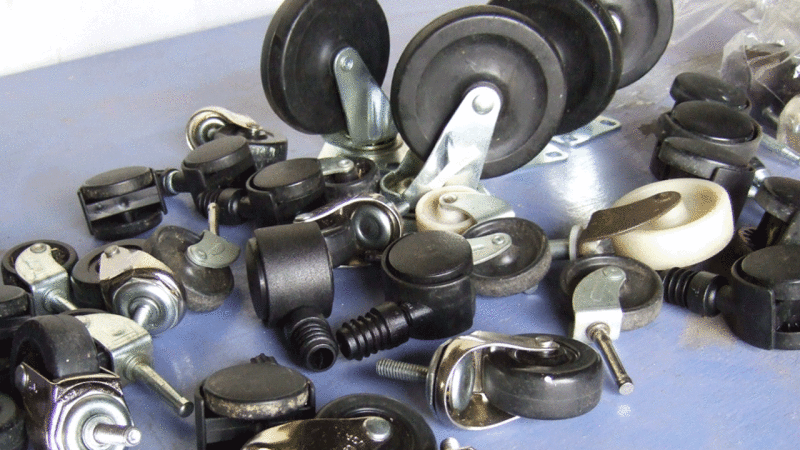
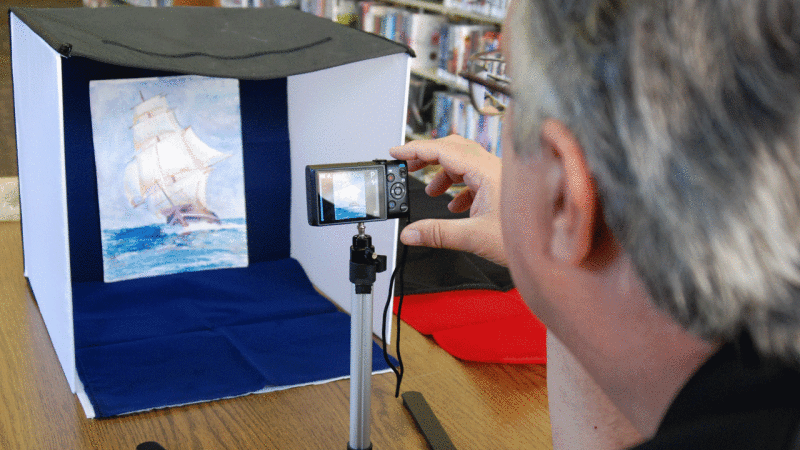
window.__IS_SSR__=true
window.__INITIAL_STATE__={
"attachmentsReducer": {
"audio_0": {
"type": "attachments",
"id": "audio_0",
"imgSizes": {
"kqedFullSize": {
"file": "https://ww2.kqed.org/news/wp-content/themes/KQED-unified/img/audio_bgs/background0.jpg"
}
}
},
"audio_1": {
"type": "attachments",
"id": "audio_1",
"imgSizes": {
"kqedFullSize": {
"file": "https://ww2.kqed.org/news/wp-content/themes/KQED-unified/img/audio_bgs/background1.jpg"
}
}
},
"audio_2": {
"type": "attachments",
"id": "audio_2",
"imgSizes": {
"kqedFullSize": {
"file": "https://ww2.kqed.org/news/wp-content/themes/KQED-unified/img/audio_bgs/background2.jpg"
}
}
},
"audio_3": {
"type": "attachments",
"id": "audio_3",
"imgSizes": {
"kqedFullSize": {
"file": "https://ww2.kqed.org/news/wp-content/themes/KQED-unified/img/audio_bgs/background3.jpg"
}
}
},
"audio_4": {
"type": "attachments",
"id": "audio_4",
"imgSizes": {
"kqedFullSize": {
"file": "https://ww2.kqed.org/news/wp-content/themes/KQED-unified/img/audio_bgs/background4.jpg"
}
}
},
"placeholder": {
"type": "attachments",
"id": "placeholder",
"imgSizes": {
"thumbnail": {
"file": "https://cdn.kqed.org/wp-content/uploads/2024/12/KQED-Default-Image-816638274-2000x1333-1-160x107.jpg",
"width": 160,
"height": 107,
"mimeType": "image/jpeg"
},
"medium": {
"file": "https://cdn.kqed.org/wp-content/uploads/2024/12/KQED-Default-Image-816638274-2000x1333-1-800x533.jpg",
"width": 800,
"height": 533,
"mimeType": "image/jpeg"
},
"medium_large": {
"file": "https://cdn.kqed.org/wp-content/uploads/2024/12/KQED-Default-Image-816638274-2000x1333-1-768x512.jpg",
"width": 768,
"height": 512,
"mimeType": "image/jpeg"
},
"large": {
"file": "https://cdn.kqed.org/wp-content/uploads/2024/12/KQED-Default-Image-816638274-2000x1333-1-1020x680.jpg",
"width": 1020,
"height": 680,
"mimeType": "image/jpeg"
},
"1536x1536": {
"file": "https://cdn.kqed.org/wp-content/uploads/2024/12/KQED-Default-Image-816638274-2000x1333-1-1536x1024.jpg",
"width": 1536,
"height": 1024,
"mimeType": "image/jpeg"
},
"fd-lrg": {
"file": "https://cdn.kqed.org/wp-content/uploads/2024/12/KQED-Default-Image-816638274-2000x1333-1-1536x1024.jpg",
"width": 1536,
"height": 1024,
"mimeType": "image/jpeg"
},
"fd-med": {
"file": "https://cdn.kqed.org/wp-content/uploads/2024/12/KQED-Default-Image-816638274-2000x1333-1-1020x680.jpg",
"width": 1020,
"height": 680,
"mimeType": "image/jpeg"
},
"fd-sm": {
"file": "https://cdn.kqed.org/wp-content/uploads/2024/12/KQED-Default-Image-816638274-2000x1333-1-800x533.jpg",
"width": 800,
"height": 533,
"mimeType": "image/jpeg"
},
"post-thumbnail": {
"file": "https://cdn.kqed.org/wp-content/uploads/2024/12/KQED-Default-Image-816638274-2000x1333-1-672x372.jpg",
"width": 672,
"height": 372,
"mimeType": "image/jpeg"
},
"twentyfourteen-full-width": {
"file": "https://cdn.kqed.org/wp-content/uploads/2024/12/KQED-Default-Image-816638274-2000x1333-1-1038x576.jpg",
"width": 1038,
"height": 576,
"mimeType": "image/jpeg"
},
"xxsmall": {
"file": "https://cdn.kqed.org/wp-content/uploads/2024/12/KQED-Default-Image-816638274-2000x1333-1-160x107.jpg",
"width": 160,
"height": 107,
"mimeType": "image/jpeg"
},
"xsmall": {
"file": "https://cdn.kqed.org/wp-content/uploads/2024/12/KQED-Default-Image-816638274-2000x1333-1-672x372.jpg",
"width": 672,
"height": 372,
"mimeType": "image/jpeg"
},
"small": {
"file": "https://cdn.kqed.org/wp-content/uploads/2024/12/KQED-Default-Image-816638274-2000x1333-1-672x372.jpg",
"width": 672,
"height": 372,
"mimeType": "image/jpeg"
},
"xlarge": {
"file": "https://cdn.kqed.org/wp-content/uploads/2024/12/KQED-Default-Image-816638274-2000x1333-1-1020x680.jpg",
"width": 1020,
"height": 680,
"mimeType": "image/jpeg"
},
"full-width": {
"file": "https://cdn.kqed.org/wp-content/uploads/2024/12/KQED-Default-Image-816638274-2000x1333-1-1920x1280.jpg",
"width": 1920,
"height": 1280,
"mimeType": "image/jpeg"
},
"guest-author-32": {
"file": "https://cdn.kqed.org/wp-content/uploads/2025/01/KQED-Default-Image-816638274-1333x1333-1-160x160.jpg",
"width": 32,
"height": 32,
"mimeType": "image/jpeg"
},
"guest-author-50": {
"file": "https://cdn.kqed.org/wp-content/uploads/2025/01/KQED-Default-Image-816638274-1333x1333-1-160x160.jpg",
"width": 50,
"height": 50,
"mimeType": "image/jpeg"
},
"guest-author-64": {
"file": "https://cdn.kqed.org/wp-content/uploads/2025/01/KQED-Default-Image-816638274-1333x1333-1-160x160.jpg",
"width": 64,
"height": 64,
"mimeType": "image/jpeg"
},
"guest-author-96": {
"file": "https://cdn.kqed.org/wp-content/uploads/2025/01/KQED-Default-Image-816638274-1333x1333-1-160x160.jpg",
"width": 96,
"height": 96,
"mimeType": "image/jpeg"
},
"guest-author-128": {
"file": "https://cdn.kqed.org/wp-content/uploads/2025/01/KQED-Default-Image-816638274-1333x1333-1-160x160.jpg",
"width": 128,
"height": 128,
"mimeType": "image/jpeg"
},
"detail": {
"file": "https://cdn.kqed.org/wp-content/uploads/2025/01/KQED-Default-Image-816638274-1333x1333-1-160x160.jpg",
"width": 160,
"height": 160,
"mimeType": "image/jpeg"
},
"kqedFullSize": {
"file": "https://cdn.kqed.org/wp-content/uploads/2024/12/KQED-Default-Image-816638274-2000x1333-1.jpg",
"width": 2000,
"height": 1333
}
}
},
"mindshift_38555": {
"type": "attachments",
"id": "mindshift_38555",
"meta": {
"index": "attachments_1716263798",
"site": "mindshift",
"id": "38555",
"found": true
},
"parent": 38553,
"imgSizes": {
"twentyfourteen-full-width": {
"file": "https://ww2.kqed.org/app/uploads/sites/23/2014/11/Scavenged-Casters-Earthworm-1038x576.gif",
"width": 1038,
"mimeType": "image/gif",
"height": 576
},
"thumbnail": {
"file": "https://ww2.kqed.org/app/uploads/sites/23/2014/11/Scavenged-Casters-Earthworm-400x225.gif",
"width": 400,
"mimeType": "image/gif",
"height": 225
},
"fd-sm": {
"file": "https://ww2.kqed.org/app/uploads/sites/23/2014/11/Scavenged-Casters-Earthworm-320x180.gif",
"width": 320,
"mimeType": "image/gif",
"height": 180
},
"post-thumbnail": {
"file": "https://ww2.kqed.org/app/uploads/sites/23/2014/11/Scavenged-Casters-Earthworm-672x372.gif",
"width": 672,
"mimeType": "image/gif",
"height": 372
},
"kqedFullSize": {
"file": "https://ww2.kqed.org/app/uploads/sites/23/2014/11/Scavenged-Casters-Earthworm.gif",
"width": 1280,
"height": 720
},
"fd-lrg": {
"file": "https://ww2.kqed.org/app/uploads/sites/23/2014/11/Scavenged-Casters-Earthworm-1180x664.gif",
"width": 1180,
"mimeType": "image/gif",
"height": 664
},
"fd-med": {
"file": "https://ww2.kqed.org/app/uploads/sites/23/2014/11/Scavenged-Casters-Earthworm-768x432.gif",
"width": 768,
"mimeType": "image/gif",
"height": 432
},
"guest-author-96": {
"file": "https://ww2.kqed.org/app/uploads/sites/23/2014/11/Scavenged-Casters-Earthworm-96x96.gif",
"width": 96,
"mimeType": "image/gif",
"height": 96
},
"medium": {
"file": "https://ww2.kqed.org/app/uploads/sites/23/2014/11/Scavenged-Casters-Earthworm-800x450.gif",
"width": 800,
"mimeType": "image/gif",
"height": 450
},
"guest-author-64": {
"file": "https://ww2.kqed.org/app/uploads/sites/23/2014/11/Scavenged-Casters-Earthworm-64x64.gif",
"width": 64,
"mimeType": "image/gif",
"height": 64
},
"guest-author-32": {
"file": "https://ww2.kqed.org/app/uploads/sites/23/2014/11/Scavenged-Casters-Earthworm-32x32.gif",
"width": 32,
"mimeType": "image/gif",
"height": 32
},
"guest-author-128": {
"file": "https://ww2.kqed.org/app/uploads/sites/23/2014/11/Scavenged-Casters-Earthworm-128x128.gif",
"width": 128,
"mimeType": "image/gif",
"height": 128
}
},
"publishDate": 1417008293,
"modified": 1417008293,
"caption": "Scavenged casters. (Courtesy of Earthworm)",
"description": null,
"title": "Scavenged-Casters-Earthworm",
"credit": null,
"status": "inherit",
"isLoading": false,
"fetchFailed": false
},
"mindshift_38500": {
"type": "attachments",
"id": "mindshift_38500",
"meta": {
"index": "attachments_1716263798",
"site": "mindshift",
"id": "38500",
"found": true
},
"parent": 38418,
"imgSizes": {
"twentyfourteen-full-width": {
"file": "https://ww2.kqed.org/app/uploads/sites/23/2014/11/ETSY-photo-1-1038x576.gif",
"width": 1038,
"mimeType": "image/gif",
"height": 576
},
"thumbnail": {
"file": "https://ww2.kqed.org/app/uploads/sites/23/2014/11/ETSY-photo-1-400x225.gif",
"width": 400,
"mimeType": "image/gif",
"height": 225
},
"fd-sm": {
"file": "https://ww2.kqed.org/app/uploads/sites/23/2014/11/ETSY-photo-1-320x180.gif",
"width": 320,
"mimeType": "image/gif",
"height": 180
},
"post-thumbnail": {
"file": "https://ww2.kqed.org/app/uploads/sites/23/2014/11/ETSY-photo-1-672x372.gif",
"width": 672,
"mimeType": "image/gif",
"height": 372
},
"kqedFullSize": {
"file": "https://ww2.kqed.org/app/uploads/sites/23/2014/11/ETSY-photo-1.gif",
"width": 1280,
"height": 720
},
"fd-lrg": {
"file": "https://ww2.kqed.org/app/uploads/sites/23/2014/11/ETSY-photo-1-1180x664.gif",
"width": 1180,
"mimeType": "image/gif",
"height": 664
},
"fd-med": {
"file": "https://ww2.kqed.org/app/uploads/sites/23/2014/11/ETSY-photo-1-768x432.gif",
"width": 768,
"mimeType": "image/gif",
"height": 432
},
"guest-author-96": {
"file": "https://ww2.kqed.org/app/uploads/sites/23/2014/11/ETSY-photo-1-96x96.gif",
"width": 96,
"mimeType": "image/gif",
"height": 96
},
"medium": {
"file": "https://ww2.kqed.org/app/uploads/sites/23/2014/11/ETSY-photo-1-800x450.gif",
"width": 800,
"mimeType": "image/gif",
"height": 450
},
"guest-author-64": {
"file": "https://ww2.kqed.org/app/uploads/sites/23/2014/11/ETSY-photo-1-64x64.gif",
"width": 64,
"mimeType": "image/gif",
"height": 64
},
"guest-author-32": {
"file": "https://ww2.kqed.org/app/uploads/sites/23/2014/11/ETSY-photo-1-32x32.gif",
"width": 32,
"mimeType": "image/gif",
"height": 32
},
"guest-author-128": {
"file": "https://ww2.kqed.org/app/uploads/sites/23/2014/11/ETSY-photo-1-128x128.gif",
"width": 128,
"mimeType": "image/gif",
"height": 128
}
},
"publishDate": 1416493755,
"modified": 1416493755,
"caption": "Students learn how to take great product photographs using equipment provided by Etsy’s pilot Craft Entrepreneurship program held at the Chattanooga Public Library. (Courtesy of Mary Barnett)",
"description": null,
"title": "ETSY-photo-1",
"credit": null,
"status": "inherit",
"isLoading": false,
"fetchFailed": false
},
"mindshift_34217": {
"type": "attachments",
"id": "mindshift_34217",
"meta": {
"index": "attachments_1716263798",
"site": "mindshift",
"id": "34217",
"found": true
},
"parent": 34210,
"imgSizes": {
"thumbnail": {
"file": "https://ww2.kqed.org/app/uploads/sites/23/2014/02/Screen-Shot-2014-02-24-at-11.40.11-AM-400x210.png",
"width": 400,
"mimeType": "image/png",
"height": 210
},
"fd-sm": {
"file": "https://ww2.kqed.org/app/uploads/sites/23/2014/02/Screen-Shot-2014-02-24-at-11.40.11-AM-320x168.png",
"width": 320,
"mimeType": "image/png",
"height": 168
},
"kqedFullSize": {
"file": "https://ww2.kqed.org/app/uploads/sites/23/2014/02/Screen-Shot-2014-02-24-at-11.40.11-AM.png",
"width": 627,
"height": 329
},
"guest-author-96": {
"file": "https://ww2.kqed.org/app/uploads/sites/23/2014/02/Screen-Shot-2014-02-24-at-11.40.11-AM-96x96.png",
"width": 96,
"mimeType": "image/png",
"height": 96
},
"guest-author-64": {
"file": "https://ww2.kqed.org/app/uploads/sites/23/2014/02/Screen-Shot-2014-02-24-at-11.40.11-AM-64x64.png",
"width": 64,
"mimeType": "image/png",
"height": 64
},
"guest-author-32": {
"file": "https://ww2.kqed.org/app/uploads/sites/23/2014/02/Screen-Shot-2014-02-24-at-11.40.11-AM-32x32.png",
"width": 32,
"mimeType": "image/png",
"height": 32
},
"guest-author-128": {
"file": "https://ww2.kqed.org/app/uploads/sites/23/2014/02/Screen-Shot-2014-02-24-at-11.40.11-AM-128x128.png",
"width": 128,
"mimeType": "image/png",
"height": 128
}
},
"publishDate": 1393274539,
"modified": 1393274539,
"caption": null,
"description": null,
"title": "Screen Shot 2014-02-24 at 11.40.11 AM",
"credit": null,
"status": "inherit",
"isLoading": false,
"fetchFailed": false
},
"mindshift_32148": {
"type": "attachments",
"id": "mindshift_32148",
"meta": {
"index": "attachments_1716263798",
"site": "mindshift",
"id": "32148",
"found": true
},
"parent": 32129,
"imgSizes": {
"thumbnail": {
"file": "https://ww2.kqed.org/app/uploads/sites/23/2013/10/5396691102_dd3d157676_z-e1381942302207-400x225.jpg",
"width": 400,
"mimeType": "image/jpeg",
"height": 225
},
"fd-sm": {
"file": "https://ww2.kqed.org/app/uploads/sites/23/2013/10/5396691102_dd3d157676_z-e1381942302207-320x180.jpg",
"width": 320,
"mimeType": "image/jpeg",
"height": 180
},
"kqedFullSize": {
"file": "https://ww2.kqed.org/app/uploads/sites/23/2013/10/5396691102_dd3d157676_z-e1381942302207.jpg",
"width": 640,
"height": 360
},
"guest-author-96": {
"file": "https://ww2.kqed.org/app/uploads/sites/23/2013/10/5396691102_dd3d157676_z-e1381942302207-96x96.jpg",
"width": 96,
"mimeType": "image/jpeg",
"height": 96
},
"guest-author-64": {
"file": "https://ww2.kqed.org/app/uploads/sites/23/2013/10/5396691102_dd3d157676_z-e1381942302207-64x64.jpg",
"width": 64,
"mimeType": "image/jpeg",
"height": 64
},
"detail": {
"file": "https://ww2.kqed.org/app/uploads/sites/23/2013/10/5396691102_dd3d157676_z-e1381942302207-75x75.jpg",
"width": 75,
"mimeType": "image/jpeg",
"height": 75
},
"guest-author-32": {
"file": "https://ww2.kqed.org/app/uploads/sites/23/2013/10/5396691102_dd3d157676_z-e1381942302207-32x32.jpg",
"width": 32,
"mimeType": "image/jpeg",
"height": 32
},
"guest-author-128": {
"file": "https://ww2.kqed.org/app/uploads/sites/23/2013/10/5396691102_dd3d157676_z-e1381942302207-128x128.jpg",
"width": 128,
"mimeType": "image/jpeg",
"height": 128
}
},
"publishDate": 1381942266,
"modified": 1381942266,
"caption": null,
"description": null,
"title": "5396691102_dd3d157676_z",
"credit": null,
"status": "inherit",
"isLoading": false,
"fetchFailed": false
},
"mindshift_31410": {
"type": "attachments",
"id": "mindshift_31410",
"meta": {
"index": "attachments_1716263798",
"site": "mindshift",
"id": "31410",
"found": true
},
"parent": 31408,
"imgSizes": {
"thumbnail": {
"file": "https://ww2.kqed.org/app/uploads/sites/23/2013/09/pittsburgkid360-400x225.jpg",
"width": 400,
"mimeType": "image/jpeg",
"height": 225
},
"fd-sm": {
"file": "https://ww2.kqed.org/app/uploads/sites/23/2013/09/pittsburgkid360-320x180.jpg",
"width": 320,
"mimeType": "image/jpeg",
"height": 180
},
"kqedFullSize": {
"file": "https://ww2.kqed.org/app/uploads/sites/23/2013/09/pittsburgkid360.jpg",
"width": 640,
"height": 360
},
"guest-author-96": {
"file": "https://ww2.kqed.org/app/uploads/sites/23/2013/09/pittsburgkid360-96x96.jpg",
"width": 96,
"mimeType": "image/jpeg",
"height": 96
},
"guest-author-64": {
"file": "https://ww2.kqed.org/app/uploads/sites/23/2013/09/pittsburgkid360-64x64.jpg",
"width": 64,
"mimeType": "image/jpeg",
"height": 64
},
"detail": {
"file": "https://ww2.kqed.org/app/uploads/sites/23/2013/09/pittsburgkid360-75x75.jpg",
"width": 75,
"mimeType": "image/jpeg",
"height": 75
},
"guest-author-32": {
"file": "https://ww2.kqed.org/app/uploads/sites/23/2013/09/pittsburgkid360-32x32.jpg",
"width": 32,
"mimeType": "image/jpeg",
"height": 32
},
"guest-author-128": {
"file": "https://ww2.kqed.org/app/uploads/sites/23/2013/09/pittsburgkid360-128x128.jpg",
"width": 128,
"mimeType": "image/jpeg",
"height": 128
}
},
"publishDate": 1379440837,
"modified": 1379440837,
"caption": null,
"description": null,
"title": "pittsburgkid360",
"credit": null,
"status": "inherit",
"isLoading": false,
"fetchFailed": false
},
"mindshift_29682": {
"type": "attachments",
"id": "mindshift_29682",
"meta": {
"index": "attachments_1716263798",
"site": "mindshift",
"id": "29682",
"found": true
},
"parent": 29642,
"imgSizes": {
"thumbnail": {
"file": "https://ww2.kqed.org/app/uploads/sites/23/2013/06/134031979-400x225.jpg",
"width": 400,
"mimeType": "image/jpeg",
"height": 225
},
"fd-sm": {
"file": "https://ww2.kqed.org/app/uploads/sites/23/2013/06/134031979-320x180.jpg",
"width": 320,
"mimeType": "image/jpeg",
"height": 180
},
"kqedFullSize": {
"file": "https://ww2.kqed.org/app/uploads/sites/23/2013/06/134031979.jpg",
"width": 640,
"height": 360
},
"guest-author-96": {
"file": "https://ww2.kqed.org/app/uploads/sites/23/2013/06/134031979-96x96.jpg",
"width": 96,
"mimeType": "image/jpeg",
"height": 96
},
"guest-author-64": {
"file": "https://ww2.kqed.org/app/uploads/sites/23/2013/06/134031979-64x64.jpg",
"width": 64,
"mimeType": "image/jpeg",
"height": 64
},
"detail": {
"file": "https://ww2.kqed.org/app/uploads/sites/23/2013/06/134031979-75x75.jpg",
"width": 75,
"mimeType": "image/jpeg",
"height": 75
},
"guest-author-32": {
"file": "https://ww2.kqed.org/app/uploads/sites/23/2013/06/134031979-32x32.jpg",
"width": 32,
"mimeType": "image/jpeg",
"height": 32
},
"guest-author-128": {
"file": "https://ww2.kqed.org/app/uploads/sites/23/2013/06/134031979-128x128.jpg",
"width": 128,
"mimeType": "image/jpeg",
"height": 128
}
},
"publishDate": 1372197442,
"modified": 1372197442,
"caption": null,
"description": "Human brain and colorful question mark",
"title": "134031979",
"credit": null,
"status": "inherit",
"isLoading": false,
"fetchFailed": false
},
"mindshift_27355": {
"type": "attachments",
"id": "mindshift_27355",
"meta": {
"index": "attachments_1716263798",
"site": "mindshift",
"id": "27355",
"found": true
},
"parent": 27348,
"imgSizes": {
"twentyfourteen-full-width": {
"file": "https://ww2.kqed.org/app/uploads/sites/23/2013/02/design-thinking-1038x576.jpg",
"width": 1038,
"mimeType": "image/jpeg",
"height": 576
},
"thumbnail": {
"file": "https://ww2.kqed.org/app/uploads/sites/23/2013/02/design-thinking-400x258.jpg",
"width": 400,
"mimeType": "image/jpeg",
"height": 258
},
"fd-sm": {
"file": "https://ww2.kqed.org/app/uploads/sites/23/2013/02/design-thinking-320x206.jpg",
"width": 320,
"mimeType": "image/jpeg",
"height": 206
},
"post-thumbnail": {
"file": "https://ww2.kqed.org/app/uploads/sites/23/2013/02/design-thinking-672x372.jpg",
"width": 672,
"mimeType": "image/jpeg",
"height": 372
},
"kqedFullSize": {
"file": "https://ww2.kqed.org/app/uploads/sites/23/2013/02/design-thinking.jpg",
"width": 2072,
"height": 1336
},
"large": {
"file": "https://ww2.kqed.org/app/uploads/sites/23/2013/02/design-thinking-1440x928.jpg",
"width": 1440,
"mimeType": "image/jpeg",
"height": 928
},
"guest-author-96": {
"file": "https://ww2.kqed.org/app/uploads/sites/23/2013/02/design-thinking-96x96.jpg",
"width": 96,
"mimeType": "image/jpeg",
"height": 96
},
"medium": {
"file": "https://ww2.kqed.org/app/uploads/sites/23/2013/02/design-thinking-800x516.jpg",
"width": 800,
"mimeType": "image/jpeg",
"height": 516
},
"guest-author-64": {
"file": "https://ww2.kqed.org/app/uploads/sites/23/2013/02/design-thinking-64x64.jpg",
"width": 64,
"mimeType": "image/jpeg",
"height": 64
},
"guest-author-32": {
"file": "https://ww2.kqed.org/app/uploads/sites/23/2013/02/design-thinking-32x32.jpg",
"width": 32,
"mimeType": "image/jpeg",
"height": 32
},
"fd-lrg": {
"file": "https://ww2.kqed.org/app/uploads/sites/23/2013/02/design-thinking-1180x761.jpg",
"width": 1180,
"mimeType": "image/jpeg",
"height": 761
},
"fd-med": {
"file": "https://ww2.kqed.org/app/uploads/sites/23/2013/02/design-thinking-768x495.jpg",
"width": 768,
"mimeType": "image/jpeg",
"height": 495
},
"detail": {
"file": "https://ww2.kqed.org/app/uploads/sites/23/2013/02/design-thinking-75x75.jpg",
"width": 75,
"mimeType": "image/jpeg",
"height": 75
},
"guest-author-128": {
"file": "https://ww2.kqed.org/app/uploads/sites/23/2013/02/design-thinking-128x128.jpg",
"width": 128,
"mimeType": "image/jpeg",
"height": 128
}
},
"publishDate": 1361916610,
"modified": 1361916610,
"caption": null,
"description": null,
"title": "design-thinking",
"credit": null,
"status": "inherit",
"isLoading": false,
"fetchFailed": false
},
"mindshift_24751": {
"type": "attachments",
"id": "mindshift_24751",
"meta": {
"index": "attachments_1716263798",
"site": "mindshift",
"id": "24751",
"found": true
},
"parent": 24747,
"imgSizes": {
"thumbnail": {
"file": "https://ww2.kqed.org/app/uploads/sites/23/2012/11/boybuilds-400x258.jpg",
"width": 400,
"mimeType": "image/jpeg",
"height": 258
},
"fd-sm": {
"file": "https://ww2.kqed.org/app/uploads/sites/23/2012/11/boybuilds-320x206.jpg",
"width": 320,
"mimeType": "image/jpeg",
"height": 206
},
"post-thumbnail": {
"file": "https://ww2.kqed.org/app/uploads/sites/23/2012/11/boybuilds-620x372.jpg",
"width": 620,
"mimeType": "image/jpeg",
"height": 372
},
"kqedFullSize": {
"file": "https://ww2.kqed.org/app/uploads/sites/23/2012/11/boybuilds.jpg",
"width": 620,
"height": 400
},
"guest-author-96": {
"file": "https://ww2.kqed.org/app/uploads/sites/23/2012/11/boybuilds-96x96.jpg",
"width": 96,
"mimeType": "image/jpeg",
"height": 96
},
"guest-author-64": {
"file": "https://ww2.kqed.org/app/uploads/sites/23/2012/11/boybuilds-64x64.jpg",
"width": 64,
"mimeType": "image/jpeg",
"height": 64
},
"detail": {
"file": "https://ww2.kqed.org/app/uploads/sites/23/2012/11/boybuilds-75x75.jpg",
"width": 75,
"mimeType": "image/jpeg",
"height": 75
},
"guest-author-32": {
"file": "https://ww2.kqed.org/app/uploads/sites/23/2012/11/boybuilds-32x32.jpg",
"width": 32,
"mimeType": "image/jpeg",
"height": 32
},
"guest-author-128": {
"file": "https://ww2.kqed.org/app/uploads/sites/23/2012/11/boybuilds-128x128.jpg",
"width": 128,
"mimeType": "image/jpeg",
"height": 128
}
},
"publishDate": 1352220638,
"modified": 1352220638,
"caption": null,
"description": null,
"title": "boybuilds",
"credit": null,
"status": "inherit",
"isLoading": false,
"fetchFailed": false
},
"mindshift_24130": {
"type": "attachments",
"id": "mindshift_24130",
"meta": {
"index": "attachments_1716263798",
"site": "mindshift",
"id": "24130",
"found": true
},
"parent": 23597,
"imgSizes": {
"thumbnail": {
"file": "https://ww2.kqed.org/app/uploads/sites/23/2012/10/Screen-shot-2012-09-12-at-3.26.23-PM-400x294.png",
"width": 400,
"mimeType": "image/png",
"height": 294
},
"fd-sm": {
"file": "https://ww2.kqed.org/app/uploads/sites/23/2012/10/Screen-shot-2012-09-12-at-3.26.23-PM-320x235.png",
"width": 320,
"mimeType": "image/png",
"height": 235
},
"post-thumbnail": {
"file": "https://ww2.kqed.org/app/uploads/sites/23/2012/10/Screen-shot-2012-09-12-at-3.26.23-PM-628x372.png",
"width": 628,
"mimeType": "image/png",
"height": 372
},
"kqedFullSize": {
"file": "https://ww2.kqed.org/app/uploads/sites/23/2012/10/Screen-shot-2012-09-12-at-3.26.23-PM.png",
"width": 628,
"height": 461
},
"guest-author-96": {
"file": "https://ww2.kqed.org/app/uploads/sites/23/2012/10/Screen-shot-2012-09-12-at-3.26.23-PM-96x96.png",
"width": 96,
"mimeType": "image/png",
"height": 96
},
"guest-author-64": {
"file": "https://ww2.kqed.org/app/uploads/sites/23/2012/10/Screen-shot-2012-09-12-at-3.26.23-PM-64x64.png",
"width": 64,
"mimeType": "image/png",
"height": 64
},
"detail": {
"file": "https://ww2.kqed.org/app/uploads/sites/23/2012/10/Screen-shot-2012-09-12-at-3.26.23-PM-75x75.png",
"width": 75,
"mimeType": "image/png",
"height": 75
},
"guest-author-32": {
"file": "https://ww2.kqed.org/app/uploads/sites/23/2012/10/Screen-shot-2012-09-12-at-3.26.23-PM-32x32.png",
"width": 32,
"mimeType": "image/png",
"height": 32
},
"guest-author-128": {
"file": "https://ww2.kqed.org/app/uploads/sites/23/2012/10/Screen-shot-2012-09-12-at-3.26.23-PM-128x128.png",
"width": 128,
"mimeType": "image/png",
"height": 128
}
},
"publishDate": 1349205562,
"modified": 1349205562,
"caption": "Studio H's design/build curriculum in Berkeley.",
"description": null,
"title": "Design Thinking",
"credit": null,
"status": "inherit",
"isLoading": false,
"fetchFailed": false
},
"mindshift_23409": {
"type": "attachments",
"id": "mindshift_23409",
"meta": {
"index": "attachments_1716263798",
"site": "mindshift",
"id": "23409",
"found": true
},
"parent": 23407,
"imgSizes": {
"thumbnail": {
"file": "https://ww2.kqed.org/app/uploads/sites/23/2012/08/7566329228_4d5377458b_z-400x265.jpg",
"width": 400,
"mimeType": "image/jpeg",
"height": 265
},
"fd-sm": {
"file": "https://ww2.kqed.org/app/uploads/sites/23/2012/08/7566329228_4d5377458b_z-320x212.jpg",
"width": 320,
"mimeType": "image/jpeg",
"height": 212
},
"post-thumbnail": {
"file": "https://ww2.kqed.org/app/uploads/sites/23/2012/08/7566329228_4d5377458b_z-640x372.jpg",
"width": 640,
"mimeType": "image/jpeg",
"height": 372
},
"kqedFullSize": {
"file": "https://ww2.kqed.org/app/uploads/sites/23/2012/08/7566329228_4d5377458b_z.jpg",
"width": 640,
"height": 424
},
"guest-author-96": {
"file": "https://ww2.kqed.org/app/uploads/sites/23/2012/08/7566329228_4d5377458b_z-96x96.jpg",
"width": 96,
"mimeType": "image/jpeg",
"height": 96
},
"guest-author-64": {
"file": "https://ww2.kqed.org/app/uploads/sites/23/2012/08/7566329228_4d5377458b_z-64x64.jpg",
"width": 64,
"mimeType": "image/jpeg",
"height": 64
},
"detail": {
"file": "https://ww2.kqed.org/app/uploads/sites/23/2012/08/7566329228_4d5377458b_z-75x75.jpg",
"width": 75,
"mimeType": "image/jpeg",
"height": 75
},
"guest-author-32": {
"file": "https://ww2.kqed.org/app/uploads/sites/23/2012/08/7566329228_4d5377458b_z-32x32.jpg",
"width": 32,
"mimeType": "image/jpeg",
"height": 32
},
"guest-author-128": {
"file": "https://ww2.kqed.org/app/uploads/sites/23/2012/08/7566329228_4d5377458b_z-128x128.jpg",
"width": 128,
"mimeType": "image/jpeg",
"height": 128
}
},
"publishDate": 1345237427,
"modified": 1345237427,
"caption": "Students building a cafe at Brightworks School in San Francisco.",
"description": null,
"title": "7566329228_4d5377458b_z",
"credit": null,
"status": "inherit",
"isLoading": false,
"fetchFailed": false
},
"mindshift_12026": {
"type": "attachments",
"id": "mindshift_12026",
"meta": {
"index": "attachments_1716263798",
"site": "mindshift",
"id": "12026",
"found": true
},
"parent": 11984,
"imgSizes": {
"thumbnail": {
"file": "https://ww2.kqed.org/app/uploads/sites/23/2011/05/DesignThinking1-400x208.png",
"width": 400,
"mimeType": "image/png",
"height": 208
},
"fd-sm": {
"file": "https://ww2.kqed.org/app/uploads/sites/23/2011/05/DesignThinking1-320x166.png",
"width": 320,
"mimeType": "image/png",
"height": 166
},
"kqedFullSize": {
"file": "https://ww2.kqed.org/app/uploads/sites/23/2011/05/DesignThinking1.png",
"width": 545,
"height": 283
},
"guest-author-96": {
"file": "https://ww2.kqed.org/app/uploads/sites/23/2011/05/DesignThinking1-96x96.png",
"width": 96,
"mimeType": "image/png",
"height": 96
},
"guest-author-64": {
"file": "https://ww2.kqed.org/app/uploads/sites/23/2011/05/DesignThinking1-64x64.png",
"width": 64,
"mimeType": "image/png",
"height": 64
},
"detail": {
"file": "https://ww2.kqed.org/app/uploads/sites/23/2011/05/DesignThinking1-75x75.png",
"width": 75,
"mimeType": "image/png",
"height": 75
},
"guest-author-32": {
"file": "https://ww2.kqed.org/app/uploads/sites/23/2011/05/DesignThinking1-32x32.png",
"width": 32,
"mimeType": "image/png",
"height": 32
},
"guest-author-128": {
"file": "https://ww2.kqed.org/app/uploads/sites/23/2011/05/DesignThinking1-128x128.png",
"width": 128,
"mimeType": "image/png",
"height": 128
}
},
"publishDate": 1306362661,
"modified": 1306362661,
"caption": "Teacher Karen Fierst tries out design thinking.",
"description": null,
"title": "DesignThinking",
"credit": null,
"status": "inherit",
"isLoading": false,
"fetchFailed": false
}
},
"audioPlayerReducer": {
"postId": "stream_live",
"isPaused": true,
"isPlaying": false,
"pfsActive": false,
"pledgeModalIsOpen": true,
"playerDrawerIsOpen": false,
"liveAudioPlayStartedAt": 0,
"liveAudioPlayContext": ""
},
"authorsReducer": {
"tbarseghian": {
"type": "authors",
"id": "180",
"meta": {
"index": "authors_1716337520",
"id": "180",
"found": true
},
"name": "Tina Barseghian",
"firstName": "Tina",
"lastName": "Barseghian",
"slug": "tbarseghian",
"email": "tbarseghian@kqed.org",
"display_author_email": false,
"staff_mastheads": [],
"title": null,
"bio": null,
"avatar": "https://secure.gravatar.com/avatar/de7e6ced1239b7018fe4d2b61f723c90?s=600&d=blank&r=g",
"twitter": null,
"facebook": null,
"instagram": null,
"linkedin": null,
"sites": [
{
"site": "styleguide",
"roles": [
"contributor"
]
},
{
"site": "news",
"roles": [
"subscriber"
]
},
{
"site": "mindshift",
"roles": [
"subscriber"
]
},
{
"site": "bayareabites",
"roles": [
"subscriber"
]
}
],
"headData": {
"title": "Tina Barseghian | KQED",
"description": null,
"ogImgSrc": "https://secure.gravatar.com/avatar/de7e6ced1239b7018fe4d2b61f723c90?s=600&d=blank&r=g",
"twImgSrc": "https://secure.gravatar.com/avatar/de7e6ced1239b7018fe4d2b61f723c90?s=600&d=blank&r=g"
},
"isLoading": false,
"link": "/author/tbarseghian"
},
"katrinaschwartz": {
"type": "authors",
"id": "234",
"meta": {
"index": "authors_1716337520",
"id": "234",
"found": true
},
"name": "Katrina Schwartz",
"firstName": "Katrina",
"lastName": "Schwartz",
"slug": "katrinaschwartz",
"email": "kschwartz@kqed.org",
"display_author_email": false,
"staff_mastheads": [
"news"
],
"title": "Producer",
"bio": "Katrina Schwartz is a journalist based in San Francisco. She's worked at KPCC public radio in LA and has reported on air and online for KQED since 2010. She covered how teaching and learning is changing for MindShift between 2012 and 2020. She is the co-host of the MindShift podcast and now produces KQED's Bay Curious podcast.",
"avatar": "https://secure.gravatar.com/avatar/edb4ee79070447a018538c9aae6eeecf28786515b8a0c30e43b6b7dce5aa44c8?s=600&d=blank&r=g",
"twitter": "kschwart",
"bluesky": null,
"facebook": null,
"instagram": null,
"linkedin": null,
"sites": [
{
"site": "",
"roles": [
"editor"
]
},
{
"site": "news",
"roles": [
"editor"
]
},
{
"site": "mindshift",
"roles": [
"administrator"
]
},
{
"site": "stateofhealth",
"roles": [
"author"
]
},
{
"site": "science",
"roles": [
"editor"
]
}
],
"headData": {
"title": "Katrina Schwartz | KQED",
"description": "Producer",
"ogImgSrc": "https://secure.gravatar.com/avatar/edb4ee79070447a018538c9aae6eeecf28786515b8a0c30e43b6b7dce5aa44c8?s=600&d=blank&r=g",
"twImgSrc": "https://secure.gravatar.com/avatar/edb4ee79070447a018538c9aae6eeecf28786515b8a0c30e43b6b7dce5aa44c8?s=600&d=blank&r=g"
},
"isLoading": false,
"link": "/author/katrinaschwartz"
},
"hollykorbey": {
"type": "authors",
"id": "4445",
"meta": {
"index": "authors_1716337520",
"id": "4445",
"found": true
},
"name": "Holly Korbey",
"firstName": "Holly",
"lastName": "Korbey",
"slug": "hollykorbey",
"email": "holly@hollykorbey.com",
"display_author_email": false,
"staff_mastheads": [],
"title": null,
"bio": "Holly Korbey's work on parenting and education has appeared in The New York Times, The Atlantic, Babble, Brain, Child Magazine, and others. She lives in Nashville with her family. Follow her on Twitter: @HKorbey",
"avatar": "https://secure.gravatar.com/avatar/f385f7a3b90e52ecd5e85c24fbd0a363?s=600&d=blank&r=g",
"twitter": null,
"facebook": null,
"instagram": null,
"linkedin": null,
"sites": [
{
"site": "mindshift",
"roles": [
"contributor"
]
}
],
"headData": {
"title": "Holly Korbey | KQED",
"description": null,
"ogImgSrc": "https://secure.gravatar.com/avatar/f385f7a3b90e52ecd5e85c24fbd0a363?s=600&d=blank&r=g",
"twImgSrc": "https://secure.gravatar.com/avatar/f385f7a3b90e52ecd5e85c24fbd0a363?s=600&d=blank&r=g"
},
"isLoading": false,
"link": "/author/hollykorbey"
}
},
"pagesReducer": {
"mindshift_category_design-thinking-2": {
"type": "terms",
"id": "mindshift_20523",
"meta": {
"index": "terms_1716263798",
"site": "mindshift",
"id": "20523",
"score": 14.405014
},
"featImg": null,
"name": "Design Thinking",
"description": null,
"taxonomy": "category",
"headData": {
"twImgId": null,
"twTitle": null,
"ogTitle": null,
"ogImgId": null,
"twDescription": null,
"description": null,
"title": "Design Thinking Archives | KQED Mindshift",
"ogDescription": null
},
"ttid": 19800,
"slug": "design-thinking-2",
"isLoading": false,
"title": "Design Thinking",
"pageMeta": {
"site": "mindshift",
"WpPageTemplate": "page-topic-editorial",
"currentPage": 2
},
"blocks": [
{
"blockName": "kqed/post-list",
"attrs": {
"layout": "cardArticle2",
"query": "posts/mindshift?category=design-thinking-2",
"seeMore": false,
"paginated": true,
"page": 2
}
},
{
"blockName": "kqed/ad"
}
]
}
},
"pfsSessionReducer": {},
"postsReducer": {
"stream_live": {
"type": "live",
"id": "stream_live",
"audioUrl": "https://hls.kqed.org/hls/kqed_app/playlist.m3u8",
"title": "Live Stream",
"excerpt": "Live Stream information currently unavailable.",
"link": "/radio",
"featImg": "",
"label": {
"name": "KQED Live",
"link": "/"
}
},
"stream_kqedNewscast": {
"type": "posts",
"id": "stream_kqedNewscast",
"audioUrl": "https://www.kqed.org/.stream/anon/radio/RDnews/newscast.mp3?_=1",
"title": "KQED Newscast",
"featImg": "",
"label": {
"name": "88.5 FM",
"link": "/"
}
},
"mindshift_38553": {
"type": "posts",
"id": "mindshift_38553",
"meta": {
"index": "posts_1716263798",
"site": "mindshift",
"id": "38553",
"score": null,
"sort": [
1417012788000
]
},
"parent": 0,
"labelTerm": {
"site": "mindshift"
},
"blocks": [],
"publishDate": 1417012788,
"format": "aside",
"disqusTitle": "How a Moveable Space Can Ignite Creativity in the Classroom",
"title": "How a Moveable Space Can Ignite Creativity in the Classroom",
"headTitle": "MindShift | KQED News",
"content": "\u003cfigure id=\"attachment_38555\" class=\"wp-caption alignnone\" style=\"max-width: 1280px\">\u003ca href=\"http://ww2.kqed.org/mindshift/wp-content/uploads/sites/23/2014/11/Scavenged-Casters-Earthworm.gif\">\u003cimg src=\"http://ww2.kqed.org/mindshift/wp-content/uploads/sites/23/2014/11/Scavenged-Casters-Earthworm.gif\" alt=\"Scavenged casters. (Courtesy of Earthworm)\" width=\"1280\" height=\"720\" class=\"size-full wp-image-38555\">\u003c/a>\u003cfigcaption class=\"wp-caption-text\">Scavenged casters. (Courtesy of Earthworm)\u003c/figcaption>\u003c/figure>\n\u003cp>\u003cstrong>By Peter Pfau, FAIA\u003c/strong>\u003c/p>\n\u003cp class=\"dropcap-serif\">One of the most exciting models of learning is “design thinking.” It combines hands on learning (tinkering) with independent problem solving methodologies. This concept is basically the same as the problem solving-based creative process taught in many design disciplines, like architecture, engineering, and game design. The basic steps of design thinking can be characterized as follows:\u003c/p>\n\u003cp>1.\tIdentify the problem and research to understand the problem better\u003cbr>\n2.\tBrainstorm possible strategies and identify solutions\u003cbr>\n3.\tTest these solutions (welcoming failure as a learning tool)\u003cbr>\n4.\tApply what you learn to evolve best solutions\u003c/p>\n\u003cp>When students practice design-thinking projects in the classroom, they not only master the concepts within the project, they exercise their skills of collaborating with teammates, investigating their topic thoroughly, using empathy to generate ideas for solutions, prototyping, and testing. Most importantly, they learn that failure is not a setback. This activity fosters the lifelong skill and mindset that learning new things to help solve problems is part of day-to-day practice and no longer confined to the classroom. Because this quest for knowledge is self-initiated and involves the direct application of learned skills, the retention of information that kids have as a result of this process is significantly higher. \u003c/p>\n\u003caside class=\"pullquote alignleft\"> Everyone who cares deeply about education wants to find creative ways to engage the next generation of learners. The thinking about these spaces will continue to evolve and change as we try them out and learn from these experiences.\u003c/aside>\n\u003cp>A challenge for many public and cash-strapped schools is that this hands-on, project-based learning approach needs to be directly supported by the spaces where the learning occurs. Design thinking in education requires open spaces with flexible, moveable pieces that can be used in different ways each day depending on the topic being explored. Schools like Brightworks in San Francisco and the Nueva School in Hillsborough have fashioned their learning spaces and laboratories specifically for this type of culture, but similar results can be achieved without renovating your classroom or school. Here are six ideas that any school can implement.\u003c/p>\n\u003cp>[ad fullwidth]\u003c/p>\n\u003cp>\u003cstrong>1. Put wheels on classroom furniture.\u003c/strong>\u003cbr>\nSpaces need to be flexible to accommodate a wide variety of student-use scenarios and project-driven set ups. Furniture that can be easily rolled out of the way can go from collaboration lounge to prototype lab with little effort. A variety of casters can be found at IKEA or your local hardware store. Use casters with stems for desks and tables. These have sleeves that can be inserted into the legs. Plate mounted casters can be screwed directly into the base of the furniture. Look for wheels that swivel in all directions so that students can move them easily. Many casters have locks which help to keep them from moving once you’ve got them in place. \u003c/p>\n\u003cp>\u003cstrong>2. Create comfortable and customizable “break-out spaces” with couches or soft chairs where students can work together. \u003c/strong>\u003cbr>\nStanford University's “d.school” (design and engineering school), where the current design thinking trend was jump started, exemplifies the importance of comfortable collaboration spaces. d.school students draw from a mobile “kit of parts” to assemble work environments shaped to their project based activities and then put them all back afterwards. d.school has created a culture of creating the space for the environment you need. Furniture here easily rolls or stacks out of the way to leave an open room after the activity is finished. Working in this space requires presence of mind of how you will interact and how the space should be shaped to accommodate that. \u003c/p>\n\u003cp>\u003cstrong>3. Look for spaces on your campus that can be transformed into a student-driven collaboration classroom. \u003c/strong>\u003cbr>\nThe \u003ca href=\"https://asms.sa.edu.au/\">Australian Science and Mathematics School\u003c/a>, a public high school in Adelaide, repurposed a basement storeroom as their innovation “shed.” The shed supports 17 students in self-organized learning and tinkering on Thursday mornings and was designed to be a “funky” place teenagers would be comfortable perusing what they are interested in. Sivam Krish directs programs at the shed, but does not teach in the traditional sense. He encourages peer-to-peer learning in the space. The shed is furnished with cheap garage equipment and relatively inexpensive technology. Nothing is fixed: monitors, 3-D printers, computer workstations, and other equipment are mounted on wheeled scaffolding carts so that students can frequently adjust their space to suit their projects. \u003c/p>\n\u003cp>\u003cstrong>4. Create a shared design-thinking space for all students to use.\u003c/strong>\u003cbr>\nBy being inclusive of all students, the program can serve as a compliment to the rest of the curriculum. At \u003ca href=\"http://www.mpms.org/\">Marin Primary and Middle School in Northern California\u003c/a>, the kindergarten through 8th grade classroom curriculum links to hands-on projects that kids do in the school’s “Projects Lab.” The lab is a locus where all the equipment that can facilitate student tinkering and prototyping is concentrated, with some inherent flexibility in its layout to accommodate student creativity. \u003c/p>\n\u003cp>[contextly_sidebar id=\"du40aWLme4cEBCytbfwkf4z5TctMcRqG\"]\u003c/p>\n\u003cp>In San Francisco, \u003ca href=\"http://www.lwhs.org/page/Curriculum/Departments/Technical-Arts\">Lick-Wilmerding High School’s Design and Technology Center\u003c/a> takes sharing a step further by bringing together many of the schools communal resources. The center houses teaching workspaces and shops for wood, metal, glass and electronics, as well as a multi-purpose room, computer lab, and two conference rooms. The central, single level, configuration of the spaces allows for a shared work area between disciplines and encourages student interaction and interdisciplinary collaboration. \u003c/p>\n\u003cp>\u003cstrong>5. Create a design-thinking space is a design-thinking exercise.\u003c/strong>\u003cbr>\nAssign students the task of designing the design-thinking environment. Groups of the students enrolled in the one-semester design-thinking course at \u003ca href=\"http://www.flinthill.org/\">Flint Hill School in Oakton, Virginia\u003c/a> came up with blue-sky proposals for redesigning the school library. At the end of the semester, two 11th grade participants, Jack Morrissette and Zane Homsi, used an independent study credit to further consider how design thinking could be expanded at the school. Their study culminated in a more feasible library redesign based on the collective ideas from their classmates—including a proposal to free up space for design-thinking environments by going completely digital. With no more shelves full of hard copy books, there would be room for comfy chairs and moveable white board walls for collaboration spaces, and an innovation lab with 3-D printers, visual design technology and other tools. Their proposal is currently being considered by the school board.\u003c/p>\n\u003cp>\u003cstrong>6. Ask for help.\u003c/strong>\u003cbr>\nAsk students’ families and the community to donate gently used furniture, construction tools, sewing machines, fabric, wood remnants, and other tools and materials they no longer use. Power tools, an integral component of any decent maker-studio space, empower kids with confidence and the independence to prototype and test their ideas. Ask parent volunteers to demonstrate how to use them correctly and with the necessary safety equipment. Ask the PTA or your board to help raise the funds for your program. \u003c/p>\n\u003cp>You can also ask to visit design thinking programs other schools. The \u003ca href=\"http://www.thewillows.org/\">Willows Community School\u003c/a> in Culver City, California visited Castilleja High School's \u003ca href=\"http://www.castilleja.org/page.cfm?p=941600\">Bourn Idea Lab\u003c/a> in Palo Alto where parent and resident tinkerer, Diego Fonstad, showed the space and offered insights into how the school integrates the classroom learning and physical aspects of making into one project. \u003c/p>\n\u003cp>Rethinking learning environments will play an important role in education in the years to come. Are you rehashing old models or covering new ground? Everyone who cares deeply about education wants to find creative ways to engage the next generation of learners. The thinking about these spaces will continue to evolve and change as we try them out and learn from these experiences. This is the design-thinking process for creating the next generation of learning environments. \u003c/p>\n\u003cp>Let’s keep this conversation going. What ideas for bringing design thinking into schools have you tried? \u003c/p>\n\u003cp>[ad floatright]\u003c/p>\n\u003cp>\u003cem>Peter Pfau, FAIA, is the founding Principal of \u003ca href=\"http://pfaulong.com/\">Pfau Long Architecture\u003c/a> in San Francisco and a member of the AIA’s National Committee on Architecture for Education. Pfau is a modernist who balances conceptual rigor with a love for building.\u003c/em>\u003c/p>\n\n",
"disqusIdentifier": "38553 http://blogs.kqed.org/mindshift/?p=38553",
"disqusUrl": "https://ww2.kqed.org/mindshift/2014/11/26/how-a-moveable-space-can-ignite-creativity-in-the-classroom/",
"stats": {
"hasVideo": false,
"hasChartOrMap": false,
"hasAudio": false,
"hasPolis": false,
"wordCount": 1377,
"hasGoogleForm": false,
"hasGallery": false,
"hasHearkenModule": false,
"iframeSrcs": [],
"paragraphCount": 18
},
"modified": 1417013574,
"excerpt": "Break-out spaces and furniture on wheels can do wonders to enhance a person's learning experience. Here are six low-cost ideas for creating those environments in the classroom. ",
"headData": {
"twImgId": "",
"twTitle": "",
"ogTitle": "",
"ogImgId": "",
"twDescription": "",
"description": "Break-out spaces and furniture on wheels can do wonders to enhance a person's learning experience. Here are six low-cost ideas for creating those environments in the classroom. ",
"title": "How a Moveable Space Can Ignite Creativity in the Classroom | KQED",
"ogDescription": "",
"schema": {
"@context": "https://schema.org",
"@type": "Article",
"headline": "How a Moveable Space Can Ignite Creativity in the Classroom",
"datePublished": "2014-11-26T06:39:48-08:00",
"dateModified": "2014-11-26T06:52:54-08:00",
"image": "https://cdn.kqed.org/wp-content/uploads/2020/02/KQED-OG-Image@1x.png"
}
},
"guestAuthors": [],
"slug": "how-a-moveable-space-can-ignite-creativity-in-the-classroom",
"status": "publish",
"path": "/mindshift/38553/how-a-moveable-space-can-ignite-creativity-in-the-classroom",
"audioTrackLength": null,
"parsedContent": [
{
"type": "contentString",
"content": "\u003cdiv class=\"post-body\">\u003cp>\u003cfigure id=\"attachment_38555\" class=\"wp-caption alignnone\" style=\"max-width: 1280px\">\u003ca href=\"http://ww2.kqed.org/mindshift/wp-content/uploads/sites/23/2014/11/Scavenged-Casters-Earthworm.gif\">\u003cimg src=\"http://ww2.kqed.org/mindshift/wp-content/uploads/sites/23/2014/11/Scavenged-Casters-Earthworm.gif\" alt=\"Scavenged casters. (Courtesy of Earthworm)\" width=\"1280\" height=\"720\" class=\"size-full wp-image-38555\">\u003c/a>\u003cfigcaption class=\"wp-caption-text\">Scavenged casters. (Courtesy of Earthworm)\u003c/figcaption>\u003c/figure>\n\u003cp>\u003cstrong>By Peter Pfau, FAIA\u003c/strong>\u003c/p>\n\u003cp class=\"dropcap-serif\">One of the most exciting models of learning is “design thinking.” It combines hands on learning (tinkering) with independent problem solving methodologies. This concept is basically the same as the problem solving-based creative process taught in many design disciplines, like architecture, engineering, and game design. The basic steps of design thinking can be characterized as follows:\u003c/p>\n\u003cp>1.\tIdentify the problem and research to understand the problem better\u003cbr>\n2.\tBrainstorm possible strategies and identify solutions\u003cbr>\n3.\tTest these solutions (welcoming failure as a learning tool)\u003cbr>\n4.\tApply what you learn to evolve best solutions\u003c/p>\n\u003cp>When students practice design-thinking projects in the classroom, they not only master the concepts within the project, they exercise their skills of collaborating with teammates, investigating their topic thoroughly, using empathy to generate ideas for solutions, prototyping, and testing. Most importantly, they learn that failure is not a setback. This activity fosters the lifelong skill and mindset that learning new things to help solve problems is part of day-to-day practice and no longer confined to the classroom. Because this quest for knowledge is self-initiated and involves the direct application of learned skills, the retention of information that kids have as a result of this process is significantly higher. \u003c/p>\n\u003caside class=\"pullquote alignleft\"> Everyone who cares deeply about education wants to find creative ways to engage the next generation of learners. The thinking about these spaces will continue to evolve and change as we try them out and learn from these experiences.\u003c/aside>\n\u003cp>A challenge for many public and cash-strapped schools is that this hands-on, project-based learning approach needs to be directly supported by the spaces where the learning occurs. Design thinking in education requires open spaces with flexible, moveable pieces that can be used in different ways each day depending on the topic being explored. Schools like Brightworks in San Francisco and the Nueva School in Hillsborough have fashioned their learning spaces and laboratories specifically for this type of culture, but similar results can be achieved without renovating your classroom or school. Here are six ideas that any school can implement.\u003c/p>\n\u003cp>\u003c/p>\u003c/div>",
"attributes": {
"named": {},
"numeric": []
}
},
{
"type": "component",
"content": "",
"name": "ad",
"attributes": {
"named": {
"label": "fullwidth"
},
"numeric": [
"fullwidth"
]
}
},
{
"type": "contentString",
"content": "\u003cdiv class=\"post-body\">\u003cp>\u003c/p>\n\u003cp>\u003cstrong>1. Put wheels on classroom furniture.\u003c/strong>\u003cbr>\nSpaces need to be flexible to accommodate a wide variety of student-use scenarios and project-driven set ups. Furniture that can be easily rolled out of the way can go from collaboration lounge to prototype lab with little effort. A variety of casters can be found at IKEA or your local hardware store. Use casters with stems for desks and tables. These have sleeves that can be inserted into the legs. Plate mounted casters can be screwed directly into the base of the furniture. Look for wheels that swivel in all directions so that students can move them easily. Many casters have locks which help to keep them from moving once you’ve got them in place. \u003c/p>\n\u003cp>\u003cstrong>2. Create comfortable and customizable “break-out spaces” with couches or soft chairs where students can work together. \u003c/strong>\u003cbr>\nStanford University's “d.school” (design and engineering school), where the current design thinking trend was jump started, exemplifies the importance of comfortable collaboration spaces. d.school students draw from a mobile “kit of parts” to assemble work environments shaped to their project based activities and then put them all back afterwards. d.school has created a culture of creating the space for the environment you need. Furniture here easily rolls or stacks out of the way to leave an open room after the activity is finished. Working in this space requires presence of mind of how you will interact and how the space should be shaped to accommodate that. \u003c/p>\n\u003cp>\u003cstrong>3. Look for spaces on your campus that can be transformed into a student-driven collaboration classroom. \u003c/strong>\u003cbr>\nThe \u003ca href=\"https://asms.sa.edu.au/\">Australian Science and Mathematics School\u003c/a>, a public high school in Adelaide, repurposed a basement storeroom as their innovation “shed.” The shed supports 17 students in self-organized learning and tinkering on Thursday mornings and was designed to be a “funky” place teenagers would be comfortable perusing what they are interested in. Sivam Krish directs programs at the shed, but does not teach in the traditional sense. He encourages peer-to-peer learning in the space. The shed is furnished with cheap garage equipment and relatively inexpensive technology. Nothing is fixed: monitors, 3-D printers, computer workstations, and other equipment are mounted on wheeled scaffolding carts so that students can frequently adjust their space to suit their projects. \u003c/p>\n\u003cp>\u003cstrong>4. Create a shared design-thinking space for all students to use.\u003c/strong>\u003cbr>\nBy being inclusive of all students, the program can serve as a compliment to the rest of the curriculum. At \u003ca href=\"http://www.mpms.org/\">Marin Primary and Middle School in Northern California\u003c/a>, the kindergarten through 8th grade classroom curriculum links to hands-on projects that kids do in the school’s “Projects Lab.” The lab is a locus where all the equipment that can facilitate student tinkering and prototyping is concentrated, with some inherent flexibility in its layout to accommodate student creativity. \u003c/p>\n\u003cp>\u003c/p>\u003cp>\u003c/p>\u003cp>\u003c/p>\n\u003cp>In San Francisco, \u003ca href=\"http://www.lwhs.org/page/Curriculum/Departments/Technical-Arts\">Lick-Wilmerding High School’s Design and Technology Center\u003c/a> takes sharing a step further by bringing together many of the schools communal resources. The center houses teaching workspaces and shops for wood, metal, glass and electronics, as well as a multi-purpose room, computer lab, and two conference rooms. The central, single level, configuration of the spaces allows for a shared work area between disciplines and encourages student interaction and interdisciplinary collaboration. \u003c/p>\n\u003cp>\u003cstrong>5. Create a design-thinking space is a design-thinking exercise.\u003c/strong>\u003cbr>\nAssign students the task of designing the design-thinking environment. Groups of the students enrolled in the one-semester design-thinking course at \u003ca href=\"http://www.flinthill.org/\">Flint Hill School in Oakton, Virginia\u003c/a> came up with blue-sky proposals for redesigning the school library. At the end of the semester, two 11th grade participants, Jack Morrissette and Zane Homsi, used an independent study credit to further consider how design thinking could be expanded at the school. Their study culminated in a more feasible library redesign based on the collective ideas from their classmates—including a proposal to free up space for design-thinking environments by going completely digital. With no more shelves full of hard copy books, there would be room for comfy chairs and moveable white board walls for collaboration spaces, and an innovation lab with 3-D printers, visual design technology and other tools. Their proposal is currently being considered by the school board.\u003c/p>\n\u003cp>\u003cstrong>6. Ask for help.\u003c/strong>\u003cbr>\nAsk students’ families and the community to donate gently used furniture, construction tools, sewing machines, fabric, wood remnants, and other tools and materials they no longer use. Power tools, an integral component of any decent maker-studio space, empower kids with confidence and the independence to prototype and test their ideas. Ask parent volunteers to demonstrate how to use them correctly and with the necessary safety equipment. Ask the PTA or your board to help raise the funds for your program. \u003c/p>\n\u003cp>You can also ask to visit design thinking programs other schools. The \u003ca href=\"http://www.thewillows.org/\">Willows Community School\u003c/a> in Culver City, California visited Castilleja High School's \u003ca href=\"http://www.castilleja.org/page.cfm?p=941600\">Bourn Idea Lab\u003c/a> in Palo Alto where parent and resident tinkerer, Diego Fonstad, showed the space and offered insights into how the school integrates the classroom learning and physical aspects of making into one project. \u003c/p>\n\u003cp>Rethinking learning environments will play an important role in education in the years to come. Are you rehashing old models or covering new ground? Everyone who cares deeply about education wants to find creative ways to engage the next generation of learners. The thinking about these spaces will continue to evolve and change as we try them out and learn from these experiences. This is the design-thinking process for creating the next generation of learning environments. \u003c/p>\n\u003cp>Let’s keep this conversation going. What ideas for bringing design thinking into schools have you tried? \u003c/p>\n\u003cp>\u003c/p>\u003c/div>",
"attributes": {
"named": {},
"numeric": []
}
},
{
"type": "component",
"content": "",
"name": "ad",
"attributes": {
"named": {
"label": "floatright"
},
"numeric": [
"floatright"
]
}
},
{
"type": "contentString",
"content": "\u003cdiv class=\"post-body\">\u003cp>\u003c/p>\n\u003cp>\u003cem>Peter Pfau, FAIA, is the founding Principal of \u003ca href=\"http://pfaulong.com/\">Pfau Long Architecture\u003c/a> in San Francisco and a member of the AIA’s National Committee on Architecture for Education. Pfau is a modernist who balances conceptual rigor with a love for building.\u003c/em>\u003c/p>\n\n\u003c/div>\u003c/p>",
"attributes": {
"named": {},
"numeric": []
}
}
],
"link": "/mindshift/38553/how-a-moveable-space-can-ignite-creativity-in-the-classroom",
"authors": [
"4354"
],
"categories": [
"mindshift_20579",
"mindshift_20523"
],
"tags": [
"mindshift_564",
"mindshift_20538",
"mindshift_167",
"mindshift_20784",
"mindshift_1040",
"mindshift_20569"
],
"featImg": "mindshift_38555",
"label": "mindshift"
},
"mindshift_38418": {
"type": "posts",
"id": "mindshift_38418",
"meta": {
"index": "posts_1716263798",
"site": "mindshift",
"id": "38418",
"score": null,
"sort": [
1416510022000
]
},
"parent": 0,
"labelTerm": {
"site": "mindshift"
},
"blocks": [],
"publishDate": 1416510022,
"format": "aside",
"disqusTitle": "How Libraries are Advancing and Inspiring Schools and Communities ",
"title": "How Libraries are Advancing and Inspiring Schools and Communities ",
"headTitle": "MindShift | KQED News",
"content": "\u003cfigure id=\"attachment_38500\" class=\"wp-caption alignnone\" style=\"max-width: 1280px\">\u003ca href=\"http://ww2.kqed.org/mindshift/wp-content/uploads/sites/23/2014/11/ETSY-photo-1.gif\">\u003cimg src=\"http://ww2.kqed.org/mindshift/wp-content/uploads/sites/23/2014/11/ETSY-photo-1.gif\" alt=\"Students learn how to take great product photographs using equipment provided by Etsy’s pilot Craft Entrepreneurship program held at the Chattanooga Public Library. (Courtesy of Mary Barnett)\" width=\"1280\" height=\"720\" class=\"size-full wp-image-38500\">\u003c/a>\u003cfigcaption class=\"wp-caption-text\">Students learn how to take great product photographs using equipment provided by Etsy’s pilot Craft Entrepreneurship program held at the Chattanooga Public Library. (Courtesy of Mary Barnett)\u003c/figcaption>\u003c/figure>\n\u003cp class=\"dropcap-serif\">It's well known that public libraries are no longer just about the books -- even e-books. Many community libraries are receiving 21st century digital-age makeovers: Numerous digital technologies, maker spaces to invite creation, even video production suites and 3-D printers now inhabit many libraries across the country.\u003c/p>\n\u003cp>But a report just released by the Aspen Institute Dialogue on Public Libraries asks us again to reconsider how the library can serve communities in the 21st century. \"\u003ca href=\"http://csreports.aspeninstitute.org/documents//AspenLibrariesReport.pdf\">Rising to the Challenge: Re-Envisioning Public Libraries\u003c/a>\" aims to “capture the momentum and excitement of the innovations taking place in public libraries across the country, and the impact these are having on communities,” said the group’s director, Amy Garmer. The report asks: With all the new technology and layered networks, what can be done beyond current advancements?\u003c/p>\n\u003caside class=\"pullquote alignleft\">\"We are a place for the curious, for creativity, a place for learning, a place to experiment. It’s always been the mission of the library. We’re just using different tools.”\u003c/aside>\n\u003cp>The Dialogue on Public Libraries \u003ca href=\"http://csreports.aspeninstitute.org/Dialogue-on-Public-Libraries/2014/participants\">group\u003c/a> is supported by the Bill & Melinda Gates Foundation’s Global Libraries Program and is made up of 34 library field leaders, business executives, government officials, education experts and community development visionaries. The group aims for more than just holding up great examples of libraries working well in the digital age.\u003c/p>\n\u003cp>“We want to provide a catalyst for new thinking about libraries as platforms for learning, creativity and innovation in their communities, and the creation of new networked forms of libraries,” Garmer said. If the report could spark engagement at the local, state and national levels to rethink how to use libraries and then constructively act on it, Garmer said, then the group's goal will have been achieved.\u003c/p>\n\u003cfigure id=\"attachment_38505\" class=\"wp-caption alignnone\" style=\"max-width: 640px\">\u003ca href=\"http://ww2.kqed.org/mindshift/wp-content/uploads/sites/23/2014/11/Chattanooga-in-the-right-place.gif\">\u003cimg src=\"http://ww2.kqed.org/mindshift/wp-content/uploads/sites/23/2014/11/Chattanooga-in-the-right-place-640x606.gif\" alt=\"The Chattanooga Public Library. (Courtesy of Mary Barnett)\" width=\"640\" height=\"606\" class=\"size-large wp-image-38505\">\u003c/a>\u003cfigcaption class=\"wp-caption-text\">The Chattanooga Public Library. (Courtesy of \u003ca href=\"https://www.flickr.com/photos/chattlibrary/12351824914/in/set-72157631269756074\">Mary Barnett\u003c/a>)\u003c/figcaption>\u003c/figure>\n\u003cp>\u003cstrong>\u003cstrong>Meeting Real-World Needs\u003c/strong>\u003c/strong>\u003c/p>\n\u003cp>[ad fullwidth]\u003c/p>\n\u003cp>Two cities in the state of Tennessee, Nashville and Chattanooga, were highlighted in the report for their bold reimagining of what a library could be, and how their communities have responded in overwhelmingly positive and successful ways to the changes.\u003c/p>\n\u003cp>When Corinne Hill got appointed executive director of the Chattanooga Public Library in 2012, the city had just received a harrowing report on the state of its library. “It was a really bad report,” Hill said. “The consultant came in and basically said the system was broken.” Because the library needed rebuilding from the ground up, she said, the board was open to doing something really different, and she saw an opportunity.\u003c/p>\n\u003cfigure id=\"attachment_38507\" class=\"wp-caption alignright\" style=\"max-width: 300px\">\u003ca href=\"http://ww2.kqed.org/mindshift/wp-content/uploads/sites/23/2014/11/Chattanooga-library-loom.gif\">\u003cimg src=\"http://ww2.kqed.org/mindshift/wp-content/uploads/sites/23/2014/11/Chattanooga-library-loom-300x284.gif\" alt=\"Visitors from New Zealand check out the Chattanooga Public Library's loom, in addition to the library's digital capabilities. (Courtesy of Mary Barnett)\" width=\"300\" height=\"284\" class=\"size-medium wp-image-38507\">\u003c/a>\u003cfigcaption class=\"wp-caption-text\">Visitors from New Zealand check out the Chattanooga Public Library's loom, in addition to the library's digital capabilities. (Courtesy of Mary Barnett)\u003c/figcaption>\u003c/figure>\n\u003cp>At the same time, Chattanooga was undergoing a transformation. City leaders had recently provided the entire city with a one-gigabit-per-second Internet speed as a municipal utility, the first in the Western Hemisphere. Hill saw a great opportunity to leverage the brand-new \u003ca href=\"http://www.thegigcity.com/\">“GigCity”\u003c/a> to improve -- and expand -- the library.\u003c/p>\n\u003cp>“Having that kind of speed in a library is crazy-ridiculous-amazing,” Hill said. With the help of grants and the library’s operating budget, she invested in outfitting the downtown library with infrastructure to handle the highest-speed Internet, and then got to work on what they would offer.\u003c/p>\n\u003cp>The fourth floor of the library had historically been used as storage, but Hill decided to rip it all out and transform it into a space the community could use. “We emptied all of that [storage] out, and turned it into a raw space with all the appeal of a 1930s factory space, with concrete floors and everything that goes along with it,” she said. “It’s now a public space. If you’ve got an idea, you can develop it here.”\u003c/p>\n\u003cp>Currently, the fourth floor is home to several businesses, including a wedding-dress maker who uses the space to cut out patterns, and a writer in residence. One of Hill’s goals was not only to offer the high tech -- like a popular 3-D printer available to the public -- but the decidedly low tech, too. “We’ve got sewing classes, we’ve developed these popular programs about making stuff, which is a natural extension of the space,” she said. “And we’re now in the textile market! We brought in a loom and it’s really popular. We’re becoming where the community can come and make stuff. Yes, the gig is sexy, but this other stuff is very real, very much a maker movement.”\u003c/p>\n\u003cp class=\"p1\">And very soon, the fourth floor will be adding the GigLab, \"a separate but inclusive gig-connected space designed specifically for gigabit-related experimentation and learning,\" according the \u003ca href=\"http://blog.giglab.io/2014/09/13/begin/\">\u003cspan class=\"s1\">website\u003c/span>\u003c/a>. That level of connectivity, according to Hill, will create new opportunities. “Our job then will be to help the community figure out what to do when you got a gig,” Hill said. “It’s like back in the days when electricity was new. Once you turn the lights on, what do you want to do next? What do you do with all that electricity? We’re doing the same thing.”\u003c/p>\n\u003cp>[youtube http://www.youtube.com/watch?v=3cdGlX0jEVc&w=560&h=315]\u003c/p>\n\u003cp> \u003c/p>\n\u003cp>Nearly 700 kids and teens per day pour through the library’s second floor, which is dedicated to youth. Not only are kids enticed by the 3-D printer and video arcade, but they can also learn how to edit video using software provided by Mozilla, go to coding camp or lay down on the floor with a Chromebook and do research for a school project. Hill and her team have also joined with the online craft marketplace Etsy to help teens get their own Etsy stores off the ground. “When I was 14, I worked at a pizza place. Can you imagine if your first job can be your own shop?” Hill said.\u003c/p>\n\u003cp>While many parents and teachers worry that all the tech gadgets will draw students away from reading books, Hill said, she’s finding that reality is the opposite: So many students now associate technology with school that they find reading print books pure pleasure.\u003c/p>\n\u003cp>Much like the missions of Nashville’s Limitless Library and the Aspen Institute’s report, Hill said she hopes to transform the Chattanooga library “into a catalyst for lifelong learning, especially in the age that we live in.\"\u003c/p>\n\u003cp>“Giving people access in a public space is a great use of tax dollars,\" Hill said. \"We’re not really expanding the role of libraries. It’s doing what we’ve always done, we’re just using different stuff. We are a place for the curious, for creativity, a place for learning, a place to experiment. It’s always been the mission of the library. We’re just using different tools.”\u003c/p>\n\u003cp>\u003cstrong>Beyond Mobile Libraries\u003c/strong>\u003c/p>\n\u003cp>In Nashville, Mayor Karl Dean had an idea to “break down the walls” between the public library and the public school libraries. Dean, who is also a member of the Dialogue on Libraries group, noticed that technology changed how students received information in every area of their lives, but school libraries struggled to keep up both in the quality and relevance of the materials they could offer.\u003c/p>\n\u003cfigure id=\"attachment_38499\" class=\"wp-caption alignright\" style=\"max-width: 300px\">\u003ca href=\"http://ww2.kqed.org/mindshift/wp-content/uploads/sites/23/2014/11/Nashville-Library.gif\">\u003cimg src=\"http://ww2.kqed.org/mindshift/wp-content/uploads/sites/23/2014/11/Nashville-Library-300x300.gif\" alt=\"Nashville Mayor Karl Dean (left) with a student at Dupont Tyler Middle School. The school participates in the Limitless Library program and recently had its library renovated through the program. \" width=\"300\" height=\"300\" class=\"size-medium wp-image-38499\">\u003c/a>\u003cfigcaption class=\"wp-caption-text\">Nashville Mayor Karl Dean (left) with a student at Dupont Tyler Middle School. The school participates in the Limitless Library program and recently had its library renovated through the program.\u003c/figcaption>\u003c/figure>\n\u003cp>So together with then-Library Director Donna Nicely, Dean created the \u003ca href=\"http://www.limitlesslibraries.org/\">Limitless Libraries \u003c/a>program, a way for public school students to access the entire public library catalog without ever having to leave school. Students can check out any material the public library has to offer -- including books, music and DVDs, but also iPads and e-readers -- through their school library, and the public libraries deliver the materials directly to the schools every day.\u003c/p>\n\u003cp>Beginning as a pilot program in 2009 with just a handful of schools, Dean can proudly say that Limitless Libraries is now available in every Nashville public school. The effects on the students and the libraries have been staggering. “Out of 28,000 students who have registered [for the program],” said Dean, “15,000 have used the public library for the first time because of Limitless Libraries. And circulation at school libraries has increased by 79 percent.”\u003c/p>\n\u003cp>Limitless Libraries has also helped teachers, Dean notes, by giving students access to the millions of volumes in the public libraries, which means better access to quality materials for research papers and projects. And, above all, the program gives access to books and materials to many kids who can’t afford them on their own, or have difficulty getting to a library from home.\u003c/p>\n\u003cp>Dean said he is a “big believer” in libraries, and they are far from becoming irrelevant. “People need to have access to computers, digital books and DVDs,” Dean said. “Libraries are also gathering places for a number of reasons,” he said, which is why he’s building two new Nashville libraries, one as part of a community center inside an abandoned shopping mall. “They’re tremendously popular, every community wants one, and the demand isn’t going away,” he said. “They’ll play an even more important role in cities going forward.”\u003c/p>\n\u003cp>Garmer said Dean is a “visionary leader when it comes to connecting and supporting the public library in the community,” and a great example for the report. While schools are an obvious partner for libraries, she said, because they come out of different parts of the budget and are part of two different professional communities, their “silos” are difficult to break down. “When leaders step outside of the box and really reimagine what a library is capable of doing in the community,” she said, “the new partnerships and collaborations will start to flow naturally.”\u003c/p>\n\u003cp>[ad floatright]\u003c/p>\n\u003cp>Looking to the future, Dean has even more plans for the limitless nature of Nashville’s school libraries, investing in the physical places to make them “the coolest spaces in the school,” as well as upgrading their technology. “If what you want a city to be is filled with lifelong learners, and be a creative place, you have to have libraries,” Dean said. “Libraries are the best way to get that done.”\u003c/p>\n\n",
"disqusIdentifier": "38418 http://blogs.kqed.org/mindshift/?p=38418",
"disqusUrl": "https://ww2.kqed.org/mindshift/2014/11/20/how-libraries-are-advancing-and-inspiring-communities/",
"stats": {
"hasVideo": true,
"hasChartOrMap": false,
"hasAudio": false,
"hasPolis": false,
"wordCount": 1834,
"hasGoogleForm": false,
"hasGallery": false,
"hasHearkenModule": false,
"iframeSrcs": [],
"paragraphCount": 25
},
"modified": 1416510122,
"excerpt": "Libraries are experimenting with some exciting ways to inspire and engage the community by creating meeting and maker spaces with old technology and new. ",
"headData": {
"twImgId": "",
"twTitle": "",
"ogTitle": "",
"ogImgId": "",
"twDescription": "",
"description": "Libraries are experimenting with some exciting ways to inspire and engage the community by creating meeting and maker spaces with old technology and new. ",
"title": "How Libraries are Advancing and Inspiring Schools and Communities | KQED",
"ogDescription": "",
"schema": {
"@context": "https://schema.org",
"@type": "Article",
"headline": "How Libraries are Advancing and Inspiring Schools and Communities ",
"datePublished": "2014-11-20T11:00:22-08:00",
"dateModified": "2014-11-20T11:02:02-08:00",
"image": "https://cdn.kqed.org/wp-content/uploads/2020/02/KQED-OG-Image@1x.png"
}
},
"guestAuthors": [],
"slug": "how-libraries-are-advancing-and-inspiring-communities",
"status": "publish",
"path": "/mindshift/38418/how-libraries-are-advancing-and-inspiring-communities",
"audioTrackLength": null,
"parsedContent": [
{
"type": "contentString",
"content": "\u003cdiv class=\"post-body\">\u003cp>\u003cfigure id=\"attachment_38500\" class=\"wp-caption alignnone\" style=\"max-width: 1280px\">\u003ca href=\"http://ww2.kqed.org/mindshift/wp-content/uploads/sites/23/2014/11/ETSY-photo-1.gif\">\u003cimg src=\"http://ww2.kqed.org/mindshift/wp-content/uploads/sites/23/2014/11/ETSY-photo-1.gif\" alt=\"Students learn how to take great product photographs using equipment provided by Etsy’s pilot Craft Entrepreneurship program held at the Chattanooga Public Library. (Courtesy of Mary Barnett)\" width=\"1280\" height=\"720\" class=\"size-full wp-image-38500\">\u003c/a>\u003cfigcaption class=\"wp-caption-text\">Students learn how to take great product photographs using equipment provided by Etsy’s pilot Craft Entrepreneurship program held at the Chattanooga Public Library. (Courtesy of Mary Barnett)\u003c/figcaption>\u003c/figure>\n\u003cp class=\"dropcap-serif\">It's well known that public libraries are no longer just about the books -- even e-books. Many community libraries are receiving 21st century digital-age makeovers: Numerous digital technologies, maker spaces to invite creation, even video production suites and 3-D printers now inhabit many libraries across the country.\u003c/p>\n\u003cp>But a report just released by the Aspen Institute Dialogue on Public Libraries asks us again to reconsider how the library can serve communities in the 21st century. \"\u003ca href=\"http://csreports.aspeninstitute.org/documents//AspenLibrariesReport.pdf\">Rising to the Challenge: Re-Envisioning Public Libraries\u003c/a>\" aims to “capture the momentum and excitement of the innovations taking place in public libraries across the country, and the impact these are having on communities,” said the group’s director, Amy Garmer. The report asks: With all the new technology and layered networks, what can be done beyond current advancements?\u003c/p>\n\u003caside class=\"pullquote alignleft\">\"We are a place for the curious, for creativity, a place for learning, a place to experiment. It’s always been the mission of the library. We’re just using different tools.”\u003c/aside>\n\u003cp>The Dialogue on Public Libraries \u003ca href=\"http://csreports.aspeninstitute.org/Dialogue-on-Public-Libraries/2014/participants\">group\u003c/a> is supported by the Bill & Melinda Gates Foundation’s Global Libraries Program and is made up of 34 library field leaders, business executives, government officials, education experts and community development visionaries. The group aims for more than just holding up great examples of libraries working well in the digital age.\u003c/p>\n\u003cp>“We want to provide a catalyst for new thinking about libraries as platforms for learning, creativity and innovation in their communities, and the creation of new networked forms of libraries,” Garmer said. If the report could spark engagement at the local, state and national levels to rethink how to use libraries and then constructively act on it, Garmer said, then the group's goal will have been achieved.\u003c/p>\n\u003cfigure id=\"attachment_38505\" class=\"wp-caption alignnone\" style=\"max-width: 640px\">\u003ca href=\"http://ww2.kqed.org/mindshift/wp-content/uploads/sites/23/2014/11/Chattanooga-in-the-right-place.gif\">\u003cimg src=\"http://ww2.kqed.org/mindshift/wp-content/uploads/sites/23/2014/11/Chattanooga-in-the-right-place-640x606.gif\" alt=\"The Chattanooga Public Library. (Courtesy of Mary Barnett)\" width=\"640\" height=\"606\" class=\"size-large wp-image-38505\">\u003c/a>\u003cfigcaption class=\"wp-caption-text\">The Chattanooga Public Library. (Courtesy of \u003ca href=\"https://www.flickr.com/photos/chattlibrary/12351824914/in/set-72157631269756074\">Mary Barnett\u003c/a>)\u003c/figcaption>\u003c/figure>\n\u003cp>\u003cstrong>\u003cstrong>Meeting Real-World Needs\u003c/strong>\u003c/strong>\u003c/p>\n\u003cp>\u003c/p>\u003c/div>",
"attributes": {
"named": {},
"numeric": []
}
},
{
"type": "component",
"content": "",
"name": "ad",
"attributes": {
"named": {
"label": "fullwidth"
},
"numeric": [
"fullwidth"
]
}
},
{
"type": "contentString",
"content": "\u003cdiv class=\"post-body\">\u003cp>\u003c/p>\n\u003cp>Two cities in the state of Tennessee, Nashville and Chattanooga, were highlighted in the report for their bold reimagining of what a library could be, and how their communities have responded in overwhelmingly positive and successful ways to the changes.\u003c/p>\n\u003cp>When Corinne Hill got appointed executive director of the Chattanooga Public Library in 2012, the city had just received a harrowing report on the state of its library. “It was a really bad report,” Hill said. “The consultant came in and basically said the system was broken.” Because the library needed rebuilding from the ground up, she said, the board was open to doing something really different, and she saw an opportunity.\u003c/p>\n\u003cfigure id=\"attachment_38507\" class=\"wp-caption alignright\" style=\"max-width: 300px\">\u003ca href=\"http://ww2.kqed.org/mindshift/wp-content/uploads/sites/23/2014/11/Chattanooga-library-loom.gif\">\u003cimg src=\"http://ww2.kqed.org/mindshift/wp-content/uploads/sites/23/2014/11/Chattanooga-library-loom-300x284.gif\" alt=\"Visitors from New Zealand check out the Chattanooga Public Library's loom, in addition to the library's digital capabilities. (Courtesy of Mary Barnett)\" width=\"300\" height=\"284\" class=\"size-medium wp-image-38507\">\u003c/a>\u003cfigcaption class=\"wp-caption-text\">Visitors from New Zealand check out the Chattanooga Public Library's loom, in addition to the library's digital capabilities. (Courtesy of Mary Barnett)\u003c/figcaption>\u003c/figure>\n\u003cp>At the same time, Chattanooga was undergoing a transformation. City leaders had recently provided the entire city with a one-gigabit-per-second Internet speed as a municipal utility, the first in the Western Hemisphere. Hill saw a great opportunity to leverage the brand-new \u003ca href=\"http://www.thegigcity.com/\">“GigCity”\u003c/a> to improve -- and expand -- the library.\u003c/p>\n\u003cp>“Having that kind of speed in a library is crazy-ridiculous-amazing,” Hill said. With the help of grants and the library’s operating budget, she invested in outfitting the downtown library with infrastructure to handle the highest-speed Internet, and then got to work on what they would offer.\u003c/p>\n\u003cp>The fourth floor of the library had historically been used as storage, but Hill decided to rip it all out and transform it into a space the community could use. “We emptied all of that [storage] out, and turned it into a raw space with all the appeal of a 1930s factory space, with concrete floors and everything that goes along with it,” she said. “It’s now a public space. If you’ve got an idea, you can develop it here.”\u003c/p>\n\u003cp>Currently, the fourth floor is home to several businesses, including a wedding-dress maker who uses the space to cut out patterns, and a writer in residence. One of Hill’s goals was not only to offer the high tech -- like a popular 3-D printer available to the public -- but the decidedly low tech, too. “We’ve got sewing classes, we’ve developed these popular programs about making stuff, which is a natural extension of the space,” she said. “And we’re now in the textile market! We brought in a loom and it’s really popular. We’re becoming where the community can come and make stuff. Yes, the gig is sexy, but this other stuff is very real, very much a maker movement.”\u003c/p>\n\u003cp class=\"p1\">And very soon, the fourth floor will be adding the GigLab, \"a separate but inclusive gig-connected space designed specifically for gigabit-related experimentation and learning,\" according the \u003ca href=\"http://blog.giglab.io/2014/09/13/begin/\">\u003cspan class=\"s1\">website\u003c/span>\u003c/a>. That level of connectivity, according to Hill, will create new opportunities. “Our job then will be to help the community figure out what to do when you got a gig,” Hill said. “It’s like back in the days when electricity was new. Once you turn the lights on, what do you want to do next? What do you do with all that electricity? We’re doing the same thing.”\u003c/p>\n\u003cp>\u003c/p>\u003cp>\u003cspan class='utils-parseShortcode-shortcodes-__youtubeShortcode__embedYoutube'>\n \u003cspan class='utils-parseShortcode-shortcodes-__youtubeShortcode__embedYoutubeInside'>\n \u003ciframe\n loading='lazy'\n class='utils-parseShortcode-shortcodes-__youtubeShortcode__youtubePlayer'\n type='text/html'\n src='//www.youtube.com/embed/3cdGlX0jEVc'\n title='//www.youtube.com/embed/3cdGlX0jEVc'\n allowfullscreen='true'\n style='border:0;'>\u003c/iframe>\n \u003c/span>\n \u003c/span>\u003c/p>\u003cp>\u003c/p>\n\u003cp> \u003c/p>\n\u003cp>Nearly 700 kids and teens per day pour through the library’s second floor, which is dedicated to youth. Not only are kids enticed by the 3-D printer and video arcade, but they can also learn how to edit video using software provided by Mozilla, go to coding camp or lay down on the floor with a Chromebook and do research for a school project. Hill and her team have also joined with the online craft marketplace Etsy to help teens get their own Etsy stores off the ground. “When I was 14, I worked at a pizza place. Can you imagine if your first job can be your own shop?” Hill said.\u003c/p>\n\u003cp>While many parents and teachers worry that all the tech gadgets will draw students away from reading books, Hill said, she’s finding that reality is the opposite: So many students now associate technology with school that they find reading print books pure pleasure.\u003c/p>\n\u003cp>Much like the missions of Nashville’s Limitless Library and the Aspen Institute’s report, Hill said she hopes to transform the Chattanooga library “into a catalyst for lifelong learning, especially in the age that we live in.\"\u003c/p>\n\u003cp>“Giving people access in a public space is a great use of tax dollars,\" Hill said. \"We’re not really expanding the role of libraries. It’s doing what we’ve always done, we’re just using different stuff. We are a place for the curious, for creativity, a place for learning, a place to experiment. It’s always been the mission of the library. We’re just using different tools.”\u003c/p>\n\u003cp>\u003cstrong>Beyond Mobile Libraries\u003c/strong>\u003c/p>\n\u003cp>In Nashville, Mayor Karl Dean had an idea to “break down the walls” between the public library and the public school libraries. Dean, who is also a member of the Dialogue on Libraries group, noticed that technology changed how students received information in every area of their lives, but school libraries struggled to keep up both in the quality and relevance of the materials they could offer.\u003c/p>\n\u003cfigure id=\"attachment_38499\" class=\"wp-caption alignright\" style=\"max-width: 300px\">\u003ca href=\"http://ww2.kqed.org/mindshift/wp-content/uploads/sites/23/2014/11/Nashville-Library.gif\">\u003cimg src=\"http://ww2.kqed.org/mindshift/wp-content/uploads/sites/23/2014/11/Nashville-Library-300x300.gif\" alt=\"Nashville Mayor Karl Dean (left) with a student at Dupont Tyler Middle School. The school participates in the Limitless Library program and recently had its library renovated through the program. \" width=\"300\" height=\"300\" class=\"size-medium wp-image-38499\">\u003c/a>\u003cfigcaption class=\"wp-caption-text\">Nashville Mayor Karl Dean (left) with a student at Dupont Tyler Middle School. The school participates in the Limitless Library program and recently had its library renovated through the program.\u003c/figcaption>\u003c/figure>\n\u003cp>So together with then-Library Director Donna Nicely, Dean created the \u003ca href=\"http://www.limitlesslibraries.org/\">Limitless Libraries \u003c/a>program, a way for public school students to access the entire public library catalog without ever having to leave school. Students can check out any material the public library has to offer -- including books, music and DVDs, but also iPads and e-readers -- through their school library, and the public libraries deliver the materials directly to the schools every day.\u003c/p>\n\u003cp>Beginning as a pilot program in 2009 with just a handful of schools, Dean can proudly say that Limitless Libraries is now available in every Nashville public school. The effects on the students and the libraries have been staggering. “Out of 28,000 students who have registered [for the program],” said Dean, “15,000 have used the public library for the first time because of Limitless Libraries. And circulation at school libraries has increased by 79 percent.”\u003c/p>\n\u003cp>Limitless Libraries has also helped teachers, Dean notes, by giving students access to the millions of volumes in the public libraries, which means better access to quality materials for research papers and projects. And, above all, the program gives access to books and materials to many kids who can’t afford them on their own, or have difficulty getting to a library from home.\u003c/p>\n\u003cp>Dean said he is a “big believer” in libraries, and they are far from becoming irrelevant. “People need to have access to computers, digital books and DVDs,” Dean said. “Libraries are also gathering places for a number of reasons,” he said, which is why he’s building two new Nashville libraries, one as part of a community center inside an abandoned shopping mall. “They’re tremendously popular, every community wants one, and the demand isn’t going away,” he said. “They’ll play an even more important role in cities going forward.”\u003c/p>\n\u003cp>Garmer said Dean is a “visionary leader when it comes to connecting and supporting the public library in the community,” and a great example for the report. While schools are an obvious partner for libraries, she said, because they come out of different parts of the budget and are part of two different professional communities, their “silos” are difficult to break down. “When leaders step outside of the box and really reimagine what a library is capable of doing in the community,” she said, “the new partnerships and collaborations will start to flow naturally.”\u003c/p>\n\u003cp>\u003c/p>\u003c/div>",
"attributes": {
"named": {},
"numeric": []
}
},
{
"type": "component",
"content": "",
"name": "ad",
"attributes": {
"named": {
"label": "floatright"
},
"numeric": [
"floatright"
]
}
},
{
"type": "contentString",
"content": "\u003cdiv class=\"post-body\">\u003cp>\u003c/p>\n\u003cp>Looking to the future, Dean has even more plans for the limitless nature of Nashville’s school libraries, investing in the physical places to make them “the coolest spaces in the school,” as well as upgrading their technology. “If what you want a city to be is filled with lifelong learners, and be a creative place, you have to have libraries,” Dean said. “Libraries are the best way to get that done.”\u003c/p>\n\n\u003c/div>\u003c/p>",
"attributes": {
"named": {},
"numeric": []
}
}
],
"link": "/mindshift/38418/how-libraries-are-advancing-and-inspiring-communities",
"authors": [
"4445"
],
"categories": [
"mindshift_20523"
],
"tags": [
"mindshift_25",
"mindshift_167",
"mindshift_20784",
"mindshift_1040",
"mindshift_895"
],
"featImg": "mindshift_38500",
"label": "mindshift"
},
"mindshift_34210": {
"type": "posts",
"id": "mindshift_34210",
"meta": {
"index": "posts_1716263798",
"site": "mindshift",
"id": "34210",
"score": null,
"sort": [
1393275606000
]
},
"parent": 0,
"labelTerm": {
"site": "mindshift"
},
"blocks": [],
"publishDate": 1393275606,
"format": "aside",
"disqusTitle": "Putting Power In the Hands of Kids Through Design Thinking",
"title": "Putting Power In the Hands of Kids Through Design Thinking",
"headTitle": "MindShift | KQED News",
"content": "\u003cp>[youtube //www.youtube.com/watch?v=lovNaojdXYY]\u003c/p>\n\u003cp>Using design thinking to get teenagers to reimagine their learning environment, design firms and educators show kids how the process can help them make a difference in their neighborhoods, all the while giving them control over their own learning. \"You need to challenge students because they will rise to the occasion,\" says educator and designer Ange Wang in this Edutopia video.\u003c/p>\n\u003cp>[ad fullwidth]\u003c/p>\u003cp>\u003c/p>\n",
"disqusIdentifier": "34210 http://blogs.kqed.org/mindshift/?p=34210",
"disqusUrl": "https://ww2.kqed.org/mindshift/2014/02/24/putting-power-in-the-hands-of-kids-through-design-thinking/",
"stats": {
"hasVideo": true,
"hasChartOrMap": false,
"hasAudio": false,
"hasPolis": false,
"wordCount": 70,
"hasGoogleForm": false,
"hasGallery": false,
"hasHearkenModule": false,
"iframeSrcs": [],
"paragraphCount": 4
},
"modified": 1393274614,
"excerpt": null,
"headData": {
"twImgId": "",
"twTitle": "",
"ogTitle": "",
"ogImgId": "",
"twDescription": "",
"description": " Using design thinking to get teenagers to reimagine their learning environment, design firms and educators show kids how the process can help them make a difference in their neighborhoods, all the while giving them control over their own learning. "You need to challenge students because they will rise to the occasion," says educator",
"title": "Putting Power In the Hands of Kids Through Design Thinking | KQED",
"ogDescription": "",
"schema": {
"@context": "https://schema.org",
"@type": "Article",
"headline": "Putting Power In the Hands of Kids Through Design Thinking",
"datePublished": "2014-02-24T13:00:06-08:00",
"dateModified": "2014-02-24T12:43:34-08:00",
"image": "https://cdn.kqed.org/wp-content/uploads/2020/02/KQED-OG-Image@1x.png"
}
},
"guestAuthors": [],
"slug": "putting-power-in-the-hands-of-kids-through-design-thinking",
"status": "publish",
"path": "/mindshift/34210/putting-power-in-the-hands-of-kids-through-design-thinking",
"audioTrackLength": null,
"parsedContent": [
{
"type": "contentString",
"content": "\u003cdiv class=\"post-body\">\u003cp>\u003cp>\u003c/p>\u003cp>\u003cspan class='utils-parseShortcode-shortcodes-__youtubeShortcode__embedYoutube'>\n \u003cspan class='utils-parseShortcode-shortcodes-__youtubeShortcode__embedYoutubeInside'>\n \u003ciframe\n loading='lazy'\n class='utils-parseShortcode-shortcodes-__youtubeShortcode__youtubePlayer'\n type='text/html'\n src='//www.youtube.com/embed/lovNaojdXYY'\n title='//www.youtube.com/embed/lovNaojdXYY'\n allowfullscreen='true'\n style='border:0;'>\u003c/iframe>\n \u003c/span>\n \u003c/span>\u003c/p>\u003cp>\u003c/p>\n\u003cp>Using design thinking to get teenagers to reimagine their learning environment, design firms and educators show kids how the process can help them make a difference in their neighborhoods, all the while giving them control over their own learning. \"You need to challenge students because they will rise to the occasion,\" says educator and designer Ange Wang in this Edutopia video.\u003c/p>\n\u003cp>\u003c/p>\u003c/div>",
"attributes": {
"named": {},
"numeric": []
}
},
{
"type": "component",
"content": "",
"name": "ad",
"attributes": {
"named": {
"label": "fullwidth"
},
"numeric": [
"fullwidth"
]
}
},
{
"type": "contentString",
"content": "\u003cdiv class=\"post-body\">\u003cp>\u003c/p>\u003cp>\u003c/p>\n\u003c/div>\u003c/p>",
"attributes": {
"named": {},
"numeric": []
}
}
],
"link": "/mindshift/34210/putting-power-in-the-hands-of-kids-through-design-thinking",
"authors": [
"180"
],
"categories": [
"mindshift_20523",
"mindshift_193"
],
"tags": [
"mindshift_167",
"mindshift_1040"
],
"featImg": "mindshift_34217",
"label": "mindshift"
},
"mindshift_32129": {
"type": "posts",
"id": "mindshift_32129",
"meta": {
"index": "posts_1716263798",
"site": "mindshift",
"id": "32129",
"score": null,
"sort": [
1381940974000
]
},
"parent": 0,
"labelTerm": {
"site": "mindshift"
},
"blocks": [],
"publishDate": 1381940974,
"format": "aside",
"disqusTitle": "Design Thinking, Deconstructed",
"title": "Design Thinking, Deconstructed",
"headTitle": "MindShift | KQED News",
"content": "\u003cp>\u003ca href=\"http://ww2.kqed.org/mindshift/wp-content/uploads/sites/23/2013/10/iLab_infographic_11x171.pdf\">\u003cimg src=\"http://ww2.kqed.org/mindshift/wp-content/uploads/sites/23/2013/10/Screen-Shot-2013-10-16-at-9.53.23-AM.png\" alt=\"Screen Shot 2013-10-16 at 9.53.23 AM\" width=\"786\" height=\"596\" class=\"size-full wp-image-32149\" srcset=\"https://ww2.kqed.org/app/uploads/sites/23/2013/10/Screen-Shot-2013-10-16-at-9.53.23-AM.png 786w, https://ww2.kqed.org/app/uploads/sites/23/2013/10/Screen-Shot-2013-10-16-at-9.53.23-AM-400x303.png 400w, https://ww2.kqed.org/app/uploads/sites/23/2013/10/Screen-Shot-2013-10-16-at-9.53.23-AM-768x582.png 768w, https://ww2.kqed.org/app/uploads/sites/23/2013/10/Screen-Shot-2013-10-16-at-9.53.23-AM-320x243.png 320w\" sizes=\"(max-width: 786px) 100vw, 786px\">\u003c/a>\u003c/p>\n\u003cp>At the \u003ca href=\"http://www.nuevaschool.org/\">Nueva School\u003c/a> in Hillsborough, Calif., design thinking is built into students' and teachers' everyday lives. The process, which is an approach to learning that includes considering real-world problems, research, analysis, building by hand, and lots of experimentation, is documented and shared among staff.\u003c/p>\n\u003cp>The infographic (click on the image to see the full \u003ca href=\"http://ww2.kqed.org/mindshift/wp-content/uploads/sites/23/2013/10/iLab_infographic_11x171.pdf\">PDF\u003c/a>) was created by Kim Saxe, director of Nueva’s iLab, and one of the champions of design thinking. To learn more about the process, read \u003ca href=\"http://ww2.kqed.org/mindshift/2013/03/what-does-design-thinking-look-like-in-school/\">What Design Thinking Looks Like In School, \u003c/a> \u003ca href=\"http://ww2.kqed.org/mindshift/2013/06/how-to-use-design-thinking-in-class-step-by-step/\">How to Apply Design Thinking In Class, Step By Step\u003c/a>, and our entire collection of articles \u003ca href=\"http://ww2.kqed.org/mindshift/tag/design-thinking/\">about design thinking\u003c/a>.\u003c/p>\n\u003cp>[ad fullwidth]\u003c/p>\u003cp>\u003c/p>\n",
"disqusIdentifier": "32129 http://blogs.kqed.org/mindshift/?p=32129",
"disqusUrl": "https://ww2.kqed.org/mindshift/2013/10/16/design-thinking-deconstructed/",
"stats": {
"hasVideo": false,
"hasChartOrMap": false,
"hasAudio": false,
"hasPolis": false,
"wordCount": 112,
"hasGoogleForm": false,
"hasGallery": false,
"hasHearkenModule": false,
"iframeSrcs": [],
"paragraphCount": 5
},
"modified": 1381942628,
"excerpt": "At the Nueva School in Hillsborough, Calif., design thinking is built into students' and teachers' everyday lives. The process, which is an approach to learning that includes considering real-world problems, research, analysis, building by hand, and lots of experimentation, is documented and shared among staff.",
"headData": {
"twImgId": "",
"twTitle": "",
"ogTitle": "",
"ogImgId": "",
"twDescription": "",
"description": "At the Nueva School in Hillsborough, Calif., design thinking is built into students' and teachers' everyday lives. The process, which is an approach to learning that includes considering real-world problems, research, analysis, building by hand, and lots of experimentation, is documented and shared among staff.",
"title": "Design Thinking, Deconstructed | KQED",
"ogDescription": "",
"schema": {
"@context": "https://schema.org",
"@type": "Article",
"headline": "Design Thinking, Deconstructed",
"datePublished": "2013-10-16T09:29:34-07:00",
"dateModified": "2013-10-16T09:57:08-07:00",
"image": "https://cdn.kqed.org/wp-content/uploads/2020/02/KQED-OG-Image@1x.png"
}
},
"guestAuthors": [],
"slug": "design-thinking-deconstructed",
"status": "publish",
"path": "/mindshift/32129/design-thinking-deconstructed",
"audioTrackLength": null,
"parsedContent": [
{
"type": "contentString",
"content": "\u003cdiv class=\"post-body\">\u003cp>\u003cp>\u003ca href=\"http://ww2.kqed.org/mindshift/wp-content/uploads/sites/23/2013/10/iLab_infographic_11x171.pdf\">\u003cimg src=\"http://ww2.kqed.org/mindshift/wp-content/uploads/sites/23/2013/10/Screen-Shot-2013-10-16-at-9.53.23-AM.png\" alt=\"Screen Shot 2013-10-16 at 9.53.23 AM\" width=\"786\" height=\"596\" class=\"size-full wp-image-32149\" srcset=\"https://ww2.kqed.org/app/uploads/sites/23/2013/10/Screen-Shot-2013-10-16-at-9.53.23-AM.png 786w, https://ww2.kqed.org/app/uploads/sites/23/2013/10/Screen-Shot-2013-10-16-at-9.53.23-AM-400x303.png 400w, https://ww2.kqed.org/app/uploads/sites/23/2013/10/Screen-Shot-2013-10-16-at-9.53.23-AM-768x582.png 768w, https://ww2.kqed.org/app/uploads/sites/23/2013/10/Screen-Shot-2013-10-16-at-9.53.23-AM-320x243.png 320w\" sizes=\"(max-width: 786px) 100vw, 786px\">\u003c/a>\u003c/p>\n\u003cp>At the \u003ca href=\"http://www.nuevaschool.org/\">Nueva School\u003c/a> in Hillsborough, Calif., design thinking is built into students' and teachers' everyday lives. The process, which is an approach to learning that includes considering real-world problems, research, analysis, building by hand, and lots of experimentation, is documented and shared among staff.\u003c/p>\n\u003cp>The infographic (click on the image to see the full \u003ca href=\"http://ww2.kqed.org/mindshift/wp-content/uploads/sites/23/2013/10/iLab_infographic_11x171.pdf\">PDF\u003c/a>) was created by Kim Saxe, director of Nueva’s iLab, and one of the champions of design thinking. To learn more about the process, read \u003ca href=\"http://ww2.kqed.org/mindshift/2013/03/what-does-design-thinking-look-like-in-school/\">What Design Thinking Looks Like In School, \u003c/a> \u003ca href=\"http://ww2.kqed.org/mindshift/2013/06/how-to-use-design-thinking-in-class-step-by-step/\">How to Apply Design Thinking In Class, Step By Step\u003c/a>, and our entire collection of articles \u003ca href=\"http://ww2.kqed.org/mindshift/tag/design-thinking/\">about design thinking\u003c/a>.\u003c/p>\n\u003cp>\u003c/p>\u003c/div>",
"attributes": {
"named": {},
"numeric": []
}
},
{
"type": "component",
"content": "",
"name": "ad",
"attributes": {
"named": {
"label": "fullwidth"
},
"numeric": [
"fullwidth"
]
}
},
{
"type": "contentString",
"content": "\u003cdiv class=\"post-body\">\u003cp>\u003c/p>\u003cp>\u003c/p>\n\u003c/div>\u003c/p>",
"attributes": {
"named": {},
"numeric": []
}
}
],
"link": "/mindshift/32129/design-thinking-deconstructed",
"authors": [
"180"
],
"categories": [
"mindshift_20523",
"mindshift_193"
],
"tags": [
"mindshift_167",
"mindshift_1040",
"mindshift_20569"
],
"featImg": "mindshift_32148",
"label": "mindshift"
},
"mindshift_31408": {
"type": "posts",
"id": "mindshift_31408",
"meta": {
"index": "posts_1716263798",
"site": "mindshift",
"id": "31408",
"score": null,
"sort": [
1379455409000
]
},
"parent": 0,
"labelTerm": {
"site": "mindshift"
},
"blocks": [],
"publishDate": 1379455409,
"format": "aside",
"disqusTitle": "The Maker Movement Finds Its Way Into Urban Classrooms",
"title": "The Maker Movement Finds Its Way Into Urban Classrooms",
"headTitle": "MindShift | KQED News",
"content": "\u003cfigure id=\"attachment_31409\" class=\"wp-caption center\" style=\"max-width: 640px\">\u003cimg class=\"size-full wp-image-31409\" src=\"http://ww2.kqed.org/mindshift/wp-content/uploads/sites/23/2013/09/Pitt-kid300.jpg\" alt=\"Pitt-kid300\" width=\"640\" height=\"300\" srcset=\"https://ww2.kqed.org/app/uploads/sites/23/2013/09/Pitt-kid300.jpg 640w, https://ww2.kqed.org/app/uploads/sites/23/2013/09/Pitt-kid300-400x188.jpg 400w, https://ww2.kqed.org/app/uploads/sites/23/2013/09/Pitt-kid300-320x150.jpg 320w\" sizes=\"(max-width: 640px) 100vw, 640px\">\u003cfigcaption class=\"wp-caption-text\"> \u003c/figcaption>\u003c/figure>\n\u003cp>\u003cstrong>By Kathleen Costanza, \u003ca href=\"http://remakelearning.org/blog/2013/08/26/the-maker-movement-finds-its-way-into-pittsburgh-classrooms/\">Remake Learning\u003c/a>\u003c/strong>\u003c/p>\n\u003cp class=\"dropcap-serif\">A school library might not be the most obvious place to find kids building robots. But this year, Miriam Klein, a librarian and English teacher in the Cornell School District outside of Pittsburgh, is planning to use her district’s brand new \u003ca href=\"http://www.hummingbirdkit.com/\">Hummingbird robotics kits\u003c/a> in the classroom to build characters from stories her students read. Using cardboard, pipe cleaners, and whatever else they come up with, along with the equipment in the kit (motors, LED lights, digital sensors), created by C\u003ca href=\"http://remakelearning.org/organization/carnegie-mellon/carnegie-mellon-school-computer-science/robotics-institute/create-lab/\">arnegie Mellon’s CREATE lab\u003c/a>, the kids will bring their characters to life.\u003c/p>\n\u003cp>The infectious enthusiasm Klein and hordes of teachers around the country have for hands-on projects echoes that of the maker movement, a growing network of DIY and making enthusiasts building everything from \u003ca href=\"http://www.washingtonpost.com/lifestyle/style/president-fires-marshmallow-cannon/2012/02/07/gIQA5yqvwQ_gallery.html%23photo=1\">marshmallow cannons\u003c/a> to \u003ca href=\"http://makezine.com/2012/05/18/delorean-hovercraft/\">hovercrafts\u003c/a> in garages, at \u003ca href=\"http://remakelearning.org/blog/2012/09/29/whats-happening-at-world-maker-faire/\">Maker Faires\u003c/a>, and state-of-the-art makeshops. Leveraging kids’ natural inclination to tinker, the maker movement has found its way into classrooms. In Pittsburgh and around the country, educators are encouraging kids to experiment, building \u003ca href=\"http://remakelearning.org/blog/2013/03/04/for-todays-students-creativity-matters/\">imperative skills in STEAM subjects\u003c/a> and spurring lifelong interests that will hopefully one day lead to careers.\u003c/p>\n\u003caside class=\"pullquote alignleft\">“If they don’t reach the goal the first time, after taking suggestions, they try again. I think that’s a change.”\u003c/aside>\n\u003cp>Further encouraging Klein’s plans for this year is a two-week professional development camp she attended in July, \u003ca href=\"http://remakelearning.org/blog/2013/07/30/game-on-teachers-learn-to-bring-gaming-and-play-into-the-classroom/\">MobileQuest CoLab\u003c/a>, organized by the \u003ca href=\"http://www.instituteofplay.org/\">Institute of Play\u003c/a>. The program taught educators and students the basics of game design. But the games weren’t necessarily played on devices—many were hands-on, puzzle-like games such as tossing a ping-pong ball down a flight of stairs into cups. They then often incorporated an element of technology like a stopwatch or QR code scanner.\u003c/p>\n\u003cp>During MobileQuest, Klein saw students owning their ideas in a way she’d only seen in her creative writing classes. Witnessing that ownership, she says, is what excites her most about the hands-on projects and game design she’s envisioning for her classroom this year.\u003c/p>\n\u003cp>[ad fullwidth]\u003c/p>\n\u003cp style=\"text-align: center\">\u003cstrong>\u003cspan style=\"color: #808080\">[RELATED READING: \u003ca href=\"http://ww2.kqed.org/mindshift/2013/07/why-we-need-to-value-spatial-creativity/\">Why We Need to Value Students' Spatial Creativity\u003c/a>]\u003c/span>\u003c/strong>\u003c/p>\n\u003cp>“My idea of hands-on learning is sort of controlled chaos and then learning to accept chaos,” Klein says. Like proponents of the maker movement, she believes that in an environment conducive to hands-on learning a teacher acts as a facilitator rather than instructor, encouraging collaboration and ensuring everyone’s voices are heard.\u003c/p>\n\u003cp>Chris Foster, a Business, Computer and Information Technology teacher at Elizabeth Forward Middle School in Elizabeth, Pennsylvania, is also looking ahead and developing ideas for hands-on learning this year. As part of his school’s new program called the Dream Factory, students will have access to a 3D printer. The students get to experiment with digital and physical materials to create the inventions of their dreams. Foster is planning ways to encourage them to think creatively about what they create, for example by having students wear blindfolds while they hold objects in order to use all their senses in brainstorming possible iterations.\u003c/p>\n\u003caside class=\"pullquote alignright\">\"I'm not surprised when kids do extraordinary things.. I'm surprised when adults are surprised at kids doing extraordinary things.\"\u003c/aside>\n\u003cp>“If they don’t reach the goal the first time, after taking suggestions, they try again. I think that’s a change,” Foster says of the difference he’s seen between project-based learning and more traditional pedagogy. He’s seen students dread revising assignments, but an environment and culture embracing hands-on learning and making alters the meaning of “revisions” altogether. “If you build this kind of atmosphere and environment in a class from the very beginning, I think students are more apt to take suggestions from their classmates and teachers and go back to create a better product.”\u003c/p>\n\u003cp>As maker-expert and educator Gary Stager explains in his new book with co-author Sylvia Libow Martinez, “\u003ca href=\"http://www.inventtolearn.com/\">Invent to Learn: Making, Tinkering, and Engineering in the Classroom\u003c/a>,” learning through making and inventing isn’t new. But its use is gaining renewed emphasis among educators, fueled by the tools and technology we can now put into kids’ hands.\u003c/p>\n\u003cp>Stager and Libow Martinez call these technologies—specifically fabrication, computing and computer science—“game changers.”\u003c/p>\n\u003cp style=\"text-align: center\">\u003cstrong>\u003cspan style=\"color: #808080\">[RELATED READING: \u003ca href=\"http://ww2.kqed.org/mindshift/2013/07/before-reading-or-watching-videos-students-should-first-experiment/\">Before Reading or Watching Videos, Students Should Experiment\u003c/a>]\u003c/span>\u003c/strong>\u003c/p>\n\u003cp>“The excitement about these new technologies will reanimate the best traditions of progressive education in classrooms, of learning by doing, of working on meaningful projects, of developing agency and becoming lost in the flow of something you care about,” Stager writes.\u003c/p>\n\u003cp>He points to a student in Australia who wrote a computer program that drew complex, geometric shapes and then sporadically teleported them into a black hole. Letting students follow their own interests and creative urges encourages them to be self-directed, Stager says, and prepares them for an outside world where problems are not multiple choice.\u003c/p>\n\u003cp>“At the core, I think the goal of teachers and schooling in general is to prepare kids to solve problems that teachers and the curriculum never even anticipated,” Stager says.\u003c/p>\n\u003cp>“[Making] is intrinsic, whereas a lot of traditional, formal school is motivated by extrinsic measures, such as grades,” Dale Dougherty, founder of \u003ca href=\"http://makezine.com/\">MAKE Magazine\u003c/a>, says in the short documentary “\u003ca href=\"http://www.wearemakers.org/\">We Are Makers\u003c/a>.” “Shifting that control from the teacher or the expert to the participant to the non-expert, the student, that’s the real big difference here.”\u003c/p>\n\u003cp>\u003ciframe src=\"//player.vimeo.com/video/66162292\" width=\"500\" height=\"281\">\u003c/iframe>\u003c/p>\n\u003cp>Teachers and makers have seen firsthand how kids develop agency by making. Now, researchers are heading out into makerspaces and classrooms to delve into how and why making fosters this kind of agency and excitement.\u003c/p>\n\u003cp>With support from the National Science Foundation, Erica Halverson, an education professor at the University of Wisconsin-Madison, is embarking on \u003ca href=\"http://cehd.gmu.edu/news/stories/makerspaces01\">a study\u003c/a> of environments that foster creativity and learning. The goal is to understand the difference, if there is any, between the culture of makerspaces and the act of making. What exactly fosters learning? Is the making itself enough to drive learning, or does the culture of a makerspace impart a sense of agency in kids, empowering them to explore and tinker? What Halverson and her team find will have implications for how to further move making into classrooms.\u003c/p>\n\u003cp>To answer their questions, Halverson’s team is using the \u003ca href=\"https://pittsburghkids.org/exhibits/makeshop\">Makeshop\u003c/a> at the Children’s Museum of Pittsburgh as their laboratory. The Makeshop includes woodworking tools, circuitry, sewing materials, and animation tools, plus experts who can help kids and their families out with projects.\u003c/p>\n\u003cp>“More than any other children’s museum, they’re committed to the maker culture as a part of their mission,” Halverson said. “I didn’t know much about children’s museums before I started this project, but \u003ca href=\"http://remakelearning.org/blog/2013/04/30/qa-jane-werner-on-reimagining-childrens-museums-and-the-future-of-learning/\">[Museum Director] Jane Werner is the queen of children’s museums\u003c/a>. She’s forward-thinking and has invested so much time in the development of Makeshop as something distinct from the typical arts/crafts space in their museum—it’s an amazing place.”\u003c/p>\n\u003cp style=\"text-align: center\">\u003cstrong>\u003cspan style=\"color: #808080\">[RELATED READING: \u003ca href=\"http://ww2.kqed.org/mindshift/2013/02/want-to-start-a-makerspace-at-school-tips-to-get-started/\">Want to Start a Maker Space at School? Tips to Get Started\u003c/a>]\u003c/span>\u003c/strong>\u003c/p>\n\u003cp>Kylie Peppler, an assistant professor of learning sciences at Indiana University, Bloomington, and the head of the \u003ca href=\"http://m2l.indiana.edu/\">Make to Learn Initiative\u003c/a>, is developing a white paper on making and its guiding learning theories.\u003c/p>\n\u003cp>Peppler said making is so exciting because “the act of construction externalizes what kids know, and allows them to reflect on the designing and action. The externalizing of your ideas is really productive for learning and connecting with other people.”\u003c/p>\n\u003cp>The interests hands-on learning sparks are sometimes a beeline to a career.\u003c/p>\n\u003cp>Peppler points out that “Ninety percent of the time you talk to an engineer, the experience of making a boat in eighth grade was what sparked their interest in engineering.”\u003c/p>\n\u003cp>“We as educators try to make our lectures engaging, but when we allow people to make something, it’s completely transformative. You don’t have to fight for kids’ attention when making,” Peppler said.\u003c/p>\n\u003cp>Stager echoed Peppler’s belief that making is intrinsically motivating for kids. He recalled a group of three 10-year-old girls who, after Stager charged their fifth grade class with the challenge, came back two days later with a computer program they wrote that drew any fraction as pieces of a circle.\u003c/p>\n\u003cp>[ad floatright]\u003c/p>\n\u003cp>“I’m not surprised when kids do extraordinary things,” Stager said. “I’m surprised when adults are surprised at kids doing extraordinary things.”\u003c/p>\n\n",
"disqusIdentifier": "31408 http://blogs.kqed.org/mindshift/?p=31408",
"disqusUrl": "https://ww2.kqed.org/mindshift/2013/09/17/the-maker-movement-finds-its-way-into-urban-classrooms/",
"stats": {
"hasVideo": true,
"hasChartOrMap": true,
"hasAudio": false,
"hasPolis": false,
"wordCount": 1476,
"hasGoogleForm": false,
"hasGallery": false,
"hasHearkenModule": false,
"iframeSrcs": [
"//player.vimeo.com/video/66162292"
],
"paragraphCount": 27
},
"modified": 1379455409,
"excerpt": "As kids head back school this fall, educators and researchers are teaming up to figure out what kids learn from tinkering, and how it may help prepare them for the future.",
"headData": {
"twImgId": "",
"twTitle": "",
"ogTitle": "",
"ogImgId": "",
"twDescription": "",
"description": "As kids head back school this fall, educators and researchers are teaming up to figure out what kids learn from tinkering, and how it may help prepare them for the future.",
"title": "The Maker Movement Finds Its Way Into Urban Classrooms | KQED",
"ogDescription": "",
"schema": {
"@context": "https://schema.org",
"@type": "Article",
"headline": "The Maker Movement Finds Its Way Into Urban Classrooms",
"datePublished": "2013-09-17T15:03:29-07:00",
"dateModified": "2013-09-17T15:03:29-07:00",
"image": "https://cdn.kqed.org/wp-content/uploads/2020/02/KQED-OG-Image@1x.png"
}
},
"guestAuthors": [],
"slug": "the-maker-movement-finds-its-way-into-urban-classrooms",
"status": "publish",
"path": "/mindshift/31408/the-maker-movement-finds-its-way-into-urban-classrooms",
"audioTrackLength": null,
"parsedContent": [
{
"type": "contentString",
"content": "\u003cdiv class=\"post-body\">\u003cp>\u003cfigure id=\"attachment_31409\" class=\"wp-caption center\" style=\"max-width: 640px\">\u003cimg class=\"size-full wp-image-31409\" src=\"http://ww2.kqed.org/mindshift/wp-content/uploads/sites/23/2013/09/Pitt-kid300.jpg\" alt=\"Pitt-kid300\" width=\"640\" height=\"300\" srcset=\"https://ww2.kqed.org/app/uploads/sites/23/2013/09/Pitt-kid300.jpg 640w, https://ww2.kqed.org/app/uploads/sites/23/2013/09/Pitt-kid300-400x188.jpg 400w, https://ww2.kqed.org/app/uploads/sites/23/2013/09/Pitt-kid300-320x150.jpg 320w\" sizes=\"(max-width: 640px) 100vw, 640px\">\u003cfigcaption class=\"wp-caption-text\"> \u003c/figcaption>\u003c/figure>\n\u003cp>\u003cstrong>By Kathleen Costanza, \u003ca href=\"http://remakelearning.org/blog/2013/08/26/the-maker-movement-finds-its-way-into-pittsburgh-classrooms/\">Remake Learning\u003c/a>\u003c/strong>\u003c/p>\n\u003cp class=\"dropcap-serif\">A school library might not be the most obvious place to find kids building robots. But this year, Miriam Klein, a librarian and English teacher in the Cornell School District outside of Pittsburgh, is planning to use her district’s brand new \u003ca href=\"http://www.hummingbirdkit.com/\">Hummingbird robotics kits\u003c/a> in the classroom to build characters from stories her students read. Using cardboard, pipe cleaners, and whatever else they come up with, along with the equipment in the kit (motors, LED lights, digital sensors), created by C\u003ca href=\"http://remakelearning.org/organization/carnegie-mellon/carnegie-mellon-school-computer-science/robotics-institute/create-lab/\">arnegie Mellon’s CREATE lab\u003c/a>, the kids will bring their characters to life.\u003c/p>\n\u003cp>The infectious enthusiasm Klein and hordes of teachers around the country have for hands-on projects echoes that of the maker movement, a growing network of DIY and making enthusiasts building everything from \u003ca href=\"http://www.washingtonpost.com/lifestyle/style/president-fires-marshmallow-cannon/2012/02/07/gIQA5yqvwQ_gallery.html%23photo=1\">marshmallow cannons\u003c/a> to \u003ca href=\"http://makezine.com/2012/05/18/delorean-hovercraft/\">hovercrafts\u003c/a> in garages, at \u003ca href=\"http://remakelearning.org/blog/2012/09/29/whats-happening-at-world-maker-faire/\">Maker Faires\u003c/a>, and state-of-the-art makeshops. Leveraging kids’ natural inclination to tinker, the maker movement has found its way into classrooms. In Pittsburgh and around the country, educators are encouraging kids to experiment, building \u003ca href=\"http://remakelearning.org/blog/2013/03/04/for-todays-students-creativity-matters/\">imperative skills in STEAM subjects\u003c/a> and spurring lifelong interests that will hopefully one day lead to careers.\u003c/p>\n\u003caside class=\"pullquote alignleft\">“If they don’t reach the goal the first time, after taking suggestions, they try again. I think that’s a change.”\u003c/aside>\n\u003cp>Further encouraging Klein’s plans for this year is a two-week professional development camp she attended in July, \u003ca href=\"http://remakelearning.org/blog/2013/07/30/game-on-teachers-learn-to-bring-gaming-and-play-into-the-classroom/\">MobileQuest CoLab\u003c/a>, organized by the \u003ca href=\"http://www.instituteofplay.org/\">Institute of Play\u003c/a>. The program taught educators and students the basics of game design. But the games weren’t necessarily played on devices—many were hands-on, puzzle-like games such as tossing a ping-pong ball down a flight of stairs into cups. They then often incorporated an element of technology like a stopwatch or QR code scanner.\u003c/p>\n\u003cp>During MobileQuest, Klein saw students owning their ideas in a way she’d only seen in her creative writing classes. Witnessing that ownership, she says, is what excites her most about the hands-on projects and game design she’s envisioning for her classroom this year.\u003c/p>\n\u003cp>\u003c/p>\u003c/div>",
"attributes": {
"named": {},
"numeric": []
}
},
{
"type": "component",
"content": "",
"name": "ad",
"attributes": {
"named": {
"label": "fullwidth"
},
"numeric": [
"fullwidth"
]
}
},
{
"type": "contentString",
"content": "\u003cdiv class=\"post-body\">\u003cp>\u003c/p>\n\u003cp style=\"text-align: center\">\u003cstrong>\u003cspan style=\"color: #808080\">[RELATED READING: \u003ca href=\"http://ww2.kqed.org/mindshift/2013/07/why-we-need-to-value-spatial-creativity/\">Why We Need to Value Students' Spatial Creativity\u003c/a>]\u003c/span>\u003c/strong>\u003c/p>\n\u003cp>“My idea of hands-on learning is sort of controlled chaos and then learning to accept chaos,” Klein says. Like proponents of the maker movement, she believes that in an environment conducive to hands-on learning a teacher acts as a facilitator rather than instructor, encouraging collaboration and ensuring everyone’s voices are heard.\u003c/p>\n\u003cp>Chris Foster, a Business, Computer and Information Technology teacher at Elizabeth Forward Middle School in Elizabeth, Pennsylvania, is also looking ahead and developing ideas for hands-on learning this year. As part of his school’s new program called the Dream Factory, students will have access to a 3D printer. The students get to experiment with digital and physical materials to create the inventions of their dreams. Foster is planning ways to encourage them to think creatively about what they create, for example by having students wear blindfolds while they hold objects in order to use all their senses in brainstorming possible iterations.\u003c/p>\n\u003caside class=\"pullquote alignright\">\"I'm not surprised when kids do extraordinary things.. I'm surprised when adults are surprised at kids doing extraordinary things.\"\u003c/aside>\n\u003cp>“If they don’t reach the goal the first time, after taking suggestions, they try again. I think that’s a change,” Foster says of the difference he’s seen between project-based learning and more traditional pedagogy. He’s seen students dread revising assignments, but an environment and culture embracing hands-on learning and making alters the meaning of “revisions” altogether. “If you build this kind of atmosphere and environment in a class from the very beginning, I think students are more apt to take suggestions from their classmates and teachers and go back to create a better product.”\u003c/p>\n\u003cp>As maker-expert and educator Gary Stager explains in his new book with co-author Sylvia Libow Martinez, “\u003ca href=\"http://www.inventtolearn.com/\">Invent to Learn: Making, Tinkering, and Engineering in the Classroom\u003c/a>,” learning through making and inventing isn’t new. But its use is gaining renewed emphasis among educators, fueled by the tools and technology we can now put into kids’ hands.\u003c/p>\n\u003cp>Stager and Libow Martinez call these technologies—specifically fabrication, computing and computer science—“game changers.”\u003c/p>\n\u003cp style=\"text-align: center\">\u003cstrong>\u003cspan style=\"color: #808080\">[RELATED READING: \u003ca href=\"http://ww2.kqed.org/mindshift/2013/07/before-reading-or-watching-videos-students-should-first-experiment/\">Before Reading or Watching Videos, Students Should Experiment\u003c/a>]\u003c/span>\u003c/strong>\u003c/p>\n\u003cp>“The excitement about these new technologies will reanimate the best traditions of progressive education in classrooms, of learning by doing, of working on meaningful projects, of developing agency and becoming lost in the flow of something you care about,” Stager writes.\u003c/p>\n\u003cp>He points to a student in Australia who wrote a computer program that drew complex, geometric shapes and then sporadically teleported them into a black hole. Letting students follow their own interests and creative urges encourages them to be self-directed, Stager says, and prepares them for an outside world where problems are not multiple choice.\u003c/p>\n\u003cp>“At the core, I think the goal of teachers and schooling in general is to prepare kids to solve problems that teachers and the curriculum never even anticipated,” Stager says.\u003c/p>\n\u003cp>“[Making] is intrinsic, whereas a lot of traditional, formal school is motivated by extrinsic measures, such as grades,” Dale Dougherty, founder of \u003ca href=\"http://makezine.com/\">MAKE Magazine\u003c/a>, says in the short documentary “\u003ca href=\"http://www.wearemakers.org/\">We Are Makers\u003c/a>.” “Shifting that control from the teacher or the expert to the participant to the non-expert, the student, that’s the real big difference here.”\u003c/p>\n\u003cp>\u003ciframe src=\"//player.vimeo.com/video/66162292\" width=\"500\" height=\"281\">\u003c/iframe>\u003c/p>\n\u003cp>Teachers and makers have seen firsthand how kids develop agency by making. Now, researchers are heading out into makerspaces and classrooms to delve into how and why making fosters this kind of agency and excitement.\u003c/p>\n\u003cp>With support from the National Science Foundation, Erica Halverson, an education professor at the University of Wisconsin-Madison, is embarking on \u003ca href=\"http://cehd.gmu.edu/news/stories/makerspaces01\">a study\u003c/a> of environments that foster creativity and learning. The goal is to understand the difference, if there is any, between the culture of makerspaces and the act of making. What exactly fosters learning? Is the making itself enough to drive learning, or does the culture of a makerspace impart a sense of agency in kids, empowering them to explore and tinker? What Halverson and her team find will have implications for how to further move making into classrooms.\u003c/p>\n\u003cp>To answer their questions, Halverson’s team is using the \u003ca href=\"https://pittsburghkids.org/exhibits/makeshop\">Makeshop\u003c/a> at the Children’s Museum of Pittsburgh as their laboratory. The Makeshop includes woodworking tools, circuitry, sewing materials, and animation tools, plus experts who can help kids and their families out with projects.\u003c/p>\n\u003cp>“More than any other children’s museum, they’re committed to the maker culture as a part of their mission,” Halverson said. “I didn’t know much about children’s museums before I started this project, but \u003ca href=\"http://remakelearning.org/blog/2013/04/30/qa-jane-werner-on-reimagining-childrens-museums-and-the-future-of-learning/\">[Museum Director] Jane Werner is the queen of children’s museums\u003c/a>. She’s forward-thinking and has invested so much time in the development of Makeshop as something distinct from the typical arts/crafts space in their museum—it’s an amazing place.”\u003c/p>\n\u003cp style=\"text-align: center\">\u003cstrong>\u003cspan style=\"color: #808080\">[RELATED READING: \u003ca href=\"http://ww2.kqed.org/mindshift/2013/02/want-to-start-a-makerspace-at-school-tips-to-get-started/\">Want to Start a Maker Space at School? Tips to Get Started\u003c/a>]\u003c/span>\u003c/strong>\u003c/p>\n\u003cp>Kylie Peppler, an assistant professor of learning sciences at Indiana University, Bloomington, and the head of the \u003ca href=\"http://m2l.indiana.edu/\">Make to Learn Initiative\u003c/a>, is developing a white paper on making and its guiding learning theories.\u003c/p>\n\u003cp>Peppler said making is so exciting because “the act of construction externalizes what kids know, and allows them to reflect on the designing and action. The externalizing of your ideas is really productive for learning and connecting with other people.”\u003c/p>\n\u003cp>The interests hands-on learning sparks are sometimes a beeline to a career.\u003c/p>\n\u003cp>Peppler points out that “Ninety percent of the time you talk to an engineer, the experience of making a boat in eighth grade was what sparked their interest in engineering.”\u003c/p>\n\u003cp>“We as educators try to make our lectures engaging, but when we allow people to make something, it’s completely transformative. You don’t have to fight for kids’ attention when making,” Peppler said.\u003c/p>\n\u003cp>Stager echoed Peppler’s belief that making is intrinsically motivating for kids. He recalled a group of three 10-year-old girls who, after Stager charged their fifth grade class with the challenge, came back two days later with a computer program they wrote that drew any fraction as pieces of a circle.\u003c/p>\n\u003cp>\u003c/p>\u003c/div>",
"attributes": {
"named": {},
"numeric": []
}
},
{
"type": "component",
"content": "",
"name": "ad",
"attributes": {
"named": {
"label": "floatright"
},
"numeric": [
"floatright"
]
}
},
{
"type": "contentString",
"content": "\u003cdiv class=\"post-body\">\u003cp>\u003c/p>\n\u003cp>“I’m not surprised when kids do extraordinary things,” Stager said. “I’m surprised when adults are surprised at kids doing extraordinary things.”\u003c/p>\n\n\u003c/div>\u003c/p>",
"attributes": {
"named": {},
"numeric": []
}
}
],
"link": "/mindshift/31408/the-maker-movement-finds-its-way-into-urban-classrooms",
"authors": [
"4354"
],
"categories": [
"mindshift_20523",
"mindshift_193"
],
"tags": [
"mindshift_167",
"mindshift_980",
"mindshift_256"
],
"featImg": "mindshift_31410",
"label": "mindshift"
},
"mindshift_30103": {
"type": "posts",
"id": "mindshift_30103",
"meta": {
"index": "posts_1716263798",
"site": "mindshift",
"id": "30103",
"score": null,
"sort": [
1375452005000
]
},
"parent": 0,
"labelTerm": {
"site": "mindshift"
},
"blocks": [],
"publishDate": 1375452005,
"format": "aside",
"disqusTitle": "Mixing Art and Astrophysics, Students Explore the Universe",
"title": "Mixing Art and Astrophysics, Students Explore the Universe",
"headTitle": "MindShift | KQED News",
"content": "\u003cfigure id=\"attachment_30328\" class=\"wp-caption center\" style=\"max-width: 640px\">\u003ca href=\"One%20of%20the%20main%20things%20I%20found%20really%20fun%20in%20watching%20students%20participating%20in%20this%20program%20was%20this%20connection%20between%20science,%20arts,%20and%20creativity,%E2%80%9D%20Bartholomew%20said.%20%E2%80%9CKids%20don%E2%80%99t%20see%20science%20as%20having%20a%20lot%20of%20creative%20and%20artistic%20aspects%20to%20it.%E2%80%9D\">\u003cimg class=\"size-full wp-image-30328\" src=\"http://ww2.kqed.org/mindshift/wp-content/uploads/sites/23/2013/07/8371682954_6b070daa8c_z.jpg\" alt=\"8371682954_6b070daa8c_z\" width=\"640\" height=\"360\" srcset=\"https://ww2.kqed.org/app/uploads/sites/23/2013/07/8371682954_6b070daa8c_z.jpg 640w, https://ww2.kqed.org/app/uploads/sites/23/2013/07/8371682954_6b070daa8c_z-400x225.jpg 400w, https://ww2.kqed.org/app/uploads/sites/23/2013/07/8371682954_6b070daa8c_z-320x180.jpg 320w\" sizes=\"(max-width: 640px) 100vw, 640px\">\u003c/a>\u003cfigcaption class=\"wp-caption-text\"> \u003c/figcaption>\u003c/figure>\n\u003cp>\u003cstrong>By Leslie Harris O’Hanlon\u003c/strong>\u003c/p>\n\u003cp class=\"dropcap-serif\">For centuries, people have been blending science with art to create new and imaginative creations. Leonardo di Vinci did this most notably with Vitruvian Man, a world-famous sketch that drew on his interest and knowledge of human anatomy. John James Audubon melded his knowledge of art, the wilderness and birds to develop detailed pictures and paintings of North American birds. And James Calder used engineering to create sculptures and mobiles, huge and small, which grace public spaces in this country and abroad.\u003c/p>\n\u003cp>Now students, with a few keystrokes on their computer can try their own hand at mixing science with art by controlling small telescopes that take pictures of planets, stars, galaxies, asteroids, nebulas and other astronomical objects. They can then use those images to create their own artistic renditions of the cosmos through the \u003ca href=\"http://mo-www.harvard.edu/MicroObservatory/\">MicroObservatory Robotic Telescope Network\u003c/a>, a group of five automated telescopes controlled online.\u003c/p>\n\u003cp>Users can control field of view, exposure time, and a filter for those telescopes and take pictures of certain targets up at night, including Jupiter and other planets, moons, asteroids and the Milky Way. The pictures are e-mailed to users within 24 to 48 hours. With free downloadable software, users can then process and enhance those images in a number of ways to create astronomical artwork.\u003c/p>\n\u003cp>“The sky belongs to everyone,” said Mary Dussault, a science education program manager at the Harvard-Smithsonian Center for Astrophysics in Boston, and a presenter at a recent online conference for educators about classroom applications of the micro observatory program.\u003cstrong> \u003c/strong>“One of the nice things about having a telescope of your own online to use at any time is that you start to develop a relationship with the sky that I imagine people have always had in the past. It’s neat to develop that relationship through technology.”\u003c/p>\n\u003cp>[ad fullwidth]\u003c/p>\n\u003cp>The Harvard-Smithsonian Center for Astrophysics controls the three-feet tall telescopes located in Cambridge, Massachusetts and Amado, Arizona. The telescopes use six-inch mirrors to capture light from distant objects in space.\u003c/p>\n\u003cp> \u003c/p>\n\u003cp>\u003cstrong>\u003c/strong>\u003c/p>\n\u003caside class=\"pullquote alignleft\">\"There is a connection between science, arts, and creativity. Kids don’t see science as having a lot of creative and artistic aspects to it.”\u003c/aside>\n\u003cp>\u003c/p>\n\u003cp>\u003cstrong>\u003c/strong>Lindsay Bartholomew, a science curator at the Miami Science Museum in Florida, said high school students at the museum used the program can deepen their learning about astronomy and art. She broke her program into three different days. On the first day, the students became familiar with how to use the software to enhance images that were already on file at the micro observatory’s database. After that, students then requested their own images from the observatory that were e-mailed to them the following day. On day two, the students experimented with their images, enhancing them using the software. On the third day, they presented their artwork to museum visitors.\u003c/p>\n\u003cp>“One of the main things I found really fun in watching students participating in this program was this connection between science, arts, and creativity,” Bartholomew said. “Kids don’t see science as having a lot of creative and artistic aspects to it.”\u003c/p>\n\u003cp>In creating their images, students made all sorts of connections to science, Bartholomew said. For example, they learned about different astronomical objects, how far they are from Earth and their structure. They also learned about how such objects can be viewed. And in those conversations, students talked about optics, mirrors, the nature of light, color, and wavelength. They even learned some math concepts when deciding how to rearrange their images with the software.\u003c/p>\n\u003cp>“Students are used to computer programs that have instructions and directions. With this, they were able to use the telescopes and the software with complete creative freedom,” Bartholomew explained. “Invariably, they ended up creating something that no one had ever seen before, which was the greatest thing.”\u003c/p>\n\u003cp>Bartholomew wove in other skills into this project, including presentation and research skills. Students also gave thought about how they wanted their artwork to be displayed. In their displays, which were hung on the museum walls, students included both their final, enhanced image along with the black and white images they originally took with the telescopes. They also researched their astronomical objects to write captions for their pictures.\u003c/p>\n\u003cp>“We wanted to give visitors to the museum a sense of what the students started with, not just what they ended with, so people could see that the students often started out with what appeared to be a black or blank image, and they ended up processing this using software to create this amazing piece of scientific artwork,” Bartholomew said.\u003c/p>\n\u003cp>In addition to making printed pictures, some students also made animated videos within the software. Also, Bartholomew challenged students to create a 30-second video with sound effects, captions and music, using I-movie or Movie Maker, which explained what they did and what they learned in the program.\u003c/p>\n\u003cp>Another project students can do, Dussault said, is using the image processing software to load multiple images taken on separate occasions and animating those images to see how those images change over time. For example, students can take pictures of the moon over time and animate those pictures to study the moon’s rotation around the Earth.\u003c/p>\n\u003cp>The website for the Harvard Smithsonian micro observatory program provides teachers with \u003ca href=\"http://mo-www.cfa.harvard.edu/OWN/projects.html\">lots of curriculum and teaching activities\u003c/a> about how to use the telescopes in their classrooms. Also, the website includes several \u003ca href=\"http://mo-www.cfa.harvard.edu/OWN/training.html\">tutorials\u003c/a> on how to use the software to enhance single images, how to combine multiple pictures into one picture and how to animate images.\u003c/p>\n\u003cp>One of the values of this program, Bartholomew said, is that students create real products by working with real telescopes. And this excites students.\u003c/p>\n\u003cp>[ad floatright]\u003c/p>\n\u003cp>“In my experience the students, especially high school students who are hard to impress sometimes, when you tell them the word 'real' and that they get to do it (something real), their eyes get wide and you have to shove them out of room at end of time because they don’t want to leave,” she said.\u003c/p>\n\n",
"disqusIdentifier": "30103 http://blogs.kqed.org/mindshift/?p=30103",
"disqusUrl": "https://ww2.kqed.org/mindshift/2013/08/02/mixing-art-and-astrophysics-students-explore-the-universe/",
"stats": {
"hasVideo": false,
"hasChartOrMap": false,
"hasAudio": false,
"hasPolis": false,
"wordCount": 1043,
"hasGoogleForm": false,
"hasGallery": false,
"hasHearkenModule": false,
"iframeSrcs": [],
"paragraphCount": 20
},
"modified": 1375720733,
"excerpt": "With just a few keystrokes on the computer students can try their own hand at mixing science with art by controlling small telescopes that take pictures of planets, stars, galaxies, asteroids, nebulas and other astronomical objects. They can then use those images to create their own artistic renditions of the cosmos through the MicroObservatory Robotic Telescope Network, a group of five automated telescopes controlled online.",
"headData": {
"twImgId": "",
"twTitle": "",
"ogTitle": "",
"ogImgId": "",
"twDescription": "",
"description": "With just a few keystrokes on the computer students can try their own hand at mixing science with art by controlling small telescopes that take pictures of planets, stars, galaxies, asteroids, nebulas and other astronomical objects. They can then use those images to create their own artistic renditions of the cosmos through the MicroObservatory Robotic Telescope Network, a group of five automated telescopes controlled online.",
"title": "Mixing Art and Astrophysics, Students Explore the Universe | KQED",
"ogDescription": "",
"schema": {
"@context": "https://schema.org",
"@type": "Article",
"headline": "Mixing Art and Astrophysics, Students Explore the Universe",
"datePublished": "2013-08-02T07:00:05-07:00",
"dateModified": "2013-08-05T09:38:53-07:00",
"image": "https://cdn.kqed.org/wp-content/uploads/2020/02/KQED-OG-Image@1x.png"
}
},
"guestAuthors": [],
"slug": "mixing-art-and-astrophysics-students-explore-the-universe",
"status": "publish",
"path": "/mindshift/30103/mixing-art-and-astrophysics-students-explore-the-universe",
"audioTrackLength": null,
"parsedContent": [
{
"type": "contentString",
"content": "\u003cdiv class=\"post-body\">\u003cp>\u003cfigure id=\"attachment_30328\" class=\"wp-caption center\" style=\"max-width: 640px\">\u003ca href=\"One%20of%20the%20main%20things%20I%20found%20really%20fun%20in%20watching%20students%20participating%20in%20this%20program%20was%20this%20connection%20between%20science,%20arts,%20and%20creativity,%E2%80%9D%20Bartholomew%20said.%20%E2%80%9CKids%20don%E2%80%99t%20see%20science%20as%20having%20a%20lot%20of%20creative%20and%20artistic%20aspects%20to%20it.%E2%80%9D\">\u003cimg class=\"size-full wp-image-30328\" src=\"http://ww2.kqed.org/mindshift/wp-content/uploads/sites/23/2013/07/8371682954_6b070daa8c_z.jpg\" alt=\"8371682954_6b070daa8c_z\" width=\"640\" height=\"360\" srcset=\"https://ww2.kqed.org/app/uploads/sites/23/2013/07/8371682954_6b070daa8c_z.jpg 640w, https://ww2.kqed.org/app/uploads/sites/23/2013/07/8371682954_6b070daa8c_z-400x225.jpg 400w, https://ww2.kqed.org/app/uploads/sites/23/2013/07/8371682954_6b070daa8c_z-320x180.jpg 320w\" sizes=\"(max-width: 640px) 100vw, 640px\">\u003c/a>\u003cfigcaption class=\"wp-caption-text\"> \u003c/figcaption>\u003c/figure>\n\u003cp>\u003cstrong>By Leslie Harris O’Hanlon\u003c/strong>\u003c/p>\n\u003cp class=\"dropcap-serif\">For centuries, people have been blending science with art to create new and imaginative creations. Leonardo di Vinci did this most notably with Vitruvian Man, a world-famous sketch that drew on his interest and knowledge of human anatomy. John James Audubon melded his knowledge of art, the wilderness and birds to develop detailed pictures and paintings of North American birds. And James Calder used engineering to create sculptures and mobiles, huge and small, which grace public spaces in this country and abroad.\u003c/p>\n\u003cp>Now students, with a few keystrokes on their computer can try their own hand at mixing science with art by controlling small telescopes that take pictures of planets, stars, galaxies, asteroids, nebulas and other astronomical objects. They can then use those images to create their own artistic renditions of the cosmos through the \u003ca href=\"http://mo-www.harvard.edu/MicroObservatory/\">MicroObservatory Robotic Telescope Network\u003c/a>, a group of five automated telescopes controlled online.\u003c/p>\n\u003cp>Users can control field of view, exposure time, and a filter for those telescopes and take pictures of certain targets up at night, including Jupiter and other planets, moons, asteroids and the Milky Way. The pictures are e-mailed to users within 24 to 48 hours. With free downloadable software, users can then process and enhance those images in a number of ways to create astronomical artwork.\u003c/p>\n\u003cp>“The sky belongs to everyone,” said Mary Dussault, a science education program manager at the Harvard-Smithsonian Center for Astrophysics in Boston, and a presenter at a recent online conference for educators about classroom applications of the micro observatory program.\u003cstrong> \u003c/strong>“One of the nice things about having a telescope of your own online to use at any time is that you start to develop a relationship with the sky that I imagine people have always had in the past. It’s neat to develop that relationship through technology.”\u003c/p>\n\u003cp>\u003c/p>\u003c/div>",
"attributes": {
"named": {},
"numeric": []
}
},
{
"type": "component",
"content": "",
"name": "ad",
"attributes": {
"named": {
"label": "fullwidth"
},
"numeric": [
"fullwidth"
]
}
},
{
"type": "contentString",
"content": "\u003cdiv class=\"post-body\">\u003cp>\u003c/p>\n\u003cp>The Harvard-Smithsonian Center for Astrophysics controls the three-feet tall telescopes located in Cambridge, Massachusetts and Amado, Arizona. The telescopes use six-inch mirrors to capture light from distant objects in space.\u003c/p>\n\u003cp> \u003c/p>\n\u003cp>\u003cstrong>\u003c/strong>\u003c/p>\n\u003caside class=\"pullquote alignleft\">\"There is a connection between science, arts, and creativity. Kids don’t see science as having a lot of creative and artistic aspects to it.”\u003c/aside>\n\u003cp>\u003c/p>\n\u003cp>\u003cstrong>\u003c/strong>Lindsay Bartholomew, a science curator at the Miami Science Museum in Florida, said high school students at the museum used the program can deepen their learning about astronomy and art. She broke her program into three different days. On the first day, the students became familiar with how to use the software to enhance images that were already on file at the micro observatory’s database. After that, students then requested their own images from the observatory that were e-mailed to them the following day. On day two, the students experimented with their images, enhancing them using the software. On the third day, they presented their artwork to museum visitors.\u003c/p>\n\u003cp>“One of the main things I found really fun in watching students participating in this program was this connection between science, arts, and creativity,” Bartholomew said. “Kids don’t see science as having a lot of creative and artistic aspects to it.”\u003c/p>\n\u003cp>In creating their images, students made all sorts of connections to science, Bartholomew said. For example, they learned about different astronomical objects, how far they are from Earth and their structure. They also learned about how such objects can be viewed. And in those conversations, students talked about optics, mirrors, the nature of light, color, and wavelength. They even learned some math concepts when deciding how to rearrange their images with the software.\u003c/p>\n\u003cp>“Students are used to computer programs that have instructions and directions. With this, they were able to use the telescopes and the software with complete creative freedom,” Bartholomew explained. “Invariably, they ended up creating something that no one had ever seen before, which was the greatest thing.”\u003c/p>\n\u003cp>Bartholomew wove in other skills into this project, including presentation and research skills. Students also gave thought about how they wanted their artwork to be displayed. In their displays, which were hung on the museum walls, students included both their final, enhanced image along with the black and white images they originally took with the telescopes. They also researched their astronomical objects to write captions for their pictures.\u003c/p>\n\u003cp>“We wanted to give visitors to the museum a sense of what the students started with, not just what they ended with, so people could see that the students often started out with what appeared to be a black or blank image, and they ended up processing this using software to create this amazing piece of scientific artwork,” Bartholomew said.\u003c/p>\n\u003cp>In addition to making printed pictures, some students also made animated videos within the software. Also, Bartholomew challenged students to create a 30-second video with sound effects, captions and music, using I-movie or Movie Maker, which explained what they did and what they learned in the program.\u003c/p>\n\u003cp>Another project students can do, Dussault said, is using the image processing software to load multiple images taken on separate occasions and animating those images to see how those images change over time. For example, students can take pictures of the moon over time and animate those pictures to study the moon’s rotation around the Earth.\u003c/p>\n\u003cp>The website for the Harvard Smithsonian micro observatory program provides teachers with \u003ca href=\"http://mo-www.cfa.harvard.edu/OWN/projects.html\">lots of curriculum and teaching activities\u003c/a> about how to use the telescopes in their classrooms. Also, the website includes several \u003ca href=\"http://mo-www.cfa.harvard.edu/OWN/training.html\">tutorials\u003c/a> on how to use the software to enhance single images, how to combine multiple pictures into one picture and how to animate images.\u003c/p>\n\u003cp>One of the values of this program, Bartholomew said, is that students create real products by working with real telescopes. And this excites students.\u003c/p>\n\u003cp>\u003c/p>\u003c/div>",
"attributes": {
"named": {},
"numeric": []
}
},
{
"type": "component",
"content": "",
"name": "ad",
"attributes": {
"named": {
"label": "floatright"
},
"numeric": [
"floatright"
]
}
},
{
"type": "contentString",
"content": "\u003cdiv class=\"post-body\">\u003cp>\u003c/p>\n\u003cp>“In my experience the students, especially high school students who are hard to impress sometimes, when you tell them the word 'real' and that they get to do it (something real), their eyes get wide and you have to shove them out of room at end of time because they don’t want to leave,” she said.\u003c/p>\n\n\u003c/div>\u003c/p>",
"attributes": {
"named": {},
"numeric": []
}
}
],
"link": "/mindshift/30103/mixing-art-and-astrophysics-students-explore-the-universe",
"authors": [
"4354"
],
"categories": [
"mindshift_20523"
],
"tags": [
"mindshift_133",
"mindshift_20535",
"mindshift_1040",
"mindshift_819",
"mindshift_20534",
"mindshift_47"
],
"label": "mindshift"
},
"mindshift_29642": {
"type": "posts",
"id": "mindshift_29642",
"meta": {
"index": "posts_1716263798",
"site": "mindshift",
"id": "29642",
"score": null,
"sort": [
1372255207000
]
},
"parent": 0,
"labelTerm": {
"site": "mindshift"
},
"blocks": [],
"publishDate": 1372255207,
"format": "aside",
"disqusTitle": "How to Apply Design Thinking in Class, Step By Step",
"title": "How to Apply Design Thinking in Class, Step By Step",
"headTitle": "MindShift | KQED News",
"content": "\u003cfigure id=\"attachment_29649\" class=\"wp-caption alignnone\" style=\"max-width: 640px\">\u003cimg class=\"size-full wp-image-29649\" src=\"http://ww2.kqed.org/mindshift/wp-content/uploads/sites/23/2013/06/designthinking.jpg\" alt=\"designthinking\" width=\"640\" height=\"360\" srcset=\"https://ww2.kqed.org/app/uploads/sites/23/2013/06/designthinking.jpg 640w, https://ww2.kqed.org/app/uploads/sites/23/2013/06/designthinking-400x225.jpg 400w, https://ww2.kqed.org/app/uploads/sites/23/2013/06/designthinking-320x180.jpg 320w\" sizes=\"(max-width: 640px) 100vw, 640px\">\u003cfigcaption class=\"wp-caption-text\"> \" credit=\"Studio H/Berkeley\u003c/figcaption>\u003c/figure>\n\u003cp>\u003cstrong>By Anne Stevens\u003c/strong>\u003c/p>\n\u003cp class=\"dropcap-serif\">For educators ready to try the idea of design thinking, you'll be glad to know it does not require extensive transformation of your classroom. That said, it \u003cem>can\u003c/em> be a transformative experience for all involved. Here, we try to answer your questions about integrating different components of a design learning experience into familiar, pre-existing scenarios that play out in every school.\u003c/p>\n\u003ch4>\u003cstrong>Can my classroom become a space of possibility?\u003c/strong>\u003c/h4>\n\u003cp>For students, the best classroom experience is a space of possibility. Students enter knowing that they may make and do new things today that will surprise and engage them. In schools without art or music rooms or a stage, the best example of a \"space of possibility\" could be the gym. The gym is an empty room where, with the addition of a ball and some kids, a new drama will unfold, with the students as the protagonists. Kids love gym not just because they get to play and move, but because they are the actors, and they produce the entire experience. Time flies in a classroom that is a space of possibility.\u003c/p>\n\u003cp>It can be challenging to transition a traditional classroom into a space of possibility. The traditional classroom is ordered, moves efficiently, and rules and expectations are clearly delineated. In the traditional classroom, kids are asked to adjust their learning styles and bodies and voice tones to the expectations of the teacher.\u003c/p>\n\u003cp>But in a classroom that is a space of possibility, the students have agency, and the products and processes can be moving targets. You can all this student-centered space “Studio Time,” when students adjust to a new set of expectations that go with the privilege of freely creating with materials. Allen Trent, who wrote in “\u003ca href=\"http://www.tandfonline.com/doi/abs/10.1080/1354060032000097226#preview\">De-centering the Teacher: a Practitioner’s Account\u003c/a>” about his experience de-centering himself in the classroom, said he opened up discussion of the class routines to the students, who thoughtfully re-designed their classroom experience, thereby creating a space of possibility.\u003c/p>\n\u003cp>[ad fullwidth]\u003c/p>\n\u003cp>\u003cstrong>Can I run a design thinking classroom on Tuesdays from 1-3pm?\u003c/strong>\u003c/p>\n\u003cp>You \u003cem>can\u003c/em> run a flexible studio space in your classroom for a certain part of the day. “Choice time” is a common example of a modified space of possibility in a traditional classroom. If you extend the duration of “choice time” and give your students some simple materials and real-world challenges to choose from, you are on your way to running a problem-based learning design studio.\u003c/p>\n\u003ch4>\u003cstrong>I am not a designer. Where do I find curriculum?\u003c/strong>\u003c/h4>\n\u003cp>The first place to seek the curriculum is in your \u003ca href=\"http://www.designthinkingforeducators.com/design-examples\">classroom’s daily activities\u003c/a>. You can start by talking about what designers do in the world. Ask the students if they know about careers that use design. Talk about and define engineering, architecture, interior design, product design. Then ask them to start thinking like designers. Look around you. What would you like to change or improve about the classroom? Is there a new tool your classroom could use? If they could re-design the classroom, how would they configure it? What kind of furniture is best for learning? What does it look like? If we wanted to design a rainwater storage system for our school, what would it look like? What about school buses or cars of the future? These are questions that your students will have lots of ideas about. Brainstorming ideas on the board can help students develop concepts on their own.\u003c/p>\n\u003ch4>\u003cstrong>How much time do I need?\u003c/strong>\u003c/h4>\n\u003cp>A good studio experience is about \u003ca href=\"http://ww2.kqed.org/mindshift/2013/04/combining-robotics-with-poetry-art-and-engineering-can-co-exist/\">5-15 minutes of presentation\u003c/a> and discussion and then about a 45-60 minutes of hands-on work time, plus 10-15 minutes of peer critique. During studio time the teacher circulates, assists students, and helps keep them engaged.\u003c/p>\n\u003ch4>\u003cstrong>I am not an artist. What materials do I need and how do I help the kids?\u003c/strong>\u003c/h4>\n\u003cp>Most professional designers work with simple materials in the design process, and kids should too. Arrange the room so kids can work on flat surfaces in flexible groups. I recommend tag board, tape, and scissors for 3D building and large sheets of construction paper, pencils, and markers as 2D design studio tools. It's best to keep these tools off to the side so students can gather them as they need and keep their studio surfaces uncluttered.\u003c/p>\n\u003cp>You can best assist the students by answering their questions with questions. If a student asks, “What should I do?” you can answer with, “ If you wanted to improve the design of (insert a common object), what would you change?” This is higher-level inquiry, because you do not have the right answer. The answer lies in the student’s perceptions of the world and his design ideas. This is \u003ca href=\"http://inservice.ascd.org/teaching/five-steps-to-create-a-progressive-student-centered-classroom/\">student-centered\u003c/a> learning. You may have to ask questions to understand a student model or drawing, and then the student can explain their work to you.\u003c/p>\n\u003cdiv class=\"lcp_catlist aside half left cats-by-2\">\n\u003ch2 class=\"feat-title\">DIG INTO DESIGN THINKING\u003c/h2>\n\u003cp>[catlist categorypage=\"yes\" numberposts=\"5\" thumbnail=\"yes\" excludeposts=\"this\" class=\"\" title_tag=\"h3\" title_class=\"post-title\" thumbnail_class=\"thumbnail\"]\u003c/p>\n\u003c/div>\n\u003ch4>\u003cstrong>Wow, it gets loud in here and some students are distracted. How do I keep order?\u003c/strong>\u003c/h4>\n\u003cp>As in gym, the studio works best with a clear set of rules laid out before students begin. It can be useful to show students pictures of \u003ca href=\"http://studiogang.net/studio\">adults working in studios\u003c/a>, and to show them how these kinds of workplaces look. You can describe how these adults work in their studios: They walk over to a colleague to ask a question, they ask their peers for help instead of waiting for their boss, and they use quiet voices while they are working so their colleagues can focus. Set specific expectations regarding what you want to see when they are finished (perhaps one drawing and/or one model). A good closing exercise after the first Design Studio is to discuss how the work environment functioned. Were shared tools in a good place? Did we have all the tools we needed? What can we do as a group to make our studio a better work environment?\u003c/p>\n\u003ch4>\u003cstrong>OK, now I have a room full of cardboard constructions and drawings. What have the students learned? \u003c/strong>\u003c/h4>\n\u003cp>Assessing studio learning is effectively done through \u003ca href=\"http://www.hightechhigh.org/unboxed/issue6/collaboration/\">peer critique\u003c/a>. This echoes portfolio review and other innovative processes for student-centered assessment, and is used throughout the design professions. Peer critique can go quickly and efficiently with students grade 3 and above. Here’s how it works:\u003c/p>\n\u003cul>\n\u003cli>Students get a ten-minute warning to wrap up.\u003c/li>\n\u003cli>Students clean up the studio and leave out a drawing and/or a model.\u003c/li>\n\u003cli>Students gather around one table group with their work in front of them.\u003c/li>\n\u003c/ul>\n\u003cp>The instructor is facilitator. The instructor asks, \"Look around at your classmate’s work. Pick out a model or drawing that shows an interesting solution to the design challenge. I will ask you to share two reasons why you think it is an effective solution.”\u003c/p>\n\u003cp>When hands go up, call on a students and ask them to explain why it is effective. Once they have made one or two good points, say “thank you!” and move onto the next student. Keep the discussion moving, and encourage the students to say, “this is successful because…” rather than “I like.” You will hear the students using the language of design and note that they are comparing their own work to that of their peers. This dialogue reveals student understanding and can often reveal student intent that is hard to gauge from the product alone. If you have a large class, do peer critique on a few projects each week instead of all at once.\u003c/p>\n\u003ch4>\u003cstrong>Some parts worked, but some parts didn’t. I think my students need more structure. How can I modify this to fit my students’ abilities?\u003c/strong>\u003c/h4>\n\u003cp>The kind of product students make can be vastly variable. You can simply start with a discussion of design and brainstorming. This is a core element of design process. You can also work with very specific challenges, like \u003ca href=\"http://www.thetech.org/sites/default/files/pdfs/Design-Challenge-Learning-Lessons/Freestanding_Structures.pdf\">this one\u003c/a>, to introduce the design process with very clear constraints. Small steps towards working on open-ended problems will help scaffold students who are unaccustomed to working this way at school.\u003c/p>\n\u003cp>There are many great resources online for design thinking. See the links at the bottom of this post.\u003c/p>\n\u003ch4>\u003cstrong>OK, the kids liked it, and I liked it. How do I explain the benefits to my school and parents?\u003c/strong>\u003c/h4>\n\u003cp>Design thinking, which is a variation of problem based learning, is an effective means of differentiating for student strengths. It reveals strengths in 2D and 3D spatial reasoning. It reveals inventiveness, collaboration, empathy and resilience. It encourages self-direction, ideation, and collaboration. Design thinking can become a part of your teaching toolkit and a means for sharing student capacities that are not usually assessed. The most significant investment is in the educator’s shift to a student-centered space of possibility, even if just for one afternoon a week. This reveals to students that you trust them with their learning.\u003c/p>\n\u003ch4>More Resources on Design Thinking\u003c/h4>\n\u003cul>\n\u003cli>\u003ca href=\"http://www.designthinkingforeducators.com\">Design Thinking For Educators\u003c/a>\u003c/li>\n\u003cli>\u003ca href=\"https://dschool.stanford.edu/groups/k12/\">Stanford's Design School for Educators\u003c/a>\u003c/li>\n\u003cli>\u003ca href=\"http://www.thetech.org/educator-resources/design-challenge-lessons\">Design Challenge Lessons\u003c/a>\u003c/li>\n\u003cli>\u003ca href=\"http://en.wikipedia.org/wiki/Design_thinking\">Wikipedia's Design Thinking\u003c/a>\u003c/li>\n\u003cli>\u003ca href=\"http://legacy.mos.org/designchallenges/\">Museum of Science: Design Challenges \u003c/a>\u003c/li>\n\u003cli>\u003ca href=\"http://pbskids.org/designsquad/parentseducators/resources/index.html\">PBS Kids Design Squad \u003c/a>\u003c/li>\n\u003c/ul>\n\u003cp> \u003c/p>\n\u003cp>[ad floatright]\u003c/p>\n\u003cp>\u003cem>Anne Hayden Stevens is the Coordinator of \u003ca href=\"http://www.ctd.northwestern.edu/programs/creativestudies/\">Creative Studies\u003c/a> at Northwestern University’s \u003ca href=\"http://www.ctd.northwestern.edu\">Center for Talent Development\u003c/a>, a gifted enrichment program in the Midwest. Stevens developed these strategies working with teachers from diverse backgrounds at CTD who are teaching an arts integrated \u003ca href=\"http://stemtosteam.org\">STEM to STEAM\u003c/a> curriculum. Stevens practices art and teaching in the Chicago area.\u003c/em>\u003c/p>\n\n",
"disqusIdentifier": "29642 http://blogs.kqed.org/mindshift/?p=29642",
"disqusUrl": "https://ww2.kqed.org/mindshift/2013/06/26/how-to-use-design-thinking-in-class-step-by-step/",
"stats": {
"hasVideo": false,
"hasChartOrMap": false,
"hasAudio": false,
"hasPolis": false,
"wordCount": 1634,
"hasGoogleForm": false,
"hasGallery": false,
"hasHearkenModule": false,
"iframeSrcs": [],
"paragraphCount": 21
},
"modified": 1448996243,
"excerpt": "For educators ready to try the idea of design thinking, you'll be glad to know it does not require extensive transformation of your classroom. That said, it can be a transformative experience for all involved. Here, we try to answer your questions about the different integrating components of a design learning experience into familiar, pre-existing scenarios that play out in every school.",
"headData": {
"twImgId": "",
"twTitle": "",
"ogTitle": "",
"ogImgId": "",
"twDescription": "",
"description": "For educators ready to try the idea of design thinking, you'll be glad to know it does not require extensive transformation of your classroom. That said, it can be a transformative experience for all involved. Here, we try to answer your questions about the different integrating components of a design learning experience into familiar, pre-existing scenarios that play out in every school.",
"title": "How to Apply Design Thinking in Class, Step By Step | KQED",
"ogDescription": "",
"schema": {
"@context": "https://schema.org",
"@type": "Article",
"headline": "How to Apply Design Thinking in Class, Step By Step",
"datePublished": "2013-06-26T07:00:07-07:00",
"dateModified": "2015-12-01T10:57:23-08:00",
"image": "https://cdn.kqed.org/wp-content/uploads/2020/02/KQED-OG-Image@1x.png"
}
},
"guestAuthors": [],
"slug": "how-to-use-design-thinking-in-class-step-by-step",
"status": "publish",
"path": "/mindshift/29642/how-to-use-design-thinking-in-class-step-by-step",
"audioTrackLength": null,
"parsedContent": [
{
"type": "contentString",
"content": "\u003cdiv class=\"post-body\">\u003cp>\u003cfigure id=\"attachment_29649\" class=\"wp-caption alignnone\" style=\"max-width: 640px\">\u003cimg class=\"size-full wp-image-29649\" src=\"http://ww2.kqed.org/mindshift/wp-content/uploads/sites/23/2013/06/designthinking.jpg\" alt=\"designthinking\" width=\"640\" height=\"360\" srcset=\"https://ww2.kqed.org/app/uploads/sites/23/2013/06/designthinking.jpg 640w, https://ww2.kqed.org/app/uploads/sites/23/2013/06/designthinking-400x225.jpg 400w, https://ww2.kqed.org/app/uploads/sites/23/2013/06/designthinking-320x180.jpg 320w\" sizes=\"(max-width: 640px) 100vw, 640px\">\u003cfigcaption class=\"wp-caption-text\"> \" credit=\"Studio H/Berkeley\u003c/figcaption>\u003c/figure>\n\u003cp>\u003cstrong>By Anne Stevens\u003c/strong>\u003c/p>\n\u003cp class=\"dropcap-serif\">For educators ready to try the idea of design thinking, you'll be glad to know it does not require extensive transformation of your classroom. That said, it \u003cem>can\u003c/em> be a transformative experience for all involved. Here, we try to answer your questions about integrating different components of a design learning experience into familiar, pre-existing scenarios that play out in every school.\u003c/p>\n\u003ch4>\u003cstrong>Can my classroom become a space of possibility?\u003c/strong>\u003c/h4>\n\u003cp>For students, the best classroom experience is a space of possibility. Students enter knowing that they may make and do new things today that will surprise and engage them. In schools without art or music rooms or a stage, the best example of a \"space of possibility\" could be the gym. The gym is an empty room where, with the addition of a ball and some kids, a new drama will unfold, with the students as the protagonists. Kids love gym not just because they get to play and move, but because they are the actors, and they produce the entire experience. Time flies in a classroom that is a space of possibility.\u003c/p>\n\u003cp>It can be challenging to transition a traditional classroom into a space of possibility. The traditional classroom is ordered, moves efficiently, and rules and expectations are clearly delineated. In the traditional classroom, kids are asked to adjust their learning styles and bodies and voice tones to the expectations of the teacher.\u003c/p>\n\u003cp>But in a classroom that is a space of possibility, the students have agency, and the products and processes can be moving targets. You can all this student-centered space “Studio Time,” when students adjust to a new set of expectations that go with the privilege of freely creating with materials. Allen Trent, who wrote in “\u003ca href=\"http://www.tandfonline.com/doi/abs/10.1080/1354060032000097226#preview\">De-centering the Teacher: a Practitioner’s Account\u003c/a>” about his experience de-centering himself in the classroom, said he opened up discussion of the class routines to the students, who thoughtfully re-designed their classroom experience, thereby creating a space of possibility.\u003c/p>\n\u003cp>\u003c/p>\u003c/div>",
"attributes": {
"named": {},
"numeric": []
}
},
{
"type": "component",
"content": "",
"name": "ad",
"attributes": {
"named": {
"label": "fullwidth"
},
"numeric": [
"fullwidth"
]
}
},
{
"type": "contentString",
"content": "\u003cdiv class=\"post-body\">\u003cp>\u003c/p>\n\u003cp>\u003cstrong>Can I run a design thinking classroom on Tuesdays from 1-3pm?\u003c/strong>\u003c/p>\n\u003cp>You \u003cem>can\u003c/em> run a flexible studio space in your classroom for a certain part of the day. “Choice time” is a common example of a modified space of possibility in a traditional classroom. If you extend the duration of “choice time” and give your students some simple materials and real-world challenges to choose from, you are on your way to running a problem-based learning design studio.\u003c/p>\n\u003ch4>\u003cstrong>I am not a designer. Where do I find curriculum?\u003c/strong>\u003c/h4>\n\u003cp>The first place to seek the curriculum is in your \u003ca href=\"http://www.designthinkingforeducators.com/design-examples\">classroom’s daily activities\u003c/a>. You can start by talking about what designers do in the world. Ask the students if they know about careers that use design. Talk about and define engineering, architecture, interior design, product design. Then ask them to start thinking like designers. Look around you. What would you like to change or improve about the classroom? Is there a new tool your classroom could use? If they could re-design the classroom, how would they configure it? What kind of furniture is best for learning? What does it look like? If we wanted to design a rainwater storage system for our school, what would it look like? What about school buses or cars of the future? These are questions that your students will have lots of ideas about. Brainstorming ideas on the board can help students develop concepts on their own.\u003c/p>\n\u003ch4>\u003cstrong>How much time do I need?\u003c/strong>\u003c/h4>\n\u003cp>A good studio experience is about \u003ca href=\"http://ww2.kqed.org/mindshift/2013/04/combining-robotics-with-poetry-art-and-engineering-can-co-exist/\">5-15 minutes of presentation\u003c/a> and discussion and then about a 45-60 minutes of hands-on work time, plus 10-15 minutes of peer critique. During studio time the teacher circulates, assists students, and helps keep them engaged.\u003c/p>\n\u003ch4>\u003cstrong>I am not an artist. What materials do I need and how do I help the kids?\u003c/strong>\u003c/h4>\n\u003cp>Most professional designers work with simple materials in the design process, and kids should too. Arrange the room so kids can work on flat surfaces in flexible groups. I recommend tag board, tape, and scissors for 3D building and large sheets of construction paper, pencils, and markers as 2D design studio tools. It's best to keep these tools off to the side so students can gather them as they need and keep their studio surfaces uncluttered.\u003c/p>\n\u003cp>You can best assist the students by answering their questions with questions. If a student asks, “What should I do?” you can answer with, “ If you wanted to improve the design of (insert a common object), what would you change?” This is higher-level inquiry, because you do not have the right answer. The answer lies in the student’s perceptions of the world and his design ideas. This is \u003ca href=\"http://inservice.ascd.org/teaching/five-steps-to-create-a-progressive-student-centered-classroom/\">student-centered\u003c/a> learning. You may have to ask questions to understand a student model or drawing, and then the student can explain their work to you.\u003c/p>\n\u003cdiv class=\"lcp_catlist aside half left cats-by-2\">\n\u003ch2 class=\"feat-title\">DIG INTO DESIGN THINKING\u003c/h2>\n\u003cp>[catlist categorypage=\"yes\" numberposts=\"5\" thumbnail=\"yes\" excludeposts=\"this\" class=\"\" title_tag=\"h3\" title_class=\"post-title\" thumbnail_class=\"thumbnail\"]\u003c/p>\n\u003c/div>\n\u003ch4>\u003cstrong>Wow, it gets loud in here and some students are distracted. How do I keep order?\u003c/strong>\u003c/h4>\n\u003cp>As in gym, the studio works best with a clear set of rules laid out before students begin. It can be useful to show students pictures of \u003ca href=\"http://studiogang.net/studio\">adults working in studios\u003c/a>, and to show them how these kinds of workplaces look. You can describe how these adults work in their studios: They walk over to a colleague to ask a question, they ask their peers for help instead of waiting for their boss, and they use quiet voices while they are working so their colleagues can focus. Set specific expectations regarding what you want to see when they are finished (perhaps one drawing and/or one model). A good closing exercise after the first Design Studio is to discuss how the work environment functioned. Were shared tools in a good place? Did we have all the tools we needed? What can we do as a group to make our studio a better work environment?\u003c/p>\n\u003ch4>\u003cstrong>OK, now I have a room full of cardboard constructions and drawings. What have the students learned? \u003c/strong>\u003c/h4>\n\u003cp>Assessing studio learning is effectively done through \u003ca href=\"http://www.hightechhigh.org/unboxed/issue6/collaboration/\">peer critique\u003c/a>. This echoes portfolio review and other innovative processes for student-centered assessment, and is used throughout the design professions. Peer critique can go quickly and efficiently with students grade 3 and above. Here’s how it works:\u003c/p>\n\u003cul>\n\u003cli>Students get a ten-minute warning to wrap up.\u003c/li>\n\u003cli>Students clean up the studio and leave out a drawing and/or a model.\u003c/li>\n\u003cli>Students gather around one table group with their work in front of them.\u003c/li>\n\u003c/ul>\n\u003cp>The instructor is facilitator. The instructor asks, \"Look around at your classmate’s work. Pick out a model or drawing that shows an interesting solution to the design challenge. I will ask you to share two reasons why you think it is an effective solution.”\u003c/p>\n\u003cp>When hands go up, call on a students and ask them to explain why it is effective. Once they have made one or two good points, say “thank you!” and move onto the next student. Keep the discussion moving, and encourage the students to say, “this is successful because…” rather than “I like.” You will hear the students using the language of design and note that they are comparing their own work to that of their peers. This dialogue reveals student understanding and can often reveal student intent that is hard to gauge from the product alone. If you have a large class, do peer critique on a few projects each week instead of all at once.\u003c/p>\n\u003ch4>\u003cstrong>Some parts worked, but some parts didn’t. I think my students need more structure. How can I modify this to fit my students’ abilities?\u003c/strong>\u003c/h4>\n\u003cp>The kind of product students make can be vastly variable. You can simply start with a discussion of design and brainstorming. This is a core element of design process. You can also work with very specific challenges, like \u003ca href=\"http://www.thetech.org/sites/default/files/pdfs/Design-Challenge-Learning-Lessons/Freestanding_Structures.pdf\">this one\u003c/a>, to introduce the design process with very clear constraints. Small steps towards working on open-ended problems will help scaffold students who are unaccustomed to working this way at school.\u003c/p>\n\u003cp>There are many great resources online for design thinking. See the links at the bottom of this post.\u003c/p>\n\u003ch4>\u003cstrong>OK, the kids liked it, and I liked it. How do I explain the benefits to my school and parents?\u003c/strong>\u003c/h4>\n\u003cp>Design thinking, which is a variation of problem based learning, is an effective means of differentiating for student strengths. It reveals strengths in 2D and 3D spatial reasoning. It reveals inventiveness, collaboration, empathy and resilience. It encourages self-direction, ideation, and collaboration. Design thinking can become a part of your teaching toolkit and a means for sharing student capacities that are not usually assessed. The most significant investment is in the educator’s shift to a student-centered space of possibility, even if just for one afternoon a week. This reveals to students that you trust them with their learning.\u003c/p>\n\u003ch4>More Resources on Design Thinking\u003c/h4>\n\u003cul>\n\u003cli>\u003ca href=\"http://www.designthinkingforeducators.com\">Design Thinking For Educators\u003c/a>\u003c/li>\n\u003cli>\u003ca href=\"https://dschool.stanford.edu/groups/k12/\">Stanford's Design School for Educators\u003c/a>\u003c/li>\n\u003cli>\u003ca href=\"http://www.thetech.org/educator-resources/design-challenge-lessons\">Design Challenge Lessons\u003c/a>\u003c/li>\n\u003cli>\u003ca href=\"http://en.wikipedia.org/wiki/Design_thinking\">Wikipedia's Design Thinking\u003c/a>\u003c/li>\n\u003cli>\u003ca href=\"http://legacy.mos.org/designchallenges/\">Museum of Science: Design Challenges \u003c/a>\u003c/li>\n\u003cli>\u003ca href=\"http://pbskids.org/designsquad/parentseducators/resources/index.html\">PBS Kids Design Squad \u003c/a>\u003c/li>\n\u003c/ul>\n\u003cp> \u003c/p>\n\u003cp>\u003c/p>\u003c/div>",
"attributes": {
"named": {},
"numeric": []
}
},
{
"type": "component",
"content": "",
"name": "ad",
"attributes": {
"named": {
"label": "floatright"
},
"numeric": [
"floatright"
]
}
},
{
"type": "contentString",
"content": "\u003cdiv class=\"post-body\">\u003cp>\u003c/p>\n\u003cp>\u003cem>Anne Hayden Stevens is the Coordinator of \u003ca href=\"http://www.ctd.northwestern.edu/programs/creativestudies/\">Creative Studies\u003c/a> at Northwestern University’s \u003ca href=\"http://www.ctd.northwestern.edu\">Center for Talent Development\u003c/a>, a gifted enrichment program in the Midwest. Stevens developed these strategies working with teachers from diverse backgrounds at CTD who are teaching an arts integrated \u003ca href=\"http://stemtosteam.org\">STEM to STEAM\u003c/a> curriculum. Stevens practices art and teaching in the Chicago area.\u003c/em>\u003c/p>\n\n\u003c/div>\u003c/p>",
"attributes": {
"named": {},
"numeric": []
}
}
],
"link": "/mindshift/29642/how-to-use-design-thinking-in-class-step-by-step",
"authors": [
"4354"
],
"categories": [
"mindshift_20523"
],
"tags": [
"mindshift_167",
"mindshift_1040",
"mindshift_256"
],
"featImg": "mindshift_29682",
"label": "mindshift"
},
"mindshift_27348": {
"type": "posts",
"id": "mindshift_27348",
"meta": {
"index": "posts_1716263798",
"site": "mindshift",
"id": "27348",
"score": null,
"sort": [
1362412851000
]
},
"parent": 0,
"labelTerm": {
"site": "mindshift"
},
"blocks": [],
"publishDate": 1362412851,
"format": "aside",
"disqusTitle": "What Does 'Design Thinking' Look Like in School?",
"title": "What Does 'Design Thinking' Look Like in School?",
"headTitle": "MindShift | KQED News",
"content": "\u003cdiv id=\"attachment_27355\" class=\"module image right mceTemp\" style=\"width: 620px\">\u003cimg class=\"size-large wp-image-27355\" title=\"\" src=\"http://ww2.kqed.org/mindshift/wp-content/uploads/sites/23/2013/02/design-thinking-620x399.jpg\" alt=\"design-thinking\" width=\"620\" height=\"399\">\n\u003cp class=\"wp-media-credit\">Getty Images\u003c/p>\n\u003c/div>\n\u003cp class=\"dropcap-serif\">Design thinking can seem a bit abstract to teachers. It’s not part of traditional teacher training programs and has only recently entered the teachers' vernacular.\u003c/p>\n\u003cp>\u003ca href=\"http://ww2.kqed.org/mindshift/2011/05/what-happens-when-teachers-think-like-designers/\">Design thinking\u003c/a> is an approach to learning that includes considering real-world problems, research, analysis, conceiving original ideas, lots of experimentation, and sometimes building things by hand. But few schools have the time or wherewithal to integrate these processes into the school day.\u003c/p>\n\u003cp>But at the \u003ca href=\"http://www.nuevaschool.org/\">Nueva School\u003c/a> in Hillsborough, Calif., a small, private school for grades K-8, design thinking is part of every class and subject, and has been integrated throughout the curriculum with support from a dedicated \u003ca href=\"http://www.nuevaschool.org/programs/i-lab/innovation-lab\">Innovation Lab\u003c/a> or the iLab.\u003c/p>\n\u003cp>“It’s really a way to make people more effective and to supercharge their innate capabilities,” said \u003ca href=\"http://nuevadesigninstitute.org/component/content/article/2-speakers/bios/6-kim-saxe\">Kim Saxe\u003c/a>, director of Nueva's iLab, and one of the champions of design thinking.\u003c/p>\n\u003cp>\u003cstrong>\u003c/strong>\u003c/p>\n\u003caside class=\"pullquote alignleft\"> “Design thinking weaves together a lot of the standards that need to be taught in ways that people will really need to use them.”\u003c/aside>\n\u003cp>\u003c/p>\n\u003cp>[ad fullwidth]\u003c/p>\n\u003cp>At Nueva, students are asked to bring the principles of design to every problem, no matter what age or grade. One fourth-grade design challenge included designing an LED lamp for a family member. Rather than immediately jumping in with ideas about the coolest lamp design, students were told to go home and observe their family members surreptitiously and decide who most needed a new light source. They then had to design a lamp that suited that person’s need and interests.\u003c/p>\n\u003cp>A sixth grade health-related project required students to work with Kaiser Permanente to improve some of their products. Students interviewed real patients to understand their health experiences and to improve them. “I felt that if they interviewed people with health issues that the kids would \u003c!--more-->get some wisdom from them,” Saxe said. “Rather than being an overt health class it would infiltrate them.” And because students pitched their ideas to Kaiser -- not just to the teacher for evaluation and assessment -- they took the project very seriously.\u003c/p>\n\u003cp style=\"text-align: center\">\u003cstrong>[RELATED: \u003ca href=\"http://ww2.kqed.org/mindshift/2011/11/what-do-wii-remotes-have-to-do-with-science-ask-sixth-graders/\">What Do Wii Remotes Have to Do With Science?\u003c/a>]\u003c/strong>\u003c/p>\n\u003cp>Kindergartners are tackling simple design challenges too, learning about materials, and getting a taste of design thinking as part of all their lessons. By third grade the students are actually designing products that have a service component; they research the problem, come up with solutions and design presentations and brochures on their best idea.\u003c/p>\n\u003cp>\u003cstrong>\u003c/strong>\u003c/p>\n\u003caside class=\"pullquote alignright\">“They have to be willing to deal with uncertainty themselves; you have to give up control.”\u003c/aside>\n\u003cp>\u003c/p>\n\u003cp>The projects teach students how to make a stable product, use tools, think about the needs of another, solve challenges, overcome setbacks and stay motivated on a long-term problem. The projects also teach students to build on the ideas of others, vet sources, generate questions, deeply analyze topics, and think creatively and analytically. Many of those same qualities are goals of the Common Core State Standards, Saxe said. “Design thinking weaves together a lot of the standards that need to be taught in ways that people will really need to use them,” Saxe said.\u003c/p>\n\u003cp>In addition to classwork, Saxe keeps the iLab open during recess so students can work on their own projects.\u003c/p>\n\u003cp>\u003cstrong>ELEMENTS OF DESIGN THINKING\u003c/strong>\u003c/p>\n\u003cp>A big part of what Saxe loves about her job is thinking about how to foster each student’s individual creativity, helping them think critically about how and \u003cem>where\u003c/em> they get their best ideas. One active student discovered his best ideas came after he’d tired out his body playing sports. Another student found that shutting herself in a closet where she wasn't affected by anyone else was the most productive.\u003c/p>\n\u003cp>Saxe has developed a strategy for pulling lots of great ideas from her students, but it runs contrary to the group brainstorming method that many entrepreneurs embrace. Instead, students spread out to a quiet, comfortable space for solo-brainstorming. When they come back into groups each student shares her favorite idea and the group builds on that idea. Then each student shares her wildest idea. “Innovation often comes from some seed of an idea that’s tucked into a wild idea,” Saxe said. The group can help tease out what works and what doesn't.\u003c/p>\n\u003cp>Other qualities of great design learning educators include being open and curiosity, the ability to question beyond the facts, a positive attitude, high energy levels, and excitement about interdisciplinary approaches. More than anything, Saxe said the educator should “firmly believe that if you tell an answer to a child you've deprived them of a great learning opportunity.”\u003c/p>\n\u003cp style=\"text-align: center\">\u003cstrong>[RELATED: \u003ca href=\"http://ww2.kqed.org/mindshift/2012/10/recasting-teachers-and-students-as-designers/\">Recasting Teachers as Designers\u003c/a>]\u003c/strong>\u003c/p>\n\u003cp>\u003cstrong>POSSIBLE TO SCALE?\u003c/strong>\u003c/p>\n\u003cp>Nueva's integrated design thinking program might seem impossible to achieve in a public school, but elements of design thinking are easy to implement anywhere, she said. Even at Nueva, which was highly receptive to the idea, implementation was slow. Saxe was careful not to force teachers to incorporate design elements; instead, she offered trainings and helped to plan and deliver lessons. Since the program started in 2007, the school has steadily added design learning elements to all grade levels and subject areas until the iLab and the classroom are woven together.\u003c/p>\n\u003cp>One of the things that sold design thinking to the faculty was the idea of attempting to solve a real problem and adding an element of making.\u003c/p>\n\u003cp style=\"text-align: center\">\u003cstrong>[RELATED:\u003ca href=\"http://ww2.kqed.org/mindshift/2012/11/harvard-wants-to-know-how-does-making-shape-kids-brains/\"> Harvard Wants to Know: How Does the Act of Making Shape Kids' Brains?\u003c/a>]\u003c/strong>\u003c/p>\n\u003cp>“Our faculty loved that design thinking increased student empathy,” Saxe said. “We always have them designing for a classmate or someone in the community, rather than just themselves.” Most often students are trying to solve problems they've identified in the life of a family member or in the community around them.\u003c/p>\n\u003cp>[ad floatright]\u003c/p>\n\u003cp>Saxe became a design learning believer because of a personally transformative experience rediscovering her own good ideas. But she recognizes that teaching with design thinking takes some specific qualities. “I think it takes a fair amount of flexibility and resourcefulness,” she said. “They have to be willing to deal with uncertainty themselves. If you are going to let someone go into an area and identify the needs, you have to give up control.”\u003c/p>\n\n",
"disqusIdentifier": "27348 http://blogs.kqed.org/mindshift/?p=27348",
"disqusUrl": "https://ww2.kqed.org/mindshift/2013/03/04/what-does-design-thinking-look-like-in-school/",
"stats": {
"hasVideo": false,
"hasChartOrMap": false,
"hasAudio": false,
"hasPolis": false,
"wordCount": 1065,
"hasGoogleForm": false,
"hasGallery": false,
"hasHearkenModule": false,
"iframeSrcs": [],
"paragraphCount": 23
},
"modified": 1372194803,
"excerpt": null,
"headData": {
"twImgId": "",
"twTitle": "",
"ogTitle": "",
"ogImgId": "",
"twDescription": "",
"description": "Getty Images Design thinking can seem a bit abstract to teachers. It’s not part of traditional teacher training programs and has only recently entered the teachers' vernacular. Design thinking is an approach to learning that includes considering real-world problems, research, analysis, conceiving original ideas, lots of experimentation, and sometimes building things by hand. But few",
"title": "What Does 'Design Thinking' Look Like in School? | KQED",
"ogDescription": "",
"schema": {
"@context": "https://schema.org",
"@type": "Article",
"headline": "What Does 'Design Thinking' Look Like in School?",
"datePublished": "2013-03-04T08:00:51-08:00",
"dateModified": "2013-06-25T14:13:23-07:00",
"image": "https://cdn.kqed.org/wp-content/uploads/2020/02/KQED-OG-Image@1x.png"
}
},
"guestAuthors": [],
"slug": "what-does-design-thinking-look-like-in-school",
"status": "publish",
"path": "/mindshift/27348/what-does-design-thinking-look-like-in-school",
"audioTrackLength": null,
"parsedContent": [
{
"type": "contentString",
"content": "\u003cdiv class=\"post-body\">\u003cp>\u003cdiv id=\"attachment_27355\" class=\"module image right mceTemp\" style=\"width: 620px\">\u003cimg class=\"size-large wp-image-27355\" title=\"\" src=\"http://ww2.kqed.org/mindshift/wp-content/uploads/sites/23/2013/02/design-thinking-620x399.jpg\" alt=\"design-thinking\" width=\"620\" height=\"399\">\n\u003cp class=\"wp-media-credit\">Getty Images\u003c/p>\n\u003c/div>\n\u003cp class=\"dropcap-serif\">Design thinking can seem a bit abstract to teachers. It’s not part of traditional teacher training programs and has only recently entered the teachers' vernacular.\u003c/p>\n\u003cp>\u003ca href=\"http://ww2.kqed.org/mindshift/2011/05/what-happens-when-teachers-think-like-designers/\">Design thinking\u003c/a> is an approach to learning that includes considering real-world problems, research, analysis, conceiving original ideas, lots of experimentation, and sometimes building things by hand. But few schools have the time or wherewithal to integrate these processes into the school day.\u003c/p>\n\u003cp>But at the \u003ca href=\"http://www.nuevaschool.org/\">Nueva School\u003c/a> in Hillsborough, Calif., a small, private school for grades K-8, design thinking is part of every class and subject, and has been integrated throughout the curriculum with support from a dedicated \u003ca href=\"http://www.nuevaschool.org/programs/i-lab/innovation-lab\">Innovation Lab\u003c/a> or the iLab.\u003c/p>\n\u003cp>“It’s really a way to make people more effective and to supercharge their innate capabilities,” said \u003ca href=\"http://nuevadesigninstitute.org/component/content/article/2-speakers/bios/6-kim-saxe\">Kim Saxe\u003c/a>, director of Nueva's iLab, and one of the champions of design thinking.\u003c/p>\n\u003cp>\u003cstrong>\u003c/strong>\u003c/p>\n\u003caside class=\"pullquote alignleft\"> “Design thinking weaves together a lot of the standards that need to be taught in ways that people will really need to use them.”\u003c/aside>\n\u003cp>\u003c/p>\n\u003cp>\u003c/p>\u003c/div>",
"attributes": {
"named": {},
"numeric": []
}
},
{
"type": "component",
"content": "",
"name": "ad",
"attributes": {
"named": {
"label": "fullwidth"
},
"numeric": [
"fullwidth"
]
}
},
{
"type": "contentString",
"content": "\u003cdiv class=\"post-body\">\u003cp>\u003c/p>\n\u003cp>At Nueva, students are asked to bring the principles of design to every problem, no matter what age or grade. One fourth-grade design challenge included designing an LED lamp for a family member. Rather than immediately jumping in with ideas about the coolest lamp design, students were told to go home and observe their family members surreptitiously and decide who most needed a new light source. They then had to design a lamp that suited that person’s need and interests.\u003c/p>\n\u003cp>A sixth grade health-related project required students to work with Kaiser Permanente to improve some of their products. Students interviewed real patients to understand their health experiences and to improve them. “I felt that if they interviewed people with health issues that the kids would \u003c!--more-->get some wisdom from them,” Saxe said. “Rather than being an overt health class it would infiltrate them.” And because students pitched their ideas to Kaiser -- not just to the teacher for evaluation and assessment -- they took the project very seriously.\u003c/p>\n\u003cp style=\"text-align: center\">\u003cstrong>[RELATED: \u003ca href=\"http://ww2.kqed.org/mindshift/2011/11/what-do-wii-remotes-have-to-do-with-science-ask-sixth-graders/\">What Do Wii Remotes Have to Do With Science?\u003c/a>]\u003c/strong>\u003c/p>\n\u003cp>Kindergartners are tackling simple design challenges too, learning about materials, and getting a taste of design thinking as part of all their lessons. By third grade the students are actually designing products that have a service component; they research the problem, come up with solutions and design presentations and brochures on their best idea.\u003c/p>\n\u003cp>\u003cstrong>\u003c/strong>\u003c/p>\n\u003caside class=\"pullquote alignright\">“They have to be willing to deal with uncertainty themselves; you have to give up control.”\u003c/aside>\n\u003cp>\u003c/p>\n\u003cp>The projects teach students how to make a stable product, use tools, think about the needs of another, solve challenges, overcome setbacks and stay motivated on a long-term problem. The projects also teach students to build on the ideas of others, vet sources, generate questions, deeply analyze topics, and think creatively and analytically. Many of those same qualities are goals of the Common Core State Standards, Saxe said. “Design thinking weaves together a lot of the standards that need to be taught in ways that people will really need to use them,” Saxe said.\u003c/p>\n\u003cp>In addition to classwork, Saxe keeps the iLab open during recess so students can work on their own projects.\u003c/p>\n\u003cp>\u003cstrong>ELEMENTS OF DESIGN THINKING\u003c/strong>\u003c/p>\n\u003cp>A big part of what Saxe loves about her job is thinking about how to foster each student’s individual creativity, helping them think critically about how and \u003cem>where\u003c/em> they get their best ideas. One active student discovered his best ideas came after he’d tired out his body playing sports. Another student found that shutting herself in a closet where she wasn't affected by anyone else was the most productive.\u003c/p>\n\u003cp>Saxe has developed a strategy for pulling lots of great ideas from her students, but it runs contrary to the group brainstorming method that many entrepreneurs embrace. Instead, students spread out to a quiet, comfortable space for solo-brainstorming. When they come back into groups each student shares her favorite idea and the group builds on that idea. Then each student shares her wildest idea. “Innovation often comes from some seed of an idea that’s tucked into a wild idea,” Saxe said. The group can help tease out what works and what doesn't.\u003c/p>\n\u003cp>Other qualities of great design learning educators include being open and curiosity, the ability to question beyond the facts, a positive attitude, high energy levels, and excitement about interdisciplinary approaches. More than anything, Saxe said the educator should “firmly believe that if you tell an answer to a child you've deprived them of a great learning opportunity.”\u003c/p>\n\u003cp style=\"text-align: center\">\u003cstrong>[RELATED: \u003ca href=\"http://ww2.kqed.org/mindshift/2012/10/recasting-teachers-and-students-as-designers/\">Recasting Teachers as Designers\u003c/a>]\u003c/strong>\u003c/p>\n\u003cp>\u003cstrong>POSSIBLE TO SCALE?\u003c/strong>\u003c/p>\n\u003cp>Nueva's integrated design thinking program might seem impossible to achieve in a public school, but elements of design thinking are easy to implement anywhere, she said. Even at Nueva, which was highly receptive to the idea, implementation was slow. Saxe was careful not to force teachers to incorporate design elements; instead, she offered trainings and helped to plan and deliver lessons. Since the program started in 2007, the school has steadily added design learning elements to all grade levels and subject areas until the iLab and the classroom are woven together.\u003c/p>\n\u003cp>One of the things that sold design thinking to the faculty was the idea of attempting to solve a real problem and adding an element of making.\u003c/p>\n\u003cp style=\"text-align: center\">\u003cstrong>[RELATED:\u003ca href=\"http://ww2.kqed.org/mindshift/2012/11/harvard-wants-to-know-how-does-making-shape-kids-brains/\"> Harvard Wants to Know: How Does the Act of Making Shape Kids' Brains?\u003c/a>]\u003c/strong>\u003c/p>\n\u003cp>“Our faculty loved that design thinking increased student empathy,” Saxe said. “We always have them designing for a classmate or someone in the community, rather than just themselves.” Most often students are trying to solve problems they've identified in the life of a family member or in the community around them.\u003c/p>\n\u003cp>\u003c/p>\u003c/div>",
"attributes": {
"named": {},
"numeric": []
}
},
{
"type": "component",
"content": "",
"name": "ad",
"attributes": {
"named": {
"label": "floatright"
},
"numeric": [
"floatright"
]
}
},
{
"type": "contentString",
"content": "\u003cdiv class=\"post-body\">\u003cp>\u003c/p>\n\u003cp>Saxe became a design learning believer because of a personally transformative experience rediscovering her own good ideas. But she recognizes that teaching with design thinking takes some specific qualities. “I think it takes a fair amount of flexibility and resourcefulness,” she said. “They have to be willing to deal with uncertainty themselves. If you are going to let someone go into an area and identify the needs, you have to give up control.”\u003c/p>\n\n\u003c/div>\u003c/p>",
"attributes": {
"named": {},
"numeric": []
}
}
],
"link": "/mindshift/27348/what-does-design-thinking-look-like-in-school",
"authors": [
"234"
],
"categories": [
"mindshift_20523"
],
"tags": [
"mindshift_167",
"mindshift_368"
],
"featImg": "mindshift_27355",
"label": "mindshift"
},
"mindshift_24747": {
"type": "posts",
"id": "mindshift_24747",
"meta": {
"index": "posts_1716263798",
"site": "mindshift",
"id": "24747",
"score": null,
"sort": [
1352319218000
]
},
"parent": 0,
"labelTerm": {
"site": "mindshift"
},
"blocks": [],
"publishDate": 1352319218,
"format": "aside",
"disqusTitle": "Harvard Wants to Know: How Does the Act of Making Shape Kids' Brains?",
"title": "Harvard Wants to Know: How Does the Act of Making Shape Kids' Brains?",
"headTitle": "MindShift | KQED News",
"content": "\u003cp style=\"text-align: left\" align=\"center\">\u003ca href=\"http://ww2.kqed.org/mindshift/2012/11/harvard-wants-to-know-how-does-making-shape-kids-brains/boybuilds/\" rel=\"attachment wp-att-24751\">\u003cimg class=\"alignright size-full wp-image-24751\" title=\"boybuilds\" src=\"http://ww2.kqed.org/mindshift/wp-content/uploads/sites/23/2012/11/boybuilds.jpg\" alt=\"\" width=\"620\" height=\"400\" srcset=\"https://ww2.kqed.org/app/uploads/sites/23/2012/11/boybuilds.jpg 620w, https://ww2.kqed.org/app/uploads/sites/23/2012/11/boybuilds-400x258.jpg 400w, https://ww2.kqed.org/app/uploads/sites/23/2012/11/boybuilds-320x206.jpg 320w\" sizes=\"(max-width: 620px) 100vw, 620px\">\u003c/a>\u003c/p>\n\u003cp class=\"dropcap-serif\">A group of Harvard researchers is teaming up with schools in Oakland, Calif. to explore how kids learn through making. Through an initiative called \u003ca href=\"http://www.pz.harvard.edu/\">Project Zero\u003c/a>, they're investigating the theory that kids learn best when they're actively engaged in designing and creating projects to explore concepts. It's closely aligned with the idea of \u003ca href=\"http://ww2.kqed.org/mindshift/2010/11/design-thinking-sparks-learning-in-rural-n-carolina/\">design thinking\u003c/a> and the \u003ca href=\"http://www.sfgate.com/opinion/article/Maker-movement-inspires-students-teachers-3535681.php\">Maker Movement\u003c/a> that's quickly taking shape in progressive education circles.\u003c/p>\n\u003cp style=\"text-align: left\" align=\"center\">Though it's still in very early stages -- just launched at the beginning of this school year -- researchers and educators at the school want to know how kids learn by \u003ca href=\"http://ww2.kqed.org/mindshift/2012/05/adam-savage-permission-to-make/>\">tinkering\u003c/a> – fooling around with something until one understands how it works. They want to know what happens cognitively – how this learning process helps form habits of mind, builds character and how it affects the individual.\u003c/p>\n\u003cp>To do that, they are working with both private and public schools in Oakland, headed by the Harvard researchers and 15 participating teachers who meet in study groups every six weeks to share ideas and to form a community.\u003c/p>\n\u003caside class=\"pullquote alignleft\">\n\u003cp>“It’s not a lesson plan; it’s not a curriculum; it’s a way to look at the world.”\u003c/p>\n\u003c/aside>\n\u003cp>Harvard will give teachers specific activities to incorporate into the lessons they already plan to teach. Educators will report back to the researchers on how the class behaved and what they noticed about their students through surveys and conversations. “Schools have been really open to this,” said Jennifer Ryan, the Project Zero coordinator. “It’s not a lesson plan; it’s not a curriculum; it’s a way to look at the world.”\u003c/p>\n\u003cp>[ad fullwidth]\u003c/p>\n\u003cp>\u003c!--more-->\u003c/p>\n\u003cp>\u003cstrong>IDEAS AND ACTIVITIES\u003c/strong>\u003c/p>\n\u003cp>The most recent activity required students to spend time examining an object – first looking at all its parts individually, then examining what each part does and how that fits within the whole, and ultimately identifying the complexities of the object. An elementary school teacher did this activity with physical objects in the classroom, like tennis shoes. At Oakland International High School, the technology teacher had students examine a Google Doc. Some teachers took the exercise a step further and had students re-purpose the object by redesigning it to be something else.\u003c/p>\n\u003cp>“In my experience with the kids, it allows them to more quickly gain a deeper understanding of what makes up that object and its purposes and its complexities,” said Ilya Pratt, Director of the DesignME program at \u003ca href=\"http://www.parkdayschool.org/site/default.aspx?PageID=1\">Park Day School\u003c/a>, an independent elementary and middle school. Pratt hopes that by designing things from an early age, kids will be able to explain concepts they've learned spatially. “As kids try to express their understanding in three dimensions it adds so much more to how they engage with a concept and wrap their mind around it,” she said.\u003c/p>\n\u003caside class=\"pullquote alignright\">\n\u003ch5>\u003cstrong>RELATED READING\u003c/strong>\u003c/h5>\n\u003cul>\n\u003cli>\u003ca href=\"http://ww2.kqed.org/mindshift/2012/10/recasting-teachers-and-students-as-designers/\">Recasting Teachers and Students as Designers\u003c/a>\u003c/li>\n\u003cli>\u003ca href=\"http://ww2.kqed.org/mindshift/2011/02/the-school-day-of-the-future-is-designed/\">The School Day of the Future is DESIGNED\u003c/a>\u003c/li>\n\u003cli>\u003ca href=\"http://ww2.kqed.org/mindshift/2011/05/what-happens-when-teachers-think-like-designers/\">Iterating and Ideating: Teachers Think Like Designers\u003c/a>\u003c/li>\n\u003c/ul>\n\u003c/aside>\n\u003cp>Project Zero is also asking teachers to look at student work differently. Rather than judging it based on the criteria they have in mind at the outset of the lesson, teachers are encouraged to take more time examining the work and the mind that created it before coming to a judgment. Project Zero has given teachers thinking routines to go through in order to practice a different way of seeing student work.\u003c/p>\n\u003cp>For the researchers the collaboration is about understanding theoretical questions around how children learn and what’s going on in the brain when they create, but it’s also about what happens on the ground, in classrooms. That’s unusual for them.\u003c/p>\n\u003cp>\u003c/p>\n\u003cp>“You get to see it in action and things happen that maybe you didn't expect, or that are very provocative and it allows you to change directions in ways you might not have otherwise,” Pratt said. She’s excited about the iterative approach and hopes that by the end of the three-year project they will not only have produced academic research in how design thinking affects education, but they will also know what works and what doesn't in the classroom.\u003c/p>\n\n",
"disqusIdentifier": "24747 http://blogs.kqed.org/mindshift/?p=24747",
"disqusUrl": "https://ww2.kqed.org/mindshift/2012/11/07/harvard-wants-to-know-how-does-making-shape-kids-brains/",
"stats": {
"hasVideo": false,
"hasChartOrMap": false,
"hasAudio": false,
"hasPolis": false,
"wordCount": 708,
"hasGoogleForm": false,
"hasGallery": false,
"hasHearkenModule": false,
"iframeSrcs": [],
"paragraphCount": 12
},
"modified": 1392912307,
"excerpt": null,
"headData": {
"twImgId": "",
"twTitle": "",
"ogTitle": "",
"ogImgId": "",
"twDescription": "",
"description": "A group of Harvard researchers is teaming up with schools in Oakland, Calif. to explore how kids learn through making. Through an initiative called Project Zero, they're investigating the theory that kids learn best when they're actively engaged in designing and creating projects to explore concepts. It's closely aligned with the idea of design thinking",
"title": "Harvard Wants to Know: How Does the Act of Making Shape Kids' Brains? | KQED",
"ogDescription": "",
"schema": {
"@context": "https://schema.org",
"@type": "Article",
"headline": "Harvard Wants to Know: How Does the Act of Making Shape Kids' Brains?",
"datePublished": "2012-11-07T12:13:38-08:00",
"dateModified": "2014-02-20T08:05:07-08:00",
"image": "https://cdn.kqed.org/wp-content/uploads/2020/02/KQED-OG-Image@1x.png"
}
},
"guestAuthors": [],
"slug": "harvard-wants-to-know-how-does-making-shape-kids-brains",
"status": "publish",
"path": "/mindshift/24747/harvard-wants-to-know-how-does-making-shape-kids-brains",
"audioTrackLength": null,
"parsedContent": [
{
"type": "contentString",
"content": "\u003cdiv class=\"post-body\">\u003cp>\u003cp style=\"text-align: left\" align=\"center\">\u003ca href=\"http://ww2.kqed.org/mindshift/2012/11/harvard-wants-to-know-how-does-making-shape-kids-brains/boybuilds/\" rel=\"attachment wp-att-24751\">\u003cimg class=\"alignright size-full wp-image-24751\" title=\"boybuilds\" src=\"http://ww2.kqed.org/mindshift/wp-content/uploads/sites/23/2012/11/boybuilds.jpg\" alt=\"\" width=\"620\" height=\"400\" srcset=\"https://ww2.kqed.org/app/uploads/sites/23/2012/11/boybuilds.jpg 620w, https://ww2.kqed.org/app/uploads/sites/23/2012/11/boybuilds-400x258.jpg 400w, https://ww2.kqed.org/app/uploads/sites/23/2012/11/boybuilds-320x206.jpg 320w\" sizes=\"(max-width: 620px) 100vw, 620px\">\u003c/a>\u003c/p>\n\u003cp class=\"dropcap-serif\">A group of Harvard researchers is teaming up with schools in Oakland, Calif. to explore how kids learn through making. Through an initiative called \u003ca href=\"http://www.pz.harvard.edu/\">Project Zero\u003c/a>, they're investigating the theory that kids learn best when they're actively engaged in designing and creating projects to explore concepts. It's closely aligned with the idea of \u003ca href=\"http://ww2.kqed.org/mindshift/2010/11/design-thinking-sparks-learning-in-rural-n-carolina/\">design thinking\u003c/a> and the \u003ca href=\"http://www.sfgate.com/opinion/article/Maker-movement-inspires-students-teachers-3535681.php\">Maker Movement\u003c/a> that's quickly taking shape in progressive education circles.\u003c/p>\n\u003cp style=\"text-align: left\" align=\"center\">Though it's still in very early stages -- just launched at the beginning of this school year -- researchers and educators at the school want to know how kids learn by \u003ca href=\"http://ww2.kqed.org/mindshift/2012/05/adam-savage-permission-to-make/>\">tinkering\u003c/a> – fooling around with something until one understands how it works. They want to know what happens cognitively – how this learning process helps form habits of mind, builds character and how it affects the individual.\u003c/p>\n\u003cp>To do that, they are working with both private and public schools in Oakland, headed by the Harvard researchers and 15 participating teachers who meet in study groups every six weeks to share ideas and to form a community.\u003c/p>\n\u003caside class=\"pullquote alignleft\">\n\u003cp>“It’s not a lesson plan; it’s not a curriculum; it’s a way to look at the world.”\u003c/p>\n\u003c/aside>\n\u003cp>Harvard will give teachers specific activities to incorporate into the lessons they already plan to teach. Educators will report back to the researchers on how the class behaved and what they noticed about their students through surveys and conversations. “Schools have been really open to this,” said Jennifer Ryan, the Project Zero coordinator. “It’s not a lesson plan; it’s not a curriculum; it’s a way to look at the world.”\u003c/p>\n\u003cp>\u003c/p>\u003c/div>",
"attributes": {
"named": {},
"numeric": []
}
},
{
"type": "component",
"content": "",
"name": "ad",
"attributes": {
"named": {
"label": "fullwidth"
},
"numeric": [
"fullwidth"
]
}
},
{
"type": "contentString",
"content": "\u003cdiv class=\"post-body\">\u003cp>\u003c/p>\n\u003cp>\u003c!--more-->\u003c/p>\n\u003cp>\u003cstrong>IDEAS AND ACTIVITIES\u003c/strong>\u003c/p>\n\u003cp>The most recent activity required students to spend time examining an object – first looking at all its parts individually, then examining what each part does and how that fits within the whole, and ultimately identifying the complexities of the object. An elementary school teacher did this activity with physical objects in the classroom, like tennis shoes. At Oakland International High School, the technology teacher had students examine a Google Doc. Some teachers took the exercise a step further and had students re-purpose the object by redesigning it to be something else.\u003c/p>\n\u003cp>“In my experience with the kids, it allows them to more quickly gain a deeper understanding of what makes up that object and its purposes and its complexities,” said Ilya Pratt, Director of the DesignME program at \u003ca href=\"http://www.parkdayschool.org/site/default.aspx?PageID=1\">Park Day School\u003c/a>, an independent elementary and middle school. Pratt hopes that by designing things from an early age, kids will be able to explain concepts they've learned spatially. “As kids try to express their understanding in three dimensions it adds so much more to how they engage with a concept and wrap their mind around it,” she said.\u003c/p>\n\u003caside class=\"pullquote alignright\">\n\u003ch5>\u003cstrong>RELATED READING\u003c/strong>\u003c/h5>\n\u003cul>\n\u003cli>\u003ca href=\"http://ww2.kqed.org/mindshift/2012/10/recasting-teachers-and-students-as-designers/\">Recasting Teachers and Students as Designers\u003c/a>\u003c/li>\n\u003cli>\u003ca href=\"http://ww2.kqed.org/mindshift/2011/02/the-school-day-of-the-future-is-designed/\">The School Day of the Future is DESIGNED\u003c/a>\u003c/li>\n\u003cli>\u003ca href=\"http://ww2.kqed.org/mindshift/2011/05/what-happens-when-teachers-think-like-designers/\">Iterating and Ideating: Teachers Think Like Designers\u003c/a>\u003c/li>\n\u003c/ul>\n\u003c/aside>\n\u003cp>Project Zero is also asking teachers to look at student work differently. Rather than judging it based on the criteria they have in mind at the outset of the lesson, teachers are encouraged to take more time examining the work and the mind that created it before coming to a judgment. Project Zero has given teachers thinking routines to go through in order to practice a different way of seeing student work.\u003c/p>\n\u003cp>For the researchers the collaboration is about understanding theoretical questions around how children learn and what’s going on in the brain when they create, but it’s also about what happens on the ground, in classrooms. That’s unusual for them.\u003c/p>\n\u003cp>\u003c/p>\n\u003cp>“You get to see it in action and things happen that maybe you didn't expect, or that are very provocative and it allows you to change directions in ways you might not have otherwise,” Pratt said. She’s excited about the iterative approach and hopes that by the end of the three-year project they will not only have produced academic research in how design thinking affects education, but they will also know what works and what doesn't in the classroom.\u003c/p>\n\n\u003c/div>\u003c/p>",
"attributes": {
"named": {},
"numeric": []
}
}
],
"link": "/mindshift/24747/harvard-wants-to-know-how-does-making-shape-kids-brains",
"authors": [
"234"
],
"categories": [
"mindshift_192",
"mindshift_194",
"mindshift_20523",
"mindshift_193"
],
"tags": [
"mindshift_167",
"mindshift_1040",
"mindshift_819",
"mindshift_967"
],
"featImg": "mindshift_24751",
"label": "mindshift"
},
"mindshift_23597": {
"type": "posts",
"id": "mindshift_23597",
"meta": {
"index": "posts_1716263798",
"site": "mindshift",
"id": "23597",
"score": null,
"sort": [
1349119954000
]
},
"parent": 0,
"labelTerm": {
"site": "mindshift"
},
"blocks": [],
"publishDate": 1349119954,
"format": "aside",
"disqusTitle": "Recasting Teachers and Students as Designers",
"title": "Recasting Teachers and Students as Designers",
"headTitle": "MindShift | KQED News",
"content": "\u003cfigure id=\"attachment_24130\" class=\"wp-caption center\" style=\"max-width: 620px\">\u003ca href=\"http://ww2.kqed.org/mindshift/2012/10/recasting-teachers-and-students-as-designers/screen-shot-2012-09-12-at-3-26-23-pm/\" rel=\"attachment wp-att-24130\">\u003cimg class=\"size-large wp-image-24130\" title=\"\" src=\"http://ww2.kqed.org/mindshift/wp-content/uploads/sites/23/2012/10/Screen-shot-2012-09-12-at-3.26.23-PM-620x455.png\" alt=\"\" width=\"620\" height=\"455\">\u003c/a>\u003cfigcaption class=\"wp-caption-text\">Studio H's design/build curriculum in Realm Charter School in Berkeley.\u003c/figcaption>\u003c/figure>\n\u003ch5>By Melanie Kahl\u003c/h5>\n\u003cp class=\"dropcap-serif\">Designers are privileged to work within a fascinating collision of fields at a time when the conversation could not be more pertinent. The intersection of design and education is ripe for exploration –– its metaphors, roles, spaces, and philosophies. These worlds have a lot to learn from one another.\u003c/p>\n\u003cp>The\u003ca href=\"http://www.designcouncil.org.uk/about-design/What-design-is-and-why-it-matters/\"> design\u003c/a> field covers the gamut of industries in art and science of making ideas, mindsets, and methodologies tangible. And the education world comprises a collection of formal and informal institutions focused on cultivating and refining skills and knowledge. In our ever-accelerating and complex world, the fields of education and design are a powerful combination.\u003c/p>\n\u003caside class=\"pullquote alignleft\">\n\u003cp>“The biggest thing that design gives students is this amazing sense of possibility...that everything and anything is possible.\"\u003c/p>\n\u003c/aside>\n\u003cp>Bringing ideas to life is inherently empowering. And solving design problems with a community or team and seeing their immediate impact is that much more compelling. This simple and powerful act of creation is where we will begin our exploration recasting the role of students, teachers, parents, and education leaders as designers.\u003c/p>\n\u003cp>In fact, the classroom is a strong platform on which to tap into the principles of design practice: what can the\u003ca href=\"http://www.fastcodesign.com/1665654/4-lessons-the-classroom-can-learn-from-the-design-studio\"> classroom learn from the studio\u003c/a>, and maybe more importantly, what can education \u003c!--more-->stakeholders––students, teachers, parents, activists, entrepreneurs –- learn from the role of the designer? How does recasting one’s role transform the way one approaches problems, teams, and one’s own practice?\u003c/p>\n\u003cp>In this series, we will explore what it means to export various lenses of design in learning settings. From empowerment to empathy and iteration to co-creation–– how might we better illuminate this fertile intersection of design and learning?\u003c/p>\n\u003cfigure id=\"attachment_24131\" class=\"wp-caption alignright\" style=\"max-width: 300px\">\u003ca href=\"http://ww2.kqed.org/mindshift/2012/10/recasting-teachers-and-students-as-designers/528974_10151136166550820_1531606610_n/\" rel=\"attachment wp-att-24131\">\u003cimg class=\"size-medium wp-image-24131\" title=\"528974_10151136166550820_1531606610_n\" src=\"http://ww2.kqed.org/mindshift/wp-content/uploads/sites/23/2012/10/528974_10151136166550820_1531606610_n-300x224.jpg\" alt=\"\" width=\"300\" height=\"224\">\u003c/a>\u003cfigcaption class=\"wp-caption-text\">Students gather community ideas with Public Workshop in Chicago.\u003c/figcaption>\u003c/figure>\n\u003cp>\u003cstrong>DESIGN AS AN ACT OF EMPOWERMENT\u003c/strong>\u003c/p>\n\u003cp>[ad fullwidth]\u003c/p>\n\u003cp>Emily Pilloton and Matthew Miller, co-founders of \u003ca href=\"http://www.projecthdesign.org\">Project H Design\u003c/a>, launched \u003ca href=\"http://www.studio-h.org\">Studio H\u003c/a>, a \"design/build\" curriculum to spark student-driven community development through real-world projects in rural North Carolina and Berkeley, California. In the Bertie, North Carolina program, students designed and built parts of their own school and other important structures in the community. In Berkeley, Studio H is headquartered at and integrated into both the learning and community at Realm Charter School.\u003c/p>\n\u003cp dir=\"ltr\">“I started Project H out of a frustration with the design world and then serendipitously discovered that a lot of the things that I felt were lost in my own design practice could be really interesting inserted into a public education classroom,” she said.\u003c/p>\n\u003cp>Pilloton, who gave a \u003ca href=\"http://www.ted.com/talks/emily_pilloton_teaching_design_for_change.html\">compelling TED talk\u003c/a> about her work in North Carolina, said that in her experience working with youth both urban and rural, there is a common thread – the power of design to be a transformative personal learning experience.\u003c/p>\n\u003cp>“The biggest thing that design gives students is this amazing sense of possibility,\" she said. \"Especially at an age in high school when you're starting to feel bogged down––by family, college, friends, peer pressure, grades – you name it– it is a time when things feel heavy on your shoulders. Design opens different doors. We saw this in students in Bertie –- this wide-eyed look in seeing a\u003ca href=\"http://www.studio-h.org/category/blog/year-1-project-2-public-chicken-coops\"> chicken coop\u003c/a> come to life, or being at the\u003ca href=\"http://www.studio-h.org/recap-of-grand-opening-ceremony\"> opening ceremony\u003c/a> of a farmers’ market that they designed and built for their community –- there is this amazing sense that everything and anything is possible.\u003c/p>\n\u003caside class=\"pullquote alignright\">\n\u003ch5>RELATED READING\u003c/h5>\n\u003cul>\n\u003cli>\u003ca href=\"http://ww2.kqed.org/mindshift/2011/05/what-happens-when-teachers-think-like-designers/\">Iterating and Ideating: Teachers Think Like Designers\u003c/a>\u003c/li>\n\u003cli>\u003ca href=\"http://ww2.kqed.org/mindshift/2011/02/the-school-day-of-the-future-is-designed/\">The School Day of the Future is Designed\u003c/a>\u003c/li>\n\u003cli>\u003ca href=\"http://kqed.argoproject.org/2010/11/09/design-thinking-sparks-learning-in-rural-n-carolina/\">Students Design and Build Their Own School\u003c/a>\u003c/li>\n\u003c/ul>\n\u003c/aside>\n\u003cp>Alex Gilliam of\u003ca href=\"http://publicworkshop.us/\"> Public Workshop\u003c/a> knows what it takes to be a \"cheerleader of possibility\" -- it's written in his \u003ca href=\"http://publicworkshop.us/about/\">mission statement\u003c/a>. Public Workshop is empowering teens through design across the U.S. -- from its \u003ca href=\"http://publicworkshop.us/blog/2012/06/22/public-workshopbreadboardthe-hacktory-nextfab-launch-civic-innovation-workshop-steam-lab-in-philly/\">home base in Philadelphia\u003c/a> to the \u003ca href=\"http://publicworkshop.us/blog/2012/09/08/design-thinking-helps-7th-graders-write-faster-and-better-yup/\">Bronx\u003c/a>to the neighborhoods of Chicago. This summer, Gilliam partnered with \u003ca href=\"http://www.demoiselle2femme.org/\">Demoiselle 2 Femme\u003c/a>, a holistic young women’s empowerment program on Chicago’s South Side, to create a \u003ca href=\"http://www.chicagotribune.com/news/columnists/ct-met-trice-girls-playground-0813-20120813,0,1310580.column\">Community Design Leadership Boot Camp\u003c/a>. A ‘doing’ camp, this \u003ca href=\"http://www.facebook.com/media/set/?set=a.10151128073970820.500517.144465320819&type=3\">design-build workshop\u003c/a> focused on active learning, with the premise that young adults are strong agents of change in their community. After two weeks, countless community interviews and interventions, a spontaneous sidewalk fundraiser on a corner more known for drug deals than lemonade stands, and countless exchanges with curious passersby –– a whimsical, colorful playspace was born.\u003c/p>\n\u003cp dir=\"ltr\">\"It's about that ownership. When you're building something, the fact that it's tangible and visible and that you can see a direct manifestation of your efforts is huge,\" Gilliam said. \"It is cataclysmically different. Their sense of self efficacy and power was through the roof. They develop a new swagger, but also a tenacity that they didn’t have.”\u003c/p>\n\u003caside class=\"pullquote alignleft\">\n\u003cp>\"They develop a new swagger, but also a tenacity that they didn’t have. And that is priceless.\"\u003c/p>\n\u003c/aside>\n\u003cp>In Gilliam’s and Pilloton’s work to activate teens, we discover that the magic of design in a learning setting is empowerment. “At the most basic level, when you are not specifically trying to churn out designers, [design thinking and design] is really about empowerment,” Gilliam said. Empowerment emanates from the dynamic pairing of possibility and agency, ownership and impact, and the right tools and critical thought to make it all happen.\u003c/p>\n\u003cp>This process of seeing possibility and acting upon it is a central concept in critical and engaged pedagogy. It is easy to get excited about the novelty of design and designers in an education setting. But in many ways, the intersection of design and learning is more natural than novel. It illuminates the innately empowering and democratic power that is true learning. In a time when critical and constructive educational theories are threatened, our attention to design thinking in the classroom is crucial.\u003c/p>\n\u003cp>The sense of possibility and efficacy that student designers feel, “that is priceless,” says Pilloton. From a designer who finds herself in the classroom, it’s the point: “If I can provide that [sense of possibility] to every student that comes through our doors, then I think I will have done my job.”\u003c/p>\n\u003cp>\u003cem>Melanie Kahl is a learning and design strategist with \u003c/em>\u003ca href=\"http://thethirdteacherplus.com/\">The Third Teacher+\u003c/a> \u003cem>team, a learning design consultancy at \u003c/em>\u003ca href=\"http://cannondesign.com/\">Cannon Design\u003c/a>\u003cem>. She also acts as a communication architect, experience designer, and organizational and policy specialist. Melanie is particularly interested in the ways in which the design of learning programs and places can act as a catalyst for community development. Her writing has appeared in FastCo Design, American School & University, and The Creativity Post.\u003c/em>\u003c/p>\n\u003cp>[ad floatright]\u003c/p>\n\u003cp>Update 10/2/12: The current version reflects the correct attribution of quotes to sources.\u003c/p>\n\n",
"disqusIdentifier": "23597 http://blogs.kqed.org/mindshift/?p=23597",
"disqusUrl": "https://ww2.kqed.org/mindshift/2012/10/01/recasting-teachers-and-students-as-designers/",
"stats": {
"hasVideo": false,
"hasChartOrMap": false,
"hasAudio": false,
"hasPolis": false,
"wordCount": 1150,
"hasGoogleForm": false,
"hasGallery": false,
"hasHearkenModule": false,
"iframeSrcs": [],
"paragraphCount": 18
},
"modified": 1372120605,
"excerpt": null,
"headData": {
"twImgId": "",
"twTitle": "",
"ogTitle": "",
"ogImgId": "",
"twDescription": "",
"description": "By Melanie Kahl Designers are privileged to work within a fascinating collision of fields at a time when the conversation could not be more pertinent. The intersection of design and education is ripe for exploration –– its metaphors, roles, spaces, and philosophies. These worlds have a lot to learn from one another. The design field",
"title": "Recasting Teachers and Students as Designers | KQED",
"ogDescription": "",
"schema": {
"@context": "https://schema.org",
"@type": "Article",
"headline": "Recasting Teachers and Students as Designers",
"datePublished": "2012-10-01T12:32:34-07:00",
"dateModified": "2013-06-24T17:36:45-07:00",
"image": "https://cdn.kqed.org/wp-content/uploads/2020/02/KQED-OG-Image@1x.png"
}
},
"guestAuthors": [],
"slug": "recasting-teachers-and-students-as-designers",
"status": "publish",
"path": "/mindshift/23597/recasting-teachers-and-students-as-designers",
"audioTrackLength": null,
"parsedContent": [
{
"type": "contentString",
"content": "\u003cdiv class=\"post-body\">\u003cp>\u003cfigure id=\"attachment_24130\" class=\"wp-caption center\" style=\"max-width: 620px\">\u003ca href=\"http://ww2.kqed.org/mindshift/2012/10/recasting-teachers-and-students-as-designers/screen-shot-2012-09-12-at-3-26-23-pm/\" rel=\"attachment wp-att-24130\">\u003cimg class=\"size-large wp-image-24130\" title=\"\" src=\"http://ww2.kqed.org/mindshift/wp-content/uploads/sites/23/2012/10/Screen-shot-2012-09-12-at-3.26.23-PM-620x455.png\" alt=\"\" width=\"620\" height=\"455\">\u003c/a>\u003cfigcaption class=\"wp-caption-text\">Studio H's design/build curriculum in Realm Charter School in Berkeley.\u003c/figcaption>\u003c/figure>\n\u003ch5>By Melanie Kahl\u003c/h5>\n\u003cp class=\"dropcap-serif\">Designers are privileged to work within a fascinating collision of fields at a time when the conversation could not be more pertinent. The intersection of design and education is ripe for exploration –– its metaphors, roles, spaces, and philosophies. These worlds have a lot to learn from one another.\u003c/p>\n\u003cp>The\u003ca href=\"http://www.designcouncil.org.uk/about-design/What-design-is-and-why-it-matters/\"> design\u003c/a> field covers the gamut of industries in art and science of making ideas, mindsets, and methodologies tangible. And the education world comprises a collection of formal and informal institutions focused on cultivating and refining skills and knowledge. In our ever-accelerating and complex world, the fields of education and design are a powerful combination.\u003c/p>\n\u003caside class=\"pullquote alignleft\">\n\u003cp>“The biggest thing that design gives students is this amazing sense of possibility...that everything and anything is possible.\"\u003c/p>\n\u003c/aside>\n\u003cp>Bringing ideas to life is inherently empowering. And solving design problems with a community or team and seeing their immediate impact is that much more compelling. This simple and powerful act of creation is where we will begin our exploration recasting the role of students, teachers, parents, and education leaders as designers.\u003c/p>\n\u003cp>In fact, the classroom is a strong platform on which to tap into the principles of design practice: what can the\u003ca href=\"http://www.fastcodesign.com/1665654/4-lessons-the-classroom-can-learn-from-the-design-studio\"> classroom learn from the studio\u003c/a>, and maybe more importantly, what can education \u003c!--more-->stakeholders––students, teachers, parents, activists, entrepreneurs –- learn from the role of the designer? How does recasting one’s role transform the way one approaches problems, teams, and one’s own practice?\u003c/p>\n\u003cp>In this series, we will explore what it means to export various lenses of design in learning settings. From empowerment to empathy and iteration to co-creation–– how might we better illuminate this fertile intersection of design and learning?\u003c/p>\n\u003cfigure id=\"attachment_24131\" class=\"wp-caption alignright\" style=\"max-width: 300px\">\u003ca href=\"http://ww2.kqed.org/mindshift/2012/10/recasting-teachers-and-students-as-designers/528974_10151136166550820_1531606610_n/\" rel=\"attachment wp-att-24131\">\u003cimg class=\"size-medium wp-image-24131\" title=\"528974_10151136166550820_1531606610_n\" src=\"http://ww2.kqed.org/mindshift/wp-content/uploads/sites/23/2012/10/528974_10151136166550820_1531606610_n-300x224.jpg\" alt=\"\" width=\"300\" height=\"224\">\u003c/a>\u003cfigcaption class=\"wp-caption-text\">Students gather community ideas with Public Workshop in Chicago.\u003c/figcaption>\u003c/figure>\n\u003cp>\u003cstrong>DESIGN AS AN ACT OF EMPOWERMENT\u003c/strong>\u003c/p>\n\u003cp>\u003c/p>\u003c/div>",
"attributes": {
"named": {},
"numeric": []
}
},
{
"type": "component",
"content": "",
"name": "ad",
"attributes": {
"named": {
"label": "fullwidth"
},
"numeric": [
"fullwidth"
]
}
},
{
"type": "contentString",
"content": "\u003cdiv class=\"post-body\">\u003cp>\u003c/p>\n\u003cp>Emily Pilloton and Matthew Miller, co-founders of \u003ca href=\"http://www.projecthdesign.org\">Project H Design\u003c/a>, launched \u003ca href=\"http://www.studio-h.org\">Studio H\u003c/a>, a \"design/build\" curriculum to spark student-driven community development through real-world projects in rural North Carolina and Berkeley, California. In the Bertie, North Carolina program, students designed and built parts of their own school and other important structures in the community. In Berkeley, Studio H is headquartered at and integrated into both the learning and community at Realm Charter School.\u003c/p>\n\u003cp dir=\"ltr\">“I started Project H out of a frustration with the design world and then serendipitously discovered that a lot of the things that I felt were lost in my own design practice could be really interesting inserted into a public education classroom,” she said.\u003c/p>\n\u003cp>Pilloton, who gave a \u003ca href=\"http://www.ted.com/talks/emily_pilloton_teaching_design_for_change.html\">compelling TED talk\u003c/a> about her work in North Carolina, said that in her experience working with youth both urban and rural, there is a common thread – the power of design to be a transformative personal learning experience.\u003c/p>\n\u003cp>“The biggest thing that design gives students is this amazing sense of possibility,\" she said. \"Especially at an age in high school when you're starting to feel bogged down––by family, college, friends, peer pressure, grades – you name it– it is a time when things feel heavy on your shoulders. Design opens different doors. We saw this in students in Bertie –- this wide-eyed look in seeing a\u003ca href=\"http://www.studio-h.org/category/blog/year-1-project-2-public-chicken-coops\"> chicken coop\u003c/a> come to life, or being at the\u003ca href=\"http://www.studio-h.org/recap-of-grand-opening-ceremony\"> opening ceremony\u003c/a> of a farmers’ market that they designed and built for their community –- there is this amazing sense that everything and anything is possible.\u003c/p>\n\u003caside class=\"pullquote alignright\">\n\u003ch5>RELATED READING\u003c/h5>\n\u003cul>\n\u003cli>\u003ca href=\"http://ww2.kqed.org/mindshift/2011/05/what-happens-when-teachers-think-like-designers/\">Iterating and Ideating: Teachers Think Like Designers\u003c/a>\u003c/li>\n\u003cli>\u003ca href=\"http://ww2.kqed.org/mindshift/2011/02/the-school-day-of-the-future-is-designed/\">The School Day of the Future is Designed\u003c/a>\u003c/li>\n\u003cli>\u003ca href=\"http://kqed.argoproject.org/2010/11/09/design-thinking-sparks-learning-in-rural-n-carolina/\">Students Design and Build Their Own School\u003c/a>\u003c/li>\n\u003c/ul>\n\u003c/aside>\n\u003cp>Alex Gilliam of\u003ca href=\"http://publicworkshop.us/\"> Public Workshop\u003c/a> knows what it takes to be a \"cheerleader of possibility\" -- it's written in his \u003ca href=\"http://publicworkshop.us/about/\">mission statement\u003c/a>. Public Workshop is empowering teens through design across the U.S. -- from its \u003ca href=\"http://publicworkshop.us/blog/2012/06/22/public-workshopbreadboardthe-hacktory-nextfab-launch-civic-innovation-workshop-steam-lab-in-philly/\">home base in Philadelphia\u003c/a> to the \u003ca href=\"http://publicworkshop.us/blog/2012/09/08/design-thinking-helps-7th-graders-write-faster-and-better-yup/\">Bronx\u003c/a>to the neighborhoods of Chicago. This summer, Gilliam partnered with \u003ca href=\"http://www.demoiselle2femme.org/\">Demoiselle 2 Femme\u003c/a>, a holistic young women’s empowerment program on Chicago’s South Side, to create a \u003ca href=\"http://www.chicagotribune.com/news/columnists/ct-met-trice-girls-playground-0813-20120813,0,1310580.column\">Community Design Leadership Boot Camp\u003c/a>. A ‘doing’ camp, this \u003ca href=\"http://www.facebook.com/media/set/?set=a.10151128073970820.500517.144465320819&type=3\">design-build workshop\u003c/a> focused on active learning, with the premise that young adults are strong agents of change in their community. After two weeks, countless community interviews and interventions, a spontaneous sidewalk fundraiser on a corner more known for drug deals than lemonade stands, and countless exchanges with curious passersby –– a whimsical, colorful playspace was born.\u003c/p>\n\u003cp dir=\"ltr\">\"It's about that ownership. When you're building something, the fact that it's tangible and visible and that you can see a direct manifestation of your efforts is huge,\" Gilliam said. \"It is cataclysmically different. Their sense of self efficacy and power was through the roof. They develop a new swagger, but also a tenacity that they didn’t have.”\u003c/p>\n\u003caside class=\"pullquote alignleft\">\n\u003cp>\"They develop a new swagger, but also a tenacity that they didn’t have. And that is priceless.\"\u003c/p>\n\u003c/aside>\n\u003cp>In Gilliam’s and Pilloton’s work to activate teens, we discover that the magic of design in a learning setting is empowerment. “At the most basic level, when you are not specifically trying to churn out designers, [design thinking and design] is really about empowerment,” Gilliam said. Empowerment emanates from the dynamic pairing of possibility and agency, ownership and impact, and the right tools and critical thought to make it all happen.\u003c/p>\n\u003cp>This process of seeing possibility and acting upon it is a central concept in critical and engaged pedagogy. It is easy to get excited about the novelty of design and designers in an education setting. But in many ways, the intersection of design and learning is more natural than novel. It illuminates the innately empowering and democratic power that is true learning. In a time when critical and constructive educational theories are threatened, our attention to design thinking in the classroom is crucial.\u003c/p>\n\u003cp>The sense of possibility and efficacy that student designers feel, “that is priceless,” says Pilloton. From a designer who finds herself in the classroom, it’s the point: “If I can provide that [sense of possibility] to every student that comes through our doors, then I think I will have done my job.”\u003c/p>\n\u003cp>\u003cem>Melanie Kahl is a learning and design strategist with \u003c/em>\u003ca href=\"http://thethirdteacherplus.com/\">The Third Teacher+\u003c/a> \u003cem>team, a learning design consultancy at \u003c/em>\u003ca href=\"http://cannondesign.com/\">Cannon Design\u003c/a>\u003cem>. She also acts as a communication architect, experience designer, and organizational and policy specialist. Melanie is particularly interested in the ways in which the design of learning programs and places can act as a catalyst for community development. Her writing has appeared in FastCo Design, American School & University, and The Creativity Post.\u003c/em>\u003c/p>\n\u003cp>\u003c/p>\u003c/div>",
"attributes": {
"named": {},
"numeric": []
}
},
{
"type": "component",
"content": "",
"name": "ad",
"attributes": {
"named": {
"label": "floatright"
},
"numeric": [
"floatright"
]
}
},
{
"type": "contentString",
"content": "\u003cdiv class=\"post-body\">\u003cp>\u003c/p>\n\u003cp>Update 10/2/12: The current version reflects the correct attribution of quotes to sources.\u003c/p>\n\n\u003c/div>\u003c/p>",
"attributes": {
"named": {},
"numeric": []
}
}
],
"link": "/mindshift/23597/recasting-teachers-and-students-as-designers",
"authors": [
"4354"
],
"categories": [
"mindshift_20523",
"mindshift_193"
],
"tags": [
"mindshift_167"
],
"featImg": "mindshift_24130",
"label": "mindshift"
},
"mindshift_23407": {
"type": "posts",
"id": "mindshift_23407",
"meta": {
"index": "posts_1716263798",
"site": "mindshift",
"id": "23407",
"score": null,
"sort": [
1345471221000
]
},
"parent": 0,
"labelTerm": {
"site": "mindshift"
},
"blocks": [],
"publishDate": 1345471221,
"format": "aside",
"disqusTitle": "How to Turn Your Classroom into an Idea Factory",
"title": "How to Turn Your Classroom into an Idea Factory",
"headTitle": "MindShift | KQED News",
"content": "\u003cfigure id=\"attachment_23409\" class=\"wp-caption center\" style=\"max-width: 620px\">\u003ca href=\"http://www.flickr.com/photos/sfbrightworks/7566329228/sizes/z/in/photostream/\">\u003cimg class=\"size-large wp-image-23409\" title=\"7566329228_4d5377458b_z\" src=\"http://ww2.kqed.org/mindshift/wp-content/uploads/sites/23/2012/08/7566329228_4d5377458b_z-620x410.jpg\" alt=\"\" width=\"620\" height=\"410\">\u003c/a>\u003cfigcaption class=\"wp-caption-text\">Students building a cafe at Brightworks School in San Francisco.\u003c/figcaption>\u003c/figure>\n\u003ch5>By Suzie Boss\u003c/h5>\n\u003ch5>The following suggestions for turning K-12 classrooms into innovation spaces come from \u003ca href=\"http://archive.solution-tree.com/Public/LookInside.aspx?ProductCode=BKF546\">\u003cem>Bringing Innovation to School: Empowering Students to Thrive in a Changing World\u003c/em>\u003c/a>, published in July by Solution Tree.\u003c/h5>\n\u003cp class=\"dropcap-serif\">How can we prepare today’s students to become tomorrow’s innovators? It’s an urgent challenge, repeated by President Obama, corporate CEOs, and global education experts like Yong Zhao and Tony Wagner. Virtually every discussion of 21\u003csup>st\u003c/sup>-century learning puts innovation and its close cousin, creativity, atop the list of skills students must have for the future.\u003c/p>\n\u003cp>If we’re serious about preparing students to become innovators, educators have some hard work ahead. Getting students ready to tackle tomorrow’s challenges means helping them develop a new set of skills and fresh ways of thinking that they won’t acquire through textbook-driven instruction. Students need opportunities to practice these skills on right-sized projects, with supports in place to scaffold learning. They need to persist and learn from setbacks. That’s how they’ll develop the confidence to tackle difficult problems.\u003c/p>\n\u003cp>How do we fill the gap between saying we must encourage innovation and teaching students how to actually generate and execute original ideas? The answers are emerging from classrooms across the country where pioneering teachers are making innovation a priority. Their strategies vary widely, from tinkering workshops and design studios to digital gaming and global challenges. By emphasizing problem solving and creativity in the core curriculum, these advance scouts are demonstrating that innovation is both powerful and teachable.\u003c/p>\n\u003cp>Across disparate fields, from engineering and technology to the social and environmental sectors, innovators use a common problem-solving process. They frame problems carefully, looking at issues from all sides to find opportunity gaps. They may generate many possible solutions before focusing their efforts. They refine solutions through iterative cycles, learning from failure along with success. When they hit on worthy ideas, innovators network with others and share results widely.\u003c/p>\n\u003cp>In the classroom, this same process corresponds neatly with the stages of project-based learning. In PBL, students investigate intriguing questions that lead them to learn important academic content. They apply their learning to create something new, demonstrate their understanding, or teach others about the issue they have explored. By emphasizing key thinking skills throughout the PBL process, teachers can guide students to operate the same way that innovators do in all kinds of settings.\u003c/p>\n\u003cp>[ad fullwidth]\u003c/p>\n\u003cp>Here are eight tips to borrow from classrooms where teachers are reinventing yesterday’s schools as tomorrow’s idea factories.\u003cstrong>\u003c/strong>\u003c/p>\n\u003cp>\u003cstrong>1. WELCOME AUTHENTIC QUESTIONS.\u003cbr>\n\u003c/strong>\u003c/p>\n\u003cp>Good projects start with good questions. Listen closely to students to find out what makes them curious. Instead of presenting them with ready-made assignments, invite student feedback when \u003c!--more-->you are designing projects. Make sure your driving questions for projects involve real-world issues that students care about investigating.\u003cstrong>\u003c/strong>\u003c/p>\n\u003cp>\u003cstrong>\u003c/strong>\u003cstrong>2. ENCOURAGE EFFECTIVE TEAMWORK.\u003cbr>\n\u003c/strong>\u003c/p>\n\u003cp>Projects offer an ideal context to develop students’ collaboration skills, but make sure teamwork doesn’t feel contrived. If projects are too big for any one student to manage alone, team members will have a real reason to rely on each other’s contributions. Teach students how to break a big project into manageable pieces and bring out the best ideas from everyone on the team. Offer them examples of innovations (from the Mars rover to the iPad) that wouldn’t have been possible without team efforts.\u003cstrong>\u003c/strong>\u003c/p>\n\u003cp>\u003cstrong>3. BE READY TO GO BIG.\u003cbr>\n\u003c/strong>\u003c/p>\n\u003cp>Innovators have a tendency to think big. They know how to use social networking tools to make a worthy idea go viral. Encourage students to share their projects with audiences beyond the classroom, using digital tools like YouTube or online publishing sites. Help them build networks to exchange ideas with peers and learn from experts around the globe.\u003cstrong>\u003c/strong>\u003c/p>\n\u003cp>\u003cstrong>4. BUILD EMPATHY. \u003c/strong>\u003cstrong>\u003c/strong>\u003c/p>\n\u003cp>Innovation doesn’t happen in a vacuum. Innovators who have empathy can step outside their own perspective and see issues from multiple viewpoints. Approaching a problem this way leads to better solutions. Teach students strategies for making field observations, conducting focus groups or user interviews, or gathering stories that offer insights into others’ perspectives.\u003c/p>\n\u003cp>\u003cstrong> \u003c/strong>\u003cstrong>5. UNCOVER PASSION.\u003c/strong>\u003c/p>\n\u003cp>Passion is what keeps innovators motivated to persist despite long odds and flawed first efforts. Find out what drives students’ interests during out-of-school time, and look for opportunities to connect these pursuits with school projects. Ask students: When you feel most creative, what are you doing? What tools or technologies are you using? Their answers should set the stage for more engaging projects.\u003cstrong>\u003c/strong>\u003c/p>\n\u003cp>\u003cstrong>\u003c/strong>\u003cstrong>6. AMPLIFY WORTHY IDEAS.\u003cbr>\n\u003c/strong>\u003c/p>\n\u003cp>In today’s flat world, where access to information is ubiquitous, innovation can happen anywhere. Opportunities to support good ideas are also getting flattened. Philanthropy and venture funding, once reserved for the wealthy, have been crowdsourced with online platforms like Kiva (\u003ca href=\"http://www.kiva.org\">www.kiva.org\u003c/a>) and Kickstarter (\u003ca href=\"http://www.kickstarter.com\">www.kickstarter.com\u003c/a>). To participate fully in the culture of innovation, students need to be able to do more than generate their own ideas. They also need to know how to critically evaluate others’ brainstorms and decide which ones are worth supporting. Develop classroom protocols for students to critically evaluate each other’s ideas. They may decide to throw their collective energy behind one promising idea or pull components from multiple teams into a final project.\u003c/p>\n\u003cp>\u003cstrong>\u003c/strong>\u003cstrong>7. KNOW WHEN TO SAY NO.\u003cbr>\n\u003c/strong>\u003c/p>\n\u003cp>Being a critical thinker also means being able to spot ideas that aren’t ready for prime time. Bold new ideas may have bugs that need to be worked out. An approach that appears to be a game-changer may be too expensive for the benefits it affords or may have unanticipated consequences. Give students opportunities to look for potential pitfalls and know when to say no.\u003cstrong>\u003c/strong>\u003c/p>\n\u003cp>\u003cstrong>\u003c/strong>\u003cstrong>8. ENCOURAGE BREAKTHROUGHS.\u003cbr>\n\u003c/strong>\u003c/p>\n\u003cp>[ad floatright]\u003c/p>\n\u003cp>Will students come up with breakthrough ideas in every project? Probably not, but you can encourage them to stretch their thinking by setting ambitious goals. What would students be able to do or demonstrate if they were truly operating as innovators? Provide them with real-world examples by sharing stories of innovators from many fields, including social innovators who tackle wicked problems like poverty or illiteracy. Share the back stories of breakthroughs to show how much effort went into each inspired idea. Let students know they can’t expect to reach breakthrough solutions to every problem they tackle. Finding out what doesn’t work can be a useful outcome, too. Genuine innovation is indeed rare—but worth recognizing and celebrating when it happens.\u003c/p>\n\n",
"disqusIdentifier": "23407 http://blogs.kqed.org/mindshift/?p=23407",
"disqusUrl": "https://ww2.kqed.org/mindshift/2012/08/20/how-to-turn-your-classroom-into-an-idea-factory/",
"stats": {
"hasVideo": false,
"hasChartOrMap": false,
"hasAudio": false,
"hasPolis": false,
"wordCount": 1132,
"hasGoogleForm": false,
"hasGallery": false,
"hasHearkenModule": false,
"iframeSrcs": [],
"paragraphCount": 23
},
"modified": 1372195303,
"excerpt": null,
"headData": {
"twImgId": "",
"twTitle": "",
"ogTitle": "",
"ogImgId": "",
"twDescription": "",
"description": "By Suzie Boss The following suggestions for turning K-12 classrooms into innovation spaces come from Bringing Innovation to School: Empowering Students to Thrive in a Changing World, published in July by Solution Tree. How can we prepare today’s students to become tomorrow’s innovators? It’s an urgent challenge, repeated by President Obama, corporate CEOs, and global",
"title": "How to Turn Your Classroom into an Idea Factory | KQED",
"ogDescription": "",
"schema": {
"@context": "https://schema.org",
"@type": "Article",
"headline": "How to Turn Your Classroom into an Idea Factory",
"datePublished": "2012-08-20T07:00:21-07:00",
"dateModified": "2013-06-25T14:21:43-07:00",
"image": "https://cdn.kqed.org/wp-content/uploads/2020/02/KQED-OG-Image@1x.png"
}
},
"guestAuthors": [],
"slug": "how-to-turn-your-classroom-into-an-idea-factory",
"status": "publish",
"path": "/mindshift/23407/how-to-turn-your-classroom-into-an-idea-factory",
"audioTrackLength": null,
"parsedContent": [
{
"type": "contentString",
"content": "\u003cdiv class=\"post-body\">\u003cp>\u003cfigure id=\"attachment_23409\" class=\"wp-caption center\" style=\"max-width: 620px\">\u003ca href=\"http://www.flickr.com/photos/sfbrightworks/7566329228/sizes/z/in/photostream/\">\u003cimg class=\"size-large wp-image-23409\" title=\"7566329228_4d5377458b_z\" src=\"http://ww2.kqed.org/mindshift/wp-content/uploads/sites/23/2012/08/7566329228_4d5377458b_z-620x410.jpg\" alt=\"\" width=\"620\" height=\"410\">\u003c/a>\u003cfigcaption class=\"wp-caption-text\">Students building a cafe at Brightworks School in San Francisco.\u003c/figcaption>\u003c/figure>\n\u003ch5>By Suzie Boss\u003c/h5>\n\u003ch5>The following suggestions for turning K-12 classrooms into innovation spaces come from \u003ca href=\"http://archive.solution-tree.com/Public/LookInside.aspx?ProductCode=BKF546\">\u003cem>Bringing Innovation to School: Empowering Students to Thrive in a Changing World\u003c/em>\u003c/a>, published in July by Solution Tree.\u003c/h5>\n\u003cp class=\"dropcap-serif\">How can we prepare today’s students to become tomorrow’s innovators? It’s an urgent challenge, repeated by President Obama, corporate CEOs, and global education experts like Yong Zhao and Tony Wagner. Virtually every discussion of 21\u003csup>st\u003c/sup>-century learning puts innovation and its close cousin, creativity, atop the list of skills students must have for the future.\u003c/p>\n\u003cp>If we’re serious about preparing students to become innovators, educators have some hard work ahead. Getting students ready to tackle tomorrow’s challenges means helping them develop a new set of skills and fresh ways of thinking that they won’t acquire through textbook-driven instruction. Students need opportunities to practice these skills on right-sized projects, with supports in place to scaffold learning. They need to persist and learn from setbacks. That’s how they’ll develop the confidence to tackle difficult problems.\u003c/p>\n\u003cp>How do we fill the gap between saying we must encourage innovation and teaching students how to actually generate and execute original ideas? The answers are emerging from classrooms across the country where pioneering teachers are making innovation a priority. Their strategies vary widely, from tinkering workshops and design studios to digital gaming and global challenges. By emphasizing problem solving and creativity in the core curriculum, these advance scouts are demonstrating that innovation is both powerful and teachable.\u003c/p>\n\u003cp>Across disparate fields, from engineering and technology to the social and environmental sectors, innovators use a common problem-solving process. They frame problems carefully, looking at issues from all sides to find opportunity gaps. They may generate many possible solutions before focusing their efforts. They refine solutions through iterative cycles, learning from failure along with success. When they hit on worthy ideas, innovators network with others and share results widely.\u003c/p>\n\u003cp>In the classroom, this same process corresponds neatly with the stages of project-based learning. In PBL, students investigate intriguing questions that lead them to learn important academic content. They apply their learning to create something new, demonstrate their understanding, or teach others about the issue they have explored. By emphasizing key thinking skills throughout the PBL process, teachers can guide students to operate the same way that innovators do in all kinds of settings.\u003c/p>\n\u003cp>\u003c/p>\u003c/div>",
"attributes": {
"named": {},
"numeric": []
}
},
{
"type": "component",
"content": "",
"name": "ad",
"attributes": {
"named": {
"label": "fullwidth"
},
"numeric": [
"fullwidth"
]
}
},
{
"type": "contentString",
"content": "\u003cdiv class=\"post-body\">\u003cp>\u003c/p>\n\u003cp>Here are eight tips to borrow from classrooms where teachers are reinventing yesterday’s schools as tomorrow’s idea factories.\u003cstrong>\u003c/strong>\u003c/p>\n\u003cp>\u003cstrong>1. WELCOME AUTHENTIC QUESTIONS.\u003cbr>\n\u003c/strong>\u003c/p>\n\u003cp>Good projects start with good questions. Listen closely to students to find out what makes them curious. Instead of presenting them with ready-made assignments, invite student feedback when \u003c!--more-->you are designing projects. Make sure your driving questions for projects involve real-world issues that students care about investigating.\u003cstrong>\u003c/strong>\u003c/p>\n\u003cp>\u003cstrong>\u003c/strong>\u003cstrong>2. ENCOURAGE EFFECTIVE TEAMWORK.\u003cbr>\n\u003c/strong>\u003c/p>\n\u003cp>Projects offer an ideal context to develop students’ collaboration skills, but make sure teamwork doesn’t feel contrived. If projects are too big for any one student to manage alone, team members will have a real reason to rely on each other’s contributions. Teach students how to break a big project into manageable pieces and bring out the best ideas from everyone on the team. Offer them examples of innovations (from the Mars rover to the iPad) that wouldn’t have been possible without team efforts.\u003cstrong>\u003c/strong>\u003c/p>\n\u003cp>\u003cstrong>3. BE READY TO GO BIG.\u003cbr>\n\u003c/strong>\u003c/p>\n\u003cp>Innovators have a tendency to think big. They know how to use social networking tools to make a worthy idea go viral. Encourage students to share their projects with audiences beyond the classroom, using digital tools like YouTube or online publishing sites. Help them build networks to exchange ideas with peers and learn from experts around the globe.\u003cstrong>\u003c/strong>\u003c/p>\n\u003cp>\u003cstrong>4. BUILD EMPATHY. \u003c/strong>\u003cstrong>\u003c/strong>\u003c/p>\n\u003cp>Innovation doesn’t happen in a vacuum. Innovators who have empathy can step outside their own perspective and see issues from multiple viewpoints. Approaching a problem this way leads to better solutions. Teach students strategies for making field observations, conducting focus groups or user interviews, or gathering stories that offer insights into others’ perspectives.\u003c/p>\n\u003cp>\u003cstrong> \u003c/strong>\u003cstrong>5. UNCOVER PASSION.\u003c/strong>\u003c/p>\n\u003cp>Passion is what keeps innovators motivated to persist despite long odds and flawed first efforts. Find out what drives students’ interests during out-of-school time, and look for opportunities to connect these pursuits with school projects. Ask students: When you feel most creative, what are you doing? What tools or technologies are you using? Their answers should set the stage for more engaging projects.\u003cstrong>\u003c/strong>\u003c/p>\n\u003cp>\u003cstrong>\u003c/strong>\u003cstrong>6. AMPLIFY WORTHY IDEAS.\u003cbr>\n\u003c/strong>\u003c/p>\n\u003cp>In today’s flat world, where access to information is ubiquitous, innovation can happen anywhere. Opportunities to support good ideas are also getting flattened. Philanthropy and venture funding, once reserved for the wealthy, have been crowdsourced with online platforms like Kiva (\u003ca href=\"http://www.kiva.org\">www.kiva.org\u003c/a>) and Kickstarter (\u003ca href=\"http://www.kickstarter.com\">www.kickstarter.com\u003c/a>). To participate fully in the culture of innovation, students need to be able to do more than generate their own ideas. They also need to know how to critically evaluate others’ brainstorms and decide which ones are worth supporting. Develop classroom protocols for students to critically evaluate each other’s ideas. They may decide to throw their collective energy behind one promising idea or pull components from multiple teams into a final project.\u003c/p>\n\u003cp>\u003cstrong>\u003c/strong>\u003cstrong>7. KNOW WHEN TO SAY NO.\u003cbr>\n\u003c/strong>\u003c/p>\n\u003cp>Being a critical thinker also means being able to spot ideas that aren’t ready for prime time. Bold new ideas may have bugs that need to be worked out. An approach that appears to be a game-changer may be too expensive for the benefits it affords or may have unanticipated consequences. Give students opportunities to look for potential pitfalls and know when to say no.\u003cstrong>\u003c/strong>\u003c/p>\n\u003cp>\u003cstrong>\u003c/strong>\u003cstrong>8. ENCOURAGE BREAKTHROUGHS.\u003cbr>\n\u003c/strong>\u003c/p>\n\u003cp>\u003c/p>\u003c/div>",
"attributes": {
"named": {},
"numeric": []
}
},
{
"type": "component",
"content": "",
"name": "ad",
"attributes": {
"named": {
"label": "floatright"
},
"numeric": [
"floatright"
]
}
},
{
"type": "contentString",
"content": "\u003cdiv class=\"post-body\">\u003cp>\u003c/p>\n\u003cp>Will students come up with breakthrough ideas in every project? Probably not, but you can encourage them to stretch their thinking by setting ambitious goals. What would students be able to do or demonstrate if they were truly operating as innovators? Provide them with real-world examples by sharing stories of innovators from many fields, including social innovators who tackle wicked problems like poverty or illiteracy. Share the back stories of breakthroughs to show how much effort went into each inspired idea. Let students know they can’t expect to reach breakthrough solutions to every problem they tackle. Finding out what doesn’t work can be a useful outcome, too. Genuine innovation is indeed rare—but worth recognizing and celebrating when it happens.\u003c/p>\n\n\u003c/div>\u003c/p>",
"attributes": {
"named": {},
"numeric": []
}
}
],
"link": "/mindshift/23407/how-to-turn-your-classroom-into-an-idea-factory",
"authors": [
"4354"
],
"categories": [
"mindshift_194",
"mindshift_20523",
"mindshift_193"
],
"tags": [
"mindshift_862",
"mindshift_797",
"mindshift_623"
],
"featImg": "mindshift_23409",
"label": "mindshift"
},
"mindshift_11984": {
"type": "posts",
"id": "mindshift_11984",
"meta": {
"index": "posts_1716263798",
"site": "mindshift",
"id": "11984",
"score": null,
"sort": [
1306414829000
]
},
"parent": 0,
"labelTerm": {
"site": "mindshift"
},
"blocks": [],
"publishDate": 1306414829,
"format": "aside",
"disqusTitle": "Iterating and Ideating: Teachers Think Like Designers",
"title": "Iterating and Ideating: Teachers Think Like Designers",
"headTitle": "MindShift | KQED News",
"content": "\u003cfigure id=\"attachment_12026\" class=\"wp-caption alignright\" style=\"max-width: 300px\">\u003cimg class=\"size-medium wp-image-12026\" title=\"DesignThinking\" src=\"http://ww2.kqed.org/mindshift/wp-content/uploads/sites/23/2011/05/DesignThinking1-300x155.png\" alt=\"\" width=\"300\" height=\"155\">\u003cfigcaption class=\"wp-caption-text\">Teacher Karen Fierst tries out design thinking.\u003c/figcaption>\u003c/figure>\n\u003cp>What do a designer and teacher have in common? Turns out there are a lot of similarities.\u003c/p>\n\u003cp>\"Teachers design everyday. They structure all kinds of solutions,\" says Sandy Speicher from seminal design firm Ideo. \"At any given moment, they’re designing a response to a student and how they bring out content in different ways so kids can understand it if they’re struggling. All of these are design decisions.\"\u003c/p>\n\u003caside class=\"pullquote alignleft\">\"This is about making what you already do more enjoyable and more effective.\"\u003c/aside>\n\u003cp>It's just a much a matter of how they perceive themselves. When Speicher explains her idea to teachers, she says \"there’s this 'Aha,' this shift to realizing that they do the have power of changing the situation in front of them.\"\u003c/p>\n\u003cp>With the help of on-the-ground teachers, Speicher and her design colleagues at Ideo have come up with a \u003ca href=\"http://www.designthinkingforeducators.com/\">toolkit, \u003c/a>\u003ca href=\"http://www.designthinkingforeducators.com/\">and an entire website called Design Thinking for Educators\u003c/a> devoted to explaining how to use it, to help educators build the design process into their day.\u003c!--more-->\u003c/p>\n\u003cp>The toolkit is meant to create a set of processes and methods used by professional designers that's been rewritten in the context of education and the school environment. Speicher hopes teachers who use the toolkit will eventually default to this way of design thinking for any situation that comes up -- in or out of the class.\u003c/p>\n\u003cp>[ad fullwidth]\u003c/p>\n\u003cp>Here's what that looks like (excerpted from \u003ca href=\"http://www.designthinkingforeducators.com/\">Design Thinking For Educators\u003c/a>.)\u003c/p>\n\u003cul>\n\u003cli>\u003cstrong>DISCOVERY\u003c/strong>. I have a challenge. How do I approach it? Creating meaningful solutions for people begins with a deep understanding for their needs.\u003c/li>\n\u003cli>\n\u003cdiv id=\"icon\">\n\u003cdiv id=\"process_header\">\u003cstrong>INTERPRETATION\u003c/strong>. I learned something. How do I interpret it? It involves storytelling, sorting and condensing thoughts, until a compelling point of view and clear direction for ideation emerge.\u003c/div>\n\u003c/div>\n\u003c/li>\n\u003cli>\u003cstrong>IDEATION. \u003c/strong>I see an opportunity. What do I create? With careful preparation and a set of rules to follow, a brainstorm session can yield hundreds of fresh ideas.\u003c/li>\n\u003cli>\n\u003cdiv id=\"icon\">\n\u003cdiv id=\"process_header\">\u003cstrong>EXPERIMENTATION. \u003c/strong>Building prototypes means making ideas tangible, learning while building them, and sharing them with other people.\u003c/div>\n\u003c/div>\n\u003c/li>\n\u003cli>\u003cstrong>EVOLUTION. \u003c/strong>This involves planning next steps, communicating the idea to people who can help realize it, and documenting the process.\u003c/li>\n\u003c/ul>\n\u003cp>Who has time to build design thinking into the day, not to mention rewire the way they think about their jobs? For those who already feel overwhelmed by the long list of to-dos, Speicher says investing time on the front end behooves teachers in different ways.\u003c/p>\n\u003cp>\"This is about making what you already do more enjoyable and more effective,\" she says. \"It's not the only answer, it’s an invitation by which you can approach things that come to you.\"\u003c/p>\n\u003cp>Speicher says the teachers she's worked with say the design process has made them feel refreshed, happy, and engaged as teachers. \"Teachers are hungry for resources that inspire them,\" she says.\u003c/p>\n\u003cp>Karen Fierst, a K-5 learning specialist at \u003ca href=\"http://www.riverdale.edu/\">Riverdale Country School\u003c/a>, an independent school in the Bronx in New York, helped Ideo finesse the details of the toolkit and says she's used it a few times at her school already. She and her colleagues have applied design thinking to the process of updating the school's ethics and culture code. They've also used it to plan strategies in welcoming the new head of lower school.\u003c/p>\n\u003cp>\"It's been really useful in guiding us,\" Fierst says. \"It moves things along in a way that’s really productive. On one hand, it’s a long process you're committing to, but it promises an outcome with a timeline.\"\u003c/p>\n\u003cp>Teachers really do want to do well, they really want to be serving stuents, create great stuff. Often they want to do it in collbaoraiton with others. But structure gets in the way.\u003c/p>\n\u003cp>Watch how another incorporated design thinking into the physical design of his classroom -- based on his students' input.\u003c/p>\n\u003cp>\u003c/p>\n\u003cp>\u003ca href=\"http://vimeo.com/22548195\">Michael\u003c/a> from \u003ca href=\"http://vimeo.com/dtfe\">Design Thinking for Educators\u003c/a> on \u003ca href=\"http://vimeo.com\">Vimeo\u003c/a>.\u003c/p>\n\n",
"disqusIdentifier": "11984 http://blogs.kqed.org/mindshift/?p=11984",
"disqusUrl": "https://ww2.kqed.org/mindshift/2011/05/26/what-happens-when-teachers-think-like-designers/",
"stats": {
"hasVideo": false,
"hasChartOrMap": false,
"hasAudio": false,
"hasPolis": false,
"wordCount": 664,
"hasGoogleForm": false,
"hasGallery": false,
"hasHearkenModule": false,
"iframeSrcs": [],
"paragraphCount": 16
},
"modified": 1372195001,
"excerpt": null,
"headData": {
"twImgId": "",
"twTitle": "",
"ogTitle": "",
"ogImgId": "",
"twDescription": "",
"description": "What do a designer and teacher have in common? Turns out there are a lot of similarities. "Teachers design everyday. They structure all kinds of solutions," says Sandy Speicher from seminal design firm Ideo. "At any given moment, they’re designing a response to a student and how they bring out content in different ways so",
"title": "Iterating and Ideating: Teachers Think Like Designers | KQED",
"ogDescription": "",
"schema": {
"@context": "https://schema.org",
"@type": "Article",
"headline": "Iterating and Ideating: Teachers Think Like Designers",
"datePublished": "2011-05-26T06:00:29-07:00",
"dateModified": "2013-06-25T14:16:41-07:00",
"image": "https://cdn.kqed.org/wp-content/uploads/2020/02/KQED-OG-Image@1x.png"
}
},
"guestAuthors": [],
"slug": "what-happens-when-teachers-think-like-designers",
"status": "publish",
"path": "/mindshift/11984/what-happens-when-teachers-think-like-designers",
"audioTrackLength": null,
"parsedContent": [
{
"type": "contentString",
"content": "\u003cdiv class=\"post-body\">\u003cp>\u003cfigure id=\"attachment_12026\" class=\"wp-caption alignright\" style=\"max-width: 300px\">\u003cimg class=\"size-medium wp-image-12026\" title=\"DesignThinking\" src=\"http://ww2.kqed.org/mindshift/wp-content/uploads/sites/23/2011/05/DesignThinking1-300x155.png\" alt=\"\" width=\"300\" height=\"155\">\u003cfigcaption class=\"wp-caption-text\">Teacher Karen Fierst tries out design thinking.\u003c/figcaption>\u003c/figure>\n\u003cp>What do a designer and teacher have in common? Turns out there are a lot of similarities.\u003c/p>\n\u003cp>\"Teachers design everyday. They structure all kinds of solutions,\" says Sandy Speicher from seminal design firm Ideo. \"At any given moment, they’re designing a response to a student and how they bring out content in different ways so kids can understand it if they’re struggling. All of these are design decisions.\"\u003c/p>\n\u003caside class=\"pullquote alignleft\">\"This is about making what you already do more enjoyable and more effective.\"\u003c/aside>\n\u003cp>It's just a much a matter of how they perceive themselves. When Speicher explains her idea to teachers, she says \"there’s this 'Aha,' this shift to realizing that they do the have power of changing the situation in front of them.\"\u003c/p>\n\u003cp>With the help of on-the-ground teachers, Speicher and her design colleagues at Ideo have come up with a \u003ca href=\"http://www.designthinkingforeducators.com/\">toolkit, \u003c/a>\u003ca href=\"http://www.designthinkingforeducators.com/\">and an entire website called Design Thinking for Educators\u003c/a> devoted to explaining how to use it, to help educators build the design process into their day.\u003c!--more-->\u003c/p>\n\u003cp>The toolkit is meant to create a set of processes and methods used by professional designers that's been rewritten in the context of education and the school environment. Speicher hopes teachers who use the toolkit will eventually default to this way of design thinking for any situation that comes up -- in or out of the class.\u003c/p>\n\u003cp>\u003c/p>\u003c/div>",
"attributes": {
"named": {},
"numeric": []
}
},
{
"type": "component",
"content": "",
"name": "ad",
"attributes": {
"named": {
"label": "fullwidth"
},
"numeric": [
"fullwidth"
]
}
},
{
"type": "contentString",
"content": "\u003cdiv class=\"post-body\">\u003cp>\u003c/p>\n\u003cp>Here's what that looks like (excerpted from \u003ca href=\"http://www.designthinkingforeducators.com/\">Design Thinking For Educators\u003c/a>.)\u003c/p>\n\u003cul>\n\u003cli>\u003cstrong>DISCOVERY\u003c/strong>. I have a challenge. How do I approach it? Creating meaningful solutions for people begins with a deep understanding for their needs.\u003c/li>\n\u003cli>\n\u003cdiv id=\"icon\">\n\u003cdiv id=\"process_header\">\u003cstrong>INTERPRETATION\u003c/strong>. I learned something. How do I interpret it? It involves storytelling, sorting and condensing thoughts, until a compelling point of view and clear direction for ideation emerge.\u003c/div>\n\u003c/div>\n\u003c/li>\n\u003cli>\u003cstrong>IDEATION. \u003c/strong>I see an opportunity. What do I create? With careful preparation and a set of rules to follow, a brainstorm session can yield hundreds of fresh ideas.\u003c/li>\n\u003cli>\n\u003cdiv id=\"icon\">\n\u003cdiv id=\"process_header\">\u003cstrong>EXPERIMENTATION. \u003c/strong>Building prototypes means making ideas tangible, learning while building them, and sharing them with other people.\u003c/div>\n\u003c/div>\n\u003c/li>\n\u003cli>\u003cstrong>EVOLUTION. \u003c/strong>This involves planning next steps, communicating the idea to people who can help realize it, and documenting the process.\u003c/li>\n\u003c/ul>\n\u003cp>Who has time to build design thinking into the day, not to mention rewire the way they think about their jobs? For those who already feel overwhelmed by the long list of to-dos, Speicher says investing time on the front end behooves teachers in different ways.\u003c/p>\n\u003cp>\"This is about making what you already do more enjoyable and more effective,\" she says. \"It's not the only answer, it’s an invitation by which you can approach things that come to you.\"\u003c/p>\n\u003cp>Speicher says the teachers she's worked with say the design process has made them feel refreshed, happy, and engaged as teachers. \"Teachers are hungry for resources that inspire them,\" she says.\u003c/p>\n\u003cp>Karen Fierst, a K-5 learning specialist at \u003ca href=\"http://www.riverdale.edu/\">Riverdale Country School\u003c/a>, an independent school in the Bronx in New York, helped Ideo finesse the details of the toolkit and says she's used it a few times at her school already. She and her colleagues have applied design thinking to the process of updating the school's ethics and culture code. They've also used it to plan strategies in welcoming the new head of lower school.\u003c/p>\n\u003cp>\"It's been really useful in guiding us,\" Fierst says. \"It moves things along in a way that’s really productive. On one hand, it’s a long process you're committing to, but it promises an outcome with a timeline.\"\u003c/p>\n\u003cp>Teachers really do want to do well, they really want to be serving stuents, create great stuff. Often they want to do it in collbaoraiton with others. But structure gets in the way.\u003c/p>\n\u003cp>Watch how another incorporated design thinking into the physical design of his classroom -- based on his students' input.\u003c/p>\n\u003cp>\u003c/p>\n\u003cp>\u003ca href=\"http://vimeo.com/22548195\">Michael\u003c/a> from \u003ca href=\"http://vimeo.com/dtfe\">Design Thinking for Educators\u003c/a> on \u003ca href=\"http://vimeo.com\">Vimeo\u003c/a>.\u003c/p>\n\n\u003c/div>\u003c/p>",
"attributes": {
"named": {},
"numeric": []
}
}
],
"link": "/mindshift/11984/what-happens-when-teachers-think-like-designers",
"authors": [
"180"
],
"categories": [
"mindshift_20523",
"mindshift_193"
],
"tags": [
"mindshift_167",
"mindshift_51"
],
"featImg": "mindshift_12026",
"label": "mindshift"
}
},
"podcastsReducer": {
"isFetching": false,
"fetchFailed": false,
"hasFetched": false,
"podcasts": {}
},
"radioProgramsReducer": {
"isFetching": false,
"fetchFailed": false,
"hasFetched": false,
"radioPrograms": {}
},
"radioSearchSegmentsReducer": {},
"programsReducer": {
"all-things-considered": {
"id": "all-things-considered",
"title": "All Things Considered",
"info": "Every weekday, \u003cem>All Things Considered\u003c/em> hosts Robert Siegel, Audie Cornish, Ari Shapiro, and Kelly McEvers present the program's trademark mix of news, interviews, commentaries, reviews, and offbeat features. Michel Martin hosts on the weekends.",
"airtime": "MON-FRI 1pm-2pm, 4:30pm-6:30pm\u003cbr />SAT-SUN 5pm-6pm",
"imageSrc": "https://cdn.kqed.org/wp-content/uploads/2024/04/All-Things-Considered-Podcast-Tile-360x360-1.jpg",
"officialWebsiteLink": "https://www.npr.org/programs/all-things-considered/",
"meta": {
"site": "news",
"source": "npr"
},
"link": "/radio/program/all-things-considered"
},
"american-suburb-podcast": {
"id": "american-suburb-podcast",
"title": "American Suburb: The Podcast",
"tagline": "The flip side of gentrification, told through one town",
"info": "Gentrification is changing cities across America, forcing people from neighborhoods they have long called home. Call them the displaced. Now those priced out of the Bay Area are looking for a better life in an unlikely place. American Suburb follows this migration to one California town along the Delta, 45 miles from San Francisco. But is this once sleepy suburb ready for them?",
"imageSrc": "https://cdn.kqed.org/wp-content/uploads/2024/04/American-Suburb-Podcast-Tile-703x703-1.jpg",
"officialWebsiteLink": "/news/series/american-suburb-podcast",
"meta": {
"site": "news",
"source": "kqed",
"order": 19
},
"link": "/news/series/american-suburb-podcast/",
"subscribe": {
"npr": "https://rpb3r.app.goo.gl/RBrW",
"apple": "https://itunes.apple.com/WebObjects/MZStore.woa/wa/viewPodcast?mt=2&id=1287748328",
"tuneIn": "https://tunein.com/radio/American-Suburb-p1086805/",
"rss": "https://ww2.kqed.org/news/series/american-suburb-podcast/feed/podcast",
"google": "https://podcasts.google.com/feed/aHR0cHM6Ly9mZWVkcy5tZWdhcGhvbmUuZm0vS1FJTkMzMDExODgxNjA5"
}
},
"baycurious": {
"id": "baycurious",
"title": "Bay Curious",
"tagline": "Exploring the Bay Area, one question at a time",
"info": "KQED’s new podcast, Bay Curious, gets to the bottom of the mysteries — both profound and peculiar — that give the Bay Area its unique identity. And we’ll do it with your help! You ask the questions. You decide what Bay Curious investigates. And you join us on the journey to find the answers.",
"imageSrc": "https://cdn.kqed.org/wp-content/uploads/2024/04/Bay-Curious-Podcast-Tile-703x703-1.jpg",
"imageAlt": "KQED Bay Curious",
"officialWebsiteLink": "/news/series/baycurious",
"meta": {
"site": "news",
"source": "kqed",
"order": 3
},
"link": "/podcasts/baycurious",
"subscribe": {
"apple": "https://podcasts.apple.com/us/podcast/bay-curious/id1172473406",
"npr": "https://www.npr.org/podcasts/500557090/bay-curious",
"rss": "https://ww2.kqed.org/news/category/bay-curious-podcast/feed/podcast",
"amazon": "https://music.amazon.com/podcasts/9a90d476-aa04-455d-9a4c-0871ed6216d4/bay-curious",
"stitcher": "https://www.stitcher.com/podcast/kqed/bay-curious",
"spotify": "https://open.spotify.com/show/6O76IdmhixfijmhTZLIJ8k"
}
},
"bbc-world-service": {
"id": "bbc-world-service",
"title": "BBC World Service",
"info": "The day's top stories from BBC News compiled twice daily in the week, once at weekends.",
"airtime": "MON-FRI 9pm-10pm, TUE-FRI 1am-2am",
"imageSrc": "https://cdn.kqed.org/wp-content/uploads/2024/04/BBC-World-Service-Podcast-Tile-360x360-1.jpg",
"officialWebsiteLink": "https://www.bbc.co.uk/sounds/play/live:bbc_world_service",
"meta": {
"site": "news",
"source": "BBC World Service"
},
"link": "/radio/program/bbc-world-service",
"subscribe": {
"apple": "https://itunes.apple.com/us/podcast/global-news-podcast/id135067274?mt=2",
"tuneIn": "https://tunein.com/radio/BBC-World-Service-p455581/",
"rss": "https://podcasts.files.bbci.co.uk/p02nq0gn.rss"
}
},
"californiareport": {
"id": "californiareport",
"title": "The California Report",
"tagline": "California, day by day",
"info": "KQED’s statewide radio news program providing daily coverage of issues, trends and public policy decisions.",
"imageSrc": "https://cdn.kqed.org/wp-content/uploads/2024/04/The-California-Report-Podcast-Tile-703x703-1.jpg",
"imageAlt": "KQED The California Report",
"officialWebsiteLink": "/californiareport",
"meta": {
"site": "news",
"source": "kqed",
"order": 8
},
"link": "/californiareport",
"subscribe": {
"apple": "https://podcasts.apple.com/us/podcast/kqeds-the-california-report/id79681292",
"amazon": "https://music.amazon.com/podcasts/26099305-72af-4542-9dde-ac1807fe36d5/kqed-s-the-california-report",
"npr": "https://www.npr.org/podcasts/432285393/the-california-report",
"stitcher": "https://www.stitcher.com/podcast/kqedfm-kqeds-the-california-report-podcast-8838",
"rss": "https://ww2.kqed.org/news/tag/tcram/feed/podcast"
}
},
"californiareportmagazine": {
"id": "californiareportmagazine",
"title": "The California Report Magazine",
"tagline": "Your state, your stories",
"info": "Every week, The California Report Magazine takes you on a road trip for the ears: to visit the places and meet the people who make California unique. The in-depth storytelling podcast from the California Report.",
"airtime": "FRI 4:30pm-5pm, 6:30pm-7pm, 11pm-11:30pm",
"imageSrc": "https://cdn.kqed.org/wp-content/uploads/2024/04/The-California-Report-Magazine-Podcast-Tile-703x703-1.jpg",
"imageAlt": "KQED The California Report Magazine",
"officialWebsiteLink": "/californiareportmagazine",
"meta": {
"site": "news",
"source": "kqed",
"order": 10
},
"link": "/californiareportmagazine",
"subscribe": {
"apple": "https://podcasts.apple.com/us/podcast/the-california-report-magazine/id1314750545",
"google": "https://podcasts.google.com/feed/aHR0cHM6Ly9mZWVkcy5tZWdhcGhvbmUuZm0vS1FJTkM3NjkwNjk1OTAz",
"npr": "https://www.npr.org/podcasts/564733126/the-california-report-magazine",
"stitcher": "https://www.stitcher.com/podcast/kqed/the-california-report-magazine",
"rss": "https://ww2.kqed.org/news/tag/tcrmag/feed/podcast"
}
},
"city-arts": {
"id": "city-arts",
"title": "City Arts & Lectures",
"info": "A one-hour radio program to hear celebrated writers, artists and thinkers address contemporary ideas and values, often discussing the creative process. Please note: tapes or transcripts are not available",
"imageSrc": "https://ww2.kqed.org/radio/wp-content/uploads/sites/50/2018/05/cityartsandlecture-300x300.jpg",
"officialWebsiteLink": "https://www.cityarts.net/",
"airtime": "SUN 1pm-2pm, TUE 10pm, WED 1am",
"meta": {
"site": "news",
"source": "City Arts & Lectures"
},
"link": "https://www.cityarts.net",
"subscribe": {
"tuneIn": "https://tunein.com/radio/City-Arts-and-Lectures-p692/",
"rss": "https://www.cityarts.net/feed/"
}
},
"closealltabs": {
"id": "closealltabs",
"title": "Close All Tabs",
"tagline": "Your irreverent guide to the trends redefining our world",
"info": "Close All Tabs breaks down how digital culture shapes our world through thoughtful insights and irreverent humor.",
"imageSrc": "https://cdn.kqed.org/wp-content/uploads/2025/02/CAT_2_Tile-scaled.jpg",
"imageAlt": "KQED Close All Tabs",
"officialWebsiteLink": "/podcasts/closealltabs",
"meta": {
"site": "news",
"source": "kqed",
"order": 1
},
"link": "/podcasts/closealltabs",
"subscribe": {
"apple": "https://podcasts.apple.com/us/podcast/close-all-tabs/id214663465",
"rss": "https://feeds.megaphone.fm/KQINC6993880386",
"amazon": "https://music.amazon.com/podcasts/92d9d4ac-67a3-4eed-b10a-fb45d45b1ef2/close-all-tabs",
"spotify": "https://open.spotify.com/show/6LAJFHnGK1pYXYzv6SIol6?si=deb0cae19813417c"
}
},
"code-switch-life-kit": {
"id": "code-switch-life-kit",
"title": "Code Switch / Life Kit",
"info": "\u003cem>Code Switch\u003c/em>, which listeners will hear in the first part of the hour, has fearless and much-needed conversations about race. Hosted by journalists of color, the show tackles the subject of race head-on, exploring how it impacts every part of society — from politics and pop culture to history, sports and more.\u003cbr />\u003cbr />\u003cem>Life Kit\u003c/em>, which will be in the second part of the hour, guides you through spaces and feelings no one prepares you for — from finances to mental health, from workplace microaggressions to imposter syndrome, from relationships to parenting. The show features experts with real world experience and shares their knowledge. Because everyone needs a little help being human.\u003cbr />\u003cbr />\u003ca href=\"https://www.npr.org/podcasts/510312/codeswitch\">\u003cem>Code Switch\u003c/em> offical site and podcast\u003c/a>\u003cbr />\u003ca href=\"https://www.npr.org/lifekit\">\u003cem>Life Kit\u003c/em> offical site and podcast\u003c/a>\u003cbr />",
"airtime": "SUN 9pm-10pm",
"imageSrc": "https://cdn.kqed.org/wp-content/uploads/2024/04/Code-Switch-Life-Kit-Podcast-Tile-360x360-1.jpg",
"meta": {
"site": "radio",
"source": "npr"
},
"link": "/radio/program/code-switch-life-kit",
"subscribe": {
"apple": "https://podcasts.apple.com/podcast/1112190608?mt=2&at=11l79Y&ct=nprdirectory",
"google": "https://podcasts.google.com/feed/aHR0cHM6Ly93d3cubnByLm9yZy9yc3MvcG9kY2FzdC5waHA_aWQ9NTEwMzEy",
"spotify": "https://open.spotify.com/show/3bExJ9JQpkwNhoHvaIIuyV",
"rss": "https://feeds.npr.org/510312/podcast.xml"
}
},
"commonwealth-club": {
"id": "commonwealth-club",
"title": "Commonwealth Club of California Podcast",
"info": "The Commonwealth Club of California is the nation's oldest and largest public affairs forum. As a non-partisan forum, The Club brings to the public airwaves diverse viewpoints on important topics. The Club's weekly radio broadcast - the oldest in the U.S., dating back to 1924 - is carried across the nation on public radio stations and is now podcasting. Our website archive features audio of our recent programs, as well as selected speeches from our long and distinguished history. This podcast feed is usually updated twice a week and is always un-edited.",
"airtime": "THU 10pm, FRI 1am",
"imageSrc": "https://cdn.kqed.org/wp-content/uploads/2024/04/Commonwealth-Club-Podcast-Tile-360x360-1.jpg",
"officialWebsiteLink": "https://www.commonwealthclub.org/podcasts",
"meta": {
"site": "news",
"source": "Commonwealth Club of California"
},
"link": "/radio/program/commonwealth-club",
"subscribe": {
"apple": "https://itunes.apple.com/us/podcast/commonwealth-club-of-california-podcast/id976334034?mt=2",
"google": "https://podcasts.google.com/feed/aHR0cDovL3d3dy5jb21tb253ZWFsdGhjbHViLm9yZy9hdWRpby9wb2RjYXN0L3dlZWtseS54bWw",
"tuneIn": "https://tunein.com/radio/Commonwealth-Club-of-California-p1060/"
}
},
"forum": {
"id": "forum",
"title": "Forum",
"tagline": "The conversation starts here",
"info": "KQED’s live call-in program discussing local, state, national and international issues, as well as in-depth interviews.",
"airtime": "MON-FRI 9am-11am, 10pm-11pm",
"imageSrc": "https://cdn.kqed.org/wp-content/uploads/2024/04/Forum-Podcast-Tile-703x703-1.jpg",
"imageAlt": "KQED Forum with Mina Kim and Alexis Madrigal",
"officialWebsiteLink": "/forum",
"meta": {
"site": "news",
"source": "kqed",
"order": 9
},
"link": "/forum",
"subscribe": {
"apple": "https://podcasts.apple.com/us/podcast/kqeds-forum/id73329719",
"google": "https://podcasts.google.com/feed/aHR0cHM6Ly9mZWVkcy5tZWdhcGhvbmUuZm0vS1FJTkM5NTU3MzgxNjMz",
"npr": "https://www.npr.org/podcasts/432307980/forum",
"stitcher": "https://www.stitcher.com/podcast/kqedfm-kqeds-forum-podcast",
"rss": "https://feeds.megaphone.fm/KQINC9557381633"
}
},
"freakonomics-radio": {
"id": "freakonomics-radio",
"title": "Freakonomics Radio",
"info": "Freakonomics Radio is a one-hour award-winning podcast and public-radio project hosted by Stephen Dubner, with co-author Steve Levitt as a regular guest. It is produced in partnership with WNYC.",
"imageSrc": "https://ww2.kqed.org/news/wp-content/uploads/sites/10/2018/05/freakonomicsRadio.png",
"officialWebsiteLink": "http://freakonomics.com/",
"airtime": "SUN 1am-2am, SAT 3pm-4pm",
"meta": {
"site": "radio",
"source": "WNYC"
},
"link": "/radio/program/freakonomics-radio",
"subscribe": {
"npr": "https://rpb3r.app.goo.gl/4s8b",
"apple": "https://itunes.apple.com/us/podcast/freakonomics-radio/id354668519",
"tuneIn": "https://tunein.com/podcasts/WNYC-Podcasts/Freakonomics-Radio-p272293/",
"rss": "https://feeds.feedburner.com/freakonomicsradio"
}
},
"fresh-air": {
"id": "fresh-air",
"title": "Fresh Air",
"info": "Hosted by Terry Gross, \u003cem>Fresh Air from WHYY\u003c/em> is the Peabody Award-winning weekday magazine of contemporary arts and issues. One of public radio's most popular programs, Fresh Air features intimate conversations with today's biggest luminaries.",
"airtime": "MON-FRI 7pm-8pm",
"imageSrc": "https://cdn.kqed.org/wp-content/uploads/2024/04/Fresh-Air-Podcast-Tile-360x360-1.jpg",
"officialWebsiteLink": "https://www.npr.org/programs/fresh-air/",
"meta": {
"site": "radio",
"source": "npr"
},
"link": "/radio/program/fresh-air",
"subscribe": {
"npr": "https://rpb3r.app.goo.gl/4s8b",
"apple": "https://itunes.apple.com/WebObjects/MZStore.woa/wa/viewPodcast?s=143441&mt=2&id=214089682&at=11l79Y&ct=nprdirectory",
"tuneIn": "https://tunein.com/radio/Fresh-Air-p17/",
"rss": "https://feeds.npr.org/381444908/podcast.xml"
}
},
"here-and-now": {
"id": "here-and-now",
"title": "Here & Now",
"info": "A live production of NPR and WBUR Boston, in collaboration with stations across the country, Here & Now reflects the fluid world of news as it's happening in the middle of the day, with timely, in-depth news, interviews and conversation. Hosted by Robin Young, Jeremy Hobson and Tonya Mosley.",
"airtime": "MON-THU 11am-12pm",
"imageSrc": "https://cdn.kqed.org/wp-content/uploads/2024/04/Here-And-Now-Podcast-Tile-360x360-1.jpg",
"officialWebsiteLink": "http://www.wbur.org/hereandnow",
"meta": {
"site": "news",
"source": "npr"
},
"link": "/radio/program/here-and-now",
"subsdcribe": {
"apple": "https://itunes.apple.com/WebObjects/MZStore.woa/wa/viewPodcast?mt=2&id=426698661",
"tuneIn": "https://tunein.com/radio/Here--Now-p211/",
"rss": "https://feeds.npr.org/510051/podcast.xml"
}
},
"hidden-brain": {
"id": "hidden-brain",
"title": "Hidden Brain",
"info": "Shankar Vedantam uses science and storytelling to reveal the unconscious patterns that drive human behavior, shape our choices and direct our relationships.",
"imageSrc": "https://ww2.kqed.org/radio/wp-content/uploads/sites/50/2018/05/hiddenbrain.jpg",
"officialWebsiteLink": "https://www.npr.org/series/423302056/hidden-brain",
"airtime": "SUN 7pm-8pm",
"meta": {
"site": "news",
"source": "NPR"
},
"link": "/radio/program/hidden-brain",
"subscribe": {
"apple": "https://itunes.apple.com/us/podcast/hidden-brain/id1028908750?mt=2",
"tuneIn": "https://tunein.com/podcasts/Science-Podcasts/Hidden-Brain-p787503/",
"rss": "https://feeds.npr.org/510308/podcast.xml"
}
},
"how-i-built-this": {
"id": "how-i-built-this",
"title": "How I Built This with Guy Raz",
"info": "Guy Raz dives into the stories behind some of the world's best known companies. How I Built This weaves a narrative journey about innovators, entrepreneurs and idealists—and the movements they built.",
"imageSrc": "https://ww2.kqed.org/news/wp-content/uploads/sites/10/2018/05/howIBuiltThis.png",
"officialWebsiteLink": "https://www.npr.org/podcasts/510313/how-i-built-this",
"airtime": "SUN 7:30pm-8pm",
"meta": {
"site": "news",
"source": "npr"
},
"link": "/radio/program/how-i-built-this",
"subscribe": {
"npr": "https://rpb3r.app.goo.gl/3zxy",
"apple": "https://itunes.apple.com/us/podcast/how-i-built-this-with-guy-raz/id1150510297?mt=2",
"tuneIn": "https://tunein.com/podcasts/Arts--Culture-Podcasts/How-I-Built-This-p910896/",
"rss": "https://feeds.npr.org/510313/podcast.xml"
}
},
"hyphenacion": {
"id": "hyphenacion",
"title": "Hyphenación",
"tagline": "Where conversation and cultura meet",
"info": "What kind of no sabo word is Hyphenación? For us, it’s about living within a hyphenation. Like being a third-gen Mexican-American from the Texas border now living that Bay Area Chicano life. Like Xorje! Each week we bring together a couple of hyphenated Latinos to talk all about personal life choices: family, careers, relationships, belonging … everything is on the table. ",
"imageSrc": "https://cdn.kqed.org/wp-content/uploads/2025/03/Hyphenacion_FinalAssets_PodcastTile.png",
"imageAlt": "KQED Hyphenación",
"officialWebsiteLink": "/podcasts/hyphenacion",
"meta": {
"site": "news",
"source": "kqed",
"order": 15
},
"link": "/podcasts/hyphenacion",
"subscribe": {
"apple": "https://podcasts.apple.com/us/podcast/hyphenaci%C3%B3n/id1191591838",
"spotify": "https://open.spotify.com/show/2p3Fifq96nw9BPcmFdIq0o?si=39209f7b25774f38",
"youtube": "https://www.youtube.com/c/kqedarts",
"amazon": "https://music.amazon.com/podcasts/6c3dd23c-93fb-4aab-97ba-1725fa6315f1/hyphenaci%C3%B3n",
"rss": "https://feeds.megaphone.fm/KQINC2275451163"
}
},
"jerrybrown": {
"id": "jerrybrown",
"title": "The Political Mind of Jerry Brown",
"tagline": "Lessons from a lifetime in politics",
"info": "The Political Mind of Jerry Brown brings listeners the wisdom of the former Governor, Mayor, and presidential candidate. Scott Shafer interviewed Brown for more than 40 hours, covering the former governor's life and half-century in the political game – and Brown has some lessons he'd like to share. ",
"imageSrc": "https://cdn.kqed.org/wp-content/uploads/2024/04/The-Political-Mind-of-Jerry-Brown-Podcast-Tile-703x703-1.jpg",
"imageAlt": "KQED The Political Mind of Jerry Brown",
"officialWebsiteLink": "/podcasts/jerrybrown",
"meta": {
"site": "news",
"source": "kqed",
"order": 18
},
"link": "/podcasts/jerrybrown",
"subscribe": {
"npr": "https://www.npr.org/podcasts/790253322/the-political-mind-of-jerry-brown",
"apple": "https://itunes.apple.com/us/podcast/id1492194549",
"rss": "https://ww2.kqed.org/news/series/jerrybrown/feed/podcast/",
"tuneIn": "http://tun.in/pjGcK",
"stitcher": "https://www.stitcher.com/podcast/kqed/the-political-mind-of-jerry-brown",
"spotify": "https://open.spotify.com/show/54C1dmuyFyKMFttY6X2j6r?si=K8SgRCoISNK6ZbjpXrX5-w",
"amazon": "https://music.amazon.com/podcasts/44420f75-3b0e-4301-ab3b-16da6b09e543/the-political-mind-of-jerry-brown"
}
},
"latino-usa": {
"id": "latino-usa",
"title": "Latino USA",
"airtime": "MON 1am-2am, SUN 6pm-7pm",
"info": "Latino USA, the radio journal of news and culture, is the only national, English-language radio program produced from a Latino perspective.",
"imageSrc": "https://ww2.kqed.org/radio/wp-content/uploads/sites/50/2018/04/latinoUsa.jpg",
"officialWebsiteLink": "http://latinousa.org/",
"meta": {
"site": "news",
"source": "npr"
},
"link": "/radio/program/latino-usa",
"subscribe": {
"npr": "https://rpb3r.app.goo.gl/xtTd",
"apple": "https://itunes.apple.com/WebObjects/MZStore.woa/wa/viewPodcast?s=143441&mt=2&id=79681317&at=11l79Y&ct=nprdirectory",
"tuneIn": "https://tunein.com/radio/Latino-USA-p621/",
"rss": "https://feeds.npr.org/510016/podcast.xml"
}
},
"marketplace": {
"id": "marketplace",
"title": "Marketplace",
"info": "Our flagship program, helmed by Kai Ryssdal, examines what the day in money delivered, through stories, conversations, newsworthy numbers and more. Updated Monday through Friday at about 3:30 p.m. PT.",
"airtime": "MON-FRI 4pm-4:30pm, MON-WED 6:30pm-7pm",
"imageSrc": "https://cdn.kqed.org/wp-content/uploads/2024/04/Marketplace-Podcast-Tile-360x360-1.jpg",
"officialWebsiteLink": "https://www.marketplace.org/",
"meta": {
"site": "news",
"source": "American Public Media"
},
"link": "/radio/program/marketplace",
"subscribe": {
"apple": "https://itunes.apple.com/WebObjects/MZStore.woa/wa/viewPodcast?s=143441&mt=2&id=201853034&at=11l79Y&ct=nprdirectory",
"tuneIn": "https://tunein.com/radio/APM-Marketplace-p88/",
"rss": "https://feeds.publicradio.org/public_feeds/marketplace-pm/rss/rss"
}
},
"masters-of-scale": {
"id": "masters-of-scale",
"title": "Masters of Scale",
"info": "Masters of Scale is an original podcast in which LinkedIn co-founder and Greylock Partner Reid Hoffman sets out to describe and prove theories that explain how great entrepreneurs take their companies from zero to a gazillion in ingenious fashion.",
"airtime": "Every other Wednesday June 12 through October 16 at 8pm (repeats Thursdays at 2am)",
"imageSrc": "https://cdn.kqed.org/wp-content/uploads/2024/04/Masters-of-Scale-Podcast-Tile-360x360-1.jpg",
"officialWebsiteLink": "https://mastersofscale.com/",
"meta": {
"site": "radio",
"source": "WaitWhat"
},
"link": "/radio/program/masters-of-scale",
"subscribe": {
"apple": "http://mastersofscale.app.link/",
"rss": "https://rss.art19.com/masters-of-scale"
}
},
"mindshift": {
"id": "mindshift",
"title": "MindShift",
"tagline": "A podcast about the future of learning and how we raise our kids",
"info": "The MindShift podcast explores the innovations in education that are shaping how kids learn. Hosts Ki Sung and Katrina Schwartz introduce listeners to educators, researchers, parents and students who are developing effective ways to improve how kids learn. We cover topics like how fed-up administrators are developing surprising tactics to deal with classroom disruptions; how listening to podcasts are helping kids develop reading skills; the consequences of overparenting; and why interdisciplinary learning can engage students on all ends of the traditional achievement spectrum. This podcast is part of the MindShift education site, a division of KQED News. KQED is an NPR/PBS member station based in San Francisco. You can also visit the MindShift website for episodes and supplemental blog posts or tweet us \u003ca href=\"https://twitter.com/MindShiftKQED\">@MindShiftKQED\u003c/a> or visit us at \u003ca href=\"/mindshift\">MindShift.KQED.org\u003c/a>",
"imageSrc": "https://cdn.kqed.org/wp-content/uploads/2024/04/Mindshift-Podcast-Tile-703x703-1.jpg",
"imageAlt": "KQED MindShift: How We Will Learn",
"officialWebsiteLink": "/mindshift/",
"meta": {
"site": "news",
"source": "kqed",
"order": 12
},
"link": "/podcasts/mindshift",
"subscribe": {
"apple": "https://podcasts.apple.com/us/podcast/mindshift-podcast/id1078765985",
"google": "https://podcasts.google.com/feed/aHR0cHM6Ly9mZWVkcy5tZWdhcGhvbmUuZm0vS1FJTkM1NzY0NjAwNDI5",
"npr": "https://www.npr.org/podcasts/464615685/mind-shift-podcast",
"stitcher": "https://www.stitcher.com/podcast/kqed/stories-teachers-share",
"spotify": "https://open.spotify.com/show/0MxSpNYZKNprFLCl7eEtyx"
}
},
"morning-edition": {
"id": "morning-edition",
"title": "Morning Edition",
"info": "\u003cem>Morning Edition\u003c/em> takes listeners around the country and the world with multi-faceted stories and commentaries every weekday. Hosts Steve Inskeep, David Greene and Rachel Martin bring you the latest breaking news and features to prepare you for the day.",
"airtime": "MON-FRI 3am-9am",
"imageSrc": "https://cdn.kqed.org/wp-content/uploads/2024/04/Morning-Edition-Podcast-Tile-360x360-1.jpg",
"officialWebsiteLink": "https://www.npr.org/programs/morning-edition/",
"meta": {
"site": "news",
"source": "npr"
},
"link": "/radio/program/morning-edition"
},
"onourwatch": {
"id": "onourwatch",
"title": "On Our Watch",
"tagline": "Deeply-reported investigative journalism",
"info": "For decades, the process for how police police themselves has been inconsistent – if not opaque. In some states, like California, these proceedings were completely hidden. After a new police transparency law unsealed scores of internal affairs files, our reporters set out to examine these cases and the shadow world of police discipline. On Our Watch brings listeners into the rooms where officers are questioned and witnesses are interrogated to find out who this system is really protecting. Is it the officers, or the public they've sworn to serve?",
"imageSrc": "https://cdn.kqed.org/wp-content/uploads/2024/04/On-Our-Watch-Podcast-Tile-703x703-1.jpg",
"imageAlt": "On Our Watch from NPR and KQED",
"officialWebsiteLink": "/podcasts/onourwatch",
"meta": {
"site": "news",
"source": "kqed",
"order": 11
},
"link": "/podcasts/onourwatch",
"subscribe": {
"apple": "https://podcasts.apple.com/podcast/id1567098962",
"google": "https://podcasts.google.com/feed/aHR0cHM6Ly9mZWVkcy5ucHIub3JnLzUxMDM2MC9wb2RjYXN0LnhtbD9zYz1nb29nbGVwb2RjYXN0cw",
"npr": "https://rpb3r.app.goo.gl/onourwatch",
"spotify": "https://open.spotify.com/show/0OLWoyizopu6tY1XiuX70x",
"tuneIn": "https://tunein.com/radio/On-Our-Watch-p1436229/",
"stitcher": "https://www.stitcher.com/show/on-our-watch",
"rss": "https://feeds.npr.org/510360/podcast.xml"
}
},
"on-the-media": {
"id": "on-the-media",
"title": "On The Media",
"info": "Our weekly podcast explores how the media 'sausage' is made, casts an incisive eye on fluctuations in the marketplace of ideas, and examines threats to the freedom of information and expression in America and abroad. For one hour a week, the show tries to lift the veil from the process of \"making media,\" especially news media, because it's through that lens that we see the world and the world sees us",
"airtime": "SUN 2pm-3pm, MON 12am-1am",
"imageSrc": "https://ww2.kqed.org/radio/wp-content/uploads/sites/50/2018/04/onTheMedia.png",
"officialWebsiteLink": "https://www.wnycstudios.org/shows/otm",
"meta": {
"site": "news",
"source": "wnyc"
},
"link": "/radio/program/on-the-media",
"subscribe": {
"apple": "https://itunes.apple.com/us/podcast/on-the-media/id73330715?mt=2",
"tuneIn": "https://tunein.com/radio/On-the-Media-p69/",
"rss": "http://feeds.wnyc.org/onthemedia"
}
},
"pbs-newshour": {
"id": "pbs-newshour",
"title": "PBS NewsHour",
"info": "Analysis, background reports and updates from the PBS NewsHour putting today's news in context.",
"airtime": "MON-FRI 3pm-4pm",
"imageSrc": "https://cdn.kqed.org/wp-content/uploads/2024/04/PBS-News-Hour-Podcast-Tile-360x360-1.jpg",
"officialWebsiteLink": "https://www.pbs.org/newshour/",
"meta": {
"site": "news",
"source": "pbs"
},
"link": "/radio/program/pbs-newshour",
"subscribe": {
"apple": "https://itunes.apple.com/us/podcast/pbs-newshour-full-show/id394432287?mt=2",
"tuneIn": "https://tunein.com/radio/PBS-NewsHour---Full-Show-p425698/",
"rss": "https://www.pbs.org/newshour/feeds/rss/podcasts/show"
}
},
"perspectives": {
"id": "perspectives",
"title": "Perspectives",
"tagline": "KQED's series of daily listener commentaries since 1991",
"info": "KQED's series of daily listener commentaries since 1991.",
"imageSrc": "https://cdn.kqed.org/wp-content/uploads/2025/01/Perspectives_Tile_Final.jpg",
"imageAlt": "KQED Perspectives",
"officialWebsiteLink": "/perspectives/",
"meta": {
"site": "radio",
"source": "kqed",
"order": 14
},
"link": "/perspectives",
"subscribe": {
"apple": "https://podcasts.apple.com/us/podcast/id73801135",
"npr": "https://www.npr.org/podcasts/432309616/perspectives",
"rss": "https://ww2.kqed.org/perspectives/category/perspectives/feed/",
"google": "https://podcasts.google.com/feed/aHR0cHM6Ly93dzIua3FlZC5vcmcvcGVyc3BlY3RpdmVzL2NhdGVnb3J5L3BlcnNwZWN0aXZlcy9mZWVkLw"
}
},
"planet-money": {
"id": "planet-money",
"title": "Planet Money",
"info": "The economy explained. Imagine you could call up a friend and say, Meet me at the bar and tell me what's going on with the economy. Now imagine that's actually a fun evening.",
"airtime": "SUN 3pm-4pm",
"imageSrc": "https://ww2.kqed.org/radio/wp-content/uploads/sites/50/2018/04/planetmoney.jpg",
"officialWebsiteLink": "https://www.npr.org/sections/money/",
"meta": {
"site": "news",
"source": "npr"
},
"link": "/radio/program/planet-money",
"subscribe": {
"npr": "https://rpb3r.app.goo.gl/M4f5",
"apple": "https://itunes.apple.com/us/podcast/planet-money/id290783428?mt=2",
"tuneIn": "https://tunein.com/podcasts/Business--Economics-Podcasts/Planet-Money-p164680/",
"rss": "https://feeds.npr.org/510289/podcast.xml"
}
},
"politicalbreakdown": {
"id": "politicalbreakdown",
"title": "Political Breakdown",
"tagline": "Politics from a personal perspective",
"info": "Political Breakdown is a new series that explores the political intersection of California and the nation. Each week hosts Scott Shafer and Marisa Lagos are joined with a new special guest to unpack politics -- with personality — and offer an insider’s glimpse at how politics happens.",
"airtime": "THU 6:30pm-7pm",
"imageSrc": "https://cdn.kqed.org/wp-content/uploads/2024/04/Political-Breakdown-2024-Podcast-Tile-703x703-1.jpg",
"imageAlt": "KQED Political Breakdown",
"officialWebsiteLink": "/podcasts/politicalbreakdown",
"meta": {
"site": "radio",
"source": "kqed",
"order": 5
},
"link": "/podcasts/politicalbreakdown",
"subscribe": {
"apple": "https://podcasts.apple.com/us/podcast/political-breakdown/id1327641087",
"amazon": "https://music.amazon.com/podcasts/e0c2d153-ad36-4c8d-901d-f1da6a724824/political-breakdown",
"npr": "https://www.npr.org/podcasts/572155894/political-breakdown",
"stitcher": "https://www.stitcher.com/podcast/kqed/political-breakdown",
"spotify": "https://open.spotify.com/show/07RVyIjIdk2WDuVehvBMoN",
"rss": "https://ww2.kqed.org/news/tag/political-breakdown/feed/podcast"
}
},
"possible": {
"id": "possible",
"title": "Possible",
"info": "Possible is hosted by entrepreneur Reid Hoffman and writer Aria Finger. Together in Possible, Hoffman and Finger lead enlightening discussions about building a brighter collective future. The show features interviews with visionary guests like Trevor Noah, Sam Altman and Janette Sadik-Khan. Possible paints an optimistic portrait of the world we can create through science, policy, business, art and our shared humanity. It asks: What if everything goes right for once? How can we get there? Each episode also includes a short fiction story generated by advanced AI GPT-4, serving as a thought-provoking springboard to speculate how humanity could leverage technology for good.",
"airtime": "SUN 2pm",
"imageSrc": "https://cdn.kqed.org/wp-content/uploads/2024/04/Possible-Podcast-Tile-360x360-1.jpg",
"officialWebsiteLink": "https://www.possible.fm/",
"meta": {
"site": "news",
"source": "Possible"
},
"link": "/radio/program/possible",
"subscribe": {
"apple": "https://podcasts.apple.com/us/podcast/possible/id1677184070",
"spotify": "https://open.spotify.com/show/730YpdUSNlMyPQwNnyjp4k"
}
},
"pri-the-world": {
"id": "pri-the-world",
"title": "PRI's The World: Latest Edition",
"info": "Each weekday, host Marco Werman and his team of producers bring you the world's most interesting stories in an hour of radio that reminds us just how small our planet really is.",
"airtime": "MON-FRI 2pm-3pm",
"imageSrc": "https://cdn.kqed.org/wp-content/uploads/2024/04/The-World-Podcast-Tile-360x360-1.jpg",
"officialWebsiteLink": "https://www.pri.org/programs/the-world",
"meta": {
"site": "news",
"source": "PRI"
},
"link": "/radio/program/pri-the-world",
"subscribe": {
"apple": "https://itunes.apple.com/us/podcast/pris-the-world-latest-edition/id278196007?mt=2",
"tuneIn": "https://tunein.com/podcasts/News--Politics-Podcasts/PRIs-The-World-p24/",
"rss": "http://feeds.feedburner.com/pri/theworld"
}
},
"radiolab": {
"id": "radiolab",
"title": "Radiolab",
"info": "A two-time Peabody Award-winner, Radiolab is an investigation told through sounds and stories, and centered around one big idea. In the Radiolab world, information sounds like music and science and culture collide. Hosted by Jad Abumrad and Robert Krulwich, the show is designed for listeners who demand skepticism, but appreciate wonder. WNYC Studios is the producer of other leading podcasts including Freakonomics Radio, Death, Sex & Money, On the Media and many more.",
"airtime": "SUN 12am-1am, SAT 2pm-3pm",
"imageSrc": "https://ww2.kqed.org/radio/wp-content/uploads/sites/50/2018/04/radiolab1400.png",
"officialWebsiteLink": "https://www.wnycstudios.org/shows/radiolab/",
"meta": {
"site": "science",
"source": "WNYC"
},
"link": "/radio/program/radiolab",
"subscribe": {
"apple": "https://itunes.apple.com/us/podcast/radiolab/id152249110?mt=2",
"tuneIn": "https://tunein.com/radio/RadioLab-p68032/",
"rss": "https://feeds.wnyc.org/radiolab"
}
},
"reveal": {
"id": "reveal",
"title": "Reveal",
"info": "Created by The Center for Investigative Reporting and PRX, Reveal is public radios first one-hour weekly radio show and podcast dedicated to investigative reporting. Credible, fact based and without a partisan agenda, Reveal combines the power and artistry of driveway moment storytelling with data-rich reporting on critically important issues. The result is stories that inform and inspire, arming our listeners with information to right injustices, hold the powerful accountable and improve lives.Reveal is hosted by Al Letson and showcases the award-winning work of CIR and newsrooms large and small across the nation. In a radio and podcast market crowded with choices, Reveal focuses on important and often surprising stories that illuminate the world for our listeners.",
"airtime": "SAT 4pm-5pm",
"imageSrc": "https://ww2.kqed.org/radio/wp-content/uploads/sites/50/2018/04/reveal300px.png",
"officialWebsiteLink": "https://www.revealnews.org/episodes/",
"meta": {
"site": "news",
"source": "npr"
},
"link": "/radio/program/reveal",
"subscribe": {
"apple": "https://itunes.apple.com/us/podcast/reveal/id886009669",
"tuneIn": "https://tunein.com/radio/Reveal-p679597/",
"rss": "http://feeds.revealradio.org/revealpodcast"
}
},
"rightnowish": {
"id": "rightnowish",
"title": "Rightnowish",
"tagline": "Art is where you find it",
"info": "Rightnowish digs into life in the Bay Area right now… ish. Journalist Pendarvis Harshaw takes us to galleries painted on the sides of liquor stores in West Oakland. We'll dance in warehouses in the Bayview, make smoothies with kids in South Berkeley, and listen to classical music in a 1984 Cutlass Supreme in Richmond. Every week, Pen talks to movers and shakers about how the Bay Area shapes what they create, and how they shape the place we call home.",
"imageSrc": "https://cdn.kqed.org/wp-content/uploads/2024/04/Rightnowish-Podcast-Tile-500x500-1.jpg",
"imageAlt": "KQED Rightnowish with Pendarvis Harshaw",
"officialWebsiteLink": "/podcasts/rightnowish",
"meta": {
"site": "arts",
"source": "kqed",
"order": 16
},
"link": "/podcasts/rightnowish",
"subscribe": {
"npr": "https://www.npr.org/podcasts/721590300/rightnowish",
"rss": "https://ww2.kqed.org/arts/programs/rightnowish/feed/podcast",
"apple": "https://podcasts.apple.com/us/podcast/rightnowish/id1482187648",
"stitcher": "https://www.stitcher.com/podcast/kqed/rightnowish",
"google": "https://podcasts.google.com/feed/aHR0cHM6Ly9mZWVkcy5tZWdhcGhvbmUuZm0vS1FJTkMxMjU5MTY3NDc4",
"spotify": "https://open.spotify.com/show/7kEJuafTzTVan7B78ttz1I"
}
},
"science-friday": {
"id": "science-friday",
"title": "Science Friday",
"info": "Science Friday is a weekly science talk show, broadcast live over public radio stations nationwide. Each week, the show focuses on science topics that are in the news and tries to bring an educated, balanced discussion to bear on the scientific issues at hand. Panels of expert guests join host Ira Flatow, a veteran science journalist, to discuss science and to take questions from listeners during the call-in portion of the program.",
"airtime": "FRI 11am-1pm",
"imageSrc": "https://cdn.kqed.org/wp-content/uploads/2024/04/Science-Friday-Podcast-Tile-360x360-1.jpg",
"officialWebsiteLink": "https://www.wnycstudios.org/shows/science-friday",
"meta": {
"site": "news",
"source": "npr"
},
"link": "/radio/program/science-friday",
"subscribe": {
"apple": "https://itunes.apple.com/WebObjects/MZStore.woa/wa/viewPodcast?s=143441&mt=2&id=73329284&at=11l79Y&ct=nprdirectory",
"tuneIn": "https://tunein.com/radio/Science-Friday-p394/",
"rss": "http://feeds.wnyc.org/science-friday"
}
},
"snap-judgment": {
"id": "snap-judgment",
"title": "Snap Judgment",
"tagline": "Real stories with killer beats",
"info": "The Snap Judgment radio show and podcast mixes real stories with killer beats to produce cinematic, dramatic radio. Snap's musical brand of storytelling dares listeners to see the world through the eyes of another. This is storytelling... with a BEAT!! Snap first aired on public radio stations nationwide in July 2010. Today, Snap Judgment airs on over 450 public radio stations and is brought to the airwaves by KQED & PRX.",
"airtime": "SAT 1pm-2pm, 9pm-10pm",
"imageSrc": "https://cdn.kqed.org/wp-content/uploads/2024/05/Snap-Judgment-Podcast-Tile-703x703-1.jpg",
"imageAlt": "KQED Snap Judgment",
"officialWebsiteLink": "https://snapjudgment.org",
"meta": {
"site": "arts",
"source": "kqed",
"order": 4
},
"link": "https://snapjudgment.org",
"subscribe": {
"apple": "https://podcasts.apple.com/us/podcast/snap-judgment/id283657561",
"npr": "https://www.npr.org/podcasts/449018144/snap-judgment",
"stitcher": "https://www.pandora.com/podcast/snap-judgment/PC:241?source=stitcher-sunset",
"spotify": "https://open.spotify.com/show/3Cct7ZWmxHNAtLgBTqjC5v",
"rss": "https://snap.feed.snapjudgment.org/"
}
},
"soldout": {
"id": "soldout",
"title": "SOLD OUT: Rethinking Housing in America",
"tagline": "A new future for housing",
"info": "Sold Out: Rethinking Housing in America",
"imageSrc": "https://cdn.kqed.org/wp-content/uploads/2024/04/Sold-Out-Podcast-Tile-703x703-1.jpg",
"imageAlt": "KQED Sold Out: Rethinking Housing in America",
"officialWebsiteLink": "/podcasts/soldout",
"meta": {
"site": "news",
"source": "kqed",
"order": 13
},
"link": "/podcasts/soldout",
"subscribe": {
"npr": "https://www.npr.org/podcasts/911586047/s-o-l-d-o-u-t-a-new-future-for-housing",
"apple": "https://podcasts.apple.com/us/podcast/introducing-sold-out-rethinking-housing-in-america/id1531354937",
"rss": "https://feeds.megaphone.fm/soldout",
"spotify": "https://open.spotify.com/show/38dTBSk2ISFoPiyYNoKn1X",
"stitcher": "https://www.stitcher.com/podcast/kqed/sold-out-rethinking-housing-in-america",
"tunein": "https://tunein.com/radio/SOLD-OUT-Rethinking-Housing-in-America-p1365871/"
}
},
"spooked": {
"id": "spooked",
"title": "Spooked",
"tagline": "True-life supernatural stories",
"info": "",
"imageSrc": "https://cdn.kqed.org/wp-content/uploads/2024/10/Spooked-Podcast-Tile-703x703-1.jpg",
"imageAlt": "KQED Spooked",
"officialWebsiteLink": "https://spookedpodcast.org/",
"meta": {
"site": "news",
"source": "kqed",
"order": 7
},
"link": "https://spookedpodcast.org/",
"subscribe": {
"apple": "https://podcasts.apple.com/us/podcast/spooked/id1279361017",
"npr": "https://www.npr.org/podcasts/549547848/snap-judgment-presents-spooked",
"spotify": "https://open.spotify.com/show/76571Rfl3m7PLJQZKQIGCT",
"rss": "https://feeds.simplecast.com/TBotaapn"
}
},
"tech-nation": {
"id": "tech-nation",
"title": "Tech Nation Radio Podcast",
"info": "Tech Nation is a weekly public radio program, hosted by Dr. Moira Gunn. Founded in 1993, it has grown from a simple interview show to a multi-faceted production, featuring conversations with noted technology and science leaders, and a weekly science and technology-related commentary.",
"airtime": "FRI 10pm",
"imageSrc": "https://cdn.kqed.org/wp-content/uploads/2024/04/Tech-Nation-Radio-Podcast-Tile-360x360-1.jpg",
"officialWebsiteLink": "http://technation.podomatic.com/",
"meta": {
"site": "science",
"source": "Tech Nation Media"
},
"link": "/radio/program/tech-nation",
"subscribe": {
"rss": "https://technation.podomatic.com/rss2.xml"
}
},
"ted-radio-hour": {
"id": "ted-radio-hour",
"title": "TED Radio Hour",
"info": "The TED Radio Hour is a journey through fascinating ideas, astonishing inventions, fresh approaches to old problems, and new ways to think and create.",
"airtime": "SUN 3pm-4pm, SAT 10pm-11pm",
"imageSrc": "https://ww2.kqed.org/radio/wp-content/uploads/sites/50/2018/04/tedRadioHour.jpg",
"officialWebsiteLink": "https://www.npr.org/programs/ted-radio-hour/?showDate=2018-06-22",
"meta": {
"site": "news",
"source": "npr"
},
"link": "/radio/program/ted-radio-hour",
"subscribe": {
"npr": "https://rpb3r.app.goo.gl/8vsS",
"apple": "https://itunes.apple.com/WebObjects/MZStore.woa/wa/viewPodcast?s=143441&mt=2&id=523121474&at=11l79Y&ct=nprdirectory",
"tuneIn": "https://tunein.com/radio/TED-Radio-Hour-p418021/",
"rss": "https://feeds.npr.org/510298/podcast.xml"
}
},
"thebay": {
"id": "thebay",
"title": "The Bay",
"tagline": "Local news to keep you rooted",
"info": "Host Devin Katayama walks you through the biggest story of the day with reporters and newsmakers.",
"imageSrc": "https://cdn.kqed.org/wp-content/uploads/2024/04/The-Bay-Podcast-Tile-703x703-1.jpg",
"imageAlt": "KQED The Bay",
"officialWebsiteLink": "/podcasts/thebay",
"meta": {
"site": "radio",
"source": "kqed",
"order": 2
},
"link": "/podcasts/thebay",
"subscribe": {
"apple": "https://podcasts.apple.com/us/podcast/the-bay/id1350043452",
"amazon": "https://music.amazon.com/podcasts/d800ea4c-7a2c-42f2-b861-edaf78a5db0b/the-bay",
"npr": "https://www.npr.org/podcasts/586725995/the-bay",
"stitcher": "https://www.stitcher.com/podcast/kqed/the-bay",
"spotify": "https://open.spotify.com/show/4BIKBKIujizLHlIlBNaAqQ",
"rss": "https://feeds.megaphone.fm/KQINC8259786327"
}
},
"thelatest": {
"id": "thelatest",
"title": "The Latest",
"tagline": "Trusted local news in real time",
"info": "",
"imageSrc": "https://cdn.kqed.org/wp-content/uploads/2025/05/The-Latest-2025-Podcast-Tile-703x703-1.jpg",
"imageAlt": "KQED The Latest",
"officialWebsiteLink": "/thelatest",
"meta": {
"site": "news",
"source": "kqed",
"order": 6
},
"link": "/thelatest",
"subscribe": {
"apple": "https://podcasts.apple.com/us/podcast/the-latest-from-kqed/id1197721799",
"npr": "https://www.npr.org/podcasts/1257949365/the-latest-from-k-q-e-d",
"spotify": "https://open.spotify.com/show/5KIIXMgM9GTi5AepwOYvIZ?si=bd3053fec7244dba",
"rss": "https://feeds.megaphone.fm/KQINC9137121918"
}
},
"theleap": {
"id": "theleap",
"title": "The Leap",
"tagline": "What if you closed your eyes, and jumped?",
"info": "Stories about people making dramatic, risky changes, told by award-winning public radio reporter Judy Campbell.",
"imageSrc": "https://cdn.kqed.org/wp-content/uploads/2024/04/The-Leap-Podcast-Tile-703x703-1.jpg",
"imageAlt": "KQED The Leap",
"officialWebsiteLink": "/podcasts/theleap",
"meta": {
"site": "news",
"source": "kqed",
"order": 17
},
"link": "/podcasts/theleap",
"subscribe": {
"apple": "https://podcasts.apple.com/us/podcast/the-leap/id1046668171",
"npr": "https://www.npr.org/podcasts/447248267/the-leap",
"stitcher": "https://www.stitcher.com/podcast/kqed/the-leap",
"spotify": "https://open.spotify.com/show/3sSlVHHzU0ytLwuGs1SD1U",
"rss": "https://ww2.kqed.org/news/programs/the-leap/feed/podcast"
}
},
"the-moth-radio-hour": {
"id": "the-moth-radio-hour",
"title": "The Moth Radio Hour",
"info": "Since its launch in 1997, The Moth has presented thousands of true stories, told live and without notes, to standing-room-only crowds worldwide. Moth storytellers stand alone, under a spotlight, with only a microphone and a roomful of strangers. The storyteller and the audience embark on a high-wire act of shared experience which is both terrifying and exhilarating. Since 2008, The Moth podcast has featured many of our favorite stories told live on Moth stages around the country. For information on all of our programs and live events, visit themoth.org.",
"airtime": "SAT 8pm-9pm and SUN 11am-12pm",
"imageSrc": "https://ww2.kqed.org/radio/wp-content/uploads/sites/50/2018/04/theMoth.jpg",
"officialWebsiteLink": "https://themoth.org/",
"meta": {
"site": "arts",
"source": "prx"
},
"link": "/radio/program/the-moth-radio-hour",
"subscribe": {
"apple": "https://itunes.apple.com/us/podcast/the-moth-podcast/id275699983?mt=2",
"tuneIn": "https://tunein.com/radio/The-Moth-p273888/",
"rss": "http://feeds.themoth.org/themothpodcast"
}
},
"the-new-yorker-radio-hour": {
"id": "the-new-yorker-radio-hour",
"title": "The New Yorker Radio Hour",
"info": "The New Yorker Radio Hour is a weekly program presented by the magazine's editor, David Remnick, and produced by WNYC Studios and The New Yorker. Each episode features a diverse mix of interviews, profiles, storytelling, and an occasional burst of humor inspired by the magazine, and shaped by its writers, artists, and editors. This isn't a radio version of a magazine, but something all its own, reflecting the rich possibilities of audio storytelling and conversation. Theme music for the show was composed and performed by Merrill Garbus of tUnE-YArDs.",
"airtime": "SAT 10am-11am",
"imageSrc": "https://cdn.kqed.org/wp-content/uploads/2024/04/The-New-Yorker-Podcast-Tile-360x360-1.jpg",
"officialWebsiteLink": "https://www.wnycstudios.org/shows/tnyradiohour",
"meta": {
"site": "arts",
"source": "WNYC"
},
"link": "/radio/program/the-new-yorker-radio-hour",
"subscribe": {
"apple": "https://itunes.apple.com/us/podcast/id1050430296",
"tuneIn": "https://tunein.com/podcasts/WNYC-Podcasts/New-Yorker-Radio-Hour-p803804/",
"rss": "https://feeds.feedburner.com/newyorkerradiohour"
}
},
"the-sam-sanders-show": {
"id": "the-sam-sanders-show",
"title": "The Sam Sanders Show",
"info": "One of public radio's most dynamic voices, Sam Sanders helped launch The NPR Politics Podcast and hosted NPR's hit show It's Been A Minute. Now, the award-winning host returns with something brand new, The Sam Sanders Show. Every week, Sam Sanders and friends dig into the culture that shapes our lives: what's driving the biggest trends, how artists really think, and even the memes you can't stop scrolling past. Sam is beloved for his way of unpacking the world and bringing you up close to fresh currents and engaging conversations. The Sam Sanders Show is smart, funny and always a good time.",
"airtime": "FRI 12-1pm AND SAT 11am-12pm",
"imageSrc": "https://cdn.kqed.org/wp-content/uploads/2025/11/The-Sam-Sanders-Show-Podcast-Tile-400x400-1.jpg",
"officialWebsiteLink": "https://www.kcrw.com/shows/the-sam-sanders-show/latest",
"meta": {
"site": "arts",
"source": "KCRW"
},
"link": "https://www.kcrw.com/shows/the-sam-sanders-show/latest",
"subscribe": {
"rss": "https://feed.cdnstream1.com/zjb/feed/download/ac/28/59/ac28594c-e1d0-4231-8728-61865cdc80e8.xml"
}
},
"the-splendid-table": {
"id": "the-splendid-table",
"title": "The Splendid Table",
"info": "\u003cem>The Splendid Table\u003c/em> hosts our nation's conversations about cooking, sustainability and food culture.",
"imageSrc": "https://cdn.kqed.org/wp-content/uploads/2024/04/The-Splendid-Table-Podcast-Tile-360x360-1.jpg",
"officialWebsiteLink": "https://www.splendidtable.org/",
"airtime": "SUN 10-11 pm",
"meta": {
"site": "radio",
"source": "npr"
},
"link": "/radio/program/the-splendid-table"
},
"this-american-life": {
"id": "this-american-life",
"title": "This American Life",
"info": "This American Life is a weekly public radio show, heard by 2.2 million people on more than 500 stations. Another 2.5 million people download the weekly podcast. It is hosted by Ira Glass, produced in collaboration with Chicago Public Media, delivered to stations by PRX The Public Radio Exchange, and has won all of the major broadcasting awards.",
"airtime": "SAT 12pm-1pm, 7pm-8pm",
"imageSrc": "https://ww2.kqed.org/radio/wp-content/uploads/sites/50/2018/04/thisAmericanLife.png",
"officialWebsiteLink": "https://www.thisamericanlife.org/",
"meta": {
"site": "news",
"source": "wbez"
},
"link": "/radio/program/this-american-life",
"subscribe": {
"apple": "https://itunes.apple.com/WebObjects/MZStore.woa/wa/viewPodcast?s=143441&mt=2&id=201671138&at=11l79Y&ct=nprdirectory",
"rss": "https://www.thisamericanlife.org/podcast/rss.xml"
}
},
"tinydeskradio": {
"id": "tinydeskradio",
"title": "Tiny Desk Radio",
"info": "We're bringing the best of Tiny Desk to the airwaves, only on public radio.",
"airtime": "SUN 8pm and SAT 9pm",
"imageSrc": "https://cdn.kqed.org/wp-content/uploads/2025/04/300x300-For-Member-Station-Logo-Tiny-Desk-Radio-@2x.png",
"officialWebsiteLink": "https://www.npr.org/series/g-s1-52030/tiny-desk-radio",
"meta": {
"site": "news",
"source": "npr"
},
"link": "/radio/program/tinydeskradio",
"subscribe": {
"rss": "https://feeds.npr.org/g-s1-52030/rss.xml"
}
},
"wait-wait-dont-tell-me": {
"id": "wait-wait-dont-tell-me",
"title": "Wait Wait... Don't Tell Me!",
"info": "Peter Sagal and Bill Kurtis host the weekly NPR News quiz show alongside some of the best and brightest news and entertainment personalities.",
"airtime": "SUN 10am-11am, SAT 11am-12pm, SAT 6pm-7pm",
"imageSrc": "https://cdn.kqed.org/wp-content/uploads/2024/04/Wait-Wait-Podcast-Tile-300x300-1.jpg",
"officialWebsiteLink": "https://www.npr.org/programs/wait-wait-dont-tell-me/",
"meta": {
"site": "news",
"source": "npr"
},
"link": "/radio/program/wait-wait-dont-tell-me",
"subscribe": {
"npr": "https://rpb3r.app.goo.gl/Xogv",
"apple": "https://itunes.apple.com/WebObjects/MZStore.woa/wa/viewPodcast?s=143441&mt=2&id=121493804&at=11l79Y&ct=nprdirectory",
"tuneIn": "https://tunein.com/radio/Wait-Wait-Dont-Tell-Me-p46/",
"rss": "https://feeds.npr.org/344098539/podcast.xml"
}
},
"weekend-edition-saturday": {
"id": "weekend-edition-saturday",
"title": "Weekend Edition Saturday",
"info": "Weekend Edition Saturday wraps up the week's news and offers a mix of analysis and features on a wide range of topics, including arts, sports, entertainment, and human interest stories. The two-hour program is hosted by NPR's Peabody Award-winning Scott Simon.",
"airtime": "SAT 5am-10am",
"imageSrc": "https://cdn.kqed.org/wp-content/uploads/2024/04/Weekend-Edition-Podcast-Tile-360x360-1.jpg",
"officialWebsiteLink": "https://www.npr.org/programs/weekend-edition-saturday/",
"meta": {
"site": "news",
"source": "npr"
},
"link": "/radio/program/weekend-edition-saturday"
},
"weekend-edition-sunday": {
"id": "weekend-edition-sunday",
"title": "Weekend Edition Sunday",
"info": "Weekend Edition Sunday features interviews with newsmakers, artists, scientists, politicians, musicians, writers, theologians and historians. The program has covered news events from Nelson Mandela's 1990 release from a South African prison to the capture of Saddam Hussein.",
"airtime": "SUN 5am-10am",
"imageSrc": "https://cdn.kqed.org/wp-content/uploads/2024/04/Weekend-Edition-Podcast-Tile-360x360-1.jpg",
"officialWebsiteLink": "https://www.npr.org/programs/weekend-edition-sunday/",
"meta": {
"site": "news",
"source": "npr"
},
"link": "/radio/program/weekend-edition-sunday"
}
},
"racesReducer": {},
"racesGenElectionReducer": {},
"racesGenElection2026Reducer": {},
"racesGeneralEl2026Reducer": {},
"radioSchedulesReducer": {},
"listsReducer": {
"posts/mindshift?category=design-thinking-2": {
"isFetching": false,
"latestQuery": {
"from": 12,
"size": 12
},
"vitalsOnly": false,
"totalRequested": 12,
"isLoading": false,
"isLoadingMore": true,
"total": {
"value": 24,
"relation": "eq"
},
"items": [
"mindshift_38553",
"mindshift_38418",
"mindshift_34210",
"mindshift_32129",
"mindshift_31408",
"mindshift_30103",
"mindshift_29642",
"mindshift_27348",
"mindshift_24747",
"mindshift_23597",
"mindshift_23407",
"mindshift_11984"
],
"complete": true
}
},
"recallGuideReducer": {
"intros": {},
"policy": {},
"candidates": {}
},
"savedArticleReducer": {
"articles": [],
"status": {}
},
"newslettersReducer": {
"isFetching": false,
"fetchFailed": false,
"hasFetched": false,
"newsletters": {},
"isSubscribing": false,
"isUnsubscribing": false,
"subscribedNewsletters": {}
},
"termsReducer": {
"about": {
"name": "About",
"type": "terms",
"id": "about",
"slug": "about",
"link": "/about",
"taxonomy": "site"
},
"arts": {
"name": "Arts & Culture",
"grouping": [
"arts",
"pop",
"trulyca"
],
"description": "KQED Arts provides daily in-depth coverage of the Bay Area's music, art, film, performing arts, literature and arts news, as well as cultural commentary and criticism.",
"type": "terms",
"id": "arts",
"slug": "arts",
"link": "/arts",
"taxonomy": "site"
},
"artschool": {
"name": "Art School",
"parent": "arts",
"type": "terms",
"id": "artschool",
"slug": "artschool",
"link": "/artschool",
"taxonomy": "site"
},
"bayareabites": {
"name": "KQED food",
"grouping": [
"food",
"bayareabites",
"checkplease"
],
"parent": "food",
"type": "terms",
"id": "bayareabites",
"slug": "bayareabites",
"link": "/food",
"taxonomy": "site"
},
"bayareahiphop": {
"name": "Bay Area Hiphop",
"type": "terms",
"id": "bayareahiphop",
"slug": "bayareahiphop",
"link": "/bayareahiphop",
"taxonomy": "site"
},
"campaign21": {
"name": "Campaign 21",
"type": "terms",
"id": "campaign21",
"slug": "campaign21",
"link": "/campaign21",
"taxonomy": "site"
},
"careers": {
"name": "Careers",
"type": "terms",
"id": "careers",
"slug": "careers",
"link": "/careers",
"taxonomy": "site"
},
"checkplease": {
"name": "KQED food",
"grouping": [
"food",
"bayareabites",
"checkplease"
],
"parent": "food",
"type": "terms",
"id": "checkplease",
"slug": "checkplease",
"link": "/food",
"taxonomy": "site"
},
"education": {
"name": "Education",
"grouping": [
"education"
],
"type": "terms",
"id": "education",
"slug": "education",
"link": "/education",
"taxonomy": "site"
},
"elections": {
"name": "Elections",
"type": "terms",
"id": "elections",
"slug": "elections",
"link": "/elections",
"taxonomy": "site"
},
"events": {
"name": "Events",
"type": "terms",
"id": "events",
"slug": "events",
"link": "/events",
"taxonomy": "site"
},
"event": {
"name": "Event",
"alias": "events",
"type": "terms",
"id": "event",
"slug": "event",
"link": "/event",
"taxonomy": "site"
},
"filmschoolshorts": {
"name": "Film School Shorts",
"type": "terms",
"id": "filmschoolshorts",
"slug": "filmschoolshorts",
"link": "/filmschoolshorts",
"taxonomy": "site"
},
"food": {
"name": "KQED food",
"grouping": [
"food",
"bayareabites",
"checkplease"
],
"type": "terms",
"id": "food",
"slug": "food",
"link": "/food",
"taxonomy": "site"
},
"forum": {
"name": "Forum",
"relatedContentQuery": "posts/forum?",
"parent": "news",
"type": "terms",
"id": "forum",
"slug": "forum",
"link": "/forum",
"taxonomy": "site"
},
"futureofyou": {
"name": "Future of You",
"grouping": [
"science",
"futureofyou"
],
"parent": "science",
"type": "terms",
"id": "futureofyou",
"slug": "futureofyou",
"link": "/futureofyou",
"taxonomy": "site"
},
"jpepinheart": {
"name": "KQED food",
"relatedContentQuery": "posts/food,bayareabites,checkplease",
"parent": "food",
"type": "terms",
"id": "jpepinheart",
"slug": "jpepinheart",
"link": "/food",
"taxonomy": "site"
},
"liveblog": {
"name": "Live Blog",
"type": "terms",
"id": "liveblog",
"slug": "liveblog",
"link": "/liveblog",
"taxonomy": "site"
},
"livetv": {
"name": "Live TV",
"parent": "tv",
"type": "terms",
"id": "livetv",
"slug": "livetv",
"link": "/livetv",
"taxonomy": "site"
},
"lowdown": {
"name": "The Lowdown",
"relatedContentQuery": "posts/lowdown?",
"parent": "news",
"type": "terms",
"id": "lowdown",
"slug": "lowdown",
"link": "/lowdown",
"taxonomy": "site"
},
"mindshift": {
"name": "Mindshift",
"parent": "news",
"description": "MindShift explores the future of education by highlighting the innovative – and sometimes counterintuitive – ways educators and parents are helping all children succeed.",
"type": "terms",
"id": "mindshift",
"slug": "mindshift",
"link": "/mindshift",
"taxonomy": "site"
},
"news": {
"name": "News",
"grouping": [
"news",
"forum"
],
"type": "terms",
"id": "news",
"slug": "news",
"link": "/news",
"taxonomy": "site"
},
"newsletters": {
"name": "newsletters",
"type": "terms",
"id": "newsletters",
"slug": "newsletters",
"link": "/newsletters",
"taxonomy": "site"
},
"perspectives": {
"name": "Perspectives",
"parent": "radio",
"type": "terms",
"id": "perspectives",
"slug": "perspectives",
"link": "/perspectives",
"taxonomy": "site"
},
"podcasts": {
"name": "Podcasts",
"type": "terms",
"id": "podcasts",
"slug": "podcasts",
"link": "/podcasts",
"taxonomy": "site"
},
"pop": {
"name": "Pop",
"parent": "arts",
"type": "terms",
"id": "pop",
"slug": "pop",
"link": "/pop",
"taxonomy": "site"
},
"pressroom": {
"name": "Pressroom",
"type": "terms",
"id": "pressroom",
"slug": "pressroom",
"link": "/pressroom",
"taxonomy": "site"
},
"quest": {
"name": "Quest",
"parent": "science",
"type": "terms",
"id": "quest",
"slug": "quest",
"link": "/quest",
"taxonomy": "site"
},
"radio": {
"name": "Radio",
"grouping": [
"forum",
"perspectives"
],
"description": "Listen to KQED Public Radio – home of Forum and The California Report – on 88.5 FM in San Francisco, 89.3 FM in Sacramento, 88.3 FM in Santa Rosa and 88.1 FM in Martinez.",
"type": "terms",
"id": "radio",
"slug": "radio",
"link": "/radio",
"taxonomy": "site"
},
"root": {
"name": "KQED",
"image": "https://ww2.kqed.org/app/uploads/2020/02/KQED-OG-Image@1x.png",
"imageWidth": 1200,
"imageHeight": 630,
"headData": {
"title": "KQED | News, Radio, Podcasts, TV | Public Media for Northern California",
"description": "KQED provides public radio, television, and independent reporting on issues that matter to the Bay Area. We’re the NPR and PBS member station for Northern California."
},
"type": "terms",
"id": "root",
"slug": "root",
"link": "/root",
"taxonomy": "site"
},
"science": {
"name": "Science",
"grouping": [
"science",
"futureofyou"
],
"description": "KQED Science brings you award-winning science and environment coverage from the Bay Area and beyond.",
"type": "terms",
"id": "science",
"slug": "science",
"link": "/science",
"taxonomy": "site"
},
"stateofhealth": {
"name": "State of Health",
"parent": "science",
"type": "terms",
"id": "stateofhealth",
"slug": "stateofhealth",
"link": "/stateofhealth",
"taxonomy": "site"
},
"support": {
"name": "Support",
"type": "terms",
"id": "support",
"slug": "support",
"link": "/support",
"taxonomy": "site"
},
"thedolist": {
"name": "The Do List",
"parent": "arts",
"type": "terms",
"id": "thedolist",
"slug": "thedolist",
"link": "/thedolist",
"taxonomy": "site"
},
"trulyca": {
"name": "Truly CA",
"grouping": [
"arts",
"pop",
"trulyca"
],
"parent": "arts",
"type": "terms",
"id": "trulyca",
"slug": "trulyca",
"link": "/trulyca",
"taxonomy": "site"
},
"tv": {
"name": "TV",
"type": "terms",
"id": "tv",
"slug": "tv",
"link": "/tv",
"taxonomy": "site"
},
"voterguide": {
"name": "Voter Guide",
"parent": "elections",
"alias": "elections",
"type": "terms",
"id": "voterguide",
"slug": "voterguide",
"link": "/voterguide",
"taxonomy": "site"
},
"guiaelectoral": {
"name": "Guia Electoral",
"parent": "elections",
"alias": "elections",
"type": "terms",
"id": "guiaelectoral",
"slug": "guiaelectoral",
"link": "/guiaelectoral",
"taxonomy": "site"
},
"mindshift_category_design-thinking-2": {
"isLoading": true
},
"mindshift_20523": {
"type": "terms",
"id": "mindshift_20523",
"meta": {
"index": "terms_1716263798",
"site": "mindshift",
"id": "20523",
"found": true
},
"relationships": {},
"featImg": null,
"name": "Design Thinking",
"description": null,
"taxonomy": "category",
"headData": {
"twImgId": null,
"twTitle": null,
"ogTitle": null,
"ogImgId": null,
"twDescription": null,
"description": null,
"title": "Design Thinking Archives | KQED Mindshift",
"ogDescription": null
},
"ttid": 19800,
"slug": "design-thinking-2",
"isLoading": false,
"link": "/mindshift/category/design-thinking-2"
},
"mindshift_20579": {
"type": "terms",
"id": "mindshift_20579",
"meta": {
"index": "terms_1716263798",
"site": "mindshift",
"id": "20579",
"found": true
},
"relationships": {},
"featImg": null,
"name": "Creativity",
"description": null,
"taxonomy": "category",
"headData": {
"twImgId": null,
"twTitle": null,
"ogTitle": null,
"ogImgId": null,
"twDescription": null,
"description": null,
"title": "Creativity Archives | KQED Mindshift",
"ogDescription": null
},
"ttid": 19856,
"slug": "creativity-3",
"isLoading": false,
"link": "/mindshift/category/creativity-3"
},
"mindshift_564": {
"type": "terms",
"id": "mindshift_564",
"meta": {
"index": "terms_1716263798",
"site": "mindshift",
"id": "564",
"found": true
},
"relationships": {},
"featImg": null,
"name": "Brightworks",
"description": null,
"taxonomy": "tag",
"headData": {
"twImgId": null,
"twTitle": null,
"ogTitle": null,
"ogImgId": null,
"twDescription": null,
"description": null,
"title": "Brightworks Archives | KQED Mindshift",
"ogDescription": null
},
"ttid": 567,
"slug": "brightworks",
"isLoading": false,
"link": "/mindshift/tag/brightworks"
},
"mindshift_20538": {
"type": "terms",
"id": "mindshift_20538",
"meta": {
"index": "terms_1716263798",
"site": "mindshift",
"id": "20538",
"found": true
},
"relationships": {},
"featImg": null,
"name": "classroom design",
"description": null,
"taxonomy": "tag",
"headData": {
"twImgId": null,
"twTitle": null,
"ogTitle": null,
"ogImgId": null,
"twDescription": null,
"description": null,
"title": "classroom design Archives | KQED Mindshift",
"ogDescription": null
},
"ttid": 19815,
"slug": "classroom-design",
"isLoading": false,
"link": "/mindshift/tag/classroom-design"
},
"mindshift_167": {
"type": "terms",
"id": "mindshift_167",
"meta": {
"index": "terms_1716263798",
"site": "mindshift",
"id": "167",
"found": true
},
"relationships": {},
"featImg": null,
"name": "design thinking",
"description": null,
"taxonomy": "tag",
"headData": {
"twImgId": null,
"twTitle": null,
"ogTitle": null,
"ogImgId": null,
"twDescription": null,
"description": null,
"title": "design thinking Archives | KQED Mindshift",
"ogDescription": null
},
"ttid": 167,
"slug": "design-thinking",
"isLoading": false,
"link": "/mindshift/tag/design-thinking"
},
"mindshift_20784": {
"type": "terms",
"id": "mindshift_20784",
"meta": {
"index": "terms_1716263798",
"site": "mindshift",
"id": "20784",
"found": true
},
"relationships": {},
"featImg": null,
"name": "featured",
"description": null,
"taxonomy": "tag",
"headData": {
"twImgId": null,
"twTitle": null,
"ogTitle": null,
"ogImgId": null,
"twDescription": null,
"description": null,
"title": "featured Archives | KQED Mindshift",
"ogDescription": null
},
"ttid": 20061,
"slug": "featured",
"isLoading": false,
"link": "/mindshift/tag/featured"
},
"mindshift_1040": {
"type": "terms",
"id": "mindshift_1040",
"meta": {
"index": "terms_1716263798",
"site": "mindshift",
"id": "1040",
"found": true
},
"relationships": {},
"featImg": null,
"name": "full-image",
"description": null,
"taxonomy": "tag",
"headData": {
"twImgId": null,
"twTitle": null,
"ogTitle": null,
"ogImgId": null,
"twDescription": null,
"description": null,
"title": "full-image Archives | KQED Mindshift",
"ogDescription": null
},
"ttid": 1045,
"slug": "full-image",
"isLoading": false,
"link": "/mindshift/tag/full-image"
},
"mindshift_20569": {
"type": "terms",
"id": "mindshift_20569",
"meta": {
"index": "terms_1716263798",
"site": "mindshift",
"id": "20569",
"found": true
},
"relationships": {},
"featImg": null,
"name": "Nueva School",
"description": null,
"taxonomy": "tag",
"headData": {
"twImgId": null,
"twTitle": null,
"ogTitle": null,
"ogImgId": null,
"twDescription": null,
"description": null,
"title": "Nueva School Archives | KQED Mindshift",
"ogDescription": null
},
"ttid": 19846,
"slug": "nueva-school",
"isLoading": false,
"link": "/mindshift/tag/nueva-school"
},
"mindshift_25": {
"type": "terms",
"id": "mindshift_25",
"meta": {
"index": "terms_1716263798",
"site": "mindshift",
"id": "25",
"found": true
},
"relationships": {},
"featImg": null,
"name": "Bill and Melinda Gates Foundation",
"description": null,
"taxonomy": "tag",
"headData": {
"twImgId": null,
"twTitle": null,
"ogTitle": null,
"ogImgId": null,
"twDescription": null,
"description": null,
"title": "Bill and Melinda Gates Foundation Archives | KQED Mindshift",
"ogDescription": null
},
"ttid": 25,
"slug": "bill-melinda-gates-foundation",
"isLoading": false,
"link": "/mindshift/tag/bill-melinda-gates-foundation"
},
"mindshift_895": {
"type": "terms",
"id": "mindshift_895",
"meta": {
"index": "terms_1716263798",
"site": "mindshift",
"id": "895",
"found": true
},
"relationships": {},
"featImg": null,
"name": "libraries",
"description": null,
"taxonomy": "tag",
"headData": {
"twImgId": null,
"twTitle": null,
"ogTitle": null,
"ogImgId": null,
"twDescription": null,
"description": null,
"title": "libraries Archives | KQED Mindshift",
"ogDescription": null
},
"ttid": 899,
"slug": "libraries",
"isLoading": false,
"link": "/mindshift/tag/libraries"
},
"mindshift_193": {
"type": "terms",
"id": "mindshift_193",
"meta": {
"index": "terms_1716263798",
"site": "mindshift",
"id": "193",
"found": true
},
"relationships": {},
"featImg": null,
"name": "Teaching Strategies",
"description": "Innovative ideas - projects, processes, curricula, and more - that are transforming how we teach and learn.",
"taxonomy": "category",
"headData": {
"twImgId": null,
"twTitle": null,
"ogTitle": null,
"ogImgId": null,
"twDescription": null,
"description": "Innovative ideas - projects, processes, curricula, and more - that are transforming how we teach and learn.",
"title": "Teaching Strategies Archives | KQED Mindshift",
"ogDescription": null
},
"ttid": 193,
"slug": "teaching-strategies",
"isLoading": false,
"link": "/mindshift/category/teaching-strategies"
},
"mindshift_980": {
"type": "terms",
"id": "mindshift_980",
"meta": {
"index": "terms_1716263798",
"site": "mindshift",
"id": "980",
"found": true
},
"relationships": {},
"featImg": null,
"name": "maker movement",
"description": null,
"taxonomy": "tag",
"headData": {
"twImgId": null,
"twTitle": null,
"ogTitle": null,
"ogImgId": null,
"twDescription": null,
"description": null,
"title": "maker movement Archives | KQED Mindshift",
"ogDescription": null
},
"ttid": 985,
"slug": "maker-movement",
"isLoading": false,
"link": "/mindshift/tag/maker-movement"
},
"mindshift_256": {
"type": "terms",
"id": "mindshift_256",
"meta": {
"index": "terms_1716263798",
"site": "mindshift",
"id": "256",
"found": true
},
"relationships": {},
"featImg": null,
"name": "Project Based Learning",
"description": "Educators use Project Based Learning to allow students to make projects as they learn certain subjects.",
"taxonomy": "tag",
"headData": {
"twImgId": null,
"twTitle": null,
"ogTitle": null,
"ogImgId": null,
"twDescription": null,
"description": "Educators use Project Based Learning to allow students to make projects as they learn certain subjects.",
"title": "Project Based Learning Archives - KQED Mindshift",
"ogDescription": null
},
"ttid": 256,
"slug": "project-based-learning",
"isLoading": false,
"link": "/mindshift/tag/project-based-learning"
},
"mindshift_133": {
"type": "terms",
"id": "mindshift_133",
"meta": {
"index": "terms_1716263798",
"site": "mindshift",
"id": "133",
"found": true
},
"relationships": {},
"featImg": null,
"name": "astronomy",
"description": null,
"taxonomy": "tag",
"headData": {
"twImgId": null,
"twTitle": null,
"ogTitle": null,
"ogImgId": null,
"twDescription": null,
"description": null,
"title": "astronomy Archives | KQED Mindshift",
"ogDescription": null
},
"ttid": 133,
"slug": "astronomy",
"isLoading": false,
"link": "/mindshift/tag/astronomy"
},
"mindshift_20535": {
"type": "terms",
"id": "mindshift_20535",
"meta": {
"index": "terms_1716263798",
"site": "mindshift",
"id": "20535",
"found": true
},
"relationships": {},
"featImg": null,
"name": "Astrophysics",
"description": null,
"taxonomy": "tag",
"headData": {
"twImgId": null,
"twTitle": null,
"ogTitle": null,
"ogImgId": null,
"twDescription": null,
"description": null,
"title": "Astrophysics Archives | KQED Mindshift",
"ogDescription": null
},
"ttid": 19812,
"slug": "astrophysics",
"isLoading": false,
"link": "/mindshift/tag/astrophysics"
},
"mindshift_819": {
"type": "terms",
"id": "mindshift_819",
"meta": {
"index": "terms_1716263798",
"site": "mindshift",
"id": "819",
"found": true
},
"relationships": {},
"featImg": null,
"name": "Harvard",
"description": null,
"taxonomy": "tag",
"headData": {
"twImgId": null,
"twTitle": null,
"ogTitle": null,
"ogImgId": null,
"twDescription": null,
"description": null,
"title": "Harvard Archives | KQED Mindshift",
"ogDescription": null
},
"ttid": 822,
"slug": "harvard",
"isLoading": false,
"link": "/mindshift/tag/harvard"
},
"mindshift_20534": {
"type": "terms",
"id": "mindshift_20534",
"meta": {
"index": "terms_1716263798",
"site": "mindshift",
"id": "20534",
"found": true
},
"relationships": {},
"featImg": null,
"name": "Smithsonian",
"description": null,
"taxonomy": "tag",
"headData": {
"twImgId": null,
"twTitle": null,
"ogTitle": null,
"ogImgId": null,
"twDescription": null,
"description": null,
"title": "Smithsonian Archives | KQED Mindshift",
"ogDescription": null
},
"ttid": 19811,
"slug": "smithsonian",
"isLoading": false,
"link": "/mindshift/tag/smithsonian"
},
"mindshift_47": {
"type": "terms",
"id": "mindshift_47",
"meta": {
"index": "terms_1716263798",
"site": "mindshift",
"id": "47",
"found": true
},
"relationships": {},
"featImg": null,
"name": "STEM",
"description": null,
"taxonomy": "tag",
"headData": {
"twImgId": null,
"twTitle": null,
"ogTitle": null,
"ogImgId": null,
"twDescription": null,
"description": null,
"title": "STEM Archives - KQED Mindshift",
"ogDescription": null
},
"ttid": 47,
"slug": "stem",
"isLoading": false,
"link": "/mindshift/tag/stem"
},
"mindshift_368": {
"type": "terms",
"id": "mindshift_368",
"meta": {
"index": "terms_1716263798",
"site": "mindshift",
"id": "368",
"found": true
},
"relationships": {},
"featImg": null,
"name": "young entrepreneurs",
"description": null,
"taxonomy": "tag",
"headData": {
"twImgId": null,
"twTitle": null,
"ogTitle": null,
"ogImgId": null,
"twDescription": null,
"description": null,
"title": "young entrepreneurs Archives | KQED Mindshift",
"ogDescription": null
},
"ttid": 369,
"slug": "young-entrepreneurs",
"isLoading": false,
"link": "/mindshift/tag/young-entrepreneurs"
},
"mindshift_192": {
"type": "terms",
"id": "mindshift_192",
"meta": {
"index": "terms_1716263798",
"site": "mindshift",
"id": "192",
"found": true
},
"relationships": {},
"featImg": null,
"name": "Big Ideas",
"description": "The latest findings from experts in the field related to the future of learning.",
"taxonomy": "category",
"headData": {
"twImgId": null,
"twTitle": null,
"ogTitle": null,
"ogImgId": null,
"twDescription": null,
"description": "The latest findings from experts in the field related to the future of learning.",
"title": "Big Ideas Archives | KQED Mindshift",
"ogDescription": null
},
"ttid": 192,
"slug": "big-ideas",
"isLoading": false,
"link": "/mindshift/category/big-ideas"
},
"mindshift_194": {
"type": "terms",
"id": "mindshift_194",
"meta": {
"index": "terms_1716263798",
"site": "mindshift",
"id": "194",
"found": true
},
"relationships": {},
"featImg": null,
"name": "Culture",
"description": "How trends in technology – social networks, Internet privacy, cyberbullying – influence education.",
"taxonomy": "category",
"headData": {
"twImgId": null,
"twTitle": null,
"ogTitle": null,
"ogImgId": null,
"twDescription": null,
"description": "How trends in technology – social networks, Internet privacy, cyberbullying – influence education.",
"title": "Culture Archives | KQED Mindshift",
"ogDescription": null
},
"ttid": 194,
"slug": "culture",
"isLoading": false,
"link": "/mindshift/category/culture"
},
"mindshift_967": {
"type": "terms",
"id": "mindshift_967",
"meta": {
"index": "terms_1716263798",
"site": "mindshift",
"id": "967",
"found": true
},
"relationships": {},
"featImg": null,
"name": "Project Zero",
"description": null,
"taxonomy": "tag",
"headData": {
"twImgId": null,
"twTitle": null,
"ogTitle": null,
"ogImgId": null,
"twDescription": null,
"description": null,
"title": "Project Zero Archives | KQED Mindshift",
"ogDescription": null
},
"ttid": 972,
"slug": "project-zero",
"isLoading": false,
"link": "/mindshift/tag/project-zero"
},
"mindshift_862": {
"type": "terms",
"id": "mindshift_862",
"meta": {
"index": "terms_1716263798",
"site": "mindshift",
"id": "862",
"found": true
},
"relationships": {},
"featImg": null,
"name": "creativity",
"description": null,
"taxonomy": "tag",
"headData": {
"twImgId": null,
"twTitle": null,
"ogTitle": null,
"ogImgId": null,
"twDescription": null,
"description": null,
"title": "creativity Archives | KQED Mindshift",
"ogDescription": null
},
"ttid": 865,
"slug": "creativity",
"isLoading": false,
"link": "/mindshift/tag/creativity"
},
"mindshift_797": {
"type": "terms",
"id": "mindshift_797",
"meta": {
"index": "terms_1716263798",
"site": "mindshift",
"id": "797",
"found": true
},
"relationships": {},
"featImg": null,
"name": "inquiry learning",
"description": null,
"taxonomy": "tag",
"headData": {
"twImgId": null,
"twTitle": null,
"ogTitle": null,
"ogImgId": null,
"twDescription": null,
"description": null,
"title": "inquiry learning Archives - KQED Mindshift",
"ogDescription": null
},
"ttid": 800,
"slug": "inquiry-learning",
"isLoading": false,
"link": "/mindshift/tag/inquiry-learning"
},
"mindshift_623": {
"type": "terms",
"id": "mindshift_623",
"meta": {
"index": "terms_1716263798",
"site": "mindshift",
"id": "623",
"found": true
},
"relationships": {},
"featImg": null,
"name": "passion-based learning",
"description": null,
"taxonomy": "tag",
"headData": {
"twImgId": null,
"twTitle": null,
"ogTitle": null,
"ogImgId": null,
"twDescription": null,
"description": null,
"title": "passion-based learning Archives | KQED Mindshift",
"ogDescription": null
},
"ttid": 626,
"slug": "passion-based-learning",
"isLoading": false,
"link": "/mindshift/tag/passion-based-learning"
},
"mindshift_51": {
"type": "terms",
"id": "mindshift_51",
"meta": {
"index": "terms_1716263798",
"site": "mindshift",
"id": "51",
"found": true
},
"relationships": {},
"featImg": null,
"name": "IDEO",
"description": null,
"taxonomy": "tag",
"headData": {
"twImgId": null,
"twTitle": null,
"ogTitle": null,
"ogImgId": null,
"twDescription": null,
"description": null,
"title": "IDEO Archives | KQED Mindshift",
"ogDescription": null
},
"ttid": 51,
"slug": "ideo",
"isLoading": false,
"link": "/mindshift/tag/ideo"
}
},
"userPermissionsReducer": {
"wpLoggedIn": false
},
"eventsReducer": {},
"fssReducer": {},
"tvDailyScheduleReducer": {},
"tvWeeklyScheduleReducer": {},
"tvPrimetimeScheduleReducer": {},
"tvMonthlyScheduleReducer": {},
"userAccountReducer": {
"user": {
"email": null,
"emailStatus": "EMAIL_UNVALIDATED",
"loggedStatus": "LOGGED_OUT",
"loggingChecked": false,
"articles": [],
"firstName": null,
"lastName": null,
"phoneNumber": null,
"fetchingMembership": false,
"membershipError": false,
"memberships": [
{
"id": null,
"startDate": null,
"firstName": null,
"lastName": null,
"familyNumber": null,
"memberNumber": null,
"memberSince": null,
"expirationDate": null,
"pfsEligible": false,
"isSustaining": false,
"membershipLevel": "Prospect",
"membershipStatus": "Non Member",
"lastGiftDate": null,
"renewalDate": null,
"lastDonationAmount": null
}
]
},
"authModal": {
"isOpen": false,
"view": "LANDING_VIEW"
},
"error": null
},
"youthMediaReducer": {},
"checkPleaseReducer": {
"filterData": {
"region": {
"key": "Restaurant Region",
"filters": [
"Any Region"
]
},
"cuisine": {
"key": "Restaurant Cuisine",
"filters": [
"Any Cuisine"
]
}
},
"restaurantDataById": {},
"restaurantIdsSorted": [],
"error": null
},
"userAgentReducer": {
"userAgent": "Mozilla/5.0 AppleWebKit/537.36 (KHTML, like Gecko; compatible; ClaudeBot/1.0; +claudebot@anthropic.com)",
"isBot": true
},
"requestOutcomesReducer": {
"notFound": []
},
"navPromosReducer": {
"isFetching": false,
"fetchFailed": false,
"hasFetched": true,
"promos": {
"news": {},
"podcasts-radio": {},
"video-tv": {},
"events": {},
"support": {
"name": "Shop exclusive Bay Area offers",
"link": "https://shop.kqed.org/",
"imageURL": "https://cdn.kqed.org/wp-content/uploads/2026/11/Nav-Support-KQED-Marketplace@2x-e29b8111.png",
"description": "100% of net proceeds go to support KQED’s mission."
}
}
}
}