window.__IS_SSR__=true
window.__INITIAL_STATE__={
"attachmentsReducer": {
"audio_0": {
"type": "attachments",
"id": "audio_0",
"imgSizes": {
"kqedFullSize": {
"file": "https://ww2.kqed.org/news/wp-content/themes/KQED-unified/img/audio_bgs/background0.jpg"
}
}
},
"audio_1": {
"type": "attachments",
"id": "audio_1",
"imgSizes": {
"kqedFullSize": {
"file": "https://ww2.kqed.org/news/wp-content/themes/KQED-unified/img/audio_bgs/background1.jpg"
}
}
},
"audio_2": {
"type": "attachments",
"id": "audio_2",
"imgSizes": {
"kqedFullSize": {
"file": "https://ww2.kqed.org/news/wp-content/themes/KQED-unified/img/audio_bgs/background2.jpg"
}
}
},
"audio_3": {
"type": "attachments",
"id": "audio_3",
"imgSizes": {
"kqedFullSize": {
"file": "https://ww2.kqed.org/news/wp-content/themes/KQED-unified/img/audio_bgs/background3.jpg"
}
}
},
"audio_4": {
"type": "attachments",
"id": "audio_4",
"imgSizes": {
"kqedFullSize": {
"file": "https://ww2.kqed.org/news/wp-content/themes/KQED-unified/img/audio_bgs/background4.jpg"
}
}
},
"placeholder": {
"type": "attachments",
"id": "placeholder",
"imgSizes": {
"thumbnail": {
"file": "https://cdn.kqed.org/wp-content/uploads/2024/12/KQED-Default-Image-816638274-2000x1333-1-160x107.jpg",
"width": 160,
"height": 107,
"mimeType": "image/jpeg"
},
"medium": {
"file": "https://cdn.kqed.org/wp-content/uploads/2024/12/KQED-Default-Image-816638274-2000x1333-1-800x533.jpg",
"width": 800,
"height": 533,
"mimeType": "image/jpeg"
},
"medium_large": {
"file": "https://cdn.kqed.org/wp-content/uploads/2024/12/KQED-Default-Image-816638274-2000x1333-1-768x512.jpg",
"width": 768,
"height": 512,
"mimeType": "image/jpeg"
},
"large": {
"file": "https://cdn.kqed.org/wp-content/uploads/2024/12/KQED-Default-Image-816638274-2000x1333-1-1020x680.jpg",
"width": 1020,
"height": 680,
"mimeType": "image/jpeg"
},
"1536x1536": {
"file": "https://cdn.kqed.org/wp-content/uploads/2024/12/KQED-Default-Image-816638274-2000x1333-1-1536x1024.jpg",
"width": 1536,
"height": 1024,
"mimeType": "image/jpeg"
},
"fd-lrg": {
"file": "https://cdn.kqed.org/wp-content/uploads/2024/12/KQED-Default-Image-816638274-2000x1333-1-1536x1024.jpg",
"width": 1536,
"height": 1024,
"mimeType": "image/jpeg"
},
"fd-med": {
"file": "https://cdn.kqed.org/wp-content/uploads/2024/12/KQED-Default-Image-816638274-2000x1333-1-1020x680.jpg",
"width": 1020,
"height": 680,
"mimeType": "image/jpeg"
},
"fd-sm": {
"file": "https://cdn.kqed.org/wp-content/uploads/2024/12/KQED-Default-Image-816638274-2000x1333-1-800x533.jpg",
"width": 800,
"height": 533,
"mimeType": "image/jpeg"
},
"post-thumbnail": {
"file": "https://cdn.kqed.org/wp-content/uploads/2024/12/KQED-Default-Image-816638274-2000x1333-1-672x372.jpg",
"width": 672,
"height": 372,
"mimeType": "image/jpeg"
},
"twentyfourteen-full-width": {
"file": "https://cdn.kqed.org/wp-content/uploads/2024/12/KQED-Default-Image-816638274-2000x1333-1-1038x576.jpg",
"width": 1038,
"height": 576,
"mimeType": "image/jpeg"
},
"xxsmall": {
"file": "https://cdn.kqed.org/wp-content/uploads/2024/12/KQED-Default-Image-816638274-2000x1333-1-160x107.jpg",
"width": 160,
"height": 107,
"mimeType": "image/jpeg"
},
"xsmall": {
"file": "https://cdn.kqed.org/wp-content/uploads/2024/12/KQED-Default-Image-816638274-2000x1333-1-672x372.jpg",
"width": 672,
"height": 372,
"mimeType": "image/jpeg"
},
"small": {
"file": "https://cdn.kqed.org/wp-content/uploads/2024/12/KQED-Default-Image-816638274-2000x1333-1-672x372.jpg",
"width": 672,
"height": 372,
"mimeType": "image/jpeg"
},
"xlarge": {
"file": "https://cdn.kqed.org/wp-content/uploads/2024/12/KQED-Default-Image-816638274-2000x1333-1-1020x680.jpg",
"width": 1020,
"height": 680,
"mimeType": "image/jpeg"
},
"full-width": {
"file": "https://cdn.kqed.org/wp-content/uploads/2024/12/KQED-Default-Image-816638274-2000x1333-1-1920x1280.jpg",
"width": 1920,
"height": 1280,
"mimeType": "image/jpeg"
},
"guest-author-32": {
"file": "https://cdn.kqed.org/wp-content/uploads/2025/01/KQED-Default-Image-816638274-1333x1333-1-160x160.jpg",
"width": 32,
"height": 32,
"mimeType": "image/jpeg"
},
"guest-author-50": {
"file": "https://cdn.kqed.org/wp-content/uploads/2025/01/KQED-Default-Image-816638274-1333x1333-1-160x160.jpg",
"width": 50,
"height": 50,
"mimeType": "image/jpeg"
},
"guest-author-64": {
"file": "https://cdn.kqed.org/wp-content/uploads/2025/01/KQED-Default-Image-816638274-1333x1333-1-160x160.jpg",
"width": 64,
"height": 64,
"mimeType": "image/jpeg"
},
"guest-author-96": {
"file": "https://cdn.kqed.org/wp-content/uploads/2025/01/KQED-Default-Image-816638274-1333x1333-1-160x160.jpg",
"width": 96,
"height": 96,
"mimeType": "image/jpeg"
},
"guest-author-128": {
"file": "https://cdn.kqed.org/wp-content/uploads/2025/01/KQED-Default-Image-816638274-1333x1333-1-160x160.jpg",
"width": 128,
"height": 128,
"mimeType": "image/jpeg"
},
"detail": {
"file": "https://cdn.kqed.org/wp-content/uploads/2025/01/KQED-Default-Image-816638274-1333x1333-1-160x160.jpg",
"width": 160,
"height": 160,
"mimeType": "image/jpeg"
},
"kqedFullSize": {
"file": "https://cdn.kqed.org/wp-content/uploads/2024/12/KQED-Default-Image-816638274-2000x1333-1.jpg",
"width": 2000,
"height": 1333
}
}
},
"mindshift_36392": {
"type": "attachments",
"id": "mindshift_36392",
"meta": {
"index": "attachments_1716263798",
"site": "mindshift",
"id": "36392",
"found": true
},
"parent": 36389,
"imgSizes": {
"twentyfourteen-full-width": {
"file": "https://ww2.kqed.org/app/uploads/sites/23/2014/06/NMC-horizons-1038x576.jpg",
"width": 1038,
"mimeType": "image/jpeg",
"height": 576
},
"thumbnail": {
"file": "https://ww2.kqed.org/app/uploads/sites/23/2014/06/NMC-horizons-400x404.jpg",
"width": 400,
"mimeType": "image/jpeg",
"height": 404
},
"fd-sm": {
"file": "https://ww2.kqed.org/app/uploads/sites/23/2014/06/NMC-horizons-320x323.jpg",
"width": 320,
"mimeType": "image/jpeg",
"height": 323
},
"post-thumbnail": {
"file": "https://ww2.kqed.org/app/uploads/sites/23/2014/06/NMC-horizons-672x372.jpg",
"width": 672,
"mimeType": "image/jpeg",
"height": 372
},
"kqedFullSize": {
"file": "https://ww2.kqed.org/app/uploads/sites/23/2014/06/NMC-horizons.jpg",
"width": 1392,
"height": 1405
},
"fd-lrg": {
"file": "https://ww2.kqed.org/app/uploads/sites/23/2014/06/NMC-horizons-1180x1191.jpg",
"width": 1180,
"mimeType": "image/jpeg",
"height": 1191
},
"fd-med": {
"file": "https://ww2.kqed.org/app/uploads/sites/23/2014/06/NMC-horizons-768x775.jpg",
"width": 768,
"mimeType": "image/jpeg",
"height": 775
},
"guest-author-96": {
"file": "https://ww2.kqed.org/app/uploads/sites/23/2014/06/NMC-horizons-96x96.jpg",
"width": 96,
"mimeType": "image/jpeg",
"height": 96
},
"medium": {
"file": "https://ww2.kqed.org/app/uploads/sites/23/2014/06/NMC-horizons-800x807.jpg",
"width": 800,
"mimeType": "image/jpeg",
"height": 807
},
"guest-author-64": {
"file": "https://ww2.kqed.org/app/uploads/sites/23/2014/06/NMC-horizons-64x64.jpg",
"width": 64,
"mimeType": "image/jpeg",
"height": 64
},
"guest-author-32": {
"file": "https://ww2.kqed.org/app/uploads/sites/23/2014/06/NMC-horizons-32x32.jpg",
"width": 32,
"mimeType": "image/jpeg",
"height": 32
},
"guest-author-128": {
"file": "https://ww2.kqed.org/app/uploads/sites/23/2014/06/NMC-horizons-128x128.jpg",
"width": 128,
"mimeType": "image/jpeg",
"height": 128
}
},
"publishDate": 1403136511,
"modified": 1403136511,
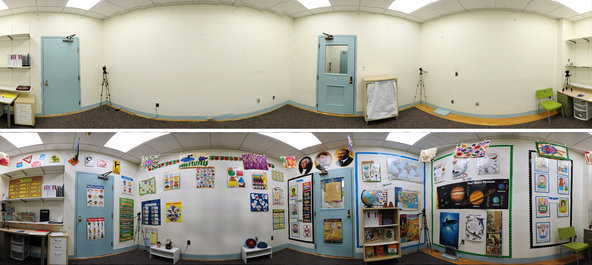
"caption": "NMC Horizon Report K-12",
"description": null,
"title": "NMC-horizons",
"credit": null,
"status": "inherit",
"isLoading": false,
"fetchFailed": false
},
"mindshift_36351": {
"type": "attachments",
"id": "mindshift_36351",
"meta": {
"index": "attachments_1716263798",
"site": "mindshift",
"id": "36351",
"found": true
},
"parent": 36326,
"imgSizes": {
"thumbnail": {
"file": "https://ww2.kqed.org/app/uploads/sites/23/2014/06/Printing_with_a_3D_printer_at_Makers_Party_Bangalore_2013_11-e1403019746924-400x225.jpg",
"width": 400,
"mimeType": "image/jpeg",
"height": 225
},
"fd-sm": {
"file": "https://ww2.kqed.org/app/uploads/sites/23/2014/06/Printing_with_a_3D_printer_at_Makers_Party_Bangalore_2013_11-e1403019746924-320x180.jpg",
"width": 320,
"mimeType": "image/jpeg",
"height": 180
},
"kqedFullSize": {
"file": "https://ww2.kqed.org/app/uploads/sites/23/2014/06/Printing_with_a_3D_printer_at_Makers_Party_Bangalore_2013_11-e1403019746924.jpg",
"width": 640,
"height": 360
},
"guest-author-96": {
"file": "https://ww2.kqed.org/app/uploads/sites/23/2014/06/Printing_with_a_3D_printer_at_Makers_Party_Bangalore_2013_11-e1403019746924-96x96.jpg",
"width": 96,
"mimeType": "image/jpeg",
"height": 96
},
"guest-author-64": {
"file": "https://ww2.kqed.org/app/uploads/sites/23/2014/06/Printing_with_a_3D_printer_at_Makers_Party_Bangalore_2013_11-e1403019746924-64x64.jpg",
"width": 64,
"mimeType": "image/jpeg",
"height": 64
},
"guest-author-32": {
"file": "https://ww2.kqed.org/app/uploads/sites/23/2014/06/Printing_with_a_3D_printer_at_Makers_Party_Bangalore_2013_11-e1403019746924-32x32.jpg",
"width": 32,
"mimeType": "image/jpeg",
"height": 32
},
"guest-author-128": {
"file": "https://ww2.kqed.org/app/uploads/sites/23/2014/06/Printing_with_a_3D_printer_at_Makers_Party_Bangalore_2013_11-e1403019746924-128x128.jpg",
"width": 128,
"mimeType": "image/jpeg",
"height": 128
}
},
"publishDate": 1403019686,
"modified": 1403019686,
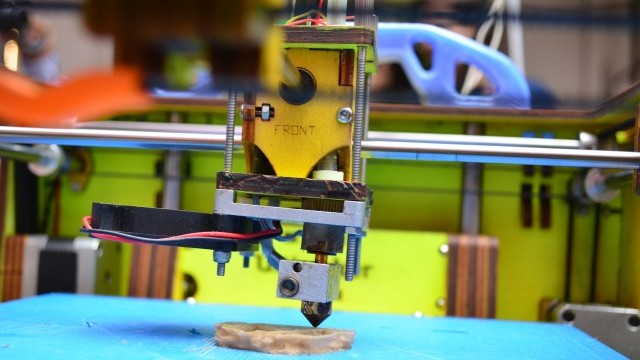
"caption": "3D printers like this one can be found at Monticello High School's new library/WikiCommons",
"description": null,
"title": "Printing_with_a_3D_printer_at_Makers_Party_Bangalore_2013_11",
"credit": null,
"status": "inherit",
"isLoading": false,
"fetchFailed": false
},
"mindshift_35949": {
"type": "attachments",
"id": "mindshift_35949",
"meta": {
"index": "attachments_1716263798",
"site": "mindshift",
"id": "35949",
"found": true
},
"parent": 35947,
"imgSizes": {
"thumbnail": {
"file": "https://ww2.kqed.org/app/uploads/sites/23/2014/05/arrows-400x225.jpg",
"width": 400,
"mimeType": "image/jpeg",
"height": 225
},
"fd-sm": {
"file": "https://ww2.kqed.org/app/uploads/sites/23/2014/05/arrows-320x180.jpg",
"width": 320,
"mimeType": "image/jpeg",
"height": 180
},
"kqedFullSize": {
"file": "https://ww2.kqed.org/app/uploads/sites/23/2014/05/arrows.jpg",
"width": 640,
"height": 360
},
"guest-author-96": {
"file": "https://ww2.kqed.org/app/uploads/sites/23/2014/05/arrows-96x96.jpg",
"width": 96,
"mimeType": "image/jpeg",
"height": 96
},
"guest-author-64": {
"file": "https://ww2.kqed.org/app/uploads/sites/23/2014/05/arrows-64x64.jpg",
"width": 64,
"mimeType": "image/jpeg",
"height": 64
},
"guest-author-32": {
"file": "https://ww2.kqed.org/app/uploads/sites/23/2014/05/arrows-32x32.jpg",
"width": 32,
"mimeType": "image/jpeg",
"height": 32
},
"guest-author-128": {
"file": "https://ww2.kqed.org/app/uploads/sites/23/2014/05/arrows-128x128.jpg",
"width": 128,
"mimeType": "image/jpeg",
"height": 128
}
},
"publishDate": 1401403238,
"modified": 1401403238,
"caption": "Getty Images",
"description": null,
"title": "arrows",
"credit": null,
"status": "inherit",
"isLoading": false,
"fetchFailed": false
},
"mindshift_36285": {
"type": "attachments",
"id": "mindshift_36285",
"meta": {
"index": "attachments_1716263798",
"site": "mindshift",
"id": "36285",
"found": true
},
"parent": 36281,
"imgSizes": {
"thumbnail": {
"file": "https://ww2.kqed.org/app/uploads/sites/23/2014/06/verizon-400x225.jpg",
"width": 400,
"mimeType": "image/jpeg",
"height": 225
},
"fd-sm": {
"file": "https://ww2.kqed.org/app/uploads/sites/23/2014/06/verizon-320x180.jpg",
"width": 320,
"mimeType": "image/jpeg",
"height": 180
},
"kqedFullSize": {
"file": "https://ww2.kqed.org/app/uploads/sites/23/2014/06/verizon.jpg",
"width": 640,
"height": 360
},
"guest-author-96": {
"file": "https://ww2.kqed.org/app/uploads/sites/23/2014/06/verizon-96x96.jpg",
"width": 96,
"mimeType": "image/jpeg",
"height": 96
},
"guest-author-64": {
"file": "https://ww2.kqed.org/app/uploads/sites/23/2014/06/verizon-64x64.jpg",
"width": 64,
"mimeType": "image/jpeg",
"height": 64
},
"guest-author-32": {
"file": "https://ww2.kqed.org/app/uploads/sites/23/2014/06/verizon-32x32.jpg",
"width": 32,
"mimeType": "image/jpeg",
"height": 32
},
"guest-author-128": {
"file": "https://ww2.kqed.org/app/uploads/sites/23/2014/06/verizon-128x128.jpg",
"width": 128,
"mimeType": "image/jpeg",
"height": 128
}
},
"publishDate": 1402694006,
"modified": 1402694006,
"caption": "Verizon",
"description": null,
"title": "verizon",
"credit": null,
"status": "inherit",
"isLoading": false,
"fetchFailed": false
},
"mindshift_36222": {
"type": "attachments",
"id": "mindshift_36222",
"meta": {
"index": "attachments_1716263798",
"site": "mindshift",
"id": "36222",
"found": true
},
"parent": 36219,
"imgSizes": {
"thumbnail": {
"file": "https://ww2.kqed.org/app/uploads/sites/23/2014/06/10DIST1-tmagArticle-400x179.jpg",
"width": 400,
"mimeType": "image/jpeg",
"height": 179
},
"fd-sm": {
"file": "https://ww2.kqed.org/app/uploads/sites/23/2014/06/10DIST1-tmagArticle-320x143.jpg",
"width": 320,
"mimeType": "image/jpeg",
"height": 143
},
"kqedFullSize": {
"file": "https://ww2.kqed.org/app/uploads/sites/23/2014/06/10DIST1-tmagArticle.jpg",
"width": 592,
"height": 265
},
"guest-author-96": {
"file": "https://ww2.kqed.org/app/uploads/sites/23/2014/06/10DIST1-tmagArticle-96x96.jpg",
"width": 96,
"mimeType": "image/jpeg",
"height": 96
},
"guest-author-64": {
"file": "https://ww2.kqed.org/app/uploads/sites/23/2014/06/10DIST1-tmagArticle-64x64.jpg",
"width": 64,
"mimeType": "image/jpeg",
"height": 64
},
"guest-author-32": {
"file": "https://ww2.kqed.org/app/uploads/sites/23/2014/06/10DIST1-tmagArticle-32x32.jpg",
"width": 32,
"mimeType": "image/jpeg",
"height": 32
},
"guest-author-128": {
"file": "https://ww2.kqed.org/app/uploads/sites/23/2014/06/10DIST1-tmagArticle-128x128.jpg",
"width": 128,
"mimeType": "image/jpeg",
"height": 128
}
},
"publishDate": 1402432445,
"modified": 1402432445,
"caption": null,
"description": null,
"title": "10DIST1-tmagArticle",
"credit": null,
"status": "inherit",
"isLoading": false,
"fetchFailed": false
},
"mindshift_35272": {
"type": "attachments",
"id": "mindshift_35272",
"meta": {
"index": "attachments_1716263798",
"site": "mindshift",
"id": "35272",
"found": true
},
"parent": 35270,
"imgSizes": {
"thumbnail": {
"file": "https://ww2.kqed.org/app/uploads/sites/23/2014/04/computing-400x225.jpg",
"width": 400,
"mimeType": "image/jpeg",
"height": 225
},
"fd-sm": {
"file": "https://ww2.kqed.org/app/uploads/sites/23/2014/04/computing-320x180.jpg",
"width": 320,
"mimeType": "image/jpeg",
"height": 180
},
"kqedFullSize": {
"file": "https://ww2.kqed.org/app/uploads/sites/23/2014/04/computing.jpg",
"width": 640,
"height": 360
},
"guest-author-96": {
"file": "https://ww2.kqed.org/app/uploads/sites/23/2014/04/computing-96x96.jpg",
"width": 96,
"mimeType": "image/jpeg",
"height": 96
},
"guest-author-64": {
"file": "https://ww2.kqed.org/app/uploads/sites/23/2014/04/computing-64x64.jpg",
"width": 64,
"mimeType": "image/jpeg",
"height": 64
},
"guest-author-32": {
"file": "https://ww2.kqed.org/app/uploads/sites/23/2014/04/computing-32x32.jpg",
"width": 32,
"mimeType": "image/jpeg",
"height": 32
},
"guest-author-128": {
"file": "https://ww2.kqed.org/app/uploads/sites/23/2014/04/computing-128x128.jpg",
"width": 128,
"mimeType": "image/jpeg",
"height": 128
}
},
"publishDate": 1398461519,
"modified": 1398461519,
"caption": null,
"description": null,
"title": "computing",
"credit": null,
"status": "inherit",
"isLoading": false,
"fetchFailed": false
},
"mindshift_35801": {
"type": "attachments",
"id": "mindshift_35801",
"meta": {
"index": "attachments_1716263798",
"site": "mindshift",
"id": "35801",
"found": true
},
"parent": 35763,
"imgSizes": {
"thumbnail": {
"file": "https://ww2.kqed.org/app/uploads/sites/23/2014/05/184312045-e1400449263520-400x310.jpg",
"width": 400,
"mimeType": "image/jpeg",
"height": 310
},
"fd-sm": {
"file": "https://ww2.kqed.org/app/uploads/sites/23/2014/05/184312045-e1400449263520-320x248.jpg",
"width": 320,
"mimeType": "image/jpeg",
"height": 248
},
"post-thumbnail": {
"file": "https://ww2.kqed.org/app/uploads/sites/23/2014/05/184312045-e1400449263520-640x372.jpg",
"width": 640,
"mimeType": "image/jpeg",
"height": 372
},
"kqedFullSize": {
"file": "https://ww2.kqed.org/app/uploads/sites/23/2014/05/184312045-e1400449263520.jpg",
"width": 640,
"height": 496
},
"guest-author-96": {
"file": "https://ww2.kqed.org/app/uploads/sites/23/2014/05/184312045-e1400449263520-96x96.jpg",
"width": 96,
"mimeType": "image/jpeg",
"height": 96
},
"guest-author-64": {
"file": "https://ww2.kqed.org/app/uploads/sites/23/2014/05/184312045-e1400449263520-64x64.jpg",
"width": 64,
"mimeType": "image/jpeg",
"height": 64
},
"guest-author-32": {
"file": "https://ww2.kqed.org/app/uploads/sites/23/2014/05/184312045-e1400449263520-32x32.jpg",
"width": 32,
"mimeType": "image/jpeg",
"height": 32
},
"guest-author-128": {
"file": "https://ww2.kqed.org/app/uploads/sites/23/2014/05/184312045-e1400449263520-128x128.jpg",
"width": 128,
"mimeType": "image/jpeg",
"height": 128
}
},
"publishDate": 1400449188,
"modified": 1400449188,
"caption": "Getty",
"description": "Abstract Glass Speech Bubble",
"title": "184312045",
"credit": null,
"status": "inherit",
"isLoading": false,
"fetchFailed": false
},
"mindshift_35694": {
"type": "attachments",
"id": "mindshift_35694",
"meta": {
"index": "attachments_1716263798",
"site": "mindshift",
"id": "35694",
"found": true
},
"parent": 35687,
"imgSizes": {
"thumbnail": {
"file": "https://ww2.kqed.org/app/uploads/sites/23/2014/05/Screen-Shot-2014-05-13-at-10.51.30-AM-400x349.png",
"width": 400,
"mimeType": "image/png",
"height": 349
},
"fd-sm": {
"file": "https://ww2.kqed.org/app/uploads/sites/23/2014/05/Screen-Shot-2014-05-13-at-10.51.30-AM-320x280.png",
"width": 320,
"mimeType": "image/png",
"height": 280
},
"post-thumbnail": {
"file": "https://ww2.kqed.org/app/uploads/sites/23/2014/05/Screen-Shot-2014-05-13-at-10.51.30-AM-490x372.png",
"width": 490,
"mimeType": "image/png",
"height": 372
},
"kqedFullSize": {
"file": "https://ww2.kqed.org/app/uploads/sites/23/2014/05/Screen-Shot-2014-05-13-at-10.51.30-AM.png",
"width": 490,
"height": 428
},
"guest-author-96": {
"file": "https://ww2.kqed.org/app/uploads/sites/23/2014/05/Screen-Shot-2014-05-13-at-10.51.30-AM-96x96.png",
"width": 96,
"mimeType": "image/png",
"height": 96
},
"guest-author-64": {
"file": "https://ww2.kqed.org/app/uploads/sites/23/2014/05/Screen-Shot-2014-05-13-at-10.51.30-AM-64x64.png",
"width": 64,
"mimeType": "image/png",
"height": 64
},
"guest-author-32": {
"file": "https://ww2.kqed.org/app/uploads/sites/23/2014/05/Screen-Shot-2014-05-13-at-10.51.30-AM-32x32.png",
"width": 32,
"mimeType": "image/png",
"height": 32
},
"guest-author-128": {
"file": "https://ww2.kqed.org/app/uploads/sites/23/2014/05/Screen-Shot-2014-05-13-at-10.51.30-AM-128x128.png",
"width": 128,
"mimeType": "image/png",
"height": 128
}
},
"publishDate": 1400003560,
"modified": 1400003560,
"caption": null,
"description": null,
"title": "Chris Emdin",
"credit": null,
"status": "inherit",
"isLoading": false,
"fetchFailed": false
}
},
"audioPlayerReducer": {
"postId": "stream_live",
"isPaused": true,
"isPlaying": false,
"pfsActive": false,
"pledgeModalIsOpen": true,
"playerDrawerIsOpen": false,
"liveAudioPlayStartedAt": 0,
"liveAudioPlayContext": ""
},
"authorsReducer": {
"tbarseghian": {
"type": "authors",
"id": "180",
"meta": {
"index": "authors_1716337520",
"id": "180",
"found": true
},
"name": "Tina Barseghian",
"firstName": "Tina",
"lastName": "Barseghian",
"slug": "tbarseghian",
"email": "tbarseghian@kqed.org",
"display_author_email": false,
"staff_mastheads": [],
"title": null,
"bio": null,
"avatar": "https://secure.gravatar.com/avatar/de7e6ced1239b7018fe4d2b61f723c90?s=600&d=blank&r=g",
"twitter": null,
"facebook": null,
"instagram": null,
"linkedin": null,
"sites": [
{
"site": "styleguide",
"roles": [
"contributor"
]
},
{
"site": "news",
"roles": [
"subscriber"
]
},
{
"site": "mindshift",
"roles": [
"subscriber"
]
},
{
"site": "bayareabites",
"roles": [
"subscriber"
]
}
],
"headData": {
"title": "Tina Barseghian | KQED",
"description": null,
"ogImgSrc": "https://secure.gravatar.com/avatar/de7e6ced1239b7018fe4d2b61f723c90?s=600&d=blank&r=g",
"twImgSrc": "https://secure.gravatar.com/avatar/de7e6ced1239b7018fe4d2b61f723c90?s=600&d=blank&r=g"
},
"isLoading": false,
"link": "/author/tbarseghian"
},
"katrinaschwartz": {
"type": "authors",
"id": "234",
"meta": {
"index": "authors_1716337520",
"id": "234",
"found": true
},
"name": "Katrina Schwartz",
"firstName": "Katrina",
"lastName": "Schwartz",
"slug": "katrinaschwartz",
"email": "kschwartz@kqed.org",
"display_author_email": false,
"staff_mastheads": [
"news"
],
"title": "Producer",
"bio": "Katrina Schwartz is a journalist based in San Francisco. She's worked at KPCC public radio in LA and has reported on air and online for KQED since 2010. She covered how teaching and learning is changing for MindShift between 2012 and 2020. She is the co-host of the MindShift podcast and now produces KQED's Bay Curious podcast.",
"avatar": "https://secure.gravatar.com/avatar/edb4ee79070447a018538c9aae6eeecf28786515b8a0c30e43b6b7dce5aa44c8?s=600&d=blank&r=g",
"twitter": "kschwart",
"bluesky": null,
"facebook": null,
"instagram": null,
"linkedin": null,
"sites": [
{
"site": "",
"roles": [
"editor"
]
},
{
"site": "news",
"roles": [
"editor"
]
},
{
"site": "mindshift",
"roles": [
"administrator"
]
},
{
"site": "stateofhealth",
"roles": [
"author"
]
},
{
"site": "science",
"roles": [
"editor"
]
}
],
"headData": {
"title": "Katrina Schwartz | KQED",
"description": "Producer",
"ogImgSrc": "https://secure.gravatar.com/avatar/edb4ee79070447a018538c9aae6eeecf28786515b8a0c30e43b6b7dce5aa44c8?s=600&d=blank&r=g",
"twImgSrc": "https://secure.gravatar.com/avatar/edb4ee79070447a018538c9aae6eeecf28786515b8a0c30e43b6b7dce5aa44c8?s=600&d=blank&r=g"
},
"isLoading": false,
"link": "/author/katrinaschwartz"
},
"luba": {
"type": "authors",
"id": "4537",
"meta": {
"index": "authors_1716337520",
"id": "4537",
"found": true
},
"name": "Luba Vangelova",
"firstName": "Luba",
"lastName": "Vangelova",
"slug": "luba",
"email": "luba@catalystcommunicationsllc.com",
"display_author_email": false,
"staff_mastheads": [],
"title": null,
"bio": "Luba Vangelova’s work has appeared in numerous print, online and broadcast media outlets, including The New York Times, Smithsonian, The Atlantic, and Salon. She is also working on a book about self-directed learning. Her web site is \u003ca title=\"Luba Vangelova\" href=\"http://www.LubaVangelova.com\" target=\"_blank\">www.LubaVangelova.com\u003c/a>. She also posts on \u003ca title=\"@LubaSays\" href=\"http://www.twitter.com/LubaSays\" target=\"_blank\">Twitter\u003c/a> and on her official \u003ca title=\"Facebook - Luba Vangelova\" href=\"http://www.facebook.com/LubaSays\" target=\"_blank\">Facebook\u003c/a> page.",
"avatar": "https://secure.gravatar.com/avatar/0c49027042bcd2ffbce1f5f200e2172e?s=600&d=blank&r=g",
"twitter": "LubaSays",
"facebook": null,
"instagram": null,
"linkedin": "lvangelova",
"sites": [
{
"site": "mindshift",
"roles": [
"contributor"
]
}
],
"headData": {
"title": "Luba Vangelova | KQED",
"description": null,
"ogImgSrc": "https://secure.gravatar.com/avatar/0c49027042bcd2ffbce1f5f200e2172e?s=600&d=blank&r=g",
"twImgSrc": "https://secure.gravatar.com/avatar/0c49027042bcd2ffbce1f5f200e2172e?s=600&d=blank&r=g"
},
"isLoading": false,
"link": "/author/luba"
}
},
"pagesReducer": {
"mindshift_category_big-ideas": {
"type": "terms",
"id": "mindshift_192",
"meta": {
"index": "terms_1716263798",
"site": "mindshift",
"id": "192",
"score": 14.406744
},
"featImg": null,
"name": "Big Ideas",
"description": "The latest findings from experts in the field related to the future of learning.",
"taxonomy": "category",
"headData": {
"twImgId": null,
"twTitle": null,
"ogTitle": null,
"ogImgId": null,
"twDescription": null,
"description": "The latest findings from experts in the field related to the future of learning.",
"title": "Big Ideas Archives | KQED Mindshift",
"ogDescription": null
},
"ttid": 192,
"slug": "big-ideas",
"isLoading": false,
"title": "Big Ideas",
"pageMeta": {
"site": "mindshift",
"WpPageTemplate": "page-topic-editorial",
"currentPage": 63
},
"blocks": [
{
"blockName": "kqed/company-paragraph",
"content": "The latest findings from experts in the field related to the future of learning."
},
{
"blockName": "kqed/post-list",
"attrs": {
"layout": "cardArticle2",
"query": "posts/mindshift?category=big-ideas",
"seeMore": false,
"paginated": true,
"page": 63
}
},
{
"blockName": "kqed/ad"
}
]
}
},
"pfsSessionReducer": {},
"postsReducer": {
"stream_live": {
"type": "live",
"id": "stream_live",
"audioUrl": "https://streams.kqed.org/kqedradio",
"title": "Live Stream",
"excerpt": "Live Stream information currently unavailable.",
"link": "/radio",
"featImg": "",
"label": {
"name": "KQED Live",
"link": "/"
}
},
"stream_kqedNewscast": {
"type": "posts",
"id": "stream_kqedNewscast",
"audioUrl": "https://www.kqed.org/.stream/anon/radio/RDnews/newscast.mp3?_=1",
"title": "KQED Newscast",
"featImg": "",
"label": {
"name": "88.5 FM",
"link": "/"
}
},
"mindshift_36389": {
"type": "posts",
"id": "mindshift_36389",
"meta": {
"index": "posts_1716263798",
"site": "mindshift",
"id": "36389",
"score": null,
"sort": [
1403182816000
]
},
"parent": 0,
"labelTerm": {
"site": "mindshift"
},
"blocks": [],
"publishDate": 1403182816,
"format": "aside",
"disqusTitle": "Trends and Predictions for K-12 Classrooms",
"title": "Trends and Predictions for K-12 Classrooms",
"headTitle": "MindShift | KQED News",
"content": "\u003cp>The evolving role of the teacher as facilitator, and hands-on learning experiences that give students agency over their own education are two major trends already taking root in many schools and classrooms, according to the \u003ca href=\"http://www.nmc.org/publications/2014-horizon-report-k12\" target=\"_blank\">2014 NMC Horizon K-12 Horizon report.\u003c/a>\u003c/p>\n\u003cp>Within three to five years, the authors expect to see increasing focus on \u003ca href=\"http://ww2.kqed.org/mindshift/tag/open-education-resources/\" target=\"_blank\">open education resources\u003c/a>, as well as more experimentation with \u003ca href=\"http://ww2.kqed.org/mindshift/tag/blended-learning/\" target=\"_blank\">blended learning models\u003c/a> that combine time on the computer with face-to-face instruction. In the longer term, the authors see intuitive technologies that interpret human gestures and motions as increasingly important. And, as educators rethink how to meet students' needs the way school currently works might have to change -- everything from the schedule to the space, as well as models of teaching and learning.\u003c/p>\n\u003cp>This report also highlights the challenges educators face moving forward, and the technology developments that will continue to accelerate these trends.\u003c/p>\n\u003cp>There are plenty of challenges to effectively implement the tech trends in this report. Educators are already finding creative ways to create authentic learning opportunities by bringing real life into school, and personalized learning, while not the norm, is often seen as the ultimate goal by educators. Longer term challenges include concerns about the \u003ca href=\"http://ww2.kqed.org/mindshift/tag/data/\" target=\"_blank\">privacy of student data \u003c/a>and teaching students complex thinking and communication skills that they can use beyond school walls. As the internet changes how people interact with and find information, the biggest challenges will be from new schooling models competing for the same students. Students themselves may no longer see formal school as relevant since the internet has answers to so many of their questions. Those long-term challenges will need to be addressed for these trends to move forward.\u003c/p>\n\u003cp>Like last year, the NMC Horizon report authors make predictions about various technology developments and how they will affect educators. This year, the authors expect educators to quickly adopt \u003ca href=\"http://ww2.kqed.org/mindshift/tag/byod/\" target=\"_blank\">Bring Your Own Device \u003c/a>(BYOD) policies and cloud computing technologies. It will take a little longer for \u003ca href=\"http://ww2.kqed.org/mindshift/tag/games/\" target=\"_blank\">games and gamification \u003c/a>to become mainstream, but in three to five years the authors expect more teachers to be using games as teaching tools. Similarly, learning analytics, the data behind each students' learning is increasingly being used in classrooms. On a longer timeline, the authors find ideas like connecting information from physical objects to online networks through sensors and monitoring devices and wearable technology as potentially important for education.\u003cbr>\nhttp://go.nmc.org/2014-k12\u003c/p>\n\u003cp>[ad fullwidth]\u003c/p>\u003cp>\u003c/p>\n",
"disqusIdentifier": "36389 http://blogs.kqed.org/mindshift/?p=36389",
"disqusUrl": "https://ww2.kqed.org/mindshift/2014/06/19/trends-and-predictions-for-k-12-classrooms/",
"stats": {
"hasVideo": false,
"hasChartOrMap": false,
"hasAudio": false,
"hasPolis": false,
"wordCount": 421,
"hasGoogleForm": false,
"hasGallery": false,
"hasHearkenModule": false,
"iframeSrcs": [],
"paragraphCount": 7
},
"modified": 1456258112,
"excerpt": "The NMC Horizon report predicts the trends, challenges and tech developments to look for in one, five and ten years.",
"headData": {
"twImgId": "",
"twTitle": "",
"ogTitle": "",
"ogImgId": "",
"twDescription": "",
"description": "The NMC Horizon report predicts the trends, challenges and tech developments to look for in one, five and ten years.",
"title": "Trends and Predictions for K-12 Classrooms | KQED",
"ogDescription": "",
"schema": {
"@context": "https://schema.org",
"@type": "Article",
"headline": "Trends and Predictions for K-12 Classrooms",
"datePublished": "2014-06-19T06:00:16-07:00",
"dateModified": "2016-02-23T12:08:32-08:00",
"image": "https://cdn.kqed.org/wp-content/uploads/2020/02/KQED-OG-Image@1x.png"
}
},
"guestAuthors": [],
"slug": "trends-and-predictions-for-k-12-classrooms",
"status": "publish",
"path": "/mindshift/36389/trends-and-predictions-for-k-12-classrooms",
"audioTrackLength": null,
"parsedContent": [
{
"type": "contentString",
"content": "\u003cdiv class=\"post-body\">\u003cp>\u003cp>The evolving role of the teacher as facilitator, and hands-on learning experiences that give students agency over their own education are two major trends already taking root in many schools and classrooms, according to the \u003ca href=\"http://www.nmc.org/publications/2014-horizon-report-k12\" target=\"_blank\">2014 NMC Horizon K-12 Horizon report.\u003c/a>\u003c/p>\n\u003cp>Within three to five years, the authors expect to see increasing focus on \u003ca href=\"http://ww2.kqed.org/mindshift/tag/open-education-resources/\" target=\"_blank\">open education resources\u003c/a>, as well as more experimentation with \u003ca href=\"http://ww2.kqed.org/mindshift/tag/blended-learning/\" target=\"_blank\">blended learning models\u003c/a> that combine time on the computer with face-to-face instruction. In the longer term, the authors see intuitive technologies that interpret human gestures and motions as increasingly important. And, as educators rethink how to meet students' needs the way school currently works might have to change -- everything from the schedule to the space, as well as models of teaching and learning.\u003c/p>\n\u003cp>This report also highlights the challenges educators face moving forward, and the technology developments that will continue to accelerate these trends.\u003c/p>\n\u003cp>There are plenty of challenges to effectively implement the tech trends in this report. Educators are already finding creative ways to create authentic learning opportunities by bringing real life into school, and personalized learning, while not the norm, is often seen as the ultimate goal by educators. Longer term challenges include concerns about the \u003ca href=\"http://ww2.kqed.org/mindshift/tag/data/\" target=\"_blank\">privacy of student data \u003c/a>and teaching students complex thinking and communication skills that they can use beyond school walls. As the internet changes how people interact with and find information, the biggest challenges will be from new schooling models competing for the same students. Students themselves may no longer see formal school as relevant since the internet has answers to so many of their questions. Those long-term challenges will need to be addressed for these trends to move forward.\u003c/p>\n\u003cp>Like last year, the NMC Horizon report authors make predictions about various technology developments and how they will affect educators. This year, the authors expect educators to quickly adopt \u003ca href=\"http://ww2.kqed.org/mindshift/tag/byod/\" target=\"_blank\">Bring Your Own Device \u003c/a>(BYOD) policies and cloud computing technologies. It will take a little longer for \u003ca href=\"http://ww2.kqed.org/mindshift/tag/games/\" target=\"_blank\">games and gamification \u003c/a>to become mainstream, but in three to five years the authors expect more teachers to be using games as teaching tools. Similarly, learning analytics, the data behind each students' learning is increasingly being used in classrooms. On a longer timeline, the authors find ideas like connecting information from physical objects to online networks through sensors and monitoring devices and wearable technology as potentially important for education.\u003cbr>\nhttp://go.nmc.org/2014-k12\u003c/p>\n\u003cp>\u003c/p>\u003c/div>",
"attributes": {
"named": {},
"numeric": []
}
},
{
"type": "component",
"content": "",
"name": "ad",
"attributes": {
"named": {
"label": "fullwidth"
},
"numeric": [
"fullwidth"
]
}
},
{
"type": "contentString",
"content": "\u003cdiv class=\"post-body\">\u003cp>\u003c/p>\u003cp>\u003c/p>\n\u003c/div>\u003c/p>",
"attributes": {
"named": {},
"numeric": []
}
}
],
"link": "/mindshift/36389/trends-and-predictions-for-k-12-classrooms",
"authors": [
"234"
],
"categories": [
"mindshift_192"
],
"tags": [
"mindshift_1040",
"mindshift_820"
],
"featImg": "mindshift_36392",
"label": "mindshift"
},
"mindshift_36326": {
"type": "posts",
"id": "mindshift_36326",
"meta": {
"index": "posts_1716263798",
"site": "mindshift",
"id": "36326",
"score": null,
"sort": [
1403102740000
]
},
"parent": 0,
"labelTerm": {
"site": "mindshift"
},
"blocks": [],
"publishDate": 1403102740,
"format": "aside",
"disqusTitle": "What Does the Next-Generation School Library Look Like?",
"title": "What Does the Next-Generation School Library Look Like?",
"headTitle": "MindShift | KQED News",
"content": "\u003cfigure id=\"attachment_36351\" class=\"wp-caption aligncenter\" style=\"max-width: 640px\">\u003cimg class=\"size-large wp-image-36351\" src=\"http://ww2.kqed.org/mindshift/wp-content/uploads/sites/23/2014/06/Printing_with_a_3D_printer_at_Makers_Party_Bangalore_2013_11-640x423.jpg\" alt=\"3D printers like this one can be found at Monticello High School's new library/WikiCommons\" width=\"640\" height=\"423\">\u003cfigcaption class=\"wp-caption-text\">3D printers like this one can be found at Monticello High School's new library/WikiCommons\u003c/figcaption>\u003c/figure>\n\u003cp class=\"dropcap-serif\">At a time when public libraries are starting to offer everything from \u003ca href=\"http://www.anythinklibraries.org/news-item/anythink-garden-project-launches-spring\" target=\"_blank\">community gardening plots\u003c/a> to opportunities to \u003ca href=\"http://humanlibrary.org/toronto-reference-library-toronto-ontario-canada.html\">check out humans\u003c/a> for conversations, some school libraries are similarly re-evaluating their roles and expanding their offerings.\u003c/p>\n\u003cp>Case in point: Monticello High School in Charlottesville, Virginia. When librarian Joan Ackroyd arrived there four years ago, she found an environment very different from the “engaging, creative, fun” elementary and middle school libraries to which she was accustomed. “Its library was none of those things,” she recalls. “It was a traditional, quiet research space.”\u003c/p>\n\u003cp>Ackroyd decided this wasn’t optimal. “People no longer have to come to a library to get information,” she says, “so the library has to get people coming in for different reasons. Students need somewhere to socialize, create things and collaborate.”\u003c/p>\n\u003cp>As her first step, she and her co-librarian at the time (music teacher Dave Glover), converted a storeroom into a technology lab. They salvaged computers destined for the landfill and installed music-authoring software on them.\u003c/p>\n\u003cp>Teachers balked because the library was no longer quiet, but students liked it, and many at-risk students became frequent visitors. Some even admitted to Ackroyd that the only reason they still came to school was to go to the lab.\u003c/p>\n\u003cp>[ad fullwidth]\u003c/p>\n\u003cp>When the principal witnessed this new level of engagement, she decided to support a full library renovation, funded by rent collected from a company that used the space every summer. They hired an experienced library consultant and took inspiration from libraries designed for younger patrons. “We have open, flexible scheduling, and let students in even when other classes are there,” Ackroyd explains. “We also have banked computers that students can use independently, and a circulation desk in a more central area. It’s a matter of attitude, to make students feel welcome any time.”\u003c/p>\n\u003caside class=\"pullquote alignleft\">\u003cstrong>“People no longer have to come to a library to get information, so the library has to get people coming in for different reasons.\"\u003c/strong>\u003c/aside>\n\u003cp>The book collection was weeded, and shelves were moved to one wall, freeing up space for collaboration and instruction (with glass walls that serve as sound buffers but enable participants to see what’s happening in the rest of the library). Rooms that had been used for offices or storage were turned into student areas. The library now also has reading lounge areas with comfortable modular seating, as well as tables with chairs and stools that students are free to move around; two music studios; a HackerSpace (with high-tech equipment such as a microscope, 3D printer, gaming hardware and software, and a green screen for filming) and a Maker Space that also houses a 3D printer and serves as a \"hands-on” craft room where old technology can be disassembled and re-configured with other materials. In short, the Monticello Library Media Center has become a “Learning Commons.”\u003c/p>\n\u003cp>“Students work more productively in that kind of environment,” Ackroyd says. “It’s not an adversarial relationship, with teachers at the front of the room and students at their desks. It makes the teacher’s job easier and more pleasant.”\u003c/p>\n\u003cp>“Our library is now more like the workspace of the future,” adds Ackroyd’s fellow librarian, Ida Mae Craddock, who previously taught English at the school. “Kids who graduate from here will be more productive in those environments.”\u003c/p>\n\u003ch3>A New Culture Develops\u003c/h3>\n\u003cp>The new surroundings were also accompanied by a new attitude. “We went from managing students’ time to giving them ownership,” Ackroyd explains. “They’re almost out the door, and they have to be able to manage their time. We are more like an academic library now.”\u003c/p>\n\u003cp>“They need natural consequences,” Craddock adds. “What happens when adults don’t turn in our work on time? Controlling children that much and then telling them ‘goodbye’ when they turn 18 doesn’t work well.”\u003c/p>\n\u003cp>But it didn't happen overnight -- the shift entailed a transition period. “At first they came to the library to experience freedom, but they weren’t using it wisely,” Ackroyd recalls. “The first year, and even a little bit into the second year, students saw it as a place where they didn’t have to be quiet anymore, where they could come and laugh. They weren’t studying.”\u003c/p>\n\u003cp>[contextly_sidebar id=\"3ac37f9c7addb08b02c52cc036df0eb9\"]\u003c/p>\n\u003cp>But now, accepting the responsibility that comes with freedom has become ingrained in the school culture, and new students adjust quickly. “You learn behaviors from the people around you,” Craddock notes. “They train each other, through social learning.”\u003c/p>\n\u003cp>As a result, parents’ worst fears (of “atrophy, a fate worse than death,” as Craddock puts it) haven’t materialized. “Atrophy is fairly hard to achieve here, because everything is moving,” she says, and students are either busy on their own or engaging each other.\u003c/p>\n\u003cp>Students are free to use phones and other devices. But no first-person shooter games are allowed, and the library uses county Internet filters. Students police each other if they become disruptive to others.\u003c/p>\n\u003cp>“They know we trust them, and they trust us,” Ackroyd says. “We form relationships. We circulate all the time, and try to be welcoming.”\u003c/p>\n\u003ch3>A Resource for Teachers\u003c/h3>\n\u003cp>Teachers have come around to embrace the “Learning Commons,” holding classes there when they want to conduct lessons that require research, equipment, additional space, personnel or expertise, or that may get messy. “All that has migrated down here,” Craddock says. “Teachers want to be creative, do interesting things, and engage students. We provide that environment.”\u003c/p>\n\u003cp>Students are free to use the library during study hall, remediation period, or during internship hours (available to juniors and seniors). They can also use the library during lunch (food and drink are allowed). Some students do their internships in the library, for example by staffing the help desk or maintaining the equipment.\u003c/p>\n\u003cp>The Virginia School Boards Association recognized the library in its “Showcases for Success,” and other librarians have visited Monticello High School to inform their own practices. Many are stunned by the statistics: the “Learning Commons” logs more than 33,000 student visits per year outside class time (the school’s enrollment is 1,104).\u003c/p>\n\u003cp>[ad floatright]\u003c/p>\n\u003cp>Visitors also ask if it’s loud and messy. “Yes, it is,” Craddock tells them,” because people are loud and messy. It’s not a problem.” To accommodate those students who still want quiet, some areas are designated as quiet spaces during certain periods. Students can also use the office for quiet study. Meanwhile, the rest of the “Learning Commons” is buzzing, which suits this new breed of librarians just fine. “It creeps me out when it’s quiet in here,” Craddock says.\u003c/p>\n\n",
"disqusIdentifier": "36326 http://blogs.kqed.org/mindshift/?p=36326",
"disqusUrl": "https://ww2.kqed.org/mindshift/2014/06/18/what-does-the-next-generation-school-library-look-like/",
"stats": {
"hasVideo": false,
"hasChartOrMap": false,
"hasAudio": false,
"hasPolis": false,
"wordCount": 1210,
"hasGoogleForm": false,
"hasGallery": false,
"hasHearkenModule": false,
"iframeSrcs": [],
"paragraphCount": 22
},
"modified": 1403117315,
"excerpt": "A school library blossoms from a quiet reading and research space to a full-scale \"Learning Commons.\"",
"headData": {
"twImgId": "",
"twTitle": "",
"ogTitle": "",
"ogImgId": "",
"twDescription": "",
"description": "A school library blossoms from a quiet reading and research space to a full-scale "Learning Commons."",
"title": "What Does the Next-Generation School Library Look Like? | KQED",
"ogDescription": "",
"schema": {
"@context": "https://schema.org",
"@type": "Article",
"headline": "What Does the Next-Generation School Library Look Like?",
"datePublished": "2014-06-18T07:45:40-07:00",
"dateModified": "2014-06-18T11:48:35-07:00",
"image": "https://cdn.kqed.org/wp-content/uploads/2020/02/KQED-OG-Image@1x.png"
}
},
"guestAuthors": [],
"slug": "what-does-the-next-generation-school-library-look-like",
"status": "publish",
"path": "/mindshift/36326/what-does-the-next-generation-school-library-look-like",
"audioTrackLength": null,
"parsedContent": [
{
"type": "contentString",
"content": "\u003cdiv class=\"post-body\">\u003cp>\u003cfigure id=\"attachment_36351\" class=\"wp-caption aligncenter\" style=\"max-width: 640px\">\u003cimg class=\"size-large wp-image-36351\" src=\"http://ww2.kqed.org/mindshift/wp-content/uploads/sites/23/2014/06/Printing_with_a_3D_printer_at_Makers_Party_Bangalore_2013_11-640x423.jpg\" alt=\"3D printers like this one can be found at Monticello High School's new library/WikiCommons\" width=\"640\" height=\"423\">\u003cfigcaption class=\"wp-caption-text\">3D printers like this one can be found at Monticello High School's new library/WikiCommons\u003c/figcaption>\u003c/figure>\n\u003cp class=\"dropcap-serif\">At a time when public libraries are starting to offer everything from \u003ca href=\"http://www.anythinklibraries.org/news-item/anythink-garden-project-launches-spring\" target=\"_blank\">community gardening plots\u003c/a> to opportunities to \u003ca href=\"http://humanlibrary.org/toronto-reference-library-toronto-ontario-canada.html\">check out humans\u003c/a> for conversations, some school libraries are similarly re-evaluating their roles and expanding their offerings.\u003c/p>\n\u003cp>Case in point: Monticello High School in Charlottesville, Virginia. When librarian Joan Ackroyd arrived there four years ago, she found an environment very different from the “engaging, creative, fun” elementary and middle school libraries to which she was accustomed. “Its library was none of those things,” she recalls. “It was a traditional, quiet research space.”\u003c/p>\n\u003cp>Ackroyd decided this wasn’t optimal. “People no longer have to come to a library to get information,” she says, “so the library has to get people coming in for different reasons. Students need somewhere to socialize, create things and collaborate.”\u003c/p>\n\u003cp>As her first step, she and her co-librarian at the time (music teacher Dave Glover), converted a storeroom into a technology lab. They salvaged computers destined for the landfill and installed music-authoring software on them.\u003c/p>\n\u003cp>Teachers balked because the library was no longer quiet, but students liked it, and many at-risk students became frequent visitors. Some even admitted to Ackroyd that the only reason they still came to school was to go to the lab.\u003c/p>\n\u003cp>\u003c/p>\u003c/div>",
"attributes": {
"named": {},
"numeric": []
}
},
{
"type": "component",
"content": "",
"name": "ad",
"attributes": {
"named": {
"label": "fullwidth"
},
"numeric": [
"fullwidth"
]
}
},
{
"type": "contentString",
"content": "\u003cdiv class=\"post-body\">\u003cp>\u003c/p>\n\u003cp>When the principal witnessed this new level of engagement, she decided to support a full library renovation, funded by rent collected from a company that used the space every summer. They hired an experienced library consultant and took inspiration from libraries designed for younger patrons. “We have open, flexible scheduling, and let students in even when other classes are there,” Ackroyd explains. “We also have banked computers that students can use independently, and a circulation desk in a more central area. It’s a matter of attitude, to make students feel welcome any time.”\u003c/p>\n\u003caside class=\"pullquote alignleft\">\u003cstrong>“People no longer have to come to a library to get information, so the library has to get people coming in for different reasons.\"\u003c/strong>\u003c/aside>\n\u003cp>The book collection was weeded, and shelves were moved to one wall, freeing up space for collaboration and instruction (with glass walls that serve as sound buffers but enable participants to see what’s happening in the rest of the library). Rooms that had been used for offices or storage were turned into student areas. The library now also has reading lounge areas with comfortable modular seating, as well as tables with chairs and stools that students are free to move around; two music studios; a HackerSpace (with high-tech equipment such as a microscope, 3D printer, gaming hardware and software, and a green screen for filming) and a Maker Space that also houses a 3D printer and serves as a \"hands-on” craft room where old technology can be disassembled and re-configured with other materials. In short, the Monticello Library Media Center has become a “Learning Commons.”\u003c/p>\n\u003cp>“Students work more productively in that kind of environment,” Ackroyd says. “It’s not an adversarial relationship, with teachers at the front of the room and students at their desks. It makes the teacher’s job easier and more pleasant.”\u003c/p>\n\u003cp>“Our library is now more like the workspace of the future,” adds Ackroyd’s fellow librarian, Ida Mae Craddock, who previously taught English at the school. “Kids who graduate from here will be more productive in those environments.”\u003c/p>\n\u003ch3>A New Culture Develops\u003c/h3>\n\u003cp>The new surroundings were also accompanied by a new attitude. “We went from managing students’ time to giving them ownership,” Ackroyd explains. “They’re almost out the door, and they have to be able to manage their time. We are more like an academic library now.”\u003c/p>\n\u003cp>“They need natural consequences,” Craddock adds. “What happens when adults don’t turn in our work on time? Controlling children that much and then telling them ‘goodbye’ when they turn 18 doesn’t work well.”\u003c/p>\n\u003cp>But it didn't happen overnight -- the shift entailed a transition period. “At first they came to the library to experience freedom, but they weren’t using it wisely,” Ackroyd recalls. “The first year, and even a little bit into the second year, students saw it as a place where they didn’t have to be quiet anymore, where they could come and laugh. They weren’t studying.”\u003c/p>\n\u003cp>\u003c/p>\u003cp>\u003c/p>\u003cp>\u003c/p>\n\u003cp>But now, accepting the responsibility that comes with freedom has become ingrained in the school culture, and new students adjust quickly. “You learn behaviors from the people around you,” Craddock notes. “They train each other, through social learning.”\u003c/p>\n\u003cp>As a result, parents’ worst fears (of “atrophy, a fate worse than death,” as Craddock puts it) haven’t materialized. “Atrophy is fairly hard to achieve here, because everything is moving,” she says, and students are either busy on their own or engaging each other.\u003c/p>\n\u003cp>Students are free to use phones and other devices. But no first-person shooter games are allowed, and the library uses county Internet filters. Students police each other if they become disruptive to others.\u003c/p>\n\u003cp>“They know we trust them, and they trust us,” Ackroyd says. “We form relationships. We circulate all the time, and try to be welcoming.”\u003c/p>\n\u003ch3>A Resource for Teachers\u003c/h3>\n\u003cp>Teachers have come around to embrace the “Learning Commons,” holding classes there when they want to conduct lessons that require research, equipment, additional space, personnel or expertise, or that may get messy. “All that has migrated down here,” Craddock says. “Teachers want to be creative, do interesting things, and engage students. We provide that environment.”\u003c/p>\n\u003cp>Students are free to use the library during study hall, remediation period, or during internship hours (available to juniors and seniors). They can also use the library during lunch (food and drink are allowed). Some students do their internships in the library, for example by staffing the help desk or maintaining the equipment.\u003c/p>\n\u003cp>The Virginia School Boards Association recognized the library in its “Showcases for Success,” and other librarians have visited Monticello High School to inform their own practices. Many are stunned by the statistics: the “Learning Commons” logs more than 33,000 student visits per year outside class time (the school’s enrollment is 1,104).\u003c/p>\n\u003cp>\u003c/p>\u003c/div>",
"attributes": {
"named": {},
"numeric": []
}
},
{
"type": "component",
"content": "",
"name": "ad",
"attributes": {
"named": {
"label": "floatright"
},
"numeric": [
"floatright"
]
}
},
{
"type": "contentString",
"content": "\u003cdiv class=\"post-body\">\u003cp>\u003c/p>\n\u003cp>Visitors also ask if it’s loud and messy. “Yes, it is,” Craddock tells them,” because people are loud and messy. It’s not a problem.” To accommodate those students who still want quiet, some areas are designated as quiet spaces during certain periods. Students can also use the office for quiet study. Meanwhile, the rest of the “Learning Commons” is buzzing, which suits this new breed of librarians just fine. “It creeps me out when it’s quiet in here,” Craddock says.\u003c/p>\n\n\u003c/div>\u003c/p>",
"attributes": {
"named": {},
"numeric": []
}
}
],
"link": "/mindshift/36326/what-does-the-next-generation-school-library-look-like",
"authors": [
"4537"
],
"categories": [
"mindshift_192"
],
"tags": [
"mindshift_1040",
"mindshift_20695",
"mindshift_470"
],
"featImg": "mindshift_36351",
"label": "mindshift"
},
"mindshift_35947": {
"type": "posts",
"id": "mindshift_35947",
"meta": {
"index": "posts_1716263798",
"site": "mindshift",
"id": "35947",
"score": null,
"sort": [
1402932705000
]
},
"parent": 0,
"labelTerm": {
"site": "mindshift"
},
"blocks": [],
"publishDate": 1402932705,
"format": "aside",
"disqusTitle": "Going All In: How to Make Competency-Based Learning Work",
"title": "Going All In: How to Make Competency-Based Learning Work",
"headTitle": "MindShift | KQED News",
"content": "\u003cfigure id=\"attachment_35949\" class=\"wp-caption aligncenter\" style=\"max-width: 640px\">\u003ca href=\"http://ww2.kqed.org/mindshift/wp-content/uploads/sites/23/2014/05/arrows.jpg\">\u003cimg class=\"size-full wp-image-35949\" src=\"http://ww2.kqed.org/mindshift/wp-content/uploads/sites/23/2014/05/arrows.jpg\" alt=\"Getty Images\" width=\"640\" height=\"360\" srcset=\"https://ww2.kqed.org/app/uploads/sites/23/2014/05/arrows.jpg 640w, https://ww2.kqed.org/app/uploads/sites/23/2014/05/arrows-400x225.jpg 400w, https://ww2.kqed.org/app/uploads/sites/23/2014/05/arrows-320x180.jpg 320w\" sizes=\"(max-width: 640px) 100vw, 640px\">\u003c/a>\u003cfigcaption class=\"wp-caption-text\">Getty Images\u003c/figcaption>\u003c/figure>\n\u003cp class=\"dropcap-serif\">New Hampshire is the first state to change its education policies to credit high school students -- and soon elementary and middle school students, too -- for progressing based on what they've mastered, not the number of hours they spend in school. Known as a competency-based system, the idea is to define the core skills and concepts students should master and only move them forward once they’ve achieved mastery of every competency rather than their \"seat time.\"\u003c/p>\n\u003cp>In traditional schools, students progress if their average grade is high enough, which may leave room for holes in their understanding of concepts they’ll need in future classes. In the most alternative application of a competency-based system, age-based grade levels would disappear and students would move through concepts at their own pace, regardless of age or grade.\u003c/p>\n\u003cp>[contextly_sidebar id=\"ef2da9db7f9b1ac8a170c74cf5511ff6\"]\u003c/p>\n\u003cp>Advancing students based on their mastery of subjects is now the state policy of New Hampshire, but a long history of local control over education means the policy is being implemented very differently in every school district. “Local government, whether at the town, city or county level, takes a state mandate and interprets it locally,” said Julia Freeland, research fellow at the \u003ca href=\"http://www.christenseninstitute.org/\" target=\"_blank\">Christensen Institute\u003c/a> and author of \u003ca href=\"http://www.christenseninstitute.org/wp-content/uploads/2014/05/From-policy-to-practice.pdf\" target=\"_blank\">\u003cem>From Policy to Practice: How Competency Based Education is Evolving in New Hampshire\u003c/em>\u003c/a>. “It creates an interesting dynamic in terms of uniformity across the state.”\u003c/p>\n\u003cp>Some New Hampshire schools were already reorganizing school instruction, schedules and expectations around teaching competencies before the state passed its policy in 2005. Those schools -- often charters or alternative schools -- had a big jump start over traditional comprehensive high schools that had been operating the same way for more than 100 years. A few of those traditional schools embraced the move to competency-based education as a way to improve struggling performance. Others found ways to design their competencies to fit in with what they were already doing. Those schools still look very traditional.\u003c/p>\n\u003cp>[ad fullwidth]\u003c/p>\n\u003cp>“What we saw really lacking was the core concept that students would be advancing upon mastery,” Freeland said. “If they truly were moving by mastery they would have flexible pacing.” Schools that stay on the semester system, divided by subject area and age, and assigning grades on a 100-point scale aren’t embracing the spirit of the state’s move to a competency-based system. “There are schools calling what they’re doing competency-based but aren’t really allowing for flexible pacing,” Freeland said.\u003c/p>\n\u003cp>\u003cstrong>STATE’S ROLE\u003c/strong>\u003c/p>\n\u003cp>New Hampshire education officials originally laid out the competencies they expected schools to cover along with how they should be assessed through state law. But those directives were taken out of the legislation when school administrators balked at losing some of the local control central to New Hampshire’s identity. That change took away the state’s ability to enforce its competency-based system uniformly. Instead, the state education department has tried to create resources and support for districts as they implement the law.\u003c/p>\n\u003caside class=\"pullquote alignleft\">\u003cstrong>\"What we saw really lacking was the core concept that students would be advancing upon mastery. If they truly were moving by mastery they would have flexible pacing.\"\u003c/strong>\u003c/aside>\n\u003cp>“The state is taking a really proactive role as technical support for those districts that do want to move more in the direction of a fully competency-based approach,” Freeland said. Education department officials drafted recommended competencies that districts could adopt or revise. They have been bringing teachers and leaders together -- possible for a small state like New Hampshire -- to talk about the challenges and opportunities different districts are facing and to share best practices. The state has tried to play a think tank-like role, doing the research and development work that can take so much time.\u003c/p>\n\u003cp>“They’re being hands-on in terms of providing resources and being hands off in terms of telling people what to do,” Freeland said. One of those resources is flexible online professional development, meant to allow teachers to learn about what the policy shift means for their classrooms whenever they have time.\u003c/p>\n\u003cp>“The mistake we made early on is we probably didn’t do enough professional development as we should have,” said Paul Leather, deputy commissioner of education. Leather is in charge of implementing the department’s programs, and he knows educator buy-in is crucial to making this dramatic shift in teaching practices, and that his department does not have that buy-in everywhere.\u003c/p>\n\u003cp>“One of the things we forget is that the current batch system has been in place for 100 years and all the infrastructure was created over time to support it,” Leather said. “It doesn’t work that well but it’s easy to implement.” Supporting a move away from the familiar has been a challenge without any power to enforce the law.\u003c/p>\n\u003cp>“It’s got to be meaningful to [teachers],” Leather said. “They have to choose that this is something that will make education better for their kids.” He’s trying to make his department the most effective resource it can be so teachers see the value in moving along the path to a more pure form of competency-based teaching.\u003c/p>\n\u003cp>\u003cstrong>DEVELOPING PERFORMANCE-BASED ASSESSMENTS\u003c/strong>\u003c/p>\n\u003cp>One key change is how teachers assess student work. At schools where very little change has taken place, teachers are grading in the same way they always have, although they may be looking for the competencies the school had defined as they do so. The focus is still on end-of-course tests or essays and on the state exams-- soon to be the Smarter Balanced Assessment Consortium tests. Leather is trying to encourage the state’s educators to use performance-based assessments.\u003c/p>\n\u003cp>“Schools will be determining proficiency of students over time using a bank of validated performance assessments and we will have a calibration and moderation process that is multi-district and within schools and districts,” Leather said.\u003c/p>\n\u003cp>New Hampshire’s department of education has been working with Stanford researcher Linda Darling-Hammond and the\u003ca href=\"https://edpolicy.stanford.edu/projects/1188\" target=\"_blank\"> Innovation Lab Network\u003c/a> to build up a bank of worthy performance assessments that districts can use. “We want to be able to validate and demonstrate reliability around demonstrations of proficiency in one school and classroom versus another school and classroom,” Leather said.\u003c/p>\n\u003cp>Leather hopes that once this bank of assessments is complete, schools will use them as the primary means of assessing competency. If the assessments are validated by outside researchers and used statewide, he hopes educators will feel more confident that they measure learning as well or better than the tests that some teachers still rely on now.\u003c/p>\n\u003cp>“If you are going to go to scale with this work then you really have to create the environment and the infrastructure to support the work,” Leather said. He doesn’t think teachers should have to reinvent the wheel every time they try to assess student learning. He’d even like to eventually have a bank of benchmark performance-based tasks that teachers could use mid-year when students are ready to demonstrate mastery on a particular competency.\u003c/p>\n\u003cp>Leather said he’s been careful not to tie any of the innovation work on competency-based learning to teacher evaluation. “You can’t design it in a way where [teachers] are held accountable to a summative-based assessment,” Leather said. If teachers were evaluated based on student scores on end-of-year tests, their evaluation system would be out of sync with the goal of allowing students to show their learning in a variety of ways.\u003c/p>\n\u003cp>[ad floatright]\u003c/p>\n\u003cp>Ultimately, Leather doesn’t believe education in the United States will ever be personalized without a competency-based system. “You can’t truly do personalized learning and also continue to have common expectations without competencies,” Leather said. “They take state standards and put them in the hands of students, teachers and parents and make them real for them.” But the sporadic implementation of a competency-based system across New Hampshire shows that even with supportive statewide policies, on-the-ground progress is a slow process.\u003c/p>\n\n",
"disqusIdentifier": "35947 http://blogs.kqed.org/mindshift/?p=35947",
"disqusUrl": "https://ww2.kqed.org/mindshift/2014/06/16/going-all-in-how-to-make-competency-based-learning-work/",
"stats": {
"hasVideo": false,
"hasChartOrMap": false,
"hasAudio": false,
"hasPolis": false,
"wordCount": 1407,
"hasGoogleForm": false,
"hasGallery": false,
"hasHearkenModule": false,
"iframeSrcs": [],
"paragraphCount": 22
},
"modified": 1402932705,
"excerpt": "New Hampshire moved to a competency-based education system almost a decade ago, but it looks very different in schools across the state.",
"headData": {
"twImgId": "",
"twTitle": "",
"ogTitle": "",
"ogImgId": "",
"twDescription": "",
"description": "New Hampshire moved to a competency-based education system almost a decade ago, but it looks very different in schools across the state.",
"title": "Going All In: How to Make Competency-Based Learning Work | KQED",
"ogDescription": "",
"schema": {
"@context": "https://schema.org",
"@type": "Article",
"headline": "Going All In: How to Make Competency-Based Learning Work",
"datePublished": "2014-06-16T08:31:45-07:00",
"dateModified": "2014-06-16T08:31:45-07:00",
"image": "https://cdn.kqed.org/wp-content/uploads/2020/02/KQED-OG-Image@1x.png"
}
},
"guestAuthors": [],
"slug": "going-all-in-how-to-make-competency-based-learning-work",
"status": "publish",
"path": "/mindshift/35947/going-all-in-how-to-make-competency-based-learning-work",
"audioTrackLength": null,
"parsedContent": [
{
"type": "contentString",
"content": "\u003cdiv class=\"post-body\">\u003cp>\u003cfigure id=\"attachment_35949\" class=\"wp-caption aligncenter\" style=\"max-width: 640px\">\u003ca href=\"http://ww2.kqed.org/mindshift/wp-content/uploads/sites/23/2014/05/arrows.jpg\">\u003cimg class=\"size-full wp-image-35949\" src=\"http://ww2.kqed.org/mindshift/wp-content/uploads/sites/23/2014/05/arrows.jpg\" alt=\"Getty Images\" width=\"640\" height=\"360\" srcset=\"https://ww2.kqed.org/app/uploads/sites/23/2014/05/arrows.jpg 640w, https://ww2.kqed.org/app/uploads/sites/23/2014/05/arrows-400x225.jpg 400w, https://ww2.kqed.org/app/uploads/sites/23/2014/05/arrows-320x180.jpg 320w\" sizes=\"(max-width: 640px) 100vw, 640px\">\u003c/a>\u003cfigcaption class=\"wp-caption-text\">Getty Images\u003c/figcaption>\u003c/figure>\n\u003cp class=\"dropcap-serif\">New Hampshire is the first state to change its education policies to credit high school students -- and soon elementary and middle school students, too -- for progressing based on what they've mastered, not the number of hours they spend in school. Known as a competency-based system, the idea is to define the core skills and concepts students should master and only move them forward once they’ve achieved mastery of every competency rather than their \"seat time.\"\u003c/p>\n\u003cp>In traditional schools, students progress if their average grade is high enough, which may leave room for holes in their understanding of concepts they’ll need in future classes. In the most alternative application of a competency-based system, age-based grade levels would disappear and students would move through concepts at their own pace, regardless of age or grade.\u003c/p>\n\u003cp>\u003c/p>\u003cp>\u003c/p>\u003cp>\u003c/p>\n\u003cp>Advancing students based on their mastery of subjects is now the state policy of New Hampshire, but a long history of local control over education means the policy is being implemented very differently in every school district. “Local government, whether at the town, city or county level, takes a state mandate and interprets it locally,” said Julia Freeland, research fellow at the \u003ca href=\"http://www.christenseninstitute.org/\" target=\"_blank\">Christensen Institute\u003c/a> and author of \u003ca href=\"http://www.christenseninstitute.org/wp-content/uploads/2014/05/From-policy-to-practice.pdf\" target=\"_blank\">\u003cem>From Policy to Practice: How Competency Based Education is Evolving in New Hampshire\u003c/em>\u003c/a>. “It creates an interesting dynamic in terms of uniformity across the state.”\u003c/p>\n\u003cp>Some New Hampshire schools were already reorganizing school instruction, schedules and expectations around teaching competencies before the state passed its policy in 2005. Those schools -- often charters or alternative schools -- had a big jump start over traditional comprehensive high schools that had been operating the same way for more than 100 years. A few of those traditional schools embraced the move to competency-based education as a way to improve struggling performance. Others found ways to design their competencies to fit in with what they were already doing. Those schools still look very traditional.\u003c/p>\n\u003cp>\u003c/p>\u003c/div>",
"attributes": {
"named": {},
"numeric": []
}
},
{
"type": "component",
"content": "",
"name": "ad",
"attributes": {
"named": {
"label": "fullwidth"
},
"numeric": [
"fullwidth"
]
}
},
{
"type": "contentString",
"content": "\u003cdiv class=\"post-body\">\u003cp>\u003c/p>\n\u003cp>“What we saw really lacking was the core concept that students would be advancing upon mastery,” Freeland said. “If they truly were moving by mastery they would have flexible pacing.” Schools that stay on the semester system, divided by subject area and age, and assigning grades on a 100-point scale aren’t embracing the spirit of the state’s move to a competency-based system. “There are schools calling what they’re doing competency-based but aren’t really allowing for flexible pacing,” Freeland said.\u003c/p>\n\u003cp>\u003cstrong>STATE’S ROLE\u003c/strong>\u003c/p>\n\u003cp>New Hampshire education officials originally laid out the competencies they expected schools to cover along with how they should be assessed through state law. But those directives were taken out of the legislation when school administrators balked at losing some of the local control central to New Hampshire’s identity. That change took away the state’s ability to enforce its competency-based system uniformly. Instead, the state education department has tried to create resources and support for districts as they implement the law.\u003c/p>\n\u003caside class=\"pullquote alignleft\">\u003cstrong>\"What we saw really lacking was the core concept that students would be advancing upon mastery. If they truly were moving by mastery they would have flexible pacing.\"\u003c/strong>\u003c/aside>\n\u003cp>“The state is taking a really proactive role as technical support for those districts that do want to move more in the direction of a fully competency-based approach,” Freeland said. Education department officials drafted recommended competencies that districts could adopt or revise. They have been bringing teachers and leaders together -- possible for a small state like New Hampshire -- to talk about the challenges and opportunities different districts are facing and to share best practices. The state has tried to play a think tank-like role, doing the research and development work that can take so much time.\u003c/p>\n\u003cp>“They’re being hands-on in terms of providing resources and being hands off in terms of telling people what to do,” Freeland said. One of those resources is flexible online professional development, meant to allow teachers to learn about what the policy shift means for their classrooms whenever they have time.\u003c/p>\n\u003cp>“The mistake we made early on is we probably didn’t do enough professional development as we should have,” said Paul Leather, deputy commissioner of education. Leather is in charge of implementing the department’s programs, and he knows educator buy-in is crucial to making this dramatic shift in teaching practices, and that his department does not have that buy-in everywhere.\u003c/p>\n\u003cp>“One of the things we forget is that the current batch system has been in place for 100 years and all the infrastructure was created over time to support it,” Leather said. “It doesn’t work that well but it’s easy to implement.” Supporting a move away from the familiar has been a challenge without any power to enforce the law.\u003c/p>\n\u003cp>“It’s got to be meaningful to [teachers],” Leather said. “They have to choose that this is something that will make education better for their kids.” He’s trying to make his department the most effective resource it can be so teachers see the value in moving along the path to a more pure form of competency-based teaching.\u003c/p>\n\u003cp>\u003cstrong>DEVELOPING PERFORMANCE-BASED ASSESSMENTS\u003c/strong>\u003c/p>\n\u003cp>One key change is how teachers assess student work. At schools where very little change has taken place, teachers are grading in the same way they always have, although they may be looking for the competencies the school had defined as they do so. The focus is still on end-of-course tests or essays and on the state exams-- soon to be the Smarter Balanced Assessment Consortium tests. Leather is trying to encourage the state’s educators to use performance-based assessments.\u003c/p>\n\u003cp>“Schools will be determining proficiency of students over time using a bank of validated performance assessments and we will have a calibration and moderation process that is multi-district and within schools and districts,” Leather said.\u003c/p>\n\u003cp>New Hampshire’s department of education has been working with Stanford researcher Linda Darling-Hammond and the\u003ca href=\"https://edpolicy.stanford.edu/projects/1188\" target=\"_blank\"> Innovation Lab Network\u003c/a> to build up a bank of worthy performance assessments that districts can use. “We want to be able to validate and demonstrate reliability around demonstrations of proficiency in one school and classroom versus another school and classroom,” Leather said.\u003c/p>\n\u003cp>Leather hopes that once this bank of assessments is complete, schools will use them as the primary means of assessing competency. If the assessments are validated by outside researchers and used statewide, he hopes educators will feel more confident that they measure learning as well or better than the tests that some teachers still rely on now.\u003c/p>\n\u003cp>“If you are going to go to scale with this work then you really have to create the environment and the infrastructure to support the work,” Leather said. He doesn’t think teachers should have to reinvent the wheel every time they try to assess student learning. He’d even like to eventually have a bank of benchmark performance-based tasks that teachers could use mid-year when students are ready to demonstrate mastery on a particular competency.\u003c/p>\n\u003cp>Leather said he’s been careful not to tie any of the innovation work on competency-based learning to teacher evaluation. “You can’t design it in a way where [teachers] are held accountable to a summative-based assessment,” Leather said. If teachers were evaluated based on student scores on end-of-year tests, their evaluation system would be out of sync with the goal of allowing students to show their learning in a variety of ways.\u003c/p>\n\u003cp>\u003c/p>\u003c/div>",
"attributes": {
"named": {},
"numeric": []
}
},
{
"type": "component",
"content": "",
"name": "ad",
"attributes": {
"named": {
"label": "floatright"
},
"numeric": [
"floatright"
]
}
},
{
"type": "contentString",
"content": "\u003cdiv class=\"post-body\">\u003cp>\u003c/p>\n\u003cp>Ultimately, Leather doesn’t believe education in the United States will ever be personalized without a competency-based system. “You can’t truly do personalized learning and also continue to have common expectations without competencies,” Leather said. “They take state standards and put them in the hands of students, teachers and parents and make them real for them.” But the sporadic implementation of a competency-based system across New Hampshire shows that even with supportive statewide policies, on-the-ground progress is a slow process.\u003c/p>\n\n\u003c/div>\u003c/p>",
"attributes": {
"named": {},
"numeric": []
}
}
],
"link": "/mindshift/35947/going-all-in-how-to-make-competency-based-learning-work",
"authors": [
"234"
],
"categories": [
"mindshift_192"
],
"tags": [
"mindshift_1021",
"mindshift_1040"
],
"featImg": "mindshift_35949",
"label": "mindshift"
},
"mindshift_36281": {
"type": "posts",
"id": "mindshift_36281",
"meta": {
"index": "posts_1716263798",
"site": "mindshift",
"id": "36281",
"score": null,
"sort": [
1402695108000
]
},
"parent": 0,
"labelTerm": {
"site": "mindshift"
},
"blocks": [],
"publishDate": 1402695108,
"format": "aside",
"disqusTitle": "How Small Words Make a Big Impact on Girls",
"title": "How Small Words Make a Big Impact on Girls",
"headTitle": "MindShift | KQED News",
"content": "\u003cp>Daily interactions between parents and kids might seem routine, but words can have a big impact on how young people see themselves. Stanford researcher \u003ca href=\"http://ww2.kqed.org/mindshift/2013/04/giving-good-praise-to-girls-what-messages-stick/\" target=\"_blank\">Carol Dweck's research on socialization\u003c/a> shows that kids develop ideas about who they are as learners from a very young age. “Mother’s praise to their babies, one to three years of age, predicts that child’s mindset and desire for challenge five years later,” Dweck said. “It doesn’t mean it is set in stone, but it means that kind of value system -- what you’re praising, what you say is important -- it’s sinking in.\"\u003c/p>\n\u003cp>\u003ca href=\"http://ww2.kqed.org/mindshift/2014/03/the-difference-between-praise-and-feedback/\" target=\"_blank\">Parents may feel overwhelmed\u003c/a> by the many strands of advice out there about how to raise confident learners, but perhaps one of the most important things to keep in mind is that kids are soaking it all up, the bad and the good.\u003c/p>\n\u003cp>As part of their \u003ca href=\"http://www.verizon.com/PowerfulAnswers/Inspirehermind/\" target=\"_blank\">Inspire Her Mind \u003c/a>campaign, Verizon rifts on this idea in a recent commercial about how words can have an effect on the ways girls see themselves as makers, scientists, engineers.\u003c/p>\n\u003cp>[youtube http://www.youtube.com/watch?v=XP3cyRRAfX0?rel=0&w=640&h=360]\u003c/p>\n\u003cp>[ad fullwidth]\u003c/p>\u003cp>\u003c/p>\n",
"disqusIdentifier": "36281 http://blogs.kqed.org/mindshift/?p=36281",
"disqusUrl": "https://ww2.kqed.org/mindshift/2014/06/13/how-small-words-make-a-big-impact-on-girls/",
"stats": {
"hasVideo": true,
"hasChartOrMap": false,
"hasAudio": false,
"hasPolis": false,
"wordCount": 204,
"hasGoogleForm": false,
"hasGallery": false,
"hasHearkenModule": false,
"iframeSrcs": [],
"paragraphCount": 6
},
"modified": 1417826847,
"excerpt": "It's easy for parents to feel overwhelmed by the many strands of advice about how to raise confident learners. But perhaps one of the most important things to keep in mind is that kids are soaking it all up, the bad and the good.",
"headData": {
"twImgId": "",
"twTitle": "",
"ogTitle": "",
"ogImgId": "",
"twDescription": "",
"description": "It's easy for parents to feel overwhelmed by the many strands of advice about how to raise confident learners. But perhaps one of the most important things to keep in mind is that kids are soaking it all up, the bad and the good.",
"title": "How Small Words Make a Big Impact on Girls | KQED",
"ogDescription": "",
"schema": {
"@context": "https://schema.org",
"@type": "Article",
"headline": "How Small Words Make a Big Impact on Girls",
"datePublished": "2014-06-13T14:31:48-07:00",
"dateModified": "2014-12-05T16:47:27-08:00",
"image": "https://cdn.kqed.org/wp-content/uploads/2020/02/KQED-OG-Image@1x.png"
}
},
"guestAuthors": [],
"slug": "how-small-words-make-a-big-impact-on-girls",
"status": "publish",
"path": "/mindshift/36281/how-small-words-make-a-big-impact-on-girls",
"audioTrackLength": null,
"parsedContent": [
{
"type": "contentString",
"content": "\u003cdiv class=\"post-body\">\u003cp>\u003cp>Daily interactions between parents and kids might seem routine, but words can have a big impact on how young people see themselves. Stanford researcher \u003ca href=\"http://ww2.kqed.org/mindshift/2013/04/giving-good-praise-to-girls-what-messages-stick/\" target=\"_blank\">Carol Dweck's research on socialization\u003c/a> shows that kids develop ideas about who they are as learners from a very young age. “Mother’s praise to their babies, one to three years of age, predicts that child’s mindset and desire for challenge five years later,” Dweck said. “It doesn’t mean it is set in stone, but it means that kind of value system -- what you’re praising, what you say is important -- it’s sinking in.\"\u003c/p>\n\u003cp>\u003ca href=\"http://ww2.kqed.org/mindshift/2014/03/the-difference-between-praise-and-feedback/\" target=\"_blank\">Parents may feel overwhelmed\u003c/a> by the many strands of advice out there about how to raise confident learners, but perhaps one of the most important things to keep in mind is that kids are soaking it all up, the bad and the good.\u003c/p>\n\u003cp>As part of their \u003ca href=\"http://www.verizon.com/PowerfulAnswers/Inspirehermind/\" target=\"_blank\">Inspire Her Mind \u003c/a>campaign, Verizon rifts on this idea in a recent commercial about how words can have an effect on the ways girls see themselves as makers, scientists, engineers.\u003c/p>\n\u003cp>\u003c/p>\u003cp>\u003cspan class='utils-parseShortcode-shortcodes-__youtubeShortcode__embedYoutube'>\n \u003cspan class='utils-parseShortcode-shortcodes-__youtubeShortcode__embedYoutubeInside'>\n \u003ciframe\n loading='lazy'\n class='utils-parseShortcode-shortcodes-__youtubeShortcode__youtubePlayer'\n type='text/html'\n src='//www.youtube.com/embed/XP3cyRRAfX0?rel=0'\n title='//www.youtube.com/embed/XP3cyRRAfX0?rel=0'\n allowfullscreen='true'\n style='border:0;'>\u003c/iframe>\n \u003c/span>\n \u003c/span>\u003c/p>\u003cp>\u003c/p>\n\u003cp>\u003c/p>\u003c/div>",
"attributes": {
"named": {},
"numeric": []
}
},
{
"type": "component",
"content": "",
"name": "ad",
"attributes": {
"named": {
"label": "fullwidth"
},
"numeric": [
"fullwidth"
]
}
},
{
"type": "contentString",
"content": "\u003cdiv class=\"post-body\">\u003cp>\u003c/p>\u003cp>\u003c/p>\n\u003c/div>\u003c/p>",
"attributes": {
"named": {},
"numeric": []
}
}
],
"link": "/mindshift/36281/how-small-words-make-a-big-impact-on-girls",
"authors": [
"4354"
],
"categories": [
"mindshift_192"
],
"tags": [
"mindshift_551"
],
"featImg": "mindshift_36285",
"label": "mindshift"
},
"mindshift_36219": {
"type": "posts",
"id": "mindshift_36219",
"meta": {
"index": "posts_1716263798",
"site": "mindshift",
"id": "36219",
"score": null,
"sort": [
1402606841000
]
},
"parent": 0,
"labelTerm": {
"site": "mindshift"
},
"blocks": [],
"publishDate": 1402606841,
"format": "aside",
"disqusTitle": "Are Classroom Decorations Too Distracting For Young Students?",
"title": "Are Classroom Decorations Too Distracting For Young Students?",
"headTitle": "MindShift | KQED News",
"content": "\u003cp>A peek into many kindergarten classrooms across the country will reveal teachers trying to make classrooms feel warm and inviting by plastering the walls with colorful decorations and fun patterns. But could this effort to make school a welcoming place for its youngest students actually be hurting their ability to learn? In a \u003ca href=\"http://well.blogs.nytimes.com/2014/06/09/rethinking-the-colorful-kindergarten-classroom/?_php=true&_type=blogs&smid=tw-nytimes&_r=0\" target=\"_blank\">New York Times article\u003c/a> Jan Hoffman delves into new research showing how easily distracted kindergarteners are by their surroundings.\u003c/p>\n\u003cp>\"A new study looked at whether such classrooms encourage, or actually distract from, learning. The study, one of the first to examine how the look of these walls affects young students, found that when kindergartners were taught in a highly decorated classroom, they were more distracted, their gazes more likely to wander off task, and their test scores lower than when they were taught in a room that was comparatively spartan. The researchers, from Carnegie Mellon University, did not conclude that kindergartners, who spend most of the day in one room, should be taught in an austere environment. But they urged educators to establish standards.\"\u003cbr>\nhttp://well.blogs.nytimes.com/2014/06/09/rethinking-the-colorful-kindergarten-classroom/\u003c/p>\n\u003cp>[ad fullwidth]\u003c/p>\u003cp>\u003c/p>\n",
"disqusIdentifier": "36219 http://blogs.kqed.org/mindshift/?p=36219",
"disqusUrl": "https://ww2.kqed.org/mindshift/2014/06/12/are-classroom-decorations-too-distracting-for-young-students/",
"stats": {
"hasVideo": false,
"hasChartOrMap": false,
"hasAudio": false,
"hasPolis": false,
"wordCount": 193,
"hasGoogleForm": false,
"hasGallery": false,
"hasHearkenModule": false,
"iframeSrcs": [],
"paragraphCount": 4
},
"modified": 1456257940,
"excerpt": "New research shows colorful kindergarten classroom walls actually hurt students' ability to learn.",
"headData": {
"twImgId": "",
"twTitle": "",
"ogTitle": "",
"ogImgId": "",
"twDescription": "",
"description": "New research shows colorful kindergarten classroom walls actually hurt students' ability to learn.",
"title": "Are Classroom Decorations Too Distracting For Young Students? | KQED",
"ogDescription": "",
"schema": {
"@context": "https://schema.org",
"@type": "Article",
"headline": "Are Classroom Decorations Too Distracting For Young Students?",
"datePublished": "2014-06-12T14:00:41-07:00",
"dateModified": "2016-02-23T12:05:40-08:00",
"image": "https://cdn.kqed.org/wp-content/uploads/2020/02/KQED-OG-Image@1x.png"
}
},
"guestAuthors": [],
"slug": "are-classroom-decorations-too-distracting-for-young-students",
"status": "publish",
"path": "/mindshift/36219/are-classroom-decorations-too-distracting-for-young-students",
"audioTrackLength": null,
"parsedContent": [
{
"type": "contentString",
"content": "\u003cdiv class=\"post-body\">\u003cp>\u003cp>A peek into many kindergarten classrooms across the country will reveal teachers trying to make classrooms feel warm and inviting by plastering the walls with colorful decorations and fun patterns. But could this effort to make school a welcoming place for its youngest students actually be hurting their ability to learn? In a \u003ca href=\"http://well.blogs.nytimes.com/2014/06/09/rethinking-the-colorful-kindergarten-classroom/?_php=true&_type=blogs&smid=tw-nytimes&_r=0\" target=\"_blank\">New York Times article\u003c/a> Jan Hoffman delves into new research showing how easily distracted kindergarteners are by their surroundings.\u003c/p>\n\u003cp>\"A new study looked at whether such classrooms encourage, or actually distract from, learning. The study, one of the first to examine how the look of these walls affects young students, found that when kindergartners were taught in a highly decorated classroom, they were more distracted, their gazes more likely to wander off task, and their test scores lower than when they were taught in a room that was comparatively spartan. The researchers, from Carnegie Mellon University, did not conclude that kindergartners, who spend most of the day in one room, should be taught in an austere environment. But they urged educators to establish standards.\"\u003cbr>\nhttp://well.blogs.nytimes.com/2014/06/09/rethinking-the-colorful-kindergarten-classroom/\u003c/p>\n\u003cp>\u003c/p>\u003c/div>",
"attributes": {
"named": {},
"numeric": []
}
},
{
"type": "component",
"content": "",
"name": "ad",
"attributes": {
"named": {
"label": "fullwidth"
},
"numeric": [
"fullwidth"
]
}
},
{
"type": "contentString",
"content": "\u003cdiv class=\"post-body\">\u003cp>\u003c/p>\u003cp>\u003c/p>\n\u003c/div>\u003c/p>",
"attributes": {
"named": {},
"numeric": []
}
}
],
"link": "/mindshift/36219/are-classroom-decorations-too-distracting-for-young-students",
"authors": [
"4354"
],
"categories": [
"mindshift_192"
],
"tags": [
"mindshift_20693",
"mindshift_790",
"mindshift_381"
],
"featImg": "mindshift_36222",
"label": "mindshift"
},
"mindshift_35270": {
"type": "posts",
"id": "mindshift_35270",
"meta": {
"index": "posts_1716263798",
"site": "mindshift",
"id": "35270",
"score": null,
"sort": [
1402322456000
]
},
"parent": 0,
"labelTerm": {
"site": "mindshift"
},
"blocks": [],
"publishDate": 1402322456,
"format": "aside",
"disqusTitle": "Why Aren't More Schools Using Free, Open Tools?",
"title": "Why Aren't More Schools Using Free, Open Tools?",
"headTitle": "MindShift | KQED News",
"content": "\u003cfigure id=\"attachment_35272\" class=\"wp-caption aligncenter\" style=\"max-width: 640px\">\u003ca href=\"https://www.flickr.com/photos/bionicteaching/4700359343/\">\u003cimg class=\"wp-image-35272 size-full\" src=\"http://ww2.kqed.org/mindshift/wp-content/uploads/sites/23/2014/04/computing.jpg\" alt=\"computing\" width=\"640\" height=\"360\" srcset=\"https://ww2.kqed.org/app/uploads/sites/23/2014/04/computing.jpg 640w, https://ww2.kqed.org/app/uploads/sites/23/2014/04/computing-400x225.jpg 400w, https://ww2.kqed.org/app/uploads/sites/23/2014/04/computing-320x180.jpg 320w\" sizes=\"(max-width: 640px) 100vw, 640px\">\u003c/a>\u003cfigcaption class=\"wp-caption-text\">Tom Woodward/Flickr\u003c/figcaption>\u003c/figure>\n\u003cp class=\"dropcap-serif\">The promise of using technology in school technology has been to give students more control over their learning, while helping teachers provide tailored instruction to individual student needs. \"Personalized learning\" has been the common rhetoric driving most one-to-one device initiatives.\u003c/p>\n\u003cp>The stated goal is to make learning more of an individual experience, but many schools have chosen to implement technology programs in fairly regimented ways -- for lots of different reasons. Many schools want all students to have the same kind of device, with the same apps pre-downloaded. Students often have little choice over which tools they can use on their devices. Even for online research, many schools \u003ca href=\"http://ww2.kqed.org/mindshift/2011/04/straight-from-the-doe-facts-about-blocking-sites-in-schools/\" target=\"_blank\">filter out useful websites\u003c/a> like YouTube, Facebook and Twitter, making it harder and more restrictive.\u003c/p>\n\u003cp>Schools have many reasons for wanting to systematize the technology in schools: to ensure equity for all students, the ability of IT department to support the devices, and to comply with federal laws. Most schools are working with limited technology budgets and IT directors are trying to decide how to get the most out of those limited dollars. At the same time, they’re\u003ca href=\"http://ww2.kqed.org/mindshift/2013/12/in-the-rush-to-buy-new-tech-for-common-core-what-happens-to-the-big-picture/\" target=\"_blank\"> being bombarded by tech vendors\u003c/a>, feeling pressure to keep up with new changes.\u003c/p>\n\u003cp>Though all these reasons make sense in context, this focus on controlling devices may also be undermining the goal of helping students to become independent learners. Are schools missing a key element of the technology revolution in schools, a moment for real change, by locking down computing systems and by default ensuring students remain tech-users, not creators?\u003c/p>\n\u003cp>\u003cstrong>A PIRATE ISLAND DISTRICT\u003c/strong>\u003c/p>\n\u003cp>[ad fullwidth]\u003c/p>\n\u003cp>A district in Pennsylvania is flying in the face of the trend towards closed systems, instead choosing open source devices and software whenever possible. “We sometimes feel like a pirate island because this is unusual,” said Charlie Reisinger, technology director for \u003ca href=\"http://www.pennmanor.net/\" target=\"_blank\">Penn Manor School District in Pennsylvania\u003c/a>.\u003c/p>\n\u003cp>The district recently gave all \u003ca href=\"http://www.pennmanor.net/techblog/?page_id=1561\" target=\"_blank\">1,700 high school students laptops\u003c/a> running \u003ca href=\"http://insights.ubuntu.com/case-study/an-ubuntu-pc-for-everyone-in-penn-manor-school-district-pennsylvania-usa/\" target=\"_blank\">Ubuntu operating systems\u003c/a>, an easy-to-use version of the open source product Linux. Reisinger estimates that going with an open-source operating system has saved the district $360,000 in just the first year of the program and his dedication to Linux machines has saved closer to $750,000 over the ten years he’s been with the district.\u003c/p>\n\u003cp>[contextly_sidebar id=\"59b4cadb358270cee5020acc13c33608\"]\u003c/p>\n\u003cp>“The difference is with a device such as this, it’s unlocked and kids have administrative level accounts on their laptops,” Reisinger said. “So where our formal instruction ends, their new learning can begin because they have control over the device.” Students can download and load anything they want -- and Reisinger even encourages them to do so. He’s not worried about them breaking the system because of its flexibility and wants them to learn from mistakes, if they do.\u003c/p>\n\u003cp>Reisinger is baffled by the behavior of districts like \u003ca href=\"http://articles.latimes.com/2013/oct/01/local/la-me-1002-lausd-ipads-20131002\" target=\"_blank\">Los Angeles\u003c/a>, which rolled out a one-to-one iPad program and then revoked student privileges when kids figured out how to navigate around district filters. “On the one hand we’re handing kids amazing learning devices, perhaps one of the most amazing inventions of the past 100 years, but yet we’re saying don’t learn about it, we don’t want you to understand how it works,” Reisinger said.\u003c/p>\n\u003cp>Treating devices that way makes students and teachers dependent on programmers for their needs, rather than letting them learn what’s under the hood. Penn Manor teachers assign work on devices to help kids meet learning standards just like teachers everywhere else, but they also have more options to let the kids explore safely.\u003c/p>\n\u003cp>“While we have the 'must do' layer, there’s also that little bit of subversion here, giving kids that little bit of creativity and maybe a ray of hope,” Reisinger said. “I want them to learn that learning is not all about what someone else preordains for you. It’s OK to tinker and play with things.” Penn Manor is as beholden to performing well on state tests as any other school district and its teachers make sure to cover curriculum, even using a few third party software programs to provide remedial help.\u003c/p>\n\u003cp>But Reisinger says in addition to the advantage students have by just having access to their own laptops, students are becoming curious about the world of computing. “We’re seeing these little sprouts of discovery and problem solving that they never would have been about to do if we’d given them a locked down device,” Reisinger said.\u003c/p>\n\u003cp>\u003cstrong>STUDENTS DESIGN CLASSROOM SOLUTIONS\u003c/strong>\u003c/p>\n\u003cp>When Penn Manor was rolling out its one-to-one high school laptop program in January, a core group of students who had already showed an interest in computer science played an integral role. A few juniors and seniors who had been interning with the IT department over the summers helped configure laptops and served as support to their peers on hardware issues. They essentially became part of the IT team.\u003c/p>\n\u003caside class=\"pullquote alignleft\">\"If this program is truly for and about our kids then why would we not want to put them in the drivers seat and make them the engineers?\"\u003c/aside>\n\u003cp>“What we did a little differently is we structured the help desk into an actual course, so they could do this type of work,” Reisinger said. Schools often have students staff this kind of help desk before or after school, but Reisinger felt that making it a class would legitimize the effort and make the students a part of his team. Students are even designing programming solutions to problems that arise in class.\u003c/p>\n\u003cp>Teachers were complaining that they wanted a simple way to share files and links within the classroom, like a private Twitter app. Rather than having IT professionals respond to the request, Reisinger’s students programmed a solution that they call Paper Plane. ”Those kids have code up on GitHub [a site for open-source code] right now that they’re sharing out,” Reisinger said. Students also designed the help ticketing software that their peers use to request IT support.\u003c/p>\n\u003cp>Reisinger is aware that his computer science interns don’t represent the whole student body and that not every student is taking advantage of their open devices to become programmers. But a few are. “Every district has talent like that,” he said. The systems just have to support them to let those talents shine.\u003c/p>\n\u003cp>\u003cstrong>IS OPEN MORE DIFFICULT TO SUPPORT?\u003c/strong>\u003c/p>\n\u003cp>A lot of people are scared away from open-source software or operating systems like Linux because of the belief that they are harder for teachers and students to use, and are more challenging to support. Reisinger hasn’t found that to be true for his district. “If you look at the learning opportunities in the free and open source community there is so much out there and the community is incredibly friendly,” he said. He gave students and teachers a 10-minute tutorial to their Ubuntu devices and that was all they needed.\u003c/p>\n\u003caside class=\"pullquote alignleft\">\"I want them to learn that learning is not all about what someone else preordains for you.\"\u003c/aside>\n\u003cp>Reisinger thinks a bigger reason people don’t go open-source is that the devices and software aren’t as shiny and exciting as iPads or Chromebooks. “Schools are sometimes so afraid to try things that are outside the box because they’ll be met with fierce criticism,” Reisinger said. “It’s tough to follow a path that hasn’t’ been well trodden.”\u003c/p>\n\u003cp>Aside from the cost savings Penn Manor has found by using open-source software whenever possible the district also owns all its student data, so \u003ca href=\"http://www.edweek.org/ew/articles/2014/04/16/28privacy_ep.h33.html\" target=\"_blank\">recent concerns regarding third party providers and privacy\u003c/a> are less of an issue. “We have control of our destiny this way,” Reisinger said.\u003c/p>\n\u003cp>Penn Manor uses open-source solutions like \u003ca href=\"https://moodle.org/\" target=\"_blank\">Moodle\u003c/a> and \u003ca href=\"https://wordpress.org/\" target=\"_blank\">WordPress\u003c/a>, companies that have built their businesses on providing support rather than on tracking data. The district is also able to customize the software, a service many schools complain they can’t get from third party providers. “If we need to make tweaks to it, we own it, it lives on our servers and we can make changes we need,” Reisinger said.\u003c/p>\n\u003cp>It’s also very expensive to change providers once a school has chosen one because all a school’s data is in that system and it can’t be easily removed and transferred. That puts districts in the difficult position of being married to the first vendor they choose.\u003c/p>\n\u003cp>\u003cstrong>WHY DON’T MORE DISTRICTS GO OPEN?\u003c/strong>\u003c/p>\n\u003cp>There could be a lot of reasons more districts aren’t following the Penn Manor path. In many cases districts haven’t even heard of the open-source options available. In others, there’s a perception that getting something for free inherently means it will be a worse product.\u003c/p>\n\u003cp>In other places, giving students the most expensive, shiniest device might be a point of pride. “We wanted our students to have the best of the best,” said Dr. Darryl Adams, Superintendent of \u003ca href=\"http://ww2.kqed.org/mindshift/2013/10/rolling-out-an-ipad-pilot-program-with-eyes-wide-open/\" target=\"_blank\">Coachella Valley Unified School District\u003c/a>. This is a very poor district. Every child gets free and reduced priced lunch and yet voters passed a $42 million bond in 2012 to provide technology to schools. In the eyes of this district’s students, Apple products are the best.\u003c/p>\n\u003cp>“They’re very proud,” Adams said. “There are two other districts in the valley that are more affluent, but they don’t have what our kids have.” The district also chose iPads because it liked Apple’s iLife products and wanted teachers to have access to the app store with its many education resources. “We felt like the benefits outweighed the cost,” Adams said. “We wanted something more systematic.”\u003c/p>\n\u003cp>Hillview Middle School in the much more affluent Menlo Park School District had \u003ca href=\"http://ww2.kqed.org/mindshift/2014/02/what-will-it-take-for-ipads-to-upend-teaching-and-learning/\" target=\"_blank\">similar reasons for choosing iPads\u003c/a>. “Currently, and things are changing, the iPad education app store is far more advanced, mature, bugless and ubiquitous than the others,” said Eric Burmeister, principal of Hillview Middle School. At his school all app downloads have to be approved and initiated by the IT department, so all the devices have the same resources on them. The central system knows immediately if a student has tampered with any of the internet filter settings or tried to download something.\u003c/p>\n\u003cp>Burmeister said he chose tablets instead of laptops because he felt the touch screen was intuitive to \u003ca href=\"http://ww2.kqed.org/mindshift/2014/02/what-students-think-about-using-ipads-in-school/\" target=\"_blank\">students and the devices\u003c/a> could do just as much as laptops in terms of video editing and other creation tools.\u003c/p>\n\u003cp>Yet another district, Oakland Unified, chose Chromebooks, deciding that the most important resource for students is the internet and the many programs and applications found there. Relying on the internet allows schools to make individual decisions about when and where to spend money on other online tools.\u003c/p>\n\u003cp>“Don’t pay for anything until you’ve gone to one end of the internet and back and decided that it either doesn’t exist for free or it doesn’t exist in the way you really need it to in terms of functionality and support,” said Killian Betlach, principal of Elmhurst Community Prep, a Title I school. “There is so much out there.” He’s confident with a strong internet connection his teachers can do a lot to support their student’s learning.\u003c/p>\n\u003cp>Reisinger understands concerns of other districts, but can’t help thinking they are overlooking powerful, low cost tools in the open community. “There’s so much emphasis on the new and shiny,” he said. “And in some ways we’re going back to the start, letting kids work on computing and programming, it’s not that sexy.” For him, the big differentiators is the freedom to explore and build meaningful products without being cut off from the underlying code.\u003c/p>\n\u003cp>[ad floatright]\u003c/p>\n\u003cp>“If this program is truly for and about our kids then why would we not want to put them in the drivers seat and make them the engineers?” Reisinger said.\u003c/p>\n\n",
"disqusIdentifier": "35270 http://blogs.kqed.org/mindshift/?p=35270",
"disqusUrl": "https://ww2.kqed.org/mindshift/2014/06/09/why-arent-more-schools-using-free-open-education-resources/",
"stats": {
"hasVideo": false,
"hasChartOrMap": false,
"hasAudio": false,
"hasPolis": false,
"wordCount": 2089,
"hasGoogleForm": false,
"hasGallery": false,
"hasHearkenModule": false,
"iframeSrcs": [],
"paragraphCount": 35
},
"modified": 1402340065,
"excerpt": "One school in Pennsylvania is using open-source tools wherever possible to keep students close to the code behind the machines they use. This stance is opposite to the very restrictive policies of many schools, but could allow students more freedom to explore what makes devices work.",
"headData": {
"twImgId": "",
"twTitle": "",
"ogTitle": "",
"ogImgId": "",
"twDescription": "",
"description": "One school in Pennsylvania is using open-source tools wherever possible to keep students close to the code behind the machines they use. This stance is opposite to the very restrictive policies of many schools, but could allow students more freedom to explore what makes devices work.",
"title": "Why Aren't More Schools Using Free, Open Tools? | KQED",
"ogDescription": "",
"schema": {
"@context": "https://schema.org",
"@type": "Article",
"headline": "Why Aren't More Schools Using Free, Open Tools?",
"datePublished": "2014-06-09T07:00:56-07:00",
"dateModified": "2014-06-09T11:54:25-07:00",
"image": "https://cdn.kqed.org/wp-content/uploads/2020/02/KQED-OG-Image@1x.png"
}
},
"guestAuthors": [],
"slug": "why-arent-more-schools-using-free-open-education-resources",
"status": "publish",
"path": "/mindshift/35270/why-arent-more-schools-using-free-open-education-resources",
"audioTrackLength": null,
"parsedContent": [
{
"type": "contentString",
"content": "\u003cdiv class=\"post-body\">\u003cp>\u003cfigure id=\"attachment_35272\" class=\"wp-caption aligncenter\" style=\"max-width: 640px\">\u003ca href=\"https://www.flickr.com/photos/bionicteaching/4700359343/\">\u003cimg class=\"wp-image-35272 size-full\" src=\"http://ww2.kqed.org/mindshift/wp-content/uploads/sites/23/2014/04/computing.jpg\" alt=\"computing\" width=\"640\" height=\"360\" srcset=\"https://ww2.kqed.org/app/uploads/sites/23/2014/04/computing.jpg 640w, https://ww2.kqed.org/app/uploads/sites/23/2014/04/computing-400x225.jpg 400w, https://ww2.kqed.org/app/uploads/sites/23/2014/04/computing-320x180.jpg 320w\" sizes=\"(max-width: 640px) 100vw, 640px\">\u003c/a>\u003cfigcaption class=\"wp-caption-text\">Tom Woodward/Flickr\u003c/figcaption>\u003c/figure>\n\u003cp class=\"dropcap-serif\">The promise of using technology in school technology has been to give students more control over their learning, while helping teachers provide tailored instruction to individual student needs. \"Personalized learning\" has been the common rhetoric driving most one-to-one device initiatives.\u003c/p>\n\u003cp>The stated goal is to make learning more of an individual experience, but many schools have chosen to implement technology programs in fairly regimented ways -- for lots of different reasons. Many schools want all students to have the same kind of device, with the same apps pre-downloaded. Students often have little choice over which tools they can use on their devices. Even for online research, many schools \u003ca href=\"http://ww2.kqed.org/mindshift/2011/04/straight-from-the-doe-facts-about-blocking-sites-in-schools/\" target=\"_blank\">filter out useful websites\u003c/a> like YouTube, Facebook and Twitter, making it harder and more restrictive.\u003c/p>\n\u003cp>Schools have many reasons for wanting to systematize the technology in schools: to ensure equity for all students, the ability of IT department to support the devices, and to comply with federal laws. Most schools are working with limited technology budgets and IT directors are trying to decide how to get the most out of those limited dollars. At the same time, they’re\u003ca href=\"http://ww2.kqed.org/mindshift/2013/12/in-the-rush-to-buy-new-tech-for-common-core-what-happens-to-the-big-picture/\" target=\"_blank\"> being bombarded by tech vendors\u003c/a>, feeling pressure to keep up with new changes.\u003c/p>\n\u003cp>Though all these reasons make sense in context, this focus on controlling devices may also be undermining the goal of helping students to become independent learners. Are schools missing a key element of the technology revolution in schools, a moment for real change, by locking down computing systems and by default ensuring students remain tech-users, not creators?\u003c/p>\n\u003cp>\u003cstrong>A PIRATE ISLAND DISTRICT\u003c/strong>\u003c/p>\n\u003cp>\u003c/p>\u003c/div>",
"attributes": {
"named": {},
"numeric": []
}
},
{
"type": "component",
"content": "",
"name": "ad",
"attributes": {
"named": {
"label": "fullwidth"
},
"numeric": [
"fullwidth"
]
}
},
{
"type": "contentString",
"content": "\u003cdiv class=\"post-body\">\u003cp>\u003c/p>\n\u003cp>A district in Pennsylvania is flying in the face of the trend towards closed systems, instead choosing open source devices and software whenever possible. “We sometimes feel like a pirate island because this is unusual,” said Charlie Reisinger, technology director for \u003ca href=\"http://www.pennmanor.net/\" target=\"_blank\">Penn Manor School District in Pennsylvania\u003c/a>.\u003c/p>\n\u003cp>The district recently gave all \u003ca href=\"http://www.pennmanor.net/techblog/?page_id=1561\" target=\"_blank\">1,700 high school students laptops\u003c/a> running \u003ca href=\"http://insights.ubuntu.com/case-study/an-ubuntu-pc-for-everyone-in-penn-manor-school-district-pennsylvania-usa/\" target=\"_blank\">Ubuntu operating systems\u003c/a>, an easy-to-use version of the open source product Linux. Reisinger estimates that going with an open-source operating system has saved the district $360,000 in just the first year of the program and his dedication to Linux machines has saved closer to $750,000 over the ten years he’s been with the district.\u003c/p>\n\u003cp>\u003c/p>\u003cp>\u003c/p>\u003cp>\u003c/p>\n\u003cp>“The difference is with a device such as this, it’s unlocked and kids have administrative level accounts on their laptops,” Reisinger said. “So where our formal instruction ends, their new learning can begin because they have control over the device.” Students can download and load anything they want -- and Reisinger even encourages them to do so. He’s not worried about them breaking the system because of its flexibility and wants them to learn from mistakes, if they do.\u003c/p>\n\u003cp>Reisinger is baffled by the behavior of districts like \u003ca href=\"http://articles.latimes.com/2013/oct/01/local/la-me-1002-lausd-ipads-20131002\" target=\"_blank\">Los Angeles\u003c/a>, which rolled out a one-to-one iPad program and then revoked student privileges when kids figured out how to navigate around district filters. “On the one hand we’re handing kids amazing learning devices, perhaps one of the most amazing inventions of the past 100 years, but yet we’re saying don’t learn about it, we don’t want you to understand how it works,” Reisinger said.\u003c/p>\n\u003cp>Treating devices that way makes students and teachers dependent on programmers for their needs, rather than letting them learn what’s under the hood. Penn Manor teachers assign work on devices to help kids meet learning standards just like teachers everywhere else, but they also have more options to let the kids explore safely.\u003c/p>\n\u003cp>“While we have the 'must do' layer, there’s also that little bit of subversion here, giving kids that little bit of creativity and maybe a ray of hope,” Reisinger said. “I want them to learn that learning is not all about what someone else preordains for you. It’s OK to tinker and play with things.” Penn Manor is as beholden to performing well on state tests as any other school district and its teachers make sure to cover curriculum, even using a few third party software programs to provide remedial help.\u003c/p>\n\u003cp>But Reisinger says in addition to the advantage students have by just having access to their own laptops, students are becoming curious about the world of computing. “We’re seeing these little sprouts of discovery and problem solving that they never would have been about to do if we’d given them a locked down device,” Reisinger said.\u003c/p>\n\u003cp>\u003cstrong>STUDENTS DESIGN CLASSROOM SOLUTIONS\u003c/strong>\u003c/p>\n\u003cp>When Penn Manor was rolling out its one-to-one high school laptop program in January, a core group of students who had already showed an interest in computer science played an integral role. A few juniors and seniors who had been interning with the IT department over the summers helped configure laptops and served as support to their peers on hardware issues. They essentially became part of the IT team.\u003c/p>\n\u003caside class=\"pullquote alignleft\">\"If this program is truly for and about our kids then why would we not want to put them in the drivers seat and make them the engineers?\"\u003c/aside>\n\u003cp>“What we did a little differently is we structured the help desk into an actual course, so they could do this type of work,” Reisinger said. Schools often have students staff this kind of help desk before or after school, but Reisinger felt that making it a class would legitimize the effort and make the students a part of his team. Students are even designing programming solutions to problems that arise in class.\u003c/p>\n\u003cp>Teachers were complaining that they wanted a simple way to share files and links within the classroom, like a private Twitter app. Rather than having IT professionals respond to the request, Reisinger’s students programmed a solution that they call Paper Plane. ”Those kids have code up on GitHub [a site for open-source code] right now that they’re sharing out,” Reisinger said. Students also designed the help ticketing software that their peers use to request IT support.\u003c/p>\n\u003cp>Reisinger is aware that his computer science interns don’t represent the whole student body and that not every student is taking advantage of their open devices to become programmers. But a few are. “Every district has talent like that,” he said. The systems just have to support them to let those talents shine.\u003c/p>\n\u003cp>\u003cstrong>IS OPEN MORE DIFFICULT TO SUPPORT?\u003c/strong>\u003c/p>\n\u003cp>A lot of people are scared away from open-source software or operating systems like Linux because of the belief that they are harder for teachers and students to use, and are more challenging to support. Reisinger hasn’t found that to be true for his district. “If you look at the learning opportunities in the free and open source community there is so much out there and the community is incredibly friendly,” he said. He gave students and teachers a 10-minute tutorial to their Ubuntu devices and that was all they needed.\u003c/p>\n\u003caside class=\"pullquote alignleft\">\"I want them to learn that learning is not all about what someone else preordains for you.\"\u003c/aside>\n\u003cp>Reisinger thinks a bigger reason people don’t go open-source is that the devices and software aren’t as shiny and exciting as iPads or Chromebooks. “Schools are sometimes so afraid to try things that are outside the box because they’ll be met with fierce criticism,” Reisinger said. “It’s tough to follow a path that hasn’t’ been well trodden.”\u003c/p>\n\u003cp>Aside from the cost savings Penn Manor has found by using open-source software whenever possible the district also owns all its student data, so \u003ca href=\"http://www.edweek.org/ew/articles/2014/04/16/28privacy_ep.h33.html\" target=\"_blank\">recent concerns regarding third party providers and privacy\u003c/a> are less of an issue. “We have control of our destiny this way,” Reisinger said.\u003c/p>\n\u003cp>Penn Manor uses open-source solutions like \u003ca href=\"https://moodle.org/\" target=\"_blank\">Moodle\u003c/a> and \u003ca href=\"https://wordpress.org/\" target=\"_blank\">WordPress\u003c/a>, companies that have built their businesses on providing support rather than on tracking data. The district is also able to customize the software, a service many schools complain they can’t get from third party providers. “If we need to make tweaks to it, we own it, it lives on our servers and we can make changes we need,” Reisinger said.\u003c/p>\n\u003cp>It’s also very expensive to change providers once a school has chosen one because all a school’s data is in that system and it can’t be easily removed and transferred. That puts districts in the difficult position of being married to the first vendor they choose.\u003c/p>\n\u003cp>\u003cstrong>WHY DON’T MORE DISTRICTS GO OPEN?\u003c/strong>\u003c/p>\n\u003cp>There could be a lot of reasons more districts aren’t following the Penn Manor path. In many cases districts haven’t even heard of the open-source options available. In others, there’s a perception that getting something for free inherently means it will be a worse product.\u003c/p>\n\u003cp>In other places, giving students the most expensive, shiniest device might be a point of pride. “We wanted our students to have the best of the best,” said Dr. Darryl Adams, Superintendent of \u003ca href=\"http://ww2.kqed.org/mindshift/2013/10/rolling-out-an-ipad-pilot-program-with-eyes-wide-open/\" target=\"_blank\">Coachella Valley Unified School District\u003c/a>. This is a very poor district. Every child gets free and reduced priced lunch and yet voters passed a $42 million bond in 2012 to provide technology to schools. In the eyes of this district’s students, Apple products are the best.\u003c/p>\n\u003cp>“They’re very proud,” Adams said. “There are two other districts in the valley that are more affluent, but they don’t have what our kids have.” The district also chose iPads because it liked Apple’s iLife products and wanted teachers to have access to the app store with its many education resources. “We felt like the benefits outweighed the cost,” Adams said. “We wanted something more systematic.”\u003c/p>\n\u003cp>Hillview Middle School in the much more affluent Menlo Park School District had \u003ca href=\"http://ww2.kqed.org/mindshift/2014/02/what-will-it-take-for-ipads-to-upend-teaching-and-learning/\" target=\"_blank\">similar reasons for choosing iPads\u003c/a>. “Currently, and things are changing, the iPad education app store is far more advanced, mature, bugless and ubiquitous than the others,” said Eric Burmeister, principal of Hillview Middle School. At his school all app downloads have to be approved and initiated by the IT department, so all the devices have the same resources on them. The central system knows immediately if a student has tampered with any of the internet filter settings or tried to download something.\u003c/p>\n\u003cp>Burmeister said he chose tablets instead of laptops because he felt the touch screen was intuitive to \u003ca href=\"http://ww2.kqed.org/mindshift/2014/02/what-students-think-about-using-ipads-in-school/\" target=\"_blank\">students and the devices\u003c/a> could do just as much as laptops in terms of video editing and other creation tools.\u003c/p>\n\u003cp>Yet another district, Oakland Unified, chose Chromebooks, deciding that the most important resource for students is the internet and the many programs and applications found there. Relying on the internet allows schools to make individual decisions about when and where to spend money on other online tools.\u003c/p>\n\u003cp>“Don’t pay for anything until you’ve gone to one end of the internet and back and decided that it either doesn’t exist for free or it doesn’t exist in the way you really need it to in terms of functionality and support,” said Killian Betlach, principal of Elmhurst Community Prep, a Title I school. “There is so much out there.” He’s confident with a strong internet connection his teachers can do a lot to support their student’s learning.\u003c/p>\n\u003cp>Reisinger understands concerns of other districts, but can’t help thinking they are overlooking powerful, low cost tools in the open community. “There’s so much emphasis on the new and shiny,” he said. “And in some ways we’re going back to the start, letting kids work on computing and programming, it’s not that sexy.” For him, the big differentiators is the freedom to explore and build meaningful products without being cut off from the underlying code.\u003c/p>\n\u003cp>\u003c/p>\u003c/div>",
"attributes": {
"named": {},
"numeric": []
}
},
{
"type": "component",
"content": "",
"name": "ad",
"attributes": {
"named": {
"label": "floatright"
},
"numeric": [
"floatright"
]
}
},
{
"type": "contentString",
"content": "\u003cdiv class=\"post-body\">\u003cp>\u003c/p>\n\u003cp>“If this program is truly for and about our kids then why would we not want to put them in the drivers seat and make them the engineers?” Reisinger said.\u003c/p>\n\n\u003c/div>\u003c/p>",
"attributes": {
"named": {},
"numeric": []
}
}
],
"link": "/mindshift/35270/why-arent-more-schools-using-free-open-education-resources",
"authors": [
"234"
],
"categories": [
"mindshift_192"
],
"tags": [
"mindshift_1040",
"mindshift_81",
"mindshift_187",
"mindshift_159",
"mindshift_76"
],
"featImg": "mindshift_35272",
"label": "mindshift"
},
"mindshift_36031": {
"type": "posts",
"id": "mindshift_36031",
"meta": {
"index": "posts_1716263798",
"site": "mindshift",
"id": "36031",
"score": null,
"sort": [
1401976813000
]
},
"parent": 0,
"labelTerm": {
"site": "mindshift"
},
"blocks": [],
"publishDate": 1401976813,
"format": "aside",
"disqusTitle": "Four Ways to Move from 'School World' to 'Real World'",
"title": "Four Ways to Move from 'School World' to 'Real World'",
"headTitle": "MindShift | KQED News",
"content": "\u003cfigure id=\"attachment_36087\" class=\"wp-caption aligncenter\" style=\"max-width: 640px\">\u003cimg class=\"size-full wp-image-36087\" src=\"http://ww2.kqed.org/mindshift/wp-content/uploads/sites/23/2014/06/immersive_papercraft_hp-22ffe4841ea65acce00b18a0d804937a-e1401940652553.jpg\" alt=\"General Assembly\" width=\"640\" height=\"360\" srcset=\"https://ww2.kqed.org/app/uploads/sites/23/2014/06/immersive_papercraft_hp-22ffe4841ea65acce00b18a0d804937a-e1401940652553.jpg 640w, https://ww2.kqed.org/app/uploads/sites/23/2014/06/immersive_papercraft_hp-22ffe4841ea65acce00b18a0d804937a-e1401940652553-400x225.jpg 400w, https://ww2.kqed.org/app/uploads/sites/23/2014/06/immersive_papercraft_hp-22ffe4841ea65acce00b18a0d804937a-e1401940652553-320x180.jpg 320w\" sizes=\"(max-width: 640px) 100vw, 640px\">\u003cfigcaption class=\"wp-caption-text\">General Assembly\u003c/figcaption>\u003c/figure>\n\u003cp>\u003cstrong>By Gayle Allen\u003c/strong>\u003c/p>\n\u003cp class=\"dropcap-serif\">On a rainy Saturday at \u003ca href=\"http://www.hackbrightacademy.com/\" target=\"_blank\">Hackbright Academy\u003c/a> classroom in San Francisco, a group of 35 adults sat at tables, desks, and on couches learning how to code. Marcy, a former artist and now programmer for Uber, taught the class. During a break, Marcy shared that she’d never taken a programming class prior to starting a job in art media. After completing courses at places like Hackbright and \u003ca href=\"https://generalassemb.ly/\" target=\"_blank\">General Assembly\u003c/a>, she realized how much she enjoyed coding and switched careers. Today she volunteers to teach coding on the weekends. Real world.\u003c/p>\n\u003cp>Compare Marcy’s story to Daria’s, a high school junior. Daria applied to take her school’s AP Computer Science class and was rejected. The reason? She lacked the math prerequisites. Even if she had the prerequisites, she lamented, the counselor told her that her grades probably wouldn’t have been high enough to compete for one of the precious 30 seats in the single section that was offered. School world.\u003c/p>\n\u003cp>\u003ca href=\"https://itunes.apple.com/us/podcast/stories-teachers-share-mindshift/id1078765985\">\u003cimg class=\"alignright size-full wp-image-45053\" src=\"http://ww2.kqed.org/mindshift/wp-content/uploads/sites/23/2016/04/Podcast-Square-e1463002696628.jpg\" alt=\"Podcast-Square\" width=\"250\" height=\"227\">\u003c/a>\u003c/p>\n\u003cp>Daria’s and Marcy’s stories speak to the differences between school world and real world. In Marcy’s world learning is abundant and artists become coders. In Daria’s world, learning is scarce and limited by classroom space and teacher availability.\u003c/p>\n\u003cp>[ad fullwidth]\u003c/p>\n\u003cp>This isn't about coding – it’s about how a subject such as coding (one of the most explosive fields of the past decade) reveals a scarcity mindset in our schools. This mindset is one that economists Sendhil Mullainathan and Eldar Shafir explain in their book \u003ca href=\"http://us.macmillan.com/scarcity/SendhilMullainathan\" target=\"_blank\">\u003cem>Scarcity: Why Having Too Little Means So Much\u003c/em>\u003c/a> may offer some benefits in the short run, but may cause us to neglect what’s really important in the long run; namely, preparing students to learn and work in the real world.\u003c/p>\n\u003cp>\u003cstrong>RETHINKING A SCARCITY MINDSET\u003c/strong>\u003c/p>\n\u003cp>For many years, the best school leaders operated with a scarcity mindset. They demonstrated how to lead with limited resources, like teachers, textbooks and classrooms. Those who could squeeze the most out of their budgets and school spaces were deemed heroes. It was a mindset that worked well for most of the Twentieth Century.\u003c/p>\n\u003cp>Today, as limitations on content, space and teachers evaporate, this mindset is increasingly out of step. Leaders, instead, need to cultivate a new mindset -- one of abundance -- that leverages all the online resources available for learning.\u003c/p>\n\u003cp>Four beliefs can spur action and create an abundance mindset for learning:\u003c/p>\n\u003cul>\n\u003cli>\u003cstrong>We can provide unlimited course sections and offerings.\u003c/strong> By sharing resources with schools and learning organizations nearby and online, we can offer more than one section of a course. We can also offer courses we hadn’t thought possible, such as all types of programming classes. For example, AP Computer Science focuses solely on Java, to the exclusion of additional programming languages valued by employers and colleges, such as HTML, CSS, JNode, to name a few. Now it’s time to rethink school schedules and course credits to support this abundance.\u003c/li>\n\u003c/ul>\n\u003cul>\n\u003cli>\u003cstrong>We can take down the gates.\u003c/strong> With an abundance of resources, we can rethink our approach to prerequisites. We can ask when do the prereqs serve as important scaffolds for learning rather than gatekeepers for protecting scant resources. In essence, how does the concept of a prerequisite change when it no longer means exclusion but instead means actual preparation for courses anyone can access? Down come the gates.\u003c/li>\n\u003c/ul>\n\u003cul>\n\u003cli>\u003cstrong>We can rethink course sequencing.\u003c/strong> We’re discovering that many students can master higher level concepts and skills at a younger age. For example, researchers have shown that kindergartners can master linear equations, an algebraic concept not typically taught until middle or high school. Similarly, research reveals that 5-year-olds can learn calculus concepts typically not taught until high school. Traditional course sequencing enacted in systems limited by textbooks, grade levels, and factory-like approaches to education don’t make sense when learning in the real world is abundant. This type of abundance helps us support our students in taking advantage of the 1.4 million new software engineering jobs expected between 2012 and 2022. Fortunately, colleagues are leading the way through innovative STEM programs and after school coding opportunities.\u003c/li>\n\u003c/ul>\n\u003cul>\n\u003cli>\u003cstrong>We can make informed decisions about course and program offerings.\u003c/strong> We can access information -- employment and economic trends, higher education data, K-12 data, etc. -- more readily than ever before. Much of it has already been analyzed for us and is updated and published regularly. These trends can inform the types of programs and initiatives we provide to our students in relation to our requirements-based curriculum. We can partner with our students and families to learn where their needs and interests lie, and we can share those interests and trends in an ongoing way with school stakeholders, including teachers, students, staff, board members and parents.\u003c/li>\n\u003c/ul>\n\u003cp>Ultimately, we can develop a well-scaffolded, learner-directed school curriculum that increasingly matches real-world learning. It’s a click-through curriculum.\u003c/p>\n\u003cp>\u003cstrong>CREATING A CLICK-THROUGH CURRICULUM\u003c/strong>\u003c/p>\n\u003cp>When leaders exchange a scarcity mindset for one of \u003ca href=\"http://ww2.kqed.org/mindshift/2014/03/teaching-in-the-new-abundant-economy-of-information/\" target=\"_blank\">abundance and innovation\u003c/a>, they open the door to an empowering click-through curriculum.\u003c/p>\n\u003cp>While hard copy textbooks have been and, in many schools and districts, continue to be a learning staple, their linear organizational design is fast becoming an exception for many students. So little of our learning occurs in a textbook-like fashion. Most of it involves a very non-linear, click by click approach. We read something and realize we need to find out more about the concepts discussed, so we open a new window and search the terms we need, or we click on the link embedded in the article to gain a deeper understanding.\u003c/p>\n\u003cp>In essence, we’re participating in a click-through curriculum, and it’s one we need to teach our students to navigate and encourage them to pursue. There’s no scarcity there, no worries about available rooms or staffing needs. Instead, it’s about self-direction, passion, interests, persistence, critical thinking, curation, and outcomes. There’s a greater focus on what they have done and will do with what you’ve learned, rather than how they learned it.\u003c/p>\n\u003cp>With an abundance mindset, we can create click-through spaces in our schools and in our curriculum. We can empower students to direct their own learning and to take full advantage of the unlimited courses and access they already have outside of school. By shifting from a scarcity mindset to one of abundance, we can move from school world to real world.\u003c/p>\n\u003cp>[ad floatright]\u003c/p>\n\u003cp>\u003cem>Gayle Allen spent nearly two decades as a teacher, school leader, and founder of two professional development institutes. She holds an Ed.D. from Teachers College, Columbia University, where she focused her research on teachers’ transformative learning with web 2.0 technologies and also served as an adjunct.\u003c/em> She blogs at \u003ca href=\"http://www.gayleallen.net/\" target=\"_blank\">Connecting the Thoughts\u003c/a> and tweets \u003ca href=\"https://twitter.com/GAllenTC\" target=\"_blank\">@GAllenTC\u003c/a>.\u003c/p>\n\n",
"disqusIdentifier": "36031 http://blogs.kqed.org/mindshift/?p=36031",
"disqusUrl": "https://ww2.kqed.org/mindshift/2014/06/05/four-ways-to-move-from-school-world-to-real-world/",
"stats": {
"hasVideo": false,
"hasChartOrMap": false,
"hasAudio": false,
"hasPolis": false,
"wordCount": 1168,
"hasGoogleForm": false,
"hasGallery": false,
"hasHearkenModule": false,
"iframeSrcs": [],
"paragraphCount": 18
},
"modified": 1464995609,
"excerpt": "Knowledge has become increasingly abundant, giving educators the opportunity to make the school world look more like the real world.",
"headData": {
"twImgId": "",
"twTitle": "",
"ogTitle": "",
"ogImgId": "",
"twDescription": "",
"description": "Knowledge has become increasingly abundant, giving educators the opportunity to make the school world look more like the real world.",
"title": "Four Ways to Move from 'School World' to 'Real World' | KQED",
"ogDescription": "",
"schema": {
"@context": "https://schema.org",
"@type": "Article",
"headline": "Four Ways to Move from 'School World' to 'Real World'",
"datePublished": "2014-06-05T07:00:13-07:00",
"dateModified": "2016-06-03T16:13:29-07:00",
"image": "https://cdn.kqed.org/wp-content/uploads/2020/02/KQED-OG-Image@1x.png"
}
},
"guestAuthors": [],
"slug": "four-ways-to-move-from-school-world-to-real-world",
"status": "publish",
"path": "/mindshift/36031/four-ways-to-move-from-school-world-to-real-world",
"audioTrackLength": null,
"parsedContent": [
{
"type": "contentString",
"content": "\u003cdiv class=\"post-body\">\u003cp>\u003cfigure id=\"attachment_36087\" class=\"wp-caption aligncenter\" style=\"max-width: 640px\">\u003cimg class=\"size-full wp-image-36087\" src=\"http://ww2.kqed.org/mindshift/wp-content/uploads/sites/23/2014/06/immersive_papercraft_hp-22ffe4841ea65acce00b18a0d804937a-e1401940652553.jpg\" alt=\"General Assembly\" width=\"640\" height=\"360\" srcset=\"https://ww2.kqed.org/app/uploads/sites/23/2014/06/immersive_papercraft_hp-22ffe4841ea65acce00b18a0d804937a-e1401940652553.jpg 640w, https://ww2.kqed.org/app/uploads/sites/23/2014/06/immersive_papercraft_hp-22ffe4841ea65acce00b18a0d804937a-e1401940652553-400x225.jpg 400w, https://ww2.kqed.org/app/uploads/sites/23/2014/06/immersive_papercraft_hp-22ffe4841ea65acce00b18a0d804937a-e1401940652553-320x180.jpg 320w\" sizes=\"(max-width: 640px) 100vw, 640px\">\u003cfigcaption class=\"wp-caption-text\">General Assembly\u003c/figcaption>\u003c/figure>\n\u003cp>\u003cstrong>By Gayle Allen\u003c/strong>\u003c/p>\n\u003cp class=\"dropcap-serif\">On a rainy Saturday at \u003ca href=\"http://www.hackbrightacademy.com/\" target=\"_blank\">Hackbright Academy\u003c/a> classroom in San Francisco, a group of 35 adults sat at tables, desks, and on couches learning how to code. Marcy, a former artist and now programmer for Uber, taught the class. During a break, Marcy shared that she’d never taken a programming class prior to starting a job in art media. After completing courses at places like Hackbright and \u003ca href=\"https://generalassemb.ly/\" target=\"_blank\">General Assembly\u003c/a>, she realized how much she enjoyed coding and switched careers. Today she volunteers to teach coding on the weekends. Real world.\u003c/p>\n\u003cp>Compare Marcy’s story to Daria’s, a high school junior. Daria applied to take her school’s AP Computer Science class and was rejected. The reason? She lacked the math prerequisites. Even if she had the prerequisites, she lamented, the counselor told her that her grades probably wouldn’t have been high enough to compete for one of the precious 30 seats in the single section that was offered. School world.\u003c/p>\n\u003cp>\u003ca href=\"https://itunes.apple.com/us/podcast/stories-teachers-share-mindshift/id1078765985\">\u003cimg class=\"alignright size-full wp-image-45053\" src=\"http://ww2.kqed.org/mindshift/wp-content/uploads/sites/23/2016/04/Podcast-Square-e1463002696628.jpg\" alt=\"Podcast-Square\" width=\"250\" height=\"227\">\u003c/a>\u003c/p>\n\u003cp>Daria’s and Marcy’s stories speak to the differences between school world and real world. In Marcy’s world learning is abundant and artists become coders. In Daria’s world, learning is scarce and limited by classroom space and teacher availability.\u003c/p>\n\u003cp>\u003c/p>\u003c/div>",
"attributes": {
"named": {},
"numeric": []
}
},
{
"type": "component",
"content": "",
"name": "ad",
"attributes": {
"named": {
"label": "fullwidth"
},
"numeric": [
"fullwidth"
]
}
},
{
"type": "contentString",
"content": "\u003cdiv class=\"post-body\">\u003cp>\u003c/p>\n\u003cp>This isn't about coding – it’s about how a subject such as coding (one of the most explosive fields of the past decade) reveals a scarcity mindset in our schools. This mindset is one that economists Sendhil Mullainathan and Eldar Shafir explain in their book \u003ca href=\"http://us.macmillan.com/scarcity/SendhilMullainathan\" target=\"_blank\">\u003cem>Scarcity: Why Having Too Little Means So Much\u003c/em>\u003c/a> may offer some benefits in the short run, but may cause us to neglect what’s really important in the long run; namely, preparing students to learn and work in the real world.\u003c/p>\n\u003cp>\u003cstrong>RETHINKING A SCARCITY MINDSET\u003c/strong>\u003c/p>\n\u003cp>For many years, the best school leaders operated with a scarcity mindset. They demonstrated how to lead with limited resources, like teachers, textbooks and classrooms. Those who could squeeze the most out of their budgets and school spaces were deemed heroes. It was a mindset that worked well for most of the Twentieth Century.\u003c/p>\n\u003cp>Today, as limitations on content, space and teachers evaporate, this mindset is increasingly out of step. Leaders, instead, need to cultivate a new mindset -- one of abundance -- that leverages all the online resources available for learning.\u003c/p>\n\u003cp>Four beliefs can spur action and create an abundance mindset for learning:\u003c/p>\n\u003cul>\n\u003cli>\u003cstrong>We can provide unlimited course sections and offerings.\u003c/strong> By sharing resources with schools and learning organizations nearby and online, we can offer more than one section of a course. We can also offer courses we hadn’t thought possible, such as all types of programming classes. For example, AP Computer Science focuses solely on Java, to the exclusion of additional programming languages valued by employers and colleges, such as HTML, CSS, JNode, to name a few. Now it’s time to rethink school schedules and course credits to support this abundance.\u003c/li>\n\u003c/ul>\n\u003cul>\n\u003cli>\u003cstrong>We can take down the gates.\u003c/strong> With an abundance of resources, we can rethink our approach to prerequisites. We can ask when do the prereqs serve as important scaffolds for learning rather than gatekeepers for protecting scant resources. In essence, how does the concept of a prerequisite change when it no longer means exclusion but instead means actual preparation for courses anyone can access? Down come the gates.\u003c/li>\n\u003c/ul>\n\u003cul>\n\u003cli>\u003cstrong>We can rethink course sequencing.\u003c/strong> We’re discovering that many students can master higher level concepts and skills at a younger age. For example, researchers have shown that kindergartners can master linear equations, an algebraic concept not typically taught until middle or high school. Similarly, research reveals that 5-year-olds can learn calculus concepts typically not taught until high school. Traditional course sequencing enacted in systems limited by textbooks, grade levels, and factory-like approaches to education don’t make sense when learning in the real world is abundant. This type of abundance helps us support our students in taking advantage of the 1.4 million new software engineering jobs expected between 2012 and 2022. Fortunately, colleagues are leading the way through innovative STEM programs and after school coding opportunities.\u003c/li>\n\u003c/ul>\n\u003cul>\n\u003cli>\u003cstrong>We can make informed decisions about course and program offerings.\u003c/strong> We can access information -- employment and economic trends, higher education data, K-12 data, etc. -- more readily than ever before. Much of it has already been analyzed for us and is updated and published regularly. These trends can inform the types of programs and initiatives we provide to our students in relation to our requirements-based curriculum. We can partner with our students and families to learn where their needs and interests lie, and we can share those interests and trends in an ongoing way with school stakeholders, including teachers, students, staff, board members and parents.\u003c/li>\n\u003c/ul>\n\u003cp>Ultimately, we can develop a well-scaffolded, learner-directed school curriculum that increasingly matches real-world learning. It’s a click-through curriculum.\u003c/p>\n\u003cp>\u003cstrong>CREATING A CLICK-THROUGH CURRICULUM\u003c/strong>\u003c/p>\n\u003cp>When leaders exchange a scarcity mindset for one of \u003ca href=\"http://ww2.kqed.org/mindshift/2014/03/teaching-in-the-new-abundant-economy-of-information/\" target=\"_blank\">abundance and innovation\u003c/a>, they open the door to an empowering click-through curriculum.\u003c/p>\n\u003cp>While hard copy textbooks have been and, in many schools and districts, continue to be a learning staple, their linear organizational design is fast becoming an exception for many students. So little of our learning occurs in a textbook-like fashion. Most of it involves a very non-linear, click by click approach. We read something and realize we need to find out more about the concepts discussed, so we open a new window and search the terms we need, or we click on the link embedded in the article to gain a deeper understanding.\u003c/p>\n\u003cp>In essence, we’re participating in a click-through curriculum, and it’s one we need to teach our students to navigate and encourage them to pursue. There’s no scarcity there, no worries about available rooms or staffing needs. Instead, it’s about self-direction, passion, interests, persistence, critical thinking, curation, and outcomes. There’s a greater focus on what they have done and will do with what you’ve learned, rather than how they learned it.\u003c/p>\n\u003cp>With an abundance mindset, we can create click-through spaces in our schools and in our curriculum. We can empower students to direct their own learning and to take full advantage of the unlimited courses and access they already have outside of school. By shifting from a scarcity mindset to one of abundance, we can move from school world to real world.\u003c/p>\n\u003cp>\u003c/p>\u003c/div>",
"attributes": {
"named": {},
"numeric": []
}
},
{
"type": "component",
"content": "",
"name": "ad",
"attributes": {
"named": {
"label": "floatright"
},
"numeric": [
"floatright"
]
}
},
{
"type": "contentString",
"content": "\u003cdiv class=\"post-body\">\u003cp>\u003c/p>\n\u003cp>\u003cem>Gayle Allen spent nearly two decades as a teacher, school leader, and founder of two professional development institutes. She holds an Ed.D. from Teachers College, Columbia University, where she focused her research on teachers’ transformative learning with web 2.0 technologies and also served as an adjunct.\u003c/em> She blogs at \u003ca href=\"http://www.gayleallen.net/\" target=\"_blank\">Connecting the Thoughts\u003c/a> and tweets \u003ca href=\"https://twitter.com/GAllenTC\" target=\"_blank\">@GAllenTC\u003c/a>.\u003c/p>\n\n\u003c/div>\u003c/p>",
"attributes": {
"named": {},
"numeric": []
}
}
],
"link": "/mindshift/36031/four-ways-to-move-from-school-world-to-real-world",
"authors": [
"4354"
],
"categories": [
"mindshift_192"
],
"tags": [
"mindshift_1040"
],
"label": "mindshift"
},
"mindshift_35852": {
"type": "posts",
"id": "mindshift_35852",
"meta": {
"index": "posts_1716263798",
"site": "mindshift",
"id": "35852",
"score": null,
"sort": [
1401285623000
]
},
"parent": 0,
"labelTerm": {
"site": "mindshift"
},
"blocks": [],
"publishDate": 1401285623,
"format": "aside",
"disqusTitle": "Instead of Framing 'Failure' As a Positive, Why Not Just Use Positive Words?",
"title": "Instead of Framing 'Failure' As a Positive, Why Not Just Use Positive Words?",
"headTitle": "MindShift | KQED News",
"content": "\u003cfigure id=\"attachment_35857\" class=\"wp-caption aligncenter\" style=\"max-width: 640px\">\u003cimg class=\"size-full wp-image-35857\" src=\"http://ww2.kqed.org/mindshift/wp-content/uploads/sites/23/2014/05/164453007-e1400638961738.jpg\" alt=\"Getty\" width=\"640\" height=\"360\" srcset=\"https://ww2.kqed.org/app/uploads/sites/23/2014/05/164453007-e1400638961738.jpg 640w, https://ww2.kqed.org/app/uploads/sites/23/2014/05/164453007-e1400638961738-400x225.jpg 400w, https://ww2.kqed.org/app/uploads/sites/23/2014/05/164453007-e1400638961738-320x180.jpg 320w\" sizes=\"(max-width: 640px) 100vw, 640px\">\u003cfigcaption class=\"wp-caption-text\">Getty\u003c/figcaption>\u003c/figure>\n\u003cp>\u003cstrong>By Rolin Moe\u003c/strong>\u003c/p>\n\u003cp class=\"dropcap-serif\">In recent months, \u003ca href=\"http://www.success.com/article/why-failure-is-good-for-success\">authors\u003c/a>, \u003ca href=\"http://www.bbc.com/news/magazine-26359564\">school districts\u003c/a>, and \u003ca href=\"http://www.ted.com/topics/failure\" target=\"_blank\">big thinkers\u003c/a> have promoted failure as a valuable experience for young people, specifically students. The premise behind this argument could be valuable, as \u003ca href=\"http://files.eric.ed.gov/fulltext/EJ898815.pdf\">evidence exists\u003c/a> showing students do best when they have space to wrestle and struggle when engaged in trial and error, design-based or problem-based learning. These research-defined terms and approaches have a long and successful history in educational practice and outcomes.\u003c/p>\n\u003cp>But if that’s the case, why are we pushing the use of such a loaded word like \u003cem>failure\u003c/em> in our societal discourse on education? What does using a negative term such as \u003cem>failure\u003c/em> as a way of indicating positive traits do to students and schools?\u003c/p>\n\u003cp>Failure, in education as well as general society, is a negative word. To fail means there is finality in being unable to meet standards or objectives for a task. Whereas in general society there is a dichotomy between success and failure, in education there is a spectrum. To not meet all expectations in business (except perhaps in the “fail fast” tech industry model) may be deemed a failure, and one from which to reconvene and try again, whereas in education the endeavor is not a failure but a space between full success and failure, one from which to reconvene and try again, in the spirit of effort. Failure is a foundational element of assessment in education, the letter F as important to the spectrum as the letter A.\u003c/p>\n\u003cp>Educational psychologist Alfie Kohn makes several compelling arguments against the failure ethos in a recent article in \u003ca href=\"http://m.theatlantic.com/education/archive/2014/03/protect-your-kids-from-failure/284361/\" target=\"_blank\">The Atlantic\u003c/a>. Kohn questions both the notion that schools and society are sterilized for childhood ease, and questions whether failure has psychological benefit or is only a simplistic buzz word. According to Kohn, “What’s most reliably associated with success are prior experiences with success, not with failure. Although there are exceptions, the most likely consequence of having failed at something is that a child will come to see himself as lacking competence. And the result of that belief is apt to be more failure.”\u003c/p>\n\u003caside class=\"pullquote alignleft\">As teachers questioned their assumptions regarding student effort, they began questioning the manner in which they spoke of students.\u003c/aside>\n\u003cp>This shows a discrepancy between the pedagogical methods to encourage discovery and trial in children with what is sold as failure-as-good. Rather than attempting to make \u003cem>failure\u003c/em> fit as a positive, focusing on discovery methodologies while removing symbols of negativity can accomplish the same goals as advocated by failure enthusiasts, but with a greater benefit.\u003c/p>\n\u003cp>[ad fullwidth]\u003c/p>\n\u003cp>The importance of discovery methodologies and a positive approach to environment in educational sectors has an important and powerful ally: Finnish education scholar and theorist Yrjo Engestrom. In 1998, Engestrom worked with a middle school in a low-income area to help faculty reflect on their practices in an effort to create concrete mechanisms for change to better meet the needs of their student body, through \u003ca href=\"http://books.google.com/books?id=M6I2T1UGs7IC&pg=PA381&lpg=PA381&dq=%22can+a+school+community+learn+to+master+its+own+future%22&source=bl&ots=YVKgvlM8Zu&sig=WYYWDubAC1sHMteGrTseZDRmFI8&hl=en&sa=X&ei=xR8-U4WJOLbMsQSB3YLYDQ&ved=0CEcQ6AEwAw#v=onepage&q=%22can%20a%20school%20community%20learn%20to%20master%20its%20own%20future%22&f=false\">a design research undertaking \u003c/a>organized by the University of Helsinki’s Change Laboratory.\u003c/p>\n\u003cp>Engestrom and his colleagues coordinated a number of discussion sessions for staff and faculty at the school, providing no other objective than a space to talk constructively about daily teaching practices geared toward concrete mechanisms. The teachers’ ideas on what constituted ideal education outcomes differed with their daily practice, so they embarked on implementing a final project where each student would produce a concrete artifact to denote their learning. The project provided students with a capstone for their experience, and allowed the teachers an opportunity to document the learning journey.\u003c/p>\n\u003cp>But the learning journey was not only for students. As Engestrom’s discussion sessions noted, teachers were caught up in a cycle of describing their students in negative terms: How would some of the students labeled lazy and apathetic complete such a project if they had never shown any inclination to care about school? Engestrom noted in the research that the discussion was an example of a “latent contradiction,” where students were lazy, but \u003cem>only\u003c/em> when presented with projects inside the school system. Such contradictions, according to Engestrom, will not be fixed by isolating and abstracting the problem for analysis and data, but rather through a process called expansive learning, which involves questioning assumptions, modeling behaviors and experimenting with various models. In essence, the teacher roundtable discussions were as much an example of expansive learning as the final projects were for the students; teachers were forced to wrestle with their latent contradictions in a manner similar to students wrestling with their final project.\u003c/p>\n\u003cp>As teachers questioned their assumptions regarding student effort, they began questioning the manner in which they spoke of students. Without addressing the point of language specifically, teachers began using positive language to describe student effort and ability. Over the course of the roundtables, the amount of positive language used to describe students increased eight-fold.\u003c/p>\n\u003cp>Negative talk did remain in the discussions, but the positive discussion was an expansion of teacher language and enrichment. The experience was not isolated from the roundtables or the final project; what had happened was a cultural shift within the school where assumptions and contradictions were challenged and met with positive interaction.\u003c/p>\n\u003cp>Engestrom’s work here and in other venues stresses that one cannot abstract the change in language from the rest of the project; it all exists as a community and as a learning event situated in time and space. But the importance of positive language within how society conceptualizes learning is evident for the growth of student potential and learning. Students were not coddled in the above project; more to it, students were challenged and pushed to higher levels than the curriculum mandated. The mix of authentic exercise, scaffolding and positive attitudes led to their success.\u003c/p>\n\u003cp>This mixture of expansive practice and positive attitudes is not unprecedented. Paula Denton at the Northeast Foundation for Children, author of \u003cem>The Power of Our Words\u003c/em>, has advocated the importance of positive language within the classroom, noting that our use and application of language remains consistent whether we are using it in or outside the classroom, so change is evident in our entire existence and not segregated or abstracted. For Denton, language has meaning in our society, and the manner in which we fashion it can solidify rather than create ambiguity. Denton’s book advocates for teachers to mean what they say and for the meaning to be central and without ambiguity. From this perspective, why use failure for a positive when it has an established negative connotation?\u003c/p>\n\u003cp>Discussion of failure is largely a discussion about challenge, about scaffolding, about providing a place where the right answer might not come the first time, and depending on the project and subject it shouldn’t, but where the student can learn from their mistakes and build forward. However, as Engestrom and Denton show in their research, the manner in which we engage needs to be positive rather than negative, measurable rather than intangible and based on the notion of grit. As longtime K-12 teacher Joe Bower noted, the argument for grit is an argument blaming external factors rather than focusing on internal, social and structural challenges. Focusing back on creating environments of discovery and positive interaction can create the same opportunities for students that failure advocates wish to see, but without the negative connotations and outcomes.\u003c/p>\n\u003cp>[ad floatright]\u003c/p>\n\u003cp>\u003cem>\u003ca href=\"http://rolinmoe.org/about/\" target=\"_blank\">Rolin Moe\u003c/a> is an educator, a researcher, a speaker, a writer, a consultant and an instructional designer.\u003c/em>\u003c/p>\n\n",
"disqusIdentifier": "35852 http://blogs.kqed.org/mindshift/?p=35852",
"disqusUrl": "https://ww2.kqed.org/mindshift/2014/05/28/instead-of-framing-failure-as-a-positive-why-not-just-use-positive-words/",
"stats": {
"hasVideo": false,
"hasChartOrMap": false,
"hasAudio": false,
"hasPolis": false,
"wordCount": 1265,
"hasGoogleForm": false,
"hasGallery": false,
"hasHearkenModule": false,
"iframeSrcs": [],
"paragraphCount": 16
},
"modified": 1401722914,
"excerpt": "The importance of positive language within how society conceptualizes learning is evident for the growth of student potential and learning.",
"headData": {
"twImgId": "",
"twTitle": "",
"ogTitle": "",
"ogImgId": "",
"twDescription": "",
"description": "The importance of positive language within how society conceptualizes learning is evident for the growth of student potential and learning.",
"title": "Instead of Framing 'Failure' As a Positive, Why Not Just Use Positive Words? | KQED",
"ogDescription": "",
"schema": {
"@context": "https://schema.org",
"@type": "Article",
"headline": "Instead of Framing 'Failure' As a Positive, Why Not Just Use Positive Words?",
"datePublished": "2014-05-28T07:00:23-07:00",
"dateModified": "2014-06-02T08:28:34-07:00",
"image": "https://cdn.kqed.org/wp-content/uploads/2020/02/KQED-OG-Image@1x.png"
}
},
"guestAuthors": [],
"slug": "instead-of-framing-failure-as-a-positive-why-not-just-use-positive-words",
"status": "publish",
"path": "/mindshift/35852/instead-of-framing-failure-as-a-positive-why-not-just-use-positive-words",
"audioTrackLength": null,
"parsedContent": [
{
"type": "contentString",
"content": "\u003cdiv class=\"post-body\">\u003cp>\u003cfigure id=\"attachment_35857\" class=\"wp-caption aligncenter\" style=\"max-width: 640px\">\u003cimg class=\"size-full wp-image-35857\" src=\"http://ww2.kqed.org/mindshift/wp-content/uploads/sites/23/2014/05/164453007-e1400638961738.jpg\" alt=\"Getty\" width=\"640\" height=\"360\" srcset=\"https://ww2.kqed.org/app/uploads/sites/23/2014/05/164453007-e1400638961738.jpg 640w, https://ww2.kqed.org/app/uploads/sites/23/2014/05/164453007-e1400638961738-400x225.jpg 400w, https://ww2.kqed.org/app/uploads/sites/23/2014/05/164453007-e1400638961738-320x180.jpg 320w\" sizes=\"(max-width: 640px) 100vw, 640px\">\u003cfigcaption class=\"wp-caption-text\">Getty\u003c/figcaption>\u003c/figure>\n\u003cp>\u003cstrong>By Rolin Moe\u003c/strong>\u003c/p>\n\u003cp class=\"dropcap-serif\">In recent months, \u003ca href=\"http://www.success.com/article/why-failure-is-good-for-success\">authors\u003c/a>, \u003ca href=\"http://www.bbc.com/news/magazine-26359564\">school districts\u003c/a>, and \u003ca href=\"http://www.ted.com/topics/failure\" target=\"_blank\">big thinkers\u003c/a> have promoted failure as a valuable experience for young people, specifically students. The premise behind this argument could be valuable, as \u003ca href=\"http://files.eric.ed.gov/fulltext/EJ898815.pdf\">evidence exists\u003c/a> showing students do best when they have space to wrestle and struggle when engaged in trial and error, design-based or problem-based learning. These research-defined terms and approaches have a long and successful history in educational practice and outcomes.\u003c/p>\n\u003cp>But if that’s the case, why are we pushing the use of such a loaded word like \u003cem>failure\u003c/em> in our societal discourse on education? What does using a negative term such as \u003cem>failure\u003c/em> as a way of indicating positive traits do to students and schools?\u003c/p>\n\u003cp>Failure, in education as well as general society, is a negative word. To fail means there is finality in being unable to meet standards or objectives for a task. Whereas in general society there is a dichotomy between success and failure, in education there is a spectrum. To not meet all expectations in business (except perhaps in the “fail fast” tech industry model) may be deemed a failure, and one from which to reconvene and try again, whereas in education the endeavor is not a failure but a space between full success and failure, one from which to reconvene and try again, in the spirit of effort. Failure is a foundational element of assessment in education, the letter F as important to the spectrum as the letter A.\u003c/p>\n\u003cp>Educational psychologist Alfie Kohn makes several compelling arguments against the failure ethos in a recent article in \u003ca href=\"http://m.theatlantic.com/education/archive/2014/03/protect-your-kids-from-failure/284361/\" target=\"_blank\">The Atlantic\u003c/a>. Kohn questions both the notion that schools and society are sterilized for childhood ease, and questions whether failure has psychological benefit or is only a simplistic buzz word. According to Kohn, “What’s most reliably associated with success are prior experiences with success, not with failure. Although there are exceptions, the most likely consequence of having failed at something is that a child will come to see himself as lacking competence. And the result of that belief is apt to be more failure.”\u003c/p>\n\u003caside class=\"pullquote alignleft\">As teachers questioned their assumptions regarding student effort, they began questioning the manner in which they spoke of students.\u003c/aside>\n\u003cp>This shows a discrepancy between the pedagogical methods to encourage discovery and trial in children with what is sold as failure-as-good. Rather than attempting to make \u003cem>failure\u003c/em> fit as a positive, focusing on discovery methodologies while removing symbols of negativity can accomplish the same goals as advocated by failure enthusiasts, but with a greater benefit.\u003c/p>\n\u003cp>\u003c/p>\u003c/div>",
"attributes": {
"named": {},
"numeric": []
}
},
{
"type": "component",
"content": "",
"name": "ad",
"attributes": {
"named": {
"label": "fullwidth"
},
"numeric": [
"fullwidth"
]
}
},
{
"type": "contentString",
"content": "\u003cdiv class=\"post-body\">\u003cp>\u003c/p>\n\u003cp>The importance of discovery methodologies and a positive approach to environment in educational sectors has an important and powerful ally: Finnish education scholar and theorist Yrjo Engestrom. In 1998, Engestrom worked with a middle school in a low-income area to help faculty reflect on their practices in an effort to create concrete mechanisms for change to better meet the needs of their student body, through \u003ca href=\"http://books.google.com/books?id=M6I2T1UGs7IC&pg=PA381&lpg=PA381&dq=%22can+a+school+community+learn+to+master+its+own+future%22&source=bl&ots=YVKgvlM8Zu&sig=WYYWDubAC1sHMteGrTseZDRmFI8&hl=en&sa=X&ei=xR8-U4WJOLbMsQSB3YLYDQ&ved=0CEcQ6AEwAw#v=onepage&q=%22can%20a%20school%20community%20learn%20to%20master%20its%20own%20future%22&f=false\">a design research undertaking \u003c/a>organized by the University of Helsinki’s Change Laboratory.\u003c/p>\n\u003cp>Engestrom and his colleagues coordinated a number of discussion sessions for staff and faculty at the school, providing no other objective than a space to talk constructively about daily teaching practices geared toward concrete mechanisms. The teachers’ ideas on what constituted ideal education outcomes differed with their daily practice, so they embarked on implementing a final project where each student would produce a concrete artifact to denote their learning. The project provided students with a capstone for their experience, and allowed the teachers an opportunity to document the learning journey.\u003c/p>\n\u003cp>But the learning journey was not only for students. As Engestrom’s discussion sessions noted, teachers were caught up in a cycle of describing their students in negative terms: How would some of the students labeled lazy and apathetic complete such a project if they had never shown any inclination to care about school? Engestrom noted in the research that the discussion was an example of a “latent contradiction,” where students were lazy, but \u003cem>only\u003c/em> when presented with projects inside the school system. Such contradictions, according to Engestrom, will not be fixed by isolating and abstracting the problem for analysis and data, but rather through a process called expansive learning, which involves questioning assumptions, modeling behaviors and experimenting with various models. In essence, the teacher roundtable discussions were as much an example of expansive learning as the final projects were for the students; teachers were forced to wrestle with their latent contradictions in a manner similar to students wrestling with their final project.\u003c/p>\n\u003cp>As teachers questioned their assumptions regarding student effort, they began questioning the manner in which they spoke of students. Without addressing the point of language specifically, teachers began using positive language to describe student effort and ability. Over the course of the roundtables, the amount of positive language used to describe students increased eight-fold.\u003c/p>\n\u003cp>Negative talk did remain in the discussions, but the positive discussion was an expansion of teacher language and enrichment. The experience was not isolated from the roundtables or the final project; what had happened was a cultural shift within the school where assumptions and contradictions were challenged and met with positive interaction.\u003c/p>\n\u003cp>Engestrom’s work here and in other venues stresses that one cannot abstract the change in language from the rest of the project; it all exists as a community and as a learning event situated in time and space. But the importance of positive language within how society conceptualizes learning is evident for the growth of student potential and learning. Students were not coddled in the above project; more to it, students were challenged and pushed to higher levels than the curriculum mandated. The mix of authentic exercise, scaffolding and positive attitudes led to their success.\u003c/p>\n\u003cp>This mixture of expansive practice and positive attitudes is not unprecedented. Paula Denton at the Northeast Foundation for Children, author of \u003cem>The Power of Our Words\u003c/em>, has advocated the importance of positive language within the classroom, noting that our use and application of language remains consistent whether we are using it in or outside the classroom, so change is evident in our entire existence and not segregated or abstracted. For Denton, language has meaning in our society, and the manner in which we fashion it can solidify rather than create ambiguity. Denton’s book advocates for teachers to mean what they say and for the meaning to be central and without ambiguity. From this perspective, why use failure for a positive when it has an established negative connotation?\u003c/p>\n\u003cp>Discussion of failure is largely a discussion about challenge, about scaffolding, about providing a place where the right answer might not come the first time, and depending on the project and subject it shouldn’t, but where the student can learn from their mistakes and build forward. However, as Engestrom and Denton show in their research, the manner in which we engage needs to be positive rather than negative, measurable rather than intangible and based on the notion of grit. As longtime K-12 teacher Joe Bower noted, the argument for grit is an argument blaming external factors rather than focusing on internal, social and structural challenges. Focusing back on creating environments of discovery and positive interaction can create the same opportunities for students that failure advocates wish to see, but without the negative connotations and outcomes.\u003c/p>\n\u003cp>\u003c/p>\u003c/div>",
"attributes": {
"named": {},
"numeric": []
}
},
{
"type": "component",
"content": "",
"name": "ad",
"attributes": {
"named": {
"label": "floatright"
},
"numeric": [
"floatright"
]
}
},
{
"type": "contentString",
"content": "\u003cdiv class=\"post-body\">\u003cp>\u003c/p>\n\u003cp>\u003cem>\u003ca href=\"http://rolinmoe.org/about/\" target=\"_blank\">Rolin Moe\u003c/a> is an educator, a researcher, a speaker, a writer, a consultant and an instructional designer.\u003c/em>\u003c/p>\n\n\u003c/div>\u003c/p>",
"attributes": {
"named": {},
"numeric": []
}
}
],
"link": "/mindshift/35852/instead-of-framing-failure-as-a-positive-why-not-just-use-positive-words",
"authors": [
"4354"
],
"categories": [
"mindshift_192"
],
"tags": [
"mindshift_870",
"mindshift_1040"
],
"label": "mindshift"
},
"mindshift_35819": {
"type": "posts",
"id": "mindshift_35819",
"meta": {
"index": "posts_1716263798",
"site": "mindshift",
"id": "35819",
"score": null,
"sort": [
1400590820000
]
},
"parent": 0,
"labelTerm": {
"site": "mindshift"
},
"blocks": [],
"publishDate": 1400590820,
"format": "aside",
"disqusTitle": "What a Teacher-Powered School Looks Like",
"title": "What a Teacher-Powered School Looks Like",
"headTitle": "MindShift | KQED News",
"content": "\u003cfigure id=\"attachment_35827\" class=\"wp-caption aligncenter\" style=\"max-width: 638px\">\u003cimg class=\"size-full wp-image-35827\" src=\"http://ww2.kqed.org/mindshift/wp-content/uploads/sites/23/2014/05/480398809-e1400547721971.jpg\" alt=\"Getty\" width=\"638\" height=\"359\" srcset=\"https://ww2.kqed.org/app/uploads/sites/23/2014/05/480398809-e1400547721971.jpg 638w, https://ww2.kqed.org/app/uploads/sites/23/2014/05/480398809-e1400547721971-400x225.jpg 400w, https://ww2.kqed.org/app/uploads/sites/23/2014/05/480398809-e1400547721971-320x180.jpg 320w\" sizes=\"(max-width: 638px) 100vw, 638px\">\u003cfigcaption class=\"wp-caption-text\">Getty\u003c/figcaption>\u003c/figure>\n\u003cp class=\"dropcap-serif\">Most public schools are traditionally run by principals and administrators, who defer to policies dictated by the state. But a group of 60 schools across the country is subverting the top-down system, putting teachers in full control of running their schools.\u003c/p>\n\u003cp>It’s called the \u003ca href=\"http://www.teacherpowered.org\" target=\"_blank\">Teacher Powered Schools\u003c/a> initiative, led by \u003ca href=\"http://www.educationevolving.org\" target=\"_blank\">Education Evolving\u003c/a>, and the goal is to seed a movement that will inspire other teachers in schools across the country to realize their potential as leaders. To that end, Education Evolving \u003ca href=\"http://www.teacherpowered.org/resources/tps-white-paper.pdf\" target=\"_blank\">released a study [PDF] \u003c/a> in partnership with Center for Teaching Quality, which indicates that 91 percent of Americans believe teachers should have greater influence over decisions that affect student learning. What's more, 81 percent of Americans indicate they trust teachers to make \"schools run better.”\u003c/p>\n\u003cp>In this model of teacher-run schools, teams of teachers “work collaboratively as leaders and partners to make professional decisions over the areas that matter most for their students, including selection of colleagues, evaluation, budget and resources, curriculum and school-level policymaking.”\u003c/p>\n\u003cp>Teachers surveyed said the biggest impact to student learning would be the opportunity to have more control over school-based decisions.\u003c/p>\n\u003caside class=\"pullquote alignleft\">“We’re modeling democracy at work, with self-directed projects, where students can mediate conflicts, make laws, and contribute to [school policies].”\u003c/aside>\n\u003cp>So what would a teacher-led school look like? Carrie Bakken, one of the founders of \u003ca href=\"http://www.avalonschool.org/\" target=\"_blank\">Avalon School\u003c/a>, a grade 6-12 charter school in St. Paul, Minnesota, described how a teacher-powered school operates, at the \u003ca href=\"http://www.ewa.org/event/registration-67th-national-seminar\" target=\"_blank\">EWA conference \u003c/a>in Nashville.\u003c/p>\n\u003cp>[ad fullwidth]\u003c/p>\n\u003cp>At Avalon, there are 17 teachers and 190 students, 35 percent of who are recognized as special-needs. Bakken is one of the teachers, and in addition to teaching, she has designated time to tend to actually running the school. She has a hand in deciding everything from class curriculum, teachers’ salaries, budgets, benefits, whom to hire and fire.\u003c/p>\n\u003cp>The model has worked well for this school: Avalon has a 95-100 percent teacher-retention rate, the last teacher having left two years ago because she retired. And because their teachers tend to stick around, they all know that all the hard work they put into their strategic planning will be carried out by teachers who have complete buy-in and are invested in seeing it succeed.\u003c/p>\n\u003cp>Those interested in Avalon’s state test scores can note that the school has a higher rate of proficiency than St. Paul public schools, Bakken said, despite the fact that more than one-third of their students come from difficult backgrounds, including homelessness, substance abuse, being disengaged in school, and falling far behind in school work. “We’re not just taking the ‘cream from the top,’” she said in reference to criticisms that high-achieving charter schools pick and choose high-achieving students. “We have big cross section of students.”\u003c/p>\n\u003cp>But high test scores are not this school’s main objective. Putting power in the hands of teachers also means that students have much more control over their learning. The school takes a student-led, project-based approach to the curriculum, and has created a “constructive culture with student power at the center where they’re learning a framework for governance,” Bakken said. (Check out \u003ca href=\"http://www.avalonschool.org/students/2012-13-senior-projects/\" target=\"_blank\">last year's students' projects\u003c/a>).\u003c/p>\n\u003cp>“We’re modeling democracy at work, with self-directed projects, where students can mediate conflicts, make laws, and contribute to [school policies],” she said.\u003c/p>\n\u003cp>Students become accountable for their experience, and become agents of their own learning. If teachers feel powerless, then their students feel powerless too. But if a student can go to a teacher, knowing that they have a hand in making a decision that will have a direct impact, then students feel they have power too.\u003c/p>\n\u003cp>\u003cstrong>MORE POWER, MORE WORK\u003c/strong>\u003c/p>\n\u003cp>Though it’s gratifying in many ways, it’s not an easy path, Bakken said. And paradoxically, the benefits happen to be the same as the challenges.\u003c/p>\n\u003cp>“I’m constantly learning things, but I’m also constantly learning new things,” she said.\u003c/p>\n\u003cp>Avalon doesn’t have a district central office that can interpret new policies, and when the state budget is in crisis, the teachers have to figure out what steps to take to stay solvent. What’s more, collaboration doesn’t always come naturally -- it takes practice and work. “I enjoy being able to work to get to the best solution possible, but it can be time consuming,” she said. “Sometimes I feel like I have 26 other bosses.”\u003c/p>\n\u003cp>\u003cimg class=\"aligncenter size-full wp-image-35835\" src=\"http://ww2.kqed.org/mindshift/wp-content/uploads/sites/23/2014/05/Screen-Shot-2014-05-20-at-6.19.25-AM.png\" alt=\"Teacher Powered School\" width=\"948\" height=\"462\" srcset=\"https://ww2.kqed.org/app/uploads/sites/23/2014/05/Screen-Shot-2014-05-20-at-6.19.25-AM.png 948w, https://ww2.kqed.org/app/uploads/sites/23/2014/05/Screen-Shot-2014-05-20-at-6.19.25-AM-400x195.png 400w, https://ww2.kqed.org/app/uploads/sites/23/2014/05/Screen-Shot-2014-05-20-at-6.19.25-AM-800x390.png 800w, https://ww2.kqed.org/app/uploads/sites/23/2014/05/Screen-Shot-2014-05-20-at-6.19.25-AM-768x374.png 768w, https://ww2.kqed.org/app/uploads/sites/23/2014/05/Screen-Shot-2014-05-20-at-6.19.25-AM-320x156.png 320w\" sizes=\"(max-width: 948px) 100vw, 948px\">When it comes to teacher evaluations, the staff “police each other,” Bakken says. Plus, they hire coaches to observe them, and work with a personnel committee on those specific issues that come up. “We get a lot of feedback from each other,” she said.\u003c/p>\n\u003cp>Xian Barrett, of \u003ca href=\"http://vivateachers.org/\" target=\"_blank\">VIVA Teachers,\u003c/a> which works to increase teachers’ participation in making policy decisions about public education, pointed out a key point in making this work-by-consensus successful: “If you have trust in a room, consensus works much more effectively,” he said.\u003c/p>\n\u003cp>And it’s this level of collaboration and equality in running the school that gives teachers’ the voice they’ve been yearning for.\u003c/p>\n\u003cp>“The more power you give away, the more power you have,” Barrett said.\u003c/p>\n\u003cp>It’s also important to note that, although there's a support network and plenty of advice to make a school teacher-powered, there’s no prescriptive blueprint. “There’s no one telling you, ‘You’re going to do this and do it this way,’” Bakken said. “Teachers have to develop it organically. “\u003c/p>\n\u003cp>In fact, teachers can do this alongside principals – so long as there’s buy-in from principals. Some school leaders may choose to look at ceding control to teachers as a way of helping them, though others might say they’re just subverting authority.\u003c/p>\n\u003cp>“You’re a great leader if you’re not threatened by the concept,” Bakken said.\u003c/p>\n\u003cp>And with those supportive principals, educators can have autonomy over their classrooms, even about such issues as having input into assessments being used.\u003c/p>\n\u003cp>\u003cstrong>WHY THIS IS IMPORTANT\u003c/strong>\u003c/p>\n\u003cp>Having teachers feel and be empowered as school leaders has many benefits, according to \u003ca href=\"http://www.teachingquality.org/about/barnett-berry\" target=\"_blank\">Barnett Berry, \u003c/a>founder of Center for Teaching Quality. High among them is establishing trust among students, parents, and teachers.\u003c/p>\n\u003cp>\"No one knows better what students need than the teachers,\" Berry said. For this reason alone, schools must make it a priority to allow teachers to make important decisions that will directly affect their students.\u003c/p>\n\u003cp>Berry cites examples of schools in Singapore and Finland that create the space for teachers to develop leadership skills and take more control over school policies. \"They have the time to both teach and lead,\" he said.\u003c/p>\n\u003cp>But there are big barriers to overcome in making this model the norm, he added. Too many schools have organizational schedules that force teachers to be isolated from each other. There's a lasting belief that teachers are all the same and must play the same roles. Highly successful teachers may surface \"inconvenient truths for reform.\" And the accountability systems in place discourage both teachers and administrators from taking risks.\u003c/p>\n\u003cp>\"Leadership is all about risk taking,\" Berry said.\u003c/p>\n\u003cp>[ad floatright]\u003c/p>\n\u003cp> \u003c/p>\n\n",
"disqusIdentifier": "35819 http://blogs.kqed.org/mindshift/?p=35819",
"disqusUrl": "https://ww2.kqed.org/mindshift/2014/05/20/what-a-teacher-powered-school-looks-like/",
"stats": {
"hasVideo": false,
"hasChartOrMap": false,
"hasAudio": false,
"hasPolis": false,
"wordCount": 1264,
"hasGoogleForm": false,
"hasGallery": false,
"hasHearkenModule": false,
"iframeSrcs": [],
"paragraphCount": 30
},
"modified": 1400621525,
"excerpt": "The goal of Teacher Powered Schools initiative, led by Education Evolving, is to seed a movement that will inspire other teachers in schools across the country to realize their potential as leaders.",
"headData": {
"twImgId": "",
"twTitle": "",
"ogTitle": "",
"ogImgId": "",
"twDescription": "",
"description": "The goal of Teacher Powered Schools initiative, led by Education Evolving, is to seed a movement that will inspire other teachers in schools across the country to realize their potential as leaders.",
"title": "What a Teacher-Powered School Looks Like | KQED",
"ogDescription": "",
"schema": {
"@context": "https://schema.org",
"@type": "Article",
"headline": "What a Teacher-Powered School Looks Like",
"datePublished": "2014-05-20T06:00:20-07:00",
"dateModified": "2014-05-20T14:32:05-07:00",
"image": "https://cdn.kqed.org/wp-content/uploads/2020/02/KQED-OG-Image@1x.png"
}
},
"guestAuthors": [],
"slug": "what-a-teacher-powered-school-looks-like",
"status": "publish",
"path": "/mindshift/35819/what-a-teacher-powered-school-looks-like",
"audioTrackLength": null,
"parsedContent": [
{
"type": "contentString",
"content": "\u003cdiv class=\"post-body\">\u003cp>\u003cfigure id=\"attachment_35827\" class=\"wp-caption aligncenter\" style=\"max-width: 638px\">\u003cimg class=\"size-full wp-image-35827\" src=\"http://ww2.kqed.org/mindshift/wp-content/uploads/sites/23/2014/05/480398809-e1400547721971.jpg\" alt=\"Getty\" width=\"638\" height=\"359\" srcset=\"https://ww2.kqed.org/app/uploads/sites/23/2014/05/480398809-e1400547721971.jpg 638w, https://ww2.kqed.org/app/uploads/sites/23/2014/05/480398809-e1400547721971-400x225.jpg 400w, https://ww2.kqed.org/app/uploads/sites/23/2014/05/480398809-e1400547721971-320x180.jpg 320w\" sizes=\"(max-width: 638px) 100vw, 638px\">\u003cfigcaption class=\"wp-caption-text\">Getty\u003c/figcaption>\u003c/figure>\n\u003cp class=\"dropcap-serif\">Most public schools are traditionally run by principals and administrators, who defer to policies dictated by the state. But a group of 60 schools across the country is subverting the top-down system, putting teachers in full control of running their schools.\u003c/p>\n\u003cp>It’s called the \u003ca href=\"http://www.teacherpowered.org\" target=\"_blank\">Teacher Powered Schools\u003c/a> initiative, led by \u003ca href=\"http://www.educationevolving.org\" target=\"_blank\">Education Evolving\u003c/a>, and the goal is to seed a movement that will inspire other teachers in schools across the country to realize their potential as leaders. To that end, Education Evolving \u003ca href=\"http://www.teacherpowered.org/resources/tps-white-paper.pdf\" target=\"_blank\">released a study [PDF] \u003c/a> in partnership with Center for Teaching Quality, which indicates that 91 percent of Americans believe teachers should have greater influence over decisions that affect student learning. What's more, 81 percent of Americans indicate they trust teachers to make \"schools run better.”\u003c/p>\n\u003cp>In this model of teacher-run schools, teams of teachers “work collaboratively as leaders and partners to make professional decisions over the areas that matter most for their students, including selection of colleagues, evaluation, budget and resources, curriculum and school-level policymaking.”\u003c/p>\n\u003cp>Teachers surveyed said the biggest impact to student learning would be the opportunity to have more control over school-based decisions.\u003c/p>\n\u003caside class=\"pullquote alignleft\">“We’re modeling democracy at work, with self-directed projects, where students can mediate conflicts, make laws, and contribute to [school policies].”\u003c/aside>\n\u003cp>So what would a teacher-led school look like? Carrie Bakken, one of the founders of \u003ca href=\"http://www.avalonschool.org/\" target=\"_blank\">Avalon School\u003c/a>, a grade 6-12 charter school in St. Paul, Minnesota, described how a teacher-powered school operates, at the \u003ca href=\"http://www.ewa.org/event/registration-67th-national-seminar\" target=\"_blank\">EWA conference \u003c/a>in Nashville.\u003c/p>\n\u003cp>\u003c/p>\u003c/div>",
"attributes": {
"named": {},
"numeric": []
}
},
{
"type": "component",
"content": "",
"name": "ad",
"attributes": {
"named": {
"label": "fullwidth"
},
"numeric": [
"fullwidth"
]
}
},
{
"type": "contentString",
"content": "\u003cdiv class=\"post-body\">\u003cp>\u003c/p>\n\u003cp>At Avalon, there are 17 teachers and 190 students, 35 percent of who are recognized as special-needs. Bakken is one of the teachers, and in addition to teaching, she has designated time to tend to actually running the school. She has a hand in deciding everything from class curriculum, teachers’ salaries, budgets, benefits, whom to hire and fire.\u003c/p>\n\u003cp>The model has worked well for this school: Avalon has a 95-100 percent teacher-retention rate, the last teacher having left two years ago because she retired. And because their teachers tend to stick around, they all know that all the hard work they put into their strategic planning will be carried out by teachers who have complete buy-in and are invested in seeing it succeed.\u003c/p>\n\u003cp>Those interested in Avalon’s state test scores can note that the school has a higher rate of proficiency than St. Paul public schools, Bakken said, despite the fact that more than one-third of their students come from difficult backgrounds, including homelessness, substance abuse, being disengaged in school, and falling far behind in school work. “We’re not just taking the ‘cream from the top,’” she said in reference to criticisms that high-achieving charter schools pick and choose high-achieving students. “We have big cross section of students.”\u003c/p>\n\u003cp>But high test scores are not this school’s main objective. Putting power in the hands of teachers also means that students have much more control over their learning. The school takes a student-led, project-based approach to the curriculum, and has created a “constructive culture with student power at the center where they’re learning a framework for governance,” Bakken said. (Check out \u003ca href=\"http://www.avalonschool.org/students/2012-13-senior-projects/\" target=\"_blank\">last year's students' projects\u003c/a>).\u003c/p>\n\u003cp>“We’re modeling democracy at work, with self-directed projects, where students can mediate conflicts, make laws, and contribute to [school policies],” she said.\u003c/p>\n\u003cp>Students become accountable for their experience, and become agents of their own learning. If teachers feel powerless, then their students feel powerless too. But if a student can go to a teacher, knowing that they have a hand in making a decision that will have a direct impact, then students feel they have power too.\u003c/p>\n\u003cp>\u003cstrong>MORE POWER, MORE WORK\u003c/strong>\u003c/p>\n\u003cp>Though it’s gratifying in many ways, it’s not an easy path, Bakken said. And paradoxically, the benefits happen to be the same as the challenges.\u003c/p>\n\u003cp>“I’m constantly learning things, but I’m also constantly learning new things,” she said.\u003c/p>\n\u003cp>Avalon doesn’t have a district central office that can interpret new policies, and when the state budget is in crisis, the teachers have to figure out what steps to take to stay solvent. What’s more, collaboration doesn’t always come naturally -- it takes practice and work. “I enjoy being able to work to get to the best solution possible, but it can be time consuming,” she said. “Sometimes I feel like I have 26 other bosses.”\u003c/p>\n\u003cp>\u003cimg class=\"aligncenter size-full wp-image-35835\" src=\"http://ww2.kqed.org/mindshift/wp-content/uploads/sites/23/2014/05/Screen-Shot-2014-05-20-at-6.19.25-AM.png\" alt=\"Teacher Powered School\" width=\"948\" height=\"462\" srcset=\"https://ww2.kqed.org/app/uploads/sites/23/2014/05/Screen-Shot-2014-05-20-at-6.19.25-AM.png 948w, https://ww2.kqed.org/app/uploads/sites/23/2014/05/Screen-Shot-2014-05-20-at-6.19.25-AM-400x195.png 400w, https://ww2.kqed.org/app/uploads/sites/23/2014/05/Screen-Shot-2014-05-20-at-6.19.25-AM-800x390.png 800w, https://ww2.kqed.org/app/uploads/sites/23/2014/05/Screen-Shot-2014-05-20-at-6.19.25-AM-768x374.png 768w, https://ww2.kqed.org/app/uploads/sites/23/2014/05/Screen-Shot-2014-05-20-at-6.19.25-AM-320x156.png 320w\" sizes=\"(max-width: 948px) 100vw, 948px\">When it comes to teacher evaluations, the staff “police each other,” Bakken says. Plus, they hire coaches to observe them, and work with a personnel committee on those specific issues that come up. “We get a lot of feedback from each other,” she said.\u003c/p>\n\u003cp>Xian Barrett, of \u003ca href=\"http://vivateachers.org/\" target=\"_blank\">VIVA Teachers,\u003c/a> which works to increase teachers’ participation in making policy decisions about public education, pointed out a key point in making this work-by-consensus successful: “If you have trust in a room, consensus works much more effectively,” he said.\u003c/p>\n\u003cp>And it’s this level of collaboration and equality in running the school that gives teachers’ the voice they’ve been yearning for.\u003c/p>\n\u003cp>“The more power you give away, the more power you have,” Barrett said.\u003c/p>\n\u003cp>It’s also important to note that, although there's a support network and plenty of advice to make a school teacher-powered, there’s no prescriptive blueprint. “There’s no one telling you, ‘You’re going to do this and do it this way,’” Bakken said. “Teachers have to develop it organically. “\u003c/p>\n\u003cp>In fact, teachers can do this alongside principals – so long as there’s buy-in from principals. Some school leaders may choose to look at ceding control to teachers as a way of helping them, though others might say they’re just subverting authority.\u003c/p>\n\u003cp>“You’re a great leader if you’re not threatened by the concept,” Bakken said.\u003c/p>\n\u003cp>And with those supportive principals, educators can have autonomy over their classrooms, even about such issues as having input into assessments being used.\u003c/p>\n\u003cp>\u003cstrong>WHY THIS IS IMPORTANT\u003c/strong>\u003c/p>\n\u003cp>Having teachers feel and be empowered as school leaders has many benefits, according to \u003ca href=\"http://www.teachingquality.org/about/barnett-berry\" target=\"_blank\">Barnett Berry, \u003c/a>founder of Center for Teaching Quality. High among them is establishing trust among students, parents, and teachers.\u003c/p>\n\u003cp>\"No one knows better what students need than the teachers,\" Berry said. For this reason alone, schools must make it a priority to allow teachers to make important decisions that will directly affect their students.\u003c/p>\n\u003cp>Berry cites examples of schools in Singapore and Finland that create the space for teachers to develop leadership skills and take more control over school policies. \"They have the time to both teach and lead,\" he said.\u003c/p>\n\u003cp>But there are big barriers to overcome in making this model the norm, he added. Too many schools have organizational schedules that force teachers to be isolated from each other. There's a lasting belief that teachers are all the same and must play the same roles. Highly successful teachers may surface \"inconvenient truths for reform.\" And the accountability systems in place discourage both teachers and administrators from taking risks.\u003c/p>\n\u003cp>\"Leadership is all about risk taking,\" Berry said.\u003c/p>\n\u003cp>\u003c/p>\u003c/div>",
"attributes": {
"named": {},
"numeric": []
}
},
{
"type": "component",
"content": "",
"name": "ad",
"attributes": {
"named": {
"label": "floatright"
},
"numeric": [
"floatright"
]
}
},
{
"type": "contentString",
"content": "\u003cdiv class=\"post-body\">\u003cp>\u003c/p>\n\u003cp> \u003c/p>\n\n\u003c/div>\u003c/p>",
"attributes": {
"named": {},
"numeric": []
}
}
],
"link": "/mindshift/35819/what-a-teacher-powered-school-looks-like",
"authors": [
"180"
],
"categories": [
"mindshift_192"
],
"tags": [
"mindshift_20686",
"mindshift_1040",
"mindshift_20685"
],
"label": "mindshift"
},
"mindshift_35763": {
"type": "posts",
"id": "mindshift_35763",
"meta": {
"index": "posts_1716263798",
"site": "mindshift",
"id": "35763",
"score": null,
"sort": [
1400508021000
]
},
"parent": 0,
"labelTerm": {
"site": "mindshift"
},
"blocks": [],
"publishDate": 1400508021,
"format": "aside",
"disqusTitle": "How Transparency Can Transform School Culture",
"title": "How Transparency Can Transform School Culture",
"headTitle": "MindShift | KQED News",
"content": "\u003cfigure id=\"attachment_35804\" class=\"wp-caption alignleft\" style=\"max-width: 300px\">\u003cimg class=\"size-medium wp-image-35804\" src=\"http://ww2.kqed.org/mindshift/wp-content/uploads/sites/23/2014/05/1843120451-300x300.jpg\" alt=\"Getty\" width=\"300\" height=\"300\">\u003cfigcaption class=\"wp-caption-text\">Getty\u003c/figcaption>\u003c/figure>\n\u003cp class=\"dropcap-serif\">To meet the challenges of teaching in an increasingly connected world, school leaders, educators and community members could benefit from building a culture of transparency and connectivity, creating a culture of sharing around the successes and struggles of teaching and learning.\u003c/p>\n\u003cp>Creating a transparent school starts with a school’s leadership. “Leadership has to buy into the value of connectivity,” said Dr. Joe Mazza, director of connected teaching, learning and leadership at \u003ca href=\"http://www.npenn.org/site/default.aspx?PageID=1\" target=\"_blank\">North Penn School District \u003c/a>and a former elementary school principal in an \u003ca href=\"http://home.edweb.net/\" target=\"_blank\">edWeb\u003c/a> webinar. “The culture offline or online has to say we care about being open minded to the rest of our learning community whether that’s local or global.”\u003c/p>\n\u003cp>Many educators have found connecting through social media and other online platforms is \u003ca href=\"http://ww2.kqed.org/mindshift/2012/12/for-advice-ideas-and-support-more-educators-seek-social-networks/\" target=\"_blank\">valuable for sharing resources and inspire one another\u003c/a>. But some teachers are still wary of social media after a few high-profile incidents of teachers being accused of wrong-doing on the web, Mazza said. \"Once teachers understand that the leadership is taking a risk, then they feel a lot more comfortable doing so,” he said.\u003c/p>\n\u003cp>[contextly_sidebar id=\"7768960fcbf57e1f4c2b73845932800b\"]\u003c/p>\n\u003cp>Starting with a foundation of openness to learning new ideas and encouraging innovation among teachers is also important because social media often amplifies whatever school culture already exists. “If you don’t have a culture that’s a collaborative one, that’s relationship-based, that’s selfless, that’s constantly taking an inquiry stance, then a lot of the social media stuff isn't going to fit the vision,” Mazza said.\u003c/p>\n\u003cp>[ad fullwidth]\u003c/p>\n\u003cp>School and district leaders can model transparency by sharing the notes from staff meetings, school board meetings and even in-service teacher learning days with the whole school community. Removing the mystery can help everyone see why the district does what it does. That includes being clear with students about what the goals are and where the district is going so that they can be part of the transparent culture too. Leaders can also share what they’ve learned from conferences and bring that excitement back to the district.\u003c/p>\n\u003cp>“When you are using digital tools and other social media it’s like you’re yelling out the front door of your school because you are so proud of something,” Mazza said. It gives educators a chance to \u003ca href=\"http://ww2.kqed.org/mindshift/2014/02/how-opening-up-classroom-doors-can-push-education-forward/\" target=\"_blank\">write their own stories\u003c/a> and to connect more easily with parents and other community members. And just as school and district leadership can inspire teachers to connect with their peers, teachers in turn can role model good online behavior for students. “Embrace the fact that everything you do online and off is role-modeling for kids; and they need good role models,” Mazza said.\u003c/p>\n\u003cp>Connecting with other educators puts control in the hands of educators, but it also helps push the field forward. “It’s important for us not to just look at connectivity for ourselves, but for the entire field of education,” Mazza said. He encourages his teachers to pose problems they face to the Twitter-verse, where they can get great ideas from other educators who have faced similar issues almost immediately.\u003c/p>\n\u003caside class=\"pullquote alignleft\">\"When you're using digital tools and other social media it’s like you're yelling out the front door of your school because you are so proud of something.\"\u003c/aside>\n\u003cp>“The more we take, the more we give,” said \u003ca href=\"https://twitter.com/Jeff_Zoul\" target=\"_blank\">Jeff Zoul\u003c/a>, a principal in Deerfield, Illinois. “Sometimes a teacher will tweet something out to the hashtag and the next thing we know we’ve got educators all over the country sharing other resources.”\u003c/p>\n\u003cp>\u003cstrong>RELATIONSHIPS AT THE CORE OF CONNECTIVITY\u003c/strong>\u003c/p>\n\u003cp>It’s easy to hear the term “connected educator” and immediately think of technology, but the most important connections are made face-to-face. “Every one of our 18 schools are very different and the teachers expect us to meet them where they are,” Mazza said. “Every teacher and leader and parent are leveraging tools on a different basis.”\u003c/p>\n\u003cp>Mazza will even print out relevant Twitter chats -- yes, print! -- and articles for principals in his district who aren’t comfortable with technology. By first showing the power of connecting in a familiar form he hopes reluctant educators begin to see that the benefits can outweigh the hassle or potential harm. “When you see it not as work, but as inspiring and helping you get the work done, that’s when your mind opens up,” Mazza said. He’ll often sit down and look at a school improvement plan or goals with a principal and as they move down the list together he’ll list various Twitter hashtags that could offer some suggestions for meeting those goals.\u003c/p>\n\u003cp>Focusing on relationships is equally important for engaging parents and community members with what’s happening at school. “You need those families or else the kids aren’t going to meet their full potential,” Mazza said. He tries to offer parents lots of ways to engage and emphasizes that they should pick what works for them, not necessarily engage on all the platforms.\u003c/p>\n\u003cp>“It’s really about listening and getting out there and making relationships with all these stakeholders,” Mazza said. “If they are not on the internet at all then it’s up to us to get out there and know them. We can’t widen the gap just because they aren’t online.” He makes home visits, especially at the beginning of the year, listening to parent concerns, letting them know about various ways to connect with the school and showing that he cares about the individual student’s well being. “The majority are flattered and honored that you would make the extra effort to get to know them,” Mazza said.\u003c/p>\n\u003cp>He’s also had success holding monthly parent-teacher leadership meetings. Student voice is the center of the meeting, and a group of students always present on something they are doing at school first. Then the discussion can range from how to meet school goals to social and emotional well-being or fundraising.\u003c/p>\n\u003cp>In 2008 when he started these meetings, Mazza would have seven or eight white families coming to those meetings. But he’s started moving them around to different community libraries, as well as streaming them online. Participation has spiked to between 50 and 60 families present physically and another 30 participating online. He partnered with the neighborhood gathering places like the mosque and Korean church to put in computer labs that students use for school work, but that also stream the parent-teacher leadership meetings so community members can participate even if they don’t have internet connections.\u003c/p>\n\u003cp>\u003cstrong>GET COMFORTABLE WITH PUSHBACK\u003c/strong>\u003c/p>\n\u003cp>Including everyone in creating a positive, nurturing and transparent school culture will almost certainly raise questions for parents. “All that pushback is rooted in something,” Mazza said. “If your culture is not transparent, you might have pushback automatically because people aren’t used to sharing what they’re doing. They might not feel it’s safe to do that.” Mazza sees pushback as a way to bring more people into the discussion. Connected, transparent school leaders are comfortable with pushback, Mazza said.\u003c/p>\n\u003cp>“You can’t expect everyone to get it the first time you articulate something,” Mazza said. The only thing a transparent leader can do is keep communicating at every step along the way, continually articulating why he is taking that step and answer questions. Community engagement is a huge part of being a good principal, Mazza said. And if done right, those relationships can be leveraged down the road when things might not be going well. During the tough times -- budget cuts, lower test scores -- the community still knows the principal is dedicated, committed and cares about the school’s well-being.\u003c/p>\n\u003cp>\u003cstrong>LEADING FROM A TRANSPARENT PLACE\u003c/strong>\u003c/p>\n\u003cp>“If you are a school leader right now and you think you have all the resources and can do it all, that’s impossible,” Mazza said. “You need the rest of the world with perspectives to constantly expose your faculty to people who are trying things.”\u003c/p>\n\u003cp>[ad floatright]\u003c/p>\n\u003cp>As if running the school, engaging with the community, being a role model both online and off, and encouraging teachers to innovate wasn’t enough for one person, some of the most effective principals make time to continue their own professional development with a learning community. In the school environment the principal, or “lead learner” as Mazza calls the role, is supposed to have all the answers. But that’s impossible and it’s why principals can learn so much from one another.\u003c/p>\n\n",
"disqusIdentifier": "35763 http://blogs.kqed.org/mindshift/?p=35763",
"disqusUrl": "https://ww2.kqed.org/mindshift/2014/05/19/how-transparency-can-transform-school-culture/",
"stats": {
"hasVideo": false,
"hasChartOrMap": false,
"hasAudio": false,
"hasPolis": false,
"wordCount": 1505,
"hasGoogleForm": false,
"hasGallery": false,
"hasHearkenModule": false,
"iframeSrcs": [],
"paragraphCount": 23
},
"modified": 1411761895,
"excerpt": "Leaders who demonstrate a continual desire to learn and connect whenever possible help set a precedence of transparency and innovation in a school's culture.",
"headData": {
"twImgId": "",
"twTitle": "",
"ogTitle": "",
"ogImgId": "",
"twDescription": "",
"description": "Leaders who demonstrate a continual desire to learn and connect whenever possible help set a precedence of transparency and innovation in a school's culture.",
"title": "How Transparency Can Transform School Culture | KQED",
"ogDescription": "",
"schema": {
"@context": "https://schema.org",
"@type": "Article",
"headline": "How Transparency Can Transform School Culture",
"datePublished": "2014-05-19T07:00:21-07:00",
"dateModified": "2014-09-26T13:04:55-07:00",
"image": "https://cdn.kqed.org/wp-content/uploads/2020/02/KQED-OG-Image@1x.png"
}
},
"guestAuthors": [],
"slug": "how-transparency-can-transform-school-culture",
"status": "publish",
"path": "/mindshift/35763/how-transparency-can-transform-school-culture",
"audioTrackLength": null,
"parsedContent": [
{
"type": "contentString",
"content": "\u003cdiv class=\"post-body\">\u003cp>\u003cfigure id=\"attachment_35804\" class=\"wp-caption alignleft\" style=\"max-width: 300px\">\u003cimg class=\"size-medium wp-image-35804\" src=\"http://ww2.kqed.org/mindshift/wp-content/uploads/sites/23/2014/05/1843120451-300x300.jpg\" alt=\"Getty\" width=\"300\" height=\"300\">\u003cfigcaption class=\"wp-caption-text\">Getty\u003c/figcaption>\u003c/figure>\n\u003cp class=\"dropcap-serif\">To meet the challenges of teaching in an increasingly connected world, school leaders, educators and community members could benefit from building a culture of transparency and connectivity, creating a culture of sharing around the successes and struggles of teaching and learning.\u003c/p>\n\u003cp>Creating a transparent school starts with a school’s leadership. “Leadership has to buy into the value of connectivity,” said Dr. Joe Mazza, director of connected teaching, learning and leadership at \u003ca href=\"http://www.npenn.org/site/default.aspx?PageID=1\" target=\"_blank\">North Penn School District \u003c/a>and a former elementary school principal in an \u003ca href=\"http://home.edweb.net/\" target=\"_blank\">edWeb\u003c/a> webinar. “The culture offline or online has to say we care about being open minded to the rest of our learning community whether that’s local or global.”\u003c/p>\n\u003cp>Many educators have found connecting through social media and other online platforms is \u003ca href=\"http://ww2.kqed.org/mindshift/2012/12/for-advice-ideas-and-support-more-educators-seek-social-networks/\" target=\"_blank\">valuable for sharing resources and inspire one another\u003c/a>. But some teachers are still wary of social media after a few high-profile incidents of teachers being accused of wrong-doing on the web, Mazza said. \"Once teachers understand that the leadership is taking a risk, then they feel a lot more comfortable doing so,” he said.\u003c/p>\n\u003cp>\u003c/p>\u003cp>\u003c/p>\u003cp>\u003c/p>\n\u003cp>Starting with a foundation of openness to learning new ideas and encouraging innovation among teachers is also important because social media often amplifies whatever school culture already exists. “If you don’t have a culture that’s a collaborative one, that’s relationship-based, that’s selfless, that’s constantly taking an inquiry stance, then a lot of the social media stuff isn't going to fit the vision,” Mazza said.\u003c/p>\n\u003cp>\u003c/p>\u003c/div>",
"attributes": {
"named": {},
"numeric": []
}
},
{
"type": "component",
"content": "",
"name": "ad",
"attributes": {
"named": {
"label": "fullwidth"
},
"numeric": [
"fullwidth"
]
}
},
{
"type": "contentString",
"content": "\u003cdiv class=\"post-body\">\u003cp>\u003c/p>\n\u003cp>School and district leaders can model transparency by sharing the notes from staff meetings, school board meetings and even in-service teacher learning days with the whole school community. Removing the mystery can help everyone see why the district does what it does. That includes being clear with students about what the goals are and where the district is going so that they can be part of the transparent culture too. Leaders can also share what they’ve learned from conferences and bring that excitement back to the district.\u003c/p>\n\u003cp>“When you are using digital tools and other social media it’s like you’re yelling out the front door of your school because you are so proud of something,” Mazza said. It gives educators a chance to \u003ca href=\"http://ww2.kqed.org/mindshift/2014/02/how-opening-up-classroom-doors-can-push-education-forward/\" target=\"_blank\">write their own stories\u003c/a> and to connect more easily with parents and other community members. And just as school and district leadership can inspire teachers to connect with their peers, teachers in turn can role model good online behavior for students. “Embrace the fact that everything you do online and off is role-modeling for kids; and they need good role models,” Mazza said.\u003c/p>\n\u003cp>Connecting with other educators puts control in the hands of educators, but it also helps push the field forward. “It’s important for us not to just look at connectivity for ourselves, but for the entire field of education,” Mazza said. He encourages his teachers to pose problems they face to the Twitter-verse, where they can get great ideas from other educators who have faced similar issues almost immediately.\u003c/p>\n\u003caside class=\"pullquote alignleft\">\"When you're using digital tools and other social media it’s like you're yelling out the front door of your school because you are so proud of something.\"\u003c/aside>\n\u003cp>“The more we take, the more we give,” said \u003ca href=\"https://twitter.com/Jeff_Zoul\" target=\"_blank\">Jeff Zoul\u003c/a>, a principal in Deerfield, Illinois. “Sometimes a teacher will tweet something out to the hashtag and the next thing we know we’ve got educators all over the country sharing other resources.”\u003c/p>\n\u003cp>\u003cstrong>RELATIONSHIPS AT THE CORE OF CONNECTIVITY\u003c/strong>\u003c/p>\n\u003cp>It’s easy to hear the term “connected educator” and immediately think of technology, but the most important connections are made face-to-face. “Every one of our 18 schools are very different and the teachers expect us to meet them where they are,” Mazza said. “Every teacher and leader and parent are leveraging tools on a different basis.”\u003c/p>\n\u003cp>Mazza will even print out relevant Twitter chats -- yes, print! -- and articles for principals in his district who aren’t comfortable with technology. By first showing the power of connecting in a familiar form he hopes reluctant educators begin to see that the benefits can outweigh the hassle or potential harm. “When you see it not as work, but as inspiring and helping you get the work done, that’s when your mind opens up,” Mazza said. He’ll often sit down and look at a school improvement plan or goals with a principal and as they move down the list together he’ll list various Twitter hashtags that could offer some suggestions for meeting those goals.\u003c/p>\n\u003cp>Focusing on relationships is equally important for engaging parents and community members with what’s happening at school. “You need those families or else the kids aren’t going to meet their full potential,” Mazza said. He tries to offer parents lots of ways to engage and emphasizes that they should pick what works for them, not necessarily engage on all the platforms.\u003c/p>\n\u003cp>“It’s really about listening and getting out there and making relationships with all these stakeholders,” Mazza said. “If they are not on the internet at all then it’s up to us to get out there and know them. We can’t widen the gap just because they aren’t online.” He makes home visits, especially at the beginning of the year, listening to parent concerns, letting them know about various ways to connect with the school and showing that he cares about the individual student’s well being. “The majority are flattered and honored that you would make the extra effort to get to know them,” Mazza said.\u003c/p>\n\u003cp>He’s also had success holding monthly parent-teacher leadership meetings. Student voice is the center of the meeting, and a group of students always present on something they are doing at school first. Then the discussion can range from how to meet school goals to social and emotional well-being or fundraising.\u003c/p>\n\u003cp>In 2008 when he started these meetings, Mazza would have seven or eight white families coming to those meetings. But he’s started moving them around to different community libraries, as well as streaming them online. Participation has spiked to between 50 and 60 families present physically and another 30 participating online. He partnered with the neighborhood gathering places like the mosque and Korean church to put in computer labs that students use for school work, but that also stream the parent-teacher leadership meetings so community members can participate even if they don’t have internet connections.\u003c/p>\n\u003cp>\u003cstrong>GET COMFORTABLE WITH PUSHBACK\u003c/strong>\u003c/p>\n\u003cp>Including everyone in creating a positive, nurturing and transparent school culture will almost certainly raise questions for parents. “All that pushback is rooted in something,” Mazza said. “If your culture is not transparent, you might have pushback automatically because people aren’t used to sharing what they’re doing. They might not feel it’s safe to do that.” Mazza sees pushback as a way to bring more people into the discussion. Connected, transparent school leaders are comfortable with pushback, Mazza said.\u003c/p>\n\u003cp>“You can’t expect everyone to get it the first time you articulate something,” Mazza said. The only thing a transparent leader can do is keep communicating at every step along the way, continually articulating why he is taking that step and answer questions. Community engagement is a huge part of being a good principal, Mazza said. And if done right, those relationships can be leveraged down the road when things might not be going well. During the tough times -- budget cuts, lower test scores -- the community still knows the principal is dedicated, committed and cares about the school’s well-being.\u003c/p>\n\u003cp>\u003cstrong>LEADING FROM A TRANSPARENT PLACE\u003c/strong>\u003c/p>\n\u003cp>“If you are a school leader right now and you think you have all the resources and can do it all, that’s impossible,” Mazza said. “You need the rest of the world with perspectives to constantly expose your faculty to people who are trying things.”\u003c/p>\n\u003cp>\u003c/p>\u003c/div>",
"attributes": {
"named": {},
"numeric": []
}
},
{
"type": "component",
"content": "",
"name": "ad",
"attributes": {
"named": {
"label": "floatright"
},
"numeric": [
"floatright"
]
}
},
{
"type": "contentString",
"content": "\u003cdiv class=\"post-body\">\u003cp>\u003c/p>\n\u003cp>As if running the school, engaging with the community, being a role model both online and off, and encouraging teachers to innovate wasn’t enough for one person, some of the most effective principals make time to continue their own professional development with a learning community. In the school environment the principal, or “lead learner” as Mazza calls the role, is supposed to have all the answers. But that’s impossible and it’s why principals can learn so much from one another.\u003c/p>\n\n\u003c/div>\u003c/p>",
"attributes": {
"named": {},
"numeric": []
}
}
],
"link": "/mindshift/35763/how-transparency-can-transform-school-culture",
"authors": [
"234"
],
"categories": [
"mindshift_192",
"mindshift_20746"
],
"tags": [
"mindshift_1015",
"mindshift_1040",
"mindshift_646"
],
"featImg": "mindshift_35801",
"label": "mindshift"
},
"mindshift_35748": {
"type": "posts",
"id": "mindshift_35748",
"meta": {
"index": "posts_1716263798",
"site": "mindshift",
"id": "35748",
"score": null,
"sort": [
1400346012000
]
},
"parent": 0,
"labelTerm": {
"site": "mindshift"
},
"blocks": [],
"publishDate": 1400346012,
"format": "aside",
"disqusTitle": "10 Jobs of the Future You've Never Heard Of",
"title": "10 Jobs of the Future You've Never Heard Of",
"headTitle": "MindShift | KQED News",
"content": "\u003cp>People love to speculate about what the future will look like, including the kinds of skills and knowledge we will need to find well-paid work. That's a big question in the field of education right now, as many states shift to a new set of standards meant to highlight skills over content.\u003c/p>\n\u003cp>A team of \"foresight experts\" at Idea Couture came up with a list of 10 jobs they think could start showing up in the next 15 years or so. The site \u003ca href=\"http://io9.com/these-are-the-surprising-jobs-youll-be-doing-by-the-203-1577363367?utm_campaign=socialflow_io9_facebook&utm_source=io9_facebook&utm_medium=socialflow\" target=\"_blank\">io9.com catalogs \u003c/a>some of these jobs which include things like \"Simplicity Expert\" and \"Healthcare Navigator.\" It's fascinating to try to imagine what the rapid change of recent years will produce down the road.\u003cbr>\nhttp://io9.com/these-are-the-surprising-jobs-youll-be-doing-by-the-203-1577363367\u003c/p>\n\u003cp>[ad fullwidth]\u003c/p>\u003cp>\u003c/p>\n",
"disqusIdentifier": "35748 http://blogs.kqed.org/mindshift/?p=35748",
"disqusUrl": "https://ww2.kqed.org/mindshift/2014/05/17/10-jobs-of-the-future-youve-never-heard-of/",
"stats": {
"hasVideo": false,
"hasChartOrMap": false,
"hasAudio": false,
"hasPolis": false,
"wordCount": 137,
"hasGoogleForm": false,
"hasGallery": false,
"hasHearkenModule": false,
"iframeSrcs": [],
"paragraphCount": 4
},
"modified": 1456257751,
"excerpt": "People love to speculate about what the future will look like, including the kinds of skills and knowledge people will need to find well-paid work. That's a big question in the field of education right now, as many states shift to a new set of standards meant to highlight skills over content.",
"headData": {
"twImgId": "",
"twTitle": "",
"ogTitle": "",
"ogImgId": "",
"twDescription": "",
"description": "People love to speculate about what the future will look like, including the kinds of skills and knowledge people will need to find well-paid work. That's a big question in the field of education right now, as many states shift to a new set of standards meant to highlight skills over content.",
"title": "10 Jobs of the Future You've Never Heard Of | KQED",
"ogDescription": "",
"schema": {
"@context": "https://schema.org",
"@type": "Article",
"headline": "10 Jobs of the Future You've Never Heard Of",
"datePublished": "2014-05-17T10:00:12-07:00",
"dateModified": "2016-02-23T12:02:31-08:00",
"image": "https://cdn.kqed.org/wp-content/uploads/2020/02/KQED-OG-Image@1x.png"
}
},
"guestAuthors": [],
"slug": "10-jobs-of-the-future-youve-never-heard-of",
"status": "publish",
"path": "/mindshift/35748/10-jobs-of-the-future-youve-never-heard-of",
"audioTrackLength": null,
"parsedContent": [
{
"type": "contentString",
"content": "\u003cdiv class=\"post-body\">\u003cp>\u003cp>People love to speculate about what the future will look like, including the kinds of skills and knowledge we will need to find well-paid work. That's a big question in the field of education right now, as many states shift to a new set of standards meant to highlight skills over content.\u003c/p>\n\u003cp>A team of \"foresight experts\" at Idea Couture came up with a list of 10 jobs they think could start showing up in the next 15 years or so. The site \u003ca href=\"http://io9.com/these-are-the-surprising-jobs-youll-be-doing-by-the-203-1577363367?utm_campaign=socialflow_io9_facebook&utm_source=io9_facebook&utm_medium=socialflow\" target=\"_blank\">io9.com catalogs \u003c/a>some of these jobs which include things like \"Simplicity Expert\" and \"Healthcare Navigator.\" It's fascinating to try to imagine what the rapid change of recent years will produce down the road.\u003cbr>\nhttp://io9.com/these-are-the-surprising-jobs-youll-be-doing-by-the-203-1577363367\u003c/p>\n\u003cp>\u003c/p>\u003c/div>",
"attributes": {
"named": {},
"numeric": []
}
},
{
"type": "component",
"content": "",
"name": "ad",
"attributes": {
"named": {
"label": "fullwidth"
},
"numeric": [
"fullwidth"
]
}
},
{
"type": "contentString",
"content": "\u003cdiv class=\"post-body\">\u003cp>\u003c/p>\u003cp>\u003c/p>\n\u003c/div>\u003c/p>",
"attributes": {
"named": {},
"numeric": []
}
}
],
"link": "/mindshift/35748/10-jobs-of-the-future-youve-never-heard-of",
"authors": [
"4354"
],
"categories": [
"mindshift_192"
],
"label": "mindshift"
},
"mindshift_35687": {
"type": "posts",
"id": "mindshift_35687",
"meta": {
"index": "posts_1716263798",
"site": "mindshift",
"id": "35687",
"score": null,
"sort": [
1400172655000
]
},
"parent": 0,
"labelTerm": {
"site": "mindshift"
},
"blocks": [],
"publishDate": 1400172655,
"format": "aside",
"disqusTitle": "How Hip Hop Can Foster the Scientific Mind",
"title": "How Hip Hop Can Foster the Scientific Mind",
"headTitle": "MindShift | KQED News",
"content": "\u003cp>[youtube http://www.youtube.com/watch?v=bIgAEqG_UwY&w=640&h=360]\u003c/p>\n\u003cp> \u003c/p>\n\u003cp>Hip hop has unequivocally captured the imagination of young people in a way that no other phenomenon ever has. With that strong belief, Columbia professor \u003ca href=\"http://chrisemdin.com/\" target=\"_blank\">Chris Emdin\u003c/a> launched \u003ca href=\"http://chrisemdin.com/science-genius/\" target=\"_blank\">Science Genius\u003c/a>, mashing hip hop and science education. His reasoning is deductive: \"If hip hop can grab them like that, and if science is a piece of who they are, and if there's so much science in hip hop, then why not make those connections?\" We spoke to recently Emdin at the \u003ca href=\"http://www.bigideasfest.org/about-big-ideas-fest-2013\" target=\"_blank\">Big Ideas Fest\u003c/a>.\u003c/p>\n\u003cp>It's easy to get swept up in Emdin's passion for hip hop, for learning, for science, for the success of each and every one of his students. It's his infectious passion that he brings to his work, the work he says can \"change the world.\"\u003c/p>\n\u003cp> \u003c/p>\n\u003cp>[ad fullwidth]\u003c/p>\u003cp>\u003c/p>\n",
"disqusIdentifier": "35687 http://blogs.kqed.org/mindshift/?p=35687",
"disqusUrl": "https://ww2.kqed.org/mindshift/2014/05/15/how-hip-hop-can-foster-the-scientific-mind/",
"stats": {
"hasVideo": true,
"hasChartOrMap": false,
"hasAudio": false,
"hasPolis": false,
"wordCount": 150,
"hasGoogleForm": false,
"hasGallery": false,
"hasHearkenModule": false,
"iframeSrcs": [],
"paragraphCount": 5
},
"modified": 1400172826,
"excerpt": "It's easy to get swept up in Chris Emdin's passion for hip hop, for learning, for science, for the success of each and every one of his students. It's this passion he brings to his work, the work he says can \"change the world.\"\r\n\r\n ",
"headData": {
"twImgId": "",
"twTitle": "",
"ogTitle": "",
"ogImgId": "",
"twDescription": "",
"description": "It's easy to get swept up in Chris Emdin's passion for hip hop, for learning, for science, for the success of each and every one of his students. It's this passion he brings to his work, the work he says can "change the world."\r\n\r\n ",
"title": "How Hip Hop Can Foster the Scientific Mind | KQED",
"ogDescription": "",
"schema": {
"@context": "https://schema.org",
"@type": "Article",
"headline": "How Hip Hop Can Foster the Scientific Mind",
"datePublished": "2014-05-15T09:50:55-07:00",
"dateModified": "2014-05-15T09:53:46-07:00",
"image": "https://cdn.kqed.org/wp-content/uploads/2020/02/KQED-OG-Image@1x.png"
}
},
"guestAuthors": [],
"slug": "how-hip-hop-can-foster-the-scientific-mind",
"status": "publish",
"path": "/mindshift/35687/how-hip-hop-can-foster-the-scientific-mind",
"audioTrackLength": null,
"parsedContent": [
{
"type": "contentString",
"content": "\u003cdiv class=\"post-body\">\u003cp>\u003cp>\u003c/p>\u003cp>\u003cspan class='utils-parseShortcode-shortcodes-__youtubeShortcode__embedYoutube'>\n \u003cspan class='utils-parseShortcode-shortcodes-__youtubeShortcode__embedYoutubeInside'>\n \u003ciframe\n loading='lazy'\n class='utils-parseShortcode-shortcodes-__youtubeShortcode__youtubePlayer'\n type='text/html'\n src='//www.youtube.com/embed/bIgAEqG_UwY'\n title='//www.youtube.com/embed/bIgAEqG_UwY'\n allowfullscreen='true'\n style='border:0;'>\u003c/iframe>\n \u003c/span>\n \u003c/span>\u003c/p>\u003cp>\u003c/p>\n\u003cp> \u003c/p>\n\u003cp>Hip hop has unequivocally captured the imagination of young people in a way that no other phenomenon ever has. With that strong belief, Columbia professor \u003ca href=\"http://chrisemdin.com/\" target=\"_blank\">Chris Emdin\u003c/a> launched \u003ca href=\"http://chrisemdin.com/science-genius/\" target=\"_blank\">Science Genius\u003c/a>, mashing hip hop and science education. His reasoning is deductive: \"If hip hop can grab them like that, and if science is a piece of who they are, and if there's so much science in hip hop, then why not make those connections?\" We spoke to recently Emdin at the \u003ca href=\"http://www.bigideasfest.org/about-big-ideas-fest-2013\" target=\"_blank\">Big Ideas Fest\u003c/a>.\u003c/p>\n\u003cp>It's easy to get swept up in Emdin's passion for hip hop, for learning, for science, for the success of each and every one of his students. It's his infectious passion that he brings to his work, the work he says can \"change the world.\"\u003c/p>\n\u003cp> \u003c/p>\n\u003cp>\u003c/p>\u003c/div>",
"attributes": {
"named": {},
"numeric": []
}
},
{
"type": "component",
"content": "",
"name": "ad",
"attributes": {
"named": {
"label": "fullwidth"
},
"numeric": [
"fullwidth"
]
}
},
{
"type": "contentString",
"content": "\u003cdiv class=\"post-body\">\u003cp>\u003c/p>\u003cp>\u003c/p>\n\u003c/div>\u003c/p>",
"attributes": {
"named": {},
"numeric": []
}
}
],
"link": "/mindshift/35687/how-hip-hop-can-foster-the-scientific-mind",
"authors": [
"180"
],
"categories": [
"mindshift_192"
],
"tags": [
"mindshift_170",
"mindshift_20684",
"mindshift_1040",
"mindshift_20682",
"mindshift_551",
"mindshift_20683"
],
"featImg": "mindshift_35694",
"label": "mindshift"
}
},
"podcastsReducer": {
"isFetching": false,
"fetchFailed": false,
"hasFetched": false,
"podcasts": {}
},
"radioProgramsReducer": {
"isFetching": false,
"fetchFailed": false,
"hasFetched": false,
"radioPrograms": {}
},
"radioSearchSegmentsReducer": {},
"programsReducer": {
"all-things-considered": {
"id": "all-things-considered",
"title": "All Things Considered",
"info": "Every weekday, \u003cem>All Things Considered\u003c/em> hosts Robert Siegel, Audie Cornish, Ari Shapiro, and Kelly McEvers present the program's trademark mix of news, interviews, commentaries, reviews, and offbeat features. Michel Martin hosts on the weekends.",
"airtime": "MON-FRI 1pm-2pm, 4:30pm-6:30pm\u003cbr />SAT-SUN 5pm-6pm",
"imageSrc": "https://cdn.kqed.org/wp-content/uploads/2024/04/All-Things-Considered-Podcast-Tile-360x360-1.jpg",
"officialWebsiteLink": "https://www.npr.org/programs/all-things-considered/",
"meta": {
"site": "news",
"source": "npr"
},
"link": "/radio/program/all-things-considered"
},
"american-suburb-podcast": {
"id": "american-suburb-podcast",
"title": "American Suburb: The Podcast",
"tagline": "The flip side of gentrification, told through one town",
"info": "Gentrification is changing cities across America, forcing people from neighborhoods they have long called home. Call them the displaced. Now those priced out of the Bay Area are looking for a better life in an unlikely place. American Suburb follows this migration to one California town along the Delta, 45 miles from San Francisco. But is this once sleepy suburb ready for them?",
"imageSrc": "https://cdn.kqed.org/wp-content/uploads/2024/04/American-Suburb-Podcast-Tile-703x703-1.jpg",
"officialWebsiteLink": "/news/series/american-suburb-podcast",
"meta": {
"site": "news",
"source": "kqed",
"order": 19
},
"link": "/news/series/american-suburb-podcast/",
"subscribe": {
"npr": "https://rpb3r.app.goo.gl/RBrW",
"apple": "https://itunes.apple.com/WebObjects/MZStore.woa/wa/viewPodcast?mt=2&id=1287748328",
"tuneIn": "https://tunein.com/radio/American-Suburb-p1086805/",
"rss": "https://ww2.kqed.org/news/series/american-suburb-podcast/feed/podcast",
"google": "https://podcasts.google.com/feed/aHR0cHM6Ly9mZWVkcy5tZWdhcGhvbmUuZm0vS1FJTkMzMDExODgxNjA5"
}
},
"baycurious": {
"id": "baycurious",
"title": "Bay Curious",
"tagline": "Exploring the Bay Area, one question at a time",
"info": "KQED’s new podcast, Bay Curious, gets to the bottom of the mysteries — both profound and peculiar — that give the Bay Area its unique identity. And we’ll do it with your help! You ask the questions. You decide what Bay Curious investigates. And you join us on the journey to find the answers.",
"imageSrc": "https://cdn.kqed.org/wp-content/uploads/2024/04/Bay-Curious-Podcast-Tile-703x703-1.jpg",
"imageAlt": "KQED Bay Curious",
"officialWebsiteLink": "/news/series/baycurious",
"meta": {
"site": "news",
"source": "kqed",
"order": 3
},
"link": "/podcasts/baycurious",
"subscribe": {
"apple": "https://podcasts.apple.com/us/podcast/bay-curious/id1172473406",
"npr": "https://www.npr.org/podcasts/500557090/bay-curious",
"rss": "https://ww2.kqed.org/news/category/bay-curious-podcast/feed/podcast",
"amazon": "https://music.amazon.com/podcasts/9a90d476-aa04-455d-9a4c-0871ed6216d4/bay-curious",
"stitcher": "https://www.stitcher.com/podcast/kqed/bay-curious",
"spotify": "https://open.spotify.com/show/6O76IdmhixfijmhTZLIJ8k"
}
},
"bbc-world-service": {
"id": "bbc-world-service",
"title": "BBC World Service",
"info": "The day's top stories from BBC News compiled twice daily in the week, once at weekends.",
"airtime": "MON-FRI 9pm-10pm, TUE-FRI 1am-2am",
"imageSrc": "https://cdn.kqed.org/wp-content/uploads/2024/04/BBC-World-Service-Podcast-Tile-360x360-1.jpg",
"officialWebsiteLink": "https://www.bbc.co.uk/sounds/play/live:bbc_world_service",
"meta": {
"site": "news",
"source": "BBC World Service"
},
"link": "/radio/program/bbc-world-service",
"subscribe": {
"apple": "https://itunes.apple.com/us/podcast/global-news-podcast/id135067274?mt=2",
"tuneIn": "https://tunein.com/radio/BBC-World-Service-p455581/",
"rss": "https://podcasts.files.bbci.co.uk/p02nq0gn.rss"
}
},
"californiareport": {
"id": "californiareport",
"title": "The California Report",
"tagline": "California, day by day",
"info": "KQED’s statewide radio news program providing daily coverage of issues, trends and public policy decisions.",
"imageSrc": "https://cdn.kqed.org/wp-content/uploads/2024/04/The-California-Report-Podcast-Tile-703x703-1.jpg",
"imageAlt": "KQED The California Report",
"officialWebsiteLink": "/californiareport",
"meta": {
"site": "news",
"source": "kqed",
"order": 8
},
"link": "/californiareport",
"subscribe": {
"apple": "https://podcasts.apple.com/us/podcast/kqeds-the-california-report/id79681292",
"amazon": "https://music.amazon.com/podcasts/26099305-72af-4542-9dde-ac1807fe36d5/kqed-s-the-california-report",
"npr": "https://www.npr.org/podcasts/432285393/the-california-report",
"stitcher": "https://www.stitcher.com/podcast/kqedfm-kqeds-the-california-report-podcast-8838",
"rss": "https://ww2.kqed.org/news/tag/tcram/feed/podcast"
}
},
"californiareportmagazine": {
"id": "californiareportmagazine",
"title": "The California Report Magazine",
"tagline": "Your state, your stories",
"info": "Every week, The California Report Magazine takes you on a road trip for the ears: to visit the places and meet the people who make California unique. The in-depth storytelling podcast from the California Report.",
"airtime": "FRI 4:30pm-5pm, 6:30pm-7pm, 11pm-11:30pm",
"imageSrc": "https://cdn.kqed.org/wp-content/uploads/2024/04/The-California-Report-Magazine-Podcast-Tile-703x703-1.jpg",
"imageAlt": "KQED The California Report Magazine",
"officialWebsiteLink": "/californiareportmagazine",
"meta": {
"site": "news",
"source": "kqed",
"order": 10
},
"link": "/californiareportmagazine",
"subscribe": {
"apple": "https://podcasts.apple.com/us/podcast/the-california-report-magazine/id1314750545",
"google": "https://podcasts.google.com/feed/aHR0cHM6Ly9mZWVkcy5tZWdhcGhvbmUuZm0vS1FJTkM3NjkwNjk1OTAz",
"npr": "https://www.npr.org/podcasts/564733126/the-california-report-magazine",
"stitcher": "https://www.stitcher.com/podcast/kqed/the-california-report-magazine",
"rss": "https://ww2.kqed.org/news/tag/tcrmag/feed/podcast"
}
},
"city-arts": {
"id": "city-arts",
"title": "City Arts & Lectures",
"info": "A one-hour radio program to hear celebrated writers, artists and thinkers address contemporary ideas and values, often discussing the creative process. Please note: tapes or transcripts are not available",
"imageSrc": "https://ww2.kqed.org/radio/wp-content/uploads/sites/50/2018/05/cityartsandlecture-300x300.jpg",
"officialWebsiteLink": "https://www.cityarts.net/",
"airtime": "SUN 1pm-2pm, TUE 10pm, WED 1am",
"meta": {
"site": "news",
"source": "City Arts & Lectures"
},
"link": "https://www.cityarts.net",
"subscribe": {
"tuneIn": "https://tunein.com/radio/City-Arts-and-Lectures-p692/",
"rss": "https://www.cityarts.net/feed/"
}
},
"closealltabs": {
"id": "closealltabs",
"title": "Close All Tabs",
"tagline": "Your irreverent guide to the trends redefining our world",
"info": "Close All Tabs breaks down how digital culture shapes our world through thoughtful insights and irreverent humor.",
"imageSrc": "https://cdn.kqed.org/wp-content/uploads/2025/02/CAT_2_Tile-scaled.jpg",
"imageAlt": "KQED Close All Tabs",
"officialWebsiteLink": "/podcasts/closealltabs",
"meta": {
"site": "news",
"source": "kqed",
"order": 1
},
"link": "/podcasts/closealltabs",
"subscribe": {
"apple": "https://podcasts.apple.com/us/podcast/close-all-tabs/id214663465",
"rss": "https://feeds.megaphone.fm/KQINC6993880386",
"amazon": "https://music.amazon.com/podcasts/92d9d4ac-67a3-4eed-b10a-fb45d45b1ef2/close-all-tabs",
"spotify": "https://open.spotify.com/show/6LAJFHnGK1pYXYzv6SIol6?si=deb0cae19813417c"
}
},
"code-switch-life-kit": {
"id": "code-switch-life-kit",
"title": "Code Switch / Life Kit",
"info": "\u003cem>Code Switch\u003c/em>, which listeners will hear in the first part of the hour, has fearless and much-needed conversations about race. Hosted by journalists of color, the show tackles the subject of race head-on, exploring how it impacts every part of society — from politics and pop culture to history, sports and more.\u003cbr />\u003cbr />\u003cem>Life Kit\u003c/em>, which will be in the second part of the hour, guides you through spaces and feelings no one prepares you for — from finances to mental health, from workplace microaggressions to imposter syndrome, from relationships to parenting. The show features experts with real world experience and shares their knowledge. Because everyone needs a little help being human.\u003cbr />\u003cbr />\u003ca href=\"https://www.npr.org/podcasts/510312/codeswitch\">\u003cem>Code Switch\u003c/em> offical site and podcast\u003c/a>\u003cbr />\u003ca href=\"https://www.npr.org/lifekit\">\u003cem>Life Kit\u003c/em> offical site and podcast\u003c/a>\u003cbr />",
"airtime": "SUN 9pm-10pm",
"imageSrc": "https://cdn.kqed.org/wp-content/uploads/2024/04/Code-Switch-Life-Kit-Podcast-Tile-360x360-1.jpg",
"meta": {
"site": "radio",
"source": "npr"
},
"link": "/radio/program/code-switch-life-kit",
"subscribe": {
"apple": "https://podcasts.apple.com/podcast/1112190608?mt=2&at=11l79Y&ct=nprdirectory",
"google": "https://podcasts.google.com/feed/aHR0cHM6Ly93d3cubnByLm9yZy9yc3MvcG9kY2FzdC5waHA_aWQ9NTEwMzEy",
"spotify": "https://open.spotify.com/show/3bExJ9JQpkwNhoHvaIIuyV",
"rss": "https://feeds.npr.org/510312/podcast.xml"
}
},
"commonwealth-club": {
"id": "commonwealth-club",
"title": "Commonwealth Club of California Podcast",
"info": "The Commonwealth Club of California is the nation's oldest and largest public affairs forum. As a non-partisan forum, The Club brings to the public airwaves diverse viewpoints on important topics. The Club's weekly radio broadcast - the oldest in the U.S., dating back to 1924 - is carried across the nation on public radio stations and is now podcasting. Our website archive features audio of our recent programs, as well as selected speeches from our long and distinguished history. This podcast feed is usually updated twice a week and is always un-edited.",
"airtime": "THU 10pm, FRI 1am",
"imageSrc": "https://cdn.kqed.org/wp-content/uploads/2024/04/Commonwealth-Club-Podcast-Tile-360x360-1.jpg",
"officialWebsiteLink": "https://www.commonwealthclub.org/podcasts",
"meta": {
"site": "news",
"source": "Commonwealth Club of California"
},
"link": "/radio/program/commonwealth-club",
"subscribe": {
"apple": "https://itunes.apple.com/us/podcast/commonwealth-club-of-california-podcast/id976334034?mt=2",
"google": "https://podcasts.google.com/feed/aHR0cDovL3d3dy5jb21tb253ZWFsdGhjbHViLm9yZy9hdWRpby9wb2RjYXN0L3dlZWtseS54bWw",
"tuneIn": "https://tunein.com/radio/Commonwealth-Club-of-California-p1060/"
}
},
"forum": {
"id": "forum",
"title": "Forum",
"tagline": "The conversation starts here",
"info": "KQED’s live call-in program discussing local, state, national and international issues, as well as in-depth interviews.",
"airtime": "MON-FRI 9am-11am, 10pm-11pm",
"imageSrc": "https://cdn.kqed.org/wp-content/uploads/2024/04/Forum-Podcast-Tile-703x703-1.jpg",
"imageAlt": "KQED Forum with Mina Kim and Alexis Madrigal",
"officialWebsiteLink": "/forum",
"meta": {
"site": "news",
"source": "kqed",
"order": 9
},
"link": "/forum",
"subscribe": {
"apple": "https://podcasts.apple.com/us/podcast/kqeds-forum/id73329719",
"google": "https://podcasts.google.com/feed/aHR0cHM6Ly9mZWVkcy5tZWdhcGhvbmUuZm0vS1FJTkM5NTU3MzgxNjMz",
"npr": "https://www.npr.org/podcasts/432307980/forum",
"stitcher": "https://www.stitcher.com/podcast/kqedfm-kqeds-forum-podcast",
"rss": "https://feeds.megaphone.fm/KQINC9557381633"
}
},
"freakonomics-radio": {
"id": "freakonomics-radio",
"title": "Freakonomics Radio",
"info": "Freakonomics Radio is a one-hour award-winning podcast and public-radio project hosted by Stephen Dubner, with co-author Steve Levitt as a regular guest. It is produced in partnership with WNYC.",
"imageSrc": "https://ww2.kqed.org/news/wp-content/uploads/sites/10/2018/05/freakonomicsRadio.png",
"officialWebsiteLink": "http://freakonomics.com/",
"airtime": "SUN 1am-2am, SAT 3pm-4pm",
"meta": {
"site": "radio",
"source": "WNYC"
},
"link": "/radio/program/freakonomics-radio",
"subscribe": {
"npr": "https://rpb3r.app.goo.gl/4s8b",
"apple": "https://itunes.apple.com/us/podcast/freakonomics-radio/id354668519",
"tuneIn": "https://tunein.com/podcasts/WNYC-Podcasts/Freakonomics-Radio-p272293/",
"rss": "https://feeds.feedburner.com/freakonomicsradio"
}
},
"fresh-air": {
"id": "fresh-air",
"title": "Fresh Air",
"info": "Hosted by Terry Gross, \u003cem>Fresh Air from WHYY\u003c/em> is the Peabody Award-winning weekday magazine of contemporary arts and issues. One of public radio's most popular programs, Fresh Air features intimate conversations with today's biggest luminaries.",
"airtime": "MON-FRI 7pm-8pm",
"imageSrc": "https://cdn.kqed.org/wp-content/uploads/2024/04/Fresh-Air-Podcast-Tile-360x360-1.jpg",
"officialWebsiteLink": "https://www.npr.org/programs/fresh-air/",
"meta": {
"site": "radio",
"source": "npr"
},
"link": "/radio/program/fresh-air",
"subscribe": {
"npr": "https://rpb3r.app.goo.gl/4s8b",
"apple": "https://itunes.apple.com/WebObjects/MZStore.woa/wa/viewPodcast?s=143441&mt=2&id=214089682&at=11l79Y&ct=nprdirectory",
"tuneIn": "https://tunein.com/radio/Fresh-Air-p17/",
"rss": "https://feeds.npr.org/381444908/podcast.xml"
}
},
"here-and-now": {
"id": "here-and-now",
"title": "Here & Now",
"info": "A live production of NPR and WBUR Boston, in collaboration with stations across the country, Here & Now reflects the fluid world of news as it's happening in the middle of the day, with timely, in-depth news, interviews and conversation. Hosted by Robin Young, Jeremy Hobson and Tonya Mosley.",
"airtime": "MON-THU 11am-12pm",
"imageSrc": "https://cdn.kqed.org/wp-content/uploads/2024/04/Here-And-Now-Podcast-Tile-360x360-1.jpg",
"officialWebsiteLink": "http://www.wbur.org/hereandnow",
"meta": {
"site": "news",
"source": "npr"
},
"link": "/radio/program/here-and-now",
"subsdcribe": {
"apple": "https://itunes.apple.com/WebObjects/MZStore.woa/wa/viewPodcast?mt=2&id=426698661",
"tuneIn": "https://tunein.com/radio/Here--Now-p211/",
"rss": "https://feeds.npr.org/510051/podcast.xml"
}
},
"hidden-brain": {
"id": "hidden-brain",
"title": "Hidden Brain",
"info": "Shankar Vedantam uses science and storytelling to reveal the unconscious patterns that drive human behavior, shape our choices and direct our relationships.",
"imageSrc": "https://ww2.kqed.org/radio/wp-content/uploads/sites/50/2018/05/hiddenbrain.jpg",
"officialWebsiteLink": "https://www.npr.org/series/423302056/hidden-brain",
"airtime": "SUN 7pm-8pm",
"meta": {
"site": "news",
"source": "NPR"
},
"link": "/radio/program/hidden-brain",
"subscribe": {
"apple": "https://itunes.apple.com/us/podcast/hidden-brain/id1028908750?mt=2",
"tuneIn": "https://tunein.com/podcasts/Science-Podcasts/Hidden-Brain-p787503/",
"rss": "https://feeds.npr.org/510308/podcast.xml"
}
},
"how-i-built-this": {
"id": "how-i-built-this",
"title": "How I Built This with Guy Raz",
"info": "Guy Raz dives into the stories behind some of the world's best known companies. How I Built This weaves a narrative journey about innovators, entrepreneurs and idealists—and the movements they built.",
"imageSrc": "https://ww2.kqed.org/news/wp-content/uploads/sites/10/2018/05/howIBuiltThis.png",
"officialWebsiteLink": "https://www.npr.org/podcasts/510313/how-i-built-this",
"airtime": "SUN 7:30pm-8pm",
"meta": {
"site": "news",
"source": "npr"
},
"link": "/radio/program/how-i-built-this",
"subscribe": {
"npr": "https://rpb3r.app.goo.gl/3zxy",
"apple": "https://itunes.apple.com/us/podcast/how-i-built-this-with-guy-raz/id1150510297?mt=2",
"tuneIn": "https://tunein.com/podcasts/Arts--Culture-Podcasts/How-I-Built-This-p910896/",
"rss": "https://feeds.npr.org/510313/podcast.xml"
}
},
"hyphenacion": {
"id": "hyphenacion",
"title": "Hyphenación",
"tagline": "Where conversation and cultura meet",
"info": "What kind of no sabo word is Hyphenación? For us, it’s about living within a hyphenation. Like being a third-gen Mexican-American from the Texas border now living that Bay Area Chicano life. Like Xorje! Each week we bring together a couple of hyphenated Latinos to talk all about personal life choices: family, careers, relationships, belonging … everything is on the table. ",
"imageSrc": "https://cdn.kqed.org/wp-content/uploads/2025/03/Hyphenacion_FinalAssets_PodcastTile.png",
"imageAlt": "KQED Hyphenación",
"officialWebsiteLink": "/podcasts/hyphenacion",
"meta": {
"site": "news",
"source": "kqed",
"order": 15
},
"link": "/podcasts/hyphenacion",
"subscribe": {
"apple": "https://podcasts.apple.com/us/podcast/hyphenaci%C3%B3n/id1191591838",
"spotify": "https://open.spotify.com/show/2p3Fifq96nw9BPcmFdIq0o?si=39209f7b25774f38",
"youtube": "https://www.youtube.com/c/kqedarts",
"amazon": "https://music.amazon.com/podcasts/6c3dd23c-93fb-4aab-97ba-1725fa6315f1/hyphenaci%C3%B3n",
"rss": "https://feeds.megaphone.fm/KQINC2275451163"
}
},
"jerrybrown": {
"id": "jerrybrown",
"title": "The Political Mind of Jerry Brown",
"tagline": "Lessons from a lifetime in politics",
"info": "The Political Mind of Jerry Brown brings listeners the wisdom of the former Governor, Mayor, and presidential candidate. Scott Shafer interviewed Brown for more than 40 hours, covering the former governor's life and half-century in the political game – and Brown has some lessons he'd like to share. ",
"imageSrc": "https://cdn.kqed.org/wp-content/uploads/2024/04/The-Political-Mind-of-Jerry-Brown-Podcast-Tile-703x703-1.jpg",
"imageAlt": "KQED The Political Mind of Jerry Brown",
"officialWebsiteLink": "/podcasts/jerrybrown",
"meta": {
"site": "news",
"source": "kqed",
"order": 18
},
"link": "/podcasts/jerrybrown",
"subscribe": {
"npr": "https://www.npr.org/podcasts/790253322/the-political-mind-of-jerry-brown",
"apple": "https://itunes.apple.com/us/podcast/id1492194549",
"rss": "https://ww2.kqed.org/news/series/jerrybrown/feed/podcast/",
"tuneIn": "http://tun.in/pjGcK",
"stitcher": "https://www.stitcher.com/podcast/kqed/the-political-mind-of-jerry-brown",
"spotify": "https://open.spotify.com/show/54C1dmuyFyKMFttY6X2j6r?si=K8SgRCoISNK6ZbjpXrX5-w",
"amazon": "https://music.amazon.com/podcasts/44420f75-3b0e-4301-ab3b-16da6b09e543/the-political-mind-of-jerry-brown"
}
},
"latino-usa": {
"id": "latino-usa",
"title": "Latino USA",
"airtime": "MON 1am-2am, SUN 6pm-7pm",
"info": "Latino USA, the radio journal of news and culture, is the only national, English-language radio program produced from a Latino perspective.",
"imageSrc": "https://ww2.kqed.org/radio/wp-content/uploads/sites/50/2018/04/latinoUsa.jpg",
"officialWebsiteLink": "http://latinousa.org/",
"meta": {
"site": "news",
"source": "npr"
},
"link": "/radio/program/latino-usa",
"subscribe": {
"npr": "https://rpb3r.app.goo.gl/xtTd",
"apple": "https://itunes.apple.com/WebObjects/MZStore.woa/wa/viewPodcast?s=143441&mt=2&id=79681317&at=11l79Y&ct=nprdirectory",
"tuneIn": "https://tunein.com/radio/Latino-USA-p621/",
"rss": "https://feeds.npr.org/510016/podcast.xml"
}
},
"marketplace": {
"id": "marketplace",
"title": "Marketplace",
"info": "Our flagship program, helmed by Kai Ryssdal, examines what the day in money delivered, through stories, conversations, newsworthy numbers and more. Updated Monday through Friday at about 3:30 p.m. PT.",
"airtime": "MON-FRI 4pm-4:30pm, MON-WED 6:30pm-7pm",
"imageSrc": "https://cdn.kqed.org/wp-content/uploads/2024/04/Marketplace-Podcast-Tile-360x360-1.jpg",
"officialWebsiteLink": "https://www.marketplace.org/",
"meta": {
"site": "news",
"source": "American Public Media"
},
"link": "/radio/program/marketplace",
"subscribe": {
"apple": "https://itunes.apple.com/WebObjects/MZStore.woa/wa/viewPodcast?s=143441&mt=2&id=201853034&at=11l79Y&ct=nprdirectory",
"tuneIn": "https://tunein.com/radio/APM-Marketplace-p88/",
"rss": "https://feeds.publicradio.org/public_feeds/marketplace-pm/rss/rss"
}
},
"masters-of-scale": {
"id": "masters-of-scale",
"title": "Masters of Scale",
"info": "Masters of Scale is an original podcast in which LinkedIn co-founder and Greylock Partner Reid Hoffman sets out to describe and prove theories that explain how great entrepreneurs take their companies from zero to a gazillion in ingenious fashion.",
"airtime": "Every other Wednesday June 12 through October 16 at 8pm (repeats Thursdays at 2am)",
"imageSrc": "https://cdn.kqed.org/wp-content/uploads/2024/04/Masters-of-Scale-Podcast-Tile-360x360-1.jpg",
"officialWebsiteLink": "https://mastersofscale.com/",
"meta": {
"site": "radio",
"source": "WaitWhat"
},
"link": "/radio/program/masters-of-scale",
"subscribe": {
"apple": "http://mastersofscale.app.link/",
"rss": "https://rss.art19.com/masters-of-scale"
}
},
"mindshift": {
"id": "mindshift",
"title": "MindShift",
"tagline": "A podcast about the future of learning and how we raise our kids",
"info": "The MindShift podcast explores the innovations in education that are shaping how kids learn. Hosts Ki Sung and Katrina Schwartz introduce listeners to educators, researchers, parents and students who are developing effective ways to improve how kids learn. We cover topics like how fed-up administrators are developing surprising tactics to deal with classroom disruptions; how listening to podcasts are helping kids develop reading skills; the consequences of overparenting; and why interdisciplinary learning can engage students on all ends of the traditional achievement spectrum. This podcast is part of the MindShift education site, a division of KQED News. KQED is an NPR/PBS member station based in San Francisco. You can also visit the MindShift website for episodes and supplemental blog posts or tweet us \u003ca href=\"https://twitter.com/MindShiftKQED\">@MindShiftKQED\u003c/a> or visit us at \u003ca href=\"/mindshift\">MindShift.KQED.org\u003c/a>",
"imageSrc": "https://cdn.kqed.org/wp-content/uploads/2024/04/Mindshift-Podcast-Tile-703x703-1.jpg",
"imageAlt": "KQED MindShift: How We Will Learn",
"officialWebsiteLink": "/mindshift/",
"meta": {
"site": "news",
"source": "kqed",
"order": 12
},
"link": "/podcasts/mindshift",
"subscribe": {
"apple": "https://podcasts.apple.com/us/podcast/mindshift-podcast/id1078765985",
"google": "https://podcasts.google.com/feed/aHR0cHM6Ly9mZWVkcy5tZWdhcGhvbmUuZm0vS1FJTkM1NzY0NjAwNDI5",
"npr": "https://www.npr.org/podcasts/464615685/mind-shift-podcast",
"stitcher": "https://www.stitcher.com/podcast/kqed/stories-teachers-share",
"spotify": "https://open.spotify.com/show/0MxSpNYZKNprFLCl7eEtyx"
}
},
"morning-edition": {
"id": "morning-edition",
"title": "Morning Edition",
"info": "\u003cem>Morning Edition\u003c/em> takes listeners around the country and the world with multi-faceted stories and commentaries every weekday. Hosts Steve Inskeep, David Greene and Rachel Martin bring you the latest breaking news and features to prepare you for the day.",
"airtime": "MON-FRI 3am-9am",
"imageSrc": "https://cdn.kqed.org/wp-content/uploads/2024/04/Morning-Edition-Podcast-Tile-360x360-1.jpg",
"officialWebsiteLink": "https://www.npr.org/programs/morning-edition/",
"meta": {
"site": "news",
"source": "npr"
},
"link": "/radio/program/morning-edition"
},
"onourwatch": {
"id": "onourwatch",
"title": "On Our Watch",
"tagline": "Deeply-reported investigative journalism",
"info": "For decades, the process for how police police themselves has been inconsistent – if not opaque. In some states, like California, these proceedings were completely hidden. After a new police transparency law unsealed scores of internal affairs files, our reporters set out to examine these cases and the shadow world of police discipline. On Our Watch brings listeners into the rooms where officers are questioned and witnesses are interrogated to find out who this system is really protecting. Is it the officers, or the public they've sworn to serve?",
"imageSrc": "https://cdn.kqed.org/wp-content/uploads/2024/04/On-Our-Watch-Podcast-Tile-703x703-1.jpg",
"imageAlt": "On Our Watch from NPR and KQED",
"officialWebsiteLink": "/podcasts/onourwatch",
"meta": {
"site": "news",
"source": "kqed",
"order": 11
},
"link": "/podcasts/onourwatch",
"subscribe": {
"apple": "https://podcasts.apple.com/podcast/id1567098962",
"google": "https://podcasts.google.com/feed/aHR0cHM6Ly9mZWVkcy5ucHIub3JnLzUxMDM2MC9wb2RjYXN0LnhtbD9zYz1nb29nbGVwb2RjYXN0cw",
"npr": "https://rpb3r.app.goo.gl/onourwatch",
"spotify": "https://open.spotify.com/show/0OLWoyizopu6tY1XiuX70x",
"tuneIn": "https://tunein.com/radio/On-Our-Watch-p1436229/",
"stitcher": "https://www.stitcher.com/show/on-our-watch",
"rss": "https://feeds.npr.org/510360/podcast.xml"
}
},
"on-the-media": {
"id": "on-the-media",
"title": "On The Media",
"info": "Our weekly podcast explores how the media 'sausage' is made, casts an incisive eye on fluctuations in the marketplace of ideas, and examines threats to the freedom of information and expression in America and abroad. For one hour a week, the show tries to lift the veil from the process of \"making media,\" especially news media, because it's through that lens that we see the world and the world sees us",
"airtime": "SUN 2pm-3pm, MON 12am-1am",
"imageSrc": "https://ww2.kqed.org/radio/wp-content/uploads/sites/50/2018/04/onTheMedia.png",
"officialWebsiteLink": "https://www.wnycstudios.org/shows/otm",
"meta": {
"site": "news",
"source": "wnyc"
},
"link": "/radio/program/on-the-media",
"subscribe": {
"apple": "https://itunes.apple.com/us/podcast/on-the-media/id73330715?mt=2",
"tuneIn": "https://tunein.com/radio/On-the-Media-p69/",
"rss": "http://feeds.wnyc.org/onthemedia"
}
},
"pbs-newshour": {
"id": "pbs-newshour",
"title": "PBS NewsHour",
"info": "Analysis, background reports and updates from the PBS NewsHour putting today's news in context.",
"airtime": "MON-FRI 3pm-4pm",
"imageSrc": "https://cdn.kqed.org/wp-content/uploads/2024/04/PBS-News-Hour-Podcast-Tile-360x360-1.jpg",
"officialWebsiteLink": "https://www.pbs.org/newshour/",
"meta": {
"site": "news",
"source": "pbs"
},
"link": "/radio/program/pbs-newshour",
"subscribe": {
"apple": "https://itunes.apple.com/us/podcast/pbs-newshour-full-show/id394432287?mt=2",
"tuneIn": "https://tunein.com/radio/PBS-NewsHour---Full-Show-p425698/",
"rss": "https://www.pbs.org/newshour/feeds/rss/podcasts/show"
}
},
"perspectives": {
"id": "perspectives",
"title": "Perspectives",
"tagline": "KQED's series of daily listener commentaries since 1991",
"info": "KQED's series of daily listener commentaries since 1991.",
"imageSrc": "https://cdn.kqed.org/wp-content/uploads/2025/01/Perspectives_Tile_Final.jpg",
"imageAlt": "KQED Perspectives",
"officialWebsiteLink": "/perspectives/",
"meta": {
"site": "radio",
"source": "kqed",
"order": 14
},
"link": "/perspectives",
"subscribe": {
"apple": "https://podcasts.apple.com/us/podcast/id73801135",
"npr": "https://www.npr.org/podcasts/432309616/perspectives",
"rss": "https://ww2.kqed.org/perspectives/category/perspectives/feed/",
"google": "https://podcasts.google.com/feed/aHR0cHM6Ly93dzIua3FlZC5vcmcvcGVyc3BlY3RpdmVzL2NhdGVnb3J5L3BlcnNwZWN0aXZlcy9mZWVkLw"
}
},
"planet-money": {
"id": "planet-money",
"title": "Planet Money",
"info": "The economy explained. Imagine you could call up a friend and say, Meet me at the bar and tell me what's going on with the economy. Now imagine that's actually a fun evening.",
"airtime": "SUN 3pm-4pm",
"imageSrc": "https://ww2.kqed.org/radio/wp-content/uploads/sites/50/2018/04/planetmoney.jpg",
"officialWebsiteLink": "https://www.npr.org/sections/money/",
"meta": {
"site": "news",
"source": "npr"
},
"link": "/radio/program/planet-money",
"subscribe": {
"npr": "https://rpb3r.app.goo.gl/M4f5",
"apple": "https://itunes.apple.com/us/podcast/planet-money/id290783428?mt=2",
"tuneIn": "https://tunein.com/podcasts/Business--Economics-Podcasts/Planet-Money-p164680/",
"rss": "https://feeds.npr.org/510289/podcast.xml"
}
},
"politicalbreakdown": {
"id": "politicalbreakdown",
"title": "Political Breakdown",
"tagline": "Politics from a personal perspective",
"info": "Political Breakdown is a new series that explores the political intersection of California and the nation. Each week hosts Scott Shafer and Marisa Lagos are joined with a new special guest to unpack politics -- with personality — and offer an insider’s glimpse at how politics happens.",
"airtime": "THU 6:30pm-7pm",
"imageSrc": "https://cdn.kqed.org/wp-content/uploads/2024/04/Political-Breakdown-2024-Podcast-Tile-703x703-1.jpg",
"imageAlt": "KQED Political Breakdown",
"officialWebsiteLink": "/podcasts/politicalbreakdown",
"meta": {
"site": "radio",
"source": "kqed",
"order": 5
},
"link": "/podcasts/politicalbreakdown",
"subscribe": {
"apple": "https://podcasts.apple.com/us/podcast/political-breakdown/id1327641087",
"amazon": "https://music.amazon.com/podcasts/e0c2d153-ad36-4c8d-901d-f1da6a724824/political-breakdown",
"npr": "https://www.npr.org/podcasts/572155894/political-breakdown",
"stitcher": "https://www.stitcher.com/podcast/kqed/political-breakdown",
"spotify": "https://open.spotify.com/show/07RVyIjIdk2WDuVehvBMoN",
"rss": "https://ww2.kqed.org/news/tag/political-breakdown/feed/podcast"
}
},
"possible": {
"id": "possible",
"title": "Possible",
"info": "Possible is hosted by entrepreneur Reid Hoffman and writer Aria Finger. Together in Possible, Hoffman and Finger lead enlightening discussions about building a brighter collective future. The show features interviews with visionary guests like Trevor Noah, Sam Altman and Janette Sadik-Khan. Possible paints an optimistic portrait of the world we can create through science, policy, business, art and our shared humanity. It asks: What if everything goes right for once? How can we get there? Each episode also includes a short fiction story generated by advanced AI GPT-4, serving as a thought-provoking springboard to speculate how humanity could leverage technology for good.",
"airtime": "SUN 2pm",
"imageSrc": "https://cdn.kqed.org/wp-content/uploads/2024/04/Possible-Podcast-Tile-360x360-1.jpg",
"officialWebsiteLink": "https://www.possible.fm/",
"meta": {
"site": "news",
"source": "Possible"
},
"link": "/radio/program/possible",
"subscribe": {
"apple": "https://podcasts.apple.com/us/podcast/possible/id1677184070",
"spotify": "https://open.spotify.com/show/730YpdUSNlMyPQwNnyjp4k"
}
},
"pri-the-world": {
"id": "pri-the-world",
"title": "PRI's The World: Latest Edition",
"info": "Each weekday, host Marco Werman and his team of producers bring you the world's most interesting stories in an hour of radio that reminds us just how small our planet really is.",
"airtime": "MON-FRI 2pm-3pm",
"imageSrc": "https://cdn.kqed.org/wp-content/uploads/2024/04/The-World-Podcast-Tile-360x360-1.jpg",
"officialWebsiteLink": "https://www.pri.org/programs/the-world",
"meta": {
"site": "news",
"source": "PRI"
},
"link": "/radio/program/pri-the-world",
"subscribe": {
"apple": "https://itunes.apple.com/us/podcast/pris-the-world-latest-edition/id278196007?mt=2",
"tuneIn": "https://tunein.com/podcasts/News--Politics-Podcasts/PRIs-The-World-p24/",
"rss": "http://feeds.feedburner.com/pri/theworld"
}
},
"radiolab": {
"id": "radiolab",
"title": "Radiolab",
"info": "A two-time Peabody Award-winner, Radiolab is an investigation told through sounds and stories, and centered around one big idea. In the Radiolab world, information sounds like music and science and culture collide. Hosted by Jad Abumrad and Robert Krulwich, the show is designed for listeners who demand skepticism, but appreciate wonder. WNYC Studios is the producer of other leading podcasts including Freakonomics Radio, Death, Sex & Money, On the Media and many more.",
"airtime": "SUN 12am-1am, SAT 2pm-3pm",
"imageSrc": "https://ww2.kqed.org/radio/wp-content/uploads/sites/50/2018/04/radiolab1400.png",
"officialWebsiteLink": "https://www.wnycstudios.org/shows/radiolab/",
"meta": {
"site": "science",
"source": "WNYC"
},
"link": "/radio/program/radiolab",
"subscribe": {
"apple": "https://itunes.apple.com/us/podcast/radiolab/id152249110?mt=2",
"tuneIn": "https://tunein.com/radio/RadioLab-p68032/",
"rss": "https://feeds.wnyc.org/radiolab"
}
},
"reveal": {
"id": "reveal",
"title": "Reveal",
"info": "Created by The Center for Investigative Reporting and PRX, Reveal is public radios first one-hour weekly radio show and podcast dedicated to investigative reporting. Credible, fact based and without a partisan agenda, Reveal combines the power and artistry of driveway moment storytelling with data-rich reporting on critically important issues. The result is stories that inform and inspire, arming our listeners with information to right injustices, hold the powerful accountable and improve lives.Reveal is hosted by Al Letson and showcases the award-winning work of CIR and newsrooms large and small across the nation. In a radio and podcast market crowded with choices, Reveal focuses on important and often surprising stories that illuminate the world for our listeners.",
"airtime": "SAT 4pm-5pm",
"imageSrc": "https://ww2.kqed.org/radio/wp-content/uploads/sites/50/2018/04/reveal300px.png",
"officialWebsiteLink": "https://www.revealnews.org/episodes/",
"meta": {
"site": "news",
"source": "npr"
},
"link": "/radio/program/reveal",
"subscribe": {
"apple": "https://itunes.apple.com/us/podcast/reveal/id886009669",
"tuneIn": "https://tunein.com/radio/Reveal-p679597/",
"rss": "http://feeds.revealradio.org/revealpodcast"
}
},
"rightnowish": {
"id": "rightnowish",
"title": "Rightnowish",
"tagline": "Art is where you find it",
"info": "Rightnowish digs into life in the Bay Area right now… ish. Journalist Pendarvis Harshaw takes us to galleries painted on the sides of liquor stores in West Oakland. We'll dance in warehouses in the Bayview, make smoothies with kids in South Berkeley, and listen to classical music in a 1984 Cutlass Supreme in Richmond. Every week, Pen talks to movers and shakers about how the Bay Area shapes what they create, and how they shape the place we call home.",
"imageSrc": "https://cdn.kqed.org/wp-content/uploads/2024/04/Rightnowish-Podcast-Tile-500x500-1.jpg",
"imageAlt": "KQED Rightnowish with Pendarvis Harshaw",
"officialWebsiteLink": "/podcasts/rightnowish",
"meta": {
"site": "arts",
"source": "kqed",
"order": 16
},
"link": "/podcasts/rightnowish",
"subscribe": {
"npr": "https://www.npr.org/podcasts/721590300/rightnowish",
"rss": "https://ww2.kqed.org/arts/programs/rightnowish/feed/podcast",
"apple": "https://podcasts.apple.com/us/podcast/rightnowish/id1482187648",
"stitcher": "https://www.stitcher.com/podcast/kqed/rightnowish",
"google": "https://podcasts.google.com/feed/aHR0cHM6Ly9mZWVkcy5tZWdhcGhvbmUuZm0vS1FJTkMxMjU5MTY3NDc4",
"spotify": "https://open.spotify.com/show/7kEJuafTzTVan7B78ttz1I"
}
},
"science-friday": {
"id": "science-friday",
"title": "Science Friday",
"info": "Science Friday is a weekly science talk show, broadcast live over public radio stations nationwide. Each week, the show focuses on science topics that are in the news and tries to bring an educated, balanced discussion to bear on the scientific issues at hand. Panels of expert guests join host Ira Flatow, a veteran science journalist, to discuss science and to take questions from listeners during the call-in portion of the program.",
"airtime": "FRI 11am-1pm",
"imageSrc": "https://cdn.kqed.org/wp-content/uploads/2024/04/Science-Friday-Podcast-Tile-360x360-1.jpg",
"officialWebsiteLink": "https://www.wnycstudios.org/shows/science-friday",
"meta": {
"site": "news",
"source": "npr"
},
"link": "/radio/program/science-friday",
"subscribe": {
"apple": "https://itunes.apple.com/WebObjects/MZStore.woa/wa/viewPodcast?s=143441&mt=2&id=73329284&at=11l79Y&ct=nprdirectory",
"tuneIn": "https://tunein.com/radio/Science-Friday-p394/",
"rss": "http://feeds.wnyc.org/science-friday"
}
},
"snap-judgment": {
"id": "snap-judgment",
"title": "Snap Judgment",
"tagline": "Real stories with killer beats",
"info": "The Snap Judgment radio show and podcast mixes real stories with killer beats to produce cinematic, dramatic radio. Snap's musical brand of storytelling dares listeners to see the world through the eyes of another. This is storytelling... with a BEAT!! Snap first aired on public radio stations nationwide in July 2010. Today, Snap Judgment airs on over 450 public radio stations and is brought to the airwaves by KQED & PRX.",
"airtime": "SAT 1pm-2pm, 9pm-10pm",
"imageSrc": "https://cdn.kqed.org/wp-content/uploads/2024/05/Snap-Judgment-Podcast-Tile-703x703-1.jpg",
"imageAlt": "KQED Snap Judgment",
"officialWebsiteLink": "https://snapjudgment.org",
"meta": {
"site": "arts",
"source": "kqed",
"order": 4
},
"link": "https://snapjudgment.org",
"subscribe": {
"apple": "https://podcasts.apple.com/us/podcast/snap-judgment/id283657561",
"npr": "https://www.npr.org/podcasts/449018144/snap-judgment",
"stitcher": "https://www.pandora.com/podcast/snap-judgment/PC:241?source=stitcher-sunset",
"spotify": "https://open.spotify.com/show/3Cct7ZWmxHNAtLgBTqjC5v",
"rss": "https://snap.feed.snapjudgment.org/"
}
},
"soldout": {
"id": "soldout",
"title": "SOLD OUT: Rethinking Housing in America",
"tagline": "A new future for housing",
"info": "Sold Out: Rethinking Housing in America",
"imageSrc": "https://cdn.kqed.org/wp-content/uploads/2024/04/Sold-Out-Podcast-Tile-703x703-1.jpg",
"imageAlt": "KQED Sold Out: Rethinking Housing in America",
"officialWebsiteLink": "/podcasts/soldout",
"meta": {
"site": "news",
"source": "kqed",
"order": 13
},
"link": "/podcasts/soldout",
"subscribe": {
"npr": "https://www.npr.org/podcasts/911586047/s-o-l-d-o-u-t-a-new-future-for-housing",
"apple": "https://podcasts.apple.com/us/podcast/introducing-sold-out-rethinking-housing-in-america/id1531354937",
"rss": "https://feeds.megaphone.fm/soldout",
"spotify": "https://open.spotify.com/show/38dTBSk2ISFoPiyYNoKn1X",
"stitcher": "https://www.stitcher.com/podcast/kqed/sold-out-rethinking-housing-in-america",
"tunein": "https://tunein.com/radio/SOLD-OUT-Rethinking-Housing-in-America-p1365871/"
}
},
"spooked": {
"id": "spooked",
"title": "Spooked",
"tagline": "True-life supernatural stories",
"info": "",
"imageSrc": "https://cdn.kqed.org/wp-content/uploads/2024/10/Spooked-Podcast-Tile-703x703-1.jpg",
"imageAlt": "KQED Spooked",
"officialWebsiteLink": "https://spookedpodcast.org/",
"meta": {
"site": "news",
"source": "kqed",
"order": 7
},
"link": "https://spookedpodcast.org/",
"subscribe": {
"apple": "https://podcasts.apple.com/us/podcast/spooked/id1279361017",
"npr": "https://www.npr.org/podcasts/549547848/snap-judgment-presents-spooked",
"spotify": "https://open.spotify.com/show/76571Rfl3m7PLJQZKQIGCT",
"rss": "https://feeds.simplecast.com/TBotaapn"
}
},
"tech-nation": {
"id": "tech-nation",
"title": "Tech Nation Radio Podcast",
"info": "Tech Nation is a weekly public radio program, hosted by Dr. Moira Gunn. Founded in 1993, it has grown from a simple interview show to a multi-faceted production, featuring conversations with noted technology and science leaders, and a weekly science and technology-related commentary.",
"airtime": "FRI 10pm",
"imageSrc": "https://cdn.kqed.org/wp-content/uploads/2024/04/Tech-Nation-Radio-Podcast-Tile-360x360-1.jpg",
"officialWebsiteLink": "http://technation.podomatic.com/",
"meta": {
"site": "science",
"source": "Tech Nation Media"
},
"link": "/radio/program/tech-nation",
"subscribe": {
"rss": "https://technation.podomatic.com/rss2.xml"
}
},
"ted-radio-hour": {
"id": "ted-radio-hour",
"title": "TED Radio Hour",
"info": "The TED Radio Hour is a journey through fascinating ideas, astonishing inventions, fresh approaches to old problems, and new ways to think and create.",
"airtime": "SUN 3pm-4pm, SAT 10pm-11pm",
"imageSrc": "https://ww2.kqed.org/radio/wp-content/uploads/sites/50/2018/04/tedRadioHour.jpg",
"officialWebsiteLink": "https://www.npr.org/programs/ted-radio-hour/?showDate=2018-06-22",
"meta": {
"site": "news",
"source": "npr"
},
"link": "/radio/program/ted-radio-hour",
"subscribe": {
"npr": "https://rpb3r.app.goo.gl/8vsS",
"apple": "https://itunes.apple.com/WebObjects/MZStore.woa/wa/viewPodcast?s=143441&mt=2&id=523121474&at=11l79Y&ct=nprdirectory",
"tuneIn": "https://tunein.com/radio/TED-Radio-Hour-p418021/",
"rss": "https://feeds.npr.org/510298/podcast.xml"
}
},
"thebay": {
"id": "thebay",
"title": "The Bay",
"tagline": "Local news to keep you rooted",
"info": "Host Devin Katayama walks you through the biggest story of the day with reporters and newsmakers.",
"imageSrc": "https://cdn.kqed.org/wp-content/uploads/2024/04/The-Bay-Podcast-Tile-703x703-1.jpg",
"imageAlt": "KQED The Bay",
"officialWebsiteLink": "/podcasts/thebay",
"meta": {
"site": "radio",
"source": "kqed",
"order": 2
},
"link": "/podcasts/thebay",
"subscribe": {
"apple": "https://podcasts.apple.com/us/podcast/the-bay/id1350043452",
"amazon": "https://music.amazon.com/podcasts/d800ea4c-7a2c-42f2-b861-edaf78a5db0b/the-bay",
"npr": "https://www.npr.org/podcasts/586725995/the-bay",
"stitcher": "https://www.stitcher.com/podcast/kqed/the-bay",
"spotify": "https://open.spotify.com/show/4BIKBKIujizLHlIlBNaAqQ",
"rss": "https://feeds.megaphone.fm/KQINC8259786327"
}
},
"thelatest": {
"id": "thelatest",
"title": "The Latest",
"tagline": "Trusted local news in real time",
"info": "",
"imageSrc": "https://cdn.kqed.org/wp-content/uploads/2025/05/The-Latest-2025-Podcast-Tile-703x703-1.jpg",
"imageAlt": "KQED The Latest",
"officialWebsiteLink": "/thelatest",
"meta": {
"site": "news",
"source": "kqed",
"order": 6
},
"link": "/thelatest",
"subscribe": {
"apple": "https://podcasts.apple.com/us/podcast/the-latest-from-kqed/id1197721799",
"npr": "https://www.npr.org/podcasts/1257949365/the-latest-from-k-q-e-d",
"spotify": "https://open.spotify.com/show/5KIIXMgM9GTi5AepwOYvIZ?si=bd3053fec7244dba",
"rss": "https://feeds.megaphone.fm/KQINC9137121918"
}
},
"theleap": {
"id": "theleap",
"title": "The Leap",
"tagline": "What if you closed your eyes, and jumped?",
"info": "Stories about people making dramatic, risky changes, told by award-winning public radio reporter Judy Campbell.",
"imageSrc": "https://cdn.kqed.org/wp-content/uploads/2024/04/The-Leap-Podcast-Tile-703x703-1.jpg",
"imageAlt": "KQED The Leap",
"officialWebsiteLink": "/podcasts/theleap",
"meta": {
"site": "news",
"source": "kqed",
"order": 17
},
"link": "/podcasts/theleap",
"subscribe": {
"apple": "https://podcasts.apple.com/us/podcast/the-leap/id1046668171",
"npr": "https://www.npr.org/podcasts/447248267/the-leap",
"stitcher": "https://www.stitcher.com/podcast/kqed/the-leap",
"spotify": "https://open.spotify.com/show/3sSlVHHzU0ytLwuGs1SD1U",
"rss": "https://ww2.kqed.org/news/programs/the-leap/feed/podcast"
}
},
"the-moth-radio-hour": {
"id": "the-moth-radio-hour",
"title": "The Moth Radio Hour",
"info": "Since its launch in 1997, The Moth has presented thousands of true stories, told live and without notes, to standing-room-only crowds worldwide. Moth storytellers stand alone, under a spotlight, with only a microphone and a roomful of strangers. The storyteller and the audience embark on a high-wire act of shared experience which is both terrifying and exhilarating. Since 2008, The Moth podcast has featured many of our favorite stories told live on Moth stages around the country. For information on all of our programs and live events, visit themoth.org.",
"airtime": "SAT 8pm-9pm and SUN 11am-12pm",
"imageSrc": "https://ww2.kqed.org/radio/wp-content/uploads/sites/50/2018/04/theMoth.jpg",
"officialWebsiteLink": "https://themoth.org/",
"meta": {
"site": "arts",
"source": "prx"
},
"link": "/radio/program/the-moth-radio-hour",
"subscribe": {
"apple": "https://itunes.apple.com/us/podcast/the-moth-podcast/id275699983?mt=2",
"tuneIn": "https://tunein.com/radio/The-Moth-p273888/",
"rss": "http://feeds.themoth.org/themothpodcast"
}
},
"the-new-yorker-radio-hour": {
"id": "the-new-yorker-radio-hour",
"title": "The New Yorker Radio Hour",
"info": "The New Yorker Radio Hour is a weekly program presented by the magazine's editor, David Remnick, and produced by WNYC Studios and The New Yorker. Each episode features a diverse mix of interviews, profiles, storytelling, and an occasional burst of humor inspired by the magazine, and shaped by its writers, artists, and editors. This isn't a radio version of a magazine, but something all its own, reflecting the rich possibilities of audio storytelling and conversation. Theme music for the show was composed and performed by Merrill Garbus of tUnE-YArDs.",
"airtime": "SAT 10am-11am",
"imageSrc": "https://cdn.kqed.org/wp-content/uploads/2024/04/The-New-Yorker-Podcast-Tile-360x360-1.jpg",
"officialWebsiteLink": "https://www.wnycstudios.org/shows/tnyradiohour",
"meta": {
"site": "arts",
"source": "WNYC"
},
"link": "/radio/program/the-new-yorker-radio-hour",
"subscribe": {
"apple": "https://itunes.apple.com/us/podcast/id1050430296",
"tuneIn": "https://tunein.com/podcasts/WNYC-Podcasts/New-Yorker-Radio-Hour-p803804/",
"rss": "https://feeds.feedburner.com/newyorkerradiohour"
}
},
"the-sam-sanders-show": {
"id": "the-sam-sanders-show",
"title": "The Sam Sanders Show",
"info": "One of public radio's most dynamic voices, Sam Sanders helped launch The NPR Politics Podcast and hosted NPR's hit show It's Been A Minute. Now, the award-winning host returns with something brand new, The Sam Sanders Show. Every week, Sam Sanders and friends dig into the culture that shapes our lives: what's driving the biggest trends, how artists really think, and even the memes you can't stop scrolling past. Sam is beloved for his way of unpacking the world and bringing you up close to fresh currents and engaging conversations. The Sam Sanders Show is smart, funny and always a good time.",
"airtime": "FRI 12-1pm AND SAT 11am-12pm",
"imageSrc": "https://cdn.kqed.org/wp-content/uploads/2025/11/The-Sam-Sanders-Show-Podcast-Tile-400x400-1.jpg",
"officialWebsiteLink": "https://www.kcrw.com/shows/the-sam-sanders-show/latest",
"meta": {
"site": "arts",
"source": "KCRW"
},
"link": "https://www.kcrw.com/shows/the-sam-sanders-show/latest",
"subscribe": {
"rss": "https://feed.cdnstream1.com/zjb/feed/download/ac/28/59/ac28594c-e1d0-4231-8728-61865cdc80e8.xml"
}
},
"the-splendid-table": {
"id": "the-splendid-table",
"title": "The Splendid Table",
"info": "\u003cem>The Splendid Table\u003c/em> hosts our nation's conversations about cooking, sustainability and food culture.",
"imageSrc": "https://cdn.kqed.org/wp-content/uploads/2024/04/The-Splendid-Table-Podcast-Tile-360x360-1.jpg",
"officialWebsiteLink": "https://www.splendidtable.org/",
"airtime": "SUN 10-11 pm",
"meta": {
"site": "radio",
"source": "npr"
},
"link": "/radio/program/the-splendid-table"
},
"this-american-life": {
"id": "this-american-life",
"title": "This American Life",
"info": "This American Life is a weekly public radio show, heard by 2.2 million people on more than 500 stations. Another 2.5 million people download the weekly podcast. It is hosted by Ira Glass, produced in collaboration with Chicago Public Media, delivered to stations by PRX The Public Radio Exchange, and has won all of the major broadcasting awards.",
"airtime": "SAT 12pm-1pm, 7pm-8pm",
"imageSrc": "https://ww2.kqed.org/radio/wp-content/uploads/sites/50/2018/04/thisAmericanLife.png",
"officialWebsiteLink": "https://www.thisamericanlife.org/",
"meta": {
"site": "news",
"source": "wbez"
},
"link": "/radio/program/this-american-life",
"subscribe": {
"apple": "https://itunes.apple.com/WebObjects/MZStore.woa/wa/viewPodcast?s=143441&mt=2&id=201671138&at=11l79Y&ct=nprdirectory",
"rss": "https://www.thisamericanlife.org/podcast/rss.xml"
}
},
"tinydeskradio": {
"id": "tinydeskradio",
"title": "Tiny Desk Radio",
"info": "We're bringing the best of Tiny Desk to the airwaves, only on public radio.",
"airtime": "SUN 8pm and SAT 9pm",
"imageSrc": "https://cdn.kqed.org/wp-content/uploads/2025/04/300x300-For-Member-Station-Logo-Tiny-Desk-Radio-@2x.png",
"officialWebsiteLink": "https://www.npr.org/series/g-s1-52030/tiny-desk-radio",
"meta": {
"site": "news",
"source": "npr"
},
"link": "/radio/program/tinydeskradio",
"subscribe": {
"rss": "https://feeds.npr.org/g-s1-52030/rss.xml"
}
},
"wait-wait-dont-tell-me": {
"id": "wait-wait-dont-tell-me",
"title": "Wait Wait... Don't Tell Me!",
"info": "Peter Sagal and Bill Kurtis host the weekly NPR News quiz show alongside some of the best and brightest news and entertainment personalities.",
"airtime": "SUN 10am-11am, SAT 11am-12pm, SAT 6pm-7pm",
"imageSrc": "https://cdn.kqed.org/wp-content/uploads/2024/04/Wait-Wait-Podcast-Tile-300x300-1.jpg",
"officialWebsiteLink": "https://www.npr.org/programs/wait-wait-dont-tell-me/",
"meta": {
"site": "news",
"source": "npr"
},
"link": "/radio/program/wait-wait-dont-tell-me",
"subscribe": {
"npr": "https://rpb3r.app.goo.gl/Xogv",
"apple": "https://itunes.apple.com/WebObjects/MZStore.woa/wa/viewPodcast?s=143441&mt=2&id=121493804&at=11l79Y&ct=nprdirectory",
"tuneIn": "https://tunein.com/radio/Wait-Wait-Dont-Tell-Me-p46/",
"rss": "https://feeds.npr.org/344098539/podcast.xml"
}
},
"weekend-edition-saturday": {
"id": "weekend-edition-saturday",
"title": "Weekend Edition Saturday",
"info": "Weekend Edition Saturday wraps up the week's news and offers a mix of analysis and features on a wide range of topics, including arts, sports, entertainment, and human interest stories. The two-hour program is hosted by NPR's Peabody Award-winning Scott Simon.",
"airtime": "SAT 5am-10am",
"imageSrc": "https://cdn.kqed.org/wp-content/uploads/2024/04/Weekend-Edition-Podcast-Tile-360x360-1.jpg",
"officialWebsiteLink": "https://www.npr.org/programs/weekend-edition-saturday/",
"meta": {
"site": "news",
"source": "npr"
},
"link": "/radio/program/weekend-edition-saturday"
},
"weekend-edition-sunday": {
"id": "weekend-edition-sunday",
"title": "Weekend Edition Sunday",
"info": "Weekend Edition Sunday features interviews with newsmakers, artists, scientists, politicians, musicians, writers, theologians and historians. The program has covered news events from Nelson Mandela's 1990 release from a South African prison to the capture of Saddam Hussein.",
"airtime": "SUN 5am-10am",
"imageSrc": "https://cdn.kqed.org/wp-content/uploads/2024/04/Weekend-Edition-Podcast-Tile-360x360-1.jpg",
"officialWebsiteLink": "https://www.npr.org/programs/weekend-edition-sunday/",
"meta": {
"site": "news",
"source": "npr"
},
"link": "/radio/program/weekend-edition-sunday"
}
},
"racesReducer": {},
"racesGenElectionReducer": {},
"racesGenElection2026Reducer": {},
"racesGenElection2026PresidentialReducer": {},
"radioSchedulesReducer": {},
"listsReducer": {
"posts/mindshift?category=big-ideas": {
"isFetching": false,
"latestQuery": {
"from": 744,
"size": 12
},
"vitalsOnly": false,
"totalRequested": 12,
"isLoading": false,
"isLoadingMore": true,
"total": {
"value": 993,
"relation": "eq"
},
"items": [
"mindshift_36389",
"mindshift_36326",
"mindshift_35947",
"mindshift_36281",
"mindshift_36219",
"mindshift_35270",
"mindshift_36031",
"mindshift_35852",
"mindshift_35819",
"mindshift_35763",
"mindshift_35748",
"mindshift_35687"
],
"complete": true
}
},
"recallGuideReducer": {
"intros": {},
"policy": {},
"candidates": {}
},
"savedArticleReducer": {
"articles": [],
"status": {}
},
"newslettersReducer": {
"isFetching": false,
"fetchFailed": false,
"hasFetched": false,
"newsletters": {},
"isSubscribing": false,
"isUnsubscribing": false,
"subscribedNewsletters": {}
},
"termsReducer": {
"about": {
"name": "About",
"type": "terms",
"id": "about",
"slug": "about",
"link": "/about",
"taxonomy": "site"
},
"arts": {
"name": "Arts & Culture",
"grouping": [
"arts",
"pop",
"trulyca"
],
"description": "KQED Arts provides daily in-depth coverage of the Bay Area's music, art, film, performing arts, literature and arts news, as well as cultural commentary and criticism.",
"type": "terms",
"id": "arts",
"slug": "arts",
"link": "/arts",
"taxonomy": "site"
},
"artschool": {
"name": "Art School",
"parent": "arts",
"type": "terms",
"id": "artschool",
"slug": "artschool",
"link": "/artschool",
"taxonomy": "site"
},
"bayareabites": {
"name": "KQED food",
"grouping": [
"food",
"bayareabites",
"checkplease"
],
"parent": "food",
"type": "terms",
"id": "bayareabites",
"slug": "bayareabites",
"link": "/food",
"taxonomy": "site"
},
"bayareahiphop": {
"name": "Bay Area Hiphop",
"type": "terms",
"id": "bayareahiphop",
"slug": "bayareahiphop",
"link": "/bayareahiphop",
"taxonomy": "site"
},
"campaign21": {
"name": "Campaign 21",
"type": "terms",
"id": "campaign21",
"slug": "campaign21",
"link": "/campaign21",
"taxonomy": "site"
},
"careers": {
"name": "Careers",
"type": "terms",
"id": "careers",
"slug": "careers",
"link": "/careers",
"taxonomy": "site"
},
"checkplease": {
"name": "KQED food",
"grouping": [
"food",
"bayareabites",
"checkplease"
],
"parent": "food",
"type": "terms",
"id": "checkplease",
"slug": "checkplease",
"link": "/food",
"taxonomy": "site"
},
"education": {
"name": "Education",
"grouping": [
"education"
],
"type": "terms",
"id": "education",
"slug": "education",
"link": "/education",
"taxonomy": "site"
},
"elections": {
"name": "Elections",
"type": "terms",
"id": "elections",
"slug": "elections",
"link": "/elections",
"taxonomy": "site"
},
"events": {
"name": "Events",
"type": "terms",
"id": "events",
"slug": "events",
"link": "/events",
"taxonomy": "site"
},
"event": {
"name": "Event",
"alias": "events",
"type": "terms",
"id": "event",
"slug": "event",
"link": "/event",
"taxonomy": "site"
},
"filmschoolshorts": {
"name": "Film School Shorts",
"type": "terms",
"id": "filmschoolshorts",
"slug": "filmschoolshorts",
"link": "/filmschoolshorts",
"taxonomy": "site"
},
"food": {
"name": "KQED food",
"grouping": [
"food",
"bayareabites",
"checkplease"
],
"type": "terms",
"id": "food",
"slug": "food",
"link": "/food",
"taxonomy": "site"
},
"forum": {
"name": "Forum",
"relatedContentQuery": "posts/forum?",
"parent": "news",
"type": "terms",
"id": "forum",
"slug": "forum",
"link": "/forum",
"taxonomy": "site"
},
"futureofyou": {
"name": "Future of You",
"grouping": [
"science",
"futureofyou"
],
"parent": "science",
"type": "terms",
"id": "futureofyou",
"slug": "futureofyou",
"link": "/futureofyou",
"taxonomy": "site"
},
"jpepinheart": {
"name": "KQED food",
"relatedContentQuery": "posts/food,bayareabites,checkplease",
"parent": "food",
"type": "terms",
"id": "jpepinheart",
"slug": "jpepinheart",
"link": "/food",
"taxonomy": "site"
},
"liveblog": {
"name": "Live Blog",
"type": "terms",
"id": "liveblog",
"slug": "liveblog",
"link": "/liveblog",
"taxonomy": "site"
},
"livetv": {
"name": "Live TV",
"parent": "tv",
"type": "terms",
"id": "livetv",
"slug": "livetv",
"link": "/livetv",
"taxonomy": "site"
},
"lowdown": {
"name": "The Lowdown",
"relatedContentQuery": "posts/lowdown?",
"parent": "news",
"type": "terms",
"id": "lowdown",
"slug": "lowdown",
"link": "/lowdown",
"taxonomy": "site"
},
"mindshift": {
"name": "Mindshift",
"parent": "news",
"description": "MindShift explores the future of education by highlighting the innovative – and sometimes counterintuitive – ways educators and parents are helping all children succeed.",
"type": "terms",
"id": "mindshift",
"slug": "mindshift",
"link": "/mindshift",
"taxonomy": "site"
},
"news": {
"name": "News",
"grouping": [
"news",
"forum"
],
"type": "terms",
"id": "news",
"slug": "news",
"link": "/news",
"taxonomy": "site"
},
"newsletters": {
"name": "newsletters",
"type": "terms",
"id": "newsletters",
"slug": "newsletters",
"link": "/newsletters",
"taxonomy": "site"
},
"perspectives": {
"name": "Perspectives",
"parent": "radio",
"type": "terms",
"id": "perspectives",
"slug": "perspectives",
"link": "/perspectives",
"taxonomy": "site"
},
"podcasts": {
"name": "Podcasts",
"type": "terms",
"id": "podcasts",
"slug": "podcasts",
"link": "/podcasts",
"taxonomy": "site"
},
"pop": {
"name": "Pop",
"parent": "arts",
"type": "terms",
"id": "pop",
"slug": "pop",
"link": "/pop",
"taxonomy": "site"
},
"pressroom": {
"name": "Pressroom",
"type": "terms",
"id": "pressroom",
"slug": "pressroom",
"link": "/pressroom",
"taxonomy": "site"
},
"quest": {
"name": "Quest",
"parent": "science",
"type": "terms",
"id": "quest",
"slug": "quest",
"link": "/quest",
"taxonomy": "site"
},
"radio": {
"name": "Radio",
"grouping": [
"forum",
"perspectives"
],
"description": "Listen to KQED Public Radio – home of Forum and The California Report – on 88.5 FM in San Francisco, 89.3 FM in Sacramento, 88.3 FM in Santa Rosa and 88.1 FM in Martinez.",
"type": "terms",
"id": "radio",
"slug": "radio",
"link": "/radio",
"taxonomy": "site"
},
"root": {
"name": "KQED",
"image": "https://ww2.kqed.org/app/uploads/2020/02/KQED-OG-Image@1x.png",
"imageWidth": 1200,
"imageHeight": 630,
"headData": {
"title": "KQED | News, Radio, Podcasts, TV | Public Media for Northern California",
"description": "KQED provides public radio, television, and independent reporting on issues that matter to the Bay Area. We’re the NPR and PBS member station for Northern California."
},
"type": "terms",
"id": "root",
"slug": "root",
"link": "/root",
"taxonomy": "site"
},
"science": {
"name": "Science",
"grouping": [
"science",
"futureofyou"
],
"description": "KQED Science brings you award-winning science and environment coverage from the Bay Area and beyond.",
"type": "terms",
"id": "science",
"slug": "science",
"link": "/science",
"taxonomy": "site"
},
"stateofhealth": {
"name": "State of Health",
"parent": "science",
"type": "terms",
"id": "stateofhealth",
"slug": "stateofhealth",
"link": "/stateofhealth",
"taxonomy": "site"
},
"support": {
"name": "Support",
"type": "terms",
"id": "support",
"slug": "support",
"link": "/support",
"taxonomy": "site"
},
"thedolist": {
"name": "The Do List",
"parent": "arts",
"type": "terms",
"id": "thedolist",
"slug": "thedolist",
"link": "/thedolist",
"taxonomy": "site"
},
"trulyca": {
"name": "Truly CA",
"grouping": [
"arts",
"pop",
"trulyca"
],
"parent": "arts",
"type": "terms",
"id": "trulyca",
"slug": "trulyca",
"link": "/trulyca",
"taxonomy": "site"
},
"tv": {
"name": "TV",
"type": "terms",
"id": "tv",
"slug": "tv",
"link": "/tv",
"taxonomy": "site"
},
"voterguide": {
"name": "Voter Guide",
"parent": "elections",
"alias": "elections",
"type": "terms",
"id": "voterguide",
"slug": "voterguide",
"link": "/voterguide",
"taxonomy": "site"
},
"guiaelectoral": {
"name": "Guia Electoral",
"parent": "elections",
"alias": "elections",
"type": "terms",
"id": "guiaelectoral",
"slug": "guiaelectoral",
"link": "/guiaelectoral",
"taxonomy": "site"
},
"mindshift_category_big-ideas": {
"isLoading": true
},
"mindshift_192": {
"type": "terms",
"id": "mindshift_192",
"meta": {
"index": "terms_1716263798",
"site": "mindshift",
"id": "192",
"found": true
},
"relationships": {},
"featImg": null,
"name": "Big Ideas",
"description": "The latest findings from experts in the field related to the future of learning.",
"taxonomy": "category",
"headData": {
"twImgId": null,
"twTitle": null,
"ogTitle": null,
"ogImgId": null,
"twDescription": null,
"description": "The latest findings from experts in the field related to the future of learning.",
"title": "Big Ideas Archives | KQED Mindshift",
"ogDescription": null
},
"ttid": 192,
"slug": "big-ideas",
"isLoading": false,
"link": "/mindshift/category/big-ideas"
},
"mindshift_1040": {
"type": "terms",
"id": "mindshift_1040",
"meta": {
"index": "terms_1716263798",
"site": "mindshift",
"id": "1040",
"found": true
},
"relationships": {},
"featImg": null,
"name": "full-image",
"description": null,
"taxonomy": "tag",
"headData": {
"twImgId": null,
"twTitle": null,
"ogTitle": null,
"ogImgId": null,
"twDescription": null,
"description": null,
"title": "full-image Archives | KQED Mindshift",
"ogDescription": null
},
"ttid": 1045,
"slug": "full-image",
"isLoading": false,
"link": "/mindshift/tag/full-image"
},
"mindshift_820": {
"type": "terms",
"id": "mindshift_820",
"meta": {
"index": "terms_1716263798",
"site": "mindshift",
"id": "820",
"found": true
},
"relationships": {},
"featImg": null,
"name": "NMC Horizon Report",
"description": null,
"taxonomy": "tag",
"headData": {
"twImgId": null,
"twTitle": null,
"ogTitle": null,
"ogImgId": null,
"twDescription": null,
"description": null,
"title": "NMC Horizon Report Archives | KQED Mindshift",
"ogDescription": null
},
"ttid": 823,
"slug": "nmc-horizon-report",
"isLoading": false,
"link": "/mindshift/tag/nmc-horizon-report"
},
"mindshift_20695": {
"type": "terms",
"id": "mindshift_20695",
"meta": {
"index": "terms_1716263798",
"site": "mindshift",
"id": "20695",
"found": true
},
"relationships": {},
"featImg": null,
"name": "learning commons",
"description": null,
"taxonomy": "tag",
"headData": {
"twImgId": null,
"twTitle": null,
"ogTitle": null,
"ogImgId": null,
"twDescription": null,
"description": null,
"title": "learning commons Archives | KQED Mindshift",
"ogDescription": null
},
"ttid": 19972,
"slug": "learning-commons",
"isLoading": false,
"link": "/mindshift/tag/learning-commons"
},
"mindshift_470": {
"type": "terms",
"id": "mindshift_470",
"meta": {
"index": "terms_1716263798",
"site": "mindshift",
"id": "470",
"found": true
},
"relationships": {},
"featImg": null,
"name": "library",
"description": null,
"taxonomy": "tag",
"headData": {
"twImgId": null,
"twTitle": null,
"ogTitle": null,
"ogImgId": null,
"twDescription": null,
"description": null,
"title": "library Archives | KQED Mindshift",
"ogDescription": null
},
"ttid": 472,
"slug": "library",
"isLoading": false,
"link": "/mindshift/tag/library"
},
"mindshift_1021": {
"type": "terms",
"id": "mindshift_1021",
"meta": {
"index": "terms_1716263798",
"site": "mindshift",
"id": "1021",
"found": true
},
"relationships": {},
"featImg": null,
"name": "competency-based education",
"description": null,
"taxonomy": "tag",
"headData": {
"twImgId": null,
"twTitle": null,
"ogTitle": null,
"ogImgId": null,
"twDescription": null,
"description": null,
"title": "competency-based education Archives | KQED Mindshift",
"ogDescription": null
},
"ttid": 1026,
"slug": "competency-based-education",
"isLoading": false,
"link": "/mindshift/tag/competency-based-education"
},
"mindshift_551": {
"type": "terms",
"id": "mindshift_551",
"meta": {
"index": "terms_1716263798",
"site": "mindshift",
"id": "551",
"found": true
},
"relationships": {},
"featImg": null,
"name": "science",
"description": null,
"taxonomy": "tag",
"headData": {
"twImgId": null,
"twTitle": null,
"ogTitle": null,
"ogImgId": null,
"twDescription": null,
"description": null,
"title": "science Archives | KQED Mindshift",
"ogDescription": null
},
"ttid": 554,
"slug": "science",
"isLoading": false,
"link": "/mindshift/tag/science"
},
"mindshift_20693": {
"type": "terms",
"id": "mindshift_20693",
"meta": {
"index": "terms_1716263798",
"site": "mindshift",
"id": "20693",
"found": true
},
"relationships": {},
"featImg": null,
"name": "distraction",
"description": null,
"taxonomy": "tag",
"headData": {
"twImgId": null,
"twTitle": null,
"ogTitle": null,
"ogImgId": null,
"twDescription": null,
"description": null,
"title": "distraction Archives | KQED Mindshift",
"ogDescription": null
},
"ttid": 19970,
"slug": "distraction",
"isLoading": false,
"link": "/mindshift/tag/distraction"
},
"mindshift_790": {
"type": "terms",
"id": "mindshift_790",
"meta": {
"index": "terms_1716263798",
"site": "mindshift",
"id": "790",
"found": true
},
"relationships": {},
"featImg": null,
"name": "Kindergarten",
"description": null,
"taxonomy": "tag",
"headData": {
"twImgId": null,
"twTitle": null,
"ogTitle": null,
"ogImgId": null,
"twDescription": null,
"description": null,
"title": "Kindergarten Archives | KQED Mindshift",
"ogDescription": null
},
"ttid": 793,
"slug": "kindergarten",
"isLoading": false,
"link": "/mindshift/tag/kindergarten"
},
"mindshift_381": {
"type": "terms",
"id": "mindshift_381",
"meta": {
"index": "terms_1716263798",
"site": "mindshift",
"id": "381",
"found": true
},
"relationships": {},
"featImg": null,
"name": "research",
"description": null,
"taxonomy": "tag",
"headData": {
"twImgId": null,
"twTitle": null,
"ogTitle": null,
"ogImgId": null,
"twDescription": null,
"description": null,
"title": "research Archives | KQED Mindshift",
"ogDescription": null
},
"ttid": 382,
"slug": "research-2",
"isLoading": false,
"link": "/mindshift/tag/research-2"
},
"mindshift_81": {
"type": "terms",
"id": "mindshift_81",
"meta": {
"index": "terms_1716263798",
"site": "mindshift",
"id": "81",
"found": true
},
"relationships": {},
"featImg": null,
"name": "iPad",
"description": null,
"taxonomy": "tag",
"headData": {
"twImgId": null,
"twTitle": null,
"ogTitle": null,
"ogImgId": null,
"twDescription": null,
"description": null,
"title": "iPad Archives | KQED Mindshift",
"ogDescription": null
},
"ttid": 81,
"slug": "ipad",
"isLoading": false,
"link": "/mindshift/tag/ipad"
},
"mindshift_187": {
"type": "terms",
"id": "mindshift_187",
"meta": {
"index": "terms_1716263798",
"site": "mindshift",
"id": "187",
"found": true
},
"relationships": {},
"featImg": null,
"name": "Mobile Learning",
"description": null,
"taxonomy": "tag",
"headData": {
"twImgId": null,
"twTitle": null,
"ogTitle": null,
"ogImgId": null,
"twDescription": null,
"description": null,
"title": "Mobile Learning Archives | KQED Mindshift",
"ogDescription": null
},
"ttid": 187,
"slug": "mobile-learning",
"isLoading": false,
"link": "/mindshift/tag/mobile-learning"
},
"mindshift_159": {
"type": "terms",
"id": "mindshift_159",
"meta": {
"index": "terms_1716263798",
"site": "mindshift",
"id": "159",
"found": true
},
"relationships": {},
"featImg": null,
"name": "open education resources",
"description": null,
"taxonomy": "tag",
"headData": {
"twImgId": null,
"twTitle": null,
"ogTitle": null,
"ogImgId": null,
"twDescription": null,
"description": null,
"title": "open education resources Archives | KQED Mindshift",
"ogDescription": null
},
"ttid": 159,
"slug": "open-education-resources",
"isLoading": false,
"link": "/mindshift/tag/open-education-resources"
},
"mindshift_76": {
"type": "terms",
"id": "mindshift_76",
"meta": {
"index": "terms_1716263798",
"site": "mindshift",
"id": "76",
"found": true
},
"relationships": {},
"featImg": null,
"name": "Open Source",
"description": null,
"taxonomy": "tag",
"headData": {
"twImgId": null,
"twTitle": null,
"ogTitle": null,
"ogImgId": null,
"twDescription": null,
"description": null,
"title": "Open Source Archives | KQED Mindshift",
"ogDescription": null
},
"ttid": 76,
"slug": "open-source",
"isLoading": false,
"link": "/mindshift/tag/open-source"
},
"mindshift_870": {
"type": "terms",
"id": "mindshift_870",
"meta": {
"index": "terms_1716263798",
"site": "mindshift",
"id": "870",
"found": true
},
"relationships": {},
"featImg": null,
"name": "Failure",
"description": null,
"taxonomy": "tag",
"headData": {
"twImgId": null,
"twTitle": null,
"ogTitle": null,
"ogImgId": null,
"twDescription": null,
"description": null,
"title": "Failure Archives | KQED Mindshift",
"ogDescription": null
},
"ttid": 873,
"slug": "failure",
"isLoading": false,
"link": "/mindshift/tag/failure"
},
"mindshift_20686": {
"type": "terms",
"id": "mindshift_20686",
"meta": {
"index": "terms_1716263798",
"site": "mindshift",
"id": "20686",
"found": true
},
"relationships": {},
"featImg": null,
"name": "Barnett Barry",
"description": null,
"taxonomy": "tag",
"headData": {
"twImgId": null,
"twTitle": null,
"ogTitle": null,
"ogImgId": null,
"twDescription": null,
"description": null,
"title": "Barnett Barry Archives | KQED Mindshift",
"ogDescription": null
},
"ttid": 19963,
"slug": "barnett-barry",
"isLoading": false,
"link": "/mindshift/tag/barnett-barry"
},
"mindshift_20685": {
"type": "terms",
"id": "mindshift_20685",
"meta": {
"index": "terms_1716263798",
"site": "mindshift",
"id": "20685",
"found": true
},
"relationships": {},
"featImg": null,
"name": "Teacher Powered School",
"description": null,
"taxonomy": "tag",
"headData": {
"twImgId": null,
"twTitle": null,
"ogTitle": null,
"ogImgId": null,
"twDescription": null,
"description": null,
"title": "Teacher Powered School Archives | KQED Mindshift",
"ogDescription": null
},
"ttid": 19962,
"slug": "teacher-powered-school",
"isLoading": false,
"link": "/mindshift/tag/teacher-powered-school"
},
"mindshift_20746": {
"type": "terms",
"id": "mindshift_20746",
"meta": {
"index": "terms_1716263798",
"site": "mindshift",
"id": "20746",
"found": true
},
"relationships": {},
"featImg": null,
"name": "CONNECTED EDUCATORS",
"description": null,
"taxonomy": "category",
"headData": {
"twImgId": null,
"twTitle": null,
"ogTitle": null,
"ogImgId": null,
"twDescription": null,
"description": null,
"title": "CONNECTED EDUCATORS Archives | KQED Mindshift",
"ogDescription": null
},
"ttid": 20023,
"slug": "connected-educators",
"isLoading": false,
"link": "/mindshift/category/connected-educators"
},
"mindshift_1015": {
"type": "terms",
"id": "mindshift_1015",
"meta": {
"index": "terms_1716263798",
"site": "mindshift",
"id": "1015",
"found": true
},
"relationships": {},
"featImg": null,
"name": "connected learning",
"description": null,
"taxonomy": "tag",
"headData": {
"twImgId": null,
"twTitle": null,
"ogTitle": null,
"ogImgId": null,
"twDescription": null,
"description": null,
"title": "connected learning Archives | KQED Mindshift",
"ogDescription": null
},
"ttid": 1020,
"slug": "connected-learning",
"isLoading": false,
"link": "/mindshift/tag/connected-learning"
},
"mindshift_646": {
"type": "terms",
"id": "mindshift_646",
"meta": {
"index": "terms_1716263798",
"site": "mindshift",
"id": "646",
"found": true
},
"relationships": {},
"featImg": null,
"name": "social media in education",
"description": null,
"taxonomy": "tag",
"headData": {
"twImgId": null,
"twTitle": null,
"ogTitle": null,
"ogImgId": null,
"twDescription": null,
"description": null,
"title": "social media in education Archives | KQED Mindshift",
"ogDescription": null
},
"ttid": 649,
"slug": "social-media-in-education",
"isLoading": false,
"link": "/mindshift/tag/social-media-in-education"
},
"mindshift_170": {
"type": "terms",
"id": "mindshift_170",
"meta": {
"index": "terms_1716263798",
"site": "mindshift",
"id": "170",
"found": true
},
"relationships": {},
"featImg": null,
"name": "Big Ideas Fest",
"description": null,
"taxonomy": "tag",
"headData": {
"twImgId": null,
"twTitle": null,
"ogTitle": null,
"ogImgId": null,
"twDescription": null,
"description": null,
"title": "Big Ideas Fest Archives | KQED Mindshift",
"ogDescription": null
},
"ttid": 170,
"slug": "big-ideas-fest",
"isLoading": false,
"link": "/mindshift/tag/big-ideas-fest"
},
"mindshift_20684": {
"type": "terms",
"id": "mindshift_20684",
"meta": {
"index": "terms_1716263798",
"site": "mindshift",
"id": "20684",
"found": true
},
"relationships": {},
"featImg": null,
"name": "Chris Emdin",
"description": null,
"taxonomy": "tag",
"headData": {
"twImgId": null,
"twTitle": null,
"ogTitle": null,
"ogImgId": null,
"twDescription": null,
"description": null,
"title": "Chris Emdin Archives | KQED Mindshift",
"ogDescription": null
},
"ttid": 19961,
"slug": "chris-emdin",
"isLoading": false,
"link": "/mindshift/tag/chris-emdin"
},
"mindshift_20682": {
"type": "terms",
"id": "mindshift_20682",
"meta": {
"index": "terms_1716263798",
"site": "mindshift",
"id": "20682",
"found": true
},
"relationships": {},
"featImg": null,
"name": "hip hop",
"description": null,
"taxonomy": "tag",
"headData": {
"twImgId": null,
"twTitle": null,
"ogTitle": null,
"ogImgId": null,
"twDescription": null,
"description": null,
"title": "hip hop Archives | KQED Mindshift",
"ogDescription": null
},
"ttid": 19959,
"slug": "hip-hop",
"isLoading": false,
"link": "/mindshift/tag/hip-hop"
},
"mindshift_20683": {
"type": "terms",
"id": "mindshift_20683",
"meta": {
"index": "terms_1716263798",
"site": "mindshift",
"id": "20683",
"found": true
},
"relationships": {},
"featImg": null,
"name": "Science Genius",
"description": null,
"taxonomy": "tag",
"headData": {
"twImgId": null,
"twTitle": null,
"ogTitle": null,
"ogImgId": null,
"twDescription": null,
"description": null,
"title": "Science Genius Archives | KQED Mindshift",
"ogDescription": null
},
"ttid": 19960,
"slug": "science-genius",
"isLoading": false,
"link": "/mindshift/tag/science-genius"
}
},
"userPermissionsReducer": {
"wpLoggedIn": false
},
"eventsReducer": {},
"fssReducer": {},
"tvDailyScheduleReducer": {},
"tvWeeklyScheduleReducer": {},
"tvPrimetimeScheduleReducer": {},
"tvMonthlyScheduleReducer": {},
"userAccountReducer": {
"user": {
"email": null,
"emailStatus": "EMAIL_UNVALIDATED",
"loggedStatus": "LOGGED_OUT",
"loggingChecked": false,
"articles": [],
"firstName": null,
"lastName": null,
"phoneNumber": null,
"fetchingMembership": false,
"membershipError": false,
"memberships": [
{
"id": null,
"startDate": null,
"firstName": null,
"lastName": null,
"familyNumber": null,
"memberNumber": null,
"memberSince": null,
"expirationDate": null,
"pfsEligible": false,
"isSustaining": false,
"membershipLevel": "Prospect",
"membershipStatus": "Non Member",
"lastGiftDate": null,
"renewalDate": null,
"lastDonationAmount": null
}
]
},
"authModal": {
"isOpen": false,
"view": "LANDING_VIEW"
},
"error": null
},
"youthMediaReducer": {},
"checkPleaseReducer": {
"filterData": {
"region": {
"key": "Restaurant Region",
"filters": [
"Any Region"
]
},
"cuisine": {
"key": "Restaurant Cuisine",
"filters": [
"Any Cuisine"
]
}
},
"restaurantDataById": {},
"restaurantIdsSorted": [],
"error": null
},
"userAgentReducer": {
"userAgent": "Mozilla/5.0 AppleWebKit/537.36 (KHTML, like Gecko; compatible; ClaudeBot/1.0; +claudebot@anthropic.com)",
"isBot": true
},
"requestOutcomesReducer": {
"notFound": []
}
}