window.__IS_SSR__=true
window.__INITIAL_STATE__={
"attachmentsReducer": {
"audio_0": {
"type": "attachments",
"id": "audio_0",
"imgSizes": {
"kqedFullSize": {
"file": "https://ww2.kqed.org/news/wp-content/themes/KQED-unified/img/audio_bgs/background0.jpg"
}
}
},
"audio_1": {
"type": "attachments",
"id": "audio_1",
"imgSizes": {
"kqedFullSize": {
"file": "https://ww2.kqed.org/news/wp-content/themes/KQED-unified/img/audio_bgs/background1.jpg"
}
}
},
"audio_2": {
"type": "attachments",
"id": "audio_2",
"imgSizes": {
"kqedFullSize": {
"file": "https://ww2.kqed.org/news/wp-content/themes/KQED-unified/img/audio_bgs/background2.jpg"
}
}
},
"audio_3": {
"type": "attachments",
"id": "audio_3",
"imgSizes": {
"kqedFullSize": {
"file": "https://ww2.kqed.org/news/wp-content/themes/KQED-unified/img/audio_bgs/background3.jpg"
}
}
},
"audio_4": {
"type": "attachments",
"id": "audio_4",
"imgSizes": {
"kqedFullSize": {
"file": "https://ww2.kqed.org/news/wp-content/themes/KQED-unified/img/audio_bgs/background4.jpg"
}
}
},
"placeholder": {
"type": "attachments",
"id": "placeholder",
"imgSizes": {
"thumbnail": {
"file": "https://cdn.kqed.org/wp-content/uploads/2024/12/KQED-Default-Image-816638274-2000x1333-1-160x107.jpg",
"width": 160,
"height": 107,
"mimeType": "image/jpeg"
},
"medium": {
"file": "https://cdn.kqed.org/wp-content/uploads/2024/12/KQED-Default-Image-816638274-2000x1333-1-800x533.jpg",
"width": 800,
"height": 533,
"mimeType": "image/jpeg"
},
"medium_large": {
"file": "https://cdn.kqed.org/wp-content/uploads/2024/12/KQED-Default-Image-816638274-2000x1333-1-768x512.jpg",
"width": 768,
"height": 512,
"mimeType": "image/jpeg"
},
"large": {
"file": "https://cdn.kqed.org/wp-content/uploads/2024/12/KQED-Default-Image-816638274-2000x1333-1-1020x680.jpg",
"width": 1020,
"height": 680,
"mimeType": "image/jpeg"
},
"1536x1536": {
"file": "https://cdn.kqed.org/wp-content/uploads/2024/12/KQED-Default-Image-816638274-2000x1333-1-1536x1024.jpg",
"width": 1536,
"height": 1024,
"mimeType": "image/jpeg"
},
"fd-lrg": {
"file": "https://cdn.kqed.org/wp-content/uploads/2024/12/KQED-Default-Image-816638274-2000x1333-1-1536x1024.jpg",
"width": 1536,
"height": 1024,
"mimeType": "image/jpeg"
},
"fd-med": {
"file": "https://cdn.kqed.org/wp-content/uploads/2024/12/KQED-Default-Image-816638274-2000x1333-1-1020x680.jpg",
"width": 1020,
"height": 680,
"mimeType": "image/jpeg"
},
"fd-sm": {
"file": "https://cdn.kqed.org/wp-content/uploads/2024/12/KQED-Default-Image-816638274-2000x1333-1-800x533.jpg",
"width": 800,
"height": 533,
"mimeType": "image/jpeg"
},
"post-thumbnail": {
"file": "https://cdn.kqed.org/wp-content/uploads/2024/12/KQED-Default-Image-816638274-2000x1333-1-672x372.jpg",
"width": 672,
"height": 372,
"mimeType": "image/jpeg"
},
"twentyfourteen-full-width": {
"file": "https://cdn.kqed.org/wp-content/uploads/2024/12/KQED-Default-Image-816638274-2000x1333-1-1038x576.jpg",
"width": 1038,
"height": 576,
"mimeType": "image/jpeg"
},
"xxsmall": {
"file": "https://cdn.kqed.org/wp-content/uploads/2024/12/KQED-Default-Image-816638274-2000x1333-1-160x107.jpg",
"width": 160,
"height": 107,
"mimeType": "image/jpeg"
},
"xsmall": {
"file": "https://cdn.kqed.org/wp-content/uploads/2024/12/KQED-Default-Image-816638274-2000x1333-1-672x372.jpg",
"width": 672,
"height": 372,
"mimeType": "image/jpeg"
},
"small": {
"file": "https://cdn.kqed.org/wp-content/uploads/2024/12/KQED-Default-Image-816638274-2000x1333-1-672x372.jpg",
"width": 672,
"height": 372,
"mimeType": "image/jpeg"
},
"xlarge": {
"file": "https://cdn.kqed.org/wp-content/uploads/2024/12/KQED-Default-Image-816638274-2000x1333-1-1020x680.jpg",
"width": 1020,
"height": 680,
"mimeType": "image/jpeg"
},
"full-width": {
"file": "https://cdn.kqed.org/wp-content/uploads/2024/12/KQED-Default-Image-816638274-2000x1333-1-1920x1280.jpg",
"width": 1920,
"height": 1280,
"mimeType": "image/jpeg"
},
"guest-author-32": {
"file": "https://cdn.kqed.org/wp-content/uploads/2025/01/KQED-Default-Image-816638274-1333x1333-1-160x160.jpg",
"width": 32,
"height": 32,
"mimeType": "image/jpeg"
},
"guest-author-50": {
"file": "https://cdn.kqed.org/wp-content/uploads/2025/01/KQED-Default-Image-816638274-1333x1333-1-160x160.jpg",
"width": 50,
"height": 50,
"mimeType": "image/jpeg"
},
"guest-author-64": {
"file": "https://cdn.kqed.org/wp-content/uploads/2025/01/KQED-Default-Image-816638274-1333x1333-1-160x160.jpg",
"width": 64,
"height": 64,
"mimeType": "image/jpeg"
},
"guest-author-96": {
"file": "https://cdn.kqed.org/wp-content/uploads/2025/01/KQED-Default-Image-816638274-1333x1333-1-160x160.jpg",
"width": 96,
"height": 96,
"mimeType": "image/jpeg"
},
"guest-author-128": {
"file": "https://cdn.kqed.org/wp-content/uploads/2025/01/KQED-Default-Image-816638274-1333x1333-1-160x160.jpg",
"width": 128,
"height": 128,
"mimeType": "image/jpeg"
},
"detail": {
"file": "https://cdn.kqed.org/wp-content/uploads/2025/01/KQED-Default-Image-816638274-1333x1333-1-160x160.jpg",
"width": 160,
"height": 160,
"mimeType": "image/jpeg"
},
"kqedFullSize": {
"file": "https://cdn.kqed.org/wp-content/uploads/2024/12/KQED-Default-Image-816638274-2000x1333-1.jpg",
"width": 2000,
"height": 1333
}
}
},
"futureofyou_3568": {
"type": "attachments",
"id": "futureofyou_3568",
"meta": {
"index": "attachments_1716263798",
"site": "futureofyou",
"id": "3568",
"found": true
},
"parent": 3524,
"imgSizes": {
"twentyfourteen-full-width": {
"file": "https://ww2.kqed.org/app/uploads/sites/13/2015/05/Wanda-Hi-Res-Blur-1038x576.jpg",
"width": 1038,
"mimeType": "image/jpeg",
"height": 576
},
"thumbnail": {
"file": "https://ww2.kqed.org/app/uploads/sites/13/2015/05/Wanda-Hi-Res-Blur-400x290.jpg",
"width": 400,
"mimeType": "image/jpeg",
"height": 290
},
"fd-sm": {
"file": "https://ww2.kqed.org/app/uploads/sites/13/2015/05/Wanda-Hi-Res-Blur-960x696.jpg",
"width": 960,
"mimeType": "image/jpeg",
"height": 696
},
"post-thumbnail": {
"file": "https://ww2.kqed.org/app/uploads/sites/13/2015/05/Wanda-Hi-Res-Blur-672x372.jpg",
"width": 672,
"mimeType": "image/jpeg",
"height": 372
},
"kqedFullSize": {
"file": "https://ww2.kqed.org/app/uploads/sites/13/2015/05/Wanda-Hi-Res-Blur.jpg",
"width": 4716,
"height": 3420
},
"large": {
"file": "https://ww2.kqed.org/app/uploads/sites/13/2015/05/Wanda-Hi-Res-Blur-1180x856.jpg",
"width": 1180,
"mimeType": "image/jpeg",
"height": 856
},
"guest-author-96": {
"file": "https://ww2.kqed.org/app/uploads/sites/13/2015/05/Wanda-Hi-Res-Blur-96x96.jpg",
"width": 96,
"mimeType": "image/jpeg",
"height": 96
},
"medium": {
"file": "https://ww2.kqed.org/app/uploads/sites/13/2015/05/Wanda-Hi-Res-Blur-800x580.jpg",
"width": 800,
"mimeType": "image/jpeg",
"height": 580
},
"guest-author-64": {
"file": "https://ww2.kqed.org/app/uploads/sites/13/2015/05/Wanda-Hi-Res-Blur-64x64.jpg",
"width": 64,
"mimeType": "image/jpeg",
"height": 64
},
"guest-author-32": {
"file": "https://ww2.kqed.org/app/uploads/sites/13/2015/05/Wanda-Hi-Res-Blur-32x32.jpg",
"width": 32,
"mimeType": "image/jpeg",
"height": 32
},
"fd-med": {
"file": "https://ww2.kqed.org/app/uploads/sites/13/2015/05/Wanda-Hi-Res-Blur-1180x856.jpg",
"width": 1180,
"mimeType": "image/jpeg",
"height": 856
},
"detail": {
"file": "https://ww2.kqed.org/app/uploads/sites/13/2015/05/Wanda-Hi-Res-Blur-75x75.jpg",
"width": 75,
"mimeType": "image/jpeg",
"height": 75
},
"guest-author-128": {
"file": "https://ww2.kqed.org/app/uploads/sites/13/2015/05/Wanda-Hi-Res-Blur-128x128.jpg",
"width": 128,
"mimeType": "image/jpeg",
"height": 128
}
},
"publishDate": 1432834735,
"modified": 1432834805,
"caption": "Wanda Gregory, Director of the University of Washington's Center for Serious Play, tests out a virtual reality game intended to reduce the experience of pain. ",
"description": null,
"title": "Wanda Hi Res-Blur",
"credit": "Howard Rose/DeepStream VR",
"status": "inherit",
"isLoading": false,
"fetchFailed": false
},
"futureofyou_3463": {
"type": "attachments",
"id": "futureofyou_3463",
"meta": {
"index": "attachments_1716263798",
"site": "futureofyou",
"id": "3463",
"found": true
},
"parent": 3461,
"imgSizes": {
"twentyfourteen-full-width": {
"file": "https://ww2.kqed.org/app/uploads/sites/13/2015/05/molecules-1038x576.jpg",
"width": 1038,
"mimeType": "image/jpeg",
"height": 576
},
"thumbnail": {
"file": "https://ww2.kqed.org/app/uploads/sites/13/2015/05/molecules-400x265.jpg",
"width": 400,
"mimeType": "image/jpeg",
"height": 265
},
"fd-sm": {
"file": "https://ww2.kqed.org/app/uploads/sites/13/2015/05/molecules-960x636.jpg",
"width": 960,
"mimeType": "image/jpeg",
"height": 636
},
"post-thumbnail": {
"file": "https://ww2.kqed.org/app/uploads/sites/13/2015/05/molecules-672x372.jpg",
"width": 672,
"mimeType": "image/jpeg",
"height": 372
},
"kqedFullSize": {
"file": "https://ww2.kqed.org/app/uploads/sites/13/2015/05/molecules.jpg",
"width": 3651,
"height": 2418
},
"large": {
"file": "https://ww2.kqed.org/app/uploads/sites/13/2015/05/molecules-1180x781.jpg",
"width": 1180,
"mimeType": "image/jpeg",
"height": 781
},
"guest-author-96": {
"file": "https://ww2.kqed.org/app/uploads/sites/13/2015/05/molecules-96x96.jpg",
"width": 96,
"mimeType": "image/jpeg",
"height": 96
},
"medium": {
"file": "https://ww2.kqed.org/app/uploads/sites/13/2015/05/molecules-800x530.jpg",
"width": 800,
"mimeType": "image/jpeg",
"height": 530
},
"guest-author-64": {
"file": "https://ww2.kqed.org/app/uploads/sites/13/2015/05/molecules-64x64.jpg",
"width": 64,
"mimeType": "image/jpeg",
"height": 64
},
"guest-author-32": {
"file": "https://ww2.kqed.org/app/uploads/sites/13/2015/05/molecules-32x32.jpg",
"width": 32,
"mimeType": "image/jpeg",
"height": 32
},
"fd-med": {
"file": "https://ww2.kqed.org/app/uploads/sites/13/2015/05/molecules-1180x781.jpg",
"width": 1180,
"mimeType": "image/jpeg",
"height": 781
},
"detail": {
"file": "https://ww2.kqed.org/app/uploads/sites/13/2015/05/molecules-75x75.jpg",
"width": 75,
"mimeType": "image/jpeg",
"height": 75
},
"guest-author-128": {
"file": "https://ww2.kqed.org/app/uploads/sites/13/2015/05/molecules-128x128.jpg",
"width": 128,
"mimeType": "image/jpeg",
"height": 128
}
},
"publishDate": 1432682324,
"modified": 1432745057,
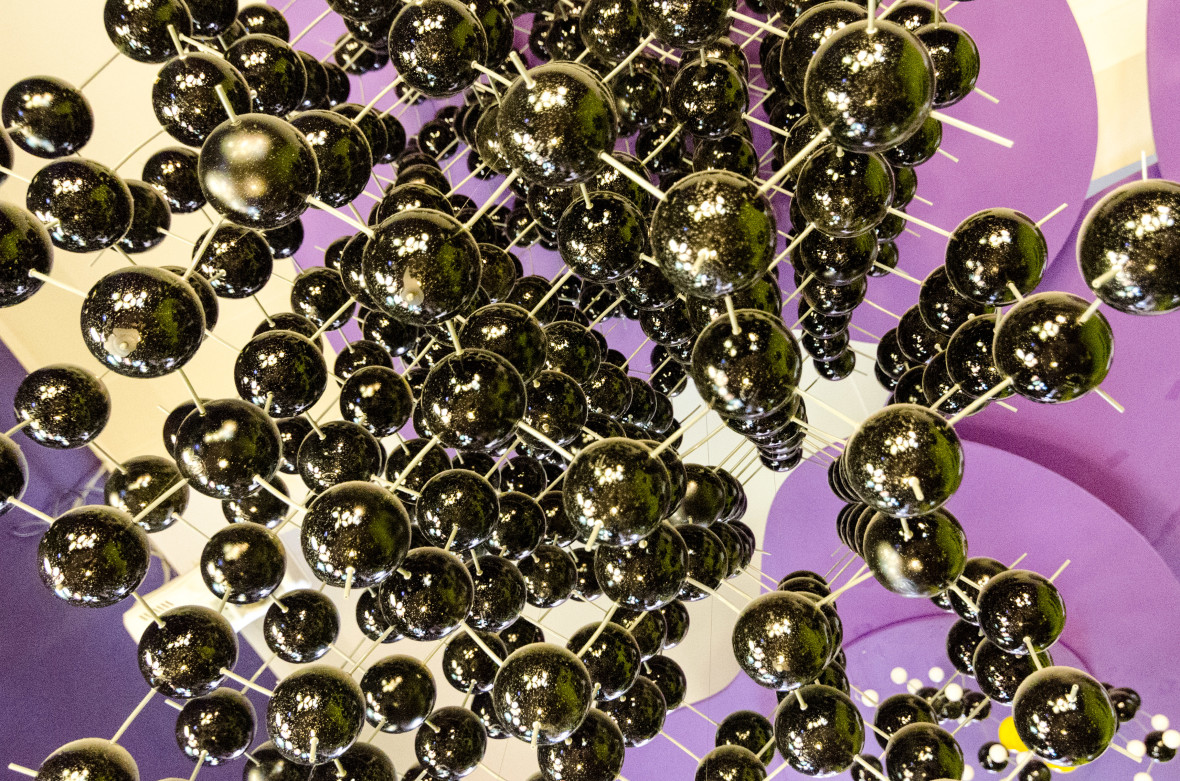
"caption": "The interaction between molecules in the body governs everything from immunity to memory.",
"description": null,
"title": "molecules",
"credit": "Alan Bloom/Flickr",
"status": "inherit",
"isLoading": false,
"fetchFailed": false
},
"futureofyou_3329": {
"type": "attachments",
"id": "futureofyou_3329",
"meta": {
"index": "attachments_1716263798",
"site": "futureofyou",
"id": "3329",
"found": true
},
"parent": 3300,
"imgSizes": {
"thumbnail": {
"file": "https://ww2.kqed.org/app/uploads/sites/13/2015/05/4422952742_8d6f0d99f4_o-400x267.jpg",
"width": 400,
"mimeType": "image/jpeg",
"height": 267
},
"post-thumbnail": {
"file": "https://ww2.kqed.org/app/uploads/sites/13/2015/05/4422952742_8d6f0d99f4_o-672x372.jpg",
"width": 672,
"mimeType": "image/jpeg",
"height": 372
},
"kqedFullSize": {
"file": "https://ww2.kqed.org/app/uploads/sites/13/2015/05/4422952742_8d6f0d99f4_o.jpg",
"width": 860,
"height": 573
},
"guest-author-96": {
"file": "https://ww2.kqed.org/app/uploads/sites/13/2015/05/4422952742_8d6f0d99f4_o-96x96.jpg",
"width": 96,
"mimeType": "image/jpeg",
"height": 96
},
"medium": {
"file": "https://ww2.kqed.org/app/uploads/sites/13/2015/05/4422952742_8d6f0d99f4_o-800x533.jpg",
"width": 800,
"mimeType": "image/jpeg",
"height": 533
},
"guest-author-64": {
"file": "https://ww2.kqed.org/app/uploads/sites/13/2015/05/4422952742_8d6f0d99f4_o-64x64.jpg",
"width": 64,
"mimeType": "image/jpeg",
"height": 64
},
"detail": {
"file": "https://ww2.kqed.org/app/uploads/sites/13/2015/05/4422952742_8d6f0d99f4_o-75x75.jpg",
"width": 75,
"mimeType": "image/jpeg",
"height": 75
},
"guest-author-32": {
"file": "https://ww2.kqed.org/app/uploads/sites/13/2015/05/4422952742_8d6f0d99f4_o-32x32.jpg",
"width": 32,
"mimeType": "image/jpeg",
"height": 32
},
"guest-author-128": {
"file": "https://ww2.kqed.org/app/uploads/sites/13/2015/05/4422952742_8d6f0d99f4_o-128x128.jpg",
"width": 128,
"mimeType": "image/jpeg",
"height": 128
}
},
"publishDate": 1432310598,
"modified": 1432310654,
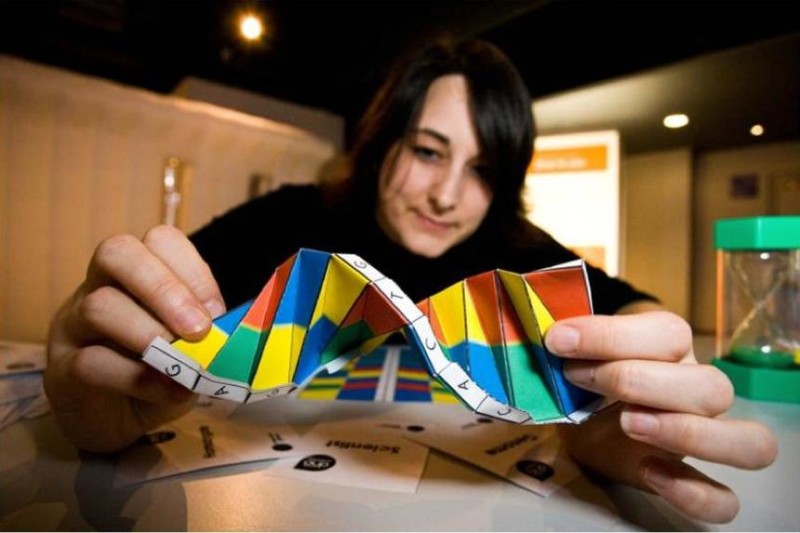
"caption": "Who knew you could create DNA origami? ",
"description": null,
"title": "4422952742_8d6f0d99f4_o",
"credit": "Duncan Hull / Flickr",
"status": "inherit",
"isLoading": false,
"fetchFailed": false
},
"futureofyou_3241": {
"type": "attachments",
"id": "futureofyou_3241",
"meta": {
"index": "attachments_1716263798",
"site": "futureofyou",
"id": "3241",
"found": true
},
"parent": 3240,
"imgSizes": {
"twentyfourteen-full-width": {
"file": "https://ww2.kqed.org/app/uploads/sites/13/2015/05/telemedicine--1038x576.jpg",
"width": 1038,
"mimeType": "image/jpeg",
"height": 576
},
"thumbnail": {
"file": "https://ww2.kqed.org/app/uploads/sites/13/2015/05/telemedicine--400x267.jpg",
"width": 400,
"mimeType": "image/jpeg",
"height": 267
},
"fd-sm": {
"file": "https://ww2.kqed.org/app/uploads/sites/13/2015/05/telemedicine--960x640.jpg",
"width": 960,
"mimeType": "image/jpeg",
"height": 640
},
"post-thumbnail": {
"file": "https://ww2.kqed.org/app/uploads/sites/13/2015/05/telemedicine--672x372.jpg",
"width": 672,
"mimeType": "image/jpeg",
"height": 372
},
"kqedFullSize": {
"file": "https://ww2.kqed.org/app/uploads/sites/13/2015/05/telemedicine-.jpg",
"width": 3000,
"height": 2000
},
"large": {
"file": "https://ww2.kqed.org/app/uploads/sites/13/2015/05/telemedicine--1180x787.jpg",
"width": 1180,
"mimeType": "image/jpeg",
"height": 787
},
"guest-author-96": {
"file": "https://ww2.kqed.org/app/uploads/sites/13/2015/05/telemedicine--96x96.jpg",
"width": 96,
"mimeType": "image/jpeg",
"height": 96
},
"medium": {
"file": "https://ww2.kqed.org/app/uploads/sites/13/2015/05/telemedicine--800x533.jpg",
"width": 800,
"mimeType": "image/jpeg",
"height": 533
},
"guest-author-64": {
"file": "https://ww2.kqed.org/app/uploads/sites/13/2015/05/telemedicine--64x64.jpg",
"width": 64,
"mimeType": "image/jpeg",
"height": 64
},
"guest-author-32": {
"file": "https://ww2.kqed.org/app/uploads/sites/13/2015/05/telemedicine--32x32.jpg",
"width": 32,
"mimeType": "image/jpeg",
"height": 32
},
"fd-med": {
"file": "https://ww2.kqed.org/app/uploads/sites/13/2015/05/telemedicine--1180x787.jpg",
"width": 1180,
"mimeType": "image/jpeg",
"height": 787
},
"detail": {
"file": "https://ww2.kqed.org/app/uploads/sites/13/2015/05/telemedicine--75x75.jpg",
"width": 75,
"mimeType": "image/jpeg",
"height": 75
},
"guest-author-128": {
"file": "https://ww2.kqed.org/app/uploads/sites/13/2015/05/telemedicine--128x128.jpg",
"width": 128,
"mimeType": "image/jpeg",
"height": 128
}
},
"publishDate": 1432141584,
"modified": 1432142013,
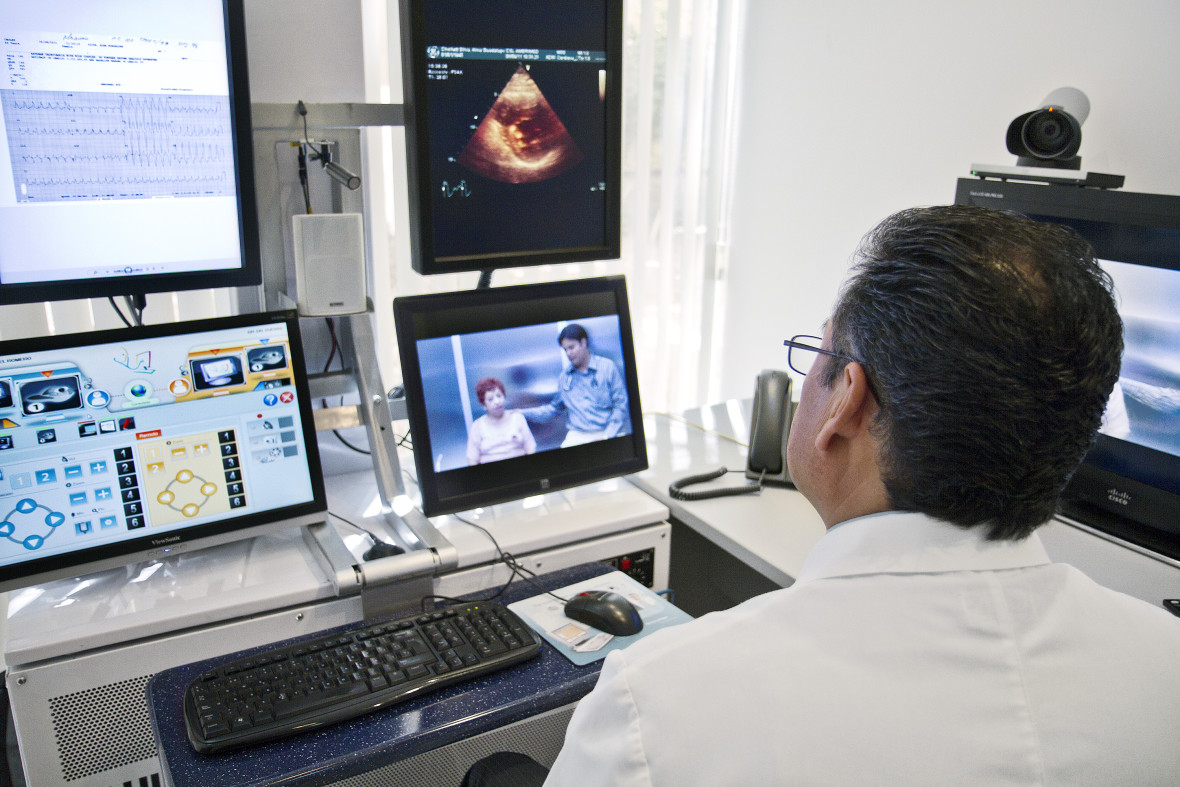
"caption": "Dr. Juan Manuel Romero, a cardiologist at a hospital in Ciudad Obregon in Sonora, Mexico, engages in a virtual consultation with a patient.",
"description": null,
"title": "telemedicine",
"credit": "Intel Free Press",
"status": "inherit",
"isLoading": false,
"fetchFailed": false
},
"futureofyou_3188": {
"type": "attachments",
"id": "futureofyou_3188",
"meta": {
"index": "attachments_1716263798",
"site": "futureofyou",
"id": "3188",
"found": true
},
"parent": 3027,
"imgSizes": {
"twentyfourteen-full-width": {
"file": "https://ww2.kqed.org/app/uploads/sites/13/2015/05/tecco1-1038x576.jpg",
"width": 1038,
"mimeType": "image/jpeg",
"height": 576
},
"thumbnail": {
"file": "https://ww2.kqed.org/app/uploads/sites/13/2015/05/tecco1-400x224.jpg",
"width": 400,
"mimeType": "image/jpeg",
"height": 224
},
"fd-sm": {
"file": "https://ww2.kqed.org/app/uploads/sites/13/2015/05/tecco1-960x539.jpg",
"width": 960,
"mimeType": "image/jpeg",
"height": 539
},
"post-thumbnail": {
"file": "https://ww2.kqed.org/app/uploads/sites/13/2015/05/tecco1-672x372.jpg",
"width": 672,
"mimeType": "image/jpeg",
"height": 372
},
"kqedFullSize": {
"file": "https://ww2.kqed.org/app/uploads/sites/13/2015/05/tecco1.jpg",
"width": 5059,
"height": 2839
},
"large": {
"file": "https://ww2.kqed.org/app/uploads/sites/13/2015/05/tecco1-1180x662.jpg",
"width": 1180,
"mimeType": "image/jpeg",
"height": 662
},
"guest-author-96": {
"file": "https://ww2.kqed.org/app/uploads/sites/13/2015/05/tecco1-96x96.jpg",
"width": 96,
"mimeType": "image/jpeg",
"height": 96
},
"medium": {
"file": "https://ww2.kqed.org/app/uploads/sites/13/2015/05/tecco1-800x449.jpg",
"width": 800,
"mimeType": "image/jpeg",
"height": 449
},
"guest-author-64": {
"file": "https://ww2.kqed.org/app/uploads/sites/13/2015/05/tecco1-64x64.jpg",
"width": 64,
"mimeType": "image/jpeg",
"height": 64
},
"guest-author-32": {
"file": "https://ww2.kqed.org/app/uploads/sites/13/2015/05/tecco1-32x32.jpg",
"width": 32,
"mimeType": "image/jpeg",
"height": 32
},
"fd-med": {
"file": "https://ww2.kqed.org/app/uploads/sites/13/2015/05/tecco1-1180x662.jpg",
"width": 1180,
"mimeType": "image/jpeg",
"height": 662
},
"detail": {
"file": "https://ww2.kqed.org/app/uploads/sites/13/2015/05/tecco1-75x75.jpg",
"width": 75,
"mimeType": "image/jpeg",
"height": 75
},
"guest-author-128": {
"file": "https://ww2.kqed.org/app/uploads/sites/13/2015/05/tecco1-128x128.jpg",
"width": 128,
"mimeType": "image/jpeg",
"height": 128
}
},
"publishDate": 1431987790,
"modified": 1431988556,
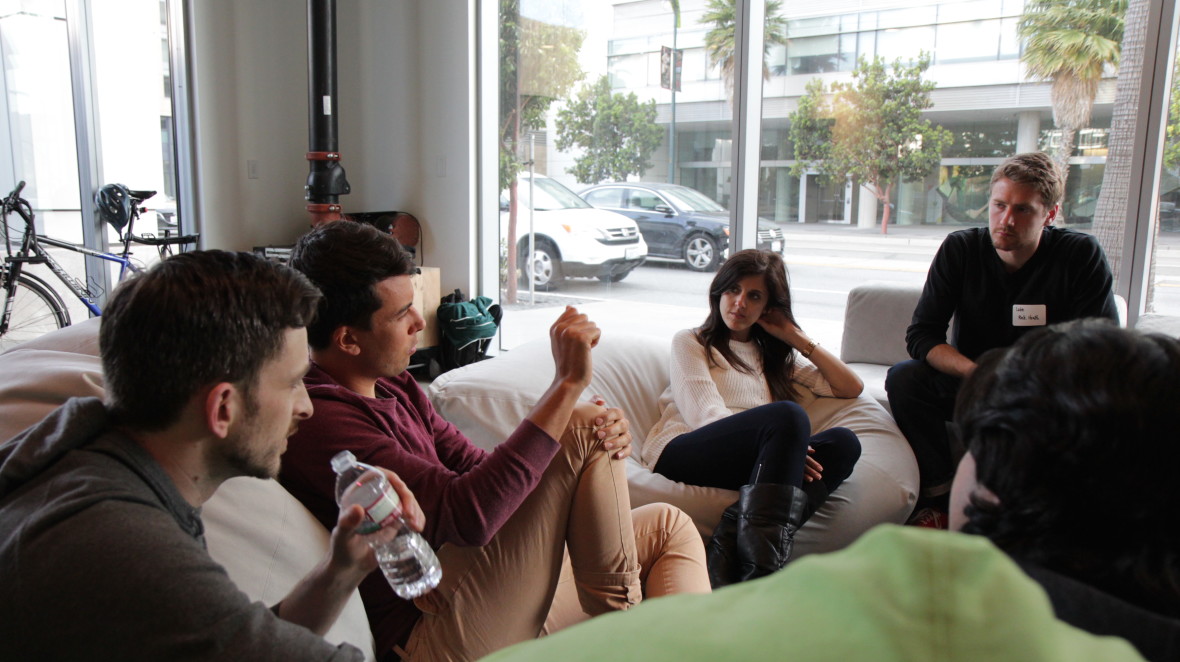
"caption": "Rock Health's Halle Tecco (center) brainstorming with a group of entrepreneurs",
"description": null,
"title": "tecco1",
"credit": "Rock Health",
"status": "inherit",
"isLoading": false,
"fetchFailed": false
},
"futureofyou_3059": {
"type": "attachments",
"id": "futureofyou_3059",
"meta": {
"index": "attachments_1716263798",
"site": "futureofyou",
"id": "3059",
"found": true
},
"parent": 3052,
"imgSizes": {
"twentyfourteen-full-width": {
"file": "https://ww2.kqed.org/app/uploads/sites/13/2015/05/GutFloraFoY-1038x576.jpg",
"width": 1038,
"mimeType": "image/jpeg",
"height": 576
},
"thumbnail": {
"file": "https://ww2.kqed.org/app/uploads/sites/13/2015/05/GutFloraFoY-400x222.jpg",
"width": 400,
"mimeType": "image/jpeg",
"height": 222
},
"fd-sm": {
"file": "https://ww2.kqed.org/app/uploads/sites/13/2015/05/GutFloraFoY-960x533.jpg",
"width": 960,
"mimeType": "image/jpeg",
"height": 533
},
"post-thumbnail": {
"file": "https://ww2.kqed.org/app/uploads/sites/13/2015/05/GutFloraFoY-672x372.jpg",
"width": 672,
"mimeType": "image/jpeg",
"height": 372
},
"kqedFullSize": {
"file": "https://ww2.kqed.org/app/uploads/sites/13/2015/05/GutFloraFoY.jpg",
"width": 1920,
"height": 1066
},
"large": {
"file": "https://ww2.kqed.org/app/uploads/sites/13/2015/05/GutFloraFoY-1180x655.jpg",
"width": 1180,
"mimeType": "image/jpeg",
"height": 655
},
"guest-author-96": {
"file": "https://ww2.kqed.org/app/uploads/sites/13/2015/05/GutFloraFoY-96x96.jpg",
"width": 96,
"mimeType": "image/jpeg",
"height": 96
},
"medium": {
"file": "https://ww2.kqed.org/app/uploads/sites/13/2015/05/GutFloraFoY-800x444.jpg",
"width": 800,
"mimeType": "image/jpeg",
"height": 444
},
"guest-author-64": {
"file": "https://ww2.kqed.org/app/uploads/sites/13/2015/05/GutFloraFoY-64x64.jpg",
"width": 64,
"mimeType": "image/jpeg",
"height": 64
},
"guest-author-32": {
"file": "https://ww2.kqed.org/app/uploads/sites/13/2015/05/GutFloraFoY-32x32.jpg",
"width": 32,
"mimeType": "image/jpeg",
"height": 32
},
"fd-med": {
"file": "https://ww2.kqed.org/app/uploads/sites/13/2015/05/GutFloraFoY-1180x655.jpg",
"width": 1180,
"mimeType": "image/jpeg",
"height": 655
},
"detail": {
"file": "https://ww2.kqed.org/app/uploads/sites/13/2015/05/GutFloraFoY-75x75.jpg",
"width": 75,
"mimeType": "image/jpeg",
"height": 75
},
"guest-author-128": {
"file": "https://ww2.kqed.org/app/uploads/sites/13/2015/05/GutFloraFoY-128x128.jpg",
"width": 128,
"mimeType": "image/jpeg",
"height": 128
}
},
"publishDate": 1431631468,
"modified": 1431631522,
"caption": "In a small enough study, scientists can trace the bacteria in your gut back to you. (Courtesy of Pacific Northwest National Laboratory)",
"description": null,
"title": "GutFloraFoY",
"credit": null,
"status": "inherit",
"isLoading": false,
"fetchFailed": false
},
"futureofyou_2707": {
"type": "attachments",
"id": "futureofyou_2707",
"meta": {
"index": "attachments_1716263798",
"site": "futureofyou",
"id": "2707",
"found": true
},
"parent": 2703,
"imgSizes": {
"twentyfourteen-full-width": {
"file": "https://ww2.kqed.org/app/uploads/sites/13/2015/05/womens-health-2-1038x576.jpg",
"width": 1038,
"mimeType": "image/jpeg",
"height": 576
},
"thumbnail": {
"file": "https://ww2.kqed.org/app/uploads/sites/13/2015/05/womens-health-2-400x268.jpg",
"width": 400,
"mimeType": "image/jpeg",
"height": 268
},
"fd-sm": {
"file": "https://ww2.kqed.org/app/uploads/sites/13/2015/05/womens-health-2-960x643.jpg",
"width": 960,
"mimeType": "image/jpeg",
"height": 643
},
"post-thumbnail": {
"file": "https://ww2.kqed.org/app/uploads/sites/13/2015/05/womens-health-2-672x372.jpg",
"width": 672,
"mimeType": "image/jpeg",
"height": 372
},
"kqedFullSize": {
"file": "https://ww2.kqed.org/app/uploads/sites/13/2015/05/womens-health-2.jpg",
"width": 2556,
"height": 1711
},
"large": {
"file": "https://ww2.kqed.org/app/uploads/sites/13/2015/05/womens-health-2-1180x790.jpg",
"width": 1180,
"mimeType": "image/jpeg",
"height": 790
},
"guest-author-96": {
"file": "https://ww2.kqed.org/app/uploads/sites/13/2015/05/womens-health-2-96x96.jpg",
"width": 96,
"mimeType": "image/jpeg",
"height": 96
},
"medium": {
"file": "https://ww2.kqed.org/app/uploads/sites/13/2015/05/womens-health-2-800x536.jpg",
"width": 800,
"mimeType": "image/jpeg",
"height": 536
},
"guest-author-64": {
"file": "https://ww2.kqed.org/app/uploads/sites/13/2015/05/womens-health-2-64x64.jpg",
"width": 64,
"mimeType": "image/jpeg",
"height": 64
},
"guest-author-32": {
"file": "https://ww2.kqed.org/app/uploads/sites/13/2015/05/womens-health-2-32x32.jpg",
"width": 32,
"mimeType": "image/jpeg",
"height": 32
},
"fd-med": {
"file": "https://ww2.kqed.org/app/uploads/sites/13/2015/05/womens-health-2-1180x790.jpg",
"width": 1180,
"mimeType": "image/jpeg",
"height": 790
},
"detail": {
"file": "https://ww2.kqed.org/app/uploads/sites/13/2015/05/womens-health-2-75x75.jpg",
"width": 75,
"mimeType": "image/jpeg",
"height": 75
},
"guest-author-128": {
"file": "https://ww2.kqed.org/app/uploads/sites/13/2015/05/womens-health-2-128x128.jpg",
"width": 128,
"mimeType": "image/jpeg",
"height": 128
}
},
"publishDate": 1430775907,
"modified": 1430775959,
"caption": "Women running a race to support cancer research ",
"description": null,
"title": "women's health 2",
"credit": " Alan Weir / Flickr",
"status": "inherit",
"isLoading": false,
"fetchFailed": false
},
"futureofyou_3019": {
"type": "attachments",
"id": "futureofyou_3019",
"meta": {
"index": "attachments_1716263798",
"site": "futureofyou",
"id": "3019",
"found": true
},
"parent": 3016,
"imgSizes": {
"twentyfourteen-full-width": {
"file": "https://ww2.kqed.org/app/uploads/sites/13/2015/05/seasons-1038x576.jpg",
"width": 1038,
"mimeType": "image/jpeg",
"height": 576
},
"thumbnail": {
"file": "https://ww2.kqed.org/app/uploads/sites/13/2015/05/seasons-400x267.jpg",
"width": 400,
"mimeType": "image/jpeg",
"height": 267
},
"fd-sm": {
"file": "https://ww2.kqed.org/app/uploads/sites/13/2015/05/seasons-960x640.jpg",
"width": 960,
"mimeType": "image/jpeg",
"height": 640
},
"post-thumbnail": {
"file": "https://ww2.kqed.org/app/uploads/sites/13/2015/05/seasons-672x372.jpg",
"width": 672,
"mimeType": "image/jpeg",
"height": 372
},
"kqedFullSize": {
"file": "https://ww2.kqed.org/app/uploads/sites/13/2015/05/seasons.jpg",
"width": 5184,
"height": 3456
},
"large": {
"file": "https://ww2.kqed.org/app/uploads/sites/13/2015/05/seasons-1180x787.jpg",
"width": 1180,
"mimeType": "image/jpeg",
"height": 787
},
"guest-author-96": {
"file": "https://ww2.kqed.org/app/uploads/sites/13/2015/05/seasons-96x96.jpg",
"width": 96,
"mimeType": "image/jpeg",
"height": 96
},
"medium": {
"file": "https://ww2.kqed.org/app/uploads/sites/13/2015/05/seasons-800x533.jpg",
"width": 800,
"mimeType": "image/jpeg",
"height": 533
},
"guest-author-64": {
"file": "https://ww2.kqed.org/app/uploads/sites/13/2015/05/seasons-64x64.jpg",
"width": 64,
"mimeType": "image/jpeg",
"height": 64
},
"guest-author-32": {
"file": "https://ww2.kqed.org/app/uploads/sites/13/2015/05/seasons-32x32.jpg",
"width": 32,
"mimeType": "image/jpeg",
"height": 32
},
"fd-med": {
"file": "https://ww2.kqed.org/app/uploads/sites/13/2015/05/seasons-1180x787.jpg",
"width": 1180,
"mimeType": "image/jpeg",
"height": 787
},
"detail": {
"file": "https://ww2.kqed.org/app/uploads/sites/13/2015/05/seasons-75x75.jpg",
"width": 75,
"mimeType": "image/jpeg",
"height": 75
},
"guest-author-128": {
"file": "https://ww2.kqed.org/app/uploads/sites/13/2015/05/seasons-128x128.jpg",
"width": 128,
"mimeType": "image/jpeg",
"height": 128
}
},
"publishDate": 1431536679,
"modified": 1431536709,
"caption": "Changes in the season may affect more than your mood ",
"description": null,
"title": "seasons",
"credit": "Luke Price / Flickr",
"status": "inherit",
"isLoading": false,
"fetchFailed": false
},
"futureofyou_2968": {
"type": "attachments",
"id": "futureofyou_2968",
"meta": {
"index": "attachments_1716263798",
"site": "futureofyou",
"id": "2968",
"found": true
},
"parent": 2832,
"imgSizes": {
"twentyfourteen-full-width": {
"file": "https://ww2.kqed.org/app/uploads/sites/13/2015/05/glucose-1038x576.jpg",
"width": 1038,
"mimeType": "image/jpeg",
"height": 576
},
"thumbnail": {
"file": "https://ww2.kqed.org/app/uploads/sites/13/2015/05/glucose-400x267.jpg",
"width": 400,
"mimeType": "image/jpeg",
"height": 267
},
"fd-sm": {
"file": "https://ww2.kqed.org/app/uploads/sites/13/2015/05/glucose-960x640.jpg",
"width": 960,
"mimeType": "image/jpeg",
"height": 640
},
"post-thumbnail": {
"file": "https://ww2.kqed.org/app/uploads/sites/13/2015/05/glucose-672x372.jpg",
"width": 672,
"mimeType": "image/jpeg",
"height": 372
},
"kqedFullSize": {
"file": "https://ww2.kqed.org/app/uploads/sites/13/2015/05/glucose.jpg",
"width": 5760,
"height": 3840
},
"large": {
"file": "https://ww2.kqed.org/app/uploads/sites/13/2015/05/glucose-1180x787.jpg",
"width": 1180,
"mimeType": "image/jpeg",
"height": 787
},
"guest-author-96": {
"file": "https://ww2.kqed.org/app/uploads/sites/13/2015/05/glucose-96x96.jpg",
"width": 96,
"mimeType": "image/jpeg",
"height": 96
},
"medium": {
"file": "https://ww2.kqed.org/app/uploads/sites/13/2015/05/glucose-800x533.jpg",
"width": 800,
"mimeType": "image/jpeg",
"height": 533
},
"guest-author-64": {
"file": "https://ww2.kqed.org/app/uploads/sites/13/2015/05/glucose-64x64.jpg",
"width": 64,
"mimeType": "image/jpeg",
"height": 64
},
"guest-author-32": {
"file": "https://ww2.kqed.org/app/uploads/sites/13/2015/05/glucose-32x32.jpg",
"width": 32,
"mimeType": "image/jpeg",
"height": 32
},
"fd-med": {
"file": "https://ww2.kqed.org/app/uploads/sites/13/2015/05/glucose-1180x787.jpg",
"width": 1180,
"mimeType": "image/jpeg",
"height": 787
},
"detail": {
"file": "https://ww2.kqed.org/app/uploads/sites/13/2015/05/glucose-75x75.jpg",
"width": 75,
"mimeType": "image/jpeg",
"height": 75
},
"guest-author-128": {
"file": "https://ww2.kqed.org/app/uploads/sites/13/2015/05/glucose-128x128.jpg",
"width": 128,
"mimeType": "image/jpeg",
"height": 128
}
},
"publishDate": 1431447837,
"modified": 1431447871,
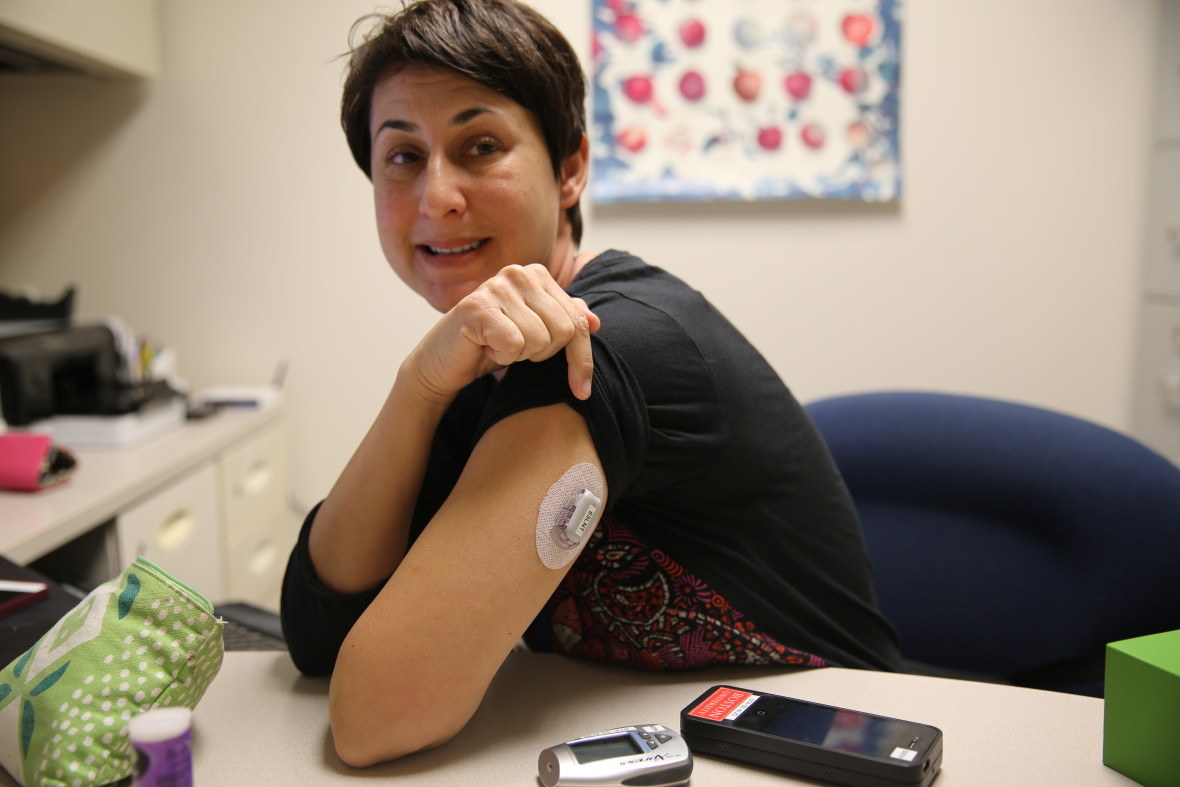
"caption": "A Continuous Glucose Monitor transmitter with a sensor that is inserted under the skin weekly and transmits to the monitor.",
"description": null,
"title": "glucose",
"credit": "Intel Free Press",
"status": "inherit",
"isLoading": false,
"fetchFailed": false
},
"futureofyou_2856": {
"type": "attachments",
"id": "futureofyou_2856",
"meta": {
"index": "attachments_1716263798",
"site": "futureofyou",
"id": "2856",
"found": true
},
"parent": 2853,
"imgSizes": {
"twentyfourteen-full-width": {
"file": "https://ww2.kqed.org/app/uploads/sites/13/2015/05/DNA-1038x576.jpg",
"width": 1038,
"mimeType": "image/jpeg",
"height": 576
},
"thumbnail": {
"file": "https://ww2.kqed.org/app/uploads/sites/13/2015/05/DNA-400x300.jpg",
"width": 400,
"mimeType": "image/jpeg",
"height": 300
},
"fd-sm": {
"file": "https://ww2.kqed.org/app/uploads/sites/13/2015/05/DNA-960x720.jpg",
"width": 960,
"mimeType": "image/jpeg",
"height": 720
},
"post-thumbnail": {
"file": "https://ww2.kqed.org/app/uploads/sites/13/2015/05/DNA-672x372.jpg",
"width": 672,
"mimeType": "image/jpeg",
"height": 372
},
"kqedFullSize": {
"file": "https://ww2.kqed.org/app/uploads/sites/13/2015/05/DNA.jpg",
"width": 3072,
"height": 2304
},
"large": {
"file": "https://ww2.kqed.org/app/uploads/sites/13/2015/05/DNA-1180x885.jpg",
"width": 1180,
"mimeType": "image/jpeg",
"height": 885
},
"guest-author-96": {
"file": "https://ww2.kqed.org/app/uploads/sites/13/2015/05/DNA-96x96.jpg",
"width": 96,
"mimeType": "image/jpeg",
"height": 96
},
"medium": {
"file": "https://ww2.kqed.org/app/uploads/sites/13/2015/05/DNA-800x600.jpg",
"width": 800,
"mimeType": "image/jpeg",
"height": 600
},
"guest-author-64": {
"file": "https://ww2.kqed.org/app/uploads/sites/13/2015/05/DNA-64x64.jpg",
"width": 64,
"mimeType": "image/jpeg",
"height": 64
},
"guest-author-32": {
"file": "https://ww2.kqed.org/app/uploads/sites/13/2015/05/DNA-32x32.jpg",
"width": 32,
"mimeType": "image/jpeg",
"height": 32
},
"fd-med": {
"file": "https://ww2.kqed.org/app/uploads/sites/13/2015/05/DNA-1180x885.jpg",
"width": 1180,
"mimeType": "image/jpeg",
"height": 885
},
"detail": {
"file": "https://ww2.kqed.org/app/uploads/sites/13/2015/05/DNA-75x75.jpg",
"width": 75,
"mimeType": "image/jpeg",
"height": 75
},
"guest-author-128": {
"file": "https://ww2.kqed.org/app/uploads/sites/13/2015/05/DNA-128x128.jpg",
"width": 128,
"mimeType": "image/jpeg",
"height": 128
}
},
"publishDate": 1431103928,
"modified": 1431103970,
"caption": "A molecule display at the Oxford University Natural History Museum",
"description": null,
"title": "DNA",
"credit": "net_efekt / Flickr ",
"status": "inherit",
"isLoading": false,
"fetchFailed": false
},
"futureofyou_2786": {
"type": "attachments",
"id": "futureofyou_2786",
"meta": {
"index": "attachments_1716263798",
"site": "futureofyou",
"id": "2786",
"found": true
},
"parent": 2712,
"imgSizes": {
"twentyfourteen-full-width": {
"file": "https://ww2.kqed.org/app/uploads/sites/13/2015/05/Unknown-1038x576.jpeg",
"width": 1038,
"mimeType": "image/jpeg",
"height": 576
},
"thumbnail": {
"file": "https://ww2.kqed.org/app/uploads/sites/13/2015/05/Unknown-400x222.jpeg",
"width": 400,
"mimeType": "image/jpeg",
"height": 222
},
"fd-sm": {
"file": "https://ww2.kqed.org/app/uploads/sites/13/2015/05/Unknown-960x533.jpeg",
"width": 960,
"mimeType": "image/jpeg",
"height": 533
},
"post-thumbnail": {
"file": "https://ww2.kqed.org/app/uploads/sites/13/2015/05/Unknown-672x372.jpeg",
"width": 672,
"mimeType": "image/jpeg",
"height": 372
},
"kqedFullSize": {
"file": "https://ww2.kqed.org/app/uploads/sites/13/2015/05/Unknown.jpeg",
"width": 2500,
"height": 1387
},
"large": {
"file": "https://ww2.kqed.org/app/uploads/sites/13/2015/05/Unknown-1180x655.jpeg",
"width": 1180,
"mimeType": "image/jpeg",
"height": 655
},
"guest-author-96": {
"file": "https://ww2.kqed.org/app/uploads/sites/13/2015/05/Unknown-96x96.jpeg",
"width": 96,
"mimeType": "image/jpeg",
"height": 96
},
"medium": {
"file": "https://ww2.kqed.org/app/uploads/sites/13/2015/05/Unknown-800x444.jpeg",
"width": 800,
"mimeType": "image/jpeg",
"height": 444
},
"guest-author-64": {
"file": "https://ww2.kqed.org/app/uploads/sites/13/2015/05/Unknown-64x64.jpeg",
"width": 64,
"mimeType": "image/jpeg",
"height": 64
},
"guest-author-32": {
"file": "https://ww2.kqed.org/app/uploads/sites/13/2015/05/Unknown-32x32.jpeg",
"width": 32,
"mimeType": "image/jpeg",
"height": 32
},
"fd-med": {
"file": "https://ww2.kqed.org/app/uploads/sites/13/2015/05/Unknown-1180x655.jpeg",
"width": 1180,
"mimeType": "image/jpeg",
"height": 655
},
"detail": {
"file": "https://ww2.kqed.org/app/uploads/sites/13/2015/05/Unknown-75x75.jpeg",
"width": 75,
"mimeType": "image/jpeg",
"height": 75
},
"guest-author-128": {
"file": "https://ww2.kqed.org/app/uploads/sites/13/2015/05/Unknown-128x128.jpeg",
"width": 128,
"mimeType": "image/jpeg",
"height": 128
}
},
"publishDate": 1430949669,
"modified": 1430949700,
"caption": "Ida Tin, founder of Clue, a fertility-tracking app",
"description": null,
"title": "Unknown",
"credit": "Clue ",
"status": "inherit",
"isLoading": false,
"fetchFailed": false
},
"futureofyou_2525": {
"type": "attachments",
"id": "futureofyou_2525",
"meta": {
"index": "attachments_1716263798",
"site": "futureofyou",
"id": "2525",
"found": true
},
"parent": 2522,
"imgSizes": {
"twentyfourteen-full-width": {
"file": "https://ww2.kqed.org/app/uploads/sites/13/2015/04/BRCAhillside-1038x576.jpg",
"width": 1038,
"mimeType": "image/jpeg",
"height": 576
},
"thumbnail": {
"file": "https://ww2.kqed.org/app/uploads/sites/13/2015/04/BRCAhillside-400x223.jpg",
"width": 400,
"mimeType": "image/jpeg",
"height": 223
},
"fd-sm": {
"file": "https://ww2.kqed.org/app/uploads/sites/13/2015/04/BRCAhillside-960x534.jpg",
"width": 960,
"mimeType": "image/jpeg",
"height": 534
},
"post-thumbnail": {
"file": "https://ww2.kqed.org/app/uploads/sites/13/2015/04/BRCAhillside-672x372.jpg",
"width": 672,
"mimeType": "image/jpeg",
"height": 372
},
"kqedFullSize": {
"file": "https://ww2.kqed.org/app/uploads/sites/13/2015/04/BRCAhillside.jpg",
"width": 1920,
"height": 1068
},
"large": {
"file": "https://ww2.kqed.org/app/uploads/sites/13/2015/04/BRCAhillside-1180x656.jpg",
"width": 1180,
"mimeType": "image/jpeg",
"height": 656
},
"guest-author-96": {
"file": "https://ww2.kqed.org/app/uploads/sites/13/2015/04/BRCAhillside-96x96.jpg",
"width": 96,
"mimeType": "image/jpeg",
"height": 96
},
"medium": {
"file": "https://ww2.kqed.org/app/uploads/sites/13/2015/04/BRCAhillside-800x445.jpg",
"width": 800,
"mimeType": "image/jpeg",
"height": 445
},
"guest-author-64": {
"file": "https://ww2.kqed.org/app/uploads/sites/13/2015/04/BRCAhillside-64x64.jpg",
"width": 64,
"mimeType": "image/jpeg",
"height": 64
},
"guest-author-32": {
"file": "https://ww2.kqed.org/app/uploads/sites/13/2015/04/BRCAhillside-32x32.jpg",
"width": 32,
"mimeType": "image/jpeg",
"height": 32
},
"fd-med": {
"file": "https://ww2.kqed.org/app/uploads/sites/13/2015/04/BRCAhillside-1180x656.jpg",
"width": 1180,
"mimeType": "image/jpeg",
"height": 656
},
"detail": {
"file": "https://ww2.kqed.org/app/uploads/sites/13/2015/04/BRCAhillside-75x75.jpg",
"width": 75,
"mimeType": "image/jpeg",
"height": 75
},
"guest-author-128": {
"file": "https://ww2.kqed.org/app/uploads/sites/13/2015/04/BRCAhillside-128x128.jpg",
"width": 128,
"mimeType": "image/jpeg",
"height": 128
}
},
"publishDate": 1430336300,
"modified": 1430495613,
"caption": "Color Genomics is offering an affordable genetic test for breast and ovarian cancer that includes the famous BRCA1 and BRCA2 genes.",
"description": null,
"title": "BRCAhillside",
"credit": null,
"status": "inherit",
"isLoading": false,
"fetchFailed": false
}
},
"audioPlayerReducer": {
"postId": "stream_live",
"isPaused": true,
"isPlaying": false,
"pfsActive": false,
"pledgeModalIsOpen": true,
"playerDrawerIsOpen": false,
"liveAudioPlayStartedAt": 0,
"liveAudioPlayContext": ""
},
"authorsReducer": {
"2718": {
"type": "authors",
"id": "2718",
"meta": {
"override": true
},
"slug": "2718",
"name": "Gabrielle Guthrie",
"firstName": "Gabrielle",
"lastName": "Guthrie",
"bio": "Gabrielle Guthrie has a Masters in Design from Stanford University. She is co-founder of the women-centered design start up, Moxxly. She lives and works in San Francisco.",
"email": "gabrielle@moxxly.com",
"isLoading": false
},
"byline_futureofyou_3524": {
"type": "authors",
"id": "byline_futureofyou_3524",
"meta": {
"override": true
},
"slug": "byline_futureofyou_3524",
"name": "Susan E. Williams",
"isLoading": false
},
"byline_futureofyou_3240": {
"type": "authors",
"id": "byline_futureofyou_3240",
"meta": {
"override": true
},
"slug": "byline_futureofyou_3240",
"name": "Michelle Andrews, Kaiser Health News",
"isLoading": false
},
"byline_futureofyou_3016": {
"type": "authors",
"id": "byline_futureofyou_3016",
"meta": {
"override": true
},
"slug": "byline_futureofyou_3016",
"name": "Rob Stein",
"isLoading": false
},
"byline_futureofyou_2853": {
"type": "authors",
"id": "byline_futureofyou_2853",
"meta": {
"override": true
},
"slug": "byline_futureofyou_2853",
"name": "Rob Stein",
"isLoading": false
},
"cfarr": {
"type": "authors",
"id": "3252",
"meta": {
"index": "authors_1716337520",
"id": "3252",
"found": true
},
"name": "Christina Farr",
"firstName": "Christina",
"lastName": "Farr",
"slug": "cfarr",
"email": "cfarr@kqed.org",
"display_author_email": false,
"staff_mastheads": [],
"title": "KQED Contributor",
"bio": "Christina Farr (\u003ca href=\"https://twitter.com/chrissyfarr\">@chrissyfarr\u003c/a>) is the former editor and host of Future of You. She was previously with Reuters, covering digital health and Apple and before that, she reported for Venture Beat. Christina was born and raised in London and has graduate degrees from University of London and the Stanford School of Journalism. Farr’s work has appeared in a variety of publications, including the New York Times, the Daily Telegraph, the Bay Citizen and SFGate.com. She has appeared as a featured expert on NBC, ABC and Reuters TV, among others, and frequently speaks at health and technology conferences. She is also co-founder of Ladies Who Vino, a networking group for women in technology and business.",
"avatar": "https://secure.gravatar.com/avatar/22c63869a7901c61c15e204391c1261d?s=600&d=blank&r=g",
"twitter": null,
"facebook": null,
"instagram": null,
"linkedin": null,
"sites": [
{
"site": "futureofyou",
"roles": [
"administrator"
]
},
{
"site": "stateofhealth",
"roles": [
"author"
]
},
{
"site": "science",
"roles": []
}
],
"headData": {
"title": "Christina Farr | KQED",
"description": "KQED Contributor",
"ogImgSrc": "https://secure.gravatar.com/avatar/22c63869a7901c61c15e204391c1261d?s=600&d=blank&r=g",
"twImgSrc": "https://secure.gravatar.com/avatar/22c63869a7901c61c15e204391c1261d?s=600&d=blank&r=g"
},
"isLoading": false,
"link": "/author/cfarr"
},
"dr-barry-starr": {
"type": "authors",
"id": "6177",
"meta": {
"index": "authors_1716337520",
"id": "6177",
"found": true
},
"name": "Dr. Barry Starr",
"firstName": "Dr. Barry",
"lastName": "Starr",
"slug": "dr-barry-starr",
"email": "bstarr@thetech.org",
"display_author_email": false,
"staff_mastheads": [],
"title": "KQED Contributor",
"bio": "Dr. Barry Starr (\u003ca href=\"https://twitter.com/geneticsboy\">@geneticsboy\u003c/a>) is a Geneticist-in-Residence at The Tech Museum of Innovation in San Jose, CA and runs their Stanford at The Tech program. The program is part of an ongoing collaboration between the \u003ca href=\"http://genetics.stanford.edu/\">Stanford Department of Genetics\u003c/a> and \u003ca href=\"http://www.thetech.org/\">The Tech Museum of Innovation\u003c/a>. Together these two partners created the \u003ca href=\"http://www.thetech.org/exhibits/permanent/index.php?sGalKey=gtwt&galKey=lt\">Genetics: Technology with a Twist\u003c/a> exhibition.\r\n\r\nYou can also see \u003ca href=\"https://ww2.kqed.org/science/author/dr-barry-starr/\">additional posts by Barry at KQED Science\u003c/a>, and read his \u003ca href=\"http://science.kqed.org/quest/author/dr-barry-starr/\">previous contributions\u003c/a> to \u003ca href=\"http://science.kqed.org/quest/\">QUEST\u003c/a>, a project dedicated to exploring the Science of Sustainability.",
"avatar": "https://secure.gravatar.com/avatar/4a5680e4c642ea0f0f3041af16018969?s=600&d=blank&r=g",
"twitter": "geneticsboy",
"facebook": null,
"instagram": null,
"linkedin": null,
"sites": [
{
"site": "futureofyou",
"roles": []
},
{
"site": "science",
"roles": [
"author"
]
},
{
"site": "quest",
"roles": [
"subscriber"
]
}
],
"headData": {
"title": "Dr. Barry Starr | KQED",
"description": "KQED Contributor",
"ogImgSrc": "https://secure.gravatar.com/avatar/4a5680e4c642ea0f0f3041af16018969?s=600&d=blank&r=g",
"twImgSrc": "https://secure.gravatar.com/avatar/4a5680e4c642ea0f0f3041af16018969?s=600&d=blank&r=g"
},
"isLoading": false,
"link": "/author/dr-barry-starr"
},
"rgrant": {
"type": "authors",
"id": "6620",
"meta": {
"index": "authors_1716337520",
"id": "6620",
"found": true
},
"name": "Rebecca Grant",
"firstName": "Rebecca",
"lastName": "Grant",
"slug": "rgrant",
"email": "rebeccaggrant@gmail.com",
"display_author_email": false,
"staff_mastheads": [],
"title": null,
"bio": "Rebecca Grant is a freelance journalist who has published work in The Atlantic, Fast Company, Forbes, The Daily Dot, and others. She spent 2 years as a staff writer at VentureBeat reporting on the startup scene, as well as issues relating to social innovation and diversity in the tech industry. Before Venturebeat, she served as a Peace Corps Volunteer, conducting an education project in rural Thailand. She has a B.A. from Cornell University.",
"avatar": "https://secure.gravatar.com/avatar/acf522116cc10f32fb9bc84af7f1ea28?s=600&d=blank&r=g",
"twitter": null,
"facebook": null,
"instagram": null,
"linkedin": null,
"sites": [
{
"site": "futureofyou",
"roles": [
"contributor"
]
}
],
"headData": {
"title": "Rebecca Grant | KQED",
"description": null,
"ogImgSrc": "https://secure.gravatar.com/avatar/acf522116cc10f32fb9bc84af7f1ea28?s=600&d=blank&r=g",
"twImgSrc": "https://secure.gravatar.com/avatar/acf522116cc10f32fb9bc84af7f1ea28?s=600&d=blank&r=g"
},
"isLoading": false,
"link": "/author/rgrant"
},
"cyrus": {
"type": "authors",
"id": "8610",
"meta": {
"index": "authors_1716337520",
"id": "8610",
"found": true
},
"name": "Dr. Cyrus Khambatta",
"firstName": "Dr. Cyrus",
"lastName": "Khambatta",
"slug": "cyrus",
"email": "cyrus@mangomannutrition.com",
"display_author_email": false,
"staff_mastheads": [],
"title": null,
"bio": "Dr. Cyrus Khambatta received his PhD from the University of California at Berkeley in 2012, and founded Mangoman Nutrition and Fitness to educate people with diabetes about improving their lifestyle choices via informed nutrition and challenging exercise. \r\nDr. Khambatta teaches individuals how to identify lifestyle habits that reduce energy levels, create insulin resistance and worsen blood glucose control. His clients follow either an individual or small-group community based curriculum that focuses on plant-based whole foods nutrition and strategic fitness training. The program is modeled after a highly effective and evidence-based NIH study that promotes successful lifestyle change via education, accountability and community.",
"avatar": "https://secure.gravatar.com/avatar/e885f32613ea3d31e8e34ff7baca84ed?s=600&d=blank&r=g",
"twitter": null,
"facebook": null,
"instagram": null,
"linkedin": null,
"sites": [
{
"site": "futureofyou",
"roles": [
"author"
]
}
],
"headData": {
"title": "Dr. Cyrus Khambatta | KQED",
"description": null,
"ogImgSrc": "https://secure.gravatar.com/avatar/e885f32613ea3d31e8e34ff7baca84ed?s=600&d=blank&r=g",
"twImgSrc": "https://secure.gravatar.com/avatar/e885f32613ea3d31e8e34ff7baca84ed?s=600&d=blank&r=g"
},
"isLoading": false,
"link": "/author/cyrus"
},
"halletecco": {
"type": "authors",
"id": "8619",
"meta": {
"index": "authors_1716337520",
"id": "8619",
"found": true
},
"name": "Halle Tecco",
"firstName": "Halle",
"lastName": "Tecco",
"slug": "halletecco",
"email": "Halletecco@gmail.com",
"display_author_email": false,
"staff_mastheads": [],
"title": null,
"bio": null,
"avatar": "https://secure.gravatar.com/avatar/741032902a35a3121050aebc8569c479?s=600&d=blank&r=g",
"twitter": null,
"facebook": null,
"instagram": null,
"linkedin": null,
"sites": [
{
"site": "futureofyou",
"roles": [
"author"
]
}
],
"headData": {
"title": "Halle Tecco | KQED",
"description": null,
"ogImgSrc": "https://secure.gravatar.com/avatar/741032902a35a3121050aebc8569c479?s=600&d=blank&r=g",
"twImgSrc": "https://secure.gravatar.com/avatar/741032902a35a3121050aebc8569c479?s=600&d=blank&r=g"
},
"isLoading": false,
"link": "/author/halletecco"
},
"cqgarling": {
"type": "authors",
"id": "8627",
"meta": {
"index": "authors_1716337520",
"id": "8627",
"found": true
},
"name": "Caleb Garling",
"firstName": "Caleb",
"lastName": "Garling",
"slug": "cqgarling",
"email": "cqgarling@gmail.com",
"display_author_email": false,
"staff_mastheads": [],
"title": null,
"bio": null,
"avatar": "https://secure.gravatar.com/avatar/a5fba7796a63027255c7a25861a557ac?s=600&d=blank&r=g",
"twitter": null,
"facebook": null,
"instagram": null,
"linkedin": null,
"sites": [
{
"site": "futureofyou",
"roles": [
"author"
]
}
],
"headData": {
"title": "Caleb Garling | KQED",
"description": null,
"ogImgSrc": "https://secure.gravatar.com/avatar/a5fba7796a63027255c7a25861a557ac?s=600&d=blank&r=g",
"twImgSrc": "https://secure.gravatar.com/avatar/a5fba7796a63027255c7a25861a557ac?s=600&d=blank&r=g"
},
"isLoading": false,
"link": "/author/cqgarling"
}
},
"pagesReducer": {
"futureofyou_series_contributor": {
"type": "terms",
"id": "futureofyou_172",
"meta": {
"index": "terms_1716263798",
"site": "futureofyou",
"id": "172",
"score": 14.900755
},
"featImg": null,
"name": "Contributor",
"description": null,
"taxonomy": "series",
"headData": {
"twImgId": null,
"twTitle": null,
"ogTitle": null,
"ogImgId": null,
"twDescription": null,
"description": null,
"title": "Contributor Archives | KQED Arts",
"ogDescription": null
},
"ttid": 172,
"slug": "contributor",
"isLoading": false,
"title": "Contributor",
"pageMeta": {
"site": "futureofyou",
"WpPageTemplate": "page-topic-editorial",
"currentPage": 2
},
"blocks": [
{
"blockName": "kqed/post-list",
"attrs": {
"layout": "cardArticle2",
"query": "posts/futureofyou?series=contributor",
"seeMore": false,
"paginated": true,
"page": 2
}
},
{
"blockName": "kqed/ad"
}
]
}
},
"pfsSessionReducer": {},
"postsReducer": {
"stream_live": {
"type": "live",
"id": "stream_live",
"audioUrl": "https://streams.kqed.org/kqedradio",
"title": "Live Stream",
"excerpt": "Live Stream information currently unavailable.",
"link": "/radio",
"featImg": "",
"label": {
"name": "KQED Live",
"link": "/"
}
},
"stream_kqedNewscast": {
"type": "posts",
"id": "stream_kqedNewscast",
"audioUrl": "https://www.kqed.org/.stream/anon/radio/RDnews/newscast.mp3?_=1",
"title": "KQED Newscast",
"featImg": "",
"label": {
"name": "88.5 FM",
"link": "/"
}
},
"futureofyou_3524": {
"type": "posts",
"id": "futureofyou_3524",
"meta": {
"index": "posts_1716263798",
"site": "futureofyou",
"id": "3524",
"score": null,
"sort": [
1432835407000
]
},
"parent": 0,
"labelTerm": {
"site": "futureofyou",
"term": 172
},
"blocks": [],
"publishDate": 1432835407,
"format": "standard",
"disqusTitle": "How Virtual Reality Worlds Can Help Reduce Pain",
"title": "How Virtual Reality Worlds Can Help Reduce Pain",
"headTitle": "Contributor | KQED Future of You | KQED Science",
"content": "\u003cp class=\"p1\">Imagine being an otter in a virtual world where colors and landscapes unfold in endless possibilities. You engage in a game of paintball with other frisky otters. You follow a river as it travels through time and seasons, and the environment responds to your mood, calming anxiety and reinforcing relaxation.\u003c/p>\n\u003cp>This fantastical landscape is a game developed by \u003ca href=\"http://deepstreamvr.com/\">DeepStream VR\u003c/a>, a virtual reality software company based in Seattle.\u003c/p>\n\u003cp>Founded by \u003cspan class=\"s1\">Ari Hollander\u003c/span> and Howard Rose, the company aims to implement VR games for pain relief and rehabilitation. One of its earlier games, \u003ca href=\"http://www.nbcnews.com/video/rock-center/49849152#49849152\">SnowWorld\u003c/a>, has been used extensively during wound care for burn victims as well as with children undergoing painful medical procedures.\u003c/p>\n\u003cfigure id=\"attachment_3562\" class=\"wp-caption alignright\" style=\"max-width: 378px\">\u003cimg class=\" wp-image-3562\" src=\"http://ww2.kqed.org/futureofyou/wp-content/uploads/sites/13/2015/05/image003.jpg\" alt=\"This virtual reality game was developed to alleviate stress and anxiety \" width=\"378\" height=\"224\" srcset=\"https://ww2.kqed.org/app/uploads/sites/13/2015/05/image003.jpg 640w, https://ww2.kqed.org/app/uploads/sites/13/2015/05/image003-400x237.jpg 400w\" sizes=\"(max-width: 378px) 100vw, 378px\">\u003cfigcaption class=\"wp-caption-text\">This virtual reality game was developed to alleviate stress and anxiety \u003ccite>(Cool! )\u003c/cite>\u003c/figcaption>\u003c/figure>\n\u003cp>The otter game, called Cool!, is built to address anxiety, pain and the helplessness or loss of control that people feel during painful experiences. These factors have a cumulative effect on pain, and can also slow recovery. That’s why Cool! was written with artificial intelligence that can detect your nerve state as you play, and evolve with you.\u003c/p>\n\u003cp>This may sound like science fiction, but it isn’t. \u003ca href=\"http://www.researchgate.net/publication/221514493_Immersive_VR_a_non-pharmacological_analgesic_for_chronic_pain\">Research shows\u003c/a> that using meditative techniques, combined with play within a virtual reality landscape, can reduce reliance on opioids.\u003c/p>\n\u003cp>[ad fullwidth]\u003c/p>\n\u003cp>\u003cstrong>Virtual Reality Distracts From Pain\u003c/strong>\u003c/p>\n\u003cp>Most use of virtual reality for pain management has been for acute pain. That is, VR is used to distract the patient from the pain. \u003ca href=\"https://depts.washington.edu/anesth/research/labs/sharar/sharar-bio.shtml\">Dr. Sam Sharar\u003c/a>, an anesthesiologist at University of Washington, and his team have \u003ca href=\"http://www.hitl.washington.edu/projects/vrpain/\">amassed research\u003c/a> into the analgesic effects of distraction in pain management.\u003c/p>\n\u003cp>“Cognitive distraction during a painful experience takes some of the conscious attention away from the painful stimulus,” Sharar says. If a patient’s attention can be consumed in an immersive virtual world, they experience less pain.\u003c/p>\n\u003cfigure id=\"attachment_3528\" class=\"wp-caption alignright\" style=\"max-width: 311px\">\u003ca href=\"http://ww2.kqed.org/futureofyou/wp-content/uploads/sites/13/2015/05/fMRI.jpg\">\u003cimg class=\" wp-image-3528\" src=\"http://ww2.kqed.org/futureofyou/wp-content/uploads/sites/13/2015/05/fMRI.jpg\" alt=\"These images from an fMRI scan show areas of the brain affected by pain, and how they shrink when the patient is immersed in a virtual reality world. (Courtesy Dr. Sam Sharar/University of Washington)\" width=\"311\" height=\"194\" srcset=\"https://ww2.kqed.org/app/uploads/sites/13/2015/05/fMRI.jpg 401w, https://ww2.kqed.org/app/uploads/sites/13/2015/05/fMRI-400x249.jpg 400w\" sizes=\"(max-width: 311px) 100vw, 311px\">\u003c/a>\u003cfigcaption class=\"wp-caption-text\">These images from an fMRI scan show areas of the brain affected by pain, and how they shrink when the patient is immersed in a virtual reality world. \u003ccite>(Dr. Sam Sharar/University of Washington)\u003c/cite>\u003c/figcaption>\u003c/figure>\n\u003cp>SnowWorld, for example, was designed specifically with burn victims in mind. The environment is blue and white, with icy hues and ice cliffs. Within the arctic world, the player plays with engages with snowmen, throws snowballs, moves through snowy ravines with icicles. The design surrounds the perceptual field; music further immerses the patient in the virtual world.\u003c/p>\n\u003cp>One hypothesis as to why VR works is that immersion in the virtual world produces endorphins that help mask the pain experience.\u003c/p>\n\u003cp>Sharar’s team tested that theory using naloxone, a narcotic inhibitor. If endorphins were causing reduced pain, the naloxone would have reversed that affect and the pain would have elevated again, even during VR immersion. This wasn’t the case. Scientists still don’t know exactly why VR works the way it does to diminish the experience of pain.\u003c/p>\n\u003cp>\u003cstrong>What About Chronic Pain?\u003c/strong>\u003c/p>\n\u003cp>\u003ca href=\"http://books.nap.edu/openbook.php?record_id=13172&page=1.\">More than 100 million Americans\u003c/a> suffer from chronic pain. It may last for months or years and is often accompanied by a cascading variety of other health issues. People suffering from chronic pain experience isolation, fear and frustration from the lack of social understanding about the severity of the condition.\u003c/p>\n\u003cp>“It is a systemic, degenerative disease,” says Dr. Diane Gromala, Canada Research Chair and Professor at the Simon Fraser University in Vancouver.\u003c/p>\n\u003cp>[Watch Dr. Gromala speak at a recent TED conference in the video below.]\u003c/p>\n\u003caside class=\"pullquote alignright\">“Pain is a more terrible lord of mankind than even death itself.”\u003cbr>\n\u003ccite>Nobel Laureate Albert Schweitzer, 1931\u003c/cite>\u003c/aside>\n\u003cp>The total \u003ca href=\"http://www.ncbi.nlm.nih.gov/books/NBK92521/\">financial cost of chronic pain\u003c/a> in the U.S., including lower wages, lost days of work and cost of health care, ranges from $560 to $635 billion and is higher than the annual cost of heart disease, cancer, or diabetes. People who were formerly successful, active and happy have been toppled and rendered paralyzed by this disease.\u003c/p>\n\u003cp>Yet medical treatment for chronic pain is abysmal, relying intensively on opioid prescriptions that are ineffectual for long-term pain management. Prescriptions and sales of opioids in America have \u003ca href=\"http://www.nytimes.com/interactive/2013/06/23/sunday-review/the-soaring-cost-of-the-opioid-economy.html?smid=fb-share&_r=0\">risen dramatically\u003c/a> in the last 10 years, by 33% and 110% respectively. Yet people with chronic pain have an overwhelming sense of not being in control of it, especially when they experience breakthrough pain, which can severely impact their quality of life and overall sense of well-being.\u003c/p>\n\u003cp>[youtube http://www.youtube.com/watch?v=cRdarMz--Pw&w=560&h=315]\u003c/p>\n\u003cp>\u003cstrong>New Ways To Manage Chronic Pain\u003c/strong>\u003c/p>\n\u003cp>Dr. Sean Mackey, an anesthesiologist at Stanford, experiments with perceptions of chronic pain using the fMRI scanner. His work, combined with Dr. Christopher deCharms’ efforts, has changed focus from how the nerves sense pain to how the brain processes it. Comprehending pain in this way—as a cognitive process that, like other cognitive processes, can be re-wired—is at the heart of their work.\u003c/p>\n\u003cp>With this foundation, they use the fMRI as both a diagnostic and therapeutic tool. Mackey and deCharms help patients master control over their pain by showing them real-time images of their pain digitally manifested on a screen.\u003c/p>\n\u003cp>Understanding where and how pain exists informs Gromala’s team at the \u003ca href=\"https://www.sfu.ca/vpresearch/centres/Chronic%20Pain%20Research%20Institute.html\">Chronic Pain Research Institute\u003c/a>.\u003c/p>\n\u003cp>What’s significant about Gromala’s work is that she both incorporates virtual reality as a distraction from acute pain, and also designs worlds aimed at taking advantage of the brain’s neuroplasticity. That is, she wants to interrupt the cognitive processes that make pain be experienced in a debilitating way.\u003c/p>\n\u003cp>Gromala—a chronic pain sufferer herself—and her team have developed immersive experiences that include biofeedback in order to ask people to focus on pain in order to produce thoughts about it, and better manage it. The \u003ca href=\"http://painstudieslab.com/projects/virtual-meditative-walk/\">Virtual Meditative Walk\u003c/a> uses biofeedback sensors that measure physiological symptoms like heart rate, skin temperature, or respiration along with sound, and virtual reality to enable people suffering from chronic pain to better practice \u003ca href=\"http://en.wikipedia.org/wiki/Mindfulness-based_stress_reduction\">Mindfulness-Based Stress Reduction\u003c/a>.\u003c/p>\n\u003cp>Rather than ignoring or repressing pain, the virtual environment coupled with immediate biofeedback teaches patients how much attention their pain consumes. Virtual reality doesn’t so much remove you from your world as it provides you the tools and training in which to more effectively focus and control it.\u003c/p>\n\u003cp>“It is based on a mind-body practice that scientists have studied and that humans have used for hundreds of years,” Gromala says.\u003c/p>\n\u003cp>“Technology isn’t necessary for mindful practices, but our VR system gives users immediate feedback in a number of sensory and perceptual ways. That makes it less mysterious, and users often say they feel confident that they can affect their pain, instead of feeling they are victims to it.”\u003c/p>\n\u003cp>[ad floatright]\u003c/p>\n\u003cp class=\"p1\">\u003cem>\u003cspan class=\"s1\">Susan E. Williams is a writer and consultant who specializes in science, technology and healthcare. She provides critical research to efforts including Arizona State University's Project HoneyBee, an initiative focused on validating the clinical utility of continuous physiological monitoring with consumer wearable devices. \u003c/span>\u003c/em>\u003c/p>\n\n",
"disqusIdentifier": "3524 http://ww2.kqed.org/futureofyou/?p=3524",
"disqusUrl": "https://ww2.kqed.org/futureofyou/2015/05/28/how-virtual-reality-worlds-can-help-reduce-pain/",
"stats": {
"hasVideo": true,
"hasChartOrMap": false,
"hasAudio": false,
"hasPolis": false,
"wordCount": 1180,
"hasGoogleForm": false,
"hasGallery": false,
"hasHearkenModule": false,
"iframeSrcs": [],
"paragraphCount": 28
},
"modified": 1477282306,
"excerpt": "Patients can find pain relief through immersive virtual reality -- without the side effects of opioids.",
"headData": {
"twImgId": "",
"twTitle": "",
"ogTitle": "",
"ogImgId": "",
"twDescription": "",
"description": "Patients can find pain relief through immersive virtual reality -- without the side effects of opioids.",
"title": "How Virtual Reality Worlds Can Help Reduce Pain | KQED",
"ogDescription": "",
"schema": {
"@context": "https://schema.org",
"@type": "Article",
"headline": "How Virtual Reality Worlds Can Help Reduce Pain",
"datePublished": "2015-05-28T10:50:07-07:00",
"dateModified": "2016-10-23T21:11:46-07:00",
"image": "https://cdn.kqed.org/wp-content/uploads/2020/02/KQED-OG-Image@1x.png"
}
},
"guestAuthors": [],
"slug": "how-virtual-reality-worlds-can-help-reduce-pain",
"status": "publish",
"nprByline": "Susan E. Williams",
"path": "/futureofyou/3524/how-virtual-reality-worlds-can-help-reduce-pain",
"audioTrackLength": null,
"parsedContent": [
{
"type": "contentString",
"content": "\u003cdiv class=\"post-body\">\u003cp>\u003cp class=\"p1\">Imagine being an otter in a virtual world where colors and landscapes unfold in endless possibilities. You engage in a game of paintball with other frisky otters. You follow a river as it travels through time and seasons, and the environment responds to your mood, calming anxiety and reinforcing relaxation.\u003c/p>\n\u003cp>This fantastical landscape is a game developed by \u003ca href=\"http://deepstreamvr.com/\">DeepStream VR\u003c/a>, a virtual reality software company based in Seattle.\u003c/p>\n\u003cp>Founded by \u003cspan class=\"s1\">Ari Hollander\u003c/span> and Howard Rose, the company aims to implement VR games for pain relief and rehabilitation. One of its earlier games, \u003ca href=\"http://www.nbcnews.com/video/rock-center/49849152#49849152\">SnowWorld\u003c/a>, has been used extensively during wound care for burn victims as well as with children undergoing painful medical procedures.\u003c/p>\n\u003cfigure id=\"attachment_3562\" class=\"wp-caption alignright\" style=\"max-width: 378px\">\u003cimg class=\" wp-image-3562\" src=\"http://ww2.kqed.org/futureofyou/wp-content/uploads/sites/13/2015/05/image003.jpg\" alt=\"This virtual reality game was developed to alleviate stress and anxiety \" width=\"378\" height=\"224\" srcset=\"https://ww2.kqed.org/app/uploads/sites/13/2015/05/image003.jpg 640w, https://ww2.kqed.org/app/uploads/sites/13/2015/05/image003-400x237.jpg 400w\" sizes=\"(max-width: 378px) 100vw, 378px\">\u003cfigcaption class=\"wp-caption-text\">This virtual reality game was developed to alleviate stress and anxiety \u003ccite>(Cool! )\u003c/cite>\u003c/figcaption>\u003c/figure>\n\u003cp>The otter game, called Cool!, is built to address anxiety, pain and the helplessness or loss of control that people feel during painful experiences. These factors have a cumulative effect on pain, and can also slow recovery. That’s why Cool! was written with artificial intelligence that can detect your nerve state as you play, and evolve with you.\u003c/p>\n\u003cp>This may sound like science fiction, but it isn’t. \u003ca href=\"http://www.researchgate.net/publication/221514493_Immersive_VR_a_non-pharmacological_analgesic_for_chronic_pain\">Research shows\u003c/a> that using meditative techniques, combined with play within a virtual reality landscape, can reduce reliance on opioids.\u003c/p>\n\u003cp>\u003c/p>\u003c/div>",
"attributes": {
"named": {},
"numeric": []
}
},
{
"type": "component",
"content": "",
"name": "ad",
"attributes": {
"named": {
"label": "fullwidth"
},
"numeric": [
"fullwidth"
]
}
},
{
"type": "contentString",
"content": "\u003cdiv class=\"post-body\">\u003cp>\u003c/p>\n\u003cp>\u003cstrong>Virtual Reality Distracts From Pain\u003c/strong>\u003c/p>\n\u003cp>Most use of virtual reality for pain management has been for acute pain. That is, VR is used to distract the patient from the pain. \u003ca href=\"https://depts.washington.edu/anesth/research/labs/sharar/sharar-bio.shtml\">Dr. Sam Sharar\u003c/a>, an anesthesiologist at University of Washington, and his team have \u003ca href=\"http://www.hitl.washington.edu/projects/vrpain/\">amassed research\u003c/a> into the analgesic effects of distraction in pain management.\u003c/p>\n\u003cp>“Cognitive distraction during a painful experience takes some of the conscious attention away from the painful stimulus,” Sharar says. If a patient’s attention can be consumed in an immersive virtual world, they experience less pain.\u003c/p>\n\u003cfigure id=\"attachment_3528\" class=\"wp-caption alignright\" style=\"max-width: 311px\">\u003ca href=\"http://ww2.kqed.org/futureofyou/wp-content/uploads/sites/13/2015/05/fMRI.jpg\">\u003cimg class=\" wp-image-3528\" src=\"http://ww2.kqed.org/futureofyou/wp-content/uploads/sites/13/2015/05/fMRI.jpg\" alt=\"These images from an fMRI scan show areas of the brain affected by pain, and how they shrink when the patient is immersed in a virtual reality world. (Courtesy Dr. Sam Sharar/University of Washington)\" width=\"311\" height=\"194\" srcset=\"https://ww2.kqed.org/app/uploads/sites/13/2015/05/fMRI.jpg 401w, https://ww2.kqed.org/app/uploads/sites/13/2015/05/fMRI-400x249.jpg 400w\" sizes=\"(max-width: 311px) 100vw, 311px\">\u003c/a>\u003cfigcaption class=\"wp-caption-text\">These images from an fMRI scan show areas of the brain affected by pain, and how they shrink when the patient is immersed in a virtual reality world. \u003ccite>(Dr. Sam Sharar/University of Washington)\u003c/cite>\u003c/figcaption>\u003c/figure>\n\u003cp>SnowWorld, for example, was designed specifically with burn victims in mind. The environment is blue and white, with icy hues and ice cliffs. Within the arctic world, the player plays with engages with snowmen, throws snowballs, moves through snowy ravines with icicles. The design surrounds the perceptual field; music further immerses the patient in the virtual world.\u003c/p>\n\u003cp>One hypothesis as to why VR works is that immersion in the virtual world produces endorphins that help mask the pain experience.\u003c/p>\n\u003cp>Sharar’s team tested that theory using naloxone, a narcotic inhibitor. If endorphins were causing reduced pain, the naloxone would have reversed that affect and the pain would have elevated again, even during VR immersion. This wasn’t the case. Scientists still don’t know exactly why VR works the way it does to diminish the experience of pain.\u003c/p>\n\u003cp>\u003cstrong>What About Chronic Pain?\u003c/strong>\u003c/p>\n\u003cp>\u003ca href=\"http://books.nap.edu/openbook.php?record_id=13172&page=1.\">More than 100 million Americans\u003c/a> suffer from chronic pain. It may last for months or years and is often accompanied by a cascading variety of other health issues. People suffering from chronic pain experience isolation, fear and frustration from the lack of social understanding about the severity of the condition.\u003c/p>\n\u003cp>“It is a systemic, degenerative disease,” says Dr. Diane Gromala, Canada Research Chair and Professor at the Simon Fraser University in Vancouver.\u003c/p>\n\u003cp>[Watch Dr. Gromala speak at a recent TED conference in the video below.]\u003c/p>\n\u003caside class=\"pullquote alignright\">“Pain is a more terrible lord of mankind than even death itself.”\u003cbr>\n\u003ccite>Nobel Laureate Albert Schweitzer, 1931\u003c/cite>\u003c/aside>\n\u003cp>The total \u003ca href=\"http://www.ncbi.nlm.nih.gov/books/NBK92521/\">financial cost of chronic pain\u003c/a> in the U.S., including lower wages, lost days of work and cost of health care, ranges from $560 to $635 billion and is higher than the annual cost of heart disease, cancer, or diabetes. People who were formerly successful, active and happy have been toppled and rendered paralyzed by this disease.\u003c/p>\n\u003cp>Yet medical treatment for chronic pain is abysmal, relying intensively on opioid prescriptions that are ineffectual for long-term pain management. Prescriptions and sales of opioids in America have \u003ca href=\"http://www.nytimes.com/interactive/2013/06/23/sunday-review/the-soaring-cost-of-the-opioid-economy.html?smid=fb-share&_r=0\">risen dramatically\u003c/a> in the last 10 years, by 33% and 110% respectively. Yet people with chronic pain have an overwhelming sense of not being in control of it, especially when they experience breakthrough pain, which can severely impact their quality of life and overall sense of well-being.\u003c/p>\n\u003cp>\u003c/p>\u003cp>\u003cspan class='utils-parseShortcode-shortcodes-__youtubeShortcode__embedYoutube'>\n \u003cspan class='utils-parseShortcode-shortcodes-__youtubeShortcode__embedYoutubeInside'>\n \u003ciframe\n loading='lazy'\n class='utils-parseShortcode-shortcodes-__youtubeShortcode__youtubePlayer'\n type='text/html'\n src='//www.youtube.com/embed/cRdarMz--Pw'\n title='//www.youtube.com/embed/cRdarMz--Pw'\n allowfullscreen='true'\n style='border:0;'>\u003c/iframe>\n \u003c/span>\n \u003c/span>\u003c/p>\u003cp>\u003c/p>\n\u003cp>\u003cstrong>New Ways To Manage Chronic Pain\u003c/strong>\u003c/p>\n\u003cp>Dr. Sean Mackey, an anesthesiologist at Stanford, experiments with perceptions of chronic pain using the fMRI scanner. His work, combined with Dr. Christopher deCharms’ efforts, has changed focus from how the nerves sense pain to how the brain processes it. Comprehending pain in this way—as a cognitive process that, like other cognitive processes, can be re-wired—is at the heart of their work.\u003c/p>\n\u003cp>With this foundation, they use the fMRI as both a diagnostic and therapeutic tool. Mackey and deCharms help patients master control over their pain by showing them real-time images of their pain digitally manifested on a screen.\u003c/p>\n\u003cp>Understanding where and how pain exists informs Gromala’s team at the \u003ca href=\"https://www.sfu.ca/vpresearch/centres/Chronic%20Pain%20Research%20Institute.html\">Chronic Pain Research Institute\u003c/a>.\u003c/p>\n\u003cp>What’s significant about Gromala’s work is that she both incorporates virtual reality as a distraction from acute pain, and also designs worlds aimed at taking advantage of the brain’s neuroplasticity. That is, she wants to interrupt the cognitive processes that make pain be experienced in a debilitating way.\u003c/p>\n\u003cp>Gromala—a chronic pain sufferer herself—and her team have developed immersive experiences that include biofeedback in order to ask people to focus on pain in order to produce thoughts about it, and better manage it. The \u003ca href=\"http://painstudieslab.com/projects/virtual-meditative-walk/\">Virtual Meditative Walk\u003c/a> uses biofeedback sensors that measure physiological symptoms like heart rate, skin temperature, or respiration along with sound, and virtual reality to enable people suffering from chronic pain to better practice \u003ca href=\"http://en.wikipedia.org/wiki/Mindfulness-based_stress_reduction\">Mindfulness-Based Stress Reduction\u003c/a>.\u003c/p>\n\u003cp>Rather than ignoring or repressing pain, the virtual environment coupled with immediate biofeedback teaches patients how much attention their pain consumes. Virtual reality doesn’t so much remove you from your world as it provides you the tools and training in which to more effectively focus and control it.\u003c/p>\n\u003cp>“It is based on a mind-body practice that scientists have studied and that humans have used for hundreds of years,” Gromala says.\u003c/p>\n\u003cp>“Technology isn’t necessary for mindful practices, but our VR system gives users immediate feedback in a number of sensory and perceptual ways. That makes it less mysterious, and users often say they feel confident that they can affect their pain, instead of feeling they are victims to it.”\u003c/p>\n\u003cp>\u003c/p>\u003c/div>",
"attributes": {
"named": {},
"numeric": []
}
},
{
"type": "component",
"content": "",
"name": "ad",
"attributes": {
"named": {
"label": "floatright"
},
"numeric": [
"floatright"
]
}
},
{
"type": "contentString",
"content": "\u003cdiv class=\"post-body\">\u003cp>\u003c/p>\n\u003cp class=\"p1\">\u003cem>\u003cspan class=\"s1\">Susan E. Williams is a writer and consultant who specializes in science, technology and healthcare. She provides critical research to efforts including Arizona State University's Project HoneyBee, an initiative focused on validating the clinical utility of continuous physiological monitoring with consumer wearable devices. \u003c/span>\u003c/em>\u003c/p>\n\n\u003c/div>\u003c/p>",
"attributes": {
"named": {},
"numeric": []
}
}
],
"link": "/futureofyou/3524/how-virtual-reality-worlds-can-help-reduce-pain",
"authors": [
"byline_futureofyou_3524"
],
"series": [
"futureofyou_172"
],
"categories": [
"futureofyou_1063"
],
"tags": [
"futureofyou_143",
"futureofyou_270",
"futureofyou_80",
"futureofyou_379",
"futureofyou_381",
"futureofyou_380"
],
"featImg": "futureofyou_3568",
"label": "futureofyou_172"
},
"futureofyou_3461": {
"type": "posts",
"id": "futureofyou_3461",
"meta": {
"index": "posts_1716263798",
"site": "futureofyou",
"id": "3461",
"score": null,
"sort": [
1432747832000
]
},
"parent": 0,
"labelTerm": {
"site": "futureofyou",
"term": 172
},
"blocks": [],
"publishDate": 1432747832,
"format": "standard",
"disqusTitle": "Startup Harnesses Supercomputers to Seek Cures",
"title": "Startup Harnesses Supercomputers to Seek Cures",
"headTitle": "Contributor | KQED Future of You | KQED Science",
"content": "\u003cp>Few natural phenomena are trickier to understand than the interactions between molecules in the body. They govern everything from immunity to motion to memory.\u003c/p>\n\u003cp>Researchers can spend decades just trying to understand how and why one particular drug or protein interacts with another.\u003c/p>\n\u003cp>A young company called \u003ca href=\"http://www.atomwise.com/\">Atomwise \u003c/a>is employing high-powered computing to help answer some of these questions, in the hope of completing the task exponentially faster than clinical research ever might.\u003c/p>\n\u003cp>\"Initially we didn't think about it as a business,\" says Atomwise's chief executive officer Abraham Heifets. \"We were thinking about it in terms of the science.\"\u003c/p>\n\u003cp>In March, the company graduated from Silicon Valley business incubator \u003ca href=\"https://www.ycombinator.com/\">Y Combinator\u003c/a>, yet it's also working with partners like \u003ca href=\"http://www.ibm.com/us/en/\">IBM\u003c/a> and \u003ca href=\"http://www.dal.ca/\">Dalhousie University.\u003c/a> Heifets hopes to leverage algorithms that learn as they operate, to predict which drugs interact with biological molecules and from that, to develop new treatments.\u003c/p>\n\u003caside class=\"pullquote alignright\">“There's a lot of skepticism. People have been trying to solve this problem for years.\"\u003cbr>\n\u003ccite>Abraham Heifets, Atomwise CEO\u003c/cite>\u003c/aside>\n\u003cp>Molecules, especially proteins, create complicated structures that interact with one another like giant, 3-D puzzle pieces. The teeth of any piece can change depending on temperature, salinity, nearby molecules and a host of other factors.\u003c/p>\n\u003cp>[ad fullwidth]\u003c/p>\n\u003cp>Heifets makes the analogy that understanding molecular interactions can be like trying to tune your radio to the right station, except you have millions of knobs instead of one. For decades, scientists have hoped that computers could someday tackle this sea of variables. Only recently have the advances in computer processing shown that dream could come true.\u003c/p>\n\u003cp>Biopharma companies screen millions of molecules all the time to see which ones will inhibit a given disease target, and only a small minority of them do, says Professor Michael Goldberg of Harvard Medical School's \u003ca href=\"http://www.dana-farber.org/\">Dana Farber Cancer Institute\u003c/a>.\u003c/p>\n\u003cp>[contextly_sidebar id=\"SN48JuSCbAT5ooHgc5sOYKIBGLXc6E7Y\"]\"The ability to increase the efficiency with which drug screens are performed would be greatly desirable,\" Goldberg says.\u003c/p>\n\u003cp>Recently, Atomwise used an IBM supercomputer to screen 7,000 drugs that might be effective in treating Ebola. During a pandemic, anything that can save time will inevitably save lives. The company found a short list of potential drugs -- not previously thought useful for the disease -- and is now moving to further tests.\u003c/p>\n\u003cp>In a recent hunt for drugs that would inhibit two proteins believed responsible for spreading multiple sclerosis, Atomwise's software chewed through 8.2 million molecules and ranked them for which was most likely to affect the targeted proteins. Lab researchers then tested the top 50 molecules and found that nine of them bound to the protein, making them great suspects for further experimentation. (Note: Just because it binds to the protein doesn't mean it's useful in treating the disease.)\u003c/p>\n\u003caside class=\"pullquote alignright\">“The ability to increase the efficiency with which drug screens are performed would be greatly desirable.\"\u003cbr>\n\u003ccite>Michael Goldberg, Harvard Medical School\u003c/cite>\u003c/aside>\n\u003cp>That quick triage through millions of molecules is where Heifets hopes Atomwise can prove most useful. But Heifets acknowledges that the four-person company has a long way to go, to prove its approach works.\u003c/p>\n\u003cp>\"There's a lot of skepticism,\" he says. \"People have been trying to solve this problem for years.\"\u003c/p>\n\u003cp>Heifets had been working on high-performance data processing at IBM before co-founding Atomwise in 2012. With increased investment dollars available for leveraging computers to recognize language and imagery -- and process that data in useful ways -- Heifets is making the bet that computing has finally hit that tipping point where it can predict molecular interactions.\u003c/p>\n\u003cp>The company is now working with its third software iteration. To align interests with potential partners, the company does the analysis work for free. Atomwise doesn't operate labs, only software, and will take a royalty if their partners find a drug that generates revenue.\u003c/p>\n\u003cp>\u003c/p>\n\u003cp>\"The kind of work that we're doing takes a very long time to build out,\" Heifets says.\u003c/p>\n\n",
"disqusIdentifier": "3461 http://ww2.kqed.org/futureofyou/?p=3461",
"disqusUrl": "https://ww2.kqed.org/futureofyou/2015/05/27/startup-harnesses-supercomputers-to-seek-cures/",
"stats": {
"hasVideo": false,
"hasChartOrMap": false,
"hasAudio": false,
"hasPolis": false,
"wordCount": 689,
"hasGoogleForm": false,
"hasGallery": false,
"hasHearkenModule": false,
"iframeSrcs": [],
"paragraphCount": 18
},
"modified": 1477282361,
"excerpt": "Atomwise is leveraging the power of artificial intelligence to discover new drugs. ",
"headData": {
"twImgId": "",
"twTitle": "",
"ogTitle": "",
"ogImgId": "",
"twDescription": "",
"description": "Atomwise is leveraging the power of artificial intelligence to discover new drugs. ",
"title": "Startup Harnesses Supercomputers to Seek Cures | KQED",
"ogDescription": "",
"schema": {
"@context": "https://schema.org",
"@type": "Article",
"headline": "Startup Harnesses Supercomputers to Seek Cures",
"datePublished": "2015-05-27T10:30:32-07:00",
"dateModified": "2016-10-23T21:12:41-07:00",
"image": "https://cdn.kqed.org/wp-content/uploads/2020/02/KQED-OG-Image@1x.png"
}
},
"guestAuthors": [],
"slug": "startup-harnesses-supercomputers-to-seek-cures",
"status": "publish",
"path": "/futureofyou/3461/startup-harnesses-supercomputers-to-seek-cures",
"audioTrackLength": null,
"parsedContent": [
{
"type": "contentString",
"content": "\u003cdiv class=\"post-body\">\u003cp>\u003cp>Few natural phenomena are trickier to understand than the interactions between molecules in the body. They govern everything from immunity to motion to memory.\u003c/p>\n\u003cp>Researchers can spend decades just trying to understand how and why one particular drug or protein interacts with another.\u003c/p>\n\u003cp>A young company called \u003ca href=\"http://www.atomwise.com/\">Atomwise \u003c/a>is employing high-powered computing to help answer some of these questions, in the hope of completing the task exponentially faster than clinical research ever might.\u003c/p>\n\u003cp>\"Initially we didn't think about it as a business,\" says Atomwise's chief executive officer Abraham Heifets. \"We were thinking about it in terms of the science.\"\u003c/p>\n\u003cp>In March, the company graduated from Silicon Valley business incubator \u003ca href=\"https://www.ycombinator.com/\">Y Combinator\u003c/a>, yet it's also working with partners like \u003ca href=\"http://www.ibm.com/us/en/\">IBM\u003c/a> and \u003ca href=\"http://www.dal.ca/\">Dalhousie University.\u003c/a> Heifets hopes to leverage algorithms that learn as they operate, to predict which drugs interact with biological molecules and from that, to develop new treatments.\u003c/p>\n\u003caside class=\"pullquote alignright\">“There's a lot of skepticism. People have been trying to solve this problem for years.\"\u003cbr>\n\u003ccite>Abraham Heifets, Atomwise CEO\u003c/cite>\u003c/aside>\n\u003cp>Molecules, especially proteins, create complicated structures that interact with one another like giant, 3-D puzzle pieces. The teeth of any piece can change depending on temperature, salinity, nearby molecules and a host of other factors.\u003c/p>\n\u003cp>\u003c/p>\u003c/div>",
"attributes": {
"named": {},
"numeric": []
}
},
{
"type": "component",
"content": "",
"name": "ad",
"attributes": {
"named": {
"label": "fullwidth"
},
"numeric": [
"fullwidth"
]
}
},
{
"type": "contentString",
"content": "\u003cdiv class=\"post-body\">\u003cp>\u003c/p>\n\u003cp>Heifets makes the analogy that understanding molecular interactions can be like trying to tune your radio to the right station, except you have millions of knobs instead of one. For decades, scientists have hoped that computers could someday tackle this sea of variables. Only recently have the advances in computer processing shown that dream could come true.\u003c/p>\n\u003cp>Biopharma companies screen millions of molecules all the time to see which ones will inhibit a given disease target, and only a small minority of them do, says Professor Michael Goldberg of Harvard Medical School's \u003ca href=\"http://www.dana-farber.org/\">Dana Farber Cancer Institute\u003c/a>.\u003c/p>\n\u003cp>\u003c/p>\u003cp>\u003c/p>\u003cp>\"The ability to increase the efficiency with which drug screens are performed would be greatly desirable,\" Goldberg says.\u003c/p>\n\u003cp>Recently, Atomwise used an IBM supercomputer to screen 7,000 drugs that might be effective in treating Ebola. During a pandemic, anything that can save time will inevitably save lives. The company found a short list of potential drugs -- not previously thought useful for the disease -- and is now moving to further tests.\u003c/p>\n\u003cp>In a recent hunt for drugs that would inhibit two proteins believed responsible for spreading multiple sclerosis, Atomwise's software chewed through 8.2 million molecules and ranked them for which was most likely to affect the targeted proteins. Lab researchers then tested the top 50 molecules and found that nine of them bound to the protein, making them great suspects for further experimentation. (Note: Just because it binds to the protein doesn't mean it's useful in treating the disease.)\u003c/p>\n\u003caside class=\"pullquote alignright\">“The ability to increase the efficiency with which drug screens are performed would be greatly desirable.\"\u003cbr>\n\u003ccite>Michael Goldberg, Harvard Medical School\u003c/cite>\u003c/aside>\n\u003cp>That quick triage through millions of molecules is where Heifets hopes Atomwise can prove most useful. But Heifets acknowledges that the four-person company has a long way to go, to prove its approach works.\u003c/p>\n\u003cp>\"There's a lot of skepticism,\" he says. \"People have been trying to solve this problem for years.\"\u003c/p>\n\u003cp>Heifets had been working on high-performance data processing at IBM before co-founding Atomwise in 2012. With increased investment dollars available for leveraging computers to recognize language and imagery -- and process that data in useful ways -- Heifets is making the bet that computing has finally hit that tipping point where it can predict molecular interactions.\u003c/p>\n\u003cp>The company is now working with its third software iteration. To align interests with potential partners, the company does the analysis work for free. Atomwise doesn't operate labs, only software, and will take a royalty if their partners find a drug that generates revenue.\u003c/p>\n\u003cp>\u003c/p>\n\u003cp>\"The kind of work that we're doing takes a very long time to build out,\" Heifets says.\u003c/p>\n\n\u003c/div>\u003c/p>",
"attributes": {
"named": {},
"numeric": []
}
}
],
"link": "/futureofyou/3461/startup-harnesses-supercomputers-to-seek-cures",
"authors": [
"8627"
],
"series": [
"futureofyou_172"
],
"categories": [
"futureofyou_1062"
],
"tags": [
"futureofyou_378",
"futureofyou_376",
"futureofyou_80",
"futureofyou_373",
"futureofyou_377"
],
"featImg": "futureofyou_3463",
"label": "futureofyou_172"
},
"futureofyou_3300": {
"type": "posts",
"id": "futureofyou_3300",
"meta": {
"index": "posts_1716263798",
"site": "futureofyou",
"id": "3300",
"score": null,
"sort": [
1432310708000
]
},
"parent": 0,
"labelTerm": {
"site": "futureofyou",
"term": 172
},
"blocks": [],
"publishDate": 1432310708,
"format": "standard",
"disqusTitle": "Here's Your Chance to Ask Our Geneticist Anything",
"title": "Here's Your Chance to Ask Our Geneticist Anything",
"headTitle": "Contributor | KQED Future of You | KQED Science",
"content": "\u003cp>Why do some people love cilantro and others think it tastes like soap? Could Ron Weasley have had a brother without red hair? How did George end up with brown eyes when William and Kate have blue?\u003c/p>\n\u003cp>Dr. Barry Starr will answer all the questions you have about genetics, but were too afraid to ask. Starr writes regular columns for \u003cem>KQED\u003c/em>’s health-technology blog \"Future of You\" about the latest research in the ever-evolving field of genetics, but without all that jargon.\u003c/p>\n\u003cp>For his day job, Starr works for the Department of Genetics at Stanford University and as the geneticist-in-residence at the Tech Museum of Innovation in San Jose, California where he makes genetics understandable to museum visitors and a broader audience through the \u003ca href=\"http://genetics.thetech.org/\">Understanding Genetics website.\u003c/a>\u003c/p>\n\u003cp>For his next post, Starr wants to hear from you.\u003c/p>\n\u003cp>\u003cstrong> Tweet your questions to our Future of You host and editor @chrissyfarr or use the hashtag #FutureofYou, and we’ll share them with Starr.\u003c/strong>\u003c/p>\n\u003cp>[ad fullwidth]\u003c/p>\u003cp>\u003c/p>\n",
"disqusIdentifier": "3300 http://ww2.kqed.org/futureofyou/?p=3300",
"disqusUrl": "https://ww2.kqed.org/futureofyou/2015/05/22/heres-your-chance-to-ask-our-geneticist-anything/",
"stats": {
"hasVideo": false,
"hasChartOrMap": false,
"hasAudio": false,
"hasPolis": false,
"wordCount": 171,
"hasGoogleForm": false,
"hasGallery": false,
"hasHearkenModule": false,
"iframeSrcs": [],
"paragraphCount": 6
},
"modified": 1477282404,
"excerpt": "Our contributor Dr. Barry Starr will answer all the questions you have about genetics, but were too afraid to ask.",
"headData": {
"twImgId": "",
"twTitle": "",
"ogTitle": "",
"ogImgId": "",
"twDescription": "",
"description": "Our contributor Dr. Barry Starr will answer all the questions you have about genetics, but were too afraid to ask.",
"title": "Here's Your Chance to Ask Our Geneticist Anything | KQED",
"ogDescription": "",
"schema": {
"@context": "https://schema.org",
"@type": "Article",
"headline": "Here's Your Chance to Ask Our Geneticist Anything",
"datePublished": "2015-05-22T09:05:08-07:00",
"dateModified": "2016-10-23T21:13:24-07:00",
"image": "https://cdn.kqed.org/wp-content/uploads/2020/02/KQED-OG-Image@1x.png"
}
},
"guestAuthors": [],
"slug": "heres-your-chance-to-ask-our-geneticist-anything",
"status": "publish",
"path": "/futureofyou/3300/heres-your-chance-to-ask-our-geneticist-anything",
"audioTrackLength": null,
"parsedContent": [
{
"type": "contentString",
"content": "\u003cdiv class=\"post-body\">\u003cp>\u003cp>Why do some people love cilantro and others think it tastes like soap? Could Ron Weasley have had a brother without red hair? How did George end up with brown eyes when William and Kate have blue?\u003c/p>\n\u003cp>Dr. Barry Starr will answer all the questions you have about genetics, but were too afraid to ask. Starr writes regular columns for \u003cem>KQED\u003c/em>’s health-technology blog \"Future of You\" about the latest research in the ever-evolving field of genetics, but without all that jargon.\u003c/p>\n\u003cp>For his day job, Starr works for the Department of Genetics at Stanford University and as the geneticist-in-residence at the Tech Museum of Innovation in San Jose, California where he makes genetics understandable to museum visitors and a broader audience through the \u003ca href=\"http://genetics.thetech.org/\">Understanding Genetics website.\u003c/a>\u003c/p>\n\u003cp>For his next post, Starr wants to hear from you.\u003c/p>\n\u003cp>\u003cstrong> Tweet your questions to our Future of You host and editor @chrissyfarr or use the hashtag #FutureofYou, and we’ll share them with Starr.\u003c/strong>\u003c/p>\n\u003cp>\u003c/p>\u003c/div>",
"attributes": {
"named": {},
"numeric": []
}
},
{
"type": "component",
"content": "",
"name": "ad",
"attributes": {
"named": {
"label": "fullwidth"
},
"numeric": [
"fullwidth"
]
}
},
{
"type": "contentString",
"content": "\u003cdiv class=\"post-body\">\u003cp>\u003c/p>\u003cp>\u003c/p>\n\u003c/div>\u003c/p>",
"attributes": {
"named": {},
"numeric": []
}
}
],
"link": "/futureofyou/3300/heres-your-chance-to-ask-our-geneticist-anything",
"authors": [
"3252"
],
"series": [
"futureofyou_172"
],
"categories": [
"futureofyou_1064"
],
"tags": [
"futureofyou_361",
"futureofyou_362",
"futureofyou_364",
"futureofyou_120",
"futureofyou_80",
"futureofyou_363"
],
"featImg": "futureofyou_3329",
"label": "futureofyou_172"
},
"futureofyou_3240": {
"type": "posts",
"id": "futureofyou_3240",
"meta": {
"index": "posts_1716263798",
"site": "futureofyou",
"id": "3240",
"score": null,
"sort": [
1432143022000
]
},
"parent": 0,
"labelTerm": {
"site": "futureofyou",
"term": 172
},
"blocks": [],
"publishDate": 1432143022,
"format": "standard",
"disqusTitle": "Telemedicine Abortions Under Attack as a New Option for Women",
"title": "Telemedicine Abortions Under Attack as a New Option for Women",
"headTitle": "Contributor | KQED Future of You | KQED Science",
"content": "\u003cp>The House of Representatives’ approval last week of a bill to ban abortions after 20 weeks brings into sharp focus the issue of early access to abortion. Abortion rights supporters say more than a dozen states have banned one option that could improve early access: telemedicine.\u003c/p>\n\u003cp>Iowa and Minnesota are the only states that offer so-called “telemed” abortions. Women who choose this option confer with a doctor through an Internet video connection and can then be prescribed two drugs, mifepristone and misoprostol, which when taken in sequence induce an abortion. Women who opt for a medication abortion can be no more than nine weeks into their pregnancy.\u003c/p>\n\u003cp>Supporters of telemed abortions say it increases the odds that a woman will be able to get an abortion earlier in her pregnancy, when the procedure is safer and cheaper, and in areas where providers are stretched thin. In 2011, \u003ca href=\"http://www.guttmacher.org/pubs/journals/psrh.46e0414.pdf\">89 percent of counties nationwide had no clinics that provided abortion services\u003c/a>, according to the Guttmacher Institute, and more than a third of women of childbearing age lived in those counties.\u003c/p>\n\u003cp>Opponents say that “webcam” abortions are unsafe and suggest that clinics are using them as moneymakers to boost the number of abortions they can provide.\u003c/p>\n\u003cp>“We believe it’s too dangerous for women,” says Cheryl Sullenger, a senior policy adviser at Operation Rescue, a group that opposes abortion. “There’s no physical exam ahead of time, and there are a lot of cues a doctor gets from a medical exam.”\u003c/p>\n\u003cp>[ad fullwidth]\u003c/p>\n\u003cp>Planned Parenthood of the Heartland provides surgical and medication abortion at two of its 13 sites in Iowa and telemed medication abortions at six sites. The organization began offering telemed services in 2008.\u003c/p>\n\u003caside class=\"pullquote alignright\">“The woman essentially goes home and labors and delivers a fetus. It’s very bloody. It’s painful.\"\u003cbr>\n\u003ccite>Greg Hoversten, an Iowa City physician\u003c/cite>\u003c/aside>\n\u003cp>If a woman opts for a medication abortion through that group, she’ll go to the clinic and meet with a member of the staff who will explain the procedure and answer questions, get her informed consent, check her blood type and take a brief medical history. She’ll have an ultrasound to ensure she’s not more than nine weeks pregnant.\u003c/p>\n\u003cp>Then the staff member will connect her via videoconference with the doctor, who will review the ultrasound and any other relevant medical information, and talk with the patient to ensure she’s comfortable with her decision.\u003c/p>\n\u003cp>At that point, the doctor will use a computer to unlock a drawer in the clinic that contains the pills. While the doctor and staff member observe, the patient will take the first pill, then bring the second pill home to take 24 to 48 hours later. A follow-up visit is scheduled two weeks later to make sure the abortion was successful.\u003c/p>\n\u003cp>\u003cb>A Safer Option for Women? \u003c/b>\u003c/p>\n\u003cp>Penny Dickey, chief clinical officer at Planned Parenthood of the Heartland, says patients get exactly the same care in person or in the telemedicine appointments.\u003c/p>\n\u003cp>The overall rate of abortion has \u003ca href=\"http://www.guttmacher.org/media/nr/2014/02/03/\">decreased in Iowa, as it has nationally since 1981\u003c/a>. Medication abortions, whether provided telemedically or face to face, accounted for nearly a quarter of abortions in 2011, up from 17 percent in 2008.\u003c/p>\n\u003cp>Meanwhile, a study comparing the two-year periods before and after telemed abortions were introduced found that the proportion of medication abortions increased from 46 percent to 54 percent at the Iowa Planned Parenthood clinics. The study published in the American Journal of Public Health in 2012 also \u003ca href=\"http://www.ncbi.nlm.nih.gov/pmc/articles/PMC3518368/\">found that women were 46 percent more likely to have an abortion during their first trimester\u003c/a> after telemed abortions were introduced.\u003c/p>\n\u003cp>“From a public health perspective, even though there was a relatively small decline in second trimester abortions, it’s significant,” says Daniel Grossman, lead author of the study and vice president for research at Ibis Reproductive Health, an organization focused on women’s reproductive health. “Second trimester abortions have higher complications and are more expensive for women.”\u003c/p>\n\u003cp>Cost is an issue, since only about 12 percent of abortions are paid for by private insurance, \u003ca href=\"http://www.guttmacher.org/media/inthenews/2011/01/19/index.html\">a study\u003c/a> by the Guttmacher Institute found.\u003c/p>\n\u003cp>The median cost of a first-trimester abortion, whether surgical or medication, \u003ca href=\"http://www.guttmacher.org/pubs/journals/j.whi.2014.05.002.pdf\">was approximately $500 in 2012\u003c/a>, compared with a median cost of $1,350 for a surgical abortion at 20 weeks, according to Guttmacher.\u003c/p>\n\u003cp>The Iowa telemed operation may be on borrowed time, however. In 2013, the state Board of Medicine adopted a new rule that requires a physician to be physically present for a medication abortion. Planned Parenthood of the Heartland sued, and the group is awaiting a decision by the state’s Supreme Court, expected “anytime,” according to Mike Falkstrom, the group’s general counsel.\u003c/p>\n\u003cp>After an emotionally charged hearing, the board chairman said his group acted because of concerns that women’s health was not being protected in the telemed abortions. Greg Hoversten, an Iowa City physician, said at the hearing that complications could be serious, \u003ca href=\"http://www.usatoday.com/story/news/nation/2013/08/30/iowa-board-bans-telemedicine-abortions/2750185/\">according to quotes in the Des Moines Register\u003c/a>.\u003c/p>\n\u003cp>“The woman essentially goes home and labors and delivers a fetus. It’s very bloody. It’s painful,” he said when explaining why he thought a physician should be close by.\u003c/p>\n\u003cp>The Iowa rule is similar to actions in 16\u003ca href=\"http://www.guttmacher.org/statecenter/spibs/spib_MA.pdf\"> other states that require physicians to be in the room to provide medication abortions\u003c/a>.\u003c/p>\n\u003cp>Supporters of telemed abortions argue that the procedure is safe and having a doctor physically present is unnecessary.\u003c/p>\n\u003cp>In a 2011 study published in Obstetrics & Gynecology, Grossman compared the results for patients who received medication abortions telemedically in Iowa versus those who were in the room with the doctor. \u003ca href=\"http://www.ncbi.nlm.nih.gov/pubmed/21775845\">The results were almost identical\u003c/a>: 99 percent of telemedicine patients had a successful abortion compared with 97 percent of those who were face-to-face with the doctor.\u003c/p>\n\u003cp>“Adverse events are no higher with telemedicine,” says Grossman. “We have looked at this and we have some data that shows it’s just as safe as medication abortions provided in person.”\u003c/p>\n\u003cp>\u003c/p>\n\u003cp>\u003cem>This story originally ran on \u003ca href=\"http://www.kaiserhealthnews.org/\">Kaiser Health News\u003c/a> (KHN), a nonprofit national health policy news service. \u003c/em>\u003c/p>\n\n",
"disqusIdentifier": "3240 http://ww2.kqed.org/futureofyou/?p=3240",
"disqusUrl": "https://ww2.kqed.org/futureofyou/2015/05/20/telemedicine-abortions-under-attack-as-a-new-option-for-women/",
"stats": {
"hasVideo": false,
"hasChartOrMap": false,
"hasAudio": false,
"hasPolis": false,
"wordCount": 1075,
"hasGoogleForm": false,
"hasGallery": false,
"hasHearkenModule": false,
"iframeSrcs": [],
"paragraphCount": 26
},
"modified": 1434048237,
"excerpt": "Abortion rights supporters say more than a dozen states have banned one option that could improve early access: telemedicine.",
"headData": {
"twImgId": "",
"twTitle": "",
"ogTitle": "",
"ogImgId": "",
"twDescription": "",
"description": "Abortion rights supporters say more than a dozen states have banned one option that could improve early access: telemedicine.",
"title": "Telemedicine Abortions Under Attack as a New Option for Women | KQED",
"ogDescription": "",
"schema": {
"@context": "https://schema.org",
"@type": "Article",
"headline": "Telemedicine Abortions Under Attack as a New Option for Women",
"datePublished": "2015-05-20T10:30:22-07:00",
"dateModified": "2015-06-11T11:43:57-07:00",
"image": "https://cdn.kqed.org/wp-content/uploads/2020/02/KQED-OG-Image@1x.png"
}
},
"guestAuthors": [],
"slug": "telemedicine-abortions-under-attack-as-a-new-option-for-women",
"status": "publish",
"nprByline": "Michelle Andrews, Kaiser Health News",
"path": "/futureofyou/3240/telemedicine-abortions-under-attack-as-a-new-option-for-women",
"audioTrackLength": null,
"parsedContent": [
{
"type": "contentString",
"content": "\u003cdiv class=\"post-body\">\u003cp>\u003cp>The House of Representatives’ approval last week of a bill to ban abortions after 20 weeks brings into sharp focus the issue of early access to abortion. Abortion rights supporters say more than a dozen states have banned one option that could improve early access: telemedicine.\u003c/p>\n\u003cp>Iowa and Minnesota are the only states that offer so-called “telemed” abortions. Women who choose this option confer with a doctor through an Internet video connection and can then be prescribed two drugs, mifepristone and misoprostol, which when taken in sequence induce an abortion. Women who opt for a medication abortion can be no more than nine weeks into their pregnancy.\u003c/p>\n\u003cp>Supporters of telemed abortions say it increases the odds that a woman will be able to get an abortion earlier in her pregnancy, when the procedure is safer and cheaper, and in areas where providers are stretched thin. In 2011, \u003ca href=\"http://www.guttmacher.org/pubs/journals/psrh.46e0414.pdf\">89 percent of counties nationwide had no clinics that provided abortion services\u003c/a>, according to the Guttmacher Institute, and more than a third of women of childbearing age lived in those counties.\u003c/p>\n\u003cp>Opponents say that “webcam” abortions are unsafe and suggest that clinics are using them as moneymakers to boost the number of abortions they can provide.\u003c/p>\n\u003cp>“We believe it’s too dangerous for women,” says Cheryl Sullenger, a senior policy adviser at Operation Rescue, a group that opposes abortion. “There’s no physical exam ahead of time, and there are a lot of cues a doctor gets from a medical exam.”\u003c/p>\n\u003cp>\u003c/p>\u003c/div>",
"attributes": {
"named": {},
"numeric": []
}
},
{
"type": "component",
"content": "",
"name": "ad",
"attributes": {
"named": {
"label": "fullwidth"
},
"numeric": [
"fullwidth"
]
}
},
{
"type": "contentString",
"content": "\u003cdiv class=\"post-body\">\u003cp>\u003c/p>\n\u003cp>Planned Parenthood of the Heartland provides surgical and medication abortion at two of its 13 sites in Iowa and telemed medication abortions at six sites. The organization began offering telemed services in 2008.\u003c/p>\n\u003caside class=\"pullquote alignright\">“The woman essentially goes home and labors and delivers a fetus. It’s very bloody. It’s painful.\"\u003cbr>\n\u003ccite>Greg Hoversten, an Iowa City physician\u003c/cite>\u003c/aside>\n\u003cp>If a woman opts for a medication abortion through that group, she’ll go to the clinic and meet with a member of the staff who will explain the procedure and answer questions, get her informed consent, check her blood type and take a brief medical history. She’ll have an ultrasound to ensure she’s not more than nine weeks pregnant.\u003c/p>\n\u003cp>Then the staff member will connect her via videoconference with the doctor, who will review the ultrasound and any other relevant medical information, and talk with the patient to ensure she’s comfortable with her decision.\u003c/p>\n\u003cp>At that point, the doctor will use a computer to unlock a drawer in the clinic that contains the pills. While the doctor and staff member observe, the patient will take the first pill, then bring the second pill home to take 24 to 48 hours later. A follow-up visit is scheduled two weeks later to make sure the abortion was successful.\u003c/p>\n\u003cp>\u003cb>A Safer Option for Women? \u003c/b>\u003c/p>\n\u003cp>Penny Dickey, chief clinical officer at Planned Parenthood of the Heartland, says patients get exactly the same care in person or in the telemedicine appointments.\u003c/p>\n\u003cp>The overall rate of abortion has \u003ca href=\"http://www.guttmacher.org/media/nr/2014/02/03/\">decreased in Iowa, as it has nationally since 1981\u003c/a>. Medication abortions, whether provided telemedically or face to face, accounted for nearly a quarter of abortions in 2011, up from 17 percent in 2008.\u003c/p>\n\u003cp>Meanwhile, a study comparing the two-year periods before and after telemed abortions were introduced found that the proportion of medication abortions increased from 46 percent to 54 percent at the Iowa Planned Parenthood clinics. The study published in the American Journal of Public Health in 2012 also \u003ca href=\"http://www.ncbi.nlm.nih.gov/pmc/articles/PMC3518368/\">found that women were 46 percent more likely to have an abortion during their first trimester\u003c/a> after telemed abortions were introduced.\u003c/p>\n\u003cp>“From a public health perspective, even though there was a relatively small decline in second trimester abortions, it’s significant,” says Daniel Grossman, lead author of the study and vice president for research at Ibis Reproductive Health, an organization focused on women’s reproductive health. “Second trimester abortions have higher complications and are more expensive for women.”\u003c/p>\n\u003cp>Cost is an issue, since only about 12 percent of abortions are paid for by private insurance, \u003ca href=\"http://www.guttmacher.org/media/inthenews/2011/01/19/index.html\">a study\u003c/a> by the Guttmacher Institute found.\u003c/p>\n\u003cp>The median cost of a first-trimester abortion, whether surgical or medication, \u003ca href=\"http://www.guttmacher.org/pubs/journals/j.whi.2014.05.002.pdf\">was approximately $500 in 2012\u003c/a>, compared with a median cost of $1,350 for a surgical abortion at 20 weeks, according to Guttmacher.\u003c/p>\n\u003cp>The Iowa telemed operation may be on borrowed time, however. In 2013, the state Board of Medicine adopted a new rule that requires a physician to be physically present for a medication abortion. Planned Parenthood of the Heartland sued, and the group is awaiting a decision by the state’s Supreme Court, expected “anytime,” according to Mike Falkstrom, the group’s general counsel.\u003c/p>\n\u003cp>After an emotionally charged hearing, the board chairman said his group acted because of concerns that women’s health was not being protected in the telemed abortions. Greg Hoversten, an Iowa City physician, said at the hearing that complications could be serious, \u003ca href=\"http://www.usatoday.com/story/news/nation/2013/08/30/iowa-board-bans-telemedicine-abortions/2750185/\">according to quotes in the Des Moines Register\u003c/a>.\u003c/p>\n\u003cp>“The woman essentially goes home and labors and delivers a fetus. It’s very bloody. It’s painful,” he said when explaining why he thought a physician should be close by.\u003c/p>\n\u003cp>The Iowa rule is similar to actions in 16\u003ca href=\"http://www.guttmacher.org/statecenter/spibs/spib_MA.pdf\"> other states that require physicians to be in the room to provide medication abortions\u003c/a>.\u003c/p>\n\u003cp>Supporters of telemed abortions argue that the procedure is safe and having a doctor physically present is unnecessary.\u003c/p>\n\u003cp>In a 2011 study published in Obstetrics & Gynecology, Grossman compared the results for patients who received medication abortions telemedically in Iowa versus those who were in the room with the doctor. \u003ca href=\"http://www.ncbi.nlm.nih.gov/pubmed/21775845\">The results were almost identical\u003c/a>: 99 percent of telemedicine patients had a successful abortion compared with 97 percent of those who were face-to-face with the doctor.\u003c/p>\n\u003cp>“Adverse events are no higher with telemedicine,” says Grossman. “We have looked at this and we have some data that shows it’s just as safe as medication abortions provided in person.”\u003c/p>\n\u003cp>\u003c/p>\n\u003cp>\u003cem>This story originally ran on \u003ca href=\"http://www.kaiserhealthnews.org/\">Kaiser Health News\u003c/a> (KHN), a nonprofit national health policy news service. \u003c/em>\u003c/p>\n\n\u003c/div>\u003c/p>",
"attributes": {
"named": {},
"numeric": []
}
}
],
"link": "/futureofyou/3240/telemedicine-abortions-under-attack-as-a-new-option-for-women",
"authors": [
"byline_futureofyou_3240"
],
"series": [
"futureofyou_172"
],
"categories": [
"futureofyou_1"
],
"tags": [
"futureofyou_342",
"futureofyou_346",
"futureofyou_348",
"futureofyou_138",
"futureofyou_270",
"futureofyou_80",
"futureofyou_347",
"futureofyou_349",
"futureofyou_345",
"futureofyou_344",
"futureofyou_343"
],
"featImg": "futureofyou_3241",
"label": "futureofyou_172"
},
"futureofyou_3027": {
"type": "posts",
"id": "futureofyou_3027",
"meta": {
"index": "posts_1716263798",
"site": "futureofyou",
"id": "3027",
"score": null,
"sort": [
1432049436000
]
},
"parent": 0,
"labelTerm": {
"site": "futureofyou",
"term": 110
},
"blocks": [],
"publishDate": 1432049436,
"format": "standard",
"disqusTitle": "A Caution for Would-be Digital Health Entrepreneurs",
"title": "A Caution for Would-be Digital Health Entrepreneurs",
"headTitle": "Startup Culture | KQED Future of You | KQED Science",
"content": "\u003cp>\u003cem>This is a perspective from Halle Tecco, founder and managing director of digital health venture fund \u003ca href=\"http://rockhealth.com/\">Rock Health\u003c/a>.\u003c/em>\u003c/p>\n\u003cp>One of the biggest mistakes would-be digital health entrepreneurs make is building a product based on what they think needs to be fixed in healthcare, irrespective of what the industry is willing to buy.\u003c/p>\n\u003cp>\u003ca href=\"http://rockhealth.com/2015/01/digital-health-funding-tops-4-1b-2014-year-review/\">Investment in digital health surpassed $4.1 billion\u003c/a> in 2014, nearly the total of the past three years combined. But many of the most promising startups are failing to get off the ground.\u003c/p>\n\u003cp>Too few entrepreneurs have grasped the distinction between a product that a physician would love to use and a product that is so critical to the business that a hospital is willing to pay for it.\u003c/p>\n\u003cp>\u003cstrong>Defining a 'Death by Pilot'\u003c/strong>\u003c/p>\n\u003cp>[ad fullwidth]\u003c/p>\n\u003cp>It’s not all that difficult for “nice-to-have” digital health products to land pilots in today’s spaghetti-against-the-wall environment. Pilots are essentially test-runs of a product, for which the potential customer or partner often doesn't pay.\u003c/p>\n\u003cp>In fact, entire units are being established at hospitals just to test new startup concepts. Some hospitals even flip the customer relationship and charge the startup cash or equity to conduct a pilot.\u003c/p>\n\u003cp>Many of these startups never scale beyond the initial pilot. Digital health investors often refer to this as \"death by pilot.\"\u003c/p>\n\u003cp>If you're a digital health entrepreneur or thinking of starting a company, here are some questions to ask yourself to avoid falling victim to this scenario:\u003c/p>\n\u003cp>\u003cstrong>Why are you Piloting Your Product?\u003c/strong>\u003c/p>\n\u003cp>A \"proof of concept\" or \"validation\" pilot is a provisional agreement to test the technical capabilities and value proposition of a product in a controlled manner.\u003c/p>\n\u003cp>In academic medical settings, these pilots are often used in research. Some academic medical centers have standard “unfunded research collaboration” agreements, where a Principal Investigator (or \"PI\") at the university agrees to collaborate on a short-term research project with a startup. In exchange for the time and effort of that researcher, he or she is given the rights to publish any findings.\u003c/p>\n\u003cp>A validation pilot is often critical for a company introducing a new technology. Validation pilots reduce the technology risk for investors and future customers. The results of a pilot are sometimes valuable for marketing purposes. But a validation pilot should not be confused for a real customer relationship.\u003c/p>\n\u003cp>\u003cstrong>Do you Really Know Your Customer?\u003c/strong>\u003c/p>\n\u003cp>It's very important to make sure you are working with someone at your target customer organization who is invested in and capable of taking your product as far as possible. I suggest finding a champion who is directly responsible for implementing new technologies which can reduce administrative overhead or improve the patient experience.\u003c/p>\n\u003cp>The ideal person is someone who has business and finance responsibilities, and views pilots as just the first phase of a larger partnership. Try to talk to department-heads or executives, like a chief executive or chief medical officer. Avoid groups that are solely focused on research, IT, or worse yet -- departments with the entire business model to make money off startups.\u003c/p>\n\u003cp>I also recommend asking questions early on about which departmental budget you will be paid from, so there's no confusion later down the line. Realize that you'll be working with slow, bureaucratic organizations. To grow quickly, reduce the number of staff-members that need to sign off on your product.\u003c/p>\n\u003cp>Take\u003ca href=\"http://kitcheck.com/\" target=\"_blank\"> Kit Check\u003c/a>, a digital health company that specializes in helping hospitals manage inventory in an internal pharmacy. Their product has three components: RFID tags for each medication, a scanning machine, and cloud-based software.\u003c/p>\n\u003cp>[Editors' Note: Kit Check is a \u003ca href=\"http://rockhealth.com/\" target=\"_blank\">Rock Health\u003c/a> portfolio company. The author is a cofounder of Rock Health.]\u003c/p>\n\u003cp>Originally, the Kit Check team sold the scanning machine which required the approval and budgets of procurement, IT, and the Head of Pharmacy. They quickly switched to giving the scanning machine away for free and only charging for the RFID tags, which only requires approval from the Head of Pharmacy. By making this shift, Kit Check has been able to scale to almost 200 hospitals in less than three years.\u003c/p>\n\u003cp>\u003cstrong>Are You Getting Paid?\u003c/strong>\u003c/p>\n\u003cp>Only pursue deals where both parties are willing to invest the time and resources to succeed. If a hospital is unwilling to pay, then they are either the wrong customer or you’re selling the wrong product. It’s not sustainable for any company to work on projects without compensation. Additionally, if another potential customer finds out you’ve worked for free, they could demand the same.\u003c/p>\n\u003caside class=\"pullquote alignright\">“If a hospital truly doesn’t have money to compensate your company for a valuable service or product, they are probably not a good target and you should move on.\"\u003c/aside>\n\u003cp>Remind yourself that if the customer really values your product, they should be paying you and not the other way around. At Rock Health, we’ve been seeing more of these so-called pilots, where startups are actually paying organizations to pilot their product. I’d suggest limiting your free pilots to one. If you do a complimentary pilot, make sure you are getting paid in other tangible ways, such as having the rights to use that hospital’s name and validation results on your sales materials, or having them make introductions to other customers and serving as a reference.\u003c/p>\n\u003cp>If a hospital truly doesn’t have money to compensate your company for a valuable service or product, they are probably not a good target and you should move on.\u003c/p>\n\u003cp>\u003cstrong>Is Your Deal an Opt-Out or Opt-In Contract?\u003c/strong>\u003c/p>\n\u003cp>If you have no other option than to offer an unpaid pilot, structure the pilot as part of a multiphase agreement with clearly defined milestones leading to a paid customer agreement.\u003c/p>\n\u003cp>Multi-phased, definitive sales contracts are up-front agreements that give each partner in the deal the choice to opt-out if certain milestones are not met. These contracts align the business goals of both parties. It’s a larger upfront commitment from the customer, but it also ensures that a startup will get paid if the product works as promised. These agreements also help startups focus on the product and implementation itself, rather than the sales process.\u003c/p>\n\u003cp>I'm optimistic about startups’ ability to get their foot in the door at large hospitals in today’s innovation-positive climate. But entrepreneurs should always consider the long-term sustainability and scalability of pilots before signing on the dotted line. Validation from a top-tier medical center is impressive, but a list of multiple, unpaid pilots on a fundraising deck is a \"death by pilot\" waiting to happen. When going to market and working in the healthcare industry, make sure both sides are aligned and ready to scale.\u003c/p>\n\u003cp>[ad floatright]\u003c/p>\n\u003cp>\u003cem>Thanks to Rock Health entrepreneurs Chris DeNoia, Tim Kress-Spatz, Christine Lemke, and Ian Shakhil for sharing ideas for this article.\u003c/em>\u003c/p>\n\n",
"disqusIdentifier": "3027 http://ww2.kqed.org/futureofyou/?p=3027",
"disqusUrl": "https://ww2.kqed.org/futureofyou/2015/05/19/a-caution-for-would-be-digital-health-entrepreneurs/",
"stats": {
"hasVideo": false,
"hasChartOrMap": false,
"hasAudio": false,
"hasPolis": false,
"wordCount": 1178,
"hasGoogleForm": false,
"hasGallery": false,
"hasHearkenModule": false,
"iframeSrcs": [],
"paragraphCount": 31
},
"modified": 1434048273,
"excerpt": "Many young and promising digital health startups are falling into the trap of securing 'pilots' -- not paying customers -- and thus, they struggle to get off the ground. ",
"headData": {
"twImgId": "",
"twTitle": "",
"ogTitle": "",
"ogImgId": "",
"twDescription": "",
"description": "Many young and promising digital health startups are falling into the trap of securing 'pilots' -- not paying customers -- and thus, they struggle to get off the ground. ",
"title": "A Caution for Would-be Digital Health Entrepreneurs | KQED",
"ogDescription": "",
"schema": {
"@context": "https://schema.org",
"@type": "Article",
"headline": "A Caution for Would-be Digital Health Entrepreneurs",
"datePublished": "2015-05-19T08:30:36-07:00",
"dateModified": "2015-06-11T11:44:33-07:00",
"image": "https://cdn.kqed.org/wp-content/uploads/2020/02/KQED-OG-Image@1x.png"
}
},
"guestAuthors": [],
"slug": "a-caution-for-would-be-digital-health-entrepreneurs",
"status": "publish",
"path": "/futureofyou/3027/a-caution-for-would-be-digital-health-entrepreneurs",
"audioTrackLength": null,
"parsedContent": [
{
"type": "contentString",
"content": "\u003cdiv class=\"post-body\">\u003cp>\u003cp>\u003cem>This is a perspective from Halle Tecco, founder and managing director of digital health venture fund \u003ca href=\"http://rockhealth.com/\">Rock Health\u003c/a>.\u003c/em>\u003c/p>\n\u003cp>One of the biggest mistakes would-be digital health entrepreneurs make is building a product based on what they think needs to be fixed in healthcare, irrespective of what the industry is willing to buy.\u003c/p>\n\u003cp>\u003ca href=\"http://rockhealth.com/2015/01/digital-health-funding-tops-4-1b-2014-year-review/\">Investment in digital health surpassed $4.1 billion\u003c/a> in 2014, nearly the total of the past three years combined. But many of the most promising startups are failing to get off the ground.\u003c/p>\n\u003cp>Too few entrepreneurs have grasped the distinction between a product that a physician would love to use and a product that is so critical to the business that a hospital is willing to pay for it.\u003c/p>\n\u003cp>\u003cstrong>Defining a 'Death by Pilot'\u003c/strong>\u003c/p>\n\u003cp>\u003c/p>\u003c/div>",
"attributes": {
"named": {},
"numeric": []
}
},
{
"type": "component",
"content": "",
"name": "ad",
"attributes": {
"named": {
"label": "fullwidth"
},
"numeric": [
"fullwidth"
]
}
},
{
"type": "contentString",
"content": "\u003cdiv class=\"post-body\">\u003cp>\u003c/p>\n\u003cp>It’s not all that difficult for “nice-to-have” digital health products to land pilots in today’s spaghetti-against-the-wall environment. Pilots are essentially test-runs of a product, for which the potential customer or partner often doesn't pay.\u003c/p>\n\u003cp>In fact, entire units are being established at hospitals just to test new startup concepts. Some hospitals even flip the customer relationship and charge the startup cash or equity to conduct a pilot.\u003c/p>\n\u003cp>Many of these startups never scale beyond the initial pilot. Digital health investors often refer to this as \"death by pilot.\"\u003c/p>\n\u003cp>If you're a digital health entrepreneur or thinking of starting a company, here are some questions to ask yourself to avoid falling victim to this scenario:\u003c/p>\n\u003cp>\u003cstrong>Why are you Piloting Your Product?\u003c/strong>\u003c/p>\n\u003cp>A \"proof of concept\" or \"validation\" pilot is a provisional agreement to test the technical capabilities and value proposition of a product in a controlled manner.\u003c/p>\n\u003cp>In academic medical settings, these pilots are often used in research. Some academic medical centers have standard “unfunded research collaboration” agreements, where a Principal Investigator (or \"PI\") at the university agrees to collaborate on a short-term research project with a startup. In exchange for the time and effort of that researcher, he or she is given the rights to publish any findings.\u003c/p>\n\u003cp>A validation pilot is often critical for a company introducing a new technology. Validation pilots reduce the technology risk for investors and future customers. The results of a pilot are sometimes valuable for marketing purposes. But a validation pilot should not be confused for a real customer relationship.\u003c/p>\n\u003cp>\u003cstrong>Do you Really Know Your Customer?\u003c/strong>\u003c/p>\n\u003cp>It's very important to make sure you are working with someone at your target customer organization who is invested in and capable of taking your product as far as possible. I suggest finding a champion who is directly responsible for implementing new technologies which can reduce administrative overhead or improve the patient experience.\u003c/p>\n\u003cp>The ideal person is someone who has business and finance responsibilities, and views pilots as just the first phase of a larger partnership. Try to talk to department-heads or executives, like a chief executive or chief medical officer. Avoid groups that are solely focused on research, IT, or worse yet -- departments with the entire business model to make money off startups.\u003c/p>\n\u003cp>I also recommend asking questions early on about which departmental budget you will be paid from, so there's no confusion later down the line. Realize that you'll be working with slow, bureaucratic organizations. To grow quickly, reduce the number of staff-members that need to sign off on your product.\u003c/p>\n\u003cp>Take\u003ca href=\"http://kitcheck.com/\" target=\"_blank\"> Kit Check\u003c/a>, a digital health company that specializes in helping hospitals manage inventory in an internal pharmacy. Their product has three components: RFID tags for each medication, a scanning machine, and cloud-based software.\u003c/p>\n\u003cp>[Editors' Note: Kit Check is a \u003ca href=\"http://rockhealth.com/\" target=\"_blank\">Rock Health\u003c/a> portfolio company. The author is a cofounder of Rock Health.]\u003c/p>\n\u003cp>Originally, the Kit Check team sold the scanning machine which required the approval and budgets of procurement, IT, and the Head of Pharmacy. They quickly switched to giving the scanning machine away for free and only charging for the RFID tags, which only requires approval from the Head of Pharmacy. By making this shift, Kit Check has been able to scale to almost 200 hospitals in less than three years.\u003c/p>\n\u003cp>\u003cstrong>Are You Getting Paid?\u003c/strong>\u003c/p>\n\u003cp>Only pursue deals where both parties are willing to invest the time and resources to succeed. If a hospital is unwilling to pay, then they are either the wrong customer or you’re selling the wrong product. It’s not sustainable for any company to work on projects without compensation. Additionally, if another potential customer finds out you’ve worked for free, they could demand the same.\u003c/p>\n\u003caside class=\"pullquote alignright\">“If a hospital truly doesn’t have money to compensate your company for a valuable service or product, they are probably not a good target and you should move on.\"\u003c/aside>\n\u003cp>Remind yourself that if the customer really values your product, they should be paying you and not the other way around. At Rock Health, we’ve been seeing more of these so-called pilots, where startups are actually paying organizations to pilot their product. I’d suggest limiting your free pilots to one. If you do a complimentary pilot, make sure you are getting paid in other tangible ways, such as having the rights to use that hospital’s name and validation results on your sales materials, or having them make introductions to other customers and serving as a reference.\u003c/p>\n\u003cp>If a hospital truly doesn’t have money to compensate your company for a valuable service or product, they are probably not a good target and you should move on.\u003c/p>\n\u003cp>\u003cstrong>Is Your Deal an Opt-Out or Opt-In Contract?\u003c/strong>\u003c/p>\n\u003cp>If you have no other option than to offer an unpaid pilot, structure the pilot as part of a multiphase agreement with clearly defined milestones leading to a paid customer agreement.\u003c/p>\n\u003cp>Multi-phased, definitive sales contracts are up-front agreements that give each partner in the deal the choice to opt-out if certain milestones are not met. These contracts align the business goals of both parties. It’s a larger upfront commitment from the customer, but it also ensures that a startup will get paid if the product works as promised. These agreements also help startups focus on the product and implementation itself, rather than the sales process.\u003c/p>\n\u003cp>I'm optimistic about startups’ ability to get their foot in the door at large hospitals in today’s innovation-positive climate. But entrepreneurs should always consider the long-term sustainability and scalability of pilots before signing on the dotted line. Validation from a top-tier medical center is impressive, but a list of multiple, unpaid pilots on a fundraising deck is a \"death by pilot\" waiting to happen. When going to market and working in the healthcare industry, make sure both sides are aligned and ready to scale.\u003c/p>\n\u003cp>\u003c/p>\u003c/div>",
"attributes": {
"named": {},
"numeric": []
}
},
{
"type": "component",
"content": "",
"name": "ad",
"attributes": {
"named": {
"label": "floatright"
},
"numeric": [
"floatright"
]
}
},
{
"type": "contentString",
"content": "\u003cdiv class=\"post-body\">\u003cp>\u003c/p>\n\u003cp>\u003cem>Thanks to Rock Health entrepreneurs Chris DeNoia, Tim Kress-Spatz, Christine Lemke, and Ian Shakhil for sharing ideas for this article.\u003c/em>\u003c/p>\n\n\u003c/div>\u003c/p>",
"attributes": {
"named": {},
"numeric": []
}
}
],
"link": "/futureofyou/3027/a-caution-for-would-be-digital-health-entrepreneurs",
"authors": [
"8619"
],
"series": [
"futureofyou_172",
"futureofyou_110"
],
"categories": [
"futureofyou_1"
],
"tags": [
"futureofyou_333",
"futureofyou_335",
"futureofyou_341",
"futureofyou_334",
"futureofyou_338",
"futureofyou_80",
"futureofyou_337",
"futureofyou_339",
"futureofyou_336",
"futureofyou_340"
],
"featImg": "futureofyou_3188",
"label": "futureofyou_110"
},
"futureofyou_3052": {
"type": "posts",
"id": "futureofyou_3052",
"meta": {
"index": "posts_1716263798",
"site": "futureofyou",
"id": "3052",
"score": null,
"sort": [
1431971297000
]
},
"parent": 0,
"labelTerm": {
"site": "futureofyou",
"term": 172
},
"blocks": [],
"publishDate": 1431971297,
"format": "standard",
"disqusTitle": "Tracing Your Microbiome Back to You",
"title": "Tracing Your Microbiome Back to You",
"headTitle": "Contributor | KQED Future of You | KQED Science",
"content": "\u003cp>By now most people have heard that their cells are outnumbered by the bacteria living in and around their body. Each of us is made up on average of 10 trillion human cells and the 100 trillion bacteria of our \u003ca href=\"http://learn.genetics.utah.edu/content/microbiome/\">microbiome\u003c/a>.\u003c/p>\n\u003cp>These bacteria aren’t just freeloaders and pests either. They are an important part of who we are and can play key roles in our health and well-being. In fact, many scientists refer to the genes and DNA of these bacteria as our “second genome.”\u003c/p>\n\u003cp>And if a \u003ca href=\"http://www.pnas.org/content/early/2015/05/08/1423854112.abstract?sid=735a986a-9214-409f-8034-4d94827b63a1\">study \u003c/a>released last week in the Proceedings of the National Academy of Sciences (PNAS) turns out to be true, the DNA that live in the microbes in our body and on our skin may, like the DNA in our cells, actually serve as a unique identifier of who we are. This could raise a number of privacy concerns. But only if your microbiome is part of a smaller study.\u003c/p>\n\u003cp>It turns out that using the procedures in this study, you only really have a good shot at identifying someone out of a group of hundreds of people. Once the number of people in a study get beyond this, everyone becomes fairly anonymous again.\u003c/p>\n\u003cp>So people using do-it-yourself microbiome tests with companies like \u003ca href=\"http://ubiome.com/\">uBiome \u003c/a> that have tested tens of thousands of people, according to the company, are reasonably safe. The question right now is how protected is the privacy of people who have shared their bacteria in smaller studies.\u003c/p>\n\u003cp>[ad fullwidth]\u003c/p>\n\u003cp>\u003cstrong>Stool Rules\u003c/strong>\u003c/p>\n\u003cp>The scientists in this study looked at the bacteria living in various places on the bodies of around 20-50 people at a time. They found that the gut microbiome (as measured in poo samples) was by far the best way to pick a person out of the group. The bacteria in the mouth was the second best with skin and vaginal samples being the poorest.\u003c/p>\n\u003cfigure id=\"attachment_3060\" class=\"wp-caption alignright\" style=\"max-width: 500px\">\u003ca href=\"http://ww2.kqed.org/futureofyou/wp-content/uploads/sites/13/2015/05/SkinFoY.jpg\">\u003cimg class=\"size-full wp-image-3060\" src=\"http://ww2.kqed.org/futureofyou/wp-content/uploads/sites/13/2015/05/SkinFoY.jpg\" alt=\"Bacteria from the skin were the hardest to trace back to the person they came from. (Wikimedia Commons) \" width=\"500\" height=\"344\" srcset=\"https://ww2.kqed.org/app/uploads/sites/13/2015/05/SkinFoY.jpg 500w, https://ww2.kqed.org/app/uploads/sites/13/2015/05/SkinFoY-400x275.jpg 400w\" sizes=\"(max-width: 500px) 100vw, 500px\">\u003c/a>\u003cfigcaption class=\"wp-caption-text\">Bacteria from the skin were the hardest to trace back to the person they came from. (\u003ca href=\"http://upload.wikimedia.org/wikipedia/commons/1/13/Human_skin_structure.jpg\">Wikimedia Commons\u003c/a>)\u003c/figcaption>\u003c/figure>\n\u003cp>The bacteria living in the guts of the people they studied were varied enough to be able to tell people apart and stable enough that they could still tell them apart after nearly a year. In their studies, they could tell one person from another around 85% of the time using their poo. Not as good as looking at the DNA inside of a person’s cells but still remarkably identifiable.\u003c/p>\n\u003cp>An important feature of this sort of identification is that there are very few false positives. In other words, it is very rare to match a bacterial sample to the wrong person. Instead, you just tend to have it not match anyone over time.\u003c/p>\n\u003cp>Even the skin samples which were the least reliable could be used to identify a person one third of the time. Not stellar but again, still worrisome.\u003c/p>\n\u003cp>It is important to remember that these numbers are based on studying at most a few hundred people. Once we get above that, the techniques used in this study won’t work. They can find a needle amongst 100 straws but not in a haystack.\u003c/p>\n\u003cp>All of this points to a general problem with DNA testing—it is hard to keep people’s identities secret. This now may even include the DNA from the bacteria in your poo.\u003c/p>\n\u003cp>\u003cstrong>DNA Data and You\u003c/strong>\u003c/p>\n\u003cp>Having your DNA tested is fun. You can learn about where your ancestors came from, a bit about your disease risks and maybe even whether you might have a red haired child one day.\u003c/p>\n\u003cfigure id=\"attachment_3062\" class=\"wp-caption alignleft\" style=\"max-width: 400px\">\u003ca href=\"http://ww2.kqed.org/futureofyou/wp-content/uploads/sites/13/2015/05/AnonFoY.jpg\">\u003cimg class=\"size-full wp-image-3062\" src=\"http://ww2.kqed.org/futureofyou/wp-content/uploads/sites/13/2015/05/AnonFoY.jpg\" alt=\"DNA is a tricky thing to keep anonymous. This is even true of the DNA of the bacteria living in your gut. (Wikimedia Commons)\" width=\"400\" height=\"250\">\u003c/a>\u003cfigcaption class=\"wp-caption-text\">DNA is a tricky thing to keep anonymous. This is even true of the DNA of the bacteria living in your gut. (\u003ca href=\"http://commons.wikimedia.org/wiki/File:We_are_anonymous_-_2013-12-28_00-19.jpg\">Wikimedia Commons\u003c/a>)\u003c/figcaption>\u003c/figure>\n\u003cp>Of course as is true with most things, there is a downside. Scientists can tell a lot about you from this DNA and as time goes on, they will be able to tell more and more. If the wrong people get a hold of it they might be able to learn about what you look like, your family history, who you’re related to, what diseases you might be susceptible to, and so on.\u003c/p>\n\u003caside class=\"pullquote alignright\">Scientists do try to scrub any identifying contaminating genomic DNA from these studies and for a long time they thought this would be enough. But this new study suggests that it may not be.\u003ccite>\u003c/cite>\u003c/aside>\n\u003cp>This is why people’s DNA data is anonymized before being included into publicly shared databases. Unfortunately as anyone who has ever had their credit card information stolen knows, no data is perfectly safe. In fact, anonymized data has been successfully hacked and specific DNA linked to specific people. (Click \u003ca href=\"http://www.ncbi.nlm.nih.gov/pubmed/23329047\">here \u003c/a>for an example of DNA data hacking.)\u003c/p>\n\u003cp>Still, at least scientists are \u003cem>trying\u003c/em> to protect genomic DNA. The same is less true for studies that involve the host of bacteria living in and on you, your \u003ca href=\"http://learn.genetics.utah.edu/content/microbiome/\">microbiome\u003c/a>.\u003c/p>\n\u003cp>Although \u003ca href=\"http://genome.cshlp.org/content/early/2015/04/29/gr.184879.114\">not always successful\u003c/a>, scientists do try to scrub any identifying contaminating genomic DNA from these studies and for a long time they thought this would be enough. But this new study suggests that it may not be. As we have seen above, scientists might be able to trace the DNA from your bacteria back to their original host, you.\u003c/p>\n\u003cp>While this probably isn’t as big a deal as getting a hold of your DNA sequence, it is still worrisome. Hackers can, for example, learn a lot about how and where you live from the specific set of bacteria you carry. They may even be able learn about your risks for \u003ca href=\"http://learn.genetics.utah.edu/content/microbiome/disease/\">certain diseases\u003c/a>.\u003c/p>\n\u003cp>\u003c/p>\n\u003cp>And as scientists learn more, they’ll probably be able to figure out more about us from our microbiomes. This might make connecting you to your microbiome more telling than you might think.\u003c/p>\n\n",
"disqusIdentifier": "3052 http://ww2.kqed.org/futureofyou/?p=3052",
"disqusUrl": "https://ww2.kqed.org/futureofyou/2015/05/18/tracing-your-microbiome-back-to-you/",
"stats": {
"hasVideo": false,
"hasChartOrMap": false,
"hasAudio": false,
"hasPolis": false,
"wordCount": 983,
"hasGoogleForm": false,
"hasGallery": false,
"hasHearkenModule": false,
"iframeSrcs": [],
"paragraphCount": 22
},
"modified": 1477282452,
"excerpt": "In a small enough group, microbiome data may be traceable back to you which raises privacy concerns. ",
"headData": {
"twImgId": "",
"twTitle": "",
"ogTitle": "",
"ogImgId": "",
"twDescription": "",
"description": "In a small enough group, microbiome data may be traceable back to you which raises privacy concerns. ",
"title": "Tracing Your Microbiome Back to You | KQED",
"ogDescription": "",
"schema": {
"@context": "https://schema.org",
"@type": "Article",
"headline": "Tracing Your Microbiome Back to You",
"datePublished": "2015-05-18T10:48:17-07:00",
"dateModified": "2016-10-23T21:14:12-07:00",
"image": "https://cdn.kqed.org/wp-content/uploads/2020/02/KQED-OG-Image@1x.png"
}
},
"guestAuthors": [],
"slug": "tracing-your-microbiome-back-to-you",
"status": "publish",
"path": "/futureofyou/3052/tracing-your-microbiome-back-to-you",
"audioTrackLength": null,
"parsedContent": [
{
"type": "contentString",
"content": "\u003cdiv class=\"post-body\">\u003cp>\u003cp>By now most people have heard that their cells are outnumbered by the bacteria living in and around their body. Each of us is made up on average of 10 trillion human cells and the 100 trillion bacteria of our \u003ca href=\"http://learn.genetics.utah.edu/content/microbiome/\">microbiome\u003c/a>.\u003c/p>\n\u003cp>These bacteria aren’t just freeloaders and pests either. They are an important part of who we are and can play key roles in our health and well-being. In fact, many scientists refer to the genes and DNA of these bacteria as our “second genome.”\u003c/p>\n\u003cp>And if a \u003ca href=\"http://www.pnas.org/content/early/2015/05/08/1423854112.abstract?sid=735a986a-9214-409f-8034-4d94827b63a1\">study \u003c/a>released last week in the Proceedings of the National Academy of Sciences (PNAS) turns out to be true, the DNA that live in the microbes in our body and on our skin may, like the DNA in our cells, actually serve as a unique identifier of who we are. This could raise a number of privacy concerns. But only if your microbiome is part of a smaller study.\u003c/p>\n\u003cp>It turns out that using the procedures in this study, you only really have a good shot at identifying someone out of a group of hundreds of people. Once the number of people in a study get beyond this, everyone becomes fairly anonymous again.\u003c/p>\n\u003cp>So people using do-it-yourself microbiome tests with companies like \u003ca href=\"http://ubiome.com/\">uBiome \u003c/a> that have tested tens of thousands of people, according to the company, are reasonably safe. The question right now is how protected is the privacy of people who have shared their bacteria in smaller studies.\u003c/p>\n\u003cp>\u003c/p>\u003c/div>",
"attributes": {
"named": {},
"numeric": []
}
},
{
"type": "component",
"content": "",
"name": "ad",
"attributes": {
"named": {
"label": "fullwidth"
},
"numeric": [
"fullwidth"
]
}
},
{
"type": "contentString",
"content": "\u003cdiv class=\"post-body\">\u003cp>\u003c/p>\n\u003cp>\u003cstrong>Stool Rules\u003c/strong>\u003c/p>\n\u003cp>The scientists in this study looked at the bacteria living in various places on the bodies of around 20-50 people at a time. They found that the gut microbiome (as measured in poo samples) was by far the best way to pick a person out of the group. The bacteria in the mouth was the second best with skin and vaginal samples being the poorest.\u003c/p>\n\u003cfigure id=\"attachment_3060\" class=\"wp-caption alignright\" style=\"max-width: 500px\">\u003ca href=\"http://ww2.kqed.org/futureofyou/wp-content/uploads/sites/13/2015/05/SkinFoY.jpg\">\u003cimg class=\"size-full wp-image-3060\" src=\"http://ww2.kqed.org/futureofyou/wp-content/uploads/sites/13/2015/05/SkinFoY.jpg\" alt=\"Bacteria from the skin were the hardest to trace back to the person they came from. (Wikimedia Commons) \" width=\"500\" height=\"344\" srcset=\"https://ww2.kqed.org/app/uploads/sites/13/2015/05/SkinFoY.jpg 500w, https://ww2.kqed.org/app/uploads/sites/13/2015/05/SkinFoY-400x275.jpg 400w\" sizes=\"(max-width: 500px) 100vw, 500px\">\u003c/a>\u003cfigcaption class=\"wp-caption-text\">Bacteria from the skin were the hardest to trace back to the person they came from. (\u003ca href=\"http://upload.wikimedia.org/wikipedia/commons/1/13/Human_skin_structure.jpg\">Wikimedia Commons\u003c/a>)\u003c/figcaption>\u003c/figure>\n\u003cp>The bacteria living in the guts of the people they studied were varied enough to be able to tell people apart and stable enough that they could still tell them apart after nearly a year. In their studies, they could tell one person from another around 85% of the time using their poo. Not as good as looking at the DNA inside of a person’s cells but still remarkably identifiable.\u003c/p>\n\u003cp>An important feature of this sort of identification is that there are very few false positives. In other words, it is very rare to match a bacterial sample to the wrong person. Instead, you just tend to have it not match anyone over time.\u003c/p>\n\u003cp>Even the skin samples which were the least reliable could be used to identify a person one third of the time. Not stellar but again, still worrisome.\u003c/p>\n\u003cp>It is important to remember that these numbers are based on studying at most a few hundred people. Once we get above that, the techniques used in this study won’t work. They can find a needle amongst 100 straws but not in a haystack.\u003c/p>\n\u003cp>All of this points to a general problem with DNA testing—it is hard to keep people’s identities secret. This now may even include the DNA from the bacteria in your poo.\u003c/p>\n\u003cp>\u003cstrong>DNA Data and You\u003c/strong>\u003c/p>\n\u003cp>Having your DNA tested is fun. You can learn about where your ancestors came from, a bit about your disease risks and maybe even whether you might have a red haired child one day.\u003c/p>\n\u003cfigure id=\"attachment_3062\" class=\"wp-caption alignleft\" style=\"max-width: 400px\">\u003ca href=\"http://ww2.kqed.org/futureofyou/wp-content/uploads/sites/13/2015/05/AnonFoY.jpg\">\u003cimg class=\"size-full wp-image-3062\" src=\"http://ww2.kqed.org/futureofyou/wp-content/uploads/sites/13/2015/05/AnonFoY.jpg\" alt=\"DNA is a tricky thing to keep anonymous. This is even true of the DNA of the bacteria living in your gut. (Wikimedia Commons)\" width=\"400\" height=\"250\">\u003c/a>\u003cfigcaption class=\"wp-caption-text\">DNA is a tricky thing to keep anonymous. This is even true of the DNA of the bacteria living in your gut. (\u003ca href=\"http://commons.wikimedia.org/wiki/File:We_are_anonymous_-_2013-12-28_00-19.jpg\">Wikimedia Commons\u003c/a>)\u003c/figcaption>\u003c/figure>\n\u003cp>Of course as is true with most things, there is a downside. Scientists can tell a lot about you from this DNA and as time goes on, they will be able to tell more and more. If the wrong people get a hold of it they might be able to learn about what you look like, your family history, who you’re related to, what diseases you might be susceptible to, and so on.\u003c/p>\n\u003caside class=\"pullquote alignright\">Scientists do try to scrub any identifying contaminating genomic DNA from these studies and for a long time they thought this would be enough. But this new study suggests that it may not be.\u003ccite>\u003c/cite>\u003c/aside>\n\u003cp>This is why people’s DNA data is anonymized before being included into publicly shared databases. Unfortunately as anyone who has ever had their credit card information stolen knows, no data is perfectly safe. In fact, anonymized data has been successfully hacked and specific DNA linked to specific people. (Click \u003ca href=\"http://www.ncbi.nlm.nih.gov/pubmed/23329047\">here \u003c/a>for an example of DNA data hacking.)\u003c/p>\n\u003cp>Still, at least scientists are \u003cem>trying\u003c/em> to protect genomic DNA. The same is less true for studies that involve the host of bacteria living in and on you, your \u003ca href=\"http://learn.genetics.utah.edu/content/microbiome/\">microbiome\u003c/a>.\u003c/p>\n\u003cp>Although \u003ca href=\"http://genome.cshlp.org/content/early/2015/04/29/gr.184879.114\">not always successful\u003c/a>, scientists do try to scrub any identifying contaminating genomic DNA from these studies and for a long time they thought this would be enough. But this new study suggests that it may not be. As we have seen above, scientists might be able to trace the DNA from your bacteria back to their original host, you.\u003c/p>\n\u003cp>While this probably isn’t as big a deal as getting a hold of your DNA sequence, it is still worrisome. Hackers can, for example, learn a lot about how and where you live from the specific set of bacteria you carry. They may even be able learn about your risks for \u003ca href=\"http://learn.genetics.utah.edu/content/microbiome/disease/\">certain diseases\u003c/a>.\u003c/p>\n\u003cp>\u003c/p>\n\u003cp>And as scientists learn more, they’ll probably be able to figure out more about us from our microbiomes. This might make connecting you to your microbiome more telling than you might think.\u003c/p>\n\n\u003c/div>\u003c/p>",
"attributes": {
"named": {},
"numeric": []
}
}
],
"link": "/futureofyou/3052/tracing-your-microbiome-back-to-you",
"authors": [
"6177"
],
"series": [
"futureofyou_172"
],
"categories": [
"futureofyou_1064"
],
"tags": [
"futureofyou_329",
"futureofyou_80",
"futureofyou_330",
"futureofyou_331"
],
"featImg": "futureofyou_3059",
"label": "futureofyou_172"
},
"futureofyou_2703": {
"type": "posts",
"id": "futureofyou_2703",
"meta": {
"index": "posts_1716263798",
"site": "futureofyou",
"id": "2703",
"score": null,
"sort": [
1431710107000
]
},
"parent": 0,
"labelTerm": {
"site": "futureofyou",
"term": 219
},
"blocks": [],
"publishDate": 1431710107,
"format": "standard",
"disqusTitle": "Women's Health is Too Often Overlooked; Will Digital Health be the Exception?",
"title": "Women's Health is Too Often Overlooked; Will Digital Health be the Exception?",
"headTitle": "Women’s Health | KQED Future of You | KQED Science",
"content": "\u003cdiv class=\"page\" title=\"Page 1\">\n\u003cdiv class=\"layoutArea\">\n\u003cdiv class=\"column\">\n\u003cp>\u003cem>Editor's note: This perspective comes from Gabrielle Guthrie. She is co- founder of the women-centered design start up, Moxxly, which is developing the world's first 'smart breast pump'. Gabrielle has a masters in design from Stanford University and lives and works in San Francisco.\u003c/em>\u003c/p>\n\u003cp>Women’s health is often assumed to be similar to men's health. Or not considered at all.\u003c/p>\n\u003cp>That needs to change.\u003c/p>\n\u003cp>In 1956, a clinical trial of the drug Thalidomide ran in the United States involving 875 people. Thalidomide was touted as a wonder drug for insomnia, headaches, and morning sickness. Pregnant women were among the participants. Within five years, Thalidomide \u003ca href=\"http://www.ncbi.nlm.nih.gov/pmc/articles/PMC1849348/\">was pulled from the market\u003c/a> under pressure from the public after it caused malformation of the limbs in 10,000 children and killed an additional 2,000.\u003c/p>\n\u003cp>Following the Thalidomide scare, the industry still considers women to be a higher risk – and therefore a more expensive – participant group. So without requirements in place for industry to include a balanced representation of women, study participants skew heavily male.\u003c/p>\n\u003cp>So now, what is known to be true for men has been assumed to be true for everyone.\u003c/p>\n\u003cp>This assumption is especially dangerous with heart disease, the number one cause of death for women in the United States. Despite its fatality rate – or perhaps because of it - men comprise 76 percent of all heart-related study participants, even after efforts from the FDA Office of Women’s Health has worked to promote gender and racial diversity in the face of industry’s biases toward white, male enrollment in medical studies.\u003c/p>\n\u003cp>\u003cstrong>So What’s the Big Deal?\u003c/strong>\u003c/p>\n\u003cp>The problem occurs when insights from research are applied universally.\u003c/p>\n\u003cp>That left arm tingle we all associate with a classic sign of a heart attack?\u003c/p>\n\u003cp>Turns out that’s actually a classic sign of a heart attack in a man. A woman having a heart attack \u003ca href=\"http://www.npr.org/blogs/health/2015/04/06/397281837/women-having-a-heart-attack-dont-get-treatment-fast-enough\">can present much different symptoms\u003c/a>, such as fatigue, dizziness, or nausea.\u003c/p>\n\u003cp>“Many, many women died because the way we’re taught to recognize a heart attack is based on the symptoms men present,” says Dr. Alicia Carrasco, an internist affiliated with University of California, San Francisco (UCSF) Medical Center.\u003c/p>\n\u003cp>Studies with a gender imbalance can have a double blind affect: Patients may not realize the severity of their symptoms and doctors are more likely to misdiagnose them, with potentially fatal consequences.\u003c/p>\n\u003cp>Heart disease research is not an isolated instance. Non-smoking women for example, are more likely than men to develop lung cancer and we don’t know why. Women are also at a greater risk for depression.\u003c/p>\n\u003cp>Breast cancer research stands as a strong exception to this rule, with $6 billion raised every year. From 2011 to 2013 the National Cancer Institute allocated more than double the amount of funding for breast cancer research than for prostate cancer research, even though one in 31 women will die of breast cancer and one in 38 men will die of prostate cancer.\u003c/p>\n\u003c/div>\n\u003c/div>\n\u003c/div>\n\u003cdiv class=\"page\" title=\"Page 2\">\n\u003cdiv class=\"layoutArea\">\n\u003cdiv class=\"column\">\n\u003cp>But as the NFL goes pink for all of October, heart disease continues to kill one in three American women, according to the American Heart Association. In other words women in the U.S. are ten times more likely to die of heart disease than of breast cancer.\u003c/p>\n\u003cp>Yet cardiovascular disease is still considered a man’s disease.\u003c/p>\n\u003cp>\u003cstrong>Can New Digital Health Tools Change the Ratio?\u003cbr>\n\u003c/strong>\u003c/p>\n\u003cp>This lack of education and understanding of women’s health spreads across the health landscape from research studies to new digital health products.\u003c/p>\n\u003cp>Apple’s \u003ca href=\"http://www.theverge.com/2014/9/25/6844021/apple-promised-an-expansive-health-app-so-why-cant-i-track\">oversight in not including menstruation cycles\u003c/a> in its HealthKit service’s otherwise comprehensive metrics stands as a recent example. Despite the flak it received in the press, the latest software update still doesn’t offer the one health metric many women of childbearing age care most about: Period-tracking.\u003c/p>\n\u003cp>Experts say these types of examples are a frequent oversight, as both the technology and health fields are dominated by men.\u003c/p>\n\u003cp>Which means health issues that affect women are often either overlooked, in the case of HealthKit, or they miss the mark. Most women’s health apps still rely on and reinforce stereotypes of femininity that many women don’t identify with. Yes I’m talking pinks and flowers for everything from period trackers to breastfeeding.\u003c/p>\n\u003cp>“It may not even be a conscious thing. There are just more male doctors,\" said Dr. Carrasco.\u003c/p>\n\u003cp>\"In order for this to change, we need more women in positions of power.\"\u003c/p>\n\u003cp>And engineers, entrepreneurs and venture capitalists.\u003c/p>\n\u003cp>In my opinion, we’re still in the stage of women’s digital health that is operating on stereotypes and assumptions.\u003c/p>\n\u003cp>But digital health offers a new opportunity of understanding beyond the white, male patient.\u003c/p>\n\u003cp>\"We don’t have to rely on scientific studies and pharmaceutical companies to advance female health when we can collect vast quantities of valuable data on our own,” \u003ca href=\"http://pixelhealth.net/author/ida-tin/\">writes Ida Tin\u003c/a>, chief executive of Clue, an app that is focused on fertility.\u003c/p>\n\u003cp>But in order to be successful, women’s digital health products have to be designed for and with women in mind.\u003c/p>\n\u003c/div>\n\u003c/div>\n\u003c/div>\n\u003cp>[ad fullwidth]\u003c/p>\u003cp>\u003c/p>\n",
"disqusIdentifier": "2703 http://ww2.kqed.org/futureofyou/?p=2703",
"disqusUrl": "https://ww2.kqed.org/futureofyou/2015/05/15/womens-health-is-too-often-overlooked-will-digital-health-be-the-exception/",
"stats": {
"hasVideo": false,
"hasChartOrMap": false,
"hasAudio": false,
"hasPolis": false,
"wordCount": 878,
"hasGoogleForm": false,
"hasGallery": false,
"hasHearkenModule": false,
"iframeSrcs": [],
"paragraphCount": 31
},
"modified": 1596839357,
"excerpt": "In order to be successful, women’s digital health products have to be designed for and with women in mind.",
"headData": {
"twImgId": "",
"twTitle": "",
"ogTitle": "",
"ogImgId": "",
"twDescription": "",
"description": "In order to be successful, women’s digital health products have to be designed for and with women in mind.",
"title": "Women’s Health is Too Often Overlooked; Will Digital Health be the Exception? - KQED Future of You",
"ogDescription": "",
"schema": {
"@context": "https://schema.org",
"@type": "Article",
"headline": "Women's Health is Too Often Overlooked; Will Digital Health be the Exception?",
"datePublished": "2015-05-15T10:15:07-07:00",
"dateModified": "2020-08-07T15:29:17-07:00",
"image": "https://cdn.kqed.org/wp-content/uploads/2020/02/KQED-OG-Image@1x.png"
}
},
"guestAuthors": [
{
"lastName": "Guthrie",
"yahooim": "",
"website": "",
"jabber": "",
"aim": "",
"displayName": "Gabrielle Guthrie",
"linkedAccount": "",
"description": "Gabrielle Guthrie has a Masters in Design from Stanford University. She is co-founder of the women-centered design start up, Moxxly. She lives and works in San Francisco.",
"type": "guest-author",
"userNicename": "gabrielle-guthrie",
"userLogin": "gabrielle-guthrie",
"firstName": "Gabrielle",
"userEmail": "gabrielle@moxxly.com",
"ID": "2718"
}
],
"slug": "womens-health-is-too-often-overlooked-will-digital-health-be-the-exception",
"status": "publish",
"templateType": "standard",
"featuredImageType": "standard",
"path": "/futureofyou/2703/womens-health-is-too-often-overlooked-will-digital-health-be-the-exception",
"audioTrackLength": null,
"parsedContent": [
{
"type": "contentString",
"content": "\u003cdiv class=\"post-body\">\u003cp>\u003cdiv class=\"page\" title=\"Page 1\">\n\u003cdiv class=\"layoutArea\">\n\u003cdiv class=\"column\">\n\u003cp>\u003cem>Editor's note: This perspective comes from Gabrielle Guthrie. She is co- founder of the women-centered design start up, Moxxly, which is developing the world's first 'smart breast pump'. Gabrielle has a masters in design from Stanford University and lives and works in San Francisco.\u003c/em>\u003c/p>\n\u003cp>Women’s health is often assumed to be similar to men's health. Or not considered at all.\u003c/p>\n\u003cp>That needs to change.\u003c/p>\n\u003cp>In 1956, a clinical trial of the drug Thalidomide ran in the United States involving 875 people. Thalidomide was touted as a wonder drug for insomnia, headaches, and morning sickness. Pregnant women were among the participants. Within five years, Thalidomide \u003ca href=\"http://www.ncbi.nlm.nih.gov/pmc/articles/PMC1849348/\">was pulled from the market\u003c/a> under pressure from the public after it caused malformation of the limbs in 10,000 children and killed an additional 2,000.\u003c/p>\n\u003cp>Following the Thalidomide scare, the industry still considers women to be a higher risk – and therefore a more expensive – participant group. So without requirements in place for industry to include a balanced representation of women, study participants skew heavily male.\u003c/p>\n\u003cp>So now, what is known to be true for men has been assumed to be true for everyone.\u003c/p>\n\u003cp>This assumption is especially dangerous with heart disease, the number one cause of death for women in the United States. Despite its fatality rate – or perhaps because of it - men comprise 76 percent of all heart-related study participants, even after efforts from the FDA Office of Women’s Health has worked to promote gender and racial diversity in the face of industry’s biases toward white, male enrollment in medical studies.\u003c/p>\n\u003cp>\u003cstrong>So What’s the Big Deal?\u003c/strong>\u003c/p>\n\u003cp>The problem occurs when insights from research are applied universally.\u003c/p>\n\u003cp>That left arm tingle we all associate with a classic sign of a heart attack?\u003c/p>\n\u003cp>Turns out that’s actually a classic sign of a heart attack in a man. A woman having a heart attack \u003ca href=\"http://www.npr.org/blogs/health/2015/04/06/397281837/women-having-a-heart-attack-dont-get-treatment-fast-enough\">can present much different symptoms\u003c/a>, such as fatigue, dizziness, or nausea.\u003c/p>\n\u003cp>“Many, many women died because the way we’re taught to recognize a heart attack is based on the symptoms men present,” says Dr. Alicia Carrasco, an internist affiliated with University of California, San Francisco (UCSF) Medical Center.\u003c/p>\n\u003cp>Studies with a gender imbalance can have a double blind affect: Patients may not realize the severity of their symptoms and doctors are more likely to misdiagnose them, with potentially fatal consequences.\u003c/p>\n\u003cp>Heart disease research is not an isolated instance. Non-smoking women for example, are more likely than men to develop lung cancer and we don’t know why. Women are also at a greater risk for depression.\u003c/p>\n\u003cp>Breast cancer research stands as a strong exception to this rule, with $6 billion raised every year. From 2011 to 2013 the National Cancer Institute allocated more than double the amount of funding for breast cancer research than for prostate cancer research, even though one in 31 women will die of breast cancer and one in 38 men will die of prostate cancer.\u003c/p>\n\u003c/div>\n\u003c/div>\n\u003c/div>\n\u003cdiv class=\"page\" title=\"Page 2\">\n\u003cdiv class=\"layoutArea\">\n\u003cdiv class=\"column\">\n\u003cp>But as the NFL goes pink for all of October, heart disease continues to kill one in three American women, according to the American Heart Association. In other words women in the U.S. are ten times more likely to die of heart disease than of breast cancer.\u003c/p>\n\u003cp>Yet cardiovascular disease is still considered a man’s disease.\u003c/p>\n\u003cp>\u003cstrong>Can New Digital Health Tools Change the Ratio?\u003cbr>\n\u003c/strong>\u003c/p>\n\u003cp>This lack of education and understanding of women’s health spreads across the health landscape from research studies to new digital health products.\u003c/p>\n\u003cp>Apple’s \u003ca href=\"http://www.theverge.com/2014/9/25/6844021/apple-promised-an-expansive-health-app-so-why-cant-i-track\">oversight in not including menstruation cycles\u003c/a> in its HealthKit service’s otherwise comprehensive metrics stands as a recent example. Despite the flak it received in the press, the latest software update still doesn’t offer the one health metric many women of childbearing age care most about: Period-tracking.\u003c/p>\n\u003cp>Experts say these types of examples are a frequent oversight, as both the technology and health fields are dominated by men.\u003c/p>\n\u003cp>Which means health issues that affect women are often either overlooked, in the case of HealthKit, or they miss the mark. Most women’s health apps still rely on and reinforce stereotypes of femininity that many women don’t identify with. Yes I’m talking pinks and flowers for everything from period trackers to breastfeeding.\u003c/p>\n\u003cp>“It may not even be a conscious thing. There are just more male doctors,\" said Dr. Carrasco.\u003c/p>\n\u003cp>\"In order for this to change, we need more women in positions of power.\"\u003c/p>\n\u003cp>And engineers, entrepreneurs and venture capitalists.\u003c/p>\n\u003cp>In my opinion, we’re still in the stage of women’s digital health that is operating on stereotypes and assumptions.\u003c/p>\n\u003cp>But digital health offers a new opportunity of understanding beyond the white, male patient.\u003c/p>\n\u003cp>\"We don’t have to rely on scientific studies and pharmaceutical companies to advance female health when we can collect vast quantities of valuable data on our own,” \u003ca href=\"http://pixelhealth.net/author/ida-tin/\">writes Ida Tin\u003c/a>, chief executive of Clue, an app that is focused on fertility.\u003c/p>\n\u003cp>But in order to be successful, women’s digital health products have to be designed for and with women in mind.\u003c/p>\n\u003c/div>\n\u003c/div>\n\u003c/div>\n\u003cp>\u003c/p>\u003c/div>",
"attributes": {
"named": {},
"numeric": []
}
},
{
"type": "component",
"content": "",
"name": "ad",
"attributes": {
"named": {
"label": "fullwidth"
},
"numeric": [
"fullwidth"
]
}
},
{
"type": "contentString",
"content": "\u003cdiv class=\"post-body\">\u003cp>\u003c/p>\u003cp>\u003c/p>\n\u003c/div>\u003c/p>",
"attributes": {
"named": {},
"numeric": []
}
}
],
"link": "/futureofyou/2703/womens-health-is-too-often-overlooked-will-digital-health-be-the-exception",
"authors": [
"2718"
],
"series": [
"futureofyou_172",
"futureofyou_219"
],
"categories": [
"futureofyou_1060",
"futureofyou_1062"
],
"tags": [
"futureofyou_235",
"futureofyou_264",
"futureofyou_103",
"futureofyou_175",
"futureofyou_34",
"futureofyou_273",
"futureofyou_80",
"futureofyou_269",
"futureofyou_276",
"futureofyou_275"
],
"featImg": "futureofyou_2707",
"label": "futureofyou_219"
},
"futureofyou_3016": {
"type": "posts",
"id": "futureofyou_3016",
"meta": {
"index": "posts_1716263798",
"site": "futureofyou",
"id": "3016",
"score": null,
"sort": [
1431536788000
]
},
"parent": 0,
"labelTerm": {
"site": "futureofyou",
"term": 172
},
"blocks": [],
"publishDate": 1431536788,
"format": "standard",
"disqusTitle": "Seasons May Tweak Genes That Trigger Some Chronic Diseases",
"title": "Seasons May Tweak Genes That Trigger Some Chronic Diseases",
"headTitle": "Contributor | KQED Future of You | KQED Science",
"content": "\u003cp>The seasons appear to influence when certain genes are active, with those associated with inflammation being more active in the winter, according to new research released Tuesday.\u003c/p>\n\u003cp>A study involving more than 16,000 people found that the activity of about 4,000 of those genes appears to be affected by the season, researchers \u003ca href=\"http://nature.com/articles/doi:10.1038/ncomms8000\">reported\u003c/a> in the journal \u003cem>Nature Communications\u003c/em>. The findings could help explain why certain diseases are more likely than others to strike for the first time during certain seasons, the researchers say.\u003c/p>\n\u003cp>\"Certain chronic diseases are very seasonal — like \u003ca href=\"http://www.npr.org/2011/11/11/142244046/cure-winter-blues-with-light-therapy\">seasonal affective disorder \u003c/a>or cardiovascular disease or type 1 diabetes or multiple sclerosis or rheumatoid arthritis,\" says \u003ca href=\"http://www.cimr.cam.ac.uk/research/principal-investigators/principal-investigators-q-z/todd\">John Todd\u003c/a>, a geneticist at the University of Cambridge who led the research. \"But people have been wondering for decades what the explanation for that is.\"\u003c/p>\n\u003cp>Todd and his colleagues decided to try to find out. They analyzed the genes in cells from more than 16,000 people in five countries, including the United States and European countries in the Northern Hemisphere, and Australia in the Southern Hemisphere. And they spotted the same trend — in both hemispheres, and among men as well as women.\u003c/p>\n\u003cp>\"It's one of those observations where ... the first time you see it, you go, 'Wow, somebody must have seen this before,' \" Todd says.\u003c/p>\n\u003cp>[ad fullwidth]\u003c/p>\n\u003cp>When the researchers looked more closely at which genes were more or less active during some seasons than others, one big thing jumped out.\u003c/p>\n\u003cp>\"One of the standout results was that genes promoting inflammation were increased in winter, whereas genes suppressing inflammation were decreased in the winter. So overall it looked as if this gene activity pattern really goes with increased inflammation in the winter,\" he says.\u003c/p>\n\u003cp>Inflammation, which is caused by the immune system becoming overactive, Todd says, has long been associated with a lot of the health problems that spike in the winter.\u003c/p>\n\u003cp>No one knows how the seasons affect our genes. But there are some obvious possibilities, Todd thinks.\u003c/p>\n\u003cp>\"As the seasons come on it gets colder, the days get shorter,\" he says. \"So daylight and temperature could be factors.\"\u003c/p>\n\u003cp>Other researchers say the findings could have far-reaching implications.\u003c/p>\n\u003cp>\"The fact that they find so many genes that go up and down over the seasons is very interesting because we just didn't know that our bodies go through this type of seasonal change before,\" says \u003ca href=\"http://www.neuroscience.cam.ac.uk/directory/profile.php?abreddy\">Akhilesh Reddy\u003c/a>, who studies circadian rhythms at the University of Cambridge but was not involved in the new research. \"And if you look at the actual genetic evidence for the first time, it's pretty profound really.\"\u003c/p>\n\u003cp>Reddy thinks the findings will prompt other scientists to look into how the seasons may have power over our genes.\u003c/p>\n\u003cp>\"People might have a variation in their responses to all sorts of things that we haven't really thought about yet,\" Reddy says.\u003c/p>\n\u003cp>For example, the seasons may affect how people metabolize drugs.\u003c/p>\n\u003cp>\"Even your cognitive performance ... might be influenced subtly by the time of year at which you're assessed,\" he says. \"There's never been a marker before that you can look at in the blood, or whatever, to say, 'You're looking like you're a winter person now versus a summer person.' \"\u003c/p>\n\u003cdiv class=\"fullattribution\">\u003cem>Copyright 2015 NPR. To see more, visit http://www.npr.org/.\u003cimg src=\"http://www.google-analytics.com/__utm.gif?utmac=UA-5828686-4&utmdt=Seasons+May+Tweak+Genes+That+Trigger+Some+Chronic+Diseases&utme=8(APIKey)9(MDAxOTAwOTE4MDEyMTkxMDAzNjczZDljZA004)\" alt=\"\">\u003c/em>\u003c/div>\n\u003cp>\u003c/p>\n\u003cp> \u003c/p>\n\n",
"disqusIdentifier": "3016 http://ww2.kqed.org/futureofyou/?p=3016",
"disqusUrl": "https://ww2.kqed.org/futureofyou/2015/05/13/seasons-may-tweak-genes-that-trigger-some-chronic-diseases/",
"stats": {
"hasVideo": false,
"hasChartOrMap": false,
"hasAudio": false,
"hasPolis": false,
"wordCount": 556,
"hasGoogleForm": false,
"hasGallery": false,
"hasHearkenModule": false,
"iframeSrcs": [],
"paragraphCount": 18
},
"modified": 1477282590,
"excerpt": "Genes linked to inflammation are more active in winter, a study hints. That might partly explain why some diseases, including type 1 diabetes and rheumatoid arthritis, are more likely to start then.",
"headData": {
"twImgId": "",
"twTitle": "",
"ogTitle": "",
"ogImgId": "",
"twDescription": "",
"description": "Genes linked to inflammation are more active in winter, a study hints. That might partly explain why some diseases, including type 1 diabetes and rheumatoid arthritis, are more likely to start then.",
"title": "Seasons May Tweak Genes That Trigger Some Chronic Diseases | KQED",
"ogDescription": "",
"schema": {
"@context": "https://schema.org",
"@type": "Article",
"headline": "Seasons May Tweak Genes That Trigger Some Chronic Diseases",
"datePublished": "2015-05-13T10:06:28-07:00",
"dateModified": "2016-10-23T21:16:30-07:00",
"image": "https://cdn.kqed.org/wp-content/uploads/2020/02/KQED-OG-Image@1x.png"
}
},
"guestAuthors": [],
"slug": "seasons-may-tweak-genes-that-trigger-some-chronic-diseases",
"status": "publish",
"nprApiLink": "http://api.npr.org/query?id=406139368&apiKey=MDAxOTAwOTE4MDEyMTkxMDAzNjczZDljZA004",
"nprByline": "Rob Stein",
"nprStoryDate": "Tue, 12 May 2015 13:10:00 -0400",
"nprLastModifiedDate": "Tue, 12 May 2015 18:29:07 -0400",
"nprHtmlLink": "http://www.npr.org/sections/health-shots/2015/05/12/406139368/seasons-may-tweak-genes-that-trigger-some-chronic-diseases?ft=nprml&f=406139368",
"nprAudio": "http://pd.npr.org/anon.npr-mp3/npr/atc/2015/05/20150512_atc_seasons_may_tweak_genes_that_trigger_some_chronic_diseases.mp3?orgId=1&topicId=1128&d=253&p=2&story=406139368&t=progseg&e=406171776&seg=15&ft=nprml&f=406139368",
"nprAudioM3u": "http://api.npr.org/m3u/1406241886-d6e873.m3u?orgId=1&topicId=1128&d=253&p=2&story=406139368&t=progseg&e=406171776&seg=15&ft=nprml&f=406139368",
"nprStoryId": "406139368",
"nprRetrievedStory": "1",
"nprPubDate": "Tue, 12 May 2015 19:22:00 -0400",
"path": "/futureofyou/3016/seasons-may-tweak-genes-that-trigger-some-chronic-diseases",
"audioUrl": "http://pd.npr.org/anon.npr-mp3/npr/atc/2015/05/20150512_atc_seasons_may_tweak_genes_that_trigger_some_chronic_diseases.mp3?orgId=1&topicId=1128&d=253&p=2&story=406139368&t=progseg&e=406171776&seg=15&ft=nprml&f=406139368",
"audioTrackLength": null,
"parsedContent": [
{
"type": "contentString",
"content": "\u003cdiv class=\"post-body\">\u003cp>\u003cp>The seasons appear to influence when certain genes are active, with those associated with inflammation being more active in the winter, according to new research released Tuesday.\u003c/p>\n\u003cp>A study involving more than 16,000 people found that the activity of about 4,000 of those genes appears to be affected by the season, researchers \u003ca href=\"http://nature.com/articles/doi:10.1038/ncomms8000\">reported\u003c/a> in the journal \u003cem>Nature Communications\u003c/em>. The findings could help explain why certain diseases are more likely than others to strike for the first time during certain seasons, the researchers say.\u003c/p>\n\u003cp>\"Certain chronic diseases are very seasonal — like \u003ca href=\"http://www.npr.org/2011/11/11/142244046/cure-winter-blues-with-light-therapy\">seasonal affective disorder \u003c/a>or cardiovascular disease or type 1 diabetes or multiple sclerosis or rheumatoid arthritis,\" says \u003ca href=\"http://www.cimr.cam.ac.uk/research/principal-investigators/principal-investigators-q-z/todd\">John Todd\u003c/a>, a geneticist at the University of Cambridge who led the research. \"But people have been wondering for decades what the explanation for that is.\"\u003c/p>\n\u003cp>Todd and his colleagues decided to try to find out. They analyzed the genes in cells from more than 16,000 people in five countries, including the United States and European countries in the Northern Hemisphere, and Australia in the Southern Hemisphere. And they spotted the same trend — in both hemispheres, and among men as well as women.\u003c/p>\n\u003cp>\"It's one of those observations where ... the first time you see it, you go, 'Wow, somebody must have seen this before,' \" Todd says.\u003c/p>\n\u003cp>\u003c/p>\u003c/div>",
"attributes": {
"named": {},
"numeric": []
}
},
{
"type": "component",
"content": "",
"name": "ad",
"attributes": {
"named": {
"label": "fullwidth"
},
"numeric": [
"fullwidth"
]
}
},
{
"type": "contentString",
"content": "\u003cdiv class=\"post-body\">\u003cp>\u003c/p>\n\u003cp>When the researchers looked more closely at which genes were more or less active during some seasons than others, one big thing jumped out.\u003c/p>\n\u003cp>\"One of the standout results was that genes promoting inflammation were increased in winter, whereas genes suppressing inflammation were decreased in the winter. So overall it looked as if this gene activity pattern really goes with increased inflammation in the winter,\" he says.\u003c/p>\n\u003cp>Inflammation, which is caused by the immune system becoming overactive, Todd says, has long been associated with a lot of the health problems that spike in the winter.\u003c/p>\n\u003cp>No one knows how the seasons affect our genes. But there are some obvious possibilities, Todd thinks.\u003c/p>\n\u003cp>\"As the seasons come on it gets colder, the days get shorter,\" he says. \"So daylight and temperature could be factors.\"\u003c/p>\n\u003cp>Other researchers say the findings could have far-reaching implications.\u003c/p>\n\u003cp>\"The fact that they find so many genes that go up and down over the seasons is very interesting because we just didn't know that our bodies go through this type of seasonal change before,\" says \u003ca href=\"http://www.neuroscience.cam.ac.uk/directory/profile.php?abreddy\">Akhilesh Reddy\u003c/a>, who studies circadian rhythms at the University of Cambridge but was not involved in the new research. \"And if you look at the actual genetic evidence for the first time, it's pretty profound really.\"\u003c/p>\n\u003cp>Reddy thinks the findings will prompt other scientists to look into how the seasons may have power over our genes.\u003c/p>\n\u003cp>\"People might have a variation in their responses to all sorts of things that we haven't really thought about yet,\" Reddy says.\u003c/p>\n\u003cp>For example, the seasons may affect how people metabolize drugs.\u003c/p>\n\u003cp>\"Even your cognitive performance ... might be influenced subtly by the time of year at which you're assessed,\" he says. \"There's never been a marker before that you can look at in the blood, or whatever, to say, 'You're looking like you're a winter person now versus a summer person.' \"\u003c/p>\n\u003cdiv class=\"fullattribution\">\u003cem>Copyright 2015 NPR. To see more, visit http://www.npr.org/.\u003cimg src=\"http://www.google-analytics.com/__utm.gif?utmac=UA-5828686-4&utmdt=Seasons+May+Tweak+Genes+That+Trigger+Some+Chronic+Diseases&utme=8(APIKey)9(MDAxOTAwOTE4MDEyMTkxMDAzNjczZDljZA004)\" alt=\"\">\u003c/em>\u003c/div>\n\u003cp>\u003c/p>\n\u003cp> \u003c/p>\n\n\u003c/div>\u003c/p>",
"attributes": {
"named": {},
"numeric": []
}
}
],
"link": "/futureofyou/3016/seasons-may-tweak-genes-that-trigger-some-chronic-diseases",
"authors": [
"byline_futureofyou_3016"
],
"series": [
"futureofyou_172"
],
"categories": [
"futureofyou_1064"
],
"tags": [
"futureofyou_138",
"futureofyou_324",
"futureofyou_327",
"futureofyou_80",
"futureofyou_125",
"futureofyou_326",
"futureofyou_328",
"futureofyou_325"
],
"featImg": "futureofyou_3019",
"label": "futureofyou_172"
},
"futureofyou_2832": {
"type": "posts",
"id": "futureofyou_2832",
"meta": {
"index": "posts_1716263798",
"site": "futureofyou",
"id": "2832",
"score": null,
"sort": [
1431455329000
]
},
"parent": 0,
"labelTerm": {
"site": "futureofyou",
"term": 308
},
"blocks": [],
"publishDate": 1431455329,
"format": "standard",
"disqusTitle": "Everyone Should Track Their Blood Sugar -- Not Just People With Diabetes Like Me",
"title": "Everyone Should Track Their Blood Sugar -- Not Just People With Diabetes Like Me",
"headTitle": "Diabetes Management | KQED Future of You | KQED Science",
"content": "\u003cp>\u003cem>This is a perspective from Cyrus Khambatta, a person with Type 1 Diabetes and the founder of \u003ca href=\"http://www.mangomannutrition.com/\">Mangoman Nutrition and Fitness\u003c/a>\u003cbr>\n\u003c/em>\u003c/p>\n\u003cp>Continuous glucose monitoring, which uses tiny sensors under the skin to check blood sugar levels, is going to be a very big deal -- and not just for people with diabetes.\u003c/p>\n\u003cp>I have personal experience with monitoring my glucose levels, having been living with diabetes now for 12 years. The insights that I have gained from understanding my blood glucose patterns 24/7 have been transformative.\u003c/p>\n\u003cp>I've learned how my body responds to various types of food, exercise, stress, viruses, altitude, dehydration and extreme temperatures. And with years of historic data, I can now predict how my blood glucose readings will be in the current moment.\u003c/p>\n\u003cp>Here are the population groups that I believe can benefit most from continuous glucose monitoring, otherwise known as CGM.\u003c/p>\n\u003cp>[ad fullwidth]\u003c/p>\n\u003cp>\u003cstrong>People With Diabetes and Prediabetes\u003cbr>\n\u003c/strong>\u003c/p>\n\u003cp>Continuous glucose monitoring was originally developed specifically for people with type 1 diabetes, in order to monitor their glucose levels at all times -- not just periodically with a prick of a fingertip.\u003c/p>\n\u003cp>This population is obviously the most in need, given that inadequate production of insulin results in highly variable blood sugar values. Continuous glucose monitors have proven to be extremely useful for this patient population. The technology has given both people with diabetes and their doctors an ability to fine-tune an insulin-dosing strategy to minimize blood sugar fluctuations.\u003c/p>\n\u003cp>Some individuals with type 2 diabetes are given CGMs as well. On occasion, they are used only temporarily in order to gain some immediate insight into daily blood sugar fluctuations. Others use such continuous monitors in the long-term to support a blood glucose management program.\u003c/p>\n\u003cp>But people with diabetes may have some challenges with today's continuous blood sugar monitors.\u003c/p>\n\u003cp>One of the main problems with the current technology is that it is often difficult to obtain, even with comprehensive health insurance. I've heard from people with type 1 diabetes, who have a difficult time getting their hands on a continuous monitor. And many doctors are overburdened with excessive paperwork to request that a patients' insurer cover the cost of a CGM and/or insulin pump.\u003c/p>\n\u003cp>Existing CGMs have come a long way, and now provide wireless blood glucose sensing that can be interpreted on a handheld mobile device.\u003c/p>\n\u003cp>Despite this, many users have told me that the devices feel pseudo-bionic. On one side of their abdomen sits a sensor that reads glucose on five-minute intervals and then transmits that data to a handheld wireless receiver; on the other side sits an insulin pump insertion site that is physically connected to the insulin pump via clear tubing. Many people with Type 1 Diabetes become frustrated with these devices and insertion sites, which adds to the overall strain of living with diabetes.\u003c/p>\n\u003cp>The cost of the device can also be prohibitive for many people with diabetes. Assuming that insurance covers the handheld receiver, each sensor can cost between $10 and $15 after insurance coverage, and last between three and five days. Over the course of a month, this can easily add up to over 100 dollars.\u003c/p>\n\u003cp>Fortunately, companies like \u003ca href=\"Sano.co\">Sano\u003c/a> are paving the way for a more advanced, less invasive technology. All the user has to do is wear a clear adhesive strip (similar to a clear band-aid) and microneedles gain access to interstitial fluid. The strip measures concentrations of various metabolites including glucose, then wirelessly transmits this information to a users' smartphone or smartwatch.\u003c/p>\n\u003cp>In my opinion, this new type of CGM may push existing technology out of the market, because it breaks down many barriers to entry including cost, insurance coverage and the need for an external peripheral device.\u003cbr>\n\u003cstrong> \u003c/strong>\u003cbr>\n\u003cstrong>Recreational and Professional Athletes\u003c/strong>\u003c/p>\n\u003cp>The second population of individuals that I believe will strongly benefit from CGM technology are recreational and professional athletes. Endurance athletes in particular (runners, swimmers, cyclists and triathletes) will benefit most, as the technology provides them with insight into blood glucose patterns they can then use to develop an optimal fueling strategy for long events.\u003c/p>\n\u003cp>One of the main difficulties facing endurance athletics is understanding exactly how much food to eat and at what times to eat. Many athletes spend a significant amount of mental energy optimizing their food intake strategy in order to avoid \"\u003ca href=\"http://www.runnersworld.com/nutrition-runners/science-behind-bonking?page=single\">bonking\"\u003c/a> during a race.\u003c/p>\n\u003cp>Unlike people with diabetes who experience large fluctuations in blood glucose throughout the day, non-diabetic individuals experience small fluctuations. A perfectly functioning pancreas can control blood glucose throughout the day. But for an athlete, understanding how these small changes in blood glucose affect athletic performance is invaluable.\u003c/p>\n\u003cp>Understanding one's current blood glucose value as well as the magnitude and direction of change can make the difference between a good performance and a great performance. Athletes that are privy to this information in real-time can make decisions that can drastically affect their immediate performance and their recovery as well.\u003c/p>\n\u003cp>\u003cstrong>Medical Professionals and Coaches\u003c/strong>\u003c/p>\n\u003cp>The third group of individuals who can leverage continuous blood sugar devices include medical professionals, such as doctors, nurses, hospice care providers, as well as nutritionists, fitness coaches and professional sports coaches.\u003c/p>\n\u003cp>There are many companies currently working on wireless systems to provide doctors with real-time or pseudo-real-time information about the daily glucose patterns of their patients. When given access to this information, a doctor can modify an individual's insulin dosing strategy, exercise regimen or medication strategy more frequently than if they waited for the patient to return for a follow-up visit. In this way, doctors and medical professionals can make faster decisions to benefit their patients rather than having to wait an average of three months between in-person appointments.\u003c/p>\n\u003cp>One of the main complaints that I hear from other people with diabetes is that they don't trust their doctors anymore. The reason for this is simple: In a 15 minute-long appointment, a doctor is generally incapable of analyzing large quantities of blood sugar data in order to make an intelligent and progressive set of decisions to benefit the patient.\u003c/p>\n\u003cp>As a result, many patients with diabetes feel alone and helpless, having to wait multiple months for another anti-climactic appointment. Those that are ambitious will make modifications themselves, or seek advice from other people with diabetes, support groups or nutritionists like myself.\u003c/p>\n\u003cp>In the same way that an athlete can monitor their glucose levels and make adjustments, coaches who understand how to interpret blood glucose patterns can use this information to provide guidance for their athletes.\u003c/p>\n\u003cp>There is no doubt in my mind that the advancement of cost-effective and accurate wearable technology that provides insight into blood sugar levels will pave the way for an entire industry of glucose-related products and services for non-diabetic individuals.\u003c/p>\n\u003cp>[ad floatright]\u003c/p>\n\u003cp>When this technology is placed in the hands of millions of people across the planet, we will begin to see how valuable this information can be in making real-time decisions about stress, nutrition, sleep, immunity, and athletics.\u003c/p>\n\n",
"disqusIdentifier": "2832 http://ww2.kqed.org/futureofyou/?p=2832",
"disqusUrl": "https://ww2.kqed.org/futureofyou/2015/05/12/everyone-should-track-their-blood-sugar-not-just-people-with-diabetes-like-me/",
"stats": {
"hasVideo": false,
"hasChartOrMap": false,
"hasAudio": false,
"hasPolis": false,
"wordCount": 1186,
"hasGoogleForm": false,
"hasGallery": false,
"hasHearkenModule": false,
"iframeSrcs": [],
"paragraphCount": 30
},
"modified": 1477282614,
"excerpt": "As a person with diabetes, Cyrus Khambatta tracks his blood sugar levels in real-time. He believes that other groups can benefit from this technology, whether it's endurance athletes or doctors.",
"headData": {
"twImgId": "",
"twTitle": "",
"ogTitle": "",
"ogImgId": "",
"twDescription": "",
"description": "As a person with diabetes, Cyrus Khambatta tracks his blood sugar levels in real-time. He believes that other groups can benefit from this technology, whether it's endurance athletes or doctors.",
"title": "Everyone Should Track Their Blood Sugar -- Not Just People With Diabetes Like Me | KQED",
"ogDescription": "",
"schema": {
"@context": "https://schema.org",
"@type": "Article",
"headline": "Everyone Should Track Their Blood Sugar -- Not Just People With Diabetes Like Me",
"datePublished": "2015-05-12T11:28:49-07:00",
"dateModified": "2016-10-23T21:16:54-07:00",
"image": "https://cdn.kqed.org/wp-content/uploads/2020/02/KQED-OG-Image@1x.png"
}
},
"guestAuthors": [],
"slug": "everyone-should-track-their-blood-sugar-not-just-people-with-diabetes-like-me",
"status": "publish",
"path": "/futureofyou/2832/everyone-should-track-their-blood-sugar-not-just-people-with-diabetes-like-me",
"audioTrackLength": null,
"parsedContent": [
{
"type": "contentString",
"content": "\u003cdiv class=\"post-body\">\u003cp>\u003cp>\u003cem>This is a perspective from Cyrus Khambatta, a person with Type 1 Diabetes and the founder of \u003ca href=\"http://www.mangomannutrition.com/\">Mangoman Nutrition and Fitness\u003c/a>\u003cbr>\n\u003c/em>\u003c/p>\n\u003cp>Continuous glucose monitoring, which uses tiny sensors under the skin to check blood sugar levels, is going to be a very big deal -- and not just for people with diabetes.\u003c/p>\n\u003cp>I have personal experience with monitoring my glucose levels, having been living with diabetes now for 12 years. The insights that I have gained from understanding my blood glucose patterns 24/7 have been transformative.\u003c/p>\n\u003cp>I've learned how my body responds to various types of food, exercise, stress, viruses, altitude, dehydration and extreme temperatures. And with years of historic data, I can now predict how my blood glucose readings will be in the current moment.\u003c/p>\n\u003cp>Here are the population groups that I believe can benefit most from continuous glucose monitoring, otherwise known as CGM.\u003c/p>\n\u003cp>\u003c/p>\u003c/div>",
"attributes": {
"named": {},
"numeric": []
}
},
{
"type": "component",
"content": "",
"name": "ad",
"attributes": {
"named": {
"label": "fullwidth"
},
"numeric": [
"fullwidth"
]
}
},
{
"type": "contentString",
"content": "\u003cdiv class=\"post-body\">\u003cp>\u003c/p>\n\u003cp>\u003cstrong>People With Diabetes and Prediabetes\u003cbr>\n\u003c/strong>\u003c/p>\n\u003cp>Continuous glucose monitoring was originally developed specifically for people with type 1 diabetes, in order to monitor their glucose levels at all times -- not just periodically with a prick of a fingertip.\u003c/p>\n\u003cp>This population is obviously the most in need, given that inadequate production of insulin results in highly variable blood sugar values. Continuous glucose monitors have proven to be extremely useful for this patient population. The technology has given both people with diabetes and their doctors an ability to fine-tune an insulin-dosing strategy to minimize blood sugar fluctuations.\u003c/p>\n\u003cp>Some individuals with type 2 diabetes are given CGMs as well. On occasion, they are used only temporarily in order to gain some immediate insight into daily blood sugar fluctuations. Others use such continuous monitors in the long-term to support a blood glucose management program.\u003c/p>\n\u003cp>But people with diabetes may have some challenges with today's continuous blood sugar monitors.\u003c/p>\n\u003cp>One of the main problems with the current technology is that it is often difficult to obtain, even with comprehensive health insurance. I've heard from people with type 1 diabetes, who have a difficult time getting their hands on a continuous monitor. And many doctors are overburdened with excessive paperwork to request that a patients' insurer cover the cost of a CGM and/or insulin pump.\u003c/p>\n\u003cp>Existing CGMs have come a long way, and now provide wireless blood glucose sensing that can be interpreted on a handheld mobile device.\u003c/p>\n\u003cp>Despite this, many users have told me that the devices feel pseudo-bionic. On one side of their abdomen sits a sensor that reads glucose on five-minute intervals and then transmits that data to a handheld wireless receiver; on the other side sits an insulin pump insertion site that is physically connected to the insulin pump via clear tubing. Many people with Type 1 Diabetes become frustrated with these devices and insertion sites, which adds to the overall strain of living with diabetes.\u003c/p>\n\u003cp>The cost of the device can also be prohibitive for many people with diabetes. Assuming that insurance covers the handheld receiver, each sensor can cost between $10 and $15 after insurance coverage, and last between three and five days. Over the course of a month, this can easily add up to over 100 dollars.\u003c/p>\n\u003cp>Fortunately, companies like \u003ca href=\"Sano.co\">Sano\u003c/a> are paving the way for a more advanced, less invasive technology. All the user has to do is wear a clear adhesive strip (similar to a clear band-aid) and microneedles gain access to interstitial fluid. The strip measures concentrations of various metabolites including glucose, then wirelessly transmits this information to a users' smartphone or smartwatch.\u003c/p>\n\u003cp>In my opinion, this new type of CGM may push existing technology out of the market, because it breaks down many barriers to entry including cost, insurance coverage and the need for an external peripheral device.\u003cbr>\n\u003cstrong> \u003c/strong>\u003cbr>\n\u003cstrong>Recreational and Professional Athletes\u003c/strong>\u003c/p>\n\u003cp>The second population of individuals that I believe will strongly benefit from CGM technology are recreational and professional athletes. Endurance athletes in particular (runners, swimmers, cyclists and triathletes) will benefit most, as the technology provides them with insight into blood glucose patterns they can then use to develop an optimal fueling strategy for long events.\u003c/p>\n\u003cp>One of the main difficulties facing endurance athletics is understanding exactly how much food to eat and at what times to eat. Many athletes spend a significant amount of mental energy optimizing their food intake strategy in order to avoid \"\u003ca href=\"http://www.runnersworld.com/nutrition-runners/science-behind-bonking?page=single\">bonking\"\u003c/a> during a race.\u003c/p>\n\u003cp>Unlike people with diabetes who experience large fluctuations in blood glucose throughout the day, non-diabetic individuals experience small fluctuations. A perfectly functioning pancreas can control blood glucose throughout the day. But for an athlete, understanding how these small changes in blood glucose affect athletic performance is invaluable.\u003c/p>\n\u003cp>Understanding one's current blood glucose value as well as the magnitude and direction of change can make the difference between a good performance and a great performance. Athletes that are privy to this information in real-time can make decisions that can drastically affect their immediate performance and their recovery as well.\u003c/p>\n\u003cp>\u003cstrong>Medical Professionals and Coaches\u003c/strong>\u003c/p>\n\u003cp>The third group of individuals who can leverage continuous blood sugar devices include medical professionals, such as doctors, nurses, hospice care providers, as well as nutritionists, fitness coaches and professional sports coaches.\u003c/p>\n\u003cp>There are many companies currently working on wireless systems to provide doctors with real-time or pseudo-real-time information about the daily glucose patterns of their patients. When given access to this information, a doctor can modify an individual's insulin dosing strategy, exercise regimen or medication strategy more frequently than if they waited for the patient to return for a follow-up visit. In this way, doctors and medical professionals can make faster decisions to benefit their patients rather than having to wait an average of three months between in-person appointments.\u003c/p>\n\u003cp>One of the main complaints that I hear from other people with diabetes is that they don't trust their doctors anymore. The reason for this is simple: In a 15 minute-long appointment, a doctor is generally incapable of analyzing large quantities of blood sugar data in order to make an intelligent and progressive set of decisions to benefit the patient.\u003c/p>\n\u003cp>As a result, many patients with diabetes feel alone and helpless, having to wait multiple months for another anti-climactic appointment. Those that are ambitious will make modifications themselves, or seek advice from other people with diabetes, support groups or nutritionists like myself.\u003c/p>\n\u003cp>In the same way that an athlete can monitor their glucose levels and make adjustments, coaches who understand how to interpret blood glucose patterns can use this information to provide guidance for their athletes.\u003c/p>\n\u003cp>There is no doubt in my mind that the advancement of cost-effective and accurate wearable technology that provides insight into blood sugar levels will pave the way for an entire industry of glucose-related products and services for non-diabetic individuals.\u003c/p>\n\u003cp>\u003c/p>\u003c/div>",
"attributes": {
"named": {},
"numeric": []
}
},
{
"type": "component",
"content": "",
"name": "ad",
"attributes": {
"named": {
"label": "floatright"
},
"numeric": [
"floatright"
]
}
},
{
"type": "contentString",
"content": "\u003cdiv class=\"post-body\">\u003cp>\u003c/p>\n\u003cp>When this technology is placed in the hands of millions of people across the planet, we will begin to see how valuable this information can be in making real-time decisions about stress, nutrition, sleep, immunity, and athletics.\u003c/p>\n\n\u003c/div>\u003c/p>",
"attributes": {
"named": {},
"numeric": []
}
}
],
"link": "/futureofyou/2832/everyone-should-track-their-blood-sugar-not-just-people-with-diabetes-like-me",
"authors": [
"8610"
],
"series": [
"futureofyou_172",
"futureofyou_308"
],
"categories": [
"futureofyou_1060"
],
"tags": [
"futureofyou_312",
"futureofyou_310",
"futureofyou_311",
"futureofyou_315",
"futureofyou_309",
"futureofyou_314",
"futureofyou_270",
"futureofyou_80",
"futureofyou_313"
],
"featImg": "futureofyou_2968",
"label": "futureofyou_308"
},
"futureofyou_2853": {
"type": "posts",
"id": "futureofyou_2853",
"meta": {
"index": "posts_1716263798",
"site": "futureofyou",
"id": "2853",
"score": null,
"sort": [
1431104093000
]
},
"parent": 0,
"labelTerm": {
"site": "futureofyou",
"term": 172
},
"blocks": [],
"publishDate": 1431104093,
"format": "standard",
"disqusTitle": "DNA 'Printing' a Big Boon to Research, But Some Raise Concerns",
"title": "DNA 'Printing' a Big Boon to Research, But Some Raise Concerns",
"headTitle": "Contributor | KQED Future of You | KQED Science",
"content": "\u003cp>Here's something that might sound strange: There are companies now that print and sell DNA.\u003c/p>\n\u003cp>This trend — which uses the term \"print\" in the sense of making a bunch of copies speedily — is making particular stretches of \u003ca href=\"http://ghr.nlm.nih.gov/handbook/basics/dna\">DNA\u003c/a> much cheaper and easier to obtain than ever before. That excites many scientists who are keen to use these tailored strings of genetic instructions to do all sorts of things, ranging from finding new medical treatments to genetically engineering better crops.\u003c/p>\n\u003cp>\"So much good can be done,\" says Austen Heinz, CEO of \u003ca href=\"http://cambriangenomics.com/\">Cambrian Genomics \u003c/a>in San Francisco, one of the companies selling these stretches of DNA.\u003c/p>\n\u003cp>But some of the ways Heinz and others talk about the possible uses of the technology also worries some people who are keeping tabs on the trend.\u003c/p>\n\u003cp>\"I have significant concerns,\" says \u003ca href=\"http://www.geneticsandsociety.org/article.php?id=2081\">Marcy Darnovsky\u003c/a>, who directs the Center for Genetics and Society, a genetics watchdog group.\u003c/p>\n\u003cp>[ad fullwidth]\u003c/p>\n\u003cp>A number of companies have been taking advantage of several recent advances in technology to produce DNA quickly and cheaply. Heinz says his company has made the process even cheaper.\u003c/p>\n\u003cp>\"Everyone else that makes DNA, makes DNA incorrectly and then tries to fix it,\" Heinz says. \"We don't fix it. We just see what's good, what's bad and then we use the correct pieces.\"\u003c/p>\n\u003cp>The company does that by putting chunks of their DNA on tiny metal beads that emit different colors. That lets a computer scan millions of pieces of DNA to find the right ones.\u003c/p>\n\u003cp>\"So we just take a picture, change a filter, take a picture, change a filter, take a picture, change a filter. And we read the sequences,\" he says.\u003c/p>\n\u003cp>It's basically a high-tech version of a spell-checker.\u003c/p>\n\u003cp>Then Cambrian chooses and \"prints\" the correct stretch of DNA by firing a computer-controlled laser beam at a glass tray holding millions of these tiny metal beads, each one coated with DNA\u003cstrong>.\u003c/strong> The impact of the laser propels the bead carrying the correct DNA into a tray.\u003c/p>\n\u003cp>\"The DNA laser 'printer' is essentially a sorter,\" he says. It can produce any strand of DNA, made to order, and Heinz can crank out a lot of DNA this way.\u003c/p>\n\u003cp>So far, the company's main customers are drug companies, which use the strings of DNA Cambrian Genomics makes to do things like genetically engineer microbes to try to find new medicines.\u003c/p>\n\u003cp>\"They may be interested in making a protein that attacks a cancer cell with some kind of killer payload,\" he says.\u003c/p>\n\u003cp>Other users are genetically engineering plants to try to make them grow better. But Heinz envisions a day when mass-produced DNA can genetically engineer people — or let anyone use DNA like computer code to design their own organisms.\u003c/p>\n\u003cp>\"I think some people will find the process of designing and making organisms just fun, in and of itself,\" he says.\u003c/p>\n\u003cp>But this sort of talk makes some people nervous.\u003c/p>\n\u003cp>\"Heinz talks openly about everybody being able to create entirely novel creatures,\" Darnovsky says. \"Is that what we want? Do we want anybody, including potential terrorists, to be able to create entirely novel life forms — new creatures? Do we want the teenager next door to be creating Godzilla in the bathtub? I don't want that.\"\u003c/p>\n\u003cp>She also worries about genetically engineered plants running amok, ruining the environment. And, she says, genetically engineering people would be even worse.\u003c/p>\n\u003cp>\"Many of the figures in the synthetic biology field are not shy at all about embracing that prospect that we're going to use synthetic biology to redesign humanity and to engineer the traits in our children,\" she says. \"And that I find extremely disturbing.\"\u003c/p>\n\u003cp>But others say those kinds of fears are exaggerated.\u003c/p>\n\u003cp>\"Like every other technology, we need to be paying attention to how it's used,\" says \u003ca href=\"http://www.biodesic.com/People.html\">Rob Carlson\u003c/a>, a biotechnology analyst at Seattle-based \u003ca href=\"http://www.biodesic.com/index.html\">Biodesic\u003c/a>. But \"it is not intrinsically more dangerous than other technologies,\" he adds. \"And, in fact, if you wanted to do harm, there are many easier ways to go about causing harm than using synthetic DNA.\"\u003c/p>\n\u003cp>Heinz says his company is being very careful. It won't sell DNA to just anyone. And the potential benefits to society, he thinks, are huge.\u003c/p>\n\u003cp>\"We can make DNA that would be used to make a virus that could target your cancer cells. And I think it can be helpful for dealing with some of the problems that humans have created. If we can make plants that can suck more carbon out of the atmosphere, we can deal with global warming,\" he says.\u003c/p>\n\u003cp>In addition, Heinz says he thinks \"in general most people want children that are healthier than they were — maybe better. I think as a race, or as a species we have a goal of improving who we are.\"\u003c/p>\n\u003cp>Already, Cambrian Genomics and other companies are scaling up their operations to meet what many expect to be a growing demand for synthetic DNA.\u003c/p>\n\u003cp>\u003c/p>\n\u003cp>\u003ca href=\"http://www.npr.org/blogs/health/2015/05/07/404460240/dna-printing-a-big-boon-to-research-but-some-raise-concerns\">Read the full transcript of the interview here.\u003c/a>\u003c/p>\n\u003cdiv class=\"fullattribution\">\u003cem>Copyright 2015 NPR. To see more, visit http://www.npr.org/.\u003cimg src=\"http://www.google-analytics.com/__utm.gif?utmac=UA-5828686-4&utmdt=DNA+%27Printing%27+A+Big+Boon+To+Research%2C+But+Some+Raise+Concerns&utme=8(APIKey)9(MDAxOTAwOTE4MDEyMTkxMDAzNjczZDljZA004)\" alt=\"\">\u003c/em>\u003c/div>\n\n",
"disqusIdentifier": "2853 http://ww2.kqed.org/futureofyou/?p=2853",
"disqusUrl": "https://ww2.kqed.org/futureofyou/2015/05/08/dna-printing-a-big-boon-to-research-but-some-raise-concerns/",
"stats": {
"hasVideo": false,
"hasChartOrMap": false,
"hasAudio": false,
"hasPolis": false,
"wordCount": 855,
"hasGoogleForm": false,
"hasGallery": false,
"hasHearkenModule": false,
"iframeSrcs": [],
"paragraphCount": 29
},
"modified": 1477282638,
"excerpt": "Companies are assembling and churning out tailored stretches of DNA faster and more cheaply than ever before. The tool speeds research into diseases of plants and people. But what about eugenics?",
"headData": {
"twImgId": "",
"twTitle": "",
"ogTitle": "",
"ogImgId": "",
"twDescription": "",
"description": "Companies are assembling and churning out tailored stretches of DNA faster and more cheaply than ever before. The tool speeds research into diseases of plants and people. But what about eugenics?",
"title": "DNA 'Printing' a Big Boon to Research, But Some Raise Concerns | KQED",
"ogDescription": "",
"schema": {
"@context": "https://schema.org",
"@type": "Article",
"headline": "DNA 'Printing' a Big Boon to Research, But Some Raise Concerns",
"datePublished": "2015-05-08T09:54:53-07:00",
"dateModified": "2016-10-23T21:17:18-07:00",
"image": "https://cdn.kqed.org/wp-content/uploads/2020/02/KQED-OG-Image@1x.png"
}
},
"guestAuthors": [],
"slug": "dna-printing-a-big-boon-to-research-but-some-raise-concerns",
"status": "publish",
"nprApiLink": "http://api.npr.org/query?id=404460240&apiKey=MDAxOTAwOTE4MDEyMTkxMDAzNjczZDljZA004",
"nprByline": "Rob Stein",
"nprStoryDate": "Thu, 07 May 2015 16:56:00 -0400",
"nprLastModifiedDate": "Thu, 07 May 2015 19:21:24 -0400",
"nprHtmlLink": "http://www.npr.org/blogs/health/2015/05/07/404460240/dna-printing-a-big-boon-to-research-but-some-raise-concerns?ft=nprml&f=404460240",
"nprAudio": "http://pd.npr.org/anon.npr-mp3/npr/atc/2015/05/20150507_atc_suggested_uses_of_easy_dna_printing_raise_concerns.mp3?orgId=1&topicId=1128&d=384&p=2&story=404460240&t=progseg&e=404994164&seg=14&ft=nprml&f=404460240",
"nprAudioM3u": "http://api.npr.org/m3u/1404994340-99e895.m3u?orgId=1&topicId=1128&d=384&p=2&story=404460240&t=progseg&e=404994164&seg=14&ft=nprml&f=404460240",
"nprStoryId": "404460240",
"nprRetrievedStory": "1",
"nprPubDate": "Thu, 07 May 2015 19:21:00 -0400",
"path": "/futureofyou/2853/dna-printing-a-big-boon-to-research-but-some-raise-concerns",
"audioUrl": "http://pd.npr.org/anon.npr-mp3/npr/atc/2015/05/20150507_atc_suggested_uses_of_easy_dna_printing_raise_concerns.mp3?orgId=1&topicId=1128&d=384&p=2&story=404460240&t=progseg&e=404994164&seg=14&ft=nprml&f=404460240",
"audioTrackLength": null,
"parsedContent": [
{
"type": "contentString",
"content": "\u003cdiv class=\"post-body\">\u003cp>\u003cp>Here's something that might sound strange: There are companies now that print and sell DNA.\u003c/p>\n\u003cp>This trend — which uses the term \"print\" in the sense of making a bunch of copies speedily — is making particular stretches of \u003ca href=\"http://ghr.nlm.nih.gov/handbook/basics/dna\">DNA\u003c/a> much cheaper and easier to obtain than ever before. That excites many scientists who are keen to use these tailored strings of genetic instructions to do all sorts of things, ranging from finding new medical treatments to genetically engineering better crops.\u003c/p>\n\u003cp>\"So much good can be done,\" says Austen Heinz, CEO of \u003ca href=\"http://cambriangenomics.com/\">Cambrian Genomics \u003c/a>in San Francisco, one of the companies selling these stretches of DNA.\u003c/p>\n\u003cp>But some of the ways Heinz and others talk about the possible uses of the technology also worries some people who are keeping tabs on the trend.\u003c/p>\n\u003cp>\"I have significant concerns,\" says \u003ca href=\"http://www.geneticsandsociety.org/article.php?id=2081\">Marcy Darnovsky\u003c/a>, who directs the Center for Genetics and Society, a genetics watchdog group.\u003c/p>\n\u003cp>\u003c/p>\u003c/div>",
"attributes": {
"named": {},
"numeric": []
}
},
{
"type": "component",
"content": "",
"name": "ad",
"attributes": {
"named": {
"label": "fullwidth"
},
"numeric": [
"fullwidth"
]
}
},
{
"type": "contentString",
"content": "\u003cdiv class=\"post-body\">\u003cp>\u003c/p>\n\u003cp>A number of companies have been taking advantage of several recent advances in technology to produce DNA quickly and cheaply. Heinz says his company has made the process even cheaper.\u003c/p>\n\u003cp>\"Everyone else that makes DNA, makes DNA incorrectly and then tries to fix it,\" Heinz says. \"We don't fix it. We just see what's good, what's bad and then we use the correct pieces.\"\u003c/p>\n\u003cp>The company does that by putting chunks of their DNA on tiny metal beads that emit different colors. That lets a computer scan millions of pieces of DNA to find the right ones.\u003c/p>\n\u003cp>\"So we just take a picture, change a filter, take a picture, change a filter, take a picture, change a filter. And we read the sequences,\" he says.\u003c/p>\n\u003cp>It's basically a high-tech version of a spell-checker.\u003c/p>\n\u003cp>Then Cambrian chooses and \"prints\" the correct stretch of DNA by firing a computer-controlled laser beam at a glass tray holding millions of these tiny metal beads, each one coated with DNA\u003cstrong>.\u003c/strong> The impact of the laser propels the bead carrying the correct DNA into a tray.\u003c/p>\n\u003cp>\"The DNA laser 'printer' is essentially a sorter,\" he says. It can produce any strand of DNA, made to order, and Heinz can crank out a lot of DNA this way.\u003c/p>\n\u003cp>So far, the company's main customers are drug companies, which use the strings of DNA Cambrian Genomics makes to do things like genetically engineer microbes to try to find new medicines.\u003c/p>\n\u003cp>\"They may be interested in making a protein that attacks a cancer cell with some kind of killer payload,\" he says.\u003c/p>\n\u003cp>Other users are genetically engineering plants to try to make them grow better. But Heinz envisions a day when mass-produced DNA can genetically engineer people — or let anyone use DNA like computer code to design their own organisms.\u003c/p>\n\u003cp>\"I think some people will find the process of designing and making organisms just fun, in and of itself,\" he says.\u003c/p>\n\u003cp>But this sort of talk makes some people nervous.\u003c/p>\n\u003cp>\"Heinz talks openly about everybody being able to create entirely novel creatures,\" Darnovsky says. \"Is that what we want? Do we want anybody, including potential terrorists, to be able to create entirely novel life forms — new creatures? Do we want the teenager next door to be creating Godzilla in the bathtub? I don't want that.\"\u003c/p>\n\u003cp>She also worries about genetically engineered plants running amok, ruining the environment. And, she says, genetically engineering people would be even worse.\u003c/p>\n\u003cp>\"Many of the figures in the synthetic biology field are not shy at all about embracing that prospect that we're going to use synthetic biology to redesign humanity and to engineer the traits in our children,\" she says. \"And that I find extremely disturbing.\"\u003c/p>\n\u003cp>But others say those kinds of fears are exaggerated.\u003c/p>\n\u003cp>\"Like every other technology, we need to be paying attention to how it's used,\" says \u003ca href=\"http://www.biodesic.com/People.html\">Rob Carlson\u003c/a>, a biotechnology analyst at Seattle-based \u003ca href=\"http://www.biodesic.com/index.html\">Biodesic\u003c/a>. But \"it is not intrinsically more dangerous than other technologies,\" he adds. \"And, in fact, if you wanted to do harm, there are many easier ways to go about causing harm than using synthetic DNA.\"\u003c/p>\n\u003cp>Heinz says his company is being very careful. It won't sell DNA to just anyone. And the potential benefits to society, he thinks, are huge.\u003c/p>\n\u003cp>\"We can make DNA that would be used to make a virus that could target your cancer cells. And I think it can be helpful for dealing with some of the problems that humans have created. If we can make plants that can suck more carbon out of the atmosphere, we can deal with global warming,\" he says.\u003c/p>\n\u003cp>In addition, Heinz says he thinks \"in general most people want children that are healthier than they were — maybe better. I think as a race, or as a species we have a goal of improving who we are.\"\u003c/p>\n\u003cp>Already, Cambrian Genomics and other companies are scaling up their operations to meet what many expect to be a growing demand for synthetic DNA.\u003c/p>\n\u003cp>\u003c/p>\n\u003cp>\u003ca href=\"http://www.npr.org/blogs/health/2015/05/07/404460240/dna-printing-a-big-boon-to-research-but-some-raise-concerns\">Read the full transcript of the interview here.\u003c/a>\u003c/p>\n\u003cdiv class=\"fullattribution\">\u003cem>Copyright 2015 NPR. To see more, visit http://www.npr.org/.\u003cimg src=\"http://www.google-analytics.com/__utm.gif?utmac=UA-5828686-4&utmdt=DNA+%27Printing%27+A+Big+Boon+To+Research%2C+But+Some+Raise+Concerns&utme=8(APIKey)9(MDAxOTAwOTE4MDEyMTkxMDAzNjczZDljZA004)\" alt=\"\">\u003c/em>\u003c/div>\n\n\u003c/div>\u003c/p>",
"attributes": {
"named": {},
"numeric": []
}
}
],
"link": "/futureofyou/2853/dna-printing-a-big-boon-to-research-but-some-raise-concerns",
"authors": [
"byline_futureofyou_2853"
],
"series": [
"futureofyou_172"
],
"categories": [
"futureofyou_1062",
"futureofyou_1064"
],
"tags": [
"futureofyou_17",
"futureofyou_292",
"futureofyou_138",
"futureofyou_295",
"futureofyou_19",
"futureofyou_80",
"futureofyou_294",
"futureofyou_271"
],
"featImg": "futureofyou_2856",
"label": "futureofyou_172"
},
"futureofyou_2712": {
"type": "posts",
"id": "futureofyou_2712",
"meta": {
"index": "posts_1716263798",
"site": "futureofyou",
"id": "2712",
"score": null,
"sort": [
1431019389000
]
},
"parent": 0,
"labelTerm": {
"site": "futureofyou",
"term": 219
},
"blocks": [],
"publishDate": 1431019389,
"format": "image",
"disqusTitle": "How These Mobile Apps are Helping Couples Conceive",
"title": "How These Mobile Apps are Helping Couples Conceive",
"headTitle": "Women’s Health | KQED Future of You | KQED Science",
"content": "\u003cp>Mobile devices are teaching modern women something their ancient counterparts knew thousands of years ago: How to track fertility.\u003c/p>\n\u003cp>This may seem like a niche opportunity, but a sizable chunk of the U.S. population suffers from fertility issues. According to the \u003ca href=\"http://www.cdc.gov/nchs/fastats/infertility.htm\">Centers for Disease Control and Prevention, \u003c/a>6.7 million women in the U.S. struggle with infertility, representing 10.9 percent of women aged 15 to 44.\u003c/p>\n\u003cp>About one-third of these cases is \u003ca href=\"https://www.centerforhumanreprod.com/infertilityedu/causes/unexplained/\">diagnosed as “unexplained infertility,”\u003c/a> meaning that doctors can find no underlying cause from diagnostic testing.\u003c/p>\n\u003cp>Over the past fifty years, the medical community has developed an arsenal of methods to overcome reproductive hurdles. Women can choose to freeze their eggs, take fertility drugs, get artificially inseminated, use a surrogate, or undergo in vitro fertilization (IVF) -- all options that cost tens, or even hundreds of thousands, of dollars.\u003c/p>\n\u003cp>However, when a woman struggles to conceive, a gap exists between the “keep trying” strategy and the decision to shell out a year’s salary or more for fertility treatments.\u003c/p>\n\u003cp>[ad fullwidth]\u003c/p>\n\u003cp>A new crop of fertility startups are working to bridge the gap.\u003c/p>\n\u003cfigure id=\"attachment_2787\" class=\"wp-caption alignleft\" style=\"max-width: 353px\">\u003cimg class=\" wp-image-2787\" src=\"http://ww2.kqed.org/futureofyou/wp-content/uploads/sites/13/2015/05/Unknown-1-450x600.jpeg\" alt=\"Kindara user Abby WInship\" width=\"353\" height=\"471\" srcset=\"https://ww2.kqed.org/app/uploads/sites/13/2015/05/Unknown-1-450x600.jpeg 450w, https://ww2.kqed.org/app/uploads/sites/13/2015/05/Unknown-1-400x533.jpeg 400w, https://ww2.kqed.org/app/uploads/sites/13/2015/05/Unknown-1-885x1180.jpeg 885w, https://ww2.kqed.org/app/uploads/sites/13/2015/05/Unknown-1-1180x1573.jpeg 1180w, https://ww2.kqed.org/app/uploads/sites/13/2015/05/Unknown-1-960x1280.jpeg 960w\" sizes=\"(max-width: 353px) 100vw, 353px\">\u003cfigcaption class=\"wp-caption-text\">Kindara user Abby WInship \u003ccite>(Kindara)\u003c/cite>\u003c/figcaption>\u003c/figure>\n\u003cp>“There is not much in the middle between doing nothing and undergoing assistive reproductive treatments, which can be quite invasive and stressful,\" said Will Sacks, cofounder and chief executive of a mobile app called \u003ca href=\"https://www.kindara.com/\">Kindara Health.\u003c/a>\u003c/p>\n\u003cp>Kindara, along with fellow fertility startups, are leveraging mobile devices, connected hardware and reproductive science to help women take their fertility into their own hands.\u003c/p>\n\u003cp>Kindara’s mobile product is based on \"\u003ca href=\"http://www.plannedparenthood.org/learn/birth-control/fertility-awareness\">Fertility Awareness Methods\u003c/a>\" where women chart their primary fertility signs to gauge what time of the month they are most fertile. Based on that data, Kindara provides charts that show women where they are in their cycle and their corresponding fertility levels.\u003c/p>\n\u003cp>In addition to the app, Kindara recently released a \u003ca href=\"https://kindara.com/wink\">connected fertility thermometer\u003c/a> called Wink that reads basal body temperature and automatically syncs that data to the app.\u003c/p>\n\u003cp>Sacks said Kindara’s overarching goal is to help women better understand their reproductive health, whether or not they are trying to get pregnant.\u003c/p>\n\u003cp>“The cultural messaging to women is that your body is owned partially by the state, partially by God, and it is a scary black box that it is best to ignore or stay away from,” Sacks said. “As a result, so many women never really have a relationship with their cycle or understand it.”\u003c/p>\n\u003cp>\u003cstrong>Can These Apps Help Women Get Pregnant? \u003c/strong>\u003c/p>\n\u003cp>Sacks founded Kindara with his girlfriend Kati Bicknell after the couple began practicing fertility awareness as an alternative to conventional birth control methods.\u003c/p>\n\u003cp>They realized there was a serious lack of available information about fertility awareness and wanted to build a company that made it easier to learn about and adhere to. While their initial interest was in tracking physiological signs as a form of birth control, 60 percent of women using Kindara are trying to get pregnant. According to Sacks, the app has helped over 60,000 women get pregnant since its launch two years ago.\u003c/p>\n\u003cfigure id=\"attachment_2788\" class=\"wp-caption alignright\" style=\"max-width: 436px\">\u003cimg class=\" wp-image-2788\" src=\"http://ww2.kqed.org/futureofyou/wp-content/uploads/sites/13/2015/05/Unknown-2.jpeg\" alt=\"Kirsten Karchmer, CEO of the Conceivable app\" width=\"436\" height=\"301\" srcset=\"https://ww2.kqed.org/app/uploads/sites/13/2015/05/Unknown-2.jpeg 745w, https://ww2.kqed.org/app/uploads/sites/13/2015/05/Unknown-2-400x276.jpeg 400w\" sizes=\"(max-width: 436px) 100vw, 436px\">\u003cfigcaption class=\"wp-caption-text\">Kirsten Karchmer, CEO of the Conceivable app \u003ccite>(Conceivable)\u003c/cite>\u003c/figcaption>\u003c/figure>\n\u003cp>Unlike Sacks, who admittedly knew nothing about fertility until somewhat recently, Kirsten Hurder-Karchmer had 15 years of experience running one of the largest fertility wellness clinics in North America before founding her fertility startup, \u003ca href=\"https://www.conceivable.com/\">Conceivable\u003c/a>. Austin, Texas-based Hurder-Karchmer is a reproductive acupuncturist who specializes in integrating Eastern and Western medicine to improve reproductive health.\u003c/p>\n\u003cp>Conceivable offers a version of her fertility program that is delivered via a mobile app. It addresses three key areas: Menstrual cycle, lifestyle, and mindfulness -- all \u003ca href=\"https://conceivable-static.s3.amazonaws.com/media/The_Science_Behind_Conceivable.pdf\">based on the findings of dozens of studies from peer-reviewed journals.\u003c/a>\u003c/p>\n\u003cp>“Lifestyle matters more than people think when it comes to getting pregnant,” Hurder-Karchmer said. “Diet, water consumption, weight, how active you are, your alcohol and tobacco use -- all these factors affect your fertility.\"\u003c/p>\n\u003cp>A\u003ca href=\"http://www.ncbi.nlm.nih.gov/pubmed/18226626\"> team of Harvard researchers\u003c/a> found that replacing animal sources of protein with vegetable sources of protein can reduce the risk of ovulatory infertility. \u003ca href=\"http://www.ncbi.nlm.nih.gov/pubmed/9797089\">A study from Hopkins\u003c/a> found that women who are attempting to conceive should abstain from consuming alcohol. And \u003ca href=\"http://www.ncbi.nlm.nih.gov/pubmed/?term=Stress+reduces+conception+probabilities+across+the+fertile+window\">NIH researchers \u003c/a>discovered that stress significantly reduces the probability of conception.\u003c/p>\n\u003cp>The Conceivable app uses these findings and many others to help women adopt a lifestyle that optimizes their fertility. The app provides veggie-centric meal plans and recipes; helps regulate daily consumption of water, soda, and alcoholic drinks; tracks sleeping patterns and exercise; and promotes therapeutic practices to help reduce stress and anxiety.\u003c/p>\n\u003cp>Participants in the program also receive three distinct herbal remedies a month. The herbal approach has drawn plenty of skepticism from devotees of Western medicine, but \u003ca href=\"http://www.ncbi.nlm.nih.gov/pubmed/22036524\">there are some recent studies\u003c/a> that suggest it can help.\u003c/p>\n\u003cp>Loriana Aldama, who recently tried out Conceivable, said she got pregnant in seven months, after trying IVF twice. Her fertility doctor had told her that her chances were \"slim to nothing.\"\u003c/p>\n\u003cp>\u003cstrong>Fertility Tracking Apps are a Big Trend\u003c/strong>\u003c/p>\n\u003cp>There has been a veritable flowering of fertility tracking apps over the past couple years.\u003c/p>\n\u003cp>Other well-known apps in the space include \u003ca href=\"http://www.helloclue.com/\">Clue\u003c/a>, \u003ca href=\"http://www.ovuline.com/\">Ovia Fertility\u003c/a>, \u003ca href=\"https://www.fertilityfriend.com/iphone/\">Fertility Friend,\u003c/a> \u003ca href=\"https://itunes.apple.com/us/app/lily-your-personal-private/id400529549?mt=8\">Lily\u003c/a>, and \u003ca href=\"https://glowing.com/\">Glow\u003c/a>, to name a few. Glow rocketed this sector into the spotlight after its founder -- well-known entrepreneur and PayPal cofounder Max Levchin -- \u003ca href=\"http://allthingsd.com/20130529/max-levchins-glow-fertility-app-the-full-session-video/\">unveiled Glow at the AllThingsD (now Recode) conference\u003c/a>, where he created a stir by discussing “cervical mucus” on stage.\u003c/p>\n\u003cp>But Clue founder Ida Tin said that while interest in this space is exciting, there is still a long way to go.\u003c/p>\n\u003cp>“I think we have a menstruation revolution going on and it is all coming from startups,” Tin said.\u003c/p>\n\u003cp>“No big players in the field have taken this completely foundational part of human life and turned it into a really serious grown up digital product. Female health has been so under-served, even though it is one of the biggest areas for spending in the health industry.”\u003c/p>\n\u003cp>Rather than tracking basal body temperature and cervical mucus -- like Kindara, Ovia, and Glow -- Clue uses the calendar method, which forecasts fertility based on your last period’s start and end dates, as well as additional information like mood or cramps.\u003c/p>\n\u003cp>Each of these apps functions by collecting intimate, highly personal data, which raises questions about privacy.\u003c/p>\n\u003caside class=\"pullquote alignleft\">\"I think we have a menstruation revolution going on and it is all coming from startups.\"\u003cbr>\n\u003ccite>Ida Tin, founder of the Clue app\u003c/cite>\u003c/aside>\n\u003cp>Advertisers are already targeting consumers with offers based on their purchasing behavior. Back in 2012, \u003ca href=\"http://www.forbes.com/sites/kashmirhill/2012/02/16/how-target-figured-out-a-teen-girl-was-pregnant-before-her-father-did/\">Target set off a firestorm\u003c/a> when it figured out that a teen girl was pregnant based on her purchases -- before her father knew -- and sent her pregnancy and baby-related coupons in the mail. Data from these fertility apps would take those capabilities to a whole new level. Or what if an employer was able to access that data to discover if an employee was pregnant or trying to be? That information could affect hiring, promotion, or salary decisions.\u003c/p>\n\u003cp>However, Kindara user Abby Winship Hoyes said that the benefits of using the app outweighs her privacy concerns.\u003c/p>\n\u003cp>“I am aware of the potential privacy concerns, but frankly, they never bothered me,” she said.\u003c/p>\n\u003cp>“As far as I'm concerned, if someone wants to troll through my often inconsistent and sometimes inaccurate data, more power to them. I should hope that I wouldn't suffer any discrimination based on what this data says about me.”\u003c/p>\n\u003cp>\u003cstrong>Ancient Wisdom in a Mobile App?\u003c/strong>\u003c/p>\n\u003cp>Each of these startups is essentially channeling ancient wisdom about fertility into the form of a mobile app. The apps are using new technology to resurrect decidedly low-tech fertility practices that existed thousands of years before IVF, smartphones, or gynecologists.\u003c/p>\n\u003cp>While these mobile apps are certainly helping to provide women with more options, Dr. Richard Paulson said it is important to remember there is only so much they can do. Dr. Paulson is the President Elect of the \u003ca href=\"https://www.asrm.org/\">American Society for Reproductive Medicine\u003c/a> and a professor of reproductive medicine at the University of Southern California.\u003c/p>\n\u003cp>“In my mind, mobile apps fit in right at the beginning by helping people making sure the woman has regular ovulation and that they are having sex at the correct time,\" he said.\u003c/p>\n\u003cp>If there is some impediment preventing someone from getting pregnant, the apps won’t help, said Paulson. And more specialized treatments like IVF may become simpler, cheaper and less expensive.\u003c/p>\n\u003cp>Fertility is a spectrum. Most women are not exclusively fertile or infertile -- their fertility fluctuates depending on a complicated interplay of factors.\u003c/p>\n\u003cp>These mobile apps take varied, but similar approaches to helping women understand these fluctuations and empowering them to take their fertility into their own hands. However, if there are physiological impediments to getting pregnant -- such as endometriosis or blocked fallopian tubes -- a mobile app can only play a limited role in overcoming them.\u003c/p>\n\u003cp>[ad floatright]\u003c/p>\n\u003cp>What they can help women overcome are social stigmas that keep them removed from their own reproductive health. We still live in a society where a \u003ca href=\"http://www.businessinsider.com/instagram-censored-a-photo-of-woman-on-her-period-2015-3\">modest image of period blood is considered obscene.\u003c/a> For the millions of women with“unexplained infertility,” those social impediments can be the tallest.\u003c/p>\n\n",
"disqusIdentifier": "2712 http://ww2.kqed.org/futureofyou/?p=2712",
"disqusUrl": "https://ww2.kqed.org/futureofyou/2015/05/07/how-these-mobile-apps-are-helping-couples-conceive/",
"stats": {
"hasVideo": false,
"hasChartOrMap": false,
"hasAudio": false,
"hasPolis": false,
"wordCount": 1559,
"hasGoogleForm": false,
"hasGallery": false,
"hasHearkenModule": false,
"iframeSrcs": [],
"paragraphCount": 44
},
"modified": 1477282647,
"excerpt": "These mobile apps are leveraging mobile devices, connected hardware and reproductive science to help women take their fertility into their own hands.",
"headData": {
"twImgId": "",
"twTitle": "",
"ogTitle": "",
"ogImgId": "",
"twDescription": "",
"description": "These mobile apps are leveraging mobile devices, connected hardware and reproductive science to help women take their fertility into their own hands.",
"title": "How These Mobile Apps are Helping Couples Conceive | KQED",
"ogDescription": "",
"schema": {
"@context": "https://schema.org",
"@type": "Article",
"headline": "How These Mobile Apps are Helping Couples Conceive",
"datePublished": "2015-05-07T10:23:09-07:00",
"dateModified": "2016-10-23T21:17:27-07:00",
"image": "https://cdn.kqed.org/wp-content/uploads/2020/02/KQED-OG-Image@1x.png"
}
},
"guestAuthors": [],
"slug": "how-these-mobile-apps-are-helping-couples-conceive",
"status": "publish",
"path": "/futureofyou/2712/how-these-mobile-apps-are-helping-couples-conceive",
"audioTrackLength": null,
"parsedContent": [
{
"type": "contentString",
"content": "\u003cdiv class=\"post-body\">\u003cp>\u003cp>Mobile devices are teaching modern women something their ancient counterparts knew thousands of years ago: How to track fertility.\u003c/p>\n\u003cp>This may seem like a niche opportunity, but a sizable chunk of the U.S. population suffers from fertility issues. According to the \u003ca href=\"http://www.cdc.gov/nchs/fastats/infertility.htm\">Centers for Disease Control and Prevention, \u003c/a>6.7 million women in the U.S. struggle with infertility, representing 10.9 percent of women aged 15 to 44.\u003c/p>\n\u003cp>About one-third of these cases is \u003ca href=\"https://www.centerforhumanreprod.com/infertilityedu/causes/unexplained/\">diagnosed as “unexplained infertility,”\u003c/a> meaning that doctors can find no underlying cause from diagnostic testing.\u003c/p>\n\u003cp>Over the past fifty years, the medical community has developed an arsenal of methods to overcome reproductive hurdles. Women can choose to freeze their eggs, take fertility drugs, get artificially inseminated, use a surrogate, or undergo in vitro fertilization (IVF) -- all options that cost tens, or even hundreds of thousands, of dollars.\u003c/p>\n\u003cp>However, when a woman struggles to conceive, a gap exists between the “keep trying” strategy and the decision to shell out a year’s salary or more for fertility treatments.\u003c/p>\n\u003cp>\u003c/p>\u003c/div>",
"attributes": {
"named": {},
"numeric": []
}
},
{
"type": "component",
"content": "",
"name": "ad",
"attributes": {
"named": {
"label": "fullwidth"
},
"numeric": [
"fullwidth"
]
}
},
{
"type": "contentString",
"content": "\u003cdiv class=\"post-body\">\u003cp>\u003c/p>\n\u003cp>A new crop of fertility startups are working to bridge the gap.\u003c/p>\n\u003cfigure id=\"attachment_2787\" class=\"wp-caption alignleft\" style=\"max-width: 353px\">\u003cimg class=\" wp-image-2787\" src=\"http://ww2.kqed.org/futureofyou/wp-content/uploads/sites/13/2015/05/Unknown-1-450x600.jpeg\" alt=\"Kindara user Abby WInship\" width=\"353\" height=\"471\" srcset=\"https://ww2.kqed.org/app/uploads/sites/13/2015/05/Unknown-1-450x600.jpeg 450w, https://ww2.kqed.org/app/uploads/sites/13/2015/05/Unknown-1-400x533.jpeg 400w, https://ww2.kqed.org/app/uploads/sites/13/2015/05/Unknown-1-885x1180.jpeg 885w, https://ww2.kqed.org/app/uploads/sites/13/2015/05/Unknown-1-1180x1573.jpeg 1180w, https://ww2.kqed.org/app/uploads/sites/13/2015/05/Unknown-1-960x1280.jpeg 960w\" sizes=\"(max-width: 353px) 100vw, 353px\">\u003cfigcaption class=\"wp-caption-text\">Kindara user Abby WInship \u003ccite>(Kindara)\u003c/cite>\u003c/figcaption>\u003c/figure>\n\u003cp>“There is not much in the middle between doing nothing and undergoing assistive reproductive treatments, which can be quite invasive and stressful,\" said Will Sacks, cofounder and chief executive of a mobile app called \u003ca href=\"https://www.kindara.com/\">Kindara Health.\u003c/a>\u003c/p>\n\u003cp>Kindara, along with fellow fertility startups, are leveraging mobile devices, connected hardware and reproductive science to help women take their fertility into their own hands.\u003c/p>\n\u003cp>Kindara’s mobile product is based on \"\u003ca href=\"http://www.plannedparenthood.org/learn/birth-control/fertility-awareness\">Fertility Awareness Methods\u003c/a>\" where women chart their primary fertility signs to gauge what time of the month they are most fertile. Based on that data, Kindara provides charts that show women where they are in their cycle and their corresponding fertility levels.\u003c/p>\n\u003cp>In addition to the app, Kindara recently released a \u003ca href=\"https://kindara.com/wink\">connected fertility thermometer\u003c/a> called Wink that reads basal body temperature and automatically syncs that data to the app.\u003c/p>\n\u003cp>Sacks said Kindara’s overarching goal is to help women better understand their reproductive health, whether or not they are trying to get pregnant.\u003c/p>\n\u003cp>“The cultural messaging to women is that your body is owned partially by the state, partially by God, and it is a scary black box that it is best to ignore or stay away from,” Sacks said. “As a result, so many women never really have a relationship with their cycle or understand it.”\u003c/p>\n\u003cp>\u003cstrong>Can These Apps Help Women Get Pregnant? \u003c/strong>\u003c/p>\n\u003cp>Sacks founded Kindara with his girlfriend Kati Bicknell after the couple began practicing fertility awareness as an alternative to conventional birth control methods.\u003c/p>\n\u003cp>They realized there was a serious lack of available information about fertility awareness and wanted to build a company that made it easier to learn about and adhere to. While their initial interest was in tracking physiological signs as a form of birth control, 60 percent of women using Kindara are trying to get pregnant. According to Sacks, the app has helped over 60,000 women get pregnant since its launch two years ago.\u003c/p>\n\u003cfigure id=\"attachment_2788\" class=\"wp-caption alignright\" style=\"max-width: 436px\">\u003cimg class=\" wp-image-2788\" src=\"http://ww2.kqed.org/futureofyou/wp-content/uploads/sites/13/2015/05/Unknown-2.jpeg\" alt=\"Kirsten Karchmer, CEO of the Conceivable app\" width=\"436\" height=\"301\" srcset=\"https://ww2.kqed.org/app/uploads/sites/13/2015/05/Unknown-2.jpeg 745w, https://ww2.kqed.org/app/uploads/sites/13/2015/05/Unknown-2-400x276.jpeg 400w\" sizes=\"(max-width: 436px) 100vw, 436px\">\u003cfigcaption class=\"wp-caption-text\">Kirsten Karchmer, CEO of the Conceivable app \u003ccite>(Conceivable)\u003c/cite>\u003c/figcaption>\u003c/figure>\n\u003cp>Unlike Sacks, who admittedly knew nothing about fertility until somewhat recently, Kirsten Hurder-Karchmer had 15 years of experience running one of the largest fertility wellness clinics in North America before founding her fertility startup, \u003ca href=\"https://www.conceivable.com/\">Conceivable\u003c/a>. Austin, Texas-based Hurder-Karchmer is a reproductive acupuncturist who specializes in integrating Eastern and Western medicine to improve reproductive health.\u003c/p>\n\u003cp>Conceivable offers a version of her fertility program that is delivered via a mobile app. It addresses three key areas: Menstrual cycle, lifestyle, and mindfulness -- all \u003ca href=\"https://conceivable-static.s3.amazonaws.com/media/The_Science_Behind_Conceivable.pdf\">based on the findings of dozens of studies from peer-reviewed journals.\u003c/a>\u003c/p>\n\u003cp>“Lifestyle matters more than people think when it comes to getting pregnant,” Hurder-Karchmer said. “Diet, water consumption, weight, how active you are, your alcohol and tobacco use -- all these factors affect your fertility.\"\u003c/p>\n\u003cp>A\u003ca href=\"http://www.ncbi.nlm.nih.gov/pubmed/18226626\"> team of Harvard researchers\u003c/a> found that replacing animal sources of protein with vegetable sources of protein can reduce the risk of ovulatory infertility. \u003ca href=\"http://www.ncbi.nlm.nih.gov/pubmed/9797089\">A study from Hopkins\u003c/a> found that women who are attempting to conceive should abstain from consuming alcohol. And \u003ca href=\"http://www.ncbi.nlm.nih.gov/pubmed/?term=Stress+reduces+conception+probabilities+across+the+fertile+window\">NIH researchers \u003c/a>discovered that stress significantly reduces the probability of conception.\u003c/p>\n\u003cp>The Conceivable app uses these findings and many others to help women adopt a lifestyle that optimizes their fertility. The app provides veggie-centric meal plans and recipes; helps regulate daily consumption of water, soda, and alcoholic drinks; tracks sleeping patterns and exercise; and promotes therapeutic practices to help reduce stress and anxiety.\u003c/p>\n\u003cp>Participants in the program also receive three distinct herbal remedies a month. The herbal approach has drawn plenty of skepticism from devotees of Western medicine, but \u003ca href=\"http://www.ncbi.nlm.nih.gov/pubmed/22036524\">there are some recent studies\u003c/a> that suggest it can help.\u003c/p>\n\u003cp>Loriana Aldama, who recently tried out Conceivable, said she got pregnant in seven months, after trying IVF twice. Her fertility doctor had told her that her chances were \"slim to nothing.\"\u003c/p>\n\u003cp>\u003cstrong>Fertility Tracking Apps are a Big Trend\u003c/strong>\u003c/p>\n\u003cp>There has been a veritable flowering of fertility tracking apps over the past couple years.\u003c/p>\n\u003cp>Other well-known apps in the space include \u003ca href=\"http://www.helloclue.com/\">Clue\u003c/a>, \u003ca href=\"http://www.ovuline.com/\">Ovia Fertility\u003c/a>, \u003ca href=\"https://www.fertilityfriend.com/iphone/\">Fertility Friend,\u003c/a> \u003ca href=\"https://itunes.apple.com/us/app/lily-your-personal-private/id400529549?mt=8\">Lily\u003c/a>, and \u003ca href=\"https://glowing.com/\">Glow\u003c/a>, to name a few. Glow rocketed this sector into the spotlight after its founder -- well-known entrepreneur and PayPal cofounder Max Levchin -- \u003ca href=\"http://allthingsd.com/20130529/max-levchins-glow-fertility-app-the-full-session-video/\">unveiled Glow at the AllThingsD (now Recode) conference\u003c/a>, where he created a stir by discussing “cervical mucus” on stage.\u003c/p>\n\u003cp>But Clue founder Ida Tin said that while interest in this space is exciting, there is still a long way to go.\u003c/p>\n\u003cp>“I think we have a menstruation revolution going on and it is all coming from startups,” Tin said.\u003c/p>\n\u003cp>“No big players in the field have taken this completely foundational part of human life and turned it into a really serious grown up digital product. Female health has been so under-served, even though it is one of the biggest areas for spending in the health industry.”\u003c/p>\n\u003cp>Rather than tracking basal body temperature and cervical mucus -- like Kindara, Ovia, and Glow -- Clue uses the calendar method, which forecasts fertility based on your last period’s start and end dates, as well as additional information like mood or cramps.\u003c/p>\n\u003cp>Each of these apps functions by collecting intimate, highly personal data, which raises questions about privacy.\u003c/p>\n\u003caside class=\"pullquote alignleft\">\"I think we have a menstruation revolution going on and it is all coming from startups.\"\u003cbr>\n\u003ccite>Ida Tin, founder of the Clue app\u003c/cite>\u003c/aside>\n\u003cp>Advertisers are already targeting consumers with offers based on their purchasing behavior. Back in 2012, \u003ca href=\"http://www.forbes.com/sites/kashmirhill/2012/02/16/how-target-figured-out-a-teen-girl-was-pregnant-before-her-father-did/\">Target set off a firestorm\u003c/a> when it figured out that a teen girl was pregnant based on her purchases -- before her father knew -- and sent her pregnancy and baby-related coupons in the mail. Data from these fertility apps would take those capabilities to a whole new level. Or what if an employer was able to access that data to discover if an employee was pregnant or trying to be? That information could affect hiring, promotion, or salary decisions.\u003c/p>\n\u003cp>However, Kindara user Abby Winship Hoyes said that the benefits of using the app outweighs her privacy concerns.\u003c/p>\n\u003cp>“I am aware of the potential privacy concerns, but frankly, they never bothered me,” she said.\u003c/p>\n\u003cp>“As far as I'm concerned, if someone wants to troll through my often inconsistent and sometimes inaccurate data, more power to them. I should hope that I wouldn't suffer any discrimination based on what this data says about me.”\u003c/p>\n\u003cp>\u003cstrong>Ancient Wisdom in a Mobile App?\u003c/strong>\u003c/p>\n\u003cp>Each of these startups is essentially channeling ancient wisdom about fertility into the form of a mobile app. The apps are using new technology to resurrect decidedly low-tech fertility practices that existed thousands of years before IVF, smartphones, or gynecologists.\u003c/p>\n\u003cp>While these mobile apps are certainly helping to provide women with more options, Dr. Richard Paulson said it is important to remember there is only so much they can do. Dr. Paulson is the President Elect of the \u003ca href=\"https://www.asrm.org/\">American Society for Reproductive Medicine\u003c/a> and a professor of reproductive medicine at the University of Southern California.\u003c/p>\n\u003cp>“In my mind, mobile apps fit in right at the beginning by helping people making sure the woman has regular ovulation and that they are having sex at the correct time,\" he said.\u003c/p>\n\u003cp>If there is some impediment preventing someone from getting pregnant, the apps won’t help, said Paulson. And more specialized treatments like IVF may become simpler, cheaper and less expensive.\u003c/p>\n\u003cp>Fertility is a spectrum. Most women are not exclusively fertile or infertile -- their fertility fluctuates depending on a complicated interplay of factors.\u003c/p>\n\u003cp>These mobile apps take varied, but similar approaches to helping women understand these fluctuations and empowering them to take their fertility into their own hands. However, if there are physiological impediments to getting pregnant -- such as endometriosis or blocked fallopian tubes -- a mobile app can only play a limited role in overcoming them.\u003c/p>\n\u003cp>\u003c/p>\u003c/div>",
"attributes": {
"named": {},
"numeric": []
}
},
{
"type": "component",
"content": "",
"name": "ad",
"attributes": {
"named": {
"label": "floatright"
},
"numeric": [
"floatright"
]
}
},
{
"type": "contentString",
"content": "\u003cdiv class=\"post-body\">\u003cp>\u003c/p>\n\u003cp>What they can help women overcome are social stigmas that keep them removed from their own reproductive health. We still live in a society where a \u003ca href=\"http://www.businessinsider.com/instagram-censored-a-photo-of-woman-on-her-period-2015-3\">modest image of period blood is considered obscene.\u003c/a> For the millions of women with“unexplained infertility,” those social impediments can be the tallest.\u003c/p>\n\n\u003c/div>\u003c/p>",
"attributes": {
"named": {},
"numeric": []
}
}
],
"link": "/futureofyou/2712/how-these-mobile-apps-are-helping-couples-conceive",
"authors": [
"6620"
],
"series": [
"futureofyou_172",
"futureofyou_219"
],
"categories": [
"futureofyou_1060"
],
"tags": [
"futureofyou_288",
"futureofyou_290",
"futureofyou_286",
"futureofyou_283",
"futureofyou_138",
"futureofyou_287",
"futureofyou_289",
"futureofyou_80",
"futureofyou_285",
"futureofyou_284",
"futureofyou_275"
],
"featImg": "futureofyou_2786",
"label": "futureofyou_219"
},
"futureofyou_2522": {
"type": "posts",
"id": "futureofyou_2522",
"meta": {
"index": "posts_1716263798",
"site": "futureofyou",
"id": "2522",
"score": null,
"sort": [
1430846022000
]
},
"parent": 0,
"labelTerm": {
"site": "futureofyou",
"term": 54
},
"blocks": [],
"publishDate": 1430846022,
"format": "standard",
"disqusTitle": "A Geneticist's Take on Cheaper Tests for Breast and Ovarian Cancer Risk",
"title": "A Geneticist's Take on Cheaper Tests for Breast and Ovarian Cancer Risk",
"headTitle": "Women’s Health | Future of You | KQED Future of You | KQED Science",
"content": "\u003cp>A startup in Burlingame, California called \u003ca href=\"https://getcolor.com/#/\">Color Genomics\u003c/a> is offering a genetic test for breast and ovarian cancer risk for only $249. Despite the relatively low cost, you’ll get a lot for your money.\u003c/p>\n\u003cp>The test looks at every base pair of 19 different genes including \u003ca href=\"http://www.nytimes.com/2013/05/14/opinion/my-medical-choice.html\">the two made famous by Angeline Jolie\u003c/a>, BRCA1 and BRCA2. Other tests like this that are currently on the market cost much more out of pocket ($2000 or more). And companies that look at only the most common differences that are at a similar price point would miss rare ones.\u003c/p>\n\u003cp>For example, the older version of \u003ca href=\"https://www.23andme.com/\">23andMe\u003c/a> looked at only the three most common variants in BRCA1 and BRCA2 genes. (To be fair this is back when \u003ca href=\"https://www.myriad.com/\">Myriad\u003c/a> owned the rights to BRCA1 and BRCA2 and so companies were constrained in what they could offer.)\u003c/p>\n\u003cp>[contextly_sidebar id=\"nS0QkX267XGS86eu7MyQQSDsy41eWHON\"]\u003c/p>\n\u003cp>\u003ca href=\"http://www.promethease.com/\">Promethease\u003c/a>, an online site that converts ancestry data from either 23andMe or \u003ca href=\"http://home.ancestry.com/\">AncestryDNA \u003c/a>into health and trait related data, gives you many more SNPs for BRCA1, BRCA2, and many other genes involved in breast cancer (and most every other disease or trait). But still, it and services like it can only see what they are looking for. There is no chance of finding rare changes not already included in the subset of DNA they analyze.\u003c/p>\n\u003cp>[ad fullwidth]\u003c/p>\n\u003cp>So this test sounds great—lots of data for very little money. Of course there are tradeoffs in everything.\u003c/p>\n\u003cp>A potential downside of sequencing entire genes is that you end up with too much of a good thing. You will probably find DNA differences in your gene(s) never before seen in anyone else who has been tested. They could be trouble, mean nothing, or be somewhere in between. (Heck they might even be helpful!)\u003c/p>\n\u003cp>Color Genomics deals with this potential problem in at least a couple of different ways. One is to come out and say that you are going to see some of these things and they don’t know what they mean. The other way is to provide genetic counseling as part of the service.\u003c/p>\n\u003cfigure id=\"attachment_2610\" class=\"wp-caption alignright\" style=\"max-width: 400px\">\u003ca href=\"http://ww2.kqed.org/futureofyou/wp-content/uploads/sites/13/2015/05/Crowd.jpg\">\u003cimg class=\"size-full wp-image-2610\" src=\"http://ww2.kqed.org/futureofyou/wp-content/uploads/sites/13/2015/05/Crowd.jpg\" alt=\"The more people tested, the more new variants will be found which potentially could help more people. (Wikimedia Commons)\" width=\"400\" height=\"258\">\u003c/a>\u003cfigcaption class=\"wp-caption-text\">The more people tested, the more new variants will be found which potentially could help more people. (\u003ca href=\"https://www.flickr.com/photos/jamescridland/613445810\">Flickr\u003c/a>)\u003c/figcaption>\u003c/figure>\n\u003cp>We will see if these are good enough to help patients deal with this much data. And hopefully they are.\u003c/p>\n\u003cp>The company plans to offer up any new variants they find in an anonymized form to \u003ca href=\"http://www.ncbi.nlm.nih.gov/clinvar/\">ClinVar\u003c/a>, a public database for this kind of information. This has the real potential to discover new variants that increase a woman’s risk for breast and ovarian cancer. And the more women (and men) tested, the more variants they’ll find.\u003c/p>\n\u003cp>Add to this the fact they plan to sponsor testing of women who can’t afford the test and that they want to study populations other than the ones of European descent normally studied and you have what looks like a win-win for the company, the customer and, to some extent, society. But of course, nothing is perfect…\u003c/p>\n\u003cp>\u003cstrong>Testing Too Many Women?\u003c/strong>\u003c/p>\n\u003cp>A key benefit and concern with this sort of testing is that many women without a family history of early breast and/or ovarian cancer will get tested. On the one hand this sort of testing can help women who for one reason or another have no family history of breast or ovarian cancer (adoption, BRCA mutation passed through the paternal line, etc.). As seen \u003ca href=\"http://blogs.kqed.org/science/2014/03/24/scanning-dna-for-health-risks-in-the-clinic-gets-an-incomplete-but-still-might-save-your-life/\">here\u003c/a>, women without a family history can still have BRCA1 variants that can lead to an increased risk for breast or ovarian cancer.\u003c/p>\n\u003cfigure id=\"attachment_2607\" class=\"wp-caption alignleft\" style=\"max-width: 300px\">\u003ca href=\"http://ww2.kqed.org/futureofyou/wp-content/uploads/sites/13/2015/05/GeneticCounselorVisit.jpg\">\u003cimg class=\"size-full wp-image-2607\" src=\"http://ww2.kqed.org/futureofyou/wp-content/uploads/sites/13/2015/05/GeneticCounselorVisit.jpg\" alt=\"Genetic counseling is an important part of any genetic test for breast or ovarian cancer and it comes as part of the service offered by Color Genomics. (Wikipedia Commons) \" width=\"300\" height=\"199\">\u003c/a>\u003cfigcaption class=\"wp-caption-text\">Genetic counseling is an important part of any genetic test for breast or ovarian cancer and it comes as part of the service offered by Color Genomics. (\u003ca href=\"http://upload.wikimedia.org/wikipedia/commons/4/4f/Geneticcounseling.jpg\">Wikipedia Commons\u003c/a>)\u003c/figcaption>\u003c/figure>\n\u003cp>The flip side of this is the test may find women with known variants that may not be as dangerous as they think. In the general population, a woman has about a \u003ca href=\"http://www.cancer.gov/cancertopics/types/breast/risk-fact-sheet\">12% chance of developing breast cancer\u003c/a> and a \u003ca href=\"http://seer.cancer.gov/statfacts/html/ovary.html\">1.3% chance of developing ovarian cancer\u003c/a> in her lifetime. With certain BRCA1 variants, the risk for breast cancer goes up to \u003ca href=\"http://inthefamily.kartemquin.com/content/brca-101#chances\">between 37% and 85%\u003c/a> and the risk for ovarian cancer goes up to \u003ca href=\"http://inthefamily.kartemquin.com/content/brca-101#chances\">between 16% and 60%\u003c/a>. This is lower than the older values you may have heard before.\u003c/p>\n\u003cp>From the wide range of risk, you can probably tell that the risk for developing breast cancer is not the same in different women with the same BRCA1 variants. The environment, each woman’s genetic background and a host of other factors all influence her chances for developing breast and/or ovarian cancer.\u003c/p>\n\u003cp>So this brings up the question of what a woman should do if she has a BRCA1 difference known to increase her risk for breast and ovarian cancer. The best treatment almost certainly depends on where she is within the range of risk but without family history, it is very hard to pin down her actual risk as opposed to her average risk.\u003c/p>\n\u003cfigure id=\"attachment_2613\" class=\"wp-caption alignright\" style=\"max-width: 500px\">\u003ca href=\"http://ww2.kqed.org/futureofyou/wp-content/uploads/sites/13/2015/05/DNAdata.jpg\">\u003cimg class=\"size-full wp-image-2613\" src=\"http://ww2.kqed.org/futureofyou/wp-content/uploads/sites/13/2015/05/DNAdata.jpg\" alt=\"How the data and the potential risks are presented to the customer is a critical part of genetic tests like the one offered by Color Genomics. (Flickr)\" width=\"500\" height=\"333\" srcset=\"https://ww2.kqed.org/app/uploads/sites/13/2015/05/DNAdata.jpg 500w, https://ww2.kqed.org/app/uploads/sites/13/2015/05/DNAdata-400x266.jpg 400w\" sizes=\"(max-width: 500px) 100vw, 500px\">\u003c/a>\u003cfigcaption class=\"wp-caption-text\">How the data and the potential risks are presented to the customer is a critical part of genetic tests like the one offered by Color Genomics. (\u003ca href=\"https://www.flickr.com/photos/auge_des_bison/4582553310\">Flickr\u003c/a>)\u003c/figcaption>\u003c/figure>\n\u003cp>Now none of this means women should not be tested. What it does mean is that how the data is presented to the customer is critical so she can make a truly informed decision based on her results. Genetic counseling will definitely help as well but the customer also needs to have a pretty solid understanding of what these risk numbers mean.\u003c/p>\n\u003cp>This also shows a bit why breast and ovarian cancer is such a tricky business. If someone came out with a similar sort of test for type 2 diabetes (which no one will soon), the treatment might be something simple like exercise more and eat less sugar. In this case, even if the risk was overblown, the remedy wouldn’t be so bad. If anything, the customer ends up healthier!\u003c/p>\n\u003cp>The same is obviously not true for removing one’s breasts and/or ovaries. This is a permanent treatment.\u003c/p>\n\u003cp>\u003cstrong>Less Revolutionary, More Evolutionary\u003c/strong>\u003c/p>\n\u003cp>Having said all of this, overall the test looks to be as good as a test like this can be at this time. It has the usual set of problems like making sure customers understand that a \u003ca href=\"http://genetics.thetech.org/ask/ask448\">negative result does not mean they aren’t necessarily at an increased risk of breast or ovarian cancer\u003c/a> and that a positive result does not mean they will for sure get cancer. But the company appears to be dealing with these issues pretty well.\u003c/p>\n\u003cp>The test has to be ordered by a doctor (although it sounds like they have some doctors lined up ready to order a kit for the customers) and the company gives complementary genetic counseling. This seems to be a great way to get genetic testing like this to as many people as possible.\u003c/p>\n\u003cp>In fact, the test really is a step back from the sort of testing 23andMe offered. Their testing was revolutionary—here is everything we know about all the DNA we look at, you don’t need a doctor to get the results, and you don’t need a genetic counselor to help interpret. This was so revolutionary that part of their service ended up getting\u003ca href=\"http://blogs.kqed.org/science/2013/12/09/consumer-genetic-testing-company-23andme-faces-its-own-test-from-the-fda/\"> shut down by the FDA\u003c/a>.\u003c/p>\n\u003cp>The test offered by Color Genomics is really more evolutionary. A simpler, cheaper way to get testing in a way that is just a bit different than the old way of doing it. It looks like Color Genomics learned some key lessons from 23andMe’s experiences. And this is a good thing for people who want to be tested.\u003c/p>\n\u003cp>[youtube http://www.youtube.com/watch?v=OGQrs-GFmqA&w=480&h=360]\u003c/p>\n\u003cp>[ad floatright]\u003c/p>\n\u003cp>\u003cem>A video showing unintended consequences of genetic tests\u003c/em>\u003c/p>\n\n",
"disqusIdentifier": "2522 http://ww2.kqed.org/futureofyou/?p=2522",
"disqusUrl": "https://ww2.kqed.org/futureofyou/2015/05/05/a-geneticists-take-on-cheaper-tests-for-breast-and-ovarian-cancer-risk/",
"stats": {
"hasVideo": true,
"hasChartOrMap": false,
"hasAudio": false,
"hasPolis": false,
"wordCount": 1321,
"hasGoogleForm": false,
"hasGallery": false,
"hasHearkenModule": false,
"iframeSrcs": [],
"paragraphCount": 28
},
"modified": 1477282688,
"excerpt": "Color Genomics is offering an affordable genetic test for breast and ovarian cancer that will make this testing accessible to many more women. ",
"headData": {
"twImgId": "",
"twTitle": "",
"ogTitle": "",
"ogImgId": "",
"twDescription": "",
"description": "Color Genomics is offering an affordable genetic test for breast and ovarian cancer that will make this testing accessible to many more women. ",
"title": "A Geneticist's Take on Cheaper Tests for Breast and Ovarian Cancer Risk | KQED",
"ogDescription": "",
"schema": {
"@context": "https://schema.org",
"@type": "Article",
"headline": "A Geneticist's Take on Cheaper Tests for Breast and Ovarian Cancer Risk",
"datePublished": "2015-05-05T10:13:42-07:00",
"dateModified": "2016-10-23T21:18:08-07:00",
"image": "https://cdn.kqed.org/wp-content/uploads/2020/02/KQED-OG-Image@1x.png"
}
},
"guestAuthors": [],
"slug": "a-geneticists-take-on-cheaper-tests-for-breast-and-ovarian-cancer-risk",
"status": "publish",
"path": "/futureofyou/2522/a-geneticists-take-on-cheaper-tests-for-breast-and-ovarian-cancer-risk",
"audioTrackLength": null,
"parsedContent": [
{
"type": "contentString",
"content": "\u003cdiv class=\"post-body\">\u003cp>\u003cp>A startup in Burlingame, California called \u003ca href=\"https://getcolor.com/#/\">Color Genomics\u003c/a> is offering a genetic test for breast and ovarian cancer risk for only $249. Despite the relatively low cost, you’ll get a lot for your money.\u003c/p>\n\u003cp>The test looks at every base pair of 19 different genes including \u003ca href=\"http://www.nytimes.com/2013/05/14/opinion/my-medical-choice.html\">the two made famous by Angeline Jolie\u003c/a>, BRCA1 and BRCA2. Other tests like this that are currently on the market cost much more out of pocket ($2000 or more). And companies that look at only the most common differences that are at a similar price point would miss rare ones.\u003c/p>\n\u003cp>For example, the older version of \u003ca href=\"https://www.23andme.com/\">23andMe\u003c/a> looked at only the three most common variants in BRCA1 and BRCA2 genes. (To be fair this is back when \u003ca href=\"https://www.myriad.com/\">Myriad\u003c/a> owned the rights to BRCA1 and BRCA2 and so companies were constrained in what they could offer.)\u003c/p>\n\u003cp>\u003c/p>\u003cp>\u003c/p>\u003cp>\u003c/p>\n\u003cp>\u003ca href=\"http://www.promethease.com/\">Promethease\u003c/a>, an online site that converts ancestry data from either 23andMe or \u003ca href=\"http://home.ancestry.com/\">AncestryDNA \u003c/a>into health and trait related data, gives you many more SNPs for BRCA1, BRCA2, and many other genes involved in breast cancer (and most every other disease or trait). But still, it and services like it can only see what they are looking for. There is no chance of finding rare changes not already included in the subset of DNA they analyze.\u003c/p>\n\u003cp>\u003c/p>\u003c/div>",
"attributes": {
"named": {},
"numeric": []
}
},
{
"type": "component",
"content": "",
"name": "ad",
"attributes": {
"named": {
"label": "fullwidth"
},
"numeric": [
"fullwidth"
]
}
},
{
"type": "contentString",
"content": "\u003cdiv class=\"post-body\">\u003cp>\u003c/p>\n\u003cp>So this test sounds great—lots of data for very little money. Of course there are tradeoffs in everything.\u003c/p>\n\u003cp>A potential downside of sequencing entire genes is that you end up with too much of a good thing. You will probably find DNA differences in your gene(s) never before seen in anyone else who has been tested. They could be trouble, mean nothing, or be somewhere in between. (Heck they might even be helpful!)\u003c/p>\n\u003cp>Color Genomics deals with this potential problem in at least a couple of different ways. One is to come out and say that you are going to see some of these things and they don’t know what they mean. The other way is to provide genetic counseling as part of the service.\u003c/p>\n\u003cfigure id=\"attachment_2610\" class=\"wp-caption alignright\" style=\"max-width: 400px\">\u003ca href=\"http://ww2.kqed.org/futureofyou/wp-content/uploads/sites/13/2015/05/Crowd.jpg\">\u003cimg class=\"size-full wp-image-2610\" src=\"http://ww2.kqed.org/futureofyou/wp-content/uploads/sites/13/2015/05/Crowd.jpg\" alt=\"The more people tested, the more new variants will be found which potentially could help more people. (Wikimedia Commons)\" width=\"400\" height=\"258\">\u003c/a>\u003cfigcaption class=\"wp-caption-text\">The more people tested, the more new variants will be found which potentially could help more people. (\u003ca href=\"https://www.flickr.com/photos/jamescridland/613445810\">Flickr\u003c/a>)\u003c/figcaption>\u003c/figure>\n\u003cp>We will see if these are good enough to help patients deal with this much data. And hopefully they are.\u003c/p>\n\u003cp>The company plans to offer up any new variants they find in an anonymized form to \u003ca href=\"http://www.ncbi.nlm.nih.gov/clinvar/\">ClinVar\u003c/a>, a public database for this kind of information. This has the real potential to discover new variants that increase a woman’s risk for breast and ovarian cancer. And the more women (and men) tested, the more variants they’ll find.\u003c/p>\n\u003cp>Add to this the fact they plan to sponsor testing of women who can’t afford the test and that they want to study populations other than the ones of European descent normally studied and you have what looks like a win-win for the company, the customer and, to some extent, society. But of course, nothing is perfect…\u003c/p>\n\u003cp>\u003cstrong>Testing Too Many Women?\u003c/strong>\u003c/p>\n\u003cp>A key benefit and concern with this sort of testing is that many women without a family history of early breast and/or ovarian cancer will get tested. On the one hand this sort of testing can help women who for one reason or another have no family history of breast or ovarian cancer (adoption, BRCA mutation passed through the paternal line, etc.). As seen \u003ca href=\"http://blogs.kqed.org/science/2014/03/24/scanning-dna-for-health-risks-in-the-clinic-gets-an-incomplete-but-still-might-save-your-life/\">here\u003c/a>, women without a family history can still have BRCA1 variants that can lead to an increased risk for breast or ovarian cancer.\u003c/p>\n\u003cfigure id=\"attachment_2607\" class=\"wp-caption alignleft\" style=\"max-width: 300px\">\u003ca href=\"http://ww2.kqed.org/futureofyou/wp-content/uploads/sites/13/2015/05/GeneticCounselorVisit.jpg\">\u003cimg class=\"size-full wp-image-2607\" src=\"http://ww2.kqed.org/futureofyou/wp-content/uploads/sites/13/2015/05/GeneticCounselorVisit.jpg\" alt=\"Genetic counseling is an important part of any genetic test for breast or ovarian cancer and it comes as part of the service offered by Color Genomics. (Wikipedia Commons) \" width=\"300\" height=\"199\">\u003c/a>\u003cfigcaption class=\"wp-caption-text\">Genetic counseling is an important part of any genetic test for breast or ovarian cancer and it comes as part of the service offered by Color Genomics. (\u003ca href=\"http://upload.wikimedia.org/wikipedia/commons/4/4f/Geneticcounseling.jpg\">Wikipedia Commons\u003c/a>)\u003c/figcaption>\u003c/figure>\n\u003cp>The flip side of this is the test may find women with known variants that may not be as dangerous as they think. In the general population, a woman has about a \u003ca href=\"http://www.cancer.gov/cancertopics/types/breast/risk-fact-sheet\">12% chance of developing breast cancer\u003c/a> and a \u003ca href=\"http://seer.cancer.gov/statfacts/html/ovary.html\">1.3% chance of developing ovarian cancer\u003c/a> in her lifetime. With certain BRCA1 variants, the risk for breast cancer goes up to \u003ca href=\"http://inthefamily.kartemquin.com/content/brca-101#chances\">between 37% and 85%\u003c/a> and the risk for ovarian cancer goes up to \u003ca href=\"http://inthefamily.kartemquin.com/content/brca-101#chances\">between 16% and 60%\u003c/a>. This is lower than the older values you may have heard before.\u003c/p>\n\u003cp>From the wide range of risk, you can probably tell that the risk for developing breast cancer is not the same in different women with the same BRCA1 variants. The environment, each woman’s genetic background and a host of other factors all influence her chances for developing breast and/or ovarian cancer.\u003c/p>\n\u003cp>So this brings up the question of what a woman should do if she has a BRCA1 difference known to increase her risk for breast and ovarian cancer. The best treatment almost certainly depends on where she is within the range of risk but without family history, it is very hard to pin down her actual risk as opposed to her average risk.\u003c/p>\n\u003cfigure id=\"attachment_2613\" class=\"wp-caption alignright\" style=\"max-width: 500px\">\u003ca href=\"http://ww2.kqed.org/futureofyou/wp-content/uploads/sites/13/2015/05/DNAdata.jpg\">\u003cimg class=\"size-full wp-image-2613\" src=\"http://ww2.kqed.org/futureofyou/wp-content/uploads/sites/13/2015/05/DNAdata.jpg\" alt=\"How the data and the potential risks are presented to the customer is a critical part of genetic tests like the one offered by Color Genomics. (Flickr)\" width=\"500\" height=\"333\" srcset=\"https://ww2.kqed.org/app/uploads/sites/13/2015/05/DNAdata.jpg 500w, https://ww2.kqed.org/app/uploads/sites/13/2015/05/DNAdata-400x266.jpg 400w\" sizes=\"(max-width: 500px) 100vw, 500px\">\u003c/a>\u003cfigcaption class=\"wp-caption-text\">How the data and the potential risks are presented to the customer is a critical part of genetic tests like the one offered by Color Genomics. (\u003ca href=\"https://www.flickr.com/photos/auge_des_bison/4582553310\">Flickr\u003c/a>)\u003c/figcaption>\u003c/figure>\n\u003cp>Now none of this means women should not be tested. What it does mean is that how the data is presented to the customer is critical so she can make a truly informed decision based on her results. Genetic counseling will definitely help as well but the customer also needs to have a pretty solid understanding of what these risk numbers mean.\u003c/p>\n\u003cp>This also shows a bit why breast and ovarian cancer is such a tricky business. If someone came out with a similar sort of test for type 2 diabetes (which no one will soon), the treatment might be something simple like exercise more and eat less sugar. In this case, even if the risk was overblown, the remedy wouldn’t be so bad. If anything, the customer ends up healthier!\u003c/p>\n\u003cp>The same is obviously not true for removing one’s breasts and/or ovaries. This is a permanent treatment.\u003c/p>\n\u003cp>\u003cstrong>Less Revolutionary, More Evolutionary\u003c/strong>\u003c/p>\n\u003cp>Having said all of this, overall the test looks to be as good as a test like this can be at this time. It has the usual set of problems like making sure customers understand that a \u003ca href=\"http://genetics.thetech.org/ask/ask448\">negative result does not mean they aren’t necessarily at an increased risk of breast or ovarian cancer\u003c/a> and that a positive result does not mean they will for sure get cancer. But the company appears to be dealing with these issues pretty well.\u003c/p>\n\u003cp>The test has to be ordered by a doctor (although it sounds like they have some doctors lined up ready to order a kit for the customers) and the company gives complementary genetic counseling. This seems to be a great way to get genetic testing like this to as many people as possible.\u003c/p>\n\u003cp>In fact, the test really is a step back from the sort of testing 23andMe offered. Their testing was revolutionary—here is everything we know about all the DNA we look at, you don’t need a doctor to get the results, and you don’t need a genetic counselor to help interpret. This was so revolutionary that part of their service ended up getting\u003ca href=\"http://blogs.kqed.org/science/2013/12/09/consumer-genetic-testing-company-23andme-faces-its-own-test-from-the-fda/\"> shut down by the FDA\u003c/a>.\u003c/p>\n\u003cp>The test offered by Color Genomics is really more evolutionary. A simpler, cheaper way to get testing in a way that is just a bit different than the old way of doing it. It looks like Color Genomics learned some key lessons from 23andMe’s experiences. And this is a good thing for people who want to be tested.\u003c/p>\n\u003cp>\u003c/p>\u003cp>\u003cspan class='utils-parseShortcode-shortcodes-__youtubeShortcode__embedYoutube'>\n \u003cspan class='utils-parseShortcode-shortcodes-__youtubeShortcode__embedYoutubeInside'>\n \u003ciframe\n loading='lazy'\n class='utils-parseShortcode-shortcodes-__youtubeShortcode__youtubePlayer'\n type='text/html'\n src='//www.youtube.com/embed/OGQrs-GFmqA'\n title='//www.youtube.com/embed/OGQrs-GFmqA'\n allowfullscreen='true'\n style='border:0;'>\u003c/iframe>\n \u003c/span>\n \u003c/span>\u003c/p>\u003cp>\u003c/p>\n\u003cp>\u003c/p>\u003c/div>",
"attributes": {
"named": {},
"numeric": []
}
},
{
"type": "component",
"content": "",
"name": "ad",
"attributes": {
"named": {
"label": "floatright"
},
"numeric": [
"floatright"
]
}
},
{
"type": "contentString",
"content": "\u003cdiv class=\"post-body\">\u003cp>\u003c/p>\n\u003cp>\u003cem>A video showing unintended consequences of genetic tests\u003c/em>\u003c/p>\n\n\u003c/div>\u003c/p>",
"attributes": {
"named": {},
"numeric": []
}
}
],
"link": "/futureofyou/2522/a-geneticists-take-on-cheaper-tests-for-breast-and-ovarian-cancer-risk",
"authors": [
"6177"
],
"programs": [
"futureofyou_54"
],
"series": [
"futureofyou_172",
"futureofyou_219"
],
"categories": [
"futureofyou_1064"
],
"tags": [
"futureofyou_263",
"futureofyou_264",
"futureofyou_266",
"futureofyou_80",
"futureofyou_265"
],
"featImg": "futureofyou_2525",
"label": "futureofyou_54"
}
},
"podcastsReducer": {
"isFetching": false,
"fetchFailed": false,
"hasFetched": false,
"podcasts": {}
},
"radioProgramsReducer": {
"isFetching": false,
"fetchFailed": false,
"hasFetched": false,
"radioPrograms": {}
},
"radioSearchSegmentsReducer": {},
"programsReducer": {
"all-things-considered": {
"id": "all-things-considered",
"title": "All Things Considered",
"info": "Every weekday, \u003cem>All Things Considered\u003c/em> hosts Robert Siegel, Audie Cornish, Ari Shapiro, and Kelly McEvers present the program's trademark mix of news, interviews, commentaries, reviews, and offbeat features. Michel Martin hosts on the weekends.",
"airtime": "MON-FRI 1pm-2pm, 4:30pm-6:30pm\u003cbr />SAT-SUN 5pm-6pm",
"imageSrc": "https://cdn.kqed.org/wp-content/uploads/2024/04/All-Things-Considered-Podcast-Tile-360x360-1.jpg",
"officialWebsiteLink": "https://www.npr.org/programs/all-things-considered/",
"meta": {
"site": "news",
"source": "npr"
},
"link": "/radio/program/all-things-considered"
},
"american-suburb-podcast": {
"id": "american-suburb-podcast",
"title": "American Suburb: The Podcast",
"tagline": "The flip side of gentrification, told through one town",
"info": "Gentrification is changing cities across America, forcing people from neighborhoods they have long called home. Call them the displaced. Now those priced out of the Bay Area are looking for a better life in an unlikely place. American Suburb follows this migration to one California town along the Delta, 45 miles from San Francisco. But is this once sleepy suburb ready for them?",
"imageSrc": "https://cdn.kqed.org/wp-content/uploads/2024/04/American-Suburb-Podcast-Tile-703x703-1.jpg",
"officialWebsiteLink": "/news/series/american-suburb-podcast",
"meta": {
"site": "news",
"source": "kqed",
"order": 19
},
"link": "/news/series/american-suburb-podcast/",
"subscribe": {
"npr": "https://rpb3r.app.goo.gl/RBrW",
"apple": "https://itunes.apple.com/WebObjects/MZStore.woa/wa/viewPodcast?mt=2&id=1287748328",
"tuneIn": "https://tunein.com/radio/American-Suburb-p1086805/",
"rss": "https://ww2.kqed.org/news/series/american-suburb-podcast/feed/podcast",
"google": "https://podcasts.google.com/feed/aHR0cHM6Ly9mZWVkcy5tZWdhcGhvbmUuZm0vS1FJTkMzMDExODgxNjA5"
}
},
"baycurious": {
"id": "baycurious",
"title": "Bay Curious",
"tagline": "Exploring the Bay Area, one question at a time",
"info": "KQED’s new podcast, Bay Curious, gets to the bottom of the mysteries — both profound and peculiar — that give the Bay Area its unique identity. And we’ll do it with your help! You ask the questions. You decide what Bay Curious investigates. And you join us on the journey to find the answers.",
"imageSrc": "https://cdn.kqed.org/wp-content/uploads/2024/04/Bay-Curious-Podcast-Tile-703x703-1.jpg",
"imageAlt": "KQED Bay Curious",
"officialWebsiteLink": "/news/series/baycurious",
"meta": {
"site": "news",
"source": "kqed",
"order": 3
},
"link": "/podcasts/baycurious",
"subscribe": {
"apple": "https://podcasts.apple.com/us/podcast/bay-curious/id1172473406",
"npr": "https://www.npr.org/podcasts/500557090/bay-curious",
"rss": "https://ww2.kqed.org/news/category/bay-curious-podcast/feed/podcast",
"amazon": "https://music.amazon.com/podcasts/9a90d476-aa04-455d-9a4c-0871ed6216d4/bay-curious",
"stitcher": "https://www.stitcher.com/podcast/kqed/bay-curious",
"spotify": "https://open.spotify.com/show/6O76IdmhixfijmhTZLIJ8k"
}
},
"bbc-world-service": {
"id": "bbc-world-service",
"title": "BBC World Service",
"info": "The day's top stories from BBC News compiled twice daily in the week, once at weekends.",
"airtime": "MON-FRI 9pm-10pm, TUE-FRI 1am-2am",
"imageSrc": "https://cdn.kqed.org/wp-content/uploads/2024/04/BBC-World-Service-Podcast-Tile-360x360-1.jpg",
"officialWebsiteLink": "https://www.bbc.co.uk/sounds/play/live:bbc_world_service",
"meta": {
"site": "news",
"source": "BBC World Service"
},
"link": "/radio/program/bbc-world-service",
"subscribe": {
"apple": "https://itunes.apple.com/us/podcast/global-news-podcast/id135067274?mt=2",
"tuneIn": "https://tunein.com/radio/BBC-World-Service-p455581/",
"rss": "https://podcasts.files.bbci.co.uk/p02nq0gn.rss"
}
},
"californiareport": {
"id": "californiareport",
"title": "The California Report",
"tagline": "California, day by day",
"info": "KQED’s statewide radio news program providing daily coverage of issues, trends and public policy decisions.",
"imageSrc": "https://cdn.kqed.org/wp-content/uploads/2024/04/The-California-Report-Podcast-Tile-703x703-1.jpg",
"imageAlt": "KQED The California Report",
"officialWebsiteLink": "/californiareport",
"meta": {
"site": "news",
"source": "kqed",
"order": 8
},
"link": "/californiareport",
"subscribe": {
"apple": "https://podcasts.apple.com/us/podcast/kqeds-the-california-report/id79681292",
"amazon": "https://music.amazon.com/podcasts/26099305-72af-4542-9dde-ac1807fe36d5/kqed-s-the-california-report",
"npr": "https://www.npr.org/podcasts/432285393/the-california-report",
"stitcher": "https://www.stitcher.com/podcast/kqedfm-kqeds-the-california-report-podcast-8838",
"rss": "https://ww2.kqed.org/news/tag/tcram/feed/podcast"
}
},
"californiareportmagazine": {
"id": "californiareportmagazine",
"title": "The California Report Magazine",
"tagline": "Your state, your stories",
"info": "Every week, The California Report Magazine takes you on a road trip for the ears: to visit the places and meet the people who make California unique. The in-depth storytelling podcast from the California Report.",
"airtime": "FRI 4:30pm-5pm, 6:30pm-7pm, 11pm-11:30pm",
"imageSrc": "https://cdn.kqed.org/wp-content/uploads/2024/04/The-California-Report-Magazine-Podcast-Tile-703x703-1.jpg",
"imageAlt": "KQED The California Report Magazine",
"officialWebsiteLink": "/californiareportmagazine",
"meta": {
"site": "news",
"source": "kqed",
"order": 10
},
"link": "/californiareportmagazine",
"subscribe": {
"apple": "https://podcasts.apple.com/us/podcast/the-california-report-magazine/id1314750545",
"google": "https://podcasts.google.com/feed/aHR0cHM6Ly9mZWVkcy5tZWdhcGhvbmUuZm0vS1FJTkM3NjkwNjk1OTAz",
"npr": "https://www.npr.org/podcasts/564733126/the-california-report-magazine",
"stitcher": "https://www.stitcher.com/podcast/kqed/the-california-report-magazine",
"rss": "https://ww2.kqed.org/news/tag/tcrmag/feed/podcast"
}
},
"city-arts": {
"id": "city-arts",
"title": "City Arts & Lectures",
"info": "A one-hour radio program to hear celebrated writers, artists and thinkers address contemporary ideas and values, often discussing the creative process. Please note: tapes or transcripts are not available",
"imageSrc": "https://ww2.kqed.org/radio/wp-content/uploads/sites/50/2018/05/cityartsandlecture-300x300.jpg",
"officialWebsiteLink": "https://www.cityarts.net/",
"airtime": "SUN 1pm-2pm, TUE 10pm, WED 1am",
"meta": {
"site": "news",
"source": "City Arts & Lectures"
},
"link": "https://www.cityarts.net",
"subscribe": {
"tuneIn": "https://tunein.com/radio/City-Arts-and-Lectures-p692/",
"rss": "https://www.cityarts.net/feed/"
}
},
"closealltabs": {
"id": "closealltabs",
"title": "Close All Tabs",
"tagline": "Your irreverent guide to the trends redefining our world",
"info": "Close All Tabs breaks down how digital culture shapes our world through thoughtful insights and irreverent humor.",
"imageSrc": "https://cdn.kqed.org/wp-content/uploads/2025/02/CAT_2_Tile-scaled.jpg",
"imageAlt": "KQED Close All Tabs",
"officialWebsiteLink": "/podcasts/closealltabs",
"meta": {
"site": "news",
"source": "kqed",
"order": 1
},
"link": "/podcasts/closealltabs",
"subscribe": {
"apple": "https://podcasts.apple.com/us/podcast/close-all-tabs/id214663465",
"rss": "https://feeds.megaphone.fm/KQINC6993880386",
"amazon": "https://music.amazon.com/podcasts/92d9d4ac-67a3-4eed-b10a-fb45d45b1ef2/close-all-tabs",
"spotify": "https://open.spotify.com/show/6LAJFHnGK1pYXYzv6SIol6?si=deb0cae19813417c"
}
},
"code-switch-life-kit": {
"id": "code-switch-life-kit",
"title": "Code Switch / Life Kit",
"info": "\u003cem>Code Switch\u003c/em>, which listeners will hear in the first part of the hour, has fearless and much-needed conversations about race. Hosted by journalists of color, the show tackles the subject of race head-on, exploring how it impacts every part of society — from politics and pop culture to history, sports and more.\u003cbr />\u003cbr />\u003cem>Life Kit\u003c/em>, which will be in the second part of the hour, guides you through spaces and feelings no one prepares you for — from finances to mental health, from workplace microaggressions to imposter syndrome, from relationships to parenting. The show features experts with real world experience and shares their knowledge. Because everyone needs a little help being human.\u003cbr />\u003cbr />\u003ca href=\"https://www.npr.org/podcasts/510312/codeswitch\">\u003cem>Code Switch\u003c/em> offical site and podcast\u003c/a>\u003cbr />\u003ca href=\"https://www.npr.org/lifekit\">\u003cem>Life Kit\u003c/em> offical site and podcast\u003c/a>\u003cbr />",
"airtime": "SUN 9pm-10pm",
"imageSrc": "https://cdn.kqed.org/wp-content/uploads/2024/04/Code-Switch-Life-Kit-Podcast-Tile-360x360-1.jpg",
"meta": {
"site": "radio",
"source": "npr"
},
"link": "/radio/program/code-switch-life-kit",
"subscribe": {
"apple": "https://podcasts.apple.com/podcast/1112190608?mt=2&at=11l79Y&ct=nprdirectory",
"google": "https://podcasts.google.com/feed/aHR0cHM6Ly93d3cubnByLm9yZy9yc3MvcG9kY2FzdC5waHA_aWQ9NTEwMzEy",
"spotify": "https://open.spotify.com/show/3bExJ9JQpkwNhoHvaIIuyV",
"rss": "https://feeds.npr.org/510312/podcast.xml"
}
},
"commonwealth-club": {
"id": "commonwealth-club",
"title": "Commonwealth Club of California Podcast",
"info": "The Commonwealth Club of California is the nation's oldest and largest public affairs forum. As a non-partisan forum, The Club brings to the public airwaves diverse viewpoints on important topics. The Club's weekly radio broadcast - the oldest in the U.S., dating back to 1924 - is carried across the nation on public radio stations and is now podcasting. Our website archive features audio of our recent programs, as well as selected speeches from our long and distinguished history. This podcast feed is usually updated twice a week and is always un-edited.",
"airtime": "THU 10pm, FRI 1am",
"imageSrc": "https://cdn.kqed.org/wp-content/uploads/2024/04/Commonwealth-Club-Podcast-Tile-360x360-1.jpg",
"officialWebsiteLink": "https://www.commonwealthclub.org/podcasts",
"meta": {
"site": "news",
"source": "Commonwealth Club of California"
},
"link": "/radio/program/commonwealth-club",
"subscribe": {
"apple": "https://itunes.apple.com/us/podcast/commonwealth-club-of-california-podcast/id976334034?mt=2",
"google": "https://podcasts.google.com/feed/aHR0cDovL3d3dy5jb21tb253ZWFsdGhjbHViLm9yZy9hdWRpby9wb2RjYXN0L3dlZWtseS54bWw",
"tuneIn": "https://tunein.com/radio/Commonwealth-Club-of-California-p1060/"
}
},
"forum": {
"id": "forum",
"title": "Forum",
"tagline": "The conversation starts here",
"info": "KQED’s live call-in program discussing local, state, national and international issues, as well as in-depth interviews.",
"airtime": "MON-FRI 9am-11am, 10pm-11pm",
"imageSrc": "https://cdn.kqed.org/wp-content/uploads/2024/04/Forum-Podcast-Tile-703x703-1.jpg",
"imageAlt": "KQED Forum with Mina Kim and Alexis Madrigal",
"officialWebsiteLink": "/forum",
"meta": {
"site": "news",
"source": "kqed",
"order": 9
},
"link": "/forum",
"subscribe": {
"apple": "https://podcasts.apple.com/us/podcast/kqeds-forum/id73329719",
"google": "https://podcasts.google.com/feed/aHR0cHM6Ly9mZWVkcy5tZWdhcGhvbmUuZm0vS1FJTkM5NTU3MzgxNjMz",
"npr": "https://www.npr.org/podcasts/432307980/forum",
"stitcher": "https://www.stitcher.com/podcast/kqedfm-kqeds-forum-podcast",
"rss": "https://feeds.megaphone.fm/KQINC9557381633"
}
},
"freakonomics-radio": {
"id": "freakonomics-radio",
"title": "Freakonomics Radio",
"info": "Freakonomics Radio is a one-hour award-winning podcast and public-radio project hosted by Stephen Dubner, with co-author Steve Levitt as a regular guest. It is produced in partnership with WNYC.",
"imageSrc": "https://ww2.kqed.org/news/wp-content/uploads/sites/10/2018/05/freakonomicsRadio.png",
"officialWebsiteLink": "http://freakonomics.com/",
"airtime": "SUN 1am-2am, SAT 3pm-4pm",
"meta": {
"site": "radio",
"source": "WNYC"
},
"link": "/radio/program/freakonomics-radio",
"subscribe": {
"npr": "https://rpb3r.app.goo.gl/4s8b",
"apple": "https://itunes.apple.com/us/podcast/freakonomics-radio/id354668519",
"tuneIn": "https://tunein.com/podcasts/WNYC-Podcasts/Freakonomics-Radio-p272293/",
"rss": "https://feeds.feedburner.com/freakonomicsradio"
}
},
"fresh-air": {
"id": "fresh-air",
"title": "Fresh Air",
"info": "Hosted by Terry Gross, \u003cem>Fresh Air from WHYY\u003c/em> is the Peabody Award-winning weekday magazine of contemporary arts and issues. One of public radio's most popular programs, Fresh Air features intimate conversations with today's biggest luminaries.",
"airtime": "MON-FRI 7pm-8pm",
"imageSrc": "https://cdn.kqed.org/wp-content/uploads/2024/04/Fresh-Air-Podcast-Tile-360x360-1.jpg",
"officialWebsiteLink": "https://www.npr.org/programs/fresh-air/",
"meta": {
"site": "radio",
"source": "npr"
},
"link": "/radio/program/fresh-air",
"subscribe": {
"npr": "https://rpb3r.app.goo.gl/4s8b",
"apple": "https://itunes.apple.com/WebObjects/MZStore.woa/wa/viewPodcast?s=143441&mt=2&id=214089682&at=11l79Y&ct=nprdirectory",
"tuneIn": "https://tunein.com/radio/Fresh-Air-p17/",
"rss": "https://feeds.npr.org/381444908/podcast.xml"
}
},
"here-and-now": {
"id": "here-and-now",
"title": "Here & Now",
"info": "A live production of NPR and WBUR Boston, in collaboration with stations across the country, Here & Now reflects the fluid world of news as it's happening in the middle of the day, with timely, in-depth news, interviews and conversation. Hosted by Robin Young, Jeremy Hobson and Tonya Mosley.",
"airtime": "MON-THU 11am-12pm",
"imageSrc": "https://cdn.kqed.org/wp-content/uploads/2024/04/Here-And-Now-Podcast-Tile-360x360-1.jpg",
"officialWebsiteLink": "http://www.wbur.org/hereandnow",
"meta": {
"site": "news",
"source": "npr"
},
"link": "/radio/program/here-and-now",
"subsdcribe": {
"apple": "https://itunes.apple.com/WebObjects/MZStore.woa/wa/viewPodcast?mt=2&id=426698661",
"tuneIn": "https://tunein.com/radio/Here--Now-p211/",
"rss": "https://feeds.npr.org/510051/podcast.xml"
}
},
"hidden-brain": {
"id": "hidden-brain",
"title": "Hidden Brain",
"info": "Shankar Vedantam uses science and storytelling to reveal the unconscious patterns that drive human behavior, shape our choices and direct our relationships.",
"imageSrc": "https://ww2.kqed.org/radio/wp-content/uploads/sites/50/2018/05/hiddenbrain.jpg",
"officialWebsiteLink": "https://www.npr.org/series/423302056/hidden-brain",
"airtime": "SUN 7pm-8pm",
"meta": {
"site": "news",
"source": "NPR"
},
"link": "/radio/program/hidden-brain",
"subscribe": {
"apple": "https://itunes.apple.com/us/podcast/hidden-brain/id1028908750?mt=2",
"tuneIn": "https://tunein.com/podcasts/Science-Podcasts/Hidden-Brain-p787503/",
"rss": "https://feeds.npr.org/510308/podcast.xml"
}
},
"how-i-built-this": {
"id": "how-i-built-this",
"title": "How I Built This with Guy Raz",
"info": "Guy Raz dives into the stories behind some of the world's best known companies. How I Built This weaves a narrative journey about innovators, entrepreneurs and idealists—and the movements they built.",
"imageSrc": "https://ww2.kqed.org/news/wp-content/uploads/sites/10/2018/05/howIBuiltThis.png",
"officialWebsiteLink": "https://www.npr.org/podcasts/510313/how-i-built-this",
"airtime": "SUN 7:30pm-8pm",
"meta": {
"site": "news",
"source": "npr"
},
"link": "/radio/program/how-i-built-this",
"subscribe": {
"npr": "https://rpb3r.app.goo.gl/3zxy",
"apple": "https://itunes.apple.com/us/podcast/how-i-built-this-with-guy-raz/id1150510297?mt=2",
"tuneIn": "https://tunein.com/podcasts/Arts--Culture-Podcasts/How-I-Built-This-p910896/",
"rss": "https://feeds.npr.org/510313/podcast.xml"
}
},
"hyphenacion": {
"id": "hyphenacion",
"title": "Hyphenación",
"tagline": "Where conversation and cultura meet",
"info": "What kind of no sabo word is Hyphenación? For us, it’s about living within a hyphenation. Like being a third-gen Mexican-American from the Texas border now living that Bay Area Chicano life. Like Xorje! Each week we bring together a couple of hyphenated Latinos to talk all about personal life choices: family, careers, relationships, belonging … everything is on the table. ",
"imageSrc": "https://cdn.kqed.org/wp-content/uploads/2025/03/Hyphenacion_FinalAssets_PodcastTile.png",
"imageAlt": "KQED Hyphenación",
"officialWebsiteLink": "/podcasts/hyphenacion",
"meta": {
"site": "news",
"source": "kqed",
"order": 15
},
"link": "/podcasts/hyphenacion",
"subscribe": {
"apple": "https://podcasts.apple.com/us/podcast/hyphenaci%C3%B3n/id1191591838",
"spotify": "https://open.spotify.com/show/2p3Fifq96nw9BPcmFdIq0o?si=39209f7b25774f38",
"youtube": "https://www.youtube.com/c/kqedarts",
"amazon": "https://music.amazon.com/podcasts/6c3dd23c-93fb-4aab-97ba-1725fa6315f1/hyphenaci%C3%B3n",
"rss": "https://feeds.megaphone.fm/KQINC2275451163"
}
},
"jerrybrown": {
"id": "jerrybrown",
"title": "The Political Mind of Jerry Brown",
"tagline": "Lessons from a lifetime in politics",
"info": "The Political Mind of Jerry Brown brings listeners the wisdom of the former Governor, Mayor, and presidential candidate. Scott Shafer interviewed Brown for more than 40 hours, covering the former governor's life and half-century in the political game – and Brown has some lessons he'd like to share. ",
"imageSrc": "https://cdn.kqed.org/wp-content/uploads/2024/04/The-Political-Mind-of-Jerry-Brown-Podcast-Tile-703x703-1.jpg",
"imageAlt": "KQED The Political Mind of Jerry Brown",
"officialWebsiteLink": "/podcasts/jerrybrown",
"meta": {
"site": "news",
"source": "kqed",
"order": 18
},
"link": "/podcasts/jerrybrown",
"subscribe": {
"npr": "https://www.npr.org/podcasts/790253322/the-political-mind-of-jerry-brown",
"apple": "https://itunes.apple.com/us/podcast/id1492194549",
"rss": "https://ww2.kqed.org/news/series/jerrybrown/feed/podcast/",
"tuneIn": "http://tun.in/pjGcK",
"stitcher": "https://www.stitcher.com/podcast/kqed/the-political-mind-of-jerry-brown",
"spotify": "https://open.spotify.com/show/54C1dmuyFyKMFttY6X2j6r?si=K8SgRCoISNK6ZbjpXrX5-w",
"amazon": "https://music.amazon.com/podcasts/44420f75-3b0e-4301-ab3b-16da6b09e543/the-political-mind-of-jerry-brown"
}
},
"latino-usa": {
"id": "latino-usa",
"title": "Latino USA",
"airtime": "MON 1am-2am, SUN 6pm-7pm",
"info": "Latino USA, the radio journal of news and culture, is the only national, English-language radio program produced from a Latino perspective.",
"imageSrc": "https://ww2.kqed.org/radio/wp-content/uploads/sites/50/2018/04/latinoUsa.jpg",
"officialWebsiteLink": "http://latinousa.org/",
"meta": {
"site": "news",
"source": "npr"
},
"link": "/radio/program/latino-usa",
"subscribe": {
"npr": "https://rpb3r.app.goo.gl/xtTd",
"apple": "https://itunes.apple.com/WebObjects/MZStore.woa/wa/viewPodcast?s=143441&mt=2&id=79681317&at=11l79Y&ct=nprdirectory",
"tuneIn": "https://tunein.com/radio/Latino-USA-p621/",
"rss": "https://feeds.npr.org/510016/podcast.xml"
}
},
"marketplace": {
"id": "marketplace",
"title": "Marketplace",
"info": "Our flagship program, helmed by Kai Ryssdal, examines what the day in money delivered, through stories, conversations, newsworthy numbers and more. Updated Monday through Friday at about 3:30 p.m. PT.",
"airtime": "MON-FRI 4pm-4:30pm, MON-WED 6:30pm-7pm",
"imageSrc": "https://cdn.kqed.org/wp-content/uploads/2024/04/Marketplace-Podcast-Tile-360x360-1.jpg",
"officialWebsiteLink": "https://www.marketplace.org/",
"meta": {
"site": "news",
"source": "American Public Media"
},
"link": "/radio/program/marketplace",
"subscribe": {
"apple": "https://itunes.apple.com/WebObjects/MZStore.woa/wa/viewPodcast?s=143441&mt=2&id=201853034&at=11l79Y&ct=nprdirectory",
"tuneIn": "https://tunein.com/radio/APM-Marketplace-p88/",
"rss": "https://feeds.publicradio.org/public_feeds/marketplace-pm/rss/rss"
}
},
"masters-of-scale": {
"id": "masters-of-scale",
"title": "Masters of Scale",
"info": "Masters of Scale is an original podcast in which LinkedIn co-founder and Greylock Partner Reid Hoffman sets out to describe and prove theories that explain how great entrepreneurs take their companies from zero to a gazillion in ingenious fashion.",
"airtime": "Every other Wednesday June 12 through October 16 at 8pm (repeats Thursdays at 2am)",
"imageSrc": "https://cdn.kqed.org/wp-content/uploads/2024/04/Masters-of-Scale-Podcast-Tile-360x360-1.jpg",
"officialWebsiteLink": "https://mastersofscale.com/",
"meta": {
"site": "radio",
"source": "WaitWhat"
},
"link": "/radio/program/masters-of-scale",
"subscribe": {
"apple": "http://mastersofscale.app.link/",
"rss": "https://rss.art19.com/masters-of-scale"
}
},
"mindshift": {
"id": "mindshift",
"title": "MindShift",
"tagline": "A podcast about the future of learning and how we raise our kids",
"info": "The MindShift podcast explores the innovations in education that are shaping how kids learn. Hosts Ki Sung and Katrina Schwartz introduce listeners to educators, researchers, parents and students who are developing effective ways to improve how kids learn. We cover topics like how fed-up administrators are developing surprising tactics to deal with classroom disruptions; how listening to podcasts are helping kids develop reading skills; the consequences of overparenting; and why interdisciplinary learning can engage students on all ends of the traditional achievement spectrum. This podcast is part of the MindShift education site, a division of KQED News. KQED is an NPR/PBS member station based in San Francisco. You can also visit the MindShift website for episodes and supplemental blog posts or tweet us \u003ca href=\"https://twitter.com/MindShiftKQED\">@MindShiftKQED\u003c/a> or visit us at \u003ca href=\"/mindshift\">MindShift.KQED.org\u003c/a>",
"imageSrc": "https://cdn.kqed.org/wp-content/uploads/2024/04/Mindshift-Podcast-Tile-703x703-1.jpg",
"imageAlt": "KQED MindShift: How We Will Learn",
"officialWebsiteLink": "/mindshift/",
"meta": {
"site": "news",
"source": "kqed",
"order": 12
},
"link": "/podcasts/mindshift",
"subscribe": {
"apple": "https://podcasts.apple.com/us/podcast/mindshift-podcast/id1078765985",
"google": "https://podcasts.google.com/feed/aHR0cHM6Ly9mZWVkcy5tZWdhcGhvbmUuZm0vS1FJTkM1NzY0NjAwNDI5",
"npr": "https://www.npr.org/podcasts/464615685/mind-shift-podcast",
"stitcher": "https://www.stitcher.com/podcast/kqed/stories-teachers-share",
"spotify": "https://open.spotify.com/show/0MxSpNYZKNprFLCl7eEtyx"
}
},
"morning-edition": {
"id": "morning-edition",
"title": "Morning Edition",
"info": "\u003cem>Morning Edition\u003c/em> takes listeners around the country and the world with multi-faceted stories and commentaries every weekday. Hosts Steve Inskeep, David Greene and Rachel Martin bring you the latest breaking news and features to prepare you for the day.",
"airtime": "MON-FRI 3am-9am",
"imageSrc": "https://cdn.kqed.org/wp-content/uploads/2024/04/Morning-Edition-Podcast-Tile-360x360-1.jpg",
"officialWebsiteLink": "https://www.npr.org/programs/morning-edition/",
"meta": {
"site": "news",
"source": "npr"
},
"link": "/radio/program/morning-edition"
},
"onourwatch": {
"id": "onourwatch",
"title": "On Our Watch",
"tagline": "Deeply-reported investigative journalism",
"info": "For decades, the process for how police police themselves has been inconsistent – if not opaque. In some states, like California, these proceedings were completely hidden. After a new police transparency law unsealed scores of internal affairs files, our reporters set out to examine these cases and the shadow world of police discipline. On Our Watch brings listeners into the rooms where officers are questioned and witnesses are interrogated to find out who this system is really protecting. Is it the officers, or the public they've sworn to serve?",
"imageSrc": "https://cdn.kqed.org/wp-content/uploads/2024/04/On-Our-Watch-Podcast-Tile-703x703-1.jpg",
"imageAlt": "On Our Watch from NPR and KQED",
"officialWebsiteLink": "/podcasts/onourwatch",
"meta": {
"site": "news",
"source": "kqed",
"order": 11
},
"link": "/podcasts/onourwatch",
"subscribe": {
"apple": "https://podcasts.apple.com/podcast/id1567098962",
"google": "https://podcasts.google.com/feed/aHR0cHM6Ly9mZWVkcy5ucHIub3JnLzUxMDM2MC9wb2RjYXN0LnhtbD9zYz1nb29nbGVwb2RjYXN0cw",
"npr": "https://rpb3r.app.goo.gl/onourwatch",
"spotify": "https://open.spotify.com/show/0OLWoyizopu6tY1XiuX70x",
"tuneIn": "https://tunein.com/radio/On-Our-Watch-p1436229/",
"stitcher": "https://www.stitcher.com/show/on-our-watch",
"rss": "https://feeds.npr.org/510360/podcast.xml"
}
},
"on-the-media": {
"id": "on-the-media",
"title": "On The Media",
"info": "Our weekly podcast explores how the media 'sausage' is made, casts an incisive eye on fluctuations in the marketplace of ideas, and examines threats to the freedom of information and expression in America and abroad. For one hour a week, the show tries to lift the veil from the process of \"making media,\" especially news media, because it's through that lens that we see the world and the world sees us",
"airtime": "SUN 2pm-3pm, MON 12am-1am",
"imageSrc": "https://ww2.kqed.org/radio/wp-content/uploads/sites/50/2018/04/onTheMedia.png",
"officialWebsiteLink": "https://www.wnycstudios.org/shows/otm",
"meta": {
"site": "news",
"source": "wnyc"
},
"link": "/radio/program/on-the-media",
"subscribe": {
"apple": "https://itunes.apple.com/us/podcast/on-the-media/id73330715?mt=2",
"tuneIn": "https://tunein.com/radio/On-the-Media-p69/",
"rss": "http://feeds.wnyc.org/onthemedia"
}
},
"pbs-newshour": {
"id": "pbs-newshour",
"title": "PBS NewsHour",
"info": "Analysis, background reports and updates from the PBS NewsHour putting today's news in context.",
"airtime": "MON-FRI 3pm-4pm",
"imageSrc": "https://cdn.kqed.org/wp-content/uploads/2024/04/PBS-News-Hour-Podcast-Tile-360x360-1.jpg",
"officialWebsiteLink": "https://www.pbs.org/newshour/",
"meta": {
"site": "news",
"source": "pbs"
},
"link": "/radio/program/pbs-newshour",
"subscribe": {
"apple": "https://itunes.apple.com/us/podcast/pbs-newshour-full-show/id394432287?mt=2",
"tuneIn": "https://tunein.com/radio/PBS-NewsHour---Full-Show-p425698/",
"rss": "https://www.pbs.org/newshour/feeds/rss/podcasts/show"
}
},
"perspectives": {
"id": "perspectives",
"title": "Perspectives",
"tagline": "KQED's series of daily listener commentaries since 1991",
"info": "KQED's series of daily listener commentaries since 1991.",
"imageSrc": "https://cdn.kqed.org/wp-content/uploads/2025/01/Perspectives_Tile_Final.jpg",
"imageAlt": "KQED Perspectives",
"officialWebsiteLink": "/perspectives/",
"meta": {
"site": "radio",
"source": "kqed",
"order": 14
},
"link": "/perspectives",
"subscribe": {
"apple": "https://podcasts.apple.com/us/podcast/id73801135",
"npr": "https://www.npr.org/podcasts/432309616/perspectives",
"rss": "https://ww2.kqed.org/perspectives/category/perspectives/feed/",
"google": "https://podcasts.google.com/feed/aHR0cHM6Ly93dzIua3FlZC5vcmcvcGVyc3BlY3RpdmVzL2NhdGVnb3J5L3BlcnNwZWN0aXZlcy9mZWVkLw"
}
},
"planet-money": {
"id": "planet-money",
"title": "Planet Money",
"info": "The economy explained. Imagine you could call up a friend and say, Meet me at the bar and tell me what's going on with the economy. Now imagine that's actually a fun evening.",
"airtime": "SUN 3pm-4pm",
"imageSrc": "https://ww2.kqed.org/radio/wp-content/uploads/sites/50/2018/04/planetmoney.jpg",
"officialWebsiteLink": "https://www.npr.org/sections/money/",
"meta": {
"site": "news",
"source": "npr"
},
"link": "/radio/program/planet-money",
"subscribe": {
"npr": "https://rpb3r.app.goo.gl/M4f5",
"apple": "https://itunes.apple.com/us/podcast/planet-money/id290783428?mt=2",
"tuneIn": "https://tunein.com/podcasts/Business--Economics-Podcasts/Planet-Money-p164680/",
"rss": "https://feeds.npr.org/510289/podcast.xml"
}
},
"politicalbreakdown": {
"id": "politicalbreakdown",
"title": "Political Breakdown",
"tagline": "Politics from a personal perspective",
"info": "Political Breakdown is a new series that explores the political intersection of California and the nation. Each week hosts Scott Shafer and Marisa Lagos are joined with a new special guest to unpack politics -- with personality — and offer an insider’s glimpse at how politics happens.",
"airtime": "THU 6:30pm-7pm",
"imageSrc": "https://cdn.kqed.org/wp-content/uploads/2024/04/Political-Breakdown-2024-Podcast-Tile-703x703-1.jpg",
"imageAlt": "KQED Political Breakdown",
"officialWebsiteLink": "/podcasts/politicalbreakdown",
"meta": {
"site": "radio",
"source": "kqed",
"order": 5
},
"link": "/podcasts/politicalbreakdown",
"subscribe": {
"apple": "https://podcasts.apple.com/us/podcast/political-breakdown/id1327641087",
"amazon": "https://music.amazon.com/podcasts/e0c2d153-ad36-4c8d-901d-f1da6a724824/political-breakdown",
"npr": "https://www.npr.org/podcasts/572155894/political-breakdown",
"stitcher": "https://www.stitcher.com/podcast/kqed/political-breakdown",
"spotify": "https://open.spotify.com/show/07RVyIjIdk2WDuVehvBMoN",
"rss": "https://ww2.kqed.org/news/tag/political-breakdown/feed/podcast"
}
},
"possible": {
"id": "possible",
"title": "Possible",
"info": "Possible is hosted by entrepreneur Reid Hoffman and writer Aria Finger. Together in Possible, Hoffman and Finger lead enlightening discussions about building a brighter collective future. The show features interviews with visionary guests like Trevor Noah, Sam Altman and Janette Sadik-Khan. Possible paints an optimistic portrait of the world we can create through science, policy, business, art and our shared humanity. It asks: What if everything goes right for once? How can we get there? Each episode also includes a short fiction story generated by advanced AI GPT-4, serving as a thought-provoking springboard to speculate how humanity could leverage technology for good.",
"airtime": "SUN 2pm",
"imageSrc": "https://cdn.kqed.org/wp-content/uploads/2024/04/Possible-Podcast-Tile-360x360-1.jpg",
"officialWebsiteLink": "https://www.possible.fm/",
"meta": {
"site": "news",
"source": "Possible"
},
"link": "/radio/program/possible",
"subscribe": {
"apple": "https://podcasts.apple.com/us/podcast/possible/id1677184070",
"spotify": "https://open.spotify.com/show/730YpdUSNlMyPQwNnyjp4k"
}
},
"pri-the-world": {
"id": "pri-the-world",
"title": "PRI's The World: Latest Edition",
"info": "Each weekday, host Marco Werman and his team of producers bring you the world's most interesting stories in an hour of radio that reminds us just how small our planet really is.",
"airtime": "MON-FRI 2pm-3pm",
"imageSrc": "https://cdn.kqed.org/wp-content/uploads/2024/04/The-World-Podcast-Tile-360x360-1.jpg",
"officialWebsiteLink": "https://www.pri.org/programs/the-world",
"meta": {
"site": "news",
"source": "PRI"
},
"link": "/radio/program/pri-the-world",
"subscribe": {
"apple": "https://itunes.apple.com/us/podcast/pris-the-world-latest-edition/id278196007?mt=2",
"tuneIn": "https://tunein.com/podcasts/News--Politics-Podcasts/PRIs-The-World-p24/",
"rss": "http://feeds.feedburner.com/pri/theworld"
}
},
"radiolab": {
"id": "radiolab",
"title": "Radiolab",
"info": "A two-time Peabody Award-winner, Radiolab is an investigation told through sounds and stories, and centered around one big idea. In the Radiolab world, information sounds like music and science and culture collide. Hosted by Jad Abumrad and Robert Krulwich, the show is designed for listeners who demand skepticism, but appreciate wonder. WNYC Studios is the producer of other leading podcasts including Freakonomics Radio, Death, Sex & Money, On the Media and many more.",
"airtime": "SUN 12am-1am, SAT 2pm-3pm",
"imageSrc": "https://ww2.kqed.org/radio/wp-content/uploads/sites/50/2018/04/radiolab1400.png",
"officialWebsiteLink": "https://www.wnycstudios.org/shows/radiolab/",
"meta": {
"site": "science",
"source": "WNYC"
},
"link": "/radio/program/radiolab",
"subscribe": {
"apple": "https://itunes.apple.com/us/podcast/radiolab/id152249110?mt=2",
"tuneIn": "https://tunein.com/radio/RadioLab-p68032/",
"rss": "https://feeds.wnyc.org/radiolab"
}
},
"reveal": {
"id": "reveal",
"title": "Reveal",
"info": "Created by The Center for Investigative Reporting and PRX, Reveal is public radios first one-hour weekly radio show and podcast dedicated to investigative reporting. Credible, fact based and without a partisan agenda, Reveal combines the power and artistry of driveway moment storytelling with data-rich reporting on critically important issues. The result is stories that inform and inspire, arming our listeners with information to right injustices, hold the powerful accountable and improve lives.Reveal is hosted by Al Letson and showcases the award-winning work of CIR and newsrooms large and small across the nation. In a radio and podcast market crowded with choices, Reveal focuses on important and often surprising stories that illuminate the world for our listeners.",
"airtime": "SAT 4pm-5pm",
"imageSrc": "https://ww2.kqed.org/radio/wp-content/uploads/sites/50/2018/04/reveal300px.png",
"officialWebsiteLink": "https://www.revealnews.org/episodes/",
"meta": {
"site": "news",
"source": "npr"
},
"link": "/radio/program/reveal",
"subscribe": {
"apple": "https://itunes.apple.com/us/podcast/reveal/id886009669",
"tuneIn": "https://tunein.com/radio/Reveal-p679597/",
"rss": "http://feeds.revealradio.org/revealpodcast"
}
},
"rightnowish": {
"id": "rightnowish",
"title": "Rightnowish",
"tagline": "Art is where you find it",
"info": "Rightnowish digs into life in the Bay Area right now… ish. Journalist Pendarvis Harshaw takes us to galleries painted on the sides of liquor stores in West Oakland. We'll dance in warehouses in the Bayview, make smoothies with kids in South Berkeley, and listen to classical music in a 1984 Cutlass Supreme in Richmond. Every week, Pen talks to movers and shakers about how the Bay Area shapes what they create, and how they shape the place we call home.",
"imageSrc": "https://cdn.kqed.org/wp-content/uploads/2024/04/Rightnowish-Podcast-Tile-500x500-1.jpg",
"imageAlt": "KQED Rightnowish with Pendarvis Harshaw",
"officialWebsiteLink": "/podcasts/rightnowish",
"meta": {
"site": "arts",
"source": "kqed",
"order": 16
},
"link": "/podcasts/rightnowish",
"subscribe": {
"npr": "https://www.npr.org/podcasts/721590300/rightnowish",
"rss": "https://ww2.kqed.org/arts/programs/rightnowish/feed/podcast",
"apple": "https://podcasts.apple.com/us/podcast/rightnowish/id1482187648",
"stitcher": "https://www.stitcher.com/podcast/kqed/rightnowish",
"google": "https://podcasts.google.com/feed/aHR0cHM6Ly9mZWVkcy5tZWdhcGhvbmUuZm0vS1FJTkMxMjU5MTY3NDc4",
"spotify": "https://open.spotify.com/show/7kEJuafTzTVan7B78ttz1I"
}
},
"science-friday": {
"id": "science-friday",
"title": "Science Friday",
"info": "Science Friday is a weekly science talk show, broadcast live over public radio stations nationwide. Each week, the show focuses on science topics that are in the news and tries to bring an educated, balanced discussion to bear on the scientific issues at hand. Panels of expert guests join host Ira Flatow, a veteran science journalist, to discuss science and to take questions from listeners during the call-in portion of the program.",
"airtime": "FRI 11am-1pm",
"imageSrc": "https://cdn.kqed.org/wp-content/uploads/2024/04/Science-Friday-Podcast-Tile-360x360-1.jpg",
"officialWebsiteLink": "https://www.wnycstudios.org/shows/science-friday",
"meta": {
"site": "news",
"source": "npr"
},
"link": "/radio/program/science-friday",
"subscribe": {
"apple": "https://itunes.apple.com/WebObjects/MZStore.woa/wa/viewPodcast?s=143441&mt=2&id=73329284&at=11l79Y&ct=nprdirectory",
"tuneIn": "https://tunein.com/radio/Science-Friday-p394/",
"rss": "http://feeds.wnyc.org/science-friday"
}
},
"snap-judgment": {
"id": "snap-judgment",
"title": "Snap Judgment",
"tagline": "Real stories with killer beats",
"info": "The Snap Judgment radio show and podcast mixes real stories with killer beats to produce cinematic, dramatic radio. Snap's musical brand of storytelling dares listeners to see the world through the eyes of another. This is storytelling... with a BEAT!! Snap first aired on public radio stations nationwide in July 2010. Today, Snap Judgment airs on over 450 public radio stations and is brought to the airwaves by KQED & PRX.",
"airtime": "SAT 1pm-2pm, 9pm-10pm",
"imageSrc": "https://cdn.kqed.org/wp-content/uploads/2024/05/Snap-Judgment-Podcast-Tile-703x703-1.jpg",
"imageAlt": "KQED Snap Judgment",
"officialWebsiteLink": "https://snapjudgment.org",
"meta": {
"site": "arts",
"source": "kqed",
"order": 4
},
"link": "https://snapjudgment.org",
"subscribe": {
"apple": "https://podcasts.apple.com/us/podcast/snap-judgment/id283657561",
"npr": "https://www.npr.org/podcasts/449018144/snap-judgment",
"stitcher": "https://www.pandora.com/podcast/snap-judgment/PC:241?source=stitcher-sunset",
"spotify": "https://open.spotify.com/show/3Cct7ZWmxHNAtLgBTqjC5v",
"rss": "https://snap.feed.snapjudgment.org/"
}
},
"soldout": {
"id": "soldout",
"title": "SOLD OUT: Rethinking Housing in America",
"tagline": "A new future for housing",
"info": "Sold Out: Rethinking Housing in America",
"imageSrc": "https://cdn.kqed.org/wp-content/uploads/2024/04/Sold-Out-Podcast-Tile-703x703-1.jpg",
"imageAlt": "KQED Sold Out: Rethinking Housing in America",
"officialWebsiteLink": "/podcasts/soldout",
"meta": {
"site": "news",
"source": "kqed",
"order": 13
},
"link": "/podcasts/soldout",
"subscribe": {
"npr": "https://www.npr.org/podcasts/911586047/s-o-l-d-o-u-t-a-new-future-for-housing",
"apple": "https://podcasts.apple.com/us/podcast/introducing-sold-out-rethinking-housing-in-america/id1531354937",
"rss": "https://feeds.megaphone.fm/soldout",
"spotify": "https://open.spotify.com/show/38dTBSk2ISFoPiyYNoKn1X",
"stitcher": "https://www.stitcher.com/podcast/kqed/sold-out-rethinking-housing-in-america",
"tunein": "https://tunein.com/radio/SOLD-OUT-Rethinking-Housing-in-America-p1365871/"
}
},
"spooked": {
"id": "spooked",
"title": "Spooked",
"tagline": "True-life supernatural stories",
"info": "",
"imageSrc": "https://cdn.kqed.org/wp-content/uploads/2024/10/Spooked-Podcast-Tile-703x703-1.jpg",
"imageAlt": "KQED Spooked",
"officialWebsiteLink": "https://spookedpodcast.org/",
"meta": {
"site": "news",
"source": "kqed",
"order": 7
},
"link": "https://spookedpodcast.org/",
"subscribe": {
"apple": "https://podcasts.apple.com/us/podcast/spooked/id1279361017",
"npr": "https://www.npr.org/podcasts/549547848/snap-judgment-presents-spooked",
"spotify": "https://open.spotify.com/show/76571Rfl3m7PLJQZKQIGCT",
"rss": "https://feeds.simplecast.com/TBotaapn"
}
},
"tech-nation": {
"id": "tech-nation",
"title": "Tech Nation Radio Podcast",
"info": "Tech Nation is a weekly public radio program, hosted by Dr. Moira Gunn. Founded in 1993, it has grown from a simple interview show to a multi-faceted production, featuring conversations with noted technology and science leaders, and a weekly science and technology-related commentary.",
"airtime": "FRI 10pm",
"imageSrc": "https://cdn.kqed.org/wp-content/uploads/2024/04/Tech-Nation-Radio-Podcast-Tile-360x360-1.jpg",
"officialWebsiteLink": "http://technation.podomatic.com/",
"meta": {
"site": "science",
"source": "Tech Nation Media"
},
"link": "/radio/program/tech-nation",
"subscribe": {
"rss": "https://technation.podomatic.com/rss2.xml"
}
},
"ted-radio-hour": {
"id": "ted-radio-hour",
"title": "TED Radio Hour",
"info": "The TED Radio Hour is a journey through fascinating ideas, astonishing inventions, fresh approaches to old problems, and new ways to think and create.",
"airtime": "SUN 3pm-4pm, SAT 10pm-11pm",
"imageSrc": "https://ww2.kqed.org/radio/wp-content/uploads/sites/50/2018/04/tedRadioHour.jpg",
"officialWebsiteLink": "https://www.npr.org/programs/ted-radio-hour/?showDate=2018-06-22",
"meta": {
"site": "news",
"source": "npr"
},
"link": "/radio/program/ted-radio-hour",
"subscribe": {
"npr": "https://rpb3r.app.goo.gl/8vsS",
"apple": "https://itunes.apple.com/WebObjects/MZStore.woa/wa/viewPodcast?s=143441&mt=2&id=523121474&at=11l79Y&ct=nprdirectory",
"tuneIn": "https://tunein.com/radio/TED-Radio-Hour-p418021/",
"rss": "https://feeds.npr.org/510298/podcast.xml"
}
},
"thebay": {
"id": "thebay",
"title": "The Bay",
"tagline": "Local news to keep you rooted",
"info": "Host Devin Katayama walks you through the biggest story of the day with reporters and newsmakers.",
"imageSrc": "https://cdn.kqed.org/wp-content/uploads/2024/04/The-Bay-Podcast-Tile-703x703-1.jpg",
"imageAlt": "KQED The Bay",
"officialWebsiteLink": "/podcasts/thebay",
"meta": {
"site": "radio",
"source": "kqed",
"order": 2
},
"link": "/podcasts/thebay",
"subscribe": {
"apple": "https://podcasts.apple.com/us/podcast/the-bay/id1350043452",
"amazon": "https://music.amazon.com/podcasts/d800ea4c-7a2c-42f2-b861-edaf78a5db0b/the-bay",
"npr": "https://www.npr.org/podcasts/586725995/the-bay",
"stitcher": "https://www.stitcher.com/podcast/kqed/the-bay",
"spotify": "https://open.spotify.com/show/4BIKBKIujizLHlIlBNaAqQ",
"rss": "https://feeds.megaphone.fm/KQINC8259786327"
}
},
"thelatest": {
"id": "thelatest",
"title": "The Latest",
"tagline": "Trusted local news in real time",
"info": "",
"imageSrc": "https://cdn.kqed.org/wp-content/uploads/2025/05/The-Latest-2025-Podcast-Tile-703x703-1.jpg",
"imageAlt": "KQED The Latest",
"officialWebsiteLink": "/thelatest",
"meta": {
"site": "news",
"source": "kqed",
"order": 6
},
"link": "/thelatest",
"subscribe": {
"apple": "https://podcasts.apple.com/us/podcast/the-latest-from-kqed/id1197721799",
"npr": "https://www.npr.org/podcasts/1257949365/the-latest-from-k-q-e-d",
"spotify": "https://open.spotify.com/show/5KIIXMgM9GTi5AepwOYvIZ?si=bd3053fec7244dba",
"rss": "https://feeds.megaphone.fm/KQINC9137121918"
}
},
"theleap": {
"id": "theleap",
"title": "The Leap",
"tagline": "What if you closed your eyes, and jumped?",
"info": "Stories about people making dramatic, risky changes, told by award-winning public radio reporter Judy Campbell.",
"imageSrc": "https://cdn.kqed.org/wp-content/uploads/2024/04/The-Leap-Podcast-Tile-703x703-1.jpg",
"imageAlt": "KQED The Leap",
"officialWebsiteLink": "/podcasts/theleap",
"meta": {
"site": "news",
"source": "kqed",
"order": 17
},
"link": "/podcasts/theleap",
"subscribe": {
"apple": "https://podcasts.apple.com/us/podcast/the-leap/id1046668171",
"npr": "https://www.npr.org/podcasts/447248267/the-leap",
"stitcher": "https://www.stitcher.com/podcast/kqed/the-leap",
"spotify": "https://open.spotify.com/show/3sSlVHHzU0ytLwuGs1SD1U",
"rss": "https://ww2.kqed.org/news/programs/the-leap/feed/podcast"
}
},
"the-moth-radio-hour": {
"id": "the-moth-radio-hour",
"title": "The Moth Radio Hour",
"info": "Since its launch in 1997, The Moth has presented thousands of true stories, told live and without notes, to standing-room-only crowds worldwide. Moth storytellers stand alone, under a spotlight, with only a microphone and a roomful of strangers. The storyteller and the audience embark on a high-wire act of shared experience which is both terrifying and exhilarating. Since 2008, The Moth podcast has featured many of our favorite stories told live on Moth stages around the country. For information on all of our programs and live events, visit themoth.org.",
"airtime": "SAT 8pm-9pm and SUN 11am-12pm",
"imageSrc": "https://ww2.kqed.org/radio/wp-content/uploads/sites/50/2018/04/theMoth.jpg",
"officialWebsiteLink": "https://themoth.org/",
"meta": {
"site": "arts",
"source": "prx"
},
"link": "/radio/program/the-moth-radio-hour",
"subscribe": {
"apple": "https://itunes.apple.com/us/podcast/the-moth-podcast/id275699983?mt=2",
"tuneIn": "https://tunein.com/radio/The-Moth-p273888/",
"rss": "http://feeds.themoth.org/themothpodcast"
}
},
"the-new-yorker-radio-hour": {
"id": "the-new-yorker-radio-hour",
"title": "The New Yorker Radio Hour",
"info": "The New Yorker Radio Hour is a weekly program presented by the magazine's editor, David Remnick, and produced by WNYC Studios and The New Yorker. Each episode features a diverse mix of interviews, profiles, storytelling, and an occasional burst of humor inspired by the magazine, and shaped by its writers, artists, and editors. This isn't a radio version of a magazine, but something all its own, reflecting the rich possibilities of audio storytelling and conversation. Theme music for the show was composed and performed by Merrill Garbus of tUnE-YArDs.",
"airtime": "SAT 10am-11am",
"imageSrc": "https://cdn.kqed.org/wp-content/uploads/2024/04/The-New-Yorker-Podcast-Tile-360x360-1.jpg",
"officialWebsiteLink": "https://www.wnycstudios.org/shows/tnyradiohour",
"meta": {
"site": "arts",
"source": "WNYC"
},
"link": "/radio/program/the-new-yorker-radio-hour",
"subscribe": {
"apple": "https://itunes.apple.com/us/podcast/id1050430296",
"tuneIn": "https://tunein.com/podcasts/WNYC-Podcasts/New-Yorker-Radio-Hour-p803804/",
"rss": "https://feeds.feedburner.com/newyorkerradiohour"
}
},
"the-sam-sanders-show": {
"id": "the-sam-sanders-show",
"title": "The Sam Sanders Show",
"info": "One of public radio's most dynamic voices, Sam Sanders helped launch The NPR Politics Podcast and hosted NPR's hit show It's Been A Minute. Now, the award-winning host returns with something brand new, The Sam Sanders Show. Every week, Sam Sanders and friends dig into the culture that shapes our lives: what's driving the biggest trends, how artists really think, and even the memes you can't stop scrolling past. Sam is beloved for his way of unpacking the world and bringing you up close to fresh currents and engaging conversations. The Sam Sanders Show is smart, funny and always a good time.",
"airtime": "FRI 12-1pm AND SAT 11am-12pm",
"imageSrc": "https://cdn.kqed.org/wp-content/uploads/2025/11/The-Sam-Sanders-Show-Podcast-Tile-400x400-1.jpg",
"officialWebsiteLink": "https://www.kcrw.com/shows/the-sam-sanders-show/latest",
"meta": {
"site": "arts",
"source": "KCRW"
},
"link": "https://www.kcrw.com/shows/the-sam-sanders-show/latest",
"subscribe": {
"rss": "https://feed.cdnstream1.com/zjb/feed/download/ac/28/59/ac28594c-e1d0-4231-8728-61865cdc80e8.xml"
}
},
"the-splendid-table": {
"id": "the-splendid-table",
"title": "The Splendid Table",
"info": "\u003cem>The Splendid Table\u003c/em> hosts our nation's conversations about cooking, sustainability and food culture.",
"imageSrc": "https://cdn.kqed.org/wp-content/uploads/2024/04/The-Splendid-Table-Podcast-Tile-360x360-1.jpg",
"officialWebsiteLink": "https://www.splendidtable.org/",
"airtime": "SUN 10-11 pm",
"meta": {
"site": "radio",
"source": "npr"
},
"link": "/radio/program/the-splendid-table"
},
"this-american-life": {
"id": "this-american-life",
"title": "This American Life",
"info": "This American Life is a weekly public radio show, heard by 2.2 million people on more than 500 stations. Another 2.5 million people download the weekly podcast. It is hosted by Ira Glass, produced in collaboration with Chicago Public Media, delivered to stations by PRX The Public Radio Exchange, and has won all of the major broadcasting awards.",
"airtime": "SAT 12pm-1pm, 7pm-8pm",
"imageSrc": "https://ww2.kqed.org/radio/wp-content/uploads/sites/50/2018/04/thisAmericanLife.png",
"officialWebsiteLink": "https://www.thisamericanlife.org/",
"meta": {
"site": "news",
"source": "wbez"
},
"link": "/radio/program/this-american-life",
"subscribe": {
"apple": "https://itunes.apple.com/WebObjects/MZStore.woa/wa/viewPodcast?s=143441&mt=2&id=201671138&at=11l79Y&ct=nprdirectory",
"rss": "https://www.thisamericanlife.org/podcast/rss.xml"
}
},
"tinydeskradio": {
"id": "tinydeskradio",
"title": "Tiny Desk Radio",
"info": "We're bringing the best of Tiny Desk to the airwaves, only on public radio.",
"airtime": "SUN 8pm and SAT 9pm",
"imageSrc": "https://cdn.kqed.org/wp-content/uploads/2025/04/300x300-For-Member-Station-Logo-Tiny-Desk-Radio-@2x.png",
"officialWebsiteLink": "https://www.npr.org/series/g-s1-52030/tiny-desk-radio",
"meta": {
"site": "news",
"source": "npr"
},
"link": "/radio/program/tinydeskradio",
"subscribe": {
"rss": "https://feeds.npr.org/g-s1-52030/rss.xml"
}
},
"wait-wait-dont-tell-me": {
"id": "wait-wait-dont-tell-me",
"title": "Wait Wait... Don't Tell Me!",
"info": "Peter Sagal and Bill Kurtis host the weekly NPR News quiz show alongside some of the best and brightest news and entertainment personalities.",
"airtime": "SUN 10am-11am, SAT 11am-12pm, SAT 6pm-7pm",
"imageSrc": "https://cdn.kqed.org/wp-content/uploads/2024/04/Wait-Wait-Podcast-Tile-300x300-1.jpg",
"officialWebsiteLink": "https://www.npr.org/programs/wait-wait-dont-tell-me/",
"meta": {
"site": "news",
"source": "npr"
},
"link": "/radio/program/wait-wait-dont-tell-me",
"subscribe": {
"npr": "https://rpb3r.app.goo.gl/Xogv",
"apple": "https://itunes.apple.com/WebObjects/MZStore.woa/wa/viewPodcast?s=143441&mt=2&id=121493804&at=11l79Y&ct=nprdirectory",
"tuneIn": "https://tunein.com/radio/Wait-Wait-Dont-Tell-Me-p46/",
"rss": "https://feeds.npr.org/344098539/podcast.xml"
}
},
"weekend-edition-saturday": {
"id": "weekend-edition-saturday",
"title": "Weekend Edition Saturday",
"info": "Weekend Edition Saturday wraps up the week's news and offers a mix of analysis and features on a wide range of topics, including arts, sports, entertainment, and human interest stories. The two-hour program is hosted by NPR's Peabody Award-winning Scott Simon.",
"airtime": "SAT 5am-10am",
"imageSrc": "https://cdn.kqed.org/wp-content/uploads/2024/04/Weekend-Edition-Podcast-Tile-360x360-1.jpg",
"officialWebsiteLink": "https://www.npr.org/programs/weekend-edition-saturday/",
"meta": {
"site": "news",
"source": "npr"
},
"link": "/radio/program/weekend-edition-saturday"
},
"weekend-edition-sunday": {
"id": "weekend-edition-sunday",
"title": "Weekend Edition Sunday",
"info": "Weekend Edition Sunday features interviews with newsmakers, artists, scientists, politicians, musicians, writers, theologians and historians. The program has covered news events from Nelson Mandela's 1990 release from a South African prison to the capture of Saddam Hussein.",
"airtime": "SUN 5am-10am",
"imageSrc": "https://cdn.kqed.org/wp-content/uploads/2024/04/Weekend-Edition-Podcast-Tile-360x360-1.jpg",
"officialWebsiteLink": "https://www.npr.org/programs/weekend-edition-sunday/",
"meta": {
"site": "news",
"source": "npr"
},
"link": "/radio/program/weekend-edition-sunday"
}
},
"racesReducer": {},
"racesGenElectionReducer": {},
"racesGenElection2026Reducer": {},
"radioSchedulesReducer": {},
"listsReducer": {
"posts/futureofyou?series=contributor": {
"isFetching": false,
"latestQuery": {
"from": 12,
"size": 12
},
"vitalsOnly": false,
"totalRequested": 12,
"isLoading": false,
"isLoadingMore": true,
"total": {
"value": 33,
"relation": "eq"
},
"items": [
"futureofyou_3524",
"futureofyou_3461",
"futureofyou_3300",
"futureofyou_3240",
"futureofyou_3027",
"futureofyou_3052",
"futureofyou_2703",
"futureofyou_3016",
"futureofyou_2832",
"futureofyou_2853",
"futureofyou_2712",
"futureofyou_2522"
],
"complete": true
}
},
"recallGuideReducer": {
"intros": {},
"policy": {},
"candidates": {}
},
"savedArticleReducer": {
"articles": [],
"status": {}
},
"newslettersReducer": {
"isFetching": false,
"fetchFailed": false,
"hasFetched": false,
"newsletters": {},
"isSubscribing": false,
"isUnsubscribing": false,
"subscribedNewsletters": {}
},
"termsReducer": {
"about": {
"name": "About",
"type": "terms",
"id": "about",
"slug": "about",
"link": "/about",
"taxonomy": "site"
},
"arts": {
"name": "Arts & Culture",
"grouping": [
"arts",
"pop",
"trulyca"
],
"description": "KQED Arts provides daily in-depth coverage of the Bay Area's music, art, film, performing arts, literature and arts news, as well as cultural commentary and criticism.",
"type": "terms",
"id": "arts",
"slug": "arts",
"link": "/arts",
"taxonomy": "site"
},
"artschool": {
"name": "Art School",
"parent": "arts",
"type": "terms",
"id": "artschool",
"slug": "artschool",
"link": "/artschool",
"taxonomy": "site"
},
"bayareabites": {
"name": "KQED food",
"grouping": [
"food",
"bayareabites",
"checkplease"
],
"parent": "food",
"type": "terms",
"id": "bayareabites",
"slug": "bayareabites",
"link": "/food",
"taxonomy": "site"
},
"bayareahiphop": {
"name": "Bay Area Hiphop",
"type": "terms",
"id": "bayareahiphop",
"slug": "bayareahiphop",
"link": "/bayareahiphop",
"taxonomy": "site"
},
"campaign21": {
"name": "Campaign 21",
"type": "terms",
"id": "campaign21",
"slug": "campaign21",
"link": "/campaign21",
"taxonomy": "site"
},
"careers": {
"name": "Careers",
"type": "terms",
"id": "careers",
"slug": "careers",
"link": "/careers",
"taxonomy": "site"
},
"checkplease": {
"name": "KQED food",
"grouping": [
"food",
"bayareabites",
"checkplease"
],
"parent": "food",
"type": "terms",
"id": "checkplease",
"slug": "checkplease",
"link": "/food",
"taxonomy": "site"
},
"education": {
"name": "Education",
"grouping": [
"education"
],
"type": "terms",
"id": "education",
"slug": "education",
"link": "/education",
"taxonomy": "site"
},
"elections": {
"name": "Elections",
"type": "terms",
"id": "elections",
"slug": "elections",
"link": "/elections",
"taxonomy": "site"
},
"events": {
"name": "Events",
"type": "terms",
"id": "events",
"slug": "events",
"link": "/events",
"taxonomy": "site"
},
"event": {
"name": "Event",
"alias": "events",
"type": "terms",
"id": "event",
"slug": "event",
"link": "/event",
"taxonomy": "site"
},
"filmschoolshorts": {
"name": "Film School Shorts",
"type": "terms",
"id": "filmschoolshorts",
"slug": "filmschoolshorts",
"link": "/filmschoolshorts",
"taxonomy": "site"
},
"food": {
"name": "KQED food",
"grouping": [
"food",
"bayareabites",
"checkplease"
],
"type": "terms",
"id": "food",
"slug": "food",
"link": "/food",
"taxonomy": "site"
},
"forum": {
"name": "Forum",
"relatedContentQuery": "posts/forum?",
"parent": "news",
"type": "terms",
"id": "forum",
"slug": "forum",
"link": "/forum",
"taxonomy": "site"
},
"futureofyou": {
"name": "Future of You",
"grouping": [
"science",
"futureofyou"
],
"parent": "science",
"type": "terms",
"id": "futureofyou",
"slug": "futureofyou",
"link": "/futureofyou",
"taxonomy": "site"
},
"jpepinheart": {
"name": "KQED food",
"relatedContentQuery": "posts/food,bayareabites,checkplease",
"parent": "food",
"type": "terms",
"id": "jpepinheart",
"slug": "jpepinheart",
"link": "/food",
"taxonomy": "site"
},
"liveblog": {
"name": "Live Blog",
"type": "terms",
"id": "liveblog",
"slug": "liveblog",
"link": "/liveblog",
"taxonomy": "site"
},
"livetv": {
"name": "Live TV",
"parent": "tv",
"type": "terms",
"id": "livetv",
"slug": "livetv",
"link": "/livetv",
"taxonomy": "site"
},
"lowdown": {
"name": "The Lowdown",
"relatedContentQuery": "posts/lowdown?",
"parent": "news",
"type": "terms",
"id": "lowdown",
"slug": "lowdown",
"link": "/lowdown",
"taxonomy": "site"
},
"mindshift": {
"name": "Mindshift",
"parent": "news",
"description": "MindShift explores the future of education by highlighting the innovative – and sometimes counterintuitive – ways educators and parents are helping all children succeed.",
"type": "terms",
"id": "mindshift",
"slug": "mindshift",
"link": "/mindshift",
"taxonomy": "site"
},
"news": {
"name": "News",
"grouping": [
"news",
"forum"
],
"type": "terms",
"id": "news",
"slug": "news",
"link": "/news",
"taxonomy": "site"
},
"newsletters": {
"name": "newsletters",
"type": "terms",
"id": "newsletters",
"slug": "newsletters",
"link": "/newsletters",
"taxonomy": "site"
},
"perspectives": {
"name": "Perspectives",
"parent": "radio",
"type": "terms",
"id": "perspectives",
"slug": "perspectives",
"link": "/perspectives",
"taxonomy": "site"
},
"podcasts": {
"name": "Podcasts",
"type": "terms",
"id": "podcasts",
"slug": "podcasts",
"link": "/podcasts",
"taxonomy": "site"
},
"pop": {
"name": "Pop",
"parent": "arts",
"type": "terms",
"id": "pop",
"slug": "pop",
"link": "/pop",
"taxonomy": "site"
},
"pressroom": {
"name": "Pressroom",
"type": "terms",
"id": "pressroom",
"slug": "pressroom",
"link": "/pressroom",
"taxonomy": "site"
},
"quest": {
"name": "Quest",
"parent": "science",
"type": "terms",
"id": "quest",
"slug": "quest",
"link": "/quest",
"taxonomy": "site"
},
"radio": {
"name": "Radio",
"grouping": [
"forum",
"perspectives"
],
"description": "Listen to KQED Public Radio – home of Forum and The California Report – on 88.5 FM in San Francisco, 89.3 FM in Sacramento, 88.3 FM in Santa Rosa and 88.1 FM in Martinez.",
"type": "terms",
"id": "radio",
"slug": "radio",
"link": "/radio",
"taxonomy": "site"
},
"root": {
"name": "KQED",
"image": "https://ww2.kqed.org/app/uploads/2020/02/KQED-OG-Image@1x.png",
"imageWidth": 1200,
"imageHeight": 630,
"headData": {
"title": "KQED | News, Radio, Podcasts, TV | Public Media for Northern California",
"description": "KQED provides public radio, television, and independent reporting on issues that matter to the Bay Area. We’re the NPR and PBS member station for Northern California."
},
"type": "terms",
"id": "root",
"slug": "root",
"link": "/root",
"taxonomy": "site"
},
"science": {
"name": "Science",
"grouping": [
"science",
"futureofyou"
],
"description": "KQED Science brings you award-winning science and environment coverage from the Bay Area and beyond.",
"type": "terms",
"id": "science",
"slug": "science",
"link": "/science",
"taxonomy": "site"
},
"stateofhealth": {
"name": "State of Health",
"parent": "science",
"type": "terms",
"id": "stateofhealth",
"slug": "stateofhealth",
"link": "/stateofhealth",
"taxonomy": "site"
},
"support": {
"name": "Support",
"type": "terms",
"id": "support",
"slug": "support",
"link": "/support",
"taxonomy": "site"
},
"thedolist": {
"name": "The Do List",
"parent": "arts",
"type": "terms",
"id": "thedolist",
"slug": "thedolist",
"link": "/thedolist",
"taxonomy": "site"
},
"trulyca": {
"name": "Truly CA",
"grouping": [
"arts",
"pop",
"trulyca"
],
"parent": "arts",
"type": "terms",
"id": "trulyca",
"slug": "trulyca",
"link": "/trulyca",
"taxonomy": "site"
},
"tv": {
"name": "TV",
"type": "terms",
"id": "tv",
"slug": "tv",
"link": "/tv",
"taxonomy": "site"
},
"voterguide": {
"name": "Voter Guide",
"parent": "elections",
"alias": "elections",
"type": "terms",
"id": "voterguide",
"slug": "voterguide",
"link": "/voterguide",
"taxonomy": "site"
},
"guiaelectoral": {
"name": "Guia Electoral",
"parent": "elections",
"alias": "elections",
"type": "terms",
"id": "guiaelectoral",
"slug": "guiaelectoral",
"link": "/guiaelectoral",
"taxonomy": "site"
},
"futureofyou_series_contributor": {
"isLoading": true
},
"futureofyou_172": {
"type": "terms",
"id": "futureofyou_172",
"meta": {
"index": "terms_1716263798",
"site": "futureofyou",
"id": "172",
"found": true
},
"relationships": {},
"featImg": null,
"name": "Contributor",
"description": null,
"taxonomy": "series",
"headData": {
"twImgId": null,
"twTitle": null,
"ogTitle": null,
"ogImgId": null,
"twDescription": null,
"description": null,
"title": "Contributor Archives | KQED Arts",
"ogDescription": null
},
"ttid": 172,
"slug": "contributor",
"isLoading": false,
"link": "/futureofyou/series/contributor"
},
"futureofyou_1063": {
"type": "terms",
"id": "futureofyou_1063",
"meta": {
"index": "terms_1716263798",
"site": "futureofyou",
"id": "1063",
"found": true
},
"relationships": {},
"featImg": null,
"name": "Virtual Reality",
"description": null,
"taxonomy": "category",
"headData": {
"twImgId": null,
"twTitle": null,
"ogTitle": null,
"ogImgId": null,
"twDescription": null,
"description": null,
"title": "Virtual Reality Archives | KQED Arts",
"ogDescription": null
},
"ttid": 1063,
"slug": "virtual-reality",
"isLoading": false,
"link": "/futureofyou/category/virtual-reality"
},
"futureofyou_143": {
"type": "terms",
"id": "futureofyou_143",
"meta": {
"index": "terms_1716263798",
"site": "futureofyou",
"id": "143",
"found": true
},
"relationships": {},
"featImg": null,
"name": "full-image",
"description": null,
"taxonomy": "tag",
"headData": {
"twImgId": null,
"twTitle": null,
"ogTitle": null,
"ogImgId": null,
"twDescription": null,
"description": null,
"title": "full-image Archives | KQED Arts",
"ogDescription": null
},
"ttid": 143,
"slug": "full-image",
"isLoading": false,
"link": "/futureofyou/tag/full-image"
},
"futureofyou_270": {
"type": "terms",
"id": "futureofyou_270",
"meta": {
"index": "terms_1716263798",
"site": "futureofyou",
"id": "270",
"found": true
},
"relationships": {},
"featImg": null,
"name": "kqednews",
"description": null,
"taxonomy": "tag",
"headData": {
"twImgId": null,
"twTitle": null,
"ogTitle": null,
"ogImgId": null,
"twDescription": null,
"description": null,
"title": "kqednews Archives | KQED Arts",
"ogDescription": null
},
"ttid": 270,
"slug": "kqednews",
"isLoading": false,
"link": "/futureofyou/tag/kqednews"
},
"futureofyou_80": {
"type": "terms",
"id": "futureofyou_80",
"meta": {
"index": "terms_1716263798",
"site": "futureofyou",
"id": "80",
"found": true
},
"relationships": {},
"featImg": null,
"name": "kqedscience",
"description": null,
"taxonomy": "tag",
"headData": {
"twImgId": null,
"twTitle": null,
"ogTitle": null,
"ogImgId": null,
"twDescription": null,
"description": null,
"title": "kqedscience Archives | KQED Arts",
"ogDescription": null
},
"ttid": 80,
"slug": "kqedscience",
"isLoading": false,
"link": "/futureofyou/tag/kqedscience"
},
"futureofyou_379": {
"type": "terms",
"id": "futureofyou_379",
"meta": {
"index": "terms_1716263798",
"site": "futureofyou",
"id": "379",
"found": true
},
"relationships": {},
"featImg": null,
"name": "pain",
"description": null,
"taxonomy": "tag",
"headData": {
"twImgId": null,
"twTitle": null,
"ogTitle": null,
"ogImgId": null,
"twDescription": null,
"description": null,
"title": "pain Archives | KQED Arts",
"ogDescription": null
},
"ttid": 379,
"slug": "pain",
"isLoading": false,
"link": "/futureofyou/tag/pain"
},
"futureofyou_381": {
"type": "terms",
"id": "futureofyou_381",
"meta": {
"index": "terms_1716263798",
"site": "futureofyou",
"id": "381",
"found": true
},
"relationships": {},
"featImg": null,
"name": "pain management",
"description": null,
"taxonomy": "tag",
"headData": {
"twImgId": null,
"twTitle": null,
"ogTitle": null,
"ogImgId": null,
"twDescription": null,
"description": null,
"title": "pain management Archives | KQED Arts",
"ogDescription": null
},
"ttid": 381,
"slug": "pain-management",
"isLoading": false,
"link": "/futureofyou/tag/pain-management"
},
"futureofyou_380": {
"type": "terms",
"id": "futureofyou_380",
"meta": {
"index": "terms_1716263798",
"site": "futureofyou",
"id": "380",
"found": true
},
"relationships": {},
"featImg": null,
"name": "virtual reality",
"description": null,
"taxonomy": "tag",
"headData": {
"twImgId": null,
"twTitle": null,
"ogTitle": null,
"ogImgId": null,
"twDescription": null,
"description": null,
"title": "virtual reality Archives | KQED Arts",
"ogDescription": null
},
"ttid": 380,
"slug": "virtual-reality",
"isLoading": false,
"link": "/futureofyou/tag/virtual-reality"
},
"futureofyou_1062": {
"type": "terms",
"id": "futureofyou_1062",
"meta": {
"index": "terms_1716263798",
"site": "futureofyou",
"id": "1062",
"found": true
},
"relationships": {},
"featImg": null,
"name": "Hope/Hype",
"description": null,
"taxonomy": "category",
"headData": {
"twImgId": null,
"twTitle": null,
"ogTitle": null,
"ogImgId": null,
"twDescription": null,
"description": null,
"title": "Hope/Hype Archives | KQED Arts",
"ogDescription": null
},
"ttid": 1062,
"slug": "hopehype",
"isLoading": false,
"link": "/futureofyou/category/hopehype"
},
"futureofyou_378": {
"type": "terms",
"id": "futureofyou_378",
"meta": {
"index": "terms_1716263798",
"site": "futureofyou",
"id": "378",
"found": true
},
"relationships": {},
"featImg": null,
"name": "Atomwise",
"description": null,
"taxonomy": "tag",
"headData": {
"twImgId": null,
"twTitle": null,
"ogTitle": null,
"ogImgId": null,
"twDescription": null,
"description": null,
"title": "Atomwise Archives | KQED Arts",
"ogDescription": null
},
"ttid": 378,
"slug": "atomwise",
"isLoading": false,
"link": "/futureofyou/tag/atomwise"
},
"futureofyou_376": {
"type": "terms",
"id": "futureofyou_376",
"meta": {
"index": "terms_1716263798",
"site": "futureofyou",
"id": "376",
"found": true
},
"relationships": {},
"featImg": null,
"name": "heifets",
"description": null,
"taxonomy": "tag",
"headData": {
"twImgId": null,
"twTitle": null,
"ogTitle": null,
"ogImgId": null,
"twDescription": null,
"description": null,
"title": "heifets Archives | KQED Arts",
"ogDescription": null
},
"ttid": 376,
"slug": "heifets",
"isLoading": false,
"link": "/futureofyou/tag/heifets"
},
"futureofyou_373": {
"type": "terms",
"id": "futureofyou_373",
"meta": {
"index": "terms_1716263798",
"site": "futureofyou",
"id": "373",
"found": true
},
"relationships": {},
"featImg": null,
"name": "molecules",
"description": null,
"taxonomy": "tag",
"headData": {
"twImgId": null,
"twTitle": null,
"ogTitle": null,
"ogImgId": null,
"twDescription": null,
"description": null,
"title": "molecules Archives | KQED Arts",
"ogDescription": null
},
"ttid": 373,
"slug": "molecules",
"isLoading": false,
"link": "/futureofyou/tag/molecules"
},
"futureofyou_377": {
"type": "terms",
"id": "futureofyou_377",
"meta": {
"index": "terms_1716263798",
"site": "futureofyou",
"id": "377",
"found": true
},
"relationships": {},
"featImg": null,
"name": "supercomputers",
"description": null,
"taxonomy": "tag",
"headData": {
"twImgId": null,
"twTitle": null,
"ogTitle": null,
"ogImgId": null,
"twDescription": null,
"description": null,
"title": "supercomputers Archives | KQED Arts",
"ogDescription": null
},
"ttid": 377,
"slug": "supercomputers",
"isLoading": false,
"link": "/futureofyou/tag/supercomputers"
},
"futureofyou_1064": {
"type": "terms",
"id": "futureofyou_1064",
"meta": {
"index": "terms_1716263798",
"site": "futureofyou",
"id": "1064",
"found": true
},
"relationships": {},
"featImg": null,
"name": "Your Genes",
"description": null,
"taxonomy": "category",
"headData": {
"twImgId": null,
"twTitle": null,
"ogTitle": null,
"ogImgId": null,
"twDescription": null,
"description": null,
"title": "Your Genes Archives | KQED Arts",
"ogDescription": null
},
"ttid": 1064,
"slug": "your-genes",
"isLoading": false,
"link": "/futureofyou/category/your-genes"
},
"futureofyou_361": {
"type": "terms",
"id": "futureofyou_361",
"meta": {
"index": "terms_1716263798",
"site": "futureofyou",
"id": "361",
"found": true
},
"relationships": {},
"featImg": null,
"name": "AMA",
"description": null,
"taxonomy": "tag",
"headData": {
"twImgId": null,
"twTitle": null,
"ogTitle": null,
"ogImgId": null,
"twDescription": null,
"description": null,
"title": "AMA Archives | KQED Arts",
"ogDescription": null
},
"ttid": 361,
"slug": "ama",
"isLoading": false,
"link": "/futureofyou/tag/ama"
},
"futureofyou_362": {
"type": "terms",
"id": "futureofyou_362",
"meta": {
"index": "terms_1716263798",
"site": "futureofyou",
"id": "362",
"found": true
},
"relationships": {},
"featImg": null,
"name": "ask anything",
"description": null,
"taxonomy": "tag",
"headData": {
"twImgId": null,
"twTitle": null,
"ogTitle": null,
"ogImgId": null,
"twDescription": null,
"description": null,
"title": "ask anything Archives | KQED Arts",
"ogDescription": null
},
"ttid": 362,
"slug": "ask-anything",
"isLoading": false,
"link": "/futureofyou/tag/ask-anything"
},
"futureofyou_364": {
"type": "terms",
"id": "futureofyou_364",
"meta": {
"index": "terms_1716263798",
"site": "futureofyou",
"id": "364",
"found": true
},
"relationships": {},
"featImg": null,
"name": "dr. barry starr",
"description": null,
"taxonomy": "tag",
"headData": {
"twImgId": null,
"twTitle": null,
"ogTitle": null,
"ogImgId": null,
"twDescription": null,
"description": null,
"title": "dr. barry starr Archives | KQED Arts",
"ogDescription": null
},
"ttid": 364,
"slug": "dr-barry-starr",
"isLoading": false,
"link": "/futureofyou/tag/dr-barry-starr"
},
"futureofyou_120": {
"type": "terms",
"id": "futureofyou_120",
"meta": {
"index": "terms_1716263798",
"site": "futureofyou",
"id": "120",
"found": true
},
"relationships": {},
"featImg": null,
"name": "genetics",
"description": null,
"taxonomy": "tag",
"headData": {
"twImgId": null,
"twTitle": null,
"ogTitle": null,
"ogImgId": null,
"twDescription": null,
"description": null,
"title": "genetics Archives | KQED Arts",
"ogDescription": null
},
"ttid": 120,
"slug": "genetics",
"isLoading": false,
"link": "/futureofyou/tag/genetics"
},
"futureofyou_363": {
"type": "terms",
"id": "futureofyou_363",
"meta": {
"index": "terms_1716263798",
"site": "futureofyou",
"id": "363",
"found": true
},
"relationships": {},
"featImg": null,
"name": "questions",
"description": null,
"taxonomy": "tag",
"headData": {
"twImgId": null,
"twTitle": null,
"ogTitle": null,
"ogImgId": null,
"twDescription": null,
"description": null,
"title": "questions Archives | KQED Arts",
"ogDescription": null
},
"ttid": 363,
"slug": "questions",
"isLoading": false,
"link": "/futureofyou/tag/questions"
},
"futureofyou_1": {
"type": "terms",
"id": "futureofyou_1",
"meta": {
"index": "terms_1716263798",
"site": "futureofyou",
"id": "1",
"found": true
},
"relationships": {},
"featImg": null,
"name": "KQED Future Of You",
"description": null,
"taxonomy": "category",
"headData": {
"twImgId": null,
"twTitle": null,
"ogTitle": null,
"ogImgId": null,
"twDescription": null,
"description": null,
"title": "KQED Future Of You Archives | KQED Arts",
"ogDescription": null
},
"ttid": 1,
"slug": "future-of-you",
"isLoading": false,
"link": "/futureofyou/category/future-of-you"
},
"futureofyou_342": {
"type": "terms",
"id": "futureofyou_342",
"meta": {
"index": "terms_1716263798",
"site": "futureofyou",
"id": "342",
"found": true
},
"relationships": {},
"featImg": null,
"name": "abortion",
"description": null,
"taxonomy": "tag",
"headData": {
"twImgId": null,
"twTitle": null,
"ogTitle": null,
"ogImgId": null,
"twDescription": null,
"description": null,
"title": "abortion Archives | KQED Arts",
"ogDescription": null
},
"ttid": 342,
"slug": "abortion",
"isLoading": false,
"link": "/futureofyou/tag/abortion"
},
"futureofyou_346": {
"type": "terms",
"id": "futureofyou_346",
"meta": {
"index": "terms_1716263798",
"site": "futureofyou",
"id": "346",
"found": true
},
"relationships": {},
"featImg": null,
"name": "daniel grossman",
"description": null,
"taxonomy": "tag",
"headData": {
"twImgId": null,
"twTitle": null,
"ogTitle": null,
"ogImgId": null,
"twDescription": null,
"description": null,
"title": "daniel grossman Archives | KQED Arts",
"ogDescription": null
},
"ttid": 346,
"slug": "daniel-grossman",
"isLoading": false,
"link": "/futureofyou/tag/daniel-grossman"
},
"futureofyou_348": {
"type": "terms",
"id": "futureofyou_348",
"meta": {
"index": "terms_1716263798",
"site": "futureofyou",
"id": "348",
"found": true
},
"relationships": {},
"featImg": null,
"name": "first-trimester",
"description": null,
"taxonomy": "tag",
"headData": {
"twImgId": null,
"twTitle": null,
"ogTitle": null,
"ogImgId": null,
"twDescription": null,
"description": null,
"title": "first-trimester Archives | KQED Arts",
"ogDescription": null
},
"ttid": 348,
"slug": "first-trimester",
"isLoading": false,
"link": "/futureofyou/tag/first-trimester"
},
"futureofyou_138": {
"type": "terms",
"id": "futureofyou_138",
"meta": {
"index": "terms_1716263798",
"site": "futureofyou",
"id": "138",
"found": true
},
"relationships": {},
"featImg": null,
"name": "futureofyou",
"description": null,
"taxonomy": "tag",
"headData": {
"twImgId": null,
"twTitle": null,
"ogTitle": null,
"ogImgId": null,
"twDescription": null,
"description": null,
"title": "futureofyou Archives | KQED Arts",
"ogDescription": null
},
"ttid": 138,
"slug": "futureofyou",
"isLoading": false,
"link": "/futureofyou/tag/futureofyou"
},
"futureofyou_347": {
"type": "terms",
"id": "futureofyou_347",
"meta": {
"index": "terms_1716263798",
"site": "futureofyou",
"id": "347",
"found": true
},
"relationships": {},
"featImg": null,
"name": "reproductive health",
"description": null,
"taxonomy": "tag",
"headData": {
"twImgId": null,
"twTitle": null,
"ogTitle": null,
"ogImgId": null,
"twDescription": null,
"description": null,
"title": "reproductive health Archives | KQED Arts",
"ogDescription": null
},
"ttid": 347,
"slug": "reproductive-health",
"isLoading": false,
"link": "/futureofyou/tag/reproductive-health"
},
"futureofyou_349": {
"type": "terms",
"id": "futureofyou_349",
"meta": {
"index": "terms_1716263798",
"site": "futureofyou",
"id": "349",
"found": true
},
"relationships": {},
"featImg": null,
"name": "surgery",
"description": null,
"taxonomy": "tag",
"headData": {
"twImgId": null,
"twTitle": null,
"ogTitle": null,
"ogImgId": null,
"twDescription": null,
"description": null,
"title": "surgery Archives | KQED Arts",
"ogDescription": null
},
"ttid": 349,
"slug": "surgery",
"isLoading": false,
"link": "/futureofyou/tag/surgery"
},
"futureofyou_345": {
"type": "terms",
"id": "futureofyou_345",
"meta": {
"index": "terms_1716263798",
"site": "futureofyou",
"id": "345",
"found": true
},
"relationships": {},
"featImg": null,
"name": "teleabortion",
"description": null,
"taxonomy": "tag",
"headData": {
"twImgId": null,
"twTitle": null,
"ogTitle": null,
"ogImgId": null,
"twDescription": null,
"description": null,
"title": "teleabortion Archives | KQED Arts",
"ogDescription": null
},
"ttid": 345,
"slug": "teleabortion",
"isLoading": false,
"link": "/futureofyou/tag/teleabortion"
},
"futureofyou_344": {
"type": "terms",
"id": "futureofyou_344",
"meta": {
"index": "terms_1716263798",
"site": "futureofyou",
"id": "344",
"found": true
},
"relationships": {},
"featImg": null,
"name": "telemedicine",
"description": null,
"taxonomy": "tag",
"headData": {
"twImgId": null,
"twTitle": null,
"ogTitle": null,
"ogImgId": null,
"twDescription": null,
"description": null,
"title": "telemedicine Archives | KQED Arts",
"ogDescription": null
},
"ttid": 344,
"slug": "telemedicine",
"isLoading": false,
"link": "/futureofyou/tag/telemedicine"
},
"futureofyou_343": {
"type": "terms",
"id": "futureofyou_343",
"meta": {
"index": "terms_1716263798",
"site": "futureofyou",
"id": "343",
"found": true
},
"relationships": {},
"featImg": null,
"name": "webcam",
"description": null,
"taxonomy": "tag",
"headData": {
"twImgId": null,
"twTitle": null,
"ogTitle": null,
"ogImgId": null,
"twDescription": null,
"description": null,
"title": "webcam Archives | KQED Arts",
"ogDescription": null
},
"ttid": 343,
"slug": "webcam",
"isLoading": false,
"link": "/futureofyou/tag/webcam"
},
"futureofyou_110": {
"type": "terms",
"id": "futureofyou_110",
"meta": {
"index": "terms_1716263798",
"site": "futureofyou",
"id": "110",
"found": true
},
"relationships": {},
"featImg": null,
"name": "Startup Culture",
"description": null,
"taxonomy": "series",
"headData": {
"twImgId": null,
"twTitle": null,
"ogTitle": null,
"ogImgId": null,
"twDescription": null,
"description": null,
"title": "Startup Culture Archives | KQED Arts",
"ogDescription": null
},
"ttid": 110,
"slug": "startup-culture",
"isLoading": false,
"link": "/futureofyou/series/startup-culture"
},
"futureofyou_333": {
"type": "terms",
"id": "futureofyou_333",
"meta": {
"index": "terms_1716263798",
"site": "futureofyou",
"id": "333",
"found": true
},
"relationships": {},
"featImg": null,
"name": "deathbypilot",
"description": null,
"taxonomy": "tag",
"headData": {
"twImgId": null,
"twTitle": null,
"ogTitle": null,
"ogImgId": null,
"twDescription": null,
"description": null,
"title": "deathbypilot Archives | KQED Arts",
"ogDescription": null
},
"ttid": 333,
"slug": "deathbypilot",
"isLoading": false,
"link": "/futureofyou/tag/deathbypilot"
},
"futureofyou_335": {
"type": "terms",
"id": "futureofyou_335",
"meta": {
"index": "terms_1716263798",
"site": "futureofyou",
"id": "335",
"found": true
},
"relationships": {},
"featImg": null,
"name": "digitalhealth",
"description": null,
"taxonomy": "tag",
"headData": {
"twImgId": null,
"twTitle": null,
"ogTitle": null,
"ogImgId": null,
"twDescription": null,
"description": null,
"title": "digitalhealth Archives | KQED Arts",
"ogDescription": null
},
"ttid": 335,
"slug": "digitalhealth",
"isLoading": false,
"link": "/futureofyou/tag/digitalhealth"
},
"futureofyou_341": {
"type": "terms",
"id": "futureofyou_341",
"meta": {
"index": "terms_1716263798",
"site": "futureofyou",
"id": "341",
"found": true
},
"relationships": {},
"featImg": null,
"name": "entrepreneurship",
"description": null,
"taxonomy": "tag",
"headData": {
"twImgId": null,
"twTitle": null,
"ogTitle": null,
"ogImgId": null,
"twDescription": null,
"description": null,
"title": "entrepreneurship Archives | KQED Arts",
"ogDescription": null
},
"ttid": 341,
"slug": "entrepreneurship",
"isLoading": false,
"link": "/futureofyou/tag/entrepreneurship"
},
"futureofyou_334": {
"type": "terms",
"id": "futureofyou_334",
"meta": {
"index": "terms_1716263798",
"site": "futureofyou",
"id": "334",
"found": true
},
"relationships": {},
"featImg": null,
"name": "failure",
"description": null,
"taxonomy": "tag",
"headData": {
"twImgId": null,
"twTitle": null,
"ogTitle": null,
"ogImgId": null,
"twDescription": null,
"description": null,
"title": "failure Archives | KQED Arts",
"ogDescription": null
},
"ttid": 334,
"slug": "failure",
"isLoading": false,
"link": "/futureofyou/tag/failure"
},
"futureofyou_338": {
"type": "terms",
"id": "futureofyou_338",
"meta": {
"index": "terms_1716263798",
"site": "futureofyou",
"id": "338",
"found": true
},
"relationships": {},
"featImg": null,
"name": "halle tecco",
"description": null,
"taxonomy": "tag",
"headData": {
"twImgId": null,
"twTitle": null,
"ogTitle": null,
"ogImgId": null,
"twDescription": null,
"description": null,
"title": "halle tecco Archives | KQED Arts",
"ogDescription": null
},
"ttid": 338,
"slug": "halle-tecco",
"isLoading": false,
"link": "/futureofyou/tag/halle-tecco"
},
"futureofyou_337": {
"type": "terms",
"id": "futureofyou_337",
"meta": {
"index": "terms_1716263798",
"site": "futureofyou",
"id": "337",
"found": true
},
"relationships": {},
"featImg": null,
"name": "mistakes",
"description": null,
"taxonomy": "tag",
"headData": {
"twImgId": null,
"twTitle": null,
"ogTitle": null,
"ogImgId": null,
"twDescription": null,
"description": null,
"title": "mistakes Archives | KQED Arts",
"ogDescription": null
},
"ttid": 337,
"slug": "mistakes",
"isLoading": false,
"link": "/futureofyou/tag/mistakes"
},
"futureofyou_339": {
"type": "terms",
"id": "futureofyou_339",
"meta": {
"index": "terms_1716263798",
"site": "futureofyou",
"id": "339",
"found": true
},
"relationships": {},
"featImg": null,
"name": "rock health",
"description": null,
"taxonomy": "tag",
"headData": {
"twImgId": null,
"twTitle": null,
"ogTitle": null,
"ogImgId": null,
"twDescription": null,
"description": null,
"title": "rock health Archives | KQED Arts",
"ogDescription": null
},
"ttid": 339,
"slug": "rock-health",
"isLoading": false,
"link": "/futureofyou/tag/rock-health"
},
"futureofyou_336": {
"type": "terms",
"id": "futureofyou_336",
"meta": {
"index": "terms_1716263798",
"site": "futureofyou",
"id": "336",
"found": true
},
"relationships": {},
"featImg": null,
"name": "startup",
"description": null,
"taxonomy": "tag",
"headData": {
"twImgId": null,
"twTitle": null,
"ogTitle": null,
"ogImgId": null,
"twDescription": null,
"description": null,
"title": "startup Archives | KQED Arts",
"ogDescription": null
},
"ttid": 336,
"slug": "startup",
"isLoading": false,
"link": "/futureofyou/tag/startup"
},
"futureofyou_340": {
"type": "terms",
"id": "futureofyou_340",
"meta": {
"index": "terms_1716263798",
"site": "futureofyou",
"id": "340",
"found": true
},
"relationships": {},
"featImg": null,
"name": "venture funding",
"description": null,
"taxonomy": "tag",
"headData": {
"twImgId": null,
"twTitle": null,
"ogTitle": null,
"ogImgId": null,
"twDescription": null,
"description": null,
"title": "venture funding Archives | KQED Arts",
"ogDescription": null
},
"ttid": 340,
"slug": "venture-funding",
"isLoading": false,
"link": "/futureofyou/tag/venture-funding"
},
"futureofyou_329": {
"type": "terms",
"id": "futureofyou_329",
"meta": {
"index": "terms_1716263798",
"site": "futureofyou",
"id": "329",
"found": true
},
"relationships": {},
"featImg": null,
"name": "genetic privacy",
"description": null,
"taxonomy": "tag",
"headData": {
"twImgId": null,
"twTitle": null,
"ogTitle": null,
"ogImgId": null,
"twDescription": null,
"description": null,
"title": "genetic privacy Archives | KQED Arts",
"ogDescription": null
},
"ttid": 329,
"slug": "genetic-privacy",
"isLoading": false,
"link": "/futureofyou/tag/genetic-privacy"
},
"futureofyou_330": {
"type": "terms",
"id": "futureofyou_330",
"meta": {
"index": "terms_1716263798",
"site": "futureofyou",
"id": "330",
"found": true
},
"relationships": {},
"featImg": null,
"name": "micro biome",
"description": null,
"taxonomy": "tag",
"headData": {
"twImgId": null,
"twTitle": null,
"ogTitle": null,
"ogImgId": null,
"twDescription": null,
"description": null,
"title": "micro biome Archives | KQED Arts",
"ogDescription": null
},
"ttid": 330,
"slug": "micro-biome",
"isLoading": false,
"link": "/futureofyou/tag/micro-biome"
},
"futureofyou_331": {
"type": "terms",
"id": "futureofyou_331",
"meta": {
"index": "terms_1716263798",
"site": "futureofyou",
"id": "331",
"found": true
},
"relationships": {},
"featImg": null,
"name": "uBiome",
"description": null,
"taxonomy": "tag",
"headData": {
"twImgId": null,
"twTitle": null,
"ogTitle": null,
"ogImgId": null,
"twDescription": null,
"description": null,
"title": "uBiome Archives | KQED Arts",
"ogDescription": null
},
"ttid": 331,
"slug": "ubiome",
"isLoading": false,
"link": "/futureofyou/tag/ubiome"
},
"futureofyou_219": {
"type": "terms",
"id": "futureofyou_219",
"meta": {
"index": "terms_1716263798",
"site": "futureofyou",
"id": "219",
"found": true
},
"relationships": {},
"featImg": null,
"name": "Women's Health",
"description": null,
"taxonomy": "series",
"headData": {
"twImgId": null,
"twTitle": null,
"ogTitle": null,
"ogImgId": null,
"twDescription": null,
"description": null,
"title": "Women's Health Archives | KQED Arts",
"ogDescription": null
},
"ttid": 219,
"slug": "womens-health",
"isLoading": false,
"link": "/futureofyou/series/womens-health"
},
"futureofyou_1060": {
"type": "terms",
"id": "futureofyou_1060",
"meta": {
"index": "terms_1716263798",
"site": "futureofyou",
"id": "1060",
"found": true
},
"relationships": {},
"featImg": null,
"name": "DIY Health",
"description": null,
"taxonomy": "category",
"headData": {
"twImgId": null,
"twTitle": null,
"ogTitle": null,
"ogImgId": null,
"twDescription": null,
"description": null,
"title": "DIY Health Archives | KQED Arts",
"ogDescription": null
},
"ttid": 1060,
"slug": "diy-health",
"isLoading": false,
"link": "/futureofyou/category/diy-health"
},
"futureofyou_235": {
"type": "terms",
"id": "futureofyou_235",
"meta": {
"index": "terms_1716263798",
"site": "futureofyou",
"id": "235",
"found": true
},
"relationships": {},
"featImg": null,
"name": "Apple",
"description": null,
"taxonomy": "tag",
"headData": {
"twImgId": null,
"twTitle": null,
"ogTitle": null,
"ogImgId": null,
"twDescription": null,
"description": null,
"title": "Apple Archives | KQED Arts",
"ogDescription": null
},
"ttid": 235,
"slug": "apple",
"isLoading": false,
"link": "/futureofyou/tag/apple"
},
"futureofyou_264": {
"type": "terms",
"id": "futureofyou_264",
"meta": {
"index": "terms_1716263798",
"site": "futureofyou",
"id": "264",
"found": true
},
"relationships": {},
"featImg": null,
"name": "breast cancer",
"description": null,
"taxonomy": "tag",
"headData": {
"twImgId": null,
"twTitle": null,
"ogTitle": null,
"ogImgId": null,
"twDescription": null,
"description": null,
"title": "breast cancer Archives | KQED Arts",
"ogDescription": null
},
"ttid": 264,
"slug": "breast-cancer",
"isLoading": false,
"link": "/futureofyou/tag/breast-cancer"
},
"futureofyou_103": {
"type": "terms",
"id": "futureofyou_103",
"meta": {
"index": "terms_1716263798",
"site": "futureofyou",
"id": "103",
"found": true
},
"relationships": {},
"featImg": null,
"name": "cancer",
"description": null,
"taxonomy": "tag",
"headData": {
"twImgId": null,
"twTitle": null,
"ogTitle": null,
"ogImgId": null,
"twDescription": null,
"description": null,
"title": "cancer Archives | KQED Arts",
"ogDescription": null
},
"ttid": 103,
"slug": "cancer",
"isLoading": false,
"link": "/futureofyou/tag/cancer"
},
"futureofyou_175": {
"type": "terms",
"id": "futureofyou_175",
"meta": {
"index": "terms_1716263798",
"site": "futureofyou",
"id": "175",
"found": true
},
"relationships": {},
"featImg": null,
"name": "contributor",
"description": null,
"taxonomy": "tag",
"headData": {
"twImgId": null,
"twTitle": null,
"ogTitle": null,
"ogImgId": null,
"twDescription": null,
"description": null,
"title": "contributor Archives | KQED Arts",
"ogDescription": null
},
"ttid": 175,
"slug": "contributor",
"isLoading": false,
"link": "/futureofyou/tag/contributor"
},
"futureofyou_34": {
"type": "terms",
"id": "futureofyou_34",
"meta": {
"index": "terms_1716263798",
"site": "futureofyou",
"id": "34",
"found": true
},
"relationships": {},
"featImg": null,
"name": "Future of You",
"description": null,
"taxonomy": "tag",
"headData": {
"twImgId": null,
"twTitle": null,
"ogTitle": null,
"ogImgId": null,
"twDescription": null,
"description": null,
"title": "Future of You Archives | KQED Arts",
"ogDescription": null
},
"ttid": 34,
"slug": "future-of-you",
"isLoading": false,
"link": "/futureofyou/tag/future-of-you"
},
"futureofyou_273": {
"type": "terms",
"id": "futureofyou_273",
"meta": {
"index": "terms_1716263798",
"site": "futureofyou",
"id": "273",
"found": true
},
"relationships": {},
"featImg": null,
"name": "Gabrielle Guthrie",
"description": null,
"taxonomy": "tag",
"headData": {
"twImgId": null,
"twTitle": null,
"ogTitle": null,
"ogImgId": null,
"twDescription": null,
"description": null,
"title": "Gabrielle Guthrie Archives | KQED Arts",
"ogDescription": null
},
"ttid": 273,
"slug": "gabrielle-guthrie",
"isLoading": false,
"link": "/futureofyou/tag/gabrielle-guthrie"
},
"futureofyou_269": {
"type": "terms",
"id": "futureofyou_269",
"meta": {
"index": "terms_1716263798",
"site": "futureofyou",
"id": "269",
"found": true
},
"relationships": {},
"featImg": null,
"name": "researchkit",
"description": null,
"taxonomy": "tag",
"headData": {
"twImgId": null,
"twTitle": null,
"ogTitle": null,
"ogImgId": null,
"twDescription": null,
"description": null,
"title": "researchkit Archives | KQED Arts",
"ogDescription": null
},
"ttid": 269,
"slug": "researchkit",
"isLoading": false,
"link": "/futureofyou/tag/researchkit"
},
"futureofyou_276": {
"type": "terms",
"id": "futureofyou_276",
"meta": {
"index": "terms_1716263798",
"site": "futureofyou",
"id": "276",
"found": true
},
"relationships": {},
"featImg": null,
"name": "screening",
"description": null,
"taxonomy": "tag",
"headData": {
"twImgId": null,
"twTitle": null,
"ogTitle": null,
"ogImgId": null,
"twDescription": null,
"description": null,
"title": "screening Archives | KQED Arts",
"ogDescription": null
},
"ttid": 276,
"slug": "screening",
"isLoading": false,
"link": "/futureofyou/tag/screening"
},
"futureofyou_275": {
"type": "terms",
"id": "futureofyou_275",
"meta": {
"index": "terms_1716263798",
"site": "futureofyou",
"id": "275",
"found": true
},
"relationships": {},
"featImg": null,
"name": "women's health",
"description": null,
"taxonomy": "tag",
"headData": {
"twImgId": null,
"twTitle": null,
"ogTitle": null,
"ogImgId": null,
"twDescription": null,
"description": null,
"title": "women's health Archives | KQED Arts",
"ogDescription": null
},
"ttid": 275,
"slug": "womens-health",
"isLoading": false,
"link": "/futureofyou/tag/womens-health"
},
"futureofyou_324": {
"type": "terms",
"id": "futureofyou_324",
"meta": {
"index": "terms_1716263798",
"site": "futureofyou",
"id": "324",
"found": true
},
"relationships": {},
"featImg": null,
"name": "genes",
"description": null,
"taxonomy": "tag",
"headData": {
"twImgId": null,
"twTitle": null,
"ogTitle": null,
"ogImgId": null,
"twDescription": null,
"description": null,
"title": "genes Archives | KQED Arts",
"ogDescription": null
},
"ttid": 324,
"slug": "genes",
"isLoading": false,
"link": "/futureofyou/tag/genes"
},
"futureofyou_327": {
"type": "terms",
"id": "futureofyou_327",
"meta": {
"index": "terms_1716263798",
"site": "futureofyou",
"id": "327",
"found": true
},
"relationships": {},
"featImg": null,
"name": "immune system",
"description": null,
"taxonomy": "tag",
"headData": {
"twImgId": null,
"twTitle": null,
"ogTitle": null,
"ogImgId": null,
"twDescription": null,
"description": null,
"title": "immune system Archives | KQED Arts",
"ogDescription": null
},
"ttid": 327,
"slug": "immune-system",
"isLoading": false,
"link": "/futureofyou/tag/immune-system"
},
"futureofyou_125": {
"type": "terms",
"id": "futureofyou_125",
"meta": {
"index": "terms_1716263798",
"site": "futureofyou",
"id": "125",
"found": true
},
"relationships": {},
"featImg": null,
"name": "NPR",
"description": null,
"taxonomy": "tag",
"headData": {
"twImgId": null,
"twTitle": null,
"ogTitle": null,
"ogImgId": null,
"twDescription": null,
"description": null,
"title": "NPR Archives | KQED Arts",
"ogDescription": null
},
"ttid": 125,
"slug": "npr",
"isLoading": false,
"link": "/futureofyou/tag/npr"
},
"futureofyou_326": {
"type": "terms",
"id": "futureofyou_326",
"meta": {
"index": "terms_1716263798",
"site": "futureofyou",
"id": "326",
"found": true
},
"relationships": {},
"featImg": null,
"name": "rhythm",
"description": null,
"taxonomy": "tag",
"headData": {
"twImgId": null,
"twTitle": null,
"ogTitle": null,
"ogImgId": null,
"twDescription": null,
"description": null,
"title": "rhythm Archives | KQED Arts",
"ogDescription": null
},
"ttid": 326,
"slug": "rhythm",
"isLoading": false,
"link": "/futureofyou/tag/rhythm"
},
"futureofyou_328": {
"type": "terms",
"id": "futureofyou_328",
"meta": {
"index": "terms_1716263798",
"site": "futureofyou",
"id": "328",
"found": true
},
"relationships": {},
"featImg": null,
"name": "rob stein",
"description": null,
"taxonomy": "tag",
"headData": {
"twImgId": null,
"twTitle": null,
"ogTitle": null,
"ogImgId": null,
"twDescription": null,
"description": null,
"title": "rob stein Archives | KQED Arts",
"ogDescription": null
},
"ttid": 328,
"slug": "rob-stein",
"isLoading": false,
"link": "/futureofyou/tag/rob-stein"
},
"futureofyou_325": {
"type": "terms",
"id": "futureofyou_325",
"meta": {
"index": "terms_1716263798",
"site": "futureofyou",
"id": "325",
"found": true
},
"relationships": {},
"featImg": null,
"name": "season",
"description": null,
"taxonomy": "tag",
"headData": {
"twImgId": null,
"twTitle": null,
"ogTitle": null,
"ogImgId": null,
"twDescription": null,
"description": null,
"title": "season Archives | KQED Arts",
"ogDescription": null
},
"ttid": 325,
"slug": "season",
"isLoading": false,
"link": "/futureofyou/tag/season"
},
"futureofyou_308": {
"type": "terms",
"id": "futureofyou_308",
"meta": {
"index": "terms_1716263798",
"site": "futureofyou",
"id": "308",
"found": true
},
"relationships": {},
"featImg": null,
"name": "Diabetes Management",
"description": null,
"taxonomy": "series",
"headData": {
"twImgId": null,
"twTitle": null,
"ogTitle": null,
"ogImgId": null,
"twDescription": null,
"description": null,
"title": "Diabetes Management Archives | KQED Arts",
"ogDescription": null
},
"ttid": 308,
"slug": "diabetes-management",
"isLoading": false,
"link": "/futureofyou/series/diabetes-management"
},
"futureofyou_312": {
"type": "terms",
"id": "futureofyou_312",
"meta": {
"index": "terms_1716263798",
"site": "futureofyou",
"id": "312",
"found": true
},
"relationships": {},
"featImg": null,
"name": "blood sugar",
"description": null,
"taxonomy": "tag",
"headData": {
"twImgId": null,
"twTitle": null,
"ogTitle": null,
"ogImgId": null,
"twDescription": null,
"description": null,
"title": "blood sugar Archives | KQED Arts",
"ogDescription": null
},
"ttid": 312,
"slug": "blood-sugar",
"isLoading": false,
"link": "/futureofyou/tag/blood-sugar"
},
"futureofyou_310": {
"type": "terms",
"id": "futureofyou_310",
"meta": {
"index": "terms_1716263798",
"site": "futureofyou",
"id": "310",
"found": true
},
"relationships": {},
"featImg": null,
"name": "CGM",
"description": null,
"taxonomy": "tag",
"headData": {
"twImgId": null,
"twTitle": null,
"ogTitle": null,
"ogImgId": null,
"twDescription": null,
"description": null,
"title": "CGM Archives | KQED Arts",
"ogDescription": null
},
"ttid": 310,
"slug": "cgm",
"isLoading": false,
"link": "/futureofyou/tag/cgm"
},
"futureofyou_311": {
"type": "terms",
"id": "futureofyou_311",
"meta": {
"index": "terms_1716263798",
"site": "futureofyou",
"id": "311",
"found": true
},
"relationships": {},
"featImg": null,
"name": "continuous monitoring",
"description": null,
"taxonomy": "tag",
"headData": {
"twImgId": null,
"twTitle": null,
"ogTitle": null,
"ogImgId": null,
"twDescription": null,
"description": null,
"title": "continuous monitoring Archives | KQED Arts",
"ogDescription": null
},
"ttid": 311,
"slug": "continuous-monitoring",
"isLoading": false,
"link": "/futureofyou/tag/continuous-monitoring"
},
"futureofyou_315": {
"type": "terms",
"id": "futureofyou_315",
"meta": {
"index": "terms_1716263798",
"site": "futureofyou",
"id": "315",
"found": true
},
"relationships": {},
"featImg": null,
"name": "dexcom",
"description": null,
"taxonomy": "tag",
"headData": {
"twImgId": null,
"twTitle": null,
"ogTitle": null,
"ogImgId": null,
"twDescription": null,
"description": null,
"title": "dexcom Archives | KQED Arts",
"ogDescription": null
},
"ttid": 315,
"slug": "dexcom",
"isLoading": false,
"link": "/futureofyou/tag/dexcom"
},
"futureofyou_309": {
"type": "terms",
"id": "futureofyou_309",
"meta": {
"index": "terms_1716263798",
"site": "futureofyou",
"id": "309",
"found": true
},
"relationships": {},
"featImg": null,
"name": "diabetes",
"description": null,
"taxonomy": "tag",
"headData": {
"twImgId": null,
"twTitle": null,
"ogTitle": null,
"ogImgId": null,
"twDescription": null,
"description": null,
"title": "diabetes Archives | KQED Arts",
"ogDescription": null
},
"ttid": 309,
"slug": "diabetes",
"isLoading": false,
"link": "/futureofyou/tag/diabetes"
},
"futureofyou_314": {
"type": "terms",
"id": "futureofyou_314",
"meta": {
"index": "terms_1716263798",
"site": "futureofyou",
"id": "314",
"found": true
},
"relationships": {},
"featImg": null,
"name": "fluctuations",
"description": null,
"taxonomy": "tag",
"headData": {
"twImgId": null,
"twTitle": null,
"ogTitle": null,
"ogImgId": null,
"twDescription": null,
"description": null,
"title": "fluctuations Archives | KQED Arts",
"ogDescription": null
},
"ttid": 314,
"slug": "fluctuations",
"isLoading": false,
"link": "/futureofyou/tag/fluctuations"
},
"futureofyou_313": {
"type": "terms",
"id": "futureofyou_313",
"meta": {
"index": "terms_1716263798",
"site": "futureofyou",
"id": "313",
"found": true
},
"relationships": {},
"featImg": null,
"name": "levels",
"description": null,
"taxonomy": "tag",
"headData": {
"twImgId": null,
"twTitle": null,
"ogTitle": null,
"ogImgId": null,
"twDescription": null,
"description": null,
"title": "levels Archives | KQED Arts",
"ogDescription": null
},
"ttid": 313,
"slug": "levels",
"isLoading": false,
"link": "/futureofyou/tag/levels"
},
"futureofyou_17": {
"type": "terms",
"id": "futureofyou_17",
"meta": {
"index": "terms_1716263798",
"site": "futureofyou",
"id": "17",
"found": true
},
"relationships": {},
"featImg": null,
"name": "DNA",
"description": null,
"taxonomy": "tag",
"headData": {
"twImgId": null,
"twTitle": null,
"ogTitle": null,
"ogImgId": null,
"twDescription": null,
"description": null,
"title": "DNA Archives | KQED Arts",
"ogDescription": null
},
"ttid": 17,
"slug": "dna",
"isLoading": false,
"link": "/futureofyou/tag/dna"
},
"futureofyou_292": {
"type": "terms",
"id": "futureofyou_292",
"meta": {
"index": "terms_1716263798",
"site": "futureofyou",
"id": "292",
"found": true
},
"relationships": {},
"featImg": null,
"name": "eugenics",
"description": null,
"taxonomy": "tag",
"headData": {
"twImgId": null,
"twTitle": null,
"ogTitle": null,
"ogImgId": null,
"twDescription": null,
"description": null,
"title": "eugenics Archives | KQED Arts",
"ogDescription": null
},
"ttid": 292,
"slug": "eugenics",
"isLoading": false,
"link": "/futureofyou/tag/eugenics"
},
"futureofyou_295": {
"type": "terms",
"id": "futureofyou_295",
"meta": {
"index": "terms_1716263798",
"site": "futureofyou",
"id": "295",
"found": true
},
"relationships": {},
"featImg": null,
"name": "gene editing",
"description": null,
"taxonomy": "tag",
"headData": {
"twImgId": null,
"twTitle": null,
"ogTitle": null,
"ogImgId": null,
"twDescription": null,
"description": null,
"title": "gene editing Archives | KQED Arts",
"ogDescription": null
},
"ttid": 295,
"slug": "gene-editing",
"isLoading": false,
"link": "/futureofyou/tag/gene-editing"
},
"futureofyou_19": {
"type": "terms",
"id": "futureofyou_19",
"meta": {
"index": "terms_1716263798",
"site": "futureofyou",
"id": "19",
"found": true
},
"relationships": {},
"featImg": null,
"name": "gene sequencing",
"description": null,
"taxonomy": "tag",
"headData": {
"twImgId": null,
"twTitle": null,
"ogTitle": null,
"ogImgId": null,
"twDescription": null,
"description": null,
"title": "gene sequencing Archives | KQED Arts",
"ogDescription": null
},
"ttid": 19,
"slug": "gene-sequencing",
"isLoading": false,
"link": "/futureofyou/tag/gene-sequencing"
},
"futureofyou_294": {
"type": "terms",
"id": "futureofyou_294",
"meta": {
"index": "terms_1716263798",
"site": "futureofyou",
"id": "294",
"found": true
},
"relationships": {},
"featImg": null,
"name": "research",
"description": null,
"taxonomy": "tag",
"headData": {
"twImgId": null,
"twTitle": null,
"ogTitle": null,
"ogImgId": null,
"twDescription": null,
"description": null,
"title": "research Archives | KQED Arts",
"ogDescription": null
},
"ttid": 294,
"slug": "research",
"isLoading": false,
"link": "/futureofyou/tag/research"
},
"futureofyou_271": {
"type": "terms",
"id": "futureofyou_271",
"meta": {
"index": "terms_1716263798",
"site": "futureofyou",
"id": "271",
"found": true
},
"relationships": {},
"featImg": null,
"name": "science",
"description": null,
"taxonomy": "tag",
"headData": {
"twImgId": null,
"twTitle": null,
"ogTitle": null,
"ogImgId": null,
"twDescription": null,
"description": null,
"title": "science Archives | KQED Arts",
"ogDescription": null
},
"ttid": 271,
"slug": "science",
"isLoading": false,
"link": "/futureofyou/tag/science"
},
"futureofyou_288": {
"type": "terms",
"id": "futureofyou_288",
"meta": {
"index": "terms_1716263798",
"site": "futureofyou",
"id": "288",
"found": true
},
"relationships": {},
"featImg": null,
"name": "Clue",
"description": null,
"taxonomy": "tag",
"headData": {
"twImgId": null,
"twTitle": null,
"ogTitle": null,
"ogImgId": null,
"twDescription": null,
"description": null,
"title": "Clue Archives | KQED Arts",
"ogDescription": null
},
"ttid": 288,
"slug": "clue",
"isLoading": false,
"link": "/futureofyou/tag/clue"
},
"futureofyou_290": {
"type": "terms",
"id": "futureofyou_290",
"meta": {
"index": "terms_1716263798",
"site": "futureofyou",
"id": "290",
"found": true
},
"relationships": {},
"featImg": null,
"name": "Conceivable",
"description": null,
"taxonomy": "tag",
"headData": {
"twImgId": null,
"twTitle": null,
"ogTitle": null,
"ogImgId": null,
"twDescription": null,
"description": null,
"title": "Conceivable Archives | KQED Arts",
"ogDescription": null
},
"ttid": 290,
"slug": "conceivable",
"isLoading": false,
"link": "/futureofyou/tag/conceivable"
},
"futureofyou_286": {
"type": "terms",
"id": "futureofyou_286",
"meta": {
"index": "terms_1716263798",
"site": "futureofyou",
"id": "286",
"found": true
},
"relationships": {},
"featImg": null,
"name": "conceive",
"description": null,
"taxonomy": "tag",
"headData": {
"twImgId": null,
"twTitle": null,
"ogTitle": null,
"ogImgId": null,
"twDescription": null,
"description": null,
"title": "conceive Archives | KQED Arts",
"ogDescription": null
},
"ttid": 286,
"slug": "conceive",
"isLoading": false,
"link": "/futureofyou/tag/conceive"
},
"futureofyou_283": {
"type": "terms",
"id": "futureofyou_283",
"meta": {
"index": "terms_1716263798",
"site": "futureofyou",
"id": "283",
"found": true
},
"relationships": {},
"featImg": null,
"name": "fertility",
"description": null,
"taxonomy": "tag",
"headData": {
"twImgId": null,
"twTitle": null,
"ogTitle": null,
"ogImgId": null,
"twDescription": null,
"description": null,
"title": "fertility Archives | KQED Arts",
"ogDescription": null
},
"ttid": 283,
"slug": "fertility",
"isLoading": false,
"link": "/futureofyou/tag/fertility"
},
"futureofyou_287": {
"type": "terms",
"id": "futureofyou_287",
"meta": {
"index": "terms_1716263798",
"site": "futureofyou",
"id": "287",
"found": true
},
"relationships": {},
"featImg": null,
"name": "IVF",
"description": null,
"taxonomy": "tag",
"headData": {
"twImgId": null,
"twTitle": null,
"ogTitle": null,
"ogImgId": null,
"twDescription": null,
"description": null,
"title": "IVF Archives | KQED Arts",
"ogDescription": null
},
"ttid": 287,
"slug": "ivf",
"isLoading": false,
"link": "/futureofyou/tag/ivf"
},
"futureofyou_289": {
"type": "terms",
"id": "futureofyou_289",
"meta": {
"index": "terms_1716263798",
"site": "futureofyou",
"id": "289",
"found": true
},
"relationships": {},
"featImg": null,
"name": "Kindara",
"description": null,
"taxonomy": "tag",
"headData": {
"twImgId": null,
"twTitle": null,
"ogTitle": null,
"ogImgId": null,
"twDescription": null,
"description": null,
"title": "Kindara Archives | KQED Arts",
"ogDescription": null
},
"ttid": 289,
"slug": "kindara",
"isLoading": false,
"link": "/futureofyou/tag/kindara"
},
"futureofyou_285": {
"type": "terms",
"id": "futureofyou_285",
"meta": {
"index": "terms_1716263798",
"site": "futureofyou",
"id": "285",
"found": true
},
"relationships": {},
"featImg": null,
"name": "mobile apps",
"description": null,
"taxonomy": "tag",
"headData": {
"twImgId": null,
"twTitle": null,
"ogTitle": null,
"ogImgId": null,
"twDescription": null,
"description": null,
"title": "mobile apps Archives | KQED Arts",
"ogDescription": null
},
"ttid": 285,
"slug": "mobile-apps",
"isLoading": false,
"link": "/futureofyou/tag/mobile-apps"
},
"futureofyou_284": {
"type": "terms",
"id": "futureofyou_284",
"meta": {
"index": "terms_1716263798",
"site": "futureofyou",
"id": "284",
"found": true
},
"relationships": {},
"featImg": null,
"name": "tracking",
"description": null,
"taxonomy": "tag",
"headData": {
"twImgId": null,
"twTitle": null,
"ogTitle": null,
"ogImgId": null,
"twDescription": null,
"description": null,
"title": "tracking Archives | KQED Arts",
"ogDescription": null
},
"ttid": 284,
"slug": "tracking",
"isLoading": false,
"link": "/futureofyou/tag/tracking"
},
"futureofyou_54": {
"type": "terms",
"id": "futureofyou_54",
"meta": {
"index": "terms_1716263798",
"site": "futureofyou",
"id": "54",
"found": true
},
"relationships": {},
"featImg": null,
"name": "Future of You",
"description": null,
"taxonomy": "program",
"headData": {
"twImgId": null,
"twTitle": null,
"ogTitle": null,
"ogImgId": null,
"twDescription": null,
"description": null,
"title": "Future of You Archives | KQED Arts",
"ogDescription": null
},
"ttid": 54,
"slug": "future-of-you",
"isLoading": false,
"link": "/futureofyou/program/future-of-you"
},
"futureofyou_263": {
"type": "terms",
"id": "futureofyou_263",
"meta": {
"index": "terms_1716263798",
"site": "futureofyou",
"id": "263",
"found": true
},
"relationships": {},
"featImg": null,
"name": "BRCA",
"description": null,
"taxonomy": "tag",
"headData": {
"twImgId": null,
"twTitle": null,
"ogTitle": null,
"ogImgId": null,
"twDescription": null,
"description": null,
"title": "BRCA Archives | KQED Arts",
"ogDescription": null
},
"ttid": 263,
"slug": "brca",
"isLoading": false,
"link": "/futureofyou/tag/brca"
},
"futureofyou_266": {
"type": "terms",
"id": "futureofyou_266",
"meta": {
"index": "terms_1716263798",
"site": "futureofyou",
"id": "266",
"found": true
},
"relationships": {},
"featImg": null,
"name": "genetic test",
"description": null,
"taxonomy": "tag",
"headData": {
"twImgId": null,
"twTitle": null,
"ogTitle": null,
"ogImgId": null,
"twDescription": null,
"description": null,
"title": "genetic test Archives | KQED Arts",
"ogDescription": null
},
"ttid": 266,
"slug": "genetic-test",
"isLoading": false,
"link": "/futureofyou/tag/genetic-test"
},
"futureofyou_265": {
"type": "terms",
"id": "futureofyou_265",
"meta": {
"index": "terms_1716263798",
"site": "futureofyou",
"id": "265",
"found": true
},
"relationships": {},
"featImg": null,
"name": "ovarian cancer",
"description": null,
"taxonomy": "tag",
"headData": {
"twImgId": null,
"twTitle": null,
"ogTitle": null,
"ogImgId": null,
"twDescription": null,
"description": null,
"title": "ovarian cancer Archives | KQED Arts",
"ogDescription": null
},
"ttid": 265,
"slug": "ovarian-cancer",
"isLoading": false,
"link": "/futureofyou/tag/ovarian-cancer"
}
},
"userPermissionsReducer": {
"wpLoggedIn": false
},
"eventsReducer": {},
"fssReducer": {},
"tvDailyScheduleReducer": {},
"tvWeeklyScheduleReducer": {},
"tvPrimetimeScheduleReducer": {},
"tvMonthlyScheduleReducer": {},
"userAccountReducer": {
"user": {
"email": null,
"emailStatus": "EMAIL_UNVALIDATED",
"loggedStatus": "LOGGED_OUT",
"loggingChecked": false,
"articles": [],
"firstName": null,
"lastName": null,
"phoneNumber": null,
"fetchingMembership": false,
"membershipError": false,
"memberships": [
{
"id": null,
"startDate": null,
"firstName": null,
"lastName": null,
"familyNumber": null,
"memberNumber": null,
"memberSince": null,
"expirationDate": null,
"pfsEligible": false,
"isSustaining": false,
"membershipLevel": "Prospect",
"membershipStatus": "Non Member",
"lastGiftDate": null,
"renewalDate": null,
"lastDonationAmount": null
}
]
},
"authModal": {
"isOpen": false,
"view": "LANDING_VIEW"
},
"error": null
},
"youthMediaReducer": {},
"checkPleaseReducer": {
"filterData": {
"region": {
"key": "Restaurant Region",
"filters": [
"Any Region"
]
},
"cuisine": {
"key": "Restaurant Cuisine",
"filters": [
"Any Cuisine"
]
}
},
"restaurantDataById": {},
"restaurantIdsSorted": [],
"error": null
},
"userAgentReducer": {
"userAgent": "Mozilla/5.0 AppleWebKit/537.36 (KHTML, like Gecko; compatible; ClaudeBot/1.0; +claudebot@anthropic.com)",
"isBot": true
},
"requestOutcomesReducer": {
"notFound": []
}
}