window.__IS_SSR__=true
window.__INITIAL_STATE__={
"attachmentsReducer": {
"audio_0": {
"type": "attachments",
"id": "audio_0",
"imgSizes": {
"kqedFullSize": {
"file": "https://ww2.kqed.org/news/wp-content/themes/KQED-unified/img/audio_bgs/background0.jpg"
}
}
},
"audio_1": {
"type": "attachments",
"id": "audio_1",
"imgSizes": {
"kqedFullSize": {
"file": "https://ww2.kqed.org/news/wp-content/themes/KQED-unified/img/audio_bgs/background1.jpg"
}
}
},
"audio_2": {
"type": "attachments",
"id": "audio_2",
"imgSizes": {
"kqedFullSize": {
"file": "https://ww2.kqed.org/news/wp-content/themes/KQED-unified/img/audio_bgs/background2.jpg"
}
}
},
"audio_3": {
"type": "attachments",
"id": "audio_3",
"imgSizes": {
"kqedFullSize": {
"file": "https://ww2.kqed.org/news/wp-content/themes/KQED-unified/img/audio_bgs/background3.jpg"
}
}
},
"audio_4": {
"type": "attachments",
"id": "audio_4",
"imgSizes": {
"kqedFullSize": {
"file": "https://ww2.kqed.org/news/wp-content/themes/KQED-unified/img/audio_bgs/background4.jpg"
}
}
},
"placeholder": {
"type": "attachments",
"id": "placeholder",
"imgSizes": {
"thumbnail": {
"file": "https://cdn.kqed.org/wp-content/uploads/2024/12/KQED-Default-Image-816638274-2000x1333-1-160x107.jpg",
"width": 160,
"height": 107,
"mimeType": "image/jpeg"
},
"medium": {
"file": "https://cdn.kqed.org/wp-content/uploads/2024/12/KQED-Default-Image-816638274-2000x1333-1-800x533.jpg",
"width": 800,
"height": 533,
"mimeType": "image/jpeg"
},
"medium_large": {
"file": "https://cdn.kqed.org/wp-content/uploads/2024/12/KQED-Default-Image-816638274-2000x1333-1-768x512.jpg",
"width": 768,
"height": 512,
"mimeType": "image/jpeg"
},
"large": {
"file": "https://cdn.kqed.org/wp-content/uploads/2024/12/KQED-Default-Image-816638274-2000x1333-1-1020x680.jpg",
"width": 1020,
"height": 680,
"mimeType": "image/jpeg"
},
"1536x1536": {
"file": "https://cdn.kqed.org/wp-content/uploads/2024/12/KQED-Default-Image-816638274-2000x1333-1-1536x1024.jpg",
"width": 1536,
"height": 1024,
"mimeType": "image/jpeg"
},
"fd-lrg": {
"file": "https://cdn.kqed.org/wp-content/uploads/2024/12/KQED-Default-Image-816638274-2000x1333-1-1536x1024.jpg",
"width": 1536,
"height": 1024,
"mimeType": "image/jpeg"
},
"fd-med": {
"file": "https://cdn.kqed.org/wp-content/uploads/2024/12/KQED-Default-Image-816638274-2000x1333-1-1020x680.jpg",
"width": 1020,
"height": 680,
"mimeType": "image/jpeg"
},
"fd-sm": {
"file": "https://cdn.kqed.org/wp-content/uploads/2024/12/KQED-Default-Image-816638274-2000x1333-1-800x533.jpg",
"width": 800,
"height": 533,
"mimeType": "image/jpeg"
},
"post-thumbnail": {
"file": "https://cdn.kqed.org/wp-content/uploads/2024/12/KQED-Default-Image-816638274-2000x1333-1-672x372.jpg",
"width": 672,
"height": 372,
"mimeType": "image/jpeg"
},
"twentyfourteen-full-width": {
"file": "https://cdn.kqed.org/wp-content/uploads/2024/12/KQED-Default-Image-816638274-2000x1333-1-1038x576.jpg",
"width": 1038,
"height": 576,
"mimeType": "image/jpeg"
},
"xxsmall": {
"file": "https://cdn.kqed.org/wp-content/uploads/2024/12/KQED-Default-Image-816638274-2000x1333-1-160x107.jpg",
"width": 160,
"height": 107,
"mimeType": "image/jpeg"
},
"xsmall": {
"file": "https://cdn.kqed.org/wp-content/uploads/2024/12/KQED-Default-Image-816638274-2000x1333-1-672x372.jpg",
"width": 672,
"height": 372,
"mimeType": "image/jpeg"
},
"small": {
"file": "https://cdn.kqed.org/wp-content/uploads/2024/12/KQED-Default-Image-816638274-2000x1333-1-672x372.jpg",
"width": 672,
"height": 372,
"mimeType": "image/jpeg"
},
"xlarge": {
"file": "https://cdn.kqed.org/wp-content/uploads/2024/12/KQED-Default-Image-816638274-2000x1333-1-1020x680.jpg",
"width": 1020,
"height": 680,
"mimeType": "image/jpeg"
},
"full-width": {
"file": "https://cdn.kqed.org/wp-content/uploads/2024/12/KQED-Default-Image-816638274-2000x1333-1-1920x1280.jpg",
"width": 1920,
"height": 1280,
"mimeType": "image/jpeg"
},
"guest-author-32": {
"file": "https://cdn.kqed.org/wp-content/uploads/2025/01/KQED-Default-Image-816638274-1333x1333-1-160x160.jpg",
"width": 32,
"height": 32,
"mimeType": "image/jpeg"
},
"guest-author-50": {
"file": "https://cdn.kqed.org/wp-content/uploads/2025/01/KQED-Default-Image-816638274-1333x1333-1-160x160.jpg",
"width": 50,
"height": 50,
"mimeType": "image/jpeg"
},
"guest-author-64": {
"file": "https://cdn.kqed.org/wp-content/uploads/2025/01/KQED-Default-Image-816638274-1333x1333-1-160x160.jpg",
"width": 64,
"height": 64,
"mimeType": "image/jpeg"
},
"guest-author-96": {
"file": "https://cdn.kqed.org/wp-content/uploads/2025/01/KQED-Default-Image-816638274-1333x1333-1-160x160.jpg",
"width": 96,
"height": 96,
"mimeType": "image/jpeg"
},
"guest-author-128": {
"file": "https://cdn.kqed.org/wp-content/uploads/2025/01/KQED-Default-Image-816638274-1333x1333-1-160x160.jpg",
"width": 128,
"height": 128,
"mimeType": "image/jpeg"
},
"detail": {
"file": "https://cdn.kqed.org/wp-content/uploads/2025/01/KQED-Default-Image-816638274-1333x1333-1-160x160.jpg",
"width": 160,
"height": 160,
"mimeType": "image/jpeg"
},
"kqedFullSize": {
"file": "https://cdn.kqed.org/wp-content/uploads/2024/12/KQED-Default-Image-816638274-2000x1333-1.jpg",
"width": 2000,
"height": 1333
}
}
},
"futureofyou_393554": {
"type": "attachments",
"id": "futureofyou_393554",
"meta": {
"index": "attachments_1716263798",
"site": "futureofyou",
"id": "393554",
"found": true
},
"parent": 392902,
"imgSizes": {
"small": {
"file": "https://ww2.kqed.org/app/uploads/sites/13/2017/05/mister-awesome-520x347.jpg",
"width": 520,
"mimeType": "image/jpeg",
"height": 347
},
"twentyfourteen-full-width": {
"file": "https://ww2.kqed.org/app/uploads/sites/13/2017/05/mister-awesome-1038x576.jpg",
"width": 1038,
"mimeType": "image/jpeg",
"height": 576
},
"thumbnail": {
"file": "https://ww2.kqed.org/app/uploads/sites/13/2017/05/mister-awesome-160x107.jpg",
"width": 160,
"mimeType": "image/jpeg",
"height": 107
},
"fd-sm": {
"file": "https://ww2.kqed.org/app/uploads/sites/13/2017/05/mister-awesome-960x640.jpg",
"width": 960,
"mimeType": "image/jpeg",
"height": 640
},
"post-thumbnail": {
"file": "https://ww2.kqed.org/app/uploads/sites/13/2017/05/mister-awesome-672x372.jpg",
"width": 672,
"mimeType": "image/jpeg",
"height": 372
},
"xsmall": {
"file": "https://ww2.kqed.org/app/uploads/sites/13/2017/05/mister-awesome-375x250.jpg",
"width": 375,
"mimeType": "image/jpeg",
"height": 250
},
"kqedFullSize": {
"file": "https://ww2.kqed.org/app/uploads/sites/13/2017/05/mister-awesome-e1495211944718.jpg",
"width": 1920,
"height": 1280
},
"large": {
"file": "https://ww2.kqed.org/app/uploads/sites/13/2017/05/mister-awesome-1020x680.jpg",
"width": 1020,
"mimeType": "image/jpeg",
"height": 680
},
"xlarge": {
"file": "https://ww2.kqed.org/app/uploads/sites/13/2017/05/mister-awesome-1180x787.jpg",
"width": 1180,
"mimeType": "image/jpeg",
"height": 787
},
"guest-author-50": {
"file": "https://ww2.kqed.org/app/uploads/sites/13/2017/05/mister-awesome-50x50.jpg",
"width": 50,
"mimeType": "image/jpeg",
"height": 50
},
"guest-author-96": {
"file": "https://ww2.kqed.org/app/uploads/sites/13/2017/05/mister-awesome-96x96.jpg",
"width": 96,
"mimeType": "image/jpeg",
"height": 96
},
"medium": {
"file": "https://ww2.kqed.org/app/uploads/sites/13/2017/05/mister-awesome-800x533.jpg",
"width": 800,
"mimeType": "image/jpeg",
"height": 533
},
"guest-author-64": {
"file": "https://ww2.kqed.org/app/uploads/sites/13/2017/05/mister-awesome-64x64.jpg",
"width": 64,
"mimeType": "image/jpeg",
"height": 64
},
"guest-author-32": {
"file": "https://ww2.kqed.org/app/uploads/sites/13/2017/05/mister-awesome-32x32.jpg",
"width": 32,
"mimeType": "image/jpeg",
"height": 32
},
"fd-lrg": {
"file": "https://ww2.kqed.org/app/uploads/sites/13/2017/05/mister-awesome-1920x1280.jpg",
"width": 1920,
"mimeType": "image/jpeg",
"height": 1280
},
"fd-med": {
"file": "https://ww2.kqed.org/app/uploads/sites/13/2017/05/mister-awesome-1180x787.jpg",
"width": 1180,
"mimeType": "image/jpeg",
"height": 787
},
"full-width": {
"file": "https://ww2.kqed.org/app/uploads/sites/13/2017/05/mister-awesome-1920x1280.jpg",
"width": 1920,
"mimeType": "image/jpeg",
"height": 1280
},
"detail": {
"file": "https://ww2.kqed.org/app/uploads/sites/13/2017/05/mister-awesome-150x150.jpg",
"width": 150,
"mimeType": "image/jpeg",
"height": 150
},
"medium_large": {
"file": "https://ww2.kqed.org/app/uploads/sites/13/2017/05/mister-awesome-768x512.jpg",
"width": 768,
"mimeType": "image/jpeg",
"height": 512
},
"guest-author-128": {
"file": "https://ww2.kqed.org/app/uploads/sites/13/2017/05/mister-awesome-128x128.jpg",
"width": 128,
"mimeType": "image/jpeg",
"height": 128
},
"xxsmall": {
"file": "https://ww2.kqed.org/app/uploads/sites/13/2017/05/mister-awesome-240x160.jpg",
"width": 240,
"mimeType": "image/jpeg",
"height": 160
}
},
"publishDate": 1495211916,
"modified": 1495211986,
"caption": null,
"description": "There are neurobiological reasons your teens are acting the way they do. ",
"title": "mister-awesome",
"credit": "iStock",
"status": "inherit",
"isLoading": false,
"fetchFailed": false
},
"stateofhealth_323067": {
"type": "attachments",
"id": "stateofhealth_323067",
"meta": {
"index": "attachments_1716263798",
"site": "stateofhealth",
"id": "323067",
"found": true
},
"parent": 323065,
"imgSizes": {
"small": {
"file": "https://ww2.kqed.org/app/uploads/sites/27/2017/04/iStock-474665028-520x347.jpg",
"width": 520,
"mimeType": "image/jpeg",
"height": 347
},
"twentyfourteen-full-width": {
"file": "https://ww2.kqed.org/app/uploads/sites/27/2017/04/iStock-474665028-1038x576.jpg",
"width": 1038,
"mimeType": "image/jpeg",
"height": 576
},
"thumbnail": {
"file": "https://ww2.kqed.org/app/uploads/sites/27/2017/04/iStock-474665028-160x107.jpg",
"width": 160,
"mimeType": "image/jpeg",
"height": 107
},
"fd-sm": {
"file": "https://ww2.kqed.org/app/uploads/sites/27/2017/04/iStock-474665028-960x640.jpg",
"width": 960,
"mimeType": "image/jpeg",
"height": 640
},
"post-thumbnail": {
"file": "https://ww2.kqed.org/app/uploads/sites/27/2017/04/iStock-474665028-672x372.jpg",
"width": 672,
"mimeType": "image/jpeg",
"height": 372
},
"xsmall": {
"file": "https://ww2.kqed.org/app/uploads/sites/27/2017/04/iStock-474665028-375x250.jpg",
"width": 375,
"mimeType": "image/jpeg",
"height": 250
},
"kqedFullSize": {
"file": "https://ww2.kqed.org/app/uploads/sites/27/2017/04/iStock-474665028-e1493312454511.jpg",
"width": 1920,
"height": 1280
},
"large": {
"file": "https://ww2.kqed.org/app/uploads/sites/27/2017/04/iStock-474665028-1020x680.jpg",
"width": 1020,
"mimeType": "image/jpeg",
"height": 680
},
"xlarge": {
"file": "https://ww2.kqed.org/app/uploads/sites/27/2017/04/iStock-474665028-1180x787.jpg",
"width": 1180,
"mimeType": "image/jpeg",
"height": 787
},
"guest-author-50": {
"file": "https://ww2.kqed.org/app/uploads/sites/27/2017/04/iStock-474665028-50x50.jpg",
"width": 50,
"mimeType": "image/jpeg",
"height": 50
},
"guest-author-96": {
"file": "https://ww2.kqed.org/app/uploads/sites/27/2017/04/iStock-474665028-96x96.jpg",
"width": 96,
"mimeType": "image/jpeg",
"height": 96
},
"medium": {
"file": "https://ww2.kqed.org/app/uploads/sites/27/2017/04/iStock-474665028-800x533.jpg",
"width": 800,
"mimeType": "image/jpeg",
"height": 533
},
"guest-author-64": {
"file": "https://ww2.kqed.org/app/uploads/sites/27/2017/04/iStock-474665028-64x64.jpg",
"width": 64,
"mimeType": "image/jpeg",
"height": 64
},
"guest-author-32": {
"file": "https://ww2.kqed.org/app/uploads/sites/27/2017/04/iStock-474665028-32x32.jpg",
"width": 32,
"mimeType": "image/jpeg",
"height": 32
},
"fd-lrg": {
"file": "https://ww2.kqed.org/app/uploads/sites/27/2017/04/iStock-474665028-1920x1280.jpg",
"width": 1920,
"mimeType": "image/jpeg",
"height": 1280
},
"fd-med": {
"file": "https://ww2.kqed.org/app/uploads/sites/27/2017/04/iStock-474665028-1180x787.jpg",
"width": 1180,
"mimeType": "image/jpeg",
"height": 787
},
"full-width": {
"file": "https://ww2.kqed.org/app/uploads/sites/27/2017/04/iStock-474665028-1920x1280.jpg",
"width": 1920,
"mimeType": "image/jpeg",
"height": 1280
},
"detail": {
"file": "https://ww2.kqed.org/app/uploads/sites/27/2017/04/iStock-474665028-150x150.jpg",
"width": 150,
"mimeType": "image/jpeg",
"height": 150
},
"medium_large": {
"file": "https://ww2.kqed.org/app/uploads/sites/27/2017/04/iStock-474665028-768x512.jpg",
"width": 768,
"mimeType": "image/jpeg",
"height": 512
},
"guest-author-128": {
"file": "https://ww2.kqed.org/app/uploads/sites/27/2017/04/iStock-474665028-128x128.jpg",
"width": 128,
"mimeType": "image/jpeg",
"height": 128
},
"xxsmall": {
"file": "https://ww2.kqed.org/app/uploads/sites/27/2017/04/iStock-474665028-240x160.jpg",
"width": 240,
"mimeType": "image/jpeg",
"height": 160
}
},
"publishDate": 1493312408,
"modified": 1493312447,
"caption": null,
"description": null,
"title": "iStock-474665028",
"credit": "Getty images",
"status": "inherit",
"isLoading": false,
"fetchFailed": false
},
"futureofyou_381345": {
"type": "attachments",
"id": "futureofyou_381345",
"meta": {
"index": "attachments_1716263798",
"site": "futureofyou",
"id": "381345",
"found": true
},
"parent": 379855,
"imgSizes": {
"small": {
"file": "https://ww2.kqed.org/app/uploads/sites/13/2017/04/IMG_1536-520x520.jpg",
"width": 520,
"mimeType": "image/jpeg",
"height": 520
},
"twentyfourteen-full-width": {
"file": "https://ww2.kqed.org/app/uploads/sites/13/2017/04/IMG_1536-640x576.jpg",
"width": 640,
"mimeType": "image/jpeg",
"height": 576
},
"thumbnail": {
"file": "https://ww2.kqed.org/app/uploads/sites/13/2017/04/IMG_1536-160x160.jpg",
"width": 160,
"mimeType": "image/jpeg",
"height": 160
},
"post-thumbnail": {
"file": "https://ww2.kqed.org/app/uploads/sites/13/2017/04/IMG_1536-640x372.jpg",
"width": 640,
"mimeType": "image/jpeg",
"height": 372
},
"xsmall": {
"file": "https://ww2.kqed.org/app/uploads/sites/13/2017/04/IMG_1536-375x375.jpg",
"width": 375,
"mimeType": "image/jpeg",
"height": 375
},
"kqedFullSize": {
"file": "https://ww2.kqed.org/app/uploads/sites/13/2017/04/IMG_1536.jpg",
"width": 640,
"height": 640
},
"guest-author-50": {
"file": "https://ww2.kqed.org/app/uploads/sites/13/2017/04/IMG_1536-50x50.jpg",
"width": 50,
"mimeType": "image/jpeg",
"height": 50
},
"guest-author-96": {
"file": "https://ww2.kqed.org/app/uploads/sites/13/2017/04/IMG_1536-96x96.jpg",
"width": 96,
"mimeType": "image/jpeg",
"height": 96
},
"guest-author-64": {
"file": "https://ww2.kqed.org/app/uploads/sites/13/2017/04/IMG_1536-64x64.jpg",
"width": 64,
"mimeType": "image/jpeg",
"height": 64
},
"guest-author-32": {
"file": "https://ww2.kqed.org/app/uploads/sites/13/2017/04/IMG_1536-32x32.jpg",
"width": 32,
"mimeType": "image/jpeg",
"height": 32
},
"detail": {
"file": "https://ww2.kqed.org/app/uploads/sites/13/2017/04/IMG_1536-150x150.jpg",
"width": 150,
"mimeType": "image/jpeg",
"height": 150
},
"guest-author-128": {
"file": "https://ww2.kqed.org/app/uploads/sites/13/2017/04/IMG_1536-128x128.jpg",
"width": 128,
"mimeType": "image/jpeg",
"height": 128
},
"xxsmall": {
"file": "https://ww2.kqed.org/app/uploads/sites/13/2017/04/IMG_1536-240x240.jpg",
"width": 240,
"mimeType": "image/jpeg",
"height": 240
}
},
"publishDate": 1493441900,
"modified": 1493675474,
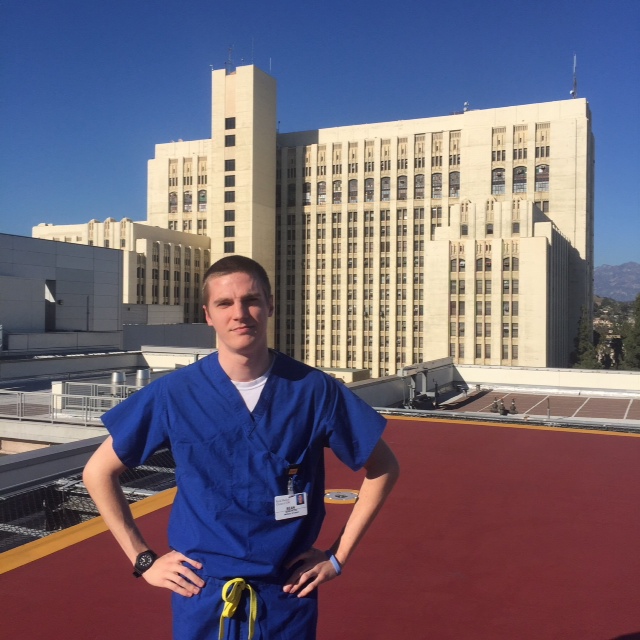
"caption": "Sean Petro, at age 24, one year before his suicide while attending the USC Keck School of Medicine.\n\n",
"description": null,
"title": "IMG_1536",
"credit": "Photo courtesy of Cheryl Petro Collier.",
"status": "inherit",
"isLoading": false,
"fetchFailed": false
},
"futureofyou_328792": {
"type": "attachments",
"id": "futureofyou_328792",
"meta": {
"index": "attachments_1716263798",
"site": "futureofyou",
"id": "328792",
"found": true
},
"parent": 328791,
"imgSizes": {
"small": {
"file": "https://ww2.kqed.org/app/uploads/sites/13/2017/01/lung-cancer_wide-dc48d68b60683e3bbf42cf8e4cdd90a9519459a5-520x292.jpg",
"width": 520,
"mimeType": "image/jpeg",
"height": 292
},
"twentyfourteen-full-width": {
"file": "https://ww2.kqed.org/app/uploads/sites/13/2017/01/lung-cancer_wide-dc48d68b60683e3bbf42cf8e4cdd90a9519459a5-1038x576.jpg",
"width": 1038,
"mimeType": "image/jpeg",
"height": 576
},
"thumbnail": {
"file": "https://ww2.kqed.org/app/uploads/sites/13/2017/01/lung-cancer_wide-dc48d68b60683e3bbf42cf8e4cdd90a9519459a5-160x90.jpg",
"width": 160,
"mimeType": "image/jpeg",
"height": 90
},
"fd-sm": {
"file": "https://ww2.kqed.org/app/uploads/sites/13/2017/01/lung-cancer_wide-dc48d68b60683e3bbf42cf8e4cdd90a9519459a5-960x540.jpg",
"width": 960,
"mimeType": "image/jpeg",
"height": 540
},
"post-thumbnail": {
"file": "https://ww2.kqed.org/app/uploads/sites/13/2017/01/lung-cancer_wide-dc48d68b60683e3bbf42cf8e4cdd90a9519459a5-672x372.jpg",
"width": 672,
"mimeType": "image/jpeg",
"height": 372
},
"xsmall": {
"file": "https://ww2.kqed.org/app/uploads/sites/13/2017/01/lung-cancer_wide-dc48d68b60683e3bbf42cf8e4cdd90a9519459a5-375x211.jpg",
"width": 375,
"mimeType": "image/jpeg",
"height": 211
},
"kqedFullSize": {
"file": "https://ww2.kqed.org/app/uploads/sites/13/2017/01/lung-cancer_wide-dc48d68b60683e3bbf42cf8e4cdd90a9519459a5.jpg",
"width": 1801,
"height": 1013
},
"large": {
"file": "https://ww2.kqed.org/app/uploads/sites/13/2017/01/lung-cancer_wide-dc48d68b60683e3bbf42cf8e4cdd90a9519459a5-1020x574.jpg",
"width": 1020,
"mimeType": "image/jpeg",
"height": 574
},
"xlarge": {
"file": "https://ww2.kqed.org/app/uploads/sites/13/2017/01/lung-cancer_wide-dc48d68b60683e3bbf42cf8e4cdd90a9519459a5-1180x664.jpg",
"width": 1180,
"mimeType": "image/jpeg",
"height": 664
},
"guest-author-50": {
"file": "https://ww2.kqed.org/app/uploads/sites/13/2017/01/lung-cancer_wide-dc48d68b60683e3bbf42cf8e4cdd90a9519459a5-50x50.jpg",
"width": 50,
"mimeType": "image/jpeg",
"height": 50
},
"guest-author-96": {
"file": "https://ww2.kqed.org/app/uploads/sites/13/2017/01/lung-cancer_wide-dc48d68b60683e3bbf42cf8e4cdd90a9519459a5-96x96.jpg",
"width": 96,
"mimeType": "image/jpeg",
"height": 96
},
"medium": {
"file": "https://ww2.kqed.org/app/uploads/sites/13/2017/01/lung-cancer_wide-dc48d68b60683e3bbf42cf8e4cdd90a9519459a5-800x450.jpg",
"width": 800,
"mimeType": "image/jpeg",
"height": 450
},
"guest-author-64": {
"file": "https://ww2.kqed.org/app/uploads/sites/13/2017/01/lung-cancer_wide-dc48d68b60683e3bbf42cf8e4cdd90a9519459a5-64x64.jpg",
"width": 64,
"mimeType": "image/jpeg",
"height": 64
},
"guest-author-32": {
"file": "https://ww2.kqed.org/app/uploads/sites/13/2017/01/lung-cancer_wide-dc48d68b60683e3bbf42cf8e4cdd90a9519459a5-32x32.jpg",
"width": 32,
"mimeType": "image/jpeg",
"height": 32
},
"fd-med": {
"file": "https://ww2.kqed.org/app/uploads/sites/13/2017/01/lung-cancer_wide-dc48d68b60683e3bbf42cf8e4cdd90a9519459a5-1180x664.jpg",
"width": 1180,
"mimeType": "image/jpeg",
"height": 664
},
"detail": {
"file": "https://ww2.kqed.org/app/uploads/sites/13/2017/01/lung-cancer_wide-dc48d68b60683e3bbf42cf8e4cdd90a9519459a5-150x150.jpg",
"width": 150,
"mimeType": "image/jpeg",
"height": 150
},
"medium_large": {
"file": "https://ww2.kqed.org/app/uploads/sites/13/2017/01/lung-cancer_wide-dc48d68b60683e3bbf42cf8e4cdd90a9519459a5-768x432.jpg",
"width": 768,
"mimeType": "image/jpeg",
"height": 432
},
"guest-author-128": {
"file": "https://ww2.kqed.org/app/uploads/sites/13/2017/01/lung-cancer_wide-dc48d68b60683e3bbf42cf8e4cdd90a9519459a5-128x128.jpg",
"width": 128,
"mimeType": "image/jpeg",
"height": 128
},
"xxsmall": {
"file": "https://ww2.kqed.org/app/uploads/sites/13/2017/01/lung-cancer_wide-dc48d68b60683e3bbf42cf8e4cdd90a9519459a5-240x135.jpg",
"width": 240,
"mimeType": "image/jpeg",
"height": 135
}
},
"publishDate": 1485816305,
"modified": 1485816305,
"caption": null,
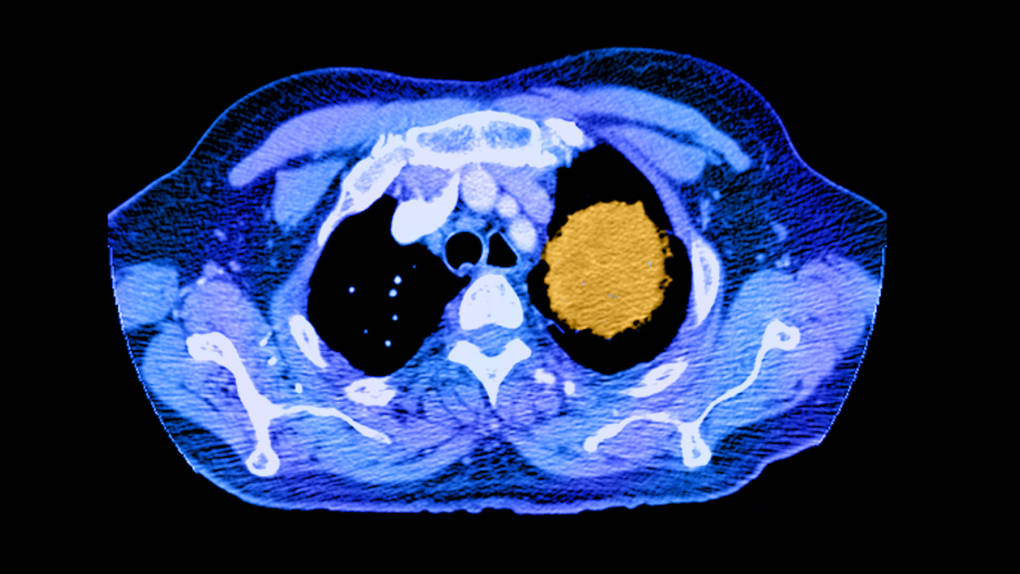
"description": "A color-enhanced spiral CT image of the chest shows a large cancerous mass (in yellow) in the left upper lobe.",
"title": "A color-enhanced spiral CT image of the chest shows a large cancerous mass (in yellow) in the left upper lobe.",
"credit": null,
"status": "inherit",
"isLoading": false,
"fetchFailed": false
},
"futureofyou_318248": {
"type": "attachments",
"id": "futureofyou_318248",
"meta": {
"index": "attachments_1716263798",
"site": "futureofyou",
"id": "318248",
"found": true
},
"parent": 318247,
"imgSizes": {
"small": {
"file": "https://ww2.kqed.org/app/uploads/sites/13/2017/01/Richard-Kogan-e1484184551660-520x346.jpg",
"width": 520,
"mimeType": "image/jpeg",
"height": 346
},
"twentyfourteen-full-width": {
"file": "https://ww2.kqed.org/app/uploads/sites/13/2017/01/Richard-Kogan-e1484184551660-1038x576.jpg",
"width": 1038,
"mimeType": "image/jpeg",
"height": 576
},
"thumbnail": {
"file": "https://ww2.kqed.org/app/uploads/sites/13/2017/01/Richard-Kogan-e1484184551660-160x106.jpg",
"width": 160,
"mimeType": "image/jpeg",
"height": 106
},
"fd-sm": {
"file": "https://ww2.kqed.org/app/uploads/sites/13/2017/01/Richard-Kogan-e1484184551660-960x639.jpg",
"width": 960,
"mimeType": "image/jpeg",
"height": 639
},
"post-thumbnail": {
"file": "https://ww2.kqed.org/app/uploads/sites/13/2017/01/Richard-Kogan-e1484184551660-672x372.jpg",
"width": 672,
"mimeType": "image/jpeg",
"height": 372
},
"xsmall": {
"file": "https://ww2.kqed.org/app/uploads/sites/13/2017/01/Richard-Kogan-e1484184551660-375x249.jpg",
"width": 375,
"mimeType": "image/jpeg",
"height": 249
},
"kqedFullSize": {
"file": "https://ww2.kqed.org/app/uploads/sites/13/2017/01/Richard-Kogan-e1484184551660.jpg",
"width": 1876,
"height": 1248
},
"large": {
"file": "https://ww2.kqed.org/app/uploads/sites/13/2017/01/Richard-Kogan-e1484184551660-1020x679.jpg",
"width": 1020,
"mimeType": "image/jpeg",
"height": 679
},
"xlarge": {
"file": "https://ww2.kqed.org/app/uploads/sites/13/2017/01/Richard-Kogan-e1484184551660-1180x785.jpg",
"width": 1180,
"mimeType": "image/jpeg",
"height": 785
},
"guest-author-50": {
"file": "https://ww2.kqed.org/app/uploads/sites/13/2017/01/Richard-Kogan-e1484184551660-50x50.jpg",
"width": 50,
"mimeType": "image/jpeg",
"height": 50
},
"guest-author-96": {
"file": "https://ww2.kqed.org/app/uploads/sites/13/2017/01/Richard-Kogan-e1484184551660-96x96.jpg",
"width": 96,
"mimeType": "image/jpeg",
"height": 96
},
"medium": {
"file": "https://ww2.kqed.org/app/uploads/sites/13/2017/01/Richard-Kogan-e1484184551660-800x532.jpg",
"width": 800,
"mimeType": "image/jpeg",
"height": 532
},
"guest-author-64": {
"file": "https://ww2.kqed.org/app/uploads/sites/13/2017/01/Richard-Kogan-e1484184551660-64x64.jpg",
"width": 64,
"mimeType": "image/jpeg",
"height": 64
},
"guest-author-32": {
"file": "https://ww2.kqed.org/app/uploads/sites/13/2017/01/Richard-Kogan-e1484184551660-32x32.jpg",
"width": 32,
"mimeType": "image/jpeg",
"height": 32
},
"fd-lrg": {
"file": "https://ww2.kqed.org/app/uploads/sites/13/2017/01/Richard-Kogan-1920x1278.jpg",
"width": 1920,
"mimeType": "image/jpeg",
"height": 1278
},
"fd-med": {
"file": "https://ww2.kqed.org/app/uploads/sites/13/2017/01/Richard-Kogan-e1484184551660-1180x785.jpg",
"width": 1180,
"mimeType": "image/jpeg",
"height": 785
},
"full-width": {
"file": "https://ww2.kqed.org/app/uploads/sites/13/2017/01/Richard-Kogan-1920x1278.jpg",
"width": 1920,
"mimeType": "image/jpeg",
"height": 1278
},
"detail": {
"file": "https://ww2.kqed.org/app/uploads/sites/13/2017/01/Richard-Kogan-e1484184551660-150x150.jpg",
"width": 150,
"mimeType": "image/jpeg",
"height": 150
},
"medium_large": {
"file": "https://ww2.kqed.org/app/uploads/sites/13/2017/01/Richard-Kogan-e1484184551660-768x511.jpg",
"width": 768,
"mimeType": "image/jpeg",
"height": 511
},
"guest-author-128": {
"file": "https://ww2.kqed.org/app/uploads/sites/13/2017/01/Richard-Kogan-e1484184551660-128x128.jpg",
"width": 128,
"mimeType": "image/jpeg",
"height": 128
},
"xxsmall": {
"file": "https://ww2.kqed.org/app/uploads/sites/13/2017/01/Richard-Kogan-e1484184551660-240x160.jpg",
"width": 240,
"mimeType": "image/jpeg",
"height": 160
}
},
"publishDate": 1484184484,
"modified": 1484184633,
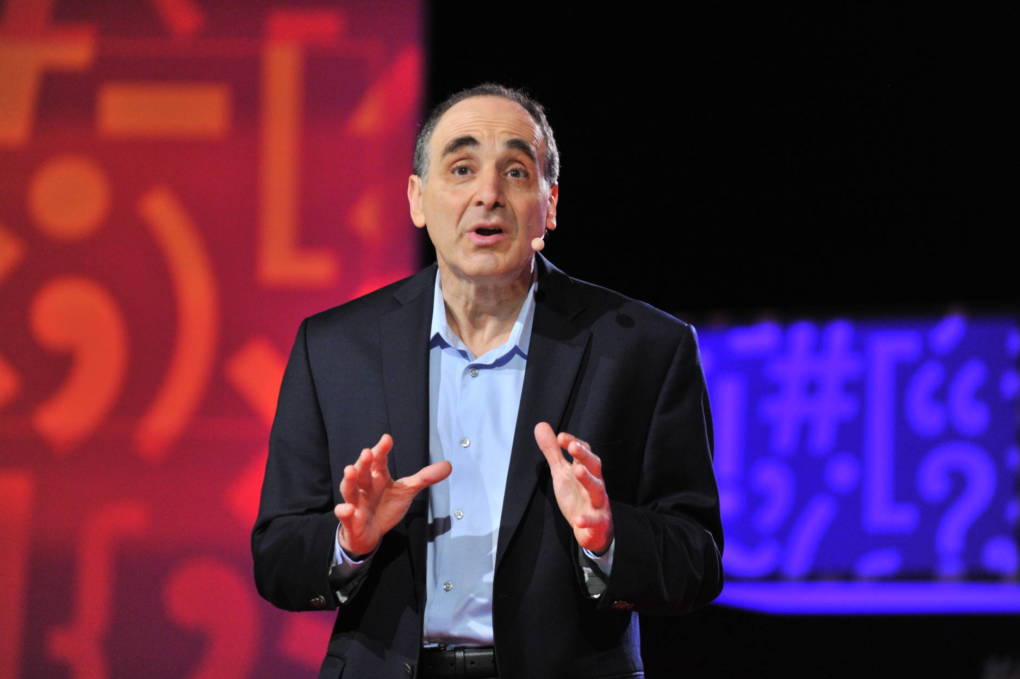
"caption": "Psychiatrist Richard Kogan speaking at TEDMED in Palm Springs about using music to treat mental illness. ",
"description": null,
"title": "richard-kogan",
"credit": "TEDMED",
"status": "inherit",
"isLoading": false,
"fetchFailed": false
},
"futureofyou_262541": {
"type": "attachments",
"id": "futureofyou_262541",
"meta": {
"index": "attachments_1716263798",
"site": "futureofyou",
"id": "262541",
"found": true
},
"parent": 258577,
"imgSizes": {
"twentyfourteen-full-width": {
"file": "https://ww2.kqed.org/app/uploads/sites/13/2016/10/iPScells1-1024x576.jpg",
"width": 1024,
"mimeType": "image/jpeg",
"height": 576
},
"thumbnail": {
"file": "https://ww2.kqed.org/app/uploads/sites/13/2016/10/iPScells1-400x299.jpg",
"width": 400,
"mimeType": "image/jpeg",
"height": 299
},
"fd-sm": {
"file": "https://ww2.kqed.org/app/uploads/sites/13/2016/10/iPScells1-960x717.jpg",
"width": 960,
"mimeType": "image/jpeg",
"height": 717
},
"post-thumbnail": {
"file": "https://ww2.kqed.org/app/uploads/sites/13/2016/10/iPScells1-672x372.jpg",
"width": 672,
"mimeType": "image/jpeg",
"height": 372
},
"kqedFullSize": {
"file": "https://ww2.kqed.org/app/uploads/sites/13/2016/10/iPScells1.jpg",
"width": 1024,
"height": 765
},
"guest-author-50": {
"file": "https://ww2.kqed.org/app/uploads/sites/13/2016/10/iPScells1-50x50.jpg",
"width": 50,
"mimeType": "image/jpeg",
"height": 50
},
"guest-author-96": {
"file": "https://ww2.kqed.org/app/uploads/sites/13/2016/10/iPScells1-96x96.jpg",
"width": 96,
"mimeType": "image/jpeg",
"height": 96
},
"medium": {
"file": "https://ww2.kqed.org/app/uploads/sites/13/2016/10/iPScells1-800x598.jpg",
"width": 800,
"mimeType": "image/jpeg",
"height": 598
},
"guest-author-64": {
"file": "https://ww2.kqed.org/app/uploads/sites/13/2016/10/iPScells1-64x64.jpg",
"width": 64,
"mimeType": "image/jpeg",
"height": 64
},
"guest-author-32": {
"file": "https://ww2.kqed.org/app/uploads/sites/13/2016/10/iPScells1-32x32.jpg",
"width": 32,
"mimeType": "image/jpeg",
"height": 32
},
"detail": {
"file": "https://ww2.kqed.org/app/uploads/sites/13/2016/10/iPScells1-150x150.jpg",
"width": 150,
"mimeType": "image/jpeg",
"height": 150
},
"medium_large": {
"file": "https://ww2.kqed.org/app/uploads/sites/13/2016/10/iPScells1-768x574.jpg",
"width": 768,
"mimeType": "image/jpeg",
"height": 574
},
"guest-author-128": {
"file": "https://ww2.kqed.org/app/uploads/sites/13/2016/10/iPScells1-128x128.jpg",
"width": 128,
"mimeType": "image/jpeg",
"height": 128
}
},
"publishDate": 1476387447,
"modified": 1526009127,
"caption": null,
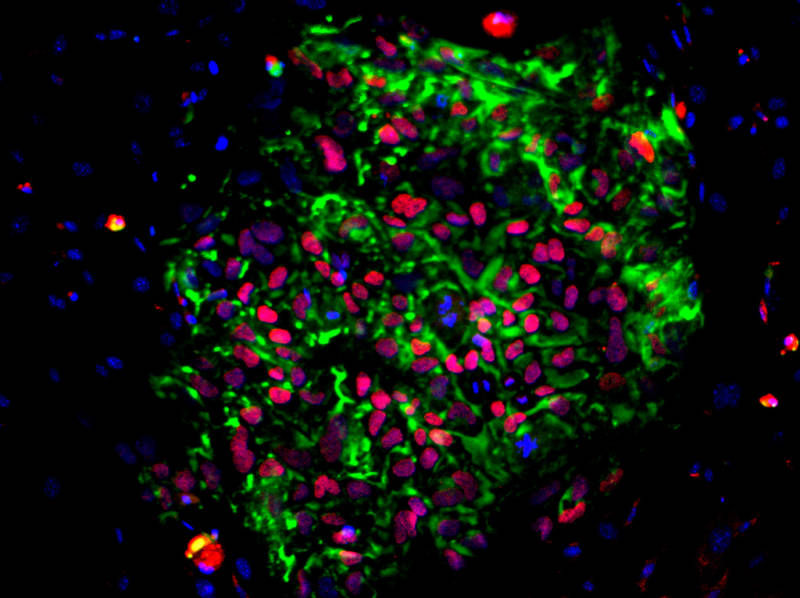
"description": "These induced pluripotent stem cells were derived from a woman's skin. Green and red indicate proteins found in reprogrammed cells but not in skin cells.",
"title": "induced pluripotent stem cell",
"credit": "Kathrin Plath lab/UCLA, via CIRM, NIH",
"status": "inherit",
"isLoading": false,
"fetchFailed": false
},
"futureofyou_257332": {
"type": "attachments",
"id": "futureofyou_257332",
"meta": {
"index": "attachments_1716263798",
"site": "futureofyou",
"id": "257332",
"found": true
},
"parent": 257328,
"imgSizes": {
"thumbnail": {
"file": "https://ww2.kqed.org/app/uploads/sites/13/2016/10/sad-elderly_7701-400x266.jpg",
"width": 400,
"mimeType": "image/jpeg",
"height": 266
},
"post-thumbnail": {
"file": "https://ww2.kqed.org/app/uploads/sites/13/2016/10/sad-elderly_7701-672x372.jpg",
"width": 672,
"mimeType": "image/jpeg",
"height": 372
},
"kqedFullSize": {
"file": "https://ww2.kqed.org/app/uploads/sites/13/2016/10/sad-elderly_7701.jpg",
"width": 770,
"height": 513
},
"guest-author-50": {
"file": "https://ww2.kqed.org/app/uploads/sites/13/2016/10/sad-elderly_7701-50x50.jpg",
"width": 50,
"mimeType": "image/jpeg",
"height": 50
},
"guest-author-96": {
"file": "https://ww2.kqed.org/app/uploads/sites/13/2016/10/sad-elderly_7701-96x96.jpg",
"width": 96,
"mimeType": "image/jpeg",
"height": 96
},
"guest-author-64": {
"file": "https://ww2.kqed.org/app/uploads/sites/13/2016/10/sad-elderly_7701-64x64.jpg",
"width": 64,
"mimeType": "image/jpeg",
"height": 64
},
"detail": {
"file": "https://ww2.kqed.org/app/uploads/sites/13/2016/10/sad-elderly_7701-150x150.jpg",
"width": 150,
"mimeType": "image/jpeg",
"height": 150
},
"guest-author-32": {
"file": "https://ww2.kqed.org/app/uploads/sites/13/2016/10/sad-elderly_7701-32x32.jpg",
"width": 32,
"mimeType": "image/jpeg",
"height": 32
},
"medium_large": {
"file": "https://ww2.kqed.org/app/uploads/sites/13/2016/10/sad-elderly_7701-768x512.jpg",
"width": 768,
"mimeType": "image/jpeg",
"height": 512
},
"guest-author-128": {
"file": "https://ww2.kqed.org/app/uploads/sites/13/2016/10/sad-elderly_7701-128x128.jpg",
"width": 128,
"mimeType": "image/jpeg",
"height": 128
}
},
"publishDate": 1475690064,
"modified": 1475690142,
"caption": null,
"description": null,
"title": "sad-elderly_7701",
"credit": "Illustration via California Healthline",
"status": "inherit",
"isLoading": false,
"fetchFailed": false
},
"futureofyou_245795": {
"type": "attachments",
"id": "futureofyou_245795",
"meta": {
"index": "attachments_1716263798",
"site": "futureofyou",
"id": "245795",
"found": true
},
"parent": 245794,
"imgSizes": {
"twentyfourteen-full-width": {
"file": "https://ww2.kqed.org/app/uploads/sites/13/2016/09/IMG_2518-1038x576.jpg",
"width": 1038,
"mimeType": "image/jpeg",
"height": 576
},
"thumbnail": {
"file": "https://ww2.kqed.org/app/uploads/sites/13/2016/09/IMG_2518-400x300.jpg",
"width": 400,
"mimeType": "image/jpeg",
"height": 300
},
"fd-sm": {
"file": "https://ww2.kqed.org/app/uploads/sites/13/2016/09/IMG_2518-960x720.jpg",
"width": 960,
"mimeType": "image/jpeg",
"height": 720
},
"post-thumbnail": {
"file": "https://ww2.kqed.org/app/uploads/sites/13/2016/09/IMG_2518-672x372.jpg",
"width": 672,
"mimeType": "image/jpeg",
"height": 372
},
"kqedFullSize": {
"file": "https://ww2.kqed.org/app/uploads/sites/13/2016/09/IMG_2518.jpg",
"width": 3264,
"height": 2448
},
"large": {
"file": "https://ww2.kqed.org/app/uploads/sites/13/2016/09/IMG_2518-1180x885.jpg",
"width": 1180,
"mimeType": "image/jpeg",
"height": 885
},
"guest-author-50": {
"file": "https://ww2.kqed.org/app/uploads/sites/13/2016/09/IMG_2518-50x50.jpg",
"width": 50,
"mimeType": "image/jpeg",
"height": 50
},
"guest-author-96": {
"file": "https://ww2.kqed.org/app/uploads/sites/13/2016/09/IMG_2518-96x96.jpg",
"width": 96,
"mimeType": "image/jpeg",
"height": 96
},
"medium": {
"file": "https://ww2.kqed.org/app/uploads/sites/13/2016/09/IMG_2518-800x600.jpg",
"width": 800,
"mimeType": "image/jpeg",
"height": 600
},
"guest-author-64": {
"file": "https://ww2.kqed.org/app/uploads/sites/13/2016/09/IMG_2518-64x64.jpg",
"width": 64,
"mimeType": "image/jpeg",
"height": 64
},
"guest-author-32": {
"file": "https://ww2.kqed.org/app/uploads/sites/13/2016/09/IMG_2518-32x32.jpg",
"width": 32,
"mimeType": "image/jpeg",
"height": 32
},
"fd-lrg": {
"file": "https://ww2.kqed.org/app/uploads/sites/13/2016/09/IMG_2518-1920x1440.jpg",
"width": 1920,
"mimeType": "image/jpeg",
"height": 1440
},
"fd-med": {
"file": "https://ww2.kqed.org/app/uploads/sites/13/2016/09/IMG_2518-1180x885.jpg",
"width": 1180,
"mimeType": "image/jpeg",
"height": 885
},
"detail": {
"file": "https://ww2.kqed.org/app/uploads/sites/13/2016/09/IMG_2518-150x150.jpg",
"width": 150,
"mimeType": "image/jpeg",
"height": 150
},
"medium_large": {
"file": "https://ww2.kqed.org/app/uploads/sites/13/2016/09/IMG_2518-768x576.jpg",
"width": 768,
"mimeType": "image/jpeg",
"height": 576
},
"guest-author-128": {
"file": "https://ww2.kqed.org/app/uploads/sites/13/2016/09/IMG_2518-128x128.jpg",
"width": 128,
"mimeType": "image/jpeg",
"height": 128
}
},
"publishDate": 1473963347,
"modified": 1475600728,
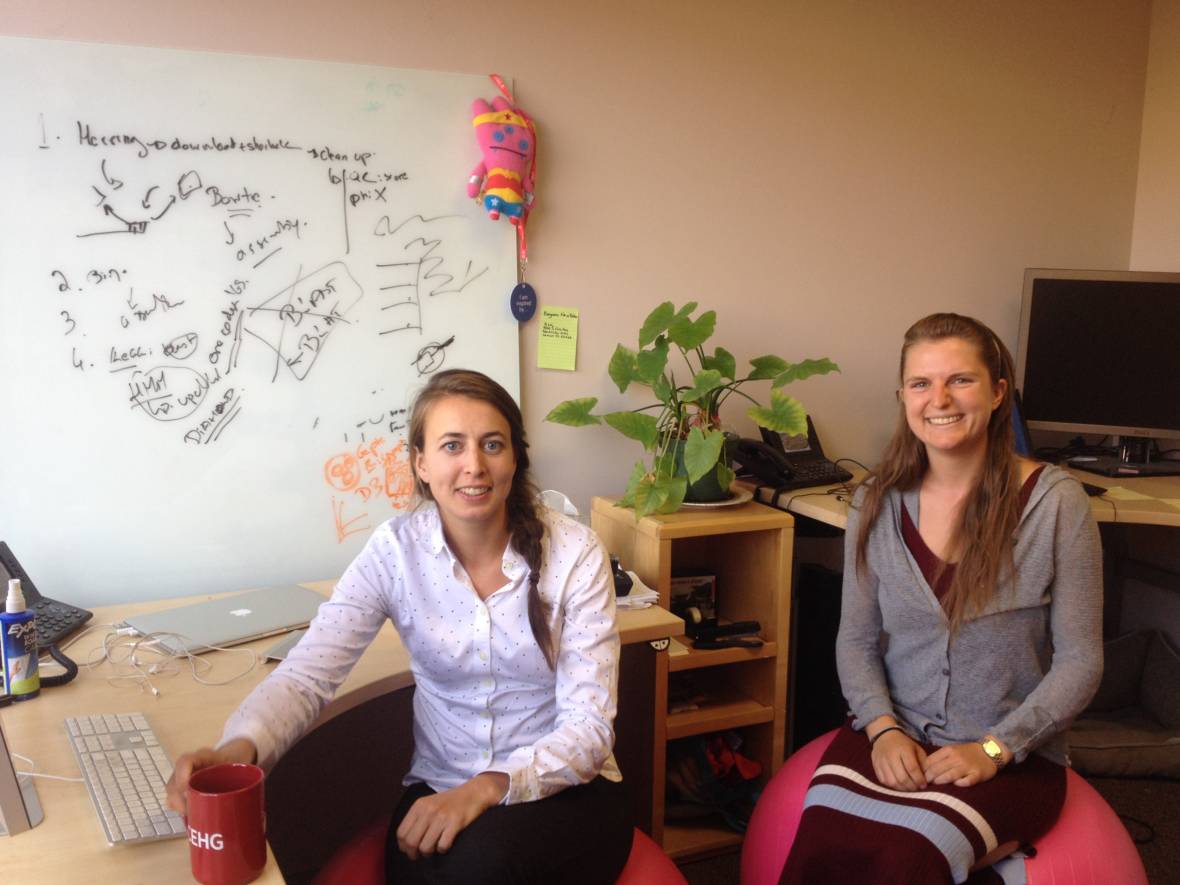
"caption": "Maude Magali David and Christine Tataru in their office at the Stanford School of Medicine. The researchers are part of Stanford's Autism Microbiome project.",
"description": null,
"title": "Maude Magali David and Christine Tatara in their office at the Stanford School of Medicine",
"credit": "Danielle Venton/KQED",
"status": "inherit",
"isLoading": false,
"fetchFailed": false
},
"futureofyou_185983": {
"type": "attachments",
"id": "futureofyou_185983",
"meta": {
"index": "attachments_1716263798",
"site": "futureofyou",
"id": "185983",
"found": true
},
"parent": 0,
"imgSizes": {
"thumbnail": {
"file": "https://ww2.kqed.org/app/uploads/sites/13/2016/06/DIY-crispr-400x226.jpg",
"width": 400,
"mimeType": "image/jpeg",
"height": 226
},
"post-thumbnail": {
"file": "https://ww2.kqed.org/app/uploads/sites/13/2016/06/DIY-crispr-672x372.jpg",
"width": 672,
"mimeType": "image/jpeg",
"height": 372
},
"kqedFullSize": {
"file": "https://ww2.kqed.org/app/uploads/sites/13/2016/06/DIY-crispr.jpg",
"width": 840,
"height": 474
},
"guest-author-50": {
"file": "https://ww2.kqed.org/app/uploads/sites/13/2016/06/DIY-crispr-50x50.jpg",
"width": 50,
"mimeType": "image/jpeg",
"height": 50
},
"guest-author-96": {
"file": "https://ww2.kqed.org/app/uploads/sites/13/2016/06/DIY-crispr-96x96.jpg",
"width": 96,
"mimeType": "image/jpeg",
"height": 96
},
"medium": {
"file": "https://ww2.kqed.org/app/uploads/sites/13/2016/06/DIY-crispr-800x451.jpg",
"width": 800,
"mimeType": "image/jpeg",
"height": 451
},
"guest-author-64": {
"file": "https://ww2.kqed.org/app/uploads/sites/13/2016/06/DIY-crispr-64x64.jpg",
"width": 64,
"mimeType": "image/jpeg",
"height": 64
},
"detail": {
"file": "https://ww2.kqed.org/app/uploads/sites/13/2016/06/DIY-crispr-150x150.jpg",
"width": 150,
"mimeType": "image/jpeg",
"height": 150
},
"guest-author-32": {
"file": "https://ww2.kqed.org/app/uploads/sites/13/2016/06/DIY-crispr-32x32.jpg",
"width": 32,
"mimeType": "image/jpeg",
"height": 32
},
"medium_large": {
"file": "https://ww2.kqed.org/app/uploads/sites/13/2016/06/DIY-crispr-768x433.jpg",
"width": 768,
"mimeType": "image/jpeg",
"height": 433
},
"guest-author-128": {
"file": "https://ww2.kqed.org/app/uploads/sites/13/2016/06/DIY-crispr-128x128.jpg",
"width": 128,
"mimeType": "image/jpeg",
"height": 128
}
},
"publishDate": 1466195908,
"modified": 1466198564,
"caption": "KQED's Jon Brooks and Danielle Venton try out a DIY Crispr gene-editing kit.",
"description": null,
"title": "DIY crispr",
"credit": "KQED",
"status": "inherit",
"isLoading": false,
"fetchFailed": false
},
"futureofyou_166621": {
"type": "attachments",
"id": "futureofyou_166621",
"meta": {
"index": "attachments_1716263798",
"site": "futureofyou",
"id": "166621",
"found": true
},
"parent": 166123,
"imgSizes": {
"twentyfourteen-full-width": {
"file": "https://ww2.kqed.org/app/uploads/sites/13/2016/05/Ana-Maiques-1038x576.jpg",
"width": 1038,
"mimeType": "image/jpeg",
"height": 576
},
"thumbnail": {
"file": "https://ww2.kqed.org/app/uploads/sites/13/2016/05/Ana-Maiques-400x300.jpg",
"width": 400,
"mimeType": "image/jpeg",
"height": 300
},
"fd-sm": {
"file": "https://ww2.kqed.org/app/uploads/sites/13/2016/05/Ana-Maiques-960x720.jpg",
"width": 960,
"mimeType": "image/jpeg",
"height": 720
},
"post-thumbnail": {
"file": "https://ww2.kqed.org/app/uploads/sites/13/2016/05/Ana-Maiques-672x372.jpg",
"width": 672,
"mimeType": "image/jpeg",
"height": 372
},
"kqedFullSize": {
"file": "https://ww2.kqed.org/app/uploads/sites/13/2016/05/Ana-Maiques.jpg",
"width": 4032,
"height": 3024
},
"large": {
"file": "https://ww2.kqed.org/app/uploads/sites/13/2016/05/Ana-Maiques-1180x885.jpg",
"width": 1180,
"mimeType": "image/jpeg",
"height": 885
},
"guest-author-50": {
"file": "https://ww2.kqed.org/app/uploads/sites/13/2016/05/Ana-Maiques-50x50.jpg",
"width": 50,
"mimeType": "image/jpeg",
"height": 50
},
"guest-author-96": {
"file": "https://ww2.kqed.org/app/uploads/sites/13/2016/05/Ana-Maiques-96x96.jpg",
"width": 96,
"mimeType": "image/jpeg",
"height": 96
},
"medium": {
"file": "https://ww2.kqed.org/app/uploads/sites/13/2016/05/Ana-Maiques-800x600.jpg",
"width": 800,
"mimeType": "image/jpeg",
"height": 600
},
"guest-author-64": {
"file": "https://ww2.kqed.org/app/uploads/sites/13/2016/05/Ana-Maiques-64x64.jpg",
"width": 64,
"mimeType": "image/jpeg",
"height": 64
},
"guest-author-32": {
"file": "https://ww2.kqed.org/app/uploads/sites/13/2016/05/Ana-Maiques-32x32.jpg",
"width": 32,
"mimeType": "image/jpeg",
"height": 32
},
"fd-lrg": {
"file": "https://ww2.kqed.org/app/uploads/sites/13/2016/05/Ana-Maiques-1920x1440.jpg",
"width": 1920,
"mimeType": "image/jpeg",
"height": 1440
},
"fd-med": {
"file": "https://ww2.kqed.org/app/uploads/sites/13/2016/05/Ana-Maiques-1180x885.jpg",
"width": 1180,
"mimeType": "image/jpeg",
"height": 885
},
"detail": {
"file": "https://ww2.kqed.org/app/uploads/sites/13/2016/05/Ana-Maiques-150x150.jpg",
"width": 150,
"mimeType": "image/jpeg",
"height": 150
},
"medium_large": {
"file": "https://ww2.kqed.org/app/uploads/sites/13/2016/05/Ana-Maiques-768x576.jpg",
"width": 768,
"mimeType": "image/jpeg",
"height": 576
},
"guest-author-128": {
"file": "https://ww2.kqed.org/app/uploads/sites/13/2016/05/Ana-Maiques-128x128.jpg",
"width": 128,
"mimeType": "image/jpeg",
"height": 128
}
},
"publishDate": 1463686058,
"modified": 1463701080,
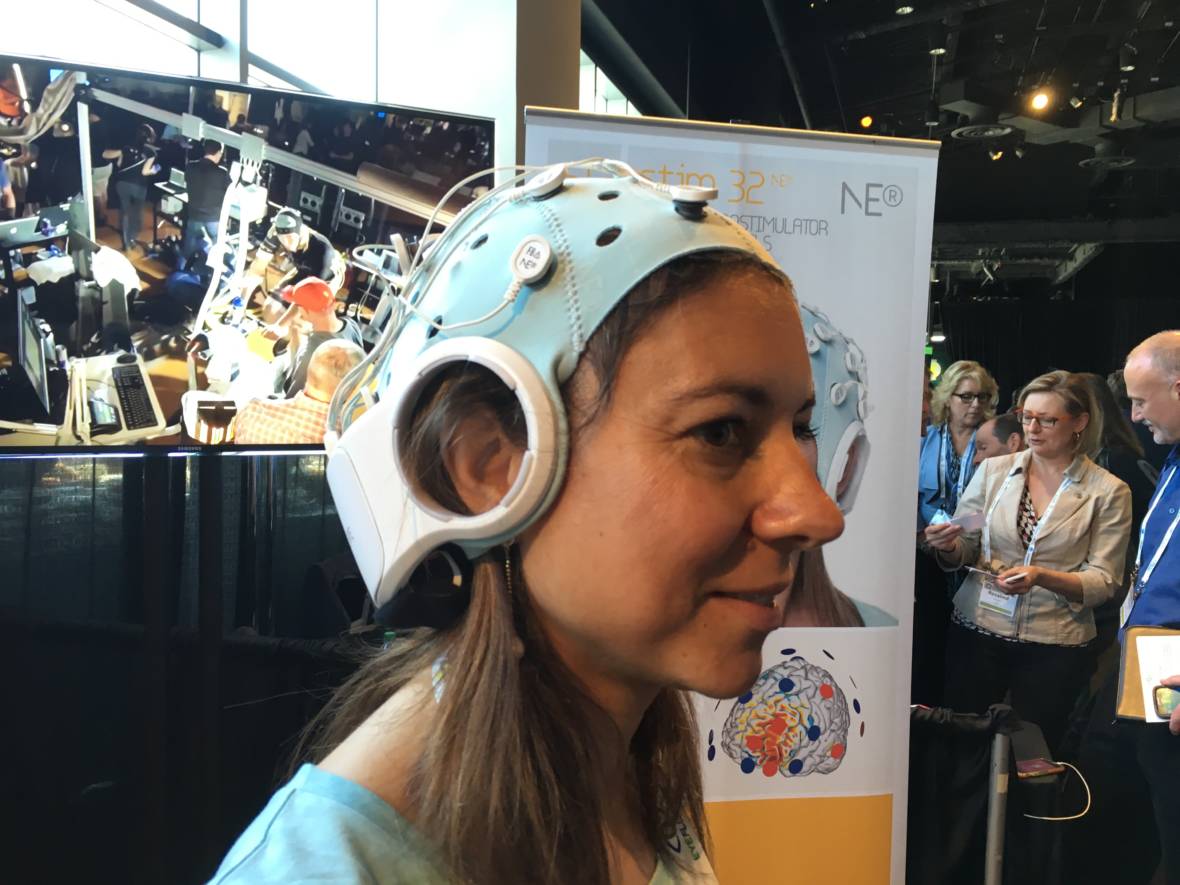
"caption": "Ana Maiques, CEO of Neuroelectrics, demonstrates the company's neoprene caps, which can measure and stimulate brain activity. ",
"description": null,
"title": "Ana Maiques",
"credit": "Lesley McClurg/KQED",
"status": "inherit",
"isLoading": false,
"fetchFailed": false
},
"futureofyou_140909": {
"type": "attachments",
"id": "futureofyou_140909",
"meta": {
"index": "attachments_1716263798",
"site": "futureofyou",
"id": "140909",
"found": true
},
"parent": 140906,
"imgSizes": {
"twentyfourteen-full-width": {
"file": "https://ww2.kqed.org/app/uploads/sites/13/2016/04/Lincecum-1038x576.jpg",
"width": 1038,
"mimeType": "image/jpeg",
"height": 576
},
"thumbnail": {
"file": "https://ww2.kqed.org/app/uploads/sites/13/2016/04/Lincecum-400x270.jpg",
"width": 400,
"mimeType": "image/jpeg",
"height": 270
},
"fd-sm": {
"file": "https://ww2.kqed.org/app/uploads/sites/13/2016/04/Lincecum-960x648.jpg",
"width": 960,
"mimeType": "image/jpeg",
"height": 648
},
"post-thumbnail": {
"file": "https://ww2.kqed.org/app/uploads/sites/13/2016/04/Lincecum-672x372.jpg",
"width": 672,
"mimeType": "image/jpeg",
"height": 372
},
"kqedFullSize": {
"file": "https://ww2.kqed.org/app/uploads/sites/13/2016/04/Lincecum-e1459963591574.jpg",
"width": 1920,
"height": 1296
},
"large": {
"file": "https://ww2.kqed.org/app/uploads/sites/13/2016/04/Lincecum-1180x797.jpg",
"width": 1180,
"mimeType": "image/jpeg",
"height": 797
},
"guest-author-96": {
"file": "https://ww2.kqed.org/app/uploads/sites/13/2016/04/Lincecum-96x96.jpg",
"width": 96,
"mimeType": "image/jpeg",
"height": 96
},
"medium": {
"file": "https://ww2.kqed.org/app/uploads/sites/13/2016/04/Lincecum-800x540.jpg",
"width": 800,
"mimeType": "image/jpeg",
"height": 540
},
"guest-author-64": {
"file": "https://ww2.kqed.org/app/uploads/sites/13/2016/04/Lincecum-64x64.jpg",
"width": 64,
"mimeType": "image/jpeg",
"height": 64
},
"guest-author-32": {
"file": "https://ww2.kqed.org/app/uploads/sites/13/2016/04/Lincecum-32x32.jpg",
"width": 32,
"mimeType": "image/jpeg",
"height": 32
},
"fd-lrg": {
"file": "https://ww2.kqed.org/app/uploads/sites/13/2016/04/Lincecum-1920x1296.jpg",
"width": 1920,
"mimeType": "image/jpeg",
"height": 1296
},
"fd-med": {
"file": "https://ww2.kqed.org/app/uploads/sites/13/2016/04/Lincecum-1180x797.jpg",
"width": 1180,
"mimeType": "image/jpeg",
"height": 797
},
"detail": {
"file": "https://ww2.kqed.org/app/uploads/sites/13/2016/04/Lincecum-75x75.jpg",
"width": 75,
"mimeType": "image/jpeg",
"height": 75
},
"medium_large": {
"file": "https://ww2.kqed.org/app/uploads/sites/13/2016/04/Lincecum-768x518.jpg",
"width": 768,
"mimeType": "image/jpeg",
"height": 518
},
"guest-author-128": {
"file": "https://ww2.kqed.org/app/uploads/sites/13/2016/04/Lincecum-128x128.jpg",
"width": 128,
"mimeType": "image/jpeg",
"height": 128
}
},
"publishDate": 1459963575,
"modified": 1459963631,
"caption": "Tim Lincecum #55 of the San Francisco Giants pitches against the Los Angeles Dodgers at AT&T Park on September 26, 2013 in San Francisco. ",
"description": null,
"title": "Los Angeles Dodgers v San Francisco Giants",
"credit": "Thearon W. Henderson/Getty Images",
"status": "inherit",
"isLoading": false,
"fetchFailed": false
},
"futureofyou_140159": {
"type": "attachments",
"id": "futureofyou_140159",
"meta": {
"index": "attachments_1716263798",
"site": "futureofyou",
"id": "140159",
"found": true
},
"parent": 139647,
"imgSizes": {
"twentyfourteen-full-width": {
"file": "https://ww2.kqed.org/app/uploads/sites/13/2016/04/Redmeat-1038x576.jpg",
"width": 1038,
"mimeType": "image/jpeg",
"height": 576
},
"thumbnail": {
"file": "https://ww2.kqed.org/app/uploads/sites/13/2016/04/Redmeat-400x239.jpg",
"width": 400,
"mimeType": "image/jpeg",
"height": 239
},
"fd-sm": {
"file": "https://ww2.kqed.org/app/uploads/sites/13/2016/04/Redmeat-960x575.jpg",
"width": 960,
"mimeType": "image/jpeg",
"height": 575
},
"post-thumbnail": {
"file": "https://ww2.kqed.org/app/uploads/sites/13/2016/04/Redmeat-672x372.jpg",
"width": 672,
"mimeType": "image/jpeg",
"height": 372
},
"kqedFullSize": {
"file": "https://ww2.kqed.org/app/uploads/sites/13/2016/04/Redmeat.jpg",
"width": 1920,
"height": 1149
},
"large": {
"file": "https://ww2.kqed.org/app/uploads/sites/13/2016/04/Redmeat-1180x706.jpg",
"width": 1180,
"mimeType": "image/jpeg",
"height": 706
},
"guest-author-96": {
"file": "https://ww2.kqed.org/app/uploads/sites/13/2016/04/Redmeat-96x96.jpg",
"width": 96,
"mimeType": "image/jpeg",
"height": 96
},
"medium": {
"file": "https://ww2.kqed.org/app/uploads/sites/13/2016/04/Redmeat-800x479.jpg",
"width": 800,
"mimeType": "image/jpeg",
"height": 479
},
"guest-author-64": {
"file": "https://ww2.kqed.org/app/uploads/sites/13/2016/04/Redmeat-64x64.jpg",
"width": 64,
"mimeType": "image/jpeg",
"height": 64
},
"guest-author-32": {
"file": "https://ww2.kqed.org/app/uploads/sites/13/2016/04/Redmeat-32x32.jpg",
"width": 32,
"mimeType": "image/jpeg",
"height": 32
},
"fd-lrg": {
"file": "https://ww2.kqed.org/app/uploads/sites/13/2016/04/Redmeat-1920x1149.jpg",
"width": 1920,
"mimeType": "image/jpeg",
"height": 1149
},
"fd-med": {
"file": "https://ww2.kqed.org/app/uploads/sites/13/2016/04/Redmeat-1180x706.jpg",
"width": 1180,
"mimeType": "image/jpeg",
"height": 706
},
"detail": {
"file": "https://ww2.kqed.org/app/uploads/sites/13/2016/04/Redmeat-75x75.jpg",
"width": 75,
"mimeType": "image/jpeg",
"height": 75
},
"medium_large": {
"file": "https://ww2.kqed.org/app/uploads/sites/13/2016/04/Redmeat-768x460.jpg",
"width": 768,
"mimeType": "image/jpeg",
"height": 460
},
"guest-author-128": {
"file": "https://ww2.kqed.org/app/uploads/sites/13/2016/04/Redmeat-128x128.jpg",
"width": 128,
"mimeType": "image/jpeg",
"height": 128
}
},
"publishDate": 1459864459,
"modified": 1459864508,
"caption": "What your ancestors ate might affect how red meat affects your health.",
"description": null,
"title": "Redmeat",
"credit": "Wikimedia Commons",
"status": "inherit",
"isLoading": false,
"fetchFailed": false
}
},
"audioPlayerReducer": {
"postId": "stream_live",
"isPaused": true,
"isPlaying": false,
"pfsActive": false,
"pledgeModalIsOpen": true,
"playerDrawerIsOpen": false,
"liveAudioPlayStartedAt": 0,
"liveAudioPlayContext": ""
},
"authorsReducer": {
"byline_stateofhealth_323065": {
"type": "authors",
"id": "byline_stateofhealth_323065",
"meta": {
"override": true
},
"slug": "byline_stateofhealth_323065",
"name": "\u003cstrong>\u003ca href=\"http://khn.org/news/author/liz-szabo/\" target=\"_blank\">Liz Szabo \u003c/strong>\u003c/a>\u003c/br>Kaiser Health News",
"isLoading": false
},
"byline_futureofyou_328791": {
"type": "authors",
"id": "byline_futureofyou_328791",
"meta": {
"override": true
},
"slug": "byline_futureofyou_328791",
"name": "Richard Harris\u003c/br>NPR",
"isLoading": false
},
"byline_futureofyou_257328": {
"type": "authors",
"id": "byline_futureofyou_257328",
"meta": {
"override": true
},
"slug": "byline_futureofyou_257328",
"name": "Anna Gorman \u003c/br> Kaiser Health News",
"isLoading": false
},
"byline_futureofyou_183746": {
"type": "authors",
"id": "byline_futureofyou_183746",
"meta": {
"override": true
},
"slug": "byline_futureofyou_183746",
"name": "Danielle Venton",
"isLoading": false
},
"byline_futureofyou_140906": {
"type": "authors",
"id": "byline_futureofyou_140906",
"meta": {
"override": true
},
"slug": "byline_futureofyou_140906",
"name": "Ronald Blum\u003cbr />Associated Press",
"isLoading": false
},
"dr-barry-starr": {
"type": "authors",
"id": "6177",
"meta": {
"index": "authors_1716337520",
"id": "6177",
"found": true
},
"name": "Dr. Barry Starr",
"firstName": "Dr. Barry",
"lastName": "Starr",
"slug": "dr-barry-starr",
"email": "bstarr@thetech.org",
"display_author_email": false,
"staff_mastheads": [],
"title": "KQED Contributor",
"bio": "Dr. Barry Starr (\u003ca href=\"https://twitter.com/geneticsboy\">@geneticsboy\u003c/a>) is a Geneticist-in-Residence at The Tech Museum of Innovation in San Jose, CA and runs their Stanford at The Tech program. The program is part of an ongoing collaboration between the \u003ca href=\"http://genetics.stanford.edu/\">Stanford Department of Genetics\u003c/a> and \u003ca href=\"http://www.thetech.org/\">The Tech Museum of Innovation\u003c/a>. Together these two partners created the \u003ca href=\"http://www.thetech.org/exhibits/permanent/index.php?sGalKey=gtwt&galKey=lt\">Genetics: Technology with a Twist\u003c/a> exhibition.\r\n\r\nYou can also see \u003ca href=\"https://ww2.kqed.org/science/author/dr-barry-starr/\">additional posts by Barry at KQED Science\u003c/a>, and read his \u003ca href=\"http://science.kqed.org/quest/author/dr-barry-starr/\">previous contributions\u003c/a> to \u003ca href=\"http://science.kqed.org/quest/\">QUEST\u003c/a>, a project dedicated to exploring the Science of Sustainability.",
"avatar": "https://secure.gravatar.com/avatar/4a5680e4c642ea0f0f3041af16018969?s=600&d=blank&r=g",
"twitter": "geneticsboy",
"facebook": null,
"instagram": null,
"linkedin": null,
"sites": [
{
"site": "futureofyou",
"roles": []
},
{
"site": "science",
"roles": [
"author"
]
},
{
"site": "quest",
"roles": [
"subscriber"
]
}
],
"headData": {
"title": "Dr. Barry Starr | KQED",
"description": "KQED Contributor",
"ogImgSrc": "https://secure.gravatar.com/avatar/4a5680e4c642ea0f0f3041af16018969?s=600&d=blank&r=g",
"twImgSrc": "https://secure.gravatar.com/avatar/4a5680e4c642ea0f0f3041af16018969?s=600&d=blank&r=g"
},
"isLoading": false,
"link": "/author/dr-barry-starr"
},
"dgorn": {
"type": "authors",
"id": "8656",
"meta": {
"index": "authors_1716337520",
"id": "8656",
"found": true
},
"name": "David Gorn",
"firstName": "David",
"lastName": "Gorn",
"slug": "dgorn",
"email": "dgorn+donotmail@sbcglobal.net",
"display_author_email": false,
"staff_mastheads": [],
"title": "KQED Contributor",
"bio": "David Gorn is the former Deputy News Director of KQED Radio. His public radio pieces have appeared on NPR, the World, Marketplace and the California Report.",
"avatar": "https://secure.gravatar.com/avatar/a6ad3e1eec1712e19b986b9395614010?s=600&d=blank&r=g",
"twitter": null,
"facebook": null,
"instagram": null,
"linkedin": null,
"sites": [
{
"site": "news",
"roles": [
"subscriber"
]
},
{
"site": "futureofyou",
"roles": [
"author"
]
},
{
"site": "science",
"roles": [
"author"
]
},
{
"site": "quest",
"roles": [
"editor"
]
}
],
"headData": {
"title": "David Gorn | KQED",
"description": "KQED Contributor",
"ogImgSrc": "https://secure.gravatar.com/avatar/a6ad3e1eec1712e19b986b9395614010?s=600&d=blank&r=g",
"twImgSrc": "https://secure.gravatar.com/avatar/a6ad3e1eec1712e19b986b9395614010?s=600&d=blank&r=g"
},
"isLoading": false,
"link": "/author/dgorn"
},
"jscott": {
"type": "authors",
"id": "8664",
"meta": {
"index": "authors_1716337520",
"id": "8664",
"found": true
},
"name": "Julia Scott",
"firstName": "Julia",
"lastName": "Scott",
"slug": "jscott",
"email": "jscott@kqed.org",
"display_author_email": false,
"staff_mastheads": [],
"title": "KQED Contributor",
"bio": "Julia Scott is a former editor with KQED News. Prior to KQED, she was an editor with \u003cem>Crosscurrents\u003c/em> at KALW Radio in San Francisco. As a freelance reporter, she has filed stories for \u003cem>The California Report, Marketplace, Nautilus\u003c/em> and \u003cem>The New York Times Magazine.\u003c/em>\r\n\r\nPrior to her work in radio, Julia was an environmental reporter for the \u003cem>San Jose Mercury News\u003c/em> and Bay Area News Group, where her work was recognized with awards from the California Newspaper Publishers Association and the Society of Professional Journalists. Her radio honors include awards and citations from the Sony Radio Academy Awards and the National Lesbian and Gay Journalists Association.\r\n\r\nJulia hails from Montreal, Canada and lives in Oakland. She is the editor of the humor collection\u003cem> DRIVEL: Deliciously Bad Writing by Your Favorite Authors.\u003c/em>",
"avatar": "https://secure.gravatar.com/avatar/7fe25e0cf81dec2d4f74f1d4737a2871?s=600&d=blank&r=g",
"twitter": "juliascribe",
"facebook": null,
"instagram": null,
"linkedin": null,
"sites": [
{
"site": "",
"roles": [
"editor"
]
},
{
"site": "arts",
"roles": [
"administrator"
]
},
{
"site": "news",
"roles": [
"subscriber"
]
},
{
"site": "futureofyou",
"roles": [
"editor"
]
},
{
"site": "science",
"roles": [
"administrator"
]
}
],
"headData": {
"title": "Julia Scott | KQED",
"description": "KQED Contributor",
"ogImgSrc": "https://secure.gravatar.com/avatar/7fe25e0cf81dec2d4f74f1d4737a2871?s=600&d=blank&r=g",
"twImgSrc": "https://secure.gravatar.com/avatar/7fe25e0cf81dec2d4f74f1d4737a2871?s=600&d=blank&r=g"
},
"isLoading": false,
"link": "/author/jscott"
},
"dventon": {
"type": "authors",
"id": "11088",
"meta": {
"index": "authors_1716337520",
"id": "11088",
"found": true
},
"name": "Danielle Venton",
"firstName": "Danielle",
"lastName": "Venton",
"slug": "dventon",
"email": "dventon@kqed.org",
"display_author_email": true,
"staff_mastheads": [
"science"
],
"title": "Science reporter",
"bio": "Danielle Venton is a reporter for KQED Science. She covers wildfires, space and oceans (though she is prone to sea sickness).\r\n\r\nBefore joining KQED in 2015, Danielle was a staff reporter at KRCB in Sonoma County and a freelancer. She studied science communication at UC Santa Cruz and formerly worked at CERN in Geneva, Switzerland where she wrote about computing. She lives in Sonoma County and enjoys backpacking.",
"avatar": "https://secure.gravatar.com/avatar/37b292b5c40c8d93959c4f48d73b5286f41b7abd8588277e941905a3ed4c801c?s=600&d=blank&r=g",
"twitter": "DanielleVenton",
"bluesky": null,
"facebook": null,
"instagram": null,
"linkedin": null,
"sites": [
{
"site": "arts",
"roles": [
"contributor"
]
},
{
"site": "news",
"roles": [
"editor"
]
},
{
"site": "futureofyou",
"roles": [
"editor"
]
},
{
"site": "science",
"roles": [
"editor"
]
},
{
"site": "liveblog",
"roles": [
"contributor"
]
}
],
"headData": {
"title": "Danielle Venton | KQED",
"description": "Science reporter",
"ogImgSrc": "https://secure.gravatar.com/avatar/37b292b5c40c8d93959c4f48d73b5286f41b7abd8588277e941905a3ed4c801c?s=600&d=blank&r=g",
"twImgSrc": "https://secure.gravatar.com/avatar/37b292b5c40c8d93959c4f48d73b5286f41b7abd8588277e941905a3ed4c801c?s=600&d=blank&r=g"
},
"isLoading": false,
"link": "/author/dventon"
},
"lesleymcclurg": {
"type": "authors",
"id": "11229",
"meta": {
"index": "authors_1716337520",
"id": "11229",
"found": true
},
"name": "Lesley McClurg",
"firstName": "Lesley",
"lastName": "McClurg",
"slug": "lesleymcclurg",
"email": "lmcclurg@KQED.org",
"display_author_email": false,
"staff_mastheads": [
"news",
"science"
],
"title": "KQED Health Correspondent",
"bio": "Lesley McClurg is a health correspondent and fill-in host whose work is regularly rebroadcast on NPR and PBS programs. She’s earned multiple regional Emmy awards, a national and a regional Edward R. Murrow award, and was named Best Beat Reporter by the Association of Health Care Journalists. The Society of Professional Journalists has recognized her work several times, and the Society of Environmental Journalists spotlighted her coverage of California’s historic drought.\r\n\r\nBefore joining KQED in 2016, Lesley covered food and sustainability for Capital Public Radio, environmental issues for Colorado Public Radio, and reported for KUOW and KCTS 9 in Seattle. Away from the newsroom, she loves skiing with her daughter, mountain biking with her partner, and playing with Ollie, the family’s goldendoodle. On deadline, she runs almost entirely on chocolate chips.\r\n\r\n ",
"avatar": "https://secure.gravatar.com/avatar/bab49e972ea10c774fe0f5e29dba1722b158f7c0d58a360923d1389d380b2978?s=600&d=blank&r=g",
"twitter": "lesleywmcclurg",
"bluesky": null,
"facebook": null,
"instagram": null,
"linkedin": null,
"sites": [
{
"site": "arts",
"roles": [
"author"
]
},
{
"site": "news",
"roles": [
"editor"
]
},
{
"site": "futureofyou",
"roles": [
"editor"
]
},
{
"site": "stateofhealth",
"roles": [
"author"
]
},
{
"site": "science",
"roles": [
"editor"
]
},
{
"site": "quest",
"roles": [
"subscriber"
]
},
{
"site": "forum",
"roles": [
"administrator"
]
},
{
"site": "liveblog",
"roles": [
"author"
]
}
],
"headData": {
"title": "Lesley McClurg | KQED",
"description": "KQED Health Correspondent",
"ogImgSrc": "https://secure.gravatar.com/avatar/bab49e972ea10c774fe0f5e29dba1722b158f7c0d58a360923d1389d380b2978?s=600&d=blank&r=g",
"twImgSrc": "https://secure.gravatar.com/avatar/bab49e972ea10c774fe0f5e29dba1722b158f7c0d58a360923d1389d380b2978?s=600&d=blank&r=g"
},
"isLoading": false,
"link": "/author/lesleymcclurg"
}
},
"pagesReducer": {
"futureofyou_program_future-of-you": {
"type": "terms",
"id": "futureofyou_54",
"meta": {
"index": "terms_1716263798",
"site": "futureofyou",
"id": "54",
"score": 14.775673
},
"featImg": null,
"name": "Future of You",
"description": null,
"taxonomy": "program",
"headData": {
"twImgId": null,
"twTitle": null,
"ogTitle": null,
"ogImgId": null,
"twDescription": null,
"description": null,
"title": "Future of You Archives | KQED Arts",
"ogDescription": null
},
"ttid": 54,
"slug": "future-of-you",
"isLoading": false,
"title": "Future of You",
"pageMeta": {
"site": "futureofyou",
"WpPageTemplate": "page-topic-editorial",
"currentPage": 3
},
"blocks": [
{
"blockName": "kqed/post-list",
"attrs": {
"layout": "cardArticle2",
"query": "posts/futureofyou?program=future-of-you",
"seeMore": false,
"paginated": true,
"page": 3
}
},
{
"blockName": "kqed/ad"
}
]
}
},
"pfsSessionReducer": {},
"postsReducer": {
"stream_live": {
"type": "live",
"id": "stream_live",
"audioUrl": "https://streams.kqed.org/kqedradio",
"title": "Live Stream",
"excerpt": "Live Stream information currently unavailable.",
"link": "/radio",
"featImg": "",
"label": {
"name": "KQED Live",
"link": "/"
}
},
"stream_kqedNewscast": {
"type": "posts",
"id": "stream_kqedNewscast",
"audioUrl": "https://www.kqed.org/.stream/anon/radio/RDnews/newscast.mp3?_=1",
"title": "KQED Newscast",
"featImg": "",
"label": {
"name": "88.5 FM",
"link": "/"
}
},
"futureofyou_392902": {
"type": "posts",
"id": "futureofyou_392902",
"meta": {
"index": "posts_1716263798",
"site": "futureofyou",
"id": "392902",
"score": null,
"sort": [
1495472448000
]
},
"parent": 0,
"labelTerm": {
"site": "futureofyou",
"term": 54
},
"blocks": [],
"publishDate": 1495472448,
"format": "standard",
"disqusTitle": "Why is Your Teenager Acting So Weird? Let a Neurobiologist Explain",
"title": "Why is Your Teenager Acting So Weird? Let a Neurobiologist Explain",
"headTitle": "Future of You | KQED Future of You | KQED Science",
"content": "\u003cp>As far as the brain is concerned, the teenage years are a world unto themselves.\u003c/p>\n\u003cp>As an eminent neurobiologist and single mother of two teenaged boys, \u003ca href=\"http://www.med.upenn.edu/apps/faculty/index.php/g324/p8577612\" target=\"_blank\" rel=\"noopener noreferrer\">Dr. Frances Jensen\u003c/a> had a front-row seat to the seemingly contradictory behavior that would allow her sons to ace a test at school yet still make lapses in judgment no sensible adult would. She wrote about these experiences, and the underlying biology that led to them, in her new book, co-authored with science journalist Amy Ellis Nutt, \"\u003ca href=\"https://www.harpercollins.com/9780062067869/the-teenage-brain\" target=\"_blank\" rel=\"noopener noreferrer\">The Teenage Brain: A Neuroscientist’s Survival Guide to Raising Adolescents and Young Adults\u003c/a>.\"\u003c/p>\n\u003cp>The contradictions Jensen observed occur in part because our brains do not fully mature until we are in our mid- to late-20s, when the frontal lobe, which controls decision-making and risk-taking, develops.\u003c/p>\n\u003cp>Jensen recently spoke with Michael Krasny, the host of \u003ca href=\"https://ww2.kqed.org/forum/2017/05/12/neuroscientist-explores-the-contradictions-of-the-teen-brain/\" target=\"_blank\" rel=\"noopener noreferrer\">KQED's Forum radio show\u003c/a>, to explain how parents can better understand the biochemical imperatives that make their teens and young adults so emotional and unpredictable, as well as leaving them more vulnerable to addiction and mental disorders.\u003c/p>\n\u003cp>Here are some excerpts from Jensen's answers on the show, edited for length and readability.\u003c/p>\n\u003cp>[ad fullwidth]\u003c/p>\n\u003cp>\u003cstrong>On the Unpredictable Behavior of Teens\u003c/strong>\u003c/p>\n\u003cp>Teenagers do have frontal lobes, which are the seat of our executive, adult-like functioning like impulse control, judgment and empathy. But the frontal lobes haven’t been connected with fast-acting connections yet. The brain actually connects regions from the back of the brain to the front, so the last place to have these fast-acting connections is the frontal lobe.\u003c/p>\n\u003cp>But there is another part of the brain that is fully active in adolescents, and that’s the limbic system. And that is the seat of risk, reward, impulsivity, sexual behavior and emotion.\u003c/p>\n\u003cp>So they are built to be novelty-seeking at this point in their lives. Their frontal lobe isn’t able to say, \"That’s a bad idea, don’t do that.\" That’s not happening to the extent it will in adulthood.\u003c/p>\n\u003caside class=\"pullquote alignright\">'They’re really like Ferraris with weak brakes.’\u003ccite>Neuroscientist Frances Jensen\u003c/cite>\u003c/aside>\n\u003cp>But while that is a weakness, there are strengths of the adolescent brain. Each region of the brain is more active in childhood and adolescence than it will be later in life. They are faster learners, they can build synapses faster.\u003c/p>\n\u003cp>They’re really like Ferraris with weak brakes. They’re learning machines, but they can learn good and bad things.\u003c/p>\n\u003cp>\u003cstrong>Teens' Extreme Emotional Reactions\u003c/strong>\u003c/p>\n\u003cp>Why do they react like it’s an international incident when it’s something you consider a completely innocuous event?\u003c/p>\n\u003cp>Functional imaging studies have looked at children, adolescents and adults who are given the same emotional stressor, and the adolescents will light up the emotional center \u003cem>— \u003c/em>the limbic system \u003cem>— \u003c/em>twice as high as children or adults. So they are uniquely experiencing whatever it is as an international incident.\u003c/p>\n\u003cp>I think we need to remind ourselves that they’re experiencing emotion in Technicolor, whereas we’re experiencing it in black and white. And it makes you understand a bit more why they behave the way they do. Maybe you can count to 10 and not react. Back off and reapproach in a more organized way.\u003c/p>\n\u003cp>\u003cstrong>Teens’ Vulnerability to Addiction\u003c/strong>\u003c/p>\n\u003cp>Cannabis decreases your cells’ ability to build synapses, which you need for learning. And there’s more substrate for the drug to bind to. So for the same dose, it’s hanging around in teen brains to a greater extent \u003cem>— i\u003c/em>t might be around for four days in the brain.\u003c/p>\n\u003cp>Now that’s on a single-dose basis. And what’s quite concerning is the literature that’s starting to come out about chronic, daily cannabis use. That’s what we’re really concerned about. And there are some concerning studies that say your IQ’s going to drop permanently if you are exposed to chronic, daily cannabis through this adolescent window.\u003c/p>\n\u003cp>We need to think of this window as a very precious window. You need to mind your brain at this stage of your life, and it will mind you later… that’s what I tell adolescents when I am talking to them.\u003c/p>\n\u003caside class=\"pullquote alignright\">'They are really playing with fire – the schoolyard pranks of yesteryear that are not the same anymore.’\u003c/aside>\n\u003cp>More and more studies are being done, now that it has been realized that the adolescent brain is a specific brain stage. I think parents should make it their business to stay on top of what this research is showing. Your kids are \u003cem>so\u003c/em> not going to do what you say just because you tell them to do it… and if you have a few facts in hand, it can help to make you somewhat more credible.\u003c/p>\n\u003cp>\u003cstrong>The Impacts of Social Media \u003c/strong>\u003c/p>\n\u003cp>The building of the teenaged brain hasn’t changed in eons, but what has changed is the environment around our teens. Right now they’re being bombarded by an unprecedented amount of information. And they’re novelty-seeking. And where else are they going to get novelty? It’s all over the internet. We should have a conversation about the age-inappropriate things they can find on the internet, things that might cause stress. And the effects of social media: How does it feed peer pressure behavior?\u003c/p>\n\u003cp>It’s really a whole new day and they are really playing with fire -– the schoolyard pranks of yesteryear that are not the same anymore.\u003c/p>\n\u003cp>[contextly_sidebar id=\"a3eifBuzpKzoQPGGSSv1l7enHth4vOZL\"]Teens are better learners, and stressful things will stay in their brains longer. There’s a conversation we have to have with them: How do you gate yourself with social media? Life is about trial and error, and there needs to be an opportunity for them to rehearse mistakes, including mistakes in the social media domain, before they make them themselves.\u003c/p>\n\u003cp>There’s a way to guide your child to make decisions independently rather than helicoptering over them.\u003c/p>\n\u003cp>\u003cstrong>On How 'Real' Teenage Love Is \u003c/strong>\u003c/p>\n\u003cp>It feels very real to the person in that moment. It’s bona fide emotion; it’s just not emotion that’s measured like it will be later in life, where you might say, ‘I’m attracted to this person, but there’s a lot of reasons why this may not be.’ It’s real but just feels unbridled. Teens have superheated limbic systems, so the emotional areas, the sexual incentive areas, are on.\u003c/p>\n\u003cp>\u003cstrong>When Medication is Appropriate \u003c/strong>\u003c/p>\n\u003cp>The onset of mental illness occurs in late teens, early adolescence. Schizophrenia, bipolar, depression, psychosis; they come in this window. And the reason for this is developmental. You need to have your prefrontal cortices at least partially connected in order to have the manifestation of these diseases that you might already have as a genetic predisposition. It’s a biological event.\u003c/p>\n\u003cp>We need to be aware that one in four people in our society have some form of mental illness, ranging from very mild anxiety to a major affective disorder. And 60 to 80 percent of these people are seeing this happen between the ages of 16 and 26. That is a fact. We need to keep our antennae up to determine: Is this just a moody kid? Or is this mental illness? As a parent, if you think your child is not taking an interest in their appearance, losing their appetite, really becoming more isolated, you need to make sure you’re part of your teen’s life and probe what’s going on.\u003c/p>\n\u003cp>\u003cem>Dr. Frances Jensen on the teenage brain, in 2015\u003c/em>:\u003c/p>\n\u003cp>[ad floatright]\u003c/p>\n\u003cp>https://www.youtube.com/watch?v=f9sQNGvveXs&feature=youtu.be&ab_channel=PoliticsandProse\u003c/p>\n\n",
"disqusIdentifier": "392902 https://ww2.kqed.org/futureofyou/?p=392902",
"disqusUrl": "https://ww2.kqed.org/futureofyou/2017/05/22/why-is-your-teenager-acting-so-weird-let-a-neurobiologist-explain/",
"stats": {
"hasVideo": true,
"hasChartOrMap": false,
"hasAudio": false,
"hasPolis": false,
"wordCount": 1341,
"hasGoogleForm": false,
"hasGallery": false,
"hasHearkenModule": false,
"iframeSrcs": [],
"paragraphCount": 33
},
"modified": 1496162398,
"excerpt": "Moody, impulsive, vulnerable -- neuroscientist Frances Jensen says parents could learn a lot about their teens from the biology of the adolescent brain. ",
"headData": {
"twImgId": "",
"twTitle": "",
"ogTitle": "",
"ogImgId": "",
"twDescription": "",
"description": "Moody, impulsive, vulnerable -- neuroscientist Frances Jensen says parents could learn a lot about their teens from the biology of the adolescent brain. ",
"title": "Why is Your Teenager Acting So Weird? Let a Neurobiologist Explain | KQED",
"ogDescription": "",
"schema": {
"@context": "https://schema.org",
"@type": "Article",
"headline": "Why is Your Teenager Acting So Weird? Let a Neurobiologist Explain",
"datePublished": "2017-05-22T10:00:48-07:00",
"dateModified": "2017-05-30T09:39:58-07:00",
"image": "https://cdn.kqed.org/wp-content/uploads/2020/02/KQED-OG-Image@1x.png"
}
},
"guestAuthors": [],
"slug": "why-is-your-teenager-acting-so-weird-let-a-neurobiologist-explain",
"status": "publish",
"customPermalink": "2017/05/22/teenage-brain/",
"path": "/futureofyou/392902/why-is-your-teenager-acting-so-weird-let-a-neurobiologist-explain",
"audioTrackLength": null,
"parsedContent": [
{
"type": "contentString",
"content": "\u003cdiv class=\"post-body\">\u003cp>\u003cp>As far as the brain is concerned, the teenage years are a world unto themselves.\u003c/p>\n\u003cp>As an eminent neurobiologist and single mother of two teenaged boys, \u003ca href=\"http://www.med.upenn.edu/apps/faculty/index.php/g324/p8577612\" target=\"_blank\" rel=\"noopener noreferrer\">Dr. Frances Jensen\u003c/a> had a front-row seat to the seemingly contradictory behavior that would allow her sons to ace a test at school yet still make lapses in judgment no sensible adult would. She wrote about these experiences, and the underlying biology that led to them, in her new book, co-authored with science journalist Amy Ellis Nutt, \"\u003ca href=\"https://www.harpercollins.com/9780062067869/the-teenage-brain\" target=\"_blank\" rel=\"noopener noreferrer\">The Teenage Brain: A Neuroscientist’s Survival Guide to Raising Adolescents and Young Adults\u003c/a>.\"\u003c/p>\n\u003cp>The contradictions Jensen observed occur in part because our brains do not fully mature until we are in our mid- to late-20s, when the frontal lobe, which controls decision-making and risk-taking, develops.\u003c/p>\n\u003cp>Jensen recently spoke with Michael Krasny, the host of \u003ca href=\"https://ww2.kqed.org/forum/2017/05/12/neuroscientist-explores-the-contradictions-of-the-teen-brain/\" target=\"_blank\" rel=\"noopener noreferrer\">KQED's Forum radio show\u003c/a>, to explain how parents can better understand the biochemical imperatives that make their teens and young adults so emotional and unpredictable, as well as leaving them more vulnerable to addiction and mental disorders.\u003c/p>\n\u003cp>Here are some excerpts from Jensen's answers on the show, edited for length and readability.\u003c/p>\n\u003cp>\u003c/p>\u003c/div>",
"attributes": {
"named": {},
"numeric": []
}
},
{
"type": "component",
"content": "",
"name": "ad",
"attributes": {
"named": {
"label": "fullwidth"
},
"numeric": [
"fullwidth"
]
}
},
{
"type": "contentString",
"content": "\u003cdiv class=\"post-body\">\u003cp>\u003c/p>\n\u003cp>\u003cstrong>On the Unpredictable Behavior of Teens\u003c/strong>\u003c/p>\n\u003cp>Teenagers do have frontal lobes, which are the seat of our executive, adult-like functioning like impulse control, judgment and empathy. But the frontal lobes haven’t been connected with fast-acting connections yet. The brain actually connects regions from the back of the brain to the front, so the last place to have these fast-acting connections is the frontal lobe.\u003c/p>\n\u003cp>But there is another part of the brain that is fully active in adolescents, and that’s the limbic system. And that is the seat of risk, reward, impulsivity, sexual behavior and emotion.\u003c/p>\n\u003cp>So they are built to be novelty-seeking at this point in their lives. Their frontal lobe isn’t able to say, \"That’s a bad idea, don’t do that.\" That’s not happening to the extent it will in adulthood.\u003c/p>\n\u003caside class=\"pullquote alignright\">'They’re really like Ferraris with weak brakes.’\u003ccite>Neuroscientist Frances Jensen\u003c/cite>\u003c/aside>\n\u003cp>But while that is a weakness, there are strengths of the adolescent brain. Each region of the brain is more active in childhood and adolescence than it will be later in life. They are faster learners, they can build synapses faster.\u003c/p>\n\u003cp>They’re really like Ferraris with weak brakes. They’re learning machines, but they can learn good and bad things.\u003c/p>\n\u003cp>\u003cstrong>Teens' Extreme Emotional Reactions\u003c/strong>\u003c/p>\n\u003cp>Why do they react like it’s an international incident when it’s something you consider a completely innocuous event?\u003c/p>\n\u003cp>Functional imaging studies have looked at children, adolescents and adults who are given the same emotional stressor, and the adolescents will light up the emotional center \u003cem>— \u003c/em>the limbic system \u003cem>— \u003c/em>twice as high as children or adults. So they are uniquely experiencing whatever it is as an international incident.\u003c/p>\n\u003cp>I think we need to remind ourselves that they’re experiencing emotion in Technicolor, whereas we’re experiencing it in black and white. And it makes you understand a bit more why they behave the way they do. Maybe you can count to 10 and not react. Back off and reapproach in a more organized way.\u003c/p>\n\u003cp>\u003cstrong>Teens’ Vulnerability to Addiction\u003c/strong>\u003c/p>\n\u003cp>Cannabis decreases your cells’ ability to build synapses, which you need for learning. And there’s more substrate for the drug to bind to. So for the same dose, it’s hanging around in teen brains to a greater extent \u003cem>— i\u003c/em>t might be around for four days in the brain.\u003c/p>\n\u003cp>Now that’s on a single-dose basis. And what’s quite concerning is the literature that’s starting to come out about chronic, daily cannabis use. That’s what we’re really concerned about. And there are some concerning studies that say your IQ’s going to drop permanently if you are exposed to chronic, daily cannabis through this adolescent window.\u003c/p>\n\u003cp>We need to think of this window as a very precious window. You need to mind your brain at this stage of your life, and it will mind you later… that’s what I tell adolescents when I am talking to them.\u003c/p>\n\u003caside class=\"pullquote alignright\">'They are really playing with fire – the schoolyard pranks of yesteryear that are not the same anymore.’\u003c/aside>\n\u003cp>More and more studies are being done, now that it has been realized that the adolescent brain is a specific brain stage. I think parents should make it their business to stay on top of what this research is showing. Your kids are \u003cem>so\u003c/em> not going to do what you say just because you tell them to do it… and if you have a few facts in hand, it can help to make you somewhat more credible.\u003c/p>\n\u003cp>\u003cstrong>The Impacts of Social Media \u003c/strong>\u003c/p>\n\u003cp>The building of the teenaged brain hasn’t changed in eons, but what has changed is the environment around our teens. Right now they’re being bombarded by an unprecedented amount of information. And they’re novelty-seeking. And where else are they going to get novelty? It’s all over the internet. We should have a conversation about the age-inappropriate things they can find on the internet, things that might cause stress. And the effects of social media: How does it feed peer pressure behavior?\u003c/p>\n\u003cp>It’s really a whole new day and they are really playing with fire -– the schoolyard pranks of yesteryear that are not the same anymore.\u003c/p>\n\u003cp>\u003c/p>\u003cp>\u003c/p>\u003cp>Teens are better learners, and stressful things will stay in their brains longer. There’s a conversation we have to have with them: How do you gate yourself with social media? Life is about trial and error, and there needs to be an opportunity for them to rehearse mistakes, including mistakes in the social media domain, before they make them themselves.\u003c/p>\n\u003cp>There’s a way to guide your child to make decisions independently rather than helicoptering over them.\u003c/p>\n\u003cp>\u003cstrong>On How 'Real' Teenage Love Is \u003c/strong>\u003c/p>\n\u003cp>It feels very real to the person in that moment. It’s bona fide emotion; it’s just not emotion that’s measured like it will be later in life, where you might say, ‘I’m attracted to this person, but there’s a lot of reasons why this may not be.’ It’s real but just feels unbridled. Teens have superheated limbic systems, so the emotional areas, the sexual incentive areas, are on.\u003c/p>\n\u003cp>\u003cstrong>When Medication is Appropriate \u003c/strong>\u003c/p>\n\u003cp>The onset of mental illness occurs in late teens, early adolescence. Schizophrenia, bipolar, depression, psychosis; they come in this window. And the reason for this is developmental. You need to have your prefrontal cortices at least partially connected in order to have the manifestation of these diseases that you might already have as a genetic predisposition. It’s a biological event.\u003c/p>\n\u003cp>We need to be aware that one in four people in our society have some form of mental illness, ranging from very mild anxiety to a major affective disorder. And 60 to 80 percent of these people are seeing this happen between the ages of 16 and 26. That is a fact. We need to keep our antennae up to determine: Is this just a moody kid? Or is this mental illness? As a parent, if you think your child is not taking an interest in their appearance, losing their appetite, really becoming more isolated, you need to make sure you’re part of your teen’s life and probe what’s going on.\u003c/p>\n\u003cp>\u003cem>Dr. Frances Jensen on the teenage brain, in 2015\u003c/em>:\u003c/p>\n\u003cp>\u003c/p>\u003c/div>",
"attributes": {
"named": {},
"numeric": []
}
},
{
"type": "component",
"content": "",
"name": "ad",
"attributes": {
"named": {
"label": "floatright"
},
"numeric": [
"floatright"
]
}
},
{
"type": "contentString",
"content": "\u003cdiv class=\"post-body\">\u003cp>\u003c/p>\u003c/p>\u003cp>\u003cspan class='utils-parseShortcode-shortcodes-__youtubeShortcode__embedYoutube'>\n \u003cspan class='utils-parseShortcode-shortcodes-__youtubeShortcode__embedYoutubeInside'>\n \u003ciframe\n loading='lazy'\n class='utils-parseShortcode-shortcodes-__youtubeShortcode__youtubePlayer'\n type='text/html'\n src='//www.youtube.com/embed/f9sQNGvveXs'\n title='//www.youtube.com/embed/f9sQNGvveXs'\n allowfullscreen='true'\n style='border:0;'>\u003c/iframe>\n \u003c/span>\n \u003c/span>\u003c/p>\u003cp>\n\u003c/div>\u003c/p>",
"attributes": {
"named": {},
"numeric": []
}
}
],
"link": "/futureofyou/392902/why-is-your-teenager-acting-so-weird-let-a-neurobiologist-explain",
"authors": [
"8664"
],
"programs": [
"futureofyou_54"
],
"categories": [
"futureofyou_1",
"futureofyou_1061"
],
"tags": [
"futureofyou_828",
"futureofyou_1279",
"futureofyou_1275",
"futureofyou_1272",
"futureofyou_80",
"futureofyou_1273",
"futureofyou_59",
"futureofyou_630"
],
"featImg": "futureofyou_393554",
"label": "futureofyou_54"
},
"stateofhealth_323065": {
"type": "posts",
"id": "stateofhealth_323065",
"meta": {
"index": "posts_1716263798",
"site": "stateofhealth",
"id": "323065",
"score": null,
"sort": [
1493312653000
]
},
"parent": 0,
"labelTerm": {
"site": "stateofhealth"
},
"blocks": [],
"publishDate": 1493312653,
"format": "standard",
"disqusTitle": "Hype Offers Hope -- and Risks -- to Cancer Patients",
"title": "Hype Offers Hope -- and Risks -- to Cancer Patients",
"headTitle": "State of Health | KQED News",
"content": "\u003cp>After Michael Uvanni’s older brother, James, was diagnosed with a deadly form of skin cancer, it seemed as if everyone told the family what they wanted to hear: Have hope. You can beat this, and we are here to help.\u003c/p>\n\u003cp>The brothers met with doctors at a half-dozen of the country’s best hospitals, all with impressive credentials that inspired confidence.\u003c/p>\n\u003cp>Michael Uvanni was in awe when he visited the University of Texas MD Anderson Cancer Center in Houston, one of the world’s most respected cancer hospitals. It was like seeing the Grand Canyon, said Uvanni, 66, of Rome, N.Y. “You never get used to the size and scope.”\u003c/p>\n\u003cp>Even the MD Anderson logo on buses and buildings — with “Cancer” crossed out in red, above the words “Making cancer history” — made the family’s battle seem winnable.\u003c/p>\n\u003cp>“I thought they were going to save him,” said Uvanni, an interior designer.\u003c/p>\n\u003cp>[ad fullwidth]\u003c/p>\n\u003cp>Patients and families are bombarded with the news that the country is winning the war against cancer. The news media hypes research results to attract readers. Drug companies promise “a chance to live longer” to boost sales. Hospitals woo paying customers with ads that appeal to patients’ fears and hopes.\u003c/p>\n\u003cp>“I’m starting to hear more and more that we are better than I think we really are,” said Dr. Otis Brawley, chief medical officer at the American Cancer Society. “We’re starting to believe our own bullshit.”\u003c/p>\n\u003cp>The consequences are real — and they can be deadly. Patients and their families have bought into treatments that either don’t work, cost a fortune or cause life-threatening side effects.\u003c/p>\n\u003cp>“We have a lot of patients who spend their families into bankruptcy getting a hyped therapy that [many] know is worthless,” Brawley said. Some choose a medicine that “has a lot of hype around it and unfortunately lose their chance for a cure.”\u003c/p>\n\u003cp>Although scientists have made important strides in recent years, and many early-stage cancers can now be cured, most of those with advanced cancer eventually die of their disease.\u003c/p>\n\u003cp>For Uvanni, hope gave way to crushing disappointment when his brother’s health declined and he died from metastatic melanoma in 2014.\u003c/p>\n\u003cp>“You get your hopes up, and then you are dropped off the edge of a cliff,” said Uvanni. “That’s the worst thing in the world.”\u003c/p>\n\u003cp>Caregivers like Uvanni can suffer prolonged grief and guilt if their loved ones are riddled with side effects and don’t survive as long as the family expected, noted Holly Prigerson, co-director of the Center for Research on End-of-Life Care at Weill Cornell Medical College.\u003c/p>\n\u003cp>For decades, researchers have rolled out new cancer therapies with great fanfare, announcing that science has at last found a key to ending one of the world’s great plagues, said Dr. Vinay Prasad, an assistant professor of medicine at Oregon Health & Science University. When such efforts fail to live up to expectations, the cancer world simply moves on to the next big idea.\u003c/p>\n\u003cp>Hyping early scientific results — based on lab tests or animal studies — can attract investors that allow researchers to continue their work. Positive results can lead biotech firms to be bought out by larger drug companies.\u003c/p>\n\u003cp>“It’s in the interest of almost every stakeholder in the health system to be optimistic about these therapies,” said Dr. Walid Gellad, co-director of the Center for Pharmaceutical Policy and Prescribing at the University of Pittsburgh.\u003c/p>\n\u003cp>Of course, there is plenty of money to be made.\u003c/p>\n\u003cp>The U.S. spent nearly $88 billion treating cancer in 2014, with patients paying nearly $4 billion out-of-pocket, according to the American Cancer Society Cancer Action Network. Spending on cancer, a disease that most afflicts the aging, is predicted to soar as people live longer.\u003c/p>\n\u003cp>“While many people are trying to make patients’ lives healthier and longer and better, there are others that are exploiting their vulnerability,” said Dr. Leonard Saltz, chief of the gastrointestinal oncology service at New York’s Memorial Sloan Kettering Cancer Center.\u003c/p>\n\u003cp>Others argue that the excitement about cancer research is justified. A spokeswoman for the Pharmaceutical Research and Manufacturers of America, an industry group, said cancer patients have good reason for optimism.\u003c/p>\n\u003cp>“We continue to see great strides in identifying the genetic mutations and related factors that can drive the seemingly random formation of abnormal cells in cancer,” spokeswoman Holly Campbell said in a statement. “In the last decade, we’ve seen a number of scientific advances transform the landscape of many cancers.”\u003c/p>\n\u003cp>\u003cstrong>Promises To Cure Abound\u003cbr>\n\u003c/strong>\u003cbr>\nEven the country’s top scientists sometimes get carried away.\u003c/p>\n\u003cp>In 1998, Nobel laureate James Watson — who co-discovered the structure of DNA — told The New York Times that scientists would “cure cancer in two years” using drugs that block tumor blood supplies. At that time, the drugs had succeeded only in mice.\u003c/p>\n\u003cp>In 2003, the director of the National Cancer Institute, Dr. Andrew von Eschenbach, announced a goal of “eliminating suffering and death due to cancer by 2015” by better understanding tumor genetics.\u003c/p>\n\u003cp>Last year, when President Barack Obama announced the Cancer Moonshot, which aims to accelerate and better coordinate research, he said, “Let’s make America the country that cures cancer once and for all.”\u003c/p>\n\u003cp>In a recent interview, von Eschenbach acknowledged he didn’t communicate his goal well.\u003c/p>\n\u003cp>“We all fall into that trap,” said von Eschenbach, now a senior fellow at the Milken Institute, a health and public policy think tank. “We’re offering what we have, but making it appear that it’s more than what it is.”\u003c/p>\n\u003cp>It’s easy to see how patients’ hopes are raised, said Timothy Turnham, former executive director at the Melanoma Research Foundation, an advocacy group. Researchers are frequently overly enthusiastic about early discoveries that have little chance of leading to a new drug.\u003c/p>\n\u003cp>“There is a disconnect between what researchers think is statistically significant and what is really significant for patients,” Turnham said. “Patients hear ‘progress,’ and they think that means they’re going to be cured.”\u003c/p>\n\u003cp>\u003cstrong>A Marketing Blitz\u003cbr>\n\u003c/strong>\u003cbr>\nUvanni said his brother’s experience was nothing like the sunny images in TV commercials, in which smiling cancer patients hug their grandchildren, hike in the mountains and lead dance classes.\u003c/p>\n\u003cp>A TV commercial for the Bristol-Myers Squibb drug Opdivo projects the words “a chance to live longer” on the side of skyscrapers, as a captivated crowd looks on. In much smaller type, a footnote reveals that lung cancer patients taking Opdivo lived just 3.2 months longer than others.\u003c/p>\n\u003cp>A TV ad for Merck’s Keytruda features reassuring images of a smiling, healthy patient hugging her family — not fighting for breath or struggling to walk. Although the commercial notes that the people in the ad are portrayed by actors, the commercial claims the drug provides “a chance for a longer life. It’s Tru.”\u003c/p>\n\u003cp>“Your heart sinks when you see those ads,” Uvanni said. Seeing the family depicted in the ad, he said “makes you wonder if they’re going down the same path that we did.”\u003c/p>\n\u003cp>The Keytruda ad notes that 71 percent of patients given the drug were alive “at the time of patient follow-up,” compared with 58 percent of those who received chemotherapy. The ad doesn’t mention that the “time of follow-up” was 11 months.\u003c/p>\n\u003cp>“It’s not false; it’s just incomplete,” said pharmacist Harold DeMonaco, a visiting scientist at the Massachusetts Institute of Technology in Boston. “They don’t give patients or the patients’ family enough information to make a reasonable decision.”\u003c/p>\n\u003cp>In an interview, Merck senior vice president Jill DeSimone said that the company aims to be responsible with its advertising, noting that the Keytruda ad reminds patients to talk to their doctors. “The physician is the ultimate decider on treatment,” DeSimone said.\u003c/p>\n\u003cp>In a statement, Bristol-Myers’ senior vice president Teresa Bitetti said that Opdivo ads play “an important role in educating patients about new treatment options and fostering informed conversations between patients and their doctors.”\u003c/p>\n\u003cp>Hospitals also have drawn criticism for overstating their success in treating cancer. In 1996, Cancer Treatment Centers of America, a for-profit chain, settled allegations from the Federal Trade Commission that “they made false and unsubstantiated claims in advertising and promoting their cancer treatments.”\u003c/p>\n\u003cp>The company’s current commercials — dozens of which are featured on their website — boast of offering “genomic testing” and “precision cancer treatment.”\u003c/p>\n\u003cp>The commercials don’t tell patients that these tests — which aim to pair cancer patients with drugs that target the specific mutations in their tumors — are rarely successful, Prasad said. In clinical trials, these tests have matched only 6.4 percent of patients with a drug, according to Prasad’s 2016 article in Nature. Because these drugs only manage to shrink a fraction of tumors, Prasad estimates that just 1.5 percent of patients actually benefit from precision oncology.\u003c/p>\n\u003cp>In a statement, Cancer Treatment Centers of America said, “We use national media to help educate cancer patients and their families about the latest diagnostic tools and treatment options. … All of our advertising undergoes meticulous review for clinical accuracy as well as legal approval to ensure we tell our story in an informative and responsible manner, and in compliance with federal guidelines.”\u003c/p>\n\u003cp>Spending on ads for hospitals that treat cancer soared 220 percent from $54 million in 2005 to $173 million in 2014, according to a 2016 article in JAMA Internal Medicine. Ads for Cancer Treatment Centers of America accounted for nearly 60 percent of all total cancer center advertising.\u003c/p>\n\u003cp>\u003cstrong>Targeting Melanoma\u003cbr>\n\u003c/strong>\u003cbr>\nFor more than a decade, the Food and Drug Administration approved no new treatments for metastatic melanoma. Patients typically died within a year of diagnosis.\u003c/p>\n\u003cp>Since 2011, however, the FDA has approved 11 new treatments, including several immunotherapies, which aim to harness the immune system to fight cancer. Last year, doctors leading a clinical trial announced that the median survival of patients taking the drug Keytruda had grown to two years. Forty percent of patients were alive three years later, according to the clinical trial, presented at the American Society of Clinical Oncology.\u003c/p>\n\u003cp>Researchers have tested immunotherapies against a variety of tumors, leading to approvals in lung cancer, kidney cancer, bladder cancer and others.\u003c/p>\n\u003cp>Such success has led doctors to label cancer immunotherapy as a “game changer.” Newspapers and magazines call it a “breakthrough.” And hospitals laud them as “a miracle in the making.”\u003c/p>\n\u003cp>Yet these treatments — which were initially assumed to be gentler than chemotherapy — can provoke fatal immune system attacks on the lungs, kidneys, heart and other organs.\u003c/p>\n\u003cp>And there are no approved immunotherapies for tumors of the breast, colon, prostate and pancreas.\u003c/p>\n\u003cp>Only about 10 percent of all cancer patients can expect to benefit from immunotherapy, Prasad said.\u003c/p>\n\u003cp>Uvanni’s brother — who tried immunotherapy, as well as a number of other approved and experimental treatments — survived 3½ years after his diagnosis. That might lead many oncologists to describe his story as a success.\u003c/p>\n\u003cp>Uvanni sees no reason to celebrate. He wanted more than short-term survival for his brother.\u003c/p>\n\u003cp>“I thought we were going to have a treatment where we’d at least have a good block of quality time,” Uvanni said.\u003c/p>\n\u003cp>But treatments meant to control the cancer only made him sick. Some caused flu-like symptoms, with fever, chills and shakes. Others left him nauseated, unable to eat or move his bowels. Others caused dangerous infections that sent him to the emergency room.\u003c/p>\n\u003cp>[ad floatright]\u003c/p>\n\u003cp>“I hope that if something like that happens to me,” Uvanni said, “I would be strong enough to say no to treatment.”\u003c/p>\n\n",
"disqusIdentifier": "323065 https://ww2.kqed.org/stateofhealth/?p=323065",
"disqusUrl": "https://ww2.kqed.org/stateofhealth/2017/04/27/hype-offers-hope-and-risks-to-cancer-patients/",
"stats": {
"hasVideo": false,
"hasChartOrMap": false,
"hasAudio": false,
"hasPolis": false,
"wordCount": 2090,
"hasGoogleForm": false,
"hasGallery": false,
"hasHearkenModule": false,
"iframeSrcs": [],
"paragraphCount": 56
},
"modified": 1493338808,
"excerpt": "Patients and their families have bought into treatments that either don’t work, cost a fortune or cause life-threatening side effects.",
"headData": {
"twImgId": "",
"twTitle": "",
"ogTitle": "",
"ogImgId": "",
"twDescription": "",
"description": "Patients and their families have bought into treatments that either don’t work, cost a fortune or cause life-threatening side effects.",
"title": "Hype Offers Hope -- and Risks -- to Cancer Patients | KQED",
"ogDescription": "",
"schema": {
"@context": "https://schema.org",
"@type": "Article",
"headline": "Hype Offers Hope -- and Risks -- to Cancer Patients",
"datePublished": "2017-04-27T10:04:13-07:00",
"dateModified": "2017-04-27T17:20:08-07:00",
"image": "https://cdn.kqed.org/wp-content/uploads/2020/02/KQED-OG-Image@1x.png"
}
},
"guestAuthors": [],
"slug": "hype-offers-hope-and-risks-to-cancer-patients",
"status": "publish",
"nprByline": "\u003cstrong>\u003ca href=\"http://khn.org/news/author/liz-szabo/\" target=\"_blank\">Liz Szabo \u003c/strong>\u003c/a>\u003c/br>Kaiser Health News",
"path": "/stateofhealth/323065/hype-offers-hope-and-risks-to-cancer-patients",
"audioTrackLength": null,
"parsedContent": [
{
"type": "contentString",
"content": "\u003cdiv class=\"post-body\">\u003cp>\u003cp>After Michael Uvanni’s older brother, James, was diagnosed with a deadly form of skin cancer, it seemed as if everyone told the family what they wanted to hear: Have hope. You can beat this, and we are here to help.\u003c/p>\n\u003cp>The brothers met with doctors at a half-dozen of the country’s best hospitals, all with impressive credentials that inspired confidence.\u003c/p>\n\u003cp>Michael Uvanni was in awe when he visited the University of Texas MD Anderson Cancer Center in Houston, one of the world’s most respected cancer hospitals. It was like seeing the Grand Canyon, said Uvanni, 66, of Rome, N.Y. “You never get used to the size and scope.”\u003c/p>\n\u003cp>Even the MD Anderson logo on buses and buildings — with “Cancer” crossed out in red, above the words “Making cancer history” — made the family’s battle seem winnable.\u003c/p>\n\u003cp>“I thought they were going to save him,” said Uvanni, an interior designer.\u003c/p>\n\u003cp>\u003c/p>\u003c/div>",
"attributes": {
"named": {},
"numeric": []
}
},
{
"type": "component",
"content": "",
"name": "ad",
"attributes": {
"named": {
"label": "fullwidth"
},
"numeric": [
"fullwidth"
]
}
},
{
"type": "contentString",
"content": "\u003cdiv class=\"post-body\">\u003cp>\u003c/p>\n\u003cp>Patients and families are bombarded with the news that the country is winning the war against cancer. The news media hypes research results to attract readers. Drug companies promise “a chance to live longer” to boost sales. Hospitals woo paying customers with ads that appeal to patients’ fears and hopes.\u003c/p>\n\u003cp>“I’m starting to hear more and more that we are better than I think we really are,” said Dr. Otis Brawley, chief medical officer at the American Cancer Society. “We’re starting to believe our own bullshit.”\u003c/p>\n\u003cp>The consequences are real — and they can be deadly. Patients and their families have bought into treatments that either don’t work, cost a fortune or cause life-threatening side effects.\u003c/p>\n\u003cp>“We have a lot of patients who spend their families into bankruptcy getting a hyped therapy that [many] know is worthless,” Brawley said. Some choose a medicine that “has a lot of hype around it and unfortunately lose their chance for a cure.”\u003c/p>\n\u003cp>Although scientists have made important strides in recent years, and many early-stage cancers can now be cured, most of those with advanced cancer eventually die of their disease.\u003c/p>\n\u003cp>For Uvanni, hope gave way to crushing disappointment when his brother’s health declined and he died from metastatic melanoma in 2014.\u003c/p>\n\u003cp>“You get your hopes up, and then you are dropped off the edge of a cliff,” said Uvanni. “That’s the worst thing in the world.”\u003c/p>\n\u003cp>Caregivers like Uvanni can suffer prolonged grief and guilt if their loved ones are riddled with side effects and don’t survive as long as the family expected, noted Holly Prigerson, co-director of the Center for Research on End-of-Life Care at Weill Cornell Medical College.\u003c/p>\n\u003cp>For decades, researchers have rolled out new cancer therapies with great fanfare, announcing that science has at last found a key to ending one of the world’s great plagues, said Dr. Vinay Prasad, an assistant professor of medicine at Oregon Health & Science University. When such efforts fail to live up to expectations, the cancer world simply moves on to the next big idea.\u003c/p>\n\u003cp>Hyping early scientific results — based on lab tests or animal studies — can attract investors that allow researchers to continue their work. Positive results can lead biotech firms to be bought out by larger drug companies.\u003c/p>\n\u003cp>“It’s in the interest of almost every stakeholder in the health system to be optimistic about these therapies,” said Dr. Walid Gellad, co-director of the Center for Pharmaceutical Policy and Prescribing at the University of Pittsburgh.\u003c/p>\n\u003cp>Of course, there is plenty of money to be made.\u003c/p>\n\u003cp>The U.S. spent nearly $88 billion treating cancer in 2014, with patients paying nearly $4 billion out-of-pocket, according to the American Cancer Society Cancer Action Network. Spending on cancer, a disease that most afflicts the aging, is predicted to soar as people live longer.\u003c/p>\n\u003cp>“While many people are trying to make patients’ lives healthier and longer and better, there are others that are exploiting their vulnerability,” said Dr. Leonard Saltz, chief of the gastrointestinal oncology service at New York’s Memorial Sloan Kettering Cancer Center.\u003c/p>\n\u003cp>Others argue that the excitement about cancer research is justified. A spokeswoman for the Pharmaceutical Research and Manufacturers of America, an industry group, said cancer patients have good reason for optimism.\u003c/p>\n\u003cp>“We continue to see great strides in identifying the genetic mutations and related factors that can drive the seemingly random formation of abnormal cells in cancer,” spokeswoman Holly Campbell said in a statement. “In the last decade, we’ve seen a number of scientific advances transform the landscape of many cancers.”\u003c/p>\n\u003cp>\u003cstrong>Promises To Cure Abound\u003cbr>\n\u003c/strong>\u003cbr>\nEven the country’s top scientists sometimes get carried away.\u003c/p>\n\u003cp>In 1998, Nobel laureate James Watson — who co-discovered the structure of DNA — told The New York Times that scientists would “cure cancer in two years” using drugs that block tumor blood supplies. At that time, the drugs had succeeded only in mice.\u003c/p>\n\u003cp>In 2003, the director of the National Cancer Institute, Dr. Andrew von Eschenbach, announced a goal of “eliminating suffering and death due to cancer by 2015” by better understanding tumor genetics.\u003c/p>\n\u003cp>Last year, when President Barack Obama announced the Cancer Moonshot, which aims to accelerate and better coordinate research, he said, “Let’s make America the country that cures cancer once and for all.”\u003c/p>\n\u003cp>In a recent interview, von Eschenbach acknowledged he didn’t communicate his goal well.\u003c/p>\n\u003cp>“We all fall into that trap,” said von Eschenbach, now a senior fellow at the Milken Institute, a health and public policy think tank. “We’re offering what we have, but making it appear that it’s more than what it is.”\u003c/p>\n\u003cp>It’s easy to see how patients’ hopes are raised, said Timothy Turnham, former executive director at the Melanoma Research Foundation, an advocacy group. Researchers are frequently overly enthusiastic about early discoveries that have little chance of leading to a new drug.\u003c/p>\n\u003cp>“There is a disconnect between what researchers think is statistically significant and what is really significant for patients,” Turnham said. “Patients hear ‘progress,’ and they think that means they’re going to be cured.”\u003c/p>\n\u003cp>\u003cstrong>A Marketing Blitz\u003cbr>\n\u003c/strong>\u003cbr>\nUvanni said his brother’s experience was nothing like the sunny images in TV commercials, in which smiling cancer patients hug their grandchildren, hike in the mountains and lead dance classes.\u003c/p>\n\u003cp>A TV commercial for the Bristol-Myers Squibb drug Opdivo projects the words “a chance to live longer” on the side of skyscrapers, as a captivated crowd looks on. In much smaller type, a footnote reveals that lung cancer patients taking Opdivo lived just 3.2 months longer than others.\u003c/p>\n\u003cp>A TV ad for Merck’s Keytruda features reassuring images of a smiling, healthy patient hugging her family — not fighting for breath or struggling to walk. Although the commercial notes that the people in the ad are portrayed by actors, the commercial claims the drug provides “a chance for a longer life. It’s Tru.”\u003c/p>\n\u003cp>“Your heart sinks when you see those ads,” Uvanni said. Seeing the family depicted in the ad, he said “makes you wonder if they’re going down the same path that we did.”\u003c/p>\n\u003cp>The Keytruda ad notes that 71 percent of patients given the drug were alive “at the time of patient follow-up,” compared with 58 percent of those who received chemotherapy. The ad doesn’t mention that the “time of follow-up” was 11 months.\u003c/p>\n\u003cp>“It’s not false; it’s just incomplete,” said pharmacist Harold DeMonaco, a visiting scientist at the Massachusetts Institute of Technology in Boston. “They don’t give patients or the patients’ family enough information to make a reasonable decision.”\u003c/p>\n\u003cp>In an interview, Merck senior vice president Jill DeSimone said that the company aims to be responsible with its advertising, noting that the Keytruda ad reminds patients to talk to their doctors. “The physician is the ultimate decider on treatment,” DeSimone said.\u003c/p>\n\u003cp>In a statement, Bristol-Myers’ senior vice president Teresa Bitetti said that Opdivo ads play “an important role in educating patients about new treatment options and fostering informed conversations between patients and their doctors.”\u003c/p>\n\u003cp>Hospitals also have drawn criticism for overstating their success in treating cancer. In 1996, Cancer Treatment Centers of America, a for-profit chain, settled allegations from the Federal Trade Commission that “they made false and unsubstantiated claims in advertising and promoting their cancer treatments.”\u003c/p>\n\u003cp>The company’s current commercials — dozens of which are featured on their website — boast of offering “genomic testing” and “precision cancer treatment.”\u003c/p>\n\u003cp>The commercials don’t tell patients that these tests — which aim to pair cancer patients with drugs that target the specific mutations in their tumors — are rarely successful, Prasad said. In clinical trials, these tests have matched only 6.4 percent of patients with a drug, according to Prasad’s 2016 article in Nature. Because these drugs only manage to shrink a fraction of tumors, Prasad estimates that just 1.5 percent of patients actually benefit from precision oncology.\u003c/p>\n\u003cp>In a statement, Cancer Treatment Centers of America said, “We use national media to help educate cancer patients and their families about the latest diagnostic tools and treatment options. … All of our advertising undergoes meticulous review for clinical accuracy as well as legal approval to ensure we tell our story in an informative and responsible manner, and in compliance with federal guidelines.”\u003c/p>\n\u003cp>Spending on ads for hospitals that treat cancer soared 220 percent from $54 million in 2005 to $173 million in 2014, according to a 2016 article in JAMA Internal Medicine. Ads for Cancer Treatment Centers of America accounted for nearly 60 percent of all total cancer center advertising.\u003c/p>\n\u003cp>\u003cstrong>Targeting Melanoma\u003cbr>\n\u003c/strong>\u003cbr>\nFor more than a decade, the Food and Drug Administration approved no new treatments for metastatic melanoma. Patients typically died within a year of diagnosis.\u003c/p>\n\u003cp>Since 2011, however, the FDA has approved 11 new treatments, including several immunotherapies, which aim to harness the immune system to fight cancer. Last year, doctors leading a clinical trial announced that the median survival of patients taking the drug Keytruda had grown to two years. Forty percent of patients were alive three years later, according to the clinical trial, presented at the American Society of Clinical Oncology.\u003c/p>\n\u003cp>Researchers have tested immunotherapies against a variety of tumors, leading to approvals in lung cancer, kidney cancer, bladder cancer and others.\u003c/p>\n\u003cp>Such success has led doctors to label cancer immunotherapy as a “game changer.” Newspapers and magazines call it a “breakthrough.” And hospitals laud them as “a miracle in the making.”\u003c/p>\n\u003cp>Yet these treatments — which were initially assumed to be gentler than chemotherapy — can provoke fatal immune system attacks on the lungs, kidneys, heart and other organs.\u003c/p>\n\u003cp>And there are no approved immunotherapies for tumors of the breast, colon, prostate and pancreas.\u003c/p>\n\u003cp>Only about 10 percent of all cancer patients can expect to benefit from immunotherapy, Prasad said.\u003c/p>\n\u003cp>Uvanni’s brother — who tried immunotherapy, as well as a number of other approved and experimental treatments — survived 3½ years after his diagnosis. That might lead many oncologists to describe his story as a success.\u003c/p>\n\u003cp>Uvanni sees no reason to celebrate. He wanted more than short-term survival for his brother.\u003c/p>\n\u003cp>“I thought we were going to have a treatment where we’d at least have a good block of quality time,” Uvanni said.\u003c/p>\n\u003cp>But treatments meant to control the cancer only made him sick. Some caused flu-like symptoms, with fever, chills and shakes. Others left him nauseated, unable to eat or move his bowels. Others caused dangerous infections that sent him to the emergency room.\u003c/p>\n\u003cp>\u003c/p>\u003c/div>",
"attributes": {
"named": {},
"numeric": []
}
},
{
"type": "component",
"content": "",
"name": "ad",
"attributes": {
"named": {
"label": "floatright"
},
"numeric": [
"floatright"
]
}
},
{
"type": "contentString",
"content": "\u003cdiv class=\"post-body\">\u003cp>\u003c/p>\n\u003cp>“I hope that if something like that happens to me,” Uvanni said, “I would be strong enough to say no to treatment.”\u003c/p>\n\n\u003c/div>\u003c/p>",
"attributes": {
"named": {},
"numeric": []
}
}
],
"link": "/stateofhealth/323065/hype-offers-hope-and-risks-to-cancer-patients",
"authors": [
"byline_stateofhealth_323065"
],
"categories": [
"stateofhealth_2407",
"stateofhealth_13"
],
"tags": [
"stateofhealth_3095",
"stateofhealth_16",
"stateofhealth_2892",
"stateofhealth_2808",
"stateofhealth_73",
"stateofhealth_3093",
"stateofhealth_2519",
"stateofhealth_3094"
],
"featImg": "stateofhealth_323067",
"label": "stateofhealth"
},
"futureofyou_379855": {
"type": "posts",
"id": "futureofyou_379855",
"meta": {
"index": "posts_1716263798",
"site": "futureofyou",
"id": "379855",
"score": null,
"sort": [
1493738548000
]
},
"parent": 0,
"labelTerm": {
"site": "futureofyou",
"term": 54
},
"blocks": [],
"publishDate": 1493738548,
"format": "standard",
"disqusTitle": "Medical Student Suicides Prompt Schools to Finally Take Action",
"title": "Medical Student Suicides Prompt Schools to Finally Take Action",
"headTitle": "Future of You | KQED Future of You | KQED Science",
"content": "\u003cp>\u003cem>This post was updated May 22 to include the radio version, which you can listen to by scrolling down.\u003c/em>\u003c/p>\n\u003cp>Last year, all of the accumulated data pointing to the poor mental health of medical students in general suddenly became more than just numbers at USC's Keck School of Medicine.\u003c/p>\n\u003cp>A Keck student, 25-year-old Sean Petro, had failed to show up for a clinical rotation. Eventually, campus police found his body in a closet of his apartment, where he had hung himself. In addition to attending medical school, Petro had just become an officer in the Navy Reserve, and had hopes of becoming a flight surgeon.\u003c/p>\n\u003cp>At Keck, he was just one year shy of graduating.\u003c/p>\n\u003cp>His suicide shocked Ranjita Raghavan, now in her third year at the medical school, a year behind Petro.\u003c/p>\n\u003cp>[ad fullwidth]\u003c/p>\n\u003cp>\"It’s really scary,\" she says, speaking about medical school suicides in general. \"It’s one of those things that’s really alarming.\"\u003c/p>\n\u003cp>[audio src=\"http://www.kqed.org/.stream/anon/radio/science/2017/05/WEBSuicideDocsGorn170522.mp3\" title=\"Click on the play button below to listen to the radio story\" program=\"Future of You\" image=\"https://ww2.kqed.org/science/wp-content/uploads/sites/35/2017/05/SciencePlayer_BG.jpeg\"]\u003c/p>\n\u003cp>Her own schedule illustrates how daunting a medical student's life can be. Six days a week, she rises at 4:30 a.m. and doesn't return home till 7 p.m. Whatever free time she has is used to study and eat.\u003c/p>\n\u003cp>\"No one said medical school’s going to be easy,\" she says. \"But you just don’t know from the outside. I come off as a happy person, but it was really tough for me the first two years.\"\u003c/p>\n\u003cp>She says although she is generally upbeat about her medical school experience, she still can't quite get her mind around all the data that shows so many students are exhibiting signs of burnout, not to mention thinking about suicide.\u003c/p>\n\u003cp>\u003cstrong>A Known Risk\u003c/strong>\u003c/p>\n\u003cp>After aspiring doctors receive a prized acceptance letter to medical school, they face a daunting reality.\u003c/p>\n\u003caside class=\"pullquote alignright\">'There is so much buzz in our circle right now, in the academic and physician circle, and now it’s reaching a level that can no longer be pushed under the rug. It’s becoming scandalous.'\u003ccite>Dr. Andres Sciolla, psychiatrist, UC Davis School of Medicine\u003c/cite>\u003c/aside>\n\u003cp>Get ready for 80-hour work weeks for the next seven years of med school and residency. Get ready for trying to commit a crush of information to sleep-deprived brain cells. Get ready for little time spent with family and friends. Oh, and by the way, get ready for making decisions resulting in life and death.\u003c/p>\n\u003cp>And get ready for, potentially, thoughts about ending your own life.\u003c/p>\n\u003cp>No one knows the exact number of medical students or residents who have killed themselves in the U.S.; there is no requirement to report suicide rates in medical school or residency programs. But multiple studies have shown these doctors-in-training are at risk for suicide, and the reality of poor mental health among the population is well-known.\u003c/p>\n\u003cp>Last year, a\u003ca href=\"http://jamanetwork.com/journals/jama/article-abstract/2589340\" target=\"_blank\" rel=\"noopener noreferrer\"> meta-study \u003c/a>published in the \u003cem>Journal of the American Medical Association\u003c/em> looked at 117,000 medical students around the world. The findings: 11 percent had considered ending their lives.\u003c/p>\n\u003cp>A 2008\u003ca href=\"https://www.med.upenn.edu/gastro/documents/Dyrbye.pdf\" target=\"_blank\" rel=\"noopener noreferrer\"> study\u003c/a> of over 4,000 students at seven U.S. medical schools found as high as 13 percent having suicidal thoughts. For comparison, in the U.S., the rate of suicidal ideation among the general population is just 7 percent for 18 to-25 -year-olds, according to 2013 \u003ca href=\"https://www.cdc.gov/violenceprevention/pdf/suicide-datasheet-a.pdf\" target=\"_blank\" rel=\"noopener noreferrer\">numbers\u003c/a> from the U.S. Centers for Disease Control and Prevention. For 26- to 49-year-olds, it is 4 percent.\u003c/p>\n\u003cp>And while a 2014 \u003ca href=\"http://journals.lww.com/academicmedicine/Fulltext/2014/03000/Burnout_Among_U_S__Medical_Students,_Residents,.25.aspx\" target=\"_blank\" rel=\"noopener noreferrer\">study\u003c/a> found a slightly lower rate of suicidal ideation among medical students, residents and young doctors compared to others in their age group, it found significantly higher rates of depression and burnout.\u003c/p>\n\u003cp>\u003cstrong>Schools, Programs React\u003c/strong>\u003c/p>\n\u003cp>The data, combined with a number of actual suicides by medical students and residents, have prompted schools and residency programs across California and the country to initiate programs to reduce stress, require mental-health screenings and offer counseling.\u003c/p>\n\u003caside class=\"pullquote alignright\">'I don’t know that we recognized the need. I think medicine traditionally has been a profession that says, ‘You just do it.’ ”\u003ccite>Donna Elliott, senior associate dean of student affairs, USC\u003c/cite>\u003c/aside>\n\u003cp>The programs have been instituted over just the last several years; traditionally, stress and mental health problems are not issues the institutions have specifically addressed, mental health experts say.\u003c/p>\n\u003cp>That's changing because Petro's death is only one of several recent suicides by medical students and residents around the country, says Andres Sciolla, a psychiatrist at the UC Davis School of Medicine.\u003c/p>\n\u003cp>Sciolla says the suicides of two doctors-in-training in New York City in 2014 galvanized the idea among the medical community that something needed to be done.\u003c/p>\n\u003cp>\"It’s a very big topic that the general public just doesn’t know about,” Sciolla says. “There is so much buzz in our circle right now, in the academic and physician circle, and now it’s reaching a level that can no longer be pushed under the rug. It’s becoming scandalous.”\u003c/p>\n\u003cp>Sciolla helped institute a mental health program at UC Davis to catch problems before they can turn into crises. Residents fill out an online confidential survey to help identify those who are dealing with high levels of stress. Those individuals are contacted and offered counseling and other resources so they don't have to suffer in silence.\u003c/p>\n\u003cp>At the Keck School of Medicine, administrators started to address student mental health even before Petro's death. That's partly because in 2014, the same year national attention focused on the resident suicides in New York, another medical student who was enrolled at USC disappeared and was never found. That same year, a faculty physician took his own life.\u003c/p>\n\u003cp>Donna Elliott, the senior associate dean of student affairs at USC, says those local and national incidents were a loud wake-up call.\u003c/p>\n\u003cp>“There's a strong need in medical schools now in supporting students’ mental health,\" Elliott says. A big first step in that direction, she says, is the need to change the culture of shame and stigma around burnout, depression and suicide.\u003c/p>\n\u003cp>USC has hired a director of medical student wellness, instituted mandatory \"Keck Check\" mental health\u003cem> \u003c/em>evaluation sessions and now requires students to take several mental-health days off every year.\u003c/p>\n\u003cp>\u003cstrong>'Slow Going'\u003c/strong>\u003c/p>\n\u003cp>In the past, Elliott says, \"I don’t know that we recognized the need. I think medicine traditionally has been a profession that says, ‘You just do it.’ ”\u003c/p>\n\u003cp>Indeed the stigma and shame of suicide is more pronounced in the medical community, says Christine Moutier, chief medical officer at the American Foundation for Suicide Prevention.\u003c/p>\n\u003cp>Moutier, while working at UC San Diego, was the driving force behind the first med school suicide prevention program in California, \u003ca href=\"https://healthsciences.ucsd.edu/som/hear/Documents/suicide-prevention-depression-awareness.pdf\">back in 2009\u003c/a>.\u003c/p>\n\u003cp>\"At the time, it felt like few were doing that work, and it felt like swimming upstream to get it done,\" Moutier says. \"And it became even more difficult when I would take ideas to the regional or national level. It was slow going.\"\u003c/p>\n\u003cp>Moutier points to the irony that those attending to people’s health are facing their own health crisis. “It’s such a disconnect that health professionals don’t take this seriously,” she says.\u003c/p>\n\u003cp>She calls the problem a public health crisis–not just for the medical providers, but for their patients as well.\u003c/p>\n\u003cp>“This is a major problem,” Moutier says. “I mean, if you’re looking at the fact that almost a \u003ca href=\"http://jamanetwork.com/journals/jamapsychiatry/fullarticle/2467822\" target=\"_blank\" rel=\"noopener noreferrer\">quarter of interns\u003c/a> are thinking of suicide, what kind of care are they giving patients?”\u003c/p>\n\u003cp>A national movement is now afoot to address the issue. The Accreditation Council for Graduate Medical Education last year \u003ca href=\"https://www.acgme.org/Portals/0/PDFs/JointReleaseFinal_Letterhead.pdf\">launched an initiative\u003c/a> to prevent medical school and residency suicides, and it hopes to require residency training programs to have wellness initiatives in place starting in July.\u003c/p>\n\u003cp>However, a \u003ca href=\"http://www.acgme.org/Portals/0/PDFs/Nasca-Community/Section-VI-Memo-3-10-17.pdf\" target=\"_blank\" rel=\"noopener noreferrer\">recent ACGME decision\u003c/a> raised the\u003ca href=\"https://www.nytimes.com/2017/03/10/health/us-doctors-residents-24-hour-shifts.html\" target=\"_blank\" rel=\"noopener noreferrer\"> number of continuous hours\u003c/a> first-year residents can work, from 16 to 24.\u003c/p>\n\u003cp>Among other medical schools across the state, UCSF now requires third-year medical students, who typically spend up to 80 hours a week on hospital rotations, to attend check-in mental-health sessions. Stanford School of Medicine has a similar program to identify and help those who might be struggling with stress and burnout. One residency program at Stanford also offers stress-reduction perks like free delivery of groceries to residents' homes and time to exercise.\u003c/p>\n\u003cp>All of these efforts are a good start, but just a start, says Sidney Zisook, director of the psychiatry residency program at UC San Diego.\u003c/p>\n\u003cp>“There’s been a code of silence throughout the years. Places have tried to cover this up and hush it up, no question,\" Zisook says. “I do think things are moving in a positive direction now. But certainly institutions need to take a much more serious look at this.”\u003c/p>\n\u003cp>Raghavan, the third-year medical student from USC, says she recognizes the support she is getting from the school.\u003c/p>\n\u003cp>[ad floatright]\u003c/p>\n\u003cp>\"On your own, you never have enough time to sit and think about what you need. I mean, when do I have time to do that?\" she says with a laugh. \"So I appreciate the school thinking about that for you, and trying to do something about it.\"\u003c/p>\n\n",
"disqusIdentifier": "379855 https://ww2.kqed.org/futureofyou/?p=379855",
"disqusUrl": "https://ww2.kqed.org/futureofyou/2017/05/02/suicides-push-medical-schools-to-finally-address-student-mental-health/",
"stats": {
"hasVideo": false,
"hasChartOrMap": false,
"hasAudio": true,
"hasPolis": false,
"wordCount": 1669,
"hasGoogleForm": false,
"hasGallery": false,
"hasHearkenModule": false,
"iframeSrcs": [],
"paragraphCount": 45
},
"modified": 1495490914,
"excerpt": "Suicides in medical schools, as well as studies showing an alarming number of medical students consider ending their lives, have prompted schools and residency programs to provide more support for mental health.",
"headData": {
"twImgId": "",
"twTitle": "",
"ogTitle": "",
"ogImgId": "",
"twDescription": "",
"description": "Suicides in medical schools, as well as studies showing an alarming number of medical students consider ending their lives, have prompted schools and residency programs to provide more support for mental health.",
"title": "Medical Student Suicides Prompt Schools to Finally Take Action | KQED",
"ogDescription": "",
"schema": {
"@context": "https://schema.org",
"@type": "Article",
"headline": "Medical Student Suicides Prompt Schools to Finally Take Action",
"datePublished": "2017-05-02T08:22:28-07:00",
"dateModified": "2017-05-22T15:08:34-07:00",
"image": "https://cdn.kqed.org/wp-content/uploads/2020/02/KQED-OG-Image@1x.png"
}
},
"guestAuthors": [],
"slug": "suicides-push-medical-schools-to-finally-address-student-mental-health",
"status": "publish",
"audioUrl": "http://www.kqed.org/.stream/anon/radio/science/2017/05/WEBSuicideDocsGorn170522.mp3",
"path": "/futureofyou/379855/suicides-push-medical-schools-to-finally-address-student-mental-health",
"audioTrackLength": null,
"parsedContent": [
{
"type": "contentString",
"content": "\u003cdiv class=\"post-body\">\u003cp>\u003cp>\u003cem>This post was updated May 22 to include the radio version, which you can listen to by scrolling down.\u003c/em>\u003c/p>\n\u003cp>Last year, all of the accumulated data pointing to the poor mental health of medical students in general suddenly became more than just numbers at USC's Keck School of Medicine.\u003c/p>\n\u003cp>A Keck student, 25-year-old Sean Petro, had failed to show up for a clinical rotation. Eventually, campus police found his body in a closet of his apartment, where he had hung himself. In addition to attending medical school, Petro had just become an officer in the Navy Reserve, and had hopes of becoming a flight surgeon.\u003c/p>\n\u003cp>At Keck, he was just one year shy of graduating.\u003c/p>\n\u003cp>His suicide shocked Ranjita Raghavan, now in her third year at the medical school, a year behind Petro.\u003c/p>\n\u003cp>\u003c/p>\u003c/div>",
"attributes": {
"named": {},
"numeric": []
}
},
{
"type": "component",
"content": "",
"name": "ad",
"attributes": {
"named": {
"label": "fullwidth"
},
"numeric": [
"fullwidth"
]
}
},
{
"type": "contentString",
"content": "\u003cdiv class=\"post-body\">\u003cp>\u003c/p>\n\u003cp>\"It’s really scary,\" she says, speaking about medical school suicides in general. \"It’s one of those things that’s really alarming.\"\u003c/p>\n\u003cp>\u003c/p>\u003c/div>",
"attributes": {
"named": {},
"numeric": []
}
},
{
"type": "component",
"content": "",
"name": "audio",
"attributes": {
"named": {
"src": "http://www.kqed.org/.stream/anon/radio/science/2017/05/WEBSuicideDocsGorn170522.mp3",
"title": "Click on the play button below to listen to the radio story",
"program": "Future of You",
"image": "https://ww2.kqed.org/science/wp-content/uploads/sites/35/2017/05/SciencePlayer_BG.jpeg",
"label": ""
},
"numeric": []
}
},
{
"type": "contentString",
"content": "\u003cdiv class=\"post-body\">\u003cp>\u003c/p>\n\u003cp>Her own schedule illustrates how daunting a medical student's life can be. Six days a week, she rises at 4:30 a.m. and doesn't return home till 7 p.m. Whatever free time she has is used to study and eat.\u003c/p>\n\u003cp>\"No one said medical school’s going to be easy,\" she says. \"But you just don’t know from the outside. I come off as a happy person, but it was really tough for me the first two years.\"\u003c/p>\n\u003cp>She says although she is generally upbeat about her medical school experience, she still can't quite get her mind around all the data that shows so many students are exhibiting signs of burnout, not to mention thinking about suicide.\u003c/p>\n\u003cp>\u003cstrong>A Known Risk\u003c/strong>\u003c/p>\n\u003cp>After aspiring doctors receive a prized acceptance letter to medical school, they face a daunting reality.\u003c/p>\n\u003caside class=\"pullquote alignright\">'There is so much buzz in our circle right now, in the academic and physician circle, and now it’s reaching a level that can no longer be pushed under the rug. It’s becoming scandalous.'\u003ccite>Dr. Andres Sciolla, psychiatrist, UC Davis School of Medicine\u003c/cite>\u003c/aside>\n\u003cp>Get ready for 80-hour work weeks for the next seven years of med school and residency. Get ready for trying to commit a crush of information to sleep-deprived brain cells. Get ready for little time spent with family and friends. Oh, and by the way, get ready for making decisions resulting in life and death.\u003c/p>\n\u003cp>And get ready for, potentially, thoughts about ending your own life.\u003c/p>\n\u003cp>No one knows the exact number of medical students or residents who have killed themselves in the U.S.; there is no requirement to report suicide rates in medical school or residency programs. But multiple studies have shown these doctors-in-training are at risk for suicide, and the reality of poor mental health among the population is well-known.\u003c/p>\n\u003cp>Last year, a\u003ca href=\"http://jamanetwork.com/journals/jama/article-abstract/2589340\" target=\"_blank\" rel=\"noopener noreferrer\"> meta-study \u003c/a>published in the \u003cem>Journal of the American Medical Association\u003c/em> looked at 117,000 medical students around the world. The findings: 11 percent had considered ending their lives.\u003c/p>\n\u003cp>A 2008\u003ca href=\"https://www.med.upenn.edu/gastro/documents/Dyrbye.pdf\" target=\"_blank\" rel=\"noopener noreferrer\"> study\u003c/a> of over 4,000 students at seven U.S. medical schools found as high as 13 percent having suicidal thoughts. For comparison, in the U.S., the rate of suicidal ideation among the general population is just 7 percent for 18 to-25 -year-olds, according to 2013 \u003ca href=\"https://www.cdc.gov/violenceprevention/pdf/suicide-datasheet-a.pdf\" target=\"_blank\" rel=\"noopener noreferrer\">numbers\u003c/a> from the U.S. Centers for Disease Control and Prevention. For 26- to 49-year-olds, it is 4 percent.\u003c/p>\n\u003cp>And while a 2014 \u003ca href=\"http://journals.lww.com/academicmedicine/Fulltext/2014/03000/Burnout_Among_U_S__Medical_Students,_Residents,.25.aspx\" target=\"_blank\" rel=\"noopener noreferrer\">study\u003c/a> found a slightly lower rate of suicidal ideation among medical students, residents and young doctors compared to others in their age group, it found significantly higher rates of depression and burnout.\u003c/p>\n\u003cp>\u003cstrong>Schools, Programs React\u003c/strong>\u003c/p>\n\u003cp>The data, combined with a number of actual suicides by medical students and residents, have prompted schools and residency programs across California and the country to initiate programs to reduce stress, require mental-health screenings and offer counseling.\u003c/p>\n\u003caside class=\"pullquote alignright\">'I don’t know that we recognized the need. I think medicine traditionally has been a profession that says, ‘You just do it.’ ”\u003ccite>Donna Elliott, senior associate dean of student affairs, USC\u003c/cite>\u003c/aside>\n\u003cp>The programs have been instituted over just the last several years; traditionally, stress and mental health problems are not issues the institutions have specifically addressed, mental health experts say.\u003c/p>\n\u003cp>That's changing because Petro's death is only one of several recent suicides by medical students and residents around the country, says Andres Sciolla, a psychiatrist at the UC Davis School of Medicine.\u003c/p>\n\u003cp>Sciolla says the suicides of two doctors-in-training in New York City in 2014 galvanized the idea among the medical community that something needed to be done.\u003c/p>\n\u003cp>\"It’s a very big topic that the general public just doesn’t know about,” Sciolla says. “There is so much buzz in our circle right now, in the academic and physician circle, and now it’s reaching a level that can no longer be pushed under the rug. It’s becoming scandalous.”\u003c/p>\n\u003cp>Sciolla helped institute a mental health program at UC Davis to catch problems before they can turn into crises. Residents fill out an online confidential survey to help identify those who are dealing with high levels of stress. Those individuals are contacted and offered counseling and other resources so they don't have to suffer in silence.\u003c/p>\n\u003cp>At the Keck School of Medicine, administrators started to address student mental health even before Petro's death. That's partly because in 2014, the same year national attention focused on the resident suicides in New York, another medical student who was enrolled at USC disappeared and was never found. That same year, a faculty physician took his own life.\u003c/p>\n\u003cp>Donna Elliott, the senior associate dean of student affairs at USC, says those local and national incidents were a loud wake-up call.\u003c/p>\n\u003cp>“There's a strong need in medical schools now in supporting students’ mental health,\" Elliott says. A big first step in that direction, she says, is the need to change the culture of shame and stigma around burnout, depression and suicide.\u003c/p>\n\u003cp>USC has hired a director of medical student wellness, instituted mandatory \"Keck Check\" mental health\u003cem> \u003c/em>evaluation sessions and now requires students to take several mental-health days off every year.\u003c/p>\n\u003cp>\u003cstrong>'Slow Going'\u003c/strong>\u003c/p>\n\u003cp>In the past, Elliott says, \"I don’t know that we recognized the need. I think medicine traditionally has been a profession that says, ‘You just do it.’ ”\u003c/p>\n\u003cp>Indeed the stigma and shame of suicide is more pronounced in the medical community, says Christine Moutier, chief medical officer at the American Foundation for Suicide Prevention.\u003c/p>\n\u003cp>Moutier, while working at UC San Diego, was the driving force behind the first med school suicide prevention program in California, \u003ca href=\"https://healthsciences.ucsd.edu/som/hear/Documents/suicide-prevention-depression-awareness.pdf\">back in 2009\u003c/a>.\u003c/p>\n\u003cp>\"At the time, it felt like few were doing that work, and it felt like swimming upstream to get it done,\" Moutier says. \"And it became even more difficult when I would take ideas to the regional or national level. It was slow going.\"\u003c/p>\n\u003cp>Moutier points to the irony that those attending to people’s health are facing their own health crisis. “It’s such a disconnect that health professionals don’t take this seriously,” she says.\u003c/p>\n\u003cp>She calls the problem a public health crisis–not just for the medical providers, but for their patients as well.\u003c/p>\n\u003cp>“This is a major problem,” Moutier says. “I mean, if you’re looking at the fact that almost a \u003ca href=\"http://jamanetwork.com/journals/jamapsychiatry/fullarticle/2467822\" target=\"_blank\" rel=\"noopener noreferrer\">quarter of interns\u003c/a> are thinking of suicide, what kind of care are they giving patients?”\u003c/p>\n\u003cp>A national movement is now afoot to address the issue. The Accreditation Council for Graduate Medical Education last year \u003ca href=\"https://www.acgme.org/Portals/0/PDFs/JointReleaseFinal_Letterhead.pdf\">launched an initiative\u003c/a> to prevent medical school and residency suicides, and it hopes to require residency training programs to have wellness initiatives in place starting in July.\u003c/p>\n\u003cp>However, a \u003ca href=\"http://www.acgme.org/Portals/0/PDFs/Nasca-Community/Section-VI-Memo-3-10-17.pdf\" target=\"_blank\" rel=\"noopener noreferrer\">recent ACGME decision\u003c/a> raised the\u003ca href=\"https://www.nytimes.com/2017/03/10/health/us-doctors-residents-24-hour-shifts.html\" target=\"_blank\" rel=\"noopener noreferrer\"> number of continuous hours\u003c/a> first-year residents can work, from 16 to 24.\u003c/p>\n\u003cp>Among other medical schools across the state, UCSF now requires third-year medical students, who typically spend up to 80 hours a week on hospital rotations, to attend check-in mental-health sessions. Stanford School of Medicine has a similar program to identify and help those who might be struggling with stress and burnout. One residency program at Stanford also offers stress-reduction perks like free delivery of groceries to residents' homes and time to exercise.\u003c/p>\n\u003cp>All of these efforts are a good start, but just a start, says Sidney Zisook, director of the psychiatry residency program at UC San Diego.\u003c/p>\n\u003cp>“There’s been a code of silence throughout the years. Places have tried to cover this up and hush it up, no question,\" Zisook says. “I do think things are moving in a positive direction now. But certainly institutions need to take a much more serious look at this.”\u003c/p>\n\u003cp>Raghavan, the third-year medical student from USC, says she recognizes the support she is getting from the school.\u003c/p>\n\u003cp>\u003c/p>\u003c/div>",
"attributes": {
"named": {},
"numeric": []
}
},
{
"type": "component",
"content": "",
"name": "ad",
"attributes": {
"named": {
"label": "floatright"
},
"numeric": [
"floatright"
]
}
},
{
"type": "contentString",
"content": "\u003cdiv class=\"post-body\">\u003cp>\u003c/p>\n\u003cp>\"On your own, you never have enough time to sit and think about what you need. I mean, when do I have time to do that?\" she says with a laugh. \"So I appreciate the school thinking about that for you, and trying to do something about it.\"\u003c/p>\n\n\u003c/div>\u003c/p>",
"attributes": {
"named": {},
"numeric": []
}
}
],
"link": "/futureofyou/379855/suicides-push-medical-schools-to-finally-address-student-mental-health",
"authors": [
"8656"
],
"programs": [
"futureofyou_54"
],
"categories": [
"futureofyou_452",
"futureofyou_1",
"futureofyou_73"
],
"tags": [
"futureofyou_190",
"futureofyou_80",
"futureofyou_1256",
"futureofyou_1254",
"futureofyou_1258"
],
"featImg": "futureofyou_381345",
"label": "futureofyou_54"
},
"futureofyou_328791": {
"type": "posts",
"id": "futureofyou_328791",
"meta": {
"index": "posts_1716263798",
"site": "futureofyou",
"id": "328791",
"score": null,
"sort": [
1485817378000
]
},
"parent": 0,
"labelTerm": {
"site": "futureofyou",
"term": 54
},
"blocks": [],
"publishDate": 1485817378,
"format": "standard",
"disqusTitle": "Is Lung Cancer Screening Worth the Expense and Anxiety?",
"title": "Is Lung Cancer Screening Worth the Expense and Anxiety?",
"headTitle": "Future of You | KQED Future of You | KQED Science",
"content": "\u003cp>Screening for lung cancer using low-dose CT scans can save lives, but at a cost: Tests frequently produce anxiety-producing false alarms and prompt unnecessary procedures.\u003c/p>\n\u003cp>A study from the Veterans Health Administration lays out the considerable effort required by both patients and doctors to undertake screening.\u003c/p>\n\u003cp>\"I have heard people say 'what's the big deal, it's just a CT,' \" says Dr. Linda Kinsinger, who ran the study at the VA. \"But I think what we tried to show is it's a lot more than just a CT.\"\u003c/p>\n\u003cp>Federal officials and other medical groups \u003ca href=\"https://www.uspreventiveservicestaskforce.org/Page/Document/UpdateSummaryFinal/lung-cancer-screening\">recommend\u003c/a> low-dose CT scans to look for lung cancer among people at risk, generally those over the age of 55 who have smoked at least the equivalent of two packs a day for 15 years. The tests typically cost $300, and they aren't always covered by insurance.\u003c/p>\n\u003cp>Screening does identify cancers, but in the vast majority of cases the test produces false alarms.\u003c/p>\n\u003cp>[ad fullwidth]\u003c/p>\n\u003cp>In the VA \u003ca href=\"http://jamanetwork.com/journals/jamainternalmedicine/fullarticle/2599437\">study\u003c/a>, which was published Monday in \u003cem>JAMA Internal Medicine\u003c/em>, 4,246 patients were eligible for screening. About half of them declined to take the test, even though it was offered at no cost.\u003c/p>\n\u003cp>Of those who took the test, about 55 percent of them were told that they had lung nodules, which often involved follow-up appointments and further scans. But very few of those nodules were actually real problems. In the end, the screeners identified 31 cases of lung cancer, about 20 of which were in the early, most treatable stage.\u003c/p>\n\u003cp>The study involved eight of the 150 or so VA hospitals, and was designed to assess the overall benefits and potential harms of setting up a screening program in a large medical institution.\u003c/p>\n\u003cp>So is it a good idea? \"I think it's a close call,\" Kinsinger says.\u003c/p>\n\u003cp>There was a benefit to the 20 or so patients out of this large initial population who had their cancer detected while it was likely to be treatable. \"But that has to be weighed against the amount of effort on the part of both patients and staff, and the anxiety, the worry, that a false alarm will cause among patients,\" she says.\u003c/p>\n\u003caside class=\"pullquote alignright\">'Very few people are actually helped by screening, and a lot of time there are a number of harms.'\u003ccite>Dr. Rita Redberg, editor of \u003cem>JAMA Internal Medicine\u003c/em>\u003c/cite>\u003c/aside>\n\u003cp>\"I think a lot of people have a much rosier view of screening in general than the facts bear out,\" says Dr. Rita Redberg, editor of \u003cem>JAMA Internal Medicine\u003c/em> and a cardiologist at the University of California, San Francisco who wrote an \u003ca href=\"http://jamanetwork.com/journals/jamainternalmedicine/fullarticle/2599435\">editorial\u003c/a> accompanying the study. \"Very few people are actually helped by screening, and a lot of time there are a number of harms.\"\u003c/p>\n\u003cp>Another \u003ca href=\"http://jamanetwork.com/journals/jamainternalmedicine/fullarticle/2599436\">study\u003c/a> published in the same issue found that many people getting CT screens are actually at low risk for lung cancer. Dr. Jinhai Huo and colleagues at the MD Anderson Cancer Center compared screening rates before and after 2011, the year of a key study that supported the idea of low-dose CT screening for lung cancer.\u003c/p>\n\u003cp>\"Once a [radiology] center has the ability to do this screening, they like to use their technology to do as many people as possible,\" Redberg says, \"and it seems that low-risk people who are really unlikely to get any benefit and are much more likely to get harmed are getting screened in higher numbers than in the high-risk people who are supposed to be screened.\"\u003c/p>\n\u003cp>Dr. Jorge Gomez, a spokesman for the American Lung Association and an oncologist at Mt. Sinai Hospital in New York, says that while screening low-risk people doesn't make sense on a population basis, it sometimes makes sense for individual patients.\u003c/p>\n\u003cp>And as for the experience at the VA, Gomez says medical teams that have learned to interpret the results of scans can generally weed out false-positive results without resorting to biopsies or other invasive follow-up tests.\u003c/p>\n\u003cp>\u003c/p>\n\u003cp>\"There is a concern for unnecessary procedures at institutions where they don't have the expertise in reading these scans,\" he says. And he acknowledges not everybody has the luxury of going to the top-of-the-line institutions that do this best.\u003c/p>\n\u003cdiv class=\"fullattribution\">Copyright 2017 NPR. To see more, visit http://www.npr.org/.\u003cimg src=\"http://www.google-analytics.com/__utm.gif?utmac=UA-5828686-4&utmdt=Lung+Cancer+Screening+Program+Finds+A+Lot+That%27s+Not+Cancer&utme=8(APIKey)9(MDAxOTAwOTE4MDEyMTkxMDAzNjczZDljZA004)\">\u003c/div>\n\n",
"disqusIdentifier": "328791 https://ww2.kqed.org/futureofyou/?p=328791",
"disqusUrl": "https://ww2.kqed.org/futureofyou/2017/01/30/is-lung-cancer-screening-worth-the-expense-and-anxiety/",
"stats": {
"hasVideo": false,
"hasChartOrMap": false,
"hasAudio": false,
"hasPolis": false,
"wordCount": 721,
"hasGoogleForm": false,
"hasGallery": false,
"hasHearkenModule": false,
"iframeSrcs": [],
"paragraphCount": 18
},
"modified": 1485817378,
"excerpt": "Scanning people at risk for lung cancer finds many nodules that aren't cancerous but prompt more procedures, a study at the VA finds.",
"headData": {
"twImgId": "",
"twTitle": "",
"ogTitle": "",
"ogImgId": "",
"twDescription": "",
"description": "Scanning people at risk for lung cancer finds many nodules that aren't cancerous but prompt more procedures, a study at the VA finds.",
"title": "Is Lung Cancer Screening Worth the Expense and Anxiety? | KQED",
"ogDescription": "",
"schema": {
"@context": "https://schema.org",
"@type": "Article",
"headline": "Is Lung Cancer Screening Worth the Expense and Anxiety?",
"datePublished": "2017-01-30T15:02:58-08:00",
"dateModified": "2017-01-30T15:02:58-08:00",
"image": "https://cdn.kqed.org/wp-content/uploads/2020/02/KQED-OG-Image@1x.png"
}
},
"guestAuthors": [],
"slug": "is-lung-cancer-screening-worth-the-expense-and-anxiety",
"status": "publish",
"nprApiLink": "http://api.npr.org/query?id=512468452&apiKey=MDAxOTAwOTE4MDEyMTkxMDAzNjczZDljZA004",
"nprByline": "Richard Harris\u003c/br>NPR",
"nprStoryDate": "Mon, 30 Jan 2017 13:06:00 -0500",
"nprLastModifiedDate": "Mon, 30 Jan 2017 17:33:19 -0500",
"nprHtmlLink": "http://www.npr.org/sections/health-shots/2017/01/30/512468452/lung-cancer-screening-program-finds-a-lot-thats-not-cancer?ft=nprml&f=512468452",
"nprAudio": "https://ondemand.npr.org/anon.npr-mp3/npr/atc/2017/01/20170130_atc_lung_cancer_screening_program_finds_a_lot_thats_not_cancer.mp3?orgId=1&topicId=1128&d=178&p=2&story=512468452&t=progseg&e=512421369&seg=8&ft=nprml&f=512468452",
"nprImageAgency": "Science Source",
"nprImageCredit": "Medical Body Scans",
"nprAudioM3u": "http://api.npr.org/m3u/1512501579-7a50de.m3u?orgId=1&topicId=1128&d=178&p=2&story=512468452&t=progseg&e=512421369&seg=8&ft=nprml&f=512468452",
"nprStoryId": "512468452",
"nprRetrievedStory": "1",
"nprPubDate": "Mon, 30 Jan 2017 16:57:00 -0500",
"path": "/futureofyou/328791/is-lung-cancer-screening-worth-the-expense-and-anxiety",
"audioUrl": "https://ondemand.npr.org/anon.npr-mp3/npr/atc/2017/01/20170130_atc_lung_cancer_screening_program_finds_a_lot_thats_not_cancer.mp3?orgId=1&topicId=1128&d=178&p=2&story=512468452&t=progseg&e=512421369&seg=8&ft=nprml&f=512468452",
"audioTrackLength": null,
"parsedContent": [
{
"type": "contentString",
"content": "\u003cdiv class=\"post-body\">\u003cp>\u003cp>Screening for lung cancer using low-dose CT scans can save lives, but at a cost: Tests frequently produce anxiety-producing false alarms and prompt unnecessary procedures.\u003c/p>\n\u003cp>A study from the Veterans Health Administration lays out the considerable effort required by both patients and doctors to undertake screening.\u003c/p>\n\u003cp>\"I have heard people say 'what's the big deal, it's just a CT,' \" says Dr. Linda Kinsinger, who ran the study at the VA. \"But I think what we tried to show is it's a lot more than just a CT.\"\u003c/p>\n\u003cp>Federal officials and other medical groups \u003ca href=\"https://www.uspreventiveservicestaskforce.org/Page/Document/UpdateSummaryFinal/lung-cancer-screening\">recommend\u003c/a> low-dose CT scans to look for lung cancer among people at risk, generally those over the age of 55 who have smoked at least the equivalent of two packs a day for 15 years. The tests typically cost $300, and they aren't always covered by insurance.\u003c/p>\n\u003cp>Screening does identify cancers, but in the vast majority of cases the test produces false alarms.\u003c/p>\n\u003cp>\u003c/p>\u003c/div>",
"attributes": {
"named": {},
"numeric": []
}
},
{
"type": "component",
"content": "",
"name": "ad",
"attributes": {
"named": {
"label": "fullwidth"
},
"numeric": [
"fullwidth"
]
}
},
{
"type": "contentString",
"content": "\u003cdiv class=\"post-body\">\u003cp>\u003c/p>\n\u003cp>In the VA \u003ca href=\"http://jamanetwork.com/journals/jamainternalmedicine/fullarticle/2599437\">study\u003c/a>, which was published Monday in \u003cem>JAMA Internal Medicine\u003c/em>, 4,246 patients were eligible for screening. About half of them declined to take the test, even though it was offered at no cost.\u003c/p>\n\u003cp>Of those who took the test, about 55 percent of them were told that they had lung nodules, which often involved follow-up appointments and further scans. But very few of those nodules were actually real problems. In the end, the screeners identified 31 cases of lung cancer, about 20 of which were in the early, most treatable stage.\u003c/p>\n\u003cp>The study involved eight of the 150 or so VA hospitals, and was designed to assess the overall benefits and potential harms of setting up a screening program in a large medical institution.\u003c/p>\n\u003cp>So is it a good idea? \"I think it's a close call,\" Kinsinger says.\u003c/p>\n\u003cp>There was a benefit to the 20 or so patients out of this large initial population who had their cancer detected while it was likely to be treatable. \"But that has to be weighed against the amount of effort on the part of both patients and staff, and the anxiety, the worry, that a false alarm will cause among patients,\" she says.\u003c/p>\n\u003caside class=\"pullquote alignright\">'Very few people are actually helped by screening, and a lot of time there are a number of harms.'\u003ccite>Dr. Rita Redberg, editor of \u003cem>JAMA Internal Medicine\u003c/em>\u003c/cite>\u003c/aside>\n\u003cp>\"I think a lot of people have a much rosier view of screening in general than the facts bear out,\" says Dr. Rita Redberg, editor of \u003cem>JAMA Internal Medicine\u003c/em> and a cardiologist at the University of California, San Francisco who wrote an \u003ca href=\"http://jamanetwork.com/journals/jamainternalmedicine/fullarticle/2599435\">editorial\u003c/a> accompanying the study. \"Very few people are actually helped by screening, and a lot of time there are a number of harms.\"\u003c/p>\n\u003cp>Another \u003ca href=\"http://jamanetwork.com/journals/jamainternalmedicine/fullarticle/2599436\">study\u003c/a> published in the same issue found that many people getting CT screens are actually at low risk for lung cancer. Dr. Jinhai Huo and colleagues at the MD Anderson Cancer Center compared screening rates before and after 2011, the year of a key study that supported the idea of low-dose CT screening for lung cancer.\u003c/p>\n\u003cp>\"Once a [radiology] center has the ability to do this screening, they like to use their technology to do as many people as possible,\" Redberg says, \"and it seems that low-risk people who are really unlikely to get any benefit and are much more likely to get harmed are getting screened in higher numbers than in the high-risk people who are supposed to be screened.\"\u003c/p>\n\u003cp>Dr. Jorge Gomez, a spokesman for the American Lung Association and an oncologist at Mt. Sinai Hospital in New York, says that while screening low-risk people doesn't make sense on a population basis, it sometimes makes sense for individual patients.\u003c/p>\n\u003cp>And as for the experience at the VA, Gomez says medical teams that have learned to interpret the results of scans can generally weed out false-positive results without resorting to biopsies or other invasive follow-up tests.\u003c/p>\n\u003cp>\u003c/p>\n\u003cp>\"There is a concern for unnecessary procedures at institutions where they don't have the expertise in reading these scans,\" he says. And he acknowledges not everybody has the luxury of going to the top-of-the-line institutions that do this best.\u003c/p>\n\u003cdiv class=\"fullattribution\">Copyright 2017 NPR. To see more, visit http://www.npr.org/.\u003cimg src=\"http://www.google-analytics.com/__utm.gif?utmac=UA-5828686-4&utmdt=Lung+Cancer+Screening+Program+Finds+A+Lot+That%27s+Not+Cancer&utme=8(APIKey)9(MDAxOTAwOTE4MDEyMTkxMDAzNjczZDljZA004)\">\u003c/div>\n\n\u003c/div>\u003c/p>",
"attributes": {
"named": {},
"numeric": []
}
}
],
"link": "/futureofyou/328791/is-lung-cancer-screening-worth-the-expense-and-anxiety",
"authors": [
"byline_futureofyou_328791"
],
"programs": [
"futureofyou_54"
],
"categories": [
"futureofyou_1"
],
"tags": [
"futureofyou_103",
"futureofyou_302",
"futureofyou_276",
"futureofyou_598"
],
"featImg": "futureofyou_328792",
"label": "futureofyou_54"
},
"futureofyou_318247": {
"type": "posts",
"id": "futureofyou_318247",
"meta": {
"index": "posts_1716263798",
"site": "futureofyou",
"id": "318247",
"score": null,
"sort": [
1484578858000
]
},
"parent": 0,
"labelTerm": {
"site": "futureofyou",
"term": 54
},
"blocks": [],
"publishDate": 1484578858,
"format": "audio",
"disqusTitle": "How Music Helped Heal the Great Composers",
"title": "How Music Helped Heal the Great Composers",
"headTitle": "Future of You | KQED Future of You | KQED Science",
"content": "\u003cp>Many famous composers may have fended off madness through music. Robert Schumann, Pyotr Ilyich Tchaikovsky and Ludwig van Beethoven all suffered from psychiatric illness, but they were also some of the most talented legends of all time. There is a long history of mental illness in poets, performers and artists.\u003c/p>\n\u003caside class=\"pullquote alignright\">'I’m convinced that a modern day psychiatrist examining [Gershwin] would give him a diagnosis of conduct disorder and might diagnose him with ADHD.'\u003ccite>Dr. Richard Kogan, clinical psychiatrist\u003c/cite>\u003c/aside>\n\u003cp>Dr. Richard Kogan, a clinical psychiatrist at Weill Cornell Medical Center and a renowned concert pianist, has studied the biographies of many musicians to better understand how mental instability ignited creative genius, and how their passion healed internal chaos.\u003c/p>\n\u003cp>Kogan recently spoke at the \u003ca href=\"http://tedmed.com/\" target=\"_blank\">TEDMED\u003c/a> conference in Palm Springs. He opened his talk with the story of George Gershwin as an anxious young boy.\u003c/p>\n\u003cp>\u003cstrong>Lessons From 'Rhapsody in Blue'\u003c/strong>\u003c/p>\n\u003cp>“George Gershwin exhibited enormous behavioral problems,” explains Kogan. “He was involved in fistfights and he set fires. He had trouble in school. He was inattentive. He couldn't sit still in the classroom. I'm convinced that a modern day psychiatrist examining him would give him a diagnosis of conduct disorder and might diagnose him with ADHD (attention deficit hyperactivity disorder), and might have started him on one of the psycho-stimulant medications like Adderall or Ritalin.”\u003c/p>\n\u003cp>[ad fullwidth]\u003c/p>\n\u003cp>But Gershwin was not medicated, because ADHD drugs didn't exist in the early years of the 20th century. Instead, according to Kogan, it was music that eventually taught him how to focus.\u003c/p>\n\u003cp>When Gershwin heard the sounds of a violin at the age of 10, his wild mind was utterly transfixed. On the spot, the young boy decided to devote his life to the study of music.\u003c/p>\n\u003cp>“Music provided a sense of order for Gershwin,” says Kogan. “Even though he retained the hyperactivity for the rest of his life, he no longer had impulse control problems or attention deficit problems.\"\u003c/p>\n\u003cp>Gershwin listened to the world differently from most people. Many of his masterpieces were inspired by simple chaotic sounds. On a train ride from New York to Boston, the click-clack of the train along the tracks inspired the construction of \"Rhapsody in Blue.\" The sounds of Parisian taxi horns were foundational to the rhythm of \"American in Paris.\"\u003c/p>\n\u003cp>“I think his exposure to music unlocked something that none of his early school teachers or anybody in his family saw, which was that he had extraordinary creative potential,” says Kogan. “And music was the way it was expressed.”\u003c/p>\n\u003cp>\u003cstrong>The Roots of Music and Medicine\u003c/strong>\u003c/p>\n\u003cp>\u003ca href=\"https://www.ncbi.nlm.nih.gov/pubmed/22169917\" target=\"_blank\">Research\u003c/a> highlights how music used to play a much more integral role in healing. Kogan points back to the Greek god Apollo, who was recognized as both the deity of music and medicine. In primitive cultures, shamans served as both musician\u003cem> and\u003c/em> physician. During the Middle Ages, convents within the Catholic Church offered healing through music. The \u003ca href=\"http://www.washingtontimes.com/news/2008/jun/25/chant-a-healing-art/\" target=\"_blank\">health benefits\u003c/a> of chanting in many cultures have been studied. But over time, the scientific approach to medicine has helped dissolve the relationship between music and healing. Kogan hopes that changes.\u003c/p>\n\u003cp>\"There are researchers who are doing impressive work now in demonstrating scientifically exactly what music does,\" Kogan says about groundbreaking work in neuroscience. \"And I think when the results are in I predict there's going to be an explosion in the use of music as a modality of healing.\"\u003c/p>\n\u003cp>\u003cstrong>Why Mania Ignites Inspiration \u003c/strong>\u003c/p>\n\u003cp>There are features of elevated moods associated with mental illness that are conducive to creativity. For example, when individuals with bipolar disorder are in a hypomanic state, they experience increased energy, playful imagination and a decreased need for sleep.\u003c/p>\n\u003cp>Kogan explains how music helped Beethoven fend off suicidal tendencies in the video below.\u003c/p>\n\u003cp>\u003ciframe width=\"640\" height=\"360\" src=\"https://www.youtube.com/embed/PDNhzfcNJqQ?feature=oembed\" frameborder=\"0\" allow=\"autoplay; encrypted-media\" allowfullscreen>\u003c/iframe>\u003c/p>\n\u003cp>\u003cspan class=\"st\">Frédéric François Chopin, the Polish composer and virtuoso pianist, suffered from temporal lobe epilepsy, which caused dark hallucinations of phantoms and corpses. These images likely contributed to his famed funeral march, Piano Sonata No. 2. \u003c/span>Kogan shares Chopin's story in the video below.\u003c/p>\n\u003cp>\u003ciframe width=\"640\" height=\"360\" src=\"https://www.youtube.com/embed/3XmmXKqx-Sc?feature=oembed\" frameborder=\"0\" allow=\"autoplay; encrypted-media\" allowfullscreen>\u003c/iframe>\u003c/p>\n\u003cp>However, Kogan cautions against the tendency to over-romanticize psychiatric illness.\u003c/p>\n\u003cp>“Individuals may be reluctant to comply with treatment recommendations because they don't want to give up the creative highs associated with their mania,” says Kogan. “Unfortunately, that mind state tends to be unstable and often rather destructive. Plus, most people who are depressed are too paralyzed to write a symphony. Most people who are psychotic are too disorganized to put together anything coherent. So I think the best clinicians appreciate the potential advantages of mental illness and try to work with it to ultimately enhance creativity.”\u003c/p>\n\u003cp>\u003c/p>\n\u003cp>That's what many musical legends did without the use of pharmacology. For George Gershwin the creative realm not only provided relief, it made him better than well.\u003c/p>\n\n",
"disqusIdentifier": "318247 http://ww2.kqed.org/futureofyou/?p=318247",
"disqusUrl": "https://ww2.kqed.org/futureofyou/2017/01/16/how-music-channeled-the-mad-genius-of-great-composers/",
"stats": {
"hasVideo": true,
"hasChartOrMap": false,
"hasAudio": false,
"hasPolis": false,
"wordCount": 824,
"hasGoogleForm": false,
"hasGallery": false,
"hasHearkenModule": false,
"iframeSrcs": [],
"paragraphCount": 24
},
"modified": 1484854682,
"excerpt": "A clinical psychiatrist has studied the biographies of many mentally unstable musical legends to better understand how music can help heal the mind. ",
"headData": {
"twImgId": "",
"twTitle": "",
"ogTitle": "",
"ogImgId": "",
"twDescription": "",
"description": "A clinical psychiatrist has studied the biographies of many mentally unstable musical legends to better understand how music can help heal the mind. ",
"title": "How Music Helped Heal the Great Composers | KQED",
"ogDescription": "",
"schema": {
"@context": "https://schema.org",
"@type": "Article",
"headline": "How Music Helped Heal the Great Composers",
"datePublished": "2017-01-16T07:00:58-08:00",
"dateModified": "2017-01-19T11:38:02-08:00",
"image": "https://cdn.kqed.org/wp-content/uploads/2020/02/KQED-OG-Image@1x.png"
}
},
"guestAuthors": [],
"slug": "how-music-channeled-the-mad-genius-of-great-composers",
"status": "publish",
"customPermalink": "2017/01/16/How-Music-Helped-Heal-the-Great-Composers/",
"audioUrl": "http://www.kqed.org/.stream/anon/radio/science/2017/01/WEBMusicAsMedicineMcClurg170116.mp3",
"path": "/futureofyou/318247/how-music-channeled-the-mad-genius-of-great-composers",
"audioTrackLength": null,
"parsedContent": [
{
"type": "contentString",
"content": "\u003cdiv class=\"post-body\">\u003cp>\u003cp>Many famous composers may have fended off madness through music. Robert Schumann, Pyotr Ilyich Tchaikovsky and Ludwig van Beethoven all suffered from psychiatric illness, but they were also some of the most talented legends of all time. There is a long history of mental illness in poets, performers and artists.\u003c/p>\n\u003caside class=\"pullquote alignright\">'I’m convinced that a modern day psychiatrist examining [Gershwin] would give him a diagnosis of conduct disorder and might diagnose him with ADHD.'\u003ccite>Dr. Richard Kogan, clinical psychiatrist\u003c/cite>\u003c/aside>\n\u003cp>Dr. Richard Kogan, a clinical psychiatrist at Weill Cornell Medical Center and a renowned concert pianist, has studied the biographies of many musicians to better understand how mental instability ignited creative genius, and how their passion healed internal chaos.\u003c/p>\n\u003cp>Kogan recently spoke at the \u003ca href=\"http://tedmed.com/\" target=\"_blank\">TEDMED\u003c/a> conference in Palm Springs. He opened his talk with the story of George Gershwin as an anxious young boy.\u003c/p>\n\u003cp>\u003cstrong>Lessons From 'Rhapsody in Blue'\u003c/strong>\u003c/p>\n\u003cp>“George Gershwin exhibited enormous behavioral problems,” explains Kogan. “He was involved in fistfights and he set fires. He had trouble in school. He was inattentive. He couldn't sit still in the classroom. I'm convinced that a modern day psychiatrist examining him would give him a diagnosis of conduct disorder and might diagnose him with ADHD (attention deficit hyperactivity disorder), and might have started him on one of the psycho-stimulant medications like Adderall or Ritalin.”\u003c/p>\n\u003cp>\u003c/p>\u003c/div>",
"attributes": {
"named": {},
"numeric": []
}
},
{
"type": "component",
"content": "",
"name": "ad",
"attributes": {
"named": {
"label": "fullwidth"
},
"numeric": [
"fullwidth"
]
}
},
{
"type": "contentString",
"content": "\u003cdiv class=\"post-body\">\u003cp>\u003c/p>\n\u003cp>But Gershwin was not medicated, because ADHD drugs didn't exist in the early years of the 20th century. Instead, according to Kogan, it was music that eventually taught him how to focus.\u003c/p>\n\u003cp>When Gershwin heard the sounds of a violin at the age of 10, his wild mind was utterly transfixed. On the spot, the young boy decided to devote his life to the study of music.\u003c/p>\n\u003cp>“Music provided a sense of order for Gershwin,” says Kogan. “Even though he retained the hyperactivity for the rest of his life, he no longer had impulse control problems or attention deficit problems.\"\u003c/p>\n\u003cp>Gershwin listened to the world differently from most people. Many of his masterpieces were inspired by simple chaotic sounds. On a train ride from New York to Boston, the click-clack of the train along the tracks inspired the construction of \"Rhapsody in Blue.\" The sounds of Parisian taxi horns were foundational to the rhythm of \"American in Paris.\"\u003c/p>\n\u003cp>“I think his exposure to music unlocked something that none of his early school teachers or anybody in his family saw, which was that he had extraordinary creative potential,” says Kogan. “And music was the way it was expressed.”\u003c/p>\n\u003cp>\u003cstrong>The Roots of Music and Medicine\u003c/strong>\u003c/p>\n\u003cp>\u003ca href=\"https://www.ncbi.nlm.nih.gov/pubmed/22169917\" target=\"_blank\">Research\u003c/a> highlights how music used to play a much more integral role in healing. Kogan points back to the Greek god Apollo, who was recognized as both the deity of music and medicine. In primitive cultures, shamans served as both musician\u003cem> and\u003c/em> physician. During the Middle Ages, convents within the Catholic Church offered healing through music. The \u003ca href=\"http://www.washingtontimes.com/news/2008/jun/25/chant-a-healing-art/\" target=\"_blank\">health benefits\u003c/a> of chanting in many cultures have been studied. But over time, the scientific approach to medicine has helped dissolve the relationship between music and healing. Kogan hopes that changes.\u003c/p>\n\u003cp>\"There are researchers who are doing impressive work now in demonstrating scientifically exactly what music does,\" Kogan says about groundbreaking work in neuroscience. \"And I think when the results are in I predict there's going to be an explosion in the use of music as a modality of healing.\"\u003c/p>\n\u003cp>\u003cstrong>Why Mania Ignites Inspiration \u003c/strong>\u003c/p>\n\u003cp>There are features of elevated moods associated with mental illness that are conducive to creativity. For example, when individuals with bipolar disorder are in a hypomanic state, they experience increased energy, playful imagination and a decreased need for sleep.\u003c/p>\n\u003cp>Kogan explains how music helped Beethoven fend off suicidal tendencies in the video below.\u003c/p>\n\u003cp>\u003ciframe width=\"640\" height=\"360\" src=\"https://www.youtube.com/embed/PDNhzfcNJqQ?feature=oembed\" frameborder=\"0\" allow=\"autoplay; encrypted-media\" allowfullscreen>\u003c/iframe>\u003c/p>\n\u003cp>\u003cspan class=\"st\">Frédéric François Chopin, the Polish composer and virtuoso pianist, suffered from temporal lobe epilepsy, which caused dark hallucinations of phantoms and corpses. These images likely contributed to his famed funeral march, Piano Sonata No. 2. \u003c/span>Kogan shares Chopin's story in the video below.\u003c/p>\n\u003cp>\u003ciframe width=\"640\" height=\"360\" src=\"https://www.youtube.com/embed/3XmmXKqx-Sc?feature=oembed\" frameborder=\"0\" allow=\"autoplay; encrypted-media\" allowfullscreen>\u003c/iframe>\u003c/p>\n\u003cp>However, Kogan cautions against the tendency to over-romanticize psychiatric illness.\u003c/p>\n\u003cp>“Individuals may be reluctant to comply with treatment recommendations because they don't want to give up the creative highs associated with their mania,” says Kogan. “Unfortunately, that mind state tends to be unstable and often rather destructive. Plus, most people who are depressed are too paralyzed to write a symphony. Most people who are psychotic are too disorganized to put together anything coherent. So I think the best clinicians appreciate the potential advantages of mental illness and try to work with it to ultimately enhance creativity.”\u003c/p>\n\u003cp>\u003c/p>\n\u003cp>That's what many musical legends did without the use of pharmacology. For George Gershwin the creative realm not only provided relief, it made him better than well.\u003c/p>\n\n\u003c/div>\u003c/p>",
"attributes": {
"named": {},
"numeric": []
}
}
],
"link": "/futureofyou/318247/how-music-channeled-the-mad-genius-of-great-composers",
"authors": [
"11229"
],
"programs": [
"futureofyou_54"
],
"categories": [
"futureofyou_452",
"futureofyou_1062",
"futureofyou_1"
],
"tags": [
"futureofyou_161",
"futureofyou_1146",
"futureofyou_1162",
"futureofyou_656"
],
"featImg": "futureofyou_318248",
"label": "futureofyou_54"
},
"futureofyou_258577": {
"type": "posts",
"id": "futureofyou_258577",
"meta": {
"index": "posts_1716263798",
"site": "futureofyou",
"id": "258577",
"score": null,
"sort": [
1477117824000
]
},
"parent": 0,
"labelTerm": {
"site": "futureofyou",
"term": 54
},
"blocks": [],
"publishDate": 1477117824,
"format": "standard",
"disqusTitle": "What Stem Cell Researchers Talk About When They Talk About Ethics",
"title": "What Stem Cell Researchers Talk About When They Talk About Ethics",
"headTitle": "Future of You | KQED Future of You | KQED Science",
"content": "\u003cp class=\"p1\">This year marks an anniversary that in all probability flew under your radar: The iPSC is 10-years-old.\u003c/p>\n\u003cp class=\"p1\">Great! you say. What's that, some sort of mobile fantasy sports league?\u003c/p>\n\u003cp class=\"p1\">Nooo. Would you guess \u003cem>induced pluripotent stem cells? \u003c/em>They're the product of a revolution in stem cell research that helped stem the controversy that was roiling the entire field.\u003c/p>\n\u003caside class=\"pullquote alignright\">'You do not want to be in the position where someone says, ‘I didn't know you were going to do that. I would never agree to that.’'\u003ccite>Hank Greely, Stanford University\u003c/cite>\u003c/aside>\n\u003cp>Prior to the development of iPSCs, stem cells were derived primarily from eggs fertilized in clinics \u003ci>in vitro\u003c/i> that were donated for research purposes. To some, such as President George W. Bush, this was tantamount to abortion. In 2001 he \u003ca href=\"https://www.ncbi.nlm.nih.gov/pmc/articles/PMC2744932/\" target=\"_blank\">banned federal funding\u003c/a> for research on newly created human embryonic stem cell lines. (President Barack Obama \u003ca href=\"http://www.nytimes.com/2009/03/10/us/politics/10stem.html?_r=0\" target=\"_blank\">lifted that ban\u003c/a> in 2009.)\u003c/p>\n\u003cp class=\"p1\">But iPSCs are normal cells, such as skin or blood cells, which have been tinkered with and reprogrammed to revert to an embryonic-like state. They are then capable of reproducing as stem cells or developing into \u003ci>other\u003c/i> types of human cells (pluripotent), such as liver, heart, pancreatic or nerve cells.\u003c/p>\n\u003cp>[ad fullwidth]\u003c/p>\n\u003cp class=\"p1\">So the ability to derive a stem cell without using human embryonic tissue changed the debate about stem cell research ethics.\u003c/p>\n\u003cp class=\"p1\">\u003cstrong>Plenty of Issues\u003c/strong>\u003c/p>\n\u003cp class=\"p1\">But there are still plenty of hot-button topics in the field.\u003c/p>\n\u003cp class=\"p1\">At a recent gathering in Berkeley to celebrate “\u003ca href=\"http://www.cell-symposia-ipscs.com/conference-program/\" target=\"_blank\">10 Years of iPSCs\u003c/a>,” a panel of researchers and leaders kicked off the ethics discussion with comments on how to make sure researchers get proper permissions from human subjects who sign up for clinical trials. Some members of the public might be surprised what a controversial topic “informed consent” can be.\u003c/p>\n\u003cp class=\"p1\">“Everyone wants to avoid a HeLa situation,” said \u003ca href=\"https://www.lumc.nl/org/anatomie-embriologie/medewerkers/902201040032533?setlanguage=English&setcountry=en\" target=\"_blank\">Christine Mummery,\u003c/a> of the Leiden University Medical Centr\u003ca href=\"https://www.lumc.nl/org/anatomie-embriologie/medewerkers/902201040032533?setlanguage=English&setcountry=en\" target=\"_blank\">e\u003c/a> in the Netherlands, referring to the oldest and most commonly used cell line in research.\u003c/p>\n\u003cfigure id=\"attachment_262544\" class=\"wp-caption aligncenter\" style=\"max-width: 2400px\">\u003ca href=\"http://ww2.kqed.org/futureofyou/wp-content/uploads/sites/13/2016/10/HeLa_cells_1.jpg\">\u003cimg class=\"size-full wp-image-262544\" src=\"http://ww2.kqed.org/futureofyou/wp-content/uploads/sites/13/2016/10/HeLa_cells_1.jpg\" alt=\"Cultured HeLa cells.\" width=\"2400\" height=\"1999\" srcset=\"https://ww2.kqed.org/app/uploads/sites/13/2016/10/HeLa_cells_1.jpg 2400w, https://ww2.kqed.org/app/uploads/sites/13/2016/10/HeLa_cells_1-400x333.jpg 400w, https://ww2.kqed.org/app/uploads/sites/13/2016/10/HeLa_cells_1-720x600.jpg 720w, https://ww2.kqed.org/app/uploads/sites/13/2016/10/HeLa_cells_1-768x640.jpg 768w, https://ww2.kqed.org/app/uploads/sites/13/2016/10/HeLa_cells_1-1180x983.jpg 1180w, https://ww2.kqed.org/app/uploads/sites/13/2016/10/HeLa_cells_1-1920x1599.jpg 1920w, https://ww2.kqed.org/app/uploads/sites/13/2016/10/HeLa_cells_1-960x800.jpg 960w\" sizes=\"(max-width: 2400px) 100vw, 2400px\">\u003c/a>\u003cfigcaption class=\"wp-caption-text\">Cultured HeLa cells. \u003ccite>(National Center for Microscopy and Imaging Research)\u003c/cite>\u003c/figcaption>\u003c/figure>\n\u003cp>HeLa cells were taken, without permission, from Henrietta Lacks, a patient who died of cervical cancer in 1951\u003cstrong>.\u003c/strong> For reasons no one knows, her cells were the first that could grow “immortally” in a lab, without dying after a few days. Her cells helped test Jonas Salk’s polio vaccine, have been used to research AIDS, cancer, toxic substances, gene mapping, stem cells and much more.\u003c/p>\n\u003cp class=\"p1\">Yet the absence of any consent whatsoever caused immense distress to the Lacks family, once they learned of the appropriation of Henrietta's cells.\u003c/p>\n\u003cp class=\"p1\">“The family has been through a lot with HeLa: they didn’t learn of the cells until 20 years after Lacks’s death, when scientists began using her children in research without their knowledge,” \u003ca href=\"http://www.nytimes.com/2013/03/24/opinion/sunday/the-immortal-life-of-henrietta-lacks-the-sequel.html\" target=\"_blank\">wrote Rebecca Skloot\u003c/a>, author of \"The Immortal Life of Henrietta Lacks,\" in the New York Times.\u003ci> \"\u003c/i>Later their medical records were released to the press and published without consent.\" (Skloot makes an appearance in a \u003ca href=\"https://www.youtube.com/watch?v=ej0b7GHGYjs\" target=\"_blank\">rap ballad\u003c/a> about the HeLa cells and the Lacks family, written and performed by Oakland 7th and 8th graders on YouTube this month.)\u003c/p>\n\u003cp class=\"p1\">[contextly_sidebar id=\"QHgtAgdTB2KPycAd1HHOyHGUjvFlbxS7\"]Adding insult to injury, researchers in 2013 published the HeLa genome without family consent. (This was not illegal but, in the views of modern medical ethics, extremely dicey.)\u003c/p>\n\u003cp class=\"p1\">Panelist \u003ca href=\"https://law.stanford.edu/directory/henry-t-greely/\" target=\"_blank\">Hank Greely, \u003c/a>a bioethicist at Stanford University, advised the gathered researchers, “You do not want to be in the position where someone says, ‘I didn't know you were going to do that. I would never agree to that.’\u003c/p>\n\u003cp class=\"p1\">“Not so much for the legal reasons, though those can be significant,\" he said. \"More because of the political fallout that can come to you and your institution. It could also do damage to the whole stem cell enterprise.”\u003c/p>\n\u003cp class=\"p1\">\u003ca href=\"https://daley.med.harvard.edu/\" target=\"_blank\">George Daley\u003c/a>, of the Children’s Hospital Boston and Harvard Medical School, pointed the audience toward recently revised guidelines from the International Society for Stem Cell Research, which offers \u003ca href=\"http://www.isscr.org/home/publications/guide-clintrans/sample-consent-documents\" target=\"_blank\">templates for informed consent forms\u003c/a>. These include language like this:\u003c/p>\n\u003cp class=\"p1\">\u003cem>Donating your _____ cells for this research project is completely voluntary. You have the right to agree or to refuse to provide your _____ cells for this project. The quality of your current or future medical care and your relationship with [name(s) of institution(s)] will NOT change in any way whether you agree or refuse to provide any cells for this research project.\u003c/em>\u003c/p>\n\u003cp class=\"p1\">\u003cstrong>The Issue of Money\u003c/strong>\u003c/p>\n\u003caside class=\"pullquote alignright\">Is it ethical to charge patients to participate in a study? No, was the consensus.\u003c/aside>\n\u003cp>“What happens if someone has a drug based on their genes or cells?” the moderator asked.\u003c/p>\n\u003cp class=\"p1\">“That doesn't happen very often,” said Greely. “Most of the time discoveries are the results of work with tens of thousands or more people.”\u003c/p>\n\u003cp class=\"p1\">But, he conceded, every once in a while a patient comes along with unusual cells or genes that can be the basis for a drug. In that case, he said, a researcher must first and foremost follow whatever they said they’d do in the consent forms.\u003c/p>\n\u003cp class=\"p1\">“But even if you didn't promise them anything in the consent process,” he said, “if someone is making lots of money,\u003cspan class=\"Apple-converted-space\"> \u003c/span>I think frankly it’s a good idea to try to return something.”\u003cspan class=\"Apple-converted-space\"> \u003c/span>\u003c/p>\n\u003cfigure id=\"attachment_262548\" class=\"wp-caption aligncenter\" style=\"max-width: 1024px\">\u003ca href=\"http://ww2.kqed.org/futureofyou/wp-content/uploads/sites/13/2016/10/iPScells2.jpg\">\u003cimg class=\"size-full wp-image-262548\" src=\"http://ww2.kqed.org/futureofyou/wp-content/uploads/sites/13/2016/10/iPScells2.jpg\" alt=\"These induced pluripotent stem cells were derived from a woman's skin. Blue shows nuclei. Green shows a protein found in iPS cells but not in skin cells. The red dots show the inactivated X chromosome in each cell. \" width=\"1024\" height=\"765\" srcset=\"https://ww2.kqed.org/app/uploads/sites/13/2016/10/iPScells2.jpg 1024w, https://ww2.kqed.org/app/uploads/sites/13/2016/10/iPScells2-400x299.jpg 400w, https://ww2.kqed.org/app/uploads/sites/13/2016/10/iPScells2-800x598.jpg 800w, https://ww2.kqed.org/app/uploads/sites/13/2016/10/iPScells2-768x574.jpg 768w, https://ww2.kqed.org/app/uploads/sites/13/2016/10/iPScells2-960x717.jpg 960w\" sizes=\"(max-width: 1024px) 100vw, 1024px\">\u003c/a>\u003cfigcaption class=\"wp-caption-text\">These induced pluripotent stem cells were derived from a woman's skin. Blue shows nuclei. Green shows a protein found in iPS cells but not in skin cells. The red dots show the inactivated X chromosome in each cell. \u003ccite>(Kathrin Plath lab/UCLA via CIRM, NIH)\u003c/cite>\u003c/figcaption>\u003c/figure>\n\u003cp class=\"p1\">He added that this probably doesn't mean offering royalties, which could foster overblown hopes for study participants. Greely likened it to hyping lottery tickets with very bad odds. Instead, he recommends thinking about a person's community, perhaps donating to causes dear to them. Even simple recognition, he says, is important.\u003c/p>\n\u003cp class=\"p1\">“I was involved in the\u003ca href=\"http://www.nature.com/news/deal-done-over-hela-cell-line-1.13511\" target=\"_blank\"> HeLa resolution\u003c/a> a few years ago,” he said,\u003cspan class=\"Apple-converted-space\"> \u003c/span>“and the Lacks descendants are really quite proud and pleased that their mother, grandmother and great grandmother is being remembered ... and that they are consulted on various things.”\u003c/p>\n\u003cp class=\"p1\">Continuing on the topic of money, the moderator asked what panelists thought about the ethics of paying tissue donors?\u003c/p>\n\u003cp class=\"p1\">On this, the panel seemed united, “As long as it’s a reasonable reimbursement for the pain and suffering, I think it’s hard to make a case against it,” offered \u003ca href=\"https://www.mskcc.org/research-areas/labs/members/lorenz-studer\" target=\"_blank\">Lorenz Studer\u003c/a>, of the Memorial Sloan Kettering Cancer Center. If the amount offered is so high that it becomes an “undue inducement,” said Greely, then it’s a problem.\u003c/p>\n\u003cp class=\"p1\">“Many patients are willing to pay for a treatment that’s unproven. What do you think about the ethics of patients paying to be in a trial?” asked the moderator, acknowledging that many people with serious diseases are desperate to be involved in the latest research and that clinical research is extraordinarily expensive to fund.\u003c/p>\n\u003cp class=\"p1\">No, was the general consensus.\u003c/p>\n\u003cp class=\"p1\">That means people in a control group would be paying for a placebo, Greely noted, and someone desperate to be in a trial might not be making a level-headed decision.\u003c/p>\n\u003cp class=\"p1\">“The simple fact that they’re willing to pay corrupts the informed consent process,\" he said. \"And there is a social justice aspect -- if someone can pay for a trial that’s not an equal distribution of good.”\u003c/p>\n\u003cp class=\"p1\">Someone from the audience chimed in with a question that once would have been relegated to the realm of science fiction: “What are the ethics of designing organs?”\u003c/p>\n\u003cp class=\"p2\">“Think about this with a heart,” said \u003ca href=\"http://profiles.ucsf.edu/deepak.srivastava\" target=\"_blank\">Deepak Srivastava\u003c/a> of the Gladstone Institutes and University of California, San Francisco. “It’s just a pump. I think going forward that we should remove the constraints of the design. What we have may or may not be the best thing in evolution.”\u003c/p>\n\u003cp class=\"p2\">But, said Greely, “Many people would be viscerally upset about the idea of changing ourselves, changing our species.\" So scientists should temper their desire to move quickly.\u003c/p>\n\u003cp>[ad floatright]\u003c/p>\n\u003cp class=\"p2\">“If there is one thing I've learned from being around biology for 25 years, it’s that biology is not the same as design,\" Greely said. \"Biology is really complicated! Engineers who design something expect it to work. But if you put something [designed] into an organism, the chances that something odd will happen are extremely high. You have to be extremely careful to avoid making things worse.”\u003c/p>\n\n",
"disqusIdentifier": "258577 http://ww2.kqed.org/futureofyou/?p=258577",
"disqusUrl": "https://ww2.kqed.org/futureofyou/2016/10/21/what-stem-cell-researchers-talk-about-when-they-talk-about-ethics/",
"stats": {
"hasVideo": false,
"hasChartOrMap": false,
"hasAudio": false,
"hasPolis": false,
"wordCount": 1505,
"hasGoogleForm": false,
"hasGallery": false,
"hasHearkenModule": false,
"iframeSrcs": [],
"paragraphCount": 5
},
"modified": 1477516088,
"excerpt": "At a celebration of the 10-year anniversary of induced pluripotent stem cells, scientists engaged in a discussion on hot-button issues.",
"headData": {
"twImgId": "",
"twTitle": "",
"ogTitle": "",
"ogImgId": "",
"twDescription": "",
"description": "At a celebration of the 10-year anniversary of induced pluripotent stem cells, scientists engaged in a discussion on hot-button issues.",
"title": "What Stem Cell Researchers Talk About When They Talk About Ethics | KQED",
"ogDescription": "",
"schema": {
"@context": "https://schema.org",
"@type": "Article",
"headline": "What Stem Cell Researchers Talk About When They Talk About Ethics",
"datePublished": "2016-10-21T23:30:24-07:00",
"dateModified": "2016-10-26T14:08:08-07:00",
"image": "https://cdn.kqed.org/wp-content/uploads/2020/02/KQED-OG-Image@1x.png"
}
},
"guestAuthors": [],
"slug": "what-stem-cell-researchers-talk-about-when-they-talk-about-ethics",
"status": "publish",
"customPermalink": "2016/10/18/what-stem-cell-researchers-talk-about-when-they-talk-about-ethics/",
"path": "/futureofyou/258577/what-stem-cell-researchers-talk-about-when-they-talk-about-ethics",
"audioTrackLength": null,
"parsedContent": [
{
"type": "contentString",
"content": "\u003cdiv class=\"post-body\">\u003cp>\u003cp class=\"p1\">This year marks an anniversary that in all probability flew under your radar: The iPSC is 10-years-old.\u003c/p>\n\u003cp class=\"p1\">Great! you say. What's that, some sort of mobile fantasy sports league?\u003c/p>\n\u003cp class=\"p1\">Nooo. Would you guess \u003cem>induced pluripotent stem cells? \u003c/em>They're the product of a revolution in stem cell research that helped stem the controversy that was roiling the entire field.\u003c/p>\n\u003caside class=\"pullquote alignright\">'You do not want to be in the position where someone says, ‘I didn't know you were going to do that. I would never agree to that.’'\u003ccite>Hank Greely, Stanford University\u003c/cite>\u003c/aside>\n\u003cp>Prior to the development of iPSCs, stem cells were derived primarily from eggs fertilized in clinics \u003ci>in vitro\u003c/i> that were donated for research purposes. To some, such as President George W. Bush, this was tantamount to abortion. In 2001 he \u003ca href=\"https://www.ncbi.nlm.nih.gov/pmc/articles/PMC2744932/\" target=\"_blank\">banned federal funding\u003c/a> for research on newly created human embryonic stem cell lines. (President Barack Obama \u003ca href=\"http://www.nytimes.com/2009/03/10/us/politics/10stem.html?_r=0\" target=\"_blank\">lifted that ban\u003c/a> in 2009.)\u003c/p>\n\u003cp class=\"p1\">But iPSCs are normal cells, such as skin or blood cells, which have been tinkered with and reprogrammed to revert to an embryonic-like state. They are then capable of reproducing as stem cells or developing into \u003ci>other\u003c/i> types of human cells (pluripotent), such as liver, heart, pancreatic or nerve cells.\u003c/p>\n\u003cp>\u003c/p>\u003c/div>",
"attributes": {
"named": {},
"numeric": []
}
},
{
"type": "component",
"content": "",
"name": "ad",
"attributes": {
"named": {
"label": "fullwidth"
},
"numeric": [
"fullwidth"
]
}
},
{
"type": "contentString",
"content": "\u003cdiv class=\"post-body\">\u003cp>\u003c/p>\n\u003cp class=\"p1\">So the ability to derive a stem cell without using human embryonic tissue changed the debate about stem cell research ethics.\u003c/p>\n\u003cp class=\"p1\">\u003cstrong>Plenty of Issues\u003c/strong>\u003c/p>\n\u003cp class=\"p1\">But there are still plenty of hot-button topics in the field.\u003c/p>\n\u003cp class=\"p1\">At a recent gathering in Berkeley to celebrate “\u003ca href=\"http://www.cell-symposia-ipscs.com/conference-program/\" target=\"_blank\">10 Years of iPSCs\u003c/a>,” a panel of researchers and leaders kicked off the ethics discussion with comments on how to make sure researchers get proper permissions from human subjects who sign up for clinical trials. Some members of the public might be surprised what a controversial topic “informed consent” can be.\u003c/p>\n\u003cp class=\"p1\">“Everyone wants to avoid a HeLa situation,” said \u003ca href=\"https://www.lumc.nl/org/anatomie-embriologie/medewerkers/902201040032533?setlanguage=English&setcountry=en\" target=\"_blank\">Christine Mummery,\u003c/a> of the Leiden University Medical Centr\u003ca href=\"https://www.lumc.nl/org/anatomie-embriologie/medewerkers/902201040032533?setlanguage=English&setcountry=en\" target=\"_blank\">e\u003c/a> in the Netherlands, referring to the oldest and most commonly used cell line in research.\u003c/p>\n\u003cfigure id=\"attachment_262544\" class=\"wp-caption aligncenter\" style=\"max-width: 2400px\">\u003ca href=\"http://ww2.kqed.org/futureofyou/wp-content/uploads/sites/13/2016/10/HeLa_cells_1.jpg\">\u003cimg class=\"size-full wp-image-262544\" src=\"http://ww2.kqed.org/futureofyou/wp-content/uploads/sites/13/2016/10/HeLa_cells_1.jpg\" alt=\"Cultured HeLa cells.\" width=\"2400\" height=\"1999\" srcset=\"https://ww2.kqed.org/app/uploads/sites/13/2016/10/HeLa_cells_1.jpg 2400w, https://ww2.kqed.org/app/uploads/sites/13/2016/10/HeLa_cells_1-400x333.jpg 400w, https://ww2.kqed.org/app/uploads/sites/13/2016/10/HeLa_cells_1-720x600.jpg 720w, https://ww2.kqed.org/app/uploads/sites/13/2016/10/HeLa_cells_1-768x640.jpg 768w, https://ww2.kqed.org/app/uploads/sites/13/2016/10/HeLa_cells_1-1180x983.jpg 1180w, https://ww2.kqed.org/app/uploads/sites/13/2016/10/HeLa_cells_1-1920x1599.jpg 1920w, https://ww2.kqed.org/app/uploads/sites/13/2016/10/HeLa_cells_1-960x800.jpg 960w\" sizes=\"(max-width: 2400px) 100vw, 2400px\">\u003c/a>\u003cfigcaption class=\"wp-caption-text\">Cultured HeLa cells. \u003ccite>(National Center for Microscopy and Imaging Research)\u003c/cite>\u003c/figcaption>\u003c/figure>\n\u003cp>HeLa cells were taken, without permission, from Henrietta Lacks, a patient who died of cervical cancer in 1951\u003cstrong>.\u003c/strong> For reasons no one knows, her cells were the first that could grow “immortally” in a lab, without dying after a few days. Her cells helped test Jonas Salk’s polio vaccine, have been used to research AIDS, cancer, toxic substances, gene mapping, stem cells and much more.\u003c/p>\n\u003cp class=\"p1\">Yet the absence of any consent whatsoever caused immense distress to the Lacks family, once they learned of the appropriation of Henrietta's cells.\u003c/p>\n\u003cp class=\"p1\">“The family has been through a lot with HeLa: they didn’t learn of the cells until 20 years after Lacks’s death, when scientists began using her children in research without their knowledge,” \u003ca href=\"http://www.nytimes.com/2013/03/24/opinion/sunday/the-immortal-life-of-henrietta-lacks-the-sequel.html\" target=\"_blank\">wrote Rebecca Skloot\u003c/a>, author of \"The Immortal Life of Henrietta Lacks,\" in the New York Times.\u003ci> \"\u003c/i>Later their medical records were released to the press and published without consent.\" (Skloot makes an appearance in a \u003ca href=\"https://www.youtube.com/watch?v=ej0b7GHGYjs\" target=\"_blank\">rap ballad\u003c/a> about the HeLa cells and the Lacks family, written and performed by Oakland 7th and 8th graders on YouTube this month.)\u003c/p>\n\u003cp class=\"p1\">\u003c/p>\u003cp>\u003c/p>\u003cp>Adding insult to injury, researchers in 2013 published the HeLa genome without family consent. (This was not illegal but, in the views of modern medical ethics, extremely dicey.)\u003c/p>\n\u003cp class=\"p1\">Panelist \u003ca href=\"https://law.stanford.edu/directory/henry-t-greely/\" target=\"_blank\">Hank Greely, \u003c/a>a bioethicist at Stanford University, advised the gathered researchers, “You do not want to be in the position where someone says, ‘I didn't know you were going to do that. I would never agree to that.’\u003c/p>\n\u003cp class=\"p1\">“Not so much for the legal reasons, though those can be significant,\" he said. \"More because of the political fallout that can come to you and your institution. It could also do damage to the whole stem cell enterprise.”\u003c/p>\n\u003cp class=\"p1\">\u003ca href=\"https://daley.med.harvard.edu/\" target=\"_blank\">George Daley\u003c/a>, of the Children’s Hospital Boston and Harvard Medical School, pointed the audience toward recently revised guidelines from the International Society for Stem Cell Research, which offers \u003ca href=\"http://www.isscr.org/home/publications/guide-clintrans/sample-consent-documents\" target=\"_blank\">templates for informed consent forms\u003c/a>. These include language like this:\u003c/p>\n\u003cp class=\"p1\">\u003cem>Donating your _____ cells for this research project is completely voluntary. You have the right to agree or to refuse to provide your _____ cells for this project. The quality of your current or future medical care and your relationship with [name(s) of institution(s)] will NOT change in any way whether you agree or refuse to provide any cells for this research project.\u003c/em>\u003c/p>\n\u003cp class=\"p1\">\u003cstrong>The Issue of Money\u003c/strong>\u003c/p>\n\u003caside class=\"pullquote alignright\">Is it ethical to charge patients to participate in a study? No, was the consensus.\u003c/aside>\n\u003cp>“What happens if someone has a drug based on their genes or cells?” the moderator asked.\u003c/p>\n\u003cp class=\"p1\">“That doesn't happen very often,” said Greely. “Most of the time discoveries are the results of work with tens of thousands or more people.”\u003c/p>\n\u003cp class=\"p1\">But, he conceded, every once in a while a patient comes along with unusual cells or genes that can be the basis for a drug. In that case, he said, a researcher must first and foremost follow whatever they said they’d do in the consent forms.\u003c/p>\n\u003cp class=\"p1\">“But even if you didn't promise them anything in the consent process,” he said, “if someone is making lots of money,\u003cspan class=\"Apple-converted-space\"> \u003c/span>I think frankly it’s a good idea to try to return something.”\u003cspan class=\"Apple-converted-space\"> \u003c/span>\u003c/p>\n\u003cfigure id=\"attachment_262548\" class=\"wp-caption aligncenter\" style=\"max-width: 1024px\">\u003ca href=\"http://ww2.kqed.org/futureofyou/wp-content/uploads/sites/13/2016/10/iPScells2.jpg\">\u003cimg class=\"size-full wp-image-262548\" src=\"http://ww2.kqed.org/futureofyou/wp-content/uploads/sites/13/2016/10/iPScells2.jpg\" alt=\"These induced pluripotent stem cells were derived from a woman's skin. Blue shows nuclei. Green shows a protein found in iPS cells but not in skin cells. The red dots show the inactivated X chromosome in each cell. \" width=\"1024\" height=\"765\" srcset=\"https://ww2.kqed.org/app/uploads/sites/13/2016/10/iPScells2.jpg 1024w, https://ww2.kqed.org/app/uploads/sites/13/2016/10/iPScells2-400x299.jpg 400w, https://ww2.kqed.org/app/uploads/sites/13/2016/10/iPScells2-800x598.jpg 800w, https://ww2.kqed.org/app/uploads/sites/13/2016/10/iPScells2-768x574.jpg 768w, https://ww2.kqed.org/app/uploads/sites/13/2016/10/iPScells2-960x717.jpg 960w\" sizes=\"(max-width: 1024px) 100vw, 1024px\">\u003c/a>\u003cfigcaption class=\"wp-caption-text\">These induced pluripotent stem cells were derived from a woman's skin. Blue shows nuclei. Green shows a protein found in iPS cells but not in skin cells. The red dots show the inactivated X chromosome in each cell. \u003ccite>(Kathrin Plath lab/UCLA via CIRM, NIH)\u003c/cite>\u003c/figcaption>\u003c/figure>\n\u003cp class=\"p1\">He added that this probably doesn't mean offering royalties, which could foster overblown hopes for study participants. Greely likened it to hyping lottery tickets with very bad odds. Instead, he recommends thinking about a person's community, perhaps donating to causes dear to them. Even simple recognition, he says, is important.\u003c/p>\n\u003cp class=\"p1\">“I was involved in the\u003ca href=\"http://www.nature.com/news/deal-done-over-hela-cell-line-1.13511\" target=\"_blank\"> HeLa resolution\u003c/a> a few years ago,” he said,\u003cspan class=\"Apple-converted-space\"> \u003c/span>“and the Lacks descendants are really quite proud and pleased that their mother, grandmother and great grandmother is being remembered ... and that they are consulted on various things.”\u003c/p>\n\u003cp class=\"p1\">Continuing on the topic of money, the moderator asked what panelists thought about the ethics of paying tissue donors?\u003c/p>\n\u003cp class=\"p1\">On this, the panel seemed united, “As long as it’s a reasonable reimbursement for the pain and suffering, I think it’s hard to make a case against it,” offered \u003ca href=\"https://www.mskcc.org/research-areas/labs/members/lorenz-studer\" target=\"_blank\">Lorenz Studer\u003c/a>, of the Memorial Sloan Kettering Cancer Center. If the amount offered is so high that it becomes an “undue inducement,” said Greely, then it’s a problem.\u003c/p>\n\u003cp class=\"p1\">“Many patients are willing to pay for a treatment that’s unproven. What do you think about the ethics of patients paying to be in a trial?” asked the moderator, acknowledging that many people with serious diseases are desperate to be involved in the latest research and that clinical research is extraordinarily expensive to fund.\u003c/p>\n\u003cp class=\"p1\">No, was the general consensus.\u003c/p>\n\u003cp class=\"p1\">That means people in a control group would be paying for a placebo, Greely noted, and someone desperate to be in a trial might not be making a level-headed decision.\u003c/p>\n\u003cp class=\"p1\">“The simple fact that they’re willing to pay corrupts the informed consent process,\" he said. \"And there is a social justice aspect -- if someone can pay for a trial that’s not an equal distribution of good.”\u003c/p>\n\u003cp class=\"p1\">Someone from the audience chimed in with a question that once would have been relegated to the realm of science fiction: “What are the ethics of designing organs?”\u003c/p>\n\u003cp class=\"p2\">“Think about this with a heart,” said \u003ca href=\"http://profiles.ucsf.edu/deepak.srivastava\" target=\"_blank\">Deepak Srivastava\u003c/a> of the Gladstone Institutes and University of California, San Francisco. “It’s just a pump. I think going forward that we should remove the constraints of the design. What we have may or may not be the best thing in evolution.”\u003c/p>\n\u003cp class=\"p2\">But, said Greely, “Many people would be viscerally upset about the idea of changing ourselves, changing our species.\" So scientists should temper their desire to move quickly.\u003c/p>\n\u003cp>\u003c/p>\u003c/div>",
"attributes": {
"named": {},
"numeric": []
}
},
{
"type": "component",
"content": "",
"name": "ad",
"attributes": {
"named": {
"label": "floatright"
},
"numeric": [
"floatright"
]
}
},
{
"type": "contentString",
"content": "\u003cdiv class=\"post-body\">\u003cp>\u003c/p>\n\u003cp class=\"p2\">“If there is one thing I've learned from being around biology for 25 years, it’s that biology is not the same as design,\" Greely said. \"Biology is really complicated! Engineers who design something expect it to work. But if you put something [designed] into an organism, the chances that something odd will happen are extremely high. You have to be extremely careful to avoid making things worse.”\u003c/p>\n\n\u003c/div>\u003c/p>",
"attributes": {
"named": {},
"numeric": []
}
}
],
"link": "/futureofyou/258577/what-stem-cell-researchers-talk-about-when-they-talk-about-ethics",
"authors": [
"11088"
],
"programs": [
"futureofyou_54"
],
"categories": [
"futureofyou_452",
"futureofyou_1",
"futureofyou_73"
],
"tags": [
"futureofyou_396",
"futureofyou_953",
"futureofyou_680"
],
"featImg": "futureofyou_262541",
"label": "futureofyou_54"
},
"futureofyou_257328": {
"type": "posts",
"id": "futureofyou_257328",
"meta": {
"index": "posts_1716263798",
"site": "futureofyou",
"id": "257328",
"score": null,
"sort": [
1475860619000
]
},
"parent": 0,
"labelTerm": {},
"blocks": [],
"publishDate": 1475860619,
"format": "standard",
"disqusTitle": "Coping With Depression When Treatment Doesn't Work",
"title": "Coping With Depression When Treatment Doesn't Work",
"headTitle": "Future of You | KQED Future of You | KQED Science",
"content": "\u003cp>Rini Kramer-Carter has tried everything to pull herself out of her dark emotional hole: individual therapy, support groups, tai chi and numerous antidepressants.\u003c/p>\n\u003cp>The 73-year-old Los Angeles musician rattles off the list: Prozac, Cymbalta, Lexapro.\u003c/p>\n\u003cp>“I’ve been on a bunch,” she said. “I still cry all the time.”\u003c/p>\n\u003cp>She has what’s known as “treatment-resistant depression.” It’s commonly defined as depression that doesn’t respond to two different medications when taken one after the other, at the right dose and for the right amount of time.\u003c/p>\n\u003cp>\u003cimg class=\"aligncenter size-medium wp-image-224252\" src=\"http://ww2.kqed.org/futureofyou/wp-content/uploads/sites/13/2016/08/DepressedMan-800x453.jpg\" alt=\"DepressedMan\" width=\"800\" height=\"453\" srcset=\"https://ww2.kqed.org/app/uploads/sites/13/2016/08/DepressedMan-800x453.jpg 800w, https://ww2.kqed.org/app/uploads/sites/13/2016/08/DepressedMan-400x227.jpg 400w, https://ww2.kqed.org/app/uploads/sites/13/2016/08/DepressedMan-768x435.jpg 768w, https://ww2.kqed.org/app/uploads/sites/13/2016/08/DepressedMan-1180x669.jpg 1180w, https://ww2.kqed.org/app/uploads/sites/13/2016/08/DepressedMan.jpg 1920w, https://ww2.kqed.org/app/uploads/sites/13/2016/08/DepressedMan-960x544.jpg 960w\" sizes=\"(max-width: 800px) 100vw, 800px\">\u003c/p>\n\u003cp>[ad fullwidth]\u003c/p>\n\u003cp>Nearly 16 million adults have major depression, and up to \u003ca href=\"http://www.ajgponline.org/article/S1064-7481%2816%2930126-9/fulltext?rss=yes\">a third\u003c/a> do not respond to treatment. The disease afflicts people of all ages, but experts say that as many as half of older adults don’t get better with standard treatment.\u003c/p>\n\u003cp>Mental health experts expect treatment-resistant depression to become more widespread as baby boomers age. Boomers already have been identified as having \u003ca href=\"http://www.gallup.com/poll/181364/reports-depression-treatment-highest-among-baby-boomers.aspx\">higher rates\u003c/a> of depression than previous generations, and over time their depression may no longer respond to medication.\u003c/p>\n\u003cp>“We are seeing treatment-resistant depression more, and we are recognizing it more,” said Helen Lavretsky, a geriatric psychiatrist at UCLA. “And in older adults, the answer to understanding what it is and what to do about it is more complicated than in younger adults.”\u003c/p>\n\u003cp>The consequences among older adults can be devastating. Persistent depression can raise the risk of early death and suicide, expedite memory decline and lead to a loss of independence.\u003c/p>\n\u003cp>\u003cstrong>Why Antidepressants Aren't Enough\u003cbr>\n\u003c/strong>\u003c/p>\n\u003cp>The phenomenon isn’t well studied, but psychiatrists believe there are several reasons why depression in older adults may not respond to treatment. For one thing, if a person has been depressed and taken different medications for a long time, it can diminish their effectiveness. Patients also may neglect to take their medication as prescribed, because they have memory problems or they believe they no longer need it.\u003c/p>\n\u003cp>“Sometimes people say, ‘I’m better. I don’t need this,’ and stop the medicine,” said Anthony P. Weiner, who directs outpatient geriatric psychiatry at Massachusetts General Hospital. “Then the symptoms recur … and if the person goes back on the medicine, it may not be fully effective.”\u003c/p>\n\u003cp>Seniors are also more likely to have chronic medical illnesses, which raises the risk of depression. Their illnesses may make it more difficult for them to recover from depression. And it can mask whether antidepressants are working, because symptoms of chronic illness can be mistaken for depression — and vice versa.\u003c/p>\n\u003cp>Poverty, isolation, pain, grief over the loss of a spouse, or being a caregiver can also lead to or intensify a senior’s depression. And no matter what medication the patients take, Lavretsky noted, those external factors don’t go away.\u003c/p>\n\u003cp>“Either they change their perspective or they change their circumstances, or the depression just persists,” she said.\u003c/p>\n\u003cp>\u003cimg class=\"aligncenter size-medium wp-image-225685\" src=\"http://ww2.kqed.org/futureofyou/wp-content/uploads/sites/13/2016/08/depressedwomanrain-800x473.jpg\" alt=\"depressedwomanrain\" width=\"800\" height=\"473\" srcset=\"https://ww2.kqed.org/app/uploads/sites/13/2016/08/depressedwomanrain-800x473.jpg 800w, https://ww2.kqed.org/app/uploads/sites/13/2016/08/depressedwomanrain-400x236.jpg 400w, https://ww2.kqed.org/app/uploads/sites/13/2016/08/depressedwomanrain-768x454.jpg 768w, https://ww2.kqed.org/app/uploads/sites/13/2016/08/depressedwomanrain-1180x698.jpg 1180w, https://ww2.kqed.org/app/uploads/sites/13/2016/08/depressedwomanrain.jpg 1920w, https://ww2.kqed.org/app/uploads/sites/13/2016/08/depressedwomanrain-960x568.jpg 960w\" sizes=\"(max-width: 800px) 100vw, 800px\">\u003c/p>\n\u003cp>Antidepressants can help seniors gain some perspective. But Lavretsky and others agree that even if the medications are effective, they shouldn’t be used in isolation. “It’s an emotional experience,” Weiner said. “The whole answer isn’t just, ‘Oh, here take a pill.’ There is such a central role for psychotherapy.”\u003c/p>\n\u003cp>Kramer-Carter, who speaks slowly and hugs everyone she meets, has felt depressed for as long as she can remember. As a young adult, she worked as a secretary and a proofreader but got fired more than once because she had trouble getting out of bed and making it to work on time. She went to the emergency room many times and in her 30s, she was diagnosed with depression.\u003c/p>\n\u003cp>Now, she spends a few days each week driving her husband, Eugene Carter, to medical appointments. When she feels up to it, she volunteers delivering food to poor families.\u003c/p>\n\u003cp>Kramer-Carter checks all the boxes for being at high-risk of treatment-resistant depression. She is a long-time caregiver, first for her parents and now for her husband, a stroke survivor with short-term memory problems. Her own list of health problems is long: diabetes, high blood pressure, arthritis, fibromyalgia and gout.\u003c/p>\n\u003cp>“Who wants to be aching all the time?” she said.\u003c/p>\n\u003caside class=\"pullquote alignright\">'If I can stay in bed all day, that’s what I do.'\u003ccite>Rini Kramer-Carter\u003c/cite>\u003c/aside>\n\u003cp>Money problems don’t help either. The couple depends financially on Social Security. If she had more money, she said she would go to the theater or see live concerts. She misses both.\u003c/p>\n\u003cp>“We wouldn’t be so stuck,” she said. As it is, they spend everything on food, rent and other bills.\u003c/p>\n\u003cp>“It’s a constant struggle,” she said. “You have to borrow from Peter to pay Paul.”\u003c/p>\n\u003cp>Despite the prevalence of treatment-resistant depression, \u003ca href=\"http://www.ncbi.nlm.nih.gov/pmc/articles/PMC3363299/\" target=\"_blank\">few resources\u003c/a> exist to help psychiatrists make treatment decisions. Clinical trials have been scant, and there are no universally accepted protocols for the condition. The risks and benefits of different medications for older adults are largely unknown.\u003c/p>\n\u003cp>Given a shortage of geriatric psychiatrists, decisions on treatment are often left to primary care providers, who may not have relevant training or might be reluctant to take on such complicated care.\u003c/p>\n\u003cp>Doctors with patients who don’t respond to traditional therapies frequently make ad hoc decisions about whether to change the dosage, add a medication or switch to a new one.\u003c/p>\n\u003cp>“The clinicians use their best experience and trial and error,” said Evelyn Whitlock, chief science officer at the Patient-Centered Outcomes Research Institute. “They try something, and if it doesn’t work, they try something else.”\u003c/p>\n\u003cp>Trial and error is not ideal, she said. Many of these people have been living with depression for so many years, and providers need to be able to provide them with effective treatment.\u003c/p>\n\u003cp>\u003cstrong>New Approaches\u003cbr>\n\u003c/strong>\u003c/p>\n\u003cp>In an effort to produce better medical outcomes for people with treatment-resistant depression, the Patient-Centered Outcomes Research Institute announced in July that it was funding \u003ca href=\"http://www.pcori.org/news-release/pcori-board-approves-40-million-improving-treatment-options-depression\" target=\"_blank\">three major studies\u003c/a> that will test different approaches to the illness. The goal of the research is to produce tangible evidence that can be used immediately to help patients and their doctors make more informed treatment decisions. [contextly_sidebar id=\"QvUjqDKFRFEtGPmtPTeoqpzPvYGJtv45\"]\u003c/p>\n\u003cp>The Washington, D.C. nonprofit, which finances health research, earmarked $40 million for the five-year studies, which it expects to begin this fall. They will include more than 2,500 patients at sites in California, Ohio, New York, Texas, Pennsylvania and elsewhere.\u003c/p>\n\u003cp>One of the studies will examine electroconvulsive therapy — its impact on quality of life and its potential for relieving the symptoms. Another will compare the effectiveness and safety of three strategies — using magnetic fields to stimulate nerve cells in the brain, adding an antipsychotic medication or switching to a specific antidepressant. The research will assess how these approaches affect the patients’ ability to function at home and work.\u003c/p>\n\u003cp>The third and largest study, with about 1,500 patients, will focus specifically on older adults, testing different drugs and studying how aging affects the risk and benefits of antidepressants. UCLA, where Kramer-Carter is being treated, is part of the third study, which will weigh life circumstances and disabilities in addition to depression.\u003c/p>\n\u003cp>The grants represent an “unprecedented opportunity to look at this population,” Lavretsky said.\u003c/p>\n\u003cp>“It will be a comprehensive look at the condition, why it happens and what are the ways of alleviating suffering,” she said. “Are there some similarities among all people with treatment-resistant depression? I suspect we will find some.”\u003c/p>\n\u003cp>On a recent afternoon, Rini Kramer-Carter visited Lavretsky at UCLA. She said the only time she truly escapes her sadness is when she plays percussion along with other musicians. But she hasn’t been playing lately, and she has been sleeping up to 20 hours a day.\u003c/p>\n\u003cp>\u003cimg class=\"size-medium wp-image-257360\" src=\"http://ww2.kqed.org/futureofyou/wp-content/uploads/sites/13/2016/10/Prozac-428x600.jpg\" height=\"600\" srcset=\"https://ww2.kqed.org/app/uploads/sites/13/2016/10/Prozac-428x600.jpg 428w, https://ww2.kqed.org/app/uploads/sites/13/2016/10/Prozac-400x560.jpg 400w, https://ww2.kqed.org/app/uploads/sites/13/2016/10/Prozac.jpg 731w\" sizes=\"(max-width: 428px) 100vw, 428px\">\u003c/p>\n\u003cp>“If I can stay in bed all day, that’s what I do,” she said.\u003c/p>\n\u003cp>Sometimes she watches TV comedies to try to dissipate her black moods.\u003c/p>\n\u003cp>Kramer-Carter said she learned about Lavretsky after seeing a newspaper ad for another research study, of a drug typically used to treat early-stage dementia. During their appointment, Lavretsky went over a list of questions included in the study. “On a scale of zero to 10, where do you place yourself in terms of depression?” the doctor asked her. Nine, she responded.\u003c/p>\n\u003cp>She told Lavretsky she sometimes felt restless and anxious, but not suicidal.\u003c/p>\n\u003cp>“Do you feel full of energy?” Lavretsky asked.\u003c/p>\n\u003cp>“Do I look like I am full of energy?” she responded with a sigh.\u003c/p>\n\u003cp>Lavretsky told her that no pill will completely fix her problems, but medication might give her more energy and the ability to cope. Kramer-Carter said she knows a drug won’t produce any miracles. She just wants some relief.\u003c/p>\n\u003cp>“I just want to be able to live my life,” she said.\u003c/p>\n\u003cp>[ad floatright]\u003c/p>\n\u003cp>\u003cem>This story was produced by \u003ca href=\"http://khn.org/\">Kaiser Health News\u003c/a>, an editorially independent program of the \u003ca href=\"http://kff.org/\">Kaiser Family Foundation\u003c/a>.\u003c/em>\u003c/p>\n\n",
"disqusIdentifier": "257328 http://ww2.kqed.org/futureofyou/?p=257328",
"disqusUrl": "https://ww2.kqed.org/futureofyou/2016/10/07/coping-with-depression-when-treatment-doesnt-work/",
"stats": {
"hasVideo": false,
"hasChartOrMap": false,
"hasAudio": false,
"hasPolis": false,
"wordCount": 1561,
"hasGoogleForm": false,
"hasGallery": false,
"hasHearkenModule": false,
"iframeSrcs": [],
"paragraphCount": 49
},
"modified": 1475861213,
"excerpt": "Treatment-resistant depression is a serious problem, particularly among older adults.",
"headData": {
"twImgId": "",
"twTitle": "",
"ogTitle": "",
"ogImgId": "",
"twDescription": "",
"description": "Treatment-resistant depression is a serious problem, particularly among older adults.",
"title": "Coping With Depression When Treatment Doesn't Work | KQED",
"ogDescription": "",
"schema": {
"@context": "https://schema.org",
"@type": "Article",
"headline": "Coping With Depression When Treatment Doesn't Work",
"datePublished": "2016-10-07T10:16:59-07:00",
"dateModified": "2016-10-07T10:26:53-07:00",
"image": "https://cdn.kqed.org/wp-content/uploads/2020/02/KQED-OG-Image@1x.png"
}
},
"guestAuthors": [],
"slug": "coping-with-depression-when-treatment-doesnt-work",
"status": "publish",
"nprByline": "Anna Gorman \u003c/br> Kaiser Health News",
"source": "Future of You",
"path": "/futureofyou/257328/coping-with-depression-when-treatment-doesnt-work",
"audioTrackLength": null,
"parsedContent": [
{
"type": "contentString",
"content": "\u003cdiv class=\"post-body\">\u003cp>\u003cp>Rini Kramer-Carter has tried everything to pull herself out of her dark emotional hole: individual therapy, support groups, tai chi and numerous antidepressants.\u003c/p>\n\u003cp>The 73-year-old Los Angeles musician rattles off the list: Prozac, Cymbalta, Lexapro.\u003c/p>\n\u003cp>“I’ve been on a bunch,” she said. “I still cry all the time.”\u003c/p>\n\u003cp>She has what’s known as “treatment-resistant depression.” It’s commonly defined as depression that doesn’t respond to two different medications when taken one after the other, at the right dose and for the right amount of time.\u003c/p>\n\u003cp>\u003cimg class=\"aligncenter size-medium wp-image-224252\" src=\"http://ww2.kqed.org/futureofyou/wp-content/uploads/sites/13/2016/08/DepressedMan-800x453.jpg\" alt=\"DepressedMan\" width=\"800\" height=\"453\" srcset=\"https://ww2.kqed.org/app/uploads/sites/13/2016/08/DepressedMan-800x453.jpg 800w, https://ww2.kqed.org/app/uploads/sites/13/2016/08/DepressedMan-400x227.jpg 400w, https://ww2.kqed.org/app/uploads/sites/13/2016/08/DepressedMan-768x435.jpg 768w, https://ww2.kqed.org/app/uploads/sites/13/2016/08/DepressedMan-1180x669.jpg 1180w, https://ww2.kqed.org/app/uploads/sites/13/2016/08/DepressedMan.jpg 1920w, https://ww2.kqed.org/app/uploads/sites/13/2016/08/DepressedMan-960x544.jpg 960w\" sizes=\"(max-width: 800px) 100vw, 800px\">\u003c/p>\n\u003cp>\u003c/p>\u003c/div>",
"attributes": {
"named": {},
"numeric": []
}
},
{
"type": "component",
"content": "",
"name": "ad",
"attributes": {
"named": {
"label": "fullwidth"
},
"numeric": [
"fullwidth"
]
}
},
{
"type": "contentString",
"content": "\u003cdiv class=\"post-body\">\u003cp>\u003c/p>\n\u003cp>Nearly 16 million adults have major depression, and up to \u003ca href=\"http://www.ajgponline.org/article/S1064-7481%2816%2930126-9/fulltext?rss=yes\">a third\u003c/a> do not respond to treatment. The disease afflicts people of all ages, but experts say that as many as half of older adults don’t get better with standard treatment.\u003c/p>\n\u003cp>Mental health experts expect treatment-resistant depression to become more widespread as baby boomers age. Boomers already have been identified as having \u003ca href=\"http://www.gallup.com/poll/181364/reports-depression-treatment-highest-among-baby-boomers.aspx\">higher rates\u003c/a> of depression than previous generations, and over time their depression may no longer respond to medication.\u003c/p>\n\u003cp>“We are seeing treatment-resistant depression more, and we are recognizing it more,” said Helen Lavretsky, a geriatric psychiatrist at UCLA. “And in older adults, the answer to understanding what it is and what to do about it is more complicated than in younger adults.”\u003c/p>\n\u003cp>The consequences among older adults can be devastating. Persistent depression can raise the risk of early death and suicide, expedite memory decline and lead to a loss of independence.\u003c/p>\n\u003cp>\u003cstrong>Why Antidepressants Aren't Enough\u003cbr>\n\u003c/strong>\u003c/p>\n\u003cp>The phenomenon isn’t well studied, but psychiatrists believe there are several reasons why depression in older adults may not respond to treatment. For one thing, if a person has been depressed and taken different medications for a long time, it can diminish their effectiveness. Patients also may neglect to take their medication as prescribed, because they have memory problems or they believe they no longer need it.\u003c/p>\n\u003cp>“Sometimes people say, ‘I’m better. I don’t need this,’ and stop the medicine,” said Anthony P. Weiner, who directs outpatient geriatric psychiatry at Massachusetts General Hospital. “Then the symptoms recur … and if the person goes back on the medicine, it may not be fully effective.”\u003c/p>\n\u003cp>Seniors are also more likely to have chronic medical illnesses, which raises the risk of depression. Their illnesses may make it more difficult for them to recover from depression. And it can mask whether antidepressants are working, because symptoms of chronic illness can be mistaken for depression — and vice versa.\u003c/p>\n\u003cp>Poverty, isolation, pain, grief over the loss of a spouse, or being a caregiver can also lead to or intensify a senior’s depression. And no matter what medication the patients take, Lavretsky noted, those external factors don’t go away.\u003c/p>\n\u003cp>“Either they change their perspective or they change their circumstances, or the depression just persists,” she said.\u003c/p>\n\u003cp>\u003cimg class=\"aligncenter size-medium wp-image-225685\" src=\"http://ww2.kqed.org/futureofyou/wp-content/uploads/sites/13/2016/08/depressedwomanrain-800x473.jpg\" alt=\"depressedwomanrain\" width=\"800\" height=\"473\" srcset=\"https://ww2.kqed.org/app/uploads/sites/13/2016/08/depressedwomanrain-800x473.jpg 800w, https://ww2.kqed.org/app/uploads/sites/13/2016/08/depressedwomanrain-400x236.jpg 400w, https://ww2.kqed.org/app/uploads/sites/13/2016/08/depressedwomanrain-768x454.jpg 768w, https://ww2.kqed.org/app/uploads/sites/13/2016/08/depressedwomanrain-1180x698.jpg 1180w, https://ww2.kqed.org/app/uploads/sites/13/2016/08/depressedwomanrain.jpg 1920w, https://ww2.kqed.org/app/uploads/sites/13/2016/08/depressedwomanrain-960x568.jpg 960w\" sizes=\"(max-width: 800px) 100vw, 800px\">\u003c/p>\n\u003cp>Antidepressants can help seniors gain some perspective. But Lavretsky and others agree that even if the medications are effective, they shouldn’t be used in isolation. “It’s an emotional experience,” Weiner said. “The whole answer isn’t just, ‘Oh, here take a pill.’ There is such a central role for psychotherapy.”\u003c/p>\n\u003cp>Kramer-Carter, who speaks slowly and hugs everyone she meets, has felt depressed for as long as she can remember. As a young adult, she worked as a secretary and a proofreader but got fired more than once because she had trouble getting out of bed and making it to work on time. She went to the emergency room many times and in her 30s, she was diagnosed with depression.\u003c/p>\n\u003cp>Now, she spends a few days each week driving her husband, Eugene Carter, to medical appointments. When she feels up to it, she volunteers delivering food to poor families.\u003c/p>\n\u003cp>Kramer-Carter checks all the boxes for being at high-risk of treatment-resistant depression. She is a long-time caregiver, first for her parents and now for her husband, a stroke survivor with short-term memory problems. Her own list of health problems is long: diabetes, high blood pressure, arthritis, fibromyalgia and gout.\u003c/p>\n\u003cp>“Who wants to be aching all the time?” she said.\u003c/p>\n\u003caside class=\"pullquote alignright\">'If I can stay in bed all day, that’s what I do.'\u003ccite>Rini Kramer-Carter\u003c/cite>\u003c/aside>\n\u003cp>Money problems don’t help either. The couple depends financially on Social Security. If she had more money, she said she would go to the theater or see live concerts. She misses both.\u003c/p>\n\u003cp>“We wouldn’t be so stuck,” she said. As it is, they spend everything on food, rent and other bills.\u003c/p>\n\u003cp>“It’s a constant struggle,” she said. “You have to borrow from Peter to pay Paul.”\u003c/p>\n\u003cp>Despite the prevalence of treatment-resistant depression, \u003ca href=\"http://www.ncbi.nlm.nih.gov/pmc/articles/PMC3363299/\" target=\"_blank\">few resources\u003c/a> exist to help psychiatrists make treatment decisions. Clinical trials have been scant, and there are no universally accepted protocols for the condition. The risks and benefits of different medications for older adults are largely unknown.\u003c/p>\n\u003cp>Given a shortage of geriatric psychiatrists, decisions on treatment are often left to primary care providers, who may not have relevant training or might be reluctant to take on such complicated care.\u003c/p>\n\u003cp>Doctors with patients who don’t respond to traditional therapies frequently make ad hoc decisions about whether to change the dosage, add a medication or switch to a new one.\u003c/p>\n\u003cp>“The clinicians use their best experience and trial and error,” said Evelyn Whitlock, chief science officer at the Patient-Centered Outcomes Research Institute. “They try something, and if it doesn’t work, they try something else.”\u003c/p>\n\u003cp>Trial and error is not ideal, she said. Many of these people have been living with depression for so many years, and providers need to be able to provide them with effective treatment.\u003c/p>\n\u003cp>\u003cstrong>New Approaches\u003cbr>\n\u003c/strong>\u003c/p>\n\u003cp>In an effort to produce better medical outcomes for people with treatment-resistant depression, the Patient-Centered Outcomes Research Institute announced in July that it was funding \u003ca href=\"http://www.pcori.org/news-release/pcori-board-approves-40-million-improving-treatment-options-depression\" target=\"_blank\">three major studies\u003c/a> that will test different approaches to the illness. The goal of the research is to produce tangible evidence that can be used immediately to help patients and their doctors make more informed treatment decisions. \u003c/p>\u003cp>\u003c/p>\u003cp>\u003c/p>\n\u003cp>The Washington, D.C. nonprofit, which finances health research, earmarked $40 million for the five-year studies, which it expects to begin this fall. They will include more than 2,500 patients at sites in California, Ohio, New York, Texas, Pennsylvania and elsewhere.\u003c/p>\n\u003cp>One of the studies will examine electroconvulsive therapy — its impact on quality of life and its potential for relieving the symptoms. Another will compare the effectiveness and safety of three strategies — using magnetic fields to stimulate nerve cells in the brain, adding an antipsychotic medication or switching to a specific antidepressant. The research will assess how these approaches affect the patients’ ability to function at home and work.\u003c/p>\n\u003cp>The third and largest study, with about 1,500 patients, will focus specifically on older adults, testing different drugs and studying how aging affects the risk and benefits of antidepressants. UCLA, where Kramer-Carter is being treated, is part of the third study, which will weigh life circumstances and disabilities in addition to depression.\u003c/p>\n\u003cp>The grants represent an “unprecedented opportunity to look at this population,” Lavretsky said.\u003c/p>\n\u003cp>“It will be a comprehensive look at the condition, why it happens and what are the ways of alleviating suffering,” she said. “Are there some similarities among all people with treatment-resistant depression? I suspect we will find some.”\u003c/p>\n\u003cp>On a recent afternoon, Rini Kramer-Carter visited Lavretsky at UCLA. She said the only time she truly escapes her sadness is when she plays percussion along with other musicians. But she hasn’t been playing lately, and she has been sleeping up to 20 hours a day.\u003c/p>\n\u003cp>\u003cimg class=\"size-medium wp-image-257360\" src=\"http://ww2.kqed.org/futureofyou/wp-content/uploads/sites/13/2016/10/Prozac-428x600.jpg\" height=\"600\" srcset=\"https://ww2.kqed.org/app/uploads/sites/13/2016/10/Prozac-428x600.jpg 428w, https://ww2.kqed.org/app/uploads/sites/13/2016/10/Prozac-400x560.jpg 400w, https://ww2.kqed.org/app/uploads/sites/13/2016/10/Prozac.jpg 731w\" sizes=\"(max-width: 428px) 100vw, 428px\">\u003c/p>\n\u003cp>“If I can stay in bed all day, that’s what I do,” she said.\u003c/p>\n\u003cp>Sometimes she watches TV comedies to try to dissipate her black moods.\u003c/p>\n\u003cp>Kramer-Carter said she learned about Lavretsky after seeing a newspaper ad for another research study, of a drug typically used to treat early-stage dementia. During their appointment, Lavretsky went over a list of questions included in the study. “On a scale of zero to 10, where do you place yourself in terms of depression?” the doctor asked her. Nine, she responded.\u003c/p>\n\u003cp>She told Lavretsky she sometimes felt restless and anxious, but not suicidal.\u003c/p>\n\u003cp>“Do you feel full of energy?” Lavretsky asked.\u003c/p>\n\u003cp>“Do I look like I am full of energy?” she responded with a sigh.\u003c/p>\n\u003cp>Lavretsky told her that no pill will completely fix her problems, but medication might give her more energy and the ability to cope. Kramer-Carter said she knows a drug won’t produce any miracles. She just wants some relief.\u003c/p>\n\u003cp>“I just want to be able to live my life,” she said.\u003c/p>\n\u003cp>\u003c/p>\u003c/div>",
"attributes": {
"named": {},
"numeric": []
}
},
{
"type": "component",
"content": "",
"name": "ad",
"attributes": {
"named": {
"label": "floatright"
},
"numeric": [
"floatright"
]
}
},
{
"type": "contentString",
"content": "\u003cdiv class=\"post-body\">\u003cp>\u003c/p>\n\u003cp>\u003cem>This story was produced by \u003ca href=\"http://khn.org/\">Kaiser Health News\u003c/a>, an editorially independent program of the \u003ca href=\"http://kff.org/\">Kaiser Family Foundation\u003c/a>.\u003c/em>\u003c/p>\n\n\u003c/div>\u003c/p>",
"attributes": {
"named": {},
"numeric": []
}
}
],
"link": "/futureofyou/257328/coping-with-depression-when-treatment-doesnt-work",
"authors": [
"byline_futureofyou_257328"
],
"programs": [
"futureofyou_54"
],
"categories": [
"futureofyou_452",
"futureofyou_1",
"futureofyou_73"
],
"tags": [
"futureofyou_532",
"futureofyou_1076",
"futureofyou_1075",
"futureofyou_592",
"futureofyou_204"
],
"featImg": "futureofyou_257332",
"label": "source_futureofyou_257328"
},
"futureofyou_245794": {
"type": "posts",
"id": "futureofyou_245794",
"meta": {
"index": "posts_1716263798",
"site": "futureofyou",
"id": "245794",
"score": null,
"sort": [
1475600416000
]
},
"parent": 0,
"labelTerm": {
"site": "futureofyou",
"term": 54
},
"blocks": [],
"publishDate": 1475600416,
"format": "standard",
"disqusTitle": "Researchers Hunt for a Link Between Microbiome and Autism",
"title": "Researchers Hunt for a Link Between Microbiome and Autism",
"headTitle": "Future of You | KQED Future of You | KQED Science",
"content": "\u003cp>Maude Magali David and Christine Tataru work in a neat and clean office. Sitting on bright pink exercise balls, the research duo analyzes data, occasionally standing to write on a whiteboard.\u003c/p>\n\u003cp>The tidy setting belies the nature of the less-than-sanitary subject of their work.\u003c/p>\n\u003caside class=\"pullquote alignright\">For now, research into a link between the microbiome and autism is 'at a stage where more questions than answers are being generated.'\u003c/aside>\n\u003cp>David and Tataru are interested in poop. Specifically, they’re interested in the microbial life living in the poop of children. If they learn enough about those microbes, they hope, they will find similarities and differences between the gut-life of kids who have autism and those who don’t. And that could change therapeutic approaches to treating autism spectrum disorder.\u003c/p>\n\u003cp>David runs the \u003ca href=\"https://microbiome.stanford.edu/\" target=\"_blank\">Autism Microbiome \u003c/a>project at the Stanford University School of Medicine's \u003ca href=\"http://wall-lab.stanford.edu/\" target=\"_blank\">Wall Lab\u003c/a>, along with the lab's principal investigator, Dennis Wall. In the past several years, interest in the microbiome—bacteria, fungi and \u003ca href=\"https://www.ncbi.nlm.nih.gov/pmc/articles/PMC4500141/\" target=\"_blank\"> other single-celled organisms \u003c/a>living on and within our bodies—has surged. These microbes were once considered either benign or dangerous\u003cstrong>, \u003c/strong>causing illness and disease\u003cstrong>. \u003c/strong>But we now know they also play a huge role in maintaining our health.\u003c/p>\n\u003cp>\u003cstrong>Gut Bugs Are Hot\u003c/strong>\u003c/p>\n\u003cfigure id=\"attachment_256705\" class=\"wp-caption alignright\" style=\"max-width: 450px\">\u003ca href=\"http://ww2.kqed.org/futureofyou/wp-content/uploads/sites/13/2016/10/kids.jpg\">\u003cimg class=\"size-medium wp-image-256705\" src=\"http://ww2.kqed.org/futureofyou/wp-content/uploads/sites/13/2016/10/kids-450x600.jpg\" alt=\"Kim and her son Jake, who has autism spectrum disorder, in a family photo. The family is participating in a study searching for links between microbiomes and autism spectrum disorder.\" width=\"450\" height=\"600\" srcset=\"https://ww2.kqed.org/app/uploads/sites/13/2016/10/kids-450x600.jpg 450w, https://ww2.kqed.org/app/uploads/sites/13/2016/10/kids-400x533.jpg 400w, https://ww2.kqed.org/app/uploads/sites/13/2016/10/kids-768x1024.jpg 768w, https://ww2.kqed.org/app/uploads/sites/13/2016/10/kids-885x1180.jpg 885w, https://ww2.kqed.org/app/uploads/sites/13/2016/10/kids.jpg 960w\" sizes=\"(max-width: 450px) 100vw, 450px\">\u003c/a>\u003cfigcaption class=\"wp-caption-text\">Kim and her son Jake, who has autism spectrum disorder, in a family photo. The family is participating in a study searching for links between microbiomes and autism spectrum disorder.\u003c/figcaption>\u003c/figure>\n\u003cp>The shift in perspective has been dramatic. Gut bugs are now \u003ca href=\"http://learn.genetics.utah.edu/content/microbiome/friends/\" target=\"_blank\">credited as being instrumental\u003c/a> in a host of critical processes: extracting food nutrients, developing organ systems, producing vitamins and training the immune system to behave properly. They have even been found to help regulate blood pressure.\u003c/p>\n\u003cp>[ad fullwidth]\u003c/p>\n\u003cp>This spring the White House announced a \u003ca href=\"https://www.whitehouse.gov/blog/2016/05/13/announcing-national-microbiome-initiative\" target=\"_blank\">major new initiative \u003c/a>to coordinate the study of these all-important bugs, including \u003ca href=\"https://www.whitehouse.gov/the-press-office/2016/05/12/fact-sheet-announcing-national-microbiome-initiative\" target=\"_blank\">funding \u003c/a>of about a half-billion dollars from the federal government and scores of universities, nonprofits and business.\u003c/p>\n\u003cp>\"The microbiome is the hot thing to study now,\" says Kevin Becker, a researcher at the National Institutes of Health. \"But I think that's exciting; the research is very robust.\"\u003c/p>\n\u003cp>\u003cstrong>Link to Autism\u003c/strong>\u003c/p>\n\u003cp>In 2007, Becker was the first researcher to suggest that the microbiome \u003ca href=\"https://www.ncbi.nlm.nih.gov/pmc/articles/PMC2048743/\" target=\"_blank\">might be connected \u003c/a>to symptoms of autism spectrum disorder. In the decade since, researchers have \u003ca href=\"http://pediatrics.aappublications.org/content/133/5/872.short\" target=\"_blank\">accumulated more evidence\u003c/a> that the gastrointestinal tracts of children with ASD are \u003ca href=\"https://www.ncbi.nlm.nih.gov/pmc/articles/PMC3564498/\" target=\"_blank\">often different\u003c/a>. Depending on the survey, 60 to 90 percent have irritable bowel syndrome or have complained of diarrhea, stomachaches or gluten intolerance, which inflames the gut. For example, a \u003ca href=\"http://journals.lww.com/jrnldbp/Abstract/2006/04002/Frequency_of_Gastrointestinal_Symptoms_in_Children.11.aspx\" target=\"_blank\"> study of 150 children\u003c/a> published in 2006 found that 70 percent of kids with ASD suffered from gastrointestinal woes, compared to 42 percent of developmentally disabled children and 28 percent of children with no developmental disorder.\u003c/p>\n\u003cp>A \u003ca href=\"https://www.ncbi.nlm.nih.gov/pmc/articles/PMC3897394/\" target=\"_blank\">study published in \u003c/a>\u003cem>Cell \u003c/em>in 2013 studied lab mice with ASD-like symptoms, such as avoiding social interaction and compulsive and repetitive behavior\u003cstrong>.\u003c/strong> Remarkably, after subjecting the mice to the human \u003cem>Bacteroides fragilis, \u003c/em>the researchers noted the mice became less anxious and more social. The findings, wrote the authors, \"support a gut-microbiome-brain connection in ASD and identify a potential probiotic therapy for GI and behavioral symptoms of autism.\"\u003c/p>\n\u003cp>\"I read that and thought, 'OK there is something going on here!'\" says David. \"We just need a study with sufficient power to figure out what's going on in humans.\"\u003c/p>\n\u003cp>A few months later she began working with Wall, an autism and bioinformatics expert, on a project that would answer a key question: What is the connection between bacteria in the gut and autism in children?\u003c/p>\n\u003cp>The researchers reached out through social media for families with at least two children under eight who eat the same things but who differ in that at least one is free of ASD. The families—280 have signed up thus far—send in a two- to three-minute video of their kids, saliva and stool samples, and answers to a questionnaire about behavior and diet. In return, the families will receive the results (which the team cautions should not be used for diagnosis).\u003c/p>\n\u003cp>By sampling kids from the same families, the researchers are able to control for some of the factors that contribute to differences in children's gut flora\u003cstrong>, \u003c/strong>such as diet and home environment. Because the study allows for participation by subjects who never have to leave their homes, it has attracted more participants than is typical of such studies.\u003c/p>\n\u003cp>\u003cstrong>At Home With Autism\u003c/strong>\u003c/p>\n\u003cp>One family in the study lives in Pittsburgh. Kim is a busy mother whose days pass in a whirl. She has three five-year-olds: triplets Allie, Hunter and Jake. The kids love playing hide-and-seek. Allie likes dolls and princesses. If anything happens to upset her brothers, she becomes protective. Hunter likes superheroes, and Jake is into cars and trains.\u003c/p>\n\u003cp>\"Jake is the wild man,\" says Kim. \"He just wants to run and see what trouble he can get into.\"\u003c/p>\n\u003cp>Jake is the only one of the siblings with autism. And practically since birth, his mom says, he's had more stomachaches and gastrointestinal problems.\u003c/p>\n\u003cp>Even before participating in the autism study, Kim took steps to improve Jake's diet and gut health, which she believes have helped his symptoms. With fewer intestinal woes, Jake became calmer, less aggressive and more cheerful, she says.\u003c/p>\n\u003cp>When she came across a notice for the \u003ca href=\"https://microbiome.stanford.edu/\" target=\"_blank\">Autism Microbiome \u003c/a>project on Facebook, she was immediately intrigued. She appreciated the change in focus from most of the research on the disorder.\u003c/p>\n\u003cp>\"I think it's really ahead of the times,\" she says. \"A lot of people look at autism and think of it as a psychological disease, and I think of it as more medical. So anything that supports the medical community looking at autism research in a different way, I want to be part of.\"\u003c/p>\n\u003cp>After she signed up, filled out the questionnaire and sent in the requested videos, a sampling kit arrived at her door a few weeks later.\u003c/p>\n\u003cp>\"My hope is that this is going to be a way to help children in the future,\" she says.\u003c/p>\n\u003cp>\u003cstrong>'A Bit More Complex'\u003c/strong>\u003c/p>\n\u003cp>Now that enough samples have been returned from families like Kim's, researchers at the Wall lab have started looking at the early results.\u003c/p>\n\u003cp>In the first phase of their work, David, Tataru, Wall and a fourth member of the team, clinical coordinator Jena Daniels, are analyzing sequences from the stool samples and looking for similarities and differences in what bacteria are present, how abundant they are and what the community of gut bacteria look like.\u003c/p>\n\u003cp>\"We were hoping to find something clear and simple, such as \u003cem>this\u003c/em> bacteria signals autism\" says Tataru. \"Turns out, it's a bit more complex than we were expecting.\"\u003c/p>\n\u003cp>There are no immediately clear distinctions by type or number between the microbiomes of children with autism and those without. The researchers are, however, detecting some subtle differences. Kids within families are the most similar to each other. But kids with ASD in different families have microbiomes that are more alike than the microbiomes of non-autistic children in different families.\u003c/p>\n\u003cp>It's an interesting finding, even if the researchers are not sure what to make of it yet. As a 2014 review of the emerging data on the subject said, “The field is at a stage where more questions than answers are being generated.” And even some leading scientists involved in microbiome research have \u003ca href=\"http://www.nytimes.com/2015/06/28/magazine/can-the-bacteria-in-your-gut-explain-your-mood.html\" target=\"_blank\">cautioned\u003c/a> patients and their families not to get ahead of the research in looking for easy answers.\u003c/p>\n\u003cp>But for scientists like Kevin Becker at the NIH, who is not involved in the project, the turn toward the microbiome in researching ASD is a positive development. \"Genetics has been the focus for a long time and it often dominates the discussion,\" he says. \"Most autistic cases have no known genetic cause. Looking into these other paths is a welcome change.\"\u003c/p>\n\u003cp>[ad floatright]\u003c/p>\n\u003cp>The Autism Microbiome project plans to submit its first research paper for publication next month.\u003c/p>\n\n",
"disqusIdentifier": "245794 http://ww2.kqed.org/futureofyou/?p=245794",
"disqusUrl": "https://ww2.kqed.org/futureofyou/2016/10/04/researchers-hunt-for-the-microbiome-of-autism/",
"stats": {
"hasVideo": false,
"hasChartOrMap": false,
"hasAudio": false,
"hasPolis": false,
"wordCount": 1431,
"hasGoogleForm": false,
"hasGallery": false,
"hasHearkenModule": false,
"iframeSrcs": [],
"paragraphCount": 34
},
"modified": 1476457020,
"excerpt": "Some research has found a correlation between autism spectrum disorder and gastrointestinal symptoms, leading researchers to look for clues in the microbiome.",
"headData": {
"twImgId": "",
"twTitle": "",
"ogTitle": "",
"ogImgId": "",
"twDescription": "",
"description": "Some research has found a correlation between autism spectrum disorder and gastrointestinal symptoms, leading researchers to look for clues in the microbiome.",
"title": "Researchers Hunt for a Link Between Microbiome and Autism | KQED",
"ogDescription": "",
"schema": {
"@context": "https://schema.org",
"@type": "Article",
"headline": "Researchers Hunt for a Link Between Microbiome and Autism",
"datePublished": "2016-10-04T10:00:16-07:00",
"dateModified": "2016-10-14T07:57:00-07:00",
"image": "https://cdn.kqed.org/wp-content/uploads/2020/02/KQED-OG-Image@1x.png"
}
},
"guestAuthors": [],
"slug": "researchers-hunt-for-the-microbiome-of-autism",
"status": "publish",
"customPermalink": "2016/10/04/microbiome_autism/",
"path": "/futureofyou/245794/researchers-hunt-for-the-microbiome-of-autism",
"audioTrackLength": null,
"parsedContent": [
{
"type": "contentString",
"content": "\u003cdiv class=\"post-body\">\u003cp>\u003cp>Maude Magali David and Christine Tataru work in a neat and clean office. Sitting on bright pink exercise balls, the research duo analyzes data, occasionally standing to write on a whiteboard.\u003c/p>\n\u003cp>The tidy setting belies the nature of the less-than-sanitary subject of their work.\u003c/p>\n\u003caside class=\"pullquote alignright\">For now, research into a link between the microbiome and autism is 'at a stage where more questions than answers are being generated.'\u003c/aside>\n\u003cp>David and Tataru are interested in poop. Specifically, they’re interested in the microbial life living in the poop of children. If they learn enough about those microbes, they hope, they will find similarities and differences between the gut-life of kids who have autism and those who don’t. And that could change therapeutic approaches to treating autism spectrum disorder.\u003c/p>\n\u003cp>David runs the \u003ca href=\"https://microbiome.stanford.edu/\" target=\"_blank\">Autism Microbiome \u003c/a>project at the Stanford University School of Medicine's \u003ca href=\"http://wall-lab.stanford.edu/\" target=\"_blank\">Wall Lab\u003c/a>, along with the lab's principal investigator, Dennis Wall. In the past several years, interest in the microbiome—bacteria, fungi and \u003ca href=\"https://www.ncbi.nlm.nih.gov/pmc/articles/PMC4500141/\" target=\"_blank\"> other single-celled organisms \u003c/a>living on and within our bodies—has surged. These microbes were once considered either benign or dangerous\u003cstrong>, \u003c/strong>causing illness and disease\u003cstrong>. \u003c/strong>But we now know they also play a huge role in maintaining our health.\u003c/p>\n\u003cp>\u003cstrong>Gut Bugs Are Hot\u003c/strong>\u003c/p>\n\u003cfigure id=\"attachment_256705\" class=\"wp-caption alignright\" style=\"max-width: 450px\">\u003ca href=\"http://ww2.kqed.org/futureofyou/wp-content/uploads/sites/13/2016/10/kids.jpg\">\u003cimg class=\"size-medium wp-image-256705\" src=\"http://ww2.kqed.org/futureofyou/wp-content/uploads/sites/13/2016/10/kids-450x600.jpg\" alt=\"Kim and her son Jake, who has autism spectrum disorder, in a family photo. The family is participating in a study searching for links between microbiomes and autism spectrum disorder.\" width=\"450\" height=\"600\" srcset=\"https://ww2.kqed.org/app/uploads/sites/13/2016/10/kids-450x600.jpg 450w, https://ww2.kqed.org/app/uploads/sites/13/2016/10/kids-400x533.jpg 400w, https://ww2.kqed.org/app/uploads/sites/13/2016/10/kids-768x1024.jpg 768w, https://ww2.kqed.org/app/uploads/sites/13/2016/10/kids-885x1180.jpg 885w, https://ww2.kqed.org/app/uploads/sites/13/2016/10/kids.jpg 960w\" sizes=\"(max-width: 450px) 100vw, 450px\">\u003c/a>\u003cfigcaption class=\"wp-caption-text\">Kim and her son Jake, who has autism spectrum disorder, in a family photo. The family is participating in a study searching for links between microbiomes and autism spectrum disorder.\u003c/figcaption>\u003c/figure>\n\u003cp>The shift in perspective has been dramatic. Gut bugs are now \u003ca href=\"http://learn.genetics.utah.edu/content/microbiome/friends/\" target=\"_blank\">credited as being instrumental\u003c/a> in a host of critical processes: extracting food nutrients, developing organ systems, producing vitamins and training the immune system to behave properly. They have even been found to help regulate blood pressure.\u003c/p>\n\u003cp>\u003c/p>\u003c/div>",
"attributes": {
"named": {},
"numeric": []
}
},
{
"type": "component",
"content": "",
"name": "ad",
"attributes": {
"named": {
"label": "fullwidth"
},
"numeric": [
"fullwidth"
]
}
},
{
"type": "contentString",
"content": "\u003cdiv class=\"post-body\">\u003cp>\u003c/p>\n\u003cp>This spring the White House announced a \u003ca href=\"https://www.whitehouse.gov/blog/2016/05/13/announcing-national-microbiome-initiative\" target=\"_blank\">major new initiative \u003c/a>to coordinate the study of these all-important bugs, including \u003ca href=\"https://www.whitehouse.gov/the-press-office/2016/05/12/fact-sheet-announcing-national-microbiome-initiative\" target=\"_blank\">funding \u003c/a>of about a half-billion dollars from the federal government and scores of universities, nonprofits and business.\u003c/p>\n\u003cp>\"The microbiome is the hot thing to study now,\" says Kevin Becker, a researcher at the National Institutes of Health. \"But I think that's exciting; the research is very robust.\"\u003c/p>\n\u003cp>\u003cstrong>Link to Autism\u003c/strong>\u003c/p>\n\u003cp>In 2007, Becker was the first researcher to suggest that the microbiome \u003ca href=\"https://www.ncbi.nlm.nih.gov/pmc/articles/PMC2048743/\" target=\"_blank\">might be connected \u003c/a>to symptoms of autism spectrum disorder. In the decade since, researchers have \u003ca href=\"http://pediatrics.aappublications.org/content/133/5/872.short\" target=\"_blank\">accumulated more evidence\u003c/a> that the gastrointestinal tracts of children with ASD are \u003ca href=\"https://www.ncbi.nlm.nih.gov/pmc/articles/PMC3564498/\" target=\"_blank\">often different\u003c/a>. Depending on the survey, 60 to 90 percent have irritable bowel syndrome or have complained of diarrhea, stomachaches or gluten intolerance, which inflames the gut. For example, a \u003ca href=\"http://journals.lww.com/jrnldbp/Abstract/2006/04002/Frequency_of_Gastrointestinal_Symptoms_in_Children.11.aspx\" target=\"_blank\"> study of 150 children\u003c/a> published in 2006 found that 70 percent of kids with ASD suffered from gastrointestinal woes, compared to 42 percent of developmentally disabled children and 28 percent of children with no developmental disorder.\u003c/p>\n\u003cp>A \u003ca href=\"https://www.ncbi.nlm.nih.gov/pmc/articles/PMC3897394/\" target=\"_blank\">study published in \u003c/a>\u003cem>Cell \u003c/em>in 2013 studied lab mice with ASD-like symptoms, such as avoiding social interaction and compulsive and repetitive behavior\u003cstrong>.\u003c/strong> Remarkably, after subjecting the mice to the human \u003cem>Bacteroides fragilis, \u003c/em>the researchers noted the mice became less anxious and more social. The findings, wrote the authors, \"support a gut-microbiome-brain connection in ASD and identify a potential probiotic therapy for GI and behavioral symptoms of autism.\"\u003c/p>\n\u003cp>\"I read that and thought, 'OK there is something going on here!'\" says David. \"We just need a study with sufficient power to figure out what's going on in humans.\"\u003c/p>\n\u003cp>A few months later she began working with Wall, an autism and bioinformatics expert, on a project that would answer a key question: What is the connection between bacteria in the gut and autism in children?\u003c/p>\n\u003cp>The researchers reached out through social media for families with at least two children under eight who eat the same things but who differ in that at least one is free of ASD. The families—280 have signed up thus far—send in a two- to three-minute video of their kids, saliva and stool samples, and answers to a questionnaire about behavior and diet. In return, the families will receive the results (which the team cautions should not be used for diagnosis).\u003c/p>\n\u003cp>By sampling kids from the same families, the researchers are able to control for some of the factors that contribute to differences in children's gut flora\u003cstrong>, \u003c/strong>such as diet and home environment. Because the study allows for participation by subjects who never have to leave their homes, it has attracted more participants than is typical of such studies.\u003c/p>\n\u003cp>\u003cstrong>At Home With Autism\u003c/strong>\u003c/p>\n\u003cp>One family in the study lives in Pittsburgh. Kim is a busy mother whose days pass in a whirl. She has three five-year-olds: triplets Allie, Hunter and Jake. The kids love playing hide-and-seek. Allie likes dolls and princesses. If anything happens to upset her brothers, she becomes protective. Hunter likes superheroes, and Jake is into cars and trains.\u003c/p>\n\u003cp>\"Jake is the wild man,\" says Kim. \"He just wants to run and see what trouble he can get into.\"\u003c/p>\n\u003cp>Jake is the only one of the siblings with autism. And practically since birth, his mom says, he's had more stomachaches and gastrointestinal problems.\u003c/p>\n\u003cp>Even before participating in the autism study, Kim took steps to improve Jake's diet and gut health, which she believes have helped his symptoms. With fewer intestinal woes, Jake became calmer, less aggressive and more cheerful, she says.\u003c/p>\n\u003cp>When she came across a notice for the \u003ca href=\"https://microbiome.stanford.edu/\" target=\"_blank\">Autism Microbiome \u003c/a>project on Facebook, she was immediately intrigued. She appreciated the change in focus from most of the research on the disorder.\u003c/p>\n\u003cp>\"I think it's really ahead of the times,\" she says. \"A lot of people look at autism and think of it as a psychological disease, and I think of it as more medical. So anything that supports the medical community looking at autism research in a different way, I want to be part of.\"\u003c/p>\n\u003cp>After she signed up, filled out the questionnaire and sent in the requested videos, a sampling kit arrived at her door a few weeks later.\u003c/p>\n\u003cp>\"My hope is that this is going to be a way to help children in the future,\" she says.\u003c/p>\n\u003cp>\u003cstrong>'A Bit More Complex'\u003c/strong>\u003c/p>\n\u003cp>Now that enough samples have been returned from families like Kim's, researchers at the Wall lab have started looking at the early results.\u003c/p>\n\u003cp>In the first phase of their work, David, Tataru, Wall and a fourth member of the team, clinical coordinator Jena Daniels, are analyzing sequences from the stool samples and looking for similarities and differences in what bacteria are present, how abundant they are and what the community of gut bacteria look like.\u003c/p>\n\u003cp>\"We were hoping to find something clear and simple, such as \u003cem>this\u003c/em> bacteria signals autism\" says Tataru. \"Turns out, it's a bit more complex than we were expecting.\"\u003c/p>\n\u003cp>There are no immediately clear distinctions by type or number between the microbiomes of children with autism and those without. The researchers are, however, detecting some subtle differences. Kids within families are the most similar to each other. But kids with ASD in different families have microbiomes that are more alike than the microbiomes of non-autistic children in different families.\u003c/p>\n\u003cp>It's an interesting finding, even if the researchers are not sure what to make of it yet. As a 2014 review of the emerging data on the subject said, “The field is at a stage where more questions than answers are being generated.” And even some leading scientists involved in microbiome research have \u003ca href=\"http://www.nytimes.com/2015/06/28/magazine/can-the-bacteria-in-your-gut-explain-your-mood.html\" target=\"_blank\">cautioned\u003c/a> patients and their families not to get ahead of the research in looking for easy answers.\u003c/p>\n\u003cp>But for scientists like Kevin Becker at the NIH, who is not involved in the project, the turn toward the microbiome in researching ASD is a positive development. \"Genetics has been the focus for a long time and it often dominates the discussion,\" he says. \"Most autistic cases have no known genetic cause. Looking into these other paths is a welcome change.\"\u003c/p>\n\u003cp>\u003c/p>\u003c/div>",
"attributes": {
"named": {},
"numeric": []
}
},
{
"type": "component",
"content": "",
"name": "ad",
"attributes": {
"named": {
"label": "floatright"
},
"numeric": [
"floatright"
]
}
},
{
"type": "contentString",
"content": "\u003cdiv class=\"post-body\">\u003cp>\u003c/p>\n\u003cp>The Autism Microbiome project plans to submit its first research paper for publication next month.\u003c/p>\n\n\u003c/div>\u003c/p>",
"attributes": {
"named": {},
"numeric": []
}
}
],
"link": "/futureofyou/245794/researchers-hunt-for-the-microbiome-of-autism",
"authors": [
"11088"
],
"programs": [
"futureofyou_54"
],
"categories": [
"futureofyou_452",
"futureofyou_1062",
"futureofyou_1",
"futureofyou_73"
],
"tags": [
"futureofyou_555",
"futureofyou_80",
"futureofyou_68"
],
"featImg": "futureofyou_245795",
"label": "futureofyou_54"
},
"futureofyou_183746": {
"type": "posts",
"id": "futureofyou_183746",
"meta": {
"index": "posts_1716263798",
"site": "futureofyou",
"id": "183746",
"score": null,
"sort": [
1466199702000
]
},
"parent": 0,
"labelTerm": {},
"blocks": [],
"publishDate": 1466199702,
"format": "video",
"disqusTitle": "What Happened When KQED Used a CRISPR Kit to Hack DNA",
"title": "What Happened When KQED Used a CRISPR Kit to Hack DNA",
"headTitle": "Future of You | KQED Future of You | KQED Science",
"content": "\u003cp>In most scientific fields, getting your hands on cutting-edge technology is difficult to impossible. No DIY particle physicists are able to measure the mass of the Higgs Boson in their garage. Access to the most powerful telescopes is hard to come by even for professional astronomers. But this needn’t necessarily be the case in biology.\u003c/p>\n\u003caside class=\"pullquote alignright\">'You can learn about cutting-edge science by actually doing it.'\u003ccite>Josiah Zayner, Biologist\u003c/cite>\u003c/aside>\n\u003cp>A few months ago when I was reporting a piece for KQED\u003cem>,\u003c/em> about Silicon Valley \u003ca href=\"http://ww2.kqed.org/futureofyou/2016/02/22/gene-editing-coming-to-a-kitchen-counter-near-you/\" target=\"_blank\">entrepreneurs embracing\u003c/a> CRISPR/Cas9 gene editing technology, I came across a fascinating person. Josiah Zayner had recently left his job as a synthetic biologist at NASA in order to become a full-time “biohacker.” He now \u003ca href=\"http://www.the-odin.com/\" target=\"_blank\">sells kits\u003c/a> to bio-enthusiasts who, like him, yearn to tinker with bacterial or yeast DNA on their evenings and weekends.\u003c/p>\n\u003cp>\"When you read about CRISPR it just sounds like magic,\" he says. \"A lot of the time when you read about new science it's not actually tangible. In CRISPR I saw an opportunity. It's cutting-edge, yet it's so accessible that you can use it in your home, on your kitchen table. You can learn about cutting-edge science by actually doing it.\"\u003c/p>\n\u003cp>Zayner's kit, which sells for $140, has limited applications. You couldn't use the kit to alter your own genes, for example. It's basic citizen science that offers a lens into an innovative scientific process.\u003c/p>\n\u003cfigure id=\"attachment_188726\" class=\"wp-caption aligncenter\" style=\"max-width: 1216px\">\u003ca href=\"http://ww2.kqed.org/futureofyou/wp-content/uploads/sites/13/2016/06/CRISPRBacteriaKit-e1466545495673.jpg\">\u003cimg class=\"size-full wp-image-188726\" src=\"http://ww2.kqed.org/futureofyou/wp-content/uploads/sites/13/2016/06/CRISPRBacteriaKit-e1466545495673.jpg\" alt=\"The DIY bacterial CRISPR kit from ODIN sells for $140.\" width=\"1216\" height=\"988\" srcset=\"https://ww2.kqed.org/app/uploads/sites/13/2016/06/CRISPRBacteriaKit-e1466545495673.jpg 1216w, https://ww2.kqed.org/app/uploads/sites/13/2016/06/CRISPRBacteriaKit-e1466545495673-400x325.jpg 400w, https://ww2.kqed.org/app/uploads/sites/13/2016/06/CRISPRBacteriaKit-e1466545495673-738x600.jpg 738w, https://ww2.kqed.org/app/uploads/sites/13/2016/06/CRISPRBacteriaKit-e1466545495673-768x624.jpg 768w, https://ww2.kqed.org/app/uploads/sites/13/2016/06/CRISPRBacteriaKit-e1466545495673-1180x959.jpg 1180w, https://ww2.kqed.org/app/uploads/sites/13/2016/06/CRISPRBacteriaKit-e1466545495673-960x780.jpg 960w\" sizes=\"(max-width: 1216px) 100vw, 1216px\">\u003c/a>\u003cfigcaption class=\"wp-caption-text\">The DIY bacterial CRISPR kit from ODIN sells for $140. \u003ccite>(The ODIN)\u003c/cite>\u003c/figcaption>\u003c/figure>\n\u003cp>The CRISPR gene-editing technology, which allows scientists to make changes to specific cells, has created a lot of excitement in the scientific world. At its most basic, the CRISPR/Cas9 system has three components: the Cas9 enzyme which acts as a sort of molecular scissors, guide RNA to lead the scissors to the right spot to cut, and template DNA which takes the place of the 'old' DNA that has been snipped out.\u003c/p>\n\u003cp>[ad fullwidth]\u003c/p>\n\u003cp>In the three years since the first scientific papers on CRISPR were published, a number of applications have been researched. Want to breed more \u003ca href=\"http://www.fastcoexist.com/3059228/what-does-the-new-crispr-edited-mushroom-mean-for-agriculture\" target=\"_blank\">shelf-stable mushrooms or higher-yield corn\u003c/a>? CRISPR has helped with that. Want to \u003ca href=\"http://www.livescience.com/50275-bringing-back-woolly-mammoth-dna.html\" target=\"_blank\">bring back\u003c/a> wooly mammoths? CRISPR has edged scientists closer to that goal.\u003c/p>\n\u003cp>Many expect CRISPR will one day have a dramatic impact on medicine. It is being used to target HIV, Alzheimer's and various cancers. The gene editing tool has also raised concerns about creating \"designer babies.\" Experiments in Sweden, China and the United Kingdom have been approved to attempt the \u003ca href=\"http://www.nature.com/news/gene-editing-research-in-human-embryos-gains-momentum-1.19767\" target=\"_blank\">editing of\u003c/a> human embryos. One team wants to correct a mutation that causes a blood disease, another wants to introduce a mutation that makes humans resistant to HIV infection.\u003c/p>\n\u003cp>Setting aside for the moment the potential promise and peril of a future with genetically-designed organisms, we here at KQED thought it might be fun to give one of Zayner's DIY CRISPR kits a whirl.\u003c/p>\n\u003cp>He sent us a kit that lets you engineer E. coli bacteria so that they can live on a nutrient medium that they otherwise can't. To see the experiment in action watch the video at the top of this post.\u003c/p>\n\u003cfigure id=\"attachment_188727\" class=\"wp-caption aligncenter\" style=\"max-width: 691px\">\u003ca href=\"http://ww2.kqed.org/futureofyou/wp-content/uploads/sites/13/2016/06/DIY.jpg\">\u003cimg class=\"size-full wp-image-188727\" src=\"http://ww2.kqed.org/futureofyou/wp-content/uploads/sites/13/2016/06/DIY.jpg\" alt=\"After the first day, we showed the yeast could grow on the substance on the right (see the whitish lines?), but was unable to grow on the substance on the left. Next: alter the yeast’s DNA to make it able to grow on the toxic substance. \" width=\"691\" height=\"362\" srcset=\"https://ww2.kqed.org/app/uploads/sites/13/2016/06/DIY.jpg 691w, https://ww2.kqed.org/app/uploads/sites/13/2016/06/DIY-400x210.jpg 400w\" sizes=\"(max-width: 691px) 100vw, 691px\">\u003c/a>\u003cfigcaption class=\"wp-caption-text\">After the first day, we showed the yeast could grow on the substance on the right (see the whitish lines?), but was unable to grow on the substance on the left. Next: alter the yeast’s DNA to make it able to grow on the toxic substance. \u003ccite>(Adam Grossberg)\u003c/cite>\u003c/figcaption>\u003c/figure>\n\u003cp>A few questions you might be asking: Did their experiment really work? And is everything here totally safe?\u003c/p>\n\u003cp>To make sure we showed our results to Zayner, who confirmed that, yes, we had actually managed to transform the bacteria. (We cheered.)\u003c/p>\n\u003cp>Regarding safety, it's hard to guarantee anything is \"totally safe.\" That said, nothing sent to us in the box was a controlled substance. For example, the bacterial strain in the kit (\u003ca href=\"http://www.atcc.org/products/all/PTA-5187.aspx\" target=\"_blank\">\u003cem>E. coli\u003c/em> HME63\u003c/a>) is classified as Biosafety level 1, meaning it does not cause sickness in humans. Agar (the \"nutrient jello\") is a gel-like substance that comes from seaweed. It's used in Asian cooking and to treat diabetes and constipation.\u003c/p>\n\u003cp>We did wear protective gloves and cleaned our working space, trying to remember best practices from our college biology classes.\u003c/p>\n\u003cp>Now, Zayner's attitudes do differ from others in the DIY biological community. For example, his tutorial videos show lab material being stored in the freezer, refrigerator or kitchen countertop. Other members of the Do-It-Yourself Biology community are policing themselves under a \u003ca href=\"https://diybio.org/codes\" target=\"_blank\">code of conduct\u003c/a> developed in 2011 that \u003ca href=\"http://www.nature.com/news/governance-learn-from-diy-biologists-1.19507\" target=\"_blank\">frowns upon\u003c/a> such practices. Zayner dismisses these concerns as overly cautious. \"There is nothing here that can hurt you,\" he says.\u003c/p>\n\u003cp>\u003c/p>\n\u003cp>Discussions about how DIY biologists should behave will likely rage on, as will issues over how genetic engineering and its products \u003ca href=\"http://www.nature.com/news/policy-reboot-the-debate-on-genetic-engineering-1.19506\" target=\"_blank\">should be regulated\u003c/a>. Meanwhile, Zayner's company \"The Odin\" is struggling to keep up with demand.\u003c/p>\n\n",
"disqusIdentifier": "183746 http://ww2.kqed.org/futureofyou/?p=183746",
"disqusUrl": "https://ww2.kqed.org/futureofyou/2016/06/17/watch-kqed-hack-dna-with-a-home-science-kit/",
"stats": {
"hasVideo": false,
"hasChartOrMap": false,
"hasAudio": false,
"hasPolis": false,
"wordCount": 855,
"hasGoogleForm": false,
"hasGallery": false,
"hasHearkenModule": false,
"iframeSrcs": [],
"paragraphCount": 17
},
"modified": 1475120636,
"excerpt": "We wanted to see how a new DIY Crispr gene-editing kit worked and we learned a lot from our experiment.",
"headData": {
"twImgId": "",
"twTitle": "",
"ogTitle": "",
"ogImgId": "",
"twDescription": "",
"description": "We wanted to see how a new DIY Crispr gene-editing kit worked and we learned a lot from our experiment.",
"title": "What Happened When KQED Used a CRISPR Kit to Hack DNA | KQED",
"ogDescription": "",
"schema": {
"@context": "https://schema.org",
"@type": "Article",
"headline": "What Happened When KQED Used a CRISPR Kit to Hack DNA",
"datePublished": "2016-06-17T14:41:42-07:00",
"dateModified": "2016-09-28T20:43:56-07:00",
"image": "https://cdn.kqed.org/wp-content/uploads/2020/02/KQED-OG-Image@1x.png"
}
},
"guestAuthors": [],
"slug": "watch-kqed-hack-dna-with-a-home-science-kit",
"status": "publish",
"videoEmbed": "https://youtu.be/izT4W3cQ5ck",
"nprByline": "Danielle Venton",
"source": "Future of You",
"path": "/futureofyou/183746/watch-kqed-hack-dna-with-a-home-science-kit",
"audioTrackLength": null,
"parsedContent": [
{
"type": "contentString",
"content": "\u003cdiv class=\"post-body\">\u003cp>\u003cp>In most scientific fields, getting your hands on cutting-edge technology is difficult to impossible. No DIY particle physicists are able to measure the mass of the Higgs Boson in their garage. Access to the most powerful telescopes is hard to come by even for professional astronomers. But this needn’t necessarily be the case in biology.\u003c/p>\n\u003caside class=\"pullquote alignright\">'You can learn about cutting-edge science by actually doing it.'\u003ccite>Josiah Zayner, Biologist\u003c/cite>\u003c/aside>\n\u003cp>A few months ago when I was reporting a piece for KQED\u003cem>,\u003c/em> about Silicon Valley \u003ca href=\"http://ww2.kqed.org/futureofyou/2016/02/22/gene-editing-coming-to-a-kitchen-counter-near-you/\" target=\"_blank\">entrepreneurs embracing\u003c/a> CRISPR/Cas9 gene editing technology, I came across a fascinating person. Josiah Zayner had recently left his job as a synthetic biologist at NASA in order to become a full-time “biohacker.” He now \u003ca href=\"http://www.the-odin.com/\" target=\"_blank\">sells kits\u003c/a> to bio-enthusiasts who, like him, yearn to tinker with bacterial or yeast DNA on their evenings and weekends.\u003c/p>\n\u003cp>\"When you read about CRISPR it just sounds like magic,\" he says. \"A lot of the time when you read about new science it's not actually tangible. In CRISPR I saw an opportunity. It's cutting-edge, yet it's so accessible that you can use it in your home, on your kitchen table. You can learn about cutting-edge science by actually doing it.\"\u003c/p>\n\u003cp>Zayner's kit, which sells for $140, has limited applications. You couldn't use the kit to alter your own genes, for example. It's basic citizen science that offers a lens into an innovative scientific process.\u003c/p>\n\u003cfigure id=\"attachment_188726\" class=\"wp-caption aligncenter\" style=\"max-width: 1216px\">\u003ca href=\"http://ww2.kqed.org/futureofyou/wp-content/uploads/sites/13/2016/06/CRISPRBacteriaKit-e1466545495673.jpg\">\u003cimg class=\"size-full wp-image-188726\" src=\"http://ww2.kqed.org/futureofyou/wp-content/uploads/sites/13/2016/06/CRISPRBacteriaKit-e1466545495673.jpg\" alt=\"The DIY bacterial CRISPR kit from ODIN sells for $140.\" width=\"1216\" height=\"988\" srcset=\"https://ww2.kqed.org/app/uploads/sites/13/2016/06/CRISPRBacteriaKit-e1466545495673.jpg 1216w, https://ww2.kqed.org/app/uploads/sites/13/2016/06/CRISPRBacteriaKit-e1466545495673-400x325.jpg 400w, https://ww2.kqed.org/app/uploads/sites/13/2016/06/CRISPRBacteriaKit-e1466545495673-738x600.jpg 738w, https://ww2.kqed.org/app/uploads/sites/13/2016/06/CRISPRBacteriaKit-e1466545495673-768x624.jpg 768w, https://ww2.kqed.org/app/uploads/sites/13/2016/06/CRISPRBacteriaKit-e1466545495673-1180x959.jpg 1180w, https://ww2.kqed.org/app/uploads/sites/13/2016/06/CRISPRBacteriaKit-e1466545495673-960x780.jpg 960w\" sizes=\"(max-width: 1216px) 100vw, 1216px\">\u003c/a>\u003cfigcaption class=\"wp-caption-text\">The DIY bacterial CRISPR kit from ODIN sells for $140. \u003ccite>(The ODIN)\u003c/cite>\u003c/figcaption>\u003c/figure>\n\u003cp>The CRISPR gene-editing technology, which allows scientists to make changes to specific cells, has created a lot of excitement in the scientific world. At its most basic, the CRISPR/Cas9 system has three components: the Cas9 enzyme which acts as a sort of molecular scissors, guide RNA to lead the scissors to the right spot to cut, and template DNA which takes the place of the 'old' DNA that has been snipped out.\u003c/p>\n\u003cp>\u003c/p>\u003c/div>",
"attributes": {
"named": {},
"numeric": []
}
},
{
"type": "component",
"content": "",
"name": "ad",
"attributes": {
"named": {
"label": "fullwidth"
},
"numeric": [
"fullwidth"
]
}
},
{
"type": "contentString",
"content": "\u003cdiv class=\"post-body\">\u003cp>\u003c/p>\n\u003cp>In the three years since the first scientific papers on CRISPR were published, a number of applications have been researched. Want to breed more \u003ca href=\"http://www.fastcoexist.com/3059228/what-does-the-new-crispr-edited-mushroom-mean-for-agriculture\" target=\"_blank\">shelf-stable mushrooms or higher-yield corn\u003c/a>? CRISPR has helped with that. Want to \u003ca href=\"http://www.livescience.com/50275-bringing-back-woolly-mammoth-dna.html\" target=\"_blank\">bring back\u003c/a> wooly mammoths? CRISPR has edged scientists closer to that goal.\u003c/p>\n\u003cp>Many expect CRISPR will one day have a dramatic impact on medicine. It is being used to target HIV, Alzheimer's and various cancers. The gene editing tool has also raised concerns about creating \"designer babies.\" Experiments in Sweden, China and the United Kingdom have been approved to attempt the \u003ca href=\"http://www.nature.com/news/gene-editing-research-in-human-embryos-gains-momentum-1.19767\" target=\"_blank\">editing of\u003c/a> human embryos. One team wants to correct a mutation that causes a blood disease, another wants to introduce a mutation that makes humans resistant to HIV infection.\u003c/p>\n\u003cp>Setting aside for the moment the potential promise and peril of a future with genetically-designed organisms, we here at KQED thought it might be fun to give one of Zayner's DIY CRISPR kits a whirl.\u003c/p>\n\u003cp>He sent us a kit that lets you engineer E. coli bacteria so that they can live on a nutrient medium that they otherwise can't. To see the experiment in action watch the video at the top of this post.\u003c/p>\n\u003cfigure id=\"attachment_188727\" class=\"wp-caption aligncenter\" style=\"max-width: 691px\">\u003ca href=\"http://ww2.kqed.org/futureofyou/wp-content/uploads/sites/13/2016/06/DIY.jpg\">\u003cimg class=\"size-full wp-image-188727\" src=\"http://ww2.kqed.org/futureofyou/wp-content/uploads/sites/13/2016/06/DIY.jpg\" alt=\"After the first day, we showed the yeast could grow on the substance on the right (see the whitish lines?), but was unable to grow on the substance on the left. Next: alter the yeast’s DNA to make it able to grow on the toxic substance. \" width=\"691\" height=\"362\" srcset=\"https://ww2.kqed.org/app/uploads/sites/13/2016/06/DIY.jpg 691w, https://ww2.kqed.org/app/uploads/sites/13/2016/06/DIY-400x210.jpg 400w\" sizes=\"(max-width: 691px) 100vw, 691px\">\u003c/a>\u003cfigcaption class=\"wp-caption-text\">After the first day, we showed the yeast could grow on the substance on the right (see the whitish lines?), but was unable to grow on the substance on the left. Next: alter the yeast’s DNA to make it able to grow on the toxic substance. \u003ccite>(Adam Grossberg)\u003c/cite>\u003c/figcaption>\u003c/figure>\n\u003cp>A few questions you might be asking: Did their experiment really work? And is everything here totally safe?\u003c/p>\n\u003cp>To make sure we showed our results to Zayner, who confirmed that, yes, we had actually managed to transform the bacteria. (We cheered.)\u003c/p>\n\u003cp>Regarding safety, it's hard to guarantee anything is \"totally safe.\" That said, nothing sent to us in the box was a controlled substance. For example, the bacterial strain in the kit (\u003ca href=\"http://www.atcc.org/products/all/PTA-5187.aspx\" target=\"_blank\">\u003cem>E. coli\u003c/em> HME63\u003c/a>) is classified as Biosafety level 1, meaning it does not cause sickness in humans. Agar (the \"nutrient jello\") is a gel-like substance that comes from seaweed. It's used in Asian cooking and to treat diabetes and constipation.\u003c/p>\n\u003cp>We did wear protective gloves and cleaned our working space, trying to remember best practices from our college biology classes.\u003c/p>\n\u003cp>Now, Zayner's attitudes do differ from others in the DIY biological community. For example, his tutorial videos show lab material being stored in the freezer, refrigerator or kitchen countertop. Other members of the Do-It-Yourself Biology community are policing themselves under a \u003ca href=\"https://diybio.org/codes\" target=\"_blank\">code of conduct\u003c/a> developed in 2011 that \u003ca href=\"http://www.nature.com/news/governance-learn-from-diy-biologists-1.19507\" target=\"_blank\">frowns upon\u003c/a> such practices. Zayner dismisses these concerns as overly cautious. \"There is nothing here that can hurt you,\" he says.\u003c/p>\n\u003cp>\u003c/p>\n\u003cp>Discussions about how DIY biologists should behave will likely rage on, as will issues over how genetic engineering and its products \u003ca href=\"http://www.nature.com/news/policy-reboot-the-debate-on-genetic-engineering-1.19506\" target=\"_blank\">should be regulated\u003c/a>. Meanwhile, Zayner's company \"The Odin\" is struggling to keep up with demand.\u003c/p>\n\n\u003c/div>\u003c/p>",
"attributes": {
"named": {},
"numeric": []
}
}
],
"link": "/futureofyou/183746/watch-kqed-hack-dna-with-a-home-science-kit",
"authors": [
"byline_futureofyou_183746"
],
"programs": [
"futureofyou_54"
],
"categories": [
"futureofyou_1060"
],
"tags": [
"futureofyou_94",
"futureofyou_960",
"futureofyou_295"
],
"featImg": "futureofyou_185983",
"label": "source_futureofyou_183746"
},
"futureofyou_166123": {
"type": "posts",
"id": "futureofyou_166123",
"meta": {
"index": "posts_1716263798",
"site": "futureofyou",
"id": "166123",
"score": null,
"sort": [
1463770522000
]
},
"parent": 0,
"labelTerm": {
"site": "futureofyou",
"term": 54
},
"blocks": [],
"publishDate": 1463770522,
"format": "standard",
"disqusTitle": "Getting FDA Approval is Hot Topic at Neurogaming Conference",
"title": "Getting FDA Approval is Hot Topic at Neurogaming Conference",
"headTitle": "Future of You | KQED Future of You | KQED Science",
"content": "\u003cp>Wandering through booths at a neurogaming conference in downtown San Francisco this week was a little like finding myself in a science fiction infomercial.\u003c/p>\n\u003cp>This was the the fourth annual \u003ca href=\"http://www.xtechexpo.com/\" target=\"_blank\">Experiential Technology & NeuroGaming Conference and Expo\u003c/a>, where I mingled with neuroscientists and inventors, eager to explain the technology behind their multiwired headsets or sleek brain gadgets.\u003c/p>\n\u003caside class=\"pullquote alignright\">'There is a lot of noise out there and there is really no way for patients, or clinicians or for anyone to know what works and what doesn’t. We really think that FDA is the gold standard to really speak to clinicians.'\u003ccite>Corey McCann, Pear Therapeutics\u003c/cite>\u003c/aside>\n\u003cp>Products fell into three primary categories:\u003c/p>\n\u003cul>\n\u003cli>\u003cstrong>This Product Will Improve Your Life:\u003c/strong> In the life enhancement category, there were a number of devices that reps claimed would help me meditate, focus or train more efficiently. In one booth, attendees sat on black leather cushions, eyes closed and listening to guided meditations on black headsets. When listeners became distracted -- as determined by brain wave tracking -- the volume increased. In another booth, athletes tested the virtual reality devices that Stanford quarterbacks are using to help them prepare for games.\u003c/li>\n\u003cli>\u003cstrong>For Entertainment Only:\u003c/strong> PlayStation sponsored the most popular entertainment booth, where a long line of people were buzzing about the upcoming fall release of the company's virtual reality games. When my turn came, the rep tightened my headset, and suddenly I was immersed in the deep of the ocean. When an animated shark opened its giant jaw and swam straight at me, I screamed.\u003c/li>\n\u003cli>\u003cstrong>This Product is Therapeutic:\u003c/strong> A number of companies are targeting the medical field through an emerging market called digital therapeutics. Devices, apps and video games were on display targeting more serious mental conditions like attention deficit hyperactivity disorder or autism. Some are even seeking approval from the FDA.\u003c/li>\n\u003c/ul>\n\u003cp>\u003cstrong>Apps Headed to Hospitals and Clinics\u003c/strong>\u003c/p>\n\u003cp>Here’s a round-up of four companies who attended. They're offering products your doctor may suggest or even \u003cem>prescribe\u003c/em> in the future.\u003c/p>\n\u003caside class=\"pullquote alignright\">'I think this is going to play out a lot like the drug versus supplement route.'\u003ccite>Corey McCann, Pear Therapeutics\u003c/cite>\u003c/aside>\n\u003cfigure id=\"attachment_166550\" class=\"wp-caption alignleft\" style=\"max-width: 250px\">\u003cimg class=\"wp-image-166550\" src=\"http://ww2.kqed.org/futureofyou/wp-content/uploads/sites/13/2016/05/pear-400x244.jpg\" alt=\"pear\" width=\"250\" height=\"153\" srcset=\"https://ww2.kqed.org/app/uploads/sites/13/2016/05/pear-400x244.jpg 400w, https://ww2.kqed.org/app/uploads/sites/13/2016/05/pear.jpg 800w, https://ww2.kqed.org/app/uploads/sites/13/2016/05/pear-768x468.jpg 768w\" sizes=\"(max-width: 250px) 100vw, 250px\">\u003cfigcaption class=\"wp-caption-text\">Users can track their medicine with Pear Therapeutics' smartphone app. \u003ccite>(Pear Therapeutics)\u003c/cite>\u003c/figcaption>\u003c/figure>\n\u003cp>\u003ca href=\"https://peartherapeutics.com/\">\u003cb>Pear Therapeutics'\u003c/b>\u003c/a> primary product is called Reset. It’s an app that a doctor must prescribe to treat substance abuse or addiction. Patients can log cravings, triggers and drugs, or take learning modules to train themselves in new behaviors. Clinicians can log on and follow the patient’s progress. The app isn't on the market yet because it's been submitted to the FDA for approval. The company has spent about $40 million on five clinical studies with about 1,500 patients. If all goes well, CEO Corey McCann says he expects approval sometime this year. “There is a lot of noise out there and there is really no way for patients, or clinicians or for anyone to know what works and what doesn’t,” says McCann. “We really think that FDA is the gold standard to really speak to clinicians.”\u003c/p>\n\u003cfigure id=\"attachment_166553\" class=\"wp-caption alignleft\" style=\"max-width: 250px\">\u003cimg class=\"wp-image-166553\" src=\"http://ww2.kqed.org/futureofyou/wp-content/uploads/sites/13/2016/05/Vivid_Vision_for_Amblyopia_Box_and_Bundle-400x184.png\" alt=\"The equipment (computer, headset and software) you'll need to use Vivid Vision. \" width=\"250\" height=\"115\" srcset=\"https://ww2.kqed.org/app/uploads/sites/13/2016/05/Vivid_Vision_for_Amblyopia_Box_and_Bundle-400x184.png 400w, https://ww2.kqed.org/app/uploads/sites/13/2016/05/Vivid_Vision_for_Amblyopia_Box_and_Bundle-800x367.png 800w, https://ww2.kqed.org/app/uploads/sites/13/2016/05/Vivid_Vision_for_Amblyopia_Box_and_Bundle-768x353.png 768w, https://ww2.kqed.org/app/uploads/sites/13/2016/05/Vivid_Vision_for_Amblyopia_Box_and_Bundle-1180x542.png 1180w, https://ww2.kqed.org/app/uploads/sites/13/2016/05/Vivid_Vision_for_Amblyopia_Box_and_Bundle-960x441.png 960w, https://ww2.kqed.org/app/uploads/sites/13/2016/05/Vivid_Vision_for_Amblyopia_Box_and_Bundle.png 1599w\" sizes=\"(max-width: 250px) 100vw, 250px\">\u003cfigcaption class=\"wp-caption-text\">The equipment (computer, headset and software) you'll need to use Vivid Vision. \u003ccite>(Vivid Vision)\u003c/cite>\u003c/figcaption>\u003c/figure>\n\u003cp>\u003ca href=\"https://www.seevividly.com/\">\u003cb>Vivid Vision\u003c/b>\u003c/a> offers 3-D video games for people with lazy eye, cross-eye or \u003ca href=\"http://www.convergenceinsufficiency.org/\" target=\"_blank\">convergence insufficiency\u003c/a>. When you visit the company's website, it directs you to the closest eye clinic that carries the software, which must be prescribed by a doctor. The company was a dream for CEO James Blaha, whose eyes don't align normally.\u003c/p>\n\u003cp>[ad fullwidth]\u003c/p>\n\u003cp>\"I am not a doctor and I haven't proven that my game will work for anyone,\" Blaha told \u003ca href=\"http://www.fastcompany.com/3025877/fast-feed/using-leap-motion-and-oculus-rift-this-game-tries-to-correct-lazy-eye\" target=\"_blank\">Fast Company\u003c/a>. \"That being said, I am working on doing studies to catalog any of the benefits of playing Diplopia, and playing it has improved the vision in my amblyopic eye substantially.\" He says the company eventually will pursue FDA approval because he'd like insurance carriers to be able to reimburse patients for the software.\u003c/p>\n\u003cfigure id=\"attachment_166554\" class=\"wp-caption alignleft\" style=\"max-width: 250px\">\u003cimg class=\"wp-image-166554\" src=\"http://ww2.kqed.org/futureofyou/wp-content/uploads/sites/13/2016/05/2d3d421c-patientvr.png\" alt=\"Patient watching AppliedVR game. \" width=\"250\" height=\"133\">\u003cfigcaption class=\"wp-caption-text\">Patient watching AppliedVR app. \u003ccite>(Applied VR)\u003c/cite>\u003c/figcaption>\u003c/figure>\n\u003cp>\u003ca href=\"http://www.appliedvr.net/\">\u003cb>AppliedVR\u003c/b>\u003c/a> offers two virtual reality apps aimed at reducing patient anxiety or pain through immersive distraction. The app leads a patient into another world to take their mind off a surgery before, during and after the procedure. The company is launching pilot studies in several medical facilities. “We have not yet taken steps toward FDA approval,\" says Josh Sackman, AppliedVR's president. \"We don't believe it's initially necessary given the types of applications we are launching.” He says he's considering seeking FDA approval in the future. Meanwhile, Sackman says the device is being tested in \u003ca href=\"http://www.fda.gov/RegulatoryInformation/Guidances/ucm126420.htm\">Institutional Review Board\u003c/a> approved clinical studies with Cedars-Sinai and Children’s Hospital Los Angeles.\u003c/p>\n\u003cfigure id=\"attachment_166555\" class=\"wp-caption alignleft\" style=\"max-width: 139px\">\u003cimg class=\"wp-image-166555\" src=\"http://ww2.kqed.org/futureofyou/wp-content/uploads/sites/13/2016/05/evo-phone-400x811.png\" alt=\"Akili's Project Evo smartphone video game.\" width=\"139\" height=\"282\" srcset=\"https://ww2.kqed.org/app/uploads/sites/13/2016/05/evo-phone-400x811.png 400w, https://ww2.kqed.org/app/uploads/sites/13/2016/05/evo-phone-296x600.png 296w, https://ww2.kqed.org/app/uploads/sites/13/2016/05/evo-phone.png 500w\" sizes=\"(max-width: 139px) 100vw, 139px\">\u003cfigcaption class=\"wp-caption-text\">Akili's Project Evo smartphone video game. \u003ccite>(Alkili)\u003c/cite>\u003c/figcaption>\u003c/figure>\n\u003cp>\u003ca href=\"http://www.akiliinteractive.com/\">\u003cb>Akili Interactive\u003c/b>\u003c/a> developed a video game called Project Evo, which is intended to help players ignore distractions and focus. The company is targeting patients with ADHD, autism, depression and traumatic brain injury. The premise is that improving cognitive skills will in turn, relieve painful symptoms associated with cognitive disorders. The product is in final FDA device trials at 10 clinical sites. CEO Eddie Martucci says the company chose the highly regulated route to assure the end user, clinicians and insurers that the product works.\u003c/p>\n\u003cp>\u003cstrong>Pros and Cons of the FDA Route\u003c/strong>\u003c/p>\n\u003cp>All four of the CEOs listed above were on a panel discussing the merits and risks of choosing FDA approval. They all agreed it depends on money, time and target market.\u003c/p>\n\u003cp>It's much quicker to penetrate the market and get your product in the hands of consumers if a company chooses the unregulated route. FDA approval of a medical device can take three to five years, and that's light years in the world of technology.\u003c/p>\n\u003cp>But the recent government crackdown on the company Lumos Labs points to another risk of not seeking government approval. The Federal Trade Commission penalized Lumos for falsely claiming its online games could delay cognitive impairments like Alzheimer's, dementia and memory loss. The company had to pay $2 million for partial customer refunds and is prohibited from “\u003ca href=\"https://www.ftc.gov/system/files/documents/public_statements/903353/160104lumositystatement.pdf\" target=\"_blank\">deceptive conduct in the future\u003c/a>.”\u003c/p>\n\u003cp>Future of You's Jon Brooks recently \u003ca href=\"http://ww2.kqed.org/futureofyou/2016/01/15/lumosity-cant-prove-claims-say-scientists-but-brain-training-worth-researching/\">reported\u003c/a> on Lumos Labs:\u003c/p>\n\u003cblockquote>\u003cp>“I think claims these companies have been making—and Lumosity is not alone—have been grossly exaggerated,” Dr. Laura Carstensen, founding director of the \u003ca href=\"http://longevity3.stanford.edu/\" target=\"_blank\">Stanford Center on Longevity\u003c/a> told KQED's Jon Brooks recently. “They’re trying to argue that we’re going to take you out of that active world … and that we’re going to put you in a room alone in front of a computer screen and you’ll play a game that will make you smarter, and you’re going to pay us to do it.”\u003c/p>\n\u003cp>This assessment is pretty much in line with the 2014 Stanford Center’s critique of the so-called brain-training industry. Called “\u003ca href=\"http://longevity3.stanford.edu/blog/2014/10/15/the-consensus-on-the-brain-training-industry-from-the-scientific-community-2/\" target=\"_blank\">A Consensus on the Brain Training Industry From the Scientific Community\u003c/a>,” it was signed by dozens of scientists in the field.\u003c/p>\n\u003cp>“To date, there is little evidence that playing brain games improves underlying broad cognitive abilities,” the analysis said, “or that it enables one to better navigate a complex realm of everyday life.”\u003c/p>\u003c/blockquote>\n\u003cp>[ad floatright]\u003c/p>\n\u003cp>\"I think this is going to play out a lot like the drug versus supplement route,\" says Corey McCann, CEO of Pear Therapeutics. \"There will be some products that have some data and there will probably be a premium price that is associated with them. Physicians will be comfortable using them, and payers will feel comfortable reimbursing for them. And you'll have other products that are not backed by data, and that's the more supplement approach or direct-to-consumer approach.\"\u003c/p>\n\n",
"disqusIdentifier": "166123 http://ww2.kqed.org/futureofyou/?p=166123",
"disqusUrl": "https://ww2.kqed.org/futureofyou/2016/05/20/to-fda-or-not-to-fda-is-hot-topic-at-neurogaming-conference/",
"stats": {
"hasVideo": false,
"hasChartOrMap": false,
"hasAudio": false,
"hasPolis": false,
"wordCount": 1327,
"hasGoogleForm": false,
"hasGallery": false,
"hasHearkenModule": false,
"iframeSrcs": [],
"paragraphCount": 21
},
"modified": 1476850163,
"excerpt": "New companies designing apps and video games for medical conditions weigh the benefits of going the FDA route. ",
"headData": {
"twImgId": "",
"twTitle": "",
"ogTitle": "",
"ogImgId": "",
"twDescription": "",
"description": "New companies designing apps and video games for medical conditions weigh the benefits of going the FDA route. ",
"title": "Getting FDA Approval is Hot Topic at Neurogaming Conference | KQED",
"ogDescription": "",
"schema": {
"@context": "https://schema.org",
"@type": "Article",
"headline": "Getting FDA Approval is Hot Topic at Neurogaming Conference",
"datePublished": "2016-05-20T11:55:22-07:00",
"dateModified": "2016-10-18T21:09:23-07:00",
"image": "https://cdn.kqed.org/wp-content/uploads/2020/02/KQED-OG-Image@1x.png"
}
},
"guestAuthors": [],
"slug": "to-fda-or-not-to-fda-is-hot-topic-at-neurogaming-conference",
"status": "publish",
"path": "/futureofyou/166123/to-fda-or-not-to-fda-is-hot-topic-at-neurogaming-conference",
"audioTrackLength": null,
"parsedContent": [
{
"type": "contentString",
"content": "\u003cdiv class=\"post-body\">\u003cp>\u003cp>Wandering through booths at a neurogaming conference in downtown San Francisco this week was a little like finding myself in a science fiction infomercial.\u003c/p>\n\u003cp>This was the the fourth annual \u003ca href=\"http://www.xtechexpo.com/\" target=\"_blank\">Experiential Technology & NeuroGaming Conference and Expo\u003c/a>, where I mingled with neuroscientists and inventors, eager to explain the technology behind their multiwired headsets or sleek brain gadgets.\u003c/p>\n\u003caside class=\"pullquote alignright\">'There is a lot of noise out there and there is really no way for patients, or clinicians or for anyone to know what works and what doesn’t. We really think that FDA is the gold standard to really speak to clinicians.'\u003ccite>Corey McCann, Pear Therapeutics\u003c/cite>\u003c/aside>\n\u003cp>Products fell into three primary categories:\u003c/p>\n\u003cul>\n\u003cli>\u003cstrong>This Product Will Improve Your Life:\u003c/strong> In the life enhancement category, there were a number of devices that reps claimed would help me meditate, focus or train more efficiently. In one booth, attendees sat on black leather cushions, eyes closed and listening to guided meditations on black headsets. When listeners became distracted -- as determined by brain wave tracking -- the volume increased. In another booth, athletes tested the virtual reality devices that Stanford quarterbacks are using to help them prepare for games.\u003c/li>\n\u003cli>\u003cstrong>For Entertainment Only:\u003c/strong> PlayStation sponsored the most popular entertainment booth, where a long line of people were buzzing about the upcoming fall release of the company's virtual reality games. When my turn came, the rep tightened my headset, and suddenly I was immersed in the deep of the ocean. When an animated shark opened its giant jaw and swam straight at me, I screamed.\u003c/li>\n\u003cli>\u003cstrong>This Product is Therapeutic:\u003c/strong> A number of companies are targeting the medical field through an emerging market called digital therapeutics. Devices, apps and video games were on display targeting more serious mental conditions like attention deficit hyperactivity disorder or autism. Some are even seeking approval from the FDA.\u003c/li>\n\u003c/ul>\n\u003cp>\u003cstrong>Apps Headed to Hospitals and Clinics\u003c/strong>\u003c/p>\n\u003cp>Here’s a round-up of four companies who attended. They're offering products your doctor may suggest or even \u003cem>prescribe\u003c/em> in the future.\u003c/p>\n\u003caside class=\"pullquote alignright\">'I think this is going to play out a lot like the drug versus supplement route.'\u003ccite>Corey McCann, Pear Therapeutics\u003c/cite>\u003c/aside>\n\u003cfigure id=\"attachment_166550\" class=\"wp-caption alignleft\" style=\"max-width: 250px\">\u003cimg class=\"wp-image-166550\" src=\"http://ww2.kqed.org/futureofyou/wp-content/uploads/sites/13/2016/05/pear-400x244.jpg\" alt=\"pear\" width=\"250\" height=\"153\" srcset=\"https://ww2.kqed.org/app/uploads/sites/13/2016/05/pear-400x244.jpg 400w, https://ww2.kqed.org/app/uploads/sites/13/2016/05/pear.jpg 800w, https://ww2.kqed.org/app/uploads/sites/13/2016/05/pear-768x468.jpg 768w\" sizes=\"(max-width: 250px) 100vw, 250px\">\u003cfigcaption class=\"wp-caption-text\">Users can track their medicine with Pear Therapeutics' smartphone app. \u003ccite>(Pear Therapeutics)\u003c/cite>\u003c/figcaption>\u003c/figure>\n\u003cp>\u003ca href=\"https://peartherapeutics.com/\">\u003cb>Pear Therapeutics'\u003c/b>\u003c/a> primary product is called Reset. It’s an app that a doctor must prescribe to treat substance abuse or addiction. Patients can log cravings, triggers and drugs, or take learning modules to train themselves in new behaviors. Clinicians can log on and follow the patient’s progress. The app isn't on the market yet because it's been submitted to the FDA for approval. The company has spent about $40 million on five clinical studies with about 1,500 patients. If all goes well, CEO Corey McCann says he expects approval sometime this year. “There is a lot of noise out there and there is really no way for patients, or clinicians or for anyone to know what works and what doesn’t,” says McCann. “We really think that FDA is the gold standard to really speak to clinicians.”\u003c/p>\n\u003cfigure id=\"attachment_166553\" class=\"wp-caption alignleft\" style=\"max-width: 250px\">\u003cimg class=\"wp-image-166553\" src=\"http://ww2.kqed.org/futureofyou/wp-content/uploads/sites/13/2016/05/Vivid_Vision_for_Amblyopia_Box_and_Bundle-400x184.png\" alt=\"The equipment (computer, headset and software) you'll need to use Vivid Vision. \" width=\"250\" height=\"115\" srcset=\"https://ww2.kqed.org/app/uploads/sites/13/2016/05/Vivid_Vision_for_Amblyopia_Box_and_Bundle-400x184.png 400w, https://ww2.kqed.org/app/uploads/sites/13/2016/05/Vivid_Vision_for_Amblyopia_Box_and_Bundle-800x367.png 800w, https://ww2.kqed.org/app/uploads/sites/13/2016/05/Vivid_Vision_for_Amblyopia_Box_and_Bundle-768x353.png 768w, https://ww2.kqed.org/app/uploads/sites/13/2016/05/Vivid_Vision_for_Amblyopia_Box_and_Bundle-1180x542.png 1180w, https://ww2.kqed.org/app/uploads/sites/13/2016/05/Vivid_Vision_for_Amblyopia_Box_and_Bundle-960x441.png 960w, https://ww2.kqed.org/app/uploads/sites/13/2016/05/Vivid_Vision_for_Amblyopia_Box_and_Bundle.png 1599w\" sizes=\"(max-width: 250px) 100vw, 250px\">\u003cfigcaption class=\"wp-caption-text\">The equipment (computer, headset and software) you'll need to use Vivid Vision. \u003ccite>(Vivid Vision)\u003c/cite>\u003c/figcaption>\u003c/figure>\n\u003cp>\u003ca href=\"https://www.seevividly.com/\">\u003cb>Vivid Vision\u003c/b>\u003c/a> offers 3-D video games for people with lazy eye, cross-eye or \u003ca href=\"http://www.convergenceinsufficiency.org/\" target=\"_blank\">convergence insufficiency\u003c/a>. When you visit the company's website, it directs you to the closest eye clinic that carries the software, which must be prescribed by a doctor. The company was a dream for CEO James Blaha, whose eyes don't align normally.\u003c/p>\n\u003cp>\u003c/p>\u003c/div>",
"attributes": {
"named": {},
"numeric": []
}
},
{
"type": "component",
"content": "",
"name": "ad",
"attributes": {
"named": {
"label": "fullwidth"
},
"numeric": [
"fullwidth"
]
}
},
{
"type": "contentString",
"content": "\u003cdiv class=\"post-body\">\u003cp>\u003c/p>\n\u003cp>\"I am not a doctor and I haven't proven that my game will work for anyone,\" Blaha told \u003ca href=\"http://www.fastcompany.com/3025877/fast-feed/using-leap-motion-and-oculus-rift-this-game-tries-to-correct-lazy-eye\" target=\"_blank\">Fast Company\u003c/a>. \"That being said, I am working on doing studies to catalog any of the benefits of playing Diplopia, and playing it has improved the vision in my amblyopic eye substantially.\" He says the company eventually will pursue FDA approval because he'd like insurance carriers to be able to reimburse patients for the software.\u003c/p>\n\u003cfigure id=\"attachment_166554\" class=\"wp-caption alignleft\" style=\"max-width: 250px\">\u003cimg class=\"wp-image-166554\" src=\"http://ww2.kqed.org/futureofyou/wp-content/uploads/sites/13/2016/05/2d3d421c-patientvr.png\" alt=\"Patient watching AppliedVR game. \" width=\"250\" height=\"133\">\u003cfigcaption class=\"wp-caption-text\">Patient watching AppliedVR app. \u003ccite>(Applied VR)\u003c/cite>\u003c/figcaption>\u003c/figure>\n\u003cp>\u003ca href=\"http://www.appliedvr.net/\">\u003cb>AppliedVR\u003c/b>\u003c/a> offers two virtual reality apps aimed at reducing patient anxiety or pain through immersive distraction. The app leads a patient into another world to take their mind off a surgery before, during and after the procedure. The company is launching pilot studies in several medical facilities. “We have not yet taken steps toward FDA approval,\" says Josh Sackman, AppliedVR's president. \"We don't believe it's initially necessary given the types of applications we are launching.” He says he's considering seeking FDA approval in the future. Meanwhile, Sackman says the device is being tested in \u003ca href=\"http://www.fda.gov/RegulatoryInformation/Guidances/ucm126420.htm\">Institutional Review Board\u003c/a> approved clinical studies with Cedars-Sinai and Children’s Hospital Los Angeles.\u003c/p>\n\u003cfigure id=\"attachment_166555\" class=\"wp-caption alignleft\" style=\"max-width: 139px\">\u003cimg class=\"wp-image-166555\" src=\"http://ww2.kqed.org/futureofyou/wp-content/uploads/sites/13/2016/05/evo-phone-400x811.png\" alt=\"Akili's Project Evo smartphone video game.\" width=\"139\" height=\"282\" srcset=\"https://ww2.kqed.org/app/uploads/sites/13/2016/05/evo-phone-400x811.png 400w, https://ww2.kqed.org/app/uploads/sites/13/2016/05/evo-phone-296x600.png 296w, https://ww2.kqed.org/app/uploads/sites/13/2016/05/evo-phone.png 500w\" sizes=\"(max-width: 139px) 100vw, 139px\">\u003cfigcaption class=\"wp-caption-text\">Akili's Project Evo smartphone video game. \u003ccite>(Alkili)\u003c/cite>\u003c/figcaption>\u003c/figure>\n\u003cp>\u003ca href=\"http://www.akiliinteractive.com/\">\u003cb>Akili Interactive\u003c/b>\u003c/a> developed a video game called Project Evo, which is intended to help players ignore distractions and focus. The company is targeting patients with ADHD, autism, depression and traumatic brain injury. The premise is that improving cognitive skills will in turn, relieve painful symptoms associated with cognitive disorders. The product is in final FDA device trials at 10 clinical sites. CEO Eddie Martucci says the company chose the highly regulated route to assure the end user, clinicians and insurers that the product works.\u003c/p>\n\u003cp>\u003cstrong>Pros and Cons of the FDA Route\u003c/strong>\u003c/p>\n\u003cp>All four of the CEOs listed above were on a panel discussing the merits and risks of choosing FDA approval. They all agreed it depends on money, time and target market.\u003c/p>\n\u003cp>It's much quicker to penetrate the market and get your product in the hands of consumers if a company chooses the unregulated route. FDA approval of a medical device can take three to five years, and that's light years in the world of technology.\u003c/p>\n\u003cp>But the recent government crackdown on the company Lumos Labs points to another risk of not seeking government approval. The Federal Trade Commission penalized Lumos for falsely claiming its online games could delay cognitive impairments like Alzheimer's, dementia and memory loss. The company had to pay $2 million for partial customer refunds and is prohibited from “\u003ca href=\"https://www.ftc.gov/system/files/documents/public_statements/903353/160104lumositystatement.pdf\" target=\"_blank\">deceptive conduct in the future\u003c/a>.”\u003c/p>\n\u003cp>Future of You's Jon Brooks recently \u003ca href=\"http://ww2.kqed.org/futureofyou/2016/01/15/lumosity-cant-prove-claims-say-scientists-but-brain-training-worth-researching/\">reported\u003c/a> on Lumos Labs:\u003c/p>\n\u003cblockquote>\u003cp>“I think claims these companies have been making—and Lumosity is not alone—have been grossly exaggerated,” Dr. Laura Carstensen, founding director of the \u003ca href=\"http://longevity3.stanford.edu/\" target=\"_blank\">Stanford Center on Longevity\u003c/a> told KQED's Jon Brooks recently. “They’re trying to argue that we’re going to take you out of that active world … and that we’re going to put you in a room alone in front of a computer screen and you’ll play a game that will make you smarter, and you’re going to pay us to do it.”\u003c/p>\n\u003cp>This assessment is pretty much in line with the 2014 Stanford Center’s critique of the so-called brain-training industry. Called “\u003ca href=\"http://longevity3.stanford.edu/blog/2014/10/15/the-consensus-on-the-brain-training-industry-from-the-scientific-community-2/\" target=\"_blank\">A Consensus on the Brain Training Industry From the Scientific Community\u003c/a>,” it was signed by dozens of scientists in the field.\u003c/p>\n\u003cp>“To date, there is little evidence that playing brain games improves underlying broad cognitive abilities,” the analysis said, “or that it enables one to better navigate a complex realm of everyday life.”\u003c/p>\u003c/blockquote>\n\u003cp>\u003c/p>\u003c/div>",
"attributes": {
"named": {},
"numeric": []
}
},
{
"type": "component",
"content": "",
"name": "ad",
"attributes": {
"named": {
"label": "floatright"
},
"numeric": [
"floatright"
]
}
},
{
"type": "contentString",
"content": "\u003cdiv class=\"post-body\">\u003cp>\u003c/p>\n\u003cp>\"I think this is going to play out a lot like the drug versus supplement route,\" says Corey McCann, CEO of Pear Therapeutics. \"There will be some products that have some data and there will probably be a premium price that is associated with them. Physicians will be comfortable using them, and payers will feel comfortable reimbursing for them. And you'll have other products that are not backed by data, and that's the more supplement approach or direct-to-consumer approach.\"\u003c/p>\n\n\u003c/div>\u003c/p>",
"attributes": {
"named": {},
"numeric": []
}
}
],
"link": "/futureofyou/166123/to-fda-or-not-to-fda-is-hot-topic-at-neurogaming-conference",
"authors": [
"11229"
],
"programs": [
"futureofyou_54"
],
"categories": [
"futureofyou_1060",
"futureofyou_1063",
"futureofyou_1061"
],
"tags": [
"futureofyou_930",
"futureofyou_929",
"futureofyou_928"
],
"featImg": "futureofyou_166621",
"label": "futureofyou_54"
},
"futureofyou_140906": {
"type": "posts",
"id": "futureofyou_140906",
"meta": {
"index": "posts_1716263798",
"site": "futureofyou",
"id": "140906",
"score": null,
"sort": [
1459963726000
]
},
"parent": 0,
"labelTerm": {
"site": "futureofyou",
"term": 54
},
"blocks": [],
"publishDate": 1459963726,
"format": "standard",
"disqusTitle": "Report: Major League Baseball Approves Wearable Health Devices During Games",
"title": "Report: Major League Baseball Approves Wearable Health Devices During Games",
"headTitle": "Future of You | KQED Future of You | KQED Science",
"content": "\u003cp>Wearable technology is coming to Major League Baseball.\u003c/p>\n\u003cp>The sport's playing rules committee approved two devices for use during games this season, two people familiar with the decision told The Associated Press. The Motus Baseball Sleeve measures stress on elbows and the Zephyr Bioharness monitors heart and breathing rates.\u003c/p>\n\u003caside class=\"pullquote alignright\">\"The next thing you know, the pitcher's going to have a phone in his pocket taking selfies.\"\u003ccite>New York Yankees outfielder Brett Gardner\u003c/cite>\u003c/aside>\n\u003cp>In addition, the committee approved a pair of bat sensors for use on field during workouts, one from Blast Motion and the other from Diamond Kinetics.\u003c/p>\n\u003cp>The technology provides the potential for earlier detection of habits that could lead to injuries. However, the union is concerned about player privacy and how teams use the information. Both sides say further discussions are likely in bargaining this year.\u003c/p>\n\u003cp>People spoke about the decision on condition of anonymity because no announcements were authorized by MLB or the players' association. New York Mets general manager Sandy Alderson, chairman of the playing rules committee, declined comment.\u003c/p>\n\u003cp>[ad fullwidth]\u003c/p>\n\u003cp>The sleeve had been given provisional approval by the committee last year, but these are the first full consents for use of wearable technology. The committee includes Atlanta's John Schuerholz, Cleveland's Chris Antonetti, St. Louis' John Mozeliak, Minnesota's Terry Ryan and others.\u003c/p>\n\u003cp>Motus chief executive officer Joe Nolan hopes the company's product will be used \"to better understand pitching injuries and to eventually predict and prevent them.\"\u003c/p>\n\u003cp>\"Motus and MLB have the same goal, keeping players healthy and on the field,\" he said.\u003c/p>\n\u003cp>Data from the devices cannot be transmitted during games but must been downloaded afterward. The iPads MLB approved for use by teams do not have Bluetooth wireless technology and no other electronic equipment is allowed in dugouts during games.\u003c/p>\n\u003cp>Clubs may use the data only for internal purposes, and it will be shared with the player. It cannot be provided to broadcasters or used for commercial purposes.\u003c/p>\n\u003cp>Players can decide whether or not to use the technology and determine who can receive the data.\u003c/p>\n\u003cp>\"Heart rate variability is an indicator of stress and can be used in developing post game recovery routines for high intensity players such as the starting pitcher rotations and catchers,\" said Steven Small, director of Zephyr performance systems.\u003c/p>\n\u003cp>The Major League Baseball Players Association, concerned about its member's rights, negotiated rules covering use of the technology. Veteran players could be reluctant to experiment with in-game use.\u003c/p>\n\u003cp>\"The next thing you know, the pitcher's going to have a phone in his pocket taking selfies,\" New York Yankees outfielder Brett Gardner said.\u003c/p>\n\u003cp>New York Mets medical director Dr. David Altchek, an adviser to Motus, hopes the device can be used to help pitchers avoid Tommy John surgery and rehabilitate from the career-interrupting operation by monitoring valgus torque — stress on the elbow.\u003c/p>\n\u003cp>\u003c/p>\n\u003cp>\"Zack Wheeler, it's very hard to keep him below 85 percent now,\" Altchek said last month of the Mets pitcher who had Tommy John surgery last year. \"Even though it's his first couple days off the mound, he just wants to bring it, and we don't want him to bring it. If we had an absolute measure of him, we could say ... dial it down.\"\u003c/p>\n\n",
"disqusIdentifier": "140906 http://ww2.kqed.org/futureofyou/?p=140906",
"disqusUrl": "https://ww2.kqed.org/futureofyou/2016/04/06/report-major-league-baseball-approves-wearable-health-devices-during-games/",
"stats": {
"hasVideo": false,
"hasChartOrMap": false,
"hasAudio": false,
"hasPolis": false,
"wordCount": 550,
"hasGoogleForm": false,
"hasGallery": false,
"hasHearkenModule": false,
"iframeSrcs": [],
"paragraphCount": 18
},
"modified": 1476933474,
"excerpt": "The Motus Baseball Sleeve measures stress on elbows and the Zephyr Bioharness monitors heart and breathing rates.",
"headData": {
"twImgId": "",
"twTitle": "",
"ogTitle": "",
"ogImgId": "",
"twDescription": "",
"description": "The Motus Baseball Sleeve measures stress on elbows and the Zephyr Bioharness monitors heart and breathing rates.",
"title": "Report: Major League Baseball Approves Wearable Health Devices During Games | KQED",
"ogDescription": "",
"schema": {
"@context": "https://schema.org",
"@type": "Article",
"headline": "Report: Major League Baseball Approves Wearable Health Devices During Games",
"datePublished": "2016-04-06T10:28:46-07:00",
"dateModified": "2016-10-19T20:17:54-07:00",
"image": "https://cdn.kqed.org/wp-content/uploads/2020/02/KQED-OG-Image@1x.png"
}
},
"guestAuthors": [],
"slug": "report-major-league-baseball-approves-wearable-health-devices-during-games",
"status": "publish",
"nprByline": "Ronald Blum\u003cbr />Associated Press",
"path": "/futureofyou/140906/report-major-league-baseball-approves-wearable-health-devices-during-games",
"audioTrackLength": null,
"parsedContent": [
{
"type": "contentString",
"content": "\u003cdiv class=\"post-body\">\u003cp>\u003cp>Wearable technology is coming to Major League Baseball.\u003c/p>\n\u003cp>The sport's playing rules committee approved two devices for use during games this season, two people familiar with the decision told The Associated Press. The Motus Baseball Sleeve measures stress on elbows and the Zephyr Bioharness monitors heart and breathing rates.\u003c/p>\n\u003caside class=\"pullquote alignright\">\"The next thing you know, the pitcher's going to have a phone in his pocket taking selfies.\"\u003ccite>New York Yankees outfielder Brett Gardner\u003c/cite>\u003c/aside>\n\u003cp>In addition, the committee approved a pair of bat sensors for use on field during workouts, one from Blast Motion and the other from Diamond Kinetics.\u003c/p>\n\u003cp>The technology provides the potential for earlier detection of habits that could lead to injuries. However, the union is concerned about player privacy and how teams use the information. Both sides say further discussions are likely in bargaining this year.\u003c/p>\n\u003cp>People spoke about the decision on condition of anonymity because no announcements were authorized by MLB or the players' association. New York Mets general manager Sandy Alderson, chairman of the playing rules committee, declined comment.\u003c/p>\n\u003cp>\u003c/p>\u003c/div>",
"attributes": {
"named": {},
"numeric": []
}
},
{
"type": "component",
"content": "",
"name": "ad",
"attributes": {
"named": {
"label": "fullwidth"
},
"numeric": [
"fullwidth"
]
}
},
{
"type": "contentString",
"content": "\u003cdiv class=\"post-body\">\u003cp>\u003c/p>\n\u003cp>The sleeve had been given provisional approval by the committee last year, but these are the first full consents for use of wearable technology. The committee includes Atlanta's John Schuerholz, Cleveland's Chris Antonetti, St. Louis' John Mozeliak, Minnesota's Terry Ryan and others.\u003c/p>\n\u003cp>Motus chief executive officer Joe Nolan hopes the company's product will be used \"to better understand pitching injuries and to eventually predict and prevent them.\"\u003c/p>\n\u003cp>\"Motus and MLB have the same goal, keeping players healthy and on the field,\" he said.\u003c/p>\n\u003cp>Data from the devices cannot be transmitted during games but must been downloaded afterward. The iPads MLB approved for use by teams do not have Bluetooth wireless technology and no other electronic equipment is allowed in dugouts during games.\u003c/p>\n\u003cp>Clubs may use the data only for internal purposes, and it will be shared with the player. It cannot be provided to broadcasters or used for commercial purposes.\u003c/p>\n\u003cp>Players can decide whether or not to use the technology and determine who can receive the data.\u003c/p>\n\u003cp>\"Heart rate variability is an indicator of stress and can be used in developing post game recovery routines for high intensity players such as the starting pitcher rotations and catchers,\" said Steven Small, director of Zephyr performance systems.\u003c/p>\n\u003cp>The Major League Baseball Players Association, concerned about its member's rights, negotiated rules covering use of the technology. Veteran players could be reluctant to experiment with in-game use.\u003c/p>\n\u003cp>\"The next thing you know, the pitcher's going to have a phone in his pocket taking selfies,\" New York Yankees outfielder Brett Gardner said.\u003c/p>\n\u003cp>New York Mets medical director Dr. David Altchek, an adviser to Motus, hopes the device can be used to help pitchers avoid Tommy John surgery and rehabilitate from the career-interrupting operation by monitoring valgus torque — stress on the elbow.\u003c/p>\n\u003cp>\u003c/p>\n\u003cp>\"Zack Wheeler, it's very hard to keep him below 85 percent now,\" Altchek said last month of the Mets pitcher who had Tommy John surgery last year. \"Even though it's his first couple days off the mound, he just wants to bring it, and we don't want him to bring it. If we had an absolute measure of him, we could say ... dial it down.\"\u003c/p>\n\n\u003c/div>\u003c/p>",
"attributes": {
"named": {},
"numeric": []
}
}
],
"link": "/futureofyou/140906/report-major-league-baseball-approves-wearable-health-devices-during-games",
"authors": [
"byline_futureofyou_140906"
],
"programs": [
"futureofyou_54"
],
"categories": [
"futureofyou_1060"
],
"tags": [
"futureofyou_848",
"futureofyou_227"
],
"featImg": "futureofyou_140909",
"label": "futureofyou_54"
},
"futureofyou_139647": {
"type": "posts",
"id": "futureofyou_139647",
"meta": {
"index": "posts_1716263798",
"site": "futureofyou",
"id": "139647",
"score": null,
"sort": [
1459881574000
]
},
"parent": 0,
"labelTerm": {
"site": "futureofyou",
"term": 54
},
"blocks": [],
"publishDate": 1459881574,
"format": "standard",
"disqusTitle": "Is Red Meat Bad for You? That Might Depend on What Your Ancestors Ate",
"title": "Is Red Meat Bad for You? That Might Depend on What Your Ancestors Ate",
"headTitle": "Future of You | KQED Future of You | KQED Science",
"content": "\u003cp>Some people can get away with eating red meat their whole lives and stay fit as a fiddle. For others, their carnivorous ways may end up contributing to heart disease, cancer or even \u003ca href=\"http://www.foxnews.com/health/2013/08/23/red-meat-consumption-linked-to-alzheimer.html\" target=\"_blank\">Alzheimer's\u003c/a>\u003cstrong>.\u003c/strong>\u003c/p>\n\u003caside class=\"pullquote alignright\">People who have a variation of a certain gene might want to eat more veggies and less red meat to stay healthy, while others may be able to tolerate more meat.\u003c/aside>\n\u003cp>A new \u003ca href=\"http://mbe.oxfordjournals.org/content/early/2016/03/09/molbev.msw049.abstract\">study\u003c/a> in the journal Molecular Biology and Evolution suggests our different responses to diet may stem from where our ancestors lived. That's because the food available to our forebears resulted in differences in DNA that still linger today.\u003c/p>\n\u003cp>In some ways, this isn’t surprising. In the past, if there were mostly vegetables available in a certain geographical area, the people who do best eating vegetables would have thrived. Over the generations, those people would be healthier, have more kids and more frequently pass their genes on. Sooner than you may think, most people in the group would have a set of genes more conducive to eating vegetables and less tolerant of red meat.\u003c/p>\n\u003cp>\u003cstrong>You Are What Your Ancestors Ate\u003c/strong>\u003c/p>\n\u003cp>This is exactly what these researchers found when they looked at the DNA of over 1,000 people. Those whose ancestors ate very little red meat have a key variation in the \u003ca href=\"http://www.genecards.org/cgi-bin/carddisp.pl?gene=FADS2\" target=\"_blank\">FADS2\u003c/a> gene that allows them to flourish on a mostly plant-based diet. The variation boosts their ability to make long-chain polyunsaturated fatty acids (LCPUFA), critical for brain development and the control of inflammation. Thus, when these vegetarian-inclined people eat red meat, they may become more susceptible to inflammation, leading to disease.\u003c/p>\n\u003cp>[ad fullwidth]\u003c/p>\n\u003cp>The researchers first compared a group of 234 primarily vegetarian people of Indian origin to 311 people from the U.S., who presumably ate a more Western diet with lots of meat and processed food. Sixty-eight percent of the Indian vegetarian group had the genetic difference that optimized their bodies for a plant-based diet while only 18 percent of the group from the U.S. did.\u003c/p>\n\u003cp>The researchers then expanded the study, using the DNA available in the \u003ca href=\"http://www.1000genomes.org/\">1000 Genomes Project\u003c/a>. This public database contains the DNA from people all over the world. The results were similar to what they found with the smaller group. For example, around 70 percent of South Asians had the “vegetarian” DNA difference while only 17 percent of Europeans did.\u003c/p>\n\u003cp>This suggests that what our ancestors ate might affect what our optimal diet is today. People with a “vegetarian” version of this gene might want to eat more veggies and less red meat to stay healthy, while those who lack this variation may be able to tolerate more red meat. There may be no one-size-fits-all diet that works best for everyone.\u003c/p>\n\u003cp>Of course, this calls into question diets like the \u003ca href=\"https://en.wikipedia.org/wiki/Paleolithic_diet\">paleo diet\u003c/a>, which recommends we eat like our ancestors did because that is what our bodies have been configured for. But as this study shows, not everyone's body is the same.\u003c/p>\n\u003cfigure id=\"attachment_139649\" class=\"wp-caption aligncenter\" style=\"max-width: 800px\">\u003cimg class=\"size-medium wp-image-139649\" src=\"http://ww2.kqed.org/futureofyou/wp-content/uploads/sites/13/2016/04/CavePeople-800x463.jpg\" alt=\"Eating what they ate may not be ideal for you depending on your ancestors. Modern people are genetically different from these folks.\" width=\"800\" height=\"463\" srcset=\"https://ww2.kqed.org/app/uploads/sites/13/2016/04/CavePeople-800x463.jpg 800w, https://ww2.kqed.org/app/uploads/sites/13/2016/04/CavePeople-400x232.jpg 400w, https://ww2.kqed.org/app/uploads/sites/13/2016/04/CavePeople-768x445.jpg 768w, https://ww2.kqed.org/app/uploads/sites/13/2016/04/CavePeople-1180x683.jpg 1180w, https://ww2.kqed.org/app/uploads/sites/13/2016/04/CavePeople.jpg 1920w, https://ww2.kqed.org/app/uploads/sites/13/2016/04/CavePeople-960x556.jpg 960w\" sizes=\"(max-width: 800px) 100vw, 800px\">\u003cfigcaption class=\"wp-caption-text\">Eating what they ate may not be ideal for you, depending on your ancestors. Modern people are genetically different from these folks. (\u003ca href=\"https://upload.wikimedia.org/wikipedia/commons/a/ae/Diorama,_cavemen_-_National_Museum_of_Mongolian_History.jpg\">Wikimedia Commons\u003c/a>) \u003ccite>(Wikimedia Commons)\u003c/cite>\u003c/figcaption>\u003c/figure>\n\u003cp>Keep in mind, of course, that the genetic difference looked at in this study is one of many bits of DNA that affect how well our bodies process food. There are probably people with the \"vegetarian\" genetic variation who have other DNA that makes them better able to process red meat, and vice versa.\u003c/p>\n\u003cp>We do not yet understand our genetics well enough to predict from our DNA what our ideal diet maybe. This finding is one piece in that puzzle, but we still have a long way to go.\u003c/p>\n\u003cp>\u003c/p>\n\u003cp>When we do get there, we will be able to go to our doctor and find out what diet is best for us. But we'll have to see if our future selves are any better at listening to nutritional advice.\u003c/p>\n\n",
"disqusIdentifier": "139647 http://ww2.kqed.org/futureofyou/?p=139647",
"disqusUrl": "https://ww2.kqed.org/futureofyou/2016/04/05/how-bad-for-you-is-red-meat-might-depend-on-what-your-ancestors-ate/",
"stats": {
"hasVideo": false,
"hasChartOrMap": false,
"hasAudio": false,
"hasPolis": false,
"wordCount": 704,
"hasGoogleForm": false,
"hasGallery": false,
"hasHearkenModule": false,
"iframeSrcs": [],
"paragraphCount": 14
},
"modified": 1476933645,
"excerpt": "Study suggests why some people can get away with eating a lot of red meat and others will thrive on a mostly plant-based diet. ",
"headData": {
"twImgId": "",
"twTitle": "",
"ogTitle": "",
"ogImgId": "",
"twDescription": "",
"description": "Study suggests why some people can get away with eating a lot of red meat and others will thrive on a mostly plant-based diet. ",
"title": "Is Red Meat Bad for You? That Might Depend on What Your Ancestors Ate | KQED",
"ogDescription": "",
"schema": {
"@context": "https://schema.org",
"@type": "Article",
"headline": "Is Red Meat Bad for You? That Might Depend on What Your Ancestors Ate",
"datePublished": "2016-04-05T11:39:34-07:00",
"dateModified": "2016-10-19T20:20:45-07:00",
"image": "https://cdn.kqed.org/wp-content/uploads/2020/02/KQED-OG-Image@1x.png"
}
},
"guestAuthors": [],
"slug": "how-bad-for-you-is-red-meat-might-depend-on-what-your-ancestors-ate",
"status": "publish",
"path": "/futureofyou/139647/how-bad-for-you-is-red-meat-might-depend-on-what-your-ancestors-ate",
"audioTrackLength": null,
"parsedContent": [
{
"type": "contentString",
"content": "\u003cdiv class=\"post-body\">\u003cp>\u003cp>Some people can get away with eating red meat their whole lives and stay fit as a fiddle. For others, their carnivorous ways may end up contributing to heart disease, cancer or even \u003ca href=\"http://www.foxnews.com/health/2013/08/23/red-meat-consumption-linked-to-alzheimer.html\" target=\"_blank\">Alzheimer's\u003c/a>\u003cstrong>.\u003c/strong>\u003c/p>\n\u003caside class=\"pullquote alignright\">People who have a variation of a certain gene might want to eat more veggies and less red meat to stay healthy, while others may be able to tolerate more meat.\u003c/aside>\n\u003cp>A new \u003ca href=\"http://mbe.oxfordjournals.org/content/early/2016/03/09/molbev.msw049.abstract\">study\u003c/a> in the journal Molecular Biology and Evolution suggests our different responses to diet may stem from where our ancestors lived. That's because the food available to our forebears resulted in differences in DNA that still linger today.\u003c/p>\n\u003cp>In some ways, this isn’t surprising. In the past, if there were mostly vegetables available in a certain geographical area, the people who do best eating vegetables would have thrived. Over the generations, those people would be healthier, have more kids and more frequently pass their genes on. Sooner than you may think, most people in the group would have a set of genes more conducive to eating vegetables and less tolerant of red meat.\u003c/p>\n\u003cp>\u003cstrong>You Are What Your Ancestors Ate\u003c/strong>\u003c/p>\n\u003cp>This is exactly what these researchers found when they looked at the DNA of over 1,000 people. Those whose ancestors ate very little red meat have a key variation in the \u003ca href=\"http://www.genecards.org/cgi-bin/carddisp.pl?gene=FADS2\" target=\"_blank\">FADS2\u003c/a> gene that allows them to flourish on a mostly plant-based diet. The variation boosts their ability to make long-chain polyunsaturated fatty acids (LCPUFA), critical for brain development and the control of inflammation. Thus, when these vegetarian-inclined people eat red meat, they may become more susceptible to inflammation, leading to disease.\u003c/p>\n\u003cp>\u003c/p>\u003c/div>",
"attributes": {
"named": {},
"numeric": []
}
},
{
"type": "component",
"content": "",
"name": "ad",
"attributes": {
"named": {
"label": "fullwidth"
},
"numeric": [
"fullwidth"
]
}
},
{
"type": "contentString",
"content": "\u003cdiv class=\"post-body\">\u003cp>\u003c/p>\n\u003cp>The researchers first compared a group of 234 primarily vegetarian people of Indian origin to 311 people from the U.S., who presumably ate a more Western diet with lots of meat and processed food. Sixty-eight percent of the Indian vegetarian group had the genetic difference that optimized their bodies for a plant-based diet while only 18 percent of the group from the U.S. did.\u003c/p>\n\u003cp>The researchers then expanded the study, using the DNA available in the \u003ca href=\"http://www.1000genomes.org/\">1000 Genomes Project\u003c/a>. This public database contains the DNA from people all over the world. The results were similar to what they found with the smaller group. For example, around 70 percent of South Asians had the “vegetarian” DNA difference while only 17 percent of Europeans did.\u003c/p>\n\u003cp>This suggests that what our ancestors ate might affect what our optimal diet is today. People with a “vegetarian” version of this gene might want to eat more veggies and less red meat to stay healthy, while those who lack this variation may be able to tolerate more red meat. There may be no one-size-fits-all diet that works best for everyone.\u003c/p>\n\u003cp>Of course, this calls into question diets like the \u003ca href=\"https://en.wikipedia.org/wiki/Paleolithic_diet\">paleo diet\u003c/a>, which recommends we eat like our ancestors did because that is what our bodies have been configured for. But as this study shows, not everyone's body is the same.\u003c/p>\n\u003cfigure id=\"attachment_139649\" class=\"wp-caption aligncenter\" style=\"max-width: 800px\">\u003cimg class=\"size-medium wp-image-139649\" src=\"http://ww2.kqed.org/futureofyou/wp-content/uploads/sites/13/2016/04/CavePeople-800x463.jpg\" alt=\"Eating what they ate may not be ideal for you depending on your ancestors. Modern people are genetically different from these folks.\" width=\"800\" height=\"463\" srcset=\"https://ww2.kqed.org/app/uploads/sites/13/2016/04/CavePeople-800x463.jpg 800w, https://ww2.kqed.org/app/uploads/sites/13/2016/04/CavePeople-400x232.jpg 400w, https://ww2.kqed.org/app/uploads/sites/13/2016/04/CavePeople-768x445.jpg 768w, https://ww2.kqed.org/app/uploads/sites/13/2016/04/CavePeople-1180x683.jpg 1180w, https://ww2.kqed.org/app/uploads/sites/13/2016/04/CavePeople.jpg 1920w, https://ww2.kqed.org/app/uploads/sites/13/2016/04/CavePeople-960x556.jpg 960w\" sizes=\"(max-width: 800px) 100vw, 800px\">\u003cfigcaption class=\"wp-caption-text\">Eating what they ate may not be ideal for you, depending on your ancestors. Modern people are genetically different from these folks. (\u003ca href=\"https://upload.wikimedia.org/wikipedia/commons/a/ae/Diorama,_cavemen_-_National_Museum_of_Mongolian_History.jpg\">Wikimedia Commons\u003c/a>) \u003ccite>(Wikimedia Commons)\u003c/cite>\u003c/figcaption>\u003c/figure>\n\u003cp>Keep in mind, of course, that the genetic difference looked at in this study is one of many bits of DNA that affect how well our bodies process food. There are probably people with the \"vegetarian\" genetic variation who have other DNA that makes them better able to process red meat, and vice versa.\u003c/p>\n\u003cp>We do not yet understand our genetics well enough to predict from our DNA what our ideal diet maybe. This finding is one piece in that puzzle, but we still have a long way to go.\u003c/p>\n\u003cp>\u003c/p>\n\u003cp>When we do get there, we will be able to go to our doctor and find out what diet is best for us. But we'll have to see if our future selves are any better at listening to nutritional advice.\u003c/p>\n\n\u003c/div>\u003c/p>",
"attributes": {
"named": {},
"numeric": []
}
}
],
"link": "/futureofyou/139647/how-bad-for-you-is-red-meat-might-depend-on-what-your-ancestors-ate",
"authors": [
"6177"
],
"programs": [
"futureofyou_54"
],
"categories": [
"futureofyou_1064"
],
"tags": [
"futureofyou_17",
"futureofyou_120",
"futureofyou_80"
],
"featImg": "futureofyou_140159",
"label": "futureofyou_54"
}
},
"podcastsReducer": {
"isFetching": false,
"fetchFailed": false,
"hasFetched": false,
"podcasts": {}
},
"radioProgramsReducer": {
"isFetching": false,
"fetchFailed": false,
"hasFetched": false,
"radioPrograms": {}
},
"radioSearchSegmentsReducer": {},
"programsReducer": {
"all-things-considered": {
"id": "all-things-considered",
"title": "All Things Considered",
"info": "Every weekday, \u003cem>All Things Considered\u003c/em> hosts Robert Siegel, Audie Cornish, Ari Shapiro, and Kelly McEvers present the program's trademark mix of news, interviews, commentaries, reviews, and offbeat features. Michel Martin hosts on the weekends.",
"airtime": "MON-FRI 1pm-2pm, 4:30pm-6:30pm\u003cbr />SAT-SUN 5pm-6pm",
"imageSrc": "https://cdn.kqed.org/wp-content/uploads/2024/04/All-Things-Considered-Podcast-Tile-360x360-1.jpg",
"officialWebsiteLink": "https://www.npr.org/programs/all-things-considered/",
"meta": {
"site": "news",
"source": "npr"
},
"link": "/radio/program/all-things-considered"
},
"american-suburb-podcast": {
"id": "american-suburb-podcast",
"title": "American Suburb: The Podcast",
"tagline": "The flip side of gentrification, told through one town",
"info": "Gentrification is changing cities across America, forcing people from neighborhoods they have long called home. Call them the displaced. Now those priced out of the Bay Area are looking for a better life in an unlikely place. American Suburb follows this migration to one California town along the Delta, 45 miles from San Francisco. But is this once sleepy suburb ready for them?",
"imageSrc": "https://cdn.kqed.org/wp-content/uploads/2024/04/American-Suburb-Podcast-Tile-703x703-1.jpg",
"officialWebsiteLink": "/news/series/american-suburb-podcast",
"meta": {
"site": "news",
"source": "kqed",
"order": 19
},
"link": "/news/series/american-suburb-podcast/",
"subscribe": {
"npr": "https://rpb3r.app.goo.gl/RBrW",
"apple": "https://itunes.apple.com/WebObjects/MZStore.woa/wa/viewPodcast?mt=2&id=1287748328",
"tuneIn": "https://tunein.com/radio/American-Suburb-p1086805/",
"rss": "https://ww2.kqed.org/news/series/american-suburb-podcast/feed/podcast",
"google": "https://podcasts.google.com/feed/aHR0cHM6Ly9mZWVkcy5tZWdhcGhvbmUuZm0vS1FJTkMzMDExODgxNjA5"
}
},
"baycurious": {
"id": "baycurious",
"title": "Bay Curious",
"tagline": "Exploring the Bay Area, one question at a time",
"info": "KQED’s new podcast, Bay Curious, gets to the bottom of the mysteries — both profound and peculiar — that give the Bay Area its unique identity. And we’ll do it with your help! You ask the questions. You decide what Bay Curious investigates. And you join us on the journey to find the answers.",
"imageSrc": "https://cdn.kqed.org/wp-content/uploads/2024/04/Bay-Curious-Podcast-Tile-703x703-1.jpg",
"imageAlt": "KQED Bay Curious",
"officialWebsiteLink": "/news/series/baycurious",
"meta": {
"site": "news",
"source": "kqed",
"order": 3
},
"link": "/podcasts/baycurious",
"subscribe": {
"apple": "https://podcasts.apple.com/us/podcast/bay-curious/id1172473406",
"npr": "https://www.npr.org/podcasts/500557090/bay-curious",
"rss": "https://ww2.kqed.org/news/category/bay-curious-podcast/feed/podcast",
"amazon": "https://music.amazon.com/podcasts/9a90d476-aa04-455d-9a4c-0871ed6216d4/bay-curious",
"stitcher": "https://www.stitcher.com/podcast/kqed/bay-curious",
"spotify": "https://open.spotify.com/show/6O76IdmhixfijmhTZLIJ8k"
}
},
"bbc-world-service": {
"id": "bbc-world-service",
"title": "BBC World Service",
"info": "The day's top stories from BBC News compiled twice daily in the week, once at weekends.",
"airtime": "MON-FRI 9pm-10pm, TUE-FRI 1am-2am",
"imageSrc": "https://cdn.kqed.org/wp-content/uploads/2024/04/BBC-World-Service-Podcast-Tile-360x360-1.jpg",
"officialWebsiteLink": "https://www.bbc.co.uk/sounds/play/live:bbc_world_service",
"meta": {
"site": "news",
"source": "BBC World Service"
},
"link": "/radio/program/bbc-world-service",
"subscribe": {
"apple": "https://itunes.apple.com/us/podcast/global-news-podcast/id135067274?mt=2",
"tuneIn": "https://tunein.com/radio/BBC-World-Service-p455581/",
"rss": "https://podcasts.files.bbci.co.uk/p02nq0gn.rss"
}
},
"californiareport": {
"id": "californiareport",
"title": "The California Report",
"tagline": "California, day by day",
"info": "KQED’s statewide radio news program providing daily coverage of issues, trends and public policy decisions.",
"imageSrc": "https://cdn.kqed.org/wp-content/uploads/2024/04/The-California-Report-Podcast-Tile-703x703-1.jpg",
"imageAlt": "KQED The California Report",
"officialWebsiteLink": "/californiareport",
"meta": {
"site": "news",
"source": "kqed",
"order": 8
},
"link": "/californiareport",
"subscribe": {
"apple": "https://podcasts.apple.com/us/podcast/kqeds-the-california-report/id79681292",
"amazon": "https://music.amazon.com/podcasts/26099305-72af-4542-9dde-ac1807fe36d5/kqed-s-the-california-report",
"npr": "https://www.npr.org/podcasts/432285393/the-california-report",
"stitcher": "https://www.stitcher.com/podcast/kqedfm-kqeds-the-california-report-podcast-8838",
"rss": "https://ww2.kqed.org/news/tag/tcram/feed/podcast"
}
},
"californiareportmagazine": {
"id": "californiareportmagazine",
"title": "The California Report Magazine",
"tagline": "Your state, your stories",
"info": "Every week, The California Report Magazine takes you on a road trip for the ears: to visit the places and meet the people who make California unique. The in-depth storytelling podcast from the California Report.",
"airtime": "FRI 4:30pm-5pm, 6:30pm-7pm, 11pm-11:30pm",
"imageSrc": "https://cdn.kqed.org/wp-content/uploads/2024/04/The-California-Report-Magazine-Podcast-Tile-703x703-1.jpg",
"imageAlt": "KQED The California Report Magazine",
"officialWebsiteLink": "/californiareportmagazine",
"meta": {
"site": "news",
"source": "kqed",
"order": 10
},
"link": "/californiareportmagazine",
"subscribe": {
"apple": "https://podcasts.apple.com/us/podcast/the-california-report-magazine/id1314750545",
"google": "https://podcasts.google.com/feed/aHR0cHM6Ly9mZWVkcy5tZWdhcGhvbmUuZm0vS1FJTkM3NjkwNjk1OTAz",
"npr": "https://www.npr.org/podcasts/564733126/the-california-report-magazine",
"stitcher": "https://www.stitcher.com/podcast/kqed/the-california-report-magazine",
"rss": "https://ww2.kqed.org/news/tag/tcrmag/feed/podcast"
}
},
"city-arts": {
"id": "city-arts",
"title": "City Arts & Lectures",
"info": "A one-hour radio program to hear celebrated writers, artists and thinkers address contemporary ideas and values, often discussing the creative process. Please note: tapes or transcripts are not available",
"imageSrc": "https://ww2.kqed.org/radio/wp-content/uploads/sites/50/2018/05/cityartsandlecture-300x300.jpg",
"officialWebsiteLink": "https://www.cityarts.net/",
"airtime": "SUN 1pm-2pm, TUE 10pm, WED 1am",
"meta": {
"site": "news",
"source": "City Arts & Lectures"
},
"link": "https://www.cityarts.net",
"subscribe": {
"tuneIn": "https://tunein.com/radio/City-Arts-and-Lectures-p692/",
"rss": "https://www.cityarts.net/feed/"
}
},
"closealltabs": {
"id": "closealltabs",
"title": "Close All Tabs",
"tagline": "Your irreverent guide to the trends redefining our world",
"info": "Close All Tabs breaks down how digital culture shapes our world through thoughtful insights and irreverent humor.",
"imageSrc": "https://cdn.kqed.org/wp-content/uploads/2025/02/CAT_2_Tile-scaled.jpg",
"imageAlt": "KQED Close All Tabs",
"officialWebsiteLink": "/podcasts/closealltabs",
"meta": {
"site": "news",
"source": "kqed",
"order": 1
},
"link": "/podcasts/closealltabs",
"subscribe": {
"apple": "https://podcasts.apple.com/us/podcast/close-all-tabs/id214663465",
"rss": "https://feeds.megaphone.fm/KQINC6993880386",
"amazon": "https://music.amazon.com/podcasts/92d9d4ac-67a3-4eed-b10a-fb45d45b1ef2/close-all-tabs",
"spotify": "https://open.spotify.com/show/6LAJFHnGK1pYXYzv6SIol6?si=deb0cae19813417c"
}
},
"code-switch-life-kit": {
"id": "code-switch-life-kit",
"title": "Code Switch / Life Kit",
"info": "\u003cem>Code Switch\u003c/em>, which listeners will hear in the first part of the hour, has fearless and much-needed conversations about race. Hosted by journalists of color, the show tackles the subject of race head-on, exploring how it impacts every part of society — from politics and pop culture to history, sports and more.\u003cbr />\u003cbr />\u003cem>Life Kit\u003c/em>, which will be in the second part of the hour, guides you through spaces and feelings no one prepares you for — from finances to mental health, from workplace microaggressions to imposter syndrome, from relationships to parenting. The show features experts with real world experience and shares their knowledge. Because everyone needs a little help being human.\u003cbr />\u003cbr />\u003ca href=\"https://www.npr.org/podcasts/510312/codeswitch\">\u003cem>Code Switch\u003c/em> offical site and podcast\u003c/a>\u003cbr />\u003ca href=\"https://www.npr.org/lifekit\">\u003cem>Life Kit\u003c/em> offical site and podcast\u003c/a>\u003cbr />",
"airtime": "SUN 9pm-10pm",
"imageSrc": "https://cdn.kqed.org/wp-content/uploads/2024/04/Code-Switch-Life-Kit-Podcast-Tile-360x360-1.jpg",
"meta": {
"site": "radio",
"source": "npr"
},
"link": "/radio/program/code-switch-life-kit",
"subscribe": {
"apple": "https://podcasts.apple.com/podcast/1112190608?mt=2&at=11l79Y&ct=nprdirectory",
"google": "https://podcasts.google.com/feed/aHR0cHM6Ly93d3cubnByLm9yZy9yc3MvcG9kY2FzdC5waHA_aWQ9NTEwMzEy",
"spotify": "https://open.spotify.com/show/3bExJ9JQpkwNhoHvaIIuyV",
"rss": "https://feeds.npr.org/510312/podcast.xml"
}
},
"commonwealth-club": {
"id": "commonwealth-club",
"title": "Commonwealth Club of California Podcast",
"info": "The Commonwealth Club of California is the nation's oldest and largest public affairs forum. As a non-partisan forum, The Club brings to the public airwaves diverse viewpoints on important topics. The Club's weekly radio broadcast - the oldest in the U.S., dating back to 1924 - is carried across the nation on public radio stations and is now podcasting. Our website archive features audio of our recent programs, as well as selected speeches from our long and distinguished history. This podcast feed is usually updated twice a week and is always un-edited.",
"airtime": "THU 10pm, FRI 1am",
"imageSrc": "https://cdn.kqed.org/wp-content/uploads/2024/04/Commonwealth-Club-Podcast-Tile-360x360-1.jpg",
"officialWebsiteLink": "https://www.commonwealthclub.org/podcasts",
"meta": {
"site": "news",
"source": "Commonwealth Club of California"
},
"link": "/radio/program/commonwealth-club",
"subscribe": {
"apple": "https://itunes.apple.com/us/podcast/commonwealth-club-of-california-podcast/id976334034?mt=2",
"google": "https://podcasts.google.com/feed/aHR0cDovL3d3dy5jb21tb253ZWFsdGhjbHViLm9yZy9hdWRpby9wb2RjYXN0L3dlZWtseS54bWw",
"tuneIn": "https://tunein.com/radio/Commonwealth-Club-of-California-p1060/"
}
},
"forum": {
"id": "forum",
"title": "Forum",
"tagline": "The conversation starts here",
"info": "KQED’s live call-in program discussing local, state, national and international issues, as well as in-depth interviews.",
"airtime": "MON-FRI 9am-11am, 10pm-11pm",
"imageSrc": "https://cdn.kqed.org/wp-content/uploads/2024/04/Forum-Podcast-Tile-703x703-1.jpg",
"imageAlt": "KQED Forum with Mina Kim and Alexis Madrigal",
"officialWebsiteLink": "/forum",
"meta": {
"site": "news",
"source": "kqed",
"order": 9
},
"link": "/forum",
"subscribe": {
"apple": "https://podcasts.apple.com/us/podcast/kqeds-forum/id73329719",
"google": "https://podcasts.google.com/feed/aHR0cHM6Ly9mZWVkcy5tZWdhcGhvbmUuZm0vS1FJTkM5NTU3MzgxNjMz",
"npr": "https://www.npr.org/podcasts/432307980/forum",
"stitcher": "https://www.stitcher.com/podcast/kqedfm-kqeds-forum-podcast",
"rss": "https://feeds.megaphone.fm/KQINC9557381633"
}
},
"freakonomics-radio": {
"id": "freakonomics-radio",
"title": "Freakonomics Radio",
"info": "Freakonomics Radio is a one-hour award-winning podcast and public-radio project hosted by Stephen Dubner, with co-author Steve Levitt as a regular guest. It is produced in partnership with WNYC.",
"imageSrc": "https://ww2.kqed.org/news/wp-content/uploads/sites/10/2018/05/freakonomicsRadio.png",
"officialWebsiteLink": "http://freakonomics.com/",
"airtime": "SUN 1am-2am, SAT 3pm-4pm",
"meta": {
"site": "radio",
"source": "WNYC"
},
"link": "/radio/program/freakonomics-radio",
"subscribe": {
"npr": "https://rpb3r.app.goo.gl/4s8b",
"apple": "https://itunes.apple.com/us/podcast/freakonomics-radio/id354668519",
"tuneIn": "https://tunein.com/podcasts/WNYC-Podcasts/Freakonomics-Radio-p272293/",
"rss": "https://feeds.feedburner.com/freakonomicsradio"
}
},
"fresh-air": {
"id": "fresh-air",
"title": "Fresh Air",
"info": "Hosted by Terry Gross, \u003cem>Fresh Air from WHYY\u003c/em> is the Peabody Award-winning weekday magazine of contemporary arts and issues. One of public radio's most popular programs, Fresh Air features intimate conversations with today's biggest luminaries.",
"airtime": "MON-FRI 7pm-8pm",
"imageSrc": "https://cdn.kqed.org/wp-content/uploads/2024/04/Fresh-Air-Podcast-Tile-360x360-1.jpg",
"officialWebsiteLink": "https://www.npr.org/programs/fresh-air/",
"meta": {
"site": "radio",
"source": "npr"
},
"link": "/radio/program/fresh-air",
"subscribe": {
"npr": "https://rpb3r.app.goo.gl/4s8b",
"apple": "https://itunes.apple.com/WebObjects/MZStore.woa/wa/viewPodcast?s=143441&mt=2&id=214089682&at=11l79Y&ct=nprdirectory",
"tuneIn": "https://tunein.com/radio/Fresh-Air-p17/",
"rss": "https://feeds.npr.org/381444908/podcast.xml"
}
},
"here-and-now": {
"id": "here-and-now",
"title": "Here & Now",
"info": "A live production of NPR and WBUR Boston, in collaboration with stations across the country, Here & Now reflects the fluid world of news as it's happening in the middle of the day, with timely, in-depth news, interviews and conversation. Hosted by Robin Young, Jeremy Hobson and Tonya Mosley.",
"airtime": "MON-THU 11am-12pm",
"imageSrc": "https://cdn.kqed.org/wp-content/uploads/2024/04/Here-And-Now-Podcast-Tile-360x360-1.jpg",
"officialWebsiteLink": "http://www.wbur.org/hereandnow",
"meta": {
"site": "news",
"source": "npr"
},
"link": "/radio/program/here-and-now",
"subsdcribe": {
"apple": "https://itunes.apple.com/WebObjects/MZStore.woa/wa/viewPodcast?mt=2&id=426698661",
"tuneIn": "https://tunein.com/radio/Here--Now-p211/",
"rss": "https://feeds.npr.org/510051/podcast.xml"
}
},
"hidden-brain": {
"id": "hidden-brain",
"title": "Hidden Brain",
"info": "Shankar Vedantam uses science and storytelling to reveal the unconscious patterns that drive human behavior, shape our choices and direct our relationships.",
"imageSrc": "https://ww2.kqed.org/radio/wp-content/uploads/sites/50/2018/05/hiddenbrain.jpg",
"officialWebsiteLink": "https://www.npr.org/series/423302056/hidden-brain",
"airtime": "SUN 7pm-8pm",
"meta": {
"site": "news",
"source": "NPR"
},
"link": "/radio/program/hidden-brain",
"subscribe": {
"apple": "https://itunes.apple.com/us/podcast/hidden-brain/id1028908750?mt=2",
"tuneIn": "https://tunein.com/podcasts/Science-Podcasts/Hidden-Brain-p787503/",
"rss": "https://feeds.npr.org/510308/podcast.xml"
}
},
"how-i-built-this": {
"id": "how-i-built-this",
"title": "How I Built This with Guy Raz",
"info": "Guy Raz dives into the stories behind some of the world's best known companies. How I Built This weaves a narrative journey about innovators, entrepreneurs and idealists—and the movements they built.",
"imageSrc": "https://ww2.kqed.org/news/wp-content/uploads/sites/10/2018/05/howIBuiltThis.png",
"officialWebsiteLink": "https://www.npr.org/podcasts/510313/how-i-built-this",
"airtime": "SUN 7:30pm-8pm",
"meta": {
"site": "news",
"source": "npr"
},
"link": "/radio/program/how-i-built-this",
"subscribe": {
"npr": "https://rpb3r.app.goo.gl/3zxy",
"apple": "https://itunes.apple.com/us/podcast/how-i-built-this-with-guy-raz/id1150510297?mt=2",
"tuneIn": "https://tunein.com/podcasts/Arts--Culture-Podcasts/How-I-Built-This-p910896/",
"rss": "https://feeds.npr.org/510313/podcast.xml"
}
},
"hyphenacion": {
"id": "hyphenacion",
"title": "Hyphenación",
"tagline": "Where conversation and cultura meet",
"info": "What kind of no sabo word is Hyphenación? For us, it’s about living within a hyphenation. Like being a third-gen Mexican-American from the Texas border now living that Bay Area Chicano life. Like Xorje! Each week we bring together a couple of hyphenated Latinos to talk all about personal life choices: family, careers, relationships, belonging … everything is on the table. ",
"imageSrc": "https://cdn.kqed.org/wp-content/uploads/2025/03/Hyphenacion_FinalAssets_PodcastTile.png",
"imageAlt": "KQED Hyphenación",
"officialWebsiteLink": "/podcasts/hyphenacion",
"meta": {
"site": "news",
"source": "kqed",
"order": 15
},
"link": "/podcasts/hyphenacion",
"subscribe": {
"apple": "https://podcasts.apple.com/us/podcast/hyphenaci%C3%B3n/id1191591838",
"spotify": "https://open.spotify.com/show/2p3Fifq96nw9BPcmFdIq0o?si=39209f7b25774f38",
"youtube": "https://www.youtube.com/c/kqedarts",
"amazon": "https://music.amazon.com/podcasts/6c3dd23c-93fb-4aab-97ba-1725fa6315f1/hyphenaci%C3%B3n",
"rss": "https://feeds.megaphone.fm/KQINC2275451163"
}
},
"jerrybrown": {
"id": "jerrybrown",
"title": "The Political Mind of Jerry Brown",
"tagline": "Lessons from a lifetime in politics",
"info": "The Political Mind of Jerry Brown brings listeners the wisdom of the former Governor, Mayor, and presidential candidate. Scott Shafer interviewed Brown for more than 40 hours, covering the former governor's life and half-century in the political game – and Brown has some lessons he'd like to share. ",
"imageSrc": "https://cdn.kqed.org/wp-content/uploads/2024/04/The-Political-Mind-of-Jerry-Brown-Podcast-Tile-703x703-1.jpg",
"imageAlt": "KQED The Political Mind of Jerry Brown",
"officialWebsiteLink": "/podcasts/jerrybrown",
"meta": {
"site": "news",
"source": "kqed",
"order": 18
},
"link": "/podcasts/jerrybrown",
"subscribe": {
"npr": "https://www.npr.org/podcasts/790253322/the-political-mind-of-jerry-brown",
"apple": "https://itunes.apple.com/us/podcast/id1492194549",
"rss": "https://ww2.kqed.org/news/series/jerrybrown/feed/podcast/",
"tuneIn": "http://tun.in/pjGcK",
"stitcher": "https://www.stitcher.com/podcast/kqed/the-political-mind-of-jerry-brown",
"spotify": "https://open.spotify.com/show/54C1dmuyFyKMFttY6X2j6r?si=K8SgRCoISNK6ZbjpXrX5-w",
"amazon": "https://music.amazon.com/podcasts/44420f75-3b0e-4301-ab3b-16da6b09e543/the-political-mind-of-jerry-brown"
}
},
"latino-usa": {
"id": "latino-usa",
"title": "Latino USA",
"airtime": "MON 1am-2am, SUN 6pm-7pm",
"info": "Latino USA, the radio journal of news and culture, is the only national, English-language radio program produced from a Latino perspective.",
"imageSrc": "https://ww2.kqed.org/radio/wp-content/uploads/sites/50/2018/04/latinoUsa.jpg",
"officialWebsiteLink": "http://latinousa.org/",
"meta": {
"site": "news",
"source": "npr"
},
"link": "/radio/program/latino-usa",
"subscribe": {
"npr": "https://rpb3r.app.goo.gl/xtTd",
"apple": "https://itunes.apple.com/WebObjects/MZStore.woa/wa/viewPodcast?s=143441&mt=2&id=79681317&at=11l79Y&ct=nprdirectory",
"tuneIn": "https://tunein.com/radio/Latino-USA-p621/",
"rss": "https://feeds.npr.org/510016/podcast.xml"
}
},
"marketplace": {
"id": "marketplace",
"title": "Marketplace",
"info": "Our flagship program, helmed by Kai Ryssdal, examines what the day in money delivered, through stories, conversations, newsworthy numbers and more. Updated Monday through Friday at about 3:30 p.m. PT.",
"airtime": "MON-FRI 4pm-4:30pm, MON-WED 6:30pm-7pm",
"imageSrc": "https://cdn.kqed.org/wp-content/uploads/2024/04/Marketplace-Podcast-Tile-360x360-1.jpg",
"officialWebsiteLink": "https://www.marketplace.org/",
"meta": {
"site": "news",
"source": "American Public Media"
},
"link": "/radio/program/marketplace",
"subscribe": {
"apple": "https://itunes.apple.com/WebObjects/MZStore.woa/wa/viewPodcast?s=143441&mt=2&id=201853034&at=11l79Y&ct=nprdirectory",
"tuneIn": "https://tunein.com/radio/APM-Marketplace-p88/",
"rss": "https://feeds.publicradio.org/public_feeds/marketplace-pm/rss/rss"
}
},
"masters-of-scale": {
"id": "masters-of-scale",
"title": "Masters of Scale",
"info": "Masters of Scale is an original podcast in which LinkedIn co-founder and Greylock Partner Reid Hoffman sets out to describe and prove theories that explain how great entrepreneurs take their companies from zero to a gazillion in ingenious fashion.",
"airtime": "Every other Wednesday June 12 through October 16 at 8pm (repeats Thursdays at 2am)",
"imageSrc": "https://cdn.kqed.org/wp-content/uploads/2024/04/Masters-of-Scale-Podcast-Tile-360x360-1.jpg",
"officialWebsiteLink": "https://mastersofscale.com/",
"meta": {
"site": "radio",
"source": "WaitWhat"
},
"link": "/radio/program/masters-of-scale",
"subscribe": {
"apple": "http://mastersofscale.app.link/",
"rss": "https://rss.art19.com/masters-of-scale"
}
},
"mindshift": {
"id": "mindshift",
"title": "MindShift",
"tagline": "A podcast about the future of learning and how we raise our kids",
"info": "The MindShift podcast explores the innovations in education that are shaping how kids learn. Hosts Ki Sung and Katrina Schwartz introduce listeners to educators, researchers, parents and students who are developing effective ways to improve how kids learn. We cover topics like how fed-up administrators are developing surprising tactics to deal with classroom disruptions; how listening to podcasts are helping kids develop reading skills; the consequences of overparenting; and why interdisciplinary learning can engage students on all ends of the traditional achievement spectrum. This podcast is part of the MindShift education site, a division of KQED News. KQED is an NPR/PBS member station based in San Francisco. You can also visit the MindShift website for episodes and supplemental blog posts or tweet us \u003ca href=\"https://twitter.com/MindShiftKQED\">@MindShiftKQED\u003c/a> or visit us at \u003ca href=\"/mindshift\">MindShift.KQED.org\u003c/a>",
"imageSrc": "https://cdn.kqed.org/wp-content/uploads/2024/04/Mindshift-Podcast-Tile-703x703-1.jpg",
"imageAlt": "KQED MindShift: How We Will Learn",
"officialWebsiteLink": "/mindshift/",
"meta": {
"site": "news",
"source": "kqed",
"order": 12
},
"link": "/podcasts/mindshift",
"subscribe": {
"apple": "https://podcasts.apple.com/us/podcast/mindshift-podcast/id1078765985",
"google": "https://podcasts.google.com/feed/aHR0cHM6Ly9mZWVkcy5tZWdhcGhvbmUuZm0vS1FJTkM1NzY0NjAwNDI5",
"npr": "https://www.npr.org/podcasts/464615685/mind-shift-podcast",
"stitcher": "https://www.stitcher.com/podcast/kqed/stories-teachers-share",
"spotify": "https://open.spotify.com/show/0MxSpNYZKNprFLCl7eEtyx"
}
},
"morning-edition": {
"id": "morning-edition",
"title": "Morning Edition",
"info": "\u003cem>Morning Edition\u003c/em> takes listeners around the country and the world with multi-faceted stories and commentaries every weekday. Hosts Steve Inskeep, David Greene and Rachel Martin bring you the latest breaking news and features to prepare you for the day.",
"airtime": "MON-FRI 3am-9am",
"imageSrc": "https://cdn.kqed.org/wp-content/uploads/2024/04/Morning-Edition-Podcast-Tile-360x360-1.jpg",
"officialWebsiteLink": "https://www.npr.org/programs/morning-edition/",
"meta": {
"site": "news",
"source": "npr"
},
"link": "/radio/program/morning-edition"
},
"onourwatch": {
"id": "onourwatch",
"title": "On Our Watch",
"tagline": "Deeply-reported investigative journalism",
"info": "For decades, the process for how police police themselves has been inconsistent – if not opaque. In some states, like California, these proceedings were completely hidden. After a new police transparency law unsealed scores of internal affairs files, our reporters set out to examine these cases and the shadow world of police discipline. On Our Watch brings listeners into the rooms where officers are questioned and witnesses are interrogated to find out who this system is really protecting. Is it the officers, or the public they've sworn to serve?",
"imageSrc": "https://cdn.kqed.org/wp-content/uploads/2024/04/On-Our-Watch-Podcast-Tile-703x703-1.jpg",
"imageAlt": "On Our Watch from NPR and KQED",
"officialWebsiteLink": "/podcasts/onourwatch",
"meta": {
"site": "news",
"source": "kqed",
"order": 11
},
"link": "/podcasts/onourwatch",
"subscribe": {
"apple": "https://podcasts.apple.com/podcast/id1567098962",
"google": "https://podcasts.google.com/feed/aHR0cHM6Ly9mZWVkcy5ucHIub3JnLzUxMDM2MC9wb2RjYXN0LnhtbD9zYz1nb29nbGVwb2RjYXN0cw",
"npr": "https://rpb3r.app.goo.gl/onourwatch",
"spotify": "https://open.spotify.com/show/0OLWoyizopu6tY1XiuX70x",
"tuneIn": "https://tunein.com/radio/On-Our-Watch-p1436229/",
"stitcher": "https://www.stitcher.com/show/on-our-watch",
"rss": "https://feeds.npr.org/510360/podcast.xml"
}
},
"on-the-media": {
"id": "on-the-media",
"title": "On The Media",
"info": "Our weekly podcast explores how the media 'sausage' is made, casts an incisive eye on fluctuations in the marketplace of ideas, and examines threats to the freedom of information and expression in America and abroad. For one hour a week, the show tries to lift the veil from the process of \"making media,\" especially news media, because it's through that lens that we see the world and the world sees us",
"airtime": "SUN 2pm-3pm, MON 12am-1am",
"imageSrc": "https://ww2.kqed.org/radio/wp-content/uploads/sites/50/2018/04/onTheMedia.png",
"officialWebsiteLink": "https://www.wnycstudios.org/shows/otm",
"meta": {
"site": "news",
"source": "wnyc"
},
"link": "/radio/program/on-the-media",
"subscribe": {
"apple": "https://itunes.apple.com/us/podcast/on-the-media/id73330715?mt=2",
"tuneIn": "https://tunein.com/radio/On-the-Media-p69/",
"rss": "http://feeds.wnyc.org/onthemedia"
}
},
"pbs-newshour": {
"id": "pbs-newshour",
"title": "PBS NewsHour",
"info": "Analysis, background reports and updates from the PBS NewsHour putting today's news in context.",
"airtime": "MON-FRI 3pm-4pm",
"imageSrc": "https://cdn.kqed.org/wp-content/uploads/2024/04/PBS-News-Hour-Podcast-Tile-360x360-1.jpg",
"officialWebsiteLink": "https://www.pbs.org/newshour/",
"meta": {
"site": "news",
"source": "pbs"
},
"link": "/radio/program/pbs-newshour",
"subscribe": {
"apple": "https://itunes.apple.com/us/podcast/pbs-newshour-full-show/id394432287?mt=2",
"tuneIn": "https://tunein.com/radio/PBS-NewsHour---Full-Show-p425698/",
"rss": "https://www.pbs.org/newshour/feeds/rss/podcasts/show"
}
},
"perspectives": {
"id": "perspectives",
"title": "Perspectives",
"tagline": "KQED's series of daily listener commentaries since 1991",
"info": "KQED's series of daily listener commentaries since 1991.",
"imageSrc": "https://cdn.kqed.org/wp-content/uploads/2025/01/Perspectives_Tile_Final.jpg",
"imageAlt": "KQED Perspectives",
"officialWebsiteLink": "/perspectives/",
"meta": {
"site": "radio",
"source": "kqed",
"order": 14
},
"link": "/perspectives",
"subscribe": {
"apple": "https://podcasts.apple.com/us/podcast/id73801135",
"npr": "https://www.npr.org/podcasts/432309616/perspectives",
"rss": "https://ww2.kqed.org/perspectives/category/perspectives/feed/",
"google": "https://podcasts.google.com/feed/aHR0cHM6Ly93dzIua3FlZC5vcmcvcGVyc3BlY3RpdmVzL2NhdGVnb3J5L3BlcnNwZWN0aXZlcy9mZWVkLw"
}
},
"planet-money": {
"id": "planet-money",
"title": "Planet Money",
"info": "The economy explained. Imagine you could call up a friend and say, Meet me at the bar and tell me what's going on with the economy. Now imagine that's actually a fun evening.",
"airtime": "SUN 3pm-4pm",
"imageSrc": "https://ww2.kqed.org/radio/wp-content/uploads/sites/50/2018/04/planetmoney.jpg",
"officialWebsiteLink": "https://www.npr.org/sections/money/",
"meta": {
"site": "news",
"source": "npr"
},
"link": "/radio/program/planet-money",
"subscribe": {
"npr": "https://rpb3r.app.goo.gl/M4f5",
"apple": "https://itunes.apple.com/us/podcast/planet-money/id290783428?mt=2",
"tuneIn": "https://tunein.com/podcasts/Business--Economics-Podcasts/Planet-Money-p164680/",
"rss": "https://feeds.npr.org/510289/podcast.xml"
}
},
"politicalbreakdown": {
"id": "politicalbreakdown",
"title": "Political Breakdown",
"tagline": "Politics from a personal perspective",
"info": "Political Breakdown is a new series that explores the political intersection of California and the nation. Each week hosts Scott Shafer and Marisa Lagos are joined with a new special guest to unpack politics -- with personality — and offer an insider’s glimpse at how politics happens.",
"airtime": "THU 6:30pm-7pm",
"imageSrc": "https://cdn.kqed.org/wp-content/uploads/2024/04/Political-Breakdown-2024-Podcast-Tile-703x703-1.jpg",
"imageAlt": "KQED Political Breakdown",
"officialWebsiteLink": "/podcasts/politicalbreakdown",
"meta": {
"site": "radio",
"source": "kqed",
"order": 5
},
"link": "/podcasts/politicalbreakdown",
"subscribe": {
"apple": "https://podcasts.apple.com/us/podcast/political-breakdown/id1327641087",
"amazon": "https://music.amazon.com/podcasts/e0c2d153-ad36-4c8d-901d-f1da6a724824/political-breakdown",
"npr": "https://www.npr.org/podcasts/572155894/political-breakdown",
"stitcher": "https://www.stitcher.com/podcast/kqed/political-breakdown",
"spotify": "https://open.spotify.com/show/07RVyIjIdk2WDuVehvBMoN",
"rss": "https://ww2.kqed.org/news/tag/political-breakdown/feed/podcast"
}
},
"possible": {
"id": "possible",
"title": "Possible",
"info": "Possible is hosted by entrepreneur Reid Hoffman and writer Aria Finger. Together in Possible, Hoffman and Finger lead enlightening discussions about building a brighter collective future. The show features interviews with visionary guests like Trevor Noah, Sam Altman and Janette Sadik-Khan. Possible paints an optimistic portrait of the world we can create through science, policy, business, art and our shared humanity. It asks: What if everything goes right for once? How can we get there? Each episode also includes a short fiction story generated by advanced AI GPT-4, serving as a thought-provoking springboard to speculate how humanity could leverage technology for good.",
"airtime": "SUN 2pm",
"imageSrc": "https://cdn.kqed.org/wp-content/uploads/2024/04/Possible-Podcast-Tile-360x360-1.jpg",
"officialWebsiteLink": "https://www.possible.fm/",
"meta": {
"site": "news",
"source": "Possible"
},
"link": "/radio/program/possible",
"subscribe": {
"apple": "https://podcasts.apple.com/us/podcast/possible/id1677184070",
"spotify": "https://open.spotify.com/show/730YpdUSNlMyPQwNnyjp4k"
}
},
"pri-the-world": {
"id": "pri-the-world",
"title": "PRI's The World: Latest Edition",
"info": "Each weekday, host Marco Werman and his team of producers bring you the world's most interesting stories in an hour of radio that reminds us just how small our planet really is.",
"airtime": "MON-FRI 2pm-3pm",
"imageSrc": "https://cdn.kqed.org/wp-content/uploads/2024/04/The-World-Podcast-Tile-360x360-1.jpg",
"officialWebsiteLink": "https://www.pri.org/programs/the-world",
"meta": {
"site": "news",
"source": "PRI"
},
"link": "/radio/program/pri-the-world",
"subscribe": {
"apple": "https://itunes.apple.com/us/podcast/pris-the-world-latest-edition/id278196007?mt=2",
"tuneIn": "https://tunein.com/podcasts/News--Politics-Podcasts/PRIs-The-World-p24/",
"rss": "http://feeds.feedburner.com/pri/theworld"
}
},
"radiolab": {
"id": "radiolab",
"title": "Radiolab",
"info": "A two-time Peabody Award-winner, Radiolab is an investigation told through sounds and stories, and centered around one big idea. In the Radiolab world, information sounds like music and science and culture collide. Hosted by Jad Abumrad and Robert Krulwich, the show is designed for listeners who demand skepticism, but appreciate wonder. WNYC Studios is the producer of other leading podcasts including Freakonomics Radio, Death, Sex & Money, On the Media and many more.",
"airtime": "SUN 12am-1am, SAT 2pm-3pm",
"imageSrc": "https://ww2.kqed.org/radio/wp-content/uploads/sites/50/2018/04/radiolab1400.png",
"officialWebsiteLink": "https://www.wnycstudios.org/shows/radiolab/",
"meta": {
"site": "science",
"source": "WNYC"
},
"link": "/radio/program/radiolab",
"subscribe": {
"apple": "https://itunes.apple.com/us/podcast/radiolab/id152249110?mt=2",
"tuneIn": "https://tunein.com/radio/RadioLab-p68032/",
"rss": "https://feeds.wnyc.org/radiolab"
}
},
"reveal": {
"id": "reveal",
"title": "Reveal",
"info": "Created by The Center for Investigative Reporting and PRX, Reveal is public radios first one-hour weekly radio show and podcast dedicated to investigative reporting. Credible, fact based and without a partisan agenda, Reveal combines the power and artistry of driveway moment storytelling with data-rich reporting on critically important issues. The result is stories that inform and inspire, arming our listeners with information to right injustices, hold the powerful accountable and improve lives.Reveal is hosted by Al Letson and showcases the award-winning work of CIR and newsrooms large and small across the nation. In a radio and podcast market crowded with choices, Reveal focuses on important and often surprising stories that illuminate the world for our listeners.",
"airtime": "SAT 4pm-5pm",
"imageSrc": "https://ww2.kqed.org/radio/wp-content/uploads/sites/50/2018/04/reveal300px.png",
"officialWebsiteLink": "https://www.revealnews.org/episodes/",
"meta": {
"site": "news",
"source": "npr"
},
"link": "/radio/program/reveal",
"subscribe": {
"apple": "https://itunes.apple.com/us/podcast/reveal/id886009669",
"tuneIn": "https://tunein.com/radio/Reveal-p679597/",
"rss": "http://feeds.revealradio.org/revealpodcast"
}
},
"rightnowish": {
"id": "rightnowish",
"title": "Rightnowish",
"tagline": "Art is where you find it",
"info": "Rightnowish digs into life in the Bay Area right now… ish. Journalist Pendarvis Harshaw takes us to galleries painted on the sides of liquor stores in West Oakland. We'll dance in warehouses in the Bayview, make smoothies with kids in South Berkeley, and listen to classical music in a 1984 Cutlass Supreme in Richmond. Every week, Pen talks to movers and shakers about how the Bay Area shapes what they create, and how they shape the place we call home.",
"imageSrc": "https://cdn.kqed.org/wp-content/uploads/2024/04/Rightnowish-Podcast-Tile-500x500-1.jpg",
"imageAlt": "KQED Rightnowish with Pendarvis Harshaw",
"officialWebsiteLink": "/podcasts/rightnowish",
"meta": {
"site": "arts",
"source": "kqed",
"order": 16
},
"link": "/podcasts/rightnowish",
"subscribe": {
"npr": "https://www.npr.org/podcasts/721590300/rightnowish",
"rss": "https://ww2.kqed.org/arts/programs/rightnowish/feed/podcast",
"apple": "https://podcasts.apple.com/us/podcast/rightnowish/id1482187648",
"stitcher": "https://www.stitcher.com/podcast/kqed/rightnowish",
"google": "https://podcasts.google.com/feed/aHR0cHM6Ly9mZWVkcy5tZWdhcGhvbmUuZm0vS1FJTkMxMjU5MTY3NDc4",
"spotify": "https://open.spotify.com/show/7kEJuafTzTVan7B78ttz1I"
}
},
"science-friday": {
"id": "science-friday",
"title": "Science Friday",
"info": "Science Friday is a weekly science talk show, broadcast live over public radio stations nationwide. Each week, the show focuses on science topics that are in the news and tries to bring an educated, balanced discussion to bear on the scientific issues at hand. Panels of expert guests join host Ira Flatow, a veteran science journalist, to discuss science and to take questions from listeners during the call-in portion of the program.",
"airtime": "FRI 11am-1pm",
"imageSrc": "https://cdn.kqed.org/wp-content/uploads/2024/04/Science-Friday-Podcast-Tile-360x360-1.jpg",
"officialWebsiteLink": "https://www.wnycstudios.org/shows/science-friday",
"meta": {
"site": "news",
"source": "npr"
},
"link": "/radio/program/science-friday",
"subscribe": {
"apple": "https://itunes.apple.com/WebObjects/MZStore.woa/wa/viewPodcast?s=143441&mt=2&id=73329284&at=11l79Y&ct=nprdirectory",
"tuneIn": "https://tunein.com/radio/Science-Friday-p394/",
"rss": "http://feeds.wnyc.org/science-friday"
}
},
"snap-judgment": {
"id": "snap-judgment",
"title": "Snap Judgment",
"tagline": "Real stories with killer beats",
"info": "The Snap Judgment radio show and podcast mixes real stories with killer beats to produce cinematic, dramatic radio. Snap's musical brand of storytelling dares listeners to see the world through the eyes of another. This is storytelling... with a BEAT!! Snap first aired on public radio stations nationwide in July 2010. Today, Snap Judgment airs on over 450 public radio stations and is brought to the airwaves by KQED & PRX.",
"airtime": "SAT 1pm-2pm, 9pm-10pm",
"imageSrc": "https://cdn.kqed.org/wp-content/uploads/2024/05/Snap-Judgment-Podcast-Tile-703x703-1.jpg",
"imageAlt": "KQED Snap Judgment",
"officialWebsiteLink": "https://snapjudgment.org",
"meta": {
"site": "arts",
"source": "kqed",
"order": 4
},
"link": "https://snapjudgment.org",
"subscribe": {
"apple": "https://podcasts.apple.com/us/podcast/snap-judgment/id283657561",
"npr": "https://www.npr.org/podcasts/449018144/snap-judgment",
"stitcher": "https://www.pandora.com/podcast/snap-judgment/PC:241?source=stitcher-sunset",
"spotify": "https://open.spotify.com/show/3Cct7ZWmxHNAtLgBTqjC5v",
"rss": "https://snap.feed.snapjudgment.org/"
}
},
"soldout": {
"id": "soldout",
"title": "SOLD OUT: Rethinking Housing in America",
"tagline": "A new future for housing",
"info": "Sold Out: Rethinking Housing in America",
"imageSrc": "https://cdn.kqed.org/wp-content/uploads/2024/04/Sold-Out-Podcast-Tile-703x703-1.jpg",
"imageAlt": "KQED Sold Out: Rethinking Housing in America",
"officialWebsiteLink": "/podcasts/soldout",
"meta": {
"site": "news",
"source": "kqed",
"order": 13
},
"link": "/podcasts/soldout",
"subscribe": {
"npr": "https://www.npr.org/podcasts/911586047/s-o-l-d-o-u-t-a-new-future-for-housing",
"apple": "https://podcasts.apple.com/us/podcast/introducing-sold-out-rethinking-housing-in-america/id1531354937",
"rss": "https://feeds.megaphone.fm/soldout",
"spotify": "https://open.spotify.com/show/38dTBSk2ISFoPiyYNoKn1X",
"stitcher": "https://www.stitcher.com/podcast/kqed/sold-out-rethinking-housing-in-america",
"tunein": "https://tunein.com/radio/SOLD-OUT-Rethinking-Housing-in-America-p1365871/"
}
},
"spooked": {
"id": "spooked",
"title": "Spooked",
"tagline": "True-life supernatural stories",
"info": "",
"imageSrc": "https://cdn.kqed.org/wp-content/uploads/2024/10/Spooked-Podcast-Tile-703x703-1.jpg",
"imageAlt": "KQED Spooked",
"officialWebsiteLink": "https://spookedpodcast.org/",
"meta": {
"site": "news",
"source": "kqed",
"order": 7
},
"link": "https://spookedpodcast.org/",
"subscribe": {
"apple": "https://podcasts.apple.com/us/podcast/spooked/id1279361017",
"npr": "https://www.npr.org/podcasts/549547848/snap-judgment-presents-spooked",
"spotify": "https://open.spotify.com/show/76571Rfl3m7PLJQZKQIGCT",
"rss": "https://feeds.simplecast.com/TBotaapn"
}
},
"tech-nation": {
"id": "tech-nation",
"title": "Tech Nation Radio Podcast",
"info": "Tech Nation is a weekly public radio program, hosted by Dr. Moira Gunn. Founded in 1993, it has grown from a simple interview show to a multi-faceted production, featuring conversations with noted technology and science leaders, and a weekly science and technology-related commentary.",
"airtime": "FRI 10pm",
"imageSrc": "https://cdn.kqed.org/wp-content/uploads/2024/04/Tech-Nation-Radio-Podcast-Tile-360x360-1.jpg",
"officialWebsiteLink": "http://technation.podomatic.com/",
"meta": {
"site": "science",
"source": "Tech Nation Media"
},
"link": "/radio/program/tech-nation",
"subscribe": {
"rss": "https://technation.podomatic.com/rss2.xml"
}
},
"ted-radio-hour": {
"id": "ted-radio-hour",
"title": "TED Radio Hour",
"info": "The TED Radio Hour is a journey through fascinating ideas, astonishing inventions, fresh approaches to old problems, and new ways to think and create.",
"airtime": "SUN 3pm-4pm, SAT 10pm-11pm",
"imageSrc": "https://ww2.kqed.org/radio/wp-content/uploads/sites/50/2018/04/tedRadioHour.jpg",
"officialWebsiteLink": "https://www.npr.org/programs/ted-radio-hour/?showDate=2018-06-22",
"meta": {
"site": "news",
"source": "npr"
},
"link": "/radio/program/ted-radio-hour",
"subscribe": {
"npr": "https://rpb3r.app.goo.gl/8vsS",
"apple": "https://itunes.apple.com/WebObjects/MZStore.woa/wa/viewPodcast?s=143441&mt=2&id=523121474&at=11l79Y&ct=nprdirectory",
"tuneIn": "https://tunein.com/radio/TED-Radio-Hour-p418021/",
"rss": "https://feeds.npr.org/510298/podcast.xml"
}
},
"thebay": {
"id": "thebay",
"title": "The Bay",
"tagline": "Local news to keep you rooted",
"info": "Host Devin Katayama walks you through the biggest story of the day with reporters and newsmakers.",
"imageSrc": "https://cdn.kqed.org/wp-content/uploads/2024/04/The-Bay-Podcast-Tile-703x703-1.jpg",
"imageAlt": "KQED The Bay",
"officialWebsiteLink": "/podcasts/thebay",
"meta": {
"site": "radio",
"source": "kqed",
"order": 2
},
"link": "/podcasts/thebay",
"subscribe": {
"apple": "https://podcasts.apple.com/us/podcast/the-bay/id1350043452",
"amazon": "https://music.amazon.com/podcasts/d800ea4c-7a2c-42f2-b861-edaf78a5db0b/the-bay",
"npr": "https://www.npr.org/podcasts/586725995/the-bay",
"stitcher": "https://www.stitcher.com/podcast/kqed/the-bay",
"spotify": "https://open.spotify.com/show/4BIKBKIujizLHlIlBNaAqQ",
"rss": "https://feeds.megaphone.fm/KQINC8259786327"
}
},
"thelatest": {
"id": "thelatest",
"title": "The Latest",
"tagline": "Trusted local news in real time",
"info": "",
"imageSrc": "https://cdn.kqed.org/wp-content/uploads/2025/05/The-Latest-2025-Podcast-Tile-703x703-1.jpg",
"imageAlt": "KQED The Latest",
"officialWebsiteLink": "/thelatest",
"meta": {
"site": "news",
"source": "kqed",
"order": 6
},
"link": "/thelatest",
"subscribe": {
"apple": "https://podcasts.apple.com/us/podcast/the-latest-from-kqed/id1197721799",
"npr": "https://www.npr.org/podcasts/1257949365/the-latest-from-k-q-e-d",
"spotify": "https://open.spotify.com/show/5KIIXMgM9GTi5AepwOYvIZ?si=bd3053fec7244dba",
"rss": "https://feeds.megaphone.fm/KQINC9137121918"
}
},
"theleap": {
"id": "theleap",
"title": "The Leap",
"tagline": "What if you closed your eyes, and jumped?",
"info": "Stories about people making dramatic, risky changes, told by award-winning public radio reporter Judy Campbell.",
"imageSrc": "https://cdn.kqed.org/wp-content/uploads/2024/04/The-Leap-Podcast-Tile-703x703-1.jpg",
"imageAlt": "KQED The Leap",
"officialWebsiteLink": "/podcasts/theleap",
"meta": {
"site": "news",
"source": "kqed",
"order": 17
},
"link": "/podcasts/theleap",
"subscribe": {
"apple": "https://podcasts.apple.com/us/podcast/the-leap/id1046668171",
"npr": "https://www.npr.org/podcasts/447248267/the-leap",
"stitcher": "https://www.stitcher.com/podcast/kqed/the-leap",
"spotify": "https://open.spotify.com/show/3sSlVHHzU0ytLwuGs1SD1U",
"rss": "https://ww2.kqed.org/news/programs/the-leap/feed/podcast"
}
},
"the-moth-radio-hour": {
"id": "the-moth-radio-hour",
"title": "The Moth Radio Hour",
"info": "Since its launch in 1997, The Moth has presented thousands of true stories, told live and without notes, to standing-room-only crowds worldwide. Moth storytellers stand alone, under a spotlight, with only a microphone and a roomful of strangers. The storyteller and the audience embark on a high-wire act of shared experience which is both terrifying and exhilarating. Since 2008, The Moth podcast has featured many of our favorite stories told live on Moth stages around the country. For information on all of our programs and live events, visit themoth.org.",
"airtime": "SAT 8pm-9pm and SUN 11am-12pm",
"imageSrc": "https://ww2.kqed.org/radio/wp-content/uploads/sites/50/2018/04/theMoth.jpg",
"officialWebsiteLink": "https://themoth.org/",
"meta": {
"site": "arts",
"source": "prx"
},
"link": "/radio/program/the-moth-radio-hour",
"subscribe": {
"apple": "https://itunes.apple.com/us/podcast/the-moth-podcast/id275699983?mt=2",
"tuneIn": "https://tunein.com/radio/The-Moth-p273888/",
"rss": "http://feeds.themoth.org/themothpodcast"
}
},
"the-new-yorker-radio-hour": {
"id": "the-new-yorker-radio-hour",
"title": "The New Yorker Radio Hour",
"info": "The New Yorker Radio Hour is a weekly program presented by the magazine's editor, David Remnick, and produced by WNYC Studios and The New Yorker. Each episode features a diverse mix of interviews, profiles, storytelling, and an occasional burst of humor inspired by the magazine, and shaped by its writers, artists, and editors. This isn't a radio version of a magazine, but something all its own, reflecting the rich possibilities of audio storytelling and conversation. Theme music for the show was composed and performed by Merrill Garbus of tUnE-YArDs.",
"airtime": "SAT 10am-11am",
"imageSrc": "https://cdn.kqed.org/wp-content/uploads/2024/04/The-New-Yorker-Podcast-Tile-360x360-1.jpg",
"officialWebsiteLink": "https://www.wnycstudios.org/shows/tnyradiohour",
"meta": {
"site": "arts",
"source": "WNYC"
},
"link": "/radio/program/the-new-yorker-radio-hour",
"subscribe": {
"apple": "https://itunes.apple.com/us/podcast/id1050430296",
"tuneIn": "https://tunein.com/podcasts/WNYC-Podcasts/New-Yorker-Radio-Hour-p803804/",
"rss": "https://feeds.feedburner.com/newyorkerradiohour"
}
},
"the-sam-sanders-show": {
"id": "the-sam-sanders-show",
"title": "The Sam Sanders Show",
"info": "One of public radio's most dynamic voices, Sam Sanders helped launch The NPR Politics Podcast and hosted NPR's hit show It's Been A Minute. Now, the award-winning host returns with something brand new, The Sam Sanders Show. Every week, Sam Sanders and friends dig into the culture that shapes our lives: what's driving the biggest trends, how artists really think, and even the memes you can't stop scrolling past. Sam is beloved for his way of unpacking the world and bringing you up close to fresh currents and engaging conversations. The Sam Sanders Show is smart, funny and always a good time.",
"airtime": "FRI 12-1pm AND SAT 11am-12pm",
"imageSrc": "https://cdn.kqed.org/wp-content/uploads/2025/11/The-Sam-Sanders-Show-Podcast-Tile-400x400-1.jpg",
"officialWebsiteLink": "https://www.kcrw.com/shows/the-sam-sanders-show/latest",
"meta": {
"site": "arts",
"source": "KCRW"
},
"link": "https://www.kcrw.com/shows/the-sam-sanders-show/latest",
"subscribe": {
"rss": "https://feed.cdnstream1.com/zjb/feed/download/ac/28/59/ac28594c-e1d0-4231-8728-61865cdc80e8.xml"
}
},
"the-splendid-table": {
"id": "the-splendid-table",
"title": "The Splendid Table",
"info": "\u003cem>The Splendid Table\u003c/em> hosts our nation's conversations about cooking, sustainability and food culture.",
"imageSrc": "https://cdn.kqed.org/wp-content/uploads/2024/04/The-Splendid-Table-Podcast-Tile-360x360-1.jpg",
"officialWebsiteLink": "https://www.splendidtable.org/",
"airtime": "SUN 10-11 pm",
"meta": {
"site": "radio",
"source": "npr"
},
"link": "/radio/program/the-splendid-table"
},
"this-american-life": {
"id": "this-american-life",
"title": "This American Life",
"info": "This American Life is a weekly public radio show, heard by 2.2 million people on more than 500 stations. Another 2.5 million people download the weekly podcast. It is hosted by Ira Glass, produced in collaboration with Chicago Public Media, delivered to stations by PRX The Public Radio Exchange, and has won all of the major broadcasting awards.",
"airtime": "SAT 12pm-1pm, 7pm-8pm",
"imageSrc": "https://ww2.kqed.org/radio/wp-content/uploads/sites/50/2018/04/thisAmericanLife.png",
"officialWebsiteLink": "https://www.thisamericanlife.org/",
"meta": {
"site": "news",
"source": "wbez"
},
"link": "/radio/program/this-american-life",
"subscribe": {
"apple": "https://itunes.apple.com/WebObjects/MZStore.woa/wa/viewPodcast?s=143441&mt=2&id=201671138&at=11l79Y&ct=nprdirectory",
"rss": "https://www.thisamericanlife.org/podcast/rss.xml"
}
},
"tinydeskradio": {
"id": "tinydeskradio",
"title": "Tiny Desk Radio",
"info": "We're bringing the best of Tiny Desk to the airwaves, only on public radio.",
"airtime": "SUN 8pm and SAT 9pm",
"imageSrc": "https://cdn.kqed.org/wp-content/uploads/2025/04/300x300-For-Member-Station-Logo-Tiny-Desk-Radio-@2x.png",
"officialWebsiteLink": "https://www.npr.org/series/g-s1-52030/tiny-desk-radio",
"meta": {
"site": "news",
"source": "npr"
},
"link": "/radio/program/tinydeskradio",
"subscribe": {
"rss": "https://feeds.npr.org/g-s1-52030/rss.xml"
}
},
"wait-wait-dont-tell-me": {
"id": "wait-wait-dont-tell-me",
"title": "Wait Wait... Don't Tell Me!",
"info": "Peter Sagal and Bill Kurtis host the weekly NPR News quiz show alongside some of the best and brightest news and entertainment personalities.",
"airtime": "SUN 10am-11am, SAT 11am-12pm, SAT 6pm-7pm",
"imageSrc": "https://cdn.kqed.org/wp-content/uploads/2024/04/Wait-Wait-Podcast-Tile-300x300-1.jpg",
"officialWebsiteLink": "https://www.npr.org/programs/wait-wait-dont-tell-me/",
"meta": {
"site": "news",
"source": "npr"
},
"link": "/radio/program/wait-wait-dont-tell-me",
"subscribe": {
"npr": "https://rpb3r.app.goo.gl/Xogv",
"apple": "https://itunes.apple.com/WebObjects/MZStore.woa/wa/viewPodcast?s=143441&mt=2&id=121493804&at=11l79Y&ct=nprdirectory",
"tuneIn": "https://tunein.com/radio/Wait-Wait-Dont-Tell-Me-p46/",
"rss": "https://feeds.npr.org/344098539/podcast.xml"
}
},
"weekend-edition-saturday": {
"id": "weekend-edition-saturday",
"title": "Weekend Edition Saturday",
"info": "Weekend Edition Saturday wraps up the week's news and offers a mix of analysis and features on a wide range of topics, including arts, sports, entertainment, and human interest stories. The two-hour program is hosted by NPR's Peabody Award-winning Scott Simon.",
"airtime": "SAT 5am-10am",
"imageSrc": "https://cdn.kqed.org/wp-content/uploads/2024/04/Weekend-Edition-Podcast-Tile-360x360-1.jpg",
"officialWebsiteLink": "https://www.npr.org/programs/weekend-edition-saturday/",
"meta": {
"site": "news",
"source": "npr"
},
"link": "/radio/program/weekend-edition-saturday"
},
"weekend-edition-sunday": {
"id": "weekend-edition-sunday",
"title": "Weekend Edition Sunday",
"info": "Weekend Edition Sunday features interviews with newsmakers, artists, scientists, politicians, musicians, writers, theologians and historians. The program has covered news events from Nelson Mandela's 1990 release from a South African prison to the capture of Saddam Hussein.",
"airtime": "SUN 5am-10am",
"imageSrc": "https://cdn.kqed.org/wp-content/uploads/2024/04/Weekend-Edition-Podcast-Tile-360x360-1.jpg",
"officialWebsiteLink": "https://www.npr.org/programs/weekend-edition-sunday/",
"meta": {
"site": "news",
"source": "npr"
},
"link": "/radio/program/weekend-edition-sunday"
}
},
"racesReducer": {},
"racesGenElectionReducer": {},
"racesGenElection2026Reducer": {},
"radioSchedulesReducer": {},
"listsReducer": {
"posts/futureofyou?program=future-of-you": {
"isFetching": false,
"latestQuery": {
"from": 24,
"size": 12
},
"vitalsOnly": false,
"totalRequested": 12,
"isLoading": false,
"isLoadingMore": true,
"total": {
"value": 168,
"relation": "eq"
},
"items": [
"futureofyou_392902",
"stateofhealth_323065",
"futureofyou_379855",
"futureofyou_328791",
"futureofyou_318247",
"futureofyou_258577",
"futureofyou_257328",
"futureofyou_245794",
"futureofyou_183746",
"futureofyou_166123",
"futureofyou_140906",
"futureofyou_139647"
],
"complete": true
}
},
"recallGuideReducer": {
"intros": {},
"policy": {},
"candidates": {}
},
"savedArticleReducer": {
"articles": [],
"status": {}
},
"newslettersReducer": {
"isFetching": false,
"fetchFailed": false,
"hasFetched": false,
"newsletters": {},
"isSubscribing": false,
"isUnsubscribing": false,
"subscribedNewsletters": {}
},
"termsReducer": {
"about": {
"name": "About",
"type": "terms",
"id": "about",
"slug": "about",
"link": "/about",
"taxonomy": "site"
},
"arts": {
"name": "Arts & Culture",
"grouping": [
"arts",
"pop",
"trulyca"
],
"description": "KQED Arts provides daily in-depth coverage of the Bay Area's music, art, film, performing arts, literature and arts news, as well as cultural commentary and criticism.",
"type": "terms",
"id": "arts",
"slug": "arts",
"link": "/arts",
"taxonomy": "site"
},
"artschool": {
"name": "Art School",
"parent": "arts",
"type": "terms",
"id": "artschool",
"slug": "artschool",
"link": "/artschool",
"taxonomy": "site"
},
"bayareabites": {
"name": "KQED food",
"grouping": [
"food",
"bayareabites",
"checkplease"
],
"parent": "food",
"type": "terms",
"id": "bayareabites",
"slug": "bayareabites",
"link": "/food",
"taxonomy": "site"
},
"bayareahiphop": {
"name": "Bay Area Hiphop",
"type": "terms",
"id": "bayareahiphop",
"slug": "bayareahiphop",
"link": "/bayareahiphop",
"taxonomy": "site"
},
"campaign21": {
"name": "Campaign 21",
"type": "terms",
"id": "campaign21",
"slug": "campaign21",
"link": "/campaign21",
"taxonomy": "site"
},
"careers": {
"name": "Careers",
"type": "terms",
"id": "careers",
"slug": "careers",
"link": "/careers",
"taxonomy": "site"
},
"checkplease": {
"name": "KQED food",
"grouping": [
"food",
"bayareabites",
"checkplease"
],
"parent": "food",
"type": "terms",
"id": "checkplease",
"slug": "checkplease",
"link": "/food",
"taxonomy": "site"
},
"education": {
"name": "Education",
"grouping": [
"education"
],
"type": "terms",
"id": "education",
"slug": "education",
"link": "/education",
"taxonomy": "site"
},
"elections": {
"name": "Elections",
"type": "terms",
"id": "elections",
"slug": "elections",
"link": "/elections",
"taxonomy": "site"
},
"events": {
"name": "Events",
"type": "terms",
"id": "events",
"slug": "events",
"link": "/events",
"taxonomy": "site"
},
"event": {
"name": "Event",
"alias": "events",
"type": "terms",
"id": "event",
"slug": "event",
"link": "/event",
"taxonomy": "site"
},
"filmschoolshorts": {
"name": "Film School Shorts",
"type": "terms",
"id": "filmschoolshorts",
"slug": "filmschoolshorts",
"link": "/filmschoolshorts",
"taxonomy": "site"
},
"food": {
"name": "KQED food",
"grouping": [
"food",
"bayareabites",
"checkplease"
],
"type": "terms",
"id": "food",
"slug": "food",
"link": "/food",
"taxonomy": "site"
},
"forum": {
"name": "Forum",
"relatedContentQuery": "posts/forum?",
"parent": "news",
"type": "terms",
"id": "forum",
"slug": "forum",
"link": "/forum",
"taxonomy": "site"
},
"futureofyou": {
"name": "Future of You",
"grouping": [
"science",
"futureofyou"
],
"parent": "science",
"type": "terms",
"id": "futureofyou",
"slug": "futureofyou",
"link": "/futureofyou",
"taxonomy": "site"
},
"jpepinheart": {
"name": "KQED food",
"relatedContentQuery": "posts/food,bayareabites,checkplease",
"parent": "food",
"type": "terms",
"id": "jpepinheart",
"slug": "jpepinheart",
"link": "/food",
"taxonomy": "site"
},
"liveblog": {
"name": "Live Blog",
"type": "terms",
"id": "liveblog",
"slug": "liveblog",
"link": "/liveblog",
"taxonomy": "site"
},
"livetv": {
"name": "Live TV",
"parent": "tv",
"type": "terms",
"id": "livetv",
"slug": "livetv",
"link": "/livetv",
"taxonomy": "site"
},
"lowdown": {
"name": "The Lowdown",
"relatedContentQuery": "posts/lowdown?",
"parent": "news",
"type": "terms",
"id": "lowdown",
"slug": "lowdown",
"link": "/lowdown",
"taxonomy": "site"
},
"mindshift": {
"name": "Mindshift",
"parent": "news",
"description": "MindShift explores the future of education by highlighting the innovative – and sometimes counterintuitive – ways educators and parents are helping all children succeed.",
"type": "terms",
"id": "mindshift",
"slug": "mindshift",
"link": "/mindshift",
"taxonomy": "site"
},
"news": {
"name": "News",
"grouping": [
"news",
"forum"
],
"type": "terms",
"id": "news",
"slug": "news",
"link": "/news",
"taxonomy": "site"
},
"newsletters": {
"name": "newsletters",
"type": "terms",
"id": "newsletters",
"slug": "newsletters",
"link": "/newsletters",
"taxonomy": "site"
},
"perspectives": {
"name": "Perspectives",
"parent": "radio",
"type": "terms",
"id": "perspectives",
"slug": "perspectives",
"link": "/perspectives",
"taxonomy": "site"
},
"podcasts": {
"name": "Podcasts",
"type": "terms",
"id": "podcasts",
"slug": "podcasts",
"link": "/podcasts",
"taxonomy": "site"
},
"pop": {
"name": "Pop",
"parent": "arts",
"type": "terms",
"id": "pop",
"slug": "pop",
"link": "/pop",
"taxonomy": "site"
},
"pressroom": {
"name": "Pressroom",
"type": "terms",
"id": "pressroom",
"slug": "pressroom",
"link": "/pressroom",
"taxonomy": "site"
},
"quest": {
"name": "Quest",
"parent": "science",
"type": "terms",
"id": "quest",
"slug": "quest",
"link": "/quest",
"taxonomy": "site"
},
"radio": {
"name": "Radio",
"grouping": [
"forum",
"perspectives"
],
"description": "Listen to KQED Public Radio – home of Forum and The California Report – on 88.5 FM in San Francisco, 89.3 FM in Sacramento, 88.3 FM in Santa Rosa and 88.1 FM in Martinez.",
"type": "terms",
"id": "radio",
"slug": "radio",
"link": "/radio",
"taxonomy": "site"
},
"root": {
"name": "KQED",
"image": "https://ww2.kqed.org/app/uploads/2020/02/KQED-OG-Image@1x.png",
"imageWidth": 1200,
"imageHeight": 630,
"headData": {
"title": "KQED | News, Radio, Podcasts, TV | Public Media for Northern California",
"description": "KQED provides public radio, television, and independent reporting on issues that matter to the Bay Area. We’re the NPR and PBS member station for Northern California."
},
"type": "terms",
"id": "root",
"slug": "root",
"link": "/root",
"taxonomy": "site"
},
"science": {
"name": "Science",
"grouping": [
"science",
"futureofyou"
],
"description": "KQED Science brings you award-winning science and environment coverage from the Bay Area and beyond.",
"type": "terms",
"id": "science",
"slug": "science",
"link": "/science",
"taxonomy": "site"
},
"stateofhealth": {
"name": "State of Health",
"parent": "science",
"type": "terms",
"id": "stateofhealth",
"slug": "stateofhealth",
"link": "/stateofhealth",
"taxonomy": "site"
},
"support": {
"name": "Support",
"type": "terms",
"id": "support",
"slug": "support",
"link": "/support",
"taxonomy": "site"
},
"thedolist": {
"name": "The Do List",
"parent": "arts",
"type": "terms",
"id": "thedolist",
"slug": "thedolist",
"link": "/thedolist",
"taxonomy": "site"
},
"trulyca": {
"name": "Truly CA",
"grouping": [
"arts",
"pop",
"trulyca"
],
"parent": "arts",
"type": "terms",
"id": "trulyca",
"slug": "trulyca",
"link": "/trulyca",
"taxonomy": "site"
},
"tv": {
"name": "TV",
"type": "terms",
"id": "tv",
"slug": "tv",
"link": "/tv",
"taxonomy": "site"
},
"voterguide": {
"name": "Voter Guide",
"parent": "elections",
"alias": "elections",
"type": "terms",
"id": "voterguide",
"slug": "voterguide",
"link": "/voterguide",
"taxonomy": "site"
},
"guiaelectoral": {
"name": "Guia Electoral",
"parent": "elections",
"alias": "elections",
"type": "terms",
"id": "guiaelectoral",
"slug": "guiaelectoral",
"link": "/guiaelectoral",
"taxonomy": "site"
},
"futureofyou_program_future-of-you": {
"isLoading": true
},
"futureofyou_54": {
"type": "terms",
"id": "futureofyou_54",
"meta": {
"index": "terms_1716263798",
"site": "futureofyou",
"id": "54",
"found": true
},
"relationships": {},
"featImg": null,
"name": "Future of You",
"description": null,
"taxonomy": "program",
"headData": {
"twImgId": null,
"twTitle": null,
"ogTitle": null,
"ogImgId": null,
"twDescription": null,
"description": null,
"title": "Future of You Archives | KQED Arts",
"ogDescription": null
},
"ttid": 54,
"slug": "future-of-you",
"isLoading": false,
"link": "/futureofyou/program/future-of-you"
},
"source_futureofyou_257328": {
"type": "terms",
"id": "source_futureofyou_257328",
"meta": {
"override": true
},
"name": "Future of You",
"isLoading": false
},
"source_futureofyou_183746": {
"type": "terms",
"id": "source_futureofyou_183746",
"meta": {
"override": true
},
"name": "Future of You",
"isLoading": false
},
"futureofyou_1": {
"type": "terms",
"id": "futureofyou_1",
"meta": {
"index": "terms_1716263798",
"site": "futureofyou",
"id": "1",
"found": true
},
"relationships": {},
"featImg": null,
"name": "KQED Future Of You",
"description": null,
"taxonomy": "category",
"headData": {
"twImgId": null,
"twTitle": null,
"ogTitle": null,
"ogImgId": null,
"twDescription": null,
"description": null,
"title": "KQED Future Of You Archives | KQED Arts",
"ogDescription": null
},
"ttid": 1,
"slug": "future-of-you",
"isLoading": false,
"link": "/futureofyou/category/future-of-you"
},
"futureofyou_1061": {
"type": "terms",
"id": "futureofyou_1061",
"meta": {
"index": "terms_1716263798",
"site": "futureofyou",
"id": "1061",
"found": true
},
"relationships": {},
"featImg": null,
"name": "Your Brain on Tech",
"description": null,
"taxonomy": "category",
"headData": {
"twImgId": null,
"twTitle": null,
"ogTitle": null,
"ogImgId": null,
"twDescription": null,
"description": null,
"title": "Your Brain on Tech Archives | KQED Arts",
"ogDescription": null
},
"ttid": 1061,
"slug": "your-brain-on-tech",
"isLoading": false,
"link": "/futureofyou/category/your-brain-on-tech"
},
"futureofyou_828": {
"type": "terms",
"id": "futureofyou_828",
"meta": {
"index": "terms_1716263798",
"site": "futureofyou",
"id": "828",
"found": true
},
"relationships": {},
"featImg": null,
"name": "addiction",
"description": null,
"taxonomy": "tag",
"headData": {
"twImgId": null,
"twTitle": null,
"ogTitle": null,
"ogImgId": null,
"twDescription": null,
"description": null,
"title": "addiction Archives | KQED Arts",
"ogDescription": null
},
"ttid": 828,
"slug": "addiction",
"isLoading": false,
"link": "/futureofyou/tag/addiction"
},
"futureofyou_1279": {
"type": "terms",
"id": "futureofyou_1279",
"meta": {
"index": "terms_1716263798",
"site": "futureofyou",
"id": "1279",
"found": true
},
"relationships": {},
"featImg": null,
"name": "adolescence",
"description": null,
"taxonomy": "tag",
"headData": {
"twImgId": null,
"twTitle": null,
"ogTitle": null,
"ogImgId": null,
"twDescription": null,
"description": null,
"title": "adolescence Archives | KQED Arts",
"ogDescription": null
},
"ttid": 1279,
"slug": "adolescence",
"isLoading": false,
"link": "/futureofyou/tag/adolescence"
},
"futureofyou_1275": {
"type": "terms",
"id": "futureofyou_1275",
"meta": {
"index": "terms_1716263798",
"site": "futureofyou",
"id": "1275",
"found": true
},
"relationships": {},
"featImg": null,
"name": "featured",
"description": null,
"taxonomy": "tag",
"headData": {
"twImgId": null,
"twTitle": null,
"ogTitle": null,
"ogImgId": null,
"twDescription": null,
"description": null,
"title": "featured Archives | KQED Arts",
"ogDescription": null
},
"ttid": 1275,
"slug": "featured",
"isLoading": false,
"link": "/futureofyou/tag/featured"
},
"futureofyou_1272": {
"type": "terms",
"id": "futureofyou_1272",
"meta": {
"index": "terms_1716263798",
"site": "futureofyou",
"id": "1272",
"found": true
},
"relationships": {},
"featImg": null,
"name": "Frances Jensen",
"description": null,
"taxonomy": "tag",
"headData": {
"twImgId": null,
"twTitle": null,
"ogTitle": null,
"ogImgId": null,
"twDescription": null,
"description": null,
"title": "Frances Jensen Archives | KQED Arts",
"ogDescription": null
},
"ttid": 1272,
"slug": "frances-jensen",
"isLoading": false,
"link": "/futureofyou/tag/frances-jensen"
},
"futureofyou_80": {
"type": "terms",
"id": "futureofyou_80",
"meta": {
"index": "terms_1716263798",
"site": "futureofyou",
"id": "80",
"found": true
},
"relationships": {},
"featImg": null,
"name": "kqedscience",
"description": null,
"taxonomy": "tag",
"headData": {
"twImgId": null,
"twTitle": null,
"ogTitle": null,
"ogImgId": null,
"twDescription": null,
"description": null,
"title": "kqedscience Archives | KQED Arts",
"ogDescription": null
},
"ttid": 80,
"slug": "kqedscience",
"isLoading": false,
"link": "/futureofyou/tag/kqedscience"
},
"futureofyou_1273": {
"type": "terms",
"id": "futureofyou_1273",
"meta": {
"index": "terms_1716263798",
"site": "futureofyou",
"id": "1273",
"found": true
},
"relationships": {},
"featImg": null,
"name": "neurobiology",
"description": null,
"taxonomy": "tag",
"headData": {
"twImgId": null,
"twTitle": null,
"ogTitle": null,
"ogImgId": null,
"twDescription": null,
"description": null,
"title": "neurobiology Archives | KQED Arts",
"ogDescription": null
},
"ttid": 1273,
"slug": "neurobiology",
"isLoading": false,
"link": "/futureofyou/tag/neurobiology"
},
"futureofyou_59": {
"type": "terms",
"id": "futureofyou_59",
"meta": {
"index": "terms_1716263798",
"site": "futureofyou",
"id": "59",
"found": true
},
"relationships": {},
"featImg": null,
"name": "neuroscience",
"description": null,
"taxonomy": "tag",
"headData": {
"twImgId": null,
"twTitle": null,
"ogTitle": null,
"ogImgId": null,
"twDescription": null,
"description": null,
"title": "neuroscience Archives | KQED Arts",
"ogDescription": null
},
"ttid": 59,
"slug": "neuroscience",
"isLoading": false,
"link": "/futureofyou/tag/neuroscience"
},
"futureofyou_630": {
"type": "terms",
"id": "futureofyou_630",
"meta": {
"index": "terms_1716263798",
"site": "futureofyou",
"id": "630",
"found": true
},
"relationships": {},
"featImg": null,
"name": "parenting",
"description": null,
"taxonomy": "tag",
"headData": {
"twImgId": null,
"twTitle": null,
"ogTitle": null,
"ogImgId": null,
"twDescription": null,
"description": null,
"title": "parenting Archives | KQED Arts",
"ogDescription": null
},
"ttid": 630,
"slug": "parenting",
"isLoading": false,
"link": "/futureofyou/tag/parenting"
},
"stateofhealth_2407": {
"type": "terms",
"id": "stateofhealth_2407",
"meta": {
"index": "terms_1716263798",
"site": "stateofhealth",
"id": "2407",
"found": true
},
"relationships": {},
"featImg": null,
"name": "Digital Health",
"description": null,
"taxonomy": "category",
"headData": {
"twImgId": null,
"twTitle": null,
"ogTitle": null,
"ogImgId": null,
"twDescription": null,
"description": null,
"title": "Digital Health Archives | KQED Arts",
"ogDescription": null
},
"ttid": 2418,
"slug": "digital-health",
"isLoading": false,
"link": "/stateofhealth/category/digital-health"
},
"stateofhealth_13": {
"type": "terms",
"id": "stateofhealth_13",
"meta": {
"index": "terms_1716263798",
"site": "stateofhealth",
"id": "13",
"found": true
},
"relationships": {},
"featImg": null,
"name": "Tests & Treatments",
"description": "Information and new research about advances in discovering and treating diseases and conditions.",
"taxonomy": "category",
"headData": {
"twImgId": null,
"twTitle": null,
"ogTitle": null,
"ogImgId": null,
"twDescription": null,
"description": "Information and new research about advances in discovering and treating diseases and conditions.",
"title": "Tests & Treatments Archives | KQED Arts",
"ogDescription": null
},
"ttid": 13,
"slug": "tests-treatments",
"isLoading": false,
"link": "/stateofhealth/category/tests-treatments"
},
"stateofhealth_3095": {
"type": "terms",
"id": "stateofhealth_3095",
"meta": {
"index": "terms_1716263798",
"site": "stateofhealth",
"id": "3095",
"found": true
},
"relationships": {},
"featImg": null,
"name": "Ads",
"description": null,
"taxonomy": "tag",
"headData": {
"twImgId": null,
"twTitle": null,
"ogTitle": null,
"ogImgId": null,
"twDescription": null,
"description": null,
"title": "Ads Archives | KQED Arts",
"ogDescription": null
},
"ttid": 3104,
"slug": "ads",
"isLoading": false,
"link": "/stateofhealth/tag/ads"
},
"stateofhealth_16": {
"type": "terms",
"id": "stateofhealth_16",
"meta": {
"index": "terms_1716263798",
"site": "stateofhealth",
"id": "16",
"found": true
},
"relationships": {},
"featImg": null,
"name": "cancer",
"description": null,
"taxonomy": "tag",
"headData": {
"twImgId": null,
"twTitle": null,
"ogTitle": null,
"ogImgId": null,
"twDescription": null,
"description": null,
"title": "cancer Archives | KQED Arts",
"ogDescription": null
},
"ttid": 16,
"slug": "cancer",
"isLoading": false,
"link": "/stateofhealth/tag/cancer"
},
"stateofhealth_2892": {
"type": "terms",
"id": "stateofhealth_2892",
"meta": {
"index": "terms_1716263798",
"site": "stateofhealth",
"id": "2892",
"found": true
},
"relationships": {},
"featImg": null,
"name": "Drugs",
"description": null,
"taxonomy": "tag",
"headData": {
"twImgId": null,
"twTitle": null,
"ogTitle": null,
"ogImgId": null,
"twDescription": null,
"description": null,
"title": "Drugs Archives | KQED Arts",
"ogDescription": null
},
"ttid": 2901,
"slug": "drugs",
"isLoading": false,
"link": "/stateofhealth/tag/drugs"
},
"stateofhealth_2808": {
"type": "terms",
"id": "stateofhealth_2808",
"meta": {
"index": "terms_1716263798",
"site": "stateofhealth",
"id": "2808",
"found": true
},
"relationships": {},
"featImg": null,
"name": "featured",
"description": null,
"taxonomy": "tag",
"headData": {
"twImgId": null,
"twTitle": null,
"ogTitle": null,
"ogImgId": null,
"twDescription": null,
"description": null,
"title": "featured Archives | KQED Arts",
"ogDescription": null
},
"ttid": 2817,
"slug": "featured",
"isLoading": false,
"link": "/stateofhealth/tag/featured"
},
"stateofhealth_73": {
"type": "terms",
"id": "stateofhealth_73",
"meta": {
"index": "terms_1716263798",
"site": "stateofhealth",
"id": "73",
"found": true
},
"relationships": {},
"featImg": null,
"name": "Hospitals",
"description": null,
"taxonomy": "tag",
"headData": {
"twImgId": null,
"twTitle": null,
"ogTitle": null,
"ogImgId": null,
"twDescription": null,
"description": null,
"title": "Hospitals Archives | KQED Arts",
"ogDescription": null
},
"ttid": 73,
"slug": "hospitals",
"isLoading": false,
"link": "/stateofhealth/tag/hospitals"
},
"stateofhealth_3093": {
"type": "terms",
"id": "stateofhealth_3093",
"meta": {
"index": "terms_1716263798",
"site": "stateofhealth",
"id": "3093",
"found": true
},
"relationships": {},
"featImg": null,
"name": "Hype",
"description": null,
"taxonomy": "tag",
"headData": {
"twImgId": null,
"twTitle": null,
"ogTitle": null,
"ogImgId": null,
"twDescription": null,
"description": null,
"title": "Hype Archives | KQED Arts",
"ogDescription": null
},
"ttid": 3102,
"slug": "hype",
"isLoading": false,
"link": "/stateofhealth/tag/hype"
},
"stateofhealth_2519": {
"type": "terms",
"id": "stateofhealth_2519",
"meta": {
"index": "terms_1716263798",
"site": "stateofhealth",
"id": "2519",
"found": true
},
"relationships": {},
"featImg": null,
"name": "News",
"description": null,
"taxonomy": "tag",
"headData": {
"twImgId": null,
"twTitle": null,
"ogTitle": null,
"ogImgId": null,
"twDescription": null,
"description": null,
"title": "News Archives | KQED Arts",
"ogDescription": null
},
"ttid": 2528,
"slug": "news",
"isLoading": false,
"link": "/stateofhealth/tag/news"
},
"stateofhealth_3094": {
"type": "terms",
"id": "stateofhealth_3094",
"meta": {
"index": "terms_1716263798",
"site": "stateofhealth",
"id": "3094",
"found": true
},
"relationships": {},
"featImg": null,
"name": "Treatments",
"description": null,
"taxonomy": "tag",
"headData": {
"twImgId": null,
"twTitle": null,
"ogTitle": null,
"ogImgId": null,
"twDescription": null,
"description": null,
"title": "Treatments Archives | KQED Arts",
"ogDescription": null
},
"ttid": 3103,
"slug": "treatments",
"isLoading": false,
"link": "/stateofhealth/tag/treatments"
},
"futureofyou_452": {
"type": "terms",
"id": "futureofyou_452",
"meta": {
"index": "terms_1716263798",
"site": "futureofyou",
"id": "452",
"found": true
},
"relationships": {},
"featImg": null,
"name": "Health Policy",
"description": null,
"taxonomy": "category",
"headData": {
"twImgId": null,
"twTitle": null,
"ogTitle": null,
"ogImgId": null,
"twDescription": null,
"description": null,
"title": "Health Policy Archives | KQED Arts",
"ogDescription": null
},
"ttid": 452,
"slug": "health-policy",
"isLoading": false,
"link": "/futureofyou/category/health-policy"
},
"futureofyou_73": {
"type": "terms",
"id": "futureofyou_73",
"meta": {
"index": "terms_1716263798",
"site": "futureofyou",
"id": "73",
"found": true
},
"relationships": {},
"featImg": null,
"name": "KQED News",
"description": null,
"taxonomy": "category",
"headData": {
"twImgId": null,
"twTitle": null,
"ogTitle": null,
"ogImgId": null,
"twDescription": null,
"description": null,
"title": "KQED News Archives | KQED Arts",
"ogDescription": null
},
"ttid": 73,
"slug": "kqed-news",
"isLoading": false,
"link": "/futureofyou/category/kqed-news"
},
"futureofyou_190": {
"type": "terms",
"id": "futureofyou_190",
"meta": {
"index": "terms_1716263798",
"site": "futureofyou",
"id": "190",
"found": true
},
"relationships": {},
"featImg": null,
"name": "doctors",
"description": null,
"taxonomy": "tag",
"headData": {
"twImgId": null,
"twTitle": null,
"ogTitle": null,
"ogImgId": null,
"twDescription": null,
"description": null,
"title": "doctors Archives | KQED Arts",
"ogDescription": null
},
"ttid": 190,
"slug": "doctors",
"isLoading": false,
"link": "/futureofyou/tag/doctors"
},
"futureofyou_1256": {
"type": "terms",
"id": "futureofyou_1256",
"meta": {
"index": "terms_1716263798",
"site": "futureofyou",
"id": "1256",
"found": true
},
"relationships": {},
"featImg": null,
"name": "medical schools",
"description": null,
"taxonomy": "tag",
"headData": {
"twImgId": null,
"twTitle": null,
"ogTitle": null,
"ogImgId": null,
"twDescription": null,
"description": null,
"title": "medical schools Archives | KQED Arts",
"ogDescription": null
},
"ttid": 1256,
"slug": "medical-schools",
"isLoading": false,
"link": "/futureofyou/tag/medical-schools"
},
"futureofyou_1254": {
"type": "terms",
"id": "futureofyou_1254",
"meta": {
"index": "terms_1716263798",
"site": "futureofyou",
"id": "1254",
"found": true
},
"relationships": {},
"featImg": null,
"name": "physician suicide",
"description": null,
"taxonomy": "tag",
"headData": {
"twImgId": null,
"twTitle": null,
"ogTitle": null,
"ogImgId": null,
"twDescription": null,
"description": null,
"title": "physician suicide Archives | KQED Arts",
"ogDescription": null
},
"ttid": 1254,
"slug": "physician-suicide",
"isLoading": false,
"link": "/futureofyou/tag/physician-suicide"
},
"futureofyou_1258": {
"type": "terms",
"id": "futureofyou_1258",
"meta": {
"index": "terms_1716263798",
"site": "futureofyou",
"id": "1258",
"found": true
},
"relationships": {},
"featImg": null,
"name": "suicide",
"description": null,
"taxonomy": "tag",
"headData": {
"twImgId": null,
"twTitle": null,
"ogTitle": null,
"ogImgId": null,
"twDescription": null,
"description": null,
"title": "suicide Archives | KQED Arts",
"ogDescription": null
},
"ttid": 1258,
"slug": "suicide",
"isLoading": false,
"link": "/futureofyou/tag/suicide"
},
"futureofyou_103": {
"type": "terms",
"id": "futureofyou_103",
"meta": {
"index": "terms_1716263798",
"site": "futureofyou",
"id": "103",
"found": true
},
"relationships": {},
"featImg": null,
"name": "cancer",
"description": null,
"taxonomy": "tag",
"headData": {
"twImgId": null,
"twTitle": null,
"ogTitle": null,
"ogImgId": null,
"twDescription": null,
"description": null,
"title": "cancer Archives | KQED Arts",
"ogDescription": null
},
"ttid": 103,
"slug": "cancer",
"isLoading": false,
"link": "/futureofyou/tag/cancer"
},
"futureofyou_302": {
"type": "terms",
"id": "futureofyou_302",
"meta": {
"index": "terms_1716263798",
"site": "futureofyou",
"id": "302",
"found": true
},
"relationships": {},
"featImg": null,
"name": "cost",
"description": null,
"taxonomy": "tag",
"headData": {
"twImgId": null,
"twTitle": null,
"ogTitle": null,
"ogImgId": null,
"twDescription": null,
"description": null,
"title": "cost Archives | KQED Arts",
"ogDescription": null
},
"ttid": 302,
"slug": "cost",
"isLoading": false,
"link": "/futureofyou/tag/cost"
},
"futureofyou_276": {
"type": "terms",
"id": "futureofyou_276",
"meta": {
"index": "terms_1716263798",
"site": "futureofyou",
"id": "276",
"found": true
},
"relationships": {},
"featImg": null,
"name": "screening",
"description": null,
"taxonomy": "tag",
"headData": {
"twImgId": null,
"twTitle": null,
"ogTitle": null,
"ogImgId": null,
"twDescription": null,
"description": null,
"title": "screening Archives | KQED Arts",
"ogDescription": null
},
"ttid": 276,
"slug": "screening",
"isLoading": false,
"link": "/futureofyou/tag/screening"
},
"futureofyou_598": {
"type": "terms",
"id": "futureofyou_598",
"meta": {
"index": "terms_1716263798",
"site": "futureofyou",
"id": "598",
"found": true
},
"relationships": {},
"featImg": null,
"name": "veterans",
"description": null,
"taxonomy": "tag",
"headData": {
"twImgId": null,
"twTitle": null,
"ogTitle": null,
"ogImgId": null,
"twDescription": null,
"description": null,
"title": "veterans Archives | KQED Arts",
"ogDescription": null
},
"ttid": 598,
"slug": "veterans",
"isLoading": false,
"link": "/futureofyou/tag/veterans"
},
"futureofyou_1062": {
"type": "terms",
"id": "futureofyou_1062",
"meta": {
"index": "terms_1716263798",
"site": "futureofyou",
"id": "1062",
"found": true
},
"relationships": {},
"featImg": null,
"name": "Hope/Hype",
"description": null,
"taxonomy": "category",
"headData": {
"twImgId": null,
"twTitle": null,
"ogTitle": null,
"ogImgId": null,
"twDescription": null,
"description": null,
"title": "Hope/Hype Archives | KQED Arts",
"ogDescription": null
},
"ttid": 1062,
"slug": "hopehype",
"isLoading": false,
"link": "/futureofyou/category/hopehype"
},
"futureofyou_161": {
"type": "terms",
"id": "futureofyou_161",
"meta": {
"index": "terms_1716263798",
"site": "futureofyou",
"id": "161",
"found": true
},
"relationships": {},
"featImg": null,
"name": "ADHD",
"description": null,
"taxonomy": "tag",
"headData": {
"twImgId": null,
"twTitle": null,
"ogTitle": null,
"ogImgId": null,
"twDescription": null,
"description": null,
"title": "ADHD Archives | KQED Arts",
"ogDescription": null
},
"ttid": 161,
"slug": "adhd",
"isLoading": false,
"link": "/futureofyou/tag/adhd"
},
"futureofyou_1146": {
"type": "terms",
"id": "futureofyou_1146",
"meta": {
"index": "terms_1716263798",
"site": "futureofyou",
"id": "1146",
"found": true
},
"relationships": {},
"featImg": null,
"name": "mental illness",
"description": null,
"taxonomy": "tag",
"headData": {
"twImgId": null,
"twTitle": null,
"ogTitle": null,
"ogImgId": null,
"twDescription": null,
"description": null,
"title": "mental illness Archives | KQED Arts",
"ogDescription": null
},
"ttid": 1146,
"slug": "mental-illness",
"isLoading": false,
"link": "/futureofyou/tag/mental-illness"
},
"futureofyou_1162": {
"type": "terms",
"id": "futureofyou_1162",
"meta": {
"index": "terms_1716263798",
"site": "futureofyou",
"id": "1162",
"found": true
},
"relationships": {},
"featImg": null,
"name": "music",
"description": null,
"taxonomy": "tag",
"headData": {
"twImgId": null,
"twTitle": null,
"ogTitle": null,
"ogImgId": null,
"twDescription": null,
"description": null,
"title": "music Archives | KQED Arts",
"ogDescription": null
},
"ttid": 1162,
"slug": "music",
"isLoading": false,
"link": "/futureofyou/tag/music"
},
"futureofyou_656": {
"type": "terms",
"id": "futureofyou_656",
"meta": {
"index": "terms_1716263798",
"site": "futureofyou",
"id": "656",
"found": true
},
"relationships": {},
"featImg": null,
"name": "TedMed",
"description": null,
"taxonomy": "tag",
"headData": {
"twImgId": null,
"twTitle": null,
"ogTitle": null,
"ogImgId": null,
"twDescription": null,
"description": null,
"title": "TedMed Archives | KQED Arts",
"ogDescription": null
},
"ttid": 656,
"slug": "tedmed",
"isLoading": false,
"link": "/futureofyou/tag/tedmed"
},
"futureofyou_396": {
"type": "terms",
"id": "futureofyou_396",
"meta": {
"index": "terms_1716263798",
"site": "futureofyou",
"id": "396",
"found": true
},
"relationships": {},
"featImg": null,
"name": "bioethics",
"description": null,
"taxonomy": "tag",
"headData": {
"twImgId": null,
"twTitle": null,
"ogTitle": null,
"ogImgId": null,
"twDescription": null,
"description": null,
"title": "bioethics Archives | KQED Arts",
"ogDescription": null
},
"ttid": 396,
"slug": "bioethics",
"isLoading": false,
"link": "/futureofyou/tag/bioethics"
},
"futureofyou_953": {
"type": "terms",
"id": "futureofyou_953",
"meta": {
"index": "terms_1716263798",
"site": "futureofyou",
"id": "953",
"found": true
},
"relationships": {},
"featImg": null,
"name": "medical ethics",
"description": null,
"taxonomy": "tag",
"headData": {
"twImgId": null,
"twTitle": null,
"ogTitle": null,
"ogImgId": null,
"twDescription": null,
"description": null,
"title": "medical ethics Archives | KQED Arts",
"ogDescription": null
},
"ttid": 953,
"slug": "medical-ethics",
"isLoading": false,
"link": "/futureofyou/tag/medical-ethics"
},
"futureofyou_680": {
"type": "terms",
"id": "futureofyou_680",
"meta": {
"index": "terms_1716263798",
"site": "futureofyou",
"id": "680",
"found": true
},
"relationships": {},
"featImg": null,
"name": "stem cells",
"description": null,
"taxonomy": "tag",
"headData": {
"twImgId": null,
"twTitle": null,
"ogTitle": null,
"ogImgId": null,
"twDescription": null,
"description": null,
"title": "stem cells Archives | KQED Arts",
"ogDescription": null
},
"ttid": 680,
"slug": "stem-cells",
"isLoading": false,
"link": "/futureofyou/tag/stem-cells"
},
"futureofyou_532": {
"type": "terms",
"id": "futureofyou_532",
"meta": {
"index": "terms_1716263798",
"site": "futureofyou",
"id": "532",
"found": true
},
"relationships": {},
"featImg": null,
"name": "Aging",
"description": null,
"taxonomy": "tag",
"headData": {
"twImgId": null,
"twTitle": null,
"ogTitle": null,
"ogImgId": null,
"twDescription": null,
"description": null,
"title": "Aging Archives | KQED Arts",
"ogDescription": null
},
"ttid": 532,
"slug": "aging",
"isLoading": false,
"link": "/futureofyou/tag/aging"
},
"futureofyou_1076": {
"type": "terms",
"id": "futureofyou_1076",
"meta": {
"index": "terms_1716263798",
"site": "futureofyou",
"id": "1076",
"found": true
},
"relationships": {},
"featImg": null,
"name": "antidepressants",
"description": null,
"taxonomy": "tag",
"headData": {
"twImgId": null,
"twTitle": null,
"ogTitle": null,
"ogImgId": null,
"twDescription": null,
"description": null,
"title": "antidepressants Archives | KQED Arts",
"ogDescription": null
},
"ttid": 1076,
"slug": "antidepressants",
"isLoading": false,
"link": "/futureofyou/tag/antidepressants"
},
"futureofyou_1075": {
"type": "terms",
"id": "futureofyou_1075",
"meta": {
"index": "terms_1716263798",
"site": "futureofyou",
"id": "1075",
"found": true
},
"relationships": {},
"featImg": null,
"name": "Baby Boomers",
"description": null,
"taxonomy": "tag",
"headData": {
"twImgId": null,
"twTitle": null,
"ogTitle": null,
"ogImgId": null,
"twDescription": null,
"description": null,
"title": "Baby Boomers Archives | KQED Arts",
"ogDescription": null
},
"ttid": 1075,
"slug": "baby-boomers",
"isLoading": false,
"link": "/futureofyou/tag/baby-boomers"
},
"futureofyou_592": {
"type": "terms",
"id": "futureofyou_592",
"meta": {
"index": "terms_1716263798",
"site": "futureofyou",
"id": "592",
"found": true
},
"relationships": {},
"featImg": null,
"name": "depression",
"description": null,
"taxonomy": "tag",
"headData": {
"twImgId": null,
"twTitle": null,
"ogTitle": null,
"ogImgId": null,
"twDescription": null,
"description": null,
"title": "depression Archives | KQED Arts",
"ogDescription": null
},
"ttid": 592,
"slug": "depression",
"isLoading": false,
"link": "/futureofyou/tag/depression"
},
"futureofyou_204": {
"type": "terms",
"id": "futureofyou_204",
"meta": {
"index": "terms_1716263798",
"site": "futureofyou",
"id": "204",
"found": true
},
"relationships": {},
"featImg": null,
"name": "mental health",
"description": null,
"taxonomy": "tag",
"headData": {
"twImgId": null,
"twTitle": null,
"ogTitle": null,
"ogImgId": null,
"twDescription": null,
"description": null,
"title": "mental health Archives | KQED Arts",
"ogDescription": null
},
"ttid": 204,
"slug": "mental-health",
"isLoading": false,
"link": "/futureofyou/tag/mental-health"
},
"futureofyou_555": {
"type": "terms",
"id": "futureofyou_555",
"meta": {
"index": "terms_1716263798",
"site": "futureofyou",
"id": "555",
"found": true
},
"relationships": {},
"featImg": null,
"name": "autism",
"description": null,
"taxonomy": "tag",
"headData": {
"twImgId": null,
"twTitle": null,
"ogTitle": null,
"ogImgId": null,
"twDescription": null,
"description": null,
"title": "autism Archives | KQED Arts",
"ogDescription": null
},
"ttid": 555,
"slug": "autism",
"isLoading": false,
"link": "/futureofyou/tag/autism"
},
"futureofyou_68": {
"type": "terms",
"id": "futureofyou_68",
"meta": {
"index": "terms_1716263798",
"site": "futureofyou",
"id": "68",
"found": true
},
"relationships": {},
"featImg": null,
"name": "microbiome",
"description": null,
"taxonomy": "tag",
"headData": {
"twImgId": null,
"twTitle": null,
"ogTitle": null,
"ogImgId": null,
"twDescription": null,
"description": null,
"title": "microbiome Archives | KQED Arts",
"ogDescription": null
},
"ttid": 68,
"slug": "microbiome",
"isLoading": false,
"link": "/futureofyou/tag/microbiome"
},
"futureofyou_1060": {
"type": "terms",
"id": "futureofyou_1060",
"meta": {
"index": "terms_1716263798",
"site": "futureofyou",
"id": "1060",
"found": true
},
"relationships": {},
"featImg": null,
"name": "DIY Health",
"description": null,
"taxonomy": "category",
"headData": {
"twImgId": null,
"twTitle": null,
"ogTitle": null,
"ogImgId": null,
"twDescription": null,
"description": null,
"title": "DIY Health Archives | KQED Arts",
"ogDescription": null
},
"ttid": 1060,
"slug": "diy-health",
"isLoading": false,
"link": "/futureofyou/category/diy-health"
},
"futureofyou_94": {
"type": "terms",
"id": "futureofyou_94",
"meta": {
"index": "terms_1716263798",
"site": "futureofyou",
"id": "94",
"found": true
},
"relationships": {},
"featImg": null,
"name": "CRISPR",
"description": null,
"taxonomy": "tag",
"headData": {
"twImgId": null,
"twTitle": null,
"ogTitle": null,
"ogImgId": null,
"twDescription": null,
"description": null,
"title": "CRISPR Archives | KQED Arts",
"ogDescription": null
},
"ttid": 94,
"slug": "crispr",
"isLoading": false,
"link": "/futureofyou/tag/crispr"
},
"futureofyou_960": {
"type": "terms",
"id": "futureofyou_960",
"meta": {
"index": "terms_1716263798",
"site": "futureofyou",
"id": "960",
"found": true
},
"relationships": {},
"featImg": null,
"name": "diy kit",
"description": null,
"taxonomy": "tag",
"headData": {
"twImgId": null,
"twTitle": null,
"ogTitle": null,
"ogImgId": null,
"twDescription": null,
"description": null,
"title": "diy kit Archives | KQED Arts",
"ogDescription": null
},
"ttid": 960,
"slug": "diy-kit",
"isLoading": false,
"link": "/futureofyou/tag/diy-kit"
},
"futureofyou_295": {
"type": "terms",
"id": "futureofyou_295",
"meta": {
"index": "terms_1716263798",
"site": "futureofyou",
"id": "295",
"found": true
},
"relationships": {},
"featImg": null,
"name": "gene editing",
"description": null,
"taxonomy": "tag",
"headData": {
"twImgId": null,
"twTitle": null,
"ogTitle": null,
"ogImgId": null,
"twDescription": null,
"description": null,
"title": "gene editing Archives | KQED Arts",
"ogDescription": null
},
"ttid": 295,
"slug": "gene-editing",
"isLoading": false,
"link": "/futureofyou/tag/gene-editing"
},
"futureofyou_1063": {
"type": "terms",
"id": "futureofyou_1063",
"meta": {
"index": "terms_1716263798",
"site": "futureofyou",
"id": "1063",
"found": true
},
"relationships": {},
"featImg": null,
"name": "Virtual Reality",
"description": null,
"taxonomy": "category",
"headData": {
"twImgId": null,
"twTitle": null,
"ogTitle": null,
"ogImgId": null,
"twDescription": null,
"description": null,
"title": "Virtual Reality Archives | KQED Arts",
"ogDescription": null
},
"ttid": 1063,
"slug": "virtual-reality",
"isLoading": false,
"link": "/futureofyou/category/virtual-reality"
},
"futureofyou_930": {
"type": "terms",
"id": "futureofyou_930",
"meta": {
"index": "terms_1716263798",
"site": "futureofyou",
"id": "930",
"found": true
},
"relationships": {},
"featImg": null,
"name": "digital therapeutics",
"description": null,
"taxonomy": "tag",
"headData": {
"twImgId": null,
"twTitle": null,
"ogTitle": null,
"ogImgId": null,
"twDescription": null,
"description": null,
"title": "digital therapeutics Archives | KQED Arts",
"ogDescription": null
},
"ttid": 930,
"slug": "digital-therapeutics",
"isLoading": false,
"link": "/futureofyou/tag/digital-therapeutics"
},
"futureofyou_929": {
"type": "terms",
"id": "futureofyou_929",
"meta": {
"index": "terms_1716263798",
"site": "futureofyou",
"id": "929",
"found": true
},
"relationships": {},
"featImg": null,
"name": "expo",
"description": null,
"taxonomy": "tag",
"headData": {
"twImgId": null,
"twTitle": null,
"ogTitle": null,
"ogImgId": null,
"twDescription": null,
"description": null,
"title": "expo Archives | KQED Arts",
"ogDescription": null
},
"ttid": 929,
"slug": "expo",
"isLoading": false,
"link": "/futureofyou/tag/expo"
},
"futureofyou_928": {
"type": "terms",
"id": "futureofyou_928",
"meta": {
"index": "terms_1716263798",
"site": "futureofyou",
"id": "928",
"found": true
},
"relationships": {},
"featImg": null,
"name": "neurogaming",
"description": null,
"taxonomy": "tag",
"headData": {
"twImgId": null,
"twTitle": null,
"ogTitle": null,
"ogImgId": null,
"twDescription": null,
"description": null,
"title": "neurogaming Archives | KQED Arts",
"ogDescription": null
},
"ttid": 928,
"slug": "neurogaming",
"isLoading": false,
"link": "/futureofyou/tag/neurogaming"
},
"futureofyou_848": {
"type": "terms",
"id": "futureofyou_848",
"meta": {
"index": "terms_1716263798",
"site": "futureofyou",
"id": "848",
"found": true
},
"relationships": {},
"featImg": null,
"name": "MLB",
"description": null,
"taxonomy": "tag",
"headData": {
"twImgId": null,
"twTitle": null,
"ogTitle": null,
"ogImgId": null,
"twDescription": null,
"description": null,
"title": "MLB Archives | KQED Arts",
"ogDescription": null
},
"ttid": 848,
"slug": "mlb",
"isLoading": false,
"link": "/futureofyou/tag/mlb"
},
"futureofyou_227": {
"type": "terms",
"id": "futureofyou_227",
"meta": {
"index": "terms_1716263798",
"site": "futureofyou",
"id": "227",
"found": true
},
"relationships": {},
"featImg": null,
"name": "wearable tech",
"description": null,
"taxonomy": "tag",
"headData": {
"twImgId": null,
"twTitle": null,
"ogTitle": null,
"ogImgId": null,
"twDescription": null,
"description": null,
"title": "wearable tech Archives | KQED Arts",
"ogDescription": null
},
"ttid": 227,
"slug": "wearable-tech",
"isLoading": false,
"link": "/futureofyou/tag/wearable-tech"
},
"futureofyou_1064": {
"type": "terms",
"id": "futureofyou_1064",
"meta": {
"index": "terms_1716263798",
"site": "futureofyou",
"id": "1064",
"found": true
},
"relationships": {},
"featImg": null,
"name": "Your Genes",
"description": null,
"taxonomy": "category",
"headData": {
"twImgId": null,
"twTitle": null,
"ogTitle": null,
"ogImgId": null,
"twDescription": null,
"description": null,
"title": "Your Genes Archives | KQED Arts",
"ogDescription": null
},
"ttid": 1064,
"slug": "your-genes",
"isLoading": false,
"link": "/futureofyou/category/your-genes"
},
"futureofyou_17": {
"type": "terms",
"id": "futureofyou_17",
"meta": {
"index": "terms_1716263798",
"site": "futureofyou",
"id": "17",
"found": true
},
"relationships": {},
"featImg": null,
"name": "DNA",
"description": null,
"taxonomy": "tag",
"headData": {
"twImgId": null,
"twTitle": null,
"ogTitle": null,
"ogImgId": null,
"twDescription": null,
"description": null,
"title": "DNA Archives | KQED Arts",
"ogDescription": null
},
"ttid": 17,
"slug": "dna",
"isLoading": false,
"link": "/futureofyou/tag/dna"
},
"futureofyou_120": {
"type": "terms",
"id": "futureofyou_120",
"meta": {
"index": "terms_1716263798",
"site": "futureofyou",
"id": "120",
"found": true
},
"relationships": {},
"featImg": null,
"name": "genetics",
"description": null,
"taxonomy": "tag",
"headData": {
"twImgId": null,
"twTitle": null,
"ogTitle": null,
"ogImgId": null,
"twDescription": null,
"description": null,
"title": "genetics Archives | KQED Arts",
"ogDescription": null
},
"ttid": 120,
"slug": "genetics",
"isLoading": false,
"link": "/futureofyou/tag/genetics"
}
},
"userPermissionsReducer": {
"wpLoggedIn": false
},
"eventsReducer": {},
"fssReducer": {},
"tvDailyScheduleReducer": {},
"tvWeeklyScheduleReducer": {},
"tvPrimetimeScheduleReducer": {},
"tvMonthlyScheduleReducer": {},
"userAccountReducer": {
"user": {
"email": null,
"emailStatus": "EMAIL_UNVALIDATED",
"loggedStatus": "LOGGED_OUT",
"loggingChecked": false,
"articles": [],
"firstName": null,
"lastName": null,
"phoneNumber": null,
"fetchingMembership": false,
"membershipError": false,
"memberships": [
{
"id": null,
"startDate": null,
"firstName": null,
"lastName": null,
"familyNumber": null,
"memberNumber": null,
"memberSince": null,
"expirationDate": null,
"pfsEligible": false,
"isSustaining": false,
"membershipLevel": "Prospect",
"membershipStatus": "Non Member",
"lastGiftDate": null,
"renewalDate": null,
"lastDonationAmount": null
}
]
},
"authModal": {
"isOpen": false,
"view": "LANDING_VIEW"
},
"error": null
},
"youthMediaReducer": {},
"checkPleaseReducer": {
"filterData": {
"region": {
"key": "Restaurant Region",
"filters": [
"Any Region"
]
},
"cuisine": {
"key": "Restaurant Cuisine",
"filters": [
"Any Cuisine"
]
}
},
"restaurantDataById": {},
"restaurantIdsSorted": [],
"error": null
},
"userAgentReducer": {
"userAgent": "Mozilla/5.0 AppleWebKit/537.36 (KHTML, like Gecko; compatible; ClaudeBot/1.0; +claudebot@anthropic.com)",
"isBot": true
},
"requestOutcomesReducer": {
"notFound": []
}
}