window.__IS_SSR__=true
window.__INITIAL_STATE__={
"attachmentsReducer": {
"audio_0": {
"type": "attachments",
"id": "audio_0",
"imgSizes": {
"kqedFullSize": {
"file": "https://ww2.kqed.org/news/wp-content/themes/KQED-unified/img/audio_bgs/background0.jpg"
}
}
},
"audio_1": {
"type": "attachments",
"id": "audio_1",
"imgSizes": {
"kqedFullSize": {
"file": "https://ww2.kqed.org/news/wp-content/themes/KQED-unified/img/audio_bgs/background1.jpg"
}
}
},
"audio_2": {
"type": "attachments",
"id": "audio_2",
"imgSizes": {
"kqedFullSize": {
"file": "https://ww2.kqed.org/news/wp-content/themes/KQED-unified/img/audio_bgs/background2.jpg"
}
}
},
"audio_3": {
"type": "attachments",
"id": "audio_3",
"imgSizes": {
"kqedFullSize": {
"file": "https://ww2.kqed.org/news/wp-content/themes/KQED-unified/img/audio_bgs/background3.jpg"
}
}
},
"audio_4": {
"type": "attachments",
"id": "audio_4",
"imgSizes": {
"kqedFullSize": {
"file": "https://ww2.kqed.org/news/wp-content/themes/KQED-unified/img/audio_bgs/background4.jpg"
}
}
},
"placeholder": {
"type": "attachments",
"id": "placeholder",
"imgSizes": {
"thumbnail": {
"file": "https://cdn.kqed.org/wp-content/uploads/2024/12/KQED-Default-Image-816638274-2000x1333-1-160x107.jpg",
"width": 160,
"height": 107,
"mimeType": "image/jpeg"
},
"medium": {
"file": "https://cdn.kqed.org/wp-content/uploads/2024/12/KQED-Default-Image-816638274-2000x1333-1-800x533.jpg",
"width": 800,
"height": 533,
"mimeType": "image/jpeg"
},
"medium_large": {
"file": "https://cdn.kqed.org/wp-content/uploads/2024/12/KQED-Default-Image-816638274-2000x1333-1-768x512.jpg",
"width": 768,
"height": 512,
"mimeType": "image/jpeg"
},
"large": {
"file": "https://cdn.kqed.org/wp-content/uploads/2024/12/KQED-Default-Image-816638274-2000x1333-1-1020x680.jpg",
"width": 1020,
"height": 680,
"mimeType": "image/jpeg"
},
"1536x1536": {
"file": "https://cdn.kqed.org/wp-content/uploads/2024/12/KQED-Default-Image-816638274-2000x1333-1-1536x1024.jpg",
"width": 1536,
"height": 1024,
"mimeType": "image/jpeg"
},
"fd-lrg": {
"file": "https://cdn.kqed.org/wp-content/uploads/2024/12/KQED-Default-Image-816638274-2000x1333-1-1536x1024.jpg",
"width": 1536,
"height": 1024,
"mimeType": "image/jpeg"
},
"fd-med": {
"file": "https://cdn.kqed.org/wp-content/uploads/2024/12/KQED-Default-Image-816638274-2000x1333-1-1020x680.jpg",
"width": 1020,
"height": 680,
"mimeType": "image/jpeg"
},
"fd-sm": {
"file": "https://cdn.kqed.org/wp-content/uploads/2024/12/KQED-Default-Image-816638274-2000x1333-1-800x533.jpg",
"width": 800,
"height": 533,
"mimeType": "image/jpeg"
},
"post-thumbnail": {
"file": "https://cdn.kqed.org/wp-content/uploads/2024/12/KQED-Default-Image-816638274-2000x1333-1-672x372.jpg",
"width": 672,
"height": 372,
"mimeType": "image/jpeg"
},
"twentyfourteen-full-width": {
"file": "https://cdn.kqed.org/wp-content/uploads/2024/12/KQED-Default-Image-816638274-2000x1333-1-1038x576.jpg",
"width": 1038,
"height": 576,
"mimeType": "image/jpeg"
},
"xxsmall": {
"file": "https://cdn.kqed.org/wp-content/uploads/2024/12/KQED-Default-Image-816638274-2000x1333-1-160x107.jpg",
"width": 160,
"height": 107,
"mimeType": "image/jpeg"
},
"xsmall": {
"file": "https://cdn.kqed.org/wp-content/uploads/2024/12/KQED-Default-Image-816638274-2000x1333-1-672x372.jpg",
"width": 672,
"height": 372,
"mimeType": "image/jpeg"
},
"small": {
"file": "https://cdn.kqed.org/wp-content/uploads/2024/12/KQED-Default-Image-816638274-2000x1333-1-672x372.jpg",
"width": 672,
"height": 372,
"mimeType": "image/jpeg"
},
"xlarge": {
"file": "https://cdn.kqed.org/wp-content/uploads/2024/12/KQED-Default-Image-816638274-2000x1333-1-1020x680.jpg",
"width": 1020,
"height": 680,
"mimeType": "image/jpeg"
},
"full-width": {
"file": "https://cdn.kqed.org/wp-content/uploads/2024/12/KQED-Default-Image-816638274-2000x1333-1-1920x1280.jpg",
"width": 1920,
"height": 1280,
"mimeType": "image/jpeg"
},
"guest-author-32": {
"file": "https://cdn.kqed.org/wp-content/uploads/2025/01/KQED-Default-Image-816638274-1333x1333-1-160x160.jpg",
"width": 32,
"height": 32,
"mimeType": "image/jpeg"
},
"guest-author-50": {
"file": "https://cdn.kqed.org/wp-content/uploads/2025/01/KQED-Default-Image-816638274-1333x1333-1-160x160.jpg",
"width": 50,
"height": 50,
"mimeType": "image/jpeg"
},
"guest-author-64": {
"file": "https://cdn.kqed.org/wp-content/uploads/2025/01/KQED-Default-Image-816638274-1333x1333-1-160x160.jpg",
"width": 64,
"height": 64,
"mimeType": "image/jpeg"
},
"guest-author-96": {
"file": "https://cdn.kqed.org/wp-content/uploads/2025/01/KQED-Default-Image-816638274-1333x1333-1-160x160.jpg",
"width": 96,
"height": 96,
"mimeType": "image/jpeg"
},
"guest-author-128": {
"file": "https://cdn.kqed.org/wp-content/uploads/2025/01/KQED-Default-Image-816638274-1333x1333-1-160x160.jpg",
"width": 128,
"height": 128,
"mimeType": "image/jpeg"
},
"detail": {
"file": "https://cdn.kqed.org/wp-content/uploads/2025/01/KQED-Default-Image-816638274-1333x1333-1-160x160.jpg",
"width": 160,
"height": 160,
"mimeType": "image/jpeg"
},
"kqedFullSize": {
"file": "https://cdn.kqed.org/wp-content/uploads/2024/12/KQED-Default-Image-816638274-2000x1333-1.jpg",
"width": 2000,
"height": 1333
}
}
},
"education_3999": {
"type": "attachments",
"id": "education_3999",
"meta": {
"index": "attachments_1716263798",
"site": "education",
"id": "3999",
"found": true
},
"parent": 3970,
"imgSizes": {
"thumbnail": {
"file": "https://ww2.kqed.org/app/uploads/sites/38/2012/12/Elena-Olmedo1-400x228.jpg",
"width": 400,
"mimeType": "image/jpeg",
"height": 228
},
"kqedFullSize": {
"file": "https://ww2.kqed.org/app/uploads/sites/38/2012/12/Elena-Olmedo1.jpg",
"width": 640,
"height": 365
},
"guest-author-96": {
"file": "https://ww2.kqed.org/app/uploads/sites/38/2012/12/Elena-Olmedo1-96x96.jpg",
"width": 96,
"mimeType": "image/jpeg",
"height": 96
},
"guest-author-64": {
"file": "https://ww2.kqed.org/app/uploads/sites/38/2012/12/Elena-Olmedo1-64x64.jpg",
"width": 64,
"mimeType": "image/jpeg",
"height": 64
},
"detail": {
"file": "https://ww2.kqed.org/app/uploads/sites/38/2012/12/Elena-Olmedo1-75x75.jpg",
"width": 75,
"mimeType": "image/jpeg",
"height": 75
},
"guest-author-32": {
"file": "https://ww2.kqed.org/app/uploads/sites/38/2012/12/Elena-Olmedo1-32x32.jpg",
"width": 32,
"mimeType": "image/jpeg",
"height": 32
},
"guest-author-128": {
"file": "https://ww2.kqed.org/app/uploads/sites/38/2012/12/Elena-Olmedo1-128x128.jpg",
"width": 128,
"mimeType": "image/jpeg",
"height": 128
}
},
"publishDate": 1354635563,
"modified": 1354635563,
"caption": null,
"description": null,
"title": "Elena-Olmedo",
"credit": null,
"status": "inherit",
"isLoading": false,
"fetchFailed": false
},
"education_5837": {
"type": "attachments",
"id": "education_5837",
"meta": {
"index": "attachments_1716263798",
"site": "education",
"id": "5837",
"found": true
},
"parent": 5836,
"imgSizes": {
"thumbnail": {
"file": "https://ww2.kqed.org/app/uploads/sites/38/2013/05/Screen-Shot-2013-04-20-at-1.22.17-PM1-400x301.png",
"width": 400,
"mimeType": "image/png",
"height": 301
},
"post-thumbnail": {
"file": "https://ww2.kqed.org/app/uploads/sites/38/2013/05/Screen-Shot-2013-04-20-at-1.22.17-PM1-637x372.png",
"width": 637,
"mimeType": "image/png",
"height": 372
},
"kqedFullSize": {
"file": "https://ww2.kqed.org/app/uploads/sites/38/2013/05/Screen-Shot-2013-04-20-at-1.22.17-PM1.png",
"width": 637,
"height": 480
},
"guest-author-96": {
"file": "https://ww2.kqed.org/app/uploads/sites/38/2013/05/Screen-Shot-2013-04-20-at-1.22.17-PM1-96x96.png",
"width": 96,
"mimeType": "image/png",
"height": 96
},
"guest-author-64": {
"file": "https://ww2.kqed.org/app/uploads/sites/38/2013/05/Screen-Shot-2013-04-20-at-1.22.17-PM1-64x64.png",
"width": 64,
"mimeType": "image/png",
"height": 64
},
"detail": {
"file": "https://ww2.kqed.org/app/uploads/sites/38/2013/05/Screen-Shot-2013-04-20-at-1.22.17-PM1-75x75.png",
"width": 75,
"mimeType": "image/png",
"height": 75
},
"guest-author-32": {
"file": "https://ww2.kqed.org/app/uploads/sites/38/2013/05/Screen-Shot-2013-04-20-at-1.22.17-PM1-32x32.png",
"width": 32,
"mimeType": "image/png",
"height": 32
},
"guest-author-128": {
"file": "https://ww2.kqed.org/app/uploads/sites/38/2013/05/Screen-Shot-2013-04-20-at-1.22.17-PM1-128x128.png",
"width": 128,
"mimeType": "image/png",
"height": 128
}
},
"publishDate": 1367537995,
"modified": 1367537995,
"caption": null,
"description": null,
"title": "Elizabeth Sarmiento",
"credit": null,
"status": "inherit",
"isLoading": false,
"fetchFailed": false
}
},
"audioPlayerReducer": {
"postId": "stream_live",
"isPaused": true,
"isPlaying": false,
"pfsActive": false,
"pledgeModalIsOpen": true,
"playerDrawerIsOpen": false,
"liveAudioPlayStartedAt": 0,
"liveAudioPlayContext": ""
},
"authorsReducer": {
"maxineeinhorn": {
"type": "authors",
"id": "9253",
"meta": {
"index": "authors_1716337520",
"id": "9253",
"found": true
},
"name": "Maxine Einhorn",
"firstName": "Maxine",
"lastName": "Einhorn",
"slug": "maxineeinhorn",
"email": "meinhorn@kqed.org",
"display_author_email": false,
"staff_mastheads": [],
"title": null,
"bio": "Maxine Einhorn is from London and has lived in the Bay Area for 12 years. She has worked in adult education in London,UK, for over twenty years as a tenured instructor and department manager. She has an MA in Film and TV from University of London and has taught, moderated and appraised academic work in film studies and media literacy at undergraduate and college level. She runs the ESL/ Post Secondary project at KQED which offers media-rich resources for and created by ESL educators.",
"avatar": "https://secure.gravatar.com/avatar/b7c9dcaa117d83010ef551d91331c9d9?s=600&d=blank&r=g",
"twitter": null,
"facebook": null,
"instagram": null,
"linkedin": null,
"sites": [
{
"site": "education",
"roles": [
"editor"
]
}
],
"headData": {
"title": "Maxine Einhorn | KQED",
"description": null,
"ogImgSrc": "https://secure.gravatar.com/avatar/b7c9dcaa117d83010ef551d91331c9d9?s=600&d=blank&r=g",
"twImgSrc": "https://secure.gravatar.com/avatar/b7c9dcaa117d83010ef551d91331c9d9?s=600&d=blank&r=g"
},
"isLoading": false,
"link": "/author/maxineeinhorn"
},
"eslinsights": {
"type": "authors",
"id": "9428",
"meta": {
"index": "authors_1716337520",
"id": "9428",
"found": true
},
"name": "Arts Education",
"firstName": "Arts",
"lastName": "Education",
"slug": "eslinsights",
"email": "education@kqed.org",
"display_author_email": false,
"staff_mastheads": [],
"title": null,
"bio": "A community dialogue exploring issues of concern to ESL educators and students from diverse immigrant communities.\r\n\r\n\r\nKQED Education offers a wealth of ESL Resources for educators - visit \u003ca href=\"http://www.kqed.org/esl\">www.kqed.org/esl\u003c/a>",
"avatar": "https://secure.gravatar.com/avatar/3d581387257733dadee976e1ed701bab?s=600&d=blank&r=g",
"twitter": null,
"facebook": null,
"instagram": null,
"linkedin": null,
"sites": [
{
"site": "arts",
"roles": [
"contributor"
]
},
{
"site": "education",
"roles": [
"author"
]
}
],
"headData": {
"title": "Arts Education | KQED",
"description": null,
"ogImgSrc": "https://secure.gravatar.com/avatar/3d581387257733dadee976e1ed701bab?s=600&d=blank&r=g",
"twImgSrc": "https://secure.gravatar.com/avatar/3d581387257733dadee976e1ed701bab?s=600&d=blank&r=g"
},
"isLoading": false,
"link": "/author/eslinsights"
}
},
"pagesReducer": {
"education_category_post-secondary-esl": {
"type": "terms",
"id": "education_48",
"meta": {
"index": "terms_1716263798",
"site": "education",
"id": "48",
"score": 14.408617
},
"featImg": null,
"name": "Post-Secondary ESL",
"description": null,
"taxonomy": "category",
"headData": {
"twImgId": null,
"twTitle": null,
"ogTitle": null,
"ogImgId": null,
"twDescription": null,
"description": null,
"title": "Post-Secondary ESL | KQED Education",
"ogDescription": null
},
"ttid": 56,
"slug": "post-secondary-esl",
"isLoading": false,
"title": "Post-Secondary ESL",
"pageMeta": {
"site": "education",
"WpPageTemplate": "page-topic-company",
"currentPage": 3
},
"blocks": [
{
"blockName": "kqed/post-list",
"attrs": {
"layout": "cardCompany2",
"query": "posts/education?category=post-secondary-esl",
"seeMore": false,
"paginated": true,
"page": 3
}
},
{
"blockName": "kqed/ad"
}
]
}
},
"pfsSessionReducer": {},
"postsReducer": {
"stream_live": {
"type": "live",
"id": "stream_live",
"audioUrl": "https://streams.kqed.org/kqedradio",
"title": "Live Stream",
"excerpt": "Live Stream information currently unavailable.",
"link": "/radio",
"featImg": "",
"label": {
"name": "KQED Live",
"link": "/"
}
},
"stream_kqedNewscast": {
"type": "posts",
"id": "stream_kqedNewscast",
"audioUrl": "https://www.kqed.org/.stream/anon/radio/RDnews/newscast.mp3?_=1",
"title": "KQED Newscast",
"featImg": "",
"label": {
"name": "88.5 FM",
"link": "/"
}
},
"education_7167": {
"type": "posts",
"id": "education_7167",
"meta": {
"index": "posts_1716263798",
"site": "education",
"id": "7167",
"score": null,
"sort": [
1373906710000
]
},
"parent": 0,
"labelTerm": {
"site": "education"
},
"blocks": [],
"publishDate": 1373906710,
"format": "aside",
"title": "Sustainability Careers: A Path for ESL Students",
"headTitle": "Sustainability Careers: A Path for ESL Students | KQED",
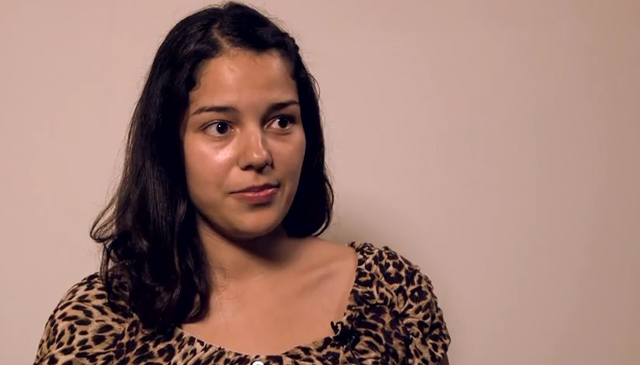
"content": "\u003cp>\u003ca href=\"http://ww2.kqed.org/education/wp-content/uploads/sites/38/2012/12/Elena-Olmedo1.jpg\">\u003cimg loading=\"lazy\" decoding=\"async\" class=\"alignleft size-full wp-image-3999\" src=\"http://ww2.kqed.org/education/wp-content/uploads/sites/38/2012/12/Elena-Olmedo1.jpg\" alt=\"Elena-Olmedo\" width=\"640\" height=\"365\" srcset=\"https://cdn.kqed.org/wp-content/uploads/sites/38/2012/12/Elena-Olmedo1.jpg 640w, https://cdn.kqed.org/wp-content/uploads/sites/38/2012/12/Elena-Olmedo1-400x228.jpg 400w\" sizes=\"(max-width: 640px) 100vw, 640px\">\u003c/a>\u003c/p>\n\u003cp>\u003cstrong>\u003ca href=\"http://ww2.kqed.org/education/2012/10/01/work-voices-8-elena-olmedo-sustainability-specialist/\">Elena Olmedo\u003c/a>\u003c/strong>, who is interviewed for our \u003cstrong>\u003ca href=\"http://www.kqed.org/workvoices\">Work Voices\u003c/a>\u003c/strong> series, has some great advice to share.\u003c/p>\n\u003cp>She was raised in a bilingual home, her parents having emigrated from El Salvador. Elena explains how she came to be working at an energy efficiency firm in Berkeley, having decided that she was really interested in sustainability and slowly navigated her way through the range of career options that this huge, emerging and confusing field offered her.\u003c/p>\n\u003cp>For ESL students who want to work in some aspect of sustainability, \u003ca href=\"http://ww2.kqed.org/education/2012/10/01/work-voices-8-elena-olmedo-sustainability-specialist/\">this interview\u003c/a> is helpful. Elena is encouraging, “There is tremendous opportunity for anyone in this field whether you are doing solar panel installation or LEED certification, energy efficiency to policy and planning, this industry is going to grow immensely.”\u003c/p>\n\u003cp>She makes it clear that it is a confusing field. “… the first challenge that I encountered was trying to narrow down the focus to what I really wanted to do and finding what I was passionate about. The second challenge is that there is no designed or pre-constructed path for this job. People from all backgrounds can get in – you might have a background in economics or an in policy, and you still may be qualified for this position.”\u003c/p>\n\u003cp>[ad fullwidth]\u003c/p>\n\u003cp>\u003cem>Sustainability is about sustaining the environment for future generations through forward thinking\u003c/em> \u003cem>strategies to solve environmental challenges\u003c/em>. It involves energy conservation, clean and green energy, technology that protects the environment, green building, and socially responsible organizations and employers.\u003c/p>\n\u003cp>How did Elena decide? She talks about the \u003ca href=\"http://www.ccsf.edu/NEW/en/educational-programs/school-and-departments/school-of-business/business-department/green-and-sustainable-business.html\">Green and\u003c/a>\u003ca href=\"http://www.ccsf.edu/NEW/en/educational-programs/school-and-departments/school-of-business/business-department/green-and-sustainable-business.html\"> Sustainable Course \u003c/a> she took at \u003ca href=\"http://www.ccsf.edu/NEW/en/educational-programs/school-and-departments/school-of-business/business-department/green-and-sustainable-business.html\">City College of San Francisco\u003c/a>, and how it gave her an understanding of environmental issues relevant to business and industry. Elena also talks about research – how she took full advantage of all the resources available to her to explore possible career paths. For example, she interned at two different companies to gain experience of green marketing practices and environmental policy issues, and attended conferences and lectures and read papers and journals to learn all she could about sustainability issues.\u003c/p>\n\u003cp>Elena is inspiring and upbeat about her work. She cares about the environment and feels there is tremendous opportunity in this industry which is going to grow.\u003c/p>\n\u003cp>\u003c/p>\n\u003cp>Watch her interview at \u003cstrong>\u003ca href=\"http://ww2.kqed.org/education/2012/10/01/work-voices-8-elena-olmedo-sustainability-specialist/\">Work Voices 8, Elena Olmedo, Sustainability Specialist\u003c/a>\u003c/strong>\u003c/p>\n\n",
"stats": {
"hasVideo": false,
"hasChartOrMap": false,
"hasAudio": false,
"hasPolis": false,
"wordCount": 389,
"hasGoogleForm": false,
"hasGallery": false,
"hasHearkenModule": false,
"iframeSrcs": [],
"paragraphCount": 11
},
"modified": 1704764591,
"excerpt": null,
"headData": {
"twImgId": "",
"twTitle": "",
"ogTitle": "",
"ogImgId": "",
"twDescription": "",
"description": "Elena Olmedo, who is interviewed for our Work Voices series, has some great advice to share. She was raised in a bilingual home, her parents having emigrated from El Salvador. Elena explains how she came to be working at an energy efficiency firm in Berkeley, having decided that she was really interested in sustainability and",
"title": "Sustainability Careers: A Path for ESL Students | KQED",
"ogDescription": "",
"schema": {
"@context": "https://schema.org",
"@type": "Article",
"headline": "Sustainability Careers: A Path for ESL Students",
"datePublished": "2013-07-15T09:45:10-07:00",
"dateModified": "2024-01-08T17:43:11-08:00",
"image": "https://cdn.kqed.org/wp-content/uploads/2020/02/KQED-OG-Image@1x.png"
}
},
"guestAuthors": [],
"slug": "sustainability-careers-a-path-for-esl-students",
"status": "publish",
"sticky": false,
"path": "/education/7167/sustainability-careers-a-path-for-esl-students",
"audioTrackLength": null,
"parsedContent": [
{
"type": "contentString",
"content": "\u003cdiv class=\"post-body\">\u003cp>\u003cp>\u003ca href=\"http://ww2.kqed.org/education/wp-content/uploads/sites/38/2012/12/Elena-Olmedo1.jpg\">\u003cimg loading=\"lazy\" decoding=\"async\" class=\"alignleft size-full wp-image-3999\" src=\"http://ww2.kqed.org/education/wp-content/uploads/sites/38/2012/12/Elena-Olmedo1.jpg\" alt=\"Elena-Olmedo\" width=\"640\" height=\"365\" srcset=\"https://cdn.kqed.org/wp-content/uploads/sites/38/2012/12/Elena-Olmedo1.jpg 640w, https://cdn.kqed.org/wp-content/uploads/sites/38/2012/12/Elena-Olmedo1-400x228.jpg 400w\" sizes=\"(max-width: 640px) 100vw, 640px\">\u003c/a>\u003c/p>\n\u003cp>\u003cstrong>\u003ca href=\"http://ww2.kqed.org/education/2012/10/01/work-voices-8-elena-olmedo-sustainability-specialist/\">Elena Olmedo\u003c/a>\u003c/strong>, who is interviewed for our \u003cstrong>\u003ca href=\"http://www.kqed.org/workvoices\">Work Voices\u003c/a>\u003c/strong> series, has some great advice to share.\u003c/p>\n\u003cp>She was raised in a bilingual home, her parents having emigrated from El Salvador. Elena explains how she came to be working at an energy efficiency firm in Berkeley, having decided that she was really interested in sustainability and slowly navigated her way through the range of career options that this huge, emerging and confusing field offered her.\u003c/p>\n\u003cp>For ESL students who want to work in some aspect of sustainability, \u003ca href=\"http://ww2.kqed.org/education/2012/10/01/work-voices-8-elena-olmedo-sustainability-specialist/\">this interview\u003c/a> is helpful. Elena is encouraging, “There is tremendous opportunity for anyone in this field whether you are doing solar panel installation or LEED certification, energy efficiency to policy and planning, this industry is going to grow immensely.”\u003c/p>\n\u003cp>She makes it clear that it is a confusing field. “… the first challenge that I encountered was trying to narrow down the focus to what I really wanted to do and finding what I was passionate about. The second challenge is that there is no designed or pre-constructed path for this job. People from all backgrounds can get in – you might have a background in economics or an in policy, and you still may be qualified for this position.”\u003c/p>\n\u003cp>\u003c/p>\u003c/div>",
"attributes": {
"named": {},
"numeric": []
}
},
{
"type": "component",
"content": "",
"name": "ad",
"attributes": {
"named": {
"label": "fullwidth"
},
"numeric": [
"fullwidth"
]
}
},
{
"type": "contentString",
"content": "\u003cdiv class=\"post-body\">\u003cp>\u003c/p>\n\u003cp>\u003cem>Sustainability is about sustaining the environment for future generations through forward thinking\u003c/em> \u003cem>strategies to solve environmental challenges\u003c/em>. It involves energy conservation, clean and green energy, technology that protects the environment, green building, and socially responsible organizations and employers.\u003c/p>\n\u003cp>How did Elena decide? She talks about the \u003ca href=\"http://www.ccsf.edu/NEW/en/educational-programs/school-and-departments/school-of-business/business-department/green-and-sustainable-business.html\">Green and\u003c/a>\u003ca href=\"http://www.ccsf.edu/NEW/en/educational-programs/school-and-departments/school-of-business/business-department/green-and-sustainable-business.html\"> Sustainable Course \u003c/a> she took at \u003ca href=\"http://www.ccsf.edu/NEW/en/educational-programs/school-and-departments/school-of-business/business-department/green-and-sustainable-business.html\">City College of San Francisco\u003c/a>, and how it gave her an understanding of environmental issues relevant to business and industry. Elena also talks about research – how she took full advantage of all the resources available to her to explore possible career paths. For example, she interned at two different companies to gain experience of green marketing practices and environmental policy issues, and attended conferences and lectures and read papers and journals to learn all she could about sustainability issues.\u003c/p>\n\u003cp>Elena is inspiring and upbeat about her work. She cares about the environment and feels there is tremendous opportunity in this industry which is going to grow.\u003c/p>\n\u003cp>\u003c/p>\n\u003cp>Watch her interview at \u003cstrong>\u003ca href=\"http://ww2.kqed.org/education/2012/10/01/work-voices-8-elena-olmedo-sustainability-specialist/\">Work Voices 8, Elena Olmedo, Sustainability Specialist\u003c/a>\u003c/strong>\u003c/p>\n\n\u003c/div>\u003c/p>",
"attributes": {
"named": {},
"numeric": []
}
}
],
"link": "/education/7167/sustainability-careers-a-path-for-esl-students",
"authors": [
"9253"
],
"categories": [
"education_48"
],
"tags": [
"education_103",
"education_459",
"education_1108",
"education_3382"
],
"featImg": "education_3999",
"label": "education"
},
"education_6894": {
"type": "posts",
"id": "education_6894",
"meta": {
"index": "posts_1716263798",
"site": "education",
"id": "6894",
"score": null,
"sort": [
1372787767000
]
},
"parent": 0,
"labelTerm": {
"site": "education"
},
"blocks": [],
"publishDate": 1372787767,
"format": "aside",
"title": "Selling Obamacare to California's Immigrant Communities",
"headTitle": "Selling Obamacare to California’s Immigrant Communities | KQED",
"content": "\u003cp>Mina Kim, \u003cstrong>KQED’s \u003c/strong>health reporter for the \u003cstrong>\u003c/strong>\u003cstrong>California Report\u003c/strong>, covered this important issue for ESL communities. She poses the question: “In a state as diverse as California, what will it take to sell Obamacare to ethnic communities where English is a second language?” \u003cstrong>\u003ca href=\"http://www.californiareport.org/archive/R201306240850/a\">TCR, Jun 24, 2013\u003c/a>\u003c/strong>\u003c/p>\n\u003cp>\u003cobject width=\"335\" height=\"85\" classid=\"d27cdb6e-ae6d-11cf-96b8-444553540000\" codebase=\"http://download.macromedia.com/pub/shockwave/cabs/flash/swflash.cab#version=6,0,40,0\">\u003cparam name=\"flashvars\" value=\"file=http://www.kqed.org/radio/archives/R201306240850a.xml\">\u003cparam name=\"src\" value=\"http://www.kqed.org/assets/flash/kqedplayer.swf\">\u003cembed width=\"335\" height=\"85\" type=\"application/x-shockwave-flash\" src=\"http://www.kqed.org/assets/flash/kqedplayer.swf\" flashvars=\"file=http://www.kqed.org/radio/archives/R201306240850a.xml\">\u003c/embed>\u003c/object>\u003c/p>\n\u003cp>The concern is how to spread the word about health reform and reach communities that will be required to have health insurance next year or pay a fine, and crucially how to explain the benefits of health coverage. Covered California– the state’s insurance market — plans to spend millions advertising its wares, but as Mina Kim reports:\u003c/p>\n\u003cp>“Nearly \u003ca href=\"http://advancingjustice-la.org/system/files/Communities_of_Contrast_California_2013.pdf\" target=\"_blank\" rel=\"noopener\">one in five\u003c/a> Vietnamese Americans in California is uninsured, and more than half aren’t proficient in English. Researchers at UC Berkeley and UCLA \u003ca href=\"http://www.cpehn.org/pdfs/EligibletoEnrolledBrief.pdf\" target=\"_blank\" rel=\"noopener\">estimate \u003c/a>110,000 eligible Californians will miss out on health reform because of language barriers.”\u003c/p>\n\u003cp>\u003c!--more-->\u003c/p>\n\u003cp>[ad fullwidth]\u003c/p>\n\u003cp>It seems Covered California’s online insurance application will only be available in English and Spanish which will make it harder for many ethnic communities to apply.\u003c/p>\n\u003cp>Mina Kim talks to Mai-Phuong Nguyen, a primary care doctor in Orange County’s Little Saigon neighborhood, who describes the confusion and suspicion these communities feel.\u003c/p>\n\u003cp>“A lot of ethnic communities have great hesitancy to be accepted as part of the mainstream because our collective experience is that we’ve always been in the margins, so we’ve gotten used to being in the margins and so ACA [Affordable Health Care Act] is different in that it’s saying we do care about you, bring you to the table.” Mai-Phuong Nguyen\u003c/p>\n\u003cp>\u003cstrong>The California Report\u003c/strong> describes a huge outreach effort in downtown Los Angeles, headed up by Doreena Wong at the Asian Pacific American Legal Center:\u003c/p>\n\u003cp>“Wong is leading an effort to get the state’s Asian populations aware of a key piece of health reform: the state-run insurance marketplace Covered California.…….. Wong will use a one million dollar grant to educate communities from Sacramentoto San Diegoon Covered California’s health plan options and available tax credits. She’ll work with 21 community groups to fan out in dozens of neighborhoods including Chinese, Indian, Thai, Pakistani, and Samoan.\u003cstrong> \u003c/strong>In Vietnamese enclaves they’ll visit nail salons and beauty schools. In Korean communities, churches will be key. In many cases, Wong says, outreach workers will need to teach people what a premium and a co-payment is.”\u003c/p>\n\u003cp>\u003cstrong>\u003cem> \u003c/em>\u003c/strong>\u003cem>A lot of our community are immigrants, and so that means that they’re not familiar with our health care system, I mean it’s crazy enough for us to navigate our system when we grew up with it, but for somebody coming over from another country. They don’t understand, ‘what is a managed care plan?’, ‘why do I have to get permission to go see a doctor?\u003c/em>\u003cstrong>\u003cem>’ \u003c/em>\u003c/strong>Doreena Wong\u003c/p>\n\u003cp>Mina Kim’s report gives a real sense of the huge challenge facing outreach workers, health workers and educators working to secure health benefits for immigrant communities in the coming months.\u003c/p>\n\u003cp>\u003cstrong>Resources\u003c/strong>\u003c/p>\n\u003cp>\u003cstrong>The Califorina Report segment \u003ca href=\"http://www.californiareport.org/archive/R201306240850/a\">Selling Obamacare to California’s Immigrant Communities\u003c/a>\u003c/strong> – 6/24/2013\u003c/p>\n\u003cp>\u003cstrong>KQED’s State of Health post \u003ca href=\"http://blogs.kqed.org/stateofhealth/2013/06/24/confusion-and-resistance-to-obamacare-among-vietnamese/\">Advocates Prepare for Confusion and Resistance to Obamacare Among Asians\u003c/a>\u003c/strong> – 6/24/2013\u003c/p>\n\u003cp>\u003c/p>\n\u003cp>\u003cstrong>KQED Education resources \u003ca href=\"www.kqed.org/healtheducation\">KQED Education Health Resources for ESL Educators\u003c/a>\u003c/strong>\u003c/p>\n\n",
"stats": {
"hasVideo": false,
"hasChartOrMap": false,
"hasAudio": false,
"hasPolis": false,
"wordCount": 587,
"hasGoogleForm": false,
"hasGallery": false,
"hasHearkenModule": false,
"iframeSrcs": [],
"paragraphCount": 17
},
"modified": 1704764601,
"excerpt": "Mina Kim, KQED’s health reporter for the California Report, covered this important issue for ESL communities. She poses the question: “In a state as diverse as California, what will it take to sell Obamacare to ethnic communities where English is a second language?” ",
"headData": {
"twImgId": "",
"twTitle": "",
"ogTitle": "",
"ogImgId": "",
"twDescription": "",
"description": "Mina Kim, KQED’s health reporter for the California Report, covered this important issue for ESL communities. She poses the question: “In a state as diverse as California, what will it take to sell Obamacare to ethnic communities where English is a second language?” ",
"title": "Selling Obamacare to California's Immigrant Communities | KQED",
"ogDescription": "",
"schema": {
"@context": "https://schema.org",
"@type": "Article",
"headline": "Selling Obamacare to California's Immigrant Communities",
"datePublished": "2013-07-02T10:56:07-07:00",
"dateModified": "2024-01-08T17:43:21-08:00",
"image": "https://cdn.kqed.org/wp-content/uploads/2020/02/KQED-OG-Image@1x.png"
}
},
"guestAuthors": [],
"slug": "selling-obamacare-to-californias-immigrant-communities",
"status": "publish",
"sticky": false,
"path": "/education/6894/selling-obamacare-to-californias-immigrant-communities",
"audioTrackLength": null,
"parsedContent": [
{
"type": "contentString",
"content": "\u003cdiv class=\"post-body\">\u003cp>\u003cp>Mina Kim, \u003cstrong>KQED’s \u003c/strong>health reporter for the \u003cstrong>\u003c/strong>\u003cstrong>California Report\u003c/strong>, covered this important issue for ESL communities. She poses the question: “In a state as diverse as California, what will it take to sell Obamacare to ethnic communities where English is a second language?” \u003cstrong>\u003ca href=\"http://www.californiareport.org/archive/R201306240850/a\">TCR, Jun 24, 2013\u003c/a>\u003c/strong>\u003c/p>\n\u003cp>\u003cobject width=\"335\" height=\"85\" classid=\"d27cdb6e-ae6d-11cf-96b8-444553540000\" codebase=\"http://download.macromedia.com/pub/shockwave/cabs/flash/swflash.cab#version=6,0,40,0\">\u003cparam name=\"flashvars\" value=\"file=http://www.kqed.org/radio/archives/R201306240850a.xml\">\u003cparam name=\"src\" value=\"http://www.kqed.org/assets/flash/kqedplayer.swf\">\u003cembed width=\"335\" height=\"85\" type=\"application/x-shockwave-flash\" src=\"http://www.kqed.org/assets/flash/kqedplayer.swf\" flashvars=\"file=http://www.kqed.org/radio/archives/R201306240850a.xml\">\u003c/embed>\u003c/object>\u003c/p>\n\u003cp>The concern is how to spread the word about health reform and reach communities that will be required to have health insurance next year or pay a fine, and crucially how to explain the benefits of health coverage. Covered California– the state’s insurance market — plans to spend millions advertising its wares, but as Mina Kim reports:\u003c/p>\n\u003cp>“Nearly \u003ca href=\"http://advancingjustice-la.org/system/files/Communities_of_Contrast_California_2013.pdf\" target=\"_blank\" rel=\"noopener\">one in five\u003c/a> Vietnamese Americans in California is uninsured, and more than half aren’t proficient in English. Researchers at UC Berkeley and UCLA \u003ca href=\"http://www.cpehn.org/pdfs/EligibletoEnrolledBrief.pdf\" target=\"_blank\" rel=\"noopener\">estimate \u003c/a>110,000 eligible Californians will miss out on health reform because of language barriers.”\u003c/p>\n\u003cp>\u003c!--more-->\u003c/p>\n\u003cp>\u003c/p>\u003c/div>",
"attributes": {
"named": {},
"numeric": []
}
},
{
"type": "component",
"content": "",
"name": "ad",
"attributes": {
"named": {
"label": "fullwidth"
},
"numeric": [
"fullwidth"
]
}
},
{
"type": "contentString",
"content": "\u003cdiv class=\"post-body\">\u003cp>\u003c/p>\n\u003cp>It seems Covered California’s online insurance application will only be available in English and Spanish which will make it harder for many ethnic communities to apply.\u003c/p>\n\u003cp>Mina Kim talks to Mai-Phuong Nguyen, a primary care doctor in Orange County’s Little Saigon neighborhood, who describes the confusion and suspicion these communities feel.\u003c/p>\n\u003cp>“A lot of ethnic communities have great hesitancy to be accepted as part of the mainstream because our collective experience is that we’ve always been in the margins, so we’ve gotten used to being in the margins and so ACA [Affordable Health Care Act] is different in that it’s saying we do care about you, bring you to the table.” Mai-Phuong Nguyen\u003c/p>\n\u003cp>\u003cstrong>The California Report\u003c/strong> describes a huge outreach effort in downtown Los Angeles, headed up by Doreena Wong at the Asian Pacific American Legal Center:\u003c/p>\n\u003cp>“Wong is leading an effort to get the state’s Asian populations aware of a key piece of health reform: the state-run insurance marketplace Covered California.…….. Wong will use a one million dollar grant to educate communities from Sacramentoto San Diegoon Covered California’s health plan options and available tax credits. She’ll work with 21 community groups to fan out in dozens of neighborhoods including Chinese, Indian, Thai, Pakistani, and Samoan.\u003cstrong> \u003c/strong>In Vietnamese enclaves they’ll visit nail salons and beauty schools. In Korean communities, churches will be key. In many cases, Wong says, outreach workers will need to teach people what a premium and a co-payment is.”\u003c/p>\n\u003cp>\u003cstrong>\u003cem> \u003c/em>\u003c/strong>\u003cem>A lot of our community are immigrants, and so that means that they’re not familiar with our health care system, I mean it’s crazy enough for us to navigate our system when we grew up with it, but for somebody coming over from another country. They don’t understand, ‘what is a managed care plan?’, ‘why do I have to get permission to go see a doctor?\u003c/em>\u003cstrong>\u003cem>’ \u003c/em>\u003c/strong>Doreena Wong\u003c/p>\n\u003cp>Mina Kim’s report gives a real sense of the huge challenge facing outreach workers, health workers and educators working to secure health benefits for immigrant communities in the coming months.\u003c/p>\n\u003cp>\u003cstrong>Resources\u003c/strong>\u003c/p>\n\u003cp>\u003cstrong>The Califorina Report segment \u003ca href=\"http://www.californiareport.org/archive/R201306240850/a\">Selling Obamacare to California’s Immigrant Communities\u003c/a>\u003c/strong> – 6/24/2013\u003c/p>\n\u003cp>\u003cstrong>KQED’s State of Health post \u003ca href=\"http://blogs.kqed.org/stateofhealth/2013/06/24/confusion-and-resistance-to-obamacare-among-vietnamese/\">Advocates Prepare for Confusion and Resistance to Obamacare Among Asians\u003c/a>\u003c/strong> – 6/24/2013\u003c/p>\n\u003cp>\u003c/p>\n\u003cp>\u003cstrong>KQED Education resources \u003ca href=\"www.kqed.org/healtheducation\">KQED Education Health Resources for ESL Educators\u003c/a>\u003c/strong>\u003c/p>\n\n\u003c/div>\u003c/p>",
"attributes": {
"named": {},
"numeric": []
}
}
],
"link": "/education/6894/selling-obamacare-to-californias-immigrant-communities",
"authors": [
"9253"
],
"categories": [
"education_48"
],
"tags": [
"education_459",
"education_573",
"education_607",
"education_608"
],
"label": "education"
},
"education_6718": {
"type": "posts",
"id": "education_6718",
"meta": {
"index": "posts_1716263798",
"site": "education",
"id": "6718",
"score": null,
"sort": [
1372085234000
]
},
"parent": 0,
"labelTerm": {
"site": "education"
},
"blocks": [],
"publishDate": 1372085234,
"format": "aside",
"title": "Top 10 Tech To-Dos Over The Summer",
"headTitle": "Top 10 Tech To-Dos Over The Summer | KQED",
"content": "\u003cp>\u003cem>by \u003cstrong>Denise Maduli-Williams\u003c/strong>\u003c/em>\u003c/p>\n\u003cp>“You’re so lucky you have the summer off,” is the first comment anyone who finds out I’m a teacher says. Well, I may not be in the classroom teaching, but in many ways I’m still working. Teachers are so busy on a day to day basis during the school year preparing lessons, grading assignments, attending meetings, and so on, that our To Do lists never seem to get all checked off. The summer can be a welcome relief to get to work on the things we can never find the time to take care of while we are teaching.\u003c/p>\n\u003cp>\u003cstrong>Here are my Top 10 Tech To-Dos over the summer\u003c/strong>:\u003c/p>\n\u003col>\n\u003cli>Clear up my email. I set my vacation message, and purged my Inbox. Now is the time for me to go through my folders and labels (Gmail all the way!), trash old emails and reorganize what’s left. That clear blank slate of an empty Inbox does wonders.\u003c/li>\n\u003cli> Learn something new! All of the tech tools I favorited on Twitter or pinned on my Ed board in Pinterest to check out later. Now is the time to figure out how to use them! I can experiment and plan for how to integrate in my classes without the pressure of teaching the next day.\u003c/li>\n\u003cli> Catch up on my reading. Similar to #2, I bookmarked cool new blogs and sent myself links to read. Now is the time to go back with a rested brain and read some of those new articles, and add some new writers to my blogroll.\u003c/li>\n\u003cli> Finally participate in some edchats on Twitter. I never seem to remember or find the time to participate in the many edchats that I want to. Now I can – here are a few you’ll find me participating in: #eltchat #edtech #rpcv\u003c/li>\n\u003cli> Tech clean-up is a must! Sticky mouse. Dust and crumbs in my keyboard. Fingerprints blocking my screen. Now is the time to take care of it all.\u003c/li>\n\u003cli>Get some free PD. I don’t have funds for travel or registration fees for conferences, so I find ways to keep up with new trends by searching for free online professional development workshops or DIY tutorials.\u003c/li>\n\u003cli>Go through my Dropbox – same method as purging my email. I sift through outdated files and organize the ones that I need.\u003c/li>\n\u003cli>Update any software so that I’m ready to go when classes start up again. All the notifications that I click away? I need to update so everything will be current when September rolls around.\u003c/li>\n\u003cli>Get a jump-start on my fall courses. I’ll update my Google Site, check links and resources on my Moodle course, and see what other tech enhancements I can utilize in the fall.\u003c/li>\n\u003cli>Cell phone clean-up as well! Lots of apps I tried didn’t work out, and it’s time to get those off my phone. Organizing the rest into folders helps me find things easier as well.\u003c/li>\n\u003c/ol>\n\u003cp>There you have it. I’ll let you know when summer ends if I got through my Tech To Do List!\u003c/p>\n\u003cp>\u003cstrong>Denise Maduli-Williams:\u003c/strong> Veteran ESL Educator, RPCV, Air Force brat, wanna be tech-expert, Twitter Newbie, and brand-new blogger. Proud faculty at the City College of San Francisco.\u003c/p>\n\u003cp>[ad fullwidth]\u003c/p>\n\u003cp>\u003c/p>\n\u003cp> \u003c/p>\n\n",
"stats": {
"hasVideo": false,
"hasChartOrMap": false,
"hasAudio": false,
"hasPolis": false,
"wordCount": 594,
"hasGoogleForm": false,
"hasGallery": false,
"hasHearkenModule": false,
"iframeSrcs": [],
"paragraphCount": 7
},
"modified": 1704764619,
"excerpt": "“You’re so lucky you have the summer off,” is the first comment anyone who finds out I’m a teacher says. Well, I may not be in the classroom teaching, but in many ways I’m still working. Teachers are so busy on a day to day basis during the school year preparing lessons, grading assignments, attending meetings, and so on, that our To Do lists never seem to get all checked off. ",
"headData": {
"twImgId": "",
"twTitle": "",
"ogTitle": "",
"ogImgId": "",
"twDescription": "",
"description": "“You’re so lucky you have the summer off,” is the first comment anyone who finds out I’m a teacher says. Well, I may not be in the classroom teaching, but in many ways I’m still working. Teachers are so busy on a day to day basis during the school year preparing lessons, grading assignments, attending meetings, and so on, that our To Do lists never seem to get all checked off. ",
"title": "Top 10 Tech To-Dos Over The Summer | KQED",
"ogDescription": "",
"schema": {
"@context": "https://schema.org",
"@type": "Article",
"headline": "Top 10 Tech To-Dos Over The Summer",
"datePublished": "2013-06-24T07:47:14-07:00",
"dateModified": "2024-01-08T17:43:39-08:00",
"image": "https://cdn.kqed.org/wp-content/uploads/2020/02/KQED-OG-Image@1x.png"
}
},
"guestAuthors": [],
"slug": "top-10-tech-to-dos-over-the-summer",
"status": "publish",
"sticky": false,
"path": "/education/6718/top-10-tech-to-dos-over-the-summer",
"audioTrackLength": null,
"parsedContent": [
{
"type": "contentString",
"content": "\u003cdiv class=\"post-body\">\u003cp>\u003cp>\u003cem>by \u003cstrong>Denise Maduli-Williams\u003c/strong>\u003c/em>\u003c/p>\n\u003cp>“You’re so lucky you have the summer off,” is the first comment anyone who finds out I’m a teacher says. Well, I may not be in the classroom teaching, but in many ways I’m still working. Teachers are so busy on a day to day basis during the school year preparing lessons, grading assignments, attending meetings, and so on, that our To Do lists never seem to get all checked off. The summer can be a welcome relief to get to work on the things we can never find the time to take care of while we are teaching.\u003c/p>\n\u003cp>\u003cstrong>Here are my Top 10 Tech To-Dos over the summer\u003c/strong>:\u003c/p>\n\u003col>\n\u003cli>Clear up my email. I set my vacation message, and purged my Inbox. Now is the time for me to go through my folders and labels (Gmail all the way!), trash old emails and reorganize what’s left. That clear blank slate of an empty Inbox does wonders.\u003c/li>\n\u003cli> Learn something new! All of the tech tools I favorited on Twitter or pinned on my Ed board in Pinterest to check out later. Now is the time to figure out how to use them! I can experiment and plan for how to integrate in my classes without the pressure of teaching the next day.\u003c/li>\n\u003cli> Catch up on my reading. Similar to #2, I bookmarked cool new blogs and sent myself links to read. Now is the time to go back with a rested brain and read some of those new articles, and add some new writers to my blogroll.\u003c/li>\n\u003cli> Finally participate in some edchats on Twitter. I never seem to remember or find the time to participate in the many edchats that I want to. Now I can – here are a few you’ll find me participating in: #eltchat #edtech #rpcv\u003c/li>\n\u003cli> Tech clean-up is a must! Sticky mouse. Dust and crumbs in my keyboard. Fingerprints blocking my screen. Now is the time to take care of it all.\u003c/li>\n\u003cli>Get some free PD. I don’t have funds for travel or registration fees for conferences, so I find ways to keep up with new trends by searching for free online professional development workshops or DIY tutorials.\u003c/li>\n\u003cli>Go through my Dropbox – same method as purging my email. I sift through outdated files and organize the ones that I need.\u003c/li>\n\u003cli>Update any software so that I’m ready to go when classes start up again. All the notifications that I click away? I need to update so everything will be current when September rolls around.\u003c/li>\n\u003cli>Get a jump-start on my fall courses. I’ll update my Google Site, check links and resources on my Moodle course, and see what other tech enhancements I can utilize in the fall.\u003c/li>\n\u003cli>Cell phone clean-up as well! Lots of apps I tried didn’t work out, and it’s time to get those off my phone. Organizing the rest into folders helps me find things easier as well.\u003c/li>\n\u003c/ol>\n\u003cp>There you have it. I’ll let you know when summer ends if I got through my Tech To Do List!\u003c/p>\n\u003cp>\u003cstrong>Denise Maduli-Williams:\u003c/strong> Veteran ESL Educator, RPCV, Air Force brat, wanna be tech-expert, Twitter Newbie, and brand-new blogger. Proud faculty at the City College of San Francisco.\u003c/p>\n\u003cp>\u003c/p>\u003c/div>",
"attributes": {
"named": {},
"numeric": []
}
},
{
"type": "component",
"content": "",
"name": "ad",
"attributes": {
"named": {
"label": "fullwidth"
},
"numeric": [
"fullwidth"
]
}
},
{
"type": "contentString",
"content": "\u003cdiv class=\"post-body\">\u003cp>\u003c/p>\n\u003cp>\u003c/p>\n\u003cp> \u003c/p>\n\n\u003c/div>\u003c/p>",
"attributes": {
"named": {},
"numeric": []
}
}
],
"link": "/education/6718/top-10-tech-to-dos-over-the-summer",
"authors": [
"9428"
],
"categories": [
"education_48"
],
"tags": [
"education_459",
"education_1125"
],
"label": "education"
},
"education_6520": {
"type": "posts",
"id": "education_6520",
"meta": {
"index": "posts_1716263798",
"site": "education",
"id": "6520",
"score": null,
"sort": [
1370617523000
]
},
"parent": 0,
"labelTerm": {
"site": "education"
},
"blocks": [],
"publishDate": 1370617523,
"format": "aside",
"title": "Fun Ways to Use Voicethread with ESL Students",
"headTitle": "Fun Ways to Use Voicethread with ESL Students | KQED",
"content": "\u003cp>By Denise Maduli-Williams\u003c/p>\n\u003cp>\u003cstrong>CCSF ESL class- \u003cstrong>Introduction to Reading \u003c/strong>Voicethread\u003c/strong>\u003c/p>\n\u003cp>Voicethread’s tagline is “Conversations in the cloud” and that pretty much sums it up. I love using Voicethread activities with my ESL students at City College of San Francisco and have been doing so for years now. It is a great tool to encourage students to talk to each other, listen and think about each others’ ideas.\u003c/p>\n\u003cp>The way Voicethread works is to allow students to comment on a document, image, or video right on the page. They can comment by recording audio, video or typing and then their comment pops up right on the same page. They can even doodle on the document or image with the drawing tool while they are recording comments.\u003c/p>\n\u003cp>\u003cobject width=\"640\" height=\"480\" classid=\"d27cdb6e-ae6d-11cf-96b8-444553540000\" codebase=\"http://download.macromedia.com/pub/shockwave/cabs/flash/swflash.cab#version=6,0,40,0\">\u003cparam name=\"wmode\" value=\"transparent\">\u003cparam name=\"src\" value=\"http://voicethread.com/book.swf?b=1016940\">\u003cembed width=\"640\" height=\"480\" type=\"application/x-shockwave-flash\" src=\"http://voicethread.com/book.swf?b=1016940\" wmode=\"transparent\">\u003c/embed>\u003c/object>\u003c/p>\n\u003cp>[ad fullwidth]\u003c/p>\n\u003cp>\u003c!--more-->\u003c/p>\n\u003cp>As a teacher, it’s easy to view and hear the students’ comments because they are all captured in one place (no searching through emails to find their audio homework!). Handy settings allow teachers to moderate and/or hide comments, especially helpful if the activity is being used for assessments. Set up is easy – once students create an account, the site is intuitive enough for all levels to get the hang of using it quickly. Sharing is also easy through grabbing a link, embedding the code in a blog or website, and even downloading.\u003c/p>\n\u003cp>I usually begin each semester with a teacher-created Voicethread just to get students used to viewing and commenting. I then move to more specific Voicethread designed to extend learning of content, vocabulary, pronunciation, and even to share writing. As students become more comfortable, I switch to assignments where they create their own Voicethreads, upload them, share them with the class, and comment on each others’ work. The level of interaction is fabulous. Every student has a voice and time to comment carefully and thoughtfully.\u003c/p>\n\u003cp>One of the first Voicethreads I created was for a very low-level ESL and low-level technology seniors’ class – see below. Students just looked at the picture and predicted what they saw. Through this basic introduction, they became familiar with the tool and intrigued by it as well.\u003c/p>\n\u003cp>\u003cstrong>\u003ca href=\"http://voicethread.com/#u719435.b867607.i4618066\">Where Are They Going? \u003c/a> \u003c/strong>– created by low-level ESL and low-level technology seniors’ class.\u003cstrong> \u003c/strong>\u003c/p>\n\u003cp>Another way I use Voicethread is to preview a topic before class. In this case, students were about to start a unit on book clubs and I wanted to get an idea of where, when, and what they like to read. Discussing this in class, the same few students usually respond, with many remaining quiet or shy. By using Voicethread, every single student had the opportunity to share their ideas with the class.\u003c/p>\n\u003cp>\u003ca href=\"http://voicethread.com/#u719435.b1016940.i5422077\">\u003cstrong>\u003cstrong>Introduction to Reading\u003c/strong>\u003c/strong>\u003c/a>\u003c/p>\n\u003cp>I created a Voicethread with a high-intermediate-level class as a way to respond to a Ted Talk the students viewed about \u003cem>The\u003c/em>\u003cstrong>\u003cem> \u003ca href=\"http://www.ted.com/talks/susan_cain_the_power_of_introverts.html\">Power of Introverts\u003c/a>\u003c/em>\u003c/strong> by \u003ca href=\"http://www.thepowerofintroverts.com/\">Susan Cain (author of Quiet). \u003c/a> Students recorded an interesting fact they learned, explained whether they felt they are an introvert or extrovert, and discussed their feeling about group work. While responding, they had to use five vocabulary words from the current unit.\u003c/p>\n\u003cp>\u003cstrong>\u003ca href=\"https://voicethread.com/?#u719435.b4092395.i20945991\">The Power of Introverts\u003c/a> \u003c/strong>– created by high-intermediate-level class in response to TED Talk\u003c/p>\n\u003cp>\u003cobject width=\"640\" height=\"480\" classid=\"d27cdb6e-ae6d-11cf-96b8-444553540000\" codebase=\"http://download.macromedia.com/pub/shockwave/cabs/flash/swflash.cab#version=6,0,40,0\">\u003cparam name=\"wmode\" value=\"transparent\">\u003cparam name=\"src\" value=\"https://voicethread.com/book.swf?b=4092395\">\u003cembed width=\"640\" height=\"480\" type=\"application/x-shockwave-flash\" src=\"https://voicethread.com/book.swf?b=4092395\" wmode=\"transparent\">\u003c/embed>\u003c/object>\u003c/p>\n\u003cp>One of the first Voicethreads that students created on their own was to showcase an essay. Students had listened to many essays from \u003ca href=\"http://www.npr.org/series/4538138/this-i-believe\">\u003cstrong>NPR’s This I Believe Series\u003c/strong>\u003c/a>\u003cstrong> \u003c/strong>and created their own. After working on theirs, they shared they uploaded their document and recorded their essay to share with each other.\u003c/p>\n\u003cp>Here are some examples:\u003c/p>\n\u003cul>\n\u003cli>\u003ca href=\"https://voicethread.com/?#u719435.b4281989.i21871870\">\u003cstrong>I Believe I Can Make Friends Wherever I Am\u003c/strong>\u003c/a>\u003cstrong> \u003c/strong>\u003c/li>\n\u003cli>\u003ca href=\"http://ww2.kqed.org/education/wp-admin/I%20Chose%20What%20I%20Want%20To%20Do\">\u003cstrong>I Chose What I Want To Do\u003c/strong>\u003c/a>\u003c/li>\n\u003cli>\u003ca href=\"https://voicethread.com/?#u719435.b4288715.i21902542\">\u003cstrong>I Believe In Practice Makes You Perfect\u003c/strong>\u003c/a>\u003c/li>\n\u003c/ul>\n\u003cp>\u003cstrong>Resource\u003c/strong>\u003c/p>\n\u003cp>Check out KQED Education resources for ESL educators on \u003cstrong>\u003ca href=\"http://www.kqed.org/education/educators/immigrantvoices/\">Immigrant Voices\u003c/a>\u003c/strong>\u003c/p>\n\u003cp>\u003cstrong>Denise Maduli-Williams:\u003c/strong> Veteran ESL Educator, RPCV, Air Force brat, wanna be tech-expert, Twitter Newbie, and brand-new blogger. Proud faculty at the City College of San Francisco.\u003c/p>\n\u003cp>\u003c/p>\n\u003cp> \u003c/p>\n\n",
"stats": {
"hasVideo": false,
"hasChartOrMap": false,
"hasAudio": false,
"hasPolis": false,
"wordCount": 690,
"hasGoogleForm": false,
"hasGallery": false,
"hasHearkenModule": false,
"iframeSrcs": [],
"paragraphCount": 22
},
"modified": 1704764632,
"excerpt": "Voicethread’s tagline is “Conversations in the cloud” and that pretty much sums it up. I love using Voicethread activities with my ESL students at City College of San Francisco and have been doing so for years now. It is a great tool to encourage to students to talk to each other, listen and think about each others’ ideas.",
"headData": {
"twImgId": "",
"twTitle": "",
"ogTitle": "",
"ogImgId": "",
"twDescription": "",
"description": "Voicethread’s tagline is “Conversations in the cloud” and that pretty much sums it up. I love using Voicethread activities with my ESL students at City College of San Francisco and have been doing so for years now. It is a great tool to encourage to students to talk to each other, listen and think about each others’ ideas.",
"title": "Fun Ways to Use Voicethread with ESL Students | KQED",
"ogDescription": "",
"schema": {
"@context": "https://schema.org",
"@type": "Article",
"headline": "Fun Ways to Use Voicethread with ESL Students",
"datePublished": "2013-06-07T08:05:23-07:00",
"dateModified": "2024-01-08T17:43:52-08:00",
"image": "https://cdn.kqed.org/wp-content/uploads/2020/02/KQED-OG-Image@1x.png"
}
},
"guestAuthors": [],
"slug": "fun-ways-to-use-voicethread-with-esl-students",
"status": "publish",
"sticky": false,
"path": "/education/6520/fun-ways-to-use-voicethread-with-esl-students",
"audioTrackLength": null,
"parsedContent": [
{
"type": "contentString",
"content": "\u003cdiv class=\"post-body\">\u003cp>\u003cp>By Denise Maduli-Williams\u003c/p>\n\u003cp>\u003cstrong>CCSF ESL class- \u003cstrong>Introduction to Reading \u003c/strong>Voicethread\u003c/strong>\u003c/p>\n\u003cp>Voicethread’s tagline is “Conversations in the cloud” and that pretty much sums it up. I love using Voicethread activities with my ESL students at City College of San Francisco and have been doing so for years now. It is a great tool to encourage students to talk to each other, listen and think about each others’ ideas.\u003c/p>\n\u003cp>The way Voicethread works is to allow students to comment on a document, image, or video right on the page. They can comment by recording audio, video or typing and then their comment pops up right on the same page. They can even doodle on the document or image with the drawing tool while they are recording comments.\u003c/p>\n\u003cp>\u003cobject width=\"640\" height=\"480\" classid=\"d27cdb6e-ae6d-11cf-96b8-444553540000\" codebase=\"http://download.macromedia.com/pub/shockwave/cabs/flash/swflash.cab#version=6,0,40,0\">\u003cparam name=\"wmode\" value=\"transparent\">\u003cparam name=\"src\" value=\"http://voicethread.com/book.swf?b=1016940\">\u003cembed width=\"640\" height=\"480\" type=\"application/x-shockwave-flash\" src=\"http://voicethread.com/book.swf?b=1016940\" wmode=\"transparent\">\u003c/embed>\u003c/object>\u003c/p>\n\u003cp>\u003c/p>\u003c/div>",
"attributes": {
"named": {},
"numeric": []
}
},
{
"type": "component",
"content": "",
"name": "ad",
"attributes": {
"named": {
"label": "fullwidth"
},
"numeric": [
"fullwidth"
]
}
},
{
"type": "contentString",
"content": "\u003cdiv class=\"post-body\">\u003cp>\u003c/p>\n\u003cp>\u003c!--more-->\u003c/p>\n\u003cp>As a teacher, it’s easy to view and hear the students’ comments because they are all captured in one place (no searching through emails to find their audio homework!). Handy settings allow teachers to moderate and/or hide comments, especially helpful if the activity is being used for assessments. Set up is easy – once students create an account, the site is intuitive enough for all levels to get the hang of using it quickly. Sharing is also easy through grabbing a link, embedding the code in a blog or website, and even downloading.\u003c/p>\n\u003cp>I usually begin each semester with a teacher-created Voicethread just to get students used to viewing and commenting. I then move to more specific Voicethread designed to extend learning of content, vocabulary, pronunciation, and even to share writing. As students become more comfortable, I switch to assignments where they create their own Voicethreads, upload them, share them with the class, and comment on each others’ work. The level of interaction is fabulous. Every student has a voice and time to comment carefully and thoughtfully.\u003c/p>\n\u003cp>One of the first Voicethreads I created was for a very low-level ESL and low-level technology seniors’ class – see below. Students just looked at the picture and predicted what they saw. Through this basic introduction, they became familiar with the tool and intrigued by it as well.\u003c/p>\n\u003cp>\u003cstrong>\u003ca href=\"http://voicethread.com/#u719435.b867607.i4618066\">Where Are They Going? \u003c/a> \u003c/strong>– created by low-level ESL and low-level technology seniors’ class.\u003cstrong> \u003c/strong>\u003c/p>\n\u003cp>Another way I use Voicethread is to preview a topic before class. In this case, students were about to start a unit on book clubs and I wanted to get an idea of where, when, and what they like to read. Discussing this in class, the same few students usually respond, with many remaining quiet or shy. By using Voicethread, every single student had the opportunity to share their ideas with the class.\u003c/p>\n\u003cp>\u003ca href=\"http://voicethread.com/#u719435.b1016940.i5422077\">\u003cstrong>\u003cstrong>Introduction to Reading\u003c/strong>\u003c/strong>\u003c/a>\u003c/p>\n\u003cp>I created a Voicethread with a high-intermediate-level class as a way to respond to a Ted Talk the students viewed about \u003cem>The\u003c/em>\u003cstrong>\u003cem> \u003ca href=\"http://www.ted.com/talks/susan_cain_the_power_of_introverts.html\">Power of Introverts\u003c/a>\u003c/em>\u003c/strong> by \u003ca href=\"http://www.thepowerofintroverts.com/\">Susan Cain (author of Quiet). \u003c/a> Students recorded an interesting fact they learned, explained whether they felt they are an introvert or extrovert, and discussed their feeling about group work. While responding, they had to use five vocabulary words from the current unit.\u003c/p>\n\u003cp>\u003cstrong>\u003ca href=\"https://voicethread.com/?#u719435.b4092395.i20945991\">The Power of Introverts\u003c/a> \u003c/strong>– created by high-intermediate-level class in response to TED Talk\u003c/p>\n\u003cp>\u003cobject width=\"640\" height=\"480\" classid=\"d27cdb6e-ae6d-11cf-96b8-444553540000\" codebase=\"http://download.macromedia.com/pub/shockwave/cabs/flash/swflash.cab#version=6,0,40,0\">\u003cparam name=\"wmode\" value=\"transparent\">\u003cparam name=\"src\" value=\"https://voicethread.com/book.swf?b=4092395\">\u003cembed width=\"640\" height=\"480\" type=\"application/x-shockwave-flash\" src=\"https://voicethread.com/book.swf?b=4092395\" wmode=\"transparent\">\u003c/embed>\u003c/object>\u003c/p>\n\u003cp>One of the first Voicethreads that students created on their own was to showcase an essay. Students had listened to many essays from \u003ca href=\"http://www.npr.org/series/4538138/this-i-believe\">\u003cstrong>NPR’s This I Believe Series\u003c/strong>\u003c/a>\u003cstrong> \u003c/strong>and created their own. After working on theirs, they shared they uploaded their document and recorded their essay to share with each other.\u003c/p>\n\u003cp>Here are some examples:\u003c/p>\n\u003cul>\n\u003cli>\u003ca href=\"https://voicethread.com/?#u719435.b4281989.i21871870\">\u003cstrong>I Believe I Can Make Friends Wherever I Am\u003c/strong>\u003c/a>\u003cstrong> \u003c/strong>\u003c/li>\n\u003cli>\u003ca href=\"http://ww2.kqed.org/education/wp-admin/I%20Chose%20What%20I%20Want%20To%20Do\">\u003cstrong>I Chose What I Want To Do\u003c/strong>\u003c/a>\u003c/li>\n\u003cli>\u003ca href=\"https://voicethread.com/?#u719435.b4288715.i21902542\">\u003cstrong>I Believe In Practice Makes You Perfect\u003c/strong>\u003c/a>\u003c/li>\n\u003c/ul>\n\u003cp>\u003cstrong>Resource\u003c/strong>\u003c/p>\n\u003cp>Check out KQED Education resources for ESL educators on \u003cstrong>\u003ca href=\"http://www.kqed.org/education/educators/immigrantvoices/\">Immigrant Voices\u003c/a>\u003c/strong>\u003c/p>\n\u003cp>\u003cstrong>Denise Maduli-Williams:\u003c/strong> Veteran ESL Educator, RPCV, Air Force brat, wanna be tech-expert, Twitter Newbie, and brand-new blogger. Proud faculty at the City College of San Francisco.\u003c/p>\n\u003cp>\u003c/p>\n\u003cp> \u003c/p>\n\n\u003c/div>\u003c/p>",
"attributes": {
"named": {},
"numeric": []
}
}
],
"link": "/education/6520/fun-ways-to-use-voicethread-with-esl-students",
"authors": [
"9428"
],
"categories": [
"education_48"
],
"tags": [
"education_459"
],
"label": "education"
},
"education_6329": {
"type": "posts",
"id": "education_6329",
"meta": {
"index": "posts_1716263798",
"site": "education",
"id": "6329",
"score": null,
"sort": [
1369417500000
]
},
"parent": 0,
"labelTerm": {
"site": "education"
},
"blocks": [],
"publishDate": 1369417500,
"format": "aside",
"title": "A Collaborative Vision for Serving Adult Learners",
"headTitle": "A Collaborative Vision for Serving Adult Learners | KQED",
"content": "\u003cp>Photo by Tom Jung, San Mateo Adult School\u003c/p>\n\u003cp>\u003cstrong>Round table discussion report from CATESOL Northern Regional Conference.\u003c/strong>\u003c/p>\n\u003cp>The 2013 Northern Regional CATESOL Conference on Saturday May 4th gave us a wonderful opportunity to bring together a panel of ESL educators from community colleges and adult schools to talk about A Collaborative Vision for Serving Adult Learners. It was a chance to share ways of thinking about the two systems, how they differ, what they share and how they both strive to serve adult learners through the different historic filters that have shaped them.\u003c/p>\n\u003cp>The session was moderated by KQED Education and the panel brought considerable experience and expertise from both sectors to the table. Dr Bob Harper, Director of Campbell Adult School and Kristen Pursley, Lead Teacher from West Contra Costa Adult Education, presented their vision for adult education and Greg Keech, elected Chair of ESL at CCSF and Sonja Franeta, former Chair of ESL at Laney College, spoke to issues confronting noncredit ESL provision in community colleges. Both sectors addressed ways to work together towards a fair and equitable system that meets the needs of non native speakers in Northern Californian communities.\u003c/p>\n\u003cp>Greg Keech laid out the context for this discussion in his post on \u003ca href=\"http://ww2.kqed.org/education/2013/05/01/what-is-noncredit-2/\">KQED ESL Insights blog – What is Noncredit?\u003c/a> “What is known as “adult education” in the K-12 system is generally known as noncredit in Community Colleges. In the ESL realm, there have been two separate entities delivering instruction: some districts have adult ESL classes under their local K-12 district, while credit instruction is provided by the community college; in other areas, the community college district provides both credit and noncredit ESL, though not always under the same roof.” Our panelists offered examples of the differing systems – City College of San Francisco provides both credit and noncredit ESL classes, whereas Laney College offers only credit ESL courses.\u003c/p>\n\u003cp>[ad fullwidth]\u003c/p>\n\u003cp>The discussion was further set against the backdrop of Governor Brown’s recent proposal to move adult education into the community college sphere, which was unanimously rejected on March 19th by the Assembly Budget Subcommittee on Education Finance. However the subcommittee voted to approve it “without prejudice,” which means they did not disagree with the principle. As such the idea is likely to come back in the May budget revise.\u003c/p>\n\u003cp>\u003cstrong>To summarize the points discussed:\u003c/strong>\u003c/p>\n\u003cul>\n\u003cli>Both systems are based on principles of social justice.\u003c/li>\n\u003cli>The community college system is more driven by standards and outcomes that frame their work.\u003c/li>\n\u003cli>Colleges privilege credit courses in terms of funding, with more funding allocated to courses where students matriculate. Many ESL students do not seek to go to college but look for other outcomes that may be vocational. Their right to language provision should be protected, as should the rights of seniors to attend lifelong learning classes, and classes for adults with disabilities. CCSF also offers non-credit Parent Education classes – all of this provision could be under threat if the Governor’s plan goes though.\u003c/li>\n\u003cli>Both sectors stressed the importance of open access, fluidity in terms of access and achievement, with clearly delineated pathways for students to navigate systems whether in terms of progression or reentry.\u003c/li>\n\u003cli>Participants in the session talked about the importance of solidarity between sectors in terms of defending provision. Adult schools are clearly in a more vulnerable position and face considerable uncertainties in terms of jobs and program survival if they are absorbed into the community college system.\u003c/li>\n\u003c/ul>\n\u003cp>To understand the impact on adult education under K-12 in California, please visit \u003ca href=\"http://a4cas.blogspot.com/2013/03/weekly-update-33113.html\">http://a4cas.blogspot.com/2013/03/weekly-update-33113.html\u003c/a>.\u003c/p>\n\u003cp>It was agreed that setting up a working group between adult education and noncredit ESL sectors would be a positive way forward to collaborate on issues discussed. Participants from the group signed up to stay involved.\u003c/p>\n\u003cp>\u003cstrong>Resources\u003c/strong>\u003c/p>\n\u003cp>For KQED ESL Educator resources, visit \u003ca href=\"http://www.kqed.org/esl\">www.kqed.org/esl\u003c/a>\u003c/p>\n\u003cp>\u003c/p>\n\u003cp>Edsource 5/14/2013 – \u003ca href=\"#\">Governor tries to fix adult ed plan, but controversy remains\u003c/a>\u003c/p>\n\n",
"stats": {
"hasVideo": false,
"hasChartOrMap": false,
"hasAudio": false,
"hasPolis": false,
"wordCount": 672,
"hasGoogleForm": false,
"hasGallery": false,
"hasHearkenModule": false,
"iframeSrcs": [],
"paragraphCount": 14
},
"modified": 1704764849,
"excerpt": null,
"headData": {
"twImgId": "",
"twTitle": "",
"ogTitle": "",
"ogImgId": "",
"twDescription": "",
"description": "Photo by Tom Jung, San Mateo Adult School Round table discussion report from CATESOL Northern Regional Conference. The 2013 Northern Regional CATESOL Conference on Saturday May 4th gave us a wonderful opportunity to bring together a panel of ESL educators from community colleges and adult schools to talk about A Collaborative Vision for Serving Adult",
"title": "A Collaborative Vision for Serving Adult Learners | KQED",
"ogDescription": "",
"schema": {
"@context": "https://schema.org",
"@type": "Article",
"headline": "A Collaborative Vision for Serving Adult Learners",
"datePublished": "2013-05-24T10:45:00-07:00",
"dateModified": "2024-01-08T17:47:29-08:00",
"image": "https://cdn.kqed.org/wp-content/uploads/2020/02/KQED-OG-Image@1x.png"
}
},
"guestAuthors": [],
"slug": "a-collaborative-vision-for-serving-adult-learners",
"status": "publish",
"sticky": false,
"path": "/education/6329/a-collaborative-vision-for-serving-adult-learners",
"audioTrackLength": null,
"parsedContent": [
{
"type": "contentString",
"content": "\u003cdiv class=\"post-body\">\u003cp>\u003cp>Photo by Tom Jung, San Mateo Adult School\u003c/p>\n\u003cp>\u003cstrong>Round table discussion report from CATESOL Northern Regional Conference.\u003c/strong>\u003c/p>\n\u003cp>The 2013 Northern Regional CATESOL Conference on Saturday May 4th gave us a wonderful opportunity to bring together a panel of ESL educators from community colleges and adult schools to talk about A Collaborative Vision for Serving Adult Learners. It was a chance to share ways of thinking about the two systems, how they differ, what they share and how they both strive to serve adult learners through the different historic filters that have shaped them.\u003c/p>\n\u003cp>The session was moderated by KQED Education and the panel brought considerable experience and expertise from both sectors to the table. Dr Bob Harper, Director of Campbell Adult School and Kristen Pursley, Lead Teacher from West Contra Costa Adult Education, presented their vision for adult education and Greg Keech, elected Chair of ESL at CCSF and Sonja Franeta, former Chair of ESL at Laney College, spoke to issues confronting noncredit ESL provision in community colleges. Both sectors addressed ways to work together towards a fair and equitable system that meets the needs of non native speakers in Northern Californian communities.\u003c/p>\n\u003cp>Greg Keech laid out the context for this discussion in his post on \u003ca href=\"http://ww2.kqed.org/education/2013/05/01/what-is-noncredit-2/\">KQED ESL Insights blog – What is Noncredit?\u003c/a> “What is known as “adult education” in the K-12 system is generally known as noncredit in Community Colleges. In the ESL realm, there have been two separate entities delivering instruction: some districts have adult ESL classes under their local K-12 district, while credit instruction is provided by the community college; in other areas, the community college district provides both credit and noncredit ESL, though not always under the same roof.” Our panelists offered examples of the differing systems – City College of San Francisco provides both credit and noncredit ESL classes, whereas Laney College offers only credit ESL courses.\u003c/p>\n\u003cp>\u003c/p>\u003c/div>",
"attributes": {
"named": {},
"numeric": []
}
},
{
"type": "component",
"content": "",
"name": "ad",
"attributes": {
"named": {
"label": "fullwidth"
},
"numeric": [
"fullwidth"
]
}
},
{
"type": "contentString",
"content": "\u003cdiv class=\"post-body\">\u003cp>\u003c/p>\n\u003cp>The discussion was further set against the backdrop of Governor Brown’s recent proposal to move adult education into the community college sphere, which was unanimously rejected on March 19th by the Assembly Budget Subcommittee on Education Finance. However the subcommittee voted to approve it “without prejudice,” which means they did not disagree with the principle. As such the idea is likely to come back in the May budget revise.\u003c/p>\n\u003cp>\u003cstrong>To summarize the points discussed:\u003c/strong>\u003c/p>\n\u003cul>\n\u003cli>Both systems are based on principles of social justice.\u003c/li>\n\u003cli>The community college system is more driven by standards and outcomes that frame their work.\u003c/li>\n\u003cli>Colleges privilege credit courses in terms of funding, with more funding allocated to courses where students matriculate. Many ESL students do not seek to go to college but look for other outcomes that may be vocational. Their right to language provision should be protected, as should the rights of seniors to attend lifelong learning classes, and classes for adults with disabilities. CCSF also offers non-credit Parent Education classes – all of this provision could be under threat if the Governor’s plan goes though.\u003c/li>\n\u003cli>Both sectors stressed the importance of open access, fluidity in terms of access and achievement, with clearly delineated pathways for students to navigate systems whether in terms of progression or reentry.\u003c/li>\n\u003cli>Participants in the session talked about the importance of solidarity between sectors in terms of defending provision. Adult schools are clearly in a more vulnerable position and face considerable uncertainties in terms of jobs and program survival if they are absorbed into the community college system.\u003c/li>\n\u003c/ul>\n\u003cp>To understand the impact on adult education under K-12 in California, please visit \u003ca href=\"http://a4cas.blogspot.com/2013/03/weekly-update-33113.html\">http://a4cas.blogspot.com/2013/03/weekly-update-33113.html\u003c/a>.\u003c/p>\n\u003cp>It was agreed that setting up a working group between adult education and noncredit ESL sectors would be a positive way forward to collaborate on issues discussed. Participants from the group signed up to stay involved.\u003c/p>\n\u003cp>\u003cstrong>Resources\u003c/strong>\u003c/p>\n\u003cp>For KQED ESL Educator resources, visit \u003ca href=\"http://www.kqed.org/esl\">www.kqed.org/esl\u003c/a>\u003c/p>\n\u003cp>\u003c/p>\n\u003cp>Edsource 5/14/2013 – \u003ca href=\"#\">Governor tries to fix adult ed plan, but controversy remains\u003c/a>\u003c/p>\n\n\u003c/div>\u003c/p>",
"attributes": {
"named": {},
"numeric": []
}
}
],
"link": "/education/6329/a-collaborative-vision-for-serving-adult-learners",
"authors": [
"9253"
],
"categories": [
"education_48"
],
"tags": [
"education_103",
"education_459"
],
"label": "education"
},
"education_5965": {
"type": "posts",
"id": "education_5965",
"meta": {
"index": "posts_1716263798",
"site": "education",
"id": "5965",
"score": null,
"sort": [
1368547928000
]
},
"parent": 0,
"labelTerm": {
"site": "education"
},
"blocks": [],
"publishDate": 1368547928,
"format": "aside",
"title": "Our Learners' Voices",
"headTitle": "Our Learners’ Voices | KQED",
"content": "\u003cp>\u003cstrong>\u003cem>by Usha Narayanan\u003c/em>\u003c/strong>\u003c/p>\n\u003cp>The video footage below was taken at Campbell Adult and Community Education (CUHSD) in Campbell, California and highlights the experience of adult English as a Second Language learners. The video was made possible by the \u003ca href=\"http://www.allies4esl.org/\">ALLIES \u003c/a>initiative. This initiative in Santa Clara and San Mateo Counties is engaged in forming a multi-sector alliance that brings adult education schools, community colleges, non-profit agencies, businesses, Workforce Investment Boards etc. to support better integration of immigrants and enhance their contribution to the economy through education and training.\u003c/p>\n\u003cp>\u003c!--more-->\u003c/p>\n\u003cp>[youtube=http://www.youtube.com/watch?v=oymMmOMDEUo]\u003c/p>\n\u003cp>Immigrant adults come to ESL classes for a number of reasons- communicate effectively in their new homeland, become literate for the first time in their lives, do better in their jobs or get a better job, move on to higher education and career training, and help their children do better in school. While most of adult learners have multiple reasons to learn English,the motivation behind these reasons is to be better integrated in their new land. Indeed, civic engagement, even leading to the naturalization process and citizenship, is an interest for many adult immigrants.\u003c/p>\n\u003cp>[ad fullwidth]\u003c/p>\n\u003cp>Adult schools are portals through which many immigrants start their process of integration. In these schools they acquire proficiency in English and an introduction to American culture, an understanding of career and educational pathways for them and their family members, and navigate systems and bureaucracies to achieve their goals.\u003c/p>\n\u003cp>\u003cstrong>Resources\u003c/strong>\u003c/p>\n\u003cp>KQED Education ESL Resources on Immigrant Stories:\u003c/p>\n\u003cp>\u003ca href=\"http://www.kqed.org/assets/pdf/education/educators/esl/immigration-educator-guide.pdf\">\u003cstrong>Immigrant Communities: Exploring Connections\u003c/strong>\u003c/a> \u003cstrong>(Educator Guide) \u003c/strong>Lesson plans are designed to build connections between different immigrant communities through knowledge and understanding.\u003c/p>\n\u003cp>Sample lessons from this Educator Guide\u003c/p>\n\u003cul>\n\u003cli>\u003cstrong>\u003ca href=\"http://www.kqed.org/assets/pdf/education/educators/immigration-communities-leaving-home.pdf\">Leaving Home?\u003c/a>\u003c/strong> (PDF)\u003cbr>\nWhy do immigrants leave their families to come to the United States?\u003cbr>\nReferences \u003cem>Letters from the Other Side\u003c/em> available from \u003ca href=\"http://www.sidestreetfilms.com/\">Side Street Films\u003c/a>\u003c/li>\n\u003cli>\u003ca href=\"http://www.kqed.org/assets/pdf/education/educators/immigration-communities-exploring-the-american-dream.pdf\">\u003cstrong>Exploring The American Dream\u003c/strong>\u003c/a> (PDF)\u003cbr>\nThis lesson explores the American Dream through the personal stories of immigrants.\u003c/li>\n\u003c/ul>\n\u003cp>\u003c/p>\n\u003cp>\u003cem>Usha Narayanan, PhD (ESL Program Coordinator at Campbell Adult and Community Education (CACE); Adjunct Faculty at De Anza College). Her experience includes teaching and administering ESL and other Adult Education programs, and teaching Anthropology. She has a Masters’ degree in Educational Administration and her doctoral work is in Anthropology.\u003c/em>\u003c/p>\n\n",
"stats": {
"hasVideo": true,
"hasChartOrMap": false,
"hasAudio": false,
"hasPolis": false,
"wordCount": 375,
"hasGoogleForm": false,
"hasGallery": false,
"hasHearkenModule": false,
"iframeSrcs": [],
"paragraphCount": 13
},
"modified": 1704764866,
"excerpt": "Immigrant adults come to ESL classes for a number of reasons- communicate effectively in their new homeland, become literate for the first time in their lives, do better in their jobs or get a better job, move on to higher education and career training, and help their children do better in school. While most of adult learners have multiple reasons to learn English,the motivation behind these reasons is to be better integrated in their new land.",
"headData": {
"twImgId": "",
"twTitle": "",
"ogTitle": "",
"ogImgId": "",
"twDescription": "",
"description": "Immigrant adults come to ESL classes for a number of reasons- communicate effectively in their new homeland, become literate for the first time in their lives, do better in their jobs or get a better job, move on to higher education and career training, and help their children do better in school. While most of adult learners have multiple reasons to learn English,the motivation behind these reasons is to be better integrated in their new land.",
"title": "Our Learners' Voices | KQED",
"ogDescription": "",
"schema": {
"@context": "https://schema.org",
"@type": "Article",
"headline": "Our Learners' Voices",
"datePublished": "2013-05-14T09:12:08-07:00",
"dateModified": "2024-01-08T17:47:46-08:00",
"image": "https://cdn.kqed.org/wp-content/uploads/2020/02/KQED-OG-Image@1x.png"
}
},
"guestAuthors": [],
"slug": "our-learners-voices",
"status": "publish",
"sticky": false,
"path": "/education/5965/our-learners-voices",
"audioTrackLength": null,
"parsedContent": [
{
"type": "contentString",
"content": "\u003cdiv class=\"post-body\">\u003cp>\u003cp>\u003cstrong>\u003cem>by Usha Narayanan\u003c/em>\u003c/strong>\u003c/p>\n\u003cp>The video footage below was taken at Campbell Adult and Community Education (CUHSD) in Campbell, California and highlights the experience of adult English as a Second Language learners. The video was made possible by the \u003ca href=\"http://www.allies4esl.org/\">ALLIES \u003c/a>initiative. This initiative in Santa Clara and San Mateo Counties is engaged in forming a multi-sector alliance that brings adult education schools, community colleges, non-profit agencies, businesses, Workforce Investment Boards etc. to support better integration of immigrants and enhance their contribution to the economy through education and training.\u003c/p>\n\u003cp>\u003c!--more-->\u003c/p>\n\u003cp>\u003c/p>\u003cp>\u003cspan class='utils-parseShortcode-shortcodes-__youtubeShortcode__embedYoutube'>\n \u003cspan class='utils-parseShortcode-shortcodes-__youtubeShortcode__embedYoutubeInside'>\n \u003ciframe\n loading='lazy'\n class='utils-parseShortcode-shortcodes-__youtubeShortcode__youtubePlayer'\n type='text/html'\n src='//www.youtube.com/embed/oymMmOMDEUo'\n title='//www.youtube.com/embed/oymMmOMDEUo'\n allowfullscreen='true'\n style='border:0;'>\u003c/iframe>\n \u003c/span>\n \u003c/span>\u003c/p>\u003cp>\u003c/p>\n\u003cp>Immigrant adults come to ESL classes for a number of reasons- communicate effectively in their new homeland, become literate for the first time in their lives, do better in their jobs or get a better job, move on to higher education and career training, and help their children do better in school. While most of adult learners have multiple reasons to learn English,the motivation behind these reasons is to be better integrated in their new land. Indeed, civic engagement, even leading to the naturalization process and citizenship, is an interest for many adult immigrants.\u003c/p>\n\u003cp>\u003c/p>\u003c/div>",
"attributes": {
"named": {},
"numeric": []
}
},
{
"type": "component",
"content": "",
"name": "ad",
"attributes": {
"named": {
"label": "fullwidth"
},
"numeric": [
"fullwidth"
]
}
},
{
"type": "contentString",
"content": "\u003cdiv class=\"post-body\">\u003cp>\u003c/p>\n\u003cp>Adult schools are portals through which many immigrants start their process of integration. In these schools they acquire proficiency in English and an introduction to American culture, an understanding of career and educational pathways for them and their family members, and navigate systems and bureaucracies to achieve their goals.\u003c/p>\n\u003cp>\u003cstrong>Resources\u003c/strong>\u003c/p>\n\u003cp>KQED Education ESL Resources on Immigrant Stories:\u003c/p>\n\u003cp>\u003ca href=\"http://www.kqed.org/assets/pdf/education/educators/esl/immigration-educator-guide.pdf\">\u003cstrong>Immigrant Communities: Exploring Connections\u003c/strong>\u003c/a> \u003cstrong>(Educator Guide) \u003c/strong>Lesson plans are designed to build connections between different immigrant communities through knowledge and understanding.\u003c/p>\n\u003cp>Sample lessons from this Educator Guide\u003c/p>\n\u003cul>\n\u003cli>\u003cstrong>\u003ca href=\"http://www.kqed.org/assets/pdf/education/educators/immigration-communities-leaving-home.pdf\">Leaving Home?\u003c/a>\u003c/strong> (PDF)\u003cbr>\nWhy do immigrants leave their families to come to the United States?\u003cbr>\nReferences \u003cem>Letters from the Other Side\u003c/em> available from \u003ca href=\"http://www.sidestreetfilms.com/\">Side Street Films\u003c/a>\u003c/li>\n\u003cli>\u003ca href=\"http://www.kqed.org/assets/pdf/education/educators/immigration-communities-exploring-the-american-dream.pdf\">\u003cstrong>Exploring The American Dream\u003c/strong>\u003c/a> (PDF)\u003cbr>\nThis lesson explores the American Dream through the personal stories of immigrants.\u003c/li>\n\u003c/ul>\n\u003cp>\u003c/p>\n\u003cp>\u003cem>Usha Narayanan, PhD (ESL Program Coordinator at Campbell Adult and Community Education (CACE); Adjunct Faculty at De Anza College). Her experience includes teaching and administering ESL and other Adult Education programs, and teaching Anthropology. She has a Masters’ degree in Educational Administration and her doctoral work is in Anthropology.\u003c/em>\u003c/p>\n\n\u003c/div>\u003c/p>",
"attributes": {
"named": {},
"numeric": []
}
}
],
"link": "/education/5965/our-learners-voices",
"authors": [
"9428"
],
"categories": [
"education_48"
],
"tags": [
"education_103",
"education_459",
"education_608"
],
"label": "education"
},
"education_6054": {
"type": "posts",
"id": "education_6054",
"meta": {
"index": "posts_1716263798",
"site": "education",
"id": "6054",
"score": null,
"sort": [
1368197154000
]
},
"parent": 0,
"labelTerm": {
"site": "education"
},
"blocks": [],
"publishDate": 1368197154,
"format": "aside",
"title": "Work Voices 12: Alicia De Toro - Educator in Environmental Studies",
"headTitle": "Work Voices 12: Alicia De Toro – Educator in Environmental Studies | KQED",
"content": "\u003cp>\u003ca href=\"http://ww2.kqed.org/education/wp-content/uploads/sites/38/2013/05/Alicia_activities1.pdf\">Download Educators’ Activities Here\u003c/a>\u003c/p>\n\u003cp>\u003ca href=\"http://ww2.kqed.org/education/wp-content/uploads/sites/38/2013/05/Alicia_Eng1.pdf\">Transcript \u003c/a>(English)\u003c/p>\n\u003cp>\u003ca href=\"http://ww2.kqed.org/education/wp-content/uploads/sites/38/2013/05/Alicia_Eng_Translated1.pdf\">Transcript\u003c/a> (Spanish)\u003c/p>\n\u003cp>Alicia De Toro is from the Philippines and is employed as an instructor in the Environmental Studies Department at De Anza College. She describes her journey starting with her first job in the environmental field working in recycling in Santa Barbara. She taught different communities and businesses how to recycle and the cost benefits of recycling.\u003c/p>\n\u003cp>Alicia moved to intern in habitat restoration learning about restoration ecology. This included understanding the benefits to ecosystems of cultivating native plants.\u003c/p>\n\u003cp>[ad fullwidth]\u003c/p>\n\u003cp>Alicia offers inspirational advice about finding a rewarding path to careers in environmental justice and sustainability. She became an educator, but she advises students to visit city or country websites to get a sense of the different departments, resources and career opportunities in the non profit world or within other organizations that work with the environment.\u003c/p>\n\u003cp>\u003c!--more-->\u003c/p>\n\u003cp>\u003ciframe loading=\"lazy\" src=\"http://www.youtube-nocookie.com/embed/videoseries?list=PLKdBLJFTsN_Qlk8iHLYW5-sIr5iW1Uueb\" frameborder=\"0\" width=\"640\" height=\"360\">\u003c/iframe>\u003c/p>\n\u003cp>\u003c/p>\n\u003cp>\u003ca href=\"http://ww2.kqed.org/education/wp-content/uploads/sites/38/2013/05/Alicia_activities1.pdf\">Download Educators’ Activities Here\u003c/a>\u003c/p>\n\n",
"stats": {
"hasVideo": false,
"hasChartOrMap": false,
"hasAudio": false,
"hasPolis": false,
"wordCount": 150,
"hasGoogleForm": false,
"hasGallery": false,
"hasHearkenModule": false,
"iframeSrcs": [],
"paragraphCount": 11
},
"modified": 1704764874,
"excerpt": "Alicia De Toro is from the Philippines and is employed as an instructor in the Environmental Studies Department at De Anza College. She describes her journey starting with her first job in the environmental field working in recycling in Santa Barbara. She taught different communities and businesses how to recycle and the cost benefits of recycling.",
"headData": {
"twImgId": "",
"twTitle": "",
"ogTitle": "",
"ogImgId": "",
"twDescription": "",
"description": "Alicia De Toro is from the Philippines and is employed as an instructor in the Environmental Studies Department at De Anza College. She describes her journey starting with her first job in the environmental field working in recycling in Santa Barbara. She taught different communities and businesses how to recycle and the cost benefits of recycling.",
"title": "Work Voices 12: Alicia De Toro - Educator in Environmental Studies | KQED",
"ogDescription": "",
"schema": {
"@context": "https://schema.org",
"@type": "Article",
"headline": "Work Voices 12: Alicia De Toro - Educator in Environmental Studies",
"datePublished": "2013-05-10T07:45:54-07:00",
"dateModified": "2024-01-08T17:47:54-08:00",
"image": "https://cdn.kqed.org/wp-content/uploads/2020/02/KQED-OG-Image@1x.png"
}
},
"guestAuthors": [],
"slug": "work-voices-12-alicia-de-toro-environmentalist",
"status": "publish",
"sticky": false,
"path": "/education/6054/work-voices-12-alicia-de-toro-environmentalist",
"audioTrackLength": null,
"parsedContent": [
{
"type": "contentString",
"content": "\u003cdiv class=\"post-body\">\u003cp>\u003cp>\u003ca href=\"http://ww2.kqed.org/education/wp-content/uploads/sites/38/2013/05/Alicia_activities1.pdf\">Download Educators’ Activities Here\u003c/a>\u003c/p>\n\u003cp>\u003ca href=\"http://ww2.kqed.org/education/wp-content/uploads/sites/38/2013/05/Alicia_Eng1.pdf\">Transcript \u003c/a>(English)\u003c/p>\n\u003cp>\u003ca href=\"http://ww2.kqed.org/education/wp-content/uploads/sites/38/2013/05/Alicia_Eng_Translated1.pdf\">Transcript\u003c/a> (Spanish)\u003c/p>\n\u003cp>Alicia De Toro is from the Philippines and is employed as an instructor in the Environmental Studies Department at De Anza College. She describes her journey starting with her first job in the environmental field working in recycling in Santa Barbara. She taught different communities and businesses how to recycle and the cost benefits of recycling.\u003c/p>\n\u003cp>Alicia moved to intern in habitat restoration learning about restoration ecology. This included understanding the benefits to ecosystems of cultivating native plants.\u003c/p>\n\u003cp>\u003c/p>\u003c/div>",
"attributes": {
"named": {},
"numeric": []
}
},
{
"type": "component",
"content": "",
"name": "ad",
"attributes": {
"named": {
"label": "fullwidth"
},
"numeric": [
"fullwidth"
]
}
},
{
"type": "contentString",
"content": "\u003cdiv class=\"post-body\">\u003cp>\u003c/p>\n\u003cp>Alicia offers inspirational advice about finding a rewarding path to careers in environmental justice and sustainability. She became an educator, but she advises students to visit city or country websites to get a sense of the different departments, resources and career opportunities in the non profit world or within other organizations that work with the environment.\u003c/p>\n\u003cp>\u003c!--more-->\u003c/p>\n\u003cp>\u003ciframe loading=\"lazy\" src=\"http://www.youtube-nocookie.com/embed/videoseries?list=PLKdBLJFTsN_Qlk8iHLYW5-sIr5iW1Uueb\" frameborder=\"0\" width=\"640\" height=\"360\">\u003c/iframe>\u003c/p>\n\u003cp>\u003c/p>\n\u003cp>\u003ca href=\"http://ww2.kqed.org/education/wp-content/uploads/sites/38/2013/05/Alicia_activities1.pdf\">Download Educators’ Activities Here\u003c/a>\u003c/p>\n\n\u003c/div>\u003c/p>",
"attributes": {
"named": {},
"numeric": []
}
}
],
"link": "/education/6054/work-voices-12-alicia-de-toro-environmentalist",
"authors": [
"9253"
],
"categories": [
"education_1",
"education_48"
],
"tags": [
"education_3377",
"education_1108"
],
"label": "education"
},
"education_5836": {
"type": "posts",
"id": "education_5836",
"meta": {
"index": "posts_1716263798",
"site": "education",
"id": "5836",
"score": null,
"sort": [
1367592209000
]
},
"parent": 0,
"labelTerm": {
"site": "education"
},
"blocks": [],
"publishDate": 1367592209,
"format": "aside",
"title": "Work Voices 11: Elizabeth Sarmiento, Environmental Coordinator",
"headTitle": "Work Voices 11: Elizabeth Sarmiento, Environmental Coordinator | KQED",
"content": "\u003cp>\u003ca href=\"http://ww2.kqed.org/education/wp-content/uploads/sites/38/2013/05/Screen-Shot-2013-04-20-at-1.22.17-PM1.png\">\u003cimg loading=\"lazy\" decoding=\"async\" class=\"alignnone size-full wp-image-5837\" src=\"http://ww2.kqed.org/education/wp-content/uploads/sites/38/2013/05/Screen-Shot-2013-04-20-at-1.22.17-PM1.png\" alt=\"Elizabeth Sarmiento\" width=\"640\" height=\"480\">\u003c/a>\u003c/p>\n\u003cp>\u003ca href=\"http://ww2.kqed.org/education/wp-content/uploads/sites/38/2013/05/Elizabeth_activities1.pdf\">Download Educators’ Activities Here\u003c/a>\u003c/p>\n\u003cp>\u003ca href=\"http://ww2.kqed.org/education/wp-content/uploads/sites/38/2013/05/My_name_is_Elizabeth_SarmientoI1.pdf\">Transcript \u003c/a>(English)\u003c/p>\n\u003cp>\u003ca href=\"http://ww2.kqed.org/education/wp-content/uploads/sites/38/2013/05/My_name_is_Elizabeth_SarmientoI_Spanish1.pdf\">Transcript\u003c/a> (Spanish)\u003c/p>\n\u003cp>Elizabeth Sarmiento is from Honduras and works as a project manager with \u003ca href=\"http://valleyverde.org/\">Valley Verde\u003c/a>, a non profit company based in San Jose. The company provides gardens and supplies to low income families, and Elizabeth and her colleagues teach the families about nutrition and growing their own food in a way that yields healthy food while having minimal impact on the environment.\u003c/p>\n\u003cp>[ad fullwidth]\u003c/p>\n\u003cp>Elizabeth describes her journey working odd jobs and attending evening classes to learn English. She transferred to \u003ca href=\"http://www.foothill.fhda.edu/esl/index.php\">Foothill College and joined the ESL program\u003c/a>, eventually moving to De Anza College to study in the \u003ca href=\"https://www.deanza.edu/es/\">Environmental Studies Department\u003c/a>.\u003c/p>\n\u003cp>She describes all the different employment options in the environmental studies field. For example, she talks about opportunities in water conservation and water resource management and in landscaping which is a huge field in itself. There is also the option to become an educator in any of these fields.\u003c/p>\n\u003cp>Elizabeth emphasizes that almost any job can promote sustainability and awareness of environmental impact.\u003c/p>\n\u003cp>\u003c!--more-->\u003c/p>\n\u003cp>\u003c/p>\n\u003cp>\u003ciframe loading=\"lazy\" src=\"http://www.youtube.com/embed/videoseries?list=PLKdBLJFTsN_TA85XFea1OFc9adm00dzWb\" frameborder=\"0\" width=\"640\" height=\"360\">\u003c/iframe>\u003c/p>\n\n",
"stats": {
"hasVideo": true,
"hasChartOrMap": false,
"hasAudio": false,
"hasPolis": false,
"wordCount": 172,
"hasGoogleForm": false,
"hasGallery": false,
"hasHearkenModule": false,
"iframeSrcs": [],
"paragraphCount": 12
},
"modified": 1704764877,
"excerpt": "Elizabeth Sarmiento is from Honduras and works as a project manager with \u003ca href=\"http://valleyverde.org/\">Valley Verde\u003c/a>, a non profit company based in San Jose. The company provides gardens and supplies to low income families, and Elizabeth and her colleagues teach the families about nutrition and growing their own food in a way that yields healthy food while having minimal impact on the environment. ",
"headData": {
"twImgId": "",
"twTitle": "",
"ogTitle": "",
"ogImgId": "",
"twDescription": "",
"description": "Elizabeth Sarmiento is from Honduras and works as a project manager with Valley Verde, a non profit company based in San Jose. The company provides gardens and supplies to low income families, and Elizabeth and her colleagues teach the families about nutrition and growing their own food in a way that yields healthy food while having minimal impact on the environment. ",
"title": "Work Voices 11: Elizabeth Sarmiento, Environmental Coordinator | KQED",
"ogDescription": "",
"schema": {
"@context": "https://schema.org",
"@type": "Article",
"headline": "Work Voices 11: Elizabeth Sarmiento, Environmental Coordinator",
"datePublished": "2013-05-03T07:43:29-07:00",
"dateModified": "2024-01-08T17:47:57-08:00",
"image": "https://cdn.kqed.org/wp-content/uploads/2020/02/KQED-OG-Image@1x.png"
}
},
"guestAuthors": [],
"slug": "work-voices-11-elizabeth-sarmiento-environmental-coordinator",
"status": "publish",
"sticky": false,
"path": "/education/5836/work-voices-11-elizabeth-sarmiento-environmental-coordinator",
"audioTrackLength": null,
"parsedContent": [
{
"type": "contentString",
"content": "\u003cdiv class=\"post-body\">\u003cp>\u003cp>\u003ca href=\"http://ww2.kqed.org/education/wp-content/uploads/sites/38/2013/05/Screen-Shot-2013-04-20-at-1.22.17-PM1.png\">\u003cimg loading=\"lazy\" decoding=\"async\" class=\"alignnone size-full wp-image-5837\" src=\"http://ww2.kqed.org/education/wp-content/uploads/sites/38/2013/05/Screen-Shot-2013-04-20-at-1.22.17-PM1.png\" alt=\"Elizabeth Sarmiento\" width=\"640\" height=\"480\">\u003c/a>\u003c/p>\n\u003cp>\u003ca href=\"http://ww2.kqed.org/education/wp-content/uploads/sites/38/2013/05/Elizabeth_activities1.pdf\">Download Educators’ Activities Here\u003c/a>\u003c/p>\n\u003cp>\u003ca href=\"http://ww2.kqed.org/education/wp-content/uploads/sites/38/2013/05/My_name_is_Elizabeth_SarmientoI1.pdf\">Transcript \u003c/a>(English)\u003c/p>\n\u003cp>\u003ca href=\"http://ww2.kqed.org/education/wp-content/uploads/sites/38/2013/05/My_name_is_Elizabeth_SarmientoI_Spanish1.pdf\">Transcript\u003c/a> (Spanish)\u003c/p>\n\u003cp>Elizabeth Sarmiento is from Honduras and works as a project manager with \u003ca href=\"http://valleyverde.org/\">Valley Verde\u003c/a>, a non profit company based in San Jose. The company provides gardens and supplies to low income families, and Elizabeth and her colleagues teach the families about nutrition and growing their own food in a way that yields healthy food while having minimal impact on the environment.\u003c/p>\n\u003cp>\u003c/p>\u003c/div>",
"attributes": {
"named": {},
"numeric": []
}
},
{
"type": "component",
"content": "",
"name": "ad",
"attributes": {
"named": {
"label": "fullwidth"
},
"numeric": [
"fullwidth"
]
}
},
{
"type": "contentString",
"content": "\u003cdiv class=\"post-body\">\u003cp>\u003c/p>\n\u003cp>Elizabeth describes her journey working odd jobs and attending evening classes to learn English. She transferred to \u003ca href=\"http://www.foothill.fhda.edu/esl/index.php\">Foothill College and joined the ESL program\u003c/a>, eventually moving to De Anza College to study in the \u003ca href=\"https://www.deanza.edu/es/\">Environmental Studies Department\u003c/a>.\u003c/p>\n\u003cp>She describes all the different employment options in the environmental studies field. For example, she talks about opportunities in water conservation and water resource management and in landscaping which is a huge field in itself. There is also the option to become an educator in any of these fields.\u003c/p>\n\u003cp>Elizabeth emphasizes that almost any job can promote sustainability and awareness of environmental impact.\u003c/p>\n\u003cp>\u003c!--more-->\u003c/p>\n\u003cp>\u003c/p>\n\u003cp>\u003ciframe loading=\"lazy\" src=\"http://www.youtube.com/embed/videoseries?list=PLKdBLJFTsN_TA85XFea1OFc9adm00dzWb\" frameborder=\"0\" width=\"640\" height=\"360\">\u003c/iframe>\u003c/p>\n\n\u003c/div>\u003c/p>",
"attributes": {
"named": {},
"numeric": []
}
}
],
"link": "/education/5836/work-voices-11-elizabeth-sarmiento-environmental-coordinator",
"authors": [
"9253"
],
"categories": [
"education_1",
"education_48"
],
"tags": [
"education_244",
"education_459",
"education_3377",
"education_607",
"education_650"
],
"featImg": "education_5837",
"label": "education"
},
"education_5678": {
"type": "posts",
"id": "education_5678",
"meta": {
"index": "posts_1716263798",
"site": "education",
"id": "5678",
"score": null,
"sort": [
1367416830000
]
},
"guestAuthors": [],
"slug": "what-is-noncredit-part2",
"title": "What is Noncredit? (Part 2)",
"publishDate": 1367416830,
"format": "aside",
"headTitle": "What is Noncredit? (Part 2) | KQED Education",
"labelTerm": {
"site": "education"
},
"content": "\u003cp>\u003cstrong>\u003cem>Two part series by Gregory Keech \u003c/em>\u003c/strong>\u003c/p>\n\u003cp>\u003cstrong>Part 2\u003c/strong>\u003c/p>\n\u003cp>\u003cstrong>The Pedagogy and Funding of Noncredit\u003c/strong>\u003c/p>\n\u003cp>The pedagogy of noncredit is quite different from credit. Because students’ attendance may be intermittent, teaching requires lot of repetition and “spiraling up,” which can be described as repetition with a slight refocus or increase in difficulty each time a teaching point is covered. In ESL, repetition is not a problem – in fact it’s a benefit. Language acquisition must involve repetition, and lots of it. All learning, to be clear, involves repetition, but noncredit builds the concept in. Students are not expected to acquire knowledge after one presentation and then reproduce it on a test. How many times would it take you to learn the correct endings of a Spanish verb? Voy, vas, va, vamos, vais, van. Got that? Or would you need to practice it many times in order to add it to your store of knowledge and experience?\u003c/p>\n\u003cp>Noncredit instruction fits in nicely with what Diane Larsen-Freeman calls Language as a Dynamic System. The adult human brain is not a vessel to be filled with knowledge; it is a living, changing organism which constantly adjusts and readjusts to new experiences and information (well, maybe not in current American politics, but certainly in language acquisition). Another way of describing it is that language learning is not linear. We are trapped into thinking of learning as linear by the time-focused framing of our traditional educational format, which we know as credit in community colleges and elsewhere. But in fact learning happens fitfully, in leaps and bounds, with fallow periods and moments of revelation (Oh, that’s how to conjugate that verb!).\u003c/p>\n\u003cp>[ad fullwidth]\u003c/p>\n\u003cp>Noncredit lends itself to this non-linear reality in learning by allowing students to sip at the cup of knowledge at their own rate. And now that I’ve used that metaphor, I hasten to add that they are also acquiring experience and “tools” if you will, which they then incorporate into their own dynamic system. Measurements of this type of complex, highly personal and individual progress baffle folks charged with making education “accountable.” How do you measure the student who leaves at Literacy and comes back at Level 3? Credit the school for giving him those tools. But not so fast.\u003c/p>\n\u003cp>\u003c!--more-->\u003c/p>\n\u003cp>“Metrics” are usually based on 1) test scores and 2) academic achievement awards such as degrees and certificates. Noncredit students don’t achieve in these terms, and more problematically, they don’t do it all “in house.” Much of their achievement happens out in the real world. They move from busboy to waiter at a restaurant. They are able to help their bilingual child with homework in English. They become citizens. Community colleges don’t get the credit for any of these achievements, not in any way attached to funding.\u003c/p>\n\u003cp>And this brings us to funding. Noncredit classes are often funded by Average Daily Attendance, i.e. butts in seats. Colleges tally up the total number of hours students have attended, and then report that to the state. Credit funding is usually based on census – a snapshot of class enrollment taken about 20% through the semester, and then extrapolated to arrive at a number of attendance hours. Both are funded according to the number of Full-Time Equivalent Students (FTEF) served, and the number of total hours considered “full-time equivalent” for both is 525. But now we come to a much maligned and misunderstood point: one FTES in credit is funded at $4650, but noncredit is funded at $3232 at best.\u003c/p>\n\u003cp>Whether or not this is fair is immaterial to my present point. The misunderstanding is that credit must be better for a college to run because the funding rate is higher. Well, that’s not the entire equation. At City College of San Francisco, for example, credit instructors teach 15 hours per week plus preparation, assessment recording, and a set number of hours available to students; noncredit instructors teach 25 hours per week. So it’s not really about the funding rate – it’s what a college does with it. The formula at CCSF renders credit and noncredit equally “productive.”\u003c/p>\n\u003cp>So which is better – credit or noncredit?\u003c/p>\n\u003cp>Of course the answer is that both are equally important, depending on the needs of students. The accumulation of college credits toward a degree or certificate is a venerable, measureable, and highly successful way for students to achieve their goals.\u003c/p>\n\u003cp>Noncredit presents certain challenges to our traditional notions of education, but suits the adult learner in several important ways: it allows for scheduling flexibility for a population with serious life challenges; it allows for language acquisition in a natural and dynamic way…Credit instruction will always be with us; noncredit has never been so stable, but its loss would mean that access to ESL and many other forms of learning would be inaccessible to a large and underserved portion of our population.\u003c/p>\n\u003cp>Further discussion of these issues will take place at Northern Region CATESOL – \u003cstrong>A Collaborative Vision for Serving Adult Learners\u003c/strong> on May 4th at 1.30pm at Loma Vista Center, 1266 San Carlos Avenue, Concord, CA 94518\u003c/p>\n\u003cp>\u003cstrong>\u003cem>Gregory Keech\u003c/em>\u003c/strong>\u003cem> is the elected chair of the Department of English as a Second Language (ESL) at City College of San Francisco – comprised of 250 faculty members and serving over 25,000 ESL students a year. Its curriculum encompasses literacy to advanced composition, in both credit and noncredit modes. The department complements academic pathways already in place for its students with strong pathways to the many Career and Technical Education certificate programs at the College. \u003c/em>\u003c/p>\n\u003cp>\u003c/p>\n\u003cp>\u003cem>\u003c/em>\u003cem>Greg holds a BS in Portuguese from Georgetown University (1980) and an MA in Teaching English to Speakers of Other Languages from San Francisco State University (1985).\u003c/em>\u003c/p>\n\u003cdiv>\n\u003cp> \u003c/p>\n\u003c/div>\n\n",
"blocks": [],
"excerpt": "The pedagogy of noncredit is quite different from credit. Because students' attendance may be intermittent, teaching requires lot of repetition and \"spiraling up,\" which can be described as repetition with a slight refocus or increase in difficulty each time a teaching point is covered. In ESL, repetition is not a problem - in fact it's a benefit. Language acquisition must involve repetition, and lots of it.",
"status": "publish",
"parent": 0,
"modified": 1719791001,
"stats": {
"hasAudio": false,
"hasVideo": false,
"hasChartOrMap": false,
"iframeSrcs": [],
"hasGoogleForm": false,
"hasGallery": false,
"hasHearkenModule": false,
"hasPolis": false,
"paragraphCount": 18,
"wordCount": 993
},
"headData": {
"title": "What is Noncredit? (Part 2) | KQED",
"description": "The pedagogy of noncredit is quite different from credit. Because students' attendance may be intermittent, teaching requires lot of repetition and "spiraling up," which can be described as repetition with a slight refocus or increase in difficulty each time a teaching point is covered. In ESL, repetition is not a problem - in fact it's a benefit. Language acquisition must involve repetition, and lots of it.",
"ogTitle": "",
"ogDescription": "",
"ogImgId": "",
"twTitle": "",
"twDescription": "",
"twImgId": "",
"schema": {
"@context": "https://schema.org",
"@type": "Article",
"headline": "What is Noncredit? (Part 2)",
"datePublished": "2013-05-01T07:00:30-07:00",
"dateModified": "2024-06-30T16:43:21-07:00",
"image": "https://cdn.kqed.org/wp-content/uploads/2020/02/KQED-OG-Image@1x.png"
}
},
"sticky": false,
"WpOldSlug": "what-is-noncredit-2",
"excludeFromSiteSearch": "Include",
"articleAge": "0",
"path": "/education/5678/what-is-noncredit-part2",
"audioTrackLength": null,
"parsedContent": [
{
"type": "contentString",
"content": "\u003cdiv class=\"post-body\">\u003cp>\u003cp>\u003cstrong>\u003cem>Two part series by Gregory Keech \u003c/em>\u003c/strong>\u003c/p>\n\u003cp>\u003cstrong>Part 2\u003c/strong>\u003c/p>\n\u003cp>\u003cstrong>The Pedagogy and Funding of Noncredit\u003c/strong>\u003c/p>\n\u003cp>The pedagogy of noncredit is quite different from credit. Because students’ attendance may be intermittent, teaching requires lot of repetition and “spiraling up,” which can be described as repetition with a slight refocus or increase in difficulty each time a teaching point is covered. In ESL, repetition is not a problem – in fact it’s a benefit. Language acquisition must involve repetition, and lots of it. All learning, to be clear, involves repetition, but noncredit builds the concept in. Students are not expected to acquire knowledge after one presentation and then reproduce it on a test. How many times would it take you to learn the correct endings of a Spanish verb? Voy, vas, va, vamos, vais, van. Got that? Or would you need to practice it many times in order to add it to your store of knowledge and experience?\u003c/p>\n\u003cp>Noncredit instruction fits in nicely with what Diane Larsen-Freeman calls Language as a Dynamic System. The adult human brain is not a vessel to be filled with knowledge; it is a living, changing organism which constantly adjusts and readjusts to new experiences and information (well, maybe not in current American politics, but certainly in language acquisition). Another way of describing it is that language learning is not linear. We are trapped into thinking of learning as linear by the time-focused framing of our traditional educational format, which we know as credit in community colleges and elsewhere. But in fact learning happens fitfully, in leaps and bounds, with fallow periods and moments of revelation (Oh, that’s how to conjugate that verb!).\u003c/p>\n\u003cp>\u003c/p>\u003c/div>",
"attributes": {
"named": {},
"numeric": []
}
},
{
"type": "component",
"content": "",
"name": "ad",
"attributes": {
"named": {
"label": "fullwidth"
},
"numeric": [
"fullwidth"
]
}
},
{
"type": "contentString",
"content": "\u003cdiv class=\"post-body\">\u003cp>\u003c/p>\n\u003cp>Noncredit lends itself to this non-linear reality in learning by allowing students to sip at the cup of knowledge at their own rate. And now that I’ve used that metaphor, I hasten to add that they are also acquiring experience and “tools” if you will, which they then incorporate into their own dynamic system. Measurements of this type of complex, highly personal and individual progress baffle folks charged with making education “accountable.” How do you measure the student who leaves at Literacy and comes back at Level 3? Credit the school for giving him those tools. But not so fast.\u003c/p>\n\u003cp>\u003c!--more-->\u003c/p>\n\u003cp>“Metrics” are usually based on 1) test scores and 2) academic achievement awards such as degrees and certificates. Noncredit students don’t achieve in these terms, and more problematically, they don’t do it all “in house.” Much of their achievement happens out in the real world. They move from busboy to waiter at a restaurant. They are able to help their bilingual child with homework in English. They become citizens. Community colleges don’t get the credit for any of these achievements, not in any way attached to funding.\u003c/p>\n\u003cp>And this brings us to funding. Noncredit classes are often funded by Average Daily Attendance, i.e. butts in seats. Colleges tally up the total number of hours students have attended, and then report that to the state. Credit funding is usually based on census – a snapshot of class enrollment taken about 20% through the semester, and then extrapolated to arrive at a number of attendance hours. Both are funded according to the number of Full-Time Equivalent Students (FTEF) served, and the number of total hours considered “full-time equivalent” for both is 525. But now we come to a much maligned and misunderstood point: one FTES in credit is funded at $4650, but noncredit is funded at $3232 at best.\u003c/p>\n\u003cp>Whether or not this is fair is immaterial to my present point. The misunderstanding is that credit must be better for a college to run because the funding rate is higher. Well, that’s not the entire equation. At City College of San Francisco, for example, credit instructors teach 15 hours per week plus preparation, assessment recording, and a set number of hours available to students; noncredit instructors teach 25 hours per week. So it’s not really about the funding rate – it’s what a college does with it. The formula at CCSF renders credit and noncredit equally “productive.”\u003c/p>\n\u003cp>So which is better – credit or noncredit?\u003c/p>\n\u003cp>Of course the answer is that both are equally important, depending on the needs of students. The accumulation of college credits toward a degree or certificate is a venerable, measureable, and highly successful way for students to achieve their goals.\u003c/p>\n\u003cp>Noncredit presents certain challenges to our traditional notions of education, but suits the adult learner in several important ways: it allows for scheduling flexibility for a population with serious life challenges; it allows for language acquisition in a natural and dynamic way…Credit instruction will always be with us; noncredit has never been so stable, but its loss would mean that access to ESL and many other forms of learning would be inaccessible to a large and underserved portion of our population.\u003c/p>\n\u003cp>Further discussion of these issues will take place at Northern Region CATESOL – \u003cstrong>A Collaborative Vision for Serving Adult Learners\u003c/strong> on May 4th at 1.30pm at Loma Vista Center, 1266 San Carlos Avenue, Concord, CA 94518\u003c/p>\n\u003cp>\u003cstrong>\u003cem>Gregory Keech\u003c/em>\u003c/strong>\u003cem> is the elected chair of the Department of English as a Second Language (ESL) at City College of San Francisco – comprised of 250 faculty members and serving over 25,000 ESL students a year. Its curriculum encompasses literacy to advanced composition, in both credit and noncredit modes. The department complements academic pathways already in place for its students with strong pathways to the many Career and Technical Education certificate programs at the College. \u003c/em>\u003c/p>\n\u003cp>\u003c/p>\n\u003cp>\u003cem>\u003c/em>\u003cem>Greg holds a BS in Portuguese from Georgetown University (1980) and an MA in Teaching English to Speakers of Other Languages from San Francisco State University (1985).\u003c/em>\u003c/p>\n\u003cdiv>\n\u003cp> \u003c/p>\n\u003c/div>\n\n\u003c/div>\u003c/p>",
"attributes": {
"named": {},
"numeric": []
}
}
],
"link": "/education/5678/what-is-noncredit-part2",
"authors": [
"9428"
],
"categories": [
"education_48"
],
"tags": [
"education_103",
"education_459"
],
"label": "education"
}
},
"podcastsReducer": {
"isFetching": false,
"fetchFailed": false,
"hasFetched": false,
"podcasts": {}
},
"radioProgramsReducer": {
"isFetching": false,
"fetchFailed": false,
"hasFetched": false,
"radioPrograms": {}
},
"radioSearchSegmentsReducer": {},
"programsReducer": {
"all-things-considered": {
"id": "all-things-considered",
"title": "All Things Considered",
"info": "Every weekday, \u003cem>All Things Considered\u003c/em> hosts Robert Siegel, Audie Cornish, Ari Shapiro, and Kelly McEvers present the program's trademark mix of news, interviews, commentaries, reviews, and offbeat features. Michel Martin hosts on the weekends.",
"airtime": "MON-FRI 1pm-2pm, 4:30pm-6:30pm\u003cbr />SAT-SUN 5pm-6pm",
"imageSrc": "https://cdn.kqed.org/wp-content/uploads/2024/04/All-Things-Considered-Podcast-Tile-360x360-1.jpg",
"officialWebsiteLink": "https://www.npr.org/programs/all-things-considered/",
"meta": {
"site": "news",
"source": "npr"
},
"link": "/radio/program/all-things-considered"
},
"american-suburb-podcast": {
"id": "american-suburb-podcast",
"title": "American Suburb: The Podcast",
"tagline": "The flip side of gentrification, told through one town",
"info": "Gentrification is changing cities across America, forcing people from neighborhoods they have long called home. Call them the displaced. Now those priced out of the Bay Area are looking for a better life in an unlikely place. American Suburb follows this migration to one California town along the Delta, 45 miles from San Francisco. But is this once sleepy suburb ready for them?",
"imageSrc": "https://cdn.kqed.org/wp-content/uploads/2024/04/American-Suburb-Podcast-Tile-703x703-1.jpg",
"officialWebsiteLink": "/news/series/american-suburb-podcast",
"meta": {
"site": "news",
"source": "kqed",
"order": 19
},
"link": "/news/series/american-suburb-podcast/",
"subscribe": {
"npr": "https://rpb3r.app.goo.gl/RBrW",
"apple": "https://itunes.apple.com/WebObjects/MZStore.woa/wa/viewPodcast?mt=2&id=1287748328",
"tuneIn": "https://tunein.com/radio/American-Suburb-p1086805/",
"rss": "https://ww2.kqed.org/news/series/american-suburb-podcast/feed/podcast",
"google": "https://podcasts.google.com/feed/aHR0cHM6Ly9mZWVkcy5tZWdhcGhvbmUuZm0vS1FJTkMzMDExODgxNjA5"
}
},
"baycurious": {
"id": "baycurious",
"title": "Bay Curious",
"tagline": "Exploring the Bay Area, one question at a time",
"info": "KQED’s new podcast, Bay Curious, gets to the bottom of the mysteries — both profound and peculiar — that give the Bay Area its unique identity. And we’ll do it with your help! You ask the questions. You decide what Bay Curious investigates. And you join us on the journey to find the answers.",
"imageSrc": "https://cdn.kqed.org/wp-content/uploads/2024/04/Bay-Curious-Podcast-Tile-703x703-1.jpg",
"imageAlt": "KQED Bay Curious",
"officialWebsiteLink": "/news/series/baycurious",
"meta": {
"site": "news",
"source": "kqed",
"order": 3
},
"link": "/podcasts/baycurious",
"subscribe": {
"apple": "https://podcasts.apple.com/us/podcast/bay-curious/id1172473406",
"npr": "https://www.npr.org/podcasts/500557090/bay-curious",
"rss": "https://ww2.kqed.org/news/category/bay-curious-podcast/feed/podcast",
"amazon": "https://music.amazon.com/podcasts/9a90d476-aa04-455d-9a4c-0871ed6216d4/bay-curious",
"stitcher": "https://www.stitcher.com/podcast/kqed/bay-curious",
"spotify": "https://open.spotify.com/show/6O76IdmhixfijmhTZLIJ8k"
}
},
"bbc-world-service": {
"id": "bbc-world-service",
"title": "BBC World Service",
"info": "The day's top stories from BBC News compiled twice daily in the week, once at weekends.",
"airtime": "MON-FRI 9pm-10pm, TUE-FRI 1am-2am",
"imageSrc": "https://cdn.kqed.org/wp-content/uploads/2024/04/BBC-World-Service-Podcast-Tile-360x360-1.jpg",
"officialWebsiteLink": "https://www.bbc.co.uk/sounds/play/live:bbc_world_service",
"meta": {
"site": "news",
"source": "BBC World Service"
},
"link": "/radio/program/bbc-world-service",
"subscribe": {
"apple": "https://itunes.apple.com/us/podcast/global-news-podcast/id135067274?mt=2",
"tuneIn": "https://tunein.com/radio/BBC-World-Service-p455581/",
"rss": "https://podcasts.files.bbci.co.uk/p02nq0gn.rss"
}
},
"californiareport": {
"id": "californiareport",
"title": "The California Report",
"tagline": "California, day by day",
"info": "KQED’s statewide radio news program providing daily coverage of issues, trends and public policy decisions.",
"imageSrc": "https://cdn.kqed.org/wp-content/uploads/2024/04/The-California-Report-Podcast-Tile-703x703-1.jpg",
"imageAlt": "KQED The California Report",
"officialWebsiteLink": "/californiareport",
"meta": {
"site": "news",
"source": "kqed",
"order": 8
},
"link": "/californiareport",
"subscribe": {
"apple": "https://podcasts.apple.com/us/podcast/kqeds-the-california-report/id79681292",
"amazon": "https://music.amazon.com/podcasts/26099305-72af-4542-9dde-ac1807fe36d5/kqed-s-the-california-report",
"npr": "https://www.npr.org/podcasts/432285393/the-california-report",
"stitcher": "https://www.stitcher.com/podcast/kqedfm-kqeds-the-california-report-podcast-8838",
"rss": "https://ww2.kqed.org/news/tag/tcram/feed/podcast"
}
},
"californiareportmagazine": {
"id": "californiareportmagazine",
"title": "The California Report Magazine",
"tagline": "Your state, your stories",
"info": "Every week, The California Report Magazine takes you on a road trip for the ears: to visit the places and meet the people who make California unique. The in-depth storytelling podcast from the California Report.",
"airtime": "FRI 4:30pm-5pm, 6:30pm-7pm, 11pm-11:30pm",
"imageSrc": "https://cdn.kqed.org/wp-content/uploads/2024/04/The-California-Report-Magazine-Podcast-Tile-703x703-1.jpg",
"imageAlt": "KQED The California Report Magazine",
"officialWebsiteLink": "/californiareportmagazine",
"meta": {
"site": "news",
"source": "kqed",
"order": 10
},
"link": "/californiareportmagazine",
"subscribe": {
"apple": "https://podcasts.apple.com/us/podcast/the-california-report-magazine/id1314750545",
"google": "https://podcasts.google.com/feed/aHR0cHM6Ly9mZWVkcy5tZWdhcGhvbmUuZm0vS1FJTkM3NjkwNjk1OTAz",
"npr": "https://www.npr.org/podcasts/564733126/the-california-report-magazine",
"stitcher": "https://www.stitcher.com/podcast/kqed/the-california-report-magazine",
"rss": "https://ww2.kqed.org/news/tag/tcrmag/feed/podcast"
}
},
"city-arts": {
"id": "city-arts",
"title": "City Arts & Lectures",
"info": "A one-hour radio program to hear celebrated writers, artists and thinkers address contemporary ideas and values, often discussing the creative process. Please note: tapes or transcripts are not available",
"imageSrc": "https://ww2.kqed.org/radio/wp-content/uploads/sites/50/2018/05/cityartsandlecture-300x300.jpg",
"officialWebsiteLink": "https://www.cityarts.net/",
"airtime": "SUN 1pm-2pm, TUE 10pm, WED 1am",
"meta": {
"site": "news",
"source": "City Arts & Lectures"
},
"link": "https://www.cityarts.net",
"subscribe": {
"tuneIn": "https://tunein.com/radio/City-Arts-and-Lectures-p692/",
"rss": "https://www.cityarts.net/feed/"
}
},
"closealltabs": {
"id": "closealltabs",
"title": "Close All Tabs",
"tagline": "Your irreverent guide to the trends redefining our world",
"info": "Close All Tabs breaks down how digital culture shapes our world through thoughtful insights and irreverent humor.",
"imageSrc": "https://cdn.kqed.org/wp-content/uploads/2025/02/CAT_2_Tile-scaled.jpg",
"imageAlt": "KQED Close All Tabs",
"officialWebsiteLink": "/podcasts/closealltabs",
"meta": {
"site": "news",
"source": "kqed",
"order": 1
},
"link": "/podcasts/closealltabs",
"subscribe": {
"apple": "https://podcasts.apple.com/us/podcast/close-all-tabs/id214663465",
"rss": "https://feeds.megaphone.fm/KQINC6993880386",
"amazon": "https://music.amazon.com/podcasts/92d9d4ac-67a3-4eed-b10a-fb45d45b1ef2/close-all-tabs",
"spotify": "https://open.spotify.com/show/6LAJFHnGK1pYXYzv6SIol6?si=deb0cae19813417c"
}
},
"code-switch-life-kit": {
"id": "code-switch-life-kit",
"title": "Code Switch / Life Kit",
"info": "\u003cem>Code Switch\u003c/em>, which listeners will hear in the first part of the hour, has fearless and much-needed conversations about race. Hosted by journalists of color, the show tackles the subject of race head-on, exploring how it impacts every part of society — from politics and pop culture to history, sports and more.\u003cbr />\u003cbr />\u003cem>Life Kit\u003c/em>, which will be in the second part of the hour, guides you through spaces and feelings no one prepares you for — from finances to mental health, from workplace microaggressions to imposter syndrome, from relationships to parenting. The show features experts with real world experience and shares their knowledge. Because everyone needs a little help being human.\u003cbr />\u003cbr />\u003ca href=\"https://www.npr.org/podcasts/510312/codeswitch\">\u003cem>Code Switch\u003c/em> offical site and podcast\u003c/a>\u003cbr />\u003ca href=\"https://www.npr.org/lifekit\">\u003cem>Life Kit\u003c/em> offical site and podcast\u003c/a>\u003cbr />",
"airtime": "SUN 9pm-10pm",
"imageSrc": "https://cdn.kqed.org/wp-content/uploads/2024/04/Code-Switch-Life-Kit-Podcast-Tile-360x360-1.jpg",
"meta": {
"site": "radio",
"source": "npr"
},
"link": "/radio/program/code-switch-life-kit",
"subscribe": {
"apple": "https://podcasts.apple.com/podcast/1112190608?mt=2&at=11l79Y&ct=nprdirectory",
"google": "https://podcasts.google.com/feed/aHR0cHM6Ly93d3cubnByLm9yZy9yc3MvcG9kY2FzdC5waHA_aWQ9NTEwMzEy",
"spotify": "https://open.spotify.com/show/3bExJ9JQpkwNhoHvaIIuyV",
"rss": "https://feeds.npr.org/510312/podcast.xml"
}
},
"commonwealth-club": {
"id": "commonwealth-club",
"title": "Commonwealth Club of California Podcast",
"info": "The Commonwealth Club of California is the nation's oldest and largest public affairs forum. As a non-partisan forum, The Club brings to the public airwaves diverse viewpoints on important topics. The Club's weekly radio broadcast - the oldest in the U.S., dating back to 1924 - is carried across the nation on public radio stations and is now podcasting. Our website archive features audio of our recent programs, as well as selected speeches from our long and distinguished history. This podcast feed is usually updated twice a week and is always un-edited.",
"airtime": "THU 10pm, FRI 1am",
"imageSrc": "https://cdn.kqed.org/wp-content/uploads/2024/04/Commonwealth-Club-Podcast-Tile-360x360-1.jpg",
"officialWebsiteLink": "https://www.commonwealthclub.org/podcasts",
"meta": {
"site": "news",
"source": "Commonwealth Club of California"
},
"link": "/radio/program/commonwealth-club",
"subscribe": {
"apple": "https://itunes.apple.com/us/podcast/commonwealth-club-of-california-podcast/id976334034?mt=2",
"google": "https://podcasts.google.com/feed/aHR0cDovL3d3dy5jb21tb253ZWFsdGhjbHViLm9yZy9hdWRpby9wb2RjYXN0L3dlZWtseS54bWw",
"tuneIn": "https://tunein.com/radio/Commonwealth-Club-of-California-p1060/"
}
},
"forum": {
"id": "forum",
"title": "Forum",
"tagline": "The conversation starts here",
"info": "KQED’s live call-in program discussing local, state, national and international issues, as well as in-depth interviews.",
"airtime": "MON-FRI 9am-11am, 10pm-11pm",
"imageSrc": "https://cdn.kqed.org/wp-content/uploads/2024/04/Forum-Podcast-Tile-703x703-1.jpg",
"imageAlt": "KQED Forum with Mina Kim and Alexis Madrigal",
"officialWebsiteLink": "/forum",
"meta": {
"site": "news",
"source": "kqed",
"order": 9
},
"link": "/forum",
"subscribe": {
"apple": "https://podcasts.apple.com/us/podcast/kqeds-forum/id73329719",
"google": "https://podcasts.google.com/feed/aHR0cHM6Ly9mZWVkcy5tZWdhcGhvbmUuZm0vS1FJTkM5NTU3MzgxNjMz",
"npr": "https://www.npr.org/podcasts/432307980/forum",
"stitcher": "https://www.stitcher.com/podcast/kqedfm-kqeds-forum-podcast",
"rss": "https://feeds.megaphone.fm/KQINC9557381633"
}
},
"freakonomics-radio": {
"id": "freakonomics-radio",
"title": "Freakonomics Radio",
"info": "Freakonomics Radio is a one-hour award-winning podcast and public-radio project hosted by Stephen Dubner, with co-author Steve Levitt as a regular guest. It is produced in partnership with WNYC.",
"imageSrc": "https://ww2.kqed.org/news/wp-content/uploads/sites/10/2018/05/freakonomicsRadio.png",
"officialWebsiteLink": "http://freakonomics.com/",
"airtime": "SUN 1am-2am, SAT 3pm-4pm",
"meta": {
"site": "radio",
"source": "WNYC"
},
"link": "/radio/program/freakonomics-radio",
"subscribe": {
"npr": "https://rpb3r.app.goo.gl/4s8b",
"apple": "https://itunes.apple.com/us/podcast/freakonomics-radio/id354668519",
"tuneIn": "https://tunein.com/podcasts/WNYC-Podcasts/Freakonomics-Radio-p272293/",
"rss": "https://feeds.feedburner.com/freakonomicsradio"
}
},
"fresh-air": {
"id": "fresh-air",
"title": "Fresh Air",
"info": "Hosted by Terry Gross, \u003cem>Fresh Air from WHYY\u003c/em> is the Peabody Award-winning weekday magazine of contemporary arts and issues. One of public radio's most popular programs, Fresh Air features intimate conversations with today's biggest luminaries.",
"airtime": "MON-FRI 7pm-8pm",
"imageSrc": "https://cdn.kqed.org/wp-content/uploads/2024/04/Fresh-Air-Podcast-Tile-360x360-1.jpg",
"officialWebsiteLink": "https://www.npr.org/programs/fresh-air/",
"meta": {
"site": "radio",
"source": "npr"
},
"link": "/radio/program/fresh-air",
"subscribe": {
"npr": "https://rpb3r.app.goo.gl/4s8b",
"apple": "https://itunes.apple.com/WebObjects/MZStore.woa/wa/viewPodcast?s=143441&mt=2&id=214089682&at=11l79Y&ct=nprdirectory",
"tuneIn": "https://tunein.com/radio/Fresh-Air-p17/",
"rss": "https://feeds.npr.org/381444908/podcast.xml"
}
},
"here-and-now": {
"id": "here-and-now",
"title": "Here & Now",
"info": "A live production of NPR and WBUR Boston, in collaboration with stations across the country, Here & Now reflects the fluid world of news as it's happening in the middle of the day, with timely, in-depth news, interviews and conversation. Hosted by Robin Young, Jeremy Hobson and Tonya Mosley.",
"airtime": "MON-THU 11am-12pm",
"imageSrc": "https://cdn.kqed.org/wp-content/uploads/2024/04/Here-And-Now-Podcast-Tile-360x360-1.jpg",
"officialWebsiteLink": "http://www.wbur.org/hereandnow",
"meta": {
"site": "news",
"source": "npr"
},
"link": "/radio/program/here-and-now",
"subsdcribe": {
"apple": "https://itunes.apple.com/WebObjects/MZStore.woa/wa/viewPodcast?mt=2&id=426698661",
"tuneIn": "https://tunein.com/radio/Here--Now-p211/",
"rss": "https://feeds.npr.org/510051/podcast.xml"
}
},
"hidden-brain": {
"id": "hidden-brain",
"title": "Hidden Brain",
"info": "Shankar Vedantam uses science and storytelling to reveal the unconscious patterns that drive human behavior, shape our choices and direct our relationships.",
"imageSrc": "https://ww2.kqed.org/radio/wp-content/uploads/sites/50/2018/05/hiddenbrain.jpg",
"officialWebsiteLink": "https://www.npr.org/series/423302056/hidden-brain",
"airtime": "SUN 7pm-8pm",
"meta": {
"site": "news",
"source": "NPR"
},
"link": "/radio/program/hidden-brain",
"subscribe": {
"apple": "https://itunes.apple.com/us/podcast/hidden-brain/id1028908750?mt=2",
"tuneIn": "https://tunein.com/podcasts/Science-Podcasts/Hidden-Brain-p787503/",
"rss": "https://feeds.npr.org/510308/podcast.xml"
}
},
"how-i-built-this": {
"id": "how-i-built-this",
"title": "How I Built This with Guy Raz",
"info": "Guy Raz dives into the stories behind some of the world's best known companies. How I Built This weaves a narrative journey about innovators, entrepreneurs and idealists—and the movements they built.",
"imageSrc": "https://ww2.kqed.org/news/wp-content/uploads/sites/10/2018/05/howIBuiltThis.png",
"officialWebsiteLink": "https://www.npr.org/podcasts/510313/how-i-built-this",
"airtime": "SUN 7:30pm-8pm",
"meta": {
"site": "news",
"source": "npr"
},
"link": "/radio/program/how-i-built-this",
"subscribe": {
"npr": "https://rpb3r.app.goo.gl/3zxy",
"apple": "https://itunes.apple.com/us/podcast/how-i-built-this-with-guy-raz/id1150510297?mt=2",
"tuneIn": "https://tunein.com/podcasts/Arts--Culture-Podcasts/How-I-Built-This-p910896/",
"rss": "https://feeds.npr.org/510313/podcast.xml"
}
},
"hyphenacion": {
"id": "hyphenacion",
"title": "Hyphenación",
"tagline": "Where conversation and cultura meet",
"info": "What kind of no sabo word is Hyphenación? For us, it’s about living within a hyphenation. Like being a third-gen Mexican-American from the Texas border now living that Bay Area Chicano life. Like Xorje! Each week we bring together a couple of hyphenated Latinos to talk all about personal life choices: family, careers, relationships, belonging … everything is on the table. ",
"imageSrc": "https://cdn.kqed.org/wp-content/uploads/2025/03/Hyphenacion_FinalAssets_PodcastTile.png",
"imageAlt": "KQED Hyphenación",
"officialWebsiteLink": "/podcasts/hyphenacion",
"meta": {
"site": "news",
"source": "kqed",
"order": 15
},
"link": "/podcasts/hyphenacion",
"subscribe": {
"apple": "https://podcasts.apple.com/us/podcast/hyphenaci%C3%B3n/id1191591838",
"spotify": "https://open.spotify.com/show/2p3Fifq96nw9BPcmFdIq0o?si=39209f7b25774f38",
"youtube": "https://www.youtube.com/c/kqedarts",
"amazon": "https://music.amazon.com/podcasts/6c3dd23c-93fb-4aab-97ba-1725fa6315f1/hyphenaci%C3%B3n",
"rss": "https://feeds.megaphone.fm/KQINC2275451163"
}
},
"jerrybrown": {
"id": "jerrybrown",
"title": "The Political Mind of Jerry Brown",
"tagline": "Lessons from a lifetime in politics",
"info": "The Political Mind of Jerry Brown brings listeners the wisdom of the former Governor, Mayor, and presidential candidate. Scott Shafer interviewed Brown for more than 40 hours, covering the former governor's life and half-century in the political game – and Brown has some lessons he'd like to share. ",
"imageSrc": "https://cdn.kqed.org/wp-content/uploads/2024/04/The-Political-Mind-of-Jerry-Brown-Podcast-Tile-703x703-1.jpg",
"imageAlt": "KQED The Political Mind of Jerry Brown",
"officialWebsiteLink": "/podcasts/jerrybrown",
"meta": {
"site": "news",
"source": "kqed",
"order": 18
},
"link": "/podcasts/jerrybrown",
"subscribe": {
"npr": "https://www.npr.org/podcasts/790253322/the-political-mind-of-jerry-brown",
"apple": "https://itunes.apple.com/us/podcast/id1492194549",
"rss": "https://ww2.kqed.org/news/series/jerrybrown/feed/podcast/",
"tuneIn": "http://tun.in/pjGcK",
"stitcher": "https://www.stitcher.com/podcast/kqed/the-political-mind-of-jerry-brown",
"spotify": "https://open.spotify.com/show/54C1dmuyFyKMFttY6X2j6r?si=K8SgRCoISNK6ZbjpXrX5-w",
"amazon": "https://music.amazon.com/podcasts/44420f75-3b0e-4301-ab3b-16da6b09e543/the-political-mind-of-jerry-brown"
}
},
"latino-usa": {
"id": "latino-usa",
"title": "Latino USA",
"airtime": "MON 1am-2am, SUN 6pm-7pm",
"info": "Latino USA, the radio journal of news and culture, is the only national, English-language radio program produced from a Latino perspective.",
"imageSrc": "https://ww2.kqed.org/radio/wp-content/uploads/sites/50/2018/04/latinoUsa.jpg",
"officialWebsiteLink": "http://latinousa.org/",
"meta": {
"site": "news",
"source": "npr"
},
"link": "/radio/program/latino-usa",
"subscribe": {
"npr": "https://rpb3r.app.goo.gl/xtTd",
"apple": "https://itunes.apple.com/WebObjects/MZStore.woa/wa/viewPodcast?s=143441&mt=2&id=79681317&at=11l79Y&ct=nprdirectory",
"tuneIn": "https://tunein.com/radio/Latino-USA-p621/",
"rss": "https://feeds.npr.org/510016/podcast.xml"
}
},
"marketplace": {
"id": "marketplace",
"title": "Marketplace",
"info": "Our flagship program, helmed by Kai Ryssdal, examines what the day in money delivered, through stories, conversations, newsworthy numbers and more. Updated Monday through Friday at about 3:30 p.m. PT.",
"airtime": "MON-FRI 4pm-4:30pm, MON-WED 6:30pm-7pm",
"imageSrc": "https://cdn.kqed.org/wp-content/uploads/2024/04/Marketplace-Podcast-Tile-360x360-1.jpg",
"officialWebsiteLink": "https://www.marketplace.org/",
"meta": {
"site": "news",
"source": "American Public Media"
},
"link": "/radio/program/marketplace",
"subscribe": {
"apple": "https://itunes.apple.com/WebObjects/MZStore.woa/wa/viewPodcast?s=143441&mt=2&id=201853034&at=11l79Y&ct=nprdirectory",
"tuneIn": "https://tunein.com/radio/APM-Marketplace-p88/",
"rss": "https://feeds.publicradio.org/public_feeds/marketplace-pm/rss/rss"
}
},
"masters-of-scale": {
"id": "masters-of-scale",
"title": "Masters of Scale",
"info": "Masters of Scale is an original podcast in which LinkedIn co-founder and Greylock Partner Reid Hoffman sets out to describe and prove theories that explain how great entrepreneurs take their companies from zero to a gazillion in ingenious fashion.",
"airtime": "Every other Wednesday June 12 through October 16 at 8pm (repeats Thursdays at 2am)",
"imageSrc": "https://cdn.kqed.org/wp-content/uploads/2024/04/Masters-of-Scale-Podcast-Tile-360x360-1.jpg",
"officialWebsiteLink": "https://mastersofscale.com/",
"meta": {
"site": "radio",
"source": "WaitWhat"
},
"link": "/radio/program/masters-of-scale",
"subscribe": {
"apple": "http://mastersofscale.app.link/",
"rss": "https://rss.art19.com/masters-of-scale"
}
},
"mindshift": {
"id": "mindshift",
"title": "MindShift",
"tagline": "A podcast about the future of learning and how we raise our kids",
"info": "The MindShift podcast explores the innovations in education that are shaping how kids learn. Hosts Ki Sung and Katrina Schwartz introduce listeners to educators, researchers, parents and students who are developing effective ways to improve how kids learn. We cover topics like how fed-up administrators are developing surprising tactics to deal with classroom disruptions; how listening to podcasts are helping kids develop reading skills; the consequences of overparenting; and why interdisciplinary learning can engage students on all ends of the traditional achievement spectrum. This podcast is part of the MindShift education site, a division of KQED News. KQED is an NPR/PBS member station based in San Francisco. You can also visit the MindShift website for episodes and supplemental blog posts or tweet us \u003ca href=\"https://twitter.com/MindShiftKQED\">@MindShiftKQED\u003c/a> or visit us at \u003ca href=\"/mindshift\">MindShift.KQED.org\u003c/a>",
"imageSrc": "https://cdn.kqed.org/wp-content/uploads/2024/04/Mindshift-Podcast-Tile-703x703-1.jpg",
"imageAlt": "KQED MindShift: How We Will Learn",
"officialWebsiteLink": "/mindshift/",
"meta": {
"site": "news",
"source": "kqed",
"order": 12
},
"link": "/podcasts/mindshift",
"subscribe": {
"apple": "https://podcasts.apple.com/us/podcast/mindshift-podcast/id1078765985",
"google": "https://podcasts.google.com/feed/aHR0cHM6Ly9mZWVkcy5tZWdhcGhvbmUuZm0vS1FJTkM1NzY0NjAwNDI5",
"npr": "https://www.npr.org/podcasts/464615685/mind-shift-podcast",
"stitcher": "https://www.stitcher.com/podcast/kqed/stories-teachers-share",
"spotify": "https://open.spotify.com/show/0MxSpNYZKNprFLCl7eEtyx"
}
},
"morning-edition": {
"id": "morning-edition",
"title": "Morning Edition",
"info": "\u003cem>Morning Edition\u003c/em> takes listeners around the country and the world with multi-faceted stories and commentaries every weekday. Hosts Steve Inskeep, David Greene and Rachel Martin bring you the latest breaking news and features to prepare you for the day.",
"airtime": "MON-FRI 3am-9am",
"imageSrc": "https://cdn.kqed.org/wp-content/uploads/2024/04/Morning-Edition-Podcast-Tile-360x360-1.jpg",
"officialWebsiteLink": "https://www.npr.org/programs/morning-edition/",
"meta": {
"site": "news",
"source": "npr"
},
"link": "/radio/program/morning-edition"
},
"onourwatch": {
"id": "onourwatch",
"title": "On Our Watch",
"tagline": "Deeply-reported investigative journalism",
"info": "For decades, the process for how police police themselves has been inconsistent – if not opaque. In some states, like California, these proceedings were completely hidden. After a new police transparency law unsealed scores of internal affairs files, our reporters set out to examine these cases and the shadow world of police discipline. On Our Watch brings listeners into the rooms where officers are questioned and witnesses are interrogated to find out who this system is really protecting. Is it the officers, or the public they've sworn to serve?",
"imageSrc": "https://cdn.kqed.org/wp-content/uploads/2024/04/On-Our-Watch-Podcast-Tile-703x703-1.jpg",
"imageAlt": "On Our Watch from NPR and KQED",
"officialWebsiteLink": "/podcasts/onourwatch",
"meta": {
"site": "news",
"source": "kqed",
"order": 11
},
"link": "/podcasts/onourwatch",
"subscribe": {
"apple": "https://podcasts.apple.com/podcast/id1567098962",
"google": "https://podcasts.google.com/feed/aHR0cHM6Ly9mZWVkcy5ucHIub3JnLzUxMDM2MC9wb2RjYXN0LnhtbD9zYz1nb29nbGVwb2RjYXN0cw",
"npr": "https://rpb3r.app.goo.gl/onourwatch",
"spotify": "https://open.spotify.com/show/0OLWoyizopu6tY1XiuX70x",
"tuneIn": "https://tunein.com/radio/On-Our-Watch-p1436229/",
"stitcher": "https://www.stitcher.com/show/on-our-watch",
"rss": "https://feeds.npr.org/510360/podcast.xml"
}
},
"on-the-media": {
"id": "on-the-media",
"title": "On The Media",
"info": "Our weekly podcast explores how the media 'sausage' is made, casts an incisive eye on fluctuations in the marketplace of ideas, and examines threats to the freedom of information and expression in America and abroad. For one hour a week, the show tries to lift the veil from the process of \"making media,\" especially news media, because it's through that lens that we see the world and the world sees us",
"airtime": "SUN 2pm-3pm, MON 12am-1am",
"imageSrc": "https://ww2.kqed.org/radio/wp-content/uploads/sites/50/2018/04/onTheMedia.png",
"officialWebsiteLink": "https://www.wnycstudios.org/shows/otm",
"meta": {
"site": "news",
"source": "wnyc"
},
"link": "/radio/program/on-the-media",
"subscribe": {
"apple": "https://itunes.apple.com/us/podcast/on-the-media/id73330715?mt=2",
"tuneIn": "https://tunein.com/radio/On-the-Media-p69/",
"rss": "http://feeds.wnyc.org/onthemedia"
}
},
"pbs-newshour": {
"id": "pbs-newshour",
"title": "PBS NewsHour",
"info": "Analysis, background reports and updates from the PBS NewsHour putting today's news in context.",
"airtime": "MON-FRI 3pm-4pm",
"imageSrc": "https://cdn.kqed.org/wp-content/uploads/2024/04/PBS-News-Hour-Podcast-Tile-360x360-1.jpg",
"officialWebsiteLink": "https://www.pbs.org/newshour/",
"meta": {
"site": "news",
"source": "pbs"
},
"link": "/radio/program/pbs-newshour",
"subscribe": {
"apple": "https://itunes.apple.com/us/podcast/pbs-newshour-full-show/id394432287?mt=2",
"tuneIn": "https://tunein.com/radio/PBS-NewsHour---Full-Show-p425698/",
"rss": "https://www.pbs.org/newshour/feeds/rss/podcasts/show"
}
},
"perspectives": {
"id": "perspectives",
"title": "Perspectives",
"tagline": "KQED's series of daily listener commentaries since 1991",
"info": "KQED's series of daily listener commentaries since 1991.",
"imageSrc": "https://cdn.kqed.org/wp-content/uploads/2025/01/Perspectives_Tile_Final.jpg",
"imageAlt": "KQED Perspectives",
"officialWebsiteLink": "/perspectives/",
"meta": {
"site": "radio",
"source": "kqed",
"order": 14
},
"link": "/perspectives",
"subscribe": {
"apple": "https://podcasts.apple.com/us/podcast/id73801135",
"npr": "https://www.npr.org/podcasts/432309616/perspectives",
"rss": "https://ww2.kqed.org/perspectives/category/perspectives/feed/",
"google": "https://podcasts.google.com/feed/aHR0cHM6Ly93dzIua3FlZC5vcmcvcGVyc3BlY3RpdmVzL2NhdGVnb3J5L3BlcnNwZWN0aXZlcy9mZWVkLw"
}
},
"planet-money": {
"id": "planet-money",
"title": "Planet Money",
"info": "The economy explained. Imagine you could call up a friend and say, Meet me at the bar and tell me what's going on with the economy. Now imagine that's actually a fun evening.",
"airtime": "SUN 3pm-4pm",
"imageSrc": "https://ww2.kqed.org/radio/wp-content/uploads/sites/50/2018/04/planetmoney.jpg",
"officialWebsiteLink": "https://www.npr.org/sections/money/",
"meta": {
"site": "news",
"source": "npr"
},
"link": "/radio/program/planet-money",
"subscribe": {
"npr": "https://rpb3r.app.goo.gl/M4f5",
"apple": "https://itunes.apple.com/us/podcast/planet-money/id290783428?mt=2",
"tuneIn": "https://tunein.com/podcasts/Business--Economics-Podcasts/Planet-Money-p164680/",
"rss": "https://feeds.npr.org/510289/podcast.xml"
}
},
"politicalbreakdown": {
"id": "politicalbreakdown",
"title": "Political Breakdown",
"tagline": "Politics from a personal perspective",
"info": "Political Breakdown is a new series that explores the political intersection of California and the nation. Each week hosts Scott Shafer and Marisa Lagos are joined with a new special guest to unpack politics -- with personality — and offer an insider’s glimpse at how politics happens.",
"airtime": "THU 6:30pm-7pm",
"imageSrc": "https://cdn.kqed.org/wp-content/uploads/2024/04/Political-Breakdown-2024-Podcast-Tile-703x703-1.jpg",
"imageAlt": "KQED Political Breakdown",
"officialWebsiteLink": "/podcasts/politicalbreakdown",
"meta": {
"site": "radio",
"source": "kqed",
"order": 5
},
"link": "/podcasts/politicalbreakdown",
"subscribe": {
"apple": "https://podcasts.apple.com/us/podcast/political-breakdown/id1327641087",
"amazon": "https://music.amazon.com/podcasts/e0c2d153-ad36-4c8d-901d-f1da6a724824/political-breakdown",
"npr": "https://www.npr.org/podcasts/572155894/political-breakdown",
"stitcher": "https://www.stitcher.com/podcast/kqed/political-breakdown",
"spotify": "https://open.spotify.com/show/07RVyIjIdk2WDuVehvBMoN",
"rss": "https://ww2.kqed.org/news/tag/political-breakdown/feed/podcast"
}
},
"possible": {
"id": "possible",
"title": "Possible",
"info": "Possible is hosted by entrepreneur Reid Hoffman and writer Aria Finger. Together in Possible, Hoffman and Finger lead enlightening discussions about building a brighter collective future. The show features interviews with visionary guests like Trevor Noah, Sam Altman and Janette Sadik-Khan. Possible paints an optimistic portrait of the world we can create through science, policy, business, art and our shared humanity. It asks: What if everything goes right for once? How can we get there? Each episode also includes a short fiction story generated by advanced AI GPT-4, serving as a thought-provoking springboard to speculate how humanity could leverage technology for good.",
"airtime": "SUN 2pm",
"imageSrc": "https://cdn.kqed.org/wp-content/uploads/2024/04/Possible-Podcast-Tile-360x360-1.jpg",
"officialWebsiteLink": "https://www.possible.fm/",
"meta": {
"site": "news",
"source": "Possible"
},
"link": "/radio/program/possible",
"subscribe": {
"apple": "https://podcasts.apple.com/us/podcast/possible/id1677184070",
"spotify": "https://open.spotify.com/show/730YpdUSNlMyPQwNnyjp4k"
}
},
"pri-the-world": {
"id": "pri-the-world",
"title": "PRI's The World: Latest Edition",
"info": "Each weekday, host Marco Werman and his team of producers bring you the world's most interesting stories in an hour of radio that reminds us just how small our planet really is.",
"airtime": "MON-FRI 2pm-3pm",
"imageSrc": "https://cdn.kqed.org/wp-content/uploads/2024/04/The-World-Podcast-Tile-360x360-1.jpg",
"officialWebsiteLink": "https://www.pri.org/programs/the-world",
"meta": {
"site": "news",
"source": "PRI"
},
"link": "/radio/program/pri-the-world",
"subscribe": {
"apple": "https://itunes.apple.com/us/podcast/pris-the-world-latest-edition/id278196007?mt=2",
"tuneIn": "https://tunein.com/podcasts/News--Politics-Podcasts/PRIs-The-World-p24/",
"rss": "http://feeds.feedburner.com/pri/theworld"
}
},
"radiolab": {
"id": "radiolab",
"title": "Radiolab",
"info": "A two-time Peabody Award-winner, Radiolab is an investigation told through sounds and stories, and centered around one big idea. In the Radiolab world, information sounds like music and science and culture collide. Hosted by Jad Abumrad and Robert Krulwich, the show is designed for listeners who demand skepticism, but appreciate wonder. WNYC Studios is the producer of other leading podcasts including Freakonomics Radio, Death, Sex & Money, On the Media and many more.",
"airtime": "SUN 12am-1am, SAT 2pm-3pm",
"imageSrc": "https://ww2.kqed.org/radio/wp-content/uploads/sites/50/2018/04/radiolab1400.png",
"officialWebsiteLink": "https://www.wnycstudios.org/shows/radiolab/",
"meta": {
"site": "science",
"source": "WNYC"
},
"link": "/radio/program/radiolab",
"subscribe": {
"apple": "https://itunes.apple.com/us/podcast/radiolab/id152249110?mt=2",
"tuneIn": "https://tunein.com/radio/RadioLab-p68032/",
"rss": "https://feeds.wnyc.org/radiolab"
}
},
"reveal": {
"id": "reveal",
"title": "Reveal",
"info": "Created by The Center for Investigative Reporting and PRX, Reveal is public radios first one-hour weekly radio show and podcast dedicated to investigative reporting. Credible, fact based and without a partisan agenda, Reveal combines the power and artistry of driveway moment storytelling with data-rich reporting on critically important issues. The result is stories that inform and inspire, arming our listeners with information to right injustices, hold the powerful accountable and improve lives.Reveal is hosted by Al Letson and showcases the award-winning work of CIR and newsrooms large and small across the nation. In a radio and podcast market crowded with choices, Reveal focuses on important and often surprising stories that illuminate the world for our listeners.",
"airtime": "SAT 4pm-5pm",
"imageSrc": "https://ww2.kqed.org/radio/wp-content/uploads/sites/50/2018/04/reveal300px.png",
"officialWebsiteLink": "https://www.revealnews.org/episodes/",
"meta": {
"site": "news",
"source": "npr"
},
"link": "/radio/program/reveal",
"subscribe": {
"apple": "https://itunes.apple.com/us/podcast/reveal/id886009669",
"tuneIn": "https://tunein.com/radio/Reveal-p679597/",
"rss": "http://feeds.revealradio.org/revealpodcast"
}
},
"rightnowish": {
"id": "rightnowish",
"title": "Rightnowish",
"tagline": "Art is where you find it",
"info": "Rightnowish digs into life in the Bay Area right now… ish. Journalist Pendarvis Harshaw takes us to galleries painted on the sides of liquor stores in West Oakland. We'll dance in warehouses in the Bayview, make smoothies with kids in South Berkeley, and listen to classical music in a 1984 Cutlass Supreme in Richmond. Every week, Pen talks to movers and shakers about how the Bay Area shapes what they create, and how they shape the place we call home.",
"imageSrc": "https://cdn.kqed.org/wp-content/uploads/2024/04/Rightnowish-Podcast-Tile-500x500-1.jpg",
"imageAlt": "KQED Rightnowish with Pendarvis Harshaw",
"officialWebsiteLink": "/podcasts/rightnowish",
"meta": {
"site": "arts",
"source": "kqed",
"order": 16
},
"link": "/podcasts/rightnowish",
"subscribe": {
"npr": "https://www.npr.org/podcasts/721590300/rightnowish",
"rss": "https://ww2.kqed.org/arts/programs/rightnowish/feed/podcast",
"apple": "https://podcasts.apple.com/us/podcast/rightnowish/id1482187648",
"stitcher": "https://www.stitcher.com/podcast/kqed/rightnowish",
"google": "https://podcasts.google.com/feed/aHR0cHM6Ly9mZWVkcy5tZWdhcGhvbmUuZm0vS1FJTkMxMjU5MTY3NDc4",
"spotify": "https://open.spotify.com/show/7kEJuafTzTVan7B78ttz1I"
}
},
"science-friday": {
"id": "science-friday",
"title": "Science Friday",
"info": "Science Friday is a weekly science talk show, broadcast live over public radio stations nationwide. Each week, the show focuses on science topics that are in the news and tries to bring an educated, balanced discussion to bear on the scientific issues at hand. Panels of expert guests join host Ira Flatow, a veteran science journalist, to discuss science and to take questions from listeners during the call-in portion of the program.",
"airtime": "FRI 11am-1pm",
"imageSrc": "https://cdn.kqed.org/wp-content/uploads/2024/04/Science-Friday-Podcast-Tile-360x360-1.jpg",
"officialWebsiteLink": "https://www.wnycstudios.org/shows/science-friday",
"meta": {
"site": "news",
"source": "npr"
},
"link": "/radio/program/science-friday",
"subscribe": {
"apple": "https://itunes.apple.com/WebObjects/MZStore.woa/wa/viewPodcast?s=143441&mt=2&id=73329284&at=11l79Y&ct=nprdirectory",
"tuneIn": "https://tunein.com/radio/Science-Friday-p394/",
"rss": "http://feeds.wnyc.org/science-friday"
}
},
"snap-judgment": {
"id": "snap-judgment",
"title": "Snap Judgment",
"tagline": "Real stories with killer beats",
"info": "The Snap Judgment radio show and podcast mixes real stories with killer beats to produce cinematic, dramatic radio. Snap's musical brand of storytelling dares listeners to see the world through the eyes of another. This is storytelling... with a BEAT!! Snap first aired on public radio stations nationwide in July 2010. Today, Snap Judgment airs on over 450 public radio stations and is brought to the airwaves by KQED & PRX.",
"airtime": "SAT 1pm-2pm, 9pm-10pm",
"imageSrc": "https://cdn.kqed.org/wp-content/uploads/2024/05/Snap-Judgment-Podcast-Tile-703x703-1.jpg",
"imageAlt": "KQED Snap Judgment",
"officialWebsiteLink": "https://snapjudgment.org",
"meta": {
"site": "arts",
"source": "kqed",
"order": 4
},
"link": "https://snapjudgment.org",
"subscribe": {
"apple": "https://podcasts.apple.com/us/podcast/snap-judgment/id283657561",
"npr": "https://www.npr.org/podcasts/449018144/snap-judgment",
"stitcher": "https://www.pandora.com/podcast/snap-judgment/PC:241?source=stitcher-sunset",
"spotify": "https://open.spotify.com/show/3Cct7ZWmxHNAtLgBTqjC5v",
"rss": "https://snap.feed.snapjudgment.org/"
}
},
"soldout": {
"id": "soldout",
"title": "SOLD OUT: Rethinking Housing in America",
"tagline": "A new future for housing",
"info": "Sold Out: Rethinking Housing in America",
"imageSrc": "https://cdn.kqed.org/wp-content/uploads/2024/04/Sold-Out-Podcast-Tile-703x703-1.jpg",
"imageAlt": "KQED Sold Out: Rethinking Housing in America",
"officialWebsiteLink": "/podcasts/soldout",
"meta": {
"site": "news",
"source": "kqed",
"order": 13
},
"link": "/podcasts/soldout",
"subscribe": {
"npr": "https://www.npr.org/podcasts/911586047/s-o-l-d-o-u-t-a-new-future-for-housing",
"apple": "https://podcasts.apple.com/us/podcast/introducing-sold-out-rethinking-housing-in-america/id1531354937",
"rss": "https://feeds.megaphone.fm/soldout",
"spotify": "https://open.spotify.com/show/38dTBSk2ISFoPiyYNoKn1X",
"stitcher": "https://www.stitcher.com/podcast/kqed/sold-out-rethinking-housing-in-america",
"tunein": "https://tunein.com/radio/SOLD-OUT-Rethinking-Housing-in-America-p1365871/"
}
},
"spooked": {
"id": "spooked",
"title": "Spooked",
"tagline": "True-life supernatural stories",
"info": "",
"imageSrc": "https://cdn.kqed.org/wp-content/uploads/2024/10/Spooked-Podcast-Tile-703x703-1.jpg",
"imageAlt": "KQED Spooked",
"officialWebsiteLink": "https://spookedpodcast.org/",
"meta": {
"site": "news",
"source": "kqed",
"order": 7
},
"link": "https://spookedpodcast.org/",
"subscribe": {
"apple": "https://podcasts.apple.com/us/podcast/spooked/id1279361017",
"npr": "https://www.npr.org/podcasts/549547848/snap-judgment-presents-spooked",
"spotify": "https://open.spotify.com/show/76571Rfl3m7PLJQZKQIGCT",
"rss": "https://feeds.simplecast.com/TBotaapn"
}
},
"tech-nation": {
"id": "tech-nation",
"title": "Tech Nation Radio Podcast",
"info": "Tech Nation is a weekly public radio program, hosted by Dr. Moira Gunn. Founded in 1993, it has grown from a simple interview show to a multi-faceted production, featuring conversations with noted technology and science leaders, and a weekly science and technology-related commentary.",
"airtime": "FRI 10pm",
"imageSrc": "https://cdn.kqed.org/wp-content/uploads/2024/04/Tech-Nation-Radio-Podcast-Tile-360x360-1.jpg",
"officialWebsiteLink": "http://technation.podomatic.com/",
"meta": {
"site": "science",
"source": "Tech Nation Media"
},
"link": "/radio/program/tech-nation",
"subscribe": {
"rss": "https://technation.podomatic.com/rss2.xml"
}
},
"ted-radio-hour": {
"id": "ted-radio-hour",
"title": "TED Radio Hour",
"info": "The TED Radio Hour is a journey through fascinating ideas, astonishing inventions, fresh approaches to old problems, and new ways to think and create.",
"airtime": "SUN 3pm-4pm, SAT 10pm-11pm",
"imageSrc": "https://ww2.kqed.org/radio/wp-content/uploads/sites/50/2018/04/tedRadioHour.jpg",
"officialWebsiteLink": "https://www.npr.org/programs/ted-radio-hour/?showDate=2018-06-22",
"meta": {
"site": "news",
"source": "npr"
},
"link": "/radio/program/ted-radio-hour",
"subscribe": {
"npr": "https://rpb3r.app.goo.gl/8vsS",
"apple": "https://itunes.apple.com/WebObjects/MZStore.woa/wa/viewPodcast?s=143441&mt=2&id=523121474&at=11l79Y&ct=nprdirectory",
"tuneIn": "https://tunein.com/radio/TED-Radio-Hour-p418021/",
"rss": "https://feeds.npr.org/510298/podcast.xml"
}
},
"thebay": {
"id": "thebay",
"title": "The Bay",
"tagline": "Local news to keep you rooted",
"info": "Host Devin Katayama walks you through the biggest story of the day with reporters and newsmakers.",
"imageSrc": "https://cdn.kqed.org/wp-content/uploads/2024/04/The-Bay-Podcast-Tile-703x703-1.jpg",
"imageAlt": "KQED The Bay",
"officialWebsiteLink": "/podcasts/thebay",
"meta": {
"site": "radio",
"source": "kqed",
"order": 2
},
"link": "/podcasts/thebay",
"subscribe": {
"apple": "https://podcasts.apple.com/us/podcast/the-bay/id1350043452",
"amazon": "https://music.amazon.com/podcasts/d800ea4c-7a2c-42f2-b861-edaf78a5db0b/the-bay",
"npr": "https://www.npr.org/podcasts/586725995/the-bay",
"stitcher": "https://www.stitcher.com/podcast/kqed/the-bay",
"spotify": "https://open.spotify.com/show/4BIKBKIujizLHlIlBNaAqQ",
"rss": "https://feeds.megaphone.fm/KQINC8259786327"
}
},
"thelatest": {
"id": "thelatest",
"title": "The Latest",
"tagline": "Trusted local news in real time",
"info": "",
"imageSrc": "https://cdn.kqed.org/wp-content/uploads/2025/05/The-Latest-2025-Podcast-Tile-703x703-1.jpg",
"imageAlt": "KQED The Latest",
"officialWebsiteLink": "/thelatest",
"meta": {
"site": "news",
"source": "kqed",
"order": 6
},
"link": "/thelatest",
"subscribe": {
"apple": "https://podcasts.apple.com/us/podcast/the-latest-from-kqed/id1197721799",
"npr": "https://www.npr.org/podcasts/1257949365/the-latest-from-k-q-e-d",
"spotify": "https://open.spotify.com/show/5KIIXMgM9GTi5AepwOYvIZ?si=bd3053fec7244dba",
"rss": "https://feeds.megaphone.fm/KQINC9137121918"
}
},
"theleap": {
"id": "theleap",
"title": "The Leap",
"tagline": "What if you closed your eyes, and jumped?",
"info": "Stories about people making dramatic, risky changes, told by award-winning public radio reporter Judy Campbell.",
"imageSrc": "https://cdn.kqed.org/wp-content/uploads/2024/04/The-Leap-Podcast-Tile-703x703-1.jpg",
"imageAlt": "KQED The Leap",
"officialWebsiteLink": "/podcasts/theleap",
"meta": {
"site": "news",
"source": "kqed",
"order": 17
},
"link": "/podcasts/theleap",
"subscribe": {
"apple": "https://podcasts.apple.com/us/podcast/the-leap/id1046668171",
"npr": "https://www.npr.org/podcasts/447248267/the-leap",
"stitcher": "https://www.stitcher.com/podcast/kqed/the-leap",
"spotify": "https://open.spotify.com/show/3sSlVHHzU0ytLwuGs1SD1U",
"rss": "https://ww2.kqed.org/news/programs/the-leap/feed/podcast"
}
},
"the-moth-radio-hour": {
"id": "the-moth-radio-hour",
"title": "The Moth Radio Hour",
"info": "Since its launch in 1997, The Moth has presented thousands of true stories, told live and without notes, to standing-room-only crowds worldwide. Moth storytellers stand alone, under a spotlight, with only a microphone and a roomful of strangers. The storyteller and the audience embark on a high-wire act of shared experience which is both terrifying and exhilarating. Since 2008, The Moth podcast has featured many of our favorite stories told live on Moth stages around the country. For information on all of our programs and live events, visit themoth.org.",
"airtime": "SAT 8pm-9pm and SUN 11am-12pm",
"imageSrc": "https://ww2.kqed.org/radio/wp-content/uploads/sites/50/2018/04/theMoth.jpg",
"officialWebsiteLink": "https://themoth.org/",
"meta": {
"site": "arts",
"source": "prx"
},
"link": "/radio/program/the-moth-radio-hour",
"subscribe": {
"apple": "https://itunes.apple.com/us/podcast/the-moth-podcast/id275699983?mt=2",
"tuneIn": "https://tunein.com/radio/The-Moth-p273888/",
"rss": "http://feeds.themoth.org/themothpodcast"
}
},
"the-new-yorker-radio-hour": {
"id": "the-new-yorker-radio-hour",
"title": "The New Yorker Radio Hour",
"info": "The New Yorker Radio Hour is a weekly program presented by the magazine's editor, David Remnick, and produced by WNYC Studios and The New Yorker. Each episode features a diverse mix of interviews, profiles, storytelling, and an occasional burst of humor inspired by the magazine, and shaped by its writers, artists, and editors. This isn't a radio version of a magazine, but something all its own, reflecting the rich possibilities of audio storytelling and conversation. Theme music for the show was composed and performed by Merrill Garbus of tUnE-YArDs.",
"airtime": "SAT 10am-11am",
"imageSrc": "https://cdn.kqed.org/wp-content/uploads/2024/04/The-New-Yorker-Podcast-Tile-360x360-1.jpg",
"officialWebsiteLink": "https://www.wnycstudios.org/shows/tnyradiohour",
"meta": {
"site": "arts",
"source": "WNYC"
},
"link": "/radio/program/the-new-yorker-radio-hour",
"subscribe": {
"apple": "https://itunes.apple.com/us/podcast/id1050430296",
"tuneIn": "https://tunein.com/podcasts/WNYC-Podcasts/New-Yorker-Radio-Hour-p803804/",
"rss": "https://feeds.feedburner.com/newyorkerradiohour"
}
},
"the-sam-sanders-show": {
"id": "the-sam-sanders-show",
"title": "The Sam Sanders Show",
"info": "One of public radio's most dynamic voices, Sam Sanders helped launch The NPR Politics Podcast and hosted NPR's hit show It's Been A Minute. Now, the award-winning host returns with something brand new, The Sam Sanders Show. Every week, Sam Sanders and friends dig into the culture that shapes our lives: what's driving the biggest trends, how artists really think, and even the memes you can't stop scrolling past. Sam is beloved for his way of unpacking the world and bringing you up close to fresh currents and engaging conversations. The Sam Sanders Show is smart, funny and always a good time.",
"airtime": "FRI 12-1pm AND SAT 11am-12pm",
"imageSrc": "https://cdn.kqed.org/wp-content/uploads/2025/11/The-Sam-Sanders-Show-Podcast-Tile-400x400-1.jpg",
"officialWebsiteLink": "https://www.kcrw.com/shows/the-sam-sanders-show/latest",
"meta": {
"site": "arts",
"source": "KCRW"
},
"link": "https://www.kcrw.com/shows/the-sam-sanders-show/latest",
"subscribe": {
"rss": "https://feed.cdnstream1.com/zjb/feed/download/ac/28/59/ac28594c-e1d0-4231-8728-61865cdc80e8.xml"
}
},
"the-splendid-table": {
"id": "the-splendid-table",
"title": "The Splendid Table",
"info": "\u003cem>The Splendid Table\u003c/em> hosts our nation's conversations about cooking, sustainability and food culture.",
"imageSrc": "https://cdn.kqed.org/wp-content/uploads/2024/04/The-Splendid-Table-Podcast-Tile-360x360-1.jpg",
"officialWebsiteLink": "https://www.splendidtable.org/",
"airtime": "SUN 10-11 pm",
"meta": {
"site": "radio",
"source": "npr"
},
"link": "/radio/program/the-splendid-table"
},
"this-american-life": {
"id": "this-american-life",
"title": "This American Life",
"info": "This American Life is a weekly public radio show, heard by 2.2 million people on more than 500 stations. Another 2.5 million people download the weekly podcast. It is hosted by Ira Glass, produced in collaboration with Chicago Public Media, delivered to stations by PRX The Public Radio Exchange, and has won all of the major broadcasting awards.",
"airtime": "SAT 12pm-1pm, 7pm-8pm",
"imageSrc": "https://ww2.kqed.org/radio/wp-content/uploads/sites/50/2018/04/thisAmericanLife.png",
"officialWebsiteLink": "https://www.thisamericanlife.org/",
"meta": {
"site": "news",
"source": "wbez"
},
"link": "/radio/program/this-american-life",
"subscribe": {
"apple": "https://itunes.apple.com/WebObjects/MZStore.woa/wa/viewPodcast?s=143441&mt=2&id=201671138&at=11l79Y&ct=nprdirectory",
"rss": "https://www.thisamericanlife.org/podcast/rss.xml"
}
},
"tinydeskradio": {
"id": "tinydeskradio",
"title": "Tiny Desk Radio",
"info": "We're bringing the best of Tiny Desk to the airwaves, only on public radio.",
"airtime": "SUN 8pm and SAT 9pm",
"imageSrc": "https://cdn.kqed.org/wp-content/uploads/2025/04/300x300-For-Member-Station-Logo-Tiny-Desk-Radio-@2x.png",
"officialWebsiteLink": "https://www.npr.org/series/g-s1-52030/tiny-desk-radio",
"meta": {
"site": "news",
"source": "npr"
},
"link": "/radio/program/tinydeskradio",
"subscribe": {
"rss": "https://feeds.npr.org/g-s1-52030/rss.xml"
}
},
"wait-wait-dont-tell-me": {
"id": "wait-wait-dont-tell-me",
"title": "Wait Wait... Don't Tell Me!",
"info": "Peter Sagal and Bill Kurtis host the weekly NPR News quiz show alongside some of the best and brightest news and entertainment personalities.",
"airtime": "SUN 10am-11am, SAT 11am-12pm, SAT 6pm-7pm",
"imageSrc": "https://cdn.kqed.org/wp-content/uploads/2024/04/Wait-Wait-Podcast-Tile-300x300-1.jpg",
"officialWebsiteLink": "https://www.npr.org/programs/wait-wait-dont-tell-me/",
"meta": {
"site": "news",
"source": "npr"
},
"link": "/radio/program/wait-wait-dont-tell-me",
"subscribe": {
"npr": "https://rpb3r.app.goo.gl/Xogv",
"apple": "https://itunes.apple.com/WebObjects/MZStore.woa/wa/viewPodcast?s=143441&mt=2&id=121493804&at=11l79Y&ct=nprdirectory",
"tuneIn": "https://tunein.com/radio/Wait-Wait-Dont-Tell-Me-p46/",
"rss": "https://feeds.npr.org/344098539/podcast.xml"
}
},
"weekend-edition-saturday": {
"id": "weekend-edition-saturday",
"title": "Weekend Edition Saturday",
"info": "Weekend Edition Saturday wraps up the week's news and offers a mix of analysis and features on a wide range of topics, including arts, sports, entertainment, and human interest stories. The two-hour program is hosted by NPR's Peabody Award-winning Scott Simon.",
"airtime": "SAT 5am-10am",
"imageSrc": "https://cdn.kqed.org/wp-content/uploads/2024/04/Weekend-Edition-Podcast-Tile-360x360-1.jpg",
"officialWebsiteLink": "https://www.npr.org/programs/weekend-edition-saturday/",
"meta": {
"site": "news",
"source": "npr"
},
"link": "/radio/program/weekend-edition-saturday"
},
"weekend-edition-sunday": {
"id": "weekend-edition-sunday",
"title": "Weekend Edition Sunday",
"info": "Weekend Edition Sunday features interviews with newsmakers, artists, scientists, politicians, musicians, writers, theologians and historians. The program has covered news events from Nelson Mandela's 1990 release from a South African prison to the capture of Saddam Hussein.",
"airtime": "SUN 5am-10am",
"imageSrc": "https://cdn.kqed.org/wp-content/uploads/2024/04/Weekend-Edition-Podcast-Tile-360x360-1.jpg",
"officialWebsiteLink": "https://www.npr.org/programs/weekend-edition-sunday/",
"meta": {
"site": "news",
"source": "npr"
},
"link": "/radio/program/weekend-edition-sunday"
}
},
"racesReducer": {},
"racesGenElectionReducer": {},
"racesGenElection2026Reducer": {},
"racesGenElection2026PresidentialReducer": {},
"radioSchedulesReducer": {},
"listsReducer": {
"posts/education?category=post-secondary-esl": {
"isFetching": false,
"latestQuery": {
"from": 18,
"size": 9
},
"vitalsOnly": false,
"totalRequested": 9,
"isLoading": false,
"isLoadingMore": true,
"total": {
"value": 53,
"relation": "eq"
},
"items": [
"education_7167",
"education_6894",
"education_6718",
"education_6520",
"education_6329",
"education_5965",
"education_6054",
"education_5836",
"education_5678"
],
"complete": true
}
},
"recallGuideReducer": {
"intros": {},
"policy": {},
"candidates": {}
},
"savedArticleReducer": {
"articles": [],
"status": {}
},
"newslettersReducer": {
"isFetching": false,
"fetchFailed": false,
"hasFetched": false,
"newsletters": {},
"isSubscribing": false,
"isUnsubscribing": false,
"subscribedNewsletters": {}
},
"termsReducer": {
"about": {
"name": "About",
"type": "terms",
"id": "about",
"slug": "about",
"link": "/about",
"taxonomy": "site"
},
"arts": {
"name": "Arts & Culture",
"grouping": [
"arts",
"pop",
"trulyca"
],
"description": "KQED Arts provides daily in-depth coverage of the Bay Area's music, art, film, performing arts, literature and arts news, as well as cultural commentary and criticism.",
"type": "terms",
"id": "arts",
"slug": "arts",
"link": "/arts",
"taxonomy": "site"
},
"artschool": {
"name": "Art School",
"parent": "arts",
"type": "terms",
"id": "artschool",
"slug": "artschool",
"link": "/artschool",
"taxonomy": "site"
},
"bayareabites": {
"name": "KQED food",
"grouping": [
"food",
"bayareabites",
"checkplease"
],
"parent": "food",
"type": "terms",
"id": "bayareabites",
"slug": "bayareabites",
"link": "/food",
"taxonomy": "site"
},
"bayareahiphop": {
"name": "Bay Area Hiphop",
"type": "terms",
"id": "bayareahiphop",
"slug": "bayareahiphop",
"link": "/bayareahiphop",
"taxonomy": "site"
},
"campaign21": {
"name": "Campaign 21",
"type": "terms",
"id": "campaign21",
"slug": "campaign21",
"link": "/campaign21",
"taxonomy": "site"
},
"careers": {
"name": "Careers",
"type": "terms",
"id": "careers",
"slug": "careers",
"link": "/careers",
"taxonomy": "site"
},
"checkplease": {
"name": "KQED food",
"grouping": [
"food",
"bayareabites",
"checkplease"
],
"parent": "food",
"type": "terms",
"id": "checkplease",
"slug": "checkplease",
"link": "/food",
"taxonomy": "site"
},
"education": {
"name": "Education",
"grouping": [
"education"
],
"type": "terms",
"id": "education",
"slug": "education",
"link": "/education",
"taxonomy": "site"
},
"elections": {
"name": "Elections",
"type": "terms",
"id": "elections",
"slug": "elections",
"link": "/elections",
"taxonomy": "site"
},
"events": {
"name": "Events",
"type": "terms",
"id": "events",
"slug": "events",
"link": "/events",
"taxonomy": "site"
},
"event": {
"name": "Event",
"alias": "events",
"type": "terms",
"id": "event",
"slug": "event",
"link": "/event",
"taxonomy": "site"
},
"filmschoolshorts": {
"name": "Film School Shorts",
"type": "terms",
"id": "filmschoolshorts",
"slug": "filmschoolshorts",
"link": "/filmschoolshorts",
"taxonomy": "site"
},
"food": {
"name": "KQED food",
"grouping": [
"food",
"bayareabites",
"checkplease"
],
"type": "terms",
"id": "food",
"slug": "food",
"link": "/food",
"taxonomy": "site"
},
"forum": {
"name": "Forum",
"relatedContentQuery": "posts/forum?",
"parent": "news",
"type": "terms",
"id": "forum",
"slug": "forum",
"link": "/forum",
"taxonomy": "site"
},
"futureofyou": {
"name": "Future of You",
"grouping": [
"science",
"futureofyou"
],
"parent": "science",
"type": "terms",
"id": "futureofyou",
"slug": "futureofyou",
"link": "/futureofyou",
"taxonomy": "site"
},
"jpepinheart": {
"name": "KQED food",
"relatedContentQuery": "posts/food,bayareabites,checkplease",
"parent": "food",
"type": "terms",
"id": "jpepinheart",
"slug": "jpepinheart",
"link": "/food",
"taxonomy": "site"
},
"liveblog": {
"name": "Live Blog",
"type": "terms",
"id": "liveblog",
"slug": "liveblog",
"link": "/liveblog",
"taxonomy": "site"
},
"livetv": {
"name": "Live TV",
"parent": "tv",
"type": "terms",
"id": "livetv",
"slug": "livetv",
"link": "/livetv",
"taxonomy": "site"
},
"lowdown": {
"name": "The Lowdown",
"relatedContentQuery": "posts/lowdown?",
"parent": "news",
"type": "terms",
"id": "lowdown",
"slug": "lowdown",
"link": "/lowdown",
"taxonomy": "site"
},
"mindshift": {
"name": "Mindshift",
"parent": "news",
"description": "MindShift explores the future of education by highlighting the innovative – and sometimes counterintuitive – ways educators and parents are helping all children succeed.",
"type": "terms",
"id": "mindshift",
"slug": "mindshift",
"link": "/mindshift",
"taxonomy": "site"
},
"news": {
"name": "News",
"grouping": [
"news",
"forum"
],
"type": "terms",
"id": "news",
"slug": "news",
"link": "/news",
"taxonomy": "site"
},
"newsletters": {
"name": "newsletters",
"type": "terms",
"id": "newsletters",
"slug": "newsletters",
"link": "/newsletters",
"taxonomy": "site"
},
"perspectives": {
"name": "Perspectives",
"parent": "radio",
"type": "terms",
"id": "perspectives",
"slug": "perspectives",
"link": "/perspectives",
"taxonomy": "site"
},
"podcasts": {
"name": "Podcasts",
"type": "terms",
"id": "podcasts",
"slug": "podcasts",
"link": "/podcasts",
"taxonomy": "site"
},
"pop": {
"name": "Pop",
"parent": "arts",
"type": "terms",
"id": "pop",
"slug": "pop",
"link": "/pop",
"taxonomy": "site"
},
"pressroom": {
"name": "Pressroom",
"type": "terms",
"id": "pressroom",
"slug": "pressroom",
"link": "/pressroom",
"taxonomy": "site"
},
"quest": {
"name": "Quest",
"parent": "science",
"type": "terms",
"id": "quest",
"slug": "quest",
"link": "/quest",
"taxonomy": "site"
},
"radio": {
"name": "Radio",
"grouping": [
"forum",
"perspectives"
],
"description": "Listen to KQED Public Radio – home of Forum and The California Report – on 88.5 FM in San Francisco, 89.3 FM in Sacramento, 88.3 FM in Santa Rosa and 88.1 FM in Martinez.",
"type": "terms",
"id": "radio",
"slug": "radio",
"link": "/radio",
"taxonomy": "site"
},
"root": {
"name": "KQED",
"image": "https://ww2.kqed.org/app/uploads/2020/02/KQED-OG-Image@1x.png",
"imageWidth": 1200,
"imageHeight": 630,
"headData": {
"title": "KQED | News, Radio, Podcasts, TV | Public Media for Northern California",
"description": "KQED provides public radio, television, and independent reporting on issues that matter to the Bay Area. We’re the NPR and PBS member station for Northern California."
},
"type": "terms",
"id": "root",
"slug": "root",
"link": "/root",
"taxonomy": "site"
},
"science": {
"name": "Science",
"grouping": [
"science",
"futureofyou"
],
"description": "KQED Science brings you award-winning science and environment coverage from the Bay Area and beyond.",
"type": "terms",
"id": "science",
"slug": "science",
"link": "/science",
"taxonomy": "site"
},
"stateofhealth": {
"name": "State of Health",
"parent": "science",
"type": "terms",
"id": "stateofhealth",
"slug": "stateofhealth",
"link": "/stateofhealth",
"taxonomy": "site"
},
"support": {
"name": "Support",
"type": "terms",
"id": "support",
"slug": "support",
"link": "/support",
"taxonomy": "site"
},
"thedolist": {
"name": "The Do List",
"parent": "arts",
"type": "terms",
"id": "thedolist",
"slug": "thedolist",
"link": "/thedolist",
"taxonomy": "site"
},
"trulyca": {
"name": "Truly CA",
"grouping": [
"arts",
"pop",
"trulyca"
],
"parent": "arts",
"type": "terms",
"id": "trulyca",
"slug": "trulyca",
"link": "/trulyca",
"taxonomy": "site"
},
"tv": {
"name": "TV",
"type": "terms",
"id": "tv",
"slug": "tv",
"link": "/tv",
"taxonomy": "site"
},
"voterguide": {
"name": "Voter Guide",
"parent": "elections",
"alias": "elections",
"type": "terms",
"id": "voterguide",
"slug": "voterguide",
"link": "/voterguide",
"taxonomy": "site"
},
"guiaelectoral": {
"name": "Guia Electoral",
"parent": "elections",
"alias": "elections",
"type": "terms",
"id": "guiaelectoral",
"slug": "guiaelectoral",
"link": "/guiaelectoral",
"taxonomy": "site"
},
"education_category_post-secondary-esl": {
"isLoading": true
},
"education_48": {
"type": "terms",
"id": "education_48",
"meta": {
"index": "terms_1716263798",
"site": "education",
"id": "48",
"found": true
},
"relationships": {},
"featImg": null,
"name": "Post-Secondary ESL",
"description": null,
"taxonomy": "category",
"headData": {
"twImgId": null,
"twTitle": null,
"ogTitle": null,
"ogImgId": null,
"twDescription": null,
"description": null,
"title": "Post-Secondary ESL | KQED Education",
"ogDescription": null
},
"ttid": 56,
"slug": "post-secondary-esl",
"isLoading": false,
"link": "/education/category/post-secondary-esl"
},
"education_103": {
"type": "terms",
"id": "education_103",
"meta": {
"index": "terms_1716263798",
"site": "education",
"id": "103",
"found": true
},
"relationships": {},
"featImg": null,
"name": "adult education",
"description": null,
"taxonomy": "tag",
"headData": {
"twImgId": null,
"twTitle": null,
"ogTitle": null,
"ogImgId": null,
"twDescription": null,
"description": null,
"title": "adult education | KQED Education",
"ogDescription": null
},
"ttid": 111,
"slug": "adult-education",
"isLoading": false,
"link": "/education/tag/adult-education"
},
"education_459": {
"type": "terms",
"id": "education_459",
"meta": {
"index": "terms_1716263798",
"site": "education",
"id": "459",
"found": true
},
"relationships": {},
"featImg": null,
"name": "ESL",
"description": null,
"taxonomy": "tag",
"headData": {
"twImgId": null,
"twTitle": null,
"ogTitle": null,
"ogImgId": null,
"twDescription": null,
"description": null,
"title": "ESL | KQED Education",
"ogDescription": null
},
"ttid": 469,
"slug": "esl",
"isLoading": false,
"link": "/education/tag/esl"
},
"education_1108": {
"type": "terms",
"id": "education_1108",
"meta": {
"index": "terms_1716263798",
"site": "education",
"id": "1108",
"found": true
},
"relationships": {},
"featImg": null,
"name": "sustainability",
"description": null,
"taxonomy": "tag",
"headData": {
"twImgId": null,
"twTitle": null,
"ogTitle": null,
"ogImgId": null,
"twDescription": null,
"description": null,
"title": "sustainability | KQED Education",
"ogDescription": null
},
"ttid": 1121,
"slug": "sustainability",
"isLoading": false,
"link": "/education/tag/sustainability"
},
"education_3382": {
"type": "terms",
"id": "education_3382",
"meta": {
"index": "terms_1716263798",
"site": "education",
"id": "3382",
"found": true
},
"relationships": {},
"featImg": null,
"name": "work voices",
"description": null,
"taxonomy": "tag",
"headData": {
"twImgId": null,
"twTitle": null,
"ogTitle": null,
"ogImgId": null,
"twDescription": null,
"description": null,
"title": "work voices | KQED Education",
"ogDescription": null
},
"ttid": 3371,
"slug": "work-voices",
"isLoading": false,
"link": "/education/tag/work-voices"
},
"education_573": {
"type": "terms",
"id": "education_573",
"meta": {
"index": "terms_1716263798",
"site": "education",
"id": "573",
"found": true
},
"relationships": {},
"featImg": null,
"name": "Health",
"description": null,
"taxonomy": "tag",
"headData": {
"twImgId": null,
"twTitle": null,
"ogTitle": null,
"ogImgId": null,
"twDescription": null,
"description": null,
"title": "Health | KQED Education",
"ogDescription": null
},
"ttid": 583,
"slug": "health",
"isLoading": false,
"link": "/education/tag/health"
},
"education_607": {
"type": "terms",
"id": "education_607",
"meta": {
"index": "terms_1716263798",
"site": "education",
"id": "607",
"found": true
},
"relationships": {},
"featImg": null,
"name": "immigrants",
"description": null,
"taxonomy": "tag",
"headData": {
"twImgId": null,
"twTitle": null,
"ogTitle": null,
"ogImgId": null,
"twDescription": null,
"description": null,
"title": "immigrants | KQED Education",
"ogDescription": null
},
"ttid": 617,
"slug": "immigrants",
"isLoading": false,
"link": "/education/tag/immigrants"
},
"education_608": {
"type": "terms",
"id": "education_608",
"meta": {
"index": "terms_1716263798",
"site": "education",
"id": "608",
"found": true
},
"relationships": {},
"featImg": null,
"name": "immigration",
"description": null,
"taxonomy": "tag",
"headData": {
"twImgId": null,
"twTitle": null,
"ogTitle": null,
"ogImgId": null,
"twDescription": null,
"description": null,
"title": "immigration | KQED Education",
"ogDescription": null
},
"ttid": 618,
"slug": "immigration",
"isLoading": false,
"link": "/education/tag/immigration"
},
"education_1125": {
"type": "terms",
"id": "education_1125",
"meta": {
"index": "terms_1716263798",
"site": "education",
"id": "1125",
"found": true
},
"relationships": {},
"featImg": null,
"name": "technology",
"description": null,
"taxonomy": "tag",
"headData": {
"twImgId": null,
"twTitle": null,
"ogTitle": null,
"ogImgId": null,
"twDescription": null,
"description": null,
"title": "technology | KQED Education",
"ogDescription": null
},
"ttid": 1138,
"slug": "technology",
"isLoading": false,
"link": "/education/tag/technology"
},
"education_1": {
"type": "terms",
"id": "education_1",
"meta": {
"index": "terms_1716263798",
"site": "education",
"id": "1",
"found": true
},
"relationships": {},
"name": "Education Blog",
"slug": "blog",
"taxonomy": "category",
"description": "Sign up for the \u003ca href=\"https://www.kqed.org/newsletters/kqed-education\" target=\"_blank\" rel=\"noopener noreferrer\">KQED Education newsletter\u003c/a>.",
"featImg": null,
"headData": {
"title": "Bay Area Education Insights: Stories & Resources from KQED's Blog",
"description": "Discover insightful articles, captivating stories, and practical resources for educators, parents, and learners of all ages.",
"ogTitle": null,
"ogDescription": null,
"ogImgId": null,
"twTitle": null,
"twDescription": null,
"twImgId": null,
"socialTitle": "Bay Area Education Insights: Stories & Resources from KQED's Blog"
},
"ttid": 1,
"isLoading": false,
"link": "/education/category/blog"
},
"education_3377": {
"type": "terms",
"id": "education_3377",
"meta": {
"index": "terms_1716263798",
"site": "education",
"id": "3377",
"found": true
},
"relationships": {},
"featImg": null,
"name": "green tech work voices",
"description": null,
"taxonomy": "tag",
"headData": {
"twImgId": null,
"twTitle": null,
"ogTitle": null,
"ogImgId": null,
"twDescription": null,
"description": null,
"title": "green tech work voices | KQED Education",
"ogDescription": null
},
"ttid": 3366,
"slug": "green-tech-work-voices",
"isLoading": false,
"link": "/education/tag/green-tech-work-voices"
},
"education_244": {
"type": "terms",
"id": "education_244",
"meta": {
"index": "terms_1716263798",
"site": "education",
"id": "244",
"found": true
},
"relationships": {},
"featImg": null,
"name": "careers",
"description": null,
"taxonomy": "tag",
"headData": {
"twImgId": null,
"twTitle": null,
"ogTitle": null,
"ogImgId": null,
"twDescription": null,
"description": null,
"title": "careers | KQED Education",
"ogDescription": null
},
"ttid": 253,
"slug": "careers",
"isLoading": false,
"link": "/education/tag/careers"
},
"education_650": {
"type": "terms",
"id": "education_650",
"meta": {
"index": "terms_1716263798",
"site": "education",
"id": "650",
"found": true
},
"relationships": {},
"featImg": null,
"name": "jobs",
"description": null,
"taxonomy": "tag",
"headData": {
"twImgId": null,
"twTitle": null,
"ogTitle": null,
"ogImgId": null,
"twDescription": null,
"description": null,
"title": "jobs | KQED Education",
"ogDescription": null
},
"ttid": 660,
"slug": "jobs",
"isLoading": false,
"link": "/education/tag/jobs"
}
},
"userPermissionsReducer": {
"wpLoggedIn": false
},
"eventsReducer": {},
"fssReducer": {},
"tvDailyScheduleReducer": {},
"tvWeeklyScheduleReducer": {},
"tvPrimetimeScheduleReducer": {},
"tvMonthlyScheduleReducer": {},
"userAccountReducer": {
"user": {
"email": null,
"emailStatus": "EMAIL_UNVALIDATED",
"loggedStatus": "LOGGED_OUT",
"loggingChecked": false,
"articles": [],
"firstName": null,
"lastName": null,
"phoneNumber": null,
"fetchingMembership": false,
"membershipError": false,
"memberships": [
{
"id": null,
"startDate": null,
"firstName": null,
"lastName": null,
"familyNumber": null,
"memberNumber": null,
"memberSince": null,
"expirationDate": null,
"pfsEligible": false,
"isSustaining": false,
"membershipLevel": "Prospect",
"membershipStatus": "Non Member",
"lastGiftDate": null,
"renewalDate": null,
"lastDonationAmount": null
}
]
},
"authModal": {
"isOpen": false,
"view": "LANDING_VIEW"
},
"error": null
},
"youthMediaReducer": {},
"checkPleaseReducer": {
"filterData": {
"region": {
"key": "Restaurant Region",
"filters": [
"Any Region"
]
},
"cuisine": {
"key": "Restaurant Cuisine",
"filters": [
"Any Cuisine"
]
}
},
"restaurantDataById": {},
"restaurantIdsSorted": [],
"error": null
},
"userAgentReducer": {
"userAgent": "Mozilla/5.0 AppleWebKit/537.36 (KHTML, like Gecko; compatible; ClaudeBot/1.0; +claudebot@anthropic.com)",
"isBot": true
},
"requestOutcomesReducer": {
"notFound": []
},
"navPromosReducer": {
"isFetching": false,
"fetchFailed": false,
"hasFetched": true,
"promos": {
"news": {
"name": "2026 Voter Guide",
"link": "/voterguide",
"imageURL": "https://cdn.kqed.org/wp-content/uploads/2026/10/Nav-News-Nov2026ElectionCoverage@2x-7bd4aad4.png",
"description": "Get informed in minutes with our Voter Guide for California’s November 3 election."
},
"podcasts-radio": {},
"video-tv": {},
"events": {},
"support": {}
}
}
}