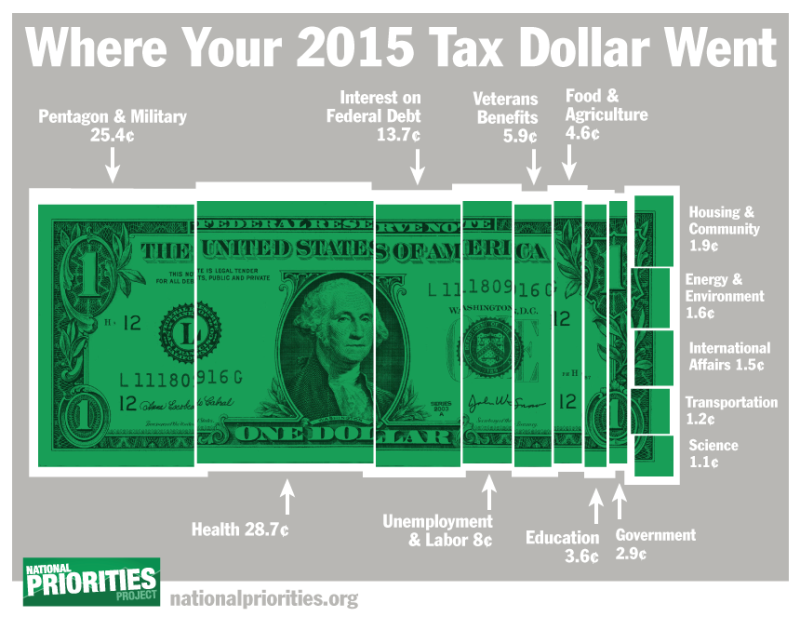
window.__IS_SSR__=true
window.__INITIAL_STATE__={
"attachmentsReducer": {
"audio_0": {
"type": "attachments",
"id": "audio_0",
"imgSizes": {
"kqedFullSize": {
"file": "https://ww2.kqed.org/news/wp-content/themes/KQED-unified/img/audio_bgs/background0.jpg"
}
}
},
"audio_1": {
"type": "attachments",
"id": "audio_1",
"imgSizes": {
"kqedFullSize": {
"file": "https://ww2.kqed.org/news/wp-content/themes/KQED-unified/img/audio_bgs/background1.jpg"
}
}
},
"audio_2": {
"type": "attachments",
"id": "audio_2",
"imgSizes": {
"kqedFullSize": {
"file": "https://ww2.kqed.org/news/wp-content/themes/KQED-unified/img/audio_bgs/background2.jpg"
}
}
},
"audio_3": {
"type": "attachments",
"id": "audio_3",
"imgSizes": {
"kqedFullSize": {
"file": "https://ww2.kqed.org/news/wp-content/themes/KQED-unified/img/audio_bgs/background3.jpg"
}
}
},
"audio_4": {
"type": "attachments",
"id": "audio_4",
"imgSizes": {
"kqedFullSize": {
"file": "https://ww2.kqed.org/news/wp-content/themes/KQED-unified/img/audio_bgs/background4.jpg"
}
}
},
"placeholder": {
"type": "attachments",
"id": "placeholder",
"imgSizes": {
"thumbnail": {
"file": "https://cdn.kqed.org/wp-content/uploads/2024/12/KQED-Default-Image-816638274-2000x1333-1-160x107.jpg",
"width": 160,
"height": 107,
"mimeType": "image/jpeg"
},
"medium": {
"file": "https://cdn.kqed.org/wp-content/uploads/2024/12/KQED-Default-Image-816638274-2000x1333-1-800x533.jpg",
"width": 800,
"height": 533,
"mimeType": "image/jpeg"
},
"medium_large": {
"file": "https://cdn.kqed.org/wp-content/uploads/2024/12/KQED-Default-Image-816638274-2000x1333-1-768x512.jpg",
"width": 768,
"height": 512,
"mimeType": "image/jpeg"
},
"large": {
"file": "https://cdn.kqed.org/wp-content/uploads/2024/12/KQED-Default-Image-816638274-2000x1333-1-1020x680.jpg",
"width": 1020,
"height": 680,
"mimeType": "image/jpeg"
},
"1536x1536": {
"file": "https://cdn.kqed.org/wp-content/uploads/2024/12/KQED-Default-Image-816638274-2000x1333-1-1536x1024.jpg",
"width": 1536,
"height": 1024,
"mimeType": "image/jpeg"
},
"fd-lrg": {
"file": "https://cdn.kqed.org/wp-content/uploads/2024/12/KQED-Default-Image-816638274-2000x1333-1-1536x1024.jpg",
"width": 1536,
"height": 1024,
"mimeType": "image/jpeg"
},
"fd-med": {
"file": "https://cdn.kqed.org/wp-content/uploads/2024/12/KQED-Default-Image-816638274-2000x1333-1-1020x680.jpg",
"width": 1020,
"height": 680,
"mimeType": "image/jpeg"
},
"fd-sm": {
"file": "https://cdn.kqed.org/wp-content/uploads/2024/12/KQED-Default-Image-816638274-2000x1333-1-800x533.jpg",
"width": 800,
"height": 533,
"mimeType": "image/jpeg"
},
"post-thumbnail": {
"file": "https://cdn.kqed.org/wp-content/uploads/2024/12/KQED-Default-Image-816638274-2000x1333-1-672x372.jpg",
"width": 672,
"height": 372,
"mimeType": "image/jpeg"
},
"twentyfourteen-full-width": {
"file": "https://cdn.kqed.org/wp-content/uploads/2024/12/KQED-Default-Image-816638274-2000x1333-1-1038x576.jpg",
"width": 1038,
"height": 576,
"mimeType": "image/jpeg"
},
"xxsmall": {
"file": "https://cdn.kqed.org/wp-content/uploads/2024/12/KQED-Default-Image-816638274-2000x1333-1-160x107.jpg",
"width": 160,
"height": 107,
"mimeType": "image/jpeg"
},
"xsmall": {
"file": "https://cdn.kqed.org/wp-content/uploads/2024/12/KQED-Default-Image-816638274-2000x1333-1-672x372.jpg",
"width": 672,
"height": 372,
"mimeType": "image/jpeg"
},
"small": {
"file": "https://cdn.kqed.org/wp-content/uploads/2024/12/KQED-Default-Image-816638274-2000x1333-1-672x372.jpg",
"width": 672,
"height": 372,
"mimeType": "image/jpeg"
},
"xlarge": {
"file": "https://cdn.kqed.org/wp-content/uploads/2024/12/KQED-Default-Image-816638274-2000x1333-1-1020x680.jpg",
"width": 1020,
"height": 680,
"mimeType": "image/jpeg"
},
"full-width": {
"file": "https://cdn.kqed.org/wp-content/uploads/2024/12/KQED-Default-Image-816638274-2000x1333-1-1920x1280.jpg",
"width": 1920,
"height": 1280,
"mimeType": "image/jpeg"
},
"guest-author-32": {
"file": "https://cdn.kqed.org/wp-content/uploads/2025/01/KQED-Default-Image-816638274-1333x1333-1-160x160.jpg",
"width": 32,
"height": 32,
"mimeType": "image/jpeg"
},
"guest-author-50": {
"file": "https://cdn.kqed.org/wp-content/uploads/2025/01/KQED-Default-Image-816638274-1333x1333-1-160x160.jpg",
"width": 50,
"height": 50,
"mimeType": "image/jpeg"
},
"guest-author-64": {
"file": "https://cdn.kqed.org/wp-content/uploads/2025/01/KQED-Default-Image-816638274-1333x1333-1-160x160.jpg",
"width": 64,
"height": 64,
"mimeType": "image/jpeg"
},
"guest-author-96": {
"file": "https://cdn.kqed.org/wp-content/uploads/2025/01/KQED-Default-Image-816638274-1333x1333-1-160x160.jpg",
"width": 96,
"height": 96,
"mimeType": "image/jpeg"
},
"guest-author-128": {
"file": "https://cdn.kqed.org/wp-content/uploads/2025/01/KQED-Default-Image-816638274-1333x1333-1-160x160.jpg",
"width": 128,
"height": 128,
"mimeType": "image/jpeg"
},
"detail": {
"file": "https://cdn.kqed.org/wp-content/uploads/2025/01/KQED-Default-Image-816638274-1333x1333-1-160x160.jpg",
"width": 160,
"height": 160,
"mimeType": "image/jpeg"
},
"kqedFullSize": {
"file": "https://cdn.kqed.org/wp-content/uploads/2024/12/KQED-Default-Image-816638274-2000x1333-1.jpg",
"width": 2000,
"height": 1333
}
}
},
"lowdown_17248": {
"type": "attachments",
"id": "lowdown_17248",
"meta": {
"index": "attachments_1716263798",
"site": "lowdown",
"id": "17248",
"found": true
},
"parent": 17202,
"imgSizes": {
"twentyfourteen-full-width": {
"file": "https://ww2.kqed.org/app/uploads/sites/26/2015/04/Nepal_Earthquake_2015_01-1038x576.jpg",
"width": 1038,
"mimeType": "image/jpeg",
"height": 576
},
"thumbnail": {
"file": "https://ww2.kqed.org/app/uploads/sites/26/2015/04/Nepal_Earthquake_2015_01-400x300.jpg",
"width": 400,
"mimeType": "image/jpeg",
"height": 300
},
"fd-sm": {
"file": "https://ww2.kqed.org/app/uploads/sites/26/2015/04/Nepal_Earthquake_2015_01-960x720.jpg",
"width": 960,
"mimeType": "image/jpeg",
"height": 720
},
"post-thumbnail": {
"file": "https://ww2.kqed.org/app/uploads/sites/26/2015/04/Nepal_Earthquake_2015_01-672x372.jpg",
"width": 672,
"mimeType": "image/jpeg",
"height": 372
},
"kqedFullSize": {
"file": "https://ww2.kqed.org/app/uploads/sites/26/2015/04/Nepal_Earthquake_2015_01.jpg",
"width": 1280,
"height": 960
},
"fd-med": {
"file": "https://ww2.kqed.org/app/uploads/sites/26/2015/04/Nepal_Earthquake_2015_01-1180x885.jpg",
"width": 1180,
"mimeType": "image/jpeg",
"height": 885
},
"guest-author-96": {
"file": "https://ww2.kqed.org/app/uploads/sites/26/2015/04/Nepal_Earthquake_2015_01-96x96.jpg",
"width": 96,
"mimeType": "image/jpeg",
"height": 96
},
"medium": {
"file": "https://ww2.kqed.org/app/uploads/sites/26/2015/04/Nepal_Earthquake_2015_01-800x600.jpg",
"width": 800,
"mimeType": "image/jpeg",
"height": 600
},
"guest-author-64": {
"file": "https://ww2.kqed.org/app/uploads/sites/26/2015/04/Nepal_Earthquake_2015_01-64x64.jpg",
"width": 64,
"mimeType": "image/jpeg",
"height": 64
},
"detail": {
"file": "https://ww2.kqed.org/app/uploads/sites/26/2015/04/Nepal_Earthquake_2015_01-75x75.jpg",
"width": 75,
"mimeType": "image/jpeg",
"height": 75
},
"guest-author-32": {
"file": "https://ww2.kqed.org/app/uploads/sites/26/2015/04/Nepal_Earthquake_2015_01-32x32.jpg",
"width": 32,
"mimeType": "image/jpeg",
"height": 32
},
"guest-author-128": {
"file": "https://ww2.kqed.org/app/uploads/sites/26/2015/04/Nepal_Earthquake_2015_01-128x128.jpg",
"width": 128,
"mimeType": "image/jpeg",
"height": 128
}
},
"publishDate": 1430180831,
"modified": 1430180837,
"caption": null,
"description": null,
"title": null,
"credit": null,
"status": "inherit",
"isLoading": false,
"fetchFailed": false
},
"education_15990": {
"type": "attachments",
"id": "education_15990",
"meta": {
"index": "attachments_1716263798",
"site": "education",
"id": "15990",
"found": true
},
"parent": 15734,
"imgSizes": {
"thumbnail": {
"file": "https://ww2.kqed.org/app/uploads/sites/38/2015/02/WORK-e1423510747577-400x225.png",
"width": 400,
"mimeType": "image/png",
"height": 225
},
"kqedFullSize": {
"file": "https://ww2.kqed.org/app/uploads/sites/38/2015/02/WORK-e1423510747577.png",
"width": 640,
"height": 360
},
"guest-author-96": {
"file": "https://ww2.kqed.org/app/uploads/sites/38/2015/02/WORK-e1423510747577-96x96.png",
"width": 96,
"mimeType": "image/png",
"height": 96
},
"guest-author-64": {
"file": "https://ww2.kqed.org/app/uploads/sites/38/2015/02/WORK-e1423510747577-64x64.png",
"width": 64,
"mimeType": "image/png",
"height": 64
},
"detail": {
"file": "https://ww2.kqed.org/app/uploads/sites/38/2015/02/WORK-e1423510747577-75x75.png",
"width": 75,
"mimeType": "image/png",
"height": 75
},
"guest-author-32": {
"file": "https://ww2.kqed.org/app/uploads/sites/38/2015/02/WORK-e1423510747577-32x32.png",
"width": 32,
"mimeType": "image/png",
"height": 32
},
"guest-author-128": {
"file": "https://ww2.kqed.org/app/uploads/sites/38/2015/02/WORK-e1423510747577-128x128.png",
"width": 128,
"mimeType": "image/png",
"height": 128
}
},
"publishDate": 1423510723,
"modified": 1423510723,
"caption": null,
"description": null,
"title": "WORK",
"credit": null,
"status": "inherit",
"isLoading": false,
"fetchFailed": false
},
"education_16991": {
"type": "attachments",
"id": "education_16991",
"meta": {
"index": "attachments_1716263798",
"site": "education",
"id": "16991",
"found": true
},
"parent": 16989,
"imgSizes": {
"thumbnail": {
"file": "https://ww2.kqed.org/app/uploads/sites/38/2015/04/earth_day-400x225.jpg",
"width": 400,
"mimeType": "image/jpeg",
"height": 225
},
"kqedFullSize": {
"file": "https://ww2.kqed.org/app/uploads/sites/38/2015/04/earth_day.jpg",
"width": 640,
"height": 360
},
"guest-author-96": {
"file": "https://ww2.kqed.org/app/uploads/sites/38/2015/04/earth_day-96x96.jpg",
"width": 96,
"mimeType": "image/jpeg",
"height": 96
},
"guest-author-64": {
"file": "https://ww2.kqed.org/app/uploads/sites/38/2015/04/earth_day-64x64.jpg",
"width": 64,
"mimeType": "image/jpeg",
"height": 64
},
"detail": {
"file": "https://ww2.kqed.org/app/uploads/sites/38/2015/04/earth_day-75x75.jpg",
"width": 75,
"mimeType": "image/jpeg",
"height": 75
},
"guest-author-32": {
"file": "https://ww2.kqed.org/app/uploads/sites/38/2015/04/earth_day-32x32.jpg",
"width": 32,
"mimeType": "image/jpeg",
"height": 32
},
"guest-author-128": {
"file": "https://ww2.kqed.org/app/uploads/sites/38/2015/04/earth_day-128x128.jpg",
"width": 128,
"mimeType": "image/jpeg",
"height": 128
}
},
"publishDate": 1429566897,
"modified": 1429566897,
"caption": null,
"description": null,
"title": "earth_day",
"credit": null,
"status": "inherit",
"isLoading": false,
"fetchFailed": false
},
"lowdown_21832": {
"type": "attachments",
"id": "lowdown_21832",
"meta": {
"index": "attachments_1716263798",
"site": "lowdown",
"id": "21832",
"found": true
},
"parent": 17056,
"imgSizes": {
"twentyfourteen-full-width": {
"file": "https://ww2.kqed.org/app/uploads/sites/26/2015/04/taxes-green-860x576.png",
"width": 860,
"mimeType": "image/png",
"height": 576
},
"thumbnail": {
"file": "https://ww2.kqed.org/app/uploads/sites/26/2015/04/taxes-green-400x308.png",
"width": 400,
"mimeType": "image/png",
"height": 308
},
"post-thumbnail": {
"file": "https://ww2.kqed.org/app/uploads/sites/26/2015/04/taxes-green-672x372.png",
"width": 672,
"mimeType": "image/png",
"height": 372
},
"kqedFullSize": {
"file": "https://ww2.kqed.org/app/uploads/sites/26/2015/04/taxes-green.png",
"width": 860,
"height": 663
},
"guest-author-96": {
"file": "https://ww2.kqed.org/app/uploads/sites/26/2015/04/taxes-green-96x96.png",
"width": 96,
"mimeType": "image/png",
"height": 96
},
"medium": {
"file": "https://ww2.kqed.org/app/uploads/sites/26/2015/04/taxes-green-800x617.png",
"width": 800,
"mimeType": "image/png",
"height": 617
},
"guest-author-64": {
"file": "https://ww2.kqed.org/app/uploads/sites/26/2015/04/taxes-green-64x64.png",
"width": 64,
"mimeType": "image/png",
"height": 64
},
"detail": {
"file": "https://ww2.kqed.org/app/uploads/sites/26/2015/04/taxes-green-75x75.png",
"width": 75,
"mimeType": "image/png",
"height": 75
},
"guest-author-32": {
"file": "https://ww2.kqed.org/app/uploads/sites/26/2015/04/taxes-green-32x32.png",
"width": 32,
"mimeType": "image/png",
"height": 32
},
"medium_large": {
"file": "https://ww2.kqed.org/app/uploads/sites/26/2015/04/taxes-green-768x592.png",
"width": 768,
"mimeType": "image/png",
"height": 592
},
"guest-author-128": {
"file": "https://ww2.kqed.org/app/uploads/sites/26/2015/04/taxes-green-128x128.png",
"width": 128,
"mimeType": "image/png",
"height": 128
}
},
"publishDate": 1460414611,
"modified": 1460414611,
"caption": null,
"description": null,
"title": "taxes-green",
"credit": null,
"status": "inherit",
"isLoading": false,
"fetchFailed": false
},
"education_16000": {
"type": "attachments",
"id": "education_16000",
"meta": {
"index": "attachments_1716263798",
"site": "education",
"id": "16000",
"found": true
},
"parent": 15672,
"imgSizes": {
"thumbnail": {
"file": "https://ww2.kqed.org/app/uploads/sites/38/2015/02/Limited-e1423512868957-400x225.png",
"width": 400,
"mimeType": "image/png",
"height": 225
},
"kqedFullSize": {
"file": "https://ww2.kqed.org/app/uploads/sites/38/2015/02/Limited-e1423512868957.png",
"width": 640,
"height": 360
},
"guest-author-96": {
"file": "https://ww2.kqed.org/app/uploads/sites/38/2015/02/Limited-e1423512868957-96x96.png",
"width": 96,
"mimeType": "image/png",
"height": 96
},
"guest-author-64": {
"file": "https://ww2.kqed.org/app/uploads/sites/38/2015/02/Limited-e1423512868957-64x64.png",
"width": 64,
"mimeType": "image/png",
"height": 64
},
"detail": {
"file": "https://ww2.kqed.org/app/uploads/sites/38/2015/02/Limited-e1423512868957-75x75.png",
"width": 75,
"mimeType": "image/png",
"height": 75
},
"guest-author-32": {
"file": "https://ww2.kqed.org/app/uploads/sites/38/2015/02/Limited-e1423512868957-32x32.png",
"width": 32,
"mimeType": "image/png",
"height": 32
},
"guest-author-128": {
"file": "https://ww2.kqed.org/app/uploads/sites/38/2015/02/Limited-e1423512868957-128x128.png",
"width": 128,
"mimeType": "image/png",
"height": 128
}
},
"publishDate": 1423512856,
"modified": 1423512856,
"caption": null,
"description": null,
"title": "Limited",
"credit": null,
"status": "inherit",
"isLoading": false,
"fetchFailed": false
},
"lowdown_16111": {
"type": "attachments",
"id": "lowdown_16111",
"meta": {
"index": "attachments_1716263798",
"site": "lowdown",
"id": "16111",
"found": true
},
"parent": 16107,
"imgSizes": {
"thumbnail": {
"file": "https://ww2.kqed.org/app/uploads/sites/26/2015/02/Lake-Oroville-2014-400x268.jpg",
"width": 400,
"mimeType": "image/jpeg",
"height": 268
},
"fd-sm": {
"file": "https://ww2.kqed.org/app/uploads/sites/26/2015/02/Lake-Oroville-2014-320x215.jpg",
"width": 320,
"mimeType": "image/jpeg",
"height": 215
},
"post-thumbnail": {
"file": "https://ww2.kqed.org/app/uploads/sites/26/2015/02/Lake-Oroville-2014-640x372.jpg",
"width": 640,
"mimeType": "image/jpeg",
"height": 372
},
"kqedFullSize": {
"file": "https://ww2.kqed.org/app/uploads/sites/26/2015/02/Lake-Oroville-2014.jpg",
"width": 640,
"height": 429
},
"guest-author-96": {
"file": "https://ww2.kqed.org/app/uploads/sites/26/2015/02/Lake-Oroville-2014-96x96.jpg",
"width": 96,
"mimeType": "image/jpeg",
"height": 96
},
"guest-author-64": {
"file": "https://ww2.kqed.org/app/uploads/sites/26/2015/02/Lake-Oroville-2014-64x64.jpg",
"width": 64,
"mimeType": "image/jpeg",
"height": 64
},
"detail": {
"file": "https://ww2.kqed.org/app/uploads/sites/26/2015/02/Lake-Oroville-2014-75x75.jpg",
"width": 75,
"mimeType": "image/jpeg",
"height": 75
},
"guest-author-32": {
"file": "https://ww2.kqed.org/app/uploads/sites/26/2015/02/Lake-Oroville-2014-32x32.jpg",
"width": 32,
"mimeType": "image/jpeg",
"height": 32
},
"guest-author-128": {
"file": "https://ww2.kqed.org/app/uploads/sites/26/2015/02/Lake-Oroville-2014-128x128.jpg",
"width": 128,
"mimeType": "image/jpeg",
"height": 128
}
},
"publishDate": 1423180024,
"modified": 1442947410,
"caption": "Lake Oroville, August 19, 2014 \n",
"description": null,
"title": "Lake Oroville, 2014",
"credit": "Justin Sullivan/Getty Images",
"status": "inherit",
"isLoading": false,
"fetchFailed": false
},
"lowdown_17313": {
"type": "attachments",
"id": "lowdown_17313",
"meta": {
"index": "attachments_1716263798",
"site": "lowdown",
"id": "17313",
"found": true
},
"parent": 16750,
"imgSizes": {
"thumbnail": {
"file": "https://ww2.kqed.org/app/uploads/sites/26/2015/04/Capture3-e1432175216525-400x249.jpg",
"width": 400,
"mimeType": "image/jpeg",
"height": 249
},
"post-thumbnail": {
"file": "https://ww2.kqed.org/app/uploads/sites/26/2015/04/Capture3-605x372.jpg",
"width": 605,
"mimeType": "image/jpeg",
"height": 372
},
"kqedFullSize": {
"file": "https://ww2.kqed.org/app/uploads/sites/26/2015/04/Capture3-e1432175216525.jpg",
"width": 595,
"height": 370
},
"guest-author-96": {
"file": "https://ww2.kqed.org/app/uploads/sites/26/2015/04/Capture3-e1432175216525-96x96.jpg",
"width": 96,
"mimeType": "image/jpeg",
"height": 96
},
"guest-author-64": {
"file": "https://ww2.kqed.org/app/uploads/sites/26/2015/04/Capture3-e1432175216525-64x64.jpg",
"width": 64,
"mimeType": "image/jpeg",
"height": 64
},
"detail": {
"file": "https://ww2.kqed.org/app/uploads/sites/26/2015/04/Capture3-e1432175216525-75x75.jpg",
"width": 75,
"mimeType": "image/jpeg",
"height": 75
},
"guest-author-32": {
"file": "https://ww2.kqed.org/app/uploads/sites/26/2015/04/Capture3-e1432175216525-32x32.jpg",
"width": 32,
"mimeType": "image/jpeg",
"height": 32
},
"guest-author-128": {
"file": "https://ww2.kqed.org/app/uploads/sites/26/2015/04/Capture3-e1432175216525-128x128.jpg",
"width": 128,
"mimeType": "image/jpeg",
"height": 128
}
},
"publishDate": 1430351278,
"modified": 1430351278,
"caption": null,
"description": null,
"title": "Capture",
"credit": null,
"status": "inherit",
"isLoading": false,
"fetchFailed": false
},
"lowdown_16885": {
"type": "attachments",
"id": "lowdown_16885",
"meta": {
"index": "attachments_1716263798",
"site": "lowdown",
"id": "16885",
"found": true
},
"parent": 16876,
"imgSizes": {
"twentyfourteen-full-width": {
"file": "https://ww2.kqed.org/app/uploads/sites/26/2015/04/LAT_times-interactive-e1428446308301-1038x576.jpg",
"width": 1038,
"mimeType": "image/jpeg",
"height": 576
},
"thumbnail": {
"file": "https://ww2.kqed.org/app/uploads/sites/26/2015/04/LAT_times-interactive-e1428446308301-400x241.jpg",
"width": 400,
"mimeType": "image/jpeg",
"height": 241
},
"fd-sm": {
"file": "https://ww2.kqed.org/app/uploads/sites/26/2015/04/LAT_times-interactive-e1428446308301-320x193.jpg",
"width": 320,
"mimeType": "image/jpeg",
"height": 193
},
"post-thumbnail": {
"file": "https://ww2.kqed.org/app/uploads/sites/26/2015/04/LAT_times-interactive-e1428446308301-672x372.jpg",
"width": 672,
"mimeType": "image/jpeg",
"height": 372
},
"kqedFullSize": {
"file": "https://ww2.kqed.org/app/uploads/sites/26/2015/04/LAT_times-interactive-e1428446308301.jpg",
"width": 1089,
"height": 657
},
"fd-med": {
"file": "https://ww2.kqed.org/app/uploads/sites/26/2015/04/LAT_times-interactive-e1428446308301-768x463.jpg",
"width": 768,
"mimeType": "image/jpeg",
"height": 463
},
"guest-author-96": {
"file": "https://ww2.kqed.org/app/uploads/sites/26/2015/04/LAT_times-interactive-e1428446308301-96x96.jpg",
"width": 96,
"mimeType": "image/jpeg",
"height": 96
},
"medium": {
"file": "https://ww2.kqed.org/app/uploads/sites/26/2015/04/LAT_times-interactive-e1428446308301-800x483.jpg",
"width": 800,
"mimeType": "image/jpeg",
"height": 483
},
"guest-author-64": {
"file": "https://ww2.kqed.org/app/uploads/sites/26/2015/04/LAT_times-interactive-e1428446308301-64x64.jpg",
"width": 64,
"mimeType": "image/jpeg",
"height": 64
},
"detail": {
"file": "https://ww2.kqed.org/app/uploads/sites/26/2015/04/LAT_times-interactive-e1428446308301-75x75.jpg",
"width": 75,
"mimeType": "image/jpeg",
"height": 75
},
"guest-author-32": {
"file": "https://ww2.kqed.org/app/uploads/sites/26/2015/04/LAT_times-interactive-e1428446308301-32x32.jpg",
"width": 32,
"mimeType": "image/jpeg",
"height": 32
},
"guest-author-128": {
"file": "https://ww2.kqed.org/app/uploads/sites/26/2015/04/LAT_times-interactive-e1428446308301-128x128.jpg",
"width": 128,
"mimeType": "image/jpeg",
"height": 128
}
},
"publishDate": 1428445973,
"modified": 1428445988,
"caption": "Courtesy LA Times ",
"description": null,
"title": "LAT_times interactive",
"credit": null,
"status": "inherit",
"isLoading": false,
"fetchFailed": false
},
"lowdown_16863": {
"type": "attachments",
"id": "lowdown_16863",
"meta": {
"index": "attachments_1716263798",
"site": "lowdown",
"id": "16863",
"found": true
},
"parent": 16860,
"imgSizes": {
"twentyfourteen-full-width": {
"file": "https://ww2.kqed.org/app/uploads/sites/26/2015/04/72515-full-1024x576.jpg",
"width": 1024,
"mimeType": "image/jpeg",
"height": 576
},
"thumbnail": {
"file": "https://ww2.kqed.org/app/uploads/sites/26/2015/04/72515-full-400x300.jpg",
"width": 400,
"mimeType": "image/jpeg",
"height": 300
},
"fd-sm": {
"file": "https://ww2.kqed.org/app/uploads/sites/26/2015/04/72515-full-320x240.jpg",
"width": 320,
"mimeType": "image/jpeg",
"height": 240
},
"post-thumbnail": {
"file": "https://ww2.kqed.org/app/uploads/sites/26/2015/04/72515-full-672x372.jpg",
"width": 672,
"mimeType": "image/jpeg",
"height": 372
},
"kqedFullSize": {
"file": "https://ww2.kqed.org/app/uploads/sites/26/2015/04/72515-full.jpg",
"width": 1024,
"height": 768
},
"fd-med": {
"file": "https://ww2.kqed.org/app/uploads/sites/26/2015/04/72515-full-768x576.jpg",
"width": 768,
"mimeType": "image/jpeg",
"height": 576
},
"guest-author-96": {
"file": "https://ww2.kqed.org/app/uploads/sites/26/2015/04/72515-full-96x96.jpg",
"width": 96,
"mimeType": "image/jpeg",
"height": 96
},
"medium": {
"file": "https://ww2.kqed.org/app/uploads/sites/26/2015/04/72515-full-800x600.jpg",
"width": 800,
"mimeType": "image/jpeg",
"height": 600
},
"guest-author-64": {
"file": "https://ww2.kqed.org/app/uploads/sites/26/2015/04/72515-full-64x64.jpg",
"width": 64,
"mimeType": "image/jpeg",
"height": 64
},
"detail": {
"file": "https://ww2.kqed.org/app/uploads/sites/26/2015/04/72515-full-75x75.jpg",
"width": 75,
"mimeType": "image/jpeg",
"height": 75
},
"guest-author-32": {
"file": "https://ww2.kqed.org/app/uploads/sites/26/2015/04/72515-full-32x32.jpg",
"width": 32,
"mimeType": "image/jpeg",
"height": 32
},
"guest-author-128": {
"file": "https://ww2.kqed.org/app/uploads/sites/26/2015/04/72515-full-128x128.jpg",
"width": 128,
"mimeType": "image/jpeg",
"height": 128
}
},
"publishDate": 1428083769,
"modified": 1428083810,
"caption": "A view of Lake Oroville from the Lime Saddle area, near Paradise, 2013. (Courtesy calilily/Flickr)",
"description": null,
"title": "72515-full",
"credit": null,
"status": "inherit",
"isLoading": false,
"fetchFailed": false
}
},
"audioPlayerReducer": {
"postId": "stream_live",
"isPaused": true,
"isPlaying": false,
"pfsActive": false,
"pledgeModalIsOpen": true,
"playerDrawerIsOpen": false,
"liveAudioPlayStartedAt": 0,
"liveAudioPlayContext": ""
},
"authorsReducer": {
"matthewgreen": {
"type": "authors",
"id": "1263",
"meta": {
"index": "authors_1716337520",
"id": "1263",
"found": true
},
"name": "Matthew Green",
"firstName": "Matthew",
"lastName": "Green",
"slug": "matthewgreen",
"email": "mgreen@kqed.org",
"display_author_email": false,
"staff_mastheads": [],
"title": "KQED Editor/Reporter",
"bio": "Matthew Green is a digital media producer for KQED News. He previously produced \u003ca href=\"http://www.kqed.org/lowdown\">The Lowdown\u003c/a>, KQED’s multimedia news education blog. Matthew's written for numerous Bay Area publications, including the Oakland Tribune and San Francisco Chronicle. He also taught journalism classes at Fremont High School in East Oakland.\r\n\r\nEmail: mgreen@kqed.org; Twitter: @MGreenKQED",
"avatar": "https://secure.gravatar.com/avatar/3bf498d1267ca02c8494f33d8cfc575e?s=600&d=blank&r=g",
"twitter": "MGreenKQED",
"facebook": null,
"instagram": null,
"linkedin": null,
"sites": [
{
"site": "news",
"roles": []
},
{
"site": "lowdown",
"roles": []
},
{
"site": "science",
"roles": []
},
{
"site": "education",
"roles": []
},
{
"site": "quest",
"roles": []
},
{
"site": "liveblog",
"roles": []
}
],
"headData": {
"title": "Matthew Green | KQED",
"description": "KQED Editor/Reporter",
"ogImgSrc": "https://secure.gravatar.com/avatar/3bf498d1267ca02c8494f33d8cfc575e?s=600&d=blank&r=g",
"twImgSrc": "https://secure.gravatar.com/avatar/3bf498d1267ca02c8494f33d8cfc575e?s=600&d=blank&r=g"
},
"isLoading": false,
"link": "/author/matthewgreen"
},
"vpowell": {
"type": "authors",
"id": "7551",
"meta": {
"index": "authors_1716337520",
"id": "7551",
"found": true
},
"name": "Victor Powell",
"firstName": "Victor",
"lastName": "Powell",
"slug": "vpowell",
"email": "vicapowell39@gmail.com",
"display_author_email": false,
"staff_mastheads": [],
"title": "KQED Contributor",
"bio": "Victor Powell is a Berkeley-based web developer, specializing in data visualization. He runs the consultancy \u003ca href=\"http://setosa.io\" target=\"_blank\">Setosa\u003c/a>.",
"avatar": "https://secure.gravatar.com/avatar/3d7e105481328741c7f6fd18b8cccbc7b4c28041f18cc9d7cb62b139f9df4388?s=600&d=blank&r=g",
"twitter": null,
"bluesky": null,
"facebook": null,
"instagram": null,
"linkedin": null,
"sites": [
{
"site": "lowdown",
"roles": [
"subscriber"
]
}
],
"headData": {
"title": "Victor Powell | KQED",
"description": "KQED Contributor",
"ogImgSrc": "https://secure.gravatar.com/avatar/3d7e105481328741c7f6fd18b8cccbc7b4c28041f18cc9d7cb62b139f9df4388?s=600&d=blank&r=g",
"twImgSrc": "https://secure.gravatar.com/avatar/3d7e105481328741c7f6fd18b8cccbc7b4c28041f18cc9d7cb62b139f9df4388?s=600&d=blank&r=g"
},
"isLoading": false,
"link": "/author/vpowell"
},
"sntwengknapton": {
"type": "authors",
"id": "9603",
"meta": {
"index": "authors_1716337520",
"id": "9603",
"found": true
},
"name": "Sofala Ntweng-Knapton",
"firstName": "Sofala",
"lastName": "Ntweng-Knapton",
"slug": "sntwengknapton",
"email": "sntwengknapton@kqed.org",
"display_author_email": false,
"staff_mastheads": [],
"title": null,
"bio": "Sofala Ntweng-Knapton is a student attending San Francisco State University currently studying Broadcast and Electronic Communication Arts.",
"avatar": "https://secure.gravatar.com/avatar/5bb4dcb3c1d146fdac595c075c0debd3?s=600&d=blank&r=g",
"twitter": null,
"facebook": null,
"instagram": null,
"linkedin": null,
"sites": [
{
"site": "education",
"roles": [
"author"
]
}
],
"headData": {
"title": "Sofala Ntweng-Knapton | KQED",
"description": null,
"ogImgSrc": "https://secure.gravatar.com/avatar/5bb4dcb3c1d146fdac595c075c0debd3?s=600&d=blank&r=g",
"twImgSrc": "https://secure.gravatar.com/avatar/5bb4dcb3c1d146fdac595c075c0debd3?s=600&d=blank&r=g"
},
"isLoading": false,
"link": "/author/sntwengknapton"
}
},
"pagesReducer": {
"education_category_news-and-civics": {
"type": "terms",
"id": "education_50",
"meta": {
"index": "terms_1716263798",
"site": "education",
"id": "50",
"score": 13.896352
},
"featImg": null,
"name": "News & Civics",
"description": "Find civics lesson plans and teaching resources for high school and middle school, including lesson plan ideas on the latest news topics.",
"taxonomy": "category",
"headData": {
"twImgId": null,
"twTitle": null,
"ogTitle": null,
"ogImgId": null,
"twDescription": null,
"description": "Find civics lesson plans and teaching resources for high school and middle school, including lesson plan ideas on the latest news topics.",
"title": "News & Civics | KQED Education",
"ogDescription": null
},
"ttid": 58,
"slug": "news-and-civics",
"isLoading": false,
"title": "News & Civics",
"pageMeta": {
"site": "education",
"WpPageTemplate": "page-topic-company",
"currentPage": 39
},
"blocks": [
{
"blockName": "kqed/company-paragraph",
"content": "Find civics lesson plans and teaching resources for high school and middle school, including lesson plan ideas on the latest news topics."
},
{
"blockName": "kqed/post-list",
"attrs": {
"layout": "cardCompany2",
"query": "posts/education?category=news-and-civics",
"seeMore": false,
"paginated": true,
"page": 39
}
},
{
"blockName": "kqed/ad"
}
]
}
},
"pfsSessionReducer": {},
"postsReducer": {
"stream_live": {
"type": "live",
"id": "stream_live",
"audioUrl": "https://hls.kqed.org/hls/kqed_app/playlist.m3u8",
"title": "Live Stream",
"excerpt": "Live Stream information currently unavailable.",
"link": "/radio",
"featImg": "",
"label": {
"name": "KQED Live",
"link": "/"
}
},
"stream_kqedNewscast": {
"type": "posts",
"id": "stream_kqedNewscast",
"audioUrl": "https://www.kqed.org/.stream/anon/radio/RDnews/newscast.mp3?_=1",
"title": "KQED Newscast",
"featImg": "",
"label": {
"name": "88.5 FM",
"link": "/"
}
},
"lowdown_17202": {
"type": "posts",
"id": "lowdown_17202",
"meta": {
"index": "posts_1716263798",
"site": "lowdown",
"id": "17202",
"score": null,
"sort": [
1430168990000
]
},
"parent": 0,
"labelTerm": {
"site": "lowdown"
},
"blocks": [],
"publishDate": 1430168990,
"format": "aside",
"disqusTitle": "Interactive Maps of Nepal's Earthquake Damage",
"title": "Interactive Maps of Nepal's Earthquake Damage",
"headTitle": "The Lowdown | KQED News",
"content": "\u003cp>\u003c!-- iframe plugin v.4.3 wordpress.org/plugins/iframe/ -->\u003cbr>\n\u003ciframe width=\"660\" height=\"400\" src=\"https://www.youtube.com/embed/WwIw1-voHKQ\" frameborder=\"0\" scrolling=\"yes\" class=\"iframe-class\">\u003c/iframe>\u003c/p>\n\u003cp>\u003ca href=\"http://ww2.kqed.org/lowdown/wp-content/uploads/sites/26/2015/04/Screen-shot-2015-04-27-at-1.40.58-PM.png\">\u003cimg class=\"alignright wp-image-17213\" src=\"http://ww2.kqed.org/lowdown/wp-content/uploads/sites/26/2015/04/Screen-shot-2015-04-27-at-1.40.58-PM-400x240.png\" alt=\"Screen shot 2015-04-27 at 1.40.58 PM\" width=\"248\" height=\"149\" srcset=\"https://ww2.kqed.org/app/uploads/sites/26/2015/04/Screen-shot-2015-04-27-at-1.40.58-PM-400x240.png 400w, https://ww2.kqed.org/app/uploads/sites/26/2015/04/Screen-shot-2015-04-27-at-1.40.58-PM.png 548w\" sizes=\"(max-width: 248px) 100vw, 248px\">\u003c/a>More than 4,000 thousand people are dead in the aftermath of Saturday's massive 7.8 magnitude earthquake that rocked the landlocked Himalayan nation of Nepal. Mouseover the maps below to explore the region's geography and the locations of where the earthquake and aftershocks hit. The map at bottom shows a collection of user-submitted media of the disaster. For suggestions on how to help, visit \u003ca href=\"http://www.pri.org/stories/2015-04-25/how-help-nepal-7-vetted-charities-doing-relief-work-following-earthquake\" target=\"_blank\">Public Radio International\u003c/a>.\u003c/p>\n\u003cdiv>\n\u003c!-- iframe plugin v.4.3 wordpress.org/plugins/iframe/ -->\u003cbr>\n\u003ciframe width=\"100%\" height=\"600\" src=\"http://associatedpress.maps.arcgis.com/apps/PublicInformation/index.html?appid=9577896a097f4bef9d51d8cdc4908a0d\" frameborder=\"0\" allowfullscreen=\"allowfullscreen\" scrolling=\"yes\" class=\"iframe-class\">\u003c/iframe>\n\u003c/div>\n\u003cp>[Produced by the Associated Press]\u003c/p>\n\u003cp> \u003c/p>\n\u003cdiv>\n\u003c!-- iframe plugin v.4.3 wordpress.org/plugins/iframe/ -->\u003cbr>\n\u003ciframe width=\"100%\" height=\"600px\" src=\"http://www.arcgis.com/apps/PublicInformation/index.html?appid=de7c7b077c0144149fe5f9dd7857361d\" frameborder=\"0\" scrolling=\"yes\" class=\"iframe-class\">\u003c/iframe>\n\u003c/div>\n\u003cp>[ad fullwidth]\u003c/p>\u003cp>\u003c/p>\n",
"disqusIdentifier": "17202 http://ww2.kqed.org/lowdown/?p=17202",
"disqusUrl": "https://ww2.kqed.org/lowdown/2015/04/27/interactive-maps-explore-nepals-earthquake-and-aftermath/",
"stats": {
"hasVideo": true,
"hasChartOrMap": true,
"hasAudio": false,
"hasPolis": false,
"wordCount": 79,
"hasGoogleForm": false,
"hasGallery": false,
"hasHearkenModule": false,
"iframeSrcs": [
"https://www.youtube.com/embed/WwIw1-voHKQ",
"http://associatedpress.maps.arcgis.com/apps/PublicInformation/index.html",
"http://www.arcgis.com/apps/PublicInformation/index.html"
],
"paragraphCount": 5
},
"modified": 1430260438,
"excerpt": "Explore interactive maps of Nepal's earthquake. ",
"headData": {
"twImgId": "",
"twTitle": "",
"ogTitle": "",
"ogImgId": "",
"twDescription": "",
"description": "Explore interactive maps of Nepal's earthquake. ",
"title": "Interactive Maps of Nepal's Earthquake Damage | KQED",
"ogDescription": "",
"schema": {
"@context": "https://schema.org",
"@type": "Article",
"headline": "Interactive Maps of Nepal's Earthquake Damage",
"datePublished": "2015-04-27T14:09:50-07:00",
"dateModified": "2015-04-28T15:33:58-07:00",
"image": "https://cdn.kqed.org/wp-content/uploads/2020/02/KQED-OG-Image@1x.png"
}
},
"guestAuthors": [],
"slug": "interactive-maps-explore-nepals-earthquake-and-aftermath",
"status": "publish",
"path": "/lowdown/17202/interactive-maps-explore-nepals-earthquake-and-aftermath",
"audioTrackLength": null,
"parsedContent": [
{
"type": "contentString",
"content": "\u003cdiv class=\"post-body\">\u003cp>\u003cp>\u003c!-- iframe plugin v.4.3 wordpress.org/plugins/iframe/ -->\u003cbr>\n\u003ciframe width=\"660\" height=\"400\" src=\"https://www.youtube.com/embed/WwIw1-voHKQ\" frameborder=\"0\" scrolling=\"yes\" class=\"iframe-class\">\u003c/iframe>\u003c/p>\n\u003cp>\u003ca href=\"http://ww2.kqed.org/lowdown/wp-content/uploads/sites/26/2015/04/Screen-shot-2015-04-27-at-1.40.58-PM.png\">\u003cimg class=\"alignright wp-image-17213\" src=\"http://ww2.kqed.org/lowdown/wp-content/uploads/sites/26/2015/04/Screen-shot-2015-04-27-at-1.40.58-PM-400x240.png\" alt=\"Screen shot 2015-04-27 at 1.40.58 PM\" width=\"248\" height=\"149\" srcset=\"https://ww2.kqed.org/app/uploads/sites/26/2015/04/Screen-shot-2015-04-27-at-1.40.58-PM-400x240.png 400w, https://ww2.kqed.org/app/uploads/sites/26/2015/04/Screen-shot-2015-04-27-at-1.40.58-PM.png 548w\" sizes=\"(max-width: 248px) 100vw, 248px\">\u003c/a>More than 4,000 thousand people are dead in the aftermath of Saturday's massive 7.8 magnitude earthquake that rocked the landlocked Himalayan nation of Nepal. Mouseover the maps below to explore the region's geography and the locations of where the earthquake and aftershocks hit. The map at bottom shows a collection of user-submitted media of the disaster. For suggestions on how to help, visit \u003ca href=\"http://www.pri.org/stories/2015-04-25/how-help-nepal-7-vetted-charities-doing-relief-work-following-earthquake\" target=\"_blank\">Public Radio International\u003c/a>.\u003c/p>\n\u003cdiv>\n\u003c!-- iframe plugin v.4.3 wordpress.org/plugins/iframe/ -->\u003cbr>\n\u003ciframe width=\"100%\" height=\"600\" src=\"http://associatedpress.maps.arcgis.com/apps/PublicInformation/index.html?appid=9577896a097f4bef9d51d8cdc4908a0d\" frameborder=\"0\" allowfullscreen=\"allowfullscreen\" scrolling=\"yes\" class=\"iframe-class\">\u003c/iframe>\n\u003c/div>\n\u003cp>[Produced by the Associated Press]\u003c/p>\n\u003cp> \u003c/p>\n\u003cdiv>\n\u003c!-- iframe plugin v.4.3 wordpress.org/plugins/iframe/ -->\u003cbr>\n\u003ciframe width=\"100%\" height=\"600px\" src=\"http://www.arcgis.com/apps/PublicInformation/index.html?appid=de7c7b077c0144149fe5f9dd7857361d\" frameborder=\"0\" scrolling=\"yes\" class=\"iframe-class\">\u003c/iframe>\n\u003c/div>\n\u003cp>\u003c/p>\u003c/div>",
"attributes": {
"named": {},
"numeric": []
}
},
{
"type": "component",
"content": "",
"name": "ad",
"attributes": {
"named": {
"label": "fullwidth"
},
"numeric": [
"fullwidth"
]
}
},
{
"type": "contentString",
"content": "\u003cdiv class=\"post-body\">\u003cp>\u003c/p>\u003cp>\u003c/p>\n\u003c/div>\u003c/p>",
"attributes": {
"named": {},
"numeric": []
}
}
],
"link": "/lowdown/17202/interactive-maps-explore-nepals-earthquake-and-aftermath",
"authors": [
"1263"
],
"categories": [
"lowdown_242",
"lowdown_457"
],
"tags": [
"lowdown_518",
"lowdown_2337",
"lowdown_2341"
],
"featImg": "lowdown_17248",
"label": "lowdown"
},
"education_15734": {
"type": "posts",
"id": "education_15734",
"meta": {
"index": "posts_1716263798",
"site": "education",
"id": "15734",
"score": null,
"sort": [
1429772400000
]
},
"parent": 0,
"labelTerm": {
"site": "education"
},
"blocks": [],
"publishDate": 1429772400,
"format": "aside",
"title": "The Perfect Mayor [Youth-Produced Short Film]",
"headTitle": "The Perfect Mayor [Youth-Produced Short Film] | KQED",
"content": "\u003cp>\u003ca href=\"http://ww2.kqed.org/education/wp-content/uploads/sites/38/2015/02/Perfect-e1423523592182.png\">\u003cimg loading=\"lazy\" decoding=\"async\" class=\"alignnone size-medium wp-image-16019\" src=\"http://ww2.kqed.org/education/wp-content/uploads/sites/38/2015/02/Perfect-640x360.png\" alt=\"Perfect\" width=\"640\" height=\"360\">\u003c/a>\u003c/p>\n\u003cp>A group creates a list of characteristics that would make up the perfect mayor for the city of San Francisco. Let’s just say he likes to party.\u003c/p>\n\u003cp>This video was an official selection of \u003ca href=\"http://www.baymn.org/baymn-fest-2014.html\">BAYMN FEST\u003c/a> 2014. BAYMN FEST is an interactive showcase of media produced by youth ages 12-24 sponsored by \u003ca href=\"http://bayareahive.org/\">Hive Bay Area\u003c/a>.\u003c/p>\n\u003cp>\u003ciframe loading=\"lazy\" src=\"https://www.youtube.com/embed/pEMYFko9z08\" width=\"640\" height=\"360\" frameborder=\"0\" allowfullscreen=\"allowfullscreen\">\u003c/iframe>\u003c/p>\n\u003cp>By Ginger Chen\u003cbr>\n\u003cem>BAYCAT\u003c/em>\u003c/p>\n\u003cp>[ad fullwidth]\u003c/p>\u003cp>\u003c/p>\n",
"stats": {
"hasVideo": true,
"hasChartOrMap": false,
"hasAudio": false,
"hasPolis": false,
"wordCount": 64,
"hasGoogleForm": false,
"hasGallery": false,
"hasHearkenModule": false,
"iframeSrcs": [],
"paragraphCount": 7
},
"modified": 1704763711,
"excerpt": "A group creates a list of characteristics that would make up the perfect mayor for the city of San Francisco. Let’s just say he likes to party. This video was an official selection of BAYMN FEST 2014. BAYMN FEST is an interactive showcase of media produced by youth ages 12-24 sponsored by Hive Bay Area.",
"headData": {
"twImgId": "",
"twTitle": "",
"ogTitle": "",
"ogImgId": "",
"twDescription": "",
"description": "A group creates a list of characteristics that would make up the perfect mayor for the city of San Francisco. Let’s just say he likes to party. This video was an official selection of BAYMN FEST 2014. BAYMN FEST is an interactive showcase of media produced by youth ages 12-24 sponsored by Hive Bay Area.",
"title": "The Perfect Mayor [Youth-Produced Short Film] | KQED",
"ogDescription": "",
"schema": {
"@context": "https://schema.org",
"@type": "Article",
"headline": "The Perfect Mayor [Youth-Produced Short Film]",
"datePublished": "2015-04-23T00:00:00-07:00",
"dateModified": "2024-01-08T17:28:31-08:00",
"image": "https://cdn.kqed.org/wp-content/uploads/2020/02/KQED-OG-Image@1x.png"
}
},
"guestAuthors": [],
"slug": "the-perfect-mayor-youth-produced-short-film",
"status": "publish",
"sticky": false,
"path": "/education/15734/the-perfect-mayor-youth-produced-short-film",
"audioTrackLength": null,
"parsedContent": [
{
"type": "contentString",
"content": "\u003cdiv class=\"post-body\">\u003cp>\u003cp>\u003ca href=\"http://ww2.kqed.org/education/wp-content/uploads/sites/38/2015/02/Perfect-e1423523592182.png\">\u003cimg loading=\"lazy\" decoding=\"async\" class=\"alignnone size-medium wp-image-16019\" src=\"http://ww2.kqed.org/education/wp-content/uploads/sites/38/2015/02/Perfect-640x360.png\" alt=\"Perfect\" width=\"640\" height=\"360\">\u003c/a>\u003c/p>\n\u003cp>A group creates a list of characteristics that would make up the perfect mayor for the city of San Francisco. Let’s just say he likes to party.\u003c/p>\n\u003cp>This video was an official selection of \u003ca href=\"http://www.baymn.org/baymn-fest-2014.html\">BAYMN FEST\u003c/a> 2014. BAYMN FEST is an interactive showcase of media produced by youth ages 12-24 sponsored by \u003ca href=\"http://bayareahive.org/\">Hive Bay Area\u003c/a>.\u003c/p>\n\u003cp>\u003ciframe loading=\"lazy\" src=\"https://www.youtube.com/embed/pEMYFko9z08\" width=\"640\" height=\"360\" frameborder=\"0\" allowfullscreen=\"allowfullscreen\">\u003c/iframe>\u003c/p>\n\u003cp>By Ginger Chen\u003cbr>\n\u003cem>BAYCAT\u003c/em>\u003c/p>\n\u003cp>\u003c/p>\u003c/div>",
"attributes": {
"named": {},
"numeric": []
}
},
{
"type": "component",
"content": "",
"name": "ad",
"attributes": {
"named": {
"label": "fullwidth"
},
"numeric": [
"fullwidth"
]
}
},
{
"type": "contentString",
"content": "\u003cdiv class=\"post-body\">\u003cp>\u003c/p>\u003cp>\u003c/p>\n\u003c/div>\u003c/p>",
"attributes": {
"named": {},
"numeric": []
}
}
],
"link": "/education/15734/the-perfect-mayor-youth-produced-short-film",
"authors": [
"9603"
],
"categories": [
"education_1",
"education_50"
],
"tags": [
"education_180",
"education_1600",
"education_276",
"education_5",
"education_1320",
"education_1242"
],
"featImg": "education_15990",
"label": "education"
},
"education_16989": {
"type": "posts",
"id": "education_16989",
"meta": {
"index": "posts_1716263798",
"site": "education",
"id": "16989",
"score": null,
"sort": [
1429627959000
]
},
"parent": 0,
"labelTerm": {
"site": "lowdown"
},
"blocks": [],
"publishDate": 1429627959,
"format": "aside",
"title": "A Brief History of Earth Day",
"headTitle": "A Brief History of Earth Day | KQED",
"content": "\u003cp>\u003cem>“Restoring nature to its natural state is a cause beyond party and beyond factions … It is \u003ca href=\"http://blogs.kqed.org/lowdown/2014/04/18/earth-day-a-brief-history/\" target=\"_blank\" class=\"rssmi_more\" rel=\"noopener\"> …read more\u003c/a> \u003c/em>\u003c/p>\n\u003cp>Source: \u003ca href=\"http://blogs.kqed.org/lowdown/2014/04/18/earth-day-a-brief-history/\" target=\"_blank\" title=\"A Brief History of Earth Day\" rel=\"noopener\">The Lowdown\u003c/a>\u003c/p>\n\u003cp>[ad fullwidth]\u003c/p>\u003cp>\u003c/p>\n",
"stats": {
"hasVideo": false,
"hasChartOrMap": false,
"hasAudio": false,
"hasPolis": false,
"wordCount": 26,
"hasGoogleForm": false,
"hasGallery": false,
"hasHearkenModule": false,
"iframeSrcs": [],
"paragraphCount": 4
},
"modified": 1704763715,
"excerpt": "Here's a quick quiz about the history of Earth Day.",
"headData": {
"twImgId": "",
"twTitle": "",
"ogTitle": "",
"ogImgId": "",
"twDescription": "",
"description": "Here's a quick quiz about the history of Earth Day.",
"title": "A Brief History of Earth Day | KQED",
"ogDescription": "",
"schema": {
"@context": "https://schema.org",
"@type": "Article",
"headline": "A Brief History of Earth Day",
"datePublished": "2015-04-21T07:52:39-07:00",
"dateModified": "2024-01-08T17:28:35-08:00",
"image": "https://cdn.kqed.org/wp-content/uploads/2020/02/KQED-OG-Image@1x.png"
}
},
"guestAuthors": [],
"slug": "a-brief-history-of-earth-day",
"status": "publish",
"redirect": {
"type": "external",
"url": "http://blogs.kqed.org/lowdown/2014/04/18/earth-day-a-brief-history/"
},
"rssmiSourceLink": "http://blogs.kqed.org/lowdown/2014/04/18/earth-day-a-brief-history/",
"sticky": false,
"path": "/education/16989/a-brief-history-of-earth-day",
"audioTrackLength": null,
"parsedContent": [
{
"type": "contentString",
"content": "\u003cdiv class=\"post-body\">\u003cp>\u003cp>\u003cem>“Restoring nature to its natural state is a cause beyond party and beyond factions … It is \u003ca href=\"http://blogs.kqed.org/lowdown/2014/04/18/earth-day-a-brief-history/\" target=\"_blank\" class=\"rssmi_more\" rel=\"noopener\"> …read more\u003c/a> \u003c/em>\u003c/p>\n\u003cp>Source: \u003ca href=\"http://blogs.kqed.org/lowdown/2014/04/18/earth-day-a-brief-history/\" target=\"_blank\" title=\"A Brief History of Earth Day\" rel=\"noopener\">The Lowdown\u003c/a>\u003c/p>\n\u003cp>\u003c/p>\u003c/div>",
"attributes": {
"named": {},
"numeric": []
}
},
{
"type": "component",
"content": "",
"name": "ad",
"attributes": {
"named": {
"label": "fullwidth"
},
"numeric": [
"fullwidth"
]
}
},
{
"type": "contentString",
"content": "\u003cdiv class=\"post-body\">\u003cp>\u003c/p>\u003cp>\u003c/p>\n\u003c/div>\u003c/p>",
"attributes": {
"named": {},
"numeric": []
}
}
],
"link": "http://blogs.kqed.org/lowdown/2014/04/18/earth-day-a-brief-history/",
"authors": [
"1263"
],
"categories": [
"education_50",
"education_49"
],
"tags": [
"education_452",
"education_5",
"education_1320",
"education_1108"
],
"featImg": "education_16991",
"label": "education"
},
"lowdown_17056": {
"type": "posts",
"id": "lowdown_17056",
"meta": {
"index": "posts_1716263798",
"site": "lowdown",
"id": "17056",
"score": null,
"sort": [
1429211770000
]
},
"parent": 0,
"labelTerm": {
"site": "lowdown"
},
"blocks": [],
"publishDate": 1429211770,
"format": "aside",
"disqusTitle": "It's Almost Tax Day! See What All Your Hard-Earned Cash Actually Pays For",
"title": "It's Almost Tax Day! See What All Your Hard-Earned Cash Actually Pays For",
"headTitle": "The Lowdown | KQED News",
"content": "\u003cfigure id=\"attachment_21832\" class=\"wp-caption alignright\" style=\"max-width: 860px\">\u003cimg class=\"wp-image-21832 size-full\" src=\"http://ww2.kqed.org/lowdown/wp-content/uploads/sites/26/2015/04/taxes-green.png\" alt=\"taxes-green\" width=\"860\" height=\"663\" srcset=\"https://ww2.kqed.org/app/uploads/sites/26/2015/04/taxes-green.png 860w, https://ww2.kqed.org/app/uploads/sites/26/2015/04/taxes-green-400x308.png 400w, https://ww2.kqed.org/app/uploads/sites/26/2015/04/taxes-green-800x617.png 800w, https://ww2.kqed.org/app/uploads/sites/26/2015/04/taxes-green-768x592.png 768w\" sizes=\"(max-width: 860px) 100vw, 860px\">\u003cfigcaption class=\"wp-caption-text\">This is an estimated breakdown of how your 2015 income taxes were spent – the taxes for which you might file a return. It does not include the taxes you pay to fund Social Security and Medicare.\u003c/figcaption>\u003c/figure>\n\u003cp>\"In this world,\" wrote Benjamin Franklin, \"nothing can be said to be certain except death and taxes.\"\u003c/p>\n\u003cp>As the April 18 tax filing deadline closes in, millions of Americans are frantically confronting that latter (but hopefully not former) inevitability.\u003c!--more-->\u003c/p>\n\u003cp>\u003ca href=\"http://ww2.kqed.org/lowdown/wp-content/uploads/sites/26/2015/04/u.s.-taxes-compared.png\">\u003cimg class=\"alignright wp-image-17075 size-medium\" src=\"http://ww2.kqed.org/lowdown/wp-content/uploads/sites/26/2015/04/u.s.-taxes-compared-300x394.png\" alt=\"\" width=\"228\" height=\"300\">\u003c/a>Let's be blunt: paying taxes isn't fun. After all, that's your hard-earned cash siphoned out of every paycheck. And for what, exactly? Where does it all go? And what do you get in return? It's not like the IRS gives you a detailed explanation of how your precious dollars are being spent.\u003c/p>\n\u003cp>Fortunately, a bunch of neat web apps allow you to create a personalized tax receipt showing an itemized list of the federal programs and services your tax dollars are helping fund.\u003c/p>\n\u003cp>It's information that likely won't make paying taxes any less painful, but at least it'll shed a little light on what it is you're actually paying for. And, if it's any consolation, keep in mind that U.S. taxpayers on average pay significantly lower taxes than citizens in nearly every other wealthy nation in the world, according to the \u003ca href=\"http://www.offthechartsblog.org/top-10-federal-tax-charts-2/\" target=\"_blank\">Center on Budget and Policy Priorities\u003c/a>.\u003c/p>\n\u003ch4>The Big Picture\u003c/h4>\n\u003cp>Roughly 80 percent of all federal tax revenue comes directly from our paychecks, through income taxes and payroll taxes. In fiscal year 2014, the federal government spent $3.5 trillion (that's with 12 zeros), according to the \u003ca href=\"http://www.cbpp.org/cms/index.cfm?fa=view&id=1258\" target=\"_blank\">CBPP\u003c/a>. Of that, more than $3 trillion was financed by federal revenues (aka, our taxes). The remaining amount (about $485 billion) came from borrowing.\u003c/p>\n\u003cp>[ad fullwidth]\u003c/p>\n\u003cp>\u003ca href=\"http://ww2.kqed.org/lowdown/wp-content/uploads/sites/26/2015/04/policybasics-wheretaxdollarsgo-f1.png\">\u003cimg class=\"alignright wp-image-17062\" title=\"\" src=\"http://ww2.kqed.org/lowdown/wp-content/uploads/sites/26/2015/04/policybasics-wheretaxdollarsgo-f1.png\" alt=\"\" width=\"218\" height=\"368\">\u003c/a>The three biggest areas of spending together accounted for about two-thirds of the entire federal budget:\u003c/p>\n\u003cp>\u003cstrong>1. Social Security (24 percent, or $851 billion)\u003c/strong>,\u003cstrong> \u003c/strong>providing monthly retirement benefits to 39 million retirees, 8.4 million of their spouses and children, and 10.9 million disabled workers and eligible dependents.\u003c/p>\n\u003cp>\u003cstrong>2. Four health insurances programs (24 percent, or $836 billion)\u003c/strong>, including\u003cstrong> \u003c/strong>Medicare, Medicaid, the Children’s Health Insurance Program (CHIP), and Affordable Care Act marketplace subsidies. Medicare, which provides health coverage to around 54 million people who are over the age of 65 or have disabilities, accounted for nearly two-thirds of this amount.\u003c/p>\n\u003cp>\u003cstrong>3. Defense spending (18 percent, or $615 billion)\u003c/strong>,\u003cstrong> \u003c/strong>funding\u003cstrong> \u003c/strong>defense and security-related international activities.\u003c/p>\n\u003ch4>\u003cstrong>Drilling Down on Income Tax\u003c/strong>\u003c/h4>\n\u003cp>Tax day is all about the individual income taxes you have to pay the government by April 15. These are the taxes on income from work, investments and other earnings. Income taxes collectively make up nearly half of all federal revenue, according to the \u003ca href=\"https://www.nationalpriorities.org/\" target=\"_blank\">National Priorities Project\u003c/a>, a nonpartisan federal budget research group. They fund government programs and services that are not paid for by trust funds like Social Security and Medical, which are covered by payroll taxes.\u003c/p>\n\u003cp>\u003ca href=\"https://www.nationalpriorities.org/interactive-data/taxday/2015/taxespaid/10000/\" target=\"_blank\">\u003cimg class=\"alignright wp-image-17066\" src=\"http://ww2.kqed.org/lowdown/wp-content/uploads/sites/26/2015/04/tax-receipt-300x316.jpg\" alt=\"\" width=\"203\" height=\"213\">\u003c/a>\u003c/p>\n\u003cp>\u003c/p>\n\u003cp>Click the image at right to explore NPP's i\u003ca href=\"https://www.nationalpriorities.org/interactive-data/taxday/2015/taxespaid/10000/\" target=\"_blank\">nteractive tax receipt\u003c/a>. Enter the amount of federal tax you paid to see an itemized list of where that money was spent in fiscal year 2015. You can also view the tax receipt for your own specific state. This estimation includes income tax only, not trust funds generated from sources like payroll taxes that can only be used for specific programs such as Social Security and Medicare.\u003c/p>\n\n",
"disqusIdentifier": "17056 http://blogs.kqed.org/lowdown/?p=17056",
"disqusUrl": "https://ww2.kqed.org/lowdown/2015/04/16/now-that-youve-finished-your-taxes-hopefully-see-what-they-actually-pay-for/",
"stats": {
"hasVideo": false,
"hasChartOrMap": false,
"hasAudio": false,
"hasPolis": false,
"wordCount": 608,
"hasGoogleForm": false,
"hasGallery": false,
"hasHearkenModule": false,
"iframeSrcs": [],
"paragraphCount": 15
},
"modified": 1460415389,
"excerpt": null,
"headData": {
"twImgId": "",
"twTitle": "",
"ogTitle": "",
"ogImgId": "",
"twDescription": "",
"description": ""In this world," wrote Benjamin Franklin, "nothing can be said to be certain except death and taxes." As the April 18 tax filing deadline closes in, millions of Americans are frantically confronting that latter (but hopefully not former) inevitability.",
"title": "It's Almost Tax Day! See What All Your Hard-Earned Cash Actually Pays For | KQED",
"ogDescription": "",
"schema": {
"@context": "https://schema.org",
"@type": "Article",
"headline": "It's Almost Tax Day! See What All Your Hard-Earned Cash Actually Pays For",
"datePublished": "2015-04-16T12:16:10-07:00",
"dateModified": "2016-04-11T15:56:29-07:00",
"image": "https://cdn.kqed.org/wp-content/uploads/2020/02/KQED-OG-Image@1x.png"
}
},
"guestAuthors": [],
"slug": "now-that-youve-finished-your-taxes-hopefully-see-what-they-actually-pay-for",
"status": "publish",
"path": "/lowdown/17056/now-that-youve-finished-your-taxes-hopefully-see-what-they-actually-pay-for",
"audioTrackLength": null,
"parsedContent": [
{
"type": "contentString",
"content": "\u003cdiv class=\"post-body\">\u003cp>\u003cfigure id=\"attachment_21832\" class=\"wp-caption alignright\" style=\"max-width: 860px\">\u003cimg class=\"wp-image-21832 size-full\" src=\"http://ww2.kqed.org/lowdown/wp-content/uploads/sites/26/2015/04/taxes-green.png\" alt=\"taxes-green\" width=\"860\" height=\"663\" srcset=\"https://ww2.kqed.org/app/uploads/sites/26/2015/04/taxes-green.png 860w, https://ww2.kqed.org/app/uploads/sites/26/2015/04/taxes-green-400x308.png 400w, https://ww2.kqed.org/app/uploads/sites/26/2015/04/taxes-green-800x617.png 800w, https://ww2.kqed.org/app/uploads/sites/26/2015/04/taxes-green-768x592.png 768w\" sizes=\"(max-width: 860px) 100vw, 860px\">\u003cfigcaption class=\"wp-caption-text\">This is an estimated breakdown of how your 2015 income taxes were spent – the taxes for which you might file a return. It does not include the taxes you pay to fund Social Security and Medicare.\u003c/figcaption>\u003c/figure>\n\u003cp>\"In this world,\" wrote Benjamin Franklin, \"nothing can be said to be certain except death and taxes.\"\u003c/p>\n\u003cp>As the April 18 tax filing deadline closes in, millions of Americans are frantically confronting that latter (but hopefully not former) inevitability.\u003c!--more-->\u003c/p>\n\u003cp>\u003ca href=\"http://ww2.kqed.org/lowdown/wp-content/uploads/sites/26/2015/04/u.s.-taxes-compared.png\">\u003cimg class=\"alignright wp-image-17075 size-medium\" src=\"http://ww2.kqed.org/lowdown/wp-content/uploads/sites/26/2015/04/u.s.-taxes-compared-300x394.png\" alt=\"\" width=\"228\" height=\"300\">\u003c/a>Let's be blunt: paying taxes isn't fun. After all, that's your hard-earned cash siphoned out of every paycheck. And for what, exactly? Where does it all go? And what do you get in return? It's not like the IRS gives you a detailed explanation of how your precious dollars are being spent.\u003c/p>\n\u003cp>Fortunately, a bunch of neat web apps allow you to create a personalized tax receipt showing an itemized list of the federal programs and services your tax dollars are helping fund.\u003c/p>\n\u003cp>It's information that likely won't make paying taxes any less painful, but at least it'll shed a little light on what it is you're actually paying for. And, if it's any consolation, keep in mind that U.S. taxpayers on average pay significantly lower taxes than citizens in nearly every other wealthy nation in the world, according to the \u003ca href=\"http://www.offthechartsblog.org/top-10-federal-tax-charts-2/\" target=\"_blank\">Center on Budget and Policy Priorities\u003c/a>.\u003c/p>\n\u003ch4>The Big Picture\u003c/h4>\n\u003cp>Roughly 80 percent of all federal tax revenue comes directly from our paychecks, through income taxes and payroll taxes. In fiscal year 2014, the federal government spent $3.5 trillion (that's with 12 zeros), according to the \u003ca href=\"http://www.cbpp.org/cms/index.cfm?fa=view&id=1258\" target=\"_blank\">CBPP\u003c/a>. Of that, more than $3 trillion was financed by federal revenues (aka, our taxes). The remaining amount (about $485 billion) came from borrowing.\u003c/p>\n\u003cp>\u003c/p>\u003c/div>",
"attributes": {
"named": {},
"numeric": []
}
},
{
"type": "component",
"content": "",
"name": "ad",
"attributes": {
"named": {
"label": "fullwidth"
},
"numeric": [
"fullwidth"
]
}
},
{
"type": "contentString",
"content": "\u003cdiv class=\"post-body\">\u003cp>\u003c/p>\n\u003cp>\u003ca href=\"http://ww2.kqed.org/lowdown/wp-content/uploads/sites/26/2015/04/policybasics-wheretaxdollarsgo-f1.png\">\u003cimg class=\"alignright wp-image-17062\" title=\"\" src=\"http://ww2.kqed.org/lowdown/wp-content/uploads/sites/26/2015/04/policybasics-wheretaxdollarsgo-f1.png\" alt=\"\" width=\"218\" height=\"368\">\u003c/a>The three biggest areas of spending together accounted for about two-thirds of the entire federal budget:\u003c/p>\n\u003cp>\u003cstrong>1. Social Security (24 percent, or $851 billion)\u003c/strong>,\u003cstrong> \u003c/strong>providing monthly retirement benefits to 39 million retirees, 8.4 million of their spouses and children, and 10.9 million disabled workers and eligible dependents.\u003c/p>\n\u003cp>\u003cstrong>2. Four health insurances programs (24 percent, or $836 billion)\u003c/strong>, including\u003cstrong> \u003c/strong>Medicare, Medicaid, the Children’s Health Insurance Program (CHIP), and Affordable Care Act marketplace subsidies. Medicare, which provides health coverage to around 54 million people who are over the age of 65 or have disabilities, accounted for nearly two-thirds of this amount.\u003c/p>\n\u003cp>\u003cstrong>3. Defense spending (18 percent, or $615 billion)\u003c/strong>,\u003cstrong> \u003c/strong>funding\u003cstrong> \u003c/strong>defense and security-related international activities.\u003c/p>\n\u003ch4>\u003cstrong>Drilling Down on Income Tax\u003c/strong>\u003c/h4>\n\u003cp>Tax day is all about the individual income taxes you have to pay the government by April 15. These are the taxes on income from work, investments and other earnings. Income taxes collectively make up nearly half of all federal revenue, according to the \u003ca href=\"https://www.nationalpriorities.org/\" target=\"_blank\">National Priorities Project\u003c/a>, a nonpartisan federal budget research group. They fund government programs and services that are not paid for by trust funds like Social Security and Medical, which are covered by payroll taxes.\u003c/p>\n\u003cp>\u003ca href=\"https://www.nationalpriorities.org/interactive-data/taxday/2015/taxespaid/10000/\" target=\"_blank\">\u003cimg class=\"alignright wp-image-17066\" src=\"http://ww2.kqed.org/lowdown/wp-content/uploads/sites/26/2015/04/tax-receipt-300x316.jpg\" alt=\"\" width=\"203\" height=\"213\">\u003c/a>\u003c/p>\n\u003cp>\u003c/p>\n\u003cp>Click the image at right to explore NPP's i\u003ca href=\"https://www.nationalpriorities.org/interactive-data/taxday/2015/taxespaid/10000/\" target=\"_blank\">nteractive tax receipt\u003c/a>. Enter the amount of federal tax you paid to see an itemized list of where that money was spent in fiscal year 2015. You can also view the tax receipt for your own specific state. This estimation includes income tax only, not trust funds generated from sources like payroll taxes that can only be used for specific programs such as Social Security and Medicare.\u003c/p>\n\n\u003c/div>\u003c/p>",
"attributes": {
"named": {},
"numeric": []
}
}
],
"link": "/lowdown/17056/now-that-youve-finished-your-taxes-hopefully-see-what-they-actually-pay-for",
"authors": [
"1263"
],
"categories": [
"lowdown_2370"
],
"tags": [
"lowdown_2337",
"lowdown_338",
"lowdown_600"
],
"featImg": "lowdown_21832",
"label": "lowdown"
},
"education_15672": {
"type": "posts",
"id": "education_15672",
"meta": {
"index": "posts_1716263798",
"site": "education",
"id": "15672",
"score": null,
"sort": [
1429167624000
]
},
"parent": 0,
"labelTerm": {
"site": "education"
},
"blocks": [],
"publishDate": 1429167624,
"format": "aside",
"title": "Limited English [Youth-Produced Short Film]",
"headTitle": "Limited English [Youth-Produced Short Film] | KQED",
"content": "\u003cp>\u003ca href=\"http://ww2.kqed.org/education/wp-content/uploads/sites/38/2015/02/Limited1-e1423523769621.png\">\u003cimg loading=\"lazy\" decoding=\"async\" class=\"alignnone size-medium wp-image-16026\" src=\"http://ww2.kqed.org/education/wp-content/uploads/sites/38/2015/02/Limited1-640x360.png\" alt=\"Limited\" width=\"640\" height=\"360\">\u003c/a>\u003cbr>\n\u003ccode>\u003c/code>\u003c/p>\n\u003cp>“Limited English” features a group of public school kids who lack the opportunity to excel due to their schools inexperience in teaching English to non-native speakers.\u003c/p>\n\u003cp>This video was an official selection of \u003ca href=\"http://www.baymn.org/baymn-fest-2014.html\">BAYMN FEST \u003c/a>2014. BAYMN FEST is an interactive showcase of media produced by you ages 12-24 sponsored by \u003ca href=\"http://bayareahive.org/\">Hive Bay Area\u003c/a>.\u003c/p>\n\u003cp>http://www.youtube.com/watch?v=yiJ1R_hQveY\u003c/p>\n\u003cp>By Noyola Esteban\u003cbr>\n\u003cem>Bay Area Video Coalition\u003c/em>\u003c/p>\n\u003cp>[ad fullwidth]\u003c/p>\u003cp>\u003c/p>\n",
"stats": {
"hasVideo": false,
"hasChartOrMap": false,
"hasAudio": false,
"hasPolis": false,
"wordCount": 74,
"hasGoogleForm": false,
"hasGallery": false,
"hasHearkenModule": false,
"iframeSrcs": [],
"paragraphCount": 6
},
"modified": 1704763726,
"excerpt": "\"Limited English\" features a group of public school kids who lack the opportunity to excel due to their schools inexperience in teaching English to non-native speakers. This video was an official selection of BAYMN FEST 2014. BAYMN FEST is an interactive showcase of media produced by youth ages 12-24 sponsored by Hive Bay Area.",
"headData": {
"twImgId": "",
"twTitle": "",
"ogTitle": "",
"ogImgId": "",
"twDescription": "",
"description": ""Limited English" features a group of public school kids who lack the opportunity to excel due to their schools inexperience in teaching English to non-native speakers. This video was an official selection of BAYMN FEST 2014. BAYMN FEST is an interactive showcase of media produced by youth ages 12-24 sponsored by Hive Bay Area.",
"title": "Limited English [Youth-Produced Short Film] | KQED",
"ogDescription": "",
"schema": {
"@context": "https://schema.org",
"@type": "Article",
"headline": "Limited English [Youth-Produced Short Film]",
"datePublished": "2015-04-16T00:00:24-07:00",
"dateModified": "2024-01-08T17:28:46-08:00",
"image": "https://cdn.kqed.org/wp-content/uploads/2020/02/KQED-OG-Image@1x.png"
}
},
"guestAuthors": [],
"slug": "limited-english-youth-produced-short-film",
"status": "publish",
"sticky": false,
"path": "/education/15672/limited-english-youth-produced-short-film",
"audioTrackLength": null,
"parsedContent": [
{
"type": "contentString",
"content": "\u003cdiv class=\"post-body\">\u003cp>\u003cp>\u003ca href=\"http://ww2.kqed.org/education/wp-content/uploads/sites/38/2015/02/Limited1-e1423523769621.png\">\u003cimg loading=\"lazy\" decoding=\"async\" class=\"alignnone size-medium wp-image-16026\" src=\"http://ww2.kqed.org/education/wp-content/uploads/sites/38/2015/02/Limited1-640x360.png\" alt=\"Limited\" width=\"640\" height=\"360\">\u003c/a>\u003cbr>\n\u003ccode>\u003c/code>\u003c/p>\n\u003cp>“Limited English” features a group of public school kids who lack the opportunity to excel due to their schools inexperience in teaching English to non-native speakers.\u003c/p>\n\u003cp>This video was an official selection of \u003ca href=\"http://www.baymn.org/baymn-fest-2014.html\">BAYMN FEST \u003c/a>2014. BAYMN FEST is an interactive showcase of media produced by you ages 12-24 sponsored by \u003ca href=\"http://bayareahive.org/\">Hive Bay Area\u003c/a>.\u003c/p>\u003c/p>\u003cp>\u003cspan class='utils-parseShortcode-shortcodes-__youtubeShortcode__embedYoutube'>\n \u003cspan class='utils-parseShortcode-shortcodes-__youtubeShortcode__embedYoutubeInside'>\n \u003ciframe\n loading='lazy'\n class='utils-parseShortcode-shortcodes-__youtubeShortcode__youtubePlayer'\n type='text/html'\n src='//www.youtube.com/embed/yiJ1R_hQveY'\n title='//www.youtube.com/embed/yiJ1R_hQveY'\n allowfullscreen='true'\n style='border:0;'>\u003c/iframe>\n \u003c/span>\n \u003c/span>\u003c/p>\u003cp>\u003cp>By Noyola Esteban\u003cbr>\n\u003cem>Bay Area Video Coalition\u003c/em>\u003c/p>\n\u003cp>\u003c/p>\u003c/div>",
"attributes": {
"named": {},
"numeric": []
}
},
{
"type": "component",
"content": "",
"name": "ad",
"attributes": {
"named": {
"label": "fullwidth"
},
"numeric": [
"fullwidth"
]
}
},
{
"type": "contentString",
"content": "\u003cdiv class=\"post-body\">\u003cp>\u003c/p>\u003cp>\u003c/p>\n\u003c/div>\u003c/p>",
"attributes": {
"named": {},
"numeric": []
}
}
],
"link": "/education/15672/limited-english-youth-produced-short-film",
"authors": [
"9603"
],
"categories": [
"education_1",
"education_50"
],
"tags": [
"education_180",
"education_1600",
"education_276",
"education_5",
"education_1320",
"education_1242"
],
"featImg": "education_16000",
"label": "education"
},
"lowdown_16107": {
"type": "posts",
"id": "lowdown_16107",
"meta": {
"index": "posts_1716263798",
"site": "lowdown",
"id": "16107",
"score": null,
"sort": [
1428944432000
]
},
"parent": 0,
"labelTerm": {
"site": "lowdown"
},
"blocks": [],
"publishDate": 1428944432,
"format": "aside",
"disqusTitle": "Visualization: Now that California's \"Rainy Season\" is Over, How Do Those Reservoirs Look?",
"title": "Visualization: Now that California's \"Rainy Season\" is Over, How Do Those Reservoirs Look?",
"headTitle": "The Lowdown | KQED News",
"content": "\u003cp>\u003c!-- iframe plugin v.4.3 wordpress.org/plugins/iframe/ -->\u003cbr>\n\u003ciframe src=\"http://vicapow.github.io/water-supply/public/map.html\" width=\"640\" height=\"720\" frameborder=\"0\" scrolling=\"no\" class=\"iframe-class\">\u003c/iframe>\u003c/p>\n\u003ch5>Data source: \u003ca href=\"http://cdec.water.ca.gov/cgi-progs/reservoirs/RES\" target=\"_blank\">California Department of Water Resources\u003c/a>\u003c/h5>\n\u003cp>\u003c!--more-->\u003c/p>\n\u003cp>Wet winter?\u003c/p>\n\u003cp>Talk about a rusty pipe dream.\u003c/p>\n\u003cp>After the driest winter on record, California is bracing for another hot, thirsty summer. Deep into the fourth year of its historic drought, with no relief in site, the state is frantically trying to figure out how to cope with a lot less water. Historically at this time year, California's reservoirs are bulging with plentiful winter rains and Sierra snow melt. Not so much these days. Water levels across the state at a record lows, with every major reservoir well below capacity, most less than half full.\u003c/p>\n\u003cfigure id=\"attachment_17009\" class=\"wp-caption alignright\" style=\"max-width: 179px\">\u003ca href=\"http://ww2.kqed.org/lowdown/wp-content/uploads/sites/26/2015/02/reservoir_4.13.15.jpg\" target=\"_blank\">\u003cimg class=\"wp-image-17009 \" src=\"http://ww2.kqed.org/lowdown/wp-content/uploads/sites/26/2015/02/reservoir_4.13.15-300x413.jpg\" alt=\"\" width=\"179\" height=\"247\" srcset=\"https://ww2.kqed.org/app/uploads/sites/26/2015/02/reservoir_4.13.15-300x413.jpg 300w, https://ww2.kqed.org/app/uploads/sites/26/2015/02/reservoir_4.13.15-220x303.jpg 220w, https://ww2.kqed.org/app/uploads/sites/26/2015/02/reservoir_4.13.15.jpg 546w\" sizes=\"(max-width: 179px) 100vw, 179px\">\u003c/a>\u003cfigcaption class=\"wp-caption-text\">Courtesy \u003ca href=\"http://cdec.water.ca.gov/cdecapp/resapp/getResGraphsMain.action\" target=\"_blank\">CA Department of Water Resources\u003c/a>\u003c/figcaption>\u003c/figure>\n\u003cp>This above map, created for The Lowdown by Bay Area web developer \u003ca href=\"https://twitter.com/vicapow\" target=\"_blank\">Victor Powell\u003c/a>, shows fluctuations since 2010 in California's 30-largest reservoirs. Grey borders mark each reservoir's maximum capacity, while the blue shows fluctuating storage levels over time. All reservoirs are scaled relative to maximum storage capacity (with the largest -- Shasta Lake -- at 30 pixels). Click on each reservoir to see the change in capacity over the designated time period. View the changing percentages over time by hovering over the reservoir pop-out to the left of the graph. And use the slider at top to select specific time periods. Source code and data available \u003ca href=\"https://github.com/vicapow/water-supply\" target=\"_blank\">here\u003c/a>.\u003c/p>\n\u003cp>[ad fullwidth]\u003c/p>\n\u003cp>California is peppered with a vast collection of dams and reservoirs, providing water -- and in some cases power -- to cities and farms throughout the state.\u003c/p>\n\u003cp>Most of the state's reservoirs typically fill up during the wet winter months and are slowly depleted over the course of the summer and fall (although reservoirs used mainly for agriculture and power generation follow scattered release schedules).\u003c/p>\n\u003ch4 style=\"text-align: center\">Lake Oroville, then and now\u003c/h4>\n\u003cp>\u003c!-- iframe plugin v.4.3 wordpress.org/plugins/iframe/ -->\u003cbr>\n\u003ciframe src=\"https://s3-us-west-1.amazonaws.com/lowdown/before_after/lakes.html\" width=\"640\" height=\"440\" frameborder=\"0\" scrolling=\"yes\" class=\"iframe-class\">\u003c/iframe>\u003c/p>\n\u003cp>\u003c/p>\n\u003cp>\u003cstrong> July 2011 \u003c/strong>(\u003cem>Paul Hames/CA DWR\u003c/em>) \u003cstrong>August 2014 \u003c/strong>(\u003cem>Justin Sullivan/Getty\u003c/em>)\u003c/p>\n\u003cfigure id=\"attachment_16153\" class=\"wp-caption aligncenter\" style=\"max-width: 601px\">\u003ca href=\"http://blogs.kqed.org/science/2014/02/28/bay-area-do-you-know-where-your-water-comes-from/\">\u003cimg class=\"wp-image-16153\" src=\"http://ww2.kqed.org/lowdown/wp-content/uploads/sites/26/2015/02/water-source-map-640x654.png\" alt=\"Click on image for interactive version\" width=\"601\" height=\"614\">\u003c/a>\u003cfigcaption class=\"wp-caption-text\">Click on map for interactive version\u003c/figcaption>\u003c/figure>\n\u003ch4>For more on where water in California comes from:\u003c/h4>\n\u003cul>\n\u003cli>\u003ca href=\"http://blogs.kqed.org/science/2014/02/28/bay-area-do-you-know-where-your-water-comes-from/\" target=\"_blank\">KQED's map of Bay Area water districts by major source of supply\u003c/a>\u003c/li>\n\u003cli>\u003ca href=\"http://www.nrdc.org/water/california-water-systems/\" target=\"_blank\">NRDC's water district finder interactive\u003c/a>\u003c/li>\n\u003cli>\u003ca href=\"http://www.water-ed.org/watersources/\" target=\"_blank\">Water Education Foundation's regional water tracker\u003c/a>\u003c/li>\n\u003c/ul>\n\u003chr>\n\u003ch5>\u003cstrong>\u003cem>Victor Powell is a Berkeley-based web developer, specializing in data visualization. He runs the consultancy \u003ca href=\"http://setosa.io\" target=\"_blank\">Setosa\u003c/a>.\u003c/em>\u003c/strong>\u003c/h5>\n\n",
"disqusIdentifier": "16107 http://blogs.kqed.org/lowdown/?p=16107",
"disqusUrl": "https://ww2.kqed.org/lowdown/2015/04/13/after-driest-january-on-record-how-low-are-californias-reservoirs-visualization/",
"stats": {
"hasVideo": false,
"hasChartOrMap": true,
"hasAudio": false,
"hasPolis": false,
"wordCount": 373,
"hasGoogleForm": false,
"hasGallery": false,
"hasHearkenModule": false,
"iframeSrcs": [
"http://vicapow.github.io/water-supply/public/map.html",
"https://s3-us-west-1.amazonaws.com/lowdown/before_after/lakes.html"
],
"paragraphCount": 11
},
"modified": 1450139298,
"excerpt": null,
"headData": {
"twImgId": "",
"twTitle": "",
"ogTitle": "",
"ogImgId": "",
"twDescription": "",
"description": "Data source: California Department of Water Resources",
"title": "Visualization: Now that California's \"Rainy Season\" is Over, How Do Those Reservoirs Look? | KQED",
"ogDescription": "",
"schema": {
"@context": "https://schema.org",
"@type": "Article",
"headline": "Visualization: Now that California's \"Rainy Season\" is Over, How Do Those Reservoirs Look?",
"datePublished": "2015-04-13T10:00:32-07:00",
"dateModified": "2015-12-14T16:28:18-08:00",
"image": "https://cdn.kqed.org/wp-content/uploads/2020/02/KQED-OG-Image@1x.png"
}
},
"guestAuthors": [],
"slug": "after-driest-january-on-record-how-low-are-californias-reservoirs-visualization",
"status": "publish",
"path": "/lowdown/16107/after-driest-january-on-record-how-low-are-californias-reservoirs-visualization",
"audioTrackLength": null,
"parsedContent": [
{
"type": "contentString",
"content": "\u003cdiv class=\"post-body\">\u003cp>\u003cp>\u003c!-- iframe plugin v.4.3 wordpress.org/plugins/iframe/ -->\u003cbr>\n\u003ciframe src=\"http://vicapow.github.io/water-supply/public/map.html\" width=\"640\" height=\"720\" frameborder=\"0\" scrolling=\"no\" class=\"iframe-class\">\u003c/iframe>\u003c/p>\n\u003ch5>Data source: \u003ca href=\"http://cdec.water.ca.gov/cgi-progs/reservoirs/RES\" target=\"_blank\">California Department of Water Resources\u003c/a>\u003c/h5>\n\u003cp>\u003c!--more-->\u003c/p>\n\u003cp>Wet winter?\u003c/p>\n\u003cp>Talk about a rusty pipe dream.\u003c/p>\n\u003cp>After the driest winter on record, California is bracing for another hot, thirsty summer. Deep into the fourth year of its historic drought, with no relief in site, the state is frantically trying to figure out how to cope with a lot less water. Historically at this time year, California's reservoirs are bulging with plentiful winter rains and Sierra snow melt. Not so much these days. Water levels across the state at a record lows, with every major reservoir well below capacity, most less than half full.\u003c/p>\n\u003cfigure id=\"attachment_17009\" class=\"wp-caption alignright\" style=\"max-width: 179px\">\u003ca href=\"http://ww2.kqed.org/lowdown/wp-content/uploads/sites/26/2015/02/reservoir_4.13.15.jpg\" target=\"_blank\">\u003cimg class=\"wp-image-17009 \" src=\"http://ww2.kqed.org/lowdown/wp-content/uploads/sites/26/2015/02/reservoir_4.13.15-300x413.jpg\" alt=\"\" width=\"179\" height=\"247\" srcset=\"https://ww2.kqed.org/app/uploads/sites/26/2015/02/reservoir_4.13.15-300x413.jpg 300w, https://ww2.kqed.org/app/uploads/sites/26/2015/02/reservoir_4.13.15-220x303.jpg 220w, https://ww2.kqed.org/app/uploads/sites/26/2015/02/reservoir_4.13.15.jpg 546w\" sizes=\"(max-width: 179px) 100vw, 179px\">\u003c/a>\u003cfigcaption class=\"wp-caption-text\">Courtesy \u003ca href=\"http://cdec.water.ca.gov/cdecapp/resapp/getResGraphsMain.action\" target=\"_blank\">CA Department of Water Resources\u003c/a>\u003c/figcaption>\u003c/figure>\n\u003cp>This above map, created for The Lowdown by Bay Area web developer \u003ca href=\"https://twitter.com/vicapow\" target=\"_blank\">Victor Powell\u003c/a>, shows fluctuations since 2010 in California's 30-largest reservoirs. Grey borders mark each reservoir's maximum capacity, while the blue shows fluctuating storage levels over time. All reservoirs are scaled relative to maximum storage capacity (with the largest -- Shasta Lake -- at 30 pixels). Click on each reservoir to see the change in capacity over the designated time period. View the changing percentages over time by hovering over the reservoir pop-out to the left of the graph. And use the slider at top to select specific time periods. Source code and data available \u003ca href=\"https://github.com/vicapow/water-supply\" target=\"_blank\">here\u003c/a>.\u003c/p>\n\u003cp>\u003c/p>\u003c/div>",
"attributes": {
"named": {},
"numeric": []
}
},
{
"type": "component",
"content": "",
"name": "ad",
"attributes": {
"named": {
"label": "fullwidth"
},
"numeric": [
"fullwidth"
]
}
},
{
"type": "contentString",
"content": "\u003cdiv class=\"post-body\">\u003cp>\u003c/p>\n\u003cp>California is peppered with a vast collection of dams and reservoirs, providing water -- and in some cases power -- to cities and farms throughout the state.\u003c/p>\n\u003cp>Most of the state's reservoirs typically fill up during the wet winter months and are slowly depleted over the course of the summer and fall (although reservoirs used mainly for agriculture and power generation follow scattered release schedules).\u003c/p>\n\u003ch4 style=\"text-align: center\">Lake Oroville, then and now\u003c/h4>\n\u003cp>\u003c!-- iframe plugin v.4.3 wordpress.org/plugins/iframe/ -->\u003cbr>\n\u003ciframe src=\"https://s3-us-west-1.amazonaws.com/lowdown/before_after/lakes.html\" width=\"640\" height=\"440\" frameborder=\"0\" scrolling=\"yes\" class=\"iframe-class\">\u003c/iframe>\u003c/p>\n\u003cp>\u003c/p>\n\u003cp>\u003cstrong> July 2011 \u003c/strong>(\u003cem>Paul Hames/CA DWR\u003c/em>) \u003cstrong>August 2014 \u003c/strong>(\u003cem>Justin Sullivan/Getty\u003c/em>)\u003c/p>\n\u003cfigure id=\"attachment_16153\" class=\"wp-caption aligncenter\" style=\"max-width: 601px\">\u003ca href=\"http://blogs.kqed.org/science/2014/02/28/bay-area-do-you-know-where-your-water-comes-from/\">\u003cimg class=\"wp-image-16153\" src=\"http://ww2.kqed.org/lowdown/wp-content/uploads/sites/26/2015/02/water-source-map-640x654.png\" alt=\"Click on image for interactive version\" width=\"601\" height=\"614\">\u003c/a>\u003cfigcaption class=\"wp-caption-text\">Click on map for interactive version\u003c/figcaption>\u003c/figure>\n\u003ch4>For more on where water in California comes from:\u003c/h4>\n\u003cul>\n\u003cli>\u003ca href=\"http://blogs.kqed.org/science/2014/02/28/bay-area-do-you-know-where-your-water-comes-from/\" target=\"_blank\">KQED's map of Bay Area water districts by major source of supply\u003c/a>\u003c/li>\n\u003cli>\u003ca href=\"http://www.nrdc.org/water/california-water-systems/\" target=\"_blank\">NRDC's water district finder interactive\u003c/a>\u003c/li>\n\u003cli>\u003ca href=\"http://www.water-ed.org/watersources/\" target=\"_blank\">Water Education Foundation's regional water tracker\u003c/a>\u003c/li>\n\u003c/ul>\n\u003chr>\n\u003ch5>\u003cstrong>\u003cem>Victor Powell is a Berkeley-based web developer, specializing in data visualization. He runs the consultancy \u003ca href=\"http://setosa.io\" target=\"_blank\">Setosa\u003c/a>.\u003c/em>\u003c/strong>\u003c/h5>\n\n\u003c/div>\u003c/p>",
"attributes": {
"named": {},
"numeric": []
}
}
],
"link": "/lowdown/16107/after-driest-january-on-record-how-low-are-californias-reservoirs-visualization",
"authors": [
"7551"
],
"categories": [
"lowdown_514"
],
"tags": [
"lowdown_467",
"lowdown_479"
],
"featImg": "lowdown_16111",
"label": "lowdown"
},
"lowdown_16750": {
"type": "posts",
"id": "lowdown_16750",
"meta": {
"index": "posts_1716263798",
"site": "lowdown",
"id": "16750",
"score": null,
"sort": [
1428611276000
]
},
"parent": 0,
"labelTerm": {
"site": "lowdown"
},
"blocks": [],
"publishDate": 1428611276,
"format": "aside",
"disqusTitle": "Visualization: Police-Involved Homicides in the U.S. Since 2011",
"title": "Visualization: Police-Involved Homicides in the U.S. Since 2011",
"headTitle": "The Lowdown | KQED News",
"content": "\u003cp style=\"text-align: left\">Produced by San Diego design firm \u003ca href=\"http://1point21interactive.com/\" target=\"_blank\">1 Point 21\u003c/a>, this visualization shows all 2,695 verifiable officer-involved homicide nationwide since 2011 that were reported to and cataloged by the crowdsourced database \u003ca href=\"http://www.fatalencounters.org/\" target=\"_blank\">Fatal Encounters\u003c/a>. Mouseover any line to view incident information at top. The red button showing incident classification links directly the original news article. Data can be sorted by year, race and manner of death. Scroll down to see racial breakdowns and statewide data.\u003c/p>\n\u003cp style=\"text-align: left\">\u003ca href=\"http://1point21interactive.com/people-killed/\" target=\"_blank\">View fullscreen version\u003c/a>\u003c/p>\n\u003cdiv class=\"wide\">\n\u003c!-- iframe plugin v.4.3 wordpress.org/plugins/iframe/ -->\u003cbr>\n\u003ciframe src=\"http://1point21interactive.com/people-killed/\" width=\"1280\" height=\"650\" frameborder=\"0\" scrolling=\"yes\" class=\"iframe-class\">\u003c/iframe>\n\u003c/div>\n\u003cp>\u003c!--more-->\u003c/p>\n\u003cp>It's a headline that's become alarmingly familiar.\u003c/p>\n\u003cp>An unarmed black man was shot dead by a white police officer in North Charleston, S.C. last weekend. On Tuesday, the officer, Michael Slager, 33, was charged with murder after the release of a bystander's cellphone video showing him repeatedly shooting Walter Scott, 50, in the back while he ran away from a traffic stop.\u003c/p>\n\u003cp>[ad fullwidth]\u003c/p>\n\u003cp>Slager initially claimed he fired shots when Scott grabbed his Taser and ran. But the footage suggests otherwise: the officer appears to place his Taser next to Scott's body after shooting him.\u003c/p>\n\u003cp>Slager was charged with murder Tuesday following the video's release.\u003c/p>\n\u003cp>The case comes on the heels of several other recent high profile incidents of white police officers killing unarmed black men, including the 2014 deaths of Michael Brown in Ferguson and Eric Garner in New York. Like them, Scott's death has ignited deep racial tensions and heightened public scrutiny nationwide of violent police behavior.\u003c/p>\n\u003cp>The incidents have also brought sharp focus on the lack of comprehensive national data on officer-involved shootings. As The Lowdown \u003ca href=\"http://ww2.kqed.org/lowdown/2015/01/28/crowd-sourced-data-show-more-than150-killings-by-california-police-last-year/\" target=\"_blank\">reported in January\u003c/a>, FBI police-related homicide figures are woefully incomplete, in large part because reporting of this information by local police agencies is completed on an entirely voluntary basis.\u003c/p>\n\u003cp>In the absence of such data, a handful of independent crowdsourced sites have attempted to keep better track of officer-involved homicides, cataloging cases reported by local media outlets around the country. One such site, \u003ca href=\"http://www.fatalencounters.org/\" target=\"_blank\">Fatal Encounters\u003c/a>, which supplied the data for the above visualization, compiles crowdcourced news reports of these incidents and hosts a public, searchable database. Managed by D. Brian Burghart, editor and publisher of the \u003ca href=\"http://www.newsreview.com/reno/home\" target=\"_blank\">Reno News & Review\u003c/a>, the site is by no means comprehensive -- it shows less than 50% of all incidents, by Burghart's estimate -- but does list significantly more cases than those reported to the FBI.\u003c/p>\n\u003cp>As the designers of the visualization note: \"Since no comprehensive national database exists, collecting the data from reliable local and national news reports -- while imperfect -- is the next best thing. It is not a full and comprehensive data set and many incidents lack full details or may be missing from the data entirely.\"\u003c/p>\n\u003cp>The news site \u003ca href=\"http://www.vox.com/2014/12/17/7408455/police-shootings-map\" target=\"_blank\">Vox\u003c/a> produced the following interactive map, which also uses data from the Fatal Encounters. It shows the more than 5,600 officer-involved homicides since 2000 that have been reported to the project. The vast majority of the deaths are from gunshots.\u003c/p>\n\u003cp>\u003c/p>\n\u003cp>\u003c!-- iframe plugin v.4.3 wordpress.org/plugins/iframe/ -->\u003cbr>\n\u003ciframe src=\"https://anandkatakam.cartodb.com/viz/e13166bc-854f-11e4-abdb-0e018d66dc29/embed_map\" width=\"100%\" height=\"520\" frameborder=\"0\" allowfullscreen=\"allowfullscreen\" scrolling=\"yes\" class=\"iframe-class\">\u003c/iframe>\u003c/p>\n\n",
"disqusIdentifier": "16750 http://blogs.kqed.org/lowdown/?p=16750",
"disqusUrl": "https://ww2.kqed.org/lowdown/2015/04/09/visualization-officer-involved-homicides-since-2011/",
"stats": {
"hasVideo": false,
"hasChartOrMap": true,
"hasAudio": false,
"hasPolis": false,
"wordCount": 508,
"hasGoogleForm": false,
"hasGallery": false,
"hasHearkenModule": false,
"iframeSrcs": [
"http://1point21interactive.com/people-killed/",
"https://anandkatakam.cartodb.com/viz/e13166bc-854f-11e4-abdb-0e018d66dc29/embed_map"
],
"paragraphCount": 13
},
"modified": 1433976811,
"excerpt": null,
"headData": {
"twImgId": "",
"twTitle": "",
"ogTitle": "",
"ogImgId": "",
"twDescription": "",
"description": "Produced by San Diego design firm 1 Point 21, this visualization shows all 2,695 verifiable officer-involved homicide nationwide since 2011 that were reported to and cataloged by the crowdsourced database Fatal Encounters. Mouseover any line to view incident information at top. The red button showing incident classification links directly the original news article. Data can be",
"title": "Visualization: Police-Involved Homicides in the U.S. Since 2011 | KQED",
"ogDescription": "",
"schema": {
"@context": "https://schema.org",
"@type": "Article",
"headline": "Visualization: Police-Involved Homicides in the U.S. Since 2011",
"datePublished": "2015-04-09T13:27:56-07:00",
"dateModified": "2015-06-10T15:53:31-07:00",
"image": "https://cdn.kqed.org/wp-content/uploads/2020/02/KQED-OG-Image@1x.png"
}
},
"guestAuthors": [],
"slug": "visualization-officer-involved-homicides-since-2011",
"status": "publish",
"path": "/lowdown/16750/visualization-officer-involved-homicides-since-2011",
"audioTrackLength": null,
"parsedContent": [
{
"type": "contentString",
"content": "\u003cdiv class=\"post-body\">\u003cp>\u003cp style=\"text-align: left\">Produced by San Diego design firm \u003ca href=\"http://1point21interactive.com/\" target=\"_blank\">1 Point 21\u003c/a>, this visualization shows all 2,695 verifiable officer-involved homicide nationwide since 2011 that were reported to and cataloged by the crowdsourced database \u003ca href=\"http://www.fatalencounters.org/\" target=\"_blank\">Fatal Encounters\u003c/a>. Mouseover any line to view incident information at top. The red button showing incident classification links directly the original news article. Data can be sorted by year, race and manner of death. Scroll down to see racial breakdowns and statewide data.\u003c/p>\n\u003cp style=\"text-align: left\">\u003ca href=\"http://1point21interactive.com/people-killed/\" target=\"_blank\">View fullscreen version\u003c/a>\u003c/p>\n\u003cdiv class=\"wide\">\n\u003c!-- iframe plugin v.4.3 wordpress.org/plugins/iframe/ -->\u003cbr>\n\u003ciframe src=\"http://1point21interactive.com/people-killed/\" width=\"1280\" height=\"650\" frameborder=\"0\" scrolling=\"yes\" class=\"iframe-class\">\u003c/iframe>\n\u003c/div>\n\u003cp>\u003c!--more-->\u003c/p>\n\u003cp>It's a headline that's become alarmingly familiar.\u003c/p>\n\u003cp>An unarmed black man was shot dead by a white police officer in North Charleston, S.C. last weekend. On Tuesday, the officer, Michael Slager, 33, was charged with murder after the release of a bystander's cellphone video showing him repeatedly shooting Walter Scott, 50, in the back while he ran away from a traffic stop.\u003c/p>\n\u003cp>\u003c/p>\u003c/div>",
"attributes": {
"named": {},
"numeric": []
}
},
{
"type": "component",
"content": "",
"name": "ad",
"attributes": {
"named": {
"label": "fullwidth"
},
"numeric": [
"fullwidth"
]
}
},
{
"type": "contentString",
"content": "\u003cdiv class=\"post-body\">\u003cp>\u003c/p>\n\u003cp>Slager initially claimed he fired shots when Scott grabbed his Taser and ran. But the footage suggests otherwise: the officer appears to place his Taser next to Scott's body after shooting him.\u003c/p>\n\u003cp>Slager was charged with murder Tuesday following the video's release.\u003c/p>\n\u003cp>The case comes on the heels of several other recent high profile incidents of white police officers killing unarmed black men, including the 2014 deaths of Michael Brown in Ferguson and Eric Garner in New York. Like them, Scott's death has ignited deep racial tensions and heightened public scrutiny nationwide of violent police behavior.\u003c/p>\n\u003cp>The incidents have also brought sharp focus on the lack of comprehensive national data on officer-involved shootings. As The Lowdown \u003ca href=\"http://ww2.kqed.org/lowdown/2015/01/28/crowd-sourced-data-show-more-than150-killings-by-california-police-last-year/\" target=\"_blank\">reported in January\u003c/a>, FBI police-related homicide figures are woefully incomplete, in large part because reporting of this information by local police agencies is completed on an entirely voluntary basis.\u003c/p>\n\u003cp>In the absence of such data, a handful of independent crowdsourced sites have attempted to keep better track of officer-involved homicides, cataloging cases reported by local media outlets around the country. One such site, \u003ca href=\"http://www.fatalencounters.org/\" target=\"_blank\">Fatal Encounters\u003c/a>, which supplied the data for the above visualization, compiles crowdcourced news reports of these incidents and hosts a public, searchable database. Managed by D. Brian Burghart, editor and publisher of the \u003ca href=\"http://www.newsreview.com/reno/home\" target=\"_blank\">Reno News & Review\u003c/a>, the site is by no means comprehensive -- it shows less than 50% of all incidents, by Burghart's estimate -- but does list significantly more cases than those reported to the FBI.\u003c/p>\n\u003cp>As the designers of the visualization note: \"Since no comprehensive national database exists, collecting the data from reliable local and national news reports -- while imperfect -- is the next best thing. It is not a full and comprehensive data set and many incidents lack full details or may be missing from the data entirely.\"\u003c/p>\n\u003cp>The news site \u003ca href=\"http://www.vox.com/2014/12/17/7408455/police-shootings-map\" target=\"_blank\">Vox\u003c/a> produced the following interactive map, which also uses data from the Fatal Encounters. It shows the more than 5,600 officer-involved homicides since 2000 that have been reported to the project. The vast majority of the deaths are from gunshots.\u003c/p>\n\u003cp>\u003c/p>\n\u003cp>\u003c!-- iframe plugin v.4.3 wordpress.org/plugins/iframe/ -->\u003cbr>\n\u003ciframe src=\"https://anandkatakam.cartodb.com/viz/e13166bc-854f-11e4-abdb-0e018d66dc29/embed_map\" width=\"100%\" height=\"520\" frameborder=\"0\" allowfullscreen=\"allowfullscreen\" scrolling=\"yes\" class=\"iframe-class\">\u003c/iframe>\u003c/p>\n\n\u003c/div>\u003c/p>",
"attributes": {
"named": {},
"numeric": []
}
}
],
"link": "/lowdown/16750/visualization-officer-involved-homicides-since-2011",
"authors": [
"1263"
],
"categories": [
"lowdown_552",
"lowdown_2366"
],
"tags": [
"lowdown_598",
"lowdown_599"
],
"featImg": "lowdown_17313",
"label": "lowdown"
},
"lowdown_16876": {
"type": "posts",
"id": "lowdown_16876",
"meta": {
"index": "posts_1716263798",
"site": "lowdown",
"id": "16876",
"score": null,
"sort": [
1428453303000
]
},
"parent": 0,
"labelTerm": {
"site": "lowdown"
},
"blocks": [],
"publishDate": 1428453303,
"format": "aside",
"disqusTitle": "How Much Precious California Water Did You Just Eat? Find the Water Footprint of Your Food",
"title": "How Much Precious California Water Did You Just Eat? Find the Water Footprint of Your Food",
"headTitle": "The Lowdown | KQED News",
"content": "\u003cfigure id=\"attachment_16885\" class=\"wp-caption alignnone\" style=\"max-width: 600px\">\u003ca href=\"http://graphics.latimes.com/food-water-footprint/\" target=\"_blank\">\u003cimg class=\"wp-image-16885\" src=\"http://ww2.kqed.org/lowdown/wp-content/uploads/sites/26/2015/04/LAT_times-interactive-e1428446308301-640x386.jpg\" alt=\"Courtesy LA Times \" width=\"600\" height=\"362\">\u003c/a>\u003cfigcaption class=\"wp-caption-text\">Courtesy LA Times\u003c/figcaption>\u003c/figure>\n\u003cp>\u003cstrong>CORRECTION\u003c/strong>: \u003cem>This article originally stated that soy milk was the most water-intensive drink. The value, as initially listed by the LA Times, was for the soybean ingredient, not the actual final soy milk product. Soy milk actually has a smaller water footprint than most other processed drinks.\u003cbr>\n\u003c/em>\u003c/p>\n\u003cp>Looking to minimize your water footprint at the dinner table? How about a wholesome meal of eggs, carrots, potatoes and beer?\u003c/p>\n\u003cp>Nutritious and downright water efficient (although perhaps not age-appropriate for the whole family). \u003c!--more-->\u003c/p>\n\u003cp>According to a new Los Angeles Times data analysis, the raw ingredients in that meal require less water to produce than almost any other combo plate of a protein, a fruit/veggie, a starch and a beverage. Use the site's \u003ca href=\"http://graphics.latimes.com/food-water-footprint/\" target=\"_blank\">new interactive tool\u003c/a> to build a combination of meals and see how much water is needed to produce California's most commonly consumed foods (sources and methodology listed at the bottom of the graphic).\u003c/p>\n\u003cp>Now in its fourth year of drought, California has only a fraction of its once-normal water supply. And as officials continue to wrestle with how best to cope with less, the agriculture industry, which uses about 80% of the state's water supply, has come under increased scrutiny.\u003c/p>\n\u003cp>[ad fullwidth]\u003c/p>\n\u003cp>It's no secret that it takes a lot of water to grow food. And California produces \u003cem>a lot\u003c/em> of food -- about half the nation's fruits and veggies. But some foods are much thirstier than others, and a growing number of drought-conscious farmers and consumers are making an effort to cut down on crops and commodities that require larger quantities of water.\u003c/p>\n\u003cp>As a general rule of thumb, meat is the thirstiest food source out there, with beef leading the charge. In its analysis, the LA Times calculated that about 850 gallons of water are required to produce 8 ounces (or half a pound) of beef -- about 10 times more water intensive than chicken.\u003c/p>\n\u003cp>Among starches, pasta requires the most water (16.6 gallons needed to produce one ounce), with rice (16.26 gallons) coming in as a close second.\u003c/p>\n\u003cp>In the fruit and veggie aisle, mangoes (grown near the Mexican border) are the biggest water hogs, requiring 28.5 gallons per ounce. Ironically, one of California's most water efficient fruits is ... watermelon (1.79 gallons of water per ounce). The Times' analysis also includes several crops not typically grown here, like pineapples and bananas (generally produced in more tropical, wetter climates).\u003c/p>\n\u003cp id=\"food_description\">When it comes to beverages, milk is among the most water-intensive, requiring 5.48 gallons of water produce one ounce, according to the LA Times. California produces the most dairy products in the nation.\u003c/p>\n\u003cp>\u003c/p>\n\u003cp>The most water-efficient drink? Well, that'd be plain, old refreshing water (who'd a thunk it?).\u003c/p>\n\n",
"disqusIdentifier": "16876 http://blogs.kqed.org/lowdown/?p=16876",
"disqusUrl": "https://ww2.kqed.org/lowdown/2015/04/07/how-much-precious-california-water-did-you-just-eat-finding-the-water-footprint-of-your-food/",
"stats": {
"hasVideo": false,
"hasChartOrMap": false,
"hasAudio": false,
"hasPolis": false,
"wordCount": 480,
"hasGoogleForm": false,
"hasGallery": false,
"hasHearkenModule": false,
"iframeSrcs": [],
"paragraphCount": 12
},
"modified": 1428597027,
"excerpt": null,
"headData": {
"twImgId": "",
"twTitle": "",
"ogTitle": "",
"ogImgId": "",
"twDescription": "",
"description": "CORRECTION: This article originally stated that soy milk was the most water-intensive drink. The value, as initially listed by the LA Times, was for the soybean ingredient, not the actual final soy milk product. Soy milk actually has a smaller water footprint than most other processed drinks. Looking to minimize your water footprint at the dinner",
"title": "How Much Precious California Water Did You Just Eat? Find the Water Footprint of Your Food | KQED",
"ogDescription": "",
"schema": {
"@context": "https://schema.org",
"@type": "Article",
"headline": "How Much Precious California Water Did You Just Eat? Find the Water Footprint of Your Food",
"datePublished": "2015-04-07T17:35:03-07:00",
"dateModified": "2015-04-09T09:30:27-07:00",
"image": "https://cdn.kqed.org/wp-content/uploads/2020/02/KQED-OG-Image@1x.png"
}
},
"guestAuthors": [],
"slug": "how-much-precious-california-water-did-you-just-eat-finding-the-water-footprint-of-your-food",
"status": "publish",
"path": "/lowdown/16876/how-much-precious-california-water-did-you-just-eat-finding-the-water-footprint-of-your-food",
"audioTrackLength": null,
"parsedContent": [
{
"type": "contentString",
"content": "\u003cdiv class=\"post-body\">\u003cp>\u003cfigure id=\"attachment_16885\" class=\"wp-caption alignnone\" style=\"max-width: 600px\">\u003ca href=\"http://graphics.latimes.com/food-water-footprint/\" target=\"_blank\">\u003cimg class=\"wp-image-16885\" src=\"http://ww2.kqed.org/lowdown/wp-content/uploads/sites/26/2015/04/LAT_times-interactive-e1428446308301-640x386.jpg\" alt=\"Courtesy LA Times \" width=\"600\" height=\"362\">\u003c/a>\u003cfigcaption class=\"wp-caption-text\">Courtesy LA Times\u003c/figcaption>\u003c/figure>\n\u003cp>\u003cstrong>CORRECTION\u003c/strong>: \u003cem>This article originally stated that soy milk was the most water-intensive drink. The value, as initially listed by the LA Times, was for the soybean ingredient, not the actual final soy milk product. Soy milk actually has a smaller water footprint than most other processed drinks.\u003cbr>\n\u003c/em>\u003c/p>\n\u003cp>Looking to minimize your water footprint at the dinner table? How about a wholesome meal of eggs, carrots, potatoes and beer?\u003c/p>\n\u003cp>Nutritious and downright water efficient (although perhaps not age-appropriate for the whole family). \u003c!--more-->\u003c/p>\n\u003cp>According to a new Los Angeles Times data analysis, the raw ingredients in that meal require less water to produce than almost any other combo plate of a protein, a fruit/veggie, a starch and a beverage. Use the site's \u003ca href=\"http://graphics.latimes.com/food-water-footprint/\" target=\"_blank\">new interactive tool\u003c/a> to build a combination of meals and see how much water is needed to produce California's most commonly consumed foods (sources and methodology listed at the bottom of the graphic).\u003c/p>\n\u003cp>Now in its fourth year of drought, California has only a fraction of its once-normal water supply. And as officials continue to wrestle with how best to cope with less, the agriculture industry, which uses about 80% of the state's water supply, has come under increased scrutiny.\u003c/p>\n\u003cp>\u003c/p>\u003c/div>",
"attributes": {
"named": {},
"numeric": []
}
},
{
"type": "component",
"content": "",
"name": "ad",
"attributes": {
"named": {
"label": "fullwidth"
},
"numeric": [
"fullwidth"
]
}
},
{
"type": "contentString",
"content": "\u003cdiv class=\"post-body\">\u003cp>\u003c/p>\n\u003cp>It's no secret that it takes a lot of water to grow food. And California produces \u003cem>a lot\u003c/em> of food -- about half the nation's fruits and veggies. But some foods are much thirstier than others, and a growing number of drought-conscious farmers and consumers are making an effort to cut down on crops and commodities that require larger quantities of water.\u003c/p>\n\u003cp>As a general rule of thumb, meat is the thirstiest food source out there, with beef leading the charge. In its analysis, the LA Times calculated that about 850 gallons of water are required to produce 8 ounces (or half a pound) of beef -- about 10 times more water intensive than chicken.\u003c/p>\n\u003cp>Among starches, pasta requires the most water (16.6 gallons needed to produce one ounce), with rice (16.26 gallons) coming in as a close second.\u003c/p>\n\u003cp>In the fruit and veggie aisle, mangoes (grown near the Mexican border) are the biggest water hogs, requiring 28.5 gallons per ounce. Ironically, one of California's most water efficient fruits is ... watermelon (1.79 gallons of water per ounce). The Times' analysis also includes several crops not typically grown here, like pineapples and bananas (generally produced in more tropical, wetter climates).\u003c/p>\n\u003cp id=\"food_description\">When it comes to beverages, milk is among the most water-intensive, requiring 5.48 gallons of water produce one ounce, according to the LA Times. California produces the most dairy products in the nation.\u003c/p>\n\u003cp>\u003c/p>\n\u003cp>The most water-efficient drink? Well, that'd be plain, old refreshing water (who'd a thunk it?).\u003c/p>\n\n\u003c/div>\u003c/p>",
"attributes": {
"named": {},
"numeric": []
}
}
],
"link": "/lowdown/16876/how-much-precious-california-water-did-you-just-eat-finding-the-water-footprint-of-your-food",
"authors": [
"1263"
],
"categories": [
"lowdown_1",
"lowdown_514"
],
"tags": [
"lowdown_467",
"lowdown_150"
],
"featImg": "lowdown_16885",
"label": "lowdown"
},
"lowdown_16860": {
"type": "posts",
"id": "lowdown_16860",
"meta": {
"index": "posts_1716263798",
"site": "lowdown",
"id": "16860",
"score": null,
"sort": [
1428084393000
]
},
"parent": 0,
"labelTerm": {
"site": "lowdown"
},
"blocks": [],
"publishDate": 1428084393,
"format": "aside",
"disqusTitle": "How Much Water Do Californians Use and What Does 25 Percent Less Look Like?",
"title": "How Much Water Do Californians Use and What Does 25 Percent Less Look Like?",
"headTitle": "The Lowdown | KQED News",
"content": "\u003cfigure id=\"attachment_16864\" class=\"wp-caption alignnone\" style=\"max-width: 601px\">\u003ca href=\"http://ww2.kqed.org/lowdown/wp-content/uploads/sites/26/2015/04/earth20140225-full_0.jpg\">\u003cimg class=\"wp-image-16864\" src=\"http://ww2.kqed.org/lowdown/wp-content/uploads/sites/26/2015/04/earth20140225-full_0-640x214.jpg\" alt=\"Photo courtesy of NASA\" width=\"601\" height=\"201\">\u003c/a>\u003cfigcaption class=\"wp-caption-text\">Photo courtesy of NASA\u003c/figcaption>\u003c/figure>\n\u003cp>Feeling a bit dry lately? It's not just your imagination.\u003c/p>\n\u003cp>California is mired in its fourth year of historic drought, with snowpack in the Sierra Nevada -- which supplies about a third of the state's water -- at 6 percent of the long-term April average.\u003c!--more-->\u003c/p>\n\u003cp>\u003ca href=\"http://ww2.kqed.org/lowdown/wp-content/uploads/sites/26/2015/04/Snowpack_Final_150331.jpeg\">\u003cimg class=\"alignright size-medium wp-image-16862\" title=\"\" src=\"http://ww2.kqed.org/lowdown/wp-content/uploads/sites/26/2015/04/Snowpack_Final_150331-300x151.jpeg\" alt=\"\" width=\"300\" height=\"151\">\u003c/a>From a grassy mountain meadow usually blanketed with feet of snow, Gov. Jerry Brown on Wednesday observed the dismal snow survey results before announcing California's first ever \u003ca href=\"http://blogs.kqed.org/science/2015/03/31/record-low-sierra-snowpack-will-drive-home-drought-impacts/\" target=\"_blank\">mandatory statewide water reductions\u003c/a>. The executive action mandates the state’s 400 local water supply agencies, which serve roughly 90 percent of California residents, to reduce urban (non-agricultural) water consumption by 25 percent of 2013 levels over the coming year. The reductions will likely vary by community, based on significant differences in per capita water consumption from region to region. Keep in mind, though, that residential water use is just a small fraction of the state's total water consumption -- with roughly 80 percent of all water resources used for agriculture, and the remainder split between residential and commercial/industrial uses.\u003c/p>\n\u003cp>[The NY Times produced an \u003ca href=\"http://www.nytimes.com/interactive/2015/04/01/us/water-use-in-california.html\" target=\"_blank\">interactive map\u003c/a> of winter and summer water use rates in various cities and water districts throughout California].\u003c/p>\n\u003cp>But that begs some important questions: namely, how much water does the average Californian actually consume and what would a 25 percent reduction look like?\u003c/p>\n\u003cp>[ad fullwidth]\u003c/p>\n\u003cp>It's a hard figure to quantify, and estimates vary widely. For one, while indoor residential water use is relatively steady throughout the state, outdoor use -- primarily for landscape irrigation -- varies dramatically, with homes in arid inland regions consuming significantly more water than those in coastal areas.\u003c/p>\n\u003cp>\u003c!-- iframe plugin v.4.3 wordpress.org/plugins/iframe/ -->\u003cbr>\n\u003ciframe style=\"border: none\" src=\"//e.infogr.am/infographic-99131\" width=\"600\" height=\"950\" frameborder=\"0\" scrolling=\"no\" class=\"iframe-class\">\u003c/iframe>\u003c/p>\n\u003cp>\"There are large variations across the state,\" notes Peter Bostrom from the California Department of Water Resources. \"Outdoor use could be 25 percent [of a household's use] in Santa Cruz and 80 percent is Coachella.\" 15 percent of users, he adds, account for 60 percent of overuse in landscape irrigation.\u003c/p>\n\u003cfigure id=\"attachment_11527\" class=\"wp-caption alignright\" style=\"max-width: 273px\">\u003ca href=\"http://ww2.kqed.org/lowdown/wp-content/uploads/sites/26/2014/01/statewide-water.png\">\u003cimg class=\"wp-image-11527 size-medium\" src=\"http://ww2.kqed.org/lowdown/wp-content/uploads/sites/26/2014/01/statewide-water-300x330.png\" alt=\"Source: California Dept. of Water Resources_Water Plan (2009)\" width=\"273\" height=\"300\">\u003c/a>\u003cfigcaption class=\"wp-caption-text\">Source: California Dept. of Water Resources; Water Plan (2009)\u003c/figcaption>\u003c/figure>\n\u003cp>Additionally, estimates are typically represented as gallons per capita per day (gcpd). Water use in each of the state's 10 hydraulic regions is divided by population (see map at right). These calculations, however, generally factor in each region's total water consumption, which includes residential water use as well as commercial and industrial uses.\u003c/p>\n\u003cp>One the best ways to get a handle on your own household's water consumption is by carefully scrutinizing you water bill, which usually includes the number of gallons used that month. The \u003ca href=\"https://www.ebmud.com/customers/understanding-your-water-bill#\" target=\"_blank\">East Bay Municipal Utility District\u003c/a> is among several local agencies that offer good interactive forms for how to read your bill.\u003c/p>\n\u003cp>An often-cited 2011 \u003ca href=\"http://www.irwd.com/images/pdf/save-water/CaSingleFamilyWaterUseEfficiencyStudyJune2011.pdf\" target=\"_blank\">study\u003c/a> of single-family water consumption, estimated that the average California household used more than 360 gallons of water per day. To put that in perspective, the typical office water cooler holds 5 gallons, or about 1.4 percent of the study's estimated daily average household use. Given that figure, the average house in California would need to use about 90 fewer gallons a day (or 18 water coolers) to meet the governor's 25 percent reduction mandate.\u003c/p>\n\u003cp>The 2011 study, sponsored by CDWR and managed by the Irvine Ranch Water District, logged water consumption in the year 2007 for 735 homes spread across the state's 10 hydraulic regions.\u003c/p>\n\u003cp>It found that about 53 percent of total average household water use -- or more than 190 gallons per household per day -- was used for landscaping and other outdoor uses (this is just the state average -- most cities in the Bay Area use significantly less).\u003c/p>\n\u003cp>Meanwhile, Indoor use accounted for more than 170 gallons per household per day. Not surprisingly, the most in-home water consumption was in toilet flushes. A more shocking finding, however, was the whopping 18 percent lost to leaks inside homes. Data from the study is represented in the charts below.\u003c/p>\n\u003cp>\u003c/p>\n\u003cp>\u003c!-- iframe plugin v.4.3 wordpress.org/plugins/iframe/ -->\u003cbr>\n\u003ciframe style=\"border: none\" src=\"//e.infogr.am/infographic-76744\" width=\"600\" height=\"800\" frameborder=\"0\" scrolling=\"no\" class=\"iframe-class\">\u003c/iframe>\u003c/p>\n\n",
"disqusIdentifier": "16860 http://blogs.kqed.org/lowdown/?p=16860",
"disqusUrl": "https://ww2.kqed.org/lowdown/2015/04/03/how-much-water-do-californians-use-and-what-would-a-25-percent-reduction-look-like/",
"stats": {
"hasVideo": false,
"hasChartOrMap": true,
"hasAudio": false,
"hasPolis": false,
"wordCount": 660,
"hasGoogleForm": false,
"hasGallery": false,
"hasHearkenModule": false,
"iframeSrcs": [
"//e.infogr.am/infographic-99131",
"//e.infogr.am/infographic-76744"
],
"paragraphCount": 17
},
"modified": 1433355322,
"excerpt": null,
"headData": {
"twImgId": "",
"twTitle": "",
"ogTitle": "",
"ogImgId": "",
"twDescription": "",
"description": "Feeling a bit dry lately? It's not just your imagination. California is mired in its fourth year of historic drought, with snowpack in the Sierra Nevada -- which supplies about a third of the state's water -- at 6 percent of the long-term April average.",
"title": "How Much Water Do Californians Use and What Does 25 Percent Less Look Like? | KQED",
"ogDescription": "",
"schema": {
"@context": "https://schema.org",
"@type": "Article",
"headline": "How Much Water Do Californians Use and What Does 25 Percent Less Look Like?",
"datePublished": "2015-04-03T11:06:33-07:00",
"dateModified": "2015-06-03T11:15:22-07:00",
"image": "https://cdn.kqed.org/wp-content/uploads/2020/02/KQED-OG-Image@1x.png"
}
},
"guestAuthors": [],
"slug": "how-much-water-do-californians-use-and-what-would-a-25-percent-reduction-look-like",
"status": "publish",
"path": "/lowdown/16860/how-much-water-do-californians-use-and-what-would-a-25-percent-reduction-look-like",
"audioTrackLength": null,
"parsedContent": [
{
"type": "contentString",
"content": "\u003cdiv class=\"post-body\">\u003cp>\u003cfigure id=\"attachment_16864\" class=\"wp-caption alignnone\" style=\"max-width: 601px\">\u003ca href=\"http://ww2.kqed.org/lowdown/wp-content/uploads/sites/26/2015/04/earth20140225-full_0.jpg\">\u003cimg class=\"wp-image-16864\" src=\"http://ww2.kqed.org/lowdown/wp-content/uploads/sites/26/2015/04/earth20140225-full_0-640x214.jpg\" alt=\"Photo courtesy of NASA\" width=\"601\" height=\"201\">\u003c/a>\u003cfigcaption class=\"wp-caption-text\">Photo courtesy of NASA\u003c/figcaption>\u003c/figure>\n\u003cp>Feeling a bit dry lately? It's not just your imagination.\u003c/p>\n\u003cp>California is mired in its fourth year of historic drought, with snowpack in the Sierra Nevada -- which supplies about a third of the state's water -- at 6 percent of the long-term April average.\u003c!--more-->\u003c/p>\n\u003cp>\u003ca href=\"http://ww2.kqed.org/lowdown/wp-content/uploads/sites/26/2015/04/Snowpack_Final_150331.jpeg\">\u003cimg class=\"alignright size-medium wp-image-16862\" title=\"\" src=\"http://ww2.kqed.org/lowdown/wp-content/uploads/sites/26/2015/04/Snowpack_Final_150331-300x151.jpeg\" alt=\"\" width=\"300\" height=\"151\">\u003c/a>From a grassy mountain meadow usually blanketed with feet of snow, Gov. Jerry Brown on Wednesday observed the dismal snow survey results before announcing California's first ever \u003ca href=\"http://blogs.kqed.org/science/2015/03/31/record-low-sierra-snowpack-will-drive-home-drought-impacts/\" target=\"_blank\">mandatory statewide water reductions\u003c/a>. The executive action mandates the state’s 400 local water supply agencies, which serve roughly 90 percent of California residents, to reduce urban (non-agricultural) water consumption by 25 percent of 2013 levels over the coming year. The reductions will likely vary by community, based on significant differences in per capita water consumption from region to region. Keep in mind, though, that residential water use is just a small fraction of the state's total water consumption -- with roughly 80 percent of all water resources used for agriculture, and the remainder split between residential and commercial/industrial uses.\u003c/p>\n\u003cp>[The NY Times produced an \u003ca href=\"http://www.nytimes.com/interactive/2015/04/01/us/water-use-in-california.html\" target=\"_blank\">interactive map\u003c/a> of winter and summer water use rates in various cities and water districts throughout California].\u003c/p>\n\u003cp>But that begs some important questions: namely, how much water does the average Californian actually consume and what would a 25 percent reduction look like?\u003c/p>\n\u003cp>\u003c/p>\u003c/div>",
"attributes": {
"named": {},
"numeric": []
}
},
{
"type": "component",
"content": "",
"name": "ad",
"attributes": {
"named": {
"label": "fullwidth"
},
"numeric": [
"fullwidth"
]
}
},
{
"type": "contentString",
"content": "\u003cdiv class=\"post-body\">\u003cp>\u003c/p>\n\u003cp>It's a hard figure to quantify, and estimates vary widely. For one, while indoor residential water use is relatively steady throughout the state, outdoor use -- primarily for landscape irrigation -- varies dramatically, with homes in arid inland regions consuming significantly more water than those in coastal areas.\u003c/p>\n\u003cp>\u003c!-- iframe plugin v.4.3 wordpress.org/plugins/iframe/ -->\u003cbr>\n\u003ciframe style=\"border: none\" src=\"//e.infogr.am/infographic-99131\" width=\"600\" height=\"950\" frameborder=\"0\" scrolling=\"no\" class=\"iframe-class\">\u003c/iframe>\u003c/p>\n\u003cp>\"There are large variations across the state,\" notes Peter Bostrom from the California Department of Water Resources. \"Outdoor use could be 25 percent [of a household's use] in Santa Cruz and 80 percent is Coachella.\" 15 percent of users, he adds, account for 60 percent of overuse in landscape irrigation.\u003c/p>\n\u003cfigure id=\"attachment_11527\" class=\"wp-caption alignright\" style=\"max-width: 273px\">\u003ca href=\"http://ww2.kqed.org/lowdown/wp-content/uploads/sites/26/2014/01/statewide-water.png\">\u003cimg class=\"wp-image-11527 size-medium\" src=\"http://ww2.kqed.org/lowdown/wp-content/uploads/sites/26/2014/01/statewide-water-300x330.png\" alt=\"Source: California Dept. of Water Resources_Water Plan (2009)\" width=\"273\" height=\"300\">\u003c/a>\u003cfigcaption class=\"wp-caption-text\">Source: California Dept. of Water Resources; Water Plan (2009)\u003c/figcaption>\u003c/figure>\n\u003cp>Additionally, estimates are typically represented as gallons per capita per day (gcpd). Water use in each of the state's 10 hydraulic regions is divided by population (see map at right). These calculations, however, generally factor in each region's total water consumption, which includes residential water use as well as commercial and industrial uses.\u003c/p>\n\u003cp>One the best ways to get a handle on your own household's water consumption is by carefully scrutinizing you water bill, which usually includes the number of gallons used that month. The \u003ca href=\"https://www.ebmud.com/customers/understanding-your-water-bill#\" target=\"_blank\">East Bay Municipal Utility District\u003c/a> is among several local agencies that offer good interactive forms for how to read your bill.\u003c/p>\n\u003cp>An often-cited 2011 \u003ca href=\"http://www.irwd.com/images/pdf/save-water/CaSingleFamilyWaterUseEfficiencyStudyJune2011.pdf\" target=\"_blank\">study\u003c/a> of single-family water consumption, estimated that the average California household used more than 360 gallons of water per day. To put that in perspective, the typical office water cooler holds 5 gallons, or about 1.4 percent of the study's estimated daily average household use. Given that figure, the average house in California would need to use about 90 fewer gallons a day (or 18 water coolers) to meet the governor's 25 percent reduction mandate.\u003c/p>\n\u003cp>The 2011 study, sponsored by CDWR and managed by the Irvine Ranch Water District, logged water consumption in the year 2007 for 735 homes spread across the state's 10 hydraulic regions.\u003c/p>\n\u003cp>It found that about 53 percent of total average household water use -- or more than 190 gallons per household per day -- was used for landscaping and other outdoor uses (this is just the state average -- most cities in the Bay Area use significantly less).\u003c/p>\n\u003cp>Meanwhile, Indoor use accounted for more than 170 gallons per household per day. Not surprisingly, the most in-home water consumption was in toilet flushes. A more shocking finding, however, was the whopping 18 percent lost to leaks inside homes. Data from the study is represented in the charts below.\u003c/p>\n\u003cp>\u003c/p>\n\u003cp>\u003c!-- iframe plugin v.4.3 wordpress.org/plugins/iframe/ -->\u003cbr>\n\u003ciframe style=\"border: none\" src=\"//e.infogr.am/infographic-76744\" width=\"600\" height=\"800\" frameborder=\"0\" scrolling=\"no\" class=\"iframe-class\">\u003c/iframe>\u003c/p>\n\n\u003c/div>\u003c/p>",
"attributes": {
"named": {},
"numeric": []
}
}
],
"link": "/lowdown/16860/how-much-water-do-californians-use-and-what-would-a-25-percent-reduction-look-like",
"authors": [
"1263"
],
"categories": [
"lowdown_1",
"lowdown_514"
],
"tags": [
"lowdown_467",
"lowdown_597"
],
"featImg": "lowdown_16863",
"label": "lowdown"
}
},
"podcastsReducer": {
"isFetching": false,
"fetchFailed": false,
"hasFetched": false,
"podcasts": {}
},
"radioProgramsReducer": {
"isFetching": false,
"fetchFailed": false,
"hasFetched": false,
"radioPrograms": {}
},
"radioSearchSegmentsReducer": {},
"programsReducer": {
"all-things-considered": {
"id": "all-things-considered",
"title": "All Things Considered",
"info": "Every weekday, \u003cem>All Things Considered\u003c/em> hosts Robert Siegel, Audie Cornish, Ari Shapiro, and Kelly McEvers present the program's trademark mix of news, interviews, commentaries, reviews, and offbeat features. Michel Martin hosts on the weekends.",
"airtime": "MON-FRI 1pm-2pm, 4:30pm-6:30pm\u003cbr />SAT-SUN 5pm-6pm",
"imageSrc": "https://cdn.kqed.org/wp-content/uploads/2024/04/All-Things-Considered-Podcast-Tile-360x360-1.jpg",
"officialWebsiteLink": "https://www.npr.org/programs/all-things-considered/",
"meta": {
"site": "news",
"source": "npr"
},
"link": "/radio/program/all-things-considered"
},
"american-suburb-podcast": {
"id": "american-suburb-podcast",
"title": "American Suburb: The Podcast",
"tagline": "The flip side of gentrification, told through one town",
"info": "Gentrification is changing cities across America, forcing people from neighborhoods they have long called home. Call them the displaced. Now those priced out of the Bay Area are looking for a better life in an unlikely place. American Suburb follows this migration to one California town along the Delta, 45 miles from San Francisco. But is this once sleepy suburb ready for them?",
"imageSrc": "https://cdn.kqed.org/wp-content/uploads/2024/04/American-Suburb-Podcast-Tile-703x703-1.jpg",
"officialWebsiteLink": "/news/series/american-suburb-podcast",
"meta": {
"site": "news",
"source": "kqed",
"order": 19
},
"link": "/news/series/american-suburb-podcast/",
"subscribe": {
"npr": "https://rpb3r.app.goo.gl/RBrW",
"apple": "https://itunes.apple.com/WebObjects/MZStore.woa/wa/viewPodcast?mt=2&id=1287748328",
"tuneIn": "https://tunein.com/radio/American-Suburb-p1086805/",
"rss": "https://ww2.kqed.org/news/series/american-suburb-podcast/feed/podcast",
"google": "https://podcasts.google.com/feed/aHR0cHM6Ly9mZWVkcy5tZWdhcGhvbmUuZm0vS1FJTkMzMDExODgxNjA5"
}
},
"baycurious": {
"id": "baycurious",
"title": "Bay Curious",
"tagline": "Exploring the Bay Area, one question at a time",
"info": "KQED’s new podcast, Bay Curious, gets to the bottom of the mysteries — both profound and peculiar — that give the Bay Area its unique identity. And we’ll do it with your help! You ask the questions. You decide what Bay Curious investigates. And you join us on the journey to find the answers.",
"imageSrc": "https://cdn.kqed.org/wp-content/uploads/2024/04/Bay-Curious-Podcast-Tile-703x703-1.jpg",
"imageAlt": "KQED Bay Curious",
"officialWebsiteLink": "/news/series/baycurious",
"meta": {
"site": "news",
"source": "kqed",
"order": 3
},
"link": "/podcasts/baycurious",
"subscribe": {
"apple": "https://podcasts.apple.com/us/podcast/bay-curious/id1172473406",
"npr": "https://www.npr.org/podcasts/500557090/bay-curious",
"rss": "https://ww2.kqed.org/news/category/bay-curious-podcast/feed/podcast",
"amazon": "https://music.amazon.com/podcasts/9a90d476-aa04-455d-9a4c-0871ed6216d4/bay-curious",
"stitcher": "https://www.stitcher.com/podcast/kqed/bay-curious",
"spotify": "https://open.spotify.com/show/6O76IdmhixfijmhTZLIJ8k"
}
},
"bbc-world-service": {
"id": "bbc-world-service",
"title": "BBC World Service",
"info": "The day's top stories from BBC News compiled twice daily in the week, once at weekends.",
"airtime": "MON-FRI 9pm-10pm, TUE-FRI 1am-2am",
"imageSrc": "https://cdn.kqed.org/wp-content/uploads/2024/04/BBC-World-Service-Podcast-Tile-360x360-1.jpg",
"officialWebsiteLink": "https://www.bbc.co.uk/sounds/play/live:bbc_world_service",
"meta": {
"site": "news",
"source": "BBC World Service"
},
"link": "/radio/program/bbc-world-service",
"subscribe": {
"apple": "https://itunes.apple.com/us/podcast/global-news-podcast/id135067274?mt=2",
"tuneIn": "https://tunein.com/radio/BBC-World-Service-p455581/",
"rss": "https://podcasts.files.bbci.co.uk/p02nq0gn.rss"
}
},
"californiareport": {
"id": "californiareport",
"title": "The California Report",
"tagline": "California, day by day",
"info": "KQED’s statewide radio news program providing daily coverage of issues, trends and public policy decisions.",
"imageSrc": "https://cdn.kqed.org/wp-content/uploads/2024/04/The-California-Report-Podcast-Tile-703x703-1.jpg",
"imageAlt": "KQED The California Report",
"officialWebsiteLink": "/californiareport",
"meta": {
"site": "news",
"source": "kqed",
"order": 8
},
"link": "/californiareport",
"subscribe": {
"apple": "https://podcasts.apple.com/us/podcast/kqeds-the-california-report/id79681292",
"amazon": "https://music.amazon.com/podcasts/26099305-72af-4542-9dde-ac1807fe36d5/kqed-s-the-california-report",
"npr": "https://www.npr.org/podcasts/432285393/the-california-report",
"stitcher": "https://www.stitcher.com/podcast/kqedfm-kqeds-the-california-report-podcast-8838",
"rss": "https://ww2.kqed.org/news/tag/tcram/feed/podcast"
}
},
"californiareportmagazine": {
"id": "californiareportmagazine",
"title": "The California Report Magazine",
"tagline": "Your state, your stories",
"info": "Every week, The California Report Magazine takes you on a road trip for the ears: to visit the places and meet the people who make California unique. The in-depth storytelling podcast from the California Report.",
"airtime": "FRI 4:30pm-5pm, 6:30pm-7pm, 11pm-11:30pm",
"imageSrc": "https://cdn.kqed.org/wp-content/uploads/2024/04/The-California-Report-Magazine-Podcast-Tile-703x703-1.jpg",
"imageAlt": "KQED The California Report Magazine",
"officialWebsiteLink": "/californiareportmagazine",
"meta": {
"site": "news",
"source": "kqed",
"order": 10
},
"link": "/californiareportmagazine",
"subscribe": {
"apple": "https://podcasts.apple.com/us/podcast/the-california-report-magazine/id1314750545",
"google": "https://podcasts.google.com/feed/aHR0cHM6Ly9mZWVkcy5tZWdhcGhvbmUuZm0vS1FJTkM3NjkwNjk1OTAz",
"npr": "https://www.npr.org/podcasts/564733126/the-california-report-magazine",
"stitcher": "https://www.stitcher.com/podcast/kqed/the-california-report-magazine",
"rss": "https://ww2.kqed.org/news/tag/tcrmag/feed/podcast"
}
},
"city-arts": {
"id": "city-arts",
"title": "City Arts & Lectures",
"info": "A one-hour radio program to hear celebrated writers, artists and thinkers address contemporary ideas and values, often discussing the creative process. Please note: tapes or transcripts are not available",
"imageSrc": "https://ww2.kqed.org/radio/wp-content/uploads/sites/50/2018/05/cityartsandlecture-300x300.jpg",
"officialWebsiteLink": "https://www.cityarts.net/",
"airtime": "SUN 1pm-2pm, TUE 10pm, WED 1am",
"meta": {
"site": "news",
"source": "City Arts & Lectures"
},
"link": "https://www.cityarts.net",
"subscribe": {
"tuneIn": "https://tunein.com/radio/City-Arts-and-Lectures-p692/",
"rss": "https://www.cityarts.net/feed/"
}
},
"closealltabs": {
"id": "closealltabs",
"title": "Close All Tabs",
"tagline": "Your irreverent guide to the trends redefining our world",
"info": "Close All Tabs breaks down how digital culture shapes our world through thoughtful insights and irreverent humor.",
"imageSrc": "https://cdn.kqed.org/wp-content/uploads/2025/02/CAT_2_Tile-scaled.jpg",
"imageAlt": "KQED Close All Tabs",
"officialWebsiteLink": "/podcasts/closealltabs",
"meta": {
"site": "news",
"source": "kqed",
"order": 1
},
"link": "/podcasts/closealltabs",
"subscribe": {
"apple": "https://podcasts.apple.com/us/podcast/close-all-tabs/id214663465",
"rss": "https://feeds.megaphone.fm/KQINC6993880386",
"amazon": "https://music.amazon.com/podcasts/92d9d4ac-67a3-4eed-b10a-fb45d45b1ef2/close-all-tabs",
"spotify": "https://open.spotify.com/show/6LAJFHnGK1pYXYzv6SIol6?si=deb0cae19813417c"
}
},
"code-switch-life-kit": {
"id": "code-switch-life-kit",
"title": "Code Switch / Life Kit",
"info": "\u003cem>Code Switch\u003c/em>, which listeners will hear in the first part of the hour, has fearless and much-needed conversations about race. Hosted by journalists of color, the show tackles the subject of race head-on, exploring how it impacts every part of society — from politics and pop culture to history, sports and more.\u003cbr />\u003cbr />\u003cem>Life Kit\u003c/em>, which will be in the second part of the hour, guides you through spaces and feelings no one prepares you for — from finances to mental health, from workplace microaggressions to imposter syndrome, from relationships to parenting. The show features experts with real world experience and shares their knowledge. Because everyone needs a little help being human.\u003cbr />\u003cbr />\u003ca href=\"https://www.npr.org/podcasts/510312/codeswitch\">\u003cem>Code Switch\u003c/em> offical site and podcast\u003c/a>\u003cbr />\u003ca href=\"https://www.npr.org/lifekit\">\u003cem>Life Kit\u003c/em> offical site and podcast\u003c/a>\u003cbr />",
"airtime": "SUN 9pm-10pm",
"imageSrc": "https://cdn.kqed.org/wp-content/uploads/2024/04/Code-Switch-Life-Kit-Podcast-Tile-360x360-1.jpg",
"meta": {
"site": "radio",
"source": "npr"
},
"link": "/radio/program/code-switch-life-kit",
"subscribe": {
"apple": "https://podcasts.apple.com/podcast/1112190608?mt=2&at=11l79Y&ct=nprdirectory",
"google": "https://podcasts.google.com/feed/aHR0cHM6Ly93d3cubnByLm9yZy9yc3MvcG9kY2FzdC5waHA_aWQ9NTEwMzEy",
"spotify": "https://open.spotify.com/show/3bExJ9JQpkwNhoHvaIIuyV",
"rss": "https://feeds.npr.org/510312/podcast.xml"
}
},
"commonwealth-club": {
"id": "commonwealth-club",
"title": "Commonwealth Club of California Podcast",
"info": "The Commonwealth Club of California is the nation's oldest and largest public affairs forum. As a non-partisan forum, The Club brings to the public airwaves diverse viewpoints on important topics. The Club's weekly radio broadcast - the oldest in the U.S., dating back to 1924 - is carried across the nation on public radio stations and is now podcasting. Our website archive features audio of our recent programs, as well as selected speeches from our long and distinguished history. This podcast feed is usually updated twice a week and is always un-edited.",
"airtime": "THU 10pm, FRI 1am",
"imageSrc": "https://cdn.kqed.org/wp-content/uploads/2024/04/Commonwealth-Club-Podcast-Tile-360x360-1.jpg",
"officialWebsiteLink": "https://www.commonwealthclub.org/podcasts",
"meta": {
"site": "news",
"source": "Commonwealth Club of California"
},
"link": "/radio/program/commonwealth-club",
"subscribe": {
"apple": "https://itunes.apple.com/us/podcast/commonwealth-club-of-california-podcast/id976334034?mt=2",
"google": "https://podcasts.google.com/feed/aHR0cDovL3d3dy5jb21tb253ZWFsdGhjbHViLm9yZy9hdWRpby9wb2RjYXN0L3dlZWtseS54bWw",
"tuneIn": "https://tunein.com/radio/Commonwealth-Club-of-California-p1060/"
}
},
"forum": {
"id": "forum",
"title": "Forum",
"tagline": "The conversation starts here",
"info": "KQED’s live call-in program discussing local, state, national and international issues, as well as in-depth interviews.",
"airtime": "MON-FRI 9am-11am, 10pm-11pm",
"imageSrc": "https://cdn.kqed.org/wp-content/uploads/2024/04/Forum-Podcast-Tile-703x703-1.jpg",
"imageAlt": "KQED Forum with Mina Kim and Alexis Madrigal",
"officialWebsiteLink": "/forum",
"meta": {
"site": "news",
"source": "kqed",
"order": 9
},
"link": "/forum",
"subscribe": {
"apple": "https://podcasts.apple.com/us/podcast/kqeds-forum/id73329719",
"google": "https://podcasts.google.com/feed/aHR0cHM6Ly9mZWVkcy5tZWdhcGhvbmUuZm0vS1FJTkM5NTU3MzgxNjMz",
"npr": "https://www.npr.org/podcasts/432307980/forum",
"stitcher": "https://www.stitcher.com/podcast/kqedfm-kqeds-forum-podcast",
"rss": "https://feeds.megaphone.fm/KQINC9557381633"
}
},
"freakonomics-radio": {
"id": "freakonomics-radio",
"title": "Freakonomics Radio",
"info": "Freakonomics Radio is a one-hour award-winning podcast and public-radio project hosted by Stephen Dubner, with co-author Steve Levitt as a regular guest. It is produced in partnership with WNYC.",
"imageSrc": "https://ww2.kqed.org/news/wp-content/uploads/sites/10/2018/05/freakonomicsRadio.png",
"officialWebsiteLink": "http://freakonomics.com/",
"airtime": "SUN 1am-2am, SAT 3pm-4pm",
"meta": {
"site": "radio",
"source": "WNYC"
},
"link": "/radio/program/freakonomics-radio",
"subscribe": {
"npr": "https://rpb3r.app.goo.gl/4s8b",
"apple": "https://itunes.apple.com/us/podcast/freakonomics-radio/id354668519",
"tuneIn": "https://tunein.com/podcasts/WNYC-Podcasts/Freakonomics-Radio-p272293/",
"rss": "https://feeds.feedburner.com/freakonomicsradio"
}
},
"fresh-air": {
"id": "fresh-air",
"title": "Fresh Air",
"info": "Hosted by Terry Gross, \u003cem>Fresh Air from WHYY\u003c/em> is the Peabody Award-winning weekday magazine of contemporary arts and issues. One of public radio's most popular programs, Fresh Air features intimate conversations with today's biggest luminaries.",
"airtime": "MON-FRI 7pm-8pm",
"imageSrc": "https://cdn.kqed.org/wp-content/uploads/2024/04/Fresh-Air-Podcast-Tile-360x360-1.jpg",
"officialWebsiteLink": "https://www.npr.org/programs/fresh-air/",
"meta": {
"site": "radio",
"source": "npr"
},
"link": "/radio/program/fresh-air",
"subscribe": {
"npr": "https://rpb3r.app.goo.gl/4s8b",
"apple": "https://itunes.apple.com/WebObjects/MZStore.woa/wa/viewPodcast?s=143441&mt=2&id=214089682&at=11l79Y&ct=nprdirectory",
"tuneIn": "https://tunein.com/radio/Fresh-Air-p17/",
"rss": "https://feeds.npr.org/381444908/podcast.xml"
}
},
"here-and-now": {
"id": "here-and-now",
"title": "Here & Now",
"info": "A live production of NPR and WBUR Boston, in collaboration with stations across the country, Here & Now reflects the fluid world of news as it's happening in the middle of the day, with timely, in-depth news, interviews and conversation. Hosted by Robin Young, Jeremy Hobson and Tonya Mosley.",
"airtime": "MON-THU 11am-12pm",
"imageSrc": "https://cdn.kqed.org/wp-content/uploads/2024/04/Here-And-Now-Podcast-Tile-360x360-1.jpg",
"officialWebsiteLink": "http://www.wbur.org/hereandnow",
"meta": {
"site": "news",
"source": "npr"
},
"link": "/radio/program/here-and-now",
"subsdcribe": {
"apple": "https://itunes.apple.com/WebObjects/MZStore.woa/wa/viewPodcast?mt=2&id=426698661",
"tuneIn": "https://tunein.com/radio/Here--Now-p211/",
"rss": "https://feeds.npr.org/510051/podcast.xml"
}
},
"hidden-brain": {
"id": "hidden-brain",
"title": "Hidden Brain",
"info": "Shankar Vedantam uses science and storytelling to reveal the unconscious patterns that drive human behavior, shape our choices and direct our relationships.",
"imageSrc": "https://ww2.kqed.org/radio/wp-content/uploads/sites/50/2018/05/hiddenbrain.jpg",
"officialWebsiteLink": "https://www.npr.org/series/423302056/hidden-brain",
"airtime": "SUN 7pm-8pm",
"meta": {
"site": "news",
"source": "NPR"
},
"link": "/radio/program/hidden-brain",
"subscribe": {
"apple": "https://itunes.apple.com/us/podcast/hidden-brain/id1028908750?mt=2",
"tuneIn": "https://tunein.com/podcasts/Science-Podcasts/Hidden-Brain-p787503/",
"rss": "https://feeds.npr.org/510308/podcast.xml"
}
},
"how-i-built-this": {
"id": "how-i-built-this",
"title": "How I Built This with Guy Raz",
"info": "Guy Raz dives into the stories behind some of the world's best known companies. How I Built This weaves a narrative journey about innovators, entrepreneurs and idealists—and the movements they built.",
"imageSrc": "https://ww2.kqed.org/news/wp-content/uploads/sites/10/2018/05/howIBuiltThis.png",
"officialWebsiteLink": "https://www.npr.org/podcasts/510313/how-i-built-this",
"airtime": "SUN 7:30pm-8pm",
"meta": {
"site": "news",
"source": "npr"
},
"link": "/radio/program/how-i-built-this",
"subscribe": {
"npr": "https://rpb3r.app.goo.gl/3zxy",
"apple": "https://itunes.apple.com/us/podcast/how-i-built-this-with-guy-raz/id1150510297?mt=2",
"tuneIn": "https://tunein.com/podcasts/Arts--Culture-Podcasts/How-I-Built-This-p910896/",
"rss": "https://feeds.npr.org/510313/podcast.xml"
}
},
"hyphenacion": {
"id": "hyphenacion",
"title": "Hyphenación",
"tagline": "Where conversation and cultura meet",
"info": "What kind of no sabo word is Hyphenación? For us, it’s about living within a hyphenation. Like being a third-gen Mexican-American from the Texas border now living that Bay Area Chicano life. Like Xorje! Each week we bring together a couple of hyphenated Latinos to talk all about personal life choices: family, careers, relationships, belonging … everything is on the table. ",
"imageSrc": "https://cdn.kqed.org/wp-content/uploads/2025/03/Hyphenacion_FinalAssets_PodcastTile.png",
"imageAlt": "KQED Hyphenación",
"officialWebsiteLink": "/podcasts/hyphenacion",
"meta": {
"site": "news",
"source": "kqed",
"order": 15
},
"link": "/podcasts/hyphenacion",
"subscribe": {
"apple": "https://podcasts.apple.com/us/podcast/hyphenaci%C3%B3n/id1191591838",
"spotify": "https://open.spotify.com/show/2p3Fifq96nw9BPcmFdIq0o?si=39209f7b25774f38",
"youtube": "https://www.youtube.com/c/kqedarts",
"amazon": "https://music.amazon.com/podcasts/6c3dd23c-93fb-4aab-97ba-1725fa6315f1/hyphenaci%C3%B3n",
"rss": "https://feeds.megaphone.fm/KQINC2275451163"
}
},
"jerrybrown": {
"id": "jerrybrown",
"title": "The Political Mind of Jerry Brown",
"tagline": "Lessons from a lifetime in politics",
"info": "The Political Mind of Jerry Brown brings listeners the wisdom of the former Governor, Mayor, and presidential candidate. Scott Shafer interviewed Brown for more than 40 hours, covering the former governor's life and half-century in the political game – and Brown has some lessons he'd like to share. ",
"imageSrc": "https://cdn.kqed.org/wp-content/uploads/2024/04/The-Political-Mind-of-Jerry-Brown-Podcast-Tile-703x703-1.jpg",
"imageAlt": "KQED The Political Mind of Jerry Brown",
"officialWebsiteLink": "/podcasts/jerrybrown",
"meta": {
"site": "news",
"source": "kqed",
"order": 18
},
"link": "/podcasts/jerrybrown",
"subscribe": {
"npr": "https://www.npr.org/podcasts/790253322/the-political-mind-of-jerry-brown",
"apple": "https://itunes.apple.com/us/podcast/id1492194549",
"rss": "https://ww2.kqed.org/news/series/jerrybrown/feed/podcast/",
"tuneIn": "http://tun.in/pjGcK",
"stitcher": "https://www.stitcher.com/podcast/kqed/the-political-mind-of-jerry-brown",
"spotify": "https://open.spotify.com/show/54C1dmuyFyKMFttY6X2j6r?si=K8SgRCoISNK6ZbjpXrX5-w",
"amazon": "https://music.amazon.com/podcasts/44420f75-3b0e-4301-ab3b-16da6b09e543/the-political-mind-of-jerry-brown"
}
},
"latino-usa": {
"id": "latino-usa",
"title": "Latino USA",
"airtime": "MON 1am-2am, SUN 6pm-7pm",
"info": "Latino USA, the radio journal of news and culture, is the only national, English-language radio program produced from a Latino perspective.",
"imageSrc": "https://ww2.kqed.org/radio/wp-content/uploads/sites/50/2018/04/latinoUsa.jpg",
"officialWebsiteLink": "http://latinousa.org/",
"meta": {
"site": "news",
"source": "npr"
},
"link": "/radio/program/latino-usa",
"subscribe": {
"npr": "https://rpb3r.app.goo.gl/xtTd",
"apple": "https://itunes.apple.com/WebObjects/MZStore.woa/wa/viewPodcast?s=143441&mt=2&id=79681317&at=11l79Y&ct=nprdirectory",
"tuneIn": "https://tunein.com/radio/Latino-USA-p621/",
"rss": "https://feeds.npr.org/510016/podcast.xml"
}
},
"marketplace": {
"id": "marketplace",
"title": "Marketplace",
"info": "Our flagship program, helmed by Kai Ryssdal, examines what the day in money delivered, through stories, conversations, newsworthy numbers and more. Updated Monday through Friday at about 3:30 p.m. PT.",
"airtime": "MON-FRI 4pm-4:30pm, MON-WED 6:30pm-7pm",
"imageSrc": "https://cdn.kqed.org/wp-content/uploads/2024/04/Marketplace-Podcast-Tile-360x360-1.jpg",
"officialWebsiteLink": "https://www.marketplace.org/",
"meta": {
"site": "news",
"source": "American Public Media"
},
"link": "/radio/program/marketplace",
"subscribe": {
"apple": "https://itunes.apple.com/WebObjects/MZStore.woa/wa/viewPodcast?s=143441&mt=2&id=201853034&at=11l79Y&ct=nprdirectory",
"tuneIn": "https://tunein.com/radio/APM-Marketplace-p88/",
"rss": "https://feeds.publicradio.org/public_feeds/marketplace-pm/rss/rss"
}
},
"masters-of-scale": {
"id": "masters-of-scale",
"title": "Masters of Scale",
"info": "Masters of Scale is an original podcast in which LinkedIn co-founder and Greylock Partner Reid Hoffman sets out to describe and prove theories that explain how great entrepreneurs take their companies from zero to a gazillion in ingenious fashion.",
"airtime": "Every other Wednesday June 12 through October 16 at 8pm (repeats Thursdays at 2am)",
"imageSrc": "https://cdn.kqed.org/wp-content/uploads/2024/04/Masters-of-Scale-Podcast-Tile-360x360-1.jpg",
"officialWebsiteLink": "https://mastersofscale.com/",
"meta": {
"site": "radio",
"source": "WaitWhat"
},
"link": "/radio/program/masters-of-scale",
"subscribe": {
"apple": "http://mastersofscale.app.link/",
"rss": "https://rss.art19.com/masters-of-scale"
}
},
"mindshift": {
"id": "mindshift",
"title": "MindShift",
"tagline": "A podcast about the future of learning and how we raise our kids",
"info": "The MindShift podcast explores the innovations in education that are shaping how kids learn. Hosts Ki Sung and Katrina Schwartz introduce listeners to educators, researchers, parents and students who are developing effective ways to improve how kids learn. We cover topics like how fed-up administrators are developing surprising tactics to deal with classroom disruptions; how listening to podcasts are helping kids develop reading skills; the consequences of overparenting; and why interdisciplinary learning can engage students on all ends of the traditional achievement spectrum. This podcast is part of the MindShift education site, a division of KQED News. KQED is an NPR/PBS member station based in San Francisco. You can also visit the MindShift website for episodes and supplemental blog posts or tweet us \u003ca href=\"https://twitter.com/MindShiftKQED\">@MindShiftKQED\u003c/a> or visit us at \u003ca href=\"/mindshift\">MindShift.KQED.org\u003c/a>",
"imageSrc": "https://cdn.kqed.org/wp-content/uploads/2024/04/Mindshift-Podcast-Tile-703x703-1.jpg",
"imageAlt": "KQED MindShift: How We Will Learn",
"officialWebsiteLink": "/mindshift/",
"meta": {
"site": "news",
"source": "kqed",
"order": 12
},
"link": "/podcasts/mindshift",
"subscribe": {
"apple": "https://podcasts.apple.com/us/podcast/mindshift-podcast/id1078765985",
"google": "https://podcasts.google.com/feed/aHR0cHM6Ly9mZWVkcy5tZWdhcGhvbmUuZm0vS1FJTkM1NzY0NjAwNDI5",
"npr": "https://www.npr.org/podcasts/464615685/mind-shift-podcast",
"stitcher": "https://www.stitcher.com/podcast/kqed/stories-teachers-share",
"spotify": "https://open.spotify.com/show/0MxSpNYZKNprFLCl7eEtyx"
}
},
"morning-edition": {
"id": "morning-edition",
"title": "Morning Edition",
"info": "\u003cem>Morning Edition\u003c/em> takes listeners around the country and the world with multi-faceted stories and commentaries every weekday. Hosts Steve Inskeep, David Greene and Rachel Martin bring you the latest breaking news and features to prepare you for the day.",
"airtime": "MON-FRI 3am-9am",
"imageSrc": "https://cdn.kqed.org/wp-content/uploads/2024/04/Morning-Edition-Podcast-Tile-360x360-1.jpg",
"officialWebsiteLink": "https://www.npr.org/programs/morning-edition/",
"meta": {
"site": "news",
"source": "npr"
},
"link": "/radio/program/morning-edition"
},
"onourwatch": {
"id": "onourwatch",
"title": "On Our Watch",
"tagline": "Deeply-reported investigative journalism",
"info": "For decades, the process for how police police themselves has been inconsistent – if not opaque. In some states, like California, these proceedings were completely hidden. After a new police transparency law unsealed scores of internal affairs files, our reporters set out to examine these cases and the shadow world of police discipline. On Our Watch brings listeners into the rooms where officers are questioned and witnesses are interrogated to find out who this system is really protecting. Is it the officers, or the public they've sworn to serve?",
"imageSrc": "https://cdn.kqed.org/wp-content/uploads/2024/04/On-Our-Watch-Podcast-Tile-703x703-1.jpg",
"imageAlt": "On Our Watch from NPR and KQED",
"officialWebsiteLink": "/podcasts/onourwatch",
"meta": {
"site": "news",
"source": "kqed",
"order": 11
},
"link": "/podcasts/onourwatch",
"subscribe": {
"apple": "https://podcasts.apple.com/podcast/id1567098962",
"google": "https://podcasts.google.com/feed/aHR0cHM6Ly9mZWVkcy5ucHIub3JnLzUxMDM2MC9wb2RjYXN0LnhtbD9zYz1nb29nbGVwb2RjYXN0cw",
"npr": "https://rpb3r.app.goo.gl/onourwatch",
"spotify": "https://open.spotify.com/show/0OLWoyizopu6tY1XiuX70x",
"tuneIn": "https://tunein.com/radio/On-Our-Watch-p1436229/",
"stitcher": "https://www.stitcher.com/show/on-our-watch",
"rss": "https://feeds.npr.org/510360/podcast.xml"
}
},
"on-the-media": {
"id": "on-the-media",
"title": "On The Media",
"info": "Our weekly podcast explores how the media 'sausage' is made, casts an incisive eye on fluctuations in the marketplace of ideas, and examines threats to the freedom of information and expression in America and abroad. For one hour a week, the show tries to lift the veil from the process of \"making media,\" especially news media, because it's through that lens that we see the world and the world sees us",
"airtime": "SUN 2pm-3pm, MON 12am-1am",
"imageSrc": "https://ww2.kqed.org/radio/wp-content/uploads/sites/50/2018/04/onTheMedia.png",
"officialWebsiteLink": "https://www.wnycstudios.org/shows/otm",
"meta": {
"site": "news",
"source": "wnyc"
},
"link": "/radio/program/on-the-media",
"subscribe": {
"apple": "https://itunes.apple.com/us/podcast/on-the-media/id73330715?mt=2",
"tuneIn": "https://tunein.com/radio/On-the-Media-p69/",
"rss": "http://feeds.wnyc.org/onthemedia"
}
},
"pbs-newshour": {
"id": "pbs-newshour",
"title": "PBS NewsHour",
"info": "Analysis, background reports and updates from the PBS NewsHour putting today's news in context.",
"airtime": "MON-FRI 3pm-4pm",
"imageSrc": "https://cdn.kqed.org/wp-content/uploads/2024/04/PBS-News-Hour-Podcast-Tile-360x360-1.jpg",
"officialWebsiteLink": "https://www.pbs.org/newshour/",
"meta": {
"site": "news",
"source": "pbs"
},
"link": "/radio/program/pbs-newshour",
"subscribe": {
"apple": "https://itunes.apple.com/us/podcast/pbs-newshour-full-show/id394432287?mt=2",
"tuneIn": "https://tunein.com/radio/PBS-NewsHour---Full-Show-p425698/",
"rss": "https://www.pbs.org/newshour/feeds/rss/podcasts/show"
}
},
"perspectives": {
"id": "perspectives",
"title": "Perspectives",
"tagline": "KQED's series of daily listener commentaries since 1991",
"info": "KQED's series of daily listener commentaries since 1991.",
"imageSrc": "https://cdn.kqed.org/wp-content/uploads/2025/01/Perspectives_Tile_Final.jpg",
"imageAlt": "KQED Perspectives",
"officialWebsiteLink": "/perspectives/",
"meta": {
"site": "radio",
"source": "kqed",
"order": 14
},
"link": "/perspectives",
"subscribe": {
"apple": "https://podcasts.apple.com/us/podcast/id73801135",
"npr": "https://www.npr.org/podcasts/432309616/perspectives",
"rss": "https://ww2.kqed.org/perspectives/category/perspectives/feed/",
"google": "https://podcasts.google.com/feed/aHR0cHM6Ly93dzIua3FlZC5vcmcvcGVyc3BlY3RpdmVzL2NhdGVnb3J5L3BlcnNwZWN0aXZlcy9mZWVkLw"
}
},
"planet-money": {
"id": "planet-money",
"title": "Planet Money",
"info": "The economy explained. Imagine you could call up a friend and say, Meet me at the bar and tell me what's going on with the economy. Now imagine that's actually a fun evening.",
"airtime": "SUN 3pm-4pm",
"imageSrc": "https://ww2.kqed.org/radio/wp-content/uploads/sites/50/2018/04/planetmoney.jpg",
"officialWebsiteLink": "https://www.npr.org/sections/money/",
"meta": {
"site": "news",
"source": "npr"
},
"link": "/radio/program/planet-money",
"subscribe": {
"npr": "https://rpb3r.app.goo.gl/M4f5",
"apple": "https://itunes.apple.com/us/podcast/planet-money/id290783428?mt=2",
"tuneIn": "https://tunein.com/podcasts/Business--Economics-Podcasts/Planet-Money-p164680/",
"rss": "https://feeds.npr.org/510289/podcast.xml"
}
},
"politicalbreakdown": {
"id": "politicalbreakdown",
"title": "Political Breakdown",
"tagline": "Politics from a personal perspective",
"info": "Political Breakdown is a new series that explores the political intersection of California and the nation. Each week hosts Scott Shafer and Marisa Lagos are joined with a new special guest to unpack politics -- with personality — and offer an insider’s glimpse at how politics happens.",
"airtime": "THU 6:30pm-7pm",
"imageSrc": "https://cdn.kqed.org/wp-content/uploads/2024/04/Political-Breakdown-2024-Podcast-Tile-703x703-1.jpg",
"imageAlt": "KQED Political Breakdown",
"officialWebsiteLink": "/podcasts/politicalbreakdown",
"meta": {
"site": "radio",
"source": "kqed",
"order": 5
},
"link": "/podcasts/politicalbreakdown",
"subscribe": {
"apple": "https://podcasts.apple.com/us/podcast/political-breakdown/id1327641087",
"amazon": "https://music.amazon.com/podcasts/e0c2d153-ad36-4c8d-901d-f1da6a724824/political-breakdown",
"npr": "https://www.npr.org/podcasts/572155894/political-breakdown",
"stitcher": "https://www.stitcher.com/podcast/kqed/political-breakdown",
"spotify": "https://open.spotify.com/show/07RVyIjIdk2WDuVehvBMoN",
"rss": "https://ww2.kqed.org/news/tag/political-breakdown/feed/podcast"
}
},
"possible": {
"id": "possible",
"title": "Possible",
"info": "Possible is hosted by entrepreneur Reid Hoffman and writer Aria Finger. Together in Possible, Hoffman and Finger lead enlightening discussions about building a brighter collective future. The show features interviews with visionary guests like Trevor Noah, Sam Altman and Janette Sadik-Khan. Possible paints an optimistic portrait of the world we can create through science, policy, business, art and our shared humanity. It asks: What if everything goes right for once? How can we get there? Each episode also includes a short fiction story generated by advanced AI GPT-4, serving as a thought-provoking springboard to speculate how humanity could leverage technology for good.",
"airtime": "SUN 2pm",
"imageSrc": "https://cdn.kqed.org/wp-content/uploads/2024/04/Possible-Podcast-Tile-360x360-1.jpg",
"officialWebsiteLink": "https://www.possible.fm/",
"meta": {
"site": "news",
"source": "Possible"
},
"link": "/radio/program/possible",
"subscribe": {
"apple": "https://podcasts.apple.com/us/podcast/possible/id1677184070",
"spotify": "https://open.spotify.com/show/730YpdUSNlMyPQwNnyjp4k"
}
},
"pri-the-world": {
"id": "pri-the-world",
"title": "PRI's The World: Latest Edition",
"info": "Each weekday, host Marco Werman and his team of producers bring you the world's most interesting stories in an hour of radio that reminds us just how small our planet really is.",
"airtime": "MON-FRI 2pm-3pm",
"imageSrc": "https://cdn.kqed.org/wp-content/uploads/2024/04/The-World-Podcast-Tile-360x360-1.jpg",
"officialWebsiteLink": "https://www.pri.org/programs/the-world",
"meta": {
"site": "news",
"source": "PRI"
},
"link": "/radio/program/pri-the-world",
"subscribe": {
"apple": "https://itunes.apple.com/us/podcast/pris-the-world-latest-edition/id278196007?mt=2",
"tuneIn": "https://tunein.com/podcasts/News--Politics-Podcasts/PRIs-The-World-p24/",
"rss": "http://feeds.feedburner.com/pri/theworld"
}
},
"radiolab": {
"id": "radiolab",
"title": "Radiolab",
"info": "A two-time Peabody Award-winner, Radiolab is an investigation told through sounds and stories, and centered around one big idea. In the Radiolab world, information sounds like music and science and culture collide. Hosted by Jad Abumrad and Robert Krulwich, the show is designed for listeners who demand skepticism, but appreciate wonder. WNYC Studios is the producer of other leading podcasts including Freakonomics Radio, Death, Sex & Money, On the Media and many more.",
"airtime": "SUN 12am-1am, SAT 2pm-3pm",
"imageSrc": "https://ww2.kqed.org/radio/wp-content/uploads/sites/50/2018/04/radiolab1400.png",
"officialWebsiteLink": "https://www.wnycstudios.org/shows/radiolab/",
"meta": {
"site": "science",
"source": "WNYC"
},
"link": "/radio/program/radiolab",
"subscribe": {
"apple": "https://itunes.apple.com/us/podcast/radiolab/id152249110?mt=2",
"tuneIn": "https://tunein.com/radio/RadioLab-p68032/",
"rss": "https://feeds.wnyc.org/radiolab"
}
},
"reveal": {
"id": "reveal",
"title": "Reveal",
"info": "Created by The Center for Investigative Reporting and PRX, Reveal is public radios first one-hour weekly radio show and podcast dedicated to investigative reporting. Credible, fact based and without a partisan agenda, Reveal combines the power and artistry of driveway moment storytelling with data-rich reporting on critically important issues. The result is stories that inform and inspire, arming our listeners with information to right injustices, hold the powerful accountable and improve lives.Reveal is hosted by Al Letson and showcases the award-winning work of CIR and newsrooms large and small across the nation. In a radio and podcast market crowded with choices, Reveal focuses on important and often surprising stories that illuminate the world for our listeners.",
"airtime": "SAT 4pm-5pm",
"imageSrc": "https://ww2.kqed.org/radio/wp-content/uploads/sites/50/2018/04/reveal300px.png",
"officialWebsiteLink": "https://www.revealnews.org/episodes/",
"meta": {
"site": "news",
"source": "npr"
},
"link": "/radio/program/reveal",
"subscribe": {
"apple": "https://itunes.apple.com/us/podcast/reveal/id886009669",
"tuneIn": "https://tunein.com/radio/Reveal-p679597/",
"rss": "http://feeds.revealradio.org/revealpodcast"
}
},
"rightnowish": {
"id": "rightnowish",
"title": "Rightnowish",
"tagline": "Art is where you find it",
"info": "Rightnowish digs into life in the Bay Area right now… ish. Journalist Pendarvis Harshaw takes us to galleries painted on the sides of liquor stores in West Oakland. We'll dance in warehouses in the Bayview, make smoothies with kids in South Berkeley, and listen to classical music in a 1984 Cutlass Supreme in Richmond. Every week, Pen talks to movers and shakers about how the Bay Area shapes what they create, and how they shape the place we call home.",
"imageSrc": "https://cdn.kqed.org/wp-content/uploads/2024/04/Rightnowish-Podcast-Tile-500x500-1.jpg",
"imageAlt": "KQED Rightnowish with Pendarvis Harshaw",
"officialWebsiteLink": "/podcasts/rightnowish",
"meta": {
"site": "arts",
"source": "kqed",
"order": 16
},
"link": "/podcasts/rightnowish",
"subscribe": {
"npr": "https://www.npr.org/podcasts/721590300/rightnowish",
"rss": "https://ww2.kqed.org/arts/programs/rightnowish/feed/podcast",
"apple": "https://podcasts.apple.com/us/podcast/rightnowish/id1482187648",
"stitcher": "https://www.stitcher.com/podcast/kqed/rightnowish",
"google": "https://podcasts.google.com/feed/aHR0cHM6Ly9mZWVkcy5tZWdhcGhvbmUuZm0vS1FJTkMxMjU5MTY3NDc4",
"spotify": "https://open.spotify.com/show/7kEJuafTzTVan7B78ttz1I"
}
},
"science-friday": {
"id": "science-friday",
"title": "Science Friday",
"info": "Science Friday is a weekly science talk show, broadcast live over public radio stations nationwide. Each week, the show focuses on science topics that are in the news and tries to bring an educated, balanced discussion to bear on the scientific issues at hand. Panels of expert guests join host Ira Flatow, a veteran science journalist, to discuss science and to take questions from listeners during the call-in portion of the program.",
"airtime": "FRI 11am-1pm",
"imageSrc": "https://cdn.kqed.org/wp-content/uploads/2024/04/Science-Friday-Podcast-Tile-360x360-1.jpg",
"officialWebsiteLink": "https://www.wnycstudios.org/shows/science-friday",
"meta": {
"site": "news",
"source": "npr"
},
"link": "/radio/program/science-friday",
"subscribe": {
"apple": "https://itunes.apple.com/WebObjects/MZStore.woa/wa/viewPodcast?s=143441&mt=2&id=73329284&at=11l79Y&ct=nprdirectory",
"tuneIn": "https://tunein.com/radio/Science-Friday-p394/",
"rss": "http://feeds.wnyc.org/science-friday"
}
},
"snap-judgment": {
"id": "snap-judgment",
"title": "Snap Judgment",
"tagline": "Real stories with killer beats",
"info": "The Snap Judgment radio show and podcast mixes real stories with killer beats to produce cinematic, dramatic radio. Snap's musical brand of storytelling dares listeners to see the world through the eyes of another. This is storytelling... with a BEAT!! Snap first aired on public radio stations nationwide in July 2010. Today, Snap Judgment airs on over 450 public radio stations and is brought to the airwaves by KQED & PRX.",
"airtime": "SAT 1pm-2pm, 9pm-10pm",
"imageSrc": "https://cdn.kqed.org/wp-content/uploads/2024/05/Snap-Judgment-Podcast-Tile-703x703-1.jpg",
"imageAlt": "KQED Snap Judgment",
"officialWebsiteLink": "https://snapjudgment.org",
"meta": {
"site": "arts",
"source": "kqed",
"order": 4
},
"link": "https://snapjudgment.org",
"subscribe": {
"apple": "https://podcasts.apple.com/us/podcast/snap-judgment/id283657561",
"npr": "https://www.npr.org/podcasts/449018144/snap-judgment",
"stitcher": "https://www.pandora.com/podcast/snap-judgment/PC:241?source=stitcher-sunset",
"spotify": "https://open.spotify.com/show/3Cct7ZWmxHNAtLgBTqjC5v",
"rss": "https://snap.feed.snapjudgment.org/"
}
},
"soldout": {
"id": "soldout",
"title": "SOLD OUT: Rethinking Housing in America",
"tagline": "A new future for housing",
"info": "Sold Out: Rethinking Housing in America",
"imageSrc": "https://cdn.kqed.org/wp-content/uploads/2024/04/Sold-Out-Podcast-Tile-703x703-1.jpg",
"imageAlt": "KQED Sold Out: Rethinking Housing in America",
"officialWebsiteLink": "/podcasts/soldout",
"meta": {
"site": "news",
"source": "kqed",
"order": 13
},
"link": "/podcasts/soldout",
"subscribe": {
"npr": "https://www.npr.org/podcasts/911586047/s-o-l-d-o-u-t-a-new-future-for-housing",
"apple": "https://podcasts.apple.com/us/podcast/introducing-sold-out-rethinking-housing-in-america/id1531354937",
"rss": "https://feeds.megaphone.fm/soldout",
"spotify": "https://open.spotify.com/show/38dTBSk2ISFoPiyYNoKn1X",
"stitcher": "https://www.stitcher.com/podcast/kqed/sold-out-rethinking-housing-in-america",
"tunein": "https://tunein.com/radio/SOLD-OUT-Rethinking-Housing-in-America-p1365871/"
}
},
"spooked": {
"id": "spooked",
"title": "Spooked",
"tagline": "True-life supernatural stories",
"info": "",
"imageSrc": "https://cdn.kqed.org/wp-content/uploads/2024/10/Spooked-Podcast-Tile-703x703-1.jpg",
"imageAlt": "KQED Spooked",
"officialWebsiteLink": "https://spookedpodcast.org/",
"meta": {
"site": "news",
"source": "kqed",
"order": 7
},
"link": "https://spookedpodcast.org/",
"subscribe": {
"apple": "https://podcasts.apple.com/us/podcast/spooked/id1279361017",
"npr": "https://www.npr.org/podcasts/549547848/snap-judgment-presents-spooked",
"spotify": "https://open.spotify.com/show/76571Rfl3m7PLJQZKQIGCT",
"rss": "https://feeds.simplecast.com/TBotaapn"
}
},
"tech-nation": {
"id": "tech-nation",
"title": "Tech Nation Radio Podcast",
"info": "Tech Nation is a weekly public radio program, hosted by Dr. Moira Gunn. Founded in 1993, it has grown from a simple interview show to a multi-faceted production, featuring conversations with noted technology and science leaders, and a weekly science and technology-related commentary.",
"airtime": "FRI 10pm",
"imageSrc": "https://cdn.kqed.org/wp-content/uploads/2024/04/Tech-Nation-Radio-Podcast-Tile-360x360-1.jpg",
"officialWebsiteLink": "http://technation.podomatic.com/",
"meta": {
"site": "science",
"source": "Tech Nation Media"
},
"link": "/radio/program/tech-nation",
"subscribe": {
"rss": "https://technation.podomatic.com/rss2.xml"
}
},
"ted-radio-hour": {
"id": "ted-radio-hour",
"title": "TED Radio Hour",
"info": "The TED Radio Hour is a journey through fascinating ideas, astonishing inventions, fresh approaches to old problems, and new ways to think and create.",
"airtime": "SUN 3pm-4pm, SAT 10pm-11pm",
"imageSrc": "https://ww2.kqed.org/radio/wp-content/uploads/sites/50/2018/04/tedRadioHour.jpg",
"officialWebsiteLink": "https://www.npr.org/programs/ted-radio-hour/?showDate=2018-06-22",
"meta": {
"site": "news",
"source": "npr"
},
"link": "/radio/program/ted-radio-hour",
"subscribe": {
"npr": "https://rpb3r.app.goo.gl/8vsS",
"apple": "https://itunes.apple.com/WebObjects/MZStore.woa/wa/viewPodcast?s=143441&mt=2&id=523121474&at=11l79Y&ct=nprdirectory",
"tuneIn": "https://tunein.com/radio/TED-Radio-Hour-p418021/",
"rss": "https://feeds.npr.org/510298/podcast.xml"
}
},
"thebay": {
"id": "thebay",
"title": "The Bay",
"tagline": "Local news to keep you rooted",
"info": "Host Devin Katayama walks you through the biggest story of the day with reporters and newsmakers.",
"imageSrc": "https://cdn.kqed.org/wp-content/uploads/2024/04/The-Bay-Podcast-Tile-703x703-1.jpg",
"imageAlt": "KQED The Bay",
"officialWebsiteLink": "/podcasts/thebay",
"meta": {
"site": "radio",
"source": "kqed",
"order": 2
},
"link": "/podcasts/thebay",
"subscribe": {
"apple": "https://podcasts.apple.com/us/podcast/the-bay/id1350043452",
"amazon": "https://music.amazon.com/podcasts/d800ea4c-7a2c-42f2-b861-edaf78a5db0b/the-bay",
"npr": "https://www.npr.org/podcasts/586725995/the-bay",
"stitcher": "https://www.stitcher.com/podcast/kqed/the-bay",
"spotify": "https://open.spotify.com/show/4BIKBKIujizLHlIlBNaAqQ",
"rss": "https://feeds.megaphone.fm/KQINC8259786327"
}
},
"thelatest": {
"id": "thelatest",
"title": "The Latest",
"tagline": "Trusted local news in real time",
"info": "",
"imageSrc": "https://cdn.kqed.org/wp-content/uploads/2025/05/The-Latest-2025-Podcast-Tile-703x703-1.jpg",
"imageAlt": "KQED The Latest",
"officialWebsiteLink": "/thelatest",
"meta": {
"site": "news",
"source": "kqed",
"order": 6
},
"link": "/thelatest",
"subscribe": {
"apple": "https://podcasts.apple.com/us/podcast/the-latest-from-kqed/id1197721799",
"npr": "https://www.npr.org/podcasts/1257949365/the-latest-from-k-q-e-d",
"spotify": "https://open.spotify.com/show/5KIIXMgM9GTi5AepwOYvIZ?si=bd3053fec7244dba",
"rss": "https://feeds.megaphone.fm/KQINC9137121918"
}
},
"theleap": {
"id": "theleap",
"title": "The Leap",
"tagline": "What if you closed your eyes, and jumped?",
"info": "Stories about people making dramatic, risky changes, told by award-winning public radio reporter Judy Campbell.",
"imageSrc": "https://cdn.kqed.org/wp-content/uploads/2024/04/The-Leap-Podcast-Tile-703x703-1.jpg",
"imageAlt": "KQED The Leap",
"officialWebsiteLink": "/podcasts/theleap",
"meta": {
"site": "news",
"source": "kqed",
"order": 17
},
"link": "/podcasts/theleap",
"subscribe": {
"apple": "https://podcasts.apple.com/us/podcast/the-leap/id1046668171",
"npr": "https://www.npr.org/podcasts/447248267/the-leap",
"stitcher": "https://www.stitcher.com/podcast/kqed/the-leap",
"spotify": "https://open.spotify.com/show/3sSlVHHzU0ytLwuGs1SD1U",
"rss": "https://ww2.kqed.org/news/programs/the-leap/feed/podcast"
}
},
"the-moth-radio-hour": {
"id": "the-moth-radio-hour",
"title": "The Moth Radio Hour",
"info": "Since its launch in 1997, The Moth has presented thousands of true stories, told live and without notes, to standing-room-only crowds worldwide. Moth storytellers stand alone, under a spotlight, with only a microphone and a roomful of strangers. The storyteller and the audience embark on a high-wire act of shared experience which is both terrifying and exhilarating. Since 2008, The Moth podcast has featured many of our favorite stories told live on Moth stages around the country. For information on all of our programs and live events, visit themoth.org.",
"airtime": "SAT 8pm-9pm and SUN 11am-12pm",
"imageSrc": "https://ww2.kqed.org/radio/wp-content/uploads/sites/50/2018/04/theMoth.jpg",
"officialWebsiteLink": "https://themoth.org/",
"meta": {
"site": "arts",
"source": "prx"
},
"link": "/radio/program/the-moth-radio-hour",
"subscribe": {
"apple": "https://itunes.apple.com/us/podcast/the-moth-podcast/id275699983?mt=2",
"tuneIn": "https://tunein.com/radio/The-Moth-p273888/",
"rss": "http://feeds.themoth.org/themothpodcast"
}
},
"the-new-yorker-radio-hour": {
"id": "the-new-yorker-radio-hour",
"title": "The New Yorker Radio Hour",
"info": "The New Yorker Radio Hour is a weekly program presented by the magazine's editor, David Remnick, and produced by WNYC Studios and The New Yorker. Each episode features a diverse mix of interviews, profiles, storytelling, and an occasional burst of humor inspired by the magazine, and shaped by its writers, artists, and editors. This isn't a radio version of a magazine, but something all its own, reflecting the rich possibilities of audio storytelling and conversation. Theme music for the show was composed and performed by Merrill Garbus of tUnE-YArDs.",
"airtime": "SAT 10am-11am",
"imageSrc": "https://cdn.kqed.org/wp-content/uploads/2024/04/The-New-Yorker-Podcast-Tile-360x360-1.jpg",
"officialWebsiteLink": "https://www.wnycstudios.org/shows/tnyradiohour",
"meta": {
"site": "arts",
"source": "WNYC"
},
"link": "/radio/program/the-new-yorker-radio-hour",
"subscribe": {
"apple": "https://itunes.apple.com/us/podcast/id1050430296",
"tuneIn": "https://tunein.com/podcasts/WNYC-Podcasts/New-Yorker-Radio-Hour-p803804/",
"rss": "https://feeds.feedburner.com/newyorkerradiohour"
}
},
"the-sam-sanders-show": {
"id": "the-sam-sanders-show",
"title": "The Sam Sanders Show",
"info": "One of public radio's most dynamic voices, Sam Sanders helped launch The NPR Politics Podcast and hosted NPR's hit show It's Been A Minute. Now, the award-winning host returns with something brand new, The Sam Sanders Show. Every week, Sam Sanders and friends dig into the culture that shapes our lives: what's driving the biggest trends, how artists really think, and even the memes you can't stop scrolling past. Sam is beloved for his way of unpacking the world and bringing you up close to fresh currents and engaging conversations. The Sam Sanders Show is smart, funny and always a good time.",
"airtime": "FRI 12-1pm AND SAT 11am-12pm",
"imageSrc": "https://cdn.kqed.org/wp-content/uploads/2025/11/The-Sam-Sanders-Show-Podcast-Tile-400x400-1.jpg",
"officialWebsiteLink": "https://www.kcrw.com/shows/the-sam-sanders-show/latest",
"meta": {
"site": "arts",
"source": "KCRW"
},
"link": "https://www.kcrw.com/shows/the-sam-sanders-show/latest",
"subscribe": {
"rss": "https://feed.cdnstream1.com/zjb/feed/download/ac/28/59/ac28594c-e1d0-4231-8728-61865cdc80e8.xml"
}
},
"the-splendid-table": {
"id": "the-splendid-table",
"title": "The Splendid Table",
"info": "\u003cem>The Splendid Table\u003c/em> hosts our nation's conversations about cooking, sustainability and food culture.",
"imageSrc": "https://cdn.kqed.org/wp-content/uploads/2024/04/The-Splendid-Table-Podcast-Tile-360x360-1.jpg",
"officialWebsiteLink": "https://www.splendidtable.org/",
"airtime": "SUN 10-11 pm",
"meta": {
"site": "radio",
"source": "npr"
},
"link": "/radio/program/the-splendid-table"
},
"this-american-life": {
"id": "this-american-life",
"title": "This American Life",
"info": "This American Life is a weekly public radio show, heard by 2.2 million people on more than 500 stations. Another 2.5 million people download the weekly podcast. It is hosted by Ira Glass, produced in collaboration with Chicago Public Media, delivered to stations by PRX The Public Radio Exchange, and has won all of the major broadcasting awards.",
"airtime": "SAT 12pm-1pm, 7pm-8pm",
"imageSrc": "https://ww2.kqed.org/radio/wp-content/uploads/sites/50/2018/04/thisAmericanLife.png",
"officialWebsiteLink": "https://www.thisamericanlife.org/",
"meta": {
"site": "news",
"source": "wbez"
},
"link": "/radio/program/this-american-life",
"subscribe": {
"apple": "https://itunes.apple.com/WebObjects/MZStore.woa/wa/viewPodcast?s=143441&mt=2&id=201671138&at=11l79Y&ct=nprdirectory",
"rss": "https://www.thisamericanlife.org/podcast/rss.xml"
}
},
"tinydeskradio": {
"id": "tinydeskradio",
"title": "Tiny Desk Radio",
"info": "We're bringing the best of Tiny Desk to the airwaves, only on public radio.",
"airtime": "SUN 8pm and SAT 9pm",
"imageSrc": "https://cdn.kqed.org/wp-content/uploads/2025/04/300x300-For-Member-Station-Logo-Tiny-Desk-Radio-@2x.png",
"officialWebsiteLink": "https://www.npr.org/series/g-s1-52030/tiny-desk-radio",
"meta": {
"site": "news",
"source": "npr"
},
"link": "/radio/program/tinydeskradio",
"subscribe": {
"rss": "https://feeds.npr.org/g-s1-52030/rss.xml"
}
},
"wait-wait-dont-tell-me": {
"id": "wait-wait-dont-tell-me",
"title": "Wait Wait... Don't Tell Me!",
"info": "Peter Sagal and Bill Kurtis host the weekly NPR News quiz show alongside some of the best and brightest news and entertainment personalities.",
"airtime": "SUN 10am-11am, SAT 11am-12pm, SAT 6pm-7pm",
"imageSrc": "https://cdn.kqed.org/wp-content/uploads/2024/04/Wait-Wait-Podcast-Tile-300x300-1.jpg",
"officialWebsiteLink": "https://www.npr.org/programs/wait-wait-dont-tell-me/",
"meta": {
"site": "news",
"source": "npr"
},
"link": "/radio/program/wait-wait-dont-tell-me",
"subscribe": {
"npr": "https://rpb3r.app.goo.gl/Xogv",
"apple": "https://itunes.apple.com/WebObjects/MZStore.woa/wa/viewPodcast?s=143441&mt=2&id=121493804&at=11l79Y&ct=nprdirectory",
"tuneIn": "https://tunein.com/radio/Wait-Wait-Dont-Tell-Me-p46/",
"rss": "https://feeds.npr.org/344098539/podcast.xml"
}
},
"weekend-edition-saturday": {
"id": "weekend-edition-saturday",
"title": "Weekend Edition Saturday",
"info": "Weekend Edition Saturday wraps up the week's news and offers a mix of analysis and features on a wide range of topics, including arts, sports, entertainment, and human interest stories. The two-hour program is hosted by NPR's Peabody Award-winning Scott Simon.",
"airtime": "SAT 5am-10am",
"imageSrc": "https://cdn.kqed.org/wp-content/uploads/2024/04/Weekend-Edition-Podcast-Tile-360x360-1.jpg",
"officialWebsiteLink": "https://www.npr.org/programs/weekend-edition-saturday/",
"meta": {
"site": "news",
"source": "npr"
},
"link": "/radio/program/weekend-edition-saturday"
},
"weekend-edition-sunday": {
"id": "weekend-edition-sunday",
"title": "Weekend Edition Sunday",
"info": "Weekend Edition Sunday features interviews with newsmakers, artists, scientists, politicians, musicians, writers, theologians and historians. The program has covered news events from Nelson Mandela's 1990 release from a South African prison to the capture of Saddam Hussein.",
"airtime": "SUN 5am-10am",
"imageSrc": "https://cdn.kqed.org/wp-content/uploads/2024/04/Weekend-Edition-Podcast-Tile-360x360-1.jpg",
"officialWebsiteLink": "https://www.npr.org/programs/weekend-edition-sunday/",
"meta": {
"site": "news",
"source": "npr"
},
"link": "/radio/program/weekend-edition-sunday"
}
},
"racesReducer": {},
"racesGenElectionReducer": {},
"racesGenElection2026Reducer": {},
"racesGenElection2026PresidentialReducer": {},
"radioSchedulesReducer": {},
"listsReducer": {
"posts/education?category=news-and-civics": {
"isFetching": false,
"latestQuery": {
"from": 342,
"size": 9
},
"vitalsOnly": false,
"totalRequested": 9,
"isLoading": false,
"isLoadingMore": true,
"total": {
"value": 511,
"relation": "eq"
},
"items": [
"lowdown_17202",
"education_15734",
"education_16989",
"lowdown_17056",
"education_15672",
"lowdown_16107",
"lowdown_16750",
"lowdown_16876",
"lowdown_16860"
],
"complete": true
}
},
"recallGuideReducer": {
"intros": {},
"policy": {},
"candidates": {}
},
"savedArticleReducer": {
"articles": [],
"status": {}
},
"newslettersReducer": {
"isFetching": false,
"fetchFailed": false,
"hasFetched": false,
"newsletters": {},
"isSubscribing": false,
"isUnsubscribing": false,
"subscribedNewsletters": {}
},
"termsReducer": {
"about": {
"name": "About",
"type": "terms",
"id": "about",
"slug": "about",
"link": "/about",
"taxonomy": "site"
},
"arts": {
"name": "Arts & Culture",
"grouping": [
"arts",
"pop",
"trulyca"
],
"description": "KQED Arts provides daily in-depth coverage of the Bay Area's music, art, film, performing arts, literature and arts news, as well as cultural commentary and criticism.",
"type": "terms",
"id": "arts",
"slug": "arts",
"link": "/arts",
"taxonomy": "site"
},
"artschool": {
"name": "Art School",
"parent": "arts",
"type": "terms",
"id": "artschool",
"slug": "artschool",
"link": "/artschool",
"taxonomy": "site"
},
"bayareabites": {
"name": "KQED food",
"grouping": [
"food",
"bayareabites",
"checkplease"
],
"parent": "food",
"type": "terms",
"id": "bayareabites",
"slug": "bayareabites",
"link": "/food",
"taxonomy": "site"
},
"bayareahiphop": {
"name": "Bay Area Hiphop",
"type": "terms",
"id": "bayareahiphop",
"slug": "bayareahiphop",
"link": "/bayareahiphop",
"taxonomy": "site"
},
"campaign21": {
"name": "Campaign 21",
"type": "terms",
"id": "campaign21",
"slug": "campaign21",
"link": "/campaign21",
"taxonomy": "site"
},
"careers": {
"name": "Careers",
"type": "terms",
"id": "careers",
"slug": "careers",
"link": "/careers",
"taxonomy": "site"
},
"checkplease": {
"name": "KQED food",
"grouping": [
"food",
"bayareabites",
"checkplease"
],
"parent": "food",
"type": "terms",
"id": "checkplease",
"slug": "checkplease",
"link": "/food",
"taxonomy": "site"
},
"education": {
"name": "Education",
"grouping": [
"education"
],
"type": "terms",
"id": "education",
"slug": "education",
"link": "/education",
"taxonomy": "site"
},
"elections": {
"name": "Elections",
"type": "terms",
"id": "elections",
"slug": "elections",
"link": "/elections",
"taxonomy": "site"
},
"events": {
"name": "Events",
"type": "terms",
"id": "events",
"slug": "events",
"link": "/events",
"taxonomy": "site"
},
"event": {
"name": "Event",
"alias": "events",
"type": "terms",
"id": "event",
"slug": "event",
"link": "/event",
"taxonomy": "site"
},
"filmschoolshorts": {
"name": "Film School Shorts",
"type": "terms",
"id": "filmschoolshorts",
"slug": "filmschoolshorts",
"link": "/filmschoolshorts",
"taxonomy": "site"
},
"food": {
"name": "KQED food",
"grouping": [
"food",
"bayareabites",
"checkplease"
],
"type": "terms",
"id": "food",
"slug": "food",
"link": "/food",
"taxonomy": "site"
},
"forum": {
"name": "Forum",
"relatedContentQuery": "posts/forum?",
"parent": "news",
"type": "terms",
"id": "forum",
"slug": "forum",
"link": "/forum",
"taxonomy": "site"
},
"futureofyou": {
"name": "Future of You",
"grouping": [
"science",
"futureofyou"
],
"parent": "science",
"type": "terms",
"id": "futureofyou",
"slug": "futureofyou",
"link": "/futureofyou",
"taxonomy": "site"
},
"jpepinheart": {
"name": "KQED food",
"relatedContentQuery": "posts/food,bayareabites,checkplease",
"parent": "food",
"type": "terms",
"id": "jpepinheart",
"slug": "jpepinheart",
"link": "/food",
"taxonomy": "site"
},
"liveblog": {
"name": "Live Blog",
"type": "terms",
"id": "liveblog",
"slug": "liveblog",
"link": "/liveblog",
"taxonomy": "site"
},
"livetv": {
"name": "Live TV",
"parent": "tv",
"type": "terms",
"id": "livetv",
"slug": "livetv",
"link": "/livetv",
"taxonomy": "site"
},
"lowdown": {
"name": "The Lowdown",
"relatedContentQuery": "posts/lowdown?",
"parent": "news",
"type": "terms",
"id": "lowdown",
"slug": "lowdown",
"link": "/lowdown",
"taxonomy": "site"
},
"mindshift": {
"name": "Mindshift",
"parent": "news",
"description": "MindShift explores the future of education by highlighting the innovative – and sometimes counterintuitive – ways educators and parents are helping all children succeed.",
"type": "terms",
"id": "mindshift",
"slug": "mindshift",
"link": "/mindshift",
"taxonomy": "site"
},
"news": {
"name": "News",
"grouping": [
"news",
"forum"
],
"type": "terms",
"id": "news",
"slug": "news",
"link": "/news",
"taxonomy": "site"
},
"newsletters": {
"name": "newsletters",
"type": "terms",
"id": "newsletters",
"slug": "newsletters",
"link": "/newsletters",
"taxonomy": "site"
},
"perspectives": {
"name": "Perspectives",
"parent": "radio",
"type": "terms",
"id": "perspectives",
"slug": "perspectives",
"link": "/perspectives",
"taxonomy": "site"
},
"podcasts": {
"name": "Podcasts",
"type": "terms",
"id": "podcasts",
"slug": "podcasts",
"link": "/podcasts",
"taxonomy": "site"
},
"pop": {
"name": "Pop",
"parent": "arts",
"type": "terms",
"id": "pop",
"slug": "pop",
"link": "/pop",
"taxonomy": "site"
},
"pressroom": {
"name": "Pressroom",
"type": "terms",
"id": "pressroom",
"slug": "pressroom",
"link": "/pressroom",
"taxonomy": "site"
},
"quest": {
"name": "Quest",
"parent": "science",
"type": "terms",
"id": "quest",
"slug": "quest",
"link": "/quest",
"taxonomy": "site"
},
"radio": {
"name": "Radio",
"grouping": [
"forum",
"perspectives"
],
"description": "Listen to KQED Public Radio – home of Forum and The California Report – on 88.5 FM in San Francisco, 89.3 FM in Sacramento, 88.3 FM in Santa Rosa and 88.1 FM in Martinez.",
"type": "terms",
"id": "radio",
"slug": "radio",
"link": "/radio",
"taxonomy": "site"
},
"root": {
"name": "KQED",
"image": "https://ww2.kqed.org/app/uploads/2020/02/KQED-OG-Image@1x.png",
"imageWidth": 1200,
"imageHeight": 630,
"headData": {
"title": "KQED | News, Radio, Podcasts, TV | Public Media for Northern California",
"description": "KQED provides public radio, television, and independent reporting on issues that matter to the Bay Area. We’re the NPR and PBS member station for Northern California."
},
"type": "terms",
"id": "root",
"slug": "root",
"link": "/root",
"taxonomy": "site"
},
"science": {
"name": "Science",
"grouping": [
"science",
"futureofyou"
],
"description": "KQED Science brings you award-winning science and environment coverage from the Bay Area and beyond.",
"type": "terms",
"id": "science",
"slug": "science",
"link": "/science",
"taxonomy": "site"
},
"stateofhealth": {
"name": "State of Health",
"parent": "science",
"type": "terms",
"id": "stateofhealth",
"slug": "stateofhealth",
"link": "/stateofhealth",
"taxonomy": "site"
},
"support": {
"name": "Support",
"type": "terms",
"id": "support",
"slug": "support",
"link": "/support",
"taxonomy": "site"
},
"thedolist": {
"name": "The Do List",
"parent": "arts",
"type": "terms",
"id": "thedolist",
"slug": "thedolist",
"link": "/thedolist",
"taxonomy": "site"
},
"trulyca": {
"name": "Truly CA",
"grouping": [
"arts",
"pop",
"trulyca"
],
"parent": "arts",
"type": "terms",
"id": "trulyca",
"slug": "trulyca",
"link": "/trulyca",
"taxonomy": "site"
},
"tv": {
"name": "TV",
"type": "terms",
"id": "tv",
"slug": "tv",
"link": "/tv",
"taxonomy": "site"
},
"voterguide": {
"name": "Voter Guide",
"parent": "elections",
"alias": "elections",
"type": "terms",
"id": "voterguide",
"slug": "voterguide",
"link": "/voterguide",
"taxonomy": "site"
},
"guiaelectoral": {
"name": "Guia Electoral",
"parent": "elections",
"alias": "elections",
"type": "terms",
"id": "guiaelectoral",
"slug": "guiaelectoral",
"link": "/guiaelectoral",
"taxonomy": "site"
},
"education_category_news-and-civics": {
"isLoading": true
},
"education_50": {
"type": "terms",
"id": "education_50",
"meta": {
"index": "terms_1716263798",
"site": "education",
"id": "50",
"found": true
},
"relationships": {},
"featImg": null,
"name": "News & Civics",
"description": "Find civics lesson plans and teaching resources for high school and middle school, including lesson plan ideas on the latest news topics.",
"taxonomy": "category",
"headData": {
"twImgId": null,
"twTitle": null,
"ogTitle": null,
"ogImgId": null,
"twDescription": null,
"description": "Find civics lesson plans and teaching resources for high school and middle school, including lesson plan ideas on the latest news topics.",
"title": "News & Civics | KQED Education",
"ogDescription": null
},
"ttid": 58,
"slug": "news-and-civics",
"isLoading": false,
"link": "/education/category/news-and-civics"
},
"lowdown_242": {
"type": "terms",
"id": "lowdown_242",
"meta": {
"index": "terms_1716263798",
"site": "lowdown",
"id": "242",
"found": true
},
"relationships": {},
"featImg": null,
"name": "Interactive Maps",
"description": "Interactive maps ",
"taxonomy": "category",
"headData": {
"twImgId": null,
"twTitle": null,
"ogTitle": null,
"ogImgId": null,
"twDescription": null,
"description": "Interactive maps",
"title": "Interactive Maps Archives | KQED Arts",
"ogDescription": null
},
"ttid": 244,
"slug": "maps",
"isLoading": false,
"link": "/lowdown/category/maps"
},
"lowdown_457": {
"type": "terms",
"id": "lowdown_457",
"meta": {
"index": "terms_1716263798",
"site": "lowdown",
"id": "457",
"found": true
},
"relationships": {},
"featImg": null,
"name": "Multimedia",
"description": "A collection of original and featured multimedia resources ",
"taxonomy": "category",
"headData": {
"twImgId": null,
"twTitle": null,
"ogTitle": null,
"ogImgId": null,
"twDescription": null,
"description": "A collection of original and featured multimedia resources",
"title": "Multimedia Archives | KQED Arts",
"ogDescription": null
},
"ttid": 462,
"slug": "multimedia",
"isLoading": false,
"link": "/lowdown/category/multimedia"
},
"lowdown_518": {
"type": "terms",
"id": "lowdown_518",
"meta": {
"index": "terms_1716263798",
"site": "lowdown",
"id": "518",
"found": true
},
"relationships": {},
"featImg": null,
"name": "earthquake",
"description": null,
"taxonomy": "tag",
"headData": {
"twImgId": null,
"twTitle": null,
"ogTitle": null,
"ogImgId": null,
"twDescription": null,
"description": null,
"title": "earthquake Archives | KQED Arts",
"ogDescription": null
},
"ttid": 523,
"slug": "earthquake",
"isLoading": false,
"link": "/lowdown/tag/earthquake"
},
"lowdown_2337": {
"type": "terms",
"id": "lowdown_2337",
"meta": {
"index": "terms_1716263798",
"site": "lowdown",
"id": "2337",
"found": true
},
"relationships": {},
"featImg": null,
"name": "featured",
"description": null,
"taxonomy": "tag",
"headData": {
"twImgId": null,
"twTitle": null,
"ogTitle": null,
"ogImgId": null,
"twDescription": null,
"description": null,
"title": "featured Archives | KQED Arts",
"ogDescription": null
},
"ttid": 2349,
"slug": "featured",
"isLoading": false,
"link": "/lowdown/tag/featured"
},
"lowdown_2341": {
"type": "terms",
"id": "lowdown_2341",
"meta": {
"index": "terms_1716263798",
"site": "lowdown",
"id": "2341",
"found": true
},
"relationships": {},
"featImg": null,
"name": "Nepal",
"description": null,
"taxonomy": "tag",
"headData": {
"twImgId": null,
"twTitle": null,
"ogTitle": null,
"ogImgId": null,
"twDescription": null,
"description": null,
"title": "Nepal Archives | KQED Arts",
"ogDescription": null
},
"ttid": 2353,
"slug": "nepal",
"isLoading": false,
"link": "/lowdown/tag/nepal"
},
"education_1": {
"type": "terms",
"id": "education_1",
"meta": {
"index": "terms_1716263798",
"site": "education",
"id": "1",
"found": true
},
"relationships": {},
"name": "Education Blog",
"slug": "blog",
"taxonomy": "category",
"description": "Sign up for the \u003ca href=\"https://www.kqed.org/newsletters/kqed-education\" target=\"_blank\" rel=\"noopener noreferrer\">KQED Education newsletter\u003c/a>.",
"featImg": null,
"headData": {
"title": "Bay Area Education Insights: Stories & Resources from KQED's Blog",
"description": "Discover insightful articles, captivating stories, and practical resources for educators, parents, and learners of all ages.",
"ogTitle": null,
"ogDescription": null,
"ogImgId": null,
"twTitle": null,
"twDescription": null,
"twImgId": null,
"socialTitle": "Bay Area Education Insights: Stories & Resources from KQED's Blog"
},
"ttid": 1,
"isLoading": false,
"link": "/education/category/blog"
},
"education_180": {
"type": "terms",
"id": "education_180",
"meta": {
"index": "terms_1716263798",
"site": "education",
"id": "180",
"found": true
},
"relationships": {},
"featImg": null,
"name": "Bay Area Youth Media Network",
"description": null,
"taxonomy": "tag",
"headData": {
"twImgId": null,
"twTitle": null,
"ogTitle": null,
"ogImgId": null,
"twDescription": null,
"description": null,
"title": "Bay Area Youth Media Network | KQED Education",
"ogDescription": null
},
"ttid": 189,
"slug": "bay-area-youth-media-network",
"isLoading": false,
"link": "/education/tag/bay-area-youth-media-network"
},
"education_1600": {
"type": "terms",
"id": "education_1600",
"meta": {
"index": "terms_1716263798",
"site": "education",
"id": "1600",
"found": true
},
"relationships": {},
"featImg": null,
"name": "BAYMN FEST",
"description": null,
"taxonomy": "tag",
"headData": {
"twImgId": null,
"twTitle": null,
"ogTitle": null,
"ogImgId": null,
"twDescription": null,
"description": null,
"title": "BAYMN FEST | KQED Education",
"ogDescription": null
},
"ttid": 1615,
"slug": "baymn-fest",
"isLoading": false,
"link": "/education/tag/baymn-fest"
},
"education_276": {
"type": "terms",
"id": "education_276",
"meta": {
"index": "terms_1716263798",
"site": "education",
"id": "276",
"found": true
},
"relationships": {},
"featImg": null,
"name": "civics",
"description": null,
"taxonomy": "tag",
"headData": {
"twImgId": null,
"twTitle": null,
"ogTitle": null,
"ogImgId": null,
"twDescription": null,
"description": null,
"title": "civics | KQED Education",
"ogDescription": null
},
"ttid": 285,
"slug": "civics",
"isLoading": false,
"link": "/education/tag/civics"
},
"education_5": {
"type": "terms",
"id": "education_5",
"meta": {
"index": "terms_1716263798",
"site": "education",
"id": "5",
"found": true
},
"relationships": {},
"featImg": null,
"name": "featured",
"description": null,
"taxonomy": "tag",
"headData": {
"twImgId": null,
"twTitle": null,
"ogTitle": null,
"ogImgId": null,
"twDescription": null,
"description": null,
"title": "featured | KQED Education",
"ogDescription": null
},
"ttid": 6,
"slug": "featured",
"isLoading": false,
"link": "/education/tag/featured"
},
"education_1320": {
"type": "terms",
"id": "education_1320",
"meta": {
"index": "terms_1716263798",
"site": "education",
"id": "1320",
"found": true
},
"relationships": {},
"featImg": null,
"name": "full-image",
"description": null,
"taxonomy": "tag",
"headData": {
"twImgId": null,
"twTitle": null,
"ogTitle": null,
"ogImgId": null,
"twDescription": null,
"description": null,
"title": "full-image | KQED Education",
"ogDescription": null
},
"ttid": 1334,
"slug": "full-image",
"isLoading": false,
"link": "/education/tag/full-image"
},
"education_1242": {
"type": "terms",
"id": "education_1242",
"meta": {
"index": "terms_1716263798",
"site": "education",
"id": "1242",
"found": true
},
"relationships": {},
"featImg": null,
"name": "youth media",
"description": null,
"taxonomy": "tag",
"headData": {
"twImgId": null,
"twTitle": null,
"ogTitle": null,
"ogImgId": null,
"twDescription": null,
"description": null,
"title": "youth media | KQED Education",
"ogDescription": null
},
"ttid": 1256,
"slug": "youth-media",
"isLoading": false,
"link": "/education/tag/youth-media"
},
"education_49": {
"type": "terms",
"id": "education_49",
"meta": {
"index": "terms_1716263798",
"site": "education",
"id": "49",
"found": true
},
"relationships": {},
"featImg": null,
"name": "Science",
"description": "Find science lesson plans and teaching resources for high school and middle school on topics like engineering, climate change, pollution, and more.",
"taxonomy": "category",
"headData": {
"twImgId": null,
"twTitle": null,
"ogTitle": null,
"ogImgId": null,
"twDescription": null,
"description": "Find science lesson plans and teaching resources for high school and middle school on topics like engineering, climate change, pollution, and more.",
"title": "Science | KQED Education",
"ogDescription": null
},
"ttid": 57,
"slug": "science-education",
"isLoading": false,
"link": "/education/category/science-education"
},
"education_452": {
"type": "terms",
"id": "education_452",
"meta": {
"index": "terms_1716263798",
"site": "education",
"id": "452",
"found": true
},
"relationships": {},
"featImg": null,
"name": "environment",
"description": null,
"taxonomy": "tag",
"headData": {
"twImgId": null,
"twTitle": null,
"ogTitle": null,
"ogImgId": null,
"twDescription": null,
"description": null,
"title": "environment | KQED Education",
"ogDescription": null
},
"ttid": 462,
"slug": "environment",
"isLoading": false,
"link": "/education/tag/environment"
},
"education_1108": {
"type": "terms",
"id": "education_1108",
"meta": {
"index": "terms_1716263798",
"site": "education",
"id": "1108",
"found": true
},
"relationships": {},
"featImg": null,
"name": "sustainability",
"description": null,
"taxonomy": "tag",
"headData": {
"twImgId": null,
"twTitle": null,
"ogTitle": null,
"ogImgId": null,
"twDescription": null,
"description": null,
"title": "sustainability | KQED Education",
"ogDescription": null
},
"ttid": 1121,
"slug": "sustainability",
"isLoading": false,
"link": "/education/tag/sustainability"
},
"lowdown_2370": {
"type": "terms",
"id": "lowdown_2370",
"meta": {
"index": "terms_1716263798",
"site": "lowdown",
"id": "2370",
"found": true
},
"relationships": {},
"featImg": null,
"name": "Money & Taxes",
"description": null,
"taxonomy": "category",
"headData": {
"twImgId": null,
"twTitle": null,
"ogTitle": null,
"ogImgId": null,
"twDescription": null,
"description": null,
"title": "Money & Taxes Archives | KQED Arts",
"ogDescription": null
},
"ttid": 2381,
"slug": "money-and-taxes",
"isLoading": false,
"link": "/lowdown/category/money-and-taxes"
},
"lowdown_338": {
"type": "terms",
"id": "lowdown_338",
"meta": {
"index": "terms_1716263798",
"site": "lowdown",
"id": "338",
"found": true
},
"relationships": {},
"featImg": null,
"name": "income tax",
"description": null,
"taxonomy": "tag",
"headData": {
"twImgId": null,
"twTitle": null,
"ogTitle": null,
"ogImgId": null,
"twDescription": null,
"description": null,
"title": "income tax Archives | KQED Arts",
"ogDescription": null
},
"ttid": 341,
"slug": "income-tax",
"isLoading": false,
"link": "/lowdown/tag/income-tax"
},
"lowdown_600": {
"type": "terms",
"id": "lowdown_600",
"meta": {
"index": "terms_1716263798",
"site": "lowdown",
"id": "600",
"found": true
},
"relationships": {},
"featImg": null,
"name": "Tax Day",
"description": null,
"taxonomy": "tag",
"headData": {
"twImgId": null,
"twTitle": null,
"ogTitle": null,
"ogImgId": null,
"twDescription": null,
"description": null,
"title": "Tax Day Archives | KQED Arts",
"ogDescription": null
},
"ttid": 605,
"slug": "tax-day",
"isLoading": false,
"link": "/lowdown/tag/tax-day"
},
"lowdown_514": {
"type": "terms",
"id": "lowdown_514",
"meta": {
"index": "terms_1716263798",
"site": "lowdown",
"id": "514",
"found": true
},
"relationships": {},
"featImg": null,
"name": "Water and Drought",
"description": "These are dry times for the Golden State. Explore California's historic drought in this multimedia series.",
"taxonomy": "category",
"headData": {
"twImgId": null,
"twTitle": null,
"ogTitle": null,
"ogImgId": null,
"twDescription": null,
"description": "These are dry times for the Golden State. Explore California's historic drought in this multimedia series.",
"title": "Water and Drought Archives | KQED Arts",
"ogDescription": null
},
"ttid": 519,
"slug": "california-drought-green-space-2",
"isLoading": false,
"link": "/lowdown/category/california-drought-green-space-2"
},
"lowdown_467": {
"type": "terms",
"id": "lowdown_467",
"meta": {
"index": "terms_1716263798",
"site": "lowdown",
"id": "467",
"found": true
},
"relationships": {},
"featImg": null,
"name": "California drought",
"description": null,
"taxonomy": "tag",
"headData": {
"twImgId": null,
"twTitle": null,
"ogTitle": null,
"ogImgId": null,
"twDescription": null,
"description": null,
"title": "California drought Archives | KQED Arts",
"ogDescription": null
},
"ttid": 472,
"slug": "california-drought",
"isLoading": false,
"link": "/lowdown/tag/california-drought"
},
"lowdown_479": {
"type": "terms",
"id": "lowdown_479",
"meta": {
"index": "terms_1716263798",
"site": "lowdown",
"id": "479",
"found": true
},
"relationships": {},
"featImg": null,
"name": "reservoirs",
"description": null,
"taxonomy": "tag",
"headData": {
"twImgId": null,
"twTitle": null,
"ogTitle": null,
"ogImgId": null,
"twDescription": null,
"description": null,
"title": "reservoirs Archives | KQED Arts",
"ogDescription": null
},
"ttid": 484,
"slug": "reservoirs",
"isLoading": false,
"link": "/lowdown/tag/reservoirs"
},
"lowdown_552": {
"type": "terms",
"id": "lowdown_552",
"meta": {
"index": "terms_1716263798",
"site": "lowdown",
"id": "552",
"found": true
},
"relationships": {},
"featImg": null,
"name": "Crime and Punishment",
"description": "Law enforcement, community and courts in the age of Ferguson.",
"taxonomy": "category",
"headData": {
"twImgId": null,
"twTitle": null,
"ogTitle": null,
"ogImgId": null,
"twDescription": null,
"description": "Law enforcement, community and courts in the age of Ferguson.",
"title": "Crime and Punishment Archives | KQED Arts",
"ogDescription": null
},
"ttid": 557,
"slug": "criminal-justice-2",
"isLoading": false,
"link": "/lowdown/category/criminal-justice-2"
},
"lowdown_2366": {
"type": "terms",
"id": "lowdown_2366",
"meta": {
"index": "terms_1716263798",
"site": "lowdown",
"id": "2366",
"found": true
},
"relationships": {},
"featImg": null,
"name": "Policing",
"description": null,
"taxonomy": "category",
"headData": {
"twImgId": null,
"twTitle": null,
"ogTitle": null,
"ogImgId": null,
"twDescription": null,
"description": null,
"title": "Policing Archives | KQED Arts",
"ogDescription": null
},
"ttid": 2377,
"slug": "policing",
"isLoading": false,
"link": "/lowdown/category/policing"
},
"lowdown_598": {
"type": "terms",
"id": "lowdown_598",
"meta": {
"index": "terms_1716263798",
"site": "lowdown",
"id": "598",
"found": true
},
"relationships": {},
"featImg": null,
"name": "Police shootings",
"description": null,
"taxonomy": "tag",
"headData": {
"twImgId": null,
"twTitle": null,
"ogTitle": null,
"ogImgId": null,
"twDescription": null,
"description": null,
"title": "Police shootings Archives | KQED Arts",
"ogDescription": null
},
"ttid": 603,
"slug": "police-shootings",
"isLoading": false,
"link": "/lowdown/tag/police-shootings"
},
"lowdown_599": {
"type": "terms",
"id": "lowdown_599",
"meta": {
"index": "terms_1716263798",
"site": "lowdown",
"id": "599",
"found": true
},
"relationships": {},
"featImg": null,
"name": "Walter Scott",
"description": null,
"taxonomy": "tag",
"headData": {
"twImgId": null,
"twTitle": null,
"ogTitle": null,
"ogImgId": null,
"twDescription": null,
"description": null,
"title": "Walter Scott Archives | KQED Arts",
"ogDescription": null
},
"ttid": 604,
"slug": "walter-scott",
"isLoading": false,
"link": "/lowdown/tag/walter-scott"
},
"lowdown_1": {
"type": "terms",
"id": "lowdown_1",
"meta": {
"index": "terms_1716263798",
"site": "lowdown",
"id": "1",
"found": true
},
"relationships": {},
"featImg": null,
"name": "Lowdown",
"description": null,
"taxonomy": "category",
"headData": {
"twImgId": null,
"twTitle": null,
"ogTitle": null,
"ogImgId": null,
"twDescription": null,
"description": null,
"title": "Lowdown Archives | KQED Arts",
"ogDescription": null
},
"ttid": 1,
"slug": "lowdown",
"isLoading": false,
"link": "/lowdown/category/lowdown"
},
"lowdown_150": {
"type": "terms",
"id": "lowdown_150",
"meta": {
"index": "terms_1716263798",
"site": "lowdown",
"id": "150",
"found": true
},
"relationships": {},
"featImg": null,
"name": "water",
"description": null,
"taxonomy": "tag",
"headData": {
"twImgId": null,
"twTitle": null,
"ogTitle": null,
"ogImgId": null,
"twDescription": null,
"description": null,
"title": "water Archives | KQED Arts",
"ogDescription": null
},
"ttid": 151,
"slug": "water",
"isLoading": false,
"link": "/lowdown/tag/water"
},
"lowdown_597": {
"type": "terms",
"id": "lowdown_597",
"meta": {
"index": "terms_1716263798",
"site": "lowdown",
"id": "597",
"found": true
},
"relationships": {},
"featImg": null,
"name": "state of drought",
"description": null,
"taxonomy": "tag",
"headData": {
"twImgId": null,
"twTitle": null,
"ogTitle": null,
"ogImgId": null,
"twDescription": null,
"description": null,
"title": "state of drought Archives | KQED Arts",
"ogDescription": null
},
"ttid": 602,
"slug": "state-of-drought",
"isLoading": false,
"link": "/lowdown/tag/state-of-drought"
}
},
"userPermissionsReducer": {
"wpLoggedIn": false
},
"eventsReducer": {},
"fssReducer": {},
"tvDailyScheduleReducer": {},
"tvWeeklyScheduleReducer": {},
"tvPrimetimeScheduleReducer": {},
"tvMonthlyScheduleReducer": {},
"userAccountReducer": {
"user": {
"email": null,
"emailStatus": "EMAIL_UNVALIDATED",
"loggedStatus": "LOGGED_OUT",
"loggingChecked": false,
"articles": [],
"firstName": null,
"lastName": null,
"phoneNumber": null,
"fetchingMembership": false,
"membershipError": false,
"memberships": [
{
"id": null,
"startDate": null,
"firstName": null,
"lastName": null,
"familyNumber": null,
"memberNumber": null,
"memberSince": null,
"expirationDate": null,
"pfsEligible": false,
"isSustaining": false,
"membershipLevel": "Prospect",
"membershipStatus": "Non Member",
"lastGiftDate": null,
"renewalDate": null,
"lastDonationAmount": null
}
]
},
"authModal": {
"isOpen": false,
"view": "LANDING_VIEW"
},
"error": null
},
"youthMediaReducer": {},
"checkPleaseReducer": {
"filterData": {
"region": {
"key": "Restaurant Region",
"filters": [
"Any Region"
]
},
"cuisine": {
"key": "Restaurant Cuisine",
"filters": [
"Any Cuisine"
]
}
},
"restaurantDataById": {},
"restaurantIdsSorted": [],
"error": null
},
"userAgentReducer": {
"userAgent": "Mozilla/5.0 AppleWebKit/537.36 (KHTML, like Gecko; compatible; ClaudeBot/1.0; +claudebot@anthropic.com)",
"isBot": true
},
"requestOutcomesReducer": {
"notFound": []
},
"navPromosReducer": {
"isFetching": false,
"fetchFailed": false,
"hasFetched": true,
"promos": {
"news": {
"name": "2026 Voter Guide",
"link": "/voterguide",
"imageURL": "https://cdn.kqed.org/wp-content/uploads/2026/10/Nav-News-Nov2026ElectionCoverage@2x-7bd4aad4.png",
"description": "Get informed in minutes with our Voter Guide for California’s November 3 election."
},
"podcasts-radio": {},
"video-tv": {},
"events": {},
"support": {}
}
}
}