window.__IS_SSR__=true
window.__INITIAL_STATE__={
"attachmentsReducer": {
"audio_0": {
"type": "attachments",
"id": "audio_0",
"imgSizes": {
"kqedFullSize": {
"file": "https://ww2.kqed.org/news/wp-content/themes/KQED-unified/img/audio_bgs/background0.jpg"
}
}
},
"audio_1": {
"type": "attachments",
"id": "audio_1",
"imgSizes": {
"kqedFullSize": {
"file": "https://ww2.kqed.org/news/wp-content/themes/KQED-unified/img/audio_bgs/background1.jpg"
}
}
},
"audio_2": {
"type": "attachments",
"id": "audio_2",
"imgSizes": {
"kqedFullSize": {
"file": "https://ww2.kqed.org/news/wp-content/themes/KQED-unified/img/audio_bgs/background2.jpg"
}
}
},
"audio_3": {
"type": "attachments",
"id": "audio_3",
"imgSizes": {
"kqedFullSize": {
"file": "https://ww2.kqed.org/news/wp-content/themes/KQED-unified/img/audio_bgs/background3.jpg"
}
}
},
"audio_4": {
"type": "attachments",
"id": "audio_4",
"imgSizes": {
"kqedFullSize": {
"file": "https://ww2.kqed.org/news/wp-content/themes/KQED-unified/img/audio_bgs/background4.jpg"
}
}
},
"placeholder": {
"type": "attachments",
"id": "placeholder",
"imgSizes": {
"thumbnail": {
"file": "https://cdn.kqed.org/wp-content/uploads/2024/12/KQED-Default-Image-816638274-2000x1333-1-160x107.jpg",
"width": 160,
"height": 107,
"mimeType": "image/jpeg"
},
"medium": {
"file": "https://cdn.kqed.org/wp-content/uploads/2024/12/KQED-Default-Image-816638274-2000x1333-1-800x533.jpg",
"width": 800,
"height": 533,
"mimeType": "image/jpeg"
},
"medium_large": {
"file": "https://cdn.kqed.org/wp-content/uploads/2024/12/KQED-Default-Image-816638274-2000x1333-1-768x512.jpg",
"width": 768,
"height": 512,
"mimeType": "image/jpeg"
},
"large": {
"file": "https://cdn.kqed.org/wp-content/uploads/2024/12/KQED-Default-Image-816638274-2000x1333-1-1020x680.jpg",
"width": 1020,
"height": 680,
"mimeType": "image/jpeg"
},
"1536x1536": {
"file": "https://cdn.kqed.org/wp-content/uploads/2024/12/KQED-Default-Image-816638274-2000x1333-1-1536x1024.jpg",
"width": 1536,
"height": 1024,
"mimeType": "image/jpeg"
},
"fd-lrg": {
"file": "https://cdn.kqed.org/wp-content/uploads/2024/12/KQED-Default-Image-816638274-2000x1333-1-1536x1024.jpg",
"width": 1536,
"height": 1024,
"mimeType": "image/jpeg"
},
"fd-med": {
"file": "https://cdn.kqed.org/wp-content/uploads/2024/12/KQED-Default-Image-816638274-2000x1333-1-1020x680.jpg",
"width": 1020,
"height": 680,
"mimeType": "image/jpeg"
},
"fd-sm": {
"file": "https://cdn.kqed.org/wp-content/uploads/2024/12/KQED-Default-Image-816638274-2000x1333-1-800x533.jpg",
"width": 800,
"height": 533,
"mimeType": "image/jpeg"
},
"post-thumbnail": {
"file": "https://cdn.kqed.org/wp-content/uploads/2024/12/KQED-Default-Image-816638274-2000x1333-1-672x372.jpg",
"width": 672,
"height": 372,
"mimeType": "image/jpeg"
},
"twentyfourteen-full-width": {
"file": "https://cdn.kqed.org/wp-content/uploads/2024/12/KQED-Default-Image-816638274-2000x1333-1-1038x576.jpg",
"width": 1038,
"height": 576,
"mimeType": "image/jpeg"
},
"xxsmall": {
"file": "https://cdn.kqed.org/wp-content/uploads/2024/12/KQED-Default-Image-816638274-2000x1333-1-160x107.jpg",
"width": 160,
"height": 107,
"mimeType": "image/jpeg"
},
"xsmall": {
"file": "https://cdn.kqed.org/wp-content/uploads/2024/12/KQED-Default-Image-816638274-2000x1333-1-672x372.jpg",
"width": 672,
"height": 372,
"mimeType": "image/jpeg"
},
"small": {
"file": "https://cdn.kqed.org/wp-content/uploads/2024/12/KQED-Default-Image-816638274-2000x1333-1-672x372.jpg",
"width": 672,
"height": 372,
"mimeType": "image/jpeg"
},
"xlarge": {
"file": "https://cdn.kqed.org/wp-content/uploads/2024/12/KQED-Default-Image-816638274-2000x1333-1-1020x680.jpg",
"width": 1020,
"height": 680,
"mimeType": "image/jpeg"
},
"full-width": {
"file": "https://cdn.kqed.org/wp-content/uploads/2024/12/KQED-Default-Image-816638274-2000x1333-1-1920x1280.jpg",
"width": 1920,
"height": 1280,
"mimeType": "image/jpeg"
},
"guest-author-32": {
"file": "https://cdn.kqed.org/wp-content/uploads/2025/01/KQED-Default-Image-816638274-1333x1333-1-160x160.jpg",
"width": 32,
"height": 32,
"mimeType": "image/jpeg"
},
"guest-author-50": {
"file": "https://cdn.kqed.org/wp-content/uploads/2025/01/KQED-Default-Image-816638274-1333x1333-1-160x160.jpg",
"width": 50,
"height": 50,
"mimeType": "image/jpeg"
},
"guest-author-64": {
"file": "https://cdn.kqed.org/wp-content/uploads/2025/01/KQED-Default-Image-816638274-1333x1333-1-160x160.jpg",
"width": 64,
"height": 64,
"mimeType": "image/jpeg"
},
"guest-author-96": {
"file": "https://cdn.kqed.org/wp-content/uploads/2025/01/KQED-Default-Image-816638274-1333x1333-1-160x160.jpg",
"width": 96,
"height": 96,
"mimeType": "image/jpeg"
},
"guest-author-128": {
"file": "https://cdn.kqed.org/wp-content/uploads/2025/01/KQED-Default-Image-816638274-1333x1333-1-160x160.jpg",
"width": 128,
"height": 128,
"mimeType": "image/jpeg"
},
"detail": {
"file": "https://cdn.kqed.org/wp-content/uploads/2025/01/KQED-Default-Image-816638274-1333x1333-1-160x160.jpg",
"width": 160,
"height": 160,
"mimeType": "image/jpeg"
},
"kqedFullSize": {
"file": "https://cdn.kqed.org/wp-content/uploads/2024/12/KQED-Default-Image-816638274-2000x1333-1.jpg",
"width": 2000,
"height": 1333
}
}
},
"education_175081": {
"type": "attachments",
"id": "education_175081",
"meta": {
"index": "attachments_1716263798",
"site": "education",
"id": "175081",
"found": true
},
"parent": 175044,
"imgSizes": {
"twentyfourteen-full-width": {
"file": "https://ww2.kqed.org/app/uploads/sites/38/2016/05/Girard2-1038x576.jpg",
"width": 1038,
"mimeType": "image/jpeg",
"height": 576
},
"thumbnail": {
"file": "https://ww2.kqed.org/app/uploads/sites/38/2016/05/Girard2-400x225.jpg",
"width": 400,
"mimeType": "image/jpeg",
"height": 225
},
"fd-sm": {
"file": "https://ww2.kqed.org/app/uploads/sites/38/2016/05/Girard2-960x540.jpg",
"width": 960,
"mimeType": "image/jpeg",
"height": 540
},
"post-thumbnail": {
"file": "https://ww2.kqed.org/app/uploads/sites/38/2016/05/Girard2-672x372.jpg",
"width": 672,
"mimeType": "image/jpeg",
"height": 372
},
"kqedFullSize": {
"file": "https://ww2.kqed.org/app/uploads/sites/38/2016/05/Girard2.jpg",
"width": 1920,
"height": 1080
},
"large": {
"file": "https://ww2.kqed.org/app/uploads/sites/38/2016/05/Girard2-1440x810.jpg",
"width": 1440,
"mimeType": "image/jpeg",
"height": 810
},
"guest-author-96": {
"file": "https://ww2.kqed.org/app/uploads/sites/38/2016/05/Girard2-96x96.jpg",
"width": 96,
"mimeType": "image/jpeg",
"height": 96
},
"medium": {
"file": "https://ww2.kqed.org/app/uploads/sites/38/2016/05/Girard2-800x450.jpg",
"width": 800,
"mimeType": "image/jpeg",
"height": 450
},
"guest-author-64": {
"file": "https://ww2.kqed.org/app/uploads/sites/38/2016/05/Girard2-64x64.jpg",
"width": 64,
"mimeType": "image/jpeg",
"height": 64
},
"guest-author-32": {
"file": "https://ww2.kqed.org/app/uploads/sites/38/2016/05/Girard2-32x32.jpg",
"width": 32,
"mimeType": "image/jpeg",
"height": 32
},
"fd-lrg": {
"file": "https://ww2.kqed.org/app/uploads/sites/38/2016/05/Girard2-1920x1080.jpg",
"width": 1920,
"mimeType": "image/jpeg",
"height": 1080
},
"fd-med": {
"file": "https://ww2.kqed.org/app/uploads/sites/38/2016/05/Girard2-1180x664.jpg",
"width": 1180,
"mimeType": "image/jpeg",
"height": 664
},
"detail": {
"file": "https://ww2.kqed.org/app/uploads/sites/38/2016/05/Girard2-150x150.jpg",
"width": 150,
"mimeType": "image/jpeg",
"height": 150
},
"medium_large": {
"file": "https://ww2.kqed.org/app/uploads/sites/38/2016/05/Girard2-768x432.jpg",
"width": 768,
"mimeType": "image/jpeg",
"height": 432
},
"guest-author-128": {
"file": "https://ww2.kqed.org/app/uploads/sites/38/2016/05/Girard2-128x128.jpg",
"width": 128,
"mimeType": "image/jpeg",
"height": 128
}
},
"publishDate": 1462214146,
"modified": 1462214157,
"caption": null,
"description": null,
"title": "Girard2",
"credit": null,
"status": "inherit",
"isLoading": false,
"fetchFailed": false
},
"education_462435": {
"type": "attachments",
"id": "education_462435",
"meta": {
"index": "attachments_1716263798",
"site": "education",
"id": "462435",
"found": true
},
"parent": 165724,
"imgSizes": {
"small": {
"file": "https://ww2.kqed.org/app/uploads/sites/38/2016/04/18reasons2017website-update-520x293.png",
"width": 520,
"mimeType": "image/png",
"height": 293
},
"thumbnail": {
"file": "https://ww2.kqed.org/app/uploads/sites/38/2016/04/18reasons2017website-update-160x90.png",
"width": 160,
"mimeType": "image/png",
"height": 90
},
"xsmall": {
"file": "https://ww2.kqed.org/app/uploads/sites/38/2016/04/18reasons2017website-update-375x211.png",
"width": 375,
"mimeType": "image/png",
"height": 211
},
"kqedFullSize": {
"file": "https://ww2.kqed.org/app/uploads/sites/38/2016/04/18reasons2017website-update.png",
"width": 640,
"height": 360
},
"guest-author-50": {
"file": "https://ww2.kqed.org/app/uploads/sites/38/2016/04/18reasons2017website-update-50x50.png",
"width": 50,
"mimeType": "image/png",
"height": 50
},
"guest-author-96": {
"file": "https://ww2.kqed.org/app/uploads/sites/38/2016/04/18reasons2017website-update-96x96.png",
"width": 96,
"mimeType": "image/png",
"height": 96
},
"guest-author-64": {
"file": "https://ww2.kqed.org/app/uploads/sites/38/2016/04/18reasons2017website-update-64x64.png",
"width": 64,
"mimeType": "image/png",
"height": 64
},
"detail": {
"file": "https://ww2.kqed.org/app/uploads/sites/38/2016/04/18reasons2017website-update-150x150.png",
"width": 150,
"mimeType": "image/png",
"height": 150
},
"guest-author-32": {
"file": "https://ww2.kqed.org/app/uploads/sites/38/2016/04/18reasons2017website-update-32x32.png",
"width": 32,
"mimeType": "image/png",
"height": 32
},
"guest-author-128": {
"file": "https://ww2.kqed.org/app/uploads/sites/38/2016/04/18reasons2017website-update-128x128.png",
"width": 128,
"mimeType": "image/png",
"height": 128
},
"xxsmall": {
"file": "https://ww2.kqed.org/app/uploads/sites/38/2016/04/18reasons2017website-update-240x135.png",
"width": 240,
"mimeType": "image/png",
"height": 135
}
},
"publishDate": 1491926413,
"modified": 1491926413,
"caption": null,
"description": null,
"title": "18reasons2017website-update",
"credit": null,
"status": "inherit",
"isLoading": false,
"fetchFailed": false
},
"education_171007": {
"type": "attachments",
"id": "education_171007",
"meta": {
"index": "attachments_1716263798",
"site": "education",
"id": "171007",
"found": true
},
"parent": 163518,
"imgSizes": {
"thumbnail": {
"file": "https://ww2.kqed.org/app/uploads/sites/38/2016/04/margaret-400x225.png",
"width": 400,
"mimeType": "image/png",
"height": 225
},
"kqedFullSize": {
"file": "https://ww2.kqed.org/app/uploads/sites/38/2016/04/margaret.png",
"width": 640,
"height": 360
},
"guest-author-96": {
"file": "https://ww2.kqed.org/app/uploads/sites/38/2016/04/margaret-96x96.png",
"width": 96,
"mimeType": "image/png",
"height": 96
},
"guest-author-64": {
"file": "https://ww2.kqed.org/app/uploads/sites/38/2016/04/margaret-64x64.png",
"width": 64,
"mimeType": "image/png",
"height": 64
},
"detail": {
"file": "https://ww2.kqed.org/app/uploads/sites/38/2016/04/margaret-150x150.png",
"width": 150,
"mimeType": "image/png",
"height": 150
},
"guest-author-32": {
"file": "https://ww2.kqed.org/app/uploads/sites/38/2016/04/margaret-32x32.png",
"width": 32,
"mimeType": "image/png",
"height": 32
},
"guest-author-128": {
"file": "https://ww2.kqed.org/app/uploads/sites/38/2016/04/margaret-128x128.png",
"width": 128,
"mimeType": "image/png",
"height": 128
}
},
"publishDate": 1461809263,
"modified": 1461809263,
"caption": null,
"description": null,
"title": "margaret",
"credit": null,
"status": "inherit",
"isLoading": false,
"fetchFailed": false
},
"education_164318": {
"type": "attachments",
"id": "education_164318",
"meta": {
"index": "attachments_1716263798",
"site": "education",
"id": "164318",
"found": true
},
"parent": 164157,
"imgSizes": {
"twentyfourteen-full-width": {
"file": "https://ww2.kqed.org/app/uploads/sites/38/2016/04/Fistful-of-money-1038x576.jpg",
"width": 1038,
"mimeType": "image/jpeg",
"height": 576
},
"thumbnail": {
"file": "https://ww2.kqed.org/app/uploads/sites/38/2016/04/Fistful-of-money-400x271.jpg",
"width": 400,
"mimeType": "image/jpeg",
"height": 271
},
"fd-sm": {
"file": "https://ww2.kqed.org/app/uploads/sites/38/2016/04/Fistful-of-money-960x650.jpg",
"width": 960,
"mimeType": "image/jpeg",
"height": 650
},
"post-thumbnail": {
"file": "https://ww2.kqed.org/app/uploads/sites/38/2016/04/Fistful-of-money-672x372.jpg",
"width": 672,
"mimeType": "image/jpeg",
"height": 372
},
"kqedFullSize": {
"file": "https://ww2.kqed.org/app/uploads/sites/38/2016/04/Fistful-of-money.jpg",
"width": 3387,
"height": 2292
},
"large": {
"file": "https://ww2.kqed.org/app/uploads/sites/38/2016/04/Fistful-of-money-1440x974.jpg",
"width": 1440,
"mimeType": "image/jpeg",
"height": 974
},
"guest-author-96": {
"file": "https://ww2.kqed.org/app/uploads/sites/38/2016/04/Fistful-of-money-96x96.jpg",
"width": 96,
"mimeType": "image/jpeg",
"height": 96
},
"medium": {
"file": "https://ww2.kqed.org/app/uploads/sites/38/2016/04/Fistful-of-money-800x541.jpg",
"width": 800,
"mimeType": "image/jpeg",
"height": 541
},
"guest-author-64": {
"file": "https://ww2.kqed.org/app/uploads/sites/38/2016/04/Fistful-of-money-64x64.jpg",
"width": 64,
"mimeType": "image/jpeg",
"height": 64
},
"guest-author-32": {
"file": "https://ww2.kqed.org/app/uploads/sites/38/2016/04/Fistful-of-money-32x32.jpg",
"width": 32,
"mimeType": "image/jpeg",
"height": 32
},
"fd-lrg": {
"file": "https://ww2.kqed.org/app/uploads/sites/38/2016/04/Fistful-of-money-1920x1299.jpg",
"width": 1920,
"mimeType": "image/jpeg",
"height": 1299
},
"fd-med": {
"file": "https://ww2.kqed.org/app/uploads/sites/38/2016/04/Fistful-of-money-1180x799.jpg",
"width": 1180,
"mimeType": "image/jpeg",
"height": 799
},
"detail": {
"file": "https://ww2.kqed.org/app/uploads/sites/38/2016/04/Fistful-of-money-75x75.jpg",
"width": 75,
"mimeType": "image/jpeg",
"height": 75
},
"medium_large": {
"file": "https://ww2.kqed.org/app/uploads/sites/38/2016/04/Fistful-of-money-768x520.jpg",
"width": 768,
"mimeType": "image/jpeg",
"height": 520
},
"guest-author-128": {
"file": "https://ww2.kqed.org/app/uploads/sites/38/2016/04/Fistful-of-money-128x128.jpg",
"width": 128,
"mimeType": "image/jpeg",
"height": 128
}
},
"publishDate": 1461110385,
"modified": 1461110451,
"caption": null,
"description": null,
"title": "Fistful of money",
"credit": "Liz West / Flickr",
"status": "inherit",
"isLoading": false,
"fetchFailed": false
},
"education_163419": {
"type": "attachments",
"id": "education_163419",
"meta": {
"index": "attachments_1716263798",
"site": "education",
"id": "163419",
"found": true
},
"parent": 163417,
"imgSizes": {
"twentyfourteen-full-width": {
"file": "https://ww2.kqed.org/app/uploads/sites/38/2016/04/Chen2-1038x576.jpeg",
"width": 1038,
"mimeType": "image/jpeg",
"height": 576
},
"thumbnail": {
"file": "https://ww2.kqed.org/app/uploads/sites/38/2016/04/Chen2-400x225.jpeg",
"width": 400,
"mimeType": "image/jpeg",
"height": 225
},
"fd-sm": {
"file": "https://ww2.kqed.org/app/uploads/sites/38/2016/04/Chen2-960x540.jpeg",
"width": 960,
"mimeType": "image/jpeg",
"height": 540
},
"post-thumbnail": {
"file": "https://ww2.kqed.org/app/uploads/sites/38/2016/04/Chen2-672x372.jpeg",
"width": 672,
"mimeType": "image/jpeg",
"height": 372
},
"kqedFullSize": {
"file": "https://ww2.kqed.org/app/uploads/sites/38/2016/04/Chen2.jpeg",
"width": 1920,
"height": 1080
},
"large": {
"file": "https://ww2.kqed.org/app/uploads/sites/38/2016/04/Chen2-1440x810.jpeg",
"width": 1440,
"mimeType": "image/jpeg",
"height": 810
},
"guest-author-96": {
"file": "https://ww2.kqed.org/app/uploads/sites/38/2016/04/Chen2-96x96.jpeg",
"width": 96,
"mimeType": "image/jpeg",
"height": 96
},
"medium": {
"file": "https://ww2.kqed.org/app/uploads/sites/38/2016/04/Chen2-800x450.jpeg",
"width": 800,
"mimeType": "image/jpeg",
"height": 450
},
"guest-author-64": {
"file": "https://ww2.kqed.org/app/uploads/sites/38/2016/04/Chen2-64x64.jpeg",
"width": 64,
"mimeType": "image/jpeg",
"height": 64
},
"guest-author-32": {
"file": "https://ww2.kqed.org/app/uploads/sites/38/2016/04/Chen2-32x32.jpeg",
"width": 32,
"mimeType": "image/jpeg",
"height": 32
},
"fd-lrg": {
"file": "https://ww2.kqed.org/app/uploads/sites/38/2016/04/Chen2-1920x1080.jpeg",
"width": 1920,
"mimeType": "image/jpeg",
"height": 1080
},
"fd-med": {
"file": "https://ww2.kqed.org/app/uploads/sites/38/2016/04/Chen2-1180x664.jpeg",
"width": 1180,
"mimeType": "image/jpeg",
"height": 664
},
"detail": {
"file": "https://ww2.kqed.org/app/uploads/sites/38/2016/04/Chen2-75x75.jpeg",
"width": 75,
"mimeType": "image/jpeg",
"height": 75
},
"medium_large": {
"file": "https://ww2.kqed.org/app/uploads/sites/38/2016/04/Chen2-768x432.jpeg",
"width": 768,
"mimeType": "image/jpeg",
"height": 432
},
"guest-author-128": {
"file": "https://ww2.kqed.org/app/uploads/sites/38/2016/04/Chen2-128x128.jpeg",
"width": 128,
"mimeType": "image/jpeg",
"height": 128
}
},
"publishDate": 1461004791,
"modified": 1461004866,
"caption": null,
"description": null,
"title": "Chen Students",
"credit": null,
"status": "inherit",
"isLoading": false,
"fetchFailed": false
},
"education_155620": {
"type": "attachments",
"id": "education_155620",
"meta": {
"index": "attachments_1716263798",
"site": "education",
"id": "155620",
"found": true
},
"parent": 155540,
"imgSizes": {
"twentyfourteen-full-width": {
"file": "https://ww2.kqed.org/app/uploads/sites/38/2016/04/Campisano2-1038x576.jpg",
"width": 1038,
"mimeType": "image/jpeg",
"height": 576
},
"thumbnail": {
"file": "https://ww2.kqed.org/app/uploads/sites/38/2016/04/Campisano2-400x225.jpg",
"width": 400,
"mimeType": "image/jpeg",
"height": 225
},
"fd-sm": {
"file": "https://ww2.kqed.org/app/uploads/sites/38/2016/04/Campisano2-960x540.jpg",
"width": 960,
"mimeType": "image/jpeg",
"height": 540
},
"post-thumbnail": {
"file": "https://ww2.kqed.org/app/uploads/sites/38/2016/04/Campisano2-672x372.jpg",
"width": 672,
"mimeType": "image/jpeg",
"height": 372
},
"kqedFullSize": {
"file": "https://ww2.kqed.org/app/uploads/sites/38/2016/04/Campisano2.jpg",
"width": 1920,
"height": 1080
},
"large": {
"file": "https://ww2.kqed.org/app/uploads/sites/38/2016/04/Campisano2-1440x810.jpg",
"width": 1440,
"mimeType": "image/jpeg",
"height": 810
},
"guest-author-96": {
"file": "https://ww2.kqed.org/app/uploads/sites/38/2016/04/Campisano2-96x96.jpg",
"width": 96,
"mimeType": "image/jpeg",
"height": 96
},
"medium": {
"file": "https://ww2.kqed.org/app/uploads/sites/38/2016/04/Campisano2-800x450.jpg",
"width": 800,
"mimeType": "image/jpeg",
"height": 450
},
"guest-author-64": {
"file": "https://ww2.kqed.org/app/uploads/sites/38/2016/04/Campisano2-64x64.jpg",
"width": 64,
"mimeType": "image/jpeg",
"height": 64
},
"guest-author-32": {
"file": "https://ww2.kqed.org/app/uploads/sites/38/2016/04/Campisano2-32x32.jpg",
"width": 32,
"mimeType": "image/jpeg",
"height": 32
},
"fd-lrg": {
"file": "https://ww2.kqed.org/app/uploads/sites/38/2016/04/Campisano2-1920x1080.jpg",
"width": 1920,
"mimeType": "image/jpeg",
"height": 1080
},
"fd-med": {
"file": "https://ww2.kqed.org/app/uploads/sites/38/2016/04/Campisano2-1180x664.jpg",
"width": 1180,
"mimeType": "image/jpeg",
"height": 664
},
"detail": {
"file": "https://ww2.kqed.org/app/uploads/sites/38/2016/04/Campisano2-75x75.jpg",
"width": 75,
"mimeType": "image/jpeg",
"height": 75
},
"medium_large": {
"file": "https://ww2.kqed.org/app/uploads/sites/38/2016/04/Campisano2-768x432.jpg",
"width": 768,
"mimeType": "image/jpeg",
"height": 432
},
"guest-author-128": {
"file": "https://ww2.kqed.org/app/uploads/sites/38/2016/04/Campisano2-128x128.jpg",
"width": 128,
"mimeType": "image/jpeg",
"height": 128
}
},
"publishDate": 1460139786,
"modified": 1460140628,
"caption": null,
"description": null,
"title": "Campisano2",
"credit": null,
"status": "inherit",
"isLoading": false,
"fetchFailed": false
},
"education_152419": {
"type": "attachments",
"id": "education_152419",
"meta": {
"index": "attachments_1716263798",
"site": "education",
"id": "152419",
"found": true
},
"parent": 152377,
"imgSizes": {
"twentyfourteen-full-width": {
"file": "https://ww2.kqed.org/app/uploads/sites/38/2016/04/Food-Choices-1038x576.jpg",
"width": 1038,
"mimeType": "image/jpeg",
"height": 576
},
"thumbnail": {
"file": "https://ww2.kqed.org/app/uploads/sites/38/2016/04/Food-Choices-400x260.jpg",
"width": 400,
"mimeType": "image/jpeg",
"height": 260
},
"fd-sm": {
"file": "https://ww2.kqed.org/app/uploads/sites/38/2016/04/Food-Choices-960x624.jpg",
"width": 960,
"mimeType": "image/jpeg",
"height": 624
},
"post-thumbnail": {
"file": "https://ww2.kqed.org/app/uploads/sites/38/2016/04/Food-Choices-672x372.jpg",
"width": 672,
"mimeType": "image/jpeg",
"height": 372
},
"kqedFullSize": {
"file": "https://ww2.kqed.org/app/uploads/sites/38/2016/04/Food-Choices.jpg",
"width": 5940,
"height": 3861
},
"large": {
"file": "https://ww2.kqed.org/app/uploads/sites/38/2016/04/Food-Choices-1440x936.jpg",
"width": 1440,
"mimeType": "image/jpeg",
"height": 936
},
"guest-author-96": {
"file": "https://ww2.kqed.org/app/uploads/sites/38/2016/04/Food-Choices-96x96.jpg",
"width": 96,
"mimeType": "image/jpeg",
"height": 96
},
"medium": {
"file": "https://ww2.kqed.org/app/uploads/sites/38/2016/04/Food-Choices-800x520.jpg",
"width": 800,
"mimeType": "image/jpeg",
"height": 520
},
"guest-author-64": {
"file": "https://ww2.kqed.org/app/uploads/sites/38/2016/04/Food-Choices-64x64.jpg",
"width": 64,
"mimeType": "image/jpeg",
"height": 64
},
"guest-author-32": {
"file": "https://ww2.kqed.org/app/uploads/sites/38/2016/04/Food-Choices-32x32.jpg",
"width": 32,
"mimeType": "image/jpeg",
"height": 32
},
"fd-lrg": {
"file": "https://ww2.kqed.org/app/uploads/sites/38/2016/04/Food-Choices-1920x1248.jpg",
"width": 1920,
"mimeType": "image/jpeg",
"height": 1248
},
"fd-med": {
"file": "https://ww2.kqed.org/app/uploads/sites/38/2016/04/Food-Choices-1180x767.jpg",
"width": 1180,
"mimeType": "image/jpeg",
"height": 767
},
"detail": {
"file": "https://ww2.kqed.org/app/uploads/sites/38/2016/04/Food-Choices-75x75.jpg",
"width": 75,
"mimeType": "image/jpeg",
"height": 75
},
"medium_large": {
"file": "https://ww2.kqed.org/app/uploads/sites/38/2016/04/Food-Choices-768x499.jpg",
"width": 768,
"mimeType": "image/jpeg",
"height": 499
},
"guest-author-128": {
"file": "https://ww2.kqed.org/app/uploads/sites/38/2016/04/Food-Choices-128x128.jpg",
"width": 128,
"mimeType": "image/jpeg",
"height": 128
}
},
"publishDate": 1459812609,
"modified": 1459813049,
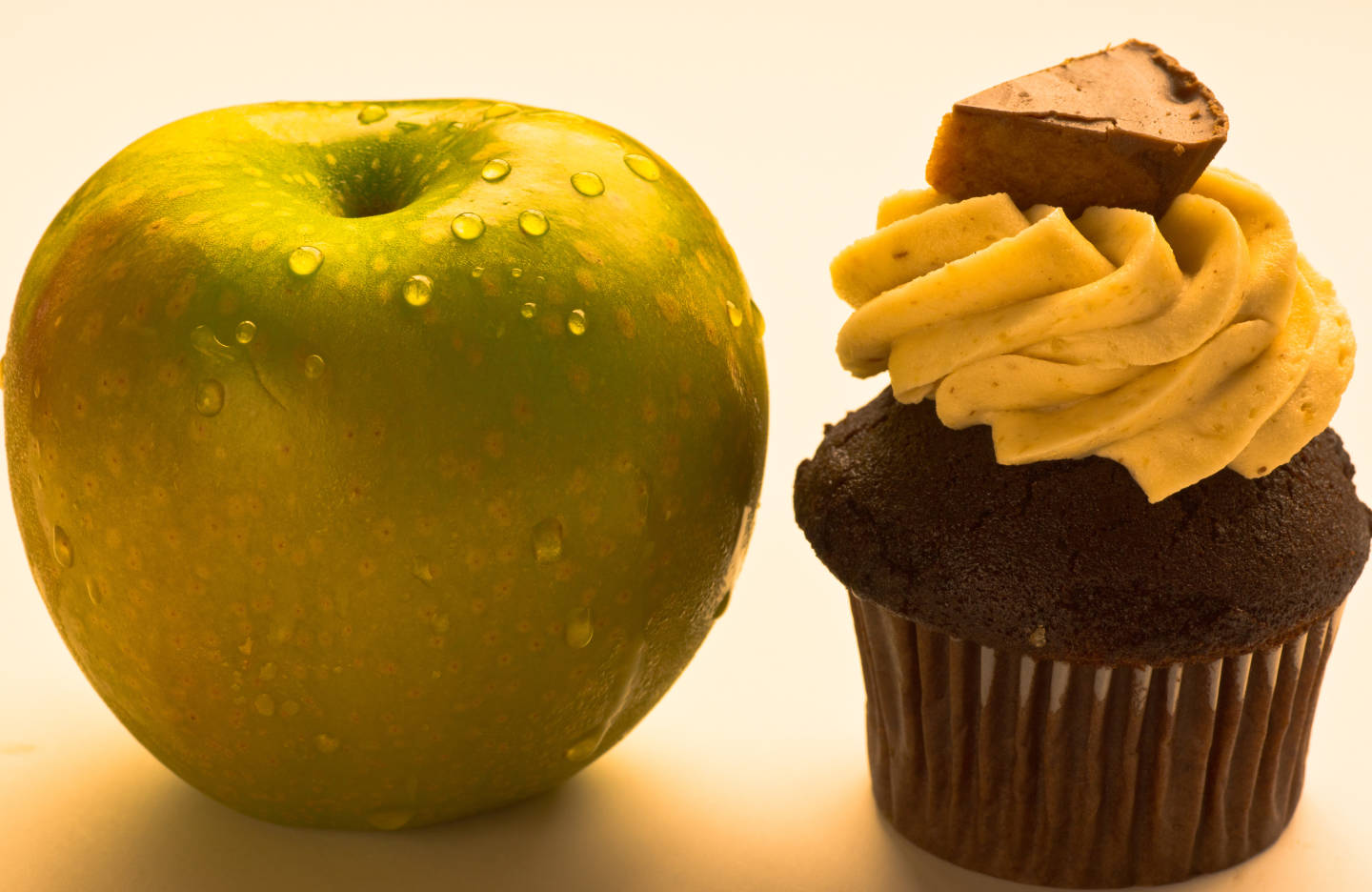
"caption": "Which would you choose?",
"description": null,
"title": "Food Choices",
"credit": null,
"status": "inherit",
"isLoading": false,
"fetchFailed": false
},
"education_148946": {
"type": "attachments",
"id": "education_148946",
"meta": {
"index": "attachments_1716263798",
"site": "education",
"id": "148946",
"found": true
},
"parent": 146106,
"imgSizes": {
"thumbnail": {
"file": "https://ww2.kqed.org/app/uploads/sites/38/2016/03/L2NP-2.0-webinar-1-400x300.jpg",
"width": 400,
"mimeType": "image/jpeg",
"height": 300
},
"post-thumbnail": {
"file": "https://ww2.kqed.org/app/uploads/sites/38/2016/03/L2NP-2.0-webinar-1-672x372.jpg",
"width": 672,
"mimeType": "image/jpeg",
"height": 372
},
"kqedFullSize": {
"file": "https://ww2.kqed.org/app/uploads/sites/38/2016/03/L2NP-2.0-webinar-1-e1459888867974.jpg",
"width": 640,
"height": 480
},
"guest-author-96": {
"file": "https://ww2.kqed.org/app/uploads/sites/38/2016/03/L2NP-2.0-webinar-1-96x96.jpg",
"width": 96,
"mimeType": "image/jpeg",
"height": 96
},
"guest-author-64": {
"file": "https://ww2.kqed.org/app/uploads/sites/38/2016/03/L2NP-2.0-webinar-1-64x64.jpg",
"width": 64,
"mimeType": "image/jpeg",
"height": 64
},
"detail": {
"file": "https://ww2.kqed.org/app/uploads/sites/38/2016/03/L2NP-2.0-webinar-1-75x75.jpg",
"width": 75,
"mimeType": "image/jpeg",
"height": 75
},
"guest-author-32": {
"file": "https://ww2.kqed.org/app/uploads/sites/38/2016/03/L2NP-2.0-webinar-1-32x32.jpg",
"width": 32,
"mimeType": "image/jpeg",
"height": 32
},
"guest-author-128": {
"file": "https://ww2.kqed.org/app/uploads/sites/38/2016/03/L2NP-2.0-webinar-1-128x128.jpg",
"width": 128,
"mimeType": "image/jpeg",
"height": 128
}
},
"publishDate": 1459473025,
"modified": 1459473025,
"caption": null,
"description": null,
"title": "L2NP 2.0 webinar",
"credit": null,
"status": "inherit",
"isLoading": false,
"fetchFailed": false
},
"education_152154": {
"type": "attachments",
"id": "education_152154",
"meta": {
"index": "attachments_1716263798",
"site": "education",
"id": "152154",
"found": true
},
"parent": 152116,
"imgSizes": {
"twentyfourteen-full-width": {
"file": "https://ww2.kqed.org/app/uploads/sites/38/2016/04/Miller2-1038x576.jpg",
"width": 1038,
"mimeType": "image/jpeg",
"height": 576
},
"thumbnail": {
"file": "https://ww2.kqed.org/app/uploads/sites/38/2016/04/Miller2-400x225.jpg",
"width": 400,
"mimeType": "image/jpeg",
"height": 225
},
"fd-sm": {
"file": "https://ww2.kqed.org/app/uploads/sites/38/2016/04/Miller2-960x540.jpg",
"width": 960,
"mimeType": "image/jpeg",
"height": 540
},
"post-thumbnail": {
"file": "https://ww2.kqed.org/app/uploads/sites/38/2016/04/Miller2-672x372.jpg",
"width": 672,
"mimeType": "image/jpeg",
"height": 372
},
"kqedFullSize": {
"file": "https://ww2.kqed.org/app/uploads/sites/38/2016/04/Miller2.jpg",
"width": 1920,
"height": 1080
},
"large": {
"file": "https://ww2.kqed.org/app/uploads/sites/38/2016/04/Miller2-1440x810.jpg",
"width": 1440,
"mimeType": "image/jpeg",
"height": 810
},
"guest-author-96": {
"file": "https://ww2.kqed.org/app/uploads/sites/38/2016/04/Miller2-96x96.jpg",
"width": 96,
"mimeType": "image/jpeg",
"height": 96
},
"medium": {
"file": "https://ww2.kqed.org/app/uploads/sites/38/2016/04/Miller2-800x450.jpg",
"width": 800,
"mimeType": "image/jpeg",
"height": 450
},
"guest-author-64": {
"file": "https://ww2.kqed.org/app/uploads/sites/38/2016/04/Miller2-64x64.jpg",
"width": 64,
"mimeType": "image/jpeg",
"height": 64
},
"guest-author-32": {
"file": "https://ww2.kqed.org/app/uploads/sites/38/2016/04/Miller2-32x32.jpg",
"width": 32,
"mimeType": "image/jpeg",
"height": 32
},
"fd-lrg": {
"file": "https://ww2.kqed.org/app/uploads/sites/38/2016/04/Miller2-1920x1080.jpg",
"width": 1920,
"mimeType": "image/jpeg",
"height": 1080
},
"fd-med": {
"file": "https://ww2.kqed.org/app/uploads/sites/38/2016/04/Miller2-1180x664.jpg",
"width": 1180,
"mimeType": "image/jpeg",
"height": 664
},
"detail": {
"file": "https://ww2.kqed.org/app/uploads/sites/38/2016/04/Miller2-75x75.jpg",
"width": 75,
"mimeType": "image/jpeg",
"height": 75
},
"medium_large": {
"file": "https://ww2.kqed.org/app/uploads/sites/38/2016/04/Miller2-768x432.jpg",
"width": 768,
"mimeType": "image/jpeg",
"height": 432
},
"guest-author-128": {
"file": "https://ww2.kqed.org/app/uploads/sites/38/2016/04/Miller2-128x128.jpg",
"width": 128,
"mimeType": "image/jpeg",
"height": 128
}
},
"publishDate": 1459790990,
"modified": 1459791162,
"caption": "Photo by \u003ca href=\"https://flic.kr/p/tkhzD3\">Bruce Matsunaga\u003c/a> via Flickr, CC BY 2.0",
"description": null,
"title": "Miller2",
"credit": null,
"status": "inherit",
"isLoading": false,
"fetchFailed": false
}
},
"audioPlayerReducer": {
"postId": "stream_live",
"isPaused": true,
"isPlaying": false,
"pfsActive": false,
"pledgeModalIsOpen": true,
"playerDrawerIsOpen": false,
"liveAudioPlayStartedAt": 0,
"liveAudioPlayContext": ""
},
"authorsReducer": {
"sencer": {
"type": "authors",
"id": "9628",
"meta": {
"index": "authors_1716337520",
"id": "9628",
"found": true
},
"name": "SENCER",
"firstName": "SENCER",
"lastName": null,
"slug": "sencer",
"email": "scienceed@kqed.org",
"display_author_email": false,
"staff_mastheads": [],
"title": null,
"bio": null,
"avatar": "https://secure.gravatar.com/avatar/b6cc1c0f53a1420c02e9279b9405ec9a?s=600&d=blank&r=g",
"twitter": null,
"facebook": null,
"instagram": null,
"linkedin": null,
"sites": [
{
"site": "education",
"roles": [
"author"
]
}
],
"headData": {
"title": "SENCER | KQED",
"description": null,
"ogImgSrc": "https://secure.gravatar.com/avatar/b6cc1c0f53a1420c02e9279b9405ec9a?s=600&d=blank&r=g",
"twImgSrc": "https://secure.gravatar.com/avatar/b6cc1c0f53a1420c02e9279b9405ec9a?s=600&d=blank&r=g"
},
"isLoading": false,
"link": "/author/sencer"
},
"cbobino": {
"type": "authors",
"id": "10626",
"meta": {
"index": "authors_1716337520",
"id": "10626",
"found": true
},
"name": "CaT Bobino",
"firstName": "CaT",
"lastName": "Bobino",
"slug": "cbobino",
"email": "cbobino@KQED.org",
"display_author_email": false,
"staff_mastheads": [],
"title": null,
"bio": "CaT Bobino has her B.S. in Biology and is currently an education intern at KQED. She enjoys sharing her love of science through media, public speaking, and outreach programs. CaT is finishing up her Masters in Biology at CSU East Bay and plans to do more media work and help change the image of a scientist. You can contact her on Twitter at @intheknowshow or go to her website catbobino.com",
"avatar": "https://secure.gravatar.com/avatar/1a2857f10994fcb4caaf27573114f91c?s=600&d=blank&r=g",
"twitter": null,
"facebook": null,
"instagram": null,
"linkedin": null,
"sites": [
{
"site": "education",
"roles": [
"editor"
]
},
{
"site": "quest",
"roles": [
"subscriber"
]
}
],
"headData": {
"title": "CaT Bobino | KQED",
"description": null,
"ogImgSrc": "https://secure.gravatar.com/avatar/1a2857f10994fcb4caaf27573114f91c?s=600&d=blank&r=g",
"twImgSrc": "https://secure.gravatar.com/avatar/1a2857f10994fcb4caaf27573114f91c?s=600&d=blank&r=g"
},
"isLoading": false,
"link": "/author/cbobino"
},
"kiramiller": {
"type": "authors",
"id": "11202",
"meta": {
"index": "authors_1716337520",
"id": "11202",
"found": true
},
"name": "Kira Miller",
"firstName": "Kira",
"lastName": "Miller",
"slug": "kiramiller",
"email": "klirons@gmail.com",
"display_author_email": false,
"staff_mastheads": [],
"title": "KQED Contributor",
"bio": "Kira Miller is a Resource Specialist in the East Bay, CA. She has been teaching in the Bay Area since 2011. She has worked in a number of Special Education settings, including elementary, middle and high school environments. She has a Master's degree in curriculum and instruction and has completed her administrative credential as well. (She also has her MBA, as if that all wasn’t enough) Kira loves her job and has loved watching her career and the children she works with blossom.",
"avatar": "https://secure.gravatar.com/avatar/66c10af329cb330a53de640e70c32815?s=600&d=mm&r=g",
"twitter": null,
"facebook": null,
"instagram": null,
"linkedin": null,
"sites": [
{
"site": "education",
"roles": [
"author"
]
}
],
"headData": {
"title": "Kira Miller | KQED",
"description": "KQED Contributor",
"ogImgSrc": "https://secure.gravatar.com/avatar/66c10af329cb330a53de640e70c32815?s=600&d=mm&r=g",
"twImgSrc": "https://secure.gravatar.com/avatar/66c10af329cb330a53de640e70c32815?s=600&d=mm&r=g"
},
"isLoading": false,
"link": "/author/kiramiller"
},
"kimcampisano": {
"type": "authors",
"id": "11203",
"meta": {
"index": "authors_1716337520",
"id": "11203",
"found": true
},
"name": "Kimberley Campisano",
"firstName": "Kimberley",
"lastName": "Campisano",
"slug": "kimcampisano",
"email": "kcampisano@gmail.com",
"display_author_email": false,
"staff_mastheads": [],
"title": null,
"bio": "\u003cp class=\"p1\">\u003cspan class=\"s1\">\u003cb>Kimberley Campisano\u003c/b> is a San Francisco Bay Area artist and educator. For most of the past 20 years she has been a high school classroom art teacher as well as an instructional coach and curriculum developer. (integrating Art, Science, and Literacy …STEAM!). Formerly with San Francisco Unified School District (SFUSD), Kim now teaches Art1 and Digital Imaging at Washington High School in\u003cspan class=\"Apple-converted-space\"> \u003c/span>Fremont Unified School District (FUSD). She has contributed to the development and dissemination of secondary art and integrated curriculum for KQED’s as well as several Bay Area museums. A practicing artist, Ms Campisano works in interdisciplinary media and installation. She received her Master's Degree in Fine Art from John F. Kennedy University and lives in Oakland with her husband, Jason and rescued Pit Bull, Dumpling.\u003c/span>\u003c/p>",
"avatar": "https://secure.gravatar.com/avatar/e130d086d44904bea0b4593bf933bf0d?s=600&d=blank&r=g",
"twitter": null,
"facebook": null,
"instagram": null,
"linkedin": null,
"sites": [
{
"site": "education",
"roles": [
"author"
]
}
],
"headData": {
"title": "Kimberley Campisano | KQED",
"description": null,
"ogImgSrc": "https://secure.gravatar.com/avatar/e130d086d44904bea0b4593bf933bf0d?s=600&d=blank&r=g",
"twImgSrc": "https://secure.gravatar.com/avatar/e130d086d44904bea0b4593bf933bf0d?s=600&d=blank&r=g"
},
"isLoading": false,
"link": "/author/kimcampisano"
},
"cignant": {
"type": "authors",
"id": "11207",
"meta": {
"index": "authors_1716337520",
"id": "11207",
"found": true
},
"name": "Chanelle Ignant",
"firstName": "Chanelle",
"lastName": "Ignant",
"slug": "cignant",
"email": "cignant@KQED.org",
"display_author_email": false,
"staff_mastheads": [],
"title": "KQED Contributor",
"bio": "Chanelle is the Youth Media Specialist for KQED. She has worked with various Bay Area youth media organizations and is an independent media maker.",
"avatar": "https://secure.gravatar.com/avatar/89efb7b8c7b3a7dc5b89a558612c83fc?s=600&d=mm&r=g",
"twitter": "chi_was_here",
"bluesky": null,
"facebook": null,
"instagram": null,
"linkedin": null,
"sites": [
{
"site": "news",
"roles": []
},
{
"site": "lowdown",
"roles": [
"editor"
]
},
{
"site": "education",
"roles": []
},
{
"site": "quest",
"roles": [
"editor"
]
}
],
"headData": {
"title": "Chanelle Ignant | KQED",
"description": "KQED Contributor",
"ogImgSrc": "https://secure.gravatar.com/avatar/89efb7b8c7b3a7dc5b89a558612c83fc?s=600&d=mm&r=g",
"twImgSrc": "https://secure.gravatar.com/avatar/89efb7b8c7b3a7dc5b89a558612c83fc?s=600&d=mm&r=g"
},
"isLoading": false,
"link": "/author/cignant"
},
"alicechen": {
"type": "authors",
"id": "11220",
"meta": {
"index": "authors_1716337520",
"id": "11220",
"found": true
},
"name": "Alice Chen",
"firstName": "Alice",
"lastName": "Chen",
"slug": "alicechen",
"email": "wondertechedu@gmail.com",
"display_author_email": false,
"staff_mastheads": [],
"title": "KQED Contributor",
"bio": "\u003cspan style=\"font-weight: 400;\">Alice Chen is an English Language Arts teacher, technology coach, and professional development trainer. Additionally, she is a Lead PBS Digital Innovator, Google for Education Certified Innovator, and PBS SoCaL American Graduate Champion. She is constantly pushing the boundaries of her knowledge and believes in the power of a collaborative Personal Learning Network (PLN). She enjoys connecting with other educators on Twitter \u003c/span>\u003cspan style=\"font-weight: 400;\">\u003ca href=\"https://twitter.com/WonderTechEdu\">@wondertechedu\u003c/a>,\u003c/span>\u003cspan style=\"font-weight: 400;\"> and s\u003c/span>\u003cspan style=\"font-weight: 400;\">he also blogs at\u003c/span>\u003ca href=\"http://wondertechedu.blogspot.com/\">\u003cspan style=\"font-weight: 400;\"> wondertechedu.blogspot.com\u003c/span>\u003c/a>\u003cspan style=\"font-weight: 400;\">. Meanderers welcomed.\u003c/span>",
"avatar": "https://secure.gravatar.com/avatar/d3d158862df2a81de44161995cfbcea8?s=600&d=blank&r=g",
"twitter": "wondertechedu",
"facebook": null,
"instagram": null,
"linkedin": null,
"sites": [
{
"site": "education",
"roles": [
"author"
]
}
],
"headData": {
"title": "Alice Chen | KQED",
"description": "KQED Contributor",
"ogImgSrc": "https://secure.gravatar.com/avatar/d3d158862df2a81de44161995cfbcea8?s=600&d=blank&r=g",
"twImgSrc": "https://secure.gravatar.com/avatar/d3d158862df2a81de44161995cfbcea8?s=600&d=blank&r=g"
},
"isLoading": false,
"link": "/author/alicechen"
},
"rebeccagirard": {
"type": "authors",
"id": "11221",
"meta": {
"index": "authors_1716337520",
"id": "11221",
"found": true
},
"name": "Rebecca Girard",
"firstName": "Rebecca",
"lastName": "Girard",
"slug": "rebeccagirard",
"email": "rgirard@ndhsb.org",
"display_author_email": false,
"staff_mastheads": [],
"title": null,
"bio": "Rebecca Girard has been a science teacher for over 23 years. She currently teaches biology at Notre Dame High School in Belmont, CA. She is also their EdTech Instigator and works to integrate technology in meaningful ways to engage and motivate her school community. She is passionate about developing student and adult 21st Century learners.\r\n\r\nShe has been honored as a Comcast All-Star Teacher Finalist and a Silicon Valley CUE Outstanding Teacher of the year. In 2015, she received her school's highest teaching honor, the Rosalind Crosby Excellence in Teaching Award, and completed the MERIT program through the Krause Center for Innovation.\r\n\r\nWhen she isn't teaching and surfing the web for the latest and greatest tech tools, she loves spending time with her husband and two girls.",
"avatar": "https://secure.gravatar.com/avatar/3508b598ce6c17c989c90cf4b9ffc2b9?s=600&d=blank&r=g",
"twitter": "TechBioBek",
"facebook": null,
"instagram": null,
"linkedin": null,
"sites": [
{
"site": "education",
"roles": [
"author"
]
}
],
"headData": {
"title": "Rebecca Girard | KQED",
"description": null,
"ogImgSrc": "https://secure.gravatar.com/avatar/3508b598ce6c17c989c90cf4b9ffc2b9?s=600&d=blank&r=g",
"twImgSrc": "https://secure.gravatar.com/avatar/3508b598ce6c17c989c90cf4b9ffc2b9?s=600&d=blank&r=g"
},
"isLoading": false,
"link": "/author/rebeccagirard"
},
"eholderman": {
"type": "authors",
"id": "11233",
"meta": {
"index": "authors_1716337520",
"id": "11233",
"found": true
},
"name": "Ellen Coplan Holderman",
"firstName": "Ellen",
"lastName": "Coplan Holderman",
"slug": "eholderman",
"email": "eholderman@KQED.org",
"display_author_email": false,
"staff_mastheads": [],
"title": null,
"bio": "Ellen is the Communications and Engagement Manager at KQED Education. \u003cspan class=\"il\">She is a\u003c/span> marketing and social media maven with experience working with educators and nonprofits in the Bay Area, most notably at Common Sense Media. In her spare time, she enjoys rock climbing, backpacking and drinking too much matcha tea.",
"avatar": "https://secure.gravatar.com/avatar/0a08c86e949e5a80dd00b0aea1eabf4e?s=600&d=blank&r=g",
"twitter": null,
"facebook": null,
"instagram": null,
"linkedin": null,
"sites": [
{
"site": "education",
"roles": [
"editor"
]
}
],
"headData": {
"title": "Ellen Coplan Holderman | KQED",
"description": null,
"ogImgSrc": "https://secure.gravatar.com/avatar/0a08c86e949e5a80dd00b0aea1eabf4e?s=600&d=blank&r=g",
"twImgSrc": "https://secure.gravatar.com/avatar/0a08c86e949e5a80dd00b0aea1eabf4e?s=600&d=blank&r=g"
},
"isLoading": false,
"link": "/author/eholderman"
}
},
"pagesReducer": {
"education_category_blog": {
"type": "terms",
"id": "education_1",
"meta": {
"index": "terms_1716263798",
"site": "education",
"id": "1",
"score": 13.308343
},
"name": "Education Blog",
"slug": "blog",
"taxonomy": "category",
"description": "Sign up for the \u003ca href=\"https://www.kqed.org/newsletters/kqed-education\" target=\"_blank\" rel=\"noopener noreferrer\">KQED Education newsletter\u003c/a>.",
"featImg": null,
"headData": {
"title": "Bay Area Education Insights: Stories & Resources from KQED's Blog",
"description": "Discover insightful articles, captivating stories, and practical resources for educators, parents, and learners of all ages.",
"ogTitle": null,
"ogDescription": null,
"ogImgId": null,
"twTitle": null,
"twDescription": null,
"twImgId": null,
"socialTitle": "Bay Area Education Insights: Stories & Resources from KQED's Blog"
},
"ttid": 1,
"isLoading": false,
"title": "Education Blog",
"pageMeta": {
"site": "education",
"WpPageTemplate": "page-topic-company",
"currentPage": 61
},
"blocks": [
{
"blockName": "kqed/company-paragraph",
"content": "Sign up for the \u003ca href=\"https://www.kqed.org/newsletters/kqed-education\" target=\"_blank\" rel=\"noopener noreferrer\">KQED Education newsletter\u003c/a>."
},
{
"blockName": "kqed/post-list",
"attrs": {
"layout": "cardCompany2",
"query": "posts/education?category=blog",
"seeMore": false,
"paginated": true,
"page": 61
}
},
{
"blockName": "kqed/ad"
}
]
}
},
"pfsSessionReducer": {},
"postsReducer": {
"stream_live": {
"type": "live",
"id": "stream_live",
"audioUrl": "https://streams.kqed.org/kqedradio",
"title": "Live Stream",
"excerpt": "Live Stream information currently unavailable.",
"link": "/radio",
"featImg": "",
"label": {
"name": "KQED Live",
"link": "/"
}
},
"stream_kqedNewscast": {
"type": "posts",
"id": "stream_kqedNewscast",
"audioUrl": "https://www.kqed.org/.stream/anon/radio/RDnews/newscast.mp3?_=1",
"title": "KQED Newscast",
"featImg": "",
"label": {
"name": "88.5 FM",
"link": "/"
}
},
"education_175044": {
"type": "posts",
"id": "education_175044",
"meta": {
"index": "posts_1716263798",
"site": "education",
"id": "175044",
"score": null,
"sort": [
1462214968000
]
},
"parent": 0,
"labelTerm": {
"site": "education",
"term": 52
},
"blocks": [],
"publishDate": 1462214968,
"format": "standard",
"title": "Building 4C Fluency Through Peer Feedback",
"headTitle": "Building 4C Fluency Through Peer Feedback | KQED",
"content": "\u003cp>Designing and deploying robust, interactive lessons that engage students with real-world problems that demand application of content to produce innovative solutions is both exciting and demanding. One of my critical challenges has been providing feedback to students about their performance. I always feel pressured for time to consistently connect with each of my students. I have learned that the 4Cs: communication, collaboration, critical thinking, and creativity can form a great frame for thinking about ways to engage students in a peer review process that teaches and reinforces these vital skills.\u003c/p>\n\u003cp>It was at a \u003ca href=\"http://www.cue.org/\">CUE Conference\u003c/a> three years ago that I had an “Ah Ha” moment:\u003c/p>\n\u003cul>\n\u003cli>Our learners will not be prepared for the 21st Century by relying on rote memory of content. They’ve got Google for that!\u003c/li>\n\u003cli>To develop the 4Cs, I must provide experiences that enhance \u003ca href=\"http://www.edutopia.org/blog/deeper-learning-in-practice-jennifer-kabaker\">deeper learning\u003c/a>.\u003c/li>\n\u003cli>If learning happens best when students experience a lesson, then engaging students in the process of providing peer feedback is part of the learning!\u003c/li>\n\u003cli>Extra bonus = each student receives timely feedback from multiple perspectives, their peers and me.\u003c/li>\n\u003c/ul>\n\u003cp>Since then, I have refocused the process of developing the skills students need to include providing meaningful feedback to their peers. During the process, students also develop their own voice as they reflect on their learning.\u003c/p>\n\u003ch3>CREATE a culture of providing feedback.\u003c/h3>\n\u003cp>Every year, I start by explaining the importance of feedback. There are endless resources like the \u003ca href=\"http://www.ascd.org/publications/educational-leadership/sept12/vol70/num01/Seven-Keys-to-Effective-Feedback.aspx\">Seven Keys to Effective Feedback\u003c/a>, that support the benefits and describe how to provide meaningful feedback. You will have to commit time to the process. When students are comfortable with their peers, they are more likely to appropriately give and receive feedback that matters. We play games together and get to know one another. We focus on the goal of helping each other develop and improve.\u003c/p>\n\u003cp>I’ve learned that frequency is essential to creating a culture that values feedback. For example, we begin reflecting daily on short assignments like homework or a class activity. \u003ca href=\"https://www.facinghistory.org/resource-library/teaching-strategies/think-pair-share-facilitating-discussions-small-and-large\">Think, Pair, Share\u003c/a> can be a quick way to begin a face-to-face discussion. Students share their work with one another, giving informal, verbal feedback. The more often you practice the process, the more comfortable and confident the students become and their feedback skills improve. We build up to writing reflections on major papers, lab reports, and projects. In addition, giving students opportunities to incorporate the feedback and revise their work keeps the focus more on the process of learning instead of just the grade.\u003c/p>\n\u003ch3>Learn the language of clear COMMUNICATION.\u003c/h3>\n\u003cp>When I was in graduate school, I was introduced to the \u003ca href=\"http://www.risemodel.com/\">RISE Model\u003c/a> developed by Emily Wray. (\u003ca href=\"https://twitter.com/emilywray\">@EmilyWray\u003c/a>). This invaluable resource has been my number one tool ever since.\u003c/p>\n\u003cfigure id=\"attachment_175083\" class=\"wp-caption aligncenter\" style=\"max-width: 800px\">\u003cimg loading=\"lazy\" decoding=\"async\" class=\"wp-image-175083 size-medium\" src=\"http://ww2.kqed.org/education/wp-content/uploads/sites/38/2016/05/RISE_infographic-peer-web.jpg-800x486.jpeg\" alt=\"RISE_infographic-peer-web.jpg\" width=\"800\" height=\"486\">\u003cfigcaption class=\"wp-caption-text\">RISE Model by \u003ca href=\"//elwray.squarespace.com/about/\">Emily Wray\u003c/a> is licensed under a \u003ca href=\"//creativecommons.org/licenses/by-nc-sa/4.0/deed.en_US\">Creative Commons Attribution-NonCommercial-ShareAlike 4.0 International License\u003c/a>.\u003c/figcaption>\u003c/figure>\n\u003cp>Emily’s infographic outlines the language of feedback. Students will frequently say “great job” or “nice work” to their peers, but what does that mean? Providing examples of specific vocabulary to use opens up a whole new level of feedback. Students move through an organized process as they design responses that are meaningful and describe specifically what was “great” and what needs improvement. Emily has also designed an infographic for \u003ca href=\"http://www.risemodel.com/\">self-reflection!\u003c/a>\u003c/p>\n\u003ch3>Develop CRITICAL THINKING skills.\u003c/h3>\n\u003cp>Meaningful feedback starts with understanding the content and expectations of an assignment. Last fall, my students competed in the \u003ca href=\"https://www.breakthroughjuniorchallenge.org/\">Khan Academy Breakthrough Junior Challenge\u003c/a>. Students created a video tutorial about a topic in science and were required to review other student entries from around the world. Many were challenged to review videos about unfamiliar topics. Most were unable to give specific, clear feedback if they did not understand the content of the tutorial.\u003c/p>\n\u003cp>[ad fullwidth]\u003c/p>\n\u003cp>I listened as they naturally compared their videos with those they watched. Exercising critical thinking skills, students identified how their own tutorials may not have been as clearly explained as they thought. They also discussed the reviews they received to determine if the other students had provided meaningful feedback. I could clearly see how this feedback process provided opportunities to critically think, analyze, and learn together. This experience also led me to design \u003ca href=\"https://docs.google.com/document/d/1gXTlNsIzI0gTNusvZShiSli4SaTvqDDd7ije6b1Kb_Q/edit?usp=sharing\">rubrics\u003c/a> students can use to assess peer feedback and self-reflection skills. Now students are developing metacognition during the process as well. Again, the goal is to enhance the process because the process IS the learning!\u003c/p>\n\u003ch3>Focus on feedback that relies on COLLABORATION.\u003c/h3>\n\u003cp>Rich feedback happens when students can collaborate with peers. Asking and responding to questions develops a collaborative culture that mirrors the 21st century workplace. This takes time, but every minute spent encouraging students to critique their work and their peers’ work is time spent learning! Use a variety of tools to get students collaborating and communicating about their work.\u003c/p>\n\u003cp>Digital tools allow time for processing of information and forming of clear, concise thoughts. Time and time again I have been particularly impressed by the comments shared by my more introverted students. Quieter students have an opportunity to share their voice without the pressure of speaking in front of a crowd.\u003c/p>\n\u003cul>\n\u003cli>Google Apps like Docs, Slides, and Draw allow for comments to be embedded and threaded in a document.\u003c/li>\n\u003cli>Reflect and share on a discussion board. An LMS, like \u003ca href=\"https://www.schoology.com/\">Schoology\u003c/a>, may have this function or try \u003ca href=\"https://www.graphite.org/website/collaborize-classroom\">Collaborize Classroom\u003c/a>.\u003c/li>\n\u003cli>\u003ca href=\"http://voicethread.com/\">VoiceThread\u003c/a> is another go to tool that allows for group discussion using text, audio, and video. If you haven’t seen it yet, you’ve got to check it out!\u003c/li>\n\u003cli>Engage students in real world discussions using \u003ca href=\"http://ww2.kqed.org/education/about-do-now/\">KQED #DoNow\u003c/a>. The weekly topics are perfect conversation starters that help students practice the 4Cs.\u003c/li>\n\u003c/ul>\n\u003cp>[ad floatright]\u003c/p>\n\u003cp>Giving my students time to practice providing feedback has transformed the learning environment in my classroom. Students are more comfortable sharing their work with peers. Knowing that I am not the only one to see what they create has also improved the quality of the work produced. Students are developing the 4Cs everyday and it is these skills that will help them succeed. How do you develop student voice in your classroom? What types of opportunities do you provide that allow students to practice the 4Cs?\u003c/p>\n\n",
"stats": {
"hasVideo": false,
"hasChartOrMap": false,
"hasAudio": false,
"hasPolis": false,
"wordCount": 1041,
"hasGoogleForm": false,
"hasGallery": false,
"hasHearkenModule": false,
"iframeSrcs": [],
"paragraphCount": 14
},
"modified": 1704762749,
"excerpt": null,
"headData": {
"twImgId": "",
"twTitle": "",
"ogTitle": "",
"ogImgId": "",
"twDescription": "",
"description": "Designing and deploying robust, interactive lessons that engage students with real-world problems that demand application of content to produce innovative solutions is both exciting and demanding. One of my critical challenges has been providing feedback to students about their performance. I always feel pressured for time to consistently connect with each of my students. I",
"title": "Building 4C Fluency Through Peer Feedback | KQED",
"ogDescription": "",
"schema": {
"@context": "https://schema.org",
"@type": "Article",
"headline": "Building 4C Fluency Through Peer Feedback",
"datePublished": "2016-05-02T11:49:28-07:00",
"dateModified": "2024-01-08T17:12:29-08:00",
"image": "https://cdn.kqed.org/wp-content/uploads/2020/02/KQED-OG-Image@1x.png"
}
},
"guestAuthors": [],
"slug": "building-4c-fluency-through-peer-feedback",
"status": "publish",
"sticky": false,
"path": "/education/175044/building-4c-fluency-through-peer-feedback",
"audioTrackLength": null,
"parsedContent": [
{
"type": "contentString",
"content": "\u003cdiv class=\"post-body\">\u003cp>\u003cp>Designing and deploying robust, interactive lessons that engage students with real-world problems that demand application of content to produce innovative solutions is both exciting and demanding. One of my critical challenges has been providing feedback to students about their performance. I always feel pressured for time to consistently connect with each of my students. I have learned that the 4Cs: communication, collaboration, critical thinking, and creativity can form a great frame for thinking about ways to engage students in a peer review process that teaches and reinforces these vital skills.\u003c/p>\n\u003cp>It was at a \u003ca href=\"http://www.cue.org/\">CUE Conference\u003c/a> three years ago that I had an “Ah Ha” moment:\u003c/p>\n\u003cul>\n\u003cli>Our learners will not be prepared for the 21st Century by relying on rote memory of content. They’ve got Google for that!\u003c/li>\n\u003cli>To develop the 4Cs, I must provide experiences that enhance \u003ca href=\"http://www.edutopia.org/blog/deeper-learning-in-practice-jennifer-kabaker\">deeper learning\u003c/a>.\u003c/li>\n\u003cli>If learning happens best when students experience a lesson, then engaging students in the process of providing peer feedback is part of the learning!\u003c/li>\n\u003cli>Extra bonus = each student receives timely feedback from multiple perspectives, their peers and me.\u003c/li>\n\u003c/ul>\n\u003cp>Since then, I have refocused the process of developing the skills students need to include providing meaningful feedback to their peers. During the process, students also develop their own voice as they reflect on their learning.\u003c/p>\n\u003ch3>CREATE a culture of providing feedback.\u003c/h3>\n\u003cp>Every year, I start by explaining the importance of feedback. There are endless resources like the \u003ca href=\"http://www.ascd.org/publications/educational-leadership/sept12/vol70/num01/Seven-Keys-to-Effective-Feedback.aspx\">Seven Keys to Effective Feedback\u003c/a>, that support the benefits and describe how to provide meaningful feedback. You will have to commit time to the process. When students are comfortable with their peers, they are more likely to appropriately give and receive feedback that matters. We play games together and get to know one another. We focus on the goal of helping each other develop and improve.\u003c/p>\n\u003cp>I’ve learned that frequency is essential to creating a culture that values feedback. For example, we begin reflecting daily on short assignments like homework or a class activity. \u003ca href=\"https://www.facinghistory.org/resource-library/teaching-strategies/think-pair-share-facilitating-discussions-small-and-large\">Think, Pair, Share\u003c/a> can be a quick way to begin a face-to-face discussion. Students share their work with one another, giving informal, verbal feedback. The more often you practice the process, the more comfortable and confident the students become and their feedback skills improve. We build up to writing reflections on major papers, lab reports, and projects. In addition, giving students opportunities to incorporate the feedback and revise their work keeps the focus more on the process of learning instead of just the grade.\u003c/p>\n\u003ch3>Learn the language of clear COMMUNICATION.\u003c/h3>\n\u003cp>When I was in graduate school, I was introduced to the \u003ca href=\"http://www.risemodel.com/\">RISE Model\u003c/a> developed by Emily Wray. (\u003ca href=\"https://twitter.com/emilywray\">@EmilyWray\u003c/a>). This invaluable resource has been my number one tool ever since.\u003c/p>\n\u003cfigure id=\"attachment_175083\" class=\"wp-caption aligncenter\" style=\"max-width: 800px\">\u003cimg loading=\"lazy\" decoding=\"async\" class=\"wp-image-175083 size-medium\" src=\"http://ww2.kqed.org/education/wp-content/uploads/sites/38/2016/05/RISE_infographic-peer-web.jpg-800x486.jpeg\" alt=\"RISE_infographic-peer-web.jpg\" width=\"800\" height=\"486\">\u003cfigcaption class=\"wp-caption-text\">RISE Model by \u003ca href=\"//elwray.squarespace.com/about/\">Emily Wray\u003c/a> is licensed under a \u003ca href=\"//creativecommons.org/licenses/by-nc-sa/4.0/deed.en_US\">Creative Commons Attribution-NonCommercial-ShareAlike 4.0 International License\u003c/a>.\u003c/figcaption>\u003c/figure>\n\u003cp>Emily’s infographic outlines the language of feedback. Students will frequently say “great job” or “nice work” to their peers, but what does that mean? Providing examples of specific vocabulary to use opens up a whole new level of feedback. Students move through an organized process as they design responses that are meaningful and describe specifically what was “great” and what needs improvement. Emily has also designed an infographic for \u003ca href=\"http://www.risemodel.com/\">self-reflection!\u003c/a>\u003c/p>\n\u003ch3>Develop CRITICAL THINKING skills.\u003c/h3>\n\u003cp>Meaningful feedback starts with understanding the content and expectations of an assignment. Last fall, my students competed in the \u003ca href=\"https://www.breakthroughjuniorchallenge.org/\">Khan Academy Breakthrough Junior Challenge\u003c/a>. Students created a video tutorial about a topic in science and were required to review other student entries from around the world. Many were challenged to review videos about unfamiliar topics. Most were unable to give specific, clear feedback if they did not understand the content of the tutorial.\u003c/p>\n\u003cp>\u003c/p>\u003c/div>",
"attributes": {
"named": {},
"numeric": []
}
},
{
"type": "component",
"content": "",
"name": "ad",
"attributes": {
"named": {
"label": "fullwidth"
},
"numeric": [
"fullwidth"
]
}
},
{
"type": "contentString",
"content": "\u003cdiv class=\"post-body\">\u003cp>\u003c/p>\n\u003cp>I listened as they naturally compared their videos with those they watched. Exercising critical thinking skills, students identified how their own tutorials may not have been as clearly explained as they thought. They also discussed the reviews they received to determine if the other students had provided meaningful feedback. I could clearly see how this feedback process provided opportunities to critically think, analyze, and learn together. This experience also led me to design \u003ca href=\"https://docs.google.com/document/d/1gXTlNsIzI0gTNusvZShiSli4SaTvqDDd7ije6b1Kb_Q/edit?usp=sharing\">rubrics\u003c/a> students can use to assess peer feedback and self-reflection skills. Now students are developing metacognition during the process as well. Again, the goal is to enhance the process because the process IS the learning!\u003c/p>\n\u003ch3>Focus on feedback that relies on COLLABORATION.\u003c/h3>\n\u003cp>Rich feedback happens when students can collaborate with peers. Asking and responding to questions develops a collaborative culture that mirrors the 21st century workplace. This takes time, but every minute spent encouraging students to critique their work and their peers’ work is time spent learning! Use a variety of tools to get students collaborating and communicating about their work.\u003c/p>\n\u003cp>Digital tools allow time for processing of information and forming of clear, concise thoughts. Time and time again I have been particularly impressed by the comments shared by my more introverted students. Quieter students have an opportunity to share their voice without the pressure of speaking in front of a crowd.\u003c/p>\n\u003cul>\n\u003cli>Google Apps like Docs, Slides, and Draw allow for comments to be embedded and threaded in a document.\u003c/li>\n\u003cli>Reflect and share on a discussion board. An LMS, like \u003ca href=\"https://www.schoology.com/\">Schoology\u003c/a>, may have this function or try \u003ca href=\"https://www.graphite.org/website/collaborize-classroom\">Collaborize Classroom\u003c/a>.\u003c/li>\n\u003cli>\u003ca href=\"http://voicethread.com/\">VoiceThread\u003c/a> is another go to tool that allows for group discussion using text, audio, and video. If you haven’t seen it yet, you’ve got to check it out!\u003c/li>\n\u003cli>Engage students in real world discussions using \u003ca href=\"http://ww2.kqed.org/education/about-do-now/\">KQED #DoNow\u003c/a>. The weekly topics are perfect conversation starters that help students practice the 4Cs.\u003c/li>\n\u003c/ul>\n\u003cp>\u003c/p>\u003c/div>",
"attributes": {
"named": {},
"numeric": []
}
},
{
"type": "component",
"content": "",
"name": "ad",
"attributes": {
"named": {
"label": "floatright"
},
"numeric": [
"floatright"
]
}
},
{
"type": "contentString",
"content": "\u003cdiv class=\"post-body\">\u003cp>\u003c/p>\n\u003cp>Giving my students time to practice providing feedback has transformed the learning environment in my classroom. Students are more comfortable sharing their work with peers. Knowing that I am not the only one to see what they create has also improved the quality of the work produced. Students are developing the 4Cs everyday and it is these skills that will help them succeed. How do you develop student voice in your classroom? What types of opportunities do you provide that allow students to practice the 4Cs?\u003c/p>\n\n\u003c/div>\u003c/p>",
"attributes": {
"named": {},
"numeric": []
}
}
],
"link": "/education/175044/building-4c-fluency-through-peer-feedback",
"authors": [
"11221"
],
"series": [
"education_52"
],
"categories": [
"education_1"
],
"collections": [
"education_77"
],
"featImg": "education_175081",
"label": "education_52"
},
"education_165724": {
"type": "posts",
"id": "education_165724",
"meta": {
"index": "posts_1716263798",
"site": "education",
"id": "165724",
"score": null,
"sort": [
1461961696000
]
},
"parent": 0,
"labelTerm": {
"site": "education"
},
"blocks": [],
"publishDate": 1461961696,
"format": "standard",
"title": "18 Reasons Why KQED Loves Teachers",
"headTitle": "18 Reasons Why KQED Loves Teachers | KQED",
"content": "\u003cp>Teachers rock! In celebration of Teacher Appreciation Week (May 8-12), we have put together a bunch of reasons why we love teachers. Why do you love teachers? Is there one teacher that inspired you? What did they do that was so inspiring? Share with us on \u003ca href=\"https://twitter.com/KQEDedspace\">Twitter\u003c/a> or \u003ca href=\"https://www.instagram.com/kqedlearning/\">Instagram\u003c/a> by using #KQEDLovesTeachers.\u003c/p>\n\u003cp>\u003cem>Updated March 30, 2017.\u003c/em>\u003c/p>\n\u003cdiv class=\"callout noborder\">\n\u003cp>\u003cstrong>1. We love teachers because \u003ca href=\"http://ww2.kqed.org/education/2016/05/17/pbswinner/\" target=\"_blank\" rel=\"noopener\">they show up. They listen. They inspire.\u003c/a> \u003c/strong>\u003c/p>\n\u003cp>\u003cstrong>2. We love teachers because \u003ca href=\"https://letters2president.org/\" target=\"_blank\" rel=\"noopener\">they believe students’ voices matter.\u003c/a> \u003c/strong>\u003c/p>\n\u003cp>\u003cstrong>3. We love teachers because t\u003ca href=\"https://ww2.kqed.org/education/2017/01/27/meet-the-2016-2017-youth-advisory-board/\">hey encourage students to make their voice heard\u003c/a>. \u003c/strong>\u003c/p>\n\u003cp>\u003cstrong>4. We love teachers because \u003ca href=\"http://ww2.kqed.org/artschool/2014/12/15/make-your-own-superhero-with-amy-franceschini/\">they provide an outlet for expression.\u003c/a> \u003c/strong>\u003c/p>\n\u003cp>\u003cstrong>5. We love teachers because \u003ca href=\"https://ww2.kqed.org/education/2016/01/04/5-effective-strategies-for-the-inclusive-classroom/\" target=\"_blank\" rel=\"noopener\">they support all types of learners.\u003c/a> \u003c/strong>\u003c/p>\n\u003cp>\u003cstrong>6. We love teachers because \u003ca href=\"http://ww2.kqed.org/quest/2015/10/01/engineering-is-exploring-space-with-shape-shifting-robots/\" target=\"_blank\" rel=\"noopener\">they expand their students’ horizons.\u003c/a> \u003c/strong>\u003c/p>\n\u003cp>\u003cstrong>7. We love teachers because \u003ca href=\"http://ww2.kqed.org/lowdown/\" target=\"_blank\" rel=\"noopener\">they connect the classroom to what’s happening in the world.\u003c/a> \u003c/strong>\u003c/p>\n\u003cp>\u003cstrong>8. We love teachers because \u003ca href=\"https://ww2.kqed.org/education/collections/above-the-noise/\">they help students cut through the hype.\u003c/a> \u003c/strong>\u003c/p>\n\u003cp>\u003cstrong>9. We love teachers because \u003ca href=\"//ww2.kqed.org/quest/2016/03/10/simulating-earthquakes-with-a-shaking-table/\" target=\"_blank\" rel=\"noopener\">they shake things up!\u003c/a> \u003c/strong>\u003c/p>\n\u003cp>\u003cstrong>10. We love teachers because \u003ca href=\"http://ww2.kqed.org/quest/series/career-spotlight/\" target=\"_blank\" rel=\"noopener\">they help prepare students for future careers.\u003c/a> \u003c/strong>\u003c/p>\n\u003cp>\u003cstrong>11. We love teachers because\u003ca href=\"http://ww2.kqed.org/artschool/2016/01/22/collecting-lifes-remnants-with-nigel-poor/\" target=\"_blank\" rel=\"noopener\"> they get their hands dirty.\u003c/a> \u003c/strong>\u003c/p>\n\u003cp>\u003cstrong>12. We love teachers because \u003ca href=\"https://ww2.kqed.org/education/collections/do-now/\">they teach topics that matter to students.\u003c/a> \u003c/strong>\u003c/p>\n\u003cp>\u003cstrong>13. We love teachers because \u003ca href=\"https://ca.pbslearningmedia.org/collection/engineering-for-good/\" target=\"_blank\" rel=\"noopener\">they encourage their students to solve real-world problems.\u003c/a> \u003c/strong>\u003c/p>\n\u003cp>\u003cstrong>14. We love teachers because\u003ca href=\"http://ww2.kqed.org/artschool/2016/04/07/make-your-own-political-art-in-5-easy-steps/\" target=\"_blank\" rel=\"noopener\"> they inspire creativity.\u003c/a> \u003c/strong>\u003c/p>\n\u003cp>\u003cstrong>15. We love teachers because\u003ca href=\"https://ww2.kqed.org/mindshift/2016/10/17/how-civic-engagement-helps-students-see-their-capacity-to-make-change/\" target=\"_blank\" rel=\"noopener\"> they are always looking for ways to spark civic engagement.\u003c/a> \u003c/strong>\u003c/p>\n\u003cp>\u003cstrong>16. We love teachers because \u003ca href=\"http://ca.pbslearningmedia.org/\" target=\"_blank\" rel=\"noopener\">they are always searching for the best standards-aligned resources.\u003c/a> \u003c/strong>\u003c/p>\n\u003cp>\u003cstrong>17. We love teachers because \u003ca href=\"https://ww2.kqed.org/education/collections/in-the-classroom/\" target=\"_blank\" rel=\"noopener\">they share their knowledge with fellow teachers.\u003c/a> \u003c/strong>\u003c/p>\n\u003cp>\u003cstrong>18. We love teachers because \u003ca href=\"https://teach.kqed.org/\" target=\"_blank\" rel=\"noopener\">they never stop learning.\u003c/a> \u003c/strong>\u003c/p>\n\u003c/div>\n\u003cp>[ad fullwidth]\u003c/p>\u003cp>\u003c/p>\n",
"stats": {
"hasVideo": false,
"hasChartOrMap": false,
"hasAudio": false,
"hasPolis": false,
"wordCount": 298,
"hasGoogleForm": false,
"hasGallery": false,
"hasHearkenModule": false,
"iframeSrcs": [],
"paragraphCount": 22
},
"modified": 1704762752,
"excerpt": "Teachers rock! In celebration of Teacher Appreciation Week (May 2-6), we have put together a bunch of reasons why we love teachers. Why do you love teachers? Is there one teacher that inspired you? What did they do that was so inspiring?",
"headData": {
"twImgId": "",
"twTitle": "",
"ogTitle": "",
"ogImgId": "",
"twDescription": "",
"description": "Teachers rock! In celebration of Teacher Appreciation Week (May 2-6), we have put together a bunch of reasons why we love teachers. Why do you love teachers? Is there one teacher that inspired you? What did they do that was so inspiring?",
"title": "18 Reasons Why KQED Loves Teachers | KQED",
"ogDescription": "",
"schema": {
"@context": "https://schema.org",
"@type": "Article",
"headline": "18 Reasons Why KQED Loves Teachers",
"datePublished": "2016-04-29T13:28:16-07:00",
"dateModified": "2024-01-08T17:12:32-08:00",
"image": "https://cdn.kqed.org/wp-content/uploads/2020/02/KQED-OG-Image@1x.png"
}
},
"guestAuthors": [],
"slug": "18-reasons-kqed-loves-teachers",
"status": "publish",
"sticky": false,
"path": "/education/165724/18-reasons-kqed-loves-teachers",
"audioTrackLength": null,
"parsedContent": [
{
"type": "contentString",
"content": "\u003cdiv class=\"post-body\">\u003cp>\u003cp>Teachers rock! In celebration of Teacher Appreciation Week (May 8-12), we have put together a bunch of reasons why we love teachers. Why do you love teachers? Is there one teacher that inspired you? What did they do that was so inspiring? Share with us on \u003ca href=\"https://twitter.com/KQEDedspace\">Twitter\u003c/a> or \u003ca href=\"https://www.instagram.com/kqedlearning/\">Instagram\u003c/a> by using #KQEDLovesTeachers.\u003c/p>\n\u003cp>\u003cem>Updated March 30, 2017.\u003c/em>\u003c/p>\n\u003cdiv class=\"callout noborder\">\n\u003cp>\u003cstrong>1. We love teachers because \u003ca href=\"http://ww2.kqed.org/education/2016/05/17/pbswinner/\" target=\"_blank\" rel=\"noopener\">they show up. They listen. They inspire.\u003c/a> \u003c/strong>\u003c/p>\n\u003cp>\u003cstrong>2. We love teachers because \u003ca href=\"https://letters2president.org/\" target=\"_blank\" rel=\"noopener\">they believe students’ voices matter.\u003c/a> \u003c/strong>\u003c/p>\n\u003cp>\u003cstrong>3. We love teachers because t\u003ca href=\"https://ww2.kqed.org/education/2017/01/27/meet-the-2016-2017-youth-advisory-board/\">hey encourage students to make their voice heard\u003c/a>. \u003c/strong>\u003c/p>\n\u003cp>\u003cstrong>4. We love teachers because \u003ca href=\"http://ww2.kqed.org/artschool/2014/12/15/make-your-own-superhero-with-amy-franceschini/\">they provide an outlet for expression.\u003c/a> \u003c/strong>\u003c/p>\n\u003cp>\u003cstrong>5. We love teachers because \u003ca href=\"https://ww2.kqed.org/education/2016/01/04/5-effective-strategies-for-the-inclusive-classroom/\" target=\"_blank\" rel=\"noopener\">they support all types of learners.\u003c/a> \u003c/strong>\u003c/p>\n\u003cp>\u003cstrong>6. We love teachers because \u003ca href=\"http://ww2.kqed.org/quest/2015/10/01/engineering-is-exploring-space-with-shape-shifting-robots/\" target=\"_blank\" rel=\"noopener\">they expand their students’ horizons.\u003c/a> \u003c/strong>\u003c/p>\n\u003cp>\u003cstrong>7. We love teachers because \u003ca href=\"http://ww2.kqed.org/lowdown/\" target=\"_blank\" rel=\"noopener\">they connect the classroom to what’s happening in the world.\u003c/a> \u003c/strong>\u003c/p>\n\u003cp>\u003cstrong>8. We love teachers because \u003ca href=\"https://ww2.kqed.org/education/collections/above-the-noise/\">they help students cut through the hype.\u003c/a> \u003c/strong>\u003c/p>\n\u003cp>\u003cstrong>9. We love teachers because \u003ca href=\"//ww2.kqed.org/quest/2016/03/10/simulating-earthquakes-with-a-shaking-table/\" target=\"_blank\" rel=\"noopener\">they shake things up!\u003c/a> \u003c/strong>\u003c/p>\n\u003cp>\u003cstrong>10. We love teachers because \u003ca href=\"http://ww2.kqed.org/quest/series/career-spotlight/\" target=\"_blank\" rel=\"noopener\">they help prepare students for future careers.\u003c/a> \u003c/strong>\u003c/p>\n\u003cp>\u003cstrong>11. We love teachers because\u003ca href=\"http://ww2.kqed.org/artschool/2016/01/22/collecting-lifes-remnants-with-nigel-poor/\" target=\"_blank\" rel=\"noopener\"> they get their hands dirty.\u003c/a> \u003c/strong>\u003c/p>\n\u003cp>\u003cstrong>12. We love teachers because \u003ca href=\"https://ww2.kqed.org/education/collections/do-now/\">they teach topics that matter to students.\u003c/a> \u003c/strong>\u003c/p>\n\u003cp>\u003cstrong>13. We love teachers because \u003ca href=\"https://ca.pbslearningmedia.org/collection/engineering-for-good/\" target=\"_blank\" rel=\"noopener\">they encourage their students to solve real-world problems.\u003c/a> \u003c/strong>\u003c/p>\n\u003cp>\u003cstrong>14. We love teachers because\u003ca href=\"http://ww2.kqed.org/artschool/2016/04/07/make-your-own-political-art-in-5-easy-steps/\" target=\"_blank\" rel=\"noopener\"> they inspire creativity.\u003c/a> \u003c/strong>\u003c/p>\n\u003cp>\u003cstrong>15. We love teachers because\u003ca href=\"https://ww2.kqed.org/mindshift/2016/10/17/how-civic-engagement-helps-students-see-their-capacity-to-make-change/\" target=\"_blank\" rel=\"noopener\"> they are always looking for ways to spark civic engagement.\u003c/a> \u003c/strong>\u003c/p>\n\u003cp>\u003cstrong>16. We love teachers because \u003ca href=\"http://ca.pbslearningmedia.org/\" target=\"_blank\" rel=\"noopener\">they are always searching for the best standards-aligned resources.\u003c/a> \u003c/strong>\u003c/p>\n\u003cp>\u003cstrong>17. We love teachers because \u003ca href=\"https://ww2.kqed.org/education/collections/in-the-classroom/\" target=\"_blank\" rel=\"noopener\">they share their knowledge with fellow teachers.\u003c/a> \u003c/strong>\u003c/p>\n\u003cp>\u003cstrong>18. We love teachers because \u003ca href=\"https://teach.kqed.org/\" target=\"_blank\" rel=\"noopener\">they never stop learning.\u003c/a> \u003c/strong>\u003c/p>\n\u003c/div>\n\u003cp>\u003c/p>\u003c/div>",
"attributes": {
"named": {},
"numeric": []
}
},
{
"type": "component",
"content": "",
"name": "ad",
"attributes": {
"named": {
"label": "fullwidth"
},
"numeric": [
"fullwidth"
]
}
},
{
"type": "contentString",
"content": "\u003cdiv class=\"post-body\">\u003cp>\u003c/p>\u003cp>\u003c/p>\n\u003c/div>\u003c/p>",
"attributes": {
"named": {},
"numeric": []
}
}
],
"link": "/education/165724/18-reasons-kqed-loves-teachers",
"authors": [
"11233"
],
"categories": [
"education_1"
],
"tags": [
"education_5",
"education_1320"
],
"featImg": "education_462435",
"label": "education"
},
"education_163518": {
"type": "posts",
"id": "education_163518",
"meta": {
"index": "posts_1716263798",
"site": "education",
"id": "163518",
"score": null,
"sort": [
1461809402000
]
},
"parent": 0,
"labelTerm": {
"site": "education",
"term": 2838
},
"blocks": [],
"publishDate": 1461809402,
"format": "standard",
"disqusTitle": "KQED Teacher Leader Named CA's #1 PBS Digital Innovator",
"title": "KQED Teacher Leader Named CA's #1 PBS Digital Innovator",
"headTitle": "Videos & Interactives | KQED Education",
"content": "\u003cp>52 educators have been selected to represent almost all of the states and Washington D.C. for the PBS LearningMedia Lead Digital Innovators programs. Berkeley Technology Academy’s Margaret Agbowo was picked to represent California in the PBS Learning Media Digital Innovators program. Margaret joins other teachers from around the nation that are recognized for being tech-savvy K-12 educators and for incorporating digital media in their classrooms.\u003c/p>\n\u003cp>“KQED is proud to recognize Margaret Agbowo, who was chosen as a Lead Digital Innovator from a pool of talented and innovative educators from across the country that are using technology and digital media in the classroom,” said Robin Mencher, KQED Executive Director, Education. “She will represent KQED and the entire Bay Area as she continues to enhance her skills with these one-of-a-kind resources, tools and trainings from PBS LearningMedia.”\u003c/p>\n\u003cp>Margaret Agbowo has been a utilizing KQED’s professional learning groups and workshops for several years, while incorporating KQED’s videos, like Art School, in her classroom. “\u003cem>\u003ca href=\"https://www.youtube.com/channel/UCo-WcbYJeYrORqnVTzBoApA\">\u003cu>Art School\u003c/u>\u003c/a>\u003c/em> became essential in my classroom as a way to introduce careers in visual arts,” she explained. “\u003cem>Art School\u003c/em> lets students know that alternatives to ‘regular jobs’ exist. Also, the \u003ca href=\"http://www.pbslearningmedia.org/collection/elements-of-art/\">\u003cu>Elements of Art\u003c/u>\u003c/a> series is now a feature of my Computer Arts curriculum and is applied to students’ digital arts studies.”\u003c/p>\n\u003cp>All 2016 PBS LearningMedia Lead Digital Innovators will receive an all-expense paid trip to Denver, Colorado in order to participate in the 2016 PBS LearningMedia Digital Summit and the International Society for Technology in Education (ISTE) conference. In addition, they will receive year-long professional development opportunities that include, but are not limited to, virtual trainings, access to premium and exclusive resources from PBS LearningMedia Custom Service, network opportunities, and a free PBS TeacherLine professional development course.\u003c/p>\n\u003cp>[ad fullwidth]\u003c/p>\u003cp>\u003c/p>\n",
"disqusIdentifier": "163518 http://ww2.kqed.org/education/?p=163518",
"disqusUrl": "https://ww2.kqed.org/education/2016/04/27/berkeley-teacher-chosen-as-a-2016-pbs-learningmedia-lead-digital-innovator/",
"stats": {
"hasVideo": false,
"hasChartOrMap": false,
"hasAudio": false,
"hasPolis": false,
"wordCount": 319,
"hasGoogleForm": false,
"hasGallery": false,
"hasHearkenModule": false,
"iframeSrcs": [],
"paragraphCount": 6
},
"modified": 1489022135,
"excerpt": null,
"headData": {
"twImgId": "",
"twTitle": "",
"ogTitle": "",
"ogImgId": "",
"twDescription": "",
"description": "52 educators have been selected to represent almost all of the states and Washington D.C. for the PBS LearningMedia Lead Digital Innovators programs. Berkeley Technology Academy’s Margaret Agbowo was picked to represent California in the PBS Learning Media Digital Innovators program. Margaret joins other teachers from around the nation that are recognized for being tech-savvy",
"title": "KQED Teacher Leader Named CA's #1 PBS Digital Innovator | KQED",
"ogDescription": "",
"schema": {
"@context": "https://schema.org",
"@type": "Article",
"headline": "KQED Teacher Leader Named CA's #1 PBS Digital Innovator",
"datePublished": "2016-04-27T19:10:02-07:00",
"dateModified": "2017-03-08T17:15:35-08:00",
"image": "https://cdn.kqed.org/wp-content/uploads/2020/02/KQED-OG-Image@1x.png"
}
},
"guestAuthors": [],
"slug": "berkeley-teacher-chosen-as-a-2016-pbs-learningmedia-lead-digital-innovator",
"status": "publish",
"path": "/education/163518/berkeley-teacher-chosen-as-a-2016-pbs-learningmedia-lead-digital-innovator",
"audioTrackLength": null,
"parsedContent": [
{
"type": "contentString",
"content": "\u003cdiv class=\"post-body\">\u003cp>\u003cp>52 educators have been selected to represent almost all of the states and Washington D.C. for the PBS LearningMedia Lead Digital Innovators programs. Berkeley Technology Academy’s Margaret Agbowo was picked to represent California in the PBS Learning Media Digital Innovators program. Margaret joins other teachers from around the nation that are recognized for being tech-savvy K-12 educators and for incorporating digital media in their classrooms.\u003c/p>\n\u003cp>“KQED is proud to recognize Margaret Agbowo, who was chosen as a Lead Digital Innovator from a pool of talented and innovative educators from across the country that are using technology and digital media in the classroom,” said Robin Mencher, KQED Executive Director, Education. “She will represent KQED and the entire Bay Area as she continues to enhance her skills with these one-of-a-kind resources, tools and trainings from PBS LearningMedia.”\u003c/p>\n\u003cp>Margaret Agbowo has been a utilizing KQED’s professional learning groups and workshops for several years, while incorporating KQED’s videos, like Art School, in her classroom. “\u003cem>\u003ca href=\"https://www.youtube.com/channel/UCo-WcbYJeYrORqnVTzBoApA\">\u003cu>Art School\u003c/u>\u003c/a>\u003c/em> became essential in my classroom as a way to introduce careers in visual arts,” she explained. “\u003cem>Art School\u003c/em> lets students know that alternatives to ‘regular jobs’ exist. Also, the \u003ca href=\"http://www.pbslearningmedia.org/collection/elements-of-art/\">\u003cu>Elements of Art\u003c/u>\u003c/a> series is now a feature of my Computer Arts curriculum and is applied to students’ digital arts studies.”\u003c/p>\n\u003cp>All 2016 PBS LearningMedia Lead Digital Innovators will receive an all-expense paid trip to Denver, Colorado in order to participate in the 2016 PBS LearningMedia Digital Summit and the International Society for Technology in Education (ISTE) conference. In addition, they will receive year-long professional development opportunities that include, but are not limited to, virtual trainings, access to premium and exclusive resources from PBS LearningMedia Custom Service, network opportunities, and a free PBS TeacherLine professional development course.\u003c/p>\n\u003cp>\u003c/p>\u003c/div>",
"attributes": {
"named": {},
"numeric": []
}
},
{
"type": "component",
"content": "",
"name": "ad",
"attributes": {
"named": {
"label": "fullwidth"
},
"numeric": [
"fullwidth"
]
}
},
{
"type": "contentString",
"content": "\u003cdiv class=\"post-body\">\u003cp>\u003c/p>\u003cp>\u003c/p>\n\u003c/div>\u003c/p>",
"attributes": {
"named": {},
"numeric": []
}
}
],
"link": "/education/163518/berkeley-teacher-chosen-as-a-2016-pbs-learningmedia-lead-digital-innovator",
"authors": [
"10626"
],
"series": [
"education_2838"
],
"categories": [
"education_1"
],
"collections": [
"education_2405"
],
"featImg": "education_171007",
"label": "education_2838"
},
"education_164157": {
"type": "posts",
"id": "education_164157",
"meta": {
"index": "posts_1716263798",
"site": "education",
"id": "164157",
"score": null,
"sort": [
1461153610000
]
},
"parent": 0,
"labelTerm": {},
"blocks": [],
"publishDate": 1461153610,
"format": "video",
"title": "Should the Federal Minimum Wage Be Increased?",
"headTitle": "Should the Federal Minimum Wage Be Increased? | KQED",
"content": "\u003cp>\u003cstrong>Featured Media Resource: VIDEO: \u003cspan style=\"font-weight: 400\">\u003ca href=\"https://youtu.be/DJdORxw2RTY\" target=\"_blank\" rel=\"noopener noreferrer\">Do You Understand the Minimum Wage Debate?\u003c/a>\u003c/span> (Citizen Tools)\u003c/strong>\u003cbr>\n\u003cspan style=\"font-weight: 400\">View a non-partisan explanation of the history and current status of the minimum wage debate.\u003c/span>\u003c/p>\n\u003chr>\n\u003ch2>\u003cstrong>Do Now U\u003c/strong>\u003c/h2>\n\u003cp>\u003cspan style=\"font-weight: 400\">Do you think the federal minimum wage should be increased? \u003cstrong>#DoNowUWage\u003c/strong>\u003c/span>\u003c/p>\n\u003chr>\n\u003ch2>\u003cstrong>How to Do Now\u003c/strong>\u003c/h2>\n\u003cp>To respond to the Do Now U, you can comment below or post your response on Twitter. \u003cstrong>Just be sure to include \u003cem>#DoNowUWage\u003c/em> and \u003cem>@KQEDedspace\u003c/em> in your posts.\u003c/strong>\u003c/p>\n\u003chr>\n\u003ch2>Learn More about Raising the Minimum Wage\u003c/h2>\n\u003cp>The federal minimum wage is currently $7.25 per hour. Many people believe that it should be substantially higher and others believe that increasing it would harm small businesses and the economy.\u003c/p>\n\u003cp>\u003cspan style=\"font-weight: 400\">According to\u003c/span>\u003ca href=\"http://equitablegrowth.org/understanding-the-minimum-wage-and-income-inequality-and-economic-growth/\"> \u003cspan style=\"font-weight: 400\">Heather Boushey\u003c/span>\u003c/a>\u003cspan style=\"font-weight: 400\">, Executive Director and Chief Economist at the Washington Center for Equitable Growth, raising the minimum wage is an important anti-poverty measure. A person earning the current minimum wage and working a 40-hour week makes $15,080 per year, which is barely above the poverty line for a single adult and is well below it for someone supporting children. \u003c/span>\u003cspan style=\"font-weight: 400\">The most recent proposal to increase the federal minimum wage would have raised it to $10.10 per hour, though it didn’t pass. \u003c/span>\u003cspan style=\"font-weight: 400\">More than half of the states (including the District of Columbia) already have higher minimum wages than the federal minimum wage. The District of Columbia is currently the highest at $10.50/hour. There has been \u003c/span>\u003ca href=\"http://www.nytimes.com/2016/04/03/sunday-review/how-the-15-minimum-wage-went-from-laughable-to-viable.html?_r=4\">\u003cspan style=\"font-weight: 400\">discussion lately\u003c/span>\u003c/a>\u003cspan style=\"font-weight: 400\"> about increasing \u003c/span>\u003cspan style=\"font-weight: 400\">the federal minimum wage to $15 per hour, which would bring a family relying on a single wage-earner above the poverty line.\u003c/span>\u003c/p>\n\u003cfigure id=\"attachment_164309\" class=\"wp-caption aligncenter\" style=\"max-width: 800px\">[media-credit standalone=0 name=\"United States Department of Labor\" link=\"http://www.dol.gov/whd/minwage/america.htm\" align=\"aligncenter\" width=\"800\"]\u003ca href=\"http://www.dol.gov/whd/minwage/america.htm\" rel=\"attachment wp-att-164309\">\u003cimg loading=\"lazy\" decoding=\"async\" class=\"size-medium wp-image-164309\" src=\"http://ww2.kqed.org/education/wp-content/uploads/sites/38/2016/04/Minimum-Wage-Map-800x582.jpg\" alt=\"Minimum wage laws in the states as of January 1, 2016\" width=\"800\" height=\"582\" srcset=\"https://cdn.kqed.org/wp-content/uploads/sites/38/2016/04/Minimum-Wage-Map-800x582.jpg 800w, https://cdn.kqed.org/wp-content/uploads/sites/38/2016/04/Minimum-Wage-Map-400x291.jpg 400w, https://cdn.kqed.org/wp-content/uploads/sites/38/2016/04/Minimum-Wage-Map-768x558.jpg 768w, https://cdn.kqed.org/wp-content/uploads/sites/38/2016/04/Minimum-Wage-Map-960x698.jpg 960w, https://cdn.kqed.org/wp-content/uploads/sites/38/2016/04/Minimum-Wage-Map.jpg 971w\" sizes=\"(max-width: 800px) 100vw, 800px\">\u003c/a>[/media-credit]\u003cfigcaption class=\"wp-caption-text\">Minimum wage laws in the states as of January 1, 2016\u003c/figcaption>\u003c/figure>\n\u003cp>\u003cspan style=\"font-weight: 400\">Some sources cite growing income inequality and the shrinking middle class as a reason to raise the minimum wage. The\u003c/span>\u003ca href=\"http://www.pewsocialtrends.org/2015/12/09/the-american-middle-class-is-losing-ground/\"> \u003cspan style=\"font-weight: 400\">Pew Research Center\u003c/span>\u003c/a>\u003cspan style=\"font-weight: 400\"> defines a household as “middle-income” if it earns between 67 and 200 percent of the state’s median income, and for many years America was a predominantly middle-class nation. But by 2015, only about half of adult Americans were living in middle-income households, with 29% below that and 21% above. Income inequality\u003c/span>\u003ca href=\"http://money.cnn.com/2013/09/25/news/economy/income-inequality/\"> \u003cspan style=\"font-weight: 400\">adversely affects life expectancy\u003c/span>\u003c/a>\u003cspan style=\"font-weight: 400\">. According to the Department of Health and Human Services, in the 1980s, wealthy Americans lived 2.8 years longer than the poor, but by the 1990s, when the income gap had widened, the rich were living 4.5 years longer than the poor. Income also plays a\u003c/span>\u003ca href=\"http://www.huffingtonpost.com/steven-strauss/the-connection-between-ed_b_1066401.html\"> \u003cspan style=\"font-weight: 400\">significant role in a person’s education\u003c/span>\u003c/a>\u003cspan style=\"font-weight: 400\">, and vice versa. Simply put, the higher the education level, the higher the income. In 2009, people with professional degrees earned, on average, more than six times as much as people who did not graduate from high school: $128,000 versus $20,000. With the cost of higher education continuing to rise, a college degree is out of reach for many people from low-income families, making the gap even worse.\u003c/span>\u003c/p>\n\u003cp>[ad fullwidth]\u003c/p>\n\u003cp>[media-credit name=\"401kcalculator.org\" link=\"http://www.401kcalculator.org/\" align=\"alignright\" width=\"400\"]\u003ca href=\"http://ww2.kqed.org/education/wp-content/uploads/sites/38/2016/04/Piggy-Bank.jpg\" rel=\"attachment wp-att-164312\">\u003cimg loading=\"lazy\" decoding=\"async\" class=\"size-thumbnail wp-image-164312\" src=\"http://ww2.kqed.org/education/wp-content/uploads/sites/38/2016/04/Piggy-Bank-400x533.jpg\" alt=\"Piggy Bank\" width=\"400\" height=\"533\" srcset=\"https://cdn.kqed.org/wp-content/uploads/sites/38/2016/04/Piggy-Bank-400x533.jpg 400w, https://cdn.kqed.org/wp-content/uploads/sites/38/2016/04/Piggy-Bank.jpg 768w\" sizes=\"(max-width: 400px) 100vw, 400px\">\u003c/a>[/media-credit]\u003c/p>\n\u003cp>\u003cspan style=\"font-weight: 400\">Those on\u003c/span>\u003ca href=\"http://object.cato.org/sites/cato.org/files/four_reasons_not_to_raise_the_minimum_wage.pdf\"> \u003cspan style=\"font-weight: 400\">the other side of this debate\u003c/span>\u003c/a>\u003cspan style=\"font-weight: 400\"> believe that raising the minimum wage would\u003c/span>\u003ca href=\"http://www.forbes.com/sites/mikepatton/2014/11/26/the-facts-on-the-minimum-wage-increase/#65068b7952ad\"> \u003cspan style=\"font-weight: 400\">hurt small businesses\u003c/span>\u003c/a>\u003cspan style=\"font-weight: 400\">, which would not be able to pay their employees. Businesses might even have to close, and employees would lose their jobs. There would be fewer job opportunities because businesses would be doing as much hiring. So, while employees who kept their jobs would be making more money, unemployment would rise.\u003c/span>\u003ca href=\"http://www.investopedia.com/ask/answers/052815/does-raising-minimum-wage-increase-inflation.asp\"> \u003cspan style=\"font-weight: 400\">Raising minimum wage could also cause inflation\u003c/span>\u003c/a>\u003cspan style=\"font-weight: 400\">, since business owners would have to make up for increased labor costs by raising prices. Therefore, the cost of living would increase, and the value of the new minimum wage would decrease.\u003c/span>\u003c/p>\n\u003cp>\u003cspan style=\"font-weight: 400\">Do you support increasing the federal minimum wage? Why or why not? \u003c/span>\u003c/p>\n\u003chr>\n\u003ch2>\u003cstrong>More Resources\u003c/strong>\u003c/h2>\n\u003cp>\u003cstrong>Article: ProCon.org\u003cbr>\n\u003c/strong>\u003ca href=\"http://minimum-wage.procon.org/view.resource.php?resourceID=006456\" target=\"_blank\" rel=\"noopener noreferrer\">Should the Federal Minimum Wage Be Increased?\u003c/a>\u003cbr>\nThis article provides background information on the \u003cspan style=\"font-weight: 400\">history of the minimum wage and discusses current arguments for and against increasing it.\u003c/span>\u003c/p>\n\u003cp>\u003cstrong>Article: Washington Center for Equitable Growth\u003cbr>\n\u003c/strong>\u003ca href=\"http://equitablegrowth.org/understanding-the-minimum-wage-and-income-inequality-and-economic-growth/\" target=\"_blank\" rel=\"noopener noreferrer\">Understanding How Raising the Federal Minimum Wage Affects Income Inequality and Economic Growth\u003c/a>\u003cbr>\nThis article is the testimony of the executive director and chief economist of the Washington Cto the U.S. Senate Committee on Health, Education, Labor, and Pensions in favor of a higher minimum wage.\u003c/p>\n\u003cp>\u003cstrong>Video: WSJ Video\u003cbr>\n\u003c/strong>\u003ca href=\"http://www.wsj.com/video/opinion-journal-why-wage-hikes-increase-poverty/0EF6261A-4486-4311-9F7F-51BE924F0DA9.html\" target=\"_blank\" rel=\"noopener noreferrer\">Opinion Journal: Why Wage Hikes Increase Poverty\u003c/a>\u003cbr>\nA senior fellow at the Manhattan Institute explains why he thinks increasing the federal minimum wage will hurt lower-income Americans.\u003c/p>\n\u003cp>\u003cstrong>Video: London School of Economics and Political Science\u003cbr>\n\u003c/strong>\u003ca href=\"https://www.youtube.com/watch?v=3MjU7BlFYfc&nohtml5=False\" target=\"_blank\" rel=\"noopener noreferrer\">Designing a Minimum Wage to Reduce Poverty and Wage Inequality\u003c/a>\u003cbr>\nA senior fellow at the Manhattan Institute explains why he thinks increasing the federal minimum wage will hurt lower-income Americans.\u003c/p>\n\u003cp>\u003cstrong>Article: New York Times\u003c/strong>\u003cbr>\n\u003ca href=\"http://www.nytimes.com/2016/04/03/sunday-review/how-the-15-minimum-wage-went-from-laughable-to-viable.html?_r=1\" target=\"_blank\" rel=\"noopener noreferrer\">How the $15 Minimum Wage Went from Laughable to Viable\u003c/a>\u003cbr>\nRead a recent history of the minimum wage debate.\u003c/p>\n\u003cp>\u003cstrong>Video: PBS NewsHour\u003c/strong>\u003cbr>\n\u003ca href=\"http://www.pbs.org/newshour/bb/is-a-15-minimum-wage-a-boon-or-a-risk-for-low-paid-workers/\" target=\"_blank\" rel=\"noopener noreferrer\">Is a $15 Minimum Wage a Boon or a Risk for Low-Paid Workers?\u003c/a>\u003cbr>\nCalifornia and New York have recently approved increases in the minimum wage to $15 per hour over the next few years. Hear a discussion about the potential consequences.\u003c/p>\n\u003chr>\n\u003cp>Go here for\u003ca href=\"http://ww2.kqed.org/education/about-do-now/\"> best practices \u003c/a>for using Do Now, using \u003ca href=\"http://ww2.kqed.org/education/how-to-use-twitter-in-your-teaching-practice/\">Twitter for teaching\u003c/a>, and using other \u003ca href=\"http://ww2.kqed.org/education/category/tools/\">digital tools\u003c/a>.\u003c/p>\n\u003chr>\n\u003cp>\u003cem>This post was written by \u003cspan style=\"font-weight: 400\">Samuel Baker, Annaleigh Benoit, Koran Dunbar and Elizabeth Jones-Thomas\u003c/span>, students at \u003ca href=\"http://montalto.psu.edu/\" target=\"_blank\" rel=\"noopener noreferrer\">Pennsylvania State University, Mont Alto\u003c/a>.\u003c/em>\u003c/p>\n\u003cp>\u003c/p>\n\u003cp>KQED Do Now U is a bi-weekly activity in collaboration with \u003ca href=\"http://sencer.net/\" target=\"_blank\" rel=\"noopener noreferrer\">SENCER\u003c/a>. SENCER is a community of transformation that consists of educators and administrators in the higher and informal education sectors. SENCER aims to create an intelligent, educated, and empowered citizenry through advancing knowledge in the STEM fields and beyond. SENCER courses show students the direct connections between subject content and the real world issues they care about, and invite students to use these connections to solve today’s most pressing problems.\u003c/p>\n\n",
"stats": {
"hasVideo": false,
"hasChartOrMap": false,
"hasAudio": false,
"hasPolis": false,
"wordCount": 1008,
"hasGoogleForm": false,
"hasGallery": false,
"hasHearkenModule": false,
"iframeSrcs": [],
"paragraphCount": 20
},
"modified": 1704762768,
"excerpt": "The federal minimum wage is currently $7.25 per hour. Many people believe that it should be substantially higher and others believe that increasing it would harm small businesses and the economy. What do you think?",
"headData": {
"twImgId": "",
"twTitle": "",
"ogTitle": "",
"ogImgId": "",
"twDescription": "",
"description": "The federal minimum wage is currently $7.25 per hour. Many people believe that it should be substantially higher and others believe that increasing it would harm small businesses and the economy. What do you think?",
"title": "Should the Federal Minimum Wage Be Increased? | KQED",
"ogDescription": "",
"schema": {
"@context": "https://schema.org",
"@type": "Article",
"headline": "Should the Federal Minimum Wage Be Increased?",
"datePublished": "2016-04-20T05:00:10-07:00",
"dateModified": "2024-01-08T17:12:48-08:00",
"image": "https://cdn.kqed.org/wp-content/uploads/2020/02/KQED-OG-Image@1x.png"
}
},
"guestAuthors": [],
"slug": "should-the-federal-minimum-wage-be-increased",
"status": "publish",
"sourceUrl": "https://ww2.kqed.org/education/tag/do-now-u/ ",
"videoEmbed": "https://youtu.be/DJdORxw2RTY",
"sticky": false,
"source": "Do Now U",
"path": "/education/164157/should-the-federal-minimum-wage-be-increased",
"audioTrackLength": null,
"parsedContent": [
{
"type": "contentString",
"content": "\u003cdiv class=\"post-body\">\u003cp>\u003cp>\u003cstrong>Featured Media Resource: VIDEO: \u003cspan style=\"font-weight: 400\">\u003ca href=\"https://youtu.be/DJdORxw2RTY\" target=\"_blank\" rel=\"noopener noreferrer\">Do You Understand the Minimum Wage Debate?\u003c/a>\u003c/span> (Citizen Tools)\u003c/strong>\u003cbr>\n\u003cspan style=\"font-weight: 400\">View a non-partisan explanation of the history and current status of the minimum wage debate.\u003c/span>\u003c/p>\n\u003chr>\n\u003ch2>\u003cstrong>Do Now U\u003c/strong>\u003c/h2>\n\u003cp>\u003cspan style=\"font-weight: 400\">Do you think the federal minimum wage should be increased? \u003cstrong>#DoNowUWage\u003c/strong>\u003c/span>\u003c/p>\n\u003chr>\n\u003ch2>\u003cstrong>How to Do Now\u003c/strong>\u003c/h2>\n\u003cp>To respond to the Do Now U, you can comment below or post your response on Twitter. \u003cstrong>Just be sure to include \u003cem>#DoNowUWage\u003c/em> and \u003cem>@KQEDedspace\u003c/em> in your posts.\u003c/strong>\u003c/p>\n\u003chr>\n\u003ch2>Learn More about Raising the Minimum Wage\u003c/h2>\n\u003cp>The federal minimum wage is currently $7.25 per hour. Many people believe that it should be substantially higher and others believe that increasing it would harm small businesses and the economy.\u003c/p>\n\u003cp>\u003cspan style=\"font-weight: 400\">According to\u003c/span>\u003ca href=\"http://equitablegrowth.org/understanding-the-minimum-wage-and-income-inequality-and-economic-growth/\"> \u003cspan style=\"font-weight: 400\">Heather Boushey\u003c/span>\u003c/a>\u003cspan style=\"font-weight: 400\">, Executive Director and Chief Economist at the Washington Center for Equitable Growth, raising the minimum wage is an important anti-poverty measure. A person earning the current minimum wage and working a 40-hour week makes $15,080 per year, which is barely above the poverty line for a single adult and is well below it for someone supporting children. \u003c/span>\u003cspan style=\"font-weight: 400\">The most recent proposal to increase the federal minimum wage would have raised it to $10.10 per hour, though it didn’t pass. \u003c/span>\u003cspan style=\"font-weight: 400\">More than half of the states (including the District of Columbia) already have higher minimum wages than the federal minimum wage. The District of Columbia is currently the highest at $10.50/hour. There has been \u003c/span>\u003ca href=\"http://www.nytimes.com/2016/04/03/sunday-review/how-the-15-minimum-wage-went-from-laughable-to-viable.html?_r=4\">\u003cspan style=\"font-weight: 400\">discussion lately\u003c/span>\u003c/a>\u003cspan style=\"font-weight: 400\"> about increasing \u003c/span>\u003cspan style=\"font-weight: 400\">the federal minimum wage to $15 per hour, which would bring a family relying on a single wage-earner above the poverty line.\u003c/span>\u003c/p>\n\u003cfigure id=\"attachment_164309\" class=\"wp-caption aligncenter\" style=\"max-width: 800px\">[media-credit standalone=0 name=\"United States Department of Labor\" link=\"http://www.dol.gov/whd/minwage/america.htm\" align=\"aligncenter\" width=\"800\"]\u003ca href=\"http://www.dol.gov/whd/minwage/america.htm\" rel=\"attachment wp-att-164309\">\u003cimg loading=\"lazy\" decoding=\"async\" class=\"size-medium wp-image-164309\" src=\"http://ww2.kqed.org/education/wp-content/uploads/sites/38/2016/04/Minimum-Wage-Map-800x582.jpg\" alt=\"Minimum wage laws in the states as of January 1, 2016\" width=\"800\" height=\"582\" srcset=\"https://cdn.kqed.org/wp-content/uploads/sites/38/2016/04/Minimum-Wage-Map-800x582.jpg 800w, https://cdn.kqed.org/wp-content/uploads/sites/38/2016/04/Minimum-Wage-Map-400x291.jpg 400w, https://cdn.kqed.org/wp-content/uploads/sites/38/2016/04/Minimum-Wage-Map-768x558.jpg 768w, https://cdn.kqed.org/wp-content/uploads/sites/38/2016/04/Minimum-Wage-Map-960x698.jpg 960w, https://cdn.kqed.org/wp-content/uploads/sites/38/2016/04/Minimum-Wage-Map.jpg 971w\" sizes=\"(max-width: 800px) 100vw, 800px\">\u003c/a>[/media-credit]\u003cfigcaption class=\"wp-caption-text\">Minimum wage laws in the states as of January 1, 2016\u003c/figcaption>\u003c/figure>\n\u003cp>\u003cspan style=\"font-weight: 400\">Some sources cite growing income inequality and the shrinking middle class as a reason to raise the minimum wage. The\u003c/span>\u003ca href=\"http://www.pewsocialtrends.org/2015/12/09/the-american-middle-class-is-losing-ground/\"> \u003cspan style=\"font-weight: 400\">Pew Research Center\u003c/span>\u003c/a>\u003cspan style=\"font-weight: 400\"> defines a household as “middle-income” if it earns between 67 and 200 percent of the state’s median income, and for many years America was a predominantly middle-class nation. But by 2015, only about half of adult Americans were living in middle-income households, with 29% below that and 21% above. Income inequality\u003c/span>\u003ca href=\"http://money.cnn.com/2013/09/25/news/economy/income-inequality/\"> \u003cspan style=\"font-weight: 400\">adversely affects life expectancy\u003c/span>\u003c/a>\u003cspan style=\"font-weight: 400\">. According to the Department of Health and Human Services, in the 1980s, wealthy Americans lived 2.8 years longer than the poor, but by the 1990s, when the income gap had widened, the rich were living 4.5 years longer than the poor. Income also plays a\u003c/span>\u003ca href=\"http://www.huffingtonpost.com/steven-strauss/the-connection-between-ed_b_1066401.html\"> \u003cspan style=\"font-weight: 400\">significant role in a person’s education\u003c/span>\u003c/a>\u003cspan style=\"font-weight: 400\">, and vice versa. Simply put, the higher the education level, the higher the income. In 2009, people with professional degrees earned, on average, more than six times as much as people who did not graduate from high school: $128,000 versus $20,000. With the cost of higher education continuing to rise, a college degree is out of reach for many people from low-income families, making the gap even worse.\u003c/span>\u003c/p>\n\u003cp>\u003c/p>\u003c/div>",
"attributes": {
"named": {},
"numeric": []
}
},
{
"type": "component",
"content": "",
"name": "ad",
"attributes": {
"named": {
"label": "fullwidth"
},
"numeric": [
"fullwidth"
]
}
},
{
"type": "contentString",
"content": "\u003cdiv class=\"post-body\">\u003cp>\u003c/p>\n\u003cp>[media-credit name=\"401kcalculator.org\" link=\"http://www.401kcalculator.org/\" align=\"alignright\" width=\"400\"]\u003ca href=\"http://ww2.kqed.org/education/wp-content/uploads/sites/38/2016/04/Piggy-Bank.jpg\" rel=\"attachment wp-att-164312\">\u003cimg loading=\"lazy\" decoding=\"async\" class=\"size-thumbnail wp-image-164312\" src=\"http://ww2.kqed.org/education/wp-content/uploads/sites/38/2016/04/Piggy-Bank-400x533.jpg\" alt=\"Piggy Bank\" width=\"400\" height=\"533\" srcset=\"https://cdn.kqed.org/wp-content/uploads/sites/38/2016/04/Piggy-Bank-400x533.jpg 400w, https://cdn.kqed.org/wp-content/uploads/sites/38/2016/04/Piggy-Bank.jpg 768w\" sizes=\"(max-width: 400px) 100vw, 400px\">\u003c/a>[/media-credit]\u003c/p>\n\u003cp>\u003cspan style=\"font-weight: 400\">Those on\u003c/span>\u003ca href=\"http://object.cato.org/sites/cato.org/files/four_reasons_not_to_raise_the_minimum_wage.pdf\"> \u003cspan style=\"font-weight: 400\">the other side of this debate\u003c/span>\u003c/a>\u003cspan style=\"font-weight: 400\"> believe that raising the minimum wage would\u003c/span>\u003ca href=\"http://www.forbes.com/sites/mikepatton/2014/11/26/the-facts-on-the-minimum-wage-increase/#65068b7952ad\"> \u003cspan style=\"font-weight: 400\">hurt small businesses\u003c/span>\u003c/a>\u003cspan style=\"font-weight: 400\">, which would not be able to pay their employees. Businesses might even have to close, and employees would lose their jobs. There would be fewer job opportunities because businesses would be doing as much hiring. So, while employees who kept their jobs would be making more money, unemployment would rise.\u003c/span>\u003ca href=\"http://www.investopedia.com/ask/answers/052815/does-raising-minimum-wage-increase-inflation.asp\"> \u003cspan style=\"font-weight: 400\">Raising minimum wage could also cause inflation\u003c/span>\u003c/a>\u003cspan style=\"font-weight: 400\">, since business owners would have to make up for increased labor costs by raising prices. Therefore, the cost of living would increase, and the value of the new minimum wage would decrease.\u003c/span>\u003c/p>\n\u003cp>\u003cspan style=\"font-weight: 400\">Do you support increasing the federal minimum wage? Why or why not? \u003c/span>\u003c/p>\n\u003chr>\n\u003ch2>\u003cstrong>More Resources\u003c/strong>\u003c/h2>\n\u003cp>\u003cstrong>Article: ProCon.org\u003cbr>\n\u003c/strong>\u003ca href=\"http://minimum-wage.procon.org/view.resource.php?resourceID=006456\" target=\"_blank\" rel=\"noopener noreferrer\">Should the Federal Minimum Wage Be Increased?\u003c/a>\u003cbr>\nThis article provides background information on the \u003cspan style=\"font-weight: 400\">history of the minimum wage and discusses current arguments for and against increasing it.\u003c/span>\u003c/p>\n\u003cp>\u003cstrong>Article: Washington Center for Equitable Growth\u003cbr>\n\u003c/strong>\u003ca href=\"http://equitablegrowth.org/understanding-the-minimum-wage-and-income-inequality-and-economic-growth/\" target=\"_blank\" rel=\"noopener noreferrer\">Understanding How Raising the Federal Minimum Wage Affects Income Inequality and Economic Growth\u003c/a>\u003cbr>\nThis article is the testimony of the executive director and chief economist of the Washington Cto the U.S. Senate Committee on Health, Education, Labor, and Pensions in favor of a higher minimum wage.\u003c/p>\n\u003cp>\u003cstrong>Video: WSJ Video\u003cbr>\n\u003c/strong>\u003ca href=\"http://www.wsj.com/video/opinion-journal-why-wage-hikes-increase-poverty/0EF6261A-4486-4311-9F7F-51BE924F0DA9.html\" target=\"_blank\" rel=\"noopener noreferrer\">Opinion Journal: Why Wage Hikes Increase Poverty\u003c/a>\u003cbr>\nA senior fellow at the Manhattan Institute explains why he thinks increasing the federal minimum wage will hurt lower-income Americans.\u003c/p>\n\u003cp>\u003cstrong>Video: London School of Economics and Political Science\u003cbr>\n\u003c/strong>\u003ca href=\"https://www.youtube.com/watch?v=3MjU7BlFYfc&nohtml5=False\" target=\"_blank\" rel=\"noopener noreferrer\">Designing a Minimum Wage to Reduce Poverty and Wage Inequality\u003c/a>\u003cbr>\nA senior fellow at the Manhattan Institute explains why he thinks increasing the federal minimum wage will hurt lower-income Americans.\u003c/p>\n\u003cp>\u003cstrong>Article: New York Times\u003c/strong>\u003cbr>\n\u003ca href=\"http://www.nytimes.com/2016/04/03/sunday-review/how-the-15-minimum-wage-went-from-laughable-to-viable.html?_r=1\" target=\"_blank\" rel=\"noopener noreferrer\">How the $15 Minimum Wage Went from Laughable to Viable\u003c/a>\u003cbr>\nRead a recent history of the minimum wage debate.\u003c/p>\n\u003cp>\u003cstrong>Video: PBS NewsHour\u003c/strong>\u003cbr>\n\u003ca href=\"http://www.pbs.org/newshour/bb/is-a-15-minimum-wage-a-boon-or-a-risk-for-low-paid-workers/\" target=\"_blank\" rel=\"noopener noreferrer\">Is a $15 Minimum Wage a Boon or a Risk for Low-Paid Workers?\u003c/a>\u003cbr>\nCalifornia and New York have recently approved increases in the minimum wage to $15 per hour over the next few years. Hear a discussion about the potential consequences.\u003c/p>\n\u003chr>\n\u003cp>Go here for\u003ca href=\"http://ww2.kqed.org/education/about-do-now/\"> best practices \u003c/a>for using Do Now, using \u003ca href=\"http://ww2.kqed.org/education/how-to-use-twitter-in-your-teaching-practice/\">Twitter for teaching\u003c/a>, and using other \u003ca href=\"http://ww2.kqed.org/education/category/tools/\">digital tools\u003c/a>.\u003c/p>\n\u003chr>\n\u003cp>\u003cem>This post was written by \u003cspan style=\"font-weight: 400\">Samuel Baker, Annaleigh Benoit, Koran Dunbar and Elizabeth Jones-Thomas\u003c/span>, students at \u003ca href=\"http://montalto.psu.edu/\" target=\"_blank\" rel=\"noopener noreferrer\">Pennsylvania State University, Mont Alto\u003c/a>.\u003c/em>\u003c/p>\n\u003cp>\u003c/p>\n\u003cp>KQED Do Now U is a bi-weekly activity in collaboration with \u003ca href=\"http://sencer.net/\" target=\"_blank\" rel=\"noopener noreferrer\">SENCER\u003c/a>. SENCER is a community of transformation that consists of educators and administrators in the higher and informal education sectors. SENCER aims to create an intelligent, educated, and empowered citizenry through advancing knowledge in the STEM fields and beyond. SENCER courses show students the direct connections between subject content and the real world issues they care about, and invite students to use these connections to solve today’s most pressing problems.\u003c/p>\n\n\u003c/div>\u003c/p>",
"attributes": {
"named": {},
"numeric": []
}
}
],
"link": "/education/164157/should-the-federal-minimum-wage-be-increased",
"authors": [
"9628"
],
"series": [
"education_2837"
],
"categories": [
"education_1",
"education_49"
],
"tags": [
"education_2516",
"education_5",
"education_763"
],
"collections": [
"education_2403"
],
"featImg": "education_164318",
"label": "source_education_164157"
},
"education_163417": {
"type": "posts",
"id": "education_163417",
"meta": {
"index": "posts_1716263798",
"site": "education",
"id": "163417",
"score": null,
"sort": [
1461008583000
]
},
"parent": 0,
"labelTerm": {
"site": "education",
"term": 52
},
"blocks": [],
"publishDate": 1461008583,
"format": "standard",
"title": "Maximize Learning with Digital Tools: Moving from Consumption to Creation",
"headTitle": "Maximize Learning with Digital Tools: Moving from Consumption to Creation | KQED",
"content": "\u003cp>We are starting to see them pop up more frequently in U.S. classrooms: the iPads, the Chromebooks, and the laptops. As more schools move toward using technology in the classroom, we are faced with the question of how to use these devices effectively in our instruction.\u003c/p>\n\u003cp>Undoubtedly, it’s an exciting time to be an educator. We are no longer limited to just using textbooks or curriculum guides. The number of apps and websites available to us has exploded exponentially in the online educational space. Students are using math apps to brush up on much-needed skills. They can watch science videos that bring concepts to life. With social media, they are able to access the latest news within minutes of the occurrence of an event. However, is that all we wish our students to be able to do, to only become consumers of information?\u003c/p>\n\u003cp>I believe that students should be using technology to its fullest potential in the classroom. This means that not only should students be using it to access the wealth of information on the Internet but that they also should be using digital tools to create meaningful content.\u003c/p>\n\u003ch3>Cross-Curricular Integration\u003c/h3>\n\u003caside class=\"alignright\">\n\u003cdiv class=\"mceMediaCreditOuterTemp alignnone\" style=\"width: 310px\">\u003cimg loading=\"lazy\" decoding=\"async\" class=\"wp-image-163421 size-full\" src=\"http://ww2.kqed.org/education/wp-content/uploads/sites/38/2016/04/pbslm_sm-2.png\" alt=\"pbslm_sm-2\" width=\"300\" height=\"229\">\u003c/div>\n\u003ch3>PBS LearningMedia\u003c/h3>\n\u003cp>\u003ca href=\"http://www.pbslearningmedia.org/\">PBS LearningMedia\u003c/a> has something for every classroom. Check out these wonderful resources.\u003c/p>\n\u003col>\n\u003cli>\u003ca href=\"http://ca.pbslearningmedia.org/resource/midlit10.soc.splgovt/the-powers-of-government/\">The Powers of the Government\u003c/a> is a self-paced lesson that teaches students the three branches of the U.S. government.\u003c/li>\n\u003cli>For hands-on learning, try the\u003ca href=\"http://mass.pbslearningmedia.org/resource/nvhescichemistryelements/nova-elements/\"> Nova Elements\u003c/a> interactive which allows students to build their own atoms to reinforce their learning.\u003c/li>\n\u003cli>Students can role-play to learn about different historical events with \u003ca href=\"http://ca.pbslearningmedia.org/resource/mu10.vk8soc.7-8.newnation.flifree/mission-us-flight-to-freedom/\">Mission U.S.\u003c/a>\u003c/li>\n\u003cli>What English teacher wouldn’t appreciate having a go-to place when teaching \u003ca href=\"http://ca.pbslearningmedia.org/search/?q=Shakespeare&order=-view_count\">Shakespeare\u003c/a>?\u003c/li>\n\u003c/ol>\n\u003c/aside>\n\u003cp>Though I teach English Language Arts, I believe in integrating other academic content whenever possible. I always try to provide a scientific or historical perspective when the lesson lends itself, and \u003ca href=\"http://www.pbslearningmedia.org/\">\u003cspan style=\"font-weight: 400\">PBS LearningMedia\u003c/span>\u003c/a> is perfect for this purpose. This fantastic and free online platform has over 100,000 resources available that covers topics from all content areas and grade levels.\u003c/p>\n\u003cp>For example, my students just finished reading a wide selection of speeches for our rhetoric unit. We studied various speeches for their beauty of language, persuasive elements, and powerful message. One of my favorite speeches from this unit is Martin Luther King, Jr.’s “I Have a Dream.” I want this speech to come to life for my students and for them to also appreciate the historical significance of this time period. Below is my approach to teaching this piece by leveraging digital media resources and \u003ca href=\"https://support.google.com/docs/topic/1360903?hl=en&ref_topic=1397170\">Google Drawings\u003c/a>.\u003c/p>\n\u003ch3>Lesson Plan for “I Have a Dream”\u003c/h3>\n\u003col>\n\u003cli>Introduce the Civil Right Movement by showing students these media pieces: \u003ca href=\"http://ca.pbslearningmedia.org/resource/a324ff73-32e3-4290-8944-f3bd1f0adfcd/address-legacy/\">“The Legacy of the Gettysburg Address”\u003c/a> and \u003ca href=\"http://ca.pbslearningmedia.org/resource/100415ca-dd37-4531-a2f7-ab6c361adc74/civil-rights-and-the-1950s-crash-course-us-history-39/\">“Civil Rights and the 1950s | Crash Course US History #39”\u003c/a>.\u003c/li>\n\u003cli>Students read \u003ca href=\"https://www.archives.gov/press/exhibits/dream-speech.pdf\">“I Have a Dream”\u003c/a> in groups, stopping to discuss each paragraph and the rhetorical strategies Dr. King used.\u003c/li>\n\u003cli>Divide the speech into different sections and have each group create a \u003ca href=\"https://padlet.com/\">Padlet\u003c/a> to demonstrate their understanding of this piece. Each group must include the following components: a quoted passage, an explanation of the quote, two analysis of the rhetorical strategies used, and proper attribution for any media they included. Here is an \u003ca href=\"http://padlet.com/mschen/qqmk0j6icq9q\">example\u003c/a> that my students created.\u003c/li>\n\u003cli>Students examine the following primary sources provided by \u003ca href=\"http://www.pbslearningmedia.org/\">PBS LearningMedia\u003c/a>: the \u003ca href=\"http://ca.pbslearningmedia.org/resource/iml04.soc.ush.civil.mowfly/march-on-washington-flyers/\">original pamphlet advertising the 1963 March on Washington\u003c/a>, the \u003ca href=\"http://d43fweuh3sg51.cloudfront.net/media/media_files/March_on_Washington_Final_Plan_Manual.pdf\">manual for march participants\u003c/a>, and the \u003ca href=\"http://d43fweuh3sg51.cloudfront.net/media/media_files/March_on_Washington_Program.pdf\">March on Washington official program\u003c/a>\u003c/li>\n\u003cli>Based on the information from the three historical documents above, students create a flyer advertising the event. Each group needs to analyze and discern the relevancy of the information from these various resources. They must also create their own original logos for the flyer. Below is an example of one group’s work on this project.\u003c/li>\n\u003c/ol>\n\u003cp>\u003ca href=\"http://ww2.kqed.org/education/wp-content/uploads/sites/38/2016/04/March-on-Washington-Digital-Flyer.png\">\u003cimg loading=\"lazy\" decoding=\"async\" class=\"alignnone size-medium wp-image-163423\" src=\"http://ww2.kqed.org/education/wp-content/uploads/sites/38/2016/04/March-on-Washington-Digital-Flyer-800x448.png\" alt=\"March on Washington Digital Flyer\" width=\"800\" height=\"448\" srcset=\"https://cdn.kqed.org/wp-content/uploads/sites/38/2016/04/March-on-Washington-Digital-Flyer-800x448.png 800w, https://cdn.kqed.org/wp-content/uploads/sites/38/2016/04/March-on-Washington-Digital-Flyer-400x224.png 400w, https://cdn.kqed.org/wp-content/uploads/sites/38/2016/04/March-on-Washington-Digital-Flyer-768x430.png 768w, https://cdn.kqed.org/wp-content/uploads/sites/38/2016/04/March-on-Washington-Digital-Flyer-960x538.png 960w, https://cdn.kqed.org/wp-content/uploads/sites/38/2016/04/March-on-Washington-Digital-Flyer.png 966w\" sizes=\"(max-width: 800px) 100vw, 800px\">\u003c/a>\u003c/p>\n\u003ch3>Using Digital Tools for Authentic Assessment\u003c/h3>\n\u003cp>Instead of giving my students a traditional test to assess their comprehension of the significance of the speech and the historical documents they examined, I prefer to have my students express their understanding by creating an authentic product. Because I’m constantly trying to cultivate my students’ creativity and critical thinking skills by emulating the “real world” as much as possible, I also emphasize the importance of artistic design when creating a project. I find that this last step is often overlooked in our instruction. However, in life, how an idea is presented is just as important as the idea itself, and I want my students to realize this.\u003c/p>\n\u003ch3>Let’s Get Them Creating\u003c/h3>\n\u003cp>My students used \u003ca href=\"https://padlet.com/\" target=\"_blank\" rel=\"noopener\">Padlet\u003c/a> and Google Drawings for this particular lesson, but there are also a plethora of other digital tools that students can use to foster their creativity. Below is a list of digital creation tools that are great for the classroom. It is no means an exhaustive list, but many students find them fun and easy-to-use.\u003c/p>\n\u003col>\n\u003cli>\u003ca href=\"https://www.thinglink.com/\">Thinglink\u003c/a> makes images and videos interactive\u003c/li>\n\u003cli>\u003ca href=\"https://www.canva.com/\">Canva\u003c/a> is easy to use design software with templates for infographics, posters, and more\u003c/li>\n\u003cli>\u003ca href=\"https://storybird.com/\">Storybird\u003c/a> is a beautiful app that inspires writing with art\u003c/li>\n\u003cli>\u003ca href=\"http://www.powtoon.com/\">Powtoon\u003c/a> makes creating animated presentations full of awesome\u003c/li>\n\u003cli>\u003ca href=\"https://itunes.apple.com/us/app/zoodle-comics/id520954201?mt=8\">Zoodle Comics\u003c/a> a comic strip app for the iPad\u003c/li>\n\u003cli>\u003ca href=\"https://itunes.apple.com/us/app/sock-puppets/id394504903?mt=8\">Sock Puppets\u003c/a> if you love sock puppets…\u003c/li>\n\u003cli>Video editing tools (i.e. \u003ca href=\"https://support.google.com/youtube/answer/183851?hl=en\">YouTube Editor\u003c/a>, \u003ca href=\"https://www.wevideo.com/\">WeVideo\u003c/a>)\u003c/li>\n\u003cli>Screencasting tools (i.e. \u003ca href=\"http://www.techsmith.com/snagit-google-chrome.html\">Snagit\u003c/a>, \u003ca href=\"https://screencast-o-matic.com/\">Screencast-O-Matic\u003c/a>, \u003ca href=\"https://www.screencastify.com/\">Screencastify\u003c/a>, \u003ca href=\"https://www.movenote.com/\">Movenote\u003c/a>, \u003ca href=\"http://explaineverything.com/\">Explain Everything\u003c/a>)\u003c/li>\n\u003c/ol>\n\u003cp>Which digital tools do your students like to use to show what they know? Please share in the comments below.\u003c/p>\n\u003cp>[ad fullwidth]\u003c/p>\u003cp>\u003c/p>\n",
"stats": {
"hasVideo": false,
"hasChartOrMap": false,
"hasAudio": false,
"hasPolis": false,
"wordCount": 931,
"hasGoogleForm": false,
"hasGallery": false,
"hasHearkenModule": false,
"iframeSrcs": [],
"paragraphCount": 12
},
"modified": 1704762776,
"excerpt": null,
"headData": {
"twImgId": "",
"twTitle": "",
"ogTitle": "",
"ogImgId": "",
"twDescription": "",
"description": "We are starting to see them pop up more frequently in U.S. classrooms: the iPads, the Chromebooks, and the laptops. As more schools move toward using technology in the classroom, we are faced with the question of how to use these devices effectively in our instruction. Undoubtedly, it’s an exciting time to be an educator.",
"title": "Maximize Learning with Digital Tools: Moving from Consumption to Creation | KQED",
"ogDescription": "",
"schema": {
"@context": "https://schema.org",
"@type": "Article",
"headline": "Maximize Learning with Digital Tools: Moving from Consumption to Creation",
"datePublished": "2016-04-18T12:43:03-07:00",
"dateModified": "2024-01-08T17:12:56-08:00",
"image": "https://cdn.kqed.org/wp-content/uploads/2020/02/KQED-OG-Image@1x.png"
}
},
"guestAuthors": [],
"slug": "maximize-learning-with-digital-tools-moving-from-consumption-to-creation",
"status": "publish",
"sticky": false,
"path": "/education/163417/maximize-learning-with-digital-tools-moving-from-consumption-to-creation",
"audioTrackLength": null,
"parsedContent": [
{
"type": "contentString",
"content": "\u003cdiv class=\"post-body\">\u003cp>\u003cp>We are starting to see them pop up more frequently in U.S. classrooms: the iPads, the Chromebooks, and the laptops. As more schools move toward using technology in the classroom, we are faced with the question of how to use these devices effectively in our instruction.\u003c/p>\n\u003cp>Undoubtedly, it’s an exciting time to be an educator. We are no longer limited to just using textbooks or curriculum guides. The number of apps and websites available to us has exploded exponentially in the online educational space. Students are using math apps to brush up on much-needed skills. They can watch science videos that bring concepts to life. With social media, they are able to access the latest news within minutes of the occurrence of an event. However, is that all we wish our students to be able to do, to only become consumers of information?\u003c/p>\n\u003cp>I believe that students should be using technology to its fullest potential in the classroom. This means that not only should students be using it to access the wealth of information on the Internet but that they also should be using digital tools to create meaningful content.\u003c/p>\n\u003ch3>Cross-Curricular Integration\u003c/h3>\n\u003caside class=\"alignright\">\n\u003cdiv class=\"mceMediaCreditOuterTemp alignnone\" style=\"width: 310px\">\u003cimg loading=\"lazy\" decoding=\"async\" class=\"wp-image-163421 size-full\" src=\"http://ww2.kqed.org/education/wp-content/uploads/sites/38/2016/04/pbslm_sm-2.png\" alt=\"pbslm_sm-2\" width=\"300\" height=\"229\">\u003c/div>\n\u003ch3>PBS LearningMedia\u003c/h3>\n\u003cp>\u003ca href=\"http://www.pbslearningmedia.org/\">PBS LearningMedia\u003c/a> has something for every classroom. Check out these wonderful resources.\u003c/p>\n\u003col>\n\u003cli>\u003ca href=\"http://ca.pbslearningmedia.org/resource/midlit10.soc.splgovt/the-powers-of-government/\">The Powers of the Government\u003c/a> is a self-paced lesson that teaches students the three branches of the U.S. government.\u003c/li>\n\u003cli>For hands-on learning, try the\u003ca href=\"http://mass.pbslearningmedia.org/resource/nvhescichemistryelements/nova-elements/\"> Nova Elements\u003c/a> interactive which allows students to build their own atoms to reinforce their learning.\u003c/li>\n\u003cli>Students can role-play to learn about different historical events with \u003ca href=\"http://ca.pbslearningmedia.org/resource/mu10.vk8soc.7-8.newnation.flifree/mission-us-flight-to-freedom/\">Mission U.S.\u003c/a>\u003c/li>\n\u003cli>What English teacher wouldn’t appreciate having a go-to place when teaching \u003ca href=\"http://ca.pbslearningmedia.org/search/?q=Shakespeare&order=-view_count\">Shakespeare\u003c/a>?\u003c/li>\n\u003c/ol>\n\u003c/aside>\n\u003cp>Though I teach English Language Arts, I believe in integrating other academic content whenever possible. I always try to provide a scientific or historical perspective when the lesson lends itself, and \u003ca href=\"http://www.pbslearningmedia.org/\">\u003cspan style=\"font-weight: 400\">PBS LearningMedia\u003c/span>\u003c/a> is perfect for this purpose. This fantastic and free online platform has over 100,000 resources available that covers topics from all content areas and grade levels.\u003c/p>\n\u003cp>For example, my students just finished reading a wide selection of speeches for our rhetoric unit. We studied various speeches for their beauty of language, persuasive elements, and powerful message. One of my favorite speeches from this unit is Martin Luther King, Jr.’s “I Have a Dream.” I want this speech to come to life for my students and for them to also appreciate the historical significance of this time period. Below is my approach to teaching this piece by leveraging digital media resources and \u003ca href=\"https://support.google.com/docs/topic/1360903?hl=en&ref_topic=1397170\">Google Drawings\u003c/a>.\u003c/p>\n\u003ch3>Lesson Plan for “I Have a Dream”\u003c/h3>\n\u003col>\n\u003cli>Introduce the Civil Right Movement by showing students these media pieces: \u003ca href=\"http://ca.pbslearningmedia.org/resource/a324ff73-32e3-4290-8944-f3bd1f0adfcd/address-legacy/\">“The Legacy of the Gettysburg Address”\u003c/a> and \u003ca href=\"http://ca.pbslearningmedia.org/resource/100415ca-dd37-4531-a2f7-ab6c361adc74/civil-rights-and-the-1950s-crash-course-us-history-39/\">“Civil Rights and the 1950s | Crash Course US History #39”\u003c/a>.\u003c/li>\n\u003cli>Students read \u003ca href=\"https://www.archives.gov/press/exhibits/dream-speech.pdf\">“I Have a Dream”\u003c/a> in groups, stopping to discuss each paragraph and the rhetorical strategies Dr. King used.\u003c/li>\n\u003cli>Divide the speech into different sections and have each group create a \u003ca href=\"https://padlet.com/\">Padlet\u003c/a> to demonstrate their understanding of this piece. Each group must include the following components: a quoted passage, an explanation of the quote, two analysis of the rhetorical strategies used, and proper attribution for any media they included. Here is an \u003ca href=\"http://padlet.com/mschen/qqmk0j6icq9q\">example\u003c/a> that my students created.\u003c/li>\n\u003cli>Students examine the following primary sources provided by \u003ca href=\"http://www.pbslearningmedia.org/\">PBS LearningMedia\u003c/a>: the \u003ca href=\"http://ca.pbslearningmedia.org/resource/iml04.soc.ush.civil.mowfly/march-on-washington-flyers/\">original pamphlet advertising the 1963 March on Washington\u003c/a>, the \u003ca href=\"http://d43fweuh3sg51.cloudfront.net/media/media_files/March_on_Washington_Final_Plan_Manual.pdf\">manual for march participants\u003c/a>, and the \u003ca href=\"http://d43fweuh3sg51.cloudfront.net/media/media_files/March_on_Washington_Program.pdf\">March on Washington official program\u003c/a>\u003c/li>\n\u003cli>Based on the information from the three historical documents above, students create a flyer advertising the event. Each group needs to analyze and discern the relevancy of the information from these various resources. They must also create their own original logos for the flyer. Below is an example of one group’s work on this project.\u003c/li>\n\u003c/ol>\n\u003cp>\u003ca href=\"http://ww2.kqed.org/education/wp-content/uploads/sites/38/2016/04/March-on-Washington-Digital-Flyer.png\">\u003cimg loading=\"lazy\" decoding=\"async\" class=\"alignnone size-medium wp-image-163423\" src=\"http://ww2.kqed.org/education/wp-content/uploads/sites/38/2016/04/March-on-Washington-Digital-Flyer-800x448.png\" alt=\"March on Washington Digital Flyer\" width=\"800\" height=\"448\" srcset=\"https://cdn.kqed.org/wp-content/uploads/sites/38/2016/04/March-on-Washington-Digital-Flyer-800x448.png 800w, https://cdn.kqed.org/wp-content/uploads/sites/38/2016/04/March-on-Washington-Digital-Flyer-400x224.png 400w, https://cdn.kqed.org/wp-content/uploads/sites/38/2016/04/March-on-Washington-Digital-Flyer-768x430.png 768w, https://cdn.kqed.org/wp-content/uploads/sites/38/2016/04/March-on-Washington-Digital-Flyer-960x538.png 960w, https://cdn.kqed.org/wp-content/uploads/sites/38/2016/04/March-on-Washington-Digital-Flyer.png 966w\" sizes=\"(max-width: 800px) 100vw, 800px\">\u003c/a>\u003c/p>\n\u003ch3>Using Digital Tools for Authentic Assessment\u003c/h3>\n\u003cp>Instead of giving my students a traditional test to assess their comprehension of the significance of the speech and the historical documents they examined, I prefer to have my students express their understanding by creating an authentic product. Because I’m constantly trying to cultivate my students’ creativity and critical thinking skills by emulating the “real world” as much as possible, I also emphasize the importance of artistic design when creating a project. I find that this last step is often overlooked in our instruction. However, in life, how an idea is presented is just as important as the idea itself, and I want my students to realize this.\u003c/p>\n\u003ch3>Let’s Get Them Creating\u003c/h3>\n\u003cp>My students used \u003ca href=\"https://padlet.com/\" target=\"_blank\" rel=\"noopener\">Padlet\u003c/a> and Google Drawings for this particular lesson, but there are also a plethora of other digital tools that students can use to foster their creativity. Below is a list of digital creation tools that are great for the classroom. It is no means an exhaustive list, but many students find them fun and easy-to-use.\u003c/p>\n\u003col>\n\u003cli>\u003ca href=\"https://www.thinglink.com/\">Thinglink\u003c/a> makes images and videos interactive\u003c/li>\n\u003cli>\u003ca href=\"https://www.canva.com/\">Canva\u003c/a> is easy to use design software with templates for infographics, posters, and more\u003c/li>\n\u003cli>\u003ca href=\"https://storybird.com/\">Storybird\u003c/a> is a beautiful app that inspires writing with art\u003c/li>\n\u003cli>\u003ca href=\"http://www.powtoon.com/\">Powtoon\u003c/a> makes creating animated presentations full of awesome\u003c/li>\n\u003cli>\u003ca href=\"https://itunes.apple.com/us/app/zoodle-comics/id520954201?mt=8\">Zoodle Comics\u003c/a> a comic strip app for the iPad\u003c/li>\n\u003cli>\u003ca href=\"https://itunes.apple.com/us/app/sock-puppets/id394504903?mt=8\">Sock Puppets\u003c/a> if you love sock puppets…\u003c/li>\n\u003cli>Video editing tools (i.e. \u003ca href=\"https://support.google.com/youtube/answer/183851?hl=en\">YouTube Editor\u003c/a>, \u003ca href=\"https://www.wevideo.com/\">WeVideo\u003c/a>)\u003c/li>\n\u003cli>Screencasting tools (i.e. \u003ca href=\"http://www.techsmith.com/snagit-google-chrome.html\">Snagit\u003c/a>, \u003ca href=\"https://screencast-o-matic.com/\">Screencast-O-Matic\u003c/a>, \u003ca href=\"https://www.screencastify.com/\">Screencastify\u003c/a>, \u003ca href=\"https://www.movenote.com/\">Movenote\u003c/a>, \u003ca href=\"http://explaineverything.com/\">Explain Everything\u003c/a>)\u003c/li>\n\u003c/ol>\n\u003cp>Which digital tools do your students like to use to show what they know? Please share in the comments below.\u003c/p>\n\u003cp>\u003c/p>\u003c/div>",
"attributes": {
"named": {},
"numeric": []
}
},
{
"type": "component",
"content": "",
"name": "ad",
"attributes": {
"named": {
"label": "fullwidth"
},
"numeric": [
"fullwidth"
]
}
},
{
"type": "contentString",
"content": "\u003cdiv class=\"post-body\">\u003cp>\u003c/p>\u003cp>\u003c/p>\n\u003c/div>\u003c/p>",
"attributes": {
"named": {},
"numeric": []
}
}
],
"link": "/education/163417/maximize-learning-with-digital-tools-moving-from-consumption-to-creation",
"authors": [
"11220"
],
"series": [
"education_52"
],
"categories": [
"education_1"
],
"collections": [
"education_77"
],
"featImg": "education_163419",
"label": "education_52"
},
"education_155540": {
"type": "posts",
"id": "education_155540",
"meta": {
"index": "posts_1716263798",
"site": "education",
"id": "155540",
"score": null,
"sort": [
1460400220000
]
},
"parent": 0,
"labelTerm": {
"site": "education",
"term": 52
},
"blocks": [],
"publishDate": 1460400220,
"format": "standard",
"title": "Thinking About Science + Nature: An Art Teacher's Approach",
"headTitle": "Thinking About Science + Nature: An Art Teacher’s Approach | KQED",
"content": "\u003cp>I am seeking to expand my Art 1 students’ capacities to collaborate and problem-solve as teams. In addition, I am determined to more deeply implement the practice of \u003ca href=\"https://drive.google.com/file/d/0By927JIN7BLrbGdYQmxuR094WUk/view\">Art Integration\u003c/a>, as a way of “Teaching in which students construct and demonstrate understanding through an artform (while) students engage in a creative process which connects an art form and another subject area.” (\u003ca href=\"https://drive.google.com/file/d/0By927JIN7BLrbGdYQmxuR094WUk/view?usp=sharing\">Kennedy Center’s Art Edge\u003c/a>). My projects involve a great deal of student choice, student voice (Gallery Walks as forms of Peer Feedback), and mutual respect (collaborative teaming). Students also look to science, history and their own cultural experiences for inspiration.\u003c/p>\n\u003ch3>Box Art About Systems\u003c/h3>\n\u003cp>In the project: Box Art About Systems, students work in teams to create a diorama or tableaux in a box that represents a system with which they are familiar. They look at the work of artists like \u003ca href=\"http://www.guggenheim.org/new-york/collections/collection-online/artists/bios/1068\" target=\"_blank\" rel=\"noopener\">Joseph Cornell\u003c/a> and \u003ca href=\"https://www.artsy.net/artist/betye-saar\" target=\"_blank\" rel=\"noopener\">Betye Saar\u003c/a> and learned about the scientific definition of a system \u003cb>\u003ci>: \u003c/i>\u003c/b>\u003cb>\u003ci> \u003c/i>\u003c/b>\u003ci>“an organized group of related objects or components that form a whole.\u003c/i> \u003ci>Systems can consist … of organisms, machines, fundamental particles,\u003c/i> \u003ci>galaxies, ideas, and numbers. Systems have boundaries, components, resources,\u003c/i> \u003ci>flow, and feedback” (\u003c/i>\u003ca href=\"http://www.nextgenscience.org/sites/default/files/Appendix%20I%20-%20Engineering%20Design%20in%20NGSS%20-%20FINAL_V2.pdf\">\u003ci>National Academy of Sciences\u003c/i>\u003c/a>\u003ci>)\u003c/i>\u003c/p>\n\u003cp>Their System Boxes were to emphasize Harmony/Unity as well as Movement/Visual Flow. Their Understanding Goals include:\u003c/p>\n\u003cul>\n\u003cli>How can I represent and model a system so that it’s both understood and artistically compelling?\u003c/li>\n\u003cli>What are the elements of my system and how can I use found object assemblage to describe it?\u003c/li>\n\u003cli>How does teamwork affect the outcome of an artistic project?\u003c/li>\n\u003c/ul>\n\u003cp>Based on this mutual understanding, the whole class brainstorms examples of familiar systems. Teams of 2-4 people are formed that have to come to an agreement on a system to investigate and represent in their own box art. The piece was to include features of that system (boundaries between what’s inside and outside, component parts, how things work together, etc.).\u003c/p>\n\u003cp>Once finished, they give their boxes titles and participate in a Gallery Walk in which they comment on each others’ projects, citing specific Principles of Design from a \u003ca href=\"https://drive.google.com/file/d/0By927JIN7BLrYjJSaFYtelMxQW8/view?usp=sharing\">Menu of Compositional Qualities\u003c/a> – which students were expected to incorporate in their groups’ System Boxes.\u003c/p>\n\u003cp>[ad fullwidth]\u003c/p>\n\u003cp>\u003ci>\u003c/i>In the end, the systems they chose were more diverse than I could have imagined – a crime scene investigation, cafe culture, a teenager’s bedroom, the city of Paris, the Civil War, as well as a coral reef and the Sonora desert (to name just a few…)\u003c/p>\n\u003cp>[gallery type=\"slideshow\" link=\"file\" size=\"large\" ids=\"155578,155583,155585,155577,155584,155579,155580,155576,155581,155582\"]\u003c/p>\n\u003ch3>The Natural World as Cultural Metaphor\u003c/h3>\n\u003cp>As we entered March, our next unit on print-making began by looking at the work of Oakland-based artist, Favianna Rodriquez. During and after viewing the KQED Art School video, \u003ca href=\"http://ww2.kqed.org/artschool/2014/09/02/printmaking-with-favianna-rodriguez/\">\u003cb>Printmaking with Favianna Rodriguez\u003c/b>\u003c/a>, students responded to the following questions in their accordion journals:\u003c/p>\n\u003caside class=\"alignright\">\n\u003ch4>Printmaking with Favianna Rodriguez | KQED Arts\u003c/h4>\n\u003cp>[youtube=https://www.youtube.com/watch?v=m23otH5cFsY&w=320&h=160]\u003c/p>\n\u003ch4>Linocuts + Monotypes with Favianna Rodriguez | KQED Arts\u003c/h4>\n\u003cp>[youtube=https://www.youtube.com/watch?v=O_ct3iBCH-Y&w=320&h=160]\u003c/p>\n\u003c/aside>\n\u003cul>\n\u003cli>What does this artist do?\u003c/li>\n\u003cli>What does she care about?\u003c/li>\n\u003cli>What do YOU connect with?\u003c/li>\n\u003c/ul>\n\u003cp>In her video, Rodriguez explains how she is inspired and influenced by Chicano art movement and by features of the natural world. In particular, we focus on how she discovered and landed on the metaphor of the monarch butterfly in her series\u003ca href=\"http://www.culturestrike.org/project/migration-is-beautiful\" target=\"_blank\" rel=\"noopener\"> “Migration is Beautiful”\u003c/a>.\u003c/p>\n\u003cp>In this project (as in much of my pedagogy and curriculum), I encourage students to examine how the natural world and human culture aren’t as separate as many initially believe. Indeed, many cultural traditions have grown out of humans’ observations and curiosity about nature. Using Linoleum Prints and symbolic color, students incorporate features of the natural world as metaphors for their own culture and cultural values. Students are expected to:\u003c/p>\n\u003cul>\n\u003cli>Become proficient at relief printing using linocut\u003c/li>\n\u003cli>Incorporate texture, pattern and color to design a compelling image\u003c/li>\n\u003cli>Communicate symbolically and metaphorically your cultural values\u003c/li>\n\u003cli>Explore and learn about an aspect of the natural world\u003c/li>\n\u003c/ul>\n\u003cp>After a discussion and whole class brainstorm, individual students are asked to choose a subject from nature (animal, forces, plants, etc.) that symbolizes or stands as a metaphor for their own culture and values. Students are provided with resources to help them research that subject – its history, characteristics, etc. They take notes and make sketches about it, and eventually make a finished 6”x6” drawing of that natural symbol, based on photos and/or sketches. Several Elements of Art are at work here: \u003ca href=\"http://ww2.kqed.org/artschool/2014/09/16/elements-of-art-shape/\">Shape\u003c/a>, \u003ca href=\"http://ww2.kqed.org/artschool/2014/08/18/elements-of-art-line/\">Line\u003c/a>, \u003ca href=\"http://ww2.kqed.org/artschool/2015/01/05/elements-of-art-value/\">Value\u003c/a>, \u003ca href=\"http://ww2.kqed.org/artschool/2015/01/16/elements-of-art-color/\">Color\u003c/a>, and \u003ca href=\"http://ww2.kqed.org/artschool/2014/11/20/elements-of-art-texture/\">Texture\u003c/a> . As a goal, the drawing should have clear lines and contrasts in values from light to dark (2-3 areas of distinct tones).\u003c/p>\n\u003cp>[gallery type=\"slideshow\" ids=\"155630,155628,155631,155629,155621,155622,155623,155624,155625,155626,155627\"]\u003c/p>\n\u003cp>Our Criteria for excellent Nature-Culture Prints include:\u003c/p>\n\u003cul>\n\u003cli>Content\n\u003cul>\n\u003cli>The animal, plant, element must actually exist in nature (sorry, no unicorns!)\u003c/li>\n\u003cli>You should turn in at least three (3) numbered prints\u003c/li>\n\u003cli>Color(s) must have visual power and connection to your natural element & culture.\u003c/li>\n\u003c/ul>\n\u003c/li>\n\u003cli>Craftsmanship\n\u003cul>\n\u003cli>Clean and careful carving.\u003c/li>\n\u003cli>Neat and legible prints (not smudged or sloppy)\u003c/li>\n\u003cli>Prints should have 3 or more zones of value/tone.\u003c/li>\n\u003c/ul>\n\u003c/li>\n\u003c/ul>\n\u003cp>Students are also asked to write write responses to the following reflection prompts:\u003cb> \u003c/b>\u003c/p>\n\u003cul>\n\u003cli>What was your feature from the natural world and how is it a metaphor for your culture or values?\u003c/li>\n\u003cli>What colors did you use and why?\u003c/li>\n\u003cli>Were they symbolic or contribute to the meaning of the piece – if so how?\u003c/li>\n\u003c/ul>\n\u003cp>And, although this project is still in progress as of this blog’s publication date, students are totally invested and their responses are often insightful and endearing:\u003c/p>\n\u003cp>\u003c/p>\n\u003cp>“I chose a turtle, because I think it’s a calm,happy creature, and it’s printed on blue for the ocean.”\u003cbr>\n“The shark is printed on red to symbolize blood in the water.”\u003cbr>\n“The panda is serenity and it’s lazy – like me!”\u003cbr>\n“I’m a penguin, ‘cause I waddle.”\u003cbr>\n“I like pandas because they’re big and jiggly – like me. The green is for bamboo.”\u003c/p>\n\n",
"stats": {
"hasVideo": true,
"hasChartOrMap": false,
"hasAudio": false,
"hasPolis": false,
"wordCount": 1101,
"hasGoogleForm": false,
"hasGallery": true,
"hasHearkenModule": false,
"iframeSrcs": [],
"paragraphCount": 20
},
"modified": 1704762836,
"excerpt": null,
"headData": {
"twImgId": "",
"twTitle": "",
"ogTitle": "",
"ogImgId": "",
"twDescription": "",
"description": "I am seeking to expand my Art 1 students’ capacities to collaborate and problem-solve as teams. In addition, I am determined to more deeply implement the practice of Art Integration, as a way of “Teaching in which students construct and demonstrate understanding through an artform (while) students engage in a creative process which connects an art form and another subject area.” (Kennedy Center’s",
"title": "Thinking About Science + Nature: An Art Teacher's Approach | KQED",
"ogDescription": "",
"schema": {
"@context": "https://schema.org",
"@type": "Article",
"headline": "Thinking About Science + Nature: An Art Teacher's Approach",
"datePublished": "2016-04-11T11:43:40-07:00",
"dateModified": "2024-01-08T17:13:56-08:00",
"image": "https://cdn.kqed.org/wp-content/uploads/2020/02/KQED-OG-Image@1x.png"
}
},
"guestAuthors": [],
"slug": "thinking-about-science-nature-an-art-teachers-approach",
"status": "publish",
"sticky": false,
"path": "/education/155540/thinking-about-science-nature-an-art-teachers-approach",
"audioTrackLength": null,
"parsedContent": [
{
"type": "contentString",
"content": "\u003cdiv class=\"post-body\">\u003cp>\u003cp>I am seeking to expand my Art 1 students’ capacities to collaborate and problem-solve as teams. In addition, I am determined to more deeply implement the practice of \u003ca href=\"https://drive.google.com/file/d/0By927JIN7BLrbGdYQmxuR094WUk/view\">Art Integration\u003c/a>, as a way of “Teaching in which students construct and demonstrate understanding through an artform (while) students engage in a creative process which connects an art form and another subject area.” (\u003ca href=\"https://drive.google.com/file/d/0By927JIN7BLrbGdYQmxuR094WUk/view?usp=sharing\">Kennedy Center’s Art Edge\u003c/a>). My projects involve a great deal of student choice, student voice (Gallery Walks as forms of Peer Feedback), and mutual respect (collaborative teaming). Students also look to science, history and their own cultural experiences for inspiration.\u003c/p>\n\u003ch3>Box Art About Systems\u003c/h3>\n\u003cp>In the project: Box Art About Systems, students work in teams to create a diorama or tableaux in a box that represents a system with which they are familiar. They look at the work of artists like \u003ca href=\"http://www.guggenheim.org/new-york/collections/collection-online/artists/bios/1068\" target=\"_blank\" rel=\"noopener\">Joseph Cornell\u003c/a> and \u003ca href=\"https://www.artsy.net/artist/betye-saar\" target=\"_blank\" rel=\"noopener\">Betye Saar\u003c/a> and learned about the scientific definition of a system \u003cb>\u003ci>: \u003c/i>\u003c/b>\u003cb>\u003ci> \u003c/i>\u003c/b>\u003ci>“an organized group of related objects or components that form a whole.\u003c/i> \u003ci>Systems can consist … of organisms, machines, fundamental particles,\u003c/i> \u003ci>galaxies, ideas, and numbers. Systems have boundaries, components, resources,\u003c/i> \u003ci>flow, and feedback” (\u003c/i>\u003ca href=\"http://www.nextgenscience.org/sites/default/files/Appendix%20I%20-%20Engineering%20Design%20in%20NGSS%20-%20FINAL_V2.pdf\">\u003ci>National Academy of Sciences\u003c/i>\u003c/a>\u003ci>)\u003c/i>\u003c/p>\n\u003cp>Their System Boxes were to emphasize Harmony/Unity as well as Movement/Visual Flow. Their Understanding Goals include:\u003c/p>\n\u003cul>\n\u003cli>How can I represent and model a system so that it’s both understood and artistically compelling?\u003c/li>\n\u003cli>What are the elements of my system and how can I use found object assemblage to describe it?\u003c/li>\n\u003cli>How does teamwork affect the outcome of an artistic project?\u003c/li>\n\u003c/ul>\n\u003cp>Based on this mutual understanding, the whole class brainstorms examples of familiar systems. Teams of 2-4 people are formed that have to come to an agreement on a system to investigate and represent in their own box art. The piece was to include features of that system (boundaries between what’s inside and outside, component parts, how things work together, etc.).\u003c/p>\n\u003cp>Once finished, they give their boxes titles and participate in a Gallery Walk in which they comment on each others’ projects, citing specific Principles of Design from a \u003ca href=\"https://drive.google.com/file/d/0By927JIN7BLrYjJSaFYtelMxQW8/view?usp=sharing\">Menu of Compositional Qualities\u003c/a> – which students were expected to incorporate in their groups’ System Boxes.\u003c/p>\n\u003cp>\u003c/p>\u003c/div>",
"attributes": {
"named": {},
"numeric": []
}
},
{
"type": "component",
"content": "",
"name": "ad",
"attributes": {
"named": {
"label": "fullwidth"
},
"numeric": [
"fullwidth"
]
}
},
{
"type": "contentString",
"content": "\u003cdiv class=\"post-body\">\u003cp>\u003c/p>\n\u003cp>\u003ci>\u003c/i>In the end, the systems they chose were more diverse than I could have imagined – a crime scene investigation, cafe culture, a teenager’s bedroom, the city of Paris, the Civil War, as well as a coral reef and the Sonora desert (to name just a few…)\u003c/p>\n\u003cp>\u003c/p>\u003c/div>",
"attributes": {
"named": {},
"numeric": []
}
},
{
"type": "component",
"content": "",
"name": "gallery",
"attributes": {
"named": {
"type": "slideshow",
"link": "file",
"size": "large",
"ids": "155578,155583,155585,155577,155584,155579,155580,155576,155581,155582",
"label": ""
},
"numeric": []
}
},
{
"type": "contentString",
"content": "\u003cdiv class=\"post-body\">\u003cp>\u003c/p>\n\u003ch3>The Natural World as Cultural Metaphor\u003c/h3>\n\u003cp>As we entered March, our next unit on print-making began by looking at the work of Oakland-based artist, Favianna Rodriquez. During and after viewing the KQED Art School video, \u003ca href=\"http://ww2.kqed.org/artschool/2014/09/02/printmaking-with-favianna-rodriguez/\">\u003cb>Printmaking with Favianna Rodriguez\u003c/b>\u003c/a>, students responded to the following questions in their accordion journals:\u003c/p>\n\u003caside class=\"alignright\">\n\u003ch4>Printmaking with Favianna Rodriguez | KQED Arts\u003c/h4>\n\u003cp>\u003c/p>\u003cp>\u003cspan class='utils-parseShortcode-shortcodes-__youtubeShortcode__embedYoutube'>\n \u003cspan class='utils-parseShortcode-shortcodes-__youtubeShortcode__embedYoutubeInside'>\n \u003ciframe\n loading='lazy'\n class='utils-parseShortcode-shortcodes-__youtubeShortcode__youtubePlayer'\n type='text/html'\n src='//www.youtube.com/embed/m23otH5cFsY'\n title='//www.youtube.com/embed/m23otH5cFsY'\n allowfullscreen='true'\n style='border:0;'>\u003c/iframe>\n \u003c/span>\n \u003c/span>\u003c/p>\u003cp>\u003c/p>\n\u003ch4>Linocuts + Monotypes with Favianna Rodriguez | KQED Arts\u003c/h4>\n\u003cp>\u003c/p>\u003cp>\u003cspan class='utils-parseShortcode-shortcodes-__youtubeShortcode__embedYoutube'>\n \u003cspan class='utils-parseShortcode-shortcodes-__youtubeShortcode__embedYoutubeInside'>\n \u003ciframe\n loading='lazy'\n class='utils-parseShortcode-shortcodes-__youtubeShortcode__youtubePlayer'\n type='text/html'\n src='//www.youtube.com/embed/O_ct3iBCH-Y'\n title='//www.youtube.com/embed/O_ct3iBCH-Y'\n allowfullscreen='true'\n style='border:0;'>\u003c/iframe>\n \u003c/span>\n \u003c/span>\u003c/p>\u003cp>\u003c/p>\n\u003c/aside>\n\u003cul>\n\u003cli>What does this artist do?\u003c/li>\n\u003cli>What does she care about?\u003c/li>\n\u003cli>What do YOU connect with?\u003c/li>\n\u003c/ul>\n\u003cp>In her video, Rodriguez explains how she is inspired and influenced by Chicano art movement and by features of the natural world. In particular, we focus on how she discovered and landed on the metaphor of the monarch butterfly in her series\u003ca href=\"http://www.culturestrike.org/project/migration-is-beautiful\" target=\"_blank\" rel=\"noopener\"> “Migration is Beautiful”\u003c/a>.\u003c/p>\n\u003cp>In this project (as in much of my pedagogy and curriculum), I encourage students to examine how the natural world and human culture aren’t as separate as many initially believe. Indeed, many cultural traditions have grown out of humans’ observations and curiosity about nature. Using Linoleum Prints and symbolic color, students incorporate features of the natural world as metaphors for their own culture and cultural values. Students are expected to:\u003c/p>\n\u003cul>\n\u003cli>Become proficient at relief printing using linocut\u003c/li>\n\u003cli>Incorporate texture, pattern and color to design a compelling image\u003c/li>\n\u003cli>Communicate symbolically and metaphorically your cultural values\u003c/li>\n\u003cli>Explore and learn about an aspect of the natural world\u003c/li>\n\u003c/ul>\n\u003cp>After a discussion and whole class brainstorm, individual students are asked to choose a subject from nature (animal, forces, plants, etc.) that symbolizes or stands as a metaphor for their own culture and values. Students are provided with resources to help them research that subject – its history, characteristics, etc. They take notes and make sketches about it, and eventually make a finished 6”x6” drawing of that natural symbol, based on photos and/or sketches. Several Elements of Art are at work here: \u003ca href=\"http://ww2.kqed.org/artschool/2014/09/16/elements-of-art-shape/\">Shape\u003c/a>, \u003ca href=\"http://ww2.kqed.org/artschool/2014/08/18/elements-of-art-line/\">Line\u003c/a>, \u003ca href=\"http://ww2.kqed.org/artschool/2015/01/05/elements-of-art-value/\">Value\u003c/a>, \u003ca href=\"http://ww2.kqed.org/artschool/2015/01/16/elements-of-art-color/\">Color\u003c/a>, and \u003ca href=\"http://ww2.kqed.org/artschool/2014/11/20/elements-of-art-texture/\">Texture\u003c/a> . As a goal, the drawing should have clear lines and contrasts in values from light to dark (2-3 areas of distinct tones).\u003c/p>\n\u003cp>\u003c/p>\u003c/div>",
"attributes": {
"named": {},
"numeric": []
}
},
{
"type": "component",
"content": "",
"name": "gallery",
"attributes": {
"named": {
"type": "slideshow",
"ids": "155630,155628,155631,155629,155621,155622,155623,155624,155625,155626,155627",
"label": ""
},
"numeric": []
}
},
{
"type": "contentString",
"content": "\u003cdiv class=\"post-body\">\u003cp>\u003c/p>\n\u003cp>Our Criteria for excellent Nature-Culture Prints include:\u003c/p>\n\u003cul>\n\u003cli>Content\n\u003cul>\n\u003cli>The animal, plant, element must actually exist in nature (sorry, no unicorns!)\u003c/li>\n\u003cli>You should turn in at least three (3) numbered prints\u003c/li>\n\u003cli>Color(s) must have visual power and connection to your natural element & culture.\u003c/li>\n\u003c/ul>\n\u003c/li>\n\u003cli>Craftsmanship\n\u003cul>\n\u003cli>Clean and careful carving.\u003c/li>\n\u003cli>Neat and legible prints (not smudged or sloppy)\u003c/li>\n\u003cli>Prints should have 3 or more zones of value/tone.\u003c/li>\n\u003c/ul>\n\u003c/li>\n\u003c/ul>\n\u003cp>Students are also asked to write write responses to the following reflection prompts:\u003cb> \u003c/b>\u003c/p>\n\u003cul>\n\u003cli>What was your feature from the natural world and how is it a metaphor for your culture or values?\u003c/li>\n\u003cli>What colors did you use and why?\u003c/li>\n\u003cli>Were they symbolic or contribute to the meaning of the piece – if so how?\u003c/li>\n\u003c/ul>\n\u003cp>And, although this project is still in progress as of this blog’s publication date, students are totally invested and their responses are often insightful and endearing:\u003c/p>\n\u003cp>\u003c/p>\n\u003cp>“I chose a turtle, because I think it’s a calm,happy creature, and it’s printed on blue for the ocean.”\u003cbr>\n“The shark is printed on red to symbolize blood in the water.”\u003cbr>\n“The panda is serenity and it’s lazy – like me!”\u003cbr>\n“I’m a penguin, ‘cause I waddle.”\u003cbr>\n“I like pandas because they’re big and jiggly – like me. The green is for bamboo.”\u003c/p>\n\n\u003c/div>\u003c/p>",
"attributes": {
"named": {},
"numeric": []
}
}
],
"link": "/education/155540/thinking-about-science-nature-an-art-teachers-approach",
"authors": [
"11203"
],
"series": [
"education_52"
],
"categories": [
"education_1"
],
"tags": [
"education_2424"
],
"collections": [
"education_77"
],
"featImg": "education_155620",
"label": "education_52"
},
"education_152377": {
"type": "posts",
"id": "education_152377",
"meta": {
"index": "posts_1716263798",
"site": "education",
"id": "152377",
"score": null,
"sort": [
1459944055000
]
},
"parent": 0,
"labelTerm": {},
"blocks": [],
"publishDate": 1459944055,
"format": "video",
"title": "What Influences Your Dietary Choices?",
"headTitle": "What Influences Your Dietary Choices? | KQED",
"content": "\u003cp>\u003cstrong>Featured Media Resource: VIDEO: \u003ca href=\"https://www.youtube.com/watch?v=GnVUI8SSM4g\" target=\"_blank\" rel=\"noopener noreferrer\">Healthy Eating Tips: Do We Control Our Food Choices?\u003c/a> (Rutgers Today)\u003c/strong>\u003cbr>\n“Food framing” is a strategy of food vendors to attract consumers to specific food choices.\u003c/p>\n\u003chr>\n\u003ch2>\u003cstrong>Do Now U\u003c/strong>\u003c/h2>\n\u003cp>\u003cspan style=\"font-weight: 400\">What influences your dietary choices? \u003cstrong>#DoNowUDiet\u003c/strong>\u003c/span>\u003c/p>\n\u003chr>\n\u003ch2>\u003cstrong>How to Do Now\u003c/strong>\u003c/h2>\n\u003cp>To respond to the Do Now U, you can comment below or post your response on Twitter. \u003cstrong>Just be sure to include \u003cem>#DoNowUDiet\u003c/em> and \u003cem>@KQEDedspace\u003c/em> in your posts.\u003c/strong>\u003c/p>\n\u003chr>\n\u003ch2>Learn More about Making Food Choices\u003c/h2>\n\u003cp>\u003cspan style=\"font-weight: 400\">How do we choose what to eat? You’ve probably heard that you need to eat a balanced diet to maintain a\u003c/span>\u003ca href=\"https://www.sciencedaily.com/releases/2016/03/160321200329.htm\"> \u003cspan style=\"font-weight: 400\">healthy lifestyle\u003c/span>\u003c/a>\u003cspan style=\"font-weight: 400\">, but what exactly does that entail? Americans are bombarded with many food choices every day, from mainstream fast food restaurants, to endless aisles of food in grocery stores, to infomercials hawking the next weight loss program. It’s no surprise that there is confusion about what exactly is “healthy.” Though we have access to nutritional food labels and other health information, what should the average American be looking for when it comes to food? \u003c/span>\u003c/p>\n\u003cfigure id=\"attachment_152419\" class=\"wp-caption alignright\" style=\"max-width: 400px\">[media-credit standalone=0 name=\"Flickr/brian\" link=\"https://www.flickr.com/photos/brianpdx/7315275760/\" align=\"alignright\" width=\"400\"]\u003cimg loading=\"lazy\" decoding=\"async\" class=\"size-thumbnail wp-image-152419\" src=\"http://ww2.kqed.org/education/wp-content/uploads/sites/38/2016/04/Food-Choices-400x260.jpg\" alt=\"Which would you choose?\" width=\"400\" height=\"260\" srcset=\"https://cdn.kqed.org/wp-content/uploads/sites/38/2016/04/Food-Choices-400x260.jpg 400w, https://cdn.kqed.org/wp-content/uploads/sites/38/2016/04/Food-Choices-800x520.jpg 800w, https://cdn.kqed.org/wp-content/uploads/sites/38/2016/04/Food-Choices-768x499.jpg 768w, https://cdn.kqed.org/wp-content/uploads/sites/38/2016/04/Food-Choices-1440x936.jpg 1440w, https://cdn.kqed.org/wp-content/uploads/sites/38/2016/04/Food-Choices-1920x1248.jpg 1920w, https://cdn.kqed.org/wp-content/uploads/sites/38/2016/04/Food-Choices-1180x767.jpg 1180w, https://cdn.kqed.org/wp-content/uploads/sites/38/2016/04/Food-Choices-960x624.jpg 960w\" sizes=\"(max-width: 400px) 100vw, 400px\">[/media-credit]\u003cfigcaption class=\"wp-caption-text\">Which would you choose?\u003c/figcaption>\u003c/figure>\n\u003cp>\u003cspan style=\"font-weight: 400\">As recommended by the\u003c/span>\u003ca href=\"http://www.choosemyplate.gov/\"> \u003cspan style=\"font-weight: 400\">United States Department of Agriculture\u003c/span>\u003c/a>\u003cspan style=\"font-weight: 400\">, we should be diversifying our plates with color and nutrition. One option for deciding how to eat healthy is to think of your stomach as a \u003c/span>\u003ca href=\"https://youtu.be/6Os-CACRwM8\">\u003cspan style=\"font-weight: 400\">party\u003c/span>\u003c/a>\u003cspan style=\"font-weight: 400\">! Instead of analyzing nutritional labels and meticulously counting calories, you could strive to create the perfect party atmosphere in your stomach. For example, when planning a party, a diverse array of guests will be needed to ensure happy co-mingling. Therefore, you may want to invite that one person who’s always the life of the party (fattening foods), but you probably don’t want too many of these party friends in attendance, yearning for the spotlight. It would be better to complement your party friends with more introverted wallflowers (fruits and vegetables) who stabilize the party atmosphere. This will avoid your party turning into a “rager,” and eventually disturbing your neighbors (or your body)! \u003c/span>\u003c/p>\n\u003cp>[ad fullwidth]\u003c/p>\n\u003cp>\u003cspan style=\"font-weight: 400\">Many other options for “healthy” diets are presented to us through books, articles and advertisements. The fast-paced American lifestyle lends itself to quick-fix diets that will give the best results in terms of weight loss and overall appearance. An entire industry exists to promote diets that are \u003c/span>\u003ca href=\"https://www.atkins.com/how-it-works/atkins-40\">\u003cspan style=\"font-weight: 400\">low-carb\u003c/span>\u003c/a>\u003cspan style=\"font-weight: 400\">,\u003c/span>\u003ca href=\"http://www.mayoclinic.org/healthy-lifestyle/nutrition-and-healthy-eating/in-depth/gluten-free-diet/art-20048530\"> \u003cspan style=\"font-weight: 400\">gluten-free\u003c/span>\u003c/a>\u003cspan style=\"font-weight: 400\"> or aim to return us to our \u003c/span>\u003ca href=\"http://thepaleodiet.com/\">\u003cspan style=\"font-weight: 400\">caveman roots\u003c/span>\u003c/a>\u003cspan style=\"font-weight: 400\">. While some argue that these diets restrict certain food groups and decrease good nutrition overall, others point to cases where individuals have been able to regain control over their weight and their health by using these dietary plans.\u003c/span>\u003c/p>\n\u003cp>\u003cspan style=\"font-weight: 400\">Everyone has a different definition of a good party. The body works in a similar manner, in which your own body has its own nutritional preferences and needs. It is important to take your activity level,\u003c/span>\u003ca href=\"http://www.calculator.net/bmr-calculator.html\"> \u003cspan style=\"font-weight: 400\">current health status\u003c/span>\u003c/a>\u003cspan style=\"font-weight: 400\">, lifestyle tendencies, and\u003c/span>\u003ca href=\"https://www.med.umich.edu/pfans/docs/tip-2012/budget-0812.pdf\"> \u003cspan style=\"font-weight: 400\">budget\u003c/span>\u003c/a>\u003cspan style=\"font-weight: 400\"> into account when deciding what is the perfectly balanced, nutritious meal for you.\u003c/span>\u003c/p>\n\u003cp>\u003cspan style=\"font-weight: 400\">What influences your dietary choices? Where do you get information about what you should eat?\u003c/span>\u003c/p>\n\u003chr>\n\u003ch2>\u003cstrong>More Resources\u003c/strong>\u003c/h2>\n\u003cp>\u003cstrong>Article: Medical News Today\u003cbr>\n\u003c/strong>\u003ca href=\"http://www.medicalnewstoday.com/articles/153998.php\" target=\"_blank\" rel=\"noopener noreferrer\">What is Healthy Eating? What is a Healthy Diet?\u003c/a>\u003cbr>\nThis article discusses the types and amounts of food that constitute a healthy diet, and lists the World Health Organization’s recommendations and the U.S. Department of Agriculture’s Healthy Eating Index.\u003c/p>\n\u003cp>\u003cstrong>Audio: NPR\u003cbr>\n\u003c/strong>\u003ca href=\"http://www.npr.org/2011/10/15/141383327/eating-healthy-whose-choice-should-it-be\">Eating Healthy: Whose Choice Should It Be?\u003c/a>\u003cbr>\nFind out why we’re often not aware of the food choices we are making.\u003c/p>\n\u003cp>\u003cstrong>Article: The Atlantic\u003cbr>\n\u003c/strong>\u003ca href=\"http://www.theatlantic.com/health/archive/2014/03/science-compared-every-diet-and-the-winner-is-real-food/284595/\">Science Compared Every Diet, and the Winner is Real Food\u003c/a>\u003cbr>\nThis article addresses Dr. David Katz’s study of different types of diets – including natural and processed foods – and how they affect the human body.\u003c/p>\n\u003chr>\n\u003cp>Go here for\u003ca href=\"http://ww2.kqed.org/education/about-do-now/\"> best practices \u003c/a>for using Do Now, using \u003ca href=\"http://ww2.kqed.org/education/how-to-use-twitter-in-your-teaching-practice/\">Twitter for teaching\u003c/a>, and using other \u003ca href=\"http://ww2.kqed.org/education/category/tools/\">digital tools\u003c/a>.\u003c/p>\n\u003chr>\n\u003cp>\u003cem>This post was written by \u003cspan style=\"font-weight: 400\">Sarah Abney, Ghazal Ahmad, Abby Boyd, Josh Funderburke, Thomas Norton, Erin Oliver, Kiara Smith and Payton Usher\u003c/span>, students at \u003ca href=\"https://www.mercer.edu/\" target=\"_blank\" rel=\"noopener noreferrer\">Mercer University\u003c/a>.\u003c/em>\u003c/p>\n\u003cp>\u003c/p>\n\u003cp>KQED Do Now U is a bi-weekly activity in collaboration with \u003ca href=\"http://sencer.net/\" target=\"_blank\" rel=\"noopener noreferrer\">SENCER\u003c/a>. SENCER is a community of transformation that consists of educators and administrators in the higher and informal education sectors. SENCER aims to create an intelligent, educated, and empowered citizenry through advancing knowledge in the STEM fields and beyond. SENCER courses show students the direct connections between subject content and the real world issues they care about, and invite students to use these connections to solve today’s most pressing problems.\u003c/p>\n\n",
"stats": {
"hasVideo": false,
"hasChartOrMap": false,
"hasAudio": false,
"hasPolis": false,
"wordCount": 791,
"hasGoogleForm": false,
"hasGallery": false,
"hasHearkenModule": false,
"iframeSrcs": [],
"paragraphCount": 16
},
"modified": 1704762854,
"excerpt": "You’ve probably heard that you need to eat a balanced diet to maintain a healthy lifestyle, but what exactly does that entail? What influences your dietary choices?",
"headData": {
"twImgId": "",
"twTitle": "",
"ogTitle": "",
"ogImgId": "",
"twDescription": "",
"description": "You’ve probably heard that you need to eat a balanced diet to maintain a healthy lifestyle, but what exactly does that entail? What influences your dietary choices?",
"title": "What Influences Your Dietary Choices? | KQED",
"ogDescription": "",
"schema": {
"@context": "https://schema.org",
"@type": "Article",
"headline": "What Influences Your Dietary Choices?",
"datePublished": "2016-04-06T05:00:55-07:00",
"dateModified": "2024-01-08T17:14:14-08:00",
"image": "https://cdn.kqed.org/wp-content/uploads/2020/02/KQED-OG-Image@1x.png"
}
},
"guestAuthors": [],
"slug": "what-influences-your-dietary-choices",
"status": "publish",
"sourceUrl": "https://ww2.kqed.org/education/tag/do-now-u/ ",
"videoEmbed": "https://www.youtube.com/watch?v=GnVUI8SSM4g",
"sticky": false,
"source": "Do Now U",
"path": "/education/152377/what-influences-your-dietary-choices",
"audioTrackLength": null,
"parsedContent": [
{
"type": "contentString",
"content": "\u003cdiv class=\"post-body\">\u003cp>\u003cp>\u003cstrong>Featured Media Resource: VIDEO: \u003ca href=\"https://www.youtube.com/watch?v=GnVUI8SSM4g\" target=\"_blank\" rel=\"noopener noreferrer\">Healthy Eating Tips: Do We Control Our Food Choices?\u003c/a> (Rutgers Today)\u003c/strong>\u003cbr>\n“Food framing” is a strategy of food vendors to attract consumers to specific food choices.\u003c/p>\n\u003chr>\n\u003ch2>\u003cstrong>Do Now U\u003c/strong>\u003c/h2>\n\u003cp>\u003cspan style=\"font-weight: 400\">What influences your dietary choices? \u003cstrong>#DoNowUDiet\u003c/strong>\u003c/span>\u003c/p>\n\u003chr>\n\u003ch2>\u003cstrong>How to Do Now\u003c/strong>\u003c/h2>\n\u003cp>To respond to the Do Now U, you can comment below or post your response on Twitter. \u003cstrong>Just be sure to include \u003cem>#DoNowUDiet\u003c/em> and \u003cem>@KQEDedspace\u003c/em> in your posts.\u003c/strong>\u003c/p>\n\u003chr>\n\u003ch2>Learn More about Making Food Choices\u003c/h2>\n\u003cp>\u003cspan style=\"font-weight: 400\">How do we choose what to eat? You’ve probably heard that you need to eat a balanced diet to maintain a\u003c/span>\u003ca href=\"https://www.sciencedaily.com/releases/2016/03/160321200329.htm\"> \u003cspan style=\"font-weight: 400\">healthy lifestyle\u003c/span>\u003c/a>\u003cspan style=\"font-weight: 400\">, but what exactly does that entail? Americans are bombarded with many food choices every day, from mainstream fast food restaurants, to endless aisles of food in grocery stores, to infomercials hawking the next weight loss program. It’s no surprise that there is confusion about what exactly is “healthy.” Though we have access to nutritional food labels and other health information, what should the average American be looking for when it comes to food? \u003c/span>\u003c/p>\n\u003cfigure id=\"attachment_152419\" class=\"wp-caption alignright\" style=\"max-width: 400px\">[media-credit standalone=0 name=\"Flickr/brian\" link=\"https://www.flickr.com/photos/brianpdx/7315275760/\" align=\"alignright\" width=\"400\"]\u003cimg loading=\"lazy\" decoding=\"async\" class=\"size-thumbnail wp-image-152419\" src=\"http://ww2.kqed.org/education/wp-content/uploads/sites/38/2016/04/Food-Choices-400x260.jpg\" alt=\"Which would you choose?\" width=\"400\" height=\"260\" srcset=\"https://cdn.kqed.org/wp-content/uploads/sites/38/2016/04/Food-Choices-400x260.jpg 400w, https://cdn.kqed.org/wp-content/uploads/sites/38/2016/04/Food-Choices-800x520.jpg 800w, https://cdn.kqed.org/wp-content/uploads/sites/38/2016/04/Food-Choices-768x499.jpg 768w, https://cdn.kqed.org/wp-content/uploads/sites/38/2016/04/Food-Choices-1440x936.jpg 1440w, https://cdn.kqed.org/wp-content/uploads/sites/38/2016/04/Food-Choices-1920x1248.jpg 1920w, https://cdn.kqed.org/wp-content/uploads/sites/38/2016/04/Food-Choices-1180x767.jpg 1180w, https://cdn.kqed.org/wp-content/uploads/sites/38/2016/04/Food-Choices-960x624.jpg 960w\" sizes=\"(max-width: 400px) 100vw, 400px\">[/media-credit]\u003cfigcaption class=\"wp-caption-text\">Which would you choose?\u003c/figcaption>\u003c/figure>\n\u003cp>\u003cspan style=\"font-weight: 400\">As recommended by the\u003c/span>\u003ca href=\"http://www.choosemyplate.gov/\"> \u003cspan style=\"font-weight: 400\">United States Department of Agriculture\u003c/span>\u003c/a>\u003cspan style=\"font-weight: 400\">, we should be diversifying our plates with color and nutrition. One option for deciding how to eat healthy is to think of your stomach as a \u003c/span>\u003ca href=\"https://youtu.be/6Os-CACRwM8\">\u003cspan style=\"font-weight: 400\">party\u003c/span>\u003c/a>\u003cspan style=\"font-weight: 400\">! Instead of analyzing nutritional labels and meticulously counting calories, you could strive to create the perfect party atmosphere in your stomach. For example, when planning a party, a diverse array of guests will be needed to ensure happy co-mingling. Therefore, you may want to invite that one person who’s always the life of the party (fattening foods), but you probably don’t want too many of these party friends in attendance, yearning for the spotlight. It would be better to complement your party friends with more introverted wallflowers (fruits and vegetables) who stabilize the party atmosphere. This will avoid your party turning into a “rager,” and eventually disturbing your neighbors (or your body)! \u003c/span>\u003c/p>\n\u003cp>\u003c/p>\u003c/div>",
"attributes": {
"named": {},
"numeric": []
}
},
{
"type": "component",
"content": "",
"name": "ad",
"attributes": {
"named": {
"label": "fullwidth"
},
"numeric": [
"fullwidth"
]
}
},
{
"type": "contentString",
"content": "\u003cdiv class=\"post-body\">\u003cp>\u003c/p>\n\u003cp>\u003cspan style=\"font-weight: 400\">Many other options for “healthy” diets are presented to us through books, articles and advertisements. The fast-paced American lifestyle lends itself to quick-fix diets that will give the best results in terms of weight loss and overall appearance. An entire industry exists to promote diets that are \u003c/span>\u003ca href=\"https://www.atkins.com/how-it-works/atkins-40\">\u003cspan style=\"font-weight: 400\">low-carb\u003c/span>\u003c/a>\u003cspan style=\"font-weight: 400\">,\u003c/span>\u003ca href=\"http://www.mayoclinic.org/healthy-lifestyle/nutrition-and-healthy-eating/in-depth/gluten-free-diet/art-20048530\"> \u003cspan style=\"font-weight: 400\">gluten-free\u003c/span>\u003c/a>\u003cspan style=\"font-weight: 400\"> or aim to return us to our \u003c/span>\u003ca href=\"http://thepaleodiet.com/\">\u003cspan style=\"font-weight: 400\">caveman roots\u003c/span>\u003c/a>\u003cspan style=\"font-weight: 400\">. While some argue that these diets restrict certain food groups and decrease good nutrition overall, others point to cases where individuals have been able to regain control over their weight and their health by using these dietary plans.\u003c/span>\u003c/p>\n\u003cp>\u003cspan style=\"font-weight: 400\">Everyone has a different definition of a good party. The body works in a similar manner, in which your own body has its own nutritional preferences and needs. It is important to take your activity level,\u003c/span>\u003ca href=\"http://www.calculator.net/bmr-calculator.html\"> \u003cspan style=\"font-weight: 400\">current health status\u003c/span>\u003c/a>\u003cspan style=\"font-weight: 400\">, lifestyle tendencies, and\u003c/span>\u003ca href=\"https://www.med.umich.edu/pfans/docs/tip-2012/budget-0812.pdf\"> \u003cspan style=\"font-weight: 400\">budget\u003c/span>\u003c/a>\u003cspan style=\"font-weight: 400\"> into account when deciding what is the perfectly balanced, nutritious meal for you.\u003c/span>\u003c/p>\n\u003cp>\u003cspan style=\"font-weight: 400\">What influences your dietary choices? Where do you get information about what you should eat?\u003c/span>\u003c/p>\n\u003chr>\n\u003ch2>\u003cstrong>More Resources\u003c/strong>\u003c/h2>\n\u003cp>\u003cstrong>Article: Medical News Today\u003cbr>\n\u003c/strong>\u003ca href=\"http://www.medicalnewstoday.com/articles/153998.php\" target=\"_blank\" rel=\"noopener noreferrer\">What is Healthy Eating? What is a Healthy Diet?\u003c/a>\u003cbr>\nThis article discusses the types and amounts of food that constitute a healthy diet, and lists the World Health Organization’s recommendations and the U.S. Department of Agriculture’s Healthy Eating Index.\u003c/p>\n\u003cp>\u003cstrong>Audio: NPR\u003cbr>\n\u003c/strong>\u003ca href=\"http://www.npr.org/2011/10/15/141383327/eating-healthy-whose-choice-should-it-be\">Eating Healthy: Whose Choice Should It Be?\u003c/a>\u003cbr>\nFind out why we’re often not aware of the food choices we are making.\u003c/p>\n\u003cp>\u003cstrong>Article: The Atlantic\u003cbr>\n\u003c/strong>\u003ca href=\"http://www.theatlantic.com/health/archive/2014/03/science-compared-every-diet-and-the-winner-is-real-food/284595/\">Science Compared Every Diet, and the Winner is Real Food\u003c/a>\u003cbr>\nThis article addresses Dr. David Katz’s study of different types of diets – including natural and processed foods – and how they affect the human body.\u003c/p>\n\u003chr>\n\u003cp>Go here for\u003ca href=\"http://ww2.kqed.org/education/about-do-now/\"> best practices \u003c/a>for using Do Now, using \u003ca href=\"http://ww2.kqed.org/education/how-to-use-twitter-in-your-teaching-practice/\">Twitter for teaching\u003c/a>, and using other \u003ca href=\"http://ww2.kqed.org/education/category/tools/\">digital tools\u003c/a>.\u003c/p>\n\u003chr>\n\u003cp>\u003cem>This post was written by \u003cspan style=\"font-weight: 400\">Sarah Abney, Ghazal Ahmad, Abby Boyd, Josh Funderburke, Thomas Norton, Erin Oliver, Kiara Smith and Payton Usher\u003c/span>, students at \u003ca href=\"https://www.mercer.edu/\" target=\"_blank\" rel=\"noopener noreferrer\">Mercer University\u003c/a>.\u003c/em>\u003c/p>\n\u003cp>\u003c/p>\n\u003cp>KQED Do Now U is a bi-weekly activity in collaboration with \u003ca href=\"http://sencer.net/\" target=\"_blank\" rel=\"noopener noreferrer\">SENCER\u003c/a>. SENCER is a community of transformation that consists of educators and administrators in the higher and informal education sectors. SENCER aims to create an intelligent, educated, and empowered citizenry through advancing knowledge in the STEM fields and beyond. SENCER courses show students the direct connections between subject content and the real world issues they care about, and invite students to use these connections to solve today’s most pressing problems.\u003c/p>\n\n\u003c/div>\u003c/p>",
"attributes": {
"named": {},
"numeric": []
}
}
],
"link": "/education/152377/what-influences-your-dietary-choices",
"authors": [
"9628"
],
"series": [
"education_2837"
],
"categories": [
"education_1",
"education_49"
],
"tags": [
"education_2516",
"education_5",
"education_501",
"education_573"
],
"collections": [
"education_2403"
],
"featImg": "education_152419",
"label": "source_education_152377"
},
"education_146106": {
"type": "posts",
"id": "education_146106",
"meta": {
"index": "posts_1716263798",
"site": "education",
"id": "146106",
"score": null,
"sort": [
1459888757000
]
},
"parent": 0,
"labelTerm": {
"site": "education",
"term": 2815
},
"blocks": [],
"publishDate": 1459888757,
"format": "aside",
"title": "Introducing Media Makes: Giving Students a Voice in the Election",
"headTitle": "Introducing Media Makes: Giving Students a Voice in the Election | KQED",
"content": "\u003cdiv class=\"callout noborder\">\n\u003cp>\u003cimg loading=\"lazy\" decoding=\"async\" class=\"wp-image-148946 size-full alignnone\" src=\"http://ww2.kqed.org/education/wp-content/uploads/sites/38/2016/03/L2NP-2.0-webinar-1.jpg\" alt=\"\" width=\"730\" height=\"548\">\u003c/p>\n\u003cp style=\"text-align: left\">\u003ca href=\"http://letters2president.org/\">Letters to the Next President 2.0 \u003c/a>engages and connects youth aged 13–18, as they research, write, and make media to voice their opinions on issues that matter to them in the upcoming election.\u003c/p>\n\u003cp style=\"text-align: left\">Throughout the spring, KQED Education will host a series of multimedia skill-building activities, called Media Makes, for teachers and students to practice digital media making that facilitates dialogue around critical issues in this election.\u003c/p>\n\u003cp style=\"text-align: left\">Each Media Make includes:\u003c/p>\n\u003cdiv class=\"callout aligncenter noborder\">\n\u003ch4 style=\"padding-left: 30px\">\u003cem>\u003cstrong>An Invitation:\u003c/strong>\u003c/em>\u003c/h4>\n\u003cp style=\"padding-left: 30px\">\u003cem>a compelling case for each media format and its unique value for expressing civic arguments\u003c/em>\u003c/p>\n\u003ch4 style=\"padding-left: 30px\">\u003cem>\u003cstrong>A Prompt:\u003c/strong>\u003c/em>\u003c/h4>\n\u003cp style=\"padding-left: 30px\">\u003cem>a clear theme and call to action with specific parameters for student submissions\u003c/em>\u003c/p>\n\u003ch4 style=\"padding-left: 30px\">\u003cem>\u003cstrong>Submission Process:\u003c/strong>\u003c/em>\u003c/h4>\n\u003cp style=\"padding-left: 30px\">\u003cem>a unique hashtag for each Media Make and a Google form to collect URLs and emails for each submission\u003c/em>\u003c/p>\n\u003ch4 style=\"padding-left: 30px\">\u003cem>\u003cstrong>Instructional Supports:\u003c/strong> \u003c/em>\u003c/h4>\n\u003cp style=\"padding-left: 30px\">\u003cem> a recorded webinar moderated by a wide range of partners to provide resources, host live conversations, and point to technology tools for educators. \u003c/em>\u003c/p>\n\u003c/div>\n\u003cp>Below you will find updates about Media Make launch dates, submission deadlines, and webinars.\u003c/p>\n\u003c/div>\n\u003cdiv class=\"callout\">\n\u003ch2 style=\"text-align: left\"> Media Make #1: \u003cem>#WhatsMyIssue\u003c/em> Video\u003c/h2>\n\u003cp>\u003cimg loading=\"lazy\" decoding=\"async\" class=\"size-medium wp-image-131140 alignleft\" src=\"http://ww2.kqed.org/education/wp-content/uploads/sites/38/2016/03/studentMicMiddle3-800x600.jpg\" alt=\"student_ipad_school - 104\" width=\"800\" height=\"600\" srcset=\"https://cdn.kqed.org/wp-content/uploads/sites/38/2016/03/studentMicMiddle3-800x600.jpg 800w, https://cdn.kqed.org/wp-content/uploads/sites/38/2016/03/studentMicMiddle3-400x300.jpg 400w, https://cdn.kqed.org/wp-content/uploads/sites/38/2016/03/studentMicMiddle3-768x576.jpg 768w, https://cdn.kqed.org/wp-content/uploads/sites/38/2016/03/studentMicMiddle3-960x720.jpg 960w, https://cdn.kqed.org/wp-content/uploads/sites/38/2016/03/studentMicMiddle3.jpg 1024w\" sizes=\"(max-width: 800px) 100vw, 800px\">\u003c/p>\n\u003ch4>\u003ca href=\"http://ww2.kqed.org/education/2016/03/17/media-make-1-myelectionissue-video/\">Instructions and Submission Guidelines\u003c/a>\u003c/h4>\n\u003cp>\u003ca href=\"http://educatorinnovator.org/webinars/l2p-2-0-media-make-finding-personal-relevance-in-election-issues/\">View Webinar Recording\u003c/a>\u003c/p>\n\u003cp>Video gives youth influence and a powerful voice in local and national issues. In \u003ca href=\"http://ww2.kqed.org/education/2016/03/17/media-make-1-myelectionissue-video/\">our first media make\u003c/a>, KQED and \u003ca href=\"https://mail.kqed.org/owa/redir.aspx?C=99f8f1dd36844a6ab11efb6f6acbf303&URL=https%3a%2f%2fwww.bavc.org%2f\" target=\"_blank\" rel=\"noopener\">Bay Area Video Coalition (BAVC)\u003c/a> invite students to create short videos (2 minutes or less) that respond to this question:\u003c/p>\n\u003cblockquote>\u003cp>\u003cb>What 2016 election issue matters most to you? Make a short video that tells a story about how an election issue affects you, or your community. Tag your response with \u003c/b>\u003cb>\u003ci>#WhatsMyIssue and #2NextPrez\u003c/i>\u003c/b>\u003c/p>\u003c/blockquote>\n\u003cp>KQED will select some of the most outstanding videos. Then, we will let the KQED audience vote for their favorites. Stay tuned for details!\u003c/p>\n\u003cp>\u003cstrong>Submissions will be accepted March 23, 2016 through May 15, 2016. \u003c/strong>\u003c/p>\n\u003c/div>\n\u003cdiv class=\"callout\">\n\u003ch2>\u003cspan style=\"font-size: 24px;font-weight: bold;line-height: 1\"> \u003c/span>Media Make #2: Make Your Own Political Art\u003c/h2>\n\u003cdiv class=\"mceMediaCreditOuterTemp alignnone\" style=\"width: 741px\">\u003cimg loading=\"lazy\" decoding=\"async\" class=\"size-full wp-image-146215 alignleft\" src=\"http://ww2.kqed.org/education/wp-content/uploads/sites/38/2016/03/BEST7-pas_ipada081911_187442a_8col.jpg\" alt=\"BEST7-pas_ipada081911_187442a_8col\" width=\"741\" height=\"498\" srcset=\"https://cdn.kqed.org/wp-content/uploads/sites/38/2016/03/BEST7-pas_ipada081911_187442a_8col.jpg 741w, https://cdn.kqed.org/wp-content/uploads/sites/38/2016/03/BEST7-pas_ipada081911_187442a_8col-400x269.jpg 400w\" sizes=\"(max-width: 741px) 100vw, 741px\">\u003c/div>\n\u003ch4>\u003ci>\u003ca href=\"http://ww2.kqed.org/education/2016/04/15/media-make-2-make-your-own-political-art/\">Instructions and Submission Guidelines \u003c/a>\u003c/i>\u003c/h4>\n\u003cp>\u003ca href=\"http://educatorinnovator.org/webinars/l2p-2-0-media-make-make-your-own-political-art/\">View Webinar Recording\u003c/a>\u003c/p>\n\u003cp>In our second Media Make we will examine the elements of influential political art, featuring such artists as Banksy and Corita Kent. We’ll discuss how students can make their own political art to address injustices that affect their daily lives, initiate discussion, and influence social issues.\u003c/p>\n\u003cp>\u003cstrong>Submissions will be accepted between April 15, 2016 and May 30,2016.\u003c/strong>\u003c/p>\n\u003c/div>\n\u003cdiv class=\"callout\">\n\u003ch2 style=\"text-align: left\">Media Make #3: Argue with Images! Infographics\u003c/h2>\n\u003cp style=\"text-align: left\">\u003cimg loading=\"lazy\" decoding=\"async\" class=\"alignleft wp-image-146214\" src=\"http://ww2.kqed.org/education/wp-content/uploads/sites/38/2016/03/Annotation-flas-mob_newsletter.jpg\" alt=\"Annotation flas mob_newsletter\" width=\"500\" height=\"287\" srcset=\"https://cdn.kqed.org/wp-content/uploads/sites/38/2016/03/Annotation-flas-mob_newsletter.jpg 590w, https://cdn.kqed.org/wp-content/uploads/sites/38/2016/03/Annotation-flas-mob_newsletter-400x230.jpg 400w\" sizes=\"(max-width: 500px) 100vw, 500px\">\u003c/p>\n\u003ch4>\u003ci>\u003ca href=\"http://ww2.kqed.org/education/2016/05/12/media-make-3-argue-with-images-infographics/\">Instructions and Submission Guidelines\u003c/a>\u003c/i>\u003c/h4>\n\u003cp>\u003ca href=\"http://educatorinnovator.org/webinars/l2p-2-0-media-make-argue-with-images-infographics/\">View Webinar Recording\u003c/a>\u003c/p>\n\u003cp>Our third Media Make will focus on the power of data visualization to create compelling arguments about election issues. KQED and our partner \u003ca href=\"https://youthradio.org/\">Youth Radio\u003c/a> will introduce different tools and formats for bringing data to life visually, and share best practices for helping students know where to start.\u003c/p>\n\u003cp>\u003cstrong>Submissions will be accepted between May 12, 2016 and June 24,2016.\u003c/strong>\u003c/p>\n\u003c/div>\n\u003cdiv class=\"callout\">\n\u003ch2 style=\"text-align: left\">Media Make #4: Spoken Word Letters\u003c/h2>\n\u003cp style=\"text-align: left\">\u003cimg loading=\"lazy\" decoding=\"async\" class=\"wp-image-146216 alignleft\" src=\"http://ww2.kqed.org/education/wp-content/uploads/sites/38/2016/03/BPP_event4-800x531.jpg\" alt=\"BPP_event4\" width=\"741\" height=\"498\">\u003c/p>\n\u003ch4>\u003ci>\u003ca href=\"https://ww2.kqed.org/education/2016/06/22/media-make-4-spoken-word-letters/\">Instructions and Submission Guidelines\u003c/a>\u003c/i>\u003c/h4>\n\u003cp>\u003ca href=\"http://educatorinnovator.org/webinars/l2p-2-0-media-make-spoken-word-letters/\"> Join the Webinar\u003c/a> (June 28, 4:00-5:00 p.m. PST)\u003c/p>\n\u003cp>Spoken word, or oral poetry, can help students critically examine dominant narratives, make sense of their own experience through language, and express themselves using their own vernacular.\u003cbr>\nFor our fourth media make, KQED partners with \u003ca href=\"http://youthspeaks.org/\">Youth Speaks\u003c/a> to offer students a chance to create oral “letters” to the next president.\u003c/p>\n\u003c/div>\n\u003cdiv class=\"callout noborder\">\n\u003ch3>\u003ca href=\"http://letters2president.org/\">LETTERS TO THE NEXT PRESIDENT 2.0\u003c/a>\u003c/h3>\n\u003cfigure>\u003cimg loading=\"lazy\" decoding=\"async\" class=\"wp-image-123244 alignleft\" src=\"http://ww2.kqed.org/education/wp-content/uploads/sites/38/2016/02/LTP-logo.png\" alt=\"LTP-logo\" width=\"200\" height=\"110\">\n\u003ch2>Join teachers and mentors to power civic participation for a new generation of youth.\u003c/h2>\n\u003cp>\u003ca href=\"http://letters2president.org/\">Sign up\u003c/a> to stay up to date with this national initiative, hosted by KQED and National Writing Project. Like \u003ca href=\"https://www.facebook.com/2nextprez/\">our Facebook page\u003c/a> and follow us on \u003ca href=\"https://twitter.com/2nextprez\">Twitter at @2NextPrez.\u003c/a>\u003c/p>\n\u003c/figure>\n\u003c/div>\n\u003cp>[ad fullwidth]\u003c/p>\u003cp>\u003c/p>\n",
"stats": {
"hasVideo": false,
"hasChartOrMap": false,
"hasAudio": false,
"hasPolis": false,
"wordCount": 575,
"hasGoogleForm": false,
"hasGallery": false,
"hasHearkenModule": false,
"iframeSrcs": [],
"paragraphCount": 18
},
"modified": 1704762867,
"excerpt": null,
"headData": {
"twImgId": "",
"twTitle": "",
"ogTitle": "",
"ogImgId": "",
"twDescription": "",
"description": "Letters to the Next President 2.0 engages and connects youth aged 13–18, as they research, write, and make media to voice their opinions on issues that matter to them in the upcoming election. Throughout the spring, KQED Education will host a series of multimedia skill-building activities, called Media Makes, for teachers and students to practice",
"title": "Introducing Media Makes: Giving Students a Voice in the Election | KQED",
"ogDescription": "",
"schema": {
"@context": "https://schema.org",
"@type": "Article",
"headline": "Introducing Media Makes: Giving Students a Voice in the Election",
"datePublished": "2016-04-05T13:39:17-07:00",
"dateModified": "2024-01-08T17:14:27-08:00",
"image": "https://cdn.kqed.org/wp-content/uploads/2020/02/KQED-OG-Image@1x.png"
}
},
"guestAuthors": [],
"slug": "introducing-media-makes-giving-students-a-voice-in-the-election",
"status": "publish",
"sticky": false,
"path": "/education/146106/introducing-media-makes-giving-students-a-voice-in-the-election",
"audioTrackLength": null,
"parsedContent": [
{
"type": "contentString",
"content": "\u003cdiv class=\"post-body\">\u003cp>\u003cdiv class=\"callout noborder\">\n\u003cp>\u003cimg loading=\"lazy\" decoding=\"async\" class=\"wp-image-148946 size-full alignnone\" src=\"http://ww2.kqed.org/education/wp-content/uploads/sites/38/2016/03/L2NP-2.0-webinar-1.jpg\" alt=\"\" width=\"730\" height=\"548\">\u003c/p>\n\u003cp style=\"text-align: left\">\u003ca href=\"http://letters2president.org/\">Letters to the Next President 2.0 \u003c/a>engages and connects youth aged 13–18, as they research, write, and make media to voice their opinions on issues that matter to them in the upcoming election.\u003c/p>\n\u003cp style=\"text-align: left\">Throughout the spring, KQED Education will host a series of multimedia skill-building activities, called Media Makes, for teachers and students to practice digital media making that facilitates dialogue around critical issues in this election.\u003c/p>\n\u003cp style=\"text-align: left\">Each Media Make includes:\u003c/p>\n\u003cdiv class=\"callout aligncenter noborder\">\n\u003ch4 style=\"padding-left: 30px\">\u003cem>\u003cstrong>An Invitation:\u003c/strong>\u003c/em>\u003c/h4>\n\u003cp style=\"padding-left: 30px\">\u003cem>a compelling case for each media format and its unique value for expressing civic arguments\u003c/em>\u003c/p>\n\u003ch4 style=\"padding-left: 30px\">\u003cem>\u003cstrong>A Prompt:\u003c/strong>\u003c/em>\u003c/h4>\n\u003cp style=\"padding-left: 30px\">\u003cem>a clear theme and call to action with specific parameters for student submissions\u003c/em>\u003c/p>\n\u003ch4 style=\"padding-left: 30px\">\u003cem>\u003cstrong>Submission Process:\u003c/strong>\u003c/em>\u003c/h4>\n\u003cp style=\"padding-left: 30px\">\u003cem>a unique hashtag for each Media Make and a Google form to collect URLs and emails for each submission\u003c/em>\u003c/p>\n\u003ch4 style=\"padding-left: 30px\">\u003cem>\u003cstrong>Instructional Supports:\u003c/strong> \u003c/em>\u003c/h4>\n\u003cp style=\"padding-left: 30px\">\u003cem> a recorded webinar moderated by a wide range of partners to provide resources, host live conversations, and point to technology tools for educators. \u003c/em>\u003c/p>\n\u003c/div>\n\u003cp>Below you will find updates about Media Make launch dates, submission deadlines, and webinars.\u003c/p>\n\u003c/div>\n\u003cdiv class=\"callout\">\n\u003ch2 style=\"text-align: left\"> Media Make #1: \u003cem>#WhatsMyIssue\u003c/em> Video\u003c/h2>\n\u003cp>\u003cimg loading=\"lazy\" decoding=\"async\" class=\"size-medium wp-image-131140 alignleft\" src=\"http://ww2.kqed.org/education/wp-content/uploads/sites/38/2016/03/studentMicMiddle3-800x600.jpg\" alt=\"student_ipad_school - 104\" width=\"800\" height=\"600\" srcset=\"https://cdn.kqed.org/wp-content/uploads/sites/38/2016/03/studentMicMiddle3-800x600.jpg 800w, https://cdn.kqed.org/wp-content/uploads/sites/38/2016/03/studentMicMiddle3-400x300.jpg 400w, https://cdn.kqed.org/wp-content/uploads/sites/38/2016/03/studentMicMiddle3-768x576.jpg 768w, https://cdn.kqed.org/wp-content/uploads/sites/38/2016/03/studentMicMiddle3-960x720.jpg 960w, https://cdn.kqed.org/wp-content/uploads/sites/38/2016/03/studentMicMiddle3.jpg 1024w\" sizes=\"(max-width: 800px) 100vw, 800px\">\u003c/p>\n\u003ch4>\u003ca href=\"http://ww2.kqed.org/education/2016/03/17/media-make-1-myelectionissue-video/\">Instructions and Submission Guidelines\u003c/a>\u003c/h4>\n\u003cp>\u003ca href=\"http://educatorinnovator.org/webinars/l2p-2-0-media-make-finding-personal-relevance-in-election-issues/\">View Webinar Recording\u003c/a>\u003c/p>\n\u003cp>Video gives youth influence and a powerful voice in local and national issues. In \u003ca href=\"http://ww2.kqed.org/education/2016/03/17/media-make-1-myelectionissue-video/\">our first media make\u003c/a>, KQED and \u003ca href=\"https://mail.kqed.org/owa/redir.aspx?C=99f8f1dd36844a6ab11efb6f6acbf303&URL=https%3a%2f%2fwww.bavc.org%2f\" target=\"_blank\" rel=\"noopener\">Bay Area Video Coalition (BAVC)\u003c/a> invite students to create short videos (2 minutes or less) that respond to this question:\u003c/p>\n\u003cblockquote>\u003cp>\u003cb>What 2016 election issue matters most to you? Make a short video that tells a story about how an election issue affects you, or your community. Tag your response with \u003c/b>\u003cb>\u003ci>#WhatsMyIssue and #2NextPrez\u003c/i>\u003c/b>\u003c/p>\u003c/blockquote>\n\u003cp>KQED will select some of the most outstanding videos. Then, we will let the KQED audience vote for their favorites. Stay tuned for details!\u003c/p>\n\u003cp>\u003cstrong>Submissions will be accepted March 23, 2016 through May 15, 2016. \u003c/strong>\u003c/p>\n\u003c/div>\n\u003cdiv class=\"callout\">\n\u003ch2>\u003cspan style=\"font-size: 24px;font-weight: bold;line-height: 1\"> \u003c/span>Media Make #2: Make Your Own Political Art\u003c/h2>\n\u003cdiv class=\"mceMediaCreditOuterTemp alignnone\" style=\"width: 741px\">\u003cimg loading=\"lazy\" decoding=\"async\" class=\"size-full wp-image-146215 alignleft\" src=\"http://ww2.kqed.org/education/wp-content/uploads/sites/38/2016/03/BEST7-pas_ipada081911_187442a_8col.jpg\" alt=\"BEST7-pas_ipada081911_187442a_8col\" width=\"741\" height=\"498\" srcset=\"https://cdn.kqed.org/wp-content/uploads/sites/38/2016/03/BEST7-pas_ipada081911_187442a_8col.jpg 741w, https://cdn.kqed.org/wp-content/uploads/sites/38/2016/03/BEST7-pas_ipada081911_187442a_8col-400x269.jpg 400w\" sizes=\"(max-width: 741px) 100vw, 741px\">\u003c/div>\n\u003ch4>\u003ci>\u003ca href=\"http://ww2.kqed.org/education/2016/04/15/media-make-2-make-your-own-political-art/\">Instructions and Submission Guidelines \u003c/a>\u003c/i>\u003c/h4>\n\u003cp>\u003ca href=\"http://educatorinnovator.org/webinars/l2p-2-0-media-make-make-your-own-political-art/\">View Webinar Recording\u003c/a>\u003c/p>\n\u003cp>In our second Media Make we will examine the elements of influential political art, featuring such artists as Banksy and Corita Kent. We’ll discuss how students can make their own political art to address injustices that affect their daily lives, initiate discussion, and influence social issues.\u003c/p>\n\u003cp>\u003cstrong>Submissions will be accepted between April 15, 2016 and May 30,2016.\u003c/strong>\u003c/p>\n\u003c/div>\n\u003cdiv class=\"callout\">\n\u003ch2 style=\"text-align: left\">Media Make #3: Argue with Images! Infographics\u003c/h2>\n\u003cp style=\"text-align: left\">\u003cimg loading=\"lazy\" decoding=\"async\" class=\"alignleft wp-image-146214\" src=\"http://ww2.kqed.org/education/wp-content/uploads/sites/38/2016/03/Annotation-flas-mob_newsletter.jpg\" alt=\"Annotation flas mob_newsletter\" width=\"500\" height=\"287\" srcset=\"https://cdn.kqed.org/wp-content/uploads/sites/38/2016/03/Annotation-flas-mob_newsletter.jpg 590w, https://cdn.kqed.org/wp-content/uploads/sites/38/2016/03/Annotation-flas-mob_newsletter-400x230.jpg 400w\" sizes=\"(max-width: 500px) 100vw, 500px\">\u003c/p>\n\u003ch4>\u003ci>\u003ca href=\"http://ww2.kqed.org/education/2016/05/12/media-make-3-argue-with-images-infographics/\">Instructions and Submission Guidelines\u003c/a>\u003c/i>\u003c/h4>\n\u003cp>\u003ca href=\"http://educatorinnovator.org/webinars/l2p-2-0-media-make-argue-with-images-infographics/\">View Webinar Recording\u003c/a>\u003c/p>\n\u003cp>Our third Media Make will focus on the power of data visualization to create compelling arguments about election issues. KQED and our partner \u003ca href=\"https://youthradio.org/\">Youth Radio\u003c/a> will introduce different tools and formats for bringing data to life visually, and share best practices for helping students know where to start.\u003c/p>\n\u003cp>\u003cstrong>Submissions will be accepted between May 12, 2016 and June 24,2016.\u003c/strong>\u003c/p>\n\u003c/div>\n\u003cdiv class=\"callout\">\n\u003ch2 style=\"text-align: left\">Media Make #4: Spoken Word Letters\u003c/h2>\n\u003cp style=\"text-align: left\">\u003cimg loading=\"lazy\" decoding=\"async\" class=\"wp-image-146216 alignleft\" src=\"http://ww2.kqed.org/education/wp-content/uploads/sites/38/2016/03/BPP_event4-800x531.jpg\" alt=\"BPP_event4\" width=\"741\" height=\"498\">\u003c/p>\n\u003ch4>\u003ci>\u003ca href=\"https://ww2.kqed.org/education/2016/06/22/media-make-4-spoken-word-letters/\">Instructions and Submission Guidelines\u003c/a>\u003c/i>\u003c/h4>\n\u003cp>\u003ca href=\"http://educatorinnovator.org/webinars/l2p-2-0-media-make-spoken-word-letters/\"> Join the Webinar\u003c/a> (June 28, 4:00-5:00 p.m. PST)\u003c/p>\n\u003cp>Spoken word, or oral poetry, can help students critically examine dominant narratives, make sense of their own experience through language, and express themselves using their own vernacular.\u003cbr>\nFor our fourth media make, KQED partners with \u003ca href=\"http://youthspeaks.org/\">Youth Speaks\u003c/a> to offer students a chance to create oral “letters” to the next president.\u003c/p>\n\u003c/div>\n\u003cdiv class=\"callout noborder\">\n\u003ch3>\u003ca href=\"http://letters2president.org/\">LETTERS TO THE NEXT PRESIDENT 2.0\u003c/a>\u003c/h3>\n\u003cfigure>\u003cimg loading=\"lazy\" decoding=\"async\" class=\"wp-image-123244 alignleft\" src=\"http://ww2.kqed.org/education/wp-content/uploads/sites/38/2016/02/LTP-logo.png\" alt=\"LTP-logo\" width=\"200\" height=\"110\">\n\u003ch2>Join teachers and mentors to power civic participation for a new generation of youth.\u003c/h2>\n\u003cp>\u003ca href=\"http://letters2president.org/\">Sign up\u003c/a> to stay up to date with this national initiative, hosted by KQED and National Writing Project. Like \u003ca href=\"https://www.facebook.com/2nextprez/\">our Facebook page\u003c/a> and follow us on \u003ca href=\"https://twitter.com/2nextprez\">Twitter at @2NextPrez.\u003c/a>\u003c/p>\n\u003c/figure>\n\u003c/div>\n\u003cp>\u003c/p>\u003c/div>",
"attributes": {
"named": {},
"numeric": []
}
},
{
"type": "component",
"content": "",
"name": "ad",
"attributes": {
"named": {
"label": "fullwidth"
},
"numeric": [
"fullwidth"
]
}
},
{
"type": "contentString",
"content": "\u003cdiv class=\"post-body\">\u003cp>\u003c/p>\u003cp>\u003c/p>\n\u003c/div>\u003c/p>",
"attributes": {
"named": {},
"numeric": []
}
}
],
"link": "/education/146106/introducing-media-makes-giving-students-a-voice-in-the-election",
"authors": [
"11207"
],
"categories": [
"education_1"
],
"tags": [
"education_276",
"education_428",
"education_5",
"education_1320",
"education_812"
],
"collections": [
"education_2815"
],
"featImg": "education_148946",
"label": "education_2815"
},
"education_152116": {
"type": "posts",
"id": "education_152116",
"meta": {
"index": "posts_1716263798",
"site": "education",
"id": "152116",
"score": null,
"sort": [
1459798289000
]
},
"parent": 0,
"labelTerm": {
"site": "education",
"term": 52
},
"blocks": [],
"publishDate": 1459798289,
"format": "standard",
"title": "The Writing Process Through the Eyes of Children with Special Needs (Part 2)",
"headTitle": "The Writing Process Through the Eyes of Children with Special Needs (Part 2) | KQED",
"content": "\u003cp>\u003cem>\u003cspan class=\"s1\">The achievement of students with special needs is a critical issue for all schools and teachers. Writing effectively is one of the areas in which students struggle most and in which classroom teachers struggle most to support them. This is the second in a four part series chronicling my efforts at teaching writing to students with special needs in a world dominated by the Internet and digital media.\u003c/span>\u003c/em>\u003c/p>\n\u003cp>In my \u003ca href=\"http://ww2.kqed.org/education/2016/01/19/the-writing-process-through-the-eyes-of-children-with-special-needs/\" target=\"_blank\" rel=\"noopener\">last post\u003c/a> I described the steps needed to begin work on a writing assignment with my special education students. Part One identified how to begin a gallery walk to introduce new ideas and questions as pre-writing activities. In this post, I discuss using sentence frames and partner/group discussion to better develop student writing ideas.\u003c/p>\n\u003cp>Before we begin writing, I try to ensure students have some prior knowledge they can apply to the lesson. Many times, we will go over vocabulary first. I will put the words up around the room so they are accessible for students as they work on the unit. We might discuss these in small groups, or identify the words and how one might use them in context related to their chosen topics. We often look up the words we don’t know during our silent reading, which helps build vocabulary and helps stimulate interest in words that they wouldn’t normally use.\u003c/p>\n\u003cp>For a majority of the papers we write in class, I have my students choose a side to argue for or against. Usually there are two options I give as idea and sentence starters. For example: “I believe the Renaissance changed man for the better” or “I believe the Renaissance changed man for the worse.” This option gives my students a chance to see arguments they might want to keep their eye out for when searching for evidence. I provide students with a graphic organizer with both options on which students can take notes.\u003c/p>\n\u003cp>On a recent assignment we studied Shakespeare. First, I gave my students two excerpts to study. We discovered meaning from a late 15th century work – \u003cem>\u003ca href=\"http://legacy.fordham.edu/halsall/basis/everyman.asp\" target=\"_blank\" rel=\"noopener\">Everyman\u003c/a>\u003c/em>, and then studied an excerpt from Act 2, Scene 2 of \u003cem>Hamlet\u003c/em>. I gave my students the exact passages to use, with source information provided as well (this way no outside research or unnecessary information was in the way — adding independent research to a writing assignment requires a whole different set of supports). During this portion of the assignment, I had my students analyze the work by reading for deeper meaning. The phrasing and diction are very different from what my students normally hear or read. We did an in depth read where we listened for key components that the students understood – line by line.\u003c/p>\n\u003cp>[ad fullwidth]\u003c/p>\n\u003cp>In my first post, I discussed the need for \u003ca href=\"https://www5.esc13.net/thescoop/insight/2014/03/academic-conversations-for-diverse-learners-the-first-steps/\" target=\"_blank\" rel=\"noopener\">Academic Conversation\u003c/a> at our school site. We are constantly working to improve our students’ understanding of different modes of learning. When we read, I often let students volunteer to read. When the volunteer is reading, the other students are expected to follow along and highlight anything that stands out to them. Usually students will highlight things that they don’t understand, things they feel are important as evidence, or write notes in the margins to help during discussion.\u003c/p>\n\u003cp>During this lesson, students got a chance to listen to someone else read while they took notes. They got to read and have others listen. This made the students all work together toward the common goal of understanding the two passages. During group work, students are given the opportunity to engage in the work. I provide them with the graphic organizer (below) to help them jot down notes while they are interacting with classmates. Students are encouraged to use the vocabulary charts from around the room, as well as their notes with their groups to come up with points to argue in their writing.\u003c/p>\n\u003cdiv class=\"mceMediaCreditOuterTemp aligncenter\" style=\"width: 746px\">\u003ca href=\"http://ww2.kqed.org/education/wp-content/uploads/sites/38/2016/04/Miller2_graphicorganizer.jpg\" target=\"_blank\" rel=\"noopener\">\u003cimg loading=\"lazy\" decoding=\"async\" class=\"wp-image-152191 alignright\" src=\"http://ww2.kqed.org/education/wp-content/uploads/sites/38/2016/04/Miller2_graphicorganizer.jpg\" alt=\"Miller2_graphicorganizer\" width=\"337\" height=\"483\">\u003c/a>\u003c/div>\n\u003cp>I sort students into high-low groups. I do this to ensure groups have at least one stronger student which helps support those who might be lower and need extra support. Within my classroom, each of my students has an IEP, and each student’s learning needs differ. Grouping in this way allows me more individual time with groups since I know a stronger student is in each of the groups to keep them going and on task. This strategy also builds leadership skills and encourages individual responsibility.\u003c/p>\n\u003cp>One of my Seniors wants me to add here that when she does essays, she likes to take her own notes and make it colorful. This way she has an idea of information she likes, information she understands, and information she needs to ask questions about. She said this way helps her to develop her ideas and decide what things from the text she can pull and what is not worth her time. Since we read aloud in class, she can read along and follow the words, listening for what she needs to to understand the whole article.\u003c/p>\n\u003cp>\u003c/p>\n\u003cp>From this point, we move onto the Rough draft portion of the work. In my next article, I will provide more information about several software programs I use to help support the students in my High School Resource English class, as well as describe the drafting process I use.\u003c/p>\n\n",
"stats": {
"hasVideo": false,
"hasChartOrMap": false,
"hasAudio": false,
"hasPolis": false,
"wordCount": 913,
"hasGoogleForm": false,
"hasGallery": false,
"hasHearkenModule": false,
"iframeSrcs": [],
"paragraphCount": 12
},
"modified": 1704762874,
"excerpt": null,
"headData": {
"twImgId": "",
"twTitle": "",
"ogTitle": "",
"ogImgId": "",
"twDescription": "",
"description": "The achievement of students with special needs is a critical issue for all schools and teachers. Writing effectively is one of the areas in which students struggle most and in which classroom teachers struggle most to support them. This is the second in a four part series chronicling my efforts at teaching writing to students with",
"title": "The Writing Process Through the Eyes of Children with Special Needs (Part 2) | KQED",
"ogDescription": "",
"schema": {
"@context": "https://schema.org",
"@type": "Article",
"headline": "The Writing Process Through the Eyes of Children with Special Needs (Part 2)",
"datePublished": "2016-04-04T12:31:29-07:00",
"dateModified": "2024-01-08T17:14:34-08:00",
"image": "https://cdn.kqed.org/wp-content/uploads/2020/02/KQED-OG-Image@1x.png"
}
},
"guestAuthors": [],
"slug": "the-writing-process-through-the-eyes-of-children-with-special-needs-part-two",
"status": "publish",
"sticky": false,
"path": "/education/152116/the-writing-process-through-the-eyes-of-children-with-special-needs-part-two",
"audioTrackLength": null,
"parsedContent": [
{
"type": "contentString",
"content": "\u003cdiv class=\"post-body\">\u003cp>\u003cp>\u003cem>\u003cspan class=\"s1\">The achievement of students with special needs is a critical issue for all schools and teachers. Writing effectively is one of the areas in which students struggle most and in which classroom teachers struggle most to support them. This is the second in a four part series chronicling my efforts at teaching writing to students with special needs in a world dominated by the Internet and digital media.\u003c/span>\u003c/em>\u003c/p>\n\u003cp>In my \u003ca href=\"http://ww2.kqed.org/education/2016/01/19/the-writing-process-through-the-eyes-of-children-with-special-needs/\" target=\"_blank\" rel=\"noopener\">last post\u003c/a> I described the steps needed to begin work on a writing assignment with my special education students. Part One identified how to begin a gallery walk to introduce new ideas and questions as pre-writing activities. In this post, I discuss using sentence frames and partner/group discussion to better develop student writing ideas.\u003c/p>\n\u003cp>Before we begin writing, I try to ensure students have some prior knowledge they can apply to the lesson. Many times, we will go over vocabulary first. I will put the words up around the room so they are accessible for students as they work on the unit. We might discuss these in small groups, or identify the words and how one might use them in context related to their chosen topics. We often look up the words we don’t know during our silent reading, which helps build vocabulary and helps stimulate interest in words that they wouldn’t normally use.\u003c/p>\n\u003cp>For a majority of the papers we write in class, I have my students choose a side to argue for or against. Usually there are two options I give as idea and sentence starters. For example: “I believe the Renaissance changed man for the better” or “I believe the Renaissance changed man for the worse.” This option gives my students a chance to see arguments they might want to keep their eye out for when searching for evidence. I provide students with a graphic organizer with both options on which students can take notes.\u003c/p>\n\u003cp>On a recent assignment we studied Shakespeare. First, I gave my students two excerpts to study. We discovered meaning from a late 15th century work – \u003cem>\u003ca href=\"http://legacy.fordham.edu/halsall/basis/everyman.asp\" target=\"_blank\" rel=\"noopener\">Everyman\u003c/a>\u003c/em>, and then studied an excerpt from Act 2, Scene 2 of \u003cem>Hamlet\u003c/em>. I gave my students the exact passages to use, with source information provided as well (this way no outside research or unnecessary information was in the way — adding independent research to a writing assignment requires a whole different set of supports). During this portion of the assignment, I had my students analyze the work by reading for deeper meaning. The phrasing and diction are very different from what my students normally hear or read. We did an in depth read where we listened for key components that the students understood – line by line.\u003c/p>\n\u003cp>\u003c/p>\u003c/div>",
"attributes": {
"named": {},
"numeric": []
}
},
{
"type": "component",
"content": "",
"name": "ad",
"attributes": {
"named": {
"label": "fullwidth"
},
"numeric": [
"fullwidth"
]
}
},
{
"type": "contentString",
"content": "\u003cdiv class=\"post-body\">\u003cp>\u003c/p>\n\u003cp>In my first post, I discussed the need for \u003ca href=\"https://www5.esc13.net/thescoop/insight/2014/03/academic-conversations-for-diverse-learners-the-first-steps/\" target=\"_blank\" rel=\"noopener\">Academic Conversation\u003c/a> at our school site. We are constantly working to improve our students’ understanding of different modes of learning. When we read, I often let students volunteer to read. When the volunteer is reading, the other students are expected to follow along and highlight anything that stands out to them. Usually students will highlight things that they don’t understand, things they feel are important as evidence, or write notes in the margins to help during discussion.\u003c/p>\n\u003cp>During this lesson, students got a chance to listen to someone else read while they took notes. They got to read and have others listen. This made the students all work together toward the common goal of understanding the two passages. During group work, students are given the opportunity to engage in the work. I provide them with the graphic organizer (below) to help them jot down notes while they are interacting with classmates. Students are encouraged to use the vocabulary charts from around the room, as well as their notes with their groups to come up with points to argue in their writing.\u003c/p>\n\u003cdiv class=\"mceMediaCreditOuterTemp aligncenter\" style=\"width: 746px\">\u003ca href=\"http://ww2.kqed.org/education/wp-content/uploads/sites/38/2016/04/Miller2_graphicorganizer.jpg\" target=\"_blank\" rel=\"noopener\">\u003cimg loading=\"lazy\" decoding=\"async\" class=\"wp-image-152191 alignright\" src=\"http://ww2.kqed.org/education/wp-content/uploads/sites/38/2016/04/Miller2_graphicorganizer.jpg\" alt=\"Miller2_graphicorganizer\" width=\"337\" height=\"483\">\u003c/a>\u003c/div>\n\u003cp>I sort students into high-low groups. I do this to ensure groups have at least one stronger student which helps support those who might be lower and need extra support. Within my classroom, each of my students has an IEP, and each student’s learning needs differ. Grouping in this way allows me more individual time with groups since I know a stronger student is in each of the groups to keep them going and on task. This strategy also builds leadership skills and encourages individual responsibility.\u003c/p>\n\u003cp>One of my Seniors wants me to add here that when she does essays, she likes to take her own notes and make it colorful. This way she has an idea of information she likes, information she understands, and information she needs to ask questions about. She said this way helps her to develop her ideas and decide what things from the text she can pull and what is not worth her time. Since we read aloud in class, she can read along and follow the words, listening for what she needs to to understand the whole article.\u003c/p>\n\u003cp>\u003c/p>\n\u003cp>From this point, we move onto the Rough draft portion of the work. In my next article, I will provide more information about several software programs I use to help support the students in my High School Resource English class, as well as describe the drafting process I use.\u003c/p>\n\n\u003c/div>\u003c/p>",
"attributes": {
"named": {},
"numeric": []
}
}
],
"link": "/education/152116/the-writing-process-through-the-eyes-of-children-with-special-needs-part-two",
"authors": [
"11202"
],
"series": [
"education_52"
],
"categories": [
"education_1"
],
"collections": [
"education_77"
],
"featImg": "education_152154",
"label": "education_52"
}
},
"podcastsReducer": {
"isFetching": false,
"fetchFailed": false,
"hasFetched": false,
"podcasts": {}
},
"radioProgramsReducer": {
"isFetching": false,
"fetchFailed": false,
"hasFetched": false,
"radioPrograms": {}
},
"radioSearchSegmentsReducer": {},
"programsReducer": {
"all-things-considered": {
"id": "all-things-considered",
"title": "All Things Considered",
"info": "Every weekday, \u003cem>All Things Considered\u003c/em> hosts Robert Siegel, Audie Cornish, Ari Shapiro, and Kelly McEvers present the program's trademark mix of news, interviews, commentaries, reviews, and offbeat features. Michel Martin hosts on the weekends.",
"airtime": "MON-FRI 1pm-2pm, 4:30pm-6:30pm\u003cbr />SAT-SUN 5pm-6pm",
"imageSrc": "https://cdn.kqed.org/wp-content/uploads/2024/04/All-Things-Considered-Podcast-Tile-360x360-1.jpg",
"officialWebsiteLink": "https://www.npr.org/programs/all-things-considered/",
"meta": {
"site": "news",
"source": "npr"
},
"link": "/radio/program/all-things-considered"
},
"american-suburb-podcast": {
"id": "american-suburb-podcast",
"title": "American Suburb: The Podcast",
"tagline": "The flip side of gentrification, told through one town",
"info": "Gentrification is changing cities across America, forcing people from neighborhoods they have long called home. Call them the displaced. Now those priced out of the Bay Area are looking for a better life in an unlikely place. American Suburb follows this migration to one California town along the Delta, 45 miles from San Francisco. But is this once sleepy suburb ready for them?",
"imageSrc": "https://cdn.kqed.org/wp-content/uploads/2024/04/American-Suburb-Podcast-Tile-703x703-1.jpg",
"officialWebsiteLink": "/news/series/american-suburb-podcast",
"meta": {
"site": "news",
"source": "kqed",
"order": 19
},
"link": "/news/series/american-suburb-podcast/",
"subscribe": {
"npr": "https://rpb3r.app.goo.gl/RBrW",
"apple": "https://itunes.apple.com/WebObjects/MZStore.woa/wa/viewPodcast?mt=2&id=1287748328",
"tuneIn": "https://tunein.com/radio/American-Suburb-p1086805/",
"rss": "https://ww2.kqed.org/news/series/american-suburb-podcast/feed/podcast",
"google": "https://podcasts.google.com/feed/aHR0cHM6Ly9mZWVkcy5tZWdhcGhvbmUuZm0vS1FJTkMzMDExODgxNjA5"
}
},
"baycurious": {
"id": "baycurious",
"title": "Bay Curious",
"tagline": "Exploring the Bay Area, one question at a time",
"info": "KQED’s new podcast, Bay Curious, gets to the bottom of the mysteries — both profound and peculiar — that give the Bay Area its unique identity. And we’ll do it with your help! You ask the questions. You decide what Bay Curious investigates. And you join us on the journey to find the answers.",
"imageSrc": "https://cdn.kqed.org/wp-content/uploads/2024/04/Bay-Curious-Podcast-Tile-703x703-1.jpg",
"imageAlt": "KQED Bay Curious",
"officialWebsiteLink": "/news/series/baycurious",
"meta": {
"site": "news",
"source": "kqed",
"order": 3
},
"link": "/podcasts/baycurious",
"subscribe": {
"apple": "https://podcasts.apple.com/us/podcast/bay-curious/id1172473406",
"npr": "https://www.npr.org/podcasts/500557090/bay-curious",
"rss": "https://ww2.kqed.org/news/category/bay-curious-podcast/feed/podcast",
"amazon": "https://music.amazon.com/podcasts/9a90d476-aa04-455d-9a4c-0871ed6216d4/bay-curious",
"stitcher": "https://www.stitcher.com/podcast/kqed/bay-curious",
"spotify": "https://open.spotify.com/show/6O76IdmhixfijmhTZLIJ8k"
}
},
"bbc-world-service": {
"id": "bbc-world-service",
"title": "BBC World Service",
"info": "The day's top stories from BBC News compiled twice daily in the week, once at weekends.",
"airtime": "MON-FRI 9pm-10pm, TUE-FRI 1am-2am",
"imageSrc": "https://cdn.kqed.org/wp-content/uploads/2024/04/BBC-World-Service-Podcast-Tile-360x360-1.jpg",
"officialWebsiteLink": "https://www.bbc.co.uk/sounds/play/live:bbc_world_service",
"meta": {
"site": "news",
"source": "BBC World Service"
},
"link": "/radio/program/bbc-world-service",
"subscribe": {
"apple": "https://itunes.apple.com/us/podcast/global-news-podcast/id135067274?mt=2",
"tuneIn": "https://tunein.com/radio/BBC-World-Service-p455581/",
"rss": "https://podcasts.files.bbci.co.uk/p02nq0gn.rss"
}
},
"californiareport": {
"id": "californiareport",
"title": "The California Report",
"tagline": "California, day by day",
"info": "KQED’s statewide radio news program providing daily coverage of issues, trends and public policy decisions.",
"imageSrc": "https://cdn.kqed.org/wp-content/uploads/2024/04/The-California-Report-Podcast-Tile-703x703-1.jpg",
"imageAlt": "KQED The California Report",
"officialWebsiteLink": "/californiareport",
"meta": {
"site": "news",
"source": "kqed",
"order": 8
},
"link": "/californiareport",
"subscribe": {
"apple": "https://podcasts.apple.com/us/podcast/kqeds-the-california-report/id79681292",
"amazon": "https://music.amazon.com/podcasts/26099305-72af-4542-9dde-ac1807fe36d5/kqed-s-the-california-report",
"npr": "https://www.npr.org/podcasts/432285393/the-california-report",
"stitcher": "https://www.stitcher.com/podcast/kqedfm-kqeds-the-california-report-podcast-8838",
"rss": "https://ww2.kqed.org/news/tag/tcram/feed/podcast"
}
},
"californiareportmagazine": {
"id": "californiareportmagazine",
"title": "The California Report Magazine",
"tagline": "Your state, your stories",
"info": "Every week, The California Report Magazine takes you on a road trip for the ears: to visit the places and meet the people who make California unique. The in-depth storytelling podcast from the California Report.",
"airtime": "FRI 4:30pm-5pm, 6:30pm-7pm, 11pm-11:30pm",
"imageSrc": "https://cdn.kqed.org/wp-content/uploads/2024/04/The-California-Report-Magazine-Podcast-Tile-703x703-1.jpg",
"imageAlt": "KQED The California Report Magazine",
"officialWebsiteLink": "/californiareportmagazine",
"meta": {
"site": "news",
"source": "kqed",
"order": 10
},
"link": "/californiareportmagazine",
"subscribe": {
"apple": "https://podcasts.apple.com/us/podcast/the-california-report-magazine/id1314750545",
"google": "https://podcasts.google.com/feed/aHR0cHM6Ly9mZWVkcy5tZWdhcGhvbmUuZm0vS1FJTkM3NjkwNjk1OTAz",
"npr": "https://www.npr.org/podcasts/564733126/the-california-report-magazine",
"stitcher": "https://www.stitcher.com/podcast/kqed/the-california-report-magazine",
"rss": "https://ww2.kqed.org/news/tag/tcrmag/feed/podcast"
}
},
"city-arts": {
"id": "city-arts",
"title": "City Arts & Lectures",
"info": "A one-hour radio program to hear celebrated writers, artists and thinkers address contemporary ideas and values, often discussing the creative process. Please note: tapes or transcripts are not available",
"imageSrc": "https://ww2.kqed.org/radio/wp-content/uploads/sites/50/2018/05/cityartsandlecture-300x300.jpg",
"officialWebsiteLink": "https://www.cityarts.net/",
"airtime": "SUN 1pm-2pm, TUE 10pm, WED 1am",
"meta": {
"site": "news",
"source": "City Arts & Lectures"
},
"link": "https://www.cityarts.net",
"subscribe": {
"tuneIn": "https://tunein.com/radio/City-Arts-and-Lectures-p692/",
"rss": "https://www.cityarts.net/feed/"
}
},
"closealltabs": {
"id": "closealltabs",
"title": "Close All Tabs",
"tagline": "Your irreverent guide to the trends redefining our world",
"info": "Close All Tabs breaks down how digital culture shapes our world through thoughtful insights and irreverent humor.",
"imageSrc": "https://cdn.kqed.org/wp-content/uploads/2025/02/CAT_2_Tile-scaled.jpg",
"imageAlt": "KQED Close All Tabs",
"officialWebsiteLink": "/podcasts/closealltabs",
"meta": {
"site": "news",
"source": "kqed",
"order": 1
},
"link": "/podcasts/closealltabs",
"subscribe": {
"apple": "https://podcasts.apple.com/us/podcast/close-all-tabs/id214663465",
"rss": "https://feeds.megaphone.fm/KQINC6993880386",
"amazon": "https://music.amazon.com/podcasts/92d9d4ac-67a3-4eed-b10a-fb45d45b1ef2/close-all-tabs",
"spotify": "https://open.spotify.com/show/6LAJFHnGK1pYXYzv6SIol6?si=deb0cae19813417c"
}
},
"code-switch-life-kit": {
"id": "code-switch-life-kit",
"title": "Code Switch / Life Kit",
"info": "\u003cem>Code Switch\u003c/em>, which listeners will hear in the first part of the hour, has fearless and much-needed conversations about race. Hosted by journalists of color, the show tackles the subject of race head-on, exploring how it impacts every part of society — from politics and pop culture to history, sports and more.\u003cbr />\u003cbr />\u003cem>Life Kit\u003c/em>, which will be in the second part of the hour, guides you through spaces and feelings no one prepares you for — from finances to mental health, from workplace microaggressions to imposter syndrome, from relationships to parenting. The show features experts with real world experience and shares their knowledge. Because everyone needs a little help being human.\u003cbr />\u003cbr />\u003ca href=\"https://www.npr.org/podcasts/510312/codeswitch\">\u003cem>Code Switch\u003c/em> offical site and podcast\u003c/a>\u003cbr />\u003ca href=\"https://www.npr.org/lifekit\">\u003cem>Life Kit\u003c/em> offical site and podcast\u003c/a>\u003cbr />",
"airtime": "SUN 9pm-10pm",
"imageSrc": "https://cdn.kqed.org/wp-content/uploads/2024/04/Code-Switch-Life-Kit-Podcast-Tile-360x360-1.jpg",
"meta": {
"site": "radio",
"source": "npr"
},
"link": "/radio/program/code-switch-life-kit",
"subscribe": {
"apple": "https://podcasts.apple.com/podcast/1112190608?mt=2&at=11l79Y&ct=nprdirectory",
"google": "https://podcasts.google.com/feed/aHR0cHM6Ly93d3cubnByLm9yZy9yc3MvcG9kY2FzdC5waHA_aWQ9NTEwMzEy",
"spotify": "https://open.spotify.com/show/3bExJ9JQpkwNhoHvaIIuyV",
"rss": "https://feeds.npr.org/510312/podcast.xml"
}
},
"commonwealth-club": {
"id": "commonwealth-club",
"title": "Commonwealth Club of California Podcast",
"info": "The Commonwealth Club of California is the nation's oldest and largest public affairs forum. As a non-partisan forum, The Club brings to the public airwaves diverse viewpoints on important topics. The Club's weekly radio broadcast - the oldest in the U.S., dating back to 1924 - is carried across the nation on public radio stations and is now podcasting. Our website archive features audio of our recent programs, as well as selected speeches from our long and distinguished history. This podcast feed is usually updated twice a week and is always un-edited.",
"airtime": "THU 10pm, FRI 1am",
"imageSrc": "https://cdn.kqed.org/wp-content/uploads/2024/04/Commonwealth-Club-Podcast-Tile-360x360-1.jpg",
"officialWebsiteLink": "https://www.commonwealthclub.org/podcasts",
"meta": {
"site": "news",
"source": "Commonwealth Club of California"
},
"link": "/radio/program/commonwealth-club",
"subscribe": {
"apple": "https://itunes.apple.com/us/podcast/commonwealth-club-of-california-podcast/id976334034?mt=2",
"google": "https://podcasts.google.com/feed/aHR0cDovL3d3dy5jb21tb253ZWFsdGhjbHViLm9yZy9hdWRpby9wb2RjYXN0L3dlZWtseS54bWw",
"tuneIn": "https://tunein.com/radio/Commonwealth-Club-of-California-p1060/"
}
},
"forum": {
"id": "forum",
"title": "Forum",
"tagline": "The conversation starts here",
"info": "KQED’s live call-in program discussing local, state, national and international issues, as well as in-depth interviews.",
"airtime": "MON-FRI 9am-11am, 10pm-11pm",
"imageSrc": "https://cdn.kqed.org/wp-content/uploads/2024/04/Forum-Podcast-Tile-703x703-1.jpg",
"imageAlt": "KQED Forum with Mina Kim and Alexis Madrigal",
"officialWebsiteLink": "/forum",
"meta": {
"site": "news",
"source": "kqed",
"order": 9
},
"link": "/forum",
"subscribe": {
"apple": "https://podcasts.apple.com/us/podcast/kqeds-forum/id73329719",
"google": "https://podcasts.google.com/feed/aHR0cHM6Ly9mZWVkcy5tZWdhcGhvbmUuZm0vS1FJTkM5NTU3MzgxNjMz",
"npr": "https://www.npr.org/podcasts/432307980/forum",
"stitcher": "https://www.stitcher.com/podcast/kqedfm-kqeds-forum-podcast",
"rss": "https://feeds.megaphone.fm/KQINC9557381633"
}
},
"freakonomics-radio": {
"id": "freakonomics-radio",
"title": "Freakonomics Radio",
"info": "Freakonomics Radio is a one-hour award-winning podcast and public-radio project hosted by Stephen Dubner, with co-author Steve Levitt as a regular guest. It is produced in partnership with WNYC.",
"imageSrc": "https://ww2.kqed.org/news/wp-content/uploads/sites/10/2018/05/freakonomicsRadio.png",
"officialWebsiteLink": "http://freakonomics.com/",
"airtime": "SUN 1am-2am, SAT 3pm-4pm",
"meta": {
"site": "radio",
"source": "WNYC"
},
"link": "/radio/program/freakonomics-radio",
"subscribe": {
"npr": "https://rpb3r.app.goo.gl/4s8b",
"apple": "https://itunes.apple.com/us/podcast/freakonomics-radio/id354668519",
"tuneIn": "https://tunein.com/podcasts/WNYC-Podcasts/Freakonomics-Radio-p272293/",
"rss": "https://feeds.feedburner.com/freakonomicsradio"
}
},
"fresh-air": {
"id": "fresh-air",
"title": "Fresh Air",
"info": "Hosted by Terry Gross, \u003cem>Fresh Air from WHYY\u003c/em> is the Peabody Award-winning weekday magazine of contemporary arts and issues. One of public radio's most popular programs, Fresh Air features intimate conversations with today's biggest luminaries.",
"airtime": "MON-FRI 7pm-8pm",
"imageSrc": "https://cdn.kqed.org/wp-content/uploads/2024/04/Fresh-Air-Podcast-Tile-360x360-1.jpg",
"officialWebsiteLink": "https://www.npr.org/programs/fresh-air/",
"meta": {
"site": "radio",
"source": "npr"
},
"link": "/radio/program/fresh-air",
"subscribe": {
"npr": "https://rpb3r.app.goo.gl/4s8b",
"apple": "https://itunes.apple.com/WebObjects/MZStore.woa/wa/viewPodcast?s=143441&mt=2&id=214089682&at=11l79Y&ct=nprdirectory",
"tuneIn": "https://tunein.com/radio/Fresh-Air-p17/",
"rss": "https://feeds.npr.org/381444908/podcast.xml"
}
},
"here-and-now": {
"id": "here-and-now",
"title": "Here & Now",
"info": "A live production of NPR and WBUR Boston, in collaboration with stations across the country, Here & Now reflects the fluid world of news as it's happening in the middle of the day, with timely, in-depth news, interviews and conversation. Hosted by Robin Young, Jeremy Hobson and Tonya Mosley.",
"airtime": "MON-THU 11am-12pm",
"imageSrc": "https://cdn.kqed.org/wp-content/uploads/2024/04/Here-And-Now-Podcast-Tile-360x360-1.jpg",
"officialWebsiteLink": "http://www.wbur.org/hereandnow",
"meta": {
"site": "news",
"source": "npr"
},
"link": "/radio/program/here-and-now",
"subsdcribe": {
"apple": "https://itunes.apple.com/WebObjects/MZStore.woa/wa/viewPodcast?mt=2&id=426698661",
"tuneIn": "https://tunein.com/radio/Here--Now-p211/",
"rss": "https://feeds.npr.org/510051/podcast.xml"
}
},
"hidden-brain": {
"id": "hidden-brain",
"title": "Hidden Brain",
"info": "Shankar Vedantam uses science and storytelling to reveal the unconscious patterns that drive human behavior, shape our choices and direct our relationships.",
"imageSrc": "https://ww2.kqed.org/radio/wp-content/uploads/sites/50/2018/05/hiddenbrain.jpg",
"officialWebsiteLink": "https://www.npr.org/series/423302056/hidden-brain",
"airtime": "SUN 7pm-8pm",
"meta": {
"site": "news",
"source": "NPR"
},
"link": "/radio/program/hidden-brain",
"subscribe": {
"apple": "https://itunes.apple.com/us/podcast/hidden-brain/id1028908750?mt=2",
"tuneIn": "https://tunein.com/podcasts/Science-Podcasts/Hidden-Brain-p787503/",
"rss": "https://feeds.npr.org/510308/podcast.xml"
}
},
"how-i-built-this": {
"id": "how-i-built-this",
"title": "How I Built This with Guy Raz",
"info": "Guy Raz dives into the stories behind some of the world's best known companies. How I Built This weaves a narrative journey about innovators, entrepreneurs and idealists—and the movements they built.",
"imageSrc": "https://ww2.kqed.org/news/wp-content/uploads/sites/10/2018/05/howIBuiltThis.png",
"officialWebsiteLink": "https://www.npr.org/podcasts/510313/how-i-built-this",
"airtime": "SUN 7:30pm-8pm",
"meta": {
"site": "news",
"source": "npr"
},
"link": "/radio/program/how-i-built-this",
"subscribe": {
"npr": "https://rpb3r.app.goo.gl/3zxy",
"apple": "https://itunes.apple.com/us/podcast/how-i-built-this-with-guy-raz/id1150510297?mt=2",
"tuneIn": "https://tunein.com/podcasts/Arts--Culture-Podcasts/How-I-Built-This-p910896/",
"rss": "https://feeds.npr.org/510313/podcast.xml"
}
},
"hyphenacion": {
"id": "hyphenacion",
"title": "Hyphenación",
"tagline": "Where conversation and cultura meet",
"info": "What kind of no sabo word is Hyphenación? For us, it’s about living within a hyphenation. Like being a third-gen Mexican-American from the Texas border now living that Bay Area Chicano life. Like Xorje! Each week we bring together a couple of hyphenated Latinos to talk all about personal life choices: family, careers, relationships, belonging … everything is on the table. ",
"imageSrc": "https://cdn.kqed.org/wp-content/uploads/2025/03/Hyphenacion_FinalAssets_PodcastTile.png",
"imageAlt": "KQED Hyphenación",
"officialWebsiteLink": "/podcasts/hyphenacion",
"meta": {
"site": "news",
"source": "kqed",
"order": 15
},
"link": "/podcasts/hyphenacion",
"subscribe": {
"apple": "https://podcasts.apple.com/us/podcast/hyphenaci%C3%B3n/id1191591838",
"spotify": "https://open.spotify.com/show/2p3Fifq96nw9BPcmFdIq0o?si=39209f7b25774f38",
"youtube": "https://www.youtube.com/c/kqedarts",
"amazon": "https://music.amazon.com/podcasts/6c3dd23c-93fb-4aab-97ba-1725fa6315f1/hyphenaci%C3%B3n",
"rss": "https://feeds.megaphone.fm/KQINC2275451163"
}
},
"jerrybrown": {
"id": "jerrybrown",
"title": "The Political Mind of Jerry Brown",
"tagline": "Lessons from a lifetime in politics",
"info": "The Political Mind of Jerry Brown brings listeners the wisdom of the former Governor, Mayor, and presidential candidate. Scott Shafer interviewed Brown for more than 40 hours, covering the former governor's life and half-century in the political game – and Brown has some lessons he'd like to share. ",
"imageSrc": "https://cdn.kqed.org/wp-content/uploads/2024/04/The-Political-Mind-of-Jerry-Brown-Podcast-Tile-703x703-1.jpg",
"imageAlt": "KQED The Political Mind of Jerry Brown",
"officialWebsiteLink": "/podcasts/jerrybrown",
"meta": {
"site": "news",
"source": "kqed",
"order": 18
},
"link": "/podcasts/jerrybrown",
"subscribe": {
"npr": "https://www.npr.org/podcasts/790253322/the-political-mind-of-jerry-brown",
"apple": "https://itunes.apple.com/us/podcast/id1492194549",
"rss": "https://ww2.kqed.org/news/series/jerrybrown/feed/podcast/",
"tuneIn": "http://tun.in/pjGcK",
"stitcher": "https://www.stitcher.com/podcast/kqed/the-political-mind-of-jerry-brown",
"spotify": "https://open.spotify.com/show/54C1dmuyFyKMFttY6X2j6r?si=K8SgRCoISNK6ZbjpXrX5-w",
"amazon": "https://music.amazon.com/podcasts/44420f75-3b0e-4301-ab3b-16da6b09e543/the-political-mind-of-jerry-brown"
}
},
"latino-usa": {
"id": "latino-usa",
"title": "Latino USA",
"airtime": "MON 1am-2am, SUN 6pm-7pm",
"info": "Latino USA, the radio journal of news and culture, is the only national, English-language radio program produced from a Latino perspective.",
"imageSrc": "https://ww2.kqed.org/radio/wp-content/uploads/sites/50/2018/04/latinoUsa.jpg",
"officialWebsiteLink": "http://latinousa.org/",
"meta": {
"site": "news",
"source": "npr"
},
"link": "/radio/program/latino-usa",
"subscribe": {
"npr": "https://rpb3r.app.goo.gl/xtTd",
"apple": "https://itunes.apple.com/WebObjects/MZStore.woa/wa/viewPodcast?s=143441&mt=2&id=79681317&at=11l79Y&ct=nprdirectory",
"tuneIn": "https://tunein.com/radio/Latino-USA-p621/",
"rss": "https://feeds.npr.org/510016/podcast.xml"
}
},
"marketplace": {
"id": "marketplace",
"title": "Marketplace",
"info": "Our flagship program, helmed by Kai Ryssdal, examines what the day in money delivered, through stories, conversations, newsworthy numbers and more. Updated Monday through Friday at about 3:30 p.m. PT.",
"airtime": "MON-FRI 4pm-4:30pm, MON-WED 6:30pm-7pm",
"imageSrc": "https://cdn.kqed.org/wp-content/uploads/2024/04/Marketplace-Podcast-Tile-360x360-1.jpg",
"officialWebsiteLink": "https://www.marketplace.org/",
"meta": {
"site": "news",
"source": "American Public Media"
},
"link": "/radio/program/marketplace",
"subscribe": {
"apple": "https://itunes.apple.com/WebObjects/MZStore.woa/wa/viewPodcast?s=143441&mt=2&id=201853034&at=11l79Y&ct=nprdirectory",
"tuneIn": "https://tunein.com/radio/APM-Marketplace-p88/",
"rss": "https://feeds.publicradio.org/public_feeds/marketplace-pm/rss/rss"
}
},
"masters-of-scale": {
"id": "masters-of-scale",
"title": "Masters of Scale",
"info": "Masters of Scale is an original podcast in which LinkedIn co-founder and Greylock Partner Reid Hoffman sets out to describe and prove theories that explain how great entrepreneurs take their companies from zero to a gazillion in ingenious fashion.",
"airtime": "Every other Wednesday June 12 through October 16 at 8pm (repeats Thursdays at 2am)",
"imageSrc": "https://cdn.kqed.org/wp-content/uploads/2024/04/Masters-of-Scale-Podcast-Tile-360x360-1.jpg",
"officialWebsiteLink": "https://mastersofscale.com/",
"meta": {
"site": "radio",
"source": "WaitWhat"
},
"link": "/radio/program/masters-of-scale",
"subscribe": {
"apple": "http://mastersofscale.app.link/",
"rss": "https://rss.art19.com/masters-of-scale"
}
},
"mindshift": {
"id": "mindshift",
"title": "MindShift",
"tagline": "A podcast about the future of learning and how we raise our kids",
"info": "The MindShift podcast explores the innovations in education that are shaping how kids learn. Hosts Ki Sung and Katrina Schwartz introduce listeners to educators, researchers, parents and students who are developing effective ways to improve how kids learn. We cover topics like how fed-up administrators are developing surprising tactics to deal with classroom disruptions; how listening to podcasts are helping kids develop reading skills; the consequences of overparenting; and why interdisciplinary learning can engage students on all ends of the traditional achievement spectrum. This podcast is part of the MindShift education site, a division of KQED News. KQED is an NPR/PBS member station based in San Francisco. You can also visit the MindShift website for episodes and supplemental blog posts or tweet us \u003ca href=\"https://twitter.com/MindShiftKQED\">@MindShiftKQED\u003c/a> or visit us at \u003ca href=\"/mindshift\">MindShift.KQED.org\u003c/a>",
"imageSrc": "https://cdn.kqed.org/wp-content/uploads/2024/04/Mindshift-Podcast-Tile-703x703-1.jpg",
"imageAlt": "KQED MindShift: How We Will Learn",
"officialWebsiteLink": "/mindshift/",
"meta": {
"site": "news",
"source": "kqed",
"order": 12
},
"link": "/podcasts/mindshift",
"subscribe": {
"apple": "https://podcasts.apple.com/us/podcast/mindshift-podcast/id1078765985",
"google": "https://podcasts.google.com/feed/aHR0cHM6Ly9mZWVkcy5tZWdhcGhvbmUuZm0vS1FJTkM1NzY0NjAwNDI5",
"npr": "https://www.npr.org/podcasts/464615685/mind-shift-podcast",
"stitcher": "https://www.stitcher.com/podcast/kqed/stories-teachers-share",
"spotify": "https://open.spotify.com/show/0MxSpNYZKNprFLCl7eEtyx"
}
},
"morning-edition": {
"id": "morning-edition",
"title": "Morning Edition",
"info": "\u003cem>Morning Edition\u003c/em> takes listeners around the country and the world with multi-faceted stories and commentaries every weekday. Hosts Steve Inskeep, David Greene and Rachel Martin bring you the latest breaking news and features to prepare you for the day.",
"airtime": "MON-FRI 3am-9am",
"imageSrc": "https://cdn.kqed.org/wp-content/uploads/2024/04/Morning-Edition-Podcast-Tile-360x360-1.jpg",
"officialWebsiteLink": "https://www.npr.org/programs/morning-edition/",
"meta": {
"site": "news",
"source": "npr"
},
"link": "/radio/program/morning-edition"
},
"onourwatch": {
"id": "onourwatch",
"title": "On Our Watch",
"tagline": "Deeply-reported investigative journalism",
"info": "For decades, the process for how police police themselves has been inconsistent – if not opaque. In some states, like California, these proceedings were completely hidden. After a new police transparency law unsealed scores of internal affairs files, our reporters set out to examine these cases and the shadow world of police discipline. On Our Watch brings listeners into the rooms where officers are questioned and witnesses are interrogated to find out who this system is really protecting. Is it the officers, or the public they've sworn to serve?",
"imageSrc": "https://cdn.kqed.org/wp-content/uploads/2024/04/On-Our-Watch-Podcast-Tile-703x703-1.jpg",
"imageAlt": "On Our Watch from NPR and KQED",
"officialWebsiteLink": "/podcasts/onourwatch",
"meta": {
"site": "news",
"source": "kqed",
"order": 11
},
"link": "/podcasts/onourwatch",
"subscribe": {
"apple": "https://podcasts.apple.com/podcast/id1567098962",
"google": "https://podcasts.google.com/feed/aHR0cHM6Ly9mZWVkcy5ucHIub3JnLzUxMDM2MC9wb2RjYXN0LnhtbD9zYz1nb29nbGVwb2RjYXN0cw",
"npr": "https://rpb3r.app.goo.gl/onourwatch",
"spotify": "https://open.spotify.com/show/0OLWoyizopu6tY1XiuX70x",
"tuneIn": "https://tunein.com/radio/On-Our-Watch-p1436229/",
"stitcher": "https://www.stitcher.com/show/on-our-watch",
"rss": "https://feeds.npr.org/510360/podcast.xml"
}
},
"on-the-media": {
"id": "on-the-media",
"title": "On The Media",
"info": "Our weekly podcast explores how the media 'sausage' is made, casts an incisive eye on fluctuations in the marketplace of ideas, and examines threats to the freedom of information and expression in America and abroad. For one hour a week, the show tries to lift the veil from the process of \"making media,\" especially news media, because it's through that lens that we see the world and the world sees us",
"airtime": "SUN 2pm-3pm, MON 12am-1am",
"imageSrc": "https://ww2.kqed.org/radio/wp-content/uploads/sites/50/2018/04/onTheMedia.png",
"officialWebsiteLink": "https://www.wnycstudios.org/shows/otm",
"meta": {
"site": "news",
"source": "wnyc"
},
"link": "/radio/program/on-the-media",
"subscribe": {
"apple": "https://itunes.apple.com/us/podcast/on-the-media/id73330715?mt=2",
"tuneIn": "https://tunein.com/radio/On-the-Media-p69/",
"rss": "http://feeds.wnyc.org/onthemedia"
}
},
"pbs-newshour": {
"id": "pbs-newshour",
"title": "PBS NewsHour",
"info": "Analysis, background reports and updates from the PBS NewsHour putting today's news in context.",
"airtime": "MON-FRI 3pm-4pm",
"imageSrc": "https://cdn.kqed.org/wp-content/uploads/2024/04/PBS-News-Hour-Podcast-Tile-360x360-1.jpg",
"officialWebsiteLink": "https://www.pbs.org/newshour/",
"meta": {
"site": "news",
"source": "pbs"
},
"link": "/radio/program/pbs-newshour",
"subscribe": {
"apple": "https://itunes.apple.com/us/podcast/pbs-newshour-full-show/id394432287?mt=2",
"tuneIn": "https://tunein.com/radio/PBS-NewsHour---Full-Show-p425698/",
"rss": "https://www.pbs.org/newshour/feeds/rss/podcasts/show"
}
},
"perspectives": {
"id": "perspectives",
"title": "Perspectives",
"tagline": "KQED's series of daily listener commentaries since 1991",
"info": "KQED's series of daily listener commentaries since 1991.",
"imageSrc": "https://cdn.kqed.org/wp-content/uploads/2025/01/Perspectives_Tile_Final.jpg",
"imageAlt": "KQED Perspectives",
"officialWebsiteLink": "/perspectives/",
"meta": {
"site": "radio",
"source": "kqed",
"order": 14
},
"link": "/perspectives",
"subscribe": {
"apple": "https://podcasts.apple.com/us/podcast/id73801135",
"npr": "https://www.npr.org/podcasts/432309616/perspectives",
"rss": "https://ww2.kqed.org/perspectives/category/perspectives/feed/",
"google": "https://podcasts.google.com/feed/aHR0cHM6Ly93dzIua3FlZC5vcmcvcGVyc3BlY3RpdmVzL2NhdGVnb3J5L3BlcnNwZWN0aXZlcy9mZWVkLw"
}
},
"planet-money": {
"id": "planet-money",
"title": "Planet Money",
"info": "The economy explained. Imagine you could call up a friend and say, Meet me at the bar and tell me what's going on with the economy. Now imagine that's actually a fun evening.",
"airtime": "SUN 3pm-4pm",
"imageSrc": "https://ww2.kqed.org/radio/wp-content/uploads/sites/50/2018/04/planetmoney.jpg",
"officialWebsiteLink": "https://www.npr.org/sections/money/",
"meta": {
"site": "news",
"source": "npr"
},
"link": "/radio/program/planet-money",
"subscribe": {
"npr": "https://rpb3r.app.goo.gl/M4f5",
"apple": "https://itunes.apple.com/us/podcast/planet-money/id290783428?mt=2",
"tuneIn": "https://tunein.com/podcasts/Business--Economics-Podcasts/Planet-Money-p164680/",
"rss": "https://feeds.npr.org/510289/podcast.xml"
}
},
"politicalbreakdown": {
"id": "politicalbreakdown",
"title": "Political Breakdown",
"tagline": "Politics from a personal perspective",
"info": "Political Breakdown is a new series that explores the political intersection of California and the nation. Each week hosts Scott Shafer and Marisa Lagos are joined with a new special guest to unpack politics -- with personality — and offer an insider’s glimpse at how politics happens.",
"airtime": "THU 6:30pm-7pm",
"imageSrc": "https://cdn.kqed.org/wp-content/uploads/2024/04/Political-Breakdown-2024-Podcast-Tile-703x703-1.jpg",
"imageAlt": "KQED Political Breakdown",
"officialWebsiteLink": "/podcasts/politicalbreakdown",
"meta": {
"site": "radio",
"source": "kqed",
"order": 5
},
"link": "/podcasts/politicalbreakdown",
"subscribe": {
"apple": "https://podcasts.apple.com/us/podcast/political-breakdown/id1327641087",
"amazon": "https://music.amazon.com/podcasts/e0c2d153-ad36-4c8d-901d-f1da6a724824/political-breakdown",
"npr": "https://www.npr.org/podcasts/572155894/political-breakdown",
"stitcher": "https://www.stitcher.com/podcast/kqed/political-breakdown",
"spotify": "https://open.spotify.com/show/07RVyIjIdk2WDuVehvBMoN",
"rss": "https://ww2.kqed.org/news/tag/political-breakdown/feed/podcast"
}
},
"possible": {
"id": "possible",
"title": "Possible",
"info": "Possible is hosted by entrepreneur Reid Hoffman and writer Aria Finger. Together in Possible, Hoffman and Finger lead enlightening discussions about building a brighter collective future. The show features interviews with visionary guests like Trevor Noah, Sam Altman and Janette Sadik-Khan. Possible paints an optimistic portrait of the world we can create through science, policy, business, art and our shared humanity. It asks: What if everything goes right for once? How can we get there? Each episode also includes a short fiction story generated by advanced AI GPT-4, serving as a thought-provoking springboard to speculate how humanity could leverage technology for good.",
"airtime": "SUN 2pm",
"imageSrc": "https://cdn.kqed.org/wp-content/uploads/2024/04/Possible-Podcast-Tile-360x360-1.jpg",
"officialWebsiteLink": "https://www.possible.fm/",
"meta": {
"site": "news",
"source": "Possible"
},
"link": "/radio/program/possible",
"subscribe": {
"apple": "https://podcasts.apple.com/us/podcast/possible/id1677184070",
"spotify": "https://open.spotify.com/show/730YpdUSNlMyPQwNnyjp4k"
}
},
"pri-the-world": {
"id": "pri-the-world",
"title": "PRI's The World: Latest Edition",
"info": "Each weekday, host Marco Werman and his team of producers bring you the world's most interesting stories in an hour of radio that reminds us just how small our planet really is.",
"airtime": "MON-FRI 2pm-3pm",
"imageSrc": "https://cdn.kqed.org/wp-content/uploads/2024/04/The-World-Podcast-Tile-360x360-1.jpg",
"officialWebsiteLink": "https://www.pri.org/programs/the-world",
"meta": {
"site": "news",
"source": "PRI"
},
"link": "/radio/program/pri-the-world",
"subscribe": {
"apple": "https://itunes.apple.com/us/podcast/pris-the-world-latest-edition/id278196007?mt=2",
"tuneIn": "https://tunein.com/podcasts/News--Politics-Podcasts/PRIs-The-World-p24/",
"rss": "http://feeds.feedburner.com/pri/theworld"
}
},
"radiolab": {
"id": "radiolab",
"title": "Radiolab",
"info": "A two-time Peabody Award-winner, Radiolab is an investigation told through sounds and stories, and centered around one big idea. In the Radiolab world, information sounds like music and science and culture collide. Hosted by Jad Abumrad and Robert Krulwich, the show is designed for listeners who demand skepticism, but appreciate wonder. WNYC Studios is the producer of other leading podcasts including Freakonomics Radio, Death, Sex & Money, On the Media and many more.",
"airtime": "SUN 12am-1am, SAT 2pm-3pm",
"imageSrc": "https://ww2.kqed.org/radio/wp-content/uploads/sites/50/2018/04/radiolab1400.png",
"officialWebsiteLink": "https://www.wnycstudios.org/shows/radiolab/",
"meta": {
"site": "science",
"source": "WNYC"
},
"link": "/radio/program/radiolab",
"subscribe": {
"apple": "https://itunes.apple.com/us/podcast/radiolab/id152249110?mt=2",
"tuneIn": "https://tunein.com/radio/RadioLab-p68032/",
"rss": "https://feeds.wnyc.org/radiolab"
}
},
"reveal": {
"id": "reveal",
"title": "Reveal",
"info": "Created by The Center for Investigative Reporting and PRX, Reveal is public radios first one-hour weekly radio show and podcast dedicated to investigative reporting. Credible, fact based and without a partisan agenda, Reveal combines the power and artistry of driveway moment storytelling with data-rich reporting on critically important issues. The result is stories that inform and inspire, arming our listeners with information to right injustices, hold the powerful accountable and improve lives.Reveal is hosted by Al Letson and showcases the award-winning work of CIR and newsrooms large and small across the nation. In a radio and podcast market crowded with choices, Reveal focuses on important and often surprising stories that illuminate the world for our listeners.",
"airtime": "SAT 4pm-5pm",
"imageSrc": "https://ww2.kqed.org/radio/wp-content/uploads/sites/50/2018/04/reveal300px.png",
"officialWebsiteLink": "https://www.revealnews.org/episodes/",
"meta": {
"site": "news",
"source": "npr"
},
"link": "/radio/program/reveal",
"subscribe": {
"apple": "https://itunes.apple.com/us/podcast/reveal/id886009669",
"tuneIn": "https://tunein.com/radio/Reveal-p679597/",
"rss": "http://feeds.revealradio.org/revealpodcast"
}
},
"rightnowish": {
"id": "rightnowish",
"title": "Rightnowish",
"tagline": "Art is where you find it",
"info": "Rightnowish digs into life in the Bay Area right now… ish. Journalist Pendarvis Harshaw takes us to galleries painted on the sides of liquor stores in West Oakland. We'll dance in warehouses in the Bayview, make smoothies with kids in South Berkeley, and listen to classical music in a 1984 Cutlass Supreme in Richmond. Every week, Pen talks to movers and shakers about how the Bay Area shapes what they create, and how they shape the place we call home.",
"imageSrc": "https://cdn.kqed.org/wp-content/uploads/2024/04/Rightnowish-Podcast-Tile-500x500-1.jpg",
"imageAlt": "KQED Rightnowish with Pendarvis Harshaw",
"officialWebsiteLink": "/podcasts/rightnowish",
"meta": {
"site": "arts",
"source": "kqed",
"order": 16
},
"link": "/podcasts/rightnowish",
"subscribe": {
"npr": "https://www.npr.org/podcasts/721590300/rightnowish",
"rss": "https://ww2.kqed.org/arts/programs/rightnowish/feed/podcast",
"apple": "https://podcasts.apple.com/us/podcast/rightnowish/id1482187648",
"stitcher": "https://www.stitcher.com/podcast/kqed/rightnowish",
"google": "https://podcasts.google.com/feed/aHR0cHM6Ly9mZWVkcy5tZWdhcGhvbmUuZm0vS1FJTkMxMjU5MTY3NDc4",
"spotify": "https://open.spotify.com/show/7kEJuafTzTVan7B78ttz1I"
}
},
"science-friday": {
"id": "science-friday",
"title": "Science Friday",
"info": "Science Friday is a weekly science talk show, broadcast live over public radio stations nationwide. Each week, the show focuses on science topics that are in the news and tries to bring an educated, balanced discussion to bear on the scientific issues at hand. Panels of expert guests join host Ira Flatow, a veteran science journalist, to discuss science and to take questions from listeners during the call-in portion of the program.",
"airtime": "FRI 11am-1pm",
"imageSrc": "https://cdn.kqed.org/wp-content/uploads/2024/04/Science-Friday-Podcast-Tile-360x360-1.jpg",
"officialWebsiteLink": "https://www.wnycstudios.org/shows/science-friday",
"meta": {
"site": "news",
"source": "npr"
},
"link": "/radio/program/science-friday",
"subscribe": {
"apple": "https://itunes.apple.com/WebObjects/MZStore.woa/wa/viewPodcast?s=143441&mt=2&id=73329284&at=11l79Y&ct=nprdirectory",
"tuneIn": "https://tunein.com/radio/Science-Friday-p394/",
"rss": "http://feeds.wnyc.org/science-friday"
}
},
"snap-judgment": {
"id": "snap-judgment",
"title": "Snap Judgment",
"tagline": "Real stories with killer beats",
"info": "The Snap Judgment radio show and podcast mixes real stories with killer beats to produce cinematic, dramatic radio. Snap's musical brand of storytelling dares listeners to see the world through the eyes of another. This is storytelling... with a BEAT!! Snap first aired on public radio stations nationwide in July 2010. Today, Snap Judgment airs on over 450 public radio stations and is brought to the airwaves by KQED & PRX.",
"airtime": "SAT 1pm-2pm, 9pm-10pm",
"imageSrc": "https://cdn.kqed.org/wp-content/uploads/2024/05/Snap-Judgment-Podcast-Tile-703x703-1.jpg",
"imageAlt": "KQED Snap Judgment",
"officialWebsiteLink": "https://snapjudgment.org",
"meta": {
"site": "arts",
"source": "kqed",
"order": 4
},
"link": "https://snapjudgment.org",
"subscribe": {
"apple": "https://podcasts.apple.com/us/podcast/snap-judgment/id283657561",
"npr": "https://www.npr.org/podcasts/449018144/snap-judgment",
"stitcher": "https://www.pandora.com/podcast/snap-judgment/PC:241?source=stitcher-sunset",
"spotify": "https://open.spotify.com/show/3Cct7ZWmxHNAtLgBTqjC5v",
"rss": "https://snap.feed.snapjudgment.org/"
}
},
"soldout": {
"id": "soldout",
"title": "SOLD OUT: Rethinking Housing in America",
"tagline": "A new future for housing",
"info": "Sold Out: Rethinking Housing in America",
"imageSrc": "https://cdn.kqed.org/wp-content/uploads/2024/04/Sold-Out-Podcast-Tile-703x703-1.jpg",
"imageAlt": "KQED Sold Out: Rethinking Housing in America",
"officialWebsiteLink": "/podcasts/soldout",
"meta": {
"site": "news",
"source": "kqed",
"order": 13
},
"link": "/podcasts/soldout",
"subscribe": {
"npr": "https://www.npr.org/podcasts/911586047/s-o-l-d-o-u-t-a-new-future-for-housing",
"apple": "https://podcasts.apple.com/us/podcast/introducing-sold-out-rethinking-housing-in-america/id1531354937",
"rss": "https://feeds.megaphone.fm/soldout",
"spotify": "https://open.spotify.com/show/38dTBSk2ISFoPiyYNoKn1X",
"stitcher": "https://www.stitcher.com/podcast/kqed/sold-out-rethinking-housing-in-america",
"tunein": "https://tunein.com/radio/SOLD-OUT-Rethinking-Housing-in-America-p1365871/"
}
},
"spooked": {
"id": "spooked",
"title": "Spooked",
"tagline": "True-life supernatural stories",
"info": "",
"imageSrc": "https://cdn.kqed.org/wp-content/uploads/2024/10/Spooked-Podcast-Tile-703x703-1.jpg",
"imageAlt": "KQED Spooked",
"officialWebsiteLink": "https://spookedpodcast.org/",
"meta": {
"site": "news",
"source": "kqed",
"order": 7
},
"link": "https://spookedpodcast.org/",
"subscribe": {
"apple": "https://podcasts.apple.com/us/podcast/spooked/id1279361017",
"npr": "https://www.npr.org/podcasts/549547848/snap-judgment-presents-spooked",
"spotify": "https://open.spotify.com/show/76571Rfl3m7PLJQZKQIGCT",
"rss": "https://feeds.simplecast.com/TBotaapn"
}
},
"tech-nation": {
"id": "tech-nation",
"title": "Tech Nation Radio Podcast",
"info": "Tech Nation is a weekly public radio program, hosted by Dr. Moira Gunn. Founded in 1993, it has grown from a simple interview show to a multi-faceted production, featuring conversations with noted technology and science leaders, and a weekly science and technology-related commentary.",
"airtime": "FRI 10pm",
"imageSrc": "https://cdn.kqed.org/wp-content/uploads/2024/04/Tech-Nation-Radio-Podcast-Tile-360x360-1.jpg",
"officialWebsiteLink": "http://technation.podomatic.com/",
"meta": {
"site": "science",
"source": "Tech Nation Media"
},
"link": "/radio/program/tech-nation",
"subscribe": {
"rss": "https://technation.podomatic.com/rss2.xml"
}
},
"ted-radio-hour": {
"id": "ted-radio-hour",
"title": "TED Radio Hour",
"info": "The TED Radio Hour is a journey through fascinating ideas, astonishing inventions, fresh approaches to old problems, and new ways to think and create.",
"airtime": "SUN 3pm-4pm, SAT 10pm-11pm",
"imageSrc": "https://ww2.kqed.org/radio/wp-content/uploads/sites/50/2018/04/tedRadioHour.jpg",
"officialWebsiteLink": "https://www.npr.org/programs/ted-radio-hour/?showDate=2018-06-22",
"meta": {
"site": "news",
"source": "npr"
},
"link": "/radio/program/ted-radio-hour",
"subscribe": {
"npr": "https://rpb3r.app.goo.gl/8vsS",
"apple": "https://itunes.apple.com/WebObjects/MZStore.woa/wa/viewPodcast?s=143441&mt=2&id=523121474&at=11l79Y&ct=nprdirectory",
"tuneIn": "https://tunein.com/radio/TED-Radio-Hour-p418021/",
"rss": "https://feeds.npr.org/510298/podcast.xml"
}
},
"thebay": {
"id": "thebay",
"title": "The Bay",
"tagline": "Local news to keep you rooted",
"info": "Host Devin Katayama walks you through the biggest story of the day with reporters and newsmakers.",
"imageSrc": "https://cdn.kqed.org/wp-content/uploads/2024/04/The-Bay-Podcast-Tile-703x703-1.jpg",
"imageAlt": "KQED The Bay",
"officialWebsiteLink": "/podcasts/thebay",
"meta": {
"site": "radio",
"source": "kqed",
"order": 2
},
"link": "/podcasts/thebay",
"subscribe": {
"apple": "https://podcasts.apple.com/us/podcast/the-bay/id1350043452",
"amazon": "https://music.amazon.com/podcasts/d800ea4c-7a2c-42f2-b861-edaf78a5db0b/the-bay",
"npr": "https://www.npr.org/podcasts/586725995/the-bay",
"stitcher": "https://www.stitcher.com/podcast/kqed/the-bay",
"spotify": "https://open.spotify.com/show/4BIKBKIujizLHlIlBNaAqQ",
"rss": "https://feeds.megaphone.fm/KQINC8259786327"
}
},
"thelatest": {
"id": "thelatest",
"title": "The Latest",
"tagline": "Trusted local news in real time",
"info": "",
"imageSrc": "https://cdn.kqed.org/wp-content/uploads/2025/05/The-Latest-2025-Podcast-Tile-703x703-1.jpg",
"imageAlt": "KQED The Latest",
"officialWebsiteLink": "/thelatest",
"meta": {
"site": "news",
"source": "kqed",
"order": 6
},
"link": "/thelatest",
"subscribe": {
"apple": "https://podcasts.apple.com/us/podcast/the-latest-from-kqed/id1197721799",
"npr": "https://www.npr.org/podcasts/1257949365/the-latest-from-k-q-e-d",
"spotify": "https://open.spotify.com/show/5KIIXMgM9GTi5AepwOYvIZ?si=bd3053fec7244dba",
"rss": "https://feeds.megaphone.fm/KQINC9137121918"
}
},
"theleap": {
"id": "theleap",
"title": "The Leap",
"tagline": "What if you closed your eyes, and jumped?",
"info": "Stories about people making dramatic, risky changes, told by award-winning public radio reporter Judy Campbell.",
"imageSrc": "https://cdn.kqed.org/wp-content/uploads/2024/04/The-Leap-Podcast-Tile-703x703-1.jpg",
"imageAlt": "KQED The Leap",
"officialWebsiteLink": "/podcasts/theleap",
"meta": {
"site": "news",
"source": "kqed",
"order": 17
},
"link": "/podcasts/theleap",
"subscribe": {
"apple": "https://podcasts.apple.com/us/podcast/the-leap/id1046668171",
"npr": "https://www.npr.org/podcasts/447248267/the-leap",
"stitcher": "https://www.stitcher.com/podcast/kqed/the-leap",
"spotify": "https://open.spotify.com/show/3sSlVHHzU0ytLwuGs1SD1U",
"rss": "https://ww2.kqed.org/news/programs/the-leap/feed/podcast"
}
},
"the-moth-radio-hour": {
"id": "the-moth-radio-hour",
"title": "The Moth Radio Hour",
"info": "Since its launch in 1997, The Moth has presented thousands of true stories, told live and without notes, to standing-room-only crowds worldwide. Moth storytellers stand alone, under a spotlight, with only a microphone and a roomful of strangers. The storyteller and the audience embark on a high-wire act of shared experience which is both terrifying and exhilarating. Since 2008, The Moth podcast has featured many of our favorite stories told live on Moth stages around the country. For information on all of our programs and live events, visit themoth.org.",
"airtime": "SAT 8pm-9pm and SUN 11am-12pm",
"imageSrc": "https://ww2.kqed.org/radio/wp-content/uploads/sites/50/2018/04/theMoth.jpg",
"officialWebsiteLink": "https://themoth.org/",
"meta": {
"site": "arts",
"source": "prx"
},
"link": "/radio/program/the-moth-radio-hour",
"subscribe": {
"apple": "https://itunes.apple.com/us/podcast/the-moth-podcast/id275699983?mt=2",
"tuneIn": "https://tunein.com/radio/The-Moth-p273888/",
"rss": "http://feeds.themoth.org/themothpodcast"
}
},
"the-new-yorker-radio-hour": {
"id": "the-new-yorker-radio-hour",
"title": "The New Yorker Radio Hour",
"info": "The New Yorker Radio Hour is a weekly program presented by the magazine's editor, David Remnick, and produced by WNYC Studios and The New Yorker. Each episode features a diverse mix of interviews, profiles, storytelling, and an occasional burst of humor inspired by the magazine, and shaped by its writers, artists, and editors. This isn't a radio version of a magazine, but something all its own, reflecting the rich possibilities of audio storytelling and conversation. Theme music for the show was composed and performed by Merrill Garbus of tUnE-YArDs.",
"airtime": "SAT 10am-11am",
"imageSrc": "https://cdn.kqed.org/wp-content/uploads/2024/04/The-New-Yorker-Podcast-Tile-360x360-1.jpg",
"officialWebsiteLink": "https://www.wnycstudios.org/shows/tnyradiohour",
"meta": {
"site": "arts",
"source": "WNYC"
},
"link": "/radio/program/the-new-yorker-radio-hour",
"subscribe": {
"apple": "https://itunes.apple.com/us/podcast/id1050430296",
"tuneIn": "https://tunein.com/podcasts/WNYC-Podcasts/New-Yorker-Radio-Hour-p803804/",
"rss": "https://feeds.feedburner.com/newyorkerradiohour"
}
},
"the-sam-sanders-show": {
"id": "the-sam-sanders-show",
"title": "The Sam Sanders Show",
"info": "One of public radio's most dynamic voices, Sam Sanders helped launch The NPR Politics Podcast and hosted NPR's hit show It's Been A Minute. Now, the award-winning host returns with something brand new, The Sam Sanders Show. Every week, Sam Sanders and friends dig into the culture that shapes our lives: what's driving the biggest trends, how artists really think, and even the memes you can't stop scrolling past. Sam is beloved for his way of unpacking the world and bringing you up close to fresh currents and engaging conversations. The Sam Sanders Show is smart, funny and always a good time.",
"airtime": "FRI 12-1pm AND SAT 11am-12pm",
"imageSrc": "https://cdn.kqed.org/wp-content/uploads/2025/11/The-Sam-Sanders-Show-Podcast-Tile-400x400-1.jpg",
"officialWebsiteLink": "https://www.kcrw.com/shows/the-sam-sanders-show/latest",
"meta": {
"site": "arts",
"source": "KCRW"
},
"link": "https://www.kcrw.com/shows/the-sam-sanders-show/latest",
"subscribe": {
"rss": "https://feed.cdnstream1.com/zjb/feed/download/ac/28/59/ac28594c-e1d0-4231-8728-61865cdc80e8.xml"
}
},
"the-splendid-table": {
"id": "the-splendid-table",
"title": "The Splendid Table",
"info": "\u003cem>The Splendid Table\u003c/em> hosts our nation's conversations about cooking, sustainability and food culture.",
"imageSrc": "https://cdn.kqed.org/wp-content/uploads/2024/04/The-Splendid-Table-Podcast-Tile-360x360-1.jpg",
"officialWebsiteLink": "https://www.splendidtable.org/",
"airtime": "SUN 10-11 pm",
"meta": {
"site": "radio",
"source": "npr"
},
"link": "/radio/program/the-splendid-table"
},
"this-american-life": {
"id": "this-american-life",
"title": "This American Life",
"info": "This American Life is a weekly public radio show, heard by 2.2 million people on more than 500 stations. Another 2.5 million people download the weekly podcast. It is hosted by Ira Glass, produced in collaboration with Chicago Public Media, delivered to stations by PRX The Public Radio Exchange, and has won all of the major broadcasting awards.",
"airtime": "SAT 12pm-1pm, 7pm-8pm",
"imageSrc": "https://ww2.kqed.org/radio/wp-content/uploads/sites/50/2018/04/thisAmericanLife.png",
"officialWebsiteLink": "https://www.thisamericanlife.org/",
"meta": {
"site": "news",
"source": "wbez"
},
"link": "/radio/program/this-american-life",
"subscribe": {
"apple": "https://itunes.apple.com/WebObjects/MZStore.woa/wa/viewPodcast?s=143441&mt=2&id=201671138&at=11l79Y&ct=nprdirectory",
"rss": "https://www.thisamericanlife.org/podcast/rss.xml"
}
},
"tinydeskradio": {
"id": "tinydeskradio",
"title": "Tiny Desk Radio",
"info": "We're bringing the best of Tiny Desk to the airwaves, only on public radio.",
"airtime": "SUN 8pm and SAT 9pm",
"imageSrc": "https://cdn.kqed.org/wp-content/uploads/2025/04/300x300-For-Member-Station-Logo-Tiny-Desk-Radio-@2x.png",
"officialWebsiteLink": "https://www.npr.org/series/g-s1-52030/tiny-desk-radio",
"meta": {
"site": "news",
"source": "npr"
},
"link": "/radio/program/tinydeskradio",
"subscribe": {
"rss": "https://feeds.npr.org/g-s1-52030/rss.xml"
}
},
"wait-wait-dont-tell-me": {
"id": "wait-wait-dont-tell-me",
"title": "Wait Wait... Don't Tell Me!",
"info": "Peter Sagal and Bill Kurtis host the weekly NPR News quiz show alongside some of the best and brightest news and entertainment personalities.",
"airtime": "SUN 10am-11am, SAT 11am-12pm, SAT 6pm-7pm",
"imageSrc": "https://cdn.kqed.org/wp-content/uploads/2024/04/Wait-Wait-Podcast-Tile-300x300-1.jpg",
"officialWebsiteLink": "https://www.npr.org/programs/wait-wait-dont-tell-me/",
"meta": {
"site": "news",
"source": "npr"
},
"link": "/radio/program/wait-wait-dont-tell-me",
"subscribe": {
"npr": "https://rpb3r.app.goo.gl/Xogv",
"apple": "https://itunes.apple.com/WebObjects/MZStore.woa/wa/viewPodcast?s=143441&mt=2&id=121493804&at=11l79Y&ct=nprdirectory",
"tuneIn": "https://tunein.com/radio/Wait-Wait-Dont-Tell-Me-p46/",
"rss": "https://feeds.npr.org/344098539/podcast.xml"
}
},
"weekend-edition-saturday": {
"id": "weekend-edition-saturday",
"title": "Weekend Edition Saturday",
"info": "Weekend Edition Saturday wraps up the week's news and offers a mix of analysis and features on a wide range of topics, including arts, sports, entertainment, and human interest stories. The two-hour program is hosted by NPR's Peabody Award-winning Scott Simon.",
"airtime": "SAT 5am-10am",
"imageSrc": "https://cdn.kqed.org/wp-content/uploads/2024/04/Weekend-Edition-Podcast-Tile-360x360-1.jpg",
"officialWebsiteLink": "https://www.npr.org/programs/weekend-edition-saturday/",
"meta": {
"site": "news",
"source": "npr"
},
"link": "/radio/program/weekend-edition-saturday"
},
"weekend-edition-sunday": {
"id": "weekend-edition-sunday",
"title": "Weekend Edition Sunday",
"info": "Weekend Edition Sunday features interviews with newsmakers, artists, scientists, politicians, musicians, writers, theologians and historians. The program has covered news events from Nelson Mandela's 1990 release from a South African prison to the capture of Saddam Hussein.",
"airtime": "SUN 5am-10am",
"imageSrc": "https://cdn.kqed.org/wp-content/uploads/2024/04/Weekend-Edition-Podcast-Tile-360x360-1.jpg",
"officialWebsiteLink": "https://www.npr.org/programs/weekend-edition-sunday/",
"meta": {
"site": "news",
"source": "npr"
},
"link": "/radio/program/weekend-edition-sunday"
}
},
"racesReducer": {},
"racesGenElectionReducer": {},
"racesGenElection2026Reducer": {},
"racesGenElection2026PresidentialReducer": {},
"radioSchedulesReducer": {},
"listsReducer": {
"posts/education?category=blog": {
"isFetching": false,
"latestQuery": {
"from": 540,
"size": 9
},
"vitalsOnly": false,
"totalRequested": 9,
"isLoading": false,
"isLoadingMore": true,
"total": {
"value": 823,
"relation": "eq"
},
"items": [
"education_175044",
"education_165724",
"education_163518",
"education_164157",
"education_163417",
"education_155540",
"education_152377",
"education_146106",
"education_152116"
],
"complete": true
}
},
"recallGuideReducer": {
"intros": {},
"policy": {},
"candidates": {}
},
"savedArticleReducer": {
"articles": [],
"status": {}
},
"newslettersReducer": {
"isFetching": false,
"fetchFailed": false,
"hasFetched": false,
"newsletters": {},
"isSubscribing": false,
"isUnsubscribing": false,
"subscribedNewsletters": {}
},
"termsReducer": {
"about": {
"name": "About",
"type": "terms",
"id": "about",
"slug": "about",
"link": "/about",
"taxonomy": "site"
},
"arts": {
"name": "Arts & Culture",
"grouping": [
"arts",
"pop",
"trulyca"
],
"description": "KQED Arts provides daily in-depth coverage of the Bay Area's music, art, film, performing arts, literature and arts news, as well as cultural commentary and criticism.",
"type": "terms",
"id": "arts",
"slug": "arts",
"link": "/arts",
"taxonomy": "site"
},
"artschool": {
"name": "Art School",
"parent": "arts",
"type": "terms",
"id": "artschool",
"slug": "artschool",
"link": "/artschool",
"taxonomy": "site"
},
"bayareabites": {
"name": "KQED food",
"grouping": [
"food",
"bayareabites",
"checkplease"
],
"parent": "food",
"type": "terms",
"id": "bayareabites",
"slug": "bayareabites",
"link": "/food",
"taxonomy": "site"
},
"bayareahiphop": {
"name": "Bay Area Hiphop",
"type": "terms",
"id": "bayareahiphop",
"slug": "bayareahiphop",
"link": "/bayareahiphop",
"taxonomy": "site"
},
"campaign21": {
"name": "Campaign 21",
"type": "terms",
"id": "campaign21",
"slug": "campaign21",
"link": "/campaign21",
"taxonomy": "site"
},
"careers": {
"name": "Careers",
"type": "terms",
"id": "careers",
"slug": "careers",
"link": "/careers",
"taxonomy": "site"
},
"checkplease": {
"name": "KQED food",
"grouping": [
"food",
"bayareabites",
"checkplease"
],
"parent": "food",
"type": "terms",
"id": "checkplease",
"slug": "checkplease",
"link": "/food",
"taxonomy": "site"
},
"education": {
"name": "Education",
"grouping": [
"education"
],
"type": "terms",
"id": "education",
"slug": "education",
"link": "/education",
"taxonomy": "site"
},
"elections": {
"name": "Elections",
"type": "terms",
"id": "elections",
"slug": "elections",
"link": "/elections",
"taxonomy": "site"
},
"events": {
"name": "Events",
"type": "terms",
"id": "events",
"slug": "events",
"link": "/events",
"taxonomy": "site"
},
"event": {
"name": "Event",
"alias": "events",
"type": "terms",
"id": "event",
"slug": "event",
"link": "/event",
"taxonomy": "site"
},
"filmschoolshorts": {
"name": "Film School Shorts",
"type": "terms",
"id": "filmschoolshorts",
"slug": "filmschoolshorts",
"link": "/filmschoolshorts",
"taxonomy": "site"
},
"food": {
"name": "KQED food",
"grouping": [
"food",
"bayareabites",
"checkplease"
],
"type": "terms",
"id": "food",
"slug": "food",
"link": "/food",
"taxonomy": "site"
},
"forum": {
"name": "Forum",
"relatedContentQuery": "posts/forum?",
"parent": "news",
"type": "terms",
"id": "forum",
"slug": "forum",
"link": "/forum",
"taxonomy": "site"
},
"futureofyou": {
"name": "Future of You",
"grouping": [
"science",
"futureofyou"
],
"parent": "science",
"type": "terms",
"id": "futureofyou",
"slug": "futureofyou",
"link": "/futureofyou",
"taxonomy": "site"
},
"jpepinheart": {
"name": "KQED food",
"relatedContentQuery": "posts/food,bayareabites,checkplease",
"parent": "food",
"type": "terms",
"id": "jpepinheart",
"slug": "jpepinheart",
"link": "/food",
"taxonomy": "site"
},
"liveblog": {
"name": "Live Blog",
"type": "terms",
"id": "liveblog",
"slug": "liveblog",
"link": "/liveblog",
"taxonomy": "site"
},
"livetv": {
"name": "Live TV",
"parent": "tv",
"type": "terms",
"id": "livetv",
"slug": "livetv",
"link": "/livetv",
"taxonomy": "site"
},
"lowdown": {
"name": "The Lowdown",
"relatedContentQuery": "posts/lowdown?",
"parent": "news",
"type": "terms",
"id": "lowdown",
"slug": "lowdown",
"link": "/lowdown",
"taxonomy": "site"
},
"mindshift": {
"name": "Mindshift",
"parent": "news",
"description": "MindShift explores the future of education by highlighting the innovative – and sometimes counterintuitive – ways educators and parents are helping all children succeed.",
"type": "terms",
"id": "mindshift",
"slug": "mindshift",
"link": "/mindshift",
"taxonomy": "site"
},
"news": {
"name": "News",
"grouping": [
"news",
"forum"
],
"type": "terms",
"id": "news",
"slug": "news",
"link": "/news",
"taxonomy": "site"
},
"newsletters": {
"name": "newsletters",
"type": "terms",
"id": "newsletters",
"slug": "newsletters",
"link": "/newsletters",
"taxonomy": "site"
},
"perspectives": {
"name": "Perspectives",
"parent": "radio",
"type": "terms",
"id": "perspectives",
"slug": "perspectives",
"link": "/perspectives",
"taxonomy": "site"
},
"podcasts": {
"name": "Podcasts",
"type": "terms",
"id": "podcasts",
"slug": "podcasts",
"link": "/podcasts",
"taxonomy": "site"
},
"pop": {
"name": "Pop",
"parent": "arts",
"type": "terms",
"id": "pop",
"slug": "pop",
"link": "/pop",
"taxonomy": "site"
},
"pressroom": {
"name": "Pressroom",
"type": "terms",
"id": "pressroom",
"slug": "pressroom",
"link": "/pressroom",
"taxonomy": "site"
},
"quest": {
"name": "Quest",
"parent": "science",
"type": "terms",
"id": "quest",
"slug": "quest",
"link": "/quest",
"taxonomy": "site"
},
"radio": {
"name": "Radio",
"grouping": [
"forum",
"perspectives"
],
"description": "Listen to KQED Public Radio – home of Forum and The California Report – on 88.5 FM in San Francisco, 89.3 FM in Sacramento, 88.3 FM in Santa Rosa and 88.1 FM in Martinez.",
"type": "terms",
"id": "radio",
"slug": "radio",
"link": "/radio",
"taxonomy": "site"
},
"root": {
"name": "KQED",
"image": "https://ww2.kqed.org/app/uploads/2020/02/KQED-OG-Image@1x.png",
"imageWidth": 1200,
"imageHeight": 630,
"headData": {
"title": "KQED | News, Radio, Podcasts, TV | Public Media for Northern California",
"description": "KQED provides public radio, television, and independent reporting on issues that matter to the Bay Area. We’re the NPR and PBS member station for Northern California."
},
"type": "terms",
"id": "root",
"slug": "root",
"link": "/root",
"taxonomy": "site"
},
"science": {
"name": "Science",
"grouping": [
"science",
"futureofyou"
],
"description": "KQED Science brings you award-winning science and environment coverage from the Bay Area and beyond.",
"type": "terms",
"id": "science",
"slug": "science",
"link": "/science",
"taxonomy": "site"
},
"stateofhealth": {
"name": "State of Health",
"parent": "science",
"type": "terms",
"id": "stateofhealth",
"slug": "stateofhealth",
"link": "/stateofhealth",
"taxonomy": "site"
},
"support": {
"name": "Support",
"type": "terms",
"id": "support",
"slug": "support",
"link": "/support",
"taxonomy": "site"
},
"thedolist": {
"name": "The Do List",
"parent": "arts",
"type": "terms",
"id": "thedolist",
"slug": "thedolist",
"link": "/thedolist",
"taxonomy": "site"
},
"trulyca": {
"name": "Truly CA",
"grouping": [
"arts",
"pop",
"trulyca"
],
"parent": "arts",
"type": "terms",
"id": "trulyca",
"slug": "trulyca",
"link": "/trulyca",
"taxonomy": "site"
},
"tv": {
"name": "TV",
"type": "terms",
"id": "tv",
"slug": "tv",
"link": "/tv",
"taxonomy": "site"
},
"voterguide": {
"name": "Voter Guide",
"parent": "elections",
"alias": "elections",
"type": "terms",
"id": "voterguide",
"slug": "voterguide",
"link": "/voterguide",
"taxonomy": "site"
},
"guiaelectoral": {
"name": "Guia Electoral",
"parent": "elections",
"alias": "elections",
"type": "terms",
"id": "guiaelectoral",
"slug": "guiaelectoral",
"link": "/guiaelectoral",
"taxonomy": "site"
},
"education_category_blog": {
"isLoading": true
},
"education_1": {
"type": "terms",
"id": "education_1",
"meta": {
"index": "terms_1716263798",
"site": "education",
"id": "1",
"found": true
},
"relationships": {},
"name": "Education Blog",
"slug": "blog",
"taxonomy": "category",
"description": "Sign up for the \u003ca href=\"https://www.kqed.org/newsletters/kqed-education\" target=\"_blank\" rel=\"noopener noreferrer\">KQED Education newsletter\u003c/a>.",
"featImg": null,
"headData": {
"title": "Bay Area Education Insights: Stories & Resources from KQED's Blog",
"description": "Discover insightful articles, captivating stories, and practical resources for educators, parents, and learners of all ages.",
"ogTitle": null,
"ogDescription": null,
"ogImgId": null,
"twTitle": null,
"twDescription": null,
"twImgId": null,
"socialTitle": "Bay Area Education Insights: Stories & Resources from KQED's Blog"
},
"ttid": 1,
"isLoading": false,
"link": "/education/category/blog"
},
"source_education_164157": {
"type": "terms",
"id": "source_education_164157",
"meta": {
"override": true
},
"name": "Do Now U",
"link": "https://ww2.kqed.org/education/tag/do-now-u/ ",
"isLoading": false
},
"source_education_152377": {
"type": "terms",
"id": "source_education_152377",
"meta": {
"override": true
},
"name": "Do Now U",
"link": "https://ww2.kqed.org/education/tag/do-now-u/ ",
"isLoading": false
},
"education_52": {
"type": "terms",
"id": "education_52",
"meta": {
"index": "terms_1716263798",
"site": "education",
"id": "52",
"found": true
},
"relationships": {},
"name": "Professional Learning",
"slug": "professional-learning",
"taxonomy": "series",
"description": "Learn more about our free courses and workshops and how to earn graduate units at \u003ca href=\"https://teach.kqed.org/\">TEACH.kqed.org\u003c/a>.",
"featImg": null,
"headData": {
"title": "Professional Learning | KQED Education",
"description": "Free courses and workshops on media making, media literacy, GenAI, and civic engagement--and earn graduate units for professional advancement.",
"ogTitle": null,
"ogDescription": null,
"ogImgId": null,
"twTitle": null,
"twDescription": null,
"twImgId": null
},
"ttid": 60,
"isLoading": false,
"link": "/education/series/professional-learning"
},
"education_77": {
"type": "terms",
"id": "education_77",
"meta": {
"index": "terms_1716263798",
"site": "education",
"id": "77",
"found": true
},
"relationships": {},
"featImg": "https://ww2.kqed.org/app/uploads/sites/38/2018/11/intheclassroom_colorgrid.jpg",
"name": "In the Classroom",
"description": "\u003cimg src=\"https://ww2.kqed.org/education/wp-content/uploads/sites/38/2018/11/intheclassroom_colorgrid-800x274.jpg\" alt=\"\" width=\"100%\" style=\"max-width: 800px\" />\r\nWritten by teachers, for teachers, KQED’s \u003ci>In the Classroom\u003c/i> shares educators’ stories bringing media and media-making into their learning environments. Whether you’re a beginning or veteran educator, we hope these stories will inspire your creativity and help you bring vital media literacy skills to your students.",
"taxonomy": "collection",
"headData": {
"twImgId": null,
"twTitle": null,
"ogTitle": null,
"ogImgId": null,
"twDescription": null,
"description": "Written by teachers, for teachers, KQED’s In the Classroom shares educators’ stories bringing media and media-making into their learning environments. Whether you’re a beginning or veteran educator, we hope these stories will inspire your creativity and help you bring vital media literacy skills to your students.",
"title": "In the Classroom | KQED Education",
"ogDescription": null
},
"ttid": 85,
"slug": "in-the-classroom",
"isLoading": false,
"link": "/education/collection/in-the-classroom"
},
"education_5": {
"type": "terms",
"id": "education_5",
"meta": {
"index": "terms_1716263798",
"site": "education",
"id": "5",
"found": true
},
"relationships": {},
"featImg": null,
"name": "featured",
"description": null,
"taxonomy": "tag",
"headData": {
"twImgId": null,
"twTitle": null,
"ogTitle": null,
"ogImgId": null,
"twDescription": null,
"description": null,
"title": "featured | KQED Education",
"ogDescription": null
},
"ttid": 6,
"slug": "featured",
"isLoading": false,
"link": "/education/tag/featured"
},
"education_1320": {
"type": "terms",
"id": "education_1320",
"meta": {
"index": "terms_1716263798",
"site": "education",
"id": "1320",
"found": true
},
"relationships": {},
"featImg": null,
"name": "full-image",
"description": null,
"taxonomy": "tag",
"headData": {
"twImgId": null,
"twTitle": null,
"ogTitle": null,
"ogImgId": null,
"twDescription": null,
"description": null,
"title": "full-image | KQED Education",
"ogDescription": null
},
"ttid": 1334,
"slug": "full-image",
"isLoading": false,
"link": "/education/tag/full-image"
},
"education_2838": {
"type": "terms",
"id": "education_2838",
"meta": {
"index": "terms_1716263798",
"site": "education",
"id": "2838",
"found": true
},
"relationships": {},
"featImg": null,
"name": "Videos & Interactives",
"description": null,
"taxonomy": "series",
"headData": {
"twImgId": null,
"twTitle": null,
"ogTitle": null,
"ogImgId": null,
"twDescription": null,
"description": null,
"title": "Videos & Interactives | KQED Education",
"ogDescription": null
},
"ttid": 2827,
"slug": "videos-and-interactives",
"isLoading": false,
"link": "/education/series/videos-and-interactives"
},
"education_2405": {
"type": "terms",
"id": "education_2405",
"meta": {
"index": "terms_1716263798",
"site": "education",
"id": "2405",
"found": true
},
"relationships": {},
"featImg": "https://ww2.kqed.org/app/uploads/sites/38/2013/08/pbs-learningmedia-150x150-150x150.jpg",
"name": "PBS LearningMedia",
"description": null,
"taxonomy": "collection",
"headData": {
"twImgId": null,
"twTitle": null,
"ogTitle": null,
"ogImgId": null,
"twDescription": null,
"description": null,
"title": "PBS LearningMedia | KQED Education",
"ogDescription": null
},
"ttid": 2405,
"slug": "pbs-learning-media",
"isLoading": false,
"link": "/education/collection/pbs-learning-media"
},
"education_2837": {
"type": "terms",
"id": "education_2837",
"meta": {
"index": "terms_1716263798",
"site": "education",
"id": "2837",
"found": true
},
"relationships": {},
"featImg": null,
"name": "Lesson Plans",
"description": "Find lesson plans for high school and middle school that encourage critical thinking and are relevant to current events in social studies, science, and arts.",
"taxonomy": "series",
"headData": {
"twImgId": null,
"twTitle": null,
"ogTitle": null,
"ogImgId": null,
"twDescription": null,
"description": "Find lesson plans for high school and middle school that encourage critical thinking and are relevant to current events in social studies, science, and arts.",
"title": "Lesson Plans | KQED Education",
"ogDescription": null
},
"ttid": 2826,
"slug": "lesson-plans",
"isLoading": false,
"link": "/education/series/lesson-plans"
},
"education_49": {
"type": "terms",
"id": "education_49",
"meta": {
"index": "terms_1716263798",
"site": "education",
"id": "49",
"found": true
},
"relationships": {},
"featImg": null,
"name": "Science",
"description": "Find science lesson plans and teaching resources for high school and middle school on topics like engineering, climate change, pollution, and more.",
"taxonomy": "category",
"headData": {
"twImgId": null,
"twTitle": null,
"ogTitle": null,
"ogImgId": null,
"twDescription": null,
"description": "Find science lesson plans and teaching resources for high school and middle school on topics like engineering, climate change, pollution, and more.",
"title": "Science | KQED Education",
"ogDescription": null
},
"ttid": 57,
"slug": "science-education",
"isLoading": false,
"link": "/education/category/science-education"
},
"education_2516": {
"type": "terms",
"id": "education_2516",
"meta": {
"index": "terms_1716263798",
"site": "education",
"id": "2516",
"found": true
},
"relationships": {},
"featImg": null,
"name": "Do Now U",
"description": null,
"taxonomy": "tag",
"headData": {
"twImgId": null,
"twTitle": null,
"ogTitle": null,
"ogImgId": null,
"twDescription": null,
"description": null,
"title": "Do Now U | KQED Education",
"ogDescription": null
},
"ttid": 2505,
"slug": "do-now-u",
"isLoading": false,
"link": "/education/tag/do-now-u"
},
"education_763": {
"type": "terms",
"id": "education_763",
"meta": {
"index": "terms_1716263798",
"site": "education",
"id": "763",
"found": true
},
"relationships": {},
"featImg": null,
"name": "minimum wage",
"description": null,
"taxonomy": "tag",
"headData": {
"twImgId": null,
"twTitle": null,
"ogTitle": null,
"ogImgId": null,
"twDescription": null,
"description": null,
"title": "minimum wage | KQED Education",
"ogDescription": null
},
"ttid": 774,
"slug": "minimum-wage",
"isLoading": false,
"link": "/education/tag/minimum-wage"
},
"education_2403": {
"type": "terms",
"id": "education_2403",
"meta": {
"index": "terms_1716263798",
"site": "education",
"id": "2403",
"found": true
},
"relationships": {},
"featImg": "https://ww2.kqed.org/app/uploads/sites/38/2015/11/DoNow.png",
"name": "Do Now",
"description": "As of summer 2017, we are no longer publishing new content for Do Now. If you enjoyed Do Now but want fresh, timely topics, please join us on our new student discussion platform \u003ca href=\"https://learn.kqed.org/\">KQED Learn\u003c/a>, where you'll find bi-weekly prompts and multimedia responses from students across the country.\r\n\r\nIf you need access to a specific Do Now post from our archive, please contact our Youth Media team at \u003ca href=\"mailto:donow@kqed.org\">donow@kqed.org\u003c/a>.\r\n\r\nFor more updates about our resources, sign up for our weekly newsletter using the form in the right column of this page.",
"taxonomy": "collection",
"headData": {
"twImgId": null,
"twTitle": null,
"ogTitle": null,
"ogImgId": null,
"twDescription": null,
"description": "As of summer 2017, we are no longer publishing new content for Do Now. If you enjoyed Do Now but want fresh, timely topics, please join us on our new student discussion platform KQED Learn, where you'll find bi-weekly prompts and multimedia responses from students across the country. If you need access to a specific Do Now post from our archive, please contact our Youth Media team at donow@kqed.org. For more updates about our resources, sign up for our weekly newsletter using the form in the right column of this page.",
"title": "Do Now | KQED Education",
"ogDescription": null
},
"ttid": 2403,
"slug": "do-now",
"isLoading": false,
"link": "/education/collection/do-now"
},
"education_2424": {
"type": "terms",
"id": "education_2424",
"meta": {
"index": "terms_1716263798",
"site": "education",
"id": "2424",
"found": true
},
"relationships": {},
"featImg": null,
"name": "Arts",
"description": null,
"taxonomy": "tag",
"headData": {
"twImgId": null,
"twTitle": null,
"ogTitle": null,
"ogImgId": null,
"twDescription": null,
"description": null,
"title": "Arts | KQED Education",
"ogDescription": null
},
"ttid": 37,
"slug": "arts",
"isLoading": false,
"link": "/education/tag/arts"
},
"education_501": {
"type": "terms",
"id": "education_501",
"meta": {
"index": "terms_1716263798",
"site": "education",
"id": "501",
"found": true
},
"relationships": {},
"featImg": null,
"name": "food",
"description": null,
"taxonomy": "tag",
"headData": {
"twImgId": null,
"twTitle": null,
"ogTitle": null,
"ogImgId": null,
"twDescription": null,
"description": null,
"title": "food | KQED Education",
"ogDescription": null
},
"ttid": 511,
"slug": "food",
"isLoading": false,
"link": "/education/tag/food"
},
"education_573": {
"type": "terms",
"id": "education_573",
"meta": {
"index": "terms_1716263798",
"site": "education",
"id": "573",
"found": true
},
"relationships": {},
"featImg": null,
"name": "Health",
"description": null,
"taxonomy": "tag",
"headData": {
"twImgId": null,
"twTitle": null,
"ogTitle": null,
"ogImgId": null,
"twDescription": null,
"description": null,
"title": "Health | KQED Education",
"ogDescription": null
},
"ttid": 583,
"slug": "health",
"isLoading": false,
"link": "/education/tag/health"
},
"education_276": {
"type": "terms",
"id": "education_276",
"meta": {
"index": "terms_1716263798",
"site": "education",
"id": "276",
"found": true
},
"relationships": {},
"featImg": null,
"name": "civics",
"description": null,
"taxonomy": "tag",
"headData": {
"twImgId": null,
"twTitle": null,
"ogTitle": null,
"ogImgId": null,
"twDescription": null,
"description": null,
"title": "civics | KQED Education",
"ogDescription": null
},
"ttid": 285,
"slug": "civics",
"isLoading": false,
"link": "/education/tag/civics"
},
"education_428": {
"type": "terms",
"id": "education_428",
"meta": {
"index": "terms_1716263798",
"site": "education",
"id": "428",
"found": true
},
"relationships": {},
"featImg": null,
"name": "election",
"description": null,
"taxonomy": "tag",
"headData": {
"twImgId": null,
"twTitle": null,
"ogTitle": null,
"ogImgId": null,
"twDescription": null,
"description": null,
"title": "election | KQED Education",
"ogDescription": null
},
"ttid": 438,
"slug": "election",
"isLoading": false,
"link": "/education/tag/election"
},
"education_812": {
"type": "terms",
"id": "education_812",
"meta": {
"index": "terms_1716263798",
"site": "education",
"id": "812",
"found": true
},
"relationships": {},
"featImg": null,
"name": "news",
"description": null,
"taxonomy": "tag",
"headData": {
"twImgId": null,
"twTitle": null,
"ogTitle": null,
"ogImgId": null,
"twDescription": null,
"description": null,
"title": "news | KQED Education",
"ogDescription": null
},
"ttid": 823,
"slug": "news-2",
"isLoading": false,
"link": "/education/tag/news-2"
},
"education_2815": {
"type": "terms",
"id": "education_2815",
"meta": {
"index": "terms_1716263798",
"site": "education",
"id": "2815",
"found": true
},
"relationships": {},
"featImg": null,
"name": "Letters to the Next President",
"description": "Join teachers and mentors to power civic participation for a new generation of youth.",
"taxonomy": "collection",
"headData": {
"twImgId": null,
"twTitle": null,
"ogTitle": null,
"ogImgId": null,
"twDescription": null,
"description": "Join teachers and mentors to power civic participation for a new generation of youth.",
"title": "Letters to the Next President | KQED Education",
"ogDescription": null
},
"ttid": 2804,
"slug": "letters-to-the-next-president",
"isLoading": false,
"link": "/education/collection/letters-to-the-next-president"
}
},
"userPermissionsReducer": {
"wpLoggedIn": false
},
"eventsReducer": {},
"fssReducer": {},
"tvDailyScheduleReducer": {},
"tvWeeklyScheduleReducer": {},
"tvPrimetimeScheduleReducer": {},
"tvMonthlyScheduleReducer": {},
"userAccountReducer": {
"user": {
"email": null,
"emailStatus": "EMAIL_UNVALIDATED",
"loggedStatus": "LOGGED_OUT",
"loggingChecked": false,
"articles": [],
"firstName": null,
"lastName": null,
"phoneNumber": null,
"fetchingMembership": false,
"membershipError": false,
"memberships": [
{
"id": null,
"startDate": null,
"firstName": null,
"lastName": null,
"familyNumber": null,
"memberNumber": null,
"memberSince": null,
"expirationDate": null,
"pfsEligible": false,
"isSustaining": false,
"membershipLevel": "Prospect",
"membershipStatus": "Non Member",
"lastGiftDate": null,
"renewalDate": null,
"lastDonationAmount": null
}
]
},
"authModal": {
"isOpen": false,
"view": "LANDING_VIEW"
},
"error": null
},
"youthMediaReducer": {},
"checkPleaseReducer": {
"filterData": {
"region": {
"key": "Restaurant Region",
"filters": [
"Any Region"
]
},
"cuisine": {
"key": "Restaurant Cuisine",
"filters": [
"Any Cuisine"
]
}
},
"restaurantDataById": {},
"restaurantIdsSorted": [],
"error": null
},
"userAgentReducer": {
"userAgent": "Mozilla/5.0 AppleWebKit/537.36 (KHTML, like Gecko; compatible; ClaudeBot/1.0; +claudebot@anthropic.com)",
"isBot": true
},
"requestOutcomesReducer": {
"notFound": []
}
}