window.__IS_SSR__=true
window.__INITIAL_STATE__={
"attachmentsReducer": {
"audio_0": {
"type": "attachments",
"id": "audio_0",
"imgSizes": {
"kqedFullSize": {
"file": "https://ww2.kqed.org/news/wp-content/themes/KQED-unified/img/audio_bgs/background0.jpg"
}
}
},
"audio_1": {
"type": "attachments",
"id": "audio_1",
"imgSizes": {
"kqedFullSize": {
"file": "https://ww2.kqed.org/news/wp-content/themes/KQED-unified/img/audio_bgs/background1.jpg"
}
}
},
"audio_2": {
"type": "attachments",
"id": "audio_2",
"imgSizes": {
"kqedFullSize": {
"file": "https://ww2.kqed.org/news/wp-content/themes/KQED-unified/img/audio_bgs/background2.jpg"
}
}
},
"audio_3": {
"type": "attachments",
"id": "audio_3",
"imgSizes": {
"kqedFullSize": {
"file": "https://ww2.kqed.org/news/wp-content/themes/KQED-unified/img/audio_bgs/background3.jpg"
}
}
},
"audio_4": {
"type": "attachments",
"id": "audio_4",
"imgSizes": {
"kqedFullSize": {
"file": "https://ww2.kqed.org/news/wp-content/themes/KQED-unified/img/audio_bgs/background4.jpg"
}
}
},
"placeholder": {
"type": "attachments",
"id": "placeholder",
"imgSizes": {
"thumbnail": {
"file": "https://cdn.kqed.org/wp-content/uploads/2024/12/KQED-Default-Image-816638274-2000x1333-1-160x107.jpg",
"width": 160,
"height": 107,
"mimeType": "image/jpeg"
},
"medium": {
"file": "https://cdn.kqed.org/wp-content/uploads/2024/12/KQED-Default-Image-816638274-2000x1333-1-800x533.jpg",
"width": 800,
"height": 533,
"mimeType": "image/jpeg"
},
"medium_large": {
"file": "https://cdn.kqed.org/wp-content/uploads/2024/12/KQED-Default-Image-816638274-2000x1333-1-768x512.jpg",
"width": 768,
"height": 512,
"mimeType": "image/jpeg"
},
"large": {
"file": "https://cdn.kqed.org/wp-content/uploads/2024/12/KQED-Default-Image-816638274-2000x1333-1-1020x680.jpg",
"width": 1020,
"height": 680,
"mimeType": "image/jpeg"
},
"1536x1536": {
"file": "https://cdn.kqed.org/wp-content/uploads/2024/12/KQED-Default-Image-816638274-2000x1333-1-1536x1024.jpg",
"width": 1536,
"height": 1024,
"mimeType": "image/jpeg"
},
"fd-lrg": {
"file": "https://cdn.kqed.org/wp-content/uploads/2024/12/KQED-Default-Image-816638274-2000x1333-1-1536x1024.jpg",
"width": 1536,
"height": 1024,
"mimeType": "image/jpeg"
},
"fd-med": {
"file": "https://cdn.kqed.org/wp-content/uploads/2024/12/KQED-Default-Image-816638274-2000x1333-1-1020x680.jpg",
"width": 1020,
"height": 680,
"mimeType": "image/jpeg"
},
"fd-sm": {
"file": "https://cdn.kqed.org/wp-content/uploads/2024/12/KQED-Default-Image-816638274-2000x1333-1-800x533.jpg",
"width": 800,
"height": 533,
"mimeType": "image/jpeg"
},
"post-thumbnail": {
"file": "https://cdn.kqed.org/wp-content/uploads/2024/12/KQED-Default-Image-816638274-2000x1333-1-672x372.jpg",
"width": 672,
"height": 372,
"mimeType": "image/jpeg"
},
"twentyfourteen-full-width": {
"file": "https://cdn.kqed.org/wp-content/uploads/2024/12/KQED-Default-Image-816638274-2000x1333-1-1038x576.jpg",
"width": 1038,
"height": 576,
"mimeType": "image/jpeg"
},
"xxsmall": {
"file": "https://cdn.kqed.org/wp-content/uploads/2024/12/KQED-Default-Image-816638274-2000x1333-1-160x107.jpg",
"width": 160,
"height": 107,
"mimeType": "image/jpeg"
},
"xsmall": {
"file": "https://cdn.kqed.org/wp-content/uploads/2024/12/KQED-Default-Image-816638274-2000x1333-1-672x372.jpg",
"width": 672,
"height": 372,
"mimeType": "image/jpeg"
},
"small": {
"file": "https://cdn.kqed.org/wp-content/uploads/2024/12/KQED-Default-Image-816638274-2000x1333-1-672x372.jpg",
"width": 672,
"height": 372,
"mimeType": "image/jpeg"
},
"xlarge": {
"file": "https://cdn.kqed.org/wp-content/uploads/2024/12/KQED-Default-Image-816638274-2000x1333-1-1020x680.jpg",
"width": 1020,
"height": 680,
"mimeType": "image/jpeg"
},
"full-width": {
"file": "https://cdn.kqed.org/wp-content/uploads/2024/12/KQED-Default-Image-816638274-2000x1333-1-1920x1280.jpg",
"width": 1920,
"height": 1280,
"mimeType": "image/jpeg"
},
"guest-author-32": {
"file": "https://cdn.kqed.org/wp-content/uploads/2025/01/KQED-Default-Image-816638274-1333x1333-1-160x160.jpg",
"width": 32,
"height": 32,
"mimeType": "image/jpeg"
},
"guest-author-50": {
"file": "https://cdn.kqed.org/wp-content/uploads/2025/01/KQED-Default-Image-816638274-1333x1333-1-160x160.jpg",
"width": 50,
"height": 50,
"mimeType": "image/jpeg"
},
"guest-author-64": {
"file": "https://cdn.kqed.org/wp-content/uploads/2025/01/KQED-Default-Image-816638274-1333x1333-1-160x160.jpg",
"width": 64,
"height": 64,
"mimeType": "image/jpeg"
},
"guest-author-96": {
"file": "https://cdn.kqed.org/wp-content/uploads/2025/01/KQED-Default-Image-816638274-1333x1333-1-160x160.jpg",
"width": 96,
"height": 96,
"mimeType": "image/jpeg"
},
"guest-author-128": {
"file": "https://cdn.kqed.org/wp-content/uploads/2025/01/KQED-Default-Image-816638274-1333x1333-1-160x160.jpg",
"width": 128,
"height": 128,
"mimeType": "image/jpeg"
},
"detail": {
"file": "https://cdn.kqed.org/wp-content/uploads/2025/01/KQED-Default-Image-816638274-1333x1333-1-160x160.jpg",
"width": 160,
"height": 160,
"mimeType": "image/jpeg"
},
"kqedFullSize": {
"file": "https://cdn.kqed.org/wp-content/uploads/2024/12/KQED-Default-Image-816638274-2000x1333-1.jpg",
"width": 2000,
"height": 1333
}
}
},
"bayareabites_45495": {
"type": "attachments",
"id": "bayareabites_45495",
"meta": {
"index": "attachments_1716263798",
"site": "bayareabites",
"id": "45495",
"found": true
},
"parent": 45422,
"imgSizes": {
"kqedFullSize": {
"file": "https://ww2.kqed.org/app/uploads/sites/24/2012/07/MedlockAmes_11.jpg",
"width": 525,
"height": 700
}
},
"publishDate": 1341337057,
"modified": 1341337057,
"caption": null,
"description": null,
"title": "Alexander Valley Bar Photo by Joe Fletcher",
"credit": null,
"status": "inherit",
"isLoading": false,
"fetchFailed": false
},
"bayareabites_44977": {
"type": "attachments",
"id": "bayareabites_44977",
"meta": {
"index": "attachments_1716263798",
"site": "bayareabites",
"id": "44977",
"found": true
},
"parent": 44839,
"imgSizes": {
"kqedFullSize": {
"file": "https://ww2.kqed.org/app/uploads/sites/24/2012/06/Yasmin_Eli_Africa-2.jpeg",
"width": 500,
"height": 375
}
},
"publishDate": 1340557207,
"modified": 1340557207,
"caption": null,
"description": null,
"title": "Yasmin ",
"credit": null,
"status": "inherit",
"isLoading": false,
"fetchFailed": false
},
"bayareabites_44363": {
"type": "attachments",
"id": "bayareabites_44363",
"meta": {
"index": "attachments_1716263798",
"site": "bayareabites",
"id": "44363",
"found": true
},
"parent": 44350,
"imgSizes": {
"kqedFullSize": {
"file": "https://ww2.kqed.org/app/uploads/sites/24/2012/06/K.-Ruby-Blume1.jpg",
"width": 560,
"height": 523
}
},
"publishDate": 1339472013,
"modified": 1339472013,
"caption": null,
"description": null,
"title": "K. Ruby Blume",
"credit": null,
"status": "inherit",
"isLoading": false,
"fetchFailed": false
},
"bayareabites_44265": {
"type": "attachments",
"id": "bayareabites_44265",
"meta": {
"index": "attachments_1716263798",
"site": "bayareabites",
"id": "44265",
"found": true
},
"parent": 44261,
"imgSizes": {
"kqedFullSize": {
"file": "https://ww2.kqed.org/app/uploads/sites/24/2012/06/IMG_3555.jpg",
"width": 800,
"height": 533
}
},
"publishDate": 1339220415,
"modified": 1339220415,
"caption": null,
"description": null,
"title": "Lavender Mojito",
"credit": null,
"status": "inherit",
"isLoading": false,
"fetchFailed": false
},
"bayareabites_43926": {
"type": "attachments",
"id": "bayareabites_43926",
"meta": {
"index": "attachments_1716263798",
"site": "bayareabites",
"id": "43926",
"found": true
},
"parent": 43905,
"imgSizes": {
"kqedFullSize": {
"file": "https://ww2.kqed.org/app/uploads/sites/24/2012/05/whole-fish560a.jpg",
"width": 560,
"height": 315
}
},
"publishDate": 1338331687,
"modified": 1338331687,
"caption": null,
"description": null,
"title": "A fourteen pound California Chinook/King salmon from i love blue sea wrapped in branches from a bay laurel tree. Photo: Sol Gate Studios ",
"credit": null,
"status": "inherit",
"isLoading": false,
"fetchFailed": false
},
"bayareabites_43986": {
"type": "attachments",
"id": "bayareabites_43986",
"meta": {
"index": "attachments_1716263798",
"site": "bayareabites",
"id": "43986",
"found": true
},
"parent": 43903,
"imgSizes": {
"kqedFullSize": {
"file": "https://ww2.kqed.org/app/uploads/sites/24/2012/05/elizabeth-meltz.jpg",
"width": 560,
"height": 418
}
},
"publishDate": 1338338962,
"modified": 1338338962,
"caption": null,
"description": null,
"title": "Elizabeth Meltz",
"credit": null,
"status": "inherit",
"isLoading": false,
"fetchFailed": false
},
"bayareabites_43400": {
"type": "attachments",
"id": "bayareabites_43400",
"meta": {
"index": "attachments_1716263798",
"site": "bayareabites",
"id": "43400",
"found": true
},
"parent": 43388,
"imgSizes": {
"kqedFullSize": {
"file": "https://ww2.kqed.org/app/uploads/sites/24/2012/05/angry_prawns560.jpg",
"width": 560,
"height": 372
}
},
"publishDate": 1337205050,
"modified": 1337205050,
"caption": null,
"description": null,
"title": "Angry Prawns",
"credit": null,
"status": "inherit",
"isLoading": false,
"fetchFailed": false
},
"bayareabites_42684": {
"type": "attachments",
"id": "bayareabites_42684",
"meta": {
"index": "attachments_1716263798",
"site": "bayareabites",
"id": "42684",
"found": true
},
"parent": 42488,
"imgSizes": {
"kqedFullSize": {
"file": "https://ww2.kqed.org/app/uploads/sites/24/2012/05/pasturemgmt_large-e1335987846557.jpg",
"width": 550,
"height": 344
}
},
"publishDate": 1335987787,
"modified": 1335987787,
"caption": null,
"description": null,
"title": "pasturemgmt_large",
"credit": null,
"status": "inherit",
"isLoading": false,
"fetchFailed": false
},
"bayareabites_42549": {
"type": "attachments",
"id": "bayareabites_42549",
"meta": {
"index": "attachments_1716263798",
"site": "bayareabites",
"id": "42549",
"found": true
},
"parent": 41222,
"imgSizes": {
"kqedFullSize": {
"file": "https://ww2.kqed.org/app/uploads/sites/24/2012/04/keith-cupping.jpg",
"width": 560,
"height": 375
}
},
"publishDate": 1335744451,
"modified": 1335744451,
"caption": null,
"description": null,
"title": "Keith - Azahar Coffee",
"credit": null,
"status": "inherit",
"isLoading": false,
"fetchFailed": false
},
"bayareabites_42326": {
"type": "attachments",
"id": "bayareabites_42326",
"meta": {
"index": "attachments_1716263798",
"site": "bayareabites",
"id": "42326",
"found": true
},
"parent": 42210,
"imgSizes": {
"kqedFullSize": {
"file": "https://ww2.kqed.org/app/uploads/sites/24/2012/04/grubs-e1335307524244.jpg",
"width": 549,
"height": 358
}
},
"publishDate": 1335307489,
"modified": 1335307489,
"caption": null,
"description": null,
"title": "mealworms",
"credit": null,
"status": "inherit",
"isLoading": false,
"fetchFailed": false
},
"bayareabites_42104": {
"type": "attachments",
"id": "bayareabites_42104",
"meta": {
"index": "attachments_1716263798",
"site": "bayareabites",
"id": "42104",
"found": true
},
"parent": 42027,
"imgSizes": {
"kqedFullSize": {
"file": "https://ww2.kqed.org/app/uploads/sites/24/2012/04/flowers800.jpg",
"width": 800,
"height": 600
}
},
"publishDate": 1335066389,
"modified": 1335066389,
"caption": null,
"description": null,
"title": "flowers",
"credit": null,
"status": "inherit",
"isLoading": false,
"fetchFailed": false
},
"bayareabites_41405": {
"type": "attachments",
"id": "bayareabites_41405",
"meta": {
"index": "attachments_1716263798",
"site": "bayareabites",
"id": "41405",
"found": true
},
"parent": 40960,
"imgSizes": {
"kqedFullSize": {
"file": "https://ww2.kqed.org/app/uploads/sites/24/2012/04/pine-point-cookingschool.jpg",
"width": 360,
"height": 480
}
},
"publishDate": 1333761504,
"modified": 1333761504,
"caption": null,
"description": null,
"title": "Photo courtesy of Pine Point Cooking School",
"credit": null,
"status": "inherit",
"isLoading": false,
"fetchFailed": false
}
},
"audioPlayerReducer": {
"postId": "stream_live",
"isPaused": true,
"isPlaying": false,
"pfsActive": false,
"pledgeModalIsOpen": true,
"playerDrawerIsOpen": false,
"liveAudioPlayStartedAt": 0,
"liveAudioPlayContext": ""
},
"authorsReducer": {
"jennyoh": {
"type": "authors",
"id": "2100",
"meta": {
"index": "authors_1716337520",
"id": "2100",
"found": true
},
"name": "Jenny Oh",
"firstName": "Jenny",
"lastName": "Oh",
"slug": "jennyoh",
"email": "joh@kqed.org",
"display_author_email": false,
"staff_mastheads": [],
"title": "Audience Engagement Producer, Deep Look",
"bio": "Jenny is an Emmy Award-winning producer and is currently the Audience Engagement Producer for KQED Science's \u003cem>Deep Look\u003c/em> online video series. She was also a long-time contributor to Bay Area Bites, KQED's popular food blog. Jenny graduated with honors from New York University’s Tisch School of the Arts Film and Television program and has worked for WNET/PBS, The Learning Channel, Sundance Channel, HBO and the University of California.",
"avatar": "https://secure.gravatar.com/avatar/7ddda0ed657e46dbe66083f569967752?s=600&d=mm&r=g",
"twitter": null,
"facebook": null,
"instagram": null,
"linkedin": null,
"sites": [
{
"site": "arts",
"roles": []
},
{
"site": "pop",
"roles": []
},
{
"site": "about",
"roles": []
},
{
"site": "bayareabites",
"roles": []
},
{
"site": "science",
"roles": []
},
{
"site": "education",
"roles": []
},
{
"site": "quest",
"roles": []
},
{
"site": "food",
"roles": []
}
],
"headData": {
"title": "Jenny Oh | KQED",
"description": "Audience Engagement Producer, Deep Look",
"ogImgSrc": "https://secure.gravatar.com/avatar/7ddda0ed657e46dbe66083f569967752?s=600&d=mm&r=g",
"twImgSrc": "https://secure.gravatar.com/avatar/7ddda0ed657e46dbe66083f569967752?s=600&d=mm&r=g"
},
"isLoading": false,
"link": "/author/jennyoh"
},
"stephanie-rosenbaum": {
"type": "authors",
"id": "5038",
"meta": {
"index": "authors_1716337520",
"id": "5038",
"found": true
},
"name": "Stephanie Rosenbaum Klassen",
"firstName": "Stephanie",
"lastName": "Rosenbaum Klassen",
"slug": "stephanie-rosenbaum",
"email": "dixieday@aol.com",
"display_author_email": false,
"staff_mastheads": [],
"title": "KQED Contributor",
"bio": "Stephanie Rosenbaum Klassen is a longtime local food writer, author, and cook. Her books include The Art of Vintage Cocktails (Egg & Dart Press), World of Doughnuts (Egg & Dart Press); Kids in the Kitchen: Fun Food (Williams Sonoma); Honey from Flower to Table (Chronicle Books) and The Astrology Cookbook: A Cosmic Guide to Feasts of Love (Manic D Press). She has studied organic farming at UCSC and holds a certificate in Ecological Horticulture from the Center for Agroecology and Sustainable Food Systems. She does frequent cooking demonstrations at local farmers’ markets and has taught food writing at Media Alliance in San Francisco and the Continuing Education program at Stanford University. She has been the lead restaurant critic for the San Francisco Bay Guardian as well as for San Francisco magazine. She has been an assistant chef at the Headlands Center for the Arts, an artists' residency program located in the Marin Headlands, and a production cook at the Marin Sun Farms Cafe in Pt Reyes Station. After some 20 years in San Francisco interspersed with stints in Oakland, Santa Cruz, Brooklyn, and Manhattan, she recently moved to Sonoma county but still writes in San Francisco several days a week.",
"avatar": "https://secure.gravatar.com/avatar/26520681f950a766c2c0eb9872646dec42b88de07cc4cdd65958385671e93cf7?s=600&d=mm&r=g",
"twitter": "sjrosenbaum",
"bluesky": null,
"facebook": null,
"instagram": null,
"linkedin": null,
"sites": [
{
"site": "bayareabites",
"roles": [
"subscriber"
]
},
{
"site": "food",
"roles": [
"subscriber"
]
}
],
"headData": {
"title": "Stephanie Rosenbaum Klassen | KQED",
"description": "KQED Contributor",
"ogImgSrc": "https://secure.gravatar.com/avatar/26520681f950a766c2c0eb9872646dec42b88de07cc4cdd65958385671e93cf7?s=600&d=mm&r=g",
"twImgSrc": "https://secure.gravatar.com/avatar/26520681f950a766c2c0eb9872646dec42b88de07cc4cdd65958385671e93cf7?s=600&d=mm&r=g"
},
"isLoading": false,
"link": "/author/stephanie-rosenbaum"
},
"maryladd": {
"type": "authors",
"id": "5092",
"meta": {
"index": "authors_1716337520",
"id": "5092",
"found": true
},
"name": "Mary Ladd",
"firstName": "Mary",
"lastName": "Ladd",
"slug": "maryladd",
"email": "writereadeat@gmail.com",
"display_author_email": false,
"staff_mastheads": [],
"title": null,
"bio": "Mary Ladd is a freelance writer and event professional based in her hometown of San Francisco. Her writing has been featured in SF Weekly, Tasting Table, the San Francisco Chronicle and elsewhere. She has shuttled \u003ca href=\"http://sf.eater.com/archives/2009/03/26/eater_map_mr_bourdains_san_francisco_whereabouts.php\">Anthony Bourdain\u003c/a> around town and mastered the art of properly loading a catering van in a flash. Mary has eaten the world’s hottest burger and loves to cook and eat. Follow her at \u003ca href=\"https://twitter.com/mladdfood\">@mladdfood\u003c/a>",
"avatar": "https://secure.gravatar.com/avatar/dab53b49e4e893d0d1e6a7ec6ed29e27?s=600&d=blank&r=g",
"twitter": "mladdfood",
"facebook": null,
"instagram": null,
"linkedin": null,
"sites": [
{
"site": "bayareabites",
"roles": [
"contributor"
]
}
],
"headData": {
"title": "Mary Ladd | KQED",
"description": null,
"ogImgSrc": "https://secure.gravatar.com/avatar/dab53b49e4e893d0d1e6a7ec6ed29e27?s=600&d=blank&r=g",
"twImgSrc": "https://secure.gravatar.com/avatar/dab53b49e4e893d0d1e6a7ec6ed29e27?s=600&d=blank&r=g"
},
"isLoading": false,
"link": "/author/maryladd"
},
"sarahhenry": {
"type": "authors",
"id": "5125",
"meta": {
"index": "authors_1716337520",
"id": "5125",
"found": true
},
"name": "Sarah Henry",
"firstName": "Sarah",
"lastName": "Henry",
"slug": "sarahhenry",
"email": "sarahhenry0509@gmail.com",
"display_author_email": false,
"staff_mastheads": [],
"title": null,
"bio": "\u003ca href=\"http://www.sarahhenrywriter.com/\">Sarah Henry\u003c/a> hails from Sydney, Australia, where she grew up eating lamingtons, Vegemite, and prawns (not shrimp) on the barbie (barbecue). Sarah has called the Bay Area home for the past two decades and remembers how delighted she was when a modest farmers' market sprouted in downtown San Francisco years ago. As a freelance writer Sarah has covered local food people, places, politics, culture, and news for the \u003ca href=\"http://www.sfgate.com/food/article/Latina-entrepreneurs-share-wealth-knowledge-2693764.php\">San Francisco Chronicle\u003c/a>, \u003ca href=\"http://www.mercurynews.com/food-wine/ci_21619882/good-eggs-pie-subscriptions-and-seafood-deliveries\">San Jose Mercury News\u003c/a>, \u003ca href=\"http://alumni.berkeley.edu/news/california-magazine/fall-2011-good-fight/justice%E2%80%94and-good-grub%E2%80%94-all\">California\u003c/a>, \u003ca href=\"http://www.modernluxury.com/san-francisco\">San Francisco\u003c/a>, \u003ca href=\"http://www.diablomag.com/Diablo-Magazine/November-2012/Artisan-Eats/\">Diablo\u003c/a>, \u003ca href=\"http://www.ediblecommunities.com/eastbay/fall-2012/school-lunch-20.htm\">Edible East Bay\u003c/a>, \u003ca href=\"http://www.ediblecommunities.com/marinandwinecountry/summer-2012-issue-14/getting-wild-at-a-west-marin-supper-club.htm\">Edible Marin & Wine Country\u003c/a>, and \u003ca href=\"http://www.berkeleyside.com/\">Berkeleyside\u003c/a>. A contributor to the national food policy site \u003ca href=\"http://civileats.com/\">Civil Eats\u003c/a>, her stories have also appeared in \u003ca href=\"http://www.theatlantic.com/sarah-henry/\">The Atlantic\u003c/a>, \u003ca href=\"http://www.afar.com/highlights/kamal-mouzawaks-beirut-lebanon\">AFAR\u003c/a>, \u003ca href=\"http://www.gilttaste.com/stories/5207-a-family-tied-together-by-apron-strings\">Gilt Taste\u003c/a>, \u003ca href=\"http://www.lhj.com/community/your-stories/whats-for-dinner-dude/?page=1\">Ladies' Home Journal\u003c/a>, \u003ca href=\"http://grist.org/author/sarah-henry/\">Grist\u003c/a>, \u003ca href=\"http://www.shareable.net/users/sarah-henry\">Shareable\u003c/a>, and \u003ca href=\"http://www.eatingwell.com/food_news_origins/green_sustainable/host_a_diy_food_swap\">Eating Well\u003c/a>. An epicurean tour guide for \u003ca href=\"http://edibleexcursions.net/\">Edible Excursions\u003c/a>, Sarah is the voice behind the blog \u003ca href=\"http://lettuceeatkale.com/\">Lettuce Eat Kale\u003c/a> and \u003ca href=\"http://twitter.com/lettuceeatkale\">tweets\u003c/a> under that moniker too.",
"avatar": "https://secure.gravatar.com/avatar/3fcd7301e44f9b621f8c9fc7ad678ac7?s=600&d=blank&r=g",
"twitter": "lettuceeatkale",
"facebook": "pages/Lettuce-Eat-Kale/239312194611",
"instagram": null,
"linkedin": null,
"sites": [
{
"site": "bayareabites",
"roles": [
"contributor"
]
},
{
"site": "food",
"roles": [
"contributor"
]
}
],
"headData": {
"title": "Sarah Henry | KQED",
"description": null,
"ogImgSrc": "https://secure.gravatar.com/avatar/3fcd7301e44f9b621f8c9fc7ad678ac7?s=600&d=blank&r=g",
"twImgSrc": "https://secure.gravatar.com/avatar/3fcd7301e44f9b621f8c9fc7ad678ac7?s=600&d=blank&r=g"
},
"isLoading": false,
"link": "/author/sarahhenry"
},
"vizahajszky": {
"type": "authors",
"id": "5126",
"meta": {
"index": "authors_1716337520",
"id": "5126",
"found": true
},
"name": "Vi Zahajszky",
"firstName": "Vi",
"lastName": "Zahajszky",
"slug": "vizahajszky",
"email": "vizaha@gmail.com",
"display_author_email": false,
"staff_mastheads": [],
"title": null,
"bio": "Vi Zahajszky, originally from Hungary, Boston, and New York, drove across the country to San Francisco a few years ago with her husband Chris and a rescue pup named The Bandit. By day she works at KQED and is involved in the station's new media efforts. By night, her passions lie in vegan food and fashion. Her own blog, \u003ca href=\"http://plantmade.me/\">plantmade\u003c/a>, focuses on vegan and cruelty-free fashion. She is a fashion writer for eco-conscious website \u003ca href=\"http://www.onegreenplanet.org/\">One Green Planet\u003c/a>, and has contributed to SF vegan lifestyle blog \u003ca href=\"http://vegansaurus.com/\">Vegansaurus\u003c/a> and San Diego food blog \u003ca href=\"http://www.pizzellesbakery.com/blog/\">Pizzelles\u003c/a>.\r\nCurrently studying fashion design and pattern-making at Apparel Arts in San Francisco, she has plans to eventually develop a vegan clothing line. You can find her on \u003ca href=\"http://www.facebook.com/?ref=logo#!/pages/Plantmade/202383299779143\">facebook\u003c/a> and on twitter \u003ca href=\"http://twitter.com/#!/plantmade\">@plantmade\u003c/a>.",
"avatar": "https://secure.gravatar.com/avatar/98a3d14c225721704b2ba9a8d8afaf5a?s=600&d=blank&r=g",
"twitter": null,
"facebook": null,
"instagram": null,
"linkedin": null,
"sites": [
{
"site": "bayareabites",
"roles": [
"contributor"
]
}
],
"headData": {
"title": "Vi Zahajszky | KQED",
"description": null,
"ogImgSrc": "https://secure.gravatar.com/avatar/98a3d14c225721704b2ba9a8d8afaf5a?s=600&d=blank&r=g",
"twImgSrc": "https://secure.gravatar.com/avatar/98a3d14c225721704b2ba9a8d8afaf5a?s=600&d=blank&r=g"
},
"isLoading": false,
"link": "/author/vizahajszky"
},
"annamindess": {
"type": "authors",
"id": "5283",
"meta": {
"index": "authors_1716337520",
"id": "5283",
"found": true
},
"name": "Anna Mindess",
"firstName": "Anna",
"lastName": "Mindess",
"slug": "annamindess",
"email": "amindess@aol.com",
"display_author_email": false,
"staff_mastheads": [],
"title": "KQED Contributor",
"bio": "My passion is exploring the connections between food, travel and culture. I am a regular contributor to AFAR, Edible East Bay Magazine, Oakland Magazine, Berkeleyside's NOSH and other publications. I usually take a route that's slightly off the beaten path, like \u003ca href=\"http://edibleeastbay.com/online-magazine/fall-harvest-2017/fun-with-food-insults/\">collecting food-related insults\u003c/a> around the world or \u003ca href=\"https://www.afar.com/magazine/what-i-learned-hawking-sweet-potatoes-with-a-street-vendor-in-taiwan?email=amindess%40aol.com&utm_source=Sailthru&utm_medium=email&utm_campaign=Doctors%20Without%20Borders&utm_term=Daily%20Wander%20Newsletter\">volunteering with a Sweet Potato Mama\u003c/a> (street food seller) in Tapei.\r\n\r\nCulture is the thread that ties together my several careers. I also work as a sign language interpreter, educator and author. My study of Deaf culture has taken me around the world, where I am always on a quest to find Deaf-owned restaurants. I love making connections between my different worlds, for example in this AFAR story where I share \u003ca href=\"https://www.afar.com/magazine/tips-from-a-sign-language-interpreter-for-overcoming-language-barriers\">tips for communicating across cultures\u003c/a> that I learned from the real experts, Deaf people. Or this \u003ca href=\"http://edibleeastbay.com/online-magazine/fall-harvest-2017/deaf-chefs-compete/\">profile of a Deaf chef and culinary arts instructor\u003c/a> at the California School for the Deaf.\r\n\r\nTo see my visual/edible take on the world, follow me on Instagram: \u003ca href=\"https://www.instagram.com/annamindess/\">annamindess. \u003c/a>\r\n\r\nFor more of my stories: visit Contently \u003ca href=\"http://annamindess.contently.com\">annamindess.contently.com\u003c/a>",
"avatar": "https://secure.gravatar.com/avatar/23c79f04bf3d58b2e727d35ca471d184e8945f6ed82e41a0c062eab5e7dc2bb5?s=600&d=blank&r=g",
"twitter": null,
"bluesky": null,
"facebook": null,
"instagram": null,
"linkedin": null,
"sites": [
{
"site": "arts",
"roles": [
"subscriber"
]
},
{
"site": "bayareabites",
"roles": [
"author"
]
},
{
"site": "food",
"roles": [
"contributor"
]
}
],
"headData": {
"title": "Anna Mindess | KQED",
"description": "KQED Contributor",
"ogImgSrc": "https://secure.gravatar.com/avatar/23c79f04bf3d58b2e727d35ca471d184e8945f6ed82e41a0c062eab5e7dc2bb5?s=600&d=blank&r=g",
"twImgSrc": "https://secure.gravatar.com/avatar/23c79f04bf3d58b2e727d35ca471d184e8945f6ed82e41a0c062eab5e7dc2bb5?s=600&d=blank&r=g"
},
"isLoading": false,
"link": "/author/annamindess"
},
"jerryjamesstone": {
"type": "authors",
"id": "5362",
"meta": {
"index": "authors_1716337520",
"id": "5362",
"found": true
},
"name": "Jerry James Stone",
"firstName": "Jerry James",
"lastName": "Stone",
"slug": "jerryjamesstone",
"email": "mail@jerryjamesstone.com",
"display_author_email": false,
"staff_mastheads": [],
"title": null,
"bio": "Car and technology writer for Discovery Channel and the producer and main recipe developer for TreeHugger's Green Wine Guide. I also contribute regularly to MAKE magazine. You can also find my work at The Atlantic, Digg.com and Fodor's Travel Guides.\r\nI studied Computer Engineering at Cal Poly in San Luis Obispo, CA. During my time there I was a DJ at the campus radio station KCPR and I also wrote for the campus paper, Mustang Daily.\r\nI am currently launching a social media startup called Trak.ly\r\n\r\nFollow me on Twitter \u003ca href=\"https://twitter.com/#!/jerryjamesstone\">@jerryjamesstone\u003c/a> and \u003ca href=\"http://www.facebook.com/jerryjamesstone\">Facebook\u003c/a>.",
"avatar": "https://secure.gravatar.com/avatar/9dcb39fc002d2308373954dd19c372df?s=600&d=blank&r=g",
"twitter": "jerryjamesstone",
"facebook": "jerryjamesstone",
"instagram": null,
"linkedin": null,
"sites": [
{
"site": "bayareabites",
"roles": [
"contributor"
]
},
{
"site": "food",
"roles": [
"contributor"
]
}
],
"headData": {
"title": "Jerry James Stone | KQED",
"description": null,
"ogImgSrc": "https://secure.gravatar.com/avatar/9dcb39fc002d2308373954dd19c372df?s=600&d=blank&r=g",
"twImgSrc": "https://secure.gravatar.com/avatar/9dcb39fc002d2308373954dd19c372df?s=600&d=blank&r=g"
},
"isLoading": false,
"link": "/author/jerryjamesstone"
},
"mariafinn": {
"type": "authors",
"id": "5371",
"meta": {
"index": "authors_1716337520",
"id": "5371",
"found": true
},
"name": "Maria Finn",
"firstName": "Maria",
"lastName": "Finn",
"slug": "mariafinn",
"email": "mariafinn@mac.com",
"display_author_email": false,
"staff_mastheads": [],
"title": null,
"bio": "Maria Finn lives on a floating houseboat in Sausalito, where she grows a rooftop container garden, despite the salty winds. She’s the author of the book, \u003ca href=\"http://www.bookpassage.com/book/9780789320278\">“A Little Piece of Earth, How to Grow Your Own Food in Small Spaces\u003c/a>” (Rizzoli, 2010), and the memoir, \u003ca href=\"http://www.bookpassage.com/book/9781565125179\">“Hold Me Tight and Tango Me Home”\u003c/a> (Algonquin Books, 2010) , which is in development for a television series with Fox Studios. Her novel-in-progress, “Sea Legs and Fish Nets,” loosely based on her experiences working on an all female fishing boat in Alaska, is a finalist for the Pen/Bellwether Prize, founded by Barbara Kingsolver for novels that address issues of social justice. She writes for Sunset Magazine, Afar Magazine, The Wall Street Journal, and many other publications. Visit her website at \u003ca href=\"http://www.mariafinn.com/\">mariafinn.com\u003c/a> and follow her on Twitter \u003ca href=\"https://twitter.com/#!/mariafinn\">@mariafinn\u003c/a>.",
"avatar": "https://secure.gravatar.com/avatar/7665bb99151400dc3a28510892795cd9?s=600&d=blank&r=g",
"twitter": null,
"facebook": null,
"instagram": null,
"linkedin": null,
"sites": [
{
"site": "bayareabites",
"roles": [
"contributor"
]
}
],
"headData": {
"title": "Maria Finn | KQED",
"description": null,
"ogImgSrc": "https://secure.gravatar.com/avatar/7665bb99151400dc3a28510892795cd9?s=600&d=blank&r=g",
"twImgSrc": "https://secure.gravatar.com/avatar/7665bb99151400dc3a28510892795cd9?s=600&d=blank&r=g"
},
"isLoading": false,
"link": "/author/mariafinn"
}
},
"pagesReducer": {
"bayareabites_category_sustainability": {
"type": "terms",
"id": "bayareabites_60",
"meta": {
"index": "terms_1716263798",
"site": "bayareabites",
"id": "60",
"score": 12.370369
},
"featImg": null,
"name": "sustainability, environment, climate change",
"description": null,
"taxonomy": "category",
"headData": {
"twImgId": null,
"twTitle": null,
"ogTitle": null,
"ogImgId": null,
"twDescription": null,
"description": null,
"title": "sustainability, environment, climate change Archives | KQED Bay Area Bites",
"ogDescription": null
},
"ttid": 23,
"slug": "sustainability",
"isLoading": false,
"title": "sustainability, environment, climate change",
"pageMeta": {
"site": "bayareabites",
"WpPageTemplate": "page-topic-editorial",
"currentPage": 35
},
"blocks": [
{
"blockName": "kqed/post-list",
"attrs": {
"layout": "cardArticle2",
"query": "posts/bayareabites?category=sustainability",
"seeMore": false,
"paginated": true,
"page": 35
}
},
{
"blockName": "kqed/ad"
}
]
}
},
"pfsSessionReducer": {},
"postsReducer": {
"stream_live": {
"type": "live",
"id": "stream_live",
"audioUrl": "https://streams.kqed.org/kqedradio",
"title": "Live Stream",
"excerpt": "Live Stream information currently unavailable.",
"link": "/radio",
"featImg": "",
"label": {
"name": "KQED Live",
"link": "/"
}
},
"stream_kqedNewscast": {
"type": "posts",
"id": "stream_kqedNewscast",
"audioUrl": "https://www.kqed.org/.stream/anon/radio/RDnews/newscast.mp3?_=1",
"title": "KQED Newscast",
"featImg": "",
"label": {
"name": "88.5 FM",
"link": "/"
}
},
"bayareabites_45422": {
"type": "posts",
"id": "bayareabites_45422",
"meta": {
"index": "posts_1716263798",
"site": "bayareabites",
"id": "45422",
"score": null,
"sort": [
1341586707000
]
},
"parent": 0,
"labelTerm": {
"site": "bayareabites"
},
"blocks": [],
"publishDate": 1341586707,
"format": "aside",
"disqusTitle": "Medlock Ames: Century-Old Biker Bar Turns Eco-Friendly Tasting Room",
"title": "Medlock Ames: Century-Old Biker Bar Turns Eco-Friendly Tasting Room",
"headTitle": "Bay Area Bites | KQED Food",
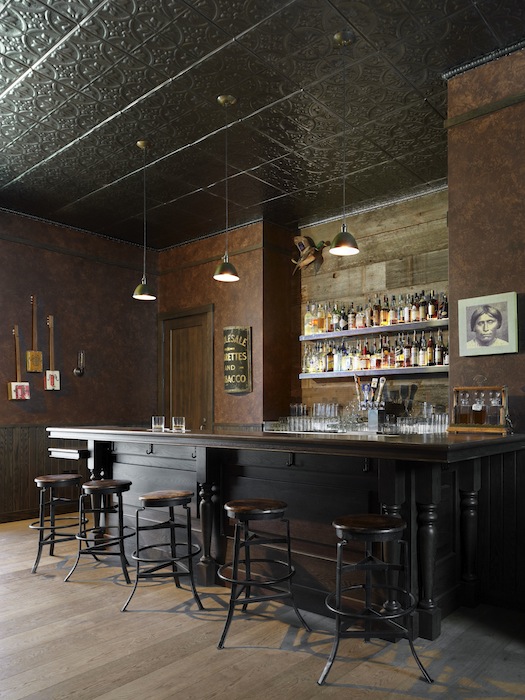
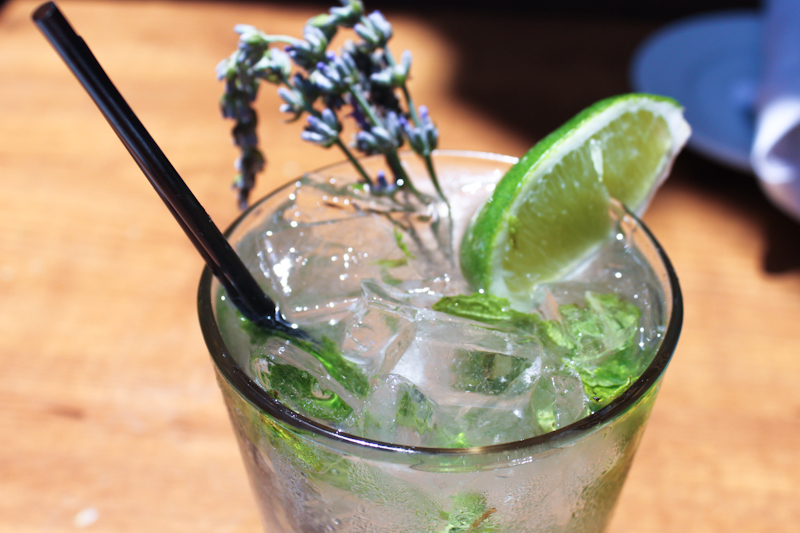
"content": "\u003cp>\u003ca href=\"http://ww2.kqed.org/bayareabites/wp-content/uploads/sites/24/2012/07/9Deck-toward-vineyards-XL.jpg\">\u003cimg src=\"http://ww2.kqed.org/bayareabites/wp-content/uploads/sites/24/2012/07/9Deck-toward-vineyards-XL.jpg\" alt=\"Medlock Ames Tasting Room Photo by Joe Fletcher\" title=\"Medlock Ames Tasting Room Photo by Joe Fletcher\" width=\"500\" class=\"alignnone size-full wp-image-45435\">\u003c/a>\u003cbr>\n\u003cem>Medlock Ames Tasting Room Photo: Joe Fletcher\u003c/em>\u003c/p>\n\u003cp>In the heart of Sonoma County's Alexander Valley, nestled between grapevines and the area's rolling foothills, is the modern yet rustic \u003ca href=\"http://www.medlockames.com/\">Medlock Ames Tasting Room and Alexander Valley Bar\u003c/a>. This tasting room is the only place in town where you can enjoy all of the lovely wines made by Medlock Ames just up the road at their Bell Mountain vineyard. And just as they shout out the last call, the bar next door starts serving up fresh, garden-inspired cocktails using ingredients grown on location. It's all too convenient, well...convenient, tasty and so very much appreciated. \u003c/p>\n\u003cp>As I have said before, \u003ca href=\"http://ww2.kqed.org/bayareabites/2012/06/06/lavender-splash-cocktail-fresh-from-the-medlock-ames-garden/\">they make some of the best Californian wine\u003c/a> you'll ever drink. So where to start? Well, if you can get your hands on it, I suggest their first vintage--a 2001 Merlot. It's like blackberry cobbler. And it's ready for drinking now, so do not cellar this wine. Another favorite of mine is their Rosé, and I say that as a non-Rosé fan. It proves that Ames Morison (the winemaker) is a genius. The wine tastes like a freshly picked organic strawberry. \u003c/p>\n\u003cp>Now, admittedly, having your tasting room separate from the vineyard kinda goes against a very established wine country paradigm. And at first, I confess, I did find it a bit strange. But Ames explains in the video below the very reason for that decision.\u003c/p>\n\u003cp>\u003ciframe width=\"500\" height=\"281\" src=\"http://www.youtube.com/embed/3ds-XmXoxcg\" frameborder=\"0\">\u003c/iframe>\u003c/p>\n\u003cp>[ad fullwidth]\u003c/p>\n\u003cp>I visited the tasting room and bar a few months back while on a three week road trip in a borrowed Chevy Volt. Located at the intersection of Alexander Valley Road and Highway 128, the place has been a neighborhood fixture since the early 1900s when it was better known as the Alexander Valley Store and Bar. The bar part was added on during the '60s where it quickly became a favorite amongst the \u003ca href=\"http://www.youtube.com/watch?v=bvLpJod8nt0\">Easy Rider\u003c/a> crowd. And that history exists in more than just spirit at the new tasting location. \u003c/p>\n\u003cp>Reclaimed wood from the original structure has been reused throughout the property. The garden (which is organic but not certified) is a sea of citrus fruits, chili peppers, vegetables and herbs, such as pineapple sage and cilantro. No fancy imported olives or overpriced picnic-ware are found here. Just good wine and canned produce from the garden. And the place has been known to host a farmers market or two, as a bit of a throwback to the \"store\" it used to be. If anything, the seasonally inspired cocktails, like this \u003ca href=\"http://ww2.kqed.org/bayareabites/2012/06/06/lavender-splash-cocktail-fresh-from-the-medlock-ames-garden/\">Lavender Splash cocktail,\u003c/a> are a great reason to visit! \u003c/p>\n\u003cp>\u003ca href=\"http://ww2.kqed.org/bayareabites/wp-content/uploads/sites/24/2012/07/IMG_1452.jpg\">\u003cimg src=\"http://ww2.kqed.org/bayareabites/wp-content/uploads/sites/24/2012/07/IMG_1452.jpg\" alt=\"Lavender Splash Cocktail\" title=\"Lavender Splash Cocktail\" width=\"500\" class=\"alignnone size-full wp-image-45766\">\u003c/a>\u003c/p>\n\u003cp>With Medlock Ames, it's all about delivering a distinct sense of place. And I think that is why this annexed tasting room really works. The tasting room and bar follow many of the same tenets as the 400-acre vineyard located at Bell Mountain. The vineyard is certified organic, but the tasting room gardens are not. However, they are farmed in the exact same manner. The winery located at Bell Mountain is 100-percent solar powered and also happens to be a gravity flow system, which \u003ca href=\"http://ww2.kqed.org/bayareabites/2012/06/06/lavender-splash-cocktail-fresh-from-the-medlock-ames-garden/\">benefits both the wine and their electricity bill\u003c/a>. I am telling you, this place is top notch when it comes to sustainability. \u003c/p>\n\u003cp>\u003ca href=\"http://ww2.kqed.org/bayareabites/wp-content/uploads/sites/24/2012/07/MedlockAmes_11.jpg\">\u003cimg src=\"http://ww2.kqed.org/bayareabites/wp-content/uploads/sites/24/2012/07/MedlockAmes_11.jpg\" alt=\"Alexander Valley Bar Photo by Joe Fletcher\" title=\"Alexander Valley Bar Photo by Joe Fletcher\" width=\"500\" class=\"alignnone size-full wp-image-45495\">\u003c/a>\u003cbr>\n\u003cem>Alexander Valley Bar Photo: Joe Fletcher\u003c/em>\u003c/p>\n\u003cp>If you haven't been to Alexander Valley, I suggest you visit. This northern Sonoma region is what most of the area used to be like before those Napa-esque values started spilling over the county lines. It's extremely welcoming, homey and downright fun! \u003c/p>\n\u003cp>\u003c/p>\n\u003cp>The Alexander Valley Bar best captures this spirit. It's kinda like Cheers. And even if someone there doesn't know your name, it's just a matter of time. \u003c/p>\n\n",
"disqusIdentifier": "45422 http://blogs.kqed.org/bayareabites/?p=45422",
"disqusUrl": "https://ww2.kqed.org/bayareabites/2012/07/06/medlock-ames-century-old-biker-bar-turns-eco-friendly-tasting-room/",
"stats": {
"hasVideo": true,
"hasChartOrMap": true,
"hasAudio": false,
"hasPolis": false,
"wordCount": 627,
"hasGoogleForm": false,
"hasGallery": false,
"hasHearkenModule": false,
"iframeSrcs": [
"http://www.youtube.com/embed/3ds-XmXoxcg"
],
"paragraphCount": 14
},
"modified": 1341586707,
"excerpt": "In the heart of Sonoma County's Alexander Valley, nestled between grapevines and the area's rolling foothills, is the modern yet rustic Medlock Ames Tasting Room and Alexander Valley Bar. The tasting room is the only place in town where you can enjoy all of the lovely wines made by Medlock Ames just up the road at their Bell Mountain ranch. And just as it's making its last call, the bar next door starts serving up fresh, garden-inspired cocktails using ingredients grown at that very location.",
"headData": {
"twImgId": "",
"twTitle": "",
"ogTitle": "",
"ogImgId": "",
"twDescription": "",
"description": "In the heart of Sonoma County's Alexander Valley, nestled between grapevines and the area's rolling foothills, is the modern yet rustic Medlock Ames Tasting Room and Alexander Valley Bar. The tasting room is the only place in town where you can enjoy all of the lovely wines made by Medlock Ames just up the road at their Bell Mountain ranch. And just as it's making its last call, the bar next door starts serving up fresh, garden-inspired cocktails using ingredients grown at that very location.",
"title": "Medlock Ames: Century-Old Biker Bar Turns Eco-Friendly Tasting Room | KQED",
"ogDescription": "",
"schema": {
"@context": "https://schema.org",
"@type": "Article",
"headline": "Medlock Ames: Century-Old Biker Bar Turns Eco-Friendly Tasting Room",
"datePublished": "2012-07-06T07:58:27-07:00",
"dateModified": "2012-07-06T07:58:27-07:00",
"image": "https://cdn.kqed.org/wp-content/uploads/2020/02/KQED-OG-Image@1x.png"
}
},
"guestAuthors": [],
"slug": "medlock-ames-century-old-biker-bar-turns-eco-friendly-tasting-room",
"status": "publish",
"path": "/bayareabites/45422/medlock-ames-century-old-biker-bar-turns-eco-friendly-tasting-room",
"audioTrackLength": null,
"parsedContent": [
{
"type": "contentString",
"content": "\u003cdiv class=\"post-body\">\u003cp>\u003cp>\u003ca href=\"http://ww2.kqed.org/bayareabites/wp-content/uploads/sites/24/2012/07/9Deck-toward-vineyards-XL.jpg\">\u003cimg src=\"http://ww2.kqed.org/bayareabites/wp-content/uploads/sites/24/2012/07/9Deck-toward-vineyards-XL.jpg\" alt=\"Medlock Ames Tasting Room Photo by Joe Fletcher\" title=\"Medlock Ames Tasting Room Photo by Joe Fletcher\" width=\"500\" class=\"alignnone size-full wp-image-45435\">\u003c/a>\u003cbr>\n\u003cem>Medlock Ames Tasting Room Photo: Joe Fletcher\u003c/em>\u003c/p>\n\u003cp>In the heart of Sonoma County's Alexander Valley, nestled between grapevines and the area's rolling foothills, is the modern yet rustic \u003ca href=\"http://www.medlockames.com/\">Medlock Ames Tasting Room and Alexander Valley Bar\u003c/a>. This tasting room is the only place in town where you can enjoy all of the lovely wines made by Medlock Ames just up the road at their Bell Mountain vineyard. And just as they shout out the last call, the bar next door starts serving up fresh, garden-inspired cocktails using ingredients grown on location. It's all too convenient, well...convenient, tasty and so very much appreciated. \u003c/p>\n\u003cp>As I have said before, \u003ca href=\"http://ww2.kqed.org/bayareabites/2012/06/06/lavender-splash-cocktail-fresh-from-the-medlock-ames-garden/\">they make some of the best Californian wine\u003c/a> you'll ever drink. So where to start? Well, if you can get your hands on it, I suggest their first vintage--a 2001 Merlot. It's like blackberry cobbler. And it's ready for drinking now, so do not cellar this wine. Another favorite of mine is their Rosé, and I say that as a non-Rosé fan. It proves that Ames Morison (the winemaker) is a genius. The wine tastes like a freshly picked organic strawberry. \u003c/p>\n\u003cp>Now, admittedly, having your tasting room separate from the vineyard kinda goes against a very established wine country paradigm. And at first, I confess, I did find it a bit strange. But Ames explains in the video below the very reason for that decision.\u003c/p>\n\u003cp>\u003ciframe width=\"500\" height=\"281\" src=\"http://www.youtube.com/embed/3ds-XmXoxcg\" frameborder=\"0\">\u003c/iframe>\u003c/p>\n\u003cp>\u003c/p>\u003c/div>",
"attributes": {
"named": {},
"numeric": []
}
},
{
"type": "component",
"content": "",
"name": "ad",
"attributes": {
"named": {
"label": "fullwidth"
},
"numeric": [
"fullwidth"
]
}
},
{
"type": "contentString",
"content": "\u003cdiv class=\"post-body\">\u003cp>\u003c/p>\n\u003cp>I visited the tasting room and bar a few months back while on a three week road trip in a borrowed Chevy Volt. Located at the intersection of Alexander Valley Road and Highway 128, the place has been a neighborhood fixture since the early 1900s when it was better known as the Alexander Valley Store and Bar. The bar part was added on during the '60s where it quickly became a favorite amongst the \u003ca href=\"http://www.youtube.com/watch?v=bvLpJod8nt0\">Easy Rider\u003c/a> crowd. And that history exists in more than just spirit at the new tasting location. \u003c/p>\n\u003cp>Reclaimed wood from the original structure has been reused throughout the property. The garden (which is organic but not certified) is a sea of citrus fruits, chili peppers, vegetables and herbs, such as pineapple sage and cilantro. No fancy imported olives or overpriced picnic-ware are found here. Just good wine and canned produce from the garden. And the place has been known to host a farmers market or two, as a bit of a throwback to the \"store\" it used to be. If anything, the seasonally inspired cocktails, like this \u003ca href=\"http://ww2.kqed.org/bayareabites/2012/06/06/lavender-splash-cocktail-fresh-from-the-medlock-ames-garden/\">Lavender Splash cocktail,\u003c/a> are a great reason to visit! \u003c/p>\n\u003cp>\u003ca href=\"http://ww2.kqed.org/bayareabites/wp-content/uploads/sites/24/2012/07/IMG_1452.jpg\">\u003cimg src=\"http://ww2.kqed.org/bayareabites/wp-content/uploads/sites/24/2012/07/IMG_1452.jpg\" alt=\"Lavender Splash Cocktail\" title=\"Lavender Splash Cocktail\" width=\"500\" class=\"alignnone size-full wp-image-45766\">\u003c/a>\u003c/p>\n\u003cp>With Medlock Ames, it's all about delivering a distinct sense of place. And I think that is why this annexed tasting room really works. The tasting room and bar follow many of the same tenets as the 400-acre vineyard located at Bell Mountain. The vineyard is certified organic, but the tasting room gardens are not. However, they are farmed in the exact same manner. The winery located at Bell Mountain is 100-percent solar powered and also happens to be a gravity flow system, which \u003ca href=\"http://ww2.kqed.org/bayareabites/2012/06/06/lavender-splash-cocktail-fresh-from-the-medlock-ames-garden/\">benefits both the wine and their electricity bill\u003c/a>. I am telling you, this place is top notch when it comes to sustainability. \u003c/p>\n\u003cp>\u003ca href=\"http://ww2.kqed.org/bayareabites/wp-content/uploads/sites/24/2012/07/MedlockAmes_11.jpg\">\u003cimg src=\"http://ww2.kqed.org/bayareabites/wp-content/uploads/sites/24/2012/07/MedlockAmes_11.jpg\" alt=\"Alexander Valley Bar Photo by Joe Fletcher\" title=\"Alexander Valley Bar Photo by Joe Fletcher\" width=\"500\" class=\"alignnone size-full wp-image-45495\">\u003c/a>\u003cbr>\n\u003cem>Alexander Valley Bar Photo: Joe Fletcher\u003c/em>\u003c/p>\n\u003cp>If you haven't been to Alexander Valley, I suggest you visit. This northern Sonoma region is what most of the area used to be like before those Napa-esque values started spilling over the county lines. It's extremely welcoming, homey and downright fun! \u003c/p>\n\u003cp>\u003c/p>\n\u003cp>The Alexander Valley Bar best captures this spirit. It's kinda like Cheers. And even if someone there doesn't know your name, it's just a matter of time. \u003c/p>\n\n\u003c/div>\u003c/p>",
"attributes": {
"named": {},
"numeric": []
}
}
],
"link": "/bayareabites/45422/medlock-ames-century-old-biker-bar-turns-eco-friendly-tasting-room",
"authors": [
"5362"
],
"categories": [
"bayareabites_109",
"bayareabites_752",
"bayareabites_1244",
"bayareabites_2554",
"bayareabites_1807",
"bayareabites_90",
"bayareabites_60",
"bayareabites_61",
"bayareabites_1593",
"bayareabites_119"
],
"tags": [
"bayareabites_8658",
"bayareabites_89",
"bayareabites_3891",
"bayareabites_8258",
"bayareabites_10575",
"bayareabites_8872",
"bayareabites_356"
],
"featImg": "bayareabites_45495",
"label": "bayareabites"
},
"bayareabites_44839": {
"type": "posts",
"id": "bayareabites_44839",
"meta": {
"index": "posts_1716263798",
"site": "bayareabites",
"id": "44839",
"score": null,
"sort": [
1340559655000
]
},
"parent": 0,
"labelTerm": {
"site": "bayareabites"
},
"blocks": [],
"publishDate": 1340559655,
"format": "aside",
"disqusTitle": "LGBT Pride Profile: Culinary Artist Yasmin Golan",
"title": "LGBT Pride Profile: Culinary Artist Yasmin Golan",
"headTitle": "Bay Area Bites | KQED Food",
"content": "\u003cp>\u003ca href=\"http://ww2.kqed.org/bayareabites/wp-content/uploads/sites/24/2012/06/Yasmin_Eli_Africa-2.jpeg\">\u003cimg src=\"http://ww2.kqed.org/bayareabites/wp-content/uploads/sites/24/2012/06/Yasmin_Eli_Africa-2.jpeg\" alt=\"Yasmin Golan photo courtesy of Eli Africa\" title=\"Yasmin Golan photo courtesy of Eli Africa\" width=\"500\" height=\"375\" class=\"alignnone size-full wp-image-44977\">\u003c/a>\u003cbr>\n\u003cem>Yasmin Golan photo courtesy of Eli Africa\u003c/em>\u003c/p>\n\u003cp>Our gay-friendly town is full of visitors. June means that the Bay Area and more specifically, San Francisco, fills to the brim with folks from all over the world to observe and celebrate the events, marches and festivities that culminate in \u003ca href=\"http://www.sfpride.org/\">SF LGBT Pride\u003c/a>. Bay Area Bites is noting this 42nd annual come-as-you-are love fest by telling stories from the LBGT chefs, personalities and waiters who keep us sated 365 days of the year. We’ve talked with \u003ca href=\"http://ww2.kqed.org/bayareabites/2012/06/15/lgbt-pride-profile-palomino-chef-adam-jones/\">Adam Jones\u003c/a>, \u003ca href=\"http://ww2.kqed.org/bayareabites/2012/06/20/lgbt-pride-profile-top-chef-and-juhu-beach-club%E2%80%99s-preeti-mistry/\">Preeti Mistry\u003c/a> and \u003ca href=\"http://ww2.kqed.org/bayareabites/2012/06/21/lgbt-pride-profile-waiter-and-writer-michael-procopio/\">Michael Procopio\u003c/a> so far. Next up is a chef and culinary artist named Yasmin Golan, 33. She spends much of her time working for \u003ca href=\"http://calicopiekitchen.wordpress.com/about/\">Calico Pie\u003c/a> where she creates private food events and lessons. Golan is also one of the brains behind the gay pop-up \u003ca href=\"http://queerfoodforlove.blogspot.com/\">Queer Food For Love\u003c/a>. Chez Panisse, Incanto, Boulette’s Larder and Eccolo are among the restaurants where Golan trained and cooked before branching out to other artistic and food related projects. Bay Area Bites interviewed Golan via telephone and email recently.\u003c/p>\n\u003cp>\u003ca href=\"http://ww2.kqed.org/bayareabites/wp-content/uploads/sites/24/2012/06/500YasminFixingPrettyPlatterBAB.jpg\">\u003cimg src=\"http://ww2.kqed.org/bayareabites/wp-content/uploads/sites/24/2012/06/500YasminFixingPrettyPlatterBAB.jpg\" alt=\"Yasmin Fixing Pretty Platter\" title=\"Yasmin Fixing Pretty Platter\" width=\"500\" height=\"375\" class=\"alignnone size-full wp-image-44899\">\u003c/a>\u003cbr>\n\u003cem>Yasmin Golan working and creating with food. Photo courtesy of Yasmin Golan\u003c/em>\u003c/p>\n\u003cp>\u003cstrong>How is your work going? What’s new?\u003c/strong>\u003cbr>\nI am an interdisciplinary culinary artist who creates one of a kind dinners and pop-ups, usually around themes involving some kind of storytelling. Some of my past projects have included Queer Food For Love, a collaborative pop-up restaurant I co-organized in San Francisco for four years with queer cooks and artists; solo projects through my catering business, Calico Pie, exploring issues like food wastes and worm composting, the wars in Iraq and Afghanistan, and biographical dinners that tell personal stories of Diaspora and migration through food. My current project is starting a bike-up grocery in Oakland, called \u003ca href=\"https://www.facebook.com/HumblebeeGrocery\">Humblebee Grocery\u003c/a>, to provide week-round access to fresh produce and artisan foods east of Lake Merritt.\u003c/p>\n\u003cp>\u003cstrong>Where do you live? How did you and your partner meet?\u003c/strong>\u003cbr>\nI currently live with my partner Ami in Oakland. We fell in love over a picnic after I taught a cooking class in their shop. We raise animals, grow food together, worm compost, and keep bees in a multiracial, mixed-class neighborhood that we love. As a couple we are always thinking about how we can get our household more sustainable, by eliminating plastics from our lives or using reclaimed wood, or getting around by bicycle and biodiesel. Ultimately, we strive to create neighborhoods that are sustainable, too, serving local needs and creating jobs with dignity that treat people, plants, and animals with respect.\u003c/p>\n\u003cp>[ad fullwidth]\u003c/p>\n\u003cp>I was based out of San Francisco around the Mission for seven years and I feel like I’m just another casualty of gentrification of the city. I love Oakland but mourn the way the Mission is turning into a suburb of Silicon Valley. Hopefully people like me can bring the community spirit to organizing and queer arts stuff. I definitely feel passionate about Oakland, and I'm involved in and sad about what’s happening. It’s all interconnected. \u003c/p>\n\u003cp>As a queer, a majority of my stuff is in the city. Everyone’s scattering for survival. Queer Food for Love was an intersection between art and love and came out of time that people could whittle away from their day jobs. None of us got paid for that. We could find underground spaces and it required all of us to take time away from our jobs. People from that project had to scatter and look after themselves rather than the community. \u003c/p>\n\u003cp>Ami has lived in Oakland for a few years. I see tons of queer people. There are events here and there but there’s not that sense of running into people to get coffee like in the Mission. \u003c/p>\n\u003cp>\u003ca href=\"http://ww2.kqed.org/bayareabites/wp-content/uploads/sites/24/2012/06/500YasminServingBAB.jpg\">\u003cimg src=\"http://ww2.kqed.org/bayareabites/wp-content/uploads/sites/24/2012/06/500YasminServingBAB.jpg\" alt=\"Yasmin Serving\" title=\"Yasmin Serving\" width=\"500\" height=\"458\" class=\"alignnone size-full wp-image-44900\">\u003c/a>\u003cbr>\n\u003cem>Yasmin Golan (R) serving food. Photo courtesy of Yasmin Golan\u003c/em>\u003c/p>\n\u003cp>\u003cstrong>The culinary world has often been portrayed as quite sexist…what is your perspective and experience with regard to homophobia in the restaurant world?\u003c/strong>\u003cbr>\nVery little gratitude is paid to women and people of color who work in food establishments, including the farm workers, waitresses, cooks, and dishwashers. When more women become self-employed and support each other's businesses; when restaurant workers organize and form unions to resist exploitation; when workers form co-operatives -- I think more women, queer people, and folks of color will share the benefits and profits of growing, preparing, and serving food as a livelihood. Yes, the current food system operates within a framework of globalized racism, sexism, and class exploitation, but queer and feminist folks can help invent the future and create new systems for the production and distribution of food.\u003c/p>\n\u003cp>\u003cstrong>Is there a difference between the front of the house vs. the kitchen regarding this issue? A difference for men vs. women?\u003c/strong>\u003cbr>\nI feel like gender presentation does play a role in how people are treated in the workplace. As a femme I found it necessary to butch it up in kitchens to be taken seriously by straight men, and I'm sure a lot of straight women do, too. Does the gender role-playing in the kitchen make the food taste better? No. The more I work for myself, the less harassment I have to deal with, because I can focus on food and community-building instead of ignorance.\u003c/p>\n\u003cp>\u003ca href=\"http://ww2.kqed.org/bayareabites/wp-content/uploads/sites/24/2012/06/500YasminsPlatterJune2012BAB.jpg\">\u003cimg src=\"http://ww2.kqed.org/bayareabites/wp-content/uploads/sites/24/2012/06/500YasminsPlatterJune2012BAB.jpg\" alt=\"Yasmins Platter June 2012 \" title=\"Yasmins Platter June 2012 \" width=\"500\" height=\"375\" class=\"alignnone size-full wp-image-44901\">\u003c/a>\u003cbr>\n\u003cem>Where art and food intersect: Yasmin Golan's finished creation. Photo courtesy of Yasmin Golan.\u003c/em>\u003c/p>\n\u003cp>\u003cstrong>What is it like coming out as a food professional? Has being an LGBT person affected your career in any particular way?\u003c/strong>\u003cbr>\nAs a self-employed person I can say I am a queer, feminist chef -- and people who would like to see the world made safer for women and queer people can support what I do. Economic empowerment is very important to being able to say who I am and what I believe. Those who resonate with the message can then come out, too. If I say I am a queer person who is concerned about global warming and I want to start a business that reflects that, then I am making the world safer for others who want that, too. Coming out means standing up for what is more important to you than money.\u003c/p>\n\u003cp>\u003cstrong>Is there a gay subculture within the food world and in the Bay Area?\u003c/strong>\u003cbr>\nI see women being inspired by each other to start their own businesses, and trans people inspired by other trans people to work for themselves. Empowerment is how queer people are making the world safer for ourselves.\u003c/p>\n\u003cp>\u003cstrong>Since San Francisco is a gay mecca are there restaurants (as opposed to bars that serve food) that are known to cater to a mostly gay clientele? Are there places exclusively for LGBT women vs. men?\u003c/strong>\u003cbr>\nI think more dykes and trans artists in San Francisco probably wrote books and put on performances and organized events and made art on diets of burritos and beer than any other food the city has to offer.\u003c/p>\n\u003cp>But if you really want to go somewhere queer, I recommend you shop at \u003ca href=\"http://www.rainbow.coop/\">Rainbow Grocery\u003c/a>.\u003c/p>\n\u003cp>[ad floatright]\u003c/p>\n\u003cp>\u003cstrong>How do you celebrate Pride Month personally and professionally?\u003c/strong>\u003cbr>\nI like to spend Pride weekend picnicking in the park with friends or camping in nature to remember what is really important to me: community, food, nature, love, and chosen family.\u003c/p>\n\n",
"disqusIdentifier": "44839 http://blogs.kqed.org/bayareabites/?p=44839",
"disqusUrl": "https://ww2.kqed.org/bayareabites/2012/06/24/lgbt-pride-profile-culinary-artist-yasmin-golan/",
"stats": {
"hasVideo": false,
"hasChartOrMap": false,
"hasAudio": false,
"hasPolis": false,
"wordCount": 1236,
"hasGoogleForm": false,
"hasGallery": false,
"hasHearkenModule": false,
"iframeSrcs": [],
"paragraphCount": 19
},
"modified": 1340601472,
"excerpt": "In celebration of LGBT Pride month, Mary Ladd profiles culinary artist Yasmin Golan, who lives in Oakland and has worked locally in the pop-up scene and restaurant world. Golan’s ideas on cooking and living are based around community and sustainability.",
"headData": {
"twImgId": "",
"twTitle": "",
"ogTitle": "",
"ogImgId": "",
"twDescription": "",
"description": "In celebration of LGBT Pride month, Mary Ladd profiles culinary artist Yasmin Golan, who lives in Oakland and has worked locally in the pop-up scene and restaurant world. Golan’s ideas on cooking and living are based around community and sustainability.",
"title": "LGBT Pride Profile: Culinary Artist Yasmin Golan | KQED",
"ogDescription": "",
"schema": {
"@context": "https://schema.org",
"@type": "Article",
"headline": "LGBT Pride Profile: Culinary Artist Yasmin Golan",
"datePublished": "2012-06-24T10:40:55-07:00",
"dateModified": "2012-06-24T22:17:52-07:00",
"image": "https://cdn.kqed.org/wp-content/uploads/2020/02/KQED-OG-Image@1x.png"
}
},
"guestAuthors": [],
"slug": "lgbt-pride-profile-culinary-artist-yasmin-golan",
"status": "publish",
"path": "/bayareabites/44839/lgbt-pride-profile-culinary-artist-yasmin-golan",
"audioTrackLength": null,
"parsedContent": [
{
"type": "contentString",
"content": "\u003cdiv class=\"post-body\">\u003cp>\u003cp>\u003ca href=\"http://ww2.kqed.org/bayareabites/wp-content/uploads/sites/24/2012/06/Yasmin_Eli_Africa-2.jpeg\">\u003cimg src=\"http://ww2.kqed.org/bayareabites/wp-content/uploads/sites/24/2012/06/Yasmin_Eli_Africa-2.jpeg\" alt=\"Yasmin Golan photo courtesy of Eli Africa\" title=\"Yasmin Golan photo courtesy of Eli Africa\" width=\"500\" height=\"375\" class=\"alignnone size-full wp-image-44977\">\u003c/a>\u003cbr>\n\u003cem>Yasmin Golan photo courtesy of Eli Africa\u003c/em>\u003c/p>\n\u003cp>Our gay-friendly town is full of visitors. June means that the Bay Area and more specifically, San Francisco, fills to the brim with folks from all over the world to observe and celebrate the events, marches and festivities that culminate in \u003ca href=\"http://www.sfpride.org/\">SF LGBT Pride\u003c/a>. Bay Area Bites is noting this 42nd annual come-as-you-are love fest by telling stories from the LBGT chefs, personalities and waiters who keep us sated 365 days of the year. We’ve talked with \u003ca href=\"http://ww2.kqed.org/bayareabites/2012/06/15/lgbt-pride-profile-palomino-chef-adam-jones/\">Adam Jones\u003c/a>, \u003ca href=\"http://ww2.kqed.org/bayareabites/2012/06/20/lgbt-pride-profile-top-chef-and-juhu-beach-club%E2%80%99s-preeti-mistry/\">Preeti Mistry\u003c/a> and \u003ca href=\"http://ww2.kqed.org/bayareabites/2012/06/21/lgbt-pride-profile-waiter-and-writer-michael-procopio/\">Michael Procopio\u003c/a> so far. Next up is a chef and culinary artist named Yasmin Golan, 33. She spends much of her time working for \u003ca href=\"http://calicopiekitchen.wordpress.com/about/\">Calico Pie\u003c/a> where she creates private food events and lessons. Golan is also one of the brains behind the gay pop-up \u003ca href=\"http://queerfoodforlove.blogspot.com/\">Queer Food For Love\u003c/a>. Chez Panisse, Incanto, Boulette’s Larder and Eccolo are among the restaurants where Golan trained and cooked before branching out to other artistic and food related projects. Bay Area Bites interviewed Golan via telephone and email recently.\u003c/p>\n\u003cp>\u003ca href=\"http://ww2.kqed.org/bayareabites/wp-content/uploads/sites/24/2012/06/500YasminFixingPrettyPlatterBAB.jpg\">\u003cimg src=\"http://ww2.kqed.org/bayareabites/wp-content/uploads/sites/24/2012/06/500YasminFixingPrettyPlatterBAB.jpg\" alt=\"Yasmin Fixing Pretty Platter\" title=\"Yasmin Fixing Pretty Platter\" width=\"500\" height=\"375\" class=\"alignnone size-full wp-image-44899\">\u003c/a>\u003cbr>\n\u003cem>Yasmin Golan working and creating with food. Photo courtesy of Yasmin Golan\u003c/em>\u003c/p>\n\u003cp>\u003cstrong>How is your work going? What’s new?\u003c/strong>\u003cbr>\nI am an interdisciplinary culinary artist who creates one of a kind dinners and pop-ups, usually around themes involving some kind of storytelling. Some of my past projects have included Queer Food For Love, a collaborative pop-up restaurant I co-organized in San Francisco for four years with queer cooks and artists; solo projects through my catering business, Calico Pie, exploring issues like food wastes and worm composting, the wars in Iraq and Afghanistan, and biographical dinners that tell personal stories of Diaspora and migration through food. My current project is starting a bike-up grocery in Oakland, called \u003ca href=\"https://www.facebook.com/HumblebeeGrocery\">Humblebee Grocery\u003c/a>, to provide week-round access to fresh produce and artisan foods east of Lake Merritt.\u003c/p>\n\u003cp>\u003cstrong>Where do you live? How did you and your partner meet?\u003c/strong>\u003cbr>\nI currently live with my partner Ami in Oakland. We fell in love over a picnic after I taught a cooking class in their shop. We raise animals, grow food together, worm compost, and keep bees in a multiracial, mixed-class neighborhood that we love. As a couple we are always thinking about how we can get our household more sustainable, by eliminating plastics from our lives or using reclaimed wood, or getting around by bicycle and biodiesel. Ultimately, we strive to create neighborhoods that are sustainable, too, serving local needs and creating jobs with dignity that treat people, plants, and animals with respect.\u003c/p>\n\u003cp>\u003c/p>\u003c/div>",
"attributes": {
"named": {},
"numeric": []
}
},
{
"type": "component",
"content": "",
"name": "ad",
"attributes": {
"named": {
"label": "fullwidth"
},
"numeric": [
"fullwidth"
]
}
},
{
"type": "contentString",
"content": "\u003cdiv class=\"post-body\">\u003cp>\u003c/p>\n\u003cp>I was based out of San Francisco around the Mission for seven years and I feel like I’m just another casualty of gentrification of the city. I love Oakland but mourn the way the Mission is turning into a suburb of Silicon Valley. Hopefully people like me can bring the community spirit to organizing and queer arts stuff. I definitely feel passionate about Oakland, and I'm involved in and sad about what’s happening. It’s all interconnected. \u003c/p>\n\u003cp>As a queer, a majority of my stuff is in the city. Everyone’s scattering for survival. Queer Food for Love was an intersection between art and love and came out of time that people could whittle away from their day jobs. None of us got paid for that. We could find underground spaces and it required all of us to take time away from our jobs. People from that project had to scatter and look after themselves rather than the community. \u003c/p>\n\u003cp>Ami has lived in Oakland for a few years. I see tons of queer people. There are events here and there but there’s not that sense of running into people to get coffee like in the Mission. \u003c/p>\n\u003cp>\u003ca href=\"http://ww2.kqed.org/bayareabites/wp-content/uploads/sites/24/2012/06/500YasminServingBAB.jpg\">\u003cimg src=\"http://ww2.kqed.org/bayareabites/wp-content/uploads/sites/24/2012/06/500YasminServingBAB.jpg\" alt=\"Yasmin Serving\" title=\"Yasmin Serving\" width=\"500\" height=\"458\" class=\"alignnone size-full wp-image-44900\">\u003c/a>\u003cbr>\n\u003cem>Yasmin Golan (R) serving food. Photo courtesy of Yasmin Golan\u003c/em>\u003c/p>\n\u003cp>\u003cstrong>The culinary world has often been portrayed as quite sexist…what is your perspective and experience with regard to homophobia in the restaurant world?\u003c/strong>\u003cbr>\nVery little gratitude is paid to women and people of color who work in food establishments, including the farm workers, waitresses, cooks, and dishwashers. When more women become self-employed and support each other's businesses; when restaurant workers organize and form unions to resist exploitation; when workers form co-operatives -- I think more women, queer people, and folks of color will share the benefits and profits of growing, preparing, and serving food as a livelihood. Yes, the current food system operates within a framework of globalized racism, sexism, and class exploitation, but queer and feminist folks can help invent the future and create new systems for the production and distribution of food.\u003c/p>\n\u003cp>\u003cstrong>Is there a difference between the front of the house vs. the kitchen regarding this issue? A difference for men vs. women?\u003c/strong>\u003cbr>\nI feel like gender presentation does play a role in how people are treated in the workplace. As a femme I found it necessary to butch it up in kitchens to be taken seriously by straight men, and I'm sure a lot of straight women do, too. Does the gender role-playing in the kitchen make the food taste better? No. The more I work for myself, the less harassment I have to deal with, because I can focus on food and community-building instead of ignorance.\u003c/p>\n\u003cp>\u003ca href=\"http://ww2.kqed.org/bayareabites/wp-content/uploads/sites/24/2012/06/500YasminsPlatterJune2012BAB.jpg\">\u003cimg src=\"http://ww2.kqed.org/bayareabites/wp-content/uploads/sites/24/2012/06/500YasminsPlatterJune2012BAB.jpg\" alt=\"Yasmins Platter June 2012 \" title=\"Yasmins Platter June 2012 \" width=\"500\" height=\"375\" class=\"alignnone size-full wp-image-44901\">\u003c/a>\u003cbr>\n\u003cem>Where art and food intersect: Yasmin Golan's finished creation. Photo courtesy of Yasmin Golan.\u003c/em>\u003c/p>\n\u003cp>\u003cstrong>What is it like coming out as a food professional? Has being an LGBT person affected your career in any particular way?\u003c/strong>\u003cbr>\nAs a self-employed person I can say I am a queer, feminist chef -- and people who would like to see the world made safer for women and queer people can support what I do. Economic empowerment is very important to being able to say who I am and what I believe. Those who resonate with the message can then come out, too. If I say I am a queer person who is concerned about global warming and I want to start a business that reflects that, then I am making the world safer for others who want that, too. Coming out means standing up for what is more important to you than money.\u003c/p>\n\u003cp>\u003cstrong>Is there a gay subculture within the food world and in the Bay Area?\u003c/strong>\u003cbr>\nI see women being inspired by each other to start their own businesses, and trans people inspired by other trans people to work for themselves. Empowerment is how queer people are making the world safer for ourselves.\u003c/p>\n\u003cp>\u003cstrong>Since San Francisco is a gay mecca are there restaurants (as opposed to bars that serve food) that are known to cater to a mostly gay clientele? Are there places exclusively for LGBT women vs. men?\u003c/strong>\u003cbr>\nI think more dykes and trans artists in San Francisco probably wrote books and put on performances and organized events and made art on diets of burritos and beer than any other food the city has to offer.\u003c/p>\n\u003cp>But if you really want to go somewhere queer, I recommend you shop at \u003ca href=\"http://www.rainbow.coop/\">Rainbow Grocery\u003c/a>.\u003c/p>\n\u003cp>\u003c/p>\u003c/div>",
"attributes": {
"named": {},
"numeric": []
}
},
{
"type": "component",
"content": "",
"name": "ad",
"attributes": {
"named": {
"label": "floatright"
},
"numeric": [
"floatright"
]
}
},
{
"type": "contentString",
"content": "\u003cdiv class=\"post-body\">\u003cp>\u003c/p>\n\u003cp>\u003cstrong>How do you celebrate Pride Month personally and professionally?\u003c/strong>\u003cbr>\nI like to spend Pride weekend picnicking in the park with friends or camping in nature to remember what is really important to me: community, food, nature, love, and chosen family.\u003c/p>\n\n\u003c/div>\u003c/p>",
"attributes": {
"named": {},
"numeric": []
}
}
],
"link": "/bayareabites/44839/lgbt-pride-profile-culinary-artist-yasmin-golan",
"authors": [
"5092"
],
"categories": [
"bayareabites_109",
"bayareabites_752",
"bayareabites_63",
"bayareabites_2638",
"bayareabites_2407",
"bayareabites_4084",
"bayareabites_2554",
"bayareabites_1146",
"bayareabites_1875",
"bayareabites_2035",
"bayareabites_1807",
"bayareabites_90",
"bayareabites_60",
"bayareabites_1873"
],
"tags": [
"bayareabites_10539",
"bayareabites_2329",
"bayareabites_9448",
"bayareabites_2311",
"bayareabites_14757",
"bayareabites_10541",
"bayareabites_10540",
"bayareabites_10538"
],
"featImg": "bayareabites_44977",
"label": "bayareabites"
},
"bayareabites_44350": {
"type": "posts",
"id": "bayareabites_44350",
"meta": {
"index": "posts_1716263798",
"site": "bayareabites",
"id": "44350",
"score": null,
"sort": [
1339602626000
]
},
"parent": 0,
"labelTerm": {
"site": "bayareabites"
},
"blocks": [],
"publishDate": 1339602626,
"format": "aside",
"disqusTitle": "Animals (and their Poop) Transform Gardens into Urban Farms ",
"title": "Animals (and their Poop) Transform Gardens into Urban Farms ",
"headTitle": "Bay Area Bites | KQED Food",
"content": "\u003cp>\u003ca href=\"http://ww2.kqed.org/bayareabites/wp-content/uploads/sites/24/2012/06/beegrrl-tastes.jpg\">\u003cimg class=\"alignnone size-full wp-image-44353\" title=\"beegrrl tastes\" src=\"http://ww2.kqed.org/bayareabites/wp-content/uploads/sites/24/2012/06/beegrrl-tastes.jpg\" alt=\"beegrrl tastes\" width=\"560\" height=\"460\">\u003c/a>\u003c/p>\n\u003cp>Under a robin’s egg blue sky, bees flit among swaying violet flowers, next to beds of massive emerald lettuce, while sun-dappled apricots dangle temptingly from the tree. It’s the perfect place to talk poop with K. Ruby Blume, owner of Beegrrl Gardens, and founder of the \u003ca href=\"http://www.iuhoakland.com/index.html\">Institute of Urban Homesteading\u003c/a>, which sponsored a \u003ca href=\"http://www.iuhoakland.com/events.html\">recent tour\u003c/a> of 7 urban farms.\u003c/p>\n\u003cp>\u003ca href=\"http://ww2.kqed.org/bayareabites/wp-content/uploads/sites/24/2012/06/K.-Ruby-Blume.jpg\">\u003cimg class=\"alignnone size-full wp-image-44354\" title=\"K. Ruby Blume\" src=\"http://ww2.kqed.org/bayareabites/wp-content/uploads/sites/24/2012/06/K.-Ruby-Blume.jpg\" alt=\"K. Ruby Blume\" width=\"560\" height=\"523\">\u003c/a>\u003cbr>\n\u003cem>K. Ruby Blume\u003c/em>\u003c/p>\n\u003cp>The East Bay farms, in this second annual tour, are close enough in proximity that visitors can explore several in one afternoon. (This writer toured 3 of the 7). Blume’s criteria for picking this year’s crop of farms was that they all do food production, include an extra feature of deeper sustainability such as a pond, mushroom bed or use of grey water and are home to at least 2 species of animals.\u003c/p>\n\u003cblockquote>\u003cp>“Since growing vegetables and fruit takes nutrients out of the soil, you can either put those nutrients back with chemicals or with manure. Animals close the loop with poop.”\u003c/p>\u003c/blockquote>\n\u003cp>But it has to be the right kind of poop, Blume explains. “Pig and cow poop is smelly and squishy and not something you want to deal with. It also contains too much nitrogen, so it needs to be aged or it would burn your vegetable beds. Rabbit or goat poop is perfect, dry and not too rich in nitrogen, so it can be applied to your planting beds right away.”\u003c/p>\n\u003cp>[ad fullwidth]\u003c/p>\n\u003cp>\u003ca href=\"http://ww2.kqed.org/bayareabites/wp-content/uploads/sites/24/2012/06/beegrrl-Collage.jpg\">\u003cimg class=\"alignnone size-full wp-image-44355\" title=\"beegrrl Collage\" src=\"http://ww2.kqed.org/bayareabites/wp-content/uploads/sites/24/2012/06/beegrrl-Collage.jpg\" alt=\"beegrrl Collage\" width=\"560\" height=\"563\">\u003c/a>\u003c/p>\n\u003cp>\u003cstrong>Beegrrl Gardens\u003c/strong>\u003c/p>\n\u003cp>Blume’s own backyard farm, \u003cstrong>Beegrrl Gardens\u003c/strong>, features more than 200 species of plants (including 18 fruit trees, 7 kinds of berries and stunningly healthy looking vegetables) a covey of quail, a colony of rabbits, 2 beehive systems, a bathtub bog and a vine of climbing hops that you can practically see inching its way to the roof.\u003c/p>\n\u003cp>Her tour begins with generous samples of homemade ginger beer, strawberry soda, apricot jam, strawberry honey, butter, feta and rye buckwheat bread. Walking through Blume's prodigious produce, the dozen or so eager tour-goers pose questions about grey water systems, fending off raccoons, and how she deals with aging rabbits. Blume answers, “I want them to have a happy life and then dispatch them in the most humane way possible.\"\u003c/p>\n\u003cp>A Berkeley native, who describes herself as “the normal kid of hippie parents,” Blume has always loved plants. When someone left her some bees for safekeeping, but never returned for them, she was “bitten.” After keeping bees for 15 years, she ventured into cheese making and currently teaches an amazing array of homesteading arts, including organic gardening, bee keeping, rabbit butchery and tanning, cheese making, canning, mead brewing, fermentation, as well as hand sewing, mosaics and ceramics at the Institute. She is also co-author of the book \u003ca href=\"http://www.iuhoakland.com/thebook.html\">Urban Homesteading\u003c/a>.\u003c/p>\n\u003cp>\u003ca href=\"http://ww2.kqed.org/bayareabites/wp-content/uploads/sites/24/2012/06/quail-and-book.jpg\">\u003cimg class=\"alignnone size-full wp-image-44356\" title=\"quail and book\" src=\"http://ww2.kqed.org/bayareabites/wp-content/uploads/sites/24/2012/06/quail-and-book.jpg\" alt=\"quail and book\" width=\"560\" height=\"314\">\u003c/a>\u003c/p>\n\u003cp>While she provides her quail a pan of diatomaceous earth and watches them revel in a little earth bath, Blume says, “My goal with these farm tours is to inspire visitors by giving them a sense of what’s possible in the city and show how doable it is.”\u003c/p>\n\u003cp>\u003cstrong>Tiny Berkeley Garden\u003c/strong>\u003c/p>\n\u003cp>Kristin Stromberg discovered that tending her, aptly named, \u003cstrong>Tiny Berkeley Garden\u003c/strong> is as much about growing community as it is about raising food crops on the petite front and back plots of her Berkeley home. During her tour, she hands out large purplish green leaves from her perennial tree collard to anyone who asks, so they can root their own plant at home. Passersby are encouraged to sample the pineapple-flavored, bright orange fruit hiding in the papery husks of her groundcherry, (aka cape gooseberry). Stromberg points to the gorgeous artichokes that one enthusiastic neighbor admired so much that Stromberg gave her a perfect green globe to take home. “Before I had my garden, I just knew a few of my neighbors, but now I know everyone! When my pumpkins came up last year I had all the neighborhood kids asking when they would be ready.”\u003c/p>\n\u003cp>\u003ca href=\"http://ww2.kqed.org/bayareabites/wp-content/uploads/sites/24/2012/06/Kristen.jpg\">\u003cimg class=\"alignnone size-full wp-image-44357\" title=\"Kristen Stromberg\" src=\"http://ww2.kqed.org/bayareabites/wp-content/uploads/sites/24/2012/06/Kristen.jpg\" alt=\"Kristen Stromberg\" width=\"560\" height=\"476\">\u003c/a>\u003cbr>\n\u003cem>Kristen Stromberg\u003c/em>\u003c/p>\n\u003cp>\u003ca href=\"http://plantingjustice.org/\">Planting Justice\u003c/a>, an Oakland non-profit, helped Stromberg clean out her overgrown yard, lay sheet mulch and plant the crops she requested. The front yard features herbs and flowers to attract butterflies and bees, with peppers, pumpkins, tomato plants, fuji apple and comice pear trees plus sage lemon verbena, basil and yarrow. In the back, she has asparagus, corn, kale, radish, carrots, zucchini, berries plus fig, plum, pluot and apricot trees. Her wooden coop houses 3 rabbits and 5 chickens. Besides providing eggs, the chickens scratch up the rabbit poop with the soil so she can use it on her planting beds.\u003c/p>\n\u003cp>\u003ca href=\"http://ww2.kqed.org/bayareabites/wp-content/uploads/sites/24/2012/06/tiny-berkeley-garden-collage.jpg\">\u003cimg class=\"alignnone size-full wp-image-44365\" title=\"tiny berkeley garden collage\" src=\"http://ww2.kqed.org/bayareabites/wp-content/uploads/sites/24/2012/06/tiny-berkeley-garden-collage.jpg\" alt=\"tiny berkeley garden collage\" width=\"560\" height=\"570\">\u003c/a>\u003c/p>\n\u003cp>Stromberg describes how the 3 rabbits she had originally picked out somehow turned into 16 by the time she came back to pick them up after a planned trip and now she happens to have frozen rabbit meat in her freezer. One tour-goer offered to buy some rabbit meat to make a French stew, but Stromberg suggested trading her meat for his recipe. A software developer who works from home, Stromberg takes breaks from the computer to feed her animals, water the plants or just sit on the white metal bench in her back yard to watch her brood cavort, or as she calls it “chicken TV.”\u003c/p>\n\u003cp>\u003ca href=\"http://ww2.kqed.org/bayareabites/wp-content/uploads/sites/24/2012/06/i-gazpacho.jpg\">\u003cimg class=\"alignnone size-full wp-image-44360\" title=\"Nicolas and gazpacho\" src=\"http://ww2.kqed.org/bayareabites/wp-content/uploads/sites/24/2012/06/i-gazpacho.jpg\" alt=\"Nicolas and gazpacho\" width=\"560\" height=\"433\">\u003c/a>\u003cbr>\n\u003cem>Nicolas Sheon and Gazpacho\u003c/em>\u003c/p>\n\u003cp>\u003cstrong>Indigoat Farms\u003c/strong>\u003c/p>\n\u003cp>Two week-old baby goats, named Gazpacho and Violet, enchant both child and adult visitors to \u003cstrong>Indigoat Farms\u003c/strong>. The feisty brother and sister are willing to be cuddled and petted for just a moment, but soon wriggle away to practice their head-butting skills. For Nicolas and Susannah Sheon, who already kept a brood of chickens in their Oakland backyard, the leap to goats was inspired by the need for a dairy queen with a name. “Four years ago, our oldest daughter was 14 and vegan,” Nicolas tells the rapt crowd. “ We were worried because she didn’t seem to be getting enough nourishment. She called herself a ‘politarian,’ meaning that she was opposed to the treatment of factory-raised animals. But then we discovered a farmer selling goat cheese at the Grand Lake Farmers Market, who posted pictures of his goats along with their names. Our daughter said, ‘I’ll eat dairy if it comes from a goat I know.’”\u003c/p>\n\u003cp>With advice and mentoring from Jim Montgomery of \u003ca href=\"http://www.berkeleyside.com/2010/10/29/berkeley-bites-jim-montgomery-green-faerie-farm/\">Green Faerie Farm\u003c/a>, the Sheons chose to raise sweet-natured Oberhasli goats, who are relatively quiet (in deference to their neighbors). These Swiss alpine goats love to run up and down ramps the Sheons built for them to connect to a tree house. Neighborhood children adore the goats and often come by to visit or greet them when Nicolas takes them for walks (on leashes) through the local streets.\u003c/p>\n\u003cp>\u003ca href=\"http://ww2.kqed.org/bayareabites/wp-content/uploads/sites/24/2012/06/indigoat-Collage.jpg\">\u003cimg class=\"alignnone size-full wp-image-44361\" title=\"indigoat Collage\" src=\"http://ww2.kqed.org/bayareabites/wp-content/uploads/sites/24/2012/06/indigoat-Collage.jpg\" alt=\"indigoat Collage\" width=\"560\" height=\"560\">\u003c/a>\u003c/p>\n\u003cp>The family’s chickens and goats get along well. Chickens turn up the soil where the goats pee so it doesn’t smell. And the goats scare away any hungry raccoons. Goat pellets have no odor, so the Sheons can use them directly on their vegetable garden.\u003c/p>\n\u003cp>[ad floatright]\u003c/p>\n\u003cp>A medical anthropologist at UCSF by day, Nicholas has mastered the art of making goat feta, Gouda, mold-ripened Valençay and a special cheese with preserved lemons, which pairs beautifully with wife Susannah’s jams. He milks the goats twice daily, which he sees not as a chore, but as an enjoyable and therapeutic hobby. The family has three mature female goats and when need arises, uses the stud services of Montgomery’s buck Bruno, who, Nicolas explains, “comes over for a week-long slumber party and gets everyone pregnant. He’s quite a player.”\u003c/p>\n\n",
"disqusIdentifier": "44350 http://blogs.kqed.org/bayareabites/?p=44350",
"disqusUrl": "https://ww2.kqed.org/bayareabites/2012/06/13/animals-and-their-poop-transform-gardens-into-urban-farms/",
"stats": {
"hasVideo": false,
"hasChartOrMap": false,
"hasAudio": false,
"hasPolis": false,
"wordCount": 1301,
"hasGoogleForm": false,
"hasGallery": false,
"hasHearkenModule": false,
"iframeSrcs": [],
"paragraphCount": 28
},
"modified": 1339602626,
"excerpt": "Raising rabbits and goats not only provides appealing pets, but their poop turns a garden into a sustainable urban farm. A recent tour of 7 East Bay farms sponsored by the Institute of Urban Homesteading demonstrated how even tiny backyards can produce prodigious amounts of food with the help of chickens, quail, bees, rabbit and goats.",
"headData": {
"twImgId": "",
"twTitle": "",
"ogTitle": "",
"ogImgId": "",
"twDescription": "",
"description": "Raising rabbits and goats not only provides appealing pets, but their poop turns a garden into a sustainable urban farm. A recent tour of 7 East Bay farms sponsored by the Institute of Urban Homesteading demonstrated how even tiny backyards can produce prodigious amounts of food with the help of chickens, quail, bees, rabbit and goats.",
"title": "Animals (and their Poop) Transform Gardens into Urban Farms | KQED",
"ogDescription": "",
"schema": {
"@context": "https://schema.org",
"@type": "Article",
"headline": "Animals (and their Poop) Transform Gardens into Urban Farms ",
"datePublished": "2012-06-13T08:50:26-07:00",
"dateModified": "2012-06-13T08:50:26-07:00",
"image": "https://cdn.kqed.org/wp-content/uploads/2020/02/KQED-OG-Image@1x.png"
}
},
"guestAuthors": [],
"slug": "animals-and-their-poop-transform-gardens-into-urban-farms",
"status": "publish",
"path": "/bayareabites/44350/animals-and-their-poop-transform-gardens-into-urban-farms",
"audioTrackLength": null,
"parsedContent": [
{
"type": "contentString",
"content": "\u003cdiv class=\"post-body\">\u003cp>\u003cp>\u003ca href=\"http://ww2.kqed.org/bayareabites/wp-content/uploads/sites/24/2012/06/beegrrl-tastes.jpg\">\u003cimg class=\"alignnone size-full wp-image-44353\" title=\"beegrrl tastes\" src=\"http://ww2.kqed.org/bayareabites/wp-content/uploads/sites/24/2012/06/beegrrl-tastes.jpg\" alt=\"beegrrl tastes\" width=\"560\" height=\"460\">\u003c/a>\u003c/p>\n\u003cp>Under a robin’s egg blue sky, bees flit among swaying violet flowers, next to beds of massive emerald lettuce, while sun-dappled apricots dangle temptingly from the tree. It’s the perfect place to talk poop with K. Ruby Blume, owner of Beegrrl Gardens, and founder of the \u003ca href=\"http://www.iuhoakland.com/index.html\">Institute of Urban Homesteading\u003c/a>, which sponsored a \u003ca href=\"http://www.iuhoakland.com/events.html\">recent tour\u003c/a> of 7 urban farms.\u003c/p>\n\u003cp>\u003ca href=\"http://ww2.kqed.org/bayareabites/wp-content/uploads/sites/24/2012/06/K.-Ruby-Blume.jpg\">\u003cimg class=\"alignnone size-full wp-image-44354\" title=\"K. Ruby Blume\" src=\"http://ww2.kqed.org/bayareabites/wp-content/uploads/sites/24/2012/06/K.-Ruby-Blume.jpg\" alt=\"K. Ruby Blume\" width=\"560\" height=\"523\">\u003c/a>\u003cbr>\n\u003cem>K. Ruby Blume\u003c/em>\u003c/p>\n\u003cp>The East Bay farms, in this second annual tour, are close enough in proximity that visitors can explore several in one afternoon. (This writer toured 3 of the 7). Blume’s criteria for picking this year’s crop of farms was that they all do food production, include an extra feature of deeper sustainability such as a pond, mushroom bed or use of grey water and are home to at least 2 species of animals.\u003c/p>\n\u003cblockquote>\u003cp>“Since growing vegetables and fruit takes nutrients out of the soil, you can either put those nutrients back with chemicals or with manure. Animals close the loop with poop.”\u003c/p>\u003c/blockquote>\n\u003cp>But it has to be the right kind of poop, Blume explains. “Pig and cow poop is smelly and squishy and not something you want to deal with. It also contains too much nitrogen, so it needs to be aged or it would burn your vegetable beds. Rabbit or goat poop is perfect, dry and not too rich in nitrogen, so it can be applied to your planting beds right away.”\u003c/p>\n\u003cp>\u003c/p>\u003c/div>",
"attributes": {
"named": {},
"numeric": []
}
},
{
"type": "component",
"content": "",
"name": "ad",
"attributes": {
"named": {
"label": "fullwidth"
},
"numeric": [
"fullwidth"
]
}
},
{
"type": "contentString",
"content": "\u003cdiv class=\"post-body\">\u003cp>\u003c/p>\n\u003cp>\u003ca href=\"http://ww2.kqed.org/bayareabites/wp-content/uploads/sites/24/2012/06/beegrrl-Collage.jpg\">\u003cimg class=\"alignnone size-full wp-image-44355\" title=\"beegrrl Collage\" src=\"http://ww2.kqed.org/bayareabites/wp-content/uploads/sites/24/2012/06/beegrrl-Collage.jpg\" alt=\"beegrrl Collage\" width=\"560\" height=\"563\">\u003c/a>\u003c/p>\n\u003cp>\u003cstrong>Beegrrl Gardens\u003c/strong>\u003c/p>\n\u003cp>Blume’s own backyard farm, \u003cstrong>Beegrrl Gardens\u003c/strong>, features more than 200 species of plants (including 18 fruit trees, 7 kinds of berries and stunningly healthy looking vegetables) a covey of quail, a colony of rabbits, 2 beehive systems, a bathtub bog and a vine of climbing hops that you can practically see inching its way to the roof.\u003c/p>\n\u003cp>Her tour begins with generous samples of homemade ginger beer, strawberry soda, apricot jam, strawberry honey, butter, feta and rye buckwheat bread. Walking through Blume's prodigious produce, the dozen or so eager tour-goers pose questions about grey water systems, fending off raccoons, and how she deals with aging rabbits. Blume answers, “I want them to have a happy life and then dispatch them in the most humane way possible.\"\u003c/p>\n\u003cp>A Berkeley native, who describes herself as “the normal kid of hippie parents,” Blume has always loved plants. When someone left her some bees for safekeeping, but never returned for them, she was “bitten.” After keeping bees for 15 years, she ventured into cheese making and currently teaches an amazing array of homesteading arts, including organic gardening, bee keeping, rabbit butchery and tanning, cheese making, canning, mead brewing, fermentation, as well as hand sewing, mosaics and ceramics at the Institute. She is also co-author of the book \u003ca href=\"http://www.iuhoakland.com/thebook.html\">Urban Homesteading\u003c/a>.\u003c/p>\n\u003cp>\u003ca href=\"http://ww2.kqed.org/bayareabites/wp-content/uploads/sites/24/2012/06/quail-and-book.jpg\">\u003cimg class=\"alignnone size-full wp-image-44356\" title=\"quail and book\" src=\"http://ww2.kqed.org/bayareabites/wp-content/uploads/sites/24/2012/06/quail-and-book.jpg\" alt=\"quail and book\" width=\"560\" height=\"314\">\u003c/a>\u003c/p>\n\u003cp>While she provides her quail a pan of diatomaceous earth and watches them revel in a little earth bath, Blume says, “My goal with these farm tours is to inspire visitors by giving them a sense of what’s possible in the city and show how doable it is.”\u003c/p>\n\u003cp>\u003cstrong>Tiny Berkeley Garden\u003c/strong>\u003c/p>\n\u003cp>Kristin Stromberg discovered that tending her, aptly named, \u003cstrong>Tiny Berkeley Garden\u003c/strong> is as much about growing community as it is about raising food crops on the petite front and back plots of her Berkeley home. During her tour, she hands out large purplish green leaves from her perennial tree collard to anyone who asks, so they can root their own plant at home. Passersby are encouraged to sample the pineapple-flavored, bright orange fruit hiding in the papery husks of her groundcherry, (aka cape gooseberry). Stromberg points to the gorgeous artichokes that one enthusiastic neighbor admired so much that Stromberg gave her a perfect green globe to take home. “Before I had my garden, I just knew a few of my neighbors, but now I know everyone! When my pumpkins came up last year I had all the neighborhood kids asking when they would be ready.”\u003c/p>\n\u003cp>\u003ca href=\"http://ww2.kqed.org/bayareabites/wp-content/uploads/sites/24/2012/06/Kristen.jpg\">\u003cimg class=\"alignnone size-full wp-image-44357\" title=\"Kristen Stromberg\" src=\"http://ww2.kqed.org/bayareabites/wp-content/uploads/sites/24/2012/06/Kristen.jpg\" alt=\"Kristen Stromberg\" width=\"560\" height=\"476\">\u003c/a>\u003cbr>\n\u003cem>Kristen Stromberg\u003c/em>\u003c/p>\n\u003cp>\u003ca href=\"http://plantingjustice.org/\">Planting Justice\u003c/a>, an Oakland non-profit, helped Stromberg clean out her overgrown yard, lay sheet mulch and plant the crops she requested. The front yard features herbs and flowers to attract butterflies and bees, with peppers, pumpkins, tomato plants, fuji apple and comice pear trees plus sage lemon verbena, basil and yarrow. In the back, she has asparagus, corn, kale, radish, carrots, zucchini, berries plus fig, plum, pluot and apricot trees. Her wooden coop houses 3 rabbits and 5 chickens. Besides providing eggs, the chickens scratch up the rabbit poop with the soil so she can use it on her planting beds.\u003c/p>\n\u003cp>\u003ca href=\"http://ww2.kqed.org/bayareabites/wp-content/uploads/sites/24/2012/06/tiny-berkeley-garden-collage.jpg\">\u003cimg class=\"alignnone size-full wp-image-44365\" title=\"tiny berkeley garden collage\" src=\"http://ww2.kqed.org/bayareabites/wp-content/uploads/sites/24/2012/06/tiny-berkeley-garden-collage.jpg\" alt=\"tiny berkeley garden collage\" width=\"560\" height=\"570\">\u003c/a>\u003c/p>\n\u003cp>Stromberg describes how the 3 rabbits she had originally picked out somehow turned into 16 by the time she came back to pick them up after a planned trip and now she happens to have frozen rabbit meat in her freezer. One tour-goer offered to buy some rabbit meat to make a French stew, but Stromberg suggested trading her meat for his recipe. A software developer who works from home, Stromberg takes breaks from the computer to feed her animals, water the plants or just sit on the white metal bench in her back yard to watch her brood cavort, or as she calls it “chicken TV.”\u003c/p>\n\u003cp>\u003ca href=\"http://ww2.kqed.org/bayareabites/wp-content/uploads/sites/24/2012/06/i-gazpacho.jpg\">\u003cimg class=\"alignnone size-full wp-image-44360\" title=\"Nicolas and gazpacho\" src=\"http://ww2.kqed.org/bayareabites/wp-content/uploads/sites/24/2012/06/i-gazpacho.jpg\" alt=\"Nicolas and gazpacho\" width=\"560\" height=\"433\">\u003c/a>\u003cbr>\n\u003cem>Nicolas Sheon and Gazpacho\u003c/em>\u003c/p>\n\u003cp>\u003cstrong>Indigoat Farms\u003c/strong>\u003c/p>\n\u003cp>Two week-old baby goats, named Gazpacho and Violet, enchant both child and adult visitors to \u003cstrong>Indigoat Farms\u003c/strong>. The feisty brother and sister are willing to be cuddled and petted for just a moment, but soon wriggle away to practice their head-butting skills. For Nicolas and Susannah Sheon, who already kept a brood of chickens in their Oakland backyard, the leap to goats was inspired by the need for a dairy queen with a name. “Four years ago, our oldest daughter was 14 and vegan,” Nicolas tells the rapt crowd. “ We were worried because she didn’t seem to be getting enough nourishment. She called herself a ‘politarian,’ meaning that she was opposed to the treatment of factory-raised animals. But then we discovered a farmer selling goat cheese at the Grand Lake Farmers Market, who posted pictures of his goats along with their names. Our daughter said, ‘I’ll eat dairy if it comes from a goat I know.’”\u003c/p>\n\u003cp>With advice and mentoring from Jim Montgomery of \u003ca href=\"http://www.berkeleyside.com/2010/10/29/berkeley-bites-jim-montgomery-green-faerie-farm/\">Green Faerie Farm\u003c/a>, the Sheons chose to raise sweet-natured Oberhasli goats, who are relatively quiet (in deference to their neighbors). These Swiss alpine goats love to run up and down ramps the Sheons built for them to connect to a tree house. Neighborhood children adore the goats and often come by to visit or greet them when Nicolas takes them for walks (on leashes) through the local streets.\u003c/p>\n\u003cp>\u003ca href=\"http://ww2.kqed.org/bayareabites/wp-content/uploads/sites/24/2012/06/indigoat-Collage.jpg\">\u003cimg class=\"alignnone size-full wp-image-44361\" title=\"indigoat Collage\" src=\"http://ww2.kqed.org/bayareabites/wp-content/uploads/sites/24/2012/06/indigoat-Collage.jpg\" alt=\"indigoat Collage\" width=\"560\" height=\"560\">\u003c/a>\u003c/p>\n\u003cp>The family’s chickens and goats get along well. Chickens turn up the soil where the goats pee so it doesn’t smell. And the goats scare away any hungry raccoons. Goat pellets have no odor, so the Sheons can use them directly on their vegetable garden.\u003c/p>\n\u003cp>\u003c/p>\u003c/div>",
"attributes": {
"named": {},
"numeric": []
}
},
{
"type": "component",
"content": "",
"name": "ad",
"attributes": {
"named": {
"label": "floatright"
},
"numeric": [
"floatright"
]
}
},
{
"type": "contentString",
"content": "\u003cdiv class=\"post-body\">\u003cp>\u003c/p>\n\u003cp>A medical anthropologist at UCSF by day, Nicholas has mastered the art of making goat feta, Gouda, mold-ripened Valençay and a special cheese with preserved lemons, which pairs beautifully with wife Susannah’s jams. He milks the goats twice daily, which he sees not as a chore, but as an enjoyable and therapeutic hobby. The family has three mature female goats and when need arises, uses the stud services of Montgomery’s buck Bruno, who, Nicolas explains, “comes over for a week-long slumber party and gets everyone pregnant. He’s quite a player.”\u003c/p>\n\n\u003c/div>\u003c/p>",
"attributes": {
"named": {},
"numeric": []
}
}
],
"link": "/bayareabites/44350/animals-and-their-poop-transform-gardens-into-urban-farms",
"authors": [
"5283"
],
"categories": [
"bayareabites_109",
"bayareabites_2638",
"bayareabites_1874",
"bayareabites_2554",
"bayareabites_60"
],
"tags": [
"bayareabites_4074",
"bayareabites_10506",
"bayareabites_8761",
"bayareabites_10507",
"bayareabites_10509",
"bayareabites_10508",
"bayareabites_10512",
"bayareabites_9351",
"bayareabites_3702",
"bayareabites_10504"
],
"featImg": "bayareabites_44363",
"label": "bayareabites"
},
"bayareabites_44261": {
"type": "posts",
"id": "bayareabites_44261",
"meta": {
"index": "posts_1716263798",
"site": "bayareabites",
"id": "44261",
"score": null,
"sort": [
1339449585000
]
},
"parent": 0,
"labelTerm": {
"site": "bayareabites"
},
"blocks": [],
"publishDate": 1339449585,
"format": "aside",
"disqusTitle": "The girl & the fig's Lavender Mojito",
"title": "The girl & the fig's Lavender Mojito",
"headTitle": "Bay Area Bites | KQED Food",
"content": "\u003cp>\u003ca href=\"http://ww2.kqed.org/bayareabites/wp-content/uploads/sites/24/2012/06/IMG_3555.jpg\">\u003cimg src=\"http://ww2.kqed.org/bayareabites/wp-content/uploads/sites/24/2012/06/IMG_3555.jpg\" alt=\"Lavender Mojito\" title=\"Lavender Mojito\" width=\"500\" class=\"alignnone size-full wp-image-44265\">\u003c/a>\u003c/p>\n\u003cp>As I noted in \u003ca href=\"http://ww2.kqed.org/bayareabites/2012/06/06/lavender-splash-cocktail-fresh-from-the-medlock-ames-garden/\">my last post\u003c/a>, I'm fresh off a three week tour of California. Over that run I've put some 2,000 miles on a (borrowed) Chevy Volt all while visiting sustainable farms and food producers along the way. And what an honor it was. I spent time with some really amazing people including Sondra Bernstein and her crew from \u003ca href=\"http://www.thegirlandthefig.com/\">the girl & the fig\u003c/a>, \u003ca href=\"http://www.thefigcafe.com/\">the fig cafe\u003c/a> and \u003ca href=\"http://www.estate-sonoma.com/\">ESTATE\u003c/a>, all located in Sonoma Valley. \u003c/p>\n\u003cp>\u003ca href=\"https://twitter.com/#!/figgirl\">Sondra\u003c/a> and her business partner Chef John Toulze have been defining Sonoma cuisine for over a decade now, and from the looks of it, they aren't planning to slow down anytime soon. This is probably best punctuated by their latest cookbook, \u003ca href=\"http://www.platsdujour.net\">Plats du Jour\u003c/a>-- though calling it simply a cookbook is a gross understatement. Sure, the book is filled with out-of-this-world recipes and mouth-watering photos but...it's the details about their journey creating a biodynamic farm that's truly fascinating. And this isn't just some vanity project, their plot shares land with \u003ca href=\"http://www.imagerywinery.com/\">Imagery Estate Winery\u003c/a>--a biodynamic vineyard located in Glen Ellen--and the little sister of \u003ca href=\"http://www.benziger.com/\">Benziger Family Winery\u003c/a>, this country's first certified biodynamic vineyard and winery. The Benziger family isn't just serious about biodynamics, they've pretty much defined it for generations to come. Patriarch \u003ca href=\"http://www.treehugger.com/green-food/benziger-60s-pot-farm-becomes-sonomas-first-certified-biodynamic-winery.html\">Mike Benziger\u003c/a> is really an agricultural genius. \u003c/p>\n\u003cp>Pictured below are Sondra and Chef John at the Imagery Estate farm. The beets that Sondra is holding made their way into a very tasty beet and carrot juice cocktail enjoyed by us later that day. But Sondra admits, they haven't gotten it all figured out just yet. This is a learning process. For example, the farm is booming with leeks at the moment and therefore, so is the menu at all three restaurants (oops!). Next time around they will pace out their plantings to better balance the menu.\u003c/p>\n\u003cp>\u003ca href=\"http://ww2.kqed.org/bayareabites/wp-content/uploads/sites/24/2012/06/IMG_3251.jpg\">\u003cimg src=\"http://ww2.kqed.org/bayareabites/wp-content/uploads/sites/24/2012/06/IMG_3251.jpg\" alt=\"Sondra Bernstein and Chef John Toulze\" title=\"Sondra Bernstein and Chef John Toulze\" width=\"500\" class=\"alignnone size-full wp-image-44266\">\u003c/a>\u003c/p>\n\u003cp>[ad fullwidth]\u003c/p>\n\u003cp>Biodynamic farming, in its simplest form, is a holistic approach to agriculture. It's kinda like extreme organics. The idea is to not just be green and avoid the \u003cem>bad stuff\u003c/em> like pesticides and herbicides, but to create a diversified and balanced ecosystem. For that reason, biodynamic farms always grow multiple crops and must include livestock. In fact, preparations are made using such things as fermented manure, minerals and herbs, which are then dispersed throughout the property to balance the farm's life force. And it's not just some hippy-dippy form of farming, I swear, these treatments are a true form of recycling of nutrients. A \u003ca href=\"http://en.wikipedia.org/wiki/Biodynamic_agriculture#cite_note-BARPP-10\">2011 report on biodynamics\u003c/a> found that, while usually resulting in lower yields, these farms had healthier soils and better energy efficiency with respect to production than conventional farms. Yes, and even better than organic farms! Astronomical influences are also of consideration, like the moon's effect on plant life. That is, the moon's phase is actually used to determine planting, cultivating and harvesting. \u003c/p>\n\u003cp>Benziger has a great \"food pyramid\" type \u003ca href=\"http://www.benziger.com/assets/client/File/images/08BD%20Pyramid.jpg\">diagram on biodynamics\u003c/a> that is worth checking out. \u003c/p>\n\u003cp>\u003ca href=\"http://ww2.kqed.org/bayareabites/wp-content/uploads/sites/24/2012/06/IMG_3276.jpg\">\u003cimg src=\"http://ww2.kqed.org/bayareabites/wp-content/uploads/sites/24/2012/06/IMG_3276.jpg\" alt=\"Biodynamically Grown Veggies\" title=\"Biodynamically Grown Veggies\" width=\"500\" class=\"alignnone size-full wp-image-44267\">\u003c/a>\u003c/p>\n\u003cp>I got to spend the whole day with Sondra and Chef John, farming, cooking, eating and drinking. What a rush! At our stop at the girl & the fig, we made this lovely Lavender Mojito. And you might have noticed, I kind of have a thing for \u003ca href=\"http://ww2.kqed.org/bayareabites/2012/06/06/lavender-splash-cocktail-fresh-from-the-medlock-ames-garden/\">lavender-inspired cocktails\u003c/a>. But before you can make the mojito, you have to make some lavender simply syrup. \u003c/p>\n\u003cp>\u003ca href=\"http://ww2.kqed.org/bayareabites/wp-content/uploads/sites/24/2012/06/IMG_3749.jpg\">\u003cimg src=\"http://ww2.kqed.org/bayareabites/wp-content/uploads/sites/24/2012/06/IMG_3749.jpg\" alt=\"Lavender Simple Syrup\" title=\"Lavender Simple Syrup\" width=\"500\" class=\"alignnone size-full wp-image-44270\">\u003c/a>\u003c/p>\n\u003cp>\u003cstrong>Lavender Simple Syrup\u003c/strong>\u003c/p>\n\u003cul>\n\u003cstrong>Ingredients:\u003c/strong>\n\u003cli>1 cup of water\u003c/li>\n\u003cli>1 cup of sugar\u003c/li>\n\u003cli>3 tablespoons culinary lavender\u003c/li>\n\u003c/ul>\n\u003col>\n\u003cstrong>Preparation:\u003c/strong>\n\u003cli>Using a small sauce pot, bring the sugar, water and lavender to a boil.\u003c/li>\n\u003cli>Let simmer until the sugar is completely dissolved.\u003c/li>\n\u003cli>Let cool and strain out the lavender.\u003c/li>\n\u003cli>Store in the refrigerator for up to one month.\u003c/li>\n\u003c/ol>\n\u003cp>\u003ca href=\"http://ww2.kqed.org/bayareabites/wp-content/uploads/sites/24/2012/06/IMG_3442.jpg\">\u003cimg src=\"http://ww2.kqed.org/bayareabites/wp-content/uploads/sites/24/2012/06/IMG_3442.jpg\" alt=\"Fresh Mint for the Mojito\" title=\"Fresh Mint for the Mojito\" width=\"500\" class=\"alignnone size-full wp-image-44268\">\u003c/a>\u003c/p>\n\u003cp>Now on to the mojito recipe! We made this cocktail with fresh lavender from the garden. But I do apologize for the background noise in this video. This place is hustling, and the fact that we were able to film there at all was a treat. The place has always been busy but now that \u003ca href=\"http://images4.wikia.nocookie.net/__cb20120307005845/ladygaga/images/f/f8/2-26-12_The_Girl_and_the_Fig.jpg\">Lady Gaga has dined there\u003c/a> (at the very bar Sondra and I are sitting at) it's a complete madhouse. But still so worth a visit, just make a reservation if you can. \u003c/p>\n\u003cp>\u003cstrong>Lavender Mojito\u003c/strong>\u003c/p>\n\u003cp>\u003ciframe width=\"500\" height=\"281\" src=\"http://www.youtube.com/embed/6bfuDxcXlMM\" frameborder=\"0\">\u003c/iframe>\u003c/p>\n\u003cp>\u003cstrong>Makes:\u003c/strong> 2 cocktails\u003c/p>\n\u003cul>\n\u003cstrong>Ingredients:\u003c/strong>\n\u003cli>4 ounces light rum\u003c/li>\n\u003cli>16–20 fresh mint leaves\u003c/li>\n\u003cli>Juice of 2 limes\u003c/li>\n\u003cli>2 ounces Lavender Simple Syrup\u003c/li>\n\u003cli>Club Soda\u003c/li>\n\u003cli>Lavender sprigs, for garnish\u003c/li>\n\u003c/ul>\n\u003col>\n\u003cstrong>Preparation:\u003c/strong>\n\u003cli>Add torn fresh mint leaves to a pint glass.\u003c/li>\n\u003cli>Add lime juice and lavender syrup and muddle the ingredients.\u003c/li>\n\u003cli>Add ice, the rum and give it a shake.\u003c/li>\n\u003cli>Top it off with the club soda and some fresh lavender.\u003c/li>\n\u003c/ol>\n\u003cp>\u003ca href=\"http://ww2.kqed.org/bayareabites/wp-content/uploads/sites/24/2012/06/IMG_3537.jpg\">\u003cimg src=\"http://ww2.kqed.org/bayareabites/wp-content/uploads/sites/24/2012/06/IMG_3537.jpg\" alt=\"Lavender Mojito\" title=\"Lavender Mojito\" width=\"500\" class=\"alignnone size-full wp-image-44269\">\u003c/a>\u003c/p>\n\u003cp>\u003c/p>\n\u003cp>This is just one of many garden-inspired recipes that Sondra's restaurants has to offer. Like that beet- and carrot-juice cocktail that's as beautiful as it is tasty. I also suggest their lavender crème brûlée. Stay tuned for more about Sondra and what she is up to here on Bay Area Bites!\u003c/p>\n\n",
"disqusIdentifier": "44261 http://blogs.kqed.org/bayareabites/?p=44261",
"disqusUrl": "https://ww2.kqed.org/bayareabites/2012/06/11/the-girl-the-figs-lavender-mojito/",
"stats": {
"hasVideo": true,
"hasChartOrMap": true,
"hasAudio": false,
"hasPolis": false,
"wordCount": 851,
"hasGoogleForm": false,
"hasGallery": false,
"hasHearkenModule": false,
"iframeSrcs": [
"http://www.youtube.com/embed/6bfuDxcXlMM"
],
"paragraphCount": 20
},
"modified": 1343147369,
"excerpt": "A culinary staple of Sonoma County is Sondra Bernstein's the girl & the fig, which is why it was my pleasure to spend the day farming, cooking and eating with the self-proclaimed \"fig girl\" herself. This lovely and fresh Lavender Mojito is just one of the many cocktails we made using biodynamically farmed ingredients from their plot at Imagery Estate Winery, located in Glen Ellen.",
"headData": {
"twImgId": "",
"twTitle": "",
"ogTitle": "",
"ogImgId": "",
"twDescription": "",
"description": "A culinary staple of Sonoma County is Sondra Bernstein's the girl & the fig, which is why it was my pleasure to spend the day farming, cooking and eating with the self-proclaimed "fig girl" herself. This lovely and fresh Lavender Mojito is just one of the many cocktails we made using biodynamically farmed ingredients from their plot at Imagery Estate Winery, located in Glen Ellen.",
"title": "The girl & the fig's Lavender Mojito | KQED",
"ogDescription": "",
"schema": {
"@context": "https://schema.org",
"@type": "Article",
"headline": "The girl & the fig's Lavender Mojito",
"datePublished": "2012-06-11T14:19:45-07:00",
"dateModified": "2012-07-24T09:29:29-07:00",
"image": "https://cdn.kqed.org/wp-content/uploads/2020/02/KQED-OG-Image@1x.png"
}
},
"guestAuthors": [],
"slug": "the-girl-the-figs-lavender-mojito",
"status": "publish",
"path": "/bayareabites/44261/the-girl-the-figs-lavender-mojito",
"audioTrackLength": null,
"parsedContent": [
{
"type": "contentString",
"content": "\u003cdiv class=\"post-body\">\u003cp>\u003cp>\u003ca href=\"http://ww2.kqed.org/bayareabites/wp-content/uploads/sites/24/2012/06/IMG_3555.jpg\">\u003cimg src=\"http://ww2.kqed.org/bayareabites/wp-content/uploads/sites/24/2012/06/IMG_3555.jpg\" alt=\"Lavender Mojito\" title=\"Lavender Mojito\" width=\"500\" class=\"alignnone size-full wp-image-44265\">\u003c/a>\u003c/p>\n\u003cp>As I noted in \u003ca href=\"http://ww2.kqed.org/bayareabites/2012/06/06/lavender-splash-cocktail-fresh-from-the-medlock-ames-garden/\">my last post\u003c/a>, I'm fresh off a three week tour of California. Over that run I've put some 2,000 miles on a (borrowed) Chevy Volt all while visiting sustainable farms and food producers along the way. And what an honor it was. I spent time with some really amazing people including Sondra Bernstein and her crew from \u003ca href=\"http://www.thegirlandthefig.com/\">the girl & the fig\u003c/a>, \u003ca href=\"http://www.thefigcafe.com/\">the fig cafe\u003c/a> and \u003ca href=\"http://www.estate-sonoma.com/\">ESTATE\u003c/a>, all located in Sonoma Valley. \u003c/p>\n\u003cp>\u003ca href=\"https://twitter.com/#!/figgirl\">Sondra\u003c/a> and her business partner Chef John Toulze have been defining Sonoma cuisine for over a decade now, and from the looks of it, they aren't planning to slow down anytime soon. This is probably best punctuated by their latest cookbook, \u003ca href=\"http://www.platsdujour.net\">Plats du Jour\u003c/a>-- though calling it simply a cookbook is a gross understatement. Sure, the book is filled with out-of-this-world recipes and mouth-watering photos but...it's the details about their journey creating a biodynamic farm that's truly fascinating. And this isn't just some vanity project, their plot shares land with \u003ca href=\"http://www.imagerywinery.com/\">Imagery Estate Winery\u003c/a>--a biodynamic vineyard located in Glen Ellen--and the little sister of \u003ca href=\"http://www.benziger.com/\">Benziger Family Winery\u003c/a>, this country's first certified biodynamic vineyard and winery. The Benziger family isn't just serious about biodynamics, they've pretty much defined it for generations to come. Patriarch \u003ca href=\"http://www.treehugger.com/green-food/benziger-60s-pot-farm-becomes-sonomas-first-certified-biodynamic-winery.html\">Mike Benziger\u003c/a> is really an agricultural genius. \u003c/p>\n\u003cp>Pictured below are Sondra and Chef John at the Imagery Estate farm. The beets that Sondra is holding made their way into a very tasty beet and carrot juice cocktail enjoyed by us later that day. But Sondra admits, they haven't gotten it all figured out just yet. This is a learning process. For example, the farm is booming with leeks at the moment and therefore, so is the menu at all three restaurants (oops!). Next time around they will pace out their plantings to better balance the menu.\u003c/p>\n\u003cp>\u003ca href=\"http://ww2.kqed.org/bayareabites/wp-content/uploads/sites/24/2012/06/IMG_3251.jpg\">\u003cimg src=\"http://ww2.kqed.org/bayareabites/wp-content/uploads/sites/24/2012/06/IMG_3251.jpg\" alt=\"Sondra Bernstein and Chef John Toulze\" title=\"Sondra Bernstein and Chef John Toulze\" width=\"500\" class=\"alignnone size-full wp-image-44266\">\u003c/a>\u003c/p>\n\u003cp>\u003c/p>\u003c/div>",
"attributes": {
"named": {},
"numeric": []
}
},
{
"type": "component",
"content": "",
"name": "ad",
"attributes": {
"named": {
"label": "fullwidth"
},
"numeric": [
"fullwidth"
]
}
},
{
"type": "contentString",
"content": "\u003cdiv class=\"post-body\">\u003cp>\u003c/p>\n\u003cp>Biodynamic farming, in its simplest form, is a holistic approach to agriculture. It's kinda like extreme organics. The idea is to not just be green and avoid the \u003cem>bad stuff\u003c/em> like pesticides and herbicides, but to create a diversified and balanced ecosystem. For that reason, biodynamic farms always grow multiple crops and must include livestock. In fact, preparations are made using such things as fermented manure, minerals and herbs, which are then dispersed throughout the property to balance the farm's life force. And it's not just some hippy-dippy form of farming, I swear, these treatments are a true form of recycling of nutrients. A \u003ca href=\"http://en.wikipedia.org/wiki/Biodynamic_agriculture#cite_note-BARPP-10\">2011 report on biodynamics\u003c/a> found that, while usually resulting in lower yields, these farms had healthier soils and better energy efficiency with respect to production than conventional farms. Yes, and even better than organic farms! Astronomical influences are also of consideration, like the moon's effect on plant life. That is, the moon's phase is actually used to determine planting, cultivating and harvesting. \u003c/p>\n\u003cp>Benziger has a great \"food pyramid\" type \u003ca href=\"http://www.benziger.com/assets/client/File/images/08BD%20Pyramid.jpg\">diagram on biodynamics\u003c/a> that is worth checking out. \u003c/p>\n\u003cp>\u003ca href=\"http://ww2.kqed.org/bayareabites/wp-content/uploads/sites/24/2012/06/IMG_3276.jpg\">\u003cimg src=\"http://ww2.kqed.org/bayareabites/wp-content/uploads/sites/24/2012/06/IMG_3276.jpg\" alt=\"Biodynamically Grown Veggies\" title=\"Biodynamically Grown Veggies\" width=\"500\" class=\"alignnone size-full wp-image-44267\">\u003c/a>\u003c/p>\n\u003cp>I got to spend the whole day with Sondra and Chef John, farming, cooking, eating and drinking. What a rush! At our stop at the girl & the fig, we made this lovely Lavender Mojito. And you might have noticed, I kind of have a thing for \u003ca href=\"http://ww2.kqed.org/bayareabites/2012/06/06/lavender-splash-cocktail-fresh-from-the-medlock-ames-garden/\">lavender-inspired cocktails\u003c/a>. But before you can make the mojito, you have to make some lavender simply syrup. \u003c/p>\n\u003cp>\u003ca href=\"http://ww2.kqed.org/bayareabites/wp-content/uploads/sites/24/2012/06/IMG_3749.jpg\">\u003cimg src=\"http://ww2.kqed.org/bayareabites/wp-content/uploads/sites/24/2012/06/IMG_3749.jpg\" alt=\"Lavender Simple Syrup\" title=\"Lavender Simple Syrup\" width=\"500\" class=\"alignnone size-full wp-image-44270\">\u003c/a>\u003c/p>\n\u003cp>\u003cstrong>Lavender Simple Syrup\u003c/strong>\u003c/p>\n\u003cul>\n\u003cstrong>Ingredients:\u003c/strong>\n\u003cli>1 cup of water\u003c/li>\n\u003cli>1 cup of sugar\u003c/li>\n\u003cli>3 tablespoons culinary lavender\u003c/li>\n\u003c/ul>\n\u003col>\n\u003cstrong>Preparation:\u003c/strong>\n\u003cli>Using a small sauce pot, bring the sugar, water and lavender to a boil.\u003c/li>\n\u003cli>Let simmer until the sugar is completely dissolved.\u003c/li>\n\u003cli>Let cool and strain out the lavender.\u003c/li>\n\u003cli>Store in the refrigerator for up to one month.\u003c/li>\n\u003c/ol>\n\u003cp>\u003ca href=\"http://ww2.kqed.org/bayareabites/wp-content/uploads/sites/24/2012/06/IMG_3442.jpg\">\u003cimg src=\"http://ww2.kqed.org/bayareabites/wp-content/uploads/sites/24/2012/06/IMG_3442.jpg\" alt=\"Fresh Mint for the Mojito\" title=\"Fresh Mint for the Mojito\" width=\"500\" class=\"alignnone size-full wp-image-44268\">\u003c/a>\u003c/p>\n\u003cp>Now on to the mojito recipe! We made this cocktail with fresh lavender from the garden. But I do apologize for the background noise in this video. This place is hustling, and the fact that we were able to film there at all was a treat. The place has always been busy but now that \u003ca href=\"http://images4.wikia.nocookie.net/__cb20120307005845/ladygaga/images/f/f8/2-26-12_The_Girl_and_the_Fig.jpg\">Lady Gaga has dined there\u003c/a> (at the very bar Sondra and I are sitting at) it's a complete madhouse. But still so worth a visit, just make a reservation if you can. \u003c/p>\n\u003cp>\u003cstrong>Lavender Mojito\u003c/strong>\u003c/p>\n\u003cp>\u003ciframe width=\"500\" height=\"281\" src=\"http://www.youtube.com/embed/6bfuDxcXlMM\" frameborder=\"0\">\u003c/iframe>\u003c/p>\n\u003cp>\u003cstrong>Makes:\u003c/strong> 2 cocktails\u003c/p>\n\u003cul>\n\u003cstrong>Ingredients:\u003c/strong>\n\u003cli>4 ounces light rum\u003c/li>\n\u003cli>16–20 fresh mint leaves\u003c/li>\n\u003cli>Juice of 2 limes\u003c/li>\n\u003cli>2 ounces Lavender Simple Syrup\u003c/li>\n\u003cli>Club Soda\u003c/li>\n\u003cli>Lavender sprigs, for garnish\u003c/li>\n\u003c/ul>\n\u003col>\n\u003cstrong>Preparation:\u003c/strong>\n\u003cli>Add torn fresh mint leaves to a pint glass.\u003c/li>\n\u003cli>Add lime juice and lavender syrup and muddle the ingredients.\u003c/li>\n\u003cli>Add ice, the rum and give it a shake.\u003c/li>\n\u003cli>Top it off with the club soda and some fresh lavender.\u003c/li>\n\u003c/ol>\n\u003cp>\u003ca href=\"http://ww2.kqed.org/bayareabites/wp-content/uploads/sites/24/2012/06/IMG_3537.jpg\">\u003cimg src=\"http://ww2.kqed.org/bayareabites/wp-content/uploads/sites/24/2012/06/IMG_3537.jpg\" alt=\"Lavender Mojito\" title=\"Lavender Mojito\" width=\"500\" class=\"alignnone size-full wp-image-44269\">\u003c/a>\u003c/p>\n\u003cp>\u003c/p>\n\u003cp>This is just one of many garden-inspired recipes that Sondra's restaurants has to offer. Like that beet- and carrot-juice cocktail that's as beautiful as it is tasty. I also suggest their lavender crème brûlée. Stay tuned for more about Sondra and what she is up to here on Bay Area Bites!\u003c/p>\n\n\u003c/div>\u003c/p>",
"attributes": {
"named": {},
"numeric": []
}
}
],
"link": "/bayareabites/44261/the-girl-the-figs-lavender-mojito",
"authors": [
"5362"
],
"categories": [
"bayareabites_109",
"bayareabites_752",
"bayareabites_1244",
"bayareabites_12",
"bayareabites_1807",
"bayareabites_60",
"bayareabites_61",
"bayareabites_1593"
],
"tags": [
"bayareabites_1561",
"bayareabites_8258",
"bayareabites_2395",
"bayareabites_356",
"bayareabites_4122",
"bayareabites_3788"
],
"featImg": "bayareabites_44265",
"label": "bayareabites"
},
"bayareabites_43905": {
"type": "posts",
"id": "bayareabites_43905",
"meta": {
"index": "posts_1716263798",
"site": "bayareabites",
"id": "43905",
"score": null,
"sort": [
1338476437000
]
},
"parent": 0,
"labelTerm": {
"site": "bayareabites"
},
"blocks": [],
"publishDate": 1338476437,
"format": "aside",
"disqusTitle": "The Whole Fish: Snout to Tail Movement Meet Gills to Adipose Fin",
"title": "The Whole Fish: Snout to Tail Movement Meet Gills to Adipose Fin",
"headTitle": "Bay Area Bites | KQED Food",
"content": "\u003cp>Bay area chefs have been serving up funky parts of animals, from pig heart sandwiches at \u003ca href=\"http://www.zazurestaurant.com/\">Zazu\u003c/a> in Santa Rosa to pig trotter croquettes at \u003ca href=\"http://www.flourandwater.com/\">Flour + Water\u003c/a> in San Francisco, as a way to show respect to the animals we eat. This “Snout to Tail” movement is leading people to embrace the lesser-used parts of cows and pigs and it encourages people to get more adventurous with their eating. For home cooks, it can also be a big money saver to learn how to make stock out of bones or braise tougher cuts. \u003c/p>\n\u003cp>\u003ca href=\"http://ww2.kqed.org/bayareabites/wp-content/uploads/sites/24/2012/05/whole-fish560a.jpg\">\u003cimg src=\"http://ww2.kqed.org/bayareabites/wp-content/uploads/sites/24/2012/05/whole-fish560a.jpg\" alt=\"A fourteen pound California Chinook/King salmon from i love blue sea wrapped in branches from a bay laurel tree. Photo: Sol Gate Studios \" title=\"A fourteen pound California Chinook/King salmon from i love blue sea wrapped in branches from a bay laurel tree. Photo: Sol Gate Studios \" width=\"560\" height=\"315\" class=\"alignnone size-full wp-image-43926\">\u003c/a>\u003cbr>\n\u003cem>A fourteen pound California Chinook/King salmon from i love blue sea wrapped in branches from a bay laurel tree. Photo: Martin Backhauss\u003c/em>\u003c/p>\n\u003cp>Now there’s a new trend burgeoning, which I am calling “gill to adipose fin,” or using the whole fish. This summer, California is enjoying a strong Chinook salmon comeback. For a fishery that was closed from 2008-2009, and had tepid seasons in 2010-2011, this is a relief for fishermen and boon to salmon lovers. While Chinooks can get very large, averaging 8-20 pounds, buying fish whole and using the entire animal is much more cost effective and environmentally friendly that just making a few prime fillets. As well, you’ll throw creative, multi-course dinner parties, or have meals for a week. \u003c/p>\n\u003cp>\u003ca href=\"http://ww2.kqed.org/bayareabites/wp-content/uploads/sites/24/2012/05/wineworks400.jpg\">\u003cimg src=\"http://ww2.kqed.org/bayareabites/wp-content/uploads/sites/24/2012/05/wineworks400.jpg\" alt=\"John Fink of The Whole Beast prepares his grill at Dogpatch Wine Works \" title=\"John Fink of The Whole Beast prepares his grill at Dogpatch Wine Works \" width=\"400\" height=\"600\" class=\"alignnone size-full wp-image-43927\">\u003c/a>\u003cbr>\n\u003cem>John Fink of The Whole Beast prepares his grill at Dogpatch Wine Works. Photo: Martin Backhauss\u003c/em>\u003c/p>\n\u003cp>An event at \u003ca href=\"http://www.dpwineworks.com/\">Dogpatch Wine Works\u003c/a> with John Fink of the \u003ca href=\"http://www.thewholebeastsf.com/\">Whole Beast\u003c/a>, provided a great primer for how to do this. According to John, “Cooking an entire fish means the flavor from the bones and skin are all there.” That night he prepared a beautiful 14-pound California Chinook procured from \u003ca href=\"http://www.ilovebluesea.com/\">i love blue sea\u003c/a>.\u003c/p>\n\u003col>\nHe wrapped the king in branches from a bay laurel tree that helped to protect it while roasting. As he cooked, he gave tips on fire building, and ways to prepare all parts of the salmon.\n\u003cli>Make a fire with mild wood, like oak, almond or alder. Start the fire early so you have a good bed of coals to work with.\u003c/li>\n\u003cli>Let your fish come up to temperature before preparing, maybe pull it out of the fridge for 15-20 minutes in warm weather, in foggy and cool, leave it out for an hour. This will help it cook more evenly.\u003c/li>\n\u003cli>Take the fish outside to scale it, as it can get messy. He then salts the skin twice. The first time he salts aggressively and lets it sit for 15-20 minutes, then rubs it clean. This is to pull out the moisture so it will get crispy; then he re-seasons with salt, fennel powder (seed toasted and ground), black pepper, and porcini powder and let it sit for three hours. After this is grilled, it’s the best “chip” you will ever have.\u003c/li>\n\u003cp>\u003ca href=\"http://ww2.kqed.org/bayareabites/wp-content/uploads/sites/24/2012/05/john-fink400.jpg\">\u003cimg src=\"http://ww2.kqed.org/bayareabites/wp-content/uploads/sites/24/2012/05/john-fink400.jpg\" alt=\"John Fink used to be a commercial fisherman in Alaska, and here he tells fishing stories while working the grill.\" title=\"John Fink used to be a commercial fisherman in Alaska, and here he tells fishing stories while working the grill.\" width=\"400\" height=\"500\" class=\"alignnone size-full wp-image-43923\">\u003c/a>\u003cbr>\n\u003cem>John Fink used to be a commercial fisherman in Alaska, and here he tells fishing stories while working the grill. Photo: Martin Backhauss\u003c/em>\u003c/p>\n\u003cli>The Eggs: Most commercial fishermen gut the fish on the boat for freshness, so to procure these, you’ll have to catch your own fish, buddy up to sport fisherperson, or request these from your local fishmonger. Salmon eggs are fabulous brined or smoked and served in a traditional “caviar” style with crème fraiche and toast or sprinkled on raw oysters. Either way, they make a great appetizer.\u003c/li>\n\u003cp> \u003ca href=\"http://ww2.kqed.org/bayareabites/wp-content/uploads/sites/24/2012/05/caviar560.jpg\">\u003cimg src=\"http://ww2.kqed.org/bayareabites/wp-content/uploads/sites/24/2012/05/caviar560.jpg\" alt=\"caviar\" title=\"caviar\" width=\"560\" height=\"374\" class=\"alignnone size-full wp-image-43982\">\u003c/a>\u003cbr>\n\u003cem>Salmon Caviar with crème fraiche, dill, red onion and served on rye toast. Photo: Martin Backhauss\u003c/em> \u003c/p>\n\u003cli>Salmon heads and bones are often oily and take on a very strong flavor, so they aren’t used for soup stocks as commonly as milder whitefish. However, John once worked in a kitchen with a butcher from the Philippines who made a mean salmon head soup. He’d use tomatoes, ginger, tamarind, kaffir lime leaves, potatoes, salmon heads, and water. He’d also add the salmon belly, which many consider the best part of salmon. (Note: Always remove the red gills before using the heads, as the flavor is unpleasant.)\u003c/li>\n\u003cli>Salmon collars, the parts right under the head, are on sale at farmer’s markets for about $5.99 a pound. These underrated parts of the salmon have quite a bit of meat on them and John recommends smoking them.\u003c/li>\n\u003cli>Belly meat is often called the “cook’s treat” as it’s the fattiest part of the fish, and conventional or factory processors often remove this delicious section from the fillet. When grilling a whole fish and it becomes the richest and most tender piece. Enjoy it like a fillet, or chop it up for rich soups.\u003c/li>\n\u003cp>\u003ca href=\"http://ww2.kqed.org/bayareabites/wp-content/uploads/sites/24/2012/05/whole-fish560.jpg\">\u003cimg src=\"http://ww2.kqed.org/bayareabites/wp-content/uploads/sites/24/2012/05/whole-fish560.jpg\" alt=\"The king salmon is removed from the grill while rare.\" title=\"The king salmon is removed from the grill while rare.\" width=\"560\" height=\"374\" class=\"alignnone size-full wp-image-43925\">\u003c/a>\u003cbr>\n\u003cem>The king salmon is removed from the grill while rare. Guests nibble on the skin as it is left to sit for 15-20 minutes, until it’s brought up to mid-rare. Photo: Martin Backhauss\u003c/em>\u003c/p>\n\u003cli>Once you’re ready to grill your whole fish, you will have to trust your instincts a bit. John turns the fish about every 5 minutes for a total of about 4 times. Don’t let it grill for 20 minutes on one side, and then the other, as it will cook too fast and fall apart. Cook it until rare, then remove it from the heat and let it sit for 15-20 minutes, until it’s medium rare; the flesh should be buttery.\u003c/li>\n\u003c/ol>\n\u003cp>\u003ca href=\"http://www.qualiawines.com\">Qualia\u003c/a> wines was pouring at the event, and their Sauvignon Blanc was perfect with the caviar and salmon skin. John plated the California Chinook over wild mushrooms and leeks. He then drizzled it with a red wine reduction made with porcini and a bit of sugar. With all this rich, oily goodness, Qualia’s Syrah Grenache Blend proved perfect. \u003c/p>\n\u003cp>[ad fullwidth]\u003c/p>\n\u003cp>\u003c/p>\n\u003cp>\u003ca href=\"http://ww2.kqed.org/bayareabites/wp-content/uploads/sites/24/2012/05/qualia.jpg\">\u003cimg src=\"http://ww2.kqed.org/bayareabites/wp-content/uploads/sites/24/2012/05/qualia.jpg\" alt=\"Qualia Wines Sauvignon Blanc is served with salmon skin and eggs, but their reds stand up to the salmon fillets and belly meat.\" title=\"Qualia Wines Sauvignon Blanc is served with salmon skin and eggs, but their reds stand up to the salmon fillets and belly meat.\" width=\"400\" height=\"600\" class=\"alignnone size-full wp-image-43924\">\u003c/a>\u003cbr>\n\u003cem>Qualia Wines Sauvignon Blanc is served with salmon skin and eggs, but their reds stand up to the salmon fillets and belly meat. Photo: Martin Backhauss\u003c/em> \u003c/p>\n\u003cul>\n\u003cstrong>Related KQED Posts:\u003c/strong>\n\u003cli>\u003ca href=\"http://science.kqed.org/quest/2012/05/11/the-good-news-and-not-so-good-about-california-salmon/\">The Good and Not-So-Good News About California Salmon\u003c/a> (KQED QUEST -- by Dan Brekke)\u003c/li>\n\u003c/ul>\n\n",
"disqusIdentifier": "43905 http://blogs.kqed.org/bayareabites/?p=43905",
"disqusUrl": "https://ww2.kqed.org/bayareabites/2012/05/31/the-whole-fish-snout-to-tail-movement-meet-gills-to-adipose-fin/",
"stats": {
"hasVideo": false,
"hasChartOrMap": false,
"hasAudio": false,
"hasPolis": false,
"wordCount": 1034,
"hasGoogleForm": false,
"hasGallery": false,
"hasHearkenModule": false,
"iframeSrcs": [],
"paragraphCount": 12
},
"modified": 1338398653,
"excerpt": "Now there’s a new trend burgeoning, which I am calling “gill to adipose fin,” or using the whole fish. This summer, California is enjoying a strong Chinook salmon comeback. ",
"headData": {
"twImgId": "",
"twTitle": "",
"ogTitle": "",
"ogImgId": "",
"twDescription": "",
"description": "Now there’s a new trend burgeoning, which I am calling “gill to adipose fin,” or using the whole fish. This summer, California is enjoying a strong Chinook salmon comeback. ",
"title": "The Whole Fish: Snout to Tail Movement Meet Gills to Adipose Fin | KQED",
"ogDescription": "",
"schema": {
"@context": "https://schema.org",
"@type": "Article",
"headline": "The Whole Fish: Snout to Tail Movement Meet Gills to Adipose Fin",
"datePublished": "2012-05-31T08:00:37-07:00",
"dateModified": "2012-05-30T10:24:13-07:00",
"image": "https://cdn.kqed.org/wp-content/uploads/2020/02/KQED-OG-Image@1x.png"
}
},
"guestAuthors": [],
"slug": "the-whole-fish-snout-to-tail-movement-meet-gills-to-adipose-fin",
"status": "publish",
"path": "/bayareabites/43905/the-whole-fish-snout-to-tail-movement-meet-gills-to-adipose-fin",
"audioTrackLength": null,
"parsedContent": [
{
"type": "contentString",
"content": "\u003cdiv class=\"post-body\">\u003cp>\u003cp>Bay area chefs have been serving up funky parts of animals, from pig heart sandwiches at \u003ca href=\"http://www.zazurestaurant.com/\">Zazu\u003c/a> in Santa Rosa to pig trotter croquettes at \u003ca href=\"http://www.flourandwater.com/\">Flour + Water\u003c/a> in San Francisco, as a way to show respect to the animals we eat. This “Snout to Tail” movement is leading people to embrace the lesser-used parts of cows and pigs and it encourages people to get more adventurous with their eating. For home cooks, it can also be a big money saver to learn how to make stock out of bones or braise tougher cuts. \u003c/p>\n\u003cp>\u003ca href=\"http://ww2.kqed.org/bayareabites/wp-content/uploads/sites/24/2012/05/whole-fish560a.jpg\">\u003cimg src=\"http://ww2.kqed.org/bayareabites/wp-content/uploads/sites/24/2012/05/whole-fish560a.jpg\" alt=\"A fourteen pound California Chinook/King salmon from i love blue sea wrapped in branches from a bay laurel tree. Photo: Sol Gate Studios \" title=\"A fourteen pound California Chinook/King salmon from i love blue sea wrapped in branches from a bay laurel tree. Photo: Sol Gate Studios \" width=\"560\" height=\"315\" class=\"alignnone size-full wp-image-43926\">\u003c/a>\u003cbr>\n\u003cem>A fourteen pound California Chinook/King salmon from i love blue sea wrapped in branches from a bay laurel tree. Photo: Martin Backhauss\u003c/em>\u003c/p>\n\u003cp>Now there’s a new trend burgeoning, which I am calling “gill to adipose fin,” or using the whole fish. This summer, California is enjoying a strong Chinook salmon comeback. For a fishery that was closed from 2008-2009, and had tepid seasons in 2010-2011, this is a relief for fishermen and boon to salmon lovers. While Chinooks can get very large, averaging 8-20 pounds, buying fish whole and using the entire animal is much more cost effective and environmentally friendly that just making a few prime fillets. As well, you’ll throw creative, multi-course dinner parties, or have meals for a week. \u003c/p>\n\u003cp>\u003ca href=\"http://ww2.kqed.org/bayareabites/wp-content/uploads/sites/24/2012/05/wineworks400.jpg\">\u003cimg src=\"http://ww2.kqed.org/bayareabites/wp-content/uploads/sites/24/2012/05/wineworks400.jpg\" alt=\"John Fink of The Whole Beast prepares his grill at Dogpatch Wine Works \" title=\"John Fink of The Whole Beast prepares his grill at Dogpatch Wine Works \" width=\"400\" height=\"600\" class=\"alignnone size-full wp-image-43927\">\u003c/a>\u003cbr>\n\u003cem>John Fink of The Whole Beast prepares his grill at Dogpatch Wine Works. Photo: Martin Backhauss\u003c/em>\u003c/p>\n\u003cp>An event at \u003ca href=\"http://www.dpwineworks.com/\">Dogpatch Wine Works\u003c/a> with John Fink of the \u003ca href=\"http://www.thewholebeastsf.com/\">Whole Beast\u003c/a>, provided a great primer for how to do this. According to John, “Cooking an entire fish means the flavor from the bones and skin are all there.” That night he prepared a beautiful 14-pound California Chinook procured from \u003ca href=\"http://www.ilovebluesea.com/\">i love blue sea\u003c/a>.\u003c/p>\n\u003col>\nHe wrapped the king in branches from a bay laurel tree that helped to protect it while roasting. As he cooked, he gave tips on fire building, and ways to prepare all parts of the salmon.\n\u003cli>Make a fire with mild wood, like oak, almond or alder. Start the fire early so you have a good bed of coals to work with.\u003c/li>\n\u003cli>Let your fish come up to temperature before preparing, maybe pull it out of the fridge for 15-20 minutes in warm weather, in foggy and cool, leave it out for an hour. This will help it cook more evenly.\u003c/li>\n\u003cli>Take the fish outside to scale it, as it can get messy. He then salts the skin twice. The first time he salts aggressively and lets it sit for 15-20 minutes, then rubs it clean. This is to pull out the moisture so it will get crispy; then he re-seasons with salt, fennel powder (seed toasted and ground), black pepper, and porcini powder and let it sit for three hours. After this is grilled, it’s the best “chip” you will ever have.\u003c/li>\n\u003cp>\u003ca href=\"http://ww2.kqed.org/bayareabites/wp-content/uploads/sites/24/2012/05/john-fink400.jpg\">\u003cimg src=\"http://ww2.kqed.org/bayareabites/wp-content/uploads/sites/24/2012/05/john-fink400.jpg\" alt=\"John Fink used to be a commercial fisherman in Alaska, and here he tells fishing stories while working the grill.\" title=\"John Fink used to be a commercial fisherman in Alaska, and here he tells fishing stories while working the grill.\" width=\"400\" height=\"500\" class=\"alignnone size-full wp-image-43923\">\u003c/a>\u003cbr>\n\u003cem>John Fink used to be a commercial fisherman in Alaska, and here he tells fishing stories while working the grill. Photo: Martin Backhauss\u003c/em>\u003c/p>\n\u003cli>The Eggs: Most commercial fishermen gut the fish on the boat for freshness, so to procure these, you’ll have to catch your own fish, buddy up to sport fisherperson, or request these from your local fishmonger. Salmon eggs are fabulous brined or smoked and served in a traditional “caviar” style with crème fraiche and toast or sprinkled on raw oysters. Either way, they make a great appetizer.\u003c/li>\n\u003cp> \u003ca href=\"http://ww2.kqed.org/bayareabites/wp-content/uploads/sites/24/2012/05/caviar560.jpg\">\u003cimg src=\"http://ww2.kqed.org/bayareabites/wp-content/uploads/sites/24/2012/05/caviar560.jpg\" alt=\"caviar\" title=\"caviar\" width=\"560\" height=\"374\" class=\"alignnone size-full wp-image-43982\">\u003c/a>\u003cbr>\n\u003cem>Salmon Caviar with crème fraiche, dill, red onion and served on rye toast. Photo: Martin Backhauss\u003c/em> \u003c/p>\n\u003cli>Salmon heads and bones are often oily and take on a very strong flavor, so they aren’t used for soup stocks as commonly as milder whitefish. However, John once worked in a kitchen with a butcher from the Philippines who made a mean salmon head soup. He’d use tomatoes, ginger, tamarind, kaffir lime leaves, potatoes, salmon heads, and water. He’d also add the salmon belly, which many consider the best part of salmon. (Note: Always remove the red gills before using the heads, as the flavor is unpleasant.)\u003c/li>\n\u003cli>Salmon collars, the parts right under the head, are on sale at farmer’s markets for about $5.99 a pound. These underrated parts of the salmon have quite a bit of meat on them and John recommends smoking them.\u003c/li>\n\u003cli>Belly meat is often called the “cook’s treat” as it’s the fattiest part of the fish, and conventional or factory processors often remove this delicious section from the fillet. When grilling a whole fish and it becomes the richest and most tender piece. Enjoy it like a fillet, or chop it up for rich soups.\u003c/li>\n\u003cp>\u003ca href=\"http://ww2.kqed.org/bayareabites/wp-content/uploads/sites/24/2012/05/whole-fish560.jpg\">\u003cimg src=\"http://ww2.kqed.org/bayareabites/wp-content/uploads/sites/24/2012/05/whole-fish560.jpg\" alt=\"The king salmon is removed from the grill while rare.\" title=\"The king salmon is removed from the grill while rare.\" width=\"560\" height=\"374\" class=\"alignnone size-full wp-image-43925\">\u003c/a>\u003cbr>\n\u003cem>The king salmon is removed from the grill while rare. Guests nibble on the skin as it is left to sit for 15-20 minutes, until it’s brought up to mid-rare. Photo: Martin Backhauss\u003c/em>\u003c/p>\n\u003cli>Once you’re ready to grill your whole fish, you will have to trust your instincts a bit. John turns the fish about every 5 minutes for a total of about 4 times. Don’t let it grill for 20 minutes on one side, and then the other, as it will cook too fast and fall apart. Cook it until rare, then remove it from the heat and let it sit for 15-20 minutes, until it’s medium rare; the flesh should be buttery.\u003c/li>\n\u003c/ol>\n\u003cp>\u003ca href=\"http://www.qualiawines.com\">Qualia\u003c/a> wines was pouring at the event, and their Sauvignon Blanc was perfect with the caviar and salmon skin. John plated the California Chinook over wild mushrooms and leeks. He then drizzled it with a red wine reduction made with porcini and a bit of sugar. With all this rich, oily goodness, Qualia’s Syrah Grenache Blend proved perfect. \u003c/p>\n\u003cp>\u003c/p>\u003c/div>",
"attributes": {
"named": {},
"numeric": []
}
},
{
"type": "component",
"content": "",
"name": "ad",
"attributes": {
"named": {
"label": "fullwidth"
},
"numeric": [
"fullwidth"
]
}
},
{
"type": "contentString",
"content": "\u003cdiv class=\"post-body\">\u003cp>\u003c/p>\n\u003cp>\u003c/p>\n\u003cp>\u003ca href=\"http://ww2.kqed.org/bayareabites/wp-content/uploads/sites/24/2012/05/qualia.jpg\">\u003cimg src=\"http://ww2.kqed.org/bayareabites/wp-content/uploads/sites/24/2012/05/qualia.jpg\" alt=\"Qualia Wines Sauvignon Blanc is served with salmon skin and eggs, but their reds stand up to the salmon fillets and belly meat.\" title=\"Qualia Wines Sauvignon Blanc is served with salmon skin and eggs, but their reds stand up to the salmon fillets and belly meat.\" width=\"400\" height=\"600\" class=\"alignnone size-full wp-image-43924\">\u003c/a>\u003cbr>\n\u003cem>Qualia Wines Sauvignon Blanc is served with salmon skin and eggs, but their reds stand up to the salmon fillets and belly meat. Photo: Martin Backhauss\u003c/em> \u003c/p>\n\u003cul>\n\u003cstrong>Related KQED Posts:\u003c/strong>\n\u003cli>\u003ca href=\"http://science.kqed.org/quest/2012/05/11/the-good-news-and-not-so-good-about-california-salmon/\">The Good and Not-So-Good News About California Salmon\u003c/a> (KQED QUEST -- by Dan Brekke)\u003c/li>\n\u003c/ul>\n\n\u003c/div>\u003c/p>",
"attributes": {
"named": {},
"numeric": []
}
}
],
"link": "/bayareabites/43905/the-whole-fish-snout-to-tail-movement-meet-gills-to-adipose-fin",
"authors": [
"5371"
],
"categories": [
"bayareabites_109",
"bayareabites_752",
"bayareabites_50",
"bayareabites_4084",
"bayareabites_90",
"bayareabites_60"
],
"tags": [
"bayareabites_10489",
"bayareabites_376",
"bayareabites_10488",
"bayareabites_10487",
"bayareabites_80",
"bayareabites_10486",
"bayareabites_9881"
],
"featImg": "bayareabites_43926",
"label": "bayareabites"
},
"bayareabites_43903": {
"type": "posts",
"id": "bayareabites_43903",
"meta": {
"index": "posts_1716263798",
"site": "bayareabites",
"id": "43903",
"score": null,
"sort": [
1338400821000
]
},
"parent": 0,
"labelTerm": {
"site": "bayareabites"
},
"blocks": [],
"publishDate": 1338400821,
"format": "aside",
"disqusTitle": "Should Sustainability be a Factor in Restaurant Food?",
"title": "Should Sustainability be a Factor in Restaurant Food?",
"headTitle": "Bay Area Bites | KQED Food",
"content": "\u003cp>\u003ca href=\"http://ww2.kqed.org/bayareabites/wp-content/uploads/sites/24/2012/05/elizabeth-meltz.jpg\">\u003cimg src=\"http://ww2.kqed.org/bayareabites/wp-content/uploads/sites/24/2012/05/elizabeth-meltz.jpg\" alt=\"Elizabeth Meltz\" title=\"Elizabeth Meltz\" width=\"560\" height=\"418\" class=\"alignnone size-full wp-image-43986\">\u003c/a>\u003cbr>\n\u003cem>Elizabeth Meltz, the director of sustainability for Mario Batali, Joe Bastianich and fellow chefs, checks out the source of sustainable salmon in Norway. Photo: Cheryl Forberg\u003c/em>\u003c/p>\n\u003cp>\u003ca href=\"http://www.frenchlaundry.com/\">The French Laundry\u003c/a>'s \u003ca href=\"http://tkrg.org/\">Thomas Keller\u003c/a> created quite the media maelstrom when he told the \u003ca href=\"http://www.nytimes.com/2012/05/16/dining/for-them-a-great-meal-tops-good-intentions.html?_r=1\">\u003cem>New York Times' Julia Moskin\u003c/em>\u003c/a> that he didn't think concerns around sustainable food matters were the responsibility of top chefs like himself.\u003c/p>\n\u003cp>Flavor and creativity rule, Keller implied, debates around \u003ca href=\"http://www.montereybayaquarium.org/cr/SeafoodWatch/web/sfw_factsheet.aspx?fid=60\">bluefin tuna\u003c/a> or \u003ca href=\"http://www.usatoday.com/news/nation/story/2012-05-22/foie-gras-california-ban-humane/55143812/1\">foie gras\u003c/a> be damned. And in the same story, his buddy Andoni Luis Aduriz -- the Spanish chef behind the celebrated \u003ca href=\"http://www.mugaritz.com/\">Mugaritz\u003c/a> -- agreed, calling Keller brave for speaking honestly on a simmering culinary controversy.\u003c/p>\n\u003cp>\u003ca href=\"http://grist.org/food/chefs-disregard-for-environment-leaves-a-bad-taste/\">Not everyone concurs with Keller's point of view\u003c/a>, of course. Some might see a celebrity chef such as himself as a key player in the fight to protect our food supply and planet. Others, though, prefer their restaurateurs to excel in the kitchen and on the plate and leave saving the earth to do-gooder government agencies, scientific researchers, and nonprofit activists.\u003c/p>\n\u003cp>A columnist in last week's \u003cem>\u003ca href=\"http://www.nypost.com/p/news/opinion/opedcolumnists/sustain_this_mario_v3D15YXykKYbYGW0KsVd4L\">New York Post\u003c/a>\u003c/em>, even lambasted sustainable food advocates in the fine dining biz for hypocrisy -- singling out players like \u003ca href=\"http://www.mariobatali.com/\">Mario Batali\u003c/a> and \u003ca href=\"http://joebastianich.com/\">Joe Bastianich\u003c/a> -- in an industry better known for excess and exploitation.\u003c/p>\n\u003cp>[ad fullwidth]\u003c/p>\n\u003cp>Given this ruckus among the restaurant elite, it seems a good time to check in with the director of food safety and sustainability for the \u003ca href=\"http://bandbhg.com/\">Batali & Bastianich Hospitality Group\u003c/a>, a national restaurant empire that includes Babbo, Eataly, and Del Posto in New York City, and Osteria Mozza and Pizzeria Mozza in Los Angeles. \u003c/p>\n\u003cp>\u003ca href=\"http://ww2.kqed.org/bayareabites/wp-content/uploads/sites/24/2012/05/clams-pasta400.jpg\">\u003cimg src=\"http://ww2.kqed.org/bayareabites/wp-content/uploads/sites/24/2012/05/clams-pasta400.jpg\" alt=\"pasta and clams\" title=\"pasta and clams\" width=\"400\" height=\"370\" class=\"alignnone size-full wp-image-44016\">\u003c/a>\u003cbr>\n\u003cem>Sustainable seafood remains a hot-button issue for consumers and chefs. Photo: Kelly Campbell\u003c/em>\u003c/p>\n\u003cp>Elizabeth Meltz, who talked about the green dining experience at \u003ca href=\"http://www.ted.com/tedx/events/744\">Tedx Manhattan's \"Changing The Way We Eat\"\u003c/a> last year, attended the recent Sustainable Foods Institute, a media conference that accompanies the \u003ca href=\"http://www.montereybayaquarium.org/vi/vi_events/cooking/\">Monterey Bay Aquarium’s Cooking for Solutions\u003c/a>.\u003c/p>\n\u003cp>She shared her thoughts on the \u003cem>Post\u003c/em>'s pronouncements, serving sustainable meals, and the compostable container conundrum with Bay Area Bites this week.\u003c/p>\n\u003cp>\u003cstrong>What exactly does the director of food safety & sustainability for Batali & Bastianich do? What does a typical day look like?\u003c/strong>\u003c/p>\n\u003cp>If only there ever was a \"typical day.\" Some days are totally dominated by food safety and others by sustainability, and sometimes entire weeks can focus on one or the other. For example, last month was focused heavily on finishing up Pizzeria Mozza Orange County's LEED Silver Certification, but come August and September our New York City restaurants start getting inspected again by the health department so I will be running around dealing with that. \u003c/p>\n\u003cp>\u003cstrong>Did you create your own position and how did you get into this line of work? \u003c/strong>\u003c/p>\n\u003cp>I did create my own job, and I highly recommend it. When it first opened in 2006, I was a line cook at Del Posto, Mario, Joe and Lidia's four star Italian restaurant in New York's Meat Packing District. I worked for the amazingly progressive genius executive chef Mark Ladner. We clicked and I transitioned out of the kitchen and into the office- creating a hodgepodge position of HR, executive assistant, green guru and food safety expert. The food safety and sustainability elements emerged as ones that were replicable and applicable to all of our restaurants (currently 18 in the US). Oh, and I'm a department of ONE.\u003c/p>\n\u003cp>\u003cstrong>Do you work with chefs, managers, front of the house, kitchen staff, wait crew -- or all of the above?\u003c/strong> \u003c/p>\n\u003cp>All of the above. Both food safety and sustainability only work if there is buy in from the entire staff. Chefs and managers help me implement the initial changes or trainings we might be doing or working on, but the commitment and enthusiasm from the staff -- including wait staff and dishwashers, is what carries the change. \u003c/p>\n\u003cp>\u003cstrong>Does your experience as a line cook help in your current job?\u003c/strong>\u003c/p>\n\u003cp>Having a kitchen background is a huge advantage in my current position -- because I've been there, I don't make absurd suggestions that I know won't work, and chefs usually appreciate that. I went to culinary school because I loved to cook but I swore I would never work in a kitchen outside of the required three month externship. Four years later I was still working in some of New York City's and Italy's best kitchens. \u003c/p>\n\u003cp>\u003ca href=\"http://ww2.kqed.org/bayareabites/wp-content/uploads/sites/24/2012/05/meat400.jpg\">\u003cimg src=\"http://ww2.kqed.org/bayareabites/wp-content/uploads/sites/24/2012/05/meat400.jpg\" alt=\" meats\" title=\" meats\" width=\"400\" height=\"600\" class=\"alignnone size-full wp-image-43994\">\u003c/a>\u003cbr>\n\u003cem>Where meat comes from -- and how it was raised -- is a top concern for many diners. Photo: Kelly Campbell\u003c/em>\u003c/p>\n\u003cp>\u003cstrong>Chefs have reputations for strong opinions about what goes down in -- and comes out of -- their kitchens. How do you navigate that?\u003c/strong>\u003c/p>\n\u003cp>We are a chef-driven restaurant group so when it comes to sustainable food purchasing I make suggestions instead of issuing edicts. Luckily for me I work with a talented group of eco-minded chefs who are capable of balancing their commitment to the environment with making food that tastes good. As far as the food safety requirements and some of the non-food related green stuff, they know Mario and Joe wholeheartedly believe in it, so they are on board.\u003c/p>\n\u003cp>\u003cstrong>What kinds of things do you address on the food safety front: Is it all about food poisoning, sourcing reviews, and hygiene practices?\u003c/strong>\u003c/p>\n\u003cp>We comply fully with all local and state health department guidelines. My job is to keep up with these codes, keep the chefs and managers up to date, and then inspect, train, and reinforce. I track outbreaks and recalls and keep them abreast of these as well. We do food safety and food allergen training for front-of-house staff. We take these things seriously. Each restaurant is capable of dealing with the rare food poisoning concern, but if there ever is an issue that needs an extra hand, I deal with it.\u003c/p>\n\u003cp>\u003cstrong>What about the sustainability side of your job?\u003c/strong>\u003c/p>\n\u003cp>It's like vapor, it can expand endlessly, from testing a new electrolyzed water technology to investigating a hydroponic garden technology, to partnering with the New York Botanical Garden for Mario's edible garden beds. Each of our restaurants is a certified green restaurant (or is in the process of being certified), and maintaining that in and of itself can be a full-time job. You name it, it comes under my umbrella: Whether it's visiting our compost facility to make sure our waste is going where it should be going or screening the movie \u003cem>\u003ca href=\"http://endoftheline.com/\">The End of the Line\u003c/a>\u003c/em> to our staff so they know what is happening to our oceans.\u003c/p>\n\u003cp>\u003cstrong>Consider: Fois gras, bluefin tuna, and factory-farmed meat. How do you handle such sustainability concerns? \u003c/strong>\u003c/p>\n\u003cp>As an almost all Italian restaurant group I don't have to deal with foie gras. Bluefin tuna is the only thing we actually banned our chefs from purchasing altogether (now that I just gave that whole spiel about how I never tell them what to do). I have since had some second thoughts about that as the fishermen who are going about procuring bluefin the correct way deserve support. Lastly, not a fan of industrially-raised meat. I cannot say we do not purchase any at all, but we purchase a great deal of our meat from \u003ca href=\"http://www.heritagefoodsusa.com/\">Heritage Foods USA\u003c/a>, and were one of the very first restaurant groups to do so.\u003c/p>\n\u003cp>\u003cstrong>What do you love about your job and what's challenging?\u003c/strong>\u003c/p>\n\u003cp>What's not to love? I love everything about it. To-go containers are challenging -- don't get me started. Each municipality accepts different items, the chasing arrows and the numbers on the bottom of the containers are totally misleading, compostable containers are only compostable in a compost facility and most cities won't pick up compost anyway, so what are you going to do with it? It makes me so mad.\u003c/p>\n\u003cp>\u003cstrong>What kind of skill set or personality do you need for a gig like yours?\u003c/strong>\u003c/p>\n\u003cp>The food safety part definitely requires that you tap into your inner nerd. I also think balance is really important, and understanding that sustainability isn't sexy all the time -- it's not all about solar panels. Sometimes it's about a boring faucet aerator.\u003c/p>\n\u003cp>\u003ca href=\"http://ww2.kqed.org/bayareabites/wp-content/uploads/sites/24/2012/05/mario-batali.jpg\">\u003cimg src=\"http://ww2.kqed.org/bayareabites/wp-content/uploads/sites/24/2012/05/mario-batali.jpg\" alt=\"Mario Batali\" title=\"Mario Batali\" width=\"349\" height=\"262\" class=\"alignnone size-full wp-image-43990\">\u003c/a>\u003cbr>\n\u003cem>Mario Batali. Photo: Melanie Dunea \u003c/em>\u003c/p>\n\u003cp>\u003cstrong>Would you care to respond to the recent Batali-Bastianich bashing in the \u003cem>New York Post\u003c/em>?\u003c/strong>\u003c/p>\n\u003cp>I'd like to clarify some points. \u003ca href=\"http://www.meatlessmonday.com/\">Meatless Monday\u003c/a> is not simply about adding vegetarian options to the menu (though that is the physical manifestation of it.) Meatless Monday is a message of moderation, reminding the world that the same chef who was famously photographed with sausage links around his neck was also photographed with kohlrabi on his head in \u003cem>TIME\u003c/em> magazine. Going meatless once a week can reduce a person's risk for chronic preventable conditions like cardiovascular disease, diabetes and obesity. It can also help reduce an individual's carbon footprint and save resources like fresh water and fossil fuels.\u003c/p>\n\u003cp>The simple answer to Chef Keller’s question: “Is it really my responsibility to worry about carbon footprint?” is, YES. It is everyone's job to worry about sustainability. If he needs a more selfish motivation: he should worry because if he doesn't choose wisely ten years from now he won’t have any fish left with which to create his art.\u003c/p>\n\u003cp>[ad floatright]\u003c/p>\n\u003cp>\u003ciframe width=\"560\" height=\"315\" src=\"http://www.youtube.com/embed/WjWDm80O21A\" frameborder=\"0\">\u003c/iframe>\u003c/p>\n\n",
"disqusIdentifier": "43903 http://blogs.kqed.org/bayareabites/?p=43903",
"disqusUrl": "https://ww2.kqed.org/bayareabites/2012/05/30/should-sustainability-be-a-factor-in-restaurant-food/",
"stats": {
"hasVideo": true,
"hasChartOrMap": true,
"hasAudio": false,
"hasPolis": false,
"wordCount": 1558,
"hasGoogleForm": false,
"hasGallery": false,
"hasHearkenModule": false,
"iframeSrcs": [
"http://www.youtube.com/embed/WjWDm80O21A"
],
"paragraphCount": 37
},
"modified": 1338400280,
"excerpt": "The head of sustainability and food safety for the Mario Batali and Joe Bastianich restaurant empire tells Sarah Henry what her job entails -- and offers a rebuttal to critics who sniff at whether the culinary world has a role to play in sustainable food matters.",
"headData": {
"twImgId": "",
"twTitle": "",
"ogTitle": "",
"ogImgId": "",
"twDescription": "",
"description": "The head of sustainability and food safety for the Mario Batali and Joe Bastianich restaurant empire tells Sarah Henry what her job entails -- and offers a rebuttal to critics who sniff at whether the culinary world has a role to play in sustainable food matters.",
"title": "Should Sustainability be a Factor in Restaurant Food? | KQED",
"ogDescription": "",
"schema": {
"@context": "https://schema.org",
"@type": "Article",
"headline": "Should Sustainability be a Factor in Restaurant Food?",
"datePublished": "2012-05-30T11:00:21-07:00",
"dateModified": "2012-05-30T10:51:20-07:00",
"image": "https://cdn.kqed.org/wp-content/uploads/2020/02/KQED-OG-Image@1x.png"
}
},
"guestAuthors": [],
"slug": "should-sustainability-be-a-factor-in-restaurant-food",
"status": "publish",
"path": "/bayareabites/43903/should-sustainability-be-a-factor-in-restaurant-food",
"audioTrackLength": null,
"parsedContent": [
{
"type": "contentString",
"content": "\u003cdiv class=\"post-body\">\u003cp>\u003cp>\u003ca href=\"http://ww2.kqed.org/bayareabites/wp-content/uploads/sites/24/2012/05/elizabeth-meltz.jpg\">\u003cimg src=\"http://ww2.kqed.org/bayareabites/wp-content/uploads/sites/24/2012/05/elizabeth-meltz.jpg\" alt=\"Elizabeth Meltz\" title=\"Elizabeth Meltz\" width=\"560\" height=\"418\" class=\"alignnone size-full wp-image-43986\">\u003c/a>\u003cbr>\n\u003cem>Elizabeth Meltz, the director of sustainability for Mario Batali, Joe Bastianich and fellow chefs, checks out the source of sustainable salmon in Norway. Photo: Cheryl Forberg\u003c/em>\u003c/p>\n\u003cp>\u003ca href=\"http://www.frenchlaundry.com/\">The French Laundry\u003c/a>'s \u003ca href=\"http://tkrg.org/\">Thomas Keller\u003c/a> created quite the media maelstrom when he told the \u003ca href=\"http://www.nytimes.com/2012/05/16/dining/for-them-a-great-meal-tops-good-intentions.html?_r=1\">\u003cem>New York Times' Julia Moskin\u003c/em>\u003c/a> that he didn't think concerns around sustainable food matters were the responsibility of top chefs like himself.\u003c/p>\n\u003cp>Flavor and creativity rule, Keller implied, debates around \u003ca href=\"http://www.montereybayaquarium.org/cr/SeafoodWatch/web/sfw_factsheet.aspx?fid=60\">bluefin tuna\u003c/a> or \u003ca href=\"http://www.usatoday.com/news/nation/story/2012-05-22/foie-gras-california-ban-humane/55143812/1\">foie gras\u003c/a> be damned. And in the same story, his buddy Andoni Luis Aduriz -- the Spanish chef behind the celebrated \u003ca href=\"http://www.mugaritz.com/\">Mugaritz\u003c/a> -- agreed, calling Keller brave for speaking honestly on a simmering culinary controversy.\u003c/p>\n\u003cp>\u003ca href=\"http://grist.org/food/chefs-disregard-for-environment-leaves-a-bad-taste/\">Not everyone concurs with Keller's point of view\u003c/a>, of course. Some might see a celebrity chef such as himself as a key player in the fight to protect our food supply and planet. Others, though, prefer their restaurateurs to excel in the kitchen and on the plate and leave saving the earth to do-gooder government agencies, scientific researchers, and nonprofit activists.\u003c/p>\n\u003cp>A columnist in last week's \u003cem>\u003ca href=\"http://www.nypost.com/p/news/opinion/opedcolumnists/sustain_this_mario_v3D15YXykKYbYGW0KsVd4L\">New York Post\u003c/a>\u003c/em>, even lambasted sustainable food advocates in the fine dining biz for hypocrisy -- singling out players like \u003ca href=\"http://www.mariobatali.com/\">Mario Batali\u003c/a> and \u003ca href=\"http://joebastianich.com/\">Joe Bastianich\u003c/a> -- in an industry better known for excess and exploitation.\u003c/p>\n\u003cp>\u003c/p>\u003c/div>",
"attributes": {
"named": {},
"numeric": []
}
},
{
"type": "component",
"content": "",
"name": "ad",
"attributes": {
"named": {
"label": "fullwidth"
},
"numeric": [
"fullwidth"
]
}
},
{
"type": "contentString",
"content": "\u003cdiv class=\"post-body\">\u003cp>\u003c/p>\n\u003cp>Given this ruckus among the restaurant elite, it seems a good time to check in with the director of food safety and sustainability for the \u003ca href=\"http://bandbhg.com/\">Batali & Bastianich Hospitality Group\u003c/a>, a national restaurant empire that includes Babbo, Eataly, and Del Posto in New York City, and Osteria Mozza and Pizzeria Mozza in Los Angeles. \u003c/p>\n\u003cp>\u003ca href=\"http://ww2.kqed.org/bayareabites/wp-content/uploads/sites/24/2012/05/clams-pasta400.jpg\">\u003cimg src=\"http://ww2.kqed.org/bayareabites/wp-content/uploads/sites/24/2012/05/clams-pasta400.jpg\" alt=\"pasta and clams\" title=\"pasta and clams\" width=\"400\" height=\"370\" class=\"alignnone size-full wp-image-44016\">\u003c/a>\u003cbr>\n\u003cem>Sustainable seafood remains a hot-button issue for consumers and chefs. Photo: Kelly Campbell\u003c/em>\u003c/p>\n\u003cp>Elizabeth Meltz, who talked about the green dining experience at \u003ca href=\"http://www.ted.com/tedx/events/744\">Tedx Manhattan's \"Changing The Way We Eat\"\u003c/a> last year, attended the recent Sustainable Foods Institute, a media conference that accompanies the \u003ca href=\"http://www.montereybayaquarium.org/vi/vi_events/cooking/\">Monterey Bay Aquarium’s Cooking for Solutions\u003c/a>.\u003c/p>\n\u003cp>She shared her thoughts on the \u003cem>Post\u003c/em>'s pronouncements, serving sustainable meals, and the compostable container conundrum with Bay Area Bites this week.\u003c/p>\n\u003cp>\u003cstrong>What exactly does the director of food safety & sustainability for Batali & Bastianich do? What does a typical day look like?\u003c/strong>\u003c/p>\n\u003cp>If only there ever was a \"typical day.\" Some days are totally dominated by food safety and others by sustainability, and sometimes entire weeks can focus on one or the other. For example, last month was focused heavily on finishing up Pizzeria Mozza Orange County's LEED Silver Certification, but come August and September our New York City restaurants start getting inspected again by the health department so I will be running around dealing with that. \u003c/p>\n\u003cp>\u003cstrong>Did you create your own position and how did you get into this line of work? \u003c/strong>\u003c/p>\n\u003cp>I did create my own job, and I highly recommend it. When it first opened in 2006, I was a line cook at Del Posto, Mario, Joe and Lidia's four star Italian restaurant in New York's Meat Packing District. I worked for the amazingly progressive genius executive chef Mark Ladner. We clicked and I transitioned out of the kitchen and into the office- creating a hodgepodge position of HR, executive assistant, green guru and food safety expert. The food safety and sustainability elements emerged as ones that were replicable and applicable to all of our restaurants (currently 18 in the US). Oh, and I'm a department of ONE.\u003c/p>\n\u003cp>\u003cstrong>Do you work with chefs, managers, front of the house, kitchen staff, wait crew -- or all of the above?\u003c/strong> \u003c/p>\n\u003cp>All of the above. Both food safety and sustainability only work if there is buy in from the entire staff. Chefs and managers help me implement the initial changes or trainings we might be doing or working on, but the commitment and enthusiasm from the staff -- including wait staff and dishwashers, is what carries the change. \u003c/p>\n\u003cp>\u003cstrong>Does your experience as a line cook help in your current job?\u003c/strong>\u003c/p>\n\u003cp>Having a kitchen background is a huge advantage in my current position -- because I've been there, I don't make absurd suggestions that I know won't work, and chefs usually appreciate that. I went to culinary school because I loved to cook but I swore I would never work in a kitchen outside of the required three month externship. Four years later I was still working in some of New York City's and Italy's best kitchens. \u003c/p>\n\u003cp>\u003ca href=\"http://ww2.kqed.org/bayareabites/wp-content/uploads/sites/24/2012/05/meat400.jpg\">\u003cimg src=\"http://ww2.kqed.org/bayareabites/wp-content/uploads/sites/24/2012/05/meat400.jpg\" alt=\" meats\" title=\" meats\" width=\"400\" height=\"600\" class=\"alignnone size-full wp-image-43994\">\u003c/a>\u003cbr>\n\u003cem>Where meat comes from -- and how it was raised -- is a top concern for many diners. Photo: Kelly Campbell\u003c/em>\u003c/p>\n\u003cp>\u003cstrong>Chefs have reputations for strong opinions about what goes down in -- and comes out of -- their kitchens. How do you navigate that?\u003c/strong>\u003c/p>\n\u003cp>We are a chef-driven restaurant group so when it comes to sustainable food purchasing I make suggestions instead of issuing edicts. Luckily for me I work with a talented group of eco-minded chefs who are capable of balancing their commitment to the environment with making food that tastes good. As far as the food safety requirements and some of the non-food related green stuff, they know Mario and Joe wholeheartedly believe in it, so they are on board.\u003c/p>\n\u003cp>\u003cstrong>What kinds of things do you address on the food safety front: Is it all about food poisoning, sourcing reviews, and hygiene practices?\u003c/strong>\u003c/p>\n\u003cp>We comply fully with all local and state health department guidelines. My job is to keep up with these codes, keep the chefs and managers up to date, and then inspect, train, and reinforce. I track outbreaks and recalls and keep them abreast of these as well. We do food safety and food allergen training for front-of-house staff. We take these things seriously. Each restaurant is capable of dealing with the rare food poisoning concern, but if there ever is an issue that needs an extra hand, I deal with it.\u003c/p>\n\u003cp>\u003cstrong>What about the sustainability side of your job?\u003c/strong>\u003c/p>\n\u003cp>It's like vapor, it can expand endlessly, from testing a new electrolyzed water technology to investigating a hydroponic garden technology, to partnering with the New York Botanical Garden for Mario's edible garden beds. Each of our restaurants is a certified green restaurant (or is in the process of being certified), and maintaining that in and of itself can be a full-time job. You name it, it comes under my umbrella: Whether it's visiting our compost facility to make sure our waste is going where it should be going or screening the movie \u003cem>\u003ca href=\"http://endoftheline.com/\">The End of the Line\u003c/a>\u003c/em> to our staff so they know what is happening to our oceans.\u003c/p>\n\u003cp>\u003cstrong>Consider: Fois gras, bluefin tuna, and factory-farmed meat. How do you handle such sustainability concerns? \u003c/strong>\u003c/p>\n\u003cp>As an almost all Italian restaurant group I don't have to deal with foie gras. Bluefin tuna is the only thing we actually banned our chefs from purchasing altogether (now that I just gave that whole spiel about how I never tell them what to do). I have since had some second thoughts about that as the fishermen who are going about procuring bluefin the correct way deserve support. Lastly, not a fan of industrially-raised meat. I cannot say we do not purchase any at all, but we purchase a great deal of our meat from \u003ca href=\"http://www.heritagefoodsusa.com/\">Heritage Foods USA\u003c/a>, and were one of the very first restaurant groups to do so.\u003c/p>\n\u003cp>\u003cstrong>What do you love about your job and what's challenging?\u003c/strong>\u003c/p>\n\u003cp>What's not to love? I love everything about it. To-go containers are challenging -- don't get me started. Each municipality accepts different items, the chasing arrows and the numbers on the bottom of the containers are totally misleading, compostable containers are only compostable in a compost facility and most cities won't pick up compost anyway, so what are you going to do with it? It makes me so mad.\u003c/p>\n\u003cp>\u003cstrong>What kind of skill set or personality do you need for a gig like yours?\u003c/strong>\u003c/p>\n\u003cp>The food safety part definitely requires that you tap into your inner nerd. I also think balance is really important, and understanding that sustainability isn't sexy all the time -- it's not all about solar panels. Sometimes it's about a boring faucet aerator.\u003c/p>\n\u003cp>\u003ca href=\"http://ww2.kqed.org/bayareabites/wp-content/uploads/sites/24/2012/05/mario-batali.jpg\">\u003cimg src=\"http://ww2.kqed.org/bayareabites/wp-content/uploads/sites/24/2012/05/mario-batali.jpg\" alt=\"Mario Batali\" title=\"Mario Batali\" width=\"349\" height=\"262\" class=\"alignnone size-full wp-image-43990\">\u003c/a>\u003cbr>\n\u003cem>Mario Batali. Photo: Melanie Dunea \u003c/em>\u003c/p>\n\u003cp>\u003cstrong>Would you care to respond to the recent Batali-Bastianich bashing in the \u003cem>New York Post\u003c/em>?\u003c/strong>\u003c/p>\n\u003cp>I'd like to clarify some points. \u003ca href=\"http://www.meatlessmonday.com/\">Meatless Monday\u003c/a> is not simply about adding vegetarian options to the menu (though that is the physical manifestation of it.) Meatless Monday is a message of moderation, reminding the world that the same chef who was famously photographed with sausage links around his neck was also photographed with kohlrabi on his head in \u003cem>TIME\u003c/em> magazine. Going meatless once a week can reduce a person's risk for chronic preventable conditions like cardiovascular disease, diabetes and obesity. It can also help reduce an individual's carbon footprint and save resources like fresh water and fossil fuels.\u003c/p>\n\u003cp>The simple answer to Chef Keller’s question: “Is it really my responsibility to worry about carbon footprint?” is, YES. It is everyone's job to worry about sustainability. If he needs a more selfish motivation: he should worry because if he doesn't choose wisely ten years from now he won’t have any fish left with which to create his art.\u003c/p>\n\u003cp>\u003c/p>\u003c/div>",
"attributes": {
"named": {},
"numeric": []
}
},
{
"type": "component",
"content": "",
"name": "ad",
"attributes": {
"named": {
"label": "floatright"
},
"numeric": [
"floatright"
]
}
},
{
"type": "contentString",
"content": "\u003cdiv class=\"post-body\">\u003cp>\u003c/p>\n\u003cp>\u003ciframe width=\"560\" height=\"315\" src=\"http://www.youtube.com/embed/WjWDm80O21A\" frameborder=\"0\">\u003c/iframe>\u003c/p>\n\n\u003c/div>\u003c/p>",
"attributes": {
"named": {},
"numeric": []
}
}
],
"link": "/bayareabites/43903/should-sustainability-be-a-factor-in-restaurant-food",
"authors": [
"5125"
],
"categories": [
"bayareabites_752",
"bayareabites_2254",
"bayareabites_2035",
"bayareabites_1807",
"bayareabites_60"
],
"tags": [
"bayareabites_10490",
"bayareabites_956",
"bayareabites_14742",
"bayareabites_10492",
"bayareabites_10491",
"bayareabites_3787"
],
"featImg": "bayareabites_43986",
"label": "bayareabites"
},
"bayareabites_43388": {
"type": "posts",
"id": "bayareabites_43388",
"meta": {
"index": "posts_1716263798",
"site": "bayareabites",
"id": "43388",
"score": null,
"sort": [
1337297077000
]
},
"parent": 0,
"labelTerm": {
"site": "bayareabites"
},
"blocks": [],
"publishDate": 1337297077,
"format": "aside",
"disqusTitle": "Schooners Coastal Kitchen and Bar",
"title": "Schooners Coastal Kitchen and Bar",
"headTitle": "Bay Area Bites | KQED Food",
"content": "\u003cp> “Cannery Row in Monterey in California is a poem, a stink, a grating noise, a quality of light, a tone, a habit, a nostalgia, a dream.” So begins \u003ca href=\"http://www.powells.com/biblio/95-9781440630361-0\">Steinbeck’s 1945 novel\u003c/a>, set in a time when sardines created a boom economy in this fishing village; though these fish were once thought to be almost wiped out, this vast, silvered biomass has been making a comeback. Sardine fishing boats sway on anchor next to vessels that troll for tuna and hook-and-line for groundfish. This town has become epicenter of the sustainable fishing movement, with the venerable \u003ca href=\"http://www.montereybayaquarium.org/\">Monterey Bay Aquarium\u003c/a> a main attraction, and their \u003ca href=\"http://www.montereybayaquarium.org/cr/seafoodwatch.aspx\">Seafood Watch\u003c/a> a guide for consumers and chefs alike.\u003c/p>\n\u003cp> \u003ca href=\"http://ww2.kqed.org/bayareabites/wp-content/uploads/sites/24/2012/05/1schooners560.jpg\">\u003cimg src=\"http://ww2.kqed.org/bayareabites/wp-content/uploads/sites/24/2012/05/1schooners560.jpg\" alt=\"Monterey Plaza Hotel - Schooners Coastal Kitchen and Bar\" title=\"Monterey Plaza Hotel - Schooners Coastal Kitchen and Bar\" width=\"560\" height=\"372\" class=\"alignnone size-full wp-image-43399\">\u003c/a>\u003cbr>\n\u003cem>Schooners Coastal Kitchen and Bar is located in the Monterey Plaza Hotel on Cannery Row in Monterey. Photo: Marc Fiorito of Gamma Nine\u003c/em>\u003c/p>\n\u003cp>This past January, \u003ca href=\"http://www.montereyplazahotel.com/hotel-dining.html\">Schooners Coastal Kitchen and Bar\u003c/a> opened to an enthusiastic public. Located in the \u003ca href=\"http://www.montereyplazahotel.com/\">Monterey Plaza Hotel\u003c/a>, once the site of a cannery, the dining room opens to views of the bay where sea otters drift in kelp forests and rafts of sea lions roar at one another. This restaurant used to be the Duck Club Grill, but Chef James Waller overhauled it into a no-fuss seafood restaurant with local, simple ingredients and transparency that includes an open kitchen and the menu lists where and how the seafood entrees were caught. \u003c/p>\n\u003cp>\u003ca href=\"http://ww2.kqed.org/bayareabites/wp-content/uploads/sites/24/2012/05/chef-waller1000.jpg\">\u003cimg src=\"http://ww2.kqed.org/bayareabites/wp-content/uploads/sites/24/2012/05/chef-waller560.jpg\" alt=\"Chef James Waller at Schooners Coastal Kitchen and Bar\" title=\"Chef James Waller at Schooners Coastal Kitchen and Bar\" width=\"560\" height=\"315\" class=\"alignnone size-full wp-image-43402\">\u003c/a>\u003cbr>\n\u003cem>Chef James Waller at the grill. Photo: Maria Finn\u003c/em>\u003c/p>\n\u003cp>Chef Waller got his start in seafood at fish houses on the Jersey Coast, where fishermen brought in their hauls of bluefish, clams, and scallops to feed the hungry beach-goers. When he started working in Monterey, he thought customers would insist on salmon year round, which means farmed, or Atlantic swordfish--seafood that’s not sustainable. “But I was wrong,” he explained. “People kept showing up with Seafood Watch cards or referencing their Smartphone apps from the Monterey Bay Aquarium. They were totally onboard and appreciated the extra effort that goes into carefully sourcing seafood.” \u003c/p>\n\u003cp>[ad fullwidth]\u003c/p>\n\u003cp>\u003ca href=\"http://ww2.kqed.org/bayareabites/wp-content/uploads/sites/24/2012/05/angry_prawns1000.jpg\">\u003cimg src=\"http://ww2.kqed.org/bayareabites/wp-content/uploads/sites/24/2012/05/angry_prawns560.jpg\" alt=\"Angry Prawns\" title=\"Angry Prawns\" width=\"560\" height=\"372\" class=\"alignnone size-full wp-image-43400\">\u003c/a>\u003cbr>\n\u003cem>The Angry Prawns appetizers at Schooners are a favorite. Photo: Marc Fiorito of Gamma Nine\u003c/em>\u003c/p>\n\u003cp>Their appetizers, like angry prawns and plank-seared scallops, make visiting this beautiful bay that much better; fresh seasonal seafood like peanut crusted mahi-mahi in orange soy butter or California swordfish with beurre rouge, romanesco and grapefruit will win over any meat-and-potato landlubber, but the buzz here is due to their chowders and stews. They have six, including two vegan options—the roasted tomato and mushroom chowders. I tried the clam chowder and it was sublime. Each chowder is made to order, and so the wine, fresh herbs, rich cream and boiled potatoes keep their separate charms; the clams are from Tomales Bay and left their shells. These elements brought together make the chowder complex, comforting and sensual all at once. \u003c/p>\n\u003cp>\u003ca href=\"http://ww2.kqed.org/bayareabites/wp-content/uploads/sites/24/2012/05/chowder-stove1000.jpg\">\u003cimg src=\"http://ww2.kqed.org/bayareabites/wp-content/uploads/sites/24/2012/05/chowder-stove560.jpg\" alt=\"chowder cooking\" title=\"chowder cooking\" width=\"560\" height=\"315\" class=\"alignnone size-full wp-image-43404\">\u003c/a>\u003cbr>\n\u003cem>Each chowder is made to order. Here they are preparing clam chowder. Photo: Maria Finn\u003c/em>\u003c/p>\n\u003cp>Not yet on the menu were sardines. These are slowly coming into vogue with San Francisco Bay area chefs, as eating smaller fish on the food chain helps keep the food chains in the ocean balanced. As well, they have far less mercury and other toxins than large fish and are very high in omega 3’s, and so are a healthy choice. Chef Waller said that he prepared them when he got them in, but admitted that these were a tough sell. “The great thing about sardines and mackerel,” he explained, “Is that they can stand up to spices and acidity. I might use harissa with them, or citrus or roasted tomato. You won’t lose the flavor.” Sardine season, coming up in June, seems like a great reason to return to Schooner’s Coastal Kitchen. \u003c/p>\n\u003cp>\u003ca href=\"http://ww2.kqed.org/bayareabites/wp-content/uploads/sites/24/2012/05/schooners_view_south1000.jpg\">\u003cimg src=\"http://ww2.kqed.org/bayareabites/wp-content/uploads/sites/24/2012/05/schooners_view_south560.jpg\" alt=\"Schooners interior - south view\" title=\"Schooners interior - south view\" width=\"560\" height=\"373\" class=\"alignnone size-full wp-image-43407\">\u003c/a>\u003cbr>\n\u003cem>This restaurant used to be the Duck Club Grill, but last year went through a major renovation and reopened in January 2011 as Schooners Coastal Kitchen and Bar. Photo: Marc Fiorito of Gamma Nine\u003c/em>\u003c/p>\n\u003cp>May 18-20, The Monterey Bay Aquarium is having their annual \u003ca href=\"http://www.montereybayaquarium.org/vi/vi_events/cooking/\">“Cooking for Solutions”\u003c/a> with over 70 chefs and 60 wineries. Chef Waller and Schooners Coastal Kitchen will be participating. You’ll find them at the Sustainable Seafood Challenge with Carla Hall and other celebrity chefs. Saturday, May 19, 5-7p.m. at the Monterey Plaza Hotel & Spa. ($150.00, available to Aquarium members only. Tax-deductible portion: $50.00) \u003c/p>\n\u003cp>\u003ca href=\"http://www.montereyplazahotel.com/hotel-dining.html\">Monterey Plaza Hotel & Spa\u003c/a>\u003cbr>\n400 Cannery Row, Monterey, CA 93940\u003c/p>\n\u003cp>\u003c/p>\n\u003cp>For reservations, call (831) 646-1706\u003cbr>\nHours Of Operation\u003cbr>\nBreakfast: 6:30am-11:00am (12:00 noon weekends)\u003cbr>\nLunch: 11:30am-5:00pm\u003cbr>\nDinner: 5:00pm-9:30pm (10:00pm weekends)\u003cbr>\nBar service from 11:00am-11:00pm (12:00am weekends)\u003c/p>\n\n",
"disqusIdentifier": "43388 http://blogs.kqed.org/bayareabites/?p=43388",
"disqusUrl": "https://ww2.kqed.org/bayareabites/2012/05/17/schooners-coastal-kitchen-and-bar/",
"stats": {
"hasVideo": false,
"hasChartOrMap": false,
"hasAudio": false,
"hasPolis": false,
"wordCount": 806,
"hasGoogleForm": false,
"hasGallery": false,
"hasHearkenModule": false,
"iframeSrcs": [],
"paragraphCount": 15
},
"modified": 1337297188,
"excerpt": "May 18-20, The Monterey Bay Aquarium is having their annual “Cooking for Solutions” with over 70 chefs and 60 wineries. Chef Waller and Schooners Coastal Kitchen will be participating. ",
"headData": {
"twImgId": "",
"twTitle": "",
"ogTitle": "",
"ogImgId": "",
"twDescription": "",
"description": "May 18-20, The Monterey Bay Aquarium is having their annual “Cooking for Solutions” with over 70 chefs and 60 wineries. Chef Waller and Schooners Coastal Kitchen will be participating. ",
"title": "Schooners Coastal Kitchen and Bar | KQED",
"ogDescription": "",
"schema": {
"@context": "https://schema.org",
"@type": "Article",
"headline": "Schooners Coastal Kitchen and Bar",
"datePublished": "2012-05-17T16:24:37-07:00",
"dateModified": "2012-05-17T16:26:28-07:00",
"image": "https://cdn.kqed.org/wp-content/uploads/2020/02/KQED-OG-Image@1x.png"
}
},
"guestAuthors": [],
"slug": "schooners-coastal-kitchen-and-bar",
"status": "publish",
"path": "/bayareabites/43388/schooners-coastal-kitchen-and-bar",
"audioTrackLength": null,
"parsedContent": [
{
"type": "contentString",
"content": "\u003cdiv class=\"post-body\">\u003cp>\u003cp> “Cannery Row in Monterey in California is a poem, a stink, a grating noise, a quality of light, a tone, a habit, a nostalgia, a dream.” So begins \u003ca href=\"http://www.powells.com/biblio/95-9781440630361-0\">Steinbeck’s 1945 novel\u003c/a>, set in a time when sardines created a boom economy in this fishing village; though these fish were once thought to be almost wiped out, this vast, silvered biomass has been making a comeback. Sardine fishing boats sway on anchor next to vessels that troll for tuna and hook-and-line for groundfish. This town has become epicenter of the sustainable fishing movement, with the venerable \u003ca href=\"http://www.montereybayaquarium.org/\">Monterey Bay Aquarium\u003c/a> a main attraction, and their \u003ca href=\"http://www.montereybayaquarium.org/cr/seafoodwatch.aspx\">Seafood Watch\u003c/a> a guide for consumers and chefs alike.\u003c/p>\n\u003cp> \u003ca href=\"http://ww2.kqed.org/bayareabites/wp-content/uploads/sites/24/2012/05/1schooners560.jpg\">\u003cimg src=\"http://ww2.kqed.org/bayareabites/wp-content/uploads/sites/24/2012/05/1schooners560.jpg\" alt=\"Monterey Plaza Hotel - Schooners Coastal Kitchen and Bar\" title=\"Monterey Plaza Hotel - Schooners Coastal Kitchen and Bar\" width=\"560\" height=\"372\" class=\"alignnone size-full wp-image-43399\">\u003c/a>\u003cbr>\n\u003cem>Schooners Coastal Kitchen and Bar is located in the Monterey Plaza Hotel on Cannery Row in Monterey. Photo: Marc Fiorito of Gamma Nine\u003c/em>\u003c/p>\n\u003cp>This past January, \u003ca href=\"http://www.montereyplazahotel.com/hotel-dining.html\">Schooners Coastal Kitchen and Bar\u003c/a> opened to an enthusiastic public. Located in the \u003ca href=\"http://www.montereyplazahotel.com/\">Monterey Plaza Hotel\u003c/a>, once the site of a cannery, the dining room opens to views of the bay where sea otters drift in kelp forests and rafts of sea lions roar at one another. This restaurant used to be the Duck Club Grill, but Chef James Waller overhauled it into a no-fuss seafood restaurant with local, simple ingredients and transparency that includes an open kitchen and the menu lists where and how the seafood entrees were caught. \u003c/p>\n\u003cp>\u003ca href=\"http://ww2.kqed.org/bayareabites/wp-content/uploads/sites/24/2012/05/chef-waller1000.jpg\">\u003cimg src=\"http://ww2.kqed.org/bayareabites/wp-content/uploads/sites/24/2012/05/chef-waller560.jpg\" alt=\"Chef James Waller at Schooners Coastal Kitchen and Bar\" title=\"Chef James Waller at Schooners Coastal Kitchen and Bar\" width=\"560\" height=\"315\" class=\"alignnone size-full wp-image-43402\">\u003c/a>\u003cbr>\n\u003cem>Chef James Waller at the grill. Photo: Maria Finn\u003c/em>\u003c/p>\n\u003cp>Chef Waller got his start in seafood at fish houses on the Jersey Coast, where fishermen brought in their hauls of bluefish, clams, and scallops to feed the hungry beach-goers. When he started working in Monterey, he thought customers would insist on salmon year round, which means farmed, or Atlantic swordfish--seafood that’s not sustainable. “But I was wrong,” he explained. “People kept showing up with Seafood Watch cards or referencing their Smartphone apps from the Monterey Bay Aquarium. They were totally onboard and appreciated the extra effort that goes into carefully sourcing seafood.” \u003c/p>\n\u003cp>\u003c/p>\u003c/div>",
"attributes": {
"named": {},
"numeric": []
}
},
{
"type": "component",
"content": "",
"name": "ad",
"attributes": {
"named": {
"label": "fullwidth"
},
"numeric": [
"fullwidth"
]
}
},
{
"type": "contentString",
"content": "\u003cdiv class=\"post-body\">\u003cp>\u003c/p>\n\u003cp>\u003ca href=\"http://ww2.kqed.org/bayareabites/wp-content/uploads/sites/24/2012/05/angry_prawns1000.jpg\">\u003cimg src=\"http://ww2.kqed.org/bayareabites/wp-content/uploads/sites/24/2012/05/angry_prawns560.jpg\" alt=\"Angry Prawns\" title=\"Angry Prawns\" width=\"560\" height=\"372\" class=\"alignnone size-full wp-image-43400\">\u003c/a>\u003cbr>\n\u003cem>The Angry Prawns appetizers at Schooners are a favorite. Photo: Marc Fiorito of Gamma Nine\u003c/em>\u003c/p>\n\u003cp>Their appetizers, like angry prawns and plank-seared scallops, make visiting this beautiful bay that much better; fresh seasonal seafood like peanut crusted mahi-mahi in orange soy butter or California swordfish with beurre rouge, romanesco and grapefruit will win over any meat-and-potato landlubber, but the buzz here is due to their chowders and stews. They have six, including two vegan options—the roasted tomato and mushroom chowders. I tried the clam chowder and it was sublime. Each chowder is made to order, and so the wine, fresh herbs, rich cream and boiled potatoes keep their separate charms; the clams are from Tomales Bay and left their shells. These elements brought together make the chowder complex, comforting and sensual all at once. \u003c/p>\n\u003cp>\u003ca href=\"http://ww2.kqed.org/bayareabites/wp-content/uploads/sites/24/2012/05/chowder-stove1000.jpg\">\u003cimg src=\"http://ww2.kqed.org/bayareabites/wp-content/uploads/sites/24/2012/05/chowder-stove560.jpg\" alt=\"chowder cooking\" title=\"chowder cooking\" width=\"560\" height=\"315\" class=\"alignnone size-full wp-image-43404\">\u003c/a>\u003cbr>\n\u003cem>Each chowder is made to order. Here they are preparing clam chowder. Photo: Maria Finn\u003c/em>\u003c/p>\n\u003cp>Not yet on the menu were sardines. These are slowly coming into vogue with San Francisco Bay area chefs, as eating smaller fish on the food chain helps keep the food chains in the ocean balanced. As well, they have far less mercury and other toxins than large fish and are very high in omega 3’s, and so are a healthy choice. Chef Waller said that he prepared them when he got them in, but admitted that these were a tough sell. “The great thing about sardines and mackerel,” he explained, “Is that they can stand up to spices and acidity. I might use harissa with them, or citrus or roasted tomato. You won’t lose the flavor.” Sardine season, coming up in June, seems like a great reason to return to Schooner’s Coastal Kitchen. \u003c/p>\n\u003cp>\u003ca href=\"http://ww2.kqed.org/bayareabites/wp-content/uploads/sites/24/2012/05/schooners_view_south1000.jpg\">\u003cimg src=\"http://ww2.kqed.org/bayareabites/wp-content/uploads/sites/24/2012/05/schooners_view_south560.jpg\" alt=\"Schooners interior - south view\" title=\"Schooners interior - south view\" width=\"560\" height=\"373\" class=\"alignnone size-full wp-image-43407\">\u003c/a>\u003cbr>\n\u003cem>This restaurant used to be the Duck Club Grill, but last year went through a major renovation and reopened in January 2011 as Schooners Coastal Kitchen and Bar. Photo: Marc Fiorito of Gamma Nine\u003c/em>\u003c/p>\n\u003cp>May 18-20, The Monterey Bay Aquarium is having their annual \u003ca href=\"http://www.montereybayaquarium.org/vi/vi_events/cooking/\">“Cooking for Solutions”\u003c/a> with over 70 chefs and 60 wineries. Chef Waller and Schooners Coastal Kitchen will be participating. You’ll find them at the Sustainable Seafood Challenge with Carla Hall and other celebrity chefs. Saturday, May 19, 5-7p.m. at the Monterey Plaza Hotel & Spa. ($150.00, available to Aquarium members only. Tax-deductible portion: $50.00) \u003c/p>\n\u003cp>\u003ca href=\"http://www.montereyplazahotel.com/hotel-dining.html\">Monterey Plaza Hotel & Spa\u003c/a>\u003cbr>\n400 Cannery Row, Monterey, CA 93940\u003c/p>\n\u003cp>\u003c/p>\n\u003cp>For reservations, call (831) 646-1706\u003cbr>\nHours Of Operation\u003cbr>\nBreakfast: 6:30am-11:00am (12:00 noon weekends)\u003cbr>\nLunch: 11:30am-5:00pm\u003cbr>\nDinner: 5:00pm-9:30pm (10:00pm weekends)\u003cbr>\nBar service from 11:00am-11:00pm (12:00am weekends)\u003c/p>\n\n\u003c/div>\u003c/p>",
"attributes": {
"named": {},
"numeric": []
}
}
],
"link": "/bayareabites/43388/schooners-coastal-kitchen-and-bar",
"authors": [
"5371"
],
"categories": [
"bayareabites_752",
"bayareabites_1807",
"bayareabites_60"
],
"tags": [
"bayareabites_10445",
"bayareabites_10443",
"bayareabites_8985",
"bayareabites_10444",
"bayareabites_323",
"bayareabites_9491"
],
"featImg": "bayareabites_43400",
"label": "bayareabites"
},
"bayareabites_42488": {
"type": "posts",
"id": "bayareabites_42488",
"meta": {
"index": "posts_1716263798",
"site": "bayareabites",
"id": "42488",
"score": null,
"sort": [
1337094032000
]
},
"parent": 0,
"labelTerm": {
"site": "bayareabites"
},
"blocks": [],
"publishDate": 1337094032,
"format": "aside",
"disqusTitle": "The Lexicon of Sustainability: Q & A with Filmmaker Douglas Gayeton",
"title": "The Lexicon of Sustainability: Q & A with Filmmaker Douglas Gayeton",
"headTitle": "Bay Area Bites | KQED Food",
"content": "\u003cp>What's in a name? For over three years, husband-and-wife team Douglas Gayeton and Laura Howard-Gayeton have been exploring this question with their multimedia project, \"\u003ca href=\"http://www.lexiconofsustainability.com/\">The Lexicon of Sustainability\u003c/a>.\" When you see the words \"cage-free,\" \"organic\" and \"pasture-raised\" on a carton of eggs, what does it really mean? Can these labels change a consumer's perception of quality and impact their decision-making? Can language influence the way food is produced and purchased today?\u003c/p>\n\u003cp>They've interviewed 200 individuals from across the country involved in all aspects of food -- from farming, animal husbandry, foraging, production -- to answer these and other related questions. They've spoken with \u003ca href=\"http://www.chezpanisse.com/about/alice-waters/\">Alice Waters\u003c/a> on edible schoolyards, \u003ca href=\"http://www.landinstitute.org/vnews/display.v/ART/2012/01/27/4f1da5631eb6c\">Wes Jackson\u003c/a> on reinventing wheat farming, \u003ca href=\"http://www.polyfacefarms.com/speaking-protocol/joels-bio/\">Joel Salatin\u003c/a> on ethical farming practices, mycologist \u003ca href=\"http://www.fungi.com/front/stamets/index.html\">Paul Stamets\u003c/a>, urban farmer \u003ca href=\"http://www.growingpower.org/about_us.htm\">Will Allen\u003c/a>, \u003ca href=\"http://www.templegrandin.com/\">Temple Grandin\u003c/a> and many more.\u003c/p>\n\u003cp>[vimeo 17829122]\u003c/p>\n\u003cp>In addition to their interactive website, there's photographs featured in traveling \"pop-up shows\" and \u003ca href=\"http://video.pbs.org/program/lexicon-sustainability/\">three short films\u003c/a> about these industry leaders that are being co-presented by \u003ca href=\"http://www.pbs.org/food/shows/the-lexicon-of-sustainability/\">PBS Food\u003c/a> and \u003ca href=\"http://www.itvs.org/\">ITVS\u003c/a> online. Douglas Gayeton corresponded with me via email to answer several questions about their ambitious initiative. \u003c/p>\n\u003cp>\u003ca href=\"http://ww2.kqed.org/bayareabites/wp-content/uploads/sites/24/2012/04/gayeton.jpg\">\u003cimg src=\"http://ww2.kqed.org/bayareabites/wp-content/uploads/sites/24/2012/04/gayeton.jpg\" alt=\"douglas gayeton\" title=\"douglas gayeton\" width=\"550\" height=\"367\" class=\"alignnone size-full wp-image-42676\">\u003c/a>\u003cbr>\n\u003cem>Douglas Gayeton. Image Credit: The Lexicon of Sustainability\u003cbr>\n\u003c/em>\u003c/p>\n\u003cp>[ad fullwidth]\u003c/p>\n\u003cp>\u003cstrong>You've had a long and varied artistic career thus far as a filmmaker, photographer, writer and producer. What was the initial inspiration for creating this new multimedia series, \"The Lexicon of Sustainability\"?\u003c/strong>\u003c/p>\n\u003cp>I spent nearly ten years living in Pistoia, a Tuscan town set between Lucca and Florence. When I arrived my Italian was poor and I didn’t know many people. Then a comedic sequence of events led to my working in the kitchen of a trendy hillside restaurant. I say “comedic” because I didn’t really cook before that experience, nor did I have much interest in food. What I learned there became my introduction to Slow Food, even if I didn’t know what the term meant. That accidental awakening started me on a journey to document the people of my town, how they lived, and the role food played as a fundamental part of their lives. My work began as a film, then a series of essays which culminated in the information artworks that eventually were published in a book called \"\u003ca href=\"http://www.randomhouse.com/book/58794/slow-life-in-a-tuscan-town-by-douglas-gayeton\">SLOW: Life in a Tuscan Town\u003c/a>.\" \u003c/p>\n\u003cp>As I traveled around the USA with \"Slow,\" I was struck by how little the principles of the Slow Food movement, borne from over 2000 years of Italian cultural evolution, made sense in America. Our experience in this country, our historic relationship with food, and primarily the broken state of our food system require us to look at food in a much different way.\u003c/p>\n\u003cp>Since World War II, we have raced to centralize our food system, to consolidate manufacturing and eliminate local distribution hubs. We have become dependent on inefficient and inequitable farm subsidies and addicted to chemical solutions to maintain agricultural production at artificial levels, with no care for the environmental consequences. In doing so we have turned food into a commodity utterly stripped of its most precious cultural aspects.\u003c/p>\n\u003cp>The solution? We need a Marshall Plan to fix our food system, one that rebuilds the infrastructure necessary for healthy local food hubs in each community. We do this first by living more sustainably. Our project is an attempt to identify the most authentic voices in this movement and illuminate the terms and principles that define their innovative work.\u003c/p>\n\u003cp>\u003ca href=\"http://ww2.kqed.org/bayareabites/wp-content/uploads/sites/24/2012/05/chicken-and-man-e1335989275372.jpg\">\u003cimg src=\"http://ww2.kqed.org/bayareabites/wp-content/uploads/sites/24/2012/05/chicken-and-man-e1335989275372.jpg\" alt=\"chicken and man\" title=\"chicken and man\" width=\"400\" height=\"600\" class=\"alignnone size-full wp-image-42698\">\u003c/a>\u003cbr>\n\u003cem>Image Credit: Douglas Gayeton / The Lexicon of Sustainability\u003cbr>\n\u003c/em>\u003c/p>\n\u003cp>\u003ca href=\"http://www.lexiconofsustainability.com/\">\"The Lexicon of Sustainability\"\u003c/a> is therefore based on a simple premise: people can’t be expected to live more sustainable lives if they don’t even know the most basic terms and principles that define sustainability. By illuminating the vocabulary of sustainable agriculture, and with it the conversation about America’s rapidly evolving food culture, the \"Lexicon of Sustainability\" can help people to pay closer attention to how they eat, what they buy, and where their responsibility begins for creating a healthier, safer food system in America.\u003c/p>\n\u003cp>\u003cstrong>The visuals for \"Lexicon\" are stunning, particularly the mosaic-like compositions that marry photographs, text, animation and video interview in a truly unique way. How did you develop this unique aesthetic? \u003c/strong>\u003c/p>\n\u003cp>The Italian images in my book “SLOW” began as a happy accident. I quickly learned that a single image was not enough. Not only were my images too small, but they also lacked the ability to convey the concept of “time,” of the beginning, middle and end of things. The idea of capturing hundreds of images, at times over long periods of time, then creating mosaics seemed like the only solution.\u003c/p>\n\u003cp>The decision to overlay these images with text came at about the same time. I wanted to convey what these people said to me as I worked. I wanted to share their insights, their observations. And I also wanted to solve another problem I had with photographs, namely that they often left so much unanswered. I wanted to provide as much information as possible within an image, to create what someone once called a “flat film,” a single image that actually uses time, that tells a story. \u003c/p>\n\u003cp>\u003ca href=\"http://ww2.kqed.org/bayareabites/wp-content/uploads/sites/24/2012/05/fiftypercent_fromvideo.jpg\">\u003cimg src=\"http://ww2.kqed.org/bayareabites/wp-content/uploads/sites/24/2012/05/fiftypercent_fromvideo.jpg\" alt=\"fifty percent live in cities\" title=\"fifty percent live in cities\" width=\"550\" height=\"308\" class=\"alignnone size-full wp-image-42689\">\u003c/a>\u003cbr>\n\u003cem>Image Credit: Douglas Gayeton / The Lexicon of Sustainability\u003cbr>\n\u003c/em>\u003c/p>\n\u003cp>Regarding my typographic process: after completing a photo collage, my staff assembles a list of every possible question a viewer might ask, ranging from “What’s that strange thing in the corner of the picture?” to “How does that machine work?” to “What is that person thinking?” After our subjects answer these questions their words are meticulously applied to the image. The process is lengthy. One image with noted farmer/photographer Michael Ableman -- from taking the initial photographs to building the photo collage with text -- took over a year to complete. The result is a handmade and hopefully authentic artifact that explains a fundamental principle of sustainability in highly personal terms.\u003c/p>\n\u003cp>\u003cstrong>How did you find the individuals to feature in \"\u003ca href=\"http://www.lexiconofsustainability.com/pop-up-art-shows/pastured/\">The Story of An Egg,\u003c/a>\" and why were you drawn to them?\u003c/strong>\u003c/p>\n\u003cp>“Pasture Management” and “Pasture-Raised vs. Cage-Free” were among the first images I created for the project, so they will always be special, but also because the two individuals I profiled are such admiral folks. David Evans, featured in “Pasture Management,” is a renegade. He created \u003ca href=\"http://www.marinsunfarms.com/\">Marin Sun Farms\u003c/a>, which has pioneered a number of sustainable agricultural practices in the Bay Area. \u003c/p>\n\u003cp>\u003ca href=\"http://ww2.kqed.org/bayareabites/wp-content/uploads/sites/24/2012/05/pasturemgmt_large.jpg\">\u003cimg src=\"http://ww2.kqed.org/bayareabites/wp-content/uploads/sites/24/2012/05/pasturemgmt_large.jpg\" alt=\"pasture management\" title=\"pasture management\" width=\"550\" height=\"344\" class=\"alignnone size-full wp-image-42677\">\u003cbr>\n\u003c/a>\u003cem>David Evans, Marin Sun Farms. Image Credit: Douglas Gayeton / The Lexicon of Sustainability\u003c/em>\u003c/p>\n\u003cp>The second image features Alexis Koefoed from \u003ca href=\"http://www.soulfoodfarm.com/\">Soul Food Farm\u003c/a>. She has a deep knowledge base on the poultry industry and is extremely eloquent. A real deep thinker. Way back in 2008, she told me that the terms “cage-free” and “free-range” were meaningless and that we needed to focus on a poultry practice called “pasture-raised.” Her convictions let me to make a short film called “The Story of An Egg.\" I find it very rewarding that four years after that image was created, supermarkets have started to carry “pastured” eggs. Some farmers markets (the Ferry Building in San Francisco being a notable example) have even decreed that “pastured” eggs and poultry are the only type available for sale. This shows, I think, that language is important. Consumer can make informed decisions -- and vote with their wallets -- if they know what the terms which define sustainability mean. \u003c/p>\n\u003cp>\u003ca href=\"http://ww2.kqed.org/bayareabites/wp-content/uploads/sites/24/2012/05/soul-food-e1335988027323.jpg\">\u003cimg src=\"http://ww2.kqed.org/bayareabites/wp-content/uploads/sites/24/2012/05/soul-food-e1335988027323.jpg\" alt=\"soul food farm\" title=\"soul food farm\" width=\"550\" height=\"673\" class=\"alignnone size-full wp-image-42674\">\u003cbr>\n\u003c/a>\u003cem>Alexis Koefoed, Soul Food Farm. Image Credit: Douglas Gayeton / The Lexicon of Sustainability\u003cbr>\n\u003c/em>\u003c/p>\n\u003cp>\u003cstrong>4) Can you give us an update on the current status of the project? \u003c/strong>\u003c/p>\n\u003cp>We have created almost 200 information artworks to explain how we can fix our food system. A selection of these are available as a \"\u003ca href=\"http://us2.campaign-archive2.com/?u=32cf26a978e6a47a222bc0a33&id=e5d7e5b349\">pop-up show\u003c/a>.\" Anyone in the USA can apply to be a curator, unless they are actually curator. Farmers, students, teachers, librarians, activists and even government officials can go to our website to apply. They need to show how they will put on five shows in their community, involve their local food system, then serve as a “lending library” so that other schools and organization can use the show for their events. It’s a radical form of crowdsourcing, one taken from the web and applied to the real world. We anticipate over 500 shows in the USA in 2012.\u003c/p>\n\u003cp>\u003ca href=\"http://ww2.kqed.org/bayareabites/wp-content/uploads/sites/24/2012/04/popup2.jpg\">\u003cimg src=\"http://ww2.kqed.org/bayareabites/wp-content/uploads/sites/24/2012/04/popup2.jpg\" alt=\"pop up photo show\" title=\"pop up photo show\" width=\"550\" height=\"411\" class=\"alignnone size-full wp-image-42678\">\u003c/a>\u003cbr>\n\u003cem>Image Credit: Douglas Gayeton / The Lexicon of Sustainability\u003cbr>\n\u003c/em>\u003cbr>\n\u003ca href=\"http://ww2.kqed.org/bayareabites/wp-content/uploads/sites/24/2012/04/popup.jpg\">\u003cimg src=\"http://ww2.kqed.org/bayareabites/wp-content/uploads/sites/24/2012/04/popup.jpg\" alt=\"pop up photo show\" title=\"popup\" width=\"550\" height=\"367\" class=\"alignnone size-full wp-image-42680\">\u003c/a>\u003cbr>\n\u003cem>Image Credit: Douglas Gayeton / The Lexicon of Sustainability\u003cbr>\n\u003c/em>\u003c/p>\n\u003cp>In addition to the pop-up shows, we are making short films with ITVS and PBS, as well as a social network of ideas which we hope to launch later this year. And a book that sums everything up will become available next spring, while we turn our team’s attention to the next tasks at hand, namely taking on sustainability in water, energy and climate change.\u003c/p>\n\u003cp>\u003cstrong>Watch \"The Story of an EGG\" from the \"Lexicon of Sustainability\" series.\u003cbr>\n\u003c/strong>\u003cbr>\n\u003cem>Can learning the meaning of a single term actually help change the food system? David Evans and Alexis Koefoed think so. These poultry farmers explain the real story behind such terms as “cage-free, “free-range” and “pasture-raised” so that consumers can make informed decisions when they go to their local supermarket\u003c/em>.\u003c/p>\n\u003cp>[youtube //www.youtube.com/watch?v=v2vyU-hilrY]\u003c/p>\n\u003cp>CREDITS\u003c/p>\n\u003cp>Produced by Laura Howard\u003cbr>\nDirected, Photographed and Written by Douglas Gayeton\u003cbr>\nEdited and Animated by Pier Giorgio Provenzano\u003cbr>\nMusic by Rumplefarm and Kevin MacLeod (incompetech.com)\u003c/p>\n\u003cp>[ad floatright]\u003c/p>\n\u003cp>And learn more about Douglas Gayeton and his artistic process with this video \u003ca href=\"http://vimeo.com/38752392\">\"Douglas Gayeton At Work.\"\u003c/a> \u003c/p>\n\n",
"disqusIdentifier": "42488 http://blogs.kqed.org/bayareabites/?p=42488",
"disqusUrl": "https://ww2.kqed.org/bayareabites/2012/05/15/the-lexicon-of-sustainability-q-a-with-filmmaker-douglas-gayeton/",
"stats": {
"hasVideo": true,
"hasChartOrMap": false,
"hasAudio": false,
"hasPolis": false,
"wordCount": 1622,
"hasGoogleForm": false,
"hasGallery": false,
"hasHearkenModule": false,
"iframeSrcs": [],
"paragraphCount": 33
},
"modified": 1403299907,
"excerpt": "Douglas Gayeton is the co-creator of \"The Lexicon of Sustainability\", an ambitious, collaborative multimedia project that aims to educate the public about food systems in the U.S. ",
"headData": {
"twImgId": "",
"twTitle": "",
"ogTitle": "",
"ogImgId": "",
"twDescription": "",
"description": "Douglas Gayeton is the co-creator of "The Lexicon of Sustainability", an ambitious, collaborative multimedia project that aims to educate the public about food systems in the U.S. ",
"title": "The Lexicon of Sustainability: Q & A with Filmmaker Douglas Gayeton | KQED",
"ogDescription": "",
"schema": {
"@context": "https://schema.org",
"@type": "Article",
"headline": "The Lexicon of Sustainability: Q & A with Filmmaker Douglas Gayeton",
"datePublished": "2012-05-15T08:00:32-07:00",
"dateModified": "2014-06-20T14:31:47-07:00",
"image": "https://cdn.kqed.org/wp-content/uploads/2020/02/KQED-OG-Image@1x.png"
}
},
"guestAuthors": [],
"slug": "the-lexicon-of-sustainability-q-a-with-filmmaker-douglas-gayeton",
"status": "publish",
"path": "/bayareabites/42488/the-lexicon-of-sustainability-q-a-with-filmmaker-douglas-gayeton",
"audioTrackLength": null,
"parsedContent": [
{
"type": "contentString",
"content": "\u003cdiv class=\"post-body\">\u003cp>\u003cp>What's in a name? For over three years, husband-and-wife team Douglas Gayeton and Laura Howard-Gayeton have been exploring this question with their multimedia project, \"\u003ca href=\"http://www.lexiconofsustainability.com/\">The Lexicon of Sustainability\u003c/a>.\" When you see the words \"cage-free,\" \"organic\" and \"pasture-raised\" on a carton of eggs, what does it really mean? Can these labels change a consumer's perception of quality and impact their decision-making? Can language influence the way food is produced and purchased today?\u003c/p>\n\u003cp>They've interviewed 200 individuals from across the country involved in all aspects of food -- from farming, animal husbandry, foraging, production -- to answer these and other related questions. They've spoken with \u003ca href=\"http://www.chezpanisse.com/about/alice-waters/\">Alice Waters\u003c/a> on edible schoolyards, \u003ca href=\"http://www.landinstitute.org/vnews/display.v/ART/2012/01/27/4f1da5631eb6c\">Wes Jackson\u003c/a> on reinventing wheat farming, \u003ca href=\"http://www.polyfacefarms.com/speaking-protocol/joels-bio/\">Joel Salatin\u003c/a> on ethical farming practices, mycologist \u003ca href=\"http://www.fungi.com/front/stamets/index.html\">Paul Stamets\u003c/a>, urban farmer \u003ca href=\"http://www.growingpower.org/about_us.htm\">Will Allen\u003c/a>, \u003ca href=\"http://www.templegrandin.com/\">Temple Grandin\u003c/a> and many more.\u003c/p>\n\u003cp>\u003c/p>\u003c/div>",
"attributes": {
"named": {},
"numeric": []
}
},
{
"type": "component",
"content": "",
"name": "vimeo",
"attributes": {
"named": {
"label": "17829122"
},
"numeric": [
"17829122"
]
}
},
{
"type": "contentString",
"content": "\u003cdiv class=\"post-body\">\u003cp>\u003c/p>\n\u003cp>In addition to their interactive website, there's photographs featured in traveling \"pop-up shows\" and \u003ca href=\"http://video.pbs.org/program/lexicon-sustainability/\">three short films\u003c/a> about these industry leaders that are being co-presented by \u003ca href=\"http://www.pbs.org/food/shows/the-lexicon-of-sustainability/\">PBS Food\u003c/a> and \u003ca href=\"http://www.itvs.org/\">ITVS\u003c/a> online. Douglas Gayeton corresponded with me via email to answer several questions about their ambitious initiative. \u003c/p>\n\u003cp>\u003ca href=\"http://ww2.kqed.org/bayareabites/wp-content/uploads/sites/24/2012/04/gayeton.jpg\">\u003cimg src=\"http://ww2.kqed.org/bayareabites/wp-content/uploads/sites/24/2012/04/gayeton.jpg\" alt=\"douglas gayeton\" title=\"douglas gayeton\" width=\"550\" height=\"367\" class=\"alignnone size-full wp-image-42676\">\u003c/a>\u003cbr>\n\u003cem>Douglas Gayeton. Image Credit: The Lexicon of Sustainability\u003cbr>\n\u003c/em>\u003c/p>\n\u003cp>\u003c/p>\u003c/div>",
"attributes": {
"named": {},
"numeric": []
}
},
{
"type": "component",
"content": "",
"name": "ad",
"attributes": {
"named": {
"label": "fullwidth"
},
"numeric": [
"fullwidth"
]
}
},
{
"type": "contentString",
"content": "\u003cdiv class=\"post-body\">\u003cp>\u003c/p>\n\u003cp>\u003cstrong>You've had a long and varied artistic career thus far as a filmmaker, photographer, writer and producer. What was the initial inspiration for creating this new multimedia series, \"The Lexicon of Sustainability\"?\u003c/strong>\u003c/p>\n\u003cp>I spent nearly ten years living in Pistoia, a Tuscan town set between Lucca and Florence. When I arrived my Italian was poor and I didn’t know many people. Then a comedic sequence of events led to my working in the kitchen of a trendy hillside restaurant. I say “comedic” because I didn’t really cook before that experience, nor did I have much interest in food. What I learned there became my introduction to Slow Food, even if I didn’t know what the term meant. That accidental awakening started me on a journey to document the people of my town, how they lived, and the role food played as a fundamental part of their lives. My work began as a film, then a series of essays which culminated in the information artworks that eventually were published in a book called \"\u003ca href=\"http://www.randomhouse.com/book/58794/slow-life-in-a-tuscan-town-by-douglas-gayeton\">SLOW: Life in a Tuscan Town\u003c/a>.\" \u003c/p>\n\u003cp>As I traveled around the USA with \"Slow,\" I was struck by how little the principles of the Slow Food movement, borne from over 2000 years of Italian cultural evolution, made sense in America. Our experience in this country, our historic relationship with food, and primarily the broken state of our food system require us to look at food in a much different way.\u003c/p>\n\u003cp>Since World War II, we have raced to centralize our food system, to consolidate manufacturing and eliminate local distribution hubs. We have become dependent on inefficient and inequitable farm subsidies and addicted to chemical solutions to maintain agricultural production at artificial levels, with no care for the environmental consequences. In doing so we have turned food into a commodity utterly stripped of its most precious cultural aspects.\u003c/p>\n\u003cp>The solution? We need a Marshall Plan to fix our food system, one that rebuilds the infrastructure necessary for healthy local food hubs in each community. We do this first by living more sustainably. Our project is an attempt to identify the most authentic voices in this movement and illuminate the terms and principles that define their innovative work.\u003c/p>\n\u003cp>\u003ca href=\"http://ww2.kqed.org/bayareabites/wp-content/uploads/sites/24/2012/05/chicken-and-man-e1335989275372.jpg\">\u003cimg src=\"http://ww2.kqed.org/bayareabites/wp-content/uploads/sites/24/2012/05/chicken-and-man-e1335989275372.jpg\" alt=\"chicken and man\" title=\"chicken and man\" width=\"400\" height=\"600\" class=\"alignnone size-full wp-image-42698\">\u003c/a>\u003cbr>\n\u003cem>Image Credit: Douglas Gayeton / The Lexicon of Sustainability\u003cbr>\n\u003c/em>\u003c/p>\n\u003cp>\u003ca href=\"http://www.lexiconofsustainability.com/\">\"The Lexicon of Sustainability\"\u003c/a> is therefore based on a simple premise: people can’t be expected to live more sustainable lives if they don’t even know the most basic terms and principles that define sustainability. By illuminating the vocabulary of sustainable agriculture, and with it the conversation about America’s rapidly evolving food culture, the \"Lexicon of Sustainability\" can help people to pay closer attention to how they eat, what they buy, and where their responsibility begins for creating a healthier, safer food system in America.\u003c/p>\n\u003cp>\u003cstrong>The visuals for \"Lexicon\" are stunning, particularly the mosaic-like compositions that marry photographs, text, animation and video interview in a truly unique way. How did you develop this unique aesthetic? \u003c/strong>\u003c/p>\n\u003cp>The Italian images in my book “SLOW” began as a happy accident. I quickly learned that a single image was not enough. Not only were my images too small, but they also lacked the ability to convey the concept of “time,” of the beginning, middle and end of things. The idea of capturing hundreds of images, at times over long periods of time, then creating mosaics seemed like the only solution.\u003c/p>\n\u003cp>The decision to overlay these images with text came at about the same time. I wanted to convey what these people said to me as I worked. I wanted to share their insights, their observations. And I also wanted to solve another problem I had with photographs, namely that they often left so much unanswered. I wanted to provide as much information as possible within an image, to create what someone once called a “flat film,” a single image that actually uses time, that tells a story. \u003c/p>\n\u003cp>\u003ca href=\"http://ww2.kqed.org/bayareabites/wp-content/uploads/sites/24/2012/05/fiftypercent_fromvideo.jpg\">\u003cimg src=\"http://ww2.kqed.org/bayareabites/wp-content/uploads/sites/24/2012/05/fiftypercent_fromvideo.jpg\" alt=\"fifty percent live in cities\" title=\"fifty percent live in cities\" width=\"550\" height=\"308\" class=\"alignnone size-full wp-image-42689\">\u003c/a>\u003cbr>\n\u003cem>Image Credit: Douglas Gayeton / The Lexicon of Sustainability\u003cbr>\n\u003c/em>\u003c/p>\n\u003cp>Regarding my typographic process: after completing a photo collage, my staff assembles a list of every possible question a viewer might ask, ranging from “What’s that strange thing in the corner of the picture?” to “How does that machine work?” to “What is that person thinking?” After our subjects answer these questions their words are meticulously applied to the image. The process is lengthy. One image with noted farmer/photographer Michael Ableman -- from taking the initial photographs to building the photo collage with text -- took over a year to complete. The result is a handmade and hopefully authentic artifact that explains a fundamental principle of sustainability in highly personal terms.\u003c/p>\n\u003cp>\u003cstrong>How did you find the individuals to feature in \"\u003ca href=\"http://www.lexiconofsustainability.com/pop-up-art-shows/pastured/\">The Story of An Egg,\u003c/a>\" and why were you drawn to them?\u003c/strong>\u003c/p>\n\u003cp>“Pasture Management” and “Pasture-Raised vs. Cage-Free” were among the first images I created for the project, so they will always be special, but also because the two individuals I profiled are such admiral folks. David Evans, featured in “Pasture Management,” is a renegade. He created \u003ca href=\"http://www.marinsunfarms.com/\">Marin Sun Farms\u003c/a>, which has pioneered a number of sustainable agricultural practices in the Bay Area. \u003c/p>\n\u003cp>\u003ca href=\"http://ww2.kqed.org/bayareabites/wp-content/uploads/sites/24/2012/05/pasturemgmt_large.jpg\">\u003cimg src=\"http://ww2.kqed.org/bayareabites/wp-content/uploads/sites/24/2012/05/pasturemgmt_large.jpg\" alt=\"pasture management\" title=\"pasture management\" width=\"550\" height=\"344\" class=\"alignnone size-full wp-image-42677\">\u003cbr>\n\u003c/a>\u003cem>David Evans, Marin Sun Farms. Image Credit: Douglas Gayeton / The Lexicon of Sustainability\u003c/em>\u003c/p>\n\u003cp>The second image features Alexis Koefoed from \u003ca href=\"http://www.soulfoodfarm.com/\">Soul Food Farm\u003c/a>. She has a deep knowledge base on the poultry industry and is extremely eloquent. A real deep thinker. Way back in 2008, she told me that the terms “cage-free” and “free-range” were meaningless and that we needed to focus on a poultry practice called “pasture-raised.” Her convictions let me to make a short film called “The Story of An Egg.\" I find it very rewarding that four years after that image was created, supermarkets have started to carry “pastured” eggs. Some farmers markets (the Ferry Building in San Francisco being a notable example) have even decreed that “pastured” eggs and poultry are the only type available for sale. This shows, I think, that language is important. Consumer can make informed decisions -- and vote with their wallets -- if they know what the terms which define sustainability mean. \u003c/p>\n\u003cp>\u003ca href=\"http://ww2.kqed.org/bayareabites/wp-content/uploads/sites/24/2012/05/soul-food-e1335988027323.jpg\">\u003cimg src=\"http://ww2.kqed.org/bayareabites/wp-content/uploads/sites/24/2012/05/soul-food-e1335988027323.jpg\" alt=\"soul food farm\" title=\"soul food farm\" width=\"550\" height=\"673\" class=\"alignnone size-full wp-image-42674\">\u003cbr>\n\u003c/a>\u003cem>Alexis Koefoed, Soul Food Farm. Image Credit: Douglas Gayeton / The Lexicon of Sustainability\u003cbr>\n\u003c/em>\u003c/p>\n\u003cp>\u003cstrong>4) Can you give us an update on the current status of the project? \u003c/strong>\u003c/p>\n\u003cp>We have created almost 200 information artworks to explain how we can fix our food system. A selection of these are available as a \"\u003ca href=\"http://us2.campaign-archive2.com/?u=32cf26a978e6a47a222bc0a33&id=e5d7e5b349\">pop-up show\u003c/a>.\" Anyone in the USA can apply to be a curator, unless they are actually curator. Farmers, students, teachers, librarians, activists and even government officials can go to our website to apply. They need to show how they will put on five shows in their community, involve their local food system, then serve as a “lending library” so that other schools and organization can use the show for their events. It’s a radical form of crowdsourcing, one taken from the web and applied to the real world. We anticipate over 500 shows in the USA in 2012.\u003c/p>\n\u003cp>\u003ca href=\"http://ww2.kqed.org/bayareabites/wp-content/uploads/sites/24/2012/04/popup2.jpg\">\u003cimg src=\"http://ww2.kqed.org/bayareabites/wp-content/uploads/sites/24/2012/04/popup2.jpg\" alt=\"pop up photo show\" title=\"pop up photo show\" width=\"550\" height=\"411\" class=\"alignnone size-full wp-image-42678\">\u003c/a>\u003cbr>\n\u003cem>Image Credit: Douglas Gayeton / The Lexicon of Sustainability\u003cbr>\n\u003c/em>\u003cbr>\n\u003ca href=\"http://ww2.kqed.org/bayareabites/wp-content/uploads/sites/24/2012/04/popup.jpg\">\u003cimg src=\"http://ww2.kqed.org/bayareabites/wp-content/uploads/sites/24/2012/04/popup.jpg\" alt=\"pop up photo show\" title=\"popup\" width=\"550\" height=\"367\" class=\"alignnone size-full wp-image-42680\">\u003c/a>\u003cbr>\n\u003cem>Image Credit: Douglas Gayeton / The Lexicon of Sustainability\u003cbr>\n\u003c/em>\u003c/p>\n\u003cp>In addition to the pop-up shows, we are making short films with ITVS and PBS, as well as a social network of ideas which we hope to launch later this year. And a book that sums everything up will become available next spring, while we turn our team’s attention to the next tasks at hand, namely taking on sustainability in water, energy and climate change.\u003c/p>\n\u003cp>\u003cstrong>Watch \"The Story of an EGG\" from the \"Lexicon of Sustainability\" series.\u003cbr>\n\u003c/strong>\u003cbr>\n\u003cem>Can learning the meaning of a single term actually help change the food system? David Evans and Alexis Koefoed think so. These poultry farmers explain the real story behind such terms as “cage-free, “free-range” and “pasture-raised” so that consumers can make informed decisions when they go to their local supermarket\u003c/em>.\u003c/p>\n\u003cp>\u003c/p>\u003cp>\u003cspan class='utils-parseShortcode-shortcodes-__youtubeShortcode__embedYoutube'>\n \u003cspan class='utils-parseShortcode-shortcodes-__youtubeShortcode__embedYoutubeInside'>\n \u003ciframe\n loading='lazy'\n class='utils-parseShortcode-shortcodes-__youtubeShortcode__youtubePlayer'\n type='text/html'\n src='//www.youtube.com/embed/v2vyU-hilrY'\n title='//www.youtube.com/embed/v2vyU-hilrY'\n allowfullscreen='true'\n style='border:0;'>\u003c/iframe>\n \u003c/span>\n \u003c/span>\u003c/p>\u003cp>\u003c/p>\n\u003cp>CREDITS\u003c/p>\n\u003cp>Produced by Laura Howard\u003cbr>\nDirected, Photographed and Written by Douglas Gayeton\u003cbr>\nEdited and Animated by Pier Giorgio Provenzano\u003cbr>\nMusic by Rumplefarm and Kevin MacLeod (incompetech.com)\u003c/p>\n\u003cp>\u003c/p>\u003c/div>",
"attributes": {
"named": {},
"numeric": []
}
},
{
"type": "component",
"content": "",
"name": "ad",
"attributes": {
"named": {
"label": "floatright"
},
"numeric": [
"floatright"
]
}
},
{
"type": "contentString",
"content": "\u003cdiv class=\"post-body\">\u003cp>\u003c/p>\n\u003cp>And learn more about Douglas Gayeton and his artistic process with this video \u003ca href=\"http://vimeo.com/38752392\">\"Douglas Gayeton At Work.\"\u003c/a> \u003c/p>\n\n\u003c/div>\u003c/p>",
"attributes": {
"named": {},
"numeric": []
}
}
],
"link": "/bayareabites/42488/the-lexicon-of-sustainability-q-a-with-filmmaker-douglas-gayeton",
"authors": [
"2100"
],
"categories": [
"bayareabites_109",
"bayareabites_1962",
"bayareabites_1874",
"bayareabites_95",
"bayareabites_4084",
"bayareabites_1875",
"bayareabites_90",
"bayareabites_60",
"bayareabites_1593"
],
"tags": [
"bayareabites_836",
"bayareabites_10384",
"bayareabites_8932",
"bayareabites_9539",
"bayareabites_744",
"bayareabites_235",
"bayareabites_14742",
"bayareabites_14754"
],
"featImg": "bayareabites_42684",
"label": "bayareabites"
},
"bayareabites_41222": {
"type": "posts",
"id": "bayareabites_41222",
"meta": {
"index": "posts_1716263798",
"site": "bayareabites",
"id": "41222",
"score": null,
"sort": [
1336147400000
]
},
"parent": 0,
"labelTerm": {
"site": "bayareabites"
},
"blocks": [],
"publishDate": 1336147400,
"format": "aside",
"disqusTitle": "Azahar Coffee: Farm Fresh from Colombia",
"title": "Azahar Coffee: Farm Fresh from Colombia",
"headTitle": "Bay Area Bites | KQED Food",
"content": "\u003cp>\u003ca href=\"http://ww2.kqed.org/bayareabites/wp-content/uploads/sites/24/2012/04/keith-cupping.jpg\">\u003cimg class=\"alignnone size-full wp-image-42549\" title=\"Keith - Azahar Coffee\" src=\"http://ww2.kqed.org/bayareabites/wp-content/uploads/sites/24/2012/04/keith-cupping.jpg\" alt=\"Keith - Azahar Coffee\" width=\"560\" height=\"375\">\u003c/a>\u003cbr>\n\u003cem>Keith Schuman, Co-Founder of Azahar shares the story behind Azahar Coffee and sets up a cupping.\u003c/em>\u003cbr>\n\u003cem>Photos: Wendy Goodfriend\u003c/em>\u003c/p>\n\u003cp>I like coffee. A lot. In my family, coffee is second beverage of choice after water. Depending on the time of day, sometimes it’s first. And not wimpy coffee either. I grew up watching my dad drink MUGS of ESPRESSO.\u003c/p>\n\u003cp>But until a few years ago, and especially since moving to the Bay Area, I hadn’t given much thought to what goes into getting the muddy water into my mug. I was only concerned with it being delicious and giving me an energy boost.\u003c/p>\n\u003cp>The 70s through the 90s saw a retrospectively titled “Second Wave” of coffee with \u003ca href=\"http://ww2.kqed.org/bayareabites/2010/07/08/touring-the-peets-coffee-tea-roastery/\">Peet’s\u003c/a>, Starbucks, and the whole Seattle scene nudging us out of the conformity that was Folgers and Taster’s Choice. Already the idea that coffee can be appreciated for its nuances and flavor profiles, as well as the origin and production of the coffee, was being highlighted. Coffee no longer just tasted like coffee. It tasted like red berries, hazelnut, oak, and caramel. Just like wine, the origin of the bean and its effect on the end result were being considered. In addition, the sourcing of the coffee and the company’s relationship to the growers was highlighted as an attribute almost as important as taste.\u003c/p>\n\u003cp>Then, there’s the \u003ca href=\"http://ww2.kqed.org/bayareabites/2010/07/29/3rd-wave-coffee-roasting-in-the-bay-area/\">Third Wave\u003c/a>, the era of coffee we are in right now. And anyone in the Bay Area would have a hard time missing it with our neighborhoods housing the likes of \u003ca href=\"http://www.bluebottlecoffee.net/\">Blue Bottle\u003c/a>, \u003ca href=\"http://ritualroasters.com/\">Ritual\u003c/a>, \u003ca href=\"http://sightglasscoffee.com/\">Sightglass\u003c/a>, \u003ca href=\"http://www.caffetrieste.com/\">Caffe Trieste\u003c/a>, and \u003ca href=\"http://fourbarrelcoffee.com/\">Four Barrel\u003c/a>. (Or if you’re in other states, perhaps it’s \u003ca href=\"http://stumptowncoffee.com/\">Stumptown\u003c/a>, \u003ca href=\"http://www.intelligentsiacoffee.com/\">Intelligentsia\u003c/a>, or \u003ca href=\"http://counterculturecoffee.com/index.php\">Counter Culture\u003c/a>.) The Third Wave is made up of independent roasters who view coffee as an artisanal ingredient. There is even a stronger focus on sourcing (now probably equaling in importance to taste), and these smaller companies differentiate themselves from one another in how the beans are roasted (generally lighter than Starbucks or Peet’s who roast darker to get a consistent flavor for its customer base, which also happens to take away some of the coffee’s flavor nuances).\u003c/p>\n\u003cp>[ad fullwidth]\u003c/p>\n\u003cp>\u003ca href=\"http://ww2.kqed.org/bayareabites/wp-content/uploads/sites/24/2012/04/azahar-coffee-bags2.jpg\">\u003cimg class=\"alignnone size-full wp-image-42540\" title=\"Azahar coffee - 3 varieties\" src=\"http://ww2.kqed.org/bayareabites/wp-content/uploads/sites/24/2012/04/azahar-coffee-bags2.jpg\" alt=\"Azahar coffee - 3 varieties\" width=\"560\" height=\"375\">\u003c/a>\u003c/p>\n\u003cp>Then there’s \u003ca href=\"https://azaharcoffee.com/\">Azahar\u003c/a>. A coffee company doing something that no one else is--or probably ever has. Their coffee is “Farm Fresh” from Colombia, which means they roast it only two weeks to two months off the farm, versus other companies, whose beans are up to a year old before they are roasted. In addition, their single origin coffee company is developed under a strategic philosophy called \u003ca href=\"https://azaharcoffee.com/certification/VAS\">Value Added at Source (VAS.)\u003c/a>, which is aimed at tailoring the business “to achieve enduring, structural sustainability in the developing world.\" Their website explains:\u003c/p>\n\u003cblockquote>\u003cp>\"It is based on the simple idea that adding value to commodities at their origin, rather than at their end-point of consumption, helps equalize the economics of trade. In the process, VAS provides fair compensation for all the constituencies of the supply chain, creating employment at a livable wage while elevating the quality of refined products to compete with top tier brands.”\u003c/p>\u003c/blockquote>\n\u003cp>Azahar goes beyond \u003ca href=\"http://en.wikipedia.org/wiki/Fair_trade_coffee\">Fair Trade\u003c/a> and doesn't price themselves on international prices but instead qualifies the coffee, compensating for various levels of premiums, and pays above Fair Trade prices. In addition, farmers are not required to be a part of a co-operative to work with them, as they are with Fair Trade companies. Plus, for each bag of coffee that is exported, a portion of the proceeds gets redistributed to the farmer in the form of a dividend. It's a way of having the farmer participate in the final sale of the coffee. Keith Schuman, Co-Founder of Azahar, with whom Wendy Goodfriend and I recently met for a cupping, puts it as: \"Literally, it's the farmer, it's Azahar, it's the consumer.\"\u003c/p>\n\u003cp>At Azahar, everything is done at the source. The beans are harvested, \u003ca href=\"https://azaharcoffee.com/our-processes/hulling-and-hand-selection\">hulled and hand-selected\u003c/a>, then \u003ca href=\"https://azaharcoffee.com/our-processes/roasting\">“roasted to fit”\u003c/a> in Colombia. It is then shipped to the United States. How fresh is the coffee? Well, when Wendy and I met with Keith from Azahar, he brought a bag of coffee that was harvested three weeks before and roasted just four days before, all in Colombia. Can’t get much fresher than that.\u003c/p>\n\u003cp>Azahar’s focus on quality and freshness is combined with a \u003ca href=\"https://azaharcoffee.com/our-processes/relationships-and-sourcing\">sustainable business practice\u003c/a> (economic, social, and environmental) that also happens to be incredibly beneficial to the farmers with whom they work.\u003c/p>\n\u003cp>\u003ca href=\"http://ww2.kqed.org/bayareabites/wp-content/uploads/sites/24/2012/04/keith2.jpg\">\u003cimg class=\"alignnone size-full wp-image-42554\" title=\"Keith Schuman\" src=\"http://ww2.kqed.org/bayareabites/wp-content/uploads/sites/24/2012/04/keith2.jpg\" alt=\"Keith Schuman\" width=\"560\" height=\"375\">\u003c/a>\u003c/p>\n\u003cp>Keith explains:\u003c/p>\n\u003cblockquote>\u003cp>“We really view ourselves as ambassadors for the individual farmers -- the artisans behind the coffee. This whole project is a few years old and it really started with a question of ‘How can we differentiate and add value to the coffee farmers while decommodifying the coffee?’\u003c/p>\n\u003cp>Coffee is treated like a commodity throughout the entire supply chain. Even specialty coffee roasters go through a very convoluted supply chain. The farmers sell their coffee—even if they negotiate it with roasters—they still sell it to the cooperative. The cooperative sells it to a dry mill. The mill works with an exporter who sells it to a broker. And through the broker, it goes to an importer. And the importer gets it to the roasters. We have eliminated the entire intermediary supply chain, because we’re at origin. We work directly with our farmers, [even] providing technical assistance from an agronomic standpoint. We buy our coffee directly from the farmers. In Colombia, it comes to our mill. We maintain all the processes in house.\u003c/p>\n\u003cp>We are the exporter and we are the importer and we distribute our coffee on a weekly basis. Our whole philosophy started as a question of ‘How can we add value to this product that is basically, to the farmer, worth nothing?’ It’s a very labor intensive cash crop. 90% of farmers have never cupped or tried their own coffee and they are completely outmaneuvered in a lot of ways by the people they work with.”\u003c/p>\u003c/blockquote>\n\u003cp>There is a huge focus on social responsibility at Azahar. The company has even created its own program (stemming from a program that predated them but became defunct due to lack of funding) which employs 10 women from \u003ca href=\"http://en.wikipedia.org/wiki/La_Tebaida,_Quind%C3%ADo\">La Tebaida\u003c/a>, near Armenia, Quindío, Colombia a nearby town to their roasting works. Keith explains, “Armenia, Quindío has the second highest rate of unemployment in Colombia. The city has experienced economic hardship since an \u003ca href=\"http://en.wikipedia.org/wiki/1999_Armenia,_Colombia_earthquake\">earthquake hit the city\u003c/a> in the late 1990's. The damage was extensive and many companies relocated, leaving the city with a shortage of jobs. Social pressures that women face, especially those with children, make it even more challenging to find meaningful work.” The 10 women Azahar employs have gone through extensive training, learning not only about sorting coffee, but also the effect that various defects have on the quality in the cup.\u003c/p>\n\u003cp>\u003ca href=\"http://ww2.kqed.org/bayareabites/wp-content/uploads/sites/24/2012/04/IMG_6540-001.jpg\">\u003cimg class=\"alignnone size-full wp-image-41399\" title=\"Azahar Coffee Sorters\" src=\"http://ww2.kqed.org/bayareabites/wp-content/uploads/sites/24/2012/04/IMG_6540-001.jpg\" alt=\"Azahar Coffee Sorters\" width=\"500\" height=\"374\">\u003c/a>\u003cbr>\n\u003cem>Hand sorters at Azahar in a training session. Photo courtesy of Azahar Coffee\u003c/em>\u003c/p>\n\u003cp>Of course, in addition to their goal of social and economic sustainability, Azahar’s focus is on impeccable quality as well as on introducing to the world a coffee experience like they have never had before. The term \"\u003ca href=\"http://en.wikipedia.org/wiki/Terroir\">Terroir\u003c/a>,\" as with wine-making, is just as relevant here. Each bag of Azahar coffee comes from a micro-lot selected from haciendas, small farms and veredas (small rural neighborhoods) across Colombia. Keith tells us, “The inherent chemical make-up of the coffees from the different lots each have its own unique terroir characteristics.”\u003c/p>\n\u003cp>When Azahar processes the coffee at the source and distributes it to their consumers in a very short amount of time, they are essentially preserving those characteristics. “And those are lost over time,” Keith says. “Oxidization causes the oils, lipids, and disucrose sugars [which give coffee its aromatics and unique flavor profile] to break down.”\u003c/p>\n\u003cp>\u003ca href=\"http://ww2.kqed.org/bayareabites/wp-content/uploads/sites/24/2012/04/iphone-azahar.jpg\">\u003cimg class=\"alignnone size-full wp-image-42557\" title=\"Azahar video on iPhone\" src=\"http://ww2.kqed.org/bayareabites/wp-content/uploads/sites/24/2012/04/iphone-azahar.jpg\" alt=\"Azahar video on iPhone\" width=\"560\" height=\"375\">\u003c/a>\u003c/p>\n\u003cp>True to Azahar’s pride in their rare coffees and fairness to their farmers, they even color-code each bag according to region, then label it with the name of the municipality, the Vereda, the Altitude, the \u003ca href=\"https://azaharcoffee.com/varietals\">Varietals\u003c/a>, and the flavor profile. In addition, they add a QR code to each bag that brings you to a video of the farm from which it came.\u003c/p>\n\u003cp>\u003ciframe src=\"http://player.vimeo.com/video/39209546?title=0&byline=0&portrait=0&color=c9ff23&autoplay=0&loop=1\" frameborder=\"0\" width=\"500\" height=\"375\">\u003c/iframe>\u003c/p>\n\u003cp>We watch a \u003ca href=\"https://azaharcoffee.com/farm/quindio/finca-la-mina-daniel-correal\">video\u003c/a> with Keith from one of the bags and see the entire wet-mill process, followed by a testimonial from the owner of the farm, \u003ca href=\"https://azaharcoffee.com/farm/quindio/finca-la-mina-daniel-correal\">Daniel Correal\u003c/a>. The video focuses on everything from harvesting only ripe cherries, to the social work the farm does to generate employment and healthcare, to the schools built on the farm for children of workers from the region (who would otherwise have to travel hours to reach a school in the heads of the municipalities). Other videos, all available on \u003ca href=\"https://azaharcoffee.com/coffees\">Azahar’s website\u003c/a>\u003cstrong>\u003c/strong>, give us testimonials from farmers and their\u003cstrong> \u003c/strong>\u003ca href=\"https://azaharcoffee.com/farm/huila/finca-el-guamo-maria-cecilia-trujillo\">children\u003c/a> and allow us to have a glimpse of the families and workers behind each coffee. We learn about ASOMUPAL (a network of female coffee farmers), the \u003ca href=\"https://azaharcoffee.com/farm/narino/finca-ojo-de-agua-esperanza-reyes\">lineage of families on the farms\u003c/a>, the \u003ca href=\"https://azaharcoffee.com/farm/huila/finca-la-esperanza-maria-e-guarnizo\">varietals they grow\u003c/a>, and in\u003cstrong>-\u003c/strong>depth information about their \u003ca href=\"https://azaharcoffee.com/farm/huila/finca-el-porvenir-maria-edith-bolanos\">land and practices\u003c/a>. \u003ca href=\"https://azaharcoffee.com/farm/narino/finca-piedra-grande-ramiro-meneses\">Ramiro Meneses from Finca Piedra Grande\u003c/a> tells us, “I give each coffee a lot of what I must give it. But I’ll tell you, the earth plays its part. With coffee it’s always the earth that commands first.”\u003c/p>\n\u003cp>But what you can feel most when watching these videos is pride -- immense pride in the land and what it gives, not just to the world of coffee, but to the owners and workers of the farms. As \u003ca href=\"https://azaharcoffee.com/farm/huila/finca-diostede-jose-maria-fierro\">José María Fierro\u003cstrong> \u003c/strong>of\u003cstrong> \u003c/strong>Finca Diostede\u003c/a> says “That’s my life. Coffee. For me, there’s God and coffee.”\u003c/p>\n\u003cp>I encourage you to watch these videos, which are truly enlightening. You really can’t get much more personal with Azahar’s coffee or with the process of growing coffee in general than this -- unless you straight up fly to Colombia.\u003c/p>\n\u003cp>But what about the taste, you ask? Let’s move onto the cupping...\u003c/p>\n\u003cp>\u003ca href=\"http://ww2.kqed.org/bayareabites/wp-content/uploads/sites/24/2012/04/grinder.jpg\">\u003cimg class=\"alignnone size-full wp-image-42545\" title=\"Keith uses burr grinder\" src=\"http://ww2.kqed.org/bayareabites/wp-content/uploads/sites/24/2012/04/grinder.jpg\" alt=\"Keith uses burr grinder\" width=\"400\" height=\"598\">\u003c/a>\u003c/p>\n\u003cp>Keith uses a \u003ca href=\"http://en.wikipedia.org/wiki/Burr_mill\">burr grinder\u003c/a> to grind the coffee. A burr grinder is preferable to a blade grinder because it crushes the coffee. Blade grinders cut the beans unevenly leading to inconsistent brewing and heat creation which can lead to a burnt taste. Burr grinders create more consistent grounds and release the oils in the beans, making for a richer and smoother brew.\u003c/p>\n\u003cp>\u003ca href=\"http://ww2.kqed.org/bayareabites/wp-content/uploads/sites/24/2012/04/cupping.jpg\">\u003cimg class=\"alignnone size-full wp-image-42564\" title=\"Azahar cupping\" src=\"http://ww2.kqed.org/bayareabites/wp-content/uploads/sites/24/2012/04/cupping.jpg\" alt=\"Azahar cupping\" width=\"560\" height=\"375\">\u003c/a>\u003c/p>\n\u003cp>Three cups are used for each lot for uniformity throughout the process. Beans used for cupping are roasted very lightly so that the grounds are not too soluble [coffee has a defined solubility of 26% of grounds soluble in water]. Professional cupping, which is also done to analyze weight loss and humidity, as well as identify defects, is done blindly and lots are numbered, so that there is no subconscious bias during the process. Azahar cups in accordance with the \u003ca href=\"http://www.scaa.org/\">Specialty Coffee Association of America\u003c/a> (SCAA), the governing body for quality control for specialty coffee, in conjunction with SCAA’s charitable trust, the \u003ca href=\"http://www.coffeeinstitute.org/\">Coffee Quality Institute\u003c/a> (CQI). Keith explains \u003ca href=\"http://www.coffeeinstitute.org/the-q-coffee-system\">CQI’s Q Coffee System\u003c/a>, a certification system for cupping where coffees receive points like wine. Q Scores also establish a common language.\u003c/p>\n\u003cp>He explains, “If accounting is the language of business, cupping is the language of coffee. So I can talk to somebody in Japan and say ‘this coffee cupped at…” and they know within a reasonable margin of difference that it’s of a certain quality. Cupping is trying to standardize the process.” Any coffee that cups over an 80 (out of 100) is considered a specialty grade coffee. Coffees scoring 84 or higher are eligible to compete in the SCAA’s Coffees of the Year Competition. The overwhelming majority of coffees cup below 80. Azahar only uses coffees cupping over 85, with many cupping over 90.\u003c/p>\n\u003cp>We’re doing a very remedial cupping here, just to get a feel for the process, so Keith has lined the bags up next to each set of cups. However we don’t look at the flavor profiles on the bag, so we can make up own minds about flavors and aromas.\u003c/p>\n\u003cp>\u003ca href=\"http://ww2.kqed.org/bayareabites/wp-content/uploads/sites/24/2012/04/vi-smelling.jpg\">\u003cimg class=\"alignnone size-full wp-image-42547\" title=\"Vi detecting fragrance of coffee\" src=\"http://ww2.kqed.org/bayareabites/wp-content/uploads/sites/24/2012/04/vi-smelling.jpg\" alt=\"Vi detecting fragrance of coffee\" width=\"560\" height=\"375\">\u003c/a>\u003c/p>\n\u003cp>Keith begins the “fragrance” part of the cupping and very carefully measures 8 grams of ground coffee into each cup. Bits of yellow speckle the dark grounds -- it’s the chaff in the bean which has not burned off due to the light roasting. We have 15-30 seconds before the aromatics of the coffee starts to “escape.” We swish the coffee grounds in each cup before we smell them, flaring our nostrils to pick up the most aromatics possible. At first, with my untrained nose, I think to myself, “Ummm, it smells like coffee” But then I try to close my eyes and focus, and eventually pick up fruity notes, earthy notes, chocolatey notes.\u003c/p>\n\u003cp>He explains that the more you do this the more adept you become at identifying aromatics, including subtle or more complicated aromas like jasmine, rose, or cinnamon, or picking up on complex finishes. Juan Vélez, Director of Quality Control and Co-Founder Tyler Youngblood, who are on location in Colombia (and who gave us a virtual tour of the facility via Skype!), cup every single day, for example.\u003c/p>\n\u003cp>\u003ca href=\"http://ww2.kqed.org/bayareabites/wp-content/uploads/sites/24/2012/05/skype-tour560.jpg\">\u003cimg class=\"alignnone size-full wp-image-42756\" title=\"Skype virtual tour of Azahar facilities in Columbia\" src=\"http://ww2.kqed.org/bayareabites/wp-content/uploads/sites/24/2012/05/skype-tour560.jpg\" alt=\"Skype virtual tour of Azahar facilities in Columbia\" width=\"560\" height=\"316\">\u003c/a>\u003cbr>\n\u003cem>Co-Founder Tyler Youngblood gives us a virtual tour, via Skype, of the Azahar facility in Colombia.\u003c/em>\u003c/p>\n\u003cp>Per coffee cupping etiquette, Wendy and I keep our opinions to ourselves, so as not to influence each other, and then discuss afterwards. I feel proud when I pick up a caramel note! Soon it becomes really fun, as we compare our experiences.\u003c/p>\n\u003cp>After the “fragrance” part of the cupping, Keith adds hot water (at near boiling temperature) to the grounds for the “aroma” part. We smell again without disturbing it and get entirely new notes. We watch the bubbles rise to the top as the coffee degasifies and the last of the CO\u003csub>2\u003c/sub> leaves the grounds. Oil-rich crema forms on top. After we wait a little, we “break the crust” by “cracking” through the top layer with a silver cupping spoon, and smell the back of the spoon. Ever eloquent, I say to Keith \"I feel like it brings up different stuff.\" But I think that pretty much sums up the experience. Every step pulls out new aromas.\u003c/p>\n\u003cp>\u003ca href=\"http://ww2.kqed.org/bayareabites/wp-content/uploads/sites/24/2012/04/vi-smelling-backspoon.jpg\">\u003cimg class=\"alignnone size-full wp-image-42546\" title=\"Vi smelling back of spoon\" src=\"http://ww2.kqed.org/bayareabites/wp-content/uploads/sites/24/2012/04/vi-smelling-backspoon.jpg\" alt=\"Vi smelling back of spoon\" width=\"560\" height=\"375\">\u003c/a>\u003c/p>\n\u003cp>Next we skim the grounds and froth off the top. We eat a piece of banana then sip some water to cleanse our palates. We take a spoonful of coffee and slurp it loud and fast to cover the most surface area in our mouths. Then, like with wine, you're supposed to spit it back out. We realize we forgot to get a spittoon, so we just end up swallowing, accepting that we'll just be a little over-caffeinated for the rest of the day. We compare our experiences, this time comparing our impressions with the bags that list the flavor profiles. That's when I realize that it is all about practice, just as Keith says. Yes, I do taste that oak. But my untrained brain wouldn't make that association without the prompt. Practice builds the language for you to be able to not just identify a flavor or aroma, but to also label it.\u003c/p>\n\u003cp>\u003ca href=\"http://ww2.kqed.org/bayareabites/wp-content/uploads/sites/24/2012/04/vi-keith-banana.jpg\">\u003cimg class=\"alignnone size-full wp-image-42567\" title=\"Vi and Keith cupping- banana palate cleanser\" src=\"http://ww2.kqed.org/bayareabites/wp-content/uploads/sites/24/2012/04/vi-keith-banana.jpg\" alt=\"Vi and Keith cupping - banana palate cleanser\" width=\"400\" height=\"598\">\u003c/a>\u003c/p>\n\u003cp>\u003ca href=\"http://ww2.kqed.org/bayareabites/wp-content/uploads/sites/24/2012/04/vi-keith-slurp.jpg\">\u003cimg class=\"alignnone size-full wp-image-42569\" title=\"Keith slurps the coffee during the cupping as Vi watches his technique\" src=\"http://ww2.kqed.org/bayareabites/wp-content/uploads/sites/24/2012/04/vi-keith-slurp.jpg\" alt=\"Keith slurps the coffee during the cupping as Vi watches his technique\" width=\"560\" height=\"375\">\u003c/a>\u003c/p>\n\u003cp>Finally we've reached the moment we've all been waiting for: a perfect cup of coffee. Keith opts for a simple and elegant pour-over, which is great for enhancing the terroir characteristics of these single origin coffees. (You can check out Azahar's \u003ca href=\"https://azaharcoffee.com/brew-guide\">brew guide\u003c/a> here for some great tips.)\u003c/p>\n\u003cp>\u003ca href=\"http://ww2.kqed.org/bayareabites/wp-content/uploads/sites/24/2012/04/kettle-filtercone.jpg\">\u003cimg class=\"alignnone size-full wp-image-42542\" title=\"Pour-over from kettle into ceramic cone filter\" src=\"http://ww2.kqed.org/bayareabites/wp-content/uploads/sites/24/2012/04/kettle-filtercone.jpg\" alt=\"Pour-over from kettle into ceramic cone filter\" width=\"400\" height=\"598\">\u003c/a>\u003c/p>\n\u003cp>In a pour-over, water is poured from a special \u003ca href=\"http://www.harioworld.com/Coffee/v60-coffee-drip-kettle-buono\">pouring kettle\u003c/a> onto coffee grounds in a \u003ca href=\"http://www.harioworld.com/Coffee/2-cup-pour-over\">ceramic drip device\u003c/a> lined with a cone filter, straight into the coffee cup. It has the feel of a ritual. An intimate method of extracting fresh flavors and aromas from the grounds, well beyond just filling the water tank of your drip machine and pushing a button.\u003c/p>\n\u003cp>The taste is brighter and pops more. Flavors are distinctive and you truly taste a difference between each bag of Azahar's fresh coffee. There is no need for cream or soy milk. You experience the coffee for its uniqueness, not just in taste, but in its origin, its history, all the care that has gone into it to that point where you take your long awaited and delicious first sip.\u003c/p>\n\u003cp>\u003cem>Azahar has been kind enough to offer our readers a discount on their coffee when \u003ca href=\"https://azaharcoffee.com/order\">ordered through their website\u003c/a>. Use the code\u003cstrong> \"Bay Area Bites\"\u003c/strong> on any order and you'll get 15% off!\u003c/em>\u003c/p>\n\u003cp>[ad floatright]\u003c/p>\n\u003cp>\u003cstrong>Info:\u003c/strong>\u003cbr>\n\u003ca href=\"https://azaharcoffee.com/\">Azahar Coffee\u003c/a> website\u003cbr>\nTwitter: \u003ca href=\"https://twitter.com/#!/azaharcoffee\">@AzaharCoffee\u003c/a>\u003cbr>\nFacebook: \u003ca href=\"https://www.facebook.com/pages/Azahar-Coffee/187565737962618\">Azahar Coffee\u003c/a>\u003c/p>\n\n",
"disqusIdentifier": "41222 http://blogs.kqed.org/bayareabites/?p=41222",
"disqusUrl": "https://ww2.kqed.org/bayareabites/2012/05/04/azahar-coffee-farm-fresh-from-colombia/",
"stats": {
"hasVideo": true,
"hasChartOrMap": true,
"hasAudio": false,
"hasPolis": false,
"wordCount": 2867,
"hasGoogleForm": false,
"hasGallery": false,
"hasHearkenModule": false,
"iframeSrcs": [
"http://player.vimeo.com/video/39209546"
],
"paragraphCount": 51
},
"modified": 1336236932,
"excerpt": "Azahar is a coffee company doing something that no one else is--or probably ever has. Their coffee is “Farm Fresh” from Colombia; they roast their beans only two weeks to two months off the farm, versus other companies, whose beans are up to a year old before they are roasted. Azahar’s focus on quality and freshness is combined with a sustainable business practice (economic, social, and environmental) that also happens to be incredibly beneficial to the farmers with whom they work.",
"headData": {
"twImgId": "",
"twTitle": "",
"ogTitle": "",
"ogImgId": "",
"twDescription": "",
"description": "Azahar is a coffee company doing something that no one else is--or probably ever has. Their coffee is “Farm Fresh” from Colombia; they roast their beans only two weeks to two months off the farm, versus other companies, whose beans are up to a year old before they are roasted. Azahar’s focus on quality and freshness is combined with a sustainable business practice (economic, social, and environmental) that also happens to be incredibly beneficial to the farmers with whom they work.",
"title": "Azahar Coffee: Farm Fresh from Colombia | KQED",
"ogDescription": "",
"schema": {
"@context": "https://schema.org",
"@type": "Article",
"headline": "Azahar Coffee: Farm Fresh from Colombia",
"datePublished": "2012-05-04T09:03:20-07:00",
"dateModified": "2012-05-05T09:55:32-07:00",
"image": "https://cdn.kqed.org/wp-content/uploads/2020/02/KQED-OG-Image@1x.png"
}
},
"guestAuthors": [],
"slug": "azahar-coffee-farm-fresh-from-colombia",
"status": "publish",
"path": "/bayareabites/41222/azahar-coffee-farm-fresh-from-colombia",
"audioTrackLength": null,
"parsedContent": [
{
"type": "contentString",
"content": "\u003cdiv class=\"post-body\">\u003cp>\u003cp>\u003ca href=\"http://ww2.kqed.org/bayareabites/wp-content/uploads/sites/24/2012/04/keith-cupping.jpg\">\u003cimg class=\"alignnone size-full wp-image-42549\" title=\"Keith - Azahar Coffee\" src=\"http://ww2.kqed.org/bayareabites/wp-content/uploads/sites/24/2012/04/keith-cupping.jpg\" alt=\"Keith - Azahar Coffee\" width=\"560\" height=\"375\">\u003c/a>\u003cbr>\n\u003cem>Keith Schuman, Co-Founder of Azahar shares the story behind Azahar Coffee and sets up a cupping.\u003c/em>\u003cbr>\n\u003cem>Photos: Wendy Goodfriend\u003c/em>\u003c/p>\n\u003cp>I like coffee. A lot. In my family, coffee is second beverage of choice after water. Depending on the time of day, sometimes it’s first. And not wimpy coffee either. I grew up watching my dad drink MUGS of ESPRESSO.\u003c/p>\n\u003cp>But until a few years ago, and especially since moving to the Bay Area, I hadn’t given much thought to what goes into getting the muddy water into my mug. I was only concerned with it being delicious and giving me an energy boost.\u003c/p>\n\u003cp>The 70s through the 90s saw a retrospectively titled “Second Wave” of coffee with \u003ca href=\"http://ww2.kqed.org/bayareabites/2010/07/08/touring-the-peets-coffee-tea-roastery/\">Peet’s\u003c/a>, Starbucks, and the whole Seattle scene nudging us out of the conformity that was Folgers and Taster’s Choice. Already the idea that coffee can be appreciated for its nuances and flavor profiles, as well as the origin and production of the coffee, was being highlighted. Coffee no longer just tasted like coffee. It tasted like red berries, hazelnut, oak, and caramel. Just like wine, the origin of the bean and its effect on the end result were being considered. In addition, the sourcing of the coffee and the company’s relationship to the growers was highlighted as an attribute almost as important as taste.\u003c/p>\n\u003cp>Then, there’s the \u003ca href=\"http://ww2.kqed.org/bayareabites/2010/07/29/3rd-wave-coffee-roasting-in-the-bay-area/\">Third Wave\u003c/a>, the era of coffee we are in right now. And anyone in the Bay Area would have a hard time missing it with our neighborhoods housing the likes of \u003ca href=\"http://www.bluebottlecoffee.net/\">Blue Bottle\u003c/a>, \u003ca href=\"http://ritualroasters.com/\">Ritual\u003c/a>, \u003ca href=\"http://sightglasscoffee.com/\">Sightglass\u003c/a>, \u003ca href=\"http://www.caffetrieste.com/\">Caffe Trieste\u003c/a>, and \u003ca href=\"http://fourbarrelcoffee.com/\">Four Barrel\u003c/a>. (Or if you’re in other states, perhaps it’s \u003ca href=\"http://stumptowncoffee.com/\">Stumptown\u003c/a>, \u003ca href=\"http://www.intelligentsiacoffee.com/\">Intelligentsia\u003c/a>, or \u003ca href=\"http://counterculturecoffee.com/index.php\">Counter Culture\u003c/a>.) The Third Wave is made up of independent roasters who view coffee as an artisanal ingredient. There is even a stronger focus on sourcing (now probably equaling in importance to taste), and these smaller companies differentiate themselves from one another in how the beans are roasted (generally lighter than Starbucks or Peet’s who roast darker to get a consistent flavor for its customer base, which also happens to take away some of the coffee’s flavor nuances).\u003c/p>\n\u003cp>\u003c/p>\u003c/div>",
"attributes": {
"named": {},
"numeric": []
}
},
{
"type": "component",
"content": "",
"name": "ad",
"attributes": {
"named": {
"label": "fullwidth"
},
"numeric": [
"fullwidth"
]
}
},
{
"type": "contentString",
"content": "\u003cdiv class=\"post-body\">\u003cp>\u003c/p>\n\u003cp>\u003ca href=\"http://ww2.kqed.org/bayareabites/wp-content/uploads/sites/24/2012/04/azahar-coffee-bags2.jpg\">\u003cimg class=\"alignnone size-full wp-image-42540\" title=\"Azahar coffee - 3 varieties\" src=\"http://ww2.kqed.org/bayareabites/wp-content/uploads/sites/24/2012/04/azahar-coffee-bags2.jpg\" alt=\"Azahar coffee - 3 varieties\" width=\"560\" height=\"375\">\u003c/a>\u003c/p>\n\u003cp>Then there’s \u003ca href=\"https://azaharcoffee.com/\">Azahar\u003c/a>. A coffee company doing something that no one else is--or probably ever has. Their coffee is “Farm Fresh” from Colombia, which means they roast it only two weeks to two months off the farm, versus other companies, whose beans are up to a year old before they are roasted. In addition, their single origin coffee company is developed under a strategic philosophy called \u003ca href=\"https://azaharcoffee.com/certification/VAS\">Value Added at Source (VAS.)\u003c/a>, which is aimed at tailoring the business “to achieve enduring, structural sustainability in the developing world.\" Their website explains:\u003c/p>\n\u003cblockquote>\u003cp>\"It is based on the simple idea that adding value to commodities at their origin, rather than at their end-point of consumption, helps equalize the economics of trade. In the process, VAS provides fair compensation for all the constituencies of the supply chain, creating employment at a livable wage while elevating the quality of refined products to compete with top tier brands.”\u003c/p>\u003c/blockquote>\n\u003cp>Azahar goes beyond \u003ca href=\"http://en.wikipedia.org/wiki/Fair_trade_coffee\">Fair Trade\u003c/a> and doesn't price themselves on international prices but instead qualifies the coffee, compensating for various levels of premiums, and pays above Fair Trade prices. In addition, farmers are not required to be a part of a co-operative to work with them, as they are with Fair Trade companies. Plus, for each bag of coffee that is exported, a portion of the proceeds gets redistributed to the farmer in the form of a dividend. It's a way of having the farmer participate in the final sale of the coffee. Keith Schuman, Co-Founder of Azahar, with whom Wendy Goodfriend and I recently met for a cupping, puts it as: \"Literally, it's the farmer, it's Azahar, it's the consumer.\"\u003c/p>\n\u003cp>At Azahar, everything is done at the source. The beans are harvested, \u003ca href=\"https://azaharcoffee.com/our-processes/hulling-and-hand-selection\">hulled and hand-selected\u003c/a>, then \u003ca href=\"https://azaharcoffee.com/our-processes/roasting\">“roasted to fit”\u003c/a> in Colombia. It is then shipped to the United States. How fresh is the coffee? Well, when Wendy and I met with Keith from Azahar, he brought a bag of coffee that was harvested three weeks before and roasted just four days before, all in Colombia. Can’t get much fresher than that.\u003c/p>\n\u003cp>Azahar’s focus on quality and freshness is combined with a \u003ca href=\"https://azaharcoffee.com/our-processes/relationships-and-sourcing\">sustainable business practice\u003c/a> (economic, social, and environmental) that also happens to be incredibly beneficial to the farmers with whom they work.\u003c/p>\n\u003cp>\u003ca href=\"http://ww2.kqed.org/bayareabites/wp-content/uploads/sites/24/2012/04/keith2.jpg\">\u003cimg class=\"alignnone size-full wp-image-42554\" title=\"Keith Schuman\" src=\"http://ww2.kqed.org/bayareabites/wp-content/uploads/sites/24/2012/04/keith2.jpg\" alt=\"Keith Schuman\" width=\"560\" height=\"375\">\u003c/a>\u003c/p>\n\u003cp>Keith explains:\u003c/p>\n\u003cblockquote>\u003cp>“We really view ourselves as ambassadors for the individual farmers -- the artisans behind the coffee. This whole project is a few years old and it really started with a question of ‘How can we differentiate and add value to the coffee farmers while decommodifying the coffee?’\u003c/p>\n\u003cp>Coffee is treated like a commodity throughout the entire supply chain. Even specialty coffee roasters go through a very convoluted supply chain. The farmers sell their coffee—even if they negotiate it with roasters—they still sell it to the cooperative. The cooperative sells it to a dry mill. The mill works with an exporter who sells it to a broker. And through the broker, it goes to an importer. And the importer gets it to the roasters. We have eliminated the entire intermediary supply chain, because we’re at origin. We work directly with our farmers, [even] providing technical assistance from an agronomic standpoint. We buy our coffee directly from the farmers. In Colombia, it comes to our mill. We maintain all the processes in house.\u003c/p>\n\u003cp>We are the exporter and we are the importer and we distribute our coffee on a weekly basis. Our whole philosophy started as a question of ‘How can we add value to this product that is basically, to the farmer, worth nothing?’ It’s a very labor intensive cash crop. 90% of farmers have never cupped or tried their own coffee and they are completely outmaneuvered in a lot of ways by the people they work with.”\u003c/p>\u003c/blockquote>\n\u003cp>There is a huge focus on social responsibility at Azahar. The company has even created its own program (stemming from a program that predated them but became defunct due to lack of funding) which employs 10 women from \u003ca href=\"http://en.wikipedia.org/wiki/La_Tebaida,_Quind%C3%ADo\">La Tebaida\u003c/a>, near Armenia, Quindío, Colombia a nearby town to their roasting works. Keith explains, “Armenia, Quindío has the second highest rate of unemployment in Colombia. The city has experienced economic hardship since an \u003ca href=\"http://en.wikipedia.org/wiki/1999_Armenia,_Colombia_earthquake\">earthquake hit the city\u003c/a> in the late 1990's. The damage was extensive and many companies relocated, leaving the city with a shortage of jobs. Social pressures that women face, especially those with children, make it even more challenging to find meaningful work.” The 10 women Azahar employs have gone through extensive training, learning not only about sorting coffee, but also the effect that various defects have on the quality in the cup.\u003c/p>\n\u003cp>\u003ca href=\"http://ww2.kqed.org/bayareabites/wp-content/uploads/sites/24/2012/04/IMG_6540-001.jpg\">\u003cimg class=\"alignnone size-full wp-image-41399\" title=\"Azahar Coffee Sorters\" src=\"http://ww2.kqed.org/bayareabites/wp-content/uploads/sites/24/2012/04/IMG_6540-001.jpg\" alt=\"Azahar Coffee Sorters\" width=\"500\" height=\"374\">\u003c/a>\u003cbr>\n\u003cem>Hand sorters at Azahar in a training session. Photo courtesy of Azahar Coffee\u003c/em>\u003c/p>\n\u003cp>Of course, in addition to their goal of social and economic sustainability, Azahar’s focus is on impeccable quality as well as on introducing to the world a coffee experience like they have never had before. The term \"\u003ca href=\"http://en.wikipedia.org/wiki/Terroir\">Terroir\u003c/a>,\" as with wine-making, is just as relevant here. Each bag of Azahar coffee comes from a micro-lot selected from haciendas, small farms and veredas (small rural neighborhoods) across Colombia. Keith tells us, “The inherent chemical make-up of the coffees from the different lots each have its own unique terroir characteristics.”\u003c/p>\n\u003cp>When Azahar processes the coffee at the source and distributes it to their consumers in a very short amount of time, they are essentially preserving those characteristics. “And those are lost over time,” Keith says. “Oxidization causes the oils, lipids, and disucrose sugars [which give coffee its aromatics and unique flavor profile] to break down.”\u003c/p>\n\u003cp>\u003ca href=\"http://ww2.kqed.org/bayareabites/wp-content/uploads/sites/24/2012/04/iphone-azahar.jpg\">\u003cimg class=\"alignnone size-full wp-image-42557\" title=\"Azahar video on iPhone\" src=\"http://ww2.kqed.org/bayareabites/wp-content/uploads/sites/24/2012/04/iphone-azahar.jpg\" alt=\"Azahar video on iPhone\" width=\"560\" height=\"375\">\u003c/a>\u003c/p>\n\u003cp>True to Azahar’s pride in their rare coffees and fairness to their farmers, they even color-code each bag according to region, then label it with the name of the municipality, the Vereda, the Altitude, the \u003ca href=\"https://azaharcoffee.com/varietals\">Varietals\u003c/a>, and the flavor profile. In addition, they add a QR code to each bag that brings you to a video of the farm from which it came.\u003c/p>\n\u003cp>\u003ciframe src=\"http://player.vimeo.com/video/39209546?title=0&byline=0&portrait=0&color=c9ff23&autoplay=0&loop=1\" frameborder=\"0\" width=\"500\" height=\"375\">\u003c/iframe>\u003c/p>\n\u003cp>We watch a \u003ca href=\"https://azaharcoffee.com/farm/quindio/finca-la-mina-daniel-correal\">video\u003c/a> with Keith from one of the bags and see the entire wet-mill process, followed by a testimonial from the owner of the farm, \u003ca href=\"https://azaharcoffee.com/farm/quindio/finca-la-mina-daniel-correal\">Daniel Correal\u003c/a>. The video focuses on everything from harvesting only ripe cherries, to the social work the farm does to generate employment and healthcare, to the schools built on the farm for children of workers from the region (who would otherwise have to travel hours to reach a school in the heads of the municipalities). Other videos, all available on \u003ca href=\"https://azaharcoffee.com/coffees\">Azahar’s website\u003c/a>\u003cstrong>\u003c/strong>, give us testimonials from farmers and their\u003cstrong> \u003c/strong>\u003ca href=\"https://azaharcoffee.com/farm/huila/finca-el-guamo-maria-cecilia-trujillo\">children\u003c/a> and allow us to have a glimpse of the families and workers behind each coffee. We learn about ASOMUPAL (a network of female coffee farmers), the \u003ca href=\"https://azaharcoffee.com/farm/narino/finca-ojo-de-agua-esperanza-reyes\">lineage of families on the farms\u003c/a>, the \u003ca href=\"https://azaharcoffee.com/farm/huila/finca-la-esperanza-maria-e-guarnizo\">varietals they grow\u003c/a>, and in\u003cstrong>-\u003c/strong>depth information about their \u003ca href=\"https://azaharcoffee.com/farm/huila/finca-el-porvenir-maria-edith-bolanos\">land and practices\u003c/a>. \u003ca href=\"https://azaharcoffee.com/farm/narino/finca-piedra-grande-ramiro-meneses\">Ramiro Meneses from Finca Piedra Grande\u003c/a> tells us, “I give each coffee a lot of what I must give it. But I’ll tell you, the earth plays its part. With coffee it’s always the earth that commands first.”\u003c/p>\n\u003cp>But what you can feel most when watching these videos is pride -- immense pride in the land and what it gives, not just to the world of coffee, but to the owners and workers of the farms. As \u003ca href=\"https://azaharcoffee.com/farm/huila/finca-diostede-jose-maria-fierro\">José María Fierro\u003cstrong> \u003c/strong>of\u003cstrong> \u003c/strong>Finca Diostede\u003c/a> says “That’s my life. Coffee. For me, there’s God and coffee.”\u003c/p>\n\u003cp>I encourage you to watch these videos, which are truly enlightening. You really can’t get much more personal with Azahar’s coffee or with the process of growing coffee in general than this -- unless you straight up fly to Colombia.\u003c/p>\n\u003cp>But what about the taste, you ask? Let’s move onto the cupping...\u003c/p>\n\u003cp>\u003ca href=\"http://ww2.kqed.org/bayareabites/wp-content/uploads/sites/24/2012/04/grinder.jpg\">\u003cimg class=\"alignnone size-full wp-image-42545\" title=\"Keith uses burr grinder\" src=\"http://ww2.kqed.org/bayareabites/wp-content/uploads/sites/24/2012/04/grinder.jpg\" alt=\"Keith uses burr grinder\" width=\"400\" height=\"598\">\u003c/a>\u003c/p>\n\u003cp>Keith uses a \u003ca href=\"http://en.wikipedia.org/wiki/Burr_mill\">burr grinder\u003c/a> to grind the coffee. A burr grinder is preferable to a blade grinder because it crushes the coffee. Blade grinders cut the beans unevenly leading to inconsistent brewing and heat creation which can lead to a burnt taste. Burr grinders create more consistent grounds and release the oils in the beans, making for a richer and smoother brew.\u003c/p>\n\u003cp>\u003ca href=\"http://ww2.kqed.org/bayareabites/wp-content/uploads/sites/24/2012/04/cupping.jpg\">\u003cimg class=\"alignnone size-full wp-image-42564\" title=\"Azahar cupping\" src=\"http://ww2.kqed.org/bayareabites/wp-content/uploads/sites/24/2012/04/cupping.jpg\" alt=\"Azahar cupping\" width=\"560\" height=\"375\">\u003c/a>\u003c/p>\n\u003cp>Three cups are used for each lot for uniformity throughout the process. Beans used for cupping are roasted very lightly so that the grounds are not too soluble [coffee has a defined solubility of 26% of grounds soluble in water]. Professional cupping, which is also done to analyze weight loss and humidity, as well as identify defects, is done blindly and lots are numbered, so that there is no subconscious bias during the process. Azahar cups in accordance with the \u003ca href=\"http://www.scaa.org/\">Specialty Coffee Association of America\u003c/a> (SCAA), the governing body for quality control for specialty coffee, in conjunction with SCAA’s charitable trust, the \u003ca href=\"http://www.coffeeinstitute.org/\">Coffee Quality Institute\u003c/a> (CQI). Keith explains \u003ca href=\"http://www.coffeeinstitute.org/the-q-coffee-system\">CQI’s Q Coffee System\u003c/a>, a certification system for cupping where coffees receive points like wine. Q Scores also establish a common language.\u003c/p>\n\u003cp>He explains, “If accounting is the language of business, cupping is the language of coffee. So I can talk to somebody in Japan and say ‘this coffee cupped at…” and they know within a reasonable margin of difference that it’s of a certain quality. Cupping is trying to standardize the process.” Any coffee that cups over an 80 (out of 100) is considered a specialty grade coffee. Coffees scoring 84 or higher are eligible to compete in the SCAA’s Coffees of the Year Competition. The overwhelming majority of coffees cup below 80. Azahar only uses coffees cupping over 85, with many cupping over 90.\u003c/p>\n\u003cp>We’re doing a very remedial cupping here, just to get a feel for the process, so Keith has lined the bags up next to each set of cups. However we don’t look at the flavor profiles on the bag, so we can make up own minds about flavors and aromas.\u003c/p>\n\u003cp>\u003ca href=\"http://ww2.kqed.org/bayareabites/wp-content/uploads/sites/24/2012/04/vi-smelling.jpg\">\u003cimg class=\"alignnone size-full wp-image-42547\" title=\"Vi detecting fragrance of coffee\" src=\"http://ww2.kqed.org/bayareabites/wp-content/uploads/sites/24/2012/04/vi-smelling.jpg\" alt=\"Vi detecting fragrance of coffee\" width=\"560\" height=\"375\">\u003c/a>\u003c/p>\n\u003cp>Keith begins the “fragrance” part of the cupping and very carefully measures 8 grams of ground coffee into each cup. Bits of yellow speckle the dark grounds -- it’s the chaff in the bean which has not burned off due to the light roasting. We have 15-30 seconds before the aromatics of the coffee starts to “escape.” We swish the coffee grounds in each cup before we smell them, flaring our nostrils to pick up the most aromatics possible. At first, with my untrained nose, I think to myself, “Ummm, it smells like coffee” But then I try to close my eyes and focus, and eventually pick up fruity notes, earthy notes, chocolatey notes.\u003c/p>\n\u003cp>He explains that the more you do this the more adept you become at identifying aromatics, including subtle or more complicated aromas like jasmine, rose, or cinnamon, or picking up on complex finishes. Juan Vélez, Director of Quality Control and Co-Founder Tyler Youngblood, who are on location in Colombia (and who gave us a virtual tour of the facility via Skype!), cup every single day, for example.\u003c/p>\n\u003cp>\u003ca href=\"http://ww2.kqed.org/bayareabites/wp-content/uploads/sites/24/2012/05/skype-tour560.jpg\">\u003cimg class=\"alignnone size-full wp-image-42756\" title=\"Skype virtual tour of Azahar facilities in Columbia\" src=\"http://ww2.kqed.org/bayareabites/wp-content/uploads/sites/24/2012/05/skype-tour560.jpg\" alt=\"Skype virtual tour of Azahar facilities in Columbia\" width=\"560\" height=\"316\">\u003c/a>\u003cbr>\n\u003cem>Co-Founder Tyler Youngblood gives us a virtual tour, via Skype, of the Azahar facility in Colombia.\u003c/em>\u003c/p>\n\u003cp>Per coffee cupping etiquette, Wendy and I keep our opinions to ourselves, so as not to influence each other, and then discuss afterwards. I feel proud when I pick up a caramel note! Soon it becomes really fun, as we compare our experiences.\u003c/p>\n\u003cp>After the “fragrance” part of the cupping, Keith adds hot water (at near boiling temperature) to the grounds for the “aroma” part. We smell again without disturbing it and get entirely new notes. We watch the bubbles rise to the top as the coffee degasifies and the last of the CO\u003csub>2\u003c/sub> leaves the grounds. Oil-rich crema forms on top. After we wait a little, we “break the crust” by “cracking” through the top layer with a silver cupping spoon, and smell the back of the spoon. Ever eloquent, I say to Keith \"I feel like it brings up different stuff.\" But I think that pretty much sums up the experience. Every step pulls out new aromas.\u003c/p>\n\u003cp>\u003ca href=\"http://ww2.kqed.org/bayareabites/wp-content/uploads/sites/24/2012/04/vi-smelling-backspoon.jpg\">\u003cimg class=\"alignnone size-full wp-image-42546\" title=\"Vi smelling back of spoon\" src=\"http://ww2.kqed.org/bayareabites/wp-content/uploads/sites/24/2012/04/vi-smelling-backspoon.jpg\" alt=\"Vi smelling back of spoon\" width=\"560\" height=\"375\">\u003c/a>\u003c/p>\n\u003cp>Next we skim the grounds and froth off the top. We eat a piece of banana then sip some water to cleanse our palates. We take a spoonful of coffee and slurp it loud and fast to cover the most surface area in our mouths. Then, like with wine, you're supposed to spit it back out. We realize we forgot to get a spittoon, so we just end up swallowing, accepting that we'll just be a little over-caffeinated for the rest of the day. We compare our experiences, this time comparing our impressions with the bags that list the flavor profiles. That's when I realize that it is all about practice, just as Keith says. Yes, I do taste that oak. But my untrained brain wouldn't make that association without the prompt. Practice builds the language for you to be able to not just identify a flavor or aroma, but to also label it.\u003c/p>\n\u003cp>\u003ca href=\"http://ww2.kqed.org/bayareabites/wp-content/uploads/sites/24/2012/04/vi-keith-banana.jpg\">\u003cimg class=\"alignnone size-full wp-image-42567\" title=\"Vi and Keith cupping- banana palate cleanser\" src=\"http://ww2.kqed.org/bayareabites/wp-content/uploads/sites/24/2012/04/vi-keith-banana.jpg\" alt=\"Vi and Keith cupping - banana palate cleanser\" width=\"400\" height=\"598\">\u003c/a>\u003c/p>\n\u003cp>\u003ca href=\"http://ww2.kqed.org/bayareabites/wp-content/uploads/sites/24/2012/04/vi-keith-slurp.jpg\">\u003cimg class=\"alignnone size-full wp-image-42569\" title=\"Keith slurps the coffee during the cupping as Vi watches his technique\" src=\"http://ww2.kqed.org/bayareabites/wp-content/uploads/sites/24/2012/04/vi-keith-slurp.jpg\" alt=\"Keith slurps the coffee during the cupping as Vi watches his technique\" width=\"560\" height=\"375\">\u003c/a>\u003c/p>\n\u003cp>Finally we've reached the moment we've all been waiting for: a perfect cup of coffee. Keith opts for a simple and elegant pour-over, which is great for enhancing the terroir characteristics of these single origin coffees. (You can check out Azahar's \u003ca href=\"https://azaharcoffee.com/brew-guide\">brew guide\u003c/a> here for some great tips.)\u003c/p>\n\u003cp>\u003ca href=\"http://ww2.kqed.org/bayareabites/wp-content/uploads/sites/24/2012/04/kettle-filtercone.jpg\">\u003cimg class=\"alignnone size-full wp-image-42542\" title=\"Pour-over from kettle into ceramic cone filter\" src=\"http://ww2.kqed.org/bayareabites/wp-content/uploads/sites/24/2012/04/kettle-filtercone.jpg\" alt=\"Pour-over from kettle into ceramic cone filter\" width=\"400\" height=\"598\">\u003c/a>\u003c/p>\n\u003cp>In a pour-over, water is poured from a special \u003ca href=\"http://www.harioworld.com/Coffee/v60-coffee-drip-kettle-buono\">pouring kettle\u003c/a> onto coffee grounds in a \u003ca href=\"http://www.harioworld.com/Coffee/2-cup-pour-over\">ceramic drip device\u003c/a> lined with a cone filter, straight into the coffee cup. It has the feel of a ritual. An intimate method of extracting fresh flavors and aromas from the grounds, well beyond just filling the water tank of your drip machine and pushing a button.\u003c/p>\n\u003cp>The taste is brighter and pops more. Flavors are distinctive and you truly taste a difference between each bag of Azahar's fresh coffee. There is no need for cream or soy milk. You experience the coffee for its uniqueness, not just in taste, but in its origin, its history, all the care that has gone into it to that point where you take your long awaited and delicious first sip.\u003c/p>\n\u003cp>\u003cem>Azahar has been kind enough to offer our readers a discount on their coffee when \u003ca href=\"https://azaharcoffee.com/order\">ordered through their website\u003c/a>. Use the code\u003cstrong> \"Bay Area Bites\"\u003c/strong> on any order and you'll get 15% off!\u003c/em>\u003c/p>\n\u003cp>\u003c/p>\u003c/div>",
"attributes": {
"named": {},
"numeric": []
}
},
{
"type": "component",
"content": "",
"name": "ad",
"attributes": {
"named": {
"label": "floatright"
},
"numeric": [
"floatright"
]
}
},
{
"type": "contentString",
"content": "\u003cdiv class=\"post-body\">\u003cp>\u003c/p>\n\u003cp>\u003cstrong>Info:\u003c/strong>\u003cbr>\n\u003ca href=\"https://azaharcoffee.com/\">Azahar Coffee\u003c/a> website\u003cbr>\nTwitter: \u003ca href=\"https://twitter.com/#!/azaharcoffee\">@AzaharCoffee\u003c/a>\u003cbr>\nFacebook: \u003ca href=\"https://www.facebook.com/pages/Azahar-Coffee/187565737962618\">Azahar Coffee\u003c/a>\u003c/p>\n\n\u003c/div>\u003c/p>",
"attributes": {
"named": {},
"numeric": []
}
}
],
"link": "/bayareabites/41222/azahar-coffee-farm-fresh-from-colombia",
"authors": [
"5126"
],
"categories": [
"bayareabites_752",
"bayareabites_2695",
"bayareabites_1874",
"bayareabites_60",
"bayareabites_1248",
"bayareabites_1873"
],
"tags": [
"bayareabites_10392",
"bayareabites_125",
"bayareabites_10393",
"bayareabites_10394",
"bayareabites_10063"
],
"featImg": "bayareabites_42549",
"label": "bayareabites"
},
"bayareabites_42210": {
"type": "posts",
"id": "bayareabites_42210",
"meta": {
"index": "posts_1716263798",
"site": "bayareabites",
"id": "42210",
"score": null,
"sort": [
1335538848000
]
},
"parent": 0,
"labelTerm": {
"site": "bayareabites"
},
"blocks": [],
"publishDate": 1335538848,
"format": "aside",
"disqusTitle": "QUEST: Edible Insects - Finger Lickin' Grub ",
"title": "QUEST: Edible Insects - Finger Lickin' Grub ",
"headTitle": "Bay Area Bites | KQED Food",
"content": "\u003cp>\u003ca href=\"http://ww2.kqed.org/bayareabites/wp-content/uploads/sites/24/2012/04/grubs-e1335307524244.jpg\">\u003cimg src=\"http://ww2.kqed.org/bayareabites/wp-content/uploads/sites/24/2012/04/grubs-e1335307524244.jpg\" alt=\"mealworms\" title=\"mealworms\" width=\"549\" height=\"358\" class=\"alignnone size-full wp-image-42326\">\u003c/a>\u003cbr>\n\u003cem>Mmmm...a plate full of mealworms, getting ready to be roasted by chef Daniella Martin. Photo Credit: Sevda Eris\u003c/em>\u003c/p>\n\u003cp>When I'm not blogging for Bay Area Bites, I work as an Interactive Producer for \u003ca href=\"http://science.kqed.org/quest/\">QUEST\u003c/a>, the science, nature and environment series produced by KQED. We launched our sixth television season this past Wednesday, and one of the fascinating stories from the premiere episode, \"\u003ca href=\"http://science.kqed.org/quest/video/edible-insects-finger-lickin-grub/\">Edible Insects: Finger Lickin' Grub\u003c/a>,\" focuses on a food trend that's newer to Americans, but not to the rest of the globe: eating bugs. \u003c/p>\n\u003cp>The producer of this segment, Sheraz Sadiq, has been making the rounds around town promoting his story. He recently participated at one of the \u003ca href=\"http://sf.nerdnite.com/\">Nerd Nite SF\u003c/a> gatherings, a popular event that bills itself as, \"The Discovery Channel...with beer!\" More than 200 people packed the Rickshaw Stop on April 18th. \"After a brief introduction by the organizer, Bart Bernhardt,\" says Sheraz, \"QUEST TV Series Producer Amy Miller and I came out on stage. Amy did a terrific job talking about QUEST and the impetus for the edible insects story.\u003c/p>\n\u003cp>We showed the last six minutes of the story and then I moderated a discussion with \u003ca href=\"http://www.donbugito.com/\">Monica Martinez\u003c/a> and \u003ca href=\"http://girlmeetsbug.com/\">Daniella Martin\u003c/a>, two chefs featured in the story. They talked about their favorite edible insects, the diversity of insect dishes in Mexico and then they took questions from the audience. I think the highlight for me, and I’m sure for many others there, was inviting ten or so folks to come onstage to sample an Aztec snack mix graciously prepared by Daniella Martin, consisting of popcorn, pumpkin seeds, roasted crickets, mealworms and wax moth larvae.\" \u003c/p>\n\u003cp>\u003ca href=\"http://ww2.kqed.org/bayareabites/wp-content/uploads/sites/24/2012/04/nerdnite-e1335308749690.jpg\">\u003cimg src=\"http://ww2.kqed.org/bayareabites/wp-content/uploads/sites/24/2012/04/nerdnite-e1335308749690.jpg\" alt=\"nerdnite\" title=\"nerdnite\" width=\"551\" height=\"369\" class=\"alignnone size-full wp-image-42333\">\u003c/a>\u003cbr>\n\u003cem>Nerd Nite attendees eagerly dig into the Aztec snack mix prepared by Daniella Martin. Photo Credit: Sevda Eris\u003c/em>\u003c/p>\n\u003cp>[ad fullwidth]\u003c/p>\n\u003cp>Sheraz also made an appearance at \"Dirty, Earthy \u003ca href=\"http://www.calacademy.org/events/nightlife/\">NightLife\u003c/a>,\" this week's adults-only event held at the California Academy of Sciences. A screening of the story was followed by another tasting with both Monica Martinez and Daniella Martin, who served up carmelized mealworms over vanilla ice cream and salted crickets.\u003c/p>\n\u003cp>\u003ca href=\"http://ww2.kqed.org/bayareabites/wp-content/uploads/sites/24/2012/04/sheraz-taste.jpg\">\u003cimg src=\"http://ww2.kqed.org/bayareabites/wp-content/uploads/sites/24/2012/04/sheraz-taste.jpg\" alt=\"sheraz sampling mealworms over vanilla ice cream\" title=\"sheraz taste\" width=\"550\" height=\"368\" class=\"alignnone size-full wp-image-42444\">\u003c/a>\u003cbr>\n\u003cem>QUEST television producer Sheraz Sadiq samples a sweet and wriggly treat. Photo Credit: Sevda Eris\u003c/em>\u003c/p>\n\u003cp>\u003ca href=\"http://ww2.kqed.org/bayareabites/wp-content/uploads/sites/24/2012/04/cal-academy.jpg\">\u003cimg src=\"http://ww2.kqed.org/bayareabites/wp-content/uploads/sites/24/2012/04/cal-academy.jpg\" alt=\"cal academy nightlife\" title=\"cal academy nightlife\" width=\"550\" height=\"368\" class=\"alignnone size-full wp-image-42446\">\u003c/a>\u003cbr>\n\u003cem>The NightLife crowd at California Academy of Sciences. Photo Credit: Sevda Eris\u003c/em>\u003c/p>\n\u003cp>My colleague took some time out from his busy schedule with QUEST to answer a few questions about some of the intriguing information he gained about edible insects in the course of producing his story. \u003c/p>\n\u003cp>\u003ca href=\"http://ww2.kqed.org/bayareabites/wp-content/uploads/sites/24/2012/04/Interviewing_Daniella_L1100280-e1335551654299.jpg\">\u003cimg src=\"http://ww2.kqed.org/bayareabites/wp-content/uploads/sites/24/2012/04/Interviewing_Daniella_L1100280-e1335551654299.jpg\" alt=\"sheraz interviews daniella\" title=\"Interviewing_Daniella_L1100280\" width=\"551\" height=\"310\" class=\"alignnone size-full wp-image-42448\">\u003c/a>\u003cbr>\n\u003cem>QUEST television producer Sheraz Sadiq interviews Daniella Martin. Photo Credit: Sevda Eris\u003c/em>\u003c/p>\n\u003cp>\u003cstrong>What pre-conceived notions did you have, if any, about insects as food before starting this story?\u003cbr>\n\u003c/strong>\u003c/p>\n\u003cp>I did some preliminary research, including reading the excellent New Yorker article, “\u003ca href=\"http://www.newyorker.com/reporting/2011/08/15/110815fa_fact_goodyear\">Grub\u003c/a>,” by Dana Goodyear, which along with other media coverage of this unusual culinary phenomenon, helped inspire our particular take on edible insects. Those articles and stories did have descriptions of the diversity of the flavors possible with edible insects, but I couldn’t help being slightly disgusted at the prospect of nibbling a mealworm or swallowing a cricket whole. Like most people, I was raised with an entrenched bug bias that held insects to be vectors for disease and eminently worthy of squashing, especially if they invaded the sanctity of the home. “Fear Factor” clips of people eating insects, usually raw, made it difficult to believe that insects could not only be tasty but good for you. I’m happy to report that not only did I eat edible insects (crickets, mealworms, insect larvae) but that I actually enjoyed them more than I initially thought I would. And no, they don’t taste like chicken. Instead, they tasted nutty, shrimpy and the larvae were the richest, most buttery of the insects I gobbled. \u003c/p>\n\u003cp>Another misconception I had was the belief that people eat insects out of desperation when no other more attractive source of animal protein is readily available. However, in many countries, regional insect delicacies abound, including \u003cem>escamoles\u003c/em>, an expensive dish made with ant eggs harvested from the roots of agave plants. Again, this misconception shows the prevalence of our society’s aversion to insects, an aversion perpetuated by horror films, “Fear Factor” stunts and even religious beliefs.\u003c/p>\n\u003cp>\u003ca href=\"http://ww2.kqed.org/bayareabites/wp-content/uploads/sites/24/2012/04/L1100295-e1335306904709.jpg\">\u003cimg src=\"http://ww2.kqed.org/bayareabites/wp-content/uploads/sites/24/2012/04/L1100295-e1335306904709.jpg\" alt=\"sheraz + quest crew\" title=\"sheraz + quest crew\" width=\"551\" height=\"310\" class=\"alignnone size-full wp-image-42319\">\u003c/a>\u003cbr>\n\u003cem>QUEST television producer Sheraz Sadiq with Daniella Martin and the production team. Photo Credit: Sevda Eris\u003c/em>\u003c/p>\n\u003cp>\u003cstrong>What were some of the more surprising facts you learned about insects through your research?\u003cbr>\n\u003c/strong>\u003c/p>\n\u003cp>One fact regarding edible insects that I never tire of telling anyone within earshot is that 80% of the world’s population regularly eats insects. Also, 80% of all the animals on earth are insects and of the millions of species of insects on the planet, more than 1000 are edible! Other facts which left an indelible impression for me have to do with the environmental impact of eating traditional forms of meat. For instance, 18% of the world’s greenhouse gas emissions can be traced to the production of livestock, from deforestation of land to create pasture to the methane released by cows, for example. 70% of agricultural land is currently set aside to raise livestock as well. Insects are cold-blooded so they’re a much more efficient source of animal protein. In addition, they need very little space, they grow quickly and they can derive most if not all their water from their vegetarian diets. Although I still eat meat, I eat it only maybe twice a week instead of five or more times a week before I produced this story. If only I could get my hands on more tasty bee larvae!\u003c/p>\n\u003cp>\u003cstrong>Can you give us an update about one of the entrepreneurs, Monica Martinez of Don Bugito, who’s featured in the QUEST video?\u003c/strong>\u003c/p>\n\u003cp>At the 2011 San Francisco Street Food Festival, Monica Martinez launched the nation’s first edible insect food cart, \u003ca href=\"http://www.donbugito.com/\">Don Bugito\u003c/a>. The street food fans responded enthusiastically to her tasty wax moth larvae tacos, cricket salad and Mexican vanilla ice cream topped with caramelized mealworms. When I checked in with Monica earlier this month, she told me that she was trying to raise funds through \u003ca href=\"http://www.kickstarter.com/projects/497059094/don-bugito-an-edible-insect-food-business?ref=recently_launched\">Kickstarter.com\u003c/a> to buy an actual cart and establish a more regular presence for the pre-Hispanic insect fare for which she has garnered much attention. She also mentioned that the PBS series “NOVA ScienceNow” had filmed at her house on April 6th, capturing scenes of her cooking and showing off the mealworms she raises on an organic diet of oats and carrots. \u003c/p>\n\u003cp>In addition to the media coverage, Don Bugito now has a bi-monthly presence at the prestigious \"\u003ca href=\"http://offthegridsf.com/\">Off the Grid\u003c/a>\" food cart venue at \u003ca href=\"http://ww2.kqed.org/bayareabites/2011/04/12/off-the-grid-is-making-street-food-mainstream/\">Fort Mason\u003c/a> and Monica’s signature wax moth larvae tacos are also being served on Monday evenings at Mosto in San Francisco’s Mission District, which must be good news for intrepid foodies hankering for a tasty and exotic bite to eat, exoskeleton and all. \u003c/p>\n\u003cp>[ad floatright]\u003c/p>\n\u003cp>\u003cem>Watch \u003ca href=\"http://science.kqed.org/quest/video/edible-insects-finger-lickin-grub/\">Edible Insects: Finger Lickin' Grub\u003c/a>\u003cbr>\n\u003c/em>\u003cbr>\n\u003ciframe width=\"560\" height=\"315\" src=\"http://www.youtube.com/embed/hgqZe8Gn9Oc\" frameborder=\"0\" allowfullscreen>\u003c/iframe>\u003c/p>\n\n",
"disqusIdentifier": "42210 http://blogs.kqed.org/bayareabites/?p=42210",
"disqusUrl": "https://ww2.kqed.org/bayareabites/2012/04/27/quest-edible-insects-finger-lickin-grub/",
"stats": {
"hasVideo": true,
"hasChartOrMap": true,
"hasAudio": false,
"hasPolis": false,
"wordCount": 1173,
"hasGoogleForm": false,
"hasGallery": false,
"hasHearkenModule": false,
"iframeSrcs": [
"http://www.youtube.com/embed/hgqZe8Gn9Oc"
],
"paragraphCount": 22
},
"modified": 1352841940,
"excerpt": "QUEST launched its sixth television season this past Wednesday, and one of the fascinating stories from the premiere episode, \"Edible Insects: Finger Lickin' Grub,\" focuses on a food trend that's newer to Americans, but not to the rest of the globe: eating bugs. ",
"headData": {
"twImgId": "",
"twTitle": "",
"ogTitle": "",
"ogImgId": "",
"twDescription": "",
"description": "QUEST launched its sixth television season this past Wednesday, and one of the fascinating stories from the premiere episode, "Edible Insects: Finger Lickin' Grub," focuses on a food trend that's newer to Americans, but not to the rest of the globe: eating bugs. ",
"title": "QUEST: Edible Insects - Finger Lickin' Grub | KQED",
"ogDescription": "",
"schema": {
"@context": "https://schema.org",
"@type": "Article",
"headline": "QUEST: Edible Insects - Finger Lickin' Grub ",
"datePublished": "2012-04-27T08:00:48-07:00",
"dateModified": "2012-11-13T13:25:40-08:00",
"image": "https://cdn.kqed.org/wp-content/uploads/2020/02/KQED-OG-Image@1x.png"
}
},
"guestAuthors": [],
"slug": "quest-edible-insects-finger-lickin-grub",
"status": "publish",
"path": "/bayareabites/42210/quest-edible-insects-finger-lickin-grub",
"audioTrackLength": null,
"parsedContent": [
{
"type": "contentString",
"content": "\u003cdiv class=\"post-body\">\u003cp>\u003cp>\u003ca href=\"http://ww2.kqed.org/bayareabites/wp-content/uploads/sites/24/2012/04/grubs-e1335307524244.jpg\">\u003cimg src=\"http://ww2.kqed.org/bayareabites/wp-content/uploads/sites/24/2012/04/grubs-e1335307524244.jpg\" alt=\"mealworms\" title=\"mealworms\" width=\"549\" height=\"358\" class=\"alignnone size-full wp-image-42326\">\u003c/a>\u003cbr>\n\u003cem>Mmmm...a plate full of mealworms, getting ready to be roasted by chef Daniella Martin. Photo Credit: Sevda Eris\u003c/em>\u003c/p>\n\u003cp>When I'm not blogging for Bay Area Bites, I work as an Interactive Producer for \u003ca href=\"http://science.kqed.org/quest/\">QUEST\u003c/a>, the science, nature and environment series produced by KQED. We launched our sixth television season this past Wednesday, and one of the fascinating stories from the premiere episode, \"\u003ca href=\"http://science.kqed.org/quest/video/edible-insects-finger-lickin-grub/\">Edible Insects: Finger Lickin' Grub\u003c/a>,\" focuses on a food trend that's newer to Americans, but not to the rest of the globe: eating bugs. \u003c/p>\n\u003cp>The producer of this segment, Sheraz Sadiq, has been making the rounds around town promoting his story. He recently participated at one of the \u003ca href=\"http://sf.nerdnite.com/\">Nerd Nite SF\u003c/a> gatherings, a popular event that bills itself as, \"The Discovery Channel...with beer!\" More than 200 people packed the Rickshaw Stop on April 18th. \"After a brief introduction by the organizer, Bart Bernhardt,\" says Sheraz, \"QUEST TV Series Producer Amy Miller and I came out on stage. Amy did a terrific job talking about QUEST and the impetus for the edible insects story.\u003c/p>\n\u003cp>We showed the last six minutes of the story and then I moderated a discussion with \u003ca href=\"http://www.donbugito.com/\">Monica Martinez\u003c/a> and \u003ca href=\"http://girlmeetsbug.com/\">Daniella Martin\u003c/a>, two chefs featured in the story. They talked about their favorite edible insects, the diversity of insect dishes in Mexico and then they took questions from the audience. I think the highlight for me, and I’m sure for many others there, was inviting ten or so folks to come onstage to sample an Aztec snack mix graciously prepared by Daniella Martin, consisting of popcorn, pumpkin seeds, roasted crickets, mealworms and wax moth larvae.\" \u003c/p>\n\u003cp>\u003ca href=\"http://ww2.kqed.org/bayareabites/wp-content/uploads/sites/24/2012/04/nerdnite-e1335308749690.jpg\">\u003cimg src=\"http://ww2.kqed.org/bayareabites/wp-content/uploads/sites/24/2012/04/nerdnite-e1335308749690.jpg\" alt=\"nerdnite\" title=\"nerdnite\" width=\"551\" height=\"369\" class=\"alignnone size-full wp-image-42333\">\u003c/a>\u003cbr>\n\u003cem>Nerd Nite attendees eagerly dig into the Aztec snack mix prepared by Daniella Martin. Photo Credit: Sevda Eris\u003c/em>\u003c/p>\n\u003cp>\u003c/p>\u003c/div>",
"attributes": {
"named": {},
"numeric": []
}
},
{
"type": "component",
"content": "",
"name": "ad",
"attributes": {
"named": {
"label": "fullwidth"
},
"numeric": [
"fullwidth"
]
}
},
{
"type": "contentString",
"content": "\u003cdiv class=\"post-body\">\u003cp>\u003c/p>\n\u003cp>Sheraz also made an appearance at \"Dirty, Earthy \u003ca href=\"http://www.calacademy.org/events/nightlife/\">NightLife\u003c/a>,\" this week's adults-only event held at the California Academy of Sciences. A screening of the story was followed by another tasting with both Monica Martinez and Daniella Martin, who served up carmelized mealworms over vanilla ice cream and salted crickets.\u003c/p>\n\u003cp>\u003ca href=\"http://ww2.kqed.org/bayareabites/wp-content/uploads/sites/24/2012/04/sheraz-taste.jpg\">\u003cimg src=\"http://ww2.kqed.org/bayareabites/wp-content/uploads/sites/24/2012/04/sheraz-taste.jpg\" alt=\"sheraz sampling mealworms over vanilla ice cream\" title=\"sheraz taste\" width=\"550\" height=\"368\" class=\"alignnone size-full wp-image-42444\">\u003c/a>\u003cbr>\n\u003cem>QUEST television producer Sheraz Sadiq samples a sweet and wriggly treat. Photo Credit: Sevda Eris\u003c/em>\u003c/p>\n\u003cp>\u003ca href=\"http://ww2.kqed.org/bayareabites/wp-content/uploads/sites/24/2012/04/cal-academy.jpg\">\u003cimg src=\"http://ww2.kqed.org/bayareabites/wp-content/uploads/sites/24/2012/04/cal-academy.jpg\" alt=\"cal academy nightlife\" title=\"cal academy nightlife\" width=\"550\" height=\"368\" class=\"alignnone size-full wp-image-42446\">\u003c/a>\u003cbr>\n\u003cem>The NightLife crowd at California Academy of Sciences. Photo Credit: Sevda Eris\u003c/em>\u003c/p>\n\u003cp>My colleague took some time out from his busy schedule with QUEST to answer a few questions about some of the intriguing information he gained about edible insects in the course of producing his story. \u003c/p>\n\u003cp>\u003ca href=\"http://ww2.kqed.org/bayareabites/wp-content/uploads/sites/24/2012/04/Interviewing_Daniella_L1100280-e1335551654299.jpg\">\u003cimg src=\"http://ww2.kqed.org/bayareabites/wp-content/uploads/sites/24/2012/04/Interviewing_Daniella_L1100280-e1335551654299.jpg\" alt=\"sheraz interviews daniella\" title=\"Interviewing_Daniella_L1100280\" width=\"551\" height=\"310\" class=\"alignnone size-full wp-image-42448\">\u003c/a>\u003cbr>\n\u003cem>QUEST television producer Sheraz Sadiq interviews Daniella Martin. Photo Credit: Sevda Eris\u003c/em>\u003c/p>\n\u003cp>\u003cstrong>What pre-conceived notions did you have, if any, about insects as food before starting this story?\u003cbr>\n\u003c/strong>\u003c/p>\n\u003cp>I did some preliminary research, including reading the excellent New Yorker article, “\u003ca href=\"http://www.newyorker.com/reporting/2011/08/15/110815fa_fact_goodyear\">Grub\u003c/a>,” by Dana Goodyear, which along with other media coverage of this unusual culinary phenomenon, helped inspire our particular take on edible insects. Those articles and stories did have descriptions of the diversity of the flavors possible with edible insects, but I couldn’t help being slightly disgusted at the prospect of nibbling a mealworm or swallowing a cricket whole. Like most people, I was raised with an entrenched bug bias that held insects to be vectors for disease and eminently worthy of squashing, especially if they invaded the sanctity of the home. “Fear Factor” clips of people eating insects, usually raw, made it difficult to believe that insects could not only be tasty but good for you. I’m happy to report that not only did I eat edible insects (crickets, mealworms, insect larvae) but that I actually enjoyed them more than I initially thought I would. And no, they don’t taste like chicken. Instead, they tasted nutty, shrimpy and the larvae were the richest, most buttery of the insects I gobbled. \u003c/p>\n\u003cp>Another misconception I had was the belief that people eat insects out of desperation when no other more attractive source of animal protein is readily available. However, in many countries, regional insect delicacies abound, including \u003cem>escamoles\u003c/em>, an expensive dish made with ant eggs harvested from the roots of agave plants. Again, this misconception shows the prevalence of our society’s aversion to insects, an aversion perpetuated by horror films, “Fear Factor” stunts and even religious beliefs.\u003c/p>\n\u003cp>\u003ca href=\"http://ww2.kqed.org/bayareabites/wp-content/uploads/sites/24/2012/04/L1100295-e1335306904709.jpg\">\u003cimg src=\"http://ww2.kqed.org/bayareabites/wp-content/uploads/sites/24/2012/04/L1100295-e1335306904709.jpg\" alt=\"sheraz + quest crew\" title=\"sheraz + quest crew\" width=\"551\" height=\"310\" class=\"alignnone size-full wp-image-42319\">\u003c/a>\u003cbr>\n\u003cem>QUEST television producer Sheraz Sadiq with Daniella Martin and the production team. Photo Credit: Sevda Eris\u003c/em>\u003c/p>\n\u003cp>\u003cstrong>What were some of the more surprising facts you learned about insects through your research?\u003cbr>\n\u003c/strong>\u003c/p>\n\u003cp>One fact regarding edible insects that I never tire of telling anyone within earshot is that 80% of the world’s population regularly eats insects. Also, 80% of all the animals on earth are insects and of the millions of species of insects on the planet, more than 1000 are edible! Other facts which left an indelible impression for me have to do with the environmental impact of eating traditional forms of meat. For instance, 18% of the world’s greenhouse gas emissions can be traced to the production of livestock, from deforestation of land to create pasture to the methane released by cows, for example. 70% of agricultural land is currently set aside to raise livestock as well. Insects are cold-blooded so they’re a much more efficient source of animal protein. In addition, they need very little space, they grow quickly and they can derive most if not all their water from their vegetarian diets. Although I still eat meat, I eat it only maybe twice a week instead of five or more times a week before I produced this story. If only I could get my hands on more tasty bee larvae!\u003c/p>\n\u003cp>\u003cstrong>Can you give us an update about one of the entrepreneurs, Monica Martinez of Don Bugito, who’s featured in the QUEST video?\u003c/strong>\u003c/p>\n\u003cp>At the 2011 San Francisco Street Food Festival, Monica Martinez launched the nation’s first edible insect food cart, \u003ca href=\"http://www.donbugito.com/\">Don Bugito\u003c/a>. The street food fans responded enthusiastically to her tasty wax moth larvae tacos, cricket salad and Mexican vanilla ice cream topped with caramelized mealworms. When I checked in with Monica earlier this month, she told me that she was trying to raise funds through \u003ca href=\"http://www.kickstarter.com/projects/497059094/don-bugito-an-edible-insect-food-business?ref=recently_launched\">Kickstarter.com\u003c/a> to buy an actual cart and establish a more regular presence for the pre-Hispanic insect fare for which she has garnered much attention. She also mentioned that the PBS series “NOVA ScienceNow” had filmed at her house on April 6th, capturing scenes of her cooking and showing off the mealworms she raises on an organic diet of oats and carrots. \u003c/p>\n\u003cp>In addition to the media coverage, Don Bugito now has a bi-monthly presence at the prestigious \"\u003ca href=\"http://offthegridsf.com/\">Off the Grid\u003c/a>\" food cart venue at \u003ca href=\"http://ww2.kqed.org/bayareabites/2011/04/12/off-the-grid-is-making-street-food-mainstream/\">Fort Mason\u003c/a> and Monica’s signature wax moth larvae tacos are also being served on Monday evenings at Mosto in San Francisco’s Mission District, which must be good news for intrepid foodies hankering for a tasty and exotic bite to eat, exoskeleton and all. \u003c/p>\n\u003cp>\u003c/p>\u003c/div>",
"attributes": {
"named": {},
"numeric": []
}
},
{
"type": "component",
"content": "",
"name": "ad",
"attributes": {
"named": {
"label": "floatright"
},
"numeric": [
"floatright"
]
}
},
{
"type": "contentString",
"content": "\u003cdiv class=\"post-body\">\u003cp>\u003c/p>\n\u003cp>\u003cem>Watch \u003ca href=\"http://science.kqed.org/quest/video/edible-insects-finger-lickin-grub/\">Edible Insects: Finger Lickin' Grub\u003c/a>\u003cbr>\n\u003c/em>\u003cbr>\n\u003ciframe width=\"560\" height=\"315\" src=\"http://www.youtube.com/embed/hgqZe8Gn9Oc\" frameborder=\"0\" allowfullscreen>\u003c/iframe>\u003c/p>\n\n\u003c/div>\u003c/p>",
"attributes": {
"named": {},
"numeric": []
}
}
],
"link": "/bayareabites/42210/quest-edible-insects-finger-lickin-grub",
"authors": [
"2100"
],
"categories": [
"bayareabites_109",
"bayareabites_752",
"bayareabites_63",
"bayareabites_1245",
"bayareabites_45",
"bayareabites_1875",
"bayareabites_90",
"bayareabites_181",
"bayareabites_60",
"bayareabites_1593"
],
"tags": [
"bayareabites_10357",
"bayareabites_10366",
"bayareabites_10358",
"bayareabites_10359",
"bayareabites_9872",
"bayareabites_9873",
"bayareabites_10360",
"bayareabites_9551",
"bayareabites_10361",
"bayareabites_10362",
"bayareabites_10364",
"bayareabites_10365",
"bayareabites_359",
"bayareabites_2625",
"bayareabites_10363"
],
"featImg": "bayareabites_42326",
"label": "bayareabites"
},
"bayareabites_42027": {
"type": "posts",
"id": "bayareabites_42027",
"meta": {
"index": "posts_1716263798",
"site": "bayareabites",
"id": "42027",
"score": null,
"sort": [
1335078092000
]
},
"parent": 0,
"labelTerm": {
"site": "bayareabites"
},
"blocks": [],
"publishDate": 1335078092,
"format": "aside",
"disqusTitle": "Earth Day 2012: Ways to Celebrate in the Bay Area",
"title": "Earth Day 2012: Ways to Celebrate in the Bay Area",
"headTitle": "Bay Area Bites | KQED Food",
"content": "\u003cp>\u003ca href=\"http://ww2.kqed.org/bayareabites/wp-content/uploads/sites/24/2012/04/raspberries800.jpg\">\u003cimg src=\"http://ww2.kqed.org/bayareabites/wp-content/uploads/sites/24/2012/04/raspberries800-150x150.jpg\" alt=\"raspberries\" title=\"raspberries\" width=\"150\" height=\"150\" class=\"alignnone size-thumbnail wp-image-42102\">\u003c/a>\u003ca href=\"http://ww2.kqed.org/bayareabites/wp-content/uploads/sites/24/2012/04/flowers800.jpg\">\u003cimg src=\"http://ww2.kqed.org/bayareabites/wp-content/uploads/sites/24/2012/04/flowers800-150x150.jpg\" alt=\"flowers\" title=\"flowers\" width=\"150\" height=\"150\" class=\"alignnone size-thumbnail wp-image-42104\">\u003c/a>\u003ca href=\"http://ww2.kqed.org/bayareabites/wp-content/uploads/sites/24/2012/04/chix800.jpg\">\u003cimg src=\"http://ww2.kqed.org/bayareabites/wp-content/uploads/sites/24/2012/04/chix800-150x150.jpg\" alt=\"chickens\" title=\"chickens\" width=\"150\" height=\"150\" class=\"alignnone size-thumbnail wp-image-42103\">\u003c/a>\u003ca href=\"http://ww2.kqed.org/bayareabites/wp-content/uploads/sites/24/2012/04/flowers800a.jpg\">\u003cimg src=\"http://ww2.kqed.org/bayareabites/wp-content/uploads/sites/24/2012/04/flowers800a-150x150.jpg\" alt=\"flowers\" title=\"flowers\" width=\"150\" height=\"150\" class=\"alignnone size-thumbnail wp-image-42105\">\u003c/a>\u003c/p>\n\u003cp>Foraged dinners, urban farm workdays, community-garden bike tours, farm-to-table cooking classes, beekeeping workshops: with the wealth of hands-on, eco-conscious events happening all around us, every day can feel like Earth Day in the Bay Area. Naturally, that means the planet-conscious among us have to step it up to make this April 22, the \u003ca href=\"http://www.earthday.org/earth-day-history-movement\">32nd annual Earth Day\u003c/a>, special. \u003c/p>\n\u003cp>So, what can you do to make the ways you cook, shop, and eat more environmentally conscious, more community-connected and planet-aware? \u003c/p>\n\u003cp>\u003cstrong>Eat More Plants\u003c/strong> At the big Earth Day dance party/expo in Civic Center on April 22, check out the line-up of \u003ca href=\"http://www.earthdaysf.org/organic-chef-demos_2.html\">vegan, raw, and vegetarian chefs\u003c/a> demonstrating everything from \"Rawlforf Salad with Avo Mayo\" (a vegan, un-fat-cat version of Waldorf Salad, presumably) to \"Goddess Mash & Coconut Kefir Elixir.\" The Sustainable Chef Showcase goes on from 11am to 5:45pm. In Berkeley, there's a \u003ca href=\"http://www.berkeleyveganearthday.com/\">vegan expo and fair\u003c/a> on the UC Berkeley campus at Wurster Hall, $15 admission for adults, $10 for students. \u003c/p>\n\u003cp>\u003ca href=\"http://www.sustainablelafayette.org/?page_id=2724\">Sustainable Lafayette\u003c/a> will be hosting an afternoon of Earth Day fun and awareness from 11am-3pm. The excellent Fist of Flour pizza truck will be feeding the multitudes from its handmade wood-fired oven, and there will be community-garden tours, a \"Self-Propelled Parade\" for bikes, wagons, skateboards, and whatever else you can move without an engine, and films and presentations about water conservation, rain harvesting and grey water use. And yes, it's the far East Bay, but everything downtown is an easy walk from BART, so taking public transit (and avoiding the town's extra- zealous parking-ticket enforcers) is a good idea. \u003c/p>\n\u003cp>[ad fullwidth]\u003c/p>\n\u003cp>At 1pm at the big \u003ca href=\"http://www.earthdaymarin.com\">Earth Day Marin\u003c/a> festival on April 22, Francisco Torre of \u003ca href=\"http://www.331fish.com\">Fish\u003c/a> restaurant in Sausalito will go Iron Chef-to-chef with Massimo Covello of the upcoming Per Te in Larkspur. The winning chef earns a donation from Whole Foods to either \u003ca href=\"http://www.seastewards.org\">Sea Stewards\u003c/a> (Torre) or \u003ca href=\"http://www.marinorganic.org\">Marin Organic\u003c/a> (Covello). \u003c/p>\n\u003cp>\u003cstrong>Get Dirty\u003c/strong> That's not dirt, it's soil, and it's a living thing. Sink your hands into the earth at \u003ca href=\"http://www.alemanyfarm.org/celebrate-earth-day-at-alemany-farm/\">Alemany Farm's Earth Day work day and celebration\u003c/a> on April 22 from 10:30am to sunset. Join the good folks at this sprawling urban farm on the southern edge of Bernal Heights in planting tomatoes, thinning the new apple crop, and weeding. In between, there will be live music, face-painting, garden tours, and a potluck BBQ with a whole pastured pig plus veggie burgers and dogs. Can't make it this Sunday? The farm has open work days every weekend; check their \u003ca href=\"http://www.alemanyfarm.org/get-involved/\"> website\u003c/a> for details. \u003c/p>\n\u003cp>EcoSF will be holding a free \u003ca href=\"http://www.eco-sf.org/program/workshops\"> Natural Building workshop\u003c/a> and Earth Day celebration from 11am-5pm on April 22. Help EcoSF staff and friends create some \u003ca href=\"http://en.wikipedia.org/wiki/Cob_%28material%29\">cob\u003c/a> and build up their garden walls. Enjoy pizzas from the wood-fired outdoor oven, and check out the solar-oven and pedal-power demonstrations. \u003c/p>\n\u003cp>\u003cstrong>Make Stuff \u003c/strong>What do you eat or drink a lot of? Kombucha? Whole-grain bread? Bacon? Going DIY, that's where you want to start. No point in fussing around making 25 jars of kumquat-cardamom marmalade when you're a fried-eggs-and-sausage kind of guy, or in commandeering the back steps for sauerkraut buckets when what you really need is a steady source of morning yogurt. (You probably already know how to support your ice-cream habit, but if not, we've got a super-simple \u003ca href=\"http://ww2.kqed.org/bayareabites/2010/05/30/ice-cream/\">strawberry ice-cream recipe\u003c/a> for you.) \u003c/p>\n\u003cp>Learning to make something you eat frequently will not only save you the most cash, it will give you the most opportunity to practice making the same thing over and over again, learning the tips and tricks that make it better as well as the tasty options (like yogurt made with goat's milk, or maple-cured bacon) that keep things interesting in the kitchen. We've got good recipes for \u003ca href=\"http://ww2.kqed.org/bayareabites/2010/06/07/homemade-yogurt-cucumber-soup/\">yogurt\u003c/a>, \u003ca href=\"http://ww2.kqed.org/bayareabites/2010/01/09/easy-multi-grain-bread-draft/\">whole-grain bread\u003c/a>, \u003ca href=\"http://ww2.kqed.org/bayareabites/2011/10/09/makin-bacon-at-the-headlands/\">bacon,\u003c/a> and more. \u003c/p>\n\u003cp>\u003cstrong>Trade, Barter, Share Your Skills\u003c/strong> A friend took care of my girlfriend's cats last week; this week, she got homemade scones and lemon-ginger marmalade as a thank-you. Another friend gave me a half-gallon jar of some fabulously rich, ivory-hued raw milk from her Jersey cow; she got strawberry jam, and I made a batch of truly awesome homemade yogurt. \u003c/p>\n\u003cp>I've gotten Meyer lemons, Blenheim apricots, dripping-ripe golden plums, and Gravenstein apples from many backyard trees, repaying the bounty with lemon pound cake, lemon chutney, \u003ca href=\"http://ww2.kqed.org/bayareabites/2009/06/13/recipe-apricot-jam/\">apricot jam\u003c/a>, plum preserves, apple pie and apple butter. A group of us helped some cheesemaking pals muck out their lambing barn; they gave us cheese. \u003c/p>\n\u003cp>\u003c/p>\n\u003cp>Whether you're bringing over a batch of cookies or a growler of homemade beer, teaching someone how to bake bread or make gravlax, spreading the kitchen love gets things done and makes people happy. Want to share with strangers and make new friends? Sign up or start a food swap, like the ones described by writer Sarah Henry in her 2011 piece, \u003ca href=\"http://ww2.kqed.org/bayareabites/2011/04/11/food-swaps-sharing-goodies-stocking-pantries-one-trade-at-a-time/\">Food Swaps: Sharing Goodies, Stocking Pantries One Trade at a Time\u003c/a>. \u003c/p>\n\n",
"disqusIdentifier": "42027 http://blogs.kqed.org/bayareabites/?p=42027",
"disqusUrl": "https://ww2.kqed.org/bayareabites/2012/04/22/earth-day-2012-ways-to-celebrate-in-the-bay-area/",
"stats": {
"hasVideo": false,
"hasChartOrMap": false,
"hasAudio": false,
"hasPolis": false,
"wordCount": 860,
"hasGoogleForm": false,
"hasGallery": false,
"hasHearkenModule": false,
"iframeSrcs": [],
"paragraphCount": 15
},
"modified": 1335163724,
"excerpt": "Happy Earth Day! Check out our listings of fun, tasty, and educational events happening Sunday, April 22 all around the Bay. ",
"headData": {
"twImgId": "",
"twTitle": "",
"ogTitle": "",
"ogImgId": "",
"twDescription": "",
"description": "Happy Earth Day! Check out our listings of fun, tasty, and educational events happening Sunday, April 22 all around the Bay. ",
"title": "Earth Day 2012: Ways to Celebrate in the Bay Area | KQED",
"ogDescription": "",
"schema": {
"@context": "https://schema.org",
"@type": "Article",
"headline": "Earth Day 2012: Ways to Celebrate in the Bay Area",
"datePublished": "2012-04-22T00:01:32-07:00",
"dateModified": "2012-04-22T23:48:44-07:00",
"image": "https://cdn.kqed.org/wp-content/uploads/2020/02/KQED-OG-Image@1x.png"
}
},
"guestAuthors": [],
"slug": "earth-day-2012-ways-to-celebrate-in-the-bay-area",
"status": "publish",
"path": "/bayareabites/42027/earth-day-2012-ways-to-celebrate-in-the-bay-area",
"audioTrackLength": null,
"parsedContent": [
{
"type": "contentString",
"content": "\u003cdiv class=\"post-body\">\u003cp>\u003cp>\u003ca href=\"http://ww2.kqed.org/bayareabites/wp-content/uploads/sites/24/2012/04/raspberries800.jpg\">\u003cimg src=\"http://ww2.kqed.org/bayareabites/wp-content/uploads/sites/24/2012/04/raspberries800-150x150.jpg\" alt=\"raspberries\" title=\"raspberries\" width=\"150\" height=\"150\" class=\"alignnone size-thumbnail wp-image-42102\">\u003c/a>\u003ca href=\"http://ww2.kqed.org/bayareabites/wp-content/uploads/sites/24/2012/04/flowers800.jpg\">\u003cimg src=\"http://ww2.kqed.org/bayareabites/wp-content/uploads/sites/24/2012/04/flowers800-150x150.jpg\" alt=\"flowers\" title=\"flowers\" width=\"150\" height=\"150\" class=\"alignnone size-thumbnail wp-image-42104\">\u003c/a>\u003ca href=\"http://ww2.kqed.org/bayareabites/wp-content/uploads/sites/24/2012/04/chix800.jpg\">\u003cimg src=\"http://ww2.kqed.org/bayareabites/wp-content/uploads/sites/24/2012/04/chix800-150x150.jpg\" alt=\"chickens\" title=\"chickens\" width=\"150\" height=\"150\" class=\"alignnone size-thumbnail wp-image-42103\">\u003c/a>\u003ca href=\"http://ww2.kqed.org/bayareabites/wp-content/uploads/sites/24/2012/04/flowers800a.jpg\">\u003cimg src=\"http://ww2.kqed.org/bayareabites/wp-content/uploads/sites/24/2012/04/flowers800a-150x150.jpg\" alt=\"flowers\" title=\"flowers\" width=\"150\" height=\"150\" class=\"alignnone size-thumbnail wp-image-42105\">\u003c/a>\u003c/p>\n\u003cp>Foraged dinners, urban farm workdays, community-garden bike tours, farm-to-table cooking classes, beekeeping workshops: with the wealth of hands-on, eco-conscious events happening all around us, every day can feel like Earth Day in the Bay Area. Naturally, that means the planet-conscious among us have to step it up to make this April 22, the \u003ca href=\"http://www.earthday.org/earth-day-history-movement\">32nd annual Earth Day\u003c/a>, special. \u003c/p>\n\u003cp>So, what can you do to make the ways you cook, shop, and eat more environmentally conscious, more community-connected and planet-aware? \u003c/p>\n\u003cp>\u003cstrong>Eat More Plants\u003c/strong> At the big Earth Day dance party/expo in Civic Center on April 22, check out the line-up of \u003ca href=\"http://www.earthdaysf.org/organic-chef-demos_2.html\">vegan, raw, and vegetarian chefs\u003c/a> demonstrating everything from \"Rawlforf Salad with Avo Mayo\" (a vegan, un-fat-cat version of Waldorf Salad, presumably) to \"Goddess Mash & Coconut Kefir Elixir.\" The Sustainable Chef Showcase goes on from 11am to 5:45pm. In Berkeley, there's a \u003ca href=\"http://www.berkeleyveganearthday.com/\">vegan expo and fair\u003c/a> on the UC Berkeley campus at Wurster Hall, $15 admission for adults, $10 for students. \u003c/p>\n\u003cp>\u003ca href=\"http://www.sustainablelafayette.org/?page_id=2724\">Sustainable Lafayette\u003c/a> will be hosting an afternoon of Earth Day fun and awareness from 11am-3pm. The excellent Fist of Flour pizza truck will be feeding the multitudes from its handmade wood-fired oven, and there will be community-garden tours, a \"Self-Propelled Parade\" for bikes, wagons, skateboards, and whatever else you can move without an engine, and films and presentations about water conservation, rain harvesting and grey water use. And yes, it's the far East Bay, but everything downtown is an easy walk from BART, so taking public transit (and avoiding the town's extra- zealous parking-ticket enforcers) is a good idea. \u003c/p>\n\u003cp>\u003c/p>\u003c/div>",
"attributes": {
"named": {},
"numeric": []
}
},
{
"type": "component",
"content": "",
"name": "ad",
"attributes": {
"named": {
"label": "fullwidth"
},
"numeric": [
"fullwidth"
]
}
},
{
"type": "contentString",
"content": "\u003cdiv class=\"post-body\">\u003cp>\u003c/p>\n\u003cp>At 1pm at the big \u003ca href=\"http://www.earthdaymarin.com\">Earth Day Marin\u003c/a> festival on April 22, Francisco Torre of \u003ca href=\"http://www.331fish.com\">Fish\u003c/a> restaurant in Sausalito will go Iron Chef-to-chef with Massimo Covello of the upcoming Per Te in Larkspur. The winning chef earns a donation from Whole Foods to either \u003ca href=\"http://www.seastewards.org\">Sea Stewards\u003c/a> (Torre) or \u003ca href=\"http://www.marinorganic.org\">Marin Organic\u003c/a> (Covello). \u003c/p>\n\u003cp>\u003cstrong>Get Dirty\u003c/strong> That's not dirt, it's soil, and it's a living thing. Sink your hands into the earth at \u003ca href=\"http://www.alemanyfarm.org/celebrate-earth-day-at-alemany-farm/\">Alemany Farm's Earth Day work day and celebration\u003c/a> on April 22 from 10:30am to sunset. Join the good folks at this sprawling urban farm on the southern edge of Bernal Heights in planting tomatoes, thinning the new apple crop, and weeding. In between, there will be live music, face-painting, garden tours, and a potluck BBQ with a whole pastured pig plus veggie burgers and dogs. Can't make it this Sunday? The farm has open work days every weekend; check their \u003ca href=\"http://www.alemanyfarm.org/get-involved/\"> website\u003c/a> for details. \u003c/p>\n\u003cp>EcoSF will be holding a free \u003ca href=\"http://www.eco-sf.org/program/workshops\"> Natural Building workshop\u003c/a> and Earth Day celebration from 11am-5pm on April 22. Help EcoSF staff and friends create some \u003ca href=\"http://en.wikipedia.org/wiki/Cob_%28material%29\">cob\u003c/a> and build up their garden walls. Enjoy pizzas from the wood-fired outdoor oven, and check out the solar-oven and pedal-power demonstrations. \u003c/p>\n\u003cp>\u003cstrong>Make Stuff \u003c/strong>What do you eat or drink a lot of? Kombucha? Whole-grain bread? Bacon? Going DIY, that's where you want to start. No point in fussing around making 25 jars of kumquat-cardamom marmalade when you're a fried-eggs-and-sausage kind of guy, or in commandeering the back steps for sauerkraut buckets when what you really need is a steady source of morning yogurt. (You probably already know how to support your ice-cream habit, but if not, we've got a super-simple \u003ca href=\"http://ww2.kqed.org/bayareabites/2010/05/30/ice-cream/\">strawberry ice-cream recipe\u003c/a> for you.) \u003c/p>\n\u003cp>Learning to make something you eat frequently will not only save you the most cash, it will give you the most opportunity to practice making the same thing over and over again, learning the tips and tricks that make it better as well as the tasty options (like yogurt made with goat's milk, or maple-cured bacon) that keep things interesting in the kitchen. We've got good recipes for \u003ca href=\"http://ww2.kqed.org/bayareabites/2010/06/07/homemade-yogurt-cucumber-soup/\">yogurt\u003c/a>, \u003ca href=\"http://ww2.kqed.org/bayareabites/2010/01/09/easy-multi-grain-bread-draft/\">whole-grain bread\u003c/a>, \u003ca href=\"http://ww2.kqed.org/bayareabites/2011/10/09/makin-bacon-at-the-headlands/\">bacon,\u003c/a> and more. \u003c/p>\n\u003cp>\u003cstrong>Trade, Barter, Share Your Skills\u003c/strong> A friend took care of my girlfriend's cats last week; this week, she got homemade scones and lemon-ginger marmalade as a thank-you. Another friend gave me a half-gallon jar of some fabulously rich, ivory-hued raw milk from her Jersey cow; she got strawberry jam, and I made a batch of truly awesome homemade yogurt. \u003c/p>\n\u003cp>I've gotten Meyer lemons, Blenheim apricots, dripping-ripe golden plums, and Gravenstein apples from many backyard trees, repaying the bounty with lemon pound cake, lemon chutney, \u003ca href=\"http://ww2.kqed.org/bayareabites/2009/06/13/recipe-apricot-jam/\">apricot jam\u003c/a>, plum preserves, apple pie and apple butter. A group of us helped some cheesemaking pals muck out their lambing barn; they gave us cheese. \u003c/p>\n\u003cp>\u003c/p>\n\u003cp>Whether you're bringing over a batch of cookies or a growler of homemade beer, teaching someone how to bake bread or make gravlax, spreading the kitchen love gets things done and makes people happy. Want to share with strangers and make new friends? Sign up or start a food swap, like the ones described by writer Sarah Henry in her 2011 piece, \u003ca href=\"http://ww2.kqed.org/bayareabites/2011/04/11/food-swaps-sharing-goodies-stocking-pantries-one-trade-at-a-time/\">Food Swaps: Sharing Goodies, Stocking Pantries One Trade at a Time\u003c/a>. \u003c/p>\n\n\u003c/div>\u003c/p>",
"attributes": {
"named": {},
"numeric": []
}
}
],
"link": "/bayareabites/42027/earth-day-2012-ways-to-celebrate-in-the-bay-area",
"authors": [
"5038"
],
"categories": [
"bayareabites_752",
"bayareabites_64",
"bayareabites_2638",
"bayareabites_2554",
"bayareabites_1763",
"bayareabites_1246",
"bayareabites_90",
"bayareabites_60"
],
"tags": [
"bayareabites_14753",
"bayareabites_987",
"bayareabites_3905",
"bayareabites_9181",
"bayareabites_347",
"bayareabites_2890"
],
"featImg": "bayareabites_42104",
"label": "bayareabites"
},
"bayareabites_40960": {
"type": "posts",
"id": "bayareabites_40960",
"meta": {
"index": "posts_1716263798",
"site": "bayareabites",
"id": "40960",
"score": null,
"sort": [
1333860591000
]
},
"parent": 0,
"labelTerm": {
"site": "bayareabites"
},
"blocks": [],
"publishDate": 1333860591,
"format": "aside",
"disqusTitle": "Summer Food and Farming Camps for Kids",
"title": "Summer Food and Farming Camps for Kids",
"headTitle": "Bay Area Bites | KQED Food",
"content": "\u003cp>\u003ca href=\"http://ww2.kqed.org/bayareabites/wp-content/uploads/sites/24/2012/04/pine-point-cookingschool.jpg\">\u003cimg src=\"http://ww2.kqed.org/bayareabites/wp-content/uploads/sites/24/2012/04/pine-point-cookingschool.jpg\" alt=\"Photo courtesy of Pine Point Cooking School\" title=\"Photo courtesy of Pine Point Cooking School\" width=\"360\" height=\"480\" class=\"alignnone size-full wp-image-41405\">\u003c/a>\u003cbr>\n\u003cem>Photo courtesy of Pine Point Cooking School\u003c/em>\u003c/p>\n\u003cp>Easter and Passover might be early this year, but bringing out the eggs and afikomen means that that summer's coming soon. Which means, parents, that now's the time to make plans for your kids' school's-out activities. For adults, workshops and events revolving around thinking, writing, making, cooking, and growing food are more popular than ever, so it's no surprise that food- and farming-themed kids' camps are springing up throughout the Bay Area. Some are one-day excursions, others week-long adventures, but all involve a lively, hands-on, and, we hope, deliciously messy foray into real farm-to-table, dirt-to-dining discoveries. (Plus, petting goats!)\u003c/p>\n\u003cp>\u003ca href=\"http://www.takemywordforit.net\">Take My Word for It\u003c/a>, which teaches a variety of writing programs for kids, is presenting half-day, week-long versions of Peanut Butter and the Pen, its popular food-writing course for 8 to 12 year olds, at three locations this summer. June 18 thru June 22, the camp will be in residence at \u003ca href=\"http://www.18reasons.org\">18 Reasons\u003c/a> in San Francisco's Mission District. The theme? Fairytales reimagined, and come to think of it, there's a lot of eating in all those bedtime stories, from the big bad wolf dining on grandmother to Snow White and the poisoned apple. Take My Word for It will also be offering more general food-writing camps for kids at the \u003ca href=\"http://www.ci.piedmont.ca.us/recreation/catalog.shtml\">Piedmont Recreation Center\u003c/a> in Oakland (June 18-22) as well as at \u003ca href=\"http://www.seesawsf.com\">Seesaw\u003c/a> in Hayes Valley. \u003c/p>\n\u003cp>The Piedmont Recreation Center also offers three hands-on cooking classes. 5 to 6 year olds can get started at Beginning Cooking Camp, where they'll learn basic skills--and some eating etiquette--with instructor Jane Backus. At Little Spoons Cafe (8-12 year olds), kids work with \u003ca href=\"http://www.baumancollege.org/\">Bauman College\u003c/a>-trained chef Eric Pomert to make family-pleasing recipes like Indian carrot cake muffins, bang bang chicken, hazelnut chocolate macaroons, and yes, Mom's favorite, crunchy kale chips. Meanwhile, Cre8tive Design (9-11 year olds) takes cooking and sewing, those old home-ec staples, into the 21st century by combining fashion design with culinary creation in a Project-Runway-meets-Top-Chef explosion of teamwork, baking, and outfit-making. You don't have to live in Piedmont to attend, although residents do get a slightly reduced price. (Download the online catalog for dates, times, prices, and registration information.)\u003c/p>\n\u003cp>Your kids can take Michael Pollan's dictum to \"eat...mostly plants\" to heart at \u003ca href=\"http://www.18reasons.org\">18 Reasons\u003c/a>' \u003ca href=\"http://www.brownpapertickets.com/event/234352\">All Plant Parts Gardening and Cooking Camp\u003c/a> at Sanchez School this summer. The four-day, half-day program for 9 to 12 year olds teaches basic botany by way of the garden and kitchen, as kids learn to identify, taste, and cook all the edible parts of many different plants, making easy dishes like trail mix, popcorn, fava-bean hummus, and whole-grain flatbreads. \u003c/p>\n\u003cp>[ad fullwidth]\u003c/p>\n\u003cp>Want your third-grader to be a bona fide San Francisco foodie? Sign him or her up for \u003ca href=\"http://www.jccsf.org/programs/camps/summer-camp/specialty-camps/#culinary\">SF Foodies\u003c/a> at the \u003ca href=\"http://www.jccsf.org\">JCC\u003c/a>, a four-day session filled with field trips to City hot spots and food trucks, followed by recipe exploration in the kitchen. The JCC has seven other cooking camps this summer, ranging from Pizzas Around the World and Famous Chefs to Farm to Table (did you know the JCC has a rooftop garden?) and, for aspiring Harold McGees and Nathan Myhrvolds, Food Science. At the \u003ca href=\"http://www.marinjcc.org\">Marin JCC\u003c/a>, the week-long \u003ca href=\"http://www.marinjcc.org/camp/summer-camp\">cooking day camps\u003c/a> include Junior Chefs (basic techniques plus a trip to the farmers' market) for grades 1-4, and Cake Capades (cake decorating) and Master Chefs (international recipes and a \"friendly competition\") for grades 4-6. \u003c/p>\n\u003cp>\u003ca href=\"http://www.hiddenvilla.org/programs/summer-camps\">Hidden Villa\u003c/a>, a non-profit educational farm, ranch, and wilderness area in Los Altos offers a variety of sleepaway and day camp options. Each camp includes gardening and taking care of the farm animals, plus hiking, swimming, art projects, storytelling, and more (like ice-cream making and blackberry picking), with a mandate towards promoting social justice, a healthy environment, and a sustainable future. \u003c/p>\n\u003cp>The Junior Farmers programs at \u003ca href=\"http://www.slideranch.org/programs/camp.html\">Slide Ranch\u003c/a> in Muir Beach are already sold out (although you can ask to be put on the waiting list), but there's still room in their other farm, livestock, and garden-based day camps. According to their website, their camps include \"milking goats, feeding and collecting eggs from chickens, carding and spinning wool from our sheep, creating nature-based crafts, preparing compost, planting seeds, and harvesting and cooking from our organic garden.\" Most of the camps are half days for children 5-12 years old; there's also a Junior Camp Counselor Program for teens 13-18 years old. \u003c/p>\n\u003cp>The \u003ca href=\"http://www.ymcasf.org/marin/what_we_offer/for_kids/camp#contentTab_719-tab\">Marin YMCA\u003c/a> has two hands-on, week-long cooking classes, including La Petite Chef (Aug 6-10, 9am-4pm), teaching basic skills for children in grades K-2, and Global Eats (June 18-22, 9am-4pm), which promises fun with international recipes for 3rd through 5th graders. Both classes include time out of the kitchen for hikes, nature walks, and swimming. \u003c/p>\n\u003cp>\u003ca href=\"http://dges.org/\"> DGES Educational Services\u003c/a>, which operates in conjunction with \u003ca href=\"http://www.devilsgulchranch.com\">Devil's Gulch Ranch\u003c/a> in Nicasio (known particularly for its \u003ca href=\"http://ww2.kqed.org/bayareabites/2011/04/06/bunny-on-the-table/\">tasty rabbit\u003c/a>) is partnering with the Marin Y to offer seven week-long \u003ca href=\"http://www.ymcasf.org/marin/what_we_offer/for_kids/camp#contentTab_1057-tab\">DGES day camp sessions\u003c/a> where campers participate in farm chores, livestock care, and gardening on a working ranch, followed by lots of nature exploration in nearby Samuel P. Taylor State Park along with traditional skill-building, including pottery, rope-making, basket-weaving, jewelry making with horns and bones, drum making, and hide tanning. \u003c/p>\n\u003cp>\u003ca href=\"http://windrushfarm.wordpress.com\"> Windrush Farm\u003c/a> in Petaluma has nine four-day day-camp sessions this summer for kids 7 to 12. At the farm, kids get busy in the garden, gather eggs from the chickens, tend the goats, cows, and llamas, create wool crafts, splash in the pond, and make pizza in the wood-burning outdoor oven. \u003c/p>\n\u003cp>[ad floatright]\u003c/p>\n\u003cp>Back in my teen years, I would have \u003cem>loved\u003c/em> the chance to go to a very personalized (only 6 students per session, grouped by grades 5-7 or 8-10) summer cooking school like the one offered by Mediterranean chef Adrianna Dinihanian at her \u003ca href=\"http://pinepointcooking.com\"> Pine Point Cooking School\u003c/a> in Sausalito. Instead, I got my first job making pasta primavera and stuffing cherry tomatoes at a fancy little gourmet take-out shop downtown. It was a lot of chopping onions, then and now, but why not have your kids learn to make what you'd love to eat, without sending them straight into the grubby, repetitive reality that is actual paid kitchen work? The cooking sessions, which include a farmers' market trip to San Francisco, change seasonally, but might include risotto, savory galettes, Mediterranean-inspired dips and spreads, gelatos, cookies, and lots more. \u003c/p>\n\n",
"disqusIdentifier": "40960 http://blogs.kqed.org/bayareabites/?p=40960",
"disqusUrl": "https://ww2.kqed.org/bayareabites/2012/04/07/summer-food-and-farming-camps-for-kids/",
"stats": {
"hasVideo": false,
"hasChartOrMap": false,
"hasAudio": false,
"hasPolis": false,
"wordCount": 1125,
"hasGoogleForm": false,
"hasGallery": false,
"hasHearkenModule": false,
"iframeSrcs": [],
"paragraphCount": 14
},
"modified": 1546982605,
"excerpt": "What are your kids doing this summer? Cooking, gardening, and farming camps for children and teens are more popular than ever. Check out our handy summer guide to where to gather eggs, pet a goat, learn from a llama, whip up a risotto, or write your own restaurant review. ",
"headData": {
"twImgId": "",
"twTitle": "",
"ogTitle": "",
"ogImgId": "",
"twDescription": "",
"description": "What are your kids doing this summer? Cooking, gardening, and farming camps for children and teens are more popular than ever. Check out our handy summer guide to where to gather eggs, pet a goat, learn from a llama, whip up a risotto, or write your own restaurant review. ",
"title": "Summer Food and Farming Camps for Kids | KQED",
"ogDescription": "",
"schema": {
"@context": "https://schema.org",
"@type": "Article",
"headline": "Summer Food and Farming Camps for Kids",
"datePublished": "2012-04-07T21:49:51-07:00",
"dateModified": "2019-01-08T13:23:25-08:00",
"image": "https://cdn.kqed.org/wp-content/uploads/2020/02/KQED-OG-Image@1x.png"
}
},
"guestAuthors": [],
"slug": "summer-food-and-farming-camps-for-kids",
"status": "publish",
"path": "/bayareabites/40960/summer-food-and-farming-camps-for-kids",
"audioTrackLength": null,
"parsedContent": [
{
"type": "contentString",
"content": "\u003cdiv class=\"post-body\">\u003cp>\u003cp>\u003ca href=\"http://ww2.kqed.org/bayareabites/wp-content/uploads/sites/24/2012/04/pine-point-cookingschool.jpg\">\u003cimg src=\"http://ww2.kqed.org/bayareabites/wp-content/uploads/sites/24/2012/04/pine-point-cookingschool.jpg\" alt=\"Photo courtesy of Pine Point Cooking School\" title=\"Photo courtesy of Pine Point Cooking School\" width=\"360\" height=\"480\" class=\"alignnone size-full wp-image-41405\">\u003c/a>\u003cbr>\n\u003cem>Photo courtesy of Pine Point Cooking School\u003c/em>\u003c/p>\n\u003cp>Easter and Passover might be early this year, but bringing out the eggs and afikomen means that that summer's coming soon. Which means, parents, that now's the time to make plans for your kids' school's-out activities. For adults, workshops and events revolving around thinking, writing, making, cooking, and growing food are more popular than ever, so it's no surprise that food- and farming-themed kids' camps are springing up throughout the Bay Area. Some are one-day excursions, others week-long adventures, but all involve a lively, hands-on, and, we hope, deliciously messy foray into real farm-to-table, dirt-to-dining discoveries. (Plus, petting goats!)\u003c/p>\n\u003cp>\u003ca href=\"http://www.takemywordforit.net\">Take My Word for It\u003c/a>, which teaches a variety of writing programs for kids, is presenting half-day, week-long versions of Peanut Butter and the Pen, its popular food-writing course for 8 to 12 year olds, at three locations this summer. June 18 thru June 22, the camp will be in residence at \u003ca href=\"http://www.18reasons.org\">18 Reasons\u003c/a> in San Francisco's Mission District. The theme? Fairytales reimagined, and come to think of it, there's a lot of eating in all those bedtime stories, from the big bad wolf dining on grandmother to Snow White and the poisoned apple. Take My Word for It will also be offering more general food-writing camps for kids at the \u003ca href=\"http://www.ci.piedmont.ca.us/recreation/catalog.shtml\">Piedmont Recreation Center\u003c/a> in Oakland (June 18-22) as well as at \u003ca href=\"http://www.seesawsf.com\">Seesaw\u003c/a> in Hayes Valley. \u003c/p>\n\u003cp>The Piedmont Recreation Center also offers three hands-on cooking classes. 5 to 6 year olds can get started at Beginning Cooking Camp, where they'll learn basic skills--and some eating etiquette--with instructor Jane Backus. At Little Spoons Cafe (8-12 year olds), kids work with \u003ca href=\"http://www.baumancollege.org/\">Bauman College\u003c/a>-trained chef Eric Pomert to make family-pleasing recipes like Indian carrot cake muffins, bang bang chicken, hazelnut chocolate macaroons, and yes, Mom's favorite, crunchy kale chips. Meanwhile, Cre8tive Design (9-11 year olds) takes cooking and sewing, those old home-ec staples, into the 21st century by combining fashion design with culinary creation in a Project-Runway-meets-Top-Chef explosion of teamwork, baking, and outfit-making. You don't have to live in Piedmont to attend, although residents do get a slightly reduced price. (Download the online catalog for dates, times, prices, and registration information.)\u003c/p>\n\u003cp>Your kids can take Michael Pollan's dictum to \"eat...mostly plants\" to heart at \u003ca href=\"http://www.18reasons.org\">18 Reasons\u003c/a>' \u003ca href=\"http://www.brownpapertickets.com/event/234352\">All Plant Parts Gardening and Cooking Camp\u003c/a> at Sanchez School this summer. The four-day, half-day program for 9 to 12 year olds teaches basic botany by way of the garden and kitchen, as kids learn to identify, taste, and cook all the edible parts of many different plants, making easy dishes like trail mix, popcorn, fava-bean hummus, and whole-grain flatbreads. \u003c/p>\n\u003cp>\u003c/p>\u003c/div>",
"attributes": {
"named": {},
"numeric": []
}
},
{
"type": "component",
"content": "",
"name": "ad",
"attributes": {
"named": {
"label": "fullwidth"
},
"numeric": [
"fullwidth"
]
}
},
{
"type": "contentString",
"content": "\u003cdiv class=\"post-body\">\u003cp>\u003c/p>\n\u003cp>Want your third-grader to be a bona fide San Francisco foodie? Sign him or her up for \u003ca href=\"http://www.jccsf.org/programs/camps/summer-camp/specialty-camps/#culinary\">SF Foodies\u003c/a> at the \u003ca href=\"http://www.jccsf.org\">JCC\u003c/a>, a four-day session filled with field trips to City hot spots and food trucks, followed by recipe exploration in the kitchen. The JCC has seven other cooking camps this summer, ranging from Pizzas Around the World and Famous Chefs to Farm to Table (did you know the JCC has a rooftop garden?) and, for aspiring Harold McGees and Nathan Myhrvolds, Food Science. At the \u003ca href=\"http://www.marinjcc.org\">Marin JCC\u003c/a>, the week-long \u003ca href=\"http://www.marinjcc.org/camp/summer-camp\">cooking day camps\u003c/a> include Junior Chefs (basic techniques plus a trip to the farmers' market) for grades 1-4, and Cake Capades (cake decorating) and Master Chefs (international recipes and a \"friendly competition\") for grades 4-6. \u003c/p>\n\u003cp>\u003ca href=\"http://www.hiddenvilla.org/programs/summer-camps\">Hidden Villa\u003c/a>, a non-profit educational farm, ranch, and wilderness area in Los Altos offers a variety of sleepaway and day camp options. Each camp includes gardening and taking care of the farm animals, plus hiking, swimming, art projects, storytelling, and more (like ice-cream making and blackberry picking), with a mandate towards promoting social justice, a healthy environment, and a sustainable future. \u003c/p>\n\u003cp>The Junior Farmers programs at \u003ca href=\"http://www.slideranch.org/programs/camp.html\">Slide Ranch\u003c/a> in Muir Beach are already sold out (although you can ask to be put on the waiting list), but there's still room in their other farm, livestock, and garden-based day camps. According to their website, their camps include \"milking goats, feeding and collecting eggs from chickens, carding and spinning wool from our sheep, creating nature-based crafts, preparing compost, planting seeds, and harvesting and cooking from our organic garden.\" Most of the camps are half days for children 5-12 years old; there's also a Junior Camp Counselor Program for teens 13-18 years old. \u003c/p>\n\u003cp>The \u003ca href=\"http://www.ymcasf.org/marin/what_we_offer/for_kids/camp#contentTab_719-tab\">Marin YMCA\u003c/a> has two hands-on, week-long cooking classes, including La Petite Chef (Aug 6-10, 9am-4pm), teaching basic skills for children in grades K-2, and Global Eats (June 18-22, 9am-4pm), which promises fun with international recipes for 3rd through 5th graders. Both classes include time out of the kitchen for hikes, nature walks, and swimming. \u003c/p>\n\u003cp>\u003ca href=\"http://dges.org/\"> DGES Educational Services\u003c/a>, which operates in conjunction with \u003ca href=\"http://www.devilsgulchranch.com\">Devil's Gulch Ranch\u003c/a> in Nicasio (known particularly for its \u003ca href=\"http://ww2.kqed.org/bayareabites/2011/04/06/bunny-on-the-table/\">tasty rabbit\u003c/a>) is partnering with the Marin Y to offer seven week-long \u003ca href=\"http://www.ymcasf.org/marin/what_we_offer/for_kids/camp#contentTab_1057-tab\">DGES day camp sessions\u003c/a> where campers participate in farm chores, livestock care, and gardening on a working ranch, followed by lots of nature exploration in nearby Samuel P. Taylor State Park along with traditional skill-building, including pottery, rope-making, basket-weaving, jewelry making with horns and bones, drum making, and hide tanning. \u003c/p>\n\u003cp>\u003ca href=\"http://windrushfarm.wordpress.com\"> Windrush Farm\u003c/a> in Petaluma has nine four-day day-camp sessions this summer for kids 7 to 12. At the farm, kids get busy in the garden, gather eggs from the chickens, tend the goats, cows, and llamas, create wool crafts, splash in the pond, and make pizza in the wood-burning outdoor oven. \u003c/p>\n\u003cp>\u003c/p>\u003c/div>",
"attributes": {
"named": {},
"numeric": []
}
},
{
"type": "component",
"content": "",
"name": "ad",
"attributes": {
"named": {
"label": "floatright"
},
"numeric": [
"floatright"
]
}
},
{
"type": "contentString",
"content": "\u003cdiv class=\"post-body\">\u003cp>\u003c/p>\n\u003cp>Back in my teen years, I would have \u003cem>loved\u003c/em> the chance to go to a very personalized (only 6 students per session, grouped by grades 5-7 or 8-10) summer cooking school like the one offered by Mediterranean chef Adrianna Dinihanian at her \u003ca href=\"http://pinepointcooking.com\"> Pine Point Cooking School\u003c/a> in Sausalito. Instead, I got my first job making pasta primavera and stuffing cherry tomatoes at a fancy little gourmet take-out shop downtown. It was a lot of chopping onions, then and now, but why not have your kids learn to make what you'd love to eat, without sending them straight into the grubby, repetitive reality that is actual paid kitchen work? The cooking sessions, which include a farmers' market trip to San Francisco, change seasonally, but might include risotto, savory galettes, Mediterranean-inspired dips and spreads, gelatos, cookies, and lots more. \u003c/p>\n\n\u003c/div>\u003c/p>",
"attributes": {
"named": {},
"numeric": []
}
}
],
"link": "/bayareabites/40960/summer-food-and-farming-camps-for-kids",
"authors": [
"5038"
],
"categories": [
"bayareabites_752",
"bayareabites_64",
"bayareabites_2638",
"bayareabites_2554",
"bayareabites_1246",
"bayareabites_60"
],
"tags": [
"bayareabites_14453",
"bayareabites_1121",
"bayareabites_16267"
],
"featImg": "bayareabites_41405",
"label": "bayareabites"
}
},
"podcastsReducer": {
"isFetching": false,
"fetchFailed": false,
"hasFetched": false,
"podcasts": {}
},
"radioProgramsReducer": {
"isFetching": false,
"fetchFailed": false,
"hasFetched": false,
"radioPrograms": {}
},
"radioSearchSegmentsReducer": {},
"programsReducer": {
"all-things-considered": {
"id": "all-things-considered",
"title": "All Things Considered",
"info": "Every weekday, \u003cem>All Things Considered\u003c/em> hosts Robert Siegel, Audie Cornish, Ari Shapiro, and Kelly McEvers present the program's trademark mix of news, interviews, commentaries, reviews, and offbeat features. Michel Martin hosts on the weekends.",
"airtime": "MON-FRI 1pm-2pm, 4:30pm-6:30pm\u003cbr />SAT-SUN 5pm-6pm",
"imageSrc": "https://cdn.kqed.org/wp-content/uploads/2024/04/All-Things-Considered-Podcast-Tile-360x360-1.jpg",
"officialWebsiteLink": "https://www.npr.org/programs/all-things-considered/",
"meta": {
"site": "news",
"source": "npr"
},
"link": "/radio/program/all-things-considered"
},
"american-suburb-podcast": {
"id": "american-suburb-podcast",
"title": "American Suburb: The Podcast",
"tagline": "The flip side of gentrification, told through one town",
"info": "Gentrification is changing cities across America, forcing people from neighborhoods they have long called home. Call them the displaced. Now those priced out of the Bay Area are looking for a better life in an unlikely place. American Suburb follows this migration to one California town along the Delta, 45 miles from San Francisco. But is this once sleepy suburb ready for them?",
"imageSrc": "https://cdn.kqed.org/wp-content/uploads/2024/04/American-Suburb-Podcast-Tile-703x703-1.jpg",
"officialWebsiteLink": "/news/series/american-suburb-podcast",
"meta": {
"site": "news",
"source": "kqed",
"order": 19
},
"link": "/news/series/american-suburb-podcast/",
"subscribe": {
"npr": "https://rpb3r.app.goo.gl/RBrW",
"apple": "https://itunes.apple.com/WebObjects/MZStore.woa/wa/viewPodcast?mt=2&id=1287748328",
"tuneIn": "https://tunein.com/radio/American-Suburb-p1086805/",
"rss": "https://ww2.kqed.org/news/series/american-suburb-podcast/feed/podcast",
"google": "https://podcasts.google.com/feed/aHR0cHM6Ly9mZWVkcy5tZWdhcGhvbmUuZm0vS1FJTkMzMDExODgxNjA5"
}
},
"baycurious": {
"id": "baycurious",
"title": "Bay Curious",
"tagline": "Exploring the Bay Area, one question at a time",
"info": "KQED’s new podcast, Bay Curious, gets to the bottom of the mysteries — both profound and peculiar — that give the Bay Area its unique identity. And we’ll do it with your help! You ask the questions. You decide what Bay Curious investigates. And you join us on the journey to find the answers.",
"imageSrc": "https://cdn.kqed.org/wp-content/uploads/2024/04/Bay-Curious-Podcast-Tile-703x703-1.jpg",
"imageAlt": "KQED Bay Curious",
"officialWebsiteLink": "/news/series/baycurious",
"meta": {
"site": "news",
"source": "kqed",
"order": 3
},
"link": "/podcasts/baycurious",
"subscribe": {
"apple": "https://podcasts.apple.com/us/podcast/bay-curious/id1172473406",
"npr": "https://www.npr.org/podcasts/500557090/bay-curious",
"rss": "https://ww2.kqed.org/news/category/bay-curious-podcast/feed/podcast",
"amazon": "https://music.amazon.com/podcasts/9a90d476-aa04-455d-9a4c-0871ed6216d4/bay-curious",
"stitcher": "https://www.stitcher.com/podcast/kqed/bay-curious",
"spotify": "https://open.spotify.com/show/6O76IdmhixfijmhTZLIJ8k"
}
},
"bbc-world-service": {
"id": "bbc-world-service",
"title": "BBC World Service",
"info": "The day's top stories from BBC News compiled twice daily in the week, once at weekends.",
"airtime": "MON-FRI 9pm-10pm, TUE-FRI 1am-2am",
"imageSrc": "https://cdn.kqed.org/wp-content/uploads/2024/04/BBC-World-Service-Podcast-Tile-360x360-1.jpg",
"officialWebsiteLink": "https://www.bbc.co.uk/sounds/play/live:bbc_world_service",
"meta": {
"site": "news",
"source": "BBC World Service"
},
"link": "/radio/program/bbc-world-service",
"subscribe": {
"apple": "https://itunes.apple.com/us/podcast/global-news-podcast/id135067274?mt=2",
"tuneIn": "https://tunein.com/radio/BBC-World-Service-p455581/",
"rss": "https://podcasts.files.bbci.co.uk/p02nq0gn.rss"
}
},
"californiareport": {
"id": "californiareport",
"title": "The California Report",
"tagline": "California, day by day",
"info": "KQED’s statewide radio news program providing daily coverage of issues, trends and public policy decisions.",
"imageSrc": "https://cdn.kqed.org/wp-content/uploads/2024/04/The-California-Report-Podcast-Tile-703x703-1.jpg",
"imageAlt": "KQED The California Report",
"officialWebsiteLink": "/californiareport",
"meta": {
"site": "news",
"source": "kqed",
"order": 8
},
"link": "/californiareport",
"subscribe": {
"apple": "https://podcasts.apple.com/us/podcast/kqeds-the-california-report/id79681292",
"amazon": "https://music.amazon.com/podcasts/26099305-72af-4542-9dde-ac1807fe36d5/kqed-s-the-california-report",
"npr": "https://www.npr.org/podcasts/432285393/the-california-report",
"stitcher": "https://www.stitcher.com/podcast/kqedfm-kqeds-the-california-report-podcast-8838",
"rss": "https://ww2.kqed.org/news/tag/tcram/feed/podcast"
}
},
"californiareportmagazine": {
"id": "californiareportmagazine",
"title": "The California Report Magazine",
"tagline": "Your state, your stories",
"info": "Every week, The California Report Magazine takes you on a road trip for the ears: to visit the places and meet the people who make California unique. The in-depth storytelling podcast from the California Report.",
"airtime": "FRI 4:30pm-5pm, 6:30pm-7pm, 11pm-11:30pm",
"imageSrc": "https://cdn.kqed.org/wp-content/uploads/2024/04/The-California-Report-Magazine-Podcast-Tile-703x703-1.jpg",
"imageAlt": "KQED The California Report Magazine",
"officialWebsiteLink": "/californiareportmagazine",
"meta": {
"site": "news",
"source": "kqed",
"order": 10
},
"link": "/californiareportmagazine",
"subscribe": {
"apple": "https://podcasts.apple.com/us/podcast/the-california-report-magazine/id1314750545",
"google": "https://podcasts.google.com/feed/aHR0cHM6Ly9mZWVkcy5tZWdhcGhvbmUuZm0vS1FJTkM3NjkwNjk1OTAz",
"npr": "https://www.npr.org/podcasts/564733126/the-california-report-magazine",
"stitcher": "https://www.stitcher.com/podcast/kqed/the-california-report-magazine",
"rss": "https://ww2.kqed.org/news/tag/tcrmag/feed/podcast"
}
},
"city-arts": {
"id": "city-arts",
"title": "City Arts & Lectures",
"info": "A one-hour radio program to hear celebrated writers, artists and thinkers address contemporary ideas and values, often discussing the creative process. Please note: tapes or transcripts are not available",
"imageSrc": "https://ww2.kqed.org/radio/wp-content/uploads/sites/50/2018/05/cityartsandlecture-300x300.jpg",
"officialWebsiteLink": "https://www.cityarts.net/",
"airtime": "SUN 1pm-2pm, TUE 10pm, WED 1am",
"meta": {
"site": "news",
"source": "City Arts & Lectures"
},
"link": "https://www.cityarts.net",
"subscribe": {
"tuneIn": "https://tunein.com/radio/City-Arts-and-Lectures-p692/",
"rss": "https://www.cityarts.net/feed/"
}
},
"closealltabs": {
"id": "closealltabs",
"title": "Close All Tabs",
"tagline": "Your irreverent guide to the trends redefining our world",
"info": "Close All Tabs breaks down how digital culture shapes our world through thoughtful insights and irreverent humor.",
"imageSrc": "https://cdn.kqed.org/wp-content/uploads/2025/02/CAT_2_Tile-scaled.jpg",
"imageAlt": "KQED Close All Tabs",
"officialWebsiteLink": "/podcasts/closealltabs",
"meta": {
"site": "news",
"source": "kqed",
"order": 1
},
"link": "/podcasts/closealltabs",
"subscribe": {
"apple": "https://podcasts.apple.com/us/podcast/close-all-tabs/id214663465",
"rss": "https://feeds.megaphone.fm/KQINC6993880386",
"amazon": "https://music.amazon.com/podcasts/92d9d4ac-67a3-4eed-b10a-fb45d45b1ef2/close-all-tabs",
"spotify": "https://open.spotify.com/show/6LAJFHnGK1pYXYzv6SIol6?si=deb0cae19813417c"
}
},
"code-switch-life-kit": {
"id": "code-switch-life-kit",
"title": "Code Switch / Life Kit",
"info": "\u003cem>Code Switch\u003c/em>, which listeners will hear in the first part of the hour, has fearless and much-needed conversations about race. Hosted by journalists of color, the show tackles the subject of race head-on, exploring how it impacts every part of society — from politics and pop culture to history, sports and more.\u003cbr />\u003cbr />\u003cem>Life Kit\u003c/em>, which will be in the second part of the hour, guides you through spaces and feelings no one prepares you for — from finances to mental health, from workplace microaggressions to imposter syndrome, from relationships to parenting. The show features experts with real world experience and shares their knowledge. Because everyone needs a little help being human.\u003cbr />\u003cbr />\u003ca href=\"https://www.npr.org/podcasts/510312/codeswitch\">\u003cem>Code Switch\u003c/em> offical site and podcast\u003c/a>\u003cbr />\u003ca href=\"https://www.npr.org/lifekit\">\u003cem>Life Kit\u003c/em> offical site and podcast\u003c/a>\u003cbr />",
"airtime": "SUN 9pm-10pm",
"imageSrc": "https://cdn.kqed.org/wp-content/uploads/2024/04/Code-Switch-Life-Kit-Podcast-Tile-360x360-1.jpg",
"meta": {
"site": "radio",
"source": "npr"
},
"link": "/radio/program/code-switch-life-kit",
"subscribe": {
"apple": "https://podcasts.apple.com/podcast/1112190608?mt=2&at=11l79Y&ct=nprdirectory",
"google": "https://podcasts.google.com/feed/aHR0cHM6Ly93d3cubnByLm9yZy9yc3MvcG9kY2FzdC5waHA_aWQ9NTEwMzEy",
"spotify": "https://open.spotify.com/show/3bExJ9JQpkwNhoHvaIIuyV",
"rss": "https://feeds.npr.org/510312/podcast.xml"
}
},
"commonwealth-club": {
"id": "commonwealth-club",
"title": "Commonwealth Club of California Podcast",
"info": "The Commonwealth Club of California is the nation's oldest and largest public affairs forum. As a non-partisan forum, The Club brings to the public airwaves diverse viewpoints on important topics. The Club's weekly radio broadcast - the oldest in the U.S., dating back to 1924 - is carried across the nation on public radio stations and is now podcasting. Our website archive features audio of our recent programs, as well as selected speeches from our long and distinguished history. This podcast feed is usually updated twice a week and is always un-edited.",
"airtime": "THU 10pm, FRI 1am",
"imageSrc": "https://cdn.kqed.org/wp-content/uploads/2024/04/Commonwealth-Club-Podcast-Tile-360x360-1.jpg",
"officialWebsiteLink": "https://www.commonwealthclub.org/podcasts",
"meta": {
"site": "news",
"source": "Commonwealth Club of California"
},
"link": "/radio/program/commonwealth-club",
"subscribe": {
"apple": "https://itunes.apple.com/us/podcast/commonwealth-club-of-california-podcast/id976334034?mt=2",
"google": "https://podcasts.google.com/feed/aHR0cDovL3d3dy5jb21tb253ZWFsdGhjbHViLm9yZy9hdWRpby9wb2RjYXN0L3dlZWtseS54bWw",
"tuneIn": "https://tunein.com/radio/Commonwealth-Club-of-California-p1060/"
}
},
"forum": {
"id": "forum",
"title": "Forum",
"tagline": "The conversation starts here",
"info": "KQED’s live call-in program discussing local, state, national and international issues, as well as in-depth interviews.",
"airtime": "MON-FRI 9am-11am, 10pm-11pm",
"imageSrc": "https://cdn.kqed.org/wp-content/uploads/2024/04/Forum-Podcast-Tile-703x703-1.jpg",
"imageAlt": "KQED Forum with Mina Kim and Alexis Madrigal",
"officialWebsiteLink": "/forum",
"meta": {
"site": "news",
"source": "kqed",
"order": 9
},
"link": "/forum",
"subscribe": {
"apple": "https://podcasts.apple.com/us/podcast/kqeds-forum/id73329719",
"google": "https://podcasts.google.com/feed/aHR0cHM6Ly9mZWVkcy5tZWdhcGhvbmUuZm0vS1FJTkM5NTU3MzgxNjMz",
"npr": "https://www.npr.org/podcasts/432307980/forum",
"stitcher": "https://www.stitcher.com/podcast/kqedfm-kqeds-forum-podcast",
"rss": "https://feeds.megaphone.fm/KQINC9557381633"
}
},
"freakonomics-radio": {
"id": "freakonomics-radio",
"title": "Freakonomics Radio",
"info": "Freakonomics Radio is a one-hour award-winning podcast and public-radio project hosted by Stephen Dubner, with co-author Steve Levitt as a regular guest. It is produced in partnership with WNYC.",
"imageSrc": "https://ww2.kqed.org/news/wp-content/uploads/sites/10/2018/05/freakonomicsRadio.png",
"officialWebsiteLink": "http://freakonomics.com/",
"airtime": "SUN 1am-2am, SAT 3pm-4pm",
"meta": {
"site": "radio",
"source": "WNYC"
},
"link": "/radio/program/freakonomics-radio",
"subscribe": {
"npr": "https://rpb3r.app.goo.gl/4s8b",
"apple": "https://itunes.apple.com/us/podcast/freakonomics-radio/id354668519",
"tuneIn": "https://tunein.com/podcasts/WNYC-Podcasts/Freakonomics-Radio-p272293/",
"rss": "https://feeds.feedburner.com/freakonomicsradio"
}
},
"fresh-air": {
"id": "fresh-air",
"title": "Fresh Air",
"info": "Hosted by Terry Gross, \u003cem>Fresh Air from WHYY\u003c/em> is the Peabody Award-winning weekday magazine of contemporary arts and issues. One of public radio's most popular programs, Fresh Air features intimate conversations with today's biggest luminaries.",
"airtime": "MON-FRI 7pm-8pm",
"imageSrc": "https://cdn.kqed.org/wp-content/uploads/2024/04/Fresh-Air-Podcast-Tile-360x360-1.jpg",
"officialWebsiteLink": "https://www.npr.org/programs/fresh-air/",
"meta": {
"site": "radio",
"source": "npr"
},
"link": "/radio/program/fresh-air",
"subscribe": {
"npr": "https://rpb3r.app.goo.gl/4s8b",
"apple": "https://itunes.apple.com/WebObjects/MZStore.woa/wa/viewPodcast?s=143441&mt=2&id=214089682&at=11l79Y&ct=nprdirectory",
"tuneIn": "https://tunein.com/radio/Fresh-Air-p17/",
"rss": "https://feeds.npr.org/381444908/podcast.xml"
}
},
"here-and-now": {
"id": "here-and-now",
"title": "Here & Now",
"info": "A live production of NPR and WBUR Boston, in collaboration with stations across the country, Here & Now reflects the fluid world of news as it's happening in the middle of the day, with timely, in-depth news, interviews and conversation. Hosted by Robin Young, Jeremy Hobson and Tonya Mosley.",
"airtime": "MON-THU 11am-12pm",
"imageSrc": "https://cdn.kqed.org/wp-content/uploads/2024/04/Here-And-Now-Podcast-Tile-360x360-1.jpg",
"officialWebsiteLink": "http://www.wbur.org/hereandnow",
"meta": {
"site": "news",
"source": "npr"
},
"link": "/radio/program/here-and-now",
"subsdcribe": {
"apple": "https://itunes.apple.com/WebObjects/MZStore.woa/wa/viewPodcast?mt=2&id=426698661",
"tuneIn": "https://tunein.com/radio/Here--Now-p211/",
"rss": "https://feeds.npr.org/510051/podcast.xml"
}
},
"hidden-brain": {
"id": "hidden-brain",
"title": "Hidden Brain",
"info": "Shankar Vedantam uses science and storytelling to reveal the unconscious patterns that drive human behavior, shape our choices and direct our relationships.",
"imageSrc": "https://ww2.kqed.org/radio/wp-content/uploads/sites/50/2018/05/hiddenbrain.jpg",
"officialWebsiteLink": "https://www.npr.org/series/423302056/hidden-brain",
"airtime": "SUN 7pm-8pm",
"meta": {
"site": "news",
"source": "NPR"
},
"link": "/radio/program/hidden-brain",
"subscribe": {
"apple": "https://itunes.apple.com/us/podcast/hidden-brain/id1028908750?mt=2",
"tuneIn": "https://tunein.com/podcasts/Science-Podcasts/Hidden-Brain-p787503/",
"rss": "https://feeds.npr.org/510308/podcast.xml"
}
},
"how-i-built-this": {
"id": "how-i-built-this",
"title": "How I Built This with Guy Raz",
"info": "Guy Raz dives into the stories behind some of the world's best known companies. How I Built This weaves a narrative journey about innovators, entrepreneurs and idealists—and the movements they built.",
"imageSrc": "https://ww2.kqed.org/news/wp-content/uploads/sites/10/2018/05/howIBuiltThis.png",
"officialWebsiteLink": "https://www.npr.org/podcasts/510313/how-i-built-this",
"airtime": "SUN 7:30pm-8pm",
"meta": {
"site": "news",
"source": "npr"
},
"link": "/radio/program/how-i-built-this",
"subscribe": {
"npr": "https://rpb3r.app.goo.gl/3zxy",
"apple": "https://itunes.apple.com/us/podcast/how-i-built-this-with-guy-raz/id1150510297?mt=2",
"tuneIn": "https://tunein.com/podcasts/Arts--Culture-Podcasts/How-I-Built-This-p910896/",
"rss": "https://feeds.npr.org/510313/podcast.xml"
}
},
"hyphenacion": {
"id": "hyphenacion",
"title": "Hyphenación",
"tagline": "Where conversation and cultura meet",
"info": "What kind of no sabo word is Hyphenación? For us, it’s about living within a hyphenation. Like being a third-gen Mexican-American from the Texas border now living that Bay Area Chicano life. Like Xorje! Each week we bring together a couple of hyphenated Latinos to talk all about personal life choices: family, careers, relationships, belonging … everything is on the table. ",
"imageSrc": "https://cdn.kqed.org/wp-content/uploads/2025/03/Hyphenacion_FinalAssets_PodcastTile.png",
"imageAlt": "KQED Hyphenación",
"officialWebsiteLink": "/podcasts/hyphenacion",
"meta": {
"site": "news",
"source": "kqed",
"order": 15
},
"link": "/podcasts/hyphenacion",
"subscribe": {
"apple": "https://podcasts.apple.com/us/podcast/hyphenaci%C3%B3n/id1191591838",
"spotify": "https://open.spotify.com/show/2p3Fifq96nw9BPcmFdIq0o?si=39209f7b25774f38",
"youtube": "https://www.youtube.com/c/kqedarts",
"amazon": "https://music.amazon.com/podcasts/6c3dd23c-93fb-4aab-97ba-1725fa6315f1/hyphenaci%C3%B3n",
"rss": "https://feeds.megaphone.fm/KQINC2275451163"
}
},
"jerrybrown": {
"id": "jerrybrown",
"title": "The Political Mind of Jerry Brown",
"tagline": "Lessons from a lifetime in politics",
"info": "The Political Mind of Jerry Brown brings listeners the wisdom of the former Governor, Mayor, and presidential candidate. Scott Shafer interviewed Brown for more than 40 hours, covering the former governor's life and half-century in the political game – and Brown has some lessons he'd like to share. ",
"imageSrc": "https://cdn.kqed.org/wp-content/uploads/2024/04/The-Political-Mind-of-Jerry-Brown-Podcast-Tile-703x703-1.jpg",
"imageAlt": "KQED The Political Mind of Jerry Brown",
"officialWebsiteLink": "/podcasts/jerrybrown",
"meta": {
"site": "news",
"source": "kqed",
"order": 18
},
"link": "/podcasts/jerrybrown",
"subscribe": {
"npr": "https://www.npr.org/podcasts/790253322/the-political-mind-of-jerry-brown",
"apple": "https://itunes.apple.com/us/podcast/id1492194549",
"rss": "https://ww2.kqed.org/news/series/jerrybrown/feed/podcast/",
"tuneIn": "http://tun.in/pjGcK",
"stitcher": "https://www.stitcher.com/podcast/kqed/the-political-mind-of-jerry-brown",
"spotify": "https://open.spotify.com/show/54C1dmuyFyKMFttY6X2j6r?si=K8SgRCoISNK6ZbjpXrX5-w",
"amazon": "https://music.amazon.com/podcasts/44420f75-3b0e-4301-ab3b-16da6b09e543/the-political-mind-of-jerry-brown"
}
},
"latino-usa": {
"id": "latino-usa",
"title": "Latino USA",
"airtime": "MON 1am-2am, SUN 6pm-7pm",
"info": "Latino USA, the radio journal of news and culture, is the only national, English-language radio program produced from a Latino perspective.",
"imageSrc": "https://ww2.kqed.org/radio/wp-content/uploads/sites/50/2018/04/latinoUsa.jpg",
"officialWebsiteLink": "http://latinousa.org/",
"meta": {
"site": "news",
"source": "npr"
},
"link": "/radio/program/latino-usa",
"subscribe": {
"npr": "https://rpb3r.app.goo.gl/xtTd",
"apple": "https://itunes.apple.com/WebObjects/MZStore.woa/wa/viewPodcast?s=143441&mt=2&id=79681317&at=11l79Y&ct=nprdirectory",
"tuneIn": "https://tunein.com/radio/Latino-USA-p621/",
"rss": "https://feeds.npr.org/510016/podcast.xml"
}
},
"marketplace": {
"id": "marketplace",
"title": "Marketplace",
"info": "Our flagship program, helmed by Kai Ryssdal, examines what the day in money delivered, through stories, conversations, newsworthy numbers and more. Updated Monday through Friday at about 3:30 p.m. PT.",
"airtime": "MON-FRI 4pm-4:30pm, MON-WED 6:30pm-7pm",
"imageSrc": "https://cdn.kqed.org/wp-content/uploads/2024/04/Marketplace-Podcast-Tile-360x360-1.jpg",
"officialWebsiteLink": "https://www.marketplace.org/",
"meta": {
"site": "news",
"source": "American Public Media"
},
"link": "/radio/program/marketplace",
"subscribe": {
"apple": "https://itunes.apple.com/WebObjects/MZStore.woa/wa/viewPodcast?s=143441&mt=2&id=201853034&at=11l79Y&ct=nprdirectory",
"tuneIn": "https://tunein.com/radio/APM-Marketplace-p88/",
"rss": "https://feeds.publicradio.org/public_feeds/marketplace-pm/rss/rss"
}
},
"masters-of-scale": {
"id": "masters-of-scale",
"title": "Masters of Scale",
"info": "Masters of Scale is an original podcast in which LinkedIn co-founder and Greylock Partner Reid Hoffman sets out to describe and prove theories that explain how great entrepreneurs take their companies from zero to a gazillion in ingenious fashion.",
"airtime": "Every other Wednesday June 12 through October 16 at 8pm (repeats Thursdays at 2am)",
"imageSrc": "https://cdn.kqed.org/wp-content/uploads/2024/04/Masters-of-Scale-Podcast-Tile-360x360-1.jpg",
"officialWebsiteLink": "https://mastersofscale.com/",
"meta": {
"site": "radio",
"source": "WaitWhat"
},
"link": "/radio/program/masters-of-scale",
"subscribe": {
"apple": "http://mastersofscale.app.link/",
"rss": "https://rss.art19.com/masters-of-scale"
}
},
"mindshift": {
"id": "mindshift",
"title": "MindShift",
"tagline": "A podcast about the future of learning and how we raise our kids",
"info": "The MindShift podcast explores the innovations in education that are shaping how kids learn. Hosts Ki Sung and Katrina Schwartz introduce listeners to educators, researchers, parents and students who are developing effective ways to improve how kids learn. We cover topics like how fed-up administrators are developing surprising tactics to deal with classroom disruptions; how listening to podcasts are helping kids develop reading skills; the consequences of overparenting; and why interdisciplinary learning can engage students on all ends of the traditional achievement spectrum. This podcast is part of the MindShift education site, a division of KQED News. KQED is an NPR/PBS member station based in San Francisco. You can also visit the MindShift website for episodes and supplemental blog posts or tweet us \u003ca href=\"https://twitter.com/MindShiftKQED\">@MindShiftKQED\u003c/a> or visit us at \u003ca href=\"/mindshift\">MindShift.KQED.org\u003c/a>",
"imageSrc": "https://cdn.kqed.org/wp-content/uploads/2024/04/Mindshift-Podcast-Tile-703x703-1.jpg",
"imageAlt": "KQED MindShift: How We Will Learn",
"officialWebsiteLink": "/mindshift/",
"meta": {
"site": "news",
"source": "kqed",
"order": 12
},
"link": "/podcasts/mindshift",
"subscribe": {
"apple": "https://podcasts.apple.com/us/podcast/mindshift-podcast/id1078765985",
"google": "https://podcasts.google.com/feed/aHR0cHM6Ly9mZWVkcy5tZWdhcGhvbmUuZm0vS1FJTkM1NzY0NjAwNDI5",
"npr": "https://www.npr.org/podcasts/464615685/mind-shift-podcast",
"stitcher": "https://www.stitcher.com/podcast/kqed/stories-teachers-share",
"spotify": "https://open.spotify.com/show/0MxSpNYZKNprFLCl7eEtyx"
}
},
"morning-edition": {
"id": "morning-edition",
"title": "Morning Edition",
"info": "\u003cem>Morning Edition\u003c/em> takes listeners around the country and the world with multi-faceted stories and commentaries every weekday. Hosts Steve Inskeep, David Greene and Rachel Martin bring you the latest breaking news and features to prepare you for the day.",
"airtime": "MON-FRI 3am-9am",
"imageSrc": "https://cdn.kqed.org/wp-content/uploads/2024/04/Morning-Edition-Podcast-Tile-360x360-1.jpg",
"officialWebsiteLink": "https://www.npr.org/programs/morning-edition/",
"meta": {
"site": "news",
"source": "npr"
},
"link": "/radio/program/morning-edition"
},
"onourwatch": {
"id": "onourwatch",
"title": "On Our Watch",
"tagline": "Deeply-reported investigative journalism",
"info": "For decades, the process for how police police themselves has been inconsistent – if not opaque. In some states, like California, these proceedings were completely hidden. After a new police transparency law unsealed scores of internal affairs files, our reporters set out to examine these cases and the shadow world of police discipline. On Our Watch brings listeners into the rooms where officers are questioned and witnesses are interrogated to find out who this system is really protecting. Is it the officers, or the public they've sworn to serve?",
"imageSrc": "https://cdn.kqed.org/wp-content/uploads/2024/04/On-Our-Watch-Podcast-Tile-703x703-1.jpg",
"imageAlt": "On Our Watch from NPR and KQED",
"officialWebsiteLink": "/podcasts/onourwatch",
"meta": {
"site": "news",
"source": "kqed",
"order": 11
},
"link": "/podcasts/onourwatch",
"subscribe": {
"apple": "https://podcasts.apple.com/podcast/id1567098962",
"google": "https://podcasts.google.com/feed/aHR0cHM6Ly9mZWVkcy5ucHIub3JnLzUxMDM2MC9wb2RjYXN0LnhtbD9zYz1nb29nbGVwb2RjYXN0cw",
"npr": "https://rpb3r.app.goo.gl/onourwatch",
"spotify": "https://open.spotify.com/show/0OLWoyizopu6tY1XiuX70x",
"tuneIn": "https://tunein.com/radio/On-Our-Watch-p1436229/",
"stitcher": "https://www.stitcher.com/show/on-our-watch",
"rss": "https://feeds.npr.org/510360/podcast.xml"
}
},
"on-the-media": {
"id": "on-the-media",
"title": "On The Media",
"info": "Our weekly podcast explores how the media 'sausage' is made, casts an incisive eye on fluctuations in the marketplace of ideas, and examines threats to the freedom of information and expression in America and abroad. For one hour a week, the show tries to lift the veil from the process of \"making media,\" especially news media, because it's through that lens that we see the world and the world sees us",
"airtime": "SUN 2pm-3pm, MON 12am-1am",
"imageSrc": "https://ww2.kqed.org/radio/wp-content/uploads/sites/50/2018/04/onTheMedia.png",
"officialWebsiteLink": "https://www.wnycstudios.org/shows/otm",
"meta": {
"site": "news",
"source": "wnyc"
},
"link": "/radio/program/on-the-media",
"subscribe": {
"apple": "https://itunes.apple.com/us/podcast/on-the-media/id73330715?mt=2",
"tuneIn": "https://tunein.com/radio/On-the-Media-p69/",
"rss": "http://feeds.wnyc.org/onthemedia"
}
},
"pbs-newshour": {
"id": "pbs-newshour",
"title": "PBS NewsHour",
"info": "Analysis, background reports and updates from the PBS NewsHour putting today's news in context.",
"airtime": "MON-FRI 3pm-4pm",
"imageSrc": "https://cdn.kqed.org/wp-content/uploads/2024/04/PBS-News-Hour-Podcast-Tile-360x360-1.jpg",
"officialWebsiteLink": "https://www.pbs.org/newshour/",
"meta": {
"site": "news",
"source": "pbs"
},
"link": "/radio/program/pbs-newshour",
"subscribe": {
"apple": "https://itunes.apple.com/us/podcast/pbs-newshour-full-show/id394432287?mt=2",
"tuneIn": "https://tunein.com/radio/PBS-NewsHour---Full-Show-p425698/",
"rss": "https://www.pbs.org/newshour/feeds/rss/podcasts/show"
}
},
"perspectives": {
"id": "perspectives",
"title": "Perspectives",
"tagline": "KQED's series of daily listener commentaries since 1991",
"info": "KQED's series of daily listener commentaries since 1991.",
"imageSrc": "https://cdn.kqed.org/wp-content/uploads/2025/01/Perspectives_Tile_Final.jpg",
"imageAlt": "KQED Perspectives",
"officialWebsiteLink": "/perspectives/",
"meta": {
"site": "radio",
"source": "kqed",
"order": 14
},
"link": "/perspectives",
"subscribe": {
"apple": "https://podcasts.apple.com/us/podcast/id73801135",
"npr": "https://www.npr.org/podcasts/432309616/perspectives",
"rss": "https://ww2.kqed.org/perspectives/category/perspectives/feed/",
"google": "https://podcasts.google.com/feed/aHR0cHM6Ly93dzIua3FlZC5vcmcvcGVyc3BlY3RpdmVzL2NhdGVnb3J5L3BlcnNwZWN0aXZlcy9mZWVkLw"
}
},
"planet-money": {
"id": "planet-money",
"title": "Planet Money",
"info": "The economy explained. Imagine you could call up a friend and say, Meet me at the bar and tell me what's going on with the economy. Now imagine that's actually a fun evening.",
"airtime": "SUN 3pm-4pm",
"imageSrc": "https://ww2.kqed.org/radio/wp-content/uploads/sites/50/2018/04/planetmoney.jpg",
"officialWebsiteLink": "https://www.npr.org/sections/money/",
"meta": {
"site": "news",
"source": "npr"
},
"link": "/radio/program/planet-money",
"subscribe": {
"npr": "https://rpb3r.app.goo.gl/M4f5",
"apple": "https://itunes.apple.com/us/podcast/planet-money/id290783428?mt=2",
"tuneIn": "https://tunein.com/podcasts/Business--Economics-Podcasts/Planet-Money-p164680/",
"rss": "https://feeds.npr.org/510289/podcast.xml"
}
},
"politicalbreakdown": {
"id": "politicalbreakdown",
"title": "Political Breakdown",
"tagline": "Politics from a personal perspective",
"info": "Political Breakdown is a new series that explores the political intersection of California and the nation. Each week hosts Scott Shafer and Marisa Lagos are joined with a new special guest to unpack politics -- with personality — and offer an insider’s glimpse at how politics happens.",
"airtime": "THU 6:30pm-7pm",
"imageSrc": "https://cdn.kqed.org/wp-content/uploads/2024/04/Political-Breakdown-2024-Podcast-Tile-703x703-1.jpg",
"imageAlt": "KQED Political Breakdown",
"officialWebsiteLink": "/podcasts/politicalbreakdown",
"meta": {
"site": "radio",
"source": "kqed",
"order": 5
},
"link": "/podcasts/politicalbreakdown",
"subscribe": {
"apple": "https://podcasts.apple.com/us/podcast/political-breakdown/id1327641087",
"amazon": "https://music.amazon.com/podcasts/e0c2d153-ad36-4c8d-901d-f1da6a724824/political-breakdown",
"npr": "https://www.npr.org/podcasts/572155894/political-breakdown",
"stitcher": "https://www.stitcher.com/podcast/kqed/political-breakdown",
"spotify": "https://open.spotify.com/show/07RVyIjIdk2WDuVehvBMoN",
"rss": "https://ww2.kqed.org/news/tag/political-breakdown/feed/podcast"
}
},
"possible": {
"id": "possible",
"title": "Possible",
"info": "Possible is hosted by entrepreneur Reid Hoffman and writer Aria Finger. Together in Possible, Hoffman and Finger lead enlightening discussions about building a brighter collective future. The show features interviews with visionary guests like Trevor Noah, Sam Altman and Janette Sadik-Khan. Possible paints an optimistic portrait of the world we can create through science, policy, business, art and our shared humanity. It asks: What if everything goes right for once? How can we get there? Each episode also includes a short fiction story generated by advanced AI GPT-4, serving as a thought-provoking springboard to speculate how humanity could leverage technology for good.",
"airtime": "SUN 2pm",
"imageSrc": "https://cdn.kqed.org/wp-content/uploads/2024/04/Possible-Podcast-Tile-360x360-1.jpg",
"officialWebsiteLink": "https://www.possible.fm/",
"meta": {
"site": "news",
"source": "Possible"
},
"link": "/radio/program/possible",
"subscribe": {
"apple": "https://podcasts.apple.com/us/podcast/possible/id1677184070",
"spotify": "https://open.spotify.com/show/730YpdUSNlMyPQwNnyjp4k"
}
},
"pri-the-world": {
"id": "pri-the-world",
"title": "PRI's The World: Latest Edition",
"info": "Each weekday, host Marco Werman and his team of producers bring you the world's most interesting stories in an hour of radio that reminds us just how small our planet really is.",
"airtime": "MON-FRI 2pm-3pm",
"imageSrc": "https://cdn.kqed.org/wp-content/uploads/2024/04/The-World-Podcast-Tile-360x360-1.jpg",
"officialWebsiteLink": "https://www.pri.org/programs/the-world",
"meta": {
"site": "news",
"source": "PRI"
},
"link": "/radio/program/pri-the-world",
"subscribe": {
"apple": "https://itunes.apple.com/us/podcast/pris-the-world-latest-edition/id278196007?mt=2",
"tuneIn": "https://tunein.com/podcasts/News--Politics-Podcasts/PRIs-The-World-p24/",
"rss": "http://feeds.feedburner.com/pri/theworld"
}
},
"radiolab": {
"id": "radiolab",
"title": "Radiolab",
"info": "A two-time Peabody Award-winner, Radiolab is an investigation told through sounds and stories, and centered around one big idea. In the Radiolab world, information sounds like music and science and culture collide. Hosted by Jad Abumrad and Robert Krulwich, the show is designed for listeners who demand skepticism, but appreciate wonder. WNYC Studios is the producer of other leading podcasts including Freakonomics Radio, Death, Sex & Money, On the Media and many more.",
"airtime": "SUN 12am-1am, SAT 2pm-3pm",
"imageSrc": "https://ww2.kqed.org/radio/wp-content/uploads/sites/50/2018/04/radiolab1400.png",
"officialWebsiteLink": "https://www.wnycstudios.org/shows/radiolab/",
"meta": {
"site": "science",
"source": "WNYC"
},
"link": "/radio/program/radiolab",
"subscribe": {
"apple": "https://itunes.apple.com/us/podcast/radiolab/id152249110?mt=2",
"tuneIn": "https://tunein.com/radio/RadioLab-p68032/",
"rss": "https://feeds.wnyc.org/radiolab"
}
},
"reveal": {
"id": "reveal",
"title": "Reveal",
"info": "Created by The Center for Investigative Reporting and PRX, Reveal is public radios first one-hour weekly radio show and podcast dedicated to investigative reporting. Credible, fact based and without a partisan agenda, Reveal combines the power and artistry of driveway moment storytelling with data-rich reporting on critically important issues. The result is stories that inform and inspire, arming our listeners with information to right injustices, hold the powerful accountable and improve lives.Reveal is hosted by Al Letson and showcases the award-winning work of CIR and newsrooms large and small across the nation. In a radio and podcast market crowded with choices, Reveal focuses on important and often surprising stories that illuminate the world for our listeners.",
"airtime": "SAT 4pm-5pm",
"imageSrc": "https://ww2.kqed.org/radio/wp-content/uploads/sites/50/2018/04/reveal300px.png",
"officialWebsiteLink": "https://www.revealnews.org/episodes/",
"meta": {
"site": "news",
"source": "npr"
},
"link": "/radio/program/reveal",
"subscribe": {
"apple": "https://itunes.apple.com/us/podcast/reveal/id886009669",
"tuneIn": "https://tunein.com/radio/Reveal-p679597/",
"rss": "http://feeds.revealradio.org/revealpodcast"
}
},
"rightnowish": {
"id": "rightnowish",
"title": "Rightnowish",
"tagline": "Art is where you find it",
"info": "Rightnowish digs into life in the Bay Area right now… ish. Journalist Pendarvis Harshaw takes us to galleries painted on the sides of liquor stores in West Oakland. We'll dance in warehouses in the Bayview, make smoothies with kids in South Berkeley, and listen to classical music in a 1984 Cutlass Supreme in Richmond. Every week, Pen talks to movers and shakers about how the Bay Area shapes what they create, and how they shape the place we call home.",
"imageSrc": "https://cdn.kqed.org/wp-content/uploads/2024/04/Rightnowish-Podcast-Tile-500x500-1.jpg",
"imageAlt": "KQED Rightnowish with Pendarvis Harshaw",
"officialWebsiteLink": "/podcasts/rightnowish",
"meta": {
"site": "arts",
"source": "kqed",
"order": 16
},
"link": "/podcasts/rightnowish",
"subscribe": {
"npr": "https://www.npr.org/podcasts/721590300/rightnowish",
"rss": "https://ww2.kqed.org/arts/programs/rightnowish/feed/podcast",
"apple": "https://podcasts.apple.com/us/podcast/rightnowish/id1482187648",
"stitcher": "https://www.stitcher.com/podcast/kqed/rightnowish",
"google": "https://podcasts.google.com/feed/aHR0cHM6Ly9mZWVkcy5tZWdhcGhvbmUuZm0vS1FJTkMxMjU5MTY3NDc4",
"spotify": "https://open.spotify.com/show/7kEJuafTzTVan7B78ttz1I"
}
},
"science-friday": {
"id": "science-friday",
"title": "Science Friday",
"info": "Science Friday is a weekly science talk show, broadcast live over public radio stations nationwide. Each week, the show focuses on science topics that are in the news and tries to bring an educated, balanced discussion to bear on the scientific issues at hand. Panels of expert guests join host Ira Flatow, a veteran science journalist, to discuss science and to take questions from listeners during the call-in portion of the program.",
"airtime": "FRI 11am-1pm",
"imageSrc": "https://cdn.kqed.org/wp-content/uploads/2024/04/Science-Friday-Podcast-Tile-360x360-1.jpg",
"officialWebsiteLink": "https://www.wnycstudios.org/shows/science-friday",
"meta": {
"site": "news",
"source": "npr"
},
"link": "/radio/program/science-friday",
"subscribe": {
"apple": "https://itunes.apple.com/WebObjects/MZStore.woa/wa/viewPodcast?s=143441&mt=2&id=73329284&at=11l79Y&ct=nprdirectory",
"tuneIn": "https://tunein.com/radio/Science-Friday-p394/",
"rss": "http://feeds.wnyc.org/science-friday"
}
},
"snap-judgment": {
"id": "snap-judgment",
"title": "Snap Judgment",
"tagline": "Real stories with killer beats",
"info": "The Snap Judgment radio show and podcast mixes real stories with killer beats to produce cinematic, dramatic radio. Snap's musical brand of storytelling dares listeners to see the world through the eyes of another. This is storytelling... with a BEAT!! Snap first aired on public radio stations nationwide in July 2010. Today, Snap Judgment airs on over 450 public radio stations and is brought to the airwaves by KQED & PRX.",
"airtime": "SAT 1pm-2pm, 9pm-10pm",
"imageSrc": "https://cdn.kqed.org/wp-content/uploads/2024/05/Snap-Judgment-Podcast-Tile-703x703-1.jpg",
"imageAlt": "KQED Snap Judgment",
"officialWebsiteLink": "https://snapjudgment.org",
"meta": {
"site": "arts",
"source": "kqed",
"order": 4
},
"link": "https://snapjudgment.org",
"subscribe": {
"apple": "https://podcasts.apple.com/us/podcast/snap-judgment/id283657561",
"npr": "https://www.npr.org/podcasts/449018144/snap-judgment",
"stitcher": "https://www.pandora.com/podcast/snap-judgment/PC:241?source=stitcher-sunset",
"spotify": "https://open.spotify.com/show/3Cct7ZWmxHNAtLgBTqjC5v",
"rss": "https://snap.feed.snapjudgment.org/"
}
},
"soldout": {
"id": "soldout",
"title": "SOLD OUT: Rethinking Housing in America",
"tagline": "A new future for housing",
"info": "Sold Out: Rethinking Housing in America",
"imageSrc": "https://cdn.kqed.org/wp-content/uploads/2024/04/Sold-Out-Podcast-Tile-703x703-1.jpg",
"imageAlt": "KQED Sold Out: Rethinking Housing in America",
"officialWebsiteLink": "/podcasts/soldout",
"meta": {
"site": "news",
"source": "kqed",
"order": 13
},
"link": "/podcasts/soldout",
"subscribe": {
"npr": "https://www.npr.org/podcasts/911586047/s-o-l-d-o-u-t-a-new-future-for-housing",
"apple": "https://podcasts.apple.com/us/podcast/introducing-sold-out-rethinking-housing-in-america/id1531354937",
"rss": "https://feeds.megaphone.fm/soldout",
"spotify": "https://open.spotify.com/show/38dTBSk2ISFoPiyYNoKn1X",
"stitcher": "https://www.stitcher.com/podcast/kqed/sold-out-rethinking-housing-in-america",
"tunein": "https://tunein.com/radio/SOLD-OUT-Rethinking-Housing-in-America-p1365871/"
}
},
"spooked": {
"id": "spooked",
"title": "Spooked",
"tagline": "True-life supernatural stories",
"info": "",
"imageSrc": "https://cdn.kqed.org/wp-content/uploads/2024/10/Spooked-Podcast-Tile-703x703-1.jpg",
"imageAlt": "KQED Spooked",
"officialWebsiteLink": "https://spookedpodcast.org/",
"meta": {
"site": "news",
"source": "kqed",
"order": 7
},
"link": "https://spookedpodcast.org/",
"subscribe": {
"apple": "https://podcasts.apple.com/us/podcast/spooked/id1279361017",
"npr": "https://www.npr.org/podcasts/549547848/snap-judgment-presents-spooked",
"spotify": "https://open.spotify.com/show/76571Rfl3m7PLJQZKQIGCT",
"rss": "https://feeds.simplecast.com/TBotaapn"
}
},
"tech-nation": {
"id": "tech-nation",
"title": "Tech Nation Radio Podcast",
"info": "Tech Nation is a weekly public radio program, hosted by Dr. Moira Gunn. Founded in 1993, it has grown from a simple interview show to a multi-faceted production, featuring conversations with noted technology and science leaders, and a weekly science and technology-related commentary.",
"airtime": "FRI 10pm",
"imageSrc": "https://cdn.kqed.org/wp-content/uploads/2024/04/Tech-Nation-Radio-Podcast-Tile-360x360-1.jpg",
"officialWebsiteLink": "http://technation.podomatic.com/",
"meta": {
"site": "science",
"source": "Tech Nation Media"
},
"link": "/radio/program/tech-nation",
"subscribe": {
"rss": "https://technation.podomatic.com/rss2.xml"
}
},
"ted-radio-hour": {
"id": "ted-radio-hour",
"title": "TED Radio Hour",
"info": "The TED Radio Hour is a journey through fascinating ideas, astonishing inventions, fresh approaches to old problems, and new ways to think and create.",
"airtime": "SUN 3pm-4pm, SAT 10pm-11pm",
"imageSrc": "https://ww2.kqed.org/radio/wp-content/uploads/sites/50/2018/04/tedRadioHour.jpg",
"officialWebsiteLink": "https://www.npr.org/programs/ted-radio-hour/?showDate=2018-06-22",
"meta": {
"site": "news",
"source": "npr"
},
"link": "/radio/program/ted-radio-hour",
"subscribe": {
"npr": "https://rpb3r.app.goo.gl/8vsS",
"apple": "https://itunes.apple.com/WebObjects/MZStore.woa/wa/viewPodcast?s=143441&mt=2&id=523121474&at=11l79Y&ct=nprdirectory",
"tuneIn": "https://tunein.com/radio/TED-Radio-Hour-p418021/",
"rss": "https://feeds.npr.org/510298/podcast.xml"
}
},
"thebay": {
"id": "thebay",
"title": "The Bay",
"tagline": "Local news to keep you rooted",
"info": "Host Devin Katayama walks you through the biggest story of the day with reporters and newsmakers.",
"imageSrc": "https://cdn.kqed.org/wp-content/uploads/2024/04/The-Bay-Podcast-Tile-703x703-1.jpg",
"imageAlt": "KQED The Bay",
"officialWebsiteLink": "/podcasts/thebay",
"meta": {
"site": "radio",
"source": "kqed",
"order": 2
},
"link": "/podcasts/thebay",
"subscribe": {
"apple": "https://podcasts.apple.com/us/podcast/the-bay/id1350043452",
"amazon": "https://music.amazon.com/podcasts/d800ea4c-7a2c-42f2-b861-edaf78a5db0b/the-bay",
"npr": "https://www.npr.org/podcasts/586725995/the-bay",
"stitcher": "https://www.stitcher.com/podcast/kqed/the-bay",
"spotify": "https://open.spotify.com/show/4BIKBKIujizLHlIlBNaAqQ",
"rss": "https://feeds.megaphone.fm/KQINC8259786327"
}
},
"thelatest": {
"id": "thelatest",
"title": "The Latest",
"tagline": "Trusted local news in real time",
"info": "",
"imageSrc": "https://cdn.kqed.org/wp-content/uploads/2025/05/The-Latest-2025-Podcast-Tile-703x703-1.jpg",
"imageAlt": "KQED The Latest",
"officialWebsiteLink": "/thelatest",
"meta": {
"site": "news",
"source": "kqed",
"order": 6
},
"link": "/thelatest",
"subscribe": {
"apple": "https://podcasts.apple.com/us/podcast/the-latest-from-kqed/id1197721799",
"npr": "https://www.npr.org/podcasts/1257949365/the-latest-from-k-q-e-d",
"spotify": "https://open.spotify.com/show/5KIIXMgM9GTi5AepwOYvIZ?si=bd3053fec7244dba",
"rss": "https://feeds.megaphone.fm/KQINC9137121918"
}
},
"theleap": {
"id": "theleap",
"title": "The Leap",
"tagline": "What if you closed your eyes, and jumped?",
"info": "Stories about people making dramatic, risky changes, told by award-winning public radio reporter Judy Campbell.",
"imageSrc": "https://cdn.kqed.org/wp-content/uploads/2024/04/The-Leap-Podcast-Tile-703x703-1.jpg",
"imageAlt": "KQED The Leap",
"officialWebsiteLink": "/podcasts/theleap",
"meta": {
"site": "news",
"source": "kqed",
"order": 17
},
"link": "/podcasts/theleap",
"subscribe": {
"apple": "https://podcasts.apple.com/us/podcast/the-leap/id1046668171",
"npr": "https://www.npr.org/podcasts/447248267/the-leap",
"stitcher": "https://www.stitcher.com/podcast/kqed/the-leap",
"spotify": "https://open.spotify.com/show/3sSlVHHzU0ytLwuGs1SD1U",
"rss": "https://ww2.kqed.org/news/programs/the-leap/feed/podcast"
}
},
"the-moth-radio-hour": {
"id": "the-moth-radio-hour",
"title": "The Moth Radio Hour",
"info": "Since its launch in 1997, The Moth has presented thousands of true stories, told live and without notes, to standing-room-only crowds worldwide. Moth storytellers stand alone, under a spotlight, with only a microphone and a roomful of strangers. The storyteller and the audience embark on a high-wire act of shared experience which is both terrifying and exhilarating. Since 2008, The Moth podcast has featured many of our favorite stories told live on Moth stages around the country. For information on all of our programs and live events, visit themoth.org.",
"airtime": "SAT 8pm-9pm and SUN 11am-12pm",
"imageSrc": "https://ww2.kqed.org/radio/wp-content/uploads/sites/50/2018/04/theMoth.jpg",
"officialWebsiteLink": "https://themoth.org/",
"meta": {
"site": "arts",
"source": "prx"
},
"link": "/radio/program/the-moth-radio-hour",
"subscribe": {
"apple": "https://itunes.apple.com/us/podcast/the-moth-podcast/id275699983?mt=2",
"tuneIn": "https://tunein.com/radio/The-Moth-p273888/",
"rss": "http://feeds.themoth.org/themothpodcast"
}
},
"the-new-yorker-radio-hour": {
"id": "the-new-yorker-radio-hour",
"title": "The New Yorker Radio Hour",
"info": "The New Yorker Radio Hour is a weekly program presented by the magazine's editor, David Remnick, and produced by WNYC Studios and The New Yorker. Each episode features a diverse mix of interviews, profiles, storytelling, and an occasional burst of humor inspired by the magazine, and shaped by its writers, artists, and editors. This isn't a radio version of a magazine, but something all its own, reflecting the rich possibilities of audio storytelling and conversation. Theme music for the show was composed and performed by Merrill Garbus of tUnE-YArDs.",
"airtime": "SAT 10am-11am",
"imageSrc": "https://cdn.kqed.org/wp-content/uploads/2024/04/The-New-Yorker-Podcast-Tile-360x360-1.jpg",
"officialWebsiteLink": "https://www.wnycstudios.org/shows/tnyradiohour",
"meta": {
"site": "arts",
"source": "WNYC"
},
"link": "/radio/program/the-new-yorker-radio-hour",
"subscribe": {
"apple": "https://itunes.apple.com/us/podcast/id1050430296",
"tuneIn": "https://tunein.com/podcasts/WNYC-Podcasts/New-Yorker-Radio-Hour-p803804/",
"rss": "https://feeds.feedburner.com/newyorkerradiohour"
}
},
"the-sam-sanders-show": {
"id": "the-sam-sanders-show",
"title": "The Sam Sanders Show",
"info": "One of public radio's most dynamic voices, Sam Sanders helped launch The NPR Politics Podcast and hosted NPR's hit show It's Been A Minute. Now, the award-winning host returns with something brand new, The Sam Sanders Show. Every week, Sam Sanders and friends dig into the culture that shapes our lives: what's driving the biggest trends, how artists really think, and even the memes you can't stop scrolling past. Sam is beloved for his way of unpacking the world and bringing you up close to fresh currents and engaging conversations. The Sam Sanders Show is smart, funny and always a good time.",
"airtime": "FRI 12-1pm AND SAT 11am-12pm",
"imageSrc": "https://cdn.kqed.org/wp-content/uploads/2025/11/The-Sam-Sanders-Show-Podcast-Tile-400x400-1.jpg",
"officialWebsiteLink": "https://www.kcrw.com/shows/the-sam-sanders-show/latest",
"meta": {
"site": "arts",
"source": "KCRW"
},
"link": "https://www.kcrw.com/shows/the-sam-sanders-show/latest",
"subscribe": {
"rss": "https://feed.cdnstream1.com/zjb/feed/download/ac/28/59/ac28594c-e1d0-4231-8728-61865cdc80e8.xml"
}
},
"the-splendid-table": {
"id": "the-splendid-table",
"title": "The Splendid Table",
"info": "\u003cem>The Splendid Table\u003c/em> hosts our nation's conversations about cooking, sustainability and food culture.",
"imageSrc": "https://cdn.kqed.org/wp-content/uploads/2024/04/The-Splendid-Table-Podcast-Tile-360x360-1.jpg",
"officialWebsiteLink": "https://www.splendidtable.org/",
"airtime": "SUN 10-11 pm",
"meta": {
"site": "radio",
"source": "npr"
},
"link": "/radio/program/the-splendid-table"
},
"this-american-life": {
"id": "this-american-life",
"title": "This American Life",
"info": "This American Life is a weekly public radio show, heard by 2.2 million people on more than 500 stations. Another 2.5 million people download the weekly podcast. It is hosted by Ira Glass, produced in collaboration with Chicago Public Media, delivered to stations by PRX The Public Radio Exchange, and has won all of the major broadcasting awards.",
"airtime": "SAT 12pm-1pm, 7pm-8pm",
"imageSrc": "https://ww2.kqed.org/radio/wp-content/uploads/sites/50/2018/04/thisAmericanLife.png",
"officialWebsiteLink": "https://www.thisamericanlife.org/",
"meta": {
"site": "news",
"source": "wbez"
},
"link": "/radio/program/this-american-life",
"subscribe": {
"apple": "https://itunes.apple.com/WebObjects/MZStore.woa/wa/viewPodcast?s=143441&mt=2&id=201671138&at=11l79Y&ct=nprdirectory",
"rss": "https://www.thisamericanlife.org/podcast/rss.xml"
}
},
"tinydeskradio": {
"id": "tinydeskradio",
"title": "Tiny Desk Radio",
"info": "We're bringing the best of Tiny Desk to the airwaves, only on public radio.",
"airtime": "SUN 8pm and SAT 9pm",
"imageSrc": "https://cdn.kqed.org/wp-content/uploads/2025/04/300x300-For-Member-Station-Logo-Tiny-Desk-Radio-@2x.png",
"officialWebsiteLink": "https://www.npr.org/series/g-s1-52030/tiny-desk-radio",
"meta": {
"site": "news",
"source": "npr"
},
"link": "/radio/program/tinydeskradio",
"subscribe": {
"rss": "https://feeds.npr.org/g-s1-52030/rss.xml"
}
},
"wait-wait-dont-tell-me": {
"id": "wait-wait-dont-tell-me",
"title": "Wait Wait... Don't Tell Me!",
"info": "Peter Sagal and Bill Kurtis host the weekly NPR News quiz show alongside some of the best and brightest news and entertainment personalities.",
"airtime": "SUN 10am-11am, SAT 11am-12pm, SAT 6pm-7pm",
"imageSrc": "https://cdn.kqed.org/wp-content/uploads/2024/04/Wait-Wait-Podcast-Tile-300x300-1.jpg",
"officialWebsiteLink": "https://www.npr.org/programs/wait-wait-dont-tell-me/",
"meta": {
"site": "news",
"source": "npr"
},
"link": "/radio/program/wait-wait-dont-tell-me",
"subscribe": {
"npr": "https://rpb3r.app.goo.gl/Xogv",
"apple": "https://itunes.apple.com/WebObjects/MZStore.woa/wa/viewPodcast?s=143441&mt=2&id=121493804&at=11l79Y&ct=nprdirectory",
"tuneIn": "https://tunein.com/radio/Wait-Wait-Dont-Tell-Me-p46/",
"rss": "https://feeds.npr.org/344098539/podcast.xml"
}
},
"weekend-edition-saturday": {
"id": "weekend-edition-saturday",
"title": "Weekend Edition Saturday",
"info": "Weekend Edition Saturday wraps up the week's news and offers a mix of analysis and features on a wide range of topics, including arts, sports, entertainment, and human interest stories. The two-hour program is hosted by NPR's Peabody Award-winning Scott Simon.",
"airtime": "SAT 5am-10am",
"imageSrc": "https://cdn.kqed.org/wp-content/uploads/2024/04/Weekend-Edition-Podcast-Tile-360x360-1.jpg",
"officialWebsiteLink": "https://www.npr.org/programs/weekend-edition-saturday/",
"meta": {
"site": "news",
"source": "npr"
},
"link": "/radio/program/weekend-edition-saturday"
},
"weekend-edition-sunday": {
"id": "weekend-edition-sunday",
"title": "Weekend Edition Sunday",
"info": "Weekend Edition Sunday features interviews with newsmakers, artists, scientists, politicians, musicians, writers, theologians and historians. The program has covered news events from Nelson Mandela's 1990 release from a South African prison to the capture of Saddam Hussein.",
"airtime": "SUN 5am-10am",
"imageSrc": "https://cdn.kqed.org/wp-content/uploads/2024/04/Weekend-Edition-Podcast-Tile-360x360-1.jpg",
"officialWebsiteLink": "https://www.npr.org/programs/weekend-edition-sunday/",
"meta": {
"site": "news",
"source": "npr"
},
"link": "/radio/program/weekend-edition-sunday"
}
},
"racesReducer": {},
"racesGenElectionReducer": {},
"racesGenElection2026Reducer": {},
"racesGenElection2026PresidentialReducer": {},
"radioSchedulesReducer": {},
"listsReducer": {
"posts/bayareabites?category=sustainability": {
"isFetching": false,
"latestQuery": {
"from": 408,
"size": 12
},
"vitalsOnly": false,
"totalRequested": 12,
"isLoading": false,
"isLoadingMore": true,
"total": {
"value": 513,
"relation": "eq"
},
"items": [
"bayareabites_45422",
"bayareabites_44839",
"bayareabites_44350",
"bayareabites_44261",
"bayareabites_43905",
"bayareabites_43903",
"bayareabites_43388",
"bayareabites_42488",
"bayareabites_41222",
"bayareabites_42210",
"bayareabites_42027",
"bayareabites_40960"
],
"complete": true
}
},
"recallGuideReducer": {
"intros": {},
"policy": {},
"candidates": {}
},
"savedArticleReducer": {
"articles": [],
"status": {}
},
"newslettersReducer": {
"isFetching": false,
"fetchFailed": false,
"hasFetched": false,
"newsletters": {},
"isSubscribing": false,
"isUnsubscribing": false,
"subscribedNewsletters": {}
},
"termsReducer": {
"about": {
"name": "About",
"type": "terms",
"id": "about",
"slug": "about",
"link": "/about",
"taxonomy": "site"
},
"arts": {
"name": "Arts & Culture",
"grouping": [
"arts",
"pop",
"trulyca"
],
"description": "KQED Arts provides daily in-depth coverage of the Bay Area's music, art, film, performing arts, literature and arts news, as well as cultural commentary and criticism.",
"type": "terms",
"id": "arts",
"slug": "arts",
"link": "/arts",
"taxonomy": "site"
},
"artschool": {
"name": "Art School",
"parent": "arts",
"type": "terms",
"id": "artschool",
"slug": "artschool",
"link": "/artschool",
"taxonomy": "site"
},
"bayareabites": {
"name": "KQED food",
"grouping": [
"food",
"bayareabites",
"checkplease"
],
"parent": "food",
"type": "terms",
"id": "bayareabites",
"slug": "bayareabites",
"link": "/food",
"taxonomy": "site"
},
"bayareahiphop": {
"name": "Bay Area Hiphop",
"type": "terms",
"id": "bayareahiphop",
"slug": "bayareahiphop",
"link": "/bayareahiphop",
"taxonomy": "site"
},
"campaign21": {
"name": "Campaign 21",
"type": "terms",
"id": "campaign21",
"slug": "campaign21",
"link": "/campaign21",
"taxonomy": "site"
},
"careers": {
"name": "Careers",
"type": "terms",
"id": "careers",
"slug": "careers",
"link": "/careers",
"taxonomy": "site"
},
"checkplease": {
"name": "KQED food",
"grouping": [
"food",
"bayareabites",
"checkplease"
],
"parent": "food",
"type": "terms",
"id": "checkplease",
"slug": "checkplease",
"link": "/food",
"taxonomy": "site"
},
"education": {
"name": "Education",
"grouping": [
"education"
],
"type": "terms",
"id": "education",
"slug": "education",
"link": "/education",
"taxonomy": "site"
},
"elections": {
"name": "Elections",
"type": "terms",
"id": "elections",
"slug": "elections",
"link": "/elections",
"taxonomy": "site"
},
"events": {
"name": "Events",
"type": "terms",
"id": "events",
"slug": "events",
"link": "/events",
"taxonomy": "site"
},
"event": {
"name": "Event",
"alias": "events",
"type": "terms",
"id": "event",
"slug": "event",
"link": "/event",
"taxonomy": "site"
},
"filmschoolshorts": {
"name": "Film School Shorts",
"type": "terms",
"id": "filmschoolshorts",
"slug": "filmschoolshorts",
"link": "/filmschoolshorts",
"taxonomy": "site"
},
"food": {
"name": "KQED food",
"grouping": [
"food",
"bayareabites",
"checkplease"
],
"type": "terms",
"id": "food",
"slug": "food",
"link": "/food",
"taxonomy": "site"
},
"forum": {
"name": "Forum",
"relatedContentQuery": "posts/forum?",
"parent": "news",
"type": "terms",
"id": "forum",
"slug": "forum",
"link": "/forum",
"taxonomy": "site"
},
"futureofyou": {
"name": "Future of You",
"grouping": [
"science",
"futureofyou"
],
"parent": "science",
"type": "terms",
"id": "futureofyou",
"slug": "futureofyou",
"link": "/futureofyou",
"taxonomy": "site"
},
"jpepinheart": {
"name": "KQED food",
"relatedContentQuery": "posts/food,bayareabites,checkplease",
"parent": "food",
"type": "terms",
"id": "jpepinheart",
"slug": "jpepinheart",
"link": "/food",
"taxonomy": "site"
},
"liveblog": {
"name": "Live Blog",
"type": "terms",
"id": "liveblog",
"slug": "liveblog",
"link": "/liveblog",
"taxonomy": "site"
},
"livetv": {
"name": "Live TV",
"parent": "tv",
"type": "terms",
"id": "livetv",
"slug": "livetv",
"link": "/livetv",
"taxonomy": "site"
},
"lowdown": {
"name": "The Lowdown",
"relatedContentQuery": "posts/lowdown?",
"parent": "news",
"type": "terms",
"id": "lowdown",
"slug": "lowdown",
"link": "/lowdown",
"taxonomy": "site"
},
"mindshift": {
"name": "Mindshift",
"parent": "news",
"description": "MindShift explores the future of education by highlighting the innovative – and sometimes counterintuitive – ways educators and parents are helping all children succeed.",
"type": "terms",
"id": "mindshift",
"slug": "mindshift",
"link": "/mindshift",
"taxonomy": "site"
},
"news": {
"name": "News",
"grouping": [
"news",
"forum"
],
"type": "terms",
"id": "news",
"slug": "news",
"link": "/news",
"taxonomy": "site"
},
"newsletters": {
"name": "newsletters",
"type": "terms",
"id": "newsletters",
"slug": "newsletters",
"link": "/newsletters",
"taxonomy": "site"
},
"perspectives": {
"name": "Perspectives",
"parent": "radio",
"type": "terms",
"id": "perspectives",
"slug": "perspectives",
"link": "/perspectives",
"taxonomy": "site"
},
"podcasts": {
"name": "Podcasts",
"type": "terms",
"id": "podcasts",
"slug": "podcasts",
"link": "/podcasts",
"taxonomy": "site"
},
"pop": {
"name": "Pop",
"parent": "arts",
"type": "terms",
"id": "pop",
"slug": "pop",
"link": "/pop",
"taxonomy": "site"
},
"pressroom": {
"name": "Pressroom",
"type": "terms",
"id": "pressroom",
"slug": "pressroom",
"link": "/pressroom",
"taxonomy": "site"
},
"quest": {
"name": "Quest",
"parent": "science",
"type": "terms",
"id": "quest",
"slug": "quest",
"link": "/quest",
"taxonomy": "site"
},
"radio": {
"name": "Radio",
"grouping": [
"forum",
"perspectives"
],
"description": "Listen to KQED Public Radio – home of Forum and The California Report – on 88.5 FM in San Francisco, 89.3 FM in Sacramento, 88.3 FM in Santa Rosa and 88.1 FM in Martinez.",
"type": "terms",
"id": "radio",
"slug": "radio",
"link": "/radio",
"taxonomy": "site"
},
"root": {
"name": "KQED",
"image": "https://ww2.kqed.org/app/uploads/2020/02/KQED-OG-Image@1x.png",
"imageWidth": 1200,
"imageHeight": 630,
"headData": {
"title": "KQED | News, Radio, Podcasts, TV | Public Media for Northern California",
"description": "KQED provides public radio, television, and independent reporting on issues that matter to the Bay Area. We’re the NPR and PBS member station for Northern California."
},
"type": "terms",
"id": "root",
"slug": "root",
"link": "/root",
"taxonomy": "site"
},
"science": {
"name": "Science",
"grouping": [
"science",
"futureofyou"
],
"description": "KQED Science brings you award-winning science and environment coverage from the Bay Area and beyond.",
"type": "terms",
"id": "science",
"slug": "science",
"link": "/science",
"taxonomy": "site"
},
"stateofhealth": {
"name": "State of Health",
"parent": "science",
"type": "terms",
"id": "stateofhealth",
"slug": "stateofhealth",
"link": "/stateofhealth",
"taxonomy": "site"
},
"support": {
"name": "Support",
"type": "terms",
"id": "support",
"slug": "support",
"link": "/support",
"taxonomy": "site"
},
"thedolist": {
"name": "The Do List",
"parent": "arts",
"type": "terms",
"id": "thedolist",
"slug": "thedolist",
"link": "/thedolist",
"taxonomy": "site"
},
"trulyca": {
"name": "Truly CA",
"grouping": [
"arts",
"pop",
"trulyca"
],
"parent": "arts",
"type": "terms",
"id": "trulyca",
"slug": "trulyca",
"link": "/trulyca",
"taxonomy": "site"
},
"tv": {
"name": "TV",
"type": "terms",
"id": "tv",
"slug": "tv",
"link": "/tv",
"taxonomy": "site"
},
"voterguide": {
"name": "Voter Guide",
"parent": "elections",
"alias": "elections",
"type": "terms",
"id": "voterguide",
"slug": "voterguide",
"link": "/voterguide",
"taxonomy": "site"
},
"guiaelectoral": {
"name": "Guia Electoral",
"parent": "elections",
"alias": "elections",
"type": "terms",
"id": "guiaelectoral",
"slug": "guiaelectoral",
"link": "/guiaelectoral",
"taxonomy": "site"
},
"bayareabites_category_sustainability": {
"isLoading": true
},
"bayareabites_60": {
"type": "terms",
"id": "bayareabites_60",
"meta": {
"index": "terms_1716263798",
"site": "bayareabites",
"id": "60",
"found": true
},
"relationships": {},
"featImg": null,
"name": "sustainability, environment, climate change",
"description": null,
"taxonomy": "category",
"headData": {
"twImgId": null,
"twTitle": null,
"ogTitle": null,
"ogImgId": null,
"twDescription": null,
"description": null,
"title": "sustainability, environment, climate change Archives | KQED Bay Area Bites",
"ogDescription": null
},
"ttid": 23,
"slug": "sustainability",
"isLoading": false,
"link": "/bayareabites/category/sustainability"
},
"bayareabites_109": {
"type": "terms",
"id": "bayareabites_109",
"meta": {
"index": "terms_1716263798",
"site": "bayareabites",
"id": "109",
"found": true
},
"relationships": {},
"featImg": null,
"name": "bay area",
"description": null,
"taxonomy": "category",
"headData": {
"twImgId": null,
"twTitle": null,
"ogTitle": null,
"ogImgId": null,
"twDescription": null,
"description": null,
"title": "bay area Archives | KQED Bay Area Bites",
"ogDescription": null
},
"ttid": 73,
"slug": "bay-area",
"isLoading": false,
"link": "/bayareabites/category/bay-area"
},
"bayareabites_752": {
"type": "terms",
"id": "bayareabites_752",
"meta": {
"index": "terms_1716263798",
"site": "bayareabites",
"id": "752",
"found": true
},
"relationships": {},
"featImg": null,
"name": "Bay Area Bites Food + Drink",
"description": null,
"taxonomy": "category",
"headData": {
"twImgId": null,
"twTitle": null,
"ogTitle": null,
"ogImgId": null,
"twDescription": null,
"description": null,
"title": "Bay Area Bites Food + Drink Archives | KQED Bay Area Bites",
"ogDescription": null
},
"ttid": 1,
"slug": "food-and-drink",
"isLoading": false,
"link": "/bayareabites/category/food-and-drink"
},
"bayareabites_1244": {
"type": "terms",
"id": "bayareabites_1244",
"meta": {
"index": "terms_1716263798",
"site": "bayareabites",
"id": "1244",
"found": true
},
"relationships": {},
"featImg": null,
"name": "cocktails and spirits",
"description": null,
"taxonomy": "category",
"headData": {
"twImgId": null,
"twTitle": null,
"ogTitle": null,
"ogImgId": null,
"twDescription": null,
"description": null,
"title": "cocktails and spirits Archives | KQED Bay Area Bites",
"ogDescription": null
},
"ttid": 53,
"slug": "cocktails-and-spirits",
"isLoading": false,
"link": "/bayareabites/category/cocktails-and-spirits"
},
"bayareabites_2554": {
"type": "terms",
"id": "bayareabites_2554",
"meta": {
"index": "terms_1716263798",
"site": "bayareabites",
"id": "2554",
"found": true
},
"relationships": {},
"featImg": null,
"name": "gardening and urban farming",
"description": null,
"taxonomy": "category",
"headData": {
"twImgId": null,
"twTitle": null,
"ogTitle": null,
"ogImgId": null,
"twDescription": null,
"description": null,
"title": "gardening and urban farming Archives | KQED Bay Area Bites",
"ogDescription": null
},
"ttid": 1016,
"slug": "gardening-and-urban-farming",
"isLoading": false,
"link": "/bayareabites/category/gardening-and-urban-farming"
},
"bayareabites_1807": {
"type": "terms",
"id": "bayareabites_1807",
"meta": {
"index": "terms_1716263798",
"site": "bayareabites",
"id": "1807",
"found": true
},
"relationships": {},
"featImg": null,
"name": "restaurants, bars, cafes, pop-ups",
"description": null,
"taxonomy": "category",
"headData": {
"twImgId": null,
"twTitle": null,
"ogTitle": null,
"ogImgId": null,
"twDescription": null,
"description": null,
"title": "restaurants, bars, cafes, pop-ups Archives | KQED Bay Area Bites",
"ogDescription": null
},
"ttid": 56,
"slug": "restaurants-and-bars",
"isLoading": false,
"link": "/bayareabites/category/restaurants-and-bars"
},
"bayareabites_90": {
"type": "terms",
"id": "bayareabites_90",
"meta": {
"index": "terms_1716263798",
"site": "bayareabites",
"id": "90",
"found": true
},
"relationships": {},
"featImg": null,
"name": "san francisco",
"description": null,
"taxonomy": "category",
"headData": {
"twImgId": null,
"twTitle": null,
"ogTitle": null,
"ogImgId": null,
"twDescription": null,
"description": null,
"title": "san francisco Archives | KQED Bay Area Bites",
"ogDescription": null
},
"ttid": 54,
"slug": "san-francisco",
"isLoading": false,
"link": "/bayareabites/category/san-francisco"
},
"bayareabites_61": {
"type": "terms",
"id": "bayareabites_61",
"meta": {
"index": "terms_1716263798",
"site": "bayareabites",
"id": "61",
"found": true
},
"relationships": {},
"featImg": null,
"name": "travel",
"description": null,
"taxonomy": "category",
"headData": {
"twImgId": null,
"twTitle": null,
"ogTitle": null,
"ogImgId": null,
"twDescription": null,
"description": null,
"title": "travel Archives | KQED Bay Area Bites",
"ogDescription": null
},
"ttid": 1216,
"slug": "travel",
"isLoading": false,
"link": "/bayareabites/category/travel"
},
"bayareabites_1593": {
"type": "terms",
"id": "bayareabites_1593",
"meta": {
"index": "terms_1716263798",
"site": "bayareabites",
"id": "1593",
"found": true
},
"relationships": {},
"featImg": null,
"name": "tv, film, video, photography",
"description": null,
"taxonomy": "category",
"headData": {
"twImgId": null,
"twTitle": null,
"ogTitle": null,
"ogImgId": null,
"twDescription": null,
"description": null,
"title": "tv, film, video, photography Archives | KQED Bay Area Bites",
"ogDescription": null
},
"ttid": 9,
"slug": "tv-film-video",
"isLoading": false,
"link": "/bayareabites/category/tv-film-video"
},
"bayareabites_119": {
"type": "terms",
"id": "bayareabites_119",
"meta": {
"index": "terms_1716263798",
"site": "bayareabites",
"id": "119",
"found": true
},
"relationships": {},
"featImg": null,
"name": "wine",
"description": null,
"taxonomy": "category",
"headData": {
"twImgId": null,
"twTitle": null,
"ogTitle": null,
"ogImgId": null,
"twDescription": null,
"description": null,
"title": "wine Archives | KQED Bay Area Bites",
"ogDescription": null
},
"ttid": 83,
"slug": "wine",
"isLoading": false,
"link": "/bayareabites/category/wine"
},
"bayareabites_8658": {
"type": "terms",
"id": "bayareabites_8658",
"meta": {
"index": "terms_1716263798",
"site": "bayareabites",
"id": "8658",
"found": true
},
"relationships": {},
"featImg": null,
"name": "bay area wineries",
"description": null,
"taxonomy": "tag",
"headData": {
"twImgId": null,
"twTitle": null,
"ogTitle": null,
"ogImgId": null,
"twDescription": null,
"description": null,
"title": "bay area wineries Archives | KQED Bay Area Bites",
"ogDescription": null
},
"ttid": 3111,
"slug": "bay-area-wineries",
"isLoading": false,
"link": "/bayareabites/tag/bay-area-wineries"
},
"bayareabites_89": {
"type": "terms",
"id": "bayareabites_89",
"meta": {
"index": "terms_1716263798",
"site": "bayareabites",
"id": "89",
"found": true
},
"relationships": {},
"featImg": null,
"name": "Cocktails",
"description": null,
"taxonomy": "tag",
"headData": {
"twImgId": null,
"twTitle": null,
"ogTitle": null,
"ogImgId": null,
"twDescription": null,
"description": null,
"title": "Cocktails Archives | KQED Bay Area Bites",
"ogDescription": null
},
"ttid": 1514,
"slug": "cocktails",
"isLoading": false,
"link": "/bayareabites/tag/cocktails"
},
"bayareabites_3891": {
"type": "terms",
"id": "bayareabites_3891",
"meta": {
"index": "terms_1716263798",
"site": "bayareabites",
"id": "3891",
"found": true
},
"relationships": {},
"featImg": null,
"name": "edible garden",
"description": null,
"taxonomy": "tag",
"headData": {
"twImgId": null,
"twTitle": null,
"ogTitle": null,
"ogImgId": null,
"twDescription": null,
"description": null,
"title": "edible garden Archives | KQED Bay Area Bites",
"ogDescription": null
},
"ttid": 2482,
"slug": "edible-garden",
"isLoading": false,
"link": "/bayareabites/tag/edible-garden"
},
"bayareabites_8258": {
"type": "terms",
"id": "bayareabites_8258",
"meta": {
"index": "terms_1716263798",
"site": "bayareabites",
"id": "8258",
"found": true
},
"relationships": {},
"featImg": null,
"name": "lavender",
"description": null,
"taxonomy": "tag",
"headData": {
"twImgId": null,
"twTitle": null,
"ogTitle": null,
"ogImgId": null,
"twDescription": null,
"description": null,
"title": "lavender Archives | KQED Bay Area Bites",
"ogDescription": null
},
"ttid": 2711,
"slug": "lavender",
"isLoading": false,
"link": "/bayareabites/tag/lavender"
},
"bayareabites_10575": {
"type": "terms",
"id": "bayareabites_10575",
"meta": {
"index": "terms_1716263798",
"site": "bayareabites",
"id": "10575",
"found": true
},
"relationships": {},
"featImg": null,
"name": "Medlock Ames",
"description": null,
"taxonomy": "tag",
"headData": {
"twImgId": null,
"twTitle": null,
"ogTitle": null,
"ogImgId": null,
"twDescription": null,
"description": null,
"title": "Medlock Ames Archives | KQED Bay Area Bites",
"ogDescription": null
},
"ttid": 5029,
"slug": "medlock-ames",
"isLoading": false,
"link": "/bayareabites/tag/medlock-ames"
},
"bayareabites_8872": {
"type": "terms",
"id": "bayareabites_8872",
"meta": {
"index": "terms_1716263798",
"site": "bayareabites",
"id": "8872",
"found": true
},
"relationships": {},
"featImg": null,
"name": "organic farming",
"description": null,
"taxonomy": "tag",
"headData": {
"twImgId": null,
"twTitle": null,
"ogTitle": null,
"ogImgId": null,
"twDescription": null,
"description": null,
"title": "organic farming Archives | KQED Bay Area Bites",
"ogDescription": null
},
"ttid": 3325,
"slug": "organic-farming",
"isLoading": false,
"link": "/bayareabites/tag/organic-farming"
},
"bayareabites_356": {
"type": "terms",
"id": "bayareabites_356",
"meta": {
"index": "terms_1716263798",
"site": "bayareabites",
"id": "356",
"found": true
},
"relationships": {},
"featImg": null,
"name": "sonoma",
"description": null,
"taxonomy": "tag",
"headData": {
"twImgId": null,
"twTitle": null,
"ogTitle": null,
"ogImgId": null,
"twDescription": null,
"description": null,
"title": "sonoma Archives | KQED Bay Area Bites",
"ogDescription": null
},
"ttid": 321,
"slug": "sonoma",
"isLoading": false,
"link": "/bayareabites/tag/sonoma"
},
"bayareabites_63": {
"type": "terms",
"id": "bayareabites_63",
"meta": {
"index": "terms_1716263798",
"site": "bayareabites",
"id": "63",
"found": true
},
"relationships": {},
"featImg": null,
"name": "chefs",
"description": null,
"taxonomy": "category",
"headData": {
"twImgId": null,
"twTitle": null,
"ogTitle": null,
"ogImgId": null,
"twDescription": null,
"description": null,
"title": "chefs Archives | KQED Bay Area Bites",
"ogDescription": null
},
"ttid": 27,
"slug": "chefs",
"isLoading": false,
"link": "/bayareabites/category/chefs"
},
"bayareabites_2638": {
"type": "terms",
"id": "bayareabites_2638",
"meta": {
"index": "terms_1716263798",
"site": "bayareabites",
"id": "2638",
"found": true
},
"relationships": {},
"featImg": null,
"name": "DIY, foraging, urban homesteading",
"description": null,
"taxonomy": "category",
"headData": {
"twImgId": null,
"twTitle": null,
"ogTitle": null,
"ogImgId": null,
"twDescription": null,
"description": null,
"title": "DIY, foraging, urban homesteading Archives | KQED Bay Area Bites",
"ogDescription": null
},
"ttid": 1880,
"slug": "diy-and-urban-homesteading",
"isLoading": false,
"link": "/bayareabites/category/diy-and-urban-homesteading"
},
"bayareabites_2407": {
"type": "terms",
"id": "bayareabites_2407",
"meta": {
"index": "terms_1716263798",
"site": "bayareabites",
"id": "2407",
"found": true
},
"relationships": {},
"featImg": null,
"name": "food art, writing, music, dance",
"description": null,
"taxonomy": "category",
"headData": {
"twImgId": null,
"twTitle": null,
"ogTitle": null,
"ogImgId": null,
"twDescription": null,
"description": null,
"title": "food art, writing, music, dance Archives | KQED Bay Area Bites",
"ogDescription": null
},
"ttid": 941,
"slug": "food-art-writing-music",
"isLoading": false,
"link": "/bayareabites/category/food-art-writing-music"
},
"bayareabites_4084": {
"type": "terms",
"id": "bayareabites_4084",
"meta": {
"index": "terms_1716263798",
"site": "bayareabites",
"id": "4084",
"found": true
},
"relationships": {},
"featImg": null,
"name": "food trends and technology",
"description": null,
"taxonomy": "category",
"headData": {
"twImgId": null,
"twTitle": null,
"ogTitle": null,
"ogImgId": null,
"twDescription": null,
"description": null,
"title": "food trends and technology Archives | KQED Bay Area Bites",
"ogDescription": null
},
"ttid": 2573,
"slug": "food-and-technology",
"isLoading": false,
"link": "/bayareabites/category/food-and-technology"
},
"bayareabites_1146": {
"type": "terms",
"id": "bayareabites_1146",
"meta": {
"index": "terms_1716263798",
"site": "bayareabites",
"id": "1146",
"found": true
},
"relationships": {},
"featImg": null,
"name": "hospitality",
"description": null,
"taxonomy": "category",
"headData": {
"twImgId": null,
"twTitle": null,
"ogTitle": null,
"ogImgId": null,
"twDescription": null,
"description": null,
"title": "hospitality Archives | KQED Bay Area Bites",
"ogDescription": null
},
"ttid": 1460,
"slug": "hospitality",
"isLoading": false,
"link": "/bayareabites/category/hospitality"
},
"bayareabites_1875": {
"type": "terms",
"id": "bayareabites_1875",
"meta": {
"index": "terms_1716263798",
"site": "bayareabites",
"id": "1875",
"found": true
},
"relationships": {},
"featImg": null,
"name": "local food businesses",
"description": null,
"taxonomy": "category",
"headData": {
"twImgId": null,
"twTitle": null,
"ogTitle": null,
"ogImgId": null,
"twDescription": null,
"description": null,
"title": "local food businesses Archives | KQED Bay Area Bites",
"ogDescription": null
},
"ttid": 1453,
"slug": "local-food-businesses",
"isLoading": false,
"link": "/bayareabites/category/local-food-businesses"
},
"bayareabites_2035": {
"type": "terms",
"id": "bayareabites_2035",
"meta": {
"index": "terms_1716263798",
"site": "bayareabites",
"id": "2035",
"found": true
},
"relationships": {},
"featImg": null,
"name": "politics, activism, food safety",
"description": null,
"taxonomy": "category",
"headData": {
"twImgId": null,
"twTitle": null,
"ogTitle": null,
"ogImgId": null,
"twDescription": null,
"description": null,
"title": "politics, activism, food safety Archives | KQED Bay Area Bites",
"ogDescription": null
},
"ttid": 943,
"slug": "politics-activism-food-safety",
"isLoading": false,
"link": "/bayareabites/category/politics-activism-food-safety"
},
"bayareabites_1873": {
"type": "terms",
"id": "bayareabites_1873",
"meta": {
"index": "terms_1716263798",
"site": "bayareabites",
"id": "1873",
"found": true
},
"relationships": {},
"featImg": null,
"name": "vegetarian and vegan",
"description": null,
"taxonomy": "category",
"headData": {
"twImgId": null,
"twTitle": null,
"ogTitle": null,
"ogImgId": null,
"twDescription": null,
"description": null,
"title": "vegetarian and vegan Archives | KQED Bay Area Bites",
"ogDescription": null
},
"ttid": 1451,
"slug": "vegetarian-and-vegan",
"isLoading": false,
"link": "/bayareabites/category/vegetarian-and-vegan"
},
"bayareabites_10539": {
"type": "terms",
"id": "bayareabites_10539",
"meta": {
"index": "terms_1716263798",
"site": "bayareabites",
"id": "10539",
"found": true
},
"relationships": {},
"featImg": null,
"name": "calico pie",
"description": null,
"taxonomy": "tag",
"headData": {
"twImgId": null,
"twTitle": null,
"ogTitle": null,
"ogImgId": null,
"twDescription": null,
"description": null,
"title": "calico pie Archives | KQED Bay Area Bites",
"ogDescription": null
},
"ttid": 4993,
"slug": "calico-pie",
"isLoading": false,
"link": "/bayareabites/tag/calico-pie"
},
"bayareabites_2329": {
"type": "terms",
"id": "bayareabites_2329",
"meta": {
"index": "terms_1716263798",
"site": "bayareabites",
"id": "2329",
"found": true
},
"relationships": {},
"featImg": null,
"name": "lgbt",
"description": null,
"taxonomy": "tag",
"headData": {
"twImgId": null,
"twTitle": null,
"ogTitle": null,
"ogImgId": null,
"twDescription": null,
"description": null,
"title": "lgbt Archives | KQED Bay Area Bites",
"ogDescription": null
},
"ttid": 1733,
"slug": "lgbt",
"isLoading": false,
"link": "/bayareabites/tag/lgbt"
},
"bayareabites_9448": {
"type": "terms",
"id": "bayareabites_9448",
"meta": {
"index": "terms_1716263798",
"site": "bayareabites",
"id": "9448",
"found": true
},
"relationships": {},
"featImg": null,
"name": "LGBT chefs",
"description": null,
"taxonomy": "tag",
"headData": {
"twImgId": null,
"twTitle": null,
"ogTitle": null,
"ogImgId": null,
"twDescription": null,
"description": null,
"title": "LGBT chefs Archives | KQED Bay Area Bites",
"ogDescription": null
},
"ttid": 3902,
"slug": "lgbt-chefs",
"isLoading": false,
"link": "/bayareabites/tag/lgbt-chefs"
},
"bayareabites_2311": {
"type": "terms",
"id": "bayareabites_2311",
"meta": {
"index": "terms_1716263798",
"site": "bayareabites",
"id": "2311",
"found": true
},
"relationships": {},
"featImg": null,
"name": "mission district",
"description": null,
"taxonomy": "tag",
"headData": {
"twImgId": null,
"twTitle": null,
"ogTitle": null,
"ogImgId": null,
"twDescription": null,
"description": null,
"title": "mission district Archives | KQED Bay Area Bites",
"ogDescription": null
},
"ttid": 1721,
"slug": "mission-district",
"isLoading": false,
"link": "/bayareabites/tag/mission-district"
},
"bayareabites_14757": {
"type": "terms",
"id": "bayareabites_14757",
"meta": {
"index": "terms_1716263798",
"site": "bayareabites",
"id": "14757",
"found": true
},
"relationships": {},
"featImg": null,
"name": "oakland",
"description": null,
"taxonomy": "tag",
"headData": {
"twImgId": null,
"twTitle": null,
"ogTitle": null,
"ogImgId": null,
"twDescription": null,
"description": null,
"title": "oakland Archives | KQED Bay Area Bites",
"ogDescription": null
},
"ttid": 331,
"slug": "oakland",
"isLoading": false,
"link": "/bayareabites/tag/oakland"
},
"bayareabites_10541": {
"type": "terms",
"id": "bayareabites_10541",
"meta": {
"index": "terms_1716263798",
"site": "bayareabites",
"id": "10541",
"found": true
},
"relationships": {},
"featImg": null,
"name": "queer",
"description": null,
"taxonomy": "tag",
"headData": {
"twImgId": null,
"twTitle": null,
"ogTitle": null,
"ogImgId": null,
"twDescription": null,
"description": null,
"title": "queer Archives | KQED Bay Area Bites",
"ogDescription": null
},
"ttid": 4995,
"slug": "queer",
"isLoading": false,
"link": "/bayareabites/tag/queer"
},
"bayareabites_10540": {
"type": "terms",
"id": "bayareabites_10540",
"meta": {
"index": "terms_1716263798",
"site": "bayareabites",
"id": "10540",
"found": true
},
"relationships": {},
"featImg": null,
"name": "queer food for love",
"description": null,
"taxonomy": "tag",
"headData": {
"twImgId": null,
"twTitle": null,
"ogTitle": null,
"ogImgId": null,
"twDescription": null,
"description": null,
"title": "queer food for love Archives | KQED Bay Area Bites",
"ogDescription": null
},
"ttid": 4994,
"slug": "queer-food-for-love",
"isLoading": false,
"link": "/bayareabites/tag/queer-food-for-love"
},
"bayareabites_10538": {
"type": "terms",
"id": "bayareabites_10538",
"meta": {
"index": "terms_1716263798",
"site": "bayareabites",
"id": "10538",
"found": true
},
"relationships": {},
"featImg": null,
"name": "yasmin golan",
"description": null,
"taxonomy": "tag",
"headData": {
"twImgId": null,
"twTitle": null,
"ogTitle": null,
"ogImgId": null,
"twDescription": null,
"description": null,
"title": "yasmin golan Archives | KQED Bay Area Bites",
"ogDescription": null
},
"ttid": 4992,
"slug": "yasmin-golan",
"isLoading": false,
"link": "/bayareabites/tag/yasmin-golan"
},
"bayareabites_1874": {
"type": "terms",
"id": "bayareabites_1874",
"meta": {
"index": "terms_1716263798",
"site": "bayareabites",
"id": "1874",
"found": true
},
"relationships": {},
"featImg": null,
"name": "farmers and farms",
"description": null,
"taxonomy": "category",
"headData": {
"twImgId": null,
"twTitle": null,
"ogTitle": null,
"ogImgId": null,
"twDescription": null,
"description": null,
"title": "farmers and farms Archives | KQED Bay Area Bites",
"ogDescription": null
},
"ttid": 1452,
"slug": "farmers-farmers-markets",
"isLoading": false,
"link": "/bayareabites/category/farmers-farmers-markets"
},
"bayareabites_4074": {
"type": "terms",
"id": "bayareabites_4074",
"meta": {
"index": "terms_1716263798",
"site": "bayareabites",
"id": "4074",
"found": true
},
"relationships": {},
"featImg": null,
"name": "goats",
"description": null,
"taxonomy": "tag",
"headData": {
"twImgId": null,
"twTitle": null,
"ogTitle": null,
"ogImgId": null,
"twDescription": null,
"description": null,
"title": "goats Archives | KQED Bay Area Bites",
"ogDescription": null
},
"ttid": 2563,
"slug": "goats",
"isLoading": false,
"link": "/bayareabites/tag/goats"
},
"bayareabites_10506": {
"type": "terms",
"id": "bayareabites_10506",
"meta": {
"index": "terms_1716263798",
"site": "bayareabites",
"id": "10506",
"found": true
},
"relationships": {},
"featImg": null,
"name": "Indigoat",
"description": null,
"taxonomy": "tag",
"headData": {
"twImgId": null,
"twTitle": null,
"ogTitle": null,
"ogImgId": null,
"twDescription": null,
"description": null,
"title": "Indigoat Archives | KQED Bay Area Bites",
"ogDescription": null
},
"ttid": 4960,
"slug": "indigoat",
"isLoading": false,
"link": "/bayareabites/tag/indigoat"
},
"bayareabites_8761": {
"type": "terms",
"id": "bayareabites_8761",
"meta": {
"index": "terms_1716263798",
"site": "bayareabites",
"id": "8761",
"found": true
},
"relationships": {},
"featImg": null,
"name": "institute of urban homesteading",
"description": null,
"taxonomy": "tag",
"headData": {
"twImgId": null,
"twTitle": null,
"ogTitle": null,
"ogImgId": null,
"twDescription": null,
"description": null,
"title": "institute of urban homesteading Archives | KQED Bay Area Bites",
"ogDescription": null
},
"ttid": 3214,
"slug": "institute-of-urban-homesteading",
"isLoading": false,
"link": "/bayareabites/tag/institute-of-urban-homesteading"
},
"bayareabites_10507": {
"type": "terms",
"id": "bayareabites_10507",
"meta": {
"index": "terms_1716263798",
"site": "bayareabites",
"id": "10507",
"found": true
},
"relationships": {},
"featImg": null,
"name": "K.Ruby Blume",
"description": null,
"taxonomy": "tag",
"headData": {
"twImgId": null,
"twTitle": null,
"ogTitle": null,
"ogImgId": null,
"twDescription": null,
"description": null,
"title": "K.Ruby Blume Archives | KQED Bay Area Bites",
"ogDescription": null
},
"ttid": 4961,
"slug": "k-ruby-blume",
"isLoading": false,
"link": "/bayareabites/tag/k-ruby-blume"
},
"bayareabites_10509": {
"type": "terms",
"id": "bayareabites_10509",
"meta": {
"index": "terms_1716263798",
"site": "bayareabites",
"id": "10509",
"found": true
},
"relationships": {},
"featImg": null,
"name": "Kristen Stromberg",
"description": null,
"taxonomy": "tag",
"headData": {
"twImgId": null,
"twTitle": null,
"ogTitle": null,
"ogImgId": null,
"twDescription": null,
"description": null,
"title": "Kristen Stromberg Archives | KQED Bay Area Bites",
"ogDescription": null
},
"ttid": 4963,
"slug": "kristen-stromberg",
"isLoading": false,
"link": "/bayareabites/tag/kristen-stromberg"
},
"bayareabites_10508": {
"type": "terms",
"id": "bayareabites_10508",
"meta": {
"index": "terms_1716263798",
"site": "bayareabites",
"id": "10508",
"found": true
},
"relationships": {},
"featImg": null,
"name": "Nicolas Sheon",
"description": null,
"taxonomy": "tag",
"headData": {
"twImgId": null,
"twTitle": null,
"ogTitle": null,
"ogImgId": null,
"twDescription": null,
"description": null,
"title": "Nicolas Sheon Archives | KQED Bay Area Bites",
"ogDescription": null
},
"ttid": 4962,
"slug": "nicolas-sheon",
"isLoading": false,
"link": "/bayareabites/tag/nicolas-sheon"
},
"bayareabites_10512": {
"type": "terms",
"id": "bayareabites_10512",
"meta": {
"index": "terms_1716263798",
"site": "bayareabites",
"id": "10512",
"found": true
},
"relationships": {},
"featImg": null,
"name": "planting justice",
"description": null,
"taxonomy": "tag",
"headData": {
"twImgId": null,
"twTitle": null,
"ogTitle": null,
"ogImgId": null,
"twDescription": null,
"description": null,
"title": "planting justice Archives | KQED Bay Area Bites",
"ogDescription": null
},
"ttid": 4966,
"slug": "planting-justice",
"isLoading": false,
"link": "/bayareabites/tag/planting-justice"
},
"bayareabites_9351": {
"type": "terms",
"id": "bayareabites_9351",
"meta": {
"index": "terms_1716263798",
"site": "bayareabites",
"id": "9351",
"found": true
},
"relationships": {},
"featImg": null,
"name": "urban agriculture",
"description": null,
"taxonomy": "tag",
"headData": {
"twImgId": null,
"twTitle": null,
"ogTitle": null,
"ogImgId": null,
"twDescription": null,
"description": null,
"title": "urban agriculture Archives | KQED Bay Area Bites",
"ogDescription": null
},
"ttid": 3805,
"slug": "urban-agriculture",
"isLoading": false,
"link": "/bayareabites/tag/urban-agriculture"
},
"bayareabites_3702": {
"type": "terms",
"id": "bayareabites_3702",
"meta": {
"index": "terms_1716263798",
"site": "bayareabites",
"id": "3702",
"found": true
},
"relationships": {},
"featImg": null,
"name": "urban chickens",
"description": null,
"taxonomy": "tag",
"headData": {
"twImgId": null,
"twTitle": null,
"ogTitle": null,
"ogImgId": null,
"twDescription": null,
"description": null,
"title": "urban chickens Archives | KQED Bay Area Bites",
"ogDescription": null
},
"ttid": 2447,
"slug": "urban-chickens",
"isLoading": false,
"link": "/bayareabites/tag/urban-chickens"
},
"bayareabites_10504": {
"type": "terms",
"id": "bayareabites_10504",
"meta": {
"index": "terms_1716263798",
"site": "bayareabites",
"id": "10504",
"found": true
},
"relationships": {},
"featImg": null,
"name": "urban goats",
"description": null,
"taxonomy": "tag",
"headData": {
"twImgId": null,
"twTitle": null,
"ogTitle": null,
"ogImgId": null,
"twDescription": null,
"description": null,
"title": "urban goats Archives | KQED Bay Area Bites",
"ogDescription": null
},
"ttid": 4958,
"slug": "urban-goats",
"isLoading": false,
"link": "/bayareabites/tag/urban-goats"
},
"bayareabites_12": {
"type": "terms",
"id": "bayareabites_12",
"meta": {
"index": "terms_1716263798",
"site": "bayareabites",
"id": "12",
"found": true
},
"relationships": {},
"featImg": null,
"name": "recipes",
"description": null,
"taxonomy": "category",
"headData": {
"twImgId": null,
"twTitle": null,
"ogTitle": null,
"ogImgId": null,
"twDescription": null,
"description": null,
"title": "recipes Archives | KQED Bay Area Bites",
"ogDescription": null
},
"ttid": 10,
"slug": "recipes",
"isLoading": false,
"link": "/bayareabites/category/recipes"
},
"bayareabites_1561": {
"type": "terms",
"id": "bayareabites_1561",
"meta": {
"index": "terms_1716263798",
"site": "bayareabites",
"id": "1561",
"found": true
},
"relationships": {},
"featImg": null,
"name": "cocktail",
"description": null,
"taxonomy": "tag",
"headData": {
"twImgId": null,
"twTitle": null,
"ogTitle": null,
"ogImgId": null,
"twDescription": null,
"description": null,
"title": "cocktail Archives | KQED Bay Area Bites",
"ogDescription": null
},
"ttid": 1272,
"slug": "cocktail",
"isLoading": false,
"link": "/bayareabites/tag/cocktail"
},
"bayareabites_2395": {
"type": "terms",
"id": "bayareabites_2395",
"meta": {
"index": "terms_1716263798",
"site": "bayareabites",
"id": "2395",
"found": true
},
"relationships": {},
"featImg": null,
"name": "signature cocktails",
"description": null,
"taxonomy": "tag",
"headData": {
"twImgId": null,
"twTitle": null,
"ogTitle": null,
"ogImgId": null,
"twDescription": null,
"description": null,
"title": "signature cocktails Archives | KQED Bay Area Bites",
"ogDescription": null
},
"ttid": 1779,
"slug": "signature-cocktails",
"isLoading": false,
"link": "/bayareabites/tag/signature-cocktails"
},
"bayareabites_4122": {
"type": "terms",
"id": "bayareabites_4122",
"meta": {
"index": "terms_1716263798",
"site": "bayareabites",
"id": "4122",
"found": true
},
"relationships": {},
"featImg": null,
"name": "the girl and the fig",
"description": null,
"taxonomy": "tag",
"headData": {
"twImgId": null,
"twTitle": null,
"ogTitle": null,
"ogImgId": null,
"twDescription": null,
"description": null,
"title": "the girl and the fig Archives | KQED Bay Area Bites",
"ogDescription": null
},
"ttid": 2586,
"slug": "the-girl-and-the-fig",
"isLoading": false,
"link": "/bayareabites/tag/the-girl-and-the-fig"
},
"bayareabites_3788": {
"type": "terms",
"id": "bayareabites_3788",
"meta": {
"index": "terms_1716263798",
"site": "bayareabites",
"id": "3788",
"found": true
},
"relationships": {},
"featImg": null,
"name": "wine country",
"description": null,
"taxonomy": "tag",
"headData": {
"twImgId": null,
"twTitle": null,
"ogTitle": null,
"ogImgId": null,
"twDescription": null,
"description": null,
"title": "wine country Archives | KQED Bay Area Bites",
"ogDescription": null
},
"ttid": 2468,
"slug": "wine-country",
"isLoading": false,
"link": "/bayareabites/tag/wine-country"
},
"bayareabites_50": {
"type": "terms",
"id": "bayareabites_50",
"meta": {
"index": "terms_1716263798",
"site": "bayareabites",
"id": "50",
"found": true
},
"relationships": {},
"featImg": null,
"name": "events",
"description": null,
"taxonomy": "category",
"headData": {
"twImgId": null,
"twTitle": null,
"ogTitle": null,
"ogImgId": null,
"twDescription": null,
"description": null,
"title": "events Archives | KQED Bay Area Bites",
"ogDescription": null
},
"ttid": 750,
"slug": "events",
"isLoading": false,
"link": "/bayareabites/category/events"
},
"bayareabites_10489": {
"type": "terms",
"id": "bayareabites_10489",
"meta": {
"index": "terms_1716263798",
"site": "bayareabites",
"id": "10489",
"found": true
},
"relationships": {},
"featImg": null,
"name": "Chinook salmon",
"description": null,
"taxonomy": "tag",
"headData": {
"twImgId": null,
"twTitle": null,
"ogTitle": null,
"ogImgId": null,
"twDescription": null,
"description": null,
"title": "Chinook salmon Archives | KQED Bay Area Bites",
"ogDescription": null
},
"ttid": 4943,
"slug": "chinook-salmon",
"isLoading": false,
"link": "/bayareabites/tag/chinook-salmon"
},
"bayareabites_376": {
"type": "terms",
"id": "bayareabites_376",
"meta": {
"index": "terms_1716263798",
"site": "bayareabites",
"id": "376",
"found": true
},
"relationships": {},
"featImg": null,
"name": "fish",
"description": null,
"taxonomy": "tag",
"headData": {
"twImgId": null,
"twTitle": null,
"ogTitle": null,
"ogImgId": null,
"twDescription": null,
"description": null,
"title": "fish Archives | KQED Bay Area Bites",
"ogDescription": null
},
"ttid": 341,
"slug": "fish",
"isLoading": false,
"link": "/bayareabites/tag/fish"
},
"bayareabites_10488": {
"type": "terms",
"id": "bayareabites_10488",
"meta": {
"index": "terms_1716263798",
"site": "bayareabites",
"id": "10488",
"found": true
},
"relationships": {},
"featImg": null,
"name": "gill to adipose fin",
"description": null,
"taxonomy": "tag",
"headData": {
"twImgId": null,
"twTitle": null,
"ogTitle": null,
"ogImgId": null,
"twDescription": null,
"description": null,
"title": "gill to adipose fin Archives | KQED Bay Area Bites",
"ogDescription": null
},
"ttid": 4942,
"slug": "gill-to-adipose-fin",
"isLoading": false,
"link": "/bayareabites/tag/gill-to-adipose-fin"
},
"bayareabites_10487": {
"type": "terms",
"id": "bayareabites_10487",
"meta": {
"index": "terms_1716263798",
"site": "bayareabites",
"id": "10487",
"found": true
},
"relationships": {},
"featImg": null,
"name": "john fink",
"description": null,
"taxonomy": "tag",
"headData": {
"twImgId": null,
"twTitle": null,
"ogTitle": null,
"ogImgId": null,
"twDescription": null,
"description": null,
"title": "john fink Archives | KQED Bay Area Bites",
"ogDescription": null
},
"ttid": 4941,
"slug": "john-fink",
"isLoading": false,
"link": "/bayareabites/tag/john-fink"
},
"bayareabites_80": {
"type": "terms",
"id": "bayareabites_80",
"meta": {
"index": "terms_1716263798",
"site": "bayareabites",
"id": "80",
"found": true
},
"relationships": {},
"featImg": null,
"name": "salmon",
"description": null,
"taxonomy": "tag",
"headData": {
"twImgId": null,
"twTitle": null,
"ogTitle": null,
"ogImgId": null,
"twDescription": null,
"description": null,
"title": "salmon Archives | KQED Bay Area Bites",
"ogDescription": null
},
"ttid": 44,
"slug": "salmon",
"isLoading": false,
"link": "/bayareabites/tag/salmon"
},
"bayareabites_10486": {
"type": "terms",
"id": "bayareabites_10486",
"meta": {
"index": "terms_1716263798",
"site": "bayareabites",
"id": "10486",
"found": true
},
"relationships": {},
"featImg": null,
"name": "snout to tail",
"description": null,
"taxonomy": "tag",
"headData": {
"twImgId": null,
"twTitle": null,
"ogTitle": null,
"ogImgId": null,
"twDescription": null,
"description": null,
"title": "snout to tail Archives | KQED Bay Area Bites",
"ogDescription": null
},
"ttid": 4940,
"slug": "snout-to-tail",
"isLoading": false,
"link": "/bayareabites/tag/snout-to-tail"
},
"bayareabites_9881": {
"type": "terms",
"id": "bayareabites_9881",
"meta": {
"index": "terms_1716263798",
"site": "bayareabites",
"id": "9881",
"found": true
},
"relationships": {},
"featImg": null,
"name": "whole beast butchery",
"description": null,
"taxonomy": "tag",
"headData": {
"twImgId": null,
"twTitle": null,
"ogTitle": null,
"ogImgId": null,
"twDescription": null,
"description": null,
"title": "whole beast butchery Archives | KQED Bay Area Bites",
"ogDescription": null
},
"ttid": 4335,
"slug": "whole-beast-butchery",
"isLoading": false,
"link": "/bayareabites/tag/whole-beast-butchery"
},
"bayareabites_2254": {
"type": "terms",
"id": "bayareabites_2254",
"meta": {
"index": "terms_1716263798",
"site": "bayareabites",
"id": "2254",
"found": true
},
"relationships": {},
"featImg": null,
"name": "books, magazines, newspapers",
"description": null,
"taxonomy": "category",
"headData": {
"twImgId": null,
"twTitle": null,
"ogTitle": null,
"ogImgId": null,
"twDescription": null,
"description": null,
"title": "books, magazines, newspapers Archives | KQED Bay Area Bites",
"ogDescription": null
},
"ttid": 11,
"slug": "books-and-magazines",
"isLoading": false,
"link": "/bayareabites/category/books-and-magazines"
},
"bayareabites_10490": {
"type": "terms",
"id": "bayareabites_10490",
"meta": {
"index": "terms_1716263798",
"site": "bayareabites",
"id": "10490",
"found": true
},
"relationships": {},
"featImg": null,
"name": "elizabeth meltz",
"description": null,
"taxonomy": "tag",
"headData": {
"twImgId": null,
"twTitle": null,
"ogTitle": null,
"ogImgId": null,
"twDescription": null,
"description": null,
"title": "elizabeth meltz Archives | KQED Bay Area Bites",
"ogDescription": null
},
"ttid": 4944,
"slug": "elizabeth-meltz",
"isLoading": false,
"link": "/bayareabites/tag/elizabeth-meltz"
},
"bayareabites_956": {
"type": "terms",
"id": "bayareabites_956",
"meta": {
"index": "terms_1716263798",
"site": "bayareabites",
"id": "956",
"found": true
},
"relationships": {},
"featImg": null,
"name": "mario batali",
"description": null,
"taxonomy": "tag",
"headData": {
"twImgId": null,
"twTitle": null,
"ogTitle": null,
"ogImgId": null,
"twDescription": null,
"description": null,
"title": "mario batali Archives | KQED Bay Area Bites",
"ogDescription": null
},
"ttid": 868,
"slug": "mario-batali",
"isLoading": false,
"link": "/bayareabites/tag/mario-batali"
},
"bayareabites_14742": {
"type": "terms",
"id": "bayareabites_14742",
"meta": {
"index": "terms_1716263798",
"site": "bayareabites",
"id": "14742",
"found": true
},
"relationships": {},
"featImg": null,
"name": "sustainability, environment, climate change",
"description": null,
"taxonomy": "tag",
"headData": {
"twImgId": null,
"twTitle": null,
"ogTitle": null,
"ogImgId": null,
"twDescription": null,
"description": null,
"title": "sustainability, environment, climate change Archives | KQED Bay Area Bites",
"ogDescription": null
},
"ttid": 818,
"slug": "sustainability",
"isLoading": false,
"link": "/bayareabites/tag/sustainability"
},
"bayareabites_10492": {
"type": "terms",
"id": "bayareabites_10492",
"meta": {
"index": "terms_1716263798",
"site": "bayareabites",
"id": "10492",
"found": true
},
"relationships": {},
"featImg": null,
"name": "sustainable food",
"description": null,
"taxonomy": "tag",
"headData": {
"twImgId": null,
"twTitle": null,
"ogTitle": null,
"ogImgId": null,
"twDescription": null,
"description": null,
"title": "sustainable food Archives | KQED Bay Area Bites",
"ogDescription": null
},
"ttid": 4946,
"slug": "sustainable-food",
"isLoading": false,
"link": "/bayareabites/tag/sustainable-food"
},
"bayareabites_10491": {
"type": "terms",
"id": "bayareabites_10491",
"meta": {
"index": "terms_1716263798",
"site": "bayareabites",
"id": "10491",
"found": true
},
"relationships": {},
"featImg": null,
"name": "sustainable food institute",
"description": null,
"taxonomy": "tag",
"headData": {
"twImgId": null,
"twTitle": null,
"ogTitle": null,
"ogImgId": null,
"twDescription": null,
"description": null,
"title": "sustainable food institute Archives | KQED Bay Area Bites",
"ogDescription": null
},
"ttid": 4945,
"slug": "sustainable-food-institute",
"isLoading": false,
"link": "/bayareabites/tag/sustainable-food-institute"
},
"bayareabites_3787": {
"type": "terms",
"id": "bayareabites_3787",
"meta": {
"index": "terms_1716263798",
"site": "bayareabites",
"id": "3787",
"found": true
},
"relationships": {},
"featImg": null,
"name": "thomas keller",
"description": null,
"taxonomy": "tag",
"headData": {
"twImgId": null,
"twTitle": null,
"ogTitle": null,
"ogImgId": null,
"twDescription": null,
"description": null,
"title": "thomas keller Archives | KQED Bay Area Bites",
"ogDescription": null
},
"ttid": 2467,
"slug": "thomas-keller",
"isLoading": false,
"link": "/bayareabites/tag/thomas-keller"
},
"bayareabites_10445": {
"type": "terms",
"id": "bayareabites_10445",
"meta": {
"index": "terms_1716263798",
"site": "bayareabites",
"id": "10445",
"found": true
},
"relationships": {},
"featImg": null,
"name": "Cooking for Solutions",
"description": null,
"taxonomy": "tag",
"headData": {
"twImgId": null,
"twTitle": null,
"ogTitle": null,
"ogImgId": null,
"twDescription": null,
"description": null,
"title": "Cooking for Solutions Archives | KQED Bay Area Bites",
"ogDescription": null
},
"ttid": 4899,
"slug": "cooking-for-solutions",
"isLoading": false,
"link": "/bayareabites/tag/cooking-for-solutions"
},
"bayareabites_10443": {
"type": "terms",
"id": "bayareabites_10443",
"meta": {
"index": "terms_1716263798",
"site": "bayareabites",
"id": "10443",
"found": true
},
"relationships": {},
"featImg": null,
"name": "monterey bay aquarium",
"description": null,
"taxonomy": "tag",
"headData": {
"twImgId": null,
"twTitle": null,
"ogTitle": null,
"ogImgId": null,
"twDescription": null,
"description": null,
"title": "monterey bay aquarium Archives | KQED Bay Area Bites",
"ogDescription": null
},
"ttid": 4897,
"slug": "monterey-bay-aquarium",
"isLoading": false,
"link": "/bayareabites/tag/monterey-bay-aquarium"
},
"bayareabites_8985": {
"type": "terms",
"id": "bayareabites_8985",
"meta": {
"index": "terms_1716263798",
"site": "bayareabites",
"id": "8985",
"found": true
},
"relationships": {},
"featImg": null,
"name": "monterey bay aquarium seafood watch list",
"description": null,
"taxonomy": "tag",
"headData": {
"twImgId": null,
"twTitle": null,
"ogTitle": null,
"ogImgId": null,
"twDescription": null,
"description": null,
"title": "monterey bay aquarium seafood watch list Archives | KQED Bay Area Bites",
"ogDescription": null
},
"ttid": 3438,
"slug": "monterey-bay-aquarium-seafood-watch-list",
"isLoading": false,
"link": "/bayareabites/tag/monterey-bay-aquarium-seafood-watch-list"
},
"bayareabites_10444": {
"type": "terms",
"id": "bayareabites_10444",
"meta": {
"index": "terms_1716263798",
"site": "bayareabites",
"id": "10444",
"found": true
},
"relationships": {},
"featImg": null,
"name": "Schooners Coastal Kitchen and Bar",
"description": null,
"taxonomy": "tag",
"headData": {
"twImgId": null,
"twTitle": null,
"ogTitle": null,
"ogImgId": null,
"twDescription": null,
"description": null,
"title": "Schooners Coastal Kitchen and Bar Archives | KQED Bay Area Bites",
"ogDescription": null
},
"ttid": 4898,
"slug": "schooners-coastal-kitchen-and-bar",
"isLoading": false,
"link": "/bayareabites/tag/schooners-coastal-kitchen-and-bar"
},
"bayareabites_323": {
"type": "terms",
"id": "bayareabites_323",
"meta": {
"index": "terms_1716263798",
"site": "bayareabites",
"id": "323",
"found": true
},
"relationships": {},
"featImg": null,
"name": "seafood",
"description": null,
"taxonomy": "tag",
"headData": {
"twImgId": null,
"twTitle": null,
"ogTitle": null,
"ogImgId": null,
"twDescription": null,
"description": null,
"title": "seafood Archives | KQED Bay Area Bites",
"ogDescription": null
},
"ttid": 288,
"slug": "seafood",
"isLoading": false,
"link": "/bayareabites/tag/seafood"
},
"bayareabites_9491": {
"type": "terms",
"id": "bayareabites_9491",
"meta": {
"index": "terms_1716263798",
"site": "bayareabites",
"id": "9491",
"found": true
},
"relationships": {},
"featImg": null,
"name": "sustainable seafood",
"description": null,
"taxonomy": "tag",
"headData": {
"twImgId": null,
"twTitle": null,
"ogTitle": null,
"ogImgId": null,
"twDescription": null,
"description": null,
"title": "sustainable seafood Archives | KQED Bay Area Bites",
"ogDescription": null
},
"ttid": 3945,
"slug": "sustainable-seafood",
"isLoading": false,
"link": "/bayareabites/tag/sustainable-seafood"
},
"bayareabites_1962": {
"type": "terms",
"id": "bayareabites_1962",
"meta": {
"index": "terms_1716263798",
"site": "bayareabites",
"id": "1962",
"found": true
},
"relationships": {},
"featImg": null,
"name": "economy and food costs",
"description": null,
"taxonomy": "category",
"headData": {
"twImgId": null,
"twTitle": null,
"ogTitle": null,
"ogImgId": null,
"twDescription": null,
"description": null,
"title": "economy and food costs Archives | KQED Bay Area Bites",
"ogDescription": null
},
"ttid": 1488,
"slug": "economy-and-food-costs",
"isLoading": false,
"link": "/bayareabites/category/economy-and-food-costs"
},
"bayareabites_95": {
"type": "terms",
"id": "bayareabites_95",
"meta": {
"index": "terms_1716263798",
"site": "bayareabites",
"id": "95",
"found": true
},
"relationships": {},
"featImg": null,
"name": "farmers markets",
"description": null,
"taxonomy": "category",
"headData": {
"twImgId": null,
"twTitle": null,
"ogTitle": null,
"ogImgId": null,
"twDescription": null,
"description": null,
"title": "farmers markets Archives | KQED Bay Area Bites",
"ogDescription": null
},
"ttid": 59,
"slug": "farmers-markets",
"isLoading": false,
"link": "/bayareabites/category/farmers-markets"
},
"bayareabites_836": {
"type": "terms",
"id": "bayareabites_836",
"meta": {
"index": "terms_1716263798",
"site": "bayareabites",
"id": "836",
"found": true
},
"relationships": {},
"featImg": null,
"name": "climate change",
"description": null,
"taxonomy": "tag",
"headData": {
"twImgId": null,
"twTitle": null,
"ogTitle": null,
"ogImgId": null,
"twDescription": null,
"description": null,
"title": "climate change Archives | KQED Bay Area Bites",
"ogDescription": null
},
"ttid": 834,
"slug": "climate-change",
"isLoading": false,
"link": "/bayareabites/tag/climate-change"
},
"bayareabites_10384": {
"type": "terms",
"id": "bayareabites_10384",
"meta": {
"index": "terms_1716263798",
"site": "bayareabites",
"id": "10384",
"found": true
},
"relationships": {},
"featImg": null,
"name": "douglas gayeton",
"description": null,
"taxonomy": "tag",
"headData": {
"twImgId": null,
"twTitle": null,
"ogTitle": null,
"ogImgId": null,
"twDescription": null,
"description": null,
"title": "douglas gayeton Archives | KQED Bay Area Bites",
"ogDescription": null
},
"ttid": 4838,
"slug": "douglas-gayeton",
"isLoading": false,
"link": "/bayareabites/tag/douglas-gayeton"
},
"bayareabites_8932": {
"type": "terms",
"id": "bayareabites_8932",
"meta": {
"index": "terms_1716263798",
"site": "bayareabites",
"id": "8932",
"found": true
},
"relationships": {},
"featImg": null,
"name": "environment",
"description": null,
"taxonomy": "tag",
"headData": {
"twImgId": null,
"twTitle": null,
"ogTitle": null,
"ogImgId": null,
"twDescription": null,
"description": null,
"title": "environment Archives | KQED Bay Area Bites",
"ogDescription": null
},
"ttid": 3385,
"slug": "environment",
"isLoading": false,
"link": "/bayareabites/tag/environment"
},
"bayareabites_9539": {
"type": "terms",
"id": "bayareabites_9539",
"meta": {
"index": "terms_1716263798",
"site": "bayareabites",
"id": "9539",
"found": true
},
"relationships": {},
"featImg": null,
"name": "farm",
"description": null,
"taxonomy": "tag",
"headData": {
"twImgId": null,
"twTitle": null,
"ogTitle": null,
"ogImgId": null,
"twDescription": null,
"description": null,
"title": "farm Archives | KQED Bay Area Bites",
"ogDescription": null
},
"ttid": 3993,
"slug": "farm",
"isLoading": false,
"link": "/bayareabites/tag/farm"
},
"bayareabites_744": {
"type": "terms",
"id": "bayareabites_744",
"meta": {
"index": "terms_1716263798",
"site": "bayareabites",
"id": "744",
"found": true
},
"relationships": {},
"featImg": null,
"name": "food",
"description": null,
"taxonomy": "tag",
"headData": {
"twImgId": null,
"twTitle": null,
"ogTitle": null,
"ogImgId": null,
"twDescription": null,
"description": null,
"title": "food Archives | KQED Bay Area Bites",
"ogDescription": null
},
"ttid": 727,
"slug": "food",
"isLoading": false,
"link": "/bayareabites/tag/food"
},
"bayareabites_235": {
"type": "terms",
"id": "bayareabites_235",
"meta": {
"index": "terms_1716263798",
"site": "bayareabites",
"id": "235",
"found": true
},
"relationships": {},
"featImg": null,
"name": "slow food",
"description": null,
"taxonomy": "tag",
"headData": {
"twImgId": null,
"twTitle": null,
"ogTitle": null,
"ogImgId": null,
"twDescription": null,
"description": null,
"title": "slow food Archives | KQED Bay Area Bites",
"ogDescription": null
},
"ttid": 200,
"slug": "slow-food",
"isLoading": false,
"link": "/bayareabites/tag/slow-food"
},
"bayareabites_14754": {
"type": "terms",
"id": "bayareabites_14754",
"meta": {
"index": "terms_1716263798",
"site": "bayareabites",
"id": "14754",
"found": true
},
"relationships": {},
"featImg": null,
"name": "video",
"description": null,
"taxonomy": "tag",
"headData": {
"twImgId": null,
"twTitle": null,
"ogTitle": null,
"ogImgId": null,
"twDescription": null,
"description": null,
"title": "video Archives | KQED Bay Area Bites",
"ogDescription": null
},
"ttid": 281,
"slug": "video",
"isLoading": false,
"link": "/bayareabites/tag/video"
},
"bayareabites_2695": {
"type": "terms",
"id": "bayareabites_2695",
"meta": {
"index": "terms_1716263798",
"site": "bayareabites",
"id": "2695",
"found": true
},
"relationships": {},
"featImg": null,
"name": "cooking techniques and tips",
"description": null,
"taxonomy": "category",
"headData": {
"twImgId": null,
"twTitle": null,
"ogTitle": null,
"ogImgId": null,
"twDescription": null,
"description": null,
"title": "cooking techniques and tips Archives | KQED Bay Area Bites",
"ogDescription": null
},
"ttid": 1905,
"slug": "cooking-techniques-and-tips",
"isLoading": false,
"link": "/bayareabites/category/cooking-techniques-and-tips"
},
"bayareabites_1248": {
"type": "terms",
"id": "bayareabites_1248",
"meta": {
"index": "terms_1716263798",
"site": "bayareabites",
"id": "1248",
"found": true
},
"relationships": {},
"featImg": null,
"name": "tea and coffee",
"description": null,
"taxonomy": "category",
"headData": {
"twImgId": null,
"twTitle": null,
"ogTitle": null,
"ogImgId": null,
"twDescription": null,
"description": null,
"title": "tea and coffee Archives | KQED Bay Area Bites",
"ogDescription": null
},
"ttid": 1086,
"slug": "tea-and-coffee",
"isLoading": false,
"link": "/bayareabites/category/tea-and-coffee"
},
"bayareabites_10392": {
"type": "terms",
"id": "bayareabites_10392",
"meta": {
"index": "terms_1716263798",
"site": "bayareabites",
"id": "10392",
"found": true
},
"relationships": {},
"featImg": null,
"name": "azahar",
"description": null,
"taxonomy": "tag",
"headData": {
"twImgId": null,
"twTitle": null,
"ogTitle": null,
"ogImgId": null,
"twDescription": null,
"description": null,
"title": "azahar Archives | KQED Bay Area Bites",
"ogDescription": null
},
"ttid": 4846,
"slug": "azahar",
"isLoading": false,
"link": "/bayareabites/tag/azahar"
},
"bayareabites_125": {
"type": "terms",
"id": "bayareabites_125",
"meta": {
"index": "terms_1716263798",
"site": "bayareabites",
"id": "125",
"found": true
},
"relationships": {},
"featImg": null,
"name": "coffee",
"description": null,
"taxonomy": "tag",
"headData": {
"twImgId": null,
"twTitle": null,
"ogTitle": null,
"ogImgId": null,
"twDescription": null,
"description": null,
"title": "coffee Archives | KQED Bay Area Bites",
"ogDescription": null
},
"ttid": 89,
"slug": "coffee",
"isLoading": false,
"link": "/bayareabites/tag/coffee"
},
"bayareabites_10393": {
"type": "terms",
"id": "bayareabites_10393",
"meta": {
"index": "terms_1716263798",
"site": "bayareabites",
"id": "10393",
"found": true
},
"relationships": {},
"featImg": null,
"name": "colombia",
"description": null,
"taxonomy": "tag",
"headData": {
"twImgId": null,
"twTitle": null,
"ogTitle": null,
"ogImgId": null,
"twDescription": null,
"description": null,
"title": "colombia Archives | KQED Bay Area Bites",
"ogDescription": null
},
"ttid": 4847,
"slug": "colombia",
"isLoading": false,
"link": "/bayareabites/tag/colombia"
},
"bayareabites_10394": {
"type": "terms",
"id": "bayareabites_10394",
"meta": {
"index": "terms_1716263798",
"site": "bayareabites",
"id": "10394",
"found": true
},
"relationships": {},
"featImg": null,
"name": "Keith Schuman",
"description": null,
"taxonomy": "tag",
"headData": {
"twImgId": null,
"twTitle": null,
"ogTitle": null,
"ogImgId": null,
"twDescription": null,
"description": null,
"title": "Keith Schuman Archives | KQED Bay Area Bites",
"ogDescription": null
},
"ttid": 4848,
"slug": "keith-schuman",
"isLoading": false,
"link": "/bayareabites/tag/keith-schuman"
},
"bayareabites_10063": {
"type": "terms",
"id": "bayareabites_10063",
"meta": {
"index": "terms_1716263798",
"site": "bayareabites",
"id": "10063",
"found": true
},
"relationships": {},
"featImg": null,
"name": "third wave coffee",
"description": null,
"taxonomy": "tag",
"headData": {
"twImgId": null,
"twTitle": null,
"ogTitle": null,
"ogImgId": null,
"twDescription": null,
"description": null,
"title": "third wave coffee Archives | KQED Bay Area Bites",
"ogDescription": null
},
"ttid": 4517,
"slug": "third-wave-coffee",
"isLoading": false,
"link": "/bayareabites/tag/third-wave-coffee"
},
"bayareabites_1245": {
"type": "terms",
"id": "bayareabites_1245",
"meta": {
"index": "terms_1716263798",
"site": "bayareabites",
"id": "1245",
"found": true
},
"relationships": {},
"featImg": null,
"name": "health and nutrition",
"description": null,
"taxonomy": "category",
"headData": {
"twImgId": null,
"twTitle": null,
"ogTitle": null,
"ogImgId": null,
"twDescription": null,
"description": null,
"title": "health and nutrition Archives | KQED Bay Area Bites",
"ogDescription": null
},
"ttid": 1078,
"slug": "health-and-nutrition",
"isLoading": false,
"link": "/bayareabites/category/health-and-nutrition"
},
"bayareabites_45": {
"type": "terms",
"id": "bayareabites_45",
"meta": {
"index": "terms_1716263798",
"site": "bayareabites",
"id": "45",
"found": true
},
"relationships": {},
"featImg": null,
"name": "KQED",
"description": null,
"taxonomy": "category",
"headData": {
"twImgId": null,
"twTitle": null,
"ogTitle": null,
"ogImgId": null,
"twDescription": null,
"description": null,
"title": "KQED Archives | KQED Bay Area Bites",
"ogDescription": null
},
"ttid": 7,
"slug": "kqed",
"isLoading": false,
"link": "/bayareabites/category/kqed"
},
"bayareabites_181": {
"type": "terms",
"id": "bayareabites_181",
"meta": {
"index": "terms_1716263798",
"site": "bayareabites",
"id": "181",
"found": true
},
"relationships": {},
"featImg": null,
"name": "street food and fast food",
"description": null,
"taxonomy": "category",
"headData": {
"twImgId": null,
"twTitle": null,
"ogTitle": null,
"ogImgId": null,
"twDescription": null,
"description": null,
"title": "street food and fast food Archives | KQED Bay Area Bites",
"ogDescription": null
},
"ttid": 1872,
"slug": "street-food",
"isLoading": false,
"link": "/bayareabites/category/street-food"
},
"bayareabites_10357": {
"type": "terms",
"id": "bayareabites_10357",
"meta": {
"index": "terms_1716263798",
"site": "bayareabites",
"id": "10357",
"found": true
},
"relationships": {},
"featImg": null,
"name": "Brian Fisher",
"description": null,
"taxonomy": "tag",
"headData": {
"twImgId": null,
"twTitle": null,
"ogTitle": null,
"ogImgId": null,
"twDescription": null,
"description": null,
"title": "Brian Fisher Archives | KQED Bay Area Bites",
"ogDescription": null
},
"ttid": 4811,
"slug": "brian-fisher",
"isLoading": false,
"link": "/bayareabites/tag/brian-fisher"
},
"bayareabites_10366": {
"type": "terms",
"id": "bayareabites_10366",
"meta": {
"index": "terms_1716263798",
"site": "bayareabites",
"id": "10366",
"found": true
},
"relationships": {},
"featImg": null,
"name": "california academy of sciences",
"description": null,
"taxonomy": "tag",
"headData": {
"twImgId": null,
"twTitle": null,
"ogTitle": null,
"ogImgId": null,
"twDescription": null,
"description": null,
"title": "california academy of sciences Archives | KQED Bay Area Bites",
"ogDescription": null
},
"ttid": 4820,
"slug": "california-academy-of-sciences",
"isLoading": false,
"link": "/bayareabites/tag/california-academy-of-sciences"
},
"bayareabites_10358": {
"type": "terms",
"id": "bayareabites_10358",
"meta": {
"index": "terms_1716263798",
"site": "bayareabites",
"id": "10358",
"found": true
},
"relationships": {},
"featImg": null,
"name": "crickets",
"description": null,
"taxonomy": "tag",
"headData": {
"twImgId": null,
"twTitle": null,
"ogTitle": null,
"ogImgId": null,
"twDescription": null,
"description": null,
"title": "crickets Archives | KQED Bay Area Bites",
"ogDescription": null
},
"ttid": 4812,
"slug": "crickets",
"isLoading": false,
"link": "/bayareabites/tag/crickets"
},
"bayareabites_10359": {
"type": "terms",
"id": "bayareabites_10359",
"meta": {
"index": "terms_1716263798",
"site": "bayareabites",
"id": "10359",
"found": true
},
"relationships": {},
"featImg": null,
"name": "Daniella Martin",
"description": null,
"taxonomy": "tag",
"headData": {
"twImgId": null,
"twTitle": null,
"ogTitle": null,
"ogImgId": null,
"twDescription": null,
"description": null,
"title": "Daniella Martin Archives | KQED Bay Area Bites",
"ogDescription": null
},
"ttid": 4813,
"slug": "daniella-martin",
"isLoading": false,
"link": "/bayareabites/tag/daniella-martin"
},
"bayareabites_9872": {
"type": "terms",
"id": "bayareabites_9872",
"meta": {
"index": "terms_1716263798",
"site": "bayareabites",
"id": "9872",
"found": true
},
"relationships": {},
"featImg": null,
"name": "don bugito",
"description": null,
"taxonomy": "tag",
"headData": {
"twImgId": null,
"twTitle": null,
"ogTitle": null,
"ogImgId": null,
"twDescription": null,
"description": null,
"title": "don bugito Archives | KQED Bay Area Bites",
"ogDescription": null
},
"ttid": 4326,
"slug": "don-bugito",
"isLoading": false,
"link": "/bayareabites/tag/don-bugito"
},
"bayareabites_9873": {
"type": "terms",
"id": "bayareabites_9873",
"meta": {
"index": "terms_1716263798",
"site": "bayareabites",
"id": "9873",
"found": true
},
"relationships": {},
"featImg": null,
"name": "edible insects",
"description": null,
"taxonomy": "tag",
"headData": {
"twImgId": null,
"twTitle": null,
"ogTitle": null,
"ogImgId": null,
"twDescription": null,
"description": null,
"title": "edible insects Archives | KQED Bay Area Bites",
"ogDescription": null
},
"ttid": 4327,
"slug": "edible-insects",
"isLoading": false,
"link": "/bayareabites/tag/edible-insects"
},
"bayareabites_10360": {
"type": "terms",
"id": "bayareabites_10360",
"meta": {
"index": "terms_1716263798",
"site": "bayareabites",
"id": "10360",
"found": true
},
"relationships": {},
"featImg": null,
"name": "entomophagy",
"description": null,
"taxonomy": "tag",
"headData": {
"twImgId": null,
"twTitle": null,
"ogTitle": null,
"ogImgId": null,
"twDescription": null,
"description": null,
"title": "entomophagy Archives | KQED Bay Area Bites",
"ogDescription": null
},
"ttid": 4814,
"slug": "entomophagy",
"isLoading": false,
"link": "/bayareabites/tag/entomophagy"
},
"bayareabites_9551": {
"type": "terms",
"id": "bayareabites_9551",
"meta": {
"index": "terms_1716263798",
"site": "bayareabites",
"id": "9551",
"found": true
},
"relationships": {},
"featImg": null,
"name": "kqed quest",
"description": null,
"taxonomy": "tag",
"headData": {
"twImgId": null,
"twTitle": null,
"ogTitle": null,
"ogImgId": null,
"twDescription": null,
"description": null,
"title": "kqed quest Archives | KQED Bay Area Bites",
"ogDescription": null
},
"ttid": 4005,
"slug": "kqed-quest",
"isLoading": false,
"link": "/bayareabites/tag/kqed-quest"
},
"bayareabites_10361": {
"type": "terms",
"id": "bayareabites_10361",
"meta": {
"index": "terms_1716263798",
"site": "bayareabites",
"id": "10361",
"found": true
},
"relationships": {},
"featImg": null,
"name": "mealworms",
"description": null,
"taxonomy": "tag",
"headData": {
"twImgId": null,
"twTitle": null,
"ogTitle": null,
"ogImgId": null,
"twDescription": null,
"description": null,
"title": "mealworms Archives | KQED Bay Area Bites",
"ogDescription": null
},
"ttid": 4815,
"slug": "mealworms",
"isLoading": false,
"link": "/bayareabites/tag/mealworms"
},
"bayareabites_10362": {
"type": "terms",
"id": "bayareabites_10362",
"meta": {
"index": "terms_1716263798",
"site": "bayareabites",
"id": "10362",
"found": true
},
"relationships": {},
"featImg": null,
"name": "Monica Martinez",
"description": null,
"taxonomy": "tag",
"headData": {
"twImgId": null,
"twTitle": null,
"ogTitle": null,
"ogImgId": null,
"twDescription": null,
"description": null,
"title": "Monica Martinez Archives | KQED Bay Area Bites",
"ogDescription": null
},
"ttid": 4816,
"slug": "monica-martinez",
"isLoading": false,
"link": "/bayareabites/tag/monica-martinez"
},
"bayareabites_10364": {
"type": "terms",
"id": "bayareabites_10364",
"meta": {
"index": "terms_1716263798",
"site": "bayareabites",
"id": "10364",
"found": true
},
"relationships": {},
"featImg": null,
"name": "nerd nite",
"description": null,
"taxonomy": "tag",
"headData": {
"twImgId": null,
"twTitle": null,
"ogTitle": null,
"ogImgId": null,
"twDescription": null,
"description": null,
"title": "nerd nite Archives | KQED Bay Area Bites",
"ogDescription": null
},
"ttid": 4818,
"slug": "nerd-nite",
"isLoading": false,
"link": "/bayareabites/tag/nerd-nite"
},
"bayareabites_10365": {
"type": "terms",
"id": "bayareabites_10365",
"meta": {
"index": "terms_1716263798",
"site": "bayareabites",
"id": "10365",
"found": true
},
"relationships": {},
"featImg": null,
"name": "nightlife",
"description": null,
"taxonomy": "tag",
"headData": {
"twImgId": null,
"twTitle": null,
"ogTitle": null,
"ogImgId": null,
"twDescription": null,
"description": null,
"title": "nightlife Archives | KQED Bay Area Bites",
"ogDescription": null
},
"ttid": 4819,
"slug": "nightlife",
"isLoading": false,
"link": "/bayareabites/tag/nightlife"
},
"bayareabites_359": {
"type": "terms",
"id": "bayareabites_359",
"meta": {
"index": "terms_1716263798",
"site": "bayareabites",
"id": "359",
"found": true
},
"relationships": {},
"featImg": null,
"name": "quest",
"description": null,
"taxonomy": "tag",
"headData": {
"twImgId": null,
"twTitle": null,
"ogTitle": null,
"ogImgId": null,
"twDescription": null,
"description": null,
"title": "quest Archives | KQED Bay Area Bites",
"ogDescription": null
},
"ttid": 324,
"slug": "quest",
"isLoading": false,
"link": "/bayareabites/tag/quest"
},
"bayareabites_2625": {
"type": "terms",
"id": "bayareabites_2625",
"meta": {
"index": "terms_1716263798",
"site": "bayareabites",
"id": "2625",
"found": true
},
"relationships": {},
"featImg": null,
"name": "San Francisco Street Food Festival",
"description": null,
"taxonomy": "tag",
"headData": {
"twImgId": null,
"twTitle": null,
"ogTitle": null,
"ogImgId": null,
"twDescription": null,
"description": null,
"title": "San Francisco Street Food Festival Archives | KQED Bay Area Bites",
"ogDescription": null
},
"ttid": 1874,
"slug": "san-francisco-street-food-festival",
"isLoading": false,
"link": "/bayareabites/tag/san-francisco-street-food-festival"
},
"bayareabites_10363": {
"type": "terms",
"id": "bayareabites_10363",
"meta": {
"index": "terms_1716263798",
"site": "bayareabites",
"id": "10363",
"found": true
},
"relationships": {},
"featImg": null,
"name": "sheraz sadiq",
"description": null,
"taxonomy": "tag",
"headData": {
"twImgId": null,
"twTitle": null,
"ogTitle": null,
"ogImgId": null,
"twDescription": null,
"description": null,
"title": "sheraz sadiq Archives | KQED Bay Area Bites",
"ogDescription": null
},
"ttid": 4817,
"slug": "sheraz-sadiq",
"isLoading": false,
"link": "/bayareabites/tag/sheraz-sadiq"
},
"bayareabites_64": {
"type": "terms",
"id": "bayareabites_64",
"meta": {
"index": "terms_1716263798",
"site": "bayareabites",
"id": "64",
"found": true
},
"relationships": {},
"featImg": null,
"name": "culinary education and classes",
"description": null,
"taxonomy": "category",
"headData": {
"twImgId": null,
"twTitle": null,
"ogTitle": null,
"ogImgId": null,
"twDescription": null,
"description": null,
"title": "culinary education and classes Archives | KQED Bay Area Bites",
"ogDescription": null
},
"ttid": 28,
"slug": "culinary-education",
"isLoading": false,
"link": "/bayareabites/category/culinary-education"
},
"bayareabites_1763": {
"type": "terms",
"id": "bayareabites_1763",
"meta": {
"index": "terms_1716263798",
"site": "bayareabites",
"id": "1763",
"found": true
},
"relationships": {},
"featImg": null,
"name": "holidays and traditions",
"description": null,
"taxonomy": "category",
"headData": {
"twImgId": null,
"twTitle": null,
"ogTitle": null,
"ogImgId": null,
"twDescription": null,
"description": null,
"title": "holidays and traditions Archives | KQED Bay Area Bites",
"ogDescription": null
},
"ttid": 1254,
"slug": "holidays-and-traditions",
"isLoading": false,
"link": "/bayareabites/category/holidays-and-traditions"
},
"bayareabites_1246": {
"type": "terms",
"id": "bayareabites_1246",
"meta": {
"index": "terms_1716263798",
"site": "bayareabites",
"id": "1246",
"found": true
},
"relationships": {},
"featImg": null,
"name": "kids and family",
"description": null,
"taxonomy": "category",
"headData": {
"twImgId": null,
"twTitle": null,
"ogTitle": null,
"ogImgId": null,
"twDescription": null,
"description": null,
"title": "kids and family Archives | KQED Bay Area Bites",
"ogDescription": null
},
"ttid": 1085,
"slug": "kids-and-family",
"isLoading": false,
"link": "/bayareabites/category/kids-and-family"
},
"bayareabites_14753": {
"type": "terms",
"id": "bayareabites_14753",
"meta": {
"index": "terms_1716263798",
"site": "bayareabites",
"id": "14753",
"found": true
},
"relationships": {},
"featImg": null,
"name": "beer",
"description": null,
"taxonomy": "tag",
"headData": {
"twImgId": null,
"twTitle": null,
"ogTitle": null,
"ogImgId": null,
"twDescription": null,
"description": null,
"title": "beer Archives | KQED Bay Area Bites",
"ogDescription": null
},
"ttid": 266,
"slug": "beer",
"isLoading": false,
"link": "/bayareabites/tag/beer"
},
"bayareabites_987": {
"type": "terms",
"id": "bayareabites_987",
"meta": {
"index": "terms_1716263798",
"site": "bayareabites",
"id": "987",
"found": true
},
"relationships": {},
"featImg": null,
"name": "DIY",
"description": null,
"taxonomy": "tag",
"headData": {
"twImgId": null,
"twTitle": null,
"ogTitle": null,
"ogImgId": null,
"twDescription": null,
"description": null,
"title": "DIY Archives | KQED Bay Area Bites",
"ogDescription": null
},
"ttid": 898,
"slug": "diy",
"isLoading": false,
"link": "/bayareabites/tag/diy"
},
"bayareabites_3905": {
"type": "terms",
"id": "bayareabites_3905",
"meta": {
"index": "terms_1716263798",
"site": "bayareabites",
"id": "3905",
"found": true
},
"relationships": {},
"featImg": null,
"name": "earth day",
"description": null,
"taxonomy": "tag",
"headData": {
"twImgId": null,
"twTitle": null,
"ogTitle": null,
"ogImgId": null,
"twDescription": null,
"description": null,
"title": "earth day Archives | KQED Bay Area Bites",
"ogDescription": null
},
"ttid": 2492,
"slug": "earth-day",
"isLoading": false,
"link": "/bayareabites/tag/earth-day"
},
"bayareabites_9181": {
"type": "terms",
"id": "bayareabites_9181",
"meta": {
"index": "terms_1716263798",
"site": "bayareabites",
"id": "9181",
"found": true
},
"relationships": {},
"featImg": null,
"name": "food swaps",
"description": null,
"taxonomy": "tag",
"headData": {
"twImgId": null,
"twTitle": null,
"ogTitle": null,
"ogImgId": null,
"twDescription": null,
"description": null,
"title": "food swaps Archives | KQED Bay Area Bites",
"ogDescription": null
},
"ttid": 3635,
"slug": "food-swaps",
"isLoading": false,
"link": "/bayareabites/tag/food-swaps"
},
"bayareabites_347": {
"type": "terms",
"id": "bayareabites_347",
"meta": {
"index": "terms_1716263798",
"site": "bayareabites",
"id": "347",
"found": true
},
"relationships": {},
"featImg": null,
"name": "jam",
"description": null,
"taxonomy": "tag",
"headData": {
"twImgId": null,
"twTitle": null,
"ogTitle": null,
"ogImgId": null,
"twDescription": null,
"description": null,
"title": "jam Archives | KQED Bay Area Bites",
"ogDescription": null
},
"ttid": 312,
"slug": "jam",
"isLoading": false,
"link": "/bayareabites/tag/jam"
},
"bayareabites_2890": {
"type": "terms",
"id": "bayareabites_2890",
"meta": {
"index": "terms_1716263798",
"site": "bayareabites",
"id": "2890",
"found": true
},
"relationships": {},
"featImg": null,
"name": "yogurt",
"description": null,
"taxonomy": "tag",
"headData": {
"twImgId": null,
"twTitle": null,
"ogTitle": null,
"ogImgId": null,
"twDescription": null,
"description": null,
"title": "yogurt Archives | KQED Bay Area Bites",
"ogDescription": null
},
"ttid": 2019,
"slug": "yogurt",
"isLoading": false,
"link": "/bayareabites/tag/yogurt"
},
"bayareabites_14453": {
"type": "terms",
"id": "bayareabites_14453",
"meta": {
"index": "terms_1716263798",
"site": "bayareabites",
"id": "14453",
"found": true
},
"relationships": {},
"featImg": null,
"name": "bay area",
"description": null,
"taxonomy": "tag",
"headData": {
"twImgId": null,
"twTitle": null,
"ogTitle": null,
"ogImgId": null,
"twDescription": null,
"description": null,
"title": "bay area Archives | KQED Bay Area Bites",
"ogDescription": null
},
"ttid": 98829,
"slug": "bay-area",
"isLoading": false,
"link": "/bayareabites/tag/bay-area"
},
"bayareabites_1121": {
"type": "terms",
"id": "bayareabites_1121",
"meta": {
"index": "terms_1716263798",
"site": "bayareabites",
"id": "1121",
"found": true
},
"relationships": {},
"featImg": null,
"name": "event",
"description": null,
"taxonomy": "tag",
"headData": {
"twImgId": null,
"twTitle": null,
"ogTitle": null,
"ogImgId": null,
"twDescription": null,
"description": null,
"title": "event Archives | KQED Bay Area Bites",
"ogDescription": null
},
"ttid": 1000,
"slug": "event",
"isLoading": false,
"link": "/bayareabites/tag/event"
},
"bayareabites_16267": {
"type": "terms",
"id": "bayareabites_16267",
"meta": {
"index": "terms_1716263798",
"site": "bayareabites",
"id": "16267",
"found": true
},
"relationships": {},
"featImg": null,
"name": "kid-friendly",
"description": null,
"taxonomy": "tag",
"headData": {
"twImgId": null,
"twTitle": null,
"ogTitle": null,
"ogImgId": null,
"twDescription": null,
"description": null,
"title": "kid-friendly Archives | KQED Bay Area Bites",
"ogDescription": null
},
"ttid": 100597,
"slug": "kid-friendly",
"isLoading": false,
"link": "/bayareabites/tag/kid-friendly"
}
},
"userPermissionsReducer": {
"wpLoggedIn": false
},
"eventsReducer": {},
"fssReducer": {},
"tvDailyScheduleReducer": {},
"tvWeeklyScheduleReducer": {},
"tvPrimetimeScheduleReducer": {},
"tvMonthlyScheduleReducer": {},
"userAccountReducer": {
"user": {
"email": null,
"emailStatus": "EMAIL_UNVALIDATED",
"loggedStatus": "LOGGED_OUT",
"loggingChecked": false,
"articles": [],
"firstName": null,
"lastName": null,
"phoneNumber": null,
"fetchingMembership": false,
"membershipError": false,
"memberships": [
{
"id": null,
"startDate": null,
"firstName": null,
"lastName": null,
"familyNumber": null,
"memberNumber": null,
"memberSince": null,
"expirationDate": null,
"pfsEligible": false,
"isSustaining": false,
"membershipLevel": "Prospect",
"membershipStatus": "Non Member",
"lastGiftDate": null,
"renewalDate": null,
"lastDonationAmount": null
}
]
},
"authModal": {
"isOpen": false,
"view": "LANDING_VIEW"
},
"error": null
},
"youthMediaReducer": {},
"checkPleaseReducer": {
"filterData": {
"region": {
"key": "Restaurant Region",
"filters": [
"Any Region"
]
},
"cuisine": {
"key": "Restaurant Cuisine",
"filters": [
"Any Cuisine"
]
}
},
"restaurantDataById": {},
"restaurantIdsSorted": [],
"error": null
},
"userAgentReducer": {
"userAgent": "Mozilla/5.0 AppleWebKit/537.36 (KHTML, like Gecko; compatible; ClaudeBot/1.0; +claudebot@anthropic.com)",
"isBot": true
},
"requestOutcomesReducer": {
"notFound": []
}
}