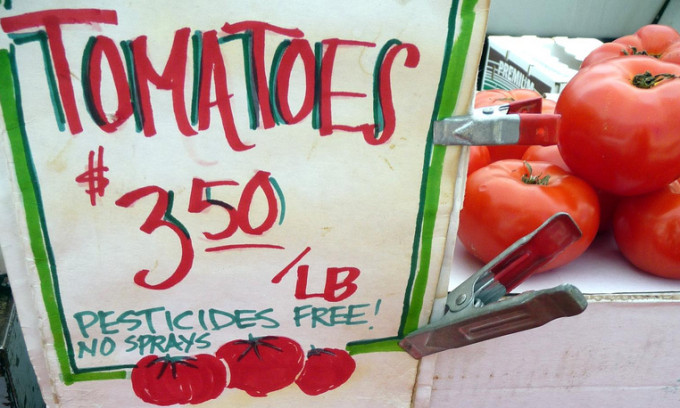
window.__IS_SSR__=true
window.__INITIAL_STATE__={
"attachmentsReducer": {
"audio_0": {
"type": "attachments",
"id": "audio_0",
"imgSizes": {
"kqedFullSize": {
"file": "https://ww2.kqed.org/news/wp-content/themes/KQED-unified/img/audio_bgs/background0.jpg"
}
}
},
"audio_1": {
"type": "attachments",
"id": "audio_1",
"imgSizes": {
"kqedFullSize": {
"file": "https://ww2.kqed.org/news/wp-content/themes/KQED-unified/img/audio_bgs/background1.jpg"
}
}
},
"audio_2": {
"type": "attachments",
"id": "audio_2",
"imgSizes": {
"kqedFullSize": {
"file": "https://ww2.kqed.org/news/wp-content/themes/KQED-unified/img/audio_bgs/background2.jpg"
}
}
},
"audio_3": {
"type": "attachments",
"id": "audio_3",
"imgSizes": {
"kqedFullSize": {
"file": "https://ww2.kqed.org/news/wp-content/themes/KQED-unified/img/audio_bgs/background3.jpg"
}
}
},
"audio_4": {
"type": "attachments",
"id": "audio_4",
"imgSizes": {
"kqedFullSize": {
"file": "https://ww2.kqed.org/news/wp-content/themes/KQED-unified/img/audio_bgs/background4.jpg"
}
}
},
"placeholder": {
"type": "attachments",
"id": "placeholder",
"imgSizes": {
"thumbnail": {
"file": "https://cdn.kqed.org/wp-content/uploads/2024/12/KQED-Default-Image-816638274-2000x1333-1-160x107.jpg",
"width": 160,
"height": 107,
"mimeType": "image/jpeg"
},
"medium": {
"file": "https://cdn.kqed.org/wp-content/uploads/2024/12/KQED-Default-Image-816638274-2000x1333-1-800x533.jpg",
"width": 800,
"height": 533,
"mimeType": "image/jpeg"
},
"medium_large": {
"file": "https://cdn.kqed.org/wp-content/uploads/2024/12/KQED-Default-Image-816638274-2000x1333-1-768x512.jpg",
"width": 768,
"height": 512,
"mimeType": "image/jpeg"
},
"large": {
"file": "https://cdn.kqed.org/wp-content/uploads/2024/12/KQED-Default-Image-816638274-2000x1333-1-1020x680.jpg",
"width": 1020,
"height": 680,
"mimeType": "image/jpeg"
},
"1536x1536": {
"file": "https://cdn.kqed.org/wp-content/uploads/2024/12/KQED-Default-Image-816638274-2000x1333-1-1536x1024.jpg",
"width": 1536,
"height": 1024,
"mimeType": "image/jpeg"
},
"fd-lrg": {
"file": "https://cdn.kqed.org/wp-content/uploads/2024/12/KQED-Default-Image-816638274-2000x1333-1-1536x1024.jpg",
"width": 1536,
"height": 1024,
"mimeType": "image/jpeg"
},
"fd-med": {
"file": "https://cdn.kqed.org/wp-content/uploads/2024/12/KQED-Default-Image-816638274-2000x1333-1-1020x680.jpg",
"width": 1020,
"height": 680,
"mimeType": "image/jpeg"
},
"fd-sm": {
"file": "https://cdn.kqed.org/wp-content/uploads/2024/12/KQED-Default-Image-816638274-2000x1333-1-800x533.jpg",
"width": 800,
"height": 533,
"mimeType": "image/jpeg"
},
"post-thumbnail": {
"file": "https://cdn.kqed.org/wp-content/uploads/2024/12/KQED-Default-Image-816638274-2000x1333-1-672x372.jpg",
"width": 672,
"height": 372,
"mimeType": "image/jpeg"
},
"twentyfourteen-full-width": {
"file": "https://cdn.kqed.org/wp-content/uploads/2024/12/KQED-Default-Image-816638274-2000x1333-1-1038x576.jpg",
"width": 1038,
"height": 576,
"mimeType": "image/jpeg"
},
"xxsmall": {
"file": "https://cdn.kqed.org/wp-content/uploads/2024/12/KQED-Default-Image-816638274-2000x1333-1-160x107.jpg",
"width": 160,
"height": 107,
"mimeType": "image/jpeg"
},
"xsmall": {
"file": "https://cdn.kqed.org/wp-content/uploads/2024/12/KQED-Default-Image-816638274-2000x1333-1-672x372.jpg",
"width": 672,
"height": 372,
"mimeType": "image/jpeg"
},
"small": {
"file": "https://cdn.kqed.org/wp-content/uploads/2024/12/KQED-Default-Image-816638274-2000x1333-1-672x372.jpg",
"width": 672,
"height": 372,
"mimeType": "image/jpeg"
},
"xlarge": {
"file": "https://cdn.kqed.org/wp-content/uploads/2024/12/KQED-Default-Image-816638274-2000x1333-1-1020x680.jpg",
"width": 1020,
"height": 680,
"mimeType": "image/jpeg"
},
"full-width": {
"file": "https://cdn.kqed.org/wp-content/uploads/2024/12/KQED-Default-Image-816638274-2000x1333-1-1920x1280.jpg",
"width": 1920,
"height": 1280,
"mimeType": "image/jpeg"
},
"guest-author-32": {
"file": "https://cdn.kqed.org/wp-content/uploads/2025/01/KQED-Default-Image-816638274-1333x1333-1-160x160.jpg",
"width": 32,
"height": 32,
"mimeType": "image/jpeg"
},
"guest-author-50": {
"file": "https://cdn.kqed.org/wp-content/uploads/2025/01/KQED-Default-Image-816638274-1333x1333-1-160x160.jpg",
"width": 50,
"height": 50,
"mimeType": "image/jpeg"
},
"guest-author-64": {
"file": "https://cdn.kqed.org/wp-content/uploads/2025/01/KQED-Default-Image-816638274-1333x1333-1-160x160.jpg",
"width": 64,
"height": 64,
"mimeType": "image/jpeg"
},
"guest-author-96": {
"file": "https://cdn.kqed.org/wp-content/uploads/2025/01/KQED-Default-Image-816638274-1333x1333-1-160x160.jpg",
"width": 96,
"height": 96,
"mimeType": "image/jpeg"
},
"guest-author-128": {
"file": "https://cdn.kqed.org/wp-content/uploads/2025/01/KQED-Default-Image-816638274-1333x1333-1-160x160.jpg",
"width": 128,
"height": 128,
"mimeType": "image/jpeg"
},
"detail": {
"file": "https://cdn.kqed.org/wp-content/uploads/2025/01/KQED-Default-Image-816638274-1333x1333-1-160x160.jpg",
"width": 160,
"height": 160,
"mimeType": "image/jpeg"
},
"kqedFullSize": {
"file": "https://cdn.kqed.org/wp-content/uploads/2024/12/KQED-Default-Image-816638274-2000x1333-1.jpg",
"width": 2000,
"height": 1333
}
}
},
"bayareabites_86378": {
"type": "attachments",
"id": "bayareabites_86378",
"meta": {
"index": "attachments_1716263798",
"site": "bayareabites",
"id": "86378",
"found": true
},
"parent": 86366,
"imgSizes": {
"kqedFullSize": {
"file": "https://ww2.kqed.org/app/uploads/sites/24/2014/08/Pranav_Bhatt-e1408335354949-680x408.jpg",
"width": 680,
"height": 408
}
},
"publishDate": 1408555970,
"modified": 1408555970,
"caption": "Photo by Pranav Bhatt",
"description": null,
"title": "Pranav_Bhatt--e1408335354949-680x408",
"credit": null,
"status": "inherit",
"isLoading": false,
"fetchFailed": false
},
"bayareabites_86164": {
"type": "attachments",
"id": "bayareabites_86164",
"meta": {
"index": "attachments_1716263798",
"site": "bayareabites",
"id": "86164",
"found": true
},
"parent": 86134,
"imgSizes": {
"kqedFullSize": {
"file": "https://ww2.kqed.org/app/uploads/sites/24/2014/08/barnraiser-screenshot640x360.jpg",
"width": 640,
"height": 360
}
},
"publishDate": 1408063929,
"modified": 1408063929,
"caption": null,
"description": null,
"title": "barnraiser-screenshot640x360",
"credit": null,
"status": "inherit",
"isLoading": false,
"fetchFailed": false
},
"bayareabites_86088": {
"type": "attachments",
"id": "bayareabites_86088",
"meta": {
"index": "attachments_1716263798",
"site": "bayareabites",
"id": "86088",
"found": true
},
"parent": 86087,
"imgSizes": {
"kqedFullSize": {
"file": "https://ww2.kqed.org/app/uploads/sites/24/2014/08/mako-tacos_slide-f11f760df53a04ca706a264b9f1bfffb35b87775.jpg",
"width": 1762,
"height": 1174
}
},
"publishDate": 1407865707,
"modified": 1407865707,
"caption": "Take a bite — or or maybe don't — of this beer-battered mako shark taco with cabbage, pico de gallo, avocado, arbol chile and cream from Guerilla Tacos in Los Angeles. Photo: T. Tseng/Flickr",
"description": "Take a bite — or or maybe don't — of this beer-battered mako shark taco with cabbage, \u003cem>pico de gallo\u003c/em>, avocado, arbol chile and cream from Guerilla Tacos in Los Ange",
"title": "Take a bite — or or maybe don't — of this beer-battered mako shark taco with cabbage, pico de gallo, avocado, arbol chile and cream from Guerilla Tacos in Los Angeles.",
"credit": null,
"status": "inherit",
"isLoading": false,
"fetchFailed": false
},
"bayareabites_85751": {
"type": "attachments",
"id": "bayareabites_85751",
"meta": {
"index": "attachments_1716263798",
"site": "bayareabites",
"id": "85751",
"found": true
},
"parent": 85747,
"imgSizes": {
"kqedFullSize": {
"file": "https://ww2.kqed.org/app/uploads/sites/24/2014/08/anaerobic-digestion.jpg",
"width": 624,
"height": 415
}
},
"publishDate": 1407380905,
"modified": 1407380905,
"caption": "There may not be a pot of gold at the end of these rainbows, but there is an anaerobic digestion facility turning food waste into energ at Jordan Dairy Farm in Rutland, Mass. Photo: Randy Jordan/Massachusetts Clean Energy Center/Flickr",
"description": null,
"title": "anaerobic-digestion",
"credit": null,
"status": "inherit",
"isLoading": false,
"fetchFailed": false
},
"bayareabites_85359": {
"type": "attachments",
"id": "bayareabites_85359",
"meta": {
"index": "attachments_1716263798",
"site": "bayareabites",
"id": "85359",
"found": true
},
"parent": 85289,
"imgSizes": {
"kqedFullSize": {
"file": "https://ww2.kqed.org/app/uploads/sites/24/2014/07/Nigel-Chick640x360.jpg",
"width": 640,
"height": 360
}
},
"publishDate": 1406756715,
"modified": 1406756715,
"caption": null,
"description": null,
"title": "Nigel-Chick640x360",
"credit": null,
"status": "inherit",
"isLoading": false,
"fetchFailed": false
},
"bayareabites_85395": {
"type": "attachments",
"id": "bayareabites_85395",
"meta": {
"index": "attachments_1716263798",
"site": "bayareabites",
"id": "85395",
"found": true
},
"parent": 85394,
"imgSizes": {
"kqedFullSize": {
"file": "https://ww2.kqed.org/app/uploads/sites/24/2014/07/urine-fertilizer-2_slide-278c0fd7d3d0f06b456f8340583cedebf1df4ad1.jpg",
"width": 1800,
"height": 1198
}
},
"publishDate": 1406844438,
"modified": 1406844438,
"caption": "More than 170 volunteers in the Brattleboro area have contributed urine to the Rich Earth Institute field trials. Photo: Mike Earley/Courtesy of Rich Earth Institute",
"description": "More than 170 volunteers in the Brattleboro area have contributed urine to the Rich Earth Institute field trials.",
"title": "More than 170 volunteers in the Brattleboro area have contributed urine to the Rich Earth Institute field trials.",
"credit": null,
"status": "inherit",
"isLoading": false,
"fetchFailed": false
},
"bayareabites_85352": {
"type": "attachments",
"id": "bayareabites_85352",
"meta": {
"index": "attachments_1716263798",
"site": "bayareabites",
"id": "85352",
"found": true
},
"parent": 85351,
"imgSizes": {
"kqedFullSize": {
"file": "https://ww2.kqed.org/app/uploads/sites/24/2014/07/anchovies-peru_slide-f05629a76c600179bf1d937ce78d6972ca970759.jpg",
"width": 3294,
"height": 2198
}
},
"publishDate": 1406742565,
"modified": 1406742565,
"caption": "A fisherman pulls a basket filled with anchovies aboard a fishing boat off of Peru's northern port of Chimbote, in 2012. Peru is the world's top fishmeal exporter, producing about a third of worldwide supply. Photo: Enrique Castro-Mendivil/Reuters/Landov",
"description": "A fisherman pulls a basket filled with anchovies aboard a fishing boat off of Peru's northern port of Chimbote, in 2012. Peru is the world's top fishmeal exporter, producing about a third of worldwide supply",
"title": "A fisherman pulls a basket filled with anchovies aboard a fishing boat off of Peru's northern port of Chimbote, in 2012. Peru is the world's top fishmeal exporter, producing about a third of worldwide supply.",
"credit": null,
"status": "inherit",
"isLoading": false,
"fetchFailed": false
},
"bayareabites_85340": {
"type": "attachments",
"id": "bayareabites_85340",
"meta": {
"index": "attachments_1716263798",
"site": "bayareabites",
"id": "85340",
"found": true
},
"parent": 85339,
"imgSizes": {
"kqedFullSize": {
"file": "https://ww2.kqed.org/app/uploads/sites/24/2014/07/tunatanks_wide-617dba4e0d254ac55e1e82039b54a962ec7aed2b.jpg",
"width": 2791,
"height": 1570
}
},
"publishDate": 1406739249,
"modified": 1406739249,
"caption": "Yonathan Zohar, Jorge Gomezjurado and Odi Zmora check on bluefin tuna larvae in tanks at the University of Maryland Baltimore County's Institute of Marine and Environmental Technology. Photo: Courtesy of Yonathan Zohar",
"description": "Yonathan Zohar, Jorge Gomezjurado and Odi Zmora check on bluefin tuna larvae in tanks at the University of Maryland Baltimore County's Institute of Marine and Environmental Technology.",
"title": "Yonathan Zohar, Jorge Gomezjurado and Odi Zmora check on bluefin tuna larvae in tanks at the University of Maryland Baltimore County's Institute of Marine and Environmental Technology.",
"credit": null,
"status": "inherit",
"isLoading": false,
"fetchFailed": false
},
"bayareabites_85294": {
"type": "attachments",
"id": "bayareabites_85294",
"meta": {
"index": "attachments_1716263798",
"site": "bayareabites",
"id": "85294",
"found": true
},
"parent": 85293,
"imgSizes": {
"kqedFullSize": {
"file": "https://ww2.kqed.org/app/uploads/sites/24/2014/07/haitian_chocolate_custom-7b076d9b2a5c48edc239b3052e4b5c4437ee7d9f.jpg",
"width": 4288,
"height": 2848
}
},
"publishDate": 1406655282,
"modified": 1406655282,
"caption": "Maman Pye cacao, a Haitian supertree, can produce 20 times as many cacao pods as ordinary trees, and the pods themselves are denser with cacao seeds than ordinary pods. Photo: Shutterstock",
"description": null,
"title": "Maman Pye cacao, a Haitian supertree, can produce 20 times as many cacao pods as ordinary trees, and the pods themselves are denser with cacao seeds than ordinary pods.",
"credit": null,
"status": "inherit",
"isLoading": false,
"fetchFailed": false
},
"bayareabites_85238": {
"type": "attachments",
"id": "bayareabites_85238",
"meta": {
"index": "attachments_1716263798",
"site": "bayareabites",
"id": "85238",
"found": true
},
"parent": 85212,
"imgSizes": {
"kqedFullSize": {
"file": "https://ww2.kqed.org/app/uploads/sites/24/2014/07/save-Drakes-Bay-sign640x360.jpg",
"width": 640,
"height": 360
}
},
"publishDate": 1406523538,
"modified": 1406523538,
"caption": null,
"description": null,
"title": "save-Drake's-Bay-sign640x360",
"credit": null,
"status": "inherit",
"isLoading": false,
"fetchFailed": false
},
"bayareabites_85176": {
"type": "attachments",
"id": "bayareabites_85176",
"meta": {
"index": "attachments_1716263798",
"site": "bayareabites",
"id": "85176",
"found": true
},
"parent": 85175,
"imgSizes": {
"kqedFullSize": {
"file": "https://ww2.kqed.org/app/uploads/sites/24/2014/07/plasticpackages_wide-ec42ceb06d0a2db386994df8e75725ad4c304ff8.jpg",
"width": 3833,
"height": 2157
}
},
"publishDate": 1406247280,
"modified": 1406247280,
"caption": "Food companies spend a lot of time and resources coming up with the perfect plastic packaging to keep their products fresh. Photo: iStockphoto",
"description": "Food companies spend a lot of time and resources coming up with the perfect plastic packaging to keep their products fresh.",
"title": "Food companies spend a lot of time and resources coming up with the perfect plastic packaging to keep their products fresh.",
"credit": null,
"status": "inherit",
"isLoading": false,
"fetchFailed": false
},
"bayareabites_85034": {
"type": "attachments",
"id": "bayareabites_85034",
"meta": {
"index": "attachments_1716263798",
"site": "bayareabites",
"id": "85034",
"found": true
},
"parent": 85028,
"imgSizes": {
"kqedFullSize": {
"file": "https://ww2.kqed.org/app/uploads/sites/24/2014/07/marketfinder640x360.jpg",
"width": 640,
"height": 360
}
},
"publishDate": 1405641469,
"modified": 1405641469,
"caption": null,
"description": null,
"title": "marketfinder640x360",
"credit": null,
"status": "inherit",
"isLoading": false,
"fetchFailed": false
}
},
"audioPlayerReducer": {
"postId": "stream_live",
"isPaused": true,
"isPlaying": false,
"pfsActive": false,
"pledgeModalIsOpen": true,
"playerDrawerIsOpen": false,
"liveAudioPlayStartedAt": 0,
"liveAudioPlayContext": ""
},
"authorsReducer": {
"byline_bayareabites_86087": {
"type": "authors",
"id": "byline_bayareabites_86087",
"meta": {
"override": true
},
"slug": "byline_bayareabites_86087",
"name": "Alastair Bland",
"isLoading": false
},
"byline_bayareabites_85747": {
"type": "authors",
"id": "byline_bayareabites_85747",
"meta": {
"override": true
},
"slug": "byline_bayareabites_85747",
"name": "Katherine Perry",
"isLoading": false
},
"byline_bayareabites_85394": {
"type": "authors",
"id": "byline_bayareabites_85394",
"meta": {
"override": true
},
"slug": "byline_bayareabites_85394",
"name": "Eliza Barclay",
"isLoading": false
},
"byline_bayareabites_85351": {
"type": "authors",
"id": "byline_bayareabites_85351",
"meta": {
"override": true
},
"slug": "byline_bayareabites_85351",
"name": "April Fulton",
"isLoading": false
},
"byline_bayareabites_85339": {
"type": "authors",
"id": "byline_bayareabites_85339",
"meta": {
"override": true
},
"slug": "byline_bayareabites_85339",
"name": "Dan Charles",
"isLoading": false
},
"byline_bayareabites_85293": {
"type": "authors",
"id": "byline_bayareabites_85293",
"meta": {
"override": true
},
"slug": "byline_bayareabites_85293",
"name": "Rashmee Roshan Lall",
"isLoading": false
},
"byline_bayareabites_85175": {
"type": "authors",
"id": "byline_bayareabites_85175",
"meta": {
"override": true
},
"slug": "byline_bayareabites_85175",
"name": "Maanvi Singh",
"isLoading": false
},
"alexandrawall": {
"type": "authors",
"id": "5567",
"meta": {
"index": "authors_1716337520",
"id": "5567",
"found": true
},
"name": "Alix Wall",
"firstName": "Alix",
"lastName": "Wall",
"slug": "alexandrawall",
"email": "alixwall@sbcglobal.net",
"display_author_email": false,
"staff_mastheads": [],
"title": null,
"bio": "Alix Wall appeared in her hometown paper in Riverside, California as “Chef of the Week” when she was 15 years old, and in high school, she founded “The Bon Appetit Club.” After working as a journalist for many years, Alix became a certified natural foods chef from Bauman College in Berkeley. While she cooks part-time healthy, organic meals for busy families, she is also a contributing editor of j. weekly, the Bay Area’s Jewish newspaper, in which she has a monthly food column. Her food writing can also be found on Berkeleyside’s NOSH and in Edible East Bay. In addition to food, she loves writing about how couples met and fell in love, which she does for The San Francisco Chronicle’s Style section and j. weekly. In 2016, she founded The Illuminoshi: The Not-So-Secret Society of Bay Area Jewish Food Professionals. She is also writer/producer for a documentary-in-progress called \u003ca href=\"https://www.lonelychildmovie.com/\">The Lonely Child\u003c/a>. Follow Alix on Twitter \u003ca href=\"https://twitter.com/WallAlix\">@WallAlix\u003c/a>.",
"avatar": "https://secure.gravatar.com/avatar/421a27f26a185be932f8d567b499b1f1?s=600&d=blank&r=g",
"twitter": null,
"facebook": null,
"instagram": null,
"linkedin": null,
"sites": [
{
"site": "bayareabites",
"roles": [
"contributor"
]
},
{
"site": "food",
"roles": [
"contributor"
]
}
],
"headData": {
"title": "Alix Wall | KQED",
"description": null,
"ogImgSrc": "https://secure.gravatar.com/avatar/421a27f26a185be932f8d567b499b1f1?s=600&d=blank&r=g",
"twImgSrc": "https://secure.gravatar.com/avatar/421a27f26a185be932f8d567b499b1f1?s=600&d=blank&r=g"
},
"isLoading": false,
"link": "/author/alexandrawall"
},
"angelajohnston": {
"type": "authors",
"id": "5568",
"meta": {
"index": "authors_1716337520",
"id": "5568",
"found": true
},
"name": "Angela Johnston",
"firstName": "Angela",
"lastName": "Johnston",
"slug": "angelajohnston",
"email": "anj618@gmail.com",
"display_author_email": false,
"staff_mastheads": [],
"title": null,
"bio": "Angela Johnston is an independent radio reporter and producer who recently moved back home to the Bay Area after spending the past six years on the east coast of Canada. She has a Master’s Degree in broadcast journalism and is currently making radio stories for KALW's daily news magazine, Crosscurrents. When she's not writing and reporting, she's surfing surf small waves on her longboard or perfecting her paella recipe.",
"avatar": "https://secure.gravatar.com/avatar/29104f87db909d4901d06df73b9db604?s=600&d=blank&r=g",
"twitter": "ang_johnston",
"facebook": null,
"instagram": null,
"linkedin": null,
"sites": [
{
"site": "bayareabites",
"roles": [
"contributor"
]
}
],
"headData": {
"title": "Angela Johnston | KQED",
"description": null,
"ogImgSrc": "https://secure.gravatar.com/avatar/29104f87db909d4901d06df73b9db604?s=600&d=blank&r=g",
"twImgSrc": "https://secure.gravatar.com/avatar/29104f87db909d4901d06df73b9db604?s=600&d=blank&r=g"
},
"isLoading": false,
"link": "/author/angelajohnston"
},
"civileat": {
"type": "authors",
"id": "5583",
"meta": {
"index": "authors_1716337520",
"id": "5583",
"found": true
},
"name": "Civil Eats",
"firstName": "Civil",
"lastName": "Eats",
"slug": "civileat",
"email": "twilight@civileats.com",
"display_author_email": false,
"staff_mastheads": [],
"title": null,
"bio": "\u003ca href=\"http://civileats.com/\">Civil Eats\u003c/a> is a daily news source for critical thought about the American food system. We publish stories that shift the conversation around sustainable agriculture in an effort to build economically and socially just communities. Follow Civil Eats on Twitter \u003ca href=\"https://twitter.com/CivilEats\">@civileats\u003c/a> and on \u003ca href=\"https://www.facebook.com/pages/Civil-Eats/56766540637\">Facebook\u003c/a>.",
"avatar": "https://secure.gravatar.com/avatar/8f6f50bfb6403afe7cbc194b66cc1d4d?s=600&d=blank&r=g",
"twitter": "CivilEats",
"facebook": "/pages/Civil-Eats/56766540637?ref=hl",
"instagram": null,
"linkedin": null,
"sites": [
{
"site": "bayareabites",
"roles": [
"contributor"
]
},
{
"site": "food",
"roles": [
"contributor"
]
}
],
"headData": {
"title": "Civil Eats | KQED",
"description": null,
"ogImgSrc": "https://secure.gravatar.com/avatar/8f6f50bfb6403afe7cbc194b66cc1d4d?s=600&d=blank&r=g",
"twImgSrc": "https://secure.gravatar.com/avatar/8f6f50bfb6403afe7cbc194b66cc1d4d?s=600&d=blank&r=g"
},
"isLoading": false,
"link": "/author/civileat"
}
},
"pagesReducer": {
"bayareabites_category_sustainability": {
"type": "terms",
"id": "bayareabites_60",
"meta": {
"index": "terms_1716263798",
"site": "bayareabites",
"id": "60",
"score": 12.370369
},
"featImg": null,
"name": "sustainability, environment, climate change",
"description": null,
"taxonomy": "category",
"headData": {
"twImgId": null,
"twTitle": null,
"ogTitle": null,
"ogImgId": null,
"twDescription": null,
"description": null,
"title": "sustainability, environment, climate change Archives | KQED Bay Area Bites",
"ogDescription": null
},
"ttid": 23,
"slug": "sustainability",
"isLoading": false,
"title": "sustainability, environment, climate change",
"pageMeta": {
"site": "bayareabites",
"WpPageTemplate": "page-topic-editorial",
"currentPage": 23
},
"blocks": [
{
"blockName": "kqed/post-list",
"attrs": {
"layout": "cardArticle2",
"query": "posts/bayareabites?category=sustainability",
"seeMore": false,
"paginated": true,
"page": 23
}
},
{
"blockName": "kqed/ad"
}
]
}
},
"pfsSessionReducer": {},
"postsReducer": {
"stream_live": {
"type": "live",
"id": "stream_live",
"audioUrl": "https://streams.kqed.org/kqedradio",
"title": "Live Stream",
"excerpt": "Live Stream information currently unavailable.",
"link": "/radio",
"featImg": "",
"label": {
"name": "KQED Live",
"link": "/"
}
},
"stream_kqedNewscast": {
"type": "posts",
"id": "stream_kqedNewscast",
"audioUrl": "https://www.kqed.org/.stream/anon/radio/RDnews/newscast.mp3?_=1",
"title": "KQED Newscast",
"featImg": "",
"label": {
"name": "88.5 FM",
"link": "/"
}
},
"bayareabites_86366": {
"type": "posts",
"id": "bayareabites_86366",
"meta": {
"index": "posts_1716263798",
"site": "bayareabites",
"id": "86366",
"score": null,
"sort": [
1408557301000
]
},
"parent": 0,
"labelTerm": {
"site": "bayareabites"
},
"blocks": [],
"publishDate": 1408557301,
"format": "aside",
"disqusTitle": "Organic vs. \"Organic\": How Much Does Certification Matter? ",
"title": "Organic vs. \"Organic\": How Much Does Certification Matter? ",
"headTitle": "Bay Area Bites | KQED Food",
"content": "\u003cfigure id=\"attachment_86378\" class=\"wp-caption aligncenter\" style=\"max-width: 680px\">\u003ca href=\"http://ww2.kqed.org/bayareabites/wp-content/uploads/sites/24/2014/08/Pranav_Bhatt-e1408335354949-680x408.jpg\">\u003cimg src=\"http://ww2.kqed.org/bayareabites/wp-content/uploads/sites/24/2014/08/Pranav_Bhatt-e1408335354949-680x408.jpg\" alt=\"Tomatoes Pesticides Free. Photo by Pranav Bhatt\" width=\"680\" height=\"408\" class=\"size-full wp-image-86378\">\u003c/a>\u003cfigcaption class=\"wp-caption-text\">Photo by Pranav Bhatt\u003c/figcaption>\u003c/figure>\n\u003cp>By \u003ca href=\"http://civileats.com/author/hwallace/\" target=\"_blank\">Hannah Wallace\u003c/a>, \u003ca href=\"http://civileats.com/2014/08/18/organic-vs-organic-how-much-does-certification-matter/\" target=\"_blank\">Civil Eats\u003c/a> (8/18/14)\u003c/p>\n\u003cp>Whenever we go to the farmers’ market together, my husband and I disagree about whether we should buy the pricey certified organic berries (my husband’s vote) or the less expensive ones grown without certification, but described by the farm as “sustainably produced.” If I look deep into a farmer’s eyes and she tells me that her fruit is “no-spray,” I’ll buy her berries, saving almost a buck a pint. (After all, the strawberries we grow in our own backyard are not certified organic, but I feel good about eating them.)\u003c/p>\n\u003cp>Lately I’ve been wondering–is my husband right, or is no-spray enough? And what about the assertion—sometimes made by conventional growers—that certified organic farms use pesticides too?\u003c/p>\n\u003ch3>Toxicity: It’s All Relative\u003c/h3>\n\u003cp>In most cases, even certified organic produce is not pesticide-free. But compared to most conventional produce, it can mean a big step in a less-toxic direction.\u003c/p>\n\u003cp>“The overarching concept is that natural pesticides are allowed and synthetics are prohibited, unless specifically allowed,” says Nate Lewis, a senior crop and livestock specialist at the \u003ca href=\"http://www.ota.com/index.html\" target=\"_blank\">Organic Trade Association\u003c/a>. Furthermore, before they can use any approved pesticides, organic farmers must prove that they have a preventative plan in place—and that the plan is failing to prevent pests.\u003c/p>\n\u003cp>[ad fullwidth]\u003c/p>\n\u003cp>So while most organic farmers rely on plant-based pesticides such as Pyrethrum (from chrysanthemum flowers), extracts of the Benin tree, neem oil, or an extract of the Japanese knotweed root (an effective fungicide), they can occasionally use synthetic pesticides—with strict limitations.\u003c/p>\n\u003cp>There are roughly 40 synthetic substances farmers can use under U.S. Department of Agriculture (USDA) organic standards, says Lewis. Some of these are as innocuous as newspaper, which is allowed for use as mulch or as a “feedstock” for compost, or sticky traps, which provide a physical function (trapping insects) and then are removed from the field at the end of the year.\u003c/p>\n\u003cp>Others include zinc, copper, iron, manganese, molybdenum, selenium, and cobalt—essential plant micronutrients that cannot be used as insecticides or fungicides in most cases. Instead, they’re usually used as soil amendments. (A full list of the chemicals that are allowed under USDA organic standards is available at the \u003ca href=\"http://www.omri.org/omri-lists\" target=\"_blank\">Organic Materials Review Institute\u003c/a>.)\u003c/p>\n\u003cp>About 26 of the 40 synthetic substances allowed in organic crop production are considered pesticides. But these have restrictions, too. For example, soap-based herbicides can only be used on right-of-ways and ditches, but can’t come into contact with organic food. Boric acid, which is a synthetic insecticide, can be used for pest control, but can’t come into contact with crops or soil. Similarly, ammonium carbonate can only be used as bait in insect traps.\u003c/p>\n\u003cp>This list is constantly under scrutiny and is therefore always being revised. For example, until recently, USDA organic standards made an exemption for the use of antibiotics—specifically tetracycline and streptomycin—to be sprayed on \u003ca href=\"http://civileats.com/2013/04/09/surprise-antibiotics-are-allowed-in-organic-apple-and-pear-farming/\" target=\"_blank\">organic apple and pear orchards\u003c/a> to prevent fire blight, which is highly contagious and can wipe out a whole orchard.\u003c/p>\n\u003cp>“It was only allowed at bloom time, which is the only time the orchard is susceptible, so there’s no residue on fruit,” explains Lewis. Nonetheless, the \u003ca href=\"http://www.ams.usda.gov/AMSv1.0/nosb\" target=\"_blank\">National Organics Standards Board\u003c/a> (NOSB) let the exemptions for these antibiotics expire—starting October 2014.\u003c/p>\n\u003cp>But just because a chemical comes from a plant doesn’t make it safe. Rotenone, a toxic pesticide that’s derived from the roots of several tropical and sub-tropical plants such as the jicama, can no longer be used on crops in the U.S.—even conventionally farmed ones.\u003c/p>\n\u003cp>“Rotenone has quite the sordid past,” says Lewis. Toxic to humans—it’s classified as “mildly hazardous” \u003ca href=\"http://www.who.int/ipcs/publications/pesticides_hazard/en/\" target=\"_blank\">by the World Health Organization\u003c/a>—rotenone has been linked to Parkinson’s disease in farmworkers. The Environmental Protection Agency revoked its use as a pesticide in 2007, after the companies distributing and selling rotenone voluntarily \u003ca href=\"http://www.epa.gov/oppsrrd1/reregistration/REDs/rotenone_red.pdf\" target=\"_blank\">cancelled all food use registrations\u003c/a> for it.\u003c/p>\n\u003cp>Last year, the NOSB recommended that it be put on the \u003ca href=\"http://www.ams.usda.gov/AMSv1.0/getfile?dDocName=STELPRDC5101282\" target=\"_blank\">prohibited list\u003c/a> by January 2016. But according to Miles McEvoy, Deputy Administrator of the National Organics Program at the USDA, the agency has more work to do before it can follow the NOSB’s recommendation. Until that happens, Rotenone can still be used on organic banana crops grown in tropical countries like Ecuador.\u003c/p>\n\u003cp>Despite these allowances, the pesticides and herbicides used on conventional farms are still significantly worse. Take \u003ca href=\"http://www.panna.org/resources/organophosphates\" target=\"_blank\">organophosphates\u003c/a>, for instance. This class of pesticide is used on conventional peaches, apples, grapes, green beans, and pears. According to Pesticide Action Network’s database, organophosphates are some of the most toxic insecticides used today. They have been shown to “adversely affect the human nervous system even at low levels of exposure” and hamper neurological development in children. The commonly used herbicides \u003ca href=\"http://www.ncbi.nlm.nih.gov/pubmed/19539684\" target=\"_blank\">Glyphosate\u003c/a> (Roundup) and \u003ca href=\"http://www.ncbi.nlm.nih.gov/pubmed/19539684\" target=\"_blank\">Atrazine\u003c/a>, have also both been shown to act as endocrine disruptors, meaning they interfere with the endocrine (or hormone system) in people and many animals.\u003c/p>\n\u003ch3>Is Talking to Your Farmer Enough?\u003c/h3>\n\u003cp>Oregon farmer Don Kruger, the owner of a \u003ca href=\"http://www.krugersfarmmarket.com/\" target=\"_blank\">150-acre farm\u003c/a> on Sauvie Island and two Portland farm stands, abhors labels. “I honestly would rather talk to the customers, if I could, or have them talk to my staff,” he says.\u003c/p>\n\u003cp>In the 14 years he’s owned his farm, he’s never sprayed a pesticide directly on any food crop. Yet, he says, “I have no interest in being straight-up organic. It gives me a little wiggle room to do things I might need to do.\u003c/p>\n\u003cp>Kruger uses a conventional fungicide on his raspberries. “The Tulameen is the best tasting raspberry—it’s fabulous. But the problem is, it’s prone to root rot,” he says. “I could grow another, inferior grade raspberry, but I don’t want to.” He sprays the plant just as it’s starting to leaf—before it blossoms or fruits.\u003c/p>\n\u003cp>He also uses an herbicide called \u003ca href=\"http://impactherbicide.com/faqs.html\" target=\"_blank\">Impact\u003c/a> (a broad spectrum herbicide with topramezone as the active ingredient) on his corn. It kills the weeds—grass, pig weed, thistle, etc.—that would otherwise hinder the corn’s growth. “Otherwise you have to hand hoe it, and it’s really tough to do,” Kruger says. He sprays when the plant is two inches high and that’s it. “There’s no chance it’s on the corn,” he says.\u003c/p>\n\u003cp>Kruger believes he is offering a more affordable option, a middle-ground for folks who want local food that’s not conventional, but don’t mind that it’s not certified organic either. He is known in Portland for having the most affordable produce around and he prides himself on that.\u003c/p>\n\u003cp>But not everyone has the time for a 10 minute long conversation with their farmer about his growing practices and the nuances of what and when they spray. Furthermore, there are a lot of unregulated terms—like “no-spray” and “sustainably grown”—that get tossed around. And not everyone is as forthright about their practices as Kruger.\u003c/p>\n\u003cp>David Lively, vice president of sales and marketing at \u003ca href=\"http://organicgrown.com/\" target=\"_blank\">Organically Grown Company\u003c/a>, the largest organic produce wholesaler in the Northwest, says farmers markets aren’t always as transparent as many customers believe. “There have been instances where growers selling produce at farmers’ markets have been busted for selling conventional as organic and product they bought off the market as their own.” Lively thinks—and many others in the organic movement agree—that organic certification offers the consumer extra assurance.\u003c/p>\n\u003ch3>Other Reasons to Go Organic\u003c/h3>\n\u003cp>At the end of the day, organic agriculture is about much more than reducing pesticide use. To grow food organically, farmers must build their soil, using techniques like composting, cover crops, and crop rotations rather than fossil fuel-intensive synthetic fertilizer. Doing so is a lot more work. But on an environmental level, that matters.\u003c/p>\n\u003cp>Excess nitrogen from fertilizer not only ends up in the atmosphere as nitrous oxide (where it’s a \u003ca href=\"http://epa.gov/climatechange/ghgemissions/gases/n2o.html\" target=\"_blank\">very potent greenhouse gas\u003c/a>), it also ends up in our waterways and aquifers, where it causes everything from \u003ca href=\"http://www.nytimes.com/2012/11/14/us/tainted-water-in-california-farmworker-communities.html?pagewanted=all&_r=1&\" target=\"_blank\">nitrate poisoning in drinking water\u003c/a>, to \u003ca href=\"http://civileats.com/2014/08/05/what-toledos-water-crisis-reveals-about-industrial-farming/\" target=\"_blank\">toxic algae\u003c/a>, to the \u003ca href=\"http://www.cnn.com/2014/08/05/tech/gulf-of-mexico-dead-zone/\" target=\"_blank\">dead zone in the Gulf of Mexico\u003c/a>. Organic farms must also agree not to use genetically engineered seeds.\u003c/p>\n\u003cp>It’s true that organic certification requires a time commitment on the part of the grower. In addition to a 12-page application, as well as regular audits, organic farmers must \u003ca href=\"http://organic.about.com/od/cropsfarming/tp/Record-Keeping-Tips-For-An-Organic-Farming-Business.htm\" target=\"_blank\">document a great deal of what they do\u003c/a>. The cost to farmers is also a factor, but it doesn’t have to be prohibitive. The USDA has a cost-share program that reimburses farmers 75 percent of the cost of certification, up to $750 per type of farming. Connie Carr, the certification director at \u003ca href=\"http://tilth.org/\" target=\"_blank\">Oregon Tilth\u003c/a>, which inspects and certifies food producers for the USDA, says farmers take advantage of it.\u003c/p>\n\u003cp>“So if your certification costs $1,000”—the upper end of what a small farmer would pay per year—“you’ll get $750 back,” says Carr. Fortunately for farmers, this funding was renewed in the 2014 farm bill.\u003c/p>\n\u003cp>To help streamline the paperwork, which Carr says is no more arduous than applying for a loan or for college, the National Organic Program at the USDA introduced a “\u003ca href=\"http://blogs.usda.gov/2013/04/19/organic-101-sound-and-sensible-approach-to-organic-certification/\" target=\"_blank\">Sound & Sensible\u003c/a>” initiative in 2013, which \u003ca href=\"http://blogs.usda.gov/2013/04/19/organic-101-sound-and-sensible-approach-to-organic-certification/\" target=\"_blank\">works with farmers to remove barriers to certification\u003c/a>. Now, re-applying for certification each year is much easier (a farmer only has to submit changes) and some certifiers have launched online applications.\u003c/p>\n\u003cp>Will these changes lead to more certified organic farmers? It’s too soon to say. But one thing is clear: Consumer demand for organic food continues to grow. Organic food in the U.S. has been growing by an average of 13 percent per year over the past decade and \u003ca href=\"http://www.organicnewsroom.com/2014/05/american_appetite_for_organic.html\" target=\"_blank\">reached $35 billion\u003c/a> last year. Most farmers who take the plunge and go organic will have no problem selling their crops—and they’ll be able to charge a premium for them, too. And why shouldn’t they? Hoeing weeds by hand, cover-cropping, and keeping meticulous records is hard work. Maybe next time I’ll spring for those certified organic berries.\u003c/p>\n\u003cp>\u003cem>Curious about other sustainable farming labels? Stay tuned for a 2nd installment on alternative certification programs.\u003c/em>\u003c/p>\n\u003cp>[ad floatright]\u003c/p>\n\u003cp>\u003cstrong>About the Writer\u003c/strong>\u003cbr>\nHannah Wallace writes about food politics, integrative medicine, and travel for a wide variety of publications including Vogue, The New York Times, Spirit, and Portland Monthly. Her articles and book reviews have also appeared in O: the Oprah Magazine, Travel + Leisure, Mother Jones, and the Los Angeles Times. She is the \u003ca href=\"http://www.hannahmwallace.typepad.com/hannahs_clips/business/\" target=\"_blank\">food and agriculture columnist\u003c/a> at Oregon Business Magazine. \u003c/p>\n\n",
"disqusIdentifier": "86366 http://blogs.kqed.org/bayareabites/?p=86366",
"disqusUrl": "https://ww2.kqed.org/bayareabites/2014/08/20/organic-vs-organic-how-much-does-certification-matter/",
"stats": {
"hasVideo": false,
"hasChartOrMap": false,
"hasAudio": false,
"hasPolis": false,
"wordCount": 1889,
"hasGoogleForm": false,
"hasGallery": false,
"hasHearkenModule": false,
"iframeSrcs": [],
"paragraphCount": 32
},
"modified": 1408557301,
"excerpt": "In most cases, even certified organic produce is not pesticide-free. But compared to most conventional produce, it can mean a big step in a less-toxic direction.",
"headData": {
"twImgId": "",
"twTitle": "",
"ogTitle": "",
"ogImgId": "",
"twDescription": "",
"description": "In most cases, even certified organic produce is not pesticide-free. But compared to most conventional produce, it can mean a big step in a less-toxic direction.",
"title": "Organic vs. \"Organic\": How Much Does Certification Matter? | KQED",
"ogDescription": "",
"schema": {
"@context": "https://schema.org",
"@type": "Article",
"headline": "Organic vs. \"Organic\": How Much Does Certification Matter? ",
"datePublished": "2014-08-20T10:55:01-07:00",
"dateModified": "2014-08-20T10:55:01-07:00",
"image": "https://cdn.kqed.org/wp-content/uploads/2020/02/KQED-OG-Image@1x.png"
}
},
"guestAuthors": [],
"slug": "organic-vs-organic-how-much-does-certification-matter",
"status": "publish",
"path": "/bayareabites/86366/organic-vs-organic-how-much-does-certification-matter",
"audioTrackLength": null,
"parsedContent": [
{
"type": "contentString",
"content": "\u003cdiv class=\"post-body\">\u003cp>\u003cfigure id=\"attachment_86378\" class=\"wp-caption aligncenter\" style=\"max-width: 680px\">\u003ca href=\"http://ww2.kqed.org/bayareabites/wp-content/uploads/sites/24/2014/08/Pranav_Bhatt-e1408335354949-680x408.jpg\">\u003cimg src=\"http://ww2.kqed.org/bayareabites/wp-content/uploads/sites/24/2014/08/Pranav_Bhatt-e1408335354949-680x408.jpg\" alt=\"Tomatoes Pesticides Free. Photo by Pranav Bhatt\" width=\"680\" height=\"408\" class=\"size-full wp-image-86378\">\u003c/a>\u003cfigcaption class=\"wp-caption-text\">Photo by Pranav Bhatt\u003c/figcaption>\u003c/figure>\n\u003cp>By \u003ca href=\"http://civileats.com/author/hwallace/\" target=\"_blank\">Hannah Wallace\u003c/a>, \u003ca href=\"http://civileats.com/2014/08/18/organic-vs-organic-how-much-does-certification-matter/\" target=\"_blank\">Civil Eats\u003c/a> (8/18/14)\u003c/p>\n\u003cp>Whenever we go to the farmers’ market together, my husband and I disagree about whether we should buy the pricey certified organic berries (my husband’s vote) or the less expensive ones grown without certification, but described by the farm as “sustainably produced.” If I look deep into a farmer’s eyes and she tells me that her fruit is “no-spray,” I’ll buy her berries, saving almost a buck a pint. (After all, the strawberries we grow in our own backyard are not certified organic, but I feel good about eating them.)\u003c/p>\n\u003cp>Lately I’ve been wondering–is my husband right, or is no-spray enough? And what about the assertion—sometimes made by conventional growers—that certified organic farms use pesticides too?\u003c/p>\n\u003ch3>Toxicity: It’s All Relative\u003c/h3>\n\u003cp>In most cases, even certified organic produce is not pesticide-free. But compared to most conventional produce, it can mean a big step in a less-toxic direction.\u003c/p>\n\u003cp>“The overarching concept is that natural pesticides are allowed and synthetics are prohibited, unless specifically allowed,” says Nate Lewis, a senior crop and livestock specialist at the \u003ca href=\"http://www.ota.com/index.html\" target=\"_blank\">Organic Trade Association\u003c/a>. Furthermore, before they can use any approved pesticides, organic farmers must prove that they have a preventative plan in place—and that the plan is failing to prevent pests.\u003c/p>\n\u003cp>\u003c/p>\u003c/div>",
"attributes": {
"named": {},
"numeric": []
}
},
{
"type": "component",
"content": "",
"name": "ad",
"attributes": {
"named": {
"label": "fullwidth"
},
"numeric": [
"fullwidth"
]
}
},
{
"type": "contentString",
"content": "\u003cdiv class=\"post-body\">\u003cp>\u003c/p>\n\u003cp>So while most organic farmers rely on plant-based pesticides such as Pyrethrum (from chrysanthemum flowers), extracts of the Benin tree, neem oil, or an extract of the Japanese knotweed root (an effective fungicide), they can occasionally use synthetic pesticides—with strict limitations.\u003c/p>\n\u003cp>There are roughly 40 synthetic substances farmers can use under U.S. Department of Agriculture (USDA) organic standards, says Lewis. Some of these are as innocuous as newspaper, which is allowed for use as mulch or as a “feedstock” for compost, or sticky traps, which provide a physical function (trapping insects) and then are removed from the field at the end of the year.\u003c/p>\n\u003cp>Others include zinc, copper, iron, manganese, molybdenum, selenium, and cobalt—essential plant micronutrients that cannot be used as insecticides or fungicides in most cases. Instead, they’re usually used as soil amendments. (A full list of the chemicals that are allowed under USDA organic standards is available at the \u003ca href=\"http://www.omri.org/omri-lists\" target=\"_blank\">Organic Materials Review Institute\u003c/a>.)\u003c/p>\n\u003cp>About 26 of the 40 synthetic substances allowed in organic crop production are considered pesticides. But these have restrictions, too. For example, soap-based herbicides can only be used on right-of-ways and ditches, but can’t come into contact with organic food. Boric acid, which is a synthetic insecticide, can be used for pest control, but can’t come into contact with crops or soil. Similarly, ammonium carbonate can only be used as bait in insect traps.\u003c/p>\n\u003cp>This list is constantly under scrutiny and is therefore always being revised. For example, until recently, USDA organic standards made an exemption for the use of antibiotics—specifically tetracycline and streptomycin—to be sprayed on \u003ca href=\"http://civileats.com/2013/04/09/surprise-antibiotics-are-allowed-in-organic-apple-and-pear-farming/\" target=\"_blank\">organic apple and pear orchards\u003c/a> to prevent fire blight, which is highly contagious and can wipe out a whole orchard.\u003c/p>\n\u003cp>“It was only allowed at bloom time, which is the only time the orchard is susceptible, so there’s no residue on fruit,” explains Lewis. Nonetheless, the \u003ca href=\"http://www.ams.usda.gov/AMSv1.0/nosb\" target=\"_blank\">National Organics Standards Board\u003c/a> (NOSB) let the exemptions for these antibiotics expire—starting October 2014.\u003c/p>\n\u003cp>But just because a chemical comes from a plant doesn’t make it safe. Rotenone, a toxic pesticide that’s derived from the roots of several tropical and sub-tropical plants such as the jicama, can no longer be used on crops in the U.S.—even conventionally farmed ones.\u003c/p>\n\u003cp>“Rotenone has quite the sordid past,” says Lewis. Toxic to humans—it’s classified as “mildly hazardous” \u003ca href=\"http://www.who.int/ipcs/publications/pesticides_hazard/en/\" target=\"_blank\">by the World Health Organization\u003c/a>—rotenone has been linked to Parkinson’s disease in farmworkers. The Environmental Protection Agency revoked its use as a pesticide in 2007, after the companies distributing and selling rotenone voluntarily \u003ca href=\"http://www.epa.gov/oppsrrd1/reregistration/REDs/rotenone_red.pdf\" target=\"_blank\">cancelled all food use registrations\u003c/a> for it.\u003c/p>\n\u003cp>Last year, the NOSB recommended that it be put on the \u003ca href=\"http://www.ams.usda.gov/AMSv1.0/getfile?dDocName=STELPRDC5101282\" target=\"_blank\">prohibited list\u003c/a> by January 2016. But according to Miles McEvoy, Deputy Administrator of the National Organics Program at the USDA, the agency has more work to do before it can follow the NOSB’s recommendation. Until that happens, Rotenone can still be used on organic banana crops grown in tropical countries like Ecuador.\u003c/p>\n\u003cp>Despite these allowances, the pesticides and herbicides used on conventional farms are still significantly worse. Take \u003ca href=\"http://www.panna.org/resources/organophosphates\" target=\"_blank\">organophosphates\u003c/a>, for instance. This class of pesticide is used on conventional peaches, apples, grapes, green beans, and pears. According to Pesticide Action Network’s database, organophosphates are some of the most toxic insecticides used today. They have been shown to “adversely affect the human nervous system even at low levels of exposure” and hamper neurological development in children. The commonly used herbicides \u003ca href=\"http://www.ncbi.nlm.nih.gov/pubmed/19539684\" target=\"_blank\">Glyphosate\u003c/a> (Roundup) and \u003ca href=\"http://www.ncbi.nlm.nih.gov/pubmed/19539684\" target=\"_blank\">Atrazine\u003c/a>, have also both been shown to act as endocrine disruptors, meaning they interfere with the endocrine (or hormone system) in people and many animals.\u003c/p>\n\u003ch3>Is Talking to Your Farmer Enough?\u003c/h3>\n\u003cp>Oregon farmer Don Kruger, the owner of a \u003ca href=\"http://www.krugersfarmmarket.com/\" target=\"_blank\">150-acre farm\u003c/a> on Sauvie Island and two Portland farm stands, abhors labels. “I honestly would rather talk to the customers, if I could, or have them talk to my staff,” he says.\u003c/p>\n\u003cp>In the 14 years he’s owned his farm, he’s never sprayed a pesticide directly on any food crop. Yet, he says, “I have no interest in being straight-up organic. It gives me a little wiggle room to do things I might need to do.\u003c/p>\n\u003cp>Kruger uses a conventional fungicide on his raspberries. “The Tulameen is the best tasting raspberry—it’s fabulous. But the problem is, it’s prone to root rot,” he says. “I could grow another, inferior grade raspberry, but I don’t want to.” He sprays the plant just as it’s starting to leaf—before it blossoms or fruits.\u003c/p>\n\u003cp>He also uses an herbicide called \u003ca href=\"http://impactherbicide.com/faqs.html\" target=\"_blank\">Impact\u003c/a> (a broad spectrum herbicide with topramezone as the active ingredient) on his corn. It kills the weeds—grass, pig weed, thistle, etc.—that would otherwise hinder the corn’s growth. “Otherwise you have to hand hoe it, and it’s really tough to do,” Kruger says. He sprays when the plant is two inches high and that’s it. “There’s no chance it’s on the corn,” he says.\u003c/p>\n\u003cp>Kruger believes he is offering a more affordable option, a middle-ground for folks who want local food that’s not conventional, but don’t mind that it’s not certified organic either. He is known in Portland for having the most affordable produce around and he prides himself on that.\u003c/p>\n\u003cp>But not everyone has the time for a 10 minute long conversation with their farmer about his growing practices and the nuances of what and when they spray. Furthermore, there are a lot of unregulated terms—like “no-spray” and “sustainably grown”—that get tossed around. And not everyone is as forthright about their practices as Kruger.\u003c/p>\n\u003cp>David Lively, vice president of sales and marketing at \u003ca href=\"http://organicgrown.com/\" target=\"_blank\">Organically Grown Company\u003c/a>, the largest organic produce wholesaler in the Northwest, says farmers markets aren’t always as transparent as many customers believe. “There have been instances where growers selling produce at farmers’ markets have been busted for selling conventional as organic and product they bought off the market as their own.” Lively thinks—and many others in the organic movement agree—that organic certification offers the consumer extra assurance.\u003c/p>\n\u003ch3>Other Reasons to Go Organic\u003c/h3>\n\u003cp>At the end of the day, organic agriculture is about much more than reducing pesticide use. To grow food organically, farmers must build their soil, using techniques like composting, cover crops, and crop rotations rather than fossil fuel-intensive synthetic fertilizer. Doing so is a lot more work. But on an environmental level, that matters.\u003c/p>\n\u003cp>Excess nitrogen from fertilizer not only ends up in the atmosphere as nitrous oxide (where it’s a \u003ca href=\"http://epa.gov/climatechange/ghgemissions/gases/n2o.html\" target=\"_blank\">very potent greenhouse gas\u003c/a>), it also ends up in our waterways and aquifers, where it causes everything from \u003ca href=\"http://www.nytimes.com/2012/11/14/us/tainted-water-in-california-farmworker-communities.html?pagewanted=all&_r=1&\" target=\"_blank\">nitrate poisoning in drinking water\u003c/a>, to \u003ca href=\"http://civileats.com/2014/08/05/what-toledos-water-crisis-reveals-about-industrial-farming/\" target=\"_blank\">toxic algae\u003c/a>, to the \u003ca href=\"http://www.cnn.com/2014/08/05/tech/gulf-of-mexico-dead-zone/\" target=\"_blank\">dead zone in the Gulf of Mexico\u003c/a>. Organic farms must also agree not to use genetically engineered seeds.\u003c/p>\n\u003cp>It’s true that organic certification requires a time commitment on the part of the grower. In addition to a 12-page application, as well as regular audits, organic farmers must \u003ca href=\"http://organic.about.com/od/cropsfarming/tp/Record-Keeping-Tips-For-An-Organic-Farming-Business.htm\" target=\"_blank\">document a great deal of what they do\u003c/a>. The cost to farmers is also a factor, but it doesn’t have to be prohibitive. The USDA has a cost-share program that reimburses farmers 75 percent of the cost of certification, up to $750 per type of farming. Connie Carr, the certification director at \u003ca href=\"http://tilth.org/\" target=\"_blank\">Oregon Tilth\u003c/a>, which inspects and certifies food producers for the USDA, says farmers take advantage of it.\u003c/p>\n\u003cp>“So if your certification costs $1,000”—the upper end of what a small farmer would pay per year—“you’ll get $750 back,” says Carr. Fortunately for farmers, this funding was renewed in the 2014 farm bill.\u003c/p>\n\u003cp>To help streamline the paperwork, which Carr says is no more arduous than applying for a loan or for college, the National Organic Program at the USDA introduced a “\u003ca href=\"http://blogs.usda.gov/2013/04/19/organic-101-sound-and-sensible-approach-to-organic-certification/\" target=\"_blank\">Sound & Sensible\u003c/a>” initiative in 2013, which \u003ca href=\"http://blogs.usda.gov/2013/04/19/organic-101-sound-and-sensible-approach-to-organic-certification/\" target=\"_blank\">works with farmers to remove barriers to certification\u003c/a>. Now, re-applying for certification each year is much easier (a farmer only has to submit changes) and some certifiers have launched online applications.\u003c/p>\n\u003cp>Will these changes lead to more certified organic farmers? It’s too soon to say. But one thing is clear: Consumer demand for organic food continues to grow. Organic food in the U.S. has been growing by an average of 13 percent per year over the past decade and \u003ca href=\"http://www.organicnewsroom.com/2014/05/american_appetite_for_organic.html\" target=\"_blank\">reached $35 billion\u003c/a> last year. Most farmers who take the plunge and go organic will have no problem selling their crops—and they’ll be able to charge a premium for them, too. And why shouldn’t they? Hoeing weeds by hand, cover-cropping, and keeping meticulous records is hard work. Maybe next time I’ll spring for those certified organic berries.\u003c/p>\n\u003cp>\u003cem>Curious about other sustainable farming labels? Stay tuned for a 2nd installment on alternative certification programs.\u003c/em>\u003c/p>\n\u003cp>\u003c/p>\u003c/div>",
"attributes": {
"named": {},
"numeric": []
}
},
{
"type": "component",
"content": "",
"name": "ad",
"attributes": {
"named": {
"label": "floatright"
},
"numeric": [
"floatright"
]
}
},
{
"type": "contentString",
"content": "\u003cdiv class=\"post-body\">\u003cp>\u003c/p>\n\u003cp>\u003cstrong>About the Writer\u003c/strong>\u003cbr>\nHannah Wallace writes about food politics, integrative medicine, and travel for a wide variety of publications including Vogue, The New York Times, Spirit, and Portland Monthly. Her articles and book reviews have also appeared in O: the Oprah Magazine, Travel + Leisure, Mother Jones, and the Los Angeles Times. She is the \u003ca href=\"http://www.hannahmwallace.typepad.com/hannahs_clips/business/\" target=\"_blank\">food and agriculture columnist\u003c/a> at Oregon Business Magazine. \u003c/p>\n\n\u003c/div>\u003c/p>",
"attributes": {
"named": {},
"numeric": []
}
}
],
"link": "/bayareabites/86366/organic-vs-organic-how-much-does-certification-matter",
"authors": [
"5583"
],
"categories": [
"bayareabites_13718",
"bayareabites_1874",
"bayareabites_95",
"bayareabites_4084",
"bayareabites_1245",
"bayareabites_2035",
"bayareabites_358",
"bayareabites_60"
],
"tags": [
"bayareabites_13717",
"bayareabites_65",
"bayareabites_13715",
"bayareabites_11445",
"bayareabites_13716",
"bayareabites_8913"
],
"featImg": "bayareabites_86378",
"label": "bayareabites"
},
"bayareabites_86134": {
"type": "posts",
"id": "bayareabites_86134",
"meta": {
"index": "posts_1716263798",
"site": "bayareabites",
"id": "86134",
"score": null,
"sort": [
1408111886000
]
},
"parent": 0,
"labelTerm": {
"site": "bayareabites"
},
"blocks": [],
"publishDate": 1408111886,
"format": "aside",
"disqusTitle": "Barnraiser Hopes to Change the Food System, One Project at a Time",
"title": "Barnraiser Hopes to Change the Food System, One Project at a Time",
"headTitle": "Bay Area Bites | KQED Food",
"content": "\u003cfigure id=\"attachment_86165\" class=\"wp-caption aligncenter\" style=\"max-width: 1000px\">\u003ca href=\"http://ww2.kqed.org/bayareabites/wp-content/uploads/sites/24/2014/08/barnraiser-screenshot1000.jpg\">\u003cimg src=\"http://ww2.kqed.org/bayareabites/wp-content/uploads/sites/24/2014/08/barnraiser-screenshot1000.jpg\" alt=\"Barnraiser is a new crowdsourcing platform for sustainable food.\" width=\"1000\" height=\"806\" class=\"size-full wp-image-86165\">\u003c/a>\u003cfigcaption class=\"wp-caption-text\">Barnraiser is a new crowdsourcing platform for sustainable food.\u003c/figcaption>\u003c/figure>\n\u003cp>Four years ago, Marissa Guggiana and Tia Harrison founded \u003ca href=\"http://www.thebutchersguild.org/\" target=\"_blank\">The Butcher’s Guild\u003c/a>, a network of artisanal butchers dedicated to supplying conscientious consumers’ growing demand for humanely-raised meat. But like any young organization, they had big ideas without a budget to match.\u003c/p>\n\u003cp>Growing in membership, they hoped to hold their third national conference this fall called \u003ca href=\"http://www.thebutchersguild.org/bg-conference-2014/\" target=\"_blank\">“The Future of Meat: Third Annual Butchers’ Guild Conference and Industry Summit,”\u003c/a> and provide scholarships for those who needed them. They were brainstorming an app that would help butchers increase profitability on whole animal butchery. They wanted to become a non-profit organization. And they wanted to create regional chapters, making it easier for members to be in contact with those in their area.\u003c/p>\n\u003cfigure id=\"attachment_86166\" class=\"wp-caption aligncenter\" style=\"max-width: 441px\">\u003ca href=\"http://ww2.kqed.org/bayareabites/wp-content/uploads/sites/24/2014/08/Barnraiser-Butchers-Guild-2.png\">\u003cimg src=\"http://ww2.kqed.org/bayareabites/wp-content/uploads/sites/24/2014/08/Barnraiser-Butchers-Guild-2.png\" alt=\"Tia Harrison, left, and Marissa Guggiana of The Butcher's Guild, used Barnraiser successfully to raise over $12,000. Photo courtesy of Barnraiser.\" width=\"441\" height=\"612\" class=\"size-full wp-image-86166\">\u003c/a>\u003cfigcaption class=\"wp-caption-text\">Tia Harrison, left, and Marissa Guggiana of The Butcher's Guild, used Barnraiser successfully to raise over $12,000. Photo courtesy of Barnraiser.\u003c/figcaption>\u003c/figure>\n\u003cp>They estimated they needed at least $8,000 to take them to the next level. Rather than \u003ca href=\"https://www.indiegogo.com/\" target=\"_blank\">Indiegogo\u003c/a> or \u003ca href=\"https://www.kickstarter.com/\" target=\"_blank\">Kickstarter\u003c/a>, the most popular and well-known crowdfunding platforms, they used \u003ca href=\"https://www.barnraiser.us/\" target=\"_blank\">Barnraiser\u003c/a>, a San Francisco and Napa-based startup, dedicated solely to transforming the food system, one project at a time.\u003c/p>\n\u003cfigure id=\"attachment_86167\" class=\"wp-caption aligncenter\" style=\"max-width: 500px\">\u003ca href=\"http://ww2.kqed.org/bayareabites/wp-content/uploads/sites/24/2014/08/Barnraiser-Butchers-Guild.png\">\u003cimg src=\"http://ww2.kqed.org/bayareabites/wp-content/uploads/sites/24/2014/08/Barnraiser-Butchers-Guild.png\" alt=\"The Butcher's Guild celebrates whole animal butchery. Photo courtesy of Barnraiser.\" width=\"500\" class=\"size-full wp-image-86167\">\u003c/a>\u003cfigcaption class=\"wp-caption-text\">The Butcher's Guild celebrates whole animal butchery. Photo courtesy of Barnraiser.\u003c/figcaption>\u003c/figure>\n\u003cp>The Butcher’s Guild surpassed their goal by over 50 percent, raising over $12,000. The additional funds will go toward developing a training program for new butchers.\u003c/p>\n\u003cp>“Our experience with Barnraiser was stellar,” said Guggiana. “There was so much feedback and openness with their contacts and ideas. It really felt like collaboration more than a platform.”\u003c/p>\n\u003cp>[ad fullwidth]\u003c/p>\n\u003cp>Barnraiser is the brainchild of Eileen Gordon Chiarello, who though raised in Northern Virginia, spent summers in the Bay Area (her mother is from Petaluma, and an aunt married into the Giacomini family, who now makes \u003ca href=\"https://www.pointreyescheese.com/point-reyes-original-blue\" target=\"_blank\">Pt. Reyes Original Blue Cheese\u003c/a>). With a background in technology, Chiarello worked for Apple and several startups earlier in her career, specializing in education and then later branding and storytelling. When she met and married \u003ca href=\"//michaelchiarello.com/\" target=\"_blank\">Chef Michael Chiarello\u003c/a> of Bottega and Coqueta not to mention Food Network fame, she helped him launch \u003ca href=\"http://www.napastyle.com/\" target=\"_blank\">Napa Style\u003c/a>, which markets artisanal food products, along with furniture and kitchenware, and the family converted a piece of fallow land near their Napa home into a sustainable and biodynamic vineyard.\u003c/p>\n\u003cfigure id=\"attachment_86163\" class=\"wp-caption aligncenter\" style=\"max-width: 500px\">\u003ca href=\"http://ww2.kqed.org/bayareabites/wp-content/uploads/sites/24/2014/08/Eileen_Gordon_Chiarello700.jpg\">\u003cimg src=\"http://ww2.kqed.org/bayareabites/wp-content/uploads/sites/24/2014/08/Eileen_Gordon_Chiarello700.jpg\" alt=\"Eileen Gordon Chiarello is the force behind Barnraiser. Photo courtesy of Barnraiser.\" width=\"500\" class=\"size-full wp-image-86163\">\u003c/a>\u003cfigcaption class=\"wp-caption-text\">Eileen Gordon Chiarello is the force behind Barnraiser. Photo courtesy of Barnraiser.\u003c/figcaption>\u003c/figure>\n\u003cp>After founding a summer camp for children to learn about where their food comes from, Chiarello felt ready for her next venture: “to celebrate and empower all the innovators who are remaking our food system around the globe.” \u003c/p>\n\u003cp>“There are 41 million Americans who align ourselves with health and sustainability,” she said. “With Barnraiser, we can build the food system the way we want it to be. There are barriers for innovators, but not always big barriers. I love the idea of a lot of people giving a little money. It’s important for us to back the small, medium and large changes together, to help these innovators remake our food system. It doesn’t matter whether someone is moving the needle an inch or a mile, but together, we can all create a big wave of change.”\u003c/p>\n\u003cp>Barnraiser operates on the same model as most crowdfunding platforms, taking a five percent cut if the project gets funded, nothing if it doesn’t, with an additional four to five percent charged for the credit card transaction. Campaigns must be looking to raise at least $2,000. It has hosted about a dozen campaigns so far – carefully curated by Chairello herself -- since its soft launch in April, and plans to open to the public in September.\u003c/p>\n\u003cp>In addition to the Butcher's Guild, some other projects that have been funded include \u003ca href=\"http://foragedfeast.org/about-denver-fruit-harvesting.html\" target=\"_blank\">Foraged Feast\u003c/a>, a Denver-based organization that collects and donates foraged backyard fruit to the needy, organic farming pioneer \u003ca href=\"https://www.barnraiser.us/projects/eureka-help-save-heirloom-fruit-nut-trees-of-california-s-gold-rush\" target=\"_blank\">Amigo Bob Cantisano\u003c/a> who intends to plant a Gold Rush era “mother orchard” of heirloom fruit trees in Nevada City, and \u003ca href=\"http://slowfoodforfastlives.com/\" target=\"_blank\">Slow Food for Fast Lives\u003c/a>, a Bay Area-based healthy energy bar company, part of whose profits go to the \u003ca href=\"http://www.sfmfoodbank.org/\" target=\"_blank\">San Francisco-Marin Food Bank.\u003c/a>\u003c/p>\n\u003cp>Chiarello envisions a wide range of projects on Barnraiser, everything from an entrepreneur creating a new snack to a mom wanting to self-publish a cookbook of healthy kids’ treats to school gardening programs to citizens trying to bring healthy food into their own communities. \u003c/p>\n\u003cp>With one hub for all of these projects, Chiarello’s goal is for someone donating to one cause supporting another venture as well.\u003c/p>\n\u003cp>“If I come on the site to support my child’s school garden, I may see some unexpected discoveries, like a mom trying to market a healthy snack for her kids. Her story might excite me because I’m a mom, too. We’re collecting a cohesive community of people that care about these projects, who are part of a much bigger movement,” she said. “With a specialized approach, you bring in additional partners and money, and grow your audience for what you’re doing.”\u003c/p>\n\u003cp>Additionally, she said, one never knows how someone will find an entry point into caring more about their food.\u003c/p>\n\u003cp>“You cannot predict how someone will get turned on to wanting to know where their food comes from,” she said. “People come to Napa for wine but leave thinking about the seasons or soil, and realizing it’s not just about the wine, so the greater the variety of projects we have, the better opportunity to create a robust community.”\u003c/p>\n\u003cp>Chiarello hopes that as projects like those found on Barnraiser succeed, organic and sustainable can become the norm, not the exception.\u003c/p>\n\u003cp>Calling those who are changing our food system “modern-day heroes,” Chiarello said not only does Barnraiser give them a platform to create change, but it gives consumers a means to “drive what they want and make it happen.”\u003c/p>\n\u003cp>\u003c/p>\n\u003cp>She concluded, “As much as we read about the bad news of agribusiness, I’m buoyed by the possibilities here.”\u003c/p>\n\n",
"disqusIdentifier": "86134 http://blogs.kqed.org/bayareabites/?p=86134",
"disqusUrl": "https://ww2.kqed.org/bayareabites/2014/08/15/barnraiser-hopes-to-change-the-food-system-one-project-at-a-time/",
"stats": {
"hasVideo": false,
"hasChartOrMap": false,
"hasAudio": false,
"hasPolis": false,
"wordCount": 1056,
"hasGoogleForm": false,
"hasGallery": false,
"hasHearkenModule": false,
"iframeSrcs": [],
"paragraphCount": 20
},
"modified": 1411660777,
"excerpt": "Forget about Kickstarter or Indiegogo. Barnraiser allows consumers who are interested in changing the food system back projects that will. ",
"headData": {
"twImgId": "",
"twTitle": "",
"ogTitle": "",
"ogImgId": "",
"twDescription": "",
"description": "Forget about Kickstarter or Indiegogo. Barnraiser allows consumers who are interested in changing the food system back projects that will. ",
"title": "Barnraiser Hopes to Change the Food System, One Project at a Time | KQED",
"ogDescription": "",
"schema": {
"@context": "https://schema.org",
"@type": "Article",
"headline": "Barnraiser Hopes to Change the Food System, One Project at a Time",
"datePublished": "2014-08-15T07:11:26-07:00",
"dateModified": "2014-09-25T08:59:37-07:00",
"image": "https://cdn.kqed.org/wp-content/uploads/2020/02/KQED-OG-Image@1x.png"
}
},
"guestAuthors": [],
"slug": "barnraiser-hopes-to-change-the-food-system-one-project-at-a-time",
"status": "publish",
"path": "/bayareabites/86134/barnraiser-hopes-to-change-the-food-system-one-project-at-a-time",
"audioTrackLength": null,
"parsedContent": [
{
"type": "contentString",
"content": "\u003cdiv class=\"post-body\">\u003cp>\u003cfigure id=\"attachment_86165\" class=\"wp-caption aligncenter\" style=\"max-width: 1000px\">\u003ca href=\"http://ww2.kqed.org/bayareabites/wp-content/uploads/sites/24/2014/08/barnraiser-screenshot1000.jpg\">\u003cimg src=\"http://ww2.kqed.org/bayareabites/wp-content/uploads/sites/24/2014/08/barnraiser-screenshot1000.jpg\" alt=\"Barnraiser is a new crowdsourcing platform for sustainable food.\" width=\"1000\" height=\"806\" class=\"size-full wp-image-86165\">\u003c/a>\u003cfigcaption class=\"wp-caption-text\">Barnraiser is a new crowdsourcing platform for sustainable food.\u003c/figcaption>\u003c/figure>\n\u003cp>Four years ago, Marissa Guggiana and Tia Harrison founded \u003ca href=\"http://www.thebutchersguild.org/\" target=\"_blank\">The Butcher’s Guild\u003c/a>, a network of artisanal butchers dedicated to supplying conscientious consumers’ growing demand for humanely-raised meat. But like any young organization, they had big ideas without a budget to match.\u003c/p>\n\u003cp>Growing in membership, they hoped to hold their third national conference this fall called \u003ca href=\"http://www.thebutchersguild.org/bg-conference-2014/\" target=\"_blank\">“The Future of Meat: Third Annual Butchers’ Guild Conference and Industry Summit,”\u003c/a> and provide scholarships for those who needed them. They were brainstorming an app that would help butchers increase profitability on whole animal butchery. They wanted to become a non-profit organization. And they wanted to create regional chapters, making it easier for members to be in contact with those in their area.\u003c/p>\n\u003cfigure id=\"attachment_86166\" class=\"wp-caption aligncenter\" style=\"max-width: 441px\">\u003ca href=\"http://ww2.kqed.org/bayareabites/wp-content/uploads/sites/24/2014/08/Barnraiser-Butchers-Guild-2.png\">\u003cimg src=\"http://ww2.kqed.org/bayareabites/wp-content/uploads/sites/24/2014/08/Barnraiser-Butchers-Guild-2.png\" alt=\"Tia Harrison, left, and Marissa Guggiana of The Butcher's Guild, used Barnraiser successfully to raise over $12,000. Photo courtesy of Barnraiser.\" width=\"441\" height=\"612\" class=\"size-full wp-image-86166\">\u003c/a>\u003cfigcaption class=\"wp-caption-text\">Tia Harrison, left, and Marissa Guggiana of The Butcher's Guild, used Barnraiser successfully to raise over $12,000. Photo courtesy of Barnraiser.\u003c/figcaption>\u003c/figure>\n\u003cp>They estimated they needed at least $8,000 to take them to the next level. Rather than \u003ca href=\"https://www.indiegogo.com/\" target=\"_blank\">Indiegogo\u003c/a> or \u003ca href=\"https://www.kickstarter.com/\" target=\"_blank\">Kickstarter\u003c/a>, the most popular and well-known crowdfunding platforms, they used \u003ca href=\"https://www.barnraiser.us/\" target=\"_blank\">Barnraiser\u003c/a>, a San Francisco and Napa-based startup, dedicated solely to transforming the food system, one project at a time.\u003c/p>\n\u003cfigure id=\"attachment_86167\" class=\"wp-caption aligncenter\" style=\"max-width: 500px\">\u003ca href=\"http://ww2.kqed.org/bayareabites/wp-content/uploads/sites/24/2014/08/Barnraiser-Butchers-Guild.png\">\u003cimg src=\"http://ww2.kqed.org/bayareabites/wp-content/uploads/sites/24/2014/08/Barnraiser-Butchers-Guild.png\" alt=\"The Butcher's Guild celebrates whole animal butchery. Photo courtesy of Barnraiser.\" width=\"500\" class=\"size-full wp-image-86167\">\u003c/a>\u003cfigcaption class=\"wp-caption-text\">The Butcher's Guild celebrates whole animal butchery. Photo courtesy of Barnraiser.\u003c/figcaption>\u003c/figure>\n\u003cp>The Butcher’s Guild surpassed their goal by over 50 percent, raising over $12,000. The additional funds will go toward developing a training program for new butchers.\u003c/p>\n\u003cp>“Our experience with Barnraiser was stellar,” said Guggiana. “There was so much feedback and openness with their contacts and ideas. It really felt like collaboration more than a platform.”\u003c/p>\n\u003cp>\u003c/p>\u003c/div>",
"attributes": {
"named": {},
"numeric": []
}
},
{
"type": "component",
"content": "",
"name": "ad",
"attributes": {
"named": {
"label": "fullwidth"
},
"numeric": [
"fullwidth"
]
}
},
{
"type": "contentString",
"content": "\u003cdiv class=\"post-body\">\u003cp>\u003c/p>\n\u003cp>Barnraiser is the brainchild of Eileen Gordon Chiarello, who though raised in Northern Virginia, spent summers in the Bay Area (her mother is from Petaluma, and an aunt married into the Giacomini family, who now makes \u003ca href=\"https://www.pointreyescheese.com/point-reyes-original-blue\" target=\"_blank\">Pt. Reyes Original Blue Cheese\u003c/a>). With a background in technology, Chiarello worked for Apple and several startups earlier in her career, specializing in education and then later branding and storytelling. When she met and married \u003ca href=\"//michaelchiarello.com/\" target=\"_blank\">Chef Michael Chiarello\u003c/a> of Bottega and Coqueta not to mention Food Network fame, she helped him launch \u003ca href=\"http://www.napastyle.com/\" target=\"_blank\">Napa Style\u003c/a>, which markets artisanal food products, along with furniture and kitchenware, and the family converted a piece of fallow land near their Napa home into a sustainable and biodynamic vineyard.\u003c/p>\n\u003cfigure id=\"attachment_86163\" class=\"wp-caption aligncenter\" style=\"max-width: 500px\">\u003ca href=\"http://ww2.kqed.org/bayareabites/wp-content/uploads/sites/24/2014/08/Eileen_Gordon_Chiarello700.jpg\">\u003cimg src=\"http://ww2.kqed.org/bayareabites/wp-content/uploads/sites/24/2014/08/Eileen_Gordon_Chiarello700.jpg\" alt=\"Eileen Gordon Chiarello is the force behind Barnraiser. Photo courtesy of Barnraiser.\" width=\"500\" class=\"size-full wp-image-86163\">\u003c/a>\u003cfigcaption class=\"wp-caption-text\">Eileen Gordon Chiarello is the force behind Barnraiser. Photo courtesy of Barnraiser.\u003c/figcaption>\u003c/figure>\n\u003cp>After founding a summer camp for children to learn about where their food comes from, Chiarello felt ready for her next venture: “to celebrate and empower all the innovators who are remaking our food system around the globe.” \u003c/p>\n\u003cp>“There are 41 million Americans who align ourselves with health and sustainability,” she said. “With Barnraiser, we can build the food system the way we want it to be. There are barriers for innovators, but not always big barriers. I love the idea of a lot of people giving a little money. It’s important for us to back the small, medium and large changes together, to help these innovators remake our food system. It doesn’t matter whether someone is moving the needle an inch or a mile, but together, we can all create a big wave of change.”\u003c/p>\n\u003cp>Barnraiser operates on the same model as most crowdfunding platforms, taking a five percent cut if the project gets funded, nothing if it doesn’t, with an additional four to five percent charged for the credit card transaction. Campaigns must be looking to raise at least $2,000. It has hosted about a dozen campaigns so far – carefully curated by Chairello herself -- since its soft launch in April, and plans to open to the public in September.\u003c/p>\n\u003cp>In addition to the Butcher's Guild, some other projects that have been funded include \u003ca href=\"http://foragedfeast.org/about-denver-fruit-harvesting.html\" target=\"_blank\">Foraged Feast\u003c/a>, a Denver-based organization that collects and donates foraged backyard fruit to the needy, organic farming pioneer \u003ca href=\"https://www.barnraiser.us/projects/eureka-help-save-heirloom-fruit-nut-trees-of-california-s-gold-rush\" target=\"_blank\">Amigo Bob Cantisano\u003c/a> who intends to plant a Gold Rush era “mother orchard” of heirloom fruit trees in Nevada City, and \u003ca href=\"http://slowfoodforfastlives.com/\" target=\"_blank\">Slow Food for Fast Lives\u003c/a>, a Bay Area-based healthy energy bar company, part of whose profits go to the \u003ca href=\"http://www.sfmfoodbank.org/\" target=\"_blank\">San Francisco-Marin Food Bank.\u003c/a>\u003c/p>\n\u003cp>Chiarello envisions a wide range of projects on Barnraiser, everything from an entrepreneur creating a new snack to a mom wanting to self-publish a cookbook of healthy kids’ treats to school gardening programs to citizens trying to bring healthy food into their own communities. \u003c/p>\n\u003cp>With one hub for all of these projects, Chiarello’s goal is for someone donating to one cause supporting another venture as well.\u003c/p>\n\u003cp>“If I come on the site to support my child’s school garden, I may see some unexpected discoveries, like a mom trying to market a healthy snack for her kids. Her story might excite me because I’m a mom, too. We’re collecting a cohesive community of people that care about these projects, who are part of a much bigger movement,” she said. “With a specialized approach, you bring in additional partners and money, and grow your audience for what you’re doing.”\u003c/p>\n\u003cp>Additionally, she said, one never knows how someone will find an entry point into caring more about their food.\u003c/p>\n\u003cp>“You cannot predict how someone will get turned on to wanting to know where their food comes from,” she said. “People come to Napa for wine but leave thinking about the seasons or soil, and realizing it’s not just about the wine, so the greater the variety of projects we have, the better opportunity to create a robust community.”\u003c/p>\n\u003cp>Chiarello hopes that as projects like those found on Barnraiser succeed, organic and sustainable can become the norm, not the exception.\u003c/p>\n\u003cp>Calling those who are changing our food system “modern-day heroes,” Chiarello said not only does Barnraiser give them a platform to create change, but it gives consumers a means to “drive what they want and make it happen.”\u003c/p>\n\u003cp>\u003c/p>\n\u003cp>She concluded, “As much as we read about the bad news of agribusiness, I’m buoyed by the possibilities here.”\u003c/p>\n\n\u003c/div>\u003c/p>",
"attributes": {
"named": {},
"numeric": []
}
}
],
"link": "/bayareabites/86134/barnraiser-hopes-to-change-the-food-system-one-project-at-a-time",
"authors": [
"5567"
],
"categories": [
"bayareabites_109",
"bayareabites_752",
"bayareabites_1874",
"bayareabites_4084",
"bayareabites_2035",
"bayareabites_60"
],
"tags": [
"bayareabites_13699",
"bayareabites_13700",
"bayareabites_12486",
"bayareabites_12485",
"bayareabites_10344"
],
"featImg": "bayareabites_86164",
"label": "bayareabites"
},
"bayareabites_86087": {
"type": "posts",
"id": "bayareabites_86087",
"meta": {
"index": "posts_1716263798",
"site": "bayareabites",
"id": "86087",
"score": null,
"sort": [
1407866700000
]
},
"parent": 0,
"labelTerm": {
"site": "bayareabites"
},
"blocks": [],
"publishDate": 1407866700,
"format": "aside",
"disqusTitle": "'Shark Week' Fuels Shark-Meat Feeding Frenzy At Restaurants",
"title": "'Shark Week' Fuels Shark-Meat Feeding Frenzy At Restaurants",
"headTitle": "Bay Area Bites | KQED Food",
"content": "\u003cfigure id=\"attachment_86088\" class=\"wp-caption aligncenter\" style=\"max-width: 1762px\">\u003ca href=\"http://ww2.kqed.org/bayareabites/wp-content/uploads/sites/24/2014/08/mako-tacos_slide-f11f760df53a04ca706a264b9f1bfffb35b87775.jpg\">\u003cimg src=\"http://ww2.kqed.org/bayareabites/wp-content/uploads/sites/24/2014/08/mako-tacos_slide-f11f760df53a04ca706a264b9f1bfffb35b87775.jpg\" alt=\"Take a bite — or or maybe don't — of this beer-battered mako shark taco with cabbage, pico de gallo, avocado, arbol chile and cream from Guerilla Tacos in Los Angeles. Photo: T. Tseng/Flickr\" width=\"1762\" height=\"1174\" class=\"size-full wp-image-86088\">\u003c/a>\u003cfigcaption class=\"wp-caption-text\">Take a bite — or or maybe don't — of this beer-battered mako shark taco with cabbage, pico de gallo, avocado, arbol chile and cream from Guerilla Tacos in Los Angeles. Photo: \u003ca href=\"https://www.flickr.com/photos/68147320@N02/14608400706\" target=\"_blank\">T. Tseng/Flickr\u003c/a>\u003c/figcaption>\u003c/figure>\n\u003cp>by Alastair Bland, \u003ca href=\"http://www.npr.org/blogs/thesalt/2014/08/11/339579328/shark-week-fuels-shark-meat-feeding-frenzy-at-restaurants\" target=\"_blank\">The Salt at NPR Food\u003c/a> (8/11/14)\u003c/p>\n\u003cp>Discovery Channel set \u003ca href=\"http://www.deadline.com/2013/08/shark-week-snaps-up-ratings-records-for-discovery-channel/\">viewership records\u003c/a> in 2013 as millions of people tuned in to watch sharks feed, sharks attack, extinct giant sharks and researchers catch and tag sharks. Discovery's \"\u003ca href=\"http://www.discovery.com/tv-shows/shark-week/tv-shows/tv-shows.htm\">Shark Week\u003c/a>\" returned on Sunday, and this year, to the dismay of conservationists, restaurants and markets nationwide are feeding the frenzy with a slew of shark meat promotions.\u003c/p>\n\u003cp>Shortfin mako shark, a slow-growing fish whose numbers are declining, seems to be the species of choice. It's being featured on menus all over the country — at \u003ca href=\"https://www.facebook.com/DocMagrogansOysterHouseUniversityCity\">Doc Magrogan's Oyster House\u003c/a> in Philadelphia; \u003ca href=\"http://www.sybergs.com/MENU/MAINMENU.aspx\">Syberg's\u003c/a>, a small restaurant chain in St. Louis; \u003ca href=\"http://www.sandbaraz.com/site/\">Sandbar Mexican Grill\u003c/a>, with locations in Chandler, Ariz., and Phoenix; and \u003ca href=\"http://gtoyster.com/pages/about.php\">GT Fish and Oyster\u003c/a> in Chicago. In Louisiana, \u003ca href=\"http://shop.rouses.com/\">Rouses Supermarkets\u003c/a> has a special on blacktip shark fillets at $4.99 a pound. Twitter is meanwhile \u003ca href=\"https://twitter.com/search?q=shark%20week%20menu&src=typd\">buzzing with excitement\u003c/a> over Shark Week specials, which often feature shark tacos and shark-themed cocktails.\u003c/p>\n\u003cfigure id=\"attachment_86089\" class=\"wp-caption alignleft\" style=\"max-width: 290px\">\u003ca href=\"http://ww2.kqed.org/bayareabites/wp-content/uploads/sites/24/2014/08/mako-shark-496bb162c5b02c4db0042a50c1bb97a0c979269c.jpg\">\u003cimg src=\"http://ww2.kqed.org/bayareabites/wp-content/uploads/sites/24/2014/08/mako-shark-496bb162c5b02c4db0042a50c1bb97a0c979269c-290x217.jpg\" alt=\"A Pacific shortfin mako shark off the coast of San Diego. A seafood supplier outside Chicago says he has never seen such high interest in shark meat as he has this year. Photo: Bryan Toro/iStockphoto \" width=\"290\" height=\"217\" class=\"size-medium wp-image-86089\">\u003c/a>\u003cfigcaption class=\"wp-caption-text\">A Pacific shortfin mako shark off the coast of San Diego. A seafood supplier outside Chicago says he has never seen such high interest in shark meat as he has this year. Photo: Bryan Toro/iStockphoto\u003c/figcaption>\u003c/figure>\n\u003cp>Michael Clark, a sales rep with Fortune Fish And Gourmet, a seafood supplier outside Chicago, tells The Salt he has never seen such high interest in shark meat.\u003c/p>\n\u003cp>\"In 12 or 13 years, we have had virtually nobody looking for shark, but this year [for Shark Week] people are jumping all over it,\" says Clark, who is currently carrying Atlantic shortfin mako shark sourced from a supplier on the East Coast of Canada.\u003c/p>\n\u003cp>[ad fullwidth]\u003c/p>\n\u003cp>Shortfin makos are on the International Union for Conservation of Nature's \"\u003ca href=\"http://www.iucnredlist.org/about/overview#introduction\">red list\u003c/a>\" of species at risk of extinction. The Atlantic population is declining and \"\u003ca href=\"http://www.iucnredlist.org/details/161749/0\">vulnerable\u003c/a>,\" with numbers estimated to be as low as just 30 percent of the species' historic levels.\u003c/p>\n\u003cp>\u003ca href=\"http://www.iucnredlist.org/details/161751/0\">Pacific\u003c/a> shortfin makos are also slowly disappearing, according to the IUCN, though their population may be in better shape than their Atlantic cousins. The Monterey Bay Aquarium's \u003ca href=\"http://mobile.seafoodwatch.org/fish/103/shark\">Seafood Watch\u003c/a> program calls shortfin mako from California and Hawaii a \"good alternative\" to more vulnerable options, but generally recommends against consuming shark.\u003c/p>\n\u003cp>Conservationists working to protect sharks are disappointed in the shark-eating craze being fueled by Shark Week.\u003c/p>\n\u003cp>\"It's opportunistic,\" says Sean Van Sommeran, founder of the \u003ca href=\"http://www.pelagic.org/\">Pelagic Shark Research Foundation\u003c/a> in Santa Cruz. \"[Restaurants] are using the celebrity of sharkism to sell more tacos than they normally would.\"\u003c/p>\n\u003cp>Angelo Villagomez, with the Pew Charitable Trusts' Global Shark Conservation campaign, notes that the Atlantic shortfin mako's \"vulnerable\" IUCN rating is the same as that of the polar bear. \"But you wouldn't want to eat polar bear tacos,\" he says.\u003c/p>\n\u003cp>In fact, some restaurants have specifically chosen not to serve shark during Shark Week because of customer concerns. The Lancaster Taphouse in Saskatchewan, for example, planned to serve mako shark last August. But an outcry on social media caused managers to turn tail and yank the item off the menu, \u003ca href=\"http://www.cbc.ca/morningedition/episode/2013/08/05/shark-not-on-the-menu/index.html?cmp=rss&utm_source=twitterfeed&utm_medium=twitter\">according to\u003c/a> CBC News.\u003c/p>\n\u003cp>In spite of declining populations, the number of shortfin mako sharks landed by fishermen has actually been on the rise since 2006. That year, American commercial fishermen reported catching about 222,000 pounds of the fish, according to the National Oceanic and Atmospheric Administration. By 2012, that figure had grown to nearly 389,000 pounds.\u003c/p>\n\u003cp>Catches of most other shark species are at all-time lows, according to Villagomez. He says this is not because of decreasing demand but decreasing shark numbers. \"We've hit 'peak shark,' \" he jokes.\u003c/p>\n\u003cp>Fishermen worldwide kill between 70 and 100 million sharks every year. Most are killed for their fins, which are sliced off the animals and, eventually, dried and used to \u003ca href=\"http://www.npr.org/blogs/pictureshow/2011/10/21/141587542/photos-show-sheer-scale-of-shark-fin-trade\">make shark fin soup\u003c/a>. Often, the rest of the carcass is thrown overboard.\u003c/p>\n\u003cp>While Americans seem to hunger more for shark during Shark Week, China has a much larger year-round appetite.\u003c/p>\n\u003cp>\u003ca href=\"http://www.wildaid.org/about\">WildAid\u003c/a>, a San Francisco group dedicated to marine protection, has been campaigning to curb the demand for shark fins in China. The efforts may be working. According to a WildAid \u003ca href=\"http://wildaid.org/sites/default/files/SharkReport_spread_final_08.07.14.pdf\">report\u003c/a> released Aug. 4, prices for shark fins are down about 50 percent in China, where fishermen are also receiving 80 percent less money for the product. And 85 percent of about 1,500 Chinese consumers surveyed online by WildAid said they'd stopped eating shark fin soup in the past three years, largely out of sympathy for sharks.\u003c/p>\n\u003cp>WildAid's founder Peter Knights says he isn't particularly bothered that a few American restaurants are serving shark meat, given the overwhelming global demand for their fins. In fact, Knights is more concerned about Shark Week itself.\u003c/p>\n\u003cp>\"I think Shark Week does more damage to sharks than eating the occasional shark in a restaurant,\" Knights says. \"Shark Week is all about vilifying sharks. They always have about 20 shows about shark attacks and none about what's happening to shark populations.\"\u003c/p>\n\u003cp>\u003c/p>\n\u003cp>He adds: \"It would be nice if people didn't start to desire shark meat as well [as their fins], but I guess if you're going to kill a shark, it's better to use 85 percent of it rather than one to five percent.\"\u003cbr>\n\u003cem>\u003cbr>\nCopyright 2014 \u003ca href=\"http://www.npr.org/\" target=\"_blank\">NPR\u003c/a>.\u003c/em>\u003c/p>\n\n",
"disqusIdentifier": "86087 http://blogs.kqed.org/bayareabites/?p=86087",
"disqusUrl": "https://ww2.kqed.org/bayareabites/2014/08/12/shark-week-fuels-shark-meat-feeding-frenzy-at-restaurants/",
"stats": {
"hasVideo": false,
"hasChartOrMap": false,
"hasAudio": false,
"hasPolis": false,
"wordCount": 924,
"hasGoogleForm": false,
"hasGallery": false,
"hasHearkenModule": false,
"iframeSrcs": [],
"paragraphCount": 21
},
"modified": 1407866700,
"excerpt": "The craze to embrace all things shark during Discovery's \"Shark Week\" in August is exploding onto menus. But the hype doesn't hide the fact that many of these creatures are endangered.",
"headData": {
"twImgId": "",
"twTitle": "",
"ogTitle": "",
"ogImgId": "",
"twDescription": "",
"description": "The craze to embrace all things shark during Discovery's "Shark Week" in August is exploding onto menus. But the hype doesn't hide the fact that many of these creatures are endangered.",
"title": "'Shark Week' Fuels Shark-Meat Feeding Frenzy At Restaurants | KQED",
"ogDescription": "",
"schema": {
"@context": "https://schema.org",
"@type": "Article",
"headline": "'Shark Week' Fuels Shark-Meat Feeding Frenzy At Restaurants",
"datePublished": "2014-08-12T11:05:00-07:00",
"dateModified": "2014-08-12T11:05:00-07:00",
"image": "https://cdn.kqed.org/wp-content/uploads/2020/02/KQED-OG-Image@1x.png"
}
},
"guestAuthors": [],
"slug": "shark-week-fuels-shark-meat-feeding-frenzy-at-restaurants",
"status": "publish",
"nprApiLink": "http://api.npr.org/query?id=339579328&apiKey=MDAxOTAwOTE4MDEyMTkxMDAzNjczZDljZA004",
"nprByline": "Alastair Bland",
"nprStoryDate": "Mon, 11 Aug 2014 15:30:00 -0400",
"nprLastModifiedDate": "Mon, 11 Aug 2014 16:31:48 -0400",
"nprHtmlLink": "http://www.npr.org/blogs/thesalt/2014/08/11/339579328/shark-week-fuels-shark-meat-feeding-frenzy-at-restaurants?ft=3&f=339579328",
"nprStoryId": "339579328",
"nprRetrievedStory": "1",
"nprPubDate": "Mon, 11 Aug 2014 16:31:00 -0400",
"path": "/bayareabites/86087/shark-week-fuels-shark-meat-feeding-frenzy-at-restaurants",
"audioTrackLength": null,
"parsedContent": [
{
"type": "contentString",
"content": "\u003cdiv class=\"post-body\">\u003cp>\u003cfigure id=\"attachment_86088\" class=\"wp-caption aligncenter\" style=\"max-width: 1762px\">\u003ca href=\"http://ww2.kqed.org/bayareabites/wp-content/uploads/sites/24/2014/08/mako-tacos_slide-f11f760df53a04ca706a264b9f1bfffb35b87775.jpg\">\u003cimg src=\"http://ww2.kqed.org/bayareabites/wp-content/uploads/sites/24/2014/08/mako-tacos_slide-f11f760df53a04ca706a264b9f1bfffb35b87775.jpg\" alt=\"Take a bite — or or maybe don't — of this beer-battered mako shark taco with cabbage, pico de gallo, avocado, arbol chile and cream from Guerilla Tacos in Los Angeles. Photo: T. Tseng/Flickr\" width=\"1762\" height=\"1174\" class=\"size-full wp-image-86088\">\u003c/a>\u003cfigcaption class=\"wp-caption-text\">Take a bite — or or maybe don't — of this beer-battered mako shark taco with cabbage, pico de gallo, avocado, arbol chile and cream from Guerilla Tacos in Los Angeles. Photo: \u003ca href=\"https://www.flickr.com/photos/68147320@N02/14608400706\" target=\"_blank\">T. Tseng/Flickr\u003c/a>\u003c/figcaption>\u003c/figure>\n\u003cp>by Alastair Bland, \u003ca href=\"http://www.npr.org/blogs/thesalt/2014/08/11/339579328/shark-week-fuels-shark-meat-feeding-frenzy-at-restaurants\" target=\"_blank\">The Salt at NPR Food\u003c/a> (8/11/14)\u003c/p>\n\u003cp>Discovery Channel set \u003ca href=\"http://www.deadline.com/2013/08/shark-week-snaps-up-ratings-records-for-discovery-channel/\">viewership records\u003c/a> in 2013 as millions of people tuned in to watch sharks feed, sharks attack, extinct giant sharks and researchers catch and tag sharks. Discovery's \"\u003ca href=\"http://www.discovery.com/tv-shows/shark-week/tv-shows/tv-shows.htm\">Shark Week\u003c/a>\" returned on Sunday, and this year, to the dismay of conservationists, restaurants and markets nationwide are feeding the frenzy with a slew of shark meat promotions.\u003c/p>\n\u003cp>Shortfin mako shark, a slow-growing fish whose numbers are declining, seems to be the species of choice. It's being featured on menus all over the country — at \u003ca href=\"https://www.facebook.com/DocMagrogansOysterHouseUniversityCity\">Doc Magrogan's Oyster House\u003c/a> in Philadelphia; \u003ca href=\"http://www.sybergs.com/MENU/MAINMENU.aspx\">Syberg's\u003c/a>, a small restaurant chain in St. Louis; \u003ca href=\"http://www.sandbaraz.com/site/\">Sandbar Mexican Grill\u003c/a>, with locations in Chandler, Ariz., and Phoenix; and \u003ca href=\"http://gtoyster.com/pages/about.php\">GT Fish and Oyster\u003c/a> in Chicago. In Louisiana, \u003ca href=\"http://shop.rouses.com/\">Rouses Supermarkets\u003c/a> has a special on blacktip shark fillets at $4.99 a pound. Twitter is meanwhile \u003ca href=\"https://twitter.com/search?q=shark%20week%20menu&src=typd\">buzzing with excitement\u003c/a> over Shark Week specials, which often feature shark tacos and shark-themed cocktails.\u003c/p>\n\u003cfigure id=\"attachment_86089\" class=\"wp-caption alignleft\" style=\"max-width: 290px\">\u003ca href=\"http://ww2.kqed.org/bayareabites/wp-content/uploads/sites/24/2014/08/mako-shark-496bb162c5b02c4db0042a50c1bb97a0c979269c.jpg\">\u003cimg src=\"http://ww2.kqed.org/bayareabites/wp-content/uploads/sites/24/2014/08/mako-shark-496bb162c5b02c4db0042a50c1bb97a0c979269c-290x217.jpg\" alt=\"A Pacific shortfin mako shark off the coast of San Diego. A seafood supplier outside Chicago says he has never seen such high interest in shark meat as he has this year. Photo: Bryan Toro/iStockphoto \" width=\"290\" height=\"217\" class=\"size-medium wp-image-86089\">\u003c/a>\u003cfigcaption class=\"wp-caption-text\">A Pacific shortfin mako shark off the coast of San Diego. A seafood supplier outside Chicago says he has never seen such high interest in shark meat as he has this year. Photo: Bryan Toro/iStockphoto\u003c/figcaption>\u003c/figure>\n\u003cp>Michael Clark, a sales rep with Fortune Fish And Gourmet, a seafood supplier outside Chicago, tells The Salt he has never seen such high interest in shark meat.\u003c/p>\n\u003cp>\"In 12 or 13 years, we have had virtually nobody looking for shark, but this year [for Shark Week] people are jumping all over it,\" says Clark, who is currently carrying Atlantic shortfin mako shark sourced from a supplier on the East Coast of Canada.\u003c/p>\n\u003cp>\u003c/p>\u003c/div>",
"attributes": {
"named": {},
"numeric": []
}
},
{
"type": "component",
"content": "",
"name": "ad",
"attributes": {
"named": {
"label": "fullwidth"
},
"numeric": [
"fullwidth"
]
}
},
{
"type": "contentString",
"content": "\u003cdiv class=\"post-body\">\u003cp>\u003c/p>\n\u003cp>Shortfin makos are on the International Union for Conservation of Nature's \"\u003ca href=\"http://www.iucnredlist.org/about/overview#introduction\">red list\u003c/a>\" of species at risk of extinction. The Atlantic population is declining and \"\u003ca href=\"http://www.iucnredlist.org/details/161749/0\">vulnerable\u003c/a>,\" with numbers estimated to be as low as just 30 percent of the species' historic levels.\u003c/p>\n\u003cp>\u003ca href=\"http://www.iucnredlist.org/details/161751/0\">Pacific\u003c/a> shortfin makos are also slowly disappearing, according to the IUCN, though their population may be in better shape than their Atlantic cousins. The Monterey Bay Aquarium's \u003ca href=\"http://mobile.seafoodwatch.org/fish/103/shark\">Seafood Watch\u003c/a> program calls shortfin mako from California and Hawaii a \"good alternative\" to more vulnerable options, but generally recommends against consuming shark.\u003c/p>\n\u003cp>Conservationists working to protect sharks are disappointed in the shark-eating craze being fueled by Shark Week.\u003c/p>\n\u003cp>\"It's opportunistic,\" says Sean Van Sommeran, founder of the \u003ca href=\"http://www.pelagic.org/\">Pelagic Shark Research Foundation\u003c/a> in Santa Cruz. \"[Restaurants] are using the celebrity of sharkism to sell more tacos than they normally would.\"\u003c/p>\n\u003cp>Angelo Villagomez, with the Pew Charitable Trusts' Global Shark Conservation campaign, notes that the Atlantic shortfin mako's \"vulnerable\" IUCN rating is the same as that of the polar bear. \"But you wouldn't want to eat polar bear tacos,\" he says.\u003c/p>\n\u003cp>In fact, some restaurants have specifically chosen not to serve shark during Shark Week because of customer concerns. The Lancaster Taphouse in Saskatchewan, for example, planned to serve mako shark last August. But an outcry on social media caused managers to turn tail and yank the item off the menu, \u003ca href=\"http://www.cbc.ca/morningedition/episode/2013/08/05/shark-not-on-the-menu/index.html?cmp=rss&utm_source=twitterfeed&utm_medium=twitter\">according to\u003c/a> CBC News.\u003c/p>\n\u003cp>In spite of declining populations, the number of shortfin mako sharks landed by fishermen has actually been on the rise since 2006. That year, American commercial fishermen reported catching about 222,000 pounds of the fish, according to the National Oceanic and Atmospheric Administration. By 2012, that figure had grown to nearly 389,000 pounds.\u003c/p>\n\u003cp>Catches of most other shark species are at all-time lows, according to Villagomez. He says this is not because of decreasing demand but decreasing shark numbers. \"We've hit 'peak shark,' \" he jokes.\u003c/p>\n\u003cp>Fishermen worldwide kill between 70 and 100 million sharks every year. Most are killed for their fins, which are sliced off the animals and, eventually, dried and used to \u003ca href=\"http://www.npr.org/blogs/pictureshow/2011/10/21/141587542/photos-show-sheer-scale-of-shark-fin-trade\">make shark fin soup\u003c/a>. Often, the rest of the carcass is thrown overboard.\u003c/p>\n\u003cp>While Americans seem to hunger more for shark during Shark Week, China has a much larger year-round appetite.\u003c/p>\n\u003cp>\u003ca href=\"http://www.wildaid.org/about\">WildAid\u003c/a>, a San Francisco group dedicated to marine protection, has been campaigning to curb the demand for shark fins in China. The efforts may be working. According to a WildAid \u003ca href=\"http://wildaid.org/sites/default/files/SharkReport_spread_final_08.07.14.pdf\">report\u003c/a> released Aug. 4, prices for shark fins are down about 50 percent in China, where fishermen are also receiving 80 percent less money for the product. And 85 percent of about 1,500 Chinese consumers surveyed online by WildAid said they'd stopped eating shark fin soup in the past three years, largely out of sympathy for sharks.\u003c/p>\n\u003cp>WildAid's founder Peter Knights says he isn't particularly bothered that a few American restaurants are serving shark meat, given the overwhelming global demand for their fins. In fact, Knights is more concerned about Shark Week itself.\u003c/p>\n\u003cp>\"I think Shark Week does more damage to sharks than eating the occasional shark in a restaurant,\" Knights says. \"Shark Week is all about vilifying sharks. They always have about 20 shows about shark attacks and none about what's happening to shark populations.\"\u003c/p>\n\u003cp>\u003c/p>\n\u003cp>He adds: \"It would be nice if people didn't start to desire shark meat as well [as their fins], but I guess if you're going to kill a shark, it's better to use 85 percent of it rather than one to five percent.\"\u003cbr>\n\u003cem>\u003cbr>\nCopyright 2014 \u003ca href=\"http://www.npr.org/\" target=\"_blank\">NPR\u003c/a>.\u003c/em>\u003c/p>\n\n\u003c/div>\u003c/p>",
"attributes": {
"named": {},
"numeric": []
}
}
],
"link": "/bayareabites/86087/shark-week-fuels-shark-meat-feeding-frenzy-at-restaurants",
"authors": [
"byline_bayareabites_86087"
],
"categories": [
"bayareabites_10916",
"bayareabites_60",
"bayareabites_1593"
],
"tags": [
"bayareabites_13682",
"bayareabites_8989",
"bayareabites_13681",
"bayareabites_10921"
],
"featImg": "bayareabites_86088",
"label": "bayareabites"
},
"bayareabites_85747": {
"type": "posts",
"id": "bayareabites_85747",
"meta": {
"index": "posts_1716263798",
"site": "bayareabites",
"id": "85747",
"score": null,
"sort": [
1407381158000
]
},
"parent": 0,
"labelTerm": {
"site": "bayareabites"
},
"blocks": [],
"publishDate": 1407381158,
"format": "aside",
"disqusTitle": "Mass. To Make Big Food Wasters Lose The Landfill",
"title": "Mass. To Make Big Food Wasters Lose The Landfill",
"headTitle": "Bay Area Bites | KQED Food",
"content": "\u003cfigure id=\"attachment_85751\" class=\"wp-caption aligncenter\" style=\"max-width: 624px\">\u003ca href=\"http://ww2.kqed.org/bayareabites/wp-content/uploads/sites/24/2014/08/anaerobic-digestion.jpg\">\u003cimg src=\"http://ww2.kqed.org/bayareabites/wp-content/uploads/sites/24/2014/08/anaerobic-digestion.jpg\" alt=\"There may not be a pot of gold at the end of these rainbows, but there is an anaerobic digestion facility turning food waste into energ at Jordan Dairy Farm in Rutland, Mass. Photo: Randy Jordan/Massachusetts Clean Energy Center/Flickr\" width=\"624\" height=\"415\" class=\"size-full wp-image-85751\">\u003c/a>\u003cfigcaption class=\"wp-caption-text\">There may not be a pot of gold at the end of these rainbows, but there is an anaerobic digestion facility turning food waste into energ at Jordan Dairy Farm in Rutland, Mass. Photo: Randy Jordan/Massachusetts Clean Energy Center/Flickr\u003c/figcaption>\u003c/figure>\n\u003cp>by Katherine Perry, \u003ca href=\"http://www.npr.org/blogs/thesalt/2014/08/06/338317224/mass-to-make-big-food-wasters-lose-the-landfill\" target=\"_blank\">The Salt at NPR Food\u003c/a> (8/6/14)\u003c/p>\n\u003cp>Sure, there's plenty you can do with leftovers: foist them on your office mates or turn them into casserole.\u003c/p>\n\u003cp>But if you're a big food waste generator like a hospital or a supermarket, your scraps usually go to the landfill to rot.\u003c/p>\n\u003cp>In Massachusetts, that's about to change, as the state prepares to implement the most ambitious commercial food waste ban in the U.S.\u003c/p>\n\u003cfigure id=\"attachment_85748\" class=\"wp-caption aligncenter\" style=\"max-width: 1714px\">\u003ca href=\"http://ww2.kqed.org/bayareabites/wp-content/uploads/sites/24/2014/08/anaerobic-digester-22-bd0491a1672e406266cdc9a70214afa2193f84b8.jpg\">\u003cimg src=\"http://ww2.kqed.org/bayareabites/wp-content/uploads/sites/24/2014/08/anaerobic-digester-22-bd0491a1672e406266cdc9a70214afa2193f84b8.jpg\" alt=\"The Massachusetts Water Resources Agency will begin accepting food waste at its Deer Island anaerobic digester near Boston to produce biogas in 2014. Photo: Rachel Schowalter/Massachusetts Clean Energy Center/Flickr\" width=\"1714\" height=\"1285\" class=\"size-full wp-image-85748\">\u003c/a>\u003cfigcaption class=\"wp-caption-text\">The Massachusetts Water Resources Agency will begin accepting food waste at its Deer Island anaerobic digester near Boston to produce biogas in 2014. Photo: Rachel Schowalter/Massachusetts Clean Energy Center/Flickr\u003c/figcaption>\u003c/figure>\n\u003cp>The \u003ca href=\"http://www.mass.gov/eea/pr-2014/food-waste-disposal.html\">ban\u003c/a>, which will commence Oct. 1, applies to institutions that produce more than a ton of food waste a week. Those 1,700 some-odd supermarkets, schools, hospitals and food producers will no longer be able to send their discarded food to the landfill. Instead, they they'll have to donate the useable food and ship the rest to a composting facility, a plant that turns the scraps into energy or a farm that can use it as animal food.\u003c/p>\n\u003cp>[ad fullwidth]\u003c/p>\n\u003cp>\"It's a material that we've historically wasted. And now we're putting in place the rules and regulations that should allow this resource to be utilized in lots of different kinds of ways,\" \u003ca href=\"http://www.mass.gov/eea/agencies/massdep/about/commissioner/commissioner-david-w-cash-biography.html\">David Cash\u003c/a>, commissioner of the Massachusetts Department of Environmental Protection, tells The Salt.\u003c/p>\n\u003cp>What's driving this policy? Landfills aren't very environmentally or financially attractive anymore. They generate \u003ca href=\"http://www.epa.gov/lmop/basic-info/index.html#a02\">greenhouse gases\u003c/a>, and space is getting increasingly limited – and costly — as they start to reach capacity.\u003c/p>\n\u003cp>The ban is part of the state's plan to reduce its waste stream by 80 percent by 2050. According to the Department of Environmental Protection's most recent data, Massachusetts disposed of 4.9 million tons of solid waste in 2011, with food waste making up about 17 percent, or about 830,000 tons.\u003c/p>\n\u003cp>Massachusetts isn't the first state to try to aggressively curb food waste this way. \u003ca href=\"http://www.anr.state.vt.us/dec/wastediv/solid/documents/UR_Timeline_Summary.pdf\">Vermont\u003c/a> and \u003ca href=\"http://cga.ct.gov/2014/sup/chap_446d.htm#sec_22a-226e\">Connecticut\u003c/a> have similar bans, but right now they only apply to facilities that produce two tons a week and are located within 20 miles of a food waste recycling facility.\u003c/p>\n\u003cp>Cash says his state, which has been crafting the ban for nearly a decade, has spent the last four to five years helping institutions prepare. He estimates about 80 percent are already complying or have a plan in place.\u003c/p>\n\u003cp>Part of the strategy is to prevent food from being wasted in the first place. \u003ca href=\"http://www.bu.edu/dining/about-us/sustainability/sustainability-coordinator/\">Sabrina Pashtan\u003c/a>, sustainability coordinator for Boston University's Dining Services, says the university's \u003ca href=\"http://www.bu.edu/sustainability/what-were-doing/food/\">food waste reduction program\u003c/a> is trying to discourage students from taking more food than they can eat. It is moving towards small-plate, made-to-order dishes and eliminating cafeteria trays.\u003c/p>\n\u003cp>\"You can only carry a limited amount of plates and cups,\" said Pashtan. \"So people are less likely to pile up. They actually have to go back if they want more.\"\u003c/p>\n\u003cp>Of course, there will always be some waste. And BU is already complying with the ban by having it hauled away for traditional composting. Pashtan says. so far, composting the waste has proved to be less expensive than having it taken to a landfill.\u003c/p>\n\u003cp>Some of the state's big food wasters are also handing off their scraps to the growing \u003ca href=\"http://www.npr.org/blogs/thesalt/2014/03/11/287310897/turning-food-waste-into-fuel-takes-gumption-and-trillions-of-bacteria).\">anaerobic digestion\u003c/a> industry, which transforms waste into biogas that can be burned as a fuel.\u003c/p>\n\u003cp>\u003ca href=\"http://www.agreenenergyllc.com/\">AGreen Energy \u003c/a> has placed anaerobic digesters on two farms in Massachusetts. One is \u003ca href=\"http://www.barstowslongviewfarm.com/anaerobic-digester/\">Barstow's Longview Farm\u003c/a> in Hadley, Mass., which produces milk for \u003ca href=\"http://www.cabotcheese.coop/pages/about_us\">Cabot Creamery\u003c/a> in West Springfield. Cabot makes butter from the milk, and then sends the byproduct, buttermilk, back to the Barstow's, where it's mixed with manure.\u003c/p>\n\u003cp>\"We ... mix [the food waste] together with the manure, and it goes into the digester. A digester is nothing more than a mechanical cow's stomach,\" says Bill Jorgenson of AGreen Energy.\u003c/p>\n\u003cp>Like a cow, the digester produces methane, which is piped to a generator that produces electricity to power the farm, while the energy captured off the generator provides heat. The farm sells the excess electricity back to Cabot to help power its facility, and what's leftover in the digester is used on the farm as fertilizer.\u003c/p>\n\u003cp>\"It's an ecosystem, as I call it. In the food business we call it a closed food chain. In other words, everything goes back,\" said Jorgenson.\u003c/p>\n\u003cp>State environment commissioner Cash says the ecosystem that has built up around Barstow's farm is exactly the type of innovation they hoped the ban would create, and just part of what he paints as a very sunny outlook.\u003c/p>\n\u003cp>\"This is not just a win-win situation. It's a win-win-win-win-win-win-win. Seven wins,\" says Cash.\u003c/p>\n\u003cp>According to Cash, the ban will allow more food to make its way into the mouths of the hungry, organizations will save money on waste disposal, there will be fewer landfills and greenhouse gases, and more green energy and green energy jobs — not to mention the fertilizer.\u003c/p>\n\u003cp>That list of expected benefits, says Cash, is a work of public policy art. And while his department won't know exactly how each institution is adapting to the ban, it will track compliance by monitoring who's disposing how much at the landfills.\u003c/p>\n\u003cp>But the anaerobic digestion model has to be both environmentally and economically sustainable to keep the farmers in business. David Barstow, who bought the multi-million dollar digester through a combination of state grants and bank loans, says he's forecasting the equipment will pay for itself within six years. The digester has only been up and running for six months, and they're still working out the kinks.\u003c/p>\n\u003cp>Cash says the state \u003ca href=\"http://www.mass.gov/eea/pr-2013/dartmouth-anerobic-digestion.html\">is encouraging\u003c/a> the anaerobic digestion industry with grants to help farms buy digesters and help companies build digestion facilities, or help existing wastewater processing plants and landfills expand into food waste digestion. Some companies, like Stop and Shop, are even in the process of building their own anaerobic digester on site. \u003c/p>\n\u003cp>[ad floatright]\u003c/p>\n\u003cp>\u003cem>Copyright 2014 \u003ca href=\"http://www.npr.org/\" target=\"_blank\">NPR\u003c/a>.\u003c/em>\u003c/p>\n\n",
"disqusIdentifier": "85747 http://blogs.kqed.org/bayareabites/?p=85747",
"disqusUrl": "https://ww2.kqed.org/bayareabites/2014/08/06/mass-to-make-big-food-wasters-lose-the-landfill/",
"stats": {
"hasVideo": false,
"hasChartOrMap": false,
"hasAudio": false,
"hasPolis": false,
"wordCount": 1074,
"hasGoogleForm": false,
"hasGallery": false,
"hasHearkenModule": false,
"iframeSrcs": [],
"paragraphCount": 27
},
"modified": 1407381199,
"excerpt": "By October, the state will have the most ambitious commercial food waste ban in the U.S. Institutions that produce more than a ton of waste a week will have to find new uses for their scraps.",
"headData": {
"twImgId": "",
"twTitle": "",
"ogTitle": "",
"ogImgId": "",
"twDescription": "",
"description": "By October, the state will have the most ambitious commercial food waste ban in the U.S. Institutions that produce more than a ton of waste a week will have to find new uses for their scraps.",
"title": "Mass. To Make Big Food Wasters Lose The Landfill | KQED",
"ogDescription": "",
"schema": {
"@context": "https://schema.org",
"@type": "Article",
"headline": "Mass. To Make Big Food Wasters Lose The Landfill",
"datePublished": "2014-08-06T20:12:38-07:00",
"dateModified": "2014-08-06T20:13:19-07:00",
"image": "https://cdn.kqed.org/wp-content/uploads/2020/02/KQED-OG-Image@1x.png"
}
},
"guestAuthors": [],
"slug": "mass-to-make-big-food-wasters-lose-the-landfill",
"status": "publish",
"nprApiLink": "http://api.npr.org/query?id=338317224&apiKey=MDAxOTAwOTE4MDEyMTkxMDAzNjczZDljZA004",
"nprByline": "Katherine Perry",
"nprStoryDate": "Wed, 06 Aug 2014 19:06:26 -0400",
"nprLastModifiedDate": "Wed, 06 Aug 2014 19:06:26 -0400",
"nprHtmlLink": "http://www.npr.org/blogs/thesalt/2014/08/06/338317224/mass-to-make-big-food-wasters-lose-the-landfill?ft=3&f=338317224",
"nprStoryId": "338317224",
"nprRetrievedStory": "1",
"nprPubDate": "Wed, 06 Aug 2014 19:06:00 -0400",
"path": "/bayareabites/85747/mass-to-make-big-food-wasters-lose-the-landfill",
"audioTrackLength": null,
"parsedContent": [
{
"type": "contentString",
"content": "\u003cdiv class=\"post-body\">\u003cp>\u003cfigure id=\"attachment_85751\" class=\"wp-caption aligncenter\" style=\"max-width: 624px\">\u003ca href=\"http://ww2.kqed.org/bayareabites/wp-content/uploads/sites/24/2014/08/anaerobic-digestion.jpg\">\u003cimg src=\"http://ww2.kqed.org/bayareabites/wp-content/uploads/sites/24/2014/08/anaerobic-digestion.jpg\" alt=\"There may not be a pot of gold at the end of these rainbows, but there is an anaerobic digestion facility turning food waste into energ at Jordan Dairy Farm in Rutland, Mass. Photo: Randy Jordan/Massachusetts Clean Energy Center/Flickr\" width=\"624\" height=\"415\" class=\"size-full wp-image-85751\">\u003c/a>\u003cfigcaption class=\"wp-caption-text\">There may not be a pot of gold at the end of these rainbows, but there is an anaerobic digestion facility turning food waste into energ at Jordan Dairy Farm in Rutland, Mass. Photo: Randy Jordan/Massachusetts Clean Energy Center/Flickr\u003c/figcaption>\u003c/figure>\n\u003cp>by Katherine Perry, \u003ca href=\"http://www.npr.org/blogs/thesalt/2014/08/06/338317224/mass-to-make-big-food-wasters-lose-the-landfill\" target=\"_blank\">The Salt at NPR Food\u003c/a> (8/6/14)\u003c/p>\n\u003cp>Sure, there's plenty you can do with leftovers: foist them on your office mates or turn them into casserole.\u003c/p>\n\u003cp>But if you're a big food waste generator like a hospital or a supermarket, your scraps usually go to the landfill to rot.\u003c/p>\n\u003cp>In Massachusetts, that's about to change, as the state prepares to implement the most ambitious commercial food waste ban in the U.S.\u003c/p>\n\u003cfigure id=\"attachment_85748\" class=\"wp-caption aligncenter\" style=\"max-width: 1714px\">\u003ca href=\"http://ww2.kqed.org/bayareabites/wp-content/uploads/sites/24/2014/08/anaerobic-digester-22-bd0491a1672e406266cdc9a70214afa2193f84b8.jpg\">\u003cimg src=\"http://ww2.kqed.org/bayareabites/wp-content/uploads/sites/24/2014/08/anaerobic-digester-22-bd0491a1672e406266cdc9a70214afa2193f84b8.jpg\" alt=\"The Massachusetts Water Resources Agency will begin accepting food waste at its Deer Island anaerobic digester near Boston to produce biogas in 2014. Photo: Rachel Schowalter/Massachusetts Clean Energy Center/Flickr\" width=\"1714\" height=\"1285\" class=\"size-full wp-image-85748\">\u003c/a>\u003cfigcaption class=\"wp-caption-text\">The Massachusetts Water Resources Agency will begin accepting food waste at its Deer Island anaerobic digester near Boston to produce biogas in 2014. Photo: Rachel Schowalter/Massachusetts Clean Energy Center/Flickr\u003c/figcaption>\u003c/figure>\n\u003cp>The \u003ca href=\"http://www.mass.gov/eea/pr-2014/food-waste-disposal.html\">ban\u003c/a>, which will commence Oct. 1, applies to institutions that produce more than a ton of food waste a week. Those 1,700 some-odd supermarkets, schools, hospitals and food producers will no longer be able to send their discarded food to the landfill. Instead, they they'll have to donate the useable food and ship the rest to a composting facility, a plant that turns the scraps into energy or a farm that can use it as animal food.\u003c/p>\n\u003cp>\u003c/p>\u003c/div>",
"attributes": {
"named": {},
"numeric": []
}
},
{
"type": "component",
"content": "",
"name": "ad",
"attributes": {
"named": {
"label": "fullwidth"
},
"numeric": [
"fullwidth"
]
}
},
{
"type": "contentString",
"content": "\u003cdiv class=\"post-body\">\u003cp>\u003c/p>\n\u003cp>\"It's a material that we've historically wasted. And now we're putting in place the rules and regulations that should allow this resource to be utilized in lots of different kinds of ways,\" \u003ca href=\"http://www.mass.gov/eea/agencies/massdep/about/commissioner/commissioner-david-w-cash-biography.html\">David Cash\u003c/a>, commissioner of the Massachusetts Department of Environmental Protection, tells The Salt.\u003c/p>\n\u003cp>What's driving this policy? Landfills aren't very environmentally or financially attractive anymore. They generate \u003ca href=\"http://www.epa.gov/lmop/basic-info/index.html#a02\">greenhouse gases\u003c/a>, and space is getting increasingly limited – and costly — as they start to reach capacity.\u003c/p>\n\u003cp>The ban is part of the state's plan to reduce its waste stream by 80 percent by 2050. According to the Department of Environmental Protection's most recent data, Massachusetts disposed of 4.9 million tons of solid waste in 2011, with food waste making up about 17 percent, or about 830,000 tons.\u003c/p>\n\u003cp>Massachusetts isn't the first state to try to aggressively curb food waste this way. \u003ca href=\"http://www.anr.state.vt.us/dec/wastediv/solid/documents/UR_Timeline_Summary.pdf\">Vermont\u003c/a> and \u003ca href=\"http://cga.ct.gov/2014/sup/chap_446d.htm#sec_22a-226e\">Connecticut\u003c/a> have similar bans, but right now they only apply to facilities that produce two tons a week and are located within 20 miles of a food waste recycling facility.\u003c/p>\n\u003cp>Cash says his state, which has been crafting the ban for nearly a decade, has spent the last four to five years helping institutions prepare. He estimates about 80 percent are already complying or have a plan in place.\u003c/p>\n\u003cp>Part of the strategy is to prevent food from being wasted in the first place. \u003ca href=\"http://www.bu.edu/dining/about-us/sustainability/sustainability-coordinator/\">Sabrina Pashtan\u003c/a>, sustainability coordinator for Boston University's Dining Services, says the university's \u003ca href=\"http://www.bu.edu/sustainability/what-were-doing/food/\">food waste reduction program\u003c/a> is trying to discourage students from taking more food than they can eat. It is moving towards small-plate, made-to-order dishes and eliminating cafeteria trays.\u003c/p>\n\u003cp>\"You can only carry a limited amount of plates and cups,\" said Pashtan. \"So people are less likely to pile up. They actually have to go back if they want more.\"\u003c/p>\n\u003cp>Of course, there will always be some waste. And BU is already complying with the ban by having it hauled away for traditional composting. Pashtan says. so far, composting the waste has proved to be less expensive than having it taken to a landfill.\u003c/p>\n\u003cp>Some of the state's big food wasters are also handing off their scraps to the growing \u003ca href=\"http://www.npr.org/blogs/thesalt/2014/03/11/287310897/turning-food-waste-into-fuel-takes-gumption-and-trillions-of-bacteria).\">anaerobic digestion\u003c/a> industry, which transforms waste into biogas that can be burned as a fuel.\u003c/p>\n\u003cp>\u003ca href=\"http://www.agreenenergyllc.com/\">AGreen Energy \u003c/a> has placed anaerobic digesters on two farms in Massachusetts. One is \u003ca href=\"http://www.barstowslongviewfarm.com/anaerobic-digester/\">Barstow's Longview Farm\u003c/a> in Hadley, Mass., which produces milk for \u003ca href=\"http://www.cabotcheese.coop/pages/about_us\">Cabot Creamery\u003c/a> in West Springfield. Cabot makes butter from the milk, and then sends the byproduct, buttermilk, back to the Barstow's, where it's mixed with manure.\u003c/p>\n\u003cp>\"We ... mix [the food waste] together with the manure, and it goes into the digester. A digester is nothing more than a mechanical cow's stomach,\" says Bill Jorgenson of AGreen Energy.\u003c/p>\n\u003cp>Like a cow, the digester produces methane, which is piped to a generator that produces electricity to power the farm, while the energy captured off the generator provides heat. The farm sells the excess electricity back to Cabot to help power its facility, and what's leftover in the digester is used on the farm as fertilizer.\u003c/p>\n\u003cp>\"It's an ecosystem, as I call it. In the food business we call it a closed food chain. In other words, everything goes back,\" said Jorgenson.\u003c/p>\n\u003cp>State environment commissioner Cash says the ecosystem that has built up around Barstow's farm is exactly the type of innovation they hoped the ban would create, and just part of what he paints as a very sunny outlook.\u003c/p>\n\u003cp>\"This is not just a win-win situation. It's a win-win-win-win-win-win-win. Seven wins,\" says Cash.\u003c/p>\n\u003cp>According to Cash, the ban will allow more food to make its way into the mouths of the hungry, organizations will save money on waste disposal, there will be fewer landfills and greenhouse gases, and more green energy and green energy jobs — not to mention the fertilizer.\u003c/p>\n\u003cp>That list of expected benefits, says Cash, is a work of public policy art. And while his department won't know exactly how each institution is adapting to the ban, it will track compliance by monitoring who's disposing how much at the landfills.\u003c/p>\n\u003cp>But the anaerobic digestion model has to be both environmentally and economically sustainable to keep the farmers in business. David Barstow, who bought the multi-million dollar digester through a combination of state grants and bank loans, says he's forecasting the equipment will pay for itself within six years. The digester has only been up and running for six months, and they're still working out the kinks.\u003c/p>\n\u003cp>Cash says the state \u003ca href=\"http://www.mass.gov/eea/pr-2013/dartmouth-anerobic-digestion.html\">is encouraging\u003c/a> the anaerobic digestion industry with grants to help farms buy digesters and help companies build digestion facilities, or help existing wastewater processing plants and landfills expand into food waste digestion. Some companies, like Stop and Shop, are even in the process of building their own anaerobic digester on site. \u003c/p>\n\u003cp>\u003c/p>\u003c/div>",
"attributes": {
"named": {},
"numeric": []
}
},
{
"type": "component",
"content": "",
"name": "ad",
"attributes": {
"named": {
"label": "floatright"
},
"numeric": [
"floatright"
]
}
},
{
"type": "contentString",
"content": "\u003cdiv class=\"post-body\">\u003cp>\u003c/p>\n\u003cp>\u003cem>Copyright 2014 \u003ca href=\"http://www.npr.org/\" target=\"_blank\">NPR\u003c/a>.\u003c/em>\u003c/p>\n\n\u003c/div>\u003c/p>",
"attributes": {
"named": {},
"numeric": []
}
}
],
"link": "/bayareabites/85747/mass-to-make-big-food-wasters-lose-the-landfill",
"authors": [
"byline_bayareabites_85747"
],
"categories": [
"bayareabites_10916",
"bayareabites_60"
],
"tags": [
"bayareabites_13666",
"bayareabites_2524",
"bayareabites_3707",
"bayareabites_13667",
"bayareabites_13665",
"bayareabites_12185",
"bayareabites_10921"
],
"featImg": "bayareabites_85751",
"label": "bayareabites"
},
"bayareabites_85289": {
"type": "posts",
"id": "bayareabites_85289",
"meta": {
"index": "posts_1716263798",
"site": "bayareabites",
"id": "85289",
"score": null,
"sort": [
1407163907000
]
},
"parent": 0,
"labelTerm": {
"site": "bayareabites"
},
"blocks": [],
"publishDate": 1407163907,
"format": "aside",
"disqusTitle": "Eatwell Farm to Begin Breeding its Own Heritage Poultry",
"title": "Eatwell Farm to Begin Breeding its Own Heritage Poultry",
"headTitle": "Bay Area Bites | KQED Food",
"content": "\u003cfigure id=\"attachment_85360\" class=\"wp-caption aligncenter\" style=\"max-width: 1000px\">\u003ca href=\"http://ww2.kqed.org/bayareabites/wp-content/uploads/sites/24/2014/07/Nigel-Chick1000.jpg\">\u003cimg src=\"http://ww2.kqed.org/bayareabites/wp-content/uploads/sites/24/2014/07/Nigel-Chick1000.jpg\" alt=\"Nigel Walker of Eatwell Farm is raising money to begin breeding his own heritage flock of chickens, which is rarely done in the farming world. Photo: Jamie LeJeune\" width=\"1000\" height=\"563\" class=\"size-full wp-image-85360\">\u003c/a>\u003cfigcaption class=\"wp-caption-text\">Nigel Walker of Eatwell Farm is raising money to begin breeding his own heritage flock of chickens, which is rarely done in the farming world. Photo: Jamie LeJeune\u003c/figcaption>\u003c/figure>\n\u003cp>It’s a dirty secret of almost all egg operations that consumers don’t know or don’t want to face: that even the happiest chickens, which have the widest pastures to roam on, and are fed the highest quality organic feed, come from large-scale hatcheries where the males, upon birth, are tossed into a meat grinder.\u003c/p>\n\u003cp>“It’s a bad habit that we’ve gotten into, because we’re so accustomed to industrialized poultry and the large hatcheries that produce high volumes of birds,” said Jim Adkins, founder of the North Carolina-based \u003ca href=\"http://sustainablepoultrynetwork.com/\" target=\"_blank\">Sustainable Poultry Network\u003c/a>. “It’s the easy way out, but it’s not sustainable, nor is it humane. We’ve become such poor stewards of the animals we’ve been entrusted with.”\u003c/p>\n\u003cp>“It’s something that’s bothered me right from the beginning,” agreed Nigel Walker, owner of \u003ca href=\"http://www.eatwell.com/#whats-a-csa\" target=\"_blank\">Eatwell Farm\u003c/a> in Dixon, who is a regular fixture at the \u003ca href=\"http://www.ferrybuildingmarketplace.com/farmers_market.php\" target=\"_blank\">Ferry Building’s Farmers’ Market\u003c/a> on Saturday, and whose CSA has over 1100 members (disclosure: I am one of them). \u003c/p>\n\u003cp>“Some of the males from the hatchery where we get our chicks go to feed the raptors and snakes at \u003ca href=\"http://www.vetmed.ucdavis.edu/calraptor/\" target=\"_blank\">UC Davis\u003c/a>, but it’s the industry standard,” said Walker, who started Eatwell in 1993. “Whether it’s online, or a hippie-dippie hatchery with beautiful pictures of chicks, everybody does this.”\u003c/p>\n\u003cfigure id=\"attachment_85375\" class=\"wp-caption aligncenter\" style=\"max-width: 1000px\">\u003ca href=\"http://ww2.kqed.org/bayareabites/wp-content/uploads/sites/24/2014/07/chicks1000.jpg\">\u003cimg src=\"http://ww2.kqed.org/bayareabites/wp-content/uploads/sites/24/2014/07/chicks1000.jpg\" alt=\"If all goes according to plan, these chicks will be among the last ones that come from a hatchery at Eatwell Farm. Photo: Alix Wall\" width=\"1000\" height=\"750\" class=\"size-full wp-image-85375\">\u003c/a>\u003cfigcaption class=\"wp-caption-text\">If all goes according to plan, these chicks will be among the last ones that come from a hatchery at Eatwell Farm. Photo: Alix Wall\u003c/figcaption>\u003c/figure>\n\u003cp>No longer content with the industry standard, the British-born Walker is embarking on a better, more sustainable solution. He has launched a \u003ca href=\"https://www.barnraiser.us/projects/eatwell-farm-pioneering-the-next-generation-of-humane-sustainable-poultry\" target=\"_blank\">\u003cstrong>Barnraiser campaign\u003c/strong>\u003c/a> – \u003ca href=\"http://www.barnraiser.us/\" target=\"_blank\">a San Francisco startup\u003c/a> that helps farmers and other food producers crowd-fund new projects – to raise money to begin breeding heritage chicks himself. Rather than killing off the males at birth, he will raise them for meat, something his members have been asking for.\u003c/p>\n\u003cp>[ad fullwidth]\u003c/p>\n\u003cp>It may sound obvious, but very few in the farming industry are doing this, mainly because of expense.\u003c/p>\n\u003cp>“It’s pretty unique,” said Adkins, who is serving as a consultant to Eatwell. “Nigel is blazing a new trail in an old way, by being a pioneer in what he’s trying to accomplish.”\u003c/p>\n\u003cp>Walker first had a chicken operation in 1996, but he had newborn twins at the time, and his foreman found that tending chickens wasn’t for him. In 2003, the partner of his then CSA manager volunteered to begin a chicken operation anew. Walker was skeptical, because of the amount of work and expense, but agreed. He was able to raise $25,000 from his members within three weeks, but 18 months later, this man also realized it also wasn’t for him, so Walker was stuck with them.\u003c/p>\n\u003cp>“The eggs were so successful, I quickly realized I would have a riot on my hands if I stopped them,” he said. “We eventually paid back all our members, except for those who refused and are still getting their interest paid back in eggs.”\u003c/p>\n\u003cp>But in addition to his members falling hard for the eggs -- which Walker says is often the “the gateway drug” in convincing people that organic, free-range tastes so much better -- Walker noticed how much better his crops grew, in fields that had been fertilized by the chickens.\u003c/p>\n\u003cp>“We have 60 acres on which we grow our veggies and strawberries, and each year we take 20 acres of that for pasture,” he explained. “We irrigate it, and grow it with clover and rye grass, and then just before we want to plant the vegetables, we run the chickens over it. They eat it right to the ground and fertilize it. Once a week, we move them onto a new quarter acre, and by the end of the week that ground is bare, they’ve eaten everything.”\u003c/p>\n\u003cp>After that, the tractor cultivates and prepares the soil for planting, and two weeks later, they plant.\u003c/p>\n\u003cp>“For the next two years, we don’t apply any organic compost or fish emulsions,” said Walker. “There’s enough fertility to grow two years of veggies in that soil. What I’ve really come to understand is that if I make sure the crops have everything they need, then all the vegetables I plant look after themselves. I don’t have to think about needing to inject fish emulsion or whatever organic stuff you can think of. I just plant them, it’s a wonderful freedom. It’s made my vegetable growing so much easier.”\u003c/p>\n\u003cp>About two years ago, Walker attended an organic farming conference in Kentucky, where he took a heritage poultry breeding workshop with Adkins, and began talking to him about breeding his own chickens. Adkins paid a visit to Eatwell recently, to help with the start of the operation: Walker has already received a breeding line of chickens.\u003c/p>\n\u003cfigure id=\"attachment_85376\" class=\"wp-caption aligncenter\" style=\"max-width: 500px\">\u003ca href=\"http://ww2.kqed.org/bayareabites/wp-content/uploads/sites/24/2014/07/JimAdkins700.jpg\">\u003cimg src=\"http://ww2.kqed.org/bayareabites/wp-content/uploads/sites/24/2014/07/JimAdkins700.jpg\" alt=\"Jim Adkins of The Sustainable Poultry Network visited Eatwell recently and made friends with some of the Black Australorp chickens. Photo: Nigel Walker\" width=\"500\" class=\"size-full wp-image-85376\">\u003c/a>\u003cfigcaption class=\"wp-caption-text\">Jim Adkins of The Sustainable Poultry Network visited Eatwell recently and made friends with some of the Black Australorp chickens. Photo: Nigel Walker\u003c/figcaption>\u003c/figure>\n\u003cp>“Jim showed us how to identify a really good rooster and hen,” said Walker. “Out of 100 roosters, he identified seven of the very best and we’re going to use those for our breeding flock.”\u003c/p>\n\u003cp>Adkins will return in October, during which time he will identify the 50 best hens and then put them into different families for breeding. Meanwhile, it’s Walker’s job to observe which hens have the highest laying output. Eventually, he hopes to be able to input data into an iphone app that can be seen by Adkins or his other mentors across the country, who can offer advice from afar.\u003c/p>\n\u003cp>It will take a full year to hatch and replace all his chickens, he says, and by the beginning of 2016, he hopes to have an entire flock -- some 3,000 birds -- of \u003ca href=\"http://en.wikipedia.org/wiki/Australorp\" target=\"_blank\">Black Australorp\u003c/a> heritage chickens. “It will be quite a celebration that day,” he said.\u003c/p>\n\u003cfigure id=\"attachment_85374\" class=\"wp-caption aligncenter\" style=\"max-width: 1000px\">\u003ca href=\"http://ww2.kqed.org/bayareabites/wp-content/uploads/sites/24/2014/07/australorp1000.jpg\">\u003cimg src=\"http://ww2.kqed.org/bayareabites/wp-content/uploads/sites/24/2014/07/australorp1000.jpg\" alt=\"These Black Australorp chickens are part of a flock that will breed chicks for Eatwell Farm. Photo: Nigel Walker\" width=\"1000\" height=\"750\" class=\"size-full wp-image-85374\">\u003c/a>\u003cfigcaption class=\"wp-caption-text\">These Black Australorp chickens are part of a flock that will breed chicks for Eatwell Farm. Photo: Nigel Walker\u003c/figcaption>\u003c/figure>\n\u003cp>While Adkins knows of pretty much everyone raising heritage breed poultry themselves, he said “There’s no one remotely close” to doing anything like this on such a large scale as Walker.\u003c/p>\n\u003cp>This operation won’t bring in any more income to the farm, Walker stresses, with all the breeding pens and incubators and heat lamps and organic feed and consultants’ fees, which is why the Barnraiser campaign is necessary.\u003c/p>\n\u003cp>But it will provide his members meat birds. And perhaps most importantly, “it’s more sustainable, in that we can stop shipping chicks here from all over the country. And it’s a lot of fun,” Walker said. “And it’s more humane. It’s just the right thing to do.”\u003c/p>\n\u003cp>[ad floatright]\u003c/p>\n\u003cp>\u003cstrong>Watch Eatwell Farm's Barnraiser campaign video:\u003c/strong>\u003cbr>\n[vimeo 102347367]\u003c/p>\n\n",
"disqusIdentifier": "85289 http://blogs.kqed.org/bayareabites/?p=85289",
"disqusUrl": "https://ww2.kqed.org/bayareabites/2014/08/04/eatwell-farm-to-begin-breeding-its-own-heritage-poultry/",
"stats": {
"hasVideo": true,
"hasChartOrMap": false,
"hasAudio": false,
"hasPolis": false,
"wordCount": 1249,
"hasGoogleForm": false,
"hasGallery": false,
"hasHearkenModule": false,
"iframeSrcs": [],
"paragraphCount": 23
},
"modified": 1498954561,
"excerpt": "At large-scale hatcheries, male chicks are killed at birth. Nigel Walker of Eatwell Farm, in Dixon, is launching a crowd funding campaign to breed his own heritage poultry so he won't need to rely on these hatcheries, and \"because it's the right thing to do.\" He's hoping others will follow suit.",
"headData": {
"twImgId": "",
"twTitle": "",
"ogTitle": "",
"ogImgId": "",
"twDescription": "",
"description": "At large-scale hatcheries, male chicks are killed at birth. Nigel Walker of Eatwell Farm, in Dixon, is launching a crowd funding campaign to breed his own heritage poultry so he won't need to rely on these hatcheries, and "because it's the right thing to do." He's hoping others will follow suit.",
"title": "Eatwell Farm to Begin Breeding its Own Heritage Poultry | KQED",
"ogDescription": "",
"schema": {
"@context": "https://schema.org",
"@type": "Article",
"headline": "Eatwell Farm to Begin Breeding its Own Heritage Poultry",
"datePublished": "2014-08-04T07:51:47-07:00",
"dateModified": "2017-07-01T17:16:01-07:00",
"image": "https://cdn.kqed.org/wp-content/uploads/2020/02/KQED-OG-Image@1x.png"
}
},
"guestAuthors": [],
"slug": "eatwell-farm-to-begin-breeding-its-own-heritage-poultry",
"status": "publish",
"path": "/bayareabites/85289/eatwell-farm-to-begin-breeding-its-own-heritage-poultry",
"audioTrackLength": null,
"parsedContent": [
{
"type": "contentString",
"content": "\u003cdiv class=\"post-body\">\u003cp>\u003cfigure id=\"attachment_85360\" class=\"wp-caption aligncenter\" style=\"max-width: 1000px\">\u003ca href=\"http://ww2.kqed.org/bayareabites/wp-content/uploads/sites/24/2014/07/Nigel-Chick1000.jpg\">\u003cimg src=\"http://ww2.kqed.org/bayareabites/wp-content/uploads/sites/24/2014/07/Nigel-Chick1000.jpg\" alt=\"Nigel Walker of Eatwell Farm is raising money to begin breeding his own heritage flock of chickens, which is rarely done in the farming world. Photo: Jamie LeJeune\" width=\"1000\" height=\"563\" class=\"size-full wp-image-85360\">\u003c/a>\u003cfigcaption class=\"wp-caption-text\">Nigel Walker of Eatwell Farm is raising money to begin breeding his own heritage flock of chickens, which is rarely done in the farming world. Photo: Jamie LeJeune\u003c/figcaption>\u003c/figure>\n\u003cp>It’s a dirty secret of almost all egg operations that consumers don’t know or don’t want to face: that even the happiest chickens, which have the widest pastures to roam on, and are fed the highest quality organic feed, come from large-scale hatcheries where the males, upon birth, are tossed into a meat grinder.\u003c/p>\n\u003cp>“It’s a bad habit that we’ve gotten into, because we’re so accustomed to industrialized poultry and the large hatcheries that produce high volumes of birds,” said Jim Adkins, founder of the North Carolina-based \u003ca href=\"http://sustainablepoultrynetwork.com/\" target=\"_blank\">Sustainable Poultry Network\u003c/a>. “It’s the easy way out, but it’s not sustainable, nor is it humane. We’ve become such poor stewards of the animals we’ve been entrusted with.”\u003c/p>\n\u003cp>“It’s something that’s bothered me right from the beginning,” agreed Nigel Walker, owner of \u003ca href=\"http://www.eatwell.com/#whats-a-csa\" target=\"_blank\">Eatwell Farm\u003c/a> in Dixon, who is a regular fixture at the \u003ca href=\"http://www.ferrybuildingmarketplace.com/farmers_market.php\" target=\"_blank\">Ferry Building’s Farmers’ Market\u003c/a> on Saturday, and whose CSA has over 1100 members (disclosure: I am one of them). \u003c/p>\n\u003cp>“Some of the males from the hatchery where we get our chicks go to feed the raptors and snakes at \u003ca href=\"http://www.vetmed.ucdavis.edu/calraptor/\" target=\"_blank\">UC Davis\u003c/a>, but it’s the industry standard,” said Walker, who started Eatwell in 1993. “Whether it’s online, or a hippie-dippie hatchery with beautiful pictures of chicks, everybody does this.”\u003c/p>\n\u003cfigure id=\"attachment_85375\" class=\"wp-caption aligncenter\" style=\"max-width: 1000px\">\u003ca href=\"http://ww2.kqed.org/bayareabites/wp-content/uploads/sites/24/2014/07/chicks1000.jpg\">\u003cimg src=\"http://ww2.kqed.org/bayareabites/wp-content/uploads/sites/24/2014/07/chicks1000.jpg\" alt=\"If all goes according to plan, these chicks will be among the last ones that come from a hatchery at Eatwell Farm. Photo: Alix Wall\" width=\"1000\" height=\"750\" class=\"size-full wp-image-85375\">\u003c/a>\u003cfigcaption class=\"wp-caption-text\">If all goes according to plan, these chicks will be among the last ones that come from a hatchery at Eatwell Farm. Photo: Alix Wall\u003c/figcaption>\u003c/figure>\n\u003cp>No longer content with the industry standard, the British-born Walker is embarking on a better, more sustainable solution. He has launched a \u003ca href=\"https://www.barnraiser.us/projects/eatwell-farm-pioneering-the-next-generation-of-humane-sustainable-poultry\" target=\"_blank\">\u003cstrong>Barnraiser campaign\u003c/strong>\u003c/a> – \u003ca href=\"http://www.barnraiser.us/\" target=\"_blank\">a San Francisco startup\u003c/a> that helps farmers and other food producers crowd-fund new projects – to raise money to begin breeding heritage chicks himself. Rather than killing off the males at birth, he will raise them for meat, something his members have been asking for.\u003c/p>\n\u003cp>\u003c/p>\u003c/div>",
"attributes": {
"named": {},
"numeric": []
}
},
{
"type": "component",
"content": "",
"name": "ad",
"attributes": {
"named": {
"label": "fullwidth"
},
"numeric": [
"fullwidth"
]
}
},
{
"type": "contentString",
"content": "\u003cdiv class=\"post-body\">\u003cp>\u003c/p>\n\u003cp>It may sound obvious, but very few in the farming industry are doing this, mainly because of expense.\u003c/p>\n\u003cp>“It’s pretty unique,” said Adkins, who is serving as a consultant to Eatwell. “Nigel is blazing a new trail in an old way, by being a pioneer in what he’s trying to accomplish.”\u003c/p>\n\u003cp>Walker first had a chicken operation in 1996, but he had newborn twins at the time, and his foreman found that tending chickens wasn’t for him. In 2003, the partner of his then CSA manager volunteered to begin a chicken operation anew. Walker was skeptical, because of the amount of work and expense, but agreed. He was able to raise $25,000 from his members within three weeks, but 18 months later, this man also realized it also wasn’t for him, so Walker was stuck with them.\u003c/p>\n\u003cp>“The eggs were so successful, I quickly realized I would have a riot on my hands if I stopped them,” he said. “We eventually paid back all our members, except for those who refused and are still getting their interest paid back in eggs.”\u003c/p>\n\u003cp>But in addition to his members falling hard for the eggs -- which Walker says is often the “the gateway drug” in convincing people that organic, free-range tastes so much better -- Walker noticed how much better his crops grew, in fields that had been fertilized by the chickens.\u003c/p>\n\u003cp>“We have 60 acres on which we grow our veggies and strawberries, and each year we take 20 acres of that for pasture,” he explained. “We irrigate it, and grow it with clover and rye grass, and then just before we want to plant the vegetables, we run the chickens over it. They eat it right to the ground and fertilize it. Once a week, we move them onto a new quarter acre, and by the end of the week that ground is bare, they’ve eaten everything.”\u003c/p>\n\u003cp>After that, the tractor cultivates and prepares the soil for planting, and two weeks later, they plant.\u003c/p>\n\u003cp>“For the next two years, we don’t apply any organic compost or fish emulsions,” said Walker. “There’s enough fertility to grow two years of veggies in that soil. What I’ve really come to understand is that if I make sure the crops have everything they need, then all the vegetables I plant look after themselves. I don’t have to think about needing to inject fish emulsion or whatever organic stuff you can think of. I just plant them, it’s a wonderful freedom. It’s made my vegetable growing so much easier.”\u003c/p>\n\u003cp>About two years ago, Walker attended an organic farming conference in Kentucky, where he took a heritage poultry breeding workshop with Adkins, and began talking to him about breeding his own chickens. Adkins paid a visit to Eatwell recently, to help with the start of the operation: Walker has already received a breeding line of chickens.\u003c/p>\n\u003cfigure id=\"attachment_85376\" class=\"wp-caption aligncenter\" style=\"max-width: 500px\">\u003ca href=\"http://ww2.kqed.org/bayareabites/wp-content/uploads/sites/24/2014/07/JimAdkins700.jpg\">\u003cimg src=\"http://ww2.kqed.org/bayareabites/wp-content/uploads/sites/24/2014/07/JimAdkins700.jpg\" alt=\"Jim Adkins of The Sustainable Poultry Network visited Eatwell recently and made friends with some of the Black Australorp chickens. Photo: Nigel Walker\" width=\"500\" class=\"size-full wp-image-85376\">\u003c/a>\u003cfigcaption class=\"wp-caption-text\">Jim Adkins of The Sustainable Poultry Network visited Eatwell recently and made friends with some of the Black Australorp chickens. Photo: Nigel Walker\u003c/figcaption>\u003c/figure>\n\u003cp>“Jim showed us how to identify a really good rooster and hen,” said Walker. “Out of 100 roosters, he identified seven of the very best and we’re going to use those for our breeding flock.”\u003c/p>\n\u003cp>Adkins will return in October, during which time he will identify the 50 best hens and then put them into different families for breeding. Meanwhile, it’s Walker’s job to observe which hens have the highest laying output. Eventually, he hopes to be able to input data into an iphone app that can be seen by Adkins or his other mentors across the country, who can offer advice from afar.\u003c/p>\n\u003cp>It will take a full year to hatch and replace all his chickens, he says, and by the beginning of 2016, he hopes to have an entire flock -- some 3,000 birds -- of \u003ca href=\"http://en.wikipedia.org/wiki/Australorp\" target=\"_blank\">Black Australorp\u003c/a> heritage chickens. “It will be quite a celebration that day,” he said.\u003c/p>\n\u003cfigure id=\"attachment_85374\" class=\"wp-caption aligncenter\" style=\"max-width: 1000px\">\u003ca href=\"http://ww2.kqed.org/bayareabites/wp-content/uploads/sites/24/2014/07/australorp1000.jpg\">\u003cimg src=\"http://ww2.kqed.org/bayareabites/wp-content/uploads/sites/24/2014/07/australorp1000.jpg\" alt=\"These Black Australorp chickens are part of a flock that will breed chicks for Eatwell Farm. Photo: Nigel Walker\" width=\"1000\" height=\"750\" class=\"size-full wp-image-85374\">\u003c/a>\u003cfigcaption class=\"wp-caption-text\">These Black Australorp chickens are part of a flock that will breed chicks for Eatwell Farm. Photo: Nigel Walker\u003c/figcaption>\u003c/figure>\n\u003cp>While Adkins knows of pretty much everyone raising heritage breed poultry themselves, he said “There’s no one remotely close” to doing anything like this on such a large scale as Walker.\u003c/p>\n\u003cp>This operation won’t bring in any more income to the farm, Walker stresses, with all the breeding pens and incubators and heat lamps and organic feed and consultants’ fees, which is why the Barnraiser campaign is necessary.\u003c/p>\n\u003cp>But it will provide his members meat birds. And perhaps most importantly, “it’s more sustainable, in that we can stop shipping chicks here from all over the country. And it’s a lot of fun,” Walker said. “And it’s more humane. It’s just the right thing to do.”\u003c/p>\n\u003cp>\u003c/p>\u003c/div>",
"attributes": {
"named": {},
"numeric": []
}
},
{
"type": "component",
"content": "",
"name": "ad",
"attributes": {
"named": {
"label": "floatright"
},
"numeric": [
"floatright"
]
}
},
{
"type": "contentString",
"content": "\u003cdiv class=\"post-body\">\u003cp>\u003c/p>\n\u003cp>\u003cstrong>Watch Eatwell Farm's Barnraiser campaign video:\u003c/strong>\u003cbr>\n\u003c/p>\u003c/div>",
"attributes": {
"named": {},
"numeric": []
}
},
{
"type": "component",
"content": "",
"name": "vimeo",
"attributes": {
"named": {
"label": "102347367"
},
"numeric": [
"102347367"
]
}
},
{
"type": "contentString",
"content": "\u003cdiv class=\"post-body\">\u003cp>\u003c/p>\n\n\u003c/div>\u003c/p>",
"attributes": {
"named": {},
"numeric": []
}
}
],
"link": "/bayareabites/85289/eatwell-farm-to-begin-breeding-its-own-heritage-poultry",
"authors": [
"5567"
],
"categories": [
"bayareabites_752",
"bayareabites_1874",
"bayareabites_60"
],
"tags": [
"bayareabites_9708",
"bayareabites_621",
"bayareabites_254",
"bayareabites_13628",
"bayareabites_10170",
"bayareabites_13630"
],
"featImg": "bayareabites_85359",
"label": "bayareabites"
},
"bayareabites_85394": {
"type": "posts",
"id": "bayareabites_85394",
"meta": {
"index": "posts_1716263798",
"site": "bayareabites",
"id": "85394",
"score": null,
"sort": [
1406905219000
]
},
"parent": 0,
"labelTerm": {
"site": "bayareabites"
},
"blocks": [],
"publishDate": 1406905219,
"format": "aside",
"disqusTitle": "Should We Return The Nutrients In Our Pee Back To The Farm?",
"title": "Should We Return The Nutrients In Our Pee Back To The Farm?",
"headTitle": "Bay Area Bites | KQED Food",
"content": "\u003cfigure id=\"attachment_85395\" class=\"wp-caption aligncenter\" style=\"max-width: 1800px\">\u003ca href=\"http://ww2.kqed.org/bayareabites/wp-content/uploads/sites/24/2014/07/urine-fertilizer-2_slide-278c0fd7d3d0f06b456f8340583cedebf1df4ad1.jpg\">\u003cimg src=\"http://ww2.kqed.org/bayareabites/wp-content/uploads/sites/24/2014/07/urine-fertilizer-2_slide-278c0fd7d3d0f06b456f8340583cedebf1df4ad1.jpg\" alt=\"More than 170 volunteers in the Brattleboro area have contributed urine to the Rich Earth Institute field trials. Photo: Mike Earley/Courtesy of Rich Earth Institute\" width=\"1800\" height=\"1198\" class=\"size-full wp-image-85395\">\u003c/a>\u003cfigcaption class=\"wp-caption-text\">More than 170 volunteers in the Brattleboro area have contributed urine to the Rich Earth Institute field trials. Photo: Mike Earley/Courtesy of Rich Earth Institute\u003c/figcaption>\u003c/figure>\n\u003cp>by Eliza Barclay, \u003ca href=\"http://www.npr.org/blogs/thesalt/2014/07/31/336564120/should-we-return-the-nutrients-in-our-pee-back-to-the-farm\" target=\"_blank\">The Salt at NPR Food\u003c/a> (7/31/14)\u003c/p>\n\u003cp>Let me guess how you feel about your urine: Get that smelly stuff away from me as fast as possible?\u003c/p>\n\u003cp>A small group of environmentalists in Vermont aren't as squeamish. Instead of flushing their pee down the drain, they're collecting it with special toilets that separate no. 1 and no. 2.\u003c/p>\n\u003cfigure id=\"attachment_85396\" class=\"wp-caption aligncenter\" style=\"max-width: 1600px\">\u003ca href=\"http://ww2.kqed.org/bayareabites/wp-content/uploads/sites/24/2014/07/urine-fertilizer-3_slide-19ea40f4b5fd4b9d4f5d6aa4b0a0bb6f607460a3.jpg\">\u003cimg src=\"http://ww2.kqed.org/bayareabites/wp-content/uploads/sites/24/2014/07/urine-fertilizer-3_slide-19ea40f4b5fd4b9d4f5d6aa4b0a0bb6f607460a3.jpg\" alt=\"Abraham Noe-Hays, research director of the Rich Earth Institute in Vermont, applies urine to a five by five-meter test plot on a hay farm. Photo: Betty Jenewin/Courtesy of Rich Earth Institute\" width=\"1600\" height=\"1065\" class=\"size-full wp-image-85396\">\u003c/a>\u003cfigcaption class=\"wp-caption-text\">Abraham Noe-Hays, research director of the Rich Earth Institute in Vermont, applies urine to a five by five-meter test plot on a hay farm. Photo: Betty Jenewin/Courtesy of Rich Earth Institute\u003c/figcaption>\u003c/figure>\n\u003cp>Then they're pooling the urine of the 170 volunteers in their pilot project (a quart or so, per person, daily) and eventually giving it to a farmer, who's putting it on her hay fields in place of synthetic fertilizer. The goal is to collect 6,000 gallons this year.\u003c/p>\n\u003cp>The logic driving this avant-garde project of the \u003ca href=\"http://richearthinstitute.org/\">Rich Earth Institute\u003c/a>, based in Brattleboro, Vt., is that it's foolish and wasteful to part with the precious nitrogen and phosphorus that moves from the food we eat right through us — especially when farmers have to buy fertilizer at great expense to put those very same nutrients back into the soil.\u003c/p>\n\u003cp>[ad fullwidth]\u003c/p>\n\u003cp>What's more, founders \u003ca href=\"http://richearthinstitute.org/?page_id=253\">Abraham Noe-Hays and Kim Nace\u003c/a> tell The Salt, once our urine enters the wastewater system, drinking water carries it to a treatment facility, where the nutrients become pollutants that can contaminate waterways and cause \u003ca href=\"http://www.npr.org/templates/story/story.php?storyId=121588652\">algal blooms\u003c/a>, among other issues.\u003c/p>\n\u003cp>\"One goal is preventing the pollution caused by peeing in water — keeping pee out of the waterways and protecting water quality,\" says Noe-Hays. \"And we can also make agriculture more sustainable and resilient by returning these nutrients to the soil. Urine is an inherently local and renewable source of fertilizer.\"\u003c/p>\n\u003cp>The idea of \"pee-cycling\" has much in common with the \"night soil\" tradition, as well as the newer practice of using \u003ca href=\"http://www.npr.org/blogs/thesalt/2013/05/07/182010827/is-it-safe-to-use-compost-made-from-treated-human-waste\">biosolids\u003c/a>, or sewage sludge that's been transformed into soil amendment for farmers. Several wastewater treatment plants in the U.S. have been making and donating biosolids, which are regulated by the Environmental Protection Agency, to farmers for years. But the practice is controversial because some activists claim that even certified biosolids could contain harmful chemicals.\u003c/p>\n\u003cp>The average human generates 8 pounds of nitrogen and almost 1 pound of phosphorous in a year's worth of urine. And those nutrients come in a form that plants can use. Though Rich Earth is the only legally authorized and publicly documented urine reuse project in the U.S., many other countries — rich and poor alike — have recognized its potential, and are conducting their own research.\u003c/p>\n\u003cp>Urine from a healthy person is sterile. So using it on farmland is considered safe: Even the World Health Organization has \u003ca href=\"http://www.who.int/water_sanitation_health/wastewater/urineguidelines.pdf\">guidelines\u003c/a> for reusing urine in agriculture.\u003c/p>\n\u003cp>The problem, though, is that with the \u003ca href=\"http://richearthinstitute.org/?page_id=305#UD\">urine-diverting toilets,\u003c/a> which some of the REI volunteers are using (others have waterless urinals with removable containers), the pee may get contaminated. So to kill off germs, Nace and Noe-Hays are testing two sanitization methods: pasteurization and storing it for a month or more, which allows the alkalinity to develop over time and kill microbes.\u003c/p>\n\u003cp>They are also trying to determine if there are medicines in the waste that might wind up in plants grown for food. So they're sending samples to researchers at the University of Buffalo and the EPA to find out.\u003c/p>\n\u003cp>So far the only farmer using the product grows hay as a forage crop for animals. When the Rich Earth team measured the impact of the urine applied to her hay fields in 2013, they found that yields increased dramatically. And word has gotten around their community; they now have a waiting list.\u003c/p>\n\u003cfigure id=\"attachment_85397\" class=\"wp-caption aligncenter\" style=\"max-width: 1800px\">\u003ca href=\"http://ww2.kqed.org/bayareabites/wp-content/uploads/sites/24/2014/07/urine-fertilizer-1_slide-c80a3aaef7231f92c8c9cb3e273f8a2c21ab9c58.jpg\">\u003cimg src=\"http://ww2.kqed.org/bayareabites/wp-content/uploads/sites/24/2014/07/urine-fertilizer-1_slide-c80a3aaef7231f92c8c9cb3e273f8a2c21ab9c58.jpg\" alt=\"Seth True of Best Septic pumping urine from the 275 gallon tank. A family of three can fill a tank this size in eight months. Photo: Mike Earley/Courtesy of Rich Earth Institute\" width=\"1800\" height=\"1198\" class=\"size-full wp-image-85397\">\u003c/a>\u003cfigcaption class=\"wp-caption-text\">Seth True of Best Septic pumping urine from the 275 gallon tank. A family of three can fill a tank this size in eight months. Photo: Mike Earley/Courtesy of Rich Earth Institute\u003c/figcaption>\u003c/figure>\n\u003cp>\"We have more farmers who want urine brought to them than infrastructure to do it,\" says Nace. \"But we can only begin to service this region. We would like to have enough [scientific] documentation that it could be replicated at the state level.\"\u003c/p>\n\u003cp>Scaling up such a project isn't just a hope of hippie Vermonters. \u003ca href=\"http://www.zef.de/index.php?id=2232&tx_zefportal_staff%5Bref%5D=2306&tx_zefportal_staff%5Buid%5D=1614&cHash=84825984fd451f8dfa7ecdbacb2515df\">Samantha Antonini\u003c/a>, a researcher at the Center for Development Research at the University of Bonn in Germany, assessed two rather complex and expensive technologies for turning urine into fertilizer and \u003ca href=\"http://hss.ulb.uni-bonn.de/2013/3214/3214.htm.\">found\u003c/a> that agricultural yields with urine fertilizers were comparable to those achieved with commercial fertilizers.\u003c/p>\n\u003cp>Europeans, and particularly \u003ca href=\"http://www.swedenviro.se/gemensamma_se/documents/Urinsep_eng.pdf\">the Swedes\u003c/a>, are intrigued by the idea. But, Antonini tells us in an email, \"there's a long way to go before you can even think of using urine as a commercial fertilizer given the rather stringent regulations in the EU.\"\u003c/p>\n\u003cp>In the developing world, however, she thinks these systems could be especially helpful who don't currently have access to any sanitation. But so far, there isn't much demand for it. Still, \"ecological sanitation\" is becoming a bit of a buzz word — the wonky version of \"pee-cycling.\" \u003c/p>\n\u003cp>\u003c/p>\n\u003cp>\u003cem>Copyright 2014 \u003ca href=\"http://www.npr.org/\" target=\"_blank\">NPR\u003c/a>.\u003c/em> \u003c/p>\n\n",
"disqusIdentifier": "85394 http://blogs.kqed.org/bayareabites/?p=85394",
"disqusUrl": "https://ww2.kqed.org/bayareabites/2014/08/01/should-we-return-the-nutrients-in-our-pee-back-to-the-farm/",
"stats": {
"hasVideo": false,
"hasChartOrMap": false,
"hasAudio": false,
"hasPolis": false,
"wordCount": 897,
"hasGoogleForm": false,
"hasGallery": false,
"hasHearkenModule": false,
"iframeSrcs": [],
"paragraphCount": 20
},
"modified": 1406907617,
"excerpt": "A group of environmentalists in Vermont aren't at all squeamish about \"pee-cycling.\" A local hay farmer is using their pee as fertilizer as they run tests to find out how safe it is for growing food.",
"headData": {
"twImgId": "",
"twTitle": "",
"ogTitle": "",
"ogImgId": "",
"twDescription": "",
"description": "A group of environmentalists in Vermont aren't at all squeamish about "pee-cycling." A local hay farmer is using their pee as fertilizer as they run tests to find out how safe it is for growing food.",
"title": "Should We Return The Nutrients In Our Pee Back To The Farm? | KQED",
"ogDescription": "",
"schema": {
"@context": "https://schema.org",
"@type": "Article",
"headline": "Should We Return The Nutrients In Our Pee Back To The Farm?",
"datePublished": "2014-08-01T08:00:19-07:00",
"dateModified": "2014-08-01T08:40:17-07:00",
"image": "https://cdn.kqed.org/wp-content/uploads/2020/02/KQED-OG-Image@1x.png"
}
},
"guestAuthors": [],
"slug": "should-we-return-the-nutrients-in-our-pee-back-to-the-farm",
"status": "publish",
"nprApiLink": "http://api.npr.org/query?id=336564120&apiKey=MDAxOTAwOTE4MDEyMTkxMDAzNjczZDljZA004",
"nprByline": "Eliza Barclay",
"nprStoryDate": "Thu, 31 Jul 2014 16:03:00 -0400",
"nprLastModifiedDate": "Thu, 31 Jul 2014 17:19:34 -0400",
"nprHtmlLink": "http://www.npr.org/blogs/thesalt/2014/07/31/336564120/should-we-return-the-nutrients-in-our-pee-back-to-the-farm?ft=3&f=336564120",
"nprStoryId": "336564120",
"nprRetrievedStory": "1",
"nprPubDate": "Thu, 31 Jul 2014 17:19:00 -0400",
"path": "/bayareabites/85394/should-we-return-the-nutrients-in-our-pee-back-to-the-farm",
"audioTrackLength": null,
"parsedContent": [
{
"type": "contentString",
"content": "\u003cdiv class=\"post-body\">\u003cp>\u003cfigure id=\"attachment_85395\" class=\"wp-caption aligncenter\" style=\"max-width: 1800px\">\u003ca href=\"http://ww2.kqed.org/bayareabites/wp-content/uploads/sites/24/2014/07/urine-fertilizer-2_slide-278c0fd7d3d0f06b456f8340583cedebf1df4ad1.jpg\">\u003cimg src=\"http://ww2.kqed.org/bayareabites/wp-content/uploads/sites/24/2014/07/urine-fertilizer-2_slide-278c0fd7d3d0f06b456f8340583cedebf1df4ad1.jpg\" alt=\"More than 170 volunteers in the Brattleboro area have contributed urine to the Rich Earth Institute field trials. Photo: Mike Earley/Courtesy of Rich Earth Institute\" width=\"1800\" height=\"1198\" class=\"size-full wp-image-85395\">\u003c/a>\u003cfigcaption class=\"wp-caption-text\">More than 170 volunteers in the Brattleboro area have contributed urine to the Rich Earth Institute field trials. Photo: Mike Earley/Courtesy of Rich Earth Institute\u003c/figcaption>\u003c/figure>\n\u003cp>by Eliza Barclay, \u003ca href=\"http://www.npr.org/blogs/thesalt/2014/07/31/336564120/should-we-return-the-nutrients-in-our-pee-back-to-the-farm\" target=\"_blank\">The Salt at NPR Food\u003c/a> (7/31/14)\u003c/p>\n\u003cp>Let me guess how you feel about your urine: Get that smelly stuff away from me as fast as possible?\u003c/p>\n\u003cp>A small group of environmentalists in Vermont aren't as squeamish. Instead of flushing their pee down the drain, they're collecting it with special toilets that separate no. 1 and no. 2.\u003c/p>\n\u003cfigure id=\"attachment_85396\" class=\"wp-caption aligncenter\" style=\"max-width: 1600px\">\u003ca href=\"http://ww2.kqed.org/bayareabites/wp-content/uploads/sites/24/2014/07/urine-fertilizer-3_slide-19ea40f4b5fd4b9d4f5d6aa4b0a0bb6f607460a3.jpg\">\u003cimg src=\"http://ww2.kqed.org/bayareabites/wp-content/uploads/sites/24/2014/07/urine-fertilizer-3_slide-19ea40f4b5fd4b9d4f5d6aa4b0a0bb6f607460a3.jpg\" alt=\"Abraham Noe-Hays, research director of the Rich Earth Institute in Vermont, applies urine to a five by five-meter test plot on a hay farm. Photo: Betty Jenewin/Courtesy of Rich Earth Institute\" width=\"1600\" height=\"1065\" class=\"size-full wp-image-85396\">\u003c/a>\u003cfigcaption class=\"wp-caption-text\">Abraham Noe-Hays, research director of the Rich Earth Institute in Vermont, applies urine to a five by five-meter test plot on a hay farm. Photo: Betty Jenewin/Courtesy of Rich Earth Institute\u003c/figcaption>\u003c/figure>\n\u003cp>Then they're pooling the urine of the 170 volunteers in their pilot project (a quart or so, per person, daily) and eventually giving it to a farmer, who's putting it on her hay fields in place of synthetic fertilizer. The goal is to collect 6,000 gallons this year.\u003c/p>\n\u003cp>The logic driving this avant-garde project of the \u003ca href=\"http://richearthinstitute.org/\">Rich Earth Institute\u003c/a>, based in Brattleboro, Vt., is that it's foolish and wasteful to part with the precious nitrogen and phosphorus that moves from the food we eat right through us — especially when farmers have to buy fertilizer at great expense to put those very same nutrients back into the soil.\u003c/p>\n\u003cp>\u003c/p>\u003c/div>",
"attributes": {
"named": {},
"numeric": []
}
},
{
"type": "component",
"content": "",
"name": "ad",
"attributes": {
"named": {
"label": "fullwidth"
},
"numeric": [
"fullwidth"
]
}
},
{
"type": "contentString",
"content": "\u003cdiv class=\"post-body\">\u003cp>\u003c/p>\n\u003cp>What's more, founders \u003ca href=\"http://richearthinstitute.org/?page_id=253\">Abraham Noe-Hays and Kim Nace\u003c/a> tell The Salt, once our urine enters the wastewater system, drinking water carries it to a treatment facility, where the nutrients become pollutants that can contaminate waterways and cause \u003ca href=\"http://www.npr.org/templates/story/story.php?storyId=121588652\">algal blooms\u003c/a>, among other issues.\u003c/p>\n\u003cp>\"One goal is preventing the pollution caused by peeing in water — keeping pee out of the waterways and protecting water quality,\" says Noe-Hays. \"And we can also make agriculture more sustainable and resilient by returning these nutrients to the soil. Urine is an inherently local and renewable source of fertilizer.\"\u003c/p>\n\u003cp>The idea of \"pee-cycling\" has much in common with the \"night soil\" tradition, as well as the newer practice of using \u003ca href=\"http://www.npr.org/blogs/thesalt/2013/05/07/182010827/is-it-safe-to-use-compost-made-from-treated-human-waste\">biosolids\u003c/a>, or sewage sludge that's been transformed into soil amendment for farmers. Several wastewater treatment plants in the U.S. have been making and donating biosolids, which are regulated by the Environmental Protection Agency, to farmers for years. But the practice is controversial because some activists claim that even certified biosolids could contain harmful chemicals.\u003c/p>\n\u003cp>The average human generates 8 pounds of nitrogen and almost 1 pound of phosphorous in a year's worth of urine. And those nutrients come in a form that plants can use. Though Rich Earth is the only legally authorized and publicly documented urine reuse project in the U.S., many other countries — rich and poor alike — have recognized its potential, and are conducting their own research.\u003c/p>\n\u003cp>Urine from a healthy person is sterile. So using it on farmland is considered safe: Even the World Health Organization has \u003ca href=\"http://www.who.int/water_sanitation_health/wastewater/urineguidelines.pdf\">guidelines\u003c/a> for reusing urine in agriculture.\u003c/p>\n\u003cp>The problem, though, is that with the \u003ca href=\"http://richearthinstitute.org/?page_id=305#UD\">urine-diverting toilets,\u003c/a> which some of the REI volunteers are using (others have waterless urinals with removable containers), the pee may get contaminated. So to kill off germs, Nace and Noe-Hays are testing two sanitization methods: pasteurization and storing it for a month or more, which allows the alkalinity to develop over time and kill microbes.\u003c/p>\n\u003cp>They are also trying to determine if there are medicines in the waste that might wind up in plants grown for food. So they're sending samples to researchers at the University of Buffalo and the EPA to find out.\u003c/p>\n\u003cp>So far the only farmer using the product grows hay as a forage crop for animals. When the Rich Earth team measured the impact of the urine applied to her hay fields in 2013, they found that yields increased dramatically. And word has gotten around their community; they now have a waiting list.\u003c/p>\n\u003cfigure id=\"attachment_85397\" class=\"wp-caption aligncenter\" style=\"max-width: 1800px\">\u003ca href=\"http://ww2.kqed.org/bayareabites/wp-content/uploads/sites/24/2014/07/urine-fertilizer-1_slide-c80a3aaef7231f92c8c9cb3e273f8a2c21ab9c58.jpg\">\u003cimg src=\"http://ww2.kqed.org/bayareabites/wp-content/uploads/sites/24/2014/07/urine-fertilizer-1_slide-c80a3aaef7231f92c8c9cb3e273f8a2c21ab9c58.jpg\" alt=\"Seth True of Best Septic pumping urine from the 275 gallon tank. A family of three can fill a tank this size in eight months. Photo: Mike Earley/Courtesy of Rich Earth Institute\" width=\"1800\" height=\"1198\" class=\"size-full wp-image-85397\">\u003c/a>\u003cfigcaption class=\"wp-caption-text\">Seth True of Best Septic pumping urine from the 275 gallon tank. A family of three can fill a tank this size in eight months. Photo: Mike Earley/Courtesy of Rich Earth Institute\u003c/figcaption>\u003c/figure>\n\u003cp>\"We have more farmers who want urine brought to them than infrastructure to do it,\" says Nace. \"But we can only begin to service this region. We would like to have enough [scientific] documentation that it could be replicated at the state level.\"\u003c/p>\n\u003cp>Scaling up such a project isn't just a hope of hippie Vermonters. \u003ca href=\"http://www.zef.de/index.php?id=2232&tx_zefportal_staff%5Bref%5D=2306&tx_zefportal_staff%5Buid%5D=1614&cHash=84825984fd451f8dfa7ecdbacb2515df\">Samantha Antonini\u003c/a>, a researcher at the Center for Development Research at the University of Bonn in Germany, assessed two rather complex and expensive technologies for turning urine into fertilizer and \u003ca href=\"http://hss.ulb.uni-bonn.de/2013/3214/3214.htm.\">found\u003c/a> that agricultural yields with urine fertilizers were comparable to those achieved with commercial fertilizers.\u003c/p>\n\u003cp>Europeans, and particularly \u003ca href=\"http://www.swedenviro.se/gemensamma_se/documents/Urinsep_eng.pdf\">the Swedes\u003c/a>, are intrigued by the idea. But, Antonini tells us in an email, \"there's a long way to go before you can even think of using urine as a commercial fertilizer given the rather stringent regulations in the EU.\"\u003c/p>\n\u003cp>In the developing world, however, she thinks these systems could be especially helpful who don't currently have access to any sanitation. But so far, there isn't much demand for it. Still, \"ecological sanitation\" is becoming a bit of a buzz word — the wonky version of \"pee-cycling.\" \u003c/p>\n\u003cp>\u003c/p>\n\u003cp>\u003cem>Copyright 2014 \u003ca href=\"http://www.npr.org/\" target=\"_blank\">NPR\u003c/a>.\u003c/em> \u003c/p>\n\n\u003c/div>\u003c/p>",
"attributes": {
"named": {},
"numeric": []
}
}
],
"link": "/bayareabites/85394/should-we-return-the-nutrients-in-our-pee-back-to-the-farm",
"authors": [
"byline_bayareabites_85394"
],
"categories": [
"bayareabites_13306",
"bayareabites_1874",
"bayareabites_10916",
"bayareabites_60"
],
"tags": [
"bayareabites_13640",
"bayareabites_10921"
],
"featImg": "bayareabites_85395",
"label": "bayareabites"
},
"bayareabites_85351": {
"type": "posts",
"id": "bayareabites_85351",
"meta": {
"index": "posts_1716263798",
"site": "bayareabites",
"id": "85351",
"score": null,
"sort": [
1406743056000
]
},
"parent": 0,
"labelTerm": {
"site": "bayareabites"
},
"blocks": [],
"publishDate": 1406743056,
"format": "aside",
"disqusTitle": "Want To Reduce Your Carbon Footprint? Choose Mackerel Over Shrimp",
"title": "Want To Reduce Your Carbon Footprint? Choose Mackerel Over Shrimp",
"headTitle": "Bay Area Bites | KQED Food",
"content": "\u003cfigure id=\"attachment_85352\" class=\"wp-caption aligncenter\" style=\"max-width: 3294px\">\u003ca href=\"http://ww2.kqed.org/bayareabites/wp-content/uploads/sites/24/2014/07/anchovies-peru_slide-f05629a76c600179bf1d937ce78d6972ca970759.jpg\">\u003cimg src=\"http://ww2.kqed.org/bayareabites/wp-content/uploads/sites/24/2014/07/anchovies-peru_slide-f05629a76c600179bf1d937ce78d6972ca970759.jpg\" alt=\"A fisherman pulls a basket filled with anchovies aboard a fishing boat off of Peru's northern port of Chimbote, in 2012. Peru is the world's top fishmeal exporter, producing about a third of worldwide supply. Photo: Enrique Castro-Mendivil/Reuters/Landov\" width=\"3294\" height=\"2198\" class=\"size-full wp-image-85352\">\u003c/a>\u003cfigcaption class=\"wp-caption-text\">A fisherman pulls a basket filled with anchovies aboard a fishing boat off of Peru's northern port of Chimbote, in 2012. Peru is the world's top fishmeal exporter, producing about a third of worldwide supply. Photo: Enrique Castro-Mendivil/Reuters/Landov\u003c/figcaption>\u003c/figure>\n\u003cp>by April Fulton, \u003ca href=\"http://www.npr.org/blogs/thesalt/2014/07/29/336301714/want-to-reduce-your-carbon-footprint-choose-mackerel-over-shrimp\" target=\"_blank\">The Salt at NPR Food\u003c/a> (7/29/13)\u003c/p>\n\u003cp>Small fatty fish like mackerel, herring, sardines and anchovies are high in \u003ca href=\"http://ww2.kqed.org/bayareabites/2014/07/14/food-mood-connection-how-you-eat-can-amp-up-or-tamp-down-stress/\">omega-3s\u003c/a>, \u003ca href=\"http://www.npr.org/templates/story/story.php?storyId=111509588\">vitamin D\u003c/a> and low on the food chain.\u003c/p>\n\u003cp>Those shining attributes have earned them plenty of nods from doctors and environmentalists alike, as we've \u003ca href=\"http://ww2.kqed.org/bayareabites/2014/07/14/food-mood-connection-how-you-eat-can-amp-up-or-tamp-down-stress/\">reported\u003c/a>. They're not among the \u003ca href=\"http://www.aboutseafood.com/about/about-seafood/top-10-consumed-seafoods\">most popular seafoods\u003c/a> in the U.S., though, partly because of their fishy taste.\u003c/p>\n\u003cp>But if you knew that eating these fish would mean shrinking your carbon footprint a wee bit, would that convince you to buy them over say, that bag of frozen shrimp you just mindlessly threw into your grocery cart?\u003c/p>\n\u003cp>\u003ca href=\"http://www.imas.utas.edu.au/people/profiles/postgraduate/p/robert-parker\">Robert Parker\u003c/a> is betting that if you care about eating greener, you'll want to know about how much fuel it takes to catch your favorite fish. He's a Ph.D. candidate from Nova Scotia, studying the fishing industry at the University of Tasmania in Australia.\u003c/p>\n\u003cp>[ad fullwidth]\u003c/p>\n\u003cp>Parker and \u003ca href=\"http://www.dal.ca/faculty/management/sres/faculty-staff/our-faculty/peter-tyedmers.html\">Peter Tyedmers\u003c/a>, who directs the School for Resource and Environmental Studies at Dalhousie University in Halifax, recently published an analysis of a fishing industry fuel use database Tyedmers developed. Their analysis finds that fisheries producing the small fish – sardines, mackerel, and anchovies — are \"among the most energy and carbon-efficient forms of protein production.\" The paper appeared in the journal \u003ca href=\"http://onlinelibrary.wiley.com/doi/10.1111/faf.12087/abstract\">Fish and Fisheries\u003c/a> on July 4.\u003c/p>\n\u003cp>They also found that fishing for shrimp and lobster are almost as fuel-intensive as raising livestock. As we've \u003ca href=\"http://www.npr.org/blogs/thesalt/2012/06/27/155527365/visualizing-a-nation-of-meat-eaters\">reported\u003c/a>, raising livestock has more of an impact on the environment than any other food we eat.\u003c/p>\n\u003cp>For example, Parker says, to catch a metric ton (about 2,200 pounds) of sardines or anchovies, it takes about 5 gallons of fuel.\u003c/p>\n\u003cp>In contrast, to get the same amount of lobster or shrimp, you'd burn an average of 2,100 to 2,600 gallons of fuel.\u003c/p>\n\u003cp>Now, U.S. and Canadian lobster outfits \"are a bit more efficient because of the higher lobster biomass in the ocean,\" he says. But they are still burning close to 264 gallons of fuel to catch those 2,200 pounds of crustacean.\u003c/p>\n\u003cp>So why is all this fuel getting burned? As the fishing industry has evolved in the last century from throwing out a few lines over the local dock to industrialized operations, we've been able to fish in more parts of the ocean and freeze our catch right on the boats.\u003c/p>\n\u003cblockquote>\n\u003cp>But \"a consequence of many of these advancements has been the increased reliance of fisheries on larger vessels, the motorization of fishing fleets with more powerful engines and the increased demand by fisheries for fossil fuels to power everything from propulsion and gear operation to on-board processing, refrigeration and ancillary services such as navigational aids,\" the paper says.\u003c/p>\n\u003c/blockquote>\n\u003cp>And the boats – not the packing plants or trucks transporting fish to the store — are where the bulk of the burn comes from, Parker says. The energy needed to get fish to the dock accounts for 60 to 90 percent of the fishing industry's total energy use and emissions.\u003c/p>\n\u003cp>\"Fuel is the second biggest cost\" in fish production, says Parker, and labor is first, so to encourage more efficient fisheries – and fewer greenhouse gas emissions — we should be \"implementing measures shown to decrease fuel consumption.\"\u003c/p>\n\u003cp>And what people do with the fish is inefficient, too. Much of the mackerel, sardines and anchovies get turned to livestock and \u003ca href=\"http://www.npr.org/blogs/thesalt/2013/06/10/188431577/how-to-clean-up-fish-farms-and-raise-more-seafood-at-the-same-time\">aquaculture feed\u003c/a>, rather than going right to hungry humans. So we're \"taking an efficient system and making it part of an average or inefficient system,\" he says.\u003c/p>\n\u003cp>But getting more people to eat these fish is a tough sell, at least on this side of the Atlantic. Parker himself admits that he wasn't always a herring fan, but on a trip to Denmark, that's what was served at the hotel breakfast, so he gave it a try.\u003c/p>\n\u003cp>Now, he's a believer. \"If you have pickled herring, it's one of the most delicious things,\" he says.\u003c/p>\n\u003cp>Parker acknowledges that his fuel and fishing study has some limitations. For starters, its largely built from fisheries data from Europe and Australia, where the best records are kept, as well as some from North America. The database\u003cstrong> \u003c/strong>does not have much data on fuel use and fishing in the developing world — yet.\u003c/p>\n\u003cp>Also, he notes, fisheries are not generally giant offenders when it comes to the food system's carbon emissions. \"Fisheries in general have a relatively low carbon footprint when it comes to food ... they don't have [\u003ca href=\"http://www.npr.org/blogs/thesalt/2014/04/11/301794415/gassy-cows-are-warming-the-planet-and-theyre-here-to-stay\">the] methane\u003c/a> associated with cows, and feed costs,\" he says.\u003c/p>\n\u003cp>But they hope their work goes beyond emissions. \"We're looking at all the different factors now – we need to feed people, we need to support rural communities, we need to provide healthy and high quality food to people – one niche issue is the role of fisheries in fuel consumption.\" \u003c/p>\n\u003cp>\u003c/p>\n\u003cp>\u003cem>Copyright 2014 \u003ca href=\"http://www.npr.org/\" target=\"_blank\">NPR\u003c/a>.\u003c/em>\u003c/p>\n\n",
"disqusIdentifier": "85351 http://blogs.kqed.org/bayareabites/?p=85351",
"disqusUrl": "https://ww2.kqed.org/bayareabites/2014/07/30/want-to-reduce-your-carbon-footprint-choose-mackerel-over-shrimp/",
"stats": {
"hasVideo": false,
"hasChartOrMap": false,
"hasAudio": false,
"hasPolis": false,
"wordCount": 877,
"hasGoogleForm": false,
"hasGallery": false,
"hasHearkenModule": false,
"iframeSrcs": [],
"paragraphCount": 23
},
"modified": 1406743056,
"excerpt": "Sardines and other small, oily fish are some of the most nutritious in the sea. Now there's another reason to eat them: Fishermen use a lot less fuel to catch them than many other kinds of seafood.",
"headData": {
"twImgId": "",
"twTitle": "",
"ogTitle": "",
"ogImgId": "",
"twDescription": "",
"description": "Sardines and other small, oily fish are some of the most nutritious in the sea. Now there's another reason to eat them: Fishermen use a lot less fuel to catch them than many other kinds of seafood.",
"title": "Want To Reduce Your Carbon Footprint? Choose Mackerel Over Shrimp | KQED",
"ogDescription": "",
"schema": {
"@context": "https://schema.org",
"@type": "Article",
"headline": "Want To Reduce Your Carbon Footprint? Choose Mackerel Over Shrimp",
"datePublished": "2014-07-30T10:57:36-07:00",
"dateModified": "2014-07-30T10:57:36-07:00",
"image": "https://cdn.kqed.org/wp-content/uploads/2020/02/KQED-OG-Image@1x.png"
}
},
"guestAuthors": [],
"slug": "want-to-reduce-your-carbon-footprint-choose-mackerel-over-shrimp",
"status": "publish",
"nprApiLink": "http://api.npr.org/query?id=336301714&apiKey=MDAxOTAwOTE4MDEyMTkxMDAzNjczZDljZA004",
"nprByline": "April Fulton",
"nprStoryDate": "Tue, 29 Jul 2014 17:07:00 -0400",
"nprLastModifiedDate": "Tue, 29 Jul 2014 17:13:24 -0400",
"nprHtmlLink": "http://www.npr.org/blogs/thesalt/2014/07/29/336301714/want-to-reduce-your-carbon-footprint-choose-mackerel-over-shrimp?ft=3&f=336301714",
"nprStoryId": "336301714",
"nprRetrievedStory": "1",
"nprPubDate": "Tue, 29 Jul 2014 17:13:00 -0400",
"path": "/bayareabites/85351/want-to-reduce-your-carbon-footprint-choose-mackerel-over-shrimp",
"audioTrackLength": null,
"parsedContent": [
{
"type": "contentString",
"content": "\u003cdiv class=\"post-body\">\u003cp>\u003cfigure id=\"attachment_85352\" class=\"wp-caption aligncenter\" style=\"max-width: 3294px\">\u003ca href=\"http://ww2.kqed.org/bayareabites/wp-content/uploads/sites/24/2014/07/anchovies-peru_slide-f05629a76c600179bf1d937ce78d6972ca970759.jpg\">\u003cimg src=\"http://ww2.kqed.org/bayareabites/wp-content/uploads/sites/24/2014/07/anchovies-peru_slide-f05629a76c600179bf1d937ce78d6972ca970759.jpg\" alt=\"A fisherman pulls a basket filled with anchovies aboard a fishing boat off of Peru's northern port of Chimbote, in 2012. Peru is the world's top fishmeal exporter, producing about a third of worldwide supply. Photo: Enrique Castro-Mendivil/Reuters/Landov\" width=\"3294\" height=\"2198\" class=\"size-full wp-image-85352\">\u003c/a>\u003cfigcaption class=\"wp-caption-text\">A fisherman pulls a basket filled with anchovies aboard a fishing boat off of Peru's northern port of Chimbote, in 2012. Peru is the world's top fishmeal exporter, producing about a third of worldwide supply. Photo: Enrique Castro-Mendivil/Reuters/Landov\u003c/figcaption>\u003c/figure>\n\u003cp>by April Fulton, \u003ca href=\"http://www.npr.org/blogs/thesalt/2014/07/29/336301714/want-to-reduce-your-carbon-footprint-choose-mackerel-over-shrimp\" target=\"_blank\">The Salt at NPR Food\u003c/a> (7/29/13)\u003c/p>\n\u003cp>Small fatty fish like mackerel, herring, sardines and anchovies are high in \u003ca href=\"http://ww2.kqed.org/bayareabites/2014/07/14/food-mood-connection-how-you-eat-can-amp-up-or-tamp-down-stress/\">omega-3s\u003c/a>, \u003ca href=\"http://www.npr.org/templates/story/story.php?storyId=111509588\">vitamin D\u003c/a> and low on the food chain.\u003c/p>\n\u003cp>Those shining attributes have earned them plenty of nods from doctors and environmentalists alike, as we've \u003ca href=\"http://ww2.kqed.org/bayareabites/2014/07/14/food-mood-connection-how-you-eat-can-amp-up-or-tamp-down-stress/\">reported\u003c/a>. They're not among the \u003ca href=\"http://www.aboutseafood.com/about/about-seafood/top-10-consumed-seafoods\">most popular seafoods\u003c/a> in the U.S., though, partly because of their fishy taste.\u003c/p>\n\u003cp>But if you knew that eating these fish would mean shrinking your carbon footprint a wee bit, would that convince you to buy them over say, that bag of frozen shrimp you just mindlessly threw into your grocery cart?\u003c/p>\n\u003cp>\u003ca href=\"http://www.imas.utas.edu.au/people/profiles/postgraduate/p/robert-parker\">Robert Parker\u003c/a> is betting that if you care about eating greener, you'll want to know about how much fuel it takes to catch your favorite fish. He's a Ph.D. candidate from Nova Scotia, studying the fishing industry at the University of Tasmania in Australia.\u003c/p>\n\u003cp>\u003c/p>\u003c/div>",
"attributes": {
"named": {},
"numeric": []
}
},
{
"type": "component",
"content": "",
"name": "ad",
"attributes": {
"named": {
"label": "fullwidth"
},
"numeric": [
"fullwidth"
]
}
},
{
"type": "contentString",
"content": "\u003cdiv class=\"post-body\">\u003cp>\u003c/p>\n\u003cp>Parker and \u003ca href=\"http://www.dal.ca/faculty/management/sres/faculty-staff/our-faculty/peter-tyedmers.html\">Peter Tyedmers\u003c/a>, who directs the School for Resource and Environmental Studies at Dalhousie University in Halifax, recently published an analysis of a fishing industry fuel use database Tyedmers developed. Their analysis finds that fisheries producing the small fish – sardines, mackerel, and anchovies — are \"among the most energy and carbon-efficient forms of protein production.\" The paper appeared in the journal \u003ca href=\"http://onlinelibrary.wiley.com/doi/10.1111/faf.12087/abstract\">Fish and Fisheries\u003c/a> on July 4.\u003c/p>\n\u003cp>They also found that fishing for shrimp and lobster are almost as fuel-intensive as raising livestock. As we've \u003ca href=\"http://www.npr.org/blogs/thesalt/2012/06/27/155527365/visualizing-a-nation-of-meat-eaters\">reported\u003c/a>, raising livestock has more of an impact on the environment than any other food we eat.\u003c/p>\n\u003cp>For example, Parker says, to catch a metric ton (about 2,200 pounds) of sardines or anchovies, it takes about 5 gallons of fuel.\u003c/p>\n\u003cp>In contrast, to get the same amount of lobster or shrimp, you'd burn an average of 2,100 to 2,600 gallons of fuel.\u003c/p>\n\u003cp>Now, U.S. and Canadian lobster outfits \"are a bit more efficient because of the higher lobster biomass in the ocean,\" he says. But they are still burning close to 264 gallons of fuel to catch those 2,200 pounds of crustacean.\u003c/p>\n\u003cp>So why is all this fuel getting burned? As the fishing industry has evolved in the last century from throwing out a few lines over the local dock to industrialized operations, we've been able to fish in more parts of the ocean and freeze our catch right on the boats.\u003c/p>\n\u003cblockquote>\n\u003cp>But \"a consequence of many of these advancements has been the increased reliance of fisheries on larger vessels, the motorization of fishing fleets with more powerful engines and the increased demand by fisheries for fossil fuels to power everything from propulsion and gear operation to on-board processing, refrigeration and ancillary services such as navigational aids,\" the paper says.\u003c/p>\n\u003c/blockquote>\n\u003cp>And the boats – not the packing plants or trucks transporting fish to the store — are where the bulk of the burn comes from, Parker says. The energy needed to get fish to the dock accounts for 60 to 90 percent of the fishing industry's total energy use and emissions.\u003c/p>\n\u003cp>\"Fuel is the second biggest cost\" in fish production, says Parker, and labor is first, so to encourage more efficient fisheries – and fewer greenhouse gas emissions — we should be \"implementing measures shown to decrease fuel consumption.\"\u003c/p>\n\u003cp>And what people do with the fish is inefficient, too. Much of the mackerel, sardines and anchovies get turned to livestock and \u003ca href=\"http://www.npr.org/blogs/thesalt/2013/06/10/188431577/how-to-clean-up-fish-farms-and-raise-more-seafood-at-the-same-time\">aquaculture feed\u003c/a>, rather than going right to hungry humans. So we're \"taking an efficient system and making it part of an average or inefficient system,\" he says.\u003c/p>\n\u003cp>But getting more people to eat these fish is a tough sell, at least on this side of the Atlantic. Parker himself admits that he wasn't always a herring fan, but on a trip to Denmark, that's what was served at the hotel breakfast, so he gave it a try.\u003c/p>\n\u003cp>Now, he's a believer. \"If you have pickled herring, it's one of the most delicious things,\" he says.\u003c/p>\n\u003cp>Parker acknowledges that his fuel and fishing study has some limitations. For starters, its largely built from fisheries data from Europe and Australia, where the best records are kept, as well as some from North America. The database\u003cstrong> \u003c/strong>does not have much data on fuel use and fishing in the developing world — yet.\u003c/p>\n\u003cp>Also, he notes, fisheries are not generally giant offenders when it comes to the food system's carbon emissions. \"Fisheries in general have a relatively low carbon footprint when it comes to food ... they don't have [\u003ca href=\"http://www.npr.org/blogs/thesalt/2014/04/11/301794415/gassy-cows-are-warming-the-planet-and-theyre-here-to-stay\">the] methane\u003c/a> associated with cows, and feed costs,\" he says.\u003c/p>\n\u003cp>But they hope their work goes beyond emissions. \"We're looking at all the different factors now – we need to feed people, we need to support rural communities, we need to provide healthy and high quality food to people – one niche issue is the role of fisheries in fuel consumption.\" \u003c/p>\n\u003cp>\u003c/p>\n\u003cp>\u003cem>Copyright 2014 \u003ca href=\"http://www.npr.org/\" target=\"_blank\">NPR\u003c/a>.\u003c/em>\u003c/p>\n\n\u003c/div>\u003c/p>",
"attributes": {
"named": {},
"numeric": []
}
}
],
"link": "/bayareabites/85351/want-to-reduce-your-carbon-footprint-choose-mackerel-over-shrimp",
"authors": [
"byline_bayareabites_85351"
],
"categories": [
"bayareabites_4084",
"bayareabites_1245",
"bayareabites_10916",
"bayareabites_60"
],
"tags": [
"bayareabites_13636",
"bayareabites_13637",
"bayareabites_527"
],
"featImg": "bayareabites_85352",
"label": "bayareabites"
},
"bayareabites_85339": {
"type": "posts",
"id": "bayareabites_85339",
"meta": {
"index": "posts_1716263798",
"site": "bayareabites",
"id": "85339",
"score": null,
"sort": [
1406741728000
]
},
"parent": 0,
"labelTerm": {
"site": "bayareabites"
},
"blocks": [],
"publishDate": 1406741728,
"format": "aside",
"disqusTitle": "Farming The Bluefin Tuna, Tiger Of The Ocean, Is Not Without A Price",
"title": "Farming The Bluefin Tuna, Tiger Of The Ocean, Is Not Without A Price",
"headTitle": "Bay Area Bites | KQED Food",
"content": "\u003cfigure id=\"attachment_85340\" class=\"wp-caption aligncenter\" style=\"max-width: 2791px\">\u003ca href=\"http://ww2.kqed.org/bayareabites/wp-content/uploads/sites/24/2014/07/tunatanks_wide-617dba4e0d254ac55e1e82039b54a962ec7aed2b.jpg\">\u003cimg src=\"http://ww2.kqed.org/bayareabites/wp-content/uploads/sites/24/2014/07/tunatanks_wide-617dba4e0d254ac55e1e82039b54a962ec7aed2b.jpg\" alt=\"Yonathan Zohar, Jorge Gomezjurado and Odi Zmora check on bluefin tuna larvae in tanks at the University of Maryland Baltimore County's Institute of Marine and Environmental Technology. Photo: Courtesy of Yonathan Zohar\" width=\"2791\" height=\"1570\" class=\"size-full wp-image-85340\">\u003c/a>\u003cfigcaption class=\"wp-caption-text\">Yonathan Zohar, Jorge Gomezjurado and Odi Zmora check on bluefin tuna larvae in tanks at the University of Maryland Baltimore County's Institute of Marine and Environmental Technology. Photo: Courtesy of Yonathan Zohar\u003c/figcaption>\u003c/figure>\n\u003cp>\u003cstrong>Listen to the Story\u003c/strong> on \u003ca href=\"http://www.npr.org/blogs/thesalt/2014/07/30/336339179/farming-the-bluefin-tuna-tiger-of-the-ocean-is-not-without-a-price\">Morning Edition\u003c/a> [audio src=\"http://pd.npr.org/anon.npr-mp3/npr/me/2014/07/20140730_me_farming_the_bluefin_tuna_tiger_of_the_ocean_is_not_without_a_price.mp3\"] \u003c/p>\n\u003cp>by \u003ca href=\"http://www.npr.org/people/143160021/daniel-charles\" target=\"_blank\">Dan Charles\u003c/a>, \u003ca href=\"http://www.npr.org/blogs/thesalt/2014/07/30/336339179/farming-the-bluefin-tuna-tiger-of-the-ocean-is-not-without-a-price\" target=\"_blank\">The Salt at NPR Food\u003c/a> (7/30/14)\u003c/p>\n\u003cp>In a windowless laboratory in downtown Baltimore, some tiny, translucent fish larvae are swimming about in glass-walled tanks.\u003c/p>\n\u003cp>They are infant bluefin tuna. Scientists in this laboratory are trying to grasp what they call the holy grail of aquaculture: raising this powerful fish, so prized by sushi lovers, entirely in captivity. But the effort is fraught with challenges.\u003c/p>\n\u003cp>When I visited, I couldn't see the larvae at first. They look incredibly fragile and helpless, just drifting in the tanks' water currents. But they're already gobbling up microscopic marine animals, which in turn are living on algae.\u003c/p>\n\u003cfigure id=\"attachment_85341\" class=\"wp-caption alignleft\" style=\"max-width: 290px\">\u003ca href=\"http://ww2.kqed.org/bayareabites/wp-content/uploads/sites/24/2014/07/larvae-with-prey-infront-a30a1898564436011a182499495aa9ebfa31f9c2.jpg\">\u003cimg src=\"http://ww2.kqed.org/bayareabites/wp-content/uploads/sites/24/2014/07/larvae-with-prey-infront-a30a1898564436011a182499495aa9ebfa31f9c2-290x217.jpg\" alt=\"Larvae with prey. Photo: Courtesy of Yonathon Zohar\" width=\"290\" height=\"217\" class=\"size-medium wp-image-85341\">\u003c/a>\u003cfigcaption class=\"wp-caption-text\">Larvae with prey. Photo: Courtesy of Yonathon Zohar\u003c/figcaption>\u003c/figure>\n\u003cp>\"It's amazing. We cannot stop looking at them! We are here around the clock and we are looking at them, because it is so beautiful,\" says \u003ca href=\"http://www.umbc.edu/imet/people/zohar.html\">Yonathan Zohar\u003c/a>, the scientist in charge of this project.\u003c/p>\n\u003cp>[ad fullwidth]\u003c/p>\n\u003cp>It's beautiful to Zohar because it's so rare. Scientists are trying to raise bluefin tuna completely in captivity in only a few places around the world. Laboratories in \u003ca href=\"http://www.nytimes.com/2013/11/11/business/energy-environment/japans-delicate-search-for-a-way-to-breed-tuna-on-an-industrial-scale.html?pagewanted=all&_r=0\">Japan\u003c/a> have led the effort. This experiment, at the University of Maryland Baltimore County's \u003ca href=\"http://marinebiotechnology.umbc.edu/\">Institute of Marine and Environmental Technology\u003c/a>, is the first successful attempt in North America. It's also the first in the world to do it with Atlantic bluefin tuna.\u003c/p>\n\u003cp>Scientists still have a long way to go to succeed. Most of the larvae have died, but hundreds have now survived for 10 days, \"and we are counting every day,\" says Zohar. \"We want to be at 25 to 30 days. This is the bottleneck. The bottleneck is the first three to four weeks.\"\u003c/p>\n\u003cp>If they make it that far, they'll be juvenile fish and much more sturdy. Then, they'll mainly need lots to eat.\u003c/p>\n\u003cp>Fully grown, the bluefin tuna is a tiger of the ocean: powerful and voracious, its flesh in high demand for sushi all around the world.\u003c/p>\n\u003cp>Journalist \u003ca href=\"http://paulgreenberg.org/\">Paul Greenberg\u003c/a> wrote about bluefin tuna in his book \u003cem>Four Fish\u003c/em>. If you're an angler, he says, catching one is an experience you don't forget.\u003c/p>\n\u003cp>\"When they come onboard, it's like raw energy coming onto the boat. Their tail will [beat] like an outboard motor, just blazing with power and energy,\" he says.\u003c/p>\n\u003cp>The fish can grow to 1,000 pounds. They can swim up to 45 miles per hour and cross entire oceans.\u003c/p>\n\u003cfigure id=\"attachment_85342\" class=\"wp-caption alignleft\" style=\"max-width: 290px\">\u003ca href=\"http://ww2.kqed.org/bayareabites/wp-content/uploads/sites/24/2014/07/day-12-with-teeth-f9b9294d12941b2dcb72bd41b2739c1b857fd248.jpg\">\u003cimg src=\"http://ww2.kqed.org/bayareabites/wp-content/uploads/sites/24/2014/07/day-12-with-teeth-f9b9294d12941b2dcb72bd41b2739c1b857fd248-290x217.jpg\" alt=\"A 12-day-old larvae that has developed teeth. Photo: Courtesy of Yonathan Zohar\" width=\"290\" height=\"217\" class=\"size-medium wp-image-85342\">\u003c/a>\u003cfigcaption class=\"wp-caption-text\">A 12-day-old larvae that has developed teeth. Photo: Courtesy of Yonathan Zohar\u003c/figcaption>\u003c/figure>\n\u003cp>They're also valuable. Demand for tuna has grown, especially in Japan, where people sometimes pay \u003ca href=\"http://www.businessinsider.com/bluefin-tuna-sells-for-record-breaking-18-million-2013-1\">fantastic prices\u003c/a> for the fish.\u003c/p>\n\u003cp>That demand has led to overfishing, and wild populations of tuna now are declining.\u003c/p>\n\u003cp>That's why scientists like Zohar are trying to invent a new way to supply the world's demand. They're trying to invent bluefin tuna farming.\u003c/p>\n\u003cp>\"The vision is to have huge tanks, land-based, in a facility like what you see here, having bluefin tuna that are spawning year-round, on demand, producing millions of eggs,\" he says.\u003c/p>\n\u003cp>Those eggs would hatch and grow into a plentiful supply of tuna.\u003c/p>\n\u003cp>That brings us back to these precious larvae. Before there can be aquaculture, large quantities of these larvae have to survive. Here in the laboratory, the scientists are tinkering with lots of things — the lights above the tanks, the concentration of algae and water currents — to keep the fragile larvae from sinking toward the bottom of the tank.\u003c/p>\n\u003cp>\"They tend to go down,\" explains Zohar. \"They have a heavy head. They go head down and tail up. If they hit their head on the bottom they are gone. They are not going to survive.\"\u003c/p>\n\u003cp>Enough are surviving, at the moment, that Zohar thinks they're getting close to overcoming this obstacle, too.\u003c/p>\n\u003cp>But that still leaves a final hurdle. The scientists will need to figure out how to satisfy the tuna's amazing appetite without causing even more damage to the environment.\u003c/p>\n\u003cp>A tuna's natural diet consists of other fish. Lots of other fish. Right now, there are tuna \"ranches\" that capture young tuna in the ocean and then fatten them up in big net-pens. According to Greenberg, those ranches feed their tuna about 15 pounds of fish such as sardines or mackerel for each additional pound of tuna that can be sold to consumers. That kind of tuna production is environmentally costly.\u003c/p>\n\u003cp>Zohar thinks that it will be possible to reduce this ratio or even create tuna feed that doesn't rely heavily on other fish as an ingredient.\u003c/p>\n\u003cp>But Greenberg says the basic fact that they eat so much makes him wonder whether tuna farming is really the right way to go. It increases the population of a predator species that demands lots of food itself.\u003c/p>\n\u003cp>\"Why would you domesticate a tiger when you could domesticate a cow,\" he asks — or, even better, a chicken, which converts just 2 pounds of vegetarian feed into a pound of meat.\u003c/p>\n\u003cp>If farmed tuna really can reduce the demand for tuna caught in the wild, it would be worth doing. But it might do more good, he says, to eat a little lower on the marine food chain. We could eat more mussels or sardines. It would let more tuna roam free. \u003c/p>\n\u003cp>\u003c/p>\n\u003cp>\u003cem>Copyright 2014 \u003ca href=\"http://www.npr.org/\" target=\"_blank\">NPR\u003c/a>.\u003c/em> \u003c/p>\n\n",
"disqusIdentifier": "85339 http://blogs.kqed.org/bayareabites/?p=85339",
"disqusUrl": "https://ww2.kqed.org/bayareabites/2014/07/30/farming-the-bluefin-tuna-tiger-of-the-ocean-is-not-without-a-price/",
"stats": {
"hasVideo": false,
"hasChartOrMap": false,
"hasAudio": true,
"hasPolis": false,
"wordCount": 955,
"hasGoogleForm": false,
"hasGallery": false,
"hasHearkenModule": false,
"iframeSrcs": [],
"paragraphCount": 30
},
"modified": 1406741728,
"excerpt": "Scientists are trying to raise prized bluefin tuna completely in captivity. An experiment at a Baltimore university is the first successful attempt in North America.",
"headData": {
"twImgId": "",
"twTitle": "",
"ogTitle": "",
"ogImgId": "",
"twDescription": "",
"description": "Scientists are trying to raise prized bluefin tuna completely in captivity. An experiment at a Baltimore university is the first successful attempt in North America.",
"title": "Farming The Bluefin Tuna, Tiger Of The Ocean, Is Not Without A Price | KQED",
"ogDescription": "",
"schema": {
"@context": "https://schema.org",
"@type": "Article",
"headline": "Farming The Bluefin Tuna, Tiger Of The Ocean, Is Not Without A Price",
"datePublished": "2014-07-30T10:35:28-07:00",
"dateModified": "2014-07-30T10:35:28-07:00",
"image": "https://cdn.kqed.org/wp-content/uploads/2020/02/KQED-OG-Image@1x.png"
}
},
"guestAuthors": [],
"slug": "farming-the-bluefin-tuna-tiger-of-the-ocean-is-not-without-a-price",
"status": "publish",
"nprApiLink": "http://api.npr.org/query?id=336339179&apiKey=MDAxOTAwOTE4MDEyMTkxMDAzNjczZDljZA004",
"nprByline": "Dan Charles",
"nprStoryDate": "Wed, 30 Jul 2014 04:59:00 -0400",
"nprLastModifiedDate": "Wed, 30 Jul 2014 11:47:40 -0400",
"nprHtmlLink": "http://www.npr.org/blogs/thesalt/2014/07/30/336339179/farming-the-bluefin-tuna-tiger-of-the-ocean-is-not-without-a-price?ft=3&f=336339179",
"nprAudio": "http://pd.npr.org/anon.npr-mp3/npr/me/2014/07/20140730_me_farming_the_bluefin_tuna_tiger_of_the_ocean_is_not_without_a_price.mp3?orgId=1&topicId=1053&ft=3&f=336339179",
"nprAudioM3u": "http://api.npr.org/m3u/1336468363-9ca63c.m3u?orgId=1&topicId=1053&ft=3&f=336339179",
"nprStoryId": "336339179",
"nprRetrievedStory": "1",
"nprPubDate": "Wed, 30 Jul 2014 11:47:00 -0400",
"path": "/bayareabites/85339/farming-the-bluefin-tuna-tiger-of-the-ocean-is-not-without-a-price",
"audioUrl": "http://pd.npr.org/anon.npr-mp3/npr/me/2014/07/20140730_me_farming_the_bluefin_tuna_tiger_of_the_ocean_is_not_without_a_price.mp3",
"audioDuration": null,
"audioTrackLength": null,
"parsedContent": [
{
"type": "contentString",
"content": "\u003cdiv class=\"post-body\">\u003cp>\u003cfigure id=\"attachment_85340\" class=\"wp-caption aligncenter\" style=\"max-width: 2791px\">\u003ca href=\"http://ww2.kqed.org/bayareabites/wp-content/uploads/sites/24/2014/07/tunatanks_wide-617dba4e0d254ac55e1e82039b54a962ec7aed2b.jpg\">\u003cimg src=\"http://ww2.kqed.org/bayareabites/wp-content/uploads/sites/24/2014/07/tunatanks_wide-617dba4e0d254ac55e1e82039b54a962ec7aed2b.jpg\" alt=\"Yonathan Zohar, Jorge Gomezjurado and Odi Zmora check on bluefin tuna larvae in tanks at the University of Maryland Baltimore County's Institute of Marine and Environmental Technology. Photo: Courtesy of Yonathan Zohar\" width=\"2791\" height=\"1570\" class=\"size-full wp-image-85340\">\u003c/a>\u003cfigcaption class=\"wp-caption-text\">Yonathan Zohar, Jorge Gomezjurado and Odi Zmora check on bluefin tuna larvae in tanks at the University of Maryland Baltimore County's Institute of Marine and Environmental Technology. Photo: Courtesy of Yonathan Zohar\u003c/figcaption>\u003c/figure>\n\u003cp>\u003cstrong>Listen to the Story\u003c/strong> on \u003ca href=\"http://www.npr.org/blogs/thesalt/2014/07/30/336339179/farming-the-bluefin-tuna-tiger-of-the-ocean-is-not-without-a-price\">Morning Edition\u003c/a> \u003c/p>\u003c/div>",
"attributes": {
"named": {},
"numeric": []
}
},
{
"type": "component",
"content": "",
"name": "audio",
"attributes": {
"named": {
"src": "http://pd.npr.org/anon.npr-mp3/npr/me/2014/07/20140730_me_farming_the_bluefin_tuna_tiger_of_the_ocean_is_not_without_a_price.mp3",
"label": ""
},
"numeric": []
}
},
{
"type": "contentString",
"content": "\u003cdiv class=\"post-body\">\u003cp> \u003c/p>\n\u003cp>by \u003ca href=\"http://www.npr.org/people/143160021/daniel-charles\" target=\"_blank\">Dan Charles\u003c/a>, \u003ca href=\"http://www.npr.org/blogs/thesalt/2014/07/30/336339179/farming-the-bluefin-tuna-tiger-of-the-ocean-is-not-without-a-price\" target=\"_blank\">The Salt at NPR Food\u003c/a> (7/30/14)\u003c/p>\n\u003cp>In a windowless laboratory in downtown Baltimore, some tiny, translucent fish larvae are swimming about in glass-walled tanks.\u003c/p>\n\u003cp>They are infant bluefin tuna. Scientists in this laboratory are trying to grasp what they call the holy grail of aquaculture: raising this powerful fish, so prized by sushi lovers, entirely in captivity. But the effort is fraught with challenges.\u003c/p>\n\u003cp>When I visited, I couldn't see the larvae at first. They look incredibly fragile and helpless, just drifting in the tanks' water currents. But they're already gobbling up microscopic marine animals, which in turn are living on algae.\u003c/p>\n\u003cfigure id=\"attachment_85341\" class=\"wp-caption alignleft\" style=\"max-width: 290px\">\u003ca href=\"http://ww2.kqed.org/bayareabites/wp-content/uploads/sites/24/2014/07/larvae-with-prey-infront-a30a1898564436011a182499495aa9ebfa31f9c2.jpg\">\u003cimg src=\"http://ww2.kqed.org/bayareabites/wp-content/uploads/sites/24/2014/07/larvae-with-prey-infront-a30a1898564436011a182499495aa9ebfa31f9c2-290x217.jpg\" alt=\"Larvae with prey. Photo: Courtesy of Yonathon Zohar\" width=\"290\" height=\"217\" class=\"size-medium wp-image-85341\">\u003c/a>\u003cfigcaption class=\"wp-caption-text\">Larvae with prey. Photo: Courtesy of Yonathon Zohar\u003c/figcaption>\u003c/figure>\n\u003cp>\"It's amazing. We cannot stop looking at them! We are here around the clock and we are looking at them, because it is so beautiful,\" says \u003ca href=\"http://www.umbc.edu/imet/people/zohar.html\">Yonathan Zohar\u003c/a>, the scientist in charge of this project.\u003c/p>\n\u003cp>\u003c/p>\u003c/div>",
"attributes": {
"named": {},
"numeric": []
}
},
{
"type": "component",
"content": "",
"name": "ad",
"attributes": {
"named": {
"label": "fullwidth"
},
"numeric": [
"fullwidth"
]
}
},
{
"type": "contentString",
"content": "\u003cdiv class=\"post-body\">\u003cp>\u003c/p>\n\u003cp>It's beautiful to Zohar because it's so rare. Scientists are trying to raise bluefin tuna completely in captivity in only a few places around the world. Laboratories in \u003ca href=\"http://www.nytimes.com/2013/11/11/business/energy-environment/japans-delicate-search-for-a-way-to-breed-tuna-on-an-industrial-scale.html?pagewanted=all&_r=0\">Japan\u003c/a> have led the effort. This experiment, at the University of Maryland Baltimore County's \u003ca href=\"http://marinebiotechnology.umbc.edu/\">Institute of Marine and Environmental Technology\u003c/a>, is the first successful attempt in North America. It's also the first in the world to do it with Atlantic bluefin tuna.\u003c/p>\n\u003cp>Scientists still have a long way to go to succeed. Most of the larvae have died, but hundreds have now survived for 10 days, \"and we are counting every day,\" says Zohar. \"We want to be at 25 to 30 days. This is the bottleneck. The bottleneck is the first three to four weeks.\"\u003c/p>\n\u003cp>If they make it that far, they'll be juvenile fish and much more sturdy. Then, they'll mainly need lots to eat.\u003c/p>\n\u003cp>Fully grown, the bluefin tuna is a tiger of the ocean: powerful and voracious, its flesh in high demand for sushi all around the world.\u003c/p>\n\u003cp>Journalist \u003ca href=\"http://paulgreenberg.org/\">Paul Greenberg\u003c/a> wrote about bluefin tuna in his book \u003cem>Four Fish\u003c/em>. If you're an angler, he says, catching one is an experience you don't forget.\u003c/p>\n\u003cp>\"When they come onboard, it's like raw energy coming onto the boat. Their tail will [beat] like an outboard motor, just blazing with power and energy,\" he says.\u003c/p>\n\u003cp>The fish can grow to 1,000 pounds. They can swim up to 45 miles per hour and cross entire oceans.\u003c/p>\n\u003cfigure id=\"attachment_85342\" class=\"wp-caption alignleft\" style=\"max-width: 290px\">\u003ca href=\"http://ww2.kqed.org/bayareabites/wp-content/uploads/sites/24/2014/07/day-12-with-teeth-f9b9294d12941b2dcb72bd41b2739c1b857fd248.jpg\">\u003cimg src=\"http://ww2.kqed.org/bayareabites/wp-content/uploads/sites/24/2014/07/day-12-with-teeth-f9b9294d12941b2dcb72bd41b2739c1b857fd248-290x217.jpg\" alt=\"A 12-day-old larvae that has developed teeth. Photo: Courtesy of Yonathan Zohar\" width=\"290\" height=\"217\" class=\"size-medium wp-image-85342\">\u003c/a>\u003cfigcaption class=\"wp-caption-text\">A 12-day-old larvae that has developed teeth. Photo: Courtesy of Yonathan Zohar\u003c/figcaption>\u003c/figure>\n\u003cp>They're also valuable. Demand for tuna has grown, especially in Japan, where people sometimes pay \u003ca href=\"http://www.businessinsider.com/bluefin-tuna-sells-for-record-breaking-18-million-2013-1\">fantastic prices\u003c/a> for the fish.\u003c/p>\n\u003cp>That demand has led to overfishing, and wild populations of tuna now are declining.\u003c/p>\n\u003cp>That's why scientists like Zohar are trying to invent a new way to supply the world's demand. They're trying to invent bluefin tuna farming.\u003c/p>\n\u003cp>\"The vision is to have huge tanks, land-based, in a facility like what you see here, having bluefin tuna that are spawning year-round, on demand, producing millions of eggs,\" he says.\u003c/p>\n\u003cp>Those eggs would hatch and grow into a plentiful supply of tuna.\u003c/p>\n\u003cp>That brings us back to these precious larvae. Before there can be aquaculture, large quantities of these larvae have to survive. Here in the laboratory, the scientists are tinkering with lots of things — the lights above the tanks, the concentration of algae and water currents — to keep the fragile larvae from sinking toward the bottom of the tank.\u003c/p>\n\u003cp>\"They tend to go down,\" explains Zohar. \"They have a heavy head. They go head down and tail up. If they hit their head on the bottom they are gone. They are not going to survive.\"\u003c/p>\n\u003cp>Enough are surviving, at the moment, that Zohar thinks they're getting close to overcoming this obstacle, too.\u003c/p>\n\u003cp>But that still leaves a final hurdle. The scientists will need to figure out how to satisfy the tuna's amazing appetite without causing even more damage to the environment.\u003c/p>\n\u003cp>A tuna's natural diet consists of other fish. Lots of other fish. Right now, there are tuna \"ranches\" that capture young tuna in the ocean and then fatten them up in big net-pens. According to Greenberg, those ranches feed their tuna about 15 pounds of fish such as sardines or mackerel for each additional pound of tuna that can be sold to consumers. That kind of tuna production is environmentally costly.\u003c/p>\n\u003cp>Zohar thinks that it will be possible to reduce this ratio or even create tuna feed that doesn't rely heavily on other fish as an ingredient.\u003c/p>\n\u003cp>But Greenberg says the basic fact that they eat so much makes him wonder whether tuna farming is really the right way to go. It increases the population of a predator species that demands lots of food itself.\u003c/p>\n\u003cp>\"Why would you domesticate a tiger when you could domesticate a cow,\" he asks — or, even better, a chicken, which converts just 2 pounds of vegetarian feed into a pound of meat.\u003c/p>\n\u003cp>If farmed tuna really can reduce the demand for tuna caught in the wild, it would be worth doing. But it might do more good, he says, to eat a little lower on the marine food chain. We could eat more mussels or sardines. It would let more tuna roam free. \u003c/p>\n\u003cp>\u003c/p>\n\u003cp>\u003cem>Copyright 2014 \u003ca href=\"http://www.npr.org/\" target=\"_blank\">NPR\u003c/a>.\u003c/em> \u003c/p>\n\n\u003c/div>\u003c/p>",
"attributes": {
"named": {},
"numeric": []
}
}
],
"link": "/bayareabites/85339/farming-the-bluefin-tuna-tiger-of-the-ocean-is-not-without-a-price",
"authors": [
"byline_bayareabites_85339"
],
"categories": [
"bayareabites_4084",
"bayareabites_1245",
"bayareabites_10916",
"bayareabites_358",
"bayareabites_60"
],
"tags": [
"bayareabites_13635",
"bayareabites_11270",
"bayareabites_14756"
],
"featImg": "bayareabites_85340",
"label": "bayareabites"
},
"bayareabites_85293": {
"type": "posts",
"id": "bayareabites_85293",
"meta": {
"index": "posts_1716263798",
"site": "bayareabites",
"id": "85293",
"score": null,
"sort": [
1406655697000
]
},
"parent": 0,
"labelTerm": {
"site": "bayareabites"
},
"blocks": [],
"publishDate": 1406655697,
"format": "aside",
"disqusTitle": "Could Specialty Cocoa Be Haiti's Golden Ticket To Prosperity?",
"title": "Could Specialty Cocoa Be Haiti's Golden Ticket To Prosperity?",
"headTitle": "Bay Area Bites | KQED Food",
"content": "\u003cfigure id=\"attachment_85294\" class=\"wp-caption aligncenter\" style=\"max-width: 4288px\">\u003ca href=\"http://ww2.kqed.org/bayareabites/wp-content/uploads/sites/24/2014/07/haitian_chocolate_custom-7b076d9b2a5c48edc239b3052e4b5c4437ee7d9f.jpg\">\u003cimg src=\"http://ww2.kqed.org/bayareabites/wp-content/uploads/sites/24/2014/07/haitian_chocolate_custom-7b076d9b2a5c48edc239b3052e4b5c4437ee7d9f.jpg\" alt=\"Maman Pye cacao, a Haitian supertree, can produce 20 times as many cacao pods as ordinary trees, and the pods themselves are denser with cacao seeds than ordinary pods. Photo: Shutterstock\" width=\"4288\" height=\"2848\" class=\"size-full wp-image-85294\">\u003c/a>\u003cfigcaption class=\"wp-caption-text\">Maman Pye cacao, a Haitian supertree, can produce 20 times as many cacao pods as ordinary trees, and the pods themselves are denser with cacao seeds than ordinary pods. Photo: Shutterstock\u003c/figcaption>\u003c/figure>\n\u003cp>by Rashmee Roshan Lall, \u003ca href=\"http://www.ozy.com/\" target=\"_blank\">OZY\u003c/a>, \u003ca href=\"http://www.npr.org/blogs/thesalt/2014/07/29/336142998/could-specialty-cocoa-be-haitis-golden-ticket-to-prosperity\" target=\"_blank\">The Salt at NPR Food\u003c/a> (7/29/14)\u003c/p>\n\u003cp>In Robillard, a tiny hamlet deep in the Haitian hinterland, Valmir Mamonvil is standing next to a would-be national hero: Maman Pye cacao, which in Haitian Creole means \"mother cacao tree.\" His father planted it 30 years ago, but for Mamonvil, the tree is more than a family heirloom. It could be his kids' ticket to prosperity — and his country's chance to cash in on surging chocolate demand around the world.\u003c/p>\n\u003cp>Maman Pye is one of about 600 \"supertrees\" scattered throughout northern Haiti. Supertrees are not unique to Haiti. They don't even seem remarkable, until you look closer. These mamas can produce 20 times as many cacao pods as ordinary trees, and the pods themselves are denser with cacao seeds than ordinary pods. What's more, their fruitful ways are easily spread, largely by grafting.\u003c/p>\n\u003cp>All of which makes Maman Pye and its sisters key to realizing a long-cherished dream in Haiti: to rev up cacao production and gain a foothold in the high-end global chocolate market, says Philippe Mathieu, a chocolate lover and former agriculture minister who now directs USAID's cacao program. \"We are looking to find a niche market, because Haiti can provide chocolate for the connoisseur,\" he says.\u003c/p>\n\u003cp>In some ways, it's a modest goal. Beset by historically low yields and poor farm-to-market infrastructure, Haiti doesn't yet expect to become a commodity player or for cacao to single-handedly transform the economy. Instead, Mathieu and others hope that cacao supertrees will improve standards of living in the long-struggling country, which has a per capita gross national income of less than $800 a year.\u003c/p>\n\u003cp>[ad fullwidth]\u003c/p>\n\u003cp>There's certainly plenty of room for a niche producer. The World Cocoa Foundation says global demand for Theobroma cacao, literally \"food of the gods,\" is rising 3.1 percent a year. The reason? Citizens of emerging economies are becoming chocoholics. Hershey, for instance, predicts China will be its second-largest market (after the United States) by 2017. Cacao supply, however, is notoriously erratic. Crops in West Africa, which produces 70 percent of the world's cacao, are vulnerable to extreme weather, pests and disease.\u003c/p>\n\u003cp>Haiti wouldn't need huge plantations to compete: Unlike large, industrialized crops, 90 percent of the world's cocoa comes from small, family-run farms like the ones Haiti has.\u003c/p>\n\u003cp>Those are sweet macroeconomic fundamentals, but how does the Haitian stuff taste? Singular, according to the experts: sweetly seductive rather than bitter, even in its natural form. Haitians swear by their \u003cem>chokola,\u003c/em> richened with cinnamon, vanilla and nutmeg. Mathieu, who has written copiously about Haitian cocoa, says it's \"unbeatable.\"\u003c/p>\n\u003cblockquote>\u003cp>\"Specialists in big chocolate companies came here and loved our cocoa so much, they said they would buy everything we had — 10 times more, 100 times more,\" he says. \"But we didn't have it. The quantity we produce is not enough right now.\"\u003c/p>\u003c/blockquote>\n\u003cp>Haiti's cacao results from the remarkable union of Criollo and Trinitario, varieties championed throughout the world. They arrived on Hispaniola, the island Haiti shares with the Dominican Republic, with French and Spanish conquerors in the mid-16th century. For a while during the colonial era, cacao was exported in abundance by sharp-eyed Europeans looking to make their fortunes.\u003c/p>\n\u003cp>Their legacy of quality cocoa may mean riches for Haitians 500 years on. Right now, the low yields and weak infrastructure render Haitian chocolate almost wholly absent from groceries and confectioners worldwide. Connoisseurs, including those from Paris' prestigious Salon du Chocolat, wish it weren't.\u003c/p>\n\u003cp>Part of USAID's $88 million \u003ca href=\"http://www.feedthefuture.gov/country/haiti-0\">Feed the Future North program\u003c/a>, the cacao project aims to double yields within a decade, so that by 2024, Haiti will produce 400 kilograms per hectare. That would bring Haitian cacao production up to the world average. While USAID has had some success with cacao yields in the past, it now sees the supertrees as critical to taking Haiti's cacao even further.\u003c/p>\n\u003cp>In Mamonvil's garden, grafts from Maman Pye have been applied to low branches of ordinary cocoa trees. When they take, the grafts will transfer Maman Pye's fruitful genes to younger trees. The younger trees will mature more quickly than trees grown from seedlings, producing pods within just three years — and many more pods than their ordinary brethren.\u003c/p>\n\u003cp>The program isn't relying wholly on supertrees and grafts, though. It also teaches farmers the basics: how to prune correctly, protect delicate seedlings using big-leaved banana plants for shade, share tips and tricks at farm field schools, and graft from supertrees. Nearly 2 million seedlings will also be planted.\u003c/p>\n\u003cp>If the program hits its targets, Haiti will produce some 10,000 tons of cacao per year. It'll be a tiny bit of the total worldwide output, which is currently 10 million tons, but enough to gain a foothold as a niche producer of luxury chocolate. There's no guarantee it will succeed, of course; little is easy in Haiti. But if Haiti can produce enough of its specialty cocoa, then rising demand and chocolate prices would, in theory, do the rest.\u003c/p>\n\u003cp>Back in his garden in Robillard, Mamonvil says he is hopeful for the first time in years. \"One of my sons has just finished studying agronomy. He'll help, of course, but it's funny,\" he says, \"all my six children tell me they will always return, no matter what they do, to take care of the cocoa trees.\" \u003c/p>\n\u003cp>\u003c/p>\n\u003cp>\u003cem>Copyright 2014 \u003ca href=\"http://www.ozy.com/\" target=\"_blank\">Ozy.com\u003c/a>.\u003c/em> \u003c/p>\n\n",
"disqusIdentifier": "85293 http://blogs.kqed.org/bayareabites/?p=85293",
"disqusUrl": "https://ww2.kqed.org/bayareabites/2014/07/29/could-specialty-cocoa-be-haitis-golden-ticket-to-prosperity/",
"stats": {
"hasVideo": false,
"hasChartOrMap": false,
"hasAudio": false,
"hasPolis": false,
"wordCount": 965,
"hasGoogleForm": false,
"hasGallery": false,
"hasHearkenModule": false,
"iframeSrcs": [],
"paragraphCount": 19
},
"modified": 1406655766,
"excerpt": "Cacao \"supertrees\" in the north produce more pods with more seeds than ordinary cacao trees. A USAID project hopes to capitalize on that so Haiti can gain a foothold in the high-end chocolate market.",
"headData": {
"twImgId": "",
"twTitle": "",
"ogTitle": "",
"ogImgId": "",
"twDescription": "",
"description": "Cacao "supertrees" in the north produce more pods with more seeds than ordinary cacao trees. A USAID project hopes to capitalize on that so Haiti can gain a foothold in the high-end chocolate market.",
"title": "Could Specialty Cocoa Be Haiti's Golden Ticket To Prosperity? | KQED",
"ogDescription": "",
"schema": {
"@context": "https://schema.org",
"@type": "Article",
"headline": "Could Specialty Cocoa Be Haiti's Golden Ticket To Prosperity?",
"datePublished": "2014-07-29T10:41:37-07:00",
"dateModified": "2014-07-29T10:42:46-07:00",
"image": "https://cdn.kqed.org/wp-content/uploads/2020/02/KQED-OG-Image@1x.png"
}
},
"guestAuthors": [],
"slug": "could-specialty-cocoa-be-haitis-golden-ticket-to-prosperity",
"status": "publish",
"nprApiLink": "http://api.npr.org/query?id=336142998&apiKey=MDAxOTAwOTE4MDEyMTkxMDAzNjczZDljZA004",
"nprByline": "Rashmee Roshan Lall",
"nprStoryDate": "Tue, 29 Jul 2014 08:03:00 -0400",
"nprLastModifiedDate": "Tue, 29 Jul 2014 12:50:41 -0400",
"nprHtmlLink": "http://www.npr.org/blogs/thesalt/2014/07/29/336142998/could-specialty-cocoa-be-haitis-golden-ticket-to-prosperity?ft=3&f=336142998",
"nprStoryId": "336142998",
"nprRetrievedStory": "1",
"nprPubDate": "Tue, 29 Jul 2014 12:50:00 -0400",
"path": "/bayareabites/85293/could-specialty-cocoa-be-haitis-golden-ticket-to-prosperity",
"audioTrackLength": null,
"parsedContent": [
{
"type": "contentString",
"content": "\u003cdiv class=\"post-body\">\u003cp>\u003cfigure id=\"attachment_85294\" class=\"wp-caption aligncenter\" style=\"max-width: 4288px\">\u003ca href=\"http://ww2.kqed.org/bayareabites/wp-content/uploads/sites/24/2014/07/haitian_chocolate_custom-7b076d9b2a5c48edc239b3052e4b5c4437ee7d9f.jpg\">\u003cimg src=\"http://ww2.kqed.org/bayareabites/wp-content/uploads/sites/24/2014/07/haitian_chocolate_custom-7b076d9b2a5c48edc239b3052e4b5c4437ee7d9f.jpg\" alt=\"Maman Pye cacao, a Haitian supertree, can produce 20 times as many cacao pods as ordinary trees, and the pods themselves are denser with cacao seeds than ordinary pods. Photo: Shutterstock\" width=\"4288\" height=\"2848\" class=\"size-full wp-image-85294\">\u003c/a>\u003cfigcaption class=\"wp-caption-text\">Maman Pye cacao, a Haitian supertree, can produce 20 times as many cacao pods as ordinary trees, and the pods themselves are denser with cacao seeds than ordinary pods. Photo: Shutterstock\u003c/figcaption>\u003c/figure>\n\u003cp>by Rashmee Roshan Lall, \u003ca href=\"http://www.ozy.com/\" target=\"_blank\">OZY\u003c/a>, \u003ca href=\"http://www.npr.org/blogs/thesalt/2014/07/29/336142998/could-specialty-cocoa-be-haitis-golden-ticket-to-prosperity\" target=\"_blank\">The Salt at NPR Food\u003c/a> (7/29/14)\u003c/p>\n\u003cp>In Robillard, a tiny hamlet deep in the Haitian hinterland, Valmir Mamonvil is standing next to a would-be national hero: Maman Pye cacao, which in Haitian Creole means \"mother cacao tree.\" His father planted it 30 years ago, but for Mamonvil, the tree is more than a family heirloom. It could be his kids' ticket to prosperity — and his country's chance to cash in on surging chocolate demand around the world.\u003c/p>\n\u003cp>Maman Pye is one of about 600 \"supertrees\" scattered throughout northern Haiti. Supertrees are not unique to Haiti. They don't even seem remarkable, until you look closer. These mamas can produce 20 times as many cacao pods as ordinary trees, and the pods themselves are denser with cacao seeds than ordinary pods. What's more, their fruitful ways are easily spread, largely by grafting.\u003c/p>\n\u003cp>All of which makes Maman Pye and its sisters key to realizing a long-cherished dream in Haiti: to rev up cacao production and gain a foothold in the high-end global chocolate market, says Philippe Mathieu, a chocolate lover and former agriculture minister who now directs USAID's cacao program. \"We are looking to find a niche market, because Haiti can provide chocolate for the connoisseur,\" he says.\u003c/p>\n\u003cp>In some ways, it's a modest goal. Beset by historically low yields and poor farm-to-market infrastructure, Haiti doesn't yet expect to become a commodity player or for cacao to single-handedly transform the economy. Instead, Mathieu and others hope that cacao supertrees will improve standards of living in the long-struggling country, which has a per capita gross national income of less than $800 a year.\u003c/p>\n\u003cp>\u003c/p>\u003c/div>",
"attributes": {
"named": {},
"numeric": []
}
},
{
"type": "component",
"content": "",
"name": "ad",
"attributes": {
"named": {
"label": "fullwidth"
},
"numeric": [
"fullwidth"
]
}
},
{
"type": "contentString",
"content": "\u003cdiv class=\"post-body\">\u003cp>\u003c/p>\n\u003cp>There's certainly plenty of room for a niche producer. The World Cocoa Foundation says global demand for Theobroma cacao, literally \"food of the gods,\" is rising 3.1 percent a year. The reason? Citizens of emerging economies are becoming chocoholics. Hershey, for instance, predicts China will be its second-largest market (after the United States) by 2017. Cacao supply, however, is notoriously erratic. Crops in West Africa, which produces 70 percent of the world's cacao, are vulnerable to extreme weather, pests and disease.\u003c/p>\n\u003cp>Haiti wouldn't need huge plantations to compete: Unlike large, industrialized crops, 90 percent of the world's cocoa comes from small, family-run farms like the ones Haiti has.\u003c/p>\n\u003cp>Those are sweet macroeconomic fundamentals, but how does the Haitian stuff taste? Singular, according to the experts: sweetly seductive rather than bitter, even in its natural form. Haitians swear by their \u003cem>chokola,\u003c/em> richened with cinnamon, vanilla and nutmeg. Mathieu, who has written copiously about Haitian cocoa, says it's \"unbeatable.\"\u003c/p>\n\u003cblockquote>\u003cp>\"Specialists in big chocolate companies came here and loved our cocoa so much, they said they would buy everything we had — 10 times more, 100 times more,\" he says. \"But we didn't have it. The quantity we produce is not enough right now.\"\u003c/p>\u003c/blockquote>\n\u003cp>Haiti's cacao results from the remarkable union of Criollo and Trinitario, varieties championed throughout the world. They arrived on Hispaniola, the island Haiti shares with the Dominican Republic, with French and Spanish conquerors in the mid-16th century. For a while during the colonial era, cacao was exported in abundance by sharp-eyed Europeans looking to make their fortunes.\u003c/p>\n\u003cp>Their legacy of quality cocoa may mean riches for Haitians 500 years on. Right now, the low yields and weak infrastructure render Haitian chocolate almost wholly absent from groceries and confectioners worldwide. Connoisseurs, including those from Paris' prestigious Salon du Chocolat, wish it weren't.\u003c/p>\n\u003cp>Part of USAID's $88 million \u003ca href=\"http://www.feedthefuture.gov/country/haiti-0\">Feed the Future North program\u003c/a>, the cacao project aims to double yields within a decade, so that by 2024, Haiti will produce 400 kilograms per hectare. That would bring Haitian cacao production up to the world average. While USAID has had some success with cacao yields in the past, it now sees the supertrees as critical to taking Haiti's cacao even further.\u003c/p>\n\u003cp>In Mamonvil's garden, grafts from Maman Pye have been applied to low branches of ordinary cocoa trees. When they take, the grafts will transfer Maman Pye's fruitful genes to younger trees. The younger trees will mature more quickly than trees grown from seedlings, producing pods within just three years — and many more pods than their ordinary brethren.\u003c/p>\n\u003cp>The program isn't relying wholly on supertrees and grafts, though. It also teaches farmers the basics: how to prune correctly, protect delicate seedlings using big-leaved banana plants for shade, share tips and tricks at farm field schools, and graft from supertrees. Nearly 2 million seedlings will also be planted.\u003c/p>\n\u003cp>If the program hits its targets, Haiti will produce some 10,000 tons of cacao per year. It'll be a tiny bit of the total worldwide output, which is currently 10 million tons, but enough to gain a foothold as a niche producer of luxury chocolate. There's no guarantee it will succeed, of course; little is easy in Haiti. But if Haiti can produce enough of its specialty cocoa, then rising demand and chocolate prices would, in theory, do the rest.\u003c/p>\n\u003cp>Back in his garden in Robillard, Mamonvil says he is hopeful for the first time in years. \"One of my sons has just finished studying agronomy. He'll help, of course, but it's funny,\" he says, \"all my six children tell me they will always return, no matter what they do, to take care of the cocoa trees.\" \u003c/p>\n\u003cp>\u003c/p>\n\u003cp>\u003cem>Copyright 2014 \u003ca href=\"http://www.ozy.com/\" target=\"_blank\">Ozy.com\u003c/a>.\u003c/em> \u003c/p>\n\n\u003c/div>\u003c/p>",
"attributes": {
"named": {},
"numeric": []
}
}
],
"link": "/bayareabites/85293/could-specialty-cocoa-be-haitis-golden-ticket-to-prosperity",
"authors": [
"byline_bayareabites_85293"
],
"categories": [
"bayareabites_1874",
"bayareabites_10916",
"bayareabites_60"
],
"tags": [
"bayareabites_13631",
"bayareabites_147",
"bayareabites_3311",
"bayareabites_13632",
"bayareabites_13633",
"bayareabites_13634"
],
"featImg": "bayareabites_85294",
"label": "bayareabites"
},
"bayareabites_85212": {
"type": "posts",
"id": "bayareabites_85212",
"meta": {
"index": "posts_1716263798",
"site": "bayareabites",
"id": "85212",
"score": null,
"sort": [
1406558276000
]
},
"parent": 0,
"labelTerm": {
"site": "bayareabites"
},
"blocks": [],
"publishDate": 1406558276,
"format": "aside",
"disqusTitle": "Drakes Bay Oyster Company Gets 30 More Days as Restaurants File Lawsuit to Keep Farm Going",
"title": "Drakes Bay Oyster Company Gets 30 More Days as Restaurants File Lawsuit to Keep Farm Going",
"headTitle": "Bay Area Bites | KQED Food",
"content": "\u003cfigure id=\"attachment_85221\" class=\"wp-caption aligncenter\" style=\"max-width: 1000px\">\u003ca href=\"http://ww2.kqed.org/bayareabites/wp-content/uploads/sites/24/2014/07/Jorge-Mata-has-been-workign-at-Drakes-Bay-since-1984.jpg\">\u003cimg src=\"http://ww2.kqed.org/bayareabites/wp-content/uploads/sites/24/2014/07/Jorge-Mata-has-been-workign-at-Drakes-Bay-since-1984.jpg\" alt=\"Jorge Mata has been working at Drakes Bay since 1984. Photo: Angela Johnston\" width=\"1000\" height=\"666\" class=\"size-full wp-image-85221\">\u003c/a>\u003cfigcaption class=\"wp-caption-text\">Jorge Mata has been working at Drakes Bay since 1984. Photo: Angela Johnston\u003c/figcaption>\u003c/figure>\n\u003cp>Drakes Bay Oyster farmer Jorge Mata was devastated when he heard he had to start throwing away heaps of plastic poles with of hundreds baby oysters attached to them. Mata has worked harvesting oysters from Drakes Estero for over 30 years, currently for the \u003ca href=\"http://www.drakesbayoyster.com/\" target=\"_blank\">Drakes Bay Oyster Company\u003c/a> and previously for Johnson’s Oyster Farm. A few weeks ago, the farm received a final notice from the federal government that said they had to close their cannery and retail store, pack up their supplies and vacate their land by July 31. But thanks to a last minute lawsuit by a group of restaurants and local business owners who rely on the oysters from Drakes Bay, Mata and the rest of the farm get at least another month’s reprieve. \u003c/p>\n\u003cp>For decades, Drakes Bay Oyster Company had been leasing offshore seabeds from Point Reyes National Seashore and the U.S Department of the Interior. However, their 40 year lease expired in 2012, and the department said it would not renew the lease because it wants to include the over a thousand acres of land in a marine-wilderness property. The farm has been involved in \u003ca href=\"http://ww2.kqed.org/bayareabites/2012/12/05/kqeds-forum-drakes-bay-oyster-company-sues-to-stay/\" target=\"_blank\">legal battles\u003c/a> and campaigns to keep it running for the past few years. \u003c/p>\n\u003cfigure id=\"attachment_85380\" class=\"wp-caption aligncenter\" style=\"max-width: 1024px\">\u003ca href=\"http://ww2.kqed.org/bayareabites/wp-content/uploads/sites/24/2014/07/Drakes-Bay-Mueller-024.jpg.jpeg\">\u003cimg src=\"http://ww2.kqed.org/bayareabites/wp-content/uploads/sites/24/2014/07/Drakes-Bay-Mueller-024.jpg.jpeg\" alt=\"Drakes Bay Oyster Company Owner Kevin Lunny. Photo: Cyrus Musiker\" width=\"1024\" height=\"768\" class=\"size-full wp-image-85380\">\u003c/a>\u003cfigcaption class=\"wp-caption-text\">Drakes Bay Oyster Company Owner Kevin Lunny. Photo: Cyrus Musiker\u003c/figcaption>\u003c/figure>\n\u003cp>While owners Kevin and Nancy Lunny asked for an extension, earlier this month the Supreme Court refused to hear their appeal. Except for the lawsuit, the farm had exhausted most legal options to keep the company open while they continue litigation. \u003c/p>\n\u003cfigure id=\"attachment_85223\" class=\"wp-caption aligncenter\" style=\"max-width: 1000px\">\u003ca href=\"http://ww2.kqed.org/bayareabites/wp-content/uploads/sites/24/2014/07/Jorge-Mata-stands-next-to-one-of-the-boats-he-uses-to-go-check-on-the-oysters-out-in-the-estero.jpg\">\u003cimg src=\"http://ww2.kqed.org/bayareabites/wp-content/uploads/sites/24/2014/07/Jorge-Mata-stands-next-to-one-of-the-boats-he-uses-to-go-check-on-the-oysters-out-in-the-estero.jpg\" alt=\"Jorge Mata stands next to one of the boats he uses to go check on the oysters out in the estero. He lives on the farm with the other workers, and his daughter was born and raised on the farm. Photo: Angela Johnston\" width=\"1000\" height=\"666\" class=\"size-full wp-image-85223\">\u003c/a>\u003cfigcaption class=\"wp-caption-text\">Jorge Mata stands next to one of the boats he uses to go check on the oysters out in the estero. He lives on the farm with the other workers, and his daughter was born and raised on the farm. Photo: Angela Johnston\u003c/figcaption>\u003c/figure>\n\u003cp>Lunny, who purchased the oyster farm eight years before the lease ended, says he knew the lease was expiring, but had hoped the government would realize how important the oyster farm is for the surrounding community.\u003c/p>\n\u003cfigure id=\"attachment_85230\" class=\"wp-caption aligncenter\" style=\"max-width: 1000px\">\u003ca href=\"http://ww2.kqed.org/bayareabites/wp-content/uploads/sites/24/2014/07/Visitors-line-up-to-buy-bags-oysters-at-the-shack.-The-shack-along-with-the-cannery-is-set-to-close-on-July-31st.-.jpg\">\u003cimg src=\"http://ww2.kqed.org/bayareabites/wp-content/uploads/sites/24/2014/07/Visitors-line-up-to-buy-bags-oysters-at-the-shack.-The-shack-along-with-the-cannery-is-set-to-close-on-July-31st.-.jpg\" alt=\"Visitors line up to buy bags oysters at the shack. The shack, along with the cannery, is set to close on July 31. Photo: Angela Johnston\" width=\"1000\" height=\"666\" class=\"size-full wp-image-85230\">\u003c/a>\u003cfigcaption class=\"wp-caption-text\">Visitors line up to buy bags oysters at the shack. The shack, along with the cannery, is set to close on July 31. Photo: Angela Johnston\u003c/figcaption>\u003c/figure>\n\u003cblockquote>\u003cp>“We get over 50,000 visitors a year and what’s most memorable and important is the direct connection to the public. We are living the dream producing high quality food and connecting with the public and sharing how to do it right. I can’t think of another way to have your cake and eat it too,” Lunny says.\u003c/p>\u003c/blockquote>\n\u003cp>The oysters the company plants and harvests are enjoyed by restaurants and families all over Northern California, and it’s this community that has granted Drakes at least another month of oyster production. \u003c/p>\n\u003cblockquote>\u003cp>“The lawsuit fundamentally is about insuring and protecting to the maximum extent possible the supply of locally grown oysters in the Bay Area as well as California grown oysters for a lot of folks who are outside the Bay Area,” says Stuart Gross, the attorney representing the restaurants and the other businesses who are the plaintiffs.\n\u003c/p>\u003c/blockquote>\n\u003cp>The \u003ca href=\"http://tomalesbayoysters.com/\" target=\"_blank\">Tomales Bay Oyster Company\u003c/a>, \u003ca href=\"http://osteriastellina.com/\" target=\"_blank\">Osteria Stellina\u003c/a> and \u003ca href=\"http://www.yelp.com/biz/cafe-reyes-point-reyes-station\" target=\"_blank\">Cafe Reyes\u003c/a> in Point Reyes Station, \u003ca href=\"http://www.saltwateroysterdepot.com/about-2-2/\" target=\"_blank\">Saltwater Oyster Depot\u003c/a> in Inverness, \u003ca href=\"http://sirandstar.com/\" target=\"_blank\">The Sir and Star\u003c/a> in Olema, and the \u003ca href=\"http://www.hayesstreetgrill.com/\" target=\"_blank\">Hayes Street Grill\u003c/a> in San Francisco argue that having this local supply of oysters is key to their business. \u003c/p>\n\u003cp>[ad fullwidth]\u003c/p>\n\u003cp>“Their businesses depends on having local, sustainably grown oysters to sell,” Gross says. “For a number of these restaurants in addition to dollars, one of the main selling points is the farm to table setting that they’re able to provide and without Drakes Bay Oyster Company that’s not going include local oysters.” \u003c/p>\n\u003cp>Plaintiffs also include the \u003ca href=\"http://www.alsamarin.org/\" target=\"_blank\">Alliance for Local and Sustainable Agriculture\u003c/a> (ASLA); ALSA board member and rangeland ecologist Jeff Creque; and oyster farm employee Loretta Murphy. \u003c/p>\n\u003cp>“From their perspective, the closure of Drakes Bay Oyster Company is an extremely wrongheaded action from an environmental perspective. These oysters are about the most sustainably grown source of protein that you could imagine. It’s about making sure that local source of protein that’s grown in a way that has very little environmental impact, doesn’t go away.”\u003c/p>\n\u003cfigure id=\"attachment_85243\" class=\"wp-caption aligncenter\" style=\"max-width: 1000px\">\u003ca href=\"http://ww2.kqed.org/bayareabites/wp-content/uploads/sites/24/2014/07/Families-and-friends-gather-by-the-water-at-Drakes-Bay-to-enjoy-oysters-together.jpg\">\u003cimg src=\"http://ww2.kqed.org/bayareabites/wp-content/uploads/sites/24/2014/07/Families-and-friends-gather-by-the-water-at-Drakes-Bay-to-enjoy-oysters-together.jpg\" alt=\"Families and friends gather by the water at Drakes Bay to enjoy oysters together. Photo: Angela Johnston\" width=\"1000\" height=\"666\" class=\"size-full wp-image-85243\">\u003c/a>\u003cfigcaption class=\"wp-caption-text\">Families and friends gather by the water at Drakes Bay to enjoy oysters together. Photo: Angela Johnston\u003c/figcaption>\u003c/figure>\n\u003cp>Gross says they’ve challenged the U.S Department of the Interior’s decision to close the farm based on the fact that they didn’t follow procedural laws when making their decision. \u003c/p>\n\u003cp>They argue that the then-Secretary of the Interior - Ken Salazar did not follow proper procedure because he did not consult with a federal aquaculture coordinating group before making his 2012 decision to not renew the company’s permit. They say failure to do so violated the \u003ca href=\"http://www.archives.gov/federal-register/laws/administrative-procedure/\" target=\"_blank\">Administrative Procedures Act\u003c/a> and harmed the interests of local businesses that rely on Drakes Bay. Gross says that another policy that wasn’t followed was California’s policy that coastal land that’s being used for agricultural use can not be converted to nonagricultural use unless its no longer practicable. Drakes is California’s last operating oyster cannery and restaurants cannot get shucked oysters from anywhere else in the state. \u003c/p>\n\u003cfigure id=\"attachment_85215\" class=\"wp-caption aligncenter\" style=\"max-width: 1000px\">\u003ca href=\"http://ww2.kqed.org/bayareabites/wp-content/uploads/sites/24/2014/07/A-Save-Drakes-Bay-sign-near-Point-Reyes-Station.-The-Lunnys-and-the-community-have-been-involved-in-a-long-legal-battle-to-keep-the-farm-open.jpg\">\u003cimg src=\"http://ww2.kqed.org/bayareabites/wp-content/uploads/sites/24/2014/07/A-Save-Drakes-Bay-sign-near-Point-Reyes-Station.-The-Lunnys-and-the-community-have-been-involved-in-a-long-legal-battle-to-keep-the-farm-open.jpg\" alt=\"A Save Drakes Bay sign near Point Reyes Station. The Lunny's and the community have been involved in a long legal battle to keep the farm open. Photo: Angela Johnston\" width=\"1000\" height=\"1502\" class=\"size-full wp-image-85215\">\u003c/a>\u003cfigcaption class=\"wp-caption-text\">A Save Drakes Bay sign near Point Reyes Station. The Lunny's and the community have been involved in a long legal battle to keep the farm open. Photo: Angela Johnston\u003c/figcaption>\u003c/figure>\n\u003cp>“I don’t know what we will do without the oysters on the menu,” says \u003ca href=\"http://untermanonfood.com/author/patricia/\" target=\"_blank\">Patricia Unterman\u003c/a>, the founder and co-owner of the \u003ca href=\"http://www.hayesstreetgrill.com/\" target=\"_blank\">Hayes Street Grill\u003c/a> in San Francisco. “People love them on our menu, and people love that they come from only 45 minutes away. It’s a terrible, terrible loss if we couldn’t continue to serve these.”\u003c/p>\n\u003cp>Co-owner and Chef Daniel Delong of the \u003ca href=\"http://sirandstar.com/\" target=\"_blank\">Sir and Star\u003c/a> in Olema says he and his partner Margaret Gradé use Drakes oysters in several popular dishes on the menu - served raw with pickled kelp and mustard seeds, fried with potatoes and duck egg hollandaise. DeLong says he not only is disappointed he may not be able to cook with them anymore; he’s also sad to be losing a local food source, that’s why they are part of the lawsuit.\u003c/p>\n\u003cp>“It would be like winning the lottery for them, we just don’t really think we are ready to give up. I think it’s too important to give up. I think to lose such a valuable piece of California’s history would be a shame.”\u003c/p>\n\u003cp>DeLong and Grandé say they’ll fight until the very last second to keep this important food supply running. \u003c/p>\n\u003cp>“Whatever you got, you may as well bring it now, because when it’s over, it’s over,” says Tod Friend, the owner of \u003ca href=\"http://tomalesbayoysters.com/\" target=\"_blank\">Tomales Bay Oyster Company\u003c/a> (TBOC). TBOC buys a quarter million oysters from Drakes annually to supplement their demand. The alternative, Friend says, is getting them from the North West, which costs extra for transportation and packaging. \u003c/p>\n\u003cfigure id=\"attachment_85217\" class=\"wp-caption aligncenter\" style=\"max-width: 1000px\">\u003ca href=\"http://ww2.kqed.org/bayareabites/wp-content/uploads/sites/24/2014/07/Bags-of-oyster-shells-at-Drakes-Bay-Oyster-Company.jpg\">\u003cimg src=\"http://ww2.kqed.org/bayareabites/wp-content/uploads/sites/24/2014/07/Bags-of-oyster-shells-at-Drakes-Bay-Oyster-Company.jpg\" alt=\"Bags of oyster shells at Drakes Bay Oyster Company. Photo: Angela Johnston\" width=\"1000\" height=\"666\" class=\"size-full wp-image-85217\">\u003c/a>\u003cfigcaption class=\"wp-caption-text\">Bags of oyster shells at Drakes Bay Oyster Company. Photo: Angela Johnston\u003c/figcaption>\u003c/figure>\n\u003cp>Kevin Lunny sees this new lawsuit as extremely important because he says it demonstrates a community sentiment that has been here since the beginning of the debate.\u003c/p>\n\u003cblockquote>\u003cp>“There is this collective disbelief that we are actually closing, and this is just another example of the community coming together and saying this cannot happen. They raise some very sound arguments about the state’s right to grow selfish and I hope it will help sort out some important questions,” he says.\u003c/p>\u003c/blockquote>\n\u003cp>On Friday, the restaurants and business owners filed a motion for a temporary restraining order combined with a motion for a preliminary injunction. \u003c/p>\n\u003cp>“We basically went to the court and said we cannot wait for a full briefing because if we do wait, the farm will have already closed and we will suffer irreparable harm from not having that local supply of fresh protein,” Gross says.\u003c/p>\n\u003cfigure id=\"attachment_85228\" class=\"wp-caption aligncenter\" style=\"max-width: 1000px\">\u003ca href=\"http://ww2.kqed.org/bayareabites/wp-content/uploads/sites/24/2014/07/Rosa-Meza-sorts-baby-oysters-based-on-their-size.jpg\">\u003cimg src=\"http://ww2.kqed.org/bayareabites/wp-content/uploads/sites/24/2014/07/Rosa-Meza-sorts-baby-oysters-based-on-their-size.jpg\" alt=\"Drakes Bay biologist Rosa Meza sorts baby oysters based on their size. Photo: Angela Johnston\" width=\"1000\" height=\"666\" class=\"size-full wp-image-85228\">\u003c/a>\u003cfigcaption class=\"wp-caption-text\">Drakes Bay biologist Rosa Meza sorts baby oysters based on their size. Photo: Angela Johnston\u003c/figcaption>\u003c/figure>\n\u003cp>Now, Drakes Bay can continue harvesting for thirty days while the plaintiffs pursue their case, and the government will not require Drakes Bay to remove any oysters or any of the frames in the Estero without giving them a 30-day notice.\u003c/p>\n\u003cp>“So every day that goes by there’s at least 30 more where Drakes Bay Oyster Company can harvest oysters. We hope that in September, we can litigate our case and have the courts set aside the decision that closed the oyster farm, and require the department of the Interior to revisit it but in compliance of the law and all of the procedures the failed to address. ”\u003c/p>\n\u003cfigure id=\"attachment_85225\" class=\"wp-caption aligncenter\" style=\"max-width: 1000px\">\u003ca href=\"http://ww2.kqed.org/bayareabites/wp-content/uploads/sites/24/2014/07/Lorena-Pablo-shucks-oysters-in-a-shipping-container-behind-the-farm.-.jpg\">\u003cimg src=\"http://ww2.kqed.org/bayareabites/wp-content/uploads/sites/24/2014/07/Lorena-Pablo-shucks-oysters-in-a-shipping-container-behind-the-farm.-.jpg\" alt=\"Lorena Pablo shucks oysters in a shipping container behind the farm. Photo: Angela Johnston\" width=\"1000\" height=\"1503\" class=\"size-full wp-image-85225\">\u003c/a>\u003cfigcaption class=\"wp-caption-text\">Lorena Pablo shucks oysters in a shipping container behind the farm. Photo: Angela Johnston\u003c/figcaption>\u003c/figure>\n\u003cp>Kevin Lunny says they are also trying to evaluate every possibility for keeping his staff employed, including looking at relocating to a small spot in Tomales Bay, an area of Humboldt Bay, or as far away as Baja California. \u003c/p>\n\u003cp>“We are keeping our eyes wide open. We need something to work so that we can keep these wonderful people on at work. They’ve known for years their job is on the line and they had every reason to find another job before this thing happened but they didn’t, they stuck with us. Their hope only makes us more hopeful.”\u003c/p>\n\u003cfigure id=\"attachment_85224\" class=\"wp-caption aligncenter\" style=\"max-width: 1000px\">\u003ca href=\"http://ww2.kqed.org/bayareabites/wp-content/uploads/sites/24/2014/07/Lorena-Pablo-serves-customers-some-oysters-from-inside-the-shack.jpg\">\u003cimg src=\"http://ww2.kqed.org/bayareabites/wp-content/uploads/sites/24/2014/07/Lorena-Pablo-serves-customers-some-oysters-from-inside-the-shack.jpg\" alt=\"Lorena Pablo serves customers some oysters from inside the shack. Photo: Angela Johnston\" width=\"1000\" height=\"666\" class=\"size-full wp-image-85224\">\u003c/a>\u003cfigcaption class=\"wp-caption-text\">Lorena Pablo serves customers some oysters from inside the shack. Photo: Angela Johnston\u003c/figcaption>\u003c/figure>\n\u003cp>Drakes Bay Oyster Company will still close retail operations on Thursday, July 31, but will continue to harvest oysters. The group’s request for an injunction will likely be heard on September 9. \u003c/p>\n\u003cp>Listen to KQED News report on the closing of the retail operation at Drake's Bay Oyster Company:\u003cbr>\n\u003ciframe width=\"100%\" height=\"166\" scrolling=\"no\" frameborder=\"no\" src=\"https://w.soundcloud.com/player/?url=https%3A//api.soundcloud.com/tracks/161180039&color=ff5500&auto_play=false&hide_related=false&show_comments=true&show_user=true&show_reposts=false\">\u003c/iframe>\u003c/p>\n\u003cp>[ad floatright]\u003c/p>\n\u003cp>Watch a KQED News video on last day of the retail operation at Drake's Bay Oyster Company:\u003cbr>\n[vimeo 102581161]\u003c/p>\n\n",
"disqusIdentifier": "85212 http://blogs.kqed.org/bayareabites/?p=85212",
"disqusUrl": "https://ww2.kqed.org/bayareabites/2014/07/28/drakes-bay-oyster-company-gets-30-more-days-as-restaurants-file-lawsuit-to-keep-farm-going/",
"stats": {
"hasVideo": true,
"hasChartOrMap": true,
"hasAudio": true,
"hasPolis": false,
"wordCount": 1724,
"hasGoogleForm": false,
"hasGallery": false,
"hasHearkenModule": false,
"iframeSrcs": [
"https://w.soundcloud.com/player/"
],
"paragraphCount": 31
},
"modified": 1411660931,
"excerpt": "Drakes Bay Oyster Company is the one of largest operating oyster farms in California, and after month’s of legal battles, it’s being ordered to shut down by the federal government who has refused to renew the farm’s lease on park land. But a group of restaurant owners have filed a last minute lawsuit to keep this important local food source afloat. ",
"headData": {
"twImgId": "",
"twTitle": "",
"ogTitle": "",
"ogImgId": "",
"twDescription": "",
"description": "Drakes Bay Oyster Company is the one of largest operating oyster farms in California, and after month’s of legal battles, it’s being ordered to shut down by the federal government who has refused to renew the farm’s lease on park land. But a group of restaurant owners have filed a last minute lawsuit to keep this important local food source afloat. ",
"title": "Drakes Bay Oyster Company Gets 30 More Days as Restaurants File Lawsuit to Keep Farm Going | KQED",
"ogDescription": "",
"schema": {
"@context": "https://schema.org",
"@type": "Article",
"headline": "Drakes Bay Oyster Company Gets 30 More Days as Restaurants File Lawsuit to Keep Farm Going",
"datePublished": "2014-07-28T07:37:56-07:00",
"dateModified": "2014-09-25T09:02:11-07:00",
"image": "https://cdn.kqed.org/wp-content/uploads/2020/02/KQED-OG-Image@1x.png"
}
},
"guestAuthors": [],
"slug": "drakes-bay-oyster-company-gets-30-more-days-as-restaurants-file-lawsuit-to-keep-farm-going",
"status": "publish",
"path": "/bayareabites/85212/drakes-bay-oyster-company-gets-30-more-days-as-restaurants-file-lawsuit-to-keep-farm-going",
"audioTrackLength": null,
"parsedContent": [
{
"type": "contentString",
"content": "\u003cdiv class=\"post-body\">\u003cp>\u003cfigure id=\"attachment_85221\" class=\"wp-caption aligncenter\" style=\"max-width: 1000px\">\u003ca href=\"http://ww2.kqed.org/bayareabites/wp-content/uploads/sites/24/2014/07/Jorge-Mata-has-been-workign-at-Drakes-Bay-since-1984.jpg\">\u003cimg src=\"http://ww2.kqed.org/bayareabites/wp-content/uploads/sites/24/2014/07/Jorge-Mata-has-been-workign-at-Drakes-Bay-since-1984.jpg\" alt=\"Jorge Mata has been working at Drakes Bay since 1984. Photo: Angela Johnston\" width=\"1000\" height=\"666\" class=\"size-full wp-image-85221\">\u003c/a>\u003cfigcaption class=\"wp-caption-text\">Jorge Mata has been working at Drakes Bay since 1984. Photo: Angela Johnston\u003c/figcaption>\u003c/figure>\n\u003cp>Drakes Bay Oyster farmer Jorge Mata was devastated when he heard he had to start throwing away heaps of plastic poles with of hundreds baby oysters attached to them. Mata has worked harvesting oysters from Drakes Estero for over 30 years, currently for the \u003ca href=\"http://www.drakesbayoyster.com/\" target=\"_blank\">Drakes Bay Oyster Company\u003c/a> and previously for Johnson’s Oyster Farm. A few weeks ago, the farm received a final notice from the federal government that said they had to close their cannery and retail store, pack up their supplies and vacate their land by July 31. But thanks to a last minute lawsuit by a group of restaurants and local business owners who rely on the oysters from Drakes Bay, Mata and the rest of the farm get at least another month’s reprieve. \u003c/p>\n\u003cp>For decades, Drakes Bay Oyster Company had been leasing offshore seabeds from Point Reyes National Seashore and the U.S Department of the Interior. However, their 40 year lease expired in 2012, and the department said it would not renew the lease because it wants to include the over a thousand acres of land in a marine-wilderness property. The farm has been involved in \u003ca href=\"http://ww2.kqed.org/bayareabites/2012/12/05/kqeds-forum-drakes-bay-oyster-company-sues-to-stay/\" target=\"_blank\">legal battles\u003c/a> and campaigns to keep it running for the past few years. \u003c/p>\n\u003cfigure id=\"attachment_85380\" class=\"wp-caption aligncenter\" style=\"max-width: 1024px\">\u003ca href=\"http://ww2.kqed.org/bayareabites/wp-content/uploads/sites/24/2014/07/Drakes-Bay-Mueller-024.jpg.jpeg\">\u003cimg src=\"http://ww2.kqed.org/bayareabites/wp-content/uploads/sites/24/2014/07/Drakes-Bay-Mueller-024.jpg.jpeg\" alt=\"Drakes Bay Oyster Company Owner Kevin Lunny. Photo: Cyrus Musiker\" width=\"1024\" height=\"768\" class=\"size-full wp-image-85380\">\u003c/a>\u003cfigcaption class=\"wp-caption-text\">Drakes Bay Oyster Company Owner Kevin Lunny. Photo: Cyrus Musiker\u003c/figcaption>\u003c/figure>\n\u003cp>While owners Kevin and Nancy Lunny asked for an extension, earlier this month the Supreme Court refused to hear their appeal. Except for the lawsuit, the farm had exhausted most legal options to keep the company open while they continue litigation. \u003c/p>\n\u003cfigure id=\"attachment_85223\" class=\"wp-caption aligncenter\" style=\"max-width: 1000px\">\u003ca href=\"http://ww2.kqed.org/bayareabites/wp-content/uploads/sites/24/2014/07/Jorge-Mata-stands-next-to-one-of-the-boats-he-uses-to-go-check-on-the-oysters-out-in-the-estero.jpg\">\u003cimg src=\"http://ww2.kqed.org/bayareabites/wp-content/uploads/sites/24/2014/07/Jorge-Mata-stands-next-to-one-of-the-boats-he-uses-to-go-check-on-the-oysters-out-in-the-estero.jpg\" alt=\"Jorge Mata stands next to one of the boats he uses to go check on the oysters out in the estero. He lives on the farm with the other workers, and his daughter was born and raised on the farm. Photo: Angela Johnston\" width=\"1000\" height=\"666\" class=\"size-full wp-image-85223\">\u003c/a>\u003cfigcaption class=\"wp-caption-text\">Jorge Mata stands next to one of the boats he uses to go check on the oysters out in the estero. He lives on the farm with the other workers, and his daughter was born and raised on the farm. Photo: Angela Johnston\u003c/figcaption>\u003c/figure>\n\u003cp>Lunny, who purchased the oyster farm eight years before the lease ended, says he knew the lease was expiring, but had hoped the government would realize how important the oyster farm is for the surrounding community.\u003c/p>\n\u003cfigure id=\"attachment_85230\" class=\"wp-caption aligncenter\" style=\"max-width: 1000px\">\u003ca href=\"http://ww2.kqed.org/bayareabites/wp-content/uploads/sites/24/2014/07/Visitors-line-up-to-buy-bags-oysters-at-the-shack.-The-shack-along-with-the-cannery-is-set-to-close-on-July-31st.-.jpg\">\u003cimg src=\"http://ww2.kqed.org/bayareabites/wp-content/uploads/sites/24/2014/07/Visitors-line-up-to-buy-bags-oysters-at-the-shack.-The-shack-along-with-the-cannery-is-set-to-close-on-July-31st.-.jpg\" alt=\"Visitors line up to buy bags oysters at the shack. The shack, along with the cannery, is set to close on July 31. Photo: Angela Johnston\" width=\"1000\" height=\"666\" class=\"size-full wp-image-85230\">\u003c/a>\u003cfigcaption class=\"wp-caption-text\">Visitors line up to buy bags oysters at the shack. The shack, along with the cannery, is set to close on July 31. Photo: Angela Johnston\u003c/figcaption>\u003c/figure>\n\u003cblockquote>\u003cp>“We get over 50,000 visitors a year and what’s most memorable and important is the direct connection to the public. We are living the dream producing high quality food and connecting with the public and sharing how to do it right. I can’t think of another way to have your cake and eat it too,” Lunny says.\u003c/p>\u003c/blockquote>\n\u003cp>The oysters the company plants and harvests are enjoyed by restaurants and families all over Northern California, and it’s this community that has granted Drakes at least another month of oyster production. \u003c/p>\n\u003cblockquote>\u003cp>“The lawsuit fundamentally is about insuring and protecting to the maximum extent possible the supply of locally grown oysters in the Bay Area as well as California grown oysters for a lot of folks who are outside the Bay Area,” says Stuart Gross, the attorney representing the restaurants and the other businesses who are the plaintiffs.\n\u003c/p>\u003c/blockquote>\n\u003cp>The \u003ca href=\"http://tomalesbayoysters.com/\" target=\"_blank\">Tomales Bay Oyster Company\u003c/a>, \u003ca href=\"http://osteriastellina.com/\" target=\"_blank\">Osteria Stellina\u003c/a> and \u003ca href=\"http://www.yelp.com/biz/cafe-reyes-point-reyes-station\" target=\"_blank\">Cafe Reyes\u003c/a> in Point Reyes Station, \u003ca href=\"http://www.saltwateroysterdepot.com/about-2-2/\" target=\"_blank\">Saltwater Oyster Depot\u003c/a> in Inverness, \u003ca href=\"http://sirandstar.com/\" target=\"_blank\">The Sir and Star\u003c/a> in Olema, and the \u003ca href=\"http://www.hayesstreetgrill.com/\" target=\"_blank\">Hayes Street Grill\u003c/a> in San Francisco argue that having this local supply of oysters is key to their business. \u003c/p>\n\u003cp>\u003c/p>\u003c/div>",
"attributes": {
"named": {},
"numeric": []
}
},
{
"type": "component",
"content": "",
"name": "ad",
"attributes": {
"named": {
"label": "fullwidth"
},
"numeric": [
"fullwidth"
]
}
},
{
"type": "contentString",
"content": "\u003cdiv class=\"post-body\">\u003cp>\u003c/p>\n\u003cp>“Their businesses depends on having local, sustainably grown oysters to sell,” Gross says. “For a number of these restaurants in addition to dollars, one of the main selling points is the farm to table setting that they’re able to provide and without Drakes Bay Oyster Company that’s not going include local oysters.” \u003c/p>\n\u003cp>Plaintiffs also include the \u003ca href=\"http://www.alsamarin.org/\" target=\"_blank\">Alliance for Local and Sustainable Agriculture\u003c/a> (ASLA); ALSA board member and rangeland ecologist Jeff Creque; and oyster farm employee Loretta Murphy. \u003c/p>\n\u003cp>“From their perspective, the closure of Drakes Bay Oyster Company is an extremely wrongheaded action from an environmental perspective. These oysters are about the most sustainably grown source of protein that you could imagine. It’s about making sure that local source of protein that’s grown in a way that has very little environmental impact, doesn’t go away.”\u003c/p>\n\u003cfigure id=\"attachment_85243\" class=\"wp-caption aligncenter\" style=\"max-width: 1000px\">\u003ca href=\"http://ww2.kqed.org/bayareabites/wp-content/uploads/sites/24/2014/07/Families-and-friends-gather-by-the-water-at-Drakes-Bay-to-enjoy-oysters-together.jpg\">\u003cimg src=\"http://ww2.kqed.org/bayareabites/wp-content/uploads/sites/24/2014/07/Families-and-friends-gather-by-the-water-at-Drakes-Bay-to-enjoy-oysters-together.jpg\" alt=\"Families and friends gather by the water at Drakes Bay to enjoy oysters together. Photo: Angela Johnston\" width=\"1000\" height=\"666\" class=\"size-full wp-image-85243\">\u003c/a>\u003cfigcaption class=\"wp-caption-text\">Families and friends gather by the water at Drakes Bay to enjoy oysters together. Photo: Angela Johnston\u003c/figcaption>\u003c/figure>\n\u003cp>Gross says they’ve challenged the U.S Department of the Interior’s decision to close the farm based on the fact that they didn’t follow procedural laws when making their decision. \u003c/p>\n\u003cp>They argue that the then-Secretary of the Interior - Ken Salazar did not follow proper procedure because he did not consult with a federal aquaculture coordinating group before making his 2012 decision to not renew the company’s permit. They say failure to do so violated the \u003ca href=\"http://www.archives.gov/federal-register/laws/administrative-procedure/\" target=\"_blank\">Administrative Procedures Act\u003c/a> and harmed the interests of local businesses that rely on Drakes Bay. Gross says that another policy that wasn’t followed was California’s policy that coastal land that’s being used for agricultural use can not be converted to nonagricultural use unless its no longer practicable. Drakes is California’s last operating oyster cannery and restaurants cannot get shucked oysters from anywhere else in the state. \u003c/p>\n\u003cfigure id=\"attachment_85215\" class=\"wp-caption aligncenter\" style=\"max-width: 1000px\">\u003ca href=\"http://ww2.kqed.org/bayareabites/wp-content/uploads/sites/24/2014/07/A-Save-Drakes-Bay-sign-near-Point-Reyes-Station.-The-Lunnys-and-the-community-have-been-involved-in-a-long-legal-battle-to-keep-the-farm-open.jpg\">\u003cimg src=\"http://ww2.kqed.org/bayareabites/wp-content/uploads/sites/24/2014/07/A-Save-Drakes-Bay-sign-near-Point-Reyes-Station.-The-Lunnys-and-the-community-have-been-involved-in-a-long-legal-battle-to-keep-the-farm-open.jpg\" alt=\"A Save Drakes Bay sign near Point Reyes Station. The Lunny's and the community have been involved in a long legal battle to keep the farm open. Photo: Angela Johnston\" width=\"1000\" height=\"1502\" class=\"size-full wp-image-85215\">\u003c/a>\u003cfigcaption class=\"wp-caption-text\">A Save Drakes Bay sign near Point Reyes Station. The Lunny's and the community have been involved in a long legal battle to keep the farm open. Photo: Angela Johnston\u003c/figcaption>\u003c/figure>\n\u003cp>“I don’t know what we will do without the oysters on the menu,” says \u003ca href=\"http://untermanonfood.com/author/patricia/\" target=\"_blank\">Patricia Unterman\u003c/a>, the founder and co-owner of the \u003ca href=\"http://www.hayesstreetgrill.com/\" target=\"_blank\">Hayes Street Grill\u003c/a> in San Francisco. “People love them on our menu, and people love that they come from only 45 minutes away. It’s a terrible, terrible loss if we couldn’t continue to serve these.”\u003c/p>\n\u003cp>Co-owner and Chef Daniel Delong of the \u003ca href=\"http://sirandstar.com/\" target=\"_blank\">Sir and Star\u003c/a> in Olema says he and his partner Margaret Gradé use Drakes oysters in several popular dishes on the menu - served raw with pickled kelp and mustard seeds, fried with potatoes and duck egg hollandaise. DeLong says he not only is disappointed he may not be able to cook with them anymore; he’s also sad to be losing a local food source, that’s why they are part of the lawsuit.\u003c/p>\n\u003cp>“It would be like winning the lottery for them, we just don’t really think we are ready to give up. I think it’s too important to give up. I think to lose such a valuable piece of California’s history would be a shame.”\u003c/p>\n\u003cp>DeLong and Grandé say they’ll fight until the very last second to keep this important food supply running. \u003c/p>\n\u003cp>“Whatever you got, you may as well bring it now, because when it’s over, it’s over,” says Tod Friend, the owner of \u003ca href=\"http://tomalesbayoysters.com/\" target=\"_blank\">Tomales Bay Oyster Company\u003c/a> (TBOC). TBOC buys a quarter million oysters from Drakes annually to supplement their demand. The alternative, Friend says, is getting them from the North West, which costs extra for transportation and packaging. \u003c/p>\n\u003cfigure id=\"attachment_85217\" class=\"wp-caption aligncenter\" style=\"max-width: 1000px\">\u003ca href=\"http://ww2.kqed.org/bayareabites/wp-content/uploads/sites/24/2014/07/Bags-of-oyster-shells-at-Drakes-Bay-Oyster-Company.jpg\">\u003cimg src=\"http://ww2.kqed.org/bayareabites/wp-content/uploads/sites/24/2014/07/Bags-of-oyster-shells-at-Drakes-Bay-Oyster-Company.jpg\" alt=\"Bags of oyster shells at Drakes Bay Oyster Company. Photo: Angela Johnston\" width=\"1000\" height=\"666\" class=\"size-full wp-image-85217\">\u003c/a>\u003cfigcaption class=\"wp-caption-text\">Bags of oyster shells at Drakes Bay Oyster Company. Photo: Angela Johnston\u003c/figcaption>\u003c/figure>\n\u003cp>Kevin Lunny sees this new lawsuit as extremely important because he says it demonstrates a community sentiment that has been here since the beginning of the debate.\u003c/p>\n\u003cblockquote>\u003cp>“There is this collective disbelief that we are actually closing, and this is just another example of the community coming together and saying this cannot happen. They raise some very sound arguments about the state’s right to grow selfish and I hope it will help sort out some important questions,” he says.\u003c/p>\u003c/blockquote>\n\u003cp>On Friday, the restaurants and business owners filed a motion for a temporary restraining order combined with a motion for a preliminary injunction. \u003c/p>\n\u003cp>“We basically went to the court and said we cannot wait for a full briefing because if we do wait, the farm will have already closed and we will suffer irreparable harm from not having that local supply of fresh protein,” Gross says.\u003c/p>\n\u003cfigure id=\"attachment_85228\" class=\"wp-caption aligncenter\" style=\"max-width: 1000px\">\u003ca href=\"http://ww2.kqed.org/bayareabites/wp-content/uploads/sites/24/2014/07/Rosa-Meza-sorts-baby-oysters-based-on-their-size.jpg\">\u003cimg src=\"http://ww2.kqed.org/bayareabites/wp-content/uploads/sites/24/2014/07/Rosa-Meza-sorts-baby-oysters-based-on-their-size.jpg\" alt=\"Drakes Bay biologist Rosa Meza sorts baby oysters based on their size. Photo: Angela Johnston\" width=\"1000\" height=\"666\" class=\"size-full wp-image-85228\">\u003c/a>\u003cfigcaption class=\"wp-caption-text\">Drakes Bay biologist Rosa Meza sorts baby oysters based on their size. Photo: Angela Johnston\u003c/figcaption>\u003c/figure>\n\u003cp>Now, Drakes Bay can continue harvesting for thirty days while the plaintiffs pursue their case, and the government will not require Drakes Bay to remove any oysters or any of the frames in the Estero without giving them a 30-day notice.\u003c/p>\n\u003cp>“So every day that goes by there’s at least 30 more where Drakes Bay Oyster Company can harvest oysters. We hope that in September, we can litigate our case and have the courts set aside the decision that closed the oyster farm, and require the department of the Interior to revisit it but in compliance of the law and all of the procedures the failed to address. ”\u003c/p>\n\u003cfigure id=\"attachment_85225\" class=\"wp-caption aligncenter\" style=\"max-width: 1000px\">\u003ca href=\"http://ww2.kqed.org/bayareabites/wp-content/uploads/sites/24/2014/07/Lorena-Pablo-shucks-oysters-in-a-shipping-container-behind-the-farm.-.jpg\">\u003cimg src=\"http://ww2.kqed.org/bayareabites/wp-content/uploads/sites/24/2014/07/Lorena-Pablo-shucks-oysters-in-a-shipping-container-behind-the-farm.-.jpg\" alt=\"Lorena Pablo shucks oysters in a shipping container behind the farm. Photo: Angela Johnston\" width=\"1000\" height=\"1503\" class=\"size-full wp-image-85225\">\u003c/a>\u003cfigcaption class=\"wp-caption-text\">Lorena Pablo shucks oysters in a shipping container behind the farm. Photo: Angela Johnston\u003c/figcaption>\u003c/figure>\n\u003cp>Kevin Lunny says they are also trying to evaluate every possibility for keeping his staff employed, including looking at relocating to a small spot in Tomales Bay, an area of Humboldt Bay, or as far away as Baja California. \u003c/p>\n\u003cp>“We are keeping our eyes wide open. We need something to work so that we can keep these wonderful people on at work. They’ve known for years their job is on the line and they had every reason to find another job before this thing happened but they didn’t, they stuck with us. Their hope only makes us more hopeful.”\u003c/p>\n\u003cfigure id=\"attachment_85224\" class=\"wp-caption aligncenter\" style=\"max-width: 1000px\">\u003ca href=\"http://ww2.kqed.org/bayareabites/wp-content/uploads/sites/24/2014/07/Lorena-Pablo-serves-customers-some-oysters-from-inside-the-shack.jpg\">\u003cimg src=\"http://ww2.kqed.org/bayareabites/wp-content/uploads/sites/24/2014/07/Lorena-Pablo-serves-customers-some-oysters-from-inside-the-shack.jpg\" alt=\"Lorena Pablo serves customers some oysters from inside the shack. Photo: Angela Johnston\" width=\"1000\" height=\"666\" class=\"size-full wp-image-85224\">\u003c/a>\u003cfigcaption class=\"wp-caption-text\">Lorena Pablo serves customers some oysters from inside the shack. Photo: Angela Johnston\u003c/figcaption>\u003c/figure>\n\u003cp>Drakes Bay Oyster Company will still close retail operations on Thursday, July 31, but will continue to harvest oysters. The group’s request for an injunction will likely be heard on September 9. \u003c/p>\n\u003cp>Listen to KQED News report on the closing of the retail operation at Drake's Bay Oyster Company:\u003cbr>\n\u003ciframe width=\"100%\" height=\"166\" scrolling=\"no\" frameborder=\"no\" src=\"https://w.soundcloud.com/player/?url=https%3A//api.soundcloud.com/tracks/161180039&color=ff5500&auto_play=false&hide_related=false&show_comments=true&show_user=true&show_reposts=false\">\u003c/iframe>\u003c/p>\n\u003cp>\u003c/p>\u003c/div>",
"attributes": {
"named": {},
"numeric": []
}
},
{
"type": "component",
"content": "",
"name": "ad",
"attributes": {
"named": {
"label": "floatright"
},
"numeric": [
"floatright"
]
}
},
{
"type": "contentString",
"content": "\u003cdiv class=\"post-body\">\u003cp>\u003c/p>\n\u003cp>Watch a KQED News video on last day of the retail operation at Drake's Bay Oyster Company:\u003cbr>\n\u003c/p>\u003c/div>",
"attributes": {
"named": {},
"numeric": []
}
},
{
"type": "component",
"content": "",
"name": "vimeo",
"attributes": {
"named": {
"label": "102581161"
},
"numeric": [
"102581161"
]
}
},
{
"type": "contentString",
"content": "\u003cdiv class=\"post-body\">\u003cp>\u003c/p>\n\n\u003c/div>\u003c/p>",
"attributes": {
"named": {},
"numeric": []
}
}
],
"link": "/bayareabites/85212/drakes-bay-oyster-company-gets-30-more-days-as-restaurants-file-lawsuit-to-keep-farm-going",
"authors": [
"5568"
],
"categories": [
"bayareabites_109",
"bayareabites_752",
"bayareabites_1874",
"bayareabites_1875",
"bayareabites_2035",
"bayareabites_34",
"bayareabites_60",
"bayareabites_1593"
],
"tags": [
"bayareabites_13621",
"bayareabites_13622",
"bayareabites_11075",
"bayareabites_1021"
],
"featImg": "bayareabites_85238",
"label": "bayareabites"
},
"bayareabites_85175": {
"type": "posts",
"id": "bayareabites_85175",
"meta": {
"index": "posts_1716263798",
"site": "bayareabites",
"id": "85175",
"score": null,
"sort": [
1406248233000
]
},
"parent": 0,
"labelTerm": {
"site": "bayareabites"
},
"blocks": [],
"publishDate": 1406248233,
"format": "aside",
"disqusTitle": "The Weird, Underappreciated World Of Plastic Packaging",
"title": "The Weird, Underappreciated World Of Plastic Packaging",
"headTitle": "Bay Area Bites | KQED Food",
"content": "\u003cfigure id=\"attachment_85176\" class=\"wp-caption aligncenter\" style=\"max-width: 3833px\">\u003ca href=\"http://ww2.kqed.org/bayareabites/wp-content/uploads/sites/24/2014/07/plasticpackages_wide-ec42ceb06d0a2db386994df8e75725ad4c304ff8.jpg\">\u003cimg src=\"http://ww2.kqed.org/bayareabites/wp-content/uploads/sites/24/2014/07/plasticpackages_wide-ec42ceb06d0a2db386994df8e75725ad4c304ff8.jpg\" alt=\"Food companies spend a lot of time and resources coming up with the perfect plastic packaging to keep their products fresh. Photo: iStockphoto\" width=\"3833\" height=\"2157\" class=\"size-full wp-image-85176\">\u003c/a>\u003cfigcaption class=\"wp-caption-text\">Food companies spend a lot of time and resources coming up with the perfect plastic packaging to keep their products fresh. Photo: iStockphoto\u003c/figcaption>\u003c/figure>\n\u003cp>by Maanvi Singh, \u003ca href=\"http://www.npr.org/blogs/thesalt/2014/07/24/334617901/the-weird-underappreciated-world-of-plastic-packaging\">The Salt at NPR Food\u003c/a> (7/24/14)\u003c/p>\n\u003cp>Like it or not, plastic packaging has become an ingrained part of the food system.\u003c/p>\n\u003cp>While it's clearly wasteful to buy salad, sandwiches and chips encased in plastic and then promptly throw that plastic away, we take for granted how it keeps so much of what we eat fresh and portable.\u003c/p>\n\u003cp>And behind many of those packages that allow us to eat on the go or savor perishable cookies or fish imported from the other side of the globe is a whole lot of science and innovation.\u003c/p>\n\u003cp>The plastic revolution in food packaging began in the 1960s, says Aaron Brody, a food packaging consultant and an adjunct professor of food science at the University of Georgia. It took off because plastic was lighter than glass, more protective than paper and relatively cheap.\u003c/p>\n\u003cp>[ad fullwidth]\u003c/p>\n\u003cp>\"But there is no such thing as the perfect plastic material,\" Brody says. So a lot of our packaging is made by combining different types of food-grade plastic.\u003c/p>\n\u003cp>Take a bag of potato chips. It's mostly made out of a plastic called oriented polypropylene. \"It's an excellent moisture barrier,\" Brody notes. And that's key, \"because potato chips first start to deteriorate by absorbing moisture. People don't like soggy chips.\" To further strengthen the material, many chip bags have a thin aluminum coating on the inside.\u003c/p>\n\u003cp>A layer of polyethylene (the stuff plastic grocery bags are made of) is sandwiched between this inner layer and the outer layer, which displays the brand and nutrition info.\u003c/p>\n\u003cp>Before the bags are all sealed up, most companies fill them with nitrogen gas, Brody says. \"It keeps the chips from getting crushed,\" he says. And whereas oxygen would cause the fat in the chips to oxidize and taste funny, nitrogen doesn't cause any chemical reactions that affect the flavor.\u003c/p>\n\u003cp>Food companies often spend a lot of time coming up with the perfect packaging to best preserve each product they sell, Brody says. So does the military. As we've \u003ca href=\"http://www.npr.org/blogs/thesalt/2011/12/14/143722936/how-the-army-made-a-sandwich-that-stays-fresh-for-two-years\">reported\u003c/a>, the Army figured out how to package a sandwich that stays fresh for up to two years.\u003c/p>\n\u003cp>Like chip bags, bags of ready-to-serve salad are made of polypropylene, and packed with a bunch of nitrogen gas. But unlike chips, salad leaves need to breathe with a little bit of oxygen. That's why salad bags have microperforations, Brody says. \"The holes let oxygen come in and carbon dioxide get out.\"\u003c/p>\n\u003cp>And often, the inside of these bags has a thin, anti-fog coating, Brody adds. \"So there's no condensation, and you can see the beautiful green leaves.\"\u003c/p>\n\u003cp>With a lot of packaging, manufacturers have to worry not only about keeping air out, but also locking in the moisture they want to keep in the food. That's a big one when it comes to packaging ice cream, Brody says. A tub of ice cream has to be easy to open and close, but it has to have a tight seal to keep in the water that helps give ice cream its smooth texture.\u003c/p>\n\u003cp>Inside a freezer, sublimation can sometimes occur — that's when water goes from a solid state directly to a gas. \"The water is irreversibly lost,\" Brody says. \"And if you lose moisture, the ice cream becomes sandy, grainy.\"\u003c/p>\n\u003cp>That's why paper tubs of ice cream are coated with polyethylene, Brody says. And the fancier tubs are made of thick, sturdy materials.\u003c/p>\n\u003cp>Of course, even after all the research and development, most plastic packaging won't hold up in extreme environments, says Herbert Stone, a consultant for the food industry and a past president of the Institute of Food Technologists.\u003c/p>\n\u003cp>\"When food companies use a plastic container, they have to be sure that it won't change the way the product tastes,\" Stone says. Plastic isn't an inert material, he adds, so it can react with other chemicals. And unlike a lot of glass and metal, it can let air through.\u003c/p>\n\u003cp>Have you ever left a plastic bottle of water in a hot car for too long? It'll probably taste funny. But despite what you might think, that's not because chemicals from the plastic are leeching into the food.\u003c/p>\n\u003cp>Tiny amounts of air can pass though plastic — and when it's hot, the air starts moving faster, Stone says. Heat also speeds up chemical reactions. And when chemicals inside the bottle react with each other, or with chemicals from the outside environment, your water can start to taste pretty funky, he says.\u003c/p>\n\u003cp>Leave a bottle of soda in a hot car, and the carbonation can quickly escape out of the container. \"So you end up with flat soda,\" Stone says. \"Plastic is very convenient, but it's not perfect.\"\u003c/p>\n\u003cp>Beyond its technical limitations, all the plastic packaging we use these days generates a lot of excess trash. In 2012, Americans generated 14 million tons of \u003ca href=\"http://www.epa.gov/osw/conserve/materials/plastics.htm\">plastic waste\u003c/a> from packaging and containers. Because plastic doesn't biodegrade easily, it sometimes ends up in our oceans where it \u003ca href=\"http://www.npr.org/2014/06/17/322959714/plastics-dont-disappear-but-they-do-end-up-in-sea-birds-bellies\">hurts\u003c/a> marine life and may even \u003ca href=\"http://ww2.kqed.org/bayareabites/2013/12/13/how-plastic-in-the-ocean-is-contaminating-your-seafood/\">contaminate seafood\u003c/a>.\u003c/p>\n\u003cp>And though we're able to recycle many types of plastic, all the nifty packaging that uses multiple layers of plastic is \u003ca href=\"http://www.sciencedirect.com/science/article/pii/S0921344910002053\">hard to recycle\u003c/a>, since different plastics are processed separately at recycling centers.\u003c/p>\n\u003cp>But we are getting better at making effective and environmentally friendly plastics, Stone says. We're even figuring out how to take waste products like \u003ca href=\"http://www.npr.org/blogs/thesalt/2012/01/13/145184359/waste-whey-some-say-no-way\">whey protein\u003c/a> and turn them into plastic.\u003c/p>\n\u003cp>\u003c/p>\n\u003cp>\u003cem>Copyright 2014 \u003ca href=\"http://www.npr.org/\">NPR\u003c/a>.\u003c/em> \u003c/p>\n\n",
"disqusIdentifier": "85175 http://blogs.kqed.org/bayareabites/?p=85175",
"disqusUrl": "https://ww2.kqed.org/bayareabites/2014/07/24/the-weird-underappreciated-world-of-plastic-packaging/",
"stats": {
"hasVideo": false,
"hasChartOrMap": false,
"hasAudio": false,
"hasPolis": false,
"wordCount": 954,
"hasGoogleForm": false,
"hasGallery": false,
"hasHearkenModule": false,
"iframeSrcs": [],
"paragraphCount": 26
},
"modified": 1406248356,
"excerpt": "So much of the food we eat these days is encased in plastic. And behind it is a whole lot of research and innovation. We dive into some of the materials that keep food fresh and portable.",
"headData": {
"twImgId": "",
"twTitle": "",
"ogTitle": "",
"ogImgId": "",
"twDescription": "",
"description": "So much of the food we eat these days is encased in plastic. And behind it is a whole lot of research and innovation. We dive into some of the materials that keep food fresh and portable.",
"title": "The Weird, Underappreciated World Of Plastic Packaging | KQED",
"ogDescription": "",
"schema": {
"@context": "https://schema.org",
"@type": "Article",
"headline": "The Weird, Underappreciated World Of Plastic Packaging",
"datePublished": "2014-07-24T17:30:33-07:00",
"dateModified": "2014-07-24T17:32:36-07:00",
"image": "https://cdn.kqed.org/wp-content/uploads/2020/02/KQED-OG-Image@1x.png"
}
},
"guestAuthors": [],
"slug": "the-weird-underappreciated-world-of-plastic-packaging",
"status": "publish",
"nprApiLink": "http://api.npr.org/query?id=334617901&apiKey=MDAxOTAwOTE4MDEyMTkxMDAzNjczZDljZA004",
"nprByline": "Maanvi Singh",
"nprStoryDate": "Thu, 24 Jul 2014 17:26:00 -0400",
"nprLastModifiedDate": "Thu, 24 Jul 2014 18:39:44 -0400",
"nprHtmlLink": "http://www.npr.org/blogs/thesalt/2014/07/24/334617901/the-weird-underappreciated-world-of-plastic-packaging?ft=3&f=334617901",
"nprStoryId": "334617901",
"nprRetrievedStory": "1",
"nprPubDate": "Thu, 24 Jul 2014 18:39:00 -0400",
"path": "/bayareabites/85175/the-weird-underappreciated-world-of-plastic-packaging",
"audioTrackLength": null,
"parsedContent": [
{
"type": "contentString",
"content": "\u003cdiv class=\"post-body\">\u003cp>\u003cfigure id=\"attachment_85176\" class=\"wp-caption aligncenter\" style=\"max-width: 3833px\">\u003ca href=\"http://ww2.kqed.org/bayareabites/wp-content/uploads/sites/24/2014/07/plasticpackages_wide-ec42ceb06d0a2db386994df8e75725ad4c304ff8.jpg\">\u003cimg src=\"http://ww2.kqed.org/bayareabites/wp-content/uploads/sites/24/2014/07/plasticpackages_wide-ec42ceb06d0a2db386994df8e75725ad4c304ff8.jpg\" alt=\"Food companies spend a lot of time and resources coming up with the perfect plastic packaging to keep their products fresh. Photo: iStockphoto\" width=\"3833\" height=\"2157\" class=\"size-full wp-image-85176\">\u003c/a>\u003cfigcaption class=\"wp-caption-text\">Food companies spend a lot of time and resources coming up with the perfect plastic packaging to keep their products fresh. Photo: iStockphoto\u003c/figcaption>\u003c/figure>\n\u003cp>by Maanvi Singh, \u003ca href=\"http://www.npr.org/blogs/thesalt/2014/07/24/334617901/the-weird-underappreciated-world-of-plastic-packaging\">The Salt at NPR Food\u003c/a> (7/24/14)\u003c/p>\n\u003cp>Like it or not, plastic packaging has become an ingrained part of the food system.\u003c/p>\n\u003cp>While it's clearly wasteful to buy salad, sandwiches and chips encased in plastic and then promptly throw that plastic away, we take for granted how it keeps so much of what we eat fresh and portable.\u003c/p>\n\u003cp>And behind many of those packages that allow us to eat on the go or savor perishable cookies or fish imported from the other side of the globe is a whole lot of science and innovation.\u003c/p>\n\u003cp>The plastic revolution in food packaging began in the 1960s, says Aaron Brody, a food packaging consultant and an adjunct professor of food science at the University of Georgia. It took off because plastic was lighter than glass, more protective than paper and relatively cheap.\u003c/p>\n\u003cp>\u003c/p>\u003c/div>",
"attributes": {
"named": {},
"numeric": []
}
},
{
"type": "component",
"content": "",
"name": "ad",
"attributes": {
"named": {
"label": "fullwidth"
},
"numeric": [
"fullwidth"
]
}
},
{
"type": "contentString",
"content": "\u003cdiv class=\"post-body\">\u003cp>\u003c/p>\n\u003cp>\"But there is no such thing as the perfect plastic material,\" Brody says. So a lot of our packaging is made by combining different types of food-grade plastic.\u003c/p>\n\u003cp>Take a bag of potato chips. It's mostly made out of a plastic called oriented polypropylene. \"It's an excellent moisture barrier,\" Brody notes. And that's key, \"because potato chips first start to deteriorate by absorbing moisture. People don't like soggy chips.\" To further strengthen the material, many chip bags have a thin aluminum coating on the inside.\u003c/p>\n\u003cp>A layer of polyethylene (the stuff plastic grocery bags are made of) is sandwiched between this inner layer and the outer layer, which displays the brand and nutrition info.\u003c/p>\n\u003cp>Before the bags are all sealed up, most companies fill them with nitrogen gas, Brody says. \"It keeps the chips from getting crushed,\" he says. And whereas oxygen would cause the fat in the chips to oxidize and taste funny, nitrogen doesn't cause any chemical reactions that affect the flavor.\u003c/p>\n\u003cp>Food companies often spend a lot of time coming up with the perfect packaging to best preserve each product they sell, Brody says. So does the military. As we've \u003ca href=\"http://www.npr.org/blogs/thesalt/2011/12/14/143722936/how-the-army-made-a-sandwich-that-stays-fresh-for-two-years\">reported\u003c/a>, the Army figured out how to package a sandwich that stays fresh for up to two years.\u003c/p>\n\u003cp>Like chip bags, bags of ready-to-serve salad are made of polypropylene, and packed with a bunch of nitrogen gas. But unlike chips, salad leaves need to breathe with a little bit of oxygen. That's why salad bags have microperforations, Brody says. \"The holes let oxygen come in and carbon dioxide get out.\"\u003c/p>\n\u003cp>And often, the inside of these bags has a thin, anti-fog coating, Brody adds. \"So there's no condensation, and you can see the beautiful green leaves.\"\u003c/p>\n\u003cp>With a lot of packaging, manufacturers have to worry not only about keeping air out, but also locking in the moisture they want to keep in the food. That's a big one when it comes to packaging ice cream, Brody says. A tub of ice cream has to be easy to open and close, but it has to have a tight seal to keep in the water that helps give ice cream its smooth texture.\u003c/p>\n\u003cp>Inside a freezer, sublimation can sometimes occur — that's when water goes from a solid state directly to a gas. \"The water is irreversibly lost,\" Brody says. \"And if you lose moisture, the ice cream becomes sandy, grainy.\"\u003c/p>\n\u003cp>That's why paper tubs of ice cream are coated with polyethylene, Brody says. And the fancier tubs are made of thick, sturdy materials.\u003c/p>\n\u003cp>Of course, even after all the research and development, most plastic packaging won't hold up in extreme environments, says Herbert Stone, a consultant for the food industry and a past president of the Institute of Food Technologists.\u003c/p>\n\u003cp>\"When food companies use a plastic container, they have to be sure that it won't change the way the product tastes,\" Stone says. Plastic isn't an inert material, he adds, so it can react with other chemicals. And unlike a lot of glass and metal, it can let air through.\u003c/p>\n\u003cp>Have you ever left a plastic bottle of water in a hot car for too long? It'll probably taste funny. But despite what you might think, that's not because chemicals from the plastic are leeching into the food.\u003c/p>\n\u003cp>Tiny amounts of air can pass though plastic — and when it's hot, the air starts moving faster, Stone says. Heat also speeds up chemical reactions. And when chemicals inside the bottle react with each other, or with chemicals from the outside environment, your water can start to taste pretty funky, he says.\u003c/p>\n\u003cp>Leave a bottle of soda in a hot car, and the carbonation can quickly escape out of the container. \"So you end up with flat soda,\" Stone says. \"Plastic is very convenient, but it's not perfect.\"\u003c/p>\n\u003cp>Beyond its technical limitations, all the plastic packaging we use these days generates a lot of excess trash. In 2012, Americans generated 14 million tons of \u003ca href=\"http://www.epa.gov/osw/conserve/materials/plastics.htm\">plastic waste\u003c/a> from packaging and containers. Because plastic doesn't biodegrade easily, it sometimes ends up in our oceans where it \u003ca href=\"http://www.npr.org/2014/06/17/322959714/plastics-dont-disappear-but-they-do-end-up-in-sea-birds-bellies\">hurts\u003c/a> marine life and may even \u003ca href=\"http://ww2.kqed.org/bayareabites/2013/12/13/how-plastic-in-the-ocean-is-contaminating-your-seafood/\">contaminate seafood\u003c/a>.\u003c/p>\n\u003cp>And though we're able to recycle many types of plastic, all the nifty packaging that uses multiple layers of plastic is \u003ca href=\"http://www.sciencedirect.com/science/article/pii/S0921344910002053\">hard to recycle\u003c/a>, since different plastics are processed separately at recycling centers.\u003c/p>\n\u003cp>But we are getting better at making effective and environmentally friendly plastics, Stone says. We're even figuring out how to take waste products like \u003ca href=\"http://www.npr.org/blogs/thesalt/2012/01/13/145184359/waste-whey-some-say-no-way\">whey protein\u003c/a> and turn them into plastic.\u003c/p>\n\u003cp>\u003c/p>\n\u003cp>\u003cem>Copyright 2014 \u003ca href=\"http://www.npr.org/\">NPR\u003c/a>.\u003c/em> \u003c/p>\n\n\u003c/div>\u003c/p>",
"attributes": {
"named": {},
"numeric": []
}
}
],
"link": "/bayareabites/85175/the-weird-underappreciated-world-of-plastic-packaging",
"authors": [
"byline_bayareabites_85175"
],
"categories": [
"bayareabites_10916",
"bayareabites_60"
],
"tags": [
"bayareabites_9720",
"bayareabites_10921"
],
"featImg": "bayareabites_85176",
"label": "bayareabites"
},
"bayareabites_85028": {
"type": "posts",
"id": "bayareabites_85028",
"meta": {
"index": "posts_1716263798",
"site": "bayareabites",
"id": "85028",
"score": null,
"sort": [
1405703040000
]
},
"parent": 0,
"labelTerm": {
"site": "bayareabites"
},
"blocks": [],
"publishDate": 1405703040,
"format": "aside",
"disqusTitle": "Berkeley's Ecology Center Creates Farmers' Market-Finding Tool",
"title": "Berkeley's Ecology Center Creates Farmers' Market-Finding Tool",
"headTitle": "Bay Area Bites | KQED Food",
"content": "\u003cfigure id=\"attachment_85033\" class=\"wp-caption aligncenter\" style=\"max-width: 977px\">\u003ca href=\"http://ww2.kqed.org/bayareabites/wp-content/uploads/sites/24/2014/07/Screen-Shot-2014-07-14-at-5.49.02-PM.png\">\u003cimg src=\"http://ww2.kqed.org/bayareabites/wp-content/uploads/sites/24/2014/07/Screen-Shot-2014-07-14-at-5.49.02-PM.png\" alt=\"Berkeley's Ecology Center launched this Farmers' Market Finder tool earlier this year. \" width=\"977\" height=\"764\" class=\"size-full wp-image-85033\">\u003c/a>\u003cfigcaption class=\"wp-caption-text\">Berkeley's Ecology Center launched this Farmers' Market Finder tool earlier this year.\u003c/figcaption>\u003c/figure>\n\u003cp>If you’re a farmers’ market junkie, chances are you like to check out the vendors and their wares at markets in other cities when you travel. If you’re still in California, Berkeley’s \u003ca href=\"http://ecologycenter.org/\" target=\"_blank\">Ecology Center\u003c/a> has come up with an easy way to do this.\u003c/p>\n\u003cp>The \u003ca href=\"http://ecologycenter.org/fmfinder/\" target=\"_blank\">Farmers’ Market Finder\u003c/a>, which was launched in late January, is a tool that can be used either online or on one’s mobile phone using GPS to help locate the nearest market to you.\u003c/p>\n\u003cp>“It can also help get customers there using public transportation, and they can filter by day of the week, or those that accept \u003ca href=\"http://www.calfresh.ca.gov/\" target=\"_blank\">CalFresh\u003c/a> (formerly known as “food stamps” or \u003ca href=\"http://www.fns.usda.gov/snap/supplemental-nutrition-assistance-program-snap\" target=\"_blank\">SNAP\u003c/a> (Supplemental Nutrition Assistance Program, on the federal level,) benefits,” said Martin Bourque, executive director of the Ecology Center. “This makes it a lot easier to filter through 850 markets across the state to figure out which one you should go to.”\u003c/p>\n\u003cp>In Berkeley, many know that the Ecology Center is the organization that runs its farmers’ markets as well as its curbside recycling program. But the 43-year-old membership organization actually does a lot more than that. “Our mission is to inspire and build a healthy sustainable and just future for the East Bay and beyond,” said Bourque. “We work to transform the ideals of sustainability into every day practice through a broad range of programs, helping people get informed and active on different topics, helping steward ideas into projects, and eventually pilot projects that really work and make a difference.”\u003c/p>\n\u003cfigure id=\"attachment_85036\" class=\"wp-caption aligncenter\" style=\"max-width: 1000px\">\u003ca href=\"http://ww2.kqed.org/bayareabites/wp-content/uploads/sites/24/2014/07/ecologycenter1000.jpg\">\u003cimg src=\"http://ww2.kqed.org/bayareabites/wp-content/uploads/sites/24/2014/07/ecologycenter1000.jpg\" alt=\"Berkeley's Ecology Center is best known for running the city's recycling program and its farmers markets, but it does a lot more than that. Photo: Courtesy of the Ecology Center.\" width=\"1000\" height=\"667\" class=\"size-full wp-image-85036\">\u003c/a>\u003cfigcaption class=\"wp-caption-text\">Berkeley's Ecology Center is best known for running the city's recycling program and its farmers markets, but it does a lot more than that. Photo: Courtesy of the Ecology Center.\u003c/figcaption>\u003c/figure>\n\u003cp>For example, Bourque said, the Ecology Center began the first curbside recycling program in the country in 1974. “There was a group of people who were outraged at garbage being dumped into the landfill and into the Bay,” said Bourque. “People told them they were crazy and would never make a difference. Today recycling is commonplace.” \u003c/p>\n\u003cp>[ad fullwidth]\u003c/p>\n\u003cp>The Ecology Center also serves as a resource center on all topics environmental, and has a store at its headquarters on San Pablo Avenue offering all kinds of recycled goods and environmentally-friendly gifts.\u003c/p>\n\u003cp>While the \u003ca href=\"http://ecologycenter.org/fmfinder/\" target=\"_blank\">market finder\u003c/a> can certainly be used by those traveling in other parts of the state, Bourque said it was actually developed to make shopping at farmers markets easier for lower-income people. That also falls in line with the Ecology Center’s mission, which led the way in helping markets to accept CalFresh benefits. In 2003, a new method to distribute “food stamps” began in the form of an electronic debit card, and given that the markets didn’t have the technology to accept them, that was $8 billion worth of potential revenue lost.\u003c/p>\n\u003cfigure id=\"attachment_85037\" class=\"wp-caption aligncenter\" style=\"max-width: 500px\">\u003ca href=\"http://ww2.kqed.org/bayareabites/wp-content/uploads/sites/24/2014/07/fmwoman700.jpg\">\u003cimg src=\"http://ww2.kqed.org/bayareabites/wp-content/uploads/sites/24/2014/07/fmwoman700.jpg\" alt=\"CalFresh benefits are exchanged at this booth for tokens to allow customers to shop at a farmers' market. Here, former Berkeley farmers' market Manager Katie Hannon Michel staffs the booth. Photo: Courtesy of the Ecology Center.\" width=\"500\" class=\"size-full wp-image-85037\">\u003c/a>\u003cfigcaption class=\"wp-caption-text\">CalFresh benefits are exchanged at this booth for tokens to allow customers to shop at a farmers' market. Here, former Berkeley farmers' market Manager Katie Hannon Michel staffs the booth. Photo: Courtesy of the Ecology Center.\u003c/figcaption>\u003c/figure>\n\u003cp>Now if customers want to spend their benefits at a market, “they go to the information booth, and their electronic card is debited for the amount they ask for in scrip, in the form of wooden nickels,” said Carle Brinkman, Program Manager of the Farmers’ Market Access & Equity Program of the Ecology Center. \u003c/p>\n\u003cfigure id=\"attachment_85035\" class=\"wp-caption aligncenter\" style=\"max-width: 500px\">\u003ca href=\"http://ww2.kqed.org/bayareabites/wp-content/uploads/sites/24/2014/07/scrip700.jpg\">\u003cimg src=\"http://ww2.kqed.org/bayareabites/wp-content/uploads/sites/24/2014/07/scrip700.jpg\" alt=\"These tokens allow low-income people who receive CalFresh benefits to shop at farmers' markets. Photo: Courtesy of the Ecology Center.\" width=\"500\" class=\"size-full wp-image-85035\">\u003c/a>\u003cfigcaption class=\"wp-caption-text\">These tokens allow low-income people who receive CalFresh benefits to shop at farmers' markets. Photo: Courtesy of the Ecology Center.\u003c/figcaption>\u003c/figure>\n\u003cp>“We were the first in the state to make it possible for people to use those cards at farmers markets, and have since helped over 250 markets throughout the state get that access,” added Bourque.\u003c/p>\n\u003cp>Even so, many consumers are slow to realize their benefits can be used at farmers’ markets, and when they do know, they often don’t know which markets accept them. Which is where the finder comes in.\u003c/p>\n\u003cp>“The data was not aggregated in any one place previous to the finder,” said Brinkman. “The \u003ca href=\"http://www.cdfa.ca.gov/\" target=\"_blank\">California Department of Food and Agriculture\u003c/a> does not track which ones have EBT access.” Added Bourque, “And while the \u003ca href=\"http://www.usda.gov/wps/portal/usda/usdahome\" target=\"_blank\">United States Department of Agriculture\u003c/a> compiles a list, it’s self-reporting,” he said, meaning as a result, the information isn’t the most up-to-date.\u003c/p>\n\u003cp>The finder also has a call-in feature, in which potential customers who do not have either internet access or a smartphone can receive a text message with the information about the market closest to them.\u003c/p>\n\u003cp>“One key element of this was overcoming the digital divide,” said Bourque. “Mobile phones are increasingly accessible to low-income folks, and while we developed the text-back service as well, we learned through a survey that the mobile application got the most use. Now the ongoing challenge is keeping the data current. We have interns checking in with all market associations to make sure they’re accurate, and we also depend on users to let us know when something isn’t right.”\u003c/p>\n\u003cp>\u003c/p>\n\u003cp>I gave the tool a try and learned that in addition to the \u003ca href=\"http://www.urbanvillageonline.com/markets/temescal/\" target=\"_blank\">Temescal Farmers' Market\u003c/a> which I go to regularly, there are several much smaller markets in my Oakland neighborhood I wasn’t aware of, all of which accept CalFresh benefits. \u003c/p>\n\n",
"disqusIdentifier": "85028 http://blogs.kqed.org/bayareabites/?p=85028",
"disqusUrl": "https://ww2.kqed.org/bayareabites/2014/07/18/berkeleys-ecology-center-creates-farmers-market-finding-tool/",
"stats": {
"hasVideo": false,
"hasChartOrMap": false,
"hasAudio": false,
"hasPolis": false,
"wordCount": 941,
"hasGoogleForm": false,
"hasGallery": false,
"hasHearkenModule": false,
"iframeSrcs": [],
"paragraphCount": 16
},
"modified": 1406129878,
"excerpt": "Berkeley's Ecology Center has created a tool to help people not only find their nearest farmers' market, but direct them there, and tell them whether it accepts CalFresh or SNAP benefits.",
"headData": {
"twImgId": "",
"twTitle": "",
"ogTitle": "",
"ogImgId": "",
"twDescription": "",
"description": "Berkeley's Ecology Center has created a tool to help people not only find their nearest farmers' market, but direct them there, and tell them whether it accepts CalFresh or SNAP benefits.",
"title": "Berkeley's Ecology Center Creates Farmers' Market-Finding Tool | KQED",
"ogDescription": "",
"schema": {
"@context": "https://schema.org",
"@type": "Article",
"headline": "Berkeley's Ecology Center Creates Farmers' Market-Finding Tool",
"datePublished": "2014-07-18T10:04:00-07:00",
"dateModified": "2014-07-23T08:37:58-07:00",
"image": "https://cdn.kqed.org/wp-content/uploads/2020/02/KQED-OG-Image@1x.png"
}
},
"guestAuthors": [],
"slug": "berkeleys-ecology-center-creates-farmers-market-finding-tool",
"status": "publish",
"path": "/bayareabites/85028/berkeleys-ecology-center-creates-farmers-market-finding-tool",
"audioTrackLength": null,
"parsedContent": [
{
"type": "contentString",
"content": "\u003cdiv class=\"post-body\">\u003cp>\u003cfigure id=\"attachment_85033\" class=\"wp-caption aligncenter\" style=\"max-width: 977px\">\u003ca href=\"http://ww2.kqed.org/bayareabites/wp-content/uploads/sites/24/2014/07/Screen-Shot-2014-07-14-at-5.49.02-PM.png\">\u003cimg src=\"http://ww2.kqed.org/bayareabites/wp-content/uploads/sites/24/2014/07/Screen-Shot-2014-07-14-at-5.49.02-PM.png\" alt=\"Berkeley's Ecology Center launched this Farmers' Market Finder tool earlier this year. \" width=\"977\" height=\"764\" class=\"size-full wp-image-85033\">\u003c/a>\u003cfigcaption class=\"wp-caption-text\">Berkeley's Ecology Center launched this Farmers' Market Finder tool earlier this year.\u003c/figcaption>\u003c/figure>\n\u003cp>If you’re a farmers’ market junkie, chances are you like to check out the vendors and their wares at markets in other cities when you travel. If you’re still in California, Berkeley’s \u003ca href=\"http://ecologycenter.org/\" target=\"_blank\">Ecology Center\u003c/a> has come up with an easy way to do this.\u003c/p>\n\u003cp>The \u003ca href=\"http://ecologycenter.org/fmfinder/\" target=\"_blank\">Farmers’ Market Finder\u003c/a>, which was launched in late January, is a tool that can be used either online or on one’s mobile phone using GPS to help locate the nearest market to you.\u003c/p>\n\u003cp>“It can also help get customers there using public transportation, and they can filter by day of the week, or those that accept \u003ca href=\"http://www.calfresh.ca.gov/\" target=\"_blank\">CalFresh\u003c/a> (formerly known as “food stamps” or \u003ca href=\"http://www.fns.usda.gov/snap/supplemental-nutrition-assistance-program-snap\" target=\"_blank\">SNAP\u003c/a> (Supplemental Nutrition Assistance Program, on the federal level,) benefits,” said Martin Bourque, executive director of the Ecology Center. “This makes it a lot easier to filter through 850 markets across the state to figure out which one you should go to.”\u003c/p>\n\u003cp>In Berkeley, many know that the Ecology Center is the organization that runs its farmers’ markets as well as its curbside recycling program. But the 43-year-old membership organization actually does a lot more than that. “Our mission is to inspire and build a healthy sustainable and just future for the East Bay and beyond,” said Bourque. “We work to transform the ideals of sustainability into every day practice through a broad range of programs, helping people get informed and active on different topics, helping steward ideas into projects, and eventually pilot projects that really work and make a difference.”\u003c/p>\n\u003cfigure id=\"attachment_85036\" class=\"wp-caption aligncenter\" style=\"max-width: 1000px\">\u003ca href=\"http://ww2.kqed.org/bayareabites/wp-content/uploads/sites/24/2014/07/ecologycenter1000.jpg\">\u003cimg src=\"http://ww2.kqed.org/bayareabites/wp-content/uploads/sites/24/2014/07/ecologycenter1000.jpg\" alt=\"Berkeley's Ecology Center is best known for running the city's recycling program and its farmers markets, but it does a lot more than that. Photo: Courtesy of the Ecology Center.\" width=\"1000\" height=\"667\" class=\"size-full wp-image-85036\">\u003c/a>\u003cfigcaption class=\"wp-caption-text\">Berkeley's Ecology Center is best known for running the city's recycling program and its farmers markets, but it does a lot more than that. Photo: Courtesy of the Ecology Center.\u003c/figcaption>\u003c/figure>\n\u003cp>For example, Bourque said, the Ecology Center began the first curbside recycling program in the country in 1974. “There was a group of people who were outraged at garbage being dumped into the landfill and into the Bay,” said Bourque. “People told them they were crazy and would never make a difference. Today recycling is commonplace.” \u003c/p>\n\u003cp>\u003c/p>\u003c/div>",
"attributes": {
"named": {},
"numeric": []
}
},
{
"type": "component",
"content": "",
"name": "ad",
"attributes": {
"named": {
"label": "fullwidth"
},
"numeric": [
"fullwidth"
]
}
},
{
"type": "contentString",
"content": "\u003cdiv class=\"post-body\">\u003cp>\u003c/p>\n\u003cp>The Ecology Center also serves as a resource center on all topics environmental, and has a store at its headquarters on San Pablo Avenue offering all kinds of recycled goods and environmentally-friendly gifts.\u003c/p>\n\u003cp>While the \u003ca href=\"http://ecologycenter.org/fmfinder/\" target=\"_blank\">market finder\u003c/a> can certainly be used by those traveling in other parts of the state, Bourque said it was actually developed to make shopping at farmers markets easier for lower-income people. That also falls in line with the Ecology Center’s mission, which led the way in helping markets to accept CalFresh benefits. In 2003, a new method to distribute “food stamps” began in the form of an electronic debit card, and given that the markets didn’t have the technology to accept them, that was $8 billion worth of potential revenue lost.\u003c/p>\n\u003cfigure id=\"attachment_85037\" class=\"wp-caption aligncenter\" style=\"max-width: 500px\">\u003ca href=\"http://ww2.kqed.org/bayareabites/wp-content/uploads/sites/24/2014/07/fmwoman700.jpg\">\u003cimg src=\"http://ww2.kqed.org/bayareabites/wp-content/uploads/sites/24/2014/07/fmwoman700.jpg\" alt=\"CalFresh benefits are exchanged at this booth for tokens to allow customers to shop at a farmers' market. Here, former Berkeley farmers' market Manager Katie Hannon Michel staffs the booth. Photo: Courtesy of the Ecology Center.\" width=\"500\" class=\"size-full wp-image-85037\">\u003c/a>\u003cfigcaption class=\"wp-caption-text\">CalFresh benefits are exchanged at this booth for tokens to allow customers to shop at a farmers' market. Here, former Berkeley farmers' market Manager Katie Hannon Michel staffs the booth. Photo: Courtesy of the Ecology Center.\u003c/figcaption>\u003c/figure>\n\u003cp>Now if customers want to spend their benefits at a market, “they go to the information booth, and their electronic card is debited for the amount they ask for in scrip, in the form of wooden nickels,” said Carle Brinkman, Program Manager of the Farmers’ Market Access & Equity Program of the Ecology Center. \u003c/p>\n\u003cfigure id=\"attachment_85035\" class=\"wp-caption aligncenter\" style=\"max-width: 500px\">\u003ca href=\"http://ww2.kqed.org/bayareabites/wp-content/uploads/sites/24/2014/07/scrip700.jpg\">\u003cimg src=\"http://ww2.kqed.org/bayareabites/wp-content/uploads/sites/24/2014/07/scrip700.jpg\" alt=\"These tokens allow low-income people who receive CalFresh benefits to shop at farmers' markets. Photo: Courtesy of the Ecology Center.\" width=\"500\" class=\"size-full wp-image-85035\">\u003c/a>\u003cfigcaption class=\"wp-caption-text\">These tokens allow low-income people who receive CalFresh benefits to shop at farmers' markets. Photo: Courtesy of the Ecology Center.\u003c/figcaption>\u003c/figure>\n\u003cp>“We were the first in the state to make it possible for people to use those cards at farmers markets, and have since helped over 250 markets throughout the state get that access,” added Bourque.\u003c/p>\n\u003cp>Even so, many consumers are slow to realize their benefits can be used at farmers’ markets, and when they do know, they often don’t know which markets accept them. Which is where the finder comes in.\u003c/p>\n\u003cp>“The data was not aggregated in any one place previous to the finder,” said Brinkman. “The \u003ca href=\"http://www.cdfa.ca.gov/\" target=\"_blank\">California Department of Food and Agriculture\u003c/a> does not track which ones have EBT access.” Added Bourque, “And while the \u003ca href=\"http://www.usda.gov/wps/portal/usda/usdahome\" target=\"_blank\">United States Department of Agriculture\u003c/a> compiles a list, it’s self-reporting,” he said, meaning as a result, the information isn’t the most up-to-date.\u003c/p>\n\u003cp>The finder also has a call-in feature, in which potential customers who do not have either internet access or a smartphone can receive a text message with the information about the market closest to them.\u003c/p>\n\u003cp>“One key element of this was overcoming the digital divide,” said Bourque. “Mobile phones are increasingly accessible to low-income folks, and while we developed the text-back service as well, we learned through a survey that the mobile application got the most use. Now the ongoing challenge is keeping the data current. We have interns checking in with all market associations to make sure they’re accurate, and we also depend on users to let us know when something isn’t right.”\u003c/p>\n\u003cp>\u003c/p>\n\u003cp>I gave the tool a try and learned that in addition to the \u003ca href=\"http://www.urbanvillageonline.com/markets/temescal/\" target=\"_blank\">Temescal Farmers' Market\u003c/a> which I go to regularly, there are several much smaller markets in my Oakland neighborhood I wasn’t aware of, all of which accept CalFresh benefits. \u003c/p>\n\n\u003c/div>\u003c/p>",
"attributes": {
"named": {},
"numeric": []
}
}
],
"link": "/bayareabites/85028/berkeleys-ecology-center-creates-farmers-market-finding-tool",
"authors": [
"5567"
],
"categories": [
"bayareabites_109",
"bayareabites_752",
"bayareabites_264",
"bayareabites_8770",
"bayareabites_95",
"bayareabites_4084",
"bayareabites_2035",
"bayareabites_60"
],
"tags": [
"bayareabites_13589",
"bayareabites_3647",
"bayareabites_14747",
"bayareabites_13590",
"bayareabites_11838"
],
"featImg": "bayareabites_85034",
"label": "bayareabites"
}
},
"podcastsReducer": {
"isFetching": false,
"fetchFailed": false,
"hasFetched": false,
"podcasts": {}
},
"radioProgramsReducer": {
"isFetching": false,
"fetchFailed": false,
"hasFetched": false,
"radioPrograms": {}
},
"radioSearchSegmentsReducer": {},
"programsReducer": {
"all-things-considered": {
"id": "all-things-considered",
"title": "All Things Considered",
"info": "Every weekday, \u003cem>All Things Considered\u003c/em> hosts Robert Siegel, Audie Cornish, Ari Shapiro, and Kelly McEvers present the program's trademark mix of news, interviews, commentaries, reviews, and offbeat features. Michel Martin hosts on the weekends.",
"airtime": "MON-FRI 1pm-2pm, 4:30pm-6:30pm\u003cbr />SAT-SUN 5pm-6pm",
"imageSrc": "https://cdn.kqed.org/wp-content/uploads/2024/04/All-Things-Considered-Podcast-Tile-360x360-1.jpg",
"officialWebsiteLink": "https://www.npr.org/programs/all-things-considered/",
"meta": {
"site": "news",
"source": "npr"
},
"link": "/radio/program/all-things-considered"
},
"american-suburb-podcast": {
"id": "american-suburb-podcast",
"title": "American Suburb: The Podcast",
"tagline": "The flip side of gentrification, told through one town",
"info": "Gentrification is changing cities across America, forcing people from neighborhoods they have long called home. Call them the displaced. Now those priced out of the Bay Area are looking for a better life in an unlikely place. American Suburb follows this migration to one California town along the Delta, 45 miles from San Francisco. But is this once sleepy suburb ready for them?",
"imageSrc": "https://cdn.kqed.org/wp-content/uploads/2024/04/American-Suburb-Podcast-Tile-703x703-1.jpg",
"officialWebsiteLink": "/news/series/american-suburb-podcast",
"meta": {
"site": "news",
"source": "kqed",
"order": 19
},
"link": "/news/series/american-suburb-podcast/",
"subscribe": {
"npr": "https://rpb3r.app.goo.gl/RBrW",
"apple": "https://itunes.apple.com/WebObjects/MZStore.woa/wa/viewPodcast?mt=2&id=1287748328",
"tuneIn": "https://tunein.com/radio/American-Suburb-p1086805/",
"rss": "https://ww2.kqed.org/news/series/american-suburb-podcast/feed/podcast",
"google": "https://podcasts.google.com/feed/aHR0cHM6Ly9mZWVkcy5tZWdhcGhvbmUuZm0vS1FJTkMzMDExODgxNjA5"
}
},
"baycurious": {
"id": "baycurious",
"title": "Bay Curious",
"tagline": "Exploring the Bay Area, one question at a time",
"info": "KQED’s new podcast, Bay Curious, gets to the bottom of the mysteries — both profound and peculiar — that give the Bay Area its unique identity. And we’ll do it with your help! You ask the questions. You decide what Bay Curious investigates. And you join us on the journey to find the answers.",
"imageSrc": "https://cdn.kqed.org/wp-content/uploads/2024/04/Bay-Curious-Podcast-Tile-703x703-1.jpg",
"imageAlt": "KQED Bay Curious",
"officialWebsiteLink": "/news/series/baycurious",
"meta": {
"site": "news",
"source": "kqed",
"order": 3
},
"link": "/podcasts/baycurious",
"subscribe": {
"apple": "https://podcasts.apple.com/us/podcast/bay-curious/id1172473406",
"npr": "https://www.npr.org/podcasts/500557090/bay-curious",
"rss": "https://ww2.kqed.org/news/category/bay-curious-podcast/feed/podcast",
"amazon": "https://music.amazon.com/podcasts/9a90d476-aa04-455d-9a4c-0871ed6216d4/bay-curious",
"stitcher": "https://www.stitcher.com/podcast/kqed/bay-curious",
"spotify": "https://open.spotify.com/show/6O76IdmhixfijmhTZLIJ8k"
}
},
"bbc-world-service": {
"id": "bbc-world-service",
"title": "BBC World Service",
"info": "The day's top stories from BBC News compiled twice daily in the week, once at weekends.",
"airtime": "MON-FRI 9pm-10pm, TUE-FRI 1am-2am",
"imageSrc": "https://cdn.kqed.org/wp-content/uploads/2024/04/BBC-World-Service-Podcast-Tile-360x360-1.jpg",
"officialWebsiteLink": "https://www.bbc.co.uk/sounds/play/live:bbc_world_service",
"meta": {
"site": "news",
"source": "BBC World Service"
},
"link": "/radio/program/bbc-world-service",
"subscribe": {
"apple": "https://itunes.apple.com/us/podcast/global-news-podcast/id135067274?mt=2",
"tuneIn": "https://tunein.com/radio/BBC-World-Service-p455581/",
"rss": "https://podcasts.files.bbci.co.uk/p02nq0gn.rss"
}
},
"californiareport": {
"id": "californiareport",
"title": "The California Report",
"tagline": "California, day by day",
"info": "KQED’s statewide radio news program providing daily coverage of issues, trends and public policy decisions.",
"imageSrc": "https://cdn.kqed.org/wp-content/uploads/2024/04/The-California-Report-Podcast-Tile-703x703-1.jpg",
"imageAlt": "KQED The California Report",
"officialWebsiteLink": "/californiareport",
"meta": {
"site": "news",
"source": "kqed",
"order": 8
},
"link": "/californiareport",
"subscribe": {
"apple": "https://podcasts.apple.com/us/podcast/kqeds-the-california-report/id79681292",
"amazon": "https://music.amazon.com/podcasts/26099305-72af-4542-9dde-ac1807fe36d5/kqed-s-the-california-report",
"npr": "https://www.npr.org/podcasts/432285393/the-california-report",
"stitcher": "https://www.stitcher.com/podcast/kqedfm-kqeds-the-california-report-podcast-8838",
"rss": "https://ww2.kqed.org/news/tag/tcram/feed/podcast"
}
},
"californiareportmagazine": {
"id": "californiareportmagazine",
"title": "The California Report Magazine",
"tagline": "Your state, your stories",
"info": "Every week, The California Report Magazine takes you on a road trip for the ears: to visit the places and meet the people who make California unique. The in-depth storytelling podcast from the California Report.",
"airtime": "FRI 4:30pm-5pm, 6:30pm-7pm, 11pm-11:30pm",
"imageSrc": "https://cdn.kqed.org/wp-content/uploads/2024/04/The-California-Report-Magazine-Podcast-Tile-703x703-1.jpg",
"imageAlt": "KQED The California Report Magazine",
"officialWebsiteLink": "/californiareportmagazine",
"meta": {
"site": "news",
"source": "kqed",
"order": 10
},
"link": "/californiareportmagazine",
"subscribe": {
"apple": "https://podcasts.apple.com/us/podcast/the-california-report-magazine/id1314750545",
"google": "https://podcasts.google.com/feed/aHR0cHM6Ly9mZWVkcy5tZWdhcGhvbmUuZm0vS1FJTkM3NjkwNjk1OTAz",
"npr": "https://www.npr.org/podcasts/564733126/the-california-report-magazine",
"stitcher": "https://www.stitcher.com/podcast/kqed/the-california-report-magazine",
"rss": "https://ww2.kqed.org/news/tag/tcrmag/feed/podcast"
}
},
"city-arts": {
"id": "city-arts",
"title": "City Arts & Lectures",
"info": "A one-hour radio program to hear celebrated writers, artists and thinkers address contemporary ideas and values, often discussing the creative process. Please note: tapes or transcripts are not available",
"imageSrc": "https://ww2.kqed.org/radio/wp-content/uploads/sites/50/2018/05/cityartsandlecture-300x300.jpg",
"officialWebsiteLink": "https://www.cityarts.net/",
"airtime": "SUN 1pm-2pm, TUE 10pm, WED 1am",
"meta": {
"site": "news",
"source": "City Arts & Lectures"
},
"link": "https://www.cityarts.net",
"subscribe": {
"tuneIn": "https://tunein.com/radio/City-Arts-and-Lectures-p692/",
"rss": "https://www.cityarts.net/feed/"
}
},
"closealltabs": {
"id": "closealltabs",
"title": "Close All Tabs",
"tagline": "Your irreverent guide to the trends redefining our world",
"info": "Close All Tabs breaks down how digital culture shapes our world through thoughtful insights and irreverent humor.",
"imageSrc": "https://cdn.kqed.org/wp-content/uploads/2025/02/CAT_2_Tile-scaled.jpg",
"imageAlt": "KQED Close All Tabs",
"officialWebsiteLink": "/podcasts/closealltabs",
"meta": {
"site": "news",
"source": "kqed",
"order": 1
},
"link": "/podcasts/closealltabs",
"subscribe": {
"apple": "https://podcasts.apple.com/us/podcast/close-all-tabs/id214663465",
"rss": "https://feeds.megaphone.fm/KQINC6993880386",
"amazon": "https://music.amazon.com/podcasts/92d9d4ac-67a3-4eed-b10a-fb45d45b1ef2/close-all-tabs",
"spotify": "https://open.spotify.com/show/6LAJFHnGK1pYXYzv6SIol6?si=deb0cae19813417c"
}
},
"code-switch-life-kit": {
"id": "code-switch-life-kit",
"title": "Code Switch / Life Kit",
"info": "\u003cem>Code Switch\u003c/em>, which listeners will hear in the first part of the hour, has fearless and much-needed conversations about race. Hosted by journalists of color, the show tackles the subject of race head-on, exploring how it impacts every part of society — from politics and pop culture to history, sports and more.\u003cbr />\u003cbr />\u003cem>Life Kit\u003c/em>, which will be in the second part of the hour, guides you through spaces and feelings no one prepares you for — from finances to mental health, from workplace microaggressions to imposter syndrome, from relationships to parenting. The show features experts with real world experience and shares their knowledge. Because everyone needs a little help being human.\u003cbr />\u003cbr />\u003ca href=\"https://www.npr.org/podcasts/510312/codeswitch\">\u003cem>Code Switch\u003c/em> offical site and podcast\u003c/a>\u003cbr />\u003ca href=\"https://www.npr.org/lifekit\">\u003cem>Life Kit\u003c/em> offical site and podcast\u003c/a>\u003cbr />",
"airtime": "SUN 9pm-10pm",
"imageSrc": "https://cdn.kqed.org/wp-content/uploads/2024/04/Code-Switch-Life-Kit-Podcast-Tile-360x360-1.jpg",
"meta": {
"site": "radio",
"source": "npr"
},
"link": "/radio/program/code-switch-life-kit",
"subscribe": {
"apple": "https://podcasts.apple.com/podcast/1112190608?mt=2&at=11l79Y&ct=nprdirectory",
"google": "https://podcasts.google.com/feed/aHR0cHM6Ly93d3cubnByLm9yZy9yc3MvcG9kY2FzdC5waHA_aWQ9NTEwMzEy",
"spotify": "https://open.spotify.com/show/3bExJ9JQpkwNhoHvaIIuyV",
"rss": "https://feeds.npr.org/510312/podcast.xml"
}
},
"commonwealth-club": {
"id": "commonwealth-club",
"title": "Commonwealth Club of California Podcast",
"info": "The Commonwealth Club of California is the nation's oldest and largest public affairs forum. As a non-partisan forum, The Club brings to the public airwaves diverse viewpoints on important topics. The Club's weekly radio broadcast - the oldest in the U.S., dating back to 1924 - is carried across the nation on public radio stations and is now podcasting. Our website archive features audio of our recent programs, as well as selected speeches from our long and distinguished history. This podcast feed is usually updated twice a week and is always un-edited.",
"airtime": "THU 10pm, FRI 1am",
"imageSrc": "https://cdn.kqed.org/wp-content/uploads/2024/04/Commonwealth-Club-Podcast-Tile-360x360-1.jpg",
"officialWebsiteLink": "https://www.commonwealthclub.org/podcasts",
"meta": {
"site": "news",
"source": "Commonwealth Club of California"
},
"link": "/radio/program/commonwealth-club",
"subscribe": {
"apple": "https://itunes.apple.com/us/podcast/commonwealth-club-of-california-podcast/id976334034?mt=2",
"google": "https://podcasts.google.com/feed/aHR0cDovL3d3dy5jb21tb253ZWFsdGhjbHViLm9yZy9hdWRpby9wb2RjYXN0L3dlZWtseS54bWw",
"tuneIn": "https://tunein.com/radio/Commonwealth-Club-of-California-p1060/"
}
},
"forum": {
"id": "forum",
"title": "Forum",
"tagline": "The conversation starts here",
"info": "KQED’s live call-in program discussing local, state, national and international issues, as well as in-depth interviews.",
"airtime": "MON-FRI 9am-11am, 10pm-11pm",
"imageSrc": "https://cdn.kqed.org/wp-content/uploads/2024/04/Forum-Podcast-Tile-703x703-1.jpg",
"imageAlt": "KQED Forum with Mina Kim and Alexis Madrigal",
"officialWebsiteLink": "/forum",
"meta": {
"site": "news",
"source": "kqed",
"order": 9
},
"link": "/forum",
"subscribe": {
"apple": "https://podcasts.apple.com/us/podcast/kqeds-forum/id73329719",
"google": "https://podcasts.google.com/feed/aHR0cHM6Ly9mZWVkcy5tZWdhcGhvbmUuZm0vS1FJTkM5NTU3MzgxNjMz",
"npr": "https://www.npr.org/podcasts/432307980/forum",
"stitcher": "https://www.stitcher.com/podcast/kqedfm-kqeds-forum-podcast",
"rss": "https://feeds.megaphone.fm/KQINC9557381633"
}
},
"freakonomics-radio": {
"id": "freakonomics-radio",
"title": "Freakonomics Radio",
"info": "Freakonomics Radio is a one-hour award-winning podcast and public-radio project hosted by Stephen Dubner, with co-author Steve Levitt as a regular guest. It is produced in partnership with WNYC.",
"imageSrc": "https://ww2.kqed.org/news/wp-content/uploads/sites/10/2018/05/freakonomicsRadio.png",
"officialWebsiteLink": "http://freakonomics.com/",
"airtime": "SUN 1am-2am, SAT 3pm-4pm",
"meta": {
"site": "radio",
"source": "WNYC"
},
"link": "/radio/program/freakonomics-radio",
"subscribe": {
"npr": "https://rpb3r.app.goo.gl/4s8b",
"apple": "https://itunes.apple.com/us/podcast/freakonomics-radio/id354668519",
"tuneIn": "https://tunein.com/podcasts/WNYC-Podcasts/Freakonomics-Radio-p272293/",
"rss": "https://feeds.feedburner.com/freakonomicsradio"
}
},
"fresh-air": {
"id": "fresh-air",
"title": "Fresh Air",
"info": "Hosted by Terry Gross, \u003cem>Fresh Air from WHYY\u003c/em> is the Peabody Award-winning weekday magazine of contemporary arts and issues. One of public radio's most popular programs, Fresh Air features intimate conversations with today's biggest luminaries.",
"airtime": "MON-FRI 7pm-8pm",
"imageSrc": "https://cdn.kqed.org/wp-content/uploads/2024/04/Fresh-Air-Podcast-Tile-360x360-1.jpg",
"officialWebsiteLink": "https://www.npr.org/programs/fresh-air/",
"meta": {
"site": "radio",
"source": "npr"
},
"link": "/radio/program/fresh-air",
"subscribe": {
"npr": "https://rpb3r.app.goo.gl/4s8b",
"apple": "https://itunes.apple.com/WebObjects/MZStore.woa/wa/viewPodcast?s=143441&mt=2&id=214089682&at=11l79Y&ct=nprdirectory",
"tuneIn": "https://tunein.com/radio/Fresh-Air-p17/",
"rss": "https://feeds.npr.org/381444908/podcast.xml"
}
},
"here-and-now": {
"id": "here-and-now",
"title": "Here & Now",
"info": "A live production of NPR and WBUR Boston, in collaboration with stations across the country, Here & Now reflects the fluid world of news as it's happening in the middle of the day, with timely, in-depth news, interviews and conversation. Hosted by Robin Young, Jeremy Hobson and Tonya Mosley.",
"airtime": "MON-THU 11am-12pm",
"imageSrc": "https://cdn.kqed.org/wp-content/uploads/2024/04/Here-And-Now-Podcast-Tile-360x360-1.jpg",
"officialWebsiteLink": "http://www.wbur.org/hereandnow",
"meta": {
"site": "news",
"source": "npr"
},
"link": "/radio/program/here-and-now",
"subsdcribe": {
"apple": "https://itunes.apple.com/WebObjects/MZStore.woa/wa/viewPodcast?mt=2&id=426698661",
"tuneIn": "https://tunein.com/radio/Here--Now-p211/",
"rss": "https://feeds.npr.org/510051/podcast.xml"
}
},
"hidden-brain": {
"id": "hidden-brain",
"title": "Hidden Brain",
"info": "Shankar Vedantam uses science and storytelling to reveal the unconscious patterns that drive human behavior, shape our choices and direct our relationships.",
"imageSrc": "https://ww2.kqed.org/radio/wp-content/uploads/sites/50/2018/05/hiddenbrain.jpg",
"officialWebsiteLink": "https://www.npr.org/series/423302056/hidden-brain",
"airtime": "SUN 7pm-8pm",
"meta": {
"site": "news",
"source": "NPR"
},
"link": "/radio/program/hidden-brain",
"subscribe": {
"apple": "https://itunes.apple.com/us/podcast/hidden-brain/id1028908750?mt=2",
"tuneIn": "https://tunein.com/podcasts/Science-Podcasts/Hidden-Brain-p787503/",
"rss": "https://feeds.npr.org/510308/podcast.xml"
}
},
"how-i-built-this": {
"id": "how-i-built-this",
"title": "How I Built This with Guy Raz",
"info": "Guy Raz dives into the stories behind some of the world's best known companies. How I Built This weaves a narrative journey about innovators, entrepreneurs and idealists—and the movements they built.",
"imageSrc": "https://ww2.kqed.org/news/wp-content/uploads/sites/10/2018/05/howIBuiltThis.png",
"officialWebsiteLink": "https://www.npr.org/podcasts/510313/how-i-built-this",
"airtime": "SUN 7:30pm-8pm",
"meta": {
"site": "news",
"source": "npr"
},
"link": "/radio/program/how-i-built-this",
"subscribe": {
"npr": "https://rpb3r.app.goo.gl/3zxy",
"apple": "https://itunes.apple.com/us/podcast/how-i-built-this-with-guy-raz/id1150510297?mt=2",
"tuneIn": "https://tunein.com/podcasts/Arts--Culture-Podcasts/How-I-Built-This-p910896/",
"rss": "https://feeds.npr.org/510313/podcast.xml"
}
},
"hyphenacion": {
"id": "hyphenacion",
"title": "Hyphenación",
"tagline": "Where conversation and cultura meet",
"info": "What kind of no sabo word is Hyphenación? For us, it’s about living within a hyphenation. Like being a third-gen Mexican-American from the Texas border now living that Bay Area Chicano life. Like Xorje! Each week we bring together a couple of hyphenated Latinos to talk all about personal life choices: family, careers, relationships, belonging … everything is on the table. ",
"imageSrc": "https://cdn.kqed.org/wp-content/uploads/2025/03/Hyphenacion_FinalAssets_PodcastTile.png",
"imageAlt": "KQED Hyphenación",
"officialWebsiteLink": "/podcasts/hyphenacion",
"meta": {
"site": "news",
"source": "kqed",
"order": 15
},
"link": "/podcasts/hyphenacion",
"subscribe": {
"apple": "https://podcasts.apple.com/us/podcast/hyphenaci%C3%B3n/id1191591838",
"spotify": "https://open.spotify.com/show/2p3Fifq96nw9BPcmFdIq0o?si=39209f7b25774f38",
"youtube": "https://www.youtube.com/c/kqedarts",
"amazon": "https://music.amazon.com/podcasts/6c3dd23c-93fb-4aab-97ba-1725fa6315f1/hyphenaci%C3%B3n",
"rss": "https://feeds.megaphone.fm/KQINC2275451163"
}
},
"jerrybrown": {
"id": "jerrybrown",
"title": "The Political Mind of Jerry Brown",
"tagline": "Lessons from a lifetime in politics",
"info": "The Political Mind of Jerry Brown brings listeners the wisdom of the former Governor, Mayor, and presidential candidate. Scott Shafer interviewed Brown for more than 40 hours, covering the former governor's life and half-century in the political game – and Brown has some lessons he'd like to share. ",
"imageSrc": "https://cdn.kqed.org/wp-content/uploads/2024/04/The-Political-Mind-of-Jerry-Brown-Podcast-Tile-703x703-1.jpg",
"imageAlt": "KQED The Political Mind of Jerry Brown",
"officialWebsiteLink": "/podcasts/jerrybrown",
"meta": {
"site": "news",
"source": "kqed",
"order": 18
},
"link": "/podcasts/jerrybrown",
"subscribe": {
"npr": "https://www.npr.org/podcasts/790253322/the-political-mind-of-jerry-brown",
"apple": "https://itunes.apple.com/us/podcast/id1492194549",
"rss": "https://ww2.kqed.org/news/series/jerrybrown/feed/podcast/",
"tuneIn": "http://tun.in/pjGcK",
"stitcher": "https://www.stitcher.com/podcast/kqed/the-political-mind-of-jerry-brown",
"spotify": "https://open.spotify.com/show/54C1dmuyFyKMFttY6X2j6r?si=K8SgRCoISNK6ZbjpXrX5-w",
"amazon": "https://music.amazon.com/podcasts/44420f75-3b0e-4301-ab3b-16da6b09e543/the-political-mind-of-jerry-brown"
}
},
"latino-usa": {
"id": "latino-usa",
"title": "Latino USA",
"airtime": "MON 1am-2am, SUN 6pm-7pm",
"info": "Latino USA, the radio journal of news and culture, is the only national, English-language radio program produced from a Latino perspective.",
"imageSrc": "https://ww2.kqed.org/radio/wp-content/uploads/sites/50/2018/04/latinoUsa.jpg",
"officialWebsiteLink": "http://latinousa.org/",
"meta": {
"site": "news",
"source": "npr"
},
"link": "/radio/program/latino-usa",
"subscribe": {
"npr": "https://rpb3r.app.goo.gl/xtTd",
"apple": "https://itunes.apple.com/WebObjects/MZStore.woa/wa/viewPodcast?s=143441&mt=2&id=79681317&at=11l79Y&ct=nprdirectory",
"tuneIn": "https://tunein.com/radio/Latino-USA-p621/",
"rss": "https://feeds.npr.org/510016/podcast.xml"
}
},
"marketplace": {
"id": "marketplace",
"title": "Marketplace",
"info": "Our flagship program, helmed by Kai Ryssdal, examines what the day in money delivered, through stories, conversations, newsworthy numbers and more. Updated Monday through Friday at about 3:30 p.m. PT.",
"airtime": "MON-FRI 4pm-4:30pm, MON-WED 6:30pm-7pm",
"imageSrc": "https://cdn.kqed.org/wp-content/uploads/2024/04/Marketplace-Podcast-Tile-360x360-1.jpg",
"officialWebsiteLink": "https://www.marketplace.org/",
"meta": {
"site": "news",
"source": "American Public Media"
},
"link": "/radio/program/marketplace",
"subscribe": {
"apple": "https://itunes.apple.com/WebObjects/MZStore.woa/wa/viewPodcast?s=143441&mt=2&id=201853034&at=11l79Y&ct=nprdirectory",
"tuneIn": "https://tunein.com/radio/APM-Marketplace-p88/",
"rss": "https://feeds.publicradio.org/public_feeds/marketplace-pm/rss/rss"
}
},
"masters-of-scale": {
"id": "masters-of-scale",
"title": "Masters of Scale",
"info": "Masters of Scale is an original podcast in which LinkedIn co-founder and Greylock Partner Reid Hoffman sets out to describe and prove theories that explain how great entrepreneurs take their companies from zero to a gazillion in ingenious fashion.",
"airtime": "Every other Wednesday June 12 through October 16 at 8pm (repeats Thursdays at 2am)",
"imageSrc": "https://cdn.kqed.org/wp-content/uploads/2024/04/Masters-of-Scale-Podcast-Tile-360x360-1.jpg",
"officialWebsiteLink": "https://mastersofscale.com/",
"meta": {
"site": "radio",
"source": "WaitWhat"
},
"link": "/radio/program/masters-of-scale",
"subscribe": {
"apple": "http://mastersofscale.app.link/",
"rss": "https://rss.art19.com/masters-of-scale"
}
},
"mindshift": {
"id": "mindshift",
"title": "MindShift",
"tagline": "A podcast about the future of learning and how we raise our kids",
"info": "The MindShift podcast explores the innovations in education that are shaping how kids learn. Hosts Ki Sung and Katrina Schwartz introduce listeners to educators, researchers, parents and students who are developing effective ways to improve how kids learn. We cover topics like how fed-up administrators are developing surprising tactics to deal with classroom disruptions; how listening to podcasts are helping kids develop reading skills; the consequences of overparenting; and why interdisciplinary learning can engage students on all ends of the traditional achievement spectrum. This podcast is part of the MindShift education site, a division of KQED News. KQED is an NPR/PBS member station based in San Francisco. You can also visit the MindShift website for episodes and supplemental blog posts or tweet us \u003ca href=\"https://twitter.com/MindShiftKQED\">@MindShiftKQED\u003c/a> or visit us at \u003ca href=\"/mindshift\">MindShift.KQED.org\u003c/a>",
"imageSrc": "https://cdn.kqed.org/wp-content/uploads/2024/04/Mindshift-Podcast-Tile-703x703-1.jpg",
"imageAlt": "KQED MindShift: How We Will Learn",
"officialWebsiteLink": "/mindshift/",
"meta": {
"site": "news",
"source": "kqed",
"order": 12
},
"link": "/podcasts/mindshift",
"subscribe": {
"apple": "https://podcasts.apple.com/us/podcast/mindshift-podcast/id1078765985",
"google": "https://podcasts.google.com/feed/aHR0cHM6Ly9mZWVkcy5tZWdhcGhvbmUuZm0vS1FJTkM1NzY0NjAwNDI5",
"npr": "https://www.npr.org/podcasts/464615685/mind-shift-podcast",
"stitcher": "https://www.stitcher.com/podcast/kqed/stories-teachers-share",
"spotify": "https://open.spotify.com/show/0MxSpNYZKNprFLCl7eEtyx"
}
},
"morning-edition": {
"id": "morning-edition",
"title": "Morning Edition",
"info": "\u003cem>Morning Edition\u003c/em> takes listeners around the country and the world with multi-faceted stories and commentaries every weekday. Hosts Steve Inskeep, David Greene and Rachel Martin bring you the latest breaking news and features to prepare you for the day.",
"airtime": "MON-FRI 3am-9am",
"imageSrc": "https://cdn.kqed.org/wp-content/uploads/2024/04/Morning-Edition-Podcast-Tile-360x360-1.jpg",
"officialWebsiteLink": "https://www.npr.org/programs/morning-edition/",
"meta": {
"site": "news",
"source": "npr"
},
"link": "/radio/program/morning-edition"
},
"onourwatch": {
"id": "onourwatch",
"title": "On Our Watch",
"tagline": "Deeply-reported investigative journalism",
"info": "For decades, the process for how police police themselves has been inconsistent – if not opaque. In some states, like California, these proceedings were completely hidden. After a new police transparency law unsealed scores of internal affairs files, our reporters set out to examine these cases and the shadow world of police discipline. On Our Watch brings listeners into the rooms where officers are questioned and witnesses are interrogated to find out who this system is really protecting. Is it the officers, or the public they've sworn to serve?",
"imageSrc": "https://cdn.kqed.org/wp-content/uploads/2024/04/On-Our-Watch-Podcast-Tile-703x703-1.jpg",
"imageAlt": "On Our Watch from NPR and KQED",
"officialWebsiteLink": "/podcasts/onourwatch",
"meta": {
"site": "news",
"source": "kqed",
"order": 11
},
"link": "/podcasts/onourwatch",
"subscribe": {
"apple": "https://podcasts.apple.com/podcast/id1567098962",
"google": "https://podcasts.google.com/feed/aHR0cHM6Ly9mZWVkcy5ucHIub3JnLzUxMDM2MC9wb2RjYXN0LnhtbD9zYz1nb29nbGVwb2RjYXN0cw",
"npr": "https://rpb3r.app.goo.gl/onourwatch",
"spotify": "https://open.spotify.com/show/0OLWoyizopu6tY1XiuX70x",
"tuneIn": "https://tunein.com/radio/On-Our-Watch-p1436229/",
"stitcher": "https://www.stitcher.com/show/on-our-watch",
"rss": "https://feeds.npr.org/510360/podcast.xml"
}
},
"on-the-media": {
"id": "on-the-media",
"title": "On The Media",
"info": "Our weekly podcast explores how the media 'sausage' is made, casts an incisive eye on fluctuations in the marketplace of ideas, and examines threats to the freedom of information and expression in America and abroad. For one hour a week, the show tries to lift the veil from the process of \"making media,\" especially news media, because it's through that lens that we see the world and the world sees us",
"airtime": "SUN 2pm-3pm, MON 12am-1am",
"imageSrc": "https://ww2.kqed.org/radio/wp-content/uploads/sites/50/2018/04/onTheMedia.png",
"officialWebsiteLink": "https://www.wnycstudios.org/shows/otm",
"meta": {
"site": "news",
"source": "wnyc"
},
"link": "/radio/program/on-the-media",
"subscribe": {
"apple": "https://itunes.apple.com/us/podcast/on-the-media/id73330715?mt=2",
"tuneIn": "https://tunein.com/radio/On-the-Media-p69/",
"rss": "http://feeds.wnyc.org/onthemedia"
}
},
"pbs-newshour": {
"id": "pbs-newshour",
"title": "PBS NewsHour",
"info": "Analysis, background reports and updates from the PBS NewsHour putting today's news in context.",
"airtime": "MON-FRI 3pm-4pm",
"imageSrc": "https://cdn.kqed.org/wp-content/uploads/2024/04/PBS-News-Hour-Podcast-Tile-360x360-1.jpg",
"officialWebsiteLink": "https://www.pbs.org/newshour/",
"meta": {
"site": "news",
"source": "pbs"
},
"link": "/radio/program/pbs-newshour",
"subscribe": {
"apple": "https://itunes.apple.com/us/podcast/pbs-newshour-full-show/id394432287?mt=2",
"tuneIn": "https://tunein.com/radio/PBS-NewsHour---Full-Show-p425698/",
"rss": "https://www.pbs.org/newshour/feeds/rss/podcasts/show"
}
},
"perspectives": {
"id": "perspectives",
"title": "Perspectives",
"tagline": "KQED's series of daily listener commentaries since 1991",
"info": "KQED's series of daily listener commentaries since 1991.",
"imageSrc": "https://cdn.kqed.org/wp-content/uploads/2025/01/Perspectives_Tile_Final.jpg",
"imageAlt": "KQED Perspectives",
"officialWebsiteLink": "/perspectives/",
"meta": {
"site": "radio",
"source": "kqed",
"order": 14
},
"link": "/perspectives",
"subscribe": {
"apple": "https://podcasts.apple.com/us/podcast/id73801135",
"npr": "https://www.npr.org/podcasts/432309616/perspectives",
"rss": "https://ww2.kqed.org/perspectives/category/perspectives/feed/",
"google": "https://podcasts.google.com/feed/aHR0cHM6Ly93dzIua3FlZC5vcmcvcGVyc3BlY3RpdmVzL2NhdGVnb3J5L3BlcnNwZWN0aXZlcy9mZWVkLw"
}
},
"planet-money": {
"id": "planet-money",
"title": "Planet Money",
"info": "The economy explained. Imagine you could call up a friend and say, Meet me at the bar and tell me what's going on with the economy. Now imagine that's actually a fun evening.",
"airtime": "SUN 3pm-4pm",
"imageSrc": "https://ww2.kqed.org/radio/wp-content/uploads/sites/50/2018/04/planetmoney.jpg",
"officialWebsiteLink": "https://www.npr.org/sections/money/",
"meta": {
"site": "news",
"source": "npr"
},
"link": "/radio/program/planet-money",
"subscribe": {
"npr": "https://rpb3r.app.goo.gl/M4f5",
"apple": "https://itunes.apple.com/us/podcast/planet-money/id290783428?mt=2",
"tuneIn": "https://tunein.com/podcasts/Business--Economics-Podcasts/Planet-Money-p164680/",
"rss": "https://feeds.npr.org/510289/podcast.xml"
}
},
"politicalbreakdown": {
"id": "politicalbreakdown",
"title": "Political Breakdown",
"tagline": "Politics from a personal perspective",
"info": "Political Breakdown is a new series that explores the political intersection of California and the nation. Each week hosts Scott Shafer and Marisa Lagos are joined with a new special guest to unpack politics -- with personality — and offer an insider’s glimpse at how politics happens.",
"airtime": "THU 6:30pm-7pm",
"imageSrc": "https://cdn.kqed.org/wp-content/uploads/2024/04/Political-Breakdown-2024-Podcast-Tile-703x703-1.jpg",
"imageAlt": "KQED Political Breakdown",
"officialWebsiteLink": "/podcasts/politicalbreakdown",
"meta": {
"site": "radio",
"source": "kqed",
"order": 5
},
"link": "/podcasts/politicalbreakdown",
"subscribe": {
"apple": "https://podcasts.apple.com/us/podcast/political-breakdown/id1327641087",
"amazon": "https://music.amazon.com/podcasts/e0c2d153-ad36-4c8d-901d-f1da6a724824/political-breakdown",
"npr": "https://www.npr.org/podcasts/572155894/political-breakdown",
"stitcher": "https://www.stitcher.com/podcast/kqed/political-breakdown",
"spotify": "https://open.spotify.com/show/07RVyIjIdk2WDuVehvBMoN",
"rss": "https://ww2.kqed.org/news/tag/political-breakdown/feed/podcast"
}
},
"possible": {
"id": "possible",
"title": "Possible",
"info": "Possible is hosted by entrepreneur Reid Hoffman and writer Aria Finger. Together in Possible, Hoffman and Finger lead enlightening discussions about building a brighter collective future. The show features interviews with visionary guests like Trevor Noah, Sam Altman and Janette Sadik-Khan. Possible paints an optimistic portrait of the world we can create through science, policy, business, art and our shared humanity. It asks: What if everything goes right for once? How can we get there? Each episode also includes a short fiction story generated by advanced AI GPT-4, serving as a thought-provoking springboard to speculate how humanity could leverage technology for good.",
"airtime": "SUN 2pm",
"imageSrc": "https://cdn.kqed.org/wp-content/uploads/2024/04/Possible-Podcast-Tile-360x360-1.jpg",
"officialWebsiteLink": "https://www.possible.fm/",
"meta": {
"site": "news",
"source": "Possible"
},
"link": "/radio/program/possible",
"subscribe": {
"apple": "https://podcasts.apple.com/us/podcast/possible/id1677184070",
"spotify": "https://open.spotify.com/show/730YpdUSNlMyPQwNnyjp4k"
}
},
"pri-the-world": {
"id": "pri-the-world",
"title": "PRI's The World: Latest Edition",
"info": "Each weekday, host Marco Werman and his team of producers bring you the world's most interesting stories in an hour of radio that reminds us just how small our planet really is.",
"airtime": "MON-FRI 2pm-3pm",
"imageSrc": "https://cdn.kqed.org/wp-content/uploads/2024/04/The-World-Podcast-Tile-360x360-1.jpg",
"officialWebsiteLink": "https://www.pri.org/programs/the-world",
"meta": {
"site": "news",
"source": "PRI"
},
"link": "/radio/program/pri-the-world",
"subscribe": {
"apple": "https://itunes.apple.com/us/podcast/pris-the-world-latest-edition/id278196007?mt=2",
"tuneIn": "https://tunein.com/podcasts/News--Politics-Podcasts/PRIs-The-World-p24/",
"rss": "http://feeds.feedburner.com/pri/theworld"
}
},
"radiolab": {
"id": "radiolab",
"title": "Radiolab",
"info": "A two-time Peabody Award-winner, Radiolab is an investigation told through sounds and stories, and centered around one big idea. In the Radiolab world, information sounds like music and science and culture collide. Hosted by Jad Abumrad and Robert Krulwich, the show is designed for listeners who demand skepticism, but appreciate wonder. WNYC Studios is the producer of other leading podcasts including Freakonomics Radio, Death, Sex & Money, On the Media and many more.",
"airtime": "SUN 12am-1am, SAT 2pm-3pm",
"imageSrc": "https://ww2.kqed.org/radio/wp-content/uploads/sites/50/2018/04/radiolab1400.png",
"officialWebsiteLink": "https://www.wnycstudios.org/shows/radiolab/",
"meta": {
"site": "science",
"source": "WNYC"
},
"link": "/radio/program/radiolab",
"subscribe": {
"apple": "https://itunes.apple.com/us/podcast/radiolab/id152249110?mt=2",
"tuneIn": "https://tunein.com/radio/RadioLab-p68032/",
"rss": "https://feeds.wnyc.org/radiolab"
}
},
"reveal": {
"id": "reveal",
"title": "Reveal",
"info": "Created by The Center for Investigative Reporting and PRX, Reveal is public radios first one-hour weekly radio show and podcast dedicated to investigative reporting. Credible, fact based and without a partisan agenda, Reveal combines the power and artistry of driveway moment storytelling with data-rich reporting on critically important issues. The result is stories that inform and inspire, arming our listeners with information to right injustices, hold the powerful accountable and improve lives.Reveal is hosted by Al Letson and showcases the award-winning work of CIR and newsrooms large and small across the nation. In a radio and podcast market crowded with choices, Reveal focuses on important and often surprising stories that illuminate the world for our listeners.",
"airtime": "SAT 4pm-5pm",
"imageSrc": "https://ww2.kqed.org/radio/wp-content/uploads/sites/50/2018/04/reveal300px.png",
"officialWebsiteLink": "https://www.revealnews.org/episodes/",
"meta": {
"site": "news",
"source": "npr"
},
"link": "/radio/program/reveal",
"subscribe": {
"apple": "https://itunes.apple.com/us/podcast/reveal/id886009669",
"tuneIn": "https://tunein.com/radio/Reveal-p679597/",
"rss": "http://feeds.revealradio.org/revealpodcast"
}
},
"rightnowish": {
"id": "rightnowish",
"title": "Rightnowish",
"tagline": "Art is where you find it",
"info": "Rightnowish digs into life in the Bay Area right now… ish. Journalist Pendarvis Harshaw takes us to galleries painted on the sides of liquor stores in West Oakland. We'll dance in warehouses in the Bayview, make smoothies with kids in South Berkeley, and listen to classical music in a 1984 Cutlass Supreme in Richmond. Every week, Pen talks to movers and shakers about how the Bay Area shapes what they create, and how they shape the place we call home.",
"imageSrc": "https://cdn.kqed.org/wp-content/uploads/2024/04/Rightnowish-Podcast-Tile-500x500-1.jpg",
"imageAlt": "KQED Rightnowish with Pendarvis Harshaw",
"officialWebsiteLink": "/podcasts/rightnowish",
"meta": {
"site": "arts",
"source": "kqed",
"order": 16
},
"link": "/podcasts/rightnowish",
"subscribe": {
"npr": "https://www.npr.org/podcasts/721590300/rightnowish",
"rss": "https://ww2.kqed.org/arts/programs/rightnowish/feed/podcast",
"apple": "https://podcasts.apple.com/us/podcast/rightnowish/id1482187648",
"stitcher": "https://www.stitcher.com/podcast/kqed/rightnowish",
"google": "https://podcasts.google.com/feed/aHR0cHM6Ly9mZWVkcy5tZWdhcGhvbmUuZm0vS1FJTkMxMjU5MTY3NDc4",
"spotify": "https://open.spotify.com/show/7kEJuafTzTVan7B78ttz1I"
}
},
"science-friday": {
"id": "science-friday",
"title": "Science Friday",
"info": "Science Friday is a weekly science talk show, broadcast live over public radio stations nationwide. Each week, the show focuses on science topics that are in the news and tries to bring an educated, balanced discussion to bear on the scientific issues at hand. Panels of expert guests join host Ira Flatow, a veteran science journalist, to discuss science and to take questions from listeners during the call-in portion of the program.",
"airtime": "FRI 11am-1pm",
"imageSrc": "https://cdn.kqed.org/wp-content/uploads/2024/04/Science-Friday-Podcast-Tile-360x360-1.jpg",
"officialWebsiteLink": "https://www.wnycstudios.org/shows/science-friday",
"meta": {
"site": "news",
"source": "npr"
},
"link": "/radio/program/science-friday",
"subscribe": {
"apple": "https://itunes.apple.com/WebObjects/MZStore.woa/wa/viewPodcast?s=143441&mt=2&id=73329284&at=11l79Y&ct=nprdirectory",
"tuneIn": "https://tunein.com/radio/Science-Friday-p394/",
"rss": "http://feeds.wnyc.org/science-friday"
}
},
"snap-judgment": {
"id": "snap-judgment",
"title": "Snap Judgment",
"tagline": "Real stories with killer beats",
"info": "The Snap Judgment radio show and podcast mixes real stories with killer beats to produce cinematic, dramatic radio. Snap's musical brand of storytelling dares listeners to see the world through the eyes of another. This is storytelling... with a BEAT!! Snap first aired on public radio stations nationwide in July 2010. Today, Snap Judgment airs on over 450 public radio stations and is brought to the airwaves by KQED & PRX.",
"airtime": "SAT 1pm-2pm, 9pm-10pm",
"imageSrc": "https://cdn.kqed.org/wp-content/uploads/2024/05/Snap-Judgment-Podcast-Tile-703x703-1.jpg",
"imageAlt": "KQED Snap Judgment",
"officialWebsiteLink": "https://snapjudgment.org",
"meta": {
"site": "arts",
"source": "kqed",
"order": 4
},
"link": "https://snapjudgment.org",
"subscribe": {
"apple": "https://podcasts.apple.com/us/podcast/snap-judgment/id283657561",
"npr": "https://www.npr.org/podcasts/449018144/snap-judgment",
"stitcher": "https://www.pandora.com/podcast/snap-judgment/PC:241?source=stitcher-sunset",
"spotify": "https://open.spotify.com/show/3Cct7ZWmxHNAtLgBTqjC5v",
"rss": "https://snap.feed.snapjudgment.org/"
}
},
"soldout": {
"id": "soldout",
"title": "SOLD OUT: Rethinking Housing in America",
"tagline": "A new future for housing",
"info": "Sold Out: Rethinking Housing in America",
"imageSrc": "https://cdn.kqed.org/wp-content/uploads/2024/04/Sold-Out-Podcast-Tile-703x703-1.jpg",
"imageAlt": "KQED Sold Out: Rethinking Housing in America",
"officialWebsiteLink": "/podcasts/soldout",
"meta": {
"site": "news",
"source": "kqed",
"order": 13
},
"link": "/podcasts/soldout",
"subscribe": {
"npr": "https://www.npr.org/podcasts/911586047/s-o-l-d-o-u-t-a-new-future-for-housing",
"apple": "https://podcasts.apple.com/us/podcast/introducing-sold-out-rethinking-housing-in-america/id1531354937",
"rss": "https://feeds.megaphone.fm/soldout",
"spotify": "https://open.spotify.com/show/38dTBSk2ISFoPiyYNoKn1X",
"stitcher": "https://www.stitcher.com/podcast/kqed/sold-out-rethinking-housing-in-america",
"tunein": "https://tunein.com/radio/SOLD-OUT-Rethinking-Housing-in-America-p1365871/"
}
},
"spooked": {
"id": "spooked",
"title": "Spooked",
"tagline": "True-life supernatural stories",
"info": "",
"imageSrc": "https://cdn.kqed.org/wp-content/uploads/2024/10/Spooked-Podcast-Tile-703x703-1.jpg",
"imageAlt": "KQED Spooked",
"officialWebsiteLink": "https://spookedpodcast.org/",
"meta": {
"site": "news",
"source": "kqed",
"order": 7
},
"link": "https://spookedpodcast.org/",
"subscribe": {
"apple": "https://podcasts.apple.com/us/podcast/spooked/id1279361017",
"npr": "https://www.npr.org/podcasts/549547848/snap-judgment-presents-spooked",
"spotify": "https://open.spotify.com/show/76571Rfl3m7PLJQZKQIGCT",
"rss": "https://feeds.simplecast.com/TBotaapn"
}
},
"tech-nation": {
"id": "tech-nation",
"title": "Tech Nation Radio Podcast",
"info": "Tech Nation is a weekly public radio program, hosted by Dr. Moira Gunn. Founded in 1993, it has grown from a simple interview show to a multi-faceted production, featuring conversations with noted technology and science leaders, and a weekly science and technology-related commentary.",
"airtime": "FRI 10pm",
"imageSrc": "https://cdn.kqed.org/wp-content/uploads/2024/04/Tech-Nation-Radio-Podcast-Tile-360x360-1.jpg",
"officialWebsiteLink": "http://technation.podomatic.com/",
"meta": {
"site": "science",
"source": "Tech Nation Media"
},
"link": "/radio/program/tech-nation",
"subscribe": {
"rss": "https://technation.podomatic.com/rss2.xml"
}
},
"ted-radio-hour": {
"id": "ted-radio-hour",
"title": "TED Radio Hour",
"info": "The TED Radio Hour is a journey through fascinating ideas, astonishing inventions, fresh approaches to old problems, and new ways to think and create.",
"airtime": "SUN 3pm-4pm, SAT 10pm-11pm",
"imageSrc": "https://ww2.kqed.org/radio/wp-content/uploads/sites/50/2018/04/tedRadioHour.jpg",
"officialWebsiteLink": "https://www.npr.org/programs/ted-radio-hour/?showDate=2018-06-22",
"meta": {
"site": "news",
"source": "npr"
},
"link": "/radio/program/ted-radio-hour",
"subscribe": {
"npr": "https://rpb3r.app.goo.gl/8vsS",
"apple": "https://itunes.apple.com/WebObjects/MZStore.woa/wa/viewPodcast?s=143441&mt=2&id=523121474&at=11l79Y&ct=nprdirectory",
"tuneIn": "https://tunein.com/radio/TED-Radio-Hour-p418021/",
"rss": "https://feeds.npr.org/510298/podcast.xml"
}
},
"thebay": {
"id": "thebay",
"title": "The Bay",
"tagline": "Local news to keep you rooted",
"info": "Host Devin Katayama walks you through the biggest story of the day with reporters and newsmakers.",
"imageSrc": "https://cdn.kqed.org/wp-content/uploads/2024/04/The-Bay-Podcast-Tile-703x703-1.jpg",
"imageAlt": "KQED The Bay",
"officialWebsiteLink": "/podcasts/thebay",
"meta": {
"site": "radio",
"source": "kqed",
"order": 2
},
"link": "/podcasts/thebay",
"subscribe": {
"apple": "https://podcasts.apple.com/us/podcast/the-bay/id1350043452",
"amazon": "https://music.amazon.com/podcasts/d800ea4c-7a2c-42f2-b861-edaf78a5db0b/the-bay",
"npr": "https://www.npr.org/podcasts/586725995/the-bay",
"stitcher": "https://www.stitcher.com/podcast/kqed/the-bay",
"spotify": "https://open.spotify.com/show/4BIKBKIujizLHlIlBNaAqQ",
"rss": "https://feeds.megaphone.fm/KQINC8259786327"
}
},
"thelatest": {
"id": "thelatest",
"title": "The Latest",
"tagline": "Trusted local news in real time",
"info": "",
"imageSrc": "https://cdn.kqed.org/wp-content/uploads/2025/05/The-Latest-2025-Podcast-Tile-703x703-1.jpg",
"imageAlt": "KQED The Latest",
"officialWebsiteLink": "/thelatest",
"meta": {
"site": "news",
"source": "kqed",
"order": 6
},
"link": "/thelatest",
"subscribe": {
"apple": "https://podcasts.apple.com/us/podcast/the-latest-from-kqed/id1197721799",
"npr": "https://www.npr.org/podcasts/1257949365/the-latest-from-k-q-e-d",
"spotify": "https://open.spotify.com/show/5KIIXMgM9GTi5AepwOYvIZ?si=bd3053fec7244dba",
"rss": "https://feeds.megaphone.fm/KQINC9137121918"
}
},
"theleap": {
"id": "theleap",
"title": "The Leap",
"tagline": "What if you closed your eyes, and jumped?",
"info": "Stories about people making dramatic, risky changes, told by award-winning public radio reporter Judy Campbell.",
"imageSrc": "https://cdn.kqed.org/wp-content/uploads/2024/04/The-Leap-Podcast-Tile-703x703-1.jpg",
"imageAlt": "KQED The Leap",
"officialWebsiteLink": "/podcasts/theleap",
"meta": {
"site": "news",
"source": "kqed",
"order": 17
},
"link": "/podcasts/theleap",
"subscribe": {
"apple": "https://podcasts.apple.com/us/podcast/the-leap/id1046668171",
"npr": "https://www.npr.org/podcasts/447248267/the-leap",
"stitcher": "https://www.stitcher.com/podcast/kqed/the-leap",
"spotify": "https://open.spotify.com/show/3sSlVHHzU0ytLwuGs1SD1U",
"rss": "https://ww2.kqed.org/news/programs/the-leap/feed/podcast"
}
},
"the-moth-radio-hour": {
"id": "the-moth-radio-hour",
"title": "The Moth Radio Hour",
"info": "Since its launch in 1997, The Moth has presented thousands of true stories, told live and without notes, to standing-room-only crowds worldwide. Moth storytellers stand alone, under a spotlight, with only a microphone and a roomful of strangers. The storyteller and the audience embark on a high-wire act of shared experience which is both terrifying and exhilarating. Since 2008, The Moth podcast has featured many of our favorite stories told live on Moth stages around the country. For information on all of our programs and live events, visit themoth.org.",
"airtime": "SAT 8pm-9pm and SUN 11am-12pm",
"imageSrc": "https://ww2.kqed.org/radio/wp-content/uploads/sites/50/2018/04/theMoth.jpg",
"officialWebsiteLink": "https://themoth.org/",
"meta": {
"site": "arts",
"source": "prx"
},
"link": "/radio/program/the-moth-radio-hour",
"subscribe": {
"apple": "https://itunes.apple.com/us/podcast/the-moth-podcast/id275699983?mt=2",
"tuneIn": "https://tunein.com/radio/The-Moth-p273888/",
"rss": "http://feeds.themoth.org/themothpodcast"
}
},
"the-new-yorker-radio-hour": {
"id": "the-new-yorker-radio-hour",
"title": "The New Yorker Radio Hour",
"info": "The New Yorker Radio Hour is a weekly program presented by the magazine's editor, David Remnick, and produced by WNYC Studios and The New Yorker. Each episode features a diverse mix of interviews, profiles, storytelling, and an occasional burst of humor inspired by the magazine, and shaped by its writers, artists, and editors. This isn't a radio version of a magazine, but something all its own, reflecting the rich possibilities of audio storytelling and conversation. Theme music for the show was composed and performed by Merrill Garbus of tUnE-YArDs.",
"airtime": "SAT 10am-11am",
"imageSrc": "https://cdn.kqed.org/wp-content/uploads/2024/04/The-New-Yorker-Podcast-Tile-360x360-1.jpg",
"officialWebsiteLink": "https://www.wnycstudios.org/shows/tnyradiohour",
"meta": {
"site": "arts",
"source": "WNYC"
},
"link": "/radio/program/the-new-yorker-radio-hour",
"subscribe": {
"apple": "https://itunes.apple.com/us/podcast/id1050430296",
"tuneIn": "https://tunein.com/podcasts/WNYC-Podcasts/New-Yorker-Radio-Hour-p803804/",
"rss": "https://feeds.feedburner.com/newyorkerradiohour"
}
},
"the-sam-sanders-show": {
"id": "the-sam-sanders-show",
"title": "The Sam Sanders Show",
"info": "One of public radio's most dynamic voices, Sam Sanders helped launch The NPR Politics Podcast and hosted NPR's hit show It's Been A Minute. Now, the award-winning host returns with something brand new, The Sam Sanders Show. Every week, Sam Sanders and friends dig into the culture that shapes our lives: what's driving the biggest trends, how artists really think, and even the memes you can't stop scrolling past. Sam is beloved for his way of unpacking the world and bringing you up close to fresh currents and engaging conversations. The Sam Sanders Show is smart, funny and always a good time.",
"airtime": "FRI 12-1pm AND SAT 11am-12pm",
"imageSrc": "https://cdn.kqed.org/wp-content/uploads/2025/11/The-Sam-Sanders-Show-Podcast-Tile-400x400-1.jpg",
"officialWebsiteLink": "https://www.kcrw.com/shows/the-sam-sanders-show/latest",
"meta": {
"site": "arts",
"source": "KCRW"
},
"link": "https://www.kcrw.com/shows/the-sam-sanders-show/latest",
"subscribe": {
"rss": "https://feed.cdnstream1.com/zjb/feed/download/ac/28/59/ac28594c-e1d0-4231-8728-61865cdc80e8.xml"
}
},
"the-splendid-table": {
"id": "the-splendid-table",
"title": "The Splendid Table",
"info": "\u003cem>The Splendid Table\u003c/em> hosts our nation's conversations about cooking, sustainability and food culture.",
"imageSrc": "https://cdn.kqed.org/wp-content/uploads/2024/04/The-Splendid-Table-Podcast-Tile-360x360-1.jpg",
"officialWebsiteLink": "https://www.splendidtable.org/",
"airtime": "SUN 10-11 pm",
"meta": {
"site": "radio",
"source": "npr"
},
"link": "/radio/program/the-splendid-table"
},
"this-american-life": {
"id": "this-american-life",
"title": "This American Life",
"info": "This American Life is a weekly public radio show, heard by 2.2 million people on more than 500 stations. Another 2.5 million people download the weekly podcast. It is hosted by Ira Glass, produced in collaboration with Chicago Public Media, delivered to stations by PRX The Public Radio Exchange, and has won all of the major broadcasting awards.",
"airtime": "SAT 12pm-1pm, 7pm-8pm",
"imageSrc": "https://ww2.kqed.org/radio/wp-content/uploads/sites/50/2018/04/thisAmericanLife.png",
"officialWebsiteLink": "https://www.thisamericanlife.org/",
"meta": {
"site": "news",
"source": "wbez"
},
"link": "/radio/program/this-american-life",
"subscribe": {
"apple": "https://itunes.apple.com/WebObjects/MZStore.woa/wa/viewPodcast?s=143441&mt=2&id=201671138&at=11l79Y&ct=nprdirectory",
"rss": "https://www.thisamericanlife.org/podcast/rss.xml"
}
},
"tinydeskradio": {
"id": "tinydeskradio",
"title": "Tiny Desk Radio",
"info": "We're bringing the best of Tiny Desk to the airwaves, only on public radio.",
"airtime": "SUN 8pm and SAT 9pm",
"imageSrc": "https://cdn.kqed.org/wp-content/uploads/2025/04/300x300-For-Member-Station-Logo-Tiny-Desk-Radio-@2x.png",
"officialWebsiteLink": "https://www.npr.org/series/g-s1-52030/tiny-desk-radio",
"meta": {
"site": "news",
"source": "npr"
},
"link": "/radio/program/tinydeskradio",
"subscribe": {
"rss": "https://feeds.npr.org/g-s1-52030/rss.xml"
}
},
"wait-wait-dont-tell-me": {
"id": "wait-wait-dont-tell-me",
"title": "Wait Wait... Don't Tell Me!",
"info": "Peter Sagal and Bill Kurtis host the weekly NPR News quiz show alongside some of the best and brightest news and entertainment personalities.",
"airtime": "SUN 10am-11am, SAT 11am-12pm, SAT 6pm-7pm",
"imageSrc": "https://cdn.kqed.org/wp-content/uploads/2024/04/Wait-Wait-Podcast-Tile-300x300-1.jpg",
"officialWebsiteLink": "https://www.npr.org/programs/wait-wait-dont-tell-me/",
"meta": {
"site": "news",
"source": "npr"
},
"link": "/radio/program/wait-wait-dont-tell-me",
"subscribe": {
"npr": "https://rpb3r.app.goo.gl/Xogv",
"apple": "https://itunes.apple.com/WebObjects/MZStore.woa/wa/viewPodcast?s=143441&mt=2&id=121493804&at=11l79Y&ct=nprdirectory",
"tuneIn": "https://tunein.com/radio/Wait-Wait-Dont-Tell-Me-p46/",
"rss": "https://feeds.npr.org/344098539/podcast.xml"
}
},
"weekend-edition-saturday": {
"id": "weekend-edition-saturday",
"title": "Weekend Edition Saturday",
"info": "Weekend Edition Saturday wraps up the week's news and offers a mix of analysis and features on a wide range of topics, including arts, sports, entertainment, and human interest stories. The two-hour program is hosted by NPR's Peabody Award-winning Scott Simon.",
"airtime": "SAT 5am-10am",
"imageSrc": "https://cdn.kqed.org/wp-content/uploads/2024/04/Weekend-Edition-Podcast-Tile-360x360-1.jpg",
"officialWebsiteLink": "https://www.npr.org/programs/weekend-edition-saturday/",
"meta": {
"site": "news",
"source": "npr"
},
"link": "/radio/program/weekend-edition-saturday"
},
"weekend-edition-sunday": {
"id": "weekend-edition-sunday",
"title": "Weekend Edition Sunday",
"info": "Weekend Edition Sunday features interviews with newsmakers, artists, scientists, politicians, musicians, writers, theologians and historians. The program has covered news events from Nelson Mandela's 1990 release from a South African prison to the capture of Saddam Hussein.",
"airtime": "SUN 5am-10am",
"imageSrc": "https://cdn.kqed.org/wp-content/uploads/2024/04/Weekend-Edition-Podcast-Tile-360x360-1.jpg",
"officialWebsiteLink": "https://www.npr.org/programs/weekend-edition-sunday/",
"meta": {
"site": "news",
"source": "npr"
},
"link": "/radio/program/weekend-edition-sunday"
}
},
"racesReducer": {},
"racesGenElectionReducer": {},
"racesGenElection2026Reducer": {},
"racesGenElection2026PresidentialReducer": {},
"radioSchedulesReducer": {},
"listsReducer": {
"posts/bayareabites?category=sustainability": {
"isFetching": false,
"latestQuery": {
"from": 264,
"size": 12
},
"vitalsOnly": false,
"totalRequested": 12,
"isLoading": false,
"isLoadingMore": true,
"total": {
"value": 513,
"relation": "eq"
},
"items": [
"bayareabites_86366",
"bayareabites_86134",
"bayareabites_86087",
"bayareabites_85747",
"bayareabites_85289",
"bayareabites_85394",
"bayareabites_85351",
"bayareabites_85339",
"bayareabites_85293",
"bayareabites_85212",
"bayareabites_85175",
"bayareabites_85028"
],
"complete": true
}
},
"recallGuideReducer": {
"intros": {},
"policy": {},
"candidates": {}
},
"savedArticleReducer": {
"articles": [],
"status": {}
},
"newslettersReducer": {
"isFetching": false,
"fetchFailed": false,
"hasFetched": false,
"newsletters": {},
"isSubscribing": false,
"isUnsubscribing": false,
"subscribedNewsletters": {}
},
"termsReducer": {
"about": {
"name": "About",
"type": "terms",
"id": "about",
"slug": "about",
"link": "/about",
"taxonomy": "site"
},
"arts": {
"name": "Arts & Culture",
"grouping": [
"arts",
"pop",
"trulyca"
],
"description": "KQED Arts provides daily in-depth coverage of the Bay Area's music, art, film, performing arts, literature and arts news, as well as cultural commentary and criticism.",
"type": "terms",
"id": "arts",
"slug": "arts",
"link": "/arts",
"taxonomy": "site"
},
"artschool": {
"name": "Art School",
"parent": "arts",
"type": "terms",
"id": "artschool",
"slug": "artschool",
"link": "/artschool",
"taxonomy": "site"
},
"bayareabites": {
"name": "KQED food",
"grouping": [
"food",
"bayareabites",
"checkplease"
],
"parent": "food",
"type": "terms",
"id": "bayareabites",
"slug": "bayareabites",
"link": "/food",
"taxonomy": "site"
},
"bayareahiphop": {
"name": "Bay Area Hiphop",
"type": "terms",
"id": "bayareahiphop",
"slug": "bayareahiphop",
"link": "/bayareahiphop",
"taxonomy": "site"
},
"campaign21": {
"name": "Campaign 21",
"type": "terms",
"id": "campaign21",
"slug": "campaign21",
"link": "/campaign21",
"taxonomy": "site"
},
"careers": {
"name": "Careers",
"type": "terms",
"id": "careers",
"slug": "careers",
"link": "/careers",
"taxonomy": "site"
},
"checkplease": {
"name": "KQED food",
"grouping": [
"food",
"bayareabites",
"checkplease"
],
"parent": "food",
"type": "terms",
"id": "checkplease",
"slug": "checkplease",
"link": "/food",
"taxonomy": "site"
},
"education": {
"name": "Education",
"grouping": [
"education"
],
"type": "terms",
"id": "education",
"slug": "education",
"link": "/education",
"taxonomy": "site"
},
"elections": {
"name": "Elections",
"type": "terms",
"id": "elections",
"slug": "elections",
"link": "/elections",
"taxonomy": "site"
},
"events": {
"name": "Events",
"type": "terms",
"id": "events",
"slug": "events",
"link": "/events",
"taxonomy": "site"
},
"event": {
"name": "Event",
"alias": "events",
"type": "terms",
"id": "event",
"slug": "event",
"link": "/event",
"taxonomy": "site"
},
"filmschoolshorts": {
"name": "Film School Shorts",
"type": "terms",
"id": "filmschoolshorts",
"slug": "filmschoolshorts",
"link": "/filmschoolshorts",
"taxonomy": "site"
},
"food": {
"name": "KQED food",
"grouping": [
"food",
"bayareabites",
"checkplease"
],
"type": "terms",
"id": "food",
"slug": "food",
"link": "/food",
"taxonomy": "site"
},
"forum": {
"name": "Forum",
"relatedContentQuery": "posts/forum?",
"parent": "news",
"type": "terms",
"id": "forum",
"slug": "forum",
"link": "/forum",
"taxonomy": "site"
},
"futureofyou": {
"name": "Future of You",
"grouping": [
"science",
"futureofyou"
],
"parent": "science",
"type": "terms",
"id": "futureofyou",
"slug": "futureofyou",
"link": "/futureofyou",
"taxonomy": "site"
},
"jpepinheart": {
"name": "KQED food",
"relatedContentQuery": "posts/food,bayareabites,checkplease",
"parent": "food",
"type": "terms",
"id": "jpepinheart",
"slug": "jpepinheart",
"link": "/food",
"taxonomy": "site"
},
"liveblog": {
"name": "Live Blog",
"type": "terms",
"id": "liveblog",
"slug": "liveblog",
"link": "/liveblog",
"taxonomy": "site"
},
"livetv": {
"name": "Live TV",
"parent": "tv",
"type": "terms",
"id": "livetv",
"slug": "livetv",
"link": "/livetv",
"taxonomy": "site"
},
"lowdown": {
"name": "The Lowdown",
"relatedContentQuery": "posts/lowdown?",
"parent": "news",
"type": "terms",
"id": "lowdown",
"slug": "lowdown",
"link": "/lowdown",
"taxonomy": "site"
},
"mindshift": {
"name": "Mindshift",
"parent": "news",
"description": "MindShift explores the future of education by highlighting the innovative – and sometimes counterintuitive – ways educators and parents are helping all children succeed.",
"type": "terms",
"id": "mindshift",
"slug": "mindshift",
"link": "/mindshift",
"taxonomy": "site"
},
"news": {
"name": "News",
"grouping": [
"news",
"forum"
],
"type": "terms",
"id": "news",
"slug": "news",
"link": "/news",
"taxonomy": "site"
},
"newsletters": {
"name": "newsletters",
"type": "terms",
"id": "newsletters",
"slug": "newsletters",
"link": "/newsletters",
"taxonomy": "site"
},
"perspectives": {
"name": "Perspectives",
"parent": "radio",
"type": "terms",
"id": "perspectives",
"slug": "perspectives",
"link": "/perspectives",
"taxonomy": "site"
},
"podcasts": {
"name": "Podcasts",
"type": "terms",
"id": "podcasts",
"slug": "podcasts",
"link": "/podcasts",
"taxonomy": "site"
},
"pop": {
"name": "Pop",
"parent": "arts",
"type": "terms",
"id": "pop",
"slug": "pop",
"link": "/pop",
"taxonomy": "site"
},
"pressroom": {
"name": "Pressroom",
"type": "terms",
"id": "pressroom",
"slug": "pressroom",
"link": "/pressroom",
"taxonomy": "site"
},
"quest": {
"name": "Quest",
"parent": "science",
"type": "terms",
"id": "quest",
"slug": "quest",
"link": "/quest",
"taxonomy": "site"
},
"radio": {
"name": "Radio",
"grouping": [
"forum",
"perspectives"
],
"description": "Listen to KQED Public Radio – home of Forum and The California Report – on 88.5 FM in San Francisco, 89.3 FM in Sacramento, 88.3 FM in Santa Rosa and 88.1 FM in Martinez.",
"type": "terms",
"id": "radio",
"slug": "radio",
"link": "/radio",
"taxonomy": "site"
},
"root": {
"name": "KQED",
"image": "https://ww2.kqed.org/app/uploads/2020/02/KQED-OG-Image@1x.png",
"imageWidth": 1200,
"imageHeight": 630,
"headData": {
"title": "KQED | News, Radio, Podcasts, TV | Public Media for Northern California",
"description": "KQED provides public radio, television, and independent reporting on issues that matter to the Bay Area. We’re the NPR and PBS member station for Northern California."
},
"type": "terms",
"id": "root",
"slug": "root",
"link": "/root",
"taxonomy": "site"
},
"science": {
"name": "Science",
"grouping": [
"science",
"futureofyou"
],
"description": "KQED Science brings you award-winning science and environment coverage from the Bay Area and beyond.",
"type": "terms",
"id": "science",
"slug": "science",
"link": "/science",
"taxonomy": "site"
},
"stateofhealth": {
"name": "State of Health",
"parent": "science",
"type": "terms",
"id": "stateofhealth",
"slug": "stateofhealth",
"link": "/stateofhealth",
"taxonomy": "site"
},
"support": {
"name": "Support",
"type": "terms",
"id": "support",
"slug": "support",
"link": "/support",
"taxonomy": "site"
},
"thedolist": {
"name": "The Do List",
"parent": "arts",
"type": "terms",
"id": "thedolist",
"slug": "thedolist",
"link": "/thedolist",
"taxonomy": "site"
},
"trulyca": {
"name": "Truly CA",
"grouping": [
"arts",
"pop",
"trulyca"
],
"parent": "arts",
"type": "terms",
"id": "trulyca",
"slug": "trulyca",
"link": "/trulyca",
"taxonomy": "site"
},
"tv": {
"name": "TV",
"type": "terms",
"id": "tv",
"slug": "tv",
"link": "/tv",
"taxonomy": "site"
},
"voterguide": {
"name": "Voter Guide",
"parent": "elections",
"alias": "elections",
"type": "terms",
"id": "voterguide",
"slug": "voterguide",
"link": "/voterguide",
"taxonomy": "site"
},
"guiaelectoral": {
"name": "Guia Electoral",
"parent": "elections",
"alias": "elections",
"type": "terms",
"id": "guiaelectoral",
"slug": "guiaelectoral",
"link": "/guiaelectoral",
"taxonomy": "site"
},
"bayareabites_category_sustainability": {
"isLoading": true
},
"bayareabites_60": {
"type": "terms",
"id": "bayareabites_60",
"meta": {
"index": "terms_1716263798",
"site": "bayareabites",
"id": "60",
"found": true
},
"relationships": {},
"featImg": null,
"name": "sustainability, environment, climate change",
"description": null,
"taxonomy": "category",
"headData": {
"twImgId": null,
"twTitle": null,
"ogTitle": null,
"ogImgId": null,
"twDescription": null,
"description": null,
"title": "sustainability, environment, climate change Archives | KQED Bay Area Bites",
"ogDescription": null
},
"ttid": 23,
"slug": "sustainability",
"isLoading": false,
"link": "/bayareabites/category/sustainability"
},
"bayareabites_13718": {
"type": "terms",
"id": "bayareabites_13718",
"meta": {
"index": "terms_1716263798",
"site": "bayareabites",
"id": "13718",
"found": true
},
"relationships": {},
"featImg": null,
"name": "Civil Eats",
"description": null,
"taxonomy": "category",
"headData": {
"twImgId": null,
"twTitle": null,
"ogTitle": null,
"ogImgId": null,
"twDescription": null,
"description": null,
"title": "Civil Eats Archives | KQED Bay Area Bites",
"ogDescription": null
},
"ttid": 8190,
"slug": "civil-eats",
"isLoading": false,
"link": "/bayareabites/category/civil-eats"
},
"bayareabites_1874": {
"type": "terms",
"id": "bayareabites_1874",
"meta": {
"index": "terms_1716263798",
"site": "bayareabites",
"id": "1874",
"found": true
},
"relationships": {},
"featImg": null,
"name": "farmers and farms",
"description": null,
"taxonomy": "category",
"headData": {
"twImgId": null,
"twTitle": null,
"ogTitle": null,
"ogImgId": null,
"twDescription": null,
"description": null,
"title": "farmers and farms Archives | KQED Bay Area Bites",
"ogDescription": null
},
"ttid": 1452,
"slug": "farmers-farmers-markets",
"isLoading": false,
"link": "/bayareabites/category/farmers-farmers-markets"
},
"bayareabites_95": {
"type": "terms",
"id": "bayareabites_95",
"meta": {
"index": "terms_1716263798",
"site": "bayareabites",
"id": "95",
"found": true
},
"relationships": {},
"featImg": null,
"name": "farmers markets",
"description": null,
"taxonomy": "category",
"headData": {
"twImgId": null,
"twTitle": null,
"ogTitle": null,
"ogImgId": null,
"twDescription": null,
"description": null,
"title": "farmers markets Archives | KQED Bay Area Bites",
"ogDescription": null
},
"ttid": 59,
"slug": "farmers-markets",
"isLoading": false,
"link": "/bayareabites/category/farmers-markets"
},
"bayareabites_4084": {
"type": "terms",
"id": "bayareabites_4084",
"meta": {
"index": "terms_1716263798",
"site": "bayareabites",
"id": "4084",
"found": true
},
"relationships": {},
"featImg": null,
"name": "food trends and technology",
"description": null,
"taxonomy": "category",
"headData": {
"twImgId": null,
"twTitle": null,
"ogTitle": null,
"ogImgId": null,
"twDescription": null,
"description": null,
"title": "food trends and technology Archives | KQED Bay Area Bites",
"ogDescription": null
},
"ttid": 2573,
"slug": "food-and-technology",
"isLoading": false,
"link": "/bayareabites/category/food-and-technology"
},
"bayareabites_1245": {
"type": "terms",
"id": "bayareabites_1245",
"meta": {
"index": "terms_1716263798",
"site": "bayareabites",
"id": "1245",
"found": true
},
"relationships": {},
"featImg": null,
"name": "health and nutrition",
"description": null,
"taxonomy": "category",
"headData": {
"twImgId": null,
"twTitle": null,
"ogTitle": null,
"ogImgId": null,
"twDescription": null,
"description": null,
"title": "health and nutrition Archives | KQED Bay Area Bites",
"ogDescription": null
},
"ttid": 1078,
"slug": "health-and-nutrition",
"isLoading": false,
"link": "/bayareabites/category/health-and-nutrition"
},
"bayareabites_2035": {
"type": "terms",
"id": "bayareabites_2035",
"meta": {
"index": "terms_1716263798",
"site": "bayareabites",
"id": "2035",
"found": true
},
"relationships": {},
"featImg": null,
"name": "politics, activism, food safety",
"description": null,
"taxonomy": "category",
"headData": {
"twImgId": null,
"twTitle": null,
"ogTitle": null,
"ogImgId": null,
"twDescription": null,
"description": null,
"title": "politics, activism, food safety Archives | KQED Bay Area Bites",
"ogDescription": null
},
"ttid": 943,
"slug": "politics-activism-food-safety",
"isLoading": false,
"link": "/bayareabites/category/politics-activism-food-safety"
},
"bayareabites_358": {
"type": "terms",
"id": "bayareabites_358",
"meta": {
"index": "terms_1716263798",
"site": "bayareabites",
"id": "358",
"found": true
},
"relationships": {},
"featImg": null,
"name": "science",
"description": null,
"taxonomy": "category",
"headData": {
"twImgId": null,
"twTitle": null,
"ogTitle": null,
"ogImgId": null,
"twDescription": null,
"description": null,
"title": "science Archives | KQED Bay Area Bites",
"ogDescription": null
},
"ttid": 7943,
"slug": "science",
"isLoading": false,
"link": "/bayareabites/category/science"
},
"bayareabites_13717": {
"type": "terms",
"id": "bayareabites_13717",
"meta": {
"index": "terms_1716263798",
"site": "bayareabites",
"id": "13717",
"found": true
},
"relationships": {},
"featImg": null,
"name": "neem oil",
"description": null,
"taxonomy": "tag",
"headData": {
"twImgId": null,
"twTitle": null,
"ogTitle": null,
"ogImgId": null,
"twDescription": null,
"description": null,
"title": "neem oil Archives | KQED Bay Area Bites",
"ogDescription": null
},
"ttid": 8189,
"slug": "neem-oil",
"isLoading": false,
"link": "/bayareabites/tag/neem-oil"
},
"bayareabites_65": {
"type": "terms",
"id": "bayareabites_65",
"meta": {
"index": "terms_1716263798",
"site": "bayareabites",
"id": "65",
"found": true
},
"relationships": {},
"featImg": null,
"name": "organic",
"description": null,
"taxonomy": "tag",
"headData": {
"twImgId": null,
"twTitle": null,
"ogTitle": null,
"ogImgId": null,
"twDescription": null,
"description": null,
"title": "organic Archives | KQED Bay Area Bites",
"ogDescription": null
},
"ttid": 29,
"slug": "organic",
"isLoading": false,
"link": "/bayareabites/tag/organic"
},
"bayareabites_13715": {
"type": "terms",
"id": "bayareabites_13715",
"meta": {
"index": "terms_1716263798",
"site": "bayareabites",
"id": "13715",
"found": true
},
"relationships": {},
"featImg": null,
"name": "pesticide free",
"description": null,
"taxonomy": "tag",
"headData": {
"twImgId": null,
"twTitle": null,
"ogTitle": null,
"ogImgId": null,
"twDescription": null,
"description": null,
"title": "pesticide free Archives | KQED Bay Area Bites",
"ogDescription": null
},
"ttid": 8187,
"slug": "pesticide-free",
"isLoading": false,
"link": "/bayareabites/tag/pesticide-free"
},
"bayareabites_11445": {
"type": "terms",
"id": "bayareabites_11445",
"meta": {
"index": "terms_1716263798",
"site": "bayareabites",
"id": "11445",
"found": true
},
"relationships": {},
"featImg": null,
"name": "pesticides",
"description": null,
"taxonomy": "tag",
"headData": {
"twImgId": null,
"twTitle": null,
"ogTitle": null,
"ogImgId": null,
"twDescription": null,
"description": null,
"title": "pesticides Archives | KQED Bay Area Bites",
"ogDescription": null
},
"ttid": 5905,
"slug": "pesticides",
"isLoading": false,
"link": "/bayareabites/tag/pesticides"
},
"bayareabites_13716": {
"type": "terms",
"id": "bayareabites_13716",
"meta": {
"index": "terms_1716263798",
"site": "bayareabites",
"id": "13716",
"found": true
},
"relationships": {},
"featImg": null,
"name": "pyrethrum",
"description": null,
"taxonomy": "tag",
"headData": {
"twImgId": null,
"twTitle": null,
"ogTitle": null,
"ogImgId": null,
"twDescription": null,
"description": null,
"title": "pyrethrum Archives | KQED Bay Area Bites",
"ogDescription": null
},
"ttid": 8188,
"slug": "pyrethrum",
"isLoading": false,
"link": "/bayareabites/tag/pyrethrum"
},
"bayareabites_8913": {
"type": "terms",
"id": "bayareabites_8913",
"meta": {
"index": "terms_1716263798",
"site": "bayareabites",
"id": "8913",
"found": true
},
"relationships": {},
"featImg": null,
"name": "usda",
"description": null,
"taxonomy": "tag",
"headData": {
"twImgId": null,
"twTitle": null,
"ogTitle": null,
"ogImgId": null,
"twDescription": null,
"description": null,
"title": "usda Archives | KQED Bay Area Bites",
"ogDescription": null
},
"ttid": 3366,
"slug": "usda",
"isLoading": false,
"link": "/bayareabites/tag/usda"
},
"bayareabites_109": {
"type": "terms",
"id": "bayareabites_109",
"meta": {
"index": "terms_1716263798",
"site": "bayareabites",
"id": "109",
"found": true
},
"relationships": {},
"featImg": null,
"name": "bay area",
"description": null,
"taxonomy": "category",
"headData": {
"twImgId": null,
"twTitle": null,
"ogTitle": null,
"ogImgId": null,
"twDescription": null,
"description": null,
"title": "bay area Archives | KQED Bay Area Bites",
"ogDescription": null
},
"ttid": 73,
"slug": "bay-area",
"isLoading": false,
"link": "/bayareabites/category/bay-area"
},
"bayareabites_752": {
"type": "terms",
"id": "bayareabites_752",
"meta": {
"index": "terms_1716263798",
"site": "bayareabites",
"id": "752",
"found": true
},
"relationships": {},
"featImg": null,
"name": "Bay Area Bites Food + Drink",
"description": null,
"taxonomy": "category",
"headData": {
"twImgId": null,
"twTitle": null,
"ogTitle": null,
"ogImgId": null,
"twDescription": null,
"description": null,
"title": "Bay Area Bites Food + Drink Archives | KQED Bay Area Bites",
"ogDescription": null
},
"ttid": 1,
"slug": "food-and-drink",
"isLoading": false,
"link": "/bayareabites/category/food-and-drink"
},
"bayareabites_13699": {
"type": "terms",
"id": "bayareabites_13699",
"meta": {
"index": "terms_1716263798",
"site": "bayareabites",
"id": "13699",
"found": true
},
"relationships": {},
"featImg": null,
"name": "barnraiser",
"description": null,
"taxonomy": "tag",
"headData": {
"twImgId": null,
"twTitle": null,
"ogTitle": null,
"ogImgId": null,
"twDescription": null,
"description": null,
"title": "barnraiser Archives | KQED Bay Area Bites",
"ogDescription": null
},
"ttid": 8171,
"slug": "barnraiser",
"isLoading": false,
"link": "/bayareabites/tag/barnraiser"
},
"bayareabites_13700": {
"type": "terms",
"id": "bayareabites_13700",
"meta": {
"index": "terms_1716263798",
"site": "bayareabites",
"id": "13700",
"found": true
},
"relationships": {},
"featImg": null,
"name": "butcher's guild",
"description": null,
"taxonomy": "tag",
"headData": {
"twImgId": null,
"twTitle": null,
"ogTitle": null,
"ogImgId": null,
"twDescription": null,
"description": null,
"title": "butcher's guild Archives | KQED Bay Area Bites",
"ogDescription": null
},
"ttid": 8172,
"slug": "butchers-guild",
"isLoading": false,
"link": "/bayareabites/tag/butchers-guild"
},
"bayareabites_12486": {
"type": "terms",
"id": "bayareabites_12486",
"meta": {
"index": "terms_1716263798",
"site": "bayareabites",
"id": "12486",
"found": true
},
"relationships": {},
"featImg": null,
"name": "crowdfunding",
"description": null,
"taxonomy": "tag",
"headData": {
"twImgId": null,
"twTitle": null,
"ogTitle": null,
"ogImgId": null,
"twDescription": null,
"description": null,
"title": "crowdfunding Archives | KQED Bay Area Bites",
"ogDescription": null
},
"ttid": 6948,
"slug": "crowdfunding",
"isLoading": false,
"link": "/bayareabites/tag/crowdfunding"
},
"bayareabites_12485": {
"type": "terms",
"id": "bayareabites_12485",
"meta": {
"index": "terms_1716263798",
"site": "bayareabites",
"id": "12485",
"found": true
},
"relationships": {},
"featImg": null,
"name": "IndieGoGo",
"description": null,
"taxonomy": "tag",
"headData": {
"twImgId": null,
"twTitle": null,
"ogTitle": null,
"ogImgId": null,
"twDescription": null,
"description": null,
"title": "IndieGoGo Archives | KQED Bay Area Bites",
"ogDescription": null
},
"ttid": 6947,
"slug": "indiegogo",
"isLoading": false,
"link": "/bayareabites/tag/indiegogo"
},
"bayareabites_10344": {
"type": "terms",
"id": "bayareabites_10344",
"meta": {
"index": "terms_1716263798",
"site": "bayareabites",
"id": "10344",
"found": true
},
"relationships": {},
"featImg": null,
"name": "Kickstarter",
"description": null,
"taxonomy": "tag",
"headData": {
"twImgId": null,
"twTitle": null,
"ogTitle": null,
"ogImgId": null,
"twDescription": null,
"description": null,
"title": "Kickstarter Archives | KQED Bay Area Bites",
"ogDescription": null
},
"ttid": 4798,
"slug": "kickstarter",
"isLoading": false,
"link": "/bayareabites/tag/kickstarter"
},
"bayareabites_10916": {
"type": "terms",
"id": "bayareabites_10916",
"meta": {
"index": "terms_1716263798",
"site": "bayareabites",
"id": "10916",
"found": true
},
"relationships": {},
"featImg": null,
"name": "NPR food",
"description": null,
"taxonomy": "category",
"headData": {
"twImgId": null,
"twTitle": null,
"ogTitle": null,
"ogImgId": null,
"twDescription": null,
"description": null,
"title": "NPR food Archives | KQED Bay Area Bites",
"ogDescription": null
},
"ttid": 5375,
"slug": "npr-food",
"isLoading": false,
"link": "/bayareabites/category/npr-food"
},
"bayareabites_1593": {
"type": "terms",
"id": "bayareabites_1593",
"meta": {
"index": "terms_1716263798",
"site": "bayareabites",
"id": "1593",
"found": true
},
"relationships": {},
"featImg": null,
"name": "tv, film, video, photography",
"description": null,
"taxonomy": "category",
"headData": {
"twImgId": null,
"twTitle": null,
"ogTitle": null,
"ogImgId": null,
"twDescription": null,
"description": null,
"title": "tv, film, video, photography Archives | KQED Bay Area Bites",
"ogDescription": null
},
"ttid": 9,
"slug": "tv-film-video",
"isLoading": false,
"link": "/bayareabites/category/tv-film-video"
},
"bayareabites_13682": {
"type": "terms",
"id": "bayareabites_13682",
"meta": {
"index": "terms_1716263798",
"site": "bayareabites",
"id": "13682",
"found": true
},
"relationships": {},
"featImg": null,
"name": "shark",
"description": null,
"taxonomy": "tag",
"headData": {
"twImgId": null,
"twTitle": null,
"ogTitle": null,
"ogImgId": null,
"twDescription": null,
"description": null,
"title": "shark Archives | KQED Bay Area Bites",
"ogDescription": null
},
"ttid": 8152,
"slug": "shark",
"isLoading": false,
"link": "/bayareabites/tag/shark"
},
"bayareabites_8989": {
"type": "terms",
"id": "bayareabites_8989",
"meta": {
"index": "terms_1716263798",
"site": "bayareabites",
"id": "8989",
"found": true
},
"relationships": {},
"featImg": null,
"name": "shark fin soup",
"description": null,
"taxonomy": "tag",
"headData": {
"twImgId": null,
"twTitle": null,
"ogTitle": null,
"ogImgId": null,
"twDescription": null,
"description": null,
"title": "shark fin soup Archives | KQED Bay Area Bites",
"ogDescription": null
},
"ttid": 3442,
"slug": "shark-fin-soup",
"isLoading": false,
"link": "/bayareabites/tag/shark-fin-soup"
},
"bayareabites_13681": {
"type": "terms",
"id": "bayareabites_13681",
"meta": {
"index": "terms_1716263798",
"site": "bayareabites",
"id": "13681",
"found": true
},
"relationships": {},
"featImg": null,
"name": "shark week",
"description": null,
"taxonomy": "tag",
"headData": {
"twImgId": null,
"twTitle": null,
"ogTitle": null,
"ogImgId": null,
"twDescription": null,
"description": null,
"title": "shark week Archives | KQED Bay Area Bites",
"ogDescription": null
},
"ttid": 8151,
"slug": "shark-week",
"isLoading": false,
"link": "/bayareabites/tag/shark-week"
},
"bayareabites_10921": {
"type": "terms",
"id": "bayareabites_10921",
"meta": {
"index": "terms_1716263798",
"site": "bayareabites",
"id": "10921",
"found": true
},
"relationships": {},
"featImg": null,
"name": "the salt",
"description": null,
"taxonomy": "tag",
"headData": {
"twImgId": null,
"twTitle": null,
"ogTitle": null,
"ogImgId": null,
"twDescription": null,
"description": null,
"title": "the salt Archives | KQED Bay Area Bites",
"ogDescription": null
},
"ttid": 5380,
"slug": "the-salt",
"isLoading": false,
"link": "/bayareabites/tag/the-salt"
},
"bayareabites_13666": {
"type": "terms",
"id": "bayareabites_13666",
"meta": {
"index": "terms_1716263798",
"site": "bayareabites",
"id": "13666",
"found": true
},
"relationships": {},
"featImg": null,
"name": "anaerobic digester",
"description": null,
"taxonomy": "tag",
"headData": {
"twImgId": null,
"twTitle": null,
"ogTitle": null,
"ogImgId": null,
"twDescription": null,
"description": null,
"title": "anaerobic digester Archives | KQED Bay Area Bites",
"ogDescription": null
},
"ttid": 8136,
"slug": "anaerobic-digester",
"isLoading": false,
"link": "/bayareabites/tag/anaerobic-digester"
},
"bayareabites_2524": {
"type": "terms",
"id": "bayareabites_2524",
"meta": {
"index": "terms_1716263798",
"site": "bayareabites",
"id": "2524",
"found": true
},
"relationships": {},
"featImg": null,
"name": "compost",
"description": null,
"taxonomy": "tag",
"headData": {
"twImgId": null,
"twTitle": null,
"ogTitle": null,
"ogImgId": null,
"twDescription": null,
"description": null,
"title": "compost Archives | KQED Bay Area Bites",
"ogDescription": null
},
"ttid": 1822,
"slug": "compost",
"isLoading": false,
"link": "/bayareabites/tag/compost"
},
"bayareabites_3707": {
"type": "terms",
"id": "bayareabites_3707",
"meta": {
"index": "terms_1716263798",
"site": "bayareabites",
"id": "3707",
"found": true
},
"relationships": {},
"featImg": null,
"name": "food waste",
"description": null,
"taxonomy": "tag",
"headData": {
"twImgId": null,
"twTitle": null,
"ogTitle": null,
"ogImgId": null,
"twDescription": null,
"description": null,
"title": "food waste Archives | KQED Bay Area Bites",
"ogDescription": null
},
"ttid": 2448,
"slug": "food-waste",
"isLoading": false,
"link": "/bayareabites/tag/food-waste"
},
"bayareabites_13667": {
"type": "terms",
"id": "bayareabites_13667",
"meta": {
"index": "terms_1716263798",
"site": "bayareabites",
"id": "13667",
"found": true
},
"relationships": {},
"featImg": null,
"name": "greenhouse gases",
"description": null,
"taxonomy": "tag",
"headData": {
"twImgId": null,
"twTitle": null,
"ogTitle": null,
"ogImgId": null,
"twDescription": null,
"description": null,
"title": "greenhouse gases Archives | KQED Bay Area Bites",
"ogDescription": null
},
"ttid": 8137,
"slug": "greenhouse-gases",
"isLoading": false,
"link": "/bayareabites/tag/greenhouse-gases"
},
"bayareabites_13665": {
"type": "terms",
"id": "bayareabites_13665",
"meta": {
"index": "terms_1716263798",
"site": "bayareabites",
"id": "13665",
"found": true
},
"relationships": {},
"featImg": null,
"name": "landfill",
"description": null,
"taxonomy": "tag",
"headData": {
"twImgId": null,
"twTitle": null,
"ogTitle": null,
"ogImgId": null,
"twDescription": null,
"description": null,
"title": "landfill Archives | KQED Bay Area Bites",
"ogDescription": null
},
"ttid": 8135,
"slug": "landfill",
"isLoading": false,
"link": "/bayareabites/tag/landfill"
},
"bayareabites_12185": {
"type": "terms",
"id": "bayareabites_12185",
"meta": {
"index": "terms_1716263798",
"site": "bayareabites",
"id": "12185",
"found": true
},
"relationships": {},
"featImg": null,
"name": "Massachusetts",
"description": null,
"taxonomy": "tag",
"headData": {
"twImgId": null,
"twTitle": null,
"ogTitle": null,
"ogImgId": null,
"twDescription": null,
"description": null,
"title": "Massachusetts Archives | KQED Bay Area Bites",
"ogDescription": null
},
"ttid": 6647,
"slug": "massachusetts",
"isLoading": false,
"link": "/bayareabites/tag/massachusetts"
},
"bayareabites_9708": {
"type": "terms",
"id": "bayareabites_9708",
"meta": {
"index": "terms_1716263798",
"site": "bayareabites",
"id": "9708",
"found": true
},
"relationships": {},
"featImg": null,
"name": "breeding",
"description": null,
"taxonomy": "tag",
"headData": {
"twImgId": null,
"twTitle": null,
"ogTitle": null,
"ogImgId": null,
"twDescription": null,
"description": null,
"title": "breeding Archives | KQED Bay Area Bites",
"ogDescription": null
},
"ttid": 4162,
"slug": "breeding",
"isLoading": false,
"link": "/bayareabites/tag/breeding"
},
"bayareabites_621": {
"type": "terms",
"id": "bayareabites_621",
"meta": {
"index": "terms_1716263798",
"site": "bayareabites",
"id": "621",
"found": true
},
"relationships": {},
"featImg": null,
"name": "chicken",
"description": null,
"taxonomy": "tag",
"headData": {
"twImgId": null,
"twTitle": null,
"ogTitle": null,
"ogImgId": null,
"twDescription": null,
"description": null,
"title": "chicken Archives | KQED Bay Area Bites",
"ogDescription": null
},
"ttid": 586,
"slug": "chicken",
"isLoading": false,
"link": "/bayareabites/tag/chicken"
},
"bayareabites_254": {
"type": "terms",
"id": "bayareabites_254",
"meta": {
"index": "terms_1716263798",
"site": "bayareabites",
"id": "254",
"found": true
},
"relationships": {},
"featImg": null,
"name": "eatwell farm",
"description": null,
"taxonomy": "tag",
"headData": {
"twImgId": null,
"twTitle": null,
"ogTitle": null,
"ogImgId": null,
"twDescription": null,
"description": null,
"title": "eatwell farm Archives | KQED Bay Area Bites",
"ogDescription": null
},
"ttid": 219,
"slug": "eatwell-farm",
"isLoading": false,
"link": "/bayareabites/tag/eatwell-farm"
},
"bayareabites_13628": {
"type": "terms",
"id": "bayareabites_13628",
"meta": {
"index": "terms_1716263798",
"site": "bayareabites",
"id": "13628",
"found": true
},
"relationships": {},
"featImg": null,
"name": "heritage poultry",
"description": null,
"taxonomy": "tag",
"headData": {
"twImgId": null,
"twTitle": null,
"ogTitle": null,
"ogImgId": null,
"twDescription": null,
"description": null,
"title": "heritage poultry Archives | KQED Bay Area Bites",
"ogDescription": null
},
"ttid": 8098,
"slug": "heritage-poultry",
"isLoading": false,
"link": "/bayareabites/tag/heritage-poultry"
},
"bayareabites_10170": {
"type": "terms",
"id": "bayareabites_10170",
"meta": {
"index": "terms_1716263798",
"site": "bayareabites",
"id": "10170",
"found": true
},
"relationships": {},
"featImg": null,
"name": "Nigel Walker",
"description": null,
"taxonomy": "tag",
"headData": {
"twImgId": null,
"twTitle": null,
"ogTitle": null,
"ogImgId": null,
"twDescription": null,
"description": null,
"title": "Nigel Walker Archives | KQED Bay Area Bites",
"ogDescription": null
},
"ttid": 4624,
"slug": "nigel-walker",
"isLoading": false,
"link": "/bayareabites/tag/nigel-walker"
},
"bayareabites_13630": {
"type": "terms",
"id": "bayareabites_13630",
"meta": {
"index": "terms_1716263798",
"site": "bayareabites",
"id": "13630",
"found": true
},
"relationships": {},
"featImg": null,
"name": "sustainable farming",
"description": null,
"taxonomy": "tag",
"headData": {
"twImgId": null,
"twTitle": null,
"ogTitle": null,
"ogImgId": null,
"twDescription": null,
"description": null,
"title": "sustainable farming Archives | KQED Bay Area Bites",
"ogDescription": null
},
"ttid": 8100,
"slug": "sustainable-farming",
"isLoading": false,
"link": "/bayareabites/tag/sustainable-farming"
},
"bayareabites_13306": {
"type": "terms",
"id": "bayareabites_13306",
"meta": {
"index": "terms_1716263798",
"site": "bayareabites",
"id": "13306",
"found": true
},
"relationships": {},
"featImg": null,
"name": "beverages",
"description": null,
"taxonomy": "category",
"headData": {
"twImgId": null,
"twTitle": null,
"ogTitle": null,
"ogImgId": null,
"twDescription": null,
"description": null,
"title": "beverages Archives | KQED Bay Area Bites",
"ogDescription": null
},
"ttid": 7773,
"slug": "beverages",
"isLoading": false,
"link": "/bayareabites/category/beverages"
},
"bayareabites_13640": {
"type": "terms",
"id": "bayareabites_13640",
"meta": {
"index": "terms_1716263798",
"site": "bayareabites",
"id": "13640",
"found": true
},
"relationships": {},
"featImg": null,
"name": "pee-cycling",
"description": null,
"taxonomy": "tag",
"headData": {
"twImgId": null,
"twTitle": null,
"ogTitle": null,
"ogImgId": null,
"twDescription": null,
"description": null,
"title": "pee-cycling Archives | KQED Bay Area Bites",
"ogDescription": null
},
"ttid": 8110,
"slug": "pee-cycling",
"isLoading": false,
"link": "/bayareabites/tag/pee-cycling"
},
"bayareabites_13636": {
"type": "terms",
"id": "bayareabites_13636",
"meta": {
"index": "terms_1716263798",
"site": "bayareabites",
"id": "13636",
"found": true
},
"relationships": {},
"featImg": null,
"name": "carbon footprint",
"description": null,
"taxonomy": "tag",
"headData": {
"twImgId": null,
"twTitle": null,
"ogTitle": null,
"ogImgId": null,
"twDescription": null,
"description": null,
"title": "carbon footprint Archives | KQED Bay Area Bites",
"ogDescription": null
},
"ttid": 8106,
"slug": "carbon-footprint",
"isLoading": false,
"link": "/bayareabites/tag/carbon-footprint"
},
"bayareabites_13637": {
"type": "terms",
"id": "bayareabites_13637",
"meta": {
"index": "terms_1716263798",
"site": "bayareabites",
"id": "13637",
"found": true
},
"relationships": {},
"featImg": null,
"name": "mackerel",
"description": null,
"taxonomy": "tag",
"headData": {
"twImgId": null,
"twTitle": null,
"ogTitle": null,
"ogImgId": null,
"twDescription": null,
"description": null,
"title": "mackerel Archives | KQED Bay Area Bites",
"ogDescription": null
},
"ttid": 8107,
"slug": "mackerel",
"isLoading": false,
"link": "/bayareabites/tag/mackerel"
},
"bayareabites_527": {
"type": "terms",
"id": "bayareabites_527",
"meta": {
"index": "terms_1716263798",
"site": "bayareabites",
"id": "527",
"found": true
},
"relationships": {},
"featImg": null,
"name": "sardines",
"description": null,
"taxonomy": "tag",
"headData": {
"twImgId": null,
"twTitle": null,
"ogTitle": null,
"ogImgId": null,
"twDescription": null,
"description": null,
"title": "sardines Archives | KQED Bay Area Bites",
"ogDescription": null
},
"ttid": 492,
"slug": "sardines",
"isLoading": false,
"link": "/bayareabites/tag/sardines"
},
"bayareabites_13635": {
"type": "terms",
"id": "bayareabites_13635",
"meta": {
"index": "terms_1716263798",
"site": "bayareabites",
"id": "13635",
"found": true
},
"relationships": {},
"featImg": null,
"name": "bluefin tuna",
"description": null,
"taxonomy": "tag",
"headData": {
"twImgId": null,
"twTitle": null,
"ogTitle": null,
"ogImgId": null,
"twDescription": null,
"description": null,
"title": "bluefin tuna Archives | KQED Bay Area Bites",
"ogDescription": null
},
"ttid": 8105,
"slug": "bluefin-tuna",
"isLoading": false,
"link": "/bayareabites/tag/bluefin-tuna"
},
"bayareabites_11270": {
"type": "terms",
"id": "bayareabites_11270",
"meta": {
"index": "terms_1716263798",
"site": "bayareabites",
"id": "11270",
"found": true
},
"relationships": {},
"featImg": null,
"name": "dan charles",
"description": null,
"taxonomy": "tag",
"headData": {
"twImgId": null,
"twTitle": null,
"ogTitle": null,
"ogImgId": null,
"twDescription": null,
"description": null,
"title": "dan charles Archives | KQED Bay Area Bites",
"ogDescription": null
},
"ttid": 5729,
"slug": "dan-charles",
"isLoading": false,
"link": "/bayareabites/tag/dan-charles"
},
"bayareabites_14756": {
"type": "terms",
"id": "bayareabites_14756",
"meta": {
"index": "terms_1716263798",
"site": "bayareabites",
"id": "14756",
"found": true
},
"relationships": {},
"featImg": null,
"name": "science",
"description": null,
"taxonomy": "tag",
"headData": {
"twImgId": null,
"twTitle": null,
"ogTitle": null,
"ogImgId": null,
"twDescription": null,
"description": null,
"title": "science Archives | KQED Bay Area Bites",
"ogDescription": null
},
"ttid": 323,
"slug": "science",
"isLoading": false,
"link": "/bayareabites/tag/science"
},
"bayareabites_13631": {
"type": "terms",
"id": "bayareabites_13631",
"meta": {
"index": "terms_1716263798",
"site": "bayareabites",
"id": "13631",
"found": true
},
"relationships": {},
"featImg": null,
"name": "cacao",
"description": null,
"taxonomy": "tag",
"headData": {
"twImgId": null,
"twTitle": null,
"ogTitle": null,
"ogImgId": null,
"twDescription": null,
"description": null,
"title": "cacao Archives | KQED Bay Area Bites",
"ogDescription": null
},
"ttid": 8101,
"slug": "cacao",
"isLoading": false,
"link": "/bayareabites/tag/cacao"
},
"bayareabites_147": {
"type": "terms",
"id": "bayareabites_147",
"meta": {
"index": "terms_1716263798",
"site": "bayareabites",
"id": "147",
"found": true
},
"relationships": {},
"featImg": null,
"name": "chocolate",
"description": null,
"taxonomy": "tag",
"headData": {
"twImgId": null,
"twTitle": null,
"ogTitle": null,
"ogImgId": null,
"twDescription": null,
"description": null,
"title": "chocolate Archives | KQED Bay Area Bites",
"ogDescription": null
},
"ttid": 112,
"slug": "chocolate",
"isLoading": false,
"link": "/bayareabites/tag/chocolate"
},
"bayareabites_3311": {
"type": "terms",
"id": "bayareabites_3311",
"meta": {
"index": "terms_1716263798",
"site": "bayareabites",
"id": "3311",
"found": true
},
"relationships": {},
"featImg": null,
"name": "haiti",
"description": null,
"taxonomy": "tag",
"headData": {
"twImgId": null,
"twTitle": null,
"ogTitle": null,
"ogImgId": null,
"twDescription": null,
"description": null,
"title": "haiti Archives | KQED Bay Area Bites",
"ogDescription": null
},
"ttid": 2233,
"slug": "haiti",
"isLoading": false,
"link": "/bayareabites/tag/haiti"
},
"bayareabites_13632": {
"type": "terms",
"id": "bayareabites_13632",
"meta": {
"index": "terms_1716263798",
"site": "bayareabites",
"id": "13632",
"found": true
},
"relationships": {},
"featImg": null,
"name": "OZY",
"description": null,
"taxonomy": "tag",
"headData": {
"twImgId": null,
"twTitle": null,
"ogTitle": null,
"ogImgId": null,
"twDescription": null,
"description": null,
"title": "OZY Archives | KQED Bay Area Bites",
"ogDescription": null
},
"ttid": 8102,
"slug": "ozy",
"isLoading": false,
"link": "/bayareabites/tag/ozy"
},
"bayareabites_13633": {
"type": "terms",
"id": "bayareabites_13633",
"meta": {
"index": "terms_1716263798",
"site": "bayareabites",
"id": "13633",
"found": true
},
"relationships": {},
"featImg": null,
"name": "supertrees",
"description": null,
"taxonomy": "tag",
"headData": {
"twImgId": null,
"twTitle": null,
"ogTitle": null,
"ogImgId": null,
"twDescription": null,
"description": null,
"title": "supertrees Archives | KQED Bay Area Bites",
"ogDescription": null
},
"ttid": 8103,
"slug": "supertrees",
"isLoading": false,
"link": "/bayareabites/tag/supertrees"
},
"bayareabites_13634": {
"type": "terms",
"id": "bayareabites_13634",
"meta": {
"index": "terms_1716263798",
"site": "bayareabites",
"id": "13634",
"found": true
},
"relationships": {},
"featImg": null,
"name": "Theobroma cacao",
"description": null,
"taxonomy": "tag",
"headData": {
"twImgId": null,
"twTitle": null,
"ogTitle": null,
"ogImgId": null,
"twDescription": null,
"description": null,
"title": "Theobroma cacao Archives | KQED Bay Area Bites",
"ogDescription": null
},
"ttid": 8104,
"slug": "theobroma-cacao",
"isLoading": false,
"link": "/bayareabites/tag/theobroma-cacao"
},
"bayareabites_1875": {
"type": "terms",
"id": "bayareabites_1875",
"meta": {
"index": "terms_1716263798",
"site": "bayareabites",
"id": "1875",
"found": true
},
"relationships": {},
"featImg": null,
"name": "local food businesses",
"description": null,
"taxonomy": "category",
"headData": {
"twImgId": null,
"twTitle": null,
"ogTitle": null,
"ogImgId": null,
"twDescription": null,
"description": null,
"title": "local food businesses Archives | KQED Bay Area Bites",
"ogDescription": null
},
"ttid": 1453,
"slug": "local-food-businesses",
"isLoading": false,
"link": "/bayareabites/category/local-food-businesses"
},
"bayareabites_34": {
"type": "terms",
"id": "bayareabites_34",
"meta": {
"index": "terms_1716263798",
"site": "bayareabites",
"id": "34",
"found": true
},
"relationships": {},
"featImg": null,
"name": "radio",
"description": null,
"taxonomy": "category",
"headData": {
"twImgId": null,
"twTitle": null,
"ogTitle": null,
"ogImgId": null,
"twDescription": null,
"description": null,
"title": "radio Archives | KQED Bay Area Bites",
"ogDescription": null
},
"ttid": 1158,
"slug": "radio",
"isLoading": false,
"link": "/bayareabites/category/radio"
},
"bayareabites_13621": {
"type": "terms",
"id": "bayareabites_13621",
"meta": {
"index": "terms_1716263798",
"site": "bayareabites",
"id": "13621",
"found": true
},
"relationships": {},
"featImg": null,
"name": "Drakes Bay Oyster Farm",
"description": null,
"taxonomy": "tag",
"headData": {
"twImgId": null,
"twTitle": null,
"ogTitle": null,
"ogImgId": null,
"twDescription": null,
"description": null,
"title": "Drakes Bay Oyster Farm Archives | KQED Bay Area Bites",
"ogDescription": null
},
"ttid": 8091,
"slug": "drakes-bay-oyster-farm",
"isLoading": false,
"link": "/bayareabites/tag/drakes-bay-oyster-farm"
},
"bayareabites_13622": {
"type": "terms",
"id": "bayareabites_13622",
"meta": {
"index": "terms_1716263798",
"site": "bayareabites",
"id": "13622",
"found": true
},
"relationships": {},
"featImg": null,
"name": "Kevin Lunny",
"description": null,
"taxonomy": "tag",
"headData": {
"twImgId": null,
"twTitle": null,
"ogTitle": null,
"ogImgId": null,
"twDescription": null,
"description": null,
"title": "Kevin Lunny Archives | KQED Bay Area Bites",
"ogDescription": null
},
"ttid": 8092,
"slug": "kevin-lunny",
"isLoading": false,
"link": "/bayareabites/tag/kevin-lunny"
},
"bayareabites_11075": {
"type": "terms",
"id": "bayareabites_11075",
"meta": {
"index": "terms_1716263798",
"site": "bayareabites",
"id": "11075",
"found": true
},
"relationships": {},
"featImg": null,
"name": "lawsuit",
"description": null,
"taxonomy": "tag",
"headData": {
"twImgId": null,
"twTitle": null,
"ogTitle": null,
"ogImgId": null,
"twDescription": null,
"description": null,
"title": "lawsuit Archives | KQED Bay Area Bites",
"ogDescription": null
},
"ttid": 5534,
"slug": "lawsuit",
"isLoading": false,
"link": "/bayareabites/tag/lawsuit"
},
"bayareabites_1021": {
"type": "terms",
"id": "bayareabites_1021",
"meta": {
"index": "terms_1716263798",
"site": "bayareabites",
"id": "1021",
"found": true
},
"relationships": {},
"featImg": null,
"name": "oysters",
"description": null,
"taxonomy": "tag",
"headData": {
"twImgId": null,
"twTitle": null,
"ogTitle": null,
"ogImgId": null,
"twDescription": null,
"description": null,
"title": "oysters Archives | KQED Bay Area Bites",
"ogDescription": null
},
"ttid": 929,
"slug": "oysters",
"isLoading": false,
"link": "/bayareabites/tag/oysters"
},
"bayareabites_9720": {
"type": "terms",
"id": "bayareabites_9720",
"meta": {
"index": "terms_1716263798",
"site": "bayareabites",
"id": "9720",
"found": true
},
"relationships": {},
"featImg": null,
"name": "plastic",
"description": null,
"taxonomy": "tag",
"headData": {
"twImgId": null,
"twTitle": null,
"ogTitle": null,
"ogImgId": null,
"twDescription": null,
"description": null,
"title": "plastic Archives | KQED Bay Area Bites",
"ogDescription": null
},
"ttid": 4174,
"slug": "plastic",
"isLoading": false,
"link": "/bayareabites/tag/plastic"
},
"bayareabites_264": {
"type": "terms",
"id": "bayareabites_264",
"meta": {
"index": "terms_1716263798",
"site": "bayareabites",
"id": "264",
"found": true
},
"relationships": {},
"featImg": null,
"name": "berkeley",
"description": null,
"taxonomy": "category",
"headData": {
"twImgId": null,
"twTitle": null,
"ogTitle": null,
"ogImgId": null,
"twDescription": null,
"description": null,
"title": "berkeley Archives | KQED Bay Area Bites",
"ogDescription": null
},
"ttid": 7636,
"slug": "berkeley",
"isLoading": false,
"link": "/bayareabites/category/berkeley"
},
"bayareabites_8770": {
"type": "terms",
"id": "bayareabites_8770",
"meta": {
"index": "terms_1716263798",
"site": "bayareabites",
"id": "8770",
"found": true
},
"relationships": {},
"featImg": null,
"name": "east bay",
"description": null,
"taxonomy": "category",
"headData": {
"twImgId": null,
"twTitle": null,
"ogTitle": null,
"ogImgId": null,
"twDescription": null,
"description": null,
"title": "east bay Archives | KQED Bay Area Bites",
"ogDescription": null
},
"ttid": 7634,
"slug": "east-bay",
"isLoading": false,
"link": "/bayareabites/category/east-bay"
},
"bayareabites_13589": {
"type": "terms",
"id": "bayareabites_13589",
"meta": {
"index": "terms_1716263798",
"site": "bayareabites",
"id": "13589",
"found": true
},
"relationships": {},
"featImg": null,
"name": "CalFresh",
"description": null,
"taxonomy": "tag",
"headData": {
"twImgId": null,
"twTitle": null,
"ogTitle": null,
"ogImgId": null,
"twDescription": null,
"description": null,
"title": "CalFresh Archives | KQED Bay Area Bites",
"ogDescription": null
},
"ttid": 8059,
"slug": "calfresh",
"isLoading": false,
"link": "/bayareabites/tag/calfresh"
},
"bayareabites_3647": {
"type": "terms",
"id": "bayareabites_3647",
"meta": {
"index": "terms_1716263798",
"site": "bayareabites",
"id": "3647",
"found": true
},
"relationships": {},
"featImg": null,
"name": "ecology center",
"description": null,
"taxonomy": "tag",
"headData": {
"twImgId": null,
"twTitle": null,
"ogTitle": null,
"ogImgId": null,
"twDescription": null,
"description": null,
"title": "ecology center Archives | KQED Bay Area Bites",
"ogDescription": null
},
"ttid": 2411,
"slug": "ecology-center",
"isLoading": false,
"link": "/bayareabites/tag/ecology-center"
},
"bayareabites_14747": {
"type": "terms",
"id": "bayareabites_14747",
"meta": {
"index": "terms_1716263798",
"site": "bayareabites",
"id": "14747",
"found": true
},
"relationships": {},
"featImg": null,
"name": "farmers markets",
"description": null,
"taxonomy": "tag",
"headData": {
"twImgId": null,
"twTitle": null,
"ogTitle": null,
"ogImgId": null,
"twDescription": null,
"description": null,
"title": "farmers markets Archives | KQED Bay Area Bites",
"ogDescription": null
},
"ttid": 1612,
"slug": "farmers-markets",
"isLoading": false,
"link": "/bayareabites/tag/farmers-markets"
},
"bayareabites_13590": {
"type": "terms",
"id": "bayareabites_13590",
"meta": {
"index": "terms_1716263798",
"site": "bayareabites",
"id": "13590",
"found": true
},
"relationships": {},
"featImg": null,
"name": "Farmers’ Market Finder",
"description": null,
"taxonomy": "tag",
"headData": {
"twImgId": null,
"twTitle": null,
"ogTitle": null,
"ogImgId": null,
"twDescription": null,
"description": null,
"title": "Farmers’ Market Finder Archives | KQED Bay Area Bites",
"ogDescription": null
},
"ttid": 8060,
"slug": "farmers-market-finder",
"isLoading": false,
"link": "/bayareabites/tag/farmers-market-finder"
},
"bayareabites_11838": {
"type": "terms",
"id": "bayareabites_11838",
"meta": {
"index": "terms_1716263798",
"site": "bayareabites",
"id": "11838",
"found": true
},
"relationships": {},
"featImg": null,
"name": "SNAP",
"description": null,
"taxonomy": "tag",
"headData": {
"twImgId": null,
"twTitle": null,
"ogTitle": null,
"ogImgId": null,
"twDescription": null,
"description": null,
"title": "SNAP Archives | KQED Bay Area Bites",
"ogDescription": null
},
"ttid": 6300,
"slug": "snap",
"isLoading": false,
"link": "/bayareabites/tag/snap"
}
},
"userPermissionsReducer": {
"wpLoggedIn": false
},
"eventsReducer": {},
"fssReducer": {},
"tvDailyScheduleReducer": {},
"tvWeeklyScheduleReducer": {},
"tvPrimetimeScheduleReducer": {},
"tvMonthlyScheduleReducer": {},
"userAccountReducer": {
"user": {
"email": null,
"emailStatus": "EMAIL_UNVALIDATED",
"loggedStatus": "LOGGED_OUT",
"loggingChecked": false,
"articles": [],
"firstName": null,
"lastName": null,
"phoneNumber": null,
"fetchingMembership": false,
"membershipError": false,
"memberships": [
{
"id": null,
"startDate": null,
"firstName": null,
"lastName": null,
"familyNumber": null,
"memberNumber": null,
"memberSince": null,
"expirationDate": null,
"pfsEligible": false,
"isSustaining": false,
"membershipLevel": "Prospect",
"membershipStatus": "Non Member",
"lastGiftDate": null,
"renewalDate": null,
"lastDonationAmount": null
}
]
},
"authModal": {
"isOpen": false,
"view": "LANDING_VIEW"
},
"error": null
},
"youthMediaReducer": {},
"checkPleaseReducer": {
"filterData": {
"region": {
"key": "Restaurant Region",
"filters": [
"Any Region"
]
},
"cuisine": {
"key": "Restaurant Cuisine",
"filters": [
"Any Cuisine"
]
}
},
"restaurantDataById": {},
"restaurantIdsSorted": [],
"error": null
},
"userAgentReducer": {
"userAgent": "Mozilla/5.0 AppleWebKit/537.36 (KHTML, like Gecko; compatible; ClaudeBot/1.0; +claudebot@anthropic.com)",
"isBot": true
},
"requestOutcomesReducer": {
"notFound": []
}
}