window.__IS_SSR__=true
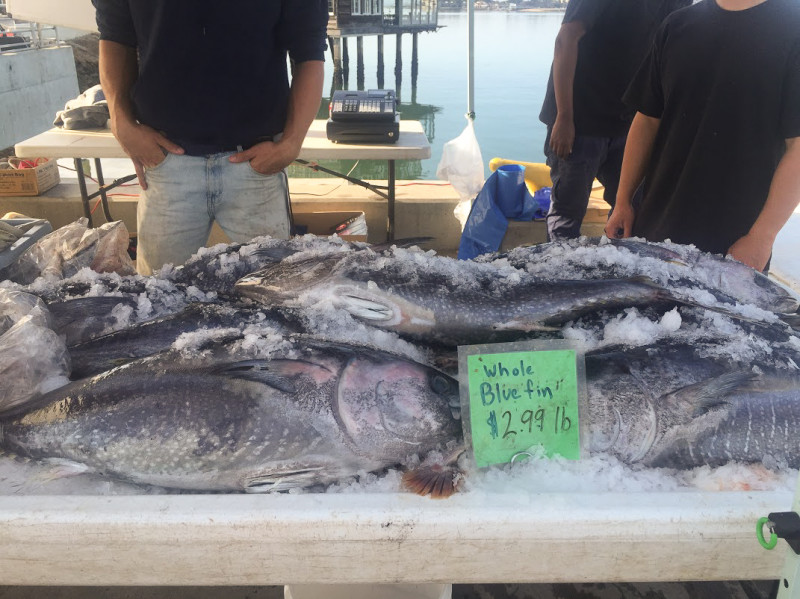
window.__INITIAL_STATE__={
"attachmentsReducer": {
"audio_0": {
"type": "attachments",
"id": "audio_0",
"imgSizes": {
"kqedFullSize": {
"file": "https://ww2.kqed.org/news/wp-content/themes/KQED-unified/img/audio_bgs/background0.jpg"
}
}
},
"audio_1": {
"type": "attachments",
"id": "audio_1",
"imgSizes": {
"kqedFullSize": {
"file": "https://ww2.kqed.org/news/wp-content/themes/KQED-unified/img/audio_bgs/background1.jpg"
}
}
},
"audio_2": {
"type": "attachments",
"id": "audio_2",
"imgSizes": {
"kqedFullSize": {
"file": "https://ww2.kqed.org/news/wp-content/themes/KQED-unified/img/audio_bgs/background2.jpg"
}
}
},
"audio_3": {
"type": "attachments",
"id": "audio_3",
"imgSizes": {
"kqedFullSize": {
"file": "https://ww2.kqed.org/news/wp-content/themes/KQED-unified/img/audio_bgs/background3.jpg"
}
}
},
"audio_4": {
"type": "attachments",
"id": "audio_4",
"imgSizes": {
"kqedFullSize": {
"file": "https://ww2.kqed.org/news/wp-content/themes/KQED-unified/img/audio_bgs/background4.jpg"
}
}
},
"placeholder": {
"type": "attachments",
"id": "placeholder",
"imgSizes": {
"thumbnail": {
"file": "https://cdn.kqed.org/wp-content/uploads/2024/12/KQED-Default-Image-816638274-2000x1333-1-160x107.jpg",
"width": 160,
"height": 107,
"mimeType": "image/jpeg"
},
"medium": {
"file": "https://cdn.kqed.org/wp-content/uploads/2024/12/KQED-Default-Image-816638274-2000x1333-1-800x533.jpg",
"width": 800,
"height": 533,
"mimeType": "image/jpeg"
},
"medium_large": {
"file": "https://cdn.kqed.org/wp-content/uploads/2024/12/KQED-Default-Image-816638274-2000x1333-1-768x512.jpg",
"width": 768,
"height": 512,
"mimeType": "image/jpeg"
},
"large": {
"file": "https://cdn.kqed.org/wp-content/uploads/2024/12/KQED-Default-Image-816638274-2000x1333-1-1020x680.jpg",
"width": 1020,
"height": 680,
"mimeType": "image/jpeg"
},
"1536x1536": {
"file": "https://cdn.kqed.org/wp-content/uploads/2024/12/KQED-Default-Image-816638274-2000x1333-1-1536x1024.jpg",
"width": 1536,
"height": 1024,
"mimeType": "image/jpeg"
},
"fd-lrg": {
"file": "https://cdn.kqed.org/wp-content/uploads/2024/12/KQED-Default-Image-816638274-2000x1333-1-1536x1024.jpg",
"width": 1536,
"height": 1024,
"mimeType": "image/jpeg"
},
"fd-med": {
"file": "https://cdn.kqed.org/wp-content/uploads/2024/12/KQED-Default-Image-816638274-2000x1333-1-1020x680.jpg",
"width": 1020,
"height": 680,
"mimeType": "image/jpeg"
},
"fd-sm": {
"file": "https://cdn.kqed.org/wp-content/uploads/2024/12/KQED-Default-Image-816638274-2000x1333-1-800x533.jpg",
"width": 800,
"height": 533,
"mimeType": "image/jpeg"
},
"post-thumbnail": {
"file": "https://cdn.kqed.org/wp-content/uploads/2024/12/KQED-Default-Image-816638274-2000x1333-1-672x372.jpg",
"width": 672,
"height": 372,
"mimeType": "image/jpeg"
},
"twentyfourteen-full-width": {
"file": "https://cdn.kqed.org/wp-content/uploads/2024/12/KQED-Default-Image-816638274-2000x1333-1-1038x576.jpg",
"width": 1038,
"height": 576,
"mimeType": "image/jpeg"
},
"xxsmall": {
"file": "https://cdn.kqed.org/wp-content/uploads/2024/12/KQED-Default-Image-816638274-2000x1333-1-160x107.jpg",
"width": 160,
"height": 107,
"mimeType": "image/jpeg"
},
"xsmall": {
"file": "https://cdn.kqed.org/wp-content/uploads/2024/12/KQED-Default-Image-816638274-2000x1333-1-672x372.jpg",
"width": 672,
"height": 372,
"mimeType": "image/jpeg"
},
"small": {
"file": "https://cdn.kqed.org/wp-content/uploads/2024/12/KQED-Default-Image-816638274-2000x1333-1-672x372.jpg",
"width": 672,
"height": 372,
"mimeType": "image/jpeg"
},
"xlarge": {
"file": "https://cdn.kqed.org/wp-content/uploads/2024/12/KQED-Default-Image-816638274-2000x1333-1-1020x680.jpg",
"width": 1020,
"height": 680,
"mimeType": "image/jpeg"
},
"full-width": {
"file": "https://cdn.kqed.org/wp-content/uploads/2024/12/KQED-Default-Image-816638274-2000x1333-1-1920x1280.jpg",
"width": 1920,
"height": 1280,
"mimeType": "image/jpeg"
},
"guest-author-32": {
"file": "https://cdn.kqed.org/wp-content/uploads/2025/01/KQED-Default-Image-816638274-1333x1333-1-160x160.jpg",
"width": 32,
"height": 32,
"mimeType": "image/jpeg"
},
"guest-author-50": {
"file": "https://cdn.kqed.org/wp-content/uploads/2025/01/KQED-Default-Image-816638274-1333x1333-1-160x160.jpg",
"width": 50,
"height": 50,
"mimeType": "image/jpeg"
},
"guest-author-64": {
"file": "https://cdn.kqed.org/wp-content/uploads/2025/01/KQED-Default-Image-816638274-1333x1333-1-160x160.jpg",
"width": 64,
"height": 64,
"mimeType": "image/jpeg"
},
"guest-author-96": {
"file": "https://cdn.kqed.org/wp-content/uploads/2025/01/KQED-Default-Image-816638274-1333x1333-1-160x160.jpg",
"width": 96,
"height": 96,
"mimeType": "image/jpeg"
},
"guest-author-128": {
"file": "https://cdn.kqed.org/wp-content/uploads/2025/01/KQED-Default-Image-816638274-1333x1333-1-160x160.jpg",
"width": 128,
"height": 128,
"mimeType": "image/jpeg"
},
"detail": {
"file": "https://cdn.kqed.org/wp-content/uploads/2025/01/KQED-Default-Image-816638274-1333x1333-1-160x160.jpg",
"width": 160,
"height": 160,
"mimeType": "image/jpeg"
},
"kqedFullSize": {
"file": "https://cdn.kqed.org/wp-content/uploads/2024/12/KQED-Default-Image-816638274-2000x1333-1.jpg",
"width": 2000,
"height": 1333
}
}
},
"bayareabites_96846": {
"type": "attachments",
"id": "bayareabites_96846",
"meta": {
"index": "attachments_1716263798",
"site": "bayareabites",
"id": "96846",
"found": true
},
"parent": 96845,
"imgSizes": {
"twentyfourteen-full-width": {
"file": "https://ww2.kqed.org/app/uploads/sites/24/2015/06/img_5834_custom-e89567c2d758002cf3a9f6488b4fea607d06485c-1038x576.jpg",
"width": 1038,
"mimeType": "image/jpeg",
"height": 576
},
"thumbnail": {
"file": "https://ww2.kqed.org/app/uploads/sites/24/2015/06/img_5834_custom-e89567c2d758002cf3a9f6488b4fea607d06485c-400x300.jpg",
"width": 400,
"mimeType": "image/jpeg",
"height": 300
},
"fd-sm": {
"file": "https://ww2.kqed.org/app/uploads/sites/24/2015/06/img_5834_custom-e89567c2d758002cf3a9f6488b4fea607d06485c-960x719.jpg",
"width": 960,
"mimeType": "image/jpeg",
"height": 719
},
"post-thumbnail": {
"file": "https://ww2.kqed.org/app/uploads/sites/24/2015/06/img_5834_custom-e89567c2d758002cf3a9f6488b4fea607d06485c-672x372.jpg",
"width": 672,
"mimeType": "image/jpeg",
"height": 372
},
"kqedFullSize": {
"file": "https://ww2.kqed.org/app/uploads/sites/24/2015/06/img_5834_custom-e89567c2d758002cf3a9f6488b4fea607d06485c.jpg",
"width": 1071,
"height": 802
},
"cat_post_thumb_sizecategory-posts-2": {
"file": "https://ww2.kqed.org/app/uploads/sites/24/2015/06/img_5834_custom-e89567c2d758002cf3a9f6488b4fea607d06485c-150x150.jpg",
"width": 150,
"mimeType": "image/jpeg",
"height": 150
},
"guest-author-96": {
"file": "https://ww2.kqed.org/app/uploads/sites/24/2015/06/img_5834_custom-e89567c2d758002cf3a9f6488b4fea607d06485c-96x96.jpg",
"width": 96,
"mimeType": "image/jpeg",
"height": 96
},
"medium": {
"file": "https://ww2.kqed.org/app/uploads/sites/24/2015/06/img_5834_custom-e89567c2d758002cf3a9f6488b4fea607d06485c-800x599.jpg",
"width": 800,
"mimeType": "image/jpeg",
"height": 599
},
"guest-author-64": {
"file": "https://ww2.kqed.org/app/uploads/sites/24/2015/06/img_5834_custom-e89567c2d758002cf3a9f6488b4fea607d06485c-64x64.jpg",
"width": 64,
"mimeType": "image/jpeg",
"height": 64
},
"detail": {
"file": "https://ww2.kqed.org/app/uploads/sites/24/2015/06/img_5834_custom-e89567c2d758002cf3a9f6488b4fea607d06485c-75x75.jpg",
"width": 75,
"mimeType": "image/jpeg",
"height": 75
},
"guest-author-32": {
"file": "https://ww2.kqed.org/app/uploads/sites/24/2015/06/img_5834_custom-e89567c2d758002cf3a9f6488b4fea607d06485c-32x32.jpg",
"width": 32,
"mimeType": "image/jpeg",
"height": 32
},
"guest-author-128": {
"file": "https://ww2.kqed.org/app/uploads/sites/24/2015/06/img_5834_custom-e89567c2d758002cf3a9f6488b4fea607d06485c-128x128.jpg",
"width": 128,
"mimeType": "image/jpeg",
"height": 128
}
},
"publishDate": 1434064557,
"modified": 1434065096,
"caption": "Pacific bluefin tuna for sale for $2.99 per pound at the fish market in San Diego. That shockingly low price does not reflect the deeply threatened state of the bluefin population.",
"description": "Pacific bluefin tuna for sale for $2.99 per pound at the fish market in San Diego. That shockingly low price does not reflect the deeply threatened state of the bluefin population.",
"title": "Pacific bluefin tuna for sale for $2.99 per pound at the fish market in San Diego. That shockingly low price does not reflect the deeply threatened state of the bluefin population.",
"credit": "Clare Leschin-Hoar for NPR",
"status": "inherit",
"isLoading": false,
"fetchFailed": false
},
"bayareabites_96796": {
"type": "attachments",
"id": "bayareabites_96796",
"meta": {
"index": "attachments_1716263798",
"site": "bayareabites",
"id": "96796",
"found": true
},
"parent": 96795,
"imgSizes": {
"twentyfourteen-full-width": {
"file": "https://ww2.kqed.org/app/uploads/sites/24/2015/06/ap110408165501-d8791dd32e8d3f988f1fa0c60858be6ca5fd5b56-1038x576.jpg",
"width": 1038,
"mimeType": "image/jpeg",
"height": 576
},
"thumbnail": {
"file": "https://ww2.kqed.org/app/uploads/sites/24/2015/06/ap110408165501-d8791dd32e8d3f988f1fa0c60858be6ca5fd5b56-400x300.jpg",
"width": 400,
"mimeType": "image/jpeg",
"height": 300
},
"fd-sm": {
"file": "https://ww2.kqed.org/app/uploads/sites/24/2015/06/ap110408165501-d8791dd32e8d3f988f1fa0c60858be6ca5fd5b56-960x720.jpg",
"width": 960,
"mimeType": "image/jpeg",
"height": 720
},
"post-thumbnail": {
"file": "https://ww2.kqed.org/app/uploads/sites/24/2015/06/ap110408165501-d8791dd32e8d3f988f1fa0c60858be6ca5fd5b56-672x372.jpg",
"width": 672,
"mimeType": "image/jpeg",
"height": 372
},
"kqedFullSize": {
"file": "https://ww2.kqed.org/app/uploads/sites/24/2015/06/ap110408165501-d8791dd32e8d3f988f1fa0c60858be6ca5fd5b56-e1433894452842.jpg",
"width": 1920,
"height": 1440
},
"large": {
"file": "https://ww2.kqed.org/app/uploads/sites/24/2015/06/ap110408165501-d8791dd32e8d3f988f1fa0c60858be6ca5fd5b56-1440x1080.jpg",
"width": 1440,
"mimeType": "image/jpeg",
"height": 1080
},
"guest-author-96": {
"file": "https://ww2.kqed.org/app/uploads/sites/24/2015/06/ap110408165501-d8791dd32e8d3f988f1fa0c60858be6ca5fd5b56-96x96.jpg",
"width": 96,
"mimeType": "image/jpeg",
"height": 96
},
"medium": {
"file": "https://ww2.kqed.org/app/uploads/sites/24/2015/06/ap110408165501-d8791dd32e8d3f988f1fa0c60858be6ca5fd5b56-800x600.jpg",
"width": 800,
"mimeType": "image/jpeg",
"height": 600
},
"guest-author-64": {
"file": "https://ww2.kqed.org/app/uploads/sites/24/2015/06/ap110408165501-d8791dd32e8d3f988f1fa0c60858be6ca5fd5b56-64x64.jpg",
"width": 64,
"mimeType": "image/jpeg",
"height": 64
},
"guest-author-32": {
"file": "https://ww2.kqed.org/app/uploads/sites/24/2015/06/ap110408165501-d8791dd32e8d3f988f1fa0c60858be6ca5fd5b56-32x32.jpg",
"width": 32,
"mimeType": "image/jpeg",
"height": 32
},
"cat_post_thumb_sizecategory-posts-2": {
"file": "https://ww2.kqed.org/app/uploads/sites/24/2015/06/ap110408165501-d8791dd32e8d3f988f1fa0c60858be6ca5fd5b56-150x150.jpg",
"width": 150,
"mimeType": "image/jpeg",
"height": 150
},
"fd-med": {
"file": "https://ww2.kqed.org/app/uploads/sites/24/2015/06/ap110408165501-d8791dd32e8d3f988f1fa0c60858be6ca5fd5b56-1180x885.jpg",
"width": 1180,
"mimeType": "image/jpeg",
"height": 885
},
"detail": {
"file": "https://ww2.kqed.org/app/uploads/sites/24/2015/06/ap110408165501-d8791dd32e8d3f988f1fa0c60858be6ca5fd5b56-75x75.jpg",
"width": 75,
"mimeType": "image/jpeg",
"height": 75
},
"guest-author-128": {
"file": "https://ww2.kqed.org/app/uploads/sites/24/2015/06/ap110408165501-d8791dd32e8d3f988f1fa0c60858be6ca5fd5b56-128x128.jpg",
"width": 128,
"mimeType": "image/jpeg",
"height": 128
}
},
"publishDate": 1433893221,
"modified": 1433894474,
"caption": "Central Illinois corn and soybean farmer Tim Seifert loads his field planter with Syngenta insecticide while planting seed corn in 2011. Monsanto has made a bid to buy Syngenta for its pesticide business.",
"description": "Central Illinois corn and soybean farmer Tim Seifert loads his field planter with Syngenta insecticide while planting seed corn in 2011. Monsanto has made a bid to buy Syngenta for its pesticide business.",
"title": "Central Illinois corn and soybean farmer Tim Seifert loads his field planter with Syngenta insecticide while planting seed corn in 2011. Monsanto has made a bid to buy Syngenta for its pesticide business.",
"credit": "Seth Perlman/AP",
"status": "inherit",
"isLoading": false,
"fetchFailed": false
},
"bayareabites_96732": {
"type": "attachments",
"id": "bayareabites_96732",
"meta": {
"index": "attachments_1716263798",
"site": "bayareabites",
"id": "96732",
"found": true
},
"parent": 96731,
"imgSizes": {
"twentyfourteen-full-width": {
"file": "https://ww2.kqed.org/app/uploads/sites/24/2015/06/cod-taco-close-18f1c226020443cf4db39f2246f07328e2b733f5-1000x576.jpe",
"width": 1000,
"mimeType": "image/jpeg",
"height": 576
},
"thumbnail": {
"file": "https://ww2.kqed.org/app/uploads/sites/24/2015/06/cod-taco-close-18f1c226020443cf4db39f2246f07328e2b733f5-400x300.jpe",
"width": 400,
"mimeType": "image/jpeg",
"height": 300
},
"fd-sm": {
"file": "https://ww2.kqed.org/app/uploads/sites/24/2015/06/cod-taco-close-18f1c226020443cf4db39f2246f07328e2b733f5-960x720.jpe",
"width": 960,
"mimeType": "image/jpeg",
"height": 720
},
"post-thumbnail": {
"file": "https://ww2.kqed.org/app/uploads/sites/24/2015/06/cod-taco-close-18f1c226020443cf4db39f2246f07328e2b733f5-672x372.jpe",
"width": 672,
"mimeType": "image/jpeg",
"height": 372
},
"kqedFullSize": {
"file": "https://ww2.kqed.org/app/uploads/sites/24/2015/06/cod-taco-close-18f1c226020443cf4db39f2246f07328e2b733f5.jpe",
"width": 1000,
"height": 750
},
"cat_post_thumb_sizecategory-posts-2": {
"file": "https://ww2.kqed.org/app/uploads/sites/24/2015/06/cod-taco-close-18f1c226020443cf4db39f2246f07328e2b733f5-150x150.jpe",
"width": 150,
"mimeType": "image/jpeg",
"height": 150
},
"guest-author-96": {
"file": "https://ww2.kqed.org/app/uploads/sites/24/2015/06/cod-taco-close-18f1c226020443cf4db39f2246f07328e2b733f5-96x96.jpe",
"width": 96,
"mimeType": "image/jpeg",
"height": 96
},
"medium": {
"file": "https://ww2.kqed.org/app/uploads/sites/24/2015/06/cod-taco-close-18f1c226020443cf4db39f2246f07328e2b733f5-800x600.jpe",
"width": 800,
"mimeType": "image/jpeg",
"height": 600
},
"guest-author-64": {
"file": "https://ww2.kqed.org/app/uploads/sites/24/2015/06/cod-taco-close-18f1c226020443cf4db39f2246f07328e2b733f5-64x64.jpe",
"width": 64,
"mimeType": "image/jpeg",
"height": 64
},
"detail": {
"file": "https://ww2.kqed.org/app/uploads/sites/24/2015/06/cod-taco-close-18f1c226020443cf4db39f2246f07328e2b733f5-75x75.jpe",
"width": 75,
"mimeType": "image/jpeg",
"height": 75
},
"guest-author-32": {
"file": "https://ww2.kqed.org/app/uploads/sites/24/2015/06/cod-taco-close-18f1c226020443cf4db39f2246f07328e2b733f5-32x32.jpe",
"width": 32,
"mimeType": "image/jpeg",
"height": 32
},
"guest-author-128": {
"file": "https://ww2.kqed.org/app/uploads/sites/24/2015/06/cod-taco-close-18f1c226020443cf4db39f2246f07328e2b733f5-128x128.jpe",
"width": 128,
"mimeType": "image/jpeg",
"height": 128
}
},
"publishDate": 1433779269,
"modified": 1433779269,
"caption": null,
"description": "This Alaskan cod taco with pickled radish salsa is one of several drought-friendly recipes that chef Nathan Lyon and his culinary manager, Sarah Forman, have cooked up.",
"title": "This Alaskan cod taco with pickled radish salsa is one of several drought-friendly recipes that chef Nathan Lyon and his culinary manager, Sarah Forman, have cooked up.",
"credit": null,
"status": "inherit",
"isLoading": false,
"fetchFailed": false
},
"bayareabites_96585": {
"type": "attachments",
"id": "bayareabites_96585",
"meta": {
"index": "attachments_1716263798",
"site": "bayareabites",
"id": "96585",
"found": true
},
"parent": 96584,
"imgSizes": {
"twentyfourteen-full-width": {
"file": "https://ww2.kqed.org/app/uploads/sites/24/2015/06/470892680-ce3652433301ebaa557aea7ac5a7ff89370c4b5e-1038x576.jpg",
"width": 1038,
"mimeType": "image/jpeg",
"height": 576
},
"thumbnail": {
"file": "https://ww2.kqed.org/app/uploads/sites/24/2015/06/470892680-ce3652433301ebaa557aea7ac5a7ff89370c4b5e-400x300.jpg",
"width": 400,
"mimeType": "image/jpeg",
"height": 300
},
"fd-sm": {
"file": "https://ww2.kqed.org/app/uploads/sites/24/2015/06/470892680-ce3652433301ebaa557aea7ac5a7ff89370c4b5e-960x719.jpg",
"width": 960,
"mimeType": "image/jpeg",
"height": 719
},
"post-thumbnail": {
"file": "https://ww2.kqed.org/app/uploads/sites/24/2015/06/470892680-ce3652433301ebaa557aea7ac5a7ff89370c4b5e-672x372.jpg",
"width": 672,
"mimeType": "image/jpeg",
"height": 372
},
"kqedFullSize": {
"file": "https://ww2.kqed.org/app/uploads/sites/24/2015/06/470892680-ce3652433301ebaa557aea7ac5a7ff89370c4b5e-e1433376109256.jpg",
"width": 1920,
"height": 1439
},
"large": {
"file": "https://ww2.kqed.org/app/uploads/sites/24/2015/06/470892680-ce3652433301ebaa557aea7ac5a7ff89370c4b5e-1440x1079.jpg",
"width": 1440,
"mimeType": "image/jpeg",
"height": 1079
},
"guest-author-96": {
"file": "https://ww2.kqed.org/app/uploads/sites/24/2015/06/470892680-ce3652433301ebaa557aea7ac5a7ff89370c4b5e-96x96.jpg",
"width": 96,
"mimeType": "image/jpeg",
"height": 96
},
"medium": {
"file": "https://ww2.kqed.org/app/uploads/sites/24/2015/06/470892680-ce3652433301ebaa557aea7ac5a7ff89370c4b5e-800x599.jpg",
"width": 800,
"mimeType": "image/jpeg",
"height": 599
},
"guest-author-64": {
"file": "https://ww2.kqed.org/app/uploads/sites/24/2015/06/470892680-ce3652433301ebaa557aea7ac5a7ff89370c4b5e-64x64.jpg",
"width": 64,
"mimeType": "image/jpeg",
"height": 64
},
"guest-author-32": {
"file": "https://ww2.kqed.org/app/uploads/sites/24/2015/06/470892680-ce3652433301ebaa557aea7ac5a7ff89370c4b5e-32x32.jpg",
"width": 32,
"mimeType": "image/jpeg",
"height": 32
},
"cat_post_thumb_sizecategory-posts-2": {
"file": "https://ww2.kqed.org/app/uploads/sites/24/2015/06/470892680-ce3652433301ebaa557aea7ac5a7ff89370c4b5e-150x150.jpg",
"width": 150,
"mimeType": "image/jpeg",
"height": 150
},
"fd-med": {
"file": "https://ww2.kqed.org/app/uploads/sites/24/2015/06/470892680-ce3652433301ebaa557aea7ac5a7ff89370c4b5e-1180x884.jpg",
"width": 1180,
"mimeType": "image/jpeg",
"height": 884
},
"detail": {
"file": "https://ww2.kqed.org/app/uploads/sites/24/2015/06/470892680-ce3652433301ebaa557aea7ac5a7ff89370c4b5e-75x75.jpg",
"width": 75,
"mimeType": "image/jpeg",
"height": 75
},
"guest-author-128": {
"file": "https://ww2.kqed.org/app/uploads/sites/24/2015/06/470892680-ce3652433301ebaa557aea7ac5a7ff89370c4b5e-128x128.jpg",
"width": 128,
"mimeType": "image/jpeg",
"height": 128
}
},
"publishDate": 1433375713,
"modified": 1433376141,
"caption": "A row of newly planted organic tomatoes on April 23, 2015 in Firebaugh, Calif. Some farmers are moving tomato production to the north of the state where water supplies are better.",
"description": "A row of newly planted organic tomatoes on April 23, 2015 in Firebaugh, Calif. Some farmers are moving tomato production to the north of the state where water supplies are better",
"title": "A row of newly planted organic tomatoes on April 23, 2015 in Firebaugh, Calif. Some farmers are moving tomato production to the north of the state where water supplies are better.",
"credit": "Justin Sullivan/Getty Images",
"status": "inherit",
"isLoading": false,
"fetchFailed": false
},
"bayareabites_96507": {
"type": "attachments",
"id": "bayareabites_96507",
"meta": {
"index": "attachments_1716263798",
"site": "bayareabites",
"id": "96507",
"found": true
},
"parent": 96500,
"imgSizes": {
"twentyfourteen-full-width": {
"file": "https://ww2.kqed.org/app/uploads/sites/24/2015/05/just-eat-it-food-waste-dish-1038x576.jpg",
"width": 1038,
"mimeType": "image/jpeg",
"height": 576
},
"thumbnail": {
"file": "https://ww2.kqed.org/app/uploads/sites/24/2015/05/just-eat-it-food-waste-dish-400x254.jpg",
"width": 400,
"mimeType": "image/jpeg",
"height": 254
},
"fd-sm": {
"file": "https://ww2.kqed.org/app/uploads/sites/24/2015/05/just-eat-it-food-waste-dish-960x611.jpg",
"width": 960,
"mimeType": "image/jpeg",
"height": 611
},
"post-thumbnail": {
"file": "https://ww2.kqed.org/app/uploads/sites/24/2015/05/just-eat-it-food-waste-dish-672x372.jpg",
"width": 672,
"mimeType": "image/jpeg",
"height": 372
},
"kqedFullSize": {
"file": "https://ww2.kqed.org/app/uploads/sites/24/2015/05/just-eat-it-food-waste-dish.jpg",
"width": 1920,
"height": 1221
},
"large": {
"file": "https://ww2.kqed.org/app/uploads/sites/24/2015/05/just-eat-it-food-waste-dish-1440x916.jpg",
"width": 1440,
"mimeType": "image/jpeg",
"height": 916
},
"guest-author-96": {
"file": "https://ww2.kqed.org/app/uploads/sites/24/2015/05/just-eat-it-food-waste-dish-96x96.jpg",
"width": 96,
"mimeType": "image/jpeg",
"height": 96
},
"medium": {
"file": "https://ww2.kqed.org/app/uploads/sites/24/2015/05/just-eat-it-food-waste-dish-800x509.jpg",
"width": 800,
"mimeType": "image/jpeg",
"height": 509
},
"guest-author-64": {
"file": "https://ww2.kqed.org/app/uploads/sites/24/2015/05/just-eat-it-food-waste-dish-64x64.jpg",
"width": 64,
"mimeType": "image/jpeg",
"height": 64
},
"guest-author-32": {
"file": "https://ww2.kqed.org/app/uploads/sites/24/2015/05/just-eat-it-food-waste-dish-32x32.jpg",
"width": 32,
"mimeType": "image/jpeg",
"height": 32
},
"cat_post_thumb_sizecategory-posts-2": {
"file": "https://ww2.kqed.org/app/uploads/sites/24/2015/05/just-eat-it-food-waste-dish-150x150.jpg",
"width": 150,
"mimeType": "image/jpeg",
"height": 150
},
"fd-med": {
"file": "https://ww2.kqed.org/app/uploads/sites/24/2015/05/just-eat-it-food-waste-dish-1180x750.jpg",
"width": 1180,
"mimeType": "image/jpeg",
"height": 750
},
"detail": {
"file": "https://ww2.kqed.org/app/uploads/sites/24/2015/05/just-eat-it-food-waste-dish-75x75.jpg",
"width": 75,
"mimeType": "image/jpeg",
"height": 75
},
"guest-author-128": {
"file": "https://ww2.kqed.org/app/uploads/sites/24/2015/05/just-eat-it-food-waste-dish-128x128.jpg",
"width": 128,
"mimeType": "image/jpeg",
"height": 128
}
},
"publishDate": 1433010246,
"modified": 1433010325,
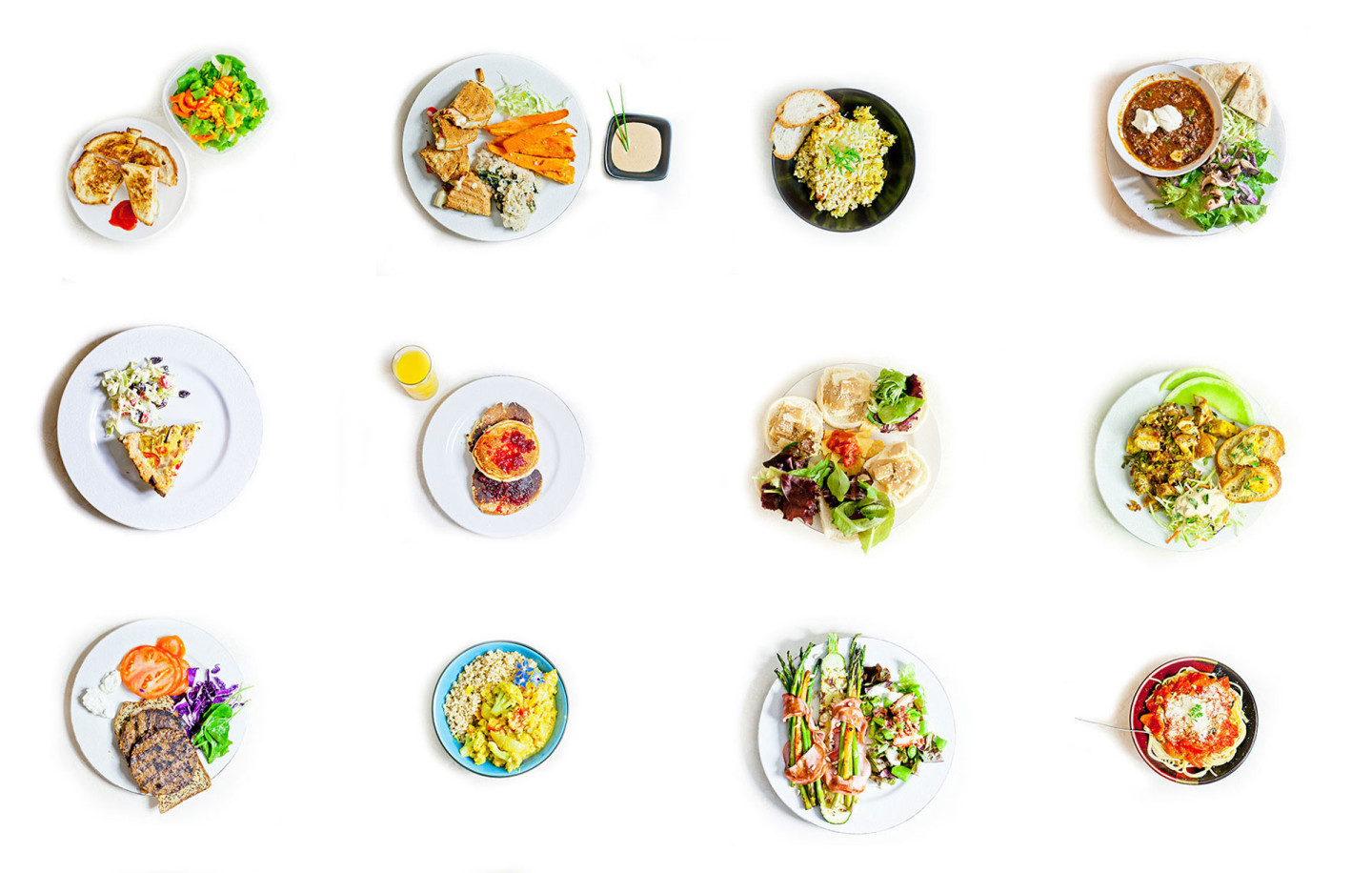
"caption": "Filmmakers Grant Baldwin and Jenny Rustemeyer made these meals from food that would otherwise have gone uneaten.",
"description": null,
"title": "just-eat-it-food-waste-dish",
"credit": "Peg Leg Films",
"status": "inherit",
"isLoading": false,
"fetchFailed": false
},
"bayareabites_96494": {
"type": "attachments",
"id": "bayareabites_96494",
"meta": {
"index": "attachments_1716263798",
"site": "bayareabites",
"id": "96494",
"found": true
},
"parent": 96493,
"imgSizes": {
"twentyfourteen-full-width": {
"file": "https://ww2.kqed.org/app/uploads/sites/24/2015/05/uk-cod-1_enl-abf48b7fe3401f502fbc84c06c9e4e5594949146-1038x576.jpg",
"width": 1038,
"mimeType": "image/jpeg",
"height": 576
},
"thumbnail": {
"file": "https://ww2.kqed.org/app/uploads/sites/24/2015/05/uk-cod-1_enl-abf48b7fe3401f502fbc84c06c9e4e5594949146-400x266.jpg",
"width": 400,
"mimeType": "image/jpeg",
"height": 266
},
"fd-sm": {
"file": "https://ww2.kqed.org/app/uploads/sites/24/2015/05/uk-cod-1_enl-abf48b7fe3401f502fbc84c06c9e4e5594949146-960x639.jpg",
"width": 960,
"mimeType": "image/jpeg",
"height": 639
},
"post-thumbnail": {
"file": "https://ww2.kqed.org/app/uploads/sites/24/2015/05/uk-cod-1_enl-abf48b7fe3401f502fbc84c06c9e4e5594949146-672x372.jpg",
"width": 672,
"mimeType": "image/jpeg",
"height": 372
},
"kqedFullSize": {
"file": "https://ww2.kqed.org/app/uploads/sites/24/2015/05/uk-cod-1_enl-abf48b7fe3401f502fbc84c06c9e4e5594949146-e1433002490446.jpg",
"width": 1920,
"height": 1279
},
"large": {
"file": "https://ww2.kqed.org/app/uploads/sites/24/2015/05/uk-cod-1_enl-abf48b7fe3401f502fbc84c06c9e4e5594949146-1440x959.jpg",
"width": 1440,
"mimeType": "image/jpeg",
"height": 959
},
"guest-author-96": {
"file": "https://ww2.kqed.org/app/uploads/sites/24/2015/05/uk-cod-1_enl-abf48b7fe3401f502fbc84c06c9e4e5594949146-96x96.jpg",
"width": 96,
"mimeType": "image/jpeg",
"height": 96
},
"medium": {
"file": "https://ww2.kqed.org/app/uploads/sites/24/2015/05/uk-cod-1_enl-abf48b7fe3401f502fbc84c06c9e4e5594949146-800x533.jpg",
"width": 800,
"mimeType": "image/jpeg",
"height": 533
},
"guest-author-64": {
"file": "https://ww2.kqed.org/app/uploads/sites/24/2015/05/uk-cod-1_enl-abf48b7fe3401f502fbc84c06c9e4e5594949146-64x64.jpg",
"width": 64,
"mimeType": "image/jpeg",
"height": 64
},
"guest-author-32": {
"file": "https://ww2.kqed.org/app/uploads/sites/24/2015/05/uk-cod-1_enl-abf48b7fe3401f502fbc84c06c9e4e5594949146-32x32.jpg",
"width": 32,
"mimeType": "image/jpeg",
"height": 32
},
"cat_post_thumb_sizecategory-posts-2": {
"file": "https://ww2.kqed.org/app/uploads/sites/24/2015/05/uk-cod-1_enl-abf48b7fe3401f502fbc84c06c9e4e5594949146-150x150.jpg",
"width": 150,
"mimeType": "image/jpeg",
"height": 150
},
"fd-med": {
"file": "https://ww2.kqed.org/app/uploads/sites/24/2015/05/uk-cod-1_enl-abf48b7fe3401f502fbc84c06c9e4e5594949146-1180x786.jpg",
"width": 1180,
"mimeType": "image/jpeg",
"height": 786
},
"detail": {
"file": "https://ww2.kqed.org/app/uploads/sites/24/2015/05/uk-cod-1_enl-abf48b7fe3401f502fbc84c06c9e4e5594949146-75x75.jpg",
"width": 75,
"mimeType": "image/jpeg",
"height": 75
},
"guest-author-128": {
"file": "https://ww2.kqed.org/app/uploads/sites/24/2015/05/uk-cod-1_enl-abf48b7fe3401f502fbc84c06c9e4e5594949146-128x128.jpg",
"width": 128,
"mimeType": "image/jpeg",
"height": 128
}
},
"publishDate": 1433002298,
"modified": 1433002532,
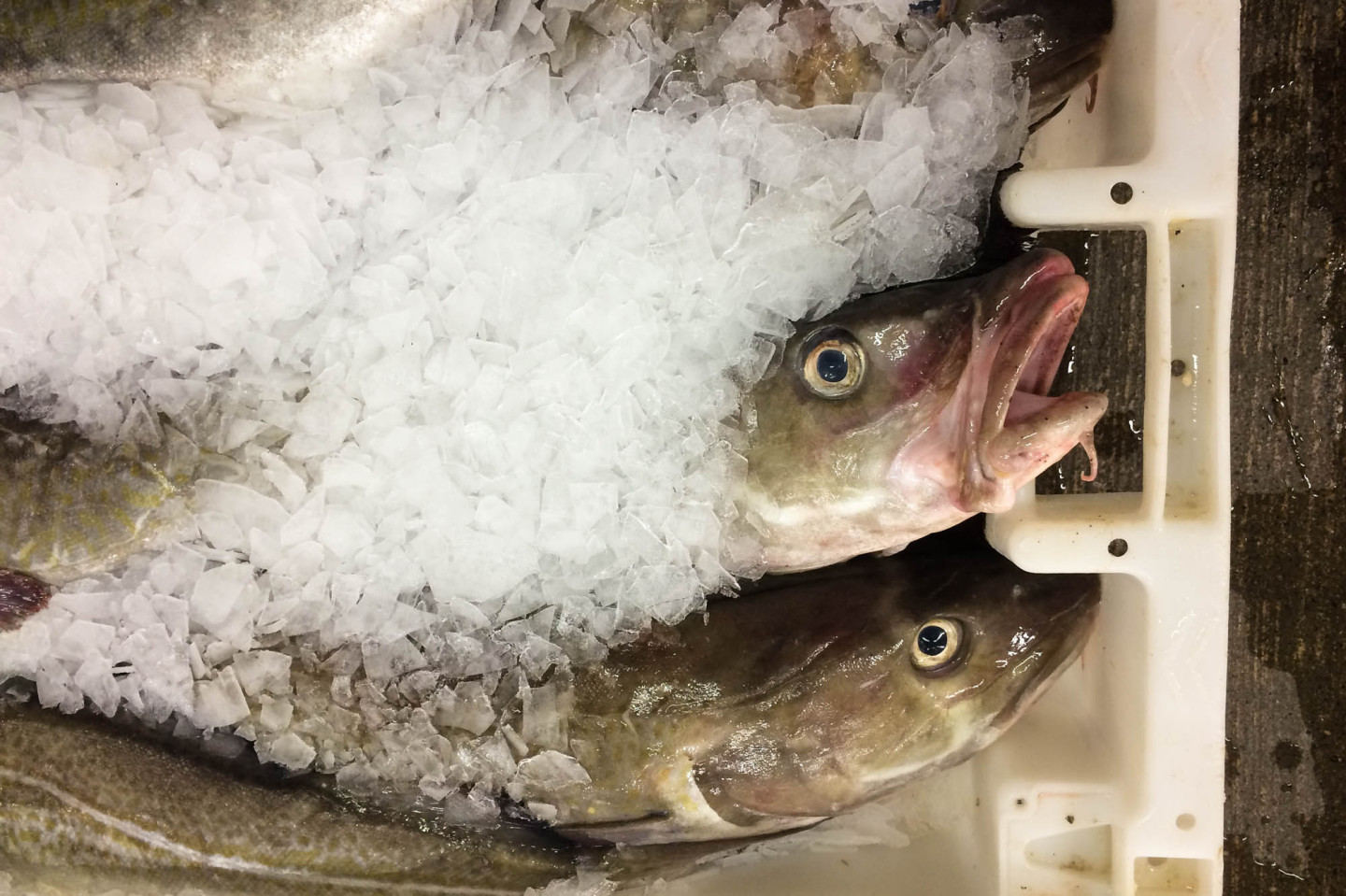
"caption": "Fish for sale in the fish market in Fraserburgh, Scotland",
"description": "Fish for sale in the fish market in Fraserburgh, Scotland",
"title": "Fish for sale in the fish market in Fraserburgh, Scotland.",
"credit": "Ari Shapiro/NPR ",
"status": "inherit",
"isLoading": false,
"fetchFailed": false
},
"bayareabites_96470": {
"type": "attachments",
"id": "bayareabites_96470",
"meta": {
"index": "attachments_1716263798",
"site": "bayareabites",
"id": "96470",
"found": true
},
"parent": 96464,
"imgSizes": {
"twentyfourteen-full-width": {
"file": "https://ww2.kqed.org/app/uploads/sites/24/2015/05/bugs-1038x576.jpg",
"width": 1038,
"mimeType": "image/jpeg",
"height": 576
},
"thumbnail": {
"file": "https://ww2.kqed.org/app/uploads/sites/24/2015/05/bugs-400x266.jpg",
"width": 400,
"mimeType": "image/jpeg",
"height": 266
},
"fd-sm": {
"file": "https://ww2.kqed.org/app/uploads/sites/24/2015/05/bugs-960x639.jpg",
"width": 960,
"mimeType": "image/jpeg",
"height": 639
},
"post-thumbnail": {
"file": "https://ww2.kqed.org/app/uploads/sites/24/2015/05/bugs-672x372.jpg",
"width": 672,
"mimeType": "image/jpeg",
"height": 372
},
"kqedFullSize": {
"file": "https://ww2.kqed.org/app/uploads/sites/24/2015/05/bugs.jpg",
"width": 1920,
"height": 1277
},
"large": {
"file": "https://ww2.kqed.org/app/uploads/sites/24/2015/05/bugs-1440x958.jpg",
"width": 1440,
"mimeType": "image/jpeg",
"height": 958
},
"guest-author-96": {
"file": "https://ww2.kqed.org/app/uploads/sites/24/2015/05/bugs-96x96.jpg",
"width": 96,
"mimeType": "image/jpeg",
"height": 96
},
"medium": {
"file": "https://ww2.kqed.org/app/uploads/sites/24/2015/05/bugs-800x532.jpg",
"width": 800,
"mimeType": "image/jpeg",
"height": 532
},
"guest-author-64": {
"file": "https://ww2.kqed.org/app/uploads/sites/24/2015/05/bugs-64x64.jpg",
"width": 64,
"mimeType": "image/jpeg",
"height": 64
},
"guest-author-32": {
"file": "https://ww2.kqed.org/app/uploads/sites/24/2015/05/bugs-32x32.jpg",
"width": 32,
"mimeType": "image/jpeg",
"height": 32
},
"cat_post_thumb_sizecategory-posts-2": {
"file": "https://ww2.kqed.org/app/uploads/sites/24/2015/05/bugs-150x150.jpg",
"width": 150,
"mimeType": "image/jpeg",
"height": 150
},
"fd-med": {
"file": "https://ww2.kqed.org/app/uploads/sites/24/2015/05/bugs-1180x785.jpg",
"width": 1180,
"mimeType": "image/jpeg",
"height": 785
},
"detail": {
"file": "https://ww2.kqed.org/app/uploads/sites/24/2015/05/bugs-75x75.jpg",
"width": 75,
"mimeType": "image/jpeg",
"height": 75
},
"guest-author-128": {
"file": "https://ww2.kqed.org/app/uploads/sites/24/2015/05/bugs-128x128.jpg",
"width": 128,
"mimeType": "image/jpeg",
"height": 128
}
},
"publishDate": 1432837373,
"modified": 1432837438,
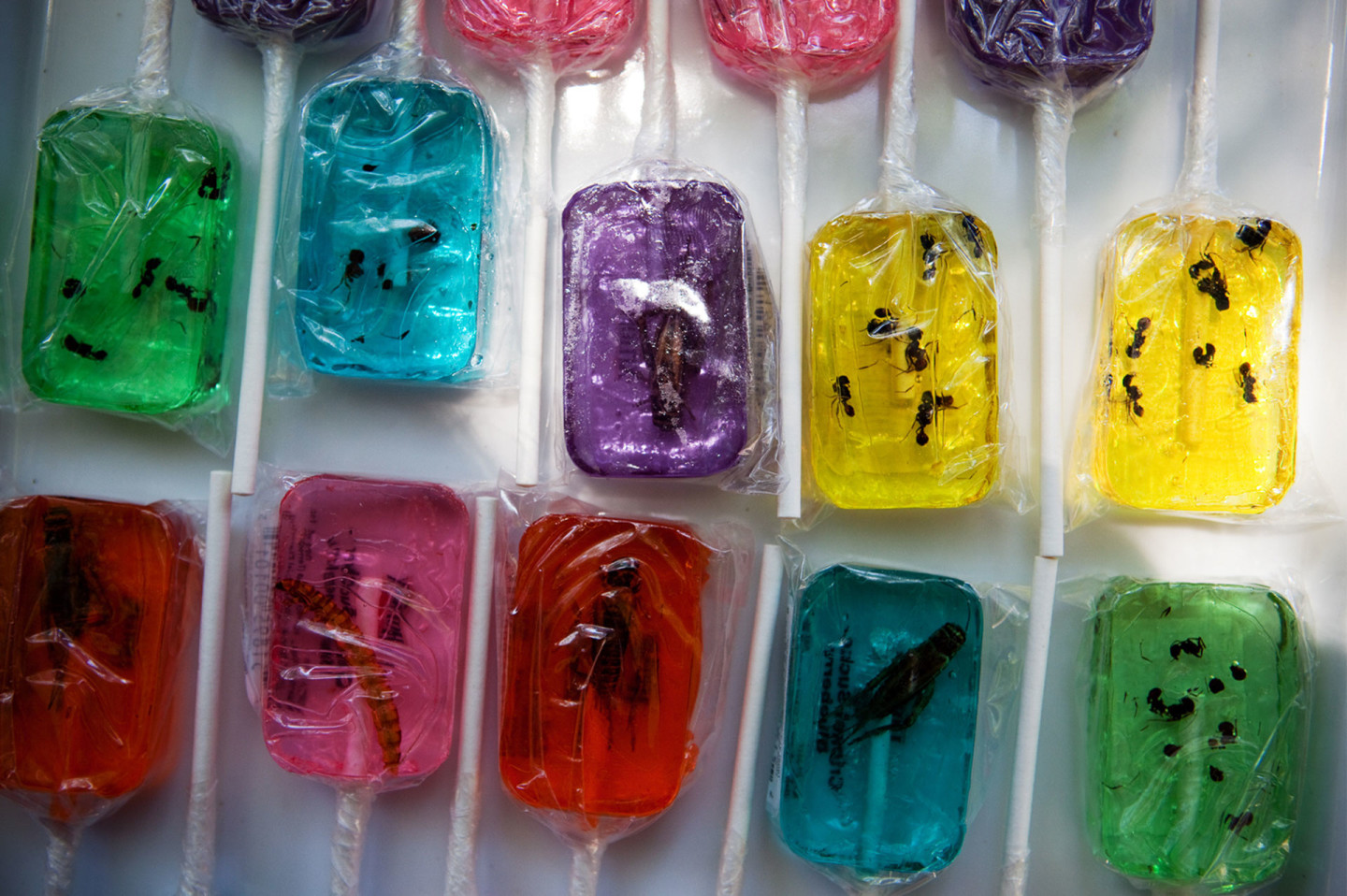
"caption": "Lollipops at the Pestaurant event in Washington, D.C., in 2014. ",
"description": null,
"title": "bugs",
"credit": "Maggie Starbard/NPR ",
"status": "inherit",
"isLoading": false,
"fetchFailed": false
},
"bayareabites_96316": {
"type": "attachments",
"id": "bayareabites_96316",
"meta": {
"index": "attachments_1716263798",
"site": "bayareabites",
"id": "96316",
"found": true
},
"parent": 96314,
"imgSizes": {
"twentyfourteen-full-width": {
"file": "https://ww2.kqed.org/app/uploads/sites/24/2015/05/Julie-Rich--1038x576.jpg",
"width": 1038,
"mimeType": "image/jpeg",
"height": 576
},
"thumbnail": {
"file": "https://ww2.kqed.org/app/uploads/sites/24/2015/05/Julie-Rich--400x266.jpg",
"width": 400,
"mimeType": "image/jpeg",
"height": 266
},
"fd-sm": {
"file": "https://ww2.kqed.org/app/uploads/sites/24/2015/05/Julie-Rich--960x639.jpg",
"width": 960,
"mimeType": "image/jpeg",
"height": 639
},
"post-thumbnail": {
"file": "https://ww2.kqed.org/app/uploads/sites/24/2015/05/Julie-Rich--672x372.jpg",
"width": 672,
"mimeType": "image/jpeg",
"height": 372
},
"kqedFullSize": {
"file": "https://ww2.kqed.org/app/uploads/sites/24/2015/05/Julie-Rich-.jpg",
"width": 1920,
"height": 1278
},
"large": {
"file": "https://ww2.kqed.org/app/uploads/sites/24/2015/05/Julie-Rich--1440x959.jpg",
"width": 1440,
"mimeType": "image/jpeg",
"height": 959
},
"guest-author-96": {
"file": "https://ww2.kqed.org/app/uploads/sites/24/2015/05/Julie-Rich--96x96.jpg",
"width": 96,
"mimeType": "image/jpeg",
"height": 96
},
"medium": {
"file": "https://ww2.kqed.org/app/uploads/sites/24/2015/05/Julie-Rich--800x533.jpg",
"width": 800,
"mimeType": "image/jpeg",
"height": 533
},
"guest-author-64": {
"file": "https://ww2.kqed.org/app/uploads/sites/24/2015/05/Julie-Rich--64x64.jpg",
"width": 64,
"mimeType": "image/jpeg",
"height": 64
},
"guest-author-32": {
"file": "https://ww2.kqed.org/app/uploads/sites/24/2015/05/Julie-Rich--32x32.jpg",
"width": 32,
"mimeType": "image/jpeg",
"height": 32
},
"cat_post_thumb_sizecategory-posts-2": {
"file": "https://ww2.kqed.org/app/uploads/sites/24/2015/05/Julie-Rich--150x150.jpg",
"width": 150,
"mimeType": "image/jpeg",
"height": 150
},
"fd-med": {
"file": "https://ww2.kqed.org/app/uploads/sites/24/2015/05/Julie-Rich--1180x785.jpg",
"width": 1180,
"mimeType": "image/jpeg",
"height": 785
},
"detail": {
"file": "https://ww2.kqed.org/app/uploads/sites/24/2015/05/Julie-Rich--75x75.jpg",
"width": 75,
"mimeType": "image/jpeg",
"height": 75
},
"guest-author-128": {
"file": "https://ww2.kqed.org/app/uploads/sites/24/2015/05/Julie-Rich--128x128.jpg",
"width": 128,
"mimeType": "image/jpeg",
"height": 128
}
},
"publishDate": 1432171490,
"modified": 1432325994,
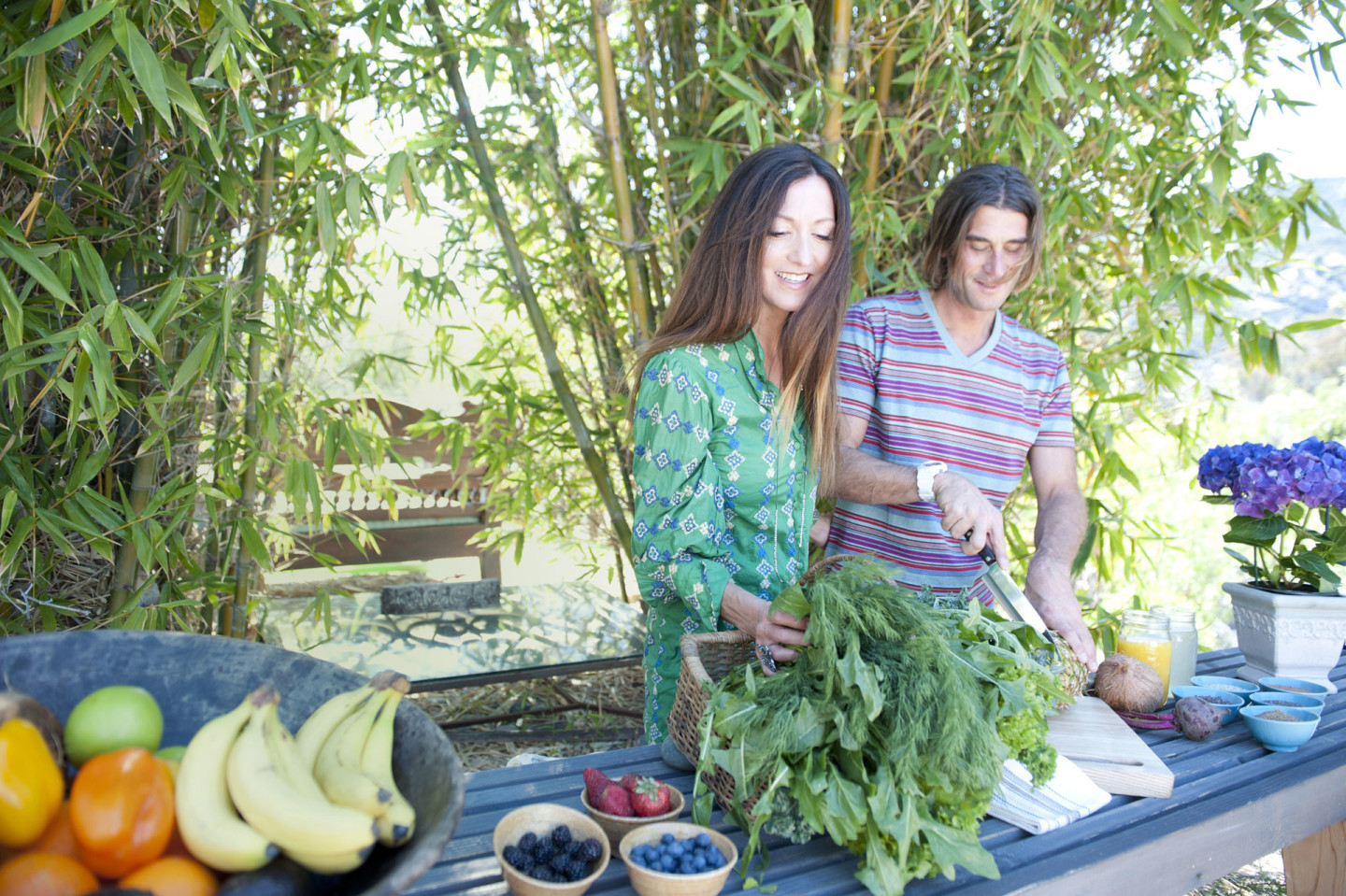
"caption": "The authors, Rich Roll and Julie Piatt",
"description": null,
"title": "Julie-&-Rich-",
"credit": "Maclay Heriot and Gunny Guzman",
"status": "inherit",
"isLoading": false,
"fetchFailed": false
},
"bayareabites_96327": {
"type": "attachments",
"id": "bayareabites_96327",
"meta": {
"index": "attachments_1716263798",
"site": "bayareabites",
"id": "96327",
"found": true
},
"parent": 96325,
"imgSizes": {
"twentyfourteen-full-width": {
"file": "https://ww2.kqed.org/app/uploads/sites/24/2015/05/bartram-s-planting-2-3_custom-1e265651dadb8420f65d5c9f6456f223498d9651-1038x576.jpg",
"width": 1038,
"mimeType": "image/jpeg",
"height": 576
},
"thumbnail": {
"file": "https://ww2.kqed.org/app/uploads/sites/24/2015/05/bartram-s-planting-2-3_custom-1e265651dadb8420f65d5c9f6456f223498d9651-400x256.jpg",
"width": 400,
"mimeType": "image/jpeg",
"height": 256
},
"fd-sm": {
"file": "https://ww2.kqed.org/app/uploads/sites/24/2015/05/bartram-s-planting-2-3_custom-1e265651dadb8420f65d5c9f6456f223498d9651-960x615.jpg",
"width": 960,
"mimeType": "image/jpeg",
"height": 615
},
"post-thumbnail": {
"file": "https://ww2.kqed.org/app/uploads/sites/24/2015/05/bartram-s-planting-2-3_custom-1e265651dadb8420f65d5c9f6456f223498d9651-672x372.jpg",
"width": 672,
"mimeType": "image/jpeg",
"height": 372
},
"kqedFullSize": {
"file": "https://ww2.kqed.org/app/uploads/sites/24/2015/05/bartram-s-planting-2-3_custom-1e265651dadb8420f65d5c9f6456f223498d9651.jpg",
"width": 2395,
"height": 1535
},
"large": {
"file": "https://ww2.kqed.org/app/uploads/sites/24/2015/05/bartram-s-planting-2-3_custom-1e265651dadb8420f65d5c9f6456f223498d9651-1440x923.jpg",
"width": 1440,
"mimeType": "image/jpeg",
"height": 923
},
"guest-author-96": {
"file": "https://ww2.kqed.org/app/uploads/sites/24/2015/05/bartram-s-planting-2-3_custom-1e265651dadb8420f65d5c9f6456f223498d9651-96x96.jpg",
"width": 96,
"mimeType": "image/jpeg",
"height": 96
},
"medium": {
"file": "https://ww2.kqed.org/app/uploads/sites/24/2015/05/bartram-s-planting-2-3_custom-1e265651dadb8420f65d5c9f6456f223498d9651-800x513.jpg",
"width": 800,
"mimeType": "image/jpeg",
"height": 513
},
"guest-author-64": {
"file": "https://ww2.kqed.org/app/uploads/sites/24/2015/05/bartram-s-planting-2-3_custom-1e265651dadb8420f65d5c9f6456f223498d9651-64x64.jpg",
"width": 64,
"mimeType": "image/jpeg",
"height": 64
},
"guest-author-32": {
"file": "https://ww2.kqed.org/app/uploads/sites/24/2015/05/bartram-s-planting-2-3_custom-1e265651dadb8420f65d5c9f6456f223498d9651-32x32.jpg",
"width": 32,
"mimeType": "image/jpeg",
"height": 32
},
"cat_post_thumb_sizecategory-posts-2": {
"file": "https://ww2.kqed.org/app/uploads/sites/24/2015/05/bartram-s-planting-2-3_custom-1e265651dadb8420f65d5c9f6456f223498d9651-150x150.jpg",
"width": 150,
"mimeType": "image/jpeg",
"height": 150
},
"fd-med": {
"file": "https://ww2.kqed.org/app/uploads/sites/24/2015/05/bartram-s-planting-2-3_custom-1e265651dadb8420f65d5c9f6456f223498d9651-1180x756.jpg",
"width": 1180,
"mimeType": "image/jpeg",
"height": 756
},
"detail": {
"file": "https://ww2.kqed.org/app/uploads/sites/24/2015/05/bartram-s-planting-2-3_custom-1e265651dadb8420f65d5c9f6456f223498d9651-75x75.jpg",
"width": 75,
"mimeType": "image/jpeg",
"height": 75
},
"guest-author-128": {
"file": "https://ww2.kqed.org/app/uploads/sites/24/2015/05/bartram-s-planting-2-3_custom-1e265651dadb8420f65d5c9f6456f223498d9651-128x128.jpg",
"width": 128,
"mimeType": "image/jpeg",
"height": 128
}
},
"publishDate": 1432228890,
"modified": 1432229661,
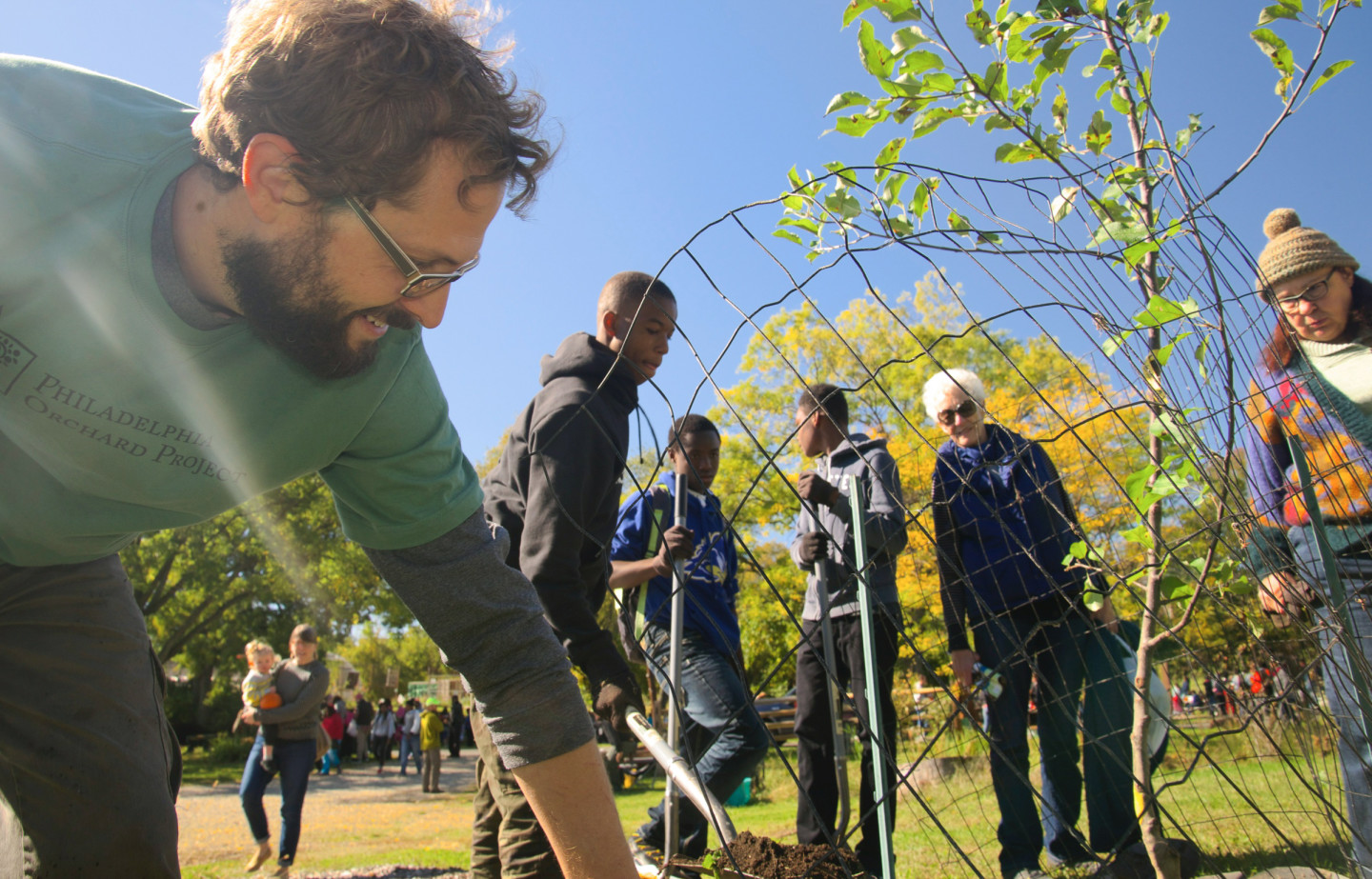
"caption": "Phil Forsyth, executive director of the Philadelphia Orchard Project, leads a fruit tree planting at Bartram's Garden in West Philadelphia.",
"description": "Phil Forsyth, executive director of the Philadelphia Orchard Project, leads a fruit tree planting at Bartram's Garden in West Philadelphia",
"title": "Phil Forsyth, executive director of the Philadelphia Orchard Project, leads a fruit tree planting at Bartram's Garden in West Philadelphia.",
"credit": "Courtesy of Philadelphia Orchard Project ",
"status": "inherit",
"isLoading": false,
"fetchFailed": false
},
"bayareabites_96288": {
"type": "attachments",
"id": "bayareabites_96288",
"meta": {
"index": "attachments_1716263798",
"site": "bayareabites",
"id": "96288",
"found": true
},
"parent": 96287,
"imgSizes": {
"twentyfourteen-full-width": {
"file": "https://ww2.kqed.org/app/uploads/sites/24/2015/05/dsc_0326_slide-588d0a7db2c7c613a3fd027ed9ee0c48e76e6312-1038x576.jpg",
"width": 1038,
"mimeType": "image/jpeg",
"height": 576
},
"thumbnail": {
"file": "https://ww2.kqed.org/app/uploads/sites/24/2015/05/dsc_0326_slide-588d0a7db2c7c613a3fd027ed9ee0c48e76e6312-400x267.jpg",
"width": 400,
"mimeType": "image/jpeg",
"height": 267
},
"fd-sm": {
"file": "https://ww2.kqed.org/app/uploads/sites/24/2015/05/dsc_0326_slide-588d0a7db2c7c613a3fd027ed9ee0c48e76e6312-960x640.jpg",
"width": 960,
"mimeType": "image/jpeg",
"height": 640
},
"post-thumbnail": {
"file": "https://ww2.kqed.org/app/uploads/sites/24/2015/05/dsc_0326_slide-588d0a7db2c7c613a3fd027ed9ee0c48e76e6312-672x372.jpg",
"width": 672,
"mimeType": "image/jpeg",
"height": 372
},
"kqedFullSize": {
"file": "https://ww2.kqed.org/app/uploads/sites/24/2015/05/dsc_0326_slide-588d0a7db2c7c613a3fd027ed9ee0c48e76e6312-e1432056413864.jpg",
"width": 1920,
"height": 1280
},
"large": {
"file": "https://ww2.kqed.org/app/uploads/sites/24/2015/05/dsc_0326_slide-588d0a7db2c7c613a3fd027ed9ee0c48e76e6312-1440x960.jpg",
"width": 1440,
"mimeType": "image/jpeg",
"height": 960
},
"guest-author-96": {
"file": "https://ww2.kqed.org/app/uploads/sites/24/2015/05/dsc_0326_slide-588d0a7db2c7c613a3fd027ed9ee0c48e76e6312-96x96.jpg",
"width": 96,
"mimeType": "image/jpeg",
"height": 96
},
"medium": {
"file": "https://ww2.kqed.org/app/uploads/sites/24/2015/05/dsc_0326_slide-588d0a7db2c7c613a3fd027ed9ee0c48e76e6312-800x533.jpg",
"width": 800,
"mimeType": "image/jpeg",
"height": 533
},
"guest-author-64": {
"file": "https://ww2.kqed.org/app/uploads/sites/24/2015/05/dsc_0326_slide-588d0a7db2c7c613a3fd027ed9ee0c48e76e6312-64x64.jpg",
"width": 64,
"mimeType": "image/jpeg",
"height": 64
},
"guest-author-32": {
"file": "https://ww2.kqed.org/app/uploads/sites/24/2015/05/dsc_0326_slide-588d0a7db2c7c613a3fd027ed9ee0c48e76e6312-32x32.jpg",
"width": 32,
"mimeType": "image/jpeg",
"height": 32
},
"cat_post_thumb_sizecategory-posts-2": {
"file": "https://ww2.kqed.org/app/uploads/sites/24/2015/05/dsc_0326_slide-588d0a7db2c7c613a3fd027ed9ee0c48e76e6312-150x150.jpg",
"width": 150,
"mimeType": "image/jpeg",
"height": 150
},
"fd-med": {
"file": "https://ww2.kqed.org/app/uploads/sites/24/2015/05/dsc_0326_slide-588d0a7db2c7c613a3fd027ed9ee0c48e76e6312-1180x787.jpg",
"width": 1180,
"mimeType": "image/jpeg",
"height": 787
},
"detail": {
"file": "https://ww2.kqed.org/app/uploads/sites/24/2015/05/dsc_0326_slide-588d0a7db2c7c613a3fd027ed9ee0c48e76e6312-75x75.jpg",
"width": 75,
"mimeType": "image/jpeg",
"height": 75
},
"guest-author-128": {
"file": "https://ww2.kqed.org/app/uploads/sites/24/2015/05/dsc_0326_slide-588d0a7db2c7c613a3fd027ed9ee0c48e76e6312-128x128.jpg",
"width": 128,
"mimeType": "image/jpeg",
"height": 128
}
},
"publishDate": 1432055605,
"modified": 1432056461,
"caption": "Mchezaji \"Che\" Axum stands in a hoop house at the University of the District of Columbia's Muirkirk Research Farm, a resource for urban farmers in the city.",
"description": "Mchezaji \"Che\" Axum stands in a hoop house at the University of the District of Columbia's Muirkirk Research Farm, a resource for urban farmers in the city.",
"title": "Mchezaji \"Che\" Axum stands in a hoop house at the University of the District of Columbia's Muirkirk Research Farm, a resource for urban farmers in the city.",
"credit": "Whitney Pipkin for NPR ",
"status": "inherit",
"isLoading": false,
"fetchFailed": false
},
"bayareabites_96235": {
"type": "attachments",
"id": "bayareabites_96235",
"meta": {
"index": "attachments_1716263798",
"site": "bayareabites",
"id": "96235",
"found": true
},
"parent": 96228,
"imgSizes": {
"twentyfourteen-full-width": {
"file": "https://ww2.kqed.org/app/uploads/sites/24/2015/05/edited2-1038x576.jpg",
"width": 1038,
"mimeType": "image/jpeg",
"height": 576
},
"thumbnail": {
"file": "https://ww2.kqed.org/app/uploads/sites/24/2015/05/edited2-400x266.jpg",
"width": 400,
"mimeType": "image/jpeg",
"height": 266
},
"fd-sm": {
"file": "https://ww2.kqed.org/app/uploads/sites/24/2015/05/edited2-960x640.jpg",
"width": 960,
"mimeType": "image/jpeg",
"height": 640
},
"post-thumbnail": {
"file": "https://ww2.kqed.org/app/uploads/sites/24/2015/05/edited2-672x372.jpg",
"width": 672,
"mimeType": "image/jpeg",
"height": 372
},
"kqedFullSize": {
"file": "https://ww2.kqed.org/app/uploads/sites/24/2015/05/edited2.jpg",
"width": 1920,
"height": 1279
},
"large": {
"file": "https://ww2.kqed.org/app/uploads/sites/24/2015/05/edited2-1440x959.jpg",
"width": 1440,
"mimeType": "image/jpeg",
"height": 959
},
"guest-author-96": {
"file": "https://ww2.kqed.org/app/uploads/sites/24/2015/05/edited2-96x96.jpg",
"width": 96,
"mimeType": "image/jpeg",
"height": 96
},
"medium": {
"file": "https://ww2.kqed.org/app/uploads/sites/24/2015/05/edited2-800x533.jpg",
"width": 800,
"mimeType": "image/jpeg",
"height": 533
},
"guest-author-64": {
"file": "https://ww2.kqed.org/app/uploads/sites/24/2015/05/edited2-64x64.jpg",
"width": 64,
"mimeType": "image/jpeg",
"height": 64
},
"guest-author-32": {
"file": "https://ww2.kqed.org/app/uploads/sites/24/2015/05/edited2-32x32.jpg",
"width": 32,
"mimeType": "image/jpeg",
"height": 32
},
"cat_post_thumb_sizecategory-posts-2": {
"file": "https://ww2.kqed.org/app/uploads/sites/24/2015/05/edited2-150x150.jpg",
"width": 150,
"mimeType": "image/jpeg",
"height": 150
},
"fd-med": {
"file": "https://ww2.kqed.org/app/uploads/sites/24/2015/05/edited2-1180x786.jpg",
"width": 1180,
"mimeType": "image/jpeg",
"height": 786
},
"detail": {
"file": "https://ww2.kqed.org/app/uploads/sites/24/2015/05/edited2-75x75.jpg",
"width": 75,
"mimeType": "image/jpeg",
"height": 75
},
"guest-author-128": {
"file": "https://ww2.kqed.org/app/uploads/sites/24/2015/05/edited2-128x128.jpg",
"width": 128,
"mimeType": "image/jpeg",
"height": 128
}
},
"publishDate": 1431745629,
"modified": 1431745730,
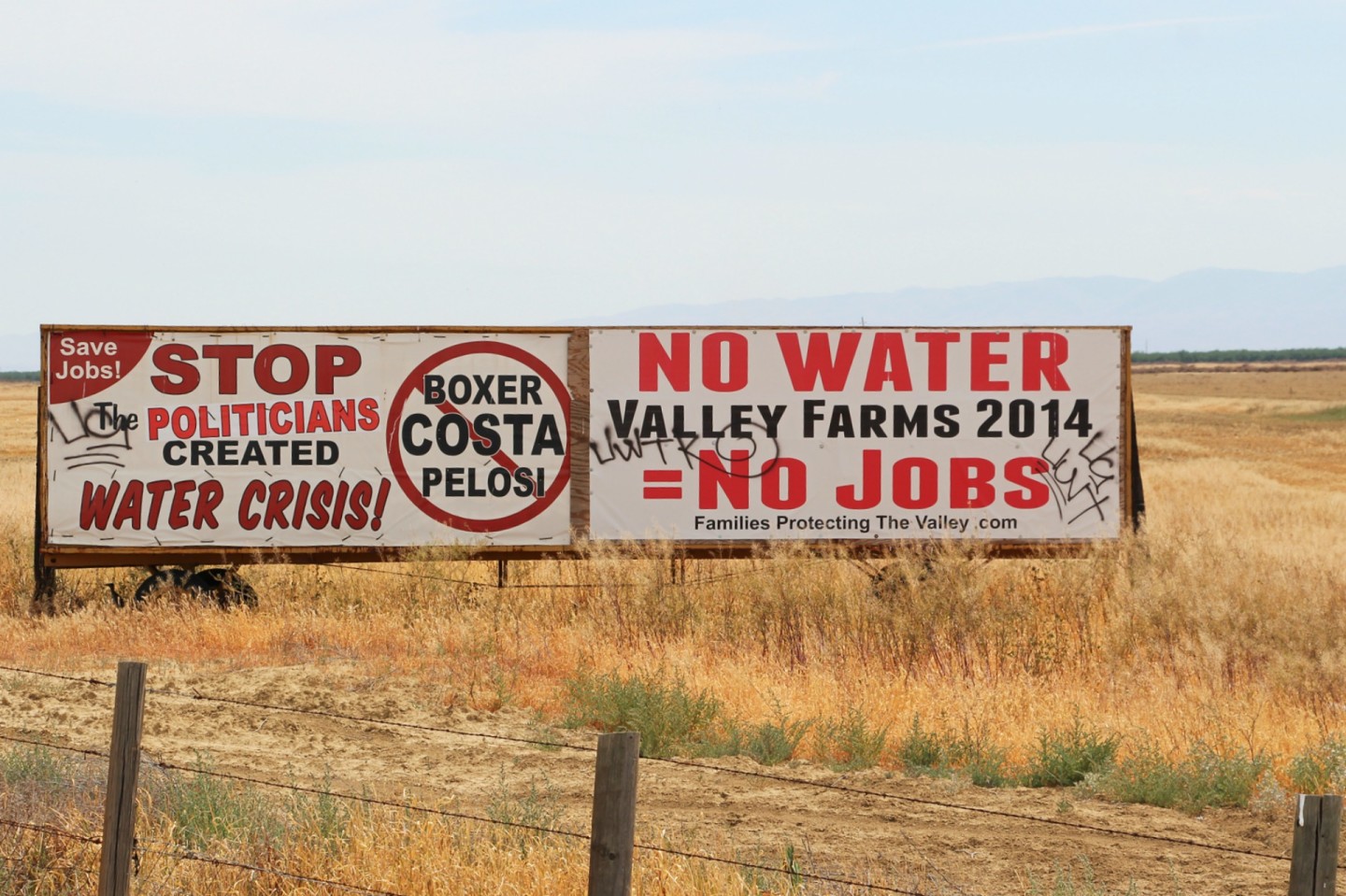
"caption": "One of the signs as seen from the I-5. Photo: Wendy Goodfriend ",
"description": null,
"title": "edited2",
"credit": null,
"status": "inherit",
"isLoading": false,
"fetchFailed": false
},
"bayareabites_96068": {
"type": "attachments",
"id": "bayareabites_96068",
"meta": {
"index": "attachments_1716263798",
"site": "bayareabites",
"id": "96068",
"found": true
},
"parent": 95972,
"imgSizes": {
"twentyfourteen-full-width": {
"file": "https://ww2.kqed.org/app/uploads/sites/24/2015/05/IMG_0470-1038x576.jpg",
"width": 1038,
"mimeType": "image/jpeg",
"height": 576
},
"thumbnail": {
"file": "https://ww2.kqed.org/app/uploads/sites/24/2015/05/IMG_0470-400x300.jpg",
"width": 400,
"mimeType": "image/jpeg",
"height": 300
},
"fd-sm": {
"file": "https://ww2.kqed.org/app/uploads/sites/24/2015/05/IMG_0470-960x720.jpg",
"width": 960,
"mimeType": "image/jpeg",
"height": 720
},
"post-thumbnail": {
"file": "https://ww2.kqed.org/app/uploads/sites/24/2015/05/IMG_0470-672x372.jpg",
"width": 672,
"mimeType": "image/jpeg",
"height": 372
},
"kqedFullSize": {
"file": "https://ww2.kqed.org/app/uploads/sites/24/2015/05/IMG_0470.jpg",
"width": 1920,
"height": 1440
},
"large": {
"file": "https://ww2.kqed.org/app/uploads/sites/24/2015/05/IMG_0470-1440x1080.jpg",
"width": 1440,
"mimeType": "image/jpeg",
"height": 1080
},
"guest-author-96": {
"file": "https://ww2.kqed.org/app/uploads/sites/24/2015/05/IMG_0470-96x96.jpg",
"width": 96,
"mimeType": "image/jpeg",
"height": 96
},
"medium": {
"file": "https://ww2.kqed.org/app/uploads/sites/24/2015/05/IMG_0470-800x600.jpg",
"width": 800,
"mimeType": "image/jpeg",
"height": 600
},
"guest-author-64": {
"file": "https://ww2.kqed.org/app/uploads/sites/24/2015/05/IMG_0470-64x64.jpg",
"width": 64,
"mimeType": "image/jpeg",
"height": 64
},
"guest-author-32": {
"file": "https://ww2.kqed.org/app/uploads/sites/24/2015/05/IMG_0470-32x32.jpg",
"width": 32,
"mimeType": "image/jpeg",
"height": 32
},
"cat_post_thumb_sizecategory-posts-2": {
"file": "https://ww2.kqed.org/app/uploads/sites/24/2015/05/IMG_0470-150x150.jpg",
"width": 150,
"mimeType": "image/jpeg",
"height": 150
},
"fd-med": {
"file": "https://ww2.kqed.org/app/uploads/sites/24/2015/05/IMG_0470-1180x885.jpg",
"width": 1180,
"mimeType": "image/jpeg",
"height": 885
},
"detail": {
"file": "https://ww2.kqed.org/app/uploads/sites/24/2015/05/IMG_0470-75x75.jpg",
"width": 75,
"mimeType": "image/jpeg",
"height": 75
},
"guest-author-128": {
"file": "https://ww2.kqed.org/app/uploads/sites/24/2015/05/IMG_0470-128x128.jpg",
"width": 128,
"mimeType": "image/jpeg",
"height": 128
}
},
"publishDate": 1431461451,
"modified": 1431461718,
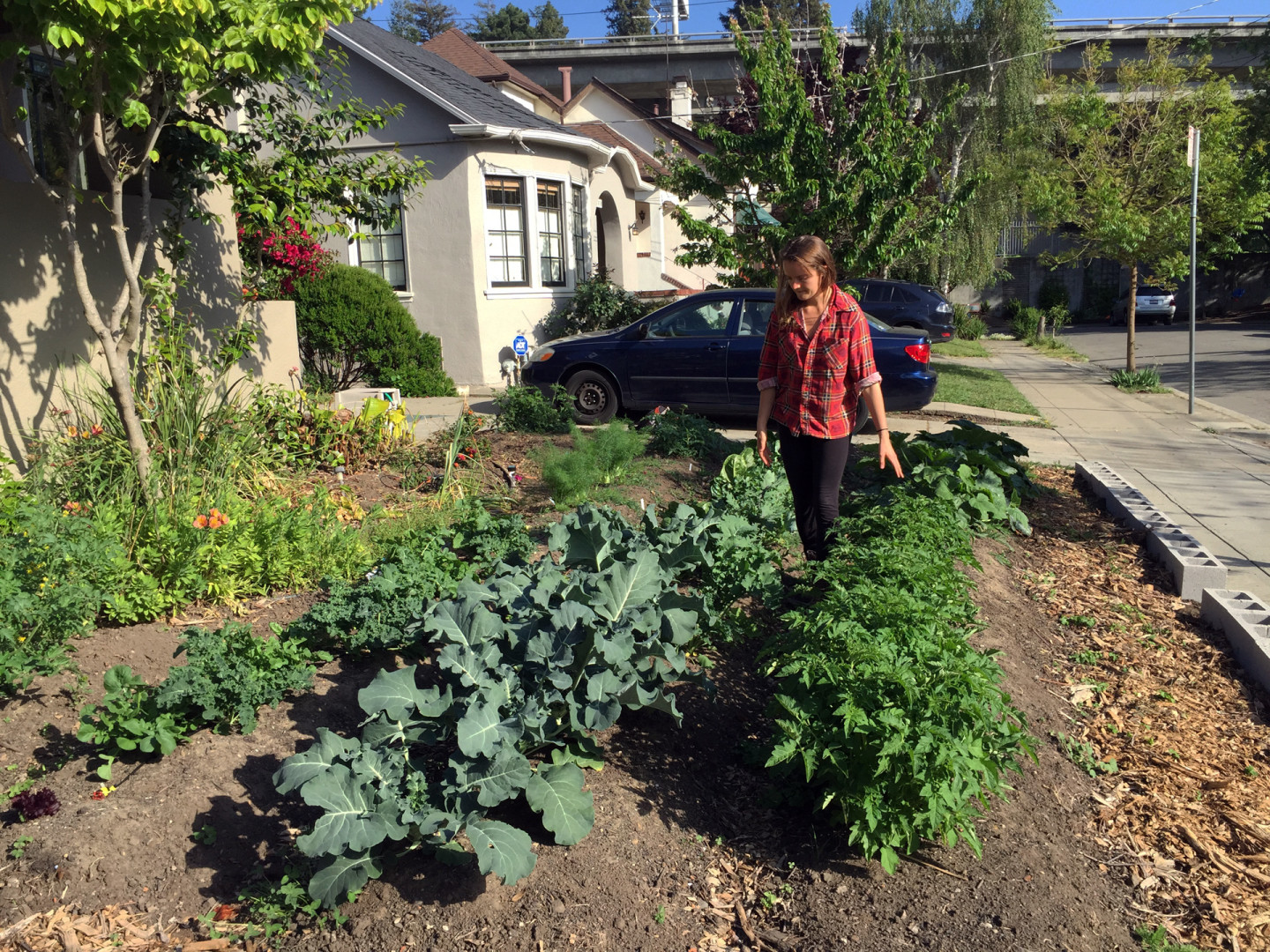
"caption": "Mary Lemmer tends to a client's mini-farm.",
"description": "Mary Lemmer tends to a client's mini-farm.",
"title": "IMG_0470",
"credit": "Alix Wall",
"status": "inherit",
"isLoading": false,
"fetchFailed": false
}
},
"audioPlayerReducer": {
"postId": "stream_live",
"isPaused": true,
"isPlaying": false,
"pfsActive": false,
"pledgeModalIsOpen": true,
"playerDrawerIsOpen": false,
"liveAudioPlayStartedAt": 0,
"liveAudioPlayContext": ""
},
"authorsReducer": {
"byline_bayareabites_96845": {
"type": "authors",
"id": "byline_bayareabites_96845",
"meta": {
"override": true
},
"slug": "byline_bayareabites_96845",
"name": "Clare Leschin-Hoar, \u003ca href=\"http://ww2.kqed.org/bayareabites/author/nprfood/\">NPR Food\u003c/a>",
"isLoading": false
},
"byline_bayareabites_96795": {
"type": "authors",
"id": "byline_bayareabites_96795",
"meta": {
"override": true
},
"slug": "byline_bayareabites_96795",
"name": "Dan Charles, \u003ca href=\"http://ww2.kqed.org/bayareabites/author/nprfood/\">NPR Food\u003c/a>",
"isLoading": false
},
"byline_bayareabites_96731": {
"type": "authors",
"id": "byline_bayareabites_96731",
"meta": {
"override": true
},
"slug": "byline_bayareabites_96731",
"name": "Ezra David Romero, Valley Public Radio at \u003ca href=\"http://ww2.kqed.org/bayareabites/author/nprfood/\">NPR Food\u003c/a>",
"isLoading": false
},
"byline_bayareabites_96584": {
"type": "authors",
"id": "byline_bayareabites_96584",
"meta": {
"override": true
},
"slug": "byline_bayareabites_96584",
"name": "Sam Sanders, \u003ca href=\"http://ww2.kqed.org/bayareabites/author/nprfood/\">NPR Food\u003c/a>",
"isLoading": false
},
"byline_bayareabites_96493": {
"type": "authors",
"id": "byline_bayareabites_96493",
"meta": {
"override": true
},
"slug": "byline_bayareabites_96493",
"name": "Ari Shapiro, \u003ca href=\"https://ww2.kqed.org/bayareabites/author/nprfood/\">NPR Food\u003c/a>",
"isLoading": false
},
"byline_bayareabites_96464": {
"type": "authors",
"id": "byline_bayareabites_96464",
"meta": {
"override": true
},
"slug": "byline_bayareabites_96464",
"name": "Eliza Barclay, \u003ca href=\"http://ww2.kqed.org/bayareabites/author/nprfood/\">NPR Food\u003c/a>",
"isLoading": false
},
"byline_bayareabites_96325": {
"type": "authors",
"id": "byline_bayareabites_96325",
"meta": {
"override": true
},
"slug": "byline_bayareabites_96325",
"name": "Alastair Bland -- \u003ca href=\"http://ww2.kqed.org/bayareabites/author/nprfood/\">NPR Food\u003c/a>",
"isLoading": false
},
"byline_bayareabites_96287": {
"type": "authors",
"id": "byline_bayareabites_96287",
"meta": {
"override": true
},
"slug": "byline_bayareabites_96287",
"name": "Whitney Pipkin -- \u003ca href=\"http://ww2.kqed.org/bayareabites/author/nprfood/\">NPR Food\u003c/a>",
"isLoading": false
},
"marktaylor-2": {
"type": "authors",
"id": "8",
"meta": {
"index": "authors_1716337520",
"id": "8",
"found": true
},
"name": "Mark Taylor",
"firstName": "Mark",
"lastName": "Taylor",
"slug": "marktaylor-2",
"email": "mark@emptypictures.net",
"display_author_email": false,
"staff_mastheads": [],
"title": null,
"bio": "Mark Taylor founded KQED Arts in 2005 and served as Senior Interactive Producer for Arts and Culture through 2014. Taylor was the online arts editor of KQED's daily arts blog for nine years and created the station's first web-original podcasts, Gallery Crawl and The Writers' Block.\r\n\r\nTaylor is an experimental filmmaker and visual artist whose work has been collected by the Library of Congress, Stanford University and the New York Museum of Modern Art, among many others. He teaches Media Studies at the University of San Francisco and is exploring the connection between film and food. \u003ca href=\"http://emptypictures.net/\">Visit Mark Taylor's website\u003c/a> at emptypictures.net.",
"avatar": "https://secure.gravatar.com/avatar/3452322b4dec4379500b11b74718f5da?s=600&d=blank&r=g",
"twitter": null,
"facebook": null,
"instagram": null,
"linkedin": null,
"sites": [
{
"site": "arts",
"roles": [
"Administrator",
"contributor"
]
},
{
"site": "bayareabites",
"roles": [
"author"
]
},
{
"site": "checkplease",
"roles": [
"subscriber"
]
},
{
"site": "food",
"roles": [
"contributor"
]
}
],
"headData": {
"title": "Mark Taylor | KQED",
"description": null,
"ogImgSrc": "https://secure.gravatar.com/avatar/3452322b4dec4379500b11b74718f5da?s=600&d=blank&r=g",
"twImgSrc": "https://secure.gravatar.com/avatar/3452322b4dec4379500b11b74718f5da?s=600&d=blank&r=g"
},
"isLoading": false,
"link": "/author/marktaylor-2"
},
"shelbypope": {
"type": "authors",
"id": "5566",
"meta": {
"index": "authors_1716337520",
"id": "5566",
"found": true
},
"name": "Shelby Pope",
"firstName": "Shelby",
"lastName": "Pope",
"slug": "shelbypope",
"email": "shelbylpope@gmail.com",
"display_author_email": false,
"staff_mastheads": [],
"title": "KQED Contributor",
"bio": "Shelby Pope is a freelance writer living and eating her way through the East Bay. She’s written about food, art and science for publications including the Smithsonian, Lucky Peach, and the Washington Post's pet blog. When she’s not taste testing sourdough bread to find the Bay Area’s best loaf, you can find her on Twitter \u003ca href=\"https://twitter.com/shelbylpope\">@shelbylpope\u003c/a> or at \u003ca href=\"https://shelbypope.com/\">shelbypope.com\u003c/a>",
"avatar": "https://secure.gravatar.com/avatar/df74e904399e45720e48e36c6e1ae7a90c32216eb2c9c82f3b2e1a9641b507d3?s=600&d=blank&r=g",
"twitter": "shelbylpope",
"bluesky": null,
"facebook": null,
"instagram": null,
"linkedin": null,
"sites": [
{
"site": "arts",
"roles": [
"subscriber"
]
},
{
"site": "food",
"roles": [
"subscriber"
]
}
],
"headData": {
"title": "Shelby Pope | KQED",
"description": "KQED Contributor",
"ogImgSrc": "https://secure.gravatar.com/avatar/df74e904399e45720e48e36c6e1ae7a90c32216eb2c9c82f3b2e1a9641b507d3?s=600&d=blank&r=g",
"twImgSrc": "https://secure.gravatar.com/avatar/df74e904399e45720e48e36c6e1ae7a90c32216eb2c9c82f3b2e1a9641b507d3?s=600&d=blank&r=g"
},
"isLoading": false,
"link": "/author/shelbypope"
},
"alexandrawall": {
"type": "authors",
"id": "5567",
"meta": {
"index": "authors_1716337520",
"id": "5567",
"found": true
},
"name": "Alix Wall",
"firstName": "Alix",
"lastName": "Wall",
"slug": "alexandrawall",
"email": "alixwall@sbcglobal.net",
"display_author_email": false,
"staff_mastheads": [],
"title": null,
"bio": "Alix Wall appeared in her hometown paper in Riverside, California as “Chef of the Week” when she was 15 years old, and in high school, she founded “The Bon Appetit Club.” After working as a journalist for many years, Alix became a certified natural foods chef from Bauman College in Berkeley. While she cooks part-time healthy, organic meals for busy families, she is also a contributing editor of j. weekly, the Bay Area’s Jewish newspaper, in which she has a monthly food column. Her food writing can also be found on Berkeleyside’s NOSH and in Edible East Bay. In addition to food, she loves writing about how couples met and fell in love, which she does for The San Francisco Chronicle’s Style section and j. weekly. In 2016, she founded The Illuminoshi: The Not-So-Secret Society of Bay Area Jewish Food Professionals. She is also writer/producer for a documentary-in-progress called \u003ca href=\"https://www.lonelychildmovie.com/\">The Lonely Child\u003c/a>. Follow Alix on Twitter \u003ca href=\"https://twitter.com/WallAlix\">@WallAlix\u003c/a>.",
"avatar": "https://secure.gravatar.com/avatar/421a27f26a185be932f8d567b499b1f1?s=600&d=blank&r=g",
"twitter": null,
"facebook": null,
"instagram": null,
"linkedin": null,
"sites": [
{
"site": "bayareabites",
"roles": [
"contributor"
]
},
{
"site": "food",
"roles": [
"contributor"
]
}
],
"headData": {
"title": "Alix Wall | KQED",
"description": null,
"ogImgSrc": "https://secure.gravatar.com/avatar/421a27f26a185be932f8d567b499b1f1?s=600&d=blank&r=g",
"twImgSrc": "https://secure.gravatar.com/avatar/421a27f26a185be932f8d567b499b1f1?s=600&d=blank&r=g"
},
"isLoading": false,
"link": "/author/alexandrawall"
},
"kimwesterman": {
"type": "authors",
"id": "5575",
"meta": {
"index": "authors_1716337520",
"id": "5575",
"found": true
},
"name": "Kim Westerman",
"firstName": "Kim",
"lastName": "Westerman",
"slug": "kimwesterman",
"email": "kim.westerman@gmail.com",
"display_author_email": false,
"staff_mastheads": [],
"title": null,
"bio": "Kim Westerman has been writing about food and wine for most of her adult life. Originally from North Carolina, she moved to Berkeley in 2006 to pursue the California dream, which, it turns out, is all it’s cracked up to be. She’s a farmers' market junkie, a lover of all things tomato, and Champagne-obsessed. She loves to cook with her kids, eight and three, and she makes frequent pilgrimages to International Boulevard in search of her next favorite Mexican dish. She spends an inordinate amount of time thinking about food and wine pairing, often starting with the wine and working backwards when planning menus. She is a Level I Sommelier and a Licensed Q-Grader. Her work has appeared in KQED's Bay Area Bites, Forbes.com, the New York Times, the San Francisco Chronicle, Tasting Table, Fodor’s Travel Guides, and lots of other publications. You can follow Kim on Twitter and Instagram @throughtraveler.",
"avatar": "https://secure.gravatar.com/avatar/2eb7f890ab19ead33f77fd8554ac4c39?s=600&d=blank&r=g",
"twitter": null,
"facebook": null,
"instagram": null,
"linkedin": null,
"sites": [
{
"site": "bayareabites",
"roles": [
"contributor"
]
},
{
"site": "food",
"roles": [
"contributor"
]
}
],
"headData": {
"title": "Kim Westerman | KQED",
"description": null,
"ogImgSrc": "https://secure.gravatar.com/avatar/2eb7f890ab19ead33f77fd8554ac4c39?s=600&d=blank&r=g",
"twImgSrc": "https://secure.gravatar.com/avatar/2eb7f890ab19ead33f77fd8554ac4c39?s=600&d=blank&r=g"
},
"isLoading": false,
"link": "/author/kimwesterman"
}
},
"pagesReducer": {
"bayareabites_category_sustainability": {
"type": "terms",
"id": "bayareabites_60",
"meta": {
"index": "terms_1716263798",
"site": "bayareabites",
"id": "60",
"score": 12.370369
},
"featImg": null,
"name": "sustainability, environment, climate change",
"description": null,
"taxonomy": "category",
"headData": {
"twImgId": null,
"twTitle": null,
"ogTitle": null,
"ogImgId": null,
"twDescription": null,
"description": null,
"title": "sustainability, environment, climate change Archives | KQED Bay Area Bites",
"ogDescription": null
},
"ttid": 23,
"slug": "sustainability",
"isLoading": false,
"title": "sustainability, environment, climate change",
"pageMeta": {
"site": "bayareabites",
"WpPageTemplate": "page-topic-editorial",
"currentPage": 19
},
"blocks": [
{
"blockName": "kqed/post-list",
"attrs": {
"layout": "cardArticle2",
"query": "posts/bayareabites?category=sustainability",
"seeMore": false,
"paginated": true,
"page": 19
}
},
{
"blockName": "kqed/ad"
}
]
}
},
"pfsSessionReducer": {},
"postsReducer": {
"stream_live": {
"type": "live",
"id": "stream_live",
"audioUrl": "https://streams.kqed.org/kqedradio",
"title": "Live Stream",
"excerpt": "Live Stream information currently unavailable.",
"link": "/radio",
"featImg": "",
"label": {
"name": "KQED Live",
"link": "/"
}
},
"stream_kqedNewscast": {
"type": "posts",
"id": "stream_kqedNewscast",
"audioUrl": "https://www.kqed.org/.stream/anon/radio/RDnews/newscast.mp3?_=1",
"title": "KQED Newscast",
"featImg": "",
"label": {
"name": "88.5 FM",
"link": "/"
}
},
"bayareabites_96845": {
"type": "posts",
"id": "bayareabites_96845",
"meta": {
"index": "posts_1716263798",
"site": "bayareabites",
"id": "96845",
"score": null,
"sort": [
1434065532000
]
},
"parent": 0,
"labelTerm": {
"site": "bayareabites"
},
"blocks": [],
"publishDate": 1434065532,
"format": "standard",
"disqusTitle": "Why Is This Fisherman Selling Threatened Bluefin Tuna For $2.99 A Pound?",
"title": "Why Is This Fisherman Selling Threatened Bluefin Tuna For $2.99 A Pound?",
"headTitle": "Bay Area Bites | KQED Food",
"content": "\u003cp>Twenty minutes before the San Diego Tuna Harbor Dockside Market was set to open, the line was 75 people deep and starting to curl past the pier. The crowd here last Saturday didn't come for the local sand dabs or trap-caught black cod. They were bargain hunters looking to score freshly caught, whole Pacific bluefin tuna for the unbelievably low price of only $2.99 a pound.\u003c/p>\n\u003cp>That's less per pound for this fish — a delicacy prized for its fatty flesh, whose numbers are rapidly dwindling — than the cost of sliced turkey meat at a supermarket deli.\u003c/p>\n\u003cp>It's a low price that doesn't reflect the true state of Pacific bluefin: Scientists and environmentalists say the species is in deep trouble. According to population estimates, stocks of Pacific bluefin tuna are at historic lows, down 96 percent from the levels they'd be at if they weren't fished.\u003c/p>\n\u003cp>But commercial fishermen like David Haworth, who brought this pile of small, steely gray bluefin to market, say that assessment doesn't match up with what they're seeing in the water: a\u003ca href=\"http://www.petethomasoutdoors.com/2015/06/173-pound-bluefin-tuna-speared-off-dana-point-exceeds-state-record-by-75-pounds.html\"> record-smashing\u003c/a> abundance of Pacific bluefin tuna.\u003c/p>\n\u003cp>\"Our spotter pilots that have been fishing with us for up to 40 years here say they're seeing the most bluefin they've ever seen in their lifetimes, and our government is not documenting any of it,\" says Haworth.\u003c/p>\n\u003cp>[ad fullwidth]\u003c/p>\n\u003cp>Haworth, 52, is the last purse-seine tuna fisherman in San Diego — a city once heralded as the \u003ca href=\"http://www.utsandiego.com/news/2009/jun/20/1ez20history182544-san-diego-once-was-tuna-capital/\">tuna capital of the world\u003c/a>. Making a living isn't easy for commercial fishermen like Haworth. For much of the year he fishes for squid, but El Nino patterns have changed fishery patterns, making squid harder to find. And forget about the sardine fishery — crashing stocks have \u003ca href=\"http://www.npr.org/sections/thetwo-way/2015/04/16/400177895/feds-place-commercial-sardine-fishing-on-hold-for-more-than-a-year\">triggered its closure\u003c/a> until 2016.\u003c/p>\n\u003cp>At the same time, warmer ocean conditions have brought an abundance of bluefin tuna into the region, shifting Haworth's focus.\u003c/p>\n\u003cp>Historically, he says, \"there was never really a quota on bluefin, and we could go out and catch plenty and sell them. Or we could catch sardines, or mackerel, so we'd have something to do when [ocean] conditions changed\" or when the species that Haworth depended on for his income became less reliable. \"Now, we're just so restricted.\"\u003c/p>\n\u003cp>Bluefin tuna has long been listed as a species to \"avoid\" by influential groups like the Monterey Bay Aquarium's \u003ca href=\"http://www.seafoodwatch.org/\">Seafood Watch\u003c/a> program. It's a warning that many seem to have taken to heart. And it means the higher prices fishermen like Haworth used to count on for bluefin are no longer a sure thing.\u003c/p>\n\u003cp>Haworth says wholesalers who used to clamor for his bluefin now pass on it, preferring yellowfin tuna instead. Supermarkets and chefs that once eagerly purchased bluefin have pledged not to carry it. Fellow San Diego fisherman Tory Becker tried to sell some of Haworth's bluefin tuna at a local farmers market last week and was publicly scolded by a customer.\u003c/p>\n\u003cfigure id=\"attachment_96847\" class=\"wp-caption aligncenter\" style=\"max-width: 920px\">\u003cimg src=\"http://ww2.kqed.org/bayareabites/wp-content/uploads/sites/24/2015/06/img_5826-fd53cba9fee6ff1dce1760e677ceea8bc239120e.jpg\" alt=\"A long line of people queued up to buy Pacific bluefin for the bargain price of $2.99 per pound last Saturday at the San Diego Tuna Harbor Dockside Market.\" width=\"920\" height=\"690\" class=\"size-full wp-image-96847\" srcset=\"https://ww2.kqed.org/app/uploads/sites/24/2015/06/img_5826-fd53cba9fee6ff1dce1760e677ceea8bc239120e.jpg 920w, https://ww2.kqed.org/app/uploads/sites/24/2015/06/img_5826-fd53cba9fee6ff1dce1760e677ceea8bc239120e-400x300.jpg 400w, https://ww2.kqed.org/app/uploads/sites/24/2015/06/img_5826-fd53cba9fee6ff1dce1760e677ceea8bc239120e-800x600.jpg 800w\" sizes=\"(max-width: 920px) 100vw, 920px\">\u003cfigcaption class=\"wp-caption-text\">A long line of people queued up to buy Pacific bluefin for the bargain price of $2.99 per pound last Saturday at the San Diego Tuna Harbor Dockside Market. \u003ccite>(Clare Leschin-Hoar for NPR)\u003c/cite>\u003c/figcaption>\u003c/figure>\n\u003cp>Haworth says that the buyer he had originally lined up for his haul backed out of the sale, then later offered him a mere $1-$2 a pound — too low for him to break even. Instead, he took his catch and headed for San Diego's fledgling fishers market to sell directly to local foodies.\u003c/p>\n\u003cp>\"If you have a 30-pound fish, and you're selling it to a consumer for $2.99 a pound, it's $90 for one fish. I was trying to get to the price point where we're going to make decent money, but one where every family could come down and grab a fish if they want one,\" says Haworth.\u003c/p>\n\u003cp>But the bounty of bluefin that California fishermen like Haworth \u003ca href=\"https://swfsc.noaa.gov/uploadedFiles/Divisions/FRD/Large_Pelagics/Tuna/Pacific%20bluefin_frequently%20asked%20questions_March%202015.pdf\">report seeing\u003c/a> is not what it seems, scientists say.\u003c/p>\n\u003cp>\"It's a very difficult task to count animals as elusive as tuna,\" says Craig Heberer, the West Coast regional coordinator for\u003ca href=\"http://www.westcoast.fisheries.noaa.gov/stories/2015/11_02112015_rec_fishing.html\"> recreational fisheries\u003c/a> for NOAA Fisheries. \"The increase in the number of bluefin spotted by Southern California fishermen likely [reflects] a change in the percentage of migrating fish, not the overall population numbers.\"\u003c/p>\n\u003cp>Pacific bluefin off the coast of California and Mexico aren't counted in current stock assessments. That's because spawning grounds for Pacific bluefin are located in the western Pacific Ocean, near Japan. Some, but not all, of those fish then migrate to the U.S. West Coast and Mexico to feed. Counting them where they spawn, rather than where only a portion of them migrate, is how regulators say they get the most accurate information.\u003c/p>\n\u003cp>The migration to the U.S. side of the Pacific happens when bluefin are between 1 and 3 years old, which also explains why the tuna Haworth caught were so small — just 20 to 30 pounds each. They're technically still juveniles that haven't had the opportunity to reproduce and help replenish bluefin numbers. Mature Pacific bluefin can reach 1,200 pounds, and don't typically reproduce until they're closer to 5 years old. By that point, they would have already migrated back to their spawning grounds on the other side of the Pacific.\u003c/p>\n\u003cp>\u003ca href=\"https://caseagrant.ucsd.edu/profile/theresa-sinicrope-talley\">Theresa Sinicrope Talley\u003c/a>, a coastal specialist with the Scripps Institution of Oceanography in San Diego, says local fishermen like Haworth are simply catching what's plentiful and pricing it to local demand.\u003c/p>\n\u003cp>\"They're trying to make this business work. They're aware,\" she says. \"They don't want to harm the environment, either — their livelihood depends upon it.\"\u003c/p>\n\u003cp>\"From their perspective,\" she says, \"they're abiding by the law.\"\u003c/p>\n\u003cfigure id=\"attachment_96854\" class=\"wp-caption aligncenter\" style=\"max-width: 400px\">\u003cimg src=\"http://ww2.kqed.org/bayareabites/wp-content/uploads/sites/24/2015/06/fishing-tuna.jpg\" alt=\"Workers get more bluefin tuna from the deck of the Barbara H., David Haworth's vessel, to bring up on the dock for sale.\" width=\"400\" height=\"535\" class=\"size-full wp-image-96854\">\u003cfigcaption class=\"wp-caption-text\">Workers get more bluefin tuna from the deck of the Barbara H., David Haworth's vessel, to bring up on the dock for sale. \u003ccite>(Clare Leschin-Hoar for NPR)\u003c/cite>\u003c/figcaption>\u003c/figure>\n\u003cp>In recent years, Haworth and other commercial fisherman in the U.S. have seen the amount of bluefin they're allowed to catch slashed drastically as part of international agreements. Bluefin were once reliably lucrative for Haworth, but the cuts have affected his ability to make a living, he says. And he feels strongly that in the larger scheme of things, the amount of bluefin he catches is so small, it doesn't negatively impact global stocks.\u003c/p>\n\u003cp>\"Mexico now has a quota of 6,000 metric tons of fish over two years,\" he notes, while the quota for U.S. commercial fishermen is just a tenth of that. \"How could our 600 metric tons not be sustainable, when you think about it in the picture of the whole world? We're only catching 600 tons,\" says Haworth.\u003c/p>\n\u003cp>Haworth says he often feels villainized by environmental groups for fishing for this vulnerable species. But not everyone blames small fishermen like him for declining stock levels. Some are pointing the finger at the very organizations that oversee bluefin fisheries and set the world's catch limits.\u003c/p>\n\u003cp>\u003ca href=\"http://mgel.env.duke.edu/people/andre-boustany/\">Andre Boustany\u003c/a>, a research scientist and bluefin expert at Duke University, faults the agencies that manage the fishery for failing to conduct a \u003ca href=\"http://isc.ac.affrc.go.jp/working_groups/pacific_bluefin_tuna.html\">full assessment\u003c/a> of Pacific bluefin stock until 2012 — \"well after massive damage had already been done.\"\u003c/p>\n\u003cp>\"While Pacific bluefin tuna are not currently listed as endangered in the U.S., that could change if the stock maintains its current trajectory. And I say that as a scientist that is most definitely not an alarmist,\" Boustany says.\u003c/p>\n\u003cp>The Pew Charitable Trusts plans to call for \u003ca href=\"http://www.pewtrusts.org/en/research-and-analysis/issue-briefs/2015/06/recommendations-to-the-89th-meeting-of-the-inter-american-tropical-tuna-commission\">stronger measures\u003c/a> to protect Pacific bluefin later this month, when the Inter-American Tropical Tuna Commission — the agency responsible for setting international catch limits — meets in Ecuador.\u003c/p>\n\u003cp>\"We would disagree that the quotas, as they are currently set, are sustainable,\" says Jamie Gibbon, a tuna expert with Pew.\u003c/p>\n\u003cp>But there's still hope for the Pacific bluefin — and for fishermen like Haworth. For years its cousin, the Atlantic bluefin, was also experiencing rapidly declining stocks, garnering lots of headlines and hand-wringing. All that attention now seems to be paying off: This year, for the first time since 2006, stocks are healthy enough that \u003ca href=\"http://www.undercurrentnews.com/2015/05/26/bluefin-tuna-2015-fishing-season-kicks-off-with-20-quota-increase/\">catch quotas were actually increased\u003c/a> by 20 percent. Gibbon says it's not too late for the Pacific bluefin, either.\u003c/p>\n\u003cp>\"This is a population that can recover, and can recover in a relatively short amount of time,\" he says.\u003c/p>\n\u003chr>\n\u003cp>\u003ca href=\"http://www.leschin-hoar.com/\">Clare Leschin-Hoar\u003c/a>\u003cem> is a journalist based in San Diego who covers food policy and sustainability issues.\u003c/em> \u003c/p>\n\u003cp>[ad floatright]\u003c/p>\n\u003cp>\u003cem>Copyright 2015 \u003ca href=\"http://www.npr.org/\" target=\"_blank\">NPR\u003c/a>.\u003c/em> \u003c/p>\n\n",
"disqusIdentifier": "96845 http://ww2.kqed.org/bayareabites/?p=96845",
"disqusUrl": "https://ww2.kqed.org/bayareabites/2015/06/11/why-is-this-fisherman-selling-threatened-bluefin-tuna-for-2-99-a-pound/",
"stats": {
"hasVideo": false,
"hasChartOrMap": false,
"hasAudio": false,
"hasPolis": false,
"wordCount": 1445,
"hasGoogleForm": false,
"hasGallery": false,
"hasHearkenModule": false,
"iframeSrcs": [],
"paragraphCount": 32
},
"modified": 1434065532,
"excerpt": "That low price doesn't reflect the true state of Pacific bluefin: Scientists say it's in deep trouble. But fishermen who catch it say they're just trying to make a living — and obeying the law.",
"headData": {
"twImgId": "",
"twTitle": "",
"ogTitle": "",
"ogImgId": "",
"twDescription": "",
"description": "That low price doesn't reflect the true state of Pacific bluefin: Scientists say it's in deep trouble. But fishermen who catch it say they're just trying to make a living — and obeying the law.",
"title": "Why Is This Fisherman Selling Threatened Bluefin Tuna For $2.99 A Pound? | KQED",
"ogDescription": "",
"schema": {
"@context": "https://schema.org",
"@type": "Article",
"headline": "Why Is This Fisherman Selling Threatened Bluefin Tuna For $2.99 A Pound?",
"datePublished": "2015-06-11T16:32:12-07:00",
"dateModified": "2015-06-11T16:32:12-07:00",
"image": "https://cdn.kqed.org/wp-content/uploads/2020/02/KQED-OG-Image@1x.png"
}
},
"guestAuthors": [],
"slug": "why-is-this-fisherman-selling-threatened-bluefin-tuna-for-2-99-a-pound",
"status": "publish",
"nprApiLink": "http://api.npr.org/query?id=412943456&apiKey=MDAxOTAwOTE4MDEyMTkxMDAzNjczZDljZA004",
"nprByline": "Clare Leschin-Hoar, \u003ca href=\"http://ww2.kqed.org/bayareabites/author/nprfood/\">NPR Food\u003c/a>",
"nprStoryDate": "Thu, 11 Jun 2015 14:56:00 -0400",
"nprLastModifiedDate": "Thu, 11 Jun 2015 17:12:48 -0400",
"nprHtmlLink": "http://www.npr.org/sections/thesalt/2015/06/11/412943456/why-is-this-fisherman-selling-threatened-bluefin-tuna-for-2-99-a-pound?ft=nprml&f=412943456",
"nprStoryId": "412943456",
"nprRetrievedStory": "1",
"nprPubDate": "Thu, 11 Jun 2015 17:12:00 -0400",
"path": "/bayareabites/96845/why-is-this-fisherman-selling-threatened-bluefin-tuna-for-2-99-a-pound",
"audioTrackLength": null,
"parsedContent": [
{
"type": "contentString",
"content": "\u003cdiv class=\"post-body\">\u003cp>\u003cp>Twenty minutes before the San Diego Tuna Harbor Dockside Market was set to open, the line was 75 people deep and starting to curl past the pier. The crowd here last Saturday didn't come for the local sand dabs or trap-caught black cod. They were bargain hunters looking to score freshly caught, whole Pacific bluefin tuna for the unbelievably low price of only $2.99 a pound.\u003c/p>\n\u003cp>That's less per pound for this fish — a delicacy prized for its fatty flesh, whose numbers are rapidly dwindling — than the cost of sliced turkey meat at a supermarket deli.\u003c/p>\n\u003cp>It's a low price that doesn't reflect the true state of Pacific bluefin: Scientists and environmentalists say the species is in deep trouble. According to population estimates, stocks of Pacific bluefin tuna are at historic lows, down 96 percent from the levels they'd be at if they weren't fished.\u003c/p>\n\u003cp>But commercial fishermen like David Haworth, who brought this pile of small, steely gray bluefin to market, say that assessment doesn't match up with what they're seeing in the water: a\u003ca href=\"http://www.petethomasoutdoors.com/2015/06/173-pound-bluefin-tuna-speared-off-dana-point-exceeds-state-record-by-75-pounds.html\"> record-smashing\u003c/a> abundance of Pacific bluefin tuna.\u003c/p>\n\u003cp>\"Our spotter pilots that have been fishing with us for up to 40 years here say they're seeing the most bluefin they've ever seen in their lifetimes, and our government is not documenting any of it,\" says Haworth.\u003c/p>\n\u003cp>\u003c/p>\u003c/div>",
"attributes": {
"named": {},
"numeric": []
}
},
{
"type": "component",
"content": "",
"name": "ad",
"attributes": {
"named": {
"label": "fullwidth"
},
"numeric": [
"fullwidth"
]
}
},
{
"type": "contentString",
"content": "\u003cdiv class=\"post-body\">\u003cp>\u003c/p>\n\u003cp>Haworth, 52, is the last purse-seine tuna fisherman in San Diego — a city once heralded as the \u003ca href=\"http://www.utsandiego.com/news/2009/jun/20/1ez20history182544-san-diego-once-was-tuna-capital/\">tuna capital of the world\u003c/a>. Making a living isn't easy for commercial fishermen like Haworth. For much of the year he fishes for squid, but El Nino patterns have changed fishery patterns, making squid harder to find. And forget about the sardine fishery — crashing stocks have \u003ca href=\"http://www.npr.org/sections/thetwo-way/2015/04/16/400177895/feds-place-commercial-sardine-fishing-on-hold-for-more-than-a-year\">triggered its closure\u003c/a> until 2016.\u003c/p>\n\u003cp>At the same time, warmer ocean conditions have brought an abundance of bluefin tuna into the region, shifting Haworth's focus.\u003c/p>\n\u003cp>Historically, he says, \"there was never really a quota on bluefin, and we could go out and catch plenty and sell them. Or we could catch sardines, or mackerel, so we'd have something to do when [ocean] conditions changed\" or when the species that Haworth depended on for his income became less reliable. \"Now, we're just so restricted.\"\u003c/p>\n\u003cp>Bluefin tuna has long been listed as a species to \"avoid\" by influential groups like the Monterey Bay Aquarium's \u003ca href=\"http://www.seafoodwatch.org/\">Seafood Watch\u003c/a> program. It's a warning that many seem to have taken to heart. And it means the higher prices fishermen like Haworth used to count on for bluefin are no longer a sure thing.\u003c/p>\n\u003cp>Haworth says wholesalers who used to clamor for his bluefin now pass on it, preferring yellowfin tuna instead. Supermarkets and chefs that once eagerly purchased bluefin have pledged not to carry it. Fellow San Diego fisherman Tory Becker tried to sell some of Haworth's bluefin tuna at a local farmers market last week and was publicly scolded by a customer.\u003c/p>\n\u003cfigure id=\"attachment_96847\" class=\"wp-caption aligncenter\" style=\"max-width: 920px\">\u003cimg src=\"http://ww2.kqed.org/bayareabites/wp-content/uploads/sites/24/2015/06/img_5826-fd53cba9fee6ff1dce1760e677ceea8bc239120e.jpg\" alt=\"A long line of people queued up to buy Pacific bluefin for the bargain price of $2.99 per pound last Saturday at the San Diego Tuna Harbor Dockside Market.\" width=\"920\" height=\"690\" class=\"size-full wp-image-96847\" srcset=\"https://ww2.kqed.org/app/uploads/sites/24/2015/06/img_5826-fd53cba9fee6ff1dce1760e677ceea8bc239120e.jpg 920w, https://ww2.kqed.org/app/uploads/sites/24/2015/06/img_5826-fd53cba9fee6ff1dce1760e677ceea8bc239120e-400x300.jpg 400w, https://ww2.kqed.org/app/uploads/sites/24/2015/06/img_5826-fd53cba9fee6ff1dce1760e677ceea8bc239120e-800x600.jpg 800w\" sizes=\"(max-width: 920px) 100vw, 920px\">\u003cfigcaption class=\"wp-caption-text\">A long line of people queued up to buy Pacific bluefin for the bargain price of $2.99 per pound last Saturday at the San Diego Tuna Harbor Dockside Market. \u003ccite>(Clare Leschin-Hoar for NPR)\u003c/cite>\u003c/figcaption>\u003c/figure>\n\u003cp>Haworth says that the buyer he had originally lined up for his haul backed out of the sale, then later offered him a mere $1-$2 a pound — too low for him to break even. Instead, he took his catch and headed for San Diego's fledgling fishers market to sell directly to local foodies.\u003c/p>\n\u003cp>\"If you have a 30-pound fish, and you're selling it to a consumer for $2.99 a pound, it's $90 for one fish. I was trying to get to the price point where we're going to make decent money, but one where every family could come down and grab a fish if they want one,\" says Haworth.\u003c/p>\n\u003cp>But the bounty of bluefin that California fishermen like Haworth \u003ca href=\"https://swfsc.noaa.gov/uploadedFiles/Divisions/FRD/Large_Pelagics/Tuna/Pacific%20bluefin_frequently%20asked%20questions_March%202015.pdf\">report seeing\u003c/a> is not what it seems, scientists say.\u003c/p>\n\u003cp>\"It's a very difficult task to count animals as elusive as tuna,\" says Craig Heberer, the West Coast regional coordinator for\u003ca href=\"http://www.westcoast.fisheries.noaa.gov/stories/2015/11_02112015_rec_fishing.html\"> recreational fisheries\u003c/a> for NOAA Fisheries. \"The increase in the number of bluefin spotted by Southern California fishermen likely [reflects] a change in the percentage of migrating fish, not the overall population numbers.\"\u003c/p>\n\u003cp>Pacific bluefin off the coast of California and Mexico aren't counted in current stock assessments. That's because spawning grounds for Pacific bluefin are located in the western Pacific Ocean, near Japan. Some, but not all, of those fish then migrate to the U.S. West Coast and Mexico to feed. Counting them where they spawn, rather than where only a portion of them migrate, is how regulators say they get the most accurate information.\u003c/p>\n\u003cp>The migration to the U.S. side of the Pacific happens when bluefin are between 1 and 3 years old, which also explains why the tuna Haworth caught were so small — just 20 to 30 pounds each. They're technically still juveniles that haven't had the opportunity to reproduce and help replenish bluefin numbers. Mature Pacific bluefin can reach 1,200 pounds, and don't typically reproduce until they're closer to 5 years old. By that point, they would have already migrated back to their spawning grounds on the other side of the Pacific.\u003c/p>\n\u003cp>\u003ca href=\"https://caseagrant.ucsd.edu/profile/theresa-sinicrope-talley\">Theresa Sinicrope Talley\u003c/a>, a coastal specialist with the Scripps Institution of Oceanography in San Diego, says local fishermen like Haworth are simply catching what's plentiful and pricing it to local demand.\u003c/p>\n\u003cp>\"They're trying to make this business work. They're aware,\" she says. \"They don't want to harm the environment, either — their livelihood depends upon it.\"\u003c/p>\n\u003cp>\"From their perspective,\" she says, \"they're abiding by the law.\"\u003c/p>\n\u003cfigure id=\"attachment_96854\" class=\"wp-caption aligncenter\" style=\"max-width: 400px\">\u003cimg src=\"http://ww2.kqed.org/bayareabites/wp-content/uploads/sites/24/2015/06/fishing-tuna.jpg\" alt=\"Workers get more bluefin tuna from the deck of the Barbara H., David Haworth's vessel, to bring up on the dock for sale.\" width=\"400\" height=\"535\" class=\"size-full wp-image-96854\">\u003cfigcaption class=\"wp-caption-text\">Workers get more bluefin tuna from the deck of the Barbara H., David Haworth's vessel, to bring up on the dock for sale. \u003ccite>(Clare Leschin-Hoar for NPR)\u003c/cite>\u003c/figcaption>\u003c/figure>\n\u003cp>In recent years, Haworth and other commercial fisherman in the U.S. have seen the amount of bluefin they're allowed to catch slashed drastically as part of international agreements. Bluefin were once reliably lucrative for Haworth, but the cuts have affected his ability to make a living, he says. And he feels strongly that in the larger scheme of things, the amount of bluefin he catches is so small, it doesn't negatively impact global stocks.\u003c/p>\n\u003cp>\"Mexico now has a quota of 6,000 metric tons of fish over two years,\" he notes, while the quota for U.S. commercial fishermen is just a tenth of that. \"How could our 600 metric tons not be sustainable, when you think about it in the picture of the whole world? We're only catching 600 tons,\" says Haworth.\u003c/p>\n\u003cp>Haworth says he often feels villainized by environmental groups for fishing for this vulnerable species. But not everyone blames small fishermen like him for declining stock levels. Some are pointing the finger at the very organizations that oversee bluefin fisheries and set the world's catch limits.\u003c/p>\n\u003cp>\u003ca href=\"http://mgel.env.duke.edu/people/andre-boustany/\">Andre Boustany\u003c/a>, a research scientist and bluefin expert at Duke University, faults the agencies that manage the fishery for failing to conduct a \u003ca href=\"http://isc.ac.affrc.go.jp/working_groups/pacific_bluefin_tuna.html\">full assessment\u003c/a> of Pacific bluefin stock until 2012 — \"well after massive damage had already been done.\"\u003c/p>\n\u003cp>\"While Pacific bluefin tuna are not currently listed as endangered in the U.S., that could change if the stock maintains its current trajectory. And I say that as a scientist that is most definitely not an alarmist,\" Boustany says.\u003c/p>\n\u003cp>The Pew Charitable Trusts plans to call for \u003ca href=\"http://www.pewtrusts.org/en/research-and-analysis/issue-briefs/2015/06/recommendations-to-the-89th-meeting-of-the-inter-american-tropical-tuna-commission\">stronger measures\u003c/a> to protect Pacific bluefin later this month, when the Inter-American Tropical Tuna Commission — the agency responsible for setting international catch limits — meets in Ecuador.\u003c/p>\n\u003cp>\"We would disagree that the quotas, as they are currently set, are sustainable,\" says Jamie Gibbon, a tuna expert with Pew.\u003c/p>\n\u003cp>But there's still hope for the Pacific bluefin — and for fishermen like Haworth. For years its cousin, the Atlantic bluefin, was also experiencing rapidly declining stocks, garnering lots of headlines and hand-wringing. All that attention now seems to be paying off: This year, for the first time since 2006, stocks are healthy enough that \u003ca href=\"http://www.undercurrentnews.com/2015/05/26/bluefin-tuna-2015-fishing-season-kicks-off-with-20-quota-increase/\">catch quotas were actually increased\u003c/a> by 20 percent. Gibbon says it's not too late for the Pacific bluefin, either.\u003c/p>\n\u003cp>\"This is a population that can recover, and can recover in a relatively short amount of time,\" he says.\u003c/p>\n\u003chr>\n\u003cp>\u003ca href=\"http://www.leschin-hoar.com/\">Clare Leschin-Hoar\u003c/a>\u003cem> is a journalist based in San Diego who covers food policy and sustainability issues.\u003c/em> \u003c/p>\n\u003cp>\u003c/p>\u003c/div>",
"attributes": {
"named": {},
"numeric": []
}
},
{
"type": "component",
"content": "",
"name": "ad",
"attributes": {
"named": {
"label": "floatright"
},
"numeric": [
"floatright"
]
}
},
{
"type": "contentString",
"content": "\u003cdiv class=\"post-body\">\u003cp>\u003c/p>\n\u003cp>\u003cem>Copyright 2015 \u003ca href=\"http://www.npr.org/\" target=\"_blank\">NPR\u003c/a>.\u003c/em> \u003c/p>\n\n\u003c/div>\u003c/p>",
"attributes": {
"named": {},
"numeric": []
}
}
],
"link": "/bayareabites/96845/why-is-this-fisherman-selling-threatened-bluefin-tuna-for-2-99-a-pound",
"authors": [
"byline_bayareabites_96845"
],
"categories": [
"bayareabites_10916",
"bayareabites_60"
],
"tags": [
"bayareabites_13635",
"bayareabites_14558",
"bayareabites_376",
"bayareabites_14559"
],
"featImg": "bayareabites_96846",
"label": "bayareabites"
},
"bayareabites_96795": {
"type": "posts",
"id": "bayareabites_96795",
"meta": {
"index": "posts_1716263798",
"site": "bayareabites",
"id": "96795",
"score": null,
"sort": [
1433894697000
]
},
"parent": 0,
"labelTerm": {
"site": "bayareabites"
},
"blocks": [],
"publishDate": 1433894697,
"format": "standard",
"disqusTitle": "Monsanto, Angling For Global Pesticide Dominance, Woos Syngenta",
"title": "Monsanto, Angling For Global Pesticide Dominance, Woos Syngenta",
"headTitle": "Bay Area Bites | KQED Food",
"content": "\u003cp>Selling seeds and pesticides used to be a sleepy, slow-moving business. That was, until about 20 years ago, when the chemical company Monsanto introduced genetically modified crops and started buying up seed companies. Ever since, companies in this industry have been maneuvering like hungry fish in a pond, occasionally dining on pieces of each other, hoping to survive through size and speed.\u003c/p>\n\u003cp>Monsanto, now the world's \u003ca href=\"http://www.seedsavers.org/site/pdf/HeritageFarmCompanion_BigSix.pdf\">biggest\u003c/a> seed company, is attempting its biggest bite ever. It wants to acquire Syngenta, a Switzerland-based company that sells pesticides and seeds, for $45 billion. Syngenta is currently the world's biggest seller of agricultural chemicals, and it is ranked third in seed sales.\u003c/p>\n\u003cp>Syngenta has \u003ca href=\"http://www.syngenta.com/global/corporate/en/news-center/news-releases/Pages/150608.aspx\">rejected\u003c/a> the deal, at least for now. The European company says Monsanto is offering a \"grossly inadequate\" price. It is also wary of pursuing a deal that government regulators in some parts of the world might end up blocking. The company also says it worries about the \"reputational risk\" of combining with Monsanto — implying that Monsanto is the corporate equivalent of a high school boy who's not cool.\u003c/p>\n\u003cp>In fact, a dose of cultural and personal animosity does appear to stand in the way of a deal. This past week, Syngenta took the unusual step of publicly \u003ca href=\"http://www.syngenta.com/global/corporate/SiteCollectionDocuments/pdf/media-releases/en/monsanto-letters-2015.pdf\">releasing\u003c/a> two letters in which Monsanto's CEO, Hugh Grant, made his case for a merger. In the first letter, Grant had expressly asked that the offer be \"kept strictly confidential.\"\u003c/p>\n\u003cp>\"I've been watching this with fascination,\" says \u003ca href=\"http://vestaron.com/innovative-company/corporate-officers/\">John Sorenson\u003c/a>, the former president of Syngenta's global biotechnology division. Sorenson now is CEO of a startup company in Kalamazoo, Mich., called Vestaron. He says that his former employer fits the European stereotype: hierarchical in structure, deliberate in making decisions, sometimes slow-moving. Monsanto, on the other hand, is \"very American — Wild West.\" It has been aggressive, nimble, and single-minded. As a result, it is also widely reviled.\u003c/p>\n\u003cp>[ad fullwidth]\u003c/p>\n\u003cp>\"Can you imagine them merging?\" I ask.\u003c/p>\n\u003cp>\"No!\" Sorenson says, with a laugh. \"But I would not underestimate Monsanto.\" When Monsanto pursues something, he says, \"it's relentless.\"\u003c/p>\n\u003cp>\"Ultimately, it comes down to price,\" Sorenson says. If Monsanto offers enough money, Syngenta's shareholders will make sure the sale goes through. Sorenson says if he were forced to place a bet, he'd estimate the chance of a deal at about 60 percent.\u003c/p>\n\u003cp>To preserve competition in the seed industry, and make the deal more palatable to antitrust regulators, Monsanto is promising to sell off Syngenta's seed business. It is also proposing to move the combined company's headquarters to London and to adopt a new name.\u003c/p>\n\u003cp>Dropping the Monsanto name might not be a bad move. One attempt to \u003ca href=\"http://www.harrisinteractive.com/vault/2015%20RQ%20Media%20Release%20Report_020415.pdf\">measure\u003c/a> the reputations of 100 top companies, conducted by Harris Interactive, ranked Monsanto fourth from the bottom.\u003c/p>\n\u003cp>\u003c/p>\n\u003cp>\u003cem>Copyright 2015 \u003ca href=\"http://www.npr.org/\" target=\"_blank\">NPR\u003c/a>.\u003c/em> \u003c/p>\n\n",
"disqusIdentifier": "96795 http://ww2.kqed.org/bayareabites/?p=96795",
"disqusUrl": "https://ww2.kqed.org/bayareabites/2015/06/09/monsanto-angling-for-global-pesticide-dominance-woos-syngenta/",
"stats": {
"hasVideo": false,
"hasChartOrMap": false,
"hasAudio": false,
"hasPolis": false,
"wordCount": 477,
"hasGoogleForm": false,
"hasGallery": false,
"hasHearkenModule": false,
"iframeSrcs": [],
"paragraphCount": 13
},
"modified": 1433894697,
"excerpt": "The world's biggest seed company wants to buy the world's biggest pesticide company. Syngenta is playing hard to get, but a veteran industry executive says the deal may happen.",
"headData": {
"twImgId": "",
"twTitle": "",
"ogTitle": "",
"ogImgId": "",
"twDescription": "",
"description": "The world's biggest seed company wants to buy the world's biggest pesticide company. Syngenta is playing hard to get, but a veteran industry executive says the deal may happen.",
"title": "Monsanto, Angling For Global Pesticide Dominance, Woos Syngenta | KQED",
"ogDescription": "",
"schema": {
"@context": "https://schema.org",
"@type": "Article",
"headline": "Monsanto, Angling For Global Pesticide Dominance, Woos Syngenta",
"datePublished": "2015-06-09T17:04:57-07:00",
"dateModified": "2015-06-09T17:04:57-07:00",
"image": "https://cdn.kqed.org/wp-content/uploads/2020/02/KQED-OG-Image@1x.png"
}
},
"guestAuthors": [],
"slug": "monsanto-angling-for-global-pesticide-dominance-woos-syngenta",
"status": "publish",
"nprApiLink": "http://api.npr.org/query?id=413125856&apiKey=MDAxOTAwOTE4MDEyMTkxMDAzNjczZDljZA004",
"nprByline": "Dan Charles, \u003ca href=\"http://ww2.kqed.org/bayareabites/author/nprfood/\">NPR Food\u003c/a>",
"nprStoryDate": "Tue, 09 Jun 2015 16:08:00 -0400",
"nprLastModifiedDate": "Tue, 09 Jun 2015 17:18:18 -0400",
"nprHtmlLink": "http://www.npr.org/sections/thesalt/2015/06/09/413125856/monsanto-angling-for-global-pesticide-dominance-woos-syngenta?ft=nprml&f=413125856",
"nprStoryId": "413125856",
"nprRetrievedStory": "1",
"nprPubDate": "Tue, 09 Jun 2015 17:18:00 -0400",
"path": "/bayareabites/96795/monsanto-angling-for-global-pesticide-dominance-woos-syngenta",
"audioTrackLength": null,
"parsedContent": [
{
"type": "contentString",
"content": "\u003cdiv class=\"post-body\">\u003cp>\u003cp>Selling seeds and pesticides used to be a sleepy, slow-moving business. That was, until about 20 years ago, when the chemical company Monsanto introduced genetically modified crops and started buying up seed companies. Ever since, companies in this industry have been maneuvering like hungry fish in a pond, occasionally dining on pieces of each other, hoping to survive through size and speed.\u003c/p>\n\u003cp>Monsanto, now the world's \u003ca href=\"http://www.seedsavers.org/site/pdf/HeritageFarmCompanion_BigSix.pdf\">biggest\u003c/a> seed company, is attempting its biggest bite ever. It wants to acquire Syngenta, a Switzerland-based company that sells pesticides and seeds, for $45 billion. Syngenta is currently the world's biggest seller of agricultural chemicals, and it is ranked third in seed sales.\u003c/p>\n\u003cp>Syngenta has \u003ca href=\"http://www.syngenta.com/global/corporate/en/news-center/news-releases/Pages/150608.aspx\">rejected\u003c/a> the deal, at least for now. The European company says Monsanto is offering a \"grossly inadequate\" price. It is also wary of pursuing a deal that government regulators in some parts of the world might end up blocking. The company also says it worries about the \"reputational risk\" of combining with Monsanto — implying that Monsanto is the corporate equivalent of a high school boy who's not cool.\u003c/p>\n\u003cp>In fact, a dose of cultural and personal animosity does appear to stand in the way of a deal. This past week, Syngenta took the unusual step of publicly \u003ca href=\"http://www.syngenta.com/global/corporate/SiteCollectionDocuments/pdf/media-releases/en/monsanto-letters-2015.pdf\">releasing\u003c/a> two letters in which Monsanto's CEO, Hugh Grant, made his case for a merger. In the first letter, Grant had expressly asked that the offer be \"kept strictly confidential.\"\u003c/p>\n\u003cp>\"I've been watching this with fascination,\" says \u003ca href=\"http://vestaron.com/innovative-company/corporate-officers/\">John Sorenson\u003c/a>, the former president of Syngenta's global biotechnology division. Sorenson now is CEO of a startup company in Kalamazoo, Mich., called Vestaron. He says that his former employer fits the European stereotype: hierarchical in structure, deliberate in making decisions, sometimes slow-moving. Monsanto, on the other hand, is \"very American — Wild West.\" It has been aggressive, nimble, and single-minded. As a result, it is also widely reviled.\u003c/p>\n\u003cp>\u003c/p>\u003c/div>",
"attributes": {
"named": {},
"numeric": []
}
},
{
"type": "component",
"content": "",
"name": "ad",
"attributes": {
"named": {
"label": "fullwidth"
},
"numeric": [
"fullwidth"
]
}
},
{
"type": "contentString",
"content": "\u003cdiv class=\"post-body\">\u003cp>\u003c/p>\n\u003cp>\"Can you imagine them merging?\" I ask.\u003c/p>\n\u003cp>\"No!\" Sorenson says, with a laugh. \"But I would not underestimate Monsanto.\" When Monsanto pursues something, he says, \"it's relentless.\"\u003c/p>\n\u003cp>\"Ultimately, it comes down to price,\" Sorenson says. If Monsanto offers enough money, Syngenta's shareholders will make sure the sale goes through. Sorenson says if he were forced to place a bet, he'd estimate the chance of a deal at about 60 percent.\u003c/p>\n\u003cp>To preserve competition in the seed industry, and make the deal more palatable to antitrust regulators, Monsanto is promising to sell off Syngenta's seed business. It is also proposing to move the combined company's headquarters to London and to adopt a new name.\u003c/p>\n\u003cp>Dropping the Monsanto name might not be a bad move. One attempt to \u003ca href=\"http://www.harrisinteractive.com/vault/2015%20RQ%20Media%20Release%20Report_020415.pdf\">measure\u003c/a> the reputations of 100 top companies, conducted by Harris Interactive, ranked Monsanto fourth from the bottom.\u003c/p>\n\u003cp>\u003c/p>\n\u003cp>\u003cem>Copyright 2015 \u003ca href=\"http://www.npr.org/\" target=\"_blank\">NPR\u003c/a>.\u003c/em> \u003c/p>\n\n\u003c/div>\u003c/p>",
"attributes": {
"named": {},
"numeric": []
}
}
],
"link": "/bayareabites/96795/monsanto-angling-for-global-pesticide-dominance-woos-syngenta",
"authors": [
"byline_bayareabites_96795"
],
"categories": [
"bayareabites_10916",
"bayareabites_2035",
"bayareabites_60"
],
"tags": [
"bayareabites_10773",
"bayareabites_13644"
],
"featImg": "bayareabites_96796",
"label": "bayareabites"
},
"bayareabites_96731": {
"type": "posts",
"id": "bayareabites_96731",
"meta": {
"index": "posts_1716263798",
"site": "bayareabites",
"id": "96731",
"score": null,
"sort": [
1433782060000
]
},
"parent": 0,
"labelTerm": {
"site": "bayareabites"
},
"blocks": [],
"publishDate": 1433782060,
"format": "standard",
"disqusTitle": "Drought-Friendly Recipes Kick Up The Flavor — And Cut Back On Water",
"title": "Drought-Friendly Recipes Kick Up The Flavor — And Cut Back On Water",
"headTitle": "Bay Area Bites | KQED Food",
"content": "\u003cp>When television chef \u003ca href=\"http://www.chefnathanlyon.com/\">Nathan Lyon\u003c/a> read about California's worsening drought earlier this year, he started thinking about the amount of water it takes to grow the food in recipes he creates.\u003c/p>\n\u003cp>That's when he and his girlfriend and culinary manager, \u003ca href=\"https://instagram.com/supersous/\">Sarah Forman\u003c/a>, decided to develop what they call \"\u003ca href=\"https://chefnathanlyon.wordpress.com/category/all-recipes/drought-friendly-all-recipes/\">drought-friendly recipes\u003c/a>.\"\u003cstrong> \u003c/strong>\u003c/p>\n\u003cp>\"Instead of looking at a bowl of strawberries, I look at that bowl of strawberries and think, wow, that's like 20 gallons of water right there,\" says Lyon, who co-hosts \u003cem>\u003ca href=\"http://www.growingagreenerworld.com/media-old/nathans-bio/\">Growing a Greener World\u003c/a>\u003c/em>\u003ca href=\"http://www.growingagreenerworld.com/media-old/nathans-bio/\"> \u003c/a> on PBS. \"I just want these recipes to start a dialogue that people aren't having right now.\"\u003c/p>\n\u003cp>With this idea of drought-friendly recipes in mind, the two went to a farmers market in Los Angeles, where they're based\u003cstrong>, \u003c/strong>and hit the kitchen to create meals with the smallest water footprint possible. To become more drought conscious, Lyon encourages people to use recipes calling for ingredients that require less water to grow or raise, less water to cook with and to use as much of a product as feasible to decrease water waste.\u003c/p>\n\u003cp>In order to measure how much water it takes to produce, raise or grow an ingredient, the couple use the online tool offered by the \u003ca href=\"http://waterfootprint.org/en/resources/interactive-tools/product-gallery/\">Water Footprint Network\u003c/a>. They also turn \u003ca href=\"http://coststudies.ucdavis.edu/en/current/\">to water footprint studies\u003c/a> by the University of California, Davis.\u003c/p>\n\u003cp>[ad fullwidth]\u003c/p>\n\u003cp>\"As a chef, it's sort of up to us to revolutionize what people have been doing in the past, bring attention to the amount of resources it takes to grow these things and say, you've already paid for it, so utilize that to the best of your ability,\" says Lyon, who previously hosted \u003cem>\u003ca href=\"https://chefnathanlyon.wordpress.com/2012/08/31/a-lyon-in-the-kitchen/\">A Lyon in the Kitchen \u003c/a>\u003c/em> on the Discovery Health channel.\u003c/p>\n\u003cp>Even though Lyon's cooking shows reach a national audience, for now, the drought-friendly recipes at this point are only found in full on Lyon's blog. It takes several days, if not weeks, to develop a recipe, says Forman, and they plan to keep working on the project at least through the end of this year. The couple is currently planning a series of cooking demonstrations with the recipes to spread the word.\u003c/p>\n\u003cfigure id=\"attachment_96733\" class=\"wp-caption aligncenter\" style=\"max-width: 840px\">\u003cimg src=\"http://ww2.kqed.org/bayareabites/wp-content/uploads/sites/24/2015/06/couple-0275eecc9102c7dbfe4af723ce3f132226f065be.jpg\" alt=\"Sarah Forman and chef Nathan Lyon in the kitchen.\" width=\"840\" height=\"630\" class=\"size-full wp-image-96733\" srcset=\"https://ww2.kqed.org/app/uploads/sites/24/2015/06/couple-0275eecc9102c7dbfe4af723ce3f132226f065be.jpg 840w, https://ww2.kqed.org/app/uploads/sites/24/2015/06/couple-0275eecc9102c7dbfe4af723ce3f132226f065be-400x300.jpg 400w, https://ww2.kqed.org/app/uploads/sites/24/2015/06/couple-0275eecc9102c7dbfe4af723ce3f132226f065be-800x600.jpg 800w\" sizes=\"(max-width: 840px) 100vw, 840px\">\u003cfigcaption class=\"wp-caption-text\">Sarah Forman and chef Nathan Lyon in the kitchen. \u003ccite>(Courtesy of Forman and Lyon )\u003c/cite>\u003c/figcaption>\u003c/figure>\n\u003cp>\"We were just part of a Chef's Collaborative discussion\" on fighting food waste, says Forman, referencing the nonprofit that advocates for sustainable food practices in restaurants. \"People are excited about the recipes all over California,\" she says. \"The recipes are made in Los Angeles, but people can decrease their water footprint all around the nation by cooking with our recipes.\"\u003c/p>\n\u003cp>One of the recipes the duo created is an \u003ca href=\"https://chefnathanlyon.wordpress.com/2015/04/23/alaskan-true-cod-taco-with-pickled-radish-and-radish-top-salsa/\">Alaskan True Cod Taco\u003c/a> with Pickled Radish and Radish Top Salsa.\u003c/p>\n\u003cp>\"It's not a beef taco, so we're using fish,\" Forman says. \"So it's going to be a lower water footprint to process this fish.\"\u003c/p>\n\u003cp>When creating a recipe, the couple looks at the relative use of water for each product, since water use ranges by each grower's practice. For example, a pound of beef can take up to 4,000 gallons of water to raise and process from farm to plate.\u003c/p>\n\u003cp>All of the duo's recipes tend to use more fruits, vegetables and fish over red meat.\u003c/p>\n\u003cp>Lyon says part of the idea behind drought-friendly recipes is to reduce food waste, which in turn reduces water waste.\u003c/p>\n\u003cp>\"I think that's what Americans are looking for — something very simple, but also something they can do to actually make change,\" Lyon says. \"Really be aware that when you throw food away, you're throwing away gallons and gallons of water that we desperately need.\"\u003c/p>\n\u003cp>Lyon also wants to expose consumers to food with a low water footprint that they may not know how to cook with, but that is readily available in stores and farmers markets.\u003c/p>\n\u003cp>Shoppers' \"habit is to go and get the bananas and the apples,\" says Lyon. \"When we bring different types of recipes to the general populous, then it makes it more accessible. ... It doesn't make them so stressed about using the vegetable they're experimenting with for the first time.\"\u003c/p>\n\u003cp>For example, Forman came up with the idea to use excess radish tops for a salsa on the drought-friendly taco. \"The salsa, if you have a food processor, you can just wiz it up and that's really the end of it,\" she says.\u003c/p>\n\u003cp>While they don't expect people to cook \"drought-friendly\" meals all the time, they hope their recipes will get people thinking about how much water goes into growing the food we consume.\u003c/p>\n\u003cp>\"It's just a topic we really want to bring awareness to and keep the conversation going and eat delicious food,\" Forman says.\u003c/p>\n\u003cp>\u003cem>Ezra David Romero reports for \u003ca href=\"http://kvpr.org/\">Valley Public Radio\u003c/a> in central California.\u003c/em>\u003c/p>\n\u003chr>\n\u003ch3>\u003cstrong>Alaskan True Cod Taco with Pickled Radish and Radish Top Red Pepper Salsa \u003c/strong>\u003cstrong>\u003c/strong>\u003c/h3>\n\u003cfigure id=\"attachment_96741\" class=\"wp-caption alignright\" style=\"max-width: 300px\">\u003cimg src=\"http://ww2.kqed.org/bayareabites/wp-content/uploads/sites/24/2015/06/cod-taco.jpeg\" alt=\"Alaskan True Cod Taco with Pickled Radish and Radish Top Red Pepper Salsa.\" width=\"300\" height=\"300\" class=\"size-full wp-image-96741\" srcset=\"https://ww2.kqed.org/app/uploads/sites/24/2015/06/cod-taco.jpeg 300w, https://ww2.kqed.org/app/uploads/sites/24/2015/06/cod-taco-32x32.jpeg 32w, https://ww2.kqed.org/app/uploads/sites/24/2015/06/cod-taco-64x64.jpeg 64w, https://ww2.kqed.org/app/uploads/sites/24/2015/06/cod-taco-96x96.jpeg 96w, https://ww2.kqed.org/app/uploads/sites/24/2015/06/cod-taco-128x128.jpeg 128w, https://ww2.kqed.org/app/uploads/sites/24/2015/06/cod-taco-150x150.jpeg 150w, https://ww2.kqed.org/app/uploads/sites/24/2015/06/cod-taco-75x75.jpeg 75w\" sizes=\"(max-width: 300px) 100vw, 300px\">\u003cfigcaption class=\"wp-caption-text\">Alaskan True Cod Taco with Pickled Radish and Radish Top Red Pepper Salsa. \u003ccite>(Courtesy of Sarah Forman )\u003c/cite>\u003c/figcaption>\u003c/figure>\n\u003cp>Yield: 6 tacos\u003cstrong>\u003c/strong>\u003c/p>\n\u003cp>\u003cem>Cod:\u003c/em>\u003cbr> 1 pound wild Alaskan true cod, 1-inch thick\u003cbr> 1 teaspoon kosher salt\u003cbr> 1/8 teaspoon freshly ground black pepper\u003cbr> 1 tablespoon grapeseed oil\u003c/p>\n\u003cp>Pat the fish dry and season all over with salt and pepper.\u003c/p>\n\u003cp>Place a medium nonstick sauté pan over medium heat and add oil.\u003c/p>\n\u003cp>Let heat for 2 minutes until oil is very hot.\u003c/p>\n\u003cp>Add fish and let cook for 3 to 4 minutes on each side. You will know the fish is done when the flesh becomes opaque and begins to flake.\u003c/p>\n\u003cp>Remove fish from pan and transfer to a plate. Flake the fish with a fork or fingers into bite-sized pieces. Season to taste with additional salt and pepper.\u003c/p>\n\u003cp>\u003cem>Assembling the Taco:\u003c/em>\u003c/p>\n\u003cp>6 Corn tortillas, warmed through\u003cbr> 2 avocados, pitted and sliced thinly\u003cbr> ½ cup shredded purple cabbage\u003cbr> ¼ cup fresh cilantro leaves\u003c/p>\n\u003cp>Place a cabbage on the tortilla, followed by avocado slices, fish, pickled radish and top with \u003ca href=\"ttps://chefnathanlyon.wordpress.com/2015/04/13/pickled-radish-and-radish-top-red-pepper-salsa-drought-friendly-recipe/\">salsa\u003c/a>. Sprinkle cilantro leaves and serve.\u003c/p>\n\u003cp>\u003cstrong>Radish Top and Red Pepper Salsa\u003c/strong>\u003c/p>\n\u003cp>Yield: 1 cup\u003c/p>\n\u003cp>5 large fire-roasted red bell peppers, drained and rough chopped (1 cup)\u003c/p>\n\u003cp>2 large garlic cloves, peeled and rough chopped\u003c/p>\n\u003cp>¼ cup roughly chopped fresh flat-leaf Italian parsley\u003c/p>\n\u003cp>¼ cup roughly chopped fresh mint leaves\u003c/p>\n\u003cp>1 cup roughly chopped (rinsed) radish greens\u003c/p>\n\u003cp>1½ tablespoons whole grain Dijon mustard\u003c/p>\n\u003cp>¼ teaspoon kosher salt\u003c/p>\n\u003cp>Zest of ½ small lemon (1/4 teaspoon)\u003c/p>\n\u003cp>Juice of ½ small lemon (1 Tablespoon)\u003c/p>\n\u003cp>1/8 teaspoon ground cumin\u003c/p>\n\u003cp>1/8 teaspoon ground coriander\u003c/p>\n\u003cp>2 tablespoons grapeseed oil\u003c/p>\n\u003cp>½ teaspoon granulated sugar\u003c/p>\n\u003cp>Place all ingredients in a food processor and process until smooth. Season to taste with additional salt, lemon and/or sugar. Let sit for 1 hour for flavors to meld before serving.\u003c/p>\n\u003chr>\n\u003ch3>\u003cstrong>Drought-Friendly Spicy Mango Ginger Popsicle\u003c/strong>\u003c/h3>\n\u003cfigure id=\"attachment_96735\" class=\"wp-caption alignright\" style=\"max-width: 300px\">\u003cimg src=\"http://ww2.kqed.org/bayareabites/wp-content/uploads/sites/24/2015/06/spicy-mango-popsicle_sq-f6489f824e0acc191af47c11d09cce40b8e956b0.jpe\" alt=\"Spicy Mango Ginger Popsicle\" width=\"300\" class=\"size-full wp-image-96735\" srcset=\"https://ww2.kqed.org/app/uploads/sites/24/2015/06/spicy-mango-popsicle_sq-f6489f824e0acc191af47c11d09cce40b8e956b0.jpe 959w, https://ww2.kqed.org/app/uploads/sites/24/2015/06/spicy-mango-popsicle_sq-f6489f824e0acc191af47c11d09cce40b8e956b0-400x400.jpe 400w, https://ww2.kqed.org/app/uploads/sites/24/2015/06/spicy-mango-popsicle_sq-f6489f824e0acc191af47c11d09cce40b8e956b0-800x801.jpe 800w, https://ww2.kqed.org/app/uploads/sites/24/2015/06/spicy-mango-popsicle_sq-f6489f824e0acc191af47c11d09cce40b8e956b0-32x32.jpe 32w, https://ww2.kqed.org/app/uploads/sites/24/2015/06/spicy-mango-popsicle_sq-f6489f824e0acc191af47c11d09cce40b8e956b0-64x64.jpe 64w, https://ww2.kqed.org/app/uploads/sites/24/2015/06/spicy-mango-popsicle_sq-f6489f824e0acc191af47c11d09cce40b8e956b0-96x96.jpe 96w, https://ww2.kqed.org/app/uploads/sites/24/2015/06/spicy-mango-popsicle_sq-f6489f824e0acc191af47c11d09cce40b8e956b0-128x128.jpe 128w, https://ww2.kqed.org/app/uploads/sites/24/2015/06/spicy-mango-popsicle_sq-f6489f824e0acc191af47c11d09cce40b8e956b0-150x150.jpe 150w, https://ww2.kqed.org/app/uploads/sites/24/2015/06/spicy-mango-popsicle_sq-f6489f824e0acc191af47c11d09cce40b8e956b0-75x75.jpe 75w\" sizes=\"(max-width: 959px) 100vw, 959px\">\u003cfigcaption class=\"wp-caption-text\">Spicy Mango Ginger Popsicle \u003ccite>(Courtesy of Sarah Forman )\u003c/cite>\u003c/figcaption>\u003c/figure>\n\u003cp>Yields: 6 popsicles\u003c/p>\n\u003cp>3 tablespoons freshly squeezed lime juice\u003cbr> 3 tablespoons granulated sugar\u003cbr> 1 tablespoon + 1 teaspoon fresh ginger juice\u003cbr> 1/16 teaspoon ground cayenne pepper\u003cbr> 1½ cups sweetened mango puree or pulp\u003c/p>\n\u003cp>Combine lime juice, sugar, ginger juice and cayenne pepper in a medium bowl. Stir until sugar dissolves. Add mango puree and stir to combine. Pour into popsicle molds and freeze.\u003c/p>\n\u003cp>For more drought-friendly recipes visit \u003ca href=\"https://chefnathanlyon.wordpress.com/\">chefnathanlyon.wordpress.com\u003c/a>. \u003c/p>\n\u003cp>[ad floatright]\u003c/p>\n\u003cp>\u003cem>Copyright 2015 \u003ca href=\"http://www.kvpr.org/\" target=\"_blank\">Valley Public Radio\u003c/a>.\u003c/em>\u003c/p>\n\n",
"disqusIdentifier": "96731 http://ww2.kqed.org/bayareabites/?p=96731",
"disqusUrl": "https://ww2.kqed.org/bayareabites/2015/06/08/drought-friendly-recipes-kick-up-the-flavor-and-cut-back-on-water/",
"stats": {
"hasVideo": false,
"hasChartOrMap": false,
"hasAudio": false,
"hasPolis": false,
"wordCount": 1236,
"hasGoogleForm": false,
"hasGallery": false,
"hasHearkenModule": false,
"iframeSrcs": [],
"paragraphCount": 53
},
"modified": 1433782060,
"excerpt": "An LA chef and his partner are cooking up recipes using ingredients that require less water to grow and cook with. They want to get us thinking about the resources that go into growing our food.",
"headData": {
"twImgId": "",
"twTitle": "",
"ogTitle": "",
"ogImgId": "",
"twDescription": "",
"description": "An LA chef and his partner are cooking up recipes using ingredients that require less water to grow and cook with. They want to get us thinking about the resources that go into growing our food.",
"title": "Drought-Friendly Recipes Kick Up The Flavor — And Cut Back On Water | KQED",
"ogDescription": "",
"schema": {
"@context": "https://schema.org",
"@type": "Article",
"headline": "Drought-Friendly Recipes Kick Up The Flavor — And Cut Back On Water",
"datePublished": "2015-06-08T09:47:40-07:00",
"dateModified": "2015-06-08T09:47:40-07:00",
"image": "https://cdn.kqed.org/wp-content/uploads/2020/02/KQED-OG-Image@1x.png"
}
},
"guestAuthors": [],
"slug": "drought-friendly-recipes-kick-up-the-flavor-and-cut-back-on-water",
"status": "publish",
"nprApiLink": "http://api.npr.org/query?id=412037546&apiKey=MDAxOTAwOTE4MDEyMTkxMDAzNjczZDljZA004",
"nprByline": "Ezra David Romero, Valley Public Radio at \u003ca href=\"http://ww2.kqed.org/bayareabites/author/nprfood/\">NPR Food\u003c/a>",
"nprStoryDate": "Mon, 08 Jun 2015 09:46:00 -0400",
"nprLastModifiedDate": "Mon, 08 Jun 2015 09:55:27 -0400",
"nprHtmlLink": "http://www.npr.org/sections/thesalt/2015/06/08/412037546/drought-friendly-recipes-kick-up-the-flavor-and-cut-back-on-water?ft=nprml&f=412037546",
"nprStoryId": "412037546",
"nprRetrievedStory": "1",
"nprPubDate": "Mon, 08 Jun 2015 09:55:00 -0400",
"path": "/bayareabites/96731/drought-friendly-recipes-kick-up-the-flavor-and-cut-back-on-water",
"audioTrackLength": null,
"parsedContent": [
{
"type": "contentString",
"content": "\u003cdiv class=\"post-body\">\u003cp>\u003cp>When television chef \u003ca href=\"http://www.chefnathanlyon.com/\">Nathan Lyon\u003c/a> read about California's worsening drought earlier this year, he started thinking about the amount of water it takes to grow the food in recipes he creates.\u003c/p>\n\u003cp>That's when he and his girlfriend and culinary manager, \u003ca href=\"https://instagram.com/supersous/\">Sarah Forman\u003c/a>, decided to develop what they call \"\u003ca href=\"https://chefnathanlyon.wordpress.com/category/all-recipes/drought-friendly-all-recipes/\">drought-friendly recipes\u003c/a>.\"\u003cstrong> \u003c/strong>\u003c/p>\n\u003cp>\"Instead of looking at a bowl of strawberries, I look at that bowl of strawberries and think, wow, that's like 20 gallons of water right there,\" says Lyon, who co-hosts \u003cem>\u003ca href=\"http://www.growingagreenerworld.com/media-old/nathans-bio/\">Growing a Greener World\u003c/a>\u003c/em>\u003ca href=\"http://www.growingagreenerworld.com/media-old/nathans-bio/\"> \u003c/a> on PBS. \"I just want these recipes to start a dialogue that people aren't having right now.\"\u003c/p>\n\u003cp>With this idea of drought-friendly recipes in mind, the two went to a farmers market in Los Angeles, where they're based\u003cstrong>, \u003c/strong>and hit the kitchen to create meals with the smallest water footprint possible. To become more drought conscious, Lyon encourages people to use recipes calling for ingredients that require less water to grow or raise, less water to cook with and to use as much of a product as feasible to decrease water waste.\u003c/p>\n\u003cp>In order to measure how much water it takes to produce, raise or grow an ingredient, the couple use the online tool offered by the \u003ca href=\"http://waterfootprint.org/en/resources/interactive-tools/product-gallery/\">Water Footprint Network\u003c/a>. They also turn \u003ca href=\"http://coststudies.ucdavis.edu/en/current/\">to water footprint studies\u003c/a> by the University of California, Davis.\u003c/p>\n\u003cp>\u003c/p>\u003c/div>",
"attributes": {
"named": {},
"numeric": []
}
},
{
"type": "component",
"content": "",
"name": "ad",
"attributes": {
"named": {
"label": "fullwidth"
},
"numeric": [
"fullwidth"
]
}
},
{
"type": "contentString",
"content": "\u003cdiv class=\"post-body\">\u003cp>\u003c/p>\n\u003cp>\"As a chef, it's sort of up to us to revolutionize what people have been doing in the past, bring attention to the amount of resources it takes to grow these things and say, you've already paid for it, so utilize that to the best of your ability,\" says Lyon, who previously hosted \u003cem>\u003ca href=\"https://chefnathanlyon.wordpress.com/2012/08/31/a-lyon-in-the-kitchen/\">A Lyon in the Kitchen \u003c/a>\u003c/em> on the Discovery Health channel.\u003c/p>\n\u003cp>Even though Lyon's cooking shows reach a national audience, for now, the drought-friendly recipes at this point are only found in full on Lyon's blog. It takes several days, if not weeks, to develop a recipe, says Forman, and they plan to keep working on the project at least through the end of this year. The couple is currently planning a series of cooking demonstrations with the recipes to spread the word.\u003c/p>\n\u003cfigure id=\"attachment_96733\" class=\"wp-caption aligncenter\" style=\"max-width: 840px\">\u003cimg src=\"http://ww2.kqed.org/bayareabites/wp-content/uploads/sites/24/2015/06/couple-0275eecc9102c7dbfe4af723ce3f132226f065be.jpg\" alt=\"Sarah Forman and chef Nathan Lyon in the kitchen.\" width=\"840\" height=\"630\" class=\"size-full wp-image-96733\" srcset=\"https://ww2.kqed.org/app/uploads/sites/24/2015/06/couple-0275eecc9102c7dbfe4af723ce3f132226f065be.jpg 840w, https://ww2.kqed.org/app/uploads/sites/24/2015/06/couple-0275eecc9102c7dbfe4af723ce3f132226f065be-400x300.jpg 400w, https://ww2.kqed.org/app/uploads/sites/24/2015/06/couple-0275eecc9102c7dbfe4af723ce3f132226f065be-800x600.jpg 800w\" sizes=\"(max-width: 840px) 100vw, 840px\">\u003cfigcaption class=\"wp-caption-text\">Sarah Forman and chef Nathan Lyon in the kitchen. \u003ccite>(Courtesy of Forman and Lyon )\u003c/cite>\u003c/figcaption>\u003c/figure>\n\u003cp>\"We were just part of a Chef's Collaborative discussion\" on fighting food waste, says Forman, referencing the nonprofit that advocates for sustainable food practices in restaurants. \"People are excited about the recipes all over California,\" she says. \"The recipes are made in Los Angeles, but people can decrease their water footprint all around the nation by cooking with our recipes.\"\u003c/p>\n\u003cp>One of the recipes the duo created is an \u003ca href=\"https://chefnathanlyon.wordpress.com/2015/04/23/alaskan-true-cod-taco-with-pickled-radish-and-radish-top-salsa/\">Alaskan True Cod Taco\u003c/a> with Pickled Radish and Radish Top Salsa.\u003c/p>\n\u003cp>\"It's not a beef taco, so we're using fish,\" Forman says. \"So it's going to be a lower water footprint to process this fish.\"\u003c/p>\n\u003cp>When creating a recipe, the couple looks at the relative use of water for each product, since water use ranges by each grower's practice. For example, a pound of beef can take up to 4,000 gallons of water to raise and process from farm to plate.\u003c/p>\n\u003cp>All of the duo's recipes tend to use more fruits, vegetables and fish over red meat.\u003c/p>\n\u003cp>Lyon says part of the idea behind drought-friendly recipes is to reduce food waste, which in turn reduces water waste.\u003c/p>\n\u003cp>\"I think that's what Americans are looking for — something very simple, but also something they can do to actually make change,\" Lyon says. \"Really be aware that when you throw food away, you're throwing away gallons and gallons of water that we desperately need.\"\u003c/p>\n\u003cp>Lyon also wants to expose consumers to food with a low water footprint that they may not know how to cook with, but that is readily available in stores and farmers markets.\u003c/p>\n\u003cp>Shoppers' \"habit is to go and get the bananas and the apples,\" says Lyon. \"When we bring different types of recipes to the general populous, then it makes it more accessible. ... It doesn't make them so stressed about using the vegetable they're experimenting with for the first time.\"\u003c/p>\n\u003cp>For example, Forman came up with the idea to use excess radish tops for a salsa on the drought-friendly taco. \"The salsa, if you have a food processor, you can just wiz it up and that's really the end of it,\" she says.\u003c/p>\n\u003cp>While they don't expect people to cook \"drought-friendly\" meals all the time, they hope their recipes will get people thinking about how much water goes into growing the food we consume.\u003c/p>\n\u003cp>\"It's just a topic we really want to bring awareness to and keep the conversation going and eat delicious food,\" Forman says.\u003c/p>\n\u003cp>\u003cem>Ezra David Romero reports for \u003ca href=\"http://kvpr.org/\">Valley Public Radio\u003c/a> in central California.\u003c/em>\u003c/p>\n\u003chr>\n\u003ch3>\u003cstrong>Alaskan True Cod Taco with Pickled Radish and Radish Top Red Pepper Salsa \u003c/strong>\u003cstrong>\u003c/strong>\u003c/h3>\n\u003cfigure id=\"attachment_96741\" class=\"wp-caption alignright\" style=\"max-width: 300px\">\u003cimg src=\"http://ww2.kqed.org/bayareabites/wp-content/uploads/sites/24/2015/06/cod-taco.jpeg\" alt=\"Alaskan True Cod Taco with Pickled Radish and Radish Top Red Pepper Salsa.\" width=\"300\" height=\"300\" class=\"size-full wp-image-96741\" srcset=\"https://ww2.kqed.org/app/uploads/sites/24/2015/06/cod-taco.jpeg 300w, https://ww2.kqed.org/app/uploads/sites/24/2015/06/cod-taco-32x32.jpeg 32w, https://ww2.kqed.org/app/uploads/sites/24/2015/06/cod-taco-64x64.jpeg 64w, https://ww2.kqed.org/app/uploads/sites/24/2015/06/cod-taco-96x96.jpeg 96w, https://ww2.kqed.org/app/uploads/sites/24/2015/06/cod-taco-128x128.jpeg 128w, https://ww2.kqed.org/app/uploads/sites/24/2015/06/cod-taco-150x150.jpeg 150w, https://ww2.kqed.org/app/uploads/sites/24/2015/06/cod-taco-75x75.jpeg 75w\" sizes=\"(max-width: 300px) 100vw, 300px\">\u003cfigcaption class=\"wp-caption-text\">Alaskan True Cod Taco with Pickled Radish and Radish Top Red Pepper Salsa. \u003ccite>(Courtesy of Sarah Forman )\u003c/cite>\u003c/figcaption>\u003c/figure>\n\u003cp>Yield: 6 tacos\u003cstrong>\u003c/strong>\u003c/p>\n\u003cp>\u003cem>Cod:\u003c/em>\u003cbr> 1 pound wild Alaskan true cod, 1-inch thick\u003cbr> 1 teaspoon kosher salt\u003cbr> 1/8 teaspoon freshly ground black pepper\u003cbr> 1 tablespoon grapeseed oil\u003c/p>\n\u003cp>Pat the fish dry and season all over with salt and pepper.\u003c/p>\n\u003cp>Place a medium nonstick sauté pan over medium heat and add oil.\u003c/p>\n\u003cp>Let heat for 2 minutes until oil is very hot.\u003c/p>\n\u003cp>Add fish and let cook for 3 to 4 minutes on each side. You will know the fish is done when the flesh becomes opaque and begins to flake.\u003c/p>\n\u003cp>Remove fish from pan and transfer to a plate. Flake the fish with a fork or fingers into bite-sized pieces. Season to taste with additional salt and pepper.\u003c/p>\n\u003cp>\u003cem>Assembling the Taco:\u003c/em>\u003c/p>\n\u003cp>6 Corn tortillas, warmed through\u003cbr> 2 avocados, pitted and sliced thinly\u003cbr> ½ cup shredded purple cabbage\u003cbr> ¼ cup fresh cilantro leaves\u003c/p>\n\u003cp>Place a cabbage on the tortilla, followed by avocado slices, fish, pickled radish and top with \u003ca href=\"ttps://chefnathanlyon.wordpress.com/2015/04/13/pickled-radish-and-radish-top-red-pepper-salsa-drought-friendly-recipe/\">salsa\u003c/a>. Sprinkle cilantro leaves and serve.\u003c/p>\n\u003cp>\u003cstrong>Radish Top and Red Pepper Salsa\u003c/strong>\u003c/p>\n\u003cp>Yield: 1 cup\u003c/p>\n\u003cp>5 large fire-roasted red bell peppers, drained and rough chopped (1 cup)\u003c/p>\n\u003cp>2 large garlic cloves, peeled and rough chopped\u003c/p>\n\u003cp>¼ cup roughly chopped fresh flat-leaf Italian parsley\u003c/p>\n\u003cp>¼ cup roughly chopped fresh mint leaves\u003c/p>\n\u003cp>1 cup roughly chopped (rinsed) radish greens\u003c/p>\n\u003cp>1½ tablespoons whole grain Dijon mustard\u003c/p>\n\u003cp>¼ teaspoon kosher salt\u003c/p>\n\u003cp>Zest of ½ small lemon (1/4 teaspoon)\u003c/p>\n\u003cp>Juice of ½ small lemon (1 Tablespoon)\u003c/p>\n\u003cp>1/8 teaspoon ground cumin\u003c/p>\n\u003cp>1/8 teaspoon ground coriander\u003c/p>\n\u003cp>2 tablespoons grapeseed oil\u003c/p>\n\u003cp>½ teaspoon granulated sugar\u003c/p>\n\u003cp>Place all ingredients in a food processor and process until smooth. Season to taste with additional salt, lemon and/or sugar. Let sit for 1 hour for flavors to meld before serving.\u003c/p>\n\u003chr>\n\u003ch3>\u003cstrong>Drought-Friendly Spicy Mango Ginger Popsicle\u003c/strong>\u003c/h3>\n\u003cfigure id=\"attachment_96735\" class=\"wp-caption alignright\" style=\"max-width: 300px\">\u003cimg src=\"http://ww2.kqed.org/bayareabites/wp-content/uploads/sites/24/2015/06/spicy-mango-popsicle_sq-f6489f824e0acc191af47c11d09cce40b8e956b0.jpe\" alt=\"Spicy Mango Ginger Popsicle\" width=\"300\" class=\"size-full wp-image-96735\" srcset=\"https://ww2.kqed.org/app/uploads/sites/24/2015/06/spicy-mango-popsicle_sq-f6489f824e0acc191af47c11d09cce40b8e956b0.jpe 959w, https://ww2.kqed.org/app/uploads/sites/24/2015/06/spicy-mango-popsicle_sq-f6489f824e0acc191af47c11d09cce40b8e956b0-400x400.jpe 400w, https://ww2.kqed.org/app/uploads/sites/24/2015/06/spicy-mango-popsicle_sq-f6489f824e0acc191af47c11d09cce40b8e956b0-800x801.jpe 800w, https://ww2.kqed.org/app/uploads/sites/24/2015/06/spicy-mango-popsicle_sq-f6489f824e0acc191af47c11d09cce40b8e956b0-32x32.jpe 32w, https://ww2.kqed.org/app/uploads/sites/24/2015/06/spicy-mango-popsicle_sq-f6489f824e0acc191af47c11d09cce40b8e956b0-64x64.jpe 64w, https://ww2.kqed.org/app/uploads/sites/24/2015/06/spicy-mango-popsicle_sq-f6489f824e0acc191af47c11d09cce40b8e956b0-96x96.jpe 96w, https://ww2.kqed.org/app/uploads/sites/24/2015/06/spicy-mango-popsicle_sq-f6489f824e0acc191af47c11d09cce40b8e956b0-128x128.jpe 128w, https://ww2.kqed.org/app/uploads/sites/24/2015/06/spicy-mango-popsicle_sq-f6489f824e0acc191af47c11d09cce40b8e956b0-150x150.jpe 150w, https://ww2.kqed.org/app/uploads/sites/24/2015/06/spicy-mango-popsicle_sq-f6489f824e0acc191af47c11d09cce40b8e956b0-75x75.jpe 75w\" sizes=\"(max-width: 959px) 100vw, 959px\">\u003cfigcaption class=\"wp-caption-text\">Spicy Mango Ginger Popsicle \u003ccite>(Courtesy of Sarah Forman )\u003c/cite>\u003c/figcaption>\u003c/figure>\n\u003cp>Yields: 6 popsicles\u003c/p>\n\u003cp>3 tablespoons freshly squeezed lime juice\u003cbr> 3 tablespoons granulated sugar\u003cbr> 1 tablespoon + 1 teaspoon fresh ginger juice\u003cbr> 1/16 teaspoon ground cayenne pepper\u003cbr> 1½ cups sweetened mango puree or pulp\u003c/p>\n\u003cp>Combine lime juice, sugar, ginger juice and cayenne pepper in a medium bowl. Stir until sugar dissolves. Add mango puree and stir to combine. Pour into popsicle molds and freeze.\u003c/p>\n\u003cp>For more drought-friendly recipes visit \u003ca href=\"https://chefnathanlyon.wordpress.com/\">chefnathanlyon.wordpress.com\u003c/a>. \u003c/p>\n\u003cp>\u003c/p>\u003c/div>",
"attributes": {
"named": {},
"numeric": []
}
},
{
"type": "component",
"content": "",
"name": "ad",
"attributes": {
"named": {
"label": "floatright"
},
"numeric": [
"floatright"
]
}
},
{
"type": "contentString",
"content": "\u003cdiv class=\"post-body\">\u003cp>\u003c/p>\n\u003cp>\u003cem>Copyright 2015 \u003ca href=\"http://www.kvpr.org/\" target=\"_blank\">Valley Public Radio\u003c/a>.\u003c/em>\u003c/p>\n\n\u003c/div>\u003c/p>",
"attributes": {
"named": {},
"numeric": []
}
}
],
"link": "/bayareabites/96731/drought-friendly-recipes-kick-up-the-flavor-and-cut-back-on-water",
"authors": [
"byline_bayareabites_96731"
],
"categories": [
"bayareabites_10916",
"bayareabites_2035",
"bayareabites_12",
"bayareabites_60"
],
"tags": [
"bayareabites_13888",
"bayareabites_11813",
"bayareabites_14546",
"bayareabites_1344",
"bayareabites_14547"
],
"featImg": "bayareabites_96732",
"label": "bayareabites"
},
"bayareabites_96584": {
"type": "posts",
"id": "bayareabites_96584",
"meta": {
"index": "posts_1716263798",
"site": "bayareabites",
"id": "96584",
"score": null,
"sort": [
1433376692000
]
},
"parent": 0,
"labelTerm": {
"site": "bayareabites"
},
"blocks": [],
"publishDate": 1433376692,
"format": "standard",
"disqusTitle": "Drought May Cost California's Farmers Almost $3 Billion In 2015",
"title": "Drought May Cost California's Farmers Almost $3 Billion In 2015",
"headTitle": "Bay Area Bites | KQED Food",
"content": "\u003cp>California's drought isn't just turning green lawns brown or \u003ca href=\"https://twitter.com/hashtag/droughtshaming\">#droughtshaming\u003c/a> into a trending topic. It's taking a multi-billion dollar toll on the state's agricultural industry as well.\u003c/p>\n\u003cp>The University of California, Davis is out with a \u003ca href=\"https://watershed.ucdavis.edu/files/biblio/2015Drought_PrelimAnalysis.pdf\">new report\u003c/a>, and some of the numbers are steep. The study found that in 2015 alone, the drought will cost the state's farmers industry $2.7 billion dollars and more than 18,000 jobs, with 564,000 acres fallowed.\u003c/p>\n\u003cp>And that's just for one year. \"This study does not address long-term costs of groundwater overdraft, such as higher pumping costs and greater water scarcity,\" it reads. \"The socioeconomic impacts of an extended drought, in 2016 and beyond, could be much more severe.\"\u003c/p>\n\u003cp>But \u003ca href=\"https://watershed.ucdavis.edu/people/howitt\">Richard Howitt\u003c/a>, a professor emeritus at UC Davis, and one of the authors of the study, says the situation for farmers could be worse.\u003c/p>\n\u003cp>\"Despite really big cuts — 60 percent in the surface water supplies — access to underground water has allowed [farmers] to compensate for at least 70 percent of that,\" Howitt tells The Salt. \"So the net cut is around 8 percent of total water.\"\u003c/p>\n\u003cp>[ad fullwidth]\u003c/p>\n\u003cp>But groundwater is now running low as well, especially in the Central Valley of California, the heart of California farm country. \"This is concentrated in those areas that don't have access to underground water,\" Howitt says. \"These places are in what we call the Central Valley, the San Joaquin Valley. The impacts are hitting small farmers and farm workers [there].\"\u003c/p>\n\u003cp>Big Ag, Howitt says, has reserves to deal with the ongoing drought in a way that smaller farmers do not.\u003c/p>\n\u003cp>Howitt does say the agricultural industry is finding creative ways to deal with the drought. \"It's significantly worse than last year, but people have come up with cleverer ways of offsetting the effects,\" he said. \"The ... thing that surprised us a bit was how much the farmers are modifying and adapting to this situation.\"\u003c/p>\n\u003cp>For example, he says, they are moving crops around, like tomatoes. They are normally are grown in the south, but farmers are shifting production north, to where there are better water supplies. Howitt says farmers are also trying to focus on the highest value crops — like fruits, nuts and vegetables.\u003c/p>\n\u003cp>The report comes in the same week that statewide mandatory water cutbacks \u003ca href=\"http://www.npr.org/sections/thetwo-way/2015/04/01/396859879/california-governor-issues-1st-ever-statewide-mandatory-water-reductions\">took effect\u003c/a>, requiring a net 25 percent reduction in water use for California cities and towns.\u003c/p>\n\u003cp>But the state's agriculture industry is exempt from those mandatory cutbacks. And Howitt says that's appropriate. \"Ag has got a very, very bad supply,\" he notes. \"They've taken their cuts, and overall they're taking a bigger cut than 25 percent.\"\u003c/p>\n\u003cp>Nevertheless, some California farmers are already agreeing to voluntarily cut their water use. A group of farmers in the Central Valley has agreed to reduce water use by 25 percent from 2013 levels, or fallow 25 percent of their land. California's State Water Board said in a \u003ca href=\"http://www.swrcb.ca.gov/press_room/press_releases/2015/pr052215_riparian_proposal.pdf\">statement\u003c/a> it welcomes the farmers' proposal.\u003c/p>\n\u003cp>Howitt says UC Davis will update its study in July, with predictions for what he calls a \"worst-case scenario.\"\u003c/p>\n\u003cp>\u003c/p>\n\u003cp>\u003cem>Copyright 2015 \u003ca href=\"http://www.npr.org/\" target=\"_blank\" rel=\"noopener\">NPR\u003c/a>.\u003c/em>\u003c/p>\n\n",
"disqusIdentifier": "96584 http://ww2.kqed.org/bayareabites/?p=96584",
"disqusUrl": "https://ww2.kqed.org/bayareabites/2015/06/03/drought-may-cost-californias-farmers-almost-3-billion-in-2015/",
"stats": {
"hasVideo": false,
"hasChartOrMap": false,
"hasAudio": false,
"hasPolis": false,
"wordCount": 533,
"hasGoogleForm": false,
"hasGallery": false,
"hasHearkenModule": false,
"iframeSrcs": [],
"paragraphCount": 16
},
"modified": 1556745933,
"excerpt": "The state's farmers could be out $2.7 billion dollars and more than 18,000 jobs, with 564,000 acres fallowed by the end of 2015, researchers at UC Davis write in a new report.",
"headData": {
"twImgId": "",
"twTitle": "",
"ogTitle": "",
"ogImgId": "",
"twDescription": "",
"description": "The state's farmers could be out $2.7 billion dollars and more than 18,000 jobs, with 564,000 acres fallowed by the end of 2015, researchers at UC Davis write in a new report.",
"title": "Drought May Cost California's Farmers Almost $3 Billion In 2015 | KQED",
"ogDescription": "",
"schema": {
"@context": "https://schema.org",
"@type": "Article",
"headline": "Drought May Cost California's Farmers Almost $3 Billion In 2015",
"datePublished": "2015-06-03T17:11:32-07:00",
"dateModified": "2019-05-01T14:25:33-07:00",
"image": "https://cdn.kqed.org/wp-content/uploads/2020/02/KQED-OG-Image@1x.png"
}
},
"guestAuthors": [],
"slug": "drought-may-cost-californias-farmers-almost-3-billion-in-2015",
"status": "publish",
"nprApiLink": "http://api.npr.org/query?id=411802252&apiKey=MDAxOTAwOTE4MDEyMTkxMDAzNjczZDljZA004",
"nprByline": "Sam Sanders, \u003ca href=\"http://ww2.kqed.org/bayareabites/author/nprfood/\">NPR Food\u003c/a>",
"nprStoryDate": "Wed, 03 Jun 2015 17:46:00 -0400",
"nprLastModifiedDate": "Wed, 03 Jun 2015 17:46:30 -0400",
"nprHtmlLink": "http://www.npr.org/sections/thesalt/2015/06/03/411802252/drought-may-cost-californias-farmers-almost-3-billion-in-2015?ft=nprml&f=411802252",
"nprStoryId": "411802252",
"nprRetrievedStory": "1",
"nprPubDate": "Wed, 03 Jun 2015 17:46:00 -0400",
"path": "/bayareabites/96584/drought-may-cost-californias-farmers-almost-3-billion-in-2015",
"audioTrackLength": null,
"parsedContent": [
{
"type": "contentString",
"content": "\u003cdiv class=\"post-body\">\u003cp>\u003cp>California's drought isn't just turning green lawns brown or \u003ca href=\"https://twitter.com/hashtag/droughtshaming\">#droughtshaming\u003c/a> into a trending topic. It's taking a multi-billion dollar toll on the state's agricultural industry as well.\u003c/p>\n\u003cp>The University of California, Davis is out with a \u003ca href=\"https://watershed.ucdavis.edu/files/biblio/2015Drought_PrelimAnalysis.pdf\">new report\u003c/a>, and some of the numbers are steep. The study found that in 2015 alone, the drought will cost the state's farmers industry $2.7 billion dollars and more than 18,000 jobs, with 564,000 acres fallowed.\u003c/p>\n\u003cp>And that's just for one year. \"This study does not address long-term costs of groundwater overdraft, such as higher pumping costs and greater water scarcity,\" it reads. \"The socioeconomic impacts of an extended drought, in 2016 and beyond, could be much more severe.\"\u003c/p>\n\u003cp>But \u003ca href=\"https://watershed.ucdavis.edu/people/howitt\">Richard Howitt\u003c/a>, a professor emeritus at UC Davis, and one of the authors of the study, says the situation for farmers could be worse.\u003c/p>\n\u003cp>\"Despite really big cuts — 60 percent in the surface water supplies — access to underground water has allowed [farmers] to compensate for at least 70 percent of that,\" Howitt tells The Salt. \"So the net cut is around 8 percent of total water.\"\u003c/p>\n\u003cp>\u003c/p>\u003c/div>",
"attributes": {
"named": {},
"numeric": []
}
},
{
"type": "component",
"content": "",
"name": "ad",
"attributes": {
"named": {
"label": "fullwidth"
},
"numeric": [
"fullwidth"
]
}
},
{
"type": "contentString",
"content": "\u003cdiv class=\"post-body\">\u003cp>\u003c/p>\n\u003cp>But groundwater is now running low as well, especially in the Central Valley of California, the heart of California farm country. \"This is concentrated in those areas that don't have access to underground water,\" Howitt says. \"These places are in what we call the Central Valley, the San Joaquin Valley. The impacts are hitting small farmers and farm workers [there].\"\u003c/p>\n\u003cp>Big Ag, Howitt says, has reserves to deal with the ongoing drought in a way that smaller farmers do not.\u003c/p>\n\u003cp>Howitt does say the agricultural industry is finding creative ways to deal with the drought. \"It's significantly worse than last year, but people have come up with cleverer ways of offsetting the effects,\" he said. \"The ... thing that surprised us a bit was how much the farmers are modifying and adapting to this situation.\"\u003c/p>\n\u003cp>For example, he says, they are moving crops around, like tomatoes. They are normally are grown in the south, but farmers are shifting production north, to where there are better water supplies. Howitt says farmers are also trying to focus on the highest value crops — like fruits, nuts and vegetables.\u003c/p>\n\u003cp>The report comes in the same week that statewide mandatory water cutbacks \u003ca href=\"http://www.npr.org/sections/thetwo-way/2015/04/01/396859879/california-governor-issues-1st-ever-statewide-mandatory-water-reductions\">took effect\u003c/a>, requiring a net 25 percent reduction in water use for California cities and towns.\u003c/p>\n\u003cp>But the state's agriculture industry is exempt from those mandatory cutbacks. And Howitt says that's appropriate. \"Ag has got a very, very bad supply,\" he notes. \"They've taken their cuts, and overall they're taking a bigger cut than 25 percent.\"\u003c/p>\n\u003cp>Nevertheless, some California farmers are already agreeing to voluntarily cut their water use. A group of farmers in the Central Valley has agreed to reduce water use by 25 percent from 2013 levels, or fallow 25 percent of their land. California's State Water Board said in a \u003ca href=\"http://www.swrcb.ca.gov/press_room/press_releases/2015/pr052215_riparian_proposal.pdf\">statement\u003c/a> it welcomes the farmers' proposal.\u003c/p>\n\u003cp>Howitt says UC Davis will update its study in July, with predictions for what he calls a \"worst-case scenario.\"\u003c/p>\n\u003cp>\u003c/p>\n\u003cp>\u003cem>Copyright 2015 \u003ca href=\"http://www.npr.org/\" target=\"_blank\" rel=\"noopener\">NPR\u003c/a>.\u003c/em>\u003c/p>\n\n\u003c/div>\u003c/p>",
"attributes": {
"named": {},
"numeric": []
}
}
],
"link": "/bayareabites/96584/drought-may-cost-californias-farmers-almost-3-billion-in-2015",
"authors": [
"byline_bayareabites_96584"
],
"categories": [
"bayareabites_1874",
"bayareabites_10028",
"bayareabites_10916",
"bayareabites_358",
"bayareabites_60"
],
"tags": [
"bayareabites_129",
"bayareabites_2143",
"bayareabites_14775",
"bayareabites_11497"
],
"featImg": "bayareabites_96585",
"label": "bayareabites"
},
"bayareabites_96500": {
"type": "posts",
"id": "bayareabites_96500",
"meta": {
"index": "posts_1716263798",
"site": "bayareabites",
"id": "96500",
"score": null,
"sort": [
1433174451000
]
},
"parent": 0,
"labelTerm": {
"site": "bayareabites"
},
"blocks": [],
"publishDate": 1433174451,
"format": "standard",
"disqusTitle": "'Just Eat It' Demonstrates a Widespread System of Food Waste",
"title": "'Just Eat It' Demonstrates a Widespread System of Food Waste",
"headTitle": "Bay Area Bites | KQED Food",
"content": "\u003cp>A couple weeks ago I made the Chili Shrimp recipe from Mark Bittman’s \u003cem>How to Cook Everything\u003c/em>. I am not a very practiced cook, which was why my partner bought me this book, and also why he creates bookmarks with the word “yum” and tiny, hand-drawn illustrations of the food to mark those recipes that I manage to successfully pull off. In any case, I whipped this one up, and as usual, made too much. We scraped the leftovers into a plastic container and put them into the fridge “for later.”\u003c/p>\n\u003cp>Those two-week-old shrimp swam vividly into my mind as I watched \u003cem>Just Eat It\u003c/em>, a new documentary about food waste that screens Tuesday, June 2, 7pm at the David Brower Center in Berkeley. You know where that container of leftover shrimp resides, in the back of my refrigerator with the “science experiments.” And there it will remain with all that other forgotten food until the urge to purge takes hold (a rare occurrence) or until something starts to smell. (I am a guy.)\u003c/p>\n\u003cp>In eye-popping (and often gorgeous) detail, \u003cem>Just Eat It\u003c/em> illustrates how much food we waste in North America. For the record, forty percent of all the food raised or grown in our part of the world is left uneaten. Globally the figure is a whopping one third.\u003c/p>\n\u003cfigure id=\"attachment_96502\" class=\"wp-caption aligncenter\" style=\"max-width: 1920px\">\u003cimg class=\"size-full wp-image-96502\" src=\"http://ww2.kqed.org/bayareabites/wp-content/uploads/sites/24/2015/05/jei-1.jpg\" alt=\"Filmmakers Jen Rustemeyer and Grant Baldwin\" width=\"1920\" height=\"1821\" srcset=\"https://ww2.kqed.org/app/uploads/sites/24/2015/05/jei-1.jpg 1920w, https://ww2.kqed.org/app/uploads/sites/24/2015/05/jei-1-400x379.jpg 400w, https://ww2.kqed.org/app/uploads/sites/24/2015/05/jei-1-800x759.jpg 800w, https://ww2.kqed.org/app/uploads/sites/24/2015/05/jei-1-1440x1366.jpg 1440w, https://ww2.kqed.org/app/uploads/sites/24/2015/05/jei-1-1180x1119.jpg 1180w, https://ww2.kqed.org/app/uploads/sites/24/2015/05/jei-1-960x911.jpg 960w\" sizes=\"(max-width: 1920px) 100vw, 1920px\">\u003cfigcaption class=\"wp-caption-text\">Filmmakers Jen Rustemeyer and Grant Baldwin \u003ccite>(Pure Souls Media)\u003c/cite>\u003c/figcaption>\u003c/figure>\n\u003cp>The filmmakers have come up with novel ways to demonstrate just what this waste means, starting with their own habits in the kitchen. After learning about the billions of dollars of food that is discarded each year in North America, documentarians Grant Baldwin and Jenny Rustemeyer decide to live for six months on food that either has been or would otherwise be thrown away. This exercise in bartering, scrounging and dumpster diving yields an unexpected bounty, which the couple begins to share with friends and family.\u003c/p>\n\u003cfigure id=\"attachment_96503\" class=\"wp-caption aligncenter\" style=\"max-width: 1920px\">\u003cimg class=\"size-full wp-image-96503\" src=\"http://ww2.kqed.org/bayareabites/wp-content/uploads/sites/24/2015/05/jei-2.jpg\" alt=\"Just Eat It Director and film subject Grant Baldwin is shocked to find a swimming pool sized dumpster filled with discarded hummus.\" width=\"1920\" height=\"1080\" srcset=\"https://ww2.kqed.org/app/uploads/sites/24/2015/05/jei-2.jpg 1920w, https://ww2.kqed.org/app/uploads/sites/24/2015/05/jei-2-400x225.jpg 400w, https://ww2.kqed.org/app/uploads/sites/24/2015/05/jei-2-800x450.jpg 800w, https://ww2.kqed.org/app/uploads/sites/24/2015/05/jei-2-1440x810.jpg 1440w, https://ww2.kqed.org/app/uploads/sites/24/2015/05/jei-2-1180x664.jpg 1180w, https://ww2.kqed.org/app/uploads/sites/24/2015/05/jei-2-960x540.jpg 960w\" sizes=\"(max-width: 1920px) 100vw, 1920px\">\u003cfigcaption class=\"wp-caption-text\">Just Eat It Director and film subject Grant Baldwin is shocked to find a swimming pool sized dumpster filled with discarded hummus. \u003ccite>(Peg Leg Films – Scene from Just Eat It: A Food Waste Story)\u003c/cite>\u003c/figcaption>\u003c/figure>\n\u003cp>Along the way, they explore the various points where perfectly good food gets tossed out for various reasons. A Fresno peach and nectarine farmer describes how less-than-cosmetically-perfect fruit ends up wasted before it even leaves the processing plant. A Salinas celery farmer demonstrates just how much of the plant gets left out in the field.\u003c/p>\n\u003cp>[ad fullwidth]\u003c/p>\n\u003cp>Once the produce comes to market, aesthetic, commercial and regulatory concerns determine whether it will wind up in our grocery bags. But even that is no guarantee that the food will be consumed. Nearly a quarter of what we buy goes uneaten. Once again, check the progress of those specimens growing in the back of your fridge.\u003c/p>\n\u003cfigure id=\"attachment_96504\" class=\"wp-caption aligncenter\" style=\"max-width: 1920px\">\u003cimg class=\"size-full wp-image-96504\" src=\"http://ww2.kqed.org/bayareabites/wp-content/uploads/sites/24/2015/05/jei-3.jpg\" alt=\"A grocery shopper picks through fruit in the produce section. Most fruits and vegetables are culled due to aesthetic issues rather than safety concerns.\" width=\"1920\" height=\"1219\" srcset=\"https://ww2.kqed.org/app/uploads/sites/24/2015/05/jei-3.jpg 1920w, https://ww2.kqed.org/app/uploads/sites/24/2015/05/jei-3-400x254.jpg 400w, https://ww2.kqed.org/app/uploads/sites/24/2015/05/jei-3-800x508.jpg 800w, https://ww2.kqed.org/app/uploads/sites/24/2015/05/jei-3-1440x914.jpg 1440w, https://ww2.kqed.org/app/uploads/sites/24/2015/05/jei-3-1180x749.jpg 1180w, https://ww2.kqed.org/app/uploads/sites/24/2015/05/jei-3-960x610.jpg 960w\" sizes=\"(max-width: 1920px) 100vw, 1920px\">\u003cfigcaption class=\"wp-caption-text\">A grocery shopper picks through fruit in the produce section. Most fruits and vegetables are culled due to aesthetic issues rather than safety concerns. \u003ccite>(Peg Leg Films – Scene from Just Eat It: A Food Waste Story)\u003c/cite>\u003c/figcaption>\u003c/figure>\n\u003cp>\u003cem>Just Eat It\u003c/em> includes interviews with Dana Gunders, a San Francisco-based Food and Agriculture Project Scientist with the Natural Resources Defense Council, activist and author (\u003cem>Waste: Uncovering the Global Food Scandal\u003c/em>) Tristram Stuart and journalist and author (\u003cem>American Wasteland\u003c/em>) Jonathan Bloom. Bloom points out that our culture hasn’t always condoned such waste. During the not-so-distant past (think Great Depression and World War II) waste was unheard of. Bloom finds it odd that wasting food isn’t taboo, considering there are fines for littering and for failing to recycle. Wasting food is not only widespread; it’s condoned. Think about how the ever-increasing portions served up in North American restaurants encourage us to both over-eat AND waste food, which, during this period of extended drought in the western U.S., is really just the wasting of water, energy, and other finite resources.\u003c/p>\n\u003cp>Filmmakers Baldwin and Rustemeyer effectively demonstrate that food waste is a problem that is both social and systematic. We all participate, consciously or not. After watching \u003cem>Just Eat It\u003c/em>, I was moved to clean out my refrigerator and took a silent vow to be mindful of what I put back into it. Maybe next time I go to the farmers market I will buy that less-than-perfect piece of fruit, or that lonely bunch of greens…\u003c/p>\n\u003cp>https://youtu.be/zkASAZGIuu0\u003c/p>\n\u003cp>\u003c/p>\n\u003cp>\u003cem>Just Eat It\u003c/em> plays Tuesday, June 2, 7pm at the David Brower Center in Berkeley. There will be a post-film conversation with Dana Frasz, founder and director of Food Shift, an organization dedicated to reducing food waste in the Bay Area, and Ruben E. Canedo, current coordinating chair of the UC Berkeley Food Security Committee and Co-Chair of the UC System Global Food Initiative Food Access & Security Committee. For \u003ca href=\"http://www.browercenter.org/programs/reel-to-real\" target=\"_blank\" rel=\"noopener\">more information\u003c/a>, visit browercenter.org.\u003c/p>\n\n",
"disqusIdentifier": "96500 http://ww2.kqed.org/bayareabites/?p=96500",
"disqusUrl": "https://ww2.kqed.org/bayareabites/2015/06/01/just-eat-it-demonstrates-a-widespread-system-of-food-waste/",
"stats": {
"hasVideo": false,
"hasChartOrMap": false,
"hasAudio": false,
"hasPolis": false,
"wordCount": 826,
"hasGoogleForm": false,
"hasGallery": false,
"hasHearkenModule": false,
"iframeSrcs": [],
"paragraphCount": 11
},
"modified": 1556746991,
"excerpt": "Just Eat It, a new documentary screening Tuesday, June 2, in Berkeley illustrates food waste in North America.",
"headData": {
"twImgId": "",
"twTitle": "",
"ogTitle": "",
"ogImgId": "",
"twDescription": "",
"description": "Just Eat It, a new documentary screening Tuesday, June 2, in Berkeley illustrates food waste in North America.",
"title": "'Just Eat It' Demonstrates a Widespread System of Food Waste | KQED",
"ogDescription": "",
"schema": {
"@context": "https://schema.org",
"@type": "Article",
"headline": "'Just Eat It' Demonstrates a Widespread System of Food Waste",
"datePublished": "2015-06-01T09:00:51-07:00",
"dateModified": "2019-05-01T14:43:11-07:00",
"image": "https://cdn.kqed.org/wp-content/uploads/2020/02/KQED-OG-Image@1x.png"
}
},
"guestAuthors": [],
"slug": "just-eat-it-demonstrates-a-widespread-system-of-food-waste",
"status": "publish",
"path": "/bayareabites/96500/just-eat-it-demonstrates-a-widespread-system-of-food-waste",
"audioTrackLength": null,
"parsedContent": [
{
"type": "contentString",
"content": "\u003cdiv class=\"post-body\">\u003cp>\u003cp>A couple weeks ago I made the Chili Shrimp recipe from Mark Bittman’s \u003cem>How to Cook Everything\u003c/em>. I am not a very practiced cook, which was why my partner bought me this book, and also why he creates bookmarks with the word “yum” and tiny, hand-drawn illustrations of the food to mark those recipes that I manage to successfully pull off. In any case, I whipped this one up, and as usual, made too much. We scraped the leftovers into a plastic container and put them into the fridge “for later.”\u003c/p>\n\u003cp>Those two-week-old shrimp swam vividly into my mind as I watched \u003cem>Just Eat It\u003c/em>, a new documentary about food waste that screens Tuesday, June 2, 7pm at the David Brower Center in Berkeley. You know where that container of leftover shrimp resides, in the back of my refrigerator with the “science experiments.” And there it will remain with all that other forgotten food until the urge to purge takes hold (a rare occurrence) or until something starts to smell. (I am a guy.)\u003c/p>\n\u003cp>In eye-popping (and often gorgeous) detail, \u003cem>Just Eat It\u003c/em> illustrates how much food we waste in North America. For the record, forty percent of all the food raised or grown in our part of the world is left uneaten. Globally the figure is a whopping one third.\u003c/p>\n\u003cfigure id=\"attachment_96502\" class=\"wp-caption aligncenter\" style=\"max-width: 1920px\">\u003cimg class=\"size-full wp-image-96502\" src=\"http://ww2.kqed.org/bayareabites/wp-content/uploads/sites/24/2015/05/jei-1.jpg\" alt=\"Filmmakers Jen Rustemeyer and Grant Baldwin\" width=\"1920\" height=\"1821\" srcset=\"https://ww2.kqed.org/app/uploads/sites/24/2015/05/jei-1.jpg 1920w, https://ww2.kqed.org/app/uploads/sites/24/2015/05/jei-1-400x379.jpg 400w, https://ww2.kqed.org/app/uploads/sites/24/2015/05/jei-1-800x759.jpg 800w, https://ww2.kqed.org/app/uploads/sites/24/2015/05/jei-1-1440x1366.jpg 1440w, https://ww2.kqed.org/app/uploads/sites/24/2015/05/jei-1-1180x1119.jpg 1180w, https://ww2.kqed.org/app/uploads/sites/24/2015/05/jei-1-960x911.jpg 960w\" sizes=\"(max-width: 1920px) 100vw, 1920px\">\u003cfigcaption class=\"wp-caption-text\">Filmmakers Jen Rustemeyer and Grant Baldwin \u003ccite>(Pure Souls Media)\u003c/cite>\u003c/figcaption>\u003c/figure>\n\u003cp>The filmmakers have come up with novel ways to demonstrate just what this waste means, starting with their own habits in the kitchen. After learning about the billions of dollars of food that is discarded each year in North America, documentarians Grant Baldwin and Jenny Rustemeyer decide to live for six months on food that either has been or would otherwise be thrown away. This exercise in bartering, scrounging and dumpster diving yields an unexpected bounty, which the couple begins to share with friends and family.\u003c/p>\n\u003cfigure id=\"attachment_96503\" class=\"wp-caption aligncenter\" style=\"max-width: 1920px\">\u003cimg class=\"size-full wp-image-96503\" src=\"http://ww2.kqed.org/bayareabites/wp-content/uploads/sites/24/2015/05/jei-2.jpg\" alt=\"Just Eat It Director and film subject Grant Baldwin is shocked to find a swimming pool sized dumpster filled with discarded hummus.\" width=\"1920\" height=\"1080\" srcset=\"https://ww2.kqed.org/app/uploads/sites/24/2015/05/jei-2.jpg 1920w, https://ww2.kqed.org/app/uploads/sites/24/2015/05/jei-2-400x225.jpg 400w, https://ww2.kqed.org/app/uploads/sites/24/2015/05/jei-2-800x450.jpg 800w, https://ww2.kqed.org/app/uploads/sites/24/2015/05/jei-2-1440x810.jpg 1440w, https://ww2.kqed.org/app/uploads/sites/24/2015/05/jei-2-1180x664.jpg 1180w, https://ww2.kqed.org/app/uploads/sites/24/2015/05/jei-2-960x540.jpg 960w\" sizes=\"(max-width: 1920px) 100vw, 1920px\">\u003cfigcaption class=\"wp-caption-text\">Just Eat It Director and film subject Grant Baldwin is shocked to find a swimming pool sized dumpster filled with discarded hummus. \u003ccite>(Peg Leg Films – Scene from Just Eat It: A Food Waste Story)\u003c/cite>\u003c/figcaption>\u003c/figure>\n\u003cp>Along the way, they explore the various points where perfectly good food gets tossed out for various reasons. A Fresno peach and nectarine farmer describes how less-than-cosmetically-perfect fruit ends up wasted before it even leaves the processing plant. A Salinas celery farmer demonstrates just how much of the plant gets left out in the field.\u003c/p>\n\u003cp>\u003c/p>\u003c/div>",
"attributes": {
"named": {},
"numeric": []
}
},
{
"type": "component",
"content": "",
"name": "ad",
"attributes": {
"named": {
"label": "fullwidth"
},
"numeric": [
"fullwidth"
]
}
},
{
"type": "contentString",
"content": "\u003cdiv class=\"post-body\">\u003cp>\u003c/p>\n\u003cp>Once the produce comes to market, aesthetic, commercial and regulatory concerns determine whether it will wind up in our grocery bags. But even that is no guarantee that the food will be consumed. Nearly a quarter of what we buy goes uneaten. Once again, check the progress of those specimens growing in the back of your fridge.\u003c/p>\n\u003cfigure id=\"attachment_96504\" class=\"wp-caption aligncenter\" style=\"max-width: 1920px\">\u003cimg class=\"size-full wp-image-96504\" src=\"http://ww2.kqed.org/bayareabites/wp-content/uploads/sites/24/2015/05/jei-3.jpg\" alt=\"A grocery shopper picks through fruit in the produce section. Most fruits and vegetables are culled due to aesthetic issues rather than safety concerns.\" width=\"1920\" height=\"1219\" srcset=\"https://ww2.kqed.org/app/uploads/sites/24/2015/05/jei-3.jpg 1920w, https://ww2.kqed.org/app/uploads/sites/24/2015/05/jei-3-400x254.jpg 400w, https://ww2.kqed.org/app/uploads/sites/24/2015/05/jei-3-800x508.jpg 800w, https://ww2.kqed.org/app/uploads/sites/24/2015/05/jei-3-1440x914.jpg 1440w, https://ww2.kqed.org/app/uploads/sites/24/2015/05/jei-3-1180x749.jpg 1180w, https://ww2.kqed.org/app/uploads/sites/24/2015/05/jei-3-960x610.jpg 960w\" sizes=\"(max-width: 1920px) 100vw, 1920px\">\u003cfigcaption class=\"wp-caption-text\">A grocery shopper picks through fruit in the produce section. Most fruits and vegetables are culled due to aesthetic issues rather than safety concerns. \u003ccite>(Peg Leg Films – Scene from Just Eat It: A Food Waste Story)\u003c/cite>\u003c/figcaption>\u003c/figure>\n\u003cp>\u003cem>Just Eat It\u003c/em> includes interviews with Dana Gunders, a San Francisco-based Food and Agriculture Project Scientist with the Natural Resources Defense Council, activist and author (\u003cem>Waste: Uncovering the Global Food Scandal\u003c/em>) Tristram Stuart and journalist and author (\u003cem>American Wasteland\u003c/em>) Jonathan Bloom. Bloom points out that our culture hasn’t always condoned such waste. During the not-so-distant past (think Great Depression and World War II) waste was unheard of. Bloom finds it odd that wasting food isn’t taboo, considering there are fines for littering and for failing to recycle. Wasting food is not only widespread; it’s condoned. Think about how the ever-increasing portions served up in North American restaurants encourage us to both over-eat AND waste food, which, during this period of extended drought in the western U.S., is really just the wasting of water, energy, and other finite resources.\u003c/p>\n\u003cp>Filmmakers Baldwin and Rustemeyer effectively demonstrate that food waste is a problem that is both social and systematic. We all participate, consciously or not. After watching \u003cem>Just Eat It\u003c/em>, I was moved to clean out my refrigerator and took a silent vow to be mindful of what I put back into it. Maybe next time I go to the farmers market I will buy that less-than-perfect piece of fruit, or that lonely bunch of greens…\u003c/p>\u003c/p>\u003cp>\u003cspan class='utils-parseShortcode-shortcodes-__youtubeShortcode__embedYoutube'>\n \u003cspan class='utils-parseShortcode-shortcodes-__youtubeShortcode__embedYoutubeInside'>\n \u003ciframe\n loading='lazy'\n class='utils-parseShortcode-shortcodes-__youtubeShortcode__youtubePlayer'\n type='text/html'\n src='//www.youtube.com/embed/zkASAZGIuu0'\n title='//www.youtube.com/embed/zkASAZGIuu0'\n allowfullscreen='true'\n style='border:0;'>\u003c/iframe>\n \u003c/span>\n \u003c/span>\u003c/p>\u003cp>\u003cp>\u003c/p>\n\u003cp>\u003cem>Just Eat It\u003c/em> plays Tuesday, June 2, 7pm at the David Brower Center in Berkeley. There will be a post-film conversation with Dana Frasz, founder and director of Food Shift, an organization dedicated to reducing food waste in the Bay Area, and Ruben E. Canedo, current coordinating chair of the UC Berkeley Food Security Committee and Co-Chair of the UC System Global Food Initiative Food Access & Security Committee. For \u003ca href=\"http://www.browercenter.org/programs/reel-to-real\" target=\"_blank\" rel=\"noopener\">more information\u003c/a>, visit browercenter.org.\u003c/p>\n\n\u003c/div>\u003c/p>",
"attributes": {
"named": {},
"numeric": []
}
}
],
"link": "/bayareabites/96500/just-eat-it-demonstrates-a-widespread-system-of-food-waste",
"authors": [
"8"
],
"categories": [
"bayareabites_2638",
"bayareabites_1962",
"bayareabites_1874",
"bayareabites_95",
"bayareabites_4084",
"bayareabites_2035",
"bayareabites_10",
"bayareabites_60",
"bayareabites_1593"
],
"tags": [
"bayareabites_11497"
],
"featImg": "bayareabites_96507",
"label": "bayareabites"
},
"bayareabites_96493": {
"type": "posts",
"id": "bayareabites_96493",
"meta": {
"index": "posts_1716263798",
"site": "bayareabites",
"id": "96493",
"score": null,
"sort": [
1433088043000
]
},
"parent": 0,
"labelTerm": {
"site": "bayareabites"
},
"blocks": [],
"publishDate": 1433088043,
"format": "standard",
"disqusTitle": "Cod Comeback: How The North Sea Fishery Bounced Back From The Brink",
"title": "Cod Comeback: How The North Sea Fishery Bounced Back From The Brink",
"headTitle": "Bay Area Bites | KQED Food",
"content": "\u003cp>Listen to the \u003ci>All Things Considered\u003c/i> story:\u003cbr>\nhttp://pd.npr.org/anon.npr-mp3/npr/atc/2015/05/20150528_atc_aris_cod_piece.mp3\u003c/p>\n\u003cp>Cod love the icy cold waters of the North Sea — and British people love eating cod.\u003c/p>\n\u003cp>But a decade ago, it looked like people were eating the fish to the brink of collapse. Now the trend has turned around, and the cod are coming back.\u003c/p>\n\u003cp>We pick up this fish tale, which seems to be on its way to a happy ending, at an early morning fish auction in Fraserburgh, Scotland, where buyers and sellers are lined up alongside hundreds of boxes containing cod, hake, monkfish, sole and every other kind of fish you can imagine from the North Sea.\u003c/p>\n\u003cp>This auction is not a place for fancy chefs and home cooks. The sales are in bulk, and most of the buyers and sellers here come from generations of fishermen. Like market superintendent Ian Buchan — he spent most of his life at sea, until it became just too hard to catch fish.\u003c/p>\n\u003cp>[ad fullwidth]\u003c/p>\n\u003cp>\"People were saying there was no cod. Ten years before I stopped, at least 150 miles to get fish. Now, 20 miles. Fish is everywhere,\" Buchan says.\u003c/p>\n\u003cp>Everywhere.\u003c/p>\n\u003cfigure id=\"attachment_96495\" class=\"wp-caption aligncenter\" style=\"max-width: 1920px\">\u003cimg class=\"size-full wp-image-96495\" src=\"http://ww2.kqed.org/bayareabites/wp-content/uploads/sites/24/2015/05/uk-cod-2_enl-176bc47b729af7d408dba58135f79a126887ede5-e1433002621154.jpg\" alt=\"A view of the fishing port in Fraserburgh, Scotland. A decade ago, fishermen trying to catch cod were coming up empty. Now the cod and hake catch is rebounding.\" width=\"1920\" height=\"1352\">\u003cfigcaption class=\"wp-caption-text\">A view of the fishing port in Fraserburgh, Scotland. A decade ago, fishermen trying to catch cod were coming up empty. Now the cod and hake catch is rebounding. \u003ccite>(Ari Shapiro/NPR )\u003c/cite>\u003c/figcaption>\u003c/figure>\n\u003cp>\"We've seen a big explosion in the cod and hake,\" says Alan Mutch, who runs the fish salesmen's association here. \"We're definitely seeing an upsurge in that. And in fact, now vessels — because of the restrictions on the amount they're allowed to land — vessels now have to steam to other areas to get away from cod.\"\u003c/p>\n\u003cp>This is a huge turnaround from just a decade ago, says \u003ca href=\"http://www.strath.ac.uk/staff/cookrobindr/\">Robin Cook\u003c/a>, a scientist who used to run the region's fisheries research center. He's now with Strathclyde University in Glasgow.\u003c/p>\n\u003cp>\"Through much of my career, many of the stocks in European waters were in decline. And things were getting worse and worse and worse,\" Cook says.\u003c/p>\n\u003cp>Back then, Cook was the go-to expert for stories on fishery collapse. He was quoted in programs with titles like \u003cem>Goodbye Fish and Chips \u003c/em>and \u003cem>Costing the earth — In Cod We Trust.\u003c/em>\u003c/p>\n\u003cp>Whereas today?\u003c/p>\n\u003cp>\"It's interesting, you get a lot more interviews when things are bad than when things are getting better. So this is certainly quite a change,\" Cook says of our conversation.\u003c/p>\n\u003cp>In the late '90s, scientists say fishermen were pulling about 60 percent of the cod out of the water each year in the North Sea. It doesn't take an advanced math degree to calculate that that is unsustainable.\u003c/p>\n\u003cp>So about 10 years ago, the government bought about half of the fishing boats in Scotland and destroyed them. The boats that kept working were put under strict regulations — the number of days they could spend at sea, the number of cod they could catch.\u003c/p>\n\u003cp>And to Cook, it looks like the program is working. \"I certainly in the past would've avoided buying cod, whereas I wouldn't now,\" he says.\u003c/p>\n\u003cfigure id=\"attachment_96496\" class=\"wp-caption aligncenter\" style=\"max-width: 1920px\">\u003cimg class=\"size-full wp-image-96496\" src=\"http://ww2.kqed.org/bayareabites/wp-content/uploads/sites/24/2015/05/uk-cod-3_enl-cf9c544886afa6f954131fb024064e7658e546a9-e1433002682152.jpg\" alt=\"Most of the buyers and sellers at the Fraserburgh fish auction come from generations of fishermen.\" width=\"1920\" height=\"1426\">\u003cfigcaption class=\"wp-caption-text\">Most of the buyers and sellers at the Fraserburgh fish auction come from generations of fishermen. \u003ccite>( Ari Shapiro/NPR )\u003c/cite>\u003c/figcaption>\u003c/figure>\n\u003cp>It's not a perfect system.\u003c/p>\n\u003cp>Fishermen tell me they sometimes throw dead cod back in the water when they scoop them up with other fish. Otherwise, they'll be penalized for violating quotas.\u003c/p>\n\u003cp>In Fraserburgh, Mutch tells me he thinks this community can regulate itself. I note that some critics say that, if the industry is allowed to self-regulate, then every ship will be in a race to empty out the oceans. What does he think?\u003c/p>\n\u003cp>\"I would've said 20 years ago, 15 years ago, possibly. But you've now got a breed of young fishermen who have gone through all the trauma that we've gone through. They realize that we can't do what we were doing before.\"\u003c/p>\n\u003cp>He says the new crop of fishermen has seen what their parents went through and realize they can't return to the old ways. And there is a new generation coming on board.\u003c/p>\n\u003cp>Xander West gave up fishing almost 20 years ago when the fishery started collapsing. But his son, he says, has now taken up trawling.\u003c/p>\n\u003cp>He says his son doesn't make a great living, but it's good enough. And he's just glad that his son can continue in the family business.\u003c/p>\n\u003cp>\u003c/p>\n\u003cp>Copyright 2015 \u003ca href=\"http://www.npr.org/\">NPR\u003c/a>.\u003c/p>\n\n",
"disqusIdentifier": "96493 http://ww2.kqed.org/bayareabites/?p=96493",
"disqusUrl": "https://ww2.kqed.org/bayareabites/2015/05/31/cod-comeback-how-the-north-sea-fishery-bounced-back-from-the-brink/",
"stats": {
"hasVideo": false,
"hasChartOrMap": false,
"hasAudio": false,
"hasPolis": false,
"wordCount": 767,
"hasGoogleForm": false,
"hasGallery": false,
"hasHearkenModule": false,
"iframeSrcs": [],
"paragraphCount": 26
},
"modified": 1556747106,
"excerpt": "A decade ago, fishermen trying to catch North Sea cod were coming up empty. Now, thanks to strict fishing rules put in place to halt the decline, this fish tale looks headed for a happy ending.",
"headData": {
"twImgId": "",
"twTitle": "",
"ogTitle": "",
"ogImgId": "",
"twDescription": "",
"description": "A decade ago, fishermen trying to catch North Sea cod were coming up empty. Now, thanks to strict fishing rules put in place to halt the decline, this fish tale looks headed for a happy ending.",
"title": "Cod Comeback: How The North Sea Fishery Bounced Back From The Brink | KQED",
"ogDescription": "",
"schema": {
"@context": "https://schema.org",
"@type": "Article",
"headline": "Cod Comeback: How The North Sea Fishery Bounced Back From The Brink",
"datePublished": "2015-05-31T09:00:43-07:00",
"dateModified": "2019-05-01T14:45:06-07:00",
"image": "https://cdn.kqed.org/wp-content/uploads/2020/02/KQED-OG-Image@1x.png"
}
},
"guestAuthors": [],
"slug": "cod-comeback-how-the-north-sea-fishery-bounced-back-from-the-brink",
"status": "publish",
"nprApiLink": "http://api.npr.org/query?id=410319950&apiKey=MDAxOTAwOTE4MDEyMTkxMDAzNjczZDljZA004",
"nprByline": "Ari Shapiro, \u003ca href=\"https://ww2.kqed.org/bayareabites/author/nprfood/\">NPR Food\u003c/a>",
"nprStoryDate": "Thu, 28 May 2015 18:10:00 -0400",
"nprLastModifiedDate": "Thu, 28 May 2015 19:46:06 -0400",
"nprHtmlLink": "http://www.npr.org/sections/thesalt/2015/05/28/410319950/cod-comeback-how-the-north-sea-fishery-bounced-back-from-the-brink?ft=nprml&f=410319950",
"nprAudio": "http://pd.npr.org/anon.npr-mp3/npr/atc/2015/05/20150528_atc_aris_cod_piece.mp3?orgId=1&topicId=1124&d=217&p=2&story=410319950&t=progseg&e=410338173&seg=7&ft=nprml&f=410319950",
"audioTrackLength": 217,
"nprAudioM3u": "http://api.npr.org/m3u/1410340251-15051e.m3u?orgId=1&topicId=1124&d=217&p=2&story=410319950&t=progseg&e=410338173&seg=7&ft=nprml&f=410319950",
"nprStoryId": "410319950",
"nprRetrievedStory": "1",
"nprPubDate": "Thu, 28 May 2015 21:01:00 -0400",
"path": "/bayareabites/96493/cod-comeback-how-the-north-sea-fishery-bounced-back-from-the-brink",
"audioUrl": "http://pd.npr.org/anon.npr-mp3/npr/atc/2015/05/20150528_atc_aris_cod_piece.mp3?orgId=1&topicId=1124&d=217&p=2&story=410319950&t=progseg&e=410338173&seg=7&ft=nprml&f=410319950",
"parsedContent": [
{
"type": "contentString",
"content": "\u003cdiv class=\"post-body\">\u003cp>\u003cp>Listen to the \u003ci>All Things Considered\u003c/i> story:\u003cbr>\nhttp://pd.npr.org/anon.npr-mp3/npr/atc/2015/05/20150528_atc_aris_cod_piece.mp3\u003c/p>\n\u003cp>Cod love the icy cold waters of the North Sea — and British people love eating cod.\u003c/p>\n\u003cp>But a decade ago, it looked like people were eating the fish to the brink of collapse. Now the trend has turned around, and the cod are coming back.\u003c/p>\n\u003cp>We pick up this fish tale, which seems to be on its way to a happy ending, at an early morning fish auction in Fraserburgh, Scotland, where buyers and sellers are lined up alongside hundreds of boxes containing cod, hake, monkfish, sole and every other kind of fish you can imagine from the North Sea.\u003c/p>\n\u003cp>This auction is not a place for fancy chefs and home cooks. The sales are in bulk, and most of the buyers and sellers here come from generations of fishermen. Like market superintendent Ian Buchan — he spent most of his life at sea, until it became just too hard to catch fish.\u003c/p>\n\u003cp>\u003c/p>\u003c/div>",
"attributes": {
"named": {},
"numeric": []
}
},
{
"type": "component",
"content": "",
"name": "ad",
"attributes": {
"named": {
"label": "fullwidth"
},
"numeric": [
"fullwidth"
]
}
},
{
"type": "contentString",
"content": "\u003cdiv class=\"post-body\">\u003cp>\u003c/p>\n\u003cp>\"People were saying there was no cod. Ten years before I stopped, at least 150 miles to get fish. Now, 20 miles. Fish is everywhere,\" Buchan says.\u003c/p>\n\u003cp>Everywhere.\u003c/p>\n\u003cfigure id=\"attachment_96495\" class=\"wp-caption aligncenter\" style=\"max-width: 1920px\">\u003cimg class=\"size-full wp-image-96495\" src=\"http://ww2.kqed.org/bayareabites/wp-content/uploads/sites/24/2015/05/uk-cod-2_enl-176bc47b729af7d408dba58135f79a126887ede5-e1433002621154.jpg\" alt=\"A view of the fishing port in Fraserburgh, Scotland. A decade ago, fishermen trying to catch cod were coming up empty. Now the cod and hake catch is rebounding.\" width=\"1920\" height=\"1352\">\u003cfigcaption class=\"wp-caption-text\">A view of the fishing port in Fraserburgh, Scotland. A decade ago, fishermen trying to catch cod were coming up empty. Now the cod and hake catch is rebounding. \u003ccite>(Ari Shapiro/NPR )\u003c/cite>\u003c/figcaption>\u003c/figure>\n\u003cp>\"We've seen a big explosion in the cod and hake,\" says Alan Mutch, who runs the fish salesmen's association here. \"We're definitely seeing an upsurge in that. And in fact, now vessels — because of the restrictions on the amount they're allowed to land — vessels now have to steam to other areas to get away from cod.\"\u003c/p>\n\u003cp>This is a huge turnaround from just a decade ago, says \u003ca href=\"http://www.strath.ac.uk/staff/cookrobindr/\">Robin Cook\u003c/a>, a scientist who used to run the region's fisheries research center. He's now with Strathclyde University in Glasgow.\u003c/p>\n\u003cp>\"Through much of my career, many of the stocks in European waters were in decline. And things were getting worse and worse and worse,\" Cook says.\u003c/p>\n\u003cp>Back then, Cook was the go-to expert for stories on fishery collapse. He was quoted in programs with titles like \u003cem>Goodbye Fish and Chips \u003c/em>and \u003cem>Costing the earth — In Cod We Trust.\u003c/em>\u003c/p>\n\u003cp>Whereas today?\u003c/p>\n\u003cp>\"It's interesting, you get a lot more interviews when things are bad than when things are getting better. So this is certainly quite a change,\" Cook says of our conversation.\u003c/p>\n\u003cp>In the late '90s, scientists say fishermen were pulling about 60 percent of the cod out of the water each year in the North Sea. It doesn't take an advanced math degree to calculate that that is unsustainable.\u003c/p>\n\u003cp>So about 10 years ago, the government bought about half of the fishing boats in Scotland and destroyed them. The boats that kept working were put under strict regulations — the number of days they could spend at sea, the number of cod they could catch.\u003c/p>\n\u003cp>And to Cook, it looks like the program is working. \"I certainly in the past would've avoided buying cod, whereas I wouldn't now,\" he says.\u003c/p>\n\u003cfigure id=\"attachment_96496\" class=\"wp-caption aligncenter\" style=\"max-width: 1920px\">\u003cimg class=\"size-full wp-image-96496\" src=\"http://ww2.kqed.org/bayareabites/wp-content/uploads/sites/24/2015/05/uk-cod-3_enl-cf9c544886afa6f954131fb024064e7658e546a9-e1433002682152.jpg\" alt=\"Most of the buyers and sellers at the Fraserburgh fish auction come from generations of fishermen.\" width=\"1920\" height=\"1426\">\u003cfigcaption class=\"wp-caption-text\">Most of the buyers and sellers at the Fraserburgh fish auction come from generations of fishermen. \u003ccite>( Ari Shapiro/NPR )\u003c/cite>\u003c/figcaption>\u003c/figure>\n\u003cp>It's not a perfect system.\u003c/p>\n\u003cp>Fishermen tell me they sometimes throw dead cod back in the water when they scoop them up with other fish. Otherwise, they'll be penalized for violating quotas.\u003c/p>\n\u003cp>In Fraserburgh, Mutch tells me he thinks this community can regulate itself. I note that some critics say that, if the industry is allowed to self-regulate, then every ship will be in a race to empty out the oceans. What does he think?\u003c/p>\n\u003cp>\"I would've said 20 years ago, 15 years ago, possibly. But you've now got a breed of young fishermen who have gone through all the trauma that we've gone through. They realize that we can't do what we were doing before.\"\u003c/p>\n\u003cp>He says the new crop of fishermen has seen what their parents went through and realize they can't return to the old ways. And there is a new generation coming on board.\u003c/p>\n\u003cp>Xander West gave up fishing almost 20 years ago when the fishery started collapsing. But his son, he says, has now taken up trawling.\u003c/p>\n\u003cp>He says his son doesn't make a great living, but it's good enough. And he's just glad that his son can continue in the family business.\u003c/p>\n\u003cp>\u003c/p>\n\u003cp>Copyright 2015 \u003ca href=\"http://www.npr.org/\">NPR\u003c/a>.\u003c/p>\n\n\u003c/div>\u003c/p>",
"attributes": {
"named": {},
"numeric": []
}
}
],
"link": "/bayareabites/96493/cod-comeback-how-the-north-sea-fishery-bounced-back-from-the-brink",
"authors": [
"byline_bayareabites_96493"
],
"categories": [
"bayareabites_4084",
"bayareabites_10916",
"bayareabites_60"
],
"tags": [
"bayareabites_2202",
"bayareabites_11497"
],
"featImg": "bayareabites_96494",
"label": "bayareabites"
},
"bayareabites_96464": {
"type": "posts",
"id": "bayareabites_96464",
"meta": {
"index": "posts_1716263798",
"site": "bayareabites",
"id": "96464",
"score": null,
"sort": [
1432843231000
]
},
"parent": 0,
"labelTerm": {
"site": "bayareabites"
},
"blocks": [],
"publishDate": 1432843231,
"format": "standard",
"disqusTitle": "Bugs: Not What's For Dinner — Until They're Tastier, Maybe",
"title": "Bugs: Not What's For Dinner — Until They're Tastier, Maybe",
"headTitle": "Bay Area Bites | KQED Food",
"content": "\u003cp>In the last couple of years, we've detected a faint buzz about crispy crickets and crunchy mealworms. Companies pedaling scorpion lollipops and peanut butter-and-jelly protein bars made with cricket flour have thrust their wares into our hands and mailboxes.\u003c/p>\n\u003cp>It's truly gotten easier to snack on bugs, should you want to do so. And everyone from the earnest eco-entrepreneurs in towns like Austin and Boulder, to international luminaries like \u003ca href=\"http://www.theguardian.com/environment/2015/may/03/kofi-annan-interview-climate-change-paris-summit-sceptics\">Kofi Annan \u003c/a>to the \u003ca href=\"http://www.npr.org/sections/thesalt/2013/05/13/183676929/maybe-its-time-to-swap-burgers-for-bugs-says-u-n\">Food and Agriculture Organization\u003c/a> are raving about how sustainable bugs are compared to meat.\u003c/p>\n\u003cp>But that doesn't mean the Western world, which doesn't have much of a history of entomophagy, is biting. Much.\u003c/p>\n\u003cp>\u003ca href=\"http://sas.academia.edu/OpheliaDEROY\">Ophelia Deroy\u003c/a>, a British researcher, tells The Salt most Westerners she has surveyed in randomized studies say they've hardly ever eaten insects in their life. And in a \u003ca href=\"http://www.nature.com/news/eat-insects-for-fun-not-to-help-the-environment-1.17630\">short column\u003c/a> published Wednesday in \u003cem>Nature, \u003c/em>she explains her hunch as to why the call to eat insects for nutritional and environmental reasons isn't being widely heeded yet.\u003c/p>\n\u003cp>Policymakers and the media have assumed that Westerners are disgusted by bugs because we associate them with contamination and disease. So the focus has been on trying to convert the uninitiated by making an environmental case for insect cuisine, and by noting that 2 billion people in around 100 countries (like \u003ca href=\"http://www.npr.org/sections/thesalt/2015/04/15/394849989/street-food-no-more-bug-snacks-move-to-store-shelves-in-thailand\">Thailand\u003c/a>) already enjoy many different insects in a range of dishes, Deroy writes.\u003c/p>\n\u003cfigure id=\"attachment_96467\" class=\"wp-caption aligncenter\" style=\"max-width: 1920px\">\u003cimg src=\"http://ww2.kqed.org/bayareabites/wp-content/uploads/sites/24/2015/05/img_1061_sq-5d1584295031137c06a3a428f548f6889a8bff71-e1432837905584.jpg\" alt=\"Chef Jesse Griffiths' Texas avocado and cricket salad at Dai Due restaurant in Austin, Texas. \" width=\"1920\" height=\"1925\" class=\"size-full wp-image-96467\">\u003cfigcaption class=\"wp-caption-text\">Chef Jesse Griffiths' Texas avocado and cricket salad at Dai Due restaurant in Austin, Texas. \u003ccite>(Courtesy of Little Herds )\u003c/cite>\u003c/figcaption>\u003c/figure>\n\u003cp>Instead, Deroy argues, \"We should think less about combating disgust and more about appealing to taste.\"\u003c/p>\n\u003cp>[ad fullwidth]\u003c/p>\n\u003cp>So what does that mean? Well, Deroy, who's at the Centre for the Study of the Senses at the University of London, thinks it's about making the experience of eating them more enjoyable and less scary. For her, that happened when she tried crickets sprayed with a \"beautiful golden dust\" on the side of a salad.\u003c/p>\n\u003cp>It's true that many insects may not be especially enticing at a sensory level, at least at first: They're dry, and their wings and legs may crumble strangely in your mouth.\u003c/p>\n\u003cfigure id=\"attachment_96471\" class=\"wp-caption aligncenter\" style=\"max-width: 1920px\">\u003cimg src=\"http://ww2.kqed.org/bayareabites/wp-content/uploads/sites/24/2015/05/bugstoo.jpg\" alt=\"Matt Schnarr bites into a mealworm lollipop at the Pestaurant event in Washington, D.C., in 2014. \" width=\"1920\" height=\"1276\" class=\"size-full wp-image-96471\" srcset=\"https://ww2.kqed.org/app/uploads/sites/24/2015/05/bugstoo.jpg 1920w, https://ww2.kqed.org/app/uploads/sites/24/2015/05/bugstoo-400x266.jpg 400w, https://ww2.kqed.org/app/uploads/sites/24/2015/05/bugstoo-800x532.jpg 800w, https://ww2.kqed.org/app/uploads/sites/24/2015/05/bugstoo-1440x957.jpg 1440w, https://ww2.kqed.org/app/uploads/sites/24/2015/05/bugstoo-1180x784.jpg 1180w, https://ww2.kqed.org/app/uploads/sites/24/2015/05/bugstoo-960x638.jpg 960w\" sizes=\"(max-width: 1920px) 100vw, 1920px\">\u003cfigcaption class=\"wp-caption-text\">Matt Schnarr bites into a mealworm lollipop at the Pestaurant event in Washington, D.C., in 2014. \u003ccite>(Maggie Starbard/NPR )\u003c/cite>\u003c/figcaption>\u003c/figure>\n\u003cp>But there are other ways around this that don't involve visual seduction with gold dust. Last summer, we attended an event called the \"Pestaurant\" that featured turkey burgers with ground-up and whole grasshoppers. As we \u003ca href=\"http://www.npr.org/sections/thesalt/2014/06/05/318573980/at-pestaurant-grasshopper-burgers-win-over-eaters-who-say-yuck\">reported\u003c/a>, the burgers were juicy and full of flavor, thanks, in part, to a brilliant secret ingredient: duck fat. We watched as many skeptics gobbled the burgers, clearly happy to accept the unfamiliar addition to the succulent dish.\u003c/p>\n\u003cp>Entomophagists agree that bugs will need some culinary champions to really go big.\u003c/p>\n\u003cfigure id=\"attachment_96466\" class=\"wp-caption aligncenter\" style=\"max-width: 1024px\">\u003cimg src=\"http://ww2.kqed.org/bayareabites/wp-content/uploads/sites/24/2015/05/img_0021_custom-d08ecff2a4ab5a5c2a57daf3d60a1593eccba4cb.jpg\" alt='Sushi entrepreneur Peter Yung makes an Insectopia Roll at the Future Food Salon in Austin, Texas, in February 2014. A British researcher writes that chefs and others must \"make insect dishes appeal as food, not just a way to save the planet.\"' width=\"1024\" height=\"682\" class=\"size-full wp-image-96466\" srcset=\"https://ww2.kqed.org/app/uploads/sites/24/2015/05/img_0021_custom-d08ecff2a4ab5a5c2a57daf3d60a1593eccba4cb.jpg 1024w, https://ww2.kqed.org/app/uploads/sites/24/2015/05/img_0021_custom-d08ecff2a4ab5a5c2a57daf3d60a1593eccba4cb-400x266.jpg 400w, https://ww2.kqed.org/app/uploads/sites/24/2015/05/img_0021_custom-d08ecff2a4ab5a5c2a57daf3d60a1593eccba4cb-800x533.jpg 800w, https://ww2.kqed.org/app/uploads/sites/24/2015/05/img_0021_custom-d08ecff2a4ab5a5c2a57daf3d60a1593eccba4cb-960x639.jpg 960w\" sizes=\"(max-width: 1024px) 100vw, 1024px\">\u003cfigcaption class=\"wp-caption-text\">Sushi entrepreneur Peter Yung makes an Insectopia Roll at the Future Food Salon in Austin, Texas, in February 2014. A British researcher writes that chefs and others must \"make insect dishes appeal as food, not just a way to save the planet.\" \u003ccite>(Courtesy of Little Herds )\u003c/cite>\u003c/figcaption>\u003c/figure>\n\u003cp>\"Chefs (and their celebrity diners) will have to play a leading role in making crickets (or any other edible insects) attractive and desirable, in the same way that California chefs turned dangerous and disgusting raw fish into sushi, the dish of Hollywood elites,\" Robert Nathan Allen, founder of \u003ca href=\"http://www.LittleHerds.org\">Little Herds\u003c/a>, a group that's working to grow the market for edible bugs, tells The Salt in an email.\u003c/p>\n\u003cp>Deroy thinks some insects could also stand to be re-named, a la the Chilean sea bass (formerly Patagonian toothfish). And indeed, there have been \u003ca href=\"http://www.fao.org/docrep/018/i3253e/i3253e03.pdf\">efforts\u003c/a> to rename locusts \"sky prawns\" to make them more appetizing.\u003c/p>\n\u003cp>\"And we should not forget those with a sweet tooth: many insects lend themselves naturally to desserts,\" she writes.\u003c/p>\n\u003cp>Bee ice cream, maybe? There's got to be more to insect sweets than those scorpion lollipops, which are not going to be for everyone.\u003c/p>\n\u003cp>\"Appealing to logic and morality only gets you so far,\" says Allen. \"We need to make it desirable and affordable before we can hope to change the minds (and tastebuds) of the average American. \" \u003c/p>\n\u003cp>\u003c/p>\n\u003cp>Copyright 2015 \u003ca href=\"http://www.npr.org/\">NPR\u003c/a>.\u003c/p>\n\n",
"disqusIdentifier": "96464 http://ww2.kqed.org/bayareabites/?p=96464",
"disqusUrl": "https://ww2.kqed.org/bayareabites/2015/05/28/bugs-not-whats-for-dinner-until-theyre-tastier-maybe/",
"stats": {
"hasVideo": false,
"hasChartOrMap": false,
"hasAudio": false,
"hasPolis": false,
"wordCount": 702,
"hasGoogleForm": false,
"hasGallery": false,
"hasHearkenModule": false,
"iframeSrcs": [],
"paragraphCount": 18
},
"modified": 1432838049,
"excerpt": "A U.K. researcher says the environmental argument for eating bugs isn't working on its own. She says chefs and policymakers must \"make insect dishes appeal as food, not just a way to save the planet.\"",
"headData": {
"twImgId": "",
"twTitle": "",
"ogTitle": "",
"ogImgId": "",
"twDescription": "",
"description": "A U.K. researcher says the environmental argument for eating bugs isn't working on its own. She says chefs and policymakers must "make insect dishes appeal as food, not just a way to save the planet."",
"title": "Bugs: Not What's For Dinner — Until They're Tastier, Maybe | KQED",
"ogDescription": "",
"schema": {
"@context": "https://schema.org",
"@type": "Article",
"headline": "Bugs: Not What's For Dinner — Until They're Tastier, Maybe",
"datePublished": "2015-05-28T13:00:31-07:00",
"dateModified": "2015-05-28T11:34:09-07:00",
"image": "https://cdn.kqed.org/wp-content/uploads/2020/02/KQED-OG-Image@1x.png"
}
},
"guestAuthors": [],
"slug": "bugs-not-whats-for-dinner-until-theyre-tastier-maybe",
"status": "publish",
"nprApiLink": "http://api.npr.org/query?id=410013224&apiKey=MDAxOTAwOTE4MDEyMTkxMDAzNjczZDljZA004",
"nprByline": "Eliza Barclay, \u003ca href=\"http://ww2.kqed.org/bayareabites/author/nprfood/\">NPR Food\u003c/a>",
"nprStoryDate": "Wed, 27 May 2015 17:34:00 -0400",
"nprLastModifiedDate": "Thu, 28 May 2015 08:43:59 -0400",
"nprHtmlLink": "http://www.npr.org/sections/thesalt/2015/05/27/410013224/bugs-its-not-whats-for-dinner-until-theyre-tastier-maybe?ft=nprml&f=410013224",
"nprStoryId": "410013224",
"nprRetrievedStory": "1",
"nprPubDate": "Thu, 28 May 2015 08:43:00 -0400",
"path": "/bayareabites/96464/bugs-not-whats-for-dinner-until-theyre-tastier-maybe",
"audioTrackLength": null,
"parsedContent": [
{
"type": "contentString",
"content": "\u003cdiv class=\"post-body\">\u003cp>\u003cp>In the last couple of years, we've detected a faint buzz about crispy crickets and crunchy mealworms. Companies pedaling scorpion lollipops and peanut butter-and-jelly protein bars made with cricket flour have thrust their wares into our hands and mailboxes.\u003c/p>\n\u003cp>It's truly gotten easier to snack on bugs, should you want to do so. And everyone from the earnest eco-entrepreneurs in towns like Austin and Boulder, to international luminaries like \u003ca href=\"http://www.theguardian.com/environment/2015/may/03/kofi-annan-interview-climate-change-paris-summit-sceptics\">Kofi Annan \u003c/a>to the \u003ca href=\"http://www.npr.org/sections/thesalt/2013/05/13/183676929/maybe-its-time-to-swap-burgers-for-bugs-says-u-n\">Food and Agriculture Organization\u003c/a> are raving about how sustainable bugs are compared to meat.\u003c/p>\n\u003cp>But that doesn't mean the Western world, which doesn't have much of a history of entomophagy, is biting. Much.\u003c/p>\n\u003cp>\u003ca href=\"http://sas.academia.edu/OpheliaDEROY\">Ophelia Deroy\u003c/a>, a British researcher, tells The Salt most Westerners she has surveyed in randomized studies say they've hardly ever eaten insects in their life. And in a \u003ca href=\"http://www.nature.com/news/eat-insects-for-fun-not-to-help-the-environment-1.17630\">short column\u003c/a> published Wednesday in \u003cem>Nature, \u003c/em>she explains her hunch as to why the call to eat insects for nutritional and environmental reasons isn't being widely heeded yet.\u003c/p>\n\u003cp>Policymakers and the media have assumed that Westerners are disgusted by bugs because we associate them with contamination and disease. So the focus has been on trying to convert the uninitiated by making an environmental case for insect cuisine, and by noting that 2 billion people in around 100 countries (like \u003ca href=\"http://www.npr.org/sections/thesalt/2015/04/15/394849989/street-food-no-more-bug-snacks-move-to-store-shelves-in-thailand\">Thailand\u003c/a>) already enjoy many different insects in a range of dishes, Deroy writes.\u003c/p>\n\u003cfigure id=\"attachment_96467\" class=\"wp-caption aligncenter\" style=\"max-width: 1920px\">\u003cimg src=\"http://ww2.kqed.org/bayareabites/wp-content/uploads/sites/24/2015/05/img_1061_sq-5d1584295031137c06a3a428f548f6889a8bff71-e1432837905584.jpg\" alt=\"Chef Jesse Griffiths' Texas avocado and cricket salad at Dai Due restaurant in Austin, Texas. \" width=\"1920\" height=\"1925\" class=\"size-full wp-image-96467\">\u003cfigcaption class=\"wp-caption-text\">Chef Jesse Griffiths' Texas avocado and cricket salad at Dai Due restaurant in Austin, Texas. \u003ccite>(Courtesy of Little Herds )\u003c/cite>\u003c/figcaption>\u003c/figure>\n\u003cp>Instead, Deroy argues, \"We should think less about combating disgust and more about appealing to taste.\"\u003c/p>\n\u003cp>\u003c/p>\u003c/div>",
"attributes": {
"named": {},
"numeric": []
}
},
{
"type": "component",
"content": "",
"name": "ad",
"attributes": {
"named": {
"label": "fullwidth"
},
"numeric": [
"fullwidth"
]
}
},
{
"type": "contentString",
"content": "\u003cdiv class=\"post-body\">\u003cp>\u003c/p>\n\u003cp>So what does that mean? Well, Deroy, who's at the Centre for the Study of the Senses at the University of London, thinks it's about making the experience of eating them more enjoyable and less scary. For her, that happened when she tried crickets sprayed with a \"beautiful golden dust\" on the side of a salad.\u003c/p>\n\u003cp>It's true that many insects may not be especially enticing at a sensory level, at least at first: They're dry, and their wings and legs may crumble strangely in your mouth.\u003c/p>\n\u003cfigure id=\"attachment_96471\" class=\"wp-caption aligncenter\" style=\"max-width: 1920px\">\u003cimg src=\"http://ww2.kqed.org/bayareabites/wp-content/uploads/sites/24/2015/05/bugstoo.jpg\" alt=\"Matt Schnarr bites into a mealworm lollipop at the Pestaurant event in Washington, D.C., in 2014. \" width=\"1920\" height=\"1276\" class=\"size-full wp-image-96471\" srcset=\"https://ww2.kqed.org/app/uploads/sites/24/2015/05/bugstoo.jpg 1920w, https://ww2.kqed.org/app/uploads/sites/24/2015/05/bugstoo-400x266.jpg 400w, https://ww2.kqed.org/app/uploads/sites/24/2015/05/bugstoo-800x532.jpg 800w, https://ww2.kqed.org/app/uploads/sites/24/2015/05/bugstoo-1440x957.jpg 1440w, https://ww2.kqed.org/app/uploads/sites/24/2015/05/bugstoo-1180x784.jpg 1180w, https://ww2.kqed.org/app/uploads/sites/24/2015/05/bugstoo-960x638.jpg 960w\" sizes=\"(max-width: 1920px) 100vw, 1920px\">\u003cfigcaption class=\"wp-caption-text\">Matt Schnarr bites into a mealworm lollipop at the Pestaurant event in Washington, D.C., in 2014. \u003ccite>(Maggie Starbard/NPR )\u003c/cite>\u003c/figcaption>\u003c/figure>\n\u003cp>But there are other ways around this that don't involve visual seduction with gold dust. Last summer, we attended an event called the \"Pestaurant\" that featured turkey burgers with ground-up and whole grasshoppers. As we \u003ca href=\"http://www.npr.org/sections/thesalt/2014/06/05/318573980/at-pestaurant-grasshopper-burgers-win-over-eaters-who-say-yuck\">reported\u003c/a>, the burgers were juicy and full of flavor, thanks, in part, to a brilliant secret ingredient: duck fat. We watched as many skeptics gobbled the burgers, clearly happy to accept the unfamiliar addition to the succulent dish.\u003c/p>\n\u003cp>Entomophagists agree that bugs will need some culinary champions to really go big.\u003c/p>\n\u003cfigure id=\"attachment_96466\" class=\"wp-caption aligncenter\" style=\"max-width: 1024px\">\u003cimg src=\"http://ww2.kqed.org/bayareabites/wp-content/uploads/sites/24/2015/05/img_0021_custom-d08ecff2a4ab5a5c2a57daf3d60a1593eccba4cb.jpg\" alt='Sushi entrepreneur Peter Yung makes an Insectopia Roll at the Future Food Salon in Austin, Texas, in February 2014. A British researcher writes that chefs and others must \"make insect dishes appeal as food, not just a way to save the planet.\"' width=\"1024\" height=\"682\" class=\"size-full wp-image-96466\" srcset=\"https://ww2.kqed.org/app/uploads/sites/24/2015/05/img_0021_custom-d08ecff2a4ab5a5c2a57daf3d60a1593eccba4cb.jpg 1024w, https://ww2.kqed.org/app/uploads/sites/24/2015/05/img_0021_custom-d08ecff2a4ab5a5c2a57daf3d60a1593eccba4cb-400x266.jpg 400w, https://ww2.kqed.org/app/uploads/sites/24/2015/05/img_0021_custom-d08ecff2a4ab5a5c2a57daf3d60a1593eccba4cb-800x533.jpg 800w, https://ww2.kqed.org/app/uploads/sites/24/2015/05/img_0021_custom-d08ecff2a4ab5a5c2a57daf3d60a1593eccba4cb-960x639.jpg 960w\" sizes=\"(max-width: 1024px) 100vw, 1024px\">\u003cfigcaption class=\"wp-caption-text\">Sushi entrepreneur Peter Yung makes an Insectopia Roll at the Future Food Salon in Austin, Texas, in February 2014. A British researcher writes that chefs and others must \"make insect dishes appeal as food, not just a way to save the planet.\" \u003ccite>(Courtesy of Little Herds )\u003c/cite>\u003c/figcaption>\u003c/figure>\n\u003cp>\"Chefs (and their celebrity diners) will have to play a leading role in making crickets (or any other edible insects) attractive and desirable, in the same way that California chefs turned dangerous and disgusting raw fish into sushi, the dish of Hollywood elites,\" Robert Nathan Allen, founder of \u003ca href=\"http://www.LittleHerds.org\">Little Herds\u003c/a>, a group that's working to grow the market for edible bugs, tells The Salt in an email.\u003c/p>\n\u003cp>Deroy thinks some insects could also stand to be re-named, a la the Chilean sea bass (formerly Patagonian toothfish). And indeed, there have been \u003ca href=\"http://www.fao.org/docrep/018/i3253e/i3253e03.pdf\">efforts\u003c/a> to rename locusts \"sky prawns\" to make them more appetizing.\u003c/p>\n\u003cp>\"And we should not forget those with a sweet tooth: many insects lend themselves naturally to desserts,\" she writes.\u003c/p>\n\u003cp>Bee ice cream, maybe? There's got to be more to insect sweets than those scorpion lollipops, which are not going to be for everyone.\u003c/p>\n\u003cp>\"Appealing to logic and morality only gets you so far,\" says Allen. \"We need to make it desirable and affordable before we can hope to change the minds (and tastebuds) of the average American. \" \u003c/p>\n\u003cp>\u003c/p>\n\u003cp>Copyright 2015 \u003ca href=\"http://www.npr.org/\">NPR\u003c/a>.\u003c/p>\n\n\u003c/div>\u003c/p>",
"attributes": {
"named": {},
"numeric": []
}
}
],
"link": "/bayareabites/96464/bugs-not-whats-for-dinner-until-theyre-tastier-maybe",
"authors": [
"byline_bayareabites_96464"
],
"categories": [
"bayareabites_10916",
"bayareabites_60"
],
"tags": [
"bayareabites_14519",
"bayareabites_10015",
"bayareabites_9873",
"bayareabites_14518"
],
"featImg": "bayareabites_96470",
"label": "bayareabites"
},
"bayareabites_96314": {
"type": "posts",
"id": "bayareabites_96314",
"meta": {
"index": "posts_1716263798",
"site": "bayareabites",
"id": "96314",
"score": null,
"sort": [
1432569627000
]
},
"parent": 0,
"labelTerm": {
"site": "bayareabites"
},
"blocks": [],
"publishDate": 1432569627,
"format": "standard",
"disqusTitle": "The Plantpower Way to a Vegan Diet for the 21st Century",
"title": "The Plantpower Way to a Vegan Diet for the 21st Century",
"headTitle": "Bay Area Bites | KQED Food",
"content": "\u003cp>According to \u003cem>The American Journal of Clinical Nutrition\u003c/em>, two billion of the world’s population survives on a meat-based diet, which, given the amount of land, water and energy involved in meat production, requires more resources than we ultimately have. Meanwhile, four billion of the world’s human inhabitants currently survive mostly on plants. Frances Moore Lappé told us all about this in her groundbreaking 1971 book, \u003cem>Diet For a Small Planet\u003c/em>. \u003c/p>\n\u003cp>In the just-released cookbook and lifestyle guide \u003cem>The Plantpower Way\u003c/em>, Rich Roll and Julie Piatt are telling us again, throwing in vegan recipes that are so beautiful and delicious that you might forget to miss the meat -- and the cheese, eggs, and milk, for that matter. (Some recipes do contain honey, which is not vegan; Roll and Piatt think of it as an important nutrient, and they often recommend it as a sweetener.)\u003c/p>\n\u003cfigure id=\"attachment_96319\" class=\"wp-caption aligncenter\" style=\"max-width: 1920px\">\u003cimg src=\"http://ww2.kqed.org/bayareabites/wp-content/uploads/sites/24/2015/05/book-cover.jpg\" alt=\"The Plantpower Way by Rich Roll and Julie Piatt\" width=\"1920\" height=\"1768\" class=\"size-full wp-image-96319\" srcset=\"https://ww2.kqed.org/app/uploads/sites/24/2015/05/book-cover.jpg 1920w, https://ww2.kqed.org/app/uploads/sites/24/2015/05/book-cover-400x368.jpg 400w, https://ww2.kqed.org/app/uploads/sites/24/2015/05/book-cover-800x737.jpg 800w, https://ww2.kqed.org/app/uploads/sites/24/2015/05/book-cover-1440x1326.jpg 1440w, https://ww2.kqed.org/app/uploads/sites/24/2015/05/book-cover-1180x1087.jpg 1180w, https://ww2.kqed.org/app/uploads/sites/24/2015/05/book-cover-960x884.jpg 960w\" sizes=\"(max-width: 1920px) 100vw, 1920px\">\u003cfigcaption class=\"wp-caption-text\">The Plantpower Way by Rich Roll and Julie Piatt \u003ccite>(Maclay Heriot and Gunny Guzman)\u003c/cite>\u003c/figcaption>\u003c/figure>\n\u003cp>Roll’s story is a compelling one. After a decade of struggle with addiction to drugs and alcohol, he had managed to get sober in time for his fortieth birthday, but was 50 pounds overweight and going up a flight of stairs was a challenge. The proverbial epiphany that often accompanies mid-life crises translated, for Roll, into a life overhaul, complete with strict veganism and a training regimen that would lead him to compete in triathlons. Two years later and 50 pounds lighter, he became the first vegan to complete the Ultraman 320-mile über-endurance event, even finishing in the top ten (among males), despite being a novice at such feats of endurance. Needless to say, he’s become the poster child for plant-fueled athleticism, and \u003cem>The Plantpower Way\u003c/em> shares approaches to experiment with different “paths,” as Roll calls them, to plant-based eating.\u003c/p>\n\u003cp>The book is co-authored by Piatt, Roll’s wife, a yogi, writer and chef herself, who also credits her optimal health to a vegan diet and is the driver of the recipes that make the whole shebang so appealing.\u003c/p>\n\u003cp>Organized by category, rather than meal (with the exception of a section on \"Breakfast & Brunch\"), the book offers an easy foray into the genre, starting with \"Blends & Juices,\" which are not to be confused. Blends are nutrient-dense combinations of foods that act more like a meal, whereas juices are more like medicine, with most of the fiber removed. All are simple to make, but juices require special equipment (a masticating juicer), while blends can be concocted in any blender or Vitamix-type machine. \u003c/p>\n\u003cp>[ad fullwidth]\u003c/p>\n\u003cp>The \"Triple B Blend\" is one of the more adventurous recipes, combining apple and kale with raw pepitas, beets, and basil. \"Cherry Cacao\" is a healthy version of a chocolate-cherry shake, with a hit of kale and chia. And \"Divine Vibration\" combines citrus fruits with aloe vera, sage, lavender flowers, and rose petals for an aromatic elixir. Juice recipes are offered in three simple templates, with which you can make variations on a theme. Roll and Piatt emphasize that all ingredients for blends and juices should be organic.\u003c/p>\n\u003cfigure id=\"attachment_96321\" class=\"wp-caption alignright\" style=\"max-width: 640px\">\u003cimg src=\"http://ww2.kqed.org/bayareabites/wp-content/uploads/sites/24/2015/05/Gluten-Free-Berry-Scones-1440x2160.jpg\" alt=\"Gluten-free berry scones\" width=\"640\" height=\"960\" class=\"size-large wp-image-96321\" srcset=\"https://ww2.kqed.org/app/uploads/sites/24/2015/05/Gluten-Free-Berry-Scones-1440x2160.jpg 1440w, https://ww2.kqed.org/app/uploads/sites/24/2015/05/Gluten-Free-Berry-Scones-400x600.jpg 400w, https://ww2.kqed.org/app/uploads/sites/24/2015/05/Gluten-Free-Berry-Scones-800x1200.jpg 800w, https://ww2.kqed.org/app/uploads/sites/24/2015/05/Gluten-Free-Berry-Scones-1180x1770.jpg 1180w, https://ww2.kqed.org/app/uploads/sites/24/2015/05/Gluten-Free-Berry-Scones-960x1440.jpg 960w\" sizes=\"(max-width: 640px) 100vw, 640px\">\u003cfigcaption class=\"wp-caption-text\">Gluten-free berry scones \u003ccite>(Maclay Heriot and Gunny Guzman)\u003c/cite>\u003c/figcaption>\u003c/figure>\n\u003cp>Breakfast is the one meal the authors encourage us to re-think categorically, putting aside carb-laden heaviness and moving toward a new paradigm of drinkable salads, chia puddings, miso soup, and a “no-lox” plate that substitutes veggies for salmon and Brazil nut spread for cream cheese. There’s even a gluten-free berry scone recipe made with brown rice flour, potato starch, and garbanzo flour.\u003c/p>\n\u003cp>There is an additional section devoted to alternative milks made from hemp, white sesame seeds and cashews, and “cheeses” made with walnuts and coconut, as well as a section on \"Sauces & Dressings.\" In many ways, these are the key to the success of the recipes throughout the book, as they add familiar flavors that translate well to what might otherwise be daunting vegan recipes. Tahini green sauce, mushroom gravy, and raw mole are excellent bridges to the more austere dishes. Tahini green transforms the experience of eating steamed vegetables, and mushroom gravy enlivens country-style tempeh loaf, as well as simple mashed potatoes.\u003c/p>\n\u003cfigure id=\"attachment_96317\" class=\"wp-caption alignright\" style=\"max-width: 640px\">\u003cimg src=\"http://ww2.kqed.org/bayareabites/wp-content/uploads/sites/24/2015/05/grilled-veggie-salad-1440x2160.jpg\" alt=\"Grilled veggie salad with Dijon-honey vinaigrette\" width=\"640\" height=\"960\" class=\"size-large wp-image-96317\" srcset=\"https://ww2.kqed.org/app/uploads/sites/24/2015/05/grilled-veggie-salad-1440x2160.jpg 1440w, https://ww2.kqed.org/app/uploads/sites/24/2015/05/grilled-veggie-salad-400x600.jpg 400w, https://ww2.kqed.org/app/uploads/sites/24/2015/05/grilled-veggie-salad-800x1200.jpg 800w, https://ww2.kqed.org/app/uploads/sites/24/2015/05/grilled-veggie-salad-1180x1770.jpg 1180w, https://ww2.kqed.org/app/uploads/sites/24/2015/05/grilled-veggie-salad-960x1440.jpg 960w\" sizes=\"(max-width: 640px) 100vw, 640px\">\u003cfigcaption class=\"wp-caption-text\">Grilled veggie salad with Dijon-honey vinaigrette \u003ccite>(Maclay Heriot and Gunny Guzman)\u003c/cite>\u003c/figcaption>\u003c/figure>\n\u003cp>\"Soups and Salads\" are especially seasonally driven, and the \"Grilled Veggie Salad\" is a beautiful example. Careful attention is given both to the selection and preparation of the food. Summer is when this dish shines, with corn, peppers, zucchini, yellow squash, and young lettuces, tossed warm in a Dijon-honey vinaigrette.\u003c/p>\n\u003cp>A twist on a high-calorie classic, Roll and Piatt’s version of Fettuccini Alfredo relies on vegan butter (with a palm oil base) and butternut squash and cashews in place of parmesan. The result is a rich, creamy, and deeply comforting meal.\u003c/p>\n\u003cp>An interesting substitute for one of Roll’s cravings from childhood, tuna salad, is the mercury-free “untuna” with walnuts, olives, celery and seaweed. \u003c/p>\n\u003cfigure id=\"attachment_96318\" class=\"wp-caption alignright\" style=\"max-width: 640px\">\u003cimg src=\"http://ww2.kqed.org/bayareabites/wp-content/uploads/sites/24/2015/05/Richs-Birthday-Apple-Pie-1440x2160.jpg\" alt=\"Rich’s Birthday Apple Pie\" width=\"640\" height=\"960\" class=\"size-large wp-image-96318\" srcset=\"https://ww2.kqed.org/app/uploads/sites/24/2015/05/Richs-Birthday-Apple-Pie-1440x2160.jpg 1440w, https://ww2.kqed.org/app/uploads/sites/24/2015/05/Richs-Birthday-Apple-Pie-400x600.jpg 400w, https://ww2.kqed.org/app/uploads/sites/24/2015/05/Richs-Birthday-Apple-Pie-800x1200.jpg 800w, https://ww2.kqed.org/app/uploads/sites/24/2015/05/Richs-Birthday-Apple-Pie-1180x1770.jpg 1180w, https://ww2.kqed.org/app/uploads/sites/24/2015/05/Richs-Birthday-Apple-Pie-960x1440.jpg 960w\" sizes=\"(max-width: 640px) 100vw, 640px\">\u003cfigcaption class=\"wp-caption-text\">Rich’s Birthday Apple Pie \u003ccite>(Maclay Heriot and Gunny Guzman)\u003c/cite>\u003c/figcaption>\u003c/figure>\n\u003cp>Another classic dish that receives excellent treatment is apple pie, Roll’s favorite birthday version, in fact. The crust is made with flaxseed and walnuts, and the apples are sliced thinly and fanned out as in a galette. \u003c/p>\n\u003cp>While the book offers ample practical advice about how to select, prepare, and serve plant-based foods, it is as much of a lifestyle guide as anything else. The section called \"Raising Healthy Kids\" will be of interest to skeptical parents who are interested in veganism, but worry about providing their youngsters a balanced diet with enough protein. Roll and Piatt take a gradual, non-judgmental approach, suggesting that if you “walk your talk” and cook with love (without being pushy), then kids almost always follow suit and begin to explore foods they might not have gravitated to on their own.\u003c/p>\n\u003cp>The book closes with three different ways of breaking down and packaging the basic philosophy espoused, inviting the reader to test the waters. Those on the \"Vitality Path\" view food as energy, strive to balance yin and yang, and eat, essentially, to shore up the life force. \"Performance Path\" followers seek food as fuel, thinking more about combinations of foods that will increase their physical performance in any area. This protocol emphasizes super-foods and calorie-packed fuel for training. Finally, the \"Transformation Path\" is all about food as an alchemical decision that affects gut ecology, metabolism, and other health aspects that might be of concern.\u003c/p>\n\u003cp>Whether you’re all in, a dabbler, or just someone who wonders what you might feel like if animal products were not in your system, \u003cem>The Plantpower Way\u003c/em> is an un-scary introduction to 21st-century veganism: that is to say, a plant-based diet with style.\u003c/p>\n\u003cp>[ad floatright]\u003c/p>\n\u003cp>\u003cb>Editor's Note:\u003c/b> We made a slight correction to this post -- Roll finished the Ultraman 320-mile über-endurance event among the top 10 MALES. We had originally stated that he finished in the top ten overall. We also corrected a phrase clarifying that using honey is not vegan, in response to comments below.\u003c/p>\n\n",
"disqusIdentifier": "96314 http://ww2.kqed.org/bayareabites/?p=96314",
"disqusUrl": "https://ww2.kqed.org/bayareabites/2015/05/25/the-plantpower-way-to-a-vegan-diet-for-the-21st-century/",
"stats": {
"hasVideo": false,
"hasChartOrMap": false,
"hasAudio": false,
"hasPolis": false,
"wordCount": 1217,
"hasGoogleForm": false,
"hasGallery": false,
"hasHearkenModule": false,
"iframeSrcs": [],
"paragraphCount": 18
},
"modified": 1481593252,
"excerpt": "Rich Roll and Julie Piatt's The Plantpower Way is a stylish guide to a plant-based diet.",
"headData": {
"twImgId": "",
"twTitle": "",
"ogTitle": "",
"ogImgId": "",
"twDescription": "",
"description": "Rich Roll and Julie Piatt's The Plantpower Way is a stylish guide to a plant-based diet.",
"title": "The Plantpower Way to a Vegan Diet for the 21st Century | KQED",
"ogDescription": "",
"schema": {
"@context": "https://schema.org",
"@type": "Article",
"headline": "The Plantpower Way to a Vegan Diet for the 21st Century",
"datePublished": "2015-05-25T09:00:27-07:00",
"dateModified": "2016-12-12T17:40:52-08:00",
"image": "https://cdn.kqed.org/wp-content/uploads/2020/02/KQED-OG-Image@1x.png"
}
},
"guestAuthors": [],
"slug": "the-plantpower-way-to-a-vegan-diet-for-the-21st-century",
"status": "publish",
"path": "/bayareabites/96314/the-plantpower-way-to-a-vegan-diet-for-the-21st-century",
"audioTrackLength": null,
"parsedContent": [
{
"type": "contentString",
"content": "\u003cdiv class=\"post-body\">\u003cp>\u003cp>According to \u003cem>The American Journal of Clinical Nutrition\u003c/em>, two billion of the world’s population survives on a meat-based diet, which, given the amount of land, water and energy involved in meat production, requires more resources than we ultimately have. Meanwhile, four billion of the world’s human inhabitants currently survive mostly on plants. Frances Moore Lappé told us all about this in her groundbreaking 1971 book, \u003cem>Diet For a Small Planet\u003c/em>. \u003c/p>\n\u003cp>In the just-released cookbook and lifestyle guide \u003cem>The Plantpower Way\u003c/em>, Rich Roll and Julie Piatt are telling us again, throwing in vegan recipes that are so beautiful and delicious that you might forget to miss the meat -- and the cheese, eggs, and milk, for that matter. (Some recipes do contain honey, which is not vegan; Roll and Piatt think of it as an important nutrient, and they often recommend it as a sweetener.)\u003c/p>\n\u003cfigure id=\"attachment_96319\" class=\"wp-caption aligncenter\" style=\"max-width: 1920px\">\u003cimg src=\"http://ww2.kqed.org/bayareabites/wp-content/uploads/sites/24/2015/05/book-cover.jpg\" alt=\"The Plantpower Way by Rich Roll and Julie Piatt\" width=\"1920\" height=\"1768\" class=\"size-full wp-image-96319\" srcset=\"https://ww2.kqed.org/app/uploads/sites/24/2015/05/book-cover.jpg 1920w, https://ww2.kqed.org/app/uploads/sites/24/2015/05/book-cover-400x368.jpg 400w, https://ww2.kqed.org/app/uploads/sites/24/2015/05/book-cover-800x737.jpg 800w, https://ww2.kqed.org/app/uploads/sites/24/2015/05/book-cover-1440x1326.jpg 1440w, https://ww2.kqed.org/app/uploads/sites/24/2015/05/book-cover-1180x1087.jpg 1180w, https://ww2.kqed.org/app/uploads/sites/24/2015/05/book-cover-960x884.jpg 960w\" sizes=\"(max-width: 1920px) 100vw, 1920px\">\u003cfigcaption class=\"wp-caption-text\">The Plantpower Way by Rich Roll and Julie Piatt \u003ccite>(Maclay Heriot and Gunny Guzman)\u003c/cite>\u003c/figcaption>\u003c/figure>\n\u003cp>Roll’s story is a compelling one. After a decade of struggle with addiction to drugs and alcohol, he had managed to get sober in time for his fortieth birthday, but was 50 pounds overweight and going up a flight of stairs was a challenge. The proverbial epiphany that often accompanies mid-life crises translated, for Roll, into a life overhaul, complete with strict veganism and a training regimen that would lead him to compete in triathlons. Two years later and 50 pounds lighter, he became the first vegan to complete the Ultraman 320-mile über-endurance event, even finishing in the top ten (among males), despite being a novice at such feats of endurance. Needless to say, he’s become the poster child for plant-fueled athleticism, and \u003cem>The Plantpower Way\u003c/em> shares approaches to experiment with different “paths,” as Roll calls them, to plant-based eating.\u003c/p>\n\u003cp>The book is co-authored by Piatt, Roll’s wife, a yogi, writer and chef herself, who also credits her optimal health to a vegan diet and is the driver of the recipes that make the whole shebang so appealing.\u003c/p>\n\u003cp>Organized by category, rather than meal (with the exception of a section on \"Breakfast & Brunch\"), the book offers an easy foray into the genre, starting with \"Blends & Juices,\" which are not to be confused. Blends are nutrient-dense combinations of foods that act more like a meal, whereas juices are more like medicine, with most of the fiber removed. All are simple to make, but juices require special equipment (a masticating juicer), while blends can be concocted in any blender or Vitamix-type machine. \u003c/p>\n\u003cp>\u003c/p>\u003c/div>",
"attributes": {
"named": {},
"numeric": []
}
},
{
"type": "component",
"content": "",
"name": "ad",
"attributes": {
"named": {
"label": "fullwidth"
},
"numeric": [
"fullwidth"
]
}
},
{
"type": "contentString",
"content": "\u003cdiv class=\"post-body\">\u003cp>\u003c/p>\n\u003cp>The \"Triple B Blend\" is one of the more adventurous recipes, combining apple and kale with raw pepitas, beets, and basil. \"Cherry Cacao\" is a healthy version of a chocolate-cherry shake, with a hit of kale and chia. And \"Divine Vibration\" combines citrus fruits with aloe vera, sage, lavender flowers, and rose petals for an aromatic elixir. Juice recipes are offered in three simple templates, with which you can make variations on a theme. Roll and Piatt emphasize that all ingredients for blends and juices should be organic.\u003c/p>\n\u003cfigure id=\"attachment_96321\" class=\"wp-caption alignright\" style=\"max-width: 640px\">\u003cimg src=\"http://ww2.kqed.org/bayareabites/wp-content/uploads/sites/24/2015/05/Gluten-Free-Berry-Scones-1440x2160.jpg\" alt=\"Gluten-free berry scones\" width=\"640\" height=\"960\" class=\"size-large wp-image-96321\" srcset=\"https://ww2.kqed.org/app/uploads/sites/24/2015/05/Gluten-Free-Berry-Scones-1440x2160.jpg 1440w, https://ww2.kqed.org/app/uploads/sites/24/2015/05/Gluten-Free-Berry-Scones-400x600.jpg 400w, https://ww2.kqed.org/app/uploads/sites/24/2015/05/Gluten-Free-Berry-Scones-800x1200.jpg 800w, https://ww2.kqed.org/app/uploads/sites/24/2015/05/Gluten-Free-Berry-Scones-1180x1770.jpg 1180w, https://ww2.kqed.org/app/uploads/sites/24/2015/05/Gluten-Free-Berry-Scones-960x1440.jpg 960w\" sizes=\"(max-width: 640px) 100vw, 640px\">\u003cfigcaption class=\"wp-caption-text\">Gluten-free berry scones \u003ccite>(Maclay Heriot and Gunny Guzman)\u003c/cite>\u003c/figcaption>\u003c/figure>\n\u003cp>Breakfast is the one meal the authors encourage us to re-think categorically, putting aside carb-laden heaviness and moving toward a new paradigm of drinkable salads, chia puddings, miso soup, and a “no-lox” plate that substitutes veggies for salmon and Brazil nut spread for cream cheese. There’s even a gluten-free berry scone recipe made with brown rice flour, potato starch, and garbanzo flour.\u003c/p>\n\u003cp>There is an additional section devoted to alternative milks made from hemp, white sesame seeds and cashews, and “cheeses” made with walnuts and coconut, as well as a section on \"Sauces & Dressings.\" In many ways, these are the key to the success of the recipes throughout the book, as they add familiar flavors that translate well to what might otherwise be daunting vegan recipes. Tahini green sauce, mushroom gravy, and raw mole are excellent bridges to the more austere dishes. Tahini green transforms the experience of eating steamed vegetables, and mushroom gravy enlivens country-style tempeh loaf, as well as simple mashed potatoes.\u003c/p>\n\u003cfigure id=\"attachment_96317\" class=\"wp-caption alignright\" style=\"max-width: 640px\">\u003cimg src=\"http://ww2.kqed.org/bayareabites/wp-content/uploads/sites/24/2015/05/grilled-veggie-salad-1440x2160.jpg\" alt=\"Grilled veggie salad with Dijon-honey vinaigrette\" width=\"640\" height=\"960\" class=\"size-large wp-image-96317\" srcset=\"https://ww2.kqed.org/app/uploads/sites/24/2015/05/grilled-veggie-salad-1440x2160.jpg 1440w, https://ww2.kqed.org/app/uploads/sites/24/2015/05/grilled-veggie-salad-400x600.jpg 400w, https://ww2.kqed.org/app/uploads/sites/24/2015/05/grilled-veggie-salad-800x1200.jpg 800w, https://ww2.kqed.org/app/uploads/sites/24/2015/05/grilled-veggie-salad-1180x1770.jpg 1180w, https://ww2.kqed.org/app/uploads/sites/24/2015/05/grilled-veggie-salad-960x1440.jpg 960w\" sizes=\"(max-width: 640px) 100vw, 640px\">\u003cfigcaption class=\"wp-caption-text\">Grilled veggie salad with Dijon-honey vinaigrette \u003ccite>(Maclay Heriot and Gunny Guzman)\u003c/cite>\u003c/figcaption>\u003c/figure>\n\u003cp>\"Soups and Salads\" are especially seasonally driven, and the \"Grilled Veggie Salad\" is a beautiful example. Careful attention is given both to the selection and preparation of the food. Summer is when this dish shines, with corn, peppers, zucchini, yellow squash, and young lettuces, tossed warm in a Dijon-honey vinaigrette.\u003c/p>\n\u003cp>A twist on a high-calorie classic, Roll and Piatt’s version of Fettuccini Alfredo relies on vegan butter (with a palm oil base) and butternut squash and cashews in place of parmesan. The result is a rich, creamy, and deeply comforting meal.\u003c/p>\n\u003cp>An interesting substitute for one of Roll’s cravings from childhood, tuna salad, is the mercury-free “untuna” with walnuts, olives, celery and seaweed. \u003c/p>\n\u003cfigure id=\"attachment_96318\" class=\"wp-caption alignright\" style=\"max-width: 640px\">\u003cimg src=\"http://ww2.kqed.org/bayareabites/wp-content/uploads/sites/24/2015/05/Richs-Birthday-Apple-Pie-1440x2160.jpg\" alt=\"Rich’s Birthday Apple Pie\" width=\"640\" height=\"960\" class=\"size-large wp-image-96318\" srcset=\"https://ww2.kqed.org/app/uploads/sites/24/2015/05/Richs-Birthday-Apple-Pie-1440x2160.jpg 1440w, https://ww2.kqed.org/app/uploads/sites/24/2015/05/Richs-Birthday-Apple-Pie-400x600.jpg 400w, https://ww2.kqed.org/app/uploads/sites/24/2015/05/Richs-Birthday-Apple-Pie-800x1200.jpg 800w, https://ww2.kqed.org/app/uploads/sites/24/2015/05/Richs-Birthday-Apple-Pie-1180x1770.jpg 1180w, https://ww2.kqed.org/app/uploads/sites/24/2015/05/Richs-Birthday-Apple-Pie-960x1440.jpg 960w\" sizes=\"(max-width: 640px) 100vw, 640px\">\u003cfigcaption class=\"wp-caption-text\">Rich’s Birthday Apple Pie \u003ccite>(Maclay Heriot and Gunny Guzman)\u003c/cite>\u003c/figcaption>\u003c/figure>\n\u003cp>Another classic dish that receives excellent treatment is apple pie, Roll’s favorite birthday version, in fact. The crust is made with flaxseed and walnuts, and the apples are sliced thinly and fanned out as in a galette. \u003c/p>\n\u003cp>While the book offers ample practical advice about how to select, prepare, and serve plant-based foods, it is as much of a lifestyle guide as anything else. The section called \"Raising Healthy Kids\" will be of interest to skeptical parents who are interested in veganism, but worry about providing their youngsters a balanced diet with enough protein. Roll and Piatt take a gradual, non-judgmental approach, suggesting that if you “walk your talk” and cook with love (without being pushy), then kids almost always follow suit and begin to explore foods they might not have gravitated to on their own.\u003c/p>\n\u003cp>The book closes with three different ways of breaking down and packaging the basic philosophy espoused, inviting the reader to test the waters. Those on the \"Vitality Path\" view food as energy, strive to balance yin and yang, and eat, essentially, to shore up the life force. \"Performance Path\" followers seek food as fuel, thinking more about combinations of foods that will increase their physical performance in any area. This protocol emphasizes super-foods and calorie-packed fuel for training. Finally, the \"Transformation Path\" is all about food as an alchemical decision that affects gut ecology, metabolism, and other health aspects that might be of concern.\u003c/p>\n\u003cp>Whether you’re all in, a dabbler, or just someone who wonders what you might feel like if animal products were not in your system, \u003cem>The Plantpower Way\u003c/em> is an un-scary introduction to 21st-century veganism: that is to say, a plant-based diet with style.\u003c/p>\n\u003cp>\u003c/p>\u003c/div>",
"attributes": {
"named": {},
"numeric": []
}
},
{
"type": "component",
"content": "",
"name": "ad",
"attributes": {
"named": {
"label": "floatright"
},
"numeric": [
"floatright"
]
}
},
{
"type": "contentString",
"content": "\u003cdiv class=\"post-body\">\u003cp>\u003c/p>\n\u003cp>\u003cb>Editor's Note:\u003c/b> We made a slight correction to this post -- Roll finished the Ultraman 320-mile über-endurance event among the top 10 MALES. We had originally stated that he finished in the top ten overall. We also corrected a phrase clarifying that using honey is not vegan, in response to comments below.\u003c/p>\n\n\u003c/div>\u003c/p>",
"attributes": {
"named": {},
"numeric": []
}
}
],
"link": "/bayareabites/96314/the-plantpower-way-to-a-vegan-diet-for-the-21st-century",
"authors": [
"5575"
],
"categories": [
"bayareabites_2254",
"bayareabites_588",
"bayareabites_2695",
"bayareabites_4084",
"bayareabites_10",
"bayareabites_60",
"bayareabites_1873"
],
"tags": [
"bayareabites_14497",
"bayareabites_14496",
"bayareabites_14495"
],
"featImg": "bayareabites_96316",
"label": "bayareabites"
},
"bayareabites_96325": {
"type": "posts",
"id": "bayareabites_96325",
"meta": {
"index": "posts_1716263798",
"site": "bayareabites",
"id": "96325",
"score": null,
"sort": [
1432238433000
]
},
"parent": 0,
"labelTerm": {
"site": "bayareabites"
},
"blocks": [],
"publishDate": 1432238433,
"format": "standard",
"disqusTitle": "Urban Food Forests Make Fruit Free For The Picking",
"title": "Urban Food Forests Make Fruit Free For The Picking",
"headTitle": "Bay Area Bites | KQED Food",
"content": "\u003cp>To discover the new frontier of urban farming, you'll have to look up — and look sharp — for hanging fruit.\u003c/p>\n\u003cp>Urban orchards are dropping everything from apples to persimmons to avocados on \u003ca href=\"http://www.npr.org/sections/thesalt/2012/02/29/147668557/seattles-first-urban-food-forest-will-be-free-to-forage\">Seattle\u003c/a>, Bloomington, Ind., \u003ca href=\"http://www.bostontreeparty.org/about/party/\">Boston\u003c/a>, Toronto, San Francisco, \u003ca href=\"http://fallenfruit.org/projects/urbanfruittrails/\">Los Angeles\u003c/a> and other North American cities. Groups like the \u003ca href=\"http://www.portlandfruit.org/\">Portland Fruit Tree Project\u003c/a> advocate for public access to existing fruit trees so that people can glean crops that would otherwise go uneaten — an idea some \u003ca href=\"https://americanorchard.wordpress.com/tag/urban-orchards/\">are calling\u003c/a> radical. Other groups are more interested in planting new groves of fruit trees on previously fallow city land.\u003c/p>\n\u003cp>Fruit trees produce food, but also provide shade, keep greenhouse gases out of the atmosphere, improve water quality and may even \u003ca href=\"http://www.treesearch.fs.fed.us/pubs/40701\">deter crime\u003c/a>. Advocates say they also have a longer lasting impact on communities than vegetable beds.\u003c/p>\n\u003cp>\"When you plant lettuce, you produce food for today, which is great, but when you plant a tree, you're feeding people tomorrow,\" says Nina Beth Cardin, director of the \u003ca href=\"http://www.baltimoreorchard.org/\">Baltimore Orchard Project\u003c/a>, a program of the Baltimore non-profit \u003ca href=\"http://civicworks.com/\" target=\"_blank\" rel=\"noopener\">Civic Works\u003c/a>. The orchard project has planted thousands of apple, serviceberry, pawpaw, fig and pear trees on public and private land around Baltimore. City officials, striving to meet a \u003ca href=\"http://www.treebaltimore.org/about/\">goal\u003c/a> of increasing the city's tree canopy, have been providing starter trees to Cardin's group, which in turn helps churches and schools plant and learn to maintain fruit trees.\u003c/p>\n\u003cp>In Philadelphia, fruit trees have a special knack for bringing people together, says Phil Forsyth, executive director of \u003ca href=\"http://www.phillyorchards.org/\">Philadelphia Orchard Project\u003c/a>. Since a large tree takes up space, communities are more likely to treat it as a public resource, with the crop harvested and shared among many people, Forsyth says.\u003c/p>\n\u003cfigure id=\"attachment_96326\" class=\"wp-caption aligncenter\" style=\"max-width: 1450px\">\u003cimg class=\"size-full wp-image-96326\" src=\"http://ww2.kqed.org/bayareabites/wp-content/uploads/sites/24/2015/05/ogden-berries-2_custom-fc0e4d62a96743b00476297011b9871190cf4e54.jpg\" alt=\"A morning's berry harvest from West Philadelphia's Ogden Orchard includes raspberries, gooseberries, currants, goumis and mulberri\" width=\"1450\" height=\"867\" srcset=\"https://ww2.kqed.org/app/uploads/sites/24/2015/05/ogden-berries-2_custom-fc0e4d62a96743b00476297011b9871190cf4e54.jpg 1450w, https://ww2.kqed.org/app/uploads/sites/24/2015/05/ogden-berries-2_custom-fc0e4d62a96743b00476297011b9871190cf4e54-400x239.jpg 400w, https://ww2.kqed.org/app/uploads/sites/24/2015/05/ogden-berries-2_custom-fc0e4d62a96743b00476297011b9871190cf4e54-800x478.jpg 800w, https://ww2.kqed.org/app/uploads/sites/24/2015/05/ogden-berries-2_custom-fc0e4d62a96743b00476297011b9871190cf4e54-1440x861.jpg 1440w, https://ww2.kqed.org/app/uploads/sites/24/2015/05/ogden-berries-2_custom-fc0e4d62a96743b00476297011b9871190cf4e54-1180x706.jpg 1180w, https://ww2.kqed.org/app/uploads/sites/24/2015/05/ogden-berries-2_custom-fc0e4d62a96743b00476297011b9871190cf4e54-960x574.jpg 960w\" sizes=\"(max-width: 1450px) 100vw, 1450px\">\u003cfigcaption class=\"wp-caption-text\">A morning's berry harvest from West Philadelphia's Ogden Orchard includes raspberries, gooseberries, currants, goumis and mulberri \u003ccite>(Philadelphia Orchard Project )\u003c/cite>\u003c/figcaption>\u003c/figure>\n\u003cp>Forsyth's organization, founded in 2007, has helped plant nearly 40 orchards in and around Philadelphia and maintains a nursery stocked with small potted figs, cherries, mulberries and more. The organization provides these young trees to groups and individuals who apply for assistance to plant an orchard -- and meet some basic criteria. Forsyth says applicants must have spaces with sufficient sunlight and soil, and must also have long-term property leases or ownership of their land.\u003c/p>\n\u003cp>[ad fullwidth]\u003c/p>\n\u003cp>While fruit orchards have some advantages over other urban agriculture initiatives, they have their own disadvantages as well. Trees can be relatively expensive, and tricky to plant. While a packet of seeds sufficient to fill a veggie bed may run a few bucks, a single fruit tree sapling may go for $30 or more.\u003c/p>\n\u003cp>And, while vegetable gardens can be started by, at minimum, tossing a handful of seeds over the soil, most trees must be started by \u003ca href=\"http://www.npr.org/sections/thesalt/2014/08/03/337164041/the-gift-of-graft-new-york-artists-tree-to-grow-40-kinds-of-fruit\">grafting\u003c/a> a branch of a desired variety onto an existing tree, often referred to as rootstock. With grafting, it's possible to grow many varieties of fruit on a single tree.\u003c/p>\n\u003cp>Commercial nurseries generally handle the relatively technical work of tree propagation and sell trees several years old in small pots. (Figs are an anomaly and may be propagated very easily by rooting small branch cutting in the earth, with no grafting required.)\u003c/p>\n\u003cfigure id=\"attachment_96328\" class=\"wp-caption aligncenter\" style=\"max-width: 1282px\">\u003cimg class=\"size-full wp-image-96328\" src=\"http://ww2.kqed.org/bayareabites/wp-content/uploads/sites/24/2015/05/awbury-pears-1_custom-69221010a7a074de7b3a52ae9abbdcffcb1a0eb7.jpg\" alt=\"Pears ripen on the tree at the Awbury Arboretum Food Forest, one of the 48 sites of the Philadelphia Orchard Project.\" width=\"1282\" height=\"853\" srcset=\"https://ww2.kqed.org/app/uploads/sites/24/2015/05/awbury-pears-1_custom-69221010a7a074de7b3a52ae9abbdcffcb1a0eb7.jpg 1282w, https://ww2.kqed.org/app/uploads/sites/24/2015/05/awbury-pears-1_custom-69221010a7a074de7b3a52ae9abbdcffcb1a0eb7-400x266.jpg 400w, https://ww2.kqed.org/app/uploads/sites/24/2015/05/awbury-pears-1_custom-69221010a7a074de7b3a52ae9abbdcffcb1a0eb7-800x532.jpg 800w, https://ww2.kqed.org/app/uploads/sites/24/2015/05/awbury-pears-1_custom-69221010a7a074de7b3a52ae9abbdcffcb1a0eb7-1180x785.jpg 1180w, https://ww2.kqed.org/app/uploads/sites/24/2015/05/awbury-pears-1_custom-69221010a7a074de7b3a52ae9abbdcffcb1a0eb7-960x639.jpg 960w\" sizes=\"(max-width: 1282px) 100vw, 1282px\">\u003cfigcaption class=\"wp-caption-text\">Pears ripen on the tree at the Awbury Arboretum Food Forest, one of the 48 sites of the Philadelphia Orchard Project. \u003ccite>(Courtesy of Philadelphia Orchard Project )\u003c/cite>\u003c/figcaption>\u003c/figure>\n\u003cp>Once they are planted and their roots have set in the soil, trees and vines may be relatively self-sufficient and require far less maintenance work than vegetable gardens. However, cold winters can kill fruit trees — especially those adapted to warm climates. In the Midwest and the Eastern U.S., fig trees, for one, often get bundled up for the winter. An effective method, Forsyth says, is to wrap a thick insulating layer of autumn leaves around the tree with chicken wire.\u003c/p>\n\u003cp>Such measures are unnecessary in the mild Mediterranean climate of San Francisco, where a garbage dump was cleared and turned into a four-acre farm and orchard in the mid 1990s on the relatively warm, east side of the city, near the Bernal Heights neighborhood. Today, \u003ca href=\"http://www.alemanyfarm.org/history/\">Alemany Farm\u003c/a> is largely devoted to artichokes, lettuce and strawberries. But the biggest draw is the fruit trees. Subtropical species, including loquats, figs, pineapple guavas and avocados, thrive on the farm, and the public is welcome to come and pick the fruit.\u003c/p>\n\u003cp>Alemany also boasts a vineyard of 350 Pinot Noir vines, which Elly Hartshorn planted in 2013 as part of her winemaking project, \u003ca href=\"http://www.neighborhoodvineyards.org/\">Neighborhood Vineyards\u003c/a>. The San Francisco vines should produce their first crop this year, Hartshorn tells The Salt.\u003c/p>\n\u003cp>\"In a city where I might not have a house of my own, a vineyard is a space where I can establish long-term roots,\" says Hartshorn.\u003c/p>\n\u003cp>Of course, the labor required to establish and maintain fruit trees and vines means it's important to ensure that the sites are protected from development. Cardin says her group wants a guarantee that the land will not be built on for at least 20 years before they provide orchard planting assistance.\u003c/p>\n\u003cp>In San Francisco, a \u003ca href=\"http://www.npr.org/blogs/thesalt/2014/09/09/347141038/tax-breaks-may-turn-san-franciscos-vacant-lots-into-urban-farms\">city program\u003c/a> that gives tax breaks to landowners who turn their property over to farming ventures requires they do so for at least five years — which Hartshorn notes is not enough time to make a vineyard, or an orchard, worth the effort of planting. Many fruit trees don't bear a substantial crop until they're several years old.\u003c/p>\n\u003cp>But in the meantime, they may provide habitat for birds and insects and shade for people and animals. Tree roots help thwart erosion, and the trees themselves grow by drawing carbon from the atmosphere, and producing oxygen. Trees' beneficial effects on air quality, and their potential for helping curb climate change, are a reason that city governments are now encouraging landowners to plant them.\u003c/p>\n\u003cp>Cardin says her hope is that, by planting even a few trees, a community will make the choice to keep that piece of land undeveloped for decades.\u003c/p>\n\u003cp>\"Trees have a true spiritual element,\" says Cardin. \"The act of gardening itself has a spiritual value, but not the lettuce itself. It's the presence of the tree, the constancy of the tree, that's so special.\"\u003c/p>\n\u003chr>\n\u003cp>\u003cem>Alastair Bland is a freelance writer based in San Francisco who covers food, agriculture and the environment.\u003c/em>\u003c/p>\n\u003cp>[ad floatright]\u003c/p>\n\u003cp>Copyright 2015 \u003ca href=\"http://www.npr.org/\">NPR\u003c/a>.\u003c/p>\n\n",
"disqusIdentifier": "96325 http://ww2.kqed.org/bayareabites/?p=96325",
"disqusUrl": "https://ww2.kqed.org/bayareabites/2015/05/21/urban-food-forests-make-fruit-free-for-the-picking/",
"stats": {
"hasVideo": false,
"hasChartOrMap": false,
"hasAudio": false,
"hasPolis": false,
"wordCount": 1065,
"hasGoogleForm": false,
"hasGallery": false,
"hasHearkenModule": false,
"iframeSrcs": [],
"paragraphCount": 22
},
"modified": 1556739012,
"excerpt": "Urban orchards are dropping everything from apples to avocados on Seattle, Bloomington, Ind., Boston and several other cities. Advocates say orchards can have longer lasting impact than gardens.",
"headData": {
"twImgId": "",
"twTitle": "",
"ogTitle": "",
"ogImgId": "",
"twDescription": "",
"description": "Urban orchards are dropping everything from apples to avocados on Seattle, Bloomington, Ind., Boston and several other cities. Advocates say orchards can have longer lasting impact than gardens.",
"title": "Urban Food Forests Make Fruit Free For The Picking | KQED",
"ogDescription": "",
"schema": {
"@context": "https://schema.org",
"@type": "Article",
"headline": "Urban Food Forests Make Fruit Free For The Picking",
"datePublished": "2015-05-21T13:00:33-07:00",
"dateModified": "2019-05-01T12:30:12-07:00",
"image": "https://cdn.kqed.org/wp-content/uploads/2020/02/KQED-OG-Image@1x.png"
}
},
"guestAuthors": [],
"slug": "urban-food-forests-make-fruit-free-for-the-picking",
"status": "publish",
"nprApiLink": "http://api.npr.org/query?id=408293431&apiKey=MDAxOTAwOTE4MDEyMTkxMDAzNjczZDljZA004",
"nprByline": "Alastair Bland -- \u003ca href=\"http://ww2.kqed.org/bayareabites/author/nprfood/\">NPR Food\u003c/a>",
"nprStoryDate": "Thu, 21 May 2015 11:57:37 -0400",
"nprLastModifiedDate": "Thu, 21 May 2015 11:57:37 -0400",
"nprHtmlLink": "http://www.npr.org/sections/thesalt/2015/05/21/408293431/urban-food-forests-make-fruit-free-for-the-picking?ft=nprml&f=408293431",
"nprStoryId": "408293431",
"nprRetrievedStory": "1",
"nprPubDate": "Thu, 21 May 2015 11:57:00 -0400",
"path": "/bayareabites/96325/urban-food-forests-make-fruit-free-for-the-picking",
"audioTrackLength": null,
"parsedContent": [
{
"type": "contentString",
"content": "\u003cdiv class=\"post-body\">\u003cp>\u003cp>To discover the new frontier of urban farming, you'll have to look up — and look sharp — for hanging fruit.\u003c/p>\n\u003cp>Urban orchards are dropping everything from apples to persimmons to avocados on \u003ca href=\"http://www.npr.org/sections/thesalt/2012/02/29/147668557/seattles-first-urban-food-forest-will-be-free-to-forage\">Seattle\u003c/a>, Bloomington, Ind., \u003ca href=\"http://www.bostontreeparty.org/about/party/\">Boston\u003c/a>, Toronto, San Francisco, \u003ca href=\"http://fallenfruit.org/projects/urbanfruittrails/\">Los Angeles\u003c/a> and other North American cities. Groups like the \u003ca href=\"http://www.portlandfruit.org/\">Portland Fruit Tree Project\u003c/a> advocate for public access to existing fruit trees so that people can glean crops that would otherwise go uneaten — an idea some \u003ca href=\"https://americanorchard.wordpress.com/tag/urban-orchards/\">are calling\u003c/a> radical. Other groups are more interested in planting new groves of fruit trees on previously fallow city land.\u003c/p>\n\u003cp>Fruit trees produce food, but also provide shade, keep greenhouse gases out of the atmosphere, improve water quality and may even \u003ca href=\"http://www.treesearch.fs.fed.us/pubs/40701\">deter crime\u003c/a>. Advocates say they also have a longer lasting impact on communities than vegetable beds.\u003c/p>\n\u003cp>\"When you plant lettuce, you produce food for today, which is great, but when you plant a tree, you're feeding people tomorrow,\" says Nina Beth Cardin, director of the \u003ca href=\"http://www.baltimoreorchard.org/\">Baltimore Orchard Project\u003c/a>, a program of the Baltimore non-profit \u003ca href=\"http://civicworks.com/\" target=\"_blank\" rel=\"noopener\">Civic Works\u003c/a>. The orchard project has planted thousands of apple, serviceberry, pawpaw, fig and pear trees on public and private land around Baltimore. City officials, striving to meet a \u003ca href=\"http://www.treebaltimore.org/about/\">goal\u003c/a> of increasing the city's tree canopy, have been providing starter trees to Cardin's group, which in turn helps churches and schools plant and learn to maintain fruit trees.\u003c/p>\n\u003cp>In Philadelphia, fruit trees have a special knack for bringing people together, says Phil Forsyth, executive director of \u003ca href=\"http://www.phillyorchards.org/\">Philadelphia Orchard Project\u003c/a>. Since a large tree takes up space, communities are more likely to treat it as a public resource, with the crop harvested and shared among many people, Forsyth says.\u003c/p>\n\u003cfigure id=\"attachment_96326\" class=\"wp-caption aligncenter\" style=\"max-width: 1450px\">\u003cimg class=\"size-full wp-image-96326\" src=\"http://ww2.kqed.org/bayareabites/wp-content/uploads/sites/24/2015/05/ogden-berries-2_custom-fc0e4d62a96743b00476297011b9871190cf4e54.jpg\" alt=\"A morning's berry harvest from West Philadelphia's Ogden Orchard includes raspberries, gooseberries, currants, goumis and mulberri\" width=\"1450\" height=\"867\" srcset=\"https://ww2.kqed.org/app/uploads/sites/24/2015/05/ogden-berries-2_custom-fc0e4d62a96743b00476297011b9871190cf4e54.jpg 1450w, https://ww2.kqed.org/app/uploads/sites/24/2015/05/ogden-berries-2_custom-fc0e4d62a96743b00476297011b9871190cf4e54-400x239.jpg 400w, https://ww2.kqed.org/app/uploads/sites/24/2015/05/ogden-berries-2_custom-fc0e4d62a96743b00476297011b9871190cf4e54-800x478.jpg 800w, https://ww2.kqed.org/app/uploads/sites/24/2015/05/ogden-berries-2_custom-fc0e4d62a96743b00476297011b9871190cf4e54-1440x861.jpg 1440w, https://ww2.kqed.org/app/uploads/sites/24/2015/05/ogden-berries-2_custom-fc0e4d62a96743b00476297011b9871190cf4e54-1180x706.jpg 1180w, https://ww2.kqed.org/app/uploads/sites/24/2015/05/ogden-berries-2_custom-fc0e4d62a96743b00476297011b9871190cf4e54-960x574.jpg 960w\" sizes=\"(max-width: 1450px) 100vw, 1450px\">\u003cfigcaption class=\"wp-caption-text\">A morning's berry harvest from West Philadelphia's Ogden Orchard includes raspberries, gooseberries, currants, goumis and mulberri \u003ccite>(Philadelphia Orchard Project )\u003c/cite>\u003c/figcaption>\u003c/figure>\n\u003cp>Forsyth's organization, founded in 2007, has helped plant nearly 40 orchards in and around Philadelphia and maintains a nursery stocked with small potted figs, cherries, mulberries and more. The organization provides these young trees to groups and individuals who apply for assistance to plant an orchard -- and meet some basic criteria. Forsyth says applicants must have spaces with sufficient sunlight and soil, and must also have long-term property leases or ownership of their land.\u003c/p>\n\u003cp>\u003c/p>\u003c/div>",
"attributes": {
"named": {},
"numeric": []
}
},
{
"type": "component",
"content": "",
"name": "ad",
"attributes": {
"named": {
"label": "fullwidth"
},
"numeric": [
"fullwidth"
]
}
},
{
"type": "contentString",
"content": "\u003cdiv class=\"post-body\">\u003cp>\u003c/p>\n\u003cp>While fruit orchards have some advantages over other urban agriculture initiatives, they have their own disadvantages as well. Trees can be relatively expensive, and tricky to plant. While a packet of seeds sufficient to fill a veggie bed may run a few bucks, a single fruit tree sapling may go for $30 or more.\u003c/p>\n\u003cp>And, while vegetable gardens can be started by, at minimum, tossing a handful of seeds over the soil, most trees must be started by \u003ca href=\"http://www.npr.org/sections/thesalt/2014/08/03/337164041/the-gift-of-graft-new-york-artists-tree-to-grow-40-kinds-of-fruit\">grafting\u003c/a> a branch of a desired variety onto an existing tree, often referred to as rootstock. With grafting, it's possible to grow many varieties of fruit on a single tree.\u003c/p>\n\u003cp>Commercial nurseries generally handle the relatively technical work of tree propagation and sell trees several years old in small pots. (Figs are an anomaly and may be propagated very easily by rooting small branch cutting in the earth, with no grafting required.)\u003c/p>\n\u003cfigure id=\"attachment_96328\" class=\"wp-caption aligncenter\" style=\"max-width: 1282px\">\u003cimg class=\"size-full wp-image-96328\" src=\"http://ww2.kqed.org/bayareabites/wp-content/uploads/sites/24/2015/05/awbury-pears-1_custom-69221010a7a074de7b3a52ae9abbdcffcb1a0eb7.jpg\" alt=\"Pears ripen on the tree at the Awbury Arboretum Food Forest, one of the 48 sites of the Philadelphia Orchard Project.\" width=\"1282\" height=\"853\" srcset=\"https://ww2.kqed.org/app/uploads/sites/24/2015/05/awbury-pears-1_custom-69221010a7a074de7b3a52ae9abbdcffcb1a0eb7.jpg 1282w, https://ww2.kqed.org/app/uploads/sites/24/2015/05/awbury-pears-1_custom-69221010a7a074de7b3a52ae9abbdcffcb1a0eb7-400x266.jpg 400w, https://ww2.kqed.org/app/uploads/sites/24/2015/05/awbury-pears-1_custom-69221010a7a074de7b3a52ae9abbdcffcb1a0eb7-800x532.jpg 800w, https://ww2.kqed.org/app/uploads/sites/24/2015/05/awbury-pears-1_custom-69221010a7a074de7b3a52ae9abbdcffcb1a0eb7-1180x785.jpg 1180w, https://ww2.kqed.org/app/uploads/sites/24/2015/05/awbury-pears-1_custom-69221010a7a074de7b3a52ae9abbdcffcb1a0eb7-960x639.jpg 960w\" sizes=\"(max-width: 1282px) 100vw, 1282px\">\u003cfigcaption class=\"wp-caption-text\">Pears ripen on the tree at the Awbury Arboretum Food Forest, one of the 48 sites of the Philadelphia Orchard Project. \u003ccite>(Courtesy of Philadelphia Orchard Project )\u003c/cite>\u003c/figcaption>\u003c/figure>\n\u003cp>Once they are planted and their roots have set in the soil, trees and vines may be relatively self-sufficient and require far less maintenance work than vegetable gardens. However, cold winters can kill fruit trees — especially those adapted to warm climates. In the Midwest and the Eastern U.S., fig trees, for one, often get bundled up for the winter. An effective method, Forsyth says, is to wrap a thick insulating layer of autumn leaves around the tree with chicken wire.\u003c/p>\n\u003cp>Such measures are unnecessary in the mild Mediterranean climate of San Francisco, where a garbage dump was cleared and turned into a four-acre farm and orchard in the mid 1990s on the relatively warm, east side of the city, near the Bernal Heights neighborhood. Today, \u003ca href=\"http://www.alemanyfarm.org/history/\">Alemany Farm\u003c/a> is largely devoted to artichokes, lettuce and strawberries. But the biggest draw is the fruit trees. Subtropical species, including loquats, figs, pineapple guavas and avocados, thrive on the farm, and the public is welcome to come and pick the fruit.\u003c/p>\n\u003cp>Alemany also boasts a vineyard of 350 Pinot Noir vines, which Elly Hartshorn planted in 2013 as part of her winemaking project, \u003ca href=\"http://www.neighborhoodvineyards.org/\">Neighborhood Vineyards\u003c/a>. The San Francisco vines should produce their first crop this year, Hartshorn tells The Salt.\u003c/p>\n\u003cp>\"In a city where I might not have a house of my own, a vineyard is a space where I can establish long-term roots,\" says Hartshorn.\u003c/p>\n\u003cp>Of course, the labor required to establish and maintain fruit trees and vines means it's important to ensure that the sites are protected from development. Cardin says her group wants a guarantee that the land will not be built on for at least 20 years before they provide orchard planting assistance.\u003c/p>\n\u003cp>In San Francisco, a \u003ca href=\"http://www.npr.org/blogs/thesalt/2014/09/09/347141038/tax-breaks-may-turn-san-franciscos-vacant-lots-into-urban-farms\">city program\u003c/a> that gives tax breaks to landowners who turn their property over to farming ventures requires they do so for at least five years — which Hartshorn notes is not enough time to make a vineyard, or an orchard, worth the effort of planting. Many fruit trees don't bear a substantial crop until they're several years old.\u003c/p>\n\u003cp>But in the meantime, they may provide habitat for birds and insects and shade for people and animals. Tree roots help thwart erosion, and the trees themselves grow by drawing carbon from the atmosphere, and producing oxygen. Trees' beneficial effects on air quality, and their potential for helping curb climate change, are a reason that city governments are now encouraging landowners to plant them.\u003c/p>\n\u003cp>Cardin says her hope is that, by planting even a few trees, a community will make the choice to keep that piece of land undeveloped for decades.\u003c/p>\n\u003cp>\"Trees have a true spiritual element,\" says Cardin. \"The act of gardening itself has a spiritual value, but not the lettuce itself. It's the presence of the tree, the constancy of the tree, that's so special.\"\u003c/p>\n\u003chr>\n\u003cp>\u003cem>Alastair Bland is a freelance writer based in San Francisco who covers food, agriculture and the environment.\u003c/em>\u003c/p>\n\u003cp>\u003c/p>\u003c/div>",
"attributes": {
"named": {},
"numeric": []
}
},
{
"type": "component",
"content": "",
"name": "ad",
"attributes": {
"named": {
"label": "floatright"
},
"numeric": [
"floatright"
]
}
},
{
"type": "contentString",
"content": "\u003cdiv class=\"post-body\">\u003cp>\u003c/p>\n\u003cp>Copyright 2015 \u003ca href=\"http://www.npr.org/\">NPR\u003c/a>.\u003c/p>\n\n\u003c/div>\u003c/p>",
"attributes": {
"named": {},
"numeric": []
}
}
],
"link": "/bayareabites/96325/urban-food-forests-make-fruit-free-for-the-picking",
"authors": [
"byline_bayareabites_96325"
],
"categories": [
"bayareabites_2638",
"bayareabites_2554",
"bayareabites_10916",
"bayareabites_60"
],
"tags": [
"bayareabites_14775",
"bayareabites_449",
"bayareabites_2055"
],
"featImg": "bayareabites_96327",
"label": "bayareabites"
},
"bayareabites_96287": {
"type": "posts",
"id": "bayareabites_96287",
"meta": {
"index": "posts_1716263798",
"site": "bayareabites",
"id": "96287",
"score": null,
"sort": [
1432065628000
]
},
"parent": 0,
"labelTerm": {
"site": "bayareabites"
},
"blocks": [],
"publishDate": 1432065628,
"format": "standard",
"disqusTitle": "Urban Farmers Say It's Time They Got Their Own Research Farms",
"title": "Urban Farmers Say It's Time They Got Their Own Research Farms",
"headTitle": "Bay Area Bites | KQED Food",
"content": "\u003cp>About 80 percent of Americans now live in urban areas, and more and more of us are growing food in cities as well.\u003c/p>\n\u003cp>But where's an urban farmer to turn for \u003ca href=\"http://www.npr.org/blogs/thesalt/2015/04/28/402556821/how-newbie-gardeners-can-safely-grow-food-on-urban-land\" target=\"_blank\" rel=\"noopener\">a soil test\u003c/a> or when pests infiltrate the fruit orchard?\u003c/p>\n\u003cp>Increasingly, they can turn to institutions that have been serving farmers in rural areas for more than 150 years: \u003ca href=\"http://www.npr.org/2012/07/05/156301146/land-grant-universities-and-future-of-agriculture\" target=\"_blank\" rel=\"noopener\">land-grant colleges and universities\u003c/a>. From Cornell University to the University of Florida to Texas A&M, land grants dispense practical advice to farmers and hobby gardeners across the country.\u003c/p>\n\u003cp>The agricultural arms of these universities have historically focused on regions far from cities where the majority of our food is still grown. But their research on crop varieties, soil quality and pest resistance is just as relevant — and now in high demand — inside the city.\u003c/p>\n\u003cp>Just ask Mchezaji \"Che\" Axum, who runs \u003ca href=\"http://udc-causes.blogspot.com/2014/06/all-about-muirkirk-farm.html\" target=\"_blank\" rel=\"noopener\">a research farm\u003c/a> for the University of the District of Columbia, the only land-grant university in the country with an exclusively urban focus.\u003c/p>\n\u003cp>[ad fullwidth]\u003c/p>\n\u003cp>One of the central questions of urban agriculture is how to grow more food in less space. And so, instead of vast fields testing dozens of varieties of wheat, Axum's research farm has raised beds, narrow hoop houses and even a shipping container. He gives growers advice on where to buy decent soil or how to compost their own, in case the land they plan to grow on has a seedy industrial past.\u003c/p>\n\u003cp>He says urban farmers aren't looking to grow one crop for a commodity market, but enough crops to replace a trip to the grocery store or to fill a small farm box for customers. They need to know a little about a lot of varieties in order to make the most of small growing spaces. And, often, it's been a generation or two since anyone in their family has lived on a farm.\u003c/p>\n\u003cfigure id=\"attachment_96289\" class=\"wp-caption aligncenter\" style=\"max-width: 1920px\">\u003cimg class=\"size-full wp-image-96289\" src=\"http://ww2.kqed.org/bayareabites/wp-content/uploads/sites/24/2015/05/dsc_0343_slide-a1893d1b422dbe02026b4d8041276ee49ff644b7-e1432056514157.jpg\" alt=\"The remnants of several projects wait for spring in a hoop house at the farm this past winter. The blue pools at the end have grown fish in the past and beds are being transitioned from fall plants to spring.\" width=\"1920\" height=\"1280\">\u003cfigcaption class=\"wp-caption-text\">The remnants of several projects wait for spring in a hoop house at the farm this past winter. The blue pools at the end have grown fish in the past and beds are being transitioned from fall plants to spring. \u003ccite>(Whitney Pipkin for NPR )\u003c/cite>\u003c/figcaption>\u003c/figure>\n\u003cp>As interest in farming in the nation's capital has evolved, so has the 143-acre farm in Beltsville, MD. And it's serving as an example to other land-grants looking to cater to city farms.\u003c/p>\n\u003cp>\"It's clear that urban settings, given how many people live there, still have an important role to play in food security and production,\" says Sabine O'Hara, director of UDC's land-grant programs. \"So that's how we've positioned the farm.\"\u003c/p>\n\u003cp>The UDC farm serves as kind of a demonstration of the different ways agriculture can serve urban communities. There are apple orchards that supply area food pantries and a shipping container filled with fish that makes food and fertilizer. The farm also has greenhouses filled with seedlings of specialty crops such as African eggplant and an omega-3-rich South American plant called waterleaf cultivated with immigrant communities in mind.\u003c/p>\n\u003cp>Axum, a trained agronomist, also has all kinds of research projects underway — looking at the nutrient density of crops and increasing their yield.\u003c/p>\n\u003cp>\"They focus on some of the vital challenges of the urban setting: climate change, food security, hunger, obesity prevention,\" says Ahlishia Shipley, social science specialist with the U.S. Department of Agriculture's \u003ca href=\"http://nifa.usda.gov/\" target=\"_blank\" rel=\"noopener\">National Institute of Food and Agriculture\u003c/a>, which helps fund land-grant programs.\u003c/p>\n\u003cp>But, she says, the urban extension's biggest challenge is getting the word out \"that you're there to help.\"\u003c/p>\n\u003cp>In New York City, for example, \u003ca href=\"http://www.cce.cornell.edu/Pages/Default.aspx\" target=\"_blank\" rel=\"noopener\">Cornell University's Cooperative Extension\u003c/a> has one staff member for every 160,000 residents and tries to \"make sure that all New York residents benefit from Cornell's research,\" says Jennifer Tiffany, executive director of the college's city-based outreach.\u003c/p>\n\u003cp>In New York, the Cornell extension office works alongside dozens of other organizations that add to its work by writing prescriptions for fruits and vegetables that can then be used at nearby farmers markets. Instead of visiting individual farms to offer growers advice, as staff might in a rural setting, Tiffany says her program leads instructional tours that take almost 100 people through an indoor hydroponics facility, showing them just how many calories of food can be grown inside the city buildings.\u003c/p>\n\u003cp>Though her university has been catering extension programs to the city's nearly 8.5 million residents for some time, other states are just beginning to see urban agriculture reach a critical mass. Texas A&M University is gearing more of its land-grant programs toward the booming Dallas-Fort Worth region, where a farming workshop can draw as many as 4,000 people, Shipley says.\u003c/p>\n\u003cp>As other universities consider their urban audiences, they could take cues from the only land grant with an entirely urban charter.\u003c/p>\n\u003cp>Axum currently is experimenting with crops that specifically meet nutritional needs of D.C. residents with HIV and AIDS. He works alongside local farmers to help them troubleshoot issues throughout the growing season, demonstrating nearly every growing practice they can imagine on the farm.\u003c/p>\n\u003cp>The farm also serves as home base to the land grant's chapter of the iconic \u003ca href=\"http://www.udc.edu/college_of_urban_agriculture_and_environmental_studies/master_gardening\" target=\"_blank\" rel=\"noopener\">Master Gardener Program\u003c/a>, a national program that trains gardeners in all 50 states.\u003c/p>\n\u003cp>D.C. participants, Axum says, \"have homes and yards and balconies and they want to learn to grow food. Then they become available as resources for other growers.\"\u003c/p>\n\u003cp>The Master Gardener Program has trained more than 400 D.C. residents since it was revitalized in 2002. Along with Axum, those urban gardening pros are ready and willing to share their expertise with beginners.\u003c/p>\n\u003chr>\n\u003cp>\u003cem>Whitney Pipkin is a freelance journalist writing about food, farms and the environment from Alexandria, Va. She also is staff writer for the \u003ca href=\"http://bayjournal.com\">Chesapeake Bay Journal\u003c/a> and blogs at \u003ca href=\"http://ThinkAboutEat.com\">ThinkAboutEat.com\u003c/a>.\u003c/em>\u003c/p>\n\u003cp>\u003c/p>\n\u003cp>Copyright 2015 \u003ca href=\"http://www.npr.org/\" target=\"_blank\" rel=\"noopener\">NPR\u003c/a>.\u003c/p>\n\n",
"disqusIdentifier": "96287 http://ww2.kqed.org/bayareabites/?p=96287",
"disqusUrl": "https://ww2.kqed.org/bayareabites/2015/05/19/urban-farmers-say-its-time-they-got-their-own-research-farms/",
"stats": {
"hasVideo": false,
"hasChartOrMap": false,
"hasAudio": false,
"hasPolis": false,
"wordCount": 993,
"hasGoogleForm": false,
"hasGallery": false,
"hasHearkenModule": false,
"iframeSrcs": [],
"paragraphCount": 25
},
"modified": 1556744790,
"excerpt": "The University of the District of Columbia is the one land-grant university in the U.S. with an urban focus. It's fostering studies on growing food in raised beds, hoop houses and shipping containers.",
"headData": {
"twImgId": "",
"twTitle": "",
"ogTitle": "",
"ogImgId": "",
"twDescription": "",
"description": "The University of the District of Columbia is the one land-grant university in the U.S. with an urban focus. It's fostering studies on growing food in raised beds, hoop houses and shipping containers.",
"title": "Urban Farmers Say It's Time They Got Their Own Research Farms | KQED",
"ogDescription": "",
"schema": {
"@context": "https://schema.org",
"@type": "Article",
"headline": "Urban Farmers Say It's Time They Got Their Own Research Farms",
"datePublished": "2015-05-19T13:00:28-07:00",
"dateModified": "2019-05-01T14:06:30-07:00",
"image": "https://cdn.kqed.org/wp-content/uploads/2020/02/KQED-OG-Image@1x.png"
}
},
"guestAuthors": [],
"slug": "urban-farmers-say-its-time-they-got-their-own-research-farms",
"status": "publish",
"nprApiLink": "http://api.npr.org/query?id=407732692&apiKey=MDAxOTAwOTE4MDEyMTkxMDAzNjczZDljZA004",
"nprByline": "Whitney Pipkin -- \u003ca href=\"http://ww2.kqed.org/bayareabites/author/nprfood/\">NPR Food\u003c/a>",
"nprStoryDate": "Mon, 18 May 2015 18:07:00 -0400",
"nprLastModifiedDate": "Tue, 19 May 2015 12:27:18 -0400",
"nprHtmlLink": "http://www.npr.org/sections/thesalt/2015/05/18/407732692/urban-farmers-say-its-time-they-got-their-own-research-farms?ft=nprml&f=407732692",
"nprStoryId": "407732692",
"nprRetrievedStory": "1",
"nprPubDate": "Tue, 19 May 2015 12:27:00 -0400",
"path": "/bayareabites/96287/urban-farmers-say-its-time-they-got-their-own-research-farms",
"audioTrackLength": null,
"parsedContent": [
{
"type": "contentString",
"content": "\u003cdiv class=\"post-body\">\u003cp>\u003cp>About 80 percent of Americans now live in urban areas, and more and more of us are growing food in cities as well.\u003c/p>\n\u003cp>But where's an urban farmer to turn for \u003ca href=\"http://www.npr.org/blogs/thesalt/2015/04/28/402556821/how-newbie-gardeners-can-safely-grow-food-on-urban-land\" target=\"_blank\" rel=\"noopener\">a soil test\u003c/a> or when pests infiltrate the fruit orchard?\u003c/p>\n\u003cp>Increasingly, they can turn to institutions that have been serving farmers in rural areas for more than 150 years: \u003ca href=\"http://www.npr.org/2012/07/05/156301146/land-grant-universities-and-future-of-agriculture\" target=\"_blank\" rel=\"noopener\">land-grant colleges and universities\u003c/a>. From Cornell University to the University of Florida to Texas A&M, land grants dispense practical advice to farmers and hobby gardeners across the country.\u003c/p>\n\u003cp>The agricultural arms of these universities have historically focused on regions far from cities where the majority of our food is still grown. But their research on crop varieties, soil quality and pest resistance is just as relevant — and now in high demand — inside the city.\u003c/p>\n\u003cp>Just ask Mchezaji \"Che\" Axum, who runs \u003ca href=\"http://udc-causes.blogspot.com/2014/06/all-about-muirkirk-farm.html\" target=\"_blank\" rel=\"noopener\">a research farm\u003c/a> for the University of the District of Columbia, the only land-grant university in the country with an exclusively urban focus.\u003c/p>\n\u003cp>\u003c/p>\u003c/div>",
"attributes": {
"named": {},
"numeric": []
}
},
{
"type": "component",
"content": "",
"name": "ad",
"attributes": {
"named": {
"label": "fullwidth"
},
"numeric": [
"fullwidth"
]
}
},
{
"type": "contentString",
"content": "\u003cdiv class=\"post-body\">\u003cp>\u003c/p>\n\u003cp>One of the central questions of urban agriculture is how to grow more food in less space. And so, instead of vast fields testing dozens of varieties of wheat, Axum's research farm has raised beds, narrow hoop houses and even a shipping container. He gives growers advice on where to buy decent soil or how to compost their own, in case the land they plan to grow on has a seedy industrial past.\u003c/p>\n\u003cp>He says urban farmers aren't looking to grow one crop for a commodity market, but enough crops to replace a trip to the grocery store or to fill a small farm box for customers. They need to know a little about a lot of varieties in order to make the most of small growing spaces. And, often, it's been a generation or two since anyone in their family has lived on a farm.\u003c/p>\n\u003cfigure id=\"attachment_96289\" class=\"wp-caption aligncenter\" style=\"max-width: 1920px\">\u003cimg class=\"size-full wp-image-96289\" src=\"http://ww2.kqed.org/bayareabites/wp-content/uploads/sites/24/2015/05/dsc_0343_slide-a1893d1b422dbe02026b4d8041276ee49ff644b7-e1432056514157.jpg\" alt=\"The remnants of several projects wait for spring in a hoop house at the farm this past winter. The blue pools at the end have grown fish in the past and beds are being transitioned from fall plants to spring.\" width=\"1920\" height=\"1280\">\u003cfigcaption class=\"wp-caption-text\">The remnants of several projects wait for spring in a hoop house at the farm this past winter. The blue pools at the end have grown fish in the past and beds are being transitioned from fall plants to spring. \u003ccite>(Whitney Pipkin for NPR )\u003c/cite>\u003c/figcaption>\u003c/figure>\n\u003cp>As interest in farming in the nation's capital has evolved, so has the 143-acre farm in Beltsville, MD. And it's serving as an example to other land-grants looking to cater to city farms.\u003c/p>\n\u003cp>\"It's clear that urban settings, given how many people live there, still have an important role to play in food security and production,\" says Sabine O'Hara, director of UDC's land-grant programs. \"So that's how we've positioned the farm.\"\u003c/p>\n\u003cp>The UDC farm serves as kind of a demonstration of the different ways agriculture can serve urban communities. There are apple orchards that supply area food pantries and a shipping container filled with fish that makes food and fertilizer. The farm also has greenhouses filled with seedlings of specialty crops such as African eggplant and an omega-3-rich South American plant called waterleaf cultivated with immigrant communities in mind.\u003c/p>\n\u003cp>Axum, a trained agronomist, also has all kinds of research projects underway — looking at the nutrient density of crops and increasing their yield.\u003c/p>\n\u003cp>\"They focus on some of the vital challenges of the urban setting: climate change, food security, hunger, obesity prevention,\" says Ahlishia Shipley, social science specialist with the U.S. Department of Agriculture's \u003ca href=\"http://nifa.usda.gov/\" target=\"_blank\" rel=\"noopener\">National Institute of Food and Agriculture\u003c/a>, which helps fund land-grant programs.\u003c/p>\n\u003cp>But, she says, the urban extension's biggest challenge is getting the word out \"that you're there to help.\"\u003c/p>\n\u003cp>In New York City, for example, \u003ca href=\"http://www.cce.cornell.edu/Pages/Default.aspx\" target=\"_blank\" rel=\"noopener\">Cornell University's Cooperative Extension\u003c/a> has one staff member for every 160,000 residents and tries to \"make sure that all New York residents benefit from Cornell's research,\" says Jennifer Tiffany, executive director of the college's city-based outreach.\u003c/p>\n\u003cp>In New York, the Cornell extension office works alongside dozens of other organizations that add to its work by writing prescriptions for fruits and vegetables that can then be used at nearby farmers markets. Instead of visiting individual farms to offer growers advice, as staff might in a rural setting, Tiffany says her program leads instructional tours that take almost 100 people through an indoor hydroponics facility, showing them just how many calories of food can be grown inside the city buildings.\u003c/p>\n\u003cp>Though her university has been catering extension programs to the city's nearly 8.5 million residents for some time, other states are just beginning to see urban agriculture reach a critical mass. Texas A&M University is gearing more of its land-grant programs toward the booming Dallas-Fort Worth region, where a farming workshop can draw as many as 4,000 people, Shipley says.\u003c/p>\n\u003cp>As other universities consider their urban audiences, they could take cues from the only land grant with an entirely urban charter.\u003c/p>\n\u003cp>Axum currently is experimenting with crops that specifically meet nutritional needs of D.C. residents with HIV and AIDS. He works alongside local farmers to help them troubleshoot issues throughout the growing season, demonstrating nearly every growing practice they can imagine on the farm.\u003c/p>\n\u003cp>The farm also serves as home base to the land grant's chapter of the iconic \u003ca href=\"http://www.udc.edu/college_of_urban_agriculture_and_environmental_studies/master_gardening\" target=\"_blank\" rel=\"noopener\">Master Gardener Program\u003c/a>, a national program that trains gardeners in all 50 states.\u003c/p>\n\u003cp>D.C. participants, Axum says, \"have homes and yards and balconies and they want to learn to grow food. Then they become available as resources for other growers.\"\u003c/p>\n\u003cp>The Master Gardener Program has trained more than 400 D.C. residents since it was revitalized in 2002. Along with Axum, those urban gardening pros are ready and willing to share their expertise with beginners.\u003c/p>\n\u003chr>\n\u003cp>\u003cem>Whitney Pipkin is a freelance journalist writing about food, farms and the environment from Alexandria, Va. She also is staff writer for the \u003ca href=\"http://bayjournal.com\">Chesapeake Bay Journal\u003c/a> and blogs at \u003ca href=\"http://ThinkAboutEat.com\">ThinkAboutEat.com\u003c/a>.\u003c/em>\u003c/p>\n\u003cp>\u003c/p>\n\u003cp>Copyright 2015 \u003ca href=\"http://www.npr.org/\" target=\"_blank\" rel=\"noopener\">NPR\u003c/a>.\u003c/p>\n\n\u003c/div>\u003c/p>",
"attributes": {
"named": {},
"numeric": []
}
}
],
"link": "/bayareabites/96287/urban-farmers-say-its-time-they-got-their-own-research-farms",
"authors": [
"byline_bayareabites_96287"
],
"categories": [
"bayareabites_2554",
"bayareabites_10916",
"bayareabites_358",
"bayareabites_60"
],
"tags": [
"bayareabites_14775",
"bayareabites_11497",
"bayareabites_2055"
],
"featImg": "bayareabites_96288",
"label": "bayareabites"
},
"bayareabites_96228": {
"type": "posts",
"id": "bayareabites_96228",
"meta": {
"index": "posts_1716263798",
"site": "bayareabites",
"id": "96228",
"score": null,
"sort": [
1432051250000
]
},
"parent": 0,
"labelTerm": {
"site": "bayareabites"
},
"blocks": [],
"publishDate": 1432051250,
"format": "standard",
"disqusTitle": "Who Is Behind Those Water Signs On I-5?",
"title": "Who Is Behind Those Water Signs On I-5?",
"headTitle": "Bay Area Bites | KQED Food",
"content": "\u003cp>They’re a ubiquitous sight on the I-5: giant signs posted along the highway blaring dire messages about the water supply, farming, and what's endangering both (politicians, mainly).\u003c/p>\n\u003cp>While the signs have been up for nearly a decade, they’ve taken on a particular resonance in the last few years. Years of record \u003ca href=\"http://www.sfgate.com/bayarea/article/California-drought-Jerry-Brown-declares-5152625.php\" target=\"_blank\" rel=\"noopener\">low rainfall\u003c/a> and the \u003ca href=\"http://droughtmonitor.unl.edu/Home/RegionalDroughtMonitor.aspx?west\" target=\"_blank\" rel=\"noopener\">subsequent drought\u003c/a> have left once-fertile fields dry and barren. For sheltered city dwellers, the signs are a stark reminder of California's \u003ca href=\"http://watereconomics.ucsd.edu/cali_timeline.html\" target=\"_blank\" rel=\"noopener\">never-ending water fight\u003c/a>.\u003c/p>\n\u003cp>The signs are the work of \u003ca href=\"http://www.familiesprotectingthevalley.com/\" target=\"_blank\" rel=\"noopener\">Families Protecting the Valley\u003c/a> (FPV), a loosely organized group of farmers and concerned locals in the San Joaquin Valley, whose mission is to add another voice to the state’s ongoing conversation about water. Armed with a small budget and the support of the local community, the group is trying to take back the water narrative from politicians, businesses and environmentalists.\u003c/p>\n\u003cp>“The environmentalists, you’ve got to give them credit,” said Denis Prosperi, founder of Families Protecting the Valley. “They’ve done a hell of a PR job convincing people that there’s enough water for fish and farmers, enough water for everybody, we've just got to manage it differently. Well, there’s not. There never was.”\u003c/p>\n\u003cp>The Madera farmer (almonds and wine grapes) started the organization in 2000, when Enron was trying to build \u003ca href=\"https://books.google.com/books?id=MVt5AAAAQBAJ&pg=PT232&lpg=PT232&dq=Azurix+madera&source=bl&ots=O8xCNyIKUw&sig=ybZcP-rLcRjAm8UdJGDSXUjmDWY&hl=en&sa=X&ei=tLdWVbrPJsPFsAXw7IHYBg&ved=0CDkQ6AEwBg#v=onepage&q=Azurix%20madera&f=false\" target=\"_blank\" rel=\"noopener\">a $45 million water bank in Madera County\u003c/a>. Residents and local businesses donated time and money to oppose the project, and managed to successfully kill it. The group was dormant for a few years, re-constituting to fight the \u003ca href=\"http://www.mcclatchydc.com/2009/10/27/77853/san-joaquin-restoration-fight.html\" target=\"_blank\" rel=\"noopener\">San Joaquin River Restoration Program\u003c/a>, which it believed would have debilitating effects on the surface water supply for farmers. The \u003ca href=\"https://www.wildlife.ca.gov/Regions/4/San-Joaquin-River\" target=\"_blank\" rel=\"noopener\">river restoration program\u003c/a>, designed “to restore and maintain fish populations in ‘good condition’ in the main stem of the San Joaquin River below Friant Dam to the confluence of the Merced River,\" was the result of a settlement agreement in a lawsuit filed by environmental groups. Prosperi formalized the group during this period, putting together a board of directors, and setting up a website and email newsletter.\u003c/p>\n\u003cfigure id=\"attachment_96234\" class=\"wp-caption aligncenter\" style=\"max-width: 1920px\">\u003cimg class=\"size-full wp-image-96234\" src=\"http://ww2.kqed.org/bayareabites/wp-content/uploads/sites/24/2015/05/edied3.jpg\" alt=\"The signs are so iconic they were even featured in this Kickstarter funded board game about California's water issues. Photo: Shelby Pope\" width=\"1920\" height=\"1885\" srcset=\"https://ww2.kqed.org/app/uploads/sites/24/2015/05/edied3.jpg 1920w, https://ww2.kqed.org/app/uploads/sites/24/2015/05/edied3-400x393.jpg 400w, https://ww2.kqed.org/app/uploads/sites/24/2015/05/edied3-800x785.jpg 800w, https://ww2.kqed.org/app/uploads/sites/24/2015/05/edied3-1440x1414.jpg 1440w, https://ww2.kqed.org/app/uploads/sites/24/2015/05/edied3-1180x1158.jpg 1180w, https://ww2.kqed.org/app/uploads/sites/24/2015/05/edied3-960x943.jpg 960w, https://ww2.kqed.org/app/uploads/sites/24/2015/05/edied3-32x32.jpg 32w, https://ww2.kqed.org/app/uploads/sites/24/2015/05/edied3-64x64.jpg 64w, https://ww2.kqed.org/app/uploads/sites/24/2015/05/edied3-75x75.jpg 75w\" sizes=\"(max-width: 1920px) 100vw, 1920px\">\u003cfigcaption class=\"wp-caption-text\">The signs are so iconic they were even featured in this Kickstarter funded board game about California's water issues. Photo: Shelby Pope\u003c/figcaption>\u003c/figure>\n\u003cp>Since then, the group has been agitating for the rights of farmers to have continued access to water, and has offered \u003ca href=\"http://www.familiesprotectingthevalley.com/responses-m-57-57.html\" target=\"_blank\" rel=\"noopener\">many suggestions\u003c/a> for how the state’s budget and water supply should be allocated. Despite the agriculture lobby’s \u003ca href=\"http://www.opensecrets.org/news/2014/04/the-politics-of-drought-california-water-interests-prime-the-pump-in-washington/\" target=\"_blank\" rel=\"noopener\">powerful presence\u003c/a> in Sacramento, the group doesn't feel heard. It wants the valley's sizable role in both the state’s economy and on the nation’s dinner table to be reflected in the water farmers there receive.\u003c/p>\n\u003cp>[ad fullwidth]\u003c/p>\n\u003cp>“We’re very close to the tipping point, in that if we don’t have a change in policy very quickly about solving the problem long term, then the economic dislocation is going to start,” said Prosperi. “It’s going to be very hard. Detroit -- that’s what it’s going to look like.”\u003c/p>\n\u003cp>The situation has become increasingly dire. Paltry rainfall has left valley farmers with less water than ever. Last year, they were hit with a staggering blow: all farmers who got their water from the federal \u003ca href=\"http://www.usbr.gov/mp/cvp/\" target=\"_blank\" rel=\"noopener\">Central Valley Project\u003c/a>, which provides water to over three million acres of farmland, including six of the country’s seven most productive farming counties, \u003ca href=\"http://www.circleofblue.org/waternews/2015/world/california-drought-cuts-farm-water-allocation-zero-second-consecutive-year/\" target=\"_blank\" rel=\"noopener\">would receive no water\u003c/a> at all. This move forced the farmers to use water already in reserve or, if possible, to buy water from another source. Things didn’t get better this year. The farmers again didn’t receive any allocations from the Central Valley Project, and the group has little faith in any of Governor Brown’s plans to address the issue.\u003c/p>\n\u003cp>In addition to these hardships, the farmers have had to deal with the general public's increasing antipathy towards farmers’ water use. As the state sees more reservoirs and rivers run dry, agriculture, which \u003ca href=\"http://www.ppic.org/main/publication_show.asp?i=1108\" target=\"_blank\" rel=\"noopener\">most sources agree\u003c/a> uses 80% of the state’s water, has become a \u003ca href=\"http://www.washingtonpost.com/blogs/govbeat/wp/2015/04/03/agriculture-is-80-percent-of-water-use-in-california-why-arent-farmers-being-forced-to-cut-back/\" target=\"_blank\" rel=\"noopener\">popular target\u003c/a>. Families Protecting The Valley contends that agriculture only \u003ca href=\"http://www.familiesprotectingthevalley.com/news.php?ax=v&n=10&id=10&nid=394\" target=\"_blank\" rel=\"noopener\">uses about 40%\u003c/a> of the state’s water. (\u003ca href=\"http://pacinst.org/publication/sustaining-california-agriculture-in-an-uncertain-future/\" target=\"_blank\" rel=\"noopener\">Learn more\u003c/a> about this complicated and often contentious subject.)\u003c/p>\n\u003cp>And so, over the years, the farmers have been forced to become public relations experts.\u003c/p>\n\u003cp>“I give the environmental community credit. They came out saying ag uses 80% of the water, one gallon per [almond] and they blanketed the media to the point where the lie becomes the truth,” Prosperi said. “Our side hasn’t done that. Farmers aren’t made that way. They think, ‘Well, they’re wrong, we’re right, people gotta see that.’ Well, people don’t see it, and we’re losing the PR battle. In fact, I’ll say we already lost the PR battle.”\u003c/p>\n\u003cp>Families Protecting the Valley tried a few different methods. The group sent people to meetings in Sacramento, created a TV ad, and has sent people to San Francisco to pass out flyers. None of these measures were enough to get the message sufficiently into the mainstream, and proved too expensive for the group, which survives solely on donations. It needed a cheap and effective way to get its message into the world.\u003c/p>\n\u003cp>https://www.youtube.com/watch?v=myTQOHKPj-Q\u003c/p>\n\u003cp>That's where the signs came in. Around 2008, with the help of a friend, Hanford real estate broker and former farmer Russ Waymire put up the group's first sign: “Congress Created Dust Bowl.” Other signs soon followed, but it took awhile to get the message right. Waymire and his pals tried different size signs, experimenting with the fewest number of words needed to get the point across. FPV members drove down the highway at 80 miles an hour to see if the signs were legible. Local farmers quickly became interested in the project, offering up their land to host signs, while others started to put up signs of their own along Highway 99 and Interstate 5.\u003c/p>\n\u003cp>People were eager to help, Waymire said. “Some people were saying ‘We’re not working weekends, we’re not getting enough hours, want us to stand out here? Get us some signs, we’ll stand out here by I-5 and we'll tell these people.’\u003c/p>\n\u003cp>“Most people, they’re busy with their lives, believing what people are telling them and what they hear, which is that farmers are the problem.”\u003c/p>\n\u003cfigure id=\"attachment_96236\" class=\"wp-caption aligncenter\" style=\"max-width: 602px\">\u003cimg class=\"size-full wp-image-96236\" src=\"http://ww2.kqed.org/bayareabites/wp-content/uploads/sites/24/2015/05/edited1.jpg\" alt=\"One of Families Protecting The Valley's signs. Photo: Families Protecting The Valley\" width=\"602\" height=\"383\" srcset=\"https://ww2.kqed.org/app/uploads/sites/24/2015/05/edited1.jpg 602w, https://ww2.kqed.org/app/uploads/sites/24/2015/05/edited1-400x254.jpg 400w\" sizes=\"(max-width: 602px) 100vw, 602px\">\u003cfigcaption class=\"wp-caption-text\">One of Families Protecting The Valley's signs. Photo: Families Protecting The Valley\u003c/figcaption>\u003c/figure>\n\u003cp>On the phone, both Prosperi and Waymire speak quickly and passionately, carefully laying out their evidence and information for their cause like lawyers at trial. It’s a hard fight, one they feel they are losing.\u003c/p>\n\u003cp>“People ask us, are you guys going to win or lose? And I [say] no, we’ve already lost. I’m not stupid,” Prosperi said. “But the point is: I want to get enough people to hear the other side, where somewhere out in the future, somebody will say, ‘You know, those guys were right.’”\u003c/p>\n\u003cp>Though Prosperi and Waymire worry they are fighting a losing battle, they can’t stop. Farms \u003ca href=\"http://www.theguardian.com/us-news/2015/may/05/california-drought-farms-silence\" target=\"_blank\" rel=\"noopener\">are dying\u003c/a>, families are \u003ca href=\"http://www.npr.org/sections/thesalt/2014/04/22/303726931/fields-and-farm-jobs-dry-up-with-californias-worsening-drought\" target=\"_blank\" rel=\"noopener\">losing their livelihoods\u003c/a> and there’s no end in sight. Yet still they press on, trying to share their perspective on how California's water resources should be used, bit by bit, sign by sign, in the hope that one day soon, people will wake up and realize how wrong they’ve been.\u003c/p>\n\u003cp>“We were fighting before the drought. Now the drought has brought to a head what we’ve been telling people for years is going to happen,” Prosperi said. “Hopefully somewhere along the line, there’ll be a realization that the state is going in the wrong direction. But if they don’t do something quick, it’s going to be too late.”\u003c/p>\n\u003cp>[ad floatright]\u003c/p>\n\u003cp>\u003cstrong>Editor's Note:\u003c/strong> \u003ci>This post has been updated since publication, adding clarifying information about some of the water projects discussed.\u003c/i>\u003c/p>\n\n",
"disqusIdentifier": "96228 http://ww2.kqed.org/bayareabites/?p=96228",
"disqusUrl": "https://ww2.kqed.org/bayareabites/2015/05/19/who-is-behind-those-water-signs-on-the-i-5/",
"stats": {
"hasVideo": true,
"hasChartOrMap": false,
"hasAudio": false,
"hasPolis": false,
"wordCount": 1420,
"hasGoogleForm": false,
"hasGallery": false,
"hasHearkenModule": false,
"iframeSrcs": [],
"paragraphCount": 22
},
"modified": 1556744943,
"excerpt": "The signs, \"Congress Created Dust Bowl,\" \"No Water=No Jobs,\" are the work of Families Protecting The Valley, a group of farmers desperate to get your attention. ",
"headData": {
"twImgId": "",
"twTitle": "",
"ogTitle": "",
"ogImgId": "",
"twDescription": "",
"description": "The signs, "Congress Created Dust Bowl," "No Water=No Jobs," are the work of Families Protecting The Valley, a group of farmers desperate to get your attention. ",
"title": "Who Is Behind Those Water Signs On I-5? | KQED",
"ogDescription": "",
"schema": {
"@context": "https://schema.org",
"@type": "Article",
"headline": "Who Is Behind Those Water Signs On I-5?",
"datePublished": "2015-05-19T09:00:50-07:00",
"dateModified": "2019-05-01T14:09:03-07:00",
"image": "https://cdn.kqed.org/wp-content/uploads/2020/02/KQED-OG-Image@1x.png"
}
},
"guestAuthors": [],
"slug": "who-is-behind-those-water-signs-on-the-i-5",
"status": "publish",
"path": "/bayareabites/96228/who-is-behind-those-water-signs-on-the-i-5",
"audioTrackLength": null,
"parsedContent": [
{
"type": "contentString",
"content": "\u003cdiv class=\"post-body\">\u003cp>\u003cp>They’re a ubiquitous sight on the I-5: giant signs posted along the highway blaring dire messages about the water supply, farming, and what's endangering both (politicians, mainly).\u003c/p>\n\u003cp>While the signs have been up for nearly a decade, they’ve taken on a particular resonance in the last few years. Years of record \u003ca href=\"http://www.sfgate.com/bayarea/article/California-drought-Jerry-Brown-declares-5152625.php\" target=\"_blank\" rel=\"noopener\">low rainfall\u003c/a> and the \u003ca href=\"http://droughtmonitor.unl.edu/Home/RegionalDroughtMonitor.aspx?west\" target=\"_blank\" rel=\"noopener\">subsequent drought\u003c/a> have left once-fertile fields dry and barren. For sheltered city dwellers, the signs are a stark reminder of California's \u003ca href=\"http://watereconomics.ucsd.edu/cali_timeline.html\" target=\"_blank\" rel=\"noopener\">never-ending water fight\u003c/a>.\u003c/p>\n\u003cp>The signs are the work of \u003ca href=\"http://www.familiesprotectingthevalley.com/\" target=\"_blank\" rel=\"noopener\">Families Protecting the Valley\u003c/a> (FPV), a loosely organized group of farmers and concerned locals in the San Joaquin Valley, whose mission is to add another voice to the state’s ongoing conversation about water. Armed with a small budget and the support of the local community, the group is trying to take back the water narrative from politicians, businesses and environmentalists.\u003c/p>\n\u003cp>“The environmentalists, you’ve got to give them credit,” said Denis Prosperi, founder of Families Protecting the Valley. “They’ve done a hell of a PR job convincing people that there’s enough water for fish and farmers, enough water for everybody, we've just got to manage it differently. Well, there’s not. There never was.”\u003c/p>\n\u003cp>The Madera farmer (almonds and wine grapes) started the organization in 2000, when Enron was trying to build \u003ca href=\"https://books.google.com/books?id=MVt5AAAAQBAJ&pg=PT232&lpg=PT232&dq=Azurix+madera&source=bl&ots=O8xCNyIKUw&sig=ybZcP-rLcRjAm8UdJGDSXUjmDWY&hl=en&sa=X&ei=tLdWVbrPJsPFsAXw7IHYBg&ved=0CDkQ6AEwBg#v=onepage&q=Azurix%20madera&f=false\" target=\"_blank\" rel=\"noopener\">a $45 million water bank in Madera County\u003c/a>. Residents and local businesses donated time and money to oppose the project, and managed to successfully kill it. The group was dormant for a few years, re-constituting to fight the \u003ca href=\"http://www.mcclatchydc.com/2009/10/27/77853/san-joaquin-restoration-fight.html\" target=\"_blank\" rel=\"noopener\">San Joaquin River Restoration Program\u003c/a>, which it believed would have debilitating effects on the surface water supply for farmers. The \u003ca href=\"https://www.wildlife.ca.gov/Regions/4/San-Joaquin-River\" target=\"_blank\" rel=\"noopener\">river restoration program\u003c/a>, designed “to restore and maintain fish populations in ‘good condition’ in the main stem of the San Joaquin River below Friant Dam to the confluence of the Merced River,\" was the result of a settlement agreement in a lawsuit filed by environmental groups. Prosperi formalized the group during this period, putting together a board of directors, and setting up a website and email newsletter.\u003c/p>\n\u003cfigure id=\"attachment_96234\" class=\"wp-caption aligncenter\" style=\"max-width: 1920px\">\u003cimg class=\"size-full wp-image-96234\" src=\"http://ww2.kqed.org/bayareabites/wp-content/uploads/sites/24/2015/05/edied3.jpg\" alt=\"The signs are so iconic they were even featured in this Kickstarter funded board game about California's water issues. Photo: Shelby Pope\" width=\"1920\" height=\"1885\" srcset=\"https://ww2.kqed.org/app/uploads/sites/24/2015/05/edied3.jpg 1920w, https://ww2.kqed.org/app/uploads/sites/24/2015/05/edied3-400x393.jpg 400w, https://ww2.kqed.org/app/uploads/sites/24/2015/05/edied3-800x785.jpg 800w, https://ww2.kqed.org/app/uploads/sites/24/2015/05/edied3-1440x1414.jpg 1440w, https://ww2.kqed.org/app/uploads/sites/24/2015/05/edied3-1180x1158.jpg 1180w, https://ww2.kqed.org/app/uploads/sites/24/2015/05/edied3-960x943.jpg 960w, https://ww2.kqed.org/app/uploads/sites/24/2015/05/edied3-32x32.jpg 32w, https://ww2.kqed.org/app/uploads/sites/24/2015/05/edied3-64x64.jpg 64w, https://ww2.kqed.org/app/uploads/sites/24/2015/05/edied3-75x75.jpg 75w\" sizes=\"(max-width: 1920px) 100vw, 1920px\">\u003cfigcaption class=\"wp-caption-text\">The signs are so iconic they were even featured in this Kickstarter funded board game about California's water issues. Photo: Shelby Pope\u003c/figcaption>\u003c/figure>\n\u003cp>Since then, the group has been agitating for the rights of farmers to have continued access to water, and has offered \u003ca href=\"http://www.familiesprotectingthevalley.com/responses-m-57-57.html\" target=\"_blank\" rel=\"noopener\">many suggestions\u003c/a> for how the state’s budget and water supply should be allocated. Despite the agriculture lobby’s \u003ca href=\"http://www.opensecrets.org/news/2014/04/the-politics-of-drought-california-water-interests-prime-the-pump-in-washington/\" target=\"_blank\" rel=\"noopener\">powerful presence\u003c/a> in Sacramento, the group doesn't feel heard. It wants the valley's sizable role in both the state’s economy and on the nation’s dinner table to be reflected in the water farmers there receive.\u003c/p>\n\u003cp>\u003c/p>\u003c/div>",
"attributes": {
"named": {},
"numeric": []
}
},
{
"type": "component",
"content": "",
"name": "ad",
"attributes": {
"named": {
"label": "fullwidth"
},
"numeric": [
"fullwidth"
]
}
},
{
"type": "contentString",
"content": "\u003cdiv class=\"post-body\">\u003cp>\u003c/p>\n\u003cp>“We’re very close to the tipping point, in that if we don’t have a change in policy very quickly about solving the problem long term, then the economic dislocation is going to start,” said Prosperi. “It’s going to be very hard. Detroit -- that’s what it’s going to look like.”\u003c/p>\n\u003cp>The situation has become increasingly dire. Paltry rainfall has left valley farmers with less water than ever. Last year, they were hit with a staggering blow: all farmers who got their water from the federal \u003ca href=\"http://www.usbr.gov/mp/cvp/\" target=\"_blank\" rel=\"noopener\">Central Valley Project\u003c/a>, which provides water to over three million acres of farmland, including six of the country’s seven most productive farming counties, \u003ca href=\"http://www.circleofblue.org/waternews/2015/world/california-drought-cuts-farm-water-allocation-zero-second-consecutive-year/\" target=\"_blank\" rel=\"noopener\">would receive no water\u003c/a> at all. This move forced the farmers to use water already in reserve or, if possible, to buy water from another source. Things didn’t get better this year. The farmers again didn’t receive any allocations from the Central Valley Project, and the group has little faith in any of Governor Brown’s plans to address the issue.\u003c/p>\n\u003cp>In addition to these hardships, the farmers have had to deal with the general public's increasing antipathy towards farmers’ water use. As the state sees more reservoirs and rivers run dry, agriculture, which \u003ca href=\"http://www.ppic.org/main/publication_show.asp?i=1108\" target=\"_blank\" rel=\"noopener\">most sources agree\u003c/a> uses 80% of the state’s water, has become a \u003ca href=\"http://www.washingtonpost.com/blogs/govbeat/wp/2015/04/03/agriculture-is-80-percent-of-water-use-in-california-why-arent-farmers-being-forced-to-cut-back/\" target=\"_blank\" rel=\"noopener\">popular target\u003c/a>. Families Protecting The Valley contends that agriculture only \u003ca href=\"http://www.familiesprotectingthevalley.com/news.php?ax=v&n=10&id=10&nid=394\" target=\"_blank\" rel=\"noopener\">uses about 40%\u003c/a> of the state’s water. (\u003ca href=\"http://pacinst.org/publication/sustaining-california-agriculture-in-an-uncertain-future/\" target=\"_blank\" rel=\"noopener\">Learn more\u003c/a> about this complicated and often contentious subject.)\u003c/p>\n\u003cp>And so, over the years, the farmers have been forced to become public relations experts.\u003c/p>\n\u003cp>“I give the environmental community credit. They came out saying ag uses 80% of the water, one gallon per [almond] and they blanketed the media to the point where the lie becomes the truth,” Prosperi said. “Our side hasn’t done that. Farmers aren’t made that way. They think, ‘Well, they’re wrong, we’re right, people gotta see that.’ Well, people don’t see it, and we’re losing the PR battle. In fact, I’ll say we already lost the PR battle.”\u003c/p>\n\u003cp>Families Protecting the Valley tried a few different methods. The group sent people to meetings in Sacramento, created a TV ad, and has sent people to San Francisco to pass out flyers. None of these measures were enough to get the message sufficiently into the mainstream, and proved too expensive for the group, which survives solely on donations. It needed a cheap and effective way to get its message into the world.\u003c/p>\u003c/p>\u003cp>\u003cspan class='utils-parseShortcode-shortcodes-__youtubeShortcode__embedYoutube'>\n \u003cspan class='utils-parseShortcode-shortcodes-__youtubeShortcode__embedYoutubeInside'>\n \u003ciframe\n loading='lazy'\n class='utils-parseShortcode-shortcodes-__youtubeShortcode__youtubePlayer'\n type='text/html'\n src='//www.youtube.com/embed/myTQOHKPj-Q'\n title='//www.youtube.com/embed/myTQOHKPj-Q'\n allowfullscreen='true'\n style='border:0;'>\u003c/iframe>\n \u003c/span>\n \u003c/span>\u003c/p>\u003cp>\u003cp>That's where the signs came in. Around 2008, with the help of a friend, Hanford real estate broker and former farmer Russ Waymire put up the group's first sign: “Congress Created Dust Bowl.” Other signs soon followed, but it took awhile to get the message right. Waymire and his pals tried different size signs, experimenting with the fewest number of words needed to get the point across. FPV members drove down the highway at 80 miles an hour to see if the signs were legible. Local farmers quickly became interested in the project, offering up their land to host signs, while others started to put up signs of their own along Highway 99 and Interstate 5.\u003c/p>\n\u003cp>People were eager to help, Waymire said. “Some people were saying ‘We’re not working weekends, we’re not getting enough hours, want us to stand out here? Get us some signs, we’ll stand out here by I-5 and we'll tell these people.’\u003c/p>\n\u003cp>“Most people, they’re busy with their lives, believing what people are telling them and what they hear, which is that farmers are the problem.”\u003c/p>\n\u003cfigure id=\"attachment_96236\" class=\"wp-caption aligncenter\" style=\"max-width: 602px\">\u003cimg class=\"size-full wp-image-96236\" src=\"http://ww2.kqed.org/bayareabites/wp-content/uploads/sites/24/2015/05/edited1.jpg\" alt=\"One of Families Protecting The Valley's signs. Photo: Families Protecting The Valley\" width=\"602\" height=\"383\" srcset=\"https://ww2.kqed.org/app/uploads/sites/24/2015/05/edited1.jpg 602w, https://ww2.kqed.org/app/uploads/sites/24/2015/05/edited1-400x254.jpg 400w\" sizes=\"(max-width: 602px) 100vw, 602px\">\u003cfigcaption class=\"wp-caption-text\">One of Families Protecting The Valley's signs. Photo: Families Protecting The Valley\u003c/figcaption>\u003c/figure>\n\u003cp>On the phone, both Prosperi and Waymire speak quickly and passionately, carefully laying out their evidence and information for their cause like lawyers at trial. It’s a hard fight, one they feel they are losing.\u003c/p>\n\u003cp>“People ask us, are you guys going to win or lose? And I [say] no, we’ve already lost. I’m not stupid,” Prosperi said. “But the point is: I want to get enough people to hear the other side, where somewhere out in the future, somebody will say, ‘You know, those guys were right.’”\u003c/p>\n\u003cp>Though Prosperi and Waymire worry they are fighting a losing battle, they can’t stop. Farms \u003ca href=\"http://www.theguardian.com/us-news/2015/may/05/california-drought-farms-silence\" target=\"_blank\" rel=\"noopener\">are dying\u003c/a>, families are \u003ca href=\"http://www.npr.org/sections/thesalt/2014/04/22/303726931/fields-and-farm-jobs-dry-up-with-californias-worsening-drought\" target=\"_blank\" rel=\"noopener\">losing their livelihoods\u003c/a> and there’s no end in sight. Yet still they press on, trying to share their perspective on how California's water resources should be used, bit by bit, sign by sign, in the hope that one day soon, people will wake up and realize how wrong they’ve been.\u003c/p>\n\u003cp>“We were fighting before the drought. Now the drought has brought to a head what we’ve been telling people for years is going to happen,” Prosperi said. “Hopefully somewhere along the line, there’ll be a realization that the state is going in the wrong direction. But if they don’t do something quick, it’s going to be too late.”\u003c/p>\n\u003cp>\u003c/p>\u003c/div>",
"attributes": {
"named": {},
"numeric": []
}
},
{
"type": "component",
"content": "",
"name": "ad",
"attributes": {
"named": {
"label": "floatright"
},
"numeric": [
"floatright"
]
}
},
{
"type": "contentString",
"content": "\u003cdiv class=\"post-body\">\u003cp>\u003c/p>\n\u003cp>\u003cstrong>Editor's Note:\u003c/strong> \u003ci>This post has been updated since publication, adding clarifying information about some of the water projects discussed.\u003c/i>\u003c/p>\n\n\u003c/div>\u003c/p>",
"attributes": {
"named": {},
"numeric": []
}
}
],
"link": "/bayareabites/96228/who-is-behind-those-water-signs-on-the-i-5",
"authors": [
"5566"
],
"categories": [
"bayareabites_1962",
"bayareabites_1874",
"bayareabites_10028",
"bayareabites_2035",
"bayareabites_60"
],
"tags": [
"bayareabites_129",
"bayareabites_2143",
"bayareabites_14775",
"bayareabites_11497"
],
"featImg": "bayareabites_96235",
"label": "bayareabites"
},
"bayareabites_95972": {
"type": "posts",
"id": "bayareabites_95972",
"meta": {
"index": "posts_1716263798",
"site": "bayareabites",
"id": "95972",
"score": null,
"sort": [
1431463070000
]
},
"parent": 0,
"labelTerm": {
"site": "bayareabites"
},
"blocks": [],
"publishDate": 1431463070,
"format": "standard",
"disqusTitle": "Food From Your Yard, Without All the Work",
"title": "Food From Your Yard, Without All the Work",
"headTitle": "Bay Area Bites | KQED Food",
"content": "\u003cp>San Francisco resident Kai Stinchcombe likes to cook his own meals, and he eats a lot of fresh vegetables. And he loves the idea of growing his own food. But between his job at a startup and out-of-town trips and life, he said, “I can barely keep the cactus in my room alive. Plus, I’m just not the type to install irrigation.”\u003c/p>\n\u003cp>So he called someone who was.\u003c/p>\n\u003cp>Only a month later, he is harvesting kale, fava bean greens and just had his first strawberry from his own garden.\u003c/p>\n\u003cp>Introducing San Francisco-based \u003ca href=\"http://www.myfoodscape.com\" target=\"_blank\" rel=\"noopener\">Scape\u003c/a>, which turns your own front or backyard –- and sometimes both –- into a mini-farm, with little or no work required on your part.\u003c/p>\n\u003cp>“My mission is to provide access to fresh, healthy food, by helping people grow food right in their own yards,” Scape founder Mary Lemmer told Bay Area Bites at a recent interview at one of the farms (read: backyards) she helps oversee.\u003c/p>\n\u003cfigure id=\"attachment_96067\" class=\"wp-caption aligncenter\" style=\"max-width: 1920px\">\u003cimg class=\"wp-image-96067 size-full\" src=\"http://ww2.kqed.org/bayareabites/wp-content/uploads/sites/24/2015/05/IMG_0468.jpg\" alt=\"Mary Lemmer tends to a garden at a client's home in Oakland.\" width=\"1920\" height=\"1440\" srcset=\"https://ww2.kqed.org/app/uploads/sites/24/2015/05/IMG_0468.jpg 1920w, https://ww2.kqed.org/app/uploads/sites/24/2015/05/IMG_0468-400x300.jpg 400w, https://ww2.kqed.org/app/uploads/sites/24/2015/05/IMG_0468-800x600.jpg 800w, https://ww2.kqed.org/app/uploads/sites/24/2015/05/IMG_0468-1440x1080.jpg 1440w, https://ww2.kqed.org/app/uploads/sites/24/2015/05/IMG_0468-1180x885.jpg 1180w, https://ww2.kqed.org/app/uploads/sites/24/2015/05/IMG_0468-960x720.jpg 960w\" sizes=\"(max-width: 1920px) 100vw, 1920px\">\u003cfigcaption class=\"wp-caption-text\">Mary Lemmer tends to a garden at a client's home in Oakland. \u003ccite>(Alix Wall)\u003c/cite>\u003c/figcaption>\u003c/figure>\n\u003cp>While the homeowner pays for installation of the garden, she can then choose how much service she wants; she can either maintain it herself for free, continue to pay a monthly fee of $25 for a box of DIY garden tools and materials (seeds, organic pest control, harvest tools, etc), or pay $50 per month to have someone come take care of it. If the cost of installation is prohibitive (an average size garden costs around $350 both for labor and starts or seeds, but does not include irrigation costs), the homeowner can split the cost with friends, and then share the produce as well. Scape can also help match up the homeowner with others nearby who want to share in the costs, but don’t have the space for a garden of their own.\u003c/p>\n\u003cp>[ad fullwidth]\u003c/p>\n\u003cp>In one case, Lemmer said, a San Francisco landowner got nine friends to each chip in $50 to pay for the garden, and each one is now entitled to a share of the produce.\u003c/p>\n\u003cp>“We met out of happenstance, and I liked the idea of putting my great soil to use to grow produce,” said Susie Wyshak, Rockridge resident and author of “Good Food, Great Business: How to Take Your Artisan Food Business From Concept to Marketplace” (Chronicle Books). “I had been wanting to clean up the weeds and set up a garden. It was a match made in a heaven, at a reasonable price, to meet these goals —- as they did the work. Now I want to hang out in the back yard admiring the farm, more than before, too. It will be fun to start getting the boxes of produce once the crops are ready.”\u003c/p>\n\u003cfigure id=\"attachment_96070\" class=\"wp-caption aligncenter\" style=\"max-width: 1920px\">\u003cimg class=\"wp-image-96070 size-full\" src=\"http://ww2.kqed.org/bayareabites/wp-content/uploads/sites/24/2015/05/photo.jpg\" alt=\"Susie Wyshak now hangs out in her backyard more than she did before to see how things are growing.\" width=\"1920\" height=\"1440\" srcset=\"https://ww2.kqed.org/app/uploads/sites/24/2015/05/photo.jpg 1920w, https://ww2.kqed.org/app/uploads/sites/24/2015/05/photo-400x300.jpg 400w, https://ww2.kqed.org/app/uploads/sites/24/2015/05/photo-800x600.jpg 800w, https://ww2.kqed.org/app/uploads/sites/24/2015/05/photo-1440x1080.jpg 1440w, https://ww2.kqed.org/app/uploads/sites/24/2015/05/photo-1180x885.jpg 1180w, https://ww2.kqed.org/app/uploads/sites/24/2015/05/photo-960x720.jpg 960w\" sizes=\"(max-width: 1920px) 100vw, 1920px\">\u003cfigcaption class=\"wp-caption-text\">Susie Wyshak now hangs out in her backyard more than she did before to see how things are growing. \u003ccite>(Courtesy of Susie Wyshak)\u003c/cite>\u003c/figcaption>\u003c/figure>\n\u003cp>Stinchcombe appreciates how he can show up to friend’s houses bearing a bunch of kale as a gift, or that when friends ask him at his house the source of certain items at the table, he can say his own yard.\u003c/p>\n\u003cp>Lemmer has also been running \u003ca href=\"http://www.ioriosgelato.com\" target=\"_blank\" rel=\"noopener\">a gelato business\u003c/a> for half her life, quite a feat since she is all of 26. When her family would visit her Italian grandparents in Philadelphia, she loved the Italian ices she would get there, ices she couldn't find where she lived in Michigan. With her father as her first investor, she began making ices and gelato and sold them at festivals and events and eventually opened a store in a “Ferry Building-like place.\"\u003c/p>\n\u003cp>“People loved our ices and gelato,” she said. “That inspired me to create something from scratch that was serving a need in the community that made people happy.”\u003c/p>\n\u003cp>Her brother still runs the business, while she has since moved to San Francisco.\u003c/p>\n\u003cp>Lemmer grew up on a 20-acre farm, and growing things is in her blood, she says. During her studies at the University of Michigan, she was always interested in food and worked for a time at the famed mail-order business \u003ca href=\"https://www.zingermans.com\" target=\"_blank\" rel=\"noopener\">Zingerman’s Deli\u003c/a>.\u003c/p>\n\u003cp>But she also discovered the benefits of eating a plant-based diet.\u003c/p>\n\u003cp>“I went vegetarian in high school, and then I got really sick in college, as a lot of what I was eating was wheat, dairy, soy and corn. I ate a lot of processed vegetarian food and once I cut it out, I got better. In looking at the world of food, I realized that people should be eating more of this,” she said while pointing to her freshly growing veggies “and less of so-called ‘healthy’ granola bars.”\u003c/p>\n\u003cp>At first, her plan was for a company with a different business model in which homeowners paid nothing for the installation, but she quickly realized she needed to improve upon the concept to become sustainable. While her business has now overseen a number of garden installations in the area so far -- plus in other parts of the country where she has gardening contacts as well –- she said she has 50 people waiting to have gardens installed by Scape, and she’s put together a large network of freelance gardeners with experience growing food.\u003c/p>\n\u003cfigure id=\"attachment_96069\" class=\"wp-caption aligncenter\" style=\"max-width: 1920px\">\u003cimg class=\"wp-image-96069 size-full\" src=\"http://ww2.kqed.org/bayareabites/wp-content/uploads/sites/24/2015/05/IMG_0475.jpg\" alt=\"Scape offers mini-farms at homeowner's front and backyards.\" width=\"1920\" height=\"1440\" srcset=\"https://ww2.kqed.org/app/uploads/sites/24/2015/05/IMG_0475.jpg 1920w, https://ww2.kqed.org/app/uploads/sites/24/2015/05/IMG_0475-400x300.jpg 400w, https://ww2.kqed.org/app/uploads/sites/24/2015/05/IMG_0475-800x600.jpg 800w, https://ww2.kqed.org/app/uploads/sites/24/2015/05/IMG_0475-1440x1080.jpg 1440w, https://ww2.kqed.org/app/uploads/sites/24/2015/05/IMG_0475-1180x885.jpg 1180w, https://ww2.kqed.org/app/uploads/sites/24/2015/05/IMG_0475-960x720.jpg 960w\" sizes=\"(max-width: 1920px) 100vw, 1920px\">\u003cfigcaption class=\"wp-caption-text\">Scape offers mini-farms at homeowner's front and backyards. \u003ccite>(Alix Wall)\u003c/cite>\u003c/figcaption>\u003c/figure>\n\u003cp>The landowner and gardener collaborate on deciding what should be grown, depending not only on what veggies they may want, but what will grow in the conditions they have.\u003c/p>\n\u003cp>So far, she’s finding that many of her customers are in the younger demographic like herself, since “younger people are busy and are not cooking every night. A share in one of our gardens is a good amount for them because a lot of people say with a CSA (community-supported agriculture) box, they waste some of it because it’s too big and they’re not home every night.”\u003c/p>\n\u003cp>Another benefit: Stinchcombe, who said he was pretty indifferent to fava beans before growing them, found that the fava leaves make a delicious pesto, which has the flavor of the beans.\u003c/p>\n\u003cp>[ad floatright]\u003c/p>\n\u003cp>Of the overall Scape experience so far, he said, “It’s fun. It’s producing a surprising large amount of food already. I’m delighted.”\u003c/p>\n\n",
"disqusIdentifier": "95972 http://ww2.kqed.org/bayareabites/?p=95972",
"disqusUrl": "https://ww2.kqed.org/bayareabites/2015/05/12/scape-offers-bay-area-residents-food-from-your-yard-without-all-the-work/",
"stats": {
"hasVideo": false,
"hasChartOrMap": false,
"hasAudio": false,
"hasPolis": false,
"wordCount": 1088,
"hasGoogleForm": false,
"hasGallery": false,
"hasHearkenModule": false,
"iframeSrcs": [],
"paragraphCount": 22
},
"modified": 1556745583,
"excerpt": "Many people like the idea of growing their food, but are deterred by the actual work. A new company has come along to do the heavy lifting for you.",
"headData": {
"twImgId": "",
"twTitle": "",
"ogTitle": "",
"ogImgId": "",
"twDescription": "",
"description": "Many people like the idea of growing their food, but are deterred by the actual work. A new company has come along to do the heavy lifting for you.",
"title": "Food From Your Yard, Without All the Work | KQED",
"ogDescription": "",
"schema": {
"@context": "https://schema.org",
"@type": "Article",
"headline": "Food From Your Yard, Without All the Work",
"datePublished": "2015-05-12T13:37:50-07:00",
"dateModified": "2019-05-01T14:19:43-07:00",
"image": "https://cdn.kqed.org/wp-content/uploads/2020/02/KQED-OG-Image@1x.png"
}
},
"guestAuthors": [],
"slug": "scape-offers-bay-area-residents-food-from-your-yard-without-all-the-work",
"status": "publish",
"path": "/bayareabites/95972/scape-offers-bay-area-residents-food-from-your-yard-without-all-the-work",
"audioTrackLength": null,
"parsedContent": [
{
"type": "contentString",
"content": "\u003cdiv class=\"post-body\">\u003cp>\u003cp>San Francisco resident Kai Stinchcombe likes to cook his own meals, and he eats a lot of fresh vegetables. And he loves the idea of growing his own food. But between his job at a startup and out-of-town trips and life, he said, “I can barely keep the cactus in my room alive. Plus, I’m just not the type to install irrigation.”\u003c/p>\n\u003cp>So he called someone who was.\u003c/p>\n\u003cp>Only a month later, he is harvesting kale, fava bean greens and just had his first strawberry from his own garden.\u003c/p>\n\u003cp>Introducing San Francisco-based \u003ca href=\"http://www.myfoodscape.com\" target=\"_blank\" rel=\"noopener\">Scape\u003c/a>, which turns your own front or backyard –- and sometimes both –- into a mini-farm, with little or no work required on your part.\u003c/p>\n\u003cp>“My mission is to provide access to fresh, healthy food, by helping people grow food right in their own yards,” Scape founder Mary Lemmer told Bay Area Bites at a recent interview at one of the farms (read: backyards) she helps oversee.\u003c/p>\n\u003cfigure id=\"attachment_96067\" class=\"wp-caption aligncenter\" style=\"max-width: 1920px\">\u003cimg class=\"wp-image-96067 size-full\" src=\"http://ww2.kqed.org/bayareabites/wp-content/uploads/sites/24/2015/05/IMG_0468.jpg\" alt=\"Mary Lemmer tends to a garden at a client's home in Oakland.\" width=\"1920\" height=\"1440\" srcset=\"https://ww2.kqed.org/app/uploads/sites/24/2015/05/IMG_0468.jpg 1920w, https://ww2.kqed.org/app/uploads/sites/24/2015/05/IMG_0468-400x300.jpg 400w, https://ww2.kqed.org/app/uploads/sites/24/2015/05/IMG_0468-800x600.jpg 800w, https://ww2.kqed.org/app/uploads/sites/24/2015/05/IMG_0468-1440x1080.jpg 1440w, https://ww2.kqed.org/app/uploads/sites/24/2015/05/IMG_0468-1180x885.jpg 1180w, https://ww2.kqed.org/app/uploads/sites/24/2015/05/IMG_0468-960x720.jpg 960w\" sizes=\"(max-width: 1920px) 100vw, 1920px\">\u003cfigcaption class=\"wp-caption-text\">Mary Lemmer tends to a garden at a client's home in Oakland. \u003ccite>(Alix Wall)\u003c/cite>\u003c/figcaption>\u003c/figure>\n\u003cp>While the homeowner pays for installation of the garden, she can then choose how much service she wants; she can either maintain it herself for free, continue to pay a monthly fee of $25 for a box of DIY garden tools and materials (seeds, organic pest control, harvest tools, etc), or pay $50 per month to have someone come take care of it. If the cost of installation is prohibitive (an average size garden costs around $350 both for labor and starts or seeds, but does not include irrigation costs), the homeowner can split the cost with friends, and then share the produce as well. Scape can also help match up the homeowner with others nearby who want to share in the costs, but don’t have the space for a garden of their own.\u003c/p>\n\u003cp>\u003c/p>\u003c/div>",
"attributes": {
"named": {},
"numeric": []
}
},
{
"type": "component",
"content": "",
"name": "ad",
"attributes": {
"named": {
"label": "fullwidth"
},
"numeric": [
"fullwidth"
]
}
},
{
"type": "contentString",
"content": "\u003cdiv class=\"post-body\">\u003cp>\u003c/p>\n\u003cp>In one case, Lemmer said, a San Francisco landowner got nine friends to each chip in $50 to pay for the garden, and each one is now entitled to a share of the produce.\u003c/p>\n\u003cp>“We met out of happenstance, and I liked the idea of putting my great soil to use to grow produce,” said Susie Wyshak, Rockridge resident and author of “Good Food, Great Business: How to Take Your Artisan Food Business From Concept to Marketplace” (Chronicle Books). “I had been wanting to clean up the weeds and set up a garden. It was a match made in a heaven, at a reasonable price, to meet these goals —- as they did the work. Now I want to hang out in the back yard admiring the farm, more than before, too. It will be fun to start getting the boxes of produce once the crops are ready.”\u003c/p>\n\u003cfigure id=\"attachment_96070\" class=\"wp-caption aligncenter\" style=\"max-width: 1920px\">\u003cimg class=\"wp-image-96070 size-full\" src=\"http://ww2.kqed.org/bayareabites/wp-content/uploads/sites/24/2015/05/photo.jpg\" alt=\"Susie Wyshak now hangs out in her backyard more than she did before to see how things are growing.\" width=\"1920\" height=\"1440\" srcset=\"https://ww2.kqed.org/app/uploads/sites/24/2015/05/photo.jpg 1920w, https://ww2.kqed.org/app/uploads/sites/24/2015/05/photo-400x300.jpg 400w, https://ww2.kqed.org/app/uploads/sites/24/2015/05/photo-800x600.jpg 800w, https://ww2.kqed.org/app/uploads/sites/24/2015/05/photo-1440x1080.jpg 1440w, https://ww2.kqed.org/app/uploads/sites/24/2015/05/photo-1180x885.jpg 1180w, https://ww2.kqed.org/app/uploads/sites/24/2015/05/photo-960x720.jpg 960w\" sizes=\"(max-width: 1920px) 100vw, 1920px\">\u003cfigcaption class=\"wp-caption-text\">Susie Wyshak now hangs out in her backyard more than she did before to see how things are growing. \u003ccite>(Courtesy of Susie Wyshak)\u003c/cite>\u003c/figcaption>\u003c/figure>\n\u003cp>Stinchcombe appreciates how he can show up to friend’s houses bearing a bunch of kale as a gift, or that when friends ask him at his house the source of certain items at the table, he can say his own yard.\u003c/p>\n\u003cp>Lemmer has also been running \u003ca href=\"http://www.ioriosgelato.com\" target=\"_blank\" rel=\"noopener\">a gelato business\u003c/a> for half her life, quite a feat since she is all of 26. When her family would visit her Italian grandparents in Philadelphia, she loved the Italian ices she would get there, ices she couldn't find where she lived in Michigan. With her father as her first investor, she began making ices and gelato and sold them at festivals and events and eventually opened a store in a “Ferry Building-like place.\"\u003c/p>\n\u003cp>“People loved our ices and gelato,” she said. “That inspired me to create something from scratch that was serving a need in the community that made people happy.”\u003c/p>\n\u003cp>Her brother still runs the business, while she has since moved to San Francisco.\u003c/p>\n\u003cp>Lemmer grew up on a 20-acre farm, and growing things is in her blood, she says. During her studies at the University of Michigan, she was always interested in food and worked for a time at the famed mail-order business \u003ca href=\"https://www.zingermans.com\" target=\"_blank\" rel=\"noopener\">Zingerman’s Deli\u003c/a>.\u003c/p>\n\u003cp>But she also discovered the benefits of eating a plant-based diet.\u003c/p>\n\u003cp>“I went vegetarian in high school, and then I got really sick in college, as a lot of what I was eating was wheat, dairy, soy and corn. I ate a lot of processed vegetarian food and once I cut it out, I got better. In looking at the world of food, I realized that people should be eating more of this,” she said while pointing to her freshly growing veggies “and less of so-called ‘healthy’ granola bars.”\u003c/p>\n\u003cp>At first, her plan was for a company with a different business model in which homeowners paid nothing for the installation, but she quickly realized she needed to improve upon the concept to become sustainable. While her business has now overseen a number of garden installations in the area so far -- plus in other parts of the country where she has gardening contacts as well –- she said she has 50 people waiting to have gardens installed by Scape, and she’s put together a large network of freelance gardeners with experience growing food.\u003c/p>\n\u003cfigure id=\"attachment_96069\" class=\"wp-caption aligncenter\" style=\"max-width: 1920px\">\u003cimg class=\"wp-image-96069 size-full\" src=\"http://ww2.kqed.org/bayareabites/wp-content/uploads/sites/24/2015/05/IMG_0475.jpg\" alt=\"Scape offers mini-farms at homeowner's front and backyards.\" width=\"1920\" height=\"1440\" srcset=\"https://ww2.kqed.org/app/uploads/sites/24/2015/05/IMG_0475.jpg 1920w, https://ww2.kqed.org/app/uploads/sites/24/2015/05/IMG_0475-400x300.jpg 400w, https://ww2.kqed.org/app/uploads/sites/24/2015/05/IMG_0475-800x600.jpg 800w, https://ww2.kqed.org/app/uploads/sites/24/2015/05/IMG_0475-1440x1080.jpg 1440w, https://ww2.kqed.org/app/uploads/sites/24/2015/05/IMG_0475-1180x885.jpg 1180w, https://ww2.kqed.org/app/uploads/sites/24/2015/05/IMG_0475-960x720.jpg 960w\" sizes=\"(max-width: 1920px) 100vw, 1920px\">\u003cfigcaption class=\"wp-caption-text\">Scape offers mini-farms at homeowner's front and backyards. \u003ccite>(Alix Wall)\u003c/cite>\u003c/figcaption>\u003c/figure>\n\u003cp>The landowner and gardener collaborate on deciding what should be grown, depending not only on what veggies they may want, but what will grow in the conditions they have.\u003c/p>\n\u003cp>So far, she’s finding that many of her customers are in the younger demographic like herself, since “younger people are busy and are not cooking every night. A share in one of our gardens is a good amount for them because a lot of people say with a CSA (community-supported agriculture) box, they waste some of it because it’s too big and they’re not home every night.”\u003c/p>\n\u003cp>Another benefit: Stinchcombe, who said he was pretty indifferent to fava beans before growing them, found that the fava leaves make a delicious pesto, which has the flavor of the beans.\u003c/p>\n\u003cp>\u003c/p>\u003c/div>",
"attributes": {
"named": {},
"numeric": []
}
},
{
"type": "component",
"content": "",
"name": "ad",
"attributes": {
"named": {
"label": "floatright"
},
"numeric": [
"floatright"
]
}
},
{
"type": "contentString",
"content": "\u003cdiv class=\"post-body\">\u003cp>\u003c/p>\n\u003cp>Of the overall Scape experience so far, he said, “It’s fun. It’s producing a surprising large amount of food already. I’m delighted.”\u003c/p>\n\n\u003c/div>\u003c/p>",
"attributes": {
"named": {},
"numeric": []
}
}
],
"link": "/bayareabites/95972/scape-offers-bay-area-residents-food-from-your-yard-without-all-the-work",
"authors": [
"5567"
],
"categories": [
"bayareabites_109",
"bayareabites_2554",
"bayareabites_1875",
"bayareabites_60"
],
"tags": [
"bayareabites_2055"
],
"featImg": "bayareabites_96068",
"label": "bayareabites"
}
},
"podcastsReducer": {
"isFetching": false,
"fetchFailed": false,
"hasFetched": false,
"podcasts": {}
},
"radioProgramsReducer": {
"isFetching": false,
"fetchFailed": false,
"hasFetched": false,
"radioPrograms": {}
},
"radioSearchSegmentsReducer": {},
"programsReducer": {
"all-things-considered": {
"id": "all-things-considered",
"title": "All Things Considered",
"info": "Every weekday, \u003cem>All Things Considered\u003c/em> hosts Robert Siegel, Audie Cornish, Ari Shapiro, and Kelly McEvers present the program's trademark mix of news, interviews, commentaries, reviews, and offbeat features. Michel Martin hosts on the weekends.",
"airtime": "MON-FRI 1pm-2pm, 4:30pm-6:30pm\u003cbr />SAT-SUN 5pm-6pm",
"imageSrc": "https://cdn.kqed.org/wp-content/uploads/2024/04/All-Things-Considered-Podcast-Tile-360x360-1.jpg",
"officialWebsiteLink": "https://www.npr.org/programs/all-things-considered/",
"meta": {
"site": "news",
"source": "npr"
},
"link": "/radio/program/all-things-considered"
},
"american-suburb-podcast": {
"id": "american-suburb-podcast",
"title": "American Suburb: The Podcast",
"tagline": "The flip side of gentrification, told through one town",
"info": "Gentrification is changing cities across America, forcing people from neighborhoods they have long called home. Call them the displaced. Now those priced out of the Bay Area are looking for a better life in an unlikely place. American Suburb follows this migration to one California town along the Delta, 45 miles from San Francisco. But is this once sleepy suburb ready for them?",
"imageSrc": "https://cdn.kqed.org/wp-content/uploads/2024/04/American-Suburb-Podcast-Tile-703x703-1.jpg",
"officialWebsiteLink": "/news/series/american-suburb-podcast",
"meta": {
"site": "news",
"source": "kqed",
"order": 19
},
"link": "/news/series/american-suburb-podcast/",
"subscribe": {
"npr": "https://rpb3r.app.goo.gl/RBrW",
"apple": "https://itunes.apple.com/WebObjects/MZStore.woa/wa/viewPodcast?mt=2&id=1287748328",
"tuneIn": "https://tunein.com/radio/American-Suburb-p1086805/",
"rss": "https://ww2.kqed.org/news/series/american-suburb-podcast/feed/podcast",
"google": "https://podcasts.google.com/feed/aHR0cHM6Ly9mZWVkcy5tZWdhcGhvbmUuZm0vS1FJTkMzMDExODgxNjA5"
}
},
"baycurious": {
"id": "baycurious",
"title": "Bay Curious",
"tagline": "Exploring the Bay Area, one question at a time",
"info": "KQED’s new podcast, Bay Curious, gets to the bottom of the mysteries — both profound and peculiar — that give the Bay Area its unique identity. And we’ll do it with your help! You ask the questions. You decide what Bay Curious investigates. And you join us on the journey to find the answers.",
"imageSrc": "https://cdn.kqed.org/wp-content/uploads/2024/04/Bay-Curious-Podcast-Tile-703x703-1.jpg",
"imageAlt": "KQED Bay Curious",
"officialWebsiteLink": "/news/series/baycurious",
"meta": {
"site": "news",
"source": "kqed",
"order": 3
},
"link": "/podcasts/baycurious",
"subscribe": {
"apple": "https://podcasts.apple.com/us/podcast/bay-curious/id1172473406",
"npr": "https://www.npr.org/podcasts/500557090/bay-curious",
"rss": "https://ww2.kqed.org/news/category/bay-curious-podcast/feed/podcast",
"amazon": "https://music.amazon.com/podcasts/9a90d476-aa04-455d-9a4c-0871ed6216d4/bay-curious",
"stitcher": "https://www.stitcher.com/podcast/kqed/bay-curious",
"spotify": "https://open.spotify.com/show/6O76IdmhixfijmhTZLIJ8k"
}
},
"bbc-world-service": {
"id": "bbc-world-service",
"title": "BBC World Service",
"info": "The day's top stories from BBC News compiled twice daily in the week, once at weekends.",
"airtime": "MON-FRI 9pm-10pm, TUE-FRI 1am-2am",
"imageSrc": "https://cdn.kqed.org/wp-content/uploads/2024/04/BBC-World-Service-Podcast-Tile-360x360-1.jpg",
"officialWebsiteLink": "https://www.bbc.co.uk/sounds/play/live:bbc_world_service",
"meta": {
"site": "news",
"source": "BBC World Service"
},
"link": "/radio/program/bbc-world-service",
"subscribe": {
"apple": "https://itunes.apple.com/us/podcast/global-news-podcast/id135067274?mt=2",
"tuneIn": "https://tunein.com/radio/BBC-World-Service-p455581/",
"rss": "https://podcasts.files.bbci.co.uk/p02nq0gn.rss"
}
},
"californiareport": {
"id": "californiareport",
"title": "The California Report",
"tagline": "California, day by day",
"info": "KQED’s statewide radio news program providing daily coverage of issues, trends and public policy decisions.",
"imageSrc": "https://cdn.kqed.org/wp-content/uploads/2024/04/The-California-Report-Podcast-Tile-703x703-1.jpg",
"imageAlt": "KQED The California Report",
"officialWebsiteLink": "/californiareport",
"meta": {
"site": "news",
"source": "kqed",
"order": 8
},
"link": "/californiareport",
"subscribe": {
"apple": "https://podcasts.apple.com/us/podcast/kqeds-the-california-report/id79681292",
"amazon": "https://music.amazon.com/podcasts/26099305-72af-4542-9dde-ac1807fe36d5/kqed-s-the-california-report",
"npr": "https://www.npr.org/podcasts/432285393/the-california-report",
"stitcher": "https://www.stitcher.com/podcast/kqedfm-kqeds-the-california-report-podcast-8838",
"rss": "https://ww2.kqed.org/news/tag/tcram/feed/podcast"
}
},
"californiareportmagazine": {
"id": "californiareportmagazine",
"title": "The California Report Magazine",
"tagline": "Your state, your stories",
"info": "Every week, The California Report Magazine takes you on a road trip for the ears: to visit the places and meet the people who make California unique. The in-depth storytelling podcast from the California Report.",
"airtime": "FRI 4:30pm-5pm, 6:30pm-7pm, 11pm-11:30pm",
"imageSrc": "https://cdn.kqed.org/wp-content/uploads/2024/04/The-California-Report-Magazine-Podcast-Tile-703x703-1.jpg",
"imageAlt": "KQED The California Report Magazine",
"officialWebsiteLink": "/californiareportmagazine",
"meta": {
"site": "news",
"source": "kqed",
"order": 10
},
"link": "/californiareportmagazine",
"subscribe": {
"apple": "https://podcasts.apple.com/us/podcast/the-california-report-magazine/id1314750545",
"google": "https://podcasts.google.com/feed/aHR0cHM6Ly9mZWVkcy5tZWdhcGhvbmUuZm0vS1FJTkM3NjkwNjk1OTAz",
"npr": "https://www.npr.org/podcasts/564733126/the-california-report-magazine",
"stitcher": "https://www.stitcher.com/podcast/kqed/the-california-report-magazine",
"rss": "https://ww2.kqed.org/news/tag/tcrmag/feed/podcast"
}
},
"city-arts": {
"id": "city-arts",
"title": "City Arts & Lectures",
"info": "A one-hour radio program to hear celebrated writers, artists and thinkers address contemporary ideas and values, often discussing the creative process. Please note: tapes or transcripts are not available",
"imageSrc": "https://ww2.kqed.org/radio/wp-content/uploads/sites/50/2018/05/cityartsandlecture-300x300.jpg",
"officialWebsiteLink": "https://www.cityarts.net/",
"airtime": "SUN 1pm-2pm, TUE 10pm, WED 1am",
"meta": {
"site": "news",
"source": "City Arts & Lectures"
},
"link": "https://www.cityarts.net",
"subscribe": {
"tuneIn": "https://tunein.com/radio/City-Arts-and-Lectures-p692/",
"rss": "https://www.cityarts.net/feed/"
}
},
"closealltabs": {
"id": "closealltabs",
"title": "Close All Tabs",
"tagline": "Your irreverent guide to the trends redefining our world",
"info": "Close All Tabs breaks down how digital culture shapes our world through thoughtful insights and irreverent humor.",
"imageSrc": "https://cdn.kqed.org/wp-content/uploads/2025/02/CAT_2_Tile-scaled.jpg",
"imageAlt": "KQED Close All Tabs",
"officialWebsiteLink": "/podcasts/closealltabs",
"meta": {
"site": "news",
"source": "kqed",
"order": 1
},
"link": "/podcasts/closealltabs",
"subscribe": {
"apple": "https://podcasts.apple.com/us/podcast/close-all-tabs/id214663465",
"rss": "https://feeds.megaphone.fm/KQINC6993880386",
"amazon": "https://music.amazon.com/podcasts/92d9d4ac-67a3-4eed-b10a-fb45d45b1ef2/close-all-tabs",
"spotify": "https://open.spotify.com/show/6LAJFHnGK1pYXYzv6SIol6?si=deb0cae19813417c"
}
},
"code-switch-life-kit": {
"id": "code-switch-life-kit",
"title": "Code Switch / Life Kit",
"info": "\u003cem>Code Switch\u003c/em>, which listeners will hear in the first part of the hour, has fearless and much-needed conversations about race. Hosted by journalists of color, the show tackles the subject of race head-on, exploring how it impacts every part of society — from politics and pop culture to history, sports and more.\u003cbr />\u003cbr />\u003cem>Life Kit\u003c/em>, which will be in the second part of the hour, guides you through spaces and feelings no one prepares you for — from finances to mental health, from workplace microaggressions to imposter syndrome, from relationships to parenting. The show features experts with real world experience and shares their knowledge. Because everyone needs a little help being human.\u003cbr />\u003cbr />\u003ca href=\"https://www.npr.org/podcasts/510312/codeswitch\">\u003cem>Code Switch\u003c/em> offical site and podcast\u003c/a>\u003cbr />\u003ca href=\"https://www.npr.org/lifekit\">\u003cem>Life Kit\u003c/em> offical site and podcast\u003c/a>\u003cbr />",
"airtime": "SUN 9pm-10pm",
"imageSrc": "https://cdn.kqed.org/wp-content/uploads/2024/04/Code-Switch-Life-Kit-Podcast-Tile-360x360-1.jpg",
"meta": {
"site": "radio",
"source": "npr"
},
"link": "/radio/program/code-switch-life-kit",
"subscribe": {
"apple": "https://podcasts.apple.com/podcast/1112190608?mt=2&at=11l79Y&ct=nprdirectory",
"google": "https://podcasts.google.com/feed/aHR0cHM6Ly93d3cubnByLm9yZy9yc3MvcG9kY2FzdC5waHA_aWQ9NTEwMzEy",
"spotify": "https://open.spotify.com/show/3bExJ9JQpkwNhoHvaIIuyV",
"rss": "https://feeds.npr.org/510312/podcast.xml"
}
},
"commonwealth-club": {
"id": "commonwealth-club",
"title": "Commonwealth Club of California Podcast",
"info": "The Commonwealth Club of California is the nation's oldest and largest public affairs forum. As a non-partisan forum, The Club brings to the public airwaves diverse viewpoints on important topics. The Club's weekly radio broadcast - the oldest in the U.S., dating back to 1924 - is carried across the nation on public radio stations and is now podcasting. Our website archive features audio of our recent programs, as well as selected speeches from our long and distinguished history. This podcast feed is usually updated twice a week and is always un-edited.",
"airtime": "THU 10pm, FRI 1am",
"imageSrc": "https://cdn.kqed.org/wp-content/uploads/2024/04/Commonwealth-Club-Podcast-Tile-360x360-1.jpg",
"officialWebsiteLink": "https://www.commonwealthclub.org/podcasts",
"meta": {
"site": "news",
"source": "Commonwealth Club of California"
},
"link": "/radio/program/commonwealth-club",
"subscribe": {
"apple": "https://itunes.apple.com/us/podcast/commonwealth-club-of-california-podcast/id976334034?mt=2",
"google": "https://podcasts.google.com/feed/aHR0cDovL3d3dy5jb21tb253ZWFsdGhjbHViLm9yZy9hdWRpby9wb2RjYXN0L3dlZWtseS54bWw",
"tuneIn": "https://tunein.com/radio/Commonwealth-Club-of-California-p1060/"
}
},
"forum": {
"id": "forum",
"title": "Forum",
"tagline": "The conversation starts here",
"info": "KQED’s live call-in program discussing local, state, national and international issues, as well as in-depth interviews.",
"airtime": "MON-FRI 9am-11am, 10pm-11pm",
"imageSrc": "https://cdn.kqed.org/wp-content/uploads/2024/04/Forum-Podcast-Tile-703x703-1.jpg",
"imageAlt": "KQED Forum with Mina Kim and Alexis Madrigal",
"officialWebsiteLink": "/forum",
"meta": {
"site": "news",
"source": "kqed",
"order": 9
},
"link": "/forum",
"subscribe": {
"apple": "https://podcasts.apple.com/us/podcast/kqeds-forum/id73329719",
"google": "https://podcasts.google.com/feed/aHR0cHM6Ly9mZWVkcy5tZWdhcGhvbmUuZm0vS1FJTkM5NTU3MzgxNjMz",
"npr": "https://www.npr.org/podcasts/432307980/forum",
"stitcher": "https://www.stitcher.com/podcast/kqedfm-kqeds-forum-podcast",
"rss": "https://feeds.megaphone.fm/KQINC9557381633"
}
},
"freakonomics-radio": {
"id": "freakonomics-radio",
"title": "Freakonomics Radio",
"info": "Freakonomics Radio is a one-hour award-winning podcast and public-radio project hosted by Stephen Dubner, with co-author Steve Levitt as a regular guest. It is produced in partnership with WNYC.",
"imageSrc": "https://ww2.kqed.org/news/wp-content/uploads/sites/10/2018/05/freakonomicsRadio.png",
"officialWebsiteLink": "http://freakonomics.com/",
"airtime": "SUN 1am-2am, SAT 3pm-4pm",
"meta": {
"site": "radio",
"source": "WNYC"
},
"link": "/radio/program/freakonomics-radio",
"subscribe": {
"npr": "https://rpb3r.app.goo.gl/4s8b",
"apple": "https://itunes.apple.com/us/podcast/freakonomics-radio/id354668519",
"tuneIn": "https://tunein.com/podcasts/WNYC-Podcasts/Freakonomics-Radio-p272293/",
"rss": "https://feeds.feedburner.com/freakonomicsradio"
}
},
"fresh-air": {
"id": "fresh-air",
"title": "Fresh Air",
"info": "Hosted by Terry Gross, \u003cem>Fresh Air from WHYY\u003c/em> is the Peabody Award-winning weekday magazine of contemporary arts and issues. One of public radio's most popular programs, Fresh Air features intimate conversations with today's biggest luminaries.",
"airtime": "MON-FRI 7pm-8pm",
"imageSrc": "https://cdn.kqed.org/wp-content/uploads/2024/04/Fresh-Air-Podcast-Tile-360x360-1.jpg",
"officialWebsiteLink": "https://www.npr.org/programs/fresh-air/",
"meta": {
"site": "radio",
"source": "npr"
},
"link": "/radio/program/fresh-air",
"subscribe": {
"npr": "https://rpb3r.app.goo.gl/4s8b",
"apple": "https://itunes.apple.com/WebObjects/MZStore.woa/wa/viewPodcast?s=143441&mt=2&id=214089682&at=11l79Y&ct=nprdirectory",
"tuneIn": "https://tunein.com/radio/Fresh-Air-p17/",
"rss": "https://feeds.npr.org/381444908/podcast.xml"
}
},
"here-and-now": {
"id": "here-and-now",
"title": "Here & Now",
"info": "A live production of NPR and WBUR Boston, in collaboration with stations across the country, Here & Now reflects the fluid world of news as it's happening in the middle of the day, with timely, in-depth news, interviews and conversation. Hosted by Robin Young, Jeremy Hobson and Tonya Mosley.",
"airtime": "MON-THU 11am-12pm",
"imageSrc": "https://cdn.kqed.org/wp-content/uploads/2024/04/Here-And-Now-Podcast-Tile-360x360-1.jpg",
"officialWebsiteLink": "http://www.wbur.org/hereandnow",
"meta": {
"site": "news",
"source": "npr"
},
"link": "/radio/program/here-and-now",
"subsdcribe": {
"apple": "https://itunes.apple.com/WebObjects/MZStore.woa/wa/viewPodcast?mt=2&id=426698661",
"tuneIn": "https://tunein.com/radio/Here--Now-p211/",
"rss": "https://feeds.npr.org/510051/podcast.xml"
}
},
"hidden-brain": {
"id": "hidden-brain",
"title": "Hidden Brain",
"info": "Shankar Vedantam uses science and storytelling to reveal the unconscious patterns that drive human behavior, shape our choices and direct our relationships.",
"imageSrc": "https://ww2.kqed.org/radio/wp-content/uploads/sites/50/2018/05/hiddenbrain.jpg",
"officialWebsiteLink": "https://www.npr.org/series/423302056/hidden-brain",
"airtime": "SUN 7pm-8pm",
"meta": {
"site": "news",
"source": "NPR"
},
"link": "/radio/program/hidden-brain",
"subscribe": {
"apple": "https://itunes.apple.com/us/podcast/hidden-brain/id1028908750?mt=2",
"tuneIn": "https://tunein.com/podcasts/Science-Podcasts/Hidden-Brain-p787503/",
"rss": "https://feeds.npr.org/510308/podcast.xml"
}
},
"how-i-built-this": {
"id": "how-i-built-this",
"title": "How I Built This with Guy Raz",
"info": "Guy Raz dives into the stories behind some of the world's best known companies. How I Built This weaves a narrative journey about innovators, entrepreneurs and idealists—and the movements they built.",
"imageSrc": "https://ww2.kqed.org/news/wp-content/uploads/sites/10/2018/05/howIBuiltThis.png",
"officialWebsiteLink": "https://www.npr.org/podcasts/510313/how-i-built-this",
"airtime": "SUN 7:30pm-8pm",
"meta": {
"site": "news",
"source": "npr"
},
"link": "/radio/program/how-i-built-this",
"subscribe": {
"npr": "https://rpb3r.app.goo.gl/3zxy",
"apple": "https://itunes.apple.com/us/podcast/how-i-built-this-with-guy-raz/id1150510297?mt=2",
"tuneIn": "https://tunein.com/podcasts/Arts--Culture-Podcasts/How-I-Built-This-p910896/",
"rss": "https://feeds.npr.org/510313/podcast.xml"
}
},
"hyphenacion": {
"id": "hyphenacion",
"title": "Hyphenación",
"tagline": "Where conversation and cultura meet",
"info": "What kind of no sabo word is Hyphenación? For us, it’s about living within a hyphenation. Like being a third-gen Mexican-American from the Texas border now living that Bay Area Chicano life. Like Xorje! Each week we bring together a couple of hyphenated Latinos to talk all about personal life choices: family, careers, relationships, belonging … everything is on the table. ",
"imageSrc": "https://cdn.kqed.org/wp-content/uploads/2025/03/Hyphenacion_FinalAssets_PodcastTile.png",
"imageAlt": "KQED Hyphenación",
"officialWebsiteLink": "/podcasts/hyphenacion",
"meta": {
"site": "news",
"source": "kqed",
"order": 15
},
"link": "/podcasts/hyphenacion",
"subscribe": {
"apple": "https://podcasts.apple.com/us/podcast/hyphenaci%C3%B3n/id1191591838",
"spotify": "https://open.spotify.com/show/2p3Fifq96nw9BPcmFdIq0o?si=39209f7b25774f38",
"youtube": "https://www.youtube.com/c/kqedarts",
"amazon": "https://music.amazon.com/podcasts/6c3dd23c-93fb-4aab-97ba-1725fa6315f1/hyphenaci%C3%B3n",
"rss": "https://feeds.megaphone.fm/KQINC2275451163"
}
},
"jerrybrown": {
"id": "jerrybrown",
"title": "The Political Mind of Jerry Brown",
"tagline": "Lessons from a lifetime in politics",
"info": "The Political Mind of Jerry Brown brings listeners the wisdom of the former Governor, Mayor, and presidential candidate. Scott Shafer interviewed Brown for more than 40 hours, covering the former governor's life and half-century in the political game – and Brown has some lessons he'd like to share. ",
"imageSrc": "https://cdn.kqed.org/wp-content/uploads/2024/04/The-Political-Mind-of-Jerry-Brown-Podcast-Tile-703x703-1.jpg",
"imageAlt": "KQED The Political Mind of Jerry Brown",
"officialWebsiteLink": "/podcasts/jerrybrown",
"meta": {
"site": "news",
"source": "kqed",
"order": 18
},
"link": "/podcasts/jerrybrown",
"subscribe": {
"npr": "https://www.npr.org/podcasts/790253322/the-political-mind-of-jerry-brown",
"apple": "https://itunes.apple.com/us/podcast/id1492194549",
"rss": "https://ww2.kqed.org/news/series/jerrybrown/feed/podcast/",
"tuneIn": "http://tun.in/pjGcK",
"stitcher": "https://www.stitcher.com/podcast/kqed/the-political-mind-of-jerry-brown",
"spotify": "https://open.spotify.com/show/54C1dmuyFyKMFttY6X2j6r?si=K8SgRCoISNK6ZbjpXrX5-w",
"amazon": "https://music.amazon.com/podcasts/44420f75-3b0e-4301-ab3b-16da6b09e543/the-political-mind-of-jerry-brown"
}
},
"latino-usa": {
"id": "latino-usa",
"title": "Latino USA",
"airtime": "MON 1am-2am, SUN 6pm-7pm",
"info": "Latino USA, the radio journal of news and culture, is the only national, English-language radio program produced from a Latino perspective.",
"imageSrc": "https://ww2.kqed.org/radio/wp-content/uploads/sites/50/2018/04/latinoUsa.jpg",
"officialWebsiteLink": "http://latinousa.org/",
"meta": {
"site": "news",
"source": "npr"
},
"link": "/radio/program/latino-usa",
"subscribe": {
"npr": "https://rpb3r.app.goo.gl/xtTd",
"apple": "https://itunes.apple.com/WebObjects/MZStore.woa/wa/viewPodcast?s=143441&mt=2&id=79681317&at=11l79Y&ct=nprdirectory",
"tuneIn": "https://tunein.com/radio/Latino-USA-p621/",
"rss": "https://feeds.npr.org/510016/podcast.xml"
}
},
"marketplace": {
"id": "marketplace",
"title": "Marketplace",
"info": "Our flagship program, helmed by Kai Ryssdal, examines what the day in money delivered, through stories, conversations, newsworthy numbers and more. Updated Monday through Friday at about 3:30 p.m. PT.",
"airtime": "MON-FRI 4pm-4:30pm, MON-WED 6:30pm-7pm",
"imageSrc": "https://cdn.kqed.org/wp-content/uploads/2024/04/Marketplace-Podcast-Tile-360x360-1.jpg",
"officialWebsiteLink": "https://www.marketplace.org/",
"meta": {
"site": "news",
"source": "American Public Media"
},
"link": "/radio/program/marketplace",
"subscribe": {
"apple": "https://itunes.apple.com/WebObjects/MZStore.woa/wa/viewPodcast?s=143441&mt=2&id=201853034&at=11l79Y&ct=nprdirectory",
"tuneIn": "https://tunein.com/radio/APM-Marketplace-p88/",
"rss": "https://feeds.publicradio.org/public_feeds/marketplace-pm/rss/rss"
}
},
"masters-of-scale": {
"id": "masters-of-scale",
"title": "Masters of Scale",
"info": "Masters of Scale is an original podcast in which LinkedIn co-founder and Greylock Partner Reid Hoffman sets out to describe and prove theories that explain how great entrepreneurs take their companies from zero to a gazillion in ingenious fashion.",
"airtime": "Every other Wednesday June 12 through October 16 at 8pm (repeats Thursdays at 2am)",
"imageSrc": "https://cdn.kqed.org/wp-content/uploads/2024/04/Masters-of-Scale-Podcast-Tile-360x360-1.jpg",
"officialWebsiteLink": "https://mastersofscale.com/",
"meta": {
"site": "radio",
"source": "WaitWhat"
},
"link": "/radio/program/masters-of-scale",
"subscribe": {
"apple": "http://mastersofscale.app.link/",
"rss": "https://rss.art19.com/masters-of-scale"
}
},
"mindshift": {
"id": "mindshift",
"title": "MindShift",
"tagline": "A podcast about the future of learning and how we raise our kids",
"info": "The MindShift podcast explores the innovations in education that are shaping how kids learn. Hosts Ki Sung and Katrina Schwartz introduce listeners to educators, researchers, parents and students who are developing effective ways to improve how kids learn. We cover topics like how fed-up administrators are developing surprising tactics to deal with classroom disruptions; how listening to podcasts are helping kids develop reading skills; the consequences of overparenting; and why interdisciplinary learning can engage students on all ends of the traditional achievement spectrum. This podcast is part of the MindShift education site, a division of KQED News. KQED is an NPR/PBS member station based in San Francisco. You can also visit the MindShift website for episodes and supplemental blog posts or tweet us \u003ca href=\"https://twitter.com/MindShiftKQED\">@MindShiftKQED\u003c/a> or visit us at \u003ca href=\"/mindshift\">MindShift.KQED.org\u003c/a>",
"imageSrc": "https://cdn.kqed.org/wp-content/uploads/2024/04/Mindshift-Podcast-Tile-703x703-1.jpg",
"imageAlt": "KQED MindShift: How We Will Learn",
"officialWebsiteLink": "/mindshift/",
"meta": {
"site": "news",
"source": "kqed",
"order": 12
},
"link": "/podcasts/mindshift",
"subscribe": {
"apple": "https://podcasts.apple.com/us/podcast/mindshift-podcast/id1078765985",
"google": "https://podcasts.google.com/feed/aHR0cHM6Ly9mZWVkcy5tZWdhcGhvbmUuZm0vS1FJTkM1NzY0NjAwNDI5",
"npr": "https://www.npr.org/podcasts/464615685/mind-shift-podcast",
"stitcher": "https://www.stitcher.com/podcast/kqed/stories-teachers-share",
"spotify": "https://open.spotify.com/show/0MxSpNYZKNprFLCl7eEtyx"
}
},
"morning-edition": {
"id": "morning-edition",
"title": "Morning Edition",
"info": "\u003cem>Morning Edition\u003c/em> takes listeners around the country and the world with multi-faceted stories and commentaries every weekday. Hosts Steve Inskeep, David Greene and Rachel Martin bring you the latest breaking news and features to prepare you for the day.",
"airtime": "MON-FRI 3am-9am",
"imageSrc": "https://cdn.kqed.org/wp-content/uploads/2024/04/Morning-Edition-Podcast-Tile-360x360-1.jpg",
"officialWebsiteLink": "https://www.npr.org/programs/morning-edition/",
"meta": {
"site": "news",
"source": "npr"
},
"link": "/radio/program/morning-edition"
},
"onourwatch": {
"id": "onourwatch",
"title": "On Our Watch",
"tagline": "Deeply-reported investigative journalism",
"info": "For decades, the process for how police police themselves has been inconsistent – if not opaque. In some states, like California, these proceedings were completely hidden. After a new police transparency law unsealed scores of internal affairs files, our reporters set out to examine these cases and the shadow world of police discipline. On Our Watch brings listeners into the rooms where officers are questioned and witnesses are interrogated to find out who this system is really protecting. Is it the officers, or the public they've sworn to serve?",
"imageSrc": "https://cdn.kqed.org/wp-content/uploads/2024/04/On-Our-Watch-Podcast-Tile-703x703-1.jpg",
"imageAlt": "On Our Watch from NPR and KQED",
"officialWebsiteLink": "/podcasts/onourwatch",
"meta": {
"site": "news",
"source": "kqed",
"order": 11
},
"link": "/podcasts/onourwatch",
"subscribe": {
"apple": "https://podcasts.apple.com/podcast/id1567098962",
"google": "https://podcasts.google.com/feed/aHR0cHM6Ly9mZWVkcy5ucHIub3JnLzUxMDM2MC9wb2RjYXN0LnhtbD9zYz1nb29nbGVwb2RjYXN0cw",
"npr": "https://rpb3r.app.goo.gl/onourwatch",
"spotify": "https://open.spotify.com/show/0OLWoyizopu6tY1XiuX70x",
"tuneIn": "https://tunein.com/radio/On-Our-Watch-p1436229/",
"stitcher": "https://www.stitcher.com/show/on-our-watch",
"rss": "https://feeds.npr.org/510360/podcast.xml"
}
},
"on-the-media": {
"id": "on-the-media",
"title": "On The Media",
"info": "Our weekly podcast explores how the media 'sausage' is made, casts an incisive eye on fluctuations in the marketplace of ideas, and examines threats to the freedom of information and expression in America and abroad. For one hour a week, the show tries to lift the veil from the process of \"making media,\" especially news media, because it's through that lens that we see the world and the world sees us",
"airtime": "SUN 2pm-3pm, MON 12am-1am",
"imageSrc": "https://ww2.kqed.org/radio/wp-content/uploads/sites/50/2018/04/onTheMedia.png",
"officialWebsiteLink": "https://www.wnycstudios.org/shows/otm",
"meta": {
"site": "news",
"source": "wnyc"
},
"link": "/radio/program/on-the-media",
"subscribe": {
"apple": "https://itunes.apple.com/us/podcast/on-the-media/id73330715?mt=2",
"tuneIn": "https://tunein.com/radio/On-the-Media-p69/",
"rss": "http://feeds.wnyc.org/onthemedia"
}
},
"pbs-newshour": {
"id": "pbs-newshour",
"title": "PBS NewsHour",
"info": "Analysis, background reports and updates from the PBS NewsHour putting today's news in context.",
"airtime": "MON-FRI 3pm-4pm",
"imageSrc": "https://cdn.kqed.org/wp-content/uploads/2024/04/PBS-News-Hour-Podcast-Tile-360x360-1.jpg",
"officialWebsiteLink": "https://www.pbs.org/newshour/",
"meta": {
"site": "news",
"source": "pbs"
},
"link": "/radio/program/pbs-newshour",
"subscribe": {
"apple": "https://itunes.apple.com/us/podcast/pbs-newshour-full-show/id394432287?mt=2",
"tuneIn": "https://tunein.com/radio/PBS-NewsHour---Full-Show-p425698/",
"rss": "https://www.pbs.org/newshour/feeds/rss/podcasts/show"
}
},
"perspectives": {
"id": "perspectives",
"title": "Perspectives",
"tagline": "KQED's series of daily listener commentaries since 1991",
"info": "KQED's series of daily listener commentaries since 1991.",
"imageSrc": "https://cdn.kqed.org/wp-content/uploads/2025/01/Perspectives_Tile_Final.jpg",
"imageAlt": "KQED Perspectives",
"officialWebsiteLink": "/perspectives/",
"meta": {
"site": "radio",
"source": "kqed",
"order": 14
},
"link": "/perspectives",
"subscribe": {
"apple": "https://podcasts.apple.com/us/podcast/id73801135",
"npr": "https://www.npr.org/podcasts/432309616/perspectives",
"rss": "https://ww2.kqed.org/perspectives/category/perspectives/feed/",
"google": "https://podcasts.google.com/feed/aHR0cHM6Ly93dzIua3FlZC5vcmcvcGVyc3BlY3RpdmVzL2NhdGVnb3J5L3BlcnNwZWN0aXZlcy9mZWVkLw"
}
},
"planet-money": {
"id": "planet-money",
"title": "Planet Money",
"info": "The economy explained. Imagine you could call up a friend and say, Meet me at the bar and tell me what's going on with the economy. Now imagine that's actually a fun evening.",
"airtime": "SUN 3pm-4pm",
"imageSrc": "https://ww2.kqed.org/radio/wp-content/uploads/sites/50/2018/04/planetmoney.jpg",
"officialWebsiteLink": "https://www.npr.org/sections/money/",
"meta": {
"site": "news",
"source": "npr"
},
"link": "/radio/program/planet-money",
"subscribe": {
"npr": "https://rpb3r.app.goo.gl/M4f5",
"apple": "https://itunes.apple.com/us/podcast/planet-money/id290783428?mt=2",
"tuneIn": "https://tunein.com/podcasts/Business--Economics-Podcasts/Planet-Money-p164680/",
"rss": "https://feeds.npr.org/510289/podcast.xml"
}
},
"politicalbreakdown": {
"id": "politicalbreakdown",
"title": "Political Breakdown",
"tagline": "Politics from a personal perspective",
"info": "Political Breakdown is a new series that explores the political intersection of California and the nation. Each week hosts Scott Shafer and Marisa Lagos are joined with a new special guest to unpack politics -- with personality — and offer an insider’s glimpse at how politics happens.",
"airtime": "THU 6:30pm-7pm",
"imageSrc": "https://cdn.kqed.org/wp-content/uploads/2024/04/Political-Breakdown-2024-Podcast-Tile-703x703-1.jpg",
"imageAlt": "KQED Political Breakdown",
"officialWebsiteLink": "/podcasts/politicalbreakdown",
"meta": {
"site": "radio",
"source": "kqed",
"order": 5
},
"link": "/podcasts/politicalbreakdown",
"subscribe": {
"apple": "https://podcasts.apple.com/us/podcast/political-breakdown/id1327641087",
"amazon": "https://music.amazon.com/podcasts/e0c2d153-ad36-4c8d-901d-f1da6a724824/political-breakdown",
"npr": "https://www.npr.org/podcasts/572155894/political-breakdown",
"stitcher": "https://www.stitcher.com/podcast/kqed/political-breakdown",
"spotify": "https://open.spotify.com/show/07RVyIjIdk2WDuVehvBMoN",
"rss": "https://ww2.kqed.org/news/tag/political-breakdown/feed/podcast"
}
},
"possible": {
"id": "possible",
"title": "Possible",
"info": "Possible is hosted by entrepreneur Reid Hoffman and writer Aria Finger. Together in Possible, Hoffman and Finger lead enlightening discussions about building a brighter collective future. The show features interviews with visionary guests like Trevor Noah, Sam Altman and Janette Sadik-Khan. Possible paints an optimistic portrait of the world we can create through science, policy, business, art and our shared humanity. It asks: What if everything goes right for once? How can we get there? Each episode also includes a short fiction story generated by advanced AI GPT-4, serving as a thought-provoking springboard to speculate how humanity could leverage technology for good.",
"airtime": "SUN 2pm",
"imageSrc": "https://cdn.kqed.org/wp-content/uploads/2024/04/Possible-Podcast-Tile-360x360-1.jpg",
"officialWebsiteLink": "https://www.possible.fm/",
"meta": {
"site": "news",
"source": "Possible"
},
"link": "/radio/program/possible",
"subscribe": {
"apple": "https://podcasts.apple.com/us/podcast/possible/id1677184070",
"spotify": "https://open.spotify.com/show/730YpdUSNlMyPQwNnyjp4k"
}
},
"pri-the-world": {
"id": "pri-the-world",
"title": "PRI's The World: Latest Edition",
"info": "Each weekday, host Marco Werman and his team of producers bring you the world's most interesting stories in an hour of radio that reminds us just how small our planet really is.",
"airtime": "MON-FRI 2pm-3pm",
"imageSrc": "https://cdn.kqed.org/wp-content/uploads/2024/04/The-World-Podcast-Tile-360x360-1.jpg",
"officialWebsiteLink": "https://www.pri.org/programs/the-world",
"meta": {
"site": "news",
"source": "PRI"
},
"link": "/radio/program/pri-the-world",
"subscribe": {
"apple": "https://itunes.apple.com/us/podcast/pris-the-world-latest-edition/id278196007?mt=2",
"tuneIn": "https://tunein.com/podcasts/News--Politics-Podcasts/PRIs-The-World-p24/",
"rss": "http://feeds.feedburner.com/pri/theworld"
}
},
"radiolab": {
"id": "radiolab",
"title": "Radiolab",
"info": "A two-time Peabody Award-winner, Radiolab is an investigation told through sounds and stories, and centered around one big idea. In the Radiolab world, information sounds like music and science and culture collide. Hosted by Jad Abumrad and Robert Krulwich, the show is designed for listeners who demand skepticism, but appreciate wonder. WNYC Studios is the producer of other leading podcasts including Freakonomics Radio, Death, Sex & Money, On the Media and many more.",
"airtime": "SUN 12am-1am, SAT 2pm-3pm",
"imageSrc": "https://ww2.kqed.org/radio/wp-content/uploads/sites/50/2018/04/radiolab1400.png",
"officialWebsiteLink": "https://www.wnycstudios.org/shows/radiolab/",
"meta": {
"site": "science",
"source": "WNYC"
},
"link": "/radio/program/radiolab",
"subscribe": {
"apple": "https://itunes.apple.com/us/podcast/radiolab/id152249110?mt=2",
"tuneIn": "https://tunein.com/radio/RadioLab-p68032/",
"rss": "https://feeds.wnyc.org/radiolab"
}
},
"reveal": {
"id": "reveal",
"title": "Reveal",
"info": "Created by The Center for Investigative Reporting and PRX, Reveal is public radios first one-hour weekly radio show and podcast dedicated to investigative reporting. Credible, fact based and without a partisan agenda, Reveal combines the power and artistry of driveway moment storytelling with data-rich reporting on critically important issues. The result is stories that inform and inspire, arming our listeners with information to right injustices, hold the powerful accountable and improve lives.Reveal is hosted by Al Letson and showcases the award-winning work of CIR and newsrooms large and small across the nation. In a radio and podcast market crowded with choices, Reveal focuses on important and often surprising stories that illuminate the world for our listeners.",
"airtime": "SAT 4pm-5pm",
"imageSrc": "https://ww2.kqed.org/radio/wp-content/uploads/sites/50/2018/04/reveal300px.png",
"officialWebsiteLink": "https://www.revealnews.org/episodes/",
"meta": {
"site": "news",
"source": "npr"
},
"link": "/radio/program/reveal",
"subscribe": {
"apple": "https://itunes.apple.com/us/podcast/reveal/id886009669",
"tuneIn": "https://tunein.com/radio/Reveal-p679597/",
"rss": "http://feeds.revealradio.org/revealpodcast"
}
},
"rightnowish": {
"id": "rightnowish",
"title": "Rightnowish",
"tagline": "Art is where you find it",
"info": "Rightnowish digs into life in the Bay Area right now… ish. Journalist Pendarvis Harshaw takes us to galleries painted on the sides of liquor stores in West Oakland. We'll dance in warehouses in the Bayview, make smoothies with kids in South Berkeley, and listen to classical music in a 1984 Cutlass Supreme in Richmond. Every week, Pen talks to movers and shakers about how the Bay Area shapes what they create, and how they shape the place we call home.",
"imageSrc": "https://cdn.kqed.org/wp-content/uploads/2024/04/Rightnowish-Podcast-Tile-500x500-1.jpg",
"imageAlt": "KQED Rightnowish with Pendarvis Harshaw",
"officialWebsiteLink": "/podcasts/rightnowish",
"meta": {
"site": "arts",
"source": "kqed",
"order": 16
},
"link": "/podcasts/rightnowish",
"subscribe": {
"npr": "https://www.npr.org/podcasts/721590300/rightnowish",
"rss": "https://ww2.kqed.org/arts/programs/rightnowish/feed/podcast",
"apple": "https://podcasts.apple.com/us/podcast/rightnowish/id1482187648",
"stitcher": "https://www.stitcher.com/podcast/kqed/rightnowish",
"google": "https://podcasts.google.com/feed/aHR0cHM6Ly9mZWVkcy5tZWdhcGhvbmUuZm0vS1FJTkMxMjU5MTY3NDc4",
"spotify": "https://open.spotify.com/show/7kEJuafTzTVan7B78ttz1I"
}
},
"science-friday": {
"id": "science-friday",
"title": "Science Friday",
"info": "Science Friday is a weekly science talk show, broadcast live over public radio stations nationwide. Each week, the show focuses on science topics that are in the news and tries to bring an educated, balanced discussion to bear on the scientific issues at hand. Panels of expert guests join host Ira Flatow, a veteran science journalist, to discuss science and to take questions from listeners during the call-in portion of the program.",
"airtime": "FRI 11am-1pm",
"imageSrc": "https://cdn.kqed.org/wp-content/uploads/2024/04/Science-Friday-Podcast-Tile-360x360-1.jpg",
"officialWebsiteLink": "https://www.wnycstudios.org/shows/science-friday",
"meta": {
"site": "news",
"source": "npr"
},
"link": "/radio/program/science-friday",
"subscribe": {
"apple": "https://itunes.apple.com/WebObjects/MZStore.woa/wa/viewPodcast?s=143441&mt=2&id=73329284&at=11l79Y&ct=nprdirectory",
"tuneIn": "https://tunein.com/radio/Science-Friday-p394/",
"rss": "http://feeds.wnyc.org/science-friday"
}
},
"snap-judgment": {
"id": "snap-judgment",
"title": "Snap Judgment",
"tagline": "Real stories with killer beats",
"info": "The Snap Judgment radio show and podcast mixes real stories with killer beats to produce cinematic, dramatic radio. Snap's musical brand of storytelling dares listeners to see the world through the eyes of another. This is storytelling... with a BEAT!! Snap first aired on public radio stations nationwide in July 2010. Today, Snap Judgment airs on over 450 public radio stations and is brought to the airwaves by KQED & PRX.",
"airtime": "SAT 1pm-2pm, 9pm-10pm",
"imageSrc": "https://cdn.kqed.org/wp-content/uploads/2024/05/Snap-Judgment-Podcast-Tile-703x703-1.jpg",
"imageAlt": "KQED Snap Judgment",
"officialWebsiteLink": "https://snapjudgment.org",
"meta": {
"site": "arts",
"source": "kqed",
"order": 4
},
"link": "https://snapjudgment.org",
"subscribe": {
"apple": "https://podcasts.apple.com/us/podcast/snap-judgment/id283657561",
"npr": "https://www.npr.org/podcasts/449018144/snap-judgment",
"stitcher": "https://www.pandora.com/podcast/snap-judgment/PC:241?source=stitcher-sunset",
"spotify": "https://open.spotify.com/show/3Cct7ZWmxHNAtLgBTqjC5v",
"rss": "https://snap.feed.snapjudgment.org/"
}
},
"soldout": {
"id": "soldout",
"title": "SOLD OUT: Rethinking Housing in America",
"tagline": "A new future for housing",
"info": "Sold Out: Rethinking Housing in America",
"imageSrc": "https://cdn.kqed.org/wp-content/uploads/2024/04/Sold-Out-Podcast-Tile-703x703-1.jpg",
"imageAlt": "KQED Sold Out: Rethinking Housing in America",
"officialWebsiteLink": "/podcasts/soldout",
"meta": {
"site": "news",
"source": "kqed",
"order": 13
},
"link": "/podcasts/soldout",
"subscribe": {
"npr": "https://www.npr.org/podcasts/911586047/s-o-l-d-o-u-t-a-new-future-for-housing",
"apple": "https://podcasts.apple.com/us/podcast/introducing-sold-out-rethinking-housing-in-america/id1531354937",
"rss": "https://feeds.megaphone.fm/soldout",
"spotify": "https://open.spotify.com/show/38dTBSk2ISFoPiyYNoKn1X",
"stitcher": "https://www.stitcher.com/podcast/kqed/sold-out-rethinking-housing-in-america",
"tunein": "https://tunein.com/radio/SOLD-OUT-Rethinking-Housing-in-America-p1365871/"
}
},
"spooked": {
"id": "spooked",
"title": "Spooked",
"tagline": "True-life supernatural stories",
"info": "",
"imageSrc": "https://cdn.kqed.org/wp-content/uploads/2024/10/Spooked-Podcast-Tile-703x703-1.jpg",
"imageAlt": "KQED Spooked",
"officialWebsiteLink": "https://spookedpodcast.org/",
"meta": {
"site": "news",
"source": "kqed",
"order": 7
},
"link": "https://spookedpodcast.org/",
"subscribe": {
"apple": "https://podcasts.apple.com/us/podcast/spooked/id1279361017",
"npr": "https://www.npr.org/podcasts/549547848/snap-judgment-presents-spooked",
"spotify": "https://open.spotify.com/show/76571Rfl3m7PLJQZKQIGCT",
"rss": "https://feeds.simplecast.com/TBotaapn"
}
},
"tech-nation": {
"id": "tech-nation",
"title": "Tech Nation Radio Podcast",
"info": "Tech Nation is a weekly public radio program, hosted by Dr. Moira Gunn. Founded in 1993, it has grown from a simple interview show to a multi-faceted production, featuring conversations with noted technology and science leaders, and a weekly science and technology-related commentary.",
"airtime": "FRI 10pm",
"imageSrc": "https://cdn.kqed.org/wp-content/uploads/2024/04/Tech-Nation-Radio-Podcast-Tile-360x360-1.jpg",
"officialWebsiteLink": "http://technation.podomatic.com/",
"meta": {
"site": "science",
"source": "Tech Nation Media"
},
"link": "/radio/program/tech-nation",
"subscribe": {
"rss": "https://technation.podomatic.com/rss2.xml"
}
},
"ted-radio-hour": {
"id": "ted-radio-hour",
"title": "TED Radio Hour",
"info": "The TED Radio Hour is a journey through fascinating ideas, astonishing inventions, fresh approaches to old problems, and new ways to think and create.",
"airtime": "SUN 3pm-4pm, SAT 10pm-11pm",
"imageSrc": "https://ww2.kqed.org/radio/wp-content/uploads/sites/50/2018/04/tedRadioHour.jpg",
"officialWebsiteLink": "https://www.npr.org/programs/ted-radio-hour/?showDate=2018-06-22",
"meta": {
"site": "news",
"source": "npr"
},
"link": "/radio/program/ted-radio-hour",
"subscribe": {
"npr": "https://rpb3r.app.goo.gl/8vsS",
"apple": "https://itunes.apple.com/WebObjects/MZStore.woa/wa/viewPodcast?s=143441&mt=2&id=523121474&at=11l79Y&ct=nprdirectory",
"tuneIn": "https://tunein.com/radio/TED-Radio-Hour-p418021/",
"rss": "https://feeds.npr.org/510298/podcast.xml"
}
},
"thebay": {
"id": "thebay",
"title": "The Bay",
"tagline": "Local news to keep you rooted",
"info": "Host Devin Katayama walks you through the biggest story of the day with reporters and newsmakers.",
"imageSrc": "https://cdn.kqed.org/wp-content/uploads/2024/04/The-Bay-Podcast-Tile-703x703-1.jpg",
"imageAlt": "KQED The Bay",
"officialWebsiteLink": "/podcasts/thebay",
"meta": {
"site": "radio",
"source": "kqed",
"order": 2
},
"link": "/podcasts/thebay",
"subscribe": {
"apple": "https://podcasts.apple.com/us/podcast/the-bay/id1350043452",
"amazon": "https://music.amazon.com/podcasts/d800ea4c-7a2c-42f2-b861-edaf78a5db0b/the-bay",
"npr": "https://www.npr.org/podcasts/586725995/the-bay",
"stitcher": "https://www.stitcher.com/podcast/kqed/the-bay",
"spotify": "https://open.spotify.com/show/4BIKBKIujizLHlIlBNaAqQ",
"rss": "https://feeds.megaphone.fm/KQINC8259786327"
}
},
"thelatest": {
"id": "thelatest",
"title": "The Latest",
"tagline": "Trusted local news in real time",
"info": "",
"imageSrc": "https://cdn.kqed.org/wp-content/uploads/2025/05/The-Latest-2025-Podcast-Tile-703x703-1.jpg",
"imageAlt": "KQED The Latest",
"officialWebsiteLink": "/thelatest",
"meta": {
"site": "news",
"source": "kqed",
"order": 6
},
"link": "/thelatest",
"subscribe": {
"apple": "https://podcasts.apple.com/us/podcast/the-latest-from-kqed/id1197721799",
"npr": "https://www.npr.org/podcasts/1257949365/the-latest-from-k-q-e-d",
"spotify": "https://open.spotify.com/show/5KIIXMgM9GTi5AepwOYvIZ?si=bd3053fec7244dba",
"rss": "https://feeds.megaphone.fm/KQINC9137121918"
}
},
"theleap": {
"id": "theleap",
"title": "The Leap",
"tagline": "What if you closed your eyes, and jumped?",
"info": "Stories about people making dramatic, risky changes, told by award-winning public radio reporter Judy Campbell.",
"imageSrc": "https://cdn.kqed.org/wp-content/uploads/2024/04/The-Leap-Podcast-Tile-703x703-1.jpg",
"imageAlt": "KQED The Leap",
"officialWebsiteLink": "/podcasts/theleap",
"meta": {
"site": "news",
"source": "kqed",
"order": 17
},
"link": "/podcasts/theleap",
"subscribe": {
"apple": "https://podcasts.apple.com/us/podcast/the-leap/id1046668171",
"npr": "https://www.npr.org/podcasts/447248267/the-leap",
"stitcher": "https://www.stitcher.com/podcast/kqed/the-leap",
"spotify": "https://open.spotify.com/show/3sSlVHHzU0ytLwuGs1SD1U",
"rss": "https://ww2.kqed.org/news/programs/the-leap/feed/podcast"
}
},
"the-moth-radio-hour": {
"id": "the-moth-radio-hour",
"title": "The Moth Radio Hour",
"info": "Since its launch in 1997, The Moth has presented thousands of true stories, told live and without notes, to standing-room-only crowds worldwide. Moth storytellers stand alone, under a spotlight, with only a microphone and a roomful of strangers. The storyteller and the audience embark on a high-wire act of shared experience which is both terrifying and exhilarating. Since 2008, The Moth podcast has featured many of our favorite stories told live on Moth stages around the country. For information on all of our programs and live events, visit themoth.org.",
"airtime": "SAT 8pm-9pm and SUN 11am-12pm",
"imageSrc": "https://ww2.kqed.org/radio/wp-content/uploads/sites/50/2018/04/theMoth.jpg",
"officialWebsiteLink": "https://themoth.org/",
"meta": {
"site": "arts",
"source": "prx"
},
"link": "/radio/program/the-moth-radio-hour",
"subscribe": {
"apple": "https://itunes.apple.com/us/podcast/the-moth-podcast/id275699983?mt=2",
"tuneIn": "https://tunein.com/radio/The-Moth-p273888/",
"rss": "http://feeds.themoth.org/themothpodcast"
}
},
"the-new-yorker-radio-hour": {
"id": "the-new-yorker-radio-hour",
"title": "The New Yorker Radio Hour",
"info": "The New Yorker Radio Hour is a weekly program presented by the magazine's editor, David Remnick, and produced by WNYC Studios and The New Yorker. Each episode features a diverse mix of interviews, profiles, storytelling, and an occasional burst of humor inspired by the magazine, and shaped by its writers, artists, and editors. This isn't a radio version of a magazine, but something all its own, reflecting the rich possibilities of audio storytelling and conversation. Theme music for the show was composed and performed by Merrill Garbus of tUnE-YArDs.",
"airtime": "SAT 10am-11am",
"imageSrc": "https://cdn.kqed.org/wp-content/uploads/2024/04/The-New-Yorker-Podcast-Tile-360x360-1.jpg",
"officialWebsiteLink": "https://www.wnycstudios.org/shows/tnyradiohour",
"meta": {
"site": "arts",
"source": "WNYC"
},
"link": "/radio/program/the-new-yorker-radio-hour",
"subscribe": {
"apple": "https://itunes.apple.com/us/podcast/id1050430296",
"tuneIn": "https://tunein.com/podcasts/WNYC-Podcasts/New-Yorker-Radio-Hour-p803804/",
"rss": "https://feeds.feedburner.com/newyorkerradiohour"
}
},
"the-sam-sanders-show": {
"id": "the-sam-sanders-show",
"title": "The Sam Sanders Show",
"info": "One of public radio's most dynamic voices, Sam Sanders helped launch The NPR Politics Podcast and hosted NPR's hit show It's Been A Minute. Now, the award-winning host returns with something brand new, The Sam Sanders Show. Every week, Sam Sanders and friends dig into the culture that shapes our lives: what's driving the biggest trends, how artists really think, and even the memes you can't stop scrolling past. Sam is beloved for his way of unpacking the world and bringing you up close to fresh currents and engaging conversations. The Sam Sanders Show is smart, funny and always a good time.",
"airtime": "FRI 12-1pm AND SAT 11am-12pm",
"imageSrc": "https://cdn.kqed.org/wp-content/uploads/2025/11/The-Sam-Sanders-Show-Podcast-Tile-400x400-1.jpg",
"officialWebsiteLink": "https://www.kcrw.com/shows/the-sam-sanders-show/latest",
"meta": {
"site": "arts",
"source": "KCRW"
},
"link": "https://www.kcrw.com/shows/the-sam-sanders-show/latest",
"subscribe": {
"rss": "https://feed.cdnstream1.com/zjb/feed/download/ac/28/59/ac28594c-e1d0-4231-8728-61865cdc80e8.xml"
}
},
"the-splendid-table": {
"id": "the-splendid-table",
"title": "The Splendid Table",
"info": "\u003cem>The Splendid Table\u003c/em> hosts our nation's conversations about cooking, sustainability and food culture.",
"imageSrc": "https://cdn.kqed.org/wp-content/uploads/2024/04/The-Splendid-Table-Podcast-Tile-360x360-1.jpg",
"officialWebsiteLink": "https://www.splendidtable.org/",
"airtime": "SUN 10-11 pm",
"meta": {
"site": "radio",
"source": "npr"
},
"link": "/radio/program/the-splendid-table"
},
"this-american-life": {
"id": "this-american-life",
"title": "This American Life",
"info": "This American Life is a weekly public radio show, heard by 2.2 million people on more than 500 stations. Another 2.5 million people download the weekly podcast. It is hosted by Ira Glass, produced in collaboration with Chicago Public Media, delivered to stations by PRX The Public Radio Exchange, and has won all of the major broadcasting awards.",
"airtime": "SAT 12pm-1pm, 7pm-8pm",
"imageSrc": "https://ww2.kqed.org/radio/wp-content/uploads/sites/50/2018/04/thisAmericanLife.png",
"officialWebsiteLink": "https://www.thisamericanlife.org/",
"meta": {
"site": "news",
"source": "wbez"
},
"link": "/radio/program/this-american-life",
"subscribe": {
"apple": "https://itunes.apple.com/WebObjects/MZStore.woa/wa/viewPodcast?s=143441&mt=2&id=201671138&at=11l79Y&ct=nprdirectory",
"rss": "https://www.thisamericanlife.org/podcast/rss.xml"
}
},
"tinydeskradio": {
"id": "tinydeskradio",
"title": "Tiny Desk Radio",
"info": "We're bringing the best of Tiny Desk to the airwaves, only on public radio.",
"airtime": "SUN 8pm and SAT 9pm",
"imageSrc": "https://cdn.kqed.org/wp-content/uploads/2025/04/300x300-For-Member-Station-Logo-Tiny-Desk-Radio-@2x.png",
"officialWebsiteLink": "https://www.npr.org/series/g-s1-52030/tiny-desk-radio",
"meta": {
"site": "news",
"source": "npr"
},
"link": "/radio/program/tinydeskradio",
"subscribe": {
"rss": "https://feeds.npr.org/g-s1-52030/rss.xml"
}
},
"wait-wait-dont-tell-me": {
"id": "wait-wait-dont-tell-me",
"title": "Wait Wait... Don't Tell Me!",
"info": "Peter Sagal and Bill Kurtis host the weekly NPR News quiz show alongside some of the best and brightest news and entertainment personalities.",
"airtime": "SUN 10am-11am, SAT 11am-12pm, SAT 6pm-7pm",
"imageSrc": "https://cdn.kqed.org/wp-content/uploads/2024/04/Wait-Wait-Podcast-Tile-300x300-1.jpg",
"officialWebsiteLink": "https://www.npr.org/programs/wait-wait-dont-tell-me/",
"meta": {
"site": "news",
"source": "npr"
},
"link": "/radio/program/wait-wait-dont-tell-me",
"subscribe": {
"npr": "https://rpb3r.app.goo.gl/Xogv",
"apple": "https://itunes.apple.com/WebObjects/MZStore.woa/wa/viewPodcast?s=143441&mt=2&id=121493804&at=11l79Y&ct=nprdirectory",
"tuneIn": "https://tunein.com/radio/Wait-Wait-Dont-Tell-Me-p46/",
"rss": "https://feeds.npr.org/344098539/podcast.xml"
}
},
"weekend-edition-saturday": {
"id": "weekend-edition-saturday",
"title": "Weekend Edition Saturday",
"info": "Weekend Edition Saturday wraps up the week's news and offers a mix of analysis and features on a wide range of topics, including arts, sports, entertainment, and human interest stories. The two-hour program is hosted by NPR's Peabody Award-winning Scott Simon.",
"airtime": "SAT 5am-10am",
"imageSrc": "https://cdn.kqed.org/wp-content/uploads/2024/04/Weekend-Edition-Podcast-Tile-360x360-1.jpg",
"officialWebsiteLink": "https://www.npr.org/programs/weekend-edition-saturday/",
"meta": {
"site": "news",
"source": "npr"
},
"link": "/radio/program/weekend-edition-saturday"
},
"weekend-edition-sunday": {
"id": "weekend-edition-sunday",
"title": "Weekend Edition Sunday",
"info": "Weekend Edition Sunday features interviews with newsmakers, artists, scientists, politicians, musicians, writers, theologians and historians. The program has covered news events from Nelson Mandela's 1990 release from a South African prison to the capture of Saddam Hussein.",
"airtime": "SUN 5am-10am",
"imageSrc": "https://cdn.kqed.org/wp-content/uploads/2024/04/Weekend-Edition-Podcast-Tile-360x360-1.jpg",
"officialWebsiteLink": "https://www.npr.org/programs/weekend-edition-sunday/",
"meta": {
"site": "news",
"source": "npr"
},
"link": "/radio/program/weekend-edition-sunday"
}
},
"racesReducer": {},
"racesGenElectionReducer": {},
"racesGenElection2026Reducer": {},
"racesGenElection2026PresidentialReducer": {},
"radioSchedulesReducer": {},
"listsReducer": {
"posts/bayareabites?category=sustainability": {
"isFetching": false,
"latestQuery": {
"from": 216,
"size": 12
},
"vitalsOnly": false,
"totalRequested": 12,
"isLoading": false,
"isLoadingMore": true,
"total": {
"value": 513,
"relation": "eq"
},
"items": [
"bayareabites_96845",
"bayareabites_96795",
"bayareabites_96731",
"bayareabites_96584",
"bayareabites_96500",
"bayareabites_96493",
"bayareabites_96464",
"bayareabites_96314",
"bayareabites_96325",
"bayareabites_96287",
"bayareabites_96228",
"bayareabites_95972"
],
"complete": true
}
},
"recallGuideReducer": {
"intros": {},
"policy": {},
"candidates": {}
},
"savedArticleReducer": {
"articles": [],
"status": {}
},
"newslettersReducer": {
"isFetching": false,
"fetchFailed": false,
"hasFetched": false,
"newsletters": {},
"isSubscribing": false,
"isUnsubscribing": false,
"subscribedNewsletters": {}
},
"termsReducer": {
"about": {
"name": "About",
"type": "terms",
"id": "about",
"slug": "about",
"link": "/about",
"taxonomy": "site"
},
"arts": {
"name": "Arts & Culture",
"grouping": [
"arts",
"pop",
"trulyca"
],
"description": "KQED Arts provides daily in-depth coverage of the Bay Area's music, art, film, performing arts, literature and arts news, as well as cultural commentary and criticism.",
"type": "terms",
"id": "arts",
"slug": "arts",
"link": "/arts",
"taxonomy": "site"
},
"artschool": {
"name": "Art School",
"parent": "arts",
"type": "terms",
"id": "artschool",
"slug": "artschool",
"link": "/artschool",
"taxonomy": "site"
},
"bayareabites": {
"name": "KQED food",
"grouping": [
"food",
"bayareabites",
"checkplease"
],
"parent": "food",
"type": "terms",
"id": "bayareabites",
"slug": "bayareabites",
"link": "/food",
"taxonomy": "site"
},
"bayareahiphop": {
"name": "Bay Area Hiphop",
"type": "terms",
"id": "bayareahiphop",
"slug": "bayareahiphop",
"link": "/bayareahiphop",
"taxonomy": "site"
},
"campaign21": {
"name": "Campaign 21",
"type": "terms",
"id": "campaign21",
"slug": "campaign21",
"link": "/campaign21",
"taxonomy": "site"
},
"careers": {
"name": "Careers",
"type": "terms",
"id": "careers",
"slug": "careers",
"link": "/careers",
"taxonomy": "site"
},
"checkplease": {
"name": "KQED food",
"grouping": [
"food",
"bayareabites",
"checkplease"
],
"parent": "food",
"type": "terms",
"id": "checkplease",
"slug": "checkplease",
"link": "/food",
"taxonomy": "site"
},
"education": {
"name": "Education",
"grouping": [
"education"
],
"type": "terms",
"id": "education",
"slug": "education",
"link": "/education",
"taxonomy": "site"
},
"elections": {
"name": "Elections",
"type": "terms",
"id": "elections",
"slug": "elections",
"link": "/elections",
"taxonomy": "site"
},
"events": {
"name": "Events",
"type": "terms",
"id": "events",
"slug": "events",
"link": "/events",
"taxonomy": "site"
},
"event": {
"name": "Event",
"alias": "events",
"type": "terms",
"id": "event",
"slug": "event",
"link": "/event",
"taxonomy": "site"
},
"filmschoolshorts": {
"name": "Film School Shorts",
"type": "terms",
"id": "filmschoolshorts",
"slug": "filmschoolshorts",
"link": "/filmschoolshorts",
"taxonomy": "site"
},
"food": {
"name": "KQED food",
"grouping": [
"food",
"bayareabites",
"checkplease"
],
"type": "terms",
"id": "food",
"slug": "food",
"link": "/food",
"taxonomy": "site"
},
"forum": {
"name": "Forum",
"relatedContentQuery": "posts/forum?",
"parent": "news",
"type": "terms",
"id": "forum",
"slug": "forum",
"link": "/forum",
"taxonomy": "site"
},
"futureofyou": {
"name": "Future of You",
"grouping": [
"science",
"futureofyou"
],
"parent": "science",
"type": "terms",
"id": "futureofyou",
"slug": "futureofyou",
"link": "/futureofyou",
"taxonomy": "site"
},
"jpepinheart": {
"name": "KQED food",
"relatedContentQuery": "posts/food,bayareabites,checkplease",
"parent": "food",
"type": "terms",
"id": "jpepinheart",
"slug": "jpepinheart",
"link": "/food",
"taxonomy": "site"
},
"liveblog": {
"name": "Live Blog",
"type": "terms",
"id": "liveblog",
"slug": "liveblog",
"link": "/liveblog",
"taxonomy": "site"
},
"livetv": {
"name": "Live TV",
"parent": "tv",
"type": "terms",
"id": "livetv",
"slug": "livetv",
"link": "/livetv",
"taxonomy": "site"
},
"lowdown": {
"name": "The Lowdown",
"relatedContentQuery": "posts/lowdown?",
"parent": "news",
"type": "terms",
"id": "lowdown",
"slug": "lowdown",
"link": "/lowdown",
"taxonomy": "site"
},
"mindshift": {
"name": "Mindshift",
"parent": "news",
"description": "MindShift explores the future of education by highlighting the innovative – and sometimes counterintuitive – ways educators and parents are helping all children succeed.",
"type": "terms",
"id": "mindshift",
"slug": "mindshift",
"link": "/mindshift",
"taxonomy": "site"
},
"news": {
"name": "News",
"grouping": [
"news",
"forum"
],
"type": "terms",
"id": "news",
"slug": "news",
"link": "/news",
"taxonomy": "site"
},
"newsletters": {
"name": "newsletters",
"type": "terms",
"id": "newsletters",
"slug": "newsletters",
"link": "/newsletters",
"taxonomy": "site"
},
"perspectives": {
"name": "Perspectives",
"parent": "radio",
"type": "terms",
"id": "perspectives",
"slug": "perspectives",
"link": "/perspectives",
"taxonomy": "site"
},
"podcasts": {
"name": "Podcasts",
"type": "terms",
"id": "podcasts",
"slug": "podcasts",
"link": "/podcasts",
"taxonomy": "site"
},
"pop": {
"name": "Pop",
"parent": "arts",
"type": "terms",
"id": "pop",
"slug": "pop",
"link": "/pop",
"taxonomy": "site"
},
"pressroom": {
"name": "Pressroom",
"type": "terms",
"id": "pressroom",
"slug": "pressroom",
"link": "/pressroom",
"taxonomy": "site"
},
"quest": {
"name": "Quest",
"parent": "science",
"type": "terms",
"id": "quest",
"slug": "quest",
"link": "/quest",
"taxonomy": "site"
},
"radio": {
"name": "Radio",
"grouping": [
"forum",
"perspectives"
],
"description": "Listen to KQED Public Radio – home of Forum and The California Report – on 88.5 FM in San Francisco, 89.3 FM in Sacramento, 88.3 FM in Santa Rosa and 88.1 FM in Martinez.",
"type": "terms",
"id": "radio",
"slug": "radio",
"link": "/radio",
"taxonomy": "site"
},
"root": {
"name": "KQED",
"image": "https://ww2.kqed.org/app/uploads/2020/02/KQED-OG-Image@1x.png",
"imageWidth": 1200,
"imageHeight": 630,
"headData": {
"title": "KQED | News, Radio, Podcasts, TV | Public Media for Northern California",
"description": "KQED provides public radio, television, and independent reporting on issues that matter to the Bay Area. We’re the NPR and PBS member station for Northern California."
},
"type": "terms",
"id": "root",
"slug": "root",
"link": "/root",
"taxonomy": "site"
},
"science": {
"name": "Science",
"grouping": [
"science",
"futureofyou"
],
"description": "KQED Science brings you award-winning science and environment coverage from the Bay Area and beyond.",
"type": "terms",
"id": "science",
"slug": "science",
"link": "/science",
"taxonomy": "site"
},
"stateofhealth": {
"name": "State of Health",
"parent": "science",
"type": "terms",
"id": "stateofhealth",
"slug": "stateofhealth",
"link": "/stateofhealth",
"taxonomy": "site"
},
"support": {
"name": "Support",
"type": "terms",
"id": "support",
"slug": "support",
"link": "/support",
"taxonomy": "site"
},
"thedolist": {
"name": "The Do List",
"parent": "arts",
"type": "terms",
"id": "thedolist",
"slug": "thedolist",
"link": "/thedolist",
"taxonomy": "site"
},
"trulyca": {
"name": "Truly CA",
"grouping": [
"arts",
"pop",
"trulyca"
],
"parent": "arts",
"type": "terms",
"id": "trulyca",
"slug": "trulyca",
"link": "/trulyca",
"taxonomy": "site"
},
"tv": {
"name": "TV",
"type": "terms",
"id": "tv",
"slug": "tv",
"link": "/tv",
"taxonomy": "site"
},
"voterguide": {
"name": "Voter Guide",
"parent": "elections",
"alias": "elections",
"type": "terms",
"id": "voterguide",
"slug": "voterguide",
"link": "/voterguide",
"taxonomy": "site"
},
"guiaelectoral": {
"name": "Guia Electoral",
"parent": "elections",
"alias": "elections",
"type": "terms",
"id": "guiaelectoral",
"slug": "guiaelectoral",
"link": "/guiaelectoral",
"taxonomy": "site"
},
"bayareabites_category_sustainability": {
"isLoading": true
},
"bayareabites_60": {
"type": "terms",
"id": "bayareabites_60",
"meta": {
"index": "terms_1716263798",
"site": "bayareabites",
"id": "60",
"found": true
},
"relationships": {},
"featImg": null,
"name": "sustainability, environment, climate change",
"description": null,
"taxonomy": "category",
"headData": {
"twImgId": null,
"twTitle": null,
"ogTitle": null,
"ogImgId": null,
"twDescription": null,
"description": null,
"title": "sustainability, environment, climate change Archives | KQED Bay Area Bites",
"ogDescription": null
},
"ttid": 23,
"slug": "sustainability",
"isLoading": false,
"link": "/bayareabites/category/sustainability"
},
"bayareabites_10916": {
"type": "terms",
"id": "bayareabites_10916",
"meta": {
"index": "terms_1716263798",
"site": "bayareabites",
"id": "10916",
"found": true
},
"relationships": {},
"featImg": null,
"name": "NPR food",
"description": null,
"taxonomy": "category",
"headData": {
"twImgId": null,
"twTitle": null,
"ogTitle": null,
"ogImgId": null,
"twDescription": null,
"description": null,
"title": "NPR food Archives | KQED Bay Area Bites",
"ogDescription": null
},
"ttid": 5375,
"slug": "npr-food",
"isLoading": false,
"link": "/bayareabites/category/npr-food"
},
"bayareabites_13635": {
"type": "terms",
"id": "bayareabites_13635",
"meta": {
"index": "terms_1716263798",
"site": "bayareabites",
"id": "13635",
"found": true
},
"relationships": {},
"featImg": null,
"name": "bluefin tuna",
"description": null,
"taxonomy": "tag",
"headData": {
"twImgId": null,
"twTitle": null,
"ogTitle": null,
"ogImgId": null,
"twDescription": null,
"description": null,
"title": "bluefin tuna Archives | KQED Bay Area Bites",
"ogDescription": null
},
"ttid": 8105,
"slug": "bluefin-tuna",
"isLoading": false,
"link": "/bayareabites/tag/bluefin-tuna"
},
"bayareabites_14558": {
"type": "terms",
"id": "bayareabites_14558",
"meta": {
"index": "terms_1716263798",
"site": "bayareabites",
"id": "14558",
"found": true
},
"relationships": {},
"featImg": null,
"name": "endangered fish",
"description": null,
"taxonomy": "tag",
"headData": {
"twImgId": null,
"twTitle": null,
"ogTitle": null,
"ogImgId": null,
"twDescription": null,
"description": null,
"title": "endangered fish Archives | KQED Bay Area Bites",
"ogDescription": null
},
"ttid": 98934,
"slug": "endangered-fish",
"isLoading": false,
"link": "/bayareabites/tag/endangered-fish"
},
"bayareabites_376": {
"type": "terms",
"id": "bayareabites_376",
"meta": {
"index": "terms_1716263798",
"site": "bayareabites",
"id": "376",
"found": true
},
"relationships": {},
"featImg": null,
"name": "fish",
"description": null,
"taxonomy": "tag",
"headData": {
"twImgId": null,
"twTitle": null,
"ogTitle": null,
"ogImgId": null,
"twDescription": null,
"description": null,
"title": "fish Archives | KQED Bay Area Bites",
"ogDescription": null
},
"ttid": 341,
"slug": "fish",
"isLoading": false,
"link": "/bayareabites/tag/fish"
},
"bayareabites_14559": {
"type": "terms",
"id": "bayareabites_14559",
"meta": {
"index": "terms_1716263798",
"site": "bayareabites",
"id": "14559",
"found": true
},
"relationships": {},
"featImg": null,
"name": "Pacific bluefin tuna",
"description": null,
"taxonomy": "tag",
"headData": {
"twImgId": null,
"twTitle": null,
"ogTitle": null,
"ogImgId": null,
"twDescription": null,
"description": null,
"title": "Pacific bluefin tuna Archives | KQED Bay Area Bites",
"ogDescription": null
},
"ttid": 98935,
"slug": "pacific-bluefin-tuna",
"isLoading": false,
"link": "/bayareabites/tag/pacific-bluefin-tuna"
},
"bayareabites_2035": {
"type": "terms",
"id": "bayareabites_2035",
"meta": {
"index": "terms_1716263798",
"site": "bayareabites",
"id": "2035",
"found": true
},
"relationships": {},
"featImg": null,
"name": "politics, activism, food safety",
"description": null,
"taxonomy": "category",
"headData": {
"twImgId": null,
"twTitle": null,
"ogTitle": null,
"ogImgId": null,
"twDescription": null,
"description": null,
"title": "politics, activism, food safety Archives | KQED Bay Area Bites",
"ogDescription": null
},
"ttid": 943,
"slug": "politics-activism-food-safety",
"isLoading": false,
"link": "/bayareabites/category/politics-activism-food-safety"
},
"bayareabites_10773": {
"type": "terms",
"id": "bayareabites_10773",
"meta": {
"index": "terms_1716263798",
"site": "bayareabites",
"id": "10773",
"found": true
},
"relationships": {},
"featImg": null,
"name": "Monsanto",
"description": null,
"taxonomy": "tag",
"headData": {
"twImgId": null,
"twTitle": null,
"ogTitle": null,
"ogImgId": null,
"twDescription": null,
"description": null,
"title": "Monsanto Archives | KQED Bay Area Bites",
"ogDescription": null
},
"ttid": 5227,
"slug": "monsanto",
"isLoading": false,
"link": "/bayareabites/tag/monsanto"
},
"bayareabites_13644": {
"type": "terms",
"id": "bayareabites_13644",
"meta": {
"index": "terms_1716263798",
"site": "bayareabites",
"id": "13644",
"found": true
},
"relationships": {},
"featImg": null,
"name": "Syngenta",
"description": null,
"taxonomy": "tag",
"headData": {
"twImgId": null,
"twTitle": null,
"ogTitle": null,
"ogImgId": null,
"twDescription": null,
"description": null,
"title": "Syngenta Archives | KQED Bay Area Bites",
"ogDescription": null
},
"ttid": 8114,
"slug": "syngenta",
"isLoading": false,
"link": "/bayareabites/tag/syngenta"
},
"bayareabites_12": {
"type": "terms",
"id": "bayareabites_12",
"meta": {
"index": "terms_1716263798",
"site": "bayareabites",
"id": "12",
"found": true
},
"relationships": {},
"featImg": null,
"name": "recipes",
"description": null,
"taxonomy": "category",
"headData": {
"twImgId": null,
"twTitle": null,
"ogTitle": null,
"ogImgId": null,
"twDescription": null,
"description": null,
"title": "recipes Archives | KQED Bay Area Bites",
"ogDescription": null
},
"ttid": 10,
"slug": "recipes",
"isLoading": false,
"link": "/bayareabites/category/recipes"
},
"bayareabites_13888": {
"type": "terms",
"id": "bayareabites_13888",
"meta": {
"index": "terms_1716263798",
"site": "bayareabites",
"id": "13888",
"found": true
},
"relationships": {},
"featImg": null,
"name": "California drought",
"description": null,
"taxonomy": "tag",
"headData": {
"twImgId": null,
"twTitle": null,
"ogTitle": null,
"ogImgId": null,
"twDescription": null,
"description": null,
"title": "California drought Archives | KQED Bay Area Bites",
"ogDescription": null
},
"ttid": 8362,
"slug": "california-drought",
"isLoading": false,
"link": "/bayareabites/tag/california-drought"
},
"bayareabites_11813": {
"type": "terms",
"id": "bayareabites_11813",
"meta": {
"index": "terms_1716263798",
"site": "bayareabites",
"id": "11813",
"found": true
},
"relationships": {},
"featImg": null,
"name": "drought",
"description": null,
"taxonomy": "tag",
"headData": {
"twImgId": null,
"twTitle": null,
"ogTitle": null,
"ogImgId": null,
"twDescription": null,
"description": null,
"title": "drought Archives | KQED Bay Area Bites",
"ogDescription": null
},
"ttid": 6275,
"slug": "drought",
"isLoading": false,
"link": "/bayareabites/tag/drought"
},
"bayareabites_14546": {
"type": "terms",
"id": "bayareabites_14546",
"meta": {
"index": "terms_1716263798",
"site": "bayareabites",
"id": "14546",
"found": true
},
"relationships": {},
"featImg": null,
"name": "Nathan Lyon",
"description": null,
"taxonomy": "tag",
"headData": {
"twImgId": null,
"twTitle": null,
"ogTitle": null,
"ogImgId": null,
"twDescription": null,
"description": null,
"title": "Nathan Lyon Archives | KQED Bay Area Bites",
"ogDescription": null
},
"ttid": 98922,
"slug": "nathan-lyon",
"isLoading": false,
"link": "/bayareabites/tag/nathan-lyon"
},
"bayareabites_1344": {
"type": "terms",
"id": "bayareabites_1344",
"meta": {
"index": "terms_1716263798",
"site": "bayareabites",
"id": "1344",
"found": true
},
"relationships": {},
"featImg": null,
"name": "water",
"description": null,
"taxonomy": "tag",
"headData": {
"twImgId": null,
"twTitle": null,
"ogTitle": null,
"ogImgId": null,
"twDescription": null,
"description": null,
"title": "water Archives | KQED Bay Area Bites",
"ogDescription": null
},
"ttid": 1295,
"slug": "water",
"isLoading": false,
"link": "/bayareabites/tag/water"
},
"bayareabites_14547": {
"type": "terms",
"id": "bayareabites_14547",
"meta": {
"index": "terms_1716263798",
"site": "bayareabites",
"id": "14547",
"found": true
},
"relationships": {},
"featImg": null,
"name": "Water Footprint Network",
"description": null,
"taxonomy": "tag",
"headData": {
"twImgId": null,
"twTitle": null,
"ogTitle": null,
"ogImgId": null,
"twDescription": null,
"description": null,
"title": "Water Footprint Network Archives | KQED Bay Area Bites",
"ogDescription": null
},
"ttid": 98923,
"slug": "water-footprint-network",
"isLoading": false,
"link": "/bayareabites/tag/water-footprint-network"
},
"bayareabites_1874": {
"type": "terms",
"id": "bayareabites_1874",
"meta": {
"index": "terms_1716263798",
"site": "bayareabites",
"id": "1874",
"found": true
},
"relationships": {},
"featImg": null,
"name": "farmers and farms",
"description": null,
"taxonomy": "category",
"headData": {
"twImgId": null,
"twTitle": null,
"ogTitle": null,
"ogImgId": null,
"twDescription": null,
"description": null,
"title": "farmers and farms Archives | KQED Bay Area Bites",
"ogDescription": null
},
"ttid": 1452,
"slug": "farmers-farmers-markets",
"isLoading": false,
"link": "/bayareabites/category/farmers-farmers-markets"
},
"bayareabites_10028": {
"type": "terms",
"id": "bayareabites_10028",
"meta": {
"index": "terms_1716263798",
"site": "bayareabites",
"id": "10028",
"found": true
},
"relationships": {},
"featImg": null,
"name": "food news",
"description": null,
"taxonomy": "category",
"headData": {
"twImgId": null,
"twTitle": null,
"ogTitle": null,
"ogImgId": null,
"twDescription": null,
"description": null,
"title": "food news Archives | KQED Bay Area Bites",
"ogDescription": null
},
"ttid": 8301,
"slug": "food-news",
"isLoading": false,
"link": "/bayareabites/category/food-news"
},
"bayareabites_358": {
"type": "terms",
"id": "bayareabites_358",
"meta": {
"index": "terms_1716263798",
"site": "bayareabites",
"id": "358",
"found": true
},
"relationships": {},
"featImg": null,
"name": "science",
"description": null,
"taxonomy": "category",
"headData": {
"twImgId": null,
"twTitle": null,
"ogTitle": null,
"ogImgId": null,
"twDescription": null,
"description": null,
"title": "science Archives | KQED Bay Area Bites",
"ogDescription": null
},
"ttid": 7943,
"slug": "science",
"isLoading": false,
"link": "/bayareabites/category/science"
},
"bayareabites_129": {
"type": "terms",
"id": "bayareabites_129",
"meta": {
"index": "terms_1716263798",
"site": "bayareabites",
"id": "129",
"found": true
},
"relationships": {},
"featImg": null,
"name": "agriculture",
"description": null,
"taxonomy": "tag",
"headData": {
"twImgId": null,
"twTitle": null,
"ogTitle": null,
"ogImgId": null,
"twDescription": null,
"description": null,
"title": "agriculture Archives | KQED Bay Area Bites",
"ogDescription": null
},
"ttid": 93,
"slug": "agriculture",
"isLoading": false,
"link": "/bayareabites/tag/agriculture"
},
"bayareabites_2143": {
"type": "terms",
"id": "bayareabites_2143",
"meta": {
"index": "terms_1716263798",
"site": "bayareabites",
"id": "2143",
"found": true
},
"relationships": {},
"featImg": null,
"name": "farming",
"description": null,
"taxonomy": "tag",
"headData": {
"twImgId": null,
"twTitle": null,
"ogTitle": null,
"ogImgId": null,
"twDescription": null,
"description": null,
"title": "farming Archives | KQED Bay Area Bites",
"ogDescription": null
},
"ttid": 1597,
"slug": "farming",
"isLoading": false,
"link": "/bayareabites/tag/farming"
},
"bayareabites_14775": {
"type": "terms",
"id": "bayareabites_14775",
"meta": {
"index": "terms_1716263798",
"site": "bayareabites",
"id": "14775",
"found": true
},
"relationships": {},
"featImg": null,
"name": "food news",
"description": null,
"taxonomy": "tag",
"headData": {
"twImgId": null,
"twTitle": null,
"ogTitle": null,
"ogImgId": null,
"twDescription": null,
"description": null,
"title": "food news Archives | KQED Bay Area Bites",
"ogDescription": null
},
"ttid": 4482,
"slug": "food-news",
"isLoading": false,
"link": "/bayareabites/tag/food-news"
},
"bayareabites_11497": {
"type": "terms",
"id": "bayareabites_11497",
"meta": {
"index": "terms_1716263798",
"site": "bayareabites",
"id": "11497",
"found": true
},
"relationships": {},
"featImg": null,
"name": "food policy",
"description": null,
"taxonomy": "tag",
"headData": {
"twImgId": null,
"twTitle": null,
"ogTitle": null,
"ogImgId": null,
"twDescription": null,
"description": null,
"title": "food policy Archives | KQED Bay Area Bites",
"ogDescription": null
},
"ttid": 5958,
"slug": "food-policy",
"isLoading": false,
"link": "/bayareabites/tag/food-policy"
},
"bayareabites_2638": {
"type": "terms",
"id": "bayareabites_2638",
"meta": {
"index": "terms_1716263798",
"site": "bayareabites",
"id": "2638",
"found": true
},
"relationships": {},
"featImg": null,
"name": "DIY, foraging, urban homesteading",
"description": null,
"taxonomy": "category",
"headData": {
"twImgId": null,
"twTitle": null,
"ogTitle": null,
"ogImgId": null,
"twDescription": null,
"description": null,
"title": "DIY, foraging, urban homesteading Archives | KQED Bay Area Bites",
"ogDescription": null
},
"ttid": 1880,
"slug": "diy-and-urban-homesteading",
"isLoading": false,
"link": "/bayareabites/category/diy-and-urban-homesteading"
},
"bayareabites_1962": {
"type": "terms",
"id": "bayareabites_1962",
"meta": {
"index": "terms_1716263798",
"site": "bayareabites",
"id": "1962",
"found": true
},
"relationships": {},
"featImg": null,
"name": "economy and food costs",
"description": null,
"taxonomy": "category",
"headData": {
"twImgId": null,
"twTitle": null,
"ogTitle": null,
"ogImgId": null,
"twDescription": null,
"description": null,
"title": "economy and food costs Archives | KQED Bay Area Bites",
"ogDescription": null
},
"ttid": 1488,
"slug": "economy-and-food-costs",
"isLoading": false,
"link": "/bayareabites/category/economy-and-food-costs"
},
"bayareabites_95": {
"type": "terms",
"id": "bayareabites_95",
"meta": {
"index": "terms_1716263798",
"site": "bayareabites",
"id": "95",
"found": true
},
"relationships": {},
"featImg": null,
"name": "farmers markets",
"description": null,
"taxonomy": "category",
"headData": {
"twImgId": null,
"twTitle": null,
"ogTitle": null,
"ogImgId": null,
"twDescription": null,
"description": null,
"title": "farmers markets Archives | KQED Bay Area Bites",
"ogDescription": null
},
"ttid": 59,
"slug": "farmers-markets",
"isLoading": false,
"link": "/bayareabites/category/farmers-markets"
},
"bayareabites_4084": {
"type": "terms",
"id": "bayareabites_4084",
"meta": {
"index": "terms_1716263798",
"site": "bayareabites",
"id": "4084",
"found": true
},
"relationships": {},
"featImg": null,
"name": "food trends and technology",
"description": null,
"taxonomy": "category",
"headData": {
"twImgId": null,
"twTitle": null,
"ogTitle": null,
"ogImgId": null,
"twDescription": null,
"description": null,
"title": "food trends and technology Archives | KQED Bay Area Bites",
"ogDescription": null
},
"ttid": 2573,
"slug": "food-and-technology",
"isLoading": false,
"link": "/bayareabites/category/food-and-technology"
},
"bayareabites_10": {
"type": "terms",
"id": "bayareabites_10",
"meta": {
"index": "terms_1716263798",
"site": "bayareabites",
"id": "10",
"found": true
},
"relationships": {},
"featImg": null,
"name": "reviews",
"description": null,
"taxonomy": "category",
"headData": {
"twImgId": null,
"twTitle": null,
"ogTitle": null,
"ogImgId": null,
"twDescription": null,
"description": null,
"title": "reviews Archives | KQED Bay Area Bites",
"ogDescription": null
},
"ttid": 24,
"slug": "reviews",
"isLoading": false,
"link": "/bayareabites/category/reviews"
},
"bayareabites_1593": {
"type": "terms",
"id": "bayareabites_1593",
"meta": {
"index": "terms_1716263798",
"site": "bayareabites",
"id": "1593",
"found": true
},
"relationships": {},
"featImg": null,
"name": "tv, film, video, photography",
"description": null,
"taxonomy": "category",
"headData": {
"twImgId": null,
"twTitle": null,
"ogTitle": null,
"ogImgId": null,
"twDescription": null,
"description": null,
"title": "tv, film, video, photography Archives | KQED Bay Area Bites",
"ogDescription": null
},
"ttid": 9,
"slug": "tv-film-video",
"isLoading": false,
"link": "/bayareabites/category/tv-film-video"
},
"bayareabites_2202": {
"type": "terms",
"id": "bayareabites_2202",
"meta": {
"index": "terms_1716263798",
"site": "bayareabites",
"id": "2202",
"found": true
},
"relationships": {},
"featImg": null,
"name": "cod",
"description": null,
"taxonomy": "tag",
"headData": {
"twImgId": null,
"twTitle": null,
"ogTitle": null,
"ogImgId": null,
"twDescription": null,
"description": null,
"title": "cod Archives | KQED Bay Area Bites",
"ogDescription": null
},
"ttid": 1638,
"slug": "cod",
"isLoading": false,
"link": "/bayareabites/tag/cod"
},
"bayareabites_14519": {
"type": "terms",
"id": "bayareabites_14519",
"meta": {
"index": "terms_1716263798",
"site": "bayareabites",
"id": "14519",
"found": true
},
"relationships": {},
"featImg": null,
"name": "Centre for the Study of the Senses",
"description": null,
"taxonomy": "tag",
"headData": {
"twImgId": null,
"twTitle": null,
"ogTitle": null,
"ogImgId": null,
"twDescription": null,
"description": null,
"title": "Centre for the Study of the Senses Archives | KQED Bay Area Bites",
"ogDescription": null
},
"ttid": 98895,
"slug": "centre-for-the-study-of-the-senses",
"isLoading": false,
"link": "/bayareabites/tag/centre-for-the-study-of-the-senses"
},
"bayareabites_10015": {
"type": "terms",
"id": "bayareabites_10015",
"meta": {
"index": "terms_1716263798",
"site": "bayareabites",
"id": "10015",
"found": true
},
"relationships": {},
"featImg": null,
"name": "eating insects",
"description": null,
"taxonomy": "tag",
"headData": {
"twImgId": null,
"twTitle": null,
"ogTitle": null,
"ogImgId": null,
"twDescription": null,
"description": null,
"title": "eating insects Archives | KQED Bay Area Bites",
"ogDescription": null
},
"ttid": 4469,
"slug": "eating-insects",
"isLoading": false,
"link": "/bayareabites/tag/eating-insects"
},
"bayareabites_9873": {
"type": "terms",
"id": "bayareabites_9873",
"meta": {
"index": "terms_1716263798",
"site": "bayareabites",
"id": "9873",
"found": true
},
"relationships": {},
"featImg": null,
"name": "edible insects",
"description": null,
"taxonomy": "tag",
"headData": {
"twImgId": null,
"twTitle": null,
"ogTitle": null,
"ogImgId": null,
"twDescription": null,
"description": null,
"title": "edible insects Archives | KQED Bay Area Bites",
"ogDescription": null
},
"ttid": 4327,
"slug": "edible-insects",
"isLoading": false,
"link": "/bayareabites/tag/edible-insects"
},
"bayareabites_14518": {
"type": "terms",
"id": "bayareabites_14518",
"meta": {
"index": "terms_1716263798",
"site": "bayareabites",
"id": "14518",
"found": true
},
"relationships": {},
"featImg": null,
"name": "Ophelia Deroy",
"description": null,
"taxonomy": "tag",
"headData": {
"twImgId": null,
"twTitle": null,
"ogTitle": null,
"ogImgId": null,
"twDescription": null,
"description": null,
"title": "Ophelia Deroy Archives | KQED Bay Area Bites",
"ogDescription": null
},
"ttid": 98894,
"slug": "ophelia-deroy",
"isLoading": false,
"link": "/bayareabites/tag/ophelia-deroy"
},
"bayareabites_2254": {
"type": "terms",
"id": "bayareabites_2254",
"meta": {
"index": "terms_1716263798",
"site": "bayareabites",
"id": "2254",
"found": true
},
"relationships": {},
"featImg": null,
"name": "books, magazines, newspapers",
"description": null,
"taxonomy": "category",
"headData": {
"twImgId": null,
"twTitle": null,
"ogTitle": null,
"ogImgId": null,
"twDescription": null,
"description": null,
"title": "books, magazines, newspapers Archives | KQED Bay Area Bites",
"ogDescription": null
},
"ttid": 11,
"slug": "books-and-magazines",
"isLoading": false,
"link": "/bayareabites/category/books-and-magazines"
},
"bayareabites_588": {
"type": "terms",
"id": "bayareabites_588",
"meta": {
"index": "terms_1716263798",
"site": "bayareabites",
"id": "588",
"found": true
},
"relationships": {},
"featImg": null,
"name": "cookbooks",
"description": null,
"taxonomy": "category",
"headData": {
"twImgId": null,
"twTitle": null,
"ogTitle": null,
"ogImgId": null,
"twDescription": null,
"description": null,
"title": "cookbooks Archives | KQED Bay Area Bites",
"ogDescription": null
},
"ttid": 76,
"slug": "cookbooks",
"isLoading": false,
"link": "/bayareabites/category/cookbooks"
},
"bayareabites_2695": {
"type": "terms",
"id": "bayareabites_2695",
"meta": {
"index": "terms_1716263798",
"site": "bayareabites",
"id": "2695",
"found": true
},
"relationships": {},
"featImg": null,
"name": "cooking techniques and tips",
"description": null,
"taxonomy": "category",
"headData": {
"twImgId": null,
"twTitle": null,
"ogTitle": null,
"ogImgId": null,
"twDescription": null,
"description": null,
"title": "cooking techniques and tips Archives | KQED Bay Area Bites",
"ogDescription": null
},
"ttid": 1905,
"slug": "cooking-techniques-and-tips",
"isLoading": false,
"link": "/bayareabites/category/cooking-techniques-and-tips"
},
"bayareabites_1873": {
"type": "terms",
"id": "bayareabites_1873",
"meta": {
"index": "terms_1716263798",
"site": "bayareabites",
"id": "1873",
"found": true
},
"relationships": {},
"featImg": null,
"name": "vegetarian and vegan",
"description": null,
"taxonomy": "category",
"headData": {
"twImgId": null,
"twTitle": null,
"ogTitle": null,
"ogImgId": null,
"twDescription": null,
"description": null,
"title": "vegetarian and vegan Archives | KQED Bay Area Bites",
"ogDescription": null
},
"ttid": 1451,
"slug": "vegetarian-and-vegan",
"isLoading": false,
"link": "/bayareabites/category/vegetarian-and-vegan"
},
"bayareabites_14497": {
"type": "terms",
"id": "bayareabites_14497",
"meta": {
"index": "terms_1716263798",
"site": "bayareabites",
"id": "14497",
"found": true
},
"relationships": {},
"featImg": null,
"name": "Julie Piatt",
"description": null,
"taxonomy": "tag",
"headData": {
"twImgId": null,
"twTitle": null,
"ogTitle": null,
"ogImgId": null,
"twDescription": null,
"description": null,
"title": "Julie Piatt Archives | KQED Bay Area Bites",
"ogDescription": null
},
"ttid": 98873,
"slug": "julie-piatt",
"isLoading": false,
"link": "/bayareabites/tag/julie-piatt"
},
"bayareabites_14496": {
"type": "terms",
"id": "bayareabites_14496",
"meta": {
"index": "terms_1716263798",
"site": "bayareabites",
"id": "14496",
"found": true
},
"relationships": {},
"featImg": null,
"name": "Rich Roll",
"description": null,
"taxonomy": "tag",
"headData": {
"twImgId": null,
"twTitle": null,
"ogTitle": null,
"ogImgId": null,
"twDescription": null,
"description": null,
"title": "Rich Roll Archives | KQED Bay Area Bites",
"ogDescription": null
},
"ttid": 98872,
"slug": "rich-roll",
"isLoading": false,
"link": "/bayareabites/tag/rich-roll"
},
"bayareabites_14495": {
"type": "terms",
"id": "bayareabites_14495",
"meta": {
"index": "terms_1716263798",
"site": "bayareabites",
"id": "14495",
"found": true
},
"relationships": {},
"featImg": null,
"name": "The Plantpower Way",
"description": null,
"taxonomy": "tag",
"headData": {
"twImgId": null,
"twTitle": null,
"ogTitle": null,
"ogImgId": null,
"twDescription": null,
"description": null,
"title": "The Plantpower Way Archives | KQED Bay Area Bites",
"ogDescription": null
},
"ttid": 98871,
"slug": "the-plantpower-way",
"isLoading": false,
"link": "/bayareabites/tag/the-plantpower-way"
},
"bayareabites_2554": {
"type": "terms",
"id": "bayareabites_2554",
"meta": {
"index": "terms_1716263798",
"site": "bayareabites",
"id": "2554",
"found": true
},
"relationships": {},
"featImg": null,
"name": "gardening and urban farming",
"description": null,
"taxonomy": "category",
"headData": {
"twImgId": null,
"twTitle": null,
"ogTitle": null,
"ogImgId": null,
"twDescription": null,
"description": null,
"title": "gardening and urban farming Archives | KQED Bay Area Bites",
"ogDescription": null
},
"ttid": 1016,
"slug": "gardening-and-urban-farming",
"isLoading": false,
"link": "/bayareabites/category/gardening-and-urban-farming"
},
"bayareabites_449": {
"type": "terms",
"id": "bayareabites_449",
"meta": {
"index": "terms_1716263798",
"site": "bayareabites",
"id": "449",
"found": true
},
"relationships": {},
"featImg": null,
"name": "nutrition",
"description": null,
"taxonomy": "tag",
"headData": {
"twImgId": null,
"twTitle": null,
"ogTitle": null,
"ogImgId": null,
"twDescription": null,
"description": null,
"title": "nutrition Archives | KQED Bay Area Bites",
"ogDescription": null
},
"ttid": 414,
"slug": "nutrition",
"isLoading": false,
"link": "/bayareabites/tag/nutrition"
},
"bayareabites_2055": {
"type": "terms",
"id": "bayareabites_2055",
"meta": {
"index": "terms_1716263798",
"site": "bayareabites",
"id": "2055",
"found": true
},
"relationships": {},
"featImg": null,
"name": "urban farming",
"description": null,
"taxonomy": "tag",
"headData": {
"twImgId": null,
"twTitle": null,
"ogTitle": null,
"ogImgId": null,
"twDescription": null,
"description": null,
"title": "urban farming Archives | KQED Bay Area Bites",
"ogDescription": null
},
"ttid": 1546,
"slug": "urban-farming",
"isLoading": false,
"link": "/bayareabites/tag/urban-farming"
},
"bayareabites_109": {
"type": "terms",
"id": "bayareabites_109",
"meta": {
"index": "terms_1716263798",
"site": "bayareabites",
"id": "109",
"found": true
},
"relationships": {},
"featImg": null,
"name": "bay area",
"description": null,
"taxonomy": "category",
"headData": {
"twImgId": null,
"twTitle": null,
"ogTitle": null,
"ogImgId": null,
"twDescription": null,
"description": null,
"title": "bay area Archives | KQED Bay Area Bites",
"ogDescription": null
},
"ttid": 73,
"slug": "bay-area",
"isLoading": false,
"link": "/bayareabites/category/bay-area"
},
"bayareabites_1875": {
"type": "terms",
"id": "bayareabites_1875",
"meta": {
"index": "terms_1716263798",
"site": "bayareabites",
"id": "1875",
"found": true
},
"relationships": {},
"featImg": null,
"name": "local food businesses",
"description": null,
"taxonomy": "category",
"headData": {
"twImgId": null,
"twTitle": null,
"ogTitle": null,
"ogImgId": null,
"twDescription": null,
"description": null,
"title": "local food businesses Archives | KQED Bay Area Bites",
"ogDescription": null
},
"ttid": 1453,
"slug": "local-food-businesses",
"isLoading": false,
"link": "/bayareabites/category/local-food-businesses"
}
},
"userPermissionsReducer": {
"wpLoggedIn": false
},
"eventsReducer": {},
"fssReducer": {},
"tvDailyScheduleReducer": {},
"tvWeeklyScheduleReducer": {},
"tvPrimetimeScheduleReducer": {},
"tvMonthlyScheduleReducer": {},
"userAccountReducer": {
"user": {
"email": null,
"emailStatus": "EMAIL_UNVALIDATED",
"loggedStatus": "LOGGED_OUT",
"loggingChecked": false,
"articles": [],
"firstName": null,
"lastName": null,
"phoneNumber": null,
"fetchingMembership": false,
"membershipError": false,
"memberships": [
{
"id": null,
"startDate": null,
"firstName": null,
"lastName": null,
"familyNumber": null,
"memberNumber": null,
"memberSince": null,
"expirationDate": null,
"pfsEligible": false,
"isSustaining": false,
"membershipLevel": "Prospect",
"membershipStatus": "Non Member",
"lastGiftDate": null,
"renewalDate": null,
"lastDonationAmount": null
}
]
},
"authModal": {
"isOpen": false,
"view": "LANDING_VIEW"
},
"error": null
},
"youthMediaReducer": {},
"checkPleaseReducer": {
"filterData": {
"region": {
"key": "Restaurant Region",
"filters": [
"Any Region"
]
},
"cuisine": {
"key": "Restaurant Cuisine",
"filters": [
"Any Cuisine"
]
}
},
"restaurantDataById": {},
"restaurantIdsSorted": [],
"error": null
},
"userAgentReducer": {
"userAgent": "Mozilla/5.0 AppleWebKit/537.36 (KHTML, like Gecko; compatible; ClaudeBot/1.0; +claudebot@anthropic.com)",
"isBot": true
},
"requestOutcomesReducer": {
"notFound": []
}
}