window.__IS_SSR__=true
window.__INITIAL_STATE__={
"attachmentsReducer": {
"audio_0": {
"type": "attachments",
"id": "audio_0",
"imgSizes": {
"kqedFullSize": {
"file": "https://ww2.kqed.org/news/wp-content/themes/KQED-unified/img/audio_bgs/background0.jpg"
}
}
},
"audio_1": {
"type": "attachments",
"id": "audio_1",
"imgSizes": {
"kqedFullSize": {
"file": "https://ww2.kqed.org/news/wp-content/themes/KQED-unified/img/audio_bgs/background1.jpg"
}
}
},
"audio_2": {
"type": "attachments",
"id": "audio_2",
"imgSizes": {
"kqedFullSize": {
"file": "https://ww2.kqed.org/news/wp-content/themes/KQED-unified/img/audio_bgs/background2.jpg"
}
}
},
"audio_3": {
"type": "attachments",
"id": "audio_3",
"imgSizes": {
"kqedFullSize": {
"file": "https://ww2.kqed.org/news/wp-content/themes/KQED-unified/img/audio_bgs/background3.jpg"
}
}
},
"audio_4": {
"type": "attachments",
"id": "audio_4",
"imgSizes": {
"kqedFullSize": {
"file": "https://ww2.kqed.org/news/wp-content/themes/KQED-unified/img/audio_bgs/background4.jpg"
}
}
},
"placeholder": {
"type": "attachments",
"id": "placeholder",
"imgSizes": {
"thumbnail": {
"file": "https://cdn.kqed.org/wp-content/uploads/2024/12/KQED-Default-Image-816638274-2000x1333-1-160x107.jpg",
"width": 160,
"height": 107,
"mimeType": "image/jpeg"
},
"medium": {
"file": "https://cdn.kqed.org/wp-content/uploads/2024/12/KQED-Default-Image-816638274-2000x1333-1-800x533.jpg",
"width": 800,
"height": 533,
"mimeType": "image/jpeg"
},
"medium_large": {
"file": "https://cdn.kqed.org/wp-content/uploads/2024/12/KQED-Default-Image-816638274-2000x1333-1-768x512.jpg",
"width": 768,
"height": 512,
"mimeType": "image/jpeg"
},
"large": {
"file": "https://cdn.kqed.org/wp-content/uploads/2024/12/KQED-Default-Image-816638274-2000x1333-1-1020x680.jpg",
"width": 1020,
"height": 680,
"mimeType": "image/jpeg"
},
"1536x1536": {
"file": "https://cdn.kqed.org/wp-content/uploads/2024/12/KQED-Default-Image-816638274-2000x1333-1-1536x1024.jpg",
"width": 1536,
"height": 1024,
"mimeType": "image/jpeg"
},
"fd-lrg": {
"file": "https://cdn.kqed.org/wp-content/uploads/2024/12/KQED-Default-Image-816638274-2000x1333-1-1536x1024.jpg",
"width": 1536,
"height": 1024,
"mimeType": "image/jpeg"
},
"fd-med": {
"file": "https://cdn.kqed.org/wp-content/uploads/2024/12/KQED-Default-Image-816638274-2000x1333-1-1020x680.jpg",
"width": 1020,
"height": 680,
"mimeType": "image/jpeg"
},
"fd-sm": {
"file": "https://cdn.kqed.org/wp-content/uploads/2024/12/KQED-Default-Image-816638274-2000x1333-1-800x533.jpg",
"width": 800,
"height": 533,
"mimeType": "image/jpeg"
},
"post-thumbnail": {
"file": "https://cdn.kqed.org/wp-content/uploads/2024/12/KQED-Default-Image-816638274-2000x1333-1-672x372.jpg",
"width": 672,
"height": 372,
"mimeType": "image/jpeg"
},
"twentyfourteen-full-width": {
"file": "https://cdn.kqed.org/wp-content/uploads/2024/12/KQED-Default-Image-816638274-2000x1333-1-1038x576.jpg",
"width": 1038,
"height": 576,
"mimeType": "image/jpeg"
},
"xxsmall": {
"file": "https://cdn.kqed.org/wp-content/uploads/2024/12/KQED-Default-Image-816638274-2000x1333-1-160x107.jpg",
"width": 160,
"height": 107,
"mimeType": "image/jpeg"
},
"xsmall": {
"file": "https://cdn.kqed.org/wp-content/uploads/2024/12/KQED-Default-Image-816638274-2000x1333-1-672x372.jpg",
"width": 672,
"height": 372,
"mimeType": "image/jpeg"
},
"small": {
"file": "https://cdn.kqed.org/wp-content/uploads/2024/12/KQED-Default-Image-816638274-2000x1333-1-672x372.jpg",
"width": 672,
"height": 372,
"mimeType": "image/jpeg"
},
"xlarge": {
"file": "https://cdn.kqed.org/wp-content/uploads/2024/12/KQED-Default-Image-816638274-2000x1333-1-1020x680.jpg",
"width": 1020,
"height": 680,
"mimeType": "image/jpeg"
},
"full-width": {
"file": "https://cdn.kqed.org/wp-content/uploads/2024/12/KQED-Default-Image-816638274-2000x1333-1-1920x1280.jpg",
"width": 1920,
"height": 1280,
"mimeType": "image/jpeg"
},
"guest-author-32": {
"file": "https://cdn.kqed.org/wp-content/uploads/2025/01/KQED-Default-Image-816638274-1333x1333-1-160x160.jpg",
"width": 32,
"height": 32,
"mimeType": "image/jpeg"
},
"guest-author-50": {
"file": "https://cdn.kqed.org/wp-content/uploads/2025/01/KQED-Default-Image-816638274-1333x1333-1-160x160.jpg",
"width": 50,
"height": 50,
"mimeType": "image/jpeg"
},
"guest-author-64": {
"file": "https://cdn.kqed.org/wp-content/uploads/2025/01/KQED-Default-Image-816638274-1333x1333-1-160x160.jpg",
"width": 64,
"height": 64,
"mimeType": "image/jpeg"
},
"guest-author-96": {
"file": "https://cdn.kqed.org/wp-content/uploads/2025/01/KQED-Default-Image-816638274-1333x1333-1-160x160.jpg",
"width": 96,
"height": 96,
"mimeType": "image/jpeg"
},
"guest-author-128": {
"file": "https://cdn.kqed.org/wp-content/uploads/2025/01/KQED-Default-Image-816638274-1333x1333-1-160x160.jpg",
"width": 128,
"height": 128,
"mimeType": "image/jpeg"
},
"detail": {
"file": "https://cdn.kqed.org/wp-content/uploads/2025/01/KQED-Default-Image-816638274-1333x1333-1-160x160.jpg",
"width": 160,
"height": 160,
"mimeType": "image/jpeg"
},
"kqedFullSize": {
"file": "https://cdn.kqed.org/wp-content/uploads/2024/12/KQED-Default-Image-816638274-2000x1333-1.jpg",
"width": 2000,
"height": 1333
}
}
},
"bayareabites_101177": {
"type": "attachments",
"id": "bayareabites_101177",
"meta": {
"index": "attachments_1716263798",
"site": "bayareabites",
"id": "101177",
"found": true
},
"parent": 101144,
"imgSizes": {
"twentyfourteen-full-width": {
"file": "https://ww2.kqed.org/app/uploads/sites/24/2015/09/IMG_6234-1920-1038x576.jpg",
"width": 1038,
"mimeType": "image/jpeg",
"height": 576
},
"thumbnail": {
"file": "https://ww2.kqed.org/app/uploads/sites/24/2015/09/IMG_6234-1920-400x267.jpg",
"width": 400,
"mimeType": "image/jpeg",
"height": 267
},
"fd-sm": {
"file": "https://ww2.kqed.org/app/uploads/sites/24/2015/09/IMG_6234-1920-960x640.jpg",
"width": 960,
"mimeType": "image/jpeg",
"height": 640
},
"post-thumbnail": {
"file": "https://ww2.kqed.org/app/uploads/sites/24/2015/09/IMG_6234-1920-672x372.jpg",
"width": 672,
"mimeType": "image/jpeg",
"height": 372
},
"kqedFullSize": {
"file": "https://ww2.kqed.org/app/uploads/sites/24/2015/09/IMG_6234-1920.jpg",
"width": 1920,
"height": 1280
},
"large": {
"file": "https://ww2.kqed.org/app/uploads/sites/24/2015/09/IMG_6234-1920-1440x960.jpg",
"width": 1440,
"mimeType": "image/jpeg",
"height": 960
},
"guest-author-96": {
"file": "https://ww2.kqed.org/app/uploads/sites/24/2015/09/IMG_6234-1920-96x96.jpg",
"width": 96,
"mimeType": "image/jpeg",
"height": 96
},
"medium": {
"file": "https://ww2.kqed.org/app/uploads/sites/24/2015/09/IMG_6234-1920-800x533.jpg",
"width": 800,
"mimeType": "image/jpeg",
"height": 533
},
"guest-author-64": {
"file": "https://ww2.kqed.org/app/uploads/sites/24/2015/09/IMG_6234-1920-64x64.jpg",
"width": 64,
"mimeType": "image/jpeg",
"height": 64
},
"guest-author-32": {
"file": "https://ww2.kqed.org/app/uploads/sites/24/2015/09/IMG_6234-1920-32x32.jpg",
"width": 32,
"mimeType": "image/jpeg",
"height": 32
},
"cat_post_thumb_sizecategory-posts-2": {
"file": "https://ww2.kqed.org/app/uploads/sites/24/2015/09/IMG_6234-1920-150x150.jpg",
"width": 150,
"mimeType": "image/jpeg",
"height": 150
},
"fd-lrg": {
"file": "https://ww2.kqed.org/app/uploads/sites/24/2015/09/IMG_6234-1920-1920x1280.jpg",
"width": 1920,
"mimeType": "image/jpeg",
"height": 1280
},
"fd-med": {
"file": "https://ww2.kqed.org/app/uploads/sites/24/2015/09/IMG_6234-1920-1180x787.jpg",
"width": 1180,
"mimeType": "image/jpeg",
"height": 787
},
"detail": {
"file": "https://ww2.kqed.org/app/uploads/sites/24/2015/09/IMG_6234-1920-75x75.jpg",
"width": 75,
"mimeType": "image/jpeg",
"height": 75
},
"guest-author-128": {
"file": "https://ww2.kqed.org/app/uploads/sites/24/2015/09/IMG_6234-1920-128x128.jpg",
"width": 128,
"mimeType": "image/jpeg",
"height": 128
}
},
"publishDate": 1442956686,
"modified": 1442957127,
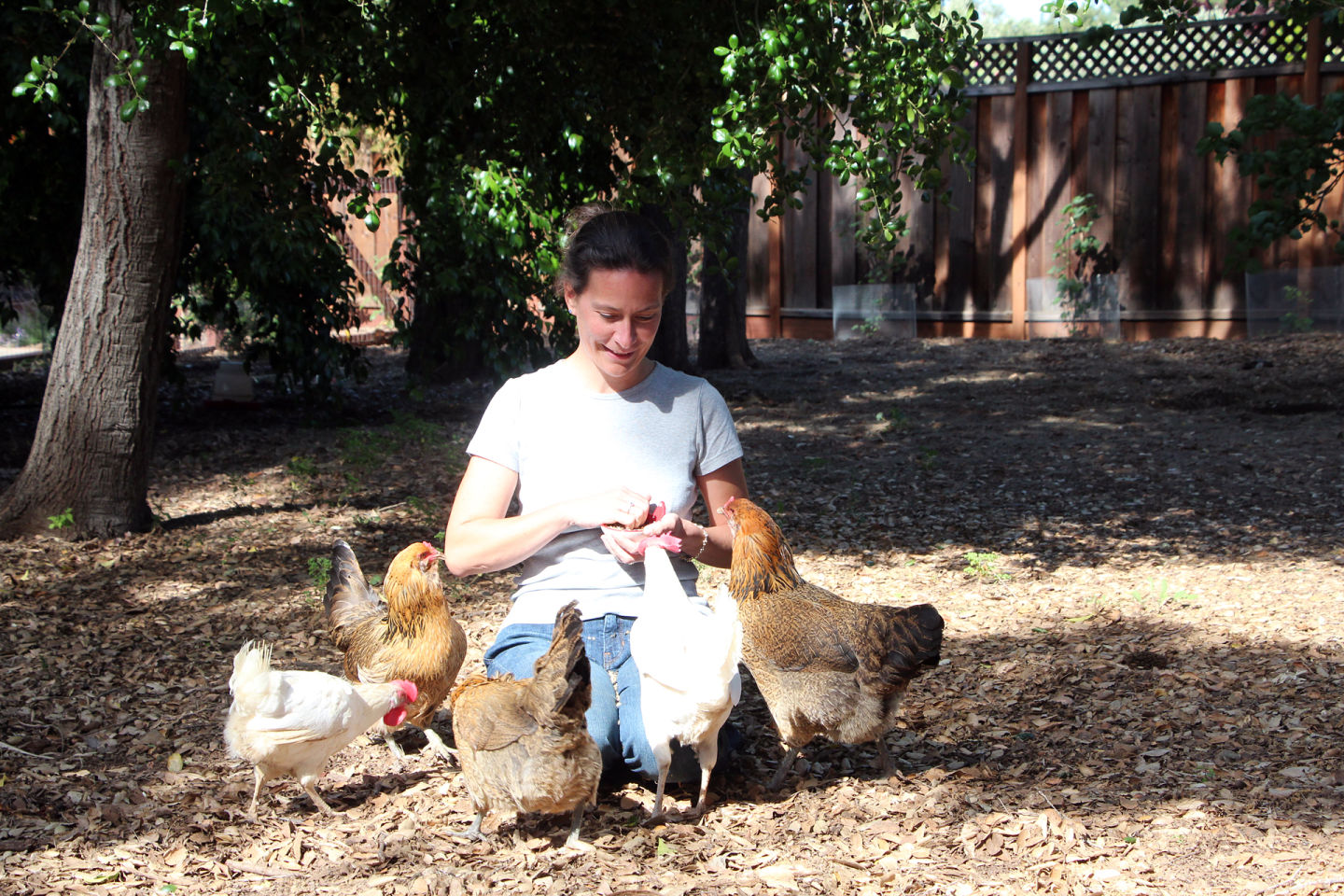
"caption": "Isabelle Cnudde of Los Altos says the chickens she adopted through Animal Place lay even more eggs than those she raised herself.",
"description": "Isabelle Cnudde of Los Altos says the chickens she adopted through Animal Place lay even more eggs than those she raised herself.",
"title": "Isabelle Cnudde of Los Altos says the chickens she adopted through Animal Place lay even more eggs than those she raised herself.",
"credit": "Peter Cnudde",
"status": "inherit",
"isLoading": false,
"fetchFailed": false
},
"bayareabites_101134": {
"type": "attachments",
"id": "bayareabites_101134",
"meta": {
"index": "attachments_1716263798",
"site": "bayareabites",
"id": "101134",
"found": true
},
"parent": 101133,
"imgSizes": {
"twentyfourteen-full-width": {
"file": "https://ww2.kqed.org/app/uploads/sites/24/2015/09/ap_816370601316-1-d0ed5fab7a364a0c2792c3e75b86c65ea36aa190-1038x576.jpg",
"width": 1038,
"mimeType": "image/jpeg",
"height": 576
},
"thumbnail": {
"file": "https://ww2.kqed.org/app/uploads/sites/24/2015/09/ap_816370601316-1-d0ed5fab7a364a0c2792c3e75b86c65ea36aa190-400x300.jpg",
"width": 400,
"mimeType": "image/jpeg",
"height": 300
},
"fd-sm": {
"file": "https://ww2.kqed.org/app/uploads/sites/24/2015/09/ap_816370601316-1-d0ed5fab7a364a0c2792c3e75b86c65ea36aa190-960x720.jpg",
"width": 960,
"mimeType": "image/jpeg",
"height": 720
},
"post-thumbnail": {
"file": "https://ww2.kqed.org/app/uploads/sites/24/2015/09/ap_816370601316-1-d0ed5fab7a364a0c2792c3e75b86c65ea36aa190-672x372.jpg",
"width": 672,
"mimeType": "image/jpeg",
"height": 372
},
"kqedFullSize": {
"file": "https://ww2.kqed.org/app/uploads/sites/24/2015/09/ap_816370601316-1-d0ed5fab7a364a0c2792c3e75b86c65ea36aa190.jpg",
"width": 1929,
"height": 1446
},
"large": {
"file": "https://ww2.kqed.org/app/uploads/sites/24/2015/09/ap_816370601316-1-d0ed5fab7a364a0c2792c3e75b86c65ea36aa190-1440x1079.jpg",
"width": 1440,
"mimeType": "image/jpeg",
"height": 1079
},
"guest-author-96": {
"file": "https://ww2.kqed.org/app/uploads/sites/24/2015/09/ap_816370601316-1-d0ed5fab7a364a0c2792c3e75b86c65ea36aa190-96x96.jpg",
"width": 96,
"mimeType": "image/jpeg",
"height": 96
},
"medium": {
"file": "https://ww2.kqed.org/app/uploads/sites/24/2015/09/ap_816370601316-1-d0ed5fab7a364a0c2792c3e75b86c65ea36aa190-800x600.jpg",
"width": 800,
"mimeType": "image/jpeg",
"height": 600
},
"guest-author-64": {
"file": "https://ww2.kqed.org/app/uploads/sites/24/2015/09/ap_816370601316-1-d0ed5fab7a364a0c2792c3e75b86c65ea36aa190-64x64.jpg",
"width": 64,
"mimeType": "image/jpeg",
"height": 64
},
"guest-author-32": {
"file": "https://ww2.kqed.org/app/uploads/sites/24/2015/09/ap_816370601316-1-d0ed5fab7a364a0c2792c3e75b86c65ea36aa190-32x32.jpg",
"width": 32,
"mimeType": "image/jpeg",
"height": 32
},
"cat_post_thumb_sizecategory-posts-2": {
"file": "https://ww2.kqed.org/app/uploads/sites/24/2015/09/ap_816370601316-1-d0ed5fab7a364a0c2792c3e75b86c65ea36aa190-150x150.jpg",
"width": 150,
"mimeType": "image/jpeg",
"height": 150
},
"fd-lrg": {
"file": "https://ww2.kqed.org/app/uploads/sites/24/2015/09/ap_816370601316-1-d0ed5fab7a364a0c2792c3e75b86c65ea36aa190-1920x1439.jpg",
"width": 1920,
"mimeType": "image/jpeg",
"height": 1439
},
"fd-med": {
"file": "https://ww2.kqed.org/app/uploads/sites/24/2015/09/ap_816370601316-1-d0ed5fab7a364a0c2792c3e75b86c65ea36aa190-1180x885.jpg",
"width": 1180,
"mimeType": "image/jpeg",
"height": 885
},
"detail": {
"file": "https://ww2.kqed.org/app/uploads/sites/24/2015/09/ap_816370601316-1-d0ed5fab7a364a0c2792c3e75b86c65ea36aa190-75x75.jpg",
"width": 75,
"mimeType": "image/jpeg",
"height": 75
},
"guest-author-128": {
"file": "https://ww2.kqed.org/app/uploads/sites/24/2015/09/ap_816370601316-1-d0ed5fab7a364a0c2792c3e75b86c65ea36aa190-128x128.jpg",
"width": 128,
"mimeType": "image/jpeg",
"height": 128
}
},
"publishDate": 1442899072,
"modified": 1442899356,
"caption": "Peanut Corporation of America's then-president Stewart Parnell arrives at federal court in 2009. Parnell was sentenced Monday to 28 years in prison for his role in a deadly salmonella outbreak from tainted peanut butter products.",
"description": "Peanut Corporation of America's then-president Stewart Parnell arrives at federal court in 2009. Parnell was sentenced Monday to 28 years in prison for his role in a deadly salmonella outbreak from tainted peanut butter products.",
"title": "Peanut Corporation of America's then-president Stewart Parnell arrives at federal court in 2009. Parnell was sentenced Monday to 28 years in prison for his role in a deadly salmonella outbreak from tainted peanut butter products.",
"credit": "Don Petersen/AP ",
"status": "inherit",
"isLoading": false,
"fetchFailed": false
},
"bayareabites_100840": {
"type": "attachments",
"id": "bayareabites_100840",
"meta": {
"index": "attachments_1716263798",
"site": "bayareabites",
"id": "100840",
"found": true
},
"parent": 100839,
"imgSizes": {
"twentyfourteen-full-width": {
"file": "https://ww2.kqed.org/app/uploads/sites/24/2015/09/ap_44972528173_custom-3269c680632b2b1430deb2132e3430395b28301a-1038x576.jpg",
"width": 1038,
"mimeType": "image/jpeg",
"height": 576
},
"thumbnail": {
"file": "https://ww2.kqed.org/app/uploads/sites/24/2015/09/ap_44972528173_custom-3269c680632b2b1430deb2132e3430395b28301a-400x300.jpg",
"width": 400,
"mimeType": "image/jpeg",
"height": 300
},
"fd-sm": {
"file": "https://ww2.kqed.org/app/uploads/sites/24/2015/09/ap_44972528173_custom-3269c680632b2b1430deb2132e3430395b28301a-960x719.jpg",
"width": 960,
"mimeType": "image/jpeg",
"height": 719
},
"post-thumbnail": {
"file": "https://ww2.kqed.org/app/uploads/sites/24/2015/09/ap_44972528173_custom-3269c680632b2b1430deb2132e3430395b28301a-672x372.jpg",
"width": 672,
"mimeType": "image/jpeg",
"height": 372
},
"kqedFullSize": {
"file": "https://ww2.kqed.org/app/uploads/sites/24/2015/09/ap_44972528173_custom-3269c680632b2b1430deb2132e3430395b28301a.jpg",
"width": 3000,
"height": 2248
},
"large": {
"file": "https://ww2.kqed.org/app/uploads/sites/24/2015/09/ap_44972528173_custom-3269c680632b2b1430deb2132e3430395b28301a-1440x1079.jpg",
"width": 1440,
"mimeType": "image/jpeg",
"height": 1079
},
"guest-author-96": {
"file": "https://ww2.kqed.org/app/uploads/sites/24/2015/09/ap_44972528173_custom-3269c680632b2b1430deb2132e3430395b28301a-96x96.jpg",
"width": 96,
"mimeType": "image/jpeg",
"height": 96
},
"medium": {
"file": "https://ww2.kqed.org/app/uploads/sites/24/2015/09/ap_44972528173_custom-3269c680632b2b1430deb2132e3430395b28301a-800x599.jpg",
"width": 800,
"mimeType": "image/jpeg",
"height": 599
},
"guest-author-64": {
"file": "https://ww2.kqed.org/app/uploads/sites/24/2015/09/ap_44972528173_custom-3269c680632b2b1430deb2132e3430395b28301a-64x64.jpg",
"width": 64,
"mimeType": "image/jpeg",
"height": 64
},
"guest-author-32": {
"file": "https://ww2.kqed.org/app/uploads/sites/24/2015/09/ap_44972528173_custom-3269c680632b2b1430deb2132e3430395b28301a-32x32.jpg",
"width": 32,
"mimeType": "image/jpeg",
"height": 32
},
"cat_post_thumb_sizecategory-posts-2": {
"file": "https://ww2.kqed.org/app/uploads/sites/24/2015/09/ap_44972528173_custom-3269c680632b2b1430deb2132e3430395b28301a-150x150.jpg",
"width": 150,
"mimeType": "image/jpeg",
"height": 150
},
"fd-lrg": {
"file": "https://ww2.kqed.org/app/uploads/sites/24/2015/09/ap_44972528173_custom-3269c680632b2b1430deb2132e3430395b28301a-1920x1439.jpg",
"width": 1920,
"mimeType": "image/jpeg",
"height": 1439
},
"fd-med": {
"file": "https://ww2.kqed.org/app/uploads/sites/24/2015/09/ap_44972528173_custom-3269c680632b2b1430deb2132e3430395b28301a-1180x884.jpg",
"width": 1180,
"mimeType": "image/jpeg",
"height": 884
},
"detail": {
"file": "https://ww2.kqed.org/app/uploads/sites/24/2015/09/ap_44972528173_custom-3269c680632b2b1430deb2132e3430395b28301a-75x75.jpg",
"width": 75,
"mimeType": "image/jpeg",
"height": 75
},
"guest-author-128": {
"file": "https://ww2.kqed.org/app/uploads/sites/24/2015/09/ap_44972528173_custom-3269c680632b2b1430deb2132e3430395b28301a-128x128.jpg",
"width": 128,
"mimeType": "image/jpeg",
"height": 128
}
},
"publishDate": 1442599815,
"modified": 1442600042,
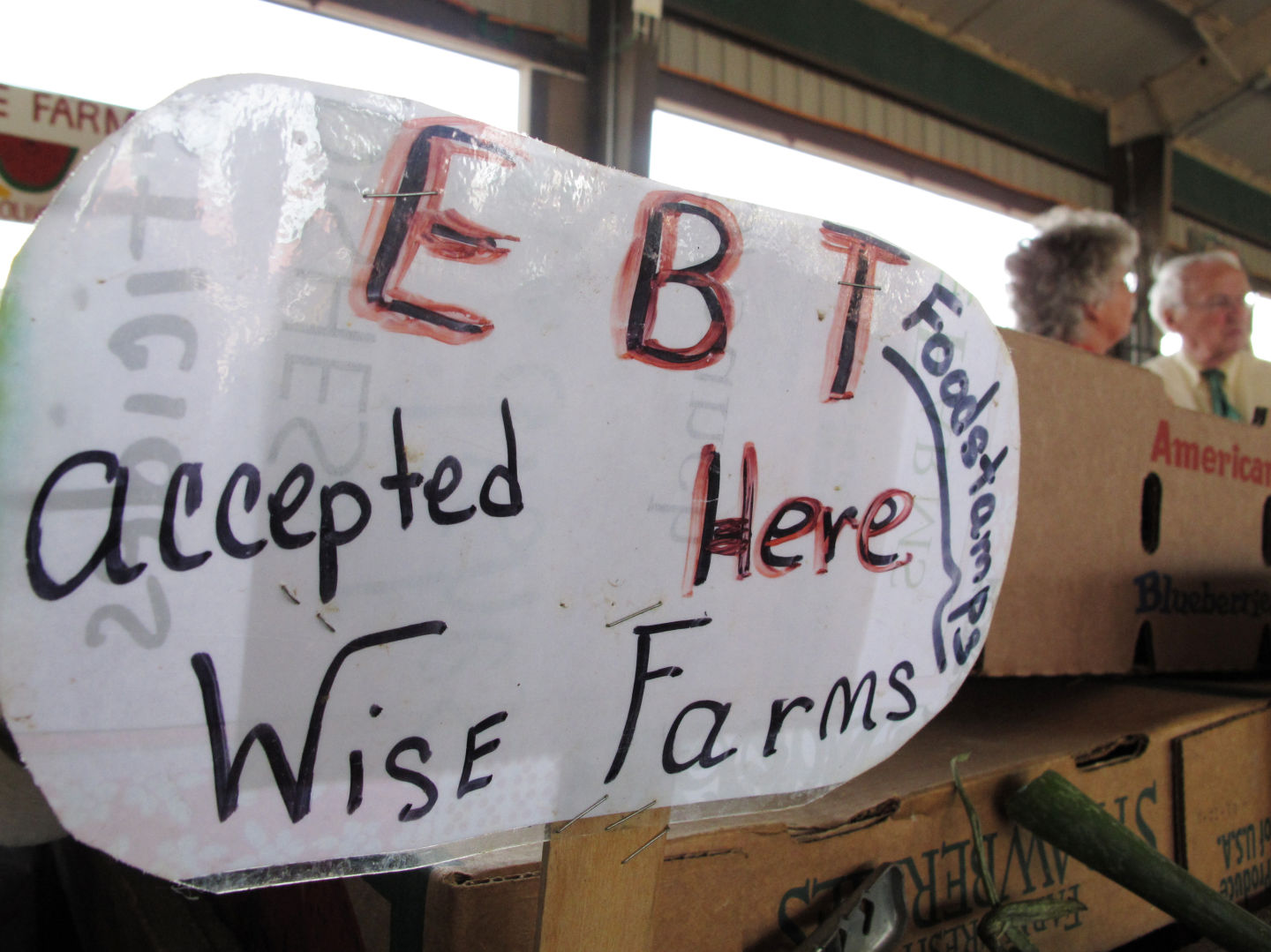
"caption": "The federal food stamps program is working to make sure low-income Americans are getting enough calories, but those calories are less nutritious than what everyone else eats, research finds. The USDA is funding programs to try to bridge that gap, such as initiatives that allow food stamp recipients to use their benefits at farmers markets.",
"description": "The federal food stamps program is working to make sure low-income Americans are getting enough calories, but those calories are less nutritious than what everyone else eats, research finds. The USDA is funding programs to try to bridge that gap, such as initiatives that allow food stamp recipients to use their benefits at farmers markets.",
"title": "The federal food stamps program is working to make sure low-income Americans are getting enough calories, but those calories are less nutritious than what everyone else eats, research finds. The USDA is funding programs to try to bridge that gap, such as initiatives that allow food stamp recipients to use their benefits at farmers markets.",
"credit": "Allen Breed/AP ",
"status": "inherit",
"isLoading": false,
"fetchFailed": false
},
"bayareabites_100670": {
"type": "attachments",
"id": "bayareabites_100670",
"meta": {
"index": "attachments_1716263798",
"site": "bayareabites",
"id": "100670",
"found": true
},
"parent": 100669,
"imgSizes": {
"twentyfourteen-full-width": {
"file": "https://ww2.kqed.org/app/uploads/sites/24/2015/09/istock_000004390011_large_custom-8422302874028188170d7404925307eea6a1b6a9-1038x576.jpg",
"width": 1038,
"mimeType": "image/jpeg",
"height": 576
},
"thumbnail": {
"file": "https://ww2.kqed.org/app/uploads/sites/24/2015/09/istock_000004390011_large_custom-8422302874028188170d7404925307eea6a1b6a9-400x266.jpg",
"width": 400,
"mimeType": "image/jpeg",
"height": 266
},
"fd-sm": {
"file": "https://ww2.kqed.org/app/uploads/sites/24/2015/09/istock_000004390011_large_custom-8422302874028188170d7404925307eea6a1b6a9-960x639.jpg",
"width": 960,
"mimeType": "image/jpeg",
"height": 639
},
"post-thumbnail": {
"file": "https://ww2.kqed.org/app/uploads/sites/24/2015/09/istock_000004390011_large_custom-8422302874028188170d7404925307eea6a1b6a9-672x372.jpg",
"width": 672,
"mimeType": "image/jpeg",
"height": 372
},
"kqedFullSize": {
"file": "https://ww2.kqed.org/app/uploads/sites/24/2015/09/istock_000004390011_large_custom-8422302874028188170d7404925307eea6a1b6a9.jpg",
"width": 3000,
"height": 1998
},
"large": {
"file": "https://ww2.kqed.org/app/uploads/sites/24/2015/09/istock_000004390011_large_custom-8422302874028188170d7404925307eea6a1b6a9-1440x959.jpg",
"width": 1440,
"mimeType": "image/jpeg",
"height": 959
},
"guest-author-96": {
"file": "https://ww2.kqed.org/app/uploads/sites/24/2015/09/istock_000004390011_large_custom-8422302874028188170d7404925307eea6a1b6a9-96x96.jpg",
"width": 96,
"mimeType": "image/jpeg",
"height": 96
},
"medium": {
"file": "https://ww2.kqed.org/app/uploads/sites/24/2015/09/istock_000004390011_large_custom-8422302874028188170d7404925307eea6a1b6a9-800x533.jpg",
"width": 800,
"mimeType": "image/jpeg",
"height": 533
},
"guest-author-64": {
"file": "https://ww2.kqed.org/app/uploads/sites/24/2015/09/istock_000004390011_large_custom-8422302874028188170d7404925307eea6a1b6a9-64x64.jpg",
"width": 64,
"mimeType": "image/jpeg",
"height": 64
},
"guest-author-32": {
"file": "https://ww2.kqed.org/app/uploads/sites/24/2015/09/istock_000004390011_large_custom-8422302874028188170d7404925307eea6a1b6a9-32x32.jpg",
"width": 32,
"mimeType": "image/jpeg",
"height": 32
},
"cat_post_thumb_sizecategory-posts-2": {
"file": "https://ww2.kqed.org/app/uploads/sites/24/2015/09/istock_000004390011_large_custom-8422302874028188170d7404925307eea6a1b6a9-150x150.jpg",
"width": 150,
"mimeType": "image/jpeg",
"height": 150
},
"fd-lrg": {
"file": "https://ww2.kqed.org/app/uploads/sites/24/2015/09/istock_000004390011_large_custom-8422302874028188170d7404925307eea6a1b6a9-1920x1279.jpg",
"width": 1920,
"mimeType": "image/jpeg",
"height": 1279
},
"fd-med": {
"file": "https://ww2.kqed.org/app/uploads/sites/24/2015/09/istock_000004390011_large_custom-8422302874028188170d7404925307eea6a1b6a9-1180x786.jpg",
"width": 1180,
"mimeType": "image/jpeg",
"height": 786
},
"detail": {
"file": "https://ww2.kqed.org/app/uploads/sites/24/2015/09/istock_000004390011_large_custom-8422302874028188170d7404925307eea6a1b6a9-75x75.jpg",
"width": 75,
"mimeType": "image/jpeg",
"height": 75
},
"guest-author-128": {
"file": "https://ww2.kqed.org/app/uploads/sites/24/2015/09/istock_000004390011_large_custom-8422302874028188170d7404925307eea6a1b6a9-128x128.jpg",
"width": 128,
"mimeType": "image/jpeg",
"height": 128
}
},
"publishDate": 1442459832,
"modified": 1442460030,
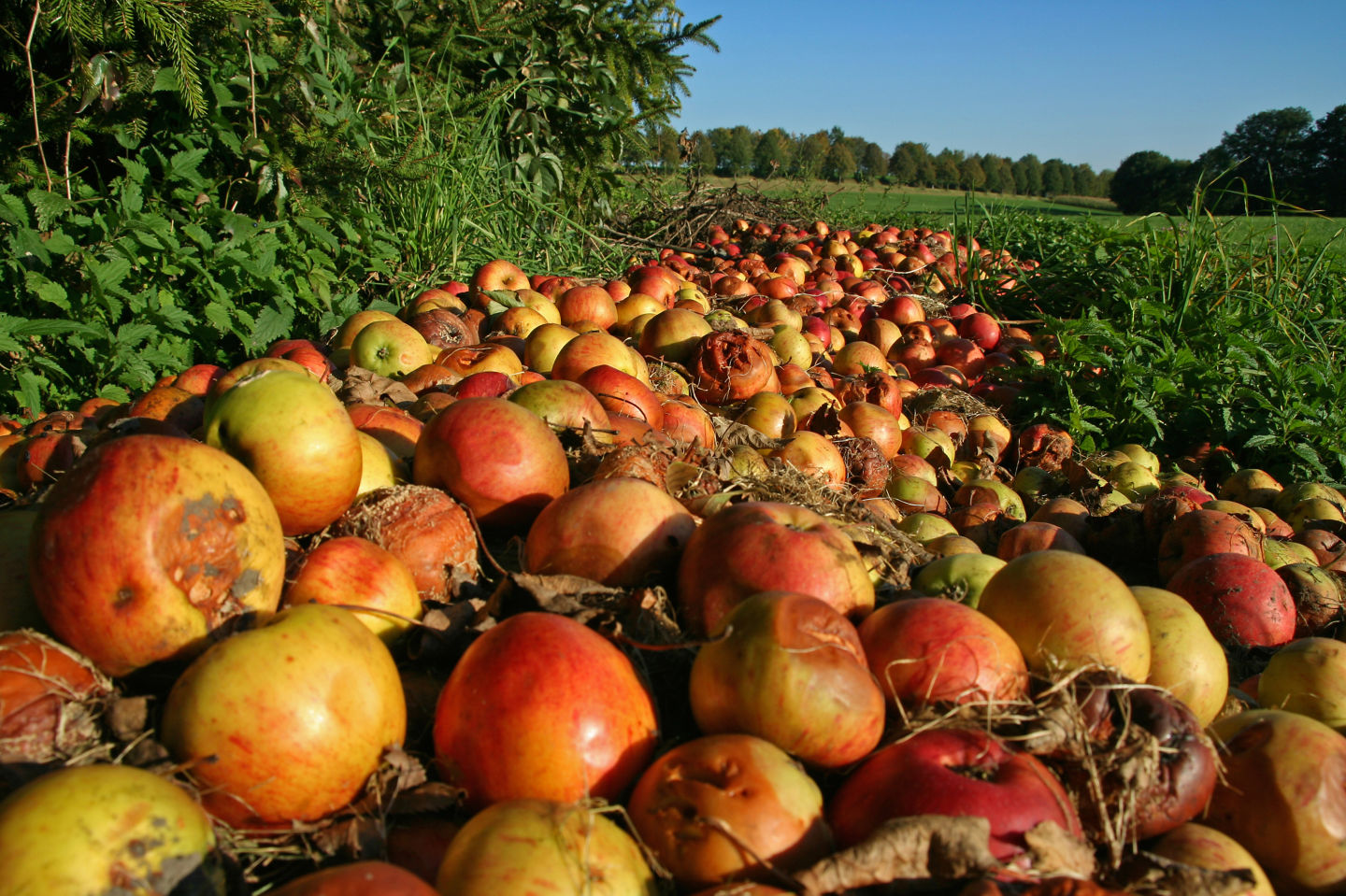
"caption": "The government's first ever national target to reduce food waste will encourage farmers to donate more of their imperfect produce to the hungry.",
"description": "The government's first ever national target to reduce food waste will encourage farmers to donate more of their imperfect produce to the hungry.",
"title": "The government's first ever national target to reduce food waste will encourage farmers to donate more of their imperfect produce to the hungry.",
"credit": "iStockphoto",
"status": "inherit",
"isLoading": false,
"fetchFailed": false
},
"bayareabites_100407": {
"type": "attachments",
"id": "bayareabites_100407",
"meta": {
"index": "attachments_1716263798",
"site": "bayareabites",
"id": "100407",
"found": true
},
"parent": 100406,
"imgSizes": {
"twentyfourteen-full-width": {
"file": "https://ww2.kqed.org/app/uploads/sites/24/2015/09/gettyimages-487628256_custom-8490d2778879d8d07da44a98c50e498f046156e2-1038x576.jpg",
"width": 1038,
"mimeType": "image/jpeg",
"height": 576
},
"thumbnail": {
"file": "https://ww2.kqed.org/app/uploads/sites/24/2015/09/gettyimages-487628256_custom-8490d2778879d8d07da44a98c50e498f046156e2-400x264.jpg",
"width": 400,
"mimeType": "image/jpeg",
"height": 264
},
"fd-sm": {
"file": "https://ww2.kqed.org/app/uploads/sites/24/2015/09/gettyimages-487628256_custom-8490d2778879d8d07da44a98c50e498f046156e2-960x633.jpg",
"width": 960,
"mimeType": "image/jpeg",
"height": 633
},
"post-thumbnail": {
"file": "https://ww2.kqed.org/app/uploads/sites/24/2015/09/gettyimages-487628256_custom-8490d2778879d8d07da44a98c50e498f046156e2-672x372.jpg",
"width": 672,
"mimeType": "image/jpeg",
"height": 372
},
"kqedFullSize": {
"file": "https://ww2.kqed.org/app/uploads/sites/24/2015/09/gettyimages-487628256_custom-8490d2778879d8d07da44a98c50e498f046156e2.jpg",
"width": 3000,
"height": 1977
},
"large": {
"file": "https://ww2.kqed.org/app/uploads/sites/24/2015/09/gettyimages-487628256_custom-8490d2778879d8d07da44a98c50e498f046156e2-1440x949.jpg",
"width": 1440,
"mimeType": "image/jpeg",
"height": 949
},
"guest-author-96": {
"file": "https://ww2.kqed.org/app/uploads/sites/24/2015/09/gettyimages-487628256_custom-8490d2778879d8d07da44a98c50e498f046156e2-96x96.jpg",
"width": 96,
"mimeType": "image/jpeg",
"height": 96
},
"medium": {
"file": "https://ww2.kqed.org/app/uploads/sites/24/2015/09/gettyimages-487628256_custom-8490d2778879d8d07da44a98c50e498f046156e2-800x527.jpg",
"width": 800,
"mimeType": "image/jpeg",
"height": 527
},
"guest-author-64": {
"file": "https://ww2.kqed.org/app/uploads/sites/24/2015/09/gettyimages-487628256_custom-8490d2778879d8d07da44a98c50e498f046156e2-64x64.jpg",
"width": 64,
"mimeType": "image/jpeg",
"height": 64
},
"guest-author-32": {
"file": "https://ww2.kqed.org/app/uploads/sites/24/2015/09/gettyimages-487628256_custom-8490d2778879d8d07da44a98c50e498f046156e2-32x32.jpg",
"width": 32,
"mimeType": "image/jpeg",
"height": 32
},
"cat_post_thumb_sizecategory-posts-2": {
"file": "https://ww2.kqed.org/app/uploads/sites/24/2015/09/gettyimages-487628256_custom-8490d2778879d8d07da44a98c50e498f046156e2-150x150.jpg",
"width": 150,
"mimeType": "image/jpeg",
"height": 150
},
"fd-lrg": {
"file": "https://ww2.kqed.org/app/uploads/sites/24/2015/09/gettyimages-487628256_custom-8490d2778879d8d07da44a98c50e498f046156e2-1920x1265.jpg",
"width": 1920,
"mimeType": "image/jpeg",
"height": 1265
},
"fd-med": {
"file": "https://ww2.kqed.org/app/uploads/sites/24/2015/09/gettyimages-487628256_custom-8490d2778879d8d07da44a98c50e498f046156e2-1180x778.jpg",
"width": 1180,
"mimeType": "image/jpeg",
"height": 778
},
"detail": {
"file": "https://ww2.kqed.org/app/uploads/sites/24/2015/09/gettyimages-487628256_custom-8490d2778879d8d07da44a98c50e498f046156e2-75x75.jpg",
"width": 75,
"mimeType": "image/jpeg",
"height": 75
},
"guest-author-128": {
"file": "https://ww2.kqed.org/app/uploads/sites/24/2015/09/gettyimages-487628256_custom-8490d2778879d8d07da44a98c50e498f046156e2-128x128.jpg",
"width": 128,
"mimeType": "image/jpeg",
"height": 128
}
},
"publishDate": 1442069424,
"modified": 1442069682,
"caption": "President Obama presents the 2014 National Humanities Medal to Alice Waters during an East Room ceremony at the White House on Thursday. Alice Waters was honored for celebrating the bond between the ethical and the edible as a chef, author and advocate.",
"description": "President Obama presents the 2014 National Humanities Medal to Alice Waters during an East Room ceremony at the White House on Thursday. Alice Waters was honored for celebrating the bond between the ethical and the edible as a chef, author and advocate",
"title": "President Obama presents the 2014 National Humanities Medal to Alice Waters during an East Room ceremony at the White House on Thursday. Alice Waters was honored for celebrating the bond between the ethical and the edible as a chef, author and advocate.",
"credit": "Alex Wong/Getty Images ",
"status": "inherit",
"isLoading": false,
"fetchFailed": false
},
"bayareabites_100297": {
"type": "attachments",
"id": "bayareabites_100297",
"meta": {
"index": "attachments_1716263798",
"site": "bayareabites",
"id": "100297",
"found": true
},
"parent": 100285,
"imgSizes": {
"thumbnail": {
"file": "https://ww2.kqed.org/app/uploads/sites/24/2015/09/IMG_1879-680x453-400x266.jpg",
"width": 400,
"mimeType": "image/jpeg",
"height": 266
},
"post-thumbnail": {
"file": "https://ww2.kqed.org/app/uploads/sites/24/2015/09/IMG_1879-680x453-672x372.jpg",
"width": 672,
"mimeType": "image/jpeg",
"height": 372
},
"kqedFullSize": {
"file": "https://ww2.kqed.org/app/uploads/sites/24/2015/09/IMG_1879-680x453.jpg",
"width": 680,
"height": 453
},
"cat_post_thumb_sizecategory-posts-2": {
"file": "https://ww2.kqed.org/app/uploads/sites/24/2015/09/IMG_1879-680x453-150x150.jpg",
"width": 150,
"mimeType": "image/jpeg",
"height": 150
},
"guest-author-96": {
"file": "https://ww2.kqed.org/app/uploads/sites/24/2015/09/IMG_1879-680x453-96x96.jpg",
"width": 96,
"mimeType": "image/jpeg",
"height": 96
},
"guest-author-64": {
"file": "https://ww2.kqed.org/app/uploads/sites/24/2015/09/IMG_1879-680x453-64x64.jpg",
"width": 64,
"mimeType": "image/jpeg",
"height": 64
},
"detail": {
"file": "https://ww2.kqed.org/app/uploads/sites/24/2015/09/IMG_1879-680x453-75x75.jpg",
"width": 75,
"mimeType": "image/jpeg",
"height": 75
},
"guest-author-32": {
"file": "https://ww2.kqed.org/app/uploads/sites/24/2015/09/IMG_1879-680x453-32x32.jpg",
"width": 32,
"mimeType": "image/jpeg",
"height": 32
},
"guest-author-128": {
"file": "https://ww2.kqed.org/app/uploads/sites/24/2015/09/IMG_1879-680x453-128x128.jpg",
"width": 128,
"mimeType": "image/jpeg",
"height": 128
}
},
"publishDate": 1441853447,
"modified": 1441854743,
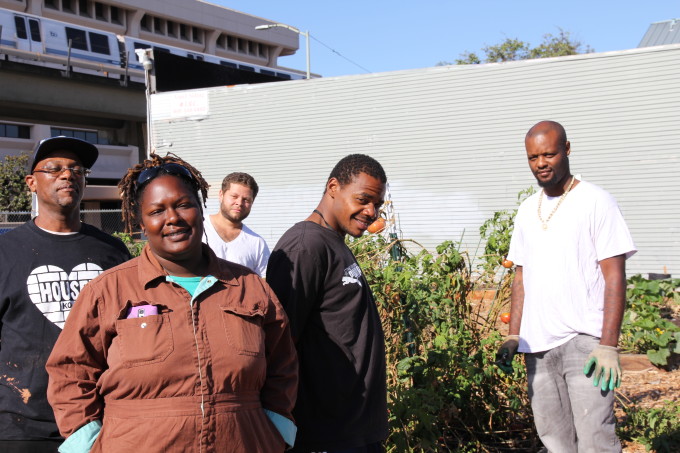
"caption": "Kelly Carlisle (second from left), poses with a group of current farm employees.",
"description": "Kelly Carlisle (second from left), poses with a group of current farm employees.",
"title": "Kelly Carlisle (second from left), poses with a group of current farm employees.",
"credit": "Twilight Greenaway",
"status": "inherit",
"isLoading": false,
"fetchFailed": false
},
"bayareabites_100146": {
"type": "attachments",
"id": "bayareabites_100146",
"meta": {
"index": "attachments_1716263798",
"site": "bayareabites",
"id": "100146",
"found": true
},
"parent": 100145,
"imgSizes": {
"thumbnail": {
"file": "https://ww2.kqed.org/app/uploads/sites/24/2015/09/blacklivesmatter-400x267.jpg",
"width": 400,
"mimeType": "image/jpeg",
"height": 267
},
"post-thumbnail": {
"file": "https://ww2.kqed.org/app/uploads/sites/24/2015/09/blacklivesmatter-672x372.jpg",
"width": 672,
"mimeType": "image/jpeg",
"height": 372
},
"kqedFullSize": {
"file": "https://ww2.kqed.org/app/uploads/sites/24/2015/09/blacklivesmatter.jpg",
"width": 680,
"height": 454
},
"cat_post_thumb_sizecategory-posts-2": {
"file": "https://ww2.kqed.org/app/uploads/sites/24/2015/09/blacklivesmatter-150x150.jpg",
"width": 150,
"mimeType": "image/jpeg",
"height": 150
},
"guest-author-96": {
"file": "https://ww2.kqed.org/app/uploads/sites/24/2015/09/blacklivesmatter-96x96.jpg",
"width": 96,
"mimeType": "image/jpeg",
"height": 96
},
"guest-author-64": {
"file": "https://ww2.kqed.org/app/uploads/sites/24/2015/09/blacklivesmatter-64x64.jpg",
"width": 64,
"mimeType": "image/jpeg",
"height": 64
},
"detail": {
"file": "https://ww2.kqed.org/app/uploads/sites/24/2015/09/blacklivesmatter-75x75.jpg",
"width": 75,
"mimeType": "image/jpeg",
"height": 75
},
"guest-author-32": {
"file": "https://ww2.kqed.org/app/uploads/sites/24/2015/09/blacklivesmatter-32x32.jpg",
"width": 32,
"mimeType": "image/jpeg",
"height": 32
},
"guest-author-128": {
"file": "https://ww2.kqed.org/app/uploads/sites/24/2015/09/blacklivesmatter-128x128.jpg",
"width": 128,
"mimeType": "image/jpeg",
"height": 128
}
},
"publishDate": 1441728052,
"modified": 1441728186,
"caption": "Black Lives Matter",
"description": "Black Lives Matter",
"title": "blacklivesmatter",
"credit": "\t\u003ca href=\"http://www.shutterstock.com/gallery-940660p1.html?cr=00&pl=edit-00\">a katz / Shutterstock.com\u003c/a>\t",
"status": "inherit",
"isLoading": false,
"fetchFailed": false
},
"bayareabites_99975": {
"type": "attachments",
"id": "bayareabites_99975",
"meta": {
"index": "attachments_1716263798",
"site": "bayareabites",
"id": "99975",
"found": true
},
"parent": 99974,
"imgSizes": {
"twentyfourteen-full-width": {
"file": "https://ww2.kqed.org/app/uploads/sites/24/2015/09/gettyimages-95581411_wide-5b8522632d107af1389e153538bbbb8a9753d37f-1038x576.jpg",
"width": 1038,
"mimeType": "image/jpeg",
"height": 576
},
"thumbnail": {
"file": "https://ww2.kqed.org/app/uploads/sites/24/2015/09/gettyimages-95581411_wide-5b8522632d107af1389e153538bbbb8a9753d37f-400x225.jpg",
"width": 400,
"mimeType": "image/jpeg",
"height": 225
},
"fd-sm": {
"file": "https://ww2.kqed.org/app/uploads/sites/24/2015/09/gettyimages-95581411_wide-5b8522632d107af1389e153538bbbb8a9753d37f-960x540.jpg",
"width": 960,
"mimeType": "image/jpeg",
"height": 540
},
"post-thumbnail": {
"file": "https://ww2.kqed.org/app/uploads/sites/24/2015/09/gettyimages-95581411_wide-5b8522632d107af1389e153538bbbb8a9753d37f-672x372.jpg",
"width": 672,
"mimeType": "image/jpeg",
"height": 372
},
"kqedFullSize": {
"file": "https://ww2.kqed.org/app/uploads/sites/24/2015/09/gettyimages-95581411_wide-5b8522632d107af1389e153538bbbb8a9753d37f-e1441236395106.jpg",
"width": 1920,
"height": 1080
},
"large": {
"file": "https://ww2.kqed.org/app/uploads/sites/24/2015/09/gettyimages-95581411_wide-5b8522632d107af1389e153538bbbb8a9753d37f-1440x810.jpg",
"width": 1440,
"mimeType": "image/jpeg",
"height": 810
},
"guest-author-96": {
"file": "https://ww2.kqed.org/app/uploads/sites/24/2015/09/gettyimages-95581411_wide-5b8522632d107af1389e153538bbbb8a9753d37f-96x96.jpg",
"width": 96,
"mimeType": "image/jpeg",
"height": 96
},
"medium": {
"file": "https://ww2.kqed.org/app/uploads/sites/24/2015/09/gettyimages-95581411_wide-5b8522632d107af1389e153538bbbb8a9753d37f-800x450.jpg",
"width": 800,
"mimeType": "image/jpeg",
"height": 450
},
"guest-author-64": {
"file": "https://ww2.kqed.org/app/uploads/sites/24/2015/09/gettyimages-95581411_wide-5b8522632d107af1389e153538bbbb8a9753d37f-64x64.jpg",
"width": 64,
"mimeType": "image/jpeg",
"height": 64
},
"guest-author-32": {
"file": "https://ww2.kqed.org/app/uploads/sites/24/2015/09/gettyimages-95581411_wide-5b8522632d107af1389e153538bbbb8a9753d37f-32x32.jpg",
"width": 32,
"mimeType": "image/jpeg",
"height": 32
},
"cat_post_thumb_sizecategory-posts-2": {
"file": "https://ww2.kqed.org/app/uploads/sites/24/2015/09/gettyimages-95581411_wide-5b8522632d107af1389e153538bbbb8a9753d37f-150x150.jpg",
"width": 150,
"mimeType": "image/jpeg",
"height": 150
},
"fd-lrg": {
"file": "https://ww2.kqed.org/app/uploads/sites/24/2015/09/gettyimages-95581411_wide-5b8522632d107af1389e153538bbbb8a9753d37f-1920x1080.jpg",
"width": 1920,
"mimeType": "image/jpeg",
"height": 1080
},
"fd-med": {
"file": "https://ww2.kqed.org/app/uploads/sites/24/2015/09/gettyimages-95581411_wide-5b8522632d107af1389e153538bbbb8a9753d37f-1180x664.jpg",
"width": 1180,
"mimeType": "image/jpeg",
"height": 664
},
"detail": {
"file": "https://ww2.kqed.org/app/uploads/sites/24/2015/09/gettyimages-95581411_wide-5b8522632d107af1389e153538bbbb8a9753d37f-75x75.jpg",
"width": 75,
"mimeType": "image/jpeg",
"height": 75
},
"guest-author-128": {
"file": "https://ww2.kqed.org/app/uploads/sites/24/2015/09/gettyimages-95581411_wide-5b8522632d107af1389e153538bbbb8a9753d37f-128x128.jpg",
"width": 128,
"mimeType": "image/jpeg",
"height": 128
}
},
"publishDate": 1441226861,
"modified": 1441235568,
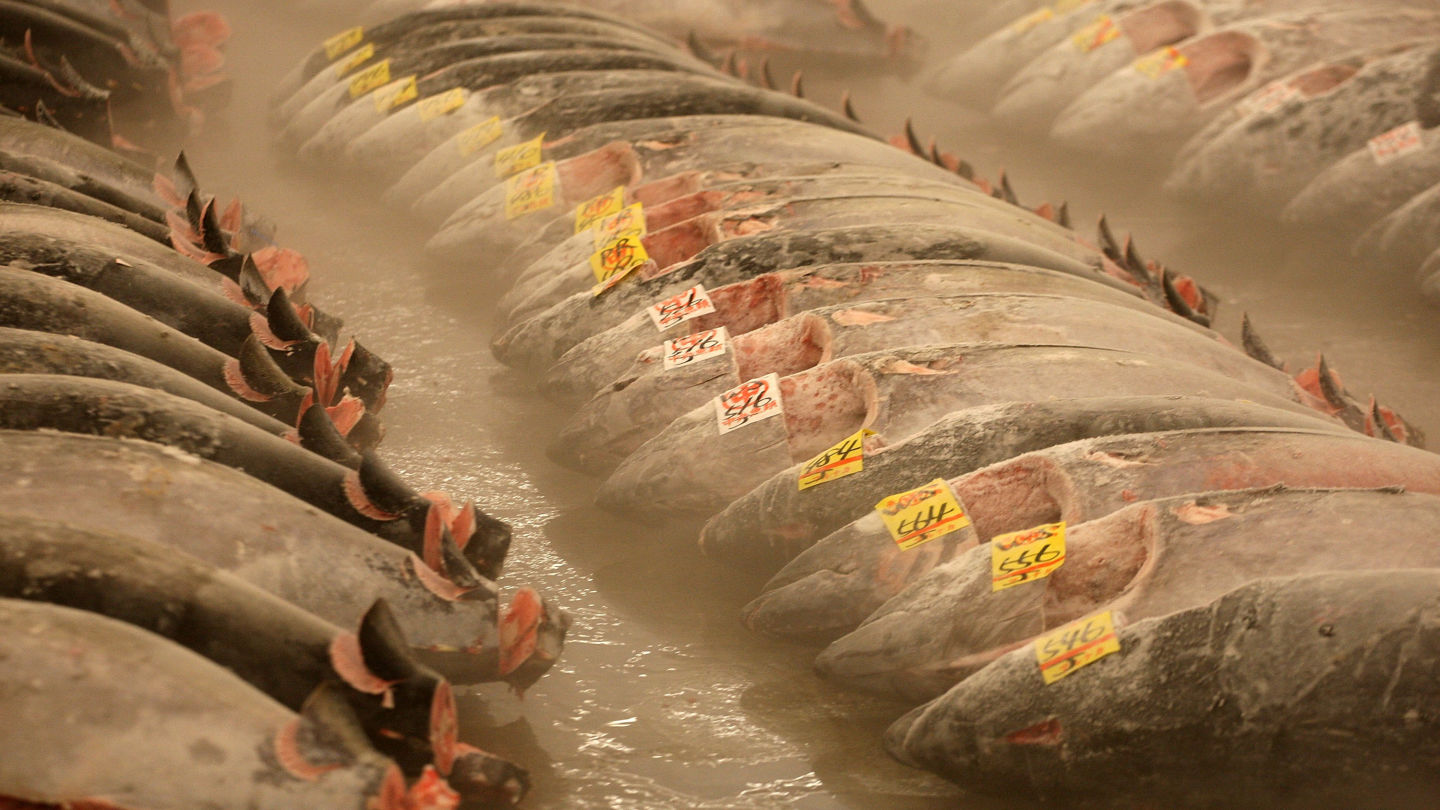
"caption": "Frozen tuna lies on the ground at the Tsukiji fish market in Tokyo. The FDA recommends freezing raw fish before serving it in sushi as a way to keep it free of parasites. But as a recent outbreak of Salmonella in the U.S. highlights, freezing doesn't guarantee that raw sushi fish is pathogen-free.",
"description": "Frozen tuna lies on the ground at the Tsukiji fish market in Tokyo. The FDA recommends freezing raw fish before serving it in sushi as a way to keep it free of parasites. But as a recent outbreak of \u003cem>Salmonell\u003c/em>a in the U.S. highlights, freezing doesn’t guarantee that raw sushi fish is pathogen-fre",
"title": "Frozen tuna lies on the ground at the Tsukiji fish market in Tokyo. The FDA recommends freezing raw fish before serving it in sushi as a way to keep it free of parasites. But as a recent outbreak of Salmonella in the U.S. highlights, freezing doesn't guarantee that raw sushi fish is pathogen-free.",
"credit": "Koichi Kamoshida/Getty Images",
"status": "inherit",
"isLoading": false,
"fetchFailed": false
},
"bayareabites_99784": {
"type": "attachments",
"id": "bayareabites_99784",
"meta": {
"index": "attachments_1716263798",
"site": "bayareabites",
"id": "99784",
"found": true
},
"parent": 99783,
"imgSizes": {
"twentyfourteen-full-width": {
"file": "https://ww2.kqed.org/app/uploads/sites/24/2015/08/mg_8565_custom-012bfbd4cb1ec2306752711b39a713f30abe958b-1038x576.jpg",
"width": 1038,
"mimeType": "image/jpeg",
"height": 576
},
"thumbnail": {
"file": "https://ww2.kqed.org/app/uploads/sites/24/2015/08/mg_8565_custom-012bfbd4cb1ec2306752711b39a713f30abe958b-400x266.jpg",
"width": 400,
"mimeType": "image/jpeg",
"height": 266
},
"fd-sm": {
"file": "https://ww2.kqed.org/app/uploads/sites/24/2015/08/mg_8565_custom-012bfbd4cb1ec2306752711b39a713f30abe958b-960x639.jpg",
"width": 960,
"mimeType": "image/jpeg",
"height": 639
},
"post-thumbnail": {
"file": "https://ww2.kqed.org/app/uploads/sites/24/2015/08/mg_8565_custom-012bfbd4cb1ec2306752711b39a713f30abe958b-672x372.jpg",
"width": 672,
"mimeType": "image/jpeg",
"height": 372
},
"kqedFullSize": {
"file": "https://ww2.kqed.org/app/uploads/sites/24/2015/08/mg_8565_custom-012bfbd4cb1ec2306752711b39a713f30abe958b.jpg",
"width": 3000,
"height": 1998
},
"large": {
"file": "https://ww2.kqed.org/app/uploads/sites/24/2015/08/mg_8565_custom-012bfbd4cb1ec2306752711b39a713f30abe958b-1440x959.jpg",
"width": 1440,
"mimeType": "image/jpeg",
"height": 959
},
"guest-author-96": {
"file": "https://ww2.kqed.org/app/uploads/sites/24/2015/08/mg_8565_custom-012bfbd4cb1ec2306752711b39a713f30abe958b-96x96.jpg",
"width": 96,
"mimeType": "image/jpeg",
"height": 96
},
"medium": {
"file": "https://ww2.kqed.org/app/uploads/sites/24/2015/08/mg_8565_custom-012bfbd4cb1ec2306752711b39a713f30abe958b-800x533.jpg",
"width": 800,
"mimeType": "image/jpeg",
"height": 533
},
"guest-author-64": {
"file": "https://ww2.kqed.org/app/uploads/sites/24/2015/08/mg_8565_custom-012bfbd4cb1ec2306752711b39a713f30abe958b-64x64.jpg",
"width": 64,
"mimeType": "image/jpeg",
"height": 64
},
"guest-author-32": {
"file": "https://ww2.kqed.org/app/uploads/sites/24/2015/08/mg_8565_custom-012bfbd4cb1ec2306752711b39a713f30abe958b-32x32.jpg",
"width": 32,
"mimeType": "image/jpeg",
"height": 32
},
"cat_post_thumb_sizecategory-posts-2": {
"file": "https://ww2.kqed.org/app/uploads/sites/24/2015/08/mg_8565_custom-012bfbd4cb1ec2306752711b39a713f30abe958b-150x150.jpg",
"width": 150,
"mimeType": "image/jpeg",
"height": 150
},
"fd-lrg": {
"file": "https://ww2.kqed.org/app/uploads/sites/24/2015/08/mg_8565_custom-012bfbd4cb1ec2306752711b39a713f30abe958b-1920x1279.jpg",
"width": 1920,
"mimeType": "image/jpeg",
"height": 1279
},
"fd-med": {
"file": "https://ww2.kqed.org/app/uploads/sites/24/2015/08/mg_8565_custom-012bfbd4cb1ec2306752711b39a713f30abe958b-1180x786.jpg",
"width": 1180,
"mimeType": "image/jpeg",
"height": 786
},
"detail": {
"file": "https://ww2.kqed.org/app/uploads/sites/24/2015/08/mg_8565_custom-012bfbd4cb1ec2306752711b39a713f30abe958b-75x75.jpg",
"width": 75,
"mimeType": "image/jpeg",
"height": 75
},
"guest-author-128": {
"file": "https://ww2.kqed.org/app/uploads/sites/24/2015/08/mg_8565_custom-012bfbd4cb1ec2306752711b39a713f30abe958b-128x128.jpg",
"width": 128,
"mimeType": "image/jpeg",
"height": 128
}
},
"publishDate": 1440630621,
"modified": 1440630956,
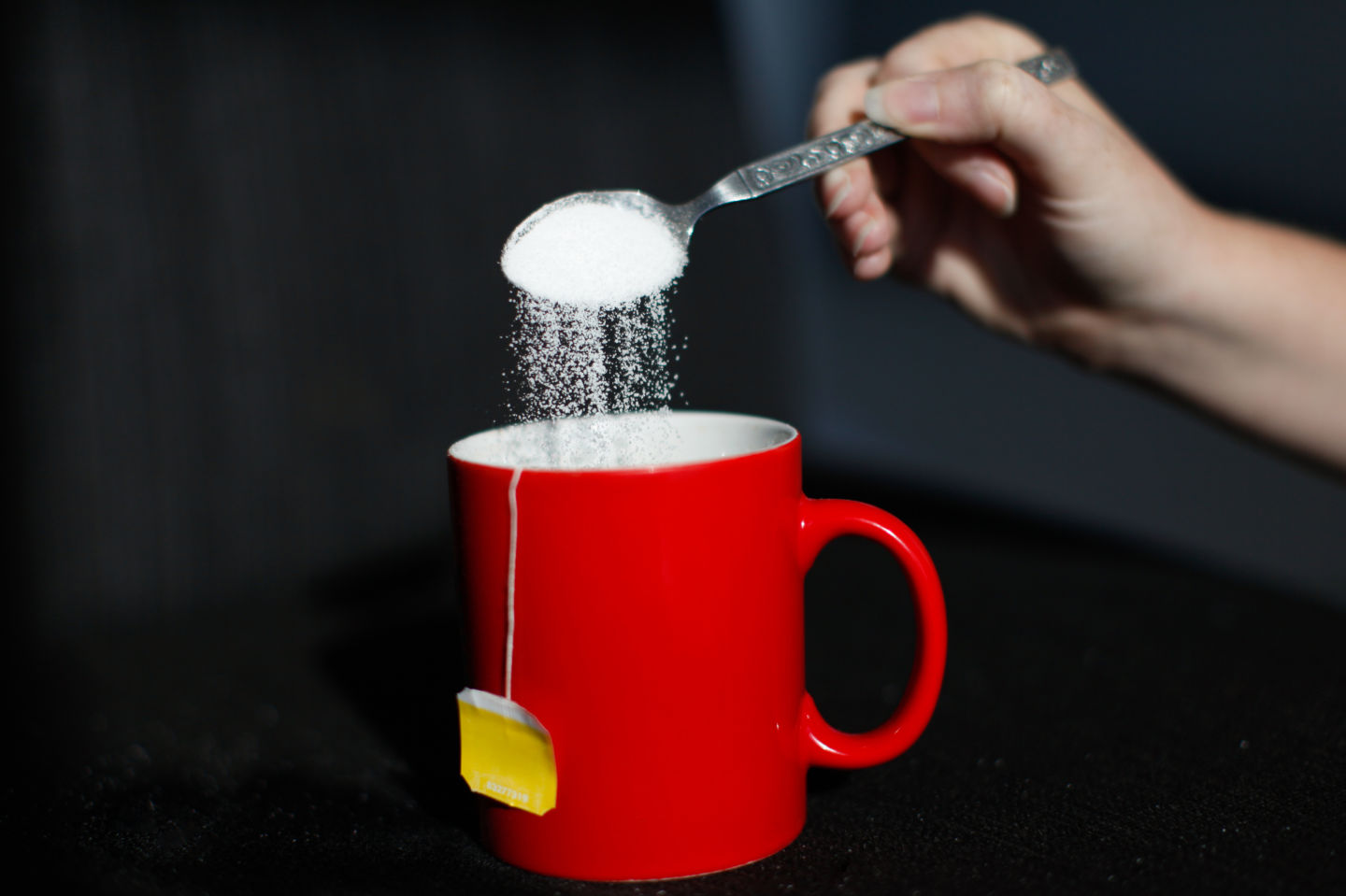
"caption": "Ah, sugar — we love the sweetness, but not the calories. For more than a century, food technologists have been on a quest for the perfect, guilt-free substitute. The latest candidate, allulose, is not available to consumers in a crystal form: It is a syrup only available to manufacturers.",
"description": "Ah, sugar — we love the sweetness, but not the calories. For more than a century, food technologists have been on a quest for the perfect, guilt-free substitute. The latest candidate, allulose, is not available to consumers in a crystal form: It is a syrup only available to manufactur",
"title": "Ah, sugar — we love the sweetness, but not the calories. For more than a century, food technologists have been on a quest for the perfect, guilt-free substitute. The latest candidate, allulose, is not available to consumers in a crystal form: It is a syrup only available to manufacturers.",
"credit": "Ryan Kellman/NPR",
"status": "inherit",
"isLoading": false,
"fetchFailed": false
},
"bayareabites_99859": {
"type": "attachments",
"id": "bayareabites_99859",
"meta": {
"index": "attachments_1716263798",
"site": "bayareabites",
"id": "99859",
"found": true
},
"parent": 99858,
"imgSizes": {
"twentyfourteen-full-width": {
"file": "https://ww2.kqed.org/app/uploads/sites/24/2015/08/img_2347-09d2ccc44306c476b37a676e42813089a5063d4b-1038x576.jpg",
"width": 1038,
"mimeType": "image/jpeg",
"height": 576
},
"thumbnail": {
"file": "https://ww2.kqed.org/app/uploads/sites/24/2015/08/img_2347-09d2ccc44306c476b37a676e42813089a5063d4b-400x300.jpg",
"width": 400,
"mimeType": "image/jpeg",
"height": 300
},
"fd-sm": {
"file": "https://ww2.kqed.org/app/uploads/sites/24/2015/08/img_2347-09d2ccc44306c476b37a676e42813089a5063d4b-960x720.jpg",
"width": 960,
"mimeType": "image/jpeg",
"height": 720
},
"post-thumbnail": {
"file": "https://ww2.kqed.org/app/uploads/sites/24/2015/08/img_2347-09d2ccc44306c476b37a676e42813089a5063d4b-672x372.jpg",
"width": 672,
"mimeType": "image/jpeg",
"height": 372
},
"kqedFullSize": {
"file": "https://ww2.kqed.org/app/uploads/sites/24/2015/08/img_2347-09d2ccc44306c476b37a676e42813089a5063d4b.jpg",
"width": 3246,
"height": 2435
},
"large": {
"file": "https://ww2.kqed.org/app/uploads/sites/24/2015/08/img_2347-09d2ccc44306c476b37a676e42813089a5063d4b-1440x1080.jpg",
"width": 1440,
"mimeType": "image/jpeg",
"height": 1080
},
"guest-author-96": {
"file": "https://ww2.kqed.org/app/uploads/sites/24/2015/08/img_2347-09d2ccc44306c476b37a676e42813089a5063d4b-96x96.jpg",
"width": 96,
"mimeType": "image/jpeg",
"height": 96
},
"medium": {
"file": "https://ww2.kqed.org/app/uploads/sites/24/2015/08/img_2347-09d2ccc44306c476b37a676e42813089a5063d4b-800x600.jpg",
"width": 800,
"mimeType": "image/jpeg",
"height": 600
},
"guest-author-64": {
"file": "https://ww2.kqed.org/app/uploads/sites/24/2015/08/img_2347-09d2ccc44306c476b37a676e42813089a5063d4b-64x64.jpg",
"width": 64,
"mimeType": "image/jpeg",
"height": 64
},
"guest-author-32": {
"file": "https://ww2.kqed.org/app/uploads/sites/24/2015/08/img_2347-09d2ccc44306c476b37a676e42813089a5063d4b-32x32.jpg",
"width": 32,
"mimeType": "image/jpeg",
"height": 32
},
"cat_post_thumb_sizecategory-posts-2": {
"file": "https://ww2.kqed.org/app/uploads/sites/24/2015/08/img_2347-09d2ccc44306c476b37a676e42813089a5063d4b-150x150.jpg",
"width": 150,
"mimeType": "image/jpeg",
"height": 150
},
"fd-lrg": {
"file": "https://ww2.kqed.org/app/uploads/sites/24/2015/08/img_2347-09d2ccc44306c476b37a676e42813089a5063d4b-1920x1440.jpg",
"width": 1920,
"mimeType": "image/jpeg",
"height": 1440
},
"fd-med": {
"file": "https://ww2.kqed.org/app/uploads/sites/24/2015/08/img_2347-09d2ccc44306c476b37a676e42813089a5063d4b-1180x885.jpg",
"width": 1180,
"mimeType": "image/jpeg",
"height": 885
},
"detail": {
"file": "https://ww2.kqed.org/app/uploads/sites/24/2015/08/img_2347-09d2ccc44306c476b37a676e42813089a5063d4b-75x75.jpg",
"width": 75,
"mimeType": "image/jpeg",
"height": 75
},
"guest-author-128": {
"file": "https://ww2.kqed.org/app/uploads/sites/24/2015/08/img_2347-09d2ccc44306c476b37a676e42813089a5063d4b-128x128.jpg",
"width": 128,
"mimeType": "image/jpeg",
"height": 128
}
},
"publishDate": 1440723340,
"modified": 1440723666,
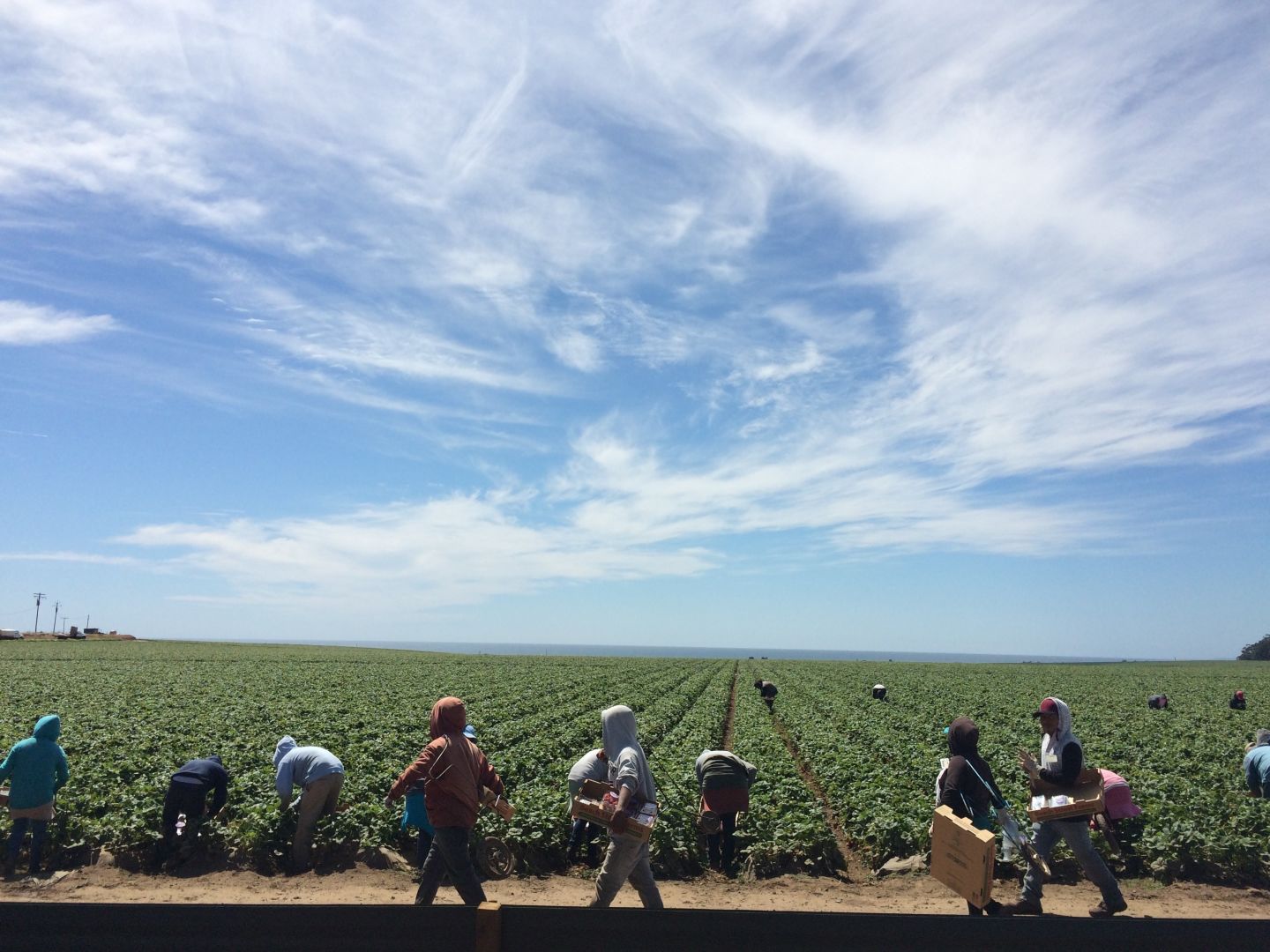
"caption": "Strawberry pickers in Watsonville, Calif. Many farmworkers in the state are out of work because of the severe drought. Those who do have a job are often working harder for less money.",
"description": "Strawberry pickers in Watsonville, Calif. Many farmworkers in the state are out of work because of the severe drought. Those who do have a job are often working harder for less money.",
"title": "Strawberry pickers in Watsonville, Calif. Many farmworkers in the state are out of work because of the severe drought. Those who do have a job are often working harder for less money.",
"credit": "Lesley McClurg/For NPR",
"status": "inherit",
"isLoading": false,
"fetchFailed": false
},
"bayareabites_99777": {
"type": "attachments",
"id": "bayareabites_99777",
"meta": {
"index": "attachments_1716263798",
"site": "bayareabites",
"id": "99777",
"found": true
},
"parent": 99774,
"imgSizes": {
"thumbnail": {
"file": "https://ww2.kqed.org/app/uploads/sites/24/2015/08/bigfoodspending-shutterstock_269127776-680x454-400x267.jpg",
"width": 400,
"mimeType": "image/jpeg",
"height": 267
},
"post-thumbnail": {
"file": "https://ww2.kqed.org/app/uploads/sites/24/2015/08/bigfoodspending-shutterstock_269127776-680x454-672x372.jpg",
"width": 672,
"mimeType": "image/jpeg",
"height": 372
},
"kqedFullSize": {
"file": "https://ww2.kqed.org/app/uploads/sites/24/2015/08/bigfoodspending-shutterstock_269127776-680x454.jpg",
"width": 680,
"height": 454
},
"cat_post_thumb_sizecategory-posts-2": {
"file": "https://ww2.kqed.org/app/uploads/sites/24/2015/08/bigfoodspending-shutterstock_269127776-680x454-150x150.jpg",
"width": 150,
"mimeType": "image/jpeg",
"height": 150
},
"guest-author-96": {
"file": "https://ww2.kqed.org/app/uploads/sites/24/2015/08/bigfoodspending-shutterstock_269127776-680x454-96x96.jpg",
"width": 96,
"mimeType": "image/jpeg",
"height": 96
},
"guest-author-64": {
"file": "https://ww2.kqed.org/app/uploads/sites/24/2015/08/bigfoodspending-shutterstock_269127776-680x454-64x64.jpg",
"width": 64,
"mimeType": "image/jpeg",
"height": 64
},
"detail": {
"file": "https://ww2.kqed.org/app/uploads/sites/24/2015/08/bigfoodspending-shutterstock_269127776-680x454-75x75.jpg",
"width": 75,
"mimeType": "image/jpeg",
"height": 75
},
"guest-author-32": {
"file": "https://ww2.kqed.org/app/uploads/sites/24/2015/08/bigfoodspending-shutterstock_269127776-680x454-32x32.jpg",
"width": 32,
"mimeType": "image/jpeg",
"height": 32
},
"guest-author-128": {
"file": "https://ww2.kqed.org/app/uploads/sites/24/2015/08/bigfoodspending-shutterstock_269127776-680x454-128x128.jpg",
"width": 128,
"mimeType": "image/jpeg",
"height": 128
}
},
"publishDate": 1440629555,
"modified": 1440629578,
"caption": null,
"description": null,
"title": "bigfoodspending-shutterstock_269127776-680x454",
"credit": "shutterstock",
"status": "inherit",
"isLoading": false,
"fetchFailed": false
},
"bayareabites_99534": {
"type": "attachments",
"id": "bayareabites_99534",
"meta": {
"index": "attachments_1716263798",
"site": "bayareabites",
"id": "99534",
"found": true
},
"parent": 99531,
"imgSizes": {
"twentyfourteen-full-width": {
"file": "https://ww2.kqed.org/app/uploads/sites/24/2015/08/080315_gmo_label_board_custom-4a121c55eafb34e8b116edcb13ac8dc4ffc590f6-1038x576.jpg",
"width": 1038,
"mimeType": "image/jpeg",
"height": 576
},
"thumbnail": {
"file": "https://ww2.kqed.org/app/uploads/sites/24/2015/08/080315_gmo_label_board_custom-4a121c55eafb34e8b116edcb13ac8dc4ffc590f6-400x274.jpg",
"width": 400,
"mimeType": "image/jpeg",
"height": 274
},
"fd-sm": {
"file": "https://ww2.kqed.org/app/uploads/sites/24/2015/08/080315_gmo_label_board_custom-4a121c55eafb34e8b116edcb13ac8dc4ffc590f6-960x658.jpg",
"width": 960,
"mimeType": "image/jpeg",
"height": 658
},
"post-thumbnail": {
"file": "https://ww2.kqed.org/app/uploads/sites/24/2015/08/080315_gmo_label_board_custom-4a121c55eafb34e8b116edcb13ac8dc4ffc590f6-672x372.jpg",
"width": 672,
"mimeType": "image/jpeg",
"height": 372
},
"kqedFullSize": {
"file": "https://ww2.kqed.org/app/uploads/sites/24/2015/08/080315_gmo_label_board_custom-4a121c55eafb34e8b116edcb13ac8dc4ffc590f6.jpg",
"width": 3263,
"height": 2236
},
"large": {
"file": "https://ww2.kqed.org/app/uploads/sites/24/2015/08/080315_gmo_label_board_custom-4a121c55eafb34e8b116edcb13ac8dc4ffc590f6-1440x987.jpg",
"width": 1440,
"mimeType": "image/jpeg",
"height": 987
},
"guest-author-96": {
"file": "https://ww2.kqed.org/app/uploads/sites/24/2015/08/080315_gmo_label_board_custom-4a121c55eafb34e8b116edcb13ac8dc4ffc590f6-96x96.jpg",
"width": 96,
"mimeType": "image/jpeg",
"height": 96
},
"medium": {
"file": "https://ww2.kqed.org/app/uploads/sites/24/2015/08/080315_gmo_label_board_custom-4a121c55eafb34e8b116edcb13ac8dc4ffc590f6-800x548.jpg",
"width": 800,
"mimeType": "image/jpeg",
"height": 548
},
"guest-author-64": {
"file": "https://ww2.kqed.org/app/uploads/sites/24/2015/08/080315_gmo_label_board_custom-4a121c55eafb34e8b116edcb13ac8dc4ffc590f6-64x64.jpg",
"width": 64,
"mimeType": "image/jpeg",
"height": 64
},
"guest-author-32": {
"file": "https://ww2.kqed.org/app/uploads/sites/24/2015/08/080315_gmo_label_board_custom-4a121c55eafb34e8b116edcb13ac8dc4ffc590f6-32x32.jpg",
"width": 32,
"mimeType": "image/jpeg",
"height": 32
},
"cat_post_thumb_sizecategory-posts-2": {
"file": "https://ww2.kqed.org/app/uploads/sites/24/2015/08/080315_gmo_label_board_custom-4a121c55eafb34e8b116edcb13ac8dc4ffc590f6-150x150.jpg",
"width": 150,
"mimeType": "image/jpeg",
"height": 150
},
"fd-lrg": {
"file": "https://ww2.kqed.org/app/uploads/sites/24/2015/08/080315_gmo_label_board_custom-4a121c55eafb34e8b116edcb13ac8dc4ffc590f6-1920x1316.jpg",
"width": 1920,
"mimeType": "image/jpeg",
"height": 1316
},
"fd-med": {
"file": "https://ww2.kqed.org/app/uploads/sites/24/2015/08/080315_gmo_label_board_custom-4a121c55eafb34e8b116edcb13ac8dc4ffc590f6-1180x809.jpg",
"width": 1180,
"mimeType": "image/jpeg",
"height": 809
},
"detail": {
"file": "https://ww2.kqed.org/app/uploads/sites/24/2015/08/080315_gmo_label_board_custom-4a121c55eafb34e8b116edcb13ac8dc4ffc590f6-75x75.jpg",
"width": 75,
"mimeType": "image/jpeg",
"height": 75
},
"guest-author-128": {
"file": "https://ww2.kqed.org/app/uploads/sites/24/2015/08/080315_gmo_label_board_custom-4a121c55eafb34e8b116edcb13ac8dc4ffc590f6-128x128.jpg",
"width": 128,
"mimeType": "image/jpeg",
"height": 128
}
},
"publishDate": 1440001667,
"modified": 1440002331,
"caption": "Attendees of the Chipotle Cultivate Festival in Kansas City, Mo., on July 18 could vote on their opinions about genetically modified organisms after going through an exhibit.",
"description": "Attendees of the Chipotle Cultivate Festival in Kansas City, Mo., on July 18 could vote on their opinions about genetically modified organisms after going through an exhibit.",
"title": "Attendees of the Chipotle Cultivate Festival in Kansas City, Mo., on July 18 could vote on their opinions about genetically modified organisms after going through an exhibit.",
"credit": "Peggy Lowe/Harvest Public Media ",
"status": "inherit",
"isLoading": false,
"fetchFailed": false
}
},
"audioPlayerReducer": {
"postId": "stream_live",
"isPaused": true,
"isPlaying": false,
"pfsActive": false,
"pledgeModalIsOpen": true,
"playerDrawerIsOpen": false,
"liveAudioPlayStartedAt": 0,
"liveAudioPlayContext": ""
},
"authorsReducer": {
"byline_bayareabites_101133": {
"type": "authors",
"id": "byline_bayareabites_101133",
"meta": {
"override": true
},
"slug": "byline_bayareabites_101133",
"name": "Dan Charles, \u003ca href=\"https://ww2.kqed.org/bayareabites/author/nprfood/\">NPR Food\u003c/a>",
"isLoading": false
},
"byline_bayareabites_100839": {
"type": "authors",
"id": "byline_bayareabites_100839",
"meta": {
"override": true
},
"slug": "byline_bayareabites_100839",
"name": "Maria Godoy, \u003ca href=\"https://ww2.kqed.org/bayareabites/author/nprfood/\">NPR Food\u003c/a>",
"isLoading": false
},
"byline_bayareabites_100669": {
"type": "authors",
"id": "byline_bayareabites_100669",
"meta": {
"override": true
},
"slug": "byline_bayareabites_100669",
"name": "Allison Aubrey, \u003ca href=\"https://ww2.kqed.org/bayareabites/author/nprfood/\">NPR Food\u003c/a>",
"isLoading": false
},
"byline_bayareabites_99974": {
"type": "authors",
"id": "byline_bayareabites_99974",
"meta": {
"override": true
},
"slug": "byline_bayareabites_99974",
"name": "Lydia Zuraw, \u003ca href=\"https://ww2.kqed.org/bayareabites/author/nprfood/\">NPR Food\u003c/a>",
"isLoading": false
},
"byline_bayareabites_99783": {
"type": "authors",
"id": "byline_bayareabites_99783",
"meta": {
"override": true
},
"slug": "byline_bayareabites_99783",
"name": "Dan Charles, \u003ca href=\"https://ww2.kqed.org/bayareabites/author/nprfood/\">NPR Food\u003c/a>",
"isLoading": false
},
"byline_bayareabites_99858": {
"type": "authors",
"id": "byline_bayareabites_99858",
"meta": {
"override": true
},
"slug": "byline_bayareabites_99858",
"name": "Lesley McClurg, Capital Public Radio at \u003ca href=\"https://ww2.kqed.org/bayareabites/author/nprfood/\">NPR Food\u003c/a>",
"isLoading": false
},
"byline_bayareabites_99774": {
"type": "authors",
"id": "byline_bayareabites_99774",
"meta": {
"override": true
},
"slug": "byline_bayareabites_99774",
"name": "\u003ca href=\"http://civileats.com/author/egrossman/\">Elizabeth Grossman, \u003ca href=\"https://ww2.kqed.org/bayareabites/author/civileat/\">Civil Eats\u003c/a>",
"isLoading": false
},
"byline_bayareabites_99531": {
"type": "authors",
"id": "byline_bayareabites_99531",
"meta": {
"override": true
},
"slug": "byline_bayareabites_99531",
"name": "Peggy Lowe, Harvest Public Media at \u003ca href=\"https://ww2.kqed.org/bayareabites/author/nprfood/\">NPR Food\u003c/a>",
"isLoading": false
},
"sarahhenry": {
"type": "authors",
"id": "5125",
"meta": {
"index": "authors_1716337520",
"id": "5125",
"found": true
},
"name": "Sarah Henry",
"firstName": "Sarah",
"lastName": "Henry",
"slug": "sarahhenry",
"email": "sarahhenry0509@gmail.com",
"display_author_email": false,
"staff_mastheads": [],
"title": null,
"bio": "\u003ca href=\"http://www.sarahhenrywriter.com/\">Sarah Henry\u003c/a> hails from Sydney, Australia, where she grew up eating lamingtons, Vegemite, and prawns (not shrimp) on the barbie (barbecue). Sarah has called the Bay Area home for the past two decades and remembers how delighted she was when a modest farmers' market sprouted in downtown San Francisco years ago. As a freelance writer Sarah has covered local food people, places, politics, culture, and news for the \u003ca href=\"http://www.sfgate.com/food/article/Latina-entrepreneurs-share-wealth-knowledge-2693764.php\">San Francisco Chronicle\u003c/a>, \u003ca href=\"http://www.mercurynews.com/food-wine/ci_21619882/good-eggs-pie-subscriptions-and-seafood-deliveries\">San Jose Mercury News\u003c/a>, \u003ca href=\"http://alumni.berkeley.edu/news/california-magazine/fall-2011-good-fight/justice%E2%80%94and-good-grub%E2%80%94-all\">California\u003c/a>, \u003ca href=\"http://www.modernluxury.com/san-francisco\">San Francisco\u003c/a>, \u003ca href=\"http://www.diablomag.com/Diablo-Magazine/November-2012/Artisan-Eats/\">Diablo\u003c/a>, \u003ca href=\"http://www.ediblecommunities.com/eastbay/fall-2012/school-lunch-20.htm\">Edible East Bay\u003c/a>, \u003ca href=\"http://www.ediblecommunities.com/marinandwinecountry/summer-2012-issue-14/getting-wild-at-a-west-marin-supper-club.htm\">Edible Marin & Wine Country\u003c/a>, and \u003ca href=\"http://www.berkeleyside.com/\">Berkeleyside\u003c/a>. A contributor to the national food policy site \u003ca href=\"http://civileats.com/\">Civil Eats\u003c/a>, her stories have also appeared in \u003ca href=\"http://www.theatlantic.com/sarah-henry/\">The Atlantic\u003c/a>, \u003ca href=\"http://www.afar.com/highlights/kamal-mouzawaks-beirut-lebanon\">AFAR\u003c/a>, \u003ca href=\"http://www.gilttaste.com/stories/5207-a-family-tied-together-by-apron-strings\">Gilt Taste\u003c/a>, \u003ca href=\"http://www.lhj.com/community/your-stories/whats-for-dinner-dude/?page=1\">Ladies' Home Journal\u003c/a>, \u003ca href=\"http://grist.org/author/sarah-henry/\">Grist\u003c/a>, \u003ca href=\"http://www.shareable.net/users/sarah-henry\">Shareable\u003c/a>, and \u003ca href=\"http://www.eatingwell.com/food_news_origins/green_sustainable/host_a_diy_food_swap\">Eating Well\u003c/a>. An epicurean tour guide for \u003ca href=\"http://edibleexcursions.net/\">Edible Excursions\u003c/a>, Sarah is the voice behind the blog \u003ca href=\"http://lettuceeatkale.com/\">Lettuce Eat Kale\u003c/a> and \u003ca href=\"http://twitter.com/lettuceeatkale\">tweets\u003c/a> under that moniker too.",
"avatar": "https://secure.gravatar.com/avatar/3fcd7301e44f9b621f8c9fc7ad678ac7?s=600&d=blank&r=g",
"twitter": "lettuceeatkale",
"facebook": "pages/Lettuce-Eat-Kale/239312194611",
"instagram": null,
"linkedin": null,
"sites": [
{
"site": "bayareabites",
"roles": [
"contributor"
]
},
{
"site": "food",
"roles": [
"contributor"
]
}
],
"headData": {
"title": "Sarah Henry | KQED",
"description": null,
"ogImgSrc": "https://secure.gravatar.com/avatar/3fcd7301e44f9b621f8c9fc7ad678ac7?s=600&d=blank&r=g",
"twImgSrc": "https://secure.gravatar.com/avatar/3fcd7301e44f9b621f8c9fc7ad678ac7?s=600&d=blank&r=g"
},
"isLoading": false,
"link": "/author/sarahhenry"
},
"nprfood": {
"type": "authors",
"id": "5403",
"meta": {
"index": "authors_1716337520",
"id": "5403",
"found": true
},
"name": "NPR Food",
"firstName": "NPR Food",
"lastName": null,
"slug": "nprfood",
"email": "nprfood@kqed.org",
"display_author_email": false,
"staff_mastheads": [],
"title": null,
"bio": "Food and Health-related stories from NPR including NPR Radio; NPR's food blog, \"The Salt\"; NPR's Health News blog, \"Shots\"; NPR's Breaking News blog \"The Two-Way\"; NPR's global stories blog \"Goats and Soda,\" NPR's economy explainer \"Planet Money\"; food-related technology news from NPR's \"All Tech Considered\"; and food series \"Kitchen Window.\"",
"avatar": "https://secure.gravatar.com/avatar/c4b735bb26404fa18ce2447d32e64291?s=600&d=blank&r=g",
"twitter": "nprfood",
"facebook": null,
"instagram": null,
"linkedin": null,
"sites": [
{
"site": "bayareabites",
"roles": [
"contributor"
]
},
{
"site": "food",
"roles": [
"contributor"
]
}
],
"headData": {
"title": "NPR Food | KQED",
"description": null,
"ogImgSrc": "https://secure.gravatar.com/avatar/c4b735bb26404fa18ce2447d32e64291?s=600&d=blank&r=g",
"twImgSrc": "https://secure.gravatar.com/avatar/c4b735bb26404fa18ce2447d32e64291?s=600&d=blank&r=g"
},
"isLoading": false,
"link": "/author/nprfood"
},
"alexandrawall": {
"type": "authors",
"id": "5567",
"meta": {
"index": "authors_1716337520",
"id": "5567",
"found": true
},
"name": "Alix Wall",
"firstName": "Alix",
"lastName": "Wall",
"slug": "alexandrawall",
"email": "alixwall@sbcglobal.net",
"display_author_email": false,
"staff_mastheads": [],
"title": null,
"bio": "Alix Wall appeared in her hometown paper in Riverside, California as “Chef of the Week” when she was 15 years old, and in high school, she founded “The Bon Appetit Club.” After working as a journalist for many years, Alix became a certified natural foods chef from Bauman College in Berkeley. While she cooks part-time healthy, organic meals for busy families, she is also a contributing editor of j. weekly, the Bay Area’s Jewish newspaper, in which she has a monthly food column. Her food writing can also be found on Berkeleyside’s NOSH and in Edible East Bay. In addition to food, she loves writing about how couples met and fell in love, which she does for The San Francisco Chronicle’s Style section and j. weekly. In 2016, she founded The Illuminoshi: The Not-So-Secret Society of Bay Area Jewish Food Professionals. She is also writer/producer for a documentary-in-progress called \u003ca href=\"https://www.lonelychildmovie.com/\">The Lonely Child\u003c/a>. Follow Alix on Twitter \u003ca href=\"https://twitter.com/WallAlix\">@WallAlix\u003c/a>.",
"avatar": "https://secure.gravatar.com/avatar/421a27f26a185be932f8d567b499b1f1?s=600&d=blank&r=g",
"twitter": null,
"facebook": null,
"instagram": null,
"linkedin": null,
"sites": [
{
"site": "bayareabites",
"roles": [
"contributor"
]
},
{
"site": "food",
"roles": [
"contributor"
]
}
],
"headData": {
"title": "Alix Wall | KQED",
"description": null,
"ogImgSrc": "https://secure.gravatar.com/avatar/421a27f26a185be932f8d567b499b1f1?s=600&d=blank&r=g",
"twImgSrc": "https://secure.gravatar.com/avatar/421a27f26a185be932f8d567b499b1f1?s=600&d=blank&r=g"
},
"isLoading": false,
"link": "/author/alexandrawall"
},
"civileat": {
"type": "authors",
"id": "5583",
"meta": {
"index": "authors_1716337520",
"id": "5583",
"found": true
},
"name": "Civil Eats",
"firstName": "Civil",
"lastName": "Eats",
"slug": "civileat",
"email": "twilight@civileats.com",
"display_author_email": false,
"staff_mastheads": [],
"title": null,
"bio": "\u003ca href=\"http://civileats.com/\">Civil Eats\u003c/a> is a daily news source for critical thought about the American food system. We publish stories that shift the conversation around sustainable agriculture in an effort to build economically and socially just communities. Follow Civil Eats on Twitter \u003ca href=\"https://twitter.com/CivilEats\">@civileats\u003c/a> and on \u003ca href=\"https://www.facebook.com/pages/Civil-Eats/56766540637\">Facebook\u003c/a>.",
"avatar": "https://secure.gravatar.com/avatar/8f6f50bfb6403afe7cbc194b66cc1d4d?s=600&d=blank&r=g",
"twitter": "CivilEats",
"facebook": "/pages/Civil-Eats/56766540637?ref=hl",
"instagram": null,
"linkedin": null,
"sites": [
{
"site": "bayareabites",
"roles": [
"contributor"
]
},
{
"site": "food",
"roles": [
"contributor"
]
}
],
"headData": {
"title": "Civil Eats | KQED",
"description": null,
"ogImgSrc": "https://secure.gravatar.com/avatar/8f6f50bfb6403afe7cbc194b66cc1d4d?s=600&d=blank&r=g",
"twImgSrc": "https://secure.gravatar.com/avatar/8f6f50bfb6403afe7cbc194b66cc1d4d?s=600&d=blank&r=g"
},
"isLoading": false,
"link": "/author/civileat"
}
},
"pagesReducer": {
"bayareabites_category_politics-activism-food-safety": {
"type": "terms",
"id": "bayareabites_2035",
"meta": {
"index": "terms_1716263798",
"site": "bayareabites",
"id": "2035",
"score": 13.896381
},
"featImg": null,
"name": "politics, activism, food safety",
"description": null,
"taxonomy": "category",
"headData": {
"twImgId": null,
"twTitle": null,
"ogTitle": null,
"ogImgId": null,
"twDescription": null,
"description": null,
"title": "politics, activism, food safety Archives | KQED Bay Area Bites",
"ogDescription": null
},
"ttid": 943,
"slug": "politics-activism-food-safety",
"isLoading": false,
"title": "politics, activism, food safety",
"pageMeta": {
"site": "bayareabites",
"WpPageTemplate": "page-topic-editorial",
"currentPage": 27
},
"blocks": [
{
"blockName": "kqed/post-list",
"attrs": {
"layout": "cardArticle2",
"query": "posts/bayareabites?category=politics-activism-food-safety",
"seeMore": false,
"paginated": true,
"page": 27
}
},
{
"blockName": "kqed/ad"
}
]
}
},
"pfsSessionReducer": {},
"postsReducer": {
"stream_live": {
"type": "live",
"id": "stream_live",
"audioUrl": "https://streams.kqed.org/kqedradio",
"title": "Live Stream",
"excerpt": "Live Stream information currently unavailable.",
"link": "/radio",
"featImg": "",
"label": {
"name": "KQED Live",
"link": "/"
}
},
"stream_kqedNewscast": {
"type": "posts",
"id": "stream_kqedNewscast",
"audioUrl": "https://www.kqed.org/.stream/anon/radio/RDnews/newscast.mp3?_=1",
"title": "KQED Newscast",
"featImg": "",
"label": {
"name": "88.5 FM",
"link": "/"
}
},
"bayareabites_101144": {
"type": "posts",
"id": "bayareabites_101144",
"meta": {
"index": "posts_1716263798",
"site": "bayareabites",
"id": "101144",
"score": null,
"sort": [
1443016840000
]
},
"parent": 0,
"labelTerm": {},
"blocks": [],
"publishDate": 1443016840,
"format": "standard",
"disqusTitle": "Thinking About Chickens? Adopting Them is More Humane Than Raising Them From Chicks, Advocates Say",
"title": "Thinking About Chickens? Adopting Them is More Humane Than Raising Them From Chicks, Advocates Say",
"headTitle": "Bay Area Bites | KQED Food",
"content": "\u003cp>Isabelle Cnudde of Los Altos has two cats and one dog. She also had three hens. And when one died, she thought about replacing her by going to a farm where she had initially purchased them. But then she thought better of it.\u003c/p>\n\u003cp>“It’s not right to just go and buy chickens, so I started to look for adopted chickens,” she said. “I found \u003ca href=\"http://animalplace.org\" target=\"_blank\">Animal Place\u003c/a>, learned I could adopt chickens from them and thought, ‘What a great thing to do.’” She adopted two chickens earlier this year.\u003c/p>\n\u003cp>Animal Place rescues farm animals when they are deemed no longer as productive as they once were and would normally be “depopulated,” a euphemism that farmers use for killing them. Every so often they team up with local SPCA chapters and hold adoption events. Such an event is taking place for chickens on Sunday, \u003cdel datetime=\"2015-09-24T16:00:22+00:00\">September 27\u003c/del> October 18 at the \u003ca href=\"http://www.eastbayspca.org/locations\" target=\"_blank\">East Bay SPCA in Oakland\u003c/a> from 12pm to 2pm.\u003c/p>\n\u003cp>While it’s called an adoption event, it’s really more of a “pick-up,” event, as adopters \u003ca href=\"http://animalplace.org/adoptable-chickens/\" target=\"_blank\">apply on Animal Place’s website\u003c/a> and get approved before the actual day of pick-up.\u003c/p>\n\u003cp>Adopters pay $10 a chicken (if they’re adopting between one and four); $7 a chicken (if they’re adopting between five and nine), and $5 each if they adopt between 10 and 15.\u003c/p>\n\u003cp>[ad fullwidth]\u003c/p>\n\u003cp>“We call those who apply and have a few questions that we go over with them, and then we bring as many chickens as are being adopted that day to the site,” said Jacinda Virgin, Animal Place’s adoption coordinator.\u003c/p>\n\u003cfigure id=\"attachment_101175\" class=\"wp-caption aligncenter\" style=\"max-width: 1920px\">\u003cimg class=\"size-full wp-image-101175\" src=\"http://ww2.kqed.org/bayareabites/wp-content/uploads/sites/24/2015/09/chickens-1920.jpg\" alt=\"Animal Place provides a sanctuary for chickens like these (or roosters) when they have nowhere else to go and farms don't want them.\" width=\"1920\" height=\"1280\" srcset=\"https://ww2.kqed.org/app/uploads/sites/24/2015/09/chickens-1920.jpg 1920w, https://ww2.kqed.org/app/uploads/sites/24/2015/09/chickens-1920-400x267.jpg 400w, https://ww2.kqed.org/app/uploads/sites/24/2015/09/chickens-1920-800x533.jpg 800w, https://ww2.kqed.org/app/uploads/sites/24/2015/09/chickens-1920-1440x960.jpg 1440w, https://ww2.kqed.org/app/uploads/sites/24/2015/09/chickens-1920-1180x787.jpg 1180w, https://ww2.kqed.org/app/uploads/sites/24/2015/09/chickens-1920-960x640.jpg 960w\" sizes=\"(max-width: 1920px) 100vw, 1920px\">\u003cfigcaption class=\"wp-caption-text\">Animal Place provides a sanctuary for chickens like these (or roosters) when they have nowhere else to go and farms don't want them. \u003ccite>(Marji Beach for Animal Place)\u003c/cite>\u003c/figcaption>\u003c/figure>\n\u003cp>Potential adopters must have a fully-enclosed chicken coop already and must promise to keep the chickens after they are no longer laying eggs.\u003c/p>\n\u003cp>“While there’s no real way to enforce that, I’m a stickler for it,” said Virgin. “I really try to find out if you’re a person who really cares about the chickens.”\u003c/p>\n\u003cp>Furthermore, she added, “You also have to make sure they have food, water and shelter -- and promise that if they’re suffering in any way, you’ll take them to the vet.”\u003c/p>\n\u003cp>While Animal Place has been holding these events for around five years, the animal sanctuary is 25 years old. Its main sanctuary is in Grass Valley, but chickens and goats live at its adoption facility in Vacaville.\u003c/p>\n\u003cp>“We work with different egg farmers that we have good business relationships with,” said Virgin. “These chickens are mostly in battery cages, but some are free-range. Sometimes we get notified about really bad situations. But for the most part, farmers call us when they’re ‘depopulating,’ when the chickens are one-and-a-half to two-and-a-half years old. They’ve started seeing a decline in their egg production, and they don’t see them as profitable.”\u003c/p>\n\u003cp>The chickens have not stopped laying eggs altogether but have just slowed down a bit, Virgin emphasized, so adopters will definitely get eggs out of the deal.\u003c/p>\n\u003cp>Virgin said that the Vacaville facility always has hens up for adoption and wants the word to get out so people who want backyard chickens won’t buy chicks.\u003c/p>\n\u003cp>“We’re hoping that people will start to see it’s better to rescue and adopt chickens than breeding or buying chicks because it’s a really cruel industry,” she said. “Sadly, the \u003ca href=\"http://ww2.kqed.org/bayareabites/2014/08/04/eatwell-farm-to-begin-breeding-its-own-heritage-poultry/\" target=\"_blank\">boy chicks are usually killed\u003c/a> before they even make it to be sold, since people only want female chickens for the eggs.”\u003c/p>\n\u003cp>Virgin said that most chicken owners are surprised to see how their personalities emerge.\u003c/p>\n\u003cp>“People fall in love with them as companion animals. They’re really sweet and have their own personalities like cats and dogs,” said Virgin. “There are plenty who need homes and they can be a fun companion at the same time.”\u003c/p>\n\u003cp>This was confirmed by Cnudde who said that the chickens she adopted from Animal Place are in fact more productive than those she raised herself.\u003c/p>\n\u003cp>“It’s shocking that the farms discard them after a year-and-a-half, as they still lay a lot of eggs,” she said. While the chickens she raised herself lay about one egg every three days, the hens she adopted lay an egg a day. Also since Cnudde is trying to eat a mostly vegan diet, she said, “I have to give them away, I can’t eat them all.”\u003c/p>\n\u003cp>When asked what Cnudde would say to those on the fence about adopting chickens, she said the benefits are many.\u003c/p>\n\u003cp>\"When you adopt a chicken from Animal Place, you make space for another chicken that can be saved from a farm,\" she said.\u003c/p>\n\u003cfigure id=\"attachment_101176\" class=\"wp-caption aligncenter\" style=\"max-width: 1920px\">\u003cimg class=\"size-full wp-image-101176\" src=\"http://ww2.kqed.org/bayareabites/wp-content/uploads/sites/24/2015/09/IMG_6272-1920.jpg\" alt=\"Isabelle Cnudde says taking care of chickens is much less maintenance than her cats or dog.\" width=\"1920\" height=\"1280\" srcset=\"https://ww2.kqed.org/app/uploads/sites/24/2015/09/IMG_6272-1920.jpg 1920w, https://ww2.kqed.org/app/uploads/sites/24/2015/09/IMG_6272-1920-400x267.jpg 400w, https://ww2.kqed.org/app/uploads/sites/24/2015/09/IMG_6272-1920-800x533.jpg 800w, https://ww2.kqed.org/app/uploads/sites/24/2015/09/IMG_6272-1920-1440x960.jpg 1440w, https://ww2.kqed.org/app/uploads/sites/24/2015/09/IMG_6272-1920-1180x787.jpg 1180w, https://ww2.kqed.org/app/uploads/sites/24/2015/09/IMG_6272-1920-960x640.jpg 960w\" sizes=\"(max-width: 1920px) 100vw, 1920px\">\u003cfigcaption class=\"wp-caption-text\">Isabelle Cnudde says taking care of chickens is much less maintenance than her cats or dog. \u003ccite>(Peter Cnudde)\u003c/cite>\u003c/figcaption>\u003c/figure>\n\u003cp>But the greatest enjoyment has come in the form of seeing her chickens “learning to be chickens at my house. They were in cages their whole lives, and to see them discovering new things was really amazing for me,” said Cnudde.\u003c/p>\n\u003cp>While her other chickens were already used to the kale or chard leaves she fed them from her garden, the new chickens would hesitantly try them while making faces. When they discovered they liked the new food, they’d run around with it and not share it with anyone.\u003c/p>\n\u003cp>Compared to her cats and dog, Cnudde said the chickens are practically no work at all. “Once you have a coop with nests for them, and it’s big enough for them to run around safely from predators, you only need to clean it and refill the feeder once a week. You can go on vacation and leave them for a week, while for the cats and dog I need a sitter. The chickens are much less maintenance.”\u003c/p>\n\u003cp>\u003c/p>\n\u003cp>\u003cstrong>\u003cem>Update 9/24/15\u003c/em>\u003c/strong>: \u003cem>Animal Place does not endorse leaving chickens alone for a week without a proper caregiver.\u003c/em>\u003c/p>\n\n",
"disqusIdentifier": "101144 http://ww2.kqed.org/bayareabites/?p=101144",
"disqusUrl": "https://ww2.kqed.org/bayareabites/2015/09/23/thinking-about-chickens-adopting-them-is-more-humane-than-raising-them-from-chicks-advocates-say/",
"stats": {
"hasVideo": false,
"hasChartOrMap": false,
"hasAudio": false,
"hasPolis": false,
"wordCount": 1078,
"hasGoogleForm": false,
"hasGallery": false,
"hasHearkenModule": false,
"iframeSrcs": [],
"paragraphCount": 26
},
"modified": 1443132885,
"excerpt": "Animal Place, a sanctuary for farm animals in Grass Valley, holds numerous adoption events each year. On October 18, the public is invited to come to Oakland to give some chickens new homes.",
"headData": {
"twImgId": "",
"twTitle": "",
"ogTitle": "",
"ogImgId": "",
"twDescription": "",
"description": "Animal Place, a sanctuary for farm animals in Grass Valley, holds numerous adoption events each year. On October 18, the public is invited to come to Oakland to give some chickens new homes.",
"title": "Thinking About Chickens? Adopting Them is More Humane Than Raising Them From Chicks, Advocates Say | KQED",
"ogDescription": "",
"schema": {
"@context": "https://schema.org",
"@type": "Article",
"headline": "Thinking About Chickens? Adopting Them is More Humane Than Raising Them From Chicks, Advocates Say",
"datePublished": "2015-09-23T07:00:40-07:00",
"dateModified": "2015-09-24T15:14:45-07:00",
"image": "https://cdn.kqed.org/wp-content/uploads/2020/02/KQED-OG-Image@1x.png"
}
},
"guestAuthors": [],
"slug": "thinking-about-chickens-adopting-them-is-more-humane-than-raising-them-from-chicks-advocates-say",
"status": "publish",
"sourceUrl": "https://ww2.kqed.org/bayareabites/category/gardening-and-urban-farming/",
"source": "Urban Farming",
"path": "/bayareabites/101144/thinking-about-chickens-adopting-them-is-more-humane-than-raising-them-from-chicks-advocates-say",
"audioTrackLength": null,
"parsedContent": [
{
"type": "contentString",
"content": "\u003cdiv class=\"post-body\">\u003cp>\u003cp>Isabelle Cnudde of Los Altos has two cats and one dog. She also had three hens. And when one died, she thought about replacing her by going to a farm where she had initially purchased them. But then she thought better of it.\u003c/p>\n\u003cp>“It’s not right to just go and buy chickens, so I started to look for adopted chickens,” she said. “I found \u003ca href=\"http://animalplace.org\" target=\"_blank\">Animal Place\u003c/a>, learned I could adopt chickens from them and thought, ‘What a great thing to do.’” She adopted two chickens earlier this year.\u003c/p>\n\u003cp>Animal Place rescues farm animals when they are deemed no longer as productive as they once were and would normally be “depopulated,” a euphemism that farmers use for killing them. Every so often they team up with local SPCA chapters and hold adoption events. Such an event is taking place for chickens on Sunday, \u003cdel datetime=\"2015-09-24T16:00:22+00:00\">September 27\u003c/del> October 18 at the \u003ca href=\"http://www.eastbayspca.org/locations\" target=\"_blank\">East Bay SPCA in Oakland\u003c/a> from 12pm to 2pm.\u003c/p>\n\u003cp>While it’s called an adoption event, it’s really more of a “pick-up,” event, as adopters \u003ca href=\"http://animalplace.org/adoptable-chickens/\" target=\"_blank\">apply on Animal Place’s website\u003c/a> and get approved before the actual day of pick-up.\u003c/p>\n\u003cp>Adopters pay $10 a chicken (if they’re adopting between one and four); $7 a chicken (if they’re adopting between five and nine), and $5 each if they adopt between 10 and 15.\u003c/p>\n\u003cp>\u003c/p>\u003c/div>",
"attributes": {
"named": {},
"numeric": []
}
},
{
"type": "component",
"content": "",
"name": "ad",
"attributes": {
"named": {
"label": "fullwidth"
},
"numeric": [
"fullwidth"
]
}
},
{
"type": "contentString",
"content": "\u003cdiv class=\"post-body\">\u003cp>\u003c/p>\n\u003cp>“We call those who apply and have a few questions that we go over with them, and then we bring as many chickens as are being adopted that day to the site,” said Jacinda Virgin, Animal Place’s adoption coordinator.\u003c/p>\n\u003cfigure id=\"attachment_101175\" class=\"wp-caption aligncenter\" style=\"max-width: 1920px\">\u003cimg class=\"size-full wp-image-101175\" src=\"http://ww2.kqed.org/bayareabites/wp-content/uploads/sites/24/2015/09/chickens-1920.jpg\" alt=\"Animal Place provides a sanctuary for chickens like these (or roosters) when they have nowhere else to go and farms don't want them.\" width=\"1920\" height=\"1280\" srcset=\"https://ww2.kqed.org/app/uploads/sites/24/2015/09/chickens-1920.jpg 1920w, https://ww2.kqed.org/app/uploads/sites/24/2015/09/chickens-1920-400x267.jpg 400w, https://ww2.kqed.org/app/uploads/sites/24/2015/09/chickens-1920-800x533.jpg 800w, https://ww2.kqed.org/app/uploads/sites/24/2015/09/chickens-1920-1440x960.jpg 1440w, https://ww2.kqed.org/app/uploads/sites/24/2015/09/chickens-1920-1180x787.jpg 1180w, https://ww2.kqed.org/app/uploads/sites/24/2015/09/chickens-1920-960x640.jpg 960w\" sizes=\"(max-width: 1920px) 100vw, 1920px\">\u003cfigcaption class=\"wp-caption-text\">Animal Place provides a sanctuary for chickens like these (or roosters) when they have nowhere else to go and farms don't want them. \u003ccite>(Marji Beach for Animal Place)\u003c/cite>\u003c/figcaption>\u003c/figure>\n\u003cp>Potential adopters must have a fully-enclosed chicken coop already and must promise to keep the chickens after they are no longer laying eggs.\u003c/p>\n\u003cp>“While there’s no real way to enforce that, I’m a stickler for it,” said Virgin. “I really try to find out if you’re a person who really cares about the chickens.”\u003c/p>\n\u003cp>Furthermore, she added, “You also have to make sure they have food, water and shelter -- and promise that if they’re suffering in any way, you’ll take them to the vet.”\u003c/p>\n\u003cp>While Animal Place has been holding these events for around five years, the animal sanctuary is 25 years old. Its main sanctuary is in Grass Valley, but chickens and goats live at its adoption facility in Vacaville.\u003c/p>\n\u003cp>“We work with different egg farmers that we have good business relationships with,” said Virgin. “These chickens are mostly in battery cages, but some are free-range. Sometimes we get notified about really bad situations. But for the most part, farmers call us when they’re ‘depopulating,’ when the chickens are one-and-a-half to two-and-a-half years old. They’ve started seeing a decline in their egg production, and they don’t see them as profitable.”\u003c/p>\n\u003cp>The chickens have not stopped laying eggs altogether but have just slowed down a bit, Virgin emphasized, so adopters will definitely get eggs out of the deal.\u003c/p>\n\u003cp>Virgin said that the Vacaville facility always has hens up for adoption and wants the word to get out so people who want backyard chickens won’t buy chicks.\u003c/p>\n\u003cp>“We’re hoping that people will start to see it’s better to rescue and adopt chickens than breeding or buying chicks because it’s a really cruel industry,” she said. “Sadly, the \u003ca href=\"http://ww2.kqed.org/bayareabites/2014/08/04/eatwell-farm-to-begin-breeding-its-own-heritage-poultry/\" target=\"_blank\">boy chicks are usually killed\u003c/a> before they even make it to be sold, since people only want female chickens for the eggs.”\u003c/p>\n\u003cp>Virgin said that most chicken owners are surprised to see how their personalities emerge.\u003c/p>\n\u003cp>“People fall in love with them as companion animals. They’re really sweet and have their own personalities like cats and dogs,” said Virgin. “There are plenty who need homes and they can be a fun companion at the same time.”\u003c/p>\n\u003cp>This was confirmed by Cnudde who said that the chickens she adopted from Animal Place are in fact more productive than those she raised herself.\u003c/p>\n\u003cp>“It’s shocking that the farms discard them after a year-and-a-half, as they still lay a lot of eggs,” she said. While the chickens she raised herself lay about one egg every three days, the hens she adopted lay an egg a day. Also since Cnudde is trying to eat a mostly vegan diet, she said, “I have to give them away, I can’t eat them all.”\u003c/p>\n\u003cp>When asked what Cnudde would say to those on the fence about adopting chickens, she said the benefits are many.\u003c/p>\n\u003cp>\"When you adopt a chicken from Animal Place, you make space for another chicken that can be saved from a farm,\" she said.\u003c/p>\n\u003cfigure id=\"attachment_101176\" class=\"wp-caption aligncenter\" style=\"max-width: 1920px\">\u003cimg class=\"size-full wp-image-101176\" src=\"http://ww2.kqed.org/bayareabites/wp-content/uploads/sites/24/2015/09/IMG_6272-1920.jpg\" alt=\"Isabelle Cnudde says taking care of chickens is much less maintenance than her cats or dog.\" width=\"1920\" height=\"1280\" srcset=\"https://ww2.kqed.org/app/uploads/sites/24/2015/09/IMG_6272-1920.jpg 1920w, https://ww2.kqed.org/app/uploads/sites/24/2015/09/IMG_6272-1920-400x267.jpg 400w, https://ww2.kqed.org/app/uploads/sites/24/2015/09/IMG_6272-1920-800x533.jpg 800w, https://ww2.kqed.org/app/uploads/sites/24/2015/09/IMG_6272-1920-1440x960.jpg 1440w, https://ww2.kqed.org/app/uploads/sites/24/2015/09/IMG_6272-1920-1180x787.jpg 1180w, https://ww2.kqed.org/app/uploads/sites/24/2015/09/IMG_6272-1920-960x640.jpg 960w\" sizes=\"(max-width: 1920px) 100vw, 1920px\">\u003cfigcaption class=\"wp-caption-text\">Isabelle Cnudde says taking care of chickens is much less maintenance than her cats or dog. \u003ccite>(Peter Cnudde)\u003c/cite>\u003c/figcaption>\u003c/figure>\n\u003cp>But the greatest enjoyment has come in the form of seeing her chickens “learning to be chickens at my house. They were in cages their whole lives, and to see them discovering new things was really amazing for me,” said Cnudde.\u003c/p>\n\u003cp>While her other chickens were already used to the kale or chard leaves she fed them from her garden, the new chickens would hesitantly try them while making faces. When they discovered they liked the new food, they’d run around with it and not share it with anyone.\u003c/p>\n\u003cp>Compared to her cats and dog, Cnudde said the chickens are practically no work at all. “Once you have a coop with nests for them, and it’s big enough for them to run around safely from predators, you only need to clean it and refill the feeder once a week. You can go on vacation and leave them for a week, while for the cats and dog I need a sitter. The chickens are much less maintenance.”\u003c/p>\n\u003cp>\u003c/p>\n\u003cp>\u003cstrong>\u003cem>Update 9/24/15\u003c/em>\u003c/strong>: \u003cem>Animal Place does not endorse leaving chickens alone for a week without a proper caregiver.\u003c/em>\u003c/p>\n\n\u003c/div>\u003c/p>",
"attributes": {
"named": {},
"numeric": []
}
}
],
"link": "/bayareabites/101144/thinking-about-chickens-adopting-them-is-more-humane-than-raising-them-from-chicks-advocates-say",
"authors": [
"5567"
],
"categories": [
"bayareabites_109",
"bayareabites_50",
"bayareabites_1874",
"bayareabites_2554",
"bayareabites_2035"
],
"tags": [
"bayareabites_8964",
"bayareabites_10197",
"bayareabites_10566",
"bayareabites_14875"
],
"featImg": "bayareabites_101177",
"label": "source_bayareabites_101144"
},
"bayareabites_101133": {
"type": "posts",
"id": "bayareabites_101133",
"meta": {
"index": "posts_1716263798",
"site": "bayareabites",
"id": "101133",
"score": null,
"sort": [
1442899396000
]
},
"parent": 0,
"labelTerm": {
"site": "bayareabites"
},
"blocks": [],
"publishDate": 1442899396,
"format": "standard",
"disqusTitle": "Peanut Exec Gets 28 Years In Prison For Deadly Salmonella Outbreak",
"title": "Peanut Exec Gets 28 Years In Prison For Deadly Salmonella Outbreak",
"headTitle": "Bay Area Bites | KQED Food",
"content": "\u003cp>A former corporate CEO has been sentenced to 28 years in prison for selling food that made people sick. Two other executives face jail time as well. These jail terms are by far the harshest sentences the U.S. authorities have handed down in connection with an outbreak of foodborne illness.\u003c/p>\n\u003cp>The outbreak, in this case, happened seven years ago. More than 700 cases of salmonella poisoning were linked to contaminated peanut products. Nine people died.\u003c/p>\n\u003cp>Investigators traced the contaminated food to a factory in Georgia operated by the Peanut Corporation of America.\u003c/p>\n\u003cp>The outbreak, by itself, was not unprecedented. There have been bigger, and deadlier, outbreaks of foodborne illness.\u003c/p>\n\u003cp>But the emails that investigators found at the Peanut Corporation of America set this case apart. Some of the emails came from the company's CEO, Stewart Parnell.\u003c/p>\n\u003cp>[ad fullwidth]\u003c/p>\n\u003cp>\"Stewart Parnell absolutely knew that they were shipping salmonella-tainted peanut butter. They knew it, and they covered it up,\" says Bill Marler, a food safety lawyer who represented some of the victims.\u003c/p>\n\u003cp>Before and during the outbreak, company executives assured customers that their products were free of salmonella when no tests had been carried out.\u003c/p>\n\u003cp>And when tests did turn up salmonella, company executives sometimes just retested that batch, and when it came up clean, they sold it.\u003c/p>\n\u003cp>In one memorable e-mail exchange, when Parnell was told that a shipment was delayed because results of salmonella tests weren't yet available, he wrote back, \"Just ship it.\"\u003c/p>\n\u003cp>Last year, Parnell and two other people involved PCA's peanut business were convicted of criminal charges that included fraud, obstruction of justice, and selling adulterated food.\u003c/p>\n\u003cp>These were almost unprecedented charges in the food industry, and Marler says that executives in other companies are paying close attention. \"The arrest of Stewart Parnell, his conviction on these felony counts, and his sentence have put a very big chill in the boardrooms of corporate America,\" he says.\u003c/p>\n\u003cp>The Peanut Corporation of America is no longer in business.\u003c/p>\n\u003cp>At the sentencing hearing for Parnell and his colleagues, relatives of some of the victims confronted Parnell with stories of their suffering. Parnell, for his part, asked for forgiveness and mercy, and said that he never intended to harm anyone. His daughter said that he sometimes brought his company's peanut butter home for his family to eat.\u003c/p>\n\u003cp>Along with Parnell's 28-year sentence, his brother Michael Parnell was sentenced to 20 years in prison, and another former executive was sentenced to five years.\u003c/p>\n\u003cp>All of these sentences are the harshest ever imposed in connection with an outbreak of foodborne illness.\u003c/p>\n\u003cp>In some other recent cases, companies sold contaminated eggs and cantaloupes that also were linked to multiple deaths. Executives in those companies were sentenced to probation and a few months in prison.\u003c/p>\n\u003cp>Stewart Parnell's lawyers have indicated that they will file an appeal. \u003c/p>\n\u003cp>\u003c/p>\n\u003cp>\u003cem>Copyright 2015 \u003ca href=\"http://www.npr.org/\" target=\"_blank\">NPR\u003c/a>.\u003c/em> \u003c/p>\n\n",
"disqusIdentifier": "101133 http://ww2.kqed.org/bayareabites/?p=101133",
"disqusUrl": "https://ww2.kqed.org/bayareabites/2015/09/21/peanut-exec-gets-28-years-in-prison-for-deadly-salmonella-outbreak/",
"stats": {
"hasVideo": false,
"hasChartOrMap": false,
"hasAudio": false,
"hasPolis": false,
"wordCount": 484,
"hasGoogleForm": false,
"hasGallery": false,
"hasHearkenModule": false,
"iframeSrcs": [],
"paragraphCount": 20
},
"modified": 1442899396,
"excerpt": "Former Peanut Corporation of America CEO Stewart Parnell's sentence is by far the harshest U.S. authorities have handed down in such cases. Emails revealed he and others knowingly sold tainted food.",
"headData": {
"twImgId": "",
"twTitle": "",
"ogTitle": "",
"ogImgId": "",
"twDescription": "",
"description": "Former Peanut Corporation of America CEO Stewart Parnell's sentence is by far the harshest U.S. authorities have handed down in such cases. Emails revealed he and others knowingly sold tainted food.",
"title": "Peanut Exec Gets 28 Years In Prison For Deadly Salmonella Outbreak | KQED",
"ogDescription": "",
"schema": {
"@context": "https://schema.org",
"@type": "Article",
"headline": "Peanut Exec Gets 28 Years In Prison For Deadly Salmonella Outbreak",
"datePublished": "2015-09-21T22:23:16-07:00",
"dateModified": "2015-09-21T22:23:16-07:00",
"image": "https://cdn.kqed.org/wp-content/uploads/2020/02/KQED-OG-Image@1x.png"
}
},
"guestAuthors": [],
"slug": "peanut-exec-gets-28-years-in-prison-for-deadly-salmonella-outbreak",
"status": "publish",
"nprApiLink": "http://api.npr.org/query?id=442335132&apiKey=MDAxOTAwOTE4MDEyMTkxMDAzNjczZDljZA004",
"nprByline": "Dan Charles, \u003ca href=\"https://ww2.kqed.org/bayareabites/author/nprfood/\">NPR Food\u003c/a>",
"nprStoryDate": "Mon, 21 Sep 2015 21:11:00 -0400",
"nprLastModifiedDate": "Mon, 21 Sep 2015 21:56:44 -0400",
"nprHtmlLink": "http://www.npr.org/sections/thesalt/2015/09/21/442335132/peanut-exec-gets-28-years-in-prison-for-deadly-salmonella-outbreak?ft=nprml&f=442335132",
"nprStoryId": "442335132",
"nprRetrievedStory": "1",
"nprPubDate": "Mon, 21 Sep 2015 21:56:00 -0400",
"path": "/bayareabites/101133/peanut-exec-gets-28-years-in-prison-for-deadly-salmonella-outbreak",
"audioTrackLength": null,
"parsedContent": [
{
"type": "contentString",
"content": "\u003cdiv class=\"post-body\">\u003cp>\u003cp>A former corporate CEO has been sentenced to 28 years in prison for selling food that made people sick. Two other executives face jail time as well. These jail terms are by far the harshest sentences the U.S. authorities have handed down in connection with an outbreak of foodborne illness.\u003c/p>\n\u003cp>The outbreak, in this case, happened seven years ago. More than 700 cases of salmonella poisoning were linked to contaminated peanut products. Nine people died.\u003c/p>\n\u003cp>Investigators traced the contaminated food to a factory in Georgia operated by the Peanut Corporation of America.\u003c/p>\n\u003cp>The outbreak, by itself, was not unprecedented. There have been bigger, and deadlier, outbreaks of foodborne illness.\u003c/p>\n\u003cp>But the emails that investigators found at the Peanut Corporation of America set this case apart. Some of the emails came from the company's CEO, Stewart Parnell.\u003c/p>\n\u003cp>\u003c/p>\u003c/div>",
"attributes": {
"named": {},
"numeric": []
}
},
{
"type": "component",
"content": "",
"name": "ad",
"attributes": {
"named": {
"label": "fullwidth"
},
"numeric": [
"fullwidth"
]
}
},
{
"type": "contentString",
"content": "\u003cdiv class=\"post-body\">\u003cp>\u003c/p>\n\u003cp>\"Stewart Parnell absolutely knew that they were shipping salmonella-tainted peanut butter. They knew it, and they covered it up,\" says Bill Marler, a food safety lawyer who represented some of the victims.\u003c/p>\n\u003cp>Before and during the outbreak, company executives assured customers that their products were free of salmonella when no tests had been carried out.\u003c/p>\n\u003cp>And when tests did turn up salmonella, company executives sometimes just retested that batch, and when it came up clean, they sold it.\u003c/p>\n\u003cp>In one memorable e-mail exchange, when Parnell was told that a shipment was delayed because results of salmonella tests weren't yet available, he wrote back, \"Just ship it.\"\u003c/p>\n\u003cp>Last year, Parnell and two other people involved PCA's peanut business were convicted of criminal charges that included fraud, obstruction of justice, and selling adulterated food.\u003c/p>\n\u003cp>These were almost unprecedented charges in the food industry, and Marler says that executives in other companies are paying close attention. \"The arrest of Stewart Parnell, his conviction on these felony counts, and his sentence have put a very big chill in the boardrooms of corporate America,\" he says.\u003c/p>\n\u003cp>The Peanut Corporation of America is no longer in business.\u003c/p>\n\u003cp>At the sentencing hearing for Parnell and his colleagues, relatives of some of the victims confronted Parnell with stories of their suffering. Parnell, for his part, asked for forgiveness and mercy, and said that he never intended to harm anyone. His daughter said that he sometimes brought his company's peanut butter home for his family to eat.\u003c/p>\n\u003cp>Along with Parnell's 28-year sentence, his brother Michael Parnell was sentenced to 20 years in prison, and another former executive was sentenced to five years.\u003c/p>\n\u003cp>All of these sentences are the harshest ever imposed in connection with an outbreak of foodborne illness.\u003c/p>\n\u003cp>In some other recent cases, companies sold contaminated eggs and cantaloupes that also were linked to multiple deaths. Executives in those companies were sentenced to probation and a few months in prison.\u003c/p>\n\u003cp>Stewart Parnell's lawyers have indicated that they will file an appeal. \u003c/p>\n\u003cp>\u003c/p>\n\u003cp>\u003cem>Copyright 2015 \u003ca href=\"http://www.npr.org/\" target=\"_blank\">NPR\u003c/a>.\u003c/em> \u003c/p>\n\n\u003c/div>\u003c/p>",
"attributes": {
"named": {},
"numeric": []
}
}
],
"link": "/bayareabites/101133/peanut-exec-gets-28-years-in-prison-for-deadly-salmonella-outbreak",
"authors": [
"byline_bayareabites_101133"
],
"categories": [
"bayareabites_10028",
"bayareabites_10916",
"bayareabites_2035"
],
"tags": [
"bayareabites_11544",
"bayareabites_14871",
"bayareabites_11925",
"bayareabites_2037",
"bayareabites_11247",
"bayareabites_14870"
],
"featImg": "bayareabites_101134",
"label": "bayareabites"
},
"bayareabites_100839": {
"type": "posts",
"id": "bayareabites_100839",
"meta": {
"index": "posts_1716263798",
"site": "bayareabites",
"id": "100839",
"score": null,
"sort": [
1442600270000
]
},
"parent": 0,
"labelTerm": {
"site": "bayareabites"
},
"blocks": [],
"publishDate": 1442600270,
"format": "standard",
"disqusTitle": "Study Finds Most People On Food Stamps Eat Less Nutritious Food Than Everyone Else",
"title": "Study Finds Most People On Food Stamps Eat Less Nutritious Food Than Everyone Else",
"headTitle": "Bay Area Bites | KQED Food",
"content": "\u003cp>The wealth gap in America manifests itself not just in our pocketbooks but also in our bellies: The poor are eating less nutritious food than everyone else.\u003c/p>\n\u003cp>So concludes a new \u003ca href=\"http://www.ajpmonline.org/article/S0749-3797(15)00226-3/abstract\">review\u003c/a> of 25 studies published between 2003 and 2014 that looked at the food spending and quality of diets of participants in SNAP, the federal Supplemental Nutrition Assistance Program, also known as food stamps.\u003c/p>\n\u003cp>Compared with both higher-income Americans and low-income people eligible but not enrolled in the program, SNAP participants on average ate about the same number of calories. But they consumed fewer fruits and vegetables and whole grains and more added sugars, says \u003ca href=\"https://www.chip.uconn.edu/chipweb/bio.php?id=806\">Tatiana Andreyeva\u003c/a>, the study's lead author and a researcher with the Rudd Center for Food Policy and Obesity at the University of Connecticut.\u003c/p>\n\u003cp>\"SNAP is working to reduce food insecurity. That's the good news,\" Andreyeva tells The Salt. \"One of the major findings is we didn't find any difference in calorie intake. The bad news is that the quality of diet is lower.\"\u003c/p>\n\u003cp>As a whole, Americans aren't exactly the healthiest eaters – only \u003ca href=\"https://www.nlm.nih.gov/medlineplus/news/fullstory_153500.html\">1 in 10\u003c/a> of us eat enough fruits and vegetables, and much of what \u003ca href=\"http://www.npr.org/sections/thesalt/2014/05/21/311895781/the-vegetables-most-americans-eat-are-drowning-in-salt-and-fat\">we do eat\u003c/a> are tomatoes and starchy potatoes in the form of pizza and french fries. In the studies Andreyeva reviewed,\u003cstrong> \u003c/strong>the average American scored just 58 out of 100 – a failing grade – on the \u003ca href=\"http://www.cnpp.usda.gov/healthyeatingindex\">Healthy Eating Index\u003c/a>, a measure of how well diets meet the federal dietary guidelines.\u003c/p>\n\u003cp>[ad fullwidth]\u003c/p>\n\u003cp>But the average food stamp recipient scored even worse: 47 out of 100 in one study, and 51 out 100 in another. Their scores were even lower than what low-income people not in the program got on average: 51 out of 100 in one study and 57 out 100 in the other.\u003c/p>\n\u003cp>Andreyeva stresses that her findings, which appear in the October issue of the \u003cem>American Journal of Preventive Medicine\u003c/em>, don't mean people on SNAP make particularly bad food choices. Rather, they likely reflect the reality that the people who turn to SNAP for help tend to have the most limited means. Indeed, she found that both adults and children on SNAP were less likely to eat three meals a day than higher-income people not enrolled.\u003c/p>\n\u003cp>\"It's hard to eat healthy on a very limited budget,\" Andreyeva says, especially when the cheapest food is often packed with calories but not necessarily nutrients, and many lack the time and skills to cook.\u003c/p>\n\u003cp>About 14.5 percent of Americans — some \u003ca href=\"http://www.fns.usda.gov/sites/default/files/pd/29SNAPcurrPP.pdf\">46.5 million people\u003c/a> — rely on food stamps. And at a time when more than \u003ca href=\"http://www.cdc.gov/obesity/data/adult.html\">one-third of U.S. adults\u003c/a> are obese, she hopes her research will prompt lawmakers to consider how SNAP can address not just hunger but quality nutrition.\u003c/p>\n\u003cp>While the move toward healthier eating habits takes hold among wealthier Americans, Andreyeva worries the poorest among us will get left behind.\u003c/p>\n\u003cp>\"Overall I feel that diets are improving slowly,\" she says. \"My concern is that they're not improving at all or at slower rate among SNAP participants.\"\u003c/p>\n\u003cp>Take, for example, sugary drink consumption. The studies she looked at came to different conclusions on the question of whether SNAP recipients drink more soda than everyone else. But she notes that \u003ca href=\"http://www.ncbi.nlm.nih.gov/pubmed/26303370\">research\u003c/a> published just last month — too late to include in her review – found that people on food stamps got 12 percent of their daily calories from sugary drinks, versus 6 percent for higher-income people. This finding comes even as overall \u003ca href=\"http://www.npr.org/sections/health-shots/2014/05/16/312823157/will-soda-lovers-drink-to-less-sugar-in-the-can\">soda sales are declining\u003c/a> in the U.S.\u003c/p>\n\u003cp>Now, the U.S. Department of Agriculture has been experimenting with incentive programs to encourage healthier eating habits for people on SNAP.\u003c/p>\n\u003cp>For instance, as \u003ca href=\"http://www.npr.org/sections/thesalt/2014/11/10/361803607/how-double-bucks-for-food-stamps-conquered-capitol-hill\">we've reported\u003c/a>, the agency is investing $100 million in \u003ca href=\"http://www.doubleupfoodbucks.org/\">Double Up Food Bucks\u003c/a>, a program that doubles the value of SNAP benefits when people use them to buy fruits and vegetables at farmers markets.\u003c/p>\n\u003cp>And USDA also helps fund education efforts like \u003ca href=\"http://cookingmatters.org/\">Cooking Matters\u003c/a>. The program teaches low-income families how to cook and shop to get the most nutritional bang for the buck – by buying frozen versus fresh vegetables, for example, or focusing on the price-per-unit rather than the total price when comparing two items.\u003c/p>\n\u003cp>Across the U.S., hundreds of nutrition education and incentive programs are being implemented, says \u003ca href=\"http://altarum.org/staff/ruth-morgan\">Ruth Morgan\u003c/a>, an analyst with the Altarum Institute who helps evaluate food assistance programs for the USDA.\u003c/p>\n\u003cp>\"There's been a push on USDA side to see what's working. Everyone is reinventing the wheel,\" Morgan says.\u003c/p>\n\u003cp>But these incentive programs are run by states, so the USDA's Food and Nutrition Service says it's hard to know just how many hungry Americans on SNAP they're reaching. \u003c/p>\n\u003cp>\u003c/p>\n\u003cp>\u003cem>Copyright 2015 \u003ca href=\"http://www.npr.org/\" target=\"_blank\">NPR\u003c/a>.\u003c/em>\u003c/p>\n\n",
"disqusIdentifier": "100839 http://ww2.kqed.org/bayareabites/?p=100839",
"disqusUrl": "https://ww2.kqed.org/bayareabites/2015/09/18/most-people-on-food-stamps-eat-less-nutritious-food-than-everyone-else/",
"stats": {
"hasVideo": false,
"hasChartOrMap": false,
"hasAudio": false,
"hasPolis": false,
"wordCount": 803,
"hasGoogleForm": false,
"hasGallery": false,
"hasHearkenModule": false,
"iframeSrcs": [],
"paragraphCount": 21
},
"modified": 1442600787,
"excerpt": "People on federal food assistance on average ate fewer fruits and vegetables and had worse diets than other Americans, a study finds. It reflects the challenges of eating well on limited means.",
"headData": {
"twImgId": "",
"twTitle": "",
"ogTitle": "",
"ogImgId": "",
"twDescription": "",
"description": "People on federal food assistance on average ate fewer fruits and vegetables and had worse diets than other Americans, a study finds. It reflects the challenges of eating well on limited means.",
"title": "Study Finds Most People On Food Stamps Eat Less Nutritious Food Than Everyone Else | KQED",
"ogDescription": "",
"schema": {
"@context": "https://schema.org",
"@type": "Article",
"headline": "Study Finds Most People On Food Stamps Eat Less Nutritious Food Than Everyone Else",
"datePublished": "2015-09-18T11:17:50-07:00",
"dateModified": "2015-09-18T11:26:27-07:00",
"image": "https://cdn.kqed.org/wp-content/uploads/2020/02/KQED-OG-Image@1x.png"
}
},
"guestAuthors": [],
"slug": "most-people-on-food-stamps-eat-less-nutritious-food-than-everyone-else",
"status": "publish",
"nprApiLink": "http://api.npr.org/query?id=441143723&apiKey=MDAxOTAwOTE4MDEyMTkxMDAzNjczZDljZA004",
"nprByline": "Maria Godoy, \u003ca href=\"https://ww2.kqed.org/bayareabites/author/nprfood/\">NPR Food\u003c/a>",
"nprStoryDate": "Fri, 18 Sep 2015 12:59:00 -0400",
"nprLastModifiedDate": "Fri, 18 Sep 2015 14:09:56 -0400",
"nprHtmlLink": "http://www.npr.org/sections/thesalt/2015/09/18/441143723/people-on-food-stamps-eat-less-nutritious-food-than-everyone-else?ft=nprml&f=441143723",
"nprStoryId": "441143723",
"nprRetrievedStory": "1",
"nprPubDate": "Fri, 18 Sep 2015 14:09:00 -0400",
"path": "/bayareabites/100839/most-people-on-food-stamps-eat-less-nutritious-food-than-everyone-else",
"audioTrackLength": null,
"parsedContent": [
{
"type": "contentString",
"content": "\u003cdiv class=\"post-body\">\u003cp>\u003cp>The wealth gap in America manifests itself not just in our pocketbooks but also in our bellies: The poor are eating less nutritious food than everyone else.\u003c/p>\n\u003cp>So concludes a new \u003ca href=\"http://www.ajpmonline.org/article/S0749-3797(15)00226-3/abstract\">review\u003c/a> of 25 studies published between 2003 and 2014 that looked at the food spending and quality of diets of participants in SNAP, the federal Supplemental Nutrition Assistance Program, also known as food stamps.\u003c/p>\n\u003cp>Compared with both higher-income Americans and low-income people eligible but not enrolled in the program, SNAP participants on average ate about the same number of calories. But they consumed fewer fruits and vegetables and whole grains and more added sugars, says \u003ca href=\"https://www.chip.uconn.edu/chipweb/bio.php?id=806\">Tatiana Andreyeva\u003c/a>, the study's lead author and a researcher with the Rudd Center for Food Policy and Obesity at the University of Connecticut.\u003c/p>\n\u003cp>\"SNAP is working to reduce food insecurity. That's the good news,\" Andreyeva tells The Salt. \"One of the major findings is we didn't find any difference in calorie intake. The bad news is that the quality of diet is lower.\"\u003c/p>\n\u003cp>As a whole, Americans aren't exactly the healthiest eaters – only \u003ca href=\"https://www.nlm.nih.gov/medlineplus/news/fullstory_153500.html\">1 in 10\u003c/a> of us eat enough fruits and vegetables, and much of what \u003ca href=\"http://www.npr.org/sections/thesalt/2014/05/21/311895781/the-vegetables-most-americans-eat-are-drowning-in-salt-and-fat\">we do eat\u003c/a> are tomatoes and starchy potatoes in the form of pizza and french fries. In the studies Andreyeva reviewed,\u003cstrong> \u003c/strong>the average American scored just 58 out of 100 – a failing grade – on the \u003ca href=\"http://www.cnpp.usda.gov/healthyeatingindex\">Healthy Eating Index\u003c/a>, a measure of how well diets meet the federal dietary guidelines.\u003c/p>\n\u003cp>\u003c/p>\u003c/div>",
"attributes": {
"named": {},
"numeric": []
}
},
{
"type": "component",
"content": "",
"name": "ad",
"attributes": {
"named": {
"label": "fullwidth"
},
"numeric": [
"fullwidth"
]
}
},
{
"type": "contentString",
"content": "\u003cdiv class=\"post-body\">\u003cp>\u003c/p>\n\u003cp>But the average food stamp recipient scored even worse: 47 out of 100 in one study, and 51 out 100 in another. Their scores were even lower than what low-income people not in the program got on average: 51 out of 100 in one study and 57 out 100 in the other.\u003c/p>\n\u003cp>Andreyeva stresses that her findings, which appear in the October issue of the \u003cem>American Journal of Preventive Medicine\u003c/em>, don't mean people on SNAP make particularly bad food choices. Rather, they likely reflect the reality that the people who turn to SNAP for help tend to have the most limited means. Indeed, she found that both adults and children on SNAP were less likely to eat three meals a day than higher-income people not enrolled.\u003c/p>\n\u003cp>\"It's hard to eat healthy on a very limited budget,\" Andreyeva says, especially when the cheapest food is often packed with calories but not necessarily nutrients, and many lack the time and skills to cook.\u003c/p>\n\u003cp>About 14.5 percent of Americans — some \u003ca href=\"http://www.fns.usda.gov/sites/default/files/pd/29SNAPcurrPP.pdf\">46.5 million people\u003c/a> — rely on food stamps. And at a time when more than \u003ca href=\"http://www.cdc.gov/obesity/data/adult.html\">one-third of U.S. adults\u003c/a> are obese, she hopes her research will prompt lawmakers to consider how SNAP can address not just hunger but quality nutrition.\u003c/p>\n\u003cp>While the move toward healthier eating habits takes hold among wealthier Americans, Andreyeva worries the poorest among us will get left behind.\u003c/p>\n\u003cp>\"Overall I feel that diets are improving slowly,\" she says. \"My concern is that they're not improving at all or at slower rate among SNAP participants.\"\u003c/p>\n\u003cp>Take, for example, sugary drink consumption. The studies she looked at came to different conclusions on the question of whether SNAP recipients drink more soda than everyone else. But she notes that \u003ca href=\"http://www.ncbi.nlm.nih.gov/pubmed/26303370\">research\u003c/a> published just last month — too late to include in her review – found that people on food stamps got 12 percent of their daily calories from sugary drinks, versus 6 percent for higher-income people. This finding comes even as overall \u003ca href=\"http://www.npr.org/sections/health-shots/2014/05/16/312823157/will-soda-lovers-drink-to-less-sugar-in-the-can\">soda sales are declining\u003c/a> in the U.S.\u003c/p>\n\u003cp>Now, the U.S. Department of Agriculture has been experimenting with incentive programs to encourage healthier eating habits for people on SNAP.\u003c/p>\n\u003cp>For instance, as \u003ca href=\"http://www.npr.org/sections/thesalt/2014/11/10/361803607/how-double-bucks-for-food-stamps-conquered-capitol-hill\">we've reported\u003c/a>, the agency is investing $100 million in \u003ca href=\"http://www.doubleupfoodbucks.org/\">Double Up Food Bucks\u003c/a>, a program that doubles the value of SNAP benefits when people use them to buy fruits and vegetables at farmers markets.\u003c/p>\n\u003cp>And USDA also helps fund education efforts like \u003ca href=\"http://cookingmatters.org/\">Cooking Matters\u003c/a>. The program teaches low-income families how to cook and shop to get the most nutritional bang for the buck – by buying frozen versus fresh vegetables, for example, or focusing on the price-per-unit rather than the total price when comparing two items.\u003c/p>\n\u003cp>Across the U.S., hundreds of nutrition education and incentive programs are being implemented, says \u003ca href=\"http://altarum.org/staff/ruth-morgan\">Ruth Morgan\u003c/a>, an analyst with the Altarum Institute who helps evaluate food assistance programs for the USDA.\u003c/p>\n\u003cp>\"There's been a push on USDA side to see what's working. Everyone is reinventing the wheel,\" Morgan says.\u003c/p>\n\u003cp>But these incentive programs are run by states, so the USDA's Food and Nutrition Service says it's hard to know just how many hungry Americans on SNAP they're reaching. \u003c/p>\n\u003cp>\u003c/p>\n\u003cp>\u003cem>Copyright 2015 \u003ca href=\"http://www.npr.org/\" target=\"_blank\">NPR\u003c/a>.\u003c/em>\u003c/p>\n\n\u003c/div>\u003c/p>",
"attributes": {
"named": {},
"numeric": []
}
}
],
"link": "/bayareabites/100839/most-people-on-food-stamps-eat-less-nutritious-food-than-everyone-else",
"authors": [
"byline_bayareabites_100839"
],
"categories": [
"bayareabites_1962",
"bayareabites_10028",
"bayareabites_1245",
"bayareabites_2035",
"bayareabites_358"
],
"tags": [
"bayareabites_14846",
"bayareabites_8713",
"bayareabites_13313",
"bayareabites_10011",
"bayareabites_449",
"bayareabites_2613",
"bayareabites_11838",
"bayareabites_11318",
"bayareabites_8913"
],
"featImg": "bayareabites_100840",
"label": "bayareabites"
},
"bayareabites_100669": {
"type": "posts",
"id": "bayareabites_100669",
"meta": {
"index": "posts_1716263798",
"site": "bayareabites",
"id": "100669",
"score": null,
"sort": [
1442460292000
]
},
"parent": 0,
"labelTerm": {
"site": "bayareabites"
},
"blocks": [],
"publishDate": 1442460292,
"format": "standard",
"disqusTitle": "It's Time To Get Serious About Reducing Food Waste, Feds Say",
"title": "It's Time To Get Serious About Reducing Food Waste, Feds Say",
"headTitle": "Bay Area Bites | KQED Food",
"content": "\u003cp>Word that Americans throw away about one third of our available food has been getting around.\u003c/p>\n\u003cp>Now there's an official goal aimed at reducing that waste.\u003c/p>\n\u003cp>Today, the U.S. Department of Agriculture and the Environmental Protection Agency — along with many private-sector and food bank partners — announced the first ever national target for food waste.\u003c/p>\n\u003cp>\"[We're] basically challenging the country to reduce food waste by 50 percent by the year 2030,\" Agriculture Secretary Tom Vilsack tells The Salt.\u003c/p>\n\u003cp>Currently, Vilsack says an estimated 133 billion pounds of food is wasted each year. And if that's hard to fathom, picture this: \"It's enough to fill the Sears Tower [technically now called the Willis Tower] 44 times,\" Vilsack says.\u003c/p>\n\u003cp>[ad fullwidth]\u003c/p>\n\u003cp>As for who's responsible? Well, pretty much everyone who eats.\u003c/p>\n\u003cp>We consumers let a lot of food wilt or go sour in our refrigerators. And we may toss out items when they pass their sell-by dates — even though the food is still safe to consume.\u003c/p>\n\u003cp>On farms, there's a lot of waste generated — as we documented in \u003ca href=\"http://www.npr.org/sections/thesalt/2015/06/16/414667913/landfill-of-lettuce-what-happens-to-salad-past-its-prime\">this story \u003c/a>about lettuce grown in California — when food not quite up to cosmetic standards isn't harvested. Often times, food also ends up in landfills because it won't stay fresh long enough to be shipped across the country.\u003c/p>\n\u003cfigure id=\"attachment_100677\" class=\"wp-caption aligncenter\" style=\"max-width: 800px\">\u003cimg src=\"http://ww2.kqed.org/bayareabites/wp-content/uploads/sites/24/2015/09/us-food-loss.png\" alt=\"About 1,249 calories per American per day are wasted, according to U.S. Close to three-quarters of this calorie loss came from added fats and oils, grain products and added sugars and sweeteners, partly reflecting the high caloric density of these foods relative to other food groups.\" width=\"800\" height=\"712\" class=\"size-full wp-image-100677\" srcset=\"https://ww2.kqed.org/app/uploads/sites/24/2015/09/us-food-loss.png 800w, https://ww2.kqed.org/app/uploads/sites/24/2015/09/us-food-loss-400x356.png 400w\" sizes=\"(max-width: 800px) 100vw, 800px\">\u003cfigcaption class=\"wp-caption-text\">About 1,249 calories per American per day are wasted, according to U.S. Close to three-quarters of this calorie loss came from added fats and oils, grain products and added sugars and sweeteners, partly reflecting the high caloric density of these foods relative to other food groups. \u003ccite>(\u003ca href=\"http://www.ers.usda.gov/data-products/chart-gallery/detail.aspx?chartId=43749&ref=collection\">USDA Economic Research Service\u003c/a>)\u003c/cite>\u003c/figcaption>\u003c/figure>\n\u003cp>\u003ca href=\"http://www.npr.org/sections/thesalt/2012/11/27/165907972/for-restaurants-food-waste-is-seen-as-low-priority\">Restaurants\u003c/a> and grocery stores generate a lot of waste, too.\u003c/p>\n\u003cp>There are a lot of initiatives already underway to address food waste. For instance, the \u003ca href=\"http://www.epa.gov/foodrecoverychallenge/\">Food Recovery Challenge\u003c/a> at the EPA is helping food manufacturers and grocers donate more food.\u003c/p>\n\u003cp>And, increasingly, as we showed in \u003ca href=\"http://www.npr.org/sections/thesalt/2015/06/17/414986650/to-tackle-food-waste-big-grocery-chain-will-sell-produce-rejects\">this video\u003c/a>, grocery stores are buying and selling imperfect, or ugly, produce. In addition, restaurants are turning to new \u003ca href=\"http://www.npr.org/sections/thesalt/2012/11/28/165908394/no-simple-recipe-for-weighing-food-waste-at-mario-batalis-lupa\">technology\u003c/a> to help them track and identify opportunities to cut waste.\u003c/p>\n\u003cp>Vilsack says food waste isn't just an economic issue — it also is a big contributor of methane, a potent greenhouse gas that fuels climate change. Think about where most of it tossed: \"Basically, it ends up in landfills,\" Vilsack says. And it's the single greatest contributor to municipal landfills, according to USDA.\u003c/p>\n\u003cfigure id=\"attachment_100672\" class=\"wp-caption aligncenter\" style=\"max-width: 2100px\">\u003cimg src=\"http://ww2.kqed.org/bayareabites/wp-content/uploads/sites/24/2015/09/ap_0811200197213_custom-7236b5f03b2058ba39549053bb8d643cdfd4ac8f.jpg\" alt=\"Food waste in biodegradable bags in a dumpster at Portland International Airport in Portland, Ore., Thursday Nov. 20, 2008.\" width=\"2100\" height=\"1431\" class=\"size-full wp-image-100672\" srcset=\"https://ww2.kqed.org/app/uploads/sites/24/2015/09/ap_0811200197213_custom-7236b5f03b2058ba39549053bb8d643cdfd4ac8f.jpg 2100w, https://ww2.kqed.org/app/uploads/sites/24/2015/09/ap_0811200197213_custom-7236b5f03b2058ba39549053bb8d643cdfd4ac8f-400x273.jpg 400w, https://ww2.kqed.org/app/uploads/sites/24/2015/09/ap_0811200197213_custom-7236b5f03b2058ba39549053bb8d643cdfd4ac8f-800x545.jpg 800w, https://ww2.kqed.org/app/uploads/sites/24/2015/09/ap_0811200197213_custom-7236b5f03b2058ba39549053bb8d643cdfd4ac8f-1440x981.jpg 1440w, https://ww2.kqed.org/app/uploads/sites/24/2015/09/ap_0811200197213_custom-7236b5f03b2058ba39549053bb8d643cdfd4ac8f-1180x804.jpg 1180w, https://ww2.kqed.org/app/uploads/sites/24/2015/09/ap_0811200197213_custom-7236b5f03b2058ba39549053bb8d643cdfd4ac8f-960x654.jpg 960w\" sizes=\"(max-width: 2100px) 100vw, 2100px\">\u003cfigcaption class=\"wp-caption-text\">Food waste in biodegradable bags in a dumpster at Portland International Airport in Portland, Ore., Thursday Nov. 20, 2008. \u003ccite>(Greg Wahl-Stephens/AP)\u003c/cite>\u003c/figcaption>\u003c/figure>\n\u003cp>Here's another way to understand the significance of food waste: Tossing out food wastes fossil fuels used to grow and ship food.\u003c/p>\n\u003cp>\"When you look at the oil that's used in producing food that's wasted, it's 70 times the amount of oil that we lost in the Deepwater Horizon disaster,\" Vilsack says.\u003c/p>\n\u003cp>For now, the national 50 percent waste reduction goal will be voluntary. But to meet it, Vilsack says, many of the initiatives already underway can be scaled up. \"Rather than pitch [food], let's figure out how to redirect it,\" and salvage it, says Vilsack.\u003c/p>\n\u003cp>For instance, Americans need more education on how to shop and cook in ways that reduce the losses in our own refrigerators. (We'll have more tips on this tomorrow.)\u003c/p>\n\u003cp>And schools, institutions and local governments can do a lot more to cut back on, recover and recycle food waste. In some states and cities, they're already required to. As we've reported, \u003ca href=\"http://www.npr.org/sections/thesalt/2015/01/26/381586856/tossing-out-food-in-the-trash-in-seattle-you-ll-be-fined-for-that\">Seattle\u003c/a> now fines homeowners for not sorting their garbage. And \u003ca href=\"http://www.npr.org/sections/thesalt/2014/08/06/338317224/mass-to-make-big-food-wasters-lose-the-landfill\">Massachusetts\u003c/a> has implemented a food waste ban for certain institutions, with a handful of other states following suit.\u003c/p>\n\u003cp>As for what Congress might be able to help with, Vilsack says it's mulling legislation that would increase tax deductions for farmers and other big wasters who donate food to the needy.\u003c/p>\n\u003cp>Vilsack says the public awareness needed around food waste reminds him of another problem our nation tackled back in the 1960s and 1970s: litter.\u003c/p>\n\u003cp>There was a time when people rolled down their windows and tossed trash on to highways. \"It was quite common when I was a kid,\" Vilsack says.\u003c/p>\n\u003cp>But now, this is not culturally acceptable. That's because there was a massive public education campaign. School kids were told to tell their parents to stop littering. And, Vilsack says, it was successful.\u003c/p>\n\u003cp>Now, he says, the goal is to \"create a generation of Americans that are sensitive to food waste.\" \u003c/p>\n\u003cp>\u003c/p>\n\u003cp>\u003cem>Copyright 2015 \u003ca href=\"http://www.npr.org/\" target=\"_blank\">NPR\u003c/a>.\u003c/em>\u003c/p>\n\n",
"disqusIdentifier": "100669 http://ww2.kqed.org/bayareabites/?p=100669",
"disqusUrl": "https://ww2.kqed.org/bayareabites/2015/09/16/its-time-to-get-serious-about-reducing-food-waste-feds-say/",
"stats": {
"hasVideo": false,
"hasChartOrMap": false,
"hasAudio": false,
"hasPolis": false,
"wordCount": 768,
"hasGoogleForm": false,
"hasGallery": false,
"hasHearkenModule": false,
"iframeSrcs": [],
"paragraphCount": 25
},
"modified": 1442460479,
"excerpt": "The U.S. Department of Agriculture and the Environmental Protection Agency are challenging the nation to reduce food waste by 50 percent by 2030. It's the first-ever national target for food loss.",
"headData": {
"twImgId": "",
"twTitle": "",
"ogTitle": "",
"ogImgId": "",
"twDescription": "",
"description": "The U.S. Department of Agriculture and the Environmental Protection Agency are challenging the nation to reduce food waste by 50 percent by 2030. It's the first-ever national target for food loss.",
"title": "It's Time To Get Serious About Reducing Food Waste, Feds Say | KQED",
"ogDescription": "",
"schema": {
"@context": "https://schema.org",
"@type": "Article",
"headline": "It's Time To Get Serious About Reducing Food Waste, Feds Say",
"datePublished": "2015-09-16T20:24:52-07:00",
"dateModified": "2015-09-16T20:27:59-07:00",
"image": "https://cdn.kqed.org/wp-content/uploads/2020/02/KQED-OG-Image@1x.png"
}
},
"guestAuthors": [],
"slug": "its-time-to-get-serious-about-reducing-food-waste-feds-say",
"status": "publish",
"nprApiLink": "http://api.npr.org/query?id=440825159&apiKey=MDAxOTAwOTE4MDEyMTkxMDAzNjczZDljZA004",
"nprByline": "Allison Aubrey, \u003ca href=\"https://ww2.kqed.org/bayareabites/author/nprfood/\">NPR Food\u003c/a>",
"nprStoryDate": "Wed, 16 Sep 2015 14:16:00 -0400",
"nprLastModifiedDate": "Wed, 16 Sep 2015 15:23:04 -0400",
"nprHtmlLink": "http://www.npr.org/sections/thesalt/2015/09/16/440825159/its-time-to-get-serious-about-reducing-food-waste-feds-say?ft=nprml&f=440825159",
"nprStoryId": "440825159",
"nprRetrievedStory": "1",
"nprPubDate": "Wed, 16 Sep 2015 15:23:00 -0400",
"path": "/bayareabites/100669/its-time-to-get-serious-about-reducing-food-waste-feds-say",
"audioTrackLength": null,
"parsedContent": [
{
"type": "contentString",
"content": "\u003cdiv class=\"post-body\">\u003cp>\u003cp>Word that Americans throw away about one third of our available food has been getting around.\u003c/p>\n\u003cp>Now there's an official goal aimed at reducing that waste.\u003c/p>\n\u003cp>Today, the U.S. Department of Agriculture and the Environmental Protection Agency — along with many private-sector and food bank partners — announced the first ever national target for food waste.\u003c/p>\n\u003cp>\"[We're] basically challenging the country to reduce food waste by 50 percent by the year 2030,\" Agriculture Secretary Tom Vilsack tells The Salt.\u003c/p>\n\u003cp>Currently, Vilsack says an estimated 133 billion pounds of food is wasted each year. And if that's hard to fathom, picture this: \"It's enough to fill the Sears Tower [technically now called the Willis Tower] 44 times,\" Vilsack says.\u003c/p>\n\u003cp>\u003c/p>\u003c/div>",
"attributes": {
"named": {},
"numeric": []
}
},
{
"type": "component",
"content": "",
"name": "ad",
"attributes": {
"named": {
"label": "fullwidth"
},
"numeric": [
"fullwidth"
]
}
},
{
"type": "contentString",
"content": "\u003cdiv class=\"post-body\">\u003cp>\u003c/p>\n\u003cp>As for who's responsible? Well, pretty much everyone who eats.\u003c/p>\n\u003cp>We consumers let a lot of food wilt or go sour in our refrigerators. And we may toss out items when they pass their sell-by dates — even though the food is still safe to consume.\u003c/p>\n\u003cp>On farms, there's a lot of waste generated — as we documented in \u003ca href=\"http://www.npr.org/sections/thesalt/2015/06/16/414667913/landfill-of-lettuce-what-happens-to-salad-past-its-prime\">this story \u003c/a>about lettuce grown in California — when food not quite up to cosmetic standards isn't harvested. Often times, food also ends up in landfills because it won't stay fresh long enough to be shipped across the country.\u003c/p>\n\u003cfigure id=\"attachment_100677\" class=\"wp-caption aligncenter\" style=\"max-width: 800px\">\u003cimg src=\"http://ww2.kqed.org/bayareabites/wp-content/uploads/sites/24/2015/09/us-food-loss.png\" alt=\"About 1,249 calories per American per day are wasted, according to U.S. Close to three-quarters of this calorie loss came from added fats and oils, grain products and added sugars and sweeteners, partly reflecting the high caloric density of these foods relative to other food groups.\" width=\"800\" height=\"712\" class=\"size-full wp-image-100677\" srcset=\"https://ww2.kqed.org/app/uploads/sites/24/2015/09/us-food-loss.png 800w, https://ww2.kqed.org/app/uploads/sites/24/2015/09/us-food-loss-400x356.png 400w\" sizes=\"(max-width: 800px) 100vw, 800px\">\u003cfigcaption class=\"wp-caption-text\">About 1,249 calories per American per day are wasted, according to U.S. Close to three-quarters of this calorie loss came from added fats and oils, grain products and added sugars and sweeteners, partly reflecting the high caloric density of these foods relative to other food groups. \u003ccite>(\u003ca href=\"http://www.ers.usda.gov/data-products/chart-gallery/detail.aspx?chartId=43749&ref=collection\">USDA Economic Research Service\u003c/a>)\u003c/cite>\u003c/figcaption>\u003c/figure>\n\u003cp>\u003ca href=\"http://www.npr.org/sections/thesalt/2012/11/27/165907972/for-restaurants-food-waste-is-seen-as-low-priority\">Restaurants\u003c/a> and grocery stores generate a lot of waste, too.\u003c/p>\n\u003cp>There are a lot of initiatives already underway to address food waste. For instance, the \u003ca href=\"http://www.epa.gov/foodrecoverychallenge/\">Food Recovery Challenge\u003c/a> at the EPA is helping food manufacturers and grocers donate more food.\u003c/p>\n\u003cp>And, increasingly, as we showed in \u003ca href=\"http://www.npr.org/sections/thesalt/2015/06/17/414986650/to-tackle-food-waste-big-grocery-chain-will-sell-produce-rejects\">this video\u003c/a>, grocery stores are buying and selling imperfect, or ugly, produce. In addition, restaurants are turning to new \u003ca href=\"http://www.npr.org/sections/thesalt/2012/11/28/165908394/no-simple-recipe-for-weighing-food-waste-at-mario-batalis-lupa\">technology\u003c/a> to help them track and identify opportunities to cut waste.\u003c/p>\n\u003cp>Vilsack says food waste isn't just an economic issue — it also is a big contributor of methane, a potent greenhouse gas that fuels climate change. Think about where most of it tossed: \"Basically, it ends up in landfills,\" Vilsack says. And it's the single greatest contributor to municipal landfills, according to USDA.\u003c/p>\n\u003cfigure id=\"attachment_100672\" class=\"wp-caption aligncenter\" style=\"max-width: 2100px\">\u003cimg src=\"http://ww2.kqed.org/bayareabites/wp-content/uploads/sites/24/2015/09/ap_0811200197213_custom-7236b5f03b2058ba39549053bb8d643cdfd4ac8f.jpg\" alt=\"Food waste in biodegradable bags in a dumpster at Portland International Airport in Portland, Ore., Thursday Nov. 20, 2008.\" width=\"2100\" height=\"1431\" class=\"size-full wp-image-100672\" srcset=\"https://ww2.kqed.org/app/uploads/sites/24/2015/09/ap_0811200197213_custom-7236b5f03b2058ba39549053bb8d643cdfd4ac8f.jpg 2100w, https://ww2.kqed.org/app/uploads/sites/24/2015/09/ap_0811200197213_custom-7236b5f03b2058ba39549053bb8d643cdfd4ac8f-400x273.jpg 400w, https://ww2.kqed.org/app/uploads/sites/24/2015/09/ap_0811200197213_custom-7236b5f03b2058ba39549053bb8d643cdfd4ac8f-800x545.jpg 800w, https://ww2.kqed.org/app/uploads/sites/24/2015/09/ap_0811200197213_custom-7236b5f03b2058ba39549053bb8d643cdfd4ac8f-1440x981.jpg 1440w, https://ww2.kqed.org/app/uploads/sites/24/2015/09/ap_0811200197213_custom-7236b5f03b2058ba39549053bb8d643cdfd4ac8f-1180x804.jpg 1180w, https://ww2.kqed.org/app/uploads/sites/24/2015/09/ap_0811200197213_custom-7236b5f03b2058ba39549053bb8d643cdfd4ac8f-960x654.jpg 960w\" sizes=\"(max-width: 2100px) 100vw, 2100px\">\u003cfigcaption class=\"wp-caption-text\">Food waste in biodegradable bags in a dumpster at Portland International Airport in Portland, Ore., Thursday Nov. 20, 2008. \u003ccite>(Greg Wahl-Stephens/AP)\u003c/cite>\u003c/figcaption>\u003c/figure>\n\u003cp>Here's another way to understand the significance of food waste: Tossing out food wastes fossil fuels used to grow and ship food.\u003c/p>\n\u003cp>\"When you look at the oil that's used in producing food that's wasted, it's 70 times the amount of oil that we lost in the Deepwater Horizon disaster,\" Vilsack says.\u003c/p>\n\u003cp>For now, the national 50 percent waste reduction goal will be voluntary. But to meet it, Vilsack says, many of the initiatives already underway can be scaled up. \"Rather than pitch [food], let's figure out how to redirect it,\" and salvage it, says Vilsack.\u003c/p>\n\u003cp>For instance, Americans need more education on how to shop and cook in ways that reduce the losses in our own refrigerators. (We'll have more tips on this tomorrow.)\u003c/p>\n\u003cp>And schools, institutions and local governments can do a lot more to cut back on, recover and recycle food waste. In some states and cities, they're already required to. As we've reported, \u003ca href=\"http://www.npr.org/sections/thesalt/2015/01/26/381586856/tossing-out-food-in-the-trash-in-seattle-you-ll-be-fined-for-that\">Seattle\u003c/a> now fines homeowners for not sorting their garbage. And \u003ca href=\"http://www.npr.org/sections/thesalt/2014/08/06/338317224/mass-to-make-big-food-wasters-lose-the-landfill\">Massachusetts\u003c/a> has implemented a food waste ban for certain institutions, with a handful of other states following suit.\u003c/p>\n\u003cp>As for what Congress might be able to help with, Vilsack says it's mulling legislation that would increase tax deductions for farmers and other big wasters who donate food to the needy.\u003c/p>\n\u003cp>Vilsack says the public awareness needed around food waste reminds him of another problem our nation tackled back in the 1960s and 1970s: litter.\u003c/p>\n\u003cp>There was a time when people rolled down their windows and tossed trash on to highways. \"It was quite common when I was a kid,\" Vilsack says.\u003c/p>\n\u003cp>But now, this is not culturally acceptable. That's because there was a massive public education campaign. School kids were told to tell their parents to stop littering. And, Vilsack says, it was successful.\u003c/p>\n\u003cp>Now, he says, the goal is to \"create a generation of Americans that are sensitive to food waste.\" \u003c/p>\n\u003cp>\u003c/p>\n\u003cp>\u003cem>Copyright 2015 \u003ca href=\"http://www.npr.org/\" target=\"_blank\">NPR\u003c/a>.\u003c/em>\u003c/p>\n\n\u003c/div>\u003c/p>",
"attributes": {
"named": {},
"numeric": []
}
}
],
"link": "/bayareabites/100669/its-time-to-get-serious-about-reducing-food-waste-feds-say",
"authors": [
"byline_bayareabites_100669"
],
"categories": [
"bayareabites_2035",
"bayareabites_60"
],
"tags": [
"bayareabites_14831",
"bayareabites_11952",
"bayareabites_3707",
"bayareabites_14830",
"bayareabites_8913"
],
"featImg": "bayareabites_100670",
"label": "bayareabites"
},
"bayareabites_100406": {
"type": "posts",
"id": "bayareabites_100406",
"meta": {
"index": "posts_1716263798",
"site": "bayareabites",
"id": "100406",
"score": null,
"sort": [
1442069793000
]
},
"parent": 0,
"labelTerm": {
"site": "bayareabites"
},
"blocks": [],
"publishDate": 1442069793,
"format": "audio",
"disqusTitle": "Alice Waters, Healthy Food Advocate, Receives Humanities Medal",
"title": "Alice Waters, Healthy Food Advocate, Receives Humanities Medal",
"headTitle": "Bay Area Bites | KQED Food",
"content": "\u003cp>\u003cstrong>Listen to the Story on Morning Edition:\u003c/strong>\u003cbr>\nhttp://pd.npr.org/anon.npr-mp3/npr/me/2015/09/20150911_me_alice_waters_healthy_food_advocate_receives_humanities_medal.mp3\u003c/p>\n\u003cp>We had a visitor here at NPR on Thursday: Alice Waters, the famous chef and educator. She's best known for her restaurant \u003ca href=\"http://www.chezpanisse.com/intro.php\">Chez Panisse\u003c/a>, which helped to popularize local, seasonal ingredients.\u003c/p>\n\u003cp>When she came by, she looked a little different. Hanging from her neck was a bronze medal on a red ribbon — a \u003ca href=\"https://www.whitehouse.gov/the-press-office/2015/09/04/advisory-president-obama-award-2014-national-medal-arts-and-national\">National Humanities Medal\u003c/a>. President Obama had just given it to Waters.\u003c/p>\n\u003cp>We asked this advocate of sustainable eating what it meant to be recognized in that way. Here's what she told us:\u003c/p>\n\u003cblockquote>\n\u003cp>\"We talk about the humanities — all the beautiful things that are cultural experiences for us and lift our spirits. And yet, we've never really talked about food that way. Food has always been like fuel, and now it's considered to be something that really lifts our spirits. And when food and agriculture are put together and are in the rhythm of nature, it brings us back to the table where a cultural conversation can happen.\"\u003c/p>\n\u003c/blockquote>\n\u003cp>\u003cem>Copyright 2015 \u003ca href=\"http://www.npr.org/\" target=\"_blank\">NPR\u003c/a>.\u003c/em>\u003c/p>\n\u003cp>[ad fullwidth]\u003c/p>\u003cp>\u003c/p>\n",
"disqusIdentifier": "100406 http://ww2.kqed.org/bayareabites/?p=100406",
"disqusUrl": "https://ww2.kqed.org/bayareabites/2015/09/12/alice-waters-healthy-food-advocate-receives-humanities-medal/",
"stats": {
"hasVideo": false,
"hasChartOrMap": false,
"hasAudio": false,
"hasPolis": false,
"wordCount": 191,
"hasGoogleForm": false,
"hasGallery": false,
"hasHearkenModule": false,
"iframeSrcs": [],
"paragraphCount": 8
},
"modified": 1442069793,
"excerpt": "President Obama awarded chef and author Alice Waters with the National Humanities Medal on Thursday. The advocate of sustainable eating explains what it means to have her work recognized this way.",
"headData": {
"twImgId": "",
"twTitle": "",
"ogTitle": "",
"ogImgId": "",
"twDescription": "",
"description": "President Obama awarded chef and author Alice Waters with the National Humanities Medal on Thursday. The advocate of sustainable eating explains what it means to have her work recognized this way.",
"title": "Alice Waters, Healthy Food Advocate, Receives Humanities Medal | KQED",
"ogDescription": "",
"schema": {
"@context": "https://schema.org",
"@type": "Article",
"headline": "Alice Waters, Healthy Food Advocate, Receives Humanities Medal",
"datePublished": "2015-09-12T07:56:33-07:00",
"dateModified": "2015-09-12T07:56:33-07:00",
"image": "https://cdn.kqed.org/wp-content/uploads/2020/02/KQED-OG-Image@1x.png"
}
},
"guestAuthors": [],
"slug": "alice-waters-healthy-food-advocate-receives-humanities-medal",
"status": "publish",
"nprApiLink": "http://api.npr.org/query?id=439381221&apiKey=MDAxOTAwOTE4MDEyMTkxMDAzNjczZDljZA004",
"nprStoryDate": "Fri, 11 Sep 2015 05:09:00 -0400",
"nprLastModifiedDate": "Fri, 11 Sep 2015 18:49:42 -0400",
"nprHtmlLink": "http://www.npr.org/sections/thesalt/2015/09/11/439381221/alice-waters-healthy-food-advocate-receives-humanities-medal?ft=nprml&f=439381221",
"nprAudio": "http://pd.npr.org/anon.npr-mp3/npr/me/2015/09/20150911_me_alice_waters_healthy_food_advocate_receives_humanities_medal.mp3?orgId=1&topicId=1053&d=81&p=3&story=439381221&t=progseg&e=439379083&seg=3&ft=nprml&f=439381221",
"nprAudioM3u": "http://api.npr.org/m3u/1439381222-46ffa9.m3u?orgId=1&topicId=1053&d=81&p=3&story=439381221&t=progseg&e=439379083&seg=3&ft=nprml&f=439381221",
"nprStoryId": "439381221",
"nprRetrievedStory": "1",
"nprPubDate": "Fri, 11 Sep 2015 18:49:00 -0400",
"path": "/bayareabites/100406/alice-waters-healthy-food-advocate-receives-humanities-medal",
"audioUrl": "http://pd.npr.org/anon.npr-mp3/npr/me/2015/09/20150911_me_alice_waters_healthy_food_advocate_receives_humanities_medal.mp3?orgId=1&topicId=1053&d=81&p=3&story=439381221&t=progseg&e=439379083&seg=3&ft=nprml&f=439381221",
"audioTrackLength": null,
"parsedContent": [
{
"type": "contentString",
"content": "\u003cdiv class=\"post-body\">\u003cp>\u003cp>\u003cstrong>Listen to the Story on Morning Edition:\u003c/strong>\u003cbr>\nhttp://pd.npr.org/anon.npr-mp3/npr/me/2015/09/20150911_me_alice_waters_healthy_food_advocate_receives_humanities_medal.mp3\u003c/p>\n\u003cp>We had a visitor here at NPR on Thursday: Alice Waters, the famous chef and educator. She's best known for her restaurant \u003ca href=\"http://www.chezpanisse.com/intro.php\">Chez Panisse\u003c/a>, which helped to popularize local, seasonal ingredients.\u003c/p>\n\u003cp>When she came by, she looked a little different. Hanging from her neck was a bronze medal on a red ribbon — a \u003ca href=\"https://www.whitehouse.gov/the-press-office/2015/09/04/advisory-president-obama-award-2014-national-medal-arts-and-national\">National Humanities Medal\u003c/a>. President Obama had just given it to Waters.\u003c/p>\n\u003cp>We asked this advocate of sustainable eating what it meant to be recognized in that way. Here's what she told us:\u003c/p>\n\u003cblockquote>\n\u003cp>\"We talk about the humanities — all the beautiful things that are cultural experiences for us and lift our spirits. And yet, we've never really talked about food that way. Food has always been like fuel, and now it's considered to be something that really lifts our spirits. And when food and agriculture are put together and are in the rhythm of nature, it brings us back to the table where a cultural conversation can happen.\"\u003c/p>\n\u003c/blockquote>\n\u003cp>\u003cem>Copyright 2015 \u003ca href=\"http://www.npr.org/\" target=\"_blank\">NPR\u003c/a>.\u003c/em>\u003c/p>\n\u003cp>\u003c/p>\u003c/div>",
"attributes": {
"named": {},
"numeric": []
}
},
{
"type": "component",
"content": "",
"name": "ad",
"attributes": {
"named": {
"label": "fullwidth"
},
"numeric": [
"fullwidth"
]
}
},
{
"type": "contentString",
"content": "\u003cdiv class=\"post-body\">\u003cp>\u003c/p>\u003cp>\u003c/p>\n\u003c/div>\u003c/p>",
"attributes": {
"named": {},
"numeric": []
}
}
],
"link": "/bayareabites/100406/alice-waters-healthy-food-advocate-receives-humanities-medal",
"authors": [
"5403"
],
"categories": [
"bayareabites_63",
"bayareabites_2090",
"bayareabites_2035",
"bayareabites_60"
],
"tags": [
"bayareabites_234",
"bayareabites_11855"
],
"featImg": "bayareabites_100407",
"label": "bayareabites"
},
"bayareabites_100285": {
"type": "posts",
"id": "bayareabites_100285",
"meta": {
"index": "posts_1716263798",
"site": "bayareabites",
"id": "100285",
"score": null,
"sort": [
1441985030000
]
},
"parent": 0,
"labelTerm": {
"site": "bayareabites"
},
"blocks": [],
"publishDate": 1441985030,
"format": "standard",
"disqusTitle": "Former Black Panther Launches Oakland Urban Farm to Give Ex-Prisoners a Fresh Start",
"title": "Former Black Panther Launches Oakland Urban Farm to Give Ex-Prisoners a Fresh Start",
"headTitle": "Bay Area Bites | KQED Food",
"content": "\u003cp>\u003ca href=\"http://elainebrown.org/About_Elaine.html\">Elaine Brown\u003c/a> is no stranger to radical ideas. The 72-year-old former chairwoman of the Black Panther Party has long advocated on behalf of prisoners. Now she is determined to transform a once-blighted vacant lot in West Oakland, California into a thriving \u003ca href=\"http://ww2.kqed.org/news/2014/10/29/an-activists-plan-for-developing-lives-as-well-as-property-in-oakland\">urban farm business that employs former offenders\u003c/a>. And the produce they cultivate is destined for a fine dining restaurant in a city fast gaining a reputation as an eating destination.\u003c/p>\n\u003cp>Brown’s project, announced last October, is ambitious. The first step has been establishing a for-profit West Oakland Farms, whose 40 raised beds are already overflowing with tomatoes, peppers, kale, squash, corn, and other produce. Down the road, Brown wants to add a juice bar, fitness center, grocery store, and tech design space, along with affordable housing on the city-owned property under the umbrella of the nonprofit organization she founded last year, \u003ca href=\"http://keithcarson.org/event/39951\">Oakland & the World Enterprises\u003c/a>.\u003c/p>\n\u003cp>“I’m not in the farm business,” she told Civil Eats recently. “I’m in the business of creating opportunities for Black men and women who are poor and lack the education, skills, and resources to return to a community that is rapidly gentrifying without economic avenues for them in mind.”\u003c/p>\n\u003cp>Think of it as part prisoner re-entry program, part small business startup incubator, and part community hub. Brown chaired the Black Panthers from 1974 to 1977 and, after more than a 30-year absence, moved back to Oakland in 2010. The project marks her return to activism in the city. Since 2013, Brown has been working closely with Alameda County Supervisor Keith Carson on youth and employment re-entry projects in West Oakland.\u003c/p>\n\u003cp>Time may have passed but Brown’s message remains the same: self-sufficiency, self-determination, and empowerment for her people. Only these days, they’re armed with shovels, wheelbarrows, and other farm tools.\u003c/p>\n\u003cp>[ad fullwidth]\u003c/p>\n\u003cp>The farm is a welcome addition to the neighborhood. Oakland & the World Enterprises leases the three-quarter acre plot from the city in a section of Oakland that has been slower to bounce back than other areas. The land is located directly across from the Bay Area Rapid Transit (BART) line, which connects Oakland to San Francisco and other parts of the Bay Area. As with much of the rest of this city, West Oakland is a neighborhood that many believe is \u003ca href=\"http://www.sfgate.com/bayarea/article/Gentrification-transforming-face-of-Oakland-5387273.php\">rapidly gentrifying\u003c/a>: \u003ca href=\"http://www.cityslickerfarms.org/\">Community farms\u003c/a>, \u003ca href=\"http://10thandwood.com/\">\u003cspan class=\"st\">café\u003c/span>s\u003c/a>, and \u003ca href=\"http://fuseboxoakland.com/\">restaurants\u003c/a> are popping up, but the area still \u003ca href=\"http://ww2.kqed.org/news/2015/08/27/west-oakland-property-prices-peoples-community-market\">lacks a supermarket\u003c/a>.\u003c/p>\n\u003cp>Brown thinks big. She’s also realistic about what one program can do. “This is not a panacea, it’s a model,” she says. “People come out of the joint with nothing to do and $200 in their pocket. Once that money runs out … they’ll do anything to survive, including hitting somebody in the head for $20.” We have to create positive opportunities for these people to return to the community.”\u003c/p>\n\u003cp>\u003cstrong>A Second Chance for People and a Place\u003c/strong>\u003c/p>\n\u003cp>Despite its recent bleak history, this neighborhood was once a vibrant African-American cultural center, where jazz and blues were a draw. But a series of freeways, a postal distribution center, and the train line cut through the neighborhood, sucking the soul out of it in the process. As with the ex-prisoners, Brown wants to help give West Oakland a second chance, too.\u003c/p>\n\u003cp>But she knows she has a long way to go. While Brown has the vision, she still has to raise significant funding to make it a reality. She’s looking to nonprofit groups and private donors to invest in her idea. She estimates the entire project, including housing, will cost in the $30 to $40 million range. To date, she’s received only around $300,000 in grants and county funding.\u003c/p>\n\u003cp>For now, the farm employs 10 former inmates on a part-time, rotating basis and pays them $20 an hour. It has also landed its first culinary client contract: \u003ca href=\"http://picanrestaurant.com/\">Picán Restaurant\u003c/a>, an upscale Southern-influenced restaurant in the city’s lively Uptown district, and one of the few Black-owned restaurants in the area.\u003c/p>\n\u003cp>It was a privilege to come on board as a restaurant partner, says Picán owner Michael LeBlanc. In addition to buying from the farm, the restaurant is hosting fundraising and goodwill-building dinners for West Oakland Farms once a month through the end of the year.\u003c/p>\n\u003cp>Brown, who concedes to knowing little about growing or cooking food, has enlisted Master Gardener Kelly Carlisle to oversee the effort. An ex-Navy officer and longtime East Oakland resident, Carlisle also runs the nonprofit \u003ca href=\"http://anvfarm.org/\">Acta Non Verba: Youth Urban Farm Project\u003c/a>.\u003c/p>\n\u003cp>“Working with kids is one thing, working with adults who have been in prison is something else,” says Carlisle. “Some of my crew asks if they can go to the bathroom, that’s how engrained prison culture is for them.”\u003c/p>\n\u003cfigure id=\"attachment_100298\" class=\"wp-caption aligncenter\" style=\"max-width: 1200px\">\u003cimg src=\"http://ww2.kqed.org/bayareabites/wp-content/uploads/sites/24/2015/09/IMG_1884-e1441749768767.jpg\" alt=\"Chard in the West Oakland sun.\" width=\"1200\" height=\"800\" class=\"size-full wp-image-100298\" srcset=\"https://ww2.kqed.org/app/uploads/sites/24/2015/09/IMG_1884-e1441749768767.jpg 1200w, https://ww2.kqed.org/app/uploads/sites/24/2015/09/IMG_1884-e1441749768767-400x267.jpg 400w, https://ww2.kqed.org/app/uploads/sites/24/2015/09/IMG_1884-e1441749768767-800x533.jpg 800w, https://ww2.kqed.org/app/uploads/sites/24/2015/09/IMG_1884-e1441749768767-1180x787.jpg 1180w, https://ww2.kqed.org/app/uploads/sites/24/2015/09/IMG_1884-e1441749768767-960x640.jpg 960w\" sizes=\"(max-width: 1200px) 100vw, 1200px\">\u003cfigcaption class=\"wp-caption-text\">Chard in the West Oakland sun. \u003ccite>(Twilight Greenaway)\u003c/cite>\u003c/figcaption>\u003c/figure>\n\u003cp>\u003cstrong>After Time Behind Bars, a Chance to Grow\u003c/strong>\u003c/p>\n\u003cp>In a matter of months, the team has built an obvious rapport. GaQuayla LaGrone, 32, began working at the farm in April. She had never farmed before and it took her a few weeks to get over her squeamishness around insects. LaGrone hopes to eventually start her own business making natural hair care products for African Americans. “I might even be able to use herbs or flowers from the farm in the products,” she says.\u003c/p>\n\u003cp>“Every day I come here I learn something new. I didn’t know that a lot of fruits start life as a flower; that just blew my mind,” says Ray Kidd, 26. He was incarcerated from age 16 to 23 for violent crimes, and wants to break free of the prison cycle: Both his biological parents are in federal prison.\u003c/p>\n\u003cp>West Oakland Farms is not the only local program that hires ex-inmates. \u003ca href=\"http://www.plantingjustice.org/\">Planting Justice\u003c/a>, which builds community produce gardens, also hires former prisoners. But given the \u003ca href=\"http://www.nytimes.com/2015/03/01/business/out-of-trouble-but-criminal-records-keep-men-out-of-work.html?_r=0http://www.nytimes.com/2015/03/01/business/out-of-trouble-but-criminal-records-keep-men-out-of-work.html?_r=0\">crushing numbers\u003c/a> of people exiting prison without work opportunities, there’s room for many more such undertakings.\u003c/p>\n\u003cp>[ad floatright]\u003c/p>\n\u003cp>Oakland & the World Enterprises board member and Grammy-award winning musician of Tony! Toni! Tone! fame D’wayne Wiggins grew up in the area. “Oakland was a different place when I was a child—I remember running outside and eating fruit from my neighbor’s plum trees. It can be that kind of place again,” he says. “I’m inspired by Brown’s commitment to bring about change and I’m confident this program will continue to grow.”\u003c/p>\n\n",
"disqusIdentifier": "100285 http://ww2.kqed.org/bayareabites/?p=100285",
"disqusUrl": "https://ww2.kqed.org/bayareabites/2015/09/11/former-black-panther-launches-oakland-urban-farm-to-give-ex-prisoners-a-fresh-start/",
"stats": {
"hasVideo": false,
"hasChartOrMap": false,
"hasAudio": false,
"hasPolis": false,
"wordCount": 1135,
"hasGoogleForm": false,
"hasGallery": false,
"hasHearkenModule": false,
"iframeSrcs": [],
"paragraphCount": 21
},
"modified": 1453508039,
"excerpt": "Veteran activist Elaine Brown has hatched a plan that begins with a farm, and could bring about a renaissance in an underresourced neighborhood.",
"headData": {
"twImgId": "",
"twTitle": "",
"ogTitle": "",
"ogImgId": "",
"twDescription": "",
"description": "Veteran activist Elaine Brown has hatched a plan that begins with a farm, and could bring about a renaissance in an underresourced neighborhood.",
"title": "Former Black Panther Launches Oakland Urban Farm to Give Ex-Prisoners a Fresh Start | KQED",
"ogDescription": "",
"schema": {
"@context": "https://schema.org",
"@type": "Article",
"headline": "Former Black Panther Launches Oakland Urban Farm to Give Ex-Prisoners a Fresh Start",
"datePublished": "2015-09-11T08:23:50-07:00",
"dateModified": "2016-01-22T16:13:59-08:00",
"image": "https://cdn.kqed.org/wp-content/uploads/2020/02/KQED-OG-Image@1x.png"
}
},
"guestAuthors": [],
"slug": "former-black-panther-launches-oakland-urban-farm-to-give-ex-prisoners-a-fresh-start",
"status": "publish",
"path": "/bayareabites/100285/former-black-panther-launches-oakland-urban-farm-to-give-ex-prisoners-a-fresh-start",
"audioTrackLength": null,
"parsedContent": [
{
"type": "contentString",
"content": "\u003cdiv class=\"post-body\">\u003cp>\u003cp>\u003ca href=\"http://elainebrown.org/About_Elaine.html\">Elaine Brown\u003c/a> is no stranger to radical ideas. The 72-year-old former chairwoman of the Black Panther Party has long advocated on behalf of prisoners. Now she is determined to transform a once-blighted vacant lot in West Oakland, California into a thriving \u003ca href=\"http://ww2.kqed.org/news/2014/10/29/an-activists-plan-for-developing-lives-as-well-as-property-in-oakland\">urban farm business that employs former offenders\u003c/a>. And the produce they cultivate is destined for a fine dining restaurant in a city fast gaining a reputation as an eating destination.\u003c/p>\n\u003cp>Brown’s project, announced last October, is ambitious. The first step has been establishing a for-profit West Oakland Farms, whose 40 raised beds are already overflowing with tomatoes, peppers, kale, squash, corn, and other produce. Down the road, Brown wants to add a juice bar, fitness center, grocery store, and tech design space, along with affordable housing on the city-owned property under the umbrella of the nonprofit organization she founded last year, \u003ca href=\"http://keithcarson.org/event/39951\">Oakland & the World Enterprises\u003c/a>.\u003c/p>\n\u003cp>“I’m not in the farm business,” she told Civil Eats recently. “I’m in the business of creating opportunities for Black men and women who are poor and lack the education, skills, and resources to return to a community that is rapidly gentrifying without economic avenues for them in mind.”\u003c/p>\n\u003cp>Think of it as part prisoner re-entry program, part small business startup incubator, and part community hub. Brown chaired the Black Panthers from 1974 to 1977 and, after more than a 30-year absence, moved back to Oakland in 2010. The project marks her return to activism in the city. Since 2013, Brown has been working closely with Alameda County Supervisor Keith Carson on youth and employment re-entry projects in West Oakland.\u003c/p>\n\u003cp>Time may have passed but Brown’s message remains the same: self-sufficiency, self-determination, and empowerment for her people. Only these days, they’re armed with shovels, wheelbarrows, and other farm tools.\u003c/p>\n\u003cp>\u003c/p>\u003c/div>",
"attributes": {
"named": {},
"numeric": []
}
},
{
"type": "component",
"content": "",
"name": "ad",
"attributes": {
"named": {
"label": "fullwidth"
},
"numeric": [
"fullwidth"
]
}
},
{
"type": "contentString",
"content": "\u003cdiv class=\"post-body\">\u003cp>\u003c/p>\n\u003cp>The farm is a welcome addition to the neighborhood. Oakland & the World Enterprises leases the three-quarter acre plot from the city in a section of Oakland that has been slower to bounce back than other areas. The land is located directly across from the Bay Area Rapid Transit (BART) line, which connects Oakland to San Francisco and other parts of the Bay Area. As with much of the rest of this city, West Oakland is a neighborhood that many believe is \u003ca href=\"http://www.sfgate.com/bayarea/article/Gentrification-transforming-face-of-Oakland-5387273.php\">rapidly gentrifying\u003c/a>: \u003ca href=\"http://www.cityslickerfarms.org/\">Community farms\u003c/a>, \u003ca href=\"http://10thandwood.com/\">\u003cspan class=\"st\">café\u003c/span>s\u003c/a>, and \u003ca href=\"http://fuseboxoakland.com/\">restaurants\u003c/a> are popping up, but the area still \u003ca href=\"http://ww2.kqed.org/news/2015/08/27/west-oakland-property-prices-peoples-community-market\">lacks a supermarket\u003c/a>.\u003c/p>\n\u003cp>Brown thinks big. She’s also realistic about what one program can do. “This is not a panacea, it’s a model,” she says. “People come out of the joint with nothing to do and $200 in their pocket. Once that money runs out … they’ll do anything to survive, including hitting somebody in the head for $20.” We have to create positive opportunities for these people to return to the community.”\u003c/p>\n\u003cp>\u003cstrong>A Second Chance for People and a Place\u003c/strong>\u003c/p>\n\u003cp>Despite its recent bleak history, this neighborhood was once a vibrant African-American cultural center, where jazz and blues were a draw. But a series of freeways, a postal distribution center, and the train line cut through the neighborhood, sucking the soul out of it in the process. As with the ex-prisoners, Brown wants to help give West Oakland a second chance, too.\u003c/p>\n\u003cp>But she knows she has a long way to go. While Brown has the vision, she still has to raise significant funding to make it a reality. She’s looking to nonprofit groups and private donors to invest in her idea. She estimates the entire project, including housing, will cost in the $30 to $40 million range. To date, she’s received only around $300,000 in grants and county funding.\u003c/p>\n\u003cp>For now, the farm employs 10 former inmates on a part-time, rotating basis and pays them $20 an hour. It has also landed its first culinary client contract: \u003ca href=\"http://picanrestaurant.com/\">Picán Restaurant\u003c/a>, an upscale Southern-influenced restaurant in the city’s lively Uptown district, and one of the few Black-owned restaurants in the area.\u003c/p>\n\u003cp>It was a privilege to come on board as a restaurant partner, says Picán owner Michael LeBlanc. In addition to buying from the farm, the restaurant is hosting fundraising and goodwill-building dinners for West Oakland Farms once a month through the end of the year.\u003c/p>\n\u003cp>Brown, who concedes to knowing little about growing or cooking food, has enlisted Master Gardener Kelly Carlisle to oversee the effort. An ex-Navy officer and longtime East Oakland resident, Carlisle also runs the nonprofit \u003ca href=\"http://anvfarm.org/\">Acta Non Verba: Youth Urban Farm Project\u003c/a>.\u003c/p>\n\u003cp>“Working with kids is one thing, working with adults who have been in prison is something else,” says Carlisle. “Some of my crew asks if they can go to the bathroom, that’s how engrained prison culture is for them.”\u003c/p>\n\u003cfigure id=\"attachment_100298\" class=\"wp-caption aligncenter\" style=\"max-width: 1200px\">\u003cimg src=\"http://ww2.kqed.org/bayareabites/wp-content/uploads/sites/24/2015/09/IMG_1884-e1441749768767.jpg\" alt=\"Chard in the West Oakland sun.\" width=\"1200\" height=\"800\" class=\"size-full wp-image-100298\" srcset=\"https://ww2.kqed.org/app/uploads/sites/24/2015/09/IMG_1884-e1441749768767.jpg 1200w, https://ww2.kqed.org/app/uploads/sites/24/2015/09/IMG_1884-e1441749768767-400x267.jpg 400w, https://ww2.kqed.org/app/uploads/sites/24/2015/09/IMG_1884-e1441749768767-800x533.jpg 800w, https://ww2.kqed.org/app/uploads/sites/24/2015/09/IMG_1884-e1441749768767-1180x787.jpg 1180w, https://ww2.kqed.org/app/uploads/sites/24/2015/09/IMG_1884-e1441749768767-960x640.jpg 960w\" sizes=\"(max-width: 1200px) 100vw, 1200px\">\u003cfigcaption class=\"wp-caption-text\">Chard in the West Oakland sun. \u003ccite>(Twilight Greenaway)\u003c/cite>\u003c/figcaption>\u003c/figure>\n\u003cp>\u003cstrong>After Time Behind Bars, a Chance to Grow\u003c/strong>\u003c/p>\n\u003cp>In a matter of months, the team has built an obvious rapport. GaQuayla LaGrone, 32, began working at the farm in April. She had never farmed before and it took her a few weeks to get over her squeamishness around insects. LaGrone hopes to eventually start her own business making natural hair care products for African Americans. “I might even be able to use herbs or flowers from the farm in the products,” she says.\u003c/p>\n\u003cp>“Every day I come here I learn something new. I didn’t know that a lot of fruits start life as a flower; that just blew my mind,” says Ray Kidd, 26. He was incarcerated from age 16 to 23 for violent crimes, and wants to break free of the prison cycle: Both his biological parents are in federal prison.\u003c/p>\n\u003cp>West Oakland Farms is not the only local program that hires ex-inmates. \u003ca href=\"http://www.plantingjustice.org/\">Planting Justice\u003c/a>, which builds community produce gardens, also hires former prisoners. But given the \u003ca href=\"http://www.nytimes.com/2015/03/01/business/out-of-trouble-but-criminal-records-keep-men-out-of-work.html?_r=0http://www.nytimes.com/2015/03/01/business/out-of-trouble-but-criminal-records-keep-men-out-of-work.html?_r=0\">crushing numbers\u003c/a> of people exiting prison without work opportunities, there’s room for many more such undertakings.\u003c/p>\n\u003cp>\u003c/p>\u003c/div>",
"attributes": {
"named": {},
"numeric": []
}
},
{
"type": "component",
"content": "",
"name": "ad",
"attributes": {
"named": {
"label": "floatright"
},
"numeric": [
"floatright"
]
}
},
{
"type": "contentString",
"content": "\u003cdiv class=\"post-body\">\u003cp>\u003c/p>\n\u003cp>Oakland & the World Enterprises board member and Grammy-award winning musician of Tony! Toni! Tone! fame D’wayne Wiggins grew up in the area. “Oakland was a different place when I was a child—I remember running outside and eating fruit from my neighbor’s plum trees. It can be that kind of place again,” he says. “I’m inspired by Brown’s commitment to bring about change and I’m confident this program will continue to grow.”\u003c/p>\n\n\u003c/div>\u003c/p>",
"attributes": {
"named": {},
"numeric": []
}
}
],
"link": "/bayareabites/100285/former-black-panther-launches-oakland-urban-farm-to-give-ex-prisoners-a-fresh-start",
"authors": [
"5583",
"5125"
],
"categories": [
"bayareabites_109",
"bayareabites_13718",
"bayareabites_8770",
"bayareabites_2554",
"bayareabites_2035"
],
"tags": [
"bayareabites_14809",
"bayareabites_15232",
"bayareabites_14810",
"bayareabites_14811",
"bayareabites_14084",
"bayareabites_9998"
],
"featImg": "bayareabites_100297",
"label": "bayareabites"
},
"bayareabites_100145": {
"type": "posts",
"id": "bayareabites_100145",
"meta": {
"index": "posts_1716263798",
"site": "bayareabites",
"id": "100145",
"score": null,
"sort": [
1441729536000
]
},
"parent": 0,
"labelTerm": {
"site": "bayareabites"
},
"blocks": [],
"publishDate": 1441729536,
"format": "standard",
"disqusTitle": "Why Food Belongs in Our Discussions of Race",
"title": "Why Food Belongs in Our Discussions of Race",
"headTitle": "Bay Area Bites | KQED Food",
"content": "\u003cp>In the wake of the unrest in Ferguson, Missouri, after the death of Michael Brown, the Baltimore uprising after the death of Freddie Gray, and the emergence of the Black Lives Matter movement, much has been \u003ca href=\"http://www.nytimes.com/2015/05/10/opinion/sunday/the-real-problem-with-americas-inner-cities.html\">written\u003c/a> about the nature of poverty and violence in American cities. But one aspect that is chronically underreported is the lack of access to healthy foods in many of those same communities. Indeed, the reliance on a highly processed food supply is causing disease, suffering, and eventual death, especially to those in the poorest of neighborhoods.\u003c/p>\n\u003cp>A \u003ca href=\"http://hub.jhu.edu/2015/06/10/baltimore-food-deserts\">report\u003c/a> released this June by the Johns Hopkins Center for a Livable Future found that one in four Baltimore residents lives in an under-resourced area or “food desert” (a term that some food activists \u003ca href=\"http://news.yahoo.com/time-ditch-term-food-desert-211708444.html\">reject\u003c/a>). This is not unusual or unique to Baltimore, but is the standard in urban centers throughout the country. Only eight percent of Black Americans live in a community with \u003ca href=\"http://stateofobesity.org/disparities/blacks/\">one or more grocery stores\u003c/a>, compared to 31 percent of white Americans.\u003c/p>\n\u003cp>And while food is by no means at the center of the Black Lives Matter movement, it could emerge as an important corollary issue in the months and years to come.\u003c/p>\n\u003cp>“The fact is, I can’t get an organic apple for 10 miles,” said Ron Finley, known as the “\u003ca href=\"http://www.ted.com/talks/ron_finley_a_guerilla_gardener_in_south_central_la\">gangsta gardener\u003c/a>,” who lives in South Central, Los Angeles. “Why is it like that? Why don’t certain companies do business in these so-called communities? ‘Oh there’s no money,’ they say—there’s money. If there’s no money than why are there drugstores here? Why are the dialysis centers here? Why are there fast food restaurants? What there is, is disregard for these places.”\u003c/p>\n\u003cp>The disregard that Finley speaks of has vast implications for the health of people living in areas with little access to healthy, whole foods. Meaning that a significant threat to Black lives comes from our food supply itself—from the glut of fast food and other highly processed food options and the virtually unregulated chemical additives that lace these foods.\u003c/p>\n\u003cp>[ad fullwidth]\u003c/p>\n\u003cp>The rates of diet-related disease break down dramatically along racial lines. African Americans get sick at younger ages, have more severe illnesses, and die sooner than white Americans. \u003cem>The American Journal of Public Health\u003c/em> \u003ca href=\"http://ajph.aphapublications.org/doi/abs/10.2105/AJPH.2004.060749\">found\u003c/a> that Blacks scored almost 50 percent higher than whites on a measurement called Allostatic Load, the 10 biomarkers of aging and stress. While there are clearly multiple factors at work, diet plays a significant role in these findings.\u003c/p>\n\u003cp>According to the Centers for Disease Control and Prevention, the \u003ca href=\"http://www.cdc.gov/mmwr/preview/mmwrhtml/mm5827a2.htm\">rate of obesity\u003c/a> for African Americans is 51 percent higher than for white Americans and one in two African Americans born in the year 2000 is expected to develop type 2 diabetes. Compared with white adults, the \u003ca href=\"http://ndep.nih.gov/diabetes-facts/\">risk of diabetes\u003c/a> is 77 percent higher among blacks. The \u003ca href=\"http://stateofobesity.org/disparities/blacks/\">rates of death\u003c/a> from heart disease and stroke are almost twice as high among African Americans.\u003c/p>\n\u003cp>Just as our economy has become starkly stratified with wealth concentrated at the top, it is increasing clear that we live in a two-tiered food system in which the wealthy tend to eat well and are rewarded with better health, while the poor tend to eat low-quality diets, causing their health to suffer. A \u003ca href=\"http://archinte.jamanetwork.com/article.aspx?articleid=1899558\">report\u003c/a> released last year by the Harvard School of Public Health found that while diet quality improved among people of high socioeconomic status, it deteriorated among those at the other end of the spectrum, and the gap doubled between 2000 and 2010. African Americans experience the highest \u003ca href=\"http://www.census.gov/prod/2013pubs/acsbr11-17.pdf\">rate of poverty\u003c/a> in the U.S.—25.8 percent, compared to 11.6 percent of whites. And 45.8 percent of young Black children \u003ca href=\"http://stateofworkingamerica.org/fact-sheets/poverty/\">live in poverty\u003c/a> compared with 14.5 percent of white children.\u003c/p>\n\u003cp>Dr. Marvin L. “Doc” Cheatham, Sr., President of the Matthew A. Henson Neighborhood Association in Baltimore said he sees this in his community. “Stop allowing there to be two Baltimores,” he wrote in an email. “Have the Health Department and our elected officials place more funding and more emphasis on poorer, neglected, communities….”\u003c/p>\n\u003cp>The solution to food inequality has traditionally been framed as a problem of access and education: Bring healthy foods into under-served communities and educate those living there on healthy eating, the argument goes. But just as getting oneself out of poverty is far \u003ca href=\"http://www.theatlantic.com/features/archive/2014/05/the-case-for-reparations/361631/\">more complicated\u003c/a> than working hard and getting an education, maintaining a healthy body by “choosing” to eat well is far more complex than making simple decisions about what to eat in our current food landscape.\u003c/p>\n\u003cp>In both cases, the ideology of “personal responsibility” is invoked, which fails to address deeper, structural issues like the myriad causes and effects of poverty. As \u003ca href=\"http://www.ucpress.edu/book.php?isbn=9780520266254\">author\u003c/a> and University of California Santa Cruz professor Julie Guthman puts it, “Built environments reflect social relations and political dynamics…more than it creates them.”\u003c/p>\n\u003cp>When we frame the problem in terms of simplistic solutions, like “better access to fruits and vegetables” or “education about healthy eating” the underlying structures remain and the food, agricultural, and chemical industries are not impacted at all. As Ta-Nehisi Coates’ writes in his \u003ca href=\"http://www.amazon.com/Between-World-Me-Ta-Nehisi-Coates/dp/0812993543\">new book\u003c/a> \u003cem>Between The World And Me\u003c/em>, “The purpose of the language of … ‘personal responsibility’ is broad exoneration.”\u003c/p>\n\u003cp>I asked Karen Washington, a food activist and farmer at \u003ca href=\"http://www.riseandrootfarm.com/index/\">Rise & Root Farm\u003c/a> in the Bronx, what she thought about creating better access in “food deserts.” “Bringing a grocery store into food insecure neighborhoods is not the answer,” she wrote in a recent email. “What needs to be addressed is the cause of food insecurity; the reason for hunger and poverty. Do you really think that bringing a supermarket into an impoverished neighborhood, where people have no jobs and no hope is the solution? Heck no!”\u003c/p>\n\u003cp>According to the latest U.S. Department of Labor \u003ca href=\"http://www.bls.gov/news.release/empsit.nr0.htm\">report\u003c/a>, the rate of Black unemployment is more than double the rate of white unemployment—9.1 and 4.2 percent, respectively. Workers \u003ca href=\"http://www.epi.org/publication/a-decade-of-flat-wages-the-key-barrier-to-shared-prosperity-and-a-rising-middle-class/\">wages\u003c/a> have been stagnant across the board for the past decade but for black workers, wages have fallen by \u003ca href=\"http://www.epi.org/publication/the-impact-of-full-employment-on-african-american-employment-and-wages/\">twice as much\u003c/a> as they have for whites in the past five years.\u003c/p>\n\u003cp>Washington says that the bottom line is that people need jobs. “No one talks about job creation, business enterprises, or entrepreneurships in low-income communities,” she said. “We have to start owning our own businesses, like farmers’ markets, food hubs, and food cooperatives. When you own something it gives you power.”\u003c/p>\n\u003cp>Finley wants to see more people growing food for themselves and their neighbors. He says the focus is too often merely about bringing food into communities. “People don’t have any skin in the game. I want people to have some kind of hand in their food. I don’t care how rich you are, if you don’t have a hand in your food, you’re enslaved,” he said.\u003c/p>\n\u003cp>Of course, it’s critical to point out that for many people of color, the danger of immediate bodily harm is far more pressing than concerns about long-term health effects. As Washington sees it, it doesn’t make sense to apply the Black Lives Matter Movement directly to food. “The only correlation is that people are tired of the injustices that plague their communities each and every day and are starting to take action and matters into their own hands,” she said.\u003c/p>\n\u003cp>But it’s also clear that the Black Lives Matter movement is expanding. “We are broadening the conversation around state violence to include all of the ways in which Black people are intentionally left powerless at the hands of the state,” \u003ca href=\"http://blacklivesmatter.com/about/\">reads\u003c/a> the group’s website.\u003c/p>\n\u003cp>It’s crucial to bring issues around food and health into dialogue with discussions of structural racism, poverty, and violence in this country. “What are they feeding us if we have more diseases than we’ve ever had before in certain communities?” asks Finley. “You have asthma, hypertension, diabetes, obesity—and all of this stuff is food-related.”\u003c/p>\n\u003cp>Finley says this makes for an obvious connection to the Black Lives Matter movement. “We’re under siege and a lot of these communities are being occupied and terrorized—by food companies,” he said.\u003c/p>\n\u003cp>[ad floatright]\u003c/p>\n\u003cp>\u003cstrong>About the Writer\u003c/strong>\u003cbr>\n\u003ca href=\"http://civileats.com/author/kwartman/\" target=\"_blank\">Kristin Wartman\u003c/a> is a journalist who writes about food, health, politics, and culture. Her work has appeared in \u003cem>The New York Times\u003c/em>, \u003cem>The Atlantic\u003c/em>, Huffington Post and many others. Kristin's first book, Formerly Known as Food—a critical look at how the industrial food system is changing our minds, bodies, and culture—is forthcoming from St. Martin’s Press.\u003c/p>\n\n",
"disqusIdentifier": "100145 http://ww2.kqed.org/bayareabites/?p=100145",
"disqusUrl": "https://ww2.kqed.org/bayareabites/2015/09/08/why-food-belongs-in-our-discussions-of-race/",
"stats": {
"hasVideo": false,
"hasChartOrMap": false,
"hasAudio": false,
"hasPolis": false,
"wordCount": 1522,
"hasGoogleForm": false,
"hasGallery": false,
"hasHearkenModule": false,
"iframeSrcs": [],
"paragraphCount": 23
},
"modified": 1546974911,
"excerpt": "While the Black Lives Matters movement works to put a stop to police violence, another less-visible form of structural violence is taking place all across America.",
"headData": {
"twImgId": "",
"twTitle": "",
"ogTitle": "",
"ogImgId": "",
"twDescription": "",
"description": "While the Black Lives Matters movement works to put a stop to police violence, another less-visible form of structural violence is taking place all across America.",
"title": "Why Food Belongs in Our Discussions of Race | KQED",
"ogDescription": "",
"schema": {
"@context": "https://schema.org",
"@type": "Article",
"headline": "Why Food Belongs in Our Discussions of Race",
"datePublished": "2015-09-08T09:25:36-07:00",
"dateModified": "2019-01-08T11:15:11-08:00",
"image": "https://cdn.kqed.org/wp-content/uploads/2020/02/KQED-OG-Image@1x.png"
}
},
"guestAuthors": [],
"slug": "why-food-belongs-in-our-discussions-of-race",
"status": "publish",
"path": "/bayareabites/100145/why-food-belongs-in-our-discussions-of-race",
"audioTrackLength": null,
"parsedContent": [
{
"type": "contentString",
"content": "\u003cdiv class=\"post-body\">\u003cp>\u003cp>In the wake of the unrest in Ferguson, Missouri, after the death of Michael Brown, the Baltimore uprising after the death of Freddie Gray, and the emergence of the Black Lives Matter movement, much has been \u003ca href=\"http://www.nytimes.com/2015/05/10/opinion/sunday/the-real-problem-with-americas-inner-cities.html\">written\u003c/a> about the nature of poverty and violence in American cities. But one aspect that is chronically underreported is the lack of access to healthy foods in many of those same communities. Indeed, the reliance on a highly processed food supply is causing disease, suffering, and eventual death, especially to those in the poorest of neighborhoods.\u003c/p>\n\u003cp>A \u003ca href=\"http://hub.jhu.edu/2015/06/10/baltimore-food-deserts\">report\u003c/a> released this June by the Johns Hopkins Center for a Livable Future found that one in four Baltimore residents lives in an under-resourced area or “food desert” (a term that some food activists \u003ca href=\"http://news.yahoo.com/time-ditch-term-food-desert-211708444.html\">reject\u003c/a>). This is not unusual or unique to Baltimore, but is the standard in urban centers throughout the country. Only eight percent of Black Americans live in a community with \u003ca href=\"http://stateofobesity.org/disparities/blacks/\">one or more grocery stores\u003c/a>, compared to 31 percent of white Americans.\u003c/p>\n\u003cp>And while food is by no means at the center of the Black Lives Matter movement, it could emerge as an important corollary issue in the months and years to come.\u003c/p>\n\u003cp>“The fact is, I can’t get an organic apple for 10 miles,” said Ron Finley, known as the “\u003ca href=\"http://www.ted.com/talks/ron_finley_a_guerilla_gardener_in_south_central_la\">gangsta gardener\u003c/a>,” who lives in South Central, Los Angeles. “Why is it like that? Why don’t certain companies do business in these so-called communities? ‘Oh there’s no money,’ they say—there’s money. If there’s no money than why are there drugstores here? Why are the dialysis centers here? Why are there fast food restaurants? What there is, is disregard for these places.”\u003c/p>\n\u003cp>The disregard that Finley speaks of has vast implications for the health of people living in areas with little access to healthy, whole foods. Meaning that a significant threat to Black lives comes from our food supply itself—from the glut of fast food and other highly processed food options and the virtually unregulated chemical additives that lace these foods.\u003c/p>\n\u003cp>\u003c/p>\u003c/div>",
"attributes": {
"named": {},
"numeric": []
}
},
{
"type": "component",
"content": "",
"name": "ad",
"attributes": {
"named": {
"label": "fullwidth"
},
"numeric": [
"fullwidth"
]
}
},
{
"type": "contentString",
"content": "\u003cdiv class=\"post-body\">\u003cp>\u003c/p>\n\u003cp>The rates of diet-related disease break down dramatically along racial lines. African Americans get sick at younger ages, have more severe illnesses, and die sooner than white Americans. \u003cem>The American Journal of Public Health\u003c/em> \u003ca href=\"http://ajph.aphapublications.org/doi/abs/10.2105/AJPH.2004.060749\">found\u003c/a> that Blacks scored almost 50 percent higher than whites on a measurement called Allostatic Load, the 10 biomarkers of aging and stress. While there are clearly multiple factors at work, diet plays a significant role in these findings.\u003c/p>\n\u003cp>According to the Centers for Disease Control and Prevention, the \u003ca href=\"http://www.cdc.gov/mmwr/preview/mmwrhtml/mm5827a2.htm\">rate of obesity\u003c/a> for African Americans is 51 percent higher than for white Americans and one in two African Americans born in the year 2000 is expected to develop type 2 diabetes. Compared with white adults, the \u003ca href=\"http://ndep.nih.gov/diabetes-facts/\">risk of diabetes\u003c/a> is 77 percent higher among blacks. The \u003ca href=\"http://stateofobesity.org/disparities/blacks/\">rates of death\u003c/a> from heart disease and stroke are almost twice as high among African Americans.\u003c/p>\n\u003cp>Just as our economy has become starkly stratified with wealth concentrated at the top, it is increasing clear that we live in a two-tiered food system in which the wealthy tend to eat well and are rewarded with better health, while the poor tend to eat low-quality diets, causing their health to suffer. A \u003ca href=\"http://archinte.jamanetwork.com/article.aspx?articleid=1899558\">report\u003c/a> released last year by the Harvard School of Public Health found that while diet quality improved among people of high socioeconomic status, it deteriorated among those at the other end of the spectrum, and the gap doubled between 2000 and 2010. African Americans experience the highest \u003ca href=\"http://www.census.gov/prod/2013pubs/acsbr11-17.pdf\">rate of poverty\u003c/a> in the U.S.—25.8 percent, compared to 11.6 percent of whites. And 45.8 percent of young Black children \u003ca href=\"http://stateofworkingamerica.org/fact-sheets/poverty/\">live in poverty\u003c/a> compared with 14.5 percent of white children.\u003c/p>\n\u003cp>Dr. Marvin L. “Doc” Cheatham, Sr., President of the Matthew A. Henson Neighborhood Association in Baltimore said he sees this in his community. “Stop allowing there to be two Baltimores,” he wrote in an email. “Have the Health Department and our elected officials place more funding and more emphasis on poorer, neglected, communities….”\u003c/p>\n\u003cp>The solution to food inequality has traditionally been framed as a problem of access and education: Bring healthy foods into under-served communities and educate those living there on healthy eating, the argument goes. But just as getting oneself out of poverty is far \u003ca href=\"http://www.theatlantic.com/features/archive/2014/05/the-case-for-reparations/361631/\">more complicated\u003c/a> than working hard and getting an education, maintaining a healthy body by “choosing” to eat well is far more complex than making simple decisions about what to eat in our current food landscape.\u003c/p>\n\u003cp>In both cases, the ideology of “personal responsibility” is invoked, which fails to address deeper, structural issues like the myriad causes and effects of poverty. As \u003ca href=\"http://www.ucpress.edu/book.php?isbn=9780520266254\">author\u003c/a> and University of California Santa Cruz professor Julie Guthman puts it, “Built environments reflect social relations and political dynamics…more than it creates them.”\u003c/p>\n\u003cp>When we frame the problem in terms of simplistic solutions, like “better access to fruits and vegetables” or “education about healthy eating” the underlying structures remain and the food, agricultural, and chemical industries are not impacted at all. As Ta-Nehisi Coates’ writes in his \u003ca href=\"http://www.amazon.com/Between-World-Me-Ta-Nehisi-Coates/dp/0812993543\">new book\u003c/a> \u003cem>Between The World And Me\u003c/em>, “The purpose of the language of … ‘personal responsibility’ is broad exoneration.”\u003c/p>\n\u003cp>I asked Karen Washington, a food activist and farmer at \u003ca href=\"http://www.riseandrootfarm.com/index/\">Rise & Root Farm\u003c/a> in the Bronx, what she thought about creating better access in “food deserts.” “Bringing a grocery store into food insecure neighborhoods is not the answer,” she wrote in a recent email. “What needs to be addressed is the cause of food insecurity; the reason for hunger and poverty. Do you really think that bringing a supermarket into an impoverished neighborhood, where people have no jobs and no hope is the solution? Heck no!”\u003c/p>\n\u003cp>According to the latest U.S. Department of Labor \u003ca href=\"http://www.bls.gov/news.release/empsit.nr0.htm\">report\u003c/a>, the rate of Black unemployment is more than double the rate of white unemployment—9.1 and 4.2 percent, respectively. Workers \u003ca href=\"http://www.epi.org/publication/a-decade-of-flat-wages-the-key-barrier-to-shared-prosperity-and-a-rising-middle-class/\">wages\u003c/a> have been stagnant across the board for the past decade but for black workers, wages have fallen by \u003ca href=\"http://www.epi.org/publication/the-impact-of-full-employment-on-african-american-employment-and-wages/\">twice as much\u003c/a> as they have for whites in the past five years.\u003c/p>\n\u003cp>Washington says that the bottom line is that people need jobs. “No one talks about job creation, business enterprises, or entrepreneurships in low-income communities,” she said. “We have to start owning our own businesses, like farmers’ markets, food hubs, and food cooperatives. When you own something it gives you power.”\u003c/p>\n\u003cp>Finley wants to see more people growing food for themselves and their neighbors. He says the focus is too often merely about bringing food into communities. “People don’t have any skin in the game. I want people to have some kind of hand in their food. I don’t care how rich you are, if you don’t have a hand in your food, you’re enslaved,” he said.\u003c/p>\n\u003cp>Of course, it’s critical to point out that for many people of color, the danger of immediate bodily harm is far more pressing than concerns about long-term health effects. As Washington sees it, it doesn’t make sense to apply the Black Lives Matter Movement directly to food. “The only correlation is that people are tired of the injustices that plague their communities each and every day and are starting to take action and matters into their own hands,” she said.\u003c/p>\n\u003cp>But it’s also clear that the Black Lives Matter movement is expanding. “We are broadening the conversation around state violence to include all of the ways in which Black people are intentionally left powerless at the hands of the state,” \u003ca href=\"http://blacklivesmatter.com/about/\">reads\u003c/a> the group’s website.\u003c/p>\n\u003cp>It’s crucial to bring issues around food and health into dialogue with discussions of structural racism, poverty, and violence in this country. “What are they feeding us if we have more diseases than we’ve ever had before in certain communities?” asks Finley. “You have asthma, hypertension, diabetes, obesity—and all of this stuff is food-related.”\u003c/p>\n\u003cp>Finley says this makes for an obvious connection to the Black Lives Matter movement. “We’re under siege and a lot of these communities are being occupied and terrorized—by food companies,” he said.\u003c/p>\n\u003cp>\u003c/p>\u003c/div>",
"attributes": {
"named": {},
"numeric": []
}
},
{
"type": "component",
"content": "",
"name": "ad",
"attributes": {
"named": {
"label": "floatright"
},
"numeric": [
"floatright"
]
}
},
{
"type": "contentString",
"content": "\u003cdiv class=\"post-body\">\u003cp>\u003c/p>\n\u003cp>\u003cstrong>About the Writer\u003c/strong>\u003cbr>\n\u003ca href=\"http://civileats.com/author/kwartman/\" target=\"_blank\">Kristin Wartman\u003c/a> is a journalist who writes about food, health, politics, and culture. Her work has appeared in \u003cem>The New York Times\u003c/em>, \u003cem>The Atlantic\u003c/em>, Huffington Post and many others. Kristin's first book, Formerly Known as Food—a critical look at how the industrial food system is changing our minds, bodies, and culture—is forthcoming from St. Martin’s Press.\u003c/p>\n\n\u003c/div>\u003c/p>",
"attributes": {
"named": {},
"numeric": []
}
}
],
"link": "/bayareabites/100145/why-food-belongs-in-our-discussions-of-race",
"authors": [
"5583"
],
"categories": [
"bayareabites_13718",
"bayareabites_1962",
"bayareabites_1245",
"bayareabites_2035"
],
"tags": [
"bayareabites_16263",
"bayareabites_14775",
"bayareabites_449"
],
"featImg": "bayareabites_100146",
"label": "bayareabites"
},
"bayareabites_99974": {
"type": "posts",
"id": "bayareabites_99974",
"meta": {
"index": "posts_1716263798",
"site": "bayareabites",
"id": "99974",
"score": null,
"sort": [
1441236255000
]
},
"parent": 0,
"labelTerm": {
"site": "bayareabites"
},
"blocks": [],
"publishDate": 1441236255,
"format": "standard",
"disqusTitle": "Why Freezing Didn't Keep Sushi Tuna Safe From Salmonella",
"title": "Why Freezing Didn't Keep Sushi Tuna Safe From Salmonella",
"headTitle": "Bay Area Bites | KQED Food",
"content": "\u003cp>A recent outbreak of \u003cem>Salmonella\u003c/em> in frozen tuna might have sushi lovers wondering if it's safe to eat that raw fish.\u003c/p>\n\u003cp>The outbreak in question \u003ca href=\"http://www.foodsafetynews.com/2015/04/25-salmonella-cases-possibly-linked-to-raw-tuna-consumed-in-southern-california/\" target=\"_blank\">began in California\u003c/a> in March. All told, it sickened 65 people in 11 states. There were 35 cases in California, with another 18 in Arizona and New Mexico. The rest of the cases were scattered across the country, including four in Minnesota.\u003c/p>\n\u003cp>Most of the victims interviewed by public health investigators said they'd eaten sushi made with raw tuna in the week before they became ill. It was the Minnesota Department of Health that discovered the outbreak strains of \u003cem>Salmonella\u003c/em> in some frozen raw tuna imported from Indonesia. The California importer, Osamu Corp., had shipped the frozen tuna to sushi restaurants and grocery stores that make sushi throughout the U.S.\u003c/p>\n\u003cp>In late August, the Centers for Disease Control and Prevention announced that the outbreak was over. But the agency warned that some of the \u003ca href=\"http://www.cdc.gov/salmonella/paratyphi-b-05-15/advice.html\" target=\"_blank\">recalled tuna\u003c/a> might still be lurking in the freezers of restaurants uninformed about the outbreak, so people could still get sick.\u003c/p>\n\u003cp>It's not unheard of for\u003cem> Salmonella\u003c/em> to contaminate raw tuna. The pathogen strain linked to this year's outbreak has been linked to raw tuna before. And in 2012, another strain of \u003cem>Salmonella\u003c/em> linked to frozen, pre-packaged raw tuna \u003ca href=\"http://www.cdc.gov/salmonella/bareilly-04-12/index.html\" target=\"_blank\">sickened 425 people\u003c/a>.\u003c/p>\n\u003cp>[ad fullwidth]\u003c/p>\n\u003cp>\"We knew it could be a possible vehicle,\" says CDC epidemiologist Matthew Wise.\u003c/p>\n\u003cp>But \u003cem>Salmonella\u003c/em> is a bacteria that lives in the intestines of animals, particularly chickens. That's why outbreaks are so often associated with chickens — on a plate or at a petting zoo.\u003c/p>\n\u003cp>So if pathogens like \u003cem>Salmonella\u003c/em> don't usually contaminate fish, what went wrong with the sushi tuna in this case? The FDA tells The Salt it doesn't know for sure. Maybe someone in the processing facility didn't wash their hands. Maybe the water or equipment used in processing was contaminated. Or maybe a bird or rodent got into the fish on the boat or during the ride to the processing facility. There are many opportunities for contamination to occur between capture and processing.\u003c/p>\n\u003cp>\u003cstrong> \u003c/strong>And the truth is, foodborne pathogens turn up in unexpected foods all the time. For example, another type of bacteria called \u003cem>Listeria\u003c/em> is usually associated with foods like deli meats, sprouts and soft cheeses. But within the past year, \u003cem>Listeria\u003c/em> outbreaks have been unexpectedly linked to caramel apples and ice cream.\u003c/p>\n\u003cp>Ironically, freezing is usually considered a way to make sushi safer, because it kills any parasitic worms living in the raw fish flesh. That's why last month, \u003ca href=\"http://www.nytimes.com/2015/07/11/nyregion/new-york-city-requires-restaurants-to-freeze-raw-fish-before-serving.html\" target=\"_blank\">New York City\u003c/a> began requiring sushi restaurants to freeze their fish before serving it. Many of the city's top sushi spots have been freezing their raw fish for this very reason for years.\u003c/p>\n\u003cp>The \u003ca href=\"http://www.fda.gov/downloads/Food/GuidanceRegulation/RetailFoodProtection/FoodCode/UCM374510.pdf\" target=\"_blank\">FDA Food Code\u003c/a>, a model that states can use when creating their own food-safety legislation, lists the specific temperatures and lengths of time at which freezing can kill parasitic worms in raw or partially cooked fish.\u003c/p>\n\u003cp>But as this case highlights, freezing doesn't guarantee your sushi is pathogen-free. While freezing will slow down the growth \u003cem>of Salmonella\u003c/em>, cooking or pasteurizing are the only ways to kill the bacteria.\u003c/p>\n\u003cp>And the CDC recommends that people at higher risk for serious foodborne illness — kids under 5, adults over 65, pregnant women and other people with weakened immune systems — shouldn't eat raw seafood, regardless of whether there's an outbreak happening. \u003cstrong> \u003c/strong>\u003c/p>\n\u003cp>\"It's important to remember that cooking is an important way of killing bacteria,\" Wise says. \"Any product, like raw fish, that has not undergone any type of kill step to destroy pathogens carries some additional risk to the consumer.\"\u003c/p>\n\u003chr>\n\u003cp>\u003cem>Lydia Zuraw is a journalist who covers food safety and food policy. She's based in Washington, D.C.\u003c/em>\u003c/p>\n\u003cp>\u003c/p>\n\u003cp>\u003cem>Copyright 2015 \u003ca href=\"http://www.npr.org/\" target=\"_blank\">NPR\u003c/a>.\u003c/em> \u003c/p>\n\n",
"disqusIdentifier": "99974 http://ww2.kqed.org/bayareabites/?p=99974",
"disqusUrl": "https://ww2.kqed.org/bayareabites/2015/09/02/why-freezing-didnt-keep-sushi-tuna-safe-from-salmonella/",
"stats": {
"hasVideo": false,
"hasChartOrMap": false,
"hasAudio": false,
"hasPolis": false,
"wordCount": 650,
"hasGoogleForm": false,
"hasGallery": false,
"hasHearkenModule": false,
"iframeSrcs": [],
"paragraphCount": 18
},
"modified": 1441236402,
"excerpt": "Freezing is usually considered a way to make raw fish safer. But a recent outbreak of \u003cem>Salmonella\u003c/em> in frozen, raw tuna used in sushi across the U.S. highlights the limits of the food-safety technique.",
"headData": {
"twImgId": "",
"twTitle": "",
"ogTitle": "",
"ogImgId": "",
"twDescription": "",
"description": "Freezing is usually considered a way to make raw fish safer. But a recent outbreak of Salmonella in frozen, raw tuna used in sushi across the U.S. highlights the limits of the food-safety technique.",
"title": "Why Freezing Didn't Keep Sushi Tuna Safe From Salmonella | KQED",
"ogDescription": "",
"schema": {
"@context": "https://schema.org",
"@type": "Article",
"headline": "Why Freezing Didn't Keep Sushi Tuna Safe From Salmonella",
"datePublished": "2015-09-02T16:24:15-07:00",
"dateModified": "2015-09-02T16:26:42-07:00",
"image": "https://cdn.kqed.org/wp-content/uploads/2020/02/KQED-OG-Image@1x.png"
}
},
"guestAuthors": [],
"slug": "why-freezing-didnt-keep-sushi-tuna-safe-from-salmonella",
"status": "publish",
"nprApiLink": "http://api.npr.org/query?id=436691493&apiKey=MDAxOTAwOTE4MDEyMTkxMDAzNjczZDljZA004",
"nprByline": "Lydia Zuraw, \u003ca href=\"https://ww2.kqed.org/bayareabites/author/nprfood/\">NPR Food\u003c/a>",
"nprStoryDate": "Wed, 02 Sep 2015 10:55:00 -0400",
"nprLastModifiedDate": "Wed, 02 Sep 2015 16:09:53 -0400",
"nprHtmlLink": "http://www.npr.org/sections/thesalt/2015/09/02/436691493/why-freezing-didn-t-keep-that-sushi-tuna-safe-from-salmonella?ft=nprml&f=436691493",
"nprStoryId": "436691493",
"nprRetrievedStory": "1",
"nprPubDate": "Wed, 02 Sep 2015 16:09:00 -0400",
"path": "/bayareabites/99974/why-freezing-didnt-keep-sushi-tuna-safe-from-salmonella",
"audioTrackLength": null,
"parsedContent": [
{
"type": "contentString",
"content": "\u003cdiv class=\"post-body\">\u003cp>\u003cp>A recent outbreak of \u003cem>Salmonella\u003c/em> in frozen tuna might have sushi lovers wondering if it's safe to eat that raw fish.\u003c/p>\n\u003cp>The outbreak in question \u003ca href=\"http://www.foodsafetynews.com/2015/04/25-salmonella-cases-possibly-linked-to-raw-tuna-consumed-in-southern-california/\" target=\"_blank\">began in California\u003c/a> in March. All told, it sickened 65 people in 11 states. There were 35 cases in California, with another 18 in Arizona and New Mexico. The rest of the cases were scattered across the country, including four in Minnesota.\u003c/p>\n\u003cp>Most of the victims interviewed by public health investigators said they'd eaten sushi made with raw tuna in the week before they became ill. It was the Minnesota Department of Health that discovered the outbreak strains of \u003cem>Salmonella\u003c/em> in some frozen raw tuna imported from Indonesia. The California importer, Osamu Corp., had shipped the frozen tuna to sushi restaurants and grocery stores that make sushi throughout the U.S.\u003c/p>\n\u003cp>In late August, the Centers for Disease Control and Prevention announced that the outbreak was over. But the agency warned that some of the \u003ca href=\"http://www.cdc.gov/salmonella/paratyphi-b-05-15/advice.html\" target=\"_blank\">recalled tuna\u003c/a> might still be lurking in the freezers of restaurants uninformed about the outbreak, so people could still get sick.\u003c/p>\n\u003cp>It's not unheard of for\u003cem> Salmonella\u003c/em> to contaminate raw tuna. The pathogen strain linked to this year's outbreak has been linked to raw tuna before. And in 2012, another strain of \u003cem>Salmonella\u003c/em> linked to frozen, pre-packaged raw tuna \u003ca href=\"http://www.cdc.gov/salmonella/bareilly-04-12/index.html\" target=\"_blank\">sickened 425 people\u003c/a>.\u003c/p>\n\u003cp>\u003c/p>\u003c/div>",
"attributes": {
"named": {},
"numeric": []
}
},
{
"type": "component",
"content": "",
"name": "ad",
"attributes": {
"named": {
"label": "fullwidth"
},
"numeric": [
"fullwidth"
]
}
},
{
"type": "contentString",
"content": "\u003cdiv class=\"post-body\">\u003cp>\u003c/p>\n\u003cp>\"We knew it could be a possible vehicle,\" says CDC epidemiologist Matthew Wise.\u003c/p>\n\u003cp>But \u003cem>Salmonella\u003c/em> is a bacteria that lives in the intestines of animals, particularly chickens. That's why outbreaks are so often associated with chickens — on a plate or at a petting zoo.\u003c/p>\n\u003cp>So if pathogens like \u003cem>Salmonella\u003c/em> don't usually contaminate fish, what went wrong with the sushi tuna in this case? The FDA tells The Salt it doesn't know for sure. Maybe someone in the processing facility didn't wash their hands. Maybe the water or equipment used in processing was contaminated. Or maybe a bird or rodent got into the fish on the boat or during the ride to the processing facility. There are many opportunities for contamination to occur between capture and processing.\u003c/p>\n\u003cp>\u003cstrong> \u003c/strong>And the truth is, foodborne pathogens turn up in unexpected foods all the time. For example, another type of bacteria called \u003cem>Listeria\u003c/em> is usually associated with foods like deli meats, sprouts and soft cheeses. But within the past year, \u003cem>Listeria\u003c/em> outbreaks have been unexpectedly linked to caramel apples and ice cream.\u003c/p>\n\u003cp>Ironically, freezing is usually considered a way to make sushi safer, because it kills any parasitic worms living in the raw fish flesh. That's why last month, \u003ca href=\"http://www.nytimes.com/2015/07/11/nyregion/new-york-city-requires-restaurants-to-freeze-raw-fish-before-serving.html\" target=\"_blank\">New York City\u003c/a> began requiring sushi restaurants to freeze their fish before serving it. Many of the city's top sushi spots have been freezing their raw fish for this very reason for years.\u003c/p>\n\u003cp>The \u003ca href=\"http://www.fda.gov/downloads/Food/GuidanceRegulation/RetailFoodProtection/FoodCode/UCM374510.pdf\" target=\"_blank\">FDA Food Code\u003c/a>, a model that states can use when creating their own food-safety legislation, lists the specific temperatures and lengths of time at which freezing can kill parasitic worms in raw or partially cooked fish.\u003c/p>\n\u003cp>But as this case highlights, freezing doesn't guarantee your sushi is pathogen-free. While freezing will slow down the growth \u003cem>of Salmonella\u003c/em>, cooking or pasteurizing are the only ways to kill the bacteria.\u003c/p>\n\u003cp>And the CDC recommends that people at higher risk for serious foodborne illness — kids under 5, adults over 65, pregnant women and other people with weakened immune systems — shouldn't eat raw seafood, regardless of whether there's an outbreak happening. \u003cstrong> \u003c/strong>\u003c/p>\n\u003cp>\"It's important to remember that cooking is an important way of killing bacteria,\" Wise says. \"Any product, like raw fish, that has not undergone any type of kill step to destroy pathogens carries some additional risk to the consumer.\"\u003c/p>\n\u003chr>\n\u003cp>\u003cem>Lydia Zuraw is a journalist who covers food safety and food policy. She's based in Washington, D.C.\u003c/em>\u003c/p>\n\u003cp>\u003c/p>\n\u003cp>\u003cem>Copyright 2015 \u003ca href=\"http://www.npr.org/\" target=\"_blank\">NPR\u003c/a>.\u003c/em> \u003c/p>\n\n\u003c/div>\u003c/p>",
"attributes": {
"named": {},
"numeric": []
}
}
],
"link": "/bayareabites/99974/why-freezing-didnt-keep-sushi-tuna-safe-from-salmonella",
"authors": [
"byline_bayareabites_99974"
],
"categories": [
"bayareabites_10028",
"bayareabites_1245",
"bayareabites_2035"
],
"tags": [
"bayareabites_10994",
"bayareabites_2608",
"bayareabites_13757",
"bayareabites_14787",
"bayareabites_2037",
"bayareabites_336"
],
"featImg": "bayareabites_99975",
"label": "bayareabites"
},
"bayareabites_99783": {
"type": "posts",
"id": "bayareabites_99783",
"meta": {
"index": "posts_1716263798",
"site": "bayareabites",
"id": "99783",
"score": null,
"sort": [
1440786515000
]
},
"parent": 0,
"labelTerm": {
"site": "bayareabites"
},
"blocks": [],
"publishDate": 1440786515,
"format": "audio",
"disqusTitle": "In The Search For The Perfect Sugar Substitute, Another Candidate Emerges",
"title": "In The Search For The Perfect Sugar Substitute, Another Candidate Emerges",
"headTitle": "Bay Area Bites | KQED Food",
"content": "\u003cp>\u003cstrong>Listen to the Story on All Things Considered:\u003c/strong>\u003cbr>\nhttp://pd.npr.org/anon.npr-mp3/npr/atc/2015/08/20150825_atc_in_the_hunt_for_the_perfect_sugar_substitute_another_candidate_emerges.mp3\u003c/p>\n\u003cp>There's a new candidate in the century-old quest for perfect, guiltless sweetness.\u003c/p>\n\u003cp>I encountered it at the annual meeting of the \u003ca href=\"http://www.am-fe.ift.org/cms/\">Institute of Food Technologists\u003c/a>, a combination of Super Bowl, Mecca, and Disneyland for the folks who put the processing in processed food.\u003c/p>\n\u003cp>It was right in the middle of the vast exhibition hall, at the \u003ca href=\"http://www.tateandlyle.com/Pages/default.aspx\">Tate & Lyle\u003c/a> booth. This is the company that \u003ca href=\"http://www.tateandlyle.com/aboutus/history/Pages/History.aspx\">introduced\u003c/a> the British Empire to the sugar cube, back in 1875. A century later, it invented sucralose, aka Splenda. \"We have a deep understanding of sweetening,\" says Michael Harrison, Tate & Lyle's vice president of new product development.\u003c/p>\n\u003cp>This year, his company launched its latest gift to your sweet tooth. It's called allulose.\u003c/p>\n\u003cp>[ad fullwidth]\u003c/p>\n\u003cp>\"This is a rare sugar. A sugar that's found in nature,\" Harrison explains.\u003c/p>\n\u003cp>Chemically speaking, it's almost identical to ordinary sugar. It has the same chemical formula as fructose and glucose, but the atoms of hydrogen and oxygen are arranged slightly differently.\u003c/p>\n\u003cp>And that slight difference means that my body won't turn this sugar into calories.\u003c/p>\n\u003cp>A few feet from us, people are lining up to taste it, in cups of chocolate and vanilla soft serve ice cream.\u003c/p>\n\u003cp>I try it. It's good. Sweet.\u003c/p>\n\u003cp>That's not so unusual, of course. There are plenty of low-calorie sugar substitutes. But Harrison says most of them wouldn't work in this ice cream. Because sugar, and allulose, do more than deliver sweetness: They also keep the ice cream from freezing solid.\u003c/p>\n\u003cp>\"It allows that ice cream to be soft-served. It's a smooth, creamy texture,\" Harrison says. \"It's bringing the functionality of sugar because it \u003cem>is\u003c/em> sugar.\"\u003c/p>\n\u003cp>Tate & Lyle has now come up with a way to manufacture this rare sugar in large quantities.\u003c/p>\n\u003cp>To my ears, it all sounds practically perfect. All the pleasure of sugar with none of the pain.\u003c/p>\n\u003cp>Could this finally be a free lunch?\u003c/p>\n\u003cp>I called \u003ca href=\"http://ansci.illinois.edu/directory/gcfahey\">George Fahey\u003c/a>, a nutrition expert at the University of Illinois.\u003c/p>\n\u003cp>Fahey is actually a fan of allulose. He signed off on a \u003ca href=\"http://www.fda.gov/downloads/Food/IngredientsPackagingLabeling/GRAS/NoticeInventory/UCM277372\">report\u003c/a> to the Food and Drug Administration, arguing that allulose is safe. (Relying in part on that report, the FDA \u003ca href=\"http://www.fda.gov/Food/IngredientsPackagingLabeling/GRAS/NoticeInventory/ucm319617.htm\">considers\u003c/a> allulose, also called psicose, \"generally recognized as safe.\")\u003c/p>\n\u003cp>But Fahey says that there's also good reason to be careful with low-calorie sugar substitutes like allulose. The same quality that makes them attractive can also make them quite unpleasant.\u003c/p>\n\u003cp>Our bodies don't digest them, he says. \"They travel right through the small intestine and get into the large bowel.\"\u003c/p>\n\u003cp>They're just dietary fiber, Fahey says. Which is good. We need more fiber. But, he says, \"the bad news is, you have to be very cautious about how much you eat of this stuff.\" Because once it goes into the large bowel, all the bacteria that live there may start feasting on it. In other words, the allulose might ferment, releasing gas and creating painful intestinal problems.\u003c/p>\n\u003cp>\u003cstrong>UPDATE: August 25, 7:30 p.m\u003c/strong>. — Tate & Lyle tells us that this doesn't happen, at least not very much, with allulose. This particular low-calorie sugar, the company says, \"is absorbed by the small intestine and excreted in the urine without being significantly metabolized.\" According to one study, in which 14 people consumed allulose, more than two-thirds of it was excreted in the urine. The rest presumably went into the large bowel, but according to Tate & Lyle, it did not appear to be very fermentable.)\u003c/p>\n\u003cp>\u003cem>Our original story continues below.\u003c/em>\u003c/p>\n\u003cp>But this is what happens to lactose — the sugar in milk — when people who are lactose-intolerant consume it. Lacking the lactase enzyme, they can't digest lactose. For them, lactose is, in fact, a low-calorie sugar, but eating it is not pleasant at all.\u003c/p>\n\u003cp>\"When we come up with a carbohydrate that excapes intestinal digestion, you have to worry a lot about what happens when it gets into the large bowel,\" says Fahey.\u003c/p>\n\u003cp>The companies that are planning to use allulose in foods have assured the Food and Drug Administration that they won't use a lot of it. Allulose will never replace all the ordinary sugar in food.\u003c/p>\n\u003cp>Such small amounts of allulose, they say, won't cause any problems.\u003c/p>\n\u003cp>But there also could be other effects that aren't as well understood. \u003ca href=\"http://www.monell.org/faculty/people/margolskee\">Robert Margolskee\u003c/a>, director of the \u003ca href=\"http://www.monell.org/\">Monell Chemical Senses Center\u003c/a> in Philadelphia, says that when a once-rare carbohydrate like allulose enters the food supply, it could affect the living community of microbes in our gut — the so-called microbiome.\u003c/p>\n\u003cp>\"That would be another issue that one would want to know about with any of these compounds,\" Margolskee says. \"What do they do to the microbiome? And then what does that do to the person?\"\u003c/p>\n\u003cp>The effect could be positive. It could also be not so positive.\u003c/p>\n\u003cp>A few believe that effects on the microbiome could help explain a curious observation. In some \u003ca href=\"http://www.npr.org/sections/thesalt/2014/09/17/349270927/diet-soda-may-alter-our-gut-microbes-and-the-risk-of-diabetes\">studies\u003c/a>, people who ate lots of sugar and people who ate lots of low-calorie sweeteners \u003cem>both\u003c/em> seemed more prone to obesity and type II diabetes.\u003c/p>\n\u003cp>There are other theories that may also explain this. Perhaps people who've just consumed low-calorie sweeteners then feel entitled to add some additional high-caloric foods to their plate.\u003c/p>\n\u003cp>But the bottom line? No free lunch, probably.\u003c/p>\n\u003cp>Sorry.\u003c/p>\n\u003cp>\u003c/p>\n\u003cp>\u003cem>Copyright 2015 \u003ca href=\"http://www.npr.org/\" target=\"_blank\">NPR\u003c/a>.\u003c/em> \u003c/p>\n\n",
"disqusIdentifier": "99783 http://ww2.kqed.org/bayareabites/?p=99783",
"disqusUrl": "https://ww2.kqed.org/bayareabites/2015/08/28/in-the-search-for-the-perfect-sugar-substitute-another-candidate-emerges/",
"stats": {
"hasVideo": false,
"hasChartOrMap": false,
"hasAudio": false,
"hasPolis": false,
"wordCount": 930,
"hasGoogleForm": false,
"hasGallery": false,
"hasHearkenModule": false,
"iframeSrcs": [],
"paragraphCount": 36
},
"modified": 1440786515,
"excerpt": "There's a new contender in the century-old quest for perfect, guiltless sweetness: allulose. It's sugar — but in a form that our bodies don't convert into calories. Perfect? Not quite.",
"headData": {
"twImgId": "",
"twTitle": "",
"ogTitle": "",
"ogImgId": "",
"twDescription": "",
"description": "There's a new contender in the century-old quest for perfect, guiltless sweetness: allulose. It's sugar — but in a form that our bodies don't convert into calories. Perfect? Not quite.",
"title": "In The Search For The Perfect Sugar Substitute, Another Candidate Emerges | KQED",
"ogDescription": "",
"schema": {
"@context": "https://schema.org",
"@type": "Article",
"headline": "In The Search For The Perfect Sugar Substitute, Another Candidate Emerges",
"datePublished": "2015-08-28T11:28:35-07:00",
"dateModified": "2015-08-28T11:28:35-07:00",
"image": "https://cdn.kqed.org/wp-content/uploads/2020/02/KQED-OG-Image@1x.png"
}
},
"guestAuthors": [],
"slug": "in-the-search-for-the-perfect-sugar-substitute-another-candidate-emerges",
"status": "publish",
"nprApiLink": "http://api.npr.org/query?id=434597445&apiKey=MDAxOTAwOTE4MDEyMTkxMDAzNjczZDljZA004",
"nprByline": "Dan Charles, \u003ca href=\"https://ww2.kqed.org/bayareabites/author/nprfood/\">NPR Food\u003c/a>",
"nprStoryDate": "Tue, 25 Aug 2015 16:22:00 -0400",
"nprLastModifiedDate": "Wed, 26 Aug 2015 13:43:19 -0400",
"nprHtmlLink": "http://www.npr.org/sections/thesalt/2015/08/25/434597445/in-the-hunt-for-the-perfect-sugar-substitute-another-candidate-emerges?ft=nprml&f=434597445",
"nprAudio": "http://pd.npr.org/anon.npr-mp3/npr/atc/2015/08/20150825_atc_in_the_hunt_for_the_perfect_sugar_substitute_another_candidate_emerges.mp3?orgId=1&topicId=1134&d=246&p=2&story=434597445&t=progseg&e=434544653&seg=18&ft=nprml&f=434597445",
"nprAudioM3u": "http://api.npr.org/m3u/1434668784-edb5cf.m3u?orgId=1&topicId=1134&d=246&p=2&story=434597445&t=progseg&e=434544653&seg=18&ft=nprml&f=434597445",
"nprStoryId": "434597445",
"nprRetrievedStory": "1",
"nprPubDate": "Wed, 26 Aug 2015 13:43:00 -0400",
"path": "/bayareabites/99783/in-the-search-for-the-perfect-sugar-substitute-another-candidate-emerges",
"audioUrl": "http://pd.npr.org/anon.npr-mp3/npr/atc/2015/08/20150825_atc_in_the_hunt_for_the_perfect_sugar_substitute_another_candidate_emerges.mp3?orgId=1&topicId=1134&d=246&p=2&story=434597445&t=progseg&e=434544653&seg=18&ft=nprml&f=434597445",
"audioTrackLength": null,
"parsedContent": [
{
"type": "contentString",
"content": "\u003cdiv class=\"post-body\">\u003cp>\u003cp>\u003cstrong>Listen to the Story on All Things Considered:\u003c/strong>\u003cbr>\nhttp://pd.npr.org/anon.npr-mp3/npr/atc/2015/08/20150825_atc_in_the_hunt_for_the_perfect_sugar_substitute_another_candidate_emerges.mp3\u003c/p>\n\u003cp>There's a new candidate in the century-old quest for perfect, guiltless sweetness.\u003c/p>\n\u003cp>I encountered it at the annual meeting of the \u003ca href=\"http://www.am-fe.ift.org/cms/\">Institute of Food Technologists\u003c/a>, a combination of Super Bowl, Mecca, and Disneyland for the folks who put the processing in processed food.\u003c/p>\n\u003cp>It was right in the middle of the vast exhibition hall, at the \u003ca href=\"http://www.tateandlyle.com/Pages/default.aspx\">Tate & Lyle\u003c/a> booth. This is the company that \u003ca href=\"http://www.tateandlyle.com/aboutus/history/Pages/History.aspx\">introduced\u003c/a> the British Empire to the sugar cube, back in 1875. A century later, it invented sucralose, aka Splenda. \"We have a deep understanding of sweetening,\" says Michael Harrison, Tate & Lyle's vice president of new product development.\u003c/p>\n\u003cp>This year, his company launched its latest gift to your sweet tooth. It's called allulose.\u003c/p>\n\u003cp>\u003c/p>\u003c/div>",
"attributes": {
"named": {},
"numeric": []
}
},
{
"type": "component",
"content": "",
"name": "ad",
"attributes": {
"named": {
"label": "fullwidth"
},
"numeric": [
"fullwidth"
]
}
},
{
"type": "contentString",
"content": "\u003cdiv class=\"post-body\">\u003cp>\u003c/p>\n\u003cp>\"This is a rare sugar. A sugar that's found in nature,\" Harrison explains.\u003c/p>\n\u003cp>Chemically speaking, it's almost identical to ordinary sugar. It has the same chemical formula as fructose and glucose, but the atoms of hydrogen and oxygen are arranged slightly differently.\u003c/p>\n\u003cp>And that slight difference means that my body won't turn this sugar into calories.\u003c/p>\n\u003cp>A few feet from us, people are lining up to taste it, in cups of chocolate and vanilla soft serve ice cream.\u003c/p>\n\u003cp>I try it. It's good. Sweet.\u003c/p>\n\u003cp>That's not so unusual, of course. There are plenty of low-calorie sugar substitutes. But Harrison says most of them wouldn't work in this ice cream. Because sugar, and allulose, do more than deliver sweetness: They also keep the ice cream from freezing solid.\u003c/p>\n\u003cp>\"It allows that ice cream to be soft-served. It's a smooth, creamy texture,\" Harrison says. \"It's bringing the functionality of sugar because it \u003cem>is\u003c/em> sugar.\"\u003c/p>\n\u003cp>Tate & Lyle has now come up with a way to manufacture this rare sugar in large quantities.\u003c/p>\n\u003cp>To my ears, it all sounds practically perfect. All the pleasure of sugar with none of the pain.\u003c/p>\n\u003cp>Could this finally be a free lunch?\u003c/p>\n\u003cp>I called \u003ca href=\"http://ansci.illinois.edu/directory/gcfahey\">George Fahey\u003c/a>, a nutrition expert at the University of Illinois.\u003c/p>\n\u003cp>Fahey is actually a fan of allulose. He signed off on a \u003ca href=\"http://www.fda.gov/downloads/Food/IngredientsPackagingLabeling/GRAS/NoticeInventory/UCM277372\">report\u003c/a> to the Food and Drug Administration, arguing that allulose is safe. (Relying in part on that report, the FDA \u003ca href=\"http://www.fda.gov/Food/IngredientsPackagingLabeling/GRAS/NoticeInventory/ucm319617.htm\">considers\u003c/a> allulose, also called psicose, \"generally recognized as safe.\")\u003c/p>\n\u003cp>But Fahey says that there's also good reason to be careful with low-calorie sugar substitutes like allulose. The same quality that makes them attractive can also make them quite unpleasant.\u003c/p>\n\u003cp>Our bodies don't digest them, he says. \"They travel right through the small intestine and get into the large bowel.\"\u003c/p>\n\u003cp>They're just dietary fiber, Fahey says. Which is good. We need more fiber. But, he says, \"the bad news is, you have to be very cautious about how much you eat of this stuff.\" Because once it goes into the large bowel, all the bacteria that live there may start feasting on it. In other words, the allulose might ferment, releasing gas and creating painful intestinal problems.\u003c/p>\n\u003cp>\u003cstrong>UPDATE: August 25, 7:30 p.m\u003c/strong>. — Tate & Lyle tells us that this doesn't happen, at least not very much, with allulose. This particular low-calorie sugar, the company says, \"is absorbed by the small intestine and excreted in the urine without being significantly metabolized.\" According to one study, in which 14 people consumed allulose, more than two-thirds of it was excreted in the urine. The rest presumably went into the large bowel, but according to Tate & Lyle, it did not appear to be very fermentable.)\u003c/p>\n\u003cp>\u003cem>Our original story continues below.\u003c/em>\u003c/p>\n\u003cp>But this is what happens to lactose — the sugar in milk — when people who are lactose-intolerant consume it. Lacking the lactase enzyme, they can't digest lactose. For them, lactose is, in fact, a low-calorie sugar, but eating it is not pleasant at all.\u003c/p>\n\u003cp>\"When we come up with a carbohydrate that excapes intestinal digestion, you have to worry a lot about what happens when it gets into the large bowel,\" says Fahey.\u003c/p>\n\u003cp>The companies that are planning to use allulose in foods have assured the Food and Drug Administration that they won't use a lot of it. Allulose will never replace all the ordinary sugar in food.\u003c/p>\n\u003cp>Such small amounts of allulose, they say, won't cause any problems.\u003c/p>\n\u003cp>But there also could be other effects that aren't as well understood. \u003ca href=\"http://www.monell.org/faculty/people/margolskee\">Robert Margolskee\u003c/a>, director of the \u003ca href=\"http://www.monell.org/\">Monell Chemical Senses Center\u003c/a> in Philadelphia, says that when a once-rare carbohydrate like allulose enters the food supply, it could affect the living community of microbes in our gut — the so-called microbiome.\u003c/p>\n\u003cp>\"That would be another issue that one would want to know about with any of these compounds,\" Margolskee says. \"What do they do to the microbiome? And then what does that do to the person?\"\u003c/p>\n\u003cp>The effect could be positive. It could also be not so positive.\u003c/p>\n\u003cp>A few believe that effects on the microbiome could help explain a curious observation. In some \u003ca href=\"http://www.npr.org/sections/thesalt/2014/09/17/349270927/diet-soda-may-alter-our-gut-microbes-and-the-risk-of-diabetes\">studies\u003c/a>, people who ate lots of sugar and people who ate lots of low-calorie sweeteners \u003cem>both\u003c/em> seemed more prone to obesity and type II diabetes.\u003c/p>\n\u003cp>There are other theories that may also explain this. Perhaps people who've just consumed low-calorie sweeteners then feel entitled to add some additional high-caloric foods to their plate.\u003c/p>\n\u003cp>But the bottom line? No free lunch, probably.\u003c/p>\n\u003cp>Sorry.\u003c/p>\n\u003cp>\u003c/p>\n\u003cp>\u003cem>Copyright 2015 \u003ca href=\"http://www.npr.org/\" target=\"_blank\">NPR\u003c/a>.\u003c/em> \u003c/p>\n\n\u003c/div>\u003c/p>",
"attributes": {
"named": {},
"numeric": []
}
}
],
"link": "/bayareabites/99783/in-the-search-for-the-perfect-sugar-substitute-another-candidate-emerges",
"authors": [
"byline_bayareabites_99783"
],
"categories": [
"bayareabites_4084",
"bayareabites_1245",
"bayareabites_12555",
"bayareabites_10916",
"bayareabites_2035",
"bayareabites_34",
"bayareabites_358"
],
"tags": [
"bayareabites_14732",
"bayareabites_663",
"bayareabites_2613",
"bayareabites_511",
"bayareabites_14733"
],
"featImg": "bayareabites_99784",
"label": "bayareabites"
},
"bayareabites_99858": {
"type": "posts",
"id": "bayareabites_99858",
"meta": {
"index": "posts_1716263798",
"site": "bayareabites",
"id": "99858",
"score": null,
"sort": [
1440723975000
]
},
"parent": 0,
"labelTerm": {
"site": "bayareabites"
},
"blocks": [],
"publishDate": 1440723975,
"format": "audio",
"disqusTitle": "Farmworkers See Jobs, Earnings Shrivel In California Drought",
"title": "Farmworkers See Jobs, Earnings Shrivel In California Drought",
"headTitle": "Bay Area Bites | KQED Food",
"content": "\u003cp>\u003cstrong>Listen to the Story on Morning Edition:\u003c/strong>\u003cbr>\nhttp://pd.npr.org/anon.npr-mp3/npr/me/2015/08/20150827_me_farmworkers_see_jobs_earnings_shrivel_in_california_drought.mp3\u003c/p>\n\u003cp>More than 21,000 people are out of work this year from California's drought, according to a \u003ca href=\"http://www.scribd.com/doc/275033974/Aug-2014-Final-Drought-Report\">study\u003c/a> from the University of California, Davis. The majority are in agriculture. Those farmworkers lucky enough to have a job are often working harder for less money.\u003c/p>\n\u003cp>Leaning forward and crouching from the waist, Anastacio picks strawberries from plants about as tall as his knees. We're not using his last name because Anastacio and his family are undocumented.\u003c/p>\n\u003cp>He's working in an organic field in Watsonville, near Santa Cruz. This year, he's averaging about half as many boxes of berries as he usually does.\u003c/p>\n\u003cp>\"We are earning less money because we are done with work early, and there is less fruit,\" he says in Spanish. A steady stream of sweat pours off his brow.\u003c/p>\n\u003cp>[ad fullwidth]\u003c/p>\n\u003cp>He and his family illegally crossed the border from Mexico about six years ago. When he arrived, his average workday was about 11 hours; now it's seven.\u003c/p>\n\u003cp>\"We take longer to fill up the box because the strawberries are smaller,\" he says. \"When the strawberries are bigger, you fill up the box faster.\"\u003c/p>\n\u003cp>He gently places the glistening fruit in yellow baskets. He's paid by the box, but his supervisor will refuse the fruit if it's blemished.\u003c/p>\n\u003cfigure id=\"attachment_99860\" class=\"wp-caption aligncenter\" style=\"max-width: 1920px\">\u003cimg src=\"http://ww2.kqed.org/bayareabites/wp-content/uploads/sites/24/2015/08/berry-pick30-2d3d5d0b59db94f24a7973fe4c929fb0ed2f6c37-e1440724210301.jpg\" alt=\"A field worker fills a box of strawberries in Watsonville, Calif. Berry pickers say they're earning less money this year. Because of the drought, there's less fruit to pick, and the fruit that is there is smaller, which means it takes longer to fill a box. Pickers are paid by the box.\" width=\"1920\" height=\"1440\" class=\"size-full wp-image-99860\">\u003cfigcaption class=\"wp-caption-text\">A field worker fills a box of strawberries in Watsonville, Calif. Berry pickers say they're earning less money this year. Because of the drought, there's less fruit to pick, and the fruit that is there is smaller, which means it takes longer to fill a box. Pickers are paid by the box. \u003ccite>(Lesley McClurg/For NPR)\u003c/cite>\u003c/figcaption>\u003c/figure>\n\u003cp>His wife, Dominga, is out of work. She strained her back from picking berries.\u003c/p>\n\u003cp>\"We don't have enough for food,\" she says in Spanish. \"For example, right now we have to pay rent, and bills and they're expensive.\" \u003c/p>\n\u003cp>Dominga and her husband have four children. The family lives in a tiny apartment paying $1,600 a month in rent.\u003c/p>\n\u003cp>The story is similar at a nearby migrant camp. Aracelli Fernandez and her children dig through donated piles of clothes strewn out on a dusty lawn.\u003c/p>\n\u003cp>\"In past years here, the grass was so green that we would come out and lay out during our breaks,\" Fernandez tells us in Spanish. \"If you take a look now, everything is dried up.\"\u003c/p>\n\u003cp>In 24 years of picking, she says, she's never seen such wilted plants.\u003c/p>\n\u003cp>\"We could be making 50 boxes in a day,\" she says. \"Right now we are only making 25 to 30 boxes per day.\" \u003c/p>\n\u003cp>Michael McCann, the executive director of \u003ca href=\"http://www.proteusinc.org/index.php/14-about-us\">Proteus\u003c/a>, an organization that offers services to agricultural workers, says the drought is exacerbating living conditions that are already bad.\u003c/p>\n\u003cp>\"These people live in poverty normally,\" he says. \"So when you cut their hours, or cut their ability to work, it just makes a poor situation worse.\"\u003c/p>\n\u003cp>Proteus is based in Visalia, near Fresno. It's ground zero for drought devastation. McCann says workers paid piecemeal are struggling the most. Smaller fruit hurt earnings. And these days, he says, they are a given.\u003c/p>\n\u003cp>\"Smaller fruit is an absolute. There's no question. It's easily seen. An orange which is normally a little larger than a baseball is now a little smaller than baseball,\" he says.\u003c/p>\n\u003cp>It's a hydration issue: Cells in the fruit won't enlarge if they don't have enough water.\u003c/p>\n\u003cp>McCann says some farmers will pay laborers a higher wage to make up for smaller fruit, but not all do.\u003c/p>\n\u003cp>Around 576,000 acres are not being planted this year — that's costing California's agriculture industry about $1.8 billion, according the UC Davis study.\u003c/p>\n\u003cp>Workers at the bottom have been hit hardest. To see the effect, McCann says, just visit a food pantry or other group offering food-aid service.\u003c/p>\n\u003cp>\"The lines are blocks long,\" McCann says, \"and yet the supermarket is empty. So that's a pretty simple visual example of the effect economically.\"\u003c/p>\n\u003cp>Fernandez says the stress is taking its toll. \"Right now I have a migraine,\" she says. \"I've suffered from migraines for five years. But I have to show up to work regardless of the pain, because if I don't work, there isn't food in the house.\"\u003c/p>\n\u003cp>She places her hand on her lower back and points to a large knot. She lifts up her pant leg and reveals swollen knees. But, she says, she feels lucky to have a job. \u003c/p>\n\u003cp>\u003c/p>\n\u003cp>\u003cem>Copyright 2015 \u003ca href=\"http://www.capradio.org\" target=\"_blank\">Capital Public Radio\u003c/a>.\u003c/em>\u003c/p>\n\n",
"disqusIdentifier": "99858 http://ww2.kqed.org/bayareabites/?p=99858",
"disqusUrl": "https://ww2.kqed.org/bayareabites/2015/08/27/farmworkers-see-jobs-earnings-shrivel-in-california-drought/",
"stats": {
"hasVideo": false,
"hasChartOrMap": false,
"hasAudio": false,
"hasPolis": false,
"wordCount": 781,
"hasGoogleForm": false,
"hasGallery": false,
"hasHearkenModule": false,
"iframeSrcs": [],
"paragraphCount": 29
},
"modified": 1440724219,
"excerpt": "More than 21,000 are out of work this year from California's drought, a study says. The majority are farmworkers, and those lucky enough to have a job are often working longer hours for less money.",
"headData": {
"twImgId": "",
"twTitle": "",
"ogTitle": "",
"ogImgId": "",
"twDescription": "",
"description": "More than 21,000 are out of work this year from California's drought, a study says. The majority are farmworkers, and those lucky enough to have a job are often working longer hours for less money.",
"title": "Farmworkers See Jobs, Earnings Shrivel In California Drought | KQED",
"ogDescription": "",
"schema": {
"@context": "https://schema.org",
"@type": "Article",
"headline": "Farmworkers See Jobs, Earnings Shrivel In California Drought",
"datePublished": "2015-08-27T18:06:15-07:00",
"dateModified": "2015-08-27T18:10:19-07:00",
"image": "https://cdn.kqed.org/wp-content/uploads/2020/02/KQED-OG-Image@1x.png"
}
},
"guestAuthors": [],
"slug": "farmworkers-see-jobs-earnings-shrivel-in-california-drought",
"status": "publish",
"nprApiLink": "http://api.npr.org/query?id=434763709&apiKey=MDAxOTAwOTE4MDEyMTkxMDAzNjczZDljZA004",
"nprByline": "Lesley McClurg, Capital Public Radio at \u003ca href=\"https://ww2.kqed.org/bayareabites/author/nprfood/\">NPR Food\u003c/a>",
"nprStoryDate": "Thu, 27 Aug 2015 05:07:00 -0400",
"nprLastModifiedDate": "Thu, 27 Aug 2015 14:34:33 -0400",
"nprHtmlLink": "http://www.npr.org/sections/thesalt/2015/08/27/434763709/farmworkers-see-jobs-earnings-shrivel-in-california-drought?ft=nprml&f=434763709",
"nprAudio": "http://pd.npr.org/anon.npr-mp3/npr/me/2015/08/20150827_me_farmworkers_see_jobs_earnings_shrivel_in_california_drought.mp3?orgId=285&topicId=1091&d=233&p=3&story=434763709&t=progseg&e=435112692&seg=1&ft=nprml&f=434763709",
"nprAudioM3u": "http://api.npr.org/m3u/1435113648-ee45e8.m3u?orgId=285&topicId=1091&d=233&p=3&story=434763709&t=progseg&e=435112692&seg=1&ft=nprml&f=434763709",
"nprStoryId": "434763709",
"nprRetrievedStory": "1",
"nprPubDate": "Thu, 27 Aug 2015 15:52:00 -0400",
"path": "/bayareabites/99858/farmworkers-see-jobs-earnings-shrivel-in-california-drought",
"audioUrl": "http://pd.npr.org/anon.npr-mp3/npr/me/2015/08/20150827_me_farmworkers_see_jobs_earnings_shrivel_in_california_drought.mp3?orgId=285&topicId=1091&d=233&p=3&story=434763709&t=progseg&e=435112692&seg=1&ft=nprml&f=434763709",
"audioTrackLength": null,
"parsedContent": [
{
"type": "contentString",
"content": "\u003cdiv class=\"post-body\">\u003cp>\u003cp>\u003cstrong>Listen to the Story on Morning Edition:\u003c/strong>\u003cbr>\nhttp://pd.npr.org/anon.npr-mp3/npr/me/2015/08/20150827_me_farmworkers_see_jobs_earnings_shrivel_in_california_drought.mp3\u003c/p>\n\u003cp>More than 21,000 people are out of work this year from California's drought, according to a \u003ca href=\"http://www.scribd.com/doc/275033974/Aug-2014-Final-Drought-Report\">study\u003c/a> from the University of California, Davis. The majority are in agriculture. Those farmworkers lucky enough to have a job are often working harder for less money.\u003c/p>\n\u003cp>Leaning forward and crouching from the waist, Anastacio picks strawberries from plants about as tall as his knees. We're not using his last name because Anastacio and his family are undocumented.\u003c/p>\n\u003cp>He's working in an organic field in Watsonville, near Santa Cruz. This year, he's averaging about half as many boxes of berries as he usually does.\u003c/p>\n\u003cp>\"We are earning less money because we are done with work early, and there is less fruit,\" he says in Spanish. A steady stream of sweat pours off his brow.\u003c/p>\n\u003cp>\u003c/p>\u003c/div>",
"attributes": {
"named": {},
"numeric": []
}
},
{
"type": "component",
"content": "",
"name": "ad",
"attributes": {
"named": {
"label": "fullwidth"
},
"numeric": [
"fullwidth"
]
}
},
{
"type": "contentString",
"content": "\u003cdiv class=\"post-body\">\u003cp>\u003c/p>\n\u003cp>He and his family illegally crossed the border from Mexico about six years ago. When he arrived, his average workday was about 11 hours; now it's seven.\u003c/p>\n\u003cp>\"We take longer to fill up the box because the strawberries are smaller,\" he says. \"When the strawberries are bigger, you fill up the box faster.\"\u003c/p>\n\u003cp>He gently places the glistening fruit in yellow baskets. He's paid by the box, but his supervisor will refuse the fruit if it's blemished.\u003c/p>\n\u003cfigure id=\"attachment_99860\" class=\"wp-caption aligncenter\" style=\"max-width: 1920px\">\u003cimg src=\"http://ww2.kqed.org/bayareabites/wp-content/uploads/sites/24/2015/08/berry-pick30-2d3d5d0b59db94f24a7973fe4c929fb0ed2f6c37-e1440724210301.jpg\" alt=\"A field worker fills a box of strawberries in Watsonville, Calif. Berry pickers say they're earning less money this year. Because of the drought, there's less fruit to pick, and the fruit that is there is smaller, which means it takes longer to fill a box. Pickers are paid by the box.\" width=\"1920\" height=\"1440\" class=\"size-full wp-image-99860\">\u003cfigcaption class=\"wp-caption-text\">A field worker fills a box of strawberries in Watsonville, Calif. Berry pickers say they're earning less money this year. Because of the drought, there's less fruit to pick, and the fruit that is there is smaller, which means it takes longer to fill a box. Pickers are paid by the box. \u003ccite>(Lesley McClurg/For NPR)\u003c/cite>\u003c/figcaption>\u003c/figure>\n\u003cp>His wife, Dominga, is out of work. She strained her back from picking berries.\u003c/p>\n\u003cp>\"We don't have enough for food,\" she says in Spanish. \"For example, right now we have to pay rent, and bills and they're expensive.\" \u003c/p>\n\u003cp>Dominga and her husband have four children. The family lives in a tiny apartment paying $1,600 a month in rent.\u003c/p>\n\u003cp>The story is similar at a nearby migrant camp. Aracelli Fernandez and her children dig through donated piles of clothes strewn out on a dusty lawn.\u003c/p>\n\u003cp>\"In past years here, the grass was so green that we would come out and lay out during our breaks,\" Fernandez tells us in Spanish. \"If you take a look now, everything is dried up.\"\u003c/p>\n\u003cp>In 24 years of picking, she says, she's never seen such wilted plants.\u003c/p>\n\u003cp>\"We could be making 50 boxes in a day,\" she says. \"Right now we are only making 25 to 30 boxes per day.\" \u003c/p>\n\u003cp>Michael McCann, the executive director of \u003ca href=\"http://www.proteusinc.org/index.php/14-about-us\">Proteus\u003c/a>, an organization that offers services to agricultural workers, says the drought is exacerbating living conditions that are already bad.\u003c/p>\n\u003cp>\"These people live in poverty normally,\" he says. \"So when you cut their hours, or cut their ability to work, it just makes a poor situation worse.\"\u003c/p>\n\u003cp>Proteus is based in Visalia, near Fresno. It's ground zero for drought devastation. McCann says workers paid piecemeal are struggling the most. Smaller fruit hurt earnings. And these days, he says, they are a given.\u003c/p>\n\u003cp>\"Smaller fruit is an absolute. There's no question. It's easily seen. An orange which is normally a little larger than a baseball is now a little smaller than baseball,\" he says.\u003c/p>\n\u003cp>It's a hydration issue: Cells in the fruit won't enlarge if they don't have enough water.\u003c/p>\n\u003cp>McCann says some farmers will pay laborers a higher wage to make up for smaller fruit, but not all do.\u003c/p>\n\u003cp>Around 576,000 acres are not being planted this year — that's costing California's agriculture industry about $1.8 billion, according the UC Davis study.\u003c/p>\n\u003cp>Workers at the bottom have been hit hardest. To see the effect, McCann says, just visit a food pantry or other group offering food-aid service.\u003c/p>\n\u003cp>\"The lines are blocks long,\" McCann says, \"and yet the supermarket is empty. So that's a pretty simple visual example of the effect economically.\"\u003c/p>\n\u003cp>Fernandez says the stress is taking its toll. \"Right now I have a migraine,\" she says. \"I've suffered from migraines for five years. But I have to show up to work regardless of the pain, because if I don't work, there isn't food in the house.\"\u003c/p>\n\u003cp>She places her hand on her lower back and points to a large knot. She lifts up her pant leg and reveals swollen knees. But, she says, she feels lucky to have a job. \u003c/p>\n\u003cp>\u003c/p>\n\u003cp>\u003cem>Copyright 2015 \u003ca href=\"http://www.capradio.org\" target=\"_blank\">Capital Public Radio\u003c/a>.\u003c/em>\u003c/p>\n\n\u003c/div>\u003c/p>",
"attributes": {
"named": {},
"numeric": []
}
}
],
"link": "/bayareabites/99858/farmworkers-see-jobs-earnings-shrivel-in-california-drought",
"authors": [
"byline_bayareabites_99858"
],
"categories": [
"bayareabites_1962",
"bayareabites_1874",
"bayareabites_10028",
"bayareabites_10916",
"bayareabites_2035",
"bayareabites_34",
"bayareabites_60"
],
"tags": [
"bayareabites_250",
"bayareabites_13888",
"bayareabites_11813",
"bayareabites_10503"
],
"featImg": "bayareabites_99859",
"label": "bayareabites"
},
"bayareabites_99774": {
"type": "posts",
"id": "bayareabites_99774",
"meta": {
"index": "posts_1716263798",
"site": "bayareabites",
"id": "99774",
"score": null,
"sort": [
1440629953000
]
},
"parent": 0,
"labelTerm": {
"site": "bayareabites"
},
"blocks": [],
"publishDate": 1440629953,
"format": "standard",
"disqusTitle": "Big Food is Spending Millions to Lobby for Less Transparency",
"title": "Big Food is Spending Millions to Lobby for Less Transparency",
"headTitle": "Bay Area Bites | KQED Food",
"content": "\u003cp>By all accounts, Americans want a more transparent food system. Recent \u003ca href=\"http://consumersunion.org/news/new-consumer-reports-poll-shows-consumer-demand-for-strong-federal-standards-for-genetically-engineered-food/\">polling\u003c/a> suggests the majority of Americans \u003ca href=\"http://www.prnewswire.com/news-releases/consumer-reports-survey-majority-of-americans-look-for-natural-label-when-shopping-believe-it-carries-benefits-despite-the-contrary-263259671.html\">favor labeling\u003c/a> that tells them exactly how and \u003ca href=\"http://www.prnewswire.com/news-releases/consumer-reports-survey-majority-of-americans-look-for-natural-label-when-shopping-believe-it-carries-benefits-despite-the-contrary-263259671.html\">where\u003c/a> their food is produced. And yet, several bills are currently moving through Congress that could make it much harder to learn about the source of our food.\u003c/p>\n\u003cp>These bills would prevent state and local governments from requiring \u003ca href=\"https://www.congress.gov/bill/114th-congress/house-bill/1599\">labeling of GMOs\u003c/a>; remove country-of-origin labeling (COOL) requirements for most of the meat we buy; and make it harder to know where \u003ca href=\"https://www.congress.gov/bill/114th-congress/senate-bill/1500\">pesticides are used.\u003c/a> The \u003ca href=\"http://civileats.com/2015/05/18/what-do-international-trade-agreements-have-to-do-with-dinner/\">international trade agreements\u003c/a> now being negotiated also include provisions that could make such information less available to consumers.\u003c/p>\n\u003cp>The food industry is spending an enormous amount of money to promote and lobby for this legislation. Food companies may have shelled out over $100 million* in the first six months of 2015 alone, according to federal lobbying disclosure reports.\u003c/p>\n\u003cp>Businesses and \u003ca href=\"http://www.gmaonline.org/news-events/newsroom/grocery-manufacturers-association-calls-on-us-house-to-pass-safe-and-accu/\">trade groups\u003c/a> promoting these policies say putting more information on food labels will send the wrong message about food safety, add costs, and pose barriers to trade. And in some cases, they worry it will open U.S. food producers and other companies to \u003ca href=\"http://www.gmaonline.org/news-events/newsroom/gma-applauds-house-passage-of-country-of-origin-labeling-reform-bill/\">punitive import-export taxes\u003c/a>.\u003c/p>\n\u003cp>But good food advocates disagree. “This is basic transparency,” says Patty Lovera, assistant director of the advocacy group \u003ca href=\"http://www.foodandwaterwatch.org/\">Food & Water Watch\u003c/a>. “We’re not saying anything’s unsafe,” says \u003ca href=\"http://www.ewg.org/research/big-food-companies-spend-millions-defeat-gmo-labeling\">Environmental Working Group\u003c/a> (EWG) policy analyst Libby Foley. “We’re saying it’s about consumer choice.”\u003c/p>\n\u003cp>[ad fullwidth]\u003c/p>\n\u003cp>Here are the numbers the food industry doesn’t want you to see:\u003c/p>\n\u003cp>\u003cstrong>GMO Labeling\u003c/strong>\u003c/p>\n\u003cp>So far this year, food and beverage companies have spent $51.6 million on a series of lobbying including efforts efforts to defeat GMO labeling laws such as the Safe and Accurate Food Labeling Act of 2015 (\u003ca href=\"https://www.congress.gov/bill/114th-congress/house-bill/1599\">H.R. 1599\u003c/a>), which opponents have dubbed the “Deny Americans the Right to Know” or \u003ca href=\"http://civileats.com/2015/07/20/5-things-to-know-about-the-dark-act/\">DARK Act\u003c/a>. According to a \u003ca href=\"http://www.ewg.org/research/big-food-companies-spend-millions-defeat-gmo-labeling\">recent analysis\u003c/a> by EWG, nearly a quarter of this money—$12.6 million—comes from just six companies: Coca-Cola, General Mills, Kellogg’s, Land O’Lakes, and PepsiCo.\u003c/p>\n\u003cp>Other big spenders in these efforts include the Grocery Manufacturers Association ($5.1 million); American Farm Bureau (nearly $1 million); and the National Restaurant Association ($2 million). Many state farm bureaus have also chipped in—among them, Alabama, Florida, Iowa, Kansas, Missouri, Michigan, Minnesota, Nebraska, New York, North Carolina, and Oregon. Big name food producers, including Campbell Soup, Mars, Inc., Mondelez, Nestlé, OceanSpray, Safeway, and Unilever, are all spending significant amounts money on this issue as well.\u003c/p>\n\u003cp>In addition to direct lobbying of members of the House, Senate, and other federal policy-makers, some of the groups lobbying for H.R. 1599 have come together as the \u003ca href=\"http://coalitionforsafeaffordablefood.org/coalition/\">Coalition for Safe Affordable Food\u003c/a>, running a consumer-oriented \u003ca href=\"http://coalitionforsafeaffordablefood.org/category/news/\">website\u003c/a>, as well as \u003ca href=\"http://cjonline.com/news/2015-08-16/anti-gmo-labeling-group-airing-television-ads-kansas\">television ads\u003c/a> and a \u003ca href=\"https://www.facebook.com/safeaffordablefood\">social media\u003c/a> \u003ca href=\"https://twitter.com/safeaffordable\">campaign\u003c/a>. And the money tallied by EWG was spent specifically on federal lobbying so it doesn’t include the millions spent last fall to defeat state GMO labeling measures—like those in \u003ca href=\"http://inewsnetwork.org/2014/10/20/in-gmo-labeling-initiative-fight-those-against-are-spending-all-the-money/\">Colorado\u003c/a> and \u003ca href=\"http://www.oregonlive.com/politics/index.ssf/2014/11/measure_92_gmo-labeling_initia.html\">Oregon\u003c/a> or on the ongoing legal challenge to the GMO-labeling bill passed in \u003ca href=\"http://www.burlingtonfreepress.com/story/news/local/2015/07/23/welch-blasts-food-giants-gmo-vote/30580331/\">Vermont\u003c/a>.\u003c/p>\n\u003cp>H.R. 1599 \u003ca href=\"http://civileats.com/2015/07/24/all-the-news-thats-fit-to-eat-house-passes-dark-act-a-fast-food-worker-victory-farmers-tap-recycled-water/\">passed the House\u003c/a> on in July. No companion bill has yet been introduced in the Senate.\u003c/p>\n\u003cp>An additional $4.1 million has been spent so far this year by companies to promote \u003ca href=\"http://www.npr.org/sections/thesalt/2015/06/24/413755699/genetically-modified-salmon-coming-to-a-river-near-you\">genetically engineered salmon\u003c/a>, with most of this coming from the \u003ca href=\"https://www.bio.org/\">Biotechnology Industry Association\u003c/a>, which is also supporting H.R. 1599. There’s also plenty of lobbying going on to keep GE salmon out of Pacific coast waters, where salmon fishing is big business.\u003c/p>\n\u003cp>\u003cstrong>Meat Labeling\u003c/strong>\u003c/p>\n\u003cp>Many of the same companies and organizations spending heavily to block GMO labeling requirements have also been lobbying to repeal existing country of origin labeling (COOL) requirements for beef, chicken, and pork through the Country of Origin Labeling Amendments Act of 2015 (\u003ca href=\"https://www.congress.gov/bill/114th-congress/house-bill/2393/actions\">H.R. 2393\u003c/a>).\u003c/p>\n\u003cp>Among them are the Grocery Manufacturers Association, Campbell Soup, Cargill, Coca-Cola, General Mills, Kraft Foods, PepsiCo, and Unilever. They are joined by others in the meat business, including Tyson Foods, Smithfield, Hormel, the National Pork Producers Association, and the National Cattlemen’s Beef Association, as well as Walmart and the big-spending U.S. Chamber of Commerce. Together, the supporters of this bill have spent at least $54.2 million.*\u003c/p>\n\u003cp>Those spending money to repeal COOL argue that labeling meat with the country of origin would increase costs for producers and therefore for consumers—with the threat that tariffs could be levied against U.S. producers if the labeling is found in violations of World Trade Organization (WTO) provisions.\u003c/p>\n\u003cp>Canada and Mexico have argued that COOL labels hurt sales of their meat by signaling to U.S. consumers that the product is somehow less safe or desirable. While the Obama administration is defending the existing policy, meat and other food producers fear that if Canada and Mexico prevail, those countries would impose costly tariffs that would harm U.S. exports. H.R. 2393 passed the house in June, but its companion Senate bill, \u003ca href=\"https://www.congress.gov/bill/114th-congress/senate-bill/1844/actions\">S. 1844\u003c/a> has not yet had a committee hearing.\u003c/p>\n\u003cp>And a heads up: Provisions in the \u003ca href=\"http://civileats.com/2015/05/18/what-do-international-trade-agreements-have-to-do-with-dinner/\">TTP and TTIP could facilitate similar policies\u003c/a> to those of the WTO—making it possible, not only for countries but also individual companies to file objections to labeling if it harms trade.\u003c/p>\n\u003cp>\u003cstrong>Pesticides\u003c/strong>\u003c/p>\n\u003cp>Yet another bill that would curtail access to agricultural information is the \u003ca href=\"https://www.congress.gov/bill/114th-congress/senate-bill/1500/text\">Sensible Environmental Protection Act\u003c/a> of 2015 (S. 1500). It would eliminate permits now required to discharge pesticides into rivers, lakes, streams, and other bodies of water regulated under the Clean Water Act.\u003c/p>\n\u003cp>\u003ca href=\"http://www.croplifeamerica.org/news/cla/6415-Senate-Introduces-Sensible-Environmental-Protection-Act-to-Affirm-FIFRA\">CropLife America\u003c/a>—a trade association for agri-chemical producers and users—explains that the bill is designed to reverse a 2009 federal court decision that directed the EPA to require permits from pesticide applicators who spray over “navigable waters.” \u003ca href=\"http://www.epw.senate.gov/public/index.cfm/press-releases-democratic?ID=A99C3910-6FEA-4B31-8DD4-04C0B45AF2EE\">Senator Barbara Boxer\u003c/a> (D-California) has called S.1500 “a far-reaching bill that is dangerous to people” that would “would allow pesticides to be sprayed where kids are swimming, which would expose them to substances that are known to be toxic.”\u003c/p>\n\u003cp>\u003ca href=\"http://www.panna.org/\">Pesticide Action Network \u003c/a>(PAN) says the bill would remove the EPA’s ability to monitor and take action on waterways contaminated by pesticides. This, said PAN spokesperson Paul Towers, would leave both the EPA and the public “in the dark” and put “the health of waterways and public health in jeopardy.”\u003c/p>\n\u003cp>Because the bill was just introduced in June, a good accounting of lobbying on its behalf is not yet available through Congressional disclosure filings. But when virtually the \u003ca href=\"https://www.opensecrets.org/lobby/billsum.php?id=s802-113\">same bill was introduced in 2013\u003c/a>, it garnered support from agribusinesses and agricultural organizations and trade associations including the American Farm Bureau, CropLife America, Agricultural Retailers Association, Missouri Farm Bureau, Monsanto, North Carolina Farm Bureau, National Council of Farmer Co-ops, and the Florida Fruit and Vegetable Association. These groups spent more than $11 million lobbying for the bill during 2013 and 2014.\u003c/p>\n\u003cp>The fate of all these bills is uncertain given the limited time before Congress adjourns for the year. But given how contentious these issues have become—and what food producers and agribusinesses perceive as high financial stakes—it’s unlikely that they will disappear.\u003c/p>\n\u003cp>One note of optimism for transparency-in-food-production advocates, but disappointment for Idaho dairy groups, is the ruling earlier this month by the U.S. District Court in Idaho striking down the state’s so-called “ag-gag” law—formally the “\u003ca href=\"http://civileats.com/2015/08/19/big-food-is-spending-millions-to-lobby-for-less-transparency/%2522Agricultural%2520Security%2520Act%2522\">Agricultural Security Act\u003c/a>” that made illegal undercover documentation of farming operations. Citing First Amendment free speech protections, Judge B. Lynn Winmill ruled the bill unconstitutional.\u003c/p>\n\u003cp>So where does this leave consumers? Right now, the only way to be sure the food you buy doesn’t contain genetically engineered foods is to seek out the USDA’s certified organic and \u003ca href=\"http://www.nongmoproject.org/\">Non-GMO Project\u003c/a>‘s GMO-free label. As for meat and fish—if it is not cooked or prepared before it reaches store shelves, its country of origin is probably still labeled. But that could change. And if the new trade agreements go into effect, these and other labeling provisions could be open to challenge.\u003c/p>\n\u003cp>Meanwhile a sizable fortune is being spent trying to keep this information off food labels. “This has turned into a bigger fight than either side anticipated,” says EWG’s Foley. And that may be one point on which both sides can agree.\u003c/p>\n\u003cp>*This estimate is based on lobbying expenditures listed on disclosure forms filed with the Clerk of the U.S. House of Representatives and the Secretary of the U.S. Senate and compiled by the Center for Responsive Politics. It is only a partial accounting as this represents spending by 20 of the approximately 100 members of the COOL Reform Coalition that signed a June 8 letter to Congress voicing support for H.R. 2393. This is the same source—and method—that EWG used to estimate spending to oppose GMO labeling bills.\u003c/p>\n\u003cp>* Because of the limitations of the Lobbying Disclosure Act, the numbers in this post are all estimates.\u003c/p>\n\u003cp>[ad floatright]\u003c/p>\n\u003cp>\u003cstrong>About the Writer\u003c/strong>\u003cbr>\nElizabeth Grossman is a Portland, Oregon-based journalist specializing in environmental and science issues. She is the author of Chasing Molecules, High Tech Trash, Watershed and other books. Her work has appeared in a variety of publications, including\u003cem>Scientific American\u003c/em>,\u003cem>Environmental Health Perspectives\u003c/em>, Yale e360, \u003cem>Ensia\u003c/em>,\u003cem>High Country News\u003c/em>, The Pump Handle, Chemical Watch,\u003cem>Washington Post\u003c/em>, TheAtlantic.com, Salon, \u003cem>The Nation\u003c/em>, and \u003cem>Mother Jones\u003c/em>.\u003c/p>\n\n",
"disqusIdentifier": "99774 http://ww2.kqed.org/bayareabites/?p=99774",
"disqusUrl": "https://ww2.kqed.org/bayareabites/2015/08/26/big-food-is-spending-millions-to-lobby-for-less-transparency/",
"stats": {
"hasVideo": false,
"hasChartOrMap": false,
"hasAudio": false,
"hasPolis": false,
"wordCount": 1634,
"hasGoogleForm": false,
"hasGallery": false,
"hasHearkenModule": false,
"iframeSrcs": [],
"paragraphCount": 32
},
"modified": 1440629953,
"excerpt": "From GMO labeling to pesticides to the source of the meat you buy, a handful of companies are spending heavily to keep information off your food labels.",
"headData": {
"twImgId": "",
"twTitle": "",
"ogTitle": "",
"ogImgId": "",
"twDescription": "",
"description": "From GMO labeling to pesticides to the source of the meat you buy, a handful of companies are spending heavily to keep information off your food labels.",
"title": "Big Food is Spending Millions to Lobby for Less Transparency | KQED",
"ogDescription": "",
"schema": {
"@context": "https://schema.org",
"@type": "Article",
"headline": "Big Food is Spending Millions to Lobby for Less Transparency",
"datePublished": "2015-08-26T15:59:13-07:00",
"dateModified": "2015-08-26T15:59:13-07:00",
"image": "https://cdn.kqed.org/wp-content/uploads/2020/02/KQED-OG-Image@1x.png"
}
},
"guestAuthors": [],
"slug": "big-food-is-spending-millions-to-lobby-for-less-transparency",
"status": "publish",
"nprByline": "\u003ca href=\"http://civileats.com/author/egrossman/\">Elizabeth Grossman, \u003ca href=\"https://ww2.kqed.org/bayareabites/author/civileat/\">Civil Eats\u003c/a>",
"path": "/bayareabites/99774/big-food-is-spending-millions-to-lobby-for-less-transparency",
"audioTrackLength": null,
"parsedContent": [
{
"type": "contentString",
"content": "\u003cdiv class=\"post-body\">\u003cp>\u003cp>By all accounts, Americans want a more transparent food system. Recent \u003ca href=\"http://consumersunion.org/news/new-consumer-reports-poll-shows-consumer-demand-for-strong-federal-standards-for-genetically-engineered-food/\">polling\u003c/a> suggests the majority of Americans \u003ca href=\"http://www.prnewswire.com/news-releases/consumer-reports-survey-majority-of-americans-look-for-natural-label-when-shopping-believe-it-carries-benefits-despite-the-contrary-263259671.html\">favor labeling\u003c/a> that tells them exactly how and \u003ca href=\"http://www.prnewswire.com/news-releases/consumer-reports-survey-majority-of-americans-look-for-natural-label-when-shopping-believe-it-carries-benefits-despite-the-contrary-263259671.html\">where\u003c/a> their food is produced. And yet, several bills are currently moving through Congress that could make it much harder to learn about the source of our food.\u003c/p>\n\u003cp>These bills would prevent state and local governments from requiring \u003ca href=\"https://www.congress.gov/bill/114th-congress/house-bill/1599\">labeling of GMOs\u003c/a>; remove country-of-origin labeling (COOL) requirements for most of the meat we buy; and make it harder to know where \u003ca href=\"https://www.congress.gov/bill/114th-congress/senate-bill/1500\">pesticides are used.\u003c/a> The \u003ca href=\"http://civileats.com/2015/05/18/what-do-international-trade-agreements-have-to-do-with-dinner/\">international trade agreements\u003c/a> now being negotiated also include provisions that could make such information less available to consumers.\u003c/p>\n\u003cp>The food industry is spending an enormous amount of money to promote and lobby for this legislation. Food companies may have shelled out over $100 million* in the first six months of 2015 alone, according to federal lobbying disclosure reports.\u003c/p>\n\u003cp>Businesses and \u003ca href=\"http://www.gmaonline.org/news-events/newsroom/grocery-manufacturers-association-calls-on-us-house-to-pass-safe-and-accu/\">trade groups\u003c/a> promoting these policies say putting more information on food labels will send the wrong message about food safety, add costs, and pose barriers to trade. And in some cases, they worry it will open U.S. food producers and other companies to \u003ca href=\"http://www.gmaonline.org/news-events/newsroom/gma-applauds-house-passage-of-country-of-origin-labeling-reform-bill/\">punitive import-export taxes\u003c/a>.\u003c/p>\n\u003cp>But good food advocates disagree. “This is basic transparency,” says Patty Lovera, assistant director of the advocacy group \u003ca href=\"http://www.foodandwaterwatch.org/\">Food & Water Watch\u003c/a>. “We’re not saying anything’s unsafe,” says \u003ca href=\"http://www.ewg.org/research/big-food-companies-spend-millions-defeat-gmo-labeling\">Environmental Working Group\u003c/a> (EWG) policy analyst Libby Foley. “We’re saying it’s about consumer choice.”\u003c/p>\n\u003cp>\u003c/p>\u003c/div>",
"attributes": {
"named": {},
"numeric": []
}
},
{
"type": "component",
"content": "",
"name": "ad",
"attributes": {
"named": {
"label": "fullwidth"
},
"numeric": [
"fullwidth"
]
}
},
{
"type": "contentString",
"content": "\u003cdiv class=\"post-body\">\u003cp>\u003c/p>\n\u003cp>Here are the numbers the food industry doesn’t want you to see:\u003c/p>\n\u003cp>\u003cstrong>GMO Labeling\u003c/strong>\u003c/p>\n\u003cp>So far this year, food and beverage companies have spent $51.6 million on a series of lobbying including efforts efforts to defeat GMO labeling laws such as the Safe and Accurate Food Labeling Act of 2015 (\u003ca href=\"https://www.congress.gov/bill/114th-congress/house-bill/1599\">H.R. 1599\u003c/a>), which opponents have dubbed the “Deny Americans the Right to Know” or \u003ca href=\"http://civileats.com/2015/07/20/5-things-to-know-about-the-dark-act/\">DARK Act\u003c/a>. According to a \u003ca href=\"http://www.ewg.org/research/big-food-companies-spend-millions-defeat-gmo-labeling\">recent analysis\u003c/a> by EWG, nearly a quarter of this money—$12.6 million—comes from just six companies: Coca-Cola, General Mills, Kellogg’s, Land O’Lakes, and PepsiCo.\u003c/p>\n\u003cp>Other big spenders in these efforts include the Grocery Manufacturers Association ($5.1 million); American Farm Bureau (nearly $1 million); and the National Restaurant Association ($2 million). Many state farm bureaus have also chipped in—among them, Alabama, Florida, Iowa, Kansas, Missouri, Michigan, Minnesota, Nebraska, New York, North Carolina, and Oregon. Big name food producers, including Campbell Soup, Mars, Inc., Mondelez, Nestlé, OceanSpray, Safeway, and Unilever, are all spending significant amounts money on this issue as well.\u003c/p>\n\u003cp>In addition to direct lobbying of members of the House, Senate, and other federal policy-makers, some of the groups lobbying for H.R. 1599 have come together as the \u003ca href=\"http://coalitionforsafeaffordablefood.org/coalition/\">Coalition for Safe Affordable Food\u003c/a>, running a consumer-oriented \u003ca href=\"http://coalitionforsafeaffordablefood.org/category/news/\">website\u003c/a>, as well as \u003ca href=\"http://cjonline.com/news/2015-08-16/anti-gmo-labeling-group-airing-television-ads-kansas\">television ads\u003c/a> and a \u003ca href=\"https://www.facebook.com/safeaffordablefood\">social media\u003c/a> \u003ca href=\"https://twitter.com/safeaffordable\">campaign\u003c/a>. And the money tallied by EWG was spent specifically on federal lobbying so it doesn’t include the millions spent last fall to defeat state GMO labeling measures—like those in \u003ca href=\"http://inewsnetwork.org/2014/10/20/in-gmo-labeling-initiative-fight-those-against-are-spending-all-the-money/\">Colorado\u003c/a> and \u003ca href=\"http://www.oregonlive.com/politics/index.ssf/2014/11/measure_92_gmo-labeling_initia.html\">Oregon\u003c/a> or on the ongoing legal challenge to the GMO-labeling bill passed in \u003ca href=\"http://www.burlingtonfreepress.com/story/news/local/2015/07/23/welch-blasts-food-giants-gmo-vote/30580331/\">Vermont\u003c/a>.\u003c/p>\n\u003cp>H.R. 1599 \u003ca href=\"http://civileats.com/2015/07/24/all-the-news-thats-fit-to-eat-house-passes-dark-act-a-fast-food-worker-victory-farmers-tap-recycled-water/\">passed the House\u003c/a> on in July. No companion bill has yet been introduced in the Senate.\u003c/p>\n\u003cp>An additional $4.1 million has been spent so far this year by companies to promote \u003ca href=\"http://www.npr.org/sections/thesalt/2015/06/24/413755699/genetically-modified-salmon-coming-to-a-river-near-you\">genetically engineered salmon\u003c/a>, with most of this coming from the \u003ca href=\"https://www.bio.org/\">Biotechnology Industry Association\u003c/a>, which is also supporting H.R. 1599. There’s also plenty of lobbying going on to keep GE salmon out of Pacific coast waters, where salmon fishing is big business.\u003c/p>\n\u003cp>\u003cstrong>Meat Labeling\u003c/strong>\u003c/p>\n\u003cp>Many of the same companies and organizations spending heavily to block GMO labeling requirements have also been lobbying to repeal existing country of origin labeling (COOL) requirements for beef, chicken, and pork through the Country of Origin Labeling Amendments Act of 2015 (\u003ca href=\"https://www.congress.gov/bill/114th-congress/house-bill/2393/actions\">H.R. 2393\u003c/a>).\u003c/p>\n\u003cp>Among them are the Grocery Manufacturers Association, Campbell Soup, Cargill, Coca-Cola, General Mills, Kraft Foods, PepsiCo, and Unilever. They are joined by others in the meat business, including Tyson Foods, Smithfield, Hormel, the National Pork Producers Association, and the National Cattlemen’s Beef Association, as well as Walmart and the big-spending U.S. Chamber of Commerce. Together, the supporters of this bill have spent at least $54.2 million.*\u003c/p>\n\u003cp>Those spending money to repeal COOL argue that labeling meat with the country of origin would increase costs for producers and therefore for consumers—with the threat that tariffs could be levied against U.S. producers if the labeling is found in violations of World Trade Organization (WTO) provisions.\u003c/p>\n\u003cp>Canada and Mexico have argued that COOL labels hurt sales of their meat by signaling to U.S. consumers that the product is somehow less safe or desirable. While the Obama administration is defending the existing policy, meat and other food producers fear that if Canada and Mexico prevail, those countries would impose costly tariffs that would harm U.S. exports. H.R. 2393 passed the house in June, but its companion Senate bill, \u003ca href=\"https://www.congress.gov/bill/114th-congress/senate-bill/1844/actions\">S. 1844\u003c/a> has not yet had a committee hearing.\u003c/p>\n\u003cp>And a heads up: Provisions in the \u003ca href=\"http://civileats.com/2015/05/18/what-do-international-trade-agreements-have-to-do-with-dinner/\">TTP and TTIP could facilitate similar policies\u003c/a> to those of the WTO—making it possible, not only for countries but also individual companies to file objections to labeling if it harms trade.\u003c/p>\n\u003cp>\u003cstrong>Pesticides\u003c/strong>\u003c/p>\n\u003cp>Yet another bill that would curtail access to agricultural information is the \u003ca href=\"https://www.congress.gov/bill/114th-congress/senate-bill/1500/text\">Sensible Environmental Protection Act\u003c/a> of 2015 (S. 1500). It would eliminate permits now required to discharge pesticides into rivers, lakes, streams, and other bodies of water regulated under the Clean Water Act.\u003c/p>\n\u003cp>\u003ca href=\"http://www.croplifeamerica.org/news/cla/6415-Senate-Introduces-Sensible-Environmental-Protection-Act-to-Affirm-FIFRA\">CropLife America\u003c/a>—a trade association for agri-chemical producers and users—explains that the bill is designed to reverse a 2009 federal court decision that directed the EPA to require permits from pesticide applicators who spray over “navigable waters.” \u003ca href=\"http://www.epw.senate.gov/public/index.cfm/press-releases-democratic?ID=A99C3910-6FEA-4B31-8DD4-04C0B45AF2EE\">Senator Barbara Boxer\u003c/a> (D-California) has called S.1500 “a far-reaching bill that is dangerous to people” that would “would allow pesticides to be sprayed where kids are swimming, which would expose them to substances that are known to be toxic.”\u003c/p>\n\u003cp>\u003ca href=\"http://www.panna.org/\">Pesticide Action Network \u003c/a>(PAN) says the bill would remove the EPA’s ability to monitor and take action on waterways contaminated by pesticides. This, said PAN spokesperson Paul Towers, would leave both the EPA and the public “in the dark” and put “the health of waterways and public health in jeopardy.”\u003c/p>\n\u003cp>Because the bill was just introduced in June, a good accounting of lobbying on its behalf is not yet available through Congressional disclosure filings. But when virtually the \u003ca href=\"https://www.opensecrets.org/lobby/billsum.php?id=s802-113\">same bill was introduced in 2013\u003c/a>, it garnered support from agribusinesses and agricultural organizations and trade associations including the American Farm Bureau, CropLife America, Agricultural Retailers Association, Missouri Farm Bureau, Monsanto, North Carolina Farm Bureau, National Council of Farmer Co-ops, and the Florida Fruit and Vegetable Association. These groups spent more than $11 million lobbying for the bill during 2013 and 2014.\u003c/p>\n\u003cp>The fate of all these bills is uncertain given the limited time before Congress adjourns for the year. But given how contentious these issues have become—and what food producers and agribusinesses perceive as high financial stakes—it’s unlikely that they will disappear.\u003c/p>\n\u003cp>One note of optimism for transparency-in-food-production advocates, but disappointment for Idaho dairy groups, is the ruling earlier this month by the U.S. District Court in Idaho striking down the state’s so-called “ag-gag” law—formally the “\u003ca href=\"http://civileats.com/2015/08/19/big-food-is-spending-millions-to-lobby-for-less-transparency/%2522Agricultural%2520Security%2520Act%2522\">Agricultural Security Act\u003c/a>” that made illegal undercover documentation of farming operations. Citing First Amendment free speech protections, Judge B. Lynn Winmill ruled the bill unconstitutional.\u003c/p>\n\u003cp>So where does this leave consumers? Right now, the only way to be sure the food you buy doesn’t contain genetically engineered foods is to seek out the USDA’s certified organic and \u003ca href=\"http://www.nongmoproject.org/\">Non-GMO Project\u003c/a>‘s GMO-free label. As for meat and fish—if it is not cooked or prepared before it reaches store shelves, its country of origin is probably still labeled. But that could change. And if the new trade agreements go into effect, these and other labeling provisions could be open to challenge.\u003c/p>\n\u003cp>Meanwhile a sizable fortune is being spent trying to keep this information off food labels. “This has turned into a bigger fight than either side anticipated,” says EWG’s Foley. And that may be one point on which both sides can agree.\u003c/p>\n\u003cp>*This estimate is based on lobbying expenditures listed on disclosure forms filed with the Clerk of the U.S. House of Representatives and the Secretary of the U.S. Senate and compiled by the Center for Responsive Politics. It is only a partial accounting as this represents spending by 20 of the approximately 100 members of the COOL Reform Coalition that signed a June 8 letter to Congress voicing support for H.R. 2393. This is the same source—and method—that EWG used to estimate spending to oppose GMO labeling bills.\u003c/p>\n\u003cp>* Because of the limitations of the Lobbying Disclosure Act, the numbers in this post are all estimates.\u003c/p>\n\u003cp>\u003c/p>\u003c/div>",
"attributes": {
"named": {},
"numeric": []
}
},
{
"type": "component",
"content": "",
"name": "ad",
"attributes": {
"named": {
"label": "floatright"
},
"numeric": [
"floatright"
]
}
},
{
"type": "contentString",
"content": "\u003cdiv class=\"post-body\">\u003cp>\u003c/p>\n\u003cp>\u003cstrong>About the Writer\u003c/strong>\u003cbr>\nElizabeth Grossman is a Portland, Oregon-based journalist specializing in environmental and science issues. She is the author of Chasing Molecules, High Tech Trash, Watershed and other books. Her work has appeared in a variety of publications, including\u003cem>Scientific American\u003c/em>,\u003cem>Environmental Health Perspectives\u003c/em>, Yale e360, \u003cem>Ensia\u003c/em>,\u003cem>High Country News\u003c/em>, The Pump Handle, Chemical Watch,\u003cem>Washington Post\u003c/em>, TheAtlantic.com, Salon, \u003cem>The Nation\u003c/em>, and \u003cem>Mother Jones\u003c/em>.\u003c/p>\n\n\u003c/div>\u003c/p>",
"attributes": {
"named": {},
"numeric": []
}
}
],
"link": "/bayareabites/99774/big-food-is-spending-millions-to-lobby-for-less-transparency",
"authors": [
"byline_bayareabites_99774"
],
"categories": [
"bayareabites_13718",
"bayareabites_10028",
"bayareabites_12555",
"bayareabites_2035"
],
"tags": [
"bayareabites_14730",
"bayareabites_10802",
"bayareabites_10787",
"bayareabites_10774",
"bayareabites_14731",
"bayareabites_11445"
],
"featImg": "bayareabites_99777",
"label": "bayareabites"
},
"bayareabites_99531": {
"type": "posts",
"id": "bayareabites_99531",
"meta": {
"index": "posts_1716263798",
"site": "bayareabites",
"id": "99531",
"score": null,
"sort": [
1440003104000
]
},
"parent": 0,
"labelTerm": {
"site": "bayareabites"
},
"blocks": [],
"publishDate": 1440003104,
"format": "standard",
"disqusTitle": "'GMO-Free' Is A Boon For Companies Chasing 'Health Halo' Profits",
"title": "'GMO-Free' Is A Boon For Companies Chasing 'Health Halo' Profits",
"headTitle": "Bay Area Bites | KQED Food",
"content": "\u003cp>\u003cstrong>Listen to the Story on Morning Edition:\u003c/strong>\u003cbr>\nhttp://pd.npr.org/anon.npr-mp3/npr/me/2015/08/20150819_me_gmos_are_becoming_a_proxy_for_bigger_concerns_about_the_food_system.mp3\u003c/p>\n\u003cp>The Chipotle Cultivate Festival in Kansas City on July 18 had it all: an indie pop band on stage, long lines at the beer booths. It was like a Grateful Dead concert, only with free burritos.\u003c/p>\n\u003cp>But this and the three other \u003ca href=\"http://chipotlecultivate.com/\">Chipotle Cultivate\u003c/a> events held across the country this summer were more than just a classic summertime music festival. Billed as offering \"food, ideas and music,\" the festival offers a chance to \"learn a free burrito,\" by going through four exhibits.\u003c/p>\n\u003cp>Chipotle, the chain whose slogan is \"food with integrity,\" was the first national restaurant chain to \u003ca href=\"http://www.npr.org/sections/thesalt/2015/04/27/402632212/chipotle-says-adios-to-gmos-as-food-industry-strips-away-ingredients\">eliminate genetically modified ingredients\u003c/a> from most of its menu. Now, the company is going a step further: using its anti-GMO stance as a marketing opportunity.\u003c/p>\n\u003cfigure id=\"attachment_99532\" class=\"wp-caption aligncenter\" style=\"max-width: 1800px\">\u003cimg src=\"http://ww2.kqed.org/bayareabites/wp-content/uploads/sites/24/2015/08/080315_gmo_label_stage1_custom-fbd2dd75da20f8da1f7f4e37084efe0db818c77e.jpg\" alt=\"Pop indie group Small Pools played at the Chipotle Cultivate Festival, held in Kansas City on July 18.\" width=\"1800\" height=\"995\" class=\"size-full wp-image-99532\" srcset=\"https://ww2.kqed.org/app/uploads/sites/24/2015/08/080315_gmo_label_stage1_custom-fbd2dd75da20f8da1f7f4e37084efe0db818c77e.jpg 1800w, https://ww2.kqed.org/app/uploads/sites/24/2015/08/080315_gmo_label_stage1_custom-fbd2dd75da20f8da1f7f4e37084efe0db818c77e-400x221.jpg 400w, https://ww2.kqed.org/app/uploads/sites/24/2015/08/080315_gmo_label_stage1_custom-fbd2dd75da20f8da1f7f4e37084efe0db818c77e-800x442.jpg 800w, https://ww2.kqed.org/app/uploads/sites/24/2015/08/080315_gmo_label_stage1_custom-fbd2dd75da20f8da1f7f4e37084efe0db818c77e-1440x796.jpg 1440w, https://ww2.kqed.org/app/uploads/sites/24/2015/08/080315_gmo_label_stage1_custom-fbd2dd75da20f8da1f7f4e37084efe0db818c77e-1180x652.jpg 1180w, https://ww2.kqed.org/app/uploads/sites/24/2015/08/080315_gmo_label_stage1_custom-fbd2dd75da20f8da1f7f4e37084efe0db818c77e-960x531.jpg 960w, https://ww2.kqed.org/app/uploads/sites/24/2015/08/080315_gmo_label_stage1_custom-fbd2dd75da20f8da1f7f4e37084efe0db818c77e-672x372.jpg 672w\" sizes=\"(max-width: 1800px) 100vw, 1800px\">\u003cfigcaption class=\"wp-caption-text\">Pop indie group Small Pools played at the Chipotle Cultivate Festival, held in Kansas City on July 18. \u003ccite>(Peggy Lowe/Harvest Public Media )\u003c/cite>\u003c/figcaption>\u003c/figure>\n\u003cp>Alex Jessee, a young mother, went through the \"GMO Experience,\" one of the four exhibits. She says she learned from it \"that these GMOs could be harmful to us, the environment, but they don't necessarily have to tell us that we're eating them. Which isn't very cool.\"\u003c/p>\n\u003cp>[ad fullwidth]\u003c/p>\n\u003cp>That perspective dovetails nicely with Chipotle's marketing plan. And it's the side more consumers are choosing, too: Surveys show the majority of consumers — as much as 93 percent, according to a \u003cem>New York Times\u003c/em> \u003ca href=\"http://www.nytimes.com/2013/07/28/science/strong-support-for-labeling-modified-foods.html?_r=2&\">poll\u003c/a> — want their food labeled with GMO information. That's even though the \u003ca href=\"http://www.aaas.org/sites/default/files/AAAS_GM_statement.pdf\">world's leading scientists\u003c/a> say GMOs are safe.\u003c/p>\n\u003cp>As sales of GMO food \u003ca href=\"https://www.specialtyfood.com/news/article/us-non-gmo-sales-reach-200-billion/\">skyrocket into the billions\u003c/a>, savvy companies are noticing. The demand for those foods falls under what the industry calls the \"health halo,\" the perception that a food is healthy. And that brings us to the marketing of such products as GMO-free potato chips.\u003c/p>\n\u003cp>\"It's almost like the era of Mad Men where the slick marketers and the big money could convince people that things that weren't good for them were good for them,\" says Cathy Calfo, executive director of California Certified Organic Farmers. She says all those people who want non-GMO labels already have one. It's called \"organic,\" and if you buy anything with that green USDA-stamp, you will be eating GMO-free food.\u003c/p>\n\u003cp>Now, organic companies don't want to criticize other food companies, but they do worry that marketing a product as GMO-free can mislead consumers who may think that food is healthy. And they're watching while the demand for GMO-free foods outpaces organics.\u003c/p>\n\u003cp>\"When push comes to shove, the premium you pay for organic foods may be just too much for most families to afford in practice and non-GMO may be a much more affordable sense of wholesomeness that you get,\" says Lars Perner, a marketing professor at the University of Southern California.\u003c/p>\n\u003cp>And in a case \"if you can't beat 'em, join 'em,\" the California Certified Organic Farmers recently created another label. It reads \"Non-GMO & More,\" which the group hopes will help organics tap into the growing, non-GMO multi-billion dollar business.\u003c/p>\n\u003cp>\u003cem>Peggy Lowe is a reporter for \u003c/em>\u003ca href=\"http://harvestpublicmedia.org/\">Harvest Public Media\u003c/a>\u003cem>, a public radio reporting collaboration that focuses on agriculture and food production. \u003c/em> \u003c/p>\n\u003cp>\u003c/p>\n\u003cp>\u003cem>Copyright 2015 \u003ca href=\"http://www.kcur.org/\" target=\"_blank\">KCUR-FM\u003c/a>.\u003c/em> \u003c/p>\n\n",
"disqusIdentifier": "99531 http://ww2.kqed.org/bayareabites/?p=99531",
"disqusUrl": "https://ww2.kqed.org/bayareabites/2015/08/19/gmo-free-is-a-boon-for-companies-chasing-health-halo-profits/",
"stats": {
"hasVideo": false,
"hasChartOrMap": false,
"hasAudio": false,
"hasPolis": false,
"wordCount": 568,
"hasGoogleForm": false,
"hasGallery": false,
"hasHearkenModule": false,
"iframeSrcs": [],
"paragraphCount": 15
},
"modified": 1440003104,
"excerpt": "Researchers say GMO-free has become a proxy for what consumers really want: less processed, natural food. And advocates says here's already a name for food that's GMO-free: \"organic.\"",
"headData": {
"twImgId": "",
"twTitle": "",
"ogTitle": "",
"ogImgId": "",
"twDescription": "",
"description": "Researchers say GMO-free has become a proxy for what consumers really want: less processed, natural food. And advocates says here's already a name for food that's GMO-free: "organic."",
"title": "'GMO-Free' Is A Boon For Companies Chasing 'Health Halo' Profits | KQED",
"ogDescription": "",
"schema": {
"@context": "https://schema.org",
"@type": "Article",
"headline": "'GMO-Free' Is A Boon For Companies Chasing 'Health Halo' Profits",
"datePublished": "2015-08-19T09:51:44-07:00",
"dateModified": "2015-08-19T09:51:44-07:00",
"image": "https://cdn.kqed.org/wp-content/uploads/2020/02/KQED-OG-Image@1x.png"
}
},
"guestAuthors": [],
"slug": "gmo-free-is-a-boon-for-companies-chasing-health-halo-profits",
"status": "publish",
"nprApiLink": "http://api.npr.org/query?id=432774389&apiKey=MDAxOTAwOTE4MDEyMTkxMDAzNjczZDljZA004",
"nprByline": "Peggy Lowe, Harvest Public Media at \u003ca href=\"https://ww2.kqed.org/bayareabites/author/nprfood/\">NPR Food\u003c/a>",
"nprStoryDate": "Wed, 19 Aug 2015 04:46:00 -0400",
"nprLastModifiedDate": "Wed, 19 Aug 2015 12:04:34 -0400",
"nprHtmlLink": "http://www.npr.org/sections/thesalt/2015/08/19/432774389/gmos-are-becoming-a-proxy-for-bigger-concerns-about-the-food-system?ft=nprml&f=432774389",
"nprAudio": "http://pd.npr.org/anon.npr-mp3/npr/me/2015/08/20150819_me_gmos_are_becoming_a_proxy_for_bigger_concerns_about_the_food_system.mp3?orgId=60&topicId=1053&d=258&p=3&story=432774389&t=progseg&e=432683605&seg=18&ft=nprml&f=432774389",
"nprAudioM3u": "http://api.npr.org/m3u/1432830965-047a3c.m3u?orgId=60&topicId=1053&d=258&p=3&story=432774389&t=progseg&e=432683605&seg=18&ft=nprml&f=432774389",
"nprStoryId": "432774389",
"nprRetrievedStory": "1",
"nprPubDate": "Wed, 19 Aug 2015 12:04:00 -0400",
"path": "/bayareabites/99531/gmo-free-is-a-boon-for-companies-chasing-health-halo-profits",
"audioUrl": "http://pd.npr.org/anon.npr-mp3/npr/me/2015/08/20150819_me_gmos_are_becoming_a_proxy_for_bigger_concerns_about_the_food_system.mp3?orgId=60&topicId=1053&d=258&p=3&story=432774389&t=progseg&e=432683605&seg=18&ft=nprml&f=432774389",
"audioTrackLength": null,
"parsedContent": [
{
"type": "contentString",
"content": "\u003cdiv class=\"post-body\">\u003cp>\u003cp>\u003cstrong>Listen to the Story on Morning Edition:\u003c/strong>\u003cbr>\nhttp://pd.npr.org/anon.npr-mp3/npr/me/2015/08/20150819_me_gmos_are_becoming_a_proxy_for_bigger_concerns_about_the_food_system.mp3\u003c/p>\n\u003cp>The Chipotle Cultivate Festival in Kansas City on July 18 had it all: an indie pop band on stage, long lines at the beer booths. It was like a Grateful Dead concert, only with free burritos.\u003c/p>\n\u003cp>But this and the three other \u003ca href=\"http://chipotlecultivate.com/\">Chipotle Cultivate\u003c/a> events held across the country this summer were more than just a classic summertime music festival. Billed as offering \"food, ideas and music,\" the festival offers a chance to \"learn a free burrito,\" by going through four exhibits.\u003c/p>\n\u003cp>Chipotle, the chain whose slogan is \"food with integrity,\" was the first national restaurant chain to \u003ca href=\"http://www.npr.org/sections/thesalt/2015/04/27/402632212/chipotle-says-adios-to-gmos-as-food-industry-strips-away-ingredients\">eliminate genetically modified ingredients\u003c/a> from most of its menu. Now, the company is going a step further: using its anti-GMO stance as a marketing opportunity.\u003c/p>\n\u003cfigure id=\"attachment_99532\" class=\"wp-caption aligncenter\" style=\"max-width: 1800px\">\u003cimg src=\"http://ww2.kqed.org/bayareabites/wp-content/uploads/sites/24/2015/08/080315_gmo_label_stage1_custom-fbd2dd75da20f8da1f7f4e37084efe0db818c77e.jpg\" alt=\"Pop indie group Small Pools played at the Chipotle Cultivate Festival, held in Kansas City on July 18.\" width=\"1800\" height=\"995\" class=\"size-full wp-image-99532\" srcset=\"https://ww2.kqed.org/app/uploads/sites/24/2015/08/080315_gmo_label_stage1_custom-fbd2dd75da20f8da1f7f4e37084efe0db818c77e.jpg 1800w, https://ww2.kqed.org/app/uploads/sites/24/2015/08/080315_gmo_label_stage1_custom-fbd2dd75da20f8da1f7f4e37084efe0db818c77e-400x221.jpg 400w, https://ww2.kqed.org/app/uploads/sites/24/2015/08/080315_gmo_label_stage1_custom-fbd2dd75da20f8da1f7f4e37084efe0db818c77e-800x442.jpg 800w, https://ww2.kqed.org/app/uploads/sites/24/2015/08/080315_gmo_label_stage1_custom-fbd2dd75da20f8da1f7f4e37084efe0db818c77e-1440x796.jpg 1440w, https://ww2.kqed.org/app/uploads/sites/24/2015/08/080315_gmo_label_stage1_custom-fbd2dd75da20f8da1f7f4e37084efe0db818c77e-1180x652.jpg 1180w, https://ww2.kqed.org/app/uploads/sites/24/2015/08/080315_gmo_label_stage1_custom-fbd2dd75da20f8da1f7f4e37084efe0db818c77e-960x531.jpg 960w, https://ww2.kqed.org/app/uploads/sites/24/2015/08/080315_gmo_label_stage1_custom-fbd2dd75da20f8da1f7f4e37084efe0db818c77e-672x372.jpg 672w\" sizes=\"(max-width: 1800px) 100vw, 1800px\">\u003cfigcaption class=\"wp-caption-text\">Pop indie group Small Pools played at the Chipotle Cultivate Festival, held in Kansas City on July 18. \u003ccite>(Peggy Lowe/Harvest Public Media )\u003c/cite>\u003c/figcaption>\u003c/figure>\n\u003cp>Alex Jessee, a young mother, went through the \"GMO Experience,\" one of the four exhibits. She says she learned from it \"that these GMOs could be harmful to us, the environment, but they don't necessarily have to tell us that we're eating them. Which isn't very cool.\"\u003c/p>\n\u003cp>\u003c/p>\u003c/div>",
"attributes": {
"named": {},
"numeric": []
}
},
{
"type": "component",
"content": "",
"name": "ad",
"attributes": {
"named": {
"label": "fullwidth"
},
"numeric": [
"fullwidth"
]
}
},
{
"type": "contentString",
"content": "\u003cdiv class=\"post-body\">\u003cp>\u003c/p>\n\u003cp>That perspective dovetails nicely with Chipotle's marketing plan. And it's the side more consumers are choosing, too: Surveys show the majority of consumers — as much as 93 percent, according to a \u003cem>New York Times\u003c/em> \u003ca href=\"http://www.nytimes.com/2013/07/28/science/strong-support-for-labeling-modified-foods.html?_r=2&\">poll\u003c/a> — want their food labeled with GMO information. That's even though the \u003ca href=\"http://www.aaas.org/sites/default/files/AAAS_GM_statement.pdf\">world's leading scientists\u003c/a> say GMOs are safe.\u003c/p>\n\u003cp>As sales of GMO food \u003ca href=\"https://www.specialtyfood.com/news/article/us-non-gmo-sales-reach-200-billion/\">skyrocket into the billions\u003c/a>, savvy companies are noticing. The demand for those foods falls under what the industry calls the \"health halo,\" the perception that a food is healthy. And that brings us to the marketing of such products as GMO-free potato chips.\u003c/p>\n\u003cp>\"It's almost like the era of Mad Men where the slick marketers and the big money could convince people that things that weren't good for them were good for them,\" says Cathy Calfo, executive director of California Certified Organic Farmers. She says all those people who want non-GMO labels already have one. It's called \"organic,\" and if you buy anything with that green USDA-stamp, you will be eating GMO-free food.\u003c/p>\n\u003cp>Now, organic companies don't want to criticize other food companies, but they do worry that marketing a product as GMO-free can mislead consumers who may think that food is healthy. And they're watching while the demand for GMO-free foods outpaces organics.\u003c/p>\n\u003cp>\"When push comes to shove, the premium you pay for organic foods may be just too much for most families to afford in practice and non-GMO may be a much more affordable sense of wholesomeness that you get,\" says Lars Perner, a marketing professor at the University of Southern California.\u003c/p>\n\u003cp>And in a case \"if you can't beat 'em, join 'em,\" the California Certified Organic Farmers recently created another label. It reads \"Non-GMO & More,\" which the group hopes will help organics tap into the growing, non-GMO multi-billion dollar business.\u003c/p>\n\u003cp>\u003cem>Peggy Lowe is a reporter for \u003c/em>\u003ca href=\"http://harvestpublicmedia.org/\">Harvest Public Media\u003c/a>\u003cem>, a public radio reporting collaboration that focuses on agriculture and food production. \u003c/em> \u003c/p>\n\u003cp>\u003c/p>\n\u003cp>\u003cem>Copyright 2015 \u003ca href=\"http://www.kcur.org/\" target=\"_blank\">KCUR-FM\u003c/a>.\u003c/em> \u003c/p>\n\n\u003c/div>\u003c/p>",
"attributes": {
"named": {},
"numeric": []
}
}
],
"link": "/bayareabites/99531/gmo-free-is-a-boon-for-companies-chasing-health-halo-profits",
"authors": [
"byline_bayareabites_99531"
],
"categories": [
"bayareabites_10028",
"bayareabites_12555",
"bayareabites_10916",
"bayareabites_2035"
],
"tags": [
"bayareabites_12211",
"bayareabites_10802",
"bayareabites_10787",
"bayareabites_10774",
"bayareabites_65"
],
"featImg": "bayareabites_99534",
"label": "bayareabites"
}
},
"podcastsReducer": {
"isFetching": false,
"fetchFailed": false,
"hasFetched": false,
"podcasts": {}
},
"radioProgramsReducer": {
"isFetching": false,
"fetchFailed": false,
"hasFetched": false,
"radioPrograms": {}
},
"radioSearchSegmentsReducer": {},
"programsReducer": {
"all-things-considered": {
"id": "all-things-considered",
"title": "All Things Considered",
"info": "Every weekday, \u003cem>All Things Considered\u003c/em> hosts Robert Siegel, Audie Cornish, Ari Shapiro, and Kelly McEvers present the program's trademark mix of news, interviews, commentaries, reviews, and offbeat features. Michel Martin hosts on the weekends.",
"airtime": "MON-FRI 1pm-2pm, 4:30pm-6:30pm\u003cbr />SAT-SUN 5pm-6pm",
"imageSrc": "https://cdn.kqed.org/wp-content/uploads/2024/04/All-Things-Considered-Podcast-Tile-360x360-1.jpg",
"officialWebsiteLink": "https://www.npr.org/programs/all-things-considered/",
"meta": {
"site": "news",
"source": "npr"
},
"link": "/radio/program/all-things-considered"
},
"american-suburb-podcast": {
"id": "american-suburb-podcast",
"title": "American Suburb: The Podcast",
"tagline": "The flip side of gentrification, told through one town",
"info": "Gentrification is changing cities across America, forcing people from neighborhoods they have long called home. Call them the displaced. Now those priced out of the Bay Area are looking for a better life in an unlikely place. American Suburb follows this migration to one California town along the Delta, 45 miles from San Francisco. But is this once sleepy suburb ready for them?",
"imageSrc": "https://cdn.kqed.org/wp-content/uploads/2024/04/American-Suburb-Podcast-Tile-703x703-1.jpg",
"officialWebsiteLink": "/news/series/american-suburb-podcast",
"meta": {
"site": "news",
"source": "kqed",
"order": 19
},
"link": "/news/series/american-suburb-podcast/",
"subscribe": {
"npr": "https://rpb3r.app.goo.gl/RBrW",
"apple": "https://itunes.apple.com/WebObjects/MZStore.woa/wa/viewPodcast?mt=2&id=1287748328",
"tuneIn": "https://tunein.com/radio/American-Suburb-p1086805/",
"rss": "https://ww2.kqed.org/news/series/american-suburb-podcast/feed/podcast",
"google": "https://podcasts.google.com/feed/aHR0cHM6Ly9mZWVkcy5tZWdhcGhvbmUuZm0vS1FJTkMzMDExODgxNjA5"
}
},
"baycurious": {
"id": "baycurious",
"title": "Bay Curious",
"tagline": "Exploring the Bay Area, one question at a time",
"info": "KQED’s new podcast, Bay Curious, gets to the bottom of the mysteries — both profound and peculiar — that give the Bay Area its unique identity. And we’ll do it with your help! You ask the questions. You decide what Bay Curious investigates. And you join us on the journey to find the answers.",
"imageSrc": "https://cdn.kqed.org/wp-content/uploads/2024/04/Bay-Curious-Podcast-Tile-703x703-1.jpg",
"imageAlt": "KQED Bay Curious",
"officialWebsiteLink": "/news/series/baycurious",
"meta": {
"site": "news",
"source": "kqed",
"order": 3
},
"link": "/podcasts/baycurious",
"subscribe": {
"apple": "https://podcasts.apple.com/us/podcast/bay-curious/id1172473406",
"npr": "https://www.npr.org/podcasts/500557090/bay-curious",
"rss": "https://ww2.kqed.org/news/category/bay-curious-podcast/feed/podcast",
"amazon": "https://music.amazon.com/podcasts/9a90d476-aa04-455d-9a4c-0871ed6216d4/bay-curious",
"stitcher": "https://www.stitcher.com/podcast/kqed/bay-curious",
"spotify": "https://open.spotify.com/show/6O76IdmhixfijmhTZLIJ8k"
}
},
"bbc-world-service": {
"id": "bbc-world-service",
"title": "BBC World Service",
"info": "The day's top stories from BBC News compiled twice daily in the week, once at weekends.",
"airtime": "MON-FRI 9pm-10pm, TUE-FRI 1am-2am",
"imageSrc": "https://cdn.kqed.org/wp-content/uploads/2024/04/BBC-World-Service-Podcast-Tile-360x360-1.jpg",
"officialWebsiteLink": "https://www.bbc.co.uk/sounds/play/live:bbc_world_service",
"meta": {
"site": "news",
"source": "BBC World Service"
},
"link": "/radio/program/bbc-world-service",
"subscribe": {
"apple": "https://itunes.apple.com/us/podcast/global-news-podcast/id135067274?mt=2",
"tuneIn": "https://tunein.com/radio/BBC-World-Service-p455581/",
"rss": "https://podcasts.files.bbci.co.uk/p02nq0gn.rss"
}
},
"californiareport": {
"id": "californiareport",
"title": "The California Report",
"tagline": "California, day by day",
"info": "KQED’s statewide radio news program providing daily coverage of issues, trends and public policy decisions.",
"imageSrc": "https://cdn.kqed.org/wp-content/uploads/2024/04/The-California-Report-Podcast-Tile-703x703-1.jpg",
"imageAlt": "KQED The California Report",
"officialWebsiteLink": "/californiareport",
"meta": {
"site": "news",
"source": "kqed",
"order": 8
},
"link": "/californiareport",
"subscribe": {
"apple": "https://podcasts.apple.com/us/podcast/kqeds-the-california-report/id79681292",
"amazon": "https://music.amazon.com/podcasts/26099305-72af-4542-9dde-ac1807fe36d5/kqed-s-the-california-report",
"npr": "https://www.npr.org/podcasts/432285393/the-california-report",
"stitcher": "https://www.stitcher.com/podcast/kqedfm-kqeds-the-california-report-podcast-8838",
"rss": "https://ww2.kqed.org/news/tag/tcram/feed/podcast"
}
},
"californiareportmagazine": {
"id": "californiareportmagazine",
"title": "The California Report Magazine",
"tagline": "Your state, your stories",
"info": "Every week, The California Report Magazine takes you on a road trip for the ears: to visit the places and meet the people who make California unique. The in-depth storytelling podcast from the California Report.",
"airtime": "FRI 4:30pm-5pm, 6:30pm-7pm, 11pm-11:30pm",
"imageSrc": "https://cdn.kqed.org/wp-content/uploads/2024/04/The-California-Report-Magazine-Podcast-Tile-703x703-1.jpg",
"imageAlt": "KQED The California Report Magazine",
"officialWebsiteLink": "/californiareportmagazine",
"meta": {
"site": "news",
"source": "kqed",
"order": 10
},
"link": "/californiareportmagazine",
"subscribe": {
"apple": "https://podcasts.apple.com/us/podcast/the-california-report-magazine/id1314750545",
"google": "https://podcasts.google.com/feed/aHR0cHM6Ly9mZWVkcy5tZWdhcGhvbmUuZm0vS1FJTkM3NjkwNjk1OTAz",
"npr": "https://www.npr.org/podcasts/564733126/the-california-report-magazine",
"stitcher": "https://www.stitcher.com/podcast/kqed/the-california-report-magazine",
"rss": "https://ww2.kqed.org/news/tag/tcrmag/feed/podcast"
}
},
"city-arts": {
"id": "city-arts",
"title": "City Arts & Lectures",
"info": "A one-hour radio program to hear celebrated writers, artists and thinkers address contemporary ideas and values, often discussing the creative process. Please note: tapes or transcripts are not available",
"imageSrc": "https://ww2.kqed.org/radio/wp-content/uploads/sites/50/2018/05/cityartsandlecture-300x300.jpg",
"officialWebsiteLink": "https://www.cityarts.net/",
"airtime": "SUN 1pm-2pm, TUE 10pm, WED 1am",
"meta": {
"site": "news",
"source": "City Arts & Lectures"
},
"link": "https://www.cityarts.net",
"subscribe": {
"tuneIn": "https://tunein.com/radio/City-Arts-and-Lectures-p692/",
"rss": "https://www.cityarts.net/feed/"
}
},
"closealltabs": {
"id": "closealltabs",
"title": "Close All Tabs",
"tagline": "Your irreverent guide to the trends redefining our world",
"info": "Close All Tabs breaks down how digital culture shapes our world through thoughtful insights and irreverent humor.",
"imageSrc": "https://cdn.kqed.org/wp-content/uploads/2025/02/CAT_2_Tile-scaled.jpg",
"imageAlt": "KQED Close All Tabs",
"officialWebsiteLink": "/podcasts/closealltabs",
"meta": {
"site": "news",
"source": "kqed",
"order": 1
},
"link": "/podcasts/closealltabs",
"subscribe": {
"apple": "https://podcasts.apple.com/us/podcast/close-all-tabs/id214663465",
"rss": "https://feeds.megaphone.fm/KQINC6993880386",
"amazon": "https://music.amazon.com/podcasts/92d9d4ac-67a3-4eed-b10a-fb45d45b1ef2/close-all-tabs",
"spotify": "https://open.spotify.com/show/6LAJFHnGK1pYXYzv6SIol6?si=deb0cae19813417c"
}
},
"code-switch-life-kit": {
"id": "code-switch-life-kit",
"title": "Code Switch / Life Kit",
"info": "\u003cem>Code Switch\u003c/em>, which listeners will hear in the first part of the hour, has fearless and much-needed conversations about race. Hosted by journalists of color, the show tackles the subject of race head-on, exploring how it impacts every part of society — from politics and pop culture to history, sports and more.\u003cbr />\u003cbr />\u003cem>Life Kit\u003c/em>, which will be in the second part of the hour, guides you through spaces and feelings no one prepares you for — from finances to mental health, from workplace microaggressions to imposter syndrome, from relationships to parenting. The show features experts with real world experience and shares their knowledge. Because everyone needs a little help being human.\u003cbr />\u003cbr />\u003ca href=\"https://www.npr.org/podcasts/510312/codeswitch\">\u003cem>Code Switch\u003c/em> offical site and podcast\u003c/a>\u003cbr />\u003ca href=\"https://www.npr.org/lifekit\">\u003cem>Life Kit\u003c/em> offical site and podcast\u003c/a>\u003cbr />",
"airtime": "SUN 9pm-10pm",
"imageSrc": "https://cdn.kqed.org/wp-content/uploads/2024/04/Code-Switch-Life-Kit-Podcast-Tile-360x360-1.jpg",
"meta": {
"site": "radio",
"source": "npr"
},
"link": "/radio/program/code-switch-life-kit",
"subscribe": {
"apple": "https://podcasts.apple.com/podcast/1112190608?mt=2&at=11l79Y&ct=nprdirectory",
"google": "https://podcasts.google.com/feed/aHR0cHM6Ly93d3cubnByLm9yZy9yc3MvcG9kY2FzdC5waHA_aWQ9NTEwMzEy",
"spotify": "https://open.spotify.com/show/3bExJ9JQpkwNhoHvaIIuyV",
"rss": "https://feeds.npr.org/510312/podcast.xml"
}
},
"commonwealth-club": {
"id": "commonwealth-club",
"title": "Commonwealth Club of California Podcast",
"info": "The Commonwealth Club of California is the nation's oldest and largest public affairs forum. As a non-partisan forum, The Club brings to the public airwaves diverse viewpoints on important topics. The Club's weekly radio broadcast - the oldest in the U.S., dating back to 1924 - is carried across the nation on public radio stations and is now podcasting. Our website archive features audio of our recent programs, as well as selected speeches from our long and distinguished history. This podcast feed is usually updated twice a week and is always un-edited.",
"airtime": "THU 10pm, FRI 1am",
"imageSrc": "https://cdn.kqed.org/wp-content/uploads/2024/04/Commonwealth-Club-Podcast-Tile-360x360-1.jpg",
"officialWebsiteLink": "https://www.commonwealthclub.org/podcasts",
"meta": {
"site": "news",
"source": "Commonwealth Club of California"
},
"link": "/radio/program/commonwealth-club",
"subscribe": {
"apple": "https://itunes.apple.com/us/podcast/commonwealth-club-of-california-podcast/id976334034?mt=2",
"google": "https://podcasts.google.com/feed/aHR0cDovL3d3dy5jb21tb253ZWFsdGhjbHViLm9yZy9hdWRpby9wb2RjYXN0L3dlZWtseS54bWw",
"tuneIn": "https://tunein.com/radio/Commonwealth-Club-of-California-p1060/"
}
},
"forum": {
"id": "forum",
"title": "Forum",
"tagline": "The conversation starts here",
"info": "KQED’s live call-in program discussing local, state, national and international issues, as well as in-depth interviews.",
"airtime": "MON-FRI 9am-11am, 10pm-11pm",
"imageSrc": "https://cdn.kqed.org/wp-content/uploads/2024/04/Forum-Podcast-Tile-703x703-1.jpg",
"imageAlt": "KQED Forum with Mina Kim and Alexis Madrigal",
"officialWebsiteLink": "/forum",
"meta": {
"site": "news",
"source": "kqed",
"order": 9
},
"link": "/forum",
"subscribe": {
"apple": "https://podcasts.apple.com/us/podcast/kqeds-forum/id73329719",
"google": "https://podcasts.google.com/feed/aHR0cHM6Ly9mZWVkcy5tZWdhcGhvbmUuZm0vS1FJTkM5NTU3MzgxNjMz",
"npr": "https://www.npr.org/podcasts/432307980/forum",
"stitcher": "https://www.stitcher.com/podcast/kqedfm-kqeds-forum-podcast",
"rss": "https://feeds.megaphone.fm/KQINC9557381633"
}
},
"freakonomics-radio": {
"id": "freakonomics-radio",
"title": "Freakonomics Radio",
"info": "Freakonomics Radio is a one-hour award-winning podcast and public-radio project hosted by Stephen Dubner, with co-author Steve Levitt as a regular guest. It is produced in partnership with WNYC.",
"imageSrc": "https://ww2.kqed.org/news/wp-content/uploads/sites/10/2018/05/freakonomicsRadio.png",
"officialWebsiteLink": "http://freakonomics.com/",
"airtime": "SUN 1am-2am, SAT 3pm-4pm",
"meta": {
"site": "radio",
"source": "WNYC"
},
"link": "/radio/program/freakonomics-radio",
"subscribe": {
"npr": "https://rpb3r.app.goo.gl/4s8b",
"apple": "https://itunes.apple.com/us/podcast/freakonomics-radio/id354668519",
"tuneIn": "https://tunein.com/podcasts/WNYC-Podcasts/Freakonomics-Radio-p272293/",
"rss": "https://feeds.feedburner.com/freakonomicsradio"
}
},
"fresh-air": {
"id": "fresh-air",
"title": "Fresh Air",
"info": "Hosted by Terry Gross, \u003cem>Fresh Air from WHYY\u003c/em> is the Peabody Award-winning weekday magazine of contemporary arts and issues. One of public radio's most popular programs, Fresh Air features intimate conversations with today's biggest luminaries.",
"airtime": "MON-FRI 7pm-8pm",
"imageSrc": "https://cdn.kqed.org/wp-content/uploads/2024/04/Fresh-Air-Podcast-Tile-360x360-1.jpg",
"officialWebsiteLink": "https://www.npr.org/programs/fresh-air/",
"meta": {
"site": "radio",
"source": "npr"
},
"link": "/radio/program/fresh-air",
"subscribe": {
"npr": "https://rpb3r.app.goo.gl/4s8b",
"apple": "https://itunes.apple.com/WebObjects/MZStore.woa/wa/viewPodcast?s=143441&mt=2&id=214089682&at=11l79Y&ct=nprdirectory",
"tuneIn": "https://tunein.com/radio/Fresh-Air-p17/",
"rss": "https://feeds.npr.org/381444908/podcast.xml"
}
},
"here-and-now": {
"id": "here-and-now",
"title": "Here & Now",
"info": "A live production of NPR and WBUR Boston, in collaboration with stations across the country, Here & Now reflects the fluid world of news as it's happening in the middle of the day, with timely, in-depth news, interviews and conversation. Hosted by Robin Young, Jeremy Hobson and Tonya Mosley.",
"airtime": "MON-THU 11am-12pm",
"imageSrc": "https://cdn.kqed.org/wp-content/uploads/2024/04/Here-And-Now-Podcast-Tile-360x360-1.jpg",
"officialWebsiteLink": "http://www.wbur.org/hereandnow",
"meta": {
"site": "news",
"source": "npr"
},
"link": "/radio/program/here-and-now",
"subsdcribe": {
"apple": "https://itunes.apple.com/WebObjects/MZStore.woa/wa/viewPodcast?mt=2&id=426698661",
"tuneIn": "https://tunein.com/radio/Here--Now-p211/",
"rss": "https://feeds.npr.org/510051/podcast.xml"
}
},
"hidden-brain": {
"id": "hidden-brain",
"title": "Hidden Brain",
"info": "Shankar Vedantam uses science and storytelling to reveal the unconscious patterns that drive human behavior, shape our choices and direct our relationships.",
"imageSrc": "https://ww2.kqed.org/radio/wp-content/uploads/sites/50/2018/05/hiddenbrain.jpg",
"officialWebsiteLink": "https://www.npr.org/series/423302056/hidden-brain",
"airtime": "SUN 7pm-8pm",
"meta": {
"site": "news",
"source": "NPR"
},
"link": "/radio/program/hidden-brain",
"subscribe": {
"apple": "https://itunes.apple.com/us/podcast/hidden-brain/id1028908750?mt=2",
"tuneIn": "https://tunein.com/podcasts/Science-Podcasts/Hidden-Brain-p787503/",
"rss": "https://feeds.npr.org/510308/podcast.xml"
}
},
"how-i-built-this": {
"id": "how-i-built-this",
"title": "How I Built This with Guy Raz",
"info": "Guy Raz dives into the stories behind some of the world's best known companies. How I Built This weaves a narrative journey about innovators, entrepreneurs and idealists—and the movements they built.",
"imageSrc": "https://ww2.kqed.org/news/wp-content/uploads/sites/10/2018/05/howIBuiltThis.png",
"officialWebsiteLink": "https://www.npr.org/podcasts/510313/how-i-built-this",
"airtime": "SUN 7:30pm-8pm",
"meta": {
"site": "news",
"source": "npr"
},
"link": "/radio/program/how-i-built-this",
"subscribe": {
"npr": "https://rpb3r.app.goo.gl/3zxy",
"apple": "https://itunes.apple.com/us/podcast/how-i-built-this-with-guy-raz/id1150510297?mt=2",
"tuneIn": "https://tunein.com/podcasts/Arts--Culture-Podcasts/How-I-Built-This-p910896/",
"rss": "https://feeds.npr.org/510313/podcast.xml"
}
},
"hyphenacion": {
"id": "hyphenacion",
"title": "Hyphenación",
"tagline": "Where conversation and cultura meet",
"info": "What kind of no sabo word is Hyphenación? For us, it’s about living within a hyphenation. Like being a third-gen Mexican-American from the Texas border now living that Bay Area Chicano life. Like Xorje! Each week we bring together a couple of hyphenated Latinos to talk all about personal life choices: family, careers, relationships, belonging … everything is on the table. ",
"imageSrc": "https://cdn.kqed.org/wp-content/uploads/2025/03/Hyphenacion_FinalAssets_PodcastTile.png",
"imageAlt": "KQED Hyphenación",
"officialWebsiteLink": "/podcasts/hyphenacion",
"meta": {
"site": "news",
"source": "kqed",
"order": 15
},
"link": "/podcasts/hyphenacion",
"subscribe": {
"apple": "https://podcasts.apple.com/us/podcast/hyphenaci%C3%B3n/id1191591838",
"spotify": "https://open.spotify.com/show/2p3Fifq96nw9BPcmFdIq0o?si=39209f7b25774f38",
"youtube": "https://www.youtube.com/c/kqedarts",
"amazon": "https://music.amazon.com/podcasts/6c3dd23c-93fb-4aab-97ba-1725fa6315f1/hyphenaci%C3%B3n",
"rss": "https://feeds.megaphone.fm/KQINC2275451163"
}
},
"jerrybrown": {
"id": "jerrybrown",
"title": "The Political Mind of Jerry Brown",
"tagline": "Lessons from a lifetime in politics",
"info": "The Political Mind of Jerry Brown brings listeners the wisdom of the former Governor, Mayor, and presidential candidate. Scott Shafer interviewed Brown for more than 40 hours, covering the former governor's life and half-century in the political game – and Brown has some lessons he'd like to share. ",
"imageSrc": "https://cdn.kqed.org/wp-content/uploads/2024/04/The-Political-Mind-of-Jerry-Brown-Podcast-Tile-703x703-1.jpg",
"imageAlt": "KQED The Political Mind of Jerry Brown",
"officialWebsiteLink": "/podcasts/jerrybrown",
"meta": {
"site": "news",
"source": "kqed",
"order": 18
},
"link": "/podcasts/jerrybrown",
"subscribe": {
"npr": "https://www.npr.org/podcasts/790253322/the-political-mind-of-jerry-brown",
"apple": "https://itunes.apple.com/us/podcast/id1492194549",
"rss": "https://ww2.kqed.org/news/series/jerrybrown/feed/podcast/",
"tuneIn": "http://tun.in/pjGcK",
"stitcher": "https://www.stitcher.com/podcast/kqed/the-political-mind-of-jerry-brown",
"spotify": "https://open.spotify.com/show/54C1dmuyFyKMFttY6X2j6r?si=K8SgRCoISNK6ZbjpXrX5-w",
"amazon": "https://music.amazon.com/podcasts/44420f75-3b0e-4301-ab3b-16da6b09e543/the-political-mind-of-jerry-brown"
}
},
"latino-usa": {
"id": "latino-usa",
"title": "Latino USA",
"airtime": "MON 1am-2am, SUN 6pm-7pm",
"info": "Latino USA, the radio journal of news and culture, is the only national, English-language radio program produced from a Latino perspective.",
"imageSrc": "https://ww2.kqed.org/radio/wp-content/uploads/sites/50/2018/04/latinoUsa.jpg",
"officialWebsiteLink": "http://latinousa.org/",
"meta": {
"site": "news",
"source": "npr"
},
"link": "/radio/program/latino-usa",
"subscribe": {
"npr": "https://rpb3r.app.goo.gl/xtTd",
"apple": "https://itunes.apple.com/WebObjects/MZStore.woa/wa/viewPodcast?s=143441&mt=2&id=79681317&at=11l79Y&ct=nprdirectory",
"tuneIn": "https://tunein.com/radio/Latino-USA-p621/",
"rss": "https://feeds.npr.org/510016/podcast.xml"
}
},
"marketplace": {
"id": "marketplace",
"title": "Marketplace",
"info": "Our flagship program, helmed by Kai Ryssdal, examines what the day in money delivered, through stories, conversations, newsworthy numbers and more. Updated Monday through Friday at about 3:30 p.m. PT.",
"airtime": "MON-FRI 4pm-4:30pm, MON-WED 6:30pm-7pm",
"imageSrc": "https://cdn.kqed.org/wp-content/uploads/2024/04/Marketplace-Podcast-Tile-360x360-1.jpg",
"officialWebsiteLink": "https://www.marketplace.org/",
"meta": {
"site": "news",
"source": "American Public Media"
},
"link": "/radio/program/marketplace",
"subscribe": {
"apple": "https://itunes.apple.com/WebObjects/MZStore.woa/wa/viewPodcast?s=143441&mt=2&id=201853034&at=11l79Y&ct=nprdirectory",
"tuneIn": "https://tunein.com/radio/APM-Marketplace-p88/",
"rss": "https://feeds.publicradio.org/public_feeds/marketplace-pm/rss/rss"
}
},
"masters-of-scale": {
"id": "masters-of-scale",
"title": "Masters of Scale",
"info": "Masters of Scale is an original podcast in which LinkedIn co-founder and Greylock Partner Reid Hoffman sets out to describe and prove theories that explain how great entrepreneurs take their companies from zero to a gazillion in ingenious fashion.",
"airtime": "Every other Wednesday June 12 through October 16 at 8pm (repeats Thursdays at 2am)",
"imageSrc": "https://cdn.kqed.org/wp-content/uploads/2024/04/Masters-of-Scale-Podcast-Tile-360x360-1.jpg",
"officialWebsiteLink": "https://mastersofscale.com/",
"meta": {
"site": "radio",
"source": "WaitWhat"
},
"link": "/radio/program/masters-of-scale",
"subscribe": {
"apple": "http://mastersofscale.app.link/",
"rss": "https://rss.art19.com/masters-of-scale"
}
},
"mindshift": {
"id": "mindshift",
"title": "MindShift",
"tagline": "A podcast about the future of learning and how we raise our kids",
"info": "The MindShift podcast explores the innovations in education that are shaping how kids learn. Hosts Ki Sung and Katrina Schwartz introduce listeners to educators, researchers, parents and students who are developing effective ways to improve how kids learn. We cover topics like how fed-up administrators are developing surprising tactics to deal with classroom disruptions; how listening to podcasts are helping kids develop reading skills; the consequences of overparenting; and why interdisciplinary learning can engage students on all ends of the traditional achievement spectrum. This podcast is part of the MindShift education site, a division of KQED News. KQED is an NPR/PBS member station based in San Francisco. You can also visit the MindShift website for episodes and supplemental blog posts or tweet us \u003ca href=\"https://twitter.com/MindShiftKQED\">@MindShiftKQED\u003c/a> or visit us at \u003ca href=\"/mindshift\">MindShift.KQED.org\u003c/a>",
"imageSrc": "https://cdn.kqed.org/wp-content/uploads/2024/04/Mindshift-Podcast-Tile-703x703-1.jpg",
"imageAlt": "KQED MindShift: How We Will Learn",
"officialWebsiteLink": "/mindshift/",
"meta": {
"site": "news",
"source": "kqed",
"order": 12
},
"link": "/podcasts/mindshift",
"subscribe": {
"apple": "https://podcasts.apple.com/us/podcast/mindshift-podcast/id1078765985",
"google": "https://podcasts.google.com/feed/aHR0cHM6Ly9mZWVkcy5tZWdhcGhvbmUuZm0vS1FJTkM1NzY0NjAwNDI5",
"npr": "https://www.npr.org/podcasts/464615685/mind-shift-podcast",
"stitcher": "https://www.stitcher.com/podcast/kqed/stories-teachers-share",
"spotify": "https://open.spotify.com/show/0MxSpNYZKNprFLCl7eEtyx"
}
},
"morning-edition": {
"id": "morning-edition",
"title": "Morning Edition",
"info": "\u003cem>Morning Edition\u003c/em> takes listeners around the country and the world with multi-faceted stories and commentaries every weekday. Hosts Steve Inskeep, David Greene and Rachel Martin bring you the latest breaking news and features to prepare you for the day.",
"airtime": "MON-FRI 3am-9am",
"imageSrc": "https://cdn.kqed.org/wp-content/uploads/2024/04/Morning-Edition-Podcast-Tile-360x360-1.jpg",
"officialWebsiteLink": "https://www.npr.org/programs/morning-edition/",
"meta": {
"site": "news",
"source": "npr"
},
"link": "/radio/program/morning-edition"
},
"onourwatch": {
"id": "onourwatch",
"title": "On Our Watch",
"tagline": "Deeply-reported investigative journalism",
"info": "For decades, the process for how police police themselves has been inconsistent – if not opaque. In some states, like California, these proceedings were completely hidden. After a new police transparency law unsealed scores of internal affairs files, our reporters set out to examine these cases and the shadow world of police discipline. On Our Watch brings listeners into the rooms where officers are questioned and witnesses are interrogated to find out who this system is really protecting. Is it the officers, or the public they've sworn to serve?",
"imageSrc": "https://cdn.kqed.org/wp-content/uploads/2024/04/On-Our-Watch-Podcast-Tile-703x703-1.jpg",
"imageAlt": "On Our Watch from NPR and KQED",
"officialWebsiteLink": "/podcasts/onourwatch",
"meta": {
"site": "news",
"source": "kqed",
"order": 11
},
"link": "/podcasts/onourwatch",
"subscribe": {
"apple": "https://podcasts.apple.com/podcast/id1567098962",
"google": "https://podcasts.google.com/feed/aHR0cHM6Ly9mZWVkcy5ucHIub3JnLzUxMDM2MC9wb2RjYXN0LnhtbD9zYz1nb29nbGVwb2RjYXN0cw",
"npr": "https://rpb3r.app.goo.gl/onourwatch",
"spotify": "https://open.spotify.com/show/0OLWoyizopu6tY1XiuX70x",
"tuneIn": "https://tunein.com/radio/On-Our-Watch-p1436229/",
"stitcher": "https://www.stitcher.com/show/on-our-watch",
"rss": "https://feeds.npr.org/510360/podcast.xml"
}
},
"on-the-media": {
"id": "on-the-media",
"title": "On The Media",
"info": "Our weekly podcast explores how the media 'sausage' is made, casts an incisive eye on fluctuations in the marketplace of ideas, and examines threats to the freedom of information and expression in America and abroad. For one hour a week, the show tries to lift the veil from the process of \"making media,\" especially news media, because it's through that lens that we see the world and the world sees us",
"airtime": "SUN 2pm-3pm, MON 12am-1am",
"imageSrc": "https://ww2.kqed.org/radio/wp-content/uploads/sites/50/2018/04/onTheMedia.png",
"officialWebsiteLink": "https://www.wnycstudios.org/shows/otm",
"meta": {
"site": "news",
"source": "wnyc"
},
"link": "/radio/program/on-the-media",
"subscribe": {
"apple": "https://itunes.apple.com/us/podcast/on-the-media/id73330715?mt=2",
"tuneIn": "https://tunein.com/radio/On-the-Media-p69/",
"rss": "http://feeds.wnyc.org/onthemedia"
}
},
"pbs-newshour": {
"id": "pbs-newshour",
"title": "PBS NewsHour",
"info": "Analysis, background reports and updates from the PBS NewsHour putting today's news in context.",
"airtime": "MON-FRI 3pm-4pm",
"imageSrc": "https://cdn.kqed.org/wp-content/uploads/2024/04/PBS-News-Hour-Podcast-Tile-360x360-1.jpg",
"officialWebsiteLink": "https://www.pbs.org/newshour/",
"meta": {
"site": "news",
"source": "pbs"
},
"link": "/radio/program/pbs-newshour",
"subscribe": {
"apple": "https://itunes.apple.com/us/podcast/pbs-newshour-full-show/id394432287?mt=2",
"tuneIn": "https://tunein.com/radio/PBS-NewsHour---Full-Show-p425698/",
"rss": "https://www.pbs.org/newshour/feeds/rss/podcasts/show"
}
},
"perspectives": {
"id": "perspectives",
"title": "Perspectives",
"tagline": "KQED's series of daily listener commentaries since 1991",
"info": "KQED's series of daily listener commentaries since 1991.",
"imageSrc": "https://cdn.kqed.org/wp-content/uploads/2025/01/Perspectives_Tile_Final.jpg",
"imageAlt": "KQED Perspectives",
"officialWebsiteLink": "/perspectives/",
"meta": {
"site": "radio",
"source": "kqed",
"order": 14
},
"link": "/perspectives",
"subscribe": {
"apple": "https://podcasts.apple.com/us/podcast/id73801135",
"npr": "https://www.npr.org/podcasts/432309616/perspectives",
"rss": "https://ww2.kqed.org/perspectives/category/perspectives/feed/",
"google": "https://podcasts.google.com/feed/aHR0cHM6Ly93dzIua3FlZC5vcmcvcGVyc3BlY3RpdmVzL2NhdGVnb3J5L3BlcnNwZWN0aXZlcy9mZWVkLw"
}
},
"planet-money": {
"id": "planet-money",
"title": "Planet Money",
"info": "The economy explained. Imagine you could call up a friend and say, Meet me at the bar and tell me what's going on with the economy. Now imagine that's actually a fun evening.",
"airtime": "SUN 3pm-4pm",
"imageSrc": "https://ww2.kqed.org/radio/wp-content/uploads/sites/50/2018/04/planetmoney.jpg",
"officialWebsiteLink": "https://www.npr.org/sections/money/",
"meta": {
"site": "news",
"source": "npr"
},
"link": "/radio/program/planet-money",
"subscribe": {
"npr": "https://rpb3r.app.goo.gl/M4f5",
"apple": "https://itunes.apple.com/us/podcast/planet-money/id290783428?mt=2",
"tuneIn": "https://tunein.com/podcasts/Business--Economics-Podcasts/Planet-Money-p164680/",
"rss": "https://feeds.npr.org/510289/podcast.xml"
}
},
"politicalbreakdown": {
"id": "politicalbreakdown",
"title": "Political Breakdown",
"tagline": "Politics from a personal perspective",
"info": "Political Breakdown is a new series that explores the political intersection of California and the nation. Each week hosts Scott Shafer and Marisa Lagos are joined with a new special guest to unpack politics -- with personality — and offer an insider’s glimpse at how politics happens.",
"airtime": "THU 6:30pm-7pm",
"imageSrc": "https://cdn.kqed.org/wp-content/uploads/2024/04/Political-Breakdown-2024-Podcast-Tile-703x703-1.jpg",
"imageAlt": "KQED Political Breakdown",
"officialWebsiteLink": "/podcasts/politicalbreakdown",
"meta": {
"site": "radio",
"source": "kqed",
"order": 5
},
"link": "/podcasts/politicalbreakdown",
"subscribe": {
"apple": "https://podcasts.apple.com/us/podcast/political-breakdown/id1327641087",
"amazon": "https://music.amazon.com/podcasts/e0c2d153-ad36-4c8d-901d-f1da6a724824/political-breakdown",
"npr": "https://www.npr.org/podcasts/572155894/political-breakdown",
"stitcher": "https://www.stitcher.com/podcast/kqed/political-breakdown",
"spotify": "https://open.spotify.com/show/07RVyIjIdk2WDuVehvBMoN",
"rss": "https://ww2.kqed.org/news/tag/political-breakdown/feed/podcast"
}
},
"possible": {
"id": "possible",
"title": "Possible",
"info": "Possible is hosted by entrepreneur Reid Hoffman and writer Aria Finger. Together in Possible, Hoffman and Finger lead enlightening discussions about building a brighter collective future. The show features interviews with visionary guests like Trevor Noah, Sam Altman and Janette Sadik-Khan. Possible paints an optimistic portrait of the world we can create through science, policy, business, art and our shared humanity. It asks: What if everything goes right for once? How can we get there? Each episode also includes a short fiction story generated by advanced AI GPT-4, serving as a thought-provoking springboard to speculate how humanity could leverage technology for good.",
"airtime": "SUN 2pm",
"imageSrc": "https://cdn.kqed.org/wp-content/uploads/2024/04/Possible-Podcast-Tile-360x360-1.jpg",
"officialWebsiteLink": "https://www.possible.fm/",
"meta": {
"site": "news",
"source": "Possible"
},
"link": "/radio/program/possible",
"subscribe": {
"apple": "https://podcasts.apple.com/us/podcast/possible/id1677184070",
"spotify": "https://open.spotify.com/show/730YpdUSNlMyPQwNnyjp4k"
}
},
"pri-the-world": {
"id": "pri-the-world",
"title": "PRI's The World: Latest Edition",
"info": "Each weekday, host Marco Werman and his team of producers bring you the world's most interesting stories in an hour of radio that reminds us just how small our planet really is.",
"airtime": "MON-FRI 2pm-3pm",
"imageSrc": "https://cdn.kqed.org/wp-content/uploads/2024/04/The-World-Podcast-Tile-360x360-1.jpg",
"officialWebsiteLink": "https://www.pri.org/programs/the-world",
"meta": {
"site": "news",
"source": "PRI"
},
"link": "/radio/program/pri-the-world",
"subscribe": {
"apple": "https://itunes.apple.com/us/podcast/pris-the-world-latest-edition/id278196007?mt=2",
"tuneIn": "https://tunein.com/podcasts/News--Politics-Podcasts/PRIs-The-World-p24/",
"rss": "http://feeds.feedburner.com/pri/theworld"
}
},
"radiolab": {
"id": "radiolab",
"title": "Radiolab",
"info": "A two-time Peabody Award-winner, Radiolab is an investigation told through sounds and stories, and centered around one big idea. In the Radiolab world, information sounds like music and science and culture collide. Hosted by Jad Abumrad and Robert Krulwich, the show is designed for listeners who demand skepticism, but appreciate wonder. WNYC Studios is the producer of other leading podcasts including Freakonomics Radio, Death, Sex & Money, On the Media and many more.",
"airtime": "SUN 12am-1am, SAT 2pm-3pm",
"imageSrc": "https://ww2.kqed.org/radio/wp-content/uploads/sites/50/2018/04/radiolab1400.png",
"officialWebsiteLink": "https://www.wnycstudios.org/shows/radiolab/",
"meta": {
"site": "science",
"source": "WNYC"
},
"link": "/radio/program/radiolab",
"subscribe": {
"apple": "https://itunes.apple.com/us/podcast/radiolab/id152249110?mt=2",
"tuneIn": "https://tunein.com/radio/RadioLab-p68032/",
"rss": "https://feeds.wnyc.org/radiolab"
}
},
"reveal": {
"id": "reveal",
"title": "Reveal",
"info": "Created by The Center for Investigative Reporting and PRX, Reveal is public radios first one-hour weekly radio show and podcast dedicated to investigative reporting. Credible, fact based and without a partisan agenda, Reveal combines the power and artistry of driveway moment storytelling with data-rich reporting on critically important issues. The result is stories that inform and inspire, arming our listeners with information to right injustices, hold the powerful accountable and improve lives.Reveal is hosted by Al Letson and showcases the award-winning work of CIR and newsrooms large and small across the nation. In a radio and podcast market crowded with choices, Reveal focuses on important and often surprising stories that illuminate the world for our listeners.",
"airtime": "SAT 4pm-5pm",
"imageSrc": "https://ww2.kqed.org/radio/wp-content/uploads/sites/50/2018/04/reveal300px.png",
"officialWebsiteLink": "https://www.revealnews.org/episodes/",
"meta": {
"site": "news",
"source": "npr"
},
"link": "/radio/program/reveal",
"subscribe": {
"apple": "https://itunes.apple.com/us/podcast/reveal/id886009669",
"tuneIn": "https://tunein.com/radio/Reveal-p679597/",
"rss": "http://feeds.revealradio.org/revealpodcast"
}
},
"rightnowish": {
"id": "rightnowish",
"title": "Rightnowish",
"tagline": "Art is where you find it",
"info": "Rightnowish digs into life in the Bay Area right now… ish. Journalist Pendarvis Harshaw takes us to galleries painted on the sides of liquor stores in West Oakland. We'll dance in warehouses in the Bayview, make smoothies with kids in South Berkeley, and listen to classical music in a 1984 Cutlass Supreme in Richmond. Every week, Pen talks to movers and shakers about how the Bay Area shapes what they create, and how they shape the place we call home.",
"imageSrc": "https://cdn.kqed.org/wp-content/uploads/2024/04/Rightnowish-Podcast-Tile-500x500-1.jpg",
"imageAlt": "KQED Rightnowish with Pendarvis Harshaw",
"officialWebsiteLink": "/podcasts/rightnowish",
"meta": {
"site": "arts",
"source": "kqed",
"order": 16
},
"link": "/podcasts/rightnowish",
"subscribe": {
"npr": "https://www.npr.org/podcasts/721590300/rightnowish",
"rss": "https://ww2.kqed.org/arts/programs/rightnowish/feed/podcast",
"apple": "https://podcasts.apple.com/us/podcast/rightnowish/id1482187648",
"stitcher": "https://www.stitcher.com/podcast/kqed/rightnowish",
"google": "https://podcasts.google.com/feed/aHR0cHM6Ly9mZWVkcy5tZWdhcGhvbmUuZm0vS1FJTkMxMjU5MTY3NDc4",
"spotify": "https://open.spotify.com/show/7kEJuafTzTVan7B78ttz1I"
}
},
"science-friday": {
"id": "science-friday",
"title": "Science Friday",
"info": "Science Friday is a weekly science talk show, broadcast live over public radio stations nationwide. Each week, the show focuses on science topics that are in the news and tries to bring an educated, balanced discussion to bear on the scientific issues at hand. Panels of expert guests join host Ira Flatow, a veteran science journalist, to discuss science and to take questions from listeners during the call-in portion of the program.",
"airtime": "FRI 11am-1pm",
"imageSrc": "https://cdn.kqed.org/wp-content/uploads/2024/04/Science-Friday-Podcast-Tile-360x360-1.jpg",
"officialWebsiteLink": "https://www.wnycstudios.org/shows/science-friday",
"meta": {
"site": "news",
"source": "npr"
},
"link": "/radio/program/science-friday",
"subscribe": {
"apple": "https://itunes.apple.com/WebObjects/MZStore.woa/wa/viewPodcast?s=143441&mt=2&id=73329284&at=11l79Y&ct=nprdirectory",
"tuneIn": "https://tunein.com/radio/Science-Friday-p394/",
"rss": "http://feeds.wnyc.org/science-friday"
}
},
"snap-judgment": {
"id": "snap-judgment",
"title": "Snap Judgment",
"tagline": "Real stories with killer beats",
"info": "The Snap Judgment radio show and podcast mixes real stories with killer beats to produce cinematic, dramatic radio. Snap's musical brand of storytelling dares listeners to see the world through the eyes of another. This is storytelling... with a BEAT!! Snap first aired on public radio stations nationwide in July 2010. Today, Snap Judgment airs on over 450 public radio stations and is brought to the airwaves by KQED & PRX.",
"airtime": "SAT 1pm-2pm, 9pm-10pm",
"imageSrc": "https://cdn.kqed.org/wp-content/uploads/2024/05/Snap-Judgment-Podcast-Tile-703x703-1.jpg",
"imageAlt": "KQED Snap Judgment",
"officialWebsiteLink": "https://snapjudgment.org",
"meta": {
"site": "arts",
"source": "kqed",
"order": 4
},
"link": "https://snapjudgment.org",
"subscribe": {
"apple": "https://podcasts.apple.com/us/podcast/snap-judgment/id283657561",
"npr": "https://www.npr.org/podcasts/449018144/snap-judgment",
"stitcher": "https://www.pandora.com/podcast/snap-judgment/PC:241?source=stitcher-sunset",
"spotify": "https://open.spotify.com/show/3Cct7ZWmxHNAtLgBTqjC5v",
"rss": "https://snap.feed.snapjudgment.org/"
}
},
"soldout": {
"id": "soldout",
"title": "SOLD OUT: Rethinking Housing in America",
"tagline": "A new future for housing",
"info": "Sold Out: Rethinking Housing in America",
"imageSrc": "https://cdn.kqed.org/wp-content/uploads/2024/04/Sold-Out-Podcast-Tile-703x703-1.jpg",
"imageAlt": "KQED Sold Out: Rethinking Housing in America",
"officialWebsiteLink": "/podcasts/soldout",
"meta": {
"site": "news",
"source": "kqed",
"order": 13
},
"link": "/podcasts/soldout",
"subscribe": {
"npr": "https://www.npr.org/podcasts/911586047/s-o-l-d-o-u-t-a-new-future-for-housing",
"apple": "https://podcasts.apple.com/us/podcast/introducing-sold-out-rethinking-housing-in-america/id1531354937",
"rss": "https://feeds.megaphone.fm/soldout",
"spotify": "https://open.spotify.com/show/38dTBSk2ISFoPiyYNoKn1X",
"stitcher": "https://www.stitcher.com/podcast/kqed/sold-out-rethinking-housing-in-america",
"tunein": "https://tunein.com/radio/SOLD-OUT-Rethinking-Housing-in-America-p1365871/"
}
},
"spooked": {
"id": "spooked",
"title": "Spooked",
"tagline": "True-life supernatural stories",
"info": "",
"imageSrc": "https://cdn.kqed.org/wp-content/uploads/2024/10/Spooked-Podcast-Tile-703x703-1.jpg",
"imageAlt": "KQED Spooked",
"officialWebsiteLink": "https://spookedpodcast.org/",
"meta": {
"site": "news",
"source": "kqed",
"order": 7
},
"link": "https://spookedpodcast.org/",
"subscribe": {
"apple": "https://podcasts.apple.com/us/podcast/spooked/id1279361017",
"npr": "https://www.npr.org/podcasts/549547848/snap-judgment-presents-spooked",
"spotify": "https://open.spotify.com/show/76571Rfl3m7PLJQZKQIGCT",
"rss": "https://feeds.simplecast.com/TBotaapn"
}
},
"tech-nation": {
"id": "tech-nation",
"title": "Tech Nation Radio Podcast",
"info": "Tech Nation is a weekly public radio program, hosted by Dr. Moira Gunn. Founded in 1993, it has grown from a simple interview show to a multi-faceted production, featuring conversations with noted technology and science leaders, and a weekly science and technology-related commentary.",
"airtime": "FRI 10pm",
"imageSrc": "https://cdn.kqed.org/wp-content/uploads/2024/04/Tech-Nation-Radio-Podcast-Tile-360x360-1.jpg",
"officialWebsiteLink": "http://technation.podomatic.com/",
"meta": {
"site": "science",
"source": "Tech Nation Media"
},
"link": "/radio/program/tech-nation",
"subscribe": {
"rss": "https://technation.podomatic.com/rss2.xml"
}
},
"ted-radio-hour": {
"id": "ted-radio-hour",
"title": "TED Radio Hour",
"info": "The TED Radio Hour is a journey through fascinating ideas, astonishing inventions, fresh approaches to old problems, and new ways to think and create.",
"airtime": "SUN 3pm-4pm, SAT 10pm-11pm",
"imageSrc": "https://ww2.kqed.org/radio/wp-content/uploads/sites/50/2018/04/tedRadioHour.jpg",
"officialWebsiteLink": "https://www.npr.org/programs/ted-radio-hour/?showDate=2018-06-22",
"meta": {
"site": "news",
"source": "npr"
},
"link": "/radio/program/ted-radio-hour",
"subscribe": {
"npr": "https://rpb3r.app.goo.gl/8vsS",
"apple": "https://itunes.apple.com/WebObjects/MZStore.woa/wa/viewPodcast?s=143441&mt=2&id=523121474&at=11l79Y&ct=nprdirectory",
"tuneIn": "https://tunein.com/radio/TED-Radio-Hour-p418021/",
"rss": "https://feeds.npr.org/510298/podcast.xml"
}
},
"thebay": {
"id": "thebay",
"title": "The Bay",
"tagline": "Local news to keep you rooted",
"info": "Host Devin Katayama walks you through the biggest story of the day with reporters and newsmakers.",
"imageSrc": "https://cdn.kqed.org/wp-content/uploads/2024/04/The-Bay-Podcast-Tile-703x703-1.jpg",
"imageAlt": "KQED The Bay",
"officialWebsiteLink": "/podcasts/thebay",
"meta": {
"site": "radio",
"source": "kqed",
"order": 2
},
"link": "/podcasts/thebay",
"subscribe": {
"apple": "https://podcasts.apple.com/us/podcast/the-bay/id1350043452",
"amazon": "https://music.amazon.com/podcasts/d800ea4c-7a2c-42f2-b861-edaf78a5db0b/the-bay",
"npr": "https://www.npr.org/podcasts/586725995/the-bay",
"stitcher": "https://www.stitcher.com/podcast/kqed/the-bay",
"spotify": "https://open.spotify.com/show/4BIKBKIujizLHlIlBNaAqQ",
"rss": "https://feeds.megaphone.fm/KQINC8259786327"
}
},
"thelatest": {
"id": "thelatest",
"title": "The Latest",
"tagline": "Trusted local news in real time",
"info": "",
"imageSrc": "https://cdn.kqed.org/wp-content/uploads/2025/05/The-Latest-2025-Podcast-Tile-703x703-1.jpg",
"imageAlt": "KQED The Latest",
"officialWebsiteLink": "/thelatest",
"meta": {
"site": "news",
"source": "kqed",
"order": 6
},
"link": "/thelatest",
"subscribe": {
"apple": "https://podcasts.apple.com/us/podcast/the-latest-from-kqed/id1197721799",
"npr": "https://www.npr.org/podcasts/1257949365/the-latest-from-k-q-e-d",
"spotify": "https://open.spotify.com/show/5KIIXMgM9GTi5AepwOYvIZ?si=bd3053fec7244dba",
"rss": "https://feeds.megaphone.fm/KQINC9137121918"
}
},
"theleap": {
"id": "theleap",
"title": "The Leap",
"tagline": "What if you closed your eyes, and jumped?",
"info": "Stories about people making dramatic, risky changes, told by award-winning public radio reporter Judy Campbell.",
"imageSrc": "https://cdn.kqed.org/wp-content/uploads/2024/04/The-Leap-Podcast-Tile-703x703-1.jpg",
"imageAlt": "KQED The Leap",
"officialWebsiteLink": "/podcasts/theleap",
"meta": {
"site": "news",
"source": "kqed",
"order": 17
},
"link": "/podcasts/theleap",
"subscribe": {
"apple": "https://podcasts.apple.com/us/podcast/the-leap/id1046668171",
"npr": "https://www.npr.org/podcasts/447248267/the-leap",
"stitcher": "https://www.stitcher.com/podcast/kqed/the-leap",
"spotify": "https://open.spotify.com/show/3sSlVHHzU0ytLwuGs1SD1U",
"rss": "https://ww2.kqed.org/news/programs/the-leap/feed/podcast"
}
},
"the-moth-radio-hour": {
"id": "the-moth-radio-hour",
"title": "The Moth Radio Hour",
"info": "Since its launch in 1997, The Moth has presented thousands of true stories, told live and without notes, to standing-room-only crowds worldwide. Moth storytellers stand alone, under a spotlight, with only a microphone and a roomful of strangers. The storyteller and the audience embark on a high-wire act of shared experience which is both terrifying and exhilarating. Since 2008, The Moth podcast has featured many of our favorite stories told live on Moth stages around the country. For information on all of our programs and live events, visit themoth.org.",
"airtime": "SAT 8pm-9pm and SUN 11am-12pm",
"imageSrc": "https://ww2.kqed.org/radio/wp-content/uploads/sites/50/2018/04/theMoth.jpg",
"officialWebsiteLink": "https://themoth.org/",
"meta": {
"site": "arts",
"source": "prx"
},
"link": "/radio/program/the-moth-radio-hour",
"subscribe": {
"apple": "https://itunes.apple.com/us/podcast/the-moth-podcast/id275699983?mt=2",
"tuneIn": "https://tunein.com/radio/The-Moth-p273888/",
"rss": "http://feeds.themoth.org/themothpodcast"
}
},
"the-new-yorker-radio-hour": {
"id": "the-new-yorker-radio-hour",
"title": "The New Yorker Radio Hour",
"info": "The New Yorker Radio Hour is a weekly program presented by the magazine's editor, David Remnick, and produced by WNYC Studios and The New Yorker. Each episode features a diverse mix of interviews, profiles, storytelling, and an occasional burst of humor inspired by the magazine, and shaped by its writers, artists, and editors. This isn't a radio version of a magazine, but something all its own, reflecting the rich possibilities of audio storytelling and conversation. Theme music for the show was composed and performed by Merrill Garbus of tUnE-YArDs.",
"airtime": "SAT 10am-11am",
"imageSrc": "https://cdn.kqed.org/wp-content/uploads/2024/04/The-New-Yorker-Podcast-Tile-360x360-1.jpg",
"officialWebsiteLink": "https://www.wnycstudios.org/shows/tnyradiohour",
"meta": {
"site": "arts",
"source": "WNYC"
},
"link": "/radio/program/the-new-yorker-radio-hour",
"subscribe": {
"apple": "https://itunes.apple.com/us/podcast/id1050430296",
"tuneIn": "https://tunein.com/podcasts/WNYC-Podcasts/New-Yorker-Radio-Hour-p803804/",
"rss": "https://feeds.feedburner.com/newyorkerradiohour"
}
},
"the-sam-sanders-show": {
"id": "the-sam-sanders-show",
"title": "The Sam Sanders Show",
"info": "One of public radio's most dynamic voices, Sam Sanders helped launch The NPR Politics Podcast and hosted NPR's hit show It's Been A Minute. Now, the award-winning host returns with something brand new, The Sam Sanders Show. Every week, Sam Sanders and friends dig into the culture that shapes our lives: what's driving the biggest trends, how artists really think, and even the memes you can't stop scrolling past. Sam is beloved for his way of unpacking the world and bringing you up close to fresh currents and engaging conversations. The Sam Sanders Show is smart, funny and always a good time.",
"airtime": "FRI 12-1pm AND SAT 11am-12pm",
"imageSrc": "https://cdn.kqed.org/wp-content/uploads/2025/11/The-Sam-Sanders-Show-Podcast-Tile-400x400-1.jpg",
"officialWebsiteLink": "https://www.kcrw.com/shows/the-sam-sanders-show/latest",
"meta": {
"site": "arts",
"source": "KCRW"
},
"link": "https://www.kcrw.com/shows/the-sam-sanders-show/latest",
"subscribe": {
"rss": "https://feed.cdnstream1.com/zjb/feed/download/ac/28/59/ac28594c-e1d0-4231-8728-61865cdc80e8.xml"
}
},
"the-splendid-table": {
"id": "the-splendid-table",
"title": "The Splendid Table",
"info": "\u003cem>The Splendid Table\u003c/em> hosts our nation's conversations about cooking, sustainability and food culture.",
"imageSrc": "https://cdn.kqed.org/wp-content/uploads/2024/04/The-Splendid-Table-Podcast-Tile-360x360-1.jpg",
"officialWebsiteLink": "https://www.splendidtable.org/",
"airtime": "SUN 10-11 pm",
"meta": {
"site": "radio",
"source": "npr"
},
"link": "/radio/program/the-splendid-table"
},
"this-american-life": {
"id": "this-american-life",
"title": "This American Life",
"info": "This American Life is a weekly public radio show, heard by 2.2 million people on more than 500 stations. Another 2.5 million people download the weekly podcast. It is hosted by Ira Glass, produced in collaboration with Chicago Public Media, delivered to stations by PRX The Public Radio Exchange, and has won all of the major broadcasting awards.",
"airtime": "SAT 12pm-1pm, 7pm-8pm",
"imageSrc": "https://ww2.kqed.org/radio/wp-content/uploads/sites/50/2018/04/thisAmericanLife.png",
"officialWebsiteLink": "https://www.thisamericanlife.org/",
"meta": {
"site": "news",
"source": "wbez"
},
"link": "/radio/program/this-american-life",
"subscribe": {
"apple": "https://itunes.apple.com/WebObjects/MZStore.woa/wa/viewPodcast?s=143441&mt=2&id=201671138&at=11l79Y&ct=nprdirectory",
"rss": "https://www.thisamericanlife.org/podcast/rss.xml"
}
},
"tinydeskradio": {
"id": "tinydeskradio",
"title": "Tiny Desk Radio",
"info": "We're bringing the best of Tiny Desk to the airwaves, only on public radio.",
"airtime": "SUN 8pm and SAT 9pm",
"imageSrc": "https://cdn.kqed.org/wp-content/uploads/2025/04/300x300-For-Member-Station-Logo-Tiny-Desk-Radio-@2x.png",
"officialWebsiteLink": "https://www.npr.org/series/g-s1-52030/tiny-desk-radio",
"meta": {
"site": "news",
"source": "npr"
},
"link": "/radio/program/tinydeskradio",
"subscribe": {
"rss": "https://feeds.npr.org/g-s1-52030/rss.xml"
}
},
"wait-wait-dont-tell-me": {
"id": "wait-wait-dont-tell-me",
"title": "Wait Wait... Don't Tell Me!",
"info": "Peter Sagal and Bill Kurtis host the weekly NPR News quiz show alongside some of the best and brightest news and entertainment personalities.",
"airtime": "SUN 10am-11am, SAT 11am-12pm, SAT 6pm-7pm",
"imageSrc": "https://cdn.kqed.org/wp-content/uploads/2024/04/Wait-Wait-Podcast-Tile-300x300-1.jpg",
"officialWebsiteLink": "https://www.npr.org/programs/wait-wait-dont-tell-me/",
"meta": {
"site": "news",
"source": "npr"
},
"link": "/radio/program/wait-wait-dont-tell-me",
"subscribe": {
"npr": "https://rpb3r.app.goo.gl/Xogv",
"apple": "https://itunes.apple.com/WebObjects/MZStore.woa/wa/viewPodcast?s=143441&mt=2&id=121493804&at=11l79Y&ct=nprdirectory",
"tuneIn": "https://tunein.com/radio/Wait-Wait-Dont-Tell-Me-p46/",
"rss": "https://feeds.npr.org/344098539/podcast.xml"
}
},
"weekend-edition-saturday": {
"id": "weekend-edition-saturday",
"title": "Weekend Edition Saturday",
"info": "Weekend Edition Saturday wraps up the week's news and offers a mix of analysis and features on a wide range of topics, including arts, sports, entertainment, and human interest stories. The two-hour program is hosted by NPR's Peabody Award-winning Scott Simon.",
"airtime": "SAT 5am-10am",
"imageSrc": "https://cdn.kqed.org/wp-content/uploads/2024/04/Weekend-Edition-Podcast-Tile-360x360-1.jpg",
"officialWebsiteLink": "https://www.npr.org/programs/weekend-edition-saturday/",
"meta": {
"site": "news",
"source": "npr"
},
"link": "/radio/program/weekend-edition-saturday"
},
"weekend-edition-sunday": {
"id": "weekend-edition-sunday",
"title": "Weekend Edition Sunday",
"info": "Weekend Edition Sunday features interviews with newsmakers, artists, scientists, politicians, musicians, writers, theologians and historians. The program has covered news events from Nelson Mandela's 1990 release from a South African prison to the capture of Saddam Hussein.",
"airtime": "SUN 5am-10am",
"imageSrc": "https://cdn.kqed.org/wp-content/uploads/2024/04/Weekend-Edition-Podcast-Tile-360x360-1.jpg",
"officialWebsiteLink": "https://www.npr.org/programs/weekend-edition-sunday/",
"meta": {
"site": "news",
"source": "npr"
},
"link": "/radio/program/weekend-edition-sunday"
}
},
"racesReducer": {},
"racesGenElectionReducer": {},
"racesGenElection2026Reducer": {},
"racesGenElection2026PresidentialReducer": {},
"radioSchedulesReducer": {},
"listsReducer": {
"posts/bayareabites?category=politics-activism-food-safety": {
"isFetching": false,
"latestQuery": {
"from": 312,
"size": 12
},
"vitalsOnly": false,
"totalRequested": 12,
"isLoading": false,
"isLoadingMore": true,
"total": {
"value": 832,
"relation": "eq"
},
"items": [
"bayareabites_101144",
"bayareabites_101133",
"bayareabites_100839",
"bayareabites_100669",
"bayareabites_100406",
"bayareabites_100285",
"bayareabites_100145",
"bayareabites_99974",
"bayareabites_99783",
"bayareabites_99858",
"bayareabites_99774",
"bayareabites_99531"
],
"complete": true
}
},
"recallGuideReducer": {
"intros": {},
"policy": {},
"candidates": {}
},
"savedArticleReducer": {
"articles": [],
"status": {}
},
"newslettersReducer": {
"isFetching": false,
"fetchFailed": false,
"hasFetched": false,
"newsletters": {},
"isSubscribing": false,
"isUnsubscribing": false,
"subscribedNewsletters": {}
},
"termsReducer": {
"about": {
"name": "About",
"type": "terms",
"id": "about",
"slug": "about",
"link": "/about",
"taxonomy": "site"
},
"arts": {
"name": "Arts & Culture",
"grouping": [
"arts",
"pop",
"trulyca"
],
"description": "KQED Arts provides daily in-depth coverage of the Bay Area's music, art, film, performing arts, literature and arts news, as well as cultural commentary and criticism.",
"type": "terms",
"id": "arts",
"slug": "arts",
"link": "/arts",
"taxonomy": "site"
},
"artschool": {
"name": "Art School",
"parent": "arts",
"type": "terms",
"id": "artschool",
"slug": "artschool",
"link": "/artschool",
"taxonomy": "site"
},
"bayareabites": {
"name": "KQED food",
"grouping": [
"food",
"bayareabites",
"checkplease"
],
"parent": "food",
"type": "terms",
"id": "bayareabites",
"slug": "bayareabites",
"link": "/food",
"taxonomy": "site"
},
"bayareahiphop": {
"name": "Bay Area Hiphop",
"type": "terms",
"id": "bayareahiphop",
"slug": "bayareahiphop",
"link": "/bayareahiphop",
"taxonomy": "site"
},
"campaign21": {
"name": "Campaign 21",
"type": "terms",
"id": "campaign21",
"slug": "campaign21",
"link": "/campaign21",
"taxonomy": "site"
},
"careers": {
"name": "Careers",
"type": "terms",
"id": "careers",
"slug": "careers",
"link": "/careers",
"taxonomy": "site"
},
"checkplease": {
"name": "KQED food",
"grouping": [
"food",
"bayareabites",
"checkplease"
],
"parent": "food",
"type": "terms",
"id": "checkplease",
"slug": "checkplease",
"link": "/food",
"taxonomy": "site"
},
"education": {
"name": "Education",
"grouping": [
"education"
],
"type": "terms",
"id": "education",
"slug": "education",
"link": "/education",
"taxonomy": "site"
},
"elections": {
"name": "Elections",
"type": "terms",
"id": "elections",
"slug": "elections",
"link": "/elections",
"taxonomy": "site"
},
"events": {
"name": "Events",
"type": "terms",
"id": "events",
"slug": "events",
"link": "/events",
"taxonomy": "site"
},
"event": {
"name": "Event",
"alias": "events",
"type": "terms",
"id": "event",
"slug": "event",
"link": "/event",
"taxonomy": "site"
},
"filmschoolshorts": {
"name": "Film School Shorts",
"type": "terms",
"id": "filmschoolshorts",
"slug": "filmschoolshorts",
"link": "/filmschoolshorts",
"taxonomy": "site"
},
"food": {
"name": "KQED food",
"grouping": [
"food",
"bayareabites",
"checkplease"
],
"type": "terms",
"id": "food",
"slug": "food",
"link": "/food",
"taxonomy": "site"
},
"forum": {
"name": "Forum",
"relatedContentQuery": "posts/forum?",
"parent": "news",
"type": "terms",
"id": "forum",
"slug": "forum",
"link": "/forum",
"taxonomy": "site"
},
"futureofyou": {
"name": "Future of You",
"grouping": [
"science",
"futureofyou"
],
"parent": "science",
"type": "terms",
"id": "futureofyou",
"slug": "futureofyou",
"link": "/futureofyou",
"taxonomy": "site"
},
"jpepinheart": {
"name": "KQED food",
"relatedContentQuery": "posts/food,bayareabites,checkplease",
"parent": "food",
"type": "terms",
"id": "jpepinheart",
"slug": "jpepinheart",
"link": "/food",
"taxonomy": "site"
},
"liveblog": {
"name": "Live Blog",
"type": "terms",
"id": "liveblog",
"slug": "liveblog",
"link": "/liveblog",
"taxonomy": "site"
},
"livetv": {
"name": "Live TV",
"parent": "tv",
"type": "terms",
"id": "livetv",
"slug": "livetv",
"link": "/livetv",
"taxonomy": "site"
},
"lowdown": {
"name": "The Lowdown",
"relatedContentQuery": "posts/lowdown?",
"parent": "news",
"type": "terms",
"id": "lowdown",
"slug": "lowdown",
"link": "/lowdown",
"taxonomy": "site"
},
"mindshift": {
"name": "Mindshift",
"parent": "news",
"description": "MindShift explores the future of education by highlighting the innovative – and sometimes counterintuitive – ways educators and parents are helping all children succeed.",
"type": "terms",
"id": "mindshift",
"slug": "mindshift",
"link": "/mindshift",
"taxonomy": "site"
},
"news": {
"name": "News",
"grouping": [
"news",
"forum"
],
"type": "terms",
"id": "news",
"slug": "news",
"link": "/news",
"taxonomy": "site"
},
"newsletters": {
"name": "newsletters",
"type": "terms",
"id": "newsletters",
"slug": "newsletters",
"link": "/newsletters",
"taxonomy": "site"
},
"perspectives": {
"name": "Perspectives",
"parent": "radio",
"type": "terms",
"id": "perspectives",
"slug": "perspectives",
"link": "/perspectives",
"taxonomy": "site"
},
"podcasts": {
"name": "Podcasts",
"type": "terms",
"id": "podcasts",
"slug": "podcasts",
"link": "/podcasts",
"taxonomy": "site"
},
"pop": {
"name": "Pop",
"parent": "arts",
"type": "terms",
"id": "pop",
"slug": "pop",
"link": "/pop",
"taxonomy": "site"
},
"pressroom": {
"name": "Pressroom",
"type": "terms",
"id": "pressroom",
"slug": "pressroom",
"link": "/pressroom",
"taxonomy": "site"
},
"quest": {
"name": "Quest",
"parent": "science",
"type": "terms",
"id": "quest",
"slug": "quest",
"link": "/quest",
"taxonomy": "site"
},
"radio": {
"name": "Radio",
"grouping": [
"forum",
"perspectives"
],
"description": "Listen to KQED Public Radio – home of Forum and The California Report – on 88.5 FM in San Francisco, 89.3 FM in Sacramento, 88.3 FM in Santa Rosa and 88.1 FM in Martinez.",
"type": "terms",
"id": "radio",
"slug": "radio",
"link": "/radio",
"taxonomy": "site"
},
"root": {
"name": "KQED",
"image": "https://ww2.kqed.org/app/uploads/2020/02/KQED-OG-Image@1x.png",
"imageWidth": 1200,
"imageHeight": 630,
"headData": {
"title": "KQED | News, Radio, Podcasts, TV | Public Media for Northern California",
"description": "KQED provides public radio, television, and independent reporting on issues that matter to the Bay Area. We’re the NPR and PBS member station for Northern California."
},
"type": "terms",
"id": "root",
"slug": "root",
"link": "/root",
"taxonomy": "site"
},
"science": {
"name": "Science",
"grouping": [
"science",
"futureofyou"
],
"description": "KQED Science brings you award-winning science and environment coverage from the Bay Area and beyond.",
"type": "terms",
"id": "science",
"slug": "science",
"link": "/science",
"taxonomy": "site"
},
"stateofhealth": {
"name": "State of Health",
"parent": "science",
"type": "terms",
"id": "stateofhealth",
"slug": "stateofhealth",
"link": "/stateofhealth",
"taxonomy": "site"
},
"support": {
"name": "Support",
"type": "terms",
"id": "support",
"slug": "support",
"link": "/support",
"taxonomy": "site"
},
"thedolist": {
"name": "The Do List",
"parent": "arts",
"type": "terms",
"id": "thedolist",
"slug": "thedolist",
"link": "/thedolist",
"taxonomy": "site"
},
"trulyca": {
"name": "Truly CA",
"grouping": [
"arts",
"pop",
"trulyca"
],
"parent": "arts",
"type": "terms",
"id": "trulyca",
"slug": "trulyca",
"link": "/trulyca",
"taxonomy": "site"
},
"tv": {
"name": "TV",
"type": "terms",
"id": "tv",
"slug": "tv",
"link": "/tv",
"taxonomy": "site"
},
"voterguide": {
"name": "Voter Guide",
"parent": "elections",
"alias": "elections",
"type": "terms",
"id": "voterguide",
"slug": "voterguide",
"link": "/voterguide",
"taxonomy": "site"
},
"guiaelectoral": {
"name": "Guia Electoral",
"parent": "elections",
"alias": "elections",
"type": "terms",
"id": "guiaelectoral",
"slug": "guiaelectoral",
"link": "/guiaelectoral",
"taxonomy": "site"
},
"bayareabites_category_politics-activism-food-safety": {
"isLoading": true
},
"bayareabites_2035": {
"type": "terms",
"id": "bayareabites_2035",
"meta": {
"index": "terms_1716263798",
"site": "bayareabites",
"id": "2035",
"found": true
},
"relationships": {},
"featImg": null,
"name": "politics, activism, food safety",
"description": null,
"taxonomy": "category",
"headData": {
"twImgId": null,
"twTitle": null,
"ogTitle": null,
"ogImgId": null,
"twDescription": null,
"description": null,
"title": "politics, activism, food safety Archives | KQED Bay Area Bites",
"ogDescription": null
},
"ttid": 943,
"slug": "politics-activism-food-safety",
"isLoading": false,
"link": "/bayareabites/category/politics-activism-food-safety"
},
"source_bayareabites_101144": {
"type": "terms",
"id": "source_bayareabites_101144",
"meta": {
"override": true
},
"name": "Urban Farming",
"link": "https://ww2.kqed.org/bayareabites/category/gardening-and-urban-farming/",
"isLoading": false
},
"bayareabites_109": {
"type": "terms",
"id": "bayareabites_109",
"meta": {
"index": "terms_1716263798",
"site": "bayareabites",
"id": "109",
"found": true
},
"relationships": {},
"featImg": null,
"name": "bay area",
"description": null,
"taxonomy": "category",
"headData": {
"twImgId": null,
"twTitle": null,
"ogTitle": null,
"ogImgId": null,
"twDescription": null,
"description": null,
"title": "bay area Archives | KQED Bay Area Bites",
"ogDescription": null
},
"ttid": 73,
"slug": "bay-area",
"isLoading": false,
"link": "/bayareabites/category/bay-area"
},
"bayareabites_50": {
"type": "terms",
"id": "bayareabites_50",
"meta": {
"index": "terms_1716263798",
"site": "bayareabites",
"id": "50",
"found": true
},
"relationships": {},
"featImg": null,
"name": "events",
"description": null,
"taxonomy": "category",
"headData": {
"twImgId": null,
"twTitle": null,
"ogTitle": null,
"ogImgId": null,
"twDescription": null,
"description": null,
"title": "events Archives | KQED Bay Area Bites",
"ogDescription": null
},
"ttid": 750,
"slug": "events",
"isLoading": false,
"link": "/bayareabites/category/events"
},
"bayareabites_1874": {
"type": "terms",
"id": "bayareabites_1874",
"meta": {
"index": "terms_1716263798",
"site": "bayareabites",
"id": "1874",
"found": true
},
"relationships": {},
"featImg": null,
"name": "farmers and farms",
"description": null,
"taxonomy": "category",
"headData": {
"twImgId": null,
"twTitle": null,
"ogTitle": null,
"ogImgId": null,
"twDescription": null,
"description": null,
"title": "farmers and farms Archives | KQED Bay Area Bites",
"ogDescription": null
},
"ttid": 1452,
"slug": "farmers-farmers-markets",
"isLoading": false,
"link": "/bayareabites/category/farmers-farmers-markets"
},
"bayareabites_2554": {
"type": "terms",
"id": "bayareabites_2554",
"meta": {
"index": "terms_1716263798",
"site": "bayareabites",
"id": "2554",
"found": true
},
"relationships": {},
"featImg": null,
"name": "gardening and urban farming",
"description": null,
"taxonomy": "category",
"headData": {
"twImgId": null,
"twTitle": null,
"ogTitle": null,
"ogImgId": null,
"twDescription": null,
"description": null,
"title": "gardening and urban farming Archives | KQED Bay Area Bites",
"ogDescription": null
},
"ttid": 1016,
"slug": "gardening-and-urban-farming",
"isLoading": false,
"link": "/bayareabites/category/gardening-and-urban-farming"
},
"bayareabites_8964": {
"type": "terms",
"id": "bayareabites_8964",
"meta": {
"index": "terms_1716263798",
"site": "bayareabites",
"id": "8964",
"found": true
},
"relationships": {},
"featImg": null,
"name": "Animal Place",
"description": null,
"taxonomy": "tag",
"headData": {
"twImgId": null,
"twTitle": null,
"ogTitle": null,
"ogImgId": null,
"twDescription": null,
"description": null,
"title": "Animal Place Archives | KQED Bay Area Bites",
"ogDescription": null
},
"ttid": 3417,
"slug": "animal-place",
"isLoading": false,
"link": "/bayareabites/tag/animal-place"
},
"bayareabites_10197": {
"type": "terms",
"id": "bayareabites_10197",
"meta": {
"index": "terms_1716263798",
"site": "bayareabites",
"id": "10197",
"found": true
},
"relationships": {},
"featImg": null,
"name": "animal rescue",
"description": null,
"taxonomy": "tag",
"headData": {
"twImgId": null,
"twTitle": null,
"ogTitle": null,
"ogImgId": null,
"twDescription": null,
"description": null,
"title": "animal rescue Archives | KQED Bay Area Bites",
"ogDescription": null
},
"ttid": 4651,
"slug": "animal-rescue",
"isLoading": false,
"link": "/bayareabites/tag/animal-rescue"
},
"bayareabites_10566": {
"type": "terms",
"id": "bayareabites_10566",
"meta": {
"index": "terms_1716263798",
"site": "bayareabites",
"id": "10566",
"found": true
},
"relationships": {},
"featImg": null,
"name": "backyard chickens",
"description": null,
"taxonomy": "tag",
"headData": {
"twImgId": null,
"twTitle": null,
"ogTitle": null,
"ogImgId": null,
"twDescription": null,
"description": null,
"title": "backyard chickens Archives | KQED Bay Area Bites",
"ogDescription": null
},
"ttid": 5020,
"slug": "backyard-chickens",
"isLoading": false,
"link": "/bayareabites/tag/backyard-chickens"
},
"bayareabites_14875": {
"type": "terms",
"id": "bayareabites_14875",
"meta": {
"index": "terms_1716263798",
"site": "bayareabites",
"id": "14875",
"found": true
},
"relationships": {},
"featImg": null,
"name": "Eatwell Farms",
"description": null,
"taxonomy": "tag",
"headData": {
"twImgId": null,
"twTitle": null,
"ogTitle": null,
"ogImgId": null,
"twDescription": null,
"description": null,
"title": "Eatwell Farms Archives | KQED Bay Area Bites",
"ogDescription": null
},
"ttid": 99205,
"slug": "eatwell-farms",
"isLoading": false,
"link": "/bayareabites/tag/eatwell-farms"
},
"bayareabites_10028": {
"type": "terms",
"id": "bayareabites_10028",
"meta": {
"index": "terms_1716263798",
"site": "bayareabites",
"id": "10028",
"found": true
},
"relationships": {},
"featImg": null,
"name": "food news",
"description": null,
"taxonomy": "category",
"headData": {
"twImgId": null,
"twTitle": null,
"ogTitle": null,
"ogImgId": null,
"twDescription": null,
"description": null,
"title": "food news Archives | KQED Bay Area Bites",
"ogDescription": null
},
"ttid": 8301,
"slug": "food-news",
"isLoading": false,
"link": "/bayareabites/category/food-news"
},
"bayareabites_10916": {
"type": "terms",
"id": "bayareabites_10916",
"meta": {
"index": "terms_1716263798",
"site": "bayareabites",
"id": "10916",
"found": true
},
"relationships": {},
"featImg": null,
"name": "NPR food",
"description": null,
"taxonomy": "category",
"headData": {
"twImgId": null,
"twTitle": null,
"ogTitle": null,
"ogImgId": null,
"twDescription": null,
"description": null,
"title": "NPR food Archives | KQED Bay Area Bites",
"ogDescription": null
},
"ttid": 5375,
"slug": "npr-food",
"isLoading": false,
"link": "/bayareabites/category/npr-food"
},
"bayareabites_11544": {
"type": "terms",
"id": "bayareabites_11544",
"meta": {
"index": "terms_1716263798",
"site": "bayareabites",
"id": "11544",
"found": true
},
"relationships": {},
"featImg": null,
"name": "foodborne illness",
"description": null,
"taxonomy": "tag",
"headData": {
"twImgId": null,
"twTitle": null,
"ogTitle": null,
"ogImgId": null,
"twDescription": null,
"description": null,
"title": "foodborne illness Archives | KQED Bay Area Bites",
"ogDescription": null
},
"ttid": 6006,
"slug": "foodborne-illness",
"isLoading": false,
"link": "/bayareabites/tag/foodborne-illness"
},
"bayareabites_14871": {
"type": "terms",
"id": "bayareabites_14871",
"meta": {
"index": "terms_1716263798",
"site": "bayareabites",
"id": "14871",
"found": true
},
"relationships": {},
"featImg": null,
"name": "Peanut Corporation of America",
"description": null,
"taxonomy": "tag",
"headData": {
"twImgId": null,
"twTitle": null,
"ogTitle": null,
"ogImgId": null,
"twDescription": null,
"description": null,
"title": "Peanut Corporation of America Archives | KQED Bay Area Bites",
"ogDescription": null
},
"ttid": 99201,
"slug": "peanut-corporation-of-america",
"isLoading": false,
"link": "/bayareabites/tag/peanut-corporation-of-america"
},
"bayareabites_11925": {
"type": "terms",
"id": "bayareabites_11925",
"meta": {
"index": "terms_1716263798",
"site": "bayareabites",
"id": "11925",
"found": true
},
"relationships": {},
"featImg": null,
"name": "peanuts",
"description": null,
"taxonomy": "tag",
"headData": {
"twImgId": null,
"twTitle": null,
"ogTitle": null,
"ogImgId": null,
"twDescription": null,
"description": null,
"title": "peanuts Archives | KQED Bay Area Bites",
"ogDescription": null
},
"ttid": 6387,
"slug": "peanuts",
"isLoading": false,
"link": "/bayareabites/tag/peanuts"
},
"bayareabites_2037": {
"type": "terms",
"id": "bayareabites_2037",
"meta": {
"index": "terms_1716263798",
"site": "bayareabites",
"id": "2037",
"found": true
},
"relationships": {},
"featImg": null,
"name": "salmonella",
"description": null,
"taxonomy": "tag",
"headData": {
"twImgId": null,
"twTitle": null,
"ogTitle": null,
"ogImgId": null,
"twDescription": null,
"description": null,
"title": "salmonella Archives | KQED Bay Area Bites",
"ogDescription": null
},
"ttid": 1536,
"slug": "salmonella",
"isLoading": false,
"link": "/bayareabites/tag/salmonella"
},
"bayareabites_11247": {
"type": "terms",
"id": "bayareabites_11247",
"meta": {
"index": "terms_1716263798",
"site": "bayareabites",
"id": "11247",
"found": true
},
"relationships": {},
"featImg": null,
"name": "salmonella outbreak",
"description": null,
"taxonomy": "tag",
"headData": {
"twImgId": null,
"twTitle": null,
"ogTitle": null,
"ogImgId": null,
"twDescription": null,
"description": null,
"title": "salmonella outbreak Archives | KQED Bay Area Bites",
"ogDescription": null
},
"ttid": 5706,
"slug": "salmonella-outbreak",
"isLoading": false,
"link": "/bayareabites/tag/salmonella-outbreak"
},
"bayareabites_14870": {
"type": "terms",
"id": "bayareabites_14870",
"meta": {
"index": "terms_1716263798",
"site": "bayareabites",
"id": "14870",
"found": true
},
"relationships": {},
"featImg": null,
"name": "Stewart Parnell",
"description": null,
"taxonomy": "tag",
"headData": {
"twImgId": null,
"twTitle": null,
"ogTitle": null,
"ogImgId": null,
"twDescription": null,
"description": null,
"title": "Stewart Parnell Archives | KQED Bay Area Bites",
"ogDescription": null
},
"ttid": 99200,
"slug": "stewart-parnell",
"isLoading": false,
"link": "/bayareabites/tag/stewart-parnell"
},
"bayareabites_1962": {
"type": "terms",
"id": "bayareabites_1962",
"meta": {
"index": "terms_1716263798",
"site": "bayareabites",
"id": "1962",
"found": true
},
"relationships": {},
"featImg": null,
"name": "economy and food costs",
"description": null,
"taxonomy": "category",
"headData": {
"twImgId": null,
"twTitle": null,
"ogTitle": null,
"ogImgId": null,
"twDescription": null,
"description": null,
"title": "economy and food costs Archives | KQED Bay Area Bites",
"ogDescription": null
},
"ttid": 1488,
"slug": "economy-and-food-costs",
"isLoading": false,
"link": "/bayareabites/category/economy-and-food-costs"
},
"bayareabites_1245": {
"type": "terms",
"id": "bayareabites_1245",
"meta": {
"index": "terms_1716263798",
"site": "bayareabites",
"id": "1245",
"found": true
},
"relationships": {},
"featImg": null,
"name": "health and nutrition",
"description": null,
"taxonomy": "category",
"headData": {
"twImgId": null,
"twTitle": null,
"ogTitle": null,
"ogImgId": null,
"twDescription": null,
"description": null,
"title": "health and nutrition Archives | KQED Bay Area Bites",
"ogDescription": null
},
"ttid": 1078,
"slug": "health-and-nutrition",
"isLoading": false,
"link": "/bayareabites/category/health-and-nutrition"
},
"bayareabites_358": {
"type": "terms",
"id": "bayareabites_358",
"meta": {
"index": "terms_1716263798",
"site": "bayareabites",
"id": "358",
"found": true
},
"relationships": {},
"featImg": null,
"name": "science",
"description": null,
"taxonomy": "category",
"headData": {
"twImgId": null,
"twTitle": null,
"ogTitle": null,
"ogImgId": null,
"twDescription": null,
"description": null,
"title": "science Archives | KQED Bay Area Bites",
"ogDescription": null
},
"ttid": 7943,
"slug": "science",
"isLoading": false,
"link": "/bayareabites/category/science"
},
"bayareabites_14846": {
"type": "terms",
"id": "bayareabites_14846",
"meta": {
"index": "terms_1716263798",
"site": "bayareabites",
"id": "14846",
"found": true
},
"relationships": {},
"featImg": null,
"name": "Cooking Matters",
"description": null,
"taxonomy": "tag",
"headData": {
"twImgId": null,
"twTitle": null,
"ogTitle": null,
"ogImgId": null,
"twDescription": null,
"description": null,
"title": "Cooking Matters Archives | KQED Bay Area Bites",
"ogDescription": null
},
"ttid": 99176,
"slug": "cooking-matters",
"isLoading": false,
"link": "/bayareabites/tag/cooking-matters"
},
"bayareabites_8713": {
"type": "terms",
"id": "bayareabites_8713",
"meta": {
"index": "terms_1716263798",
"site": "bayareabites",
"id": "8713",
"found": true
},
"relationships": {},
"featImg": null,
"name": "food desert",
"description": null,
"taxonomy": "tag",
"headData": {
"twImgId": null,
"twTitle": null,
"ogTitle": null,
"ogImgId": null,
"twDescription": null,
"description": null,
"title": "food desert Archives | KQED Bay Area Bites",
"ogDescription": null
},
"ttid": 3166,
"slug": "food-desert",
"isLoading": false,
"link": "/bayareabites/tag/food-desert"
},
"bayareabites_13313": {
"type": "terms",
"id": "bayareabites_13313",
"meta": {
"index": "terms_1716263798",
"site": "bayareabites",
"id": "13313",
"found": true
},
"relationships": {},
"featImg": null,
"name": "food insecurity",
"description": null,
"taxonomy": "tag",
"headData": {
"twImgId": null,
"twTitle": null,
"ogTitle": null,
"ogImgId": null,
"twDescription": null,
"description": null,
"title": "food insecurity Archives | KQED Bay Area Bites",
"ogDescription": null
},
"ttid": 7781,
"slug": "food-insecurity",
"isLoading": false,
"link": "/bayareabites/tag/food-insecurity"
},
"bayareabites_10011": {
"type": "terms",
"id": "bayareabites_10011",
"meta": {
"index": "terms_1716263798",
"site": "bayareabites",
"id": "10011",
"found": true
},
"relationships": {},
"featImg": null,
"name": "food stamps",
"description": null,
"taxonomy": "tag",
"headData": {
"twImgId": null,
"twTitle": null,
"ogTitle": null,
"ogImgId": null,
"twDescription": null,
"description": null,
"title": "food stamps Archives | KQED Bay Area Bites",
"ogDescription": null
},
"ttid": 4465,
"slug": "food-stamps",
"isLoading": false,
"link": "/bayareabites/tag/food-stamps"
},
"bayareabites_449": {
"type": "terms",
"id": "bayareabites_449",
"meta": {
"index": "terms_1716263798",
"site": "bayareabites",
"id": "449",
"found": true
},
"relationships": {},
"featImg": null,
"name": "nutrition",
"description": null,
"taxonomy": "tag",
"headData": {
"twImgId": null,
"twTitle": null,
"ogTitle": null,
"ogImgId": null,
"twDescription": null,
"description": null,
"title": "nutrition Archives | KQED Bay Area Bites",
"ogDescription": null
},
"ttid": 414,
"slug": "nutrition",
"isLoading": false,
"link": "/bayareabites/tag/nutrition"
},
"bayareabites_2613": {
"type": "terms",
"id": "bayareabites_2613",
"meta": {
"index": "terms_1716263798",
"site": "bayareabites",
"id": "2613",
"found": true
},
"relationships": {},
"featImg": null,
"name": "obesity",
"description": null,
"taxonomy": "tag",
"headData": {
"twImgId": null,
"twTitle": null,
"ogTitle": null,
"ogImgId": null,
"twDescription": null,
"description": null,
"title": "obesity Archives | KQED Bay Area Bites",
"ogDescription": null
},
"ttid": 1907,
"slug": "obesity",
"isLoading": false,
"link": "/bayareabites/tag/obesity"
},
"bayareabites_11838": {
"type": "terms",
"id": "bayareabites_11838",
"meta": {
"index": "terms_1716263798",
"site": "bayareabites",
"id": "11838",
"found": true
},
"relationships": {},
"featImg": null,
"name": "SNAP",
"description": null,
"taxonomy": "tag",
"headData": {
"twImgId": null,
"twTitle": null,
"ogTitle": null,
"ogImgId": null,
"twDescription": null,
"description": null,
"title": "SNAP Archives | KQED Bay Area Bites",
"ogDescription": null
},
"ttid": 6300,
"slug": "snap",
"isLoading": false,
"link": "/bayareabites/tag/snap"
},
"bayareabites_11318": {
"type": "terms",
"id": "bayareabites_11318",
"meta": {
"index": "terms_1716263798",
"site": "bayareabites",
"id": "11318",
"found": true
},
"relationships": {},
"featImg": null,
"name": "study",
"description": null,
"taxonomy": "tag",
"headData": {
"twImgId": null,
"twTitle": null,
"ogTitle": null,
"ogImgId": null,
"twDescription": null,
"description": null,
"title": "study Archives | KQED Bay Area Bites",
"ogDescription": null
},
"ttid": 5777,
"slug": "study",
"isLoading": false,
"link": "/bayareabites/tag/study"
},
"bayareabites_8913": {
"type": "terms",
"id": "bayareabites_8913",
"meta": {
"index": "terms_1716263798",
"site": "bayareabites",
"id": "8913",
"found": true
},
"relationships": {},
"featImg": null,
"name": "usda",
"description": null,
"taxonomy": "tag",
"headData": {
"twImgId": null,
"twTitle": null,
"ogTitle": null,
"ogImgId": null,
"twDescription": null,
"description": null,
"title": "usda Archives | KQED Bay Area Bites",
"ogDescription": null
},
"ttid": 3366,
"slug": "usda",
"isLoading": false,
"link": "/bayareabites/tag/usda"
},
"bayareabites_60": {
"type": "terms",
"id": "bayareabites_60",
"meta": {
"index": "terms_1716263798",
"site": "bayareabites",
"id": "60",
"found": true
},
"relationships": {},
"featImg": null,
"name": "sustainability, environment, climate change",
"description": null,
"taxonomy": "category",
"headData": {
"twImgId": null,
"twTitle": null,
"ogTitle": null,
"ogImgId": null,
"twDescription": null,
"description": null,
"title": "sustainability, environment, climate change Archives | KQED Bay Area Bites",
"ogDescription": null
},
"ttid": 23,
"slug": "sustainability",
"isLoading": false,
"link": "/bayareabites/category/sustainability"
},
"bayareabites_14831": {
"type": "terms",
"id": "bayareabites_14831",
"meta": {
"index": "terms_1716263798",
"site": "bayareabites",
"id": "14831",
"found": true
},
"relationships": {},
"featImg": null,
"name": "Environmental Protection Agency",
"description": null,
"taxonomy": "tag",
"headData": {
"twImgId": null,
"twTitle": null,
"ogTitle": null,
"ogImgId": null,
"twDescription": null,
"description": null,
"title": "Environmental Protection Agency Archives | KQED Bay Area Bites",
"ogDescription": null
},
"ttid": 99161,
"slug": "environmental-protection-agency",
"isLoading": false,
"link": "/bayareabites/tag/environmental-protection-agency"
},
"bayareabites_11952": {
"type": "terms",
"id": "bayareabites_11952",
"meta": {
"index": "terms_1716263798",
"site": "bayareabites",
"id": "11952",
"found": true
},
"relationships": {},
"featImg": null,
"name": "EPA",
"description": null,
"taxonomy": "tag",
"headData": {
"twImgId": null,
"twTitle": null,
"ogTitle": null,
"ogImgId": null,
"twDescription": null,
"description": null,
"title": "EPA Archives | KQED Bay Area Bites",
"ogDescription": null
},
"ttid": 6414,
"slug": "epa",
"isLoading": false,
"link": "/bayareabites/tag/epa"
},
"bayareabites_3707": {
"type": "terms",
"id": "bayareabites_3707",
"meta": {
"index": "terms_1716263798",
"site": "bayareabites",
"id": "3707",
"found": true
},
"relationships": {},
"featImg": null,
"name": "food waste",
"description": null,
"taxonomy": "tag",
"headData": {
"twImgId": null,
"twTitle": null,
"ogTitle": null,
"ogImgId": null,
"twDescription": null,
"description": null,
"title": "food waste Archives | KQED Bay Area Bites",
"ogDescription": null
},
"ttid": 2448,
"slug": "food-waste",
"isLoading": false,
"link": "/bayareabites/tag/food-waste"
},
"bayareabites_14830": {
"type": "terms",
"id": "bayareabites_14830",
"meta": {
"index": "terms_1716263798",
"site": "bayareabites",
"id": "14830",
"found": true
},
"relationships": {},
"featImg": null,
"name": "U.S. Department of Agriculture",
"description": null,
"taxonomy": "tag",
"headData": {
"twImgId": null,
"twTitle": null,
"ogTitle": null,
"ogImgId": null,
"twDescription": null,
"description": null,
"title": "U.S. Department of Agriculture Archives | KQED Bay Area Bites",
"ogDescription": null
},
"ttid": 99160,
"slug": "u-s-department-of-agriculture",
"isLoading": false,
"link": "/bayareabites/tag/u-s-department-of-agriculture"
},
"bayareabites_63": {
"type": "terms",
"id": "bayareabites_63",
"meta": {
"index": "terms_1716263798",
"site": "bayareabites",
"id": "63",
"found": true
},
"relationships": {},
"featImg": null,
"name": "chefs",
"description": null,
"taxonomy": "category",
"headData": {
"twImgId": null,
"twTitle": null,
"ogTitle": null,
"ogImgId": null,
"twDescription": null,
"description": null,
"title": "chefs Archives | KQED Bay Area Bites",
"ogDescription": null
},
"ttid": 27,
"slug": "chefs",
"isLoading": false,
"link": "/bayareabites/category/chefs"
},
"bayareabites_2090": {
"type": "terms",
"id": "bayareabites_2090",
"meta": {
"index": "terms_1716263798",
"site": "bayareabites",
"id": "2090",
"found": true
},
"relationships": {},
"featImg": null,
"name": "food history and celebrities",
"description": null,
"taxonomy": "category",
"headData": {
"twImgId": null,
"twTitle": null,
"ogTitle": null,
"ogImgId": null,
"twDescription": null,
"description": null,
"title": "food history and celebrities Archives | KQED Bay Area Bites",
"ogDescription": null
},
"ttid": 1561,
"slug": "food-history-and-celebrities",
"isLoading": false,
"link": "/bayareabites/category/food-history-and-celebrities"
},
"bayareabites_234": {
"type": "terms",
"id": "bayareabites_234",
"meta": {
"index": "terms_1716263798",
"site": "bayareabites",
"id": "234",
"found": true
},
"relationships": {},
"featImg": null,
"name": "alice waters",
"description": null,
"taxonomy": "tag",
"headData": {
"twImgId": null,
"twTitle": null,
"ogTitle": null,
"ogImgId": null,
"twDescription": null,
"description": null,
"title": "alice waters Archives | KQED Bay Area Bites",
"ogDescription": null
},
"ttid": 199,
"slug": "alice-waters",
"isLoading": false,
"link": "/bayareabites/tag/alice-waters"
},
"bayareabites_11855": {
"type": "terms",
"id": "bayareabites_11855",
"meta": {
"index": "terms_1716263798",
"site": "bayareabites",
"id": "11855",
"found": true
},
"relationships": {},
"featImg": null,
"name": "president obama",
"description": null,
"taxonomy": "tag",
"headData": {
"twImgId": null,
"twTitle": null,
"ogTitle": null,
"ogImgId": null,
"twDescription": null,
"description": null,
"title": "president obama Archives | KQED Bay Area Bites",
"ogDescription": null
},
"ttid": 6317,
"slug": "president-obama",
"isLoading": false,
"link": "/bayareabites/tag/president-obama"
},
"bayareabites_13718": {
"type": "terms",
"id": "bayareabites_13718",
"meta": {
"index": "terms_1716263798",
"site": "bayareabites",
"id": "13718",
"found": true
},
"relationships": {},
"featImg": null,
"name": "Civil Eats",
"description": null,
"taxonomy": "category",
"headData": {
"twImgId": null,
"twTitle": null,
"ogTitle": null,
"ogImgId": null,
"twDescription": null,
"description": null,
"title": "Civil Eats Archives | KQED Bay Area Bites",
"ogDescription": null
},
"ttid": 8190,
"slug": "civil-eats",
"isLoading": false,
"link": "/bayareabites/category/civil-eats"
},
"bayareabites_8770": {
"type": "terms",
"id": "bayareabites_8770",
"meta": {
"index": "terms_1716263798",
"site": "bayareabites",
"id": "8770",
"found": true
},
"relationships": {},
"featImg": null,
"name": "east bay",
"description": null,
"taxonomy": "category",
"headData": {
"twImgId": null,
"twTitle": null,
"ogTitle": null,
"ogImgId": null,
"twDescription": null,
"description": null,
"title": "east bay Archives | KQED Bay Area Bites",
"ogDescription": null
},
"ttid": 7634,
"slug": "east-bay",
"isLoading": false,
"link": "/bayareabites/category/east-bay"
},
"bayareabites_14809": {
"type": "terms",
"id": "bayareabites_14809",
"meta": {
"index": "terms_1716263798",
"site": "bayareabites",
"id": "14809",
"found": true
},
"relationships": {},
"featImg": null,
"name": "black panther",
"description": null,
"taxonomy": "tag",
"headData": {
"twImgId": null,
"twTitle": null,
"ogTitle": null,
"ogImgId": null,
"twDescription": null,
"description": null,
"title": "black panther Archives | KQED Bay Area Bites",
"ogDescription": null
},
"ttid": 99139,
"slug": "black-panther",
"isLoading": false,
"link": "/bayareabites/tag/black-panther"
},
"bayareabites_15232": {
"type": "terms",
"id": "bayareabites_15232",
"meta": {
"index": "terms_1716263798",
"site": "bayareabites",
"id": "15232",
"found": true
},
"relationships": {},
"featImg": null,
"name": "black panthers",
"description": null,
"taxonomy": "tag",
"headData": {
"twImgId": null,
"twTitle": null,
"ogTitle": null,
"ogImgId": null,
"twDescription": null,
"description": null,
"title": "black panthers Archives | KQED Bay Area Bites",
"ogDescription": null
},
"ttid": 99562,
"slug": "black-panthers",
"isLoading": false,
"link": "/bayareabites/tag/black-panthers"
},
"bayareabites_14810": {
"type": "terms",
"id": "bayareabites_14810",
"meta": {
"index": "terms_1716263798",
"site": "bayareabites",
"id": "14810",
"found": true
},
"relationships": {},
"featImg": null,
"name": "Elaine Brown",
"description": null,
"taxonomy": "tag",
"headData": {
"twImgId": null,
"twTitle": null,
"ogTitle": null,
"ogImgId": null,
"twDescription": null,
"description": null,
"title": "Elaine Brown Archives | KQED Bay Area Bites",
"ogDescription": null
},
"ttid": 99140,
"slug": "elaine-brown",
"isLoading": false,
"link": "/bayareabites/tag/elaine-brown"
},
"bayareabites_14811": {
"type": "terms",
"id": "bayareabites_14811",
"meta": {
"index": "terms_1716263798",
"site": "bayareabites",
"id": "14811",
"found": true
},
"relationships": {},
"featImg": null,
"name": "ex-prisoners",
"description": null,
"taxonomy": "tag",
"headData": {
"twImgId": null,
"twTitle": null,
"ogTitle": null,
"ogImgId": null,
"twDescription": null,
"description": null,
"title": "ex-prisoners Archives | KQED Bay Area Bites",
"ogDescription": null
},
"ttid": 99141,
"slug": "ex-prisoners",
"isLoading": false,
"link": "/bayareabites/tag/ex-prisoners"
},
"bayareabites_14084": {
"type": "terms",
"id": "bayareabites_14084",
"meta": {
"index": "terms_1716263798",
"site": "bayareabites",
"id": "14084",
"found": true
},
"relationships": {},
"featImg": null,
"name": "urban farm",
"description": null,
"taxonomy": "tag",
"headData": {
"twImgId": null,
"twTitle": null,
"ogTitle": null,
"ogImgId": null,
"twDescription": null,
"description": null,
"title": "urban farm Archives | KQED Bay Area Bites",
"ogDescription": null
},
"ttid": 8559,
"slug": "urban-farm",
"isLoading": false,
"link": "/bayareabites/tag/urban-farm"
},
"bayareabites_9998": {
"type": "terms",
"id": "bayareabites_9998",
"meta": {
"index": "terms_1716263798",
"site": "bayareabites",
"id": "9998",
"found": true
},
"relationships": {},
"featImg": null,
"name": "west oakland",
"description": null,
"taxonomy": "tag",
"headData": {
"twImgId": null,
"twTitle": null,
"ogTitle": null,
"ogImgId": null,
"twDescription": null,
"description": null,
"title": "west oakland Archives | KQED Bay Area Bites",
"ogDescription": null
},
"ttid": 4452,
"slug": "west-oakland",
"isLoading": false,
"link": "/bayareabites/tag/west-oakland"
},
"bayareabites_16263": {
"type": "terms",
"id": "bayareabites_16263",
"meta": {
"index": "terms_1716263798",
"site": "bayareabites",
"id": "16263",
"found": true
},
"relationships": {},
"featImg": null,
"name": "culture",
"description": null,
"taxonomy": "tag",
"headData": {
"twImgId": null,
"twTitle": null,
"ogTitle": null,
"ogImgId": null,
"twDescription": null,
"description": null,
"title": "culture Archives | KQED Bay Area Bites",
"ogDescription": null
},
"ttid": 100593,
"slug": "culture",
"isLoading": false,
"link": "/bayareabites/tag/culture"
},
"bayareabites_14775": {
"type": "terms",
"id": "bayareabites_14775",
"meta": {
"index": "terms_1716263798",
"site": "bayareabites",
"id": "14775",
"found": true
},
"relationships": {},
"featImg": null,
"name": "food news",
"description": null,
"taxonomy": "tag",
"headData": {
"twImgId": null,
"twTitle": null,
"ogTitle": null,
"ogImgId": null,
"twDescription": null,
"description": null,
"title": "food news Archives | KQED Bay Area Bites",
"ogDescription": null
},
"ttid": 4482,
"slug": "food-news",
"isLoading": false,
"link": "/bayareabites/tag/food-news"
},
"bayareabites_10994": {
"type": "terms",
"id": "bayareabites_10994",
"meta": {
"index": "terms_1716263798",
"site": "bayareabites",
"id": "10994",
"found": true
},
"relationships": {},
"featImg": null,
"name": "CDC",
"description": null,
"taxonomy": "tag",
"headData": {
"twImgId": null,
"twTitle": null,
"ogTitle": null,
"ogImgId": null,
"twDescription": null,
"description": null,
"title": "CDC Archives | KQED Bay Area Bites",
"ogDescription": null
},
"ttid": 5453,
"slug": "cdc",
"isLoading": false,
"link": "/bayareabites/tag/cdc"
},
"bayareabites_2608": {
"type": "terms",
"id": "bayareabites_2608",
"meta": {
"index": "terms_1716263798",
"site": "bayareabites",
"id": "2608",
"found": true
},
"relationships": {},
"featImg": null,
"name": "FDA",
"description": null,
"taxonomy": "tag",
"headData": {
"twImgId": null,
"twTitle": null,
"ogTitle": null,
"ogImgId": null,
"twDescription": null,
"description": null,
"title": "FDA Archives | KQED Bay Area Bites",
"ogDescription": null
},
"ttid": 1862,
"slug": "fda",
"isLoading": false,
"link": "/bayareabites/tag/fda"
},
"bayareabites_13757": {
"type": "terms",
"id": "bayareabites_13757",
"meta": {
"index": "terms_1716263798",
"site": "bayareabites",
"id": "13757",
"found": true
},
"relationships": {},
"featImg": null,
"name": "foodborne pathogen",
"description": null,
"taxonomy": "tag",
"headData": {
"twImgId": null,
"twTitle": null,
"ogTitle": null,
"ogImgId": null,
"twDescription": null,
"description": null,
"title": "foodborne pathogen Archives | KQED Bay Area Bites",
"ogDescription": null
},
"ttid": 8230,
"slug": "foodborne-pathogen",
"isLoading": false,
"link": "/bayareabites/tag/foodborne-pathogen"
},
"bayareabites_14787": {
"type": "terms",
"id": "bayareabites_14787",
"meta": {
"index": "terms_1716263798",
"site": "bayareabites",
"id": "14787",
"found": true
},
"relationships": {},
"featImg": null,
"name": "freezing",
"description": null,
"taxonomy": "tag",
"headData": {
"twImgId": null,
"twTitle": null,
"ogTitle": null,
"ogImgId": null,
"twDescription": null,
"description": null,
"title": "freezing Archives | KQED Bay Area Bites",
"ogDescription": null
},
"ttid": 99117,
"slug": "freezing",
"isLoading": false,
"link": "/bayareabites/tag/freezing"
},
"bayareabites_336": {
"type": "terms",
"id": "bayareabites_336",
"meta": {
"index": "terms_1716263798",
"site": "bayareabites",
"id": "336",
"found": true
},
"relationships": {},
"featImg": null,
"name": "sushi",
"description": null,
"taxonomy": "tag",
"headData": {
"twImgId": null,
"twTitle": null,
"ogTitle": null,
"ogImgId": null,
"twDescription": null,
"description": null,
"title": "sushi Archives | KQED Bay Area Bites",
"ogDescription": null
},
"ttid": 301,
"slug": "sushi",
"isLoading": false,
"link": "/bayareabites/tag/sushi"
},
"bayareabites_4084": {
"type": "terms",
"id": "bayareabites_4084",
"meta": {
"index": "terms_1716263798",
"site": "bayareabites",
"id": "4084",
"found": true
},
"relationships": {},
"featImg": null,
"name": "food trends and technology",
"description": null,
"taxonomy": "category",
"headData": {
"twImgId": null,
"twTitle": null,
"ogTitle": null,
"ogImgId": null,
"twDescription": null,
"description": null,
"title": "food trends and technology Archives | KQED Bay Area Bites",
"ogDescription": null
},
"ttid": 2573,
"slug": "food-and-technology",
"isLoading": false,
"link": "/bayareabites/category/food-and-technology"
},
"bayareabites_12555": {
"type": "terms",
"id": "bayareabites_12555",
"meta": {
"index": "terms_1716263798",
"site": "bayareabites",
"id": "12555",
"found": true
},
"relationships": {},
"featImg": null,
"name": "marketing, advertising & labeling",
"description": null,
"taxonomy": "category",
"headData": {
"twImgId": null,
"twTitle": null,
"ogTitle": null,
"ogImgId": null,
"twDescription": null,
"description": null,
"title": "marketing, advertising & labeling Archives | KQED Bay Area Bites",
"ogDescription": null
},
"ttid": 7018,
"slug": "marketing-and-advertising",
"isLoading": false,
"link": "/bayareabites/category/marketing-and-advertising"
},
"bayareabites_34": {
"type": "terms",
"id": "bayareabites_34",
"meta": {
"index": "terms_1716263798",
"site": "bayareabites",
"id": "34",
"found": true
},
"relationships": {},
"featImg": null,
"name": "radio",
"description": null,
"taxonomy": "category",
"headData": {
"twImgId": null,
"twTitle": null,
"ogTitle": null,
"ogImgId": null,
"twDescription": null,
"description": null,
"title": "radio Archives | KQED Bay Area Bites",
"ogDescription": null
},
"ttid": 1158,
"slug": "radio",
"isLoading": false,
"link": "/bayareabites/category/radio"
},
"bayareabites_14732": {
"type": "terms",
"id": "bayareabites_14732",
"meta": {
"index": "terms_1716263798",
"site": "bayareabites",
"id": "14732",
"found": true
},
"relationships": {},
"featImg": null,
"name": "allulose",
"description": null,
"taxonomy": "tag",
"headData": {
"twImgId": null,
"twTitle": null,
"ogTitle": null,
"ogImgId": null,
"twDescription": null,
"description": null,
"title": "allulose Archives | KQED Bay Area Bites",
"ogDescription": null
},
"ttid": 99108,
"slug": "allulose",
"isLoading": false,
"link": "/bayareabites/tag/allulose"
},
"bayareabites_663": {
"type": "terms",
"id": "bayareabites_663",
"meta": {
"index": "terms_1716263798",
"site": "bayareabites",
"id": "663",
"found": true
},
"relationships": {},
"featImg": null,
"name": "diet",
"description": null,
"taxonomy": "tag",
"headData": {
"twImgId": null,
"twTitle": null,
"ogTitle": null,
"ogImgId": null,
"twDescription": null,
"description": null,
"title": "diet Archives | KQED Bay Area Bites",
"ogDescription": null
},
"ttid": 628,
"slug": "diet",
"isLoading": false,
"link": "/bayareabites/tag/diet"
},
"bayareabites_511": {
"type": "terms",
"id": "bayareabites_511",
"meta": {
"index": "terms_1716263798",
"site": "bayareabites",
"id": "511",
"found": true
},
"relationships": {},
"featImg": null,
"name": "sugar",
"description": null,
"taxonomy": "tag",
"headData": {
"twImgId": null,
"twTitle": null,
"ogTitle": null,
"ogImgId": null,
"twDescription": null,
"description": null,
"title": "sugar Archives | KQED Bay Area Bites",
"ogDescription": null
},
"ttid": 476,
"slug": "sugar",
"isLoading": false,
"link": "/bayareabites/tag/sugar"
},
"bayareabites_14733": {
"type": "terms",
"id": "bayareabites_14733",
"meta": {
"index": "terms_1716263798",
"site": "bayareabites",
"id": "14733",
"found": true
},
"relationships": {},
"featImg": null,
"name": "sugar substitutes",
"description": null,
"taxonomy": "tag",
"headData": {
"twImgId": null,
"twTitle": null,
"ogTitle": null,
"ogImgId": null,
"twDescription": null,
"description": null,
"title": "sugar substitutes Archives | KQED Bay Area Bites",
"ogDescription": null
},
"ttid": 99109,
"slug": "sugar-substitutes",
"isLoading": false,
"link": "/bayareabites/tag/sugar-substitutes"
},
"bayareabites_250": {
"type": "terms",
"id": "bayareabites_250",
"meta": {
"index": "terms_1716263798",
"site": "bayareabites",
"id": "250",
"found": true
},
"relationships": {},
"featImg": null,
"name": "California",
"description": null,
"taxonomy": "tag",
"headData": {
"twImgId": null,
"twTitle": null,
"ogTitle": null,
"ogImgId": null,
"twDescription": null,
"description": null,
"title": "California Archives | KQED Bay Area Bites",
"ogDescription": null
},
"ttid": 215,
"slug": "california",
"isLoading": false,
"link": "/bayareabites/tag/california"
},
"bayareabites_13888": {
"type": "terms",
"id": "bayareabites_13888",
"meta": {
"index": "terms_1716263798",
"site": "bayareabites",
"id": "13888",
"found": true
},
"relationships": {},
"featImg": null,
"name": "California drought",
"description": null,
"taxonomy": "tag",
"headData": {
"twImgId": null,
"twTitle": null,
"ogTitle": null,
"ogImgId": null,
"twDescription": null,
"description": null,
"title": "California drought Archives | KQED Bay Area Bites",
"ogDescription": null
},
"ttid": 8362,
"slug": "california-drought",
"isLoading": false,
"link": "/bayareabites/tag/california-drought"
},
"bayareabites_11813": {
"type": "terms",
"id": "bayareabites_11813",
"meta": {
"index": "terms_1716263798",
"site": "bayareabites",
"id": "11813",
"found": true
},
"relationships": {},
"featImg": null,
"name": "drought",
"description": null,
"taxonomy": "tag",
"headData": {
"twImgId": null,
"twTitle": null,
"ogTitle": null,
"ogImgId": null,
"twDescription": null,
"description": null,
"title": "drought Archives | KQED Bay Area Bites",
"ogDescription": null
},
"ttid": 6275,
"slug": "drought",
"isLoading": false,
"link": "/bayareabites/tag/drought"
},
"bayareabites_10503": {
"type": "terms",
"id": "bayareabites_10503",
"meta": {
"index": "terms_1716263798",
"site": "bayareabites",
"id": "10503",
"found": true
},
"relationships": {},
"featImg": null,
"name": "farm workers",
"description": null,
"taxonomy": "tag",
"headData": {
"twImgId": null,
"twTitle": null,
"ogTitle": null,
"ogImgId": null,
"twDescription": null,
"description": null,
"title": "farm workers Archives | KQED Bay Area Bites",
"ogDescription": null
},
"ttid": 4957,
"slug": "farm-workers",
"isLoading": false,
"link": "/bayareabites/tag/farm-workers"
},
"bayareabites_14730": {
"type": "terms",
"id": "bayareabites_14730",
"meta": {
"index": "terms_1716263798",
"site": "bayareabites",
"id": "14730",
"found": true
},
"relationships": {},
"featImg": null,
"name": "DARK act",
"description": null,
"taxonomy": "tag",
"headData": {
"twImgId": null,
"twTitle": null,
"ogTitle": null,
"ogImgId": null,
"twDescription": null,
"description": null,
"title": "DARK act Archives | KQED Bay Area Bites",
"ogDescription": null
},
"ttid": 99106,
"slug": "dark-act",
"isLoading": false,
"link": "/bayareabites/tag/dark-act"
},
"bayareabites_10802": {
"type": "terms",
"id": "bayareabites_10802",
"meta": {
"index": "terms_1716263798",
"site": "bayareabites",
"id": "10802",
"found": true
},
"relationships": {},
"featImg": null,
"name": "Food Labeling",
"description": null,
"taxonomy": "tag",
"headData": {
"twImgId": null,
"twTitle": null,
"ogTitle": null,
"ogImgId": null,
"twDescription": null,
"description": null,
"title": "Food Labeling Archives | KQED Bay Area Bites",
"ogDescription": null
},
"ttid": 5256,
"slug": "food-labeling",
"isLoading": false,
"link": "/bayareabites/tag/food-labeling"
},
"bayareabites_10787": {
"type": "terms",
"id": "bayareabites_10787",
"meta": {
"index": "terms_1716263798",
"site": "bayareabites",
"id": "10787",
"found": true
},
"relationships": {},
"featImg": null,
"name": "GMOs",
"description": null,
"taxonomy": "tag",
"headData": {
"twImgId": null,
"twTitle": null,
"ogTitle": null,
"ogImgId": null,
"twDescription": null,
"description": null,
"title": "GMOs Archives | KQED Bay Area Bites",
"ogDescription": null
},
"ttid": 5241,
"slug": "gmos",
"isLoading": false,
"link": "/bayareabites/tag/gmos"
},
"bayareabites_10774": {
"type": "terms",
"id": "bayareabites_10774",
"meta": {
"index": "terms_1716263798",
"site": "bayareabites",
"id": "10774",
"found": true
},
"relationships": {},
"featImg": null,
"name": "labeling",
"description": null,
"taxonomy": "tag",
"headData": {
"twImgId": null,
"twTitle": null,
"ogTitle": null,
"ogImgId": null,
"twDescription": null,
"description": null,
"title": "labeling Archives | KQED Bay Area Bites",
"ogDescription": null
},
"ttid": 5228,
"slug": "labeling",
"isLoading": false,
"link": "/bayareabites/tag/labeling"
},
"bayareabites_14731": {
"type": "terms",
"id": "bayareabites_14731",
"meta": {
"index": "terms_1716263798",
"site": "bayareabites",
"id": "14731",
"found": true
},
"relationships": {},
"featImg": null,
"name": "meat labeling",
"description": null,
"taxonomy": "tag",
"headData": {
"twImgId": null,
"twTitle": null,
"ogTitle": null,
"ogImgId": null,
"twDescription": null,
"description": null,
"title": "meat labeling Archives | KQED Bay Area Bites",
"ogDescription": null
},
"ttid": 99107,
"slug": "meat-labeling",
"isLoading": false,
"link": "/bayareabites/tag/meat-labeling"
},
"bayareabites_11445": {
"type": "terms",
"id": "bayareabites_11445",
"meta": {
"index": "terms_1716263798",
"site": "bayareabites",
"id": "11445",
"found": true
},
"relationships": {},
"featImg": null,
"name": "pesticides",
"description": null,
"taxonomy": "tag",
"headData": {
"twImgId": null,
"twTitle": null,
"ogTitle": null,
"ogImgId": null,
"twDescription": null,
"description": null,
"title": "pesticides Archives | KQED Bay Area Bites",
"ogDescription": null
},
"ttid": 5905,
"slug": "pesticides",
"isLoading": false,
"link": "/bayareabites/tag/pesticides"
},
"bayareabites_12211": {
"type": "terms",
"id": "bayareabites_12211",
"meta": {
"index": "terms_1716263798",
"site": "bayareabites",
"id": "12211",
"found": true
},
"relationships": {},
"featImg": null,
"name": "Chipotle",
"description": null,
"taxonomy": "tag",
"headData": {
"twImgId": null,
"twTitle": null,
"ogTitle": null,
"ogImgId": null,
"twDescription": null,
"description": null,
"title": "Chipotle Archives | KQED Bay Area Bites",
"ogDescription": null
},
"ttid": 6673,
"slug": "chipotle",
"isLoading": false,
"link": "/bayareabites/tag/chipotle"
},
"bayareabites_65": {
"type": "terms",
"id": "bayareabites_65",
"meta": {
"index": "terms_1716263798",
"site": "bayareabites",
"id": "65",
"found": true
},
"relationships": {},
"featImg": null,
"name": "organic",
"description": null,
"taxonomy": "tag",
"headData": {
"twImgId": null,
"twTitle": null,
"ogTitle": null,
"ogImgId": null,
"twDescription": null,
"description": null,
"title": "organic Archives | KQED Bay Area Bites",
"ogDescription": null
},
"ttid": 29,
"slug": "organic",
"isLoading": false,
"link": "/bayareabites/tag/organic"
}
},
"userPermissionsReducer": {
"wpLoggedIn": false
},
"eventsReducer": {},
"fssReducer": {},
"tvDailyScheduleReducer": {},
"tvWeeklyScheduleReducer": {},
"tvPrimetimeScheduleReducer": {},
"tvMonthlyScheduleReducer": {},
"userAccountReducer": {
"user": {
"email": null,
"emailStatus": "EMAIL_UNVALIDATED",
"loggedStatus": "LOGGED_OUT",
"loggingChecked": false,
"articles": [],
"firstName": null,
"lastName": null,
"phoneNumber": null,
"fetchingMembership": false,
"membershipError": false,
"memberships": [
{
"id": null,
"startDate": null,
"firstName": null,
"lastName": null,
"familyNumber": null,
"memberNumber": null,
"memberSince": null,
"expirationDate": null,
"pfsEligible": false,
"isSustaining": false,
"membershipLevel": "Prospect",
"membershipStatus": "Non Member",
"lastGiftDate": null,
"renewalDate": null,
"lastDonationAmount": null
}
]
},
"authModal": {
"isOpen": false,
"view": "LANDING_VIEW"
},
"error": null
},
"youthMediaReducer": {},
"checkPleaseReducer": {
"filterData": {
"region": {
"key": "Restaurant Region",
"filters": [
"Any Region"
]
},
"cuisine": {
"key": "Restaurant Cuisine",
"filters": [
"Any Cuisine"
]
}
},
"restaurantDataById": {},
"restaurantIdsSorted": [],
"error": null
},
"userAgentReducer": {
"userAgent": "Mozilla/5.0 AppleWebKit/537.36 (KHTML, like Gecko; compatible; ClaudeBot/1.0; +claudebot@anthropic.com)",
"isBot": true
},
"requestOutcomesReducer": {
"notFound": []
}
}