window.__IS_SSR__=true
window.__INITIAL_STATE__={
"attachmentsReducer": {
"audio_0": {
"type": "attachments",
"id": "audio_0",
"imgSizes": {
"kqedFullSize": {
"file": "https://ww2.kqed.org/news/wp-content/themes/KQED-unified/img/audio_bgs/background0.jpg"
}
}
},
"audio_1": {
"type": "attachments",
"id": "audio_1",
"imgSizes": {
"kqedFullSize": {
"file": "https://ww2.kqed.org/news/wp-content/themes/KQED-unified/img/audio_bgs/background1.jpg"
}
}
},
"audio_2": {
"type": "attachments",
"id": "audio_2",
"imgSizes": {
"kqedFullSize": {
"file": "https://ww2.kqed.org/news/wp-content/themes/KQED-unified/img/audio_bgs/background2.jpg"
}
}
},
"audio_3": {
"type": "attachments",
"id": "audio_3",
"imgSizes": {
"kqedFullSize": {
"file": "https://ww2.kqed.org/news/wp-content/themes/KQED-unified/img/audio_bgs/background3.jpg"
}
}
},
"audio_4": {
"type": "attachments",
"id": "audio_4",
"imgSizes": {
"kqedFullSize": {
"file": "https://ww2.kqed.org/news/wp-content/themes/KQED-unified/img/audio_bgs/background4.jpg"
}
}
},
"placeholder": {
"type": "attachments",
"id": "placeholder",
"imgSizes": {
"thumbnail": {
"file": "https://cdn.kqed.org/wp-content/uploads/2024/12/KQED-Default-Image-816638274-2000x1333-1-160x107.jpg",
"width": 160,
"height": 107,
"mimeType": "image/jpeg"
},
"medium": {
"file": "https://cdn.kqed.org/wp-content/uploads/2024/12/KQED-Default-Image-816638274-2000x1333-1-800x533.jpg",
"width": 800,
"height": 533,
"mimeType": "image/jpeg"
},
"medium_large": {
"file": "https://cdn.kqed.org/wp-content/uploads/2024/12/KQED-Default-Image-816638274-2000x1333-1-768x512.jpg",
"width": 768,
"height": 512,
"mimeType": "image/jpeg"
},
"large": {
"file": "https://cdn.kqed.org/wp-content/uploads/2024/12/KQED-Default-Image-816638274-2000x1333-1-1020x680.jpg",
"width": 1020,
"height": 680,
"mimeType": "image/jpeg"
},
"1536x1536": {
"file": "https://cdn.kqed.org/wp-content/uploads/2024/12/KQED-Default-Image-816638274-2000x1333-1-1536x1024.jpg",
"width": 1536,
"height": 1024,
"mimeType": "image/jpeg"
},
"fd-lrg": {
"file": "https://cdn.kqed.org/wp-content/uploads/2024/12/KQED-Default-Image-816638274-2000x1333-1-1536x1024.jpg",
"width": 1536,
"height": 1024,
"mimeType": "image/jpeg"
},
"fd-med": {
"file": "https://cdn.kqed.org/wp-content/uploads/2024/12/KQED-Default-Image-816638274-2000x1333-1-1020x680.jpg",
"width": 1020,
"height": 680,
"mimeType": "image/jpeg"
},
"fd-sm": {
"file": "https://cdn.kqed.org/wp-content/uploads/2024/12/KQED-Default-Image-816638274-2000x1333-1-800x533.jpg",
"width": 800,
"height": 533,
"mimeType": "image/jpeg"
},
"post-thumbnail": {
"file": "https://cdn.kqed.org/wp-content/uploads/2024/12/KQED-Default-Image-816638274-2000x1333-1-672x372.jpg",
"width": 672,
"height": 372,
"mimeType": "image/jpeg"
},
"twentyfourteen-full-width": {
"file": "https://cdn.kqed.org/wp-content/uploads/2024/12/KQED-Default-Image-816638274-2000x1333-1-1038x576.jpg",
"width": 1038,
"height": 576,
"mimeType": "image/jpeg"
},
"xxsmall": {
"file": "https://cdn.kqed.org/wp-content/uploads/2024/12/KQED-Default-Image-816638274-2000x1333-1-160x107.jpg",
"width": 160,
"height": 107,
"mimeType": "image/jpeg"
},
"xsmall": {
"file": "https://cdn.kqed.org/wp-content/uploads/2024/12/KQED-Default-Image-816638274-2000x1333-1-672x372.jpg",
"width": 672,
"height": 372,
"mimeType": "image/jpeg"
},
"small": {
"file": "https://cdn.kqed.org/wp-content/uploads/2024/12/KQED-Default-Image-816638274-2000x1333-1-672x372.jpg",
"width": 672,
"height": 372,
"mimeType": "image/jpeg"
},
"xlarge": {
"file": "https://cdn.kqed.org/wp-content/uploads/2024/12/KQED-Default-Image-816638274-2000x1333-1-1020x680.jpg",
"width": 1020,
"height": 680,
"mimeType": "image/jpeg"
},
"full-width": {
"file": "https://cdn.kqed.org/wp-content/uploads/2024/12/KQED-Default-Image-816638274-2000x1333-1-1920x1280.jpg",
"width": 1920,
"height": 1280,
"mimeType": "image/jpeg"
},
"guest-author-32": {
"file": "https://cdn.kqed.org/wp-content/uploads/2025/01/KQED-Default-Image-816638274-1333x1333-1-160x160.jpg",
"width": 32,
"height": 32,
"mimeType": "image/jpeg"
},
"guest-author-50": {
"file": "https://cdn.kqed.org/wp-content/uploads/2025/01/KQED-Default-Image-816638274-1333x1333-1-160x160.jpg",
"width": 50,
"height": 50,
"mimeType": "image/jpeg"
},
"guest-author-64": {
"file": "https://cdn.kqed.org/wp-content/uploads/2025/01/KQED-Default-Image-816638274-1333x1333-1-160x160.jpg",
"width": 64,
"height": 64,
"mimeType": "image/jpeg"
},
"guest-author-96": {
"file": "https://cdn.kqed.org/wp-content/uploads/2025/01/KQED-Default-Image-816638274-1333x1333-1-160x160.jpg",
"width": 96,
"height": 96,
"mimeType": "image/jpeg"
},
"guest-author-128": {
"file": "https://cdn.kqed.org/wp-content/uploads/2025/01/KQED-Default-Image-816638274-1333x1333-1-160x160.jpg",
"width": 128,
"height": 128,
"mimeType": "image/jpeg"
},
"detail": {
"file": "https://cdn.kqed.org/wp-content/uploads/2025/01/KQED-Default-Image-816638274-1333x1333-1-160x160.jpg",
"width": 160,
"height": 160,
"mimeType": "image/jpeg"
},
"kqedFullSize": {
"file": "https://cdn.kqed.org/wp-content/uploads/2024/12/KQED-Default-Image-816638274-2000x1333-1.jpg",
"width": 2000,
"height": 1333
}
}
},
"bayareabites_54199": {
"type": "attachments",
"id": "bayareabites_54199",
"meta": {
"index": "attachments_1716263798",
"site": "bayareabites",
"id": "54199",
"found": true
},
"parent": 54198,
"imgSizes": {
"kqedFullSize": {
"file": "https://ww2.kqed.org/app/uploads/sites/24/2013/01/binge-drink_wide-de4a2d5ce7ef6797285a524b29c4e97532800b3b.jpg",
"width": 200,
"height": 112
}
},
"publishDate": 1357700575,
"modified": 1357700575,
"caption": null,
"description": "A picture from the photo story \"Keg Stand Queens,\" which explores the gender dynamics of undergraduate binge drinking.",
"title": "A picture from the photo story \"Keg Stand Queens,\" which explores the gender dynamics of undergraduate binge drinking.",
"credit": null,
"status": "inherit",
"isLoading": false,
"fetchFailed": false
},
"bayareabites_54186": {
"type": "attachments",
"id": "bayareabites_54186",
"meta": {
"index": "attachments_1716263798",
"site": "bayareabites",
"id": "54186",
"found": true
},
"parent": 54185,
"imgSizes": {
"kqedFullSize": {
"file": "https://ww2.kqed.org/app/uploads/sites/24/2013/01/dining-0deb2b12be40411ce4e1300a051b2be840d38d5c.jpg",
"width": 200,
"height": 150
}
},
"publishDate": 1357698844,
"modified": 1357698844,
"caption": null,
"description": "A recent settlement between a university and the Justice Department may encourage institutions to better accommodate students with food allergies.",
"title": "A recent settlement between a university and the Justice Department may encourage institutions to better accommodate students with food allergies.",
"credit": null,
"status": "inherit",
"isLoading": false,
"fetchFailed": false
},
"bayareabites_54145": {
"type": "attachments",
"id": "bayareabites_54145",
"meta": {
"index": "attachments_1716263798",
"site": "bayareabites",
"id": "54145",
"found": true
},
"parent": 54144,
"imgSizes": {
"kqedFullSize": {
"file": "https://ww2.kqed.org/app/uploads/sites/24/2013/01/gettyimages_3239329_wide-605fd9797096d577cf057780527b30b676d550c9.jpg",
"width": 200,
"height": 112
}
},
"publishDate": 1357673615,
"modified": 1357673615,
"caption": null,
"description": "A still-trim Elvis Presley enjoys a sandwich in 1958. His love of fatty foods hadn't caught up to him yet.",
"title": "A still-trim Elvis Presley enjoys a sandwich in 1958. His love of fatty foods hadn't caught up to him yet.",
"credit": null,
"status": "inherit",
"isLoading": false,
"fetchFailed": false
},
"bayareabites_54034": {
"type": "attachments",
"id": "bayareabites_54034",
"meta": {
"index": "attachments_1716263798",
"site": "bayareabites",
"id": "54034",
"found": true
},
"parent": 54033,
"imgSizes": {
"kqedFullSize": {
"file": "https://ww2.kqed.org/app/uploads/sites/24/2013/01/blog_episode_03-c8185c59ce51e2a5265e29ff4258753490290933.jpg",
"width": 200,
"height": 150
}
},
"publishDate": 1357448452,
"modified": 1357448452,
"caption": null,
"description": "The Austrians behind \u003cem>Waste Cooking\u003c/em> want to show the culinary possibilities of food that ends up in the trash.",
"title": "The Austrians behind Waste Cooking want to show the culinary possibilities of food that ends up in the trash.",
"credit": null,
"status": "inherit",
"isLoading": false,
"fetchFailed": false
},
"bayareabites_53903": {
"type": "attachments",
"id": "bayareabites_53903",
"meta": {
"index": "attachments_1716263798",
"site": "bayareabites",
"id": "53903",
"found": true
},
"parent": 53902,
"imgSizes": {
"kqedFullSize": {
"file": "https://ww2.kqed.org/app/uploads/sites/24/2013/01/harvesting-38e76243648cb6cd888d9865d46063dc099c4335.jpg",
"width": 200,
"height": 149
}
},
"publishDate": 1357343336,
"modified": 1357343336,
"caption": null,
"description": "Farmworkers picking produce may soon be required by the FDA to take more precautions against spreading foodborne illness.",
"title": "Farmworkers like these in California picking produce may soon be required by the FDA to take more precautions against spreading foodborne illness.",
"credit": null,
"status": "inherit",
"isLoading": false,
"fetchFailed": false
},
"bayareabites_53812": {
"type": "attachments",
"id": "bayareabites_53812",
"meta": {
"index": "attachments_1716263798",
"site": "bayareabites",
"id": "53812",
"found": true
},
"parent": 53811,
"imgSizes": {
"kqedFullSize": {
"file": "https://ww2.kqed.org/app/uploads/sites/24/2013/01/sliders-3ec9763ad656c45135366790b9214f13eb4159ec.jpg",
"width": 200,
"height": 149
}
},
"publishDate": 1357253665,
"modified": 1357253665,
"caption": null,
"description": "Sliders. We're over them, the National Restaurant Association says.",
"title": "Sliders. We're over them, the National Restaurant Association says.",
"credit": null,
"status": "inherit",
"isLoading": false,
"fetchFailed": false
},
"bayareabites_53688": {
"type": "attachments",
"id": "bayareabites_53688",
"meta": {
"index": "attachments_1716263798",
"site": "bayareabites",
"id": "53688",
"found": true
},
"parent": 53687,
"imgSizes": {
"kqedFullSize": {
"file": "https://ww2.kqed.org/app/uploads/sites/24/2012/12/istock_000010730154medium_wide-0a70d8cd8e98a97ba754ec70b7a4127d580b633f.jpg",
"width": 200,
"height": 112
}
},
"publishDate": 1356995807,
"modified": 1356995807,
"caption": null,
"description": "The bubbles in champagne tickle the tongue and transfer wonderful aromas to the nose.",
"title": "The bubbles in champagne tickle the tongue and transfer wonderful aromas to the nose.",
"credit": null,
"status": "inherit",
"isLoading": false,
"fetchFailed": false
},
"bayareabites_53673": {
"type": "attachments",
"id": "bayareabites_53673",
"meta": {
"index": "attachments_1716263798",
"site": "bayareabites",
"id": "53673",
"found": true
},
"parent": 53672,
"imgSizes": {
"kqedFullSize": {
"file": "https://ww2.kqed.org/app/uploads/sites/24/2012/12/toastingpic_wide-ef637071e7f0448a61fe3fd7182f86de6d81fe48.jpg",
"width": 200,
"height": 112
}
},
"publishDate": 1356990451,
"modified": 1356990451,
"caption": null,
"description": "A happy-looking 1930s couple toasts.",
"title": "A happy-looking 1930s couple toasts.",
"credit": null,
"status": "inherit",
"isLoading": false,
"fetchFailed": false
},
"bayareabites_53593": {
"type": "attachments",
"id": "bayareabites_53593",
"meta": {
"index": "attachments_1716263798",
"site": "bayareabites",
"id": "53593",
"found": true
},
"parent": 53592,
"imgSizes": {
"kqedFullSize": {
"file": "https://ww2.kqed.org/app/uploads/sites/24/2012/12/milk-244fad1dffc4fb4c243849f4183207a6e4c65ebb.jpg",
"width": 200,
"height": 149
}
},
"publishDate": 1356770927,
"modified": 1356770927,
"caption": null,
"description": "Thousands of years ago, a mutation in the human genome allowed many adults to digest lactose and drink milk.",
"title": "Thousands of years ago, a mutation in the human genome allowed many adults to digest lactose and drink milk.",
"credit": null,
"status": "inherit",
"isLoading": false,
"fetchFailed": false
},
"bayareabites_53466": {
"type": "attachments",
"id": "bayareabites_53466",
"meta": {
"index": "attachments_1716263798",
"site": "bayareabites",
"id": "53466",
"found": true
},
"parent": 53465,
"imgSizes": {
"kqedFullSize": {
"file": "https://ww2.kqed.org/app/uploads/sites/24/2012/12/foodallergy_custom-519e0618863ed217d2a6706fe20f1a05908c4d89.jpg",
"width": 200,
"height": 143
}
},
"publishDate": 1356551214,
"modified": 1356551214,
"caption": null,
"description": "The iTube platform, left, uses colorimetric assays and a smartphone-based digital reader to detect potential food allergen. A screen capture of the iTube App appears on the right.",
"title": "The iTube platform, left, uses colorimetric assays and a smartphone-based digital reader to detect potential food allergen. A screen capture of the iTube App appears on the right.",
"credit": null,
"status": "inherit",
"isLoading": false,
"fetchFailed": false
},
"bayareabites_53451": {
"type": "attachments",
"id": "bayareabites_53451",
"meta": {
"index": "attachments_1716263798",
"site": "bayareabites",
"id": "53451",
"found": true
},
"parent": 53450,
"imgSizes": {
"kqedFullSize": {
"file": "https://ww2.kqed.org/app/uploads/sites/24/2012/12/juice-296e3aee240b60b0595659bace211a4eda2ba704.jpg",
"width": 200,
"height": 150
}
},
"publishDate": 1356549982,
"modified": 1356549982,
"caption": null,
"description": "The expiration date on foods like orange juice and even milk aren't indicators of when those products will go bad.",
"title": "The expiration date on foods like orange juice and even milk aren't indicators of when those products will go bad.",
"credit": null,
"status": "inherit",
"isLoading": false,
"fetchFailed": false
},
"bayareabites_53148": {
"type": "attachments",
"id": "bayareabites_53148",
"meta": {
"index": "attachments_1716263798",
"site": "bayareabites",
"id": "53148",
"found": true
},
"parent": 53147,
"imgSizes": {
"kqedFullSize": {
"file": "https://ww2.kqed.org/app/uploads/sites/24/2012/12/martini2_wide-3ab62e070e9b12c53a6d934de2491e6d521d5ca6.jpg",
"width": 200,
"height": 112
}
},
"publishDate": 1356027581,
"modified": 1356027581,
"caption": null,
"description": "Shaken with splash of malaria drug, please. The original James Bond martini is made with gin, vodka and Kina Lillet, a French aperitif wine flavored with a smidge of the anti-malaria drug quinine.",
"title": "Shaken with splash of malaria drug, please. The original James Bond martini is made with gin, vodka and Kina Lillet, a French aperitif wine flavored with a smidge of the anti-malaria drug quinine.",
"credit": null,
"status": "inherit",
"isLoading": false,
"fetchFailed": false
}
},
"audioPlayerReducer": {
"postId": "stream_live",
"isPaused": true,
"isPlaying": false,
"pfsActive": false,
"pledgeModalIsOpen": true,
"playerDrawerIsOpen": false,
"liveAudioPlayStartedAt": 0,
"liveAudioPlayContext": ""
},
"authorsReducer": {
"byline_bayareabites_54198": {
"type": "authors",
"id": "byline_bayareabites_54198",
"meta": {
"override": true
},
"slug": "byline_bayareabites_54198",
"name": "Scott Hensley",
"isLoading": false
},
"byline_bayareabites_54185": {
"type": "authors",
"id": "byline_bayareabites_54185",
"meta": {
"override": true
},
"slug": "byline_bayareabites_54185",
"name": "Eliza Barclay",
"isLoading": false
},
"byline_bayareabites_54144": {
"type": "authors",
"id": "byline_bayareabites_54144",
"meta": {
"override": true
},
"slug": "byline_bayareabites_54144",
"name": "April Fulton and Maria Godoy",
"isLoading": false
},
"byline_bayareabites_54033": {
"type": "authors",
"id": "byline_bayareabites_54033",
"meta": {
"override": true
},
"slug": "byline_bayareabites_54033",
"name": "Eliza Barclay",
"isLoading": false
},
"byline_bayareabites_53902": {
"type": "authors",
"id": "byline_bayareabites_53902",
"meta": {
"override": true
},
"slug": "byline_bayareabites_53902",
"name": "Dan Charles and April Fulton",
"isLoading": false
},
"byline_bayareabites_53811": {
"type": "authors",
"id": "byline_bayareabites_53811",
"meta": {
"override": true
},
"slug": "byline_bayareabites_53811",
"name": "Jessica Stoller-Conrad",
"isLoading": false
},
"byline_bayareabites_53687": {
"type": "authors",
"id": "byline_bayareabites_53687",
"meta": {
"override": true
},
"slug": "byline_bayareabites_53687",
"name": "Allison Aubrey",
"isLoading": false
},
"byline_bayareabites_53672": {
"type": "authors",
"id": "byline_bayareabites_53672",
"meta": {
"override": true
},
"slug": "byline_bayareabites_53672",
"name": "Reema Khrais",
"isLoading": false
},
"byline_bayareabites_53592": {
"type": "authors",
"id": "byline_bayareabites_53592",
"meta": {
"override": true
},
"slug": "byline_bayareabites_53592",
"name": "Helen Thompson",
"isLoading": false
},
"byline_bayareabites_53465": {
"type": "authors",
"id": "byline_bayareabites_53465",
"meta": {
"override": true
},
"slug": "byline_bayareabites_53465",
"name": "Nancy Shute",
"isLoading": false
},
"byline_bayareabites_53450": {
"type": "authors",
"id": "byline_bayareabites_53450",
"meta": {
"override": true
},
"slug": "byline_bayareabites_53450",
"name": "Dan Charles",
"isLoading": false
},
"byline_bayareabites_53147": {
"type": "authors",
"id": "byline_bayareabites_53147",
"meta": {
"override": true
},
"slug": "byline_bayareabites_53147",
"name": "Michaeleen Doucleff",
"isLoading": false
}
},
"pagesReducer": {
"bayareabites_category_npr-food": {
"type": "terms",
"id": "bayareabites_10916",
"meta": {
"index": "terms_1716263798",
"site": "bayareabites",
"id": "10916",
"score": 13.894455
},
"featImg": null,
"name": "NPR food",
"description": null,
"taxonomy": "category",
"headData": {
"twImgId": null,
"twTitle": null,
"ogTitle": null,
"ogImgId": null,
"twDescription": null,
"description": null,
"title": "NPR food Archives | KQED Bay Area Bites",
"ogDescription": null
},
"ttid": 5375,
"slug": "npr-food",
"isLoading": false,
"title": "NPR food",
"pageMeta": {
"site": "bayareabites",
"WpPageTemplate": "page-topic-editorial",
"currentPage": 92
},
"blocks": [
{
"blockName": "kqed/post-list",
"attrs": {
"layout": "cardArticle2",
"query": "posts/bayareabites?category=npr-food",
"seeMore": false,
"paginated": true,
"page": 92
}
},
{
"blockName": "kqed/ad"
}
]
}
},
"pfsSessionReducer": {},
"postsReducer": {
"stream_live": {
"type": "live",
"id": "stream_live",
"audioUrl": "https://hls.kqed.org/hls/kqed_app/playlist.m3u8",
"title": "Live Stream",
"excerpt": "Live Stream information currently unavailable.",
"link": "/radio",
"featImg": "",
"label": {
"name": "KQED Live",
"link": "/"
}
},
"stream_kqedNewscast": {
"type": "posts",
"id": "stream_kqedNewscast",
"audioUrl": "https://www.kqed.org/.stream/anon/radio/RDnews/newscast.mp3?_=1",
"title": "KQED Newscast",
"featImg": "",
"label": {
"name": "88.5 FM",
"link": "/"
}
},
"bayareabites_54198": {
"type": "posts",
"id": "bayareabites_54198",
"meta": {
"index": "posts_1716263798",
"site": "bayareabites",
"id": "54198",
"score": null,
"sort": [
1357703432000
]
},
"parent": 0,
"labelTerm": {
"site": "bayareabites"
},
"blocks": [],
"publishDate": 1357703432,
"format": "aside",
"disqusTitle": "Binge Drinking Among Women Is Both Dangerous And Overlooked",
"title": "Binge Drinking Among Women Is Both Dangerous And Overlooked",
"headTitle": "Bay Area Bites | KQED Food",
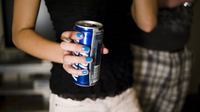
"content": "\u003cp>Post by Scott Hensley, \u003ca href=\"http://www.npr.org/blogs/health/2013/01/08/168875178/binge-drinking-is-common-yet-overlooked-in-women\">Shots at NPR Health News\u003c/a>\u003c/p>\n\u003cp>\u003cstrong>Listen to the story from NPR's All Things Considered (1/8/13):\u003c/strong>\u003cbr>\n [audio src=\"http://pd.npr.org/anon.npr-mp3/npr/atc/2013/01/20130108_atc_14.mp3\"] \u003c/p>\n\u003cfigure id=\"attachment_54206\" class=\"wp-caption alignleft\" style=\"max-width: 300px\">\u003ca href=\"http://ww2.kqed.org/bayareabites/wp-content/uploads/sites/24/2013/01/binge-drinking.jpg\">\u003cimg src=\"http://ww2.kqed.org/bayareabites/wp-content/uploads/sites/24/2013/01/binge-drinking-300x168.jpg\" alt='A picture from the photo story \"Keg Stand Queens,\" which explores the gender dynamics of undergraduate binge drinking. Photo: Amanda Berg/The Alexia Foundation for NPR' title='A picture from the photo story \"Keg Stand Queens,\" which explores the gender dynamics of undergraduate binge drinking. Photo: Amanda Berg/The Alexia Foundation for NPR' width=\"300\" height=\"168\" class=\"size-medium wp-image-54206\">\u003c/a>\u003cfigcaption class=\"wp-caption-text\">A picture from the photo story \"Keg Stand Queens,\" which explores the gender dynamics of undergraduate binge drinking. Photo: Amanda Berg/The Alexia Foundation for NPR\u003c/figcaption>\u003c/figure>\n\u003cp>Binge drinking is something many people want to shrug off.\u003c/p>\n\u003cp>But officials at the Centers for Disease Control and Prevention say it's a public health problem that deserves more attention.\u003c/p>\n\u003cp>You might be tempted to think binge drinking is mainly an issue for men, but that's not the case. So the CDC is putting the spotlight on women's binge drinking, which it says is both dangerous and overlooked.\u003c/p>\n\u003cp>[ad fullwidth]\u003c/p>\n\u003cp>About 13 percent of U.S. women go on drinking binges each month, says the CDC, citing \u003ca href=\"http://www.cdc.gov/mmwr/preview/mmwrhtml/mm62e0108a1.htm?s_cid=mm62e0108a1_e\">survey data collected in 2011\u003c/a>. Among high school girls, the figure is around 20 percent.\u003c/p>\n\u003cp>Consuming four or more drinks in a single session is considered a binge for women, in case you were wondering. For men, five or more drinks define a binge.\u003c/p>\n\u003cp>All told, the CDC figures 14 million women in the U.S. binge drink. Those who binge, do it an average of about three times a month. And when they binge, they're drinking around six drinks each time. Most binge drinkers aren't dependent on alcohol, the CDC says.\u003c/p>\n\u003cp>Binge drinking is more common among non-Hispanic whites (a prevalence of 13 percent). And it becomes more common as household income rises. It's most frequent — at 16 percent — among women in households earning $75,000 or more a year.\u003c/p>\n\u003cp>The CDC says the harms from binge drinking, which run the gamut from preventable death to unintended pregnancy, can be curbed with greater awareness and thoughtful interventions.\u003c/p>\n\u003cp>Dr. Robert Brewer, head of the CDC's alcohol program, called the prevalence of binge drinking among women and girls \"alarming to see.\" But, he said in a statement Tuesday, there are \u003ca href=\"http://www.thecommunityguide.org/alcohol/index.html\">prevention strategies\u003c/a> that work, including restrictions on alcohol sales, and better screening and counseling.\u003c/p>\n\u003cp>A previous study found that college students (both male and female) who black out from drinking are the most likely to wind up in the \u003ca href=\"http://www.npr.org/blogs/health/2012/03/15/148676102/blackouts-predict-which-binge-drinking-students-will-end-up-in-ers\">emergency room\u003c/a>. Prevention efforts geared to them could pay particular dividends.\u003c/p>\n\u003cp>The CDC didn't explore why women binge drink. But some researchers place at least part of the blame on alcohol companies targeting women with advertising and new products.\u003c/p>\n\u003cp>\"Virginia Slims was the beginning of an increase in cigarette smoking for women,\" says \u003ca href=\"http://www.jhsph.edu/faculty/directory/profile/4686/Jernigan/David\">David Jernigan\u003c/a>, a specialist in alcohol policy at Johns Hopkins, tells NPR's Rob Stein. \"The equivalent in alcohol has been the rise of these products we call 'alcopops.' They're fruity, bubbly, brightly colored. On college campuses they're known as 'chick beer.' \"\u003c/p>\n\u003cp>Jernigan says these products are cheap, advertised widely and sold in many grocery and convenience stores, encouraging girls and young women to abuse alcohol.\u003c/p>\n\u003cp>The alcoholic beverage industry disputes all this. While the industry agrees that binge drinking is a problem, it says that drinking among teens is at an all-time low, and that there's no evidence the marketing of specific products plays any role in binge drinking.\u003c/p>\n\u003cp>\u003c/p>\n\u003cp>The U.S. Preventive Services Task Force, an influential group that sets guidelines for basic medical care, \u003ca href=\"http://www.uspreventiveservicestaskforce.org/3rduspstf/alcohol/alcomisrs.htm\">says that screening adults\u003c/a>, including pregnant women for alcohol misuse, makes sense. Even brief counseling sessions can help curtail risky drinking, the task force \u003ca href=\"http://www.npr.org/blogs/health/2012/09/25/161764546/mini-counseling-sessions-can-curb-problem-drinking\">concluded last year\u003c/a>.\u003cbr>\n\u003cem>\u003cbr>\nCopyright 2013 \u003ca href=\"http://www.npr.org\">National Public Radio\u003c/a>. \u003c/em>\u003c/p>\n\n",
"disqusIdentifier": "54198 http://blogs.kqed.org/bayareabites/?p=54198",
"disqusUrl": "https://ww2.kqed.org/bayareabites/2013/01/08/binge-drinking-among-women-is-both-dangerous-and-overlooked/",
"stats": {
"hasVideo": false,
"hasChartOrMap": false,
"hasAudio": true,
"hasPolis": false,
"wordCount": 605,
"hasGoogleForm": false,
"hasGallery": false,
"hasHearkenModule": false,
"iframeSrcs": [],
"paragraphCount": 19
},
"modified": 1357703432,
"excerpt": "About 13 percent of U.S. women go on drinking binges each month, say officials at the Centers for Disease Control and Prevention. The damage from binge drinking runs the gamut from death to unintended pregnancy. Public health officials say binge drinking can be curbed with greater awareness and thoughtful interventions.",
"headData": {
"twImgId": "",
"twTitle": "",
"ogTitle": "",
"ogImgId": "",
"twDescription": "",
"description": "About 13 percent of U.S. women go on drinking binges each month, say officials at the Centers for Disease Control and Prevention. The damage from binge drinking runs the gamut from death to unintended pregnancy. Public health officials say binge drinking can be curbed with greater awareness and thoughtful interventions.",
"title": "Binge Drinking Among Women Is Both Dangerous And Overlooked | KQED",
"ogDescription": "",
"schema": {
"@context": "https://schema.org",
"@type": "Article",
"headline": "Binge Drinking Among Women Is Both Dangerous And Overlooked",
"datePublished": "2013-01-08T19:50:32-08:00",
"dateModified": "2013-01-08T19:50:32-08:00",
"image": "https://cdn.kqed.org/wp-content/uploads/2020/02/KQED-OG-Image@1x.png"
}
},
"guestAuthors": [],
"slug": "binge-drinking-among-women-is-both-dangerous-and-overlooked",
"status": "publish",
"nprApiLink": "http://api.npr.org/query?id=168875178&apiKey=MDAxOTAwOTE4MDEyMTkxMDAzNjczZDljZA004",
"nprByline": "Scott Hensley",
"nprStoryDate": "Tue, 08 Jan 2013 15:00:00 -0500",
"nprLastModifiedDate": "Tue, 08 Jan 2013 18:37:49 -0500",
"nprHtmlLink": "http://www.npr.org/blogs/health/2013/01/08/168875178/binge-drinking-is-common-yet-overlooked-in-women?ft=3&f=168875178",
"nprAudio": "http://pd.npr.org/anon.npr-mp3/npr/atc/2013/01/20130108_atc_14.mp3?orgId=1&topicId=1128&ft=3&f=168875178",
"nprAudioM3u": "http://api.npr.org/m3u/1168902804-6ce0c3.m3u?orgId=1&topicId=1128&ft=3&f=168875178",
"nprStoryId": "168875178",
"nprRetrievedStory": "1",
"nprPubDate": "Tue, 08 Jan 2013 18:37:00 -0500",
"path": "/bayareabites/54198/binge-drinking-among-women-is-both-dangerous-and-overlooked",
"audioUrl": "http://pd.npr.org/anon.npr-mp3/npr/atc/2013/01/20130108_atc_14.mp3?orgId=1&topicId=1128&ft=3&f=168875178",
"audioDuration": null,
"audioTrackLength": null,
"parsedContent": [
{
"type": "contentString",
"content": "\u003cdiv class=\"post-body\">\u003cp>\u003cp>Post by Scott Hensley, \u003ca href=\"http://www.npr.org/blogs/health/2013/01/08/168875178/binge-drinking-is-common-yet-overlooked-in-women\">Shots at NPR Health News\u003c/a>\u003c/p>\n\u003cp>\u003cstrong>Listen to the story from NPR's All Things Considered (1/8/13):\u003c/strong>\u003cbr>\n \u003c/p>\u003c/div>",
"attributes": {
"named": {},
"numeric": []
}
},
{
"type": "component",
"content": "",
"name": "audio",
"attributes": {
"named": {
"src": "http://pd.npr.org/anon.npr-mp3/npr/atc/2013/01/20130108_atc_14.mp3",
"label": ""
},
"numeric": []
}
},
{
"type": "contentString",
"content": "\u003cdiv class=\"post-body\">\u003cp> \u003c/p>\n\u003cfigure id=\"attachment_54206\" class=\"wp-caption alignleft\" style=\"max-width: 300px\">\u003ca href=\"http://ww2.kqed.org/bayareabites/wp-content/uploads/sites/24/2013/01/binge-drinking.jpg\">\u003cimg src=\"http://ww2.kqed.org/bayareabites/wp-content/uploads/sites/24/2013/01/binge-drinking-300x168.jpg\" alt='A picture from the photo story \"Keg Stand Queens,\" which explores the gender dynamics of undergraduate binge drinking. Photo: Amanda Berg/The Alexia Foundation for NPR' title='A picture from the photo story \"Keg Stand Queens,\" which explores the gender dynamics of undergraduate binge drinking. Photo: Amanda Berg/The Alexia Foundation for NPR' width=\"300\" height=\"168\" class=\"size-medium wp-image-54206\">\u003c/a>\u003cfigcaption class=\"wp-caption-text\">A picture from the photo story \"Keg Stand Queens,\" which explores the gender dynamics of undergraduate binge drinking. Photo: Amanda Berg/The Alexia Foundation for NPR\u003c/figcaption>\u003c/figure>\n\u003cp>Binge drinking is something many people want to shrug off.\u003c/p>\n\u003cp>But officials at the Centers for Disease Control and Prevention say it's a public health problem that deserves more attention.\u003c/p>\n\u003cp>You might be tempted to think binge drinking is mainly an issue for men, but that's not the case. So the CDC is putting the spotlight on women's binge drinking, which it says is both dangerous and overlooked.\u003c/p>\n\u003cp>\u003c/p>\u003c/div>",
"attributes": {
"named": {},
"numeric": []
}
},
{
"type": "component",
"content": "",
"name": "ad",
"attributes": {
"named": {
"label": "fullwidth"
},
"numeric": [
"fullwidth"
]
}
},
{
"type": "contentString",
"content": "\u003cdiv class=\"post-body\">\u003cp>\u003c/p>\n\u003cp>About 13 percent of U.S. women go on drinking binges each month, says the CDC, citing \u003ca href=\"http://www.cdc.gov/mmwr/preview/mmwrhtml/mm62e0108a1.htm?s_cid=mm62e0108a1_e\">survey data collected in 2011\u003c/a>. Among high school girls, the figure is around 20 percent.\u003c/p>\n\u003cp>Consuming four or more drinks in a single session is considered a binge for women, in case you were wondering. For men, five or more drinks define a binge.\u003c/p>\n\u003cp>All told, the CDC figures 14 million women in the U.S. binge drink. Those who binge, do it an average of about three times a month. And when they binge, they're drinking around six drinks each time. Most binge drinkers aren't dependent on alcohol, the CDC says.\u003c/p>\n\u003cp>Binge drinking is more common among non-Hispanic whites (a prevalence of 13 percent). And it becomes more common as household income rises. It's most frequent — at 16 percent — among women in households earning $75,000 or more a year.\u003c/p>\n\u003cp>The CDC says the harms from binge drinking, which run the gamut from preventable death to unintended pregnancy, can be curbed with greater awareness and thoughtful interventions.\u003c/p>\n\u003cp>Dr. Robert Brewer, head of the CDC's alcohol program, called the prevalence of binge drinking among women and girls \"alarming to see.\" But, he said in a statement Tuesday, there are \u003ca href=\"http://www.thecommunityguide.org/alcohol/index.html\">prevention strategies\u003c/a> that work, including restrictions on alcohol sales, and better screening and counseling.\u003c/p>\n\u003cp>A previous study found that college students (both male and female) who black out from drinking are the most likely to wind up in the \u003ca href=\"http://www.npr.org/blogs/health/2012/03/15/148676102/blackouts-predict-which-binge-drinking-students-will-end-up-in-ers\">emergency room\u003c/a>. Prevention efforts geared to them could pay particular dividends.\u003c/p>\n\u003cp>The CDC didn't explore why women binge drink. But some researchers place at least part of the blame on alcohol companies targeting women with advertising and new products.\u003c/p>\n\u003cp>\"Virginia Slims was the beginning of an increase in cigarette smoking for women,\" says \u003ca href=\"http://www.jhsph.edu/faculty/directory/profile/4686/Jernigan/David\">David Jernigan\u003c/a>, a specialist in alcohol policy at Johns Hopkins, tells NPR's Rob Stein. \"The equivalent in alcohol has been the rise of these products we call 'alcopops.' They're fruity, bubbly, brightly colored. On college campuses they're known as 'chick beer.' \"\u003c/p>\n\u003cp>Jernigan says these products are cheap, advertised widely and sold in many grocery and convenience stores, encouraging girls and young women to abuse alcohol.\u003c/p>\n\u003cp>The alcoholic beverage industry disputes all this. While the industry agrees that binge drinking is a problem, it says that drinking among teens is at an all-time low, and that there's no evidence the marketing of specific products plays any role in binge drinking.\u003c/p>\n\u003cp>\u003c/p>\n\u003cp>The U.S. Preventive Services Task Force, an influential group that sets guidelines for basic medical care, \u003ca href=\"http://www.uspreventiveservicestaskforce.org/3rduspstf/alcohol/alcomisrs.htm\">says that screening adults\u003c/a>, including pregnant women for alcohol misuse, makes sense. Even brief counseling sessions can help curtail risky drinking, the task force \u003ca href=\"http://www.npr.org/blogs/health/2012/09/25/161764546/mini-counseling-sessions-can-curb-problem-drinking\">concluded last year\u003c/a>.\u003cbr>\n\u003cem>\u003cbr>\nCopyright 2013 \u003ca href=\"http://www.npr.org\">National Public Radio\u003c/a>. \u003c/em>\u003c/p>\n\n\u003c/div>\u003c/p>",
"attributes": {
"named": {},
"numeric": []
}
}
],
"link": "/bayareabites/54198/binge-drinking-among-women-is-both-dangerous-and-overlooked",
"authors": [
"byline_bayareabites_54198"
],
"categories": [
"bayareabites_301",
"bayareabites_1244",
"bayareabites_1245",
"bayareabites_45",
"bayareabites_10916",
"bayareabites_34"
],
"tags": [
"bayareabites_8359",
"bayareabites_11015",
"bayareabites_10995",
"bayareabites_11016",
"bayareabites_10994",
"bayareabites_11018",
"bayareabites_11017"
],
"featImg": "bayareabites_54199",
"label": "bayareabites"
},
"bayareabites_54185": {
"type": "posts",
"id": "bayareabites_54185",
"meta": {
"index": "posts_1716263798",
"site": "bayareabites",
"id": "54185",
"score": null,
"sort": [
1357699307000
]
},
"parent": 0,
"labelTerm": {
"site": "bayareabites"
},
"blocks": [],
"publishDate": 1357699307,
"format": "aside",
"disqusTitle": "College Students With Food Allergies Make Legal Gains",
"title": "College Students With Food Allergies Make Legal Gains",
"headTitle": "Bay Area Bites | KQED Food",
"content": "\u003cp>Post by Eliza Barclay, \u003ca href=\"http://www.npr.org/blogs/thesalt/2013/01/08/168872161/college-students-with-food-allergies-make-legal-gains\">The Salt at NPR Food\u003c/a> (1/8/13)\u003c/p>\n\u003cfigure id=\"attachment_54191\" class=\"wp-caption alignleft\" style=\"max-width: 300px\">\u003ca href=\"http://ww2.kqed.org/bayareabites/wp-content/uploads/sites/24/2013/01/dining.jpg\">\u003cimg src=\"http://ww2.kqed.org/bayareabites/wp-content/uploads/sites/24/2013/01/dining-300x225.jpg\" alt=\"A recent settlement between a university and the Justice Department may encourage institutions to better accommodate students with food allergies. Photo: iStockphoto.com\" title=\"A recent settlement between a university and the Justice Department may encourage institutions to better accommodate students with food allergies. Photo: iStockphoto.com\" width=\"300\" height=\"225\" class=\"size-medium wp-image-54191\">\u003c/a>\u003cfigcaption class=\"wp-caption-text\">A recent settlement between a university and the Justice Department may encourage institutions to better accommodate students with food allergies. Photo: iStockphoto.com\u003c/figcaption>\u003c/figure>\n\u003cp>Many a college student lives off of microwavable meals – but some do it not by choice but because they're worried school food might make them sick.\u003c/p>\n\u003cp>They may have \u003ca href=\"http://celiac.nih.gov/\">celiac disease\u003c/a>, a digestive ailment caused by gluten, or life-threatening allergies to foods like peanuts — both are on the rise. But even as more people become aware of the issues, schools and institutions may lag behind.\u003c/p>\n\u003cp>Now some food allergy advocates are celebrating what they see as a shifting legal trend: schools and other institutions required to treat food allergies as a disability. They've found an ally in the Department of Justice.\u003c/p>\n\u003cp>\u003cstrong>\u003c/strong>DOJ's Civil Rights Division \u003ca href=\"http://www.justice.gov/opa/pr/2012/December/12-crt-1538.html\">announced\u003c/a> last month that the Americans With Disabilities Act applies to students at Lesley University in Cambridge, Ma., who claimed that the school's food services and meal plans were inadequate for their needs. It was the first food allergy-related settlement under ADA in higher education, says a DOJ spokeswoman.\u003c/p>\n\u003cp>[ad fullwidth]\u003c/p>\n\u003cp>In the \u003ca href=\"http://www.justice.gov/iso/opa/resources/75920121220161432503826.pdf\">agreement\u003c/a> with DOJ, Lesley is required provide gluten- and allergen-free food options in its dining halls, offer special meal plans for students with allergies, and pay $50,000 in damages to the students who filed the claim in 2009, among other measures.\u003c/p>\n\u003cp>\"The Lesley settlement is terrific,\" \u003ca href=\"http://www.celiac.org/index.php?option=com_content&view=article&id=163&Itemid=273\">Marilyn Geller\u003c/a>, chief operating officer of the Celiac Disease Foundation, tells The Salt. \"It puts all universities on notice that they're going to have to make these accommodations for students with celiac, gluten sensitivity and other food allergies.\"\u003c/p>\n\u003cp>Food allergies affect about 2 percent of adults and 4 to 8 percent of kids in the U.S., and the number of young people diagnosed with a food allergy has risen in the last decade, \u003ca href=\"http://www.fda.gov/ForConsumers/ConsumerUpdates/ucm089307.htm\">according to\u003c/a> the Centers for Disease Control and Prevention.\u003c/p>\n\u003cp>By applying the ADA to food allergies, the DOJ has essentially turned food into an access issue – akin to providing ramps for students in wheelchairs.\u003c/p>\n\u003cp>\"By not accommodating food allergies, you're barring students from participating in the university,\" says Maria Acebal, a lawyer and spokeswoman for \u003ca href=\"http://www.foodallergy.org/\">Food Allergy Research & Education\u003c/a>, an advocacy group. \"If you can't get safe food, how can you study there?\"\u003c/p>\n\u003cp>It's gotten easier to make the case that food allergy is a disability since Congress broadened the scope of the ADA in 2008 with an \u003ca href=\"https://www.disability.gov/viewResource?id=13765822\">amendment\u003c/a>. The amendment has led to widespread reforms to accommodate people, especially children, with food allergies.\u003c/p>\n\u003cp>But Geller says there's still a ways to go, especially for people with celiac disease and gluten sensitivity who have to worry about cross-contamination of their food.\u003c/p>\n\u003cp>\"The problem is that a microscopic amount of gluten for people who are very sensitive can take them down for several days,\" says Geller. \"So we want schools to take it to the next level and make sure that the gluten-free food is prepared and served in dedicated areas so there's no cross contamination.\" \u003c/p>\n\u003cp>\u003c/p>\n\u003cp>\u003cem>Copyright 2013 \u003ca href=\"http://www.npr.org\">National Public Radio\u003c/a>.\u003c/em>\u003c/p>\n\n",
"disqusIdentifier": "54185 http://blogs.kqed.org/bayareabites/?p=54185",
"disqusUrl": "https://ww2.kqed.org/bayareabites/2013/01/08/college-students-with-food-allergies-make-legal-gains/",
"stats": {
"hasVideo": false,
"hasChartOrMap": false,
"hasAudio": false,
"hasPolis": false,
"wordCount": 539,
"hasGoogleForm": false,
"hasGallery": false,
"hasHearkenModule": false,
"iframeSrcs": [],
"paragraphCount": 16
},
"modified": 1357699563,
"excerpt": "Congress expanded the scope of the Americans With Disabilities Act a few years ago to include food allergies. Now the Justice Department is making institutions accommodate students by providing \"safe\" food and special meal plans.",
"headData": {
"twImgId": "",
"twTitle": "",
"ogTitle": "",
"ogImgId": "",
"twDescription": "",
"description": "Congress expanded the scope of the Americans With Disabilities Act a few years ago to include food allergies. Now the Justice Department is making institutions accommodate students by providing "safe" food and special meal plans.",
"title": "College Students With Food Allergies Make Legal Gains | KQED",
"ogDescription": "",
"schema": {
"@context": "https://schema.org",
"@type": "Article",
"headline": "College Students With Food Allergies Make Legal Gains",
"datePublished": "2013-01-08T18:41:47-08:00",
"dateModified": "2013-01-08T18:46:03-08:00",
"image": "https://cdn.kqed.org/wp-content/uploads/2020/02/KQED-OG-Image@1x.png"
}
},
"guestAuthors": [],
"slug": "college-students-with-food-allergies-make-legal-gains",
"status": "publish",
"nprApiLink": "http://api.npr.org/query?id=168872161&apiKey=MDAxOTAwOTE4MDEyMTkxMDAzNjczZDljZA004",
"nprByline": "Eliza Barclay",
"nprStoryDate": "Tue, 08 Jan 2013 15:17:00 -0500",
"nprLastModifiedDate": "Tue, 08 Jan 2013 15:18:25 -0500",
"nprHtmlLink": "http://www.npr.org/blogs/thesalt/2013/01/08/168872161/college-students-with-food-allergies-make-legal-gains?ft=3&f=168872161",
"nprStoryId": "168872161",
"nprRetrievedStory": "1",
"nprPubDate": "Tue, 08 Jan 2013 15:18:00 -0500",
"path": "/bayareabites/54185/college-students-with-food-allergies-make-legal-gains",
"audioTrackLength": null,
"parsedContent": [
{
"type": "contentString",
"content": "\u003cdiv class=\"post-body\">\u003cp>\u003cp>Post by Eliza Barclay, \u003ca href=\"http://www.npr.org/blogs/thesalt/2013/01/08/168872161/college-students-with-food-allergies-make-legal-gains\">The Salt at NPR Food\u003c/a> (1/8/13)\u003c/p>\n\u003cfigure id=\"attachment_54191\" class=\"wp-caption alignleft\" style=\"max-width: 300px\">\u003ca href=\"http://ww2.kqed.org/bayareabites/wp-content/uploads/sites/24/2013/01/dining.jpg\">\u003cimg src=\"http://ww2.kqed.org/bayareabites/wp-content/uploads/sites/24/2013/01/dining-300x225.jpg\" alt=\"A recent settlement between a university and the Justice Department may encourage institutions to better accommodate students with food allergies. Photo: iStockphoto.com\" title=\"A recent settlement between a university and the Justice Department may encourage institutions to better accommodate students with food allergies. Photo: iStockphoto.com\" width=\"300\" height=\"225\" class=\"size-medium wp-image-54191\">\u003c/a>\u003cfigcaption class=\"wp-caption-text\">A recent settlement between a university and the Justice Department may encourage institutions to better accommodate students with food allergies. Photo: iStockphoto.com\u003c/figcaption>\u003c/figure>\n\u003cp>Many a college student lives off of microwavable meals – but some do it not by choice but because they're worried school food might make them sick.\u003c/p>\n\u003cp>They may have \u003ca href=\"http://celiac.nih.gov/\">celiac disease\u003c/a>, a digestive ailment caused by gluten, or life-threatening allergies to foods like peanuts — both are on the rise. But even as more people become aware of the issues, schools and institutions may lag behind.\u003c/p>\n\u003cp>Now some food allergy advocates are celebrating what they see as a shifting legal trend: schools and other institutions required to treat food allergies as a disability. They've found an ally in the Department of Justice.\u003c/p>\n\u003cp>\u003cstrong>\u003c/strong>DOJ's Civil Rights Division \u003ca href=\"http://www.justice.gov/opa/pr/2012/December/12-crt-1538.html\">announced\u003c/a> last month that the Americans With Disabilities Act applies to students at Lesley University in Cambridge, Ma., who claimed that the school's food services and meal plans were inadequate for their needs. It was the first food allergy-related settlement under ADA in higher education, says a DOJ spokeswoman.\u003c/p>\n\u003cp>\u003c/p>\u003c/div>",
"attributes": {
"named": {},
"numeric": []
}
},
{
"type": "component",
"content": "",
"name": "ad",
"attributes": {
"named": {
"label": "fullwidth"
},
"numeric": [
"fullwidth"
]
}
},
{
"type": "contentString",
"content": "\u003cdiv class=\"post-body\">\u003cp>\u003c/p>\n\u003cp>In the \u003ca href=\"http://www.justice.gov/iso/opa/resources/75920121220161432503826.pdf\">agreement\u003c/a> with DOJ, Lesley is required provide gluten- and allergen-free food options in its dining halls, offer special meal plans for students with allergies, and pay $50,000 in damages to the students who filed the claim in 2009, among other measures.\u003c/p>\n\u003cp>\"The Lesley settlement is terrific,\" \u003ca href=\"http://www.celiac.org/index.php?option=com_content&view=article&id=163&Itemid=273\">Marilyn Geller\u003c/a>, chief operating officer of the Celiac Disease Foundation, tells The Salt. \"It puts all universities on notice that they're going to have to make these accommodations for students with celiac, gluten sensitivity and other food allergies.\"\u003c/p>\n\u003cp>Food allergies affect about 2 percent of adults and 4 to 8 percent of kids in the U.S., and the number of young people diagnosed with a food allergy has risen in the last decade, \u003ca href=\"http://www.fda.gov/ForConsumers/ConsumerUpdates/ucm089307.htm\">according to\u003c/a> the Centers for Disease Control and Prevention.\u003c/p>\n\u003cp>By applying the ADA to food allergies, the DOJ has essentially turned food into an access issue – akin to providing ramps for students in wheelchairs.\u003c/p>\n\u003cp>\"By not accommodating food allergies, you're barring students from participating in the university,\" says Maria Acebal, a lawyer and spokeswoman for \u003ca href=\"http://www.foodallergy.org/\">Food Allergy Research & Education\u003c/a>, an advocacy group. \"If you can't get safe food, how can you study there?\"\u003c/p>\n\u003cp>It's gotten easier to make the case that food allergy is a disability since Congress broadened the scope of the ADA in 2008 with an \u003ca href=\"https://www.disability.gov/viewResource?id=13765822\">amendment\u003c/a>. The amendment has led to widespread reforms to accommodate people, especially children, with food allergies.\u003c/p>\n\u003cp>But Geller says there's still a ways to go, especially for people with celiac disease and gluten sensitivity who have to worry about cross-contamination of their food.\u003c/p>\n\u003cp>\"The problem is that a microscopic amount of gluten for people who are very sensitive can take them down for several days,\" says Geller. \"So we want schools to take it to the next level and make sure that the gluten-free food is prepared and served in dedicated areas so there's no cross contamination.\" \u003c/p>\n\u003cp>\u003c/p>\n\u003cp>\u003cem>Copyright 2013 \u003ca href=\"http://www.npr.org\">National Public Radio\u003c/a>.\u003c/em>\u003c/p>\n\n\u003c/div>\u003c/p>",
"attributes": {
"named": {},
"numeric": []
}
}
],
"link": "/bayareabites/54185/college-students-with-food-allergies-make-legal-gains",
"authors": [
"byline_bayareabites_54185"
],
"categories": [
"bayareabites_1245",
"bayareabites_10916",
"bayareabites_2035"
],
"tags": [
"bayareabites_10625",
"bayareabites_11014",
"bayareabites_1859",
"bayareabites_2398",
"bayareabites_138",
"bayareabites_10921"
],
"featImg": "bayareabites_54186",
"label": "bayareabites"
},
"bayareabites_54144": {
"type": "posts",
"id": "bayareabites_54144",
"meta": {
"index": "posts_1716263798",
"site": "bayareabites",
"id": "54144",
"score": null,
"sort": [
1357694499000
]
},
"parent": 0,
"labelTerm": {
"site": "bayareabites"
},
"blocks": [],
"publishDate": 1357694499,
"format": "aside",
"disqusTitle": "Elvis Left The Building Long Ago, But His Food (And Music) Lives On",
"title": "Elvis Left The Building Long Ago, But His Food (And Music) Lives On",
"headTitle": "Bay Area Bites | KQED Food",
"content": "\u003cfigure id=\"attachment_54176\" class=\"wp-caption alignnone\" style=\"max-width: 560px\">\u003ca href=\"http://ww2.kqed.org/bayareabites/wp-content/uploads/sites/24/2013/01/elvis-presley.jpg\">\u003cimg src=\"http://ww2.kqed.org/bayareabites/wp-content/uploads/sites/24/2013/01/elvis-presley.jpg\" alt=\"A still-trim Elvis Presley enjoys a sandwich in 1958. His love of fatty foods hadn't caught up to him yet. Photo: Hulton Archive/Getty Images\" title=\"A still-trim Elvis Presley enjoys a sandwich in 1958. His love of fatty foods hadn't caught up to him yet. Photo: Hulton Archive/Getty Images\" width=\"560\" class=\"size-full wp-image-54176\">\u003c/a>\u003cfigcaption class=\"wp-caption-text\">A still-trim Elvis Presley enjoys a sandwich in 1958. His love of fatty foods hadn't caught up to him yet. Photo: Hulton Archive/Getty Images\u003c/figcaption>\u003c/figure>\n\u003cp>Post by April Fulton and Maria Godoy, \u003ca href=\"http://www.npr.org/blogs/thesalt/2013/01/08/168871751/elvis-left-the-building-long-ago-but-his-food-and-music-lives-on\">The Salt at NPR Food\u003c/a>\u003c/p>\n\u003cp>\u003cstrong>Listen to the story from NPR's All Things Considered (1/8/13):\u003c/strong>\u003cbr>\n [audio src=\"http://pd.npr.org/anon.npr-mp3/npr/atc/2013/01/20130108_atc_10.mp3\"] \u003c/p>\n\u003cp>Elvis Presley was better known for his music than his gourmet tastes. But he did have a famous affinity for the fried goodness of the American South — and he had the waistline to prove it.\u003c/p>\n\u003cp>In honor of what would have been the King of Rock 'n' Roll's 78th birthday, let's take a look at some of his legendary eating habits.\u003c/p>\n\u003cp>His famously beloved fried peanut butter and banana sandwiches — or \"peanut butter and 'nanner sandwiches,\" according to \u003cem>Are You Hungry Tonight,\u003c/em> a cookbook of his favorite recipes — were basically peanut butter and sliced banana between two pieces of white bread, fried in butter.\u003c/p>\n\u003cp>[ad fullwidth]\u003c/p>\n\u003cp>Butter seems to have been a frequent part of Presley's diet, contributing to his weight gain before his untimely demise at age 42 in 1977. By that time, \"Elvis had long been gobbling drugs and fatty foods,\" Graeme Wood writes over at the now-defunct The Daily. \"But his romance with saturated fat reached a sort of point-of-no-return 18 months before the end, on a chilly night that started at Graceland, his estate in Memphis, Tenn.\"\u003c/p>\n\u003cp>Wood recounts \u003ca href=\"http://www.thedaily.com/page/2011/05/28/052811-opinions-history-elvis-sandwich-wood-1-4/\">the story\u003c/a> of Presley's famous flight to Denver one night to get a sandwich that topped even his old familiar favorite. One night in 1976, the King started reminiscing about Fool's Gold Loaf, a sandwich he'd once eaten at the Colorado Mine Company in Denver. It cost $49.95 at the time — $189 in today's dollars, Wood says.\u003c/p>\n\u003cp>Apparently, Presley's craving was so intense that he and his entourage jumped on his private plane and jetted off for the two-hour ride to Denver — a midnight junk food run that totaled $16,000, says Wood.\u003c/p>\n\u003cp>As for the calorie count involved, estimates vary: Wood says 8,000 but some estimates have run as high as \u003ca href=\"http://newyork.grubstreet.com/2008/04/ifc_center_brings_42000calorie.html\">42,000\u003c/a>! Here's the recipe:\u003c/p>\n\u003cblockquote>\n\u003cp>\"Take a whole loaf of Italian bread and slice it lengthwise. Hollow it out and slather it with margarine. Then add a whole jar of jelly and a whole jar of creamy peanut butter, creating two large boats of PB&J. Finally, add a whole pound of fried bacon. Before adding the bacon, dab away the grease on paper towels (presumably to avoid adding unnecessary fat and rendering the sandwich disgusting). Then reunite the sandwich halves, deep-fry, and serve.\"\u003c/p>\n\u003c/blockquote>\n\u003cp>Far be it from us to advocate anyone eat like Presley (as we've told you before, all that \u003ca href=\"http://www.npr.org/blogs/thesalt/2012/03/12/148457233/death-by-bacon-study-finds-eating-meat-is-risky\">bacon\u003c/a> could be the death of you). Still, those curious about the King's other culinary ways can dive into \u003ca href=\"http://today.msnbc.msn.com/id/38600144/ns/today-food/t/eat-king-keep-tums-handy/#.UOxHZ-SCm3M\">these recipes\u003c/a> from the authorized cookbook, \u003cem>Graceland's Table: Recipes Fit for the King of Rock and Roll.\u003c/em>\u003c/p>\n\u003cp>Or you could try a modern interpretation of Elvis' immortal beloved snack — The Elvis Presley Milkshake, from Charleston, S.C.-based chef Sean Brock.\u003c/p>\n\u003cp>Every January 8\u003csup>th\u003c/sup>, Brock works peanut butter and banana into the menu at his restaurants. One year, as he was serving cheeseburgers to his staff, the idea of a milkshake hit him. \"[I]t was kind of weird, especially with the bacon in the milkshake, but it turned out to be delicious,\" Brock says. Listen to \u003cem>All Things Considered\u003c/em>'s story later for more details, but here's the recipe if you just can't wait.\u003c/p>\n\u003cp>\u003cstrong>Sean Brock's Elvis Presley Milkshake\u003c/strong>\u003c/p>\n\u003cp>From\u003cem> \u003c/em>\u003cem>Come In, We're Closed: An Invitation to Staff Meals at the World's Best Restaurants\u003c/em>\u003c/p>\n\u003cp>Serves 4 to 6\u003c/p>\n\u003cp>5 thick-cut strips of smoked bacon\u003c/p>\n\u003cp>2 very ripe bananas\u003c/p>\n\u003cp>1/2 cup smooth peanut butter\u003c/p>\n\u003cp>1/4 cup Buffalo Trace bourbon\u003c/p>\n\u003cp>3 cups vanilla ice cream, softened slightly\u003c/p>\n\u003cp>3 tablespoons of bacon fat, cooled\u003c/p>\n\u003cp>In a large skillet over medium-high heat, fry the bacon until very crispy, about 6 to 8 minutes. Drain the bacon on paper towels. Reserve the rendered bacon fat separately, allowing it to cool slightly.\u003c/p>\n\u003cp>Place the bananas, peanut butter and bourbon in a blender. Add the cooked bacon and 3 tablespoons of the reserved bacon fat and blend until smooth, about 45 seconds, scraping down the sides if necessary. Add the ice cream and pulse to incorporate into a smooth shake, about 30 seconds. If you'd like, you can also incorporate the ice cream by hand by mixing it in with a whisk or an immersion blender; this will help keep the shake in a more frozen state. Serve immediately. Transfer any extra shake to a lidded container and reserve in the freezer. Because the alcohol prevents it from completely freezing, it turns into a scoopable ice cream.\u003c/p>\n\u003cp>P.S.: It's also the birthday of another famous rocker — David Bowie. It's highly unlikely that the now 66-year-old Thin White Duke ever ingested 100,000 calories a day, as some sources have suggested Presley did \u003ca href=\"http://articles.latimes.com/1996-08-16/entertainment/ca-34669_1_elvis-graceland\">toward the end\u003c/a>. Of course, Bowie's still kicking — and rocking. As our friends at All Songs Considered note, the singer is celebrating the day by releasing a \u003ca href=\"http://www.npr.org/blogs/allsongs/2013/01/08/168855815/theres-a-brand-new-david-bowie-song\">new song\u003c/a>.\u003c/p>\n\u003cp>\u003c/p>\n\u003cp>Over at Flavorwire, check out a \u003ca href=\"http://www.flavorwire.com/247387/pictures-of-david-bowie-doing-normal-stuff\">slideshow\u003c/a> of Bowie doing ordinary things, like eating airplane food, cutting his birthday cake, and more recently, food shopping.\u003cbr>\n\u003cem>\u003cbr>\nCopyright 2013 \u003ca href=\"http://www.npr.org/\">National Public Radio\u003c/a>.\u003c/em> \u003c/p>\n\n",
"disqusIdentifier": "54144 http://blogs.kqed.org/bayareabites/?p=54144",
"disqusUrl": "https://ww2.kqed.org/bayareabites/2013/01/08/elvis-left-the-building-long-ago-but-his-food-and-music-lives-on/",
"stats": {
"hasVideo": false,
"hasChartOrMap": false,
"hasAudio": true,
"hasPolis": false,
"wordCount": 943,
"hasGoogleForm": false,
"hasGallery": false,
"hasHearkenModule": false,
"iframeSrcs": [],
"paragraphCount": 28
},
"modified": 1357702755,
"excerpt": "Presley's legendary love for peanut butter and bananas and bacon helped lead to his outsized body toward the end of his life, and a lasting food legacy. And, oh yeah, he could sing too.",
"headData": {
"twImgId": "",
"twTitle": "",
"ogTitle": "",
"ogImgId": "",
"twDescription": "",
"description": "Presley's legendary love for peanut butter and bananas and bacon helped lead to his outsized body toward the end of his life, and a lasting food legacy. And, oh yeah, he could sing too.",
"title": "Elvis Left The Building Long Ago, But His Food (And Music) Lives On | KQED",
"ogDescription": "",
"schema": {
"@context": "https://schema.org",
"@type": "Article",
"headline": "Elvis Left The Building Long Ago, But His Food (And Music) Lives On",
"datePublished": "2013-01-08T17:21:39-08:00",
"dateModified": "2013-01-08T19:39:15-08:00",
"image": "https://cdn.kqed.org/wp-content/uploads/2020/02/KQED-OG-Image@1x.png"
}
},
"guestAuthors": [],
"slug": "elvis-left-the-building-long-ago-but-his-food-and-music-lives-on",
"status": "publish",
"nprApiLink": "http://api.npr.org/query?id=168871751&apiKey=MDAxOTAwOTE4MDEyMTkxMDAzNjczZDljZA004",
"nprByline": "April Fulton and Maria Godoy",
"nprStoryDate": "Tue, 08 Jan 2013 15:00:00 -0500",
"nprLastModifiedDate": "Tue, 08 Jan 2013 18:37:49 -0500",
"nprHtmlLink": "http://www.npr.org/blogs/thesalt/2013/01/08/168871751/elvis-left-the-building-long-ago-but-his-food-and-music-lives-on?ft=3&f=168871751",
"nprAudio": "http://pd.npr.org/anon.npr-mp3/npr/atc/2013/01/20130108_atc_10.mp3?orgId=1&topicId=1053&ft=3&f=168871751",
"nprAudioM3u": "http://api.npr.org/m3u/1168902801-e7614c.m3u?orgId=1&topicId=1053&ft=3&f=168871751",
"nprStoryId": "168871751",
"nprRetrievedStory": "1",
"nprPubDate": "Tue, 08 Jan 2013 18:37:00 -0500",
"path": "/bayareabites/54144/elvis-left-the-building-long-ago-but-his-food-and-music-lives-on",
"audioUrl": "http://pd.npr.org/anon.npr-mp3/npr/atc/2013/01/20130108_atc_10.mp3?orgId=1&topicId=1053&ft=3&f=168871751",
"audioDuration": null,
"audioTrackLength": null,
"parsedContent": [
{
"type": "contentString",
"content": "\u003cdiv class=\"post-body\">\u003cp>\u003cfigure id=\"attachment_54176\" class=\"wp-caption alignnone\" style=\"max-width: 560px\">\u003ca href=\"http://ww2.kqed.org/bayareabites/wp-content/uploads/sites/24/2013/01/elvis-presley.jpg\">\u003cimg src=\"http://ww2.kqed.org/bayareabites/wp-content/uploads/sites/24/2013/01/elvis-presley.jpg\" alt=\"A still-trim Elvis Presley enjoys a sandwich in 1958. His love of fatty foods hadn't caught up to him yet. Photo: Hulton Archive/Getty Images\" title=\"A still-trim Elvis Presley enjoys a sandwich in 1958. His love of fatty foods hadn't caught up to him yet. Photo: Hulton Archive/Getty Images\" width=\"560\" class=\"size-full wp-image-54176\">\u003c/a>\u003cfigcaption class=\"wp-caption-text\">A still-trim Elvis Presley enjoys a sandwich in 1958. His love of fatty foods hadn't caught up to him yet. Photo: Hulton Archive/Getty Images\u003c/figcaption>\u003c/figure>\n\u003cp>Post by April Fulton and Maria Godoy, \u003ca href=\"http://www.npr.org/blogs/thesalt/2013/01/08/168871751/elvis-left-the-building-long-ago-but-his-food-and-music-lives-on\">The Salt at NPR Food\u003c/a>\u003c/p>\n\u003cp>\u003cstrong>Listen to the story from NPR's All Things Considered (1/8/13):\u003c/strong>\u003cbr>\n \u003c/p>\u003c/div>",
"attributes": {
"named": {},
"numeric": []
}
},
{
"type": "component",
"content": "",
"name": "audio",
"attributes": {
"named": {
"src": "http://pd.npr.org/anon.npr-mp3/npr/atc/2013/01/20130108_atc_10.mp3",
"label": ""
},
"numeric": []
}
},
{
"type": "contentString",
"content": "\u003cdiv class=\"post-body\">\u003cp> \u003c/p>\n\u003cp>Elvis Presley was better known for his music than his gourmet tastes. But he did have a famous affinity for the fried goodness of the American South — and he had the waistline to prove it.\u003c/p>\n\u003cp>In honor of what would have been the King of Rock 'n' Roll's 78th birthday, let's take a look at some of his legendary eating habits.\u003c/p>\n\u003cp>His famously beloved fried peanut butter and banana sandwiches — or \"peanut butter and 'nanner sandwiches,\" according to \u003cem>Are You Hungry Tonight,\u003c/em> a cookbook of his favorite recipes — were basically peanut butter and sliced banana between two pieces of white bread, fried in butter.\u003c/p>\n\u003cp>\u003c/p>\u003c/div>",
"attributes": {
"named": {},
"numeric": []
}
},
{
"type": "component",
"content": "",
"name": "ad",
"attributes": {
"named": {
"label": "fullwidth"
},
"numeric": [
"fullwidth"
]
}
},
{
"type": "contentString",
"content": "\u003cdiv class=\"post-body\">\u003cp>\u003c/p>\n\u003cp>Butter seems to have been a frequent part of Presley's diet, contributing to his weight gain before his untimely demise at age 42 in 1977. By that time, \"Elvis had long been gobbling drugs and fatty foods,\" Graeme Wood writes over at the now-defunct The Daily. \"But his romance with saturated fat reached a sort of point-of-no-return 18 months before the end, on a chilly night that started at Graceland, his estate in Memphis, Tenn.\"\u003c/p>\n\u003cp>Wood recounts \u003ca href=\"http://www.thedaily.com/page/2011/05/28/052811-opinions-history-elvis-sandwich-wood-1-4/\">the story\u003c/a> of Presley's famous flight to Denver one night to get a sandwich that topped even his old familiar favorite. One night in 1976, the King started reminiscing about Fool's Gold Loaf, a sandwich he'd once eaten at the Colorado Mine Company in Denver. It cost $49.95 at the time — $189 in today's dollars, Wood says.\u003c/p>\n\u003cp>Apparently, Presley's craving was so intense that he and his entourage jumped on his private plane and jetted off for the two-hour ride to Denver — a midnight junk food run that totaled $16,000, says Wood.\u003c/p>\n\u003cp>As for the calorie count involved, estimates vary: Wood says 8,000 but some estimates have run as high as \u003ca href=\"http://newyork.grubstreet.com/2008/04/ifc_center_brings_42000calorie.html\">42,000\u003c/a>! Here's the recipe:\u003c/p>\n\u003cblockquote>\n\u003cp>\"Take a whole loaf of Italian bread and slice it lengthwise. Hollow it out and slather it with margarine. Then add a whole jar of jelly and a whole jar of creamy peanut butter, creating two large boats of PB&J. Finally, add a whole pound of fried bacon. Before adding the bacon, dab away the grease on paper towels (presumably to avoid adding unnecessary fat and rendering the sandwich disgusting). Then reunite the sandwich halves, deep-fry, and serve.\"\u003c/p>\n\u003c/blockquote>\n\u003cp>Far be it from us to advocate anyone eat like Presley (as we've told you before, all that \u003ca href=\"http://www.npr.org/blogs/thesalt/2012/03/12/148457233/death-by-bacon-study-finds-eating-meat-is-risky\">bacon\u003c/a> could be the death of you). Still, those curious about the King's other culinary ways can dive into \u003ca href=\"http://today.msnbc.msn.com/id/38600144/ns/today-food/t/eat-king-keep-tums-handy/#.UOxHZ-SCm3M\">these recipes\u003c/a> from the authorized cookbook, \u003cem>Graceland's Table: Recipes Fit for the King of Rock and Roll.\u003c/em>\u003c/p>\n\u003cp>Or you could try a modern interpretation of Elvis' immortal beloved snack — The Elvis Presley Milkshake, from Charleston, S.C.-based chef Sean Brock.\u003c/p>\n\u003cp>Every January 8\u003csup>th\u003c/sup>, Brock works peanut butter and banana into the menu at his restaurants. One year, as he was serving cheeseburgers to his staff, the idea of a milkshake hit him. \"[I]t was kind of weird, especially with the bacon in the milkshake, but it turned out to be delicious,\" Brock says. Listen to \u003cem>All Things Considered\u003c/em>'s story later for more details, but here's the recipe if you just can't wait.\u003c/p>\n\u003cp>\u003cstrong>Sean Brock's Elvis Presley Milkshake\u003c/strong>\u003c/p>\n\u003cp>From\u003cem> \u003c/em>\u003cem>Come In, We're Closed: An Invitation to Staff Meals at the World's Best Restaurants\u003c/em>\u003c/p>\n\u003cp>Serves 4 to 6\u003c/p>\n\u003cp>5 thick-cut strips of smoked bacon\u003c/p>\n\u003cp>2 very ripe bananas\u003c/p>\n\u003cp>1/2 cup smooth peanut butter\u003c/p>\n\u003cp>1/4 cup Buffalo Trace bourbon\u003c/p>\n\u003cp>3 cups vanilla ice cream, softened slightly\u003c/p>\n\u003cp>3 tablespoons of bacon fat, cooled\u003c/p>\n\u003cp>In a large skillet over medium-high heat, fry the bacon until very crispy, about 6 to 8 minutes. Drain the bacon on paper towels. Reserve the rendered bacon fat separately, allowing it to cool slightly.\u003c/p>\n\u003cp>Place the bananas, peanut butter and bourbon in a blender. Add the cooked bacon and 3 tablespoons of the reserved bacon fat and blend until smooth, about 45 seconds, scraping down the sides if necessary. Add the ice cream and pulse to incorporate into a smooth shake, about 30 seconds. If you'd like, you can also incorporate the ice cream by hand by mixing it in with a whisk or an immersion blender; this will help keep the shake in a more frozen state. Serve immediately. Transfer any extra shake to a lidded container and reserve in the freezer. Because the alcohol prevents it from completely freezing, it turns into a scoopable ice cream.\u003c/p>\n\u003cp>P.S.: It's also the birthday of another famous rocker — David Bowie. It's highly unlikely that the now 66-year-old Thin White Duke ever ingested 100,000 calories a day, as some sources have suggested Presley did \u003ca href=\"http://articles.latimes.com/1996-08-16/entertainment/ca-34669_1_elvis-graceland\">toward the end\u003c/a>. Of course, Bowie's still kicking — and rocking. As our friends at All Songs Considered note, the singer is celebrating the day by releasing a \u003ca href=\"http://www.npr.org/blogs/allsongs/2013/01/08/168855815/theres-a-brand-new-david-bowie-song\">new song\u003c/a>.\u003c/p>\n\u003cp>\u003c/p>\n\u003cp>Over at Flavorwire, check out a \u003ca href=\"http://www.flavorwire.com/247387/pictures-of-david-bowie-doing-normal-stuff\">slideshow\u003c/a> of Bowie doing ordinary things, like eating airplane food, cutting his birthday cake, and more recently, food shopping.\u003cbr>\n\u003cem>\u003cbr>\nCopyright 2013 \u003ca href=\"http://www.npr.org/\">National Public Radio\u003c/a>.\u003c/em> \u003c/p>\n\n\u003c/div>\u003c/p>",
"attributes": {
"named": {},
"numeric": []
}
}
],
"link": "/bayareabites/54144/elvis-left-the-building-long-ago-but-his-food-and-music-lives-on",
"authors": [
"byline_bayareabites_54144"
],
"categories": [
"bayareabites_2090",
"bayareabites_1763",
"bayareabites_45",
"bayareabites_10916",
"bayareabites_34"
],
"tags": [
"bayareabites_11013",
"bayareabites_3345",
"bayareabites_11012",
"bayareabites_10921"
],
"featImg": "bayareabites_54145",
"label": "bayareabites"
},
"bayareabites_54033": {
"type": "posts",
"id": "bayareabites_54033",
"meta": {
"index": "posts_1716263798",
"site": "bayareabites",
"id": "54033",
"score": null,
"sort": [
1357449640000
]
},
"parent": 0,
"labelTerm": {
"site": "bayareabites"
},
"blocks": [],
"publishDate": 1357449640,
"format": "aside",
"disqusTitle": " Dumpster Diver TV: Austrians Cook Up Food Waste Reality Show ",
"title": " Dumpster Diver TV: Austrians Cook Up Food Waste Reality Show ",
"headTitle": "Bay Area Bites | KQED Food",
"content": "\u003cfigure id=\"attachment_54036\" class=\"wp-caption alignnone\" style=\"max-width: 560px\">\u003ca href=\"http://ww2.kqed.org/bayareabites/wp-content/uploads/sites/24/2013/01/waste-cooking.jpg\">\u003cimg src=\"http://ww2.kqed.org/bayareabites/wp-content/uploads/sites/24/2013/01/waste-cooking.jpg\" alt=\"The Austrians behind Waste Cooking want to show the culinary possibilities of food that ends up in the trash. Courtesy Wastecooking.com\" title=\"The Austrians behind Waste Cooking want to show the culinary possibilities of food that ends up in the trash. Courtesy Wastecooking.com\" width=\"560\" class=\"size-full wp-image-54036\">\u003c/a>\u003cfigcaption class=\"wp-caption-text\">The Austrians behind Waste Cooking want to show the culinary possibilities of food that ends up in the trash. Courtesy Wastecooking.com\u003c/figcaption>\u003c/figure>\n\u003cp>\u003cstrong>Post by Eliza Barclay, \u003ca href=\"http://www.npr.org/blogs/thesalt/2013/01/04/168482950/dumpster-diver-tv-austrians-cook-up-food-waste-reality-show\">The Salt, NPR Food\u003c/a>\u003cbr>\n\u003c/strong>\u003cbr>\nSure, we've got \"freegans\" in the U.S. — people happy not to pay for food when they can just dig it out of trash bins. But even as awareness of \u003ca href=\"http://www.npr.org/blogs/thesalt/2012/08/22/159825659/theres-too-much-food-waste-but-here-are-five-things-people-are-doing-about-it\">food waste\u003c/a> grows, these Dumpster divers are parodied on \u003ca href=\"http://www.youtube.com/watch?v=vuD1oDth6es\">Portlandia\u003c/a> and \u003ca href=\"http://www.funnyordie.com/videos/75cb7616d0/we-be-dumpsta-diving-dumpster-dive-rap\">Funny Or Die\u003c/a> for putting their palates where their principles are.\u003c/p>\n\u003cp>But in Austrian media, Dumpster divers aren't being mocked — they're starring in their own reality cooking show, \u003ca href=\"http://www.wastecooking.com/\">Waste Cooking\u003c/a>.\u003c/p>\n\u003cp>The show is produced by a group of artists/activists. Show director David Gross, who hails from Salzburg, says he did his first dive there in January 2012 and was shocked by the food waste he encountered.\u003c/p>\n\u003cp>\"Although I was prepared for large amounts, the amount of waste left me speechless,\" he writes in German on the show's website.\u003c/p>\n\u003cp>Gross felt that more people need to understand what it means that Austria throws out around 105,000 tons of edible food each year. (Austria, mind you, has one of the most sophisticated \u003ca href=\"http://www.lebensministerium.at/dms/lmat/umwelt/abfall-ressourcen/behandlung-verwertung/behandlung-biotechnisch/richtlinie_sdt/StdT-Kompostierung-englisch/StdT%2520Kompostierung%2520englisch.pdf+&hl=en&gl=us&pid=bl&srcid=ADGEESj_svqFLiMEw5dKOyo7q3FM9YKUF5onfV0CSp04RcG-mOk6YuVGQ5abgwEavpUllN8ELc33xOL1noJPB9aBENzMLnDNJg_6Oce9QhucI5JoWIBGdKJ0-Bii9mm4Bw0E-BYILGc8&sig=AHIEtbQ1jg8klFg0PqxwsmaVeLcVKq2K2Q\">composting programs\u003c/a> in the world.) So, inspired by reality TV shows like \u003cem>Fear Factor\u003c/em>, he decided to team up with cooks and fellow divers to demonstrate the delicious possibilities of all the food in the trash.\u003c/p>\n\u003cp>[ad fullwidth]\u003c/p>\n\u003cp>A typical episode of \u003cem>Waste Cooking\u003c/em>\u003cem> \u003c/em>begins with a group of divers congregating on their bikes. They then set off into the night, their bike lights flashing, in search of trash cans specifically designated for organic waste — Austria has had an ordinance requiring separate collection of organic waste since 1995.\u003c/p>\n\u003cp>Invariably, the divers gather an impressive haul of pristine fruits, vegetables, cheese and other foods, packaged or not. Then Vienna food blogger and cooking instructor \u003ca href=\"http://www.tobiaskocht.com/\">Tobias Judmaier\u003c/a> transforms it into vittles in a kitchen set up on a public pedestrian thoroughfare, where he and others try to lure passersby to taste their fare. Many are titillated by the gambit, but some wrinkle their noses when they learn the provenance of the food.\u003c/p>\n\u003cp>Episodes of the show — which is a pretty low-budget affair — first went up online last March. The Viennese community TV station \u003ca href=\"http://translate.googleusercontent.com/translate_c?depth=1&hl=en&rurl=translate.google.com&sl=de&tl=en&twu=1&u=http://okto.tv/wastecooking/10054/20121219&usg=ALkJrhjdPG6yr1wLm2qQ3-76QYpNw4-TGw\">Okto\u003c/a> began airing it in December. You can find recipes for the dishes they've thrown together on the show's website, and to this food blogger, they don't look half bad — lentil stew and asparagus salad among them.\u003c/p>\n\u003cp>Last month, the team sent off a short film, called \u003cem>Days in Trash\u003c/em>, to an international \u003ca href=\"http://www.artfortheworld.net/project.php?id=4\">art exhibition\u003c/a> on food at the Museum Ariana in Geneva. (The exhibit lasts through Feb. 24.) You can watch the film here, at left. It has English subtitles and features an earnest song in German about food waste performed by a young woman on a keyboard. \u003c/p>\n\u003cp>[youtube http://www.youtube.com/watch?v=Wv_rLicv9lA]\u003c/p>\n\u003cp>\u003c/p>\n\u003cp> \u003cem>Copyright 2013 \u003ca href=\"http://www.npr.org/\">National Public Radio\u003c/a>.\u003c/em> \u003c/p>\n\n",
"disqusIdentifier": "54033 http://blogs.kqed.org/bayareabites/?p=54033",
"disqusUrl": "https://ww2.kqed.org/bayareabites/2013/01/05/dumpster-diver-tv-austrians-cook-up-food-waste-reality-show/",
"stats": {
"hasVideo": true,
"hasChartOrMap": false,
"hasAudio": false,
"hasPolis": false,
"wordCount": 500,
"hasGoogleForm": false,
"hasGallery": false,
"hasHearkenModule": false,
"iframeSrcs": [],
"paragraphCount": 13
},
"modified": 1357449891,
"excerpt": "Inspired by shows like \u003cem>Fear Factor\u003c/em>, an Austrian artist teamed up with chefs and waste divers to demonstrate the delicious possibilities of trash. In each episode, they set off by bike in search of \"bio trashcans,\" where organic waste is most likely to be found.",
"headData": {
"twImgId": "",
"twTitle": "",
"ogTitle": "",
"ogImgId": "",
"twDescription": "",
"description": "Inspired by shows like Fear Factor, an Austrian artist teamed up with chefs and waste divers to demonstrate the delicious possibilities of trash. In each episode, they set off by bike in search of "bio trashcans," where organic waste is most likely to be found.",
"title": "Dumpster Diver TV: Austrians Cook Up Food Waste Reality Show | KQED",
"ogDescription": "",
"schema": {
"@context": "https://schema.org",
"@type": "Article",
"headline": " Dumpster Diver TV: Austrians Cook Up Food Waste Reality Show ",
"datePublished": "2013-01-05T21:20:40-08:00",
"dateModified": "2013-01-05T21:24:51-08:00",
"image": "https://cdn.kqed.org/wp-content/uploads/2020/02/KQED-OG-Image@1x.png"
}
},
"guestAuthors": [],
"slug": "dumpster-diver-tv-austrians-cook-up-food-waste-reality-show",
"status": "publish",
"nprApiLink": "http://api.npr.org/query?id=168482950&apiKey=MDAxOTAwOTE4MDEyMTkxMDAzNjczZDljZA004",
"nprByline": "Eliza Barclay",
"nprStoryDate": "Fri, 04 Jan 2013 14:31:00 -0500",
"nprLastModifiedDate": "Fri, 04 Jan 2013 14:52:03 -0500",
"nprHtmlLink": "http://www.npr.org/blogs/thesalt/2013/01/04/168482950/dumpster-diver-tv-austrians-cook-up-food-waste-reality-show?ft=3&f=168482950",
"nprStoryId": "168482950",
"nprRetrievedStory": "1",
"nprPubDate": "Fri, 04 Jan 2013 14:52:00 -0500",
"path": "/bayareabites/54033/dumpster-diver-tv-austrians-cook-up-food-waste-reality-show",
"audioTrackLength": null,
"parsedContent": [
{
"type": "contentString",
"content": "\u003cdiv class=\"post-body\">\u003cp>\u003cfigure id=\"attachment_54036\" class=\"wp-caption alignnone\" style=\"max-width: 560px\">\u003ca href=\"http://ww2.kqed.org/bayareabites/wp-content/uploads/sites/24/2013/01/waste-cooking.jpg\">\u003cimg src=\"http://ww2.kqed.org/bayareabites/wp-content/uploads/sites/24/2013/01/waste-cooking.jpg\" alt=\"The Austrians behind Waste Cooking want to show the culinary possibilities of food that ends up in the trash. Courtesy Wastecooking.com\" title=\"The Austrians behind Waste Cooking want to show the culinary possibilities of food that ends up in the trash. Courtesy Wastecooking.com\" width=\"560\" class=\"size-full wp-image-54036\">\u003c/a>\u003cfigcaption class=\"wp-caption-text\">The Austrians behind Waste Cooking want to show the culinary possibilities of food that ends up in the trash. Courtesy Wastecooking.com\u003c/figcaption>\u003c/figure>\n\u003cp>\u003cstrong>Post by Eliza Barclay, \u003ca href=\"http://www.npr.org/blogs/thesalt/2013/01/04/168482950/dumpster-diver-tv-austrians-cook-up-food-waste-reality-show\">The Salt, NPR Food\u003c/a>\u003cbr>\n\u003c/strong>\u003cbr>\nSure, we've got \"freegans\" in the U.S. — people happy not to pay for food when they can just dig it out of trash bins. But even as awareness of \u003ca href=\"http://www.npr.org/blogs/thesalt/2012/08/22/159825659/theres-too-much-food-waste-but-here-are-five-things-people-are-doing-about-it\">food waste\u003c/a> grows, these Dumpster divers are parodied on \u003ca href=\"http://www.youtube.com/watch?v=vuD1oDth6es\">Portlandia\u003c/a> and \u003ca href=\"http://www.funnyordie.com/videos/75cb7616d0/we-be-dumpsta-diving-dumpster-dive-rap\">Funny Or Die\u003c/a> for putting their palates where their principles are.\u003c/p>\n\u003cp>But in Austrian media, Dumpster divers aren't being mocked — they're starring in their own reality cooking show, \u003ca href=\"http://www.wastecooking.com/\">Waste Cooking\u003c/a>.\u003c/p>\n\u003cp>The show is produced by a group of artists/activists. Show director David Gross, who hails from Salzburg, says he did his first dive there in January 2012 and was shocked by the food waste he encountered.\u003c/p>\n\u003cp>\"Although I was prepared for large amounts, the amount of waste left me speechless,\" he writes in German on the show's website.\u003c/p>\n\u003cp>Gross felt that more people need to understand what it means that Austria throws out around 105,000 tons of edible food each year. (Austria, mind you, has one of the most sophisticated \u003ca href=\"http://www.lebensministerium.at/dms/lmat/umwelt/abfall-ressourcen/behandlung-verwertung/behandlung-biotechnisch/richtlinie_sdt/StdT-Kompostierung-englisch/StdT%2520Kompostierung%2520englisch.pdf+&hl=en&gl=us&pid=bl&srcid=ADGEESj_svqFLiMEw5dKOyo7q3FM9YKUF5onfV0CSp04RcG-mOk6YuVGQ5abgwEavpUllN8ELc33xOL1noJPB9aBENzMLnDNJg_6Oce9QhucI5JoWIBGdKJ0-Bii9mm4Bw0E-BYILGc8&sig=AHIEtbQ1jg8klFg0PqxwsmaVeLcVKq2K2Q\">composting programs\u003c/a> in the world.) So, inspired by reality TV shows like \u003cem>Fear Factor\u003c/em>, he decided to team up with cooks and fellow divers to demonstrate the delicious possibilities of all the food in the trash.\u003c/p>\n\u003cp>\u003c/p>\u003c/div>",
"attributes": {
"named": {},
"numeric": []
}
},
{
"type": "component",
"content": "",
"name": "ad",
"attributes": {
"named": {
"label": "fullwidth"
},
"numeric": [
"fullwidth"
]
}
},
{
"type": "contentString",
"content": "\u003cdiv class=\"post-body\">\u003cp>\u003c/p>\n\u003cp>A typical episode of \u003cem>Waste Cooking\u003c/em>\u003cem> \u003c/em>begins with a group of divers congregating on their bikes. They then set off into the night, their bike lights flashing, in search of trash cans specifically designated for organic waste — Austria has had an ordinance requiring separate collection of organic waste since 1995.\u003c/p>\n\u003cp>Invariably, the divers gather an impressive haul of pristine fruits, vegetables, cheese and other foods, packaged or not. Then Vienna food blogger and cooking instructor \u003ca href=\"http://www.tobiaskocht.com/\">Tobias Judmaier\u003c/a> transforms it into vittles in a kitchen set up on a public pedestrian thoroughfare, where he and others try to lure passersby to taste their fare. Many are titillated by the gambit, but some wrinkle their noses when they learn the provenance of the food.\u003c/p>\n\u003cp>Episodes of the show — which is a pretty low-budget affair — first went up online last March. The Viennese community TV station \u003ca href=\"http://translate.googleusercontent.com/translate_c?depth=1&hl=en&rurl=translate.google.com&sl=de&tl=en&twu=1&u=http://okto.tv/wastecooking/10054/20121219&usg=ALkJrhjdPG6yr1wLm2qQ3-76QYpNw4-TGw\">Okto\u003c/a> began airing it in December. You can find recipes for the dishes they've thrown together on the show's website, and to this food blogger, they don't look half bad — lentil stew and asparagus salad among them.\u003c/p>\n\u003cp>Last month, the team sent off a short film, called \u003cem>Days in Trash\u003c/em>, to an international \u003ca href=\"http://www.artfortheworld.net/project.php?id=4\">art exhibition\u003c/a> on food at the Museum Ariana in Geneva. (The exhibit lasts through Feb. 24.) You can watch the film here, at left. It has English subtitles and features an earnest song in German about food waste performed by a young woman on a keyboard. \u003c/p>\n\u003cp>\u003c/p>\u003cp>\u003cspan class='utils-parseShortcode-shortcodes-__youtubeShortcode__embedYoutube'>\n \u003cspan class='utils-parseShortcode-shortcodes-__youtubeShortcode__embedYoutubeInside'>\n \u003ciframe\n loading='lazy'\n class='utils-parseShortcode-shortcodes-__youtubeShortcode__youtubePlayer'\n type='text/html'\n src='//www.youtube.com/embed/Wv_rLicv9lA'\n title='//www.youtube.com/embed/Wv_rLicv9lA'\n allowfullscreen='true'\n style='border:0;'>\u003c/iframe>\n \u003c/span>\n \u003c/span>\u003c/p>\u003cp>\u003c/p>\n\u003cp>\u003c/p>\n\u003cp> \u003cem>Copyright 2013 \u003ca href=\"http://www.npr.org/\">National Public Radio\u003c/a>.\u003c/em> \u003c/p>\n\n\u003c/div>\u003c/p>",
"attributes": {
"named": {},
"numeric": []
}
}
],
"link": "/bayareabites/54033/dumpster-diver-tv-austrians-cook-up-food-waste-reality-show",
"authors": [
"byline_bayareabites_54033"
],
"categories": [
"bayareabites_3032",
"bayareabites_10916",
"bayareabites_2035",
"bayareabites_1593"
],
"tags": [
"bayareabites_11005",
"bayareabites_11003",
"bayareabites_3707",
"bayareabites_11004",
"bayareabites_10921",
"bayareabites_11002"
],
"featImg": "bayareabites_54034",
"label": "bayareabites"
},
"bayareabites_53902": {
"type": "posts",
"id": "bayareabites_53902",
"meta": {
"index": "posts_1716263798",
"site": "bayareabites",
"id": "53902",
"score": null,
"sort": [
1357343975000
]
},
"parent": 0,
"labelTerm": {
"site": "bayareabites"
},
"blocks": [],
"publishDate": 1357343975,
"format": "aside",
"disqusTitle": "FDA Releases Rules To Strengthen Safety Of Food Supply",
"title": "FDA Releases Rules To Strengthen Safety Of Food Supply",
"headTitle": "Bay Area Bites | KQED Food",
"content": "\u003cp>Post by Dan Charles and April Fulton, \u003ca href=\"http://www.npr.org/blogs/thesalt/2013/01/04/168607713/fda-to-release-rules-to-strengthen-safety-of-food-supply\">The Salt at NPR Food\u003c/a>\u003c/p>\n\u003cp>\u003cstrong>Listen to the story from NPR's All Things Considered (1/4/13):\u003c/strong>\u003cbr>\n [audio src=\"http://pd.npr.org/anon.npr-mp3/npr/atc/2013/01/20130104_atc_13.mp3\"] \u003c/p>\n\u003cfigure id=\"attachment_53906\" class=\"wp-caption alignnone\" style=\"max-width: 560px\">\u003ca href=\"http://ww2.kqed.org/bayareabites/wp-content/uploads/sites/24/2013/01/nprfood-harvesting.jpg\">\u003cimg src=\"http://ww2.kqed.org/bayareabites/wp-content/uploads/sites/24/2013/01/nprfood-harvesting.jpg\" alt=\"Farmworkers like these in California picking produce may soon be required by the FDA to take more precautions against spreading foodborne illness. Photo: Heather Craig/iStockphoto.com\" title=\"Farmworkers like these in California picking produce may soon be required by the FDA to take more precautions against spreading foodborne illness. Photo: Heather Craig/iStockphoto.com\" width=\"560\" class=\"size-full wp-image-53906\">\u003c/a>\u003cfigcaption class=\"wp-caption-text\">Farmworkers like these in California picking produce may soon be required by the FDA to take more precautions against spreading foodborne illness. Photo: Heather Craig/iStockphoto.com\u003c/figcaption>\u003c/figure>\n\u003cp>UPDATED: 4:50 p.m. Looking for a little weekend reading? The Food and Drug Administration has just the thing. On Friday, the agency released \u003ca href=\"https://www.federalregister.gov/agencies/food-and-drug-administration\">two proposed rules\u003c/a> designed to boost the safety of the nation's food supply, encompassing hundreds of pages.\u003c/p>\n\u003cp>One rule covers operations at fruit and vegetable farms, focusing on those foods that we eat raw and have been the subject of several recent recalls, like leafy greens, tomatoes, melons, herbs, green onions and berries. They would require worker safety training, handwashing, clean water and monitoring the presence of \u003ca href=\"http://www.npr.org/blogs/thesalt/2012/04/19/150875315/the-great-salad-microbe-hunt-california-style\">animals in the field\u003c/a> that could spread illness.\u003c/p>\n\u003cp>Produce accounted for about 42 percent of all foodborne illness in 2010, according to the FDA.\u003c/p>\n\u003cp>[ad fullwidth]\u003c/p>\n\u003cp>The other proposed rule would require food processors to develop and follow detailed plans for preventing contamination of their products.\u003c/p>\n\u003cp>\"The rules go very directly to preventing the types of outbreaks we have seen,\" said Michael Taylor, FDA's deputy commissioner for foods, at a noon press conference.\u003cbr>\u003cstrong>\u003c/strong>\u003c/p>\n\u003cp>The move comes after a series of high-profile recalls, including cantaloupes in 2011 that killed 33 people. A recall involving salmonella in \u003ca href=\"http://www.npr.org/blogs/thesalt/2012/09/24/161705495/peanut-butter-recall-widens-to-other-nut-butters-after-salmonella-outbreak\">peanut products\u003c/a> this past September eventually led to the shutdown of a Sunland Inc. facility for \u003ca href=\"http://www.fda.gov/food/foodsafety/corenetwork/ucm320413.htm\">nearly a month\u003c/a>. The company makes peanut butter and other related items for several major national brands, including Trader Joe's. And there have been a \u003ca href=\"http://www.foodsafetynews.com/2012/12/more-canadian-companies-recall-beef-products-for-e-coli-risk/#.UObrG2eClFI\">string of \u003cem>E. coli\u003c/em>-related recalls\u003c/a> this year involving Canadian beef.\u003c/p>\n\u003cp>The rules were issued two years after president Obama signed the \u003ca href=\"http://www.fda.gov/Food/FoodSafety/FSMA/default.htm\">Food Safety Modernization Act\u003c/a> into law, giving the Food and Drug Administration broader power to require food facilities to develop food safety plans and new authority to recall tainted food.\u003c/p>\n\u003cp>The United Fresh Produce Association welcomed the rules. David Gombas, the group's food safety expert, says that many big vegetable growers already are required by food retailers to follow similar safety procedures — but a single national standard would be a big improvement.\u003c/p>\n\u003cp>Safety advocates, for their part, are applauding the rules in general. Eric Olson, director of Food Programs for the Pew Charitable Trust, called them \"the first major overhaul of our food safety controls since the Great Depression.\" Some, though, are concerned that the FDA is not asking vegetable producers to carry out extensive — and expensive — testing of their products to detect harmful bacteria.\u003c/p>\n\u003cp>Congress exempted the smallest farms — those that sell less than $500,000 of produce each year and deliver most of it to local consumers — from these regulations. But many small farmers are still worried that they will, in fact, have to follow the new rules, raising their costs.\u003c/p>\n\u003cp>Back when the bill was signed, consumer groups, many food manufacturers and public health advocates were \u003ca href=\"http://www.npr.org/2010/12/22/132250831/It-will-be-Years-Before-New-Food-Safety-Rules-Are-In-Place\">hopeful\u003c/a> that the Obama administration would move swiftly to put new rules in place to prevent foodborne illnesses.\u003c/p>\n\u003cp>But the regulations reportedly sat at the government's regulatory review office for months. This prompted two nonprofits, the Center for Food Safety and the Center for Environmental Health, to file a lawsuit against the agency, alleging \"unreasonably delayed regulations.\" FDA recently asked a federal court to \u003ca href=\"http://www.huffingtonpost.com/2012/12/03/fda-dismissal-food-safety_n_2233191.html\">dismiss the suit\u003c/a>.\u003c/p>\n\u003cp>The \u003ca href=\"http://www.cdc.gov/features/dsfoodborneestimates/\" target=\"_blank\">Centers for Disease Control and Prevention\u003c/a> says 48 million Americans are sickened by tainted food, 128,000 are hospitalized and 3,000 die each year.\u003c/p>\n\u003cp>\u003c/p>\n\u003cp>\u003cem>Copyright 2013 \u003ca href=\"http://www.npr.org/\">National Public Radio\u003c/a>.\u003c/em> \u003c/p>\n\n",
"disqusIdentifier": "53902 http://blogs.kqed.org/bayareabites/?p=53902",
"disqusUrl": "https://ww2.kqed.org/bayareabites/2013/01/04/fda-releases-rules-to-strengthen-safety-of-food-supply/",
"stats": {
"hasVideo": false,
"hasChartOrMap": false,
"hasAudio": true,
"hasPolis": false,
"wordCount": 625,
"hasGoogleForm": false,
"hasGallery": false,
"hasHearkenModule": false,
"iframeSrcs": [],
"paragraphCount": 18
},
"modified": 1357343975,
"excerpt": "Two years after a food safety bill became law, the FDA issues a rule to prevent foodborne illness in produce and one to require food manufacturers to have plans in place to prevent contamination. Foodborne illness sickens about 48 million Americans each year.",
"headData": {
"twImgId": "",
"twTitle": "",
"ogTitle": "",
"ogImgId": "",
"twDescription": "",
"description": "Two years after a food safety bill became law, the FDA issues a rule to prevent foodborne illness in produce and one to require food manufacturers to have plans in place to prevent contamination. Foodborne illness sickens about 48 million Americans each year.",
"title": "FDA Releases Rules To Strengthen Safety Of Food Supply | KQED",
"ogDescription": "",
"schema": {
"@context": "https://schema.org",
"@type": "Article",
"headline": "FDA Releases Rules To Strengthen Safety Of Food Supply",
"datePublished": "2013-01-04T15:59:35-08:00",
"dateModified": "2013-01-04T15:59:35-08:00",
"image": "https://cdn.kqed.org/wp-content/uploads/2020/02/KQED-OG-Image@1x.png"
}
},
"guestAuthors": [],
"slug": "fda-releases-rules-to-strengthen-safety-of-food-supply",
"status": "publish",
"nprApiLink": "http://api.npr.org/query?id=168607713&apiKey=MDAxOTAwOTE4MDEyMTkxMDAzNjczZDljZA004",
"nprByline": "Dan Charles and April Fulton",
"nprStoryDate": "Fri, 04 Jan 2013 15:00:00 -0500",
"nprLastModifiedDate": "Fri, 04 Jan 2013 17:58:39 -0500",
"nprHtmlLink": "http://www.npr.org/blogs/thesalt/2013/01/04/168607713/fda-to-release-rules-to-strengthen-safety-of-food-supply?ft=3&f=168607713",
"nprAudio": "http://pd.npr.org/anon.npr-mp3/npr/atc/2013/01/20130104_atc_13.mp3?orgId=1&topicId=1128&ft=3&f=168607713",
"nprAudioM3u": "http://api.npr.org/m3u/1168642078-3b895b.m3u?orgId=1&topicId=1128&ft=3&f=168607713",
"nprStoryId": "168607713",
"nprRetrievedStory": "1",
"nprPubDate": "Fri, 04 Jan 2013 17:58:00 -0500",
"path": "/bayareabites/53902/fda-releases-rules-to-strengthen-safety-of-food-supply",
"audioUrl": "http://pd.npr.org/anon.npr-mp3/npr/atc/2013/01/20130104_atc_13.mp3?orgId=1&topicId=1128&ft=3&f=168607713",
"audioDuration": null,
"audioTrackLength": null,
"parsedContent": [
{
"type": "contentString",
"content": "\u003cdiv class=\"post-body\">\u003cp>\u003cp>Post by Dan Charles and April Fulton, \u003ca href=\"http://www.npr.org/blogs/thesalt/2013/01/04/168607713/fda-to-release-rules-to-strengthen-safety-of-food-supply\">The Salt at NPR Food\u003c/a>\u003c/p>\n\u003cp>\u003cstrong>Listen to the story from NPR's All Things Considered (1/4/13):\u003c/strong>\u003cbr>\n \u003c/p>\u003c/div>",
"attributes": {
"named": {},
"numeric": []
}
},
{
"type": "component",
"content": "",
"name": "audio",
"attributes": {
"named": {
"src": "http://pd.npr.org/anon.npr-mp3/npr/atc/2013/01/20130104_atc_13.mp3",
"label": ""
},
"numeric": []
}
},
{
"type": "contentString",
"content": "\u003cdiv class=\"post-body\">\u003cp> \u003c/p>\n\u003cfigure id=\"attachment_53906\" class=\"wp-caption alignnone\" style=\"max-width: 560px\">\u003ca href=\"http://ww2.kqed.org/bayareabites/wp-content/uploads/sites/24/2013/01/nprfood-harvesting.jpg\">\u003cimg src=\"http://ww2.kqed.org/bayareabites/wp-content/uploads/sites/24/2013/01/nprfood-harvesting.jpg\" alt=\"Farmworkers like these in California picking produce may soon be required by the FDA to take more precautions against spreading foodborne illness. Photo: Heather Craig/iStockphoto.com\" title=\"Farmworkers like these in California picking produce may soon be required by the FDA to take more precautions against spreading foodborne illness. Photo: Heather Craig/iStockphoto.com\" width=\"560\" class=\"size-full wp-image-53906\">\u003c/a>\u003cfigcaption class=\"wp-caption-text\">Farmworkers like these in California picking produce may soon be required by the FDA to take more precautions against spreading foodborne illness. Photo: Heather Craig/iStockphoto.com\u003c/figcaption>\u003c/figure>\n\u003cp>UPDATED: 4:50 p.m. Looking for a little weekend reading? The Food and Drug Administration has just the thing. On Friday, the agency released \u003ca href=\"https://www.federalregister.gov/agencies/food-and-drug-administration\">two proposed rules\u003c/a> designed to boost the safety of the nation's food supply, encompassing hundreds of pages.\u003c/p>\n\u003cp>One rule covers operations at fruit and vegetable farms, focusing on those foods that we eat raw and have been the subject of several recent recalls, like leafy greens, tomatoes, melons, herbs, green onions and berries. They would require worker safety training, handwashing, clean water and monitoring the presence of \u003ca href=\"http://www.npr.org/blogs/thesalt/2012/04/19/150875315/the-great-salad-microbe-hunt-california-style\">animals in the field\u003c/a> that could spread illness.\u003c/p>\n\u003cp>Produce accounted for about 42 percent of all foodborne illness in 2010, according to the FDA.\u003c/p>\n\u003cp>\u003c/p>\u003c/div>",
"attributes": {
"named": {},
"numeric": []
}
},
{
"type": "component",
"content": "",
"name": "ad",
"attributes": {
"named": {
"label": "fullwidth"
},
"numeric": [
"fullwidth"
]
}
},
{
"type": "contentString",
"content": "\u003cdiv class=\"post-body\">\u003cp>\u003c/p>\n\u003cp>The other proposed rule would require food processors to develop and follow detailed plans for preventing contamination of their products.\u003c/p>\n\u003cp>\"The rules go very directly to preventing the types of outbreaks we have seen,\" said Michael Taylor, FDA's deputy commissioner for foods, at a noon press conference.\u003cbr>\u003cstrong>\u003c/strong>\u003c/p>\n\u003cp>The move comes after a series of high-profile recalls, including cantaloupes in 2011 that killed 33 people. A recall involving salmonella in \u003ca href=\"http://www.npr.org/blogs/thesalt/2012/09/24/161705495/peanut-butter-recall-widens-to-other-nut-butters-after-salmonella-outbreak\">peanut products\u003c/a> this past September eventually led to the shutdown of a Sunland Inc. facility for \u003ca href=\"http://www.fda.gov/food/foodsafety/corenetwork/ucm320413.htm\">nearly a month\u003c/a>. The company makes peanut butter and other related items for several major national brands, including Trader Joe's. And there have been a \u003ca href=\"http://www.foodsafetynews.com/2012/12/more-canadian-companies-recall-beef-products-for-e-coli-risk/#.UObrG2eClFI\">string of \u003cem>E. coli\u003c/em>-related recalls\u003c/a> this year involving Canadian beef.\u003c/p>\n\u003cp>The rules were issued two years after president Obama signed the \u003ca href=\"http://www.fda.gov/Food/FoodSafety/FSMA/default.htm\">Food Safety Modernization Act\u003c/a> into law, giving the Food and Drug Administration broader power to require food facilities to develop food safety plans and new authority to recall tainted food.\u003c/p>\n\u003cp>The United Fresh Produce Association welcomed the rules. David Gombas, the group's food safety expert, says that many big vegetable growers already are required by food retailers to follow similar safety procedures — but a single national standard would be a big improvement.\u003c/p>\n\u003cp>Safety advocates, for their part, are applauding the rules in general. Eric Olson, director of Food Programs for the Pew Charitable Trust, called them \"the first major overhaul of our food safety controls since the Great Depression.\" Some, though, are concerned that the FDA is not asking vegetable producers to carry out extensive — and expensive — testing of their products to detect harmful bacteria.\u003c/p>\n\u003cp>Congress exempted the smallest farms — those that sell less than $500,000 of produce each year and deliver most of it to local consumers — from these regulations. But many small farmers are still worried that they will, in fact, have to follow the new rules, raising their costs.\u003c/p>\n\u003cp>Back when the bill was signed, consumer groups, many food manufacturers and public health advocates were \u003ca href=\"http://www.npr.org/2010/12/22/132250831/It-will-be-Years-Before-New-Food-Safety-Rules-Are-In-Place\">hopeful\u003c/a> that the Obama administration would move swiftly to put new rules in place to prevent foodborne illnesses.\u003c/p>\n\u003cp>But the regulations reportedly sat at the government's regulatory review office for months. This prompted two nonprofits, the Center for Food Safety and the Center for Environmental Health, to file a lawsuit against the agency, alleging \"unreasonably delayed regulations.\" FDA recently asked a federal court to \u003ca href=\"http://www.huffingtonpost.com/2012/12/03/fda-dismissal-food-safety_n_2233191.html\">dismiss the suit\u003c/a>.\u003c/p>\n\u003cp>The \u003ca href=\"http://www.cdc.gov/features/dsfoodborneestimates/\" target=\"_blank\">Centers for Disease Control and Prevention\u003c/a> says 48 million Americans are sickened by tainted food, 128,000 are hospitalized and 3,000 die each year.\u003c/p>\n\u003cp>\u003c/p>\n\u003cp>\u003cem>Copyright 2013 \u003ca href=\"http://www.npr.org/\">National Public Radio\u003c/a>.\u003c/em> \u003c/p>\n\n\u003c/div>\u003c/p>",
"attributes": {
"named": {},
"numeric": []
}
}
],
"link": "/bayareabites/53902/fda-releases-rules-to-strengthen-safety-of-food-supply",
"authors": [
"byline_bayareabites_53902"
],
"categories": [
"bayareabites_1874",
"bayareabites_45",
"bayareabites_10916",
"bayareabites_2035",
"bayareabites_34"
],
"tags": [
"bayareabites_10995",
"bayareabites_10994",
"bayareabites_2608",
"bayareabites_1412",
"bayareabites_10921"
],
"featImg": "bayareabites_53903",
"label": "bayareabites"
},
"bayareabites_53811": {
"type": "posts",
"id": "bayareabites_53811",
"meta": {
"index": "posts_1716263798",
"site": "bayareabites",
"id": "53811",
"score": null,
"sort": [
1357255181000
]
},
"parent": 0,
"labelTerm": {
"site": "bayareabites"
},
"blocks": [],
"publishDate": 1357255181,
"format": "aside",
"disqusTitle": "Hold That Mini-Burger: Restaurants Forecast Food For 2013",
"title": "Hold That Mini-Burger: Restaurants Forecast Food For 2013",
"headTitle": "Bay Area Bites | KQED Food",
"content": "\u003cfigure id=\"attachment_53824\" class=\"wp-caption alignnone\" style=\"max-width: 560px\">\u003ca href=\"http://ww2.kqed.org/bayareabites/wp-content/uploads/sites/24/2013/01/sliders-nprfood.jpg\">\u003cimg src=\"http://ww2.kqed.org/bayareabites/wp-content/uploads/sites/24/2013/01/sliders-nprfood.jpg\" alt=\"Sliders. We're over them, the National Restaurant Association says. Photo: Bob Ingelhart/iStockphoto.com\" title=\"Sliders. We're over them, the National Restaurant Association says. Photo: Bob Ingelhart/iStockphoto.com\" width=\"560\" class=\"size-full wp-image-53824\">\u003c/a>\u003cfigcaption class=\"wp-caption-text\">Sliders. We're over them, the National Restaurant Association says. Photo: Bob Ingelhart/iStockphoto.com\u003c/figcaption>\u003c/figure>\n\u003cp>\u003cstrong>Post by Jessica Stoller-Conrad, \u003ca href=\"http://www.npr.org/blogs/thesalt/2013/01/03/168536679/hold-that-mini-burger-restaurants-forecast-food-for-2013\">The Salt at NPR Food\u003c/a> (1/3/13)\u003c/strong>\u003c/p>\n\u003cp>Still ordering gazpacho and sliders at your favorite restaurant? Not pre-screening restaurant menus before you make a reservation? Well, hop in the DeLorean and set the chronometer to 2013: You're really behind the times.\u003c/p>\n\u003cp>Technology is in and \u003ca href=\"http://www.npr.org/blogs/thesalt/2012/04/12/150502365/the-bacon-sundae-brilliant-or-tragic\">bacon-flavored chocolate\u003c/a> is out, says a recent survey of 1,800 chefs across the nation.\u003c/p>\n\u003cp>The \u003ca href=\"http://www.restaurant.org/nra_news_blog/2012/12/whats-hot-in-2013-culinary-forecast-predicts-menu-trends.cfm\">survey\u003c/a>, part of the National Restaurant Association's latest \u003ca href=\"http://www.restaurant.org/research/forecast/\">Restaurant Industry Forecast\u003c/a>, categorized 198 menu items as \"hot trends,\" \"yesterday's news\" or \"perennial favorites.\" Meant to be an annual snapshot of the entire restaurant industry, the forecast also predicts trends in restaurant technologies and consumer attitudes in the coming year, says Hudson Riehle, senior vice president of Research at the NRA.\u003c/p>\n\u003cp>Restaurant consumer expectations are high, even before they walk in the door. More than half of adult patrons will check out a restaurant's menu online before their visit, the report says.\u003c/p>\n\u003cp>[ad fullwidth]\u003c/p>\n\u003cp>And about that menu? One of this year's hottest restaurant tech trends includes in-house iPad menus, which offer customers high-resolution photos and detailed descriptions of dishes.\u003c/p>\n\u003cp>The survey also notes the growing popularity of take-out, \u003ca href=\"http://www.npr.org/blogs/thesalt/2012/08/22/159788832/arty-students-not-party-students-are-champs-of-late-night-food-delivery\">delivery\u003c/a> and food trucks, especially by younger patrons. \"Roughly 70 percent of restaurant industry traffic is now off-premises ... [and] 18- to 34-year-olds have a higher propensity to use off-premises meal solutions,\" Riehle says. As we've reported before, the millennial generation tends to make food decisions \u003ca href=\"http://www.npr.org/blogs/thesalt/2012/07/11/156625861/wake-up-call-to-grocery-stores-young-people-shop-around\">based on convenience\u003c/a>.\u003c/p>\n\u003cp>While convenience is key for younger customers, trends also suggest that sustainability and sourcing will be important values for consumers in 2013. The survey predicts that entree trends featuring locally sourced meats and sustainable seafood will become increasingly popular, though perennial comfort food like barbecue and macaroni and cheese are here to stay.\u003c/p>\n\u003cp>Dietary and health concerns may also influence restaurant offerings nationwide, in smaller meal portions, vegetarian appetizers, whole-grain options for kids and wheat-free pastas for the \u003ca href=\"http://www.npr.org/blogs/thesalt/2011/10/17/141359188/look-whos-going-gluten-free\">gluten avoiders\u003c/a>, the survey predicts. Of course, the government's new requirement to list \u003ca href=\"http://www.nytimes.com/2010/03/24/business/24menu.html?_r=0\">calories on the menu\u003c/a> may also have some influence here.\u003c/p>\n\u003cp>Other hot trends include house-cured meats, artisanal cheeses and gourmet lemonade. And in addition to locally grown organic produce, hyperlocal items, such as vegetables raised in restaurant gardens, are also expected to ramp up in 2013.\u003c/p>\n\u003cp>\"Among Americans now, there is a heightened level of interest in food overall, and that runs the spectrum from farm to fork,\" says Riehle. This interest could stem from the growing popularity of cooking shows and culinary school graduates, he says.\u003c/p>\n\u003cp>Rising levels of food awareness could also explain the growing international trends on the menu. Peruvian food is expected to be the hottest fad in ethnic cuisine, while ethnic-inspired items, like chorizo scrambled eggs and coconut milk pancakes, are predicted to replace former breakfast favorite chicken and waffles.\u003c/p>\n\u003cp>\"The typical American palate is now much more sophisticated than 10 to 20 years ago . ... [It is] more able to discern flavors, foods and spices. [Americans are] much more educated about the cuisines that restaurants have prepared,\" Riehle tells The Salt.\u003c/p>\n\u003cp>But if you've got a restaurant, you need to focus. Instead of satisfying every hot trend in the forecast, Riehle says it's most important for to understand your customers and your location.\u003c/p>\n\u003cp>Riehle says the key is, know your demographic.\u003c/p>\n\u003cp>\u003c/p>\n\u003cp> \u003cem>Copyright 2013 \u003ca href=\"http://www.npr.org/\">National Public Radio\u003c/a>\u003c/em>.\u003c/p>\n\n",
"disqusIdentifier": "53811 http://blogs.kqed.org/bayareabites/?p=53811",
"disqusUrl": "https://ww2.kqed.org/bayareabites/2013/01/03/hold-that-mini-burger-restaurants-forecast-food-for-2013/",
"stats": {
"hasVideo": false,
"hasChartOrMap": false,
"hasAudio": false,
"hasPolis": false,
"wordCount": 592,
"hasGoogleForm": false,
"hasGallery": false,
"hasHearkenModule": false,
"iframeSrcs": [],
"paragraphCount": 18
},
"modified": 1546992901,
"excerpt": "Peruvian food, iPad menus and artisan cheese are all on the menu for 2013, but woe to the gazpacho. According to a survey by the National Restaurant Association, the tangy soup and those teeny sliders are on the way out.",
"headData": {
"twImgId": "",
"twTitle": "",
"ogTitle": "",
"ogImgId": "",
"twDescription": "",
"description": "Peruvian food, iPad menus and artisan cheese are all on the menu for 2013, but woe to the gazpacho. According to a survey by the National Restaurant Association, the tangy soup and those teeny sliders are on the way out.",
"title": "Hold That Mini-Burger: Restaurants Forecast Food For 2013 | KQED",
"ogDescription": "",
"schema": {
"@context": "https://schema.org",
"@type": "Article",
"headline": "Hold That Mini-Burger: Restaurants Forecast Food For 2013",
"datePublished": "2013-01-03T15:19:41-08:00",
"dateModified": "2019-01-08T16:15:01-08:00",
"image": "https://cdn.kqed.org/wp-content/uploads/2020/02/KQED-OG-Image@1x.png"
}
},
"guestAuthors": [],
"slug": "hold-that-mini-burger-restaurants-forecast-food-for-2013",
"status": "publish",
"nprApiLink": "http://api.npr.org/query?id=168536679&apiKey=MDAxOTAwOTE4MDEyMTkxMDAzNjczZDljZA004",
"nprByline": "Jessica Stoller-Conrad",
"nprStoryDate": "Thu, 03 Jan 2013 14:33:00 -0500",
"nprLastModifiedDate": "Thu, 03 Jan 2013 15:58:33 -0500",
"nprHtmlLink": "http://www.npr.org/blogs/thesalt/2013/01/03/168536679/hold-that-mini-burger-restaurants-forecast-food-for-2013?ft=3&f=168536679",
"nprStoryId": "168536679",
"nprRetrievedStory": "1",
"nprPubDate": "Thu, 03 Jan 2013 15:58:00 -0500",
"path": "/bayareabites/53811/hold-that-mini-burger-restaurants-forecast-food-for-2013",
"audioTrackLength": null,
"parsedContent": [
{
"type": "contentString",
"content": "\u003cdiv class=\"post-body\">\u003cp>\u003cfigure id=\"attachment_53824\" class=\"wp-caption alignnone\" style=\"max-width: 560px\">\u003ca href=\"http://ww2.kqed.org/bayareabites/wp-content/uploads/sites/24/2013/01/sliders-nprfood.jpg\">\u003cimg src=\"http://ww2.kqed.org/bayareabites/wp-content/uploads/sites/24/2013/01/sliders-nprfood.jpg\" alt=\"Sliders. We're over them, the National Restaurant Association says. Photo: Bob Ingelhart/iStockphoto.com\" title=\"Sliders. We're over them, the National Restaurant Association says. Photo: Bob Ingelhart/iStockphoto.com\" width=\"560\" class=\"size-full wp-image-53824\">\u003c/a>\u003cfigcaption class=\"wp-caption-text\">Sliders. We're over them, the National Restaurant Association says. Photo: Bob Ingelhart/iStockphoto.com\u003c/figcaption>\u003c/figure>\n\u003cp>\u003cstrong>Post by Jessica Stoller-Conrad, \u003ca href=\"http://www.npr.org/blogs/thesalt/2013/01/03/168536679/hold-that-mini-burger-restaurants-forecast-food-for-2013\">The Salt at NPR Food\u003c/a> (1/3/13)\u003c/strong>\u003c/p>\n\u003cp>Still ordering gazpacho and sliders at your favorite restaurant? Not pre-screening restaurant menus before you make a reservation? Well, hop in the DeLorean and set the chronometer to 2013: You're really behind the times.\u003c/p>\n\u003cp>Technology is in and \u003ca href=\"http://www.npr.org/blogs/thesalt/2012/04/12/150502365/the-bacon-sundae-brilliant-or-tragic\">bacon-flavored chocolate\u003c/a> is out, says a recent survey of 1,800 chefs across the nation.\u003c/p>\n\u003cp>The \u003ca href=\"http://www.restaurant.org/nra_news_blog/2012/12/whats-hot-in-2013-culinary-forecast-predicts-menu-trends.cfm\">survey\u003c/a>, part of the National Restaurant Association's latest \u003ca href=\"http://www.restaurant.org/research/forecast/\">Restaurant Industry Forecast\u003c/a>, categorized 198 menu items as \"hot trends,\" \"yesterday's news\" or \"perennial favorites.\" Meant to be an annual snapshot of the entire restaurant industry, the forecast also predicts trends in restaurant technologies and consumer attitudes in the coming year, says Hudson Riehle, senior vice president of Research at the NRA.\u003c/p>\n\u003cp>Restaurant consumer expectations are high, even before they walk in the door. More than half of adult patrons will check out a restaurant's menu online before their visit, the report says.\u003c/p>\n\u003cp>\u003c/p>\u003c/div>",
"attributes": {
"named": {},
"numeric": []
}
},
{
"type": "component",
"content": "",
"name": "ad",
"attributes": {
"named": {
"label": "fullwidth"
},
"numeric": [
"fullwidth"
]
}
},
{
"type": "contentString",
"content": "\u003cdiv class=\"post-body\">\u003cp>\u003c/p>\n\u003cp>And about that menu? One of this year's hottest restaurant tech trends includes in-house iPad menus, which offer customers high-resolution photos and detailed descriptions of dishes.\u003c/p>\n\u003cp>The survey also notes the growing popularity of take-out, \u003ca href=\"http://www.npr.org/blogs/thesalt/2012/08/22/159788832/arty-students-not-party-students-are-champs-of-late-night-food-delivery\">delivery\u003c/a> and food trucks, especially by younger patrons. \"Roughly 70 percent of restaurant industry traffic is now off-premises ... [and] 18- to 34-year-olds have a higher propensity to use off-premises meal solutions,\" Riehle says. As we've reported before, the millennial generation tends to make food decisions \u003ca href=\"http://www.npr.org/blogs/thesalt/2012/07/11/156625861/wake-up-call-to-grocery-stores-young-people-shop-around\">based on convenience\u003c/a>.\u003c/p>\n\u003cp>While convenience is key for younger customers, trends also suggest that sustainability and sourcing will be important values for consumers in 2013. The survey predicts that entree trends featuring locally sourced meats and sustainable seafood will become increasingly popular, though perennial comfort food like barbecue and macaroni and cheese are here to stay.\u003c/p>\n\u003cp>Dietary and health concerns may also influence restaurant offerings nationwide, in smaller meal portions, vegetarian appetizers, whole-grain options for kids and wheat-free pastas for the \u003ca href=\"http://www.npr.org/blogs/thesalt/2011/10/17/141359188/look-whos-going-gluten-free\">gluten avoiders\u003c/a>, the survey predicts. Of course, the government's new requirement to list \u003ca href=\"http://www.nytimes.com/2010/03/24/business/24menu.html?_r=0\">calories on the menu\u003c/a> may also have some influence here.\u003c/p>\n\u003cp>Other hot trends include house-cured meats, artisanal cheeses and gourmet lemonade. And in addition to locally grown organic produce, hyperlocal items, such as vegetables raised in restaurant gardens, are also expected to ramp up in 2013.\u003c/p>\n\u003cp>\"Among Americans now, there is a heightened level of interest in food overall, and that runs the spectrum from farm to fork,\" says Riehle. This interest could stem from the growing popularity of cooking shows and culinary school graduates, he says.\u003c/p>\n\u003cp>Rising levels of food awareness could also explain the growing international trends on the menu. Peruvian food is expected to be the hottest fad in ethnic cuisine, while ethnic-inspired items, like chorizo scrambled eggs and coconut milk pancakes, are predicted to replace former breakfast favorite chicken and waffles.\u003c/p>\n\u003cp>\"The typical American palate is now much more sophisticated than 10 to 20 years ago . ... [It is] more able to discern flavors, foods and spices. [Americans are] much more educated about the cuisines that restaurants have prepared,\" Riehle tells The Salt.\u003c/p>\n\u003cp>But if you've got a restaurant, you need to focus. Instead of satisfying every hot trend in the forecast, Riehle says it's most important for to understand your customers and your location.\u003c/p>\n\u003cp>Riehle says the key is, know your demographic.\u003c/p>\n\u003cp>\u003c/p>\n\u003cp> \u003cem>Copyright 2013 \u003ca href=\"http://www.npr.org/\">National Public Radio\u003c/a>\u003c/em>.\u003c/p>\n\n\u003c/div>\u003c/p>",
"attributes": {
"named": {},
"numeric": []
}
}
],
"link": "/bayareabites/53811/hold-that-mini-burger-restaurants-forecast-food-for-2013",
"authors": [
"byline_bayareabites_53811"
],
"categories": [
"bayareabites_4084",
"bayareabites_1763",
"bayareabites_10916"
],
"tags": [
"bayareabites_14775",
"bayareabites_16272"
],
"featImg": "bayareabites_53812",
"label": "bayareabites"
},
"bayareabites_53687": {
"type": "posts",
"id": "bayareabites_53687",
"meta": {
"index": "posts_1716263798",
"site": "bayareabites",
"id": "53687",
"score": null,
"sort": [
1356999364000
]
},
"parent": 0,
"labelTerm": {
"site": "bayareabites"
},
"blocks": [],
"publishDate": 1356999364,
"format": "aside",
"disqusTitle": "Cheap Bubbly Or Expensive Sparkling Wine? Look To The Bubbles For Clues",
"title": "Cheap Bubbly Or Expensive Sparkling Wine? Look To The Bubbles For Clues",
"headTitle": "Bay Area Bites | KQED Food",
"content": "\u003cfigure id=\"attachment_53694\" class=\"wp-caption alignnone\" style=\"max-width: 560px\">\u003ca href=\"http://ww2.kqed.org/bayareabites/wp-content/uploads/sites/24/2012/12/champagne-nprfood.jpg\">\u003cimg src=\"http://ww2.kqed.org/bayareabites/wp-content/uploads/sites/24/2012/12/champagne-nprfood.jpg\" alt=\"The bubbles in champagne tickle the tongue and transfer wonderful aromas to the nose. Photo: iStockphoto.com\" title=\"The bubbles in champagne tickle the tongue and transfer wonderful aromas to the nose. Photo: iStockphoto.com\" width=\"560\" class=\"size-full wp-image-53694\">\u003c/a>\u003cfigcaption class=\"wp-caption-text\">The bubbles in champagne tickle the tongue and transfer wonderful aromas to the nose. Photo: iStockphoto.com\u003c/figcaption>\u003c/figure>\n\u003cp>Post by Allison Aubrey, \u003ca href=\"http://www.npr.org/blogs/thesalt/2012/12/31/167825026/cheap-bubbly-or-expensive-sparkling-wine-look-to-the-bubbles-for-clues\">The Salt at NPR Food\u003c/a>\u003c/p>\n\u003cp>\u003cstrong>Listen to the story from NPR's Morning Edition (12/31/12):\u003c/strong>\u003cbr>\n [audio src=\"http://pd.npr.org/anon.npr-mp3/npr/me/2012/12/20121231_me_03.mp3\"] \u003c/p>\n\u003cp>There's nothing like the distinctive \"pop\" of the uncorking of a bottle of bubbly to create a sense of celebration. Whether it's Dom Perignon or a $10 sparkling wine, bubbles add pizazz.\u003c/p>\n\u003cp>Sparkling-wine lovers sometimes point to the glittering streams of tiny bubbles as an important attribute. Why? Well, tiny bubbles are a sign of age, explains French chemist Gerard Liger-Belair, author of \u003ca href=\"http://www.amazon.com/Uncorked-Science-Champagne-G%C3%A9rard-Liger-Belair/dp/069115872X\" target=\"_blank\">\u003cem>Uncorked: The Science of Champagne\u003c/em>\u003c/a>.\u003c/p>\n\u003cp>\"Old champagnes always show tiny bubbles, mainly because they have aged several years and lost a significant amount of dissolved CO\u003csub>2\u003c/sub>, the gas that produces the bubbles,\" Liger-Belair told us in an email.\u003c/p>\n\u003cp>[ad fullwidth]\u003c/p>\n\u003cp>And what else can the bubbles tell you? Well, if the streams of bubbles remain down to the last sip, this can be a clue as to how it was produced.\u003c/p>\n\u003cp>If you listen to my story, you'll hear a tour with Fred Frank, third-generation winemaker at Chateau Frank, part of \u003ca href=\"http://www.drfrankwines.com/\">Dr. Konstantin Frank Vinifera Wine Cellars\u003c/a> in the Finger Lakes region of New York state. Frank uses the traditional \u003ca href=\"http://greatgrub.com/reference/methode_champenoise\">Champagne method\u003c/a> to produce his sparkling wines. It's a labor- and time-intensive process whereby each bottle goes through a second fermentation in the bottle. \"The benefit of this method is higher-quality sparkling wine,\" Frank says.\u003c/p>\n\u003cp>And one way that the sparkling wine produced in this method can distinguish itself in the flute is that the train of bubbles keeps streaming and streaming, down to the last sip.\u003c/p>\n\u003cp>So what's the science behind this? Liger-Belair said that by using the Champagne method, \"the [bubble-producing] CO\u003csub>2\u003c/sub> produced by yeast cannot escape into the atmosphere, and is kept mainly dissolved into [the] Champagne.\"\u003c/p>\n\u003cp>This is a sharp contrast to some cheap sparkling wines, where the CO\u003csub>2\u003c/sub> is sometimes injected into the wine, similar to the process used to create carbonated soft drinks. \"This produces big bubbles that dissipate quickly in the glass,\" he says.\u003c/p>\n\u003cfigure id=\"attachment_53695\" class=\"wp-caption alignleft\" style=\"max-width: 300px\">\u003ca href=\"http://ww2.kqed.org/bayareabites/wp-content/uploads/sites/24/2012/12/champagne7.gif\">\u003cimg src=\"http://ww2.kqed.org/bayareabites/wp-content/uploads/sites/24/2012/12/champagne7.gif\" alt=\"On the left a 2005 Chateau Frank and on the right a mid-priced bottle of California bubbly. The Chateau Frank bubbles were noticeably tinier. Credit: NPR staff\" title=\"On the left a 2005 Chateau Frank and on the right a mid-priced bottle of California bubbly. The Chateau Frank bubbles were noticeably tinier. Credit: NPR staff .\" width=\"300\" class=\"size-full wp-image-53695\">\u003c/a>\u003cfigcaption class=\"wp-caption-text\">On the left a 2005 Chateau Frank and on the right a mid-priced bottle of California bubbly. The Chateau Frank bubbles were noticeably tinier. Credit: NPR staff\u003c/figcaption>\u003c/figure>\n\u003cp>In full disclosure, we compared the bubble streams of a bottle of 2005 Chateau Frank and a mid-priced bottle of California bubbly. While the Chateau Frank bubbles were noticeably tinier, both produced multiple streams of bubbles that lasted a long while.\u003c/p>\n\u003cp>But here's one tip if you want to preserve the effervescence in every flute of bubbly: Pay attention to how you pour.\u003c/p>\n\u003cp>The traditional way is to pour Champagne straight down into the flute. But Liger-Belair says you may be losing thousands of bubbles this way.\u003c/p>\n\u003cp>In a \u003ca href=\"http://pubs.acs.org/doi/abs/10.1021/jf101239w\">study\u003c/a> published in \u003cem>The Journal of Agriculture and Food Chemistry,\u003c/em> Liger-Belair and some colleagues found that pouring champagne down the side of a tilted glass, similar to the way beer is poured, preserved about 25 percent more carbon dioxide.\u003c/p>\n\u003cp>This technique has not taken off in France, where Liger-Belair says no one wants to liken Champagne to beer. But scientifically, it's clear. If you want more bubbles — to tickle the tongue and transfer those wonderful aromas to your nose — try the tilted pour.\u003c/p>\n\u003cfigure id=\"attachment_53696\" class=\"wp-caption alignnone\" style=\"max-width: 560px\">\u003ca href=\"http://ww2.kqed.org/bayareabites/wp-content/uploads/sites/24/2012/12/champagne-figure.jpg\">\u003cimg src=\"http://ww2.kqed.org/bayareabites/wp-content/uploads/sites/24/2012/12/champagne-figure.jpg\" alt=\"This time sequence illustrates a comparison of champagne being poured in the traditional method (left) and like beer (right) as seen with an infrared video camera. Image: Journal of Agricultural and Food Chemistry\" title=\"This time sequence illustrates a comparison of champagne being poured in the traditional method (left) and like beer (right) as seen with an infrared video camera. Image: Journal of Agricultural and Food Chemistry\" width=\"560\" class=\"size-full wp-image-53696\">\u003c/a>\u003cfigcaption class=\"wp-caption-text\">This time sequence illustrates a comparison of champagne being poured in the traditional method (left) and like beer (right) as seen with an infrared video camera. Image: Journal of Agricultural and Food Chemistry\u003c/figcaption>\u003c/figure>\n\u003cp>And while we're on the subject of French traditions, I should point out that if you listen to my story you'll hear about the kerfuffle over the use of the term Champagne.\u003c/p>\n\u003cp>The French are keen to point out that the term Champagne should only be used on the bottles of sparkling wines produced in the Champagne region of France. Champagne producers have launched a \u003ca href=\"http://champagne.us/\">campaign\u003c/a> in the U.S. to raise awareness of this issue.\u003c/p>\n\u003cp>In deference to this, Frank, a few years back, took the word Champagne off his label. Instead he references the Champagne method. And he says he's proud to promote his bottles of bubbly as sparkling wine from the Finger Lakes.\u003c/p>\n\u003cp>\u003c/p>\n\u003cp>\u003cem>Copyright 2012 \u003ca href=\"http://www.npr.org/\">National Public Radio\u003c/a>.\u003c/em> \u003c/p>\n\n",
"disqusIdentifier": "53687 http://blogs.kqed.org/bayareabites/?p=53687",
"disqusUrl": "https://ww2.kqed.org/bayareabites/2012/12/31/cheap-bubbly-or-expensive-sparkling-wine-look-to-the-bubbles-for-clues/",
"stats": {
"hasVideo": false,
"hasChartOrMap": false,
"hasAudio": true,
"hasPolis": false,
"wordCount": 745,
"hasGoogleForm": false,
"hasGallery": false,
"hasHearkenModule": false,
"iframeSrcs": [],
"paragraphCount": 21
},
"modified": 1419991496,
"excerpt": "Here are a few things to look for if you're trying to distinguish the age of your bottle of bubbly or the method by which it was made. And if you just want to get the most bang for your buck when it comes to preserving the bubbles, consider how you pour.",
"headData": {
"twImgId": "",
"twTitle": "",
"ogTitle": "",
"ogImgId": "",
"twDescription": "",
"description": "Here are a few things to look for if you're trying to distinguish the age of your bottle of bubbly or the method by which it was made. And if you just want to get the most bang for your buck when it comes to preserving the bubbles, consider how you pour.",
"title": "Cheap Bubbly Or Expensive Sparkling Wine? Look To The Bubbles For Clues | KQED",
"ogDescription": "",
"schema": {
"@context": "https://schema.org",
"@type": "Article",
"headline": "Cheap Bubbly Or Expensive Sparkling Wine? Look To The Bubbles For Clues",
"datePublished": "2012-12-31T16:16:04-08:00",
"dateModified": "2014-12-30T18:04:56-08:00",
"image": "https://cdn.kqed.org/wp-content/uploads/2020/02/KQED-OG-Image@1x.png"
}
},
"guestAuthors": [],
"slug": "cheap-bubbly-or-expensive-sparkling-wine-look-to-the-bubbles-for-clues",
"status": "publish",
"nprApiLink": "http://api.npr.org/query?id=167825026&apiKey=MDAxOTAwOTE4MDEyMTkxMDAzNjczZDljZA004",
"nprByline": "Allison Aubrey",
"nprStoryDate": "Mon, 31 Dec 2012 04:00:00 -0500",
"nprLastModifiedDate": "Mon, 31 Dec 2012 10:28:40 -0500",
"nprHtmlLink": "http://www.npr.org/blogs/thesalt/2012/12/31/167825026/cheap-bubbly-or-expensive-sparkling-wine-look-to-the-bubbles-for-clues?ft=3&f=167825026",
"nprAudio": "http://pd.npr.org/anon.npr-mp3/npr/me/2012/12/20121231_me_03.mp3?orgId=1&topicId=1053&ft=3&f=167825026",
"nprAudioM3u": "http://api.npr.org/m3u/1168334707-c75782.m3u?orgId=1&topicId=1053&ft=3&f=167825026",
"nprStoryId": "167825026",
"nprRetrievedStory": "1",
"nprPubDate": "Mon, 31 Dec 2012 10:28:00 -0500",
"path": "/bayareabites/53687/cheap-bubbly-or-expensive-sparkling-wine-look-to-the-bubbles-for-clues",
"audioUrl": "http://pd.npr.org/anon.npr-mp3/npr/me/2012/12/20121231_me_03.mp3",
"audioDuration": null,
"audioTrackLength": null,
"parsedContent": [
{
"type": "contentString",
"content": "\u003cdiv class=\"post-body\">\u003cp>\u003cfigure id=\"attachment_53694\" class=\"wp-caption alignnone\" style=\"max-width: 560px\">\u003ca href=\"http://ww2.kqed.org/bayareabites/wp-content/uploads/sites/24/2012/12/champagne-nprfood.jpg\">\u003cimg src=\"http://ww2.kqed.org/bayareabites/wp-content/uploads/sites/24/2012/12/champagne-nprfood.jpg\" alt=\"The bubbles in champagne tickle the tongue and transfer wonderful aromas to the nose. Photo: iStockphoto.com\" title=\"The bubbles in champagne tickle the tongue and transfer wonderful aromas to the nose. Photo: iStockphoto.com\" width=\"560\" class=\"size-full wp-image-53694\">\u003c/a>\u003cfigcaption class=\"wp-caption-text\">The bubbles in champagne tickle the tongue and transfer wonderful aromas to the nose. Photo: iStockphoto.com\u003c/figcaption>\u003c/figure>\n\u003cp>Post by Allison Aubrey, \u003ca href=\"http://www.npr.org/blogs/thesalt/2012/12/31/167825026/cheap-bubbly-or-expensive-sparkling-wine-look-to-the-bubbles-for-clues\">The Salt at NPR Food\u003c/a>\u003c/p>\n\u003cp>\u003cstrong>Listen to the story from NPR's Morning Edition (12/31/12):\u003c/strong>\u003cbr>\n \u003c/p>\u003c/div>",
"attributes": {
"named": {},
"numeric": []
}
},
{
"type": "component",
"content": "",
"name": "audio",
"attributes": {
"named": {
"src": "http://pd.npr.org/anon.npr-mp3/npr/me/2012/12/20121231_me_03.mp3",
"label": ""
},
"numeric": []
}
},
{
"type": "contentString",
"content": "\u003cdiv class=\"post-body\">\u003cp> \u003c/p>\n\u003cp>There's nothing like the distinctive \"pop\" of the uncorking of a bottle of bubbly to create a sense of celebration. Whether it's Dom Perignon or a $10 sparkling wine, bubbles add pizazz.\u003c/p>\n\u003cp>Sparkling-wine lovers sometimes point to the glittering streams of tiny bubbles as an important attribute. Why? Well, tiny bubbles are a sign of age, explains French chemist Gerard Liger-Belair, author of \u003ca href=\"http://www.amazon.com/Uncorked-Science-Champagne-G%C3%A9rard-Liger-Belair/dp/069115872X\" target=\"_blank\">\u003cem>Uncorked: The Science of Champagne\u003c/em>\u003c/a>.\u003c/p>\n\u003cp>\"Old champagnes always show tiny bubbles, mainly because they have aged several years and lost a significant amount of dissolved CO\u003csub>2\u003c/sub>, the gas that produces the bubbles,\" Liger-Belair told us in an email.\u003c/p>\n\u003cp>\u003c/p>\u003c/div>",
"attributes": {
"named": {},
"numeric": []
}
},
{
"type": "component",
"content": "",
"name": "ad",
"attributes": {
"named": {
"label": "fullwidth"
},
"numeric": [
"fullwidth"
]
}
},
{
"type": "contentString",
"content": "\u003cdiv class=\"post-body\">\u003cp>\u003c/p>\n\u003cp>And what else can the bubbles tell you? Well, if the streams of bubbles remain down to the last sip, this can be a clue as to how it was produced.\u003c/p>\n\u003cp>If you listen to my story, you'll hear a tour with Fred Frank, third-generation winemaker at Chateau Frank, part of \u003ca href=\"http://www.drfrankwines.com/\">Dr. Konstantin Frank Vinifera Wine Cellars\u003c/a> in the Finger Lakes region of New York state. Frank uses the traditional \u003ca href=\"http://greatgrub.com/reference/methode_champenoise\">Champagne method\u003c/a> to produce his sparkling wines. It's a labor- and time-intensive process whereby each bottle goes through a second fermentation in the bottle. \"The benefit of this method is higher-quality sparkling wine,\" Frank says.\u003c/p>\n\u003cp>And one way that the sparkling wine produced in this method can distinguish itself in the flute is that the train of bubbles keeps streaming and streaming, down to the last sip.\u003c/p>\n\u003cp>So what's the science behind this? Liger-Belair said that by using the Champagne method, \"the [bubble-producing] CO\u003csub>2\u003c/sub> produced by yeast cannot escape into the atmosphere, and is kept mainly dissolved into [the] Champagne.\"\u003c/p>\n\u003cp>This is a sharp contrast to some cheap sparkling wines, where the CO\u003csub>2\u003c/sub> is sometimes injected into the wine, similar to the process used to create carbonated soft drinks. \"This produces big bubbles that dissipate quickly in the glass,\" he says.\u003c/p>\n\u003cfigure id=\"attachment_53695\" class=\"wp-caption alignleft\" style=\"max-width: 300px\">\u003ca href=\"http://ww2.kqed.org/bayareabites/wp-content/uploads/sites/24/2012/12/champagne7.gif\">\u003cimg src=\"http://ww2.kqed.org/bayareabites/wp-content/uploads/sites/24/2012/12/champagne7.gif\" alt=\"On the left a 2005 Chateau Frank and on the right a mid-priced bottle of California bubbly. The Chateau Frank bubbles were noticeably tinier. Credit: NPR staff\" title=\"On the left a 2005 Chateau Frank and on the right a mid-priced bottle of California bubbly. The Chateau Frank bubbles were noticeably tinier. Credit: NPR staff .\" width=\"300\" class=\"size-full wp-image-53695\">\u003c/a>\u003cfigcaption class=\"wp-caption-text\">On the left a 2005 Chateau Frank and on the right a mid-priced bottle of California bubbly. The Chateau Frank bubbles were noticeably tinier. Credit: NPR staff\u003c/figcaption>\u003c/figure>\n\u003cp>In full disclosure, we compared the bubble streams of a bottle of 2005 Chateau Frank and a mid-priced bottle of California bubbly. While the Chateau Frank bubbles were noticeably tinier, both produced multiple streams of bubbles that lasted a long while.\u003c/p>\n\u003cp>But here's one tip if you want to preserve the effervescence in every flute of bubbly: Pay attention to how you pour.\u003c/p>\n\u003cp>The traditional way is to pour Champagne straight down into the flute. But Liger-Belair says you may be losing thousands of bubbles this way.\u003c/p>\n\u003cp>In a \u003ca href=\"http://pubs.acs.org/doi/abs/10.1021/jf101239w\">study\u003c/a> published in \u003cem>The Journal of Agriculture and Food Chemistry,\u003c/em> Liger-Belair and some colleagues found that pouring champagne down the side of a tilted glass, similar to the way beer is poured, preserved about 25 percent more carbon dioxide.\u003c/p>\n\u003cp>This technique has not taken off in France, where Liger-Belair says no one wants to liken Champagne to beer. But scientifically, it's clear. If you want more bubbles — to tickle the tongue and transfer those wonderful aromas to your nose — try the tilted pour.\u003c/p>\n\u003cfigure id=\"attachment_53696\" class=\"wp-caption alignnone\" style=\"max-width: 560px\">\u003ca href=\"http://ww2.kqed.org/bayareabites/wp-content/uploads/sites/24/2012/12/champagne-figure.jpg\">\u003cimg src=\"http://ww2.kqed.org/bayareabites/wp-content/uploads/sites/24/2012/12/champagne-figure.jpg\" alt=\"This time sequence illustrates a comparison of champagne being poured in the traditional method (left) and like beer (right) as seen with an infrared video camera. Image: Journal of Agricultural and Food Chemistry\" title=\"This time sequence illustrates a comparison of champagne being poured in the traditional method (left) and like beer (right) as seen with an infrared video camera. Image: Journal of Agricultural and Food Chemistry\" width=\"560\" class=\"size-full wp-image-53696\">\u003c/a>\u003cfigcaption class=\"wp-caption-text\">This time sequence illustrates a comparison of champagne being poured in the traditional method (left) and like beer (right) as seen with an infrared video camera. Image: Journal of Agricultural and Food Chemistry\u003c/figcaption>\u003c/figure>\n\u003cp>And while we're on the subject of French traditions, I should point out that if you listen to my story you'll hear about the kerfuffle over the use of the term Champagne.\u003c/p>\n\u003cp>The French are keen to point out that the term Champagne should only be used on the bottles of sparkling wines produced in the Champagne region of France. Champagne producers have launched a \u003ca href=\"http://champagne.us/\">campaign\u003c/a> in the U.S. to raise awareness of this issue.\u003c/p>\n\u003cp>In deference to this, Frank, a few years back, took the word Champagne off his label. Instead he references the Champagne method. And he says he's proud to promote his bottles of bubbly as sparkling wine from the Finger Lakes.\u003c/p>\n\u003cp>\u003c/p>\n\u003cp>\u003cem>Copyright 2012 \u003ca href=\"http://www.npr.org/\">National Public Radio\u003c/a>.\u003c/em> \u003c/p>\n\n\u003c/div>\u003c/p>",
"attributes": {
"named": {},
"numeric": []
}
}
],
"link": "/bayareabites/53687/cheap-bubbly-or-expensive-sparkling-wine-look-to-the-bubbles-for-clues",
"authors": [
"byline_bayareabites_53687"
],
"categories": [
"bayareabites_4084",
"bayareabites_1763",
"bayareabites_45",
"bayareabites_10916",
"bayareabites_34",
"bayareabites_119"
],
"tags": [
"bayareabites_1693",
"bayareabites_1686",
"bayareabites_8657"
],
"featImg": "bayareabites_53688",
"label": "bayareabites"
},
"bayareabites_53672": {
"type": "posts",
"id": "bayareabites_53672",
"meta": {
"index": "posts_1716263798",
"site": "bayareabites",
"id": "53672",
"score": null,
"sort": [
1356991095000
]
},
"parent": 0,
"labelTerm": {
"site": "bayareabites"
},
"blocks": [],
"publishDate": 1356991095,
"format": "aside",
"disqusTitle": "Why We Toast: Uncorking A New Year's Tradition",
"title": "Why We Toast: Uncorking A New Year's Tradition",
"headTitle": "Bay Area Bites | KQED Food",
"content": "\u003cfigure id=\"attachment_53676\" class=\"wp-caption alignnone\" style=\"max-width: 560px\">\u003ca href=\"http://ww2.kqed.org/bayareabites/wp-content/uploads/sites/24/2012/12/toastingpic.jpg\">\u003cimg src=\"http://ww2.kqed.org/bayareabites/wp-content/uploads/sites/24/2012/12/toastingpic.jpg\" alt=\"A happy-looking 1930s couple toasts. Fox Photos/Getty Images\" title=\"A happy-looking 1930s couple toasts. Fox Photos/Getty Images\" width=\"560\" class=\"size-full wp-image-53676\">\u003c/a>\u003cfigcaption class=\"wp-caption-text\">A happy-looking 1930s couple toasts. Fox Photos/Getty Images\u003c/figcaption>\u003c/figure>\n\u003cp>\u003cstrong>Post by Reema Khrais from \u003ca href=\"http://www.npr.org/blogs/thesalt/2012/12/31/166576144/why-we-toast-uncorking-a-new-years-tradition\">The Salt at NPR Food\u003c/a> (12/31/12)\u003c/strong>\u003c/p>\n\u003cp>The act of toasting feels natural: You lift your arms in affirmation and drink in honor of an occasion or a loved one.\u003c/p>\n\u003cp>It's what millions will do this week as they ring in the New Year, but why? Like shaking hands or saluting, toasting is a habit with incredibly foggy beginnings, so we here at The Salt decided to dig into it, for the sake of science.\u003c/p>\n\u003cp>\"There's a thin line between history and folklore,\" says historian Paul Dickson. He should know. He wrote a \u003ca href=\"http://www.amazon.com/Toasts-Over-Sentiments-Blessings-Graces/dp/160819065X\">book\u003c/a> about toasting called \u003cem>Toasts: Over 1,500 of the Best Toasts, Sentiments, Blessings and Graces\u003c/em>. \"But toasting definitely goes back to the ancient world.\"\u003c/p>\n\u003cp>Ulysses drank to the health of Achilles in \u003cem>The Odyssey\u003c/em>, he says. And in Rome, drinking to someone's health was so important that the Senate demanded that all diners drink to their emperor, Augustus, before every meal.\u003c/p>\n\u003cp>[ad fullwidth]\u003c/p>\n\u003cp>Almost every culture — the Hebrews, Egyptians, Persians, Saxons, Huns — had a pledging of honor with a glass, Dickson says.\u003c/p>\n\u003cp>But it wasn't always called a toast. The term didn't come about until the late 17th century. In the same way you throw a lime in tequila, it was customary to plop a piece of toast or crouton in a drink, Dickson says. Think of it as an early form of a cocktail snack.\u003c/p>\n\u003cp>\"It may have been a flavoring device,\" he says. \"The practice was common, and virtually anything found floating in a drink was referred to as toast.\"\u003c/p>\n\u003cp>\u003cstrong>Origins Of The 'Clink'\u003c/strong>\u003c/p>\n\u003cp>\u003cstrong>\u003c/strong>And the clinking of glasses? Dickson says that toasting flair didn't popularize until the early days of Christianity.\u003c/p>\n\u003cp>Many believed the bell-like noise would drive off the devil — which was most dangerous in times of drinking and reveling.\u003cstrong>\u003c/strong> But that's just one theory.\u003c/p>\n\u003cp>Another legend contends that by adding the clink, toasters could get the greatest pleasure from a drink, Dickson says. Before the clink, toasts only satisfied four of the five senses.\u003c/p>\n\u003cp>And there's a third theory.\u003c/p>\n\u003cp>Though Dickson's research can't confirm or deny this one, many believe the clinking of glasses began as a way for nobles to avoid being poisoned. The tale goes that the clank would slosh liquid from one drink to the other, reassuring the guest that his or her drink was safe and untouched.\u003c/p>\n\u003cp>\u003cstrong>The Road To The American Toast\u003c/strong>\u003c/p>\n\u003cp>Regardless of the reason, many in those early days drank to health, hospitality and honor. But every culture practiced different customs — some a bit strange. The Irish tended to recite blessings, whereas young Englishmen in the 17th century toasted sour drinks to profess their love.\u003c/p>\n\u003cp>\"The practice called for men to show their affection for a woman by stabbing themselves in the arm, mixing their blood in their wine, and drinking to the lady in question,\" Dickson explains.\u003c/p>\n\u003cp>In Scotland, it was customary to drink sparingly during the meal and then bring in a large punch bowl filled with whiskey, hot water and sugar after dinner. The drinking sometimes lasted eight to 10 hours, Dickson says.\u003c/p>\n\u003cp>And as for early Americans — they adopted the tradition of toasting quite readily. But their ritual was largely directed to America as a patriotic gesture. They toasted to the new republic and the experiment of democracy.\u003c/p>\n\u003cp>\"After the [Revolutionary] War, no official dinner or celebration was complete without 13 toasts, one for each state,\" writes Dickson. \"For many years, the 13 toasts were obligatory at local Fourth of July celebrations.\"\u003c/p>\n\u003cp>Today, the ritual of toasting seems more popular than ever, perhaps a product of movies and cultural references, Dickson says.\u003c/p>\n\u003cp>Toasts have also evolved into something of a verbal souvenir: \"It's something you take home with you as sort of a remembrance of that time.\"\u003c/p>\n\u003cp>We'll certainly do that on Monday night.\u003c/p>\n\u003cp>\u003c/p>\n\u003cp>\u003cem>Copyright 2012 \u003ca href=\"http://www.npr.org/\">National Public Radio\u003c/a>.\u003c/em> \u003c/p>\n\n",
"disqusIdentifier": "53672 http://blogs.kqed.org/bayareabites/?p=53672",
"disqusUrl": "https://ww2.kqed.org/bayareabites/2012/12/31/why-we-toast-uncorking-a-new-years-tradition/",
"stats": {
"hasVideo": false,
"hasChartOrMap": false,
"hasAudio": false,
"hasPolis": false,
"wordCount": 673,
"hasGoogleForm": false,
"hasGallery": false,
"hasHearkenModule": false,
"iframeSrcs": [],
"paragraphCount": 26
},
"modified": 1356991138,
"excerpt": "Some early Europeans toasted to profess their love to young women, while others lifted their arms to honor their kings. Toasting, which dates back to ancient times, is a ritual shrouded in urban legends. But one historian says some of the tall tales are actually true.",
"headData": {
"twImgId": "",
"twTitle": "",
"ogTitle": "",
"ogImgId": "",
"twDescription": "",
"description": "Some early Europeans toasted to profess their love to young women, while others lifted their arms to honor their kings. Toasting, which dates back to ancient times, is a ritual shrouded in urban legends. But one historian says some of the tall tales are actually true.",
"title": "Why We Toast: Uncorking A New Year's Tradition | KQED",
"ogDescription": "",
"schema": {
"@context": "https://schema.org",
"@type": "Article",
"headline": "Why We Toast: Uncorking A New Year's Tradition",
"datePublished": "2012-12-31T13:58:15-08:00",
"dateModified": "2012-12-31T13:58:58-08:00",
"image": "https://cdn.kqed.org/wp-content/uploads/2020/02/KQED-OG-Image@1x.png"
}
},
"guestAuthors": [],
"slug": "why-we-toast-uncorking-a-new-years-tradition",
"status": "publish",
"nprApiLink": "http://api.npr.org/query?id=166576144&apiKey=MDAxOTAwOTE4MDEyMTkxMDAzNjczZDljZA004",
"nprByline": "Reema Khrais",
"nprStoryDate": "Mon, 31 Dec 2012 13:00:00 -0500",
"nprLastModifiedDate": "Mon, 31 Dec 2012 13:42:12 -0500",
"nprHtmlLink": "http://www.npr.org/blogs/thesalt/2012/12/31/166576144/why-we-toast-uncorking-a-new-years-tradition?ft=3&f=166576144",
"nprStoryId": "166576144",
"nprRetrievedStory": "1",
"nprPubDate": "Mon, 31 Dec 2012 13:42:00 -0500",
"path": "/bayareabites/53672/why-we-toast-uncorking-a-new-years-tradition",
"audioTrackLength": null,
"parsedContent": [
{
"type": "contentString",
"content": "\u003cdiv class=\"post-body\">\u003cp>\u003cfigure id=\"attachment_53676\" class=\"wp-caption alignnone\" style=\"max-width: 560px\">\u003ca href=\"http://ww2.kqed.org/bayareabites/wp-content/uploads/sites/24/2012/12/toastingpic.jpg\">\u003cimg src=\"http://ww2.kqed.org/bayareabites/wp-content/uploads/sites/24/2012/12/toastingpic.jpg\" alt=\"A happy-looking 1930s couple toasts. Fox Photos/Getty Images\" title=\"A happy-looking 1930s couple toasts. Fox Photos/Getty Images\" width=\"560\" class=\"size-full wp-image-53676\">\u003c/a>\u003cfigcaption class=\"wp-caption-text\">A happy-looking 1930s couple toasts. Fox Photos/Getty Images\u003c/figcaption>\u003c/figure>\n\u003cp>\u003cstrong>Post by Reema Khrais from \u003ca href=\"http://www.npr.org/blogs/thesalt/2012/12/31/166576144/why-we-toast-uncorking-a-new-years-tradition\">The Salt at NPR Food\u003c/a> (12/31/12)\u003c/strong>\u003c/p>\n\u003cp>The act of toasting feels natural: You lift your arms in affirmation and drink in honor of an occasion or a loved one.\u003c/p>\n\u003cp>It's what millions will do this week as they ring in the New Year, but why? Like shaking hands or saluting, toasting is a habit with incredibly foggy beginnings, so we here at The Salt decided to dig into it, for the sake of science.\u003c/p>\n\u003cp>\"There's a thin line between history and folklore,\" says historian Paul Dickson. He should know. He wrote a \u003ca href=\"http://www.amazon.com/Toasts-Over-Sentiments-Blessings-Graces/dp/160819065X\">book\u003c/a> about toasting called \u003cem>Toasts: Over 1,500 of the Best Toasts, Sentiments, Blessings and Graces\u003c/em>. \"But toasting definitely goes back to the ancient world.\"\u003c/p>\n\u003cp>Ulysses drank to the health of Achilles in \u003cem>The Odyssey\u003c/em>, he says. And in Rome, drinking to someone's health was so important that the Senate demanded that all diners drink to their emperor, Augustus, before every meal.\u003c/p>\n\u003cp>\u003c/p>\u003c/div>",
"attributes": {
"named": {},
"numeric": []
}
},
{
"type": "component",
"content": "",
"name": "ad",
"attributes": {
"named": {
"label": "fullwidth"
},
"numeric": [
"fullwidth"
]
}
},
{
"type": "contentString",
"content": "\u003cdiv class=\"post-body\">\u003cp>\u003c/p>\n\u003cp>Almost every culture — the Hebrews, Egyptians, Persians, Saxons, Huns — had a pledging of honor with a glass, Dickson says.\u003c/p>\n\u003cp>But it wasn't always called a toast. The term didn't come about until the late 17th century. In the same way you throw a lime in tequila, it was customary to plop a piece of toast or crouton in a drink, Dickson says. Think of it as an early form of a cocktail snack.\u003c/p>\n\u003cp>\"It may have been a flavoring device,\" he says. \"The practice was common, and virtually anything found floating in a drink was referred to as toast.\"\u003c/p>\n\u003cp>\u003cstrong>Origins Of The 'Clink'\u003c/strong>\u003c/p>\n\u003cp>\u003cstrong>\u003c/strong>And the clinking of glasses? Dickson says that toasting flair didn't popularize until the early days of Christianity.\u003c/p>\n\u003cp>Many believed the bell-like noise would drive off the devil — which was most dangerous in times of drinking and reveling.\u003cstrong>\u003c/strong> But that's just one theory.\u003c/p>\n\u003cp>Another legend contends that by adding the clink, toasters could get the greatest pleasure from a drink, Dickson says. Before the clink, toasts only satisfied four of the five senses.\u003c/p>\n\u003cp>And there's a third theory.\u003c/p>\n\u003cp>Though Dickson's research can't confirm or deny this one, many believe the clinking of glasses began as a way for nobles to avoid being poisoned. The tale goes that the clank would slosh liquid from one drink to the other, reassuring the guest that his or her drink was safe and untouched.\u003c/p>\n\u003cp>\u003cstrong>The Road To The American Toast\u003c/strong>\u003c/p>\n\u003cp>Regardless of the reason, many in those early days drank to health, hospitality and honor. But every culture practiced different customs — some a bit strange. The Irish tended to recite blessings, whereas young Englishmen in the 17th century toasted sour drinks to profess their love.\u003c/p>\n\u003cp>\"The practice called for men to show their affection for a woman by stabbing themselves in the arm, mixing their blood in their wine, and drinking to the lady in question,\" Dickson explains.\u003c/p>\n\u003cp>In Scotland, it was customary to drink sparingly during the meal and then bring in a large punch bowl filled with whiskey, hot water and sugar after dinner. The drinking sometimes lasted eight to 10 hours, Dickson says.\u003c/p>\n\u003cp>And as for early Americans — they adopted the tradition of toasting quite readily. But their ritual was largely directed to America as a patriotic gesture. They toasted to the new republic and the experiment of democracy.\u003c/p>\n\u003cp>\"After the [Revolutionary] War, no official dinner or celebration was complete without 13 toasts, one for each state,\" writes Dickson. \"For many years, the 13 toasts were obligatory at local Fourth of July celebrations.\"\u003c/p>\n\u003cp>Today, the ritual of toasting seems more popular than ever, perhaps a product of movies and cultural references, Dickson says.\u003c/p>\n\u003cp>Toasts have also evolved into something of a verbal souvenir: \"It's something you take home with you as sort of a remembrance of that time.\"\u003c/p>\n\u003cp>We'll certainly do that on Monday night.\u003c/p>\n\u003cp>\u003c/p>\n\u003cp>\u003cem>Copyright 2012 \u003ca href=\"http://www.npr.org/\">National Public Radio\u003c/a>.\u003c/em> \u003c/p>\n\n\u003c/div>\u003c/p>",
"attributes": {
"named": {},
"numeric": []
}
}
],
"link": "/bayareabites/53672/why-we-toast-uncorking-a-new-years-tradition",
"authors": [
"byline_bayareabites_53672"
],
"categories": [
"bayareabites_2090",
"bayareabites_1763",
"bayareabites_10916",
"bayareabites_119"
],
"tags": [
"bayareabites_3202",
"bayareabites_1686",
"bayareabites_10983"
],
"featImg": "bayareabites_53673",
"label": "bayareabites"
},
"bayareabites_53592": {
"type": "posts",
"id": "bayareabites_53592",
"meta": {
"index": "posts_1716263798",
"site": "bayareabites",
"id": "53592",
"score": null,
"sort": [
1356771910000
]
},
"parent": 0,
"labelTerm": {
"site": "bayareabites"
},
"blocks": [],
"publishDate": 1356771910,
"format": "aside",
"disqusTitle": "An Evolutionary Whodunit: How Did Humans Develop Lactose Tolerance?",
"title": "An Evolutionary Whodunit: How Did Humans Develop Lactose Tolerance?",
"headTitle": "Bay Area Bites | KQED Food",
"content": "\u003cfigure id=\"attachment_53595\" class=\"wp-caption alignnone\" style=\"max-width: 560px\">\u003ca href=\"http://ww2.kqed.org/bayareabites/wp-content/uploads/sites/24/2012/12/milk.jpg\">\u003cimg src=\"http://ww2.kqed.org/bayareabites/wp-content/uploads/sites/24/2012/12/milk.jpg\" alt=\"Thousands of years ago, a mutation in the human genome allowed many adults to digest lactose and drink milk. Photo: iStockphoto.com\" title=\"Thousands of years ago, a mutation in the human genome allowed many adults to digest lactose and drink milk. Photo: iStockphoto.com\" width=\"560\" class=\"size-full wp-image-53595\">\u003c/a>\u003cfigcaption class=\"wp-caption-text\">Thousands of years ago, a mutation in the human genome allowed many adults to digest lactose and drink milk. Photo: iStockphoto.com\u003c/figcaption>\u003c/figure>\n\u003cp>\u003cstrong>Post by Helen Thompson, \u003ca href=\"http://www.npr.org/blogs/thesalt/2012/12/27/168144785/an-evolutionary-whodunit-how-did-humans-develop-lactose-tolerance\">The Salt at NPR Food\u003c/a> (12/28/12)\u003c/strong>\u003c/p>\n\u003cp>Got milk? Ancient European farmers who made cheese thousands of years ago certainly had it. But at that time, they \u003ca href=\"http://www.pnas.org/content/104/10/3736.abstract\">lacked\u003c/a> a genetic mutation that would have allowed them to digest raw milk's dominant sugar, lactose, after childhood.\u003c/p>\n\u003cp>Today, however, 35 percent of the global population — mostly people with European ancestry — \u003ca href=\"http://www.aafp.org/afp/2002/0501/p1845.html\">can\u003c/a> digest lactose in adulthood without a hitch.\u003c/p>\n\u003cp>So, how did we transition from milk-a-phobics to milkaholics? \"The first and most correct answer is, we don't know,\" says \u003ca href=\"http://www.ucl.ac.uk/mace-lab/people/mark\">Mark Thomas\u003c/a>, an evolutionary geneticist at University College London in the U.K.\u003c/p>\n\u003cp>Most babies can digest milk without getting an upset stomach thanks to an enzyme called lactase. Up until several thousand years ago, that enzyme turned off once a person grew into adulthood — meaning most adults were lactose intolerant (or \"lactase nonpersistent,\" as scientists call it).\u003c/p>\n\u003cp>[ad fullwidth]\u003c/p>\n\u003cp>But now that doesn't happen for most people of Northern and Central European descent and in certain African and Middle Eastern populations. This development of lactose tolerance took only about 20,000 years — the evolutionary equivalent of a hot minute — but it would have required extremely strong selective pressure.\u003c/p>\n\u003cp>\"Something happened when we started drinking milk that reduced mortality,\" says \u003ca href=\"http://hes.cahs.colostate.edu/faculty_staff/cordain.aspx?sm=a\">Loren Cordain\u003c/a>, an exercise physiologist at Colorado State University and an expert on \u003ca href=\"http://www.npr.org/blogs/health/2012/blogs/health/2012/06/01/154166626/the-paleo-diet-moves-from-the-gym-to-the-clinic?live=1\">Paleolithic nutrition\u003c/a>. That something, though, is a bit of a mystery.\u003c/p>\n\u003cp>\u003cstrong>The Clues\u003c/strong>\u003c/p>\n\u003cp>Milk, no surprise, is pretty nutritious. It's got protein, a bunch of micronutrients, lots of calcium and plenty of carbohydrates. For the ancient Neolithic farmer, it was like a superfood, says Thomas.\u003c/p>\n\u003cp>Even lactose-intolerant adults could have benefited from milk. Chemical evidence from ancient pots shows that these long-ago farmers learned to process the milk into \u003ca href=\"http://www.npr.org/blogs/thesalt/2012/12/13/167034734/archaeologists-find-ancient-evidence-of-cheese-making\">cheese\u003c/a> or yogurt, which removes some of the lactose.\u003c/p>\n\u003cp>But around 8,000 years ago in what's now Turkey — just when humans were starting to milk newly domesticated cows, goats and sheep — mutations near the gene that produces the lactase enzyme started becoming more frequent. And around the same time, adult lactose tolerance developed. The mutation responsible for that may be between 2,000 and 20,000 years old; estimates \u003ca href=\"http://www.uni-mainz.de/FB/Biologie/Anthropologie/MolA/Download/Leonardi%20et%20al.%202012.pdf\">vary\u003c/a>.\u003c/p>\n\u003cp>But in order for that new trait to have persisted over many generations, something unique must have given milk drinkers an evolutionary edge.\u003c/p>\n\u003cp>\u003cstrong>A Tale Of Famine And Deadly Diarrhea\u003c/strong>\u003c/p>\n\u003cp>Thomas thinks a combination of two reasons may explain the persistence of the lactase mutation in Northern Europe.\u003c/p>\n\u003cp>First, the farmers that settled there came from the Fertile Crescent, and they brought crops native to that region, like wheat and barley. But with Northern Europe's shorter growing season, these crops were more likely to fail, causing famine.\u003c/p>\n\u003cp>Additionally, the colder Northern European climate lent itself to natural refrigeration. \"If you're a farmer in Southern Europe, and you milk a cow in the morning and you leave the milk out, it will be yogurt by noon. But if you do the same thing in Germany, it'll still be milk,\" says Thomas. A healthy lactose-intolerant person who drank that still-fresh milk would get a bad case of diarrhea. \"But if you're malnourished, then you'll die,\" Thomas says.\u003c/p>\n\u003cp>In times of famine, milk drinking probably increased. And the very people who shouldn't have been consuming high-lactose dairy products — the hungry and malnourished — would be the ones more likely to drink fresh milk. So, with milk's deadly effects for the lactose intolerant, individuals with the lactase mutation would have been more likely to survive and pass on that gene.\u003c/p>\n\u003cp>The combination of famine and longer processing time for milk is \"kind of like a double whammy,\" says Thomas, who has yet to publish his theory. Under his scenario, the lactose tolerant wouldn't always have had an evolutionary advantage, but for short periods of time, having that genetic mutation would have helped. \"Over a long run, it's modest; but over short periods of time, it's extremely high selection\" for the lactose tolerant, says Thomas.\u003c/p>\n\u003cp>Scientists may never discover the reason why adult lactose tolerance evolved so quickly. Other researchers have suggested that fresh milk \u003ca href=\"http://www.ncbi.nlm.nih.gov/pmc/articles/PMC1674005/pdf/brmedj01456-0021.pdf\">provided\u003c/a> a more pure fluid alternative to contaminated water sources in arid environments; that milk fat gave people a fertility advantage; or that milk drinking might have been associated with social prestige. Cordain \u003ca href=\"http://thepaleodiet.com/wp-content/uploads/2012/11/Ch-12-Adult-Lactase-Persistence.pdf\">argues\u003c/a> that milk gave humans an advantage against malaria in Africa and Southern Europe, and rickets in Northern Europe.\u003c/p>\n\u003cp>\"Whatever constellation of factors was involved, they're going to be different in different regions,\" says Thomas. \"But the selection pressure might have been equally strong in East Africa and Northern Europe, for example.\"\u003c/p>\n\u003cp>It's hard to tell how prevalent lactose tolerance has been over time. But so far scientists have found evidence of adult lactase persistence in ancient skeletons in Northern Europe, Scandinavia, southern France and elsewhere. Thomas and his colleague \u003ca href=\"http://katalog.uu.se/empInfo/?languageId=1&id=N9-60\">Oddný Sverrisdóttir\u003c/a> of Uppsala University in Sweden recently discovered lactase persistence in Spanish remains from about 5,000 years ago and hope to publish their research next year.\u003c/p>\n\u003cp>Thomas thinks that as genetic and archaeological technology continues to develop, modern science may someday reveal the culprit. But it might take a while because the research — like our genes — is still evolving.\u003c/p>\n\u003cp>\u003c/p>\n\u003cp> \u003cem>Copyright 2012 \u003ca href=\"http://www.npr.org/\">National Public Radio\u003c/a>.\u003c/em> \u003c/p>\n\n",
"disqusIdentifier": "53592 http://blogs.kqed.org/bayareabites/?p=53592",
"disqusUrl": "https://ww2.kqed.org/bayareabites/2012/12/29/an-evolutionary-whodunit-how-did-humans-develop-lactose-tolerance/",
"stats": {
"hasVideo": false,
"hasChartOrMap": false,
"hasAudio": false,
"hasPolis": false,
"wordCount": 932,
"hasGoogleForm": false,
"hasGallery": false,
"hasHearkenModule": false,
"iframeSrcs": [],
"paragraphCount": 25
},
"modified": 1356771951,
"excerpt": "Thousands of years ago, ancient farmers gained the ability to consume milk as adults without getting an upset stomach. A remarkable mutation let some of them digest lactose sugar. But scientists still puzzle over why that mutation persisted and became prevalent in modern humans.",
"headData": {
"twImgId": "",
"twTitle": "",
"ogTitle": "",
"ogImgId": "",
"twDescription": "",
"description": "Thousands of years ago, ancient farmers gained the ability to consume milk as adults without getting an upset stomach. A remarkable mutation let some of them digest lactose sugar. But scientists still puzzle over why that mutation persisted and became prevalent in modern humans.",
"title": "An Evolutionary Whodunit: How Did Humans Develop Lactose Tolerance? | KQED",
"ogDescription": "",
"schema": {
"@context": "https://schema.org",
"@type": "Article",
"headline": "An Evolutionary Whodunit: How Did Humans Develop Lactose Tolerance?",
"datePublished": "2012-12-29T01:05:10-08:00",
"dateModified": "2012-12-29T01:05:51-08:00",
"image": "https://cdn.kqed.org/wp-content/uploads/2020/02/KQED-OG-Image@1x.png"
}
},
"guestAuthors": [],
"slug": "an-evolutionary-whodunit-how-did-humans-develop-lactose-tolerance",
"status": "publish",
"nprApiLink": "http://api.npr.org/query?id=168144785&apiKey=MDAxOTAwOTE4MDEyMTkxMDAzNjczZDljZA004",
"nprByline": "Helen Thompson",
"nprStoryDate": "Fri, 28 Dec 2012 09:56:00 -0500",
"nprLastModifiedDate": "Fri, 28 Dec 2012 12:41:09 -0500",
"nprHtmlLink": "http://www.npr.org/blogs/thesalt/2012/12/27/168144785/an-evolutionary-whodunit-how-did-humans-develop-lactose-tolerance?ft=3&f=168144785",
"nprStoryId": "168144785",
"nprRetrievedStory": "1",
"nprPubDate": "Fri, 28 Dec 2012 12:41:00 -0500",
"path": "/bayareabites/53592/an-evolutionary-whodunit-how-did-humans-develop-lactose-tolerance",
"audioTrackLength": null,
"parsedContent": [
{
"type": "contentString",
"content": "\u003cdiv class=\"post-body\">\u003cp>\u003cfigure id=\"attachment_53595\" class=\"wp-caption alignnone\" style=\"max-width: 560px\">\u003ca href=\"http://ww2.kqed.org/bayareabites/wp-content/uploads/sites/24/2012/12/milk.jpg\">\u003cimg src=\"http://ww2.kqed.org/bayareabites/wp-content/uploads/sites/24/2012/12/milk.jpg\" alt=\"Thousands of years ago, a mutation in the human genome allowed many adults to digest lactose and drink milk. Photo: iStockphoto.com\" title=\"Thousands of years ago, a mutation in the human genome allowed many adults to digest lactose and drink milk. Photo: iStockphoto.com\" width=\"560\" class=\"size-full wp-image-53595\">\u003c/a>\u003cfigcaption class=\"wp-caption-text\">Thousands of years ago, a mutation in the human genome allowed many adults to digest lactose and drink milk. Photo: iStockphoto.com\u003c/figcaption>\u003c/figure>\n\u003cp>\u003cstrong>Post by Helen Thompson, \u003ca href=\"http://www.npr.org/blogs/thesalt/2012/12/27/168144785/an-evolutionary-whodunit-how-did-humans-develop-lactose-tolerance\">The Salt at NPR Food\u003c/a> (12/28/12)\u003c/strong>\u003c/p>\n\u003cp>Got milk? Ancient European farmers who made cheese thousands of years ago certainly had it. But at that time, they \u003ca href=\"http://www.pnas.org/content/104/10/3736.abstract\">lacked\u003c/a> a genetic mutation that would have allowed them to digest raw milk's dominant sugar, lactose, after childhood.\u003c/p>\n\u003cp>Today, however, 35 percent of the global population — mostly people with European ancestry — \u003ca href=\"http://www.aafp.org/afp/2002/0501/p1845.html\">can\u003c/a> digest lactose in adulthood without a hitch.\u003c/p>\n\u003cp>So, how did we transition from milk-a-phobics to milkaholics? \"The first and most correct answer is, we don't know,\" says \u003ca href=\"http://www.ucl.ac.uk/mace-lab/people/mark\">Mark Thomas\u003c/a>, an evolutionary geneticist at University College London in the U.K.\u003c/p>\n\u003cp>Most babies can digest milk without getting an upset stomach thanks to an enzyme called lactase. Up until several thousand years ago, that enzyme turned off once a person grew into adulthood — meaning most adults were lactose intolerant (or \"lactase nonpersistent,\" as scientists call it).\u003c/p>\n\u003cp>\u003c/p>\u003c/div>",
"attributes": {
"named": {},
"numeric": []
}
},
{
"type": "component",
"content": "",
"name": "ad",
"attributes": {
"named": {
"label": "fullwidth"
},
"numeric": [
"fullwidth"
]
}
},
{
"type": "contentString",
"content": "\u003cdiv class=\"post-body\">\u003cp>\u003c/p>\n\u003cp>But now that doesn't happen for most people of Northern and Central European descent and in certain African and Middle Eastern populations. This development of lactose tolerance took only about 20,000 years — the evolutionary equivalent of a hot minute — but it would have required extremely strong selective pressure.\u003c/p>\n\u003cp>\"Something happened when we started drinking milk that reduced mortality,\" says \u003ca href=\"http://hes.cahs.colostate.edu/faculty_staff/cordain.aspx?sm=a\">Loren Cordain\u003c/a>, an exercise physiologist at Colorado State University and an expert on \u003ca href=\"http://www.npr.org/blogs/health/2012/blogs/health/2012/06/01/154166626/the-paleo-diet-moves-from-the-gym-to-the-clinic?live=1\">Paleolithic nutrition\u003c/a>. That something, though, is a bit of a mystery.\u003c/p>\n\u003cp>\u003cstrong>The Clues\u003c/strong>\u003c/p>\n\u003cp>Milk, no surprise, is pretty nutritious. It's got protein, a bunch of micronutrients, lots of calcium and plenty of carbohydrates. For the ancient Neolithic farmer, it was like a superfood, says Thomas.\u003c/p>\n\u003cp>Even lactose-intolerant adults could have benefited from milk. Chemical evidence from ancient pots shows that these long-ago farmers learned to process the milk into \u003ca href=\"http://www.npr.org/blogs/thesalt/2012/12/13/167034734/archaeologists-find-ancient-evidence-of-cheese-making\">cheese\u003c/a> or yogurt, which removes some of the lactose.\u003c/p>\n\u003cp>But around 8,000 years ago in what's now Turkey — just when humans were starting to milk newly domesticated cows, goats and sheep — mutations near the gene that produces the lactase enzyme started becoming more frequent. And around the same time, adult lactose tolerance developed. The mutation responsible for that may be between 2,000 and 20,000 years old; estimates \u003ca href=\"http://www.uni-mainz.de/FB/Biologie/Anthropologie/MolA/Download/Leonardi%20et%20al.%202012.pdf\">vary\u003c/a>.\u003c/p>\n\u003cp>But in order for that new trait to have persisted over many generations, something unique must have given milk drinkers an evolutionary edge.\u003c/p>\n\u003cp>\u003cstrong>A Tale Of Famine And Deadly Diarrhea\u003c/strong>\u003c/p>\n\u003cp>Thomas thinks a combination of two reasons may explain the persistence of the lactase mutation in Northern Europe.\u003c/p>\n\u003cp>First, the farmers that settled there came from the Fertile Crescent, and they brought crops native to that region, like wheat and barley. But with Northern Europe's shorter growing season, these crops were more likely to fail, causing famine.\u003c/p>\n\u003cp>Additionally, the colder Northern European climate lent itself to natural refrigeration. \"If you're a farmer in Southern Europe, and you milk a cow in the morning and you leave the milk out, it will be yogurt by noon. But if you do the same thing in Germany, it'll still be milk,\" says Thomas. A healthy lactose-intolerant person who drank that still-fresh milk would get a bad case of diarrhea. \"But if you're malnourished, then you'll die,\" Thomas says.\u003c/p>\n\u003cp>In times of famine, milk drinking probably increased. And the very people who shouldn't have been consuming high-lactose dairy products — the hungry and malnourished — would be the ones more likely to drink fresh milk. So, with milk's deadly effects for the lactose intolerant, individuals with the lactase mutation would have been more likely to survive and pass on that gene.\u003c/p>\n\u003cp>The combination of famine and longer processing time for milk is \"kind of like a double whammy,\" says Thomas, who has yet to publish his theory. Under his scenario, the lactose tolerant wouldn't always have had an evolutionary advantage, but for short periods of time, having that genetic mutation would have helped. \"Over a long run, it's modest; but over short periods of time, it's extremely high selection\" for the lactose tolerant, says Thomas.\u003c/p>\n\u003cp>Scientists may never discover the reason why adult lactose tolerance evolved so quickly. Other researchers have suggested that fresh milk \u003ca href=\"http://www.ncbi.nlm.nih.gov/pmc/articles/PMC1674005/pdf/brmedj01456-0021.pdf\">provided\u003c/a> a more pure fluid alternative to contaminated water sources in arid environments; that milk fat gave people a fertility advantage; or that milk drinking might have been associated with social prestige. Cordain \u003ca href=\"http://thepaleodiet.com/wp-content/uploads/2012/11/Ch-12-Adult-Lactase-Persistence.pdf\">argues\u003c/a> that milk gave humans an advantage against malaria in Africa and Southern Europe, and rickets in Northern Europe.\u003c/p>\n\u003cp>\"Whatever constellation of factors was involved, they're going to be different in different regions,\" says Thomas. \"But the selection pressure might have been equally strong in East Africa and Northern Europe, for example.\"\u003c/p>\n\u003cp>It's hard to tell how prevalent lactose tolerance has been over time. But so far scientists have found evidence of adult lactase persistence in ancient skeletons in Northern Europe, Scandinavia, southern France and elsewhere. Thomas and his colleague \u003ca href=\"http://katalog.uu.se/empInfo/?languageId=1&id=N9-60\">Oddný Sverrisdóttir\u003c/a> of Uppsala University in Sweden recently discovered lactase persistence in Spanish remains from about 5,000 years ago and hope to publish their research next year.\u003c/p>\n\u003cp>Thomas thinks that as genetic and archaeological technology continues to develop, modern science may someday reveal the culprit. But it might take a while because the research — like our genes — is still evolving.\u003c/p>\n\u003cp>\u003c/p>\n\u003cp> \u003cem>Copyright 2012 \u003ca href=\"http://www.npr.org/\">National Public Radio\u003c/a>.\u003c/em> \u003c/p>\n\n\u003c/div>\u003c/p>",
"attributes": {
"named": {},
"numeric": []
}
}
],
"link": "/bayareabites/53592/an-evolutionary-whodunit-how-did-humans-develop-lactose-tolerance",
"authors": [
"byline_bayareabites_53592"
],
"categories": [
"bayareabites_2090",
"bayareabites_1245",
"bayareabites_10916"
],
"tags": [
"bayareabites_10979",
"bayareabites_10977",
"bayareabites_1621",
"bayareabites_10978"
],
"featImg": "bayareabites_53593",
"label": "bayareabites"
},
"bayareabites_53465": {
"type": "posts",
"id": "bayareabites_53465",
"meta": {
"index": "posts_1716263798",
"site": "bayareabites",
"id": "53465",
"score": null,
"sort": [
1356660444000
]
},
"parent": 0,
"labelTerm": {
"site": "bayareabites"
},
"blocks": [],
"publishDate": 1356660444,
"format": "aside",
"disqusTitle": "Smartphone Apps Offer Few Shortcuts For Those With Food Allergies",
"title": "Smartphone Apps Offer Few Shortcuts For Those With Food Allergies",
"headTitle": "Bay Area Bites | KQED Food",
"content": "\u003cfigure id=\"attachment_53550\" class=\"wp-caption alignnone\" style=\"max-width: 560px\">\u003ca href=\"http://ww2.kqed.org/bayareabites/wp-content/uploads/sites/24/2012/12/foodallergy.jpg\">\u003cimg src=\"http://ww2.kqed.org/bayareabites/wp-content/uploads/sites/24/2012/12/foodallergy.jpg\" alt=\"The iTube platform, left, uses colorimetric assays and a smartphone-based digital reader to detect potential food allergen. A screen capture of the iTube App appears on the right. Photo: UCLA\" title=\"The iTube platform, left, uses colorimetric assays and a smartphone-based digital reader to detect potential food allergen. A screen capture of the iTube App appears on the right. Photo: UCLA\" width=\"560\" class=\"size-full wp-image-53550\">\u003c/a>\u003cfigcaption class=\"wp-caption-text\">The iTube platform, left, uses colorimetric assays and a smartphone-based digital reader to detect potential food allergen. A screen capture of the iTube App appears on the right. Photo: UCLA\u003c/figcaption>\u003c/figure>\n\u003cp>\u003cstrong>Post by Nancy Shute at \u003ca href=\"http://www.npr.org/blogs/thesalt/2012/12/26/168082266/smarphone-apps-offer-few-shortcuts-for-those-with-food-allergies\">NPR's The Salt\u003c/a> (12/26/12)\u003c/strong>\u003c/p>\n\u003cp>Managing food allergies can be a pain, requiring lots of sleuthing of ingredients in restaurants and supermarkets. But people with potentially lethal allergies to nuts and other foods don't have much choice.\u003c/p>\n\u003cp>Dozens of smartphone apps offer to make that task easier. Doctors say, though, the apps now on the market just aren't reliable enough.\u003c/p>\n\u003cp>We here at The Salt got to thinking about food allergy apps when we ran across \u003ca href=\"http://www.ee.ucla.edu/people/faculty/faculty-directory/aydogan-ozcan\">Aydogan Ozcan\u003c/a>'s new smartphone-based food chemistry lab. The iTube uses a standard cellphone camera to analyze a food's chemical composition. A user need only pop a chunk of food into one of the two wee test tubes attached to the phone, wait 20 minutes, and — presto! — laboratory results, in parts per million.\u003c/p>\n\u003cp>Ozcan, a professor of electrical engineering and bioengineering at the University of California, Los Angeles, specializes in re-engineering cell phones into tools. He invented, for example, an inexpensive \u003ca href=\"http://www.nytimes.com/2009/11/08/business/08novel.html?partner=rss&emc=rss\">microscope\u003c/a> that could be used to test blood for malaria parasites or the HIV virus.\u003c/p>\n\u003cp>[ad fullwidth]\u003c/p>\n\u003cp>He envisions the iTube as a tool for schools, restaurants and, of course, parents of children with food allergies. Users of the minilab could upload their results to a personal database or share the results with people around the world to create a crowdsourced food allergy database.\u003c/p>\n\u003cp>Ozcan recently tested the iTube prototype with store-bought cookies and found that his device accurately identified the presence of peanuts. The \u003ca href=\"http://pubs.rsc.org/en/content/articlelanding/2012/LC/C2LC41152K\">results\u003c/a> are published online in the journal \u003cem>Lab on a Chip\u003c/em>.\u003c/p>\n\u003cp>Charmed as we are by this invention, we realized that when talking about life-threatening illnesses it would be good to talk to a doctor. So we called up \u003ca href=\"http://www.mountsinai.org/profiles/scott-h-sicherer\">Scott Sicherer\u003c/a>, a researcher at the Jaffe Food Allergy Institute at Mount Sinai Hospital in New York. He is not charmed at all.\u003c/p>\n\u003cp>\"I definitely have concerns and skepticism and warnings for my patients who use any of these things,\" he told The Salt. \"As far as I know, they are not accurate enough to rely on.\"\u003c/p>\n\u003cp>Food allergy apps on the market fall into three categories: food journals, to track foods eaten and symptoms; databases of food ingredients; and bar code scanners that can be used to determine food ingredients.\u003c/p>\n\u003cp>The food journals seem like they'd be harmless, since all the data comes from the person using them. But Sicherer says they could lead people to self-diagnose an allergy that isn't there and put themselves on needlessly restrictive diets. \"Talk to a doctor\" about symptoms, he says. \"Don't try to diagnose yourself. That's where people get themselves into trouble.\"\u003c/p>\n\u003cp>A scan of available iPhone and Android food database apps reveals lukewarm reviews, with people noting inconsistency between the apps and actual product labels. Given how often food manufacturers change products and ingredients, it seems like maintaining an accurate, comprehensive database for an app would be difficult at best. Sicherer says: \"When you're talking about your health and safety, you might not want to rely on that.\"\u003c/p>\n\u003cp>How about the bar code readers? They've been very successful for companies, such as Weight Watchers, that offer them to help people identify the calorie, fat, and fiber content in packaged foods.\u003c/p>\n\u003cp>But Sicherer dumps cold water on the notion of relying on these kinds of apps for finding potential allergens. \"There's a big difference if you're deciding if something's going to send you into [life-threatening] anaphylaxis, or if the calories are higher or lower. The margin of error is different.\"\u003c/p>\n\u003cp>Unfortunately, Sicherer says, the most reliable and simplest thing to do to avoid food allergens is still to \"read the label carefully, [and] ask questions in a restaurant.\"\u003c/p>\n\u003cp>Ozcan's lab on a phone looks like it could take care of the inaccuracy problem. But the prototype requires users to undertake a mini chemistry experiment. They would have to grind up the food, mix it in a test tube with hot water and a solvent, and then mix it with a series of testing liquids. That process takes about 20 minutes.\u003c/p>\n\u003cp>Imagine buying a brownie in a coffee shop and then going through that 20-minute drill. Suddenly asking the server \"Does this have nuts in it?\" seems like not such an ordeal. \u003c/p>\n\u003cp>\u003c/p>\n\u003cp>\u003cem>Copyright 2012 \u003ca href=\"http://www.npr.org/\">National Public Radio\u003c/a>.\u003c/em> \u003c/p>\n\n",
"disqusIdentifier": "53465 http://blogs.kqed.org/bayareabites/?p=53465",
"disqusUrl": "https://ww2.kqed.org/bayareabites/2012/12/27/smartphone-apps-offer-few-shortcuts-for-those-with-food-allergies/",
"stats": {
"hasVideo": false,
"hasChartOrMap": false,
"hasAudio": false,
"hasPolis": false,
"wordCount": 765,
"hasGoogleForm": false,
"hasGallery": false,
"hasHearkenModule": false,
"iframeSrcs": [],
"paragraphCount": 20
},
"modified": 1356660444,
"excerpt": "Plenty of apps promise to make life easier for people with life-threatening allergies to nuts and other foods. One scientist even invented a smartphone-based lab to detect potential allergens. But asking \"Does that have nuts in it?\" may actually be a better and safer option than pulling out your phone.",
"headData": {
"twImgId": "",
"twTitle": "",
"ogTitle": "",
"ogImgId": "",
"twDescription": "",
"description": "Plenty of apps promise to make life easier for people with life-threatening allergies to nuts and other foods. One scientist even invented a smartphone-based lab to detect potential allergens. But asking "Does that have nuts in it?" may actually be a better and safer option than pulling out your phone.",
"title": "Smartphone Apps Offer Few Shortcuts For Those With Food Allergies | KQED",
"ogDescription": "",
"schema": {
"@context": "https://schema.org",
"@type": "Article",
"headline": "Smartphone Apps Offer Few Shortcuts For Those With Food Allergies",
"datePublished": "2012-12-27T18:07:24-08:00",
"dateModified": "2012-12-27T18:07:24-08:00",
"image": "https://cdn.kqed.org/wp-content/uploads/2020/02/KQED-OG-Image@1x.png"
}
},
"guestAuthors": [],
"slug": "smartphone-apps-offer-few-shortcuts-for-those-with-food-allergies",
"status": "publish",
"nprApiLink": "http://api.npr.org/query?id=168082266&apiKey=MDAxOTAwOTE4MDEyMTkxMDAzNjczZDljZA004",
"nprByline": "Nancy Shute",
"nprStoryDate": "Wed, 26 Dec 2012 14:40:00 -0500",
"nprLastModifiedDate": "Wed, 26 Dec 2012 14:44:50 -0500",
"nprHtmlLink": "http://www.npr.org/blogs/thesalt/2012/12/26/168082266/smarphone-apps-offer-few-shortcuts-for-those-with-food-allergies?ft=3&f=168082266",
"nprStoryId": "168082266",
"nprRetrievedStory": "1",
"nprPubDate": "Wed, 26 Dec 2012 14:44:00 -0500",
"path": "/bayareabites/53465/smartphone-apps-offer-few-shortcuts-for-those-with-food-allergies",
"audioTrackLength": null,
"parsedContent": [
{
"type": "contentString",
"content": "\u003cdiv class=\"post-body\">\u003cp>\u003cfigure id=\"attachment_53550\" class=\"wp-caption alignnone\" style=\"max-width: 560px\">\u003ca href=\"http://ww2.kqed.org/bayareabites/wp-content/uploads/sites/24/2012/12/foodallergy.jpg\">\u003cimg src=\"http://ww2.kqed.org/bayareabites/wp-content/uploads/sites/24/2012/12/foodallergy.jpg\" alt=\"The iTube platform, left, uses colorimetric assays and a smartphone-based digital reader to detect potential food allergen. A screen capture of the iTube App appears on the right. Photo: UCLA\" title=\"The iTube platform, left, uses colorimetric assays and a smartphone-based digital reader to detect potential food allergen. A screen capture of the iTube App appears on the right. Photo: UCLA\" width=\"560\" class=\"size-full wp-image-53550\">\u003c/a>\u003cfigcaption class=\"wp-caption-text\">The iTube platform, left, uses colorimetric assays and a smartphone-based digital reader to detect potential food allergen. A screen capture of the iTube App appears on the right. Photo: UCLA\u003c/figcaption>\u003c/figure>\n\u003cp>\u003cstrong>Post by Nancy Shute at \u003ca href=\"http://www.npr.org/blogs/thesalt/2012/12/26/168082266/smarphone-apps-offer-few-shortcuts-for-those-with-food-allergies\">NPR's The Salt\u003c/a> (12/26/12)\u003c/strong>\u003c/p>\n\u003cp>Managing food allergies can be a pain, requiring lots of sleuthing of ingredients in restaurants and supermarkets. But people with potentially lethal allergies to nuts and other foods don't have much choice.\u003c/p>\n\u003cp>Dozens of smartphone apps offer to make that task easier. Doctors say, though, the apps now on the market just aren't reliable enough.\u003c/p>\n\u003cp>We here at The Salt got to thinking about food allergy apps when we ran across \u003ca href=\"http://www.ee.ucla.edu/people/faculty/faculty-directory/aydogan-ozcan\">Aydogan Ozcan\u003c/a>'s new smartphone-based food chemistry lab. The iTube uses a standard cellphone camera to analyze a food's chemical composition. A user need only pop a chunk of food into one of the two wee test tubes attached to the phone, wait 20 minutes, and — presto! — laboratory results, in parts per million.\u003c/p>\n\u003cp>Ozcan, a professor of electrical engineering and bioengineering at the University of California, Los Angeles, specializes in re-engineering cell phones into tools. He invented, for example, an inexpensive \u003ca href=\"http://www.nytimes.com/2009/11/08/business/08novel.html?partner=rss&emc=rss\">microscope\u003c/a> that could be used to test blood for malaria parasites or the HIV virus.\u003c/p>\n\u003cp>\u003c/p>\u003c/div>",
"attributes": {
"named": {},
"numeric": []
}
},
{
"type": "component",
"content": "",
"name": "ad",
"attributes": {
"named": {
"label": "fullwidth"
},
"numeric": [
"fullwidth"
]
}
},
{
"type": "contentString",
"content": "\u003cdiv class=\"post-body\">\u003cp>\u003c/p>\n\u003cp>He envisions the iTube as a tool for schools, restaurants and, of course, parents of children with food allergies. Users of the minilab could upload their results to a personal database or share the results with people around the world to create a crowdsourced food allergy database.\u003c/p>\n\u003cp>Ozcan recently tested the iTube prototype with store-bought cookies and found that his device accurately identified the presence of peanuts. The \u003ca href=\"http://pubs.rsc.org/en/content/articlelanding/2012/LC/C2LC41152K\">results\u003c/a> are published online in the journal \u003cem>Lab on a Chip\u003c/em>.\u003c/p>\n\u003cp>Charmed as we are by this invention, we realized that when talking about life-threatening illnesses it would be good to talk to a doctor. So we called up \u003ca href=\"http://www.mountsinai.org/profiles/scott-h-sicherer\">Scott Sicherer\u003c/a>, a researcher at the Jaffe Food Allergy Institute at Mount Sinai Hospital in New York. He is not charmed at all.\u003c/p>\n\u003cp>\"I definitely have concerns and skepticism and warnings for my patients who use any of these things,\" he told The Salt. \"As far as I know, they are not accurate enough to rely on.\"\u003c/p>\n\u003cp>Food allergy apps on the market fall into three categories: food journals, to track foods eaten and symptoms; databases of food ingredients; and bar code scanners that can be used to determine food ingredients.\u003c/p>\n\u003cp>The food journals seem like they'd be harmless, since all the data comes from the person using them. But Sicherer says they could lead people to self-diagnose an allergy that isn't there and put themselves on needlessly restrictive diets. \"Talk to a doctor\" about symptoms, he says. \"Don't try to diagnose yourself. That's where people get themselves into trouble.\"\u003c/p>\n\u003cp>A scan of available iPhone and Android food database apps reveals lukewarm reviews, with people noting inconsistency between the apps and actual product labels. Given how often food manufacturers change products and ingredients, it seems like maintaining an accurate, comprehensive database for an app would be difficult at best. Sicherer says: \"When you're talking about your health and safety, you might not want to rely on that.\"\u003c/p>\n\u003cp>How about the bar code readers? They've been very successful for companies, such as Weight Watchers, that offer them to help people identify the calorie, fat, and fiber content in packaged foods.\u003c/p>\n\u003cp>But Sicherer dumps cold water on the notion of relying on these kinds of apps for finding potential allergens. \"There's a big difference if you're deciding if something's going to send you into [life-threatening] anaphylaxis, or if the calories are higher or lower. The margin of error is different.\"\u003c/p>\n\u003cp>Unfortunately, Sicherer says, the most reliable and simplest thing to do to avoid food allergens is still to \"read the label carefully, [and] ask questions in a restaurant.\"\u003c/p>\n\u003cp>Ozcan's lab on a phone looks like it could take care of the inaccuracy problem. But the prototype requires users to undertake a mini chemistry experiment. They would have to grind up the food, mix it in a test tube with hot water and a solvent, and then mix it with a series of testing liquids. That process takes about 20 minutes.\u003c/p>\n\u003cp>Imagine buying a brownie in a coffee shop and then going through that 20-minute drill. Suddenly asking the server \"Does this have nuts in it?\" seems like not such an ordeal. \u003c/p>\n\u003cp>\u003c/p>\n\u003cp>\u003cem>Copyright 2012 \u003ca href=\"http://www.npr.org/\">National Public Radio\u003c/a>.\u003c/em> \u003c/p>\n\n\u003c/div>\u003c/p>",
"attributes": {
"named": {},
"numeric": []
}
}
],
"link": "/bayareabites/53465/smartphone-apps-offer-few-shortcuts-for-those-with-food-allergies",
"authors": [
"byline_bayareabites_53465"
],
"categories": [
"bayareabites_752",
"bayareabites_4084",
"bayareabites_1245",
"bayareabites_10916"
],
"tags": [
"bayareabites_10625",
"bayareabites_4076",
"bayareabites_2398",
"bayareabites_8684"
],
"featImg": "bayareabites_53466",
"label": "bayareabites"
},
"bayareabites_53450": {
"type": "posts",
"id": "bayareabites_53450",
"meta": {
"index": "posts_1716263798",
"site": "bayareabites",
"id": "53450",
"score": null,
"sort": [
1356550860000
]
},
"parent": 0,
"labelTerm": {
"site": "bayareabites"
},
"blocks": [],
"publishDate": 1356550860,
"format": "aside",
"disqusTitle": "Don't Fear That Expired Food",
"title": "Don't Fear That Expired Food",
"headTitle": "Bay Area Bites | KQED Food",
"content": "\u003cp>Post by by \u003ca href=\"http://www.npr.org/people/143160021/daniel-charles\">Dan Charles\u003c/a>, \u003ca href=\"http://www.npr.org/blogs/thesalt/2012/12/26/167819082/dont-fear-that-expired-food\">The Salt\u003c/a>, NPR Food\u003c/p>\n\u003cp>\u003cstrong>Listen to the story from NPR's Morning Edition (12/26/12):\u003c/strong>\u003cbr>\n [audio src=\"http://pd.npr.org/anon.npr-mp3/npr/me/2012/12/20121226_me_11.mp3\"] \u003c/p>\n\u003cfigure id=\"attachment_53456\" class=\"wp-caption alignnone\" style=\"max-width: 560px\">\u003ca href=\"http://ww2.kqed.org/bayareabites/wp-content/uploads/sites/24/2012/12/juice-milk.jpg\">\u003cimg src=\"http://ww2.kqed.org/bayareabites/wp-content/uploads/sites/24/2012/12/juice-milk.jpg\" alt=\"The expiration date on foods like orange juice and even milk aren't indicators of when those products will go bad.\" title=\"The expiration date on foods like orange juice and even milk aren't indicators of when those products will go bad.\" width=\"560\" class=\"size-full wp-image-53456\">\u003c/a>\u003cfigcaption class=\"wp-caption-text\">The expiration date on foods like orange juice and even milk aren't indicators of when those products will go bad. Photo: iStockphoto.com\u003c/figcaption>\u003c/figure>\n\u003cp>Now that the Christmas feast is over, you may be looking at all the extra food you made, or the food that you brought home from the store that never even got opened.\u003c/p>\n\u003cp>And you may be wondering: How long can I keep this? What if it's past its expiration date? Who even comes up with those dates on food, anyway, and what do they mean?\u003c/p>\n\u003cp>Here's the short answer: Those \"sell by\" dates are there to protect the reputation of the food. They have very little to do with food safety. If you're worried whether food is still OK to eat, just smell it.\u003c/p>\n\u003cp>[ad fullwidth]\u003c/p>\n\u003cp>One of the places that knows most about the shelf life of food is a scientific establishment in Livermore, Calif., called the \u003ca href=\"http://www.thenfl.com/\">National Food Lab\u003c/a>. At the NFL, they put food on shelves for days, or weeks, or even years, to see how it holds up.\u003c/p>\n\u003cp>Sometimes, they'll try to accelerate the process with 90-degree heat and high humidity.\u003c/p>\n\u003cp>And then, from time to time, they'll take some of the food — whether it's bagged salad greens, breakfast cereal, or fruit juice — off the shelf and place it in front of a highly trained panel of experts who check the taste and smell and texture.\u003c/p>\n\u003cp>\"You would think that everybody can taste and smell food, but some of us are much better at it than others,\" says Jena Roberts, vice president for business development at the NFL. The lab has 40 of these food tasters on staff. \"They are the most fit people in the group,\" says Roberts. \"Because they don't eat the food. They expectorate it. Which is a fancy college word for spit it in a cup.\"\u003c/p>\n\u003cp>The experts give the food grades, in numbers. The numbers go down as the food gets older. Bread gets stale. Salad dressings can start to taste rancid.\u003c/p>\n\u003cp>\u003ca href=\"http://www.ift.org/about-us/our-leadership/john-ruff.aspx\">John Ruff\u003c/a>, president of the \u003ca href=\"http://www.ift.org/\">Institute of Food Technologists\u003c/a> in Chicago, says the companies that sell this food take a look at those grades and decide where they will draw the line, to protect the reputation of their products.\u003c/p>\n\u003cp>\"If the product was designed, let's say, to be a 7 when it was fresh, you may choose that at 6.2, it's gotten to the point where [you] don't want it to be on the market anymore,\" he says.\u003c/p>\n\u003cp>\"If it's 6.0, would most people still find it reasonably good? Absolutely,\" he says. \"But companies want people to taste their products as best they can at the optimum, because that's how they maintain their business and their market shares.\"\u003c/p>\n\u003cp>This is all organized and carried out by food companies; there's no \u003ca href=\"http://www.fsis.usda.gov/Fact_Sheets/Food_Product_Dating/\">federal law\u003c/a> that requires dates on any food except for infant formula, although some states do require sell-by dates on milk or meat.\u003c/p>\n\u003cp>Still, these dates don't really tell you anything about whether food is safe.\u003c/p>\n\u003cp>According to Ruff, most products are safe to eat long after their expiration date. In fact, even meat or milk that's clearly starting to spoil is not necessarily dangerous. \"Very often, you won't eat it because of the smell, and you probably won't like the taste, but in a lot of cases, it's unlikely to cause you illness,\" he says.\u003c/p>\n\u003cp>That's because it's not the food that sat on the shelf too long that makes you sick, Ruff says. It's the food that got contaminated with salmonella or listeria bacteria, or disease-causing strains of \u003cem>E. coli\u003c/em>. And that food might not smell bad as it might have arrived in the store only yesterday.\u003c/p>\n\u003cp>\"In 40 years, in eight countries, if I think of major product recalls and food poisoning outbreaks, I can't think of [one] that was driven by a shelf-life issue,\" Ruff says.\u003c/p>\n\u003cp>Canned food, in particular, can stay safe for a really long time. In 1974, scientists at the National Food Processors Association in Washington, D.C., got their hands on several \u003ca href=\"http://onlinelibrary.wiley.com/doi/10.1111/j.1365-2621.1983.tb10815.x/abstract\">old cans\u003c/a> of food.\u003c/p>\n\u003cp>Janet Dudek, now semi-retired and living in Vienna, Va., was among the scientists who analyzed this old food. Her assignment was a can of corn, vintage 1934, that was found in someone's basement in California.\u003c/p>\n\u003cp>When they opened the can, Dudek says, the contents looked and smelled pretty much like ordinary canned corn. Analysis showed that it had most of the usual complement of nutrients — although there were lower levels of a few, such as vitamin C.\u003c/p>\n\u003cp>Results were similar for century-old canned oysters, tomatoes and red peppers in cans recovered from a sunken steamboat, buried in river silt near Omaha, Neb.\u003c/p>\n\u003cp>Dudek says, as far as she knows, nobody actually tasted this food. That just wasn't done, she says. But they probably could have. \"It would have been safe to eat if the can itself maintained its integrity,\" she says.\u003c/p>\n\u003cp>When food in supermarkets passes its sell-by date, though, it gets swept off the shelves. Often, it's donated to food banks. Sometimes it's \u003ca href=\"http://www.npr.org/blogs/thesalt/2012/08/23/159601015/willing-to-play-the-dating-game-with-your-food-try-a-grocery-auction\">auctioned\u003c/a> off.\u003c/p>\n\u003cp>But if you discover such food in your pantry at home, there's really no reason to throw it out. Ruff says you should just sniff the meat and milk. If it smells funny, go ahead and toss it.\u003c/p>\n\u003cp>But for most foods, don't worry. \"As a consumer, I've certainly opened packages of food that were five years old.\" \u003c/p>\n\u003cp>\u003c/p>\n\u003cp>Copyright 2012 \u003ca href=\"http://www.npr.org/\">National Public Radio\u003c/a>. \u003c/p>\n\n",
"disqusIdentifier": "53450 http://blogs.kqed.org/bayareabites/?p=53450",
"disqusUrl": "https://ww2.kqed.org/bayareabites/2012/12/26/dont-fear-that-expired-food/",
"stats": {
"hasVideo": false,
"hasChartOrMap": false,
"hasAudio": true,
"hasPolis": false,
"wordCount": 985,
"hasGoogleForm": false,
"hasGallery": false,
"hasHearkenModule": false,
"iframeSrcs": [],
"paragraphCount": 29
},
"modified": 1356658840,
"excerpt": "When food passes its sell-by date, it's swept from the supermarket shelf. But that doesn't mean it's not safe to eat. Taste and smell are usually better indicators of a food's safety. And some items, like canned foods, can even last years or decades after their expiration date.",
"headData": {
"twImgId": "",
"twTitle": "",
"ogTitle": "",
"ogImgId": "",
"twDescription": "",
"description": "When food passes its sell-by date, it's swept from the supermarket shelf. But that doesn't mean it's not safe to eat. Taste and smell are usually better indicators of a food's safety. And some items, like canned foods, can even last years or decades after their expiration date.",
"title": "Don't Fear That Expired Food | KQED",
"ogDescription": "",
"schema": {
"@context": "https://schema.org",
"@type": "Article",
"headline": "Don't Fear That Expired Food",
"datePublished": "2012-12-26T11:41:00-08:00",
"dateModified": "2012-12-27T17:40:40-08:00",
"image": "https://cdn.kqed.org/wp-content/uploads/2020/02/KQED-OG-Image@1x.png"
}
},
"guestAuthors": [],
"slug": "dont-fear-that-expired-food",
"status": "publish",
"nprApiLink": "http://api.npr.org/query?id=167819082&apiKey=MDAxOTAwOTE4MDEyMTkxMDAzNjczZDljZA004",
"nprByline": "Dan Charles",
"nprStoryDate": "Wed, 26 Dec 2012 04:00:00 -0500",
"nprLastModifiedDate": "Wed, 26 Dec 2012 14:16:27 -0500",
"nprHtmlLink": "http://www.npr.org/blogs/thesalt/2012/12/26/167819082/dont-fear-that-expired-food?ft=3&f=167819082",
"nprAudio": "http://pd.npr.org/anon.npr-mp3/npr/me/2012/12/20121226_me_11.mp3?orgId=1&topicId=1053&ft=3&f=167819082",
"nprAudioM3u": "http://api.npr.org/m3u/1168059257-5ee462.m3u?orgId=1&topicId=1053&ft=3&f=167819082",
"nprStoryId": "167819082",
"nprRetrievedStory": "1",
"nprPubDate": "Wed, 26 Dec 2012 14:16:00 -0500",
"path": "/bayareabites/53450/dont-fear-that-expired-food",
"audioUrl": "http://pd.npr.org/anon.npr-mp3/npr/me/2012/12/20121226_me_11.mp3?orgId=1&topicId=1053&ft=3&f=167819082",
"audioDuration": null,
"audioTrackLength": null,
"parsedContent": [
{
"type": "contentString",
"content": "\u003cdiv class=\"post-body\">\u003cp>\u003cp>Post by by \u003ca href=\"http://www.npr.org/people/143160021/daniel-charles\">Dan Charles\u003c/a>, \u003ca href=\"http://www.npr.org/blogs/thesalt/2012/12/26/167819082/dont-fear-that-expired-food\">The Salt\u003c/a>, NPR Food\u003c/p>\n\u003cp>\u003cstrong>Listen to the story from NPR's Morning Edition (12/26/12):\u003c/strong>\u003cbr>\n \u003c/p>\u003c/div>",
"attributes": {
"named": {},
"numeric": []
}
},
{
"type": "component",
"content": "",
"name": "audio",
"attributes": {
"named": {
"src": "http://pd.npr.org/anon.npr-mp3/npr/me/2012/12/20121226_me_11.mp3",
"label": ""
},
"numeric": []
}
},
{
"type": "contentString",
"content": "\u003cdiv class=\"post-body\">\u003cp> \u003c/p>\n\u003cfigure id=\"attachment_53456\" class=\"wp-caption alignnone\" style=\"max-width: 560px\">\u003ca href=\"http://ww2.kqed.org/bayareabites/wp-content/uploads/sites/24/2012/12/juice-milk.jpg\">\u003cimg src=\"http://ww2.kqed.org/bayareabites/wp-content/uploads/sites/24/2012/12/juice-milk.jpg\" alt=\"The expiration date on foods like orange juice and even milk aren't indicators of when those products will go bad.\" title=\"The expiration date on foods like orange juice and even milk aren't indicators of when those products will go bad.\" width=\"560\" class=\"size-full wp-image-53456\">\u003c/a>\u003cfigcaption class=\"wp-caption-text\">The expiration date on foods like orange juice and even milk aren't indicators of when those products will go bad. Photo: iStockphoto.com\u003c/figcaption>\u003c/figure>\n\u003cp>Now that the Christmas feast is over, you may be looking at all the extra food you made, or the food that you brought home from the store that never even got opened.\u003c/p>\n\u003cp>And you may be wondering: How long can I keep this? What if it's past its expiration date? Who even comes up with those dates on food, anyway, and what do they mean?\u003c/p>\n\u003cp>Here's the short answer: Those \"sell by\" dates are there to protect the reputation of the food. They have very little to do with food safety. If you're worried whether food is still OK to eat, just smell it.\u003c/p>\n\u003cp>\u003c/p>\u003c/div>",
"attributes": {
"named": {},
"numeric": []
}
},
{
"type": "component",
"content": "",
"name": "ad",
"attributes": {
"named": {
"label": "fullwidth"
},
"numeric": [
"fullwidth"
]
}
},
{
"type": "contentString",
"content": "\u003cdiv class=\"post-body\">\u003cp>\u003c/p>\n\u003cp>One of the places that knows most about the shelf life of food is a scientific establishment in Livermore, Calif., called the \u003ca href=\"http://www.thenfl.com/\">National Food Lab\u003c/a>. At the NFL, they put food on shelves for days, or weeks, or even years, to see how it holds up.\u003c/p>\n\u003cp>Sometimes, they'll try to accelerate the process with 90-degree heat and high humidity.\u003c/p>\n\u003cp>And then, from time to time, they'll take some of the food — whether it's bagged salad greens, breakfast cereal, or fruit juice — off the shelf and place it in front of a highly trained panel of experts who check the taste and smell and texture.\u003c/p>\n\u003cp>\"You would think that everybody can taste and smell food, but some of us are much better at it than others,\" says Jena Roberts, vice president for business development at the NFL. The lab has 40 of these food tasters on staff. \"They are the most fit people in the group,\" says Roberts. \"Because they don't eat the food. They expectorate it. Which is a fancy college word for spit it in a cup.\"\u003c/p>\n\u003cp>The experts give the food grades, in numbers. The numbers go down as the food gets older. Bread gets stale. Salad dressings can start to taste rancid.\u003c/p>\n\u003cp>\u003ca href=\"http://www.ift.org/about-us/our-leadership/john-ruff.aspx\">John Ruff\u003c/a>, president of the \u003ca href=\"http://www.ift.org/\">Institute of Food Technologists\u003c/a> in Chicago, says the companies that sell this food take a look at those grades and decide where they will draw the line, to protect the reputation of their products.\u003c/p>\n\u003cp>\"If the product was designed, let's say, to be a 7 when it was fresh, you may choose that at 6.2, it's gotten to the point where [you] don't want it to be on the market anymore,\" he says.\u003c/p>\n\u003cp>\"If it's 6.0, would most people still find it reasonably good? Absolutely,\" he says. \"But companies want people to taste their products as best they can at the optimum, because that's how they maintain their business and their market shares.\"\u003c/p>\n\u003cp>This is all organized and carried out by food companies; there's no \u003ca href=\"http://www.fsis.usda.gov/Fact_Sheets/Food_Product_Dating/\">federal law\u003c/a> that requires dates on any food except for infant formula, although some states do require sell-by dates on milk or meat.\u003c/p>\n\u003cp>Still, these dates don't really tell you anything about whether food is safe.\u003c/p>\n\u003cp>According to Ruff, most products are safe to eat long after their expiration date. In fact, even meat or milk that's clearly starting to spoil is not necessarily dangerous. \"Very often, you won't eat it because of the smell, and you probably won't like the taste, but in a lot of cases, it's unlikely to cause you illness,\" he says.\u003c/p>\n\u003cp>That's because it's not the food that sat on the shelf too long that makes you sick, Ruff says. It's the food that got contaminated with salmonella or listeria bacteria, or disease-causing strains of \u003cem>E. coli\u003c/em>. And that food might not smell bad as it might have arrived in the store only yesterday.\u003c/p>\n\u003cp>\"In 40 years, in eight countries, if I think of major product recalls and food poisoning outbreaks, I can't think of [one] that was driven by a shelf-life issue,\" Ruff says.\u003c/p>\n\u003cp>Canned food, in particular, can stay safe for a really long time. In 1974, scientists at the National Food Processors Association in Washington, D.C., got their hands on several \u003ca href=\"http://onlinelibrary.wiley.com/doi/10.1111/j.1365-2621.1983.tb10815.x/abstract\">old cans\u003c/a> of food.\u003c/p>\n\u003cp>Janet Dudek, now semi-retired and living in Vienna, Va., was among the scientists who analyzed this old food. Her assignment was a can of corn, vintage 1934, that was found in someone's basement in California.\u003c/p>\n\u003cp>When they opened the can, Dudek says, the contents looked and smelled pretty much like ordinary canned corn. Analysis showed that it had most of the usual complement of nutrients — although there were lower levels of a few, such as vitamin C.\u003c/p>\n\u003cp>Results were similar for century-old canned oysters, tomatoes and red peppers in cans recovered from a sunken steamboat, buried in river silt near Omaha, Neb.\u003c/p>\n\u003cp>Dudek says, as far as she knows, nobody actually tasted this food. That just wasn't done, she says. But they probably could have. \"It would have been safe to eat if the can itself maintained its integrity,\" she says.\u003c/p>\n\u003cp>When food in supermarkets passes its sell-by date, though, it gets swept off the shelves. Often, it's donated to food banks. Sometimes it's \u003ca href=\"http://www.npr.org/blogs/thesalt/2012/08/23/159601015/willing-to-play-the-dating-game-with-your-food-try-a-grocery-auction\">auctioned\u003c/a> off.\u003c/p>\n\u003cp>But if you discover such food in your pantry at home, there's really no reason to throw it out. Ruff says you should just sniff the meat and milk. If it smells funny, go ahead and toss it.\u003c/p>\n\u003cp>But for most foods, don't worry. \"As a consumer, I've certainly opened packages of food that were five years old.\" \u003c/p>\n\u003cp>\u003c/p>\n\u003cp>Copyright 2012 \u003ca href=\"http://www.npr.org/\">National Public Radio\u003c/a>. \u003c/p>\n\n\u003c/div>\u003c/p>",
"attributes": {
"named": {},
"numeric": []
}
}
],
"link": "/bayareabites/53450/dont-fear-that-expired-food",
"authors": [
"byline_bayareabites_53450"
],
"categories": [
"bayareabites_752",
"bayareabites_1245",
"bayareabites_45",
"bayareabites_10916",
"bayareabites_2035",
"bayareabites_34"
],
"tags": [
"bayareabites_10970",
"bayareabites_1412",
"bayareabites_10969"
],
"featImg": "bayareabites_53451",
"label": "bayareabites"
},
"bayareabites_53147": {
"type": "posts",
"id": "bayareabites_53147",
"meta": {
"index": "posts_1716263798",
"site": "bayareabites",
"id": "53147",
"score": null,
"sort": [
1356029234000
]
},
"parent": 0,
"labelTerm": {
"site": "bayareabites"
},
"blocks": [],
"publishDate": 1356029234,
"format": "aside",
"disqusTitle": "Elixirs Made To Fight Malaria Still Shine On The Modern Bar",
"title": "Elixirs Made To Fight Malaria Still Shine On The Modern Bar",
"headTitle": "Bay Area Bites | KQED Food",
"content": "\u003cfigure id=\"attachment_53155\" class=\"wp-caption alignnone\" style=\"max-width: 560px\">\u003ca href=\"http://ww2.kqed.org/bayareabites/wp-content/uploads/sites/24/2012/12/martini.jpg\">\u003cimg class=\"size-full wp-image-53155\" title=\"Shaken with splash of malaria drug, please. The original James Bond martini is made with gin, vodka and Kina Lillet, a French aperitif wine flavored with a smidge of the anti-malaria drug quinine. Photo: Karen Castillo Farfan/NPR\" src=\"http://ww2.kqed.org/bayareabites/wp-content/uploads/sites/24/2012/12/martini.jpg\" alt=\"Shaken with splash of malaria drug, please. The original James Bond martini is made with gin, vodka and Kina Lillet, a French aperitif wine flavored with a smidge of the anti-malaria drug quinine. Photo: Karen Castillo Farfan/NPR\" width=\"560\">\u003c/a>\u003cfigcaption class=\"wp-caption-text\">Shaken with splash of malaria drug, please. The original James Bond martini is made with gin, vodka and Kina Lillet, a French aperitif wine flavored with a smidge of the anti-malaria drug quinine. Photo: Karen Castillo Farfan/NPR\u003c/figcaption>\u003c/figure>\n\u003cp>Post by Michaeleen Doucleff, \u003ca href=\"http://www.npr.org/blogs/thesalt/2012/12/17/167488498/elixirs-made-to-fight-malaria-still-shine-on-the-modern-bar\">The Salt at NPR\u003c/a> (12/20/12)\u003c/p>\n\u003cp>This week, our colleagues over at the Shots blog have been talking a lot about malaria. And, here at The Salt, that got us thinking about one thing: gin and tonics.\u003c/p>\n\u003cp>As you probably know, tonic is simply carbonated water mixed with quinine, a bitter compound that just happens to cure a malaria infection, albeit not so well.\u003c/p>\n\u003cp>Turns out, gin and tonics aren't the only drinks with ties to the feverish disease. If you're sipping an absinthe cocktail or an Italian aperitif this holiday season, chances are you're also imbibing a bit of \u003ca href=\"http://www.npr.org/blogs/health/2012/12/13/167188333/herbs-and-empires-a-brief-animated-history-of-malaria-drugs\">malaria's history\u003c/a>.\u003c/p>\n\u003cp>Many modern day liqueurs like Campari and Pimm's contain quinine. And absinthe –- that anise-flavored spirit with a nasty reputation –- also has a history with malaria.\u003c/p>\n\u003cp>[ad fullwidth]\u003c/p>\n\u003cp>Absinthe gets its bitter flavor and alleged psychedelic properties from wormwood, a shrub that's been around since the dinosaurs. Coincidentally, the most \u003ca href=\"http://www.npr.org/blogs/health/2012/12/18/167440130/a-view-from-the-ground-thailand-battles-drug-resistant-malaria\">powerful malaria drug\u003c/a> we have today also comes from a type of wormwood found in China. More on that later.\u003c/p>\n\u003cfigure id=\"attachment_53157\" class=\"wp-caption alignleft\" style=\"max-width: 300px\">\u003ca href=\"http://ww2.kqed.org/bayareabites/wp-content/uploads/sites/24/2012/12/dubonnet.jpg\">\u003cimg class=\"size-full wp-image-53157\" title=\"Dubonnet is a French liqueur made wine, herbs and quinine. Joseph Dubonnet concocted the beverage as way to make troops take their malaria medication. Poster: Jules Chéret /Wikimedia Commons\" src=\"http://ww2.kqed.org/bayareabites/wp-content/uploads/sites/24/2012/12/dubonnet.jpg\" alt=\"Dubonnet is a French liqueur made wine, herbs and quinine. Joseph Dubonnet concocted the beverage as way to make troops take their malaria medication. Poster: Jules Chéret /Wikimedia Commons\" width=\"300\" height=\"433\">\u003c/a>\u003cfigcaption class=\"wp-caption-text\">Dubonnet is a French liqueur made wine, herbs and quinine. Joseph Dubonnet concocted the beverage as way to make troops take their malaria medication. Poster: Jules Chéret /Wikimedia Commons\u003c/figcaption>\u003c/figure>\n\u003cp>So how in the heck did all these malaria drugs get mixed in with our mixology?\u003c/p>\n\u003cp>Let's start with the classic: quinine. The bitter compound comes from the bark of the \u003ca href=\"http://www.lib.cam.ac.uk/deptserv/rcs/cinchona.html\">cinchona tree\u003c/a> (pronounced sin-KO-neh) in the Andes Mountains of South America.\u003c/p>\n\u003cp>It's unknown who discovered the fever-curing properties of the cinchona bark, but \u003ca href=\"http://www.kew.org/collections/ecbot/collections/topic/cinchona/a-short-history-of-cinchona/index.html\">according\u003c/a> to the Kew Royalty Botanical Gardens, Jesuit missionaries figured it out by about 1650, and soon it became the front-line defense for malaria in Europe (which at the time was treated with all kinds of barbaric approaches, like limb amputations and bloodletting).\u003c/p>\n\u003cp>By the late 1800s, the Dutch were growing the cinchona tree on the island of Java in Indonesia to meet the high-demand for quinine back in Europe, where monks and pharmacists were using the bark to make medicinal tonics.\u003c/p>\n\u003cp>\"Herb liqueurs all started this way,\" says \u003ca href=\"http://www.amystewart.com/\">Amy Stewart\u003c/a>, the author of a forthcoming book, \u003cem>The Drunken Botanist\u003c/em>, and a specialist in horticulture.\u003c/p>\n\u003cp>\"Apothecaries would soak the herbs and wood in alcohol to extract out the active ingredients and preserve them,\" she tells The Salt. \"Then you add a little bit of sugar to make it taste better, and you have a liqueur.\"\u003c/p>\n\u003cp>Stewart says pharmacist and chemists were making concoctions like this for just about every ailment: stomach aches, constipation, kidney stones and even alcohol-induced liver failure.\u003c/p>\n\u003cp>For malaria, they'd simply add cinchona to the elixirs.\u003c/p>\n\u003cp>Some of these quinine-spiked liqueurs are still around today, and the malaria drug gives them a characteristic bitter flavor.\u003c/p>\n\u003cp>There's \u003ca href=\"http://www.nytimes.com/2012/05/09/dining/new-from-lillet-rose.html?_r=0\">Lillet\u003c/a>, a French aperitif that goes into James Bond's famous martini: \"Three parts of Gordon's gin to one part vodka and a half measure of Kina Lillet,\" he \u003ca href=\"http://www.youtube.com/watch?v=Vc7n7yyXWsU\">says\u003c/a> in \u003cem>Casino Royale\u003c/em>.\u003c/p>\n\u003cp>There's the Italian \u003ca href=\"http://tmagazine.blogs.nytimes.com/2010/04/21/case-study-cocchi-americano-waking-the-dead/\">Cocchi Americano\u003c/a>, which is an essential component of the Corpse Reviver, one of the first cocktails designed to cure a hangover.\u003c/p>\n\u003cp>And, then there's Dubonnet — a sweet, quinine-flavored aperitif \u003ca href=\"http://news.bbc.co.uk/2/hi/uk_news/magazine/8159201.stm\">beloved\u003c/a> by both the Queen Mother and Queen Elizabeth II. And, in the movie \u003cem>The Way We Were\u003c/em>, Barbara Streisand drank Dubonnet over ice as Katie Morosky.\u003c/p>\n\u003cfigure id=\"attachment_53156\" class=\"wp-caption alignleft\" style=\"max-width: 300px\">\u003ca href=\"http://ww2.kqed.org/bayareabites/wp-content/uploads/sites/24/2012/12/devil.jpg\">\u003cimg class=\"size-full wp-image-53156\" title=\"Often mistaken as an ad for absinthe, this 1906 poster actually promotes Maruin Quina, a French aperitif made with white wine infused with cherries, citrus and quinine. Painting by Leonetto Cappiello/Wikimedia Commons\" src=\"http://ww2.kqed.org/bayareabites/wp-content/uploads/sites/24/2012/12/devil.jpg\" alt=\"Often mistaken as an ad for absinthe, this 1906 poster actually promotes Maruin Quina, a French aperitif made with white wine infused with cherries, citrus and quinine. Painting by Leonetto Cappiello/Wikimedia Commons\" width=\"300\" height=\"403\">\u003c/a>\u003cfigcaption class=\"wp-caption-text\">Often mistaken as an ad for absinthe, this 1906 poster actually promotes Maruin Quina, a French aperitif made with white wine infused with cherries, citrus and quinine. Painting by Leonetto Cappiello/Wikimedia Commons\u003c/figcaption>\u003c/figure>\n\u003cp>Dubonnet also shares historical roots with the gin and tonic. They were both concocted as a way to get soldiers to take their malaria medication. Dubonnet helped French troops in North Africa get their quinine while British officers in India cut its bitter taste with gin, carbonated water and twist of lime.\u003c/p>\n\u003cp>So what about absinthe?\u003c/p>\n\u003cp>While Europeans and South Americans were messing around with cinchona and quinine, the Chinese had an even more powerful malaria drug up their sleeve --or should we say, in their tea cup.\u003c/p>\n\u003cp>According to a \u003ca href=\"According%20to%20a%20commentary%20in%20the%20British%20Journal%20of%20Clinical\">commentary\u003c/a> in the \u003cem>British Journal of Clinical Pharmacology, \u003c/em>traditional Chinese doctors have been treating malaria with a tea made from sweet wormwood, or qinghao, for thousands of years. They'd soak the shrub in water and then wring it out to extract the active ingredients.\u003c/p>\n\u003cp>\u003cem>The New York Times\u003c/em> \u003ca href=\"http://www.nytimes.com/2012/01/17/health/for-intrigue-malaria-drug-artemisinin-gets-the-prize.html?pagewanted=all\">explained\u003c/a> earlier this year how this herbal remedy become a modern-day malaria drug.\u003c/p>\n\u003cp>In the 1960s, Chairman Mao wanted a magic bullet to stop malaria among his troops in North Vietnam. So he enlisted top scientists to find a new malaria drug from herbs used in traditional Chinese medicine.\u003c/p>\n\u003cp>It took 14 years and over 50 scientists, McNeil says, but finally the scientists isolated a potent anti-malarial compound from sweet wormwood. It's called artemisinin, and we still use it today.\u003c/p>\n\u003cp>But a note of caution — artemisinin isn't found in the European wormwood used in absinthe, so a drink of that liqueur wouldn't help with a malaria infection.\u003c/p>\n\u003cp>\u003c/p>\n\u003cp>\u003cem>Copyright 2012 \u003ca href=\"http://www.npr.org/\">National Public Radio\u003c/a>.\u003c/em>\u003c/p>\n\n",
"disqusIdentifier": "53147 http://blogs.kqed.org/bayareabites/?p=53147",
"disqusUrl": "https://ww2.kqed.org/bayareabites/2012/12/20/elixirs-made-to-fight-malaria-still-shine-on-the-modern-bar/",
"stats": {
"hasVideo": false,
"hasChartOrMap": false,
"hasAudio": false,
"hasPolis": false,
"wordCount": 907,
"hasGoogleForm": false,
"hasGallery": false,
"hasHearkenModule": false,
"iframeSrcs": [],
"paragraphCount": 29
},
"modified": 1552420372,
"excerpt": "Many modern day liqueurs, like Campari and Pimm's, started off as 19th century medicinal tonics made to cure an array of ailments, including malaria. So if you're sipping a French aperitif or an absinth cocktail this holiday season, chances are you're also imbibing a bit of malaria history.",
"headData": {
"twImgId": "",
"twTitle": "",
"ogTitle": "",
"ogImgId": "",
"twDescription": "",
"description": "Many modern day liqueurs, like Campari and Pimm's, started off as 19th century medicinal tonics made to cure an array of ailments, including malaria. So if you're sipping a French aperitif or an absinth cocktail this holiday season, chances are you're also imbibing a bit of malaria history.",
"title": "Elixirs Made To Fight Malaria Still Shine On The Modern Bar | KQED",
"ogDescription": "",
"schema": {
"@context": "https://schema.org",
"@type": "Article",
"headline": "Elixirs Made To Fight Malaria Still Shine On The Modern Bar",
"datePublished": "2012-12-20T10:47:14-08:00",
"dateModified": "2019-03-12T12:52:52-07:00",
"image": "https://cdn.kqed.org/wp-content/uploads/2020/02/KQED-OG-Image@1x.png"
}
},
"guestAuthors": [],
"slug": "elixirs-made-to-fight-malaria-still-shine-on-the-modern-bar",
"status": "publish",
"nprApiLink": "http://api.npr.org/query?id=167488498&apiKey=MDAxOTAwOTE4MDEyMTkxMDAzNjczZDljZA004",
"nprByline": "Michaeleen Doucleff",
"nprStoryDate": "Thu, 20 Dec 2012 12:44:00 -0500",
"nprLastModifiedDate": "Thu, 20 Dec 2012 12:53:44 -0500",
"nprHtmlLink": "http://www.npr.org/blogs/thesalt/2012/12/17/167488498/elixirs-made-to-fight-malaria-still-shine-on-the-modern-bar?ft=3&f=167488498",
"nprStoryId": "167488498",
"nprRetrievedStory": "1",
"nprPubDate": "Thu, 20 Dec 2012 12:53:00 -0500",
"path": "/bayareabites/53147/elixirs-made-to-fight-malaria-still-shine-on-the-modern-bar",
"audioTrackLength": null,
"parsedContent": [
{
"type": "contentString",
"content": "\u003cdiv class=\"post-body\">\u003cp>\u003cfigure id=\"attachment_53155\" class=\"wp-caption alignnone\" style=\"max-width: 560px\">\u003ca href=\"http://ww2.kqed.org/bayareabites/wp-content/uploads/sites/24/2012/12/martini.jpg\">\u003cimg class=\"size-full wp-image-53155\" title=\"Shaken with splash of malaria drug, please. The original James Bond martini is made with gin, vodka and Kina Lillet, a French aperitif wine flavored with a smidge of the anti-malaria drug quinine. Photo: Karen Castillo Farfan/NPR\" src=\"http://ww2.kqed.org/bayareabites/wp-content/uploads/sites/24/2012/12/martini.jpg\" alt=\"Shaken with splash of malaria drug, please. The original James Bond martini is made with gin, vodka and Kina Lillet, a French aperitif wine flavored with a smidge of the anti-malaria drug quinine. Photo: Karen Castillo Farfan/NPR\" width=\"560\">\u003c/a>\u003cfigcaption class=\"wp-caption-text\">Shaken with splash of malaria drug, please. The original James Bond martini is made with gin, vodka and Kina Lillet, a French aperitif wine flavored with a smidge of the anti-malaria drug quinine. Photo: Karen Castillo Farfan/NPR\u003c/figcaption>\u003c/figure>\n\u003cp>Post by Michaeleen Doucleff, \u003ca href=\"http://www.npr.org/blogs/thesalt/2012/12/17/167488498/elixirs-made-to-fight-malaria-still-shine-on-the-modern-bar\">The Salt at NPR\u003c/a> (12/20/12)\u003c/p>\n\u003cp>This week, our colleagues over at the Shots blog have been talking a lot about malaria. And, here at The Salt, that got us thinking about one thing: gin and tonics.\u003c/p>\n\u003cp>As you probably know, tonic is simply carbonated water mixed with quinine, a bitter compound that just happens to cure a malaria infection, albeit not so well.\u003c/p>\n\u003cp>Turns out, gin and tonics aren't the only drinks with ties to the feverish disease. If you're sipping an absinthe cocktail or an Italian aperitif this holiday season, chances are you're also imbibing a bit of \u003ca href=\"http://www.npr.org/blogs/health/2012/12/13/167188333/herbs-and-empires-a-brief-animated-history-of-malaria-drugs\">malaria's history\u003c/a>.\u003c/p>\n\u003cp>Many modern day liqueurs like Campari and Pimm's contain quinine. And absinthe –- that anise-flavored spirit with a nasty reputation –- also has a history with malaria.\u003c/p>\n\u003cp>\u003c/p>\u003c/div>",
"attributes": {
"named": {},
"numeric": []
}
},
{
"type": "component",
"content": "",
"name": "ad",
"attributes": {
"named": {
"label": "fullwidth"
},
"numeric": [
"fullwidth"
]
}
},
{
"type": "contentString",
"content": "\u003cdiv class=\"post-body\">\u003cp>\u003c/p>\n\u003cp>Absinthe gets its bitter flavor and alleged psychedelic properties from wormwood, a shrub that's been around since the dinosaurs. Coincidentally, the most \u003ca href=\"http://www.npr.org/blogs/health/2012/12/18/167440130/a-view-from-the-ground-thailand-battles-drug-resistant-malaria\">powerful malaria drug\u003c/a> we have today also comes from a type of wormwood found in China. More on that later.\u003c/p>\n\u003cfigure id=\"attachment_53157\" class=\"wp-caption alignleft\" style=\"max-width: 300px\">\u003ca href=\"http://ww2.kqed.org/bayareabites/wp-content/uploads/sites/24/2012/12/dubonnet.jpg\">\u003cimg class=\"size-full wp-image-53157\" title=\"Dubonnet is a French liqueur made wine, herbs and quinine. Joseph Dubonnet concocted the beverage as way to make troops take their malaria medication. Poster: Jules Chéret /Wikimedia Commons\" src=\"http://ww2.kqed.org/bayareabites/wp-content/uploads/sites/24/2012/12/dubonnet.jpg\" alt=\"Dubonnet is a French liqueur made wine, herbs and quinine. Joseph Dubonnet concocted the beverage as way to make troops take their malaria medication. Poster: Jules Chéret /Wikimedia Commons\" width=\"300\" height=\"433\">\u003c/a>\u003cfigcaption class=\"wp-caption-text\">Dubonnet is a French liqueur made wine, herbs and quinine. Joseph Dubonnet concocted the beverage as way to make troops take their malaria medication. Poster: Jules Chéret /Wikimedia Commons\u003c/figcaption>\u003c/figure>\n\u003cp>So how in the heck did all these malaria drugs get mixed in with our mixology?\u003c/p>\n\u003cp>Let's start with the classic: quinine. The bitter compound comes from the bark of the \u003ca href=\"http://www.lib.cam.ac.uk/deptserv/rcs/cinchona.html\">cinchona tree\u003c/a> (pronounced sin-KO-neh) in the Andes Mountains of South America.\u003c/p>\n\u003cp>It's unknown who discovered the fever-curing properties of the cinchona bark, but \u003ca href=\"http://www.kew.org/collections/ecbot/collections/topic/cinchona/a-short-history-of-cinchona/index.html\">according\u003c/a> to the Kew Royalty Botanical Gardens, Jesuit missionaries figured it out by about 1650, and soon it became the front-line defense for malaria in Europe (which at the time was treated with all kinds of barbaric approaches, like limb amputations and bloodletting).\u003c/p>\n\u003cp>By the late 1800s, the Dutch were growing the cinchona tree on the island of Java in Indonesia to meet the high-demand for quinine back in Europe, where monks and pharmacists were using the bark to make medicinal tonics.\u003c/p>\n\u003cp>\"Herb liqueurs all started this way,\" says \u003ca href=\"http://www.amystewart.com/\">Amy Stewart\u003c/a>, the author of a forthcoming book, \u003cem>The Drunken Botanist\u003c/em>, and a specialist in horticulture.\u003c/p>\n\u003cp>\"Apothecaries would soak the herbs and wood in alcohol to extract out the active ingredients and preserve them,\" she tells The Salt. \"Then you add a little bit of sugar to make it taste better, and you have a liqueur.\"\u003c/p>\n\u003cp>Stewart says pharmacist and chemists were making concoctions like this for just about every ailment: stomach aches, constipation, kidney stones and even alcohol-induced liver failure.\u003c/p>\n\u003cp>For malaria, they'd simply add cinchona to the elixirs.\u003c/p>\n\u003cp>Some of these quinine-spiked liqueurs are still around today, and the malaria drug gives them a characteristic bitter flavor.\u003c/p>\n\u003cp>There's \u003ca href=\"http://www.nytimes.com/2012/05/09/dining/new-from-lillet-rose.html?_r=0\">Lillet\u003c/a>, a French aperitif that goes into James Bond's famous martini: \"Three parts of Gordon's gin to one part vodka and a half measure of Kina Lillet,\" he \u003ca href=\"http://www.youtube.com/watch?v=Vc7n7yyXWsU\">says\u003c/a> in \u003cem>Casino Royale\u003c/em>.\u003c/p>\n\u003cp>There's the Italian \u003ca href=\"http://tmagazine.blogs.nytimes.com/2010/04/21/case-study-cocchi-americano-waking-the-dead/\">Cocchi Americano\u003c/a>, which is an essential component of the Corpse Reviver, one of the first cocktails designed to cure a hangover.\u003c/p>\n\u003cp>And, then there's Dubonnet — a sweet, quinine-flavored aperitif \u003ca href=\"http://news.bbc.co.uk/2/hi/uk_news/magazine/8159201.stm\">beloved\u003c/a> by both the Queen Mother and Queen Elizabeth II. And, in the movie \u003cem>The Way We Were\u003c/em>, Barbara Streisand drank Dubonnet over ice as Katie Morosky.\u003c/p>\n\u003cfigure id=\"attachment_53156\" class=\"wp-caption alignleft\" style=\"max-width: 300px\">\u003ca href=\"http://ww2.kqed.org/bayareabites/wp-content/uploads/sites/24/2012/12/devil.jpg\">\u003cimg class=\"size-full wp-image-53156\" title=\"Often mistaken as an ad for absinthe, this 1906 poster actually promotes Maruin Quina, a French aperitif made with white wine infused with cherries, citrus and quinine. Painting by Leonetto Cappiello/Wikimedia Commons\" src=\"http://ww2.kqed.org/bayareabites/wp-content/uploads/sites/24/2012/12/devil.jpg\" alt=\"Often mistaken as an ad for absinthe, this 1906 poster actually promotes Maruin Quina, a French aperitif made with white wine infused with cherries, citrus and quinine. Painting by Leonetto Cappiello/Wikimedia Commons\" width=\"300\" height=\"403\">\u003c/a>\u003cfigcaption class=\"wp-caption-text\">Often mistaken as an ad for absinthe, this 1906 poster actually promotes Maruin Quina, a French aperitif made with white wine infused with cherries, citrus and quinine. Painting by Leonetto Cappiello/Wikimedia Commons\u003c/figcaption>\u003c/figure>\n\u003cp>Dubonnet also shares historical roots with the gin and tonic. They were both concocted as a way to get soldiers to take their malaria medication. Dubonnet helped French troops in North Africa get their quinine while British officers in India cut its bitter taste with gin, carbonated water and twist of lime.\u003c/p>\n\u003cp>So what about absinthe?\u003c/p>\n\u003cp>While Europeans and South Americans were messing around with cinchona and quinine, the Chinese had an even more powerful malaria drug up their sleeve --or should we say, in their tea cup.\u003c/p>\n\u003cp>According to a \u003ca href=\"According%20to%20a%20commentary%20in%20the%20British%20Journal%20of%20Clinical\">commentary\u003c/a> in the \u003cem>British Journal of Clinical Pharmacology, \u003c/em>traditional Chinese doctors have been treating malaria with a tea made from sweet wormwood, or qinghao, for thousands of years. They'd soak the shrub in water and then wring it out to extract the active ingredients.\u003c/p>\n\u003cp>\u003cem>The New York Times\u003c/em> \u003ca href=\"http://www.nytimes.com/2012/01/17/health/for-intrigue-malaria-drug-artemisinin-gets-the-prize.html?pagewanted=all\">explained\u003c/a> earlier this year how this herbal remedy become a modern-day malaria drug.\u003c/p>\n\u003cp>In the 1960s, Chairman Mao wanted a magic bullet to stop malaria among his troops in North Vietnam. So he enlisted top scientists to find a new malaria drug from herbs used in traditional Chinese medicine.\u003c/p>\n\u003cp>It took 14 years and over 50 scientists, McNeil says, but finally the scientists isolated a potent anti-malarial compound from sweet wormwood. It's called artemisinin, and we still use it today.\u003c/p>\n\u003cp>But a note of caution — artemisinin isn't found in the European wormwood used in absinthe, so a drink of that liqueur wouldn't help with a malaria infection.\u003c/p>\n\u003cp>\u003c/p>\n\u003cp>\u003cem>Copyright 2012 \u003ca href=\"http://www.npr.org/\">National Public Radio\u003c/a>.\u003c/em>\u003c/p>\n\n\u003c/div>\u003c/p>",
"attributes": {
"named": {},
"numeric": []
}
}
],
"link": "/bayareabites/53147/elixirs-made-to-fight-malaria-still-shine-on-the-modern-bar",
"authors": [
"byline_bayareabites_53147"
],
"categories": [
"bayareabites_752",
"bayareabites_1244",
"bayareabites_1245",
"bayareabites_1763",
"bayareabites_10916"
],
"tags": [
"bayareabites_103",
"bayareabites_89",
"bayareabites_16272",
"bayareabites_10921"
],
"featImg": "bayareabites_53148",
"label": "bayareabites"
}
},
"podcastsReducer": {
"isFetching": false,
"fetchFailed": false,
"hasFetched": false,
"podcasts": {}
},
"radioProgramsReducer": {
"isFetching": false,
"fetchFailed": false,
"hasFetched": false,
"radioPrograms": {}
},
"radioSearchSegmentsReducer": {},
"programsReducer": {
"all-things-considered": {
"id": "all-things-considered",
"title": "All Things Considered",
"info": "Every weekday, \u003cem>All Things Considered\u003c/em> hosts Robert Siegel, Audie Cornish, Ari Shapiro, and Kelly McEvers present the program's trademark mix of news, interviews, commentaries, reviews, and offbeat features. Michel Martin hosts on the weekends.",
"airtime": "MON-FRI 1pm-2pm, 4:30pm-6:30pm\u003cbr />SAT-SUN 5pm-6pm",
"imageSrc": "https://cdn.kqed.org/wp-content/uploads/2024/04/All-Things-Considered-Podcast-Tile-360x360-1.jpg",
"officialWebsiteLink": "https://www.npr.org/programs/all-things-considered/",
"meta": {
"site": "news",
"source": "npr"
},
"link": "/radio/program/all-things-considered"
},
"american-suburb-podcast": {
"id": "american-suburb-podcast",
"title": "American Suburb: The Podcast",
"tagline": "The flip side of gentrification, told through one town",
"info": "Gentrification is changing cities across America, forcing people from neighborhoods they have long called home. Call them the displaced. Now those priced out of the Bay Area are looking for a better life in an unlikely place. American Suburb follows this migration to one California town along the Delta, 45 miles from San Francisco. But is this once sleepy suburb ready for them?",
"imageSrc": "https://cdn.kqed.org/wp-content/uploads/2024/04/American-Suburb-Podcast-Tile-703x703-1.jpg",
"officialWebsiteLink": "/news/series/american-suburb-podcast",
"meta": {
"site": "news",
"source": "kqed",
"order": 19
},
"link": "/news/series/american-suburb-podcast/",
"subscribe": {
"npr": "https://rpb3r.app.goo.gl/RBrW",
"apple": "https://itunes.apple.com/WebObjects/MZStore.woa/wa/viewPodcast?mt=2&id=1287748328",
"tuneIn": "https://tunein.com/radio/American-Suburb-p1086805/",
"rss": "https://ww2.kqed.org/news/series/american-suburb-podcast/feed/podcast",
"google": "https://podcasts.google.com/feed/aHR0cHM6Ly9mZWVkcy5tZWdhcGhvbmUuZm0vS1FJTkMzMDExODgxNjA5"
}
},
"baycurious": {
"id": "baycurious",
"title": "Bay Curious",
"tagline": "Exploring the Bay Area, one question at a time",
"info": "KQED’s new podcast, Bay Curious, gets to the bottom of the mysteries — both profound and peculiar — that give the Bay Area its unique identity. And we’ll do it with your help! You ask the questions. You decide what Bay Curious investigates. And you join us on the journey to find the answers.",
"imageSrc": "https://cdn.kqed.org/wp-content/uploads/2024/04/Bay-Curious-Podcast-Tile-703x703-1.jpg",
"imageAlt": "KQED Bay Curious",
"officialWebsiteLink": "/news/series/baycurious",
"meta": {
"site": "news",
"source": "kqed",
"order": 3
},
"link": "/podcasts/baycurious",
"subscribe": {
"apple": "https://podcasts.apple.com/us/podcast/bay-curious/id1172473406",
"npr": "https://www.npr.org/podcasts/500557090/bay-curious",
"rss": "https://ww2.kqed.org/news/category/bay-curious-podcast/feed/podcast",
"amazon": "https://music.amazon.com/podcasts/9a90d476-aa04-455d-9a4c-0871ed6216d4/bay-curious",
"stitcher": "https://www.stitcher.com/podcast/kqed/bay-curious",
"spotify": "https://open.spotify.com/show/6O76IdmhixfijmhTZLIJ8k"
}
},
"bbc-world-service": {
"id": "bbc-world-service",
"title": "BBC World Service",
"info": "The day's top stories from BBC News compiled twice daily in the week, once at weekends.",
"airtime": "MON-FRI 9pm-10pm, TUE-FRI 1am-2am",
"imageSrc": "https://cdn.kqed.org/wp-content/uploads/2024/04/BBC-World-Service-Podcast-Tile-360x360-1.jpg",
"officialWebsiteLink": "https://www.bbc.co.uk/sounds/play/live:bbc_world_service",
"meta": {
"site": "news",
"source": "BBC World Service"
},
"link": "/radio/program/bbc-world-service",
"subscribe": {
"apple": "https://itunes.apple.com/us/podcast/global-news-podcast/id135067274?mt=2",
"tuneIn": "https://tunein.com/radio/BBC-World-Service-p455581/",
"rss": "https://podcasts.files.bbci.co.uk/p02nq0gn.rss"
}
},
"californiareport": {
"id": "californiareport",
"title": "The California Report",
"tagline": "California, day by day",
"info": "KQED’s statewide radio news program providing daily coverage of issues, trends and public policy decisions.",
"imageSrc": "https://cdn.kqed.org/wp-content/uploads/2024/04/The-California-Report-Podcast-Tile-703x703-1.jpg",
"imageAlt": "KQED The California Report",
"officialWebsiteLink": "/californiareport",
"meta": {
"site": "news",
"source": "kqed",
"order": 8
},
"link": "/californiareport",
"subscribe": {
"apple": "https://podcasts.apple.com/us/podcast/kqeds-the-california-report/id79681292",
"amazon": "https://music.amazon.com/podcasts/26099305-72af-4542-9dde-ac1807fe36d5/kqed-s-the-california-report",
"npr": "https://www.npr.org/podcasts/432285393/the-california-report",
"stitcher": "https://www.stitcher.com/podcast/kqedfm-kqeds-the-california-report-podcast-8838",
"rss": "https://ww2.kqed.org/news/tag/tcram/feed/podcast"
}
},
"californiareportmagazine": {
"id": "californiareportmagazine",
"title": "The California Report Magazine",
"tagline": "Your state, your stories",
"info": "Every week, The California Report Magazine takes you on a road trip for the ears: to visit the places and meet the people who make California unique. The in-depth storytelling podcast from the California Report.",
"airtime": "FRI 4:30pm-5pm, 6:30pm-7pm, 11pm-11:30pm",
"imageSrc": "https://cdn.kqed.org/wp-content/uploads/2024/04/The-California-Report-Magazine-Podcast-Tile-703x703-1.jpg",
"imageAlt": "KQED The California Report Magazine",
"officialWebsiteLink": "/californiareportmagazine",
"meta": {
"site": "news",
"source": "kqed",
"order": 10
},
"link": "/californiareportmagazine",
"subscribe": {
"apple": "https://podcasts.apple.com/us/podcast/the-california-report-magazine/id1314750545",
"google": "https://podcasts.google.com/feed/aHR0cHM6Ly9mZWVkcy5tZWdhcGhvbmUuZm0vS1FJTkM3NjkwNjk1OTAz",
"npr": "https://www.npr.org/podcasts/564733126/the-california-report-magazine",
"stitcher": "https://www.stitcher.com/podcast/kqed/the-california-report-magazine",
"rss": "https://ww2.kqed.org/news/tag/tcrmag/feed/podcast"
}
},
"city-arts": {
"id": "city-arts",
"title": "City Arts & Lectures",
"info": "A one-hour radio program to hear celebrated writers, artists and thinkers address contemporary ideas and values, often discussing the creative process. Please note: tapes or transcripts are not available",
"imageSrc": "https://ww2.kqed.org/radio/wp-content/uploads/sites/50/2018/05/cityartsandlecture-300x300.jpg",
"officialWebsiteLink": "https://www.cityarts.net/",
"airtime": "SUN 1pm-2pm, TUE 10pm, WED 1am",
"meta": {
"site": "news",
"source": "City Arts & Lectures"
},
"link": "https://www.cityarts.net",
"subscribe": {
"tuneIn": "https://tunein.com/radio/City-Arts-and-Lectures-p692/",
"rss": "https://www.cityarts.net/feed/"
}
},
"closealltabs": {
"id": "closealltabs",
"title": "Close All Tabs",
"tagline": "Your irreverent guide to the trends redefining our world",
"info": "Close All Tabs breaks down how digital culture shapes our world through thoughtful insights and irreverent humor.",
"imageSrc": "https://cdn.kqed.org/wp-content/uploads/2025/02/CAT_2_Tile-scaled.jpg",
"imageAlt": "KQED Close All Tabs",
"officialWebsiteLink": "/podcasts/closealltabs",
"meta": {
"site": "news",
"source": "kqed",
"order": 1
},
"link": "/podcasts/closealltabs",
"subscribe": {
"apple": "https://podcasts.apple.com/us/podcast/close-all-tabs/id214663465",
"rss": "https://feeds.megaphone.fm/KQINC6993880386",
"amazon": "https://music.amazon.com/podcasts/92d9d4ac-67a3-4eed-b10a-fb45d45b1ef2/close-all-tabs",
"spotify": "https://open.spotify.com/show/6LAJFHnGK1pYXYzv6SIol6?si=deb0cae19813417c"
}
},
"code-switch-life-kit": {
"id": "code-switch-life-kit",
"title": "Code Switch / Life Kit",
"info": "\u003cem>Code Switch\u003c/em>, which listeners will hear in the first part of the hour, has fearless and much-needed conversations about race. Hosted by journalists of color, the show tackles the subject of race head-on, exploring how it impacts every part of society — from politics and pop culture to history, sports and more.\u003cbr />\u003cbr />\u003cem>Life Kit\u003c/em>, which will be in the second part of the hour, guides you through spaces and feelings no one prepares you for — from finances to mental health, from workplace microaggressions to imposter syndrome, from relationships to parenting. The show features experts with real world experience and shares their knowledge. Because everyone needs a little help being human.\u003cbr />\u003cbr />\u003ca href=\"https://www.npr.org/podcasts/510312/codeswitch\">\u003cem>Code Switch\u003c/em> offical site and podcast\u003c/a>\u003cbr />\u003ca href=\"https://www.npr.org/lifekit\">\u003cem>Life Kit\u003c/em> offical site and podcast\u003c/a>\u003cbr />",
"airtime": "SUN 9pm-10pm",
"imageSrc": "https://cdn.kqed.org/wp-content/uploads/2024/04/Code-Switch-Life-Kit-Podcast-Tile-360x360-1.jpg",
"meta": {
"site": "radio",
"source": "npr"
},
"link": "/radio/program/code-switch-life-kit",
"subscribe": {
"apple": "https://podcasts.apple.com/podcast/1112190608?mt=2&at=11l79Y&ct=nprdirectory",
"google": "https://podcasts.google.com/feed/aHR0cHM6Ly93d3cubnByLm9yZy9yc3MvcG9kY2FzdC5waHA_aWQ9NTEwMzEy",
"spotify": "https://open.spotify.com/show/3bExJ9JQpkwNhoHvaIIuyV",
"rss": "https://feeds.npr.org/510312/podcast.xml"
}
},
"commonwealth-club": {
"id": "commonwealth-club",
"title": "Commonwealth Club of California Podcast",
"info": "The Commonwealth Club of California is the nation's oldest and largest public affairs forum. As a non-partisan forum, The Club brings to the public airwaves diverse viewpoints on important topics. The Club's weekly radio broadcast - the oldest in the U.S., dating back to 1924 - is carried across the nation on public radio stations and is now podcasting. Our website archive features audio of our recent programs, as well as selected speeches from our long and distinguished history. This podcast feed is usually updated twice a week and is always un-edited.",
"airtime": "THU 10pm, FRI 1am",
"imageSrc": "https://cdn.kqed.org/wp-content/uploads/2024/04/Commonwealth-Club-Podcast-Tile-360x360-1.jpg",
"officialWebsiteLink": "https://www.commonwealthclub.org/podcasts",
"meta": {
"site": "news",
"source": "Commonwealth Club of California"
},
"link": "/radio/program/commonwealth-club",
"subscribe": {
"apple": "https://itunes.apple.com/us/podcast/commonwealth-club-of-california-podcast/id976334034?mt=2",
"google": "https://podcasts.google.com/feed/aHR0cDovL3d3dy5jb21tb253ZWFsdGhjbHViLm9yZy9hdWRpby9wb2RjYXN0L3dlZWtseS54bWw",
"tuneIn": "https://tunein.com/radio/Commonwealth-Club-of-California-p1060/"
}
},
"forum": {
"id": "forum",
"title": "Forum",
"tagline": "The conversation starts here",
"info": "KQED’s live call-in program discussing local, state, national and international issues, as well as in-depth interviews.",
"airtime": "MON-FRI 9am-11am, 10pm-11pm",
"imageSrc": "https://cdn.kqed.org/wp-content/uploads/2024/04/Forum-Podcast-Tile-703x703-1.jpg",
"imageAlt": "KQED Forum with Mina Kim and Alexis Madrigal",
"officialWebsiteLink": "/forum",
"meta": {
"site": "news",
"source": "kqed",
"order": 9
},
"link": "/forum",
"subscribe": {
"apple": "https://podcasts.apple.com/us/podcast/kqeds-forum/id73329719",
"google": "https://podcasts.google.com/feed/aHR0cHM6Ly9mZWVkcy5tZWdhcGhvbmUuZm0vS1FJTkM5NTU3MzgxNjMz",
"npr": "https://www.npr.org/podcasts/432307980/forum",
"stitcher": "https://www.stitcher.com/podcast/kqedfm-kqeds-forum-podcast",
"rss": "https://feeds.megaphone.fm/KQINC9557381633"
}
},
"freakonomics-radio": {
"id": "freakonomics-radio",
"title": "Freakonomics Radio",
"info": "Freakonomics Radio is a one-hour award-winning podcast and public-radio project hosted by Stephen Dubner, with co-author Steve Levitt as a regular guest. It is produced in partnership with WNYC.",
"imageSrc": "https://ww2.kqed.org/news/wp-content/uploads/sites/10/2018/05/freakonomicsRadio.png",
"officialWebsiteLink": "http://freakonomics.com/",
"airtime": "SUN 1am-2am, SAT 3pm-4pm",
"meta": {
"site": "radio",
"source": "WNYC"
},
"link": "/radio/program/freakonomics-radio",
"subscribe": {
"npr": "https://rpb3r.app.goo.gl/4s8b",
"apple": "https://itunes.apple.com/us/podcast/freakonomics-radio/id354668519",
"tuneIn": "https://tunein.com/podcasts/WNYC-Podcasts/Freakonomics-Radio-p272293/",
"rss": "https://feeds.feedburner.com/freakonomicsradio"
}
},
"fresh-air": {
"id": "fresh-air",
"title": "Fresh Air",
"info": "Hosted by Terry Gross, \u003cem>Fresh Air from WHYY\u003c/em> is the Peabody Award-winning weekday magazine of contemporary arts and issues. One of public radio's most popular programs, Fresh Air features intimate conversations with today's biggest luminaries.",
"airtime": "MON-FRI 7pm-8pm",
"imageSrc": "https://cdn.kqed.org/wp-content/uploads/2024/04/Fresh-Air-Podcast-Tile-360x360-1.jpg",
"officialWebsiteLink": "https://www.npr.org/programs/fresh-air/",
"meta": {
"site": "radio",
"source": "npr"
},
"link": "/radio/program/fresh-air",
"subscribe": {
"npr": "https://rpb3r.app.goo.gl/4s8b",
"apple": "https://itunes.apple.com/WebObjects/MZStore.woa/wa/viewPodcast?s=143441&mt=2&id=214089682&at=11l79Y&ct=nprdirectory",
"tuneIn": "https://tunein.com/radio/Fresh-Air-p17/",
"rss": "https://feeds.npr.org/381444908/podcast.xml"
}
},
"here-and-now": {
"id": "here-and-now",
"title": "Here & Now",
"info": "A live production of NPR and WBUR Boston, in collaboration with stations across the country, Here & Now reflects the fluid world of news as it's happening in the middle of the day, with timely, in-depth news, interviews and conversation. Hosted by Robin Young, Jeremy Hobson and Tonya Mosley.",
"airtime": "MON-THU 11am-12pm",
"imageSrc": "https://cdn.kqed.org/wp-content/uploads/2024/04/Here-And-Now-Podcast-Tile-360x360-1.jpg",
"officialWebsiteLink": "http://www.wbur.org/hereandnow",
"meta": {
"site": "news",
"source": "npr"
},
"link": "/radio/program/here-and-now",
"subsdcribe": {
"apple": "https://itunes.apple.com/WebObjects/MZStore.woa/wa/viewPodcast?mt=2&id=426698661",
"tuneIn": "https://tunein.com/radio/Here--Now-p211/",
"rss": "https://feeds.npr.org/510051/podcast.xml"
}
},
"hidden-brain": {
"id": "hidden-brain",
"title": "Hidden Brain",
"info": "Shankar Vedantam uses science and storytelling to reveal the unconscious patterns that drive human behavior, shape our choices and direct our relationships.",
"imageSrc": "https://ww2.kqed.org/radio/wp-content/uploads/sites/50/2018/05/hiddenbrain.jpg",
"officialWebsiteLink": "https://www.npr.org/series/423302056/hidden-brain",
"airtime": "SUN 7pm-8pm",
"meta": {
"site": "news",
"source": "NPR"
},
"link": "/radio/program/hidden-brain",
"subscribe": {
"apple": "https://itunes.apple.com/us/podcast/hidden-brain/id1028908750?mt=2",
"tuneIn": "https://tunein.com/podcasts/Science-Podcasts/Hidden-Brain-p787503/",
"rss": "https://feeds.npr.org/510308/podcast.xml"
}
},
"how-i-built-this": {
"id": "how-i-built-this",
"title": "How I Built This with Guy Raz",
"info": "Guy Raz dives into the stories behind some of the world's best known companies. How I Built This weaves a narrative journey about innovators, entrepreneurs and idealists—and the movements they built.",
"imageSrc": "https://ww2.kqed.org/news/wp-content/uploads/sites/10/2018/05/howIBuiltThis.png",
"officialWebsiteLink": "https://www.npr.org/podcasts/510313/how-i-built-this",
"airtime": "SUN 7:30pm-8pm",
"meta": {
"site": "news",
"source": "npr"
},
"link": "/radio/program/how-i-built-this",
"subscribe": {
"npr": "https://rpb3r.app.goo.gl/3zxy",
"apple": "https://itunes.apple.com/us/podcast/how-i-built-this-with-guy-raz/id1150510297?mt=2",
"tuneIn": "https://tunein.com/podcasts/Arts--Culture-Podcasts/How-I-Built-This-p910896/",
"rss": "https://feeds.npr.org/510313/podcast.xml"
}
},
"hyphenacion": {
"id": "hyphenacion",
"title": "Hyphenación",
"tagline": "Where conversation and cultura meet",
"info": "What kind of no sabo word is Hyphenación? For us, it’s about living within a hyphenation. Like being a third-gen Mexican-American from the Texas border now living that Bay Area Chicano life. Like Xorje! Each week we bring together a couple of hyphenated Latinos to talk all about personal life choices: family, careers, relationships, belonging … everything is on the table. ",
"imageSrc": "https://cdn.kqed.org/wp-content/uploads/2025/03/Hyphenacion_FinalAssets_PodcastTile.png",
"imageAlt": "KQED Hyphenación",
"officialWebsiteLink": "/podcasts/hyphenacion",
"meta": {
"site": "news",
"source": "kqed",
"order": 15
},
"link": "/podcasts/hyphenacion",
"subscribe": {
"apple": "https://podcasts.apple.com/us/podcast/hyphenaci%C3%B3n/id1191591838",
"spotify": "https://open.spotify.com/show/2p3Fifq96nw9BPcmFdIq0o?si=39209f7b25774f38",
"youtube": "https://www.youtube.com/c/kqedarts",
"amazon": "https://music.amazon.com/podcasts/6c3dd23c-93fb-4aab-97ba-1725fa6315f1/hyphenaci%C3%B3n",
"rss": "https://feeds.megaphone.fm/KQINC2275451163"
}
},
"jerrybrown": {
"id": "jerrybrown",
"title": "The Political Mind of Jerry Brown",
"tagline": "Lessons from a lifetime in politics",
"info": "The Political Mind of Jerry Brown brings listeners the wisdom of the former Governor, Mayor, and presidential candidate. Scott Shafer interviewed Brown for more than 40 hours, covering the former governor's life and half-century in the political game – and Brown has some lessons he'd like to share. ",
"imageSrc": "https://cdn.kqed.org/wp-content/uploads/2024/04/The-Political-Mind-of-Jerry-Brown-Podcast-Tile-703x703-1.jpg",
"imageAlt": "KQED The Political Mind of Jerry Brown",
"officialWebsiteLink": "/podcasts/jerrybrown",
"meta": {
"site": "news",
"source": "kqed",
"order": 18
},
"link": "/podcasts/jerrybrown",
"subscribe": {
"npr": "https://www.npr.org/podcasts/790253322/the-political-mind-of-jerry-brown",
"apple": "https://itunes.apple.com/us/podcast/id1492194549",
"rss": "https://ww2.kqed.org/news/series/jerrybrown/feed/podcast/",
"tuneIn": "http://tun.in/pjGcK",
"stitcher": "https://www.stitcher.com/podcast/kqed/the-political-mind-of-jerry-brown",
"spotify": "https://open.spotify.com/show/54C1dmuyFyKMFttY6X2j6r?si=K8SgRCoISNK6ZbjpXrX5-w",
"amazon": "https://music.amazon.com/podcasts/44420f75-3b0e-4301-ab3b-16da6b09e543/the-political-mind-of-jerry-brown"
}
},
"latino-usa": {
"id": "latino-usa",
"title": "Latino USA",
"airtime": "MON 1am-2am, SUN 6pm-7pm",
"info": "Latino USA, the radio journal of news and culture, is the only national, English-language radio program produced from a Latino perspective.",
"imageSrc": "https://ww2.kqed.org/radio/wp-content/uploads/sites/50/2018/04/latinoUsa.jpg",
"officialWebsiteLink": "http://latinousa.org/",
"meta": {
"site": "news",
"source": "npr"
},
"link": "/radio/program/latino-usa",
"subscribe": {
"npr": "https://rpb3r.app.goo.gl/xtTd",
"apple": "https://itunes.apple.com/WebObjects/MZStore.woa/wa/viewPodcast?s=143441&mt=2&id=79681317&at=11l79Y&ct=nprdirectory",
"tuneIn": "https://tunein.com/radio/Latino-USA-p621/",
"rss": "https://feeds.npr.org/510016/podcast.xml"
}
},
"marketplace": {
"id": "marketplace",
"title": "Marketplace",
"info": "Our flagship program, helmed by Kai Ryssdal, examines what the day in money delivered, through stories, conversations, newsworthy numbers and more. Updated Monday through Friday at about 3:30 p.m. PT.",
"airtime": "MON-FRI 4pm-4:30pm, MON-WED 6:30pm-7pm",
"imageSrc": "https://cdn.kqed.org/wp-content/uploads/2024/04/Marketplace-Podcast-Tile-360x360-1.jpg",
"officialWebsiteLink": "https://www.marketplace.org/",
"meta": {
"site": "news",
"source": "American Public Media"
},
"link": "/radio/program/marketplace",
"subscribe": {
"apple": "https://itunes.apple.com/WebObjects/MZStore.woa/wa/viewPodcast?s=143441&mt=2&id=201853034&at=11l79Y&ct=nprdirectory",
"tuneIn": "https://tunein.com/radio/APM-Marketplace-p88/",
"rss": "https://feeds.publicradio.org/public_feeds/marketplace-pm/rss/rss"
}
},
"masters-of-scale": {
"id": "masters-of-scale",
"title": "Masters of Scale",
"info": "Masters of Scale is an original podcast in which LinkedIn co-founder and Greylock Partner Reid Hoffman sets out to describe and prove theories that explain how great entrepreneurs take their companies from zero to a gazillion in ingenious fashion.",
"airtime": "Every other Wednesday June 12 through October 16 at 8pm (repeats Thursdays at 2am)",
"imageSrc": "https://cdn.kqed.org/wp-content/uploads/2024/04/Masters-of-Scale-Podcast-Tile-360x360-1.jpg",
"officialWebsiteLink": "https://mastersofscale.com/",
"meta": {
"site": "radio",
"source": "WaitWhat"
},
"link": "/radio/program/masters-of-scale",
"subscribe": {
"apple": "http://mastersofscale.app.link/",
"rss": "https://rss.art19.com/masters-of-scale"
}
},
"mindshift": {
"id": "mindshift",
"title": "MindShift",
"tagline": "A podcast about the future of learning and how we raise our kids",
"info": "The MindShift podcast explores the innovations in education that are shaping how kids learn. Hosts Ki Sung and Katrina Schwartz introduce listeners to educators, researchers, parents and students who are developing effective ways to improve how kids learn. We cover topics like how fed-up administrators are developing surprising tactics to deal with classroom disruptions; how listening to podcasts are helping kids develop reading skills; the consequences of overparenting; and why interdisciplinary learning can engage students on all ends of the traditional achievement spectrum. This podcast is part of the MindShift education site, a division of KQED News. KQED is an NPR/PBS member station based in San Francisco. You can also visit the MindShift website for episodes and supplemental blog posts or tweet us \u003ca href=\"https://twitter.com/MindShiftKQED\">@MindShiftKQED\u003c/a> or visit us at \u003ca href=\"/mindshift\">MindShift.KQED.org\u003c/a>",
"imageSrc": "https://cdn.kqed.org/wp-content/uploads/2024/04/Mindshift-Podcast-Tile-703x703-1.jpg",
"imageAlt": "KQED MindShift: How We Will Learn",
"officialWebsiteLink": "/mindshift/",
"meta": {
"site": "news",
"source": "kqed",
"order": 12
},
"link": "/podcasts/mindshift",
"subscribe": {
"apple": "https://podcasts.apple.com/us/podcast/mindshift-podcast/id1078765985",
"google": "https://podcasts.google.com/feed/aHR0cHM6Ly9mZWVkcy5tZWdhcGhvbmUuZm0vS1FJTkM1NzY0NjAwNDI5",
"npr": "https://www.npr.org/podcasts/464615685/mind-shift-podcast",
"stitcher": "https://www.stitcher.com/podcast/kqed/stories-teachers-share",
"spotify": "https://open.spotify.com/show/0MxSpNYZKNprFLCl7eEtyx"
}
},
"morning-edition": {
"id": "morning-edition",
"title": "Morning Edition",
"info": "\u003cem>Morning Edition\u003c/em> takes listeners around the country and the world with multi-faceted stories and commentaries every weekday. Hosts Steve Inskeep, David Greene and Rachel Martin bring you the latest breaking news and features to prepare you for the day.",
"airtime": "MON-FRI 3am-9am",
"imageSrc": "https://cdn.kqed.org/wp-content/uploads/2024/04/Morning-Edition-Podcast-Tile-360x360-1.jpg",
"officialWebsiteLink": "https://www.npr.org/programs/morning-edition/",
"meta": {
"site": "news",
"source": "npr"
},
"link": "/radio/program/morning-edition"
},
"onourwatch": {
"id": "onourwatch",
"title": "On Our Watch",
"tagline": "Deeply-reported investigative journalism",
"info": "For decades, the process for how police police themselves has been inconsistent – if not opaque. In some states, like California, these proceedings were completely hidden. After a new police transparency law unsealed scores of internal affairs files, our reporters set out to examine these cases and the shadow world of police discipline. On Our Watch brings listeners into the rooms where officers are questioned and witnesses are interrogated to find out who this system is really protecting. Is it the officers, or the public they've sworn to serve?",
"imageSrc": "https://cdn.kqed.org/wp-content/uploads/2024/04/On-Our-Watch-Podcast-Tile-703x703-1.jpg",
"imageAlt": "On Our Watch from NPR and KQED",
"officialWebsiteLink": "/podcasts/onourwatch",
"meta": {
"site": "news",
"source": "kqed",
"order": 11
},
"link": "/podcasts/onourwatch",
"subscribe": {
"apple": "https://podcasts.apple.com/podcast/id1567098962",
"google": "https://podcasts.google.com/feed/aHR0cHM6Ly9mZWVkcy5ucHIub3JnLzUxMDM2MC9wb2RjYXN0LnhtbD9zYz1nb29nbGVwb2RjYXN0cw",
"npr": "https://rpb3r.app.goo.gl/onourwatch",
"spotify": "https://open.spotify.com/show/0OLWoyizopu6tY1XiuX70x",
"tuneIn": "https://tunein.com/radio/On-Our-Watch-p1436229/",
"stitcher": "https://www.stitcher.com/show/on-our-watch",
"rss": "https://feeds.npr.org/510360/podcast.xml"
}
},
"on-the-media": {
"id": "on-the-media",
"title": "On The Media",
"info": "Our weekly podcast explores how the media 'sausage' is made, casts an incisive eye on fluctuations in the marketplace of ideas, and examines threats to the freedom of information and expression in America and abroad. For one hour a week, the show tries to lift the veil from the process of \"making media,\" especially news media, because it's through that lens that we see the world and the world sees us",
"airtime": "SUN 2pm-3pm, MON 12am-1am",
"imageSrc": "https://ww2.kqed.org/radio/wp-content/uploads/sites/50/2018/04/onTheMedia.png",
"officialWebsiteLink": "https://www.wnycstudios.org/shows/otm",
"meta": {
"site": "news",
"source": "wnyc"
},
"link": "/radio/program/on-the-media",
"subscribe": {
"apple": "https://itunes.apple.com/us/podcast/on-the-media/id73330715?mt=2",
"tuneIn": "https://tunein.com/radio/On-the-Media-p69/",
"rss": "http://feeds.wnyc.org/onthemedia"
}
},
"pbs-newshour": {
"id": "pbs-newshour",
"title": "PBS NewsHour",
"info": "Analysis, background reports and updates from the PBS NewsHour putting today's news in context.",
"airtime": "MON-FRI 3pm-4pm",
"imageSrc": "https://cdn.kqed.org/wp-content/uploads/2024/04/PBS-News-Hour-Podcast-Tile-360x360-1.jpg",
"officialWebsiteLink": "https://www.pbs.org/newshour/",
"meta": {
"site": "news",
"source": "pbs"
},
"link": "/radio/program/pbs-newshour",
"subscribe": {
"apple": "https://itunes.apple.com/us/podcast/pbs-newshour-full-show/id394432287?mt=2",
"tuneIn": "https://tunein.com/radio/PBS-NewsHour---Full-Show-p425698/",
"rss": "https://www.pbs.org/newshour/feeds/rss/podcasts/show"
}
},
"perspectives": {
"id": "perspectives",
"title": "Perspectives",
"tagline": "KQED's series of daily listener commentaries since 1991",
"info": "KQED's series of daily listener commentaries since 1991.",
"imageSrc": "https://cdn.kqed.org/wp-content/uploads/2025/01/Perspectives_Tile_Final.jpg",
"imageAlt": "KQED Perspectives",
"officialWebsiteLink": "/perspectives/",
"meta": {
"site": "radio",
"source": "kqed",
"order": 14
},
"link": "/perspectives",
"subscribe": {
"apple": "https://podcasts.apple.com/us/podcast/id73801135",
"npr": "https://www.npr.org/podcasts/432309616/perspectives",
"rss": "https://ww2.kqed.org/perspectives/category/perspectives/feed/",
"google": "https://podcasts.google.com/feed/aHR0cHM6Ly93dzIua3FlZC5vcmcvcGVyc3BlY3RpdmVzL2NhdGVnb3J5L3BlcnNwZWN0aXZlcy9mZWVkLw"
}
},
"planet-money": {
"id": "planet-money",
"title": "Planet Money",
"info": "The economy explained. Imagine you could call up a friend and say, Meet me at the bar and tell me what's going on with the economy. Now imagine that's actually a fun evening.",
"airtime": "SUN 3pm-4pm",
"imageSrc": "https://ww2.kqed.org/radio/wp-content/uploads/sites/50/2018/04/planetmoney.jpg",
"officialWebsiteLink": "https://www.npr.org/sections/money/",
"meta": {
"site": "news",
"source": "npr"
},
"link": "/radio/program/planet-money",
"subscribe": {
"npr": "https://rpb3r.app.goo.gl/M4f5",
"apple": "https://itunes.apple.com/us/podcast/planet-money/id290783428?mt=2",
"tuneIn": "https://tunein.com/podcasts/Business--Economics-Podcasts/Planet-Money-p164680/",
"rss": "https://feeds.npr.org/510289/podcast.xml"
}
},
"politicalbreakdown": {
"id": "politicalbreakdown",
"title": "Political Breakdown",
"tagline": "Politics from a personal perspective",
"info": "Political Breakdown is a new series that explores the political intersection of California and the nation. Each week hosts Scott Shafer and Marisa Lagos are joined with a new special guest to unpack politics -- with personality — and offer an insider’s glimpse at how politics happens.",
"airtime": "THU 6:30pm-7pm",
"imageSrc": "https://cdn.kqed.org/wp-content/uploads/2024/04/Political-Breakdown-2024-Podcast-Tile-703x703-1.jpg",
"imageAlt": "KQED Political Breakdown",
"officialWebsiteLink": "/podcasts/politicalbreakdown",
"meta": {
"site": "radio",
"source": "kqed",
"order": 5
},
"link": "/podcasts/politicalbreakdown",
"subscribe": {
"apple": "https://podcasts.apple.com/us/podcast/political-breakdown/id1327641087",
"amazon": "https://music.amazon.com/podcasts/e0c2d153-ad36-4c8d-901d-f1da6a724824/political-breakdown",
"npr": "https://www.npr.org/podcasts/572155894/political-breakdown",
"stitcher": "https://www.stitcher.com/podcast/kqed/political-breakdown",
"spotify": "https://open.spotify.com/show/07RVyIjIdk2WDuVehvBMoN",
"rss": "https://ww2.kqed.org/news/tag/political-breakdown/feed/podcast"
}
},
"possible": {
"id": "possible",
"title": "Possible",
"info": "Possible is hosted by entrepreneur Reid Hoffman and writer Aria Finger. Together in Possible, Hoffman and Finger lead enlightening discussions about building a brighter collective future. The show features interviews with visionary guests like Trevor Noah, Sam Altman and Janette Sadik-Khan. Possible paints an optimistic portrait of the world we can create through science, policy, business, art and our shared humanity. It asks: What if everything goes right for once? How can we get there? Each episode also includes a short fiction story generated by advanced AI GPT-4, serving as a thought-provoking springboard to speculate how humanity could leverage technology for good.",
"airtime": "SUN 2pm",
"imageSrc": "https://cdn.kqed.org/wp-content/uploads/2024/04/Possible-Podcast-Tile-360x360-1.jpg",
"officialWebsiteLink": "https://www.possible.fm/",
"meta": {
"site": "news",
"source": "Possible"
},
"link": "/radio/program/possible",
"subscribe": {
"apple": "https://podcasts.apple.com/us/podcast/possible/id1677184070",
"spotify": "https://open.spotify.com/show/730YpdUSNlMyPQwNnyjp4k"
}
},
"pri-the-world": {
"id": "pri-the-world",
"title": "PRI's The World: Latest Edition",
"info": "Each weekday, host Marco Werman and his team of producers bring you the world's most interesting stories in an hour of radio that reminds us just how small our planet really is.",
"airtime": "MON-FRI 2pm-3pm",
"imageSrc": "https://cdn.kqed.org/wp-content/uploads/2024/04/The-World-Podcast-Tile-360x360-1.jpg",
"officialWebsiteLink": "https://www.pri.org/programs/the-world",
"meta": {
"site": "news",
"source": "PRI"
},
"link": "/radio/program/pri-the-world",
"subscribe": {
"apple": "https://itunes.apple.com/us/podcast/pris-the-world-latest-edition/id278196007?mt=2",
"tuneIn": "https://tunein.com/podcasts/News--Politics-Podcasts/PRIs-The-World-p24/",
"rss": "http://feeds.feedburner.com/pri/theworld"
}
},
"radiolab": {
"id": "radiolab",
"title": "Radiolab",
"info": "A two-time Peabody Award-winner, Radiolab is an investigation told through sounds and stories, and centered around one big idea. In the Radiolab world, information sounds like music and science and culture collide. Hosted by Jad Abumrad and Robert Krulwich, the show is designed for listeners who demand skepticism, but appreciate wonder. WNYC Studios is the producer of other leading podcasts including Freakonomics Radio, Death, Sex & Money, On the Media and many more.",
"airtime": "SUN 12am-1am, SAT 2pm-3pm",
"imageSrc": "https://ww2.kqed.org/radio/wp-content/uploads/sites/50/2018/04/radiolab1400.png",
"officialWebsiteLink": "https://www.wnycstudios.org/shows/radiolab/",
"meta": {
"site": "science",
"source": "WNYC"
},
"link": "/radio/program/radiolab",
"subscribe": {
"apple": "https://itunes.apple.com/us/podcast/radiolab/id152249110?mt=2",
"tuneIn": "https://tunein.com/radio/RadioLab-p68032/",
"rss": "https://feeds.wnyc.org/radiolab"
}
},
"reveal": {
"id": "reveal",
"title": "Reveal",
"info": "Created by The Center for Investigative Reporting and PRX, Reveal is public radios first one-hour weekly radio show and podcast dedicated to investigative reporting. Credible, fact based and without a partisan agenda, Reveal combines the power and artistry of driveway moment storytelling with data-rich reporting on critically important issues. The result is stories that inform and inspire, arming our listeners with information to right injustices, hold the powerful accountable and improve lives.Reveal is hosted by Al Letson and showcases the award-winning work of CIR and newsrooms large and small across the nation. In a radio and podcast market crowded with choices, Reveal focuses on important and often surprising stories that illuminate the world for our listeners.",
"airtime": "SAT 4pm-5pm",
"imageSrc": "https://ww2.kqed.org/radio/wp-content/uploads/sites/50/2018/04/reveal300px.png",
"officialWebsiteLink": "https://www.revealnews.org/episodes/",
"meta": {
"site": "news",
"source": "npr"
},
"link": "/radio/program/reveal",
"subscribe": {
"apple": "https://itunes.apple.com/us/podcast/reveal/id886009669",
"tuneIn": "https://tunein.com/radio/Reveal-p679597/",
"rss": "http://feeds.revealradio.org/revealpodcast"
}
},
"rightnowish": {
"id": "rightnowish",
"title": "Rightnowish",
"tagline": "Art is where you find it",
"info": "Rightnowish digs into life in the Bay Area right now… ish. Journalist Pendarvis Harshaw takes us to galleries painted on the sides of liquor stores in West Oakland. We'll dance in warehouses in the Bayview, make smoothies with kids in South Berkeley, and listen to classical music in a 1984 Cutlass Supreme in Richmond. Every week, Pen talks to movers and shakers about how the Bay Area shapes what they create, and how they shape the place we call home.",
"imageSrc": "https://cdn.kqed.org/wp-content/uploads/2024/04/Rightnowish-Podcast-Tile-500x500-1.jpg",
"imageAlt": "KQED Rightnowish with Pendarvis Harshaw",
"officialWebsiteLink": "/podcasts/rightnowish",
"meta": {
"site": "arts",
"source": "kqed",
"order": 16
},
"link": "/podcasts/rightnowish",
"subscribe": {
"npr": "https://www.npr.org/podcasts/721590300/rightnowish",
"rss": "https://ww2.kqed.org/arts/programs/rightnowish/feed/podcast",
"apple": "https://podcasts.apple.com/us/podcast/rightnowish/id1482187648",
"stitcher": "https://www.stitcher.com/podcast/kqed/rightnowish",
"google": "https://podcasts.google.com/feed/aHR0cHM6Ly9mZWVkcy5tZWdhcGhvbmUuZm0vS1FJTkMxMjU5MTY3NDc4",
"spotify": "https://open.spotify.com/show/7kEJuafTzTVan7B78ttz1I"
}
},
"science-friday": {
"id": "science-friday",
"title": "Science Friday",
"info": "Science Friday is a weekly science talk show, broadcast live over public radio stations nationwide. Each week, the show focuses on science topics that are in the news and tries to bring an educated, balanced discussion to bear on the scientific issues at hand. Panels of expert guests join host Ira Flatow, a veteran science journalist, to discuss science and to take questions from listeners during the call-in portion of the program.",
"airtime": "FRI 11am-1pm",
"imageSrc": "https://cdn.kqed.org/wp-content/uploads/2024/04/Science-Friday-Podcast-Tile-360x360-1.jpg",
"officialWebsiteLink": "https://www.wnycstudios.org/shows/science-friday",
"meta": {
"site": "news",
"source": "npr"
},
"link": "/radio/program/science-friday",
"subscribe": {
"apple": "https://itunes.apple.com/WebObjects/MZStore.woa/wa/viewPodcast?s=143441&mt=2&id=73329284&at=11l79Y&ct=nprdirectory",
"tuneIn": "https://tunein.com/radio/Science-Friday-p394/",
"rss": "http://feeds.wnyc.org/science-friday"
}
},
"snap-judgment": {
"id": "snap-judgment",
"title": "Snap Judgment",
"tagline": "Real stories with killer beats",
"info": "The Snap Judgment radio show and podcast mixes real stories with killer beats to produce cinematic, dramatic radio. Snap's musical brand of storytelling dares listeners to see the world through the eyes of another. This is storytelling... with a BEAT!! Snap first aired on public radio stations nationwide in July 2010. Today, Snap Judgment airs on over 450 public radio stations and is brought to the airwaves by KQED & PRX.",
"airtime": "SAT 1pm-2pm, 9pm-10pm",
"imageSrc": "https://cdn.kqed.org/wp-content/uploads/2024/05/Snap-Judgment-Podcast-Tile-703x703-1.jpg",
"imageAlt": "KQED Snap Judgment",
"officialWebsiteLink": "https://snapjudgment.org",
"meta": {
"site": "arts",
"source": "kqed",
"order": 4
},
"link": "https://snapjudgment.org",
"subscribe": {
"apple": "https://podcasts.apple.com/us/podcast/snap-judgment/id283657561",
"npr": "https://www.npr.org/podcasts/449018144/snap-judgment",
"stitcher": "https://www.pandora.com/podcast/snap-judgment/PC:241?source=stitcher-sunset",
"spotify": "https://open.spotify.com/show/3Cct7ZWmxHNAtLgBTqjC5v",
"rss": "https://snap.feed.snapjudgment.org/"
}
},
"soldout": {
"id": "soldout",
"title": "SOLD OUT: Rethinking Housing in America",
"tagline": "A new future for housing",
"info": "Sold Out: Rethinking Housing in America",
"imageSrc": "https://cdn.kqed.org/wp-content/uploads/2024/04/Sold-Out-Podcast-Tile-703x703-1.jpg",
"imageAlt": "KQED Sold Out: Rethinking Housing in America",
"officialWebsiteLink": "/podcasts/soldout",
"meta": {
"site": "news",
"source": "kqed",
"order": 13
},
"link": "/podcasts/soldout",
"subscribe": {
"npr": "https://www.npr.org/podcasts/911586047/s-o-l-d-o-u-t-a-new-future-for-housing",
"apple": "https://podcasts.apple.com/us/podcast/introducing-sold-out-rethinking-housing-in-america/id1531354937",
"rss": "https://feeds.megaphone.fm/soldout",
"spotify": "https://open.spotify.com/show/38dTBSk2ISFoPiyYNoKn1X",
"stitcher": "https://www.stitcher.com/podcast/kqed/sold-out-rethinking-housing-in-america",
"tunein": "https://tunein.com/radio/SOLD-OUT-Rethinking-Housing-in-America-p1365871/"
}
},
"spooked": {
"id": "spooked",
"title": "Spooked",
"tagline": "True-life supernatural stories",
"info": "",
"imageSrc": "https://cdn.kqed.org/wp-content/uploads/2024/10/Spooked-Podcast-Tile-703x703-1.jpg",
"imageAlt": "KQED Spooked",
"officialWebsiteLink": "https://spookedpodcast.org/",
"meta": {
"site": "news",
"source": "kqed",
"order": 7
},
"link": "https://spookedpodcast.org/",
"subscribe": {
"apple": "https://podcasts.apple.com/us/podcast/spooked/id1279361017",
"npr": "https://www.npr.org/podcasts/549547848/snap-judgment-presents-spooked",
"spotify": "https://open.spotify.com/show/76571Rfl3m7PLJQZKQIGCT",
"rss": "https://feeds.simplecast.com/TBotaapn"
}
},
"tech-nation": {
"id": "tech-nation",
"title": "Tech Nation Radio Podcast",
"info": "Tech Nation is a weekly public radio program, hosted by Dr. Moira Gunn. Founded in 1993, it has grown from a simple interview show to a multi-faceted production, featuring conversations with noted technology and science leaders, and a weekly science and technology-related commentary.",
"airtime": "FRI 10pm",
"imageSrc": "https://cdn.kqed.org/wp-content/uploads/2024/04/Tech-Nation-Radio-Podcast-Tile-360x360-1.jpg",
"officialWebsiteLink": "http://technation.podomatic.com/",
"meta": {
"site": "science",
"source": "Tech Nation Media"
},
"link": "/radio/program/tech-nation",
"subscribe": {
"rss": "https://technation.podomatic.com/rss2.xml"
}
},
"ted-radio-hour": {
"id": "ted-radio-hour",
"title": "TED Radio Hour",
"info": "The TED Radio Hour is a journey through fascinating ideas, astonishing inventions, fresh approaches to old problems, and new ways to think and create.",
"airtime": "SUN 3pm-4pm, SAT 10pm-11pm",
"imageSrc": "https://ww2.kqed.org/radio/wp-content/uploads/sites/50/2018/04/tedRadioHour.jpg",
"officialWebsiteLink": "https://www.npr.org/programs/ted-radio-hour/?showDate=2018-06-22",
"meta": {
"site": "news",
"source": "npr"
},
"link": "/radio/program/ted-radio-hour",
"subscribe": {
"npr": "https://rpb3r.app.goo.gl/8vsS",
"apple": "https://itunes.apple.com/WebObjects/MZStore.woa/wa/viewPodcast?s=143441&mt=2&id=523121474&at=11l79Y&ct=nprdirectory",
"tuneIn": "https://tunein.com/radio/TED-Radio-Hour-p418021/",
"rss": "https://feeds.npr.org/510298/podcast.xml"
}
},
"thebay": {
"id": "thebay",
"title": "The Bay",
"tagline": "Local news to keep you rooted",
"info": "Host Devin Katayama walks you through the biggest story of the day with reporters and newsmakers.",
"imageSrc": "https://cdn.kqed.org/wp-content/uploads/2024/04/The-Bay-Podcast-Tile-703x703-1.jpg",
"imageAlt": "KQED The Bay",
"officialWebsiteLink": "/podcasts/thebay",
"meta": {
"site": "radio",
"source": "kqed",
"order": 2
},
"link": "/podcasts/thebay",
"subscribe": {
"apple": "https://podcasts.apple.com/us/podcast/the-bay/id1350043452",
"amazon": "https://music.amazon.com/podcasts/d800ea4c-7a2c-42f2-b861-edaf78a5db0b/the-bay",
"npr": "https://www.npr.org/podcasts/586725995/the-bay",
"stitcher": "https://www.stitcher.com/podcast/kqed/the-bay",
"spotify": "https://open.spotify.com/show/4BIKBKIujizLHlIlBNaAqQ",
"rss": "https://feeds.megaphone.fm/KQINC8259786327"
}
},
"thelatest": {
"id": "thelatest",
"title": "The Latest",
"tagline": "Trusted local news in real time",
"info": "",
"imageSrc": "https://cdn.kqed.org/wp-content/uploads/2025/05/The-Latest-2025-Podcast-Tile-703x703-1.jpg",
"imageAlt": "KQED The Latest",
"officialWebsiteLink": "/thelatest",
"meta": {
"site": "news",
"source": "kqed",
"order": 6
},
"link": "/thelatest",
"subscribe": {
"apple": "https://podcasts.apple.com/us/podcast/the-latest-from-kqed/id1197721799",
"npr": "https://www.npr.org/podcasts/1257949365/the-latest-from-k-q-e-d",
"spotify": "https://open.spotify.com/show/5KIIXMgM9GTi5AepwOYvIZ?si=bd3053fec7244dba",
"rss": "https://feeds.megaphone.fm/KQINC9137121918"
}
},
"theleap": {
"id": "theleap",
"title": "The Leap",
"tagline": "What if you closed your eyes, and jumped?",
"info": "Stories about people making dramatic, risky changes, told by award-winning public radio reporter Judy Campbell.",
"imageSrc": "https://cdn.kqed.org/wp-content/uploads/2024/04/The-Leap-Podcast-Tile-703x703-1.jpg",
"imageAlt": "KQED The Leap",
"officialWebsiteLink": "/podcasts/theleap",
"meta": {
"site": "news",
"source": "kqed",
"order": 17
},
"link": "/podcasts/theleap",
"subscribe": {
"apple": "https://podcasts.apple.com/us/podcast/the-leap/id1046668171",
"npr": "https://www.npr.org/podcasts/447248267/the-leap",
"stitcher": "https://www.stitcher.com/podcast/kqed/the-leap",
"spotify": "https://open.spotify.com/show/3sSlVHHzU0ytLwuGs1SD1U",
"rss": "https://ww2.kqed.org/news/programs/the-leap/feed/podcast"
}
},
"the-moth-radio-hour": {
"id": "the-moth-radio-hour",
"title": "The Moth Radio Hour",
"info": "Since its launch in 1997, The Moth has presented thousands of true stories, told live and without notes, to standing-room-only crowds worldwide. Moth storytellers stand alone, under a spotlight, with only a microphone and a roomful of strangers. The storyteller and the audience embark on a high-wire act of shared experience which is both terrifying and exhilarating. Since 2008, The Moth podcast has featured many of our favorite stories told live on Moth stages around the country. For information on all of our programs and live events, visit themoth.org.",
"airtime": "SAT 8pm-9pm and SUN 11am-12pm",
"imageSrc": "https://ww2.kqed.org/radio/wp-content/uploads/sites/50/2018/04/theMoth.jpg",
"officialWebsiteLink": "https://themoth.org/",
"meta": {
"site": "arts",
"source": "prx"
},
"link": "/radio/program/the-moth-radio-hour",
"subscribe": {
"apple": "https://itunes.apple.com/us/podcast/the-moth-podcast/id275699983?mt=2",
"tuneIn": "https://tunein.com/radio/The-Moth-p273888/",
"rss": "http://feeds.themoth.org/themothpodcast"
}
},
"the-new-yorker-radio-hour": {
"id": "the-new-yorker-radio-hour",
"title": "The New Yorker Radio Hour",
"info": "The New Yorker Radio Hour is a weekly program presented by the magazine's editor, David Remnick, and produced by WNYC Studios and The New Yorker. Each episode features a diverse mix of interviews, profiles, storytelling, and an occasional burst of humor inspired by the magazine, and shaped by its writers, artists, and editors. This isn't a radio version of a magazine, but something all its own, reflecting the rich possibilities of audio storytelling and conversation. Theme music for the show was composed and performed by Merrill Garbus of tUnE-YArDs.",
"airtime": "SAT 10am-11am",
"imageSrc": "https://cdn.kqed.org/wp-content/uploads/2024/04/The-New-Yorker-Podcast-Tile-360x360-1.jpg",
"officialWebsiteLink": "https://www.wnycstudios.org/shows/tnyradiohour",
"meta": {
"site": "arts",
"source": "WNYC"
},
"link": "/radio/program/the-new-yorker-radio-hour",
"subscribe": {
"apple": "https://itunes.apple.com/us/podcast/id1050430296",
"tuneIn": "https://tunein.com/podcasts/WNYC-Podcasts/New-Yorker-Radio-Hour-p803804/",
"rss": "https://feeds.feedburner.com/newyorkerradiohour"
}
},
"the-sam-sanders-show": {
"id": "the-sam-sanders-show",
"title": "The Sam Sanders Show",
"info": "One of public radio's most dynamic voices, Sam Sanders helped launch The NPR Politics Podcast and hosted NPR's hit show It's Been A Minute. Now, the award-winning host returns with something brand new, The Sam Sanders Show. Every week, Sam Sanders and friends dig into the culture that shapes our lives: what's driving the biggest trends, how artists really think, and even the memes you can't stop scrolling past. Sam is beloved for his way of unpacking the world and bringing you up close to fresh currents and engaging conversations. The Sam Sanders Show is smart, funny and always a good time.",
"airtime": "FRI 12-1pm AND SAT 11am-12pm",
"imageSrc": "https://cdn.kqed.org/wp-content/uploads/2025/11/The-Sam-Sanders-Show-Podcast-Tile-400x400-1.jpg",
"officialWebsiteLink": "https://www.kcrw.com/shows/the-sam-sanders-show/latest",
"meta": {
"site": "arts",
"source": "KCRW"
},
"link": "https://www.kcrw.com/shows/the-sam-sanders-show/latest",
"subscribe": {
"rss": "https://feed.cdnstream1.com/zjb/feed/download/ac/28/59/ac28594c-e1d0-4231-8728-61865cdc80e8.xml"
}
},
"the-splendid-table": {
"id": "the-splendid-table",
"title": "The Splendid Table",
"info": "\u003cem>The Splendid Table\u003c/em> hosts our nation's conversations about cooking, sustainability and food culture.",
"imageSrc": "https://cdn.kqed.org/wp-content/uploads/2024/04/The-Splendid-Table-Podcast-Tile-360x360-1.jpg",
"officialWebsiteLink": "https://www.splendidtable.org/",
"airtime": "SUN 10-11 pm",
"meta": {
"site": "radio",
"source": "npr"
},
"link": "/radio/program/the-splendid-table"
},
"this-american-life": {
"id": "this-american-life",
"title": "This American Life",
"info": "This American Life is a weekly public radio show, heard by 2.2 million people on more than 500 stations. Another 2.5 million people download the weekly podcast. It is hosted by Ira Glass, produced in collaboration with Chicago Public Media, delivered to stations by PRX The Public Radio Exchange, and has won all of the major broadcasting awards.",
"airtime": "SAT 12pm-1pm, 7pm-8pm",
"imageSrc": "https://ww2.kqed.org/radio/wp-content/uploads/sites/50/2018/04/thisAmericanLife.png",
"officialWebsiteLink": "https://www.thisamericanlife.org/",
"meta": {
"site": "news",
"source": "wbez"
},
"link": "/radio/program/this-american-life",
"subscribe": {
"apple": "https://itunes.apple.com/WebObjects/MZStore.woa/wa/viewPodcast?s=143441&mt=2&id=201671138&at=11l79Y&ct=nprdirectory",
"rss": "https://www.thisamericanlife.org/podcast/rss.xml"
}
},
"tinydeskradio": {
"id": "tinydeskradio",
"title": "Tiny Desk Radio",
"info": "We're bringing the best of Tiny Desk to the airwaves, only on public radio.",
"airtime": "SUN 8pm and SAT 9pm",
"imageSrc": "https://cdn.kqed.org/wp-content/uploads/2025/04/300x300-For-Member-Station-Logo-Tiny-Desk-Radio-@2x.png",
"officialWebsiteLink": "https://www.npr.org/series/g-s1-52030/tiny-desk-radio",
"meta": {
"site": "news",
"source": "npr"
},
"link": "/radio/program/tinydeskradio",
"subscribe": {
"rss": "https://feeds.npr.org/g-s1-52030/rss.xml"
}
},
"wait-wait-dont-tell-me": {
"id": "wait-wait-dont-tell-me",
"title": "Wait Wait... Don't Tell Me!",
"info": "Peter Sagal and Bill Kurtis host the weekly NPR News quiz show alongside some of the best and brightest news and entertainment personalities.",
"airtime": "SUN 10am-11am, SAT 11am-12pm, SAT 6pm-7pm",
"imageSrc": "https://cdn.kqed.org/wp-content/uploads/2024/04/Wait-Wait-Podcast-Tile-300x300-1.jpg",
"officialWebsiteLink": "https://www.npr.org/programs/wait-wait-dont-tell-me/",
"meta": {
"site": "news",
"source": "npr"
},
"link": "/radio/program/wait-wait-dont-tell-me",
"subscribe": {
"npr": "https://rpb3r.app.goo.gl/Xogv",
"apple": "https://itunes.apple.com/WebObjects/MZStore.woa/wa/viewPodcast?s=143441&mt=2&id=121493804&at=11l79Y&ct=nprdirectory",
"tuneIn": "https://tunein.com/radio/Wait-Wait-Dont-Tell-Me-p46/",
"rss": "https://feeds.npr.org/344098539/podcast.xml"
}
},
"weekend-edition-saturday": {
"id": "weekend-edition-saturday",
"title": "Weekend Edition Saturday",
"info": "Weekend Edition Saturday wraps up the week's news and offers a mix of analysis and features on a wide range of topics, including arts, sports, entertainment, and human interest stories. The two-hour program is hosted by NPR's Peabody Award-winning Scott Simon.",
"airtime": "SAT 5am-10am",
"imageSrc": "https://cdn.kqed.org/wp-content/uploads/2024/04/Weekend-Edition-Podcast-Tile-360x360-1.jpg",
"officialWebsiteLink": "https://www.npr.org/programs/weekend-edition-saturday/",
"meta": {
"site": "news",
"source": "npr"
},
"link": "/radio/program/weekend-edition-saturday"
},
"weekend-edition-sunday": {
"id": "weekend-edition-sunday",
"title": "Weekend Edition Sunday",
"info": "Weekend Edition Sunday features interviews with newsmakers, artists, scientists, politicians, musicians, writers, theologians and historians. The program has covered news events from Nelson Mandela's 1990 release from a South African prison to the capture of Saddam Hussein.",
"airtime": "SUN 5am-10am",
"imageSrc": "https://cdn.kqed.org/wp-content/uploads/2024/04/Weekend-Edition-Podcast-Tile-360x360-1.jpg",
"officialWebsiteLink": "https://www.npr.org/programs/weekend-edition-sunday/",
"meta": {
"site": "news",
"source": "npr"
},
"link": "/radio/program/weekend-edition-sunday"
}
},
"racesReducer": {},
"racesGenElectionReducer": {},
"racesGenElection2026Reducer": {},
"racesGenElection2026PresidentialReducer": {},
"radioSchedulesReducer": {},
"listsReducer": {
"posts/bayareabites?category=npr-food": {
"isFetching": false,
"latestQuery": {
"from": 1092,
"size": 12
},
"vitalsOnly": false,
"totalRequested": 12,
"isLoading": false,
"isLoadingMore": true,
"total": {
"value": 1108,
"relation": "eq"
},
"items": [
"bayareabites_54198",
"bayareabites_54185",
"bayareabites_54144",
"bayareabites_54033",
"bayareabites_53902",
"bayareabites_53811",
"bayareabites_53687",
"bayareabites_53672",
"bayareabites_53592",
"bayareabites_53465",
"bayareabites_53450",
"bayareabites_53147"
],
"complete": true
}
},
"recallGuideReducer": {
"intros": {},
"policy": {},
"candidates": {}
},
"savedArticleReducer": {
"articles": [],
"status": {}
},
"newslettersReducer": {
"isFetching": false,
"fetchFailed": false,
"hasFetched": false,
"newsletters": {},
"isSubscribing": false,
"isUnsubscribing": false,
"subscribedNewsletters": {}
},
"termsReducer": {
"about": {
"name": "About",
"type": "terms",
"id": "about",
"slug": "about",
"link": "/about",
"taxonomy": "site"
},
"arts": {
"name": "Arts & Culture",
"grouping": [
"arts",
"pop",
"trulyca"
],
"description": "KQED Arts provides daily in-depth coverage of the Bay Area's music, art, film, performing arts, literature and arts news, as well as cultural commentary and criticism.",
"type": "terms",
"id": "arts",
"slug": "arts",
"link": "/arts",
"taxonomy": "site"
},
"artschool": {
"name": "Art School",
"parent": "arts",
"type": "terms",
"id": "artschool",
"slug": "artschool",
"link": "/artschool",
"taxonomy": "site"
},
"bayareabites": {
"name": "KQED food",
"grouping": [
"food",
"bayareabites",
"checkplease"
],
"parent": "food",
"type": "terms",
"id": "bayareabites",
"slug": "bayareabites",
"link": "/food",
"taxonomy": "site"
},
"bayareahiphop": {
"name": "Bay Area Hiphop",
"type": "terms",
"id": "bayareahiphop",
"slug": "bayareahiphop",
"link": "/bayareahiphop",
"taxonomy": "site"
},
"campaign21": {
"name": "Campaign 21",
"type": "terms",
"id": "campaign21",
"slug": "campaign21",
"link": "/campaign21",
"taxonomy": "site"
},
"careers": {
"name": "Careers",
"type": "terms",
"id": "careers",
"slug": "careers",
"link": "/careers",
"taxonomy": "site"
},
"checkplease": {
"name": "KQED food",
"grouping": [
"food",
"bayareabites",
"checkplease"
],
"parent": "food",
"type": "terms",
"id": "checkplease",
"slug": "checkplease",
"link": "/food",
"taxonomy": "site"
},
"education": {
"name": "Education",
"grouping": [
"education"
],
"type": "terms",
"id": "education",
"slug": "education",
"link": "/education",
"taxonomy": "site"
},
"elections": {
"name": "Elections",
"type": "terms",
"id": "elections",
"slug": "elections",
"link": "/elections",
"taxonomy": "site"
},
"events": {
"name": "Events",
"type": "terms",
"id": "events",
"slug": "events",
"link": "/events",
"taxonomy": "site"
},
"event": {
"name": "Event",
"alias": "events",
"type": "terms",
"id": "event",
"slug": "event",
"link": "/event",
"taxonomy": "site"
},
"filmschoolshorts": {
"name": "Film School Shorts",
"type": "terms",
"id": "filmschoolshorts",
"slug": "filmschoolshorts",
"link": "/filmschoolshorts",
"taxonomy": "site"
},
"food": {
"name": "KQED food",
"grouping": [
"food",
"bayareabites",
"checkplease"
],
"type": "terms",
"id": "food",
"slug": "food",
"link": "/food",
"taxonomy": "site"
},
"forum": {
"name": "Forum",
"relatedContentQuery": "posts/forum?",
"parent": "news",
"type": "terms",
"id": "forum",
"slug": "forum",
"link": "/forum",
"taxonomy": "site"
},
"futureofyou": {
"name": "Future of You",
"grouping": [
"science",
"futureofyou"
],
"parent": "science",
"type": "terms",
"id": "futureofyou",
"slug": "futureofyou",
"link": "/futureofyou",
"taxonomy": "site"
},
"jpepinheart": {
"name": "KQED food",
"relatedContentQuery": "posts/food,bayareabites,checkplease",
"parent": "food",
"type": "terms",
"id": "jpepinheart",
"slug": "jpepinheart",
"link": "/food",
"taxonomy": "site"
},
"liveblog": {
"name": "Live Blog",
"type": "terms",
"id": "liveblog",
"slug": "liveblog",
"link": "/liveblog",
"taxonomy": "site"
},
"livetv": {
"name": "Live TV",
"parent": "tv",
"type": "terms",
"id": "livetv",
"slug": "livetv",
"link": "/livetv",
"taxonomy": "site"
},
"lowdown": {
"name": "The Lowdown",
"relatedContentQuery": "posts/lowdown?",
"parent": "news",
"type": "terms",
"id": "lowdown",
"slug": "lowdown",
"link": "/lowdown",
"taxonomy": "site"
},
"mindshift": {
"name": "Mindshift",
"parent": "news",
"description": "MindShift explores the future of education by highlighting the innovative – and sometimes counterintuitive – ways educators and parents are helping all children succeed.",
"type": "terms",
"id": "mindshift",
"slug": "mindshift",
"link": "/mindshift",
"taxonomy": "site"
},
"news": {
"name": "News",
"grouping": [
"news",
"forum"
],
"type": "terms",
"id": "news",
"slug": "news",
"link": "/news",
"taxonomy": "site"
},
"newsletters": {
"name": "newsletters",
"type": "terms",
"id": "newsletters",
"slug": "newsletters",
"link": "/newsletters",
"taxonomy": "site"
},
"perspectives": {
"name": "Perspectives",
"parent": "radio",
"type": "terms",
"id": "perspectives",
"slug": "perspectives",
"link": "/perspectives",
"taxonomy": "site"
},
"podcasts": {
"name": "Podcasts",
"type": "terms",
"id": "podcasts",
"slug": "podcasts",
"link": "/podcasts",
"taxonomy": "site"
},
"pop": {
"name": "Pop",
"parent": "arts",
"type": "terms",
"id": "pop",
"slug": "pop",
"link": "/pop",
"taxonomy": "site"
},
"pressroom": {
"name": "Pressroom",
"type": "terms",
"id": "pressroom",
"slug": "pressroom",
"link": "/pressroom",
"taxonomy": "site"
},
"quest": {
"name": "Quest",
"parent": "science",
"type": "terms",
"id": "quest",
"slug": "quest",
"link": "/quest",
"taxonomy": "site"
},
"radio": {
"name": "Radio",
"grouping": [
"forum",
"perspectives"
],
"description": "Listen to KQED Public Radio – home of Forum and The California Report – on 88.5 FM in San Francisco, 89.3 FM in Sacramento, 88.3 FM in Santa Rosa and 88.1 FM in Martinez.",
"type": "terms",
"id": "radio",
"slug": "radio",
"link": "/radio",
"taxonomy": "site"
},
"root": {
"name": "KQED",
"image": "https://ww2.kqed.org/app/uploads/2020/02/KQED-OG-Image@1x.png",
"imageWidth": 1200,
"imageHeight": 630,
"headData": {
"title": "KQED | News, Radio, Podcasts, TV | Public Media for Northern California",
"description": "KQED provides public radio, television, and independent reporting on issues that matter to the Bay Area. We’re the NPR and PBS member station for Northern California."
},
"type": "terms",
"id": "root",
"slug": "root",
"link": "/root",
"taxonomy": "site"
},
"science": {
"name": "Science",
"grouping": [
"science",
"futureofyou"
],
"description": "KQED Science brings you award-winning science and environment coverage from the Bay Area and beyond.",
"type": "terms",
"id": "science",
"slug": "science",
"link": "/science",
"taxonomy": "site"
},
"stateofhealth": {
"name": "State of Health",
"parent": "science",
"type": "terms",
"id": "stateofhealth",
"slug": "stateofhealth",
"link": "/stateofhealth",
"taxonomy": "site"
},
"support": {
"name": "Support",
"type": "terms",
"id": "support",
"slug": "support",
"link": "/support",
"taxonomy": "site"
},
"thedolist": {
"name": "The Do List",
"parent": "arts",
"type": "terms",
"id": "thedolist",
"slug": "thedolist",
"link": "/thedolist",
"taxonomy": "site"
},
"trulyca": {
"name": "Truly CA",
"grouping": [
"arts",
"pop",
"trulyca"
],
"parent": "arts",
"type": "terms",
"id": "trulyca",
"slug": "trulyca",
"link": "/trulyca",
"taxonomy": "site"
},
"tv": {
"name": "TV",
"type": "terms",
"id": "tv",
"slug": "tv",
"link": "/tv",
"taxonomy": "site"
},
"voterguide": {
"name": "Voter Guide",
"parent": "elections",
"alias": "elections",
"type": "terms",
"id": "voterguide",
"slug": "voterguide",
"link": "/voterguide",
"taxonomy": "site"
},
"guiaelectoral": {
"name": "Guia Electoral",
"parent": "elections",
"alias": "elections",
"type": "terms",
"id": "guiaelectoral",
"slug": "guiaelectoral",
"link": "/guiaelectoral",
"taxonomy": "site"
},
"bayareabites_category_npr-food": {
"isLoading": true
},
"bayareabites_10916": {
"type": "terms",
"id": "bayareabites_10916",
"meta": {
"index": "terms_1716263798",
"site": "bayareabites",
"id": "10916",
"found": true
},
"relationships": {},
"featImg": null,
"name": "NPR food",
"description": null,
"taxonomy": "category",
"headData": {
"twImgId": null,
"twTitle": null,
"ogTitle": null,
"ogImgId": null,
"twDescription": null,
"description": null,
"title": "NPR food Archives | KQED Bay Area Bites",
"ogDescription": null
},
"ttid": 5375,
"slug": "npr-food",
"isLoading": false,
"link": "/bayareabites/category/npr-food"
},
"bayareabites_301": {
"type": "terms",
"id": "bayareabites_301",
"meta": {
"index": "terms_1716263798",
"site": "bayareabites",
"id": "301",
"found": true
},
"relationships": {},
"featImg": null,
"name": "beer",
"description": "Beer",
"taxonomy": "category",
"headData": {
"twImgId": null,
"twTitle": null,
"ogTitle": null,
"ogImgId": null,
"twDescription": null,
"description": "beer",
"title": "beer Archives | KQED Bay Area Bites",
"ogDescription": null
},
"ttid": 1071,
"slug": "beer",
"isLoading": false,
"link": "/bayareabites/category/beer"
},
"bayareabites_1244": {
"type": "terms",
"id": "bayareabites_1244",
"meta": {
"index": "terms_1716263798",
"site": "bayareabites",
"id": "1244",
"found": true
},
"relationships": {},
"featImg": null,
"name": "cocktails and spirits",
"description": null,
"taxonomy": "category",
"headData": {
"twImgId": null,
"twTitle": null,
"ogTitle": null,
"ogImgId": null,
"twDescription": null,
"description": null,
"title": "cocktails and spirits Archives | KQED Bay Area Bites",
"ogDescription": null
},
"ttid": 53,
"slug": "cocktails-and-spirits",
"isLoading": false,
"link": "/bayareabites/category/cocktails-and-spirits"
},
"bayareabites_1245": {
"type": "terms",
"id": "bayareabites_1245",
"meta": {
"index": "terms_1716263798",
"site": "bayareabites",
"id": "1245",
"found": true
},
"relationships": {},
"featImg": null,
"name": "health and nutrition",
"description": null,
"taxonomy": "category",
"headData": {
"twImgId": null,
"twTitle": null,
"ogTitle": null,
"ogImgId": null,
"twDescription": null,
"description": null,
"title": "health and nutrition Archives | KQED Bay Area Bites",
"ogDescription": null
},
"ttid": 1078,
"slug": "health-and-nutrition",
"isLoading": false,
"link": "/bayareabites/category/health-and-nutrition"
},
"bayareabites_45": {
"type": "terms",
"id": "bayareabites_45",
"meta": {
"index": "terms_1716263798",
"site": "bayareabites",
"id": "45",
"found": true
},
"relationships": {},
"featImg": null,
"name": "KQED",
"description": null,
"taxonomy": "category",
"headData": {
"twImgId": null,
"twTitle": null,
"ogTitle": null,
"ogImgId": null,
"twDescription": null,
"description": null,
"title": "KQED Archives | KQED Bay Area Bites",
"ogDescription": null
},
"ttid": 7,
"slug": "kqed",
"isLoading": false,
"link": "/bayareabites/category/kqed"
},
"bayareabites_34": {
"type": "terms",
"id": "bayareabites_34",
"meta": {
"index": "terms_1716263798",
"site": "bayareabites",
"id": "34",
"found": true
},
"relationships": {},
"featImg": null,
"name": "radio",
"description": null,
"taxonomy": "category",
"headData": {
"twImgId": null,
"twTitle": null,
"ogTitle": null,
"ogImgId": null,
"twDescription": null,
"description": null,
"title": "radio Archives | KQED Bay Area Bites",
"ogDescription": null
},
"ttid": 1158,
"slug": "radio",
"isLoading": false,
"link": "/bayareabites/category/radio"
},
"bayareabites_8359": {
"type": "terms",
"id": "bayareabites_8359",
"meta": {
"index": "terms_1716263798",
"site": "bayareabites",
"id": "8359",
"found": true
},
"relationships": {},
"featImg": null,
"name": "alcohol",
"description": null,
"taxonomy": "tag",
"headData": {
"twImgId": null,
"twTitle": null,
"ogTitle": null,
"ogImgId": null,
"twDescription": null,
"description": null,
"title": "alcohol Archives | KQED Bay Area Bites",
"ogDescription": null
},
"ttid": 2812,
"slug": "alcohol",
"isLoading": false,
"link": "/bayareabites/tag/alcohol"
},
"bayareabites_11015": {
"type": "terms",
"id": "bayareabites_11015",
"meta": {
"index": "terms_1716263798",
"site": "bayareabites",
"id": "11015",
"found": true
},
"relationships": {},
"featImg": null,
"name": "alcoholism",
"description": null,
"taxonomy": "tag",
"headData": {
"twImgId": null,
"twTitle": null,
"ogTitle": null,
"ogImgId": null,
"twDescription": null,
"description": null,
"title": "alcoholism Archives | KQED Bay Area Bites",
"ogDescription": null
},
"ttid": 5474,
"slug": "alcoholism",
"isLoading": false,
"link": "/bayareabites/tag/alcoholism"
},
"bayareabites_10995": {
"type": "terms",
"id": "bayareabites_10995",
"meta": {
"index": "terms_1716263798",
"site": "bayareabites",
"id": "10995",
"found": true
},
"relationships": {},
"featImg": null,
"name": "All Things Considered",
"description": null,
"taxonomy": "tag",
"headData": {
"twImgId": null,
"twTitle": null,
"ogTitle": null,
"ogImgId": null,
"twDescription": null,
"description": null,
"title": "All Things Considered Archives | KQED Bay Area Bites",
"ogDescription": null
},
"ttid": 5454,
"slug": "all-things-considered",
"isLoading": false,
"link": "/bayareabites/tag/all-things-considered"
},
"bayareabites_11016": {
"type": "terms",
"id": "bayareabites_11016",
"meta": {
"index": "terms_1716263798",
"site": "bayareabites",
"id": "11016",
"found": true
},
"relationships": {},
"featImg": null,
"name": "binge drinking",
"description": null,
"taxonomy": "tag",
"headData": {
"twImgId": null,
"twTitle": null,
"ogTitle": null,
"ogImgId": null,
"twDescription": null,
"description": null,
"title": "binge drinking Archives | KQED Bay Area Bites",
"ogDescription": null
},
"ttid": 5475,
"slug": "binge-drinking",
"isLoading": false,
"link": "/bayareabites/tag/binge-drinking"
},
"bayareabites_10994": {
"type": "terms",
"id": "bayareabites_10994",
"meta": {
"index": "terms_1716263798",
"site": "bayareabites",
"id": "10994",
"found": true
},
"relationships": {},
"featImg": null,
"name": "CDC",
"description": null,
"taxonomy": "tag",
"headData": {
"twImgId": null,
"twTitle": null,
"ogTitle": null,
"ogImgId": null,
"twDescription": null,
"description": null,
"title": "CDC Archives | KQED Bay Area Bites",
"ogDescription": null
},
"ttid": 5453,
"slug": "cdc",
"isLoading": false,
"link": "/bayareabites/tag/cdc"
},
"bayareabites_11018": {
"type": "terms",
"id": "bayareabites_11018",
"meta": {
"index": "terms_1716263798",
"site": "bayareabites",
"id": "11018",
"found": true
},
"relationships": {},
"featImg": null,
"name": "shots",
"description": null,
"taxonomy": "tag",
"headData": {
"twImgId": null,
"twTitle": null,
"ogTitle": null,
"ogImgId": null,
"twDescription": null,
"description": null,
"title": "shots Archives | KQED Bay Area Bites",
"ogDescription": null
},
"ttid": 5477,
"slug": "shots",
"isLoading": false,
"link": "/bayareabites/tag/shots"
},
"bayareabites_11017": {
"type": "terms",
"id": "bayareabites_11017",
"meta": {
"index": "terms_1716263798",
"site": "bayareabites",
"id": "11017",
"found": true
},
"relationships": {},
"featImg": null,
"name": "women's health",
"description": null,
"taxonomy": "tag",
"headData": {
"twImgId": null,
"twTitle": null,
"ogTitle": null,
"ogImgId": null,
"twDescription": null,
"description": null,
"title": "women's health Archives | KQED Bay Area Bites",
"ogDescription": null
},
"ttid": 5476,
"slug": "womens-health",
"isLoading": false,
"link": "/bayareabites/tag/womens-health"
},
"bayareabites_2035": {
"type": "terms",
"id": "bayareabites_2035",
"meta": {
"index": "terms_1716263798",
"site": "bayareabites",
"id": "2035",
"found": true
},
"relationships": {},
"featImg": null,
"name": "politics, activism, food safety",
"description": null,
"taxonomy": "category",
"headData": {
"twImgId": null,
"twTitle": null,
"ogTitle": null,
"ogImgId": null,
"twDescription": null,
"description": null,
"title": "politics, activism, food safety Archives | KQED Bay Area Bites",
"ogDescription": null
},
"ttid": 943,
"slug": "politics-activism-food-safety",
"isLoading": false,
"link": "/bayareabites/category/politics-activism-food-safety"
},
"bayareabites_10625": {
"type": "terms",
"id": "bayareabites_10625",
"meta": {
"index": "terms_1716263798",
"site": "bayareabites",
"id": "10625",
"found": true
},
"relationships": {},
"featImg": null,
"name": "allergies",
"description": null,
"taxonomy": "tag",
"headData": {
"twImgId": null,
"twTitle": null,
"ogTitle": null,
"ogImgId": null,
"twDescription": null,
"description": null,
"title": "allergies Archives | KQED Bay Area Bites",
"ogDescription": null
},
"ttid": 5079,
"slug": "allergies",
"isLoading": false,
"link": "/bayareabites/tag/allergies"
},
"bayareabites_11014": {
"type": "terms",
"id": "bayareabites_11014",
"meta": {
"index": "terms_1716263798",
"site": "bayareabites",
"id": "11014",
"found": true
},
"relationships": {},
"featImg": null,
"name": "Americans With Disabilities Act",
"description": null,
"taxonomy": "tag",
"headData": {
"twImgId": null,
"twTitle": null,
"ogTitle": null,
"ogImgId": null,
"twDescription": null,
"description": null,
"title": "Americans With Disabilities Act Archives | KQED Bay Area Bites",
"ogDescription": null
},
"ttid": 5473,
"slug": "americans-with-disabilities-act",
"isLoading": false,
"link": "/bayareabites/tag/americans-with-disabilities-act"
},
"bayareabites_1859": {
"type": "terms",
"id": "bayareabites_1859",
"meta": {
"index": "terms_1716263798",
"site": "bayareabites",
"id": "1859",
"found": true
},
"relationships": {},
"featImg": null,
"name": "celiac",
"description": null,
"taxonomy": "tag",
"headData": {
"twImgId": null,
"twTitle": null,
"ogTitle": null,
"ogImgId": null,
"twDescription": null,
"description": null,
"title": "celiac Archives | KQED Bay Area Bites",
"ogDescription": null
},
"ttid": 1445,
"slug": "celiac",
"isLoading": false,
"link": "/bayareabites/tag/celiac"
},
"bayareabites_2398": {
"type": "terms",
"id": "bayareabites_2398",
"meta": {
"index": "terms_1716263798",
"site": "bayareabites",
"id": "2398",
"found": true
},
"relationships": {},
"featImg": null,
"name": "food allergies",
"description": null,
"taxonomy": "tag",
"headData": {
"twImgId": null,
"twTitle": null,
"ogTitle": null,
"ogImgId": null,
"twDescription": null,
"description": null,
"title": "food allergies Archives | KQED Bay Area Bites",
"ogDescription": null
},
"ttid": 1782,
"slug": "food-allergies",
"isLoading": false,
"link": "/bayareabites/tag/food-allergies"
},
"bayareabites_138": {
"type": "terms",
"id": "bayareabites_138",
"meta": {
"index": "terms_1716263798",
"site": "bayareabites",
"id": "138",
"found": true
},
"relationships": {},
"featImg": null,
"name": "gluten-free",
"description": null,
"taxonomy": "tag",
"headData": {
"twImgId": null,
"twTitle": null,
"ogTitle": null,
"ogImgId": null,
"twDescription": null,
"description": null,
"title": "gluten-free Archives | KQED Bay Area Bites",
"ogDescription": null
},
"ttid": 103,
"slug": "gluten-free",
"isLoading": false,
"link": "/bayareabites/tag/gluten-free"
},
"bayareabites_10921": {
"type": "terms",
"id": "bayareabites_10921",
"meta": {
"index": "terms_1716263798",
"site": "bayareabites",
"id": "10921",
"found": true
},
"relationships": {},
"featImg": null,
"name": "the salt",
"description": null,
"taxonomy": "tag",
"headData": {
"twImgId": null,
"twTitle": null,
"ogTitle": null,
"ogImgId": null,
"twDescription": null,
"description": null,
"title": "the salt Archives | KQED Bay Area Bites",
"ogDescription": null
},
"ttid": 5380,
"slug": "the-salt",
"isLoading": false,
"link": "/bayareabites/tag/the-salt"
},
"bayareabites_2090": {
"type": "terms",
"id": "bayareabites_2090",
"meta": {
"index": "terms_1716263798",
"site": "bayareabites",
"id": "2090",
"found": true
},
"relationships": {},
"featImg": null,
"name": "food history and celebrities",
"description": null,
"taxonomy": "category",
"headData": {
"twImgId": null,
"twTitle": null,
"ogTitle": null,
"ogImgId": null,
"twDescription": null,
"description": null,
"title": "food history and celebrities Archives | KQED Bay Area Bites",
"ogDescription": null
},
"ttid": 1561,
"slug": "food-history-and-celebrities",
"isLoading": false,
"link": "/bayareabites/category/food-history-and-celebrities"
},
"bayareabites_1763": {
"type": "terms",
"id": "bayareabites_1763",
"meta": {
"index": "terms_1716263798",
"site": "bayareabites",
"id": "1763",
"found": true
},
"relationships": {},
"featImg": null,
"name": "holidays and traditions",
"description": null,
"taxonomy": "category",
"headData": {
"twImgId": null,
"twTitle": null,
"ogTitle": null,
"ogImgId": null,
"twDescription": null,
"description": null,
"title": "holidays and traditions Archives | KQED Bay Area Bites",
"ogDescription": null
},
"ttid": 1254,
"slug": "holidays-and-traditions",
"isLoading": false,
"link": "/bayareabites/category/holidays-and-traditions"
},
"bayareabites_11013": {
"type": "terms",
"id": "bayareabites_11013",
"meta": {
"index": "terms_1716263798",
"site": "bayareabites",
"id": "11013",
"found": true
},
"relationships": {},
"featImg": null,
"name": "david bowie",
"description": null,
"taxonomy": "tag",
"headData": {
"twImgId": null,
"twTitle": null,
"ogTitle": null,
"ogImgId": null,
"twDescription": null,
"description": null,
"title": "david bowie Archives | KQED Bay Area Bites",
"ogDescription": null
},
"ttid": 5472,
"slug": "david-bowie",
"isLoading": false,
"link": "/bayareabites/tag/david-bowie"
},
"bayareabites_3345": {
"type": "terms",
"id": "bayareabites_3345",
"meta": {
"index": "terms_1716263798",
"site": "bayareabites",
"id": "3345",
"found": true
},
"relationships": {},
"featImg": null,
"name": "elvis presley",
"description": null,
"taxonomy": "tag",
"headData": {
"twImgId": null,
"twTitle": null,
"ogTitle": null,
"ogImgId": null,
"twDescription": null,
"description": null,
"title": "elvis presley Archives | KQED Bay Area Bites",
"ogDescription": null
},
"ttid": 2258,
"slug": "elvis-presley",
"isLoading": false,
"link": "/bayareabites/tag/elvis-presley"
},
"bayareabites_11012": {
"type": "terms",
"id": "bayareabites_11012",
"meta": {
"index": "terms_1716263798",
"site": "bayareabites",
"id": "11012",
"found": true
},
"relationships": {},
"featImg": null,
"name": "peanut butter and banana sandwich",
"description": null,
"taxonomy": "tag",
"headData": {
"twImgId": null,
"twTitle": null,
"ogTitle": null,
"ogImgId": null,
"twDescription": null,
"description": null,
"title": "peanut butter and banana sandwich Archives | KQED Bay Area Bites",
"ogDescription": null
},
"ttid": 5471,
"slug": "peanut-butter-and-banana-sandwich",
"isLoading": false,
"link": "/bayareabites/tag/peanut-butter-and-banana-sandwich"
},
"bayareabites_3032": {
"type": "terms",
"id": "bayareabites_3032",
"meta": {
"index": "terms_1716263798",
"site": "bayareabites",
"id": "3032",
"found": true
},
"relationships": {},
"featImg": null,
"name": "food banks, hunger, volunteer",
"description": null,
"taxonomy": "category",
"headData": {
"twImgId": null,
"twTitle": null,
"ogTitle": null,
"ogImgId": null,
"twDescription": null,
"description": null,
"title": "food banks, hunger, volunteer Archives | KQED Bay Area Bites",
"ogDescription": null
},
"ttid": 2109,
"slug": "food-banks-hunger-volunteer",
"isLoading": false,
"link": "/bayareabites/category/food-banks-hunger-volunteer"
},
"bayareabites_1593": {
"type": "terms",
"id": "bayareabites_1593",
"meta": {
"index": "terms_1716263798",
"site": "bayareabites",
"id": "1593",
"found": true
},
"relationships": {},
"featImg": null,
"name": "tv, film, video, photography",
"description": null,
"taxonomy": "category",
"headData": {
"twImgId": null,
"twTitle": null,
"ogTitle": null,
"ogImgId": null,
"twDescription": null,
"description": null,
"title": "tv, film, video, photography Archives | KQED Bay Area Bites",
"ogDescription": null
},
"ttid": 9,
"slug": "tv-film-video",
"isLoading": false,
"link": "/bayareabites/category/tv-film-video"
},
"bayareabites_11005": {
"type": "terms",
"id": "bayareabites_11005",
"meta": {
"index": "terms_1716263798",
"site": "bayareabites",
"id": "11005",
"found": true
},
"relationships": {},
"featImg": null,
"name": "austrians",
"description": null,
"taxonomy": "tag",
"headData": {
"twImgId": null,
"twTitle": null,
"ogTitle": null,
"ogImgId": null,
"twDescription": null,
"description": null,
"title": "austrians Archives | KQED Bay Area Bites",
"ogDescription": null
},
"ttid": 5464,
"slug": "austrians",
"isLoading": false,
"link": "/bayareabites/tag/austrians"
},
"bayareabites_11003": {
"type": "terms",
"id": "bayareabites_11003",
"meta": {
"index": "terms_1716263798",
"site": "bayareabites",
"id": "11003",
"found": true
},
"relationships": {},
"featImg": null,
"name": "dumpster diving",
"description": null,
"taxonomy": "tag",
"headData": {
"twImgId": null,
"twTitle": null,
"ogTitle": null,
"ogImgId": null,
"twDescription": null,
"description": null,
"title": "dumpster diving Archives | KQED Bay Area Bites",
"ogDescription": null
},
"ttid": 5462,
"slug": "dumpster-diving",
"isLoading": false,
"link": "/bayareabites/tag/dumpster-diving"
},
"bayareabites_3707": {
"type": "terms",
"id": "bayareabites_3707",
"meta": {
"index": "terms_1716263798",
"site": "bayareabites",
"id": "3707",
"found": true
},
"relationships": {},
"featImg": null,
"name": "food waste",
"description": null,
"taxonomy": "tag",
"headData": {
"twImgId": null,
"twTitle": null,
"ogTitle": null,
"ogImgId": null,
"twDescription": null,
"description": null,
"title": "food waste Archives | KQED Bay Area Bites",
"ogDescription": null
},
"ttid": 2448,
"slug": "food-waste",
"isLoading": false,
"link": "/bayareabites/tag/food-waste"
},
"bayareabites_11004": {
"type": "terms",
"id": "bayareabites_11004",
"meta": {
"index": "terms_1716263798",
"site": "bayareabites",
"id": "11004",
"found": true
},
"relationships": {},
"featImg": null,
"name": "reality tv",
"description": null,
"taxonomy": "tag",
"headData": {
"twImgId": null,
"twTitle": null,
"ogTitle": null,
"ogImgId": null,
"twDescription": null,
"description": null,
"title": "reality tv Archives | KQED Bay Area Bites",
"ogDescription": null
},
"ttid": 5463,
"slug": "reality-tv",
"isLoading": false,
"link": "/bayareabites/tag/reality-tv"
},
"bayareabites_11002": {
"type": "terms",
"id": "bayareabites_11002",
"meta": {
"index": "terms_1716263798",
"site": "bayareabites",
"id": "11002",
"found": true
},
"relationships": {},
"featImg": null,
"name": "Wastecooking.com",
"description": null,
"taxonomy": "tag",
"headData": {
"twImgId": null,
"twTitle": null,
"ogTitle": null,
"ogImgId": null,
"twDescription": null,
"description": null,
"title": "Wastecooking.com Archives | KQED Bay Area Bites",
"ogDescription": null
},
"ttid": 5461,
"slug": "wastecooking-com",
"isLoading": false,
"link": "/bayareabites/tag/wastecooking-com"
},
"bayareabites_1874": {
"type": "terms",
"id": "bayareabites_1874",
"meta": {
"index": "terms_1716263798",
"site": "bayareabites",
"id": "1874",
"found": true
},
"relationships": {},
"featImg": null,
"name": "farmers and farms",
"description": null,
"taxonomy": "category",
"headData": {
"twImgId": null,
"twTitle": null,
"ogTitle": null,
"ogImgId": null,
"twDescription": null,
"description": null,
"title": "farmers and farms Archives | KQED Bay Area Bites",
"ogDescription": null
},
"ttid": 1452,
"slug": "farmers-farmers-markets",
"isLoading": false,
"link": "/bayareabites/category/farmers-farmers-markets"
},
"bayareabites_2608": {
"type": "terms",
"id": "bayareabites_2608",
"meta": {
"index": "terms_1716263798",
"site": "bayareabites",
"id": "2608",
"found": true
},
"relationships": {},
"featImg": null,
"name": "FDA",
"description": null,
"taxonomy": "tag",
"headData": {
"twImgId": null,
"twTitle": null,
"ogTitle": null,
"ogImgId": null,
"twDescription": null,
"description": null,
"title": "FDA Archives | KQED Bay Area Bites",
"ogDescription": null
},
"ttid": 1862,
"slug": "fda",
"isLoading": false,
"link": "/bayareabites/tag/fda"
},
"bayareabites_1412": {
"type": "terms",
"id": "bayareabites_1412",
"meta": {
"index": "terms_1716263798",
"site": "bayareabites",
"id": "1412",
"found": true
},
"relationships": {},
"featImg": null,
"name": "food safety",
"description": null,
"taxonomy": "tag",
"headData": {
"twImgId": null,
"twTitle": null,
"ogTitle": null,
"ogImgId": null,
"twDescription": null,
"description": null,
"title": "food safety Archives | KQED Bay Area Bites",
"ogDescription": null
},
"ttid": 1205,
"slug": "food-safety",
"isLoading": false,
"link": "/bayareabites/tag/food-safety"
},
"bayareabites_4084": {
"type": "terms",
"id": "bayareabites_4084",
"meta": {
"index": "terms_1716263798",
"site": "bayareabites",
"id": "4084",
"found": true
},
"relationships": {},
"featImg": null,
"name": "food trends and technology",
"description": null,
"taxonomy": "category",
"headData": {
"twImgId": null,
"twTitle": null,
"ogTitle": null,
"ogImgId": null,
"twDescription": null,
"description": null,
"title": "food trends and technology Archives | KQED Bay Area Bites",
"ogDescription": null
},
"ttid": 2573,
"slug": "food-and-technology",
"isLoading": false,
"link": "/bayareabites/category/food-and-technology"
},
"bayareabites_14775": {
"type": "terms",
"id": "bayareabites_14775",
"meta": {
"index": "terms_1716263798",
"site": "bayareabites",
"id": "14775",
"found": true
},
"relationships": {},
"featImg": null,
"name": "food news",
"description": null,
"taxonomy": "tag",
"headData": {
"twImgId": null,
"twTitle": null,
"ogTitle": null,
"ogImgId": null,
"twDescription": null,
"description": null,
"title": "food news Archives | KQED Bay Area Bites",
"ogDescription": null
},
"ttid": 4482,
"slug": "food-news",
"isLoading": false,
"link": "/bayareabites/tag/food-news"
},
"bayareabites_16272": {
"type": "terms",
"id": "bayareabites_16272",
"meta": {
"index": "terms_1716263798",
"site": "bayareabites",
"id": "16272",
"found": true
},
"relationships": {},
"featImg": null,
"name": "npr food",
"description": null,
"taxonomy": "tag",
"headData": {
"twImgId": null,
"twTitle": null,
"ogTitle": null,
"ogImgId": null,
"twDescription": null,
"description": null,
"title": "npr food Archives | KQED Bay Area Bites",
"ogDescription": null
},
"ttid": 100602,
"slug": "npr-food",
"isLoading": false,
"link": "/bayareabites/tag/npr-food"
},
"bayareabites_119": {
"type": "terms",
"id": "bayareabites_119",
"meta": {
"index": "terms_1716263798",
"site": "bayareabites",
"id": "119",
"found": true
},
"relationships": {},
"featImg": null,
"name": "wine",
"description": null,
"taxonomy": "category",
"headData": {
"twImgId": null,
"twTitle": null,
"ogTitle": null,
"ogImgId": null,
"twDescription": null,
"description": null,
"title": "wine Archives | KQED Bay Area Bites",
"ogDescription": null
},
"ttid": 83,
"slug": "wine",
"isLoading": false,
"link": "/bayareabites/category/wine"
},
"bayareabites_1693": {
"type": "terms",
"id": "bayareabites_1693",
"meta": {
"index": "terms_1716263798",
"site": "bayareabites",
"id": "1693",
"found": true
},
"relationships": {},
"featImg": null,
"name": "champagne",
"description": null,
"taxonomy": "tag",
"headData": {
"twImgId": null,
"twTitle": null,
"ogTitle": null,
"ogImgId": null,
"twDescription": null,
"description": null,
"title": "champagne Archives | KQED Bay Area Bites",
"ogDescription": null
},
"ttid": 1351,
"slug": "champagne",
"isLoading": false,
"link": "/bayareabites/tag/champagne"
},
"bayareabites_1686": {
"type": "terms",
"id": "bayareabites_1686",
"meta": {
"index": "terms_1716263798",
"site": "bayareabites",
"id": "1686",
"found": true
},
"relationships": {},
"featImg": null,
"name": "new years",
"description": null,
"taxonomy": "tag",
"headData": {
"twImgId": null,
"twTitle": null,
"ogTitle": null,
"ogImgId": null,
"twDescription": null,
"description": null,
"title": "new years Archives | KQED Bay Area Bites",
"ogDescription": null
},
"ttid": 1347,
"slug": "new-years",
"isLoading": false,
"link": "/bayareabites/tag/new-years"
},
"bayareabites_8657": {
"type": "terms",
"id": "bayareabites_8657",
"meta": {
"index": "terms_1716263798",
"site": "bayareabites",
"id": "8657",
"found": true
},
"relationships": {},
"featImg": null,
"name": "sparkling wine",
"description": null,
"taxonomy": "tag",
"headData": {
"twImgId": null,
"twTitle": null,
"ogTitle": null,
"ogImgId": null,
"twDescription": null,
"description": null,
"title": "sparkling wine Archives | KQED Bay Area Bites",
"ogDescription": null
},
"ttid": 3110,
"slug": "sparkling-wine",
"isLoading": false,
"link": "/bayareabites/tag/sparkling-wine"
},
"bayareabites_3202": {
"type": "terms",
"id": "bayareabites_3202",
"meta": {
"index": "terms_1716263798",
"site": "bayareabites",
"id": "3202",
"found": true
},
"relationships": {},
"featImg": null,
"name": "new year's eve",
"description": null,
"taxonomy": "tag",
"headData": {
"twImgId": null,
"twTitle": null,
"ogTitle": null,
"ogImgId": null,
"twDescription": null,
"description": null,
"title": "new year's eve Archives | KQED Bay Area Bites",
"ogDescription": null
},
"ttid": 2195,
"slug": "new-years-eve",
"isLoading": false,
"link": "/bayareabites/tag/new-years-eve"
},
"bayareabites_10983": {
"type": "terms",
"id": "bayareabites_10983",
"meta": {
"index": "terms_1716263798",
"site": "bayareabites",
"id": "10983",
"found": true
},
"relationships": {},
"featImg": null,
"name": "toasting",
"description": null,
"taxonomy": "tag",
"headData": {
"twImgId": null,
"twTitle": null,
"ogTitle": null,
"ogImgId": null,
"twDescription": null,
"description": null,
"title": "toasting Archives | KQED Bay Area Bites",
"ogDescription": null
},
"ttid": 5442,
"slug": "toasting",
"isLoading": false,
"link": "/bayareabites/tag/toasting"
},
"bayareabites_10979": {
"type": "terms",
"id": "bayareabites_10979",
"meta": {
"index": "terms_1716263798",
"site": "bayareabites",
"id": "10979",
"found": true
},
"relationships": {},
"featImg": null,
"name": "lactose",
"description": null,
"taxonomy": "tag",
"headData": {
"twImgId": null,
"twTitle": null,
"ogTitle": null,
"ogImgId": null,
"twDescription": null,
"description": null,
"title": "lactose Archives | KQED Bay Area Bites",
"ogDescription": null
},
"ttid": 5438,
"slug": "lactose",
"isLoading": false,
"link": "/bayareabites/tag/lactose"
},
"bayareabites_10977": {
"type": "terms",
"id": "bayareabites_10977",
"meta": {
"index": "terms_1716263798",
"site": "bayareabites",
"id": "10977",
"found": true
},
"relationships": {},
"featImg": null,
"name": "lactose intolerant",
"description": null,
"taxonomy": "tag",
"headData": {
"twImgId": null,
"twTitle": null,
"ogTitle": null,
"ogImgId": null,
"twDescription": null,
"description": null,
"title": "lactose intolerant Archives | KQED Bay Area Bites",
"ogDescription": null
},
"ttid": 5436,
"slug": "lactose-intolerant",
"isLoading": false,
"link": "/bayareabites/tag/lactose-intolerant"
},
"bayareabites_1621": {
"type": "terms",
"id": "bayareabites_1621",
"meta": {
"index": "terms_1716263798",
"site": "bayareabites",
"id": "1621",
"found": true
},
"relationships": {},
"featImg": null,
"name": "milk",
"description": null,
"taxonomy": "tag",
"headData": {
"twImgId": null,
"twTitle": null,
"ogTitle": null,
"ogImgId": null,
"twDescription": null,
"description": null,
"title": "milk Archives | KQED Bay Area Bites",
"ogDescription": null
},
"ttid": 1320,
"slug": "milk",
"isLoading": false,
"link": "/bayareabites/tag/milk"
},
"bayareabites_10978": {
"type": "terms",
"id": "bayareabites_10978",
"meta": {
"index": "terms_1716263798",
"site": "bayareabites",
"id": "10978",
"found": true
},
"relationships": {},
"featImg": null,
"name": "Paleolithic diet",
"description": null,
"taxonomy": "tag",
"headData": {
"twImgId": null,
"twTitle": null,
"ogTitle": null,
"ogImgId": null,
"twDescription": null,
"description": null,
"title": "Paleolithic diet Archives | KQED Bay Area Bites",
"ogDescription": null
},
"ttid": 5437,
"slug": "paleolithic-diet",
"isLoading": false,
"link": "/bayareabites/tag/paleolithic-diet"
},
"bayareabites_752": {
"type": "terms",
"id": "bayareabites_752",
"meta": {
"index": "terms_1716263798",
"site": "bayareabites",
"id": "752",
"found": true
},
"relationships": {},
"featImg": null,
"name": "Bay Area Bites Food + Drink",
"description": null,
"taxonomy": "category",
"headData": {
"twImgId": null,
"twTitle": null,
"ogTitle": null,
"ogImgId": null,
"twDescription": null,
"description": null,
"title": "Bay Area Bites Food + Drink Archives | KQED Bay Area Bites",
"ogDescription": null
},
"ttid": 1,
"slug": "food-and-drink",
"isLoading": false,
"link": "/bayareabites/category/food-and-drink"
},
"bayareabites_4076": {
"type": "terms",
"id": "bayareabites_4076",
"meta": {
"index": "terms_1716263798",
"site": "bayareabites",
"id": "4076",
"found": true
},
"relationships": {},
"featImg": null,
"name": "apps",
"description": null,
"taxonomy": "tag",
"headData": {
"twImgId": null,
"twTitle": null,
"ogTitle": null,
"ogImgId": null,
"twDescription": null,
"description": null,
"title": "apps Archives | KQED Bay Area Bites",
"ogDescription": null
},
"ttid": 2565,
"slug": "apps",
"isLoading": false,
"link": "/bayareabites/tag/apps"
},
"bayareabites_8684": {
"type": "terms",
"id": "bayareabites_8684",
"meta": {
"index": "terms_1716263798",
"site": "bayareabites",
"id": "8684",
"found": true
},
"relationships": {},
"featImg": null,
"name": "food apps",
"description": null,
"taxonomy": "tag",
"headData": {
"twImgId": null,
"twTitle": null,
"ogTitle": null,
"ogImgId": null,
"twDescription": null,
"description": null,
"title": "food apps Archives | KQED Bay Area Bites",
"ogDescription": null
},
"ttid": 3137,
"slug": "food-apps",
"isLoading": false,
"link": "/bayareabites/tag/food-apps"
},
"bayareabites_10970": {
"type": "terms",
"id": "bayareabites_10970",
"meta": {
"index": "terms_1716263798",
"site": "bayareabites",
"id": "10970",
"found": true
},
"relationships": {},
"featImg": null,
"name": "expiration date",
"description": null,
"taxonomy": "tag",
"headData": {
"twImgId": null,
"twTitle": null,
"ogTitle": null,
"ogImgId": null,
"twDescription": null,
"description": null,
"title": "expiration date Archives | KQED Bay Area Bites",
"ogDescription": null
},
"ttid": 5429,
"slug": "expiration-date",
"isLoading": false,
"link": "/bayareabites/tag/expiration-date"
},
"bayareabites_10969": {
"type": "terms",
"id": "bayareabites_10969",
"meta": {
"index": "terms_1716263798",
"site": "bayareabites",
"id": "10969",
"found": true
},
"relationships": {},
"featImg": null,
"name": "sell-by date",
"description": null,
"taxonomy": "tag",
"headData": {
"twImgId": null,
"twTitle": null,
"ogTitle": null,
"ogImgId": null,
"twDescription": null,
"description": null,
"title": "sell-by date Archives | KQED Bay Area Bites",
"ogDescription": null
},
"ttid": 5428,
"slug": "sell-by-date",
"isLoading": false,
"link": "/bayareabites/tag/sell-by-date"
},
"bayareabites_103": {
"type": "terms",
"id": "bayareabites_103",
"meta": {
"index": "terms_1716263798",
"site": "bayareabites",
"id": "103",
"found": true
},
"relationships": {},
"featImg": null,
"name": "absinthe",
"description": null,
"taxonomy": "tag",
"headData": {
"twImgId": null,
"twTitle": null,
"ogTitle": null,
"ogImgId": null,
"twDescription": null,
"description": null,
"title": "absinthe Archives | KQED Bay Area Bites",
"ogDescription": null
},
"ttid": 67,
"slug": "absinthe",
"isLoading": false,
"link": "/bayareabites/tag/absinthe"
},
"bayareabites_89": {
"type": "terms",
"id": "bayareabites_89",
"meta": {
"index": "terms_1716263798",
"site": "bayareabites",
"id": "89",
"found": true
},
"relationships": {},
"featImg": null,
"name": "Cocktails",
"description": null,
"taxonomy": "tag",
"headData": {
"twImgId": null,
"twTitle": null,
"ogTitle": null,
"ogImgId": null,
"twDescription": null,
"description": null,
"title": "Cocktails Archives | KQED Bay Area Bites",
"ogDescription": null
},
"ttid": 1514,
"slug": "cocktails",
"isLoading": false,
"link": "/bayareabites/tag/cocktails"
}
},
"userPermissionsReducer": {
"wpLoggedIn": false
},
"eventsReducer": {},
"fssReducer": {},
"tvDailyScheduleReducer": {},
"tvWeeklyScheduleReducer": {},
"tvPrimetimeScheduleReducer": {},
"tvMonthlyScheduleReducer": {},
"userAccountReducer": {
"user": {
"email": null,
"emailStatus": "EMAIL_UNVALIDATED",
"loggedStatus": "LOGGED_OUT",
"loggingChecked": false,
"articles": [],
"firstName": null,
"lastName": null,
"phoneNumber": null,
"fetchingMembership": false,
"membershipError": false,
"memberships": [
{
"id": null,
"startDate": null,
"firstName": null,
"lastName": null,
"familyNumber": null,
"memberNumber": null,
"memberSince": null,
"expirationDate": null,
"pfsEligible": false,
"isSustaining": false,
"membershipLevel": "Prospect",
"membershipStatus": "Non Member",
"lastGiftDate": null,
"renewalDate": null,
"lastDonationAmount": null
}
]
},
"authModal": {
"isOpen": false,
"view": "LANDING_VIEW"
},
"error": null
},
"youthMediaReducer": {},
"checkPleaseReducer": {
"filterData": {
"region": {
"key": "Restaurant Region",
"filters": [
"Any Region"
]
},
"cuisine": {
"key": "Restaurant Cuisine",
"filters": [
"Any Cuisine"
]
}
},
"restaurantDataById": {},
"restaurantIdsSorted": [],
"error": null
},
"userAgentReducer": {
"userAgent": "Mozilla/5.0 AppleWebKit/537.36 (KHTML, like Gecko; compatible; ClaudeBot/1.0; +claudebot@anthropic.com)",
"isBot": true
},
"requestOutcomesReducer": {
"notFound": []
},
"navPromosReducer": {
"isFetching": false,
"fetchFailed": false,
"hasFetched": true,
"promos": {
"news": {
"name": "2026 Voter Guide",
"link": "/voterguide",
"imageURL": "https://cdn.kqed.org/wp-content/uploads/2026/10/Nav-News-Nov2026ElectionCoverage@2x-7bd4aad4.png",
"description": "Get informed in minutes with our Voter Guide for California’s November 3 election."
},
"podcasts-radio": {},
"video-tv": {},
"events": {},
"support": {}
}
}
}