window.__IS_SSR__=true
window.__INITIAL_STATE__={
"attachmentsReducer": {
"audio_0": {
"type": "attachments",
"id": "audio_0",
"imgSizes": {
"kqedFullSize": {
"file": "https://ww2.kqed.org/news/wp-content/themes/KQED-unified/img/audio_bgs/background0.jpg"
}
}
},
"audio_1": {
"type": "attachments",
"id": "audio_1",
"imgSizes": {
"kqedFullSize": {
"file": "https://ww2.kqed.org/news/wp-content/themes/KQED-unified/img/audio_bgs/background1.jpg"
}
}
},
"audio_2": {
"type": "attachments",
"id": "audio_2",
"imgSizes": {
"kqedFullSize": {
"file": "https://ww2.kqed.org/news/wp-content/themes/KQED-unified/img/audio_bgs/background2.jpg"
}
}
},
"audio_3": {
"type": "attachments",
"id": "audio_3",
"imgSizes": {
"kqedFullSize": {
"file": "https://ww2.kqed.org/news/wp-content/themes/KQED-unified/img/audio_bgs/background3.jpg"
}
}
},
"audio_4": {
"type": "attachments",
"id": "audio_4",
"imgSizes": {
"kqedFullSize": {
"file": "https://ww2.kqed.org/news/wp-content/themes/KQED-unified/img/audio_bgs/background4.jpg"
}
}
},
"placeholder": {
"type": "attachments",
"id": "placeholder",
"imgSizes": {
"thumbnail": {
"file": "https://cdn.kqed.org/wp-content/uploads/2024/12/KQED-Default-Image-816638274-2000x1333-1-160x107.jpg",
"width": 160,
"height": 107,
"mimeType": "image/jpeg"
},
"medium": {
"file": "https://cdn.kqed.org/wp-content/uploads/2024/12/KQED-Default-Image-816638274-2000x1333-1-800x533.jpg",
"width": 800,
"height": 533,
"mimeType": "image/jpeg"
},
"medium_large": {
"file": "https://cdn.kqed.org/wp-content/uploads/2024/12/KQED-Default-Image-816638274-2000x1333-1-768x512.jpg",
"width": 768,
"height": 512,
"mimeType": "image/jpeg"
},
"large": {
"file": "https://cdn.kqed.org/wp-content/uploads/2024/12/KQED-Default-Image-816638274-2000x1333-1-1020x680.jpg",
"width": 1020,
"height": 680,
"mimeType": "image/jpeg"
},
"1536x1536": {
"file": "https://cdn.kqed.org/wp-content/uploads/2024/12/KQED-Default-Image-816638274-2000x1333-1-1536x1024.jpg",
"width": 1536,
"height": 1024,
"mimeType": "image/jpeg"
},
"fd-lrg": {
"file": "https://cdn.kqed.org/wp-content/uploads/2024/12/KQED-Default-Image-816638274-2000x1333-1-1536x1024.jpg",
"width": 1536,
"height": 1024,
"mimeType": "image/jpeg"
},
"fd-med": {
"file": "https://cdn.kqed.org/wp-content/uploads/2024/12/KQED-Default-Image-816638274-2000x1333-1-1020x680.jpg",
"width": 1020,
"height": 680,
"mimeType": "image/jpeg"
},
"fd-sm": {
"file": "https://cdn.kqed.org/wp-content/uploads/2024/12/KQED-Default-Image-816638274-2000x1333-1-800x533.jpg",
"width": 800,
"height": 533,
"mimeType": "image/jpeg"
},
"post-thumbnail": {
"file": "https://cdn.kqed.org/wp-content/uploads/2024/12/KQED-Default-Image-816638274-2000x1333-1-672x372.jpg",
"width": 672,
"height": 372,
"mimeType": "image/jpeg"
},
"twentyfourteen-full-width": {
"file": "https://cdn.kqed.org/wp-content/uploads/2024/12/KQED-Default-Image-816638274-2000x1333-1-1038x576.jpg",
"width": 1038,
"height": 576,
"mimeType": "image/jpeg"
},
"xxsmall": {
"file": "https://cdn.kqed.org/wp-content/uploads/2024/12/KQED-Default-Image-816638274-2000x1333-1-160x107.jpg",
"width": 160,
"height": 107,
"mimeType": "image/jpeg"
},
"xsmall": {
"file": "https://cdn.kqed.org/wp-content/uploads/2024/12/KQED-Default-Image-816638274-2000x1333-1-672x372.jpg",
"width": 672,
"height": 372,
"mimeType": "image/jpeg"
},
"small": {
"file": "https://cdn.kqed.org/wp-content/uploads/2024/12/KQED-Default-Image-816638274-2000x1333-1-672x372.jpg",
"width": 672,
"height": 372,
"mimeType": "image/jpeg"
},
"xlarge": {
"file": "https://cdn.kqed.org/wp-content/uploads/2024/12/KQED-Default-Image-816638274-2000x1333-1-1020x680.jpg",
"width": 1020,
"height": 680,
"mimeType": "image/jpeg"
},
"full-width": {
"file": "https://cdn.kqed.org/wp-content/uploads/2024/12/KQED-Default-Image-816638274-2000x1333-1-1920x1280.jpg",
"width": 1920,
"height": 1280,
"mimeType": "image/jpeg"
},
"guest-author-32": {
"file": "https://cdn.kqed.org/wp-content/uploads/2025/01/KQED-Default-Image-816638274-1333x1333-1-160x160.jpg",
"width": 32,
"height": 32,
"mimeType": "image/jpeg"
},
"guest-author-50": {
"file": "https://cdn.kqed.org/wp-content/uploads/2025/01/KQED-Default-Image-816638274-1333x1333-1-160x160.jpg",
"width": 50,
"height": 50,
"mimeType": "image/jpeg"
},
"guest-author-64": {
"file": "https://cdn.kqed.org/wp-content/uploads/2025/01/KQED-Default-Image-816638274-1333x1333-1-160x160.jpg",
"width": 64,
"height": 64,
"mimeType": "image/jpeg"
},
"guest-author-96": {
"file": "https://cdn.kqed.org/wp-content/uploads/2025/01/KQED-Default-Image-816638274-1333x1333-1-160x160.jpg",
"width": 96,
"height": 96,
"mimeType": "image/jpeg"
},
"guest-author-128": {
"file": "https://cdn.kqed.org/wp-content/uploads/2025/01/KQED-Default-Image-816638274-1333x1333-1-160x160.jpg",
"width": 128,
"height": 128,
"mimeType": "image/jpeg"
},
"detail": {
"file": "https://cdn.kqed.org/wp-content/uploads/2025/01/KQED-Default-Image-816638274-1333x1333-1-160x160.jpg",
"width": 160,
"height": 160,
"mimeType": "image/jpeg"
},
"kqedFullSize": {
"file": "https://cdn.kqed.org/wp-content/uploads/2024/12/KQED-Default-Image-816638274-2000x1333-1.jpg",
"width": 2000,
"height": 1333
}
}
},
"bayareabites_58531": {
"type": "attachments",
"id": "bayareabites_58531",
"meta": {
"index": "attachments_1716263798",
"site": "bayareabites",
"id": "58531",
"found": true
},
"parent": 58530,
"imgSizes": {
"kqedFullSize": {
"file": "https://ww2.kqed.org/app/uploads/sites/24/2013/03/synesthesiasmallv2-copy-01bc5ccec25db544d7c4fd920a36182cb7786cba.jpg",
"width": 200,
"height": 149
}
},
"publishDate": 1363633237,
"modified": 1363633237,
"caption": null,
"description": "A select group of synesthetes can truly \"taste the rainbow.\"",
"title": "A select group of synesthetes can truly \"taste the rainbow.\"",
"credit": null,
"status": "inherit",
"isLoading": false,
"fetchFailed": false
},
"bayareabites_58512": {
"type": "attachments",
"id": "bayareabites_58512",
"meta": {
"index": "attachments_1716263798",
"site": "bayareabites",
"id": "58512",
"found": true
},
"parent": 58511,
"imgSizes": {
"kqedFullSize": {
"file": "https://ww2.kqed.org/app/uploads/sites/24/2013/03/craft_beers_wide-653c328f7a7abc81d6d63eb5a78edf86f0f7aa6a.jpg",
"width": 200,
"height": 112
}
},
"publishDate": 1363575589,
"modified": 1363575589,
"caption": null,
"description": "Craft beers are offered for sale at Sam's Wines and Spirits in Chicago. Craft beer has about a 6 percent market share in the U.S. beer market, which is dominated by Anheuser-Busch InBev and MillerCoors.",
"title": "Craft beers are offered for sale at Sam's Wines and Spirits in Chicago. Craft beer has about a 6 percent market share in the U.S. beer market, which is dominated by Anheuser-Busch InBev and MillerCoors.",
"credit": null,
"status": "inherit",
"isLoading": false,
"fetchFailed": false
},
"bayareabites_58473": {
"type": "attachments",
"id": "bayareabites_58473",
"meta": {
"index": "attachments_1716263798",
"site": "bayareabites",
"id": "58473",
"found": true
},
"parent": 58472,
"imgSizes": {
"kqedFullSize": {
"file": "https://ww2.kqed.org/app/uploads/sites/24/2013/03/155254835s-5c9a17609df99b042cca9fdd24baa37c311117e7.jpg",
"width": 200,
"height": 149
}
},
"publishDate": 1363370383,
"modified": 1363370383,
"caption": null,
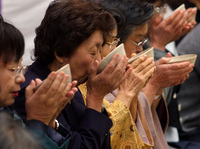
"description": "Japanese women drink green tea during an outdoor tea ceremony in Kobe, Japan. Making the brew a daily habit may be protective against stroke.",
"title": "Japanese women drink green tea during an outdoor tea ceremony in Kobe, Japan. Making the brew a daily habit may be protective against stroke.",
"credit": null,
"status": "inherit",
"isLoading": false,
"fetchFailed": false
},
"bayareabites_58457": {
"type": "attachments",
"id": "bayareabites_58457",
"meta": {
"index": "attachments_1716263798",
"site": "bayareabites",
"id": "58457",
"found": true
},
"parent": 58456,
"imgSizes": {
"kqedFullSize": {
"file": "https://ww2.kqed.org/app/uploads/sites/24/2013/03/163596719-a6fb3cd6535e6f8b9adfb7460d76e71ce8d91bd2.jpg",
"width": 200,
"height": 149
}
},
"publishDate": 1363303178,
"modified": 1363303178,
"caption": null,
"description": "Villagers gather dead pigs in Jiaxing, in eastern China's Zhejiang province, on Wednesday. The number of dead pigs found in Shanghai's main river had doubled in two days to nearly 6,000, the government said.",
"title": "Villagers gather dead pigs in Jiaxing, in eastern China's Zhejiang province, on Wednesday. The number of dead pigs found in Shanghai's main river had doubled in two days to nearly 6,000, the government said.",
"credit": null,
"status": "inherit",
"isLoading": false,
"fetchFailed": false
},
"bayareabites_58337": {
"type": "attachments",
"id": "bayareabites_58337",
"meta": {
"index": "attachments_1716263798",
"site": "bayareabites",
"id": "58337",
"found": true
},
"parent": 58333,
"imgSizes": {
"kqedFullSize": {
"file": "https://ww2.kqed.org/app/uploads/sites/24/2013/03/mississippi_soda.jpg",
"width": 667,
"height": 500
}
},
"publishDate": 1363115487,
"modified": 1363115487,
"caption": "A Coca-Cola mural in Vicksburg, Miss., where the soda was first bottled in 1894. Mississippi's governor is expected to sign a bill that would prevent the regulation of soda portion sizes by counties or towns. Photo: pratt/via Flickr",
"description": "A Coca-Cola mural in Vicksburg, Miss., where the soda was first bottled in 1894. Mississippi's governor is expected to sign a bill that would prevent the regulation of soda portion sizes by counties or towns.",
"title": "mississippi_soda",
"credit": null,
"status": "inherit",
"isLoading": false,
"fetchFailed": false
},
"bayareabites_58326": {
"type": "attachments",
"id": "bayareabites_58326",
"meta": {
"index": "attachments_1716263798",
"site": "bayareabites",
"id": "58326",
"found": true
},
"parent": 58324,
"imgSizes": {
"kqedFullSize": {
"file": "https://ww2.kqed.org/app/uploads/sites/24/2013/03/istock_000006356640medium-3ca8bbca7299c9503d8c4164a15c615c00202198.jpg",
"width": 200,
"height": 150
}
},
"publishDate": 1363110633,
"modified": 1363110633,
"caption": null,
"description": "Less sleep equals less self-control when it comes to eating, a new study finds.",
"title": "Less sleep equals less self-control when it comes to eating, a new study finds.",
"credit": null,
"status": "inherit",
"isLoading": false,
"fetchFailed": false
},
"bayareabites_58315": {
"type": "attachments",
"id": "bayareabites_58315",
"meta": {
"index": "attachments_1716263798",
"site": "bayareabites",
"id": "58315",
"found": true
},
"parent": 58314,
"imgSizes": {
"kqedFullSize": {
"file": "https://ww2.kqed.org/app/uploads/sites/24/2013/03/151960687-78c076507104e4510dcd6581ae425260e07c0634.jpg",
"width": 200,
"height": 149
}
},
"publishDate": 1363044961,
"modified": 1363044961,
"caption": null,
"description": "A customer fills a 21-ounce cup with soda at a New York City McDonald's.",
"title": "A customer fills a 21-ounce cup with soda at a New York City McDonald's.",
"credit": null,
"status": "inherit",
"isLoading": false,
"fetchFailed": false
},
"bayareabites_58062": {
"type": "attachments",
"id": "bayareabites_58062",
"meta": {
"index": "attachments_1716263798",
"site": "bayareabites",
"id": "58062",
"found": true
},
"parent": 58061,
"imgSizes": {
"kqedFullSize": {
"file": "https://ww2.kqed.org/app/uploads/sites/24/2013/03/goldricecompare-3f668436a741ae7bbe24086ae89860b3998bf38f.jpg",
"width": 200,
"height": 150
}
},
"publishDate": 1362685082,
"modified": 1362685082,
"caption": null,
"description": "Genetically modified to be enriched with beta-carotene, golden rice grains (left) are a deep yellow. At right, white rice grains.",
"title": "Genetically modified to be enriched with beta-carotene, golden rice grains (left) are a deep yellow. At right, white rice grains.",
"credit": null,
"status": "inherit",
"isLoading": false,
"fetchFailed": false
},
"bayareabites_58246": {
"type": "attachments",
"id": "bayareabites_58246",
"meta": {
"index": "attachments_1716263798",
"site": "bayareabites",
"id": "58246",
"found": true
},
"parent": 58245,
"imgSizes": {
"kqedFullSize": {
"file": "https://ww2.kqed.org/app/uploads/sites/24/2013/03/noma_wide-eb1dbe73c4109cf0e80b978be08012fae56d0444.jpg",
"width": 200,
"height": 112
}
},
"publishDate": 1362831922,
"modified": 1362831922,
"caption": null,
"description": "The famed Noma restaurant in Copenhagen has been blamed for more than 60 of its diners falling ill. Investigators say an illness spread from the staff to the customers.",
"title": "The famed Noma restaurant in Copenhagen has been blamed for more than 60 of its diners falling ill. Investigators say an illness spread from the staff to the customers.",
"credit": null,
"status": "inherit",
"isLoading": false,
"fetchFailed": false
},
"bayareabites_58048": {
"type": "attachments",
"id": "bayareabites_58048",
"meta": {
"index": "attachments_1716263798",
"site": "bayareabites",
"id": "58048",
"found": true
},
"parent": 58047,
"imgSizes": {
"kqedFullSize": {
"file": "https://ww2.kqed.org/app/uploads/sites/24/2013/03/goodeggs1-667717e40a6c81a9caf1c17a30f323913b2422d2.jpg",
"width": 200,
"height": 149
}
},
"publishDate": 1362683598,
"modified": 1362683598,
"caption": null,
"description": "Employees of Good Eggs deliver produce, meat and other local foods from producers in the Bay area of California.",
"title": "Employees of Good Eggs deliver produce, meat and other local foods from producers in the Bay area of California.",
"credit": null,
"status": "inherit",
"isLoading": false,
"fetchFailed": false
},
"bayareabites_57990": {
"type": "attachments",
"id": "bayareabites_57990",
"meta": {
"index": "attachments_1716263798",
"site": "bayareabites",
"id": "57990",
"found": true
},
"parent": 57989,
"imgSizes": {
"kqedFullSize": {
"file": "https://ww2.kqed.org/app/uploads/sites/24/2013/03/istock_000015841857medium-a2f8d91ca4d2ba6752bc3e9580bd5bc39083b84f.jpg",
"width": 200,
"height": 149
}
},
"publishDate": 1362609291,
"modified": 1362609291,
"caption": null,
"description": "Fish Eyes",
"title": "Fish Eyes",
"credit": null,
"status": "inherit",
"isLoading": false,
"fetchFailed": false
},
"bayareabites_57976": {
"type": "attachments",
"id": "bayareabites_57976",
"meta": {
"index": "attachments_1716263798",
"site": "bayareabites",
"id": "57976",
"found": true
},
"parent": 57975,
"imgSizes": {
"kqedFullSize": {
"file": "https://ww2.kqed.org/app/uploads/sites/24/2013/03/istock_000001752333small_wide-e75cf17ee468b8a5e26bf5fd73359c5dc8a69516.jpg",
"width": 200,
"height": 112
}
},
"publishDate": 1362608602,
"modified": 1362608602,
"caption": null,
"description": "Delicious. Also deadly.",
"title": "Delicious. Also deadly.",
"credit": null,
"status": "inherit",
"isLoading": false,
"fetchFailed": false
}
},
"audioPlayerReducer": {
"postId": "stream_live",
"isPaused": true,
"isPlaying": false,
"pfsActive": false,
"pledgeModalIsOpen": true,
"playerDrawerIsOpen": false,
"liveAudioPlayStartedAt": 0,
"liveAudioPlayContext": ""
},
"authorsReducer": {
"byline_bayareabites_58530": {
"type": "authors",
"id": "byline_bayareabites_58530",
"meta": {
"override": true
},
"slug": "byline_bayareabites_58530",
"name": "Audrey Carlsen",
"isLoading": false
},
"byline_bayareabites_58511": {
"type": "authors",
"id": "byline_bayareabites_58511",
"meta": {
"override": true
},
"slug": "byline_bayareabites_58511",
"name": "NPR Staff",
"isLoading": false
},
"byline_bayareabites_58472": {
"type": "authors",
"id": "byline_bayareabites_58472",
"meta": {
"override": true
},
"slug": "byline_bayareabites_58472",
"name": "Allison Aubrey",
"isLoading": false
},
"byline_bayareabites_58456": {
"type": "authors",
"id": "byline_bayareabites_58456",
"meta": {
"override": true
},
"slug": "byline_bayareabites_58456",
"name": "Frank Langfitt",
"isLoading": false
},
"byline_bayareabites_58333": {
"type": "authors",
"id": "byline_bayareabites_58333",
"meta": {
"override": true
},
"slug": "byline_bayareabites_58333",
"name": "Jeffrey Hess",
"isLoading": false
},
"byline_bayareabites_58324": {
"type": "authors",
"id": "byline_bayareabites_58324",
"meta": {
"override": true
},
"slug": "byline_bayareabites_58324",
"name": "Nancy Shute",
"isLoading": false
},
"byline_bayareabites_58314": {
"type": "authors",
"id": "byline_bayareabites_58314",
"meta": {
"override": true
},
"slug": "byline_bayareabites_58314",
"name": "Allison Aubrey",
"isLoading": false
},
"byline_bayareabites_58061": {
"type": "authors",
"id": "byline_bayareabites_58061",
"meta": {
"override": true
},
"slug": "byline_bayareabites_58061",
"name": "Dan Charles",
"isLoading": false
},
"byline_bayareabites_58245": {
"type": "authors",
"id": "byline_bayareabites_58245",
"meta": {
"override": true
},
"slug": "byline_bayareabites_58245",
"name": "Bill Chappell",
"isLoading": false
},
"byline_bayareabites_58047": {
"type": "authors",
"id": "byline_bayareabites_58047",
"meta": {
"override": true
},
"slug": "byline_bayareabites_58047",
"name": "Beth Hoffman",
"isLoading": false
},
"byline_bayareabites_57989": {
"type": "authors",
"id": "byline_bayareabites_57989",
"meta": {
"override": true
},
"slug": "byline_bayareabites_57989",
"name": "Nancy Shute",
"isLoading": false
},
"byline_bayareabites_57975": {
"type": "authors",
"id": "byline_bayareabites_57975",
"meta": {
"override": true
},
"slug": "byline_bayareabites_57975",
"name": "Nancy Shute",
"isLoading": false
}
},
"pagesReducer": {
"bayareabites_category_npr-food": {
"type": "terms",
"id": "bayareabites_10916",
"meta": {
"index": "terms_1716263798",
"site": "bayareabites",
"id": "10916",
"score": 13.894455
},
"featImg": null,
"name": "NPR food",
"description": null,
"taxonomy": "category",
"headData": {
"twImgId": null,
"twTitle": null,
"ogTitle": null,
"ogImgId": null,
"twDescription": null,
"description": null,
"title": "NPR food Archives | KQED Bay Area Bites",
"ogDescription": null
},
"ttid": 5375,
"slug": "npr-food",
"isLoading": false,
"title": "NPR food",
"pageMeta": {
"site": "bayareabites",
"WpPageTemplate": "page-topic-editorial",
"currentPage": 87
},
"blocks": [
{
"blockName": "kqed/post-list",
"attrs": {
"layout": "cardArticle2",
"query": "posts/bayareabites?category=npr-food",
"seeMore": false,
"paginated": true,
"page": 87
}
},
{
"blockName": "kqed/ad"
}
]
}
},
"pfsSessionReducer": {},
"postsReducer": {
"stream_live": {
"type": "live",
"id": "stream_live",
"audioUrl": "https://hls.kqed.org/hls/kqed_app/playlist.m3u8",
"title": "Live Stream",
"excerpt": "Live Stream information currently unavailable.",
"link": "/radio",
"featImg": "",
"label": {
"name": "KQED Live",
"link": "/"
}
},
"stream_kqedNewscast": {
"type": "posts",
"id": "stream_kqedNewscast",
"audioUrl": "https://www.kqed.org/.stream/anon/radio/RDnews/newscast.mp3?_=1",
"title": "KQED Newscast",
"featImg": "",
"label": {
"name": "88.5 FM",
"link": "/"
}
},
"bayareabites_58530": {
"type": "posts",
"id": "bayareabites_58530",
"meta": {
"index": "posts_1716263798",
"site": "bayareabites",
"id": "58530",
"score": null,
"sort": [
1363636432000
]
},
"parent": 0,
"labelTerm": {
"site": "bayareabites"
},
"blocks": [],
"publishDate": 1363636432,
"format": "aside",
"disqusTitle": "Some People Really Can Taste The Rainbow ",
"title": "Some People Really Can Taste The Rainbow ",
"headTitle": "Bay Area Bites | KQED Food",
"content": "\u003cfigure id=\"attachment_58539\" class=\"wp-caption aligncenter\" style=\"max-width: 1024px\">\u003ca href=\"http://ww2.kqed.org/bayareabites/wp-content/uploads/sites/24/2013/03/synesthesia.jpg\">\u003cimg src=\"http://ww2.kqed.org/bayareabites/wp-content/uploads/sites/24/2013/03/synesthesia-1024x767.jpg\" alt='A select group of synesthetes can truly \"taste the rainbow.\" Photo illustration by Daniel M.N. Turner/NPR' width=\"1024\" height=\"767\" class=\"size-large wp-image-58539\">\u003c/a>\u003cfigcaption class=\"wp-caption-text\">A select group of synesthetes can truly \"taste the rainbow.\" Photo illustration by Daniel M.N. Turner/NPR\u003c/figcaption>\u003c/figure>\n\u003cp>Post by Audrey Carlsen, \u003ca href=\"http://www.npr.org/blogs/thesalt/2013/03/12/174132392/synesthetes-really-can-taste-the-rainbow\">The Salt at NPR Food\u003c/a> (3/18/13)\u003c/p>\n\u003cp>Plenty of us got our fill of green-colored food on St. Patrick's Day. (\u003ca href=\"http://www.seriouseats.com/2009/03/how-to-make-green-beer-for-st-patricks-day.html\">Green beer\u003c/a>, anyone?) But for some people, associating taste with color is more than just a once-a-year experience.\u003c/p>\n\u003cp>These people have \u003ca href=\"http://synesthete.org/\">synesthesia\u003c/a> — a neurological condition in which stimulation of one sense (e.g., taste) produces experiences in a totally different sense (e.g., sight). According to researcher \u003ca href=\"http://www.daysyn.com/\">Sean Day\u003c/a>, approximately one in 27 people has some form of synesthesia.\u003c/p>\n\u003cfigure id=\"attachment_58537\" class=\"wp-caption alignleft\" style=\"max-width: 194px\">\u003ca href=\"http://ww2.kqed.org/bayareabites/wp-content/uploads/sites/24/2013/03/altaquawineglass.jpg\">\u003cimg src=\"http://ww2.kqed.org/bayareabites/wp-content/uploads/sites/24/2013/03/altaquawineglass-194x290.jpg\" alt='For Jaime Smith, a synesthetic sommelier, a white wine like Nosiola has a \"beautiful aquamarine, flowy, kind of wavy color to it.\" Photo illustration by Daniel M.N. Turner/NPR' width=\"194\" height=\"290\" class=\"size-medium wp-image-58537\">\u003c/a>\u003cfigcaption class=\"wp-caption-text\">For Jaime Smith, a synesthetic sommelier, a white wine like Nosiola has a \"beautiful aquamarine, flowy, kind of wavy color to it.\" Photo illustration by Daniel M.N. Turner/NPR\u003c/figcaption>\u003c/figure>\n\u003cp>We've \u003ca href=\"http://www.npr.org/templates/story/story.php?storyId=4602748\">covered\u003c/a> this phenomenon in the past. And I'm a synesthete myself — I see letters and numbers in color, and associate sounds with shapes and textures. But only a very few people — maybe only 1 percent of synesthetes — have sensory crossovers that affect their relationship with food and drink.\u003c/p>\n\u003cp>Jaime Smith is one of those people. He's a sommelier by trade, and he has a rare gift: He smells in colors and shapes.\u003c/p>\n\u003cp>[ad fullwidth]\u003c/p>\n\u003cp>For Smith, who lives in Las Vegas, a white wine like Nosiola has a \"beautiful aquamarine, flowy, kind of wavy color to it.\" Other smells also elicit three-dimensional textures and colors on what he describes as a \"projector\" in his mind's eye.\u003c/p>\n\u003cp>This \"added dimension,\" Smith says, enhances his ability to appraise and analyze wines. \"I feel that I have an advantage over a lot of people, particularly in a field where you're judged on how good of a smeller you are,\" he says.\u003c/p>\n\u003cp>Atlanta-based pastry chef Taria Camerino also has synesthesia. But for her, synesthesia is more than just an advantage — it's a necessity.\u003c/p>\n\u003cp>Camerino experiences the world through taste. She tastes music, colors, shapes and even people's emotions. She says she has a hard time remembering what things look or sound like, but she can immediately identify objects based on their synesthetic flavors.\u003c/p>\n\u003cblockquote>\u003cp>\"I don't know what a box looks like unless it's in front of me. I don't know what the color green looks like. But I know what green tastes like,\" she says.\u003c/p>\u003c/blockquote>\n\u003cp>In addition to working as a pastry chef, Camerino is often asked by clients to make dishes that mimic her synesthetic experiences. She creates \"flavor profiles\" of things like \u003cem>satisfaction\u003c/em> and \u003cem>discontent\u003c/em>. She takes inspiration from music to put together nine-course tastings featuring dishes like moss-flavored cotton candy and oyster ceviche.\u003c/p>\n\u003cp>\"I move through the world this way all the time,\" she explains. \"If I want someone to understand it, I have to create a dish out of it. I have to make it palatable.\"\u003c/p>\n\u003cp>A synesthete himself, Sean Day is president of the \u003ca href=\"http://www.synesthesia.info/\">American Synesthesia Association\u003c/a> and has been tracking research on this condition for more than three decades. (He runs a popular international \u003ca href=\"http://www.daysyn.com/Synesthesia-List.html\">mailing list\u003c/a> on the topic.)\u003c/p>\n\u003cp>Summarizing the state of \u003ca href=\"http://www.ncbi.nlm.nih.gov/pubmed/17515901\">current research\u003c/a>, Day says the brains of synesthetes do appear to be \u003ca href=\"http://www.ncbi.nlm.nih.gov/pubmed/23454047\">anatomically different\u003c/a> (although he cautions that scientists have only studied a few types of synesthesia so far). In particular, it seems that the neural connections between different sensory parts of the brain are more \u003ca href=\"http://www.nlm.nih.gov/medlineplus/ency/article/002261.htm\">myelinated\u003c/a> in people with synesthesia. Myelin is a fatty sheath that surrounds neurons and enables neural signals to travel more quickly.\u003c/p>\n\u003cp>\"Because the myelination is different, the interaction between certain parts of the brain is different,\" explains Day. This allows parts of the brain that are responsible for different senses to communicate when they normally wouldn't.\u003c/p>\n\u003cp>Hypermyelination could explain why synesthetic experiences seem so real for people like British IT consultant \u003ca href=\"http://www.jameswannerton.com/\">James Wannerton\u003c/a>, who is also the president of the \u003ca href=\"http://www.uksynaesthesia.com/\">UK Synaesthesia Association\u003c/a>.\u003c/p>\n\u003cp>Wannerton has a particularly intrusive form of synesthesia, in which sounds, words and colors all have taste and texture. \"It's like having an eyedropper of taste sort of dripped on your tongue constantly, just one after another after another,\" he explains. \"It's a full mouth feel. It's exactly like I'm eating something.\"\u003c/p>\n\u003cfigure id=\"attachment_58538\" class=\"wp-caption alignleft\" style=\"max-width: 290px\">\u003ca href=\"http://ww2.kqed.org/bayareabites/wp-content/uploads/sites/24/2013/03/pastedgraphic.jpg\">\u003cimg src=\"http://ww2.kqed.org/bayareabites/wp-content/uploads/sites/24/2013/03/pastedgraphic-290x217.jpg\" alt=\"James Wannerton worked with photographers Dominic Davies and Andrew Stellitano to create this conceptual image, which for him elicits the taste of a roast lamb dinner with all of the trimmings. Photo: Dominic Davies/Courtesy of James Wannerton\" width=\"290\" height=\"217\" class=\"size-medium wp-image-58538\">\u003c/a>\u003cfigcaption class=\"wp-caption-text\">James Wannerton worked with photographers Dominic Davies and Andrew Stellitano to create this conceptual image, which for him elicits the taste of a roast lamb dinner with all of the trimmings. Photo: Dominic Davies/Courtesy of James Wannerton\u003c/figcaption>\u003c/figure>\n\u003cp>Even Wannerton's brain gets fooled. \"I wouldn't know what a hunger pang is because I don't get hungry,\" he says. \"My brain [is] constantly pumping acid into my stomach to dissolve food that isn't there.\"\u003c/p>\n\u003cp>Synesthesia affects his social life, too. Eating out, for example, is a nightmare: \"Different voices, the ambient atmosphere in the restaurant, it all makes a difference to my experience,\" says Wannerton. \"You serve me food on a blue plate — it just totally messes up the eating sensation.\"\u003c/p>\n\u003cp>And some people's names aren't very pleasant, either. \"If I don't like somebody's name ... I won't like them very much,\" he explains unabashedly.\u003c/p>\n\u003cp>My name, Audrey, for example, tastes strongly of tinned tomatoes. \"If I actually had to speak with you every day, I'd try and shorten [your name] somehow,\" Wannerton tells me.\u003c/p>\n\u003cp>But even though his synesthesia can be quite disruptive at times (\"It's \"absolutely ludicrous,\" he admits), at the end of the day, Wannerton still enjoys it.\u003c/p>\n\u003cp>And most synesthetes would agree, including sommelier Jaime Smith. \"My synthie thing is the added bonus for me,\" he says. \"[It's] the joy and sometimes the fun of it all.\"\u003c/p>\n\u003cp>\u003c/p>\n\u003cp> \u003cem>Copyright 2013 \u003ca href=\"http://www.npr.org/\">NPR\u003c/a>.\u003c/em> \u003c/p>\n\n",
"disqusIdentifier": "58530 http://blogs.kqed.org/bayareabites/?p=58530",
"disqusUrl": "https://ww2.kqed.org/bayareabites/2013/03/18/some-people-really-can-taste-the-rainbow/",
"stats": {
"hasVideo": false,
"hasChartOrMap": false,
"hasAudio": false,
"hasPolis": false,
"wordCount": 962,
"hasGoogleForm": false,
"hasGallery": false,
"hasHearkenModule": false,
"iframeSrcs": [],
"paragraphCount": 26
},
"modified": 1363640227,
"excerpt": "Some people with a rare neurological condition known as synesthesia can taste shapes or smell color. And when these people work in the food industry, it can radically redefine flavor profiles. (Blue wine? Moss-flavored cotton candy?)\u003cstrong>\u003c/strong>\u003cstrong>\u003c/strong>",
"headData": {
"twImgId": "",
"twTitle": "",
"ogTitle": "",
"ogImgId": "",
"twDescription": "",
"description": "Some people with a rare neurological condition known as synesthesia can taste shapes or smell color. And when these people work in the food industry, it can radically redefine flavor profiles. (Blue wine? Moss-flavored cotton candy?)",
"title": "Some People Really Can Taste The Rainbow | KQED",
"ogDescription": "",
"schema": {
"@context": "https://schema.org",
"@type": "Article",
"headline": "Some People Really Can Taste The Rainbow ",
"datePublished": "2013-03-18T12:53:52-07:00",
"dateModified": "2013-03-18T13:57:07-07:00",
"image": "https://cdn.kqed.org/wp-content/uploads/2020/02/KQED-OG-Image@1x.png"
}
},
"guestAuthors": [],
"slug": "some-people-really-can-taste-the-rainbow",
"status": "publish",
"nprApiLink": "http://api.npr.org/query?id=174132392&apiKey=MDAxOTAwOTE4MDEyMTkxMDAzNjczZDljZA004",
"nprByline": "Audrey Carlsen",
"nprStoryDate": "Mon, 18 Mar 2013 13:29:00 -0400",
"nprLastModifiedDate": "Mon, 18 Mar 2013 14:43:16 -0400",
"nprHtmlLink": "http://www.npr.org/blogs/thesalt/2013/03/12/174132392/synesthetes-really-can-taste-the-rainbow?ft=3&f=174132392",
"nprStoryId": "174132392",
"nprRetrievedStory": "1",
"nprPubDate": "Mon, 18 Mar 2013 14:43:00 -0400",
"path": "/bayareabites/58530/some-people-really-can-taste-the-rainbow",
"audioTrackLength": null,
"parsedContent": [
{
"type": "contentString",
"content": "\u003cdiv class=\"post-body\">\u003cp>\u003cfigure id=\"attachment_58539\" class=\"wp-caption aligncenter\" style=\"max-width: 1024px\">\u003ca href=\"http://ww2.kqed.org/bayareabites/wp-content/uploads/sites/24/2013/03/synesthesia.jpg\">\u003cimg src=\"http://ww2.kqed.org/bayareabites/wp-content/uploads/sites/24/2013/03/synesthesia-1024x767.jpg\" alt='A select group of synesthetes can truly \"taste the rainbow.\" Photo illustration by Daniel M.N. Turner/NPR' width=\"1024\" height=\"767\" class=\"size-large wp-image-58539\">\u003c/a>\u003cfigcaption class=\"wp-caption-text\">A select group of synesthetes can truly \"taste the rainbow.\" Photo illustration by Daniel M.N. Turner/NPR\u003c/figcaption>\u003c/figure>\n\u003cp>Post by Audrey Carlsen, \u003ca href=\"http://www.npr.org/blogs/thesalt/2013/03/12/174132392/synesthetes-really-can-taste-the-rainbow\">The Salt at NPR Food\u003c/a> (3/18/13)\u003c/p>\n\u003cp>Plenty of us got our fill of green-colored food on St. Patrick's Day. (\u003ca href=\"http://www.seriouseats.com/2009/03/how-to-make-green-beer-for-st-patricks-day.html\">Green beer\u003c/a>, anyone?) But for some people, associating taste with color is more than just a once-a-year experience.\u003c/p>\n\u003cp>These people have \u003ca href=\"http://synesthete.org/\">synesthesia\u003c/a> — a neurological condition in which stimulation of one sense (e.g., taste) produces experiences in a totally different sense (e.g., sight). According to researcher \u003ca href=\"http://www.daysyn.com/\">Sean Day\u003c/a>, approximately one in 27 people has some form of synesthesia.\u003c/p>\n\u003cfigure id=\"attachment_58537\" class=\"wp-caption alignleft\" style=\"max-width: 194px\">\u003ca href=\"http://ww2.kqed.org/bayareabites/wp-content/uploads/sites/24/2013/03/altaquawineglass.jpg\">\u003cimg src=\"http://ww2.kqed.org/bayareabites/wp-content/uploads/sites/24/2013/03/altaquawineglass-194x290.jpg\" alt='For Jaime Smith, a synesthetic sommelier, a white wine like Nosiola has a \"beautiful aquamarine, flowy, kind of wavy color to it.\" Photo illustration by Daniel M.N. Turner/NPR' width=\"194\" height=\"290\" class=\"size-medium wp-image-58537\">\u003c/a>\u003cfigcaption class=\"wp-caption-text\">For Jaime Smith, a synesthetic sommelier, a white wine like Nosiola has a \"beautiful aquamarine, flowy, kind of wavy color to it.\" Photo illustration by Daniel M.N. Turner/NPR\u003c/figcaption>\u003c/figure>\n\u003cp>We've \u003ca href=\"http://www.npr.org/templates/story/story.php?storyId=4602748\">covered\u003c/a> this phenomenon in the past. And I'm a synesthete myself — I see letters and numbers in color, and associate sounds with shapes and textures. But only a very few people — maybe only 1 percent of synesthetes — have sensory crossovers that affect their relationship with food and drink.\u003c/p>\n\u003cp>Jaime Smith is one of those people. He's a sommelier by trade, and he has a rare gift: He smells in colors and shapes.\u003c/p>\n\u003cp>\u003c/p>\u003c/div>",
"attributes": {
"named": {},
"numeric": []
}
},
{
"type": "component",
"content": "",
"name": "ad",
"attributes": {
"named": {
"label": "fullwidth"
},
"numeric": [
"fullwidth"
]
}
},
{
"type": "contentString",
"content": "\u003cdiv class=\"post-body\">\u003cp>\u003c/p>\n\u003cp>For Smith, who lives in Las Vegas, a white wine like Nosiola has a \"beautiful aquamarine, flowy, kind of wavy color to it.\" Other smells also elicit three-dimensional textures and colors on what he describes as a \"projector\" in his mind's eye.\u003c/p>\n\u003cp>This \"added dimension,\" Smith says, enhances his ability to appraise and analyze wines. \"I feel that I have an advantage over a lot of people, particularly in a field where you're judged on how good of a smeller you are,\" he says.\u003c/p>\n\u003cp>Atlanta-based pastry chef Taria Camerino also has synesthesia. But for her, synesthesia is more than just an advantage — it's a necessity.\u003c/p>\n\u003cp>Camerino experiences the world through taste. She tastes music, colors, shapes and even people's emotions. She says she has a hard time remembering what things look or sound like, but she can immediately identify objects based on their synesthetic flavors.\u003c/p>\n\u003cblockquote>\u003cp>\"I don't know what a box looks like unless it's in front of me. I don't know what the color green looks like. But I know what green tastes like,\" she says.\u003c/p>\u003c/blockquote>\n\u003cp>In addition to working as a pastry chef, Camerino is often asked by clients to make dishes that mimic her synesthetic experiences. She creates \"flavor profiles\" of things like \u003cem>satisfaction\u003c/em> and \u003cem>discontent\u003c/em>. She takes inspiration from music to put together nine-course tastings featuring dishes like moss-flavored cotton candy and oyster ceviche.\u003c/p>\n\u003cp>\"I move through the world this way all the time,\" she explains. \"If I want someone to understand it, I have to create a dish out of it. I have to make it palatable.\"\u003c/p>\n\u003cp>A synesthete himself, Sean Day is president of the \u003ca href=\"http://www.synesthesia.info/\">American Synesthesia Association\u003c/a> and has been tracking research on this condition for more than three decades. (He runs a popular international \u003ca href=\"http://www.daysyn.com/Synesthesia-List.html\">mailing list\u003c/a> on the topic.)\u003c/p>\n\u003cp>Summarizing the state of \u003ca href=\"http://www.ncbi.nlm.nih.gov/pubmed/17515901\">current research\u003c/a>, Day says the brains of synesthetes do appear to be \u003ca href=\"http://www.ncbi.nlm.nih.gov/pubmed/23454047\">anatomically different\u003c/a> (although he cautions that scientists have only studied a few types of synesthesia so far). In particular, it seems that the neural connections between different sensory parts of the brain are more \u003ca href=\"http://www.nlm.nih.gov/medlineplus/ency/article/002261.htm\">myelinated\u003c/a> in people with synesthesia. Myelin is a fatty sheath that surrounds neurons and enables neural signals to travel more quickly.\u003c/p>\n\u003cp>\"Because the myelination is different, the interaction between certain parts of the brain is different,\" explains Day. This allows parts of the brain that are responsible for different senses to communicate when they normally wouldn't.\u003c/p>\n\u003cp>Hypermyelination could explain why synesthetic experiences seem so real for people like British IT consultant \u003ca href=\"http://www.jameswannerton.com/\">James Wannerton\u003c/a>, who is also the president of the \u003ca href=\"http://www.uksynaesthesia.com/\">UK Synaesthesia Association\u003c/a>.\u003c/p>\n\u003cp>Wannerton has a particularly intrusive form of synesthesia, in which sounds, words and colors all have taste and texture. \"It's like having an eyedropper of taste sort of dripped on your tongue constantly, just one after another after another,\" he explains. \"It's a full mouth feel. It's exactly like I'm eating something.\"\u003c/p>\n\u003cfigure id=\"attachment_58538\" class=\"wp-caption alignleft\" style=\"max-width: 290px\">\u003ca href=\"http://ww2.kqed.org/bayareabites/wp-content/uploads/sites/24/2013/03/pastedgraphic.jpg\">\u003cimg src=\"http://ww2.kqed.org/bayareabites/wp-content/uploads/sites/24/2013/03/pastedgraphic-290x217.jpg\" alt=\"James Wannerton worked with photographers Dominic Davies and Andrew Stellitano to create this conceptual image, which for him elicits the taste of a roast lamb dinner with all of the trimmings. Photo: Dominic Davies/Courtesy of James Wannerton\" width=\"290\" height=\"217\" class=\"size-medium wp-image-58538\">\u003c/a>\u003cfigcaption class=\"wp-caption-text\">James Wannerton worked with photographers Dominic Davies and Andrew Stellitano to create this conceptual image, which for him elicits the taste of a roast lamb dinner with all of the trimmings. Photo: Dominic Davies/Courtesy of James Wannerton\u003c/figcaption>\u003c/figure>\n\u003cp>Even Wannerton's brain gets fooled. \"I wouldn't know what a hunger pang is because I don't get hungry,\" he says. \"My brain [is] constantly pumping acid into my stomach to dissolve food that isn't there.\"\u003c/p>\n\u003cp>Synesthesia affects his social life, too. Eating out, for example, is a nightmare: \"Different voices, the ambient atmosphere in the restaurant, it all makes a difference to my experience,\" says Wannerton. \"You serve me food on a blue plate — it just totally messes up the eating sensation.\"\u003c/p>\n\u003cp>And some people's names aren't very pleasant, either. \"If I don't like somebody's name ... I won't like them very much,\" he explains unabashedly.\u003c/p>\n\u003cp>My name, Audrey, for example, tastes strongly of tinned tomatoes. \"If I actually had to speak with you every day, I'd try and shorten [your name] somehow,\" Wannerton tells me.\u003c/p>\n\u003cp>But even though his synesthesia can be quite disruptive at times (\"It's \"absolutely ludicrous,\" he admits), at the end of the day, Wannerton still enjoys it.\u003c/p>\n\u003cp>And most synesthetes would agree, including sommelier Jaime Smith. \"My synthie thing is the added bonus for me,\" he says. \"[It's] the joy and sometimes the fun of it all.\"\u003c/p>\n\u003cp>\u003c/p>\n\u003cp> \u003cem>Copyright 2013 \u003ca href=\"http://www.npr.org/\">NPR\u003c/a>.\u003c/em> \u003c/p>\n\n\u003c/div>\u003c/p>",
"attributes": {
"named": {},
"numeric": []
}
}
],
"link": "/bayareabites/58530/some-people-really-can-taste-the-rainbow",
"authors": [
"byline_bayareabites_58530"
],
"categories": [
"bayareabites_1245",
"bayareabites_10916"
],
"tags": [
"bayareabites_11411",
"bayareabites_11410",
"bayareabites_11409",
"bayareabites_3972",
"bayareabites_10921"
],
"featImg": "bayareabites_58531",
"label": "bayareabites"
},
"bayareabites_58511": {
"type": "posts",
"id": "bayareabites_58511",
"meta": {
"index": "posts_1716263798",
"site": "bayareabites",
"id": "58511",
"score": null,
"sort": [
1363576885000
]
},
"parent": 0,
"labelTerm": {
"site": "bayareabites"
},
"blocks": [],
"publishDate": 1363576885,
"format": "aside",
"disqusTitle": "Craft Brews Slowly Chipping Away At Big Beer's Dominance",
"title": "Craft Brews Slowly Chipping Away At Big Beer's Dominance",
"headTitle": "Bay Area Bites | KQED Food",
"content": "\u003cfigure id=\"attachment_58516\" class=\"wp-caption aligncenter\" style=\"max-width: 888px\">\u003ca href=\"http://ww2.kqed.org/bayareabites/wp-content/uploads/sites/24/2013/03/craftbeer.jpg\">\u003cimg src=\"http://ww2.kqed.org/bayareabites/wp-content/uploads/sites/24/2013/03/craftbeer.jpg\" alt=\"Craft beers are offered for sale at Sam's Wines and Spirits in Chicago. Craft beer has about a 6 percent market share in the U.S. beer market, which is dominated by Anheuser-Busch InBev and MillerCoors. Photo: Scott Olson/Getty Images\" width=\"888\" height=\"500\" class=\"size-full wp-image-58516\">\u003c/a>\u003cfigcaption class=\"wp-caption-text\">Craft beers are offered for sale at Sam's Wines and Spirits in Chicago. Craft beer has about a 6 percent market share in the U.S. beer market, which is dominated by Anheuser-Busch InBev and MillerCoors. Photo: Scott Olson/Getty Images\u003c/figcaption>\u003c/figure>\n\u003cp>\u003cstrong>Listen to the Story\u003c/strong> on \u003ca href=\"http://www.npr.org/2013/03/17/174571197/craft-brews-slowly-chipping-away-at-big-beers-dominance\">All Things Considered\u003c/a>\u003cbr>\n [audio src=\"http://pd.npr.org/anon.npr-mp3/npr/atc/2013/03/20130317_atc_01.mp3\"] \u003c/p>\n\u003cp>Post by NPR Staff, \u003ca href=\"http://www.npr.org/2013/03/17/174571197/craft-brews-slowly-chipping-away-at-big-beers-dominance\">NPR Business\u003c/a> (3/17/13)\u003c/p>\n\u003cp>America loves beer.\u003c/p>\n\u003cp>In the U.S., we drink $200 billion worth of the hops-brewed libation annually. What many Americans might not know is that most domestic beer, 90 percent in fact, is dominated by just two companies: \u003ca href=\"http://www.npr.org/blogs/money/2013/02/19/172323211/beer-map-two-giant-brewers-210-brands\">Anheuser-Busch InBev and MillerCoors\u003c/a>.\u003c/p>\n\u003cp>Innovators, however, are challenging that dominance in the form of craft beer breweries. Small \"mom and pop\"-style breweries — or regional breweries — now account for about 6 percent of domestic beer sales. That may seem like a small number, but it's been growing every year since the early 1990s, while big brewer share is declining.\u003c/p>\n\u003cp>[ad fullwidth]\u003c/p>\n\u003cp>There are now more small breweries than there were before Prohibition, when beer was largely a regional business.\u003c/p>\n\u003cp>\u003cstrong>Why Craft Beer?\u003c/strong>\u003c/p>\n\u003cp>At Meridian Pint, a trendy D.C. bar and restaurant, you wouldn't even be able to order a Budweiser, Coors or something else from the big two.\u003c/p>\n\u003cp>Sam Fritz, a cicerone, which is like a sommelier for beer, is the beer director for Meridian Pint.\u003c/p>\n\u003cp>\"I try to have a nice mix of approachable craft beers, as well as exciting new stuff for people who have tried a lot of everyday beers,\" Fritz says.\u003c/p>\n\u003cp>Meridian Pint offers brands such as DC Brau, Flying Dog and Oxbow. Fritz says he prides himself on this kind of handpicked selection, but there are some brands he won't carry.\u003c/p>\n\u003cp>\"I do not carry any beer that come under the Miller or Coors or Bud labels,\" he says.\u003c/p>\n\u003cp>That's just fine with his customers, like Landon Rordam, who says he's not looking for those big names but instead tries to find \"what haven't I tried before.\"\u003c/p>\n\u003cp>\u003cstrong>Big Beer Vs. Craft Beer\u003c/strong>\u003c/p>\n\u003cp>Consolidation of the big brewers also worries the Justice Department, which recently blocked an attempt by Anheuser-Busch InBev to buy the 50 percent of Grupo Modelo it does not already own. The Mexican beer maker, the world's third-largest, owns Corona, Negra Modelo and other brands.\u003c/p>\n\u003cp>Journalist Elizabeth Flock, who reported on the \u003ca href=\"http://www.usnews.com/news/articles/2013/02/08/hopslam-how-big-beer-is-trying-to-stop-a-craft-beer-revolution\">blocked merger and the beer market\u003c/a> for \u003cem>U.S. News and World Report,\u003c/em> says the Justice Department said that AB-InBev, by buying Grupo Modelo, would effectively eliminate its competition.\u003c/p>\n\u003cp>The problem for craft brewers, Flock tells Jacki Lyden, host of weekends on \u003cem>All Things Considered,\u003c/em> is that those sorts of mergers make the fight against big beer companies even more difficult.\u003c/p>\n\u003cp>\"Everyone wants to be on grocery store shelves at eye level,\" Flock says. \"Craft brewers say big beer is increasingly pushing them out of those prime spots.\"\u003c/p>\n\u003cp>There's also the issue, Flock says, of what the Brewer's Association calls \"crafty\" beers — beers owned by big beer companies disguised as small craft beer. A common example is Blue Moon, a Belgian-style beer.\u003c/p>\n\u003cp>\"A lot of people think that [Blue Moon] is a craft beer, but is in fact owned by MillerCoors,\" she says.\u003c/p>\n\u003cp>Craft brewers argue, Flock says, that this limits consumer choice. For instance, if a bar stocks the top brands from a big brewer along with these \"crafty\" beers, consumers are essentially only buying from a single company.\u003c/p>\n\u003cp>Not everyone agrees. Benj Steinman, an editor for \u003cem>Beer Marketer's Insights\u003c/em>, a trade publication, says these so-called \"crafty beers\" might be helping the craft beer market.\u003c/p>\n\u003cp>\"What Anheuser-Busch and Coors have\u003cstrong> \u003c/strong>done through Shock Top and Blue Moon is opened up a greater number of consumers to the universe of craft beers and their innovation, flavor and variety,\" says Steinman, a 30-year veteran of the beer business. \"They're sort of gateway beers.\"\u003c/p>\n\u003cp>In other words, they are more accessible craft beers that might get you started wanting to taste other, more complex beers with notes of dark cherry or sassafras molasses.\u003c/p>\n\u003cp>Julia Herz, the craft beer program director for the Brewer's Association, says big beer should print its names on the bottles.\u003c/p>\n\u003cp>\"What we've called for is a transparency of parent company ownership, and to put that on the beer label so the beer-lover has a chance to know who's behind those brands,\" she says.\u003c/p>\n\u003cp>Herz says branding matters to many beer drinkers, especially those who care about the brands they consume and who owns those companies.\u003c/p>\n\u003cp>\"A lot of millennials are associating themselves with what they consume, and what they hold in their hand,\" she says.\u003c/p>\n\u003cp>\u003cstrong>The Question Of Cost\u003c/strong>\u003c/p>\n\u003cp>Craft beers are, without question, more expensive, which might make it harder for them to compete against the bigger brands.\u003c/p>\n\u003cp>\"This is a very middle-class beverage; [a] working class beverage,\" says Chris Thorne, a spokesman for the Beer Institute, the largest beer industry trade group. \"So what a lot of people are looking for is what's affordable.\"\u003c/p>\n\u003cp>Thorne says fierce competition is nothing new in the beer business: It's been that way since the days of Fred Miller, Freddy Heineken, Adolph Coors and August Busch.\u003c/p>\n\u003cp>\"These are names that are rooted in our heritage, in the beer-drinking culture in the U.S., and they never got a break,\" Thorne says. \"They competed with each other.\"\u003c/p>\n\u003cp>Back at Meridian Pint, beer director Fritz shows off his 24 beer taps, all pouring high-end craft brews. He really doesn't want to lose that market share to beers pretending to be microbrews.\u003c/p>\n\u003cp>\"It certainly is more expensive, but for what we're trying to do, we're trying to offer the highest-quality products that we can,\" he says, \"and that means buying from producers that use good ingredients and are innovative producers.\"\u003c/p>\n\u003cp>In the bar, customer Rordam says even if he's sampled some upscale micro brews at $6, $7 or $8 a pint, those prices might eventually force him to go back down the ladder.\u003c/p>\n\u003cp>\"After I've had like three or four microbrews, I'll think 'wow that was $25 [or] $30, I should probably get a Bud Light now because this is getting ridiculous,'\" he says. \u003c/p>\n\u003cp>[ad floatright]\u003c/p>\n\u003cp>\u003cem>Copyright 2013 \u003ca href=\"http://www.npr.org/\">NPR\u003c/a>.\u003c/em>\u003cbr>\n\u003cstrong>\u003cbr>\nRelated Post from NPR's Planet Money:\u003c/strong>\u003cbr>\n\u003ca href=\"http://www.npr.org/blogs/money/2013/02/19/172323211/beer-map-two-giant-brewers-210-brands\">Beer Map: Two Giant Brewers, 210 Brands\u003c/a>\u003c/p>\n\n",
"disqusIdentifier": "58511 http://blogs.kqed.org/bayareabites/?p=58511",
"disqusUrl": "https://ww2.kqed.org/bayareabites/2013/03/17/craft-brews-slowly-chipping-away-at-big-beers-dominance/",
"stats": {
"hasVideo": false,
"hasChartOrMap": false,
"hasAudio": true,
"hasPolis": false,
"wordCount": 1092,
"hasGoogleForm": false,
"hasGallery": false,
"hasHearkenModule": false,
"iframeSrcs": [],
"paragraphCount": 40
},
"modified": 1363577366,
"excerpt": "Beer is a $200 billion a year business in the U.S., but most of that money goes to the two companies, Anheuser-Busch InBev and MillerCoors. But smaller \"craft\" breweries are challenging that dominance, and it's a battle that's being waged on grocery store shelves and the taps at your local pub.",
"headData": {
"twImgId": "",
"twTitle": "",
"ogTitle": "",
"ogImgId": "",
"twDescription": "",
"description": "Beer is a $200 billion a year business in the U.S., but most of that money goes to the two companies, Anheuser-Busch InBev and MillerCoors. But smaller "craft" breweries are challenging that dominance, and it's a battle that's being waged on grocery store shelves and the taps at your local pub.",
"title": "Craft Brews Slowly Chipping Away At Big Beer's Dominance | KQED",
"ogDescription": "",
"schema": {
"@context": "https://schema.org",
"@type": "Article",
"headline": "Craft Brews Slowly Chipping Away At Big Beer's Dominance",
"datePublished": "2013-03-17T20:21:25-07:00",
"dateModified": "2013-03-17T20:29:26-07:00",
"image": "https://cdn.kqed.org/wp-content/uploads/2020/02/KQED-OG-Image@1x.png"
}
},
"guestAuthors": [],
"slug": "craft-brews-slowly-chipping-away-at-big-beers-dominance",
"status": "publish",
"nprApiLink": "http://api.npr.org/query?id=174571197&apiKey=MDAxOTAwOTE4MDEyMTkxMDAzNjczZDljZA004",
"nprByline": "NPR Staff",
"nprStoryDate": "Sun, 17 Mar 2013 15:00:00 -0400",
"nprLastModifiedDate": "Sun, 17 Mar 2013 19:48:10 -0400",
"nprHtmlLink": "http://www.npr.org/2013/03/17/174571197/craft-brews-slowly-chipping-away-at-big-beers-dominance?ft=3&f=174571197",
"nprAudio": "http://pd.npr.org/anon.npr-mp3/npr/atc/2013/03/20130317_atc_01.mp3?orgId=1&topicId=1006&ft=3&f=174571197",
"nprAudioM3u": "http://api.npr.org/m3u/1174571035-750797.m3u?orgId=1&topicId=1006&ft=3&f=174571197",
"nprStoryId": "174571197",
"nprRetrievedStory": "1",
"nprPubDate": "Sun, 17 Mar 2013 19:48:00 -0400",
"path": "/bayareabites/58511/craft-brews-slowly-chipping-away-at-big-beers-dominance",
"audioUrl": "http://pd.npr.org/anon.npr-mp3/npr/atc/2013/03/20130317_atc_01.mp3?orgId=1&topicId=1006&ft=3&f=174571197",
"audioDuration": null,
"audioTrackLength": null,
"parsedContent": [
{
"type": "contentString",
"content": "\u003cdiv class=\"post-body\">\u003cp>\u003cfigure id=\"attachment_58516\" class=\"wp-caption aligncenter\" style=\"max-width: 888px\">\u003ca href=\"http://ww2.kqed.org/bayareabites/wp-content/uploads/sites/24/2013/03/craftbeer.jpg\">\u003cimg src=\"http://ww2.kqed.org/bayareabites/wp-content/uploads/sites/24/2013/03/craftbeer.jpg\" alt=\"Craft beers are offered for sale at Sam's Wines and Spirits in Chicago. Craft beer has about a 6 percent market share in the U.S. beer market, which is dominated by Anheuser-Busch InBev and MillerCoors. Photo: Scott Olson/Getty Images\" width=\"888\" height=\"500\" class=\"size-full wp-image-58516\">\u003c/a>\u003cfigcaption class=\"wp-caption-text\">Craft beers are offered for sale at Sam's Wines and Spirits in Chicago. Craft beer has about a 6 percent market share in the U.S. beer market, which is dominated by Anheuser-Busch InBev and MillerCoors. Photo: Scott Olson/Getty Images\u003c/figcaption>\u003c/figure>\n\u003cp>\u003cstrong>Listen to the Story\u003c/strong> on \u003ca href=\"http://www.npr.org/2013/03/17/174571197/craft-brews-slowly-chipping-away-at-big-beers-dominance\">All Things Considered\u003c/a>\u003cbr>\n \u003c/p>\u003c/div>",
"attributes": {
"named": {},
"numeric": []
}
},
{
"type": "component",
"content": "",
"name": "audio",
"attributes": {
"named": {
"src": "http://pd.npr.org/anon.npr-mp3/npr/atc/2013/03/20130317_atc_01.mp3",
"label": ""
},
"numeric": []
}
},
{
"type": "contentString",
"content": "\u003cdiv class=\"post-body\">\u003cp> \u003c/p>\n\u003cp>Post by NPR Staff, \u003ca href=\"http://www.npr.org/2013/03/17/174571197/craft-brews-slowly-chipping-away-at-big-beers-dominance\">NPR Business\u003c/a> (3/17/13)\u003c/p>\n\u003cp>America loves beer.\u003c/p>\n\u003cp>In the U.S., we drink $200 billion worth of the hops-brewed libation annually. What many Americans might not know is that most domestic beer, 90 percent in fact, is dominated by just two companies: \u003ca href=\"http://www.npr.org/blogs/money/2013/02/19/172323211/beer-map-two-giant-brewers-210-brands\">Anheuser-Busch InBev and MillerCoors\u003c/a>.\u003c/p>\n\u003cp>Innovators, however, are challenging that dominance in the form of craft beer breweries. Small \"mom and pop\"-style breweries — or regional breweries — now account for about 6 percent of domestic beer sales. That may seem like a small number, but it's been growing every year since the early 1990s, while big brewer share is declining.\u003c/p>\n\u003cp>\u003c/p>\u003c/div>",
"attributes": {
"named": {},
"numeric": []
}
},
{
"type": "component",
"content": "",
"name": "ad",
"attributes": {
"named": {
"label": "fullwidth"
},
"numeric": [
"fullwidth"
]
}
},
{
"type": "contentString",
"content": "\u003cdiv class=\"post-body\">\u003cp>\u003c/p>\n\u003cp>There are now more small breweries than there were before Prohibition, when beer was largely a regional business.\u003c/p>\n\u003cp>\u003cstrong>Why Craft Beer?\u003c/strong>\u003c/p>\n\u003cp>At Meridian Pint, a trendy D.C. bar and restaurant, you wouldn't even be able to order a Budweiser, Coors or something else from the big two.\u003c/p>\n\u003cp>Sam Fritz, a cicerone, which is like a sommelier for beer, is the beer director for Meridian Pint.\u003c/p>\n\u003cp>\"I try to have a nice mix of approachable craft beers, as well as exciting new stuff for people who have tried a lot of everyday beers,\" Fritz says.\u003c/p>\n\u003cp>Meridian Pint offers brands such as DC Brau, Flying Dog and Oxbow. Fritz says he prides himself on this kind of handpicked selection, but there are some brands he won't carry.\u003c/p>\n\u003cp>\"I do not carry any beer that come under the Miller or Coors or Bud labels,\" he says.\u003c/p>\n\u003cp>That's just fine with his customers, like Landon Rordam, who says he's not looking for those big names but instead tries to find \"what haven't I tried before.\"\u003c/p>\n\u003cp>\u003cstrong>Big Beer Vs. Craft Beer\u003c/strong>\u003c/p>\n\u003cp>Consolidation of the big brewers also worries the Justice Department, which recently blocked an attempt by Anheuser-Busch InBev to buy the 50 percent of Grupo Modelo it does not already own. The Mexican beer maker, the world's third-largest, owns Corona, Negra Modelo and other brands.\u003c/p>\n\u003cp>Journalist Elizabeth Flock, who reported on the \u003ca href=\"http://www.usnews.com/news/articles/2013/02/08/hopslam-how-big-beer-is-trying-to-stop-a-craft-beer-revolution\">blocked merger and the beer market\u003c/a> for \u003cem>U.S. News and World Report,\u003c/em> says the Justice Department said that AB-InBev, by buying Grupo Modelo, would effectively eliminate its competition.\u003c/p>\n\u003cp>The problem for craft brewers, Flock tells Jacki Lyden, host of weekends on \u003cem>All Things Considered,\u003c/em> is that those sorts of mergers make the fight against big beer companies even more difficult.\u003c/p>\n\u003cp>\"Everyone wants to be on grocery store shelves at eye level,\" Flock says. \"Craft brewers say big beer is increasingly pushing them out of those prime spots.\"\u003c/p>\n\u003cp>There's also the issue, Flock says, of what the Brewer's Association calls \"crafty\" beers — beers owned by big beer companies disguised as small craft beer. A common example is Blue Moon, a Belgian-style beer.\u003c/p>\n\u003cp>\"A lot of people think that [Blue Moon] is a craft beer, but is in fact owned by MillerCoors,\" she says.\u003c/p>\n\u003cp>Craft brewers argue, Flock says, that this limits consumer choice. For instance, if a bar stocks the top brands from a big brewer along with these \"crafty\" beers, consumers are essentially only buying from a single company.\u003c/p>\n\u003cp>Not everyone agrees. Benj Steinman, an editor for \u003cem>Beer Marketer's Insights\u003c/em>, a trade publication, says these so-called \"crafty beers\" might be helping the craft beer market.\u003c/p>\n\u003cp>\"What Anheuser-Busch and Coors have\u003cstrong> \u003c/strong>done through Shock Top and Blue Moon is opened up a greater number of consumers to the universe of craft beers and their innovation, flavor and variety,\" says Steinman, a 30-year veteran of the beer business. \"They're sort of gateway beers.\"\u003c/p>\n\u003cp>In other words, they are more accessible craft beers that might get you started wanting to taste other, more complex beers with notes of dark cherry or sassafras molasses.\u003c/p>\n\u003cp>Julia Herz, the craft beer program director for the Brewer's Association, says big beer should print its names on the bottles.\u003c/p>\n\u003cp>\"What we've called for is a transparency of parent company ownership, and to put that on the beer label so the beer-lover has a chance to know who's behind those brands,\" she says.\u003c/p>\n\u003cp>Herz says branding matters to many beer drinkers, especially those who care about the brands they consume and who owns those companies.\u003c/p>\n\u003cp>\"A lot of millennials are associating themselves with what they consume, and what they hold in their hand,\" she says.\u003c/p>\n\u003cp>\u003cstrong>The Question Of Cost\u003c/strong>\u003c/p>\n\u003cp>Craft beers are, without question, more expensive, which might make it harder for them to compete against the bigger brands.\u003c/p>\n\u003cp>\"This is a very middle-class beverage; [a] working class beverage,\" says Chris Thorne, a spokesman for the Beer Institute, the largest beer industry trade group. \"So what a lot of people are looking for is what's affordable.\"\u003c/p>\n\u003cp>Thorne says fierce competition is nothing new in the beer business: It's been that way since the days of Fred Miller, Freddy Heineken, Adolph Coors and August Busch.\u003c/p>\n\u003cp>\"These are names that are rooted in our heritage, in the beer-drinking culture in the U.S., and they never got a break,\" Thorne says. \"They competed with each other.\"\u003c/p>\n\u003cp>Back at Meridian Pint, beer director Fritz shows off his 24 beer taps, all pouring high-end craft brews. He really doesn't want to lose that market share to beers pretending to be microbrews.\u003c/p>\n\u003cp>\"It certainly is more expensive, but for what we're trying to do, we're trying to offer the highest-quality products that we can,\" he says, \"and that means buying from producers that use good ingredients and are innovative producers.\"\u003c/p>\n\u003cp>In the bar, customer Rordam says even if he's sampled some upscale micro brews at $6, $7 or $8 a pint, those prices might eventually force him to go back down the ladder.\u003c/p>\n\u003cp>\"After I've had like three or four microbrews, I'll think 'wow that was $25 [or] $30, I should probably get a Bud Light now because this is getting ridiculous,'\" he says. \u003c/p>\n\u003cp>\u003c/p>\u003c/div>",
"attributes": {
"named": {},
"numeric": []
}
},
{
"type": "component",
"content": "",
"name": "ad",
"attributes": {
"named": {
"label": "floatright"
},
"numeric": [
"floatright"
]
}
},
{
"type": "contentString",
"content": "\u003cdiv class=\"post-body\">\u003cp>\u003c/p>\n\u003cp>\u003cem>Copyright 2013 \u003ca href=\"http://www.npr.org/\">NPR\u003c/a>.\u003c/em>\u003cbr>\n\u003cstrong>\u003cbr>\nRelated Post from NPR's Planet Money:\u003c/strong>\u003cbr>\n\u003ca href=\"http://www.npr.org/blogs/money/2013/02/19/172323211/beer-map-two-giant-brewers-210-brands\">Beer Map: Two Giant Brewers, 210 Brands\u003c/a>\u003c/p>\n\n\u003c/div>\u003c/p>",
"attributes": {
"named": {},
"numeric": []
}
}
],
"link": "/bayareabites/58511/craft-brews-slowly-chipping-away-at-big-beers-dominance",
"authors": [
"byline_bayareabites_58511"
],
"categories": [
"bayareabites_301",
"bayareabites_10916",
"bayareabites_34"
],
"tags": [
"bayareabites_14753",
"bayareabites_11160",
"bayareabites_11405",
"bayareabites_10921"
],
"featImg": "bayareabites_58512",
"label": "bayareabites"
},
"bayareabites_58472": {
"type": "posts",
"id": "bayareabites_58472",
"meta": {
"index": "posts_1716263798",
"site": "bayareabites",
"id": "58472",
"score": null,
"sort": [
1363371353000
]
},
"parent": 0,
"labelTerm": {
"site": "bayareabites"
},
"blocks": [],
"publishDate": 1363371353,
"format": "aside",
"disqusTitle": "A Daily Habit Of Green Tea Or Coffee Cuts Stroke Risk",
"title": "A Daily Habit Of Green Tea Or Coffee Cuts Stroke Risk",
"headTitle": "Bay Area Bites | KQED Food",
"content": "\u003cfigure id=\"attachment_58477\" class=\"wp-caption aligncenter\" style=\"max-width: 667px\">\u003ca href=\"http://ww2.kqed.org/bayareabites/wp-content/uploads/sites/24/2013/03/drinkinggreentea.jpg\">\u003cimg src=\"http://ww2.kqed.org/bayareabites/wp-content/uploads/sites/24/2013/03/drinkinggreentea.jpg\" alt=\"Japanese women drink green tea during an outdoor tea ceremony in Kobe, Japan. Making the brew a daily habit may be protective against stroke. Photo: Buddhika Weerasinghe/Getty Images\" width=\"667\" height=\"500\" class=\"size-full wp-image-58477\">\u003c/a>\u003cfigcaption class=\"wp-caption-text\">Japanese women drink green tea during an outdoor tea ceremony in Kobe, Japan. Making the brew a daily habit may be protective against stroke. Photo: Buddhika Weerasinghe/Getty Images\u003c/figcaption>\u003c/figure>\n\u003cp>\u003cstrong>Listen to the Story\u003c/strong> on \u003ca href=\"http://www.npr.org/blogs/thesalt/2013/03/15/174334493/a-daily-habit-of-green-tea-or-coffee-cuts-stroke-risk\">Morning Edition\u003c/a>\u003cbr>\n [audio src=\"http://pd.npr.org/anon.npr-mp3/npr/me/2013/03/20130315_me_19.mp3\"] \u003c/p>\n\u003cp>Post by Allison Aubrey, \u003ca href=\"http://www.npr.org/blogs/thesalt/2013/03/15/174334493/a-daily-habit-of-green-tea-or-coffee-cuts-stroke-risk\">The Salt at NPR Food\u003c/a> (3/15/13)\u003c/p>\n\u003cp>Whether it's green tea that warms you up, or coffee that gives you that morning lift, a new study finds \u003cem>both\u003c/em> can help cut the risk of suffering a stroke.\u003c/p>\n\u003cp>The \u003ca href=\"http://stroke.ahajournals.org/\">study\u003c/a>, published in the American Heart Association journal \u003cem>Stroke\u003c/em>, included 82,369 men and women in Japan.\u003c/p>\n\u003cp>Researchers found that the more green tea a person drank, the more it reduced the risk of suffering a stroke.\u003c/p>\n\u003cp>[ad fullwidth]\u003c/p>\n\u003cp>\"It's almost a 20 percent lower risk of stroke in the green tea drinkers\" who drank four cups a day, compared with those who rarely drank green tea, explains Dr. Ralph Sacco of the University of Miami. (He's the past president of the American Heart Association, and we asked him to review the study for us.)\u003c/p>\n\u003cp>And with coffee, researchers found just one cup per day was also associated with about a 20 percent decreased risk of stroke during a 13-year follow-up period.\u003c/p>\n\u003cp>\"I was still feeling rather surprised\" about the findings, Dr. \u003ca href=\"http://www.labome.org/expert/japan/national/kokubo/yoshihiro-kokubo-178549.html\">Yoshihiro Kokubo\u003c/a>, the study's lead author, tells The Salt in an email. Kokubo is a researcher at the Department of Preventive Cardiology, National Cerebra and Cardiovascular Center in Osaka, Japan.\u003c/p>\n\u003cp>Kokubo says that green tea contains compounds known as catechins, which help regulate blood pressure and \u003ca href=\"http://www.ncbi.nlm.nih.gov/pubmed/19516176\">help improve blood flow\u003c/a>. The compounds also seem to promote an anti-inflammatory effect. Kokubo says coffee, which contains caffeine and compounds known as quinides, likely influences our health through different mechanisms.\u003c/p>\n\u003cp>It's not just the Japanese who seem to benefit from drinking coffee and green tea. Over the past few years, researchers in the U.S. have documented similar reductions in heart disease risk among Americans.\u003c/p>\n\u003cp>\"The accumulating evidence from a variety of studies is suggesting that green tea and coffee may be protective,\" says Sacco.\u003c/p>\n\u003cp>And, in addition, recent \u003ca href=\"http://www.hsph.harvard.edu/nutritionsource/coffee/\">studies\u003c/a> have linked a regular coffee habit to a range of benefits — from a reduced risk of Type 2 diabetes to a protective effect against Parkinson's disease.\u003c/p>\n\u003cp>It's interesting to note how much the thinking about caffeine and coffee has changed.\u003c/p>\n\u003cp>In the 1980s, surveys found that many Americans were trying to avoid it; caffeine was thought to be harmful, even at moderate doses.\u003c/p>\n\u003cp>One reason? \u003ca href=\"http://www.hsph.harvard.edu/meir-stampfer/\">Meir Stampfer\u003c/a> of the Harvard School of Public Health says back then, coffee drinkers also tended to be heavy smokers. And in early studies, it was very tough to disentangle the two habits.\u003c/p>\n\u003cp>\"So it made coffee look bad in terms of health outcomes,\" says Stampfer.\u003c/p>\n\u003cp>But as newer studies began to separate out the effects of coffee and tea, a new picture emerged suggesting benefits, not risks.\u003c/p>\n\u003cp>Researchers say there's still a lot to learn here — they haven't nailed down all the mechanisms by which coffee and tea influence our health. Nor have they ruled out that it may be other lifestyle habits among coffee and tea drinkers that's leading to the reduced risk of disease.\u003c/p>\n\u003cp>And experts say when it comes to preventing strokes and heart attacks, no food or drink is a magic bullet. It's our overall patterns of eating and exercise that are important.\u003c/p>\n\u003cp>\"It's a whole lifestyle approach, and we need to remember that,\" says Sacco.\u003c/p>\n\u003cp>So if you are already in the habit of drinking coffee or green tea, this study is one more bit of evidence that you can go ahead and enjoy it. \u003c/p>\n\u003cp>\u003c/p>\n\u003cp>\u003cem>Copyright 2013 \u003ca href=\"http://www.npr.org\">NPR\u003c/a>.\u003c/em> \u003c/p>\n\n",
"disqusIdentifier": "58472 http://blogs.kqed.org/bayareabites/?p=58472",
"disqusUrl": "https://ww2.kqed.org/bayareabites/2013/03/15/a-daily-habit-of-green-tea-or-coffee-cuts-stroke-risk/",
"stats": {
"hasVideo": false,
"hasChartOrMap": false,
"hasAudio": true,
"hasPolis": false,
"wordCount": 639,
"hasGoogleForm": false,
"hasGallery": false,
"hasHearkenModule": false,
"iframeSrcs": [],
"paragraphCount": 24
},
"modified": 1363371353,
"excerpt": "Drinking four cups of green tea or one cup of coffee per day were each associated with about a 20 percent lower risk of stroke. That's according to a study of more than 82,000 men and women in Japan.",
"headData": {
"twImgId": "",
"twTitle": "",
"ogTitle": "",
"ogImgId": "",
"twDescription": "",
"description": "Drinking four cups of green tea or one cup of coffee per day were each associated with about a 20 percent lower risk of stroke. That's according to a study of more than 82,000 men and women in Japan.",
"title": "A Daily Habit Of Green Tea Or Coffee Cuts Stroke Risk | KQED",
"ogDescription": "",
"schema": {
"@context": "https://schema.org",
"@type": "Article",
"headline": "A Daily Habit Of Green Tea Or Coffee Cuts Stroke Risk",
"datePublished": "2013-03-15T11:15:53-07:00",
"dateModified": "2013-03-15T11:15:53-07:00",
"image": "https://cdn.kqed.org/wp-content/uploads/2020/02/KQED-OG-Image@1x.png"
}
},
"guestAuthors": [],
"slug": "a-daily-habit-of-green-tea-or-coffee-cuts-stroke-risk",
"status": "publish",
"nprApiLink": "http://api.npr.org/query?id=174334493&apiKey=MDAxOTAwOTE4MDEyMTkxMDAzNjczZDljZA004",
"nprByline": "Allison Aubrey",
"nprStoryDate": "Fri, 15 Mar 2013 04:00:00 -0400",
"nprLastModifiedDate": "Fri, 15 Mar 2013 07:32:43 -0400",
"nprHtmlLink": "http://www.npr.org/blogs/thesalt/2013/03/15/174334493/a-daily-habit-of-green-tea-or-coffee-cuts-stroke-risk?ft=3&f=174334493",
"nprAudio": "http://pd.npr.org/anon.npr-mp3/npr/me/2013/03/20130315_me_19.mp3?orgId=1&topicId=1053&ft=3&f=174334493",
"nprAudioM3u": "http://api.npr.org/m3u/1174383294-4a7f6b.m3u?orgId=1&topicId=1053&ft=3&f=174334493",
"nprStoryId": "174334493",
"nprRetrievedStory": "1",
"nprPubDate": "Fri, 15 Mar 2013 06:56:00 -0400",
"path": "/bayareabites/58472/a-daily-habit-of-green-tea-or-coffee-cuts-stroke-risk",
"audioUrl": "http://pd.npr.org/anon.npr-mp3/npr/me/2013/03/20130315_me_19.mp3?orgId=1&topicId=1053&ft=3&f=174334493",
"audioDuration": null,
"audioTrackLength": null,
"parsedContent": [
{
"type": "contentString",
"content": "\u003cdiv class=\"post-body\">\u003cp>\u003cfigure id=\"attachment_58477\" class=\"wp-caption aligncenter\" style=\"max-width: 667px\">\u003ca href=\"http://ww2.kqed.org/bayareabites/wp-content/uploads/sites/24/2013/03/drinkinggreentea.jpg\">\u003cimg src=\"http://ww2.kqed.org/bayareabites/wp-content/uploads/sites/24/2013/03/drinkinggreentea.jpg\" alt=\"Japanese women drink green tea during an outdoor tea ceremony in Kobe, Japan. Making the brew a daily habit may be protective against stroke. Photo: Buddhika Weerasinghe/Getty Images\" width=\"667\" height=\"500\" class=\"size-full wp-image-58477\">\u003c/a>\u003cfigcaption class=\"wp-caption-text\">Japanese women drink green tea during an outdoor tea ceremony in Kobe, Japan. Making the brew a daily habit may be protective against stroke. Photo: Buddhika Weerasinghe/Getty Images\u003c/figcaption>\u003c/figure>\n\u003cp>\u003cstrong>Listen to the Story\u003c/strong> on \u003ca href=\"http://www.npr.org/blogs/thesalt/2013/03/15/174334493/a-daily-habit-of-green-tea-or-coffee-cuts-stroke-risk\">Morning Edition\u003c/a>\u003cbr>\n \u003c/p>\u003c/div>",
"attributes": {
"named": {},
"numeric": []
}
},
{
"type": "component",
"content": "",
"name": "audio",
"attributes": {
"named": {
"src": "http://pd.npr.org/anon.npr-mp3/npr/me/2013/03/20130315_me_19.mp3",
"label": ""
},
"numeric": []
}
},
{
"type": "contentString",
"content": "\u003cdiv class=\"post-body\">\u003cp> \u003c/p>\n\u003cp>Post by Allison Aubrey, \u003ca href=\"http://www.npr.org/blogs/thesalt/2013/03/15/174334493/a-daily-habit-of-green-tea-or-coffee-cuts-stroke-risk\">The Salt at NPR Food\u003c/a> (3/15/13)\u003c/p>\n\u003cp>Whether it's green tea that warms you up, or coffee that gives you that morning lift, a new study finds \u003cem>both\u003c/em> can help cut the risk of suffering a stroke.\u003c/p>\n\u003cp>The \u003ca href=\"http://stroke.ahajournals.org/\">study\u003c/a>, published in the American Heart Association journal \u003cem>Stroke\u003c/em>, included 82,369 men and women in Japan.\u003c/p>\n\u003cp>Researchers found that the more green tea a person drank, the more it reduced the risk of suffering a stroke.\u003c/p>\n\u003cp>\u003c/p>\u003c/div>",
"attributes": {
"named": {},
"numeric": []
}
},
{
"type": "component",
"content": "",
"name": "ad",
"attributes": {
"named": {
"label": "fullwidth"
},
"numeric": [
"fullwidth"
]
}
},
{
"type": "contentString",
"content": "\u003cdiv class=\"post-body\">\u003cp>\u003c/p>\n\u003cp>\"It's almost a 20 percent lower risk of stroke in the green tea drinkers\" who drank four cups a day, compared with those who rarely drank green tea, explains Dr. Ralph Sacco of the University of Miami. (He's the past president of the American Heart Association, and we asked him to review the study for us.)\u003c/p>\n\u003cp>And with coffee, researchers found just one cup per day was also associated with about a 20 percent decreased risk of stroke during a 13-year follow-up period.\u003c/p>\n\u003cp>\"I was still feeling rather surprised\" about the findings, Dr. \u003ca href=\"http://www.labome.org/expert/japan/national/kokubo/yoshihiro-kokubo-178549.html\">Yoshihiro Kokubo\u003c/a>, the study's lead author, tells The Salt in an email. Kokubo is a researcher at the Department of Preventive Cardiology, National Cerebra and Cardiovascular Center in Osaka, Japan.\u003c/p>\n\u003cp>Kokubo says that green tea contains compounds known as catechins, which help regulate blood pressure and \u003ca href=\"http://www.ncbi.nlm.nih.gov/pubmed/19516176\">help improve blood flow\u003c/a>. The compounds also seem to promote an anti-inflammatory effect. Kokubo says coffee, which contains caffeine and compounds known as quinides, likely influences our health through different mechanisms.\u003c/p>\n\u003cp>It's not just the Japanese who seem to benefit from drinking coffee and green tea. Over the past few years, researchers in the U.S. have documented similar reductions in heart disease risk among Americans.\u003c/p>\n\u003cp>\"The accumulating evidence from a variety of studies is suggesting that green tea and coffee may be protective,\" says Sacco.\u003c/p>\n\u003cp>And, in addition, recent \u003ca href=\"http://www.hsph.harvard.edu/nutritionsource/coffee/\">studies\u003c/a> have linked a regular coffee habit to a range of benefits — from a reduced risk of Type 2 diabetes to a protective effect against Parkinson's disease.\u003c/p>\n\u003cp>It's interesting to note how much the thinking about caffeine and coffee has changed.\u003c/p>\n\u003cp>In the 1980s, surveys found that many Americans were trying to avoid it; caffeine was thought to be harmful, even at moderate doses.\u003c/p>\n\u003cp>One reason? \u003ca href=\"http://www.hsph.harvard.edu/meir-stampfer/\">Meir Stampfer\u003c/a> of the Harvard School of Public Health says back then, coffee drinkers also tended to be heavy smokers. And in early studies, it was very tough to disentangle the two habits.\u003c/p>\n\u003cp>\"So it made coffee look bad in terms of health outcomes,\" says Stampfer.\u003c/p>\n\u003cp>But as newer studies began to separate out the effects of coffee and tea, a new picture emerged suggesting benefits, not risks.\u003c/p>\n\u003cp>Researchers say there's still a lot to learn here — they haven't nailed down all the mechanisms by which coffee and tea influence our health. Nor have they ruled out that it may be other lifestyle habits among coffee and tea drinkers that's leading to the reduced risk of disease.\u003c/p>\n\u003cp>And experts say when it comes to preventing strokes and heart attacks, no food or drink is a magic bullet. It's our overall patterns of eating and exercise that are important.\u003c/p>\n\u003cp>\"It's a whole lifestyle approach, and we need to remember that,\" says Sacco.\u003c/p>\n\u003cp>So if you are already in the habit of drinking coffee or green tea, this study is one more bit of evidence that you can go ahead and enjoy it. \u003c/p>\n\u003cp>\u003c/p>\n\u003cp>\u003cem>Copyright 2013 \u003ca href=\"http://www.npr.org\">NPR\u003c/a>.\u003c/em> \u003c/p>\n\n\u003c/div>\u003c/p>",
"attributes": {
"named": {},
"numeric": []
}
}
],
"link": "/bayareabites/58472/a-daily-habit-of-green-tea-or-coffee-cuts-stroke-risk",
"authors": [
"byline_bayareabites_58472"
],
"categories": [
"bayareabites_2998",
"bayareabites_1245",
"bayareabites_10916",
"bayareabites_34",
"bayareabites_1248"
],
"tags": [
"bayareabites_11396",
"bayareabites_125",
"bayareabites_11395",
"bayareabites_989",
"bayareabites_10957",
"bayareabites_11263",
"bayareabites_11318",
"bayareabites_10921"
],
"featImg": "bayareabites_58473",
"label": "bayareabites"
},
"bayareabites_58456": {
"type": "posts",
"id": "bayareabites_58456",
"meta": {
"index": "posts_1716263798",
"site": "bayareabites",
"id": "58456",
"score": null,
"sort": [
1363304782000
]
},
"parent": 0,
"labelTerm": {
"site": "bayareabites"
},
"blocks": [],
"publishDate": 1363304782,
"format": "aside",
"disqusTitle": "Shanghai's Dead Pigs: Search For Answers Turns Up Denials",
"title": "Shanghai's Dead Pigs: Search For Answers Turns Up Denials",
"headTitle": "Bay Area Bites | KQED Food",
"content": "\u003cfigure id=\"attachment_58459\" class=\"wp-caption aligncenter\" style=\"max-width: 1120px\">\u003ca href=\"http://ww2.kqed.org/bayareabites/wp-content/uploads/sites/24/2013/03/pigs.jpg\">\u003cimg src=\"http://ww2.kqed.org/bayareabites/wp-content/uploads/sites/24/2013/03/pigs.jpg\" alt=\"Villagers gather dead pigs in Jiaxing, in eastern China's Zhejiang province, on Wednesday. The number of dead pigs found in Shanghai's main river had doubled in two days to nearly 6,000, the government said. Photo: AFP/AFP/Getty Images\" width=\"1120\" height=\"838\" class=\"size-full wp-image-58459\">\u003c/a>\u003cfigcaption class=\"wp-caption-text\">Villagers gather dead pigs in Jiaxing, in eastern China's Zhejiang province, on Wednesday. The number of dead pigs found in Shanghai's main river had doubled in two days to nearly 6,000, the government said. Photo: AFP/AFP/Getty Images\u003c/figcaption>\u003c/figure>\n\u003cp>\u003cstrong>Listen to the Story\u003c/strong> on \u003ca href=\"http://www.npr.org/blogs/thesalt/2013/03/14/174302750/shanghais-dead-pigs-search-for-answers-turns-up-denials\">All Things Considered\u003c/a>\u003cbr>\n [audio src=\"http://pd.npr.org/anon.npr-mp3/npr/atc/2013/03/20130314_atc_14.mp3\"] \u003c/p>\n\u003cp>Post by \u003ca href=\"http://www.npr.org/people/4569077/frank-langfitt\">Frank Langfitt\u003c/a>, \u003ca href=\"http://www.npr.org/blogs/thesalt/2013/03/14/174302750/shanghais-dead-pigs-search-for-answers-turns-up-denials\">The Salt at NPR Food\u003c/a> (3/14/13)\u003c/p>\n\u003cp>More than a week has passed since thousands of dead pigs were first discovered floating in a river in Shanghai, but authorities have yet to explain fully where the pigs came from or why they died.\u003c/p>\n\u003cp>Fourteen of the pigs had tags in their ears identifying them as coming from Jiaxing city, in neighboring Zhejiang province. Getting to the bottom of the pig story, though, is tough. A visit to Zhulin village, where most everyone raises pigs, was greeted by serial denials.\u003c/p>\n\u003cp>\"They say there are more pigs than humans in our village,\" said a man named Ye, whose family raises pigs in a concrete building next to their house. \"Some families have more than 1,000 pigs. But not many pigs died recently, no, really not.\"\u003c/p>\n\u003cp>[ad fullwidth]\u003c/p>\n\u003cp>Ye's father chimed in.\u003c/p>\n\u003cp>\"Here people would be fined if they threw pigs into rivers,\" he said, as a light rain fell over the lush, green barley fields that surround the village of mostly ochre-colored, two-story homes. \"There are government people collecting dead pigs.\"\u003c/p>\n\u003cp>But earlier this week, a Zhulin village official, Wang Xianjun, told a local newspaper that 18,000 pigs had died here in January and February. A Zhejiang official attributed a spate of pig deaths in the province to cold weather. Also this week, the Shanghai municipal government said \u003ca href=\"http://www.nytimes.com/2013/03/13/world/asia/china-dead-pigs-in-river-near-6000.html?_r=0\">nearly 6,000\u003c/a> dead pigs had been pulled from the Huangpu River.\u003c/p>\n\u003cp>When NPR called a village office asking for Wang — the Zhulin official – workers there said he didn't exist. When I traveled two hours from Shanghai to Zhulin and actually went to the local government office, workers there said Wang was away at a meeting and they declined to supply his cellphone number.\u003c/p>\n\u003cp>Hong Kong's \u003cem>South China Morning Pos\u003c/em>t \u003ca href=\"http://www.scmp.com/news/china/article/1190127/pig-carcasses-river-result-weather-and-illnesses-not-epidemic-officials\">quoted Zhejiang villagers\u003c/a> saying farmers dumped pigs in the river because there were too many for government disposal areas. In addition, villagers said some farmers may have dumped pigs because of a crackdown on selling diseased pigs for human consumption.\u003c/p>\n\u003cp>Pork is the \u003ca href=\"http://www.earth-policy.org/plan_b_updates/2012/update102\">most popular\u003c/a> meat in China. Half the world's pigs live there, as The Salt has previously \u003ca href=\"http://www.npr.org/blogs/thesalt/2013/02/11/171690001/pig-manure-reveals-more-reason-to-worry-about-antibiotics\">reported\u003c/a>. China's state media \u003ca href=\"http://usa.chinadaily.com.cn/epaper/2013-03/14/content_16308582.htm\">reported\u003c/a> this week that 46 people have been jailed in Zhejiang for selling diseased pigs. Last year, police in the province confiscated about 11 tons of meat from sick pigs, according to the state-run \u003cem>China Daily\u003c/em>.\u003c/p>\n\u003cp>Back downstream in Shanghai, a hyper-modern metropolis of 23 million, some people are confused and incredulous.\u003c/p>\n\u003cp>\"We really hope an inspection body or government can come out to tell us how exactly these pigs died,\" said a woman named Wang, 27, who works in the media business here. \"You can't just say the pigs died of cold weather. That's a pretty laughable statement.\"\u003c/p>\n\u003cp>Shanghai officials say one water sample from the river contained porcine circovirus, which cannot be passed on to humans. Government officials also insist the drinking water supply, which draws in part from the river, remains safe.\u003c/p>\n\u003cp>Wang is dubious.\u003c/p>\n\u003cp>\"People in Shanghai think it's better not to eat pork, because they worry diseased pigs would end up on their dinner tables,\" says Wang. \"People say the water we use to brush our teeth is pork broth.\"\u003c/p>\n\u003cp>\u003cem>Frank Langfitt is NPR's Shanghai correspondent.\u003c/em> \u003c/p>\n\u003cp>\u003c/p>\n\u003cp>\u003cem>Copyright 2013 \u003ca href=\"http://www.npr.org/\">NPR\u003c/a>.\u003c/em> \u003c/p>\n\n",
"disqusIdentifier": "58456 http://blogs.kqed.org/bayareabites/?p=58456",
"disqusUrl": "https://ww2.kqed.org/bayareabites/2013/03/14/shanghais-dead-pigs-search-for-answers-turns-up-denials/",
"stats": {
"hasVideo": false,
"hasChartOrMap": false,
"hasAudio": true,
"hasPolis": false,
"wordCount": 630,
"hasGoogleForm": false,
"hasGallery": false,
"hasHearkenModule": false,
"iframeSrcs": [],
"paragraphCount": 20
},
"modified": 1363304782,
"excerpt": "The discovery of thousands of dead pigs floating in the waters around Shanghai has turned up disturbing reports: of pig dumping and the sale of meat from diseased animals among pig farmers. In the village where some of the pigs came from, we found serial denials.",
"headData": {
"twImgId": "",
"twTitle": "",
"ogTitle": "",
"ogImgId": "",
"twDescription": "",
"description": "The discovery of thousands of dead pigs floating in the waters around Shanghai has turned up disturbing reports: of pig dumping and the sale of meat from diseased animals among pig farmers. In the village where some of the pigs came from, we found serial denials.",
"title": "Shanghai's Dead Pigs: Search For Answers Turns Up Denials | KQED",
"ogDescription": "",
"schema": {
"@context": "https://schema.org",
"@type": "Article",
"headline": "Shanghai's Dead Pigs: Search For Answers Turns Up Denials",
"datePublished": "2013-03-14T16:46:22-07:00",
"dateModified": "2013-03-14T16:46:22-07:00",
"image": "https://cdn.kqed.org/wp-content/uploads/2020/02/KQED-OG-Image@1x.png"
}
},
"guestAuthors": [],
"slug": "shanghais-dead-pigs-search-for-answers-turns-up-denials",
"status": "publish",
"nprApiLink": "http://api.npr.org/query?id=174302750&apiKey=MDAxOTAwOTE4MDEyMTkxMDAzNjczZDljZA004",
"nprByline": "Frank Langfitt",
"nprStoryDate": "Thu, 14 Mar 2013 15:00:00 -0400",
"nprLastModifiedDate": "Thu, 14 Mar 2013 18:49:39 -0400",
"nprHtmlLink": "http://www.npr.org/blogs/thesalt/2013/03/14/174302750/shanghais-dead-pigs-search-for-answers-turns-up-denials?ft=3&f=174302750",
"nprAudio": "http://pd.npr.org/anon.npr-mp3/npr/atc/2013/03/20130314_atc_14.mp3?orgId=1&topicId=1053&ft=3&f=174302750",
"nprAudioM3u": "http://api.npr.org/m3u/1174345583-448bdd.m3u?orgId=1&topicId=1053&ft=3&f=174302750",
"nprStoryId": "174302750",
"nprRetrievedStory": "1",
"nprPubDate": "Thu, 14 Mar 2013 18:49:00 -0400",
"path": "/bayareabites/58456/shanghais-dead-pigs-search-for-answers-turns-up-denials",
"audioUrl": "http://pd.npr.org/anon.npr-mp3/npr/atc/2013/03/20130314_atc_14.mp3?orgId=1&topicId=1053&ft=3&f=174302750",
"audioDuration": null,
"audioTrackLength": null,
"parsedContent": [
{
"type": "contentString",
"content": "\u003cdiv class=\"post-body\">\u003cp>\u003cfigure id=\"attachment_58459\" class=\"wp-caption aligncenter\" style=\"max-width: 1120px\">\u003ca href=\"http://ww2.kqed.org/bayareabites/wp-content/uploads/sites/24/2013/03/pigs.jpg\">\u003cimg src=\"http://ww2.kqed.org/bayareabites/wp-content/uploads/sites/24/2013/03/pigs.jpg\" alt=\"Villagers gather dead pigs in Jiaxing, in eastern China's Zhejiang province, on Wednesday. The number of dead pigs found in Shanghai's main river had doubled in two days to nearly 6,000, the government said. Photo: AFP/AFP/Getty Images\" width=\"1120\" height=\"838\" class=\"size-full wp-image-58459\">\u003c/a>\u003cfigcaption class=\"wp-caption-text\">Villagers gather dead pigs in Jiaxing, in eastern China's Zhejiang province, on Wednesday. The number of dead pigs found in Shanghai's main river had doubled in two days to nearly 6,000, the government said. Photo: AFP/AFP/Getty Images\u003c/figcaption>\u003c/figure>\n\u003cp>\u003cstrong>Listen to the Story\u003c/strong> on \u003ca href=\"http://www.npr.org/blogs/thesalt/2013/03/14/174302750/shanghais-dead-pigs-search-for-answers-turns-up-denials\">All Things Considered\u003c/a>\u003cbr>\n \u003c/p>\u003c/div>",
"attributes": {
"named": {},
"numeric": []
}
},
{
"type": "component",
"content": "",
"name": "audio",
"attributes": {
"named": {
"src": "http://pd.npr.org/anon.npr-mp3/npr/atc/2013/03/20130314_atc_14.mp3",
"label": ""
},
"numeric": []
}
},
{
"type": "contentString",
"content": "\u003cdiv class=\"post-body\">\u003cp> \u003c/p>\n\u003cp>Post by \u003ca href=\"http://www.npr.org/people/4569077/frank-langfitt\">Frank Langfitt\u003c/a>, \u003ca href=\"http://www.npr.org/blogs/thesalt/2013/03/14/174302750/shanghais-dead-pigs-search-for-answers-turns-up-denials\">The Salt at NPR Food\u003c/a> (3/14/13)\u003c/p>\n\u003cp>More than a week has passed since thousands of dead pigs were first discovered floating in a river in Shanghai, but authorities have yet to explain fully where the pigs came from or why they died.\u003c/p>\n\u003cp>Fourteen of the pigs had tags in their ears identifying them as coming from Jiaxing city, in neighboring Zhejiang province. Getting to the bottom of the pig story, though, is tough. A visit to Zhulin village, where most everyone raises pigs, was greeted by serial denials.\u003c/p>\n\u003cp>\"They say there are more pigs than humans in our village,\" said a man named Ye, whose family raises pigs in a concrete building next to their house. \"Some families have more than 1,000 pigs. But not many pigs died recently, no, really not.\"\u003c/p>\n\u003cp>\u003c/p>\u003c/div>",
"attributes": {
"named": {},
"numeric": []
}
},
{
"type": "component",
"content": "",
"name": "ad",
"attributes": {
"named": {
"label": "fullwidth"
},
"numeric": [
"fullwidth"
]
}
},
{
"type": "contentString",
"content": "\u003cdiv class=\"post-body\">\u003cp>\u003c/p>\n\u003cp>Ye's father chimed in.\u003c/p>\n\u003cp>\"Here people would be fined if they threw pigs into rivers,\" he said, as a light rain fell over the lush, green barley fields that surround the village of mostly ochre-colored, two-story homes. \"There are government people collecting dead pigs.\"\u003c/p>\n\u003cp>But earlier this week, a Zhulin village official, Wang Xianjun, told a local newspaper that 18,000 pigs had died here in January and February. A Zhejiang official attributed a spate of pig deaths in the province to cold weather. Also this week, the Shanghai municipal government said \u003ca href=\"http://www.nytimes.com/2013/03/13/world/asia/china-dead-pigs-in-river-near-6000.html?_r=0\">nearly 6,000\u003c/a> dead pigs had been pulled from the Huangpu River.\u003c/p>\n\u003cp>When NPR called a village office asking for Wang — the Zhulin official – workers there said he didn't exist. When I traveled two hours from Shanghai to Zhulin and actually went to the local government office, workers there said Wang was away at a meeting and they declined to supply his cellphone number.\u003c/p>\n\u003cp>Hong Kong's \u003cem>South China Morning Pos\u003c/em>t \u003ca href=\"http://www.scmp.com/news/china/article/1190127/pig-carcasses-river-result-weather-and-illnesses-not-epidemic-officials\">quoted Zhejiang villagers\u003c/a> saying farmers dumped pigs in the river because there were too many for government disposal areas. In addition, villagers said some farmers may have dumped pigs because of a crackdown on selling diseased pigs for human consumption.\u003c/p>\n\u003cp>Pork is the \u003ca href=\"http://www.earth-policy.org/plan_b_updates/2012/update102\">most popular\u003c/a> meat in China. Half the world's pigs live there, as The Salt has previously \u003ca href=\"http://www.npr.org/blogs/thesalt/2013/02/11/171690001/pig-manure-reveals-more-reason-to-worry-about-antibiotics\">reported\u003c/a>. China's state media \u003ca href=\"http://usa.chinadaily.com.cn/epaper/2013-03/14/content_16308582.htm\">reported\u003c/a> this week that 46 people have been jailed in Zhejiang for selling diseased pigs. Last year, police in the province confiscated about 11 tons of meat from sick pigs, according to the state-run \u003cem>China Daily\u003c/em>.\u003c/p>\n\u003cp>Back downstream in Shanghai, a hyper-modern metropolis of 23 million, some people are confused and incredulous.\u003c/p>\n\u003cp>\"We really hope an inspection body or government can come out to tell us how exactly these pigs died,\" said a woman named Wang, 27, who works in the media business here. \"You can't just say the pigs died of cold weather. That's a pretty laughable statement.\"\u003c/p>\n\u003cp>Shanghai officials say one water sample from the river contained porcine circovirus, which cannot be passed on to humans. Government officials also insist the drinking water supply, which draws in part from the river, remains safe.\u003c/p>\n\u003cp>Wang is dubious.\u003c/p>\n\u003cp>\"People in Shanghai think it's better not to eat pork, because they worry diseased pigs would end up on their dinner tables,\" says Wang. \"People say the water we use to brush our teeth is pork broth.\"\u003c/p>\n\u003cp>\u003cem>Frank Langfitt is NPR's Shanghai correspondent.\u003c/em> \u003c/p>\n\u003cp>\u003c/p>\n\u003cp>\u003cem>Copyright 2013 \u003ca href=\"http://www.npr.org/\">NPR\u003c/a>.\u003c/em> \u003c/p>\n\n\u003c/div>\u003c/p>",
"attributes": {
"named": {},
"numeric": []
}
}
],
"link": "/bayareabites/58456/shanghais-dead-pigs-search-for-answers-turns-up-denials",
"authors": [
"byline_bayareabites_58456"
],
"categories": [
"bayareabites_1874",
"bayareabites_1245",
"bayareabites_10916",
"bayareabites_2035",
"bayareabites_34"
],
"tags": [
"bayareabites_272",
"bayareabites_11394",
"bayareabites_11393",
"bayareabites_4206",
"bayareabites_10921"
],
"featImg": "bayareabites_58457",
"label": "bayareabites"
},
"bayareabites_58333": {
"type": "posts",
"id": "bayareabites_58333",
"meta": {
"index": "posts_1716263798",
"site": "bayareabites",
"id": "58333",
"score": null,
"sort": [
1363115897000
]
},
"parent": 0,
"labelTerm": {
"site": "bayareabites"
},
"blocks": [],
"publishDate": 1363115897,
"format": "aside",
"disqusTitle": "Soda Wars Backlash: Mississippi Passes 'Anti-Bloomberg' Bill",
"title": "Soda Wars Backlash: Mississippi Passes 'Anti-Bloomberg' Bill",
"headTitle": "Bay Area Bites | KQED Food",
"content": "\u003cfigure id=\"attachment_58337\" class=\"wp-caption aligncenter\" style=\"max-width: 667px\">\u003ca href=\"http://ww2.kqed.org/bayareabites/wp-content/uploads/sites/24/2013/03/mississippi_soda.jpg\">\u003cimg src=\"http://ww2.kqed.org/bayareabites/wp-content/uploads/sites/24/2013/03/mississippi_soda.jpg\" alt=\"A Coca-Cola mural in Vicksburg, Miss., where the soda was first bottled in 1894. Mississippi's governor is expected to sign a bill that would prevent the regulation of soda portion sizes by counties or towns. Photo: pratt/via Flickr\" width=\"667\" height=\"500\" class=\"size-full wp-image-58337\">\u003c/a>\u003cfigcaption class=\"wp-caption-text\">A Coca-Cola mural in Vicksburg, Miss., where the soda was first bottled in 1894. Mississippi's governor is expected to sign a bill that would prevent the regulation of soda portion sizes by counties or towns. Photo: pratt/via Flickr\u003c/figcaption>\u003c/figure>\n\u003cp>\u003cstrong>Listen to the Story on\u003c/strong> \u003ca href=\"http://www.npr.org/blogs/thesalt/2013/03/12/174048623/mississippi-passes-anti-bloomberg-bill\">Morning Edition:\u003c/a>\u003cbr>\n [audio src=\"http://pd.npr.org/anon.npr-mp3/npr/me/2013/03/20130312_me_15.mp3\"] \u003c/p>\n\u003cp>Post by Jeffrey Hess, \u003ca href=\"http://www.npr.org/blogs/thesalt/2013/03/12/174048623/mississippi-passes-anti-bloomberg-bill\">The Salt at NPR Food\u003c/a> (3/12/13)\u003c/p>\n\u003cp>Mayor Mike and his public health edicts are having a rough ride.\u003c/p>\n\u003cp>On Monday, a state judge in Manhattan \u003ca href=\"http://www.npr.org/blogs/thesalt/2013/03/11/174037195/judge-overturns-new-york-city-ban-on-big-sugary-sodas\">struck down\u003c/a> New York City Mayor Michael Bloomberg's rule capping soda sizes. And lawmakers in Mississippi are taking the backlash against government regulation on food marketing one step further.\u003c/p>\n\u003cp>A \u003ca href=\"http://billstatus.ls.state.ms.us/2013/pdf/history/SB/SB2687.xml\">bill\u003c/a> now on the governor's desk would bar counties and towns from enacting rules that require calorie counts to be posted, that cap portion sizes, or that keep toys out of kids' meals. \"The Anti-Bloomberg Bill\" garnered wide bipartisan support in both chambers of the legislature in a state where \u003ca href=\"http://usatoday30.usatoday.com/news/health/story/2012-08-13/obesity-rates-states/57031440/1\">one in three adults is obese\u003c/a>, the highest rate in the nation.\u003c/p>\n\u003cp>[ad fullwidth]\u003c/p>\n\u003cp>The bill is expected to be signed by Gov. Phil Bryant, a Republican. It was the subject of intense lobbying by groups including the restaurant association, the small business and beverage group, and the chicken farmers' lobby.\u003c/p>\n\u003cp>Mike Cashion, executive director the Mississippi Hospitality and Restaurant \u003ca href=\"http://www.msra.org\">Association\u003c/a>, says the bill is a direct reaction to Bloomberg-style government intervention in public health.\u003c/p>\n\u003cp>\"If you look at how menus have changed, whether it be in fast food or family dining, you are seeing more and more healthy options,\" Cashion says. \"Not because of legislative mandates or regulatory mandates, but because of consumer demand. Our industry has always been one to respond to the marketplace.\"\u003c/p>\n\u003cp>Rep. Gregory Holloway, a Democrat, ushered the popular bill through the state House. He says the goal is to create consistency in nutrition laws across the state. \"We don't want local municipalities experimenting with labeling of foods and any organic agenda. We want that authority to rest with the legislature,\" Holloway says.\u003c/p>\n\u003cp>But the measure does have detractors in Mississippi: local politicians who say it steps on an ideal Mississippians hold dear — the ability to govern themselves.\u003c/p>\n\u003cp>\u003ca href=\"http://cityofhernando.org/administrative-services/mayor-of-hernando/\">Chip Johnson\u003c/a>, mayor of Hernando, Miss., near the Tennessee border, is no fan of a soda ban, but he doesn't like the anti-Bloomberg bill, either.\u003c/p>\n\u003cp>Hernando has built biking and walking paths all over town, and has received national attention for the work. Johnson bristles at the legislature's efforts to dictate what he can do in pursuit of a healthier community, including restricting the ability to put nutritional information on menus.\u003c/p>\n\u003cp>\"You know what? If little Alligator, Miss., wanted to do that, that's up to the people that live there. It is not up to the state to tell the people at the local level what to do,\" Johnson says. \"They're just using this to mask what the bill is really about, which is about taking away home rule.\"\u003c/p>\n\u003cp>Johnson says he resents that the measure even puts some restrictions on a town's ability to zone where a restaurant can go.\u003c/p>\n\u003cp>Still, the bill passed the state Senate, 50-1, and the state House, 92-26.\u003c/p>\n\u003cp>\u003c/p>\n\u003cp>\u003cem>This piece is part of a partnership of NPR, Mississippi Public Broadcasting, and Kaiser Health News.\u003c/em>\u003cbr>\n\u003cem>\u003cbr>\nCopyright 2013 \u003ca href=\"http://www.npr.org/\">NPR\u003c/a>.\u003c/em> \u003c/p>\n\n",
"disqusIdentifier": "58333 http://blogs.kqed.org/bayareabites/?p=58333",
"disqusUrl": "https://ww2.kqed.org/bayareabites/2013/03/12/soda-wars-backlash-mississippi-passes-anti-bloomberg-bill/",
"stats": {
"hasVideo": false,
"hasChartOrMap": false,
"hasAudio": true,
"hasPolis": false,
"wordCount": 574,
"hasGoogleForm": false,
"hasGallery": false,
"hasHearkenModule": false,
"iframeSrcs": [],
"paragraphCount": 18
},
"modified": 1363115897,
"excerpt": "A bill now on the governor's desk would bar Mississippi counties and towns from enacting rules that require calorie counts to be posted, that cap portion sizes, or that keep toys out of kids' meals.",
"headData": {
"twImgId": "",
"twTitle": "",
"ogTitle": "",
"ogImgId": "",
"twDescription": "",
"description": "A bill now on the governor's desk would bar Mississippi counties and towns from enacting rules that require calorie counts to be posted, that cap portion sizes, or that keep toys out of kids' meals.",
"title": "Soda Wars Backlash: Mississippi Passes 'Anti-Bloomberg' Bill | KQED",
"ogDescription": "",
"schema": {
"@context": "https://schema.org",
"@type": "Article",
"headline": "Soda Wars Backlash: Mississippi Passes 'Anti-Bloomberg' Bill",
"datePublished": "2013-03-12T12:18:17-07:00",
"dateModified": "2013-03-12T12:18:17-07:00",
"image": "https://cdn.kqed.org/wp-content/uploads/2020/02/KQED-OG-Image@1x.png"
}
},
"guestAuthors": [],
"slug": "soda-wars-backlash-mississippi-passes-anti-bloomberg-bill",
"status": "publish",
"nprApiLink": "http://api.npr.org/query?id=174048623&apiKey=MDAxOTAwOTE4MDEyMTkxMDAzNjczZDljZA004",
"nprByline": "Jeffrey Hess",
"nprStoryDate": "Tue, 12 Mar 2013 04:00:00 -0400",
"nprLastModifiedDate": "Tue, 12 Mar 2013 10:21:36 -0400",
"nprHtmlLink": "http://www.npr.org/blogs/thesalt/2013/03/12/174048623/mississippi-passes-anti-bloomberg-bill?ft=3&f=174048623",
"nprAudio": "http://pd.npr.org/anon.npr-mp3/npr/me/2013/03/20130312_me_15.mp3?orgId=1&topicId=1128&ft=3&f=174048623",
"nprAudioM3u": "http://api.npr.org/m3u/1174080429-45693a.m3u?orgId=1&topicId=1128&ft=3&f=174048623",
"nprStoryId": "174048623",
"nprRetrievedStory": "1",
"nprPubDate": "Tue, 12 Mar 2013 10:21:00 -0400",
"path": "/bayareabites/58333/soda-wars-backlash-mississippi-passes-anti-bloomberg-bill",
"audioUrl": "http://pd.npr.org/anon.npr-mp3/npr/me/2013/03/20130312_me_15.mp3?orgId=1&topicId=1128&ft=3&f=174048623",
"audioDuration": null,
"audioTrackLength": null,
"parsedContent": [
{
"type": "contentString",
"content": "\u003cdiv class=\"post-body\">\u003cp>\u003cfigure id=\"attachment_58337\" class=\"wp-caption aligncenter\" style=\"max-width: 667px\">\u003ca href=\"http://ww2.kqed.org/bayareabites/wp-content/uploads/sites/24/2013/03/mississippi_soda.jpg\">\u003cimg src=\"http://ww2.kqed.org/bayareabites/wp-content/uploads/sites/24/2013/03/mississippi_soda.jpg\" alt=\"A Coca-Cola mural in Vicksburg, Miss., where the soda was first bottled in 1894. Mississippi's governor is expected to sign a bill that would prevent the regulation of soda portion sizes by counties or towns. Photo: pratt/via Flickr\" width=\"667\" height=\"500\" class=\"size-full wp-image-58337\">\u003c/a>\u003cfigcaption class=\"wp-caption-text\">A Coca-Cola mural in Vicksburg, Miss., where the soda was first bottled in 1894. Mississippi's governor is expected to sign a bill that would prevent the regulation of soda portion sizes by counties or towns. Photo: pratt/via Flickr\u003c/figcaption>\u003c/figure>\n\u003cp>\u003cstrong>Listen to the Story on\u003c/strong> \u003ca href=\"http://www.npr.org/blogs/thesalt/2013/03/12/174048623/mississippi-passes-anti-bloomberg-bill\">Morning Edition:\u003c/a>\u003cbr>\n \u003c/p>\u003c/div>",
"attributes": {
"named": {},
"numeric": []
}
},
{
"type": "component",
"content": "",
"name": "audio",
"attributes": {
"named": {
"src": "http://pd.npr.org/anon.npr-mp3/npr/me/2013/03/20130312_me_15.mp3",
"label": ""
},
"numeric": []
}
},
{
"type": "contentString",
"content": "\u003cdiv class=\"post-body\">\u003cp> \u003c/p>\n\u003cp>Post by Jeffrey Hess, \u003ca href=\"http://www.npr.org/blogs/thesalt/2013/03/12/174048623/mississippi-passes-anti-bloomberg-bill\">The Salt at NPR Food\u003c/a> (3/12/13)\u003c/p>\n\u003cp>Mayor Mike and his public health edicts are having a rough ride.\u003c/p>\n\u003cp>On Monday, a state judge in Manhattan \u003ca href=\"http://www.npr.org/blogs/thesalt/2013/03/11/174037195/judge-overturns-new-york-city-ban-on-big-sugary-sodas\">struck down\u003c/a> New York City Mayor Michael Bloomberg's rule capping soda sizes. And lawmakers in Mississippi are taking the backlash against government regulation on food marketing one step further.\u003c/p>\n\u003cp>A \u003ca href=\"http://billstatus.ls.state.ms.us/2013/pdf/history/SB/SB2687.xml\">bill\u003c/a> now on the governor's desk would bar counties and towns from enacting rules that require calorie counts to be posted, that cap portion sizes, or that keep toys out of kids' meals. \"The Anti-Bloomberg Bill\" garnered wide bipartisan support in both chambers of the legislature in a state where \u003ca href=\"http://usatoday30.usatoday.com/news/health/story/2012-08-13/obesity-rates-states/57031440/1\">one in three adults is obese\u003c/a>, the highest rate in the nation.\u003c/p>\n\u003cp>\u003c/p>\u003c/div>",
"attributes": {
"named": {},
"numeric": []
}
},
{
"type": "component",
"content": "",
"name": "ad",
"attributes": {
"named": {
"label": "fullwidth"
},
"numeric": [
"fullwidth"
]
}
},
{
"type": "contentString",
"content": "\u003cdiv class=\"post-body\">\u003cp>\u003c/p>\n\u003cp>The bill is expected to be signed by Gov. Phil Bryant, a Republican. It was the subject of intense lobbying by groups including the restaurant association, the small business and beverage group, and the chicken farmers' lobby.\u003c/p>\n\u003cp>Mike Cashion, executive director the Mississippi Hospitality and Restaurant \u003ca href=\"http://www.msra.org\">Association\u003c/a>, says the bill is a direct reaction to Bloomberg-style government intervention in public health.\u003c/p>\n\u003cp>\"If you look at how menus have changed, whether it be in fast food or family dining, you are seeing more and more healthy options,\" Cashion says. \"Not because of legislative mandates or regulatory mandates, but because of consumer demand. Our industry has always been one to respond to the marketplace.\"\u003c/p>\n\u003cp>Rep. Gregory Holloway, a Democrat, ushered the popular bill through the state House. He says the goal is to create consistency in nutrition laws across the state. \"We don't want local municipalities experimenting with labeling of foods and any organic agenda. We want that authority to rest with the legislature,\" Holloway says.\u003c/p>\n\u003cp>But the measure does have detractors in Mississippi: local politicians who say it steps on an ideal Mississippians hold dear — the ability to govern themselves.\u003c/p>\n\u003cp>\u003ca href=\"http://cityofhernando.org/administrative-services/mayor-of-hernando/\">Chip Johnson\u003c/a>, mayor of Hernando, Miss., near the Tennessee border, is no fan of a soda ban, but he doesn't like the anti-Bloomberg bill, either.\u003c/p>\n\u003cp>Hernando has built biking and walking paths all over town, and has received national attention for the work. Johnson bristles at the legislature's efforts to dictate what he can do in pursuit of a healthier community, including restricting the ability to put nutritional information on menus.\u003c/p>\n\u003cp>\"You know what? If little Alligator, Miss., wanted to do that, that's up to the people that live there. It is not up to the state to tell the people at the local level what to do,\" Johnson says. \"They're just using this to mask what the bill is really about, which is about taking away home rule.\"\u003c/p>\n\u003cp>Johnson says he resents that the measure even puts some restrictions on a town's ability to zone where a restaurant can go.\u003c/p>\n\u003cp>Still, the bill passed the state Senate, 50-1, and the state House, 92-26.\u003c/p>\n\u003cp>\u003c/p>\n\u003cp>\u003cem>This piece is part of a partnership of NPR, Mississippi Public Broadcasting, and Kaiser Health News.\u003c/em>\u003cbr>\n\u003cem>\u003cbr>\nCopyright 2013 \u003ca href=\"http://www.npr.org/\">NPR\u003c/a>.\u003c/em> \u003c/p>\n\n\u003c/div>\u003c/p>",
"attributes": {
"named": {},
"numeric": []
}
}
],
"link": "/bayareabites/58333/soda-wars-backlash-mississippi-passes-anti-bloomberg-bill",
"authors": [
"byline_bayareabites_58333"
],
"categories": [
"bayareabites_1245",
"bayareabites_10916",
"bayareabites_2035"
],
"tags": [
"bayareabites_11375",
"bayareabites_11380",
"bayareabites_2613",
"bayareabites_14781",
"bayareabites_10800",
"bayareabites_10921"
],
"featImg": "bayareabites_58337",
"label": "bayareabites"
},
"bayareabites_58324": {
"type": "posts",
"id": "bayareabites_58324",
"meta": {
"index": "posts_1716263798",
"site": "bayareabites",
"id": "58324",
"score": null,
"sort": [
1363111038000
]
},
"parent": 0,
"labelTerm": {
"site": "bayareabites"
},
"blocks": [],
"publishDate": 1363111038,
"format": "aside",
"disqusTitle": "Sleep Less, Eat More, Gain Weight",
"title": "Sleep Less, Eat More, Gain Weight",
"headTitle": "Bay Area Bites | KQED Food",
"content": "\u003cfigure id=\"attachment_58330\" class=\"wp-caption aligncenter\" style=\"max-width: 1024px\">\u003ca href=\"http://ww2.kqed.org/bayareabites/wp-content/uploads/sites/24/2013/03/sleep-eating.jpg\">\u003cimg src=\"http://ww2.kqed.org/bayareabites/wp-content/uploads/sites/24/2013/03/sleep-eating-1024x768.jpg\" alt=\"Less sleep equals less self-control when it comes to eating, a new study finds. Photo: iStockphoto.com\" width=\"1024\" height=\"768\" class=\"size-large wp-image-58330\">\u003c/a>\u003cfigcaption class=\"wp-caption-text\">Less sleep equals less self-control when it comes to eating, a new study finds. Photo: iStockphoto.com\u003c/figcaption>\u003c/figure>\n\u003cp>Post by Nancy Shute, \u003ca href=\"http://www.npr.org/blogs/thesalt/2013/03/11/174028830/sleep-less-eat-more-gain-weight\">The Salt at NPR Food\u003c/a> (3/11/13)\u003c/p>\n\u003cp>Tired? Surely those cookies will help. And a burger. Chips. And a cupcake. Yeah, soda, too.\u003c/p>\n\u003cp>People do eat more when they're short of sleep. And that impulse to snarf when sleepy can cause quick weight gain, according to a new study.\u003c/p>\n\u003cp>Since Americans are chronically sleep deprived, it's no wonder that our waistlines have been expanding. One-third of American workers say they're \u003ca href=\"http://www.npr.org/blogs/health/2012/04/27/151516196/how-work-is-messing-up-your-sleep\">sleeping six or fewer hours a night\u003c/a>, compared with the seven to nine hours recommended.\u003c/p>\n\u003cp>In the experiment, people who were allowed to sleep just five hours a night ate more than when they got nine hours of shuteye. In five days of shortened sleep, they gained almost 2 pounds.\u003c/p>\n\u003cp>[ad fullwidth]\u003c/p>\n\u003cp>Any office worker standing morosely in front of the office vending machine can tell you that they eat more when tired. To find out why, the researchers at the University of Colorado measured people's energy expenditure and food intake in a tightly controlled experiment.\u003c/p>\n\u003cp>They locked their 16 test subjects, one by one, in a calorimeter room, which measures every bit of energy that a person burns. When the subjects were allowed to sleep just five hours a night, they burned more energy than when they were allowed to sleep for nine hours a night.\u003c/p>\n\u003cp>\"The amount of energy they burned was equivalent to doing water aerobics for 25 minutes,\" says \u003ca href=\"http://www.colorado.edu/intphys/faculty/wright.html\">Kenneth Wright\u003c/a>, a physiology researcher at the University of Colorado and a co-author of the \u003ca href=\"http://www.pnas.org/content/early/2013/03/06/1216951110.abstract?sid=e86ab771-a07a-4f80-806a-0677fabe9034\">study,\u003c/a> which was published in the \u003cem>Proceedings of the National Academy of Sciences\u003c/em>.\u003c/p>\n\u003cp>Burning more calories sure sounds like an upside to sleep deprivation. But here's the downside: Those sleepy subjects also showed less self-control when presented with three abundant meals and snacks daily.\u003c/p>\n\u003cp>When well-rested, the women had \"more food restraint,\" Wright says. The men proved less strong-willed. They chowed down, gaining weight even when getting plenty of sleep.\u003c/p>\n\u003cp>When sleep deprived, the women lost that restraint. Both men and women ate more. They did that while ignoring signals from hormones that typically tell the brain that the stomach is full.\u003c/p>\n\u003cp>But wait, there's more bad news! While in the tired phase, the participants skipped breakfast and ate a lot more at night, especially carbs and fats. Of late, more and more evidence has accumulated that \u003ca href=\"http://www.npr.org/blogs/thesalt/2013/01/30/170591028/to-maximize-weight-loss-eat-early-in-the-day-not-late\">eating late in the day\u003c/a> makes weight gain more likely.\u003c/p>\n\u003cp>Other studies have found that lack of sleep affects the body's response to insulin, increasing the risk of \u003ca href=\"http://www.npr.org/blogs/health/2012/10/17/163018568/poor-sleep-may-lead-to-too-much-stored-fat-and-disease\">developing diabetes\u003c/a>.\u003c/p>\n\u003cp>So the next time you feel drawn inexorably toward the vending machine, tell yourself: You're not weak, just tired.\u003c/p>\n\u003cp>The best cure? \"Sleep has to be a priority,\" Wright told Shots.\u003c/p>\n\u003cp>\u003c/p>\n\u003cp>\u003cem>Copyright 2013 \u003ca href=\"http://www.npr.org/\">NPR\u003c/a>.\u003c/em> \u003c/p>\n\n",
"disqusIdentifier": "58324 http://blogs.kqed.org/bayareabites/?p=58324",
"disqusUrl": "https://ww2.kqed.org/bayareabites/2013/03/12/sleep-less-eat-more-gain-weight/",
"stats": {
"hasVideo": false,
"hasChartOrMap": false,
"hasAudio": false,
"hasPolis": false,
"wordCount": 485,
"hasGoogleForm": false,
"hasGallery": false,
"hasHearkenModule": false,
"iframeSrcs": [],
"paragraphCount": 18
},
"modified": 1363111038,
"excerpt": "Less sleep equals more eating, according to a rigorous new study. People who slept just five hours a night burned more energy but also ate more — so much more that they gained almost 2 pounds in less than a week.",
"headData": {
"twImgId": "",
"twTitle": "",
"ogTitle": "",
"ogImgId": "",
"twDescription": "",
"description": "Less sleep equals more eating, according to a rigorous new study. People who slept just five hours a night burned more energy but also ate more — so much more that they gained almost 2 pounds in less than a week.",
"title": "Sleep Less, Eat More, Gain Weight | KQED",
"ogDescription": "",
"schema": {
"@context": "https://schema.org",
"@type": "Article",
"headline": "Sleep Less, Eat More, Gain Weight",
"datePublished": "2013-03-12T10:57:18-07:00",
"dateModified": "2013-03-12T10:57:18-07:00",
"image": "https://cdn.kqed.org/wp-content/uploads/2020/02/KQED-OG-Image@1x.png"
}
},
"guestAuthors": [],
"slug": "sleep-less-eat-more-gain-weight",
"status": "publish",
"nprApiLink": "http://api.npr.org/query?id=174028830&apiKey=MDAxOTAwOTE4MDEyMTkxMDAzNjczZDljZA004",
"nprByline": "Nancy Shute",
"nprStoryDate": "Mon, 11 Mar 2013 17:18:00 -0400",
"nprLastModifiedDate": "Mon, 11 Mar 2013 19:19:39 -0400",
"nprHtmlLink": "http://www.npr.org/blogs/thesalt/2013/03/11/174028830/sleep-less-eat-more-gain-weight?ft=3&f=174028830",
"nprStoryId": "174028830",
"nprRetrievedStory": "1",
"nprPubDate": "Mon, 11 Mar 2013 19:19:00 -0400",
"path": "/bayareabites/58324/sleep-less-eat-more-gain-weight",
"audioTrackLength": null,
"parsedContent": [
{
"type": "contentString",
"content": "\u003cdiv class=\"post-body\">\u003cp>\u003cfigure id=\"attachment_58330\" class=\"wp-caption aligncenter\" style=\"max-width: 1024px\">\u003ca href=\"http://ww2.kqed.org/bayareabites/wp-content/uploads/sites/24/2013/03/sleep-eating.jpg\">\u003cimg src=\"http://ww2.kqed.org/bayareabites/wp-content/uploads/sites/24/2013/03/sleep-eating-1024x768.jpg\" alt=\"Less sleep equals less self-control when it comes to eating, a new study finds. Photo: iStockphoto.com\" width=\"1024\" height=\"768\" class=\"size-large wp-image-58330\">\u003c/a>\u003cfigcaption class=\"wp-caption-text\">Less sleep equals less self-control when it comes to eating, a new study finds. Photo: iStockphoto.com\u003c/figcaption>\u003c/figure>\n\u003cp>Post by Nancy Shute, \u003ca href=\"http://www.npr.org/blogs/thesalt/2013/03/11/174028830/sleep-less-eat-more-gain-weight\">The Salt at NPR Food\u003c/a> (3/11/13)\u003c/p>\n\u003cp>Tired? Surely those cookies will help. And a burger. Chips. And a cupcake. Yeah, soda, too.\u003c/p>\n\u003cp>People do eat more when they're short of sleep. And that impulse to snarf when sleepy can cause quick weight gain, according to a new study.\u003c/p>\n\u003cp>Since Americans are chronically sleep deprived, it's no wonder that our waistlines have been expanding. One-third of American workers say they're \u003ca href=\"http://www.npr.org/blogs/health/2012/04/27/151516196/how-work-is-messing-up-your-sleep\">sleeping six or fewer hours a night\u003c/a>, compared with the seven to nine hours recommended.\u003c/p>\n\u003cp>In the experiment, people who were allowed to sleep just five hours a night ate more than when they got nine hours of shuteye. In five days of shortened sleep, they gained almost 2 pounds.\u003c/p>\n\u003cp>\u003c/p>\u003c/div>",
"attributes": {
"named": {},
"numeric": []
}
},
{
"type": "component",
"content": "",
"name": "ad",
"attributes": {
"named": {
"label": "fullwidth"
},
"numeric": [
"fullwidth"
]
}
},
{
"type": "contentString",
"content": "\u003cdiv class=\"post-body\">\u003cp>\u003c/p>\n\u003cp>Any office worker standing morosely in front of the office vending machine can tell you that they eat more when tired. To find out why, the researchers at the University of Colorado measured people's energy expenditure and food intake in a tightly controlled experiment.\u003c/p>\n\u003cp>They locked their 16 test subjects, one by one, in a calorimeter room, which measures every bit of energy that a person burns. When the subjects were allowed to sleep just five hours a night, they burned more energy than when they were allowed to sleep for nine hours a night.\u003c/p>\n\u003cp>\"The amount of energy they burned was equivalent to doing water aerobics for 25 minutes,\" says \u003ca href=\"http://www.colorado.edu/intphys/faculty/wright.html\">Kenneth Wright\u003c/a>, a physiology researcher at the University of Colorado and a co-author of the \u003ca href=\"http://www.pnas.org/content/early/2013/03/06/1216951110.abstract?sid=e86ab771-a07a-4f80-806a-0677fabe9034\">study,\u003c/a> which was published in the \u003cem>Proceedings of the National Academy of Sciences\u003c/em>.\u003c/p>\n\u003cp>Burning more calories sure sounds like an upside to sleep deprivation. But here's the downside: Those sleepy subjects also showed less self-control when presented with three abundant meals and snacks daily.\u003c/p>\n\u003cp>When well-rested, the women had \"more food restraint,\" Wright says. The men proved less strong-willed. They chowed down, gaining weight even when getting plenty of sleep.\u003c/p>\n\u003cp>When sleep deprived, the women lost that restraint. Both men and women ate more. They did that while ignoring signals from hormones that typically tell the brain that the stomach is full.\u003c/p>\n\u003cp>But wait, there's more bad news! While in the tired phase, the participants skipped breakfast and ate a lot more at night, especially carbs and fats. Of late, more and more evidence has accumulated that \u003ca href=\"http://www.npr.org/blogs/thesalt/2013/01/30/170591028/to-maximize-weight-loss-eat-early-in-the-day-not-late\">eating late in the day\u003c/a> makes weight gain more likely.\u003c/p>\n\u003cp>Other studies have found that lack of sleep affects the body's response to insulin, increasing the risk of \u003ca href=\"http://www.npr.org/blogs/health/2012/10/17/163018568/poor-sleep-may-lead-to-too-much-stored-fat-and-disease\">developing diabetes\u003c/a>.\u003c/p>\n\u003cp>So the next time you feel drawn inexorably toward the vending machine, tell yourself: You're not weak, just tired.\u003c/p>\n\u003cp>The best cure? \"Sleep has to be a priority,\" Wright told Shots.\u003c/p>\n\u003cp>\u003c/p>\n\u003cp>\u003cem>Copyright 2013 \u003ca href=\"http://www.npr.org/\">NPR\u003c/a>.\u003c/em> \u003c/p>\n\n\u003c/div>\u003c/p>",
"attributes": {
"named": {},
"numeric": []
}
}
],
"link": "/bayareabites/58324/sleep-less-eat-more-gain-weight",
"authors": [
"byline_bayareabites_58324"
],
"categories": [
"bayareabites_1245",
"bayareabites_10916"
],
"tags": [
"bayareabites_11379",
"bayareabites_2613",
"bayareabites_11376",
"bayareabites_11378",
"bayareabites_10921",
"bayareabites_11377"
],
"featImg": "bayareabites_58326",
"label": "bayareabites"
},
"bayareabites_58314": {
"type": "posts",
"id": "bayareabites_58314",
"meta": {
"index": "posts_1716263798",
"site": "bayareabites",
"id": "58314",
"score": null,
"sort": [
1363046098000
]
},
"parent": 0,
"labelTerm": {
"site": "bayareabites"
},
"blocks": [],
"publishDate": 1363046098,
"format": "aside",
"disqusTitle": "Judge Overturns New York City Ban On Big Sugary Sodas",
"title": "Judge Overturns New York City Ban On Big Sugary Sodas",
"headTitle": "Bay Area Bites | KQED Food",
"content": "\u003cfigure id=\"attachment_58318\" class=\"wp-caption aligncenter\" style=\"max-width: 1024px\">\u003ca href=\"http://ww2.kqed.org/bayareabites/wp-content/uploads/sites/24/2013/03/soda.jpg\">\u003cimg src=\"http://ww2.kqed.org/bayareabites/wp-content/uploads/sites/24/2013/03/soda-1024x767.jpg\" alt=\"Photo: Mario Tama/Getty Images Photo: Mario Tama/Getty Images\" width=\"1024\" height=\"767\" class=\"size-large wp-image-58318\">\u003c/a>\u003cfigcaption class=\"wp-caption-text\">Photo: Mario Tama/Getty Images Photo: Mario Tama/Getty Images\u003c/figcaption>\u003c/figure>\n\u003cp>Post by Maria Godoy and \u003ca href=\"http://www.npr.org/people/2100208/allison-aubrey\">Allison Aubrey\u003c/a>, \u003ca href=\"http://www.npr.org/blogs/thesalt/2013/03/11/174037195/judge-overturns-new-york-city-ban-on-big-sugary-sodas\">The Salt at NPR Food\u003c/a> (3/11/13)\u003c/p>\n\u003cp>A New York state judge has knocked down New York City's landmark new ban on big, sugary drinks, just one day before it was set to take effect.\u003c/p>\n\u003cp>Calling them \"arbitrary and capricious,\" state Supreme Court Justice Milton Tingling on Monday invalidated regulations that would have banned New York City restaurants, movie theaters and other food service establishments from serving sugary drinks in sizes bigger than 16 ounces. The ban would have covered not just sodas but a wide array of other sugar-sweetened drinks, from smoothies to coffee. (Here's a \u003ca href=\"http://www.wnyc.org/media/resources/2013/Mar/11/SugaryDrinks.pdf\">PDF of the ruling\u003c/a>.)\u003c/p>\n\u003cp>Mayor Michael Bloomberg unveiled the regulations last May, part of an effort to curb runaway obesity rates by encouraging people to drink less sugar-laden beverages. The New York City Board of Health approved the measure last September.\u003c/p>\n\u003cp>But Tingling found that the board of health had overstepped the authority it was granted to fulfill its mission: protecting against and preventing diseases. That authority, the judge said, does not include the power to \"limit or ban a legal item under the guise of 'controlling chronic disease.'\"\u003c/p>\n\u003cp>[ad fullwidth]\u003c/p>\n\u003cp>What's more, Tingling noted, the regulations wouldn't have applied equally across eating establishments. For example, sugary milk products would have been exempt, as would 7-Eleven and other convenience stores, and supermarkets.\u003c/p>\n\u003cp>Those gaps in the law would have seriously limited its effectiveness, says David Just of Cornell University's \u003ca href=\"http://ben.dyson.cornell.edu/\">Center\u003c/a> for Behavioral Economics in Child Nutrition Programs. He says the ban would not likely have made much of an impact on overall calorie intake.\u003c/p>\n\u003cp>\"The overwhelming majority of soda is bought in grocery stores,\" he told The Salt earlier Monday. He says the ban would have targeted the occasional consumer rather than the regular consumer.\u003c/p>\n\u003cp>And some advocates of tougher policies say the judge's ruling opens the door to new strategies — such as, perhaps, a sugar-sweetened \u003ca href=\"http://www.npr.org/blogs/thesalt/2012/02/06/146481752/taxes-and-food-stamp-restrictions-proposed-to-tame-americas-sweet-tooth\">beverage tax\u003c/a>.\u003c/p>\n\u003cp>\"The biggest problem with this measure was that it could have jeopardized the ability to introduce more comprehensive — and potentially more effective — obesity prevention policies,\" \u003ca href=\"http://psychandneuro.duke.edu/people?subpage=profile&Gurl=/aas/pn&Uil=gary\">Gary Bennett\u003c/a>, an expert on obesity, weight loss and physical activity at Duke University, said in a statement.\u003c/p>\n\u003cp>Industry groups that sued to have the ban overturned expressed relief.\u003c/p>\n\u003cp>\"The court ruling provides a sigh of relief to New Yorkers and thousands of small businesses in New York City that would have been harmed by this arbitrary and unpopular ban,\" a spokesperson for the American Beverage Association tells The Salt in an email.\u003c/p>\n\u003cp>\"With this ruling behind us, we look forward to collaborating with city leaders on solutions that will have a meaningful and lasting impact on the people of New York City.\"\u003c/p>\n\u003cp>City officials say they plan to appeal the ruling, as our colleagues at \u003ca href=\"http://www.wnyc.org/blogs/wnyc-news-blog/2013/mar/11/large-sugary-drink-ban-looms-city-retailers/\">WNYC report\u003c/a>.\u003c/p>\n\u003cp>\"This measure is part of the city's multipronged effort to combat the growing obesity epidemic,\" Michael Cardozo, corporate counsel for the city's law department, said in a statement. \"We believe the Board of Health has the legal authority — and responsibility — to tackle its leading causes.\"\u003c/p>\n\u003cp>Meanwhile, in Mississippi, lawmakers are taking things one step further than Judge Tingling did in New York. A bill on the governor's desk would keep counties and towns from enacting rules governing the size of big sodas and other restrictions on food makers.\u003c/p>\n\u003cp>\u003c/p>\n\u003cp>The \u003ca href=\"%20%20http:/billstatus.ls.state.ms.us/2013/pdf/history/SB/SB2687.xml\">bill\u003c/a> — nicknamed the \"Anti-Bloomberg Bill\" — is popular with state lawmakers, despite the fact that one out of every three Mississippians is obese.\u003cbr>\n\u003cem>\u003cbr>\nCopyright 2013 \u003ca href=\"http://www.npr.org/\">NPR\u003c/a>.\u003c/em> \u003c/p>\n\n",
"disqusIdentifier": "58314 http://blogs.kqed.org/bayareabites/?p=58314",
"disqusUrl": "https://ww2.kqed.org/bayareabites/2013/03/11/judge-overturns-new-york-city-ban-on-big-sugary-sodas/",
"stats": {
"hasVideo": false,
"hasChartOrMap": false,
"hasAudio": false,
"hasPolis": false,
"wordCount": 611,
"hasGoogleForm": false,
"hasGallery": false,
"hasHearkenModule": false,
"iframeSrcs": [],
"paragraphCount": 19
},
"modified": 1363046098,
"excerpt": "A state Supreme Court justice said the regulations overstepped the authority granted to the New York City Board of Health. And the judge noted that the regulations wouldn't have applied equally across food retailers.",
"headData": {
"twImgId": "",
"twTitle": "",
"ogTitle": "",
"ogImgId": "",
"twDescription": "",
"description": "A state Supreme Court justice said the regulations overstepped the authority granted to the New York City Board of Health. And the judge noted that the regulations wouldn't have applied equally across food retailers.",
"title": "Judge Overturns New York City Ban On Big Sugary Sodas | KQED",
"ogDescription": "",
"schema": {
"@context": "https://schema.org",
"@type": "Article",
"headline": "Judge Overturns New York City Ban On Big Sugary Sodas",
"datePublished": "2013-03-11T16:54:58-07:00",
"dateModified": "2013-03-11T16:54:58-07:00",
"image": "https://cdn.kqed.org/wp-content/uploads/2020/02/KQED-OG-Image@1x.png"
}
},
"guestAuthors": [],
"slug": "judge-overturns-new-york-city-ban-on-big-sugary-sodas",
"status": "publish",
"nprApiLink": "http://api.npr.org/query?id=174037195&apiKey=MDAxOTAwOTE4MDEyMTkxMDAzNjczZDljZA004",
"nprByline": "Allison Aubrey",
"nprStoryDate": "Mon, 11 Mar 2013 16:34:00 -0400",
"nprLastModifiedDate": "Mon, 11 Mar 2013 17:17:00 -0400",
"nprHtmlLink": "http://www.npr.org/blogs/thesalt/2013/03/11/174037195/judge-overturns-new-york-city-ban-on-big-sugary-sodas?ft=3&f=174037195",
"nprStoryId": "174037195",
"nprRetrievedStory": "1",
"nprPubDate": "Mon, 11 Mar 2013 17:17:00 -0400",
"path": "/bayareabites/58314/judge-overturns-new-york-city-ban-on-big-sugary-sodas",
"audioTrackLength": null,
"parsedContent": [
{
"type": "contentString",
"content": "\u003cdiv class=\"post-body\">\u003cp>\u003cfigure id=\"attachment_58318\" class=\"wp-caption aligncenter\" style=\"max-width: 1024px\">\u003ca href=\"http://ww2.kqed.org/bayareabites/wp-content/uploads/sites/24/2013/03/soda.jpg\">\u003cimg src=\"http://ww2.kqed.org/bayareabites/wp-content/uploads/sites/24/2013/03/soda-1024x767.jpg\" alt=\"Photo: Mario Tama/Getty Images Photo: Mario Tama/Getty Images\" width=\"1024\" height=\"767\" class=\"size-large wp-image-58318\">\u003c/a>\u003cfigcaption class=\"wp-caption-text\">Photo: Mario Tama/Getty Images Photo: Mario Tama/Getty Images\u003c/figcaption>\u003c/figure>\n\u003cp>Post by Maria Godoy and \u003ca href=\"http://www.npr.org/people/2100208/allison-aubrey\">Allison Aubrey\u003c/a>, \u003ca href=\"http://www.npr.org/blogs/thesalt/2013/03/11/174037195/judge-overturns-new-york-city-ban-on-big-sugary-sodas\">The Salt at NPR Food\u003c/a> (3/11/13)\u003c/p>\n\u003cp>A New York state judge has knocked down New York City's landmark new ban on big, sugary drinks, just one day before it was set to take effect.\u003c/p>\n\u003cp>Calling them \"arbitrary and capricious,\" state Supreme Court Justice Milton Tingling on Monday invalidated regulations that would have banned New York City restaurants, movie theaters and other food service establishments from serving sugary drinks in sizes bigger than 16 ounces. The ban would have covered not just sodas but a wide array of other sugar-sweetened drinks, from smoothies to coffee. (Here's a \u003ca href=\"http://www.wnyc.org/media/resources/2013/Mar/11/SugaryDrinks.pdf\">PDF of the ruling\u003c/a>.)\u003c/p>\n\u003cp>Mayor Michael Bloomberg unveiled the regulations last May, part of an effort to curb runaway obesity rates by encouraging people to drink less sugar-laden beverages. The New York City Board of Health approved the measure last September.\u003c/p>\n\u003cp>But Tingling found that the board of health had overstepped the authority it was granted to fulfill its mission: protecting against and preventing diseases. That authority, the judge said, does not include the power to \"limit or ban a legal item under the guise of 'controlling chronic disease.'\"\u003c/p>\n\u003cp>\u003c/p>\u003c/div>",
"attributes": {
"named": {},
"numeric": []
}
},
{
"type": "component",
"content": "",
"name": "ad",
"attributes": {
"named": {
"label": "fullwidth"
},
"numeric": [
"fullwidth"
]
}
},
{
"type": "contentString",
"content": "\u003cdiv class=\"post-body\">\u003cp>\u003c/p>\n\u003cp>What's more, Tingling noted, the regulations wouldn't have applied equally across eating establishments. For example, sugary milk products would have been exempt, as would 7-Eleven and other convenience stores, and supermarkets.\u003c/p>\n\u003cp>Those gaps in the law would have seriously limited its effectiveness, says David Just of Cornell University's \u003ca href=\"http://ben.dyson.cornell.edu/\">Center\u003c/a> for Behavioral Economics in Child Nutrition Programs. He says the ban would not likely have made much of an impact on overall calorie intake.\u003c/p>\n\u003cp>\"The overwhelming majority of soda is bought in grocery stores,\" he told The Salt earlier Monday. He says the ban would have targeted the occasional consumer rather than the regular consumer.\u003c/p>\n\u003cp>And some advocates of tougher policies say the judge's ruling opens the door to new strategies — such as, perhaps, a sugar-sweetened \u003ca href=\"http://www.npr.org/blogs/thesalt/2012/02/06/146481752/taxes-and-food-stamp-restrictions-proposed-to-tame-americas-sweet-tooth\">beverage tax\u003c/a>.\u003c/p>\n\u003cp>\"The biggest problem with this measure was that it could have jeopardized the ability to introduce more comprehensive — and potentially more effective — obesity prevention policies,\" \u003ca href=\"http://psychandneuro.duke.edu/people?subpage=profile&Gurl=/aas/pn&Uil=gary\">Gary Bennett\u003c/a>, an expert on obesity, weight loss and physical activity at Duke University, said in a statement.\u003c/p>\n\u003cp>Industry groups that sued to have the ban overturned expressed relief.\u003c/p>\n\u003cp>\"The court ruling provides a sigh of relief to New Yorkers and thousands of small businesses in New York City that would have been harmed by this arbitrary and unpopular ban,\" a spokesperson for the American Beverage Association tells The Salt in an email.\u003c/p>\n\u003cp>\"With this ruling behind us, we look forward to collaborating with city leaders on solutions that will have a meaningful and lasting impact on the people of New York City.\"\u003c/p>\n\u003cp>City officials say they plan to appeal the ruling, as our colleagues at \u003ca href=\"http://www.wnyc.org/blogs/wnyc-news-blog/2013/mar/11/large-sugary-drink-ban-looms-city-retailers/\">WNYC report\u003c/a>.\u003c/p>\n\u003cp>\"This measure is part of the city's multipronged effort to combat the growing obesity epidemic,\" Michael Cardozo, corporate counsel for the city's law department, said in a statement. \"We believe the Board of Health has the legal authority — and responsibility — to tackle its leading causes.\"\u003c/p>\n\u003cp>Meanwhile, in Mississippi, lawmakers are taking things one step further than Judge Tingling did in New York. A bill on the governor's desk would keep counties and towns from enacting rules governing the size of big sodas and other restrictions on food makers.\u003c/p>\n\u003cp>\u003c/p>\n\u003cp>The \u003ca href=\"%20%20http:/billstatus.ls.state.ms.us/2013/pdf/history/SB/SB2687.xml\">bill\u003c/a> — nicknamed the \"Anti-Bloomberg Bill\" — is popular with state lawmakers, despite the fact that one out of every three Mississippians is obese.\u003cbr>\n\u003cem>\u003cbr>\nCopyright 2013 \u003ca href=\"http://www.npr.org/\">NPR\u003c/a>.\u003c/em> \u003c/p>\n\n\u003c/div>\u003c/p>",
"attributes": {
"named": {},
"numeric": []
}
}
],
"link": "/bayareabites/58314/judge-overturns-new-york-city-ban-on-big-sugary-sodas",
"authors": [
"byline_bayareabites_58314"
],
"categories": [
"bayareabites_1245",
"bayareabites_10916",
"bayareabites_2035"
],
"tags": [
"bayareabites_11375",
"bayareabites_72",
"bayareabites_14781",
"bayareabites_11374",
"bayareabites_10800",
"bayareabites_10921"
],
"featImg": "bayareabites_58315",
"label": "bayareabites"
},
"bayareabites_58061": {
"type": "posts",
"id": "bayareabites_58061",
"meta": {
"index": "posts_1716263798",
"site": "bayareabites",
"id": "58061",
"score": null,
"sort": [
1362978349000
]
},
"parent": 0,
"labelTerm": {
"site": "bayareabites"
},
"blocks": [],
"publishDate": 1362978349,
"format": "aside",
"disqusTitle": "In A Grain Of Golden Rice, A World Of Controversy Over GMO Foods",
"title": "In A Grain Of Golden Rice, A World Of Controversy Over GMO Foods",
"headTitle": "Bay Area Bites | KQED Food",
"content": "\u003cfigure id=\"attachment_58295\" class=\"wp-caption aligncenter\" style=\"max-width: 666px\">\u003ca href=\"http://ww2.kqed.org/bayareabites/wp-content/uploads/sites/24/2013/03/yellowrice.jpg\">\u003cimg src=\"http://ww2.kqed.org/bayareabites/wp-content/uploads/sites/24/2013/03/yellowrice.jpg\" alt=\"Genetically modified to be enriched with beta-carotene, golden rice grains (left) are a deep yellow. At right, white rice grains. Photo: Isagani Serrano/International Rice Research Institute\" width=\"666\" height=\"500\" class=\"size-full wp-image-58295\">\u003c/a>\u003cfigcaption class=\"wp-caption-text\">Genetically modified to be enriched with beta-carotene, golden rice grains (left) are a deep yellow. At right, white rice grains. Photo: Isagani Serrano/International Rice Research Institute\u003c/figcaption>\u003c/figure>\n\u003cp>\u003cstrong>Listen to the Story\u003c/strong> on \u003ca href=\"http://www.npr.org/blogs/thesalt/2013/03/07/173611461/in-a-grain-of-golden-rice-a-world-of-controversy-over-gmo-foods\">Morning Edition\u003c/a>\u003cbr>\n [audio src=\"http://pd.npr.org/anon.npr-mp3/npr/me/2013/03/20130307_me_13.mp3\"] \u003c/p>\n\u003cp>Post by \u003ca href=\"http://www.npr.org/people/143160021/daniel-charles\">Dan Charles\u003c/a>, \u003ca href=\"http://www.npr.org/blogs/thesalt/2013/03/07/173611461/in-a-grain-of-golden-rice-a-world-of-controversy-over-gmo-foods\">The Salt at NPR Food\u003c/a> (3/7/13)\u003c/p>\n\u003cp>There's a kind of rice growing in some test plots in the Philippines that's unlike any rice ever seen before. It's yellow. Its \u003ca href=\"http://www.goldenrice.org/\">backers\u003c/a> call it \"\u003ca href=\"http://www.irri.org/index.php?option=com_k2&view=itemlist&task=category&id=764:golden-rice-at-irri&lang=en\">golden rice\u003c/a>.\" It's been genetically modified so that it contains beta-carotene, the source of vitamin A.\u003c/p>\n\u003cp>Millions of people in Asia and Africa don't get enough of this vital nutrient, so this rice has become the symbol of an idea: that genetically engineered crops can be a tool to improve the lives of the poor.\u003c/p>\n\u003cp>It's a statement that rouses emotions and sets off fierce arguments. There's a raging, global debate about such crops.\u003c/p>\n\u003cp>[ad fullwidth]\u003c/p>\n\u003cp>But before we get to that debate, and the role that golden rice plays in it, let's travel back in time to golden rice's origins.\u003c/p>\n\u003cp>It began with a conversation in 1984.\u003c/p>\n\u003cp>The science of biotechnology was in its infancy at this point. There were no genetically engineered crops yet. Scientists were just figuring out how to find genes and move them between different organisms.\u003c/p>\n\u003cp>Some people at the \u003ca href=\"http://www.rockefellerfoundation.org/\">Rockefeller Foundation\u003c/a> thought that these techniques might be useful for giving farmers in poor countries a bigger harvest.\u003c/p>\n\u003cp>So they set up a meeting at the \u003ca href=\"http://www.irri.org/\">International Rice Research Institute\u003c/a> (IRRI), in the Philippines, to talk about this.\u003c/p>\n\u003cp>\u003ca href=\"http://www.rockefellerfoundation.org/about-us/our-team/gary-h-toenniessen\">Gary Toenniessen\u003c/a>, who was in charge of the foundation's biotechnology program at the time, says that a lot of people at this meeting were very skeptical about biotechnology. They were plant breeders, masters of the traditional way to improve crops.\u003c/p>\n\u003cp>One evening, after the formal sessions, \"a group of these breeders were sitting around at the guesthouse at IRRI, having a beer or two,\" says Toenniessen. After listening to their skepticism for a while, Toenniessen spoke up. If this technology did actually pan out, he said, and you could put any gene you wanted into rice, which one would you pick? \"What's your favorite gene?\"\u003c/p>\n\u003cp>They went around the room. Breeders talked about genes for resisting disease or surviving droughts.\u003c/p>\n\u003cp>They came to a breeder named \u003ca href=\"https://www.google.com/url?sa=t&rct=j&q=&esrc=s&source=web&cd=2&cad=rja&ved=0CDQQtwIwAQ&url=http%3A%2F%2Fwww.youtube.com%2Fwatch%3Fv%3DOxdJ_wiimc0&ei=ooE3UfK3IoLC0QHhkoGQDw&usg=AFQjCNFxX6TbJ6JV_93Amlqe7b24c9FEFw\">Peter Jennings\u003c/a>, a legendary figure in these circles. He'd created perhaps the most famous variety of rice in history, called \u003ca href=\"http://www.livinghistoryfarm.org/farminginthe50s/crops_17.html\">IR 8\u003c/a>, which launched the so-called Green Revolution in rice-growing countries of Asia in the 1960s.\u003c/p>\n\u003cp>\"Yellow endosperm,\" said Jennings. (The endosperm of a grain of rice or wheat is the main part that's eaten.)\u003c/p>\n\u003cp>\"That kind of took everybody by surprise. It certainly took me by surprise. So I said, 'Why?'\" Toenniessen recalls.\u003c/p>\n\u003cp>Jennings explained that the color yellow signals the presence of beta-carotene — the source of vitamin A. Yellow kinds of corn or sorghum exist naturally, and for years, Jennings said, he had been looking for similar varieties of rice. Regular white rice doesn't provide this vital nutrient, and it's a big problem.\u003c/p>\n\u003cp>\"When children are weaned, they're often weaned on a rice gruel. And if they don't get any beta-carotene or vitamin A during that period, they can be harmed for the rest of their lives,\" says Toenniessen.\u003c/p>\n\u003cp>Toenniessen was persuaded, and the Rockefeller Foundation started a program aimed at creating, through technology, what Jennings had not been able to find in nature.\u003c/p>\n\u003cp>A global network of scientists at nonprofit research institutes started working on the problem.\u003c/p>\n\u003cp>The first real breakthrough came in 1999. \u003ca href=\"http://www.agbioworld.org/biotech-info/topics/goldenrice/tale.html\">Scientists\u003c/a> in Switzerland inserted two genes into rice that switched on production of beta-carotene. A few years later, other researchers created an even \u003ca href=\"http://www.nature.com/nbt/journal/v23/n4/full/nbt1082.html\">better version\u003c/a>.\u003c/p>\n\u003cp>A single bowl of this new golden rice can \u003ca href=\"http://ajcn.nutrition.org/content/96/3/658.abstract\">supply\u003c/a> 60 percent of a child's daily requirement of vitamin A.\u003c/p>\n\u003cp>\"It's a great product. And it's beautiful! It looks just like saffron rice,\" says Toenniessen, who's now a managing director at the Rockefeller Foundation.\u003c/p>\n\u003cfigure id=\"attachment_58296\" class=\"wp-caption alignleft\" style=\"max-width: 290px\">\u003ca href=\"http://ww2.kqed.org/bayareabites/wp-content/uploads/sites/24/2013/03/goldenricefield.jpg\">\u003cimg src=\"http://ww2.kqed.org/bayareabites/wp-content/uploads/sites/24/2013/03/goldenricefield-290x193.jpg\" alt=\"Golden rice plants at a confined field trial in 2010. Photo: Courtesy of the International Rice Research Institute\" width=\"290\" height=\"193\" class=\"size-medium wp-image-58296\">\u003c/a>\u003cfigcaption class=\"wp-caption-text\">Golden rice plants at a confined field trial in 2010. Photo: Courtesy of the International Rice Research Institute\u003c/figcaption>\u003c/figure>\n\u003cp>Others, though, don't find it beautiful at all.\u003c/p>\n\u003cp>For instance, consider what happened just a few months ago. Some U.S.-funded researchers published the results of a nutritional \u003ca href=\"http://ajcn.nutrition.org/content/96/3/658.abstract\">study\u003c/a> showing that people's bodies easily absorb the beta-carotene in golden rice. They'd carried out that study among children in China.\u003c/p>\n\u003cp>The result seemed like great news. But the environmental group Greenpeace immediately called it a \u003ca href=\"http://gmwatch.org/latest-listing/51-2012/14157-alarm-at-us-backed-gm-food-trial-on-chinese-children\">scandal\u003c/a>.\u003c/p>\n\u003cp>\"People are angry, really furious about these tests, using Chinese children as guinea pigs,\" says Wang Jing, a campaigner for Greenpeace in China.\u003c/p>\n\u003cp>The Chinese government \u003ca href=\"http://www.nature.com/news/china-sacks-officials-over-golden-rice-controversy-1.11998\">reacted\u003c/a> quickly. It punished three Chinese co-authors of the study, removing them from their jobs.\u003c/p>\n\u003cp>In a \u003ca href=\"http://www.chinacdc.cn/zxdt/201212/t20121206_72794.htm\">report\u003c/a> on the case, Chinese authorities say that the researchers didn't get all the approvals they needed before carrying out the study. Also, the researchers told the children, and their parents, that this was a special kind of rice high in beta-carotene, but they didn't always say it was genetically modified.\u003c/p>\n\u003cp>\"They actually hid the fact that golden rice is a genetically modified crop,\" says Wang.\u003c/p>\n\u003cp>For some people, this makes all the difference in the world.\u003c/p>\n\u003cp>This is where golden rice gets caught up in the bigger argument over genetically engineered crops — specifically, the argument over who benefits from them.\u003c/p>\n\u003cp>\u003ca href=\"http://www.etcgroup.org/users/neth-da%C3%B1o\">Neth Daño\u003c/a>, who works in the Philippines for the \u003ca href=\"http://www.etcgroup.org/\">ETC Group\u003c/a>, an advocate on behalf of small farmers, says the main purpose of genetically modifying crops has not been to help people; it's been driven by profit.\u003c/p>\n\u003cp>\"A handful of corporations in developing countries has reaped billions in profits selling genetically modified seeds and proprietary herbicides,\" she says. Yet those companies have always claimed that this technology would benefit the poor. \"The poor have always been at the center of each and every assertion about the importance of genetically modified organisms to mankind.\"\u003c/p>\n\u003cp>So this is the real significance of golden rice, she says. It gives biotech companies a chance to say, \"See, biotechnology \u003cem>is\u003c/em> good for the poor!\"\u003c/p>\n\u003cp>\"Some proponents are already announcing that the debate is over, that the golden rice product is the clincher.\"\u003c/p>\n\u003cp>Don't misunderstand me, Daño says: Golden rice is not purely public relations. It is, indeed, supposed to help malnourished people — although she doesn't think it's a very good way to help. She thinks it will be more expensive and less effective than traditional nutrition programs.\u003c/p>\n\u003cp>This rice is mainly going to help the image of biotechnology, she says.\u003c/p>\n\u003cp>This mixture of motives — helping people and promoting biotechnology — also shows up in the biography of the man who's now leading the golden rice effort.\u003c/p>\n\u003cfigure id=\"attachment_58297\" class=\"wp-caption alignleft\" style=\"max-width: 290px\">\u003ca href=\"http://ww2.kqed.org/bayareabites/wp-content/uploads/sites/24/2013/03/gerardbarry.jpg\">\u003cimg src=\"http://ww2.kqed.org/bayareabites/wp-content/uploads/sites/24/2013/03/gerardbarry-290x290.jpg\" alt=\"Dr. Gerard Barry, IRRI's golden rice project leader, inspects golden rice in the screen house. Photo: Bill Sta. Clara/International Rice Research Institute\" width=\"290\" height=\"290\" class=\"size-medium wp-image-58297\">\u003c/a>\u003cfigcaption class=\"wp-caption-text\">Dr. Gerard Barry, IRRI's golden rice project leader, inspects golden rice in the screen house. Photo: Bill Sta. Clara/International Rice Research Institute\u003c/figcaption>\u003c/figure>\n\u003cp>\u003ca href=\"http://www.irri.org/index.php?option=com_k2&view=item&id=10150:barry-gerard&lang=en\">Gerard Barry\u003c/a>, a native of Ireland, spent more than 20 years in St. Louis working for Monsanto, the company that pioneered genetically engineered crops.\u003c/p>\n\u003cp>He's listed as first inventor on some of Monsanto's most valuable \u003ca href=\"http://www.google.com/patents/US5627061\">patents\u003c/a>. He found the gene that made crops immune to the weedkiller Roundup. That gene is now in soybeans, corn and cotton grown on hundreds of millions of acres.\u003c/p>\n\u003cp>But along the way, Barry also got interested in rice. \"It was very exciting. It was probably my favorite crop to work on,\" he says. \"Because you got to meet really passionate people. Rice is something that's vital to large numbers of people. I mean, a couple of billion people eat it.\"\u003c/p>\n\u003cp>Ten years ago, Barry left the corporate world and moved to the nonprofit International Rice Research Institute in the Philippines — the place where the idea of golden rice was born.\u003c/p>\n\u003cp>His job is now to shepherd it down the home stretch to the finish line.\u003c/p>\n\u003cp>Part of the job involves old-fashioned plant breeding to transfer the beta-carotene genes into rice varieties that farmers like to grow.\u003c/p>\n\u003cp>But before farmers can get their hands on golden rice, government regulators in each country need to agree that it's safe.\u003c/p>\n\u003cp>Later this year, the network of golden rice researchers will apply for approval in the Philippines. After that, they'll do the same in Bangladesh.\u003c/p>\n\u003cp>Yet that's only the first step. They'll have to roll out a marketing campaign on behalf of golden rice, and the campaign has to reach the poorest people in the most remote villages.\u003c/p>\n\u003cp>\"Golden rice will be good for everybody, but some people need it more,\" Barry says. \"Our job is to make sure that [those] people have access to it, understand the value of it, and ask for it.\"\u003c/p>\n\u003cp>This will be the final test of that 30-year-old brainstorm — the idea that genetically altered rice actually could be a cheap, self-multiplying source of this vital nutrient. \u003c/p>\n\u003cp>[ad floatright]\u003c/p>\n\u003cp>\u003cem>Copyright 2013 \u003ca href=\"http://www.npr.org/\">NPR\u003c/a>.\u003c/em> \u003c/p>\n\n",
"disqusIdentifier": "58061 http://blogs.kqed.org/bayareabites/?p=58061",
"disqusUrl": "https://ww2.kqed.org/bayareabites/2013/03/10/in-a-grain-of-golden-rice-a-world-of-controversy-over-gmo-foods/",
"stats": {
"hasVideo": false,
"hasChartOrMap": false,
"hasAudio": true,
"hasPolis": false,
"wordCount": 1537,
"hasGoogleForm": false,
"hasGallery": false,
"hasHearkenModule": false,
"iframeSrcs": [],
"paragraphCount": 53
},
"modified": 1362978349,
"excerpt": "A rice enriched with beta-carotene promises to boost the health of poor children around the world. But critics say golden rice is also a clever PR move for a biotech industry driven by profits, not humanitarianism.",
"headData": {
"twImgId": "",
"twTitle": "",
"ogTitle": "",
"ogImgId": "",
"twDescription": "",
"description": "A rice enriched with beta-carotene promises to boost the health of poor children around the world. But critics say golden rice is also a clever PR move for a biotech industry driven by profits, not humanitarianism.",
"title": "In A Grain Of Golden Rice, A World Of Controversy Over GMO Foods | KQED",
"ogDescription": "",
"schema": {
"@context": "https://schema.org",
"@type": "Article",
"headline": "In A Grain Of Golden Rice, A World Of Controversy Over GMO Foods",
"datePublished": "2013-03-10T22:05:49-07:00",
"dateModified": "2013-03-10T22:05:49-07:00",
"image": "https://cdn.kqed.org/wp-content/uploads/2020/02/KQED-OG-Image@1x.png"
}
},
"guestAuthors": [],
"slug": "in-a-grain-of-golden-rice-a-world-of-controversy-over-gmo-foods",
"status": "publish",
"nprApiLink": "http://api.npr.org/query?id=173611461&apiKey=MDAxOTAwOTE4MDEyMTkxMDAzNjczZDljZA004",
"nprByline": "Dan Charles",
"nprStoryDate": "Thu, 07 Mar 2013 04:00:00 -0500",
"nprLastModifiedDate": "Thu, 07 Mar 2013 07:40:27 -0500",
"nprHtmlLink": "http://www.npr.org/blogs/thesalt/2013/03/07/173611461/in-a-grain-of-golden-rice-a-world-of-controversy-over-gmo-foods?ft=3&f=173611461",
"nprAudio": "http://pd.npr.org/anon.npr-mp3/npr/me/2013/03/20130307_me_13.mp3?orgId=1&topicId=1053&ft=3&f=173611461",
"nprAudioM3u": "http://api.npr.org/m3u/1173687766-0e56c5.m3u?orgId=1&topicId=1053&ft=3&f=173611461",
"nprStoryId": "173611461",
"nprRetrievedStory": "1",
"nprPubDate": "Thu, 07 Mar 2013 04:48:00 -0500",
"path": "/bayareabites/58061/in-a-grain-of-golden-rice-a-world-of-controversy-over-gmo-foods",
"audioUrl": "http://pd.npr.org/anon.npr-mp3/npr/me/2013/03/20130307_me_13.mp3?orgId=1&topicId=1053&ft=3&f=173611461",
"audioDuration": null,
"audioTrackLength": null,
"parsedContent": [
{
"type": "contentString",
"content": "\u003cdiv class=\"post-body\">\u003cp>\u003cfigure id=\"attachment_58295\" class=\"wp-caption aligncenter\" style=\"max-width: 666px\">\u003ca href=\"http://ww2.kqed.org/bayareabites/wp-content/uploads/sites/24/2013/03/yellowrice.jpg\">\u003cimg src=\"http://ww2.kqed.org/bayareabites/wp-content/uploads/sites/24/2013/03/yellowrice.jpg\" alt=\"Genetically modified to be enriched with beta-carotene, golden rice grains (left) are a deep yellow. At right, white rice grains. Photo: Isagani Serrano/International Rice Research Institute\" width=\"666\" height=\"500\" class=\"size-full wp-image-58295\">\u003c/a>\u003cfigcaption class=\"wp-caption-text\">Genetically modified to be enriched with beta-carotene, golden rice grains (left) are a deep yellow. At right, white rice grains. Photo: Isagani Serrano/International Rice Research Institute\u003c/figcaption>\u003c/figure>\n\u003cp>\u003cstrong>Listen to the Story\u003c/strong> on \u003ca href=\"http://www.npr.org/blogs/thesalt/2013/03/07/173611461/in-a-grain-of-golden-rice-a-world-of-controversy-over-gmo-foods\">Morning Edition\u003c/a>\u003cbr>\n \u003c/p>\u003c/div>",
"attributes": {
"named": {},
"numeric": []
}
},
{
"type": "component",
"content": "",
"name": "audio",
"attributes": {
"named": {
"src": "http://pd.npr.org/anon.npr-mp3/npr/me/2013/03/20130307_me_13.mp3",
"label": ""
},
"numeric": []
}
},
{
"type": "contentString",
"content": "\u003cdiv class=\"post-body\">\u003cp> \u003c/p>\n\u003cp>Post by \u003ca href=\"http://www.npr.org/people/143160021/daniel-charles\">Dan Charles\u003c/a>, \u003ca href=\"http://www.npr.org/blogs/thesalt/2013/03/07/173611461/in-a-grain-of-golden-rice-a-world-of-controversy-over-gmo-foods\">The Salt at NPR Food\u003c/a> (3/7/13)\u003c/p>\n\u003cp>There's a kind of rice growing in some test plots in the Philippines that's unlike any rice ever seen before. It's yellow. Its \u003ca href=\"http://www.goldenrice.org/\">backers\u003c/a> call it \"\u003ca href=\"http://www.irri.org/index.php?option=com_k2&view=itemlist&task=category&id=764:golden-rice-at-irri&lang=en\">golden rice\u003c/a>.\" It's been genetically modified so that it contains beta-carotene, the source of vitamin A.\u003c/p>\n\u003cp>Millions of people in Asia and Africa don't get enough of this vital nutrient, so this rice has become the symbol of an idea: that genetically engineered crops can be a tool to improve the lives of the poor.\u003c/p>\n\u003cp>It's a statement that rouses emotions and sets off fierce arguments. There's a raging, global debate about such crops.\u003c/p>\n\u003cp>\u003c/p>\u003c/div>",
"attributes": {
"named": {},
"numeric": []
}
},
{
"type": "component",
"content": "",
"name": "ad",
"attributes": {
"named": {
"label": "fullwidth"
},
"numeric": [
"fullwidth"
]
}
},
{
"type": "contentString",
"content": "\u003cdiv class=\"post-body\">\u003cp>\u003c/p>\n\u003cp>But before we get to that debate, and the role that golden rice plays in it, let's travel back in time to golden rice's origins.\u003c/p>\n\u003cp>It began with a conversation in 1984.\u003c/p>\n\u003cp>The science of biotechnology was in its infancy at this point. There were no genetically engineered crops yet. Scientists were just figuring out how to find genes and move them between different organisms.\u003c/p>\n\u003cp>Some people at the \u003ca href=\"http://www.rockefellerfoundation.org/\">Rockefeller Foundation\u003c/a> thought that these techniques might be useful for giving farmers in poor countries a bigger harvest.\u003c/p>\n\u003cp>So they set up a meeting at the \u003ca href=\"http://www.irri.org/\">International Rice Research Institute\u003c/a> (IRRI), in the Philippines, to talk about this.\u003c/p>\n\u003cp>\u003ca href=\"http://www.rockefellerfoundation.org/about-us/our-team/gary-h-toenniessen\">Gary Toenniessen\u003c/a>, who was in charge of the foundation's biotechnology program at the time, says that a lot of people at this meeting were very skeptical about biotechnology. They were plant breeders, masters of the traditional way to improve crops.\u003c/p>\n\u003cp>One evening, after the formal sessions, \"a group of these breeders were sitting around at the guesthouse at IRRI, having a beer or two,\" says Toenniessen. After listening to their skepticism for a while, Toenniessen spoke up. If this technology did actually pan out, he said, and you could put any gene you wanted into rice, which one would you pick? \"What's your favorite gene?\"\u003c/p>\n\u003cp>They went around the room. Breeders talked about genes for resisting disease or surviving droughts.\u003c/p>\n\u003cp>They came to a breeder named \u003ca href=\"https://www.google.com/url?sa=t&rct=j&q=&esrc=s&source=web&cd=2&cad=rja&ved=0CDQQtwIwAQ&url=http%3A%2F%2Fwww.youtube.com%2Fwatch%3Fv%3DOxdJ_wiimc0&ei=ooE3UfK3IoLC0QHhkoGQDw&usg=AFQjCNFxX6TbJ6JV_93Amlqe7b24c9FEFw\">Peter Jennings\u003c/a>, a legendary figure in these circles. He'd created perhaps the most famous variety of rice in history, called \u003ca href=\"http://www.livinghistoryfarm.org/farminginthe50s/crops_17.html\">IR 8\u003c/a>, which launched the so-called Green Revolution in rice-growing countries of Asia in the 1960s.\u003c/p>\n\u003cp>\"Yellow endosperm,\" said Jennings. (The endosperm of a grain of rice or wheat is the main part that's eaten.)\u003c/p>\n\u003cp>\"That kind of took everybody by surprise. It certainly took me by surprise. So I said, 'Why?'\" Toenniessen recalls.\u003c/p>\n\u003cp>Jennings explained that the color yellow signals the presence of beta-carotene — the source of vitamin A. Yellow kinds of corn or sorghum exist naturally, and for years, Jennings said, he had been looking for similar varieties of rice. Regular white rice doesn't provide this vital nutrient, and it's a big problem.\u003c/p>\n\u003cp>\"When children are weaned, they're often weaned on a rice gruel. And if they don't get any beta-carotene or vitamin A during that period, they can be harmed for the rest of their lives,\" says Toenniessen.\u003c/p>\n\u003cp>Toenniessen was persuaded, and the Rockefeller Foundation started a program aimed at creating, through technology, what Jennings had not been able to find in nature.\u003c/p>\n\u003cp>A global network of scientists at nonprofit research institutes started working on the problem.\u003c/p>\n\u003cp>The first real breakthrough came in 1999. \u003ca href=\"http://www.agbioworld.org/biotech-info/topics/goldenrice/tale.html\">Scientists\u003c/a> in Switzerland inserted two genes into rice that switched on production of beta-carotene. A few years later, other researchers created an even \u003ca href=\"http://www.nature.com/nbt/journal/v23/n4/full/nbt1082.html\">better version\u003c/a>.\u003c/p>\n\u003cp>A single bowl of this new golden rice can \u003ca href=\"http://ajcn.nutrition.org/content/96/3/658.abstract\">supply\u003c/a> 60 percent of a child's daily requirement of vitamin A.\u003c/p>\n\u003cp>\"It's a great product. And it's beautiful! It looks just like saffron rice,\" says Toenniessen, who's now a managing director at the Rockefeller Foundation.\u003c/p>\n\u003cfigure id=\"attachment_58296\" class=\"wp-caption alignleft\" style=\"max-width: 290px\">\u003ca href=\"http://ww2.kqed.org/bayareabites/wp-content/uploads/sites/24/2013/03/goldenricefield.jpg\">\u003cimg src=\"http://ww2.kqed.org/bayareabites/wp-content/uploads/sites/24/2013/03/goldenricefield-290x193.jpg\" alt=\"Golden rice plants at a confined field trial in 2010. Photo: Courtesy of the International Rice Research Institute\" width=\"290\" height=\"193\" class=\"size-medium wp-image-58296\">\u003c/a>\u003cfigcaption class=\"wp-caption-text\">Golden rice plants at a confined field trial in 2010. Photo: Courtesy of the International Rice Research Institute\u003c/figcaption>\u003c/figure>\n\u003cp>Others, though, don't find it beautiful at all.\u003c/p>\n\u003cp>For instance, consider what happened just a few months ago. Some U.S.-funded researchers published the results of a nutritional \u003ca href=\"http://ajcn.nutrition.org/content/96/3/658.abstract\">study\u003c/a> showing that people's bodies easily absorb the beta-carotene in golden rice. They'd carried out that study among children in China.\u003c/p>\n\u003cp>The result seemed like great news. But the environmental group Greenpeace immediately called it a \u003ca href=\"http://gmwatch.org/latest-listing/51-2012/14157-alarm-at-us-backed-gm-food-trial-on-chinese-children\">scandal\u003c/a>.\u003c/p>\n\u003cp>\"People are angry, really furious about these tests, using Chinese children as guinea pigs,\" says Wang Jing, a campaigner for Greenpeace in China.\u003c/p>\n\u003cp>The Chinese government \u003ca href=\"http://www.nature.com/news/china-sacks-officials-over-golden-rice-controversy-1.11998\">reacted\u003c/a> quickly. It punished three Chinese co-authors of the study, removing them from their jobs.\u003c/p>\n\u003cp>In a \u003ca href=\"http://www.chinacdc.cn/zxdt/201212/t20121206_72794.htm\">report\u003c/a> on the case, Chinese authorities say that the researchers didn't get all the approvals they needed before carrying out the study. Also, the researchers told the children, and their parents, that this was a special kind of rice high in beta-carotene, but they didn't always say it was genetically modified.\u003c/p>\n\u003cp>\"They actually hid the fact that golden rice is a genetically modified crop,\" says Wang.\u003c/p>\n\u003cp>For some people, this makes all the difference in the world.\u003c/p>\n\u003cp>This is where golden rice gets caught up in the bigger argument over genetically engineered crops — specifically, the argument over who benefits from them.\u003c/p>\n\u003cp>\u003ca href=\"http://www.etcgroup.org/users/neth-da%C3%B1o\">Neth Daño\u003c/a>, who works in the Philippines for the \u003ca href=\"http://www.etcgroup.org/\">ETC Group\u003c/a>, an advocate on behalf of small farmers, says the main purpose of genetically modifying crops has not been to help people; it's been driven by profit.\u003c/p>\n\u003cp>\"A handful of corporations in developing countries has reaped billions in profits selling genetically modified seeds and proprietary herbicides,\" she says. Yet those companies have always claimed that this technology would benefit the poor. \"The poor have always been at the center of each and every assertion about the importance of genetically modified organisms to mankind.\"\u003c/p>\n\u003cp>So this is the real significance of golden rice, she says. It gives biotech companies a chance to say, \"See, biotechnology \u003cem>is\u003c/em> good for the poor!\"\u003c/p>\n\u003cp>\"Some proponents are already announcing that the debate is over, that the golden rice product is the clincher.\"\u003c/p>\n\u003cp>Don't misunderstand me, Daño says: Golden rice is not purely public relations. It is, indeed, supposed to help malnourished people — although she doesn't think it's a very good way to help. She thinks it will be more expensive and less effective than traditional nutrition programs.\u003c/p>\n\u003cp>This rice is mainly going to help the image of biotechnology, she says.\u003c/p>\n\u003cp>This mixture of motives — helping people and promoting biotechnology — also shows up in the biography of the man who's now leading the golden rice effort.\u003c/p>\n\u003cfigure id=\"attachment_58297\" class=\"wp-caption alignleft\" style=\"max-width: 290px\">\u003ca href=\"http://ww2.kqed.org/bayareabites/wp-content/uploads/sites/24/2013/03/gerardbarry.jpg\">\u003cimg src=\"http://ww2.kqed.org/bayareabites/wp-content/uploads/sites/24/2013/03/gerardbarry-290x290.jpg\" alt=\"Dr. Gerard Barry, IRRI's golden rice project leader, inspects golden rice in the screen house. Photo: Bill Sta. Clara/International Rice Research Institute\" width=\"290\" height=\"290\" class=\"size-medium wp-image-58297\">\u003c/a>\u003cfigcaption class=\"wp-caption-text\">Dr. Gerard Barry, IRRI's golden rice project leader, inspects golden rice in the screen house. Photo: Bill Sta. Clara/International Rice Research Institute\u003c/figcaption>\u003c/figure>\n\u003cp>\u003ca href=\"http://www.irri.org/index.php?option=com_k2&view=item&id=10150:barry-gerard&lang=en\">Gerard Barry\u003c/a>, a native of Ireland, spent more than 20 years in St. Louis working for Monsanto, the company that pioneered genetically engineered crops.\u003c/p>\n\u003cp>He's listed as first inventor on some of Monsanto's most valuable \u003ca href=\"http://www.google.com/patents/US5627061\">patents\u003c/a>. He found the gene that made crops immune to the weedkiller Roundup. That gene is now in soybeans, corn and cotton grown on hundreds of millions of acres.\u003c/p>\n\u003cp>But along the way, Barry also got interested in rice. \"It was very exciting. It was probably my favorite crop to work on,\" he says. \"Because you got to meet really passionate people. Rice is something that's vital to large numbers of people. I mean, a couple of billion people eat it.\"\u003c/p>\n\u003cp>Ten years ago, Barry left the corporate world and moved to the nonprofit International Rice Research Institute in the Philippines — the place where the idea of golden rice was born.\u003c/p>\n\u003cp>His job is now to shepherd it down the home stretch to the finish line.\u003c/p>\n\u003cp>Part of the job involves old-fashioned plant breeding to transfer the beta-carotene genes into rice varieties that farmers like to grow.\u003c/p>\n\u003cp>But before farmers can get their hands on golden rice, government regulators in each country need to agree that it's safe.\u003c/p>\n\u003cp>Later this year, the network of golden rice researchers will apply for approval in the Philippines. After that, they'll do the same in Bangladesh.\u003c/p>\n\u003cp>Yet that's only the first step. They'll have to roll out a marketing campaign on behalf of golden rice, and the campaign has to reach the poorest people in the most remote villages.\u003c/p>\n\u003cp>\"Golden rice will be good for everybody, but some people need it more,\" Barry says. \"Our job is to make sure that [those] people have access to it, understand the value of it, and ask for it.\"\u003c/p>\n\u003cp>This will be the final test of that 30-year-old brainstorm — the idea that genetically altered rice actually could be a cheap, self-multiplying source of this vital nutrient. \u003c/p>\n\u003cp>\u003c/p>\u003c/div>",
"attributes": {
"named": {},
"numeric": []
}
},
{
"type": "component",
"content": "",
"name": "ad",
"attributes": {
"named": {
"label": "floatright"
},
"numeric": [
"floatright"
]
}
},
{
"type": "contentString",
"content": "\u003cdiv class=\"post-body\">\u003cp>\u003c/p>\n\u003cp>\u003cem>Copyright 2013 \u003ca href=\"http://www.npr.org/\">NPR\u003c/a>.\u003c/em> \u003c/p>\n\n\u003c/div>\u003c/p>",
"attributes": {
"named": {},
"numeric": []
}
}
],
"link": "/bayareabites/58061/in-a-grain-of-golden-rice-a-world-of-controversy-over-gmo-foods",
"authors": [
"byline_bayareabites_58061"
],
"categories": [
"bayareabites_1962",
"bayareabites_4084",
"bayareabites_1245",
"bayareabites_10916",
"bayareabites_34"
],
"tags": [
"bayareabites_11352",
"bayareabites_11270",
"bayareabites_11353",
"bayareabites_11354",
"bayareabites_10771",
"bayareabites_10787",
"bayareabites_11351",
"bayareabites_11350",
"bayareabites_10921"
],
"featImg": "bayareabites_58062",
"label": "bayareabites"
},
"bayareabites_58245": {
"type": "posts",
"id": "bayareabites_58245",
"meta": {
"index": "posts_1716263798",
"site": "bayareabites",
"id": "58245",
"score": null,
"sort": [
1362832397000
]
},
"parent": 0,
"labelTerm": {
"site": "bayareabites"
},
"blocks": [],
"publishDate": 1362832397,
"format": "aside",
"disqusTitle": "'World's Best Restaurant' Blamed For 67 Diners' Illnesses",
"title": "'World's Best Restaurant' Blamed For 67 Diners' Illnesses",
"headTitle": "Bay Area Bites | KQED Food",
"content": "\u003cfigure id=\"attachment_58249\" class=\"wp-caption aligncenter\" style=\"max-width: 890px\">\u003ca href=\"http://ww2.kqed.org/bayareabites/wp-content/uploads/sites/24/2013/03/noma.jpg\">\u003cimg src=\"http://ww2.kqed.org/bayareabites/wp-content/uploads/sites/24/2013/03/noma.jpg\" alt=\"The famed Noma restaurant in Copenhagen has been blamed for more than 60 of its diners falling ill. Investigators say an illness spread from the staff to the customers. Photo: Keld Navntoft/AFP/Getty Images\" width=\"890\" height=\"500\" class=\"size-full wp-image-58249\">\u003c/a>\u003cfigcaption class=\"wp-caption-text\">The famed Noma restaurant in Copenhagen has been blamed for more than 60 of its diners falling ill. Investigators say an illness spread from the staff to the customers. Photo: Keld Navntoft/AFP/Getty Images\u003c/figcaption>\u003c/figure>\n\u003cp>by \u003ca href=\"http://www.npr.org/people/14562108/bill-chappell\">Bill Chappell\u003c/a>, \u003ca href=\"http://www.npr.org/blogs/thetwo-way/2013/03/08/173847217/worlds-best-restaurant-blamed-for-67-diners-illnesses\">The Salt at NPR Food\u003c/a> (3/8/13)\u003c/p>\n\u003cp>Noma, the Danish eatery that has won fans with its innovative approach to Nordic cuisine, and won \u003ca href=\"http://www.theworlds50best.com/awards/1-50-winners/\">\u003cem>Restaurant\u003c/em> \u003c/a>magazine's \"World's Best Restaurant\" title the past three years, is getting some unwelcome press, after dozens of people who ate at the Copenhagen restaurant fell sick.\u003c/p>\n\u003cp>A formal review by Denmark's food agency, Fødevarestyrelsen, found that 67 diners suffered from nausea and diarrhea after contracting a norovirus at the restaurant between Feb. 12 and Feb. 16, reports \u003ca href=\"http://cphpost.dk/national/worlds-greatest-restaurant-makes-people-sick\">\u003cem>The Copenhagen Post\u003c/em>\u003c/a>. In that period, 78 people ate at the small restaurant.\u003c/p>\n\u003cp>After the food agency found that members of the restaurant's staff had spread the illness to patrons, it issued an official warning to Noma.\u003cem> \u003c/em>In a kitchen that was outfitted with exotic equipment such as a \u003ca href=\"http://www.pacojet.com/en/product/index.php\">Pacojet\u003c/a> (to make fine sorbets) and a \u003ca href=\"http://www.ukthermomix.com/\">Thermomix\u003c/a> (to combine ingredients at specific temperatures), the Danish food agency found there was no hot water tap to let employees wash their hands properly.\u003c/p>\n\u003cp>Noma has not yet responded to the findings, but the \u003ca href=\"http://www.findsmiley.dk/KontrolRapport.aspx?id=110277560&akt=1&AktLbNr=796030&Region=03\">Fødevarestyrelsen report\u003c/a> mentions that the restaurant pledged to adopt better practices to disinfect its kitchen after an employee falls ill. It also called a plumber to add hot water to the wash basin used by employees.\u003c/p>\n\u003cp>[ad fullwidth]\u003c/p>\n\u003cp>Explaining the allure of the 12-seat restaurant back in 2010, a \u003ca href=\"http://www.npr.org/blogs/pictureshow/2010/10/12/130517065/noma\">report on \u003cem>All Things Considered\u003c/em>\u003c/a> noted that Noma maintains a strict policy about where it gets its supplies: \"Chef Rene Redzepi, 32, will only use food that is native to the Nordic region. That means no tomatoes, no olive oil — instead, he employs a wide array of local and wild food he often forages himself.\"\u003c/p>\n\u003cp>Noma has played a key role in the emergence of cuisine called New Nordic, credited with \"making over an old-fashioned and, some would say, outdated cuisine,\" as \u003ca href=\"http://www.npr.org/blogs/thesalt/2012/09/17/160747191/nordic-cuisine-moving-beyond-the-meatballs-and-pickled-fish\">\u003cem>The Salt\u003c/em> reported\u003c/a> last year.\u003c/p>\n\u003cp>As \u003ca href=\"http://www.bbc.co.uk/news/world-europe-21720551\">the BBC reports\u003c/a>, \"Noma charges up to 1,500 kroner (£175; $260) for a menu without drinks, and reservations often must be made months in advance.\" \u003c/p>\n\u003cp>\u003c/p>\n\u003cp>\u003cem>Copyright 2013 \u003ca href=\"http://www.npr.org/\">NPR\u003c/a>.\u003c/em> \u003c/p>\n\n",
"disqusIdentifier": "58245 http://blogs.kqed.org/bayareabites/?p=58245",
"disqusUrl": "https://ww2.kqed.org/bayareabites/2013/03/09/worlds-best-restaurant-blamed-for-67-diners-illnesses/",
"stats": {
"hasVideo": false,
"hasChartOrMap": false,
"hasAudio": false,
"hasPolis": false,
"wordCount": 390,
"hasGoogleForm": false,
"hasGallery": false,
"hasHearkenModule": false,
"iframeSrcs": [],
"paragraphCount": 11
},
"modified": 1362832397,
"excerpt": "Noma, the Danish eatery that has won fans with its innovative and artful cuisine — and won \u003cem>Restaurant\u003c/em> magazine's \"World's Best Restaurant\" title three times — is getting some unwelcome press, after dozens of people who ate at the Copenhagen restaurant fell sick.",
"headData": {
"twImgId": "",
"twTitle": "",
"ogTitle": "",
"ogImgId": "",
"twDescription": "",
"description": "Noma, the Danish eatery that has won fans with its innovative and artful cuisine — and won Restaurant magazine's "World's Best Restaurant" title three times — is getting some unwelcome press, after dozens of people who ate at the Copenhagen restaurant fell sick.",
"title": "'World's Best Restaurant' Blamed For 67 Diners' Illnesses | KQED",
"ogDescription": "",
"schema": {
"@context": "https://schema.org",
"@type": "Article",
"headline": "'World's Best Restaurant' Blamed For 67 Diners' Illnesses",
"datePublished": "2013-03-09T04:33:17-08:00",
"dateModified": "2013-03-09T04:33:17-08:00",
"image": "https://cdn.kqed.org/wp-content/uploads/2020/02/KQED-OG-Image@1x.png"
}
},
"guestAuthors": [],
"slug": "worlds-best-restaurant-blamed-for-67-diners-illnesses",
"status": "publish",
"nprApiLink": "http://api.npr.org/query?id=173847217&apiKey=MDAxOTAwOTE4MDEyMTkxMDAzNjczZDljZA004",
"nprByline": "Bill Chappell",
"nprStoryDate": "Fri, 08 Mar 2013 18:06:00 -0500",
"nprLastModifiedDate": "Fri, 08 Mar 2013 18:07:45 -0500",
"nprHtmlLink": "http://www.npr.org/blogs/thetwo-way/2013/03/08/173847217/worlds-best-restaurant-blamed-for-67-diners-illnesses?ft=3&f=173847217",
"nprStoryId": "173847217",
"nprRetrievedStory": "1",
"nprPubDate": "Fri, 08 Mar 2013 18:07:00 -0500",
"path": "/bayareabites/58245/worlds-best-restaurant-blamed-for-67-diners-illnesses",
"audioTrackLength": null,
"parsedContent": [
{
"type": "contentString",
"content": "\u003cdiv class=\"post-body\">\u003cp>\u003cfigure id=\"attachment_58249\" class=\"wp-caption aligncenter\" style=\"max-width: 890px\">\u003ca href=\"http://ww2.kqed.org/bayareabites/wp-content/uploads/sites/24/2013/03/noma.jpg\">\u003cimg src=\"http://ww2.kqed.org/bayareabites/wp-content/uploads/sites/24/2013/03/noma.jpg\" alt=\"The famed Noma restaurant in Copenhagen has been blamed for more than 60 of its diners falling ill. Investigators say an illness spread from the staff to the customers. Photo: Keld Navntoft/AFP/Getty Images\" width=\"890\" height=\"500\" class=\"size-full wp-image-58249\">\u003c/a>\u003cfigcaption class=\"wp-caption-text\">The famed Noma restaurant in Copenhagen has been blamed for more than 60 of its diners falling ill. Investigators say an illness spread from the staff to the customers. Photo: Keld Navntoft/AFP/Getty Images\u003c/figcaption>\u003c/figure>\n\u003cp>by \u003ca href=\"http://www.npr.org/people/14562108/bill-chappell\">Bill Chappell\u003c/a>, \u003ca href=\"http://www.npr.org/blogs/thetwo-way/2013/03/08/173847217/worlds-best-restaurant-blamed-for-67-diners-illnesses\">The Salt at NPR Food\u003c/a> (3/8/13)\u003c/p>\n\u003cp>Noma, the Danish eatery that has won fans with its innovative approach to Nordic cuisine, and won \u003ca href=\"http://www.theworlds50best.com/awards/1-50-winners/\">\u003cem>Restaurant\u003c/em> \u003c/a>magazine's \"World's Best Restaurant\" title the past three years, is getting some unwelcome press, after dozens of people who ate at the Copenhagen restaurant fell sick.\u003c/p>\n\u003cp>A formal review by Denmark's food agency, Fødevarestyrelsen, found that 67 diners suffered from nausea and diarrhea after contracting a norovirus at the restaurant between Feb. 12 and Feb. 16, reports \u003ca href=\"http://cphpost.dk/national/worlds-greatest-restaurant-makes-people-sick\">\u003cem>The Copenhagen Post\u003c/em>\u003c/a>. In that period, 78 people ate at the small restaurant.\u003c/p>\n\u003cp>After the food agency found that members of the restaurant's staff had spread the illness to patrons, it issued an official warning to Noma.\u003cem> \u003c/em>In a kitchen that was outfitted with exotic equipment such as a \u003ca href=\"http://www.pacojet.com/en/product/index.php\">Pacojet\u003c/a> (to make fine sorbets) and a \u003ca href=\"http://www.ukthermomix.com/\">Thermomix\u003c/a> (to combine ingredients at specific temperatures), the Danish food agency found there was no hot water tap to let employees wash their hands properly.\u003c/p>\n\u003cp>Noma has not yet responded to the findings, but the \u003ca href=\"http://www.findsmiley.dk/KontrolRapport.aspx?id=110277560&akt=1&AktLbNr=796030&Region=03\">Fødevarestyrelsen report\u003c/a> mentions that the restaurant pledged to adopt better practices to disinfect its kitchen after an employee falls ill. It also called a plumber to add hot water to the wash basin used by employees.\u003c/p>\n\u003cp>\u003c/p>\u003c/div>",
"attributes": {
"named": {},
"numeric": []
}
},
{
"type": "component",
"content": "",
"name": "ad",
"attributes": {
"named": {
"label": "fullwidth"
},
"numeric": [
"fullwidth"
]
}
},
{
"type": "contentString",
"content": "\u003cdiv class=\"post-body\">\u003cp>\u003c/p>\n\u003cp>Explaining the allure of the 12-seat restaurant back in 2010, a \u003ca href=\"http://www.npr.org/blogs/pictureshow/2010/10/12/130517065/noma\">report on \u003cem>All Things Considered\u003c/em>\u003c/a> noted that Noma maintains a strict policy about where it gets its supplies: \"Chef Rene Redzepi, 32, will only use food that is native to the Nordic region. That means no tomatoes, no olive oil — instead, he employs a wide array of local and wild food he often forages himself.\"\u003c/p>\n\u003cp>Noma has played a key role in the emergence of cuisine called New Nordic, credited with \"making over an old-fashioned and, some would say, outdated cuisine,\" as \u003ca href=\"http://www.npr.org/blogs/thesalt/2012/09/17/160747191/nordic-cuisine-moving-beyond-the-meatballs-and-pickled-fish\">\u003cem>The Salt\u003c/em> reported\u003c/a> last year.\u003c/p>\n\u003cp>As \u003ca href=\"http://www.bbc.co.uk/news/world-europe-21720551\">the BBC reports\u003c/a>, \"Noma charges up to 1,500 kroner (£175; $260) for a menu without drinks, and reservations often must be made months in advance.\" \u003c/p>\n\u003cp>\u003c/p>\n\u003cp>\u003cem>Copyright 2013 \u003ca href=\"http://www.npr.org/\">NPR\u003c/a>.\u003c/em> \u003c/p>\n\n\u003c/div>\u003c/p>",
"attributes": {
"named": {},
"numeric": []
}
}
],
"link": "/bayareabites/58245/worlds-best-restaurant-blamed-for-67-diners-illnesses",
"authors": [
"byline_bayareabites_58245"
],
"categories": [
"bayareabites_1245",
"bayareabites_10916",
"bayareabites_2035",
"bayareabites_1807"
],
"tags": [
"bayareabites_11364",
"bayareabites_11362",
"bayareabites_11363",
"bayareabites_10921"
],
"featImg": "bayareabites_58246",
"label": "bayareabites"
},
"bayareabites_58047": {
"type": "posts",
"id": "bayareabites_58047",
"meta": {
"index": "posts_1716263798",
"site": "bayareabites",
"id": "58047",
"score": null,
"sort": [
1362684447000
]
},
"parent": 0,
"labelTerm": {
"site": "bayareabites"
},
"blocks": [],
"publishDate": 1362684447,
"format": "aside",
"disqusTitle": "Startup Wants To Redefine How Local Foods Get To Your Door",
"title": "Startup Wants To Redefine How Local Foods Get To Your Door",
"headTitle": "Bay Area Bites | KQED Food",
"content": "\u003cfigure id=\"attachment_58054\" class=\"wp-caption aligncenter\" style=\"max-width: 667px\">\u003ca href=\"http://ww2.kqed.org/bayareabites/wp-content/uploads/sites/24/2013/03/goodeggs.jpg\">\u003cimg src=\"http://ww2.kqed.org/bayareabites/wp-content/uploads/sites/24/2013/03/goodeggs.jpg\" alt=\"Employees of Good Eggs deliver produce, meat and other local foods from producers in the Bay area of California. Photo: Courtesy of Good Eggs\" width=\"667\" height=\"500\" class=\"size-full wp-image-58054\">\u003c/a>\u003cfigcaption class=\"wp-caption-text\">Employees of Good Eggs deliver produce, meat and other local foods from producers in the Bay area of California.\u003cbr>Photo: Courtesy of Good Eggs\u003c/figcaption>\u003c/figure>\n\u003cp>\u003cstrong>Post by Beth Hoffman\u003c/strong>, \u003ca href=\"http://www.npr.org/blogs/thesalt/2013/03/06/173635185/startup-wants-to-redefine-how-local-foods-get-to-your-door\">The Salt at NPR Food\u003c/a> (3/7/13)\u003c/p>\n\u003cp>Rising consumer demand for local foods has changed the job description for ranchers like Doniga Markegard.\u003c/p>\n\u003cp>Markegard, co-owner of \u003ca href=\"http://markegardfamily.com/\">Markegard Family Grass-Fed\u003c/a> in San Gregorio, Calif., loves working with cattle, but she's not fond of the hours of phone calls and emails it can take to sell directly to a customer.\u003c/p>\n\u003cp>\"What I want to be doing is the part I love — working with the animals and raising my kids on the ranch,\" says Markegard. \"But I also need to be marketing our product, going to markets and talking with customers. There are a lot of administrative aspects to running a small family ranch, and they are time consuming.\"\u003c/p>\n\u003cp>Now a San Francisco startup is looking to act as the middleman, handling the logistics of gathering and delivering local goods to consumers' doorsteps so small farmers like Markegard don't have to.\u003c/p>\n\u003cp>[ad fullwidth]\u003c/p>\n\u003cp>\u003ca href=\"https://www.goodeggs.com/welcome\">Good Eggs\u003c/a> began a year ago as a place where local food producers could sell their foods directly to consumers online, says CEO Rob Spiro. But producers needed more.\u003c/p>\n\u003cp>\"We kept hearing the same thing from the producers,\" Spiro tells The Salt. \"'This is great,' they told us, 'but as I become more successful, I'm becoming a full-time distributor.'\"\u003c/p>\n\u003cp>So Spiro and his business partners decided to step in. \"What we need is a last-mile delivery system for our producers,\" says Spiro.\u003c/p>\n\u003cp>The problem is that whether you live in San Francisco or Des Moines, Dallas or Wichita, the modern food system is based on economies of scale: To keep food inexpensive and delivered predictably, regardless of the season, you need mass production and the mass movement of goods from large-scale farm to national distributor to superstore.\u003c/p>\n\u003cp>But similar networks for moving locally produced foods to market are sorely lacking, according to a \u003ca href=\"http://www.ngfn.org/resources/ngfn-database/knowledge/USDAReportFoodHub2013.pdf\">2010 report\u003c/a> from the USDA's Economic Research Service.\u003c/p>\n\u003cp>To that end, Good Eggs acquired three trucks and a warehouse and, as of last Thursday, it will now deliver fresh local fruits, vegetables, meats, seafood and prepared foods right to consumers' doors throughout the San Francisco Bay Area. It plans to create a similar food hub in Brooklyn this spring.\u003c/p>\n\u003cp>The Good Eggs system works like this: Consumers order from a wide variety of locally made, artisanal products online — from baby food to cheese, oranges to muffins. Items are then baked or harvested fresh to order and sent to the Good Eggs' warehouse, where each individual order is put together manually.\u003c/p>\n\u003cp>The idea is to keep costs down by using an Amazon warehouse model of efficient distribution — except nothing is stored there. The warehouse is used instead for aggregating goods on delivery days. By bringing all the products together in one location and distributing them together, Good Eggs hopes to relieve producers of the logistical headache of direct sales, while earning them higher profit margins than they get from grocery stores.\u003c/p>\n\u003cfigure id=\"attachment_58053\" class=\"wp-caption alignleft\" style=\"max-width: 290px\">\u003ca href=\"http://ww2.kqed.org/bayareabites/wp-content/uploads/sites/24/2013/03/goodeggsshots.jpg\">\u003cimg src=\"http://ww2.kqed.org/bayareabites/wp-content/uploads/sites/24/2013/03/goodeggsshots-290x217.jpg\" alt=\"Good Eggs lets consumers order a variety of locally made, artisanal products online: from meat and produce to baked goods and even baby foods. Photo: Courtesy of Good Eggs\" width=\"290\" height=\"217\" class=\"size-medium wp-image-58053\">\u003c/a>\u003cfigcaption class=\"wp-caption-text\">Good Eggs lets consumers order a variety of locally made, artisanal products online: from meat and produce to baked goods and even baby foods. Photo: Courtesy of Good Eggs\u003c/figcaption>\u003c/figure>\n\u003cp>And while the price of jam on the Good Eggs site is far higher than a jar of Smuckers at Safeway, the cost of most goods is comparable to those at boutique markets like Whole Foods.\u003c/p>\n\u003cp>Yes, other companies have tried, with some success, to deliver groceries to homes and offices. Giant grocers like Safeway now offer home delivery. Fresh Direct makes home deliveries in the New York area, and Spud will drop off items to your front door in cities across the U.S. and Canada. But all of these companies function as full-scale grocers, and keep fully stocked warehouses full of non-local and non-food items.\u003c/p>\n\u003cp>More similar is \u003ca href=\"http://www.farmigo.com/\">Farmigo\u003c/a>, with a mission to also deliver only local produce and meats directly to consumers in New York and California. But Farmigo only delivers to offices and other group drop-off points. Home delivery, the company found, was too costly to make it work.\u003c/p>\n\u003cp>Good Eggs is looking to get around that problem by charging $3.99 for home deliveries. Depending on whether a customer orders from the Good Eggs site or from a producer's own website, the company also takes a percentage cut from each sale.\u003c/p>\n\u003cp>An impressive team of investors and advisers are working with Good Eggs, including Alice Waters of Chez Panisse, Michael Dearing of Stanford and Damon Horowitz of Google.\u003c/p>\n\u003cp>Even so, the challenges of reconstructing a 21st century local food delivery system are formidable. How the company will deal with the logistical complexity of coordinating 120-plus producers and potentially hundreds of drop-off points, and how consumers will react to limited drop-off days and times, remains to be seen. (Some also question how far a food can travel while still being \"local.\")\u003c/p>\n\u003cp>\"Creating new distribution channels between farmers and consumers is no easy feat,\" says Melanie Cheng of Berkeley, Calif., author of \u003cem>Building Regional Produce Supply Chains\u003c/em> and founder of \u003ca href=\"http://www.farmsreach.com/welcome/\">FarmsReach\u003c/a>, a community-driven platform for improving business operations on-the-farm.\u003c/p>\n\u003cp>Picky shoppers, low profit margins and complex distribution logistics are inherent challenges in the system. \"Good Eggs,\" she says, \"have their work cut out for them.\"\u003c/p>\n\u003cp>\u003c/p>\n\u003cp>\u003cem>Copyright 2013 \u003ca href=\"http://www.npr.org/\">NPR\u003c/a>.\u003c/em> \u003c/p>\n\n",
"disqusIdentifier": "58047 http://blogs.kqed.org/bayareabites/?p=58047",
"disqusUrl": "https://ww2.kqed.org/bayareabites/2013/03/07/startup-wants-to-redefine-how-local-foods-get-to-your-door/",
"stats": {
"hasVideo": false,
"hasChartOrMap": false,
"hasAudio": false,
"hasPolis": false,
"wordCount": 915,
"hasGoogleForm": false,
"hasGallery": false,
"hasHearkenModule": false,
"iframeSrcs": [],
"paragraphCount": 24
},
"modified": 1362684447,
"excerpt": "Demand for local foods is growing, but in many places, there still aren't efficient networks for getting them to consumers. A San Francisco startup called Good Eggs is trying out a new model: It's acting as the middleman, letting customers order from lots of different local producers and then delivering straight to their homes.",
"headData": {
"twImgId": "",
"twTitle": "",
"ogTitle": "",
"ogImgId": "",
"twDescription": "",
"description": "Demand for local foods is growing, but in many places, there still aren't efficient networks for getting them to consumers. A San Francisco startup called Good Eggs is trying out a new model: It's acting as the middleman, letting customers order from lots of different local producers and then delivering straight to their homes.",
"title": "Startup Wants To Redefine How Local Foods Get To Your Door | KQED",
"ogDescription": "",
"schema": {
"@context": "https://schema.org",
"@type": "Article",
"headline": "Startup Wants To Redefine How Local Foods Get To Your Door",
"datePublished": "2013-03-07T11:27:27-08:00",
"dateModified": "2013-03-07T11:27:27-08:00",
"image": "https://cdn.kqed.org/wp-content/uploads/2020/02/KQED-OG-Image@1x.png"
}
},
"guestAuthors": [],
"slug": "startup-wants-to-redefine-how-local-foods-get-to-your-door",
"status": "publish",
"nprApiLink": "http://api.npr.org/query?id=173635185&apiKey=MDAxOTAwOTE4MDEyMTkxMDAzNjczZDljZA004",
"nprByline": "Beth Hoffman",
"nprStoryDate": "Thu, 07 Mar 2013 12:25:00 -0500",
"nprLastModifiedDate": "Thu, 07 Mar 2013 12:31:31 -0500",
"nprHtmlLink": "http://www.npr.org/blogs/thesalt/2013/03/06/173635185/startup-wants-to-redefine-how-local-foods-get-to-your-door?ft=3&f=173635185",
"nprStoryId": "173635185",
"nprRetrievedStory": "1",
"nprPubDate": "Thu, 07 Mar 2013 12:31:00 -0500",
"path": "/bayareabites/58047/startup-wants-to-redefine-how-local-foods-get-to-your-door",
"audioTrackLength": null,
"parsedContent": [
{
"type": "contentString",
"content": "\u003cdiv class=\"post-body\">\u003cp>\u003cfigure id=\"attachment_58054\" class=\"wp-caption aligncenter\" style=\"max-width: 667px\">\u003ca href=\"http://ww2.kqed.org/bayareabites/wp-content/uploads/sites/24/2013/03/goodeggs.jpg\">\u003cimg src=\"http://ww2.kqed.org/bayareabites/wp-content/uploads/sites/24/2013/03/goodeggs.jpg\" alt=\"Employees of Good Eggs deliver produce, meat and other local foods from producers in the Bay area of California. Photo: Courtesy of Good Eggs\" width=\"667\" height=\"500\" class=\"size-full wp-image-58054\">\u003c/a>\u003cfigcaption class=\"wp-caption-text\">Employees of Good Eggs deliver produce, meat and other local foods from producers in the Bay area of California.\u003cbr>Photo: Courtesy of Good Eggs\u003c/figcaption>\u003c/figure>\n\u003cp>\u003cstrong>Post by Beth Hoffman\u003c/strong>, \u003ca href=\"http://www.npr.org/blogs/thesalt/2013/03/06/173635185/startup-wants-to-redefine-how-local-foods-get-to-your-door\">The Salt at NPR Food\u003c/a> (3/7/13)\u003c/p>\n\u003cp>Rising consumer demand for local foods has changed the job description for ranchers like Doniga Markegard.\u003c/p>\n\u003cp>Markegard, co-owner of \u003ca href=\"http://markegardfamily.com/\">Markegard Family Grass-Fed\u003c/a> in San Gregorio, Calif., loves working with cattle, but she's not fond of the hours of phone calls and emails it can take to sell directly to a customer.\u003c/p>\n\u003cp>\"What I want to be doing is the part I love — working with the animals and raising my kids on the ranch,\" says Markegard. \"But I also need to be marketing our product, going to markets and talking with customers. There are a lot of administrative aspects to running a small family ranch, and they are time consuming.\"\u003c/p>\n\u003cp>Now a San Francisco startup is looking to act as the middleman, handling the logistics of gathering and delivering local goods to consumers' doorsteps so small farmers like Markegard don't have to.\u003c/p>\n\u003cp>\u003c/p>\u003c/div>",
"attributes": {
"named": {},
"numeric": []
}
},
{
"type": "component",
"content": "",
"name": "ad",
"attributes": {
"named": {
"label": "fullwidth"
},
"numeric": [
"fullwidth"
]
}
},
{
"type": "contentString",
"content": "\u003cdiv class=\"post-body\">\u003cp>\u003c/p>\n\u003cp>\u003ca href=\"https://www.goodeggs.com/welcome\">Good Eggs\u003c/a> began a year ago as a place where local food producers could sell their foods directly to consumers online, says CEO Rob Spiro. But producers needed more.\u003c/p>\n\u003cp>\"We kept hearing the same thing from the producers,\" Spiro tells The Salt. \"'This is great,' they told us, 'but as I become more successful, I'm becoming a full-time distributor.'\"\u003c/p>\n\u003cp>So Spiro and his business partners decided to step in. \"What we need is a last-mile delivery system for our producers,\" says Spiro.\u003c/p>\n\u003cp>The problem is that whether you live in San Francisco or Des Moines, Dallas or Wichita, the modern food system is based on economies of scale: To keep food inexpensive and delivered predictably, regardless of the season, you need mass production and the mass movement of goods from large-scale farm to national distributor to superstore.\u003c/p>\n\u003cp>But similar networks for moving locally produced foods to market are sorely lacking, according to a \u003ca href=\"http://www.ngfn.org/resources/ngfn-database/knowledge/USDAReportFoodHub2013.pdf\">2010 report\u003c/a> from the USDA's Economic Research Service.\u003c/p>\n\u003cp>To that end, Good Eggs acquired three trucks and a warehouse and, as of last Thursday, it will now deliver fresh local fruits, vegetables, meats, seafood and prepared foods right to consumers' doors throughout the San Francisco Bay Area. It plans to create a similar food hub in Brooklyn this spring.\u003c/p>\n\u003cp>The Good Eggs system works like this: Consumers order from a wide variety of locally made, artisanal products online — from baby food to cheese, oranges to muffins. Items are then baked or harvested fresh to order and sent to the Good Eggs' warehouse, where each individual order is put together manually.\u003c/p>\n\u003cp>The idea is to keep costs down by using an Amazon warehouse model of efficient distribution — except nothing is stored there. The warehouse is used instead for aggregating goods on delivery days. By bringing all the products together in one location and distributing them together, Good Eggs hopes to relieve producers of the logistical headache of direct sales, while earning them higher profit margins than they get from grocery stores.\u003c/p>\n\u003cfigure id=\"attachment_58053\" class=\"wp-caption alignleft\" style=\"max-width: 290px\">\u003ca href=\"http://ww2.kqed.org/bayareabites/wp-content/uploads/sites/24/2013/03/goodeggsshots.jpg\">\u003cimg src=\"http://ww2.kqed.org/bayareabites/wp-content/uploads/sites/24/2013/03/goodeggsshots-290x217.jpg\" alt=\"Good Eggs lets consumers order a variety of locally made, artisanal products online: from meat and produce to baked goods and even baby foods. Photo: Courtesy of Good Eggs\" width=\"290\" height=\"217\" class=\"size-medium wp-image-58053\">\u003c/a>\u003cfigcaption class=\"wp-caption-text\">Good Eggs lets consumers order a variety of locally made, artisanal products online: from meat and produce to baked goods and even baby foods. Photo: Courtesy of Good Eggs\u003c/figcaption>\u003c/figure>\n\u003cp>And while the price of jam on the Good Eggs site is far higher than a jar of Smuckers at Safeway, the cost of most goods is comparable to those at boutique markets like Whole Foods.\u003c/p>\n\u003cp>Yes, other companies have tried, with some success, to deliver groceries to homes and offices. Giant grocers like Safeway now offer home delivery. Fresh Direct makes home deliveries in the New York area, and Spud will drop off items to your front door in cities across the U.S. and Canada. But all of these companies function as full-scale grocers, and keep fully stocked warehouses full of non-local and non-food items.\u003c/p>\n\u003cp>More similar is \u003ca href=\"http://www.farmigo.com/\">Farmigo\u003c/a>, with a mission to also deliver only local produce and meats directly to consumers in New York and California. But Farmigo only delivers to offices and other group drop-off points. Home delivery, the company found, was too costly to make it work.\u003c/p>\n\u003cp>Good Eggs is looking to get around that problem by charging $3.99 for home deliveries. Depending on whether a customer orders from the Good Eggs site or from a producer's own website, the company also takes a percentage cut from each sale.\u003c/p>\n\u003cp>An impressive team of investors and advisers are working with Good Eggs, including Alice Waters of Chez Panisse, Michael Dearing of Stanford and Damon Horowitz of Google.\u003c/p>\n\u003cp>Even so, the challenges of reconstructing a 21st century local food delivery system are formidable. How the company will deal with the logistical complexity of coordinating 120-plus producers and potentially hundreds of drop-off points, and how consumers will react to limited drop-off days and times, remains to be seen. (Some also question how far a food can travel while still being \"local.\")\u003c/p>\n\u003cp>\"Creating new distribution channels between farmers and consumers is no easy feat,\" says Melanie Cheng of Berkeley, Calif., author of \u003cem>Building Regional Produce Supply Chains\u003c/em> and founder of \u003ca href=\"http://www.farmsreach.com/welcome/\">FarmsReach\u003c/a>, a community-driven platform for improving business operations on-the-farm.\u003c/p>\n\u003cp>Picky shoppers, low profit margins and complex distribution logistics are inherent challenges in the system. \"Good Eggs,\" she says, \"have their work cut out for them.\"\u003c/p>\n\u003cp>\u003c/p>\n\u003cp>\u003cem>Copyright 2013 \u003ca href=\"http://www.npr.org/\">NPR\u003c/a>.\u003c/em> \u003c/p>\n\n\u003c/div>\u003c/p>",
"attributes": {
"named": {},
"numeric": []
}
}
],
"link": "/bayareabites/58047/startup-wants-to-redefine-how-local-foods-get-to-your-door",
"authors": [
"byline_bayareabites_58047"
],
"categories": [
"bayareabites_109",
"bayareabites_1874",
"bayareabites_4084",
"bayareabites_1875",
"bayareabites_10916",
"bayareabites_1927",
"bayareabites_90",
"bayareabites_60"
],
"tags": [
"bayareabites_11039",
"bayareabites_9136",
"bayareabites_11349",
"bayareabites_10921"
],
"featImg": "bayareabites_58048",
"label": "bayareabites"
},
"bayareabites_57989": {
"type": "posts",
"id": "bayareabites_57989",
"meta": {
"index": "posts_1716263798",
"site": "bayareabites",
"id": "57989",
"score": null,
"sort": [
1362610036000
]
},
"parent": 0,
"labelTerm": {
"site": "bayareabites"
},
"blocks": [],
"publishDate": 1362610036,
"format": "aside",
"disqusTitle": "Eating Eyeballs: Taboo, Or Tasty?",
"title": "Eating Eyeballs: Taboo, Or Tasty?",
"headTitle": "Bay Area Bites | KQED Food",
"content": "\u003cfigure id=\"attachment_57997\" class=\"wp-caption aligncenter\" style=\"max-width: 1024px\">\u003ca href=\"http://ww2.kqed.org/bayareabites/wp-content/uploads/sites/24/2013/03/tunaeyesticks.jpg\">\u003cimg src=\"http://ww2.kqed.org/bayareabites/wp-content/uploads/sites/24/2013/03/tunaeyesticks-1024x767.jpg\" alt=\"Fish eyeball served at the Sushi Taro restaurant in D.C. Photo: angela n./Flickr\" width=\"1024\" height=\"767\" class=\"size-large wp-image-57997\">\u003c/a>\u003cfigcaption class=\"wp-caption-text\">Fish eyeball served at the Sushi Taro restaurant in D.C. Photo: angela n./Flickr\u003c/figcaption>\u003c/figure>\n\u003cp>\u003cstrong>Post by Nancy Shute\u003c/strong>, \u003ca href=\"http://www.npr.org/blogs/thesalt/2013/03/06/172902511/eating-eyeballs-taboo-or-tasty\">The Salt at NPR Food\u003c/a> (3/6/13)\u003c/p>\n\u003cp>It wasn't the fish heads poking out of the Stargazy Pie that stopped more than a few of our readers cold. It was the eyeballs.\u003c/p>\n\u003cp>\"Not a lot of food nowadays has eyes; what's up with that?\" one reader asked in commenting on a \u003ca href=\"http://www.npr.org/blogs/thesalt/2013/02/18/171834726/fake-food-george-washington-could-ve-sunk-his-fake-teeth-into\">recent Salt post\u003c/a> that featured a photo of the historic dish, which involves whole fish (eyes and all) poking out of a pie.\u003c/p>\n\u003cp>Turns out, quite a lot of cuisine features eyeballs. But there's no question that in many cultures, eating eyes is a food taboo.\u003c/p>\n\u003cp>I first ran afoul of this when I cooked up \u003cem>ukha\u003c/em>, a famous Russian fish soup, for a group of friends. The fish heads make for a beautiful clear broth, and my husband, who grew up in Kamchatka, wanted to make sure those big old heads swam in his bowl.\u003c/p>\n\u003cp>[ad fullwidth]\u003c/p>\n\u003cp>Alas, when the bowls were laid out, the one with fish eyes staring balefully upward landed in front of the most fastidious eater in the room. He has never dined at my house again.\u003c/p>\n\u003cp>So I called \u003ca href=\"http://www.vet.upenn.edu/FacultyandDepartments/Faculty/tabid/362/Default.aspx?faculty_id=6361798\">James Serpell\u003c/a>, director of the Center for the Interaction of Animals and Society at the University of Pennsylvania, and asked why eyes creep people out.\u003c/p>\n\u003cp>\"Eyes represent faces,\" he said, \"and it's through the face that we learn to recognize and empathize with others. So it's not entirely surprising that we find eyeballs disconcerting.\"\u003c/p>\n\u003cfigure id=\"attachment_57996\" class=\"wp-caption alignleft\" style=\"max-width: 290px\">\u003ca href=\"http://ww2.kqed.org/bayareabites/wp-content/uploads/sites/24/2013/03/lambhead.jpg\">\u003cimg src=\"http://ww2.kqed.org/bayareabites/wp-content/uploads/sites/24/2013/03/lambhead-290x193.jpg\" alt=\"Boiled sheep's head is traditional in Iceland and Norway. Photo: Ole Amundsen/Flickr\" width=\"290\" height=\"193\" class=\"size-medium wp-image-57996\">\u003c/a>\u003cfigcaption class=\"wp-caption-text\">Boiled sheep's head is traditional in Iceland and Norway. Photo: Ole Amundsen/Flickr\u003c/figcaption>\u003c/figure>\n\u003cp>Serpell learned that firsthand when he sat down to eat with a family in Iceland. They served \u003cem>svio\u003c/em>, or boiled sheep's head. \"You get half a sheep's head on your plate,\" he told The Salt. \"And you eat everything. Ears, eyes, nose — everything.\"\u003c/p>\n\u003cp>Everything, including the eyeball. \"The consistency is quite offensive,\" he reports.\u003c/p>\n\u003cp>But even traditional Icelanders have their food taboos — the sheep head was served without the brain. \"When I said, 'Where's the brain?' they looked at me with horror.\"\u003c/p>\n\u003cp>When it comes to Americans, \"people in our culture are disgusted by eating any non-muscle part of edible animals, says \u003ca href=\"https://sites.sas.upenn.edu/rozin\">Paul Rozin\u003c/a>, a professor of psychology at the University of Pennsylvania who studies human food choice and disgust. \"Eyes may be special because it is so clear that they are an animal part, and they have some special significance for many people.\"\u003c/p>\n\u003cp>Maybe the eyes of other mammals are just a bit too close to home for most people. Fish eyes seem the most acceptable form of ocular cuisine, my fastidious soup-eating friend excluded. As our well-traveled readers pointed out, small fish are eaten whole in many cultures, from British whitebait to the dried fish snacks ubiquitous at Asian groceries. \u003ca href=\"http://www.economist.com/news/united-states/21567394-transparent-gold\">Elvers\u003c/a>, tiny eels that resemble spaghetti, are popular not just in Europe but also in Asia.\u003c/p>\n\u003cfigure id=\"attachment_57995\" class=\"wp-caption alignleft\" style=\"max-width: 290px\">\u003ca href=\"http://ww2.kqed.org/bayareabites/wp-content/uploads/sites/24/2013/03/fishheadsoup.jpg\">\u003cimg src=\"http://ww2.kqed.org/bayareabites/wp-content/uploads/sites/24/2013/03/fishheadsoup-290x217.jpg\" alt=\"Fish heads and octopus, cooked in winter melon soup with dried scallops. Photo: mdelamerced/Flickr\" width=\"290\" height=\"217\" class=\"size-medium wp-image-57995\">\u003c/a>\u003cfigcaption class=\"wp-caption-text\">Fish heads and octopus, cooked in winter melon soup with dried scallops. Photo: mdelamerced/Flickr\u003c/figcaption>\u003c/figure>\n\u003cp>Indeed, Asian cultures probably win the prize for not just tolerating but embracing fish eyes, both raw, as in sushi, and cooked. \"I've had the fist-sized eye of a garoupa, steamed and garnished. (Gelatinous.),\" one of our intrepid readers commented. \"And in Asia fish tend to be cooked with the head on — it's a sign of good fortune when things have a head and a tail!\"\u003c/p>\n\u003cp>Shanghai-born food blogger Chichi Wang relishes fish eyes: \"The trick to eating a fish eyeball is to keep it in your mouth for as long as possible,\" she \u003ca href=\"http://www.seriouseats.com/recipes/2010/02/the-nasty-bits-fish-head-soup-offal-recipe.html\">writes\u003c/a>. \"A rush of fatty fish flavor is accompanied by a gelatinous, spongy texture. Swallow too quickly and you'll miss the nuances.\"\u003c/p>\n\u003cp>When she was little, Wang's mom always saved the fish eyes just for her. So when relatives recently gathered at a Cantonese restaurant, Wang offered her mom the fish eyes as a special treat.\u003c/p>\n\u003cp>\"Take that away,\" her mom said. \"Fish eyeballs are really gross.\"\u003c/p>\n\u003cp>Wang then realized that what had seemed to be the selfless act of motherhood had been instead an act of self-protection.\u003c/p>\n\u003cp>In the past few years, more adventurous Americans seem to be discovering fish eyes (and we're not talking the slang for \u003ca href=\"http://www.cooks.com/rec/view/0,1940,153188-252192,00.html\">tapioca pudding\u003c/a>). Look on \u003ca href=\"http://paleohacks.com/questions/57354/eating-eyeballs#axzz2LfDOXxnY\">chat boards\u003c/a> devoted to the protein-rich paleo diet, and you'll find debates on the nutritional benefits of caribou eyes.\u003c/p>\n\u003cp>And in Chicago, chef Cary Taylor took on the challenge of making a fish eye dish. After his fishmonger refused to provide pre-gouged eyeballs (\"he said there was no way he was going to have his guys in the back cutting out fish eyeballs or they would riot,\" Taylor \u003ca href=\"http://www.chicagoreader.com/chicago/key-ingredient-fish-eyes-cary-taylor/Content?oid=3391559\">told\u003c/a> the \u003cem>Chicago Reader\u003c/em>), the chef cooked up grouper-head soup. He then squeezed out the eyeball gel (best use gloves, he says) as a flavoring and thickener.\u003c/p>\n\u003cp>\"It didn't seem to be a super distinctive taste to me,\" Taylor reported, though he did like the soup's nice, fresh seafood taste. He's now contemplating offering a free shot of whiskey to customers willing to suck the eyeballs out of a whole roasted fish.\u003c/p>\n\u003cp>\u003c/p>\n\u003cp>Would you eat those eyeballs? Have you? Or is that a food that's best left as a taboo? Tell us what you think.\u003cbr>\n\u003cem>\u003cbr>\nCopyright 2013 \u003ca href=\"http://www.npr.org/\">NPR\u003c/a>.\u003c/em> \u003c/p>\n\n",
"disqusIdentifier": "57989 http://blogs.kqed.org/bayareabites/?p=57989",
"disqusUrl": "https://ww2.kqed.org/bayareabites/2013/03/06/eating-eyeballs-taboo-or-tasty/",
"stats": {
"hasVideo": false,
"hasChartOrMap": false,
"hasAudio": false,
"hasPolis": false,
"wordCount": 910,
"hasGoogleForm": false,
"hasGallery": false,
"hasHearkenModule": false,
"iframeSrcs": [],
"paragraphCount": 24
},
"modified": 1362610036,
"excerpt": "Sit down to eat in Iceland, and you might be served boiled sheep's head, complete with the eye. In some cultures eyeballs are considered a culinary treat, but for most of us they're still in the category of \"eww.\"",
"headData": {
"twImgId": "",
"twTitle": "",
"ogTitle": "",
"ogImgId": "",
"twDescription": "",
"description": "Sit down to eat in Iceland, and you might be served boiled sheep's head, complete with the eye. In some cultures eyeballs are considered a culinary treat, but for most of us they're still in the category of "eww."",
"title": "Eating Eyeballs: Taboo, Or Tasty? | KQED",
"ogDescription": "",
"schema": {
"@context": "https://schema.org",
"@type": "Article",
"headline": "Eating Eyeballs: Taboo, Or Tasty?",
"datePublished": "2013-03-06T14:47:16-08:00",
"dateModified": "2013-03-06T14:47:16-08:00",
"image": "https://cdn.kqed.org/wp-content/uploads/2020/02/KQED-OG-Image@1x.png"
}
},
"guestAuthors": [],
"slug": "eating-eyeballs-taboo-or-tasty",
"status": "publish",
"nprApiLink": "http://api.npr.org/query?id=172902511&apiKey=MDAxOTAwOTE4MDEyMTkxMDAzNjczZDljZA004",
"nprByline": "Nancy Shute",
"nprStoryDate": "Wed, 06 Mar 2013 11:37:00 -0500",
"nprLastModifiedDate": "Wed, 06 Mar 2013 12:58:04 -0500",
"nprHtmlLink": "http://www.npr.org/blogs/thesalt/2013/03/06/172902511/eating-eyeballs-taboo-or-tasty?ft=3&f=172902511",
"nprStoryId": "172902511",
"nprRetrievedStory": "1",
"nprPubDate": "Wed, 06 Mar 2013 12:58:00 -0500",
"path": "/bayareabites/57989/eating-eyeballs-taboo-or-tasty",
"audioTrackLength": null,
"parsedContent": [
{
"type": "contentString",
"content": "\u003cdiv class=\"post-body\">\u003cp>\u003cfigure id=\"attachment_57997\" class=\"wp-caption aligncenter\" style=\"max-width: 1024px\">\u003ca href=\"http://ww2.kqed.org/bayareabites/wp-content/uploads/sites/24/2013/03/tunaeyesticks.jpg\">\u003cimg src=\"http://ww2.kqed.org/bayareabites/wp-content/uploads/sites/24/2013/03/tunaeyesticks-1024x767.jpg\" alt=\"Fish eyeball served at the Sushi Taro restaurant in D.C. Photo: angela n./Flickr\" width=\"1024\" height=\"767\" class=\"size-large wp-image-57997\">\u003c/a>\u003cfigcaption class=\"wp-caption-text\">Fish eyeball served at the Sushi Taro restaurant in D.C. Photo: angela n./Flickr\u003c/figcaption>\u003c/figure>\n\u003cp>\u003cstrong>Post by Nancy Shute\u003c/strong>, \u003ca href=\"http://www.npr.org/blogs/thesalt/2013/03/06/172902511/eating-eyeballs-taboo-or-tasty\">The Salt at NPR Food\u003c/a> (3/6/13)\u003c/p>\n\u003cp>It wasn't the fish heads poking out of the Stargazy Pie that stopped more than a few of our readers cold. It was the eyeballs.\u003c/p>\n\u003cp>\"Not a lot of food nowadays has eyes; what's up with that?\" one reader asked in commenting on a \u003ca href=\"http://www.npr.org/blogs/thesalt/2013/02/18/171834726/fake-food-george-washington-could-ve-sunk-his-fake-teeth-into\">recent Salt post\u003c/a> that featured a photo of the historic dish, which involves whole fish (eyes and all) poking out of a pie.\u003c/p>\n\u003cp>Turns out, quite a lot of cuisine features eyeballs. But there's no question that in many cultures, eating eyes is a food taboo.\u003c/p>\n\u003cp>I first ran afoul of this when I cooked up \u003cem>ukha\u003c/em>, a famous Russian fish soup, for a group of friends. The fish heads make for a beautiful clear broth, and my husband, who grew up in Kamchatka, wanted to make sure those big old heads swam in his bowl.\u003c/p>\n\u003cp>\u003c/p>\u003c/div>",
"attributes": {
"named": {},
"numeric": []
}
},
{
"type": "component",
"content": "",
"name": "ad",
"attributes": {
"named": {
"label": "fullwidth"
},
"numeric": [
"fullwidth"
]
}
},
{
"type": "contentString",
"content": "\u003cdiv class=\"post-body\">\u003cp>\u003c/p>\n\u003cp>Alas, when the bowls were laid out, the one with fish eyes staring balefully upward landed in front of the most fastidious eater in the room. He has never dined at my house again.\u003c/p>\n\u003cp>So I called \u003ca href=\"http://www.vet.upenn.edu/FacultyandDepartments/Faculty/tabid/362/Default.aspx?faculty_id=6361798\">James Serpell\u003c/a>, director of the Center for the Interaction of Animals and Society at the University of Pennsylvania, and asked why eyes creep people out.\u003c/p>\n\u003cp>\"Eyes represent faces,\" he said, \"and it's through the face that we learn to recognize and empathize with others. So it's not entirely surprising that we find eyeballs disconcerting.\"\u003c/p>\n\u003cfigure id=\"attachment_57996\" class=\"wp-caption alignleft\" style=\"max-width: 290px\">\u003ca href=\"http://ww2.kqed.org/bayareabites/wp-content/uploads/sites/24/2013/03/lambhead.jpg\">\u003cimg src=\"http://ww2.kqed.org/bayareabites/wp-content/uploads/sites/24/2013/03/lambhead-290x193.jpg\" alt=\"Boiled sheep's head is traditional in Iceland and Norway. Photo: Ole Amundsen/Flickr\" width=\"290\" height=\"193\" class=\"size-medium wp-image-57996\">\u003c/a>\u003cfigcaption class=\"wp-caption-text\">Boiled sheep's head is traditional in Iceland and Norway. Photo: Ole Amundsen/Flickr\u003c/figcaption>\u003c/figure>\n\u003cp>Serpell learned that firsthand when he sat down to eat with a family in Iceland. They served \u003cem>svio\u003c/em>, or boiled sheep's head. \"You get half a sheep's head on your plate,\" he told The Salt. \"And you eat everything. Ears, eyes, nose — everything.\"\u003c/p>\n\u003cp>Everything, including the eyeball. \"The consistency is quite offensive,\" he reports.\u003c/p>\n\u003cp>But even traditional Icelanders have their food taboos — the sheep head was served without the brain. \"When I said, 'Where's the brain?' they looked at me with horror.\"\u003c/p>\n\u003cp>When it comes to Americans, \"people in our culture are disgusted by eating any non-muscle part of edible animals, says \u003ca href=\"https://sites.sas.upenn.edu/rozin\">Paul Rozin\u003c/a>, a professor of psychology at the University of Pennsylvania who studies human food choice and disgust. \"Eyes may be special because it is so clear that they are an animal part, and they have some special significance for many people.\"\u003c/p>\n\u003cp>Maybe the eyes of other mammals are just a bit too close to home for most people. Fish eyes seem the most acceptable form of ocular cuisine, my fastidious soup-eating friend excluded. As our well-traveled readers pointed out, small fish are eaten whole in many cultures, from British whitebait to the dried fish snacks ubiquitous at Asian groceries. \u003ca href=\"http://www.economist.com/news/united-states/21567394-transparent-gold\">Elvers\u003c/a>, tiny eels that resemble spaghetti, are popular not just in Europe but also in Asia.\u003c/p>\n\u003cfigure id=\"attachment_57995\" class=\"wp-caption alignleft\" style=\"max-width: 290px\">\u003ca href=\"http://ww2.kqed.org/bayareabites/wp-content/uploads/sites/24/2013/03/fishheadsoup.jpg\">\u003cimg src=\"http://ww2.kqed.org/bayareabites/wp-content/uploads/sites/24/2013/03/fishheadsoup-290x217.jpg\" alt=\"Fish heads and octopus, cooked in winter melon soup with dried scallops. Photo: mdelamerced/Flickr\" width=\"290\" height=\"217\" class=\"size-medium wp-image-57995\">\u003c/a>\u003cfigcaption class=\"wp-caption-text\">Fish heads and octopus, cooked in winter melon soup with dried scallops. Photo: mdelamerced/Flickr\u003c/figcaption>\u003c/figure>\n\u003cp>Indeed, Asian cultures probably win the prize for not just tolerating but embracing fish eyes, both raw, as in sushi, and cooked. \"I've had the fist-sized eye of a garoupa, steamed and garnished. (Gelatinous.),\" one of our intrepid readers commented. \"And in Asia fish tend to be cooked with the head on — it's a sign of good fortune when things have a head and a tail!\"\u003c/p>\n\u003cp>Shanghai-born food blogger Chichi Wang relishes fish eyes: \"The trick to eating a fish eyeball is to keep it in your mouth for as long as possible,\" she \u003ca href=\"http://www.seriouseats.com/recipes/2010/02/the-nasty-bits-fish-head-soup-offal-recipe.html\">writes\u003c/a>. \"A rush of fatty fish flavor is accompanied by a gelatinous, spongy texture. Swallow too quickly and you'll miss the nuances.\"\u003c/p>\n\u003cp>When she was little, Wang's mom always saved the fish eyes just for her. So when relatives recently gathered at a Cantonese restaurant, Wang offered her mom the fish eyes as a special treat.\u003c/p>\n\u003cp>\"Take that away,\" her mom said. \"Fish eyeballs are really gross.\"\u003c/p>\n\u003cp>Wang then realized that what had seemed to be the selfless act of motherhood had been instead an act of self-protection.\u003c/p>\n\u003cp>In the past few years, more adventurous Americans seem to be discovering fish eyes (and we're not talking the slang for \u003ca href=\"http://www.cooks.com/rec/view/0,1940,153188-252192,00.html\">tapioca pudding\u003c/a>). Look on \u003ca href=\"http://paleohacks.com/questions/57354/eating-eyeballs#axzz2LfDOXxnY\">chat boards\u003c/a> devoted to the protein-rich paleo diet, and you'll find debates on the nutritional benefits of caribou eyes.\u003c/p>\n\u003cp>And in Chicago, chef Cary Taylor took on the challenge of making a fish eye dish. After his fishmonger refused to provide pre-gouged eyeballs (\"he said there was no way he was going to have his guys in the back cutting out fish eyeballs or they would riot,\" Taylor \u003ca href=\"http://www.chicagoreader.com/chicago/key-ingredient-fish-eyes-cary-taylor/Content?oid=3391559\">told\u003c/a> the \u003cem>Chicago Reader\u003c/em>), the chef cooked up grouper-head soup. He then squeezed out the eyeball gel (best use gloves, he says) as a flavoring and thickener.\u003c/p>\n\u003cp>\"It didn't seem to be a super distinctive taste to me,\" Taylor reported, though he did like the soup's nice, fresh seafood taste. He's now contemplating offering a free shot of whiskey to customers willing to suck the eyeballs out of a whole roasted fish.\u003c/p>\n\u003cp>\u003c/p>\n\u003cp>Would you eat those eyeballs? Have you? Or is that a food that's best left as a taboo? Tell us what you think.\u003cbr>\n\u003cem>\u003cbr>\nCopyright 2013 \u003ca href=\"http://www.npr.org/\">NPR\u003c/a>.\u003c/em> \u003c/p>\n\n\u003c/div>\u003c/p>",
"attributes": {
"named": {},
"numeric": []
}
}
],
"link": "/bayareabites/57989/eating-eyeballs-taboo-or-tasty",
"authors": [
"byline_bayareabites_57989"
],
"categories": [
"bayareabites_2998",
"bayareabites_1245",
"bayareabites_10916"
],
"tags": [
"bayareabites_11340",
"bayareabites_11339",
"bayareabites_11343",
"bayareabites_11342",
"bayareabites_11341",
"bayareabites_335",
"bayareabites_336",
"bayareabites_10921"
],
"featImg": "bayareabites_57990",
"label": "bayareabites"
},
"bayareabites_57975": {
"type": "posts",
"id": "bayareabites_57975",
"meta": {
"index": "posts_1716263798",
"site": "bayareabites",
"id": "57975",
"score": null,
"sort": [
1362609082000
]
},
"parent": 0,
"labelTerm": {
"site": "bayareabites"
},
"blocks": [],
"publishDate": 1362609082,
"format": "aside",
"disqusTitle": "Salami Suicide: Processed Meats Linked To Heart Disease And Cancer",
"title": "Salami Suicide: Processed Meats Linked To Heart Disease And Cancer",
"headTitle": "Bay Area Bites | KQED Food",
"content": "\u003cfigure id=\"attachment_57979\" class=\"wp-caption aligncenter\" style=\"max-width: 1024px\">\u003ca href=\"http://ww2.kqed.org/bayareabites/wp-content/uploads/sites/24/2013/03/salami.jpg\">\u003cimg src=\"http://ww2.kqed.org/bayareabites/wp-content/uploads/sites/24/2013/03/salami-1024x573.jpg\" alt=\"Delicious. Also deadly. Photo: iStockphoto.com\" width=\"1024\" height=\"573\" class=\"size-large wp-image-57979\">\u003c/a>\u003cfigcaption class=\"wp-caption-text\">Delicious. Also deadly. Photo: iStockphoto.com\u003c/figcaption>\u003c/figure>\n\u003cp>\u003cstrong>Post by Nancy Shute\u003c/strong>, \u003ca href=\"http://www.npr.org/blogs/thesalt/2013/03/06/173637699/salami-suicide-processed-meats-linked-to-heart-disease-and-cancer\">The Salt at NPR Food\u003c/a> (3/6/13)\u003c/p>\n\u003cp>Bacon and bologna are hardly health food. But a huge new study offers the strongest evidence yet that eating processed meat boosts the risk of the two big killers, cancer and heart disease.\u003c/p>\n\u003cp>A multinational group of scientists tracked the health and eating habits of bacon-loving Brits, wurst-munching Germans, \u003cem>jamon\u003c/em> aficionados in Spain, as well as residents of seven other European countries — almost a half-million people in all.\u003c/p>\n\u003cp>They found that people who ate a lot of processed meats – more than 20 grams a day, the equivalent of one thin strip of bacon – were much more likely to die of heart attacks and stroke, and also had a higher cancer risk. The more processed meats they ate, the greater the risk.\u003c/p>\n\u003cp>That's not a huge surprise. Processed meats are notoriously high in fat, which increase the risk of heart disease and stroke. And this study squares with others on the risks of processed meats, including one 2012 \u003ca href=\"http://m.npr.org/story/148457233?url=/blogs/thesalt/2012/03/12/148457233/death-by-bacon-study-finds-eating-meat-is-risky\">study\u003c/a> that found that people who ate one serving of processed meat a day increased their risk of death from cancer and heart disease by 20 percent, while people who eat red meat once a day increased their risk by 13 percent, compared to people who eat very little meat.\u003c/p>\n\u003cp>[ad fullwidth]\u003c/p>\n\u003cp>The new European study didn't find the same risk from red meat, which is a bit of a surprise.\u003c/p>\n\u003cp>Study leader \u003ca href=\"http://www.ispm.uzh.ch/aboutus/people/sabinerohrmann.html\">Sabine Rohrmann\u003c/a>, a professor of epidemiology at the University of Zurich, said that may be because the salt, smoke and nitrate used to preserve meats can increase the risk of cancers. The study followed its many participants from the 1990s to the 2000s. It was \u003ca href=\"http://www.biomedcentral.com/bmcmed/\">published\u003c/a> in the journal \u003cem>BMC Medicine\u003c/em>.\u003c/p>\n\u003cp>It could also be that sausages and other preserved meats can have amazingly high amounts of fat — some salamis are 50 percent fat.\u003c/p>\n\u003cp>But it's not just about salty, fatty meat; it's about lifestyle, too. People in the study who ate sausages and ham tended to eat less fruits and vegetables, and they also were more likely to smoke, drink alcohol, and skip exercise. The researchers tried to account for that, but say they might not have captured every nuance in diet differences between high-meat and low-meat consumers.\u003c/p>\n\u003cp>If you need more proof, this follows hot on the heels of a \u003ca href=\"http://ww2.kqed.org/bayareabites/2013/02/25/spanish-test-mediterranean-diet-shines-in-clinical-study/\">study\u003c/a> that found that the Mediterranean diet – lots of olive oil, nuts, fish and veggies, and very little red meat – reduces the risk of heart attack and stroke.\u003c/p>\n\u003cp>OK, OK, we got the message. Does this mean renouncing the joys of bacon and eggs, or bangers and mash?\u003c/p>\n\u003cp>Rohrmann is sympathetic. \"My recommendation is to limit meat intake, in particular processed meat intake,\" she told The Salt via email. \"However, we know that meat is rich in some vitamins and minerals and, thus, my recommendation is to limit the [total] amount of meat to about 300 to 600 grams a week.\"\u003c/p>\n\u003cp>That's a little over a pound, at the upper limit. And what about bacon, that lovely salty, fatty substance that's been dubbed \u003ca href=\"http://www.npr.org/blogs/health/2011/02/02/133304206/why-bacon-is-a-gateway-to-meat-for-vegetarians\">the gateway meat for vegetarians\u003c/a>?\u003c/p>\n\u003cp>\"I'd say it's fine to eat bacon and sausages,\" says Rohrmann, \"but not in high amounts and not every day.\" \u003c/p>\n\u003cp>\u003c/p>\n\u003cp>\u003cem>Copyright 2013 \u003ca href=\"http://www.npr.org/\">NPR\u003c/a>.\u003c/em> \u003c/p>\n\n",
"disqusIdentifier": "57975 http://blogs.kqed.org/bayareabites/?p=57975",
"disqusUrl": "https://ww2.kqed.org/bayareabites/2013/03/06/salami-suicide-processed-meats-linked-to-heart-disease-and-cancer/",
"stats": {
"hasVideo": false,
"hasChartOrMap": false,
"hasAudio": false,
"hasPolis": false,
"wordCount": 570,
"hasGoogleForm": false,
"hasGallery": false,
"hasHearkenModule": false,
"iframeSrcs": [],
"paragraphCount": 17
},
"modified": 1362609135,
"excerpt": "Love that bacon, but realize that porking up on processed meat ups the risk of cancer and heart disease. That's the word from a big new study that tracked the eating habits of almost a half-million Europeans over 20 years.",
"headData": {
"twImgId": "",
"twTitle": "",
"ogTitle": "",
"ogImgId": "",
"twDescription": "",
"description": "Love that bacon, but realize that porking up on processed meat ups the risk of cancer and heart disease. That's the word from a big new study that tracked the eating habits of almost a half-million Europeans over 20 years.",
"title": "Salami Suicide: Processed Meats Linked To Heart Disease And Cancer | KQED",
"ogDescription": "",
"schema": {
"@context": "https://schema.org",
"@type": "Article",
"headline": "Salami Suicide: Processed Meats Linked To Heart Disease And Cancer",
"datePublished": "2013-03-06T14:31:22-08:00",
"dateModified": "2013-03-06T14:32:15-08:00",
"image": "https://cdn.kqed.org/wp-content/uploads/2020/02/KQED-OG-Image@1x.png"
}
},
"guestAuthors": [],
"slug": "salami-suicide-processed-meats-linked-to-heart-disease-and-cancer",
"status": "publish",
"nprApiLink": "http://api.npr.org/query?id=173637699&apiKey=MDAxOTAwOTE4MDEyMTkxMDAzNjczZDljZA004",
"nprByline": "Nancy Shute",
"nprStoryDate": "Wed, 06 Mar 2013 17:13:00 -0500",
"nprLastModifiedDate": "Wed, 06 Mar 2013 17:13:10 -0500",
"nprHtmlLink": "http://www.npr.org/blogs/thesalt/2013/03/06/173637699/salami-suicide-processed-meats-linked-to-heart-disease-and-cancer?ft=3&f=173637699",
"nprStoryId": "173637699",
"nprRetrievedStory": "1",
"nprPubDate": "Wed, 06 Mar 2013 17:13:00 -0500",
"path": "/bayareabites/57975/salami-suicide-processed-meats-linked-to-heart-disease-and-cancer",
"audioTrackLength": null,
"parsedContent": [
{
"type": "contentString",
"content": "\u003cdiv class=\"post-body\">\u003cp>\u003cfigure id=\"attachment_57979\" class=\"wp-caption aligncenter\" style=\"max-width: 1024px\">\u003ca href=\"http://ww2.kqed.org/bayareabites/wp-content/uploads/sites/24/2013/03/salami.jpg\">\u003cimg src=\"http://ww2.kqed.org/bayareabites/wp-content/uploads/sites/24/2013/03/salami-1024x573.jpg\" alt=\"Delicious. Also deadly. Photo: iStockphoto.com\" width=\"1024\" height=\"573\" class=\"size-large wp-image-57979\">\u003c/a>\u003cfigcaption class=\"wp-caption-text\">Delicious. Also deadly. Photo: iStockphoto.com\u003c/figcaption>\u003c/figure>\n\u003cp>\u003cstrong>Post by Nancy Shute\u003c/strong>, \u003ca href=\"http://www.npr.org/blogs/thesalt/2013/03/06/173637699/salami-suicide-processed-meats-linked-to-heart-disease-and-cancer\">The Salt at NPR Food\u003c/a> (3/6/13)\u003c/p>\n\u003cp>Bacon and bologna are hardly health food. But a huge new study offers the strongest evidence yet that eating processed meat boosts the risk of the two big killers, cancer and heart disease.\u003c/p>\n\u003cp>A multinational group of scientists tracked the health and eating habits of bacon-loving Brits, wurst-munching Germans, \u003cem>jamon\u003c/em> aficionados in Spain, as well as residents of seven other European countries — almost a half-million people in all.\u003c/p>\n\u003cp>They found that people who ate a lot of processed meats – more than 20 grams a day, the equivalent of one thin strip of bacon – were much more likely to die of heart attacks and stroke, and also had a higher cancer risk. The more processed meats they ate, the greater the risk.\u003c/p>\n\u003cp>That's not a huge surprise. Processed meats are notoriously high in fat, which increase the risk of heart disease and stroke. And this study squares with others on the risks of processed meats, including one 2012 \u003ca href=\"http://m.npr.org/story/148457233?url=/blogs/thesalt/2012/03/12/148457233/death-by-bacon-study-finds-eating-meat-is-risky\">study\u003c/a> that found that people who ate one serving of processed meat a day increased their risk of death from cancer and heart disease by 20 percent, while people who eat red meat once a day increased their risk by 13 percent, compared to people who eat very little meat.\u003c/p>\n\u003cp>\u003c/p>\u003c/div>",
"attributes": {
"named": {},
"numeric": []
}
},
{
"type": "component",
"content": "",
"name": "ad",
"attributes": {
"named": {
"label": "fullwidth"
},
"numeric": [
"fullwidth"
]
}
},
{
"type": "contentString",
"content": "\u003cdiv class=\"post-body\">\u003cp>\u003c/p>\n\u003cp>The new European study didn't find the same risk from red meat, which is a bit of a surprise.\u003c/p>\n\u003cp>Study leader \u003ca href=\"http://www.ispm.uzh.ch/aboutus/people/sabinerohrmann.html\">Sabine Rohrmann\u003c/a>, a professor of epidemiology at the University of Zurich, said that may be because the salt, smoke and nitrate used to preserve meats can increase the risk of cancers. The study followed its many participants from the 1990s to the 2000s. It was \u003ca href=\"http://www.biomedcentral.com/bmcmed/\">published\u003c/a> in the journal \u003cem>BMC Medicine\u003c/em>.\u003c/p>\n\u003cp>It could also be that sausages and other preserved meats can have amazingly high amounts of fat — some salamis are 50 percent fat.\u003c/p>\n\u003cp>But it's not just about salty, fatty meat; it's about lifestyle, too. People in the study who ate sausages and ham tended to eat less fruits and vegetables, and they also were more likely to smoke, drink alcohol, and skip exercise. The researchers tried to account for that, but say they might not have captured every nuance in diet differences between high-meat and low-meat consumers.\u003c/p>\n\u003cp>If you need more proof, this follows hot on the heels of a \u003ca href=\"http://ww2.kqed.org/bayareabites/2013/02/25/spanish-test-mediterranean-diet-shines-in-clinical-study/\">study\u003c/a> that found that the Mediterranean diet – lots of olive oil, nuts, fish and veggies, and very little red meat – reduces the risk of heart attack and stroke.\u003c/p>\n\u003cp>OK, OK, we got the message. Does this mean renouncing the joys of bacon and eggs, or bangers and mash?\u003c/p>\n\u003cp>Rohrmann is sympathetic. \"My recommendation is to limit meat intake, in particular processed meat intake,\" she told The Salt via email. \"However, we know that meat is rich in some vitamins and minerals and, thus, my recommendation is to limit the [total] amount of meat to about 300 to 600 grams a week.\"\u003c/p>\n\u003cp>That's a little over a pound, at the upper limit. And what about bacon, that lovely salty, fatty substance that's been dubbed \u003ca href=\"http://www.npr.org/blogs/health/2011/02/02/133304206/why-bacon-is-a-gateway-to-meat-for-vegetarians\">the gateway meat for vegetarians\u003c/a>?\u003c/p>\n\u003cp>\"I'd say it's fine to eat bacon and sausages,\" says Rohrmann, \"but not in high amounts and not every day.\" \u003c/p>\n\u003cp>\u003c/p>\n\u003cp>\u003cem>Copyright 2013 \u003ca href=\"http://www.npr.org/\">NPR\u003c/a>.\u003c/em> \u003c/p>\n\n\u003c/div>\u003c/p>",
"attributes": {
"named": {},
"numeric": []
}
}
],
"link": "/bayareabites/57975/salami-suicide-processed-meats-linked-to-heart-disease-and-cancer",
"authors": [
"byline_bayareabites_57975"
],
"categories": [
"bayareabites_1245",
"bayareabites_10916"
],
"tags": [
"bayareabites_11338",
"bayareabites_635",
"bayareabites_11336",
"bayareabites_11333",
"bayareabites_11337",
"bayareabites_11334",
"bayareabites_11331",
"bayareabites_11335",
"bayareabites_11332",
"bayareabites_1853",
"bayareabites_11318",
"bayareabites_10921"
],
"featImg": "bayareabites_57976",
"label": "bayareabites"
}
},
"podcastsReducer": {
"isFetching": false,
"fetchFailed": false,
"hasFetched": false,
"podcasts": {}
},
"radioProgramsReducer": {
"isFetching": false,
"fetchFailed": false,
"hasFetched": false,
"radioPrograms": {}
},
"radioSearchSegmentsReducer": {},
"programsReducer": {
"all-things-considered": {
"id": "all-things-considered",
"title": "All Things Considered",
"info": "Every weekday, \u003cem>All Things Considered\u003c/em> hosts Robert Siegel, Audie Cornish, Ari Shapiro, and Kelly McEvers present the program's trademark mix of news, interviews, commentaries, reviews, and offbeat features. Michel Martin hosts on the weekends.",
"airtime": "MON-FRI 1pm-2pm, 4:30pm-6:30pm\u003cbr />SAT-SUN 5pm-6pm",
"imageSrc": "https://cdn.kqed.org/wp-content/uploads/2024/04/All-Things-Considered-Podcast-Tile-360x360-1.jpg",
"officialWebsiteLink": "https://www.npr.org/programs/all-things-considered/",
"meta": {
"site": "news",
"source": "npr"
},
"link": "/radio/program/all-things-considered"
},
"american-suburb-podcast": {
"id": "american-suburb-podcast",
"title": "American Suburb: The Podcast",
"tagline": "The flip side of gentrification, told through one town",
"info": "Gentrification is changing cities across America, forcing people from neighborhoods they have long called home. Call them the displaced. Now those priced out of the Bay Area are looking for a better life in an unlikely place. American Suburb follows this migration to one California town along the Delta, 45 miles from San Francisco. But is this once sleepy suburb ready for them?",
"imageSrc": "https://cdn.kqed.org/wp-content/uploads/2024/04/American-Suburb-Podcast-Tile-703x703-1.jpg",
"officialWebsiteLink": "/news/series/american-suburb-podcast",
"meta": {
"site": "news",
"source": "kqed",
"order": 19
},
"link": "/news/series/american-suburb-podcast/",
"subscribe": {
"npr": "https://rpb3r.app.goo.gl/RBrW",
"apple": "https://itunes.apple.com/WebObjects/MZStore.woa/wa/viewPodcast?mt=2&id=1287748328",
"tuneIn": "https://tunein.com/radio/American-Suburb-p1086805/",
"rss": "https://ww2.kqed.org/news/series/american-suburb-podcast/feed/podcast",
"google": "https://podcasts.google.com/feed/aHR0cHM6Ly9mZWVkcy5tZWdhcGhvbmUuZm0vS1FJTkMzMDExODgxNjA5"
}
},
"baycurious": {
"id": "baycurious",
"title": "Bay Curious",
"tagline": "Exploring the Bay Area, one question at a time",
"info": "KQED’s new podcast, Bay Curious, gets to the bottom of the mysteries — both profound and peculiar — that give the Bay Area its unique identity. And we’ll do it with your help! You ask the questions. You decide what Bay Curious investigates. And you join us on the journey to find the answers.",
"imageSrc": "https://cdn.kqed.org/wp-content/uploads/2024/04/Bay-Curious-Podcast-Tile-703x703-1.jpg",
"imageAlt": "KQED Bay Curious",
"officialWebsiteLink": "/news/series/baycurious",
"meta": {
"site": "news",
"source": "kqed",
"order": 3
},
"link": "/podcasts/baycurious",
"subscribe": {
"apple": "https://podcasts.apple.com/us/podcast/bay-curious/id1172473406",
"npr": "https://www.npr.org/podcasts/500557090/bay-curious",
"rss": "https://ww2.kqed.org/news/category/bay-curious-podcast/feed/podcast",
"amazon": "https://music.amazon.com/podcasts/9a90d476-aa04-455d-9a4c-0871ed6216d4/bay-curious",
"stitcher": "https://www.stitcher.com/podcast/kqed/bay-curious",
"spotify": "https://open.spotify.com/show/6O76IdmhixfijmhTZLIJ8k"
}
},
"bbc-world-service": {
"id": "bbc-world-service",
"title": "BBC World Service",
"info": "The day's top stories from BBC News compiled twice daily in the week, once at weekends.",
"airtime": "MON-FRI 9pm-10pm, TUE-FRI 1am-2am",
"imageSrc": "https://cdn.kqed.org/wp-content/uploads/2024/04/BBC-World-Service-Podcast-Tile-360x360-1.jpg",
"officialWebsiteLink": "https://www.bbc.co.uk/sounds/play/live:bbc_world_service",
"meta": {
"site": "news",
"source": "BBC World Service"
},
"link": "/radio/program/bbc-world-service",
"subscribe": {
"apple": "https://itunes.apple.com/us/podcast/global-news-podcast/id135067274?mt=2",
"tuneIn": "https://tunein.com/radio/BBC-World-Service-p455581/",
"rss": "https://podcasts.files.bbci.co.uk/p02nq0gn.rss"
}
},
"californiareport": {
"id": "californiareport",
"title": "The California Report",
"tagline": "California, day by day",
"info": "KQED’s statewide radio news program providing daily coverage of issues, trends and public policy decisions.",
"imageSrc": "https://cdn.kqed.org/wp-content/uploads/2024/04/The-California-Report-Podcast-Tile-703x703-1.jpg",
"imageAlt": "KQED The California Report",
"officialWebsiteLink": "/californiareport",
"meta": {
"site": "news",
"source": "kqed",
"order": 8
},
"link": "/californiareport",
"subscribe": {
"apple": "https://podcasts.apple.com/us/podcast/kqeds-the-california-report/id79681292",
"amazon": "https://music.amazon.com/podcasts/26099305-72af-4542-9dde-ac1807fe36d5/kqed-s-the-california-report",
"npr": "https://www.npr.org/podcasts/432285393/the-california-report",
"stitcher": "https://www.stitcher.com/podcast/kqedfm-kqeds-the-california-report-podcast-8838",
"rss": "https://ww2.kqed.org/news/tag/tcram/feed/podcast"
}
},
"californiareportmagazine": {
"id": "californiareportmagazine",
"title": "The California Report Magazine",
"tagline": "Your state, your stories",
"info": "Every week, The California Report Magazine takes you on a road trip for the ears: to visit the places and meet the people who make California unique. The in-depth storytelling podcast from the California Report.",
"airtime": "FRI 4:30pm-5pm, 6:30pm-7pm, 11pm-11:30pm",
"imageSrc": "https://cdn.kqed.org/wp-content/uploads/2024/04/The-California-Report-Magazine-Podcast-Tile-703x703-1.jpg",
"imageAlt": "KQED The California Report Magazine",
"officialWebsiteLink": "/californiareportmagazine",
"meta": {
"site": "news",
"source": "kqed",
"order": 10
},
"link": "/californiareportmagazine",
"subscribe": {
"apple": "https://podcasts.apple.com/us/podcast/the-california-report-magazine/id1314750545",
"google": "https://podcasts.google.com/feed/aHR0cHM6Ly9mZWVkcy5tZWdhcGhvbmUuZm0vS1FJTkM3NjkwNjk1OTAz",
"npr": "https://www.npr.org/podcasts/564733126/the-california-report-magazine",
"stitcher": "https://www.stitcher.com/podcast/kqed/the-california-report-magazine",
"rss": "https://ww2.kqed.org/news/tag/tcrmag/feed/podcast"
}
},
"city-arts": {
"id": "city-arts",
"title": "City Arts & Lectures",
"info": "A one-hour radio program to hear celebrated writers, artists and thinkers address contemporary ideas and values, often discussing the creative process. Please note: tapes or transcripts are not available",
"imageSrc": "https://ww2.kqed.org/radio/wp-content/uploads/sites/50/2018/05/cityartsandlecture-300x300.jpg",
"officialWebsiteLink": "https://www.cityarts.net/",
"airtime": "SUN 1pm-2pm, TUE 10pm, WED 1am",
"meta": {
"site": "news",
"source": "City Arts & Lectures"
},
"link": "https://www.cityarts.net",
"subscribe": {
"tuneIn": "https://tunein.com/radio/City-Arts-and-Lectures-p692/",
"rss": "https://www.cityarts.net/feed/"
}
},
"closealltabs": {
"id": "closealltabs",
"title": "Close All Tabs",
"tagline": "Your irreverent guide to the trends redefining our world",
"info": "Close All Tabs breaks down how digital culture shapes our world through thoughtful insights and irreverent humor.",
"imageSrc": "https://cdn.kqed.org/wp-content/uploads/2025/02/CAT_2_Tile-scaled.jpg",
"imageAlt": "KQED Close All Tabs",
"officialWebsiteLink": "/podcasts/closealltabs",
"meta": {
"site": "news",
"source": "kqed",
"order": 1
},
"link": "/podcasts/closealltabs",
"subscribe": {
"apple": "https://podcasts.apple.com/us/podcast/close-all-tabs/id214663465",
"rss": "https://feeds.megaphone.fm/KQINC6993880386",
"amazon": "https://music.amazon.com/podcasts/92d9d4ac-67a3-4eed-b10a-fb45d45b1ef2/close-all-tabs",
"spotify": "https://open.spotify.com/show/6LAJFHnGK1pYXYzv6SIol6?si=deb0cae19813417c"
}
},
"code-switch-life-kit": {
"id": "code-switch-life-kit",
"title": "Code Switch / Life Kit",
"info": "\u003cem>Code Switch\u003c/em>, which listeners will hear in the first part of the hour, has fearless and much-needed conversations about race. Hosted by journalists of color, the show tackles the subject of race head-on, exploring how it impacts every part of society — from politics and pop culture to history, sports and more.\u003cbr />\u003cbr />\u003cem>Life Kit\u003c/em>, which will be in the second part of the hour, guides you through spaces and feelings no one prepares you for — from finances to mental health, from workplace microaggressions to imposter syndrome, from relationships to parenting. The show features experts with real world experience and shares their knowledge. Because everyone needs a little help being human.\u003cbr />\u003cbr />\u003ca href=\"https://www.npr.org/podcasts/510312/codeswitch\">\u003cem>Code Switch\u003c/em> offical site and podcast\u003c/a>\u003cbr />\u003ca href=\"https://www.npr.org/lifekit\">\u003cem>Life Kit\u003c/em> offical site and podcast\u003c/a>\u003cbr />",
"airtime": "SUN 9pm-10pm",
"imageSrc": "https://cdn.kqed.org/wp-content/uploads/2024/04/Code-Switch-Life-Kit-Podcast-Tile-360x360-1.jpg",
"meta": {
"site": "radio",
"source": "npr"
},
"link": "/radio/program/code-switch-life-kit",
"subscribe": {
"apple": "https://podcasts.apple.com/podcast/1112190608?mt=2&at=11l79Y&ct=nprdirectory",
"google": "https://podcasts.google.com/feed/aHR0cHM6Ly93d3cubnByLm9yZy9yc3MvcG9kY2FzdC5waHA_aWQ9NTEwMzEy",
"spotify": "https://open.spotify.com/show/3bExJ9JQpkwNhoHvaIIuyV",
"rss": "https://feeds.npr.org/510312/podcast.xml"
}
},
"commonwealth-club": {
"id": "commonwealth-club",
"title": "Commonwealth Club of California Podcast",
"info": "The Commonwealth Club of California is the nation's oldest and largest public affairs forum. As a non-partisan forum, The Club brings to the public airwaves diverse viewpoints on important topics. The Club's weekly radio broadcast - the oldest in the U.S., dating back to 1924 - is carried across the nation on public radio stations and is now podcasting. Our website archive features audio of our recent programs, as well as selected speeches from our long and distinguished history. This podcast feed is usually updated twice a week and is always un-edited.",
"airtime": "THU 10pm, FRI 1am",
"imageSrc": "https://cdn.kqed.org/wp-content/uploads/2024/04/Commonwealth-Club-Podcast-Tile-360x360-1.jpg",
"officialWebsiteLink": "https://www.commonwealthclub.org/podcasts",
"meta": {
"site": "news",
"source": "Commonwealth Club of California"
},
"link": "/radio/program/commonwealth-club",
"subscribe": {
"apple": "https://itunes.apple.com/us/podcast/commonwealth-club-of-california-podcast/id976334034?mt=2",
"google": "https://podcasts.google.com/feed/aHR0cDovL3d3dy5jb21tb253ZWFsdGhjbHViLm9yZy9hdWRpby9wb2RjYXN0L3dlZWtseS54bWw",
"tuneIn": "https://tunein.com/radio/Commonwealth-Club-of-California-p1060/"
}
},
"forum": {
"id": "forum",
"title": "Forum",
"tagline": "The conversation starts here",
"info": "KQED’s live call-in program discussing local, state, national and international issues, as well as in-depth interviews.",
"airtime": "MON-FRI 9am-11am, 10pm-11pm",
"imageSrc": "https://cdn.kqed.org/wp-content/uploads/2024/04/Forum-Podcast-Tile-703x703-1.jpg",
"imageAlt": "KQED Forum with Mina Kim and Alexis Madrigal",
"officialWebsiteLink": "/forum",
"meta": {
"site": "news",
"source": "kqed",
"order": 9
},
"link": "/forum",
"subscribe": {
"apple": "https://podcasts.apple.com/us/podcast/kqeds-forum/id73329719",
"google": "https://podcasts.google.com/feed/aHR0cHM6Ly9mZWVkcy5tZWdhcGhvbmUuZm0vS1FJTkM5NTU3MzgxNjMz",
"npr": "https://www.npr.org/podcasts/432307980/forum",
"stitcher": "https://www.stitcher.com/podcast/kqedfm-kqeds-forum-podcast",
"rss": "https://feeds.megaphone.fm/KQINC9557381633"
}
},
"freakonomics-radio": {
"id": "freakonomics-radio",
"title": "Freakonomics Radio",
"info": "Freakonomics Radio is a one-hour award-winning podcast and public-radio project hosted by Stephen Dubner, with co-author Steve Levitt as a regular guest. It is produced in partnership with WNYC.",
"imageSrc": "https://ww2.kqed.org/news/wp-content/uploads/sites/10/2018/05/freakonomicsRadio.png",
"officialWebsiteLink": "http://freakonomics.com/",
"airtime": "SUN 1am-2am, SAT 3pm-4pm",
"meta": {
"site": "radio",
"source": "WNYC"
},
"link": "/radio/program/freakonomics-radio",
"subscribe": {
"npr": "https://rpb3r.app.goo.gl/4s8b",
"apple": "https://itunes.apple.com/us/podcast/freakonomics-radio/id354668519",
"tuneIn": "https://tunein.com/podcasts/WNYC-Podcasts/Freakonomics-Radio-p272293/",
"rss": "https://feeds.feedburner.com/freakonomicsradio"
}
},
"fresh-air": {
"id": "fresh-air",
"title": "Fresh Air",
"info": "Hosted by Terry Gross, \u003cem>Fresh Air from WHYY\u003c/em> is the Peabody Award-winning weekday magazine of contemporary arts and issues. One of public radio's most popular programs, Fresh Air features intimate conversations with today's biggest luminaries.",
"airtime": "MON-FRI 7pm-8pm",
"imageSrc": "https://cdn.kqed.org/wp-content/uploads/2024/04/Fresh-Air-Podcast-Tile-360x360-1.jpg",
"officialWebsiteLink": "https://www.npr.org/programs/fresh-air/",
"meta": {
"site": "radio",
"source": "npr"
},
"link": "/radio/program/fresh-air",
"subscribe": {
"npr": "https://rpb3r.app.goo.gl/4s8b",
"apple": "https://itunes.apple.com/WebObjects/MZStore.woa/wa/viewPodcast?s=143441&mt=2&id=214089682&at=11l79Y&ct=nprdirectory",
"tuneIn": "https://tunein.com/radio/Fresh-Air-p17/",
"rss": "https://feeds.npr.org/381444908/podcast.xml"
}
},
"here-and-now": {
"id": "here-and-now",
"title": "Here & Now",
"info": "A live production of NPR and WBUR Boston, in collaboration with stations across the country, Here & Now reflects the fluid world of news as it's happening in the middle of the day, with timely, in-depth news, interviews and conversation. Hosted by Robin Young, Jeremy Hobson and Tonya Mosley.",
"airtime": "MON-THU 11am-12pm",
"imageSrc": "https://cdn.kqed.org/wp-content/uploads/2024/04/Here-And-Now-Podcast-Tile-360x360-1.jpg",
"officialWebsiteLink": "http://www.wbur.org/hereandnow",
"meta": {
"site": "news",
"source": "npr"
},
"link": "/radio/program/here-and-now",
"subsdcribe": {
"apple": "https://itunes.apple.com/WebObjects/MZStore.woa/wa/viewPodcast?mt=2&id=426698661",
"tuneIn": "https://tunein.com/radio/Here--Now-p211/",
"rss": "https://feeds.npr.org/510051/podcast.xml"
}
},
"hidden-brain": {
"id": "hidden-brain",
"title": "Hidden Brain",
"info": "Shankar Vedantam uses science and storytelling to reveal the unconscious patterns that drive human behavior, shape our choices and direct our relationships.",
"imageSrc": "https://ww2.kqed.org/radio/wp-content/uploads/sites/50/2018/05/hiddenbrain.jpg",
"officialWebsiteLink": "https://www.npr.org/series/423302056/hidden-brain",
"airtime": "SUN 7pm-8pm",
"meta": {
"site": "news",
"source": "NPR"
},
"link": "/radio/program/hidden-brain",
"subscribe": {
"apple": "https://itunes.apple.com/us/podcast/hidden-brain/id1028908750?mt=2",
"tuneIn": "https://tunein.com/podcasts/Science-Podcasts/Hidden-Brain-p787503/",
"rss": "https://feeds.npr.org/510308/podcast.xml"
}
},
"how-i-built-this": {
"id": "how-i-built-this",
"title": "How I Built This with Guy Raz",
"info": "Guy Raz dives into the stories behind some of the world's best known companies. How I Built This weaves a narrative journey about innovators, entrepreneurs and idealists—and the movements they built.",
"imageSrc": "https://ww2.kqed.org/news/wp-content/uploads/sites/10/2018/05/howIBuiltThis.png",
"officialWebsiteLink": "https://www.npr.org/podcasts/510313/how-i-built-this",
"airtime": "SUN 7:30pm-8pm",
"meta": {
"site": "news",
"source": "npr"
},
"link": "/radio/program/how-i-built-this",
"subscribe": {
"npr": "https://rpb3r.app.goo.gl/3zxy",
"apple": "https://itunes.apple.com/us/podcast/how-i-built-this-with-guy-raz/id1150510297?mt=2",
"tuneIn": "https://tunein.com/podcasts/Arts--Culture-Podcasts/How-I-Built-This-p910896/",
"rss": "https://feeds.npr.org/510313/podcast.xml"
}
},
"hyphenacion": {
"id": "hyphenacion",
"title": "Hyphenación",
"tagline": "Where conversation and cultura meet",
"info": "What kind of no sabo word is Hyphenación? For us, it’s about living within a hyphenation. Like being a third-gen Mexican-American from the Texas border now living that Bay Area Chicano life. Like Xorje! Each week we bring together a couple of hyphenated Latinos to talk all about personal life choices: family, careers, relationships, belonging … everything is on the table. ",
"imageSrc": "https://cdn.kqed.org/wp-content/uploads/2025/03/Hyphenacion_FinalAssets_PodcastTile.png",
"imageAlt": "KQED Hyphenación",
"officialWebsiteLink": "/podcasts/hyphenacion",
"meta": {
"site": "news",
"source": "kqed",
"order": 15
},
"link": "/podcasts/hyphenacion",
"subscribe": {
"apple": "https://podcasts.apple.com/us/podcast/hyphenaci%C3%B3n/id1191591838",
"spotify": "https://open.spotify.com/show/2p3Fifq96nw9BPcmFdIq0o?si=39209f7b25774f38",
"youtube": "https://www.youtube.com/c/kqedarts",
"amazon": "https://music.amazon.com/podcasts/6c3dd23c-93fb-4aab-97ba-1725fa6315f1/hyphenaci%C3%B3n",
"rss": "https://feeds.megaphone.fm/KQINC2275451163"
}
},
"jerrybrown": {
"id": "jerrybrown",
"title": "The Political Mind of Jerry Brown",
"tagline": "Lessons from a lifetime in politics",
"info": "The Political Mind of Jerry Brown brings listeners the wisdom of the former Governor, Mayor, and presidential candidate. Scott Shafer interviewed Brown for more than 40 hours, covering the former governor's life and half-century in the political game – and Brown has some lessons he'd like to share. ",
"imageSrc": "https://cdn.kqed.org/wp-content/uploads/2024/04/The-Political-Mind-of-Jerry-Brown-Podcast-Tile-703x703-1.jpg",
"imageAlt": "KQED The Political Mind of Jerry Brown",
"officialWebsiteLink": "/podcasts/jerrybrown",
"meta": {
"site": "news",
"source": "kqed",
"order": 18
},
"link": "/podcasts/jerrybrown",
"subscribe": {
"npr": "https://www.npr.org/podcasts/790253322/the-political-mind-of-jerry-brown",
"apple": "https://itunes.apple.com/us/podcast/id1492194549",
"rss": "https://ww2.kqed.org/news/series/jerrybrown/feed/podcast/",
"tuneIn": "http://tun.in/pjGcK",
"stitcher": "https://www.stitcher.com/podcast/kqed/the-political-mind-of-jerry-brown",
"spotify": "https://open.spotify.com/show/54C1dmuyFyKMFttY6X2j6r?si=K8SgRCoISNK6ZbjpXrX5-w",
"amazon": "https://music.amazon.com/podcasts/44420f75-3b0e-4301-ab3b-16da6b09e543/the-political-mind-of-jerry-brown"
}
},
"latino-usa": {
"id": "latino-usa",
"title": "Latino USA",
"airtime": "MON 1am-2am, SUN 6pm-7pm",
"info": "Latino USA, the radio journal of news and culture, is the only national, English-language radio program produced from a Latino perspective.",
"imageSrc": "https://ww2.kqed.org/radio/wp-content/uploads/sites/50/2018/04/latinoUsa.jpg",
"officialWebsiteLink": "http://latinousa.org/",
"meta": {
"site": "news",
"source": "npr"
},
"link": "/radio/program/latino-usa",
"subscribe": {
"npr": "https://rpb3r.app.goo.gl/xtTd",
"apple": "https://itunes.apple.com/WebObjects/MZStore.woa/wa/viewPodcast?s=143441&mt=2&id=79681317&at=11l79Y&ct=nprdirectory",
"tuneIn": "https://tunein.com/radio/Latino-USA-p621/",
"rss": "https://feeds.npr.org/510016/podcast.xml"
}
},
"marketplace": {
"id": "marketplace",
"title": "Marketplace",
"info": "Our flagship program, helmed by Kai Ryssdal, examines what the day in money delivered, through stories, conversations, newsworthy numbers and more. Updated Monday through Friday at about 3:30 p.m. PT.",
"airtime": "MON-FRI 4pm-4:30pm, MON-WED 6:30pm-7pm",
"imageSrc": "https://cdn.kqed.org/wp-content/uploads/2024/04/Marketplace-Podcast-Tile-360x360-1.jpg",
"officialWebsiteLink": "https://www.marketplace.org/",
"meta": {
"site": "news",
"source": "American Public Media"
},
"link": "/radio/program/marketplace",
"subscribe": {
"apple": "https://itunes.apple.com/WebObjects/MZStore.woa/wa/viewPodcast?s=143441&mt=2&id=201853034&at=11l79Y&ct=nprdirectory",
"tuneIn": "https://tunein.com/radio/APM-Marketplace-p88/",
"rss": "https://feeds.publicradio.org/public_feeds/marketplace-pm/rss/rss"
}
},
"masters-of-scale": {
"id": "masters-of-scale",
"title": "Masters of Scale",
"info": "Masters of Scale is an original podcast in which LinkedIn co-founder and Greylock Partner Reid Hoffman sets out to describe and prove theories that explain how great entrepreneurs take their companies from zero to a gazillion in ingenious fashion.",
"airtime": "Every other Wednesday June 12 through October 16 at 8pm (repeats Thursdays at 2am)",
"imageSrc": "https://cdn.kqed.org/wp-content/uploads/2024/04/Masters-of-Scale-Podcast-Tile-360x360-1.jpg",
"officialWebsiteLink": "https://mastersofscale.com/",
"meta": {
"site": "radio",
"source": "WaitWhat"
},
"link": "/radio/program/masters-of-scale",
"subscribe": {
"apple": "http://mastersofscale.app.link/",
"rss": "https://rss.art19.com/masters-of-scale"
}
},
"mindshift": {
"id": "mindshift",
"title": "MindShift",
"tagline": "A podcast about the future of learning and how we raise our kids",
"info": "The MindShift podcast explores the innovations in education that are shaping how kids learn. Hosts Ki Sung and Katrina Schwartz introduce listeners to educators, researchers, parents and students who are developing effective ways to improve how kids learn. We cover topics like how fed-up administrators are developing surprising tactics to deal with classroom disruptions; how listening to podcasts are helping kids develop reading skills; the consequences of overparenting; and why interdisciplinary learning can engage students on all ends of the traditional achievement spectrum. This podcast is part of the MindShift education site, a division of KQED News. KQED is an NPR/PBS member station based in San Francisco. You can also visit the MindShift website for episodes and supplemental blog posts or tweet us \u003ca href=\"https://twitter.com/MindShiftKQED\">@MindShiftKQED\u003c/a> or visit us at \u003ca href=\"/mindshift\">MindShift.KQED.org\u003c/a>",
"imageSrc": "https://cdn.kqed.org/wp-content/uploads/2024/04/Mindshift-Podcast-Tile-703x703-1.jpg",
"imageAlt": "KQED MindShift: How We Will Learn",
"officialWebsiteLink": "/mindshift/",
"meta": {
"site": "news",
"source": "kqed",
"order": 12
},
"link": "/podcasts/mindshift",
"subscribe": {
"apple": "https://podcasts.apple.com/us/podcast/mindshift-podcast/id1078765985",
"google": "https://podcasts.google.com/feed/aHR0cHM6Ly9mZWVkcy5tZWdhcGhvbmUuZm0vS1FJTkM1NzY0NjAwNDI5",
"npr": "https://www.npr.org/podcasts/464615685/mind-shift-podcast",
"stitcher": "https://www.stitcher.com/podcast/kqed/stories-teachers-share",
"spotify": "https://open.spotify.com/show/0MxSpNYZKNprFLCl7eEtyx"
}
},
"morning-edition": {
"id": "morning-edition",
"title": "Morning Edition",
"info": "\u003cem>Morning Edition\u003c/em> takes listeners around the country and the world with multi-faceted stories and commentaries every weekday. Hosts Steve Inskeep, David Greene and Rachel Martin bring you the latest breaking news and features to prepare you for the day.",
"airtime": "MON-FRI 3am-9am",
"imageSrc": "https://cdn.kqed.org/wp-content/uploads/2024/04/Morning-Edition-Podcast-Tile-360x360-1.jpg",
"officialWebsiteLink": "https://www.npr.org/programs/morning-edition/",
"meta": {
"site": "news",
"source": "npr"
},
"link": "/radio/program/morning-edition"
},
"onourwatch": {
"id": "onourwatch",
"title": "On Our Watch",
"tagline": "Deeply-reported investigative journalism",
"info": "For decades, the process for how police police themselves has been inconsistent – if not opaque. In some states, like California, these proceedings were completely hidden. After a new police transparency law unsealed scores of internal affairs files, our reporters set out to examine these cases and the shadow world of police discipline. On Our Watch brings listeners into the rooms where officers are questioned and witnesses are interrogated to find out who this system is really protecting. Is it the officers, or the public they've sworn to serve?",
"imageSrc": "https://cdn.kqed.org/wp-content/uploads/2024/04/On-Our-Watch-Podcast-Tile-703x703-1.jpg",
"imageAlt": "On Our Watch from NPR and KQED",
"officialWebsiteLink": "/podcasts/onourwatch",
"meta": {
"site": "news",
"source": "kqed",
"order": 11
},
"link": "/podcasts/onourwatch",
"subscribe": {
"apple": "https://podcasts.apple.com/podcast/id1567098962",
"google": "https://podcasts.google.com/feed/aHR0cHM6Ly9mZWVkcy5ucHIub3JnLzUxMDM2MC9wb2RjYXN0LnhtbD9zYz1nb29nbGVwb2RjYXN0cw",
"npr": "https://rpb3r.app.goo.gl/onourwatch",
"spotify": "https://open.spotify.com/show/0OLWoyizopu6tY1XiuX70x",
"tuneIn": "https://tunein.com/radio/On-Our-Watch-p1436229/",
"stitcher": "https://www.stitcher.com/show/on-our-watch",
"rss": "https://feeds.npr.org/510360/podcast.xml"
}
},
"on-the-media": {
"id": "on-the-media",
"title": "On The Media",
"info": "Our weekly podcast explores how the media 'sausage' is made, casts an incisive eye on fluctuations in the marketplace of ideas, and examines threats to the freedom of information and expression in America and abroad. For one hour a week, the show tries to lift the veil from the process of \"making media,\" especially news media, because it's through that lens that we see the world and the world sees us",
"airtime": "SUN 2pm-3pm, MON 12am-1am",
"imageSrc": "https://ww2.kqed.org/radio/wp-content/uploads/sites/50/2018/04/onTheMedia.png",
"officialWebsiteLink": "https://www.wnycstudios.org/shows/otm",
"meta": {
"site": "news",
"source": "wnyc"
},
"link": "/radio/program/on-the-media",
"subscribe": {
"apple": "https://itunes.apple.com/us/podcast/on-the-media/id73330715?mt=2",
"tuneIn": "https://tunein.com/radio/On-the-Media-p69/",
"rss": "http://feeds.wnyc.org/onthemedia"
}
},
"pbs-newshour": {
"id": "pbs-newshour",
"title": "PBS NewsHour",
"info": "Analysis, background reports and updates from the PBS NewsHour putting today's news in context.",
"airtime": "MON-FRI 3pm-4pm",
"imageSrc": "https://cdn.kqed.org/wp-content/uploads/2024/04/PBS-News-Hour-Podcast-Tile-360x360-1.jpg",
"officialWebsiteLink": "https://www.pbs.org/newshour/",
"meta": {
"site": "news",
"source": "pbs"
},
"link": "/radio/program/pbs-newshour",
"subscribe": {
"apple": "https://itunes.apple.com/us/podcast/pbs-newshour-full-show/id394432287?mt=2",
"tuneIn": "https://tunein.com/radio/PBS-NewsHour---Full-Show-p425698/",
"rss": "https://www.pbs.org/newshour/feeds/rss/podcasts/show"
}
},
"perspectives": {
"id": "perspectives",
"title": "Perspectives",
"tagline": "KQED's series of daily listener commentaries since 1991",
"info": "KQED's series of daily listener commentaries since 1991.",
"imageSrc": "https://cdn.kqed.org/wp-content/uploads/2025/01/Perspectives_Tile_Final.jpg",
"imageAlt": "KQED Perspectives",
"officialWebsiteLink": "/perspectives/",
"meta": {
"site": "radio",
"source": "kqed",
"order": 14
},
"link": "/perspectives",
"subscribe": {
"apple": "https://podcasts.apple.com/us/podcast/id73801135",
"npr": "https://www.npr.org/podcasts/432309616/perspectives",
"rss": "https://ww2.kqed.org/perspectives/category/perspectives/feed/",
"google": "https://podcasts.google.com/feed/aHR0cHM6Ly93dzIua3FlZC5vcmcvcGVyc3BlY3RpdmVzL2NhdGVnb3J5L3BlcnNwZWN0aXZlcy9mZWVkLw"
}
},
"planet-money": {
"id": "planet-money",
"title": "Planet Money",
"info": "The economy explained. Imagine you could call up a friend and say, Meet me at the bar and tell me what's going on with the economy. Now imagine that's actually a fun evening.",
"airtime": "SUN 3pm-4pm",
"imageSrc": "https://ww2.kqed.org/radio/wp-content/uploads/sites/50/2018/04/planetmoney.jpg",
"officialWebsiteLink": "https://www.npr.org/sections/money/",
"meta": {
"site": "news",
"source": "npr"
},
"link": "/radio/program/planet-money",
"subscribe": {
"npr": "https://rpb3r.app.goo.gl/M4f5",
"apple": "https://itunes.apple.com/us/podcast/planet-money/id290783428?mt=2",
"tuneIn": "https://tunein.com/podcasts/Business--Economics-Podcasts/Planet-Money-p164680/",
"rss": "https://feeds.npr.org/510289/podcast.xml"
}
},
"politicalbreakdown": {
"id": "politicalbreakdown",
"title": "Political Breakdown",
"tagline": "Politics from a personal perspective",
"info": "Political Breakdown is a new series that explores the political intersection of California and the nation. Each week hosts Scott Shafer and Marisa Lagos are joined with a new special guest to unpack politics -- with personality — and offer an insider’s glimpse at how politics happens.",
"airtime": "THU 6:30pm-7pm",
"imageSrc": "https://cdn.kqed.org/wp-content/uploads/2024/04/Political-Breakdown-2024-Podcast-Tile-703x703-1.jpg",
"imageAlt": "KQED Political Breakdown",
"officialWebsiteLink": "/podcasts/politicalbreakdown",
"meta": {
"site": "radio",
"source": "kqed",
"order": 5
},
"link": "/podcasts/politicalbreakdown",
"subscribe": {
"apple": "https://podcasts.apple.com/us/podcast/political-breakdown/id1327641087",
"amazon": "https://music.amazon.com/podcasts/e0c2d153-ad36-4c8d-901d-f1da6a724824/political-breakdown",
"npr": "https://www.npr.org/podcasts/572155894/political-breakdown",
"stitcher": "https://www.stitcher.com/podcast/kqed/political-breakdown",
"spotify": "https://open.spotify.com/show/07RVyIjIdk2WDuVehvBMoN",
"rss": "https://ww2.kqed.org/news/tag/political-breakdown/feed/podcast"
}
},
"possible": {
"id": "possible",
"title": "Possible",
"info": "Possible is hosted by entrepreneur Reid Hoffman and writer Aria Finger. Together in Possible, Hoffman and Finger lead enlightening discussions about building a brighter collective future. The show features interviews with visionary guests like Trevor Noah, Sam Altman and Janette Sadik-Khan. Possible paints an optimistic portrait of the world we can create through science, policy, business, art and our shared humanity. It asks: What if everything goes right for once? How can we get there? Each episode also includes a short fiction story generated by advanced AI GPT-4, serving as a thought-provoking springboard to speculate how humanity could leverage technology for good.",
"airtime": "SUN 2pm",
"imageSrc": "https://cdn.kqed.org/wp-content/uploads/2024/04/Possible-Podcast-Tile-360x360-1.jpg",
"officialWebsiteLink": "https://www.possible.fm/",
"meta": {
"site": "news",
"source": "Possible"
},
"link": "/radio/program/possible",
"subscribe": {
"apple": "https://podcasts.apple.com/us/podcast/possible/id1677184070",
"spotify": "https://open.spotify.com/show/730YpdUSNlMyPQwNnyjp4k"
}
},
"pri-the-world": {
"id": "pri-the-world",
"title": "PRI's The World: Latest Edition",
"info": "Each weekday, host Marco Werman and his team of producers bring you the world's most interesting stories in an hour of radio that reminds us just how small our planet really is.",
"airtime": "MON-FRI 2pm-3pm",
"imageSrc": "https://cdn.kqed.org/wp-content/uploads/2024/04/The-World-Podcast-Tile-360x360-1.jpg",
"officialWebsiteLink": "https://www.pri.org/programs/the-world",
"meta": {
"site": "news",
"source": "PRI"
},
"link": "/radio/program/pri-the-world",
"subscribe": {
"apple": "https://itunes.apple.com/us/podcast/pris-the-world-latest-edition/id278196007?mt=2",
"tuneIn": "https://tunein.com/podcasts/News--Politics-Podcasts/PRIs-The-World-p24/",
"rss": "http://feeds.feedburner.com/pri/theworld"
}
},
"radiolab": {
"id": "radiolab",
"title": "Radiolab",
"info": "A two-time Peabody Award-winner, Radiolab is an investigation told through sounds and stories, and centered around one big idea. In the Radiolab world, information sounds like music and science and culture collide. Hosted by Jad Abumrad and Robert Krulwich, the show is designed for listeners who demand skepticism, but appreciate wonder. WNYC Studios is the producer of other leading podcasts including Freakonomics Radio, Death, Sex & Money, On the Media and many more.",
"airtime": "SUN 12am-1am, SAT 2pm-3pm",
"imageSrc": "https://ww2.kqed.org/radio/wp-content/uploads/sites/50/2018/04/radiolab1400.png",
"officialWebsiteLink": "https://www.wnycstudios.org/shows/radiolab/",
"meta": {
"site": "science",
"source": "WNYC"
},
"link": "/radio/program/radiolab",
"subscribe": {
"apple": "https://itunes.apple.com/us/podcast/radiolab/id152249110?mt=2",
"tuneIn": "https://tunein.com/radio/RadioLab-p68032/",
"rss": "https://feeds.wnyc.org/radiolab"
}
},
"reveal": {
"id": "reveal",
"title": "Reveal",
"info": "Created by The Center for Investigative Reporting and PRX, Reveal is public radios first one-hour weekly radio show and podcast dedicated to investigative reporting. Credible, fact based and without a partisan agenda, Reveal combines the power and artistry of driveway moment storytelling with data-rich reporting on critically important issues. The result is stories that inform and inspire, arming our listeners with information to right injustices, hold the powerful accountable and improve lives.Reveal is hosted by Al Letson and showcases the award-winning work of CIR and newsrooms large and small across the nation. In a radio and podcast market crowded with choices, Reveal focuses on important and often surprising stories that illuminate the world for our listeners.",
"airtime": "SAT 4pm-5pm",
"imageSrc": "https://ww2.kqed.org/radio/wp-content/uploads/sites/50/2018/04/reveal300px.png",
"officialWebsiteLink": "https://www.revealnews.org/episodes/",
"meta": {
"site": "news",
"source": "npr"
},
"link": "/radio/program/reveal",
"subscribe": {
"apple": "https://itunes.apple.com/us/podcast/reveal/id886009669",
"tuneIn": "https://tunein.com/radio/Reveal-p679597/",
"rss": "http://feeds.revealradio.org/revealpodcast"
}
},
"rightnowish": {
"id": "rightnowish",
"title": "Rightnowish",
"tagline": "Art is where you find it",
"info": "Rightnowish digs into life in the Bay Area right now… ish. Journalist Pendarvis Harshaw takes us to galleries painted on the sides of liquor stores in West Oakland. We'll dance in warehouses in the Bayview, make smoothies with kids in South Berkeley, and listen to classical music in a 1984 Cutlass Supreme in Richmond. Every week, Pen talks to movers and shakers about how the Bay Area shapes what they create, and how they shape the place we call home.",
"imageSrc": "https://cdn.kqed.org/wp-content/uploads/2024/04/Rightnowish-Podcast-Tile-500x500-1.jpg",
"imageAlt": "KQED Rightnowish with Pendarvis Harshaw",
"officialWebsiteLink": "/podcasts/rightnowish",
"meta": {
"site": "arts",
"source": "kqed",
"order": 16
},
"link": "/podcasts/rightnowish",
"subscribe": {
"npr": "https://www.npr.org/podcasts/721590300/rightnowish",
"rss": "https://ww2.kqed.org/arts/programs/rightnowish/feed/podcast",
"apple": "https://podcasts.apple.com/us/podcast/rightnowish/id1482187648",
"stitcher": "https://www.stitcher.com/podcast/kqed/rightnowish",
"google": "https://podcasts.google.com/feed/aHR0cHM6Ly9mZWVkcy5tZWdhcGhvbmUuZm0vS1FJTkMxMjU5MTY3NDc4",
"spotify": "https://open.spotify.com/show/7kEJuafTzTVan7B78ttz1I"
}
},
"science-friday": {
"id": "science-friday",
"title": "Science Friday",
"info": "Science Friday is a weekly science talk show, broadcast live over public radio stations nationwide. Each week, the show focuses on science topics that are in the news and tries to bring an educated, balanced discussion to bear on the scientific issues at hand. Panels of expert guests join host Ira Flatow, a veteran science journalist, to discuss science and to take questions from listeners during the call-in portion of the program.",
"airtime": "FRI 11am-1pm",
"imageSrc": "https://cdn.kqed.org/wp-content/uploads/2024/04/Science-Friday-Podcast-Tile-360x360-1.jpg",
"officialWebsiteLink": "https://www.wnycstudios.org/shows/science-friday",
"meta": {
"site": "news",
"source": "npr"
},
"link": "/radio/program/science-friday",
"subscribe": {
"apple": "https://itunes.apple.com/WebObjects/MZStore.woa/wa/viewPodcast?s=143441&mt=2&id=73329284&at=11l79Y&ct=nprdirectory",
"tuneIn": "https://tunein.com/radio/Science-Friday-p394/",
"rss": "http://feeds.wnyc.org/science-friday"
}
},
"snap-judgment": {
"id": "snap-judgment",
"title": "Snap Judgment",
"tagline": "Real stories with killer beats",
"info": "The Snap Judgment radio show and podcast mixes real stories with killer beats to produce cinematic, dramatic radio. Snap's musical brand of storytelling dares listeners to see the world through the eyes of another. This is storytelling... with a BEAT!! Snap first aired on public radio stations nationwide in July 2010. Today, Snap Judgment airs on over 450 public radio stations and is brought to the airwaves by KQED & PRX.",
"airtime": "SAT 1pm-2pm, 9pm-10pm",
"imageSrc": "https://cdn.kqed.org/wp-content/uploads/2024/05/Snap-Judgment-Podcast-Tile-703x703-1.jpg",
"imageAlt": "KQED Snap Judgment",
"officialWebsiteLink": "https://snapjudgment.org",
"meta": {
"site": "arts",
"source": "kqed",
"order": 4
},
"link": "https://snapjudgment.org",
"subscribe": {
"apple": "https://podcasts.apple.com/us/podcast/snap-judgment/id283657561",
"npr": "https://www.npr.org/podcasts/449018144/snap-judgment",
"stitcher": "https://www.pandora.com/podcast/snap-judgment/PC:241?source=stitcher-sunset",
"spotify": "https://open.spotify.com/show/3Cct7ZWmxHNAtLgBTqjC5v",
"rss": "https://snap.feed.snapjudgment.org/"
}
},
"soldout": {
"id": "soldout",
"title": "SOLD OUT: Rethinking Housing in America",
"tagline": "A new future for housing",
"info": "Sold Out: Rethinking Housing in America",
"imageSrc": "https://cdn.kqed.org/wp-content/uploads/2024/04/Sold-Out-Podcast-Tile-703x703-1.jpg",
"imageAlt": "KQED Sold Out: Rethinking Housing in America",
"officialWebsiteLink": "/podcasts/soldout",
"meta": {
"site": "news",
"source": "kqed",
"order": 13
},
"link": "/podcasts/soldout",
"subscribe": {
"npr": "https://www.npr.org/podcasts/911586047/s-o-l-d-o-u-t-a-new-future-for-housing",
"apple": "https://podcasts.apple.com/us/podcast/introducing-sold-out-rethinking-housing-in-america/id1531354937",
"rss": "https://feeds.megaphone.fm/soldout",
"spotify": "https://open.spotify.com/show/38dTBSk2ISFoPiyYNoKn1X",
"stitcher": "https://www.stitcher.com/podcast/kqed/sold-out-rethinking-housing-in-america",
"tunein": "https://tunein.com/radio/SOLD-OUT-Rethinking-Housing-in-America-p1365871/"
}
},
"spooked": {
"id": "spooked",
"title": "Spooked",
"tagline": "True-life supernatural stories",
"info": "",
"imageSrc": "https://cdn.kqed.org/wp-content/uploads/2024/10/Spooked-Podcast-Tile-703x703-1.jpg",
"imageAlt": "KQED Spooked",
"officialWebsiteLink": "https://spookedpodcast.org/",
"meta": {
"site": "news",
"source": "kqed",
"order": 7
},
"link": "https://spookedpodcast.org/",
"subscribe": {
"apple": "https://podcasts.apple.com/us/podcast/spooked/id1279361017",
"npr": "https://www.npr.org/podcasts/549547848/snap-judgment-presents-spooked",
"spotify": "https://open.spotify.com/show/76571Rfl3m7PLJQZKQIGCT",
"rss": "https://feeds.simplecast.com/TBotaapn"
}
},
"tech-nation": {
"id": "tech-nation",
"title": "Tech Nation Radio Podcast",
"info": "Tech Nation is a weekly public radio program, hosted by Dr. Moira Gunn. Founded in 1993, it has grown from a simple interview show to a multi-faceted production, featuring conversations with noted technology and science leaders, and a weekly science and technology-related commentary.",
"airtime": "FRI 10pm",
"imageSrc": "https://cdn.kqed.org/wp-content/uploads/2024/04/Tech-Nation-Radio-Podcast-Tile-360x360-1.jpg",
"officialWebsiteLink": "http://technation.podomatic.com/",
"meta": {
"site": "science",
"source": "Tech Nation Media"
},
"link": "/radio/program/tech-nation",
"subscribe": {
"rss": "https://technation.podomatic.com/rss2.xml"
}
},
"ted-radio-hour": {
"id": "ted-radio-hour",
"title": "TED Radio Hour",
"info": "The TED Radio Hour is a journey through fascinating ideas, astonishing inventions, fresh approaches to old problems, and new ways to think and create.",
"airtime": "SUN 3pm-4pm, SAT 10pm-11pm",
"imageSrc": "https://ww2.kqed.org/radio/wp-content/uploads/sites/50/2018/04/tedRadioHour.jpg",
"officialWebsiteLink": "https://www.npr.org/programs/ted-radio-hour/?showDate=2018-06-22",
"meta": {
"site": "news",
"source": "npr"
},
"link": "/radio/program/ted-radio-hour",
"subscribe": {
"npr": "https://rpb3r.app.goo.gl/8vsS",
"apple": "https://itunes.apple.com/WebObjects/MZStore.woa/wa/viewPodcast?s=143441&mt=2&id=523121474&at=11l79Y&ct=nprdirectory",
"tuneIn": "https://tunein.com/radio/TED-Radio-Hour-p418021/",
"rss": "https://feeds.npr.org/510298/podcast.xml"
}
},
"thebay": {
"id": "thebay",
"title": "The Bay",
"tagline": "Local news to keep you rooted",
"info": "Host Devin Katayama walks you through the biggest story of the day with reporters and newsmakers.",
"imageSrc": "https://cdn.kqed.org/wp-content/uploads/2024/04/The-Bay-Podcast-Tile-703x703-1.jpg",
"imageAlt": "KQED The Bay",
"officialWebsiteLink": "/podcasts/thebay",
"meta": {
"site": "radio",
"source": "kqed",
"order": 2
},
"link": "/podcasts/thebay",
"subscribe": {
"apple": "https://podcasts.apple.com/us/podcast/the-bay/id1350043452",
"amazon": "https://music.amazon.com/podcasts/d800ea4c-7a2c-42f2-b861-edaf78a5db0b/the-bay",
"npr": "https://www.npr.org/podcasts/586725995/the-bay",
"stitcher": "https://www.stitcher.com/podcast/kqed/the-bay",
"spotify": "https://open.spotify.com/show/4BIKBKIujizLHlIlBNaAqQ",
"rss": "https://feeds.megaphone.fm/KQINC8259786327"
}
},
"thelatest": {
"id": "thelatest",
"title": "The Latest",
"tagline": "Trusted local news in real time",
"info": "",
"imageSrc": "https://cdn.kqed.org/wp-content/uploads/2025/05/The-Latest-2025-Podcast-Tile-703x703-1.jpg",
"imageAlt": "KQED The Latest",
"officialWebsiteLink": "/thelatest",
"meta": {
"site": "news",
"source": "kqed",
"order": 6
},
"link": "/thelatest",
"subscribe": {
"apple": "https://podcasts.apple.com/us/podcast/the-latest-from-kqed/id1197721799",
"npr": "https://www.npr.org/podcasts/1257949365/the-latest-from-k-q-e-d",
"spotify": "https://open.spotify.com/show/5KIIXMgM9GTi5AepwOYvIZ?si=bd3053fec7244dba",
"rss": "https://feeds.megaphone.fm/KQINC9137121918"
}
},
"theleap": {
"id": "theleap",
"title": "The Leap",
"tagline": "What if you closed your eyes, and jumped?",
"info": "Stories about people making dramatic, risky changes, told by award-winning public radio reporter Judy Campbell.",
"imageSrc": "https://cdn.kqed.org/wp-content/uploads/2024/04/The-Leap-Podcast-Tile-703x703-1.jpg",
"imageAlt": "KQED The Leap",
"officialWebsiteLink": "/podcasts/theleap",
"meta": {
"site": "news",
"source": "kqed",
"order": 17
},
"link": "/podcasts/theleap",
"subscribe": {
"apple": "https://podcasts.apple.com/us/podcast/the-leap/id1046668171",
"npr": "https://www.npr.org/podcasts/447248267/the-leap",
"stitcher": "https://www.stitcher.com/podcast/kqed/the-leap",
"spotify": "https://open.spotify.com/show/3sSlVHHzU0ytLwuGs1SD1U",
"rss": "https://ww2.kqed.org/news/programs/the-leap/feed/podcast"
}
},
"the-moth-radio-hour": {
"id": "the-moth-radio-hour",
"title": "The Moth Radio Hour",
"info": "Since its launch in 1997, The Moth has presented thousands of true stories, told live and without notes, to standing-room-only crowds worldwide. Moth storytellers stand alone, under a spotlight, with only a microphone and a roomful of strangers. The storyteller and the audience embark on a high-wire act of shared experience which is both terrifying and exhilarating. Since 2008, The Moth podcast has featured many of our favorite stories told live on Moth stages around the country. For information on all of our programs and live events, visit themoth.org.",
"airtime": "SAT 8pm-9pm and SUN 11am-12pm",
"imageSrc": "https://ww2.kqed.org/radio/wp-content/uploads/sites/50/2018/04/theMoth.jpg",
"officialWebsiteLink": "https://themoth.org/",
"meta": {
"site": "arts",
"source": "prx"
},
"link": "/radio/program/the-moth-radio-hour",
"subscribe": {
"apple": "https://itunes.apple.com/us/podcast/the-moth-podcast/id275699983?mt=2",
"tuneIn": "https://tunein.com/radio/The-Moth-p273888/",
"rss": "http://feeds.themoth.org/themothpodcast"
}
},
"the-new-yorker-radio-hour": {
"id": "the-new-yorker-radio-hour",
"title": "The New Yorker Radio Hour",
"info": "The New Yorker Radio Hour is a weekly program presented by the magazine's editor, David Remnick, and produced by WNYC Studios and The New Yorker. Each episode features a diverse mix of interviews, profiles, storytelling, and an occasional burst of humor inspired by the magazine, and shaped by its writers, artists, and editors. This isn't a radio version of a magazine, but something all its own, reflecting the rich possibilities of audio storytelling and conversation. Theme music for the show was composed and performed by Merrill Garbus of tUnE-YArDs.",
"airtime": "SAT 10am-11am",
"imageSrc": "https://cdn.kqed.org/wp-content/uploads/2024/04/The-New-Yorker-Podcast-Tile-360x360-1.jpg",
"officialWebsiteLink": "https://www.wnycstudios.org/shows/tnyradiohour",
"meta": {
"site": "arts",
"source": "WNYC"
},
"link": "/radio/program/the-new-yorker-radio-hour",
"subscribe": {
"apple": "https://itunes.apple.com/us/podcast/id1050430296",
"tuneIn": "https://tunein.com/podcasts/WNYC-Podcasts/New-Yorker-Radio-Hour-p803804/",
"rss": "https://feeds.feedburner.com/newyorkerradiohour"
}
},
"the-sam-sanders-show": {
"id": "the-sam-sanders-show",
"title": "The Sam Sanders Show",
"info": "One of public radio's most dynamic voices, Sam Sanders helped launch The NPR Politics Podcast and hosted NPR's hit show It's Been A Minute. Now, the award-winning host returns with something brand new, The Sam Sanders Show. Every week, Sam Sanders and friends dig into the culture that shapes our lives: what's driving the biggest trends, how artists really think, and even the memes you can't stop scrolling past. Sam is beloved for his way of unpacking the world and bringing you up close to fresh currents and engaging conversations. The Sam Sanders Show is smart, funny and always a good time.",
"airtime": "FRI 12-1pm AND SAT 11am-12pm",
"imageSrc": "https://cdn.kqed.org/wp-content/uploads/2025/11/The-Sam-Sanders-Show-Podcast-Tile-400x400-1.jpg",
"officialWebsiteLink": "https://www.kcrw.com/shows/the-sam-sanders-show/latest",
"meta": {
"site": "arts",
"source": "KCRW"
},
"link": "https://www.kcrw.com/shows/the-sam-sanders-show/latest",
"subscribe": {
"rss": "https://feed.cdnstream1.com/zjb/feed/download/ac/28/59/ac28594c-e1d0-4231-8728-61865cdc80e8.xml"
}
},
"the-splendid-table": {
"id": "the-splendid-table",
"title": "The Splendid Table",
"info": "\u003cem>The Splendid Table\u003c/em> hosts our nation's conversations about cooking, sustainability and food culture.",
"imageSrc": "https://cdn.kqed.org/wp-content/uploads/2024/04/The-Splendid-Table-Podcast-Tile-360x360-1.jpg",
"officialWebsiteLink": "https://www.splendidtable.org/",
"airtime": "SUN 10-11 pm",
"meta": {
"site": "radio",
"source": "npr"
},
"link": "/radio/program/the-splendid-table"
},
"this-american-life": {
"id": "this-american-life",
"title": "This American Life",
"info": "This American Life is a weekly public radio show, heard by 2.2 million people on more than 500 stations. Another 2.5 million people download the weekly podcast. It is hosted by Ira Glass, produced in collaboration with Chicago Public Media, delivered to stations by PRX The Public Radio Exchange, and has won all of the major broadcasting awards.",
"airtime": "SAT 12pm-1pm, 7pm-8pm",
"imageSrc": "https://ww2.kqed.org/radio/wp-content/uploads/sites/50/2018/04/thisAmericanLife.png",
"officialWebsiteLink": "https://www.thisamericanlife.org/",
"meta": {
"site": "news",
"source": "wbez"
},
"link": "/radio/program/this-american-life",
"subscribe": {
"apple": "https://itunes.apple.com/WebObjects/MZStore.woa/wa/viewPodcast?s=143441&mt=2&id=201671138&at=11l79Y&ct=nprdirectory",
"rss": "https://www.thisamericanlife.org/podcast/rss.xml"
}
},
"tinydeskradio": {
"id": "tinydeskradio",
"title": "Tiny Desk Radio",
"info": "We're bringing the best of Tiny Desk to the airwaves, only on public radio.",
"airtime": "SUN 8pm and SAT 9pm",
"imageSrc": "https://cdn.kqed.org/wp-content/uploads/2025/04/300x300-For-Member-Station-Logo-Tiny-Desk-Radio-@2x.png",
"officialWebsiteLink": "https://www.npr.org/series/g-s1-52030/tiny-desk-radio",
"meta": {
"site": "news",
"source": "npr"
},
"link": "/radio/program/tinydeskradio",
"subscribe": {
"rss": "https://feeds.npr.org/g-s1-52030/rss.xml"
}
},
"wait-wait-dont-tell-me": {
"id": "wait-wait-dont-tell-me",
"title": "Wait Wait... Don't Tell Me!",
"info": "Peter Sagal and Bill Kurtis host the weekly NPR News quiz show alongside some of the best and brightest news and entertainment personalities.",
"airtime": "SUN 10am-11am, SAT 11am-12pm, SAT 6pm-7pm",
"imageSrc": "https://cdn.kqed.org/wp-content/uploads/2024/04/Wait-Wait-Podcast-Tile-300x300-1.jpg",
"officialWebsiteLink": "https://www.npr.org/programs/wait-wait-dont-tell-me/",
"meta": {
"site": "news",
"source": "npr"
},
"link": "/radio/program/wait-wait-dont-tell-me",
"subscribe": {
"npr": "https://rpb3r.app.goo.gl/Xogv",
"apple": "https://itunes.apple.com/WebObjects/MZStore.woa/wa/viewPodcast?s=143441&mt=2&id=121493804&at=11l79Y&ct=nprdirectory",
"tuneIn": "https://tunein.com/radio/Wait-Wait-Dont-Tell-Me-p46/",
"rss": "https://feeds.npr.org/344098539/podcast.xml"
}
},
"weekend-edition-saturday": {
"id": "weekend-edition-saturday",
"title": "Weekend Edition Saturday",
"info": "Weekend Edition Saturday wraps up the week's news and offers a mix of analysis and features on a wide range of topics, including arts, sports, entertainment, and human interest stories. The two-hour program is hosted by NPR's Peabody Award-winning Scott Simon.",
"airtime": "SAT 5am-10am",
"imageSrc": "https://cdn.kqed.org/wp-content/uploads/2024/04/Weekend-Edition-Podcast-Tile-360x360-1.jpg",
"officialWebsiteLink": "https://www.npr.org/programs/weekend-edition-saturday/",
"meta": {
"site": "news",
"source": "npr"
},
"link": "/radio/program/weekend-edition-saturday"
},
"weekend-edition-sunday": {
"id": "weekend-edition-sunday",
"title": "Weekend Edition Sunday",
"info": "Weekend Edition Sunday features interviews with newsmakers, artists, scientists, politicians, musicians, writers, theologians and historians. The program has covered news events from Nelson Mandela's 1990 release from a South African prison to the capture of Saddam Hussein.",
"airtime": "SUN 5am-10am",
"imageSrc": "https://cdn.kqed.org/wp-content/uploads/2024/04/Weekend-Edition-Podcast-Tile-360x360-1.jpg",
"officialWebsiteLink": "https://www.npr.org/programs/weekend-edition-sunday/",
"meta": {
"site": "news",
"source": "npr"
},
"link": "/radio/program/weekend-edition-sunday"
}
},
"racesReducer": {},
"racesGenElectionReducer": {},
"racesGenElection2026Reducer": {},
"racesGenElection2026PresidentialReducer": {},
"radioSchedulesReducer": {},
"listsReducer": {
"posts/bayareabites?category=npr-food": {
"isFetching": false,
"latestQuery": {
"from": 1032,
"size": 12
},
"vitalsOnly": false,
"totalRequested": 12,
"isLoading": false,
"isLoadingMore": true,
"total": {
"value": 1108,
"relation": "eq"
},
"items": [
"bayareabites_58530",
"bayareabites_58511",
"bayareabites_58472",
"bayareabites_58456",
"bayareabites_58333",
"bayareabites_58324",
"bayareabites_58314",
"bayareabites_58061",
"bayareabites_58245",
"bayareabites_58047",
"bayareabites_57989",
"bayareabites_57975"
],
"complete": true
}
},
"recallGuideReducer": {
"intros": {},
"policy": {},
"candidates": {}
},
"savedArticleReducer": {
"articles": [],
"status": {}
},
"newslettersReducer": {
"isFetching": false,
"fetchFailed": false,
"hasFetched": false,
"newsletters": {},
"isSubscribing": false,
"isUnsubscribing": false,
"subscribedNewsletters": {}
},
"termsReducer": {
"about": {
"name": "About",
"type": "terms",
"id": "about",
"slug": "about",
"link": "/about",
"taxonomy": "site"
},
"arts": {
"name": "Arts & Culture",
"grouping": [
"arts",
"pop",
"trulyca"
],
"description": "KQED Arts provides daily in-depth coverage of the Bay Area's music, art, film, performing arts, literature and arts news, as well as cultural commentary and criticism.",
"type": "terms",
"id": "arts",
"slug": "arts",
"link": "/arts",
"taxonomy": "site"
},
"artschool": {
"name": "Art School",
"parent": "arts",
"type": "terms",
"id": "artschool",
"slug": "artschool",
"link": "/artschool",
"taxonomy": "site"
},
"bayareabites": {
"name": "KQED food",
"grouping": [
"food",
"bayareabites",
"checkplease"
],
"parent": "food",
"type": "terms",
"id": "bayareabites",
"slug": "bayareabites",
"link": "/food",
"taxonomy": "site"
},
"bayareahiphop": {
"name": "Bay Area Hiphop",
"type": "terms",
"id": "bayareahiphop",
"slug": "bayareahiphop",
"link": "/bayareahiphop",
"taxonomy": "site"
},
"campaign21": {
"name": "Campaign 21",
"type": "terms",
"id": "campaign21",
"slug": "campaign21",
"link": "/campaign21",
"taxonomy": "site"
},
"careers": {
"name": "Careers",
"type": "terms",
"id": "careers",
"slug": "careers",
"link": "/careers",
"taxonomy": "site"
},
"checkplease": {
"name": "KQED food",
"grouping": [
"food",
"bayareabites",
"checkplease"
],
"parent": "food",
"type": "terms",
"id": "checkplease",
"slug": "checkplease",
"link": "/food",
"taxonomy": "site"
},
"education": {
"name": "Education",
"grouping": [
"education"
],
"type": "terms",
"id": "education",
"slug": "education",
"link": "/education",
"taxonomy": "site"
},
"elections": {
"name": "Elections",
"type": "terms",
"id": "elections",
"slug": "elections",
"link": "/elections",
"taxonomy": "site"
},
"events": {
"name": "Events",
"type": "terms",
"id": "events",
"slug": "events",
"link": "/events",
"taxonomy": "site"
},
"event": {
"name": "Event",
"alias": "events",
"type": "terms",
"id": "event",
"slug": "event",
"link": "/event",
"taxonomy": "site"
},
"filmschoolshorts": {
"name": "Film School Shorts",
"type": "terms",
"id": "filmschoolshorts",
"slug": "filmschoolshorts",
"link": "/filmschoolshorts",
"taxonomy": "site"
},
"food": {
"name": "KQED food",
"grouping": [
"food",
"bayareabites",
"checkplease"
],
"type": "terms",
"id": "food",
"slug": "food",
"link": "/food",
"taxonomy": "site"
},
"forum": {
"name": "Forum",
"relatedContentQuery": "posts/forum?",
"parent": "news",
"type": "terms",
"id": "forum",
"slug": "forum",
"link": "/forum",
"taxonomy": "site"
},
"futureofyou": {
"name": "Future of You",
"grouping": [
"science",
"futureofyou"
],
"parent": "science",
"type": "terms",
"id": "futureofyou",
"slug": "futureofyou",
"link": "/futureofyou",
"taxonomy": "site"
},
"jpepinheart": {
"name": "KQED food",
"relatedContentQuery": "posts/food,bayareabites,checkplease",
"parent": "food",
"type": "terms",
"id": "jpepinheart",
"slug": "jpepinheart",
"link": "/food",
"taxonomy": "site"
},
"liveblog": {
"name": "Live Blog",
"type": "terms",
"id": "liveblog",
"slug": "liveblog",
"link": "/liveblog",
"taxonomy": "site"
},
"livetv": {
"name": "Live TV",
"parent": "tv",
"type": "terms",
"id": "livetv",
"slug": "livetv",
"link": "/livetv",
"taxonomy": "site"
},
"lowdown": {
"name": "The Lowdown",
"relatedContentQuery": "posts/lowdown?",
"parent": "news",
"type": "terms",
"id": "lowdown",
"slug": "lowdown",
"link": "/lowdown",
"taxonomy": "site"
},
"mindshift": {
"name": "Mindshift",
"parent": "news",
"description": "MindShift explores the future of education by highlighting the innovative – and sometimes counterintuitive – ways educators and parents are helping all children succeed.",
"type": "terms",
"id": "mindshift",
"slug": "mindshift",
"link": "/mindshift",
"taxonomy": "site"
},
"news": {
"name": "News",
"grouping": [
"news",
"forum"
],
"type": "terms",
"id": "news",
"slug": "news",
"link": "/news",
"taxonomy": "site"
},
"newsletters": {
"name": "newsletters",
"type": "terms",
"id": "newsletters",
"slug": "newsletters",
"link": "/newsletters",
"taxonomy": "site"
},
"perspectives": {
"name": "Perspectives",
"parent": "radio",
"type": "terms",
"id": "perspectives",
"slug": "perspectives",
"link": "/perspectives",
"taxonomy": "site"
},
"podcasts": {
"name": "Podcasts",
"type": "terms",
"id": "podcasts",
"slug": "podcasts",
"link": "/podcasts",
"taxonomy": "site"
},
"pop": {
"name": "Pop",
"parent": "arts",
"type": "terms",
"id": "pop",
"slug": "pop",
"link": "/pop",
"taxonomy": "site"
},
"pressroom": {
"name": "Pressroom",
"type": "terms",
"id": "pressroom",
"slug": "pressroom",
"link": "/pressroom",
"taxonomy": "site"
},
"quest": {
"name": "Quest",
"parent": "science",
"type": "terms",
"id": "quest",
"slug": "quest",
"link": "/quest",
"taxonomy": "site"
},
"radio": {
"name": "Radio",
"grouping": [
"forum",
"perspectives"
],
"description": "Listen to KQED Public Radio – home of Forum and The California Report – on 88.5 FM in San Francisco, 89.3 FM in Sacramento, 88.3 FM in Santa Rosa and 88.1 FM in Martinez.",
"type": "terms",
"id": "radio",
"slug": "radio",
"link": "/radio",
"taxonomy": "site"
},
"root": {
"name": "KQED",
"image": "https://ww2.kqed.org/app/uploads/2020/02/KQED-OG-Image@1x.png",
"imageWidth": 1200,
"imageHeight": 630,
"headData": {
"title": "KQED | News, Radio, Podcasts, TV | Public Media for Northern California",
"description": "KQED provides public radio, television, and independent reporting on issues that matter to the Bay Area. We’re the NPR and PBS member station for Northern California."
},
"type": "terms",
"id": "root",
"slug": "root",
"link": "/root",
"taxonomy": "site"
},
"science": {
"name": "Science",
"grouping": [
"science",
"futureofyou"
],
"description": "KQED Science brings you award-winning science and environment coverage from the Bay Area and beyond.",
"type": "terms",
"id": "science",
"slug": "science",
"link": "/science",
"taxonomy": "site"
},
"stateofhealth": {
"name": "State of Health",
"parent": "science",
"type": "terms",
"id": "stateofhealth",
"slug": "stateofhealth",
"link": "/stateofhealth",
"taxonomy": "site"
},
"support": {
"name": "Support",
"type": "terms",
"id": "support",
"slug": "support",
"link": "/support",
"taxonomy": "site"
},
"thedolist": {
"name": "The Do List",
"parent": "arts",
"type": "terms",
"id": "thedolist",
"slug": "thedolist",
"link": "/thedolist",
"taxonomy": "site"
},
"trulyca": {
"name": "Truly CA",
"grouping": [
"arts",
"pop",
"trulyca"
],
"parent": "arts",
"type": "terms",
"id": "trulyca",
"slug": "trulyca",
"link": "/trulyca",
"taxonomy": "site"
},
"tv": {
"name": "TV",
"type": "terms",
"id": "tv",
"slug": "tv",
"link": "/tv",
"taxonomy": "site"
},
"voterguide": {
"name": "Voter Guide",
"parent": "elections",
"alias": "elections",
"type": "terms",
"id": "voterguide",
"slug": "voterguide",
"link": "/voterguide",
"taxonomy": "site"
},
"guiaelectoral": {
"name": "Guia Electoral",
"parent": "elections",
"alias": "elections",
"type": "terms",
"id": "guiaelectoral",
"slug": "guiaelectoral",
"link": "/guiaelectoral",
"taxonomy": "site"
},
"bayareabites_category_npr-food": {
"isLoading": true
},
"bayareabites_10916": {
"type": "terms",
"id": "bayareabites_10916",
"meta": {
"index": "terms_1716263798",
"site": "bayareabites",
"id": "10916",
"found": true
},
"relationships": {},
"featImg": null,
"name": "NPR food",
"description": null,
"taxonomy": "category",
"headData": {
"twImgId": null,
"twTitle": null,
"ogTitle": null,
"ogImgId": null,
"twDescription": null,
"description": null,
"title": "NPR food Archives | KQED Bay Area Bites",
"ogDescription": null
},
"ttid": 5375,
"slug": "npr-food",
"isLoading": false,
"link": "/bayareabites/category/npr-food"
},
"bayareabites_1245": {
"type": "terms",
"id": "bayareabites_1245",
"meta": {
"index": "terms_1716263798",
"site": "bayareabites",
"id": "1245",
"found": true
},
"relationships": {},
"featImg": null,
"name": "health and nutrition",
"description": null,
"taxonomy": "category",
"headData": {
"twImgId": null,
"twTitle": null,
"ogTitle": null,
"ogImgId": null,
"twDescription": null,
"description": null,
"title": "health and nutrition Archives | KQED Bay Area Bites",
"ogDescription": null
},
"ttid": 1078,
"slug": "health-and-nutrition",
"isLoading": false,
"link": "/bayareabites/category/health-and-nutrition"
},
"bayareabites_11411": {
"type": "terms",
"id": "bayareabites_11411",
"meta": {
"index": "terms_1716263798",
"site": "bayareabites",
"id": "11411",
"found": true
},
"relationships": {},
"featImg": null,
"name": "American Synesthesia Association",
"description": null,
"taxonomy": "tag",
"headData": {
"twImgId": null,
"twTitle": null,
"ogTitle": null,
"ogImgId": null,
"twDescription": null,
"description": null,
"title": "American Synesthesia Association Archives | KQED Bay Area Bites",
"ogDescription": null
},
"ttid": 5871,
"slug": "american-synesthesia-association",
"isLoading": false,
"link": "/bayareabites/tag/american-synesthesia-association"
},
"bayareabites_11410": {
"type": "terms",
"id": "bayareabites_11410",
"meta": {
"index": "terms_1716263798",
"site": "bayareabites",
"id": "11410",
"found": true
},
"relationships": {},
"featImg": null,
"name": "Hypermyelination",
"description": null,
"taxonomy": "tag",
"headData": {
"twImgId": null,
"twTitle": null,
"ogTitle": null,
"ogImgId": null,
"twDescription": null,
"description": null,
"title": "Hypermyelination Archives | KQED Bay Area Bites",
"ogDescription": null
},
"ttid": 5870,
"slug": "hypermyelination",
"isLoading": false,
"link": "/bayareabites/tag/hypermyelination"
},
"bayareabites_11409": {
"type": "terms",
"id": "bayareabites_11409",
"meta": {
"index": "terms_1716263798",
"site": "bayareabites",
"id": "11409",
"found": true
},
"relationships": {},
"featImg": null,
"name": "synesthesia",
"description": null,
"taxonomy": "tag",
"headData": {
"twImgId": null,
"twTitle": null,
"ogTitle": null,
"ogImgId": null,
"twDescription": null,
"description": null,
"title": "synesthesia Archives | KQED Bay Area Bites",
"ogDescription": null
},
"ttid": 5869,
"slug": "synesthesia",
"isLoading": false,
"link": "/bayareabites/tag/synesthesia"
},
"bayareabites_3972": {
"type": "terms",
"id": "bayareabites_3972",
"meta": {
"index": "terms_1716263798",
"site": "bayareabites",
"id": "3972",
"found": true
},
"relationships": {},
"featImg": null,
"name": "taste",
"description": null,
"taxonomy": "tag",
"headData": {
"twImgId": null,
"twTitle": null,
"ogTitle": null,
"ogImgId": null,
"twDescription": null,
"description": null,
"title": "taste Archives | KQED Bay Area Bites",
"ogDescription": null
},
"ttid": 2519,
"slug": "taste",
"isLoading": false,
"link": "/bayareabites/tag/taste"
},
"bayareabites_10921": {
"type": "terms",
"id": "bayareabites_10921",
"meta": {
"index": "terms_1716263798",
"site": "bayareabites",
"id": "10921",
"found": true
},
"relationships": {},
"featImg": null,
"name": "the salt",
"description": null,
"taxonomy": "tag",
"headData": {
"twImgId": null,
"twTitle": null,
"ogTitle": null,
"ogImgId": null,
"twDescription": null,
"description": null,
"title": "the salt Archives | KQED Bay Area Bites",
"ogDescription": null
},
"ttid": 5380,
"slug": "the-salt",
"isLoading": false,
"link": "/bayareabites/tag/the-salt"
},
"bayareabites_301": {
"type": "terms",
"id": "bayareabites_301",
"meta": {
"index": "terms_1716263798",
"site": "bayareabites",
"id": "301",
"found": true
},
"relationships": {},
"featImg": null,
"name": "beer",
"description": "Beer",
"taxonomy": "category",
"headData": {
"twImgId": null,
"twTitle": null,
"ogTitle": null,
"ogImgId": null,
"twDescription": null,
"description": "beer",
"title": "beer Archives | KQED Bay Area Bites",
"ogDescription": null
},
"ttid": 1071,
"slug": "beer",
"isLoading": false,
"link": "/bayareabites/category/beer"
},
"bayareabites_34": {
"type": "terms",
"id": "bayareabites_34",
"meta": {
"index": "terms_1716263798",
"site": "bayareabites",
"id": "34",
"found": true
},
"relationships": {},
"featImg": null,
"name": "radio",
"description": null,
"taxonomy": "category",
"headData": {
"twImgId": null,
"twTitle": null,
"ogTitle": null,
"ogImgId": null,
"twDescription": null,
"description": null,
"title": "radio Archives | KQED Bay Area Bites",
"ogDescription": null
},
"ttid": 1158,
"slug": "radio",
"isLoading": false,
"link": "/bayareabites/category/radio"
},
"bayareabites_14753": {
"type": "terms",
"id": "bayareabites_14753",
"meta": {
"index": "terms_1716263798",
"site": "bayareabites",
"id": "14753",
"found": true
},
"relationships": {},
"featImg": null,
"name": "beer",
"description": null,
"taxonomy": "tag",
"headData": {
"twImgId": null,
"twTitle": null,
"ogTitle": null,
"ogImgId": null,
"twDescription": null,
"description": null,
"title": "beer Archives | KQED Bay Area Bites",
"ogDescription": null
},
"ttid": 266,
"slug": "beer",
"isLoading": false,
"link": "/bayareabites/tag/beer"
},
"bayareabites_11160": {
"type": "terms",
"id": "bayareabites_11160",
"meta": {
"index": "terms_1716263798",
"site": "bayareabites",
"id": "11160",
"found": true
},
"relationships": {},
"featImg": null,
"name": "craft beer",
"description": null,
"taxonomy": "tag",
"headData": {
"twImgId": null,
"twTitle": null,
"ogTitle": null,
"ogImgId": null,
"twDescription": null,
"description": null,
"title": "craft beer Archives | KQED Bay Area Bites",
"ogDescription": null
},
"ttid": 5619,
"slug": "craft-beer",
"isLoading": false,
"link": "/bayareabites/tag/craft-beer"
},
"bayareabites_11405": {
"type": "terms",
"id": "bayareabites_11405",
"meta": {
"index": "terms_1716263798",
"site": "bayareabites",
"id": "11405",
"found": true
},
"relationships": {},
"featImg": null,
"name": "MillerCoors",
"description": null,
"taxonomy": "tag",
"headData": {
"twImgId": null,
"twTitle": null,
"ogTitle": null,
"ogImgId": null,
"twDescription": null,
"description": null,
"title": "MillerCoors Archives | KQED Bay Area Bites",
"ogDescription": null
},
"ttid": 5865,
"slug": "millercoors",
"isLoading": false,
"link": "/bayareabites/tag/millercoors"
},
"bayareabites_2998": {
"type": "terms",
"id": "bayareabites_2998",
"meta": {
"index": "terms_1716263798",
"site": "bayareabites",
"id": "2998",
"found": true
},
"relationships": {},
"featImg": null,
"name": "asian food and drink",
"description": null,
"taxonomy": "category",
"headData": {
"twImgId": null,
"twTitle": null,
"ogTitle": null,
"ogImgId": null,
"twDescription": null,
"description": null,
"title": "asian food and drink Archives | KQED Bay Area Bites",
"ogDescription": null
},
"ttid": 58,
"slug": "asian-food-and-drink",
"isLoading": false,
"link": "/bayareabites/category/asian-food-and-drink"
},
"bayareabites_1248": {
"type": "terms",
"id": "bayareabites_1248",
"meta": {
"index": "terms_1716263798",
"site": "bayareabites",
"id": "1248",
"found": true
},
"relationships": {},
"featImg": null,
"name": "tea and coffee",
"description": null,
"taxonomy": "category",
"headData": {
"twImgId": null,
"twTitle": null,
"ogTitle": null,
"ogImgId": null,
"twDescription": null,
"description": null,
"title": "tea and coffee Archives | KQED Bay Area Bites",
"ogDescription": null
},
"ttid": 1086,
"slug": "tea-and-coffee",
"isLoading": false,
"link": "/bayareabites/category/tea-and-coffee"
},
"bayareabites_11396": {
"type": "terms",
"id": "bayareabites_11396",
"meta": {
"index": "terms_1716263798",
"site": "bayareabites",
"id": "11396",
"found": true
},
"relationships": {},
"featImg": null,
"name": "American Heart Association journal",
"description": null,
"taxonomy": "tag",
"headData": {
"twImgId": null,
"twTitle": null,
"ogTitle": null,
"ogImgId": null,
"twDescription": null,
"description": null,
"title": "American Heart Association journal Archives | KQED Bay Area Bites",
"ogDescription": null
},
"ttid": 5856,
"slug": "american-heart-association-journal",
"isLoading": false,
"link": "/bayareabites/tag/american-heart-association-journal"
},
"bayareabites_125": {
"type": "terms",
"id": "bayareabites_125",
"meta": {
"index": "terms_1716263798",
"site": "bayareabites",
"id": "125",
"found": true
},
"relationships": {},
"featImg": null,
"name": "coffee",
"description": null,
"taxonomy": "tag",
"headData": {
"twImgId": null,
"twTitle": null,
"ogTitle": null,
"ogImgId": null,
"twDescription": null,
"description": null,
"title": "coffee Archives | KQED Bay Area Bites",
"ogDescription": null
},
"ttid": 89,
"slug": "coffee",
"isLoading": false,
"link": "/bayareabites/tag/coffee"
},
"bayareabites_11395": {
"type": "terms",
"id": "bayareabites_11395",
"meta": {
"index": "terms_1716263798",
"site": "bayareabites",
"id": "11395",
"found": true
},
"relationships": {},
"featImg": null,
"name": "green tea",
"description": null,
"taxonomy": "tag",
"headData": {
"twImgId": null,
"twTitle": null,
"ogTitle": null,
"ogImgId": null,
"twDescription": null,
"description": null,
"title": "green tea Archives | KQED Bay Area Bites",
"ogDescription": null
},
"ttid": 5855,
"slug": "green-tea",
"isLoading": false,
"link": "/bayareabites/tag/green-tea"
},
"bayareabites_989": {
"type": "terms",
"id": "bayareabites_989",
"meta": {
"index": "terms_1716263798",
"site": "bayareabites",
"id": "989",
"found": true
},
"relationships": {},
"featImg": null,
"name": "japan",
"description": null,
"taxonomy": "tag",
"headData": {
"twImgId": null,
"twTitle": null,
"ogTitle": null,
"ogImgId": null,
"twDescription": null,
"description": null,
"title": "japan Archives | KQED Bay Area Bites",
"ogDescription": null
},
"ttid": 900,
"slug": "japan",
"isLoading": false,
"link": "/bayareabites/tag/japan"
},
"bayareabites_10957": {
"type": "terms",
"id": "bayareabites_10957",
"meta": {
"index": "terms_1716263798",
"site": "bayareabites",
"id": "10957",
"found": true
},
"relationships": {},
"featImg": null,
"name": "morning edition",
"description": null,
"taxonomy": "tag",
"headData": {
"twImgId": null,
"twTitle": null,
"ogTitle": null,
"ogImgId": null,
"twDescription": null,
"description": null,
"title": "morning edition Archives | KQED Bay Area Bites",
"ogDescription": null
},
"ttid": 5416,
"slug": "morning-edition",
"isLoading": false,
"link": "/bayareabites/tag/morning-edition"
},
"bayareabites_11263": {
"type": "terms",
"id": "bayareabites_11263",
"meta": {
"index": "terms_1716263798",
"site": "bayareabites",
"id": "11263",
"found": true
},
"relationships": {},
"featImg": null,
"name": "stroke",
"description": null,
"taxonomy": "tag",
"headData": {
"twImgId": null,
"twTitle": null,
"ogTitle": null,
"ogImgId": null,
"twDescription": null,
"description": null,
"title": "stroke Archives | KQED Bay Area Bites",
"ogDescription": null
},
"ttid": 5722,
"slug": "stroke",
"isLoading": false,
"link": "/bayareabites/tag/stroke"
},
"bayareabites_11318": {
"type": "terms",
"id": "bayareabites_11318",
"meta": {
"index": "terms_1716263798",
"site": "bayareabites",
"id": "11318",
"found": true
},
"relationships": {},
"featImg": null,
"name": "study",
"description": null,
"taxonomy": "tag",
"headData": {
"twImgId": null,
"twTitle": null,
"ogTitle": null,
"ogImgId": null,
"twDescription": null,
"description": null,
"title": "study Archives | KQED Bay Area Bites",
"ogDescription": null
},
"ttid": 5777,
"slug": "study",
"isLoading": false,
"link": "/bayareabites/tag/study"
},
"bayareabites_1874": {
"type": "terms",
"id": "bayareabites_1874",
"meta": {
"index": "terms_1716263798",
"site": "bayareabites",
"id": "1874",
"found": true
},
"relationships": {},
"featImg": null,
"name": "farmers and farms",
"description": null,
"taxonomy": "category",
"headData": {
"twImgId": null,
"twTitle": null,
"ogTitle": null,
"ogImgId": null,
"twDescription": null,
"description": null,
"title": "farmers and farms Archives | KQED Bay Area Bites",
"ogDescription": null
},
"ttid": 1452,
"slug": "farmers-farmers-markets",
"isLoading": false,
"link": "/bayareabites/category/farmers-farmers-markets"
},
"bayareabites_2035": {
"type": "terms",
"id": "bayareabites_2035",
"meta": {
"index": "terms_1716263798",
"site": "bayareabites",
"id": "2035",
"found": true
},
"relationships": {},
"featImg": null,
"name": "politics, activism, food safety",
"description": null,
"taxonomy": "category",
"headData": {
"twImgId": null,
"twTitle": null,
"ogTitle": null,
"ogImgId": null,
"twDescription": null,
"description": null,
"title": "politics, activism, food safety Archives | KQED Bay Area Bites",
"ogDescription": null
},
"ttid": 943,
"slug": "politics-activism-food-safety",
"isLoading": false,
"link": "/bayareabites/category/politics-activism-food-safety"
},
"bayareabites_272": {
"type": "terms",
"id": "bayareabites_272",
"meta": {
"index": "terms_1716263798",
"site": "bayareabites",
"id": "272",
"found": true
},
"relationships": {},
"featImg": null,
"name": "china",
"description": null,
"taxonomy": "tag",
"headData": {
"twImgId": null,
"twTitle": null,
"ogTitle": null,
"ogImgId": null,
"twDescription": null,
"description": null,
"title": "china Archives | KQED Bay Area Bites",
"ogDescription": null
},
"ttid": 237,
"slug": "china",
"isLoading": false,
"link": "/bayareabites/tag/china"
},
"bayareabites_11394": {
"type": "terms",
"id": "bayareabites_11394",
"meta": {
"index": "terms_1716263798",
"site": "bayareabites",
"id": "11394",
"found": true
},
"relationships": {},
"featImg": null,
"name": "dead pigs",
"description": null,
"taxonomy": "tag",
"headData": {
"twImgId": null,
"twTitle": null,
"ogTitle": null,
"ogImgId": null,
"twDescription": null,
"description": null,
"title": "dead pigs Archives | KQED Bay Area Bites",
"ogDescription": null
},
"ttid": 5854,
"slug": "dead-pigs",
"isLoading": false,
"link": "/bayareabites/tag/dead-pigs"
},
"bayareabites_11393": {
"type": "terms",
"id": "bayareabites_11393",
"meta": {
"index": "terms_1716263798",
"site": "bayareabites",
"id": "11393",
"found": true
},
"relationships": {},
"featImg": null,
"name": "pigs",
"description": null,
"taxonomy": "tag",
"headData": {
"twImgId": null,
"twTitle": null,
"ogTitle": null,
"ogImgId": null,
"twDescription": null,
"description": null,
"title": "pigs Archives | KQED Bay Area Bites",
"ogDescription": null
},
"ttid": 5853,
"slug": "pigs",
"isLoading": false,
"link": "/bayareabites/tag/pigs"
},
"bayareabites_4206": {
"type": "terms",
"id": "bayareabites_4206",
"meta": {
"index": "terms_1716263798",
"site": "bayareabites",
"id": "4206",
"found": true
},
"relationships": {},
"featImg": null,
"name": "Shanghai",
"description": null,
"taxonomy": "tag",
"headData": {
"twImgId": null,
"twTitle": null,
"ogTitle": null,
"ogImgId": null,
"twDescription": null,
"description": null,
"title": "Shanghai Archives | KQED Bay Area Bites",
"ogDescription": null
},
"ttid": 2635,
"slug": "shanghai",
"isLoading": false,
"link": "/bayareabites/tag/shanghai"
},
"bayareabites_11375": {
"type": "terms",
"id": "bayareabites_11375",
"meta": {
"index": "terms_1716263798",
"site": "bayareabites",
"id": "11375",
"found": true
},
"relationships": {},
"featImg": null,
"name": "Anti-Bloomberg Bill",
"description": null,
"taxonomy": "tag",
"headData": {
"twImgId": null,
"twTitle": null,
"ogTitle": null,
"ogImgId": null,
"twDescription": null,
"description": null,
"title": "Anti-Bloomberg Bill Archives | KQED Bay Area Bites",
"ogDescription": null
},
"ttid": 5835,
"slug": "anti-bloomberg-bill",
"isLoading": false,
"link": "/bayareabites/tag/anti-bloomberg-bill"
},
"bayareabites_11380": {
"type": "terms",
"id": "bayareabites_11380",
"meta": {
"index": "terms_1716263798",
"site": "bayareabites",
"id": "11380",
"found": true
},
"relationships": {},
"featImg": null,
"name": "mississippi",
"description": null,
"taxonomy": "tag",
"headData": {
"twImgId": null,
"twTitle": null,
"ogTitle": null,
"ogImgId": null,
"twDescription": null,
"description": null,
"title": "mississippi Archives | KQED Bay Area Bites",
"ogDescription": null
},
"ttid": 5840,
"slug": "mississippi",
"isLoading": false,
"link": "/bayareabites/tag/mississippi"
},
"bayareabites_2613": {
"type": "terms",
"id": "bayareabites_2613",
"meta": {
"index": "terms_1716263798",
"site": "bayareabites",
"id": "2613",
"found": true
},
"relationships": {},
"featImg": null,
"name": "obesity",
"description": null,
"taxonomy": "tag",
"headData": {
"twImgId": null,
"twTitle": null,
"ogTitle": null,
"ogImgId": null,
"twDescription": null,
"description": null,
"title": "obesity Archives | KQED Bay Area Bites",
"ogDescription": null
},
"ttid": 1907,
"slug": "obesity",
"isLoading": false,
"link": "/bayareabites/tag/obesity"
},
"bayareabites_14781": {
"type": "terms",
"id": "bayareabites_14781",
"meta": {
"index": "terms_1716263798",
"site": "bayareabites",
"id": "14781",
"found": true
},
"relationships": {},
"featImg": null,
"name": "soda",
"description": null,
"taxonomy": "tag",
"headData": {
"twImgId": null,
"twTitle": null,
"ogTitle": null,
"ogImgId": null,
"twDescription": null,
"description": null,
"title": "soda Archives | KQED Bay Area Bites",
"ogDescription": null
},
"ttid": 5529,
"slug": "soda",
"isLoading": false,
"link": "/bayareabites/tag/soda"
},
"bayareabites_10800": {
"type": "terms",
"id": "bayareabites_10800",
"meta": {
"index": "terms_1716263798",
"site": "bayareabites",
"id": "10800",
"found": true
},
"relationships": {},
"featImg": null,
"name": "soda tax",
"description": null,
"taxonomy": "tag",
"headData": {
"twImgId": null,
"twTitle": null,
"ogTitle": null,
"ogImgId": null,
"twDescription": null,
"description": null,
"title": "soda tax Archives | KQED Bay Area Bites",
"ogDescription": null
},
"ttid": 5254,
"slug": "soda-tax",
"isLoading": false,
"link": "/bayareabites/tag/soda-tax"
},
"bayareabites_11379": {
"type": "terms",
"id": "bayareabites_11379",
"meta": {
"index": "terms_1716263798",
"site": "bayareabites",
"id": "11379",
"found": true
},
"relationships": {},
"featImg": null,
"name": "appetite",
"description": null,
"taxonomy": "tag",
"headData": {
"twImgId": null,
"twTitle": null,
"ogTitle": null,
"ogImgId": null,
"twDescription": null,
"description": null,
"title": "appetite Archives | KQED Bay Area Bites",
"ogDescription": null
},
"ttid": 5839,
"slug": "appetite",
"isLoading": false,
"link": "/bayareabites/tag/appetite"
},
"bayareabites_11376": {
"type": "terms",
"id": "bayareabites_11376",
"meta": {
"index": "terms_1716263798",
"site": "bayareabites",
"id": "11376",
"found": true
},
"relationships": {},
"featImg": null,
"name": "sleep",
"description": null,
"taxonomy": "tag",
"headData": {
"twImgId": null,
"twTitle": null,
"ogTitle": null,
"ogImgId": null,
"twDescription": null,
"description": null,
"title": "sleep Archives | KQED Bay Area Bites",
"ogDescription": null
},
"ttid": 5836,
"slug": "sleep",
"isLoading": false,
"link": "/bayareabites/tag/sleep"
},
"bayareabites_11378": {
"type": "terms",
"id": "bayareabites_11378",
"meta": {
"index": "terms_1716263798",
"site": "bayareabites",
"id": "11378",
"found": true
},
"relationships": {},
"featImg": null,
"name": "sleep deprivation",
"description": null,
"taxonomy": "tag",
"headData": {
"twImgId": null,
"twTitle": null,
"ogTitle": null,
"ogImgId": null,
"twDescription": null,
"description": null,
"title": "sleep deprivation Archives | KQED Bay Area Bites",
"ogDescription": null
},
"ttid": 5838,
"slug": "sleep-deprivation",
"isLoading": false,
"link": "/bayareabites/tag/sleep-deprivation"
},
"bayareabites_11377": {
"type": "terms",
"id": "bayareabites_11377",
"meta": {
"index": "terms_1716263798",
"site": "bayareabites",
"id": "11377",
"found": true
},
"relationships": {},
"featImg": null,
"name": "weight gain",
"description": null,
"taxonomy": "tag",
"headData": {
"twImgId": null,
"twTitle": null,
"ogTitle": null,
"ogImgId": null,
"twDescription": null,
"description": null,
"title": "weight gain Archives | KQED Bay Area Bites",
"ogDescription": null
},
"ttid": 5837,
"slug": "weight-gain",
"isLoading": false,
"link": "/bayareabites/tag/weight-gain"
},
"bayareabites_72": {
"type": "terms",
"id": "bayareabites_72",
"meta": {
"index": "terms_1716263798",
"site": "bayareabites",
"id": "72",
"found": true
},
"relationships": {},
"featImg": null,
"name": "New York City",
"description": null,
"taxonomy": "tag",
"headData": {
"twImgId": null,
"twTitle": null,
"ogTitle": null,
"ogImgId": null,
"twDescription": null,
"description": null,
"title": "New York City Archives | KQED Bay Area Bites",
"ogDescription": null
},
"ttid": 36,
"slug": "new-york-city",
"isLoading": false,
"link": "/bayareabites/tag/new-york-city"
},
"bayareabites_11374": {
"type": "terms",
"id": "bayareabites_11374",
"meta": {
"index": "terms_1716263798",
"site": "bayareabites",
"id": "11374",
"found": true
},
"relationships": {},
"featImg": null,
"name": "soda ban",
"description": null,
"taxonomy": "tag",
"headData": {
"twImgId": null,
"twTitle": null,
"ogTitle": null,
"ogImgId": null,
"twDescription": null,
"description": null,
"title": "soda ban Archives | KQED Bay Area Bites",
"ogDescription": null
},
"ttid": 5834,
"slug": "soda-ban",
"isLoading": false,
"link": "/bayareabites/tag/soda-ban"
},
"bayareabites_1962": {
"type": "terms",
"id": "bayareabites_1962",
"meta": {
"index": "terms_1716263798",
"site": "bayareabites",
"id": "1962",
"found": true
},
"relationships": {},
"featImg": null,
"name": "economy and food costs",
"description": null,
"taxonomy": "category",
"headData": {
"twImgId": null,
"twTitle": null,
"ogTitle": null,
"ogImgId": null,
"twDescription": null,
"description": null,
"title": "economy and food costs Archives | KQED Bay Area Bites",
"ogDescription": null
},
"ttid": 1488,
"slug": "economy-and-food-costs",
"isLoading": false,
"link": "/bayareabites/category/economy-and-food-costs"
},
"bayareabites_4084": {
"type": "terms",
"id": "bayareabites_4084",
"meta": {
"index": "terms_1716263798",
"site": "bayareabites",
"id": "4084",
"found": true
},
"relationships": {},
"featImg": null,
"name": "food trends and technology",
"description": null,
"taxonomy": "category",
"headData": {
"twImgId": null,
"twTitle": null,
"ogTitle": null,
"ogImgId": null,
"twDescription": null,
"description": null,
"title": "food trends and technology Archives | KQED Bay Area Bites",
"ogDescription": null
},
"ttid": 2573,
"slug": "food-and-technology",
"isLoading": false,
"link": "/bayareabites/category/food-and-technology"
},
"bayareabites_11352": {
"type": "terms",
"id": "bayareabites_11352",
"meta": {
"index": "terms_1716263798",
"site": "bayareabites",
"id": "11352",
"found": true
},
"relationships": {},
"featImg": null,
"name": "biotechnology",
"description": null,
"taxonomy": "tag",
"headData": {
"twImgId": null,
"twTitle": null,
"ogTitle": null,
"ogImgId": null,
"twDescription": null,
"description": null,
"title": "biotechnology Archives | KQED Bay Area Bites",
"ogDescription": null
},
"ttid": 5811,
"slug": "biotechnology",
"isLoading": false,
"link": "/bayareabites/tag/biotechnology"
},
"bayareabites_11270": {
"type": "terms",
"id": "bayareabites_11270",
"meta": {
"index": "terms_1716263798",
"site": "bayareabites",
"id": "11270",
"found": true
},
"relationships": {},
"featImg": null,
"name": "dan charles",
"description": null,
"taxonomy": "tag",
"headData": {
"twImgId": null,
"twTitle": null,
"ogTitle": null,
"ogImgId": null,
"twDescription": null,
"description": null,
"title": "dan charles Archives | KQED Bay Area Bites",
"ogDescription": null
},
"ttid": 5729,
"slug": "dan-charles",
"isLoading": false,
"link": "/bayareabites/tag/dan-charles"
},
"bayareabites_11353": {
"type": "terms",
"id": "bayareabites_11353",
"meta": {
"index": "terms_1716263798",
"site": "bayareabites",
"id": "11353",
"found": true
},
"relationships": {},
"featImg": null,
"name": "GE food",
"description": null,
"taxonomy": "tag",
"headData": {
"twImgId": null,
"twTitle": null,
"ogTitle": null,
"ogImgId": null,
"twDescription": null,
"description": null,
"title": "GE food Archives | KQED Bay Area Bites",
"ogDescription": null
},
"ttid": 5812,
"slug": "ge-food",
"isLoading": false,
"link": "/bayareabites/tag/ge-food"
},
"bayareabites_11354": {
"type": "terms",
"id": "bayareabites_11354",
"meta": {
"index": "terms_1716263798",
"site": "bayareabites",
"id": "11354",
"found": true
},
"relationships": {},
"featImg": null,
"name": "genetically engineered",
"description": null,
"taxonomy": "tag",
"headData": {
"twImgId": null,
"twTitle": null,
"ogTitle": null,
"ogImgId": null,
"twDescription": null,
"description": null,
"title": "genetically engineered Archives | KQED Bay Area Bites",
"ogDescription": null
},
"ttid": 5813,
"slug": "genetically-engineered",
"isLoading": false,
"link": "/bayareabites/tag/genetically-engineered"
},
"bayareabites_10771": {
"type": "terms",
"id": "bayareabites_10771",
"meta": {
"index": "terms_1716263798",
"site": "bayareabites",
"id": "10771",
"found": true
},
"relationships": {},
"featImg": null,
"name": "GMO",
"description": null,
"taxonomy": "tag",
"headData": {
"twImgId": null,
"twTitle": null,
"ogTitle": null,
"ogImgId": null,
"twDescription": null,
"description": null,
"title": "GMO Archives | KQED Bay Area Bites",
"ogDescription": null
},
"ttid": 5225,
"slug": "gmo",
"isLoading": false,
"link": "/bayareabites/tag/gmo"
},
"bayareabites_10787": {
"type": "terms",
"id": "bayareabites_10787",
"meta": {
"index": "terms_1716263798",
"site": "bayareabites",
"id": "10787",
"found": true
},
"relationships": {},
"featImg": null,
"name": "GMOs",
"description": null,
"taxonomy": "tag",
"headData": {
"twImgId": null,
"twTitle": null,
"ogTitle": null,
"ogImgId": null,
"twDescription": null,
"description": null,
"title": "GMOs Archives | KQED Bay Area Bites",
"ogDescription": null
},
"ttid": 5241,
"slug": "gmos",
"isLoading": false,
"link": "/bayareabites/tag/gmos"
},
"bayareabites_11351": {
"type": "terms",
"id": "bayareabites_11351",
"meta": {
"index": "terms_1716263798",
"site": "bayareabites",
"id": "11351",
"found": true
},
"relationships": {},
"featImg": null,
"name": "International Rice Research Institute",
"description": null,
"taxonomy": "tag",
"headData": {
"twImgId": null,
"twTitle": null,
"ogTitle": null,
"ogImgId": null,
"twDescription": null,
"description": null,
"title": "International Rice Research Institute Archives | KQED Bay Area Bites",
"ogDescription": null
},
"ttid": 5810,
"slug": "international-rice-research-institute",
"isLoading": false,
"link": "/bayareabites/tag/international-rice-research-institute"
},
"bayareabites_11350": {
"type": "terms",
"id": "bayareabites_11350",
"meta": {
"index": "terms_1716263798",
"site": "bayareabites",
"id": "11350",
"found": true
},
"relationships": {},
"featImg": null,
"name": "IRRI",
"description": null,
"taxonomy": "tag",
"headData": {
"twImgId": null,
"twTitle": null,
"ogTitle": null,
"ogImgId": null,
"twDescription": null,
"description": null,
"title": "IRRI Archives | KQED Bay Area Bites",
"ogDescription": null
},
"ttid": 5809,
"slug": "irri",
"isLoading": false,
"link": "/bayareabites/tag/irri"
},
"bayareabites_1807": {
"type": "terms",
"id": "bayareabites_1807",
"meta": {
"index": "terms_1716263798",
"site": "bayareabites",
"id": "1807",
"found": true
},
"relationships": {},
"featImg": null,
"name": "restaurants, bars, cafes, pop-ups",
"description": null,
"taxonomy": "category",
"headData": {
"twImgId": null,
"twTitle": null,
"ogTitle": null,
"ogImgId": null,
"twDescription": null,
"description": null,
"title": "restaurants, bars, cafes, pop-ups Archives | KQED Bay Area Bites",
"ogDescription": null
},
"ttid": 56,
"slug": "restaurants-and-bars",
"isLoading": false,
"link": "/bayareabites/category/restaurants-and-bars"
},
"bayareabites_11364": {
"type": "terms",
"id": "bayareabites_11364",
"meta": {
"index": "terms_1716263798",
"site": "bayareabites",
"id": "11364",
"found": true
},
"relationships": {},
"featImg": null,
"name": "denmark",
"description": null,
"taxonomy": "tag",
"headData": {
"twImgId": null,
"twTitle": null,
"ogTitle": null,
"ogImgId": null,
"twDescription": null,
"description": null,
"title": "denmark Archives | KQED Bay Area Bites",
"ogDescription": null
},
"ttid": 5824,
"slug": "denmark",
"isLoading": false,
"link": "/bayareabites/tag/denmark"
},
"bayareabites_11362": {
"type": "terms",
"id": "bayareabites_11362",
"meta": {
"index": "terms_1716263798",
"site": "bayareabites",
"id": "11362",
"found": true
},
"relationships": {},
"featImg": null,
"name": "Noma",
"description": null,
"taxonomy": "tag",
"headData": {
"twImgId": null,
"twTitle": null,
"ogTitle": null,
"ogImgId": null,
"twDescription": null,
"description": null,
"title": "Noma Archives | KQED Bay Area Bites",
"ogDescription": null
},
"ttid": 5822,
"slug": "noma",
"isLoading": false,
"link": "/bayareabites/tag/noma"
},
"bayareabites_11363": {
"type": "terms",
"id": "bayareabites_11363",
"meta": {
"index": "terms_1716263798",
"site": "bayareabites",
"id": "11363",
"found": true
},
"relationships": {},
"featImg": null,
"name": "norovirus",
"description": null,
"taxonomy": "tag",
"headData": {
"twImgId": null,
"twTitle": null,
"ogTitle": null,
"ogImgId": null,
"twDescription": null,
"description": null,
"title": "norovirus Archives | KQED Bay Area Bites",
"ogDescription": null
},
"ttid": 5823,
"slug": "norovirus",
"isLoading": false,
"link": "/bayareabites/tag/norovirus"
},
"bayareabites_109": {
"type": "terms",
"id": "bayareabites_109",
"meta": {
"index": "terms_1716263798",
"site": "bayareabites",
"id": "109",
"found": true
},
"relationships": {},
"featImg": null,
"name": "bay area",
"description": null,
"taxonomy": "category",
"headData": {
"twImgId": null,
"twTitle": null,
"ogTitle": null,
"ogImgId": null,
"twDescription": null,
"description": null,
"title": "bay area Archives | KQED Bay Area Bites",
"ogDescription": null
},
"ttid": 73,
"slug": "bay-area",
"isLoading": false,
"link": "/bayareabites/category/bay-area"
},
"bayareabites_1875": {
"type": "terms",
"id": "bayareabites_1875",
"meta": {
"index": "terms_1716263798",
"site": "bayareabites",
"id": "1875",
"found": true
},
"relationships": {},
"featImg": null,
"name": "local food businesses",
"description": null,
"taxonomy": "category",
"headData": {
"twImgId": null,
"twTitle": null,
"ogTitle": null,
"ogImgId": null,
"twDescription": null,
"description": null,
"title": "local food businesses Archives | KQED Bay Area Bites",
"ogDescription": null
},
"ttid": 1453,
"slug": "local-food-businesses",
"isLoading": false,
"link": "/bayareabites/category/local-food-businesses"
},
"bayareabites_1927": {
"type": "terms",
"id": "bayareabites_1927",
"meta": {
"index": "terms_1716263798",
"site": "bayareabites",
"id": "1927",
"found": true
},
"relationships": {},
"featImg": null,
"name": "online marketplaces and food sites",
"description": null,
"taxonomy": "category",
"headData": {
"twImgId": null,
"twTitle": null,
"ogTitle": null,
"ogImgId": null,
"twDescription": null,
"description": null,
"title": "online marketplaces and food sites Archives | KQED Bay Area Bites",
"ogDescription": null
},
"ttid": 1472,
"slug": "online-marketplaces-and-food-sites",
"isLoading": false,
"link": "/bayareabites/category/online-marketplaces-and-food-sites"
},
"bayareabites_90": {
"type": "terms",
"id": "bayareabites_90",
"meta": {
"index": "terms_1716263798",
"site": "bayareabites",
"id": "90",
"found": true
},
"relationships": {},
"featImg": null,
"name": "san francisco",
"description": null,
"taxonomy": "category",
"headData": {
"twImgId": null,
"twTitle": null,
"ogTitle": null,
"ogImgId": null,
"twDescription": null,
"description": null,
"title": "san francisco Archives | KQED Bay Area Bites",
"ogDescription": null
},
"ttid": 54,
"slug": "san-francisco",
"isLoading": false,
"link": "/bayareabites/category/san-francisco"
},
"bayareabites_60": {
"type": "terms",
"id": "bayareabites_60",
"meta": {
"index": "terms_1716263798",
"site": "bayareabites",
"id": "60",
"found": true
},
"relationships": {},
"featImg": null,
"name": "sustainability, environment, climate change",
"description": null,
"taxonomy": "category",
"headData": {
"twImgId": null,
"twTitle": null,
"ogTitle": null,
"ogImgId": null,
"twDescription": null,
"description": null,
"title": "sustainability, environment, climate change Archives | KQED Bay Area Bites",
"ogDescription": null
},
"ttid": 23,
"slug": "sustainability",
"isLoading": false,
"link": "/bayareabites/category/sustainability"
},
"bayareabites_11039": {
"type": "terms",
"id": "bayareabites_11039",
"meta": {
"index": "terms_1716263798",
"site": "bayareabites",
"id": "11039",
"found": true
},
"relationships": {},
"featImg": null,
"name": "Good Eggs",
"description": null,
"taxonomy": "tag",
"headData": {
"twImgId": null,
"twTitle": null,
"ogTitle": null,
"ogImgId": null,
"twDescription": null,
"description": null,
"title": "Good Eggs Archives | KQED Bay Area Bites",
"ogDescription": null
},
"ttid": 5498,
"slug": "good-eggs",
"isLoading": false,
"link": "/bayareabites/tag/good-eggs"
},
"bayareabites_9136": {
"type": "terms",
"id": "bayareabites_9136",
"meta": {
"index": "terms_1716263798",
"site": "bayareabites",
"id": "9136",
"found": true
},
"relationships": {},
"featImg": null,
"name": "local food",
"description": null,
"taxonomy": "tag",
"headData": {
"twImgId": null,
"twTitle": null,
"ogTitle": null,
"ogImgId": null,
"twDescription": null,
"description": null,
"title": "local food Archives | KQED Bay Area Bites",
"ogDescription": null
},
"ttid": 3590,
"slug": "local-food",
"isLoading": false,
"link": "/bayareabites/tag/local-food"
},
"bayareabites_11349": {
"type": "terms",
"id": "bayareabites_11349",
"meta": {
"index": "terms_1716263798",
"site": "bayareabites",
"id": "11349",
"found": true
},
"relationships": {},
"featImg": null,
"name": "local food delivery",
"description": null,
"taxonomy": "tag",
"headData": {
"twImgId": null,
"twTitle": null,
"ogTitle": null,
"ogImgId": null,
"twDescription": null,
"description": null,
"title": "local food delivery Archives | KQED Bay Area Bites",
"ogDescription": null
},
"ttid": 5808,
"slug": "local-food-delivery",
"isLoading": false,
"link": "/bayareabites/tag/local-food-delivery"
},
"bayareabites_11340": {
"type": "terms",
"id": "bayareabites_11340",
"meta": {
"index": "terms_1716263798",
"site": "bayareabites",
"id": "11340",
"found": true
},
"relationships": {},
"featImg": null,
"name": "eating eyeballs",
"description": null,
"taxonomy": "tag",
"headData": {
"twImgId": null,
"twTitle": null,
"ogTitle": null,
"ogImgId": null,
"twDescription": null,
"description": null,
"title": "eating eyeballs Archives | KQED Bay Area Bites",
"ogDescription": null
},
"ttid": 5799,
"slug": "eating-eyeballs",
"isLoading": false,
"link": "/bayareabites/tag/eating-eyeballs"
},
"bayareabites_11339": {
"type": "terms",
"id": "bayareabites_11339",
"meta": {
"index": "terms_1716263798",
"site": "bayareabites",
"id": "11339",
"found": true
},
"relationships": {},
"featImg": null,
"name": "eyeballs",
"description": null,
"taxonomy": "tag",
"headData": {
"twImgId": null,
"twTitle": null,
"ogTitle": null,
"ogImgId": null,
"twDescription": null,
"description": null,
"title": "eyeballs Archives | KQED Bay Area Bites",
"ogDescription": null
},
"ttid": 5798,
"slug": "eyeballs",
"isLoading": false,
"link": "/bayareabites/tag/eyeballs"
},
"bayareabites_11343": {
"type": "terms",
"id": "bayareabites_11343",
"meta": {
"index": "terms_1716263798",
"site": "bayareabites",
"id": "11343",
"found": true
},
"relationships": {},
"featImg": null,
"name": "eyes",
"description": null,
"taxonomy": "tag",
"headData": {
"twImgId": null,
"twTitle": null,
"ogTitle": null,
"ogImgId": null,
"twDescription": null,
"description": null,
"title": "eyes Archives | KQED Bay Area Bites",
"ogDescription": null
},
"ttid": 5802,
"slug": "eyes",
"isLoading": false,
"link": "/bayareabites/tag/eyes"
},
"bayareabites_11342": {
"type": "terms",
"id": "bayareabites_11342",
"meta": {
"index": "terms_1716263798",
"site": "bayareabites",
"id": "11342",
"found": true
},
"relationships": {},
"featImg": null,
"name": "fish eyes",
"description": null,
"taxonomy": "tag",
"headData": {
"twImgId": null,
"twTitle": null,
"ogTitle": null,
"ogImgId": null,
"twDescription": null,
"description": null,
"title": "fish eyes Archives | KQED Bay Area Bites",
"ogDescription": null
},
"ttid": 5801,
"slug": "fish-eyes",
"isLoading": false,
"link": "/bayareabites/tag/fish-eyes"
},
"bayareabites_11341": {
"type": "terms",
"id": "bayareabites_11341",
"meta": {
"index": "terms_1716263798",
"site": "bayareabites",
"id": "11341",
"found": true
},
"relationships": {},
"featImg": null,
"name": "iceland",
"description": null,
"taxonomy": "tag",
"headData": {
"twImgId": null,
"twTitle": null,
"ogTitle": null,
"ogImgId": null,
"twDescription": null,
"description": null,
"title": "iceland Archives | KQED Bay Area Bites",
"ogDescription": null
},
"ttid": 5800,
"slug": "iceland",
"isLoading": false,
"link": "/bayareabites/tag/iceland"
},
"bayareabites_335": {
"type": "terms",
"id": "bayareabites_335",
"meta": {
"index": "terms_1716263798",
"site": "bayareabites",
"id": "335",
"found": true
},
"relationships": {},
"featImg": null,
"name": "Japanese",
"description": null,
"taxonomy": "tag",
"headData": {
"twImgId": null,
"twTitle": null,
"ogTitle": null,
"ogImgId": null,
"twDescription": null,
"description": null,
"title": "Japanese Archives | KQED Bay Area Bites",
"ogDescription": null
},
"ttid": 300,
"slug": "japanese",
"isLoading": false,
"link": "/bayareabites/tag/japanese"
},
"bayareabites_336": {
"type": "terms",
"id": "bayareabites_336",
"meta": {
"index": "terms_1716263798",
"site": "bayareabites",
"id": "336",
"found": true
},
"relationships": {},
"featImg": null,
"name": "sushi",
"description": null,
"taxonomy": "tag",
"headData": {
"twImgId": null,
"twTitle": null,
"ogTitle": null,
"ogImgId": null,
"twDescription": null,
"description": null,
"title": "sushi Archives | KQED Bay Area Bites",
"ogDescription": null
},
"ttid": 301,
"slug": "sushi",
"isLoading": false,
"link": "/bayareabites/tag/sushi"
},
"bayareabites_11338": {
"type": "terms",
"id": "bayareabites_11338",
"meta": {
"index": "terms_1716263798",
"site": "bayareabites",
"id": "11338",
"found": true
},
"relationships": {},
"featImg": null,
"name": "BMC Medicine",
"description": null,
"taxonomy": "tag",
"headData": {
"twImgId": null,
"twTitle": null,
"ogTitle": null,
"ogImgId": null,
"twDescription": null,
"description": null,
"title": "BMC Medicine Archives | KQED Bay Area Bites",
"ogDescription": null
},
"ttid": 5797,
"slug": "bmc-medicine",
"isLoading": false,
"link": "/bayareabites/tag/bmc-medicine"
},
"bayareabites_635": {
"type": "terms",
"id": "bayareabites_635",
"meta": {
"index": "terms_1716263798",
"site": "bayareabites",
"id": "635",
"found": true
},
"relationships": {},
"featImg": null,
"name": "cancer",
"description": null,
"taxonomy": "tag",
"headData": {
"twImgId": null,
"twTitle": null,
"ogTitle": null,
"ogImgId": null,
"twDescription": null,
"description": null,
"title": "cancer Archives | KQED Bay Area Bites",
"ogDescription": null
},
"ttid": 600,
"slug": "cancer",
"isLoading": false,
"link": "/bayareabites/tag/cancer"
},
"bayareabites_11336": {
"type": "terms",
"id": "bayareabites_11336",
"meta": {
"index": "terms_1716263798",
"site": "bayareabites",
"id": "11336",
"found": true
},
"relationships": {},
"featImg": null,
"name": "europeans",
"description": null,
"taxonomy": "tag",
"headData": {
"twImgId": null,
"twTitle": null,
"ogTitle": null,
"ogImgId": null,
"twDescription": null,
"description": null,
"title": "europeans Archives | KQED Bay Area Bites",
"ogDescription": null
},
"ttid": 5795,
"slug": "europeans",
"isLoading": false,
"link": "/bayareabites/tag/europeans"
},
"bayareabites_11333": {
"type": "terms",
"id": "bayareabites_11333",
"meta": {
"index": "terms_1716263798",
"site": "bayareabites",
"id": "11333",
"found": true
},
"relationships": {},
"featImg": null,
"name": "heart disease",
"description": null,
"taxonomy": "tag",
"headData": {
"twImgId": null,
"twTitle": null,
"ogTitle": null,
"ogImgId": null,
"twDescription": null,
"description": null,
"title": "heart disease Archives | KQED Bay Area Bites",
"ogDescription": null
},
"ttid": 5792,
"slug": "heart-disease",
"isLoading": false,
"link": "/bayareabites/tag/heart-disease"
},
"bayareabites_11337": {
"type": "terms",
"id": "bayareabites_11337",
"meta": {
"index": "terms_1716263798",
"site": "bayareabites",
"id": "11337",
"found": true
},
"relationships": {},
"featImg": null,
"name": "Nancy Shute",
"description": null,
"taxonomy": "tag",
"headData": {
"twImgId": null,
"twTitle": null,
"ogTitle": null,
"ogImgId": null,
"twDescription": null,
"description": null,
"title": "Nancy Shute Archives | KQED Bay Area Bites",
"ogDescription": null
},
"ttid": 5796,
"slug": "nancy-shute",
"isLoading": false,
"link": "/bayareabites/tag/nancy-shute"
},
"bayareabites_11334": {
"type": "terms",
"id": "bayareabites_11334",
"meta": {
"index": "terms_1716263798",
"site": "bayareabites",
"id": "11334",
"found": true
},
"relationships": {},
"featImg": null,
"name": "nitrates",
"description": null,
"taxonomy": "tag",
"headData": {
"twImgId": null,
"twTitle": null,
"ogTitle": null,
"ogImgId": null,
"twDescription": null,
"description": null,
"title": "nitrates Archives | KQED Bay Area Bites",
"ogDescription": null
},
"ttid": 5793,
"slug": "nitrates",
"isLoading": false,
"link": "/bayareabites/tag/nitrates"
},
"bayareabites_11331": {
"type": "terms",
"id": "bayareabites_11331",
"meta": {
"index": "terms_1716263798",
"site": "bayareabites",
"id": "11331",
"found": true
},
"relationships": {},
"featImg": null,
"name": "processed meat",
"description": null,
"taxonomy": "tag",
"headData": {
"twImgId": null,
"twTitle": null,
"ogTitle": null,
"ogImgId": null,
"twDescription": null,
"description": null,
"title": "processed meat Archives | KQED Bay Area Bites",
"ogDescription": null
},
"ttid": 5790,
"slug": "processed-meat",
"isLoading": false,
"link": "/bayareabites/tag/processed-meat"
},
"bayareabites_11335": {
"type": "terms",
"id": "bayareabites_11335",
"meta": {
"index": "terms_1716263798",
"site": "bayareabites",
"id": "11335",
"found": true
},
"relationships": {},
"featImg": null,
"name": "red meat",
"description": null,
"taxonomy": "tag",
"headData": {
"twImgId": null,
"twTitle": null,
"ogTitle": null,
"ogImgId": null,
"twDescription": null,
"description": null,
"title": "red meat Archives | KQED Bay Area Bites",
"ogDescription": null
},
"ttid": 5794,
"slug": "red-meat",
"isLoading": false,
"link": "/bayareabites/tag/red-meat"
},
"bayareabites_11332": {
"type": "terms",
"id": "bayareabites_11332",
"meta": {
"index": "terms_1716263798",
"site": "bayareabites",
"id": "11332",
"found": true
},
"relationships": {},
"featImg": null,
"name": "salami",
"description": null,
"taxonomy": "tag",
"headData": {
"twImgId": null,
"twTitle": null,
"ogTitle": null,
"ogImgId": null,
"twDescription": null,
"description": null,
"title": "salami Archives | KQED Bay Area Bites",
"ogDescription": null
},
"ttid": 5791,
"slug": "salami",
"isLoading": false,
"link": "/bayareabites/tag/salami"
},
"bayareabites_1853": {
"type": "terms",
"id": "bayareabites_1853",
"meta": {
"index": "terms_1716263798",
"site": "bayareabites",
"id": "1853",
"found": true
},
"relationships": {},
"featImg": null,
"name": "salt",
"description": null,
"taxonomy": "tag",
"headData": {
"twImgId": null,
"twTitle": null,
"ogTitle": null,
"ogImgId": null,
"twDescription": null,
"description": null,
"title": "salt Archives | KQED Bay Area Bites",
"ogDescription": null
},
"ttid": 1439,
"slug": "salt",
"isLoading": false,
"link": "/bayareabites/tag/salt"
}
},
"userPermissionsReducer": {
"wpLoggedIn": false
},
"eventsReducer": {},
"fssReducer": {},
"tvDailyScheduleReducer": {},
"tvWeeklyScheduleReducer": {},
"tvPrimetimeScheduleReducer": {},
"tvMonthlyScheduleReducer": {},
"userAccountReducer": {
"user": {
"email": null,
"emailStatus": "EMAIL_UNVALIDATED",
"loggedStatus": "LOGGED_OUT",
"loggingChecked": false,
"articles": [],
"firstName": null,
"lastName": null,
"phoneNumber": null,
"fetchingMembership": false,
"membershipError": false,
"memberships": [
{
"id": null,
"startDate": null,
"firstName": null,
"lastName": null,
"familyNumber": null,
"memberNumber": null,
"memberSince": null,
"expirationDate": null,
"pfsEligible": false,
"isSustaining": false,
"membershipLevel": "Prospect",
"membershipStatus": "Non Member",
"lastGiftDate": null,
"renewalDate": null,
"lastDonationAmount": null
}
]
},
"authModal": {
"isOpen": false,
"view": "LANDING_VIEW"
},
"error": null
},
"youthMediaReducer": {},
"checkPleaseReducer": {
"filterData": {
"region": {
"key": "Restaurant Region",
"filters": [
"Any Region"
]
},
"cuisine": {
"key": "Restaurant Cuisine",
"filters": [
"Any Cuisine"
]
}
},
"restaurantDataById": {},
"restaurantIdsSorted": [],
"error": null
},
"userAgentReducer": {
"userAgent": "Mozilla/5.0 AppleWebKit/537.36 (KHTML, like Gecko; compatible; ClaudeBot/1.0; +claudebot@anthropic.com)",
"isBot": true
},
"requestOutcomesReducer": {
"notFound": []
},
"navPromosReducer": {
"isFetching": false,
"fetchFailed": false,
"hasFetched": true,
"promos": {
"news": {
"name": "2026 Voter Guide",
"link": "/voterguide",
"imageURL": "https://cdn.kqed.org/wp-content/uploads/2026/10/Nav-News-Nov2026ElectionCoverage@2x-7bd4aad4.png",
"description": "Get informed in minutes with our Voter Guide for California’s November 3 election."
},
"podcasts-radio": {},
"video-tv": {},
"events": {},
"support": {}
}
}
}