window.__IS_SSR__=true
window.__INITIAL_STATE__={
"attachmentsReducer": {
"audio_0": {
"type": "attachments",
"id": "audio_0",
"imgSizes": {
"kqedFullSize": {
"file": "https://ww2.kqed.org/news/wp-content/themes/KQED-unified/img/audio_bgs/background0.jpg"
}
}
},
"audio_1": {
"type": "attachments",
"id": "audio_1",
"imgSizes": {
"kqedFullSize": {
"file": "https://ww2.kqed.org/news/wp-content/themes/KQED-unified/img/audio_bgs/background1.jpg"
}
}
},
"audio_2": {
"type": "attachments",
"id": "audio_2",
"imgSizes": {
"kqedFullSize": {
"file": "https://ww2.kqed.org/news/wp-content/themes/KQED-unified/img/audio_bgs/background2.jpg"
}
}
},
"audio_3": {
"type": "attachments",
"id": "audio_3",
"imgSizes": {
"kqedFullSize": {
"file": "https://ww2.kqed.org/news/wp-content/themes/KQED-unified/img/audio_bgs/background3.jpg"
}
}
},
"audio_4": {
"type": "attachments",
"id": "audio_4",
"imgSizes": {
"kqedFullSize": {
"file": "https://ww2.kqed.org/news/wp-content/themes/KQED-unified/img/audio_bgs/background4.jpg"
}
}
},
"placeholder": {
"type": "attachments",
"id": "placeholder",
"imgSizes": {
"thumbnail": {
"file": "https://cdn.kqed.org/wp-content/uploads/2024/12/KQED-Default-Image-816638274-2000x1333-1-160x107.jpg",
"width": 160,
"height": 107,
"mimeType": "image/jpeg"
},
"medium": {
"file": "https://cdn.kqed.org/wp-content/uploads/2024/12/KQED-Default-Image-816638274-2000x1333-1-800x533.jpg",
"width": 800,
"height": 533,
"mimeType": "image/jpeg"
},
"medium_large": {
"file": "https://cdn.kqed.org/wp-content/uploads/2024/12/KQED-Default-Image-816638274-2000x1333-1-768x512.jpg",
"width": 768,
"height": 512,
"mimeType": "image/jpeg"
},
"large": {
"file": "https://cdn.kqed.org/wp-content/uploads/2024/12/KQED-Default-Image-816638274-2000x1333-1-1020x680.jpg",
"width": 1020,
"height": 680,
"mimeType": "image/jpeg"
},
"1536x1536": {
"file": "https://cdn.kqed.org/wp-content/uploads/2024/12/KQED-Default-Image-816638274-2000x1333-1-1536x1024.jpg",
"width": 1536,
"height": 1024,
"mimeType": "image/jpeg"
},
"fd-lrg": {
"file": "https://cdn.kqed.org/wp-content/uploads/2024/12/KQED-Default-Image-816638274-2000x1333-1-1536x1024.jpg",
"width": 1536,
"height": 1024,
"mimeType": "image/jpeg"
},
"fd-med": {
"file": "https://cdn.kqed.org/wp-content/uploads/2024/12/KQED-Default-Image-816638274-2000x1333-1-1020x680.jpg",
"width": 1020,
"height": 680,
"mimeType": "image/jpeg"
},
"fd-sm": {
"file": "https://cdn.kqed.org/wp-content/uploads/2024/12/KQED-Default-Image-816638274-2000x1333-1-800x533.jpg",
"width": 800,
"height": 533,
"mimeType": "image/jpeg"
},
"post-thumbnail": {
"file": "https://cdn.kqed.org/wp-content/uploads/2024/12/KQED-Default-Image-816638274-2000x1333-1-672x372.jpg",
"width": 672,
"height": 372,
"mimeType": "image/jpeg"
},
"twentyfourteen-full-width": {
"file": "https://cdn.kqed.org/wp-content/uploads/2024/12/KQED-Default-Image-816638274-2000x1333-1-1038x576.jpg",
"width": 1038,
"height": 576,
"mimeType": "image/jpeg"
},
"xxsmall": {
"file": "https://cdn.kqed.org/wp-content/uploads/2024/12/KQED-Default-Image-816638274-2000x1333-1-160x107.jpg",
"width": 160,
"height": 107,
"mimeType": "image/jpeg"
},
"xsmall": {
"file": "https://cdn.kqed.org/wp-content/uploads/2024/12/KQED-Default-Image-816638274-2000x1333-1-672x372.jpg",
"width": 672,
"height": 372,
"mimeType": "image/jpeg"
},
"small": {
"file": "https://cdn.kqed.org/wp-content/uploads/2024/12/KQED-Default-Image-816638274-2000x1333-1-672x372.jpg",
"width": 672,
"height": 372,
"mimeType": "image/jpeg"
},
"xlarge": {
"file": "https://cdn.kqed.org/wp-content/uploads/2024/12/KQED-Default-Image-816638274-2000x1333-1-1020x680.jpg",
"width": 1020,
"height": 680,
"mimeType": "image/jpeg"
},
"full-width": {
"file": "https://cdn.kqed.org/wp-content/uploads/2024/12/KQED-Default-Image-816638274-2000x1333-1-1920x1280.jpg",
"width": 1920,
"height": 1280,
"mimeType": "image/jpeg"
},
"guest-author-32": {
"file": "https://cdn.kqed.org/wp-content/uploads/2025/01/KQED-Default-Image-816638274-1333x1333-1-160x160.jpg",
"width": 32,
"height": 32,
"mimeType": "image/jpeg"
},
"guest-author-50": {
"file": "https://cdn.kqed.org/wp-content/uploads/2025/01/KQED-Default-Image-816638274-1333x1333-1-160x160.jpg",
"width": 50,
"height": 50,
"mimeType": "image/jpeg"
},
"guest-author-64": {
"file": "https://cdn.kqed.org/wp-content/uploads/2025/01/KQED-Default-Image-816638274-1333x1333-1-160x160.jpg",
"width": 64,
"height": 64,
"mimeType": "image/jpeg"
},
"guest-author-96": {
"file": "https://cdn.kqed.org/wp-content/uploads/2025/01/KQED-Default-Image-816638274-1333x1333-1-160x160.jpg",
"width": 96,
"height": 96,
"mimeType": "image/jpeg"
},
"guest-author-128": {
"file": "https://cdn.kqed.org/wp-content/uploads/2025/01/KQED-Default-Image-816638274-1333x1333-1-160x160.jpg",
"width": 128,
"height": 128,
"mimeType": "image/jpeg"
},
"detail": {
"file": "https://cdn.kqed.org/wp-content/uploads/2025/01/KQED-Default-Image-816638274-1333x1333-1-160x160.jpg",
"width": 160,
"height": 160,
"mimeType": "image/jpeg"
},
"kqedFullSize": {
"file": "https://cdn.kqed.org/wp-content/uploads/2024/12/KQED-Default-Image-816638274-2000x1333-1.jpg",
"width": 2000,
"height": 1333
}
}
},
"bayareabites_100135": {
"type": "attachments",
"id": "bayareabites_100135",
"meta": {
"index": "attachments_1716263798",
"site": "bayareabites",
"id": "100135",
"found": true
},
"parent": 100134,
"imgSizes": {
"thumbnail": {
"file": "https://ww2.kqed.org/app/uploads/sites/24/2015/09/3_custom-f2442e70146be7c97db35abd8c5c152a424e12b4-400x266.jpg",
"width": 400,
"mimeType": "image/jpeg",
"height": 266
},
"post-thumbnail": {
"file": "https://ww2.kqed.org/app/uploads/sites/24/2015/09/3_custom-f2442e70146be7c97db35abd8c5c152a424e12b4-672x372.jpg",
"width": 672,
"mimeType": "image/jpeg",
"height": 372
},
"kqedFullSize": {
"file": "https://ww2.kqed.org/app/uploads/sites/24/2015/09/3_custom-f2442e70146be7c97db35abd8c5c152a424e12b4.jpg",
"width": 800,
"height": 531
},
"cat_post_thumb_sizecategory-posts-2": {
"file": "https://ww2.kqed.org/app/uploads/sites/24/2015/09/3_custom-f2442e70146be7c97db35abd8c5c152a424e12b4-150x150.jpg",
"width": 150,
"mimeType": "image/jpeg",
"height": 150
},
"guest-author-96": {
"file": "https://ww2.kqed.org/app/uploads/sites/24/2015/09/3_custom-f2442e70146be7c97db35abd8c5c152a424e12b4-96x96.jpg",
"width": 96,
"mimeType": "image/jpeg",
"height": 96
},
"medium": {
"file": "https://ww2.kqed.org/app/uploads/sites/24/2015/09/3_custom-f2442e70146be7c97db35abd8c5c152a424e12b4-800x531.jpg",
"width": 800,
"mimeType": "image/jpeg",
"height": 531
},
"guest-author-64": {
"file": "https://ww2.kqed.org/app/uploads/sites/24/2015/09/3_custom-f2442e70146be7c97db35abd8c5c152a424e12b4-64x64.jpg",
"width": 64,
"mimeType": "image/jpeg",
"height": 64
},
"detail": {
"file": "https://ww2.kqed.org/app/uploads/sites/24/2015/09/3_custom-f2442e70146be7c97db35abd8c5c152a424e12b4-75x75.jpg",
"width": 75,
"mimeType": "image/jpeg",
"height": 75
},
"guest-author-32": {
"file": "https://ww2.kqed.org/app/uploads/sites/24/2015/09/3_custom-f2442e70146be7c97db35abd8c5c152a424e12b4-32x32.jpg",
"width": 32,
"mimeType": "image/jpeg",
"height": 32
},
"guest-author-128": {
"file": "https://ww2.kqed.org/app/uploads/sites/24/2015/09/3_custom-f2442e70146be7c97db35abd8c5c152a424e12b4-128x128.jpg",
"width": 128,
"mimeType": "image/jpeg",
"height": 128
}
},
"publishDate": 1441574553,
"modified": 1441574736,
"caption": "\"Trucking is not a 9 to 5 job. It's really a 24-hour operation,\" says Cody Blankenship, owner of 4BTrucking, which operates out of Waco, Texas. He logs about 100,000 miles a year on the road. A planned run during harvest time this year will keep him away from home, and his young daughters, for a five-week stretch.",
"description": "\"Trucking is not a 9 to 5 job. It's really a 24-hour operation,\" says Cody Blankenship, owner of 4BTrucking, which operates out of Waco, Texas. He logs about 100,000 miles a year on the road. A planned run during harvest time this year will keep him away from home, and his young daughters, for a five-week stretch.",
"title": "\"Trucking is not a 9 to 5 job. It's really a 24-hour operation,\" says Cody Blankenship, owner of 4BTrucking, which operates out of Waco, Texas. He logs about 100,000 miles a year on the road. A planned run during harvest time this year will keep him away from home, and his young daughters, for a five-week stretch.",
"credit": "Courtesy of overdriveonline.com ",
"status": "inherit",
"isLoading": false,
"fetchFailed": false
},
"bayareabites_99906": {
"type": "attachments",
"id": "bayareabites_99906",
"meta": {
"index": "attachments_1716263798",
"site": "bayareabites",
"id": "99906",
"found": true
},
"parent": 99905,
"imgSizes": {
"twentyfourteen-full-width": {
"file": "https://ww2.kqed.org/app/uploads/sites/24/2015/08/sardines_enl-a1e67fb8697f2676dded2088646528a689ce475f-1038x576.jpg",
"width": 1038,
"mimeType": "image/jpeg",
"height": 576
},
"thumbnail": {
"file": "https://ww2.kqed.org/app/uploads/sites/24/2015/08/sardines_enl-a1e67fb8697f2676dded2088646528a689ce475f-400x267.jpg",
"width": 400,
"mimeType": "image/jpeg",
"height": 267
},
"fd-sm": {
"file": "https://ww2.kqed.org/app/uploads/sites/24/2015/08/sardines_enl-a1e67fb8697f2676dded2088646528a689ce475f-960x641.jpg",
"width": 960,
"mimeType": "image/jpeg",
"height": 641
},
"post-thumbnail": {
"file": "https://ww2.kqed.org/app/uploads/sites/24/2015/08/sardines_enl-a1e67fb8697f2676dded2088646528a689ce475f-672x372.jpg",
"width": 672,
"mimeType": "image/jpeg",
"height": 372
},
"kqedFullSize": {
"file": "https://ww2.kqed.org/app/uploads/sites/24/2015/08/sardines_enl-a1e67fb8697f2676dded2088646528a689ce475f.jpg",
"width": 2000,
"height": 1335
},
"large": {
"file": "https://ww2.kqed.org/app/uploads/sites/24/2015/08/sardines_enl-a1e67fb8697f2676dded2088646528a689ce475f-1440x961.jpg",
"width": 1440,
"mimeType": "image/jpeg",
"height": 961
},
"guest-author-96": {
"file": "https://ww2.kqed.org/app/uploads/sites/24/2015/08/sardines_enl-a1e67fb8697f2676dded2088646528a689ce475f-96x96.jpg",
"width": 96,
"mimeType": "image/jpeg",
"height": 96
},
"medium": {
"file": "https://ww2.kqed.org/app/uploads/sites/24/2015/08/sardines_enl-a1e67fb8697f2676dded2088646528a689ce475f-800x534.jpg",
"width": 800,
"mimeType": "image/jpeg",
"height": 534
},
"guest-author-64": {
"file": "https://ww2.kqed.org/app/uploads/sites/24/2015/08/sardines_enl-a1e67fb8697f2676dded2088646528a689ce475f-64x64.jpg",
"width": 64,
"mimeType": "image/jpeg",
"height": 64
},
"guest-author-32": {
"file": "https://ww2.kqed.org/app/uploads/sites/24/2015/08/sardines_enl-a1e67fb8697f2676dded2088646528a689ce475f-32x32.jpg",
"width": 32,
"mimeType": "image/jpeg",
"height": 32
},
"cat_post_thumb_sizecategory-posts-2": {
"file": "https://ww2.kqed.org/app/uploads/sites/24/2015/08/sardines_enl-a1e67fb8697f2676dded2088646528a689ce475f-150x150.jpg",
"width": 150,
"mimeType": "image/jpeg",
"height": 150
},
"fd-lrg": {
"file": "https://ww2.kqed.org/app/uploads/sites/24/2015/08/sardines_enl-a1e67fb8697f2676dded2088646528a689ce475f-1920x1282.jpg",
"width": 1920,
"mimeType": "image/jpeg",
"height": 1282
},
"fd-med": {
"file": "https://ww2.kqed.org/app/uploads/sites/24/2015/08/sardines_enl-a1e67fb8697f2676dded2088646528a689ce475f-1180x788.jpg",
"width": 1180,
"mimeType": "image/jpeg",
"height": 788
},
"detail": {
"file": "https://ww2.kqed.org/app/uploads/sites/24/2015/08/sardines_enl-a1e67fb8697f2676dded2088646528a689ce475f-75x75.jpg",
"width": 75,
"mimeType": "image/jpeg",
"height": 75
},
"guest-author-128": {
"file": "https://ww2.kqed.org/app/uploads/sites/24/2015/08/sardines_enl-a1e67fb8697f2676dded2088646528a689ce475f-128x128.jpg",
"width": 128,
"mimeType": "image/jpeg",
"height": 128
}
},
"publishDate": 1441051225,
"modified": 1441051603,
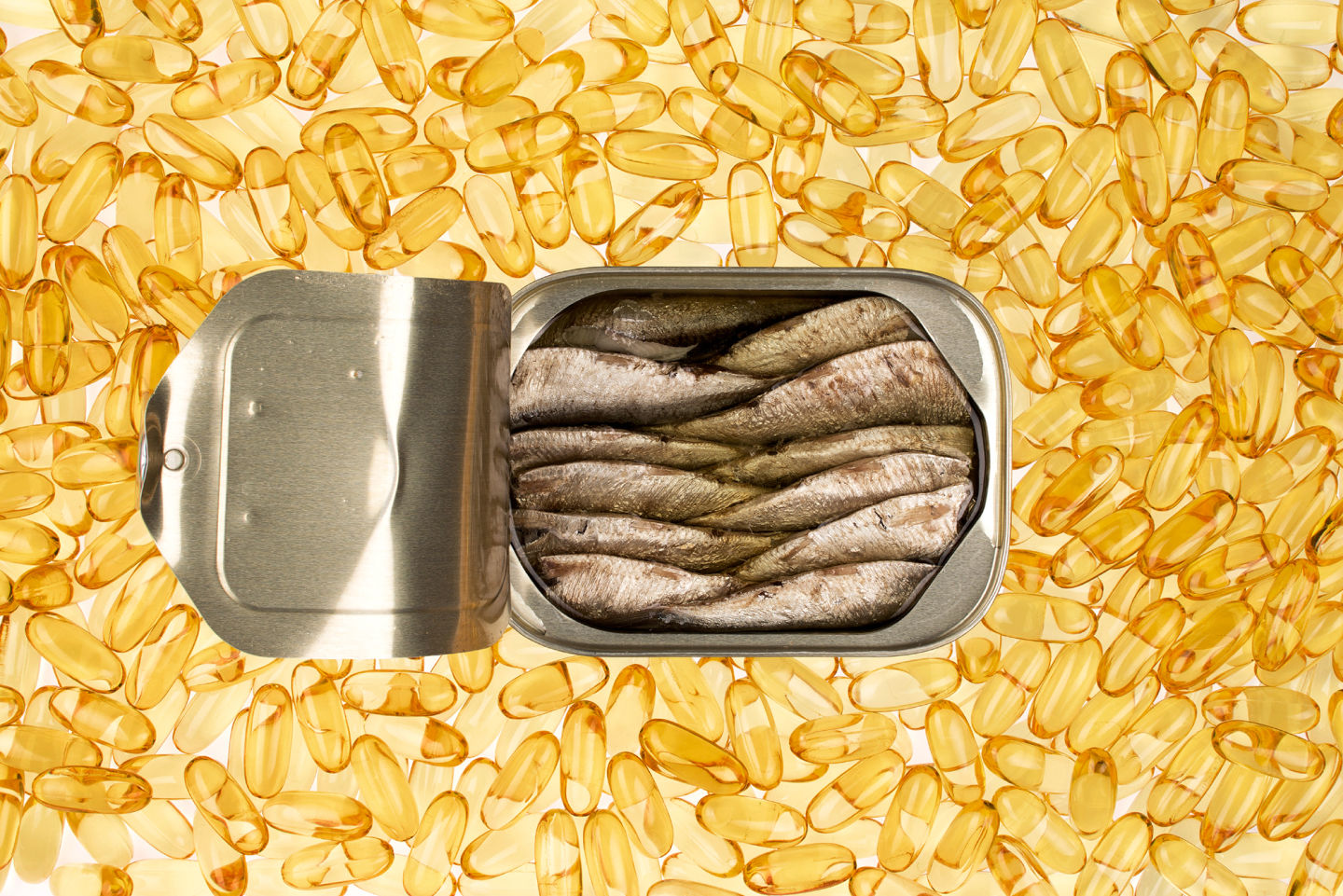
"caption": "Eat fish or take a fish oil supplement? Research suggests eating fish regularly over a lifetime is good for the brain. But when it comes to staving off cognitive decline in seniors, fish oil supplements just don't cut it, a study finds.",
"description": "\u003cstrong>Eat fish or take a fish oil supplement? \u003c/strong>Research suggests eating fish regularly over a lifetime is good for the brain. But when it comes to staving off cognitive decline in seniors, fish oil supplements just don't cut it, a study finds",
"title": "Eat fish or take a fish oil supplement? Research suggests eating fish regularly over a lifetime is good for the brain. But when it comes to staving off cognitive decline in seniors, fish oil supplements just don't cut it, a study finds.",
"credit": "iStockphoto",
"status": "inherit",
"isLoading": false,
"fetchFailed": false
},
"bayareabites_99784": {
"type": "attachments",
"id": "bayareabites_99784",
"meta": {
"index": "attachments_1716263798",
"site": "bayareabites",
"id": "99784",
"found": true
},
"parent": 99783,
"imgSizes": {
"twentyfourteen-full-width": {
"file": "https://ww2.kqed.org/app/uploads/sites/24/2015/08/mg_8565_custom-012bfbd4cb1ec2306752711b39a713f30abe958b-1038x576.jpg",
"width": 1038,
"mimeType": "image/jpeg",
"height": 576
},
"thumbnail": {
"file": "https://ww2.kqed.org/app/uploads/sites/24/2015/08/mg_8565_custom-012bfbd4cb1ec2306752711b39a713f30abe958b-400x266.jpg",
"width": 400,
"mimeType": "image/jpeg",
"height": 266
},
"fd-sm": {
"file": "https://ww2.kqed.org/app/uploads/sites/24/2015/08/mg_8565_custom-012bfbd4cb1ec2306752711b39a713f30abe958b-960x639.jpg",
"width": 960,
"mimeType": "image/jpeg",
"height": 639
},
"post-thumbnail": {
"file": "https://ww2.kqed.org/app/uploads/sites/24/2015/08/mg_8565_custom-012bfbd4cb1ec2306752711b39a713f30abe958b-672x372.jpg",
"width": 672,
"mimeType": "image/jpeg",
"height": 372
},
"kqedFullSize": {
"file": "https://ww2.kqed.org/app/uploads/sites/24/2015/08/mg_8565_custom-012bfbd4cb1ec2306752711b39a713f30abe958b.jpg",
"width": 3000,
"height": 1998
},
"large": {
"file": "https://ww2.kqed.org/app/uploads/sites/24/2015/08/mg_8565_custom-012bfbd4cb1ec2306752711b39a713f30abe958b-1440x959.jpg",
"width": 1440,
"mimeType": "image/jpeg",
"height": 959
},
"guest-author-96": {
"file": "https://ww2.kqed.org/app/uploads/sites/24/2015/08/mg_8565_custom-012bfbd4cb1ec2306752711b39a713f30abe958b-96x96.jpg",
"width": 96,
"mimeType": "image/jpeg",
"height": 96
},
"medium": {
"file": "https://ww2.kqed.org/app/uploads/sites/24/2015/08/mg_8565_custom-012bfbd4cb1ec2306752711b39a713f30abe958b-800x533.jpg",
"width": 800,
"mimeType": "image/jpeg",
"height": 533
},
"guest-author-64": {
"file": "https://ww2.kqed.org/app/uploads/sites/24/2015/08/mg_8565_custom-012bfbd4cb1ec2306752711b39a713f30abe958b-64x64.jpg",
"width": 64,
"mimeType": "image/jpeg",
"height": 64
},
"guest-author-32": {
"file": "https://ww2.kqed.org/app/uploads/sites/24/2015/08/mg_8565_custom-012bfbd4cb1ec2306752711b39a713f30abe958b-32x32.jpg",
"width": 32,
"mimeType": "image/jpeg",
"height": 32
},
"cat_post_thumb_sizecategory-posts-2": {
"file": "https://ww2.kqed.org/app/uploads/sites/24/2015/08/mg_8565_custom-012bfbd4cb1ec2306752711b39a713f30abe958b-150x150.jpg",
"width": 150,
"mimeType": "image/jpeg",
"height": 150
},
"fd-lrg": {
"file": "https://ww2.kqed.org/app/uploads/sites/24/2015/08/mg_8565_custom-012bfbd4cb1ec2306752711b39a713f30abe958b-1920x1279.jpg",
"width": 1920,
"mimeType": "image/jpeg",
"height": 1279
},
"fd-med": {
"file": "https://ww2.kqed.org/app/uploads/sites/24/2015/08/mg_8565_custom-012bfbd4cb1ec2306752711b39a713f30abe958b-1180x786.jpg",
"width": 1180,
"mimeType": "image/jpeg",
"height": 786
},
"detail": {
"file": "https://ww2.kqed.org/app/uploads/sites/24/2015/08/mg_8565_custom-012bfbd4cb1ec2306752711b39a713f30abe958b-75x75.jpg",
"width": 75,
"mimeType": "image/jpeg",
"height": 75
},
"guest-author-128": {
"file": "https://ww2.kqed.org/app/uploads/sites/24/2015/08/mg_8565_custom-012bfbd4cb1ec2306752711b39a713f30abe958b-128x128.jpg",
"width": 128,
"mimeType": "image/jpeg",
"height": 128
}
},
"publishDate": 1440630621,
"modified": 1440630956,
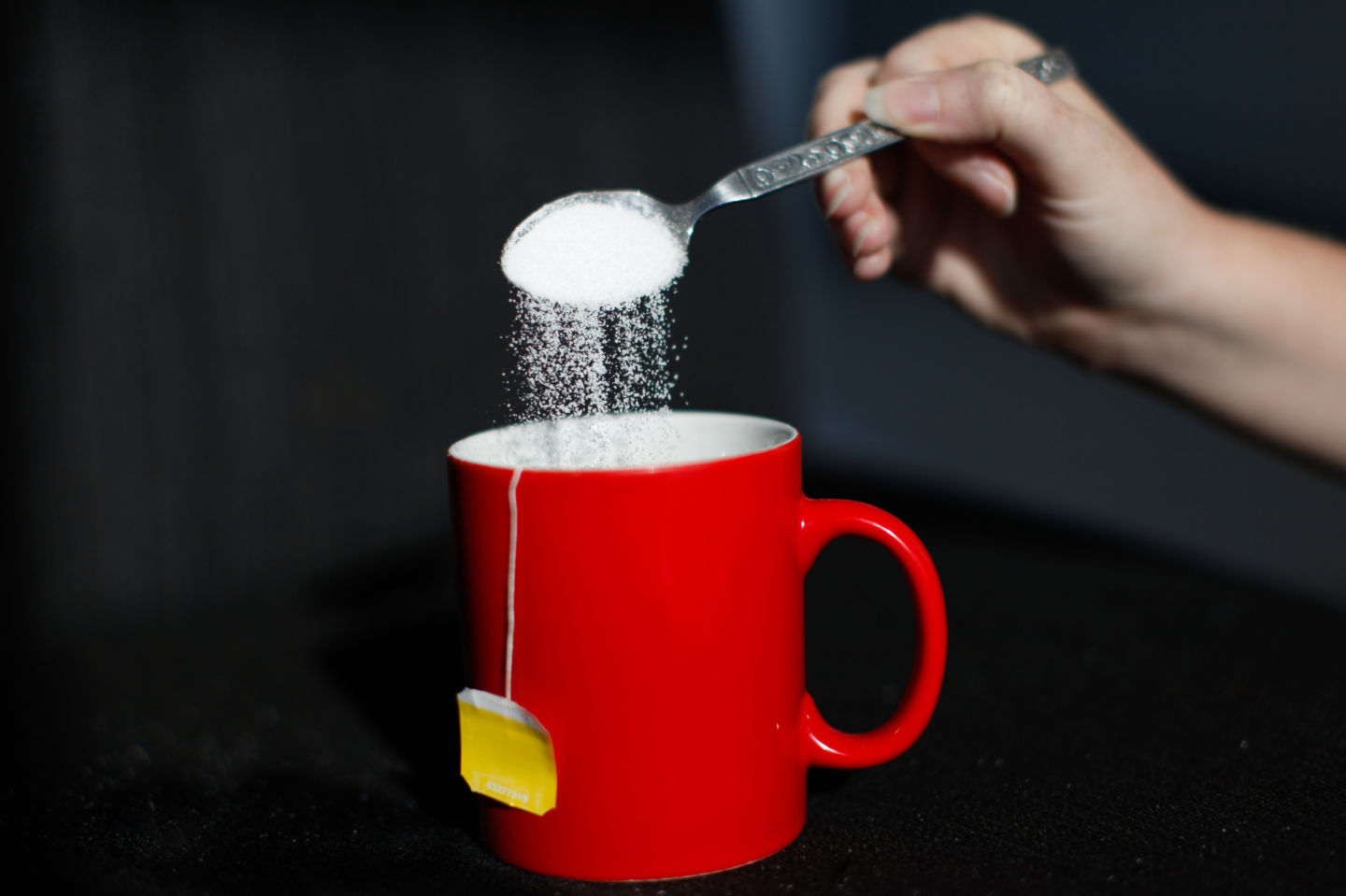
"caption": "Ah, sugar — we love the sweetness, but not the calories. For more than a century, food technologists have been on a quest for the perfect, guilt-free substitute. The latest candidate, allulose, is not available to consumers in a crystal form: It is a syrup only available to manufacturers.",
"description": "Ah, sugar — we love the sweetness, but not the calories. For more than a century, food technologists have been on a quest for the perfect, guilt-free substitute. The latest candidate, allulose, is not available to consumers in a crystal form: It is a syrup only available to manufactur",
"title": "Ah, sugar — we love the sweetness, but not the calories. For more than a century, food technologists have been on a quest for the perfect, guilt-free substitute. The latest candidate, allulose, is not available to consumers in a crystal form: It is a syrup only available to manufacturers.",
"credit": "Ryan Kellman/NPR",
"status": "inherit",
"isLoading": false,
"fetchFailed": false
},
"bayareabites_99859": {
"type": "attachments",
"id": "bayareabites_99859",
"meta": {
"index": "attachments_1716263798",
"site": "bayareabites",
"id": "99859",
"found": true
},
"parent": 99858,
"imgSizes": {
"twentyfourteen-full-width": {
"file": "https://ww2.kqed.org/app/uploads/sites/24/2015/08/img_2347-09d2ccc44306c476b37a676e42813089a5063d4b-1038x576.jpg",
"width": 1038,
"mimeType": "image/jpeg",
"height": 576
},
"thumbnail": {
"file": "https://ww2.kqed.org/app/uploads/sites/24/2015/08/img_2347-09d2ccc44306c476b37a676e42813089a5063d4b-400x300.jpg",
"width": 400,
"mimeType": "image/jpeg",
"height": 300
},
"fd-sm": {
"file": "https://ww2.kqed.org/app/uploads/sites/24/2015/08/img_2347-09d2ccc44306c476b37a676e42813089a5063d4b-960x720.jpg",
"width": 960,
"mimeType": "image/jpeg",
"height": 720
},
"post-thumbnail": {
"file": "https://ww2.kqed.org/app/uploads/sites/24/2015/08/img_2347-09d2ccc44306c476b37a676e42813089a5063d4b-672x372.jpg",
"width": 672,
"mimeType": "image/jpeg",
"height": 372
},
"kqedFullSize": {
"file": "https://ww2.kqed.org/app/uploads/sites/24/2015/08/img_2347-09d2ccc44306c476b37a676e42813089a5063d4b.jpg",
"width": 3246,
"height": 2435
},
"large": {
"file": "https://ww2.kqed.org/app/uploads/sites/24/2015/08/img_2347-09d2ccc44306c476b37a676e42813089a5063d4b-1440x1080.jpg",
"width": 1440,
"mimeType": "image/jpeg",
"height": 1080
},
"guest-author-96": {
"file": "https://ww2.kqed.org/app/uploads/sites/24/2015/08/img_2347-09d2ccc44306c476b37a676e42813089a5063d4b-96x96.jpg",
"width": 96,
"mimeType": "image/jpeg",
"height": 96
},
"medium": {
"file": "https://ww2.kqed.org/app/uploads/sites/24/2015/08/img_2347-09d2ccc44306c476b37a676e42813089a5063d4b-800x600.jpg",
"width": 800,
"mimeType": "image/jpeg",
"height": 600
},
"guest-author-64": {
"file": "https://ww2.kqed.org/app/uploads/sites/24/2015/08/img_2347-09d2ccc44306c476b37a676e42813089a5063d4b-64x64.jpg",
"width": 64,
"mimeType": "image/jpeg",
"height": 64
},
"guest-author-32": {
"file": "https://ww2.kqed.org/app/uploads/sites/24/2015/08/img_2347-09d2ccc44306c476b37a676e42813089a5063d4b-32x32.jpg",
"width": 32,
"mimeType": "image/jpeg",
"height": 32
},
"cat_post_thumb_sizecategory-posts-2": {
"file": "https://ww2.kqed.org/app/uploads/sites/24/2015/08/img_2347-09d2ccc44306c476b37a676e42813089a5063d4b-150x150.jpg",
"width": 150,
"mimeType": "image/jpeg",
"height": 150
},
"fd-lrg": {
"file": "https://ww2.kqed.org/app/uploads/sites/24/2015/08/img_2347-09d2ccc44306c476b37a676e42813089a5063d4b-1920x1440.jpg",
"width": 1920,
"mimeType": "image/jpeg",
"height": 1440
},
"fd-med": {
"file": "https://ww2.kqed.org/app/uploads/sites/24/2015/08/img_2347-09d2ccc44306c476b37a676e42813089a5063d4b-1180x885.jpg",
"width": 1180,
"mimeType": "image/jpeg",
"height": 885
},
"detail": {
"file": "https://ww2.kqed.org/app/uploads/sites/24/2015/08/img_2347-09d2ccc44306c476b37a676e42813089a5063d4b-75x75.jpg",
"width": 75,
"mimeType": "image/jpeg",
"height": 75
},
"guest-author-128": {
"file": "https://ww2.kqed.org/app/uploads/sites/24/2015/08/img_2347-09d2ccc44306c476b37a676e42813089a5063d4b-128x128.jpg",
"width": 128,
"mimeType": "image/jpeg",
"height": 128
}
},
"publishDate": 1440723340,
"modified": 1440723666,
"caption": "Strawberry pickers in Watsonville, Calif. Many farmworkers in the state are out of work because of the severe drought. Those who do have a job are often working harder for less money.",
"description": "Strawberry pickers in Watsonville, Calif. Many farmworkers in the state are out of work because of the severe drought. Those who do have a job are often working harder for less money.",
"title": "Strawberry pickers in Watsonville, Calif. Many farmworkers in the state are out of work because of the severe drought. Those who do have a job are often working harder for less money.",
"credit": "Lesley McClurg/For NPR",
"status": "inherit",
"isLoading": false,
"fetchFailed": false
},
"bayareabites_99852": {
"type": "attachments",
"id": "bayareabites_99852",
"meta": {
"index": "attachments_1716263798",
"site": "bayareabites",
"id": "99852",
"found": true
},
"parent": 99851,
"imgSizes": {
"twentyfourteen-full-width": {
"file": "https://ww2.kqed.org/app/uploads/sites/24/2015/08/gettyimages-471006602-99705b6d250521f4014e8c84f29849326d342a59-1038x576.jpg",
"width": 1038,
"mimeType": "image/jpeg",
"height": 576
},
"thumbnail": {
"file": "https://ww2.kqed.org/app/uploads/sites/24/2015/08/gettyimages-471006602-99705b6d250521f4014e8c84f29849326d342a59-400x300.jpg",
"width": 400,
"mimeType": "image/jpeg",
"height": 300
},
"fd-sm": {
"file": "https://ww2.kqed.org/app/uploads/sites/24/2015/08/gettyimages-471006602-99705b6d250521f4014e8c84f29849326d342a59-960x720.jpg",
"width": 960,
"mimeType": "image/jpeg",
"height": 720
},
"post-thumbnail": {
"file": "https://ww2.kqed.org/app/uploads/sites/24/2015/08/gettyimages-471006602-99705b6d250521f4014e8c84f29849326d342a59-672x372.jpg",
"width": 672,
"mimeType": "image/jpeg",
"height": 372
},
"kqedFullSize": {
"file": "https://ww2.kqed.org/app/uploads/sites/24/2015/08/gettyimages-471006602-99705b6d250521f4014e8c84f29849326d342a59.jpg",
"width": 2699,
"height": 2024
},
"large": {
"file": "https://ww2.kqed.org/app/uploads/sites/24/2015/08/gettyimages-471006602-99705b6d250521f4014e8c84f29849326d342a59-1440x1080.jpg",
"width": 1440,
"mimeType": "image/jpeg",
"height": 1080
},
"guest-author-96": {
"file": "https://ww2.kqed.org/app/uploads/sites/24/2015/08/gettyimages-471006602-99705b6d250521f4014e8c84f29849326d342a59-96x96.jpg",
"width": 96,
"mimeType": "image/jpeg",
"height": 96
},
"medium": {
"file": "https://ww2.kqed.org/app/uploads/sites/24/2015/08/gettyimages-471006602-99705b6d250521f4014e8c84f29849326d342a59-800x600.jpg",
"width": 800,
"mimeType": "image/jpeg",
"height": 600
},
"guest-author-64": {
"file": "https://ww2.kqed.org/app/uploads/sites/24/2015/08/gettyimages-471006602-99705b6d250521f4014e8c84f29849326d342a59-64x64.jpg",
"width": 64,
"mimeType": "image/jpeg",
"height": 64
},
"guest-author-32": {
"file": "https://ww2.kqed.org/app/uploads/sites/24/2015/08/gettyimages-471006602-99705b6d250521f4014e8c84f29849326d342a59-32x32.jpg",
"width": 32,
"mimeType": "image/jpeg",
"height": 32
},
"cat_post_thumb_sizecategory-posts-2": {
"file": "https://ww2.kqed.org/app/uploads/sites/24/2015/08/gettyimages-471006602-99705b6d250521f4014e8c84f29849326d342a59-150x150.jpg",
"width": 150,
"mimeType": "image/jpeg",
"height": 150
},
"fd-lrg": {
"file": "https://ww2.kqed.org/app/uploads/sites/24/2015/08/gettyimages-471006602-99705b6d250521f4014e8c84f29849326d342a59-1920x1440.jpg",
"width": 1920,
"mimeType": "image/jpeg",
"height": 1440
},
"fd-med": {
"file": "https://ww2.kqed.org/app/uploads/sites/24/2015/08/gettyimages-471006602-99705b6d250521f4014e8c84f29849326d342a59-1180x885.jpg",
"width": 1180,
"mimeType": "image/jpeg",
"height": 885
},
"detail": {
"file": "https://ww2.kqed.org/app/uploads/sites/24/2015/08/gettyimages-471006602-99705b6d250521f4014e8c84f29849326d342a59-75x75.jpg",
"width": 75,
"mimeType": "image/jpeg",
"height": 75
},
"guest-author-128": {
"file": "https://ww2.kqed.org/app/uploads/sites/24/2015/08/gettyimages-471006602-99705b6d250521f4014e8c84f29849326d342a59-128x128.jpg",
"width": 128,
"mimeType": "image/jpeg",
"height": 128
}
},
"publishDate": 1440722442,
"modified": 1440722616,
"caption": "Almonds hang from a branch at an orchard in Firebaugh, Calif. Despite the strain of prolonged drought, in 2014, California farms sold $54 billion worth of crops like almonds or grapes, and animal products like milk.",
"description": "Almonds hang from a branch at an orchard in Firebaugh, Calif. Despite the strain of prolonged drought, in 2014, California farms sold $54 billion worth of crops like almonds or grapes, and animal products like milk",
"title": "Almonds hang from a branch at an orchard in Firebaugh, Calif. Despite the strain of prolonged drought, in 2014, California farms sold $54 billion worth of crops like almonds or grapes, and animal products like milk.",
"credit": "Justin Sullivan/Getty Images",
"status": "inherit",
"isLoading": false,
"fetchFailed": false
},
"bayareabites_99709": {
"type": "attachments",
"id": "bayareabites_99709",
"meta": {
"index": "attachments_1716263798",
"site": "bayareabites",
"id": "99709",
"found": true
},
"parent": 99708,
"imgSizes": {
"twentyfourteen-full-width": {
"file": "https://ww2.kqed.org/app/uploads/sites/24/2015/08/gettyimages-159919238_custom-338670e5155fdf5b2d0dba1bd0ee99f2483ce4c1-1038x576.jpg",
"width": 1038,
"mimeType": "image/jpeg",
"height": 576
},
"thumbnail": {
"file": "https://ww2.kqed.org/app/uploads/sites/24/2015/08/gettyimages-159919238_custom-338670e5155fdf5b2d0dba1bd0ee99f2483ce4c1-400x247.jpg",
"width": 400,
"mimeType": "image/jpeg",
"height": 247
},
"fd-sm": {
"file": "https://ww2.kqed.org/app/uploads/sites/24/2015/08/gettyimages-159919238_custom-338670e5155fdf5b2d0dba1bd0ee99f2483ce4c1-960x594.jpg",
"width": 960,
"mimeType": "image/jpeg",
"height": 594
},
"post-thumbnail": {
"file": "https://ww2.kqed.org/app/uploads/sites/24/2015/08/gettyimages-159919238_custom-338670e5155fdf5b2d0dba1bd0ee99f2483ce4c1-672x372.jpg",
"width": 672,
"mimeType": "image/jpeg",
"height": 372
},
"kqedFullSize": {
"file": "https://ww2.kqed.org/app/uploads/sites/24/2015/08/gettyimages-159919238_custom-338670e5155fdf5b2d0dba1bd0ee99f2483ce4c1.jpg",
"width": 3000,
"height": 1856
},
"large": {
"file": "https://ww2.kqed.org/app/uploads/sites/24/2015/08/gettyimages-159919238_custom-338670e5155fdf5b2d0dba1bd0ee99f2483ce4c1-1440x891.jpg",
"width": 1440,
"mimeType": "image/jpeg",
"height": 891
},
"guest-author-96": {
"file": "https://ww2.kqed.org/app/uploads/sites/24/2015/08/gettyimages-159919238_custom-338670e5155fdf5b2d0dba1bd0ee99f2483ce4c1-96x96.jpg",
"width": 96,
"mimeType": "image/jpeg",
"height": 96
},
"medium": {
"file": "https://ww2.kqed.org/app/uploads/sites/24/2015/08/gettyimages-159919238_custom-338670e5155fdf5b2d0dba1bd0ee99f2483ce4c1-800x495.jpg",
"width": 800,
"mimeType": "image/jpeg",
"height": 495
},
"guest-author-64": {
"file": "https://ww2.kqed.org/app/uploads/sites/24/2015/08/gettyimages-159919238_custom-338670e5155fdf5b2d0dba1bd0ee99f2483ce4c1-64x64.jpg",
"width": 64,
"mimeType": "image/jpeg",
"height": 64
},
"guest-author-32": {
"file": "https://ww2.kqed.org/app/uploads/sites/24/2015/08/gettyimages-159919238_custom-338670e5155fdf5b2d0dba1bd0ee99f2483ce4c1-32x32.jpg",
"width": 32,
"mimeType": "image/jpeg",
"height": 32
},
"cat_post_thumb_sizecategory-posts-2": {
"file": "https://ww2.kqed.org/app/uploads/sites/24/2015/08/gettyimages-159919238_custom-338670e5155fdf5b2d0dba1bd0ee99f2483ce4c1-150x150.jpg",
"width": 150,
"mimeType": "image/jpeg",
"height": 150
},
"fd-lrg": {
"file": "https://ww2.kqed.org/app/uploads/sites/24/2015/08/gettyimages-159919238_custom-338670e5155fdf5b2d0dba1bd0ee99f2483ce4c1-1920x1188.jpg",
"width": 1920,
"mimeType": "image/jpeg",
"height": 1188
},
"fd-med": {
"file": "https://ww2.kqed.org/app/uploads/sites/24/2015/08/gettyimages-159919238_custom-338670e5155fdf5b2d0dba1bd0ee99f2483ce4c1-1180x730.jpg",
"width": 1180,
"mimeType": "image/jpeg",
"height": 730
},
"detail": {
"file": "https://ww2.kqed.org/app/uploads/sites/24/2015/08/gettyimages-159919238_custom-338670e5155fdf5b2d0dba1bd0ee99f2483ce4c1-75x75.jpg",
"width": 75,
"mimeType": "image/jpeg",
"height": 75
},
"guest-author-128": {
"file": "https://ww2.kqed.org/app/uploads/sites/24/2015/08/gettyimages-159919238_custom-338670e5155fdf5b2d0dba1bd0ee99f2483ce4c1-128x128.jpg",
"width": 128,
"mimeType": "image/jpeg",
"height": 128
}
},
"publishDate": 1440456467,
"modified": 1440456688,
"caption": "Huitlacoche quesadillas with spinach in Mexico City in 2013.",
"description": "Huitlacoche quesadillas with spinach in Mexico City in 2013",
"title": "Huitlacoche quesadillas with spinach in Mexico City in 2013.",
"credit": "Omar Torres/AFP/Getty Images",
"status": "inherit",
"isLoading": false,
"fetchFailed": false
},
"bayareabites_99690": {
"type": "attachments",
"id": "bayareabites_99690",
"meta": {
"index": "attachments_1716263798",
"site": "bayareabites",
"id": "99690",
"found": true
},
"parent": 99689,
"imgSizes": {
"twentyfourteen-full-width": {
"file": "https://ww2.kqed.org/app/uploads/sites/24/2015/08/img_1061_wide-40312a2d9e4302b79493d78b3074e37abaf958de-1038x576.jpg",
"width": 1038,
"mimeType": "image/jpeg",
"height": 576
},
"thumbnail": {
"file": "https://ww2.kqed.org/app/uploads/sites/24/2015/08/img_1061_wide-40312a2d9e4302b79493d78b3074e37abaf958de-400x225.jpg",
"width": 400,
"mimeType": "image/jpeg",
"height": 225
},
"fd-sm": {
"file": "https://ww2.kqed.org/app/uploads/sites/24/2015/08/img_1061_wide-40312a2d9e4302b79493d78b3074e37abaf958de-960x540.jpg",
"width": 960,
"mimeType": "image/jpeg",
"height": 540
},
"post-thumbnail": {
"file": "https://ww2.kqed.org/app/uploads/sites/24/2015/08/img_1061_wide-40312a2d9e4302b79493d78b3074e37abaf958de-672x372.jpg",
"width": 672,
"mimeType": "image/jpeg",
"height": 372
},
"kqedFullSize": {
"file": "https://ww2.kqed.org/app/uploads/sites/24/2015/08/img_1061_wide-40312a2d9e4302b79493d78b3074e37abaf958de.jpg",
"width": 2500,
"height": 1406
},
"large": {
"file": "https://ww2.kqed.org/app/uploads/sites/24/2015/08/img_1061_wide-40312a2d9e4302b79493d78b3074e37abaf958de-1440x810.jpg",
"width": 1440,
"mimeType": "image/jpeg",
"height": 810
},
"guest-author-96": {
"file": "https://ww2.kqed.org/app/uploads/sites/24/2015/08/img_1061_wide-40312a2d9e4302b79493d78b3074e37abaf958de-96x96.jpg",
"width": 96,
"mimeType": "image/jpeg",
"height": 96
},
"medium": {
"file": "https://ww2.kqed.org/app/uploads/sites/24/2015/08/img_1061_wide-40312a2d9e4302b79493d78b3074e37abaf958de-800x450.jpg",
"width": 800,
"mimeType": "image/jpeg",
"height": 450
},
"guest-author-64": {
"file": "https://ww2.kqed.org/app/uploads/sites/24/2015/08/img_1061_wide-40312a2d9e4302b79493d78b3074e37abaf958de-64x64.jpg",
"width": 64,
"mimeType": "image/jpeg",
"height": 64
},
"guest-author-32": {
"file": "https://ww2.kqed.org/app/uploads/sites/24/2015/08/img_1061_wide-40312a2d9e4302b79493d78b3074e37abaf958de-32x32.jpg",
"width": 32,
"mimeType": "image/jpeg",
"height": 32
},
"cat_post_thumb_sizecategory-posts-2": {
"file": "https://ww2.kqed.org/app/uploads/sites/24/2015/08/img_1061_wide-40312a2d9e4302b79493d78b3074e37abaf958de-150x150.jpg",
"width": 150,
"mimeType": "image/jpeg",
"height": 150
},
"fd-lrg": {
"file": "https://ww2.kqed.org/app/uploads/sites/24/2015/08/img_1061_wide-40312a2d9e4302b79493d78b3074e37abaf958de-1920x1080.jpg",
"width": 1920,
"mimeType": "image/jpeg",
"height": 1080
},
"fd-med": {
"file": "https://ww2.kqed.org/app/uploads/sites/24/2015/08/img_1061_wide-40312a2d9e4302b79493d78b3074e37abaf958de-1180x664.jpg",
"width": 1180,
"mimeType": "image/jpeg",
"height": 664
},
"detail": {
"file": "https://ww2.kqed.org/app/uploads/sites/24/2015/08/img_1061_wide-40312a2d9e4302b79493d78b3074e37abaf958de-75x75.jpg",
"width": 75,
"mimeType": "image/jpeg",
"height": 75
},
"guest-author-128": {
"file": "https://ww2.kqed.org/app/uploads/sites/24/2015/08/img_1061_wide-40312a2d9e4302b79493d78b3074e37abaf958de-128x128.jpg",
"width": 128,
"mimeType": "image/jpeg",
"height": 128
}
},
"publishDate": 1440358700,
"modified": 1440359376,
"caption": "Chef Simon Hopkinson says that mayonnaise is something that is such a pleasure to make, but people are often frightened of it and it's one of the most delicious things.",
"description": "Chef Simon Hopkinson says that mayonnaise is something that is such a pleasure to make, but people are often frightened of it and it's one of the most delicious things.",
"title": "Chef Simon Hopkinson says that mayonnaise is something that is such a pleasure to make, but people are often frightened of it and it's one of the most delicious things.",
"credit": "Monika Evstatieva /NPR",
"status": "inherit",
"isLoading": false,
"fetchFailed": false
},
"bayareabites_99556": {
"type": "attachments",
"id": "bayareabites_99556",
"meta": {
"index": "attachments_1716263798",
"site": "bayareabites",
"id": "99556",
"found": true
},
"parent": 99552,
"imgSizes": {
"thumbnail": {
"file": "https://ww2.kqed.org/app/uploads/sites/24/2015/08/drought-australia-400x267.jpg",
"width": 400,
"mimeType": "image/jpeg",
"height": 267
},
"post-thumbnail": {
"file": "https://ww2.kqed.org/app/uploads/sites/24/2015/08/drought-australia-672x372.jpg",
"width": 672,
"mimeType": "image/jpeg",
"height": 372
},
"kqedFullSize": {
"file": "https://ww2.kqed.org/app/uploads/sites/24/2015/08/drought-australia.jpg",
"width": 800,
"height": 533
},
"cat_post_thumb_sizecategory-posts-2": {
"file": "https://ww2.kqed.org/app/uploads/sites/24/2015/08/drought-australia-150x150.jpg",
"width": 150,
"mimeType": "image/jpeg",
"height": 150
},
"guest-author-96": {
"file": "https://ww2.kqed.org/app/uploads/sites/24/2015/08/drought-australia-96x96.jpg",
"width": 96,
"mimeType": "image/jpeg",
"height": 96
},
"medium": {
"file": "https://ww2.kqed.org/app/uploads/sites/24/2015/08/drought-australia-800x533.jpg",
"width": 800,
"mimeType": "image/jpeg",
"height": 533
},
"guest-author-64": {
"file": "https://ww2.kqed.org/app/uploads/sites/24/2015/08/drought-australia-64x64.jpg",
"width": 64,
"mimeType": "image/jpeg",
"height": 64
},
"detail": {
"file": "https://ww2.kqed.org/app/uploads/sites/24/2015/08/drought-australia-75x75.jpg",
"width": 75,
"mimeType": "image/jpeg",
"height": 75
},
"guest-author-32": {
"file": "https://ww2.kqed.org/app/uploads/sites/24/2015/08/drought-australia-32x32.jpg",
"width": 32,
"mimeType": "image/jpeg",
"height": 32
},
"guest-author-128": {
"file": "https://ww2.kqed.org/app/uploads/sites/24/2015/08/drought-australia-128x128.jpg",
"width": 128,
"mimeType": "image/jpeg",
"height": 128
}
},
"publishDate": 1440022243,
"modified": 1440022273,
"caption": "In the years before the drought began, Australia carried out a giant reset of its water rights. First, the government put a cap on the total amount of water available for farmers. Then, farmers received shares of that total supply.",
"description": "In the years before the drought began, Australia carried out a giant reset of its water rights. First, the government put a cap on the total amount of water available for farmers. Then, farmers received shares of that total supply.",
"title": "In the years before the drought began, Australia carried out a giant reset of its water rights. First, the government put a cap on the total amount of water available for farmers. Then, farmers received shares of that total supply.",
"credit": "Martin Benik/Corbis",
"status": "inherit",
"isLoading": false,
"fetchFailed": false
},
"bayareabites_99534": {
"type": "attachments",
"id": "bayareabites_99534",
"meta": {
"index": "attachments_1716263798",
"site": "bayareabites",
"id": "99534",
"found": true
},
"parent": 99531,
"imgSizes": {
"twentyfourteen-full-width": {
"file": "https://ww2.kqed.org/app/uploads/sites/24/2015/08/080315_gmo_label_board_custom-4a121c55eafb34e8b116edcb13ac8dc4ffc590f6-1038x576.jpg",
"width": 1038,
"mimeType": "image/jpeg",
"height": 576
},
"thumbnail": {
"file": "https://ww2.kqed.org/app/uploads/sites/24/2015/08/080315_gmo_label_board_custom-4a121c55eafb34e8b116edcb13ac8dc4ffc590f6-400x274.jpg",
"width": 400,
"mimeType": "image/jpeg",
"height": 274
},
"fd-sm": {
"file": "https://ww2.kqed.org/app/uploads/sites/24/2015/08/080315_gmo_label_board_custom-4a121c55eafb34e8b116edcb13ac8dc4ffc590f6-960x658.jpg",
"width": 960,
"mimeType": "image/jpeg",
"height": 658
},
"post-thumbnail": {
"file": "https://ww2.kqed.org/app/uploads/sites/24/2015/08/080315_gmo_label_board_custom-4a121c55eafb34e8b116edcb13ac8dc4ffc590f6-672x372.jpg",
"width": 672,
"mimeType": "image/jpeg",
"height": 372
},
"kqedFullSize": {
"file": "https://ww2.kqed.org/app/uploads/sites/24/2015/08/080315_gmo_label_board_custom-4a121c55eafb34e8b116edcb13ac8dc4ffc590f6.jpg",
"width": 3263,
"height": 2236
},
"large": {
"file": "https://ww2.kqed.org/app/uploads/sites/24/2015/08/080315_gmo_label_board_custom-4a121c55eafb34e8b116edcb13ac8dc4ffc590f6-1440x987.jpg",
"width": 1440,
"mimeType": "image/jpeg",
"height": 987
},
"guest-author-96": {
"file": "https://ww2.kqed.org/app/uploads/sites/24/2015/08/080315_gmo_label_board_custom-4a121c55eafb34e8b116edcb13ac8dc4ffc590f6-96x96.jpg",
"width": 96,
"mimeType": "image/jpeg",
"height": 96
},
"medium": {
"file": "https://ww2.kqed.org/app/uploads/sites/24/2015/08/080315_gmo_label_board_custom-4a121c55eafb34e8b116edcb13ac8dc4ffc590f6-800x548.jpg",
"width": 800,
"mimeType": "image/jpeg",
"height": 548
},
"guest-author-64": {
"file": "https://ww2.kqed.org/app/uploads/sites/24/2015/08/080315_gmo_label_board_custom-4a121c55eafb34e8b116edcb13ac8dc4ffc590f6-64x64.jpg",
"width": 64,
"mimeType": "image/jpeg",
"height": 64
},
"guest-author-32": {
"file": "https://ww2.kqed.org/app/uploads/sites/24/2015/08/080315_gmo_label_board_custom-4a121c55eafb34e8b116edcb13ac8dc4ffc590f6-32x32.jpg",
"width": 32,
"mimeType": "image/jpeg",
"height": 32
},
"cat_post_thumb_sizecategory-posts-2": {
"file": "https://ww2.kqed.org/app/uploads/sites/24/2015/08/080315_gmo_label_board_custom-4a121c55eafb34e8b116edcb13ac8dc4ffc590f6-150x150.jpg",
"width": 150,
"mimeType": "image/jpeg",
"height": 150
},
"fd-lrg": {
"file": "https://ww2.kqed.org/app/uploads/sites/24/2015/08/080315_gmo_label_board_custom-4a121c55eafb34e8b116edcb13ac8dc4ffc590f6-1920x1316.jpg",
"width": 1920,
"mimeType": "image/jpeg",
"height": 1316
},
"fd-med": {
"file": "https://ww2.kqed.org/app/uploads/sites/24/2015/08/080315_gmo_label_board_custom-4a121c55eafb34e8b116edcb13ac8dc4ffc590f6-1180x809.jpg",
"width": 1180,
"mimeType": "image/jpeg",
"height": 809
},
"detail": {
"file": "https://ww2.kqed.org/app/uploads/sites/24/2015/08/080315_gmo_label_board_custom-4a121c55eafb34e8b116edcb13ac8dc4ffc590f6-75x75.jpg",
"width": 75,
"mimeType": "image/jpeg",
"height": 75
},
"guest-author-128": {
"file": "https://ww2.kqed.org/app/uploads/sites/24/2015/08/080315_gmo_label_board_custom-4a121c55eafb34e8b116edcb13ac8dc4ffc590f6-128x128.jpg",
"width": 128,
"mimeType": "image/jpeg",
"height": 128
}
},
"publishDate": 1440001667,
"modified": 1440002331,
"caption": "Attendees of the Chipotle Cultivate Festival in Kansas City, Mo., on July 18 could vote on their opinions about genetically modified organisms after going through an exhibit.",
"description": "Attendees of the Chipotle Cultivate Festival in Kansas City, Mo., on July 18 could vote on their opinions about genetically modified organisms after going through an exhibit.",
"title": "Attendees of the Chipotle Cultivate Festival in Kansas City, Mo., on July 18 could vote on their opinions about genetically modified organisms after going through an exhibit.",
"credit": "Peggy Lowe/Harvest Public Media ",
"status": "inherit",
"isLoading": false,
"fetchFailed": false
},
"bayareabites_99433": {
"type": "attachments",
"id": "bayareabites_99433",
"meta": {
"index": "attachments_1716263798",
"site": "bayareabites",
"id": "99433",
"found": true
},
"parent": 99432,
"imgSizes": {
"twentyfourteen-full-width": {
"file": "https://ww2.kqed.org/app/uploads/sites/24/2015/08/ap_19679288989_wide-7365283fa9abfdd6833b63f0aa2965ecdbbecc11-1038x576.jpg",
"width": 1038,
"mimeType": "image/jpeg",
"height": 576
},
"thumbnail": {
"file": "https://ww2.kqed.org/app/uploads/sites/24/2015/08/ap_19679288989_wide-7365283fa9abfdd6833b63f0aa2965ecdbbecc11-400x225.jpg",
"width": 400,
"mimeType": "image/jpeg",
"height": 225
},
"fd-sm": {
"file": "https://ww2.kqed.org/app/uploads/sites/24/2015/08/ap_19679288989_wide-7365283fa9abfdd6833b63f0aa2965ecdbbecc11-960x540.jpg",
"width": 960,
"mimeType": "image/jpeg",
"height": 540
},
"post-thumbnail": {
"file": "https://ww2.kqed.org/app/uploads/sites/24/2015/08/ap_19679288989_wide-7365283fa9abfdd6833b63f0aa2965ecdbbecc11-672x372.jpg",
"width": 672,
"mimeType": "image/jpeg",
"height": 372
},
"kqedFullSize": {
"file": "https://ww2.kqed.org/app/uploads/sites/24/2015/08/ap_19679288989_wide-7365283fa9abfdd6833b63f0aa2965ecdbbecc11-e1439574579275.jpg",
"width": 1920,
"height": 1080
},
"large": {
"file": "https://ww2.kqed.org/app/uploads/sites/24/2015/08/ap_19679288989_wide-7365283fa9abfdd6833b63f0aa2965ecdbbecc11-1440x810.jpg",
"width": 1440,
"mimeType": "image/jpeg",
"height": 810
},
"guest-author-96": {
"file": "https://ww2.kqed.org/app/uploads/sites/24/2015/08/ap_19679288989_wide-7365283fa9abfdd6833b63f0aa2965ecdbbecc11-96x96.jpg",
"width": 96,
"mimeType": "image/jpeg",
"height": 96
},
"medium": {
"file": "https://ww2.kqed.org/app/uploads/sites/24/2015/08/ap_19679288989_wide-7365283fa9abfdd6833b63f0aa2965ecdbbecc11-800x450.jpg",
"width": 800,
"mimeType": "image/jpeg",
"height": 450
},
"guest-author-64": {
"file": "https://ww2.kqed.org/app/uploads/sites/24/2015/08/ap_19679288989_wide-7365283fa9abfdd6833b63f0aa2965ecdbbecc11-64x64.jpg",
"width": 64,
"mimeType": "image/jpeg",
"height": 64
},
"guest-author-32": {
"file": "https://ww2.kqed.org/app/uploads/sites/24/2015/08/ap_19679288989_wide-7365283fa9abfdd6833b63f0aa2965ecdbbecc11-32x32.jpg",
"width": 32,
"mimeType": "image/jpeg",
"height": 32
},
"cat_post_thumb_sizecategory-posts-2": {
"file": "https://ww2.kqed.org/app/uploads/sites/24/2015/08/ap_19679288989_wide-7365283fa9abfdd6833b63f0aa2965ecdbbecc11-150x150.jpg",
"width": 150,
"mimeType": "image/jpeg",
"height": 150
},
"fd-lrg": {
"file": "https://ww2.kqed.org/app/uploads/sites/24/2015/08/ap_19679288989_wide-7365283fa9abfdd6833b63f0aa2965ecdbbecc11-1920x1080.jpg",
"width": 1920,
"mimeType": "image/jpeg",
"height": 1080
},
"fd-med": {
"file": "https://ww2.kqed.org/app/uploads/sites/24/2015/08/ap_19679288989_wide-7365283fa9abfdd6833b63f0aa2965ecdbbecc11-1180x664.jpg",
"width": 1180,
"mimeType": "image/jpeg",
"height": 664
},
"detail": {
"file": "https://ww2.kqed.org/app/uploads/sites/24/2015/08/ap_19679288989_wide-7365283fa9abfdd6833b63f0aa2965ecdbbecc11-75x75.jpg",
"width": 75,
"mimeType": "image/jpeg",
"height": 75
},
"guest-author-128": {
"file": "https://ww2.kqed.org/app/uploads/sites/24/2015/08/ap_19679288989_wide-7365283fa9abfdd6833b63f0aa2965ecdbbecc11-128x128.jpg",
"width": 128,
"mimeType": "image/jpeg",
"height": 128
}
},
"publishDate": 1439574556,
"modified": 1439574606,
"caption": "Young pigs stare out of a pen at a hog farm in North Dakota. In coming months, consumers will start to see a new label on some packages of pork: Produced \"without the use of ractopamine.\"",
"description": "Young pigs stare out of a pen at a hog farm in North Dakota. In coming months, consumers will start to see a new label on some packages of pork: Produced \"without the use of ractopamine.\"",
"title": "Young pigs stare out of a pen at a hog farm in North Dakota. In coming months, consumers will start to see a new label on some packages of pork: Produced \"without the use of ractopamine.\"",
"credit": "Will Kincaid/AP ",
"status": "inherit",
"isLoading": false,
"fetchFailed": false
},
"bayareabites_99002": {
"type": "attachments",
"id": "bayareabites_99002",
"meta": {
"index": "attachments_1716263798",
"site": "bayareabites",
"id": "99002",
"found": true
},
"parent": 99001,
"imgSizes": {
"twentyfourteen-full-width": {
"file": "https://ww2.kqed.org/app/uploads/sites/24/2015/08/istock_000003614098xlarge_custom-242ad2d33698d64fbc3144880c4dc3924fa46642-1038x576.jpg",
"width": 1038,
"mimeType": "image/jpeg",
"height": 576
},
"thumbnail": {
"file": "https://ww2.kqed.org/app/uploads/sites/24/2015/08/istock_000003614098xlarge_custom-242ad2d33698d64fbc3144880c4dc3924fa46642-400x254.jpg",
"width": 400,
"mimeType": "image/jpeg",
"height": 254
},
"fd-sm": {
"file": "https://ww2.kqed.org/app/uploads/sites/24/2015/08/istock_000003614098xlarge_custom-242ad2d33698d64fbc3144880c4dc3924fa46642-960x609.jpg",
"width": 960,
"mimeType": "image/jpeg",
"height": 609
},
"post-thumbnail": {
"file": "https://ww2.kqed.org/app/uploads/sites/24/2015/08/istock_000003614098xlarge_custom-242ad2d33698d64fbc3144880c4dc3924fa46642-672x372.jpg",
"width": 672,
"mimeType": "image/jpeg",
"height": 372
},
"kqedFullSize": {
"file": "https://ww2.kqed.org/app/uploads/sites/24/2015/08/istock_000003614098xlarge_custom-242ad2d33698d64fbc3144880c4dc3924fa46642-e1438799890896.jpg",
"width": 1920,
"height": 1218
},
"large": {
"file": "https://ww2.kqed.org/app/uploads/sites/24/2015/08/istock_000003614098xlarge_custom-242ad2d33698d64fbc3144880c4dc3924fa46642-1440x913.jpg",
"width": 1440,
"mimeType": "image/jpeg",
"height": 913
},
"guest-author-96": {
"file": "https://ww2.kqed.org/app/uploads/sites/24/2015/08/istock_000003614098xlarge_custom-242ad2d33698d64fbc3144880c4dc3924fa46642-96x96.jpg",
"width": 96,
"mimeType": "image/jpeg",
"height": 96
},
"medium": {
"file": "https://ww2.kqed.org/app/uploads/sites/24/2015/08/istock_000003614098xlarge_custom-242ad2d33698d64fbc3144880c4dc3924fa46642-800x507.jpg",
"width": 800,
"mimeType": "image/jpeg",
"height": 507
},
"guest-author-64": {
"file": "https://ww2.kqed.org/app/uploads/sites/24/2015/08/istock_000003614098xlarge_custom-242ad2d33698d64fbc3144880c4dc3924fa46642-64x64.jpg",
"width": 64,
"mimeType": "image/jpeg",
"height": 64
},
"guest-author-32": {
"file": "https://ww2.kqed.org/app/uploads/sites/24/2015/08/istock_000003614098xlarge_custom-242ad2d33698d64fbc3144880c4dc3924fa46642-32x32.jpg",
"width": 32,
"mimeType": "image/jpeg",
"height": 32
},
"cat_post_thumb_sizecategory-posts-2": {
"file": "https://ww2.kqed.org/app/uploads/sites/24/2015/08/istock_000003614098xlarge_custom-242ad2d33698d64fbc3144880c4dc3924fa46642-150x150.jpg",
"width": 150,
"mimeType": "image/jpeg",
"height": 150
},
"fd-lrg": {
"file": "https://ww2.kqed.org/app/uploads/sites/24/2015/08/istock_000003614098xlarge_custom-242ad2d33698d64fbc3144880c4dc3924fa46642-1920x1218.jpg",
"width": 1920,
"mimeType": "image/jpeg",
"height": 1218
},
"fd-med": {
"file": "https://ww2.kqed.org/app/uploads/sites/24/2015/08/istock_000003614098xlarge_custom-242ad2d33698d64fbc3144880c4dc3924fa46642-1180x748.jpg",
"width": 1180,
"mimeType": "image/jpeg",
"height": 748
},
"detail": {
"file": "https://ww2.kqed.org/app/uploads/sites/24/2015/08/istock_000003614098xlarge_custom-242ad2d33698d64fbc3144880c4dc3924fa46642-75x75.jpg",
"width": 75,
"mimeType": "image/jpeg",
"height": 75
},
"guest-author-128": {
"file": "https://ww2.kqed.org/app/uploads/sites/24/2015/08/istock_000003614098xlarge_custom-242ad2d33698d64fbc3144880c4dc3924fa46642-128x128.jpg",
"width": 128,
"mimeType": "image/jpeg",
"height": 128
}
},
"publishDate": 1438799828,
"modified": 1438799884,
"caption": "Even with the three-week shelf life in the U.S., plenty of milk goes to waste here.",
"description": "Even with the three-week shelf life in the U.S., plenty of milk goes to waste here",
"title": "Even with the three-week shelf life in the U.S., plenty of milk goes to waste here.",
"credit": "iStockphoto",
"status": "inherit",
"isLoading": false,
"fetchFailed": false
},
"bayareabites_98962": {
"type": "attachments",
"id": "bayareabites_98962",
"meta": {
"index": "attachments_1716263798",
"site": "bayareabites",
"id": "98962",
"found": true
},
"parent": 98961,
"imgSizes": {
"twentyfourteen-full-width": {
"file": "https://ww2.kqed.org/app/uploads/sites/24/2015/08/istock_000014022994large_custom-c748314c46546499e3666a6b4ac54e361dae2f66-1038x576.jpg",
"width": 1038,
"mimeType": "image/jpeg",
"height": 576
},
"thumbnail": {
"file": "https://ww2.kqed.org/app/uploads/sites/24/2015/08/istock_000014022994large_custom-c748314c46546499e3666a6b4ac54e361dae2f66-400x266.jpg",
"width": 400,
"mimeType": "image/jpeg",
"height": 266
},
"fd-sm": {
"file": "https://ww2.kqed.org/app/uploads/sites/24/2015/08/istock_000014022994large_custom-c748314c46546499e3666a6b4ac54e361dae2f66-960x638.jpg",
"width": 960,
"mimeType": "image/jpeg",
"height": 638
},
"post-thumbnail": {
"file": "https://ww2.kqed.org/app/uploads/sites/24/2015/08/istock_000014022994large_custom-c748314c46546499e3666a6b4ac54e361dae2f66-672x372.jpg",
"width": 672,
"mimeType": "image/jpeg",
"height": 372
},
"kqedFullSize": {
"file": "https://ww2.kqed.org/app/uploads/sites/24/2015/08/istock_000014022994large_custom-c748314c46546499e3666a6b4ac54e361dae2f66-e1438746243988.jpg",
"width": 1920,
"height": 1275
},
"large": {
"file": "https://ww2.kqed.org/app/uploads/sites/24/2015/08/istock_000014022994large_custom-c748314c46546499e3666a6b4ac54e361dae2f66-1440x956.jpg",
"width": 1440,
"mimeType": "image/jpeg",
"height": 956
},
"guest-author-96": {
"file": "https://ww2.kqed.org/app/uploads/sites/24/2015/08/istock_000014022994large_custom-c748314c46546499e3666a6b4ac54e361dae2f66-96x96.jpg",
"width": 96,
"mimeType": "image/jpeg",
"height": 96
},
"medium": {
"file": "https://ww2.kqed.org/app/uploads/sites/24/2015/08/istock_000014022994large_custom-c748314c46546499e3666a6b4ac54e361dae2f66-800x531.jpg",
"width": 800,
"mimeType": "image/jpeg",
"height": 531
},
"guest-author-64": {
"file": "https://ww2.kqed.org/app/uploads/sites/24/2015/08/istock_000014022994large_custom-c748314c46546499e3666a6b4ac54e361dae2f66-64x64.jpg",
"width": 64,
"mimeType": "image/jpeg",
"height": 64
},
"guest-author-32": {
"file": "https://ww2.kqed.org/app/uploads/sites/24/2015/08/istock_000014022994large_custom-c748314c46546499e3666a6b4ac54e361dae2f66-32x32.jpg",
"width": 32,
"mimeType": "image/jpeg",
"height": 32
},
"cat_post_thumb_sizecategory-posts-2": {
"file": "https://ww2.kqed.org/app/uploads/sites/24/2015/08/istock_000014022994large_custom-c748314c46546499e3666a6b4ac54e361dae2f66-150x150.jpg",
"width": 150,
"mimeType": "image/jpeg",
"height": 150
},
"fd-lrg": {
"file": "https://ww2.kqed.org/app/uploads/sites/24/2015/08/istock_000014022994large_custom-c748314c46546499e3666a6b4ac54e361dae2f66-1920x1275.jpg",
"width": 1920,
"mimeType": "image/jpeg",
"height": 1275
},
"fd-med": {
"file": "https://ww2.kqed.org/app/uploads/sites/24/2015/08/istock_000014022994large_custom-c748314c46546499e3666a6b4ac54e361dae2f66-1180x784.jpg",
"width": 1180,
"mimeType": "image/jpeg",
"height": 784
},
"detail": {
"file": "https://ww2.kqed.org/app/uploads/sites/24/2015/08/istock_000014022994large_custom-c748314c46546499e3666a6b4ac54e361dae2f66-75x75.jpg",
"width": 75,
"mimeType": "image/jpeg",
"height": 75
},
"guest-author-128": {
"file": "https://ww2.kqed.org/app/uploads/sites/24/2015/08/istock_000014022994large_custom-c748314c46546499e3666a6b4ac54e361dae2f66-128x128.jpg",
"width": 128,
"mimeType": "image/jpeg",
"height": 128
}
},
"publishDate": 1438746055,
"modified": 1438746271,
"caption": "Laws in Montana, Utah, North Dakota, Missouri, Kansas, Iowa and North Carolina have also made it illegal for activists to smuggle cameras into industrial animal operations.",
"description": "Laws in Montana, Utah, North Dakota, Missouri, Kansas, Iowa and North Carolina have also made it illegal for activists to smuggle cameras into industrial animal operations.",
"title": "Laws in Montana, Utah, North Dakota, Missouri, Kansas, Iowa and North Carolina have also made it illegal for activists to smuggle cameras into industrial animal operations.",
"credit": "iStockphoto",
"status": "inherit",
"isLoading": false,
"fetchFailed": false
}
},
"audioPlayerReducer": {
"postId": "stream_live",
"isPaused": true,
"isPlaying": false,
"pfsActive": false,
"pledgeModalIsOpen": true,
"playerDrawerIsOpen": false,
"liveAudioPlayStartedAt": 0,
"liveAudioPlayContext": ""
},
"authorsReducer": {
"byline_bayareabites_100134": {
"type": "authors",
"id": "byline_bayareabites_100134",
"meta": {
"override": true
},
"slug": "byline_bayareabites_100134",
"name": "Anne Bramley, \u003ca href=\"https://ww2.kqed.org/bayareabites/author/nprfood/\">NPR Food\u003c/a>",
"isLoading": false
},
"byline_bayareabites_99905": {
"type": "authors",
"id": "byline_bayareabites_99905",
"meta": {
"override": true
},
"slug": "byline_bayareabites_99905",
"name": "Allison Aubrey, NPR Food",
"isLoading": false
},
"byline_bayareabites_99783": {
"type": "authors",
"id": "byline_bayareabites_99783",
"meta": {
"override": true
},
"slug": "byline_bayareabites_99783",
"name": "Dan Charles, \u003ca href=\"https://ww2.kqed.org/bayareabites/author/nprfood/\">NPR Food\u003c/a>",
"isLoading": false
},
"byline_bayareabites_99858": {
"type": "authors",
"id": "byline_bayareabites_99858",
"meta": {
"override": true
},
"slug": "byline_bayareabites_99858",
"name": "Lesley McClurg, Capital Public Radio at \u003ca href=\"https://ww2.kqed.org/bayareabites/author/nprfood/\">NPR Food\u003c/a>",
"isLoading": false
},
"byline_bayareabites_99851": {
"type": "authors",
"id": "byline_bayareabites_99851",
"meta": {
"override": true
},
"slug": "byline_bayareabites_99851",
"name": "Dan Charles, \u003ca href=\"https://ww2.kqed.org/bayareabites/category/npr-food/\">NPR Food\u003c/a>",
"isLoading": false
},
"byline_bayareabites_99708": {
"type": "authors",
"id": "byline_bayareabites_99708",
"meta": {
"override": true
},
"slug": "byline_bayareabites_99708",
"name": "Jill Neimark, \u003ca href\"https://ww2.kqed.org/bayareabites/author/nprfood/\">NPR Food\u003c/a>",
"isLoading": false
},
"byline_bayareabites_99689": {
"type": "authors",
"id": "byline_bayareabites_99689",
"meta": {
"override": true
},
"slug": "byline_bayareabites_99689",
"name": "Ari Shapiro, \u003ca href=\"https://ww2.kqed.org/bayareabites/category/npr-food/\">NPR Food\u003c/a>",
"isLoading": false
},
"byline_bayareabites_99552": {
"type": "authors",
"id": "byline_bayareabites_99552",
"meta": {
"override": true
},
"slug": "byline_bayareabites_99552",
"name": "Dan Charles, \u003ca href=\"https://ww2.kqed.org/bayareabites/author/nprfood/\">NPR Food\u003c/a>",
"isLoading": false
},
"byline_bayareabites_99531": {
"type": "authors",
"id": "byline_bayareabites_99531",
"meta": {
"override": true
},
"slug": "byline_bayareabites_99531",
"name": "Peggy Lowe, Harvest Public Media at \u003ca href=\"https://ww2.kqed.org/bayareabites/author/nprfood/\">NPR Food\u003c/a>",
"isLoading": false
},
"byline_bayareabites_99432": {
"type": "authors",
"id": "byline_bayareabites_99432",
"meta": {
"override": true
},
"slug": "byline_bayareabites_99432",
"name": "Dan Charles, \u003ca href=\"https://ww2.kqed.org/bayareabites/author/nprfood/\">NPR Food\u003c/a>",
"isLoading": false
},
"byline_bayareabites_99001": {
"type": "authors",
"id": "byline_bayareabites_99001",
"meta": {
"override": true
},
"slug": "byline_bayareabites_99001",
"name": "Nadia Whitehead, \u003ca href=\"https://ww2.kqed.org/bayareabites/author/nprfood/\">NPR Food\u003c/a>",
"isLoading": false
},
"byline_bayareabites_98961": {
"type": "authors",
"id": "byline_bayareabites_98961",
"meta": {
"override": true
},
"slug": "byline_bayareabites_98961",
"name": "Luke Runyon, \u003ca href=\"https://ww2.kqed.org/bayareabites/author/nprfood/\">NPR Food\u003c/a>",
"isLoading": false
}
},
"pagesReducer": {
"bayareabites_category_npr-food": {
"type": "terms",
"id": "bayareabites_10916",
"meta": {
"index": "terms_1716263798",
"site": "bayareabites",
"id": "10916",
"score": 13.894667
},
"featImg": null,
"name": "NPR food",
"description": null,
"taxonomy": "category",
"headData": {
"twImgId": null,
"twTitle": null,
"ogTitle": null,
"ogImgId": null,
"twDescription": null,
"description": null,
"title": "NPR food Archives | KQED Bay Area Bites",
"ogDescription": null
},
"ttid": 5375,
"slug": "npr-food",
"isLoading": false,
"title": "NPR food",
"pageMeta": {
"site": "bayareabites",
"WpPageTemplate": "page-topic-editorial",
"currentPage": 17
},
"blocks": [
{
"blockName": "kqed/post-list",
"attrs": {
"layout": "cardArticle2",
"query": "posts/bayareabites?category=npr-food",
"seeMore": false,
"paginated": true,
"page": 17
}
},
{
"blockName": "kqed/ad"
}
]
}
},
"pfsSessionReducer": {},
"postsReducer": {
"stream_live": {
"type": "live",
"id": "stream_live",
"audioUrl": "https://hls.kqed.org/hls/kqed_app/playlist.m3u8",
"title": "Live Stream",
"excerpt": "Live Stream information currently unavailable.",
"link": "/radio",
"featImg": "",
"label": {
"name": "KQED Live",
"link": "/"
}
},
"stream_kqedNewscast": {
"type": "posts",
"id": "stream_kqedNewscast",
"audioUrl": "https://www.kqed.org/.stream/anon/radio/RDnews/newscast.mp3?_=1",
"title": "KQED Newscast",
"featImg": "",
"label": {
"name": "88.5 FM",
"link": "/"
}
},
"bayareabites_100134": {
"type": "posts",
"id": "bayareabites_100134",
"meta": {
"index": "posts_1716263798",
"site": "bayareabites",
"id": "100134",
"score": null,
"sort": [
1441642179000
]
},
"parent": 0,
"labelTerm": {
"site": "bayareabites"
},
"blocks": [],
"publishDate": 1441642179,
"format": "standard",
"disqusTitle": "These Are The People Who Haul Our Food Across America",
"title": "These Are The People Who Haul Our Food Across America",
"headTitle": "Bay Area Bites | KQED Food",
"content": "\u003cp>Chefs may now be celebrities, farmers our food heroes, and small-batch producers worthy of culinary canonization. Yet the workers who make up one of the largest groups in the American food system rarely get a mention: truckers.\u003c/p>\n\u003cp>\"When you sit down to eat at the table, give a little thought to how this food got to your house. In most cases, it's been in the back of a trailer, driven for some distance by one of America's truckers,\" says Todd Dills, senior editor of\u003ca href=\"http://www.overdriveonline.com/\"> Overdrive Magazine\u003c/a>.\u003c/p>\n\u003cp>Many of the drivers who haul produce and livestock across the country every day are small-scale owner-operators, says Dills. The model dates back to the 1930s, he says, when farmers would haul their own product.\u003c/p>\n\u003cp>These days, even the most orthodox locavores depend on farmers who depend on truckers to bring them seeds, tools, and machinery.\u003c/p>\n\u003cp>Truckers like\u003ca href=\"https://www.youtube.com/watch?v=WuhS5ehMc1s\"> Cody Blankenship\u003c/a>, owner of 4BTrucking, who operates out of Waco, Texas. He grew up in a cattle family and started off hauling animals destined for steaks and burgers.\u003c/p>\n\u003cp>[ad fullwidth]\u003c/p>\n\u003cp>He says moving livestock is some of the hardest trucking work – and not just because of \"the crazy shipping hours\" or the risk of tipping over with a top-heavy, double-decker \"bull wagon\" carrying 25,000 pounds on each floor. It also requires knowing how to handle animals, he says, and understanding, for example, what might make cattle skittish and result in injury along the drive. Because if an animal gets trampled, \"you're going to pay for half of whatever you lose,\" says Blankenship.\u003c/p>\n\u003cp>Nowadays, he tends to haul fresh produce like green beans. But that can take him a thousand miles from home. When the harvest begins, he heads to Florida to pick up, and as the season moves north, so does Blankenship, following the crop up through Maryland, Delaware, and into Pennsylvania.\u003c/p>\n\u003cp>That East Coast run can take this Texas driver away from his 4 and 6-year-old daughters for as long as five weeks at a time.\u003c/p>\n\u003cp>Which is why Blankenship says the black-eyed pea harvest closer to home is \"probably one of my favorite things to do.\" When the spring and fall crops are ready, Blankenship hauls the Southern delicacy from south Texas, near Corpus Christi, to the cannery in Arkansas.\u003c/p>\n\u003cfigure id=\"attachment_100136\" class=\"wp-caption aligncenter\" style=\"max-width: 1920px\">\u003cimg src=\"http://ww2.kqed.org/bayareabites/wp-content/uploads/sites/24/2015/09/image3.jpg_custom-1b3d0450b1135169a2362ea273dc7018ad9171a7-e1441574798889.jpe\" alt=\"Blankenship says truckers like him who move food and livestock spend a lot of time "out in the country, and out in the middle of nowhere, so you've got to be prepared and a little self-sufficient."\" width=\"1920\" height=\"1439\" class=\"size-full wp-image-100136\">\u003cfigcaption class=\"wp-caption-text\">Blankenship says truckers like him who move food and livestock spend a lot of time \"out in the country, and out in the middle of nowhere, so you've got to be prepared and a little self-sufficient.\" \u003ccite>(Courtesy Cody Blankenship )\u003c/cite>\u003c/figcaption>\u003c/figure>\n\u003cp>Among his various customers, Blankenship logs about a hundred thousand miles a year — the average for owner-operators. But hauling food is a very different life, he says, from the image most Americans have of truckers, of the \"guys that run from the major cities down the interstate where they can stop at a truck stop.\"\u003c/p>\n\u003cp>Because they're moving farm goods, he says, \"we're out in the country, and out in the middle of nowhere, so you've got to be prepared and a little self-sufficient.\"\u003c/p>\n\u003cp>And trucking requires driving big machines in some pretty tight spots in remote places, says \u003ca href=\"http://www.lnstrucking.com/\">Larry Frick\u003c/a>. He hauls so much for the maple syrup industry in the U.S. and Canada that he's known as the \"Maple Shipping King.\"\u003c/p>\n\u003cp>\"I got to go a mile-and-a-half on a logging trail to get the maple syrup picked up in Vermont with a 50-foot trailer,\" Frick says. And then \"there's another one in West Virginia, where I go seven-and-a-half miles on a little one-lane road.\"\u003c/p>\n\u003cp>The Salt caught up with Frick just after he'd finished a drop in Ohio. When I ask about his day, he begins by saying, \"It started last night.\" He left Wausau, Wis., where his company, L&S Trucking, is based, and drove 300 miles to Chicago for two pick-ups. As we talk, he's on his way to New York, then up to Vermont, where he'll reload with cargo headed back to Wisconsin before going south just over the Massachusetts border, where he'll pick up loads to drop in New York, Ohio and Michigan.\u003c/p>\n\u003cp>This kind of schedule means time is a problem for a long-distance trucker. Not the hours sitting alone in the cab, but the hours wasted while waiting on unprepared clients.\u003c/p>\n\u003cp>Because owner-operators are typically paid based on a percentage or by the mile, not by the hour, \"there is no financial incentive for those who ship or receive a truck to make efficient use of that driver's time,\" says Norita Taylor of the\u003ca href=\"http://www.ooida.com/\"> Owner-Operator Independent Drivers Association\u003c/a>. So truckers, she says, \"are treated like rolling warehouses\" and are often kept waiting hours on end at loading docks.\u003c/p>\n\u003cfigure id=\"attachment_100137\" class=\"wp-caption aligncenter\" style=\"max-width: 1920px\">\u003cimg src=\"http://ww2.kqed.org/bayareabites/wp-content/uploads/sites/24/2015/09/image6.jpg_custom-2bbf93f580eb89a88f5021cbebd095ad7d9ceaac-e1441574855128.jpe\" alt=\"Blankenship started out moving livestock, some of the hardest work in trucking. These days he tends to haul fresh produce like this load of green beans.\" width=\"1920\" height=\"1425\" class=\"size-full wp-image-100137\">\u003cfigcaption class=\"wp-caption-text\">Blankenship started out moving livestock, some of the hardest work in trucking. These days he tends to haul fresh produce like this load of green beans. \u003ccite>(Courtesy Cody Blankenship )\u003c/cite>\u003c/figcaption>\u003c/figure>\n\u003cp>As a safety measure, f\u003ca href=\"http://www.fmcsa.dot.gov/regulations/hours-service/summary-hours-service-regulations\">ederal regulations\u003c/a> require drivers to work no more than 14 hours in a 24-hours period before taking a 10-hour break. And once the clock starts ticking, it doesn't stop, so sitting and waiting eats into the drive time, and that eats into the profits.\u003c/p>\n\u003cp>For Blankenship, \"Trucking is not a 9-to-5 job. It's really a 24-hour operation.\"\u003c/p>\n\u003cp>Which makes Labor Day just another day for drivers.\u003c/p>\n\u003cp>\"I'll be working all weekend,\" says Frick. \"I probably won't get home until Monday night or Tuesday. And then I've got to get back out East straight away.\"\u003c/p>\n\u003cp>He does, however, hope to be doing his own holiday grilling — using the George Foreman inside his truck cab.\u003c/p>\n\u003chr>\n\u003cp>\u003cem>Anne Bramley, a writer and independent scholar based in Norwich, U.K., is the author of \u003ca href=\"http://www.powells.com/biblio/6-9781584797197-2\">Eat Feed Autumn Winter\u003c/a>.\u003c/em> \u003c/p>\n\u003cp>\u003c/p>\n\u003cp>\u003cem>Copyright 2015 \u003ca href=\"http://www.npr.org/\" target=\"_blank\">NPR\u003c/a>.\u003c/em> \u003c/p>\n\n",
"disqusIdentifier": "100134 http://ww2.kqed.org/bayareabites/?p=100134",
"disqusUrl": "https://ww2.kqed.org/bayareabites/2015/09/07/these-are-the-people-who-haul-our-food-across-america/",
"stats": {
"hasVideo": false,
"hasChartOrMap": false,
"hasAudio": false,
"hasPolis": false,
"wordCount": 993,
"hasGoogleForm": false,
"hasGallery": false,
"hasHearkenModule": false,
"iframeSrcs": [],
"paragraphCount": 25
},
"modified": 1441730746,
"excerpt": "Farmers, chefs and small-batch producers get a lot of praise these days. Truckers are rarely mentioned — yet most of the food that ends up on our dinner tables depends on their labor.",
"headData": {
"twImgId": "",
"twTitle": "",
"ogTitle": "",
"ogImgId": "",
"twDescription": "",
"description": "Farmers, chefs and small-batch producers get a lot of praise these days. Truckers are rarely mentioned — yet most of the food that ends up on our dinner tables depends on their labor.",
"title": "These Are The People Who Haul Our Food Across America | KQED",
"ogDescription": "",
"schema": {
"@context": "https://schema.org",
"@type": "Article",
"headline": "These Are The People Who Haul Our Food Across America",
"datePublished": "2015-09-07T09:09:39-07:00",
"dateModified": "2015-09-08T09:45:46-07:00",
"image": "https://cdn.kqed.org/wp-content/uploads/2020/02/KQED-OG-Image@1x.png"
}
},
"guestAuthors": [],
"slug": "these-are-the-people-who-haul-our-food-across-america",
"status": "publish",
"nprApiLink": "http://api.npr.org/query?id=437308936&apiKey=MDAxOTAwOTE4MDEyMTkxMDAzNjczZDljZA004",
"nprByline": "Anne Bramley, \u003ca href=\"https://ww2.kqed.org/bayareabites/author/nprfood/\">NPR Food\u003c/a>",
"nprStoryDate": "Sat, 05 Sep 2015 07:03:35 -0400",
"nprLastModifiedDate": "Sat, 05 Sep 2015 07:03:35 -0400",
"nprHtmlLink": "http://www.npr.org/sections/thesalt/2015/09/05/437308936/these-are-the-people-who-haul-our-food-across-america?ft=nprml&f=437308936",
"nprStoryId": "437308936",
"nprRetrievedStory": "1",
"nprPubDate": "Sat, 05 Sep 2015 07:03:00 -0400",
"path": "/bayareabites/100134/these-are-the-people-who-haul-our-food-across-america",
"audioTrackLength": null,
"parsedContent": [
{
"type": "contentString",
"content": "\u003cdiv class=\"post-body\">\u003cp>\u003cp>Chefs may now be celebrities, farmers our food heroes, and small-batch producers worthy of culinary canonization. Yet the workers who make up one of the largest groups in the American food system rarely get a mention: truckers.\u003c/p>\n\u003cp>\"When you sit down to eat at the table, give a little thought to how this food got to your house. In most cases, it's been in the back of a trailer, driven for some distance by one of America's truckers,\" says Todd Dills, senior editor of\u003ca href=\"http://www.overdriveonline.com/\"> Overdrive Magazine\u003c/a>.\u003c/p>\n\u003cp>Many of the drivers who haul produce and livestock across the country every day are small-scale owner-operators, says Dills. The model dates back to the 1930s, he says, when farmers would haul their own product.\u003c/p>\n\u003cp>These days, even the most orthodox locavores depend on farmers who depend on truckers to bring them seeds, tools, and machinery.\u003c/p>\n\u003cp>Truckers like\u003ca href=\"https://www.youtube.com/watch?v=WuhS5ehMc1s\"> Cody Blankenship\u003c/a>, owner of 4BTrucking, who operates out of Waco, Texas. He grew up in a cattle family and started off hauling animals destined for steaks and burgers.\u003c/p>\n\u003cp>\u003c/p>\u003c/div>",
"attributes": {
"named": {},
"numeric": []
}
},
{
"type": "component",
"content": "",
"name": "ad",
"attributes": {
"named": {
"label": "fullwidth"
},
"numeric": [
"fullwidth"
]
}
},
{
"type": "contentString",
"content": "\u003cdiv class=\"post-body\">\u003cp>\u003c/p>\n\u003cp>He says moving livestock is some of the hardest trucking work – and not just because of \"the crazy shipping hours\" or the risk of tipping over with a top-heavy, double-decker \"bull wagon\" carrying 25,000 pounds on each floor. It also requires knowing how to handle animals, he says, and understanding, for example, what might make cattle skittish and result in injury along the drive. Because if an animal gets trampled, \"you're going to pay for half of whatever you lose,\" says Blankenship.\u003c/p>\n\u003cp>Nowadays, he tends to haul fresh produce like green beans. But that can take him a thousand miles from home. When the harvest begins, he heads to Florida to pick up, and as the season moves north, so does Blankenship, following the crop up through Maryland, Delaware, and into Pennsylvania.\u003c/p>\n\u003cp>That East Coast run can take this Texas driver away from his 4 and 6-year-old daughters for as long as five weeks at a time.\u003c/p>\n\u003cp>Which is why Blankenship says the black-eyed pea harvest closer to home is \"probably one of my favorite things to do.\" When the spring and fall crops are ready, Blankenship hauls the Southern delicacy from south Texas, near Corpus Christi, to the cannery in Arkansas.\u003c/p>\n\u003cfigure id=\"attachment_100136\" class=\"wp-caption aligncenter\" style=\"max-width: 1920px\">\u003cimg src=\"http://ww2.kqed.org/bayareabites/wp-content/uploads/sites/24/2015/09/image3.jpg_custom-1b3d0450b1135169a2362ea273dc7018ad9171a7-e1441574798889.jpe\" alt=\"Blankenship says truckers like him who move food and livestock spend a lot of time "out in the country, and out in the middle of nowhere, so you've got to be prepared and a little self-sufficient."\" width=\"1920\" height=\"1439\" class=\"size-full wp-image-100136\">\u003cfigcaption class=\"wp-caption-text\">Blankenship says truckers like him who move food and livestock spend a lot of time \"out in the country, and out in the middle of nowhere, so you've got to be prepared and a little self-sufficient.\" \u003ccite>(Courtesy Cody Blankenship )\u003c/cite>\u003c/figcaption>\u003c/figure>\n\u003cp>Among his various customers, Blankenship logs about a hundred thousand miles a year — the average for owner-operators. But hauling food is a very different life, he says, from the image most Americans have of truckers, of the \"guys that run from the major cities down the interstate where they can stop at a truck stop.\"\u003c/p>\n\u003cp>Because they're moving farm goods, he says, \"we're out in the country, and out in the middle of nowhere, so you've got to be prepared and a little self-sufficient.\"\u003c/p>\n\u003cp>And trucking requires driving big machines in some pretty tight spots in remote places, says \u003ca href=\"http://www.lnstrucking.com/\">Larry Frick\u003c/a>. He hauls so much for the maple syrup industry in the U.S. and Canada that he's known as the \"Maple Shipping King.\"\u003c/p>\n\u003cp>\"I got to go a mile-and-a-half on a logging trail to get the maple syrup picked up in Vermont with a 50-foot trailer,\" Frick says. And then \"there's another one in West Virginia, where I go seven-and-a-half miles on a little one-lane road.\"\u003c/p>\n\u003cp>The Salt caught up with Frick just after he'd finished a drop in Ohio. When I ask about his day, he begins by saying, \"It started last night.\" He left Wausau, Wis., where his company, L&S Trucking, is based, and drove 300 miles to Chicago for two pick-ups. As we talk, he's on his way to New York, then up to Vermont, where he'll reload with cargo headed back to Wisconsin before going south just over the Massachusetts border, where he'll pick up loads to drop in New York, Ohio and Michigan.\u003c/p>\n\u003cp>This kind of schedule means time is a problem for a long-distance trucker. Not the hours sitting alone in the cab, but the hours wasted while waiting on unprepared clients.\u003c/p>\n\u003cp>Because owner-operators are typically paid based on a percentage or by the mile, not by the hour, \"there is no financial incentive for those who ship or receive a truck to make efficient use of that driver's time,\" says Norita Taylor of the\u003ca href=\"http://www.ooida.com/\"> Owner-Operator Independent Drivers Association\u003c/a>. So truckers, she says, \"are treated like rolling warehouses\" and are often kept waiting hours on end at loading docks.\u003c/p>\n\u003cfigure id=\"attachment_100137\" class=\"wp-caption aligncenter\" style=\"max-width: 1920px\">\u003cimg src=\"http://ww2.kqed.org/bayareabites/wp-content/uploads/sites/24/2015/09/image6.jpg_custom-2bbf93f580eb89a88f5021cbebd095ad7d9ceaac-e1441574855128.jpe\" alt=\"Blankenship started out moving livestock, some of the hardest work in trucking. These days he tends to haul fresh produce like this load of green beans.\" width=\"1920\" height=\"1425\" class=\"size-full wp-image-100137\">\u003cfigcaption class=\"wp-caption-text\">Blankenship started out moving livestock, some of the hardest work in trucking. These days he tends to haul fresh produce like this load of green beans. \u003ccite>(Courtesy Cody Blankenship )\u003c/cite>\u003c/figcaption>\u003c/figure>\n\u003cp>As a safety measure, f\u003ca href=\"http://www.fmcsa.dot.gov/regulations/hours-service/summary-hours-service-regulations\">ederal regulations\u003c/a> require drivers to work no more than 14 hours in a 24-hours period before taking a 10-hour break. And once the clock starts ticking, it doesn't stop, so sitting and waiting eats into the drive time, and that eats into the profits.\u003c/p>\n\u003cp>For Blankenship, \"Trucking is not a 9-to-5 job. It's really a 24-hour operation.\"\u003c/p>\n\u003cp>Which makes Labor Day just another day for drivers.\u003c/p>\n\u003cp>\"I'll be working all weekend,\" says Frick. \"I probably won't get home until Monday night or Tuesday. And then I've got to get back out East straight away.\"\u003c/p>\n\u003cp>He does, however, hope to be doing his own holiday grilling — using the George Foreman inside his truck cab.\u003c/p>\n\u003chr>\n\u003cp>\u003cem>Anne Bramley, a writer and independent scholar based in Norwich, U.K., is the author of \u003ca href=\"http://www.powells.com/biblio/6-9781584797197-2\">Eat Feed Autumn Winter\u003c/a>.\u003c/em> \u003c/p>\n\u003cp>\u003c/p>\n\u003cp>\u003cem>Copyright 2015 \u003ca href=\"http://www.npr.org/\" target=\"_blank\">NPR\u003c/a>.\u003c/em> \u003c/p>\n\n\u003c/div>\u003c/p>",
"attributes": {
"named": {},
"numeric": []
}
}
],
"link": "/bayareabites/100134/these-are-the-people-who-haul-our-food-across-america",
"authors": [
"byline_bayareabites_100134"
],
"categories": [
"bayareabites_10916"
],
"tags": [
"bayareabites_13636",
"bayareabites_14799",
"bayareabites_14800",
"bayareabites_14798"
],
"featImg": "bayareabites_100135",
"label": "bayareabites"
},
"bayareabites_99905": {
"type": "posts",
"id": "bayareabites_99905",
"meta": {
"index": "posts_1716263798",
"site": "bayareabites",
"id": "99905",
"score": null,
"sort": [
1441051654000
]
},
"parent": 0,
"labelTerm": {
"site": "bayareabites"
},
"blocks": [],
"publishDate": 1441051654,
"format": "standard",
"disqusTitle": "If Fish Is Brain Food, Can Fish Oil Pills Boost Brains, Too?",
"title": "If Fish Is Brain Food, Can Fish Oil Pills Boost Brains, Too?",
"headTitle": "Bay Area Bites | KQED Food",
"content": "\u003cp>As a culture, we tend to ignore the advice to eat more fish. On average, Americans eat about 3.5 ounces of seafood per week. (Think a can of tuna or sardines.)\u003c/p>\n\u003cp>But evidence shows that consumption of 8 or more ounces of seafood per week can \u003ca href=\"http://www.fns.usda.gov/sites/default/files/Chapter4.pdf\">reduce\u003c/a> the risk of death from cardiovascular disease, and some studies have linked a regular fish habit over a lifetime to a lower risk of cognitive decline as well.\u003c/p>\n\u003cp>What's more, some research suggests that regular fish consumption among mothers can \u003ca href=\"http://www.ncbi.nlm.nih.gov/pmc/articles/PMC3046737/\">boost cognitive development\u003c/a> in their children.\u003c/p>\n\u003cp>\"Omega-3s [found in fish] are important, we think, because they reduce inflammation and help neurons function well,\" says researcher \u003ca href=\"http://www.niaaa.nih.gov/research/niaaa-intramural-program/niaaa-laboratories/laboratory-membrane-biochemistry-and-biophysi-2\">Joseph Hibbeln\u003c/a> of the National Institutes of Health.\u003c/p>\n\u003cp>This is why pregnant women and women of childbearing age — who were once told to limit fish intake due to concerns about mercury contamination — are being advised by the Food and Drug Administration to \u003ca href=\"http://www.npr.org/sections/thesalt/2014/06/10/320684399/moms-and-tykes-should-eat-more-fish-low-in-mercury-says-fda\">eat more\u003c/a> low-mercury seafood. (The Monterey Bay Aquarium has \u003ca href=\"http://www.seafoodwatch.org/seafood-recommendations\">recommendations\u003c/a> for ocean-friendly seafood choices.)\u003c/p>\n\u003cp>[ad fullwidth]\u003c/p>\n\u003cp>In lieu of eating fish, many adults take fish oil, or omega-3 supplements. But a new \u003ca href=\"http://jama.jamanetwork.com/article.aspx?articleid=2429713\">study\u003c/a> published in the \u003cem>Journal of the American Medical Association\u003c/em> shows that these supplements are no magic elixir when it comes to staving off cognitive decline in older adults.\u003c/p>\n\u003cfigure id=\"attachment_99907\" class=\"wp-caption aligncenter\" style=\"max-width: 2000px\">\u003cimg src=\"http://ww2.kqed.org/bayareabites/wp-content/uploads/sites/24/2015/08/fish-market-1_enl-aff30f2aa4ae65ed7c16869b8199eb1fd3f51c0f.jpg\" alt=\"Customers shop for salmon at a fish market in southwest Washington, D.C. Most Americans don't eat the recommended amount of fish each week.\" width=\"2000\" height=\"1398\" class=\"size-full wp-image-99907\" srcset=\"https://ww2.kqed.org/app/uploads/sites/24/2015/08/fish-market-1_enl-aff30f2aa4ae65ed7c16869b8199eb1fd3f51c0f.jpg 2000w, https://ww2.kqed.org/app/uploads/sites/24/2015/08/fish-market-1_enl-aff30f2aa4ae65ed7c16869b8199eb1fd3f51c0f-400x280.jpg 400w, https://ww2.kqed.org/app/uploads/sites/24/2015/08/fish-market-1_enl-aff30f2aa4ae65ed7c16869b8199eb1fd3f51c0f-800x559.jpg 800w, https://ww2.kqed.org/app/uploads/sites/24/2015/08/fish-market-1_enl-aff30f2aa4ae65ed7c16869b8199eb1fd3f51c0f-1440x1007.jpg 1440w, https://ww2.kqed.org/app/uploads/sites/24/2015/08/fish-market-1_enl-aff30f2aa4ae65ed7c16869b8199eb1fd3f51c0f-1180x825.jpg 1180w, https://ww2.kqed.org/app/uploads/sites/24/2015/08/fish-market-1_enl-aff30f2aa4ae65ed7c16869b8199eb1fd3f51c0f-960x671.jpg 960w\" sizes=\"(max-width: 2000px) 100vw, 2000px\">\u003cfigcaption class=\"wp-caption-text\">Customers shop for salmon at a fish market in southwest Washington, D.C. Most Americans don't eat the recommended amount of fish each week. \u003ccite>(Allison Aubrey/NPR)\u003c/cite>\u003c/figcaption>\u003c/figure>\n\u003cp>As part of the five-year study, about 3,500 older men and women (the average age was 73) agreed to take either a daily supplement that included two Omega-3 fatty acids (650 mg of EPA and 350mg of DHA) or a placebo pill. None of the participants knew which pill they were taking. They also agreed to undergo cognitive function testing throughout the study.\u003c/p>\n\u003cp>\"The hypothesis was that [the supplements] would have an effect,\" study author Emily Chew tells The Salt. But \"we found there was absolutely no effect on the cognitive decline in this group over time,\" says Chew, who is the deputy clinical director at the National Eye Institute, part of the National Institutes of Health.\u003c/p>\n\u003cp>All of the participants in the study had the beginnings of \u003ca href=\"https://nei.nih.gov/health/maculardegen/armd_facts\">AMD \u003c/a>(age-related macular degeneration), which is a leading cause of vision loss among older adults. This condition can increase the risk of cognitive decline.\u003c/p>\n\u003cp>So, it's possible that once retinal disease sets it, it's too late to try to stave off decline with nutritional supplements.\u003c/p>\n\u003cp>\"It may be that at age 73, it's already too late to change your diet and change the course of your risk of cognitive decline,\" says Hibbeln.\u003c/p>\n\u003cp>It also may be the case that taking a supplement is not the best way to get your omega-3s.\u003c/p>\n\u003cp>\"If you want to get more omega-3 fatty acids in your diet, the best way is to get it through food,\" says \u003ca href=\"http://hnrca.tufts.edu/elizabeth-j-johnson-ph-d/\">Elizabeth Johnson, \u003c/a>who studies the role of antioxidants in eye and brain health at Tufts University.\u003c/p>\n\u003cp>Johnson says there's no one magic bullet for protecting brain or heart health. \"These nutrients don't work in isolation — they work together,\" she explains.\u003c/p>\n\u003cp>And her \u003ca href=\"http://www.ncbi.nlm.nih.gov/pubmed/?term=Cognitive+findings+of+an+exploratory+trial+of+docosahexaenoic+acid+and+lutein+supplementation+in+older+women\">research\u003c/a> has shown that combinations of nutrients — such as omega-3s (DHA) and lutein (found in green vegetables) — may have cognitive benefits for older adults.\u003c/p>\n\u003cp>So, if you want to translate this finding into a meal, try a plate filled with salmon (for the omega-3s) and leafy greens (for the lutein). You could add in some whole grains, too (for B vitamins and minerals such as magnesium).\u003c/p>\n\u003cp>This way, \"you'll be getting not only omega-3's but other nutrients that may be important, too,\" Johnson says.\u003c/p>\n\u003cp>And all of these nutrients, consumed together, may have a synergistic effect that could help promote good health. \u003c/p>\n\u003cp>\u003c/p>\n\u003cp>\u003cem>Copyright 2015 \u003ca href=\"http://www.npr.org/\" target=\"_blank\">NPR\u003c/a>.\u003c/em> \u003c/p>\n\n",
"disqusIdentifier": "99905 http://ww2.kqed.org/bayareabites/?p=99905",
"disqusUrl": "https://ww2.kqed.org/bayareabites/2015/08/31/if-fish-is-brain-food-can-fish-oil-pills-boost-brains-too/",
"stats": {
"hasVideo": false,
"hasChartOrMap": false,
"hasAudio": false,
"hasPolis": false,
"wordCount": 658,
"hasGoogleForm": false,
"hasGallery": false,
"hasHearkenModule": false,
"iframeSrcs": [],
"paragraphCount": 21
},
"modified": 1441053115,
"excerpt": "Research suggests eating fish regularly over a lifetime is good for the brain. But when it comes to staving off cognitive decline in seniors, fish oil supplements just don't cut it, a study finds.",
"headData": {
"twImgId": "",
"twTitle": "",
"ogTitle": "",
"ogImgId": "",
"twDescription": "",
"description": "Research suggests eating fish regularly over a lifetime is good for the brain. But when it comes to staving off cognitive decline in seniors, fish oil supplements just don't cut it, a study finds.",
"title": "If Fish Is Brain Food, Can Fish Oil Pills Boost Brains, Too? | KQED",
"ogDescription": "",
"schema": {
"@context": "https://schema.org",
"@type": "Article",
"headline": "If Fish Is Brain Food, Can Fish Oil Pills Boost Brains, Too?",
"datePublished": "2015-08-31T13:07:34-07:00",
"dateModified": "2015-08-31T13:31:55-07:00",
"image": "https://cdn.kqed.org/wp-content/uploads/2020/02/KQED-OG-Image@1x.png"
}
},
"guestAuthors": [],
"slug": "if-fish-is-brain-food-can-fish-oil-pills-boost-brains-too",
"status": "publish",
"nprApiLink": "http://api.npr.org/query?id=435264223&apiKey=MDAxOTAwOTE4MDEyMTkxMDAzNjczZDljZA004",
"nprByline": "Allison Aubrey, NPR Food",
"nprStoryDate": "Mon, 31 Aug 2015 05:03:00 -0400",
"nprLastModifiedDate": "Mon, 31 Aug 2015 13:42:25 -0400",
"nprHtmlLink": "http://www.npr.org/sections/thesalt/2015/08/31/435264223/if-fish-is-brain-food-can-fish-oil-pills-boost-brains-too?ft=nprml&f=435264223",
"nprAudio": "http://pd.npr.org/anon.npr-mp3/npr/me/2015/08/20150831_me_if_fish_is_brain_food_can_fish_oil_pills_boost_brains_too.mp3?orgId=1&topicId=1053&d=178&p=3&story=435264223&t=progseg&e=436214199&seg=7&ft=nprml&f=435264223",
"nprAudioM3u": "http://api.npr.org/m3u/1436229380-344451.m3u?orgId=1&topicId=1053&d=178&p=3&story=435264223&t=progseg&e=436214199&seg=7&ft=nprml&f=435264223",
"nprStoryId": "435264223",
"nprRetrievedStory": "1",
"nprPubDate": "Mon, 31 Aug 2015 13:42:00 -0400",
"path": "/bayareabites/99905/if-fish-is-brain-food-can-fish-oil-pills-boost-brains-too",
"audioUrl": "http://pd.npr.org/anon.npr-mp3/npr/me/2015/08/20150831_me_if_fish_is_brain_food_can_fish_oil_pills_boost_brains_too.mp3?orgId=1&topicId=1053&d=178&p=3&story=435264223&t=progseg&e=436214199&seg=7&ft=nprml&f=435264223",
"audioTrackLength": null,
"parsedContent": [
{
"type": "contentString",
"content": "\u003cdiv class=\"post-body\">\u003cp>\u003cp>As a culture, we tend to ignore the advice to eat more fish. On average, Americans eat about 3.5 ounces of seafood per week. (Think a can of tuna or sardines.)\u003c/p>\n\u003cp>But evidence shows that consumption of 8 or more ounces of seafood per week can \u003ca href=\"http://www.fns.usda.gov/sites/default/files/Chapter4.pdf\">reduce\u003c/a> the risk of death from cardiovascular disease, and some studies have linked a regular fish habit over a lifetime to a lower risk of cognitive decline as well.\u003c/p>\n\u003cp>What's more, some research suggests that regular fish consumption among mothers can \u003ca href=\"http://www.ncbi.nlm.nih.gov/pmc/articles/PMC3046737/\">boost cognitive development\u003c/a> in their children.\u003c/p>\n\u003cp>\"Omega-3s [found in fish] are important, we think, because they reduce inflammation and help neurons function well,\" says researcher \u003ca href=\"http://www.niaaa.nih.gov/research/niaaa-intramural-program/niaaa-laboratories/laboratory-membrane-biochemistry-and-biophysi-2\">Joseph Hibbeln\u003c/a> of the National Institutes of Health.\u003c/p>\n\u003cp>This is why pregnant women and women of childbearing age — who were once told to limit fish intake due to concerns about mercury contamination — are being advised by the Food and Drug Administration to \u003ca href=\"http://www.npr.org/sections/thesalt/2014/06/10/320684399/moms-and-tykes-should-eat-more-fish-low-in-mercury-says-fda\">eat more\u003c/a> low-mercury seafood. (The Monterey Bay Aquarium has \u003ca href=\"http://www.seafoodwatch.org/seafood-recommendations\">recommendations\u003c/a> for ocean-friendly seafood choices.)\u003c/p>\n\u003cp>\u003c/p>\u003c/div>",
"attributes": {
"named": {},
"numeric": []
}
},
{
"type": "component",
"content": "",
"name": "ad",
"attributes": {
"named": {
"label": "fullwidth"
},
"numeric": [
"fullwidth"
]
}
},
{
"type": "contentString",
"content": "\u003cdiv class=\"post-body\">\u003cp>\u003c/p>\n\u003cp>In lieu of eating fish, many adults take fish oil, or omega-3 supplements. But a new \u003ca href=\"http://jama.jamanetwork.com/article.aspx?articleid=2429713\">study\u003c/a> published in the \u003cem>Journal of the American Medical Association\u003c/em> shows that these supplements are no magic elixir when it comes to staving off cognitive decline in older adults.\u003c/p>\n\u003cfigure id=\"attachment_99907\" class=\"wp-caption aligncenter\" style=\"max-width: 2000px\">\u003cimg src=\"http://ww2.kqed.org/bayareabites/wp-content/uploads/sites/24/2015/08/fish-market-1_enl-aff30f2aa4ae65ed7c16869b8199eb1fd3f51c0f.jpg\" alt=\"Customers shop for salmon at a fish market in southwest Washington, D.C. Most Americans don't eat the recommended amount of fish each week.\" width=\"2000\" height=\"1398\" class=\"size-full wp-image-99907\" srcset=\"https://ww2.kqed.org/app/uploads/sites/24/2015/08/fish-market-1_enl-aff30f2aa4ae65ed7c16869b8199eb1fd3f51c0f.jpg 2000w, https://ww2.kqed.org/app/uploads/sites/24/2015/08/fish-market-1_enl-aff30f2aa4ae65ed7c16869b8199eb1fd3f51c0f-400x280.jpg 400w, https://ww2.kqed.org/app/uploads/sites/24/2015/08/fish-market-1_enl-aff30f2aa4ae65ed7c16869b8199eb1fd3f51c0f-800x559.jpg 800w, https://ww2.kqed.org/app/uploads/sites/24/2015/08/fish-market-1_enl-aff30f2aa4ae65ed7c16869b8199eb1fd3f51c0f-1440x1007.jpg 1440w, https://ww2.kqed.org/app/uploads/sites/24/2015/08/fish-market-1_enl-aff30f2aa4ae65ed7c16869b8199eb1fd3f51c0f-1180x825.jpg 1180w, https://ww2.kqed.org/app/uploads/sites/24/2015/08/fish-market-1_enl-aff30f2aa4ae65ed7c16869b8199eb1fd3f51c0f-960x671.jpg 960w\" sizes=\"(max-width: 2000px) 100vw, 2000px\">\u003cfigcaption class=\"wp-caption-text\">Customers shop for salmon at a fish market in southwest Washington, D.C. Most Americans don't eat the recommended amount of fish each week. \u003ccite>(Allison Aubrey/NPR)\u003c/cite>\u003c/figcaption>\u003c/figure>\n\u003cp>As part of the five-year study, about 3,500 older men and women (the average age was 73) agreed to take either a daily supplement that included two Omega-3 fatty acids (650 mg of EPA and 350mg of DHA) or a placebo pill. None of the participants knew which pill they were taking. They also agreed to undergo cognitive function testing throughout the study.\u003c/p>\n\u003cp>\"The hypothesis was that [the supplements] would have an effect,\" study author Emily Chew tells The Salt. But \"we found there was absolutely no effect on the cognitive decline in this group over time,\" says Chew, who is the deputy clinical director at the National Eye Institute, part of the National Institutes of Health.\u003c/p>\n\u003cp>All of the participants in the study had the beginnings of \u003ca href=\"https://nei.nih.gov/health/maculardegen/armd_facts\">AMD \u003c/a>(age-related macular degeneration), which is a leading cause of vision loss among older adults. This condition can increase the risk of cognitive decline.\u003c/p>\n\u003cp>So, it's possible that once retinal disease sets it, it's too late to try to stave off decline with nutritional supplements.\u003c/p>\n\u003cp>\"It may be that at age 73, it's already too late to change your diet and change the course of your risk of cognitive decline,\" says Hibbeln.\u003c/p>\n\u003cp>It also may be the case that taking a supplement is not the best way to get your omega-3s.\u003c/p>\n\u003cp>\"If you want to get more omega-3 fatty acids in your diet, the best way is to get it through food,\" says \u003ca href=\"http://hnrca.tufts.edu/elizabeth-j-johnson-ph-d/\">Elizabeth Johnson, \u003c/a>who studies the role of antioxidants in eye and brain health at Tufts University.\u003c/p>\n\u003cp>Johnson says there's no one magic bullet for protecting brain or heart health. \"These nutrients don't work in isolation — they work together,\" she explains.\u003c/p>\n\u003cp>And her \u003ca href=\"http://www.ncbi.nlm.nih.gov/pubmed/?term=Cognitive+findings+of+an+exploratory+trial+of+docosahexaenoic+acid+and+lutein+supplementation+in+older+women\">research\u003c/a> has shown that combinations of nutrients — such as omega-3s (DHA) and lutein (found in green vegetables) — may have cognitive benefits for older adults.\u003c/p>\n\u003cp>So, if you want to translate this finding into a meal, try a plate filled with salmon (for the omega-3s) and leafy greens (for the lutein). You could add in some whole grains, too (for B vitamins and minerals such as magnesium).\u003c/p>\n\u003cp>This way, \"you'll be getting not only omega-3's but other nutrients that may be important, too,\" Johnson says.\u003c/p>\n\u003cp>And all of these nutrients, consumed together, may have a synergistic effect that could help promote good health. \u003c/p>\n\u003cp>\u003c/p>\n\u003cp>\u003cem>Copyright 2015 \u003ca href=\"http://www.npr.org/\" target=\"_blank\">NPR\u003c/a>.\u003c/em> \u003c/p>\n\n\u003c/div>\u003c/p>",
"attributes": {
"named": {},
"numeric": []
}
}
],
"link": "/bayareabites/99905/if-fish-is-brain-food-can-fish-oil-pills-boost-brains-too",
"authors": [
"byline_bayareabites_99905"
],
"categories": [
"bayareabites_1245",
"bayareabites_10916",
"bayareabites_358"
],
"tags": [
"bayareabites_11476",
"bayareabites_14785",
"bayareabites_12462",
"bayareabites_14786",
"bayareabites_11103"
],
"featImg": "bayareabites_99906",
"label": "bayareabites"
},
"bayareabites_99783": {
"type": "posts",
"id": "bayareabites_99783",
"meta": {
"index": "posts_1716263798",
"site": "bayareabites",
"id": "99783",
"score": null,
"sort": [
1440786515000
]
},
"parent": 0,
"labelTerm": {
"site": "bayareabites"
},
"blocks": [],
"publishDate": 1440786515,
"format": "audio",
"disqusTitle": "In The Search For The Perfect Sugar Substitute, Another Candidate Emerges",
"title": "In The Search For The Perfect Sugar Substitute, Another Candidate Emerges",
"headTitle": "Bay Area Bites | KQED Food",
"content": "\u003cp>\u003cstrong>Listen to the Story on All Things Considered:\u003c/strong>\u003cbr>\nhttp://pd.npr.org/anon.npr-mp3/npr/atc/2015/08/20150825_atc_in_the_hunt_for_the_perfect_sugar_substitute_another_candidate_emerges.mp3\u003c/p>\n\u003cp>There's a new candidate in the century-old quest for perfect, guiltless sweetness.\u003c/p>\n\u003cp>I encountered it at the annual meeting of the \u003ca href=\"http://www.am-fe.ift.org/cms/\">Institute of Food Technologists\u003c/a>, a combination of Super Bowl, Mecca, and Disneyland for the folks who put the processing in processed food.\u003c/p>\n\u003cp>It was right in the middle of the vast exhibition hall, at the \u003ca href=\"http://www.tateandlyle.com/Pages/default.aspx\">Tate & Lyle\u003c/a> booth. This is the company that \u003ca href=\"http://www.tateandlyle.com/aboutus/history/Pages/History.aspx\">introduced\u003c/a> the British Empire to the sugar cube, back in 1875. A century later, it invented sucralose, aka Splenda. \"We have a deep understanding of sweetening,\" says Michael Harrison, Tate & Lyle's vice president of new product development.\u003c/p>\n\u003cp>This year, his company launched its latest gift to your sweet tooth. It's called allulose.\u003c/p>\n\u003cp>[ad fullwidth]\u003c/p>\n\u003cp>\"This is a rare sugar. A sugar that's found in nature,\" Harrison explains.\u003c/p>\n\u003cp>Chemically speaking, it's almost identical to ordinary sugar. It has the same chemical formula as fructose and glucose, but the atoms of hydrogen and oxygen are arranged slightly differently.\u003c/p>\n\u003cp>And that slight difference means that my body won't turn this sugar into calories.\u003c/p>\n\u003cp>A few feet from us, people are lining up to taste it, in cups of chocolate and vanilla soft serve ice cream.\u003c/p>\n\u003cp>I try it. It's good. Sweet.\u003c/p>\n\u003cp>That's not so unusual, of course. There are plenty of low-calorie sugar substitutes. But Harrison says most of them wouldn't work in this ice cream. Because sugar, and allulose, do more than deliver sweetness: They also keep the ice cream from freezing solid.\u003c/p>\n\u003cp>\"It allows that ice cream to be soft-served. It's a smooth, creamy texture,\" Harrison says. \"It's bringing the functionality of sugar because it \u003cem>is\u003c/em> sugar.\"\u003c/p>\n\u003cp>Tate & Lyle has now come up with a way to manufacture this rare sugar in large quantities.\u003c/p>\n\u003cp>To my ears, it all sounds practically perfect. All the pleasure of sugar with none of the pain.\u003c/p>\n\u003cp>Could this finally be a free lunch?\u003c/p>\n\u003cp>I called \u003ca href=\"http://ansci.illinois.edu/directory/gcfahey\">George Fahey\u003c/a>, a nutrition expert at the University of Illinois.\u003c/p>\n\u003cp>Fahey is actually a fan of allulose. He signed off on a \u003ca href=\"http://www.fda.gov/downloads/Food/IngredientsPackagingLabeling/GRAS/NoticeInventory/UCM277372\">report\u003c/a> to the Food and Drug Administration, arguing that allulose is safe. (Relying in part on that report, the FDA \u003ca href=\"http://www.fda.gov/Food/IngredientsPackagingLabeling/GRAS/NoticeInventory/ucm319617.htm\">considers\u003c/a> allulose, also called psicose, \"generally recognized as safe.\")\u003c/p>\n\u003cp>But Fahey says that there's also good reason to be careful with low-calorie sugar substitutes like allulose. The same quality that makes them attractive can also make them quite unpleasant.\u003c/p>\n\u003cp>Our bodies don't digest them, he says. \"They travel right through the small intestine and get into the large bowel.\"\u003c/p>\n\u003cp>They're just dietary fiber, Fahey says. Which is good. We need more fiber. But, he says, \"the bad news is, you have to be very cautious about how much you eat of this stuff.\" Because once it goes into the large bowel, all the bacteria that live there may start feasting on it. In other words, the allulose might ferment, releasing gas and creating painful intestinal problems.\u003c/p>\n\u003cp>\u003cstrong>UPDATE: August 25, 7:30 p.m\u003c/strong>. — Tate & Lyle tells us that this doesn't happen, at least not very much, with allulose. This particular low-calorie sugar, the company says, \"is absorbed by the small intestine and excreted in the urine without being significantly metabolized.\" According to one study, in which 14 people consumed allulose, more than two-thirds of it was excreted in the urine. The rest presumably went into the large bowel, but according to Tate & Lyle, it did not appear to be very fermentable.)\u003c/p>\n\u003cp>\u003cem>Our original story continues below.\u003c/em>\u003c/p>\n\u003cp>But this is what happens to lactose — the sugar in milk — when people who are lactose-intolerant consume it. Lacking the lactase enzyme, they can't digest lactose. For them, lactose is, in fact, a low-calorie sugar, but eating it is not pleasant at all.\u003c/p>\n\u003cp>\"When we come up with a carbohydrate that excapes intestinal digestion, you have to worry a lot about what happens when it gets into the large bowel,\" says Fahey.\u003c/p>\n\u003cp>The companies that are planning to use allulose in foods have assured the Food and Drug Administration that they won't use a lot of it. Allulose will never replace all the ordinary sugar in food.\u003c/p>\n\u003cp>Such small amounts of allulose, they say, won't cause any problems.\u003c/p>\n\u003cp>But there also could be other effects that aren't as well understood. \u003ca href=\"http://www.monell.org/faculty/people/margolskee\">Robert Margolskee\u003c/a>, director of the \u003ca href=\"http://www.monell.org/\">Monell Chemical Senses Center\u003c/a> in Philadelphia, says that when a once-rare carbohydrate like allulose enters the food supply, it could affect the living community of microbes in our gut — the so-called microbiome.\u003c/p>\n\u003cp>\"That would be another issue that one would want to know about with any of these compounds,\" Margolskee says. \"What do they do to the microbiome? And then what does that do to the person?\"\u003c/p>\n\u003cp>The effect could be positive. It could also be not so positive.\u003c/p>\n\u003cp>A few believe that effects on the microbiome could help explain a curious observation. In some \u003ca href=\"http://www.npr.org/sections/thesalt/2014/09/17/349270927/diet-soda-may-alter-our-gut-microbes-and-the-risk-of-diabetes\">studies\u003c/a>, people who ate lots of sugar and people who ate lots of low-calorie sweeteners \u003cem>both\u003c/em> seemed more prone to obesity and type II diabetes.\u003c/p>\n\u003cp>There are other theories that may also explain this. Perhaps people who've just consumed low-calorie sweeteners then feel entitled to add some additional high-caloric foods to their plate.\u003c/p>\n\u003cp>But the bottom line? No free lunch, probably.\u003c/p>\n\u003cp>Sorry.\u003c/p>\n\u003cp>\u003c/p>\n\u003cp>\u003cem>Copyright 2015 \u003ca href=\"http://www.npr.org/\" target=\"_blank\">NPR\u003c/a>.\u003c/em> \u003c/p>\n\n",
"disqusIdentifier": "99783 http://ww2.kqed.org/bayareabites/?p=99783",
"disqusUrl": "https://ww2.kqed.org/bayareabites/2015/08/28/in-the-search-for-the-perfect-sugar-substitute-another-candidate-emerges/",
"stats": {
"hasVideo": false,
"hasChartOrMap": false,
"hasAudio": false,
"hasPolis": false,
"wordCount": 930,
"hasGoogleForm": false,
"hasGallery": false,
"hasHearkenModule": false,
"iframeSrcs": [],
"paragraphCount": 36
},
"modified": 1440786515,
"excerpt": "There's a new contender in the century-old quest for perfect, guiltless sweetness: allulose. It's sugar — but in a form that our bodies don't convert into calories. Perfect? Not quite.",
"headData": {
"twImgId": "",
"twTitle": "",
"ogTitle": "",
"ogImgId": "",
"twDescription": "",
"description": "There's a new contender in the century-old quest for perfect, guiltless sweetness: allulose. It's sugar — but in a form that our bodies don't convert into calories. Perfect? Not quite.",
"title": "In The Search For The Perfect Sugar Substitute, Another Candidate Emerges | KQED",
"ogDescription": "",
"schema": {
"@context": "https://schema.org",
"@type": "Article",
"headline": "In The Search For The Perfect Sugar Substitute, Another Candidate Emerges",
"datePublished": "2015-08-28T11:28:35-07:00",
"dateModified": "2015-08-28T11:28:35-07:00",
"image": "https://cdn.kqed.org/wp-content/uploads/2020/02/KQED-OG-Image@1x.png"
}
},
"guestAuthors": [],
"slug": "in-the-search-for-the-perfect-sugar-substitute-another-candidate-emerges",
"status": "publish",
"nprApiLink": "http://api.npr.org/query?id=434597445&apiKey=MDAxOTAwOTE4MDEyMTkxMDAzNjczZDljZA004",
"nprByline": "Dan Charles, \u003ca href=\"https://ww2.kqed.org/bayareabites/author/nprfood/\">NPR Food\u003c/a>",
"nprStoryDate": "Tue, 25 Aug 2015 16:22:00 -0400",
"nprLastModifiedDate": "Wed, 26 Aug 2015 13:43:19 -0400",
"nprHtmlLink": "http://www.npr.org/sections/thesalt/2015/08/25/434597445/in-the-hunt-for-the-perfect-sugar-substitute-another-candidate-emerges?ft=nprml&f=434597445",
"nprAudio": "http://pd.npr.org/anon.npr-mp3/npr/atc/2015/08/20150825_atc_in_the_hunt_for_the_perfect_sugar_substitute_another_candidate_emerges.mp3?orgId=1&topicId=1134&d=246&p=2&story=434597445&t=progseg&e=434544653&seg=18&ft=nprml&f=434597445",
"nprAudioM3u": "http://api.npr.org/m3u/1434668784-edb5cf.m3u?orgId=1&topicId=1134&d=246&p=2&story=434597445&t=progseg&e=434544653&seg=18&ft=nprml&f=434597445",
"nprStoryId": "434597445",
"nprRetrievedStory": "1",
"nprPubDate": "Wed, 26 Aug 2015 13:43:00 -0400",
"path": "/bayareabites/99783/in-the-search-for-the-perfect-sugar-substitute-another-candidate-emerges",
"audioUrl": "http://pd.npr.org/anon.npr-mp3/npr/atc/2015/08/20150825_atc_in_the_hunt_for_the_perfect_sugar_substitute_another_candidate_emerges.mp3?orgId=1&topicId=1134&d=246&p=2&story=434597445&t=progseg&e=434544653&seg=18&ft=nprml&f=434597445",
"audioTrackLength": null,
"parsedContent": [
{
"type": "contentString",
"content": "\u003cdiv class=\"post-body\">\u003cp>\u003cp>\u003cstrong>Listen to the Story on All Things Considered:\u003c/strong>\u003cbr>\nhttp://pd.npr.org/anon.npr-mp3/npr/atc/2015/08/20150825_atc_in_the_hunt_for_the_perfect_sugar_substitute_another_candidate_emerges.mp3\u003c/p>\n\u003cp>There's a new candidate in the century-old quest for perfect, guiltless sweetness.\u003c/p>\n\u003cp>I encountered it at the annual meeting of the \u003ca href=\"http://www.am-fe.ift.org/cms/\">Institute of Food Technologists\u003c/a>, a combination of Super Bowl, Mecca, and Disneyland for the folks who put the processing in processed food.\u003c/p>\n\u003cp>It was right in the middle of the vast exhibition hall, at the \u003ca href=\"http://www.tateandlyle.com/Pages/default.aspx\">Tate & Lyle\u003c/a> booth. This is the company that \u003ca href=\"http://www.tateandlyle.com/aboutus/history/Pages/History.aspx\">introduced\u003c/a> the British Empire to the sugar cube, back in 1875. A century later, it invented sucralose, aka Splenda. \"We have a deep understanding of sweetening,\" says Michael Harrison, Tate & Lyle's vice president of new product development.\u003c/p>\n\u003cp>This year, his company launched its latest gift to your sweet tooth. It's called allulose.\u003c/p>\n\u003cp>\u003c/p>\u003c/div>",
"attributes": {
"named": {},
"numeric": []
}
},
{
"type": "component",
"content": "",
"name": "ad",
"attributes": {
"named": {
"label": "fullwidth"
},
"numeric": [
"fullwidth"
]
}
},
{
"type": "contentString",
"content": "\u003cdiv class=\"post-body\">\u003cp>\u003c/p>\n\u003cp>\"This is a rare sugar. A sugar that's found in nature,\" Harrison explains.\u003c/p>\n\u003cp>Chemically speaking, it's almost identical to ordinary sugar. It has the same chemical formula as fructose and glucose, but the atoms of hydrogen and oxygen are arranged slightly differently.\u003c/p>\n\u003cp>And that slight difference means that my body won't turn this sugar into calories.\u003c/p>\n\u003cp>A few feet from us, people are lining up to taste it, in cups of chocolate and vanilla soft serve ice cream.\u003c/p>\n\u003cp>I try it. It's good. Sweet.\u003c/p>\n\u003cp>That's not so unusual, of course. There are plenty of low-calorie sugar substitutes. But Harrison says most of them wouldn't work in this ice cream. Because sugar, and allulose, do more than deliver sweetness: They also keep the ice cream from freezing solid.\u003c/p>\n\u003cp>\"It allows that ice cream to be soft-served. It's a smooth, creamy texture,\" Harrison says. \"It's bringing the functionality of sugar because it \u003cem>is\u003c/em> sugar.\"\u003c/p>\n\u003cp>Tate & Lyle has now come up with a way to manufacture this rare sugar in large quantities.\u003c/p>\n\u003cp>To my ears, it all sounds practically perfect. All the pleasure of sugar with none of the pain.\u003c/p>\n\u003cp>Could this finally be a free lunch?\u003c/p>\n\u003cp>I called \u003ca href=\"http://ansci.illinois.edu/directory/gcfahey\">George Fahey\u003c/a>, a nutrition expert at the University of Illinois.\u003c/p>\n\u003cp>Fahey is actually a fan of allulose. He signed off on a \u003ca href=\"http://www.fda.gov/downloads/Food/IngredientsPackagingLabeling/GRAS/NoticeInventory/UCM277372\">report\u003c/a> to the Food and Drug Administration, arguing that allulose is safe. (Relying in part on that report, the FDA \u003ca href=\"http://www.fda.gov/Food/IngredientsPackagingLabeling/GRAS/NoticeInventory/ucm319617.htm\">considers\u003c/a> allulose, also called psicose, \"generally recognized as safe.\")\u003c/p>\n\u003cp>But Fahey says that there's also good reason to be careful with low-calorie sugar substitutes like allulose. The same quality that makes them attractive can also make them quite unpleasant.\u003c/p>\n\u003cp>Our bodies don't digest them, he says. \"They travel right through the small intestine and get into the large bowel.\"\u003c/p>\n\u003cp>They're just dietary fiber, Fahey says. Which is good. We need more fiber. But, he says, \"the bad news is, you have to be very cautious about how much you eat of this stuff.\" Because once it goes into the large bowel, all the bacteria that live there may start feasting on it. In other words, the allulose might ferment, releasing gas and creating painful intestinal problems.\u003c/p>\n\u003cp>\u003cstrong>UPDATE: August 25, 7:30 p.m\u003c/strong>. — Tate & Lyle tells us that this doesn't happen, at least not very much, with allulose. This particular low-calorie sugar, the company says, \"is absorbed by the small intestine and excreted in the urine without being significantly metabolized.\" According to one study, in which 14 people consumed allulose, more than two-thirds of it was excreted in the urine. The rest presumably went into the large bowel, but according to Tate & Lyle, it did not appear to be very fermentable.)\u003c/p>\n\u003cp>\u003cem>Our original story continues below.\u003c/em>\u003c/p>\n\u003cp>But this is what happens to lactose — the sugar in milk — when people who are lactose-intolerant consume it. Lacking the lactase enzyme, they can't digest lactose. For them, lactose is, in fact, a low-calorie sugar, but eating it is not pleasant at all.\u003c/p>\n\u003cp>\"When we come up with a carbohydrate that excapes intestinal digestion, you have to worry a lot about what happens when it gets into the large bowel,\" says Fahey.\u003c/p>\n\u003cp>The companies that are planning to use allulose in foods have assured the Food and Drug Administration that they won't use a lot of it. Allulose will never replace all the ordinary sugar in food.\u003c/p>\n\u003cp>Such small amounts of allulose, they say, won't cause any problems.\u003c/p>\n\u003cp>But there also could be other effects that aren't as well understood. \u003ca href=\"http://www.monell.org/faculty/people/margolskee\">Robert Margolskee\u003c/a>, director of the \u003ca href=\"http://www.monell.org/\">Monell Chemical Senses Center\u003c/a> in Philadelphia, says that when a once-rare carbohydrate like allulose enters the food supply, it could affect the living community of microbes in our gut — the so-called microbiome.\u003c/p>\n\u003cp>\"That would be another issue that one would want to know about with any of these compounds,\" Margolskee says. \"What do they do to the microbiome? And then what does that do to the person?\"\u003c/p>\n\u003cp>The effect could be positive. It could also be not so positive.\u003c/p>\n\u003cp>A few believe that effects on the microbiome could help explain a curious observation. In some \u003ca href=\"http://www.npr.org/sections/thesalt/2014/09/17/349270927/diet-soda-may-alter-our-gut-microbes-and-the-risk-of-diabetes\">studies\u003c/a>, people who ate lots of sugar and people who ate lots of low-calorie sweeteners \u003cem>both\u003c/em> seemed more prone to obesity and type II diabetes.\u003c/p>\n\u003cp>There are other theories that may also explain this. Perhaps people who've just consumed low-calorie sweeteners then feel entitled to add some additional high-caloric foods to their plate.\u003c/p>\n\u003cp>But the bottom line? No free lunch, probably.\u003c/p>\n\u003cp>Sorry.\u003c/p>\n\u003cp>\u003c/p>\n\u003cp>\u003cem>Copyright 2015 \u003ca href=\"http://www.npr.org/\" target=\"_blank\">NPR\u003c/a>.\u003c/em> \u003c/p>\n\n\u003c/div>\u003c/p>",
"attributes": {
"named": {},
"numeric": []
}
}
],
"link": "/bayareabites/99783/in-the-search-for-the-perfect-sugar-substitute-another-candidate-emerges",
"authors": [
"byline_bayareabites_99783"
],
"categories": [
"bayareabites_4084",
"bayareabites_1245",
"bayareabites_12555",
"bayareabites_10916",
"bayareabites_2035",
"bayareabites_34",
"bayareabites_358"
],
"tags": [
"bayareabites_14732",
"bayareabites_663",
"bayareabites_2613",
"bayareabites_511",
"bayareabites_14733"
],
"featImg": "bayareabites_99784",
"label": "bayareabites"
},
"bayareabites_99858": {
"type": "posts",
"id": "bayareabites_99858",
"meta": {
"index": "posts_1716263798",
"site": "bayareabites",
"id": "99858",
"score": null,
"sort": [
1440723975000
]
},
"parent": 0,
"labelTerm": {
"site": "bayareabites"
},
"blocks": [],
"publishDate": 1440723975,
"format": "audio",
"disqusTitle": "Farmworkers See Jobs, Earnings Shrivel In California Drought",
"title": "Farmworkers See Jobs, Earnings Shrivel In California Drought",
"headTitle": "Bay Area Bites | KQED Food",
"content": "\u003cp>\u003cstrong>Listen to the Story on Morning Edition:\u003c/strong>\u003cbr>\nhttp://pd.npr.org/anon.npr-mp3/npr/me/2015/08/20150827_me_farmworkers_see_jobs_earnings_shrivel_in_california_drought.mp3\u003c/p>\n\u003cp>More than 21,000 people are out of work this year from California's drought, according to a \u003ca href=\"http://www.scribd.com/doc/275033974/Aug-2014-Final-Drought-Report\">study\u003c/a> from the University of California, Davis. The majority are in agriculture. Those farmworkers lucky enough to have a job are often working harder for less money.\u003c/p>\n\u003cp>Leaning forward and crouching from the waist, Anastacio picks strawberries from plants about as tall as his knees. We're not using his last name because Anastacio and his family are undocumented.\u003c/p>\n\u003cp>He's working in an organic field in Watsonville, near Santa Cruz. This year, he's averaging about half as many boxes of berries as he usually does.\u003c/p>\n\u003cp>\"We are earning less money because we are done with work early, and there is less fruit,\" he says in Spanish. A steady stream of sweat pours off his brow.\u003c/p>\n\u003cp>[ad fullwidth]\u003c/p>\n\u003cp>He and his family illegally crossed the border from Mexico about six years ago. When he arrived, his average workday was about 11 hours; now it's seven.\u003c/p>\n\u003cp>\"We take longer to fill up the box because the strawberries are smaller,\" he says. \"When the strawberries are bigger, you fill up the box faster.\"\u003c/p>\n\u003cp>He gently places the glistening fruit in yellow baskets. He's paid by the box, but his supervisor will refuse the fruit if it's blemished.\u003c/p>\n\u003cfigure id=\"attachment_99860\" class=\"wp-caption aligncenter\" style=\"max-width: 1920px\">\u003cimg src=\"http://ww2.kqed.org/bayareabites/wp-content/uploads/sites/24/2015/08/berry-pick30-2d3d5d0b59db94f24a7973fe4c929fb0ed2f6c37-e1440724210301.jpg\" alt=\"A field worker fills a box of strawberries in Watsonville, Calif. Berry pickers say they're earning less money this year. Because of the drought, there's less fruit to pick, and the fruit that is there is smaller, which means it takes longer to fill a box. Pickers are paid by the box.\" width=\"1920\" height=\"1440\" class=\"size-full wp-image-99860\">\u003cfigcaption class=\"wp-caption-text\">A field worker fills a box of strawberries in Watsonville, Calif. Berry pickers say they're earning less money this year. Because of the drought, there's less fruit to pick, and the fruit that is there is smaller, which means it takes longer to fill a box. Pickers are paid by the box. \u003ccite>(Lesley McClurg/For NPR)\u003c/cite>\u003c/figcaption>\u003c/figure>\n\u003cp>His wife, Dominga, is out of work. She strained her back from picking berries.\u003c/p>\n\u003cp>\"We don't have enough for food,\" she says in Spanish. \"For example, right now we have to pay rent, and bills and they're expensive.\" \u003c/p>\n\u003cp>Dominga and her husband have four children. The family lives in a tiny apartment paying $1,600 a month in rent.\u003c/p>\n\u003cp>The story is similar at a nearby migrant camp. Aracelli Fernandez and her children dig through donated piles of clothes strewn out on a dusty lawn.\u003c/p>\n\u003cp>\"In past years here, the grass was so green that we would come out and lay out during our breaks,\" Fernandez tells us in Spanish. \"If you take a look now, everything is dried up.\"\u003c/p>\n\u003cp>In 24 years of picking, she says, she's never seen such wilted plants.\u003c/p>\n\u003cp>\"We could be making 50 boxes in a day,\" she says. \"Right now we are only making 25 to 30 boxes per day.\" \u003c/p>\n\u003cp>Michael McCann, the executive director of \u003ca href=\"http://www.proteusinc.org/index.php/14-about-us\">Proteus\u003c/a>, an organization that offers services to agricultural workers, says the drought is exacerbating living conditions that are already bad.\u003c/p>\n\u003cp>\"These people live in poverty normally,\" he says. \"So when you cut their hours, or cut their ability to work, it just makes a poor situation worse.\"\u003c/p>\n\u003cp>Proteus is based in Visalia, near Fresno. It's ground zero for drought devastation. McCann says workers paid piecemeal are struggling the most. Smaller fruit hurt earnings. And these days, he says, they are a given.\u003c/p>\n\u003cp>\"Smaller fruit is an absolute. There's no question. It's easily seen. An orange which is normally a little larger than a baseball is now a little smaller than baseball,\" he says.\u003c/p>\n\u003cp>It's a hydration issue: Cells in the fruit won't enlarge if they don't have enough water.\u003c/p>\n\u003cp>McCann says some farmers will pay laborers a higher wage to make up for smaller fruit, but not all do.\u003c/p>\n\u003cp>Around 576,000 acres are not being planted this year — that's costing California's agriculture industry about $1.8 billion, according the UC Davis study.\u003c/p>\n\u003cp>Workers at the bottom have been hit hardest. To see the effect, McCann says, just visit a food pantry or other group offering food-aid service.\u003c/p>\n\u003cp>\"The lines are blocks long,\" McCann says, \"and yet the supermarket is empty. So that's a pretty simple visual example of the effect economically.\"\u003c/p>\n\u003cp>Fernandez says the stress is taking its toll. \"Right now I have a migraine,\" she says. \"I've suffered from migraines for five years. But I have to show up to work regardless of the pain, because if I don't work, there isn't food in the house.\"\u003c/p>\n\u003cp>She places her hand on her lower back and points to a large knot. She lifts up her pant leg and reveals swollen knees. But, she says, she feels lucky to have a job. \u003c/p>\n\u003cp>\u003c/p>\n\u003cp>\u003cem>Copyright 2015 \u003ca href=\"http://www.capradio.org\" target=\"_blank\">Capital Public Radio\u003c/a>.\u003c/em>\u003c/p>\n\n",
"disqusIdentifier": "99858 http://ww2.kqed.org/bayareabites/?p=99858",
"disqusUrl": "https://ww2.kqed.org/bayareabites/2015/08/27/farmworkers-see-jobs-earnings-shrivel-in-california-drought/",
"stats": {
"hasVideo": false,
"hasChartOrMap": false,
"hasAudio": false,
"hasPolis": false,
"wordCount": 781,
"hasGoogleForm": false,
"hasGallery": false,
"hasHearkenModule": false,
"iframeSrcs": [],
"paragraphCount": 29
},
"modified": 1440724219,
"excerpt": "More than 21,000 are out of work this year from California's drought, a study says. The majority are farmworkers, and those lucky enough to have a job are often working longer hours for less money.",
"headData": {
"twImgId": "",
"twTitle": "",
"ogTitle": "",
"ogImgId": "",
"twDescription": "",
"description": "More than 21,000 are out of work this year from California's drought, a study says. The majority are farmworkers, and those lucky enough to have a job are often working longer hours for less money.",
"title": "Farmworkers See Jobs, Earnings Shrivel In California Drought | KQED",
"ogDescription": "",
"schema": {
"@context": "https://schema.org",
"@type": "Article",
"headline": "Farmworkers See Jobs, Earnings Shrivel In California Drought",
"datePublished": "2015-08-27T18:06:15-07:00",
"dateModified": "2015-08-27T18:10:19-07:00",
"image": "https://cdn.kqed.org/wp-content/uploads/2020/02/KQED-OG-Image@1x.png"
}
},
"guestAuthors": [],
"slug": "farmworkers-see-jobs-earnings-shrivel-in-california-drought",
"status": "publish",
"nprApiLink": "http://api.npr.org/query?id=434763709&apiKey=MDAxOTAwOTE4MDEyMTkxMDAzNjczZDljZA004",
"nprByline": "Lesley McClurg, Capital Public Radio at \u003ca href=\"https://ww2.kqed.org/bayareabites/author/nprfood/\">NPR Food\u003c/a>",
"nprStoryDate": "Thu, 27 Aug 2015 05:07:00 -0400",
"nprLastModifiedDate": "Thu, 27 Aug 2015 14:34:33 -0400",
"nprHtmlLink": "http://www.npr.org/sections/thesalt/2015/08/27/434763709/farmworkers-see-jobs-earnings-shrivel-in-california-drought?ft=nprml&f=434763709",
"nprAudio": "http://pd.npr.org/anon.npr-mp3/npr/me/2015/08/20150827_me_farmworkers_see_jobs_earnings_shrivel_in_california_drought.mp3?orgId=285&topicId=1091&d=233&p=3&story=434763709&t=progseg&e=435112692&seg=1&ft=nprml&f=434763709",
"nprAudioM3u": "http://api.npr.org/m3u/1435113648-ee45e8.m3u?orgId=285&topicId=1091&d=233&p=3&story=434763709&t=progseg&e=435112692&seg=1&ft=nprml&f=434763709",
"nprStoryId": "434763709",
"nprRetrievedStory": "1",
"nprPubDate": "Thu, 27 Aug 2015 15:52:00 -0400",
"path": "/bayareabites/99858/farmworkers-see-jobs-earnings-shrivel-in-california-drought",
"audioUrl": "http://pd.npr.org/anon.npr-mp3/npr/me/2015/08/20150827_me_farmworkers_see_jobs_earnings_shrivel_in_california_drought.mp3?orgId=285&topicId=1091&d=233&p=3&story=434763709&t=progseg&e=435112692&seg=1&ft=nprml&f=434763709",
"audioTrackLength": null,
"parsedContent": [
{
"type": "contentString",
"content": "\u003cdiv class=\"post-body\">\u003cp>\u003cp>\u003cstrong>Listen to the Story on Morning Edition:\u003c/strong>\u003cbr>\nhttp://pd.npr.org/anon.npr-mp3/npr/me/2015/08/20150827_me_farmworkers_see_jobs_earnings_shrivel_in_california_drought.mp3\u003c/p>\n\u003cp>More than 21,000 people are out of work this year from California's drought, according to a \u003ca href=\"http://www.scribd.com/doc/275033974/Aug-2014-Final-Drought-Report\">study\u003c/a> from the University of California, Davis. The majority are in agriculture. Those farmworkers lucky enough to have a job are often working harder for less money.\u003c/p>\n\u003cp>Leaning forward and crouching from the waist, Anastacio picks strawberries from plants about as tall as his knees. We're not using his last name because Anastacio and his family are undocumented.\u003c/p>\n\u003cp>He's working in an organic field in Watsonville, near Santa Cruz. This year, he's averaging about half as many boxes of berries as he usually does.\u003c/p>\n\u003cp>\"We are earning less money because we are done with work early, and there is less fruit,\" he says in Spanish. A steady stream of sweat pours off his brow.\u003c/p>\n\u003cp>\u003c/p>\u003c/div>",
"attributes": {
"named": {},
"numeric": []
}
},
{
"type": "component",
"content": "",
"name": "ad",
"attributes": {
"named": {
"label": "fullwidth"
},
"numeric": [
"fullwidth"
]
}
},
{
"type": "contentString",
"content": "\u003cdiv class=\"post-body\">\u003cp>\u003c/p>\n\u003cp>He and his family illegally crossed the border from Mexico about six years ago. When he arrived, his average workday was about 11 hours; now it's seven.\u003c/p>\n\u003cp>\"We take longer to fill up the box because the strawberries are smaller,\" he says. \"When the strawberries are bigger, you fill up the box faster.\"\u003c/p>\n\u003cp>He gently places the glistening fruit in yellow baskets. He's paid by the box, but his supervisor will refuse the fruit if it's blemished.\u003c/p>\n\u003cfigure id=\"attachment_99860\" class=\"wp-caption aligncenter\" style=\"max-width: 1920px\">\u003cimg src=\"http://ww2.kqed.org/bayareabites/wp-content/uploads/sites/24/2015/08/berry-pick30-2d3d5d0b59db94f24a7973fe4c929fb0ed2f6c37-e1440724210301.jpg\" alt=\"A field worker fills a box of strawberries in Watsonville, Calif. Berry pickers say they're earning less money this year. Because of the drought, there's less fruit to pick, and the fruit that is there is smaller, which means it takes longer to fill a box. Pickers are paid by the box.\" width=\"1920\" height=\"1440\" class=\"size-full wp-image-99860\">\u003cfigcaption class=\"wp-caption-text\">A field worker fills a box of strawberries in Watsonville, Calif. Berry pickers say they're earning less money this year. Because of the drought, there's less fruit to pick, and the fruit that is there is smaller, which means it takes longer to fill a box. Pickers are paid by the box. \u003ccite>(Lesley McClurg/For NPR)\u003c/cite>\u003c/figcaption>\u003c/figure>\n\u003cp>His wife, Dominga, is out of work. She strained her back from picking berries.\u003c/p>\n\u003cp>\"We don't have enough for food,\" she says in Spanish. \"For example, right now we have to pay rent, and bills and they're expensive.\" \u003c/p>\n\u003cp>Dominga and her husband have four children. The family lives in a tiny apartment paying $1,600 a month in rent.\u003c/p>\n\u003cp>The story is similar at a nearby migrant camp. Aracelli Fernandez and her children dig through donated piles of clothes strewn out on a dusty lawn.\u003c/p>\n\u003cp>\"In past years here, the grass was so green that we would come out and lay out during our breaks,\" Fernandez tells us in Spanish. \"If you take a look now, everything is dried up.\"\u003c/p>\n\u003cp>In 24 years of picking, she says, she's never seen such wilted plants.\u003c/p>\n\u003cp>\"We could be making 50 boxes in a day,\" she says. \"Right now we are only making 25 to 30 boxes per day.\" \u003c/p>\n\u003cp>Michael McCann, the executive director of \u003ca href=\"http://www.proteusinc.org/index.php/14-about-us\">Proteus\u003c/a>, an organization that offers services to agricultural workers, says the drought is exacerbating living conditions that are already bad.\u003c/p>\n\u003cp>\"These people live in poverty normally,\" he says. \"So when you cut their hours, or cut their ability to work, it just makes a poor situation worse.\"\u003c/p>\n\u003cp>Proteus is based in Visalia, near Fresno. It's ground zero for drought devastation. McCann says workers paid piecemeal are struggling the most. Smaller fruit hurt earnings. And these days, he says, they are a given.\u003c/p>\n\u003cp>\"Smaller fruit is an absolute. There's no question. It's easily seen. An orange which is normally a little larger than a baseball is now a little smaller than baseball,\" he says.\u003c/p>\n\u003cp>It's a hydration issue: Cells in the fruit won't enlarge if they don't have enough water.\u003c/p>\n\u003cp>McCann says some farmers will pay laborers a higher wage to make up for smaller fruit, but not all do.\u003c/p>\n\u003cp>Around 576,000 acres are not being planted this year — that's costing California's agriculture industry about $1.8 billion, according the UC Davis study.\u003c/p>\n\u003cp>Workers at the bottom have been hit hardest. To see the effect, McCann says, just visit a food pantry or other group offering food-aid service.\u003c/p>\n\u003cp>\"The lines are blocks long,\" McCann says, \"and yet the supermarket is empty. So that's a pretty simple visual example of the effect economically.\"\u003c/p>\n\u003cp>Fernandez says the stress is taking its toll. \"Right now I have a migraine,\" she says. \"I've suffered from migraines for five years. But I have to show up to work regardless of the pain, because if I don't work, there isn't food in the house.\"\u003c/p>\n\u003cp>She places her hand on her lower back and points to a large knot. She lifts up her pant leg and reveals swollen knees. But, she says, she feels lucky to have a job. \u003c/p>\n\u003cp>\u003c/p>\n\u003cp>\u003cem>Copyright 2015 \u003ca href=\"http://www.capradio.org\" target=\"_blank\">Capital Public Radio\u003c/a>.\u003c/em>\u003c/p>\n\n\u003c/div>\u003c/p>",
"attributes": {
"named": {},
"numeric": []
}
}
],
"link": "/bayareabites/99858/farmworkers-see-jobs-earnings-shrivel-in-california-drought",
"authors": [
"byline_bayareabites_99858"
],
"categories": [
"bayareabites_1962",
"bayareabites_1874",
"bayareabites_10028",
"bayareabites_10916",
"bayareabites_2035",
"bayareabites_34",
"bayareabites_60"
],
"tags": [
"bayareabites_250",
"bayareabites_13888",
"bayareabites_11813",
"bayareabites_10503"
],
"featImg": "bayareabites_99859",
"label": "bayareabites"
},
"bayareabites_99851": {
"type": "posts",
"id": "bayareabites_99851",
"meta": {
"index": "posts_1716263798",
"site": "bayareabites",
"id": "99851",
"score": null,
"sort": [
1440722758000
]
},
"parent": 0,
"labelTerm": {
"site": "bayareabites"
},
"blocks": [],
"publishDate": 1440722758,
"format": "audio",
"disqusTitle": "Despite The Drought, California Farms See Record Sales In 2014",
"title": "Despite The Drought, California Farms See Record Sales In 2014",
"headTitle": "Bay Area Bites | KQED Food",
"content": "\u003cp>\u003cstrong>Listen to the Story on Morning Edition:\u003c/strong>\u003cbr>\nhttp://pd.npr.org/anon.npr-mp3/npr/me/2015/08/20150827_me_despite_the_drought_california_farms_see_record_sales.mp3\u003c/p>\n\u003cp>While prolonged drought has \u003ca href=\"http://www.npr.org/sections/thesalt/2015/08/27/434763709/farmworkers-see-jobs-earnings-shrivel-in-california-drought\">strained\u003c/a> California agriculture, most of the state's farms, it seems, aren't just surviving it: They are prospering.\u003c/p>\n\u003cp>The environment, though, that's another story. We'll get to that.\u003c/p>\n\u003cp>But first, the prosperity. According to new \u003ca href=\"http://www.ers.usda.gov/data-products/farm-income-and-wealth-statistics/annual-cash-receipts-by-commodity.aspx#P892cc423657a499584e30a89895d0f4d_2_16iT0R0x5\">figures\u003c/a> from the U.S. Department of Agriculture, in 2014, the year the drought really hit, California's farmers sold $54 billion worth of crops like almonds or grapes, and animal products like milk.\u003c/p>\n\u003cp>That's an all-time record, up 5 percent over the previous year, and an increase of 20 percent from 2012.\u003c/p>\n\u003cp>[ad fullwidth]\u003c/p>\n\u003cp>If you're surprised by this, you haven't been paying close attention, says \u003ca href=\"http://are.ucdavis.edu/en/people/faculty/daniel-sumner/#pk_campaign=short-name-redirect&pk_kwd=sumner\">Daniel Sumner\u003c/a>, an agricultural economist at the University of California, Davis. It's been clear for some time, he says, that California's farmers did very well last year.\u003c/p>\n\u003cp>There are two keys to the record-breaking revenues. The first is prices. \"You have all-time high prices over the whole range of crops,\" says Richard Howitt, another economist at UC Davis.\u003c/p>\n\u003cp>Second, even though farmers didn't get their normal supply of water from rivers and reservoirs, they pumped it from underground aquifers instead. According to a \u003ca href=\"https://watershed.ucdavis.edu/files/biblio/DroughtReport_23July2014_0.pdf\">report\u003c/a> that Sumner and Howitt co-authored last year, farmers in 2014 replaced about 75 percent of their surface water deficit by draining their groundwater reserves.\u003c/p>\n\u003cp>James McFarlane, who grows almonds and citrus near Fresno, is one of those farmers. He says that drought has been \"beyond terrible\" for some farmers. But for him personally? \"It's been a good year. We've been able to make some money, and you have to just count your blessings and call that a good year,\" he says.\u003c/p>\n\u003cp>McFarlane has received some irrigation water from Kings River, via the Fresno Irrigation District, but he is also pumping water from his wells. \"If it weren't for the wells, we couldn't have made it work,\" he says.\u003c/p>\n\u003cp>Howitt says that there are two contrasting realities in California agriculture these days. \"Some people just don't have the underground water. You meet these people and they really are in poor shape,\" he says. But where there is water, \"you have investors pouring money into planting these almond trees at a rate that they've never seen before.\"\u003c/p>\n\u003cp>But this is also where the environmental damage comes in. Those underground reserves are getting depleted, wells are going dry, and in many locations, the land is sinking as water is drawn out. When this happens, it permanently reduces the soil's ability to absorb and store water in the future.\u003c/p>\n\u003cp>California has enacted new rules that eventually should stop farmers from pumping so much groundwater, but for now, it continues. This year, California's farmers are still pumping enough groundwater to replace about 70 percent of the shortfall in surface water, according to a new UC Davis \u003ca href=\"https://watershed.ucdavis.edu/files/biblio/Final_Drought%20Report_08182015_Full_Report_WithAppendices.pdf\">report\u003c/a>.\u003c/p>\n\u003cp>Such extensive use of groundwater can't continue forever, and high commodity prices probably won't either. Milk prices already have fallen, and if China stops buying so much of California's nut production, those prices may crash as well.\u003c/p>\n\u003cp>On the good side, though, maybe rain and snow will return, filling the reservoirs again. \u003c/p>\n\u003cp>\u003c/p>\n\u003cp>\u003cem>Copyright 2015 \u003ca href=\"http://www.npr.org/\" target=\"_blank\">NPR\u003c/a>.\u003c/em> \u003c/p>\n\n",
"disqusIdentifier": "99851 http://ww2.kqed.org/bayareabites/?p=99851",
"disqusUrl": "https://ww2.kqed.org/bayareabites/2015/08/27/despite-the-drought-california-farms-see-record-sales-in-2014/",
"stats": {
"hasVideo": false,
"hasChartOrMap": false,
"hasAudio": false,
"hasPolis": false,
"wordCount": 561,
"hasGoogleForm": false,
"hasGallery": false,
"hasHearkenModule": false,
"iframeSrcs": [],
"paragraphCount": 18
},
"modified": 1440722758,
"excerpt": "While the drought has put a strain on California agriculture, its farms actually set a record for total sales — $54 billion — in 2014. How? By pumping more water from their wells.",
"headData": {
"twImgId": "",
"twTitle": "",
"ogTitle": "",
"ogImgId": "",
"twDescription": "",
"description": "While the drought has put a strain on California agriculture, its farms actually set a record for total sales — $54 billion — in 2014. How? By pumping more water from their wells.",
"title": "Despite The Drought, California Farms See Record Sales In 2014 | KQED",
"ogDescription": "",
"schema": {
"@context": "https://schema.org",
"@type": "Article",
"headline": "Despite The Drought, California Farms See Record Sales In 2014",
"datePublished": "2015-08-27T17:45:58-07:00",
"dateModified": "2015-08-27T17:45:58-07:00",
"image": "https://cdn.kqed.org/wp-content/uploads/2020/02/KQED-OG-Image@1x.png"
}
},
"guestAuthors": [],
"slug": "despite-the-drought-california-farms-see-record-sales-in-2014",
"status": "publish",
"nprApiLink": "http://api.npr.org/query?id=434649587&apiKey=MDAxOTAwOTE4MDEyMTkxMDAzNjczZDljZA004",
"nprByline": "Dan Charles, \u003ca href=\"https://ww2.kqed.org/bayareabites/category/npr-food/\">NPR Food\u003c/a>",
"nprStoryDate": "Thu, 27 Aug 2015 05:08:00 -0400",
"nprLastModifiedDate": "Thu, 27 Aug 2015 16:03:03 -0400",
"nprHtmlLink": "http://www.npr.org/sections/thesalt/2015/08/27/434649587/despite-the-drought-california-farms-see-record-sales?ft=nprml&f=434649587",
"nprAudio": "http://pd.npr.org/anon.npr-mp3/npr/me/2015/08/20150827_me_despite_the_drought_california_farms_see_record_sales.mp3?orgId=1&topicId=1053&d=145&p=3&story=434649587&t=progseg&e=435112692&seg=2&ft=nprml&f=434649587",
"nprAudioM3u": "http://api.npr.org/m3u/1435113654-fb1e88.m3u?orgId=1&topicId=1053&d=145&p=3&story=434649587&t=progseg&e=435112692&seg=2&ft=nprml&f=434649587",
"nprStoryId": "434649587",
"nprRetrievedStory": "1",
"nprPubDate": "Thu, 27 Aug 2015 16:03:00 -0400",
"path": "/bayareabites/99851/despite-the-drought-california-farms-see-record-sales-in-2014",
"audioUrl": "http://pd.npr.org/anon.npr-mp3/npr/me/2015/08/20150827_me_despite_the_drought_california_farms_see_record_sales.mp3?orgId=1&topicId=1053&d=145&p=3&story=434649587&t=progseg&e=435112692&seg=2&ft=nprml&f=434649587",
"audioTrackLength": null,
"parsedContent": [
{
"type": "contentString",
"content": "\u003cdiv class=\"post-body\">\u003cp>\u003cp>\u003cstrong>Listen to the Story on Morning Edition:\u003c/strong>\u003cbr>\nhttp://pd.npr.org/anon.npr-mp3/npr/me/2015/08/20150827_me_despite_the_drought_california_farms_see_record_sales.mp3\u003c/p>\n\u003cp>While prolonged drought has \u003ca href=\"http://www.npr.org/sections/thesalt/2015/08/27/434763709/farmworkers-see-jobs-earnings-shrivel-in-california-drought\">strained\u003c/a> California agriculture, most of the state's farms, it seems, aren't just surviving it: They are prospering.\u003c/p>\n\u003cp>The environment, though, that's another story. We'll get to that.\u003c/p>\n\u003cp>But first, the prosperity. According to new \u003ca href=\"http://www.ers.usda.gov/data-products/farm-income-and-wealth-statistics/annual-cash-receipts-by-commodity.aspx#P892cc423657a499584e30a89895d0f4d_2_16iT0R0x5\">figures\u003c/a> from the U.S. Department of Agriculture, in 2014, the year the drought really hit, California's farmers sold $54 billion worth of crops like almonds or grapes, and animal products like milk.\u003c/p>\n\u003cp>That's an all-time record, up 5 percent over the previous year, and an increase of 20 percent from 2012.\u003c/p>\n\u003cp>\u003c/p>\u003c/div>",
"attributes": {
"named": {},
"numeric": []
}
},
{
"type": "component",
"content": "",
"name": "ad",
"attributes": {
"named": {
"label": "fullwidth"
},
"numeric": [
"fullwidth"
]
}
},
{
"type": "contentString",
"content": "\u003cdiv class=\"post-body\">\u003cp>\u003c/p>\n\u003cp>If you're surprised by this, you haven't been paying close attention, says \u003ca href=\"http://are.ucdavis.edu/en/people/faculty/daniel-sumner/#pk_campaign=short-name-redirect&pk_kwd=sumner\">Daniel Sumner\u003c/a>, an agricultural economist at the University of California, Davis. It's been clear for some time, he says, that California's farmers did very well last year.\u003c/p>\n\u003cp>There are two keys to the record-breaking revenues. The first is prices. \"You have all-time high prices over the whole range of crops,\" says Richard Howitt, another economist at UC Davis.\u003c/p>\n\u003cp>Second, even though farmers didn't get their normal supply of water from rivers and reservoirs, they pumped it from underground aquifers instead. According to a \u003ca href=\"https://watershed.ucdavis.edu/files/biblio/DroughtReport_23July2014_0.pdf\">report\u003c/a> that Sumner and Howitt co-authored last year, farmers in 2014 replaced about 75 percent of their surface water deficit by draining their groundwater reserves.\u003c/p>\n\u003cp>James McFarlane, who grows almonds and citrus near Fresno, is one of those farmers. He says that drought has been \"beyond terrible\" for some farmers. But for him personally? \"It's been a good year. We've been able to make some money, and you have to just count your blessings and call that a good year,\" he says.\u003c/p>\n\u003cp>McFarlane has received some irrigation water from Kings River, via the Fresno Irrigation District, but he is also pumping water from his wells. \"If it weren't for the wells, we couldn't have made it work,\" he says.\u003c/p>\n\u003cp>Howitt says that there are two contrasting realities in California agriculture these days. \"Some people just don't have the underground water. You meet these people and they really are in poor shape,\" he says. But where there is water, \"you have investors pouring money into planting these almond trees at a rate that they've never seen before.\"\u003c/p>\n\u003cp>But this is also where the environmental damage comes in. Those underground reserves are getting depleted, wells are going dry, and in many locations, the land is sinking as water is drawn out. When this happens, it permanently reduces the soil's ability to absorb and store water in the future.\u003c/p>\n\u003cp>California has enacted new rules that eventually should stop farmers from pumping so much groundwater, but for now, it continues. This year, California's farmers are still pumping enough groundwater to replace about 70 percent of the shortfall in surface water, according to a new UC Davis \u003ca href=\"https://watershed.ucdavis.edu/files/biblio/Final_Drought%20Report_08182015_Full_Report_WithAppendices.pdf\">report\u003c/a>.\u003c/p>\n\u003cp>Such extensive use of groundwater can't continue forever, and high commodity prices probably won't either. Milk prices already have fallen, and if China stops buying so much of California's nut production, those prices may crash as well.\u003c/p>\n\u003cp>On the good side, though, maybe rain and snow will return, filling the reservoirs again. \u003c/p>\n\u003cp>\u003c/p>\n\u003cp>\u003cem>Copyright 2015 \u003ca href=\"http://www.npr.org/\" target=\"_blank\">NPR\u003c/a>.\u003c/em> \u003c/p>\n\n\u003c/div>\u003c/p>",
"attributes": {
"named": {},
"numeric": []
}
}
],
"link": "/bayareabites/99851/despite-the-drought-california-farms-see-record-sales-in-2014",
"authors": [
"byline_bayareabites_99851"
],
"categories": [
"bayareabites_1962",
"bayareabites_1874",
"bayareabites_10028",
"bayareabites_10916",
"bayareabites_34",
"bayareabites_60"
],
"tags": [
"bayareabites_250",
"bayareabites_13888",
"bayareabites_11813",
"bayareabites_134",
"bayareabites_14735",
"bayareabites_1344"
],
"featImg": "bayareabites_99852",
"label": "bayareabites"
},
"bayareabites_99708": {
"type": "posts",
"id": "bayareabites_99708",
"meta": {
"index": "posts_1716263798",
"site": "bayareabites",
"id": "99708",
"score": null,
"sort": [
1440456841000
]
},
"parent": 0,
"labelTerm": {
"site": "bayareabites"
},
"blocks": [],
"publishDate": 1440456841,
"format": "standard",
"disqusTitle": "Scourge No More: Chefs Invite Corn Fungus To The Plate",
"title": "Scourge No More: Chefs Invite Corn Fungus To The Plate",
"headTitle": "Bay Area Bites | KQED Food",
"content": "\u003cp>One evening last July, Nat Bradford walked along rows of White Bolita Mexican corn at his Sumter, S.C., farm, and nearly wept. All 1,400 of the corn plants had been overtaken almost overnight by corn smut, recalls Bradford, who's also a landscape architect. The smut, from a fungus called \u003cem>Ustilago maydis\u003c/em>, literally transforms each corn kernel into a bulbous, bulging bluish-grey gall. It is naturally present in the soil and can be lofted easily into the air and onto plants.\u003c/p>\n\u003cp>Smut is considered a scourge by most U.S. farmers, and it goes by the nickname \"devil's corn.\"Just one discolored kernel typically renders an ear completely unsellable. Bradford was particularly devastated because he was growing the corn for Chef Sean Brock, who'd imported the White Bolita seeds from Mexico and asked Bradford to grow it for the handmade tortillas he planned to serve at \u003ca href=\"http://minerorestaurant.com/\">Minero\u003c/a>, his Mexican restaurant in Charleston, S.C. After Bradford saw the smut, he sat at his kitchen table, shoulders slumped and said to his wife, \"How am I going to tell him?\"\u003c/p>\n\u003cfigure id=\"attachment_99710\" class=\"wp-caption alignright\" style=\"max-width: 999px\">\u003cimg src=\"http://ww2.kqed.org/bayareabites/wp-content/uploads/sites/24/2015/08/cornfungus_custom-8d2b4f06329dcf888f9200c08fb9fc688c6c8850.jpg\" alt=\"Huitlacoche growing on corn kernels in Mexico.\" width=\"999\" height=\"1333\" class=\"size-full wp-image-99710\" srcset=\"https://ww2.kqed.org/app/uploads/sites/24/2015/08/cornfungus_custom-8d2b4f06329dcf888f9200c08fb9fc688c6c8850.jpg 999w, https://ww2.kqed.org/app/uploads/sites/24/2015/08/cornfungus_custom-8d2b4f06329dcf888f9200c08fb9fc688c6c8850-400x534.jpg 400w, https://ww2.kqed.org/app/uploads/sites/24/2015/08/cornfungus_custom-8d2b4f06329dcf888f9200c08fb9fc688c6c8850-800x1067.jpg 800w, https://ww2.kqed.org/app/uploads/sites/24/2015/08/cornfungus_custom-8d2b4f06329dcf888f9200c08fb9fc688c6c8850-960x1281.jpg 960w\" sizes=\"(max-width: 999px) 100vw, 999px\">\u003cfigcaption class=\"wp-caption-text\">Huitlacoche growing on corn kernels in Mexico. \u003ccite>(Monica Ortiz Uribe for NPR)\u003c/cite>\u003c/figcaption>\u003c/figure>\n\u003cp>But one man's blight is another man's treasure, and Brock, also an executive chef at \u003ca href=\"http://www.huskrestaurant.com/\">Husk Restaurant\u003c/a> and co-owner of \u003ca href=\"http://mccradysrestaurant.com/\">McCrady's Restaurant\u003c/a>, both in Charleston was delighted to hear that his crop had been infested with the fungus. He'd first encountered it in 2001 when working with a chef named Walter Bundy at \u003ca href=\"http://www.lemairerestaurant.com/\">LeMaire\u003c/a> restaurant in Richmond, Va.\u003c/p>\n\u003cp>He asked Bradford to harvest the smut by hand and bring it to Charleston, where Brock prepared tacos with it. \"I love when nature throws you a curveball, and it tastes like this,\" says Brock. \"It's insanely delicious and luxurious, like black truffles.\"\u003c/p>\n\u003cp>Brock isn't alone in his view—there has been a dedicated corn smut underground for decades in America, even as corn growers and the government have spent millions trying to \u003ca href=\"http://www.ars.usda.gov/research/publications/publications.htm?SEQ_NO_115=309838\">eradicate it\u003c/a>, forbid imports of it and breed strains of corn resistant to it.\u003c/p>\n\u003cp>[ad fullwidth]\u003c/p>\n\u003cp>But in Mexico, corn smut is known as \u003cem>huitlacoche,\u003c/em> and it's long been a delicacy. Traditionally, families would walk miles among the cornstalks just to gather a basket of ears infected with this distant relative of mushrooms. It is still sold fresh at markets and used as a filling in tacos, quesadillas and soups. \"It may have been ambrosia of the Aztec gods with an inky, mushroomy flavor that is almost impossible to describe,\" wrote \u003ca href=\"http://www.npr.org/templates/story/story.php?storyId=130271914\">Diana Kennedy\u003c/a>, the \"Julia Child of Mexico,\" in her 1986 book \u003cem>The Cuisines of Mexico.\u003c/em>\u003c/p>\n\u003cp>In Mexico's corn-loving culture, the quasi-mushroom also provides nutrition: high amounts of the essential amino acid lysine that's absent in corn, as well as lots of fiber and protein. Together, corn and huitlacoche make a complete protein meal.\u003c/p>\n\u003cp>Here in the U.S., huitlacoche first gained national attention in 1989, when Josefina Howard, chef and co-founder of the Mexican food chain \u003ca href=\"http://www.rosamexicano.com/\">Rosa Mexicano\u003c/a>, served a celebrated huitlacoche feast at the James Beard House in New York City. The restaurant still regularly offers huitlacoche dishes at its New York and Washington, D.C., locations, and it can be found at assorted other restaurants around the country.\u003c/p>\n\u003cp>But even if some chefs are keen to serve huitlacoche, it's difficult to source fresh. The fungal infection depends on nature's whims. \"My husband Randall and I grow a really tall local heirloom field corn that produces one ear per stalk,\" says Liz Porter, of \u003ca href=\"https://www.facebook.com/buckeyecreekfarm\">Buckeye Creek Farm\u003c/a> in Woodstock, Ga. \"When we get ears with huitlacoche we harvest them and sell it to local chefs. But we never know when it will show up.\"\u003c/p>\n\u003cp>Rosa Mexicano's executive chef, Joe Quintana, gets his huitlacoche flash frozen from the nation's only specialty grower: Roy Burns of \u003ca href=\"http://www.burnshuitlacoche.com/\">Burns Farms Huitlacoche\u003c/a> in Groveland, Fla. \"More and more customers are willing to try it,\" says Quintana. \"It's sweet, savory and earthy.\"\u003c/p>\n\u003cp>Farmers like Liz Porter and Nat Bradford say they would like to inoculate a certain amount of corn each year, with advance orders from chefs. That may soon be possible, as mycologists and scientists start to get involved in a new approach to infecting corn deliberately.\u003c/p>\n\u003cp>At \u003ca href=\"http://www.mushroommountain.com/\">Mushroom Mountain\u003c/a> farm in Easley, S.C., mycologist Tradd Cotter has a 42,000-square-foot mushroom production facility. He is now growing huitlacoche on several varieties of corn, including Brock's favored White Bolita. \"Years ago I found one black, dry kernel of corn in an old warehouse at Clemson University, ground it up and injected a solution into every ear of Silver Queen heirloom corn, a variety susceptible to the fungus, growing at my house,\" he says. \"Within two weeks, we had our huitlacoche and we ate it all.\"\u003c/p>\n\u003cp>Cotter plans to produce and stock a pure liquid inoculum that farmers can buy —just as beer brewers buy yeast. He notes that huitlacoche must be picked when firm but spongy, sort of like a foamy popcorn, before it starts to degrade and turn sooty black. If harvested too late, it's not only far less tasty, but can loft clouds of black fungal spores into the air, which might infect the entire crop, as well as neighboring cornfields.\u003c/p>\n\u003cp>At Trent University in Peterborough, Canada, scientist \u003ca href=\"http://people.trentu.ca/~barrysaville/Huitlacoche.html\">Barry Saville\u003c/a> is also working with a liquid inoculum. Saville specializes in genomic approaches to mitigate fungal threats to crops, but is fascinated by huitlacoche and runs a program to infect local varieties of sweet corn.\u003c/p>\n\u003cp>In 2014, Saville harvested over 600 pounds, all of which was used by local chefs in Ontario. One chef pickled the huitlacoche and later in the year another chef simply rinsed off the vinegar and used it as if it were fresh. Saville plans to offer it at farmers markets this fall and hopes Canadians will adopt the delicacy. \"We eat lots of foods like this that don't look palatable, like mussels or bleu cheese. You just have to have the right mindset to eat it.\"\u003c/p>\n\u003cp>Nat Bradford, the farmer in South Carolina, is also hoping huitlacoche's moment has arrived. \"Next year I'm going to make sure Chef Sean Brock has all he wants,\" he says. Bradford plans to import other Mexican corn strains along with White Bolita and with Tradd Cotter's help, infect his entire crop.\u003c/p>\n\u003cp>\"Smut is part of the natural life cycle of corn,\" says Brock. \"It's how Mother Nature works, and I'm thankful for that, because huitlacoche tastes like nothing you've ever had. It's a treasure.\"\u003c/p>\n\u003chr>\n\u003cp>\u003cem>Jill Neimark is an Atlanta-based writer whose work has been featured in\u003c/em> Discover, Scientific American, Science, Nautilus, Aeon, Psychology Today \u003cem>and\u003c/em> The New York Times.\u003c/p>\n\u003cp>[ad floatright]\u003c/p>\n\u003cp>\u003cem>Copyright 2015 \u003ca href=\"http://www.npr.org/\" target=\"_blank\">NPR\u003c/a>.\u003c/em> \u003c/p>\n\n",
"disqusIdentifier": "99708 http://ww2.kqed.org/bayareabites/?p=99708",
"disqusUrl": "https://ww2.kqed.org/bayareabites/2015/08/24/scourge-no-more-chefs-invite-corn-fungus-to-the-plate/",
"stats": {
"hasVideo": false,
"hasChartOrMap": false,
"hasAudio": false,
"hasPolis": false,
"wordCount": 1144,
"hasGoogleForm": false,
"hasGallery": false,
"hasHearkenModule": false,
"iframeSrcs": [],
"paragraphCount": 21
},
"modified": 1440456841,
"excerpt": "American and Canadian chefs are learning what Mexicans have long known: a bluish fungus that infects corn kernels is delicious. And now scientists want to figure out how to grow it on corn on purpose.",
"headData": {
"twImgId": "",
"twTitle": "",
"ogTitle": "",
"ogImgId": "",
"twDescription": "",
"description": "American and Canadian chefs are learning what Mexicans have long known: a bluish fungus that infects corn kernels is delicious. And now scientists want to figure out how to grow it on corn on purpose.",
"title": "Scourge No More: Chefs Invite Corn Fungus To The Plate | KQED",
"ogDescription": "",
"schema": {
"@context": "https://schema.org",
"@type": "Article",
"headline": "Scourge No More: Chefs Invite Corn Fungus To The Plate",
"datePublished": "2015-08-24T15:54:01-07:00",
"dateModified": "2015-08-24T15:54:01-07:00",
"image": "https://cdn.kqed.org/wp-content/uploads/2020/02/KQED-OG-Image@1x.png"
}
},
"guestAuthors": [],
"slug": "scourge-no-more-chefs-invite-corn-fungus-to-the-plate",
"status": "publish",
"nprApiLink": "http://api.npr.org/query?id=433232707&apiKey=MDAxOTAwOTE4MDEyMTkxMDAzNjczZDljZA004",
"nprByline": "Jill Neimark, \u003ca href\"https://ww2.kqed.org/bayareabites/author/nprfood/\">NPR Food\u003c/a>",
"nprStoryDate": "Mon, 24 Aug 2015 15:01:00 -0400",
"nprLastModifiedDate": "Mon, 24 Aug 2015 16:58:30 -0400",
"nprHtmlLink": "http://www.npr.org/sections/thesalt/2015/08/24/433232707/scourge-no-more-chefs-invite-corn-fungus-to-the-plate?ft=nprml&f=433232707",
"nprStoryId": "433232707",
"nprRetrievedStory": "1",
"nprPubDate": "Mon, 24 Aug 2015 16:58:00 -0400",
"path": "/bayareabites/99708/scourge-no-more-chefs-invite-corn-fungus-to-the-plate",
"audioTrackLength": null,
"parsedContent": [
{
"type": "contentString",
"content": "\u003cdiv class=\"post-body\">\u003cp>\u003cp>One evening last July, Nat Bradford walked along rows of White Bolita Mexican corn at his Sumter, S.C., farm, and nearly wept. All 1,400 of the corn plants had been overtaken almost overnight by corn smut, recalls Bradford, who's also a landscape architect. The smut, from a fungus called \u003cem>Ustilago maydis\u003c/em>, literally transforms each corn kernel into a bulbous, bulging bluish-grey gall. It is naturally present in the soil and can be lofted easily into the air and onto plants.\u003c/p>\n\u003cp>Smut is considered a scourge by most U.S. farmers, and it goes by the nickname \"devil's corn.\"Just one discolored kernel typically renders an ear completely unsellable. Bradford was particularly devastated because he was growing the corn for Chef Sean Brock, who'd imported the White Bolita seeds from Mexico and asked Bradford to grow it for the handmade tortillas he planned to serve at \u003ca href=\"http://minerorestaurant.com/\">Minero\u003c/a>, his Mexican restaurant in Charleston, S.C. After Bradford saw the smut, he sat at his kitchen table, shoulders slumped and said to his wife, \"How am I going to tell him?\"\u003c/p>\n\u003cfigure id=\"attachment_99710\" class=\"wp-caption alignright\" style=\"max-width: 999px\">\u003cimg src=\"http://ww2.kqed.org/bayareabites/wp-content/uploads/sites/24/2015/08/cornfungus_custom-8d2b4f06329dcf888f9200c08fb9fc688c6c8850.jpg\" alt=\"Huitlacoche growing on corn kernels in Mexico.\" width=\"999\" height=\"1333\" class=\"size-full wp-image-99710\" srcset=\"https://ww2.kqed.org/app/uploads/sites/24/2015/08/cornfungus_custom-8d2b4f06329dcf888f9200c08fb9fc688c6c8850.jpg 999w, https://ww2.kqed.org/app/uploads/sites/24/2015/08/cornfungus_custom-8d2b4f06329dcf888f9200c08fb9fc688c6c8850-400x534.jpg 400w, https://ww2.kqed.org/app/uploads/sites/24/2015/08/cornfungus_custom-8d2b4f06329dcf888f9200c08fb9fc688c6c8850-800x1067.jpg 800w, https://ww2.kqed.org/app/uploads/sites/24/2015/08/cornfungus_custom-8d2b4f06329dcf888f9200c08fb9fc688c6c8850-960x1281.jpg 960w\" sizes=\"(max-width: 999px) 100vw, 999px\">\u003cfigcaption class=\"wp-caption-text\">Huitlacoche growing on corn kernels in Mexico. \u003ccite>(Monica Ortiz Uribe for NPR)\u003c/cite>\u003c/figcaption>\u003c/figure>\n\u003cp>But one man's blight is another man's treasure, and Brock, also an executive chef at \u003ca href=\"http://www.huskrestaurant.com/\">Husk Restaurant\u003c/a> and co-owner of \u003ca href=\"http://mccradysrestaurant.com/\">McCrady's Restaurant\u003c/a>, both in Charleston was delighted to hear that his crop had been infested with the fungus. He'd first encountered it in 2001 when working with a chef named Walter Bundy at \u003ca href=\"http://www.lemairerestaurant.com/\">LeMaire\u003c/a> restaurant in Richmond, Va.\u003c/p>\n\u003cp>He asked Bradford to harvest the smut by hand and bring it to Charleston, where Brock prepared tacos with it. \"I love when nature throws you a curveball, and it tastes like this,\" says Brock. \"It's insanely delicious and luxurious, like black truffles.\"\u003c/p>\n\u003cp>Brock isn't alone in his view—there has been a dedicated corn smut underground for decades in America, even as corn growers and the government have spent millions trying to \u003ca href=\"http://www.ars.usda.gov/research/publications/publications.htm?SEQ_NO_115=309838\">eradicate it\u003c/a>, forbid imports of it and breed strains of corn resistant to it.\u003c/p>\n\u003cp>\u003c/p>\u003c/div>",
"attributes": {
"named": {},
"numeric": []
}
},
{
"type": "component",
"content": "",
"name": "ad",
"attributes": {
"named": {
"label": "fullwidth"
},
"numeric": [
"fullwidth"
]
}
},
{
"type": "contentString",
"content": "\u003cdiv class=\"post-body\">\u003cp>\u003c/p>\n\u003cp>But in Mexico, corn smut is known as \u003cem>huitlacoche,\u003c/em> and it's long been a delicacy. Traditionally, families would walk miles among the cornstalks just to gather a basket of ears infected with this distant relative of mushrooms. It is still sold fresh at markets and used as a filling in tacos, quesadillas and soups. \"It may have been ambrosia of the Aztec gods with an inky, mushroomy flavor that is almost impossible to describe,\" wrote \u003ca href=\"http://www.npr.org/templates/story/story.php?storyId=130271914\">Diana Kennedy\u003c/a>, the \"Julia Child of Mexico,\" in her 1986 book \u003cem>The Cuisines of Mexico.\u003c/em>\u003c/p>\n\u003cp>In Mexico's corn-loving culture, the quasi-mushroom also provides nutrition: high amounts of the essential amino acid lysine that's absent in corn, as well as lots of fiber and protein. Together, corn and huitlacoche make a complete protein meal.\u003c/p>\n\u003cp>Here in the U.S., huitlacoche first gained national attention in 1989, when Josefina Howard, chef and co-founder of the Mexican food chain \u003ca href=\"http://www.rosamexicano.com/\">Rosa Mexicano\u003c/a>, served a celebrated huitlacoche feast at the James Beard House in New York City. The restaurant still regularly offers huitlacoche dishes at its New York and Washington, D.C., locations, and it can be found at assorted other restaurants around the country.\u003c/p>\n\u003cp>But even if some chefs are keen to serve huitlacoche, it's difficult to source fresh. The fungal infection depends on nature's whims. \"My husband Randall and I grow a really tall local heirloom field corn that produces one ear per stalk,\" says Liz Porter, of \u003ca href=\"https://www.facebook.com/buckeyecreekfarm\">Buckeye Creek Farm\u003c/a> in Woodstock, Ga. \"When we get ears with huitlacoche we harvest them and sell it to local chefs. But we never know when it will show up.\"\u003c/p>\n\u003cp>Rosa Mexicano's executive chef, Joe Quintana, gets his huitlacoche flash frozen from the nation's only specialty grower: Roy Burns of \u003ca href=\"http://www.burnshuitlacoche.com/\">Burns Farms Huitlacoche\u003c/a> in Groveland, Fla. \"More and more customers are willing to try it,\" says Quintana. \"It's sweet, savory and earthy.\"\u003c/p>\n\u003cp>Farmers like Liz Porter and Nat Bradford say they would like to inoculate a certain amount of corn each year, with advance orders from chefs. That may soon be possible, as mycologists and scientists start to get involved in a new approach to infecting corn deliberately.\u003c/p>\n\u003cp>At \u003ca href=\"http://www.mushroommountain.com/\">Mushroom Mountain\u003c/a> farm in Easley, S.C., mycologist Tradd Cotter has a 42,000-square-foot mushroom production facility. He is now growing huitlacoche on several varieties of corn, including Brock's favored White Bolita. \"Years ago I found one black, dry kernel of corn in an old warehouse at Clemson University, ground it up and injected a solution into every ear of Silver Queen heirloom corn, a variety susceptible to the fungus, growing at my house,\" he says. \"Within two weeks, we had our huitlacoche and we ate it all.\"\u003c/p>\n\u003cp>Cotter plans to produce and stock a pure liquid inoculum that farmers can buy —just as beer brewers buy yeast. He notes that huitlacoche must be picked when firm but spongy, sort of like a foamy popcorn, before it starts to degrade and turn sooty black. If harvested too late, it's not only far less tasty, but can loft clouds of black fungal spores into the air, which might infect the entire crop, as well as neighboring cornfields.\u003c/p>\n\u003cp>At Trent University in Peterborough, Canada, scientist \u003ca href=\"http://people.trentu.ca/~barrysaville/Huitlacoche.html\">Barry Saville\u003c/a> is also working with a liquid inoculum. Saville specializes in genomic approaches to mitigate fungal threats to crops, but is fascinated by huitlacoche and runs a program to infect local varieties of sweet corn.\u003c/p>\n\u003cp>In 2014, Saville harvested over 600 pounds, all of which was used by local chefs in Ontario. One chef pickled the huitlacoche and later in the year another chef simply rinsed off the vinegar and used it as if it were fresh. Saville plans to offer it at farmers markets this fall and hopes Canadians will adopt the delicacy. \"We eat lots of foods like this that don't look palatable, like mussels or bleu cheese. You just have to have the right mindset to eat it.\"\u003c/p>\n\u003cp>Nat Bradford, the farmer in South Carolina, is also hoping huitlacoche's moment has arrived. \"Next year I'm going to make sure Chef Sean Brock has all he wants,\" he says. Bradford plans to import other Mexican corn strains along with White Bolita and with Tradd Cotter's help, infect his entire crop.\u003c/p>\n\u003cp>\"Smut is part of the natural life cycle of corn,\" says Brock. \"It's how Mother Nature works, and I'm thankful for that, because huitlacoche tastes like nothing you've ever had. It's a treasure.\"\u003c/p>\n\u003chr>\n\u003cp>\u003cem>Jill Neimark is an Atlanta-based writer whose work has been featured in\u003c/em> Discover, Scientific American, Science, Nautilus, Aeon, Psychology Today \u003cem>and\u003c/em> The New York Times.\u003c/p>\n\u003cp>\u003c/p>\u003c/div>",
"attributes": {
"named": {},
"numeric": []
}
},
{
"type": "component",
"content": "",
"name": "ad",
"attributes": {
"named": {
"label": "floatright"
},
"numeric": [
"floatright"
]
}
},
{
"type": "contentString",
"content": "\u003cdiv class=\"post-body\">\u003cp>\u003c/p>\n\u003cp>\u003cem>Copyright 2015 \u003ca href=\"http://www.npr.org/\" target=\"_blank\">NPR\u003c/a>.\u003c/em> \u003c/p>\n\n\u003c/div>\u003c/p>",
"attributes": {
"named": {},
"numeric": []
}
}
],
"link": "/bayareabites/99708/scourge-no-more-chefs-invite-corn-fungus-to-the-plate",
"authors": [
"byline_bayareabites_99708"
],
"categories": [
"bayareabites_4084",
"bayareabites_10916"
],
"tags": [
"bayareabites_515",
"bayareabites_178",
"bayareabites_14722",
"bayareabites_14721"
],
"featImg": "bayareabites_99709",
"label": "bayareabites"
},
"bayareabites_99689": {
"type": "posts",
"id": "bayareabites_99689",
"meta": {
"index": "posts_1716263798",
"site": "bayareabites",
"id": "99689",
"score": null,
"sort": [
1440359495000
]
},
"parent": 0,
"labelTerm": {
"site": "bayareabites"
},
"blocks": [],
"publishDate": 1440359495,
"format": "standard",
"disqusTitle": "No Fear Homemade Mayonnaise: Better Than What's In The Jar",
"title": "No Fear Homemade Mayonnaise: Better Than What's In The Jar",
"headTitle": "Bay Area Bites | KQED Food",
"content": "\u003cp>\u003cstrong>Listen to the Story on Weekend Edition Sunday:\u003c/strong>\u003cbr>\nhttp://pd.npr.org/anon.npr-mp3/npr/wesun/2015/08/20150823_wesun_no_fear_homemade_mayonnaise_better_than_whats_in_the_jar.mp3\u003c/p>\n\u003cp>\u003cem>This summer, NPR is getting crafty in the kitchen. As part of \u003c/em>Weekend Edition\u003cem>'s \u003ca href=\"http://www.npr.org/tags/415842124/do-try-this-at-home\">Do Try This At Home series\u003c/a>, chefs are sharing their cleverest hacks and tips — taking expensive, exhausting or intimidating recipes and tweaking them to work in any home kitchen.\u003c/em>\u003c/p>\n\u003cp>\u003cem>This week: Making mayonnaise that's just as delicious, if not better, than what comes out of the jar.\u003c/em>\u003c/p>\n\u003ch3>The Chef\u003c/h3>\n\u003cp>Simon Hopkinson created a highbrow restaurant, Bibendum, in West London and he has been filling seats there for nearly 30 years. His books, like \u003cem>Roast Chicken And Other Stories\u003c/em>, are famous. So - this is a man with class.\u003c/p>\n\u003cp>And he's noticed that \"mayonnaise ... is something that is such a pleasure to make, but people are often frightened of it and it's one of the most delicious things.\"\u003c/p>\n\u003cfigure id=\"attachment_99691\" class=\"wp-caption aligncenter\" style=\"max-width: 2278px\">\u003cimg src=\"http://ww2.kqed.org/bayareabites/wp-content/uploads/sites/24/2015/08/img_1085-0013803efd4875aa63779294797786cc5ff6475e.jpg\" alt=\"Chef Simon Hopkinson created a highbrow restaurant, Bibendum, in West London and he has been filling seats there for nearly 30 years.\" width=\"2278\" height=\"1708\" class=\"size-full wp-image-99691\" srcset=\"https://ww2.kqed.org/app/uploads/sites/24/2015/08/img_1085-0013803efd4875aa63779294797786cc5ff6475e.jpg 2278w, https://ww2.kqed.org/app/uploads/sites/24/2015/08/img_1085-0013803efd4875aa63779294797786cc5ff6475e-400x300.jpg 400w, https://ww2.kqed.org/app/uploads/sites/24/2015/08/img_1085-0013803efd4875aa63779294797786cc5ff6475e-800x600.jpg 800w, https://ww2.kqed.org/app/uploads/sites/24/2015/08/img_1085-0013803efd4875aa63779294797786cc5ff6475e-1440x1080.jpg 1440w, https://ww2.kqed.org/app/uploads/sites/24/2015/08/img_1085-0013803efd4875aa63779294797786cc5ff6475e-1180x885.jpg 1180w, https://ww2.kqed.org/app/uploads/sites/24/2015/08/img_1085-0013803efd4875aa63779294797786cc5ff6475e-960x720.jpg 960w\" sizes=\"(max-width: 2278px) 100vw, 2278px\">\u003cfigcaption class=\"wp-caption-text\">Chef Simon Hopkinson created a highbrow restaurant, Bibendum, in West London and he has been filling seats there for nearly 30 years. \u003ccite>(Monika Evstatieva /NPR)\u003c/cite>\u003c/figcaption>\u003c/figure>\n\u003ch3>The Hack\u003c/h3>\n\u003cp>Hopkinson has two secrets for making mayonnaise at home. The first one is to spare your arms and use an electric whisk.\u003c/p>\n\u003cp>[ad fullwidth]\u003c/p>\n\u003cp>You could use a food processor, but Hopkinson says that makes the mayo turn out \"clarty\" — a Northern English word. \"It's when stuff sticks to the top of your mouth, you know when peanut butter gets stuck to the top of your mouth? [That's] clarty,\" he says.\u003c/p>\n\u003cp>The second secret is use a tall, narrow beaker, or a small pitcher, not a wide bowl. That way everything stays in one place and doesn't splatter.\u003c/p>\n\u003cp>You start with two egg yolks, a blob of dijon mustard, a squeeze of lemon, salt and white pepper.\u003c/p>\n\u003cp>Throw that into the beaker and whisk it around a bit. Then comes the oil - he uses a mix of olive oil and peanut oil.\u003c/p>\n\u003cp>You're slowly pouring a thin stream of into this mixture as you're whizzing it in the beaker. And then you turn up the speed a little bit, so it gets absorbed.\u003c/p>\n\u003cp>One final touch: a splash of boiling water to smooth the taste.\u003c/p>\n\u003cp>That's it: glossy, smooth, homemade mayonnaise. It's more yellow than the version out of a jar and tastes much fresher.\u003c/p>\n\u003cp>It's also a base for a variety of other lovely sauces.\u003c/p>\n\u003cp>Hopkinson makes tartar sauce by chopping capers, parsley and gherkins and stirring them into the mayo. He reminds us to always \"taste taste taste taste taste.\"\u003c/p>\n\u003cp>Then comes Marie Rose - sort of like Thousand Island dressing. It's a classic British sauce from the 1950s, usually served with cold shrimp.\u003c/p>\n\u003cp>It's just a big dollop of mayo, a shake of Tabasco, a squirt of ketchup and a trickle of cognac. It \"needs to be pink,\" he says. \"Very important.\"\u003c/p>\n\u003cp>Hopkinson pivots easily from lowbrow to highbrow. He reaches into his crowded fridge and pulls out a tupperware container. Inside is lobster. What a happy surprise!\u003c/p>\n\u003cp>He puts a bite of lobster on a small lettuce leaf topped with the Marie Rose.\u003c/p>\n\u003cp>\"Just coat it with the sauce. And a little just to pretty the thing, a little shake of cayenne or paprika on the top,\" he says.\u003c/p>\n\u003ch3>The Plate\u003c/h3>\n\u003cp>Simon Hopkinson suggests putting a few of the lobster, lettuce and Marie Rose sauce bites on a plate, next to a bottle of summery wine.\u003c/p>\n\u003chr>\n\u003ch3>Simon Hopkinson's Recipes\u003c/h3>\n\u003cp>\u003cstrong>Mayonnaise\u003c/strong>\u003c/p>\n\u003cp>2 egg yolks\u003c/p>\n\u003cp>salt and freshly ground white pepper\u003c/p>\n\u003cp>1 tsp dijon mustard\u003c/p>\n\u003cp>A squeeze of lemon juice\u003c/p>\n\u003cp>3/4 cup vegetable oil\u003c/p>\n\u003cp>1/3 cup olive oil\u003c/p>\n\u003cp>1 Tbsp boiling water\u003c/p>\n\u003cp>Whisk together egg yolks, salt and pepper, mustard, and lemon. Continue whisking as you add the oil, drop by drop and then in a steady stream, until the mayonnaise reaches the desired consistency. Season to taste with more lemon juice, if necessary. Stir in boiling water.\u003c/p>\n\u003cp>\u003cem>NOTE:\u003c/em> Save your arms from exhaustion by using an electric whisk and a narrow, tall, beaker.\u003cstrong> \u003cbr>\u003c/strong>\u003c/p>\n\u003cp>\u003cstrong>Tartare Sauce\u003c/strong>\u003c/p>\n\u003cp>1 recipe mayonnaise (above)\u003c/p>\n\u003cp>1 Tbsp freshly chopped parsley\u003c/p>\n\u003cp>1 1/2 Tbsp capers, drained, squeezed, and chopped\u003c/p>\n\u003cp>1 Tbsp gherkins, finely chopped\u003c/p>\n\u003cp>Freshly ground black pepper\u003c/p>\n\u003cp>Stir all of the ingredients together. This is a classic accompaniment to fried fish or seafood.\u003c/p>\n\u003cp>\u003cstrong>Marie Rose sauce\u003c/strong>\u003c/p>\n\u003cp>3-4 Tbsp mayonnaise (above)\u003c/p>\n\u003cp>1-2 Tbsp tomato ketchup\u003c/p>\n\u003cp>3-4 shakes Tabasco\u003c/p>\n\u003cp>A dribble or two of Cognac\u003c/p>\n\u003cp>Stir all of the ingredients together. It should be regulation pink, a bit like Thousand Island dressing. Serve with cold shrimp or--if you're feeling decadent--lobster.\u003c/p>\n\u003cp>\u003c/p>\n\u003cp>\u003cem>Copyright 2015 \u003ca href=\"http://www.npr.org/\" target=\"_blank\">NPR\u003c/a>.\u003c/em>\u003c/p>\n\n",
"disqusIdentifier": "99689 http://ww2.kqed.org/bayareabites/?p=99689",
"disqusUrl": "https://ww2.kqed.org/bayareabites/2015/08/23/no-fear-homemade-mayonnaise-better-than-whats-in-the-jar/",
"stats": {
"hasVideo": false,
"hasChartOrMap": false,
"hasAudio": false,
"hasPolis": false,
"wordCount": 781,
"hasGoogleForm": false,
"hasGallery": false,
"hasHearkenModule": false,
"iframeSrcs": [],
"paragraphCount": 47
},
"modified": 1440360889,
"excerpt": "This week in our series Do Try This At Home: Making mayonnaise that's just as delicious, if not better, than what comes out of the jar.",
"headData": {
"twImgId": "",
"twTitle": "",
"ogTitle": "",
"ogImgId": "",
"twDescription": "",
"description": "This week in our series Do Try This At Home: Making mayonnaise that's just as delicious, if not better, than what comes out of the jar.",
"title": "No Fear Homemade Mayonnaise: Better Than What's In The Jar | KQED",
"ogDescription": "",
"schema": {
"@context": "https://schema.org",
"@type": "Article",
"headline": "No Fear Homemade Mayonnaise: Better Than What's In The Jar",
"datePublished": "2015-08-23T12:51:35-07:00",
"dateModified": "2015-08-23T13:14:49-07:00",
"image": "https://cdn.kqed.org/wp-content/uploads/2020/02/KQED-OG-Image@1x.png"
}
},
"guestAuthors": [],
"slug": "no-fear-homemade-mayonnaise-better-than-whats-in-the-jar",
"status": "publish",
"nprApiLink": "http://api.npr.org/query?id=433548300&apiKey=MDAxOTAwOTE4MDEyMTkxMDAzNjczZDljZA004",
"nprByline": "Ari Shapiro, \u003ca href=\"https://ww2.kqed.org/bayareabites/category/npr-food/\">NPR Food\u003c/a>",
"nprStoryDate": "Sun, 23 Aug 2015 07:47:00 -0400",
"nprLastModifiedDate": "Sun, 23 Aug 2015 09:32:28 -0400",
"nprHtmlLink": "http://www.npr.org/sections/thesalt/2015/08/23/433548300/no-fear-homemade-mayonnaise-better-than-whats-in-the-jar?ft=nprml&f=433548300",
"nprAudio": "http://pd.npr.org/anon.npr-mp3/npr/wesun/2015/08/20150823_wesun_no_fear_homemade_mayonnaise_better_than_whats_in_the_jar.mp3?orgId=1&topicId=1053&d=290&p=10&story=433548300&t=progseg&e=433926197&seg=16&ft=nprml&f=433548300",
"nprAudioM3u": "http://api.npr.org/m3u/1433981125-a6eb56.m3u?orgId=1&topicId=1053&d=290&p=10&story=433548300&t=progseg&e=433926197&seg=16&ft=nprml&f=433548300",
"nprStoryId": "433548300",
"nprRetrievedStory": "1",
"nprPubDate": "Sun, 23 Aug 2015 10:14:00 -0400",
"path": "/bayareabites/99689/no-fear-homemade-mayonnaise-better-than-whats-in-the-jar",
"audioUrl": "http://pd.npr.org/anon.npr-mp3/npr/wesun/2015/08/20150823_wesun_no_fear_homemade_mayonnaise_better_than_whats_in_the_jar.mp3?orgId=1&topicId=1053&d=290&p=10&story=433548300&t=progseg&e=433926197&seg=16&ft=nprml&f=433548300",
"audioTrackLength": null,
"parsedContent": [
{
"type": "contentString",
"content": "\u003cdiv class=\"post-body\">\u003cp>\u003cp>\u003cstrong>Listen to the Story on Weekend Edition Sunday:\u003c/strong>\u003cbr>\nhttp://pd.npr.org/anon.npr-mp3/npr/wesun/2015/08/20150823_wesun_no_fear_homemade_mayonnaise_better_than_whats_in_the_jar.mp3\u003c/p>\n\u003cp>\u003cem>This summer, NPR is getting crafty in the kitchen. As part of \u003c/em>Weekend Edition\u003cem>'s \u003ca href=\"http://www.npr.org/tags/415842124/do-try-this-at-home\">Do Try This At Home series\u003c/a>, chefs are sharing their cleverest hacks and tips — taking expensive, exhausting or intimidating recipes and tweaking them to work in any home kitchen.\u003c/em>\u003c/p>\n\u003cp>\u003cem>This week: Making mayonnaise that's just as delicious, if not better, than what comes out of the jar.\u003c/em>\u003c/p>\n\u003ch3>The Chef\u003c/h3>\n\u003cp>Simon Hopkinson created a highbrow restaurant, Bibendum, in West London and he has been filling seats there for nearly 30 years. His books, like \u003cem>Roast Chicken And Other Stories\u003c/em>, are famous. So - this is a man with class.\u003c/p>\n\u003cp>And he's noticed that \"mayonnaise ... is something that is such a pleasure to make, but people are often frightened of it and it's one of the most delicious things.\"\u003c/p>\n\u003cfigure id=\"attachment_99691\" class=\"wp-caption aligncenter\" style=\"max-width: 2278px\">\u003cimg src=\"http://ww2.kqed.org/bayareabites/wp-content/uploads/sites/24/2015/08/img_1085-0013803efd4875aa63779294797786cc5ff6475e.jpg\" alt=\"Chef Simon Hopkinson created a highbrow restaurant, Bibendum, in West London and he has been filling seats there for nearly 30 years.\" width=\"2278\" height=\"1708\" class=\"size-full wp-image-99691\" srcset=\"https://ww2.kqed.org/app/uploads/sites/24/2015/08/img_1085-0013803efd4875aa63779294797786cc5ff6475e.jpg 2278w, https://ww2.kqed.org/app/uploads/sites/24/2015/08/img_1085-0013803efd4875aa63779294797786cc5ff6475e-400x300.jpg 400w, https://ww2.kqed.org/app/uploads/sites/24/2015/08/img_1085-0013803efd4875aa63779294797786cc5ff6475e-800x600.jpg 800w, https://ww2.kqed.org/app/uploads/sites/24/2015/08/img_1085-0013803efd4875aa63779294797786cc5ff6475e-1440x1080.jpg 1440w, https://ww2.kqed.org/app/uploads/sites/24/2015/08/img_1085-0013803efd4875aa63779294797786cc5ff6475e-1180x885.jpg 1180w, https://ww2.kqed.org/app/uploads/sites/24/2015/08/img_1085-0013803efd4875aa63779294797786cc5ff6475e-960x720.jpg 960w\" sizes=\"(max-width: 2278px) 100vw, 2278px\">\u003cfigcaption class=\"wp-caption-text\">Chef Simon Hopkinson created a highbrow restaurant, Bibendum, in West London and he has been filling seats there for nearly 30 years. \u003ccite>(Monika Evstatieva /NPR)\u003c/cite>\u003c/figcaption>\u003c/figure>\n\u003ch3>The Hack\u003c/h3>\n\u003cp>Hopkinson has two secrets for making mayonnaise at home. The first one is to spare your arms and use an electric whisk.\u003c/p>\n\u003cp>\u003c/p>\u003c/div>",
"attributes": {
"named": {},
"numeric": []
}
},
{
"type": "component",
"content": "",
"name": "ad",
"attributes": {
"named": {
"label": "fullwidth"
},
"numeric": [
"fullwidth"
]
}
},
{
"type": "contentString",
"content": "\u003cdiv class=\"post-body\">\u003cp>\u003c/p>\n\u003cp>You could use a food processor, but Hopkinson says that makes the mayo turn out \"clarty\" — a Northern English word. \"It's when stuff sticks to the top of your mouth, you know when peanut butter gets stuck to the top of your mouth? [That's] clarty,\" he says.\u003c/p>\n\u003cp>The second secret is use a tall, narrow beaker, or a small pitcher, not a wide bowl. That way everything stays in one place and doesn't splatter.\u003c/p>\n\u003cp>You start with two egg yolks, a blob of dijon mustard, a squeeze of lemon, salt and white pepper.\u003c/p>\n\u003cp>Throw that into the beaker and whisk it around a bit. Then comes the oil - he uses a mix of olive oil and peanut oil.\u003c/p>\n\u003cp>You're slowly pouring a thin stream of into this mixture as you're whizzing it in the beaker. And then you turn up the speed a little bit, so it gets absorbed.\u003c/p>\n\u003cp>One final touch: a splash of boiling water to smooth the taste.\u003c/p>\n\u003cp>That's it: glossy, smooth, homemade mayonnaise. It's more yellow than the version out of a jar and tastes much fresher.\u003c/p>\n\u003cp>It's also a base for a variety of other lovely sauces.\u003c/p>\n\u003cp>Hopkinson makes tartar sauce by chopping capers, parsley and gherkins and stirring them into the mayo. He reminds us to always \"taste taste taste taste taste.\"\u003c/p>\n\u003cp>Then comes Marie Rose - sort of like Thousand Island dressing. It's a classic British sauce from the 1950s, usually served with cold shrimp.\u003c/p>\n\u003cp>It's just a big dollop of mayo, a shake of Tabasco, a squirt of ketchup and a trickle of cognac. It \"needs to be pink,\" he says. \"Very important.\"\u003c/p>\n\u003cp>Hopkinson pivots easily from lowbrow to highbrow. He reaches into his crowded fridge and pulls out a tupperware container. Inside is lobster. What a happy surprise!\u003c/p>\n\u003cp>He puts a bite of lobster on a small lettuce leaf topped with the Marie Rose.\u003c/p>\n\u003cp>\"Just coat it with the sauce. And a little just to pretty the thing, a little shake of cayenne or paprika on the top,\" he says.\u003c/p>\n\u003ch3>The Plate\u003c/h3>\n\u003cp>Simon Hopkinson suggests putting a few of the lobster, lettuce and Marie Rose sauce bites on a plate, next to a bottle of summery wine.\u003c/p>\n\u003chr>\n\u003ch3>Simon Hopkinson's Recipes\u003c/h3>\n\u003cp>\u003cstrong>Mayonnaise\u003c/strong>\u003c/p>\n\u003cp>2 egg yolks\u003c/p>\n\u003cp>salt and freshly ground white pepper\u003c/p>\n\u003cp>1 tsp dijon mustard\u003c/p>\n\u003cp>A squeeze of lemon juice\u003c/p>\n\u003cp>3/4 cup vegetable oil\u003c/p>\n\u003cp>1/3 cup olive oil\u003c/p>\n\u003cp>1 Tbsp boiling water\u003c/p>\n\u003cp>Whisk together egg yolks, salt and pepper, mustard, and lemon. Continue whisking as you add the oil, drop by drop and then in a steady stream, until the mayonnaise reaches the desired consistency. Season to taste with more lemon juice, if necessary. Stir in boiling water.\u003c/p>\n\u003cp>\u003cem>NOTE:\u003c/em> Save your arms from exhaustion by using an electric whisk and a narrow, tall, beaker.\u003cstrong> \u003cbr>\u003c/strong>\u003c/p>\n\u003cp>\u003cstrong>Tartare Sauce\u003c/strong>\u003c/p>\n\u003cp>1 recipe mayonnaise (above)\u003c/p>\n\u003cp>1 Tbsp freshly chopped parsley\u003c/p>\n\u003cp>1 1/2 Tbsp capers, drained, squeezed, and chopped\u003c/p>\n\u003cp>1 Tbsp gherkins, finely chopped\u003c/p>\n\u003cp>Freshly ground black pepper\u003c/p>\n\u003cp>Stir all of the ingredients together. This is a classic accompaniment to fried fish or seafood.\u003c/p>\n\u003cp>\u003cstrong>Marie Rose sauce\u003c/strong>\u003c/p>\n\u003cp>3-4 Tbsp mayonnaise (above)\u003c/p>\n\u003cp>1-2 Tbsp tomato ketchup\u003c/p>\n\u003cp>3-4 shakes Tabasco\u003c/p>\n\u003cp>A dribble or two of Cognac\u003c/p>\n\u003cp>Stir all of the ingredients together. It should be regulation pink, a bit like Thousand Island dressing. Serve with cold shrimp or--if you're feeling decadent--lobster.\u003c/p>\n\u003cp>\u003c/p>\n\u003cp>\u003cem>Copyright 2015 \u003ca href=\"http://www.npr.org/\" target=\"_blank\">NPR\u003c/a>.\u003c/em>\u003c/p>\n\n\u003c/div>\u003c/p>",
"attributes": {
"named": {},
"numeric": []
}
}
],
"link": "/bayareabites/99689/no-fear-homemade-mayonnaise-better-than-whats-in-the-jar",
"authors": [
"byline_bayareabites_99689"
],
"categories": [
"bayareabites_2695",
"bayareabites_10916",
"bayareabites_34",
"bayareabites_12"
],
"tags": [
"bayareabites_14718",
"bayareabites_11955",
"bayareabites_1292",
"bayareabites_14720",
"bayareabites_14719"
],
"featImg": "bayareabites_99690",
"label": "bayareabites"
},
"bayareabites_99552": {
"type": "posts",
"id": "bayareabites_99552",
"meta": {
"index": "posts_1716263798",
"site": "bayareabites",
"id": "99552",
"score": null,
"sort": [
1440022391000
]
},
"parent": 0,
"labelTerm": {
"site": "bayareabites"
},
"blocks": [],
"publishDate": 1440022391,
"format": "standard",
"disqusTitle": "In Search Of Salvation From Drought, California Looks Down Under",
"title": "In Search Of Salvation From Drought, California Looks Down Under",
"headTitle": "Bay Area Bites | KQED Food",
"content": "\u003cp>\u003cstrong>Listen to the Story on All Things Considered:\u003c/strong>\u003cbr>\nhttp://pd.npr.org/anon.npr-mp3/npr/atc/2015/08/20150819_atc_can_australia_teach_california_how_to_manage_a_drought.mp3\u003c/p>\n\u003cp>Judging by some of the most pessimistic reports from California these days, the place is doomed. You can read all about the folly of trying to build cities in a desert.\u003c/p>\n\u003cp>Just this week, economists at the University of California, Davis, \u003ca href=\"https://watershed.ucdavis.edu/files/biblio/Final_Drought%20Report_08182015_Full_Report_WithAppendices.pdf\">estimated\u003c/a> that water shortages will cost the state's economy $2.7 billion dollars this year. Many farmers are limiting the economic damage by ransacking the environment instead, draining underground aquifers.\u003c/p>\n\u003cp>But let your mind wander a bit. Think about Australia. It's drier than California even in normal years, and recently, it suffered through a truly epic drought, longer and deeper than California's.\u003c/p>\n\u003cp>Australia survived, though. It came through that drought, in fact, \"with no discernible decline in the quality of life!\" says \u003ca href=\"https://socialecology.uci.edu/faculty/feldmand\">David Feldman\u003c/a>, professor of policy, planning, and design at the University of California, Irvine. \"I think there's a lesson there.\"\u003c/p>\n\u003cp>[ad fullwidth]\u003c/p>\n\u003cp>Feldman and some of his colleagues have taken several trips to Australia in recent years, trying to figure out what that lesson might be. It's an increasingly popular destination, in fact, for Californians who are seeking answers to burning drought questions.\u003c/p>\n\u003cp>\"Australia is seen as a model that has prevailed, and has created a kind of resiliency,\" Feldman says.\u003c/p>\n\u003cp>The Australian accomplishment that most impressed Feldman was the level of public awareness about the country's water situation, especially in cities like Melbourne.\u003c/p>\n\u003cp>\"On the billboards, there were actually postings about the level of water remaining in the city's reservoirs,\" he says.\u003c/p>\n\u003cp>Australians now treasure their water in a way that most Californians still don't, Feldman says. In Melbourne, in recent years, the average person has been using just half as much water as the average person in L.A. You don't see nearly as many of those those green grassy lawns.\u003c/p>\n\u003cp>But a bigger challenge lies outside the cities. The biggest use of water by far, in both Australia and in California, is irrigation on farms. Agriculture is a huge industry in both places.\u003c/p>\n\u003cp>Some water experts say that the single most important thing that Australia did was to create a new way of allocating that irrigation water.\u003c/p>\n\u003cp>The old system in Australia looked a lot like the one that's still in place in California.\u003c/p>\n\u003cp>If you were a farmer, and owned irrigated fields, you had the right to use a certain amount of water either from wells or nearby rivers.\u003c/p>\n\u003cp>\"It was seen as something that would just come to your property. It was joined to the land,\" says Tom Rooney, the founder of an Australian water trading company called \u003ca href=\"http://www.waterfind.com.au/\">WaterFind\u003c/a>.\u003c/p>\n\u003cp>But in the years before the drought began, Australia carried out a giant reset of its water rights.\u003c/p>\n\u003cp>First, the government put a cap on the total amount of water available for farmers. Then, farmers received shares of that total supply. Each farmer got a share of the Australian water supply. It's similar to the way that stockholders own shares of a publicly traded company. And those water shares are not longer tied to any particular piece of land.\u003c/p>\n\u003cp>\"Just like you have a title for your property, we have got a title for water,\" says Rooney. And just as people can buy and sell shares in a company, people in Australia can buy and sell shares of the nation's water supply.\u003c/p>\n\u003cp>So when the drought hit, reducing the total amount of water available, this market became a valuable way to distribute this scarce resource. Farms that were growing the most valuable crops were willing to pay more for water. They bought more shares. As the water price increased, other farmers found that selling their water shares was more profitable than growing a crop with it.\u003c/p>\n\u003cp>The end result: more efficient use of the country's water, and less economic pain.\u003c/p>\n\u003cp>\u003ca href=\"https://watershed.ucdavis.edu/people/howitt\">Richard Howitt\u003c/a>, an economist at the University of California, Davis, has been pushing for greater use of water markets in California. \"The idea was very heretical a few years ago. I can remember being disinvited from meetings for saying it,\" he says.\u003c/p>\n\u003cp>Now, in part because of the Australian example, it's gaining ground, he says.\u003c/p>\n\u003cp>California probably won't adopt something as radical as Australia's national water market, Howitt says. But it already is getting more common for farmers to trade water in California. And he thinks people will be ready to adopt reforms that at least make it much easier to carry out such transactions.\u003c/p>\n\u003cp>Tom Rooney, apparently, things so. His company, WaterFind, which played a key role in creating water markets in Australia, now is setting up an American \u003ca href=\"http://www.waterfindusa.com/\">subsidiary\u003c/a> based in Sacramento. \u003c/p>\n\u003cp>\u003c/p>\n\u003cp>\u003cem>Copyright 2015 \u003ca href=\"http://www.npr.org/\" target=\"_blank\">NPR\u003c/a>.\u003c/em>\u003c/p>\n\n",
"disqusIdentifier": "99552 http://ww2.kqed.org/bayareabites/?p=99552",
"disqusUrl": "https://ww2.kqed.org/bayareabites/2015/08/19/in-search-of-salvation-from-drought-california-looks-down-under/",
"stats": {
"hasVideo": false,
"hasChartOrMap": false,
"hasAudio": false,
"hasPolis": false,
"wordCount": 801,
"hasGoogleForm": false,
"hasGallery": false,
"hasHearkenModule": false,
"iframeSrcs": [],
"paragraphCount": 27
},
"modified": 1440034402,
"excerpt": "Australia suffered through a truly epic drought. And it survived. But some of Australia's solutions — like a free market for water — may be too radical for the Golden State.",
"headData": {
"twImgId": "",
"twTitle": "",
"ogTitle": "",
"ogImgId": "",
"twDescription": "",
"description": "Australia suffered through a truly epic drought. And it survived. But some of Australia's solutions — like a free market for water — may be too radical for the Golden State.",
"title": "In Search Of Salvation From Drought, California Looks Down Under | KQED",
"ogDescription": "",
"schema": {
"@context": "https://schema.org",
"@type": "Article",
"headline": "In Search Of Salvation From Drought, California Looks Down Under",
"datePublished": "2015-08-19T15:13:11-07:00",
"dateModified": "2015-08-19T18:33:22-07:00",
"image": "https://cdn.kqed.org/wp-content/uploads/2020/02/KQED-OG-Image@1x.png"
}
},
"guestAuthors": [],
"slug": "in-search-of-salvation-from-drought-california-looks-down-under",
"status": "publish",
"nprApiLink": "http://api.npr.org/query?id=432885101&apiKey=MDAxOTAwOTE4MDEyMTkxMDAzNjczZDljZA004",
"nprByline": "Dan Charles, \u003ca href=\"https://ww2.kqed.org/bayareabites/author/nprfood/\">NPR Food\u003c/a>",
"nprStoryDate": "Wed, 19 Aug 2015 16:40:00 -0400",
"nprLastModifiedDate": "Wed, 19 Aug 2015 17:49:40 -0400",
"nprHtmlLink": "http://www.npr.org/sections/thesalt/2015/08/19/432885101/in-search-of-salvation-from-drought-california-looks-down-under?ft=nprml&f=432885101",
"nprAudio": "http://pd.npr.org/anon.npr-mp3/npr/atc/2015/08/20150819_atc_can_australia_teach_california_how_to_manage_a_drought.mp3?orgId=1&topicId=1053&d=217&p=2&story=432885101&t=progseg&e=432835368&seg=8&ft=nprml&f=432885101",
"nprAudioM3u": "http://api.npr.org/m3u/1432910358-4d3370.m3u?orgId=1&topicId=1053&d=217&p=2&story=432885101&t=progseg&e=432835368&seg=8&ft=nprml&f=432885101",
"nprStoryId": "432885101",
"nprRetrievedStory": "1",
"nprPubDate": "Wed, 19 Aug 2015 17:54:00 -0400",
"path": "/bayareabites/99552/in-search-of-salvation-from-drought-california-looks-down-under",
"audioUrl": "http://pd.npr.org/anon.npr-mp3/npr/atc/2015/08/20150819_atc_can_australia_teach_california_how_to_manage_a_drought.mp3?orgId=1&topicId=1053&d=217&p=2&story=432885101&t=progseg&e=432835368&seg=8&ft=nprml&f=432885101",
"audioTrackLength": null,
"parsedContent": [
{
"type": "contentString",
"content": "\u003cdiv class=\"post-body\">\u003cp>\u003cp>\u003cstrong>Listen to the Story on All Things Considered:\u003c/strong>\u003cbr>\nhttp://pd.npr.org/anon.npr-mp3/npr/atc/2015/08/20150819_atc_can_australia_teach_california_how_to_manage_a_drought.mp3\u003c/p>\n\u003cp>Judging by some of the most pessimistic reports from California these days, the place is doomed. You can read all about the folly of trying to build cities in a desert.\u003c/p>\n\u003cp>Just this week, economists at the University of California, Davis, \u003ca href=\"https://watershed.ucdavis.edu/files/biblio/Final_Drought%20Report_08182015_Full_Report_WithAppendices.pdf\">estimated\u003c/a> that water shortages will cost the state's economy $2.7 billion dollars this year. Many farmers are limiting the economic damage by ransacking the environment instead, draining underground aquifers.\u003c/p>\n\u003cp>But let your mind wander a bit. Think about Australia. It's drier than California even in normal years, and recently, it suffered through a truly epic drought, longer and deeper than California's.\u003c/p>\n\u003cp>Australia survived, though. It came through that drought, in fact, \"with no discernible decline in the quality of life!\" says \u003ca href=\"https://socialecology.uci.edu/faculty/feldmand\">David Feldman\u003c/a>, professor of policy, planning, and design at the University of California, Irvine. \"I think there's a lesson there.\"\u003c/p>\n\u003cp>\u003c/p>\u003c/div>",
"attributes": {
"named": {},
"numeric": []
}
},
{
"type": "component",
"content": "",
"name": "ad",
"attributes": {
"named": {
"label": "fullwidth"
},
"numeric": [
"fullwidth"
]
}
},
{
"type": "contentString",
"content": "\u003cdiv class=\"post-body\">\u003cp>\u003c/p>\n\u003cp>Feldman and some of his colleagues have taken several trips to Australia in recent years, trying to figure out what that lesson might be. It's an increasingly popular destination, in fact, for Californians who are seeking answers to burning drought questions.\u003c/p>\n\u003cp>\"Australia is seen as a model that has prevailed, and has created a kind of resiliency,\" Feldman says.\u003c/p>\n\u003cp>The Australian accomplishment that most impressed Feldman was the level of public awareness about the country's water situation, especially in cities like Melbourne.\u003c/p>\n\u003cp>\"On the billboards, there were actually postings about the level of water remaining in the city's reservoirs,\" he says.\u003c/p>\n\u003cp>Australians now treasure their water in a way that most Californians still don't, Feldman says. In Melbourne, in recent years, the average person has been using just half as much water as the average person in L.A. You don't see nearly as many of those those green grassy lawns.\u003c/p>\n\u003cp>But a bigger challenge lies outside the cities. The biggest use of water by far, in both Australia and in California, is irrigation on farms. Agriculture is a huge industry in both places.\u003c/p>\n\u003cp>Some water experts say that the single most important thing that Australia did was to create a new way of allocating that irrigation water.\u003c/p>\n\u003cp>The old system in Australia looked a lot like the one that's still in place in California.\u003c/p>\n\u003cp>If you were a farmer, and owned irrigated fields, you had the right to use a certain amount of water either from wells or nearby rivers.\u003c/p>\n\u003cp>\"It was seen as something that would just come to your property. It was joined to the land,\" says Tom Rooney, the founder of an Australian water trading company called \u003ca href=\"http://www.waterfind.com.au/\">WaterFind\u003c/a>.\u003c/p>\n\u003cp>But in the years before the drought began, Australia carried out a giant reset of its water rights.\u003c/p>\n\u003cp>First, the government put a cap on the total amount of water available for farmers. Then, farmers received shares of that total supply. Each farmer got a share of the Australian water supply. It's similar to the way that stockholders own shares of a publicly traded company. And those water shares are not longer tied to any particular piece of land.\u003c/p>\n\u003cp>\"Just like you have a title for your property, we have got a title for water,\" says Rooney. And just as people can buy and sell shares in a company, people in Australia can buy and sell shares of the nation's water supply.\u003c/p>\n\u003cp>So when the drought hit, reducing the total amount of water available, this market became a valuable way to distribute this scarce resource. Farms that were growing the most valuable crops were willing to pay more for water. They bought more shares. As the water price increased, other farmers found that selling their water shares was more profitable than growing a crop with it.\u003c/p>\n\u003cp>The end result: more efficient use of the country's water, and less economic pain.\u003c/p>\n\u003cp>\u003ca href=\"https://watershed.ucdavis.edu/people/howitt\">Richard Howitt\u003c/a>, an economist at the University of California, Davis, has been pushing for greater use of water markets in California. \"The idea was very heretical a few years ago. I can remember being disinvited from meetings for saying it,\" he says.\u003c/p>\n\u003cp>Now, in part because of the Australian example, it's gaining ground, he says.\u003c/p>\n\u003cp>California probably won't adopt something as radical as Australia's national water market, Howitt says. But it already is getting more common for farmers to trade water in California. And he thinks people will be ready to adopt reforms that at least make it much easier to carry out such transactions.\u003c/p>\n\u003cp>Tom Rooney, apparently, things so. His company, WaterFind, which played a key role in creating water markets in Australia, now is setting up an American \u003ca href=\"http://www.waterfindusa.com/\">subsidiary\u003c/a> based in Sacramento. \u003c/p>\n\u003cp>\u003c/p>\n\u003cp>\u003cem>Copyright 2015 \u003ca href=\"http://www.npr.org/\" target=\"_blank\">NPR\u003c/a>.\u003c/em>\u003c/p>\n\n\u003c/div>\u003c/p>",
"attributes": {
"named": {},
"numeric": []
}
}
],
"link": "/bayareabites/99552/in-search-of-salvation-from-drought-california-looks-down-under",
"authors": [
"byline_bayareabites_99552"
],
"categories": [
"bayareabites_10028",
"bayareabites_10916",
"bayareabites_358",
"bayareabites_60"
],
"tags": [
"bayareabites_701",
"bayareabites_13888",
"bayareabites_11813"
],
"featImg": "bayareabites_99556",
"label": "bayareabites"
},
"bayareabites_99531": {
"type": "posts",
"id": "bayareabites_99531",
"meta": {
"index": "posts_1716263798",
"site": "bayareabites",
"id": "99531",
"score": null,
"sort": [
1440003104000
]
},
"parent": 0,
"labelTerm": {
"site": "bayareabites"
},
"blocks": [],
"publishDate": 1440003104,
"format": "standard",
"disqusTitle": "'GMO-Free' Is A Boon For Companies Chasing 'Health Halo' Profits",
"title": "'GMO-Free' Is A Boon For Companies Chasing 'Health Halo' Profits",
"headTitle": "Bay Area Bites | KQED Food",
"content": "\u003cp>\u003cstrong>Listen to the Story on Morning Edition:\u003c/strong>\u003cbr>\nhttp://pd.npr.org/anon.npr-mp3/npr/me/2015/08/20150819_me_gmos_are_becoming_a_proxy_for_bigger_concerns_about_the_food_system.mp3\u003c/p>\n\u003cp>The Chipotle Cultivate Festival in Kansas City on July 18 had it all: an indie pop band on stage, long lines at the beer booths. It was like a Grateful Dead concert, only with free burritos.\u003c/p>\n\u003cp>But this and the three other \u003ca href=\"http://chipotlecultivate.com/\">Chipotle Cultivate\u003c/a> events held across the country this summer were more than just a classic summertime music festival. Billed as offering \"food, ideas and music,\" the festival offers a chance to \"learn a free burrito,\" by going through four exhibits.\u003c/p>\n\u003cp>Chipotle, the chain whose slogan is \"food with integrity,\" was the first national restaurant chain to \u003ca href=\"http://www.npr.org/sections/thesalt/2015/04/27/402632212/chipotle-says-adios-to-gmos-as-food-industry-strips-away-ingredients\">eliminate genetically modified ingredients\u003c/a> from most of its menu. Now, the company is going a step further: using its anti-GMO stance as a marketing opportunity.\u003c/p>\n\u003cfigure id=\"attachment_99532\" class=\"wp-caption aligncenter\" style=\"max-width: 1800px\">\u003cimg src=\"http://ww2.kqed.org/bayareabites/wp-content/uploads/sites/24/2015/08/080315_gmo_label_stage1_custom-fbd2dd75da20f8da1f7f4e37084efe0db818c77e.jpg\" alt=\"Pop indie group Small Pools played at the Chipotle Cultivate Festival, held in Kansas City on July 18.\" width=\"1800\" height=\"995\" class=\"size-full wp-image-99532\" srcset=\"https://ww2.kqed.org/app/uploads/sites/24/2015/08/080315_gmo_label_stage1_custom-fbd2dd75da20f8da1f7f4e37084efe0db818c77e.jpg 1800w, https://ww2.kqed.org/app/uploads/sites/24/2015/08/080315_gmo_label_stage1_custom-fbd2dd75da20f8da1f7f4e37084efe0db818c77e-400x221.jpg 400w, https://ww2.kqed.org/app/uploads/sites/24/2015/08/080315_gmo_label_stage1_custom-fbd2dd75da20f8da1f7f4e37084efe0db818c77e-800x442.jpg 800w, https://ww2.kqed.org/app/uploads/sites/24/2015/08/080315_gmo_label_stage1_custom-fbd2dd75da20f8da1f7f4e37084efe0db818c77e-1440x796.jpg 1440w, https://ww2.kqed.org/app/uploads/sites/24/2015/08/080315_gmo_label_stage1_custom-fbd2dd75da20f8da1f7f4e37084efe0db818c77e-1180x652.jpg 1180w, https://ww2.kqed.org/app/uploads/sites/24/2015/08/080315_gmo_label_stage1_custom-fbd2dd75da20f8da1f7f4e37084efe0db818c77e-960x531.jpg 960w, https://ww2.kqed.org/app/uploads/sites/24/2015/08/080315_gmo_label_stage1_custom-fbd2dd75da20f8da1f7f4e37084efe0db818c77e-672x372.jpg 672w\" sizes=\"(max-width: 1800px) 100vw, 1800px\">\u003cfigcaption class=\"wp-caption-text\">Pop indie group Small Pools played at the Chipotle Cultivate Festival, held in Kansas City on July 18. \u003ccite>(Peggy Lowe/Harvest Public Media )\u003c/cite>\u003c/figcaption>\u003c/figure>\n\u003cp>Alex Jessee, a young mother, went through the \"GMO Experience,\" one of the four exhibits. She says she learned from it \"that these GMOs could be harmful to us, the environment, but they don't necessarily have to tell us that we're eating them. Which isn't very cool.\"\u003c/p>\n\u003cp>[ad fullwidth]\u003c/p>\n\u003cp>That perspective dovetails nicely with Chipotle's marketing plan. And it's the side more consumers are choosing, too: Surveys show the majority of consumers — as much as 93 percent, according to a \u003cem>New York Times\u003c/em> \u003ca href=\"http://www.nytimes.com/2013/07/28/science/strong-support-for-labeling-modified-foods.html?_r=2&\">poll\u003c/a> — want their food labeled with GMO information. That's even though the \u003ca href=\"http://www.aaas.org/sites/default/files/AAAS_GM_statement.pdf\">world's leading scientists\u003c/a> say GMOs are safe.\u003c/p>\n\u003cp>As sales of GMO food \u003ca href=\"https://www.specialtyfood.com/news/article/us-non-gmo-sales-reach-200-billion/\">skyrocket into the billions\u003c/a>, savvy companies are noticing. The demand for those foods falls under what the industry calls the \"health halo,\" the perception that a food is healthy. And that brings us to the marketing of such products as GMO-free potato chips.\u003c/p>\n\u003cp>\"It's almost like the era of Mad Men where the slick marketers and the big money could convince people that things that weren't good for them were good for them,\" says Cathy Calfo, executive director of California Certified Organic Farmers. She says all those people who want non-GMO labels already have one. It's called \"organic,\" and if you buy anything with that green USDA-stamp, you will be eating GMO-free food.\u003c/p>\n\u003cp>Now, organic companies don't want to criticize other food companies, but they do worry that marketing a product as GMO-free can mislead consumers who may think that food is healthy. And they're watching while the demand for GMO-free foods outpaces organics.\u003c/p>\n\u003cp>\"When push comes to shove, the premium you pay for organic foods may be just too much for most families to afford in practice and non-GMO may be a much more affordable sense of wholesomeness that you get,\" says Lars Perner, a marketing professor at the University of Southern California.\u003c/p>\n\u003cp>And in a case \"if you can't beat 'em, join 'em,\" the California Certified Organic Farmers recently created another label. It reads \"Non-GMO & More,\" which the group hopes will help organics tap into the growing, non-GMO multi-billion dollar business.\u003c/p>\n\u003cp>\u003cem>Peggy Lowe is a reporter for \u003c/em>\u003ca href=\"http://harvestpublicmedia.org/\">Harvest Public Media\u003c/a>\u003cem>, a public radio reporting collaboration that focuses on agriculture and food production. \u003c/em> \u003c/p>\n\u003cp>\u003c/p>\n\u003cp>\u003cem>Copyright 2015 \u003ca href=\"http://www.kcur.org/\" target=\"_blank\">KCUR-FM\u003c/a>.\u003c/em> \u003c/p>\n\n",
"disqusIdentifier": "99531 http://ww2.kqed.org/bayareabites/?p=99531",
"disqusUrl": "https://ww2.kqed.org/bayareabites/2015/08/19/gmo-free-is-a-boon-for-companies-chasing-health-halo-profits/",
"stats": {
"hasVideo": false,
"hasChartOrMap": false,
"hasAudio": false,
"hasPolis": false,
"wordCount": 568,
"hasGoogleForm": false,
"hasGallery": false,
"hasHearkenModule": false,
"iframeSrcs": [],
"paragraphCount": 15
},
"modified": 1440003104,
"excerpt": "Researchers say GMO-free has become a proxy for what consumers really want: less processed, natural food. And advocates says here's already a name for food that's GMO-free: \"organic.\"",
"headData": {
"twImgId": "",
"twTitle": "",
"ogTitle": "",
"ogImgId": "",
"twDescription": "",
"description": "Researchers say GMO-free has become a proxy for what consumers really want: less processed, natural food. And advocates says here's already a name for food that's GMO-free: "organic."",
"title": "'GMO-Free' Is A Boon For Companies Chasing 'Health Halo' Profits | KQED",
"ogDescription": "",
"schema": {
"@context": "https://schema.org",
"@type": "Article",
"headline": "'GMO-Free' Is A Boon For Companies Chasing 'Health Halo' Profits",
"datePublished": "2015-08-19T09:51:44-07:00",
"dateModified": "2015-08-19T09:51:44-07:00",
"image": "https://cdn.kqed.org/wp-content/uploads/2020/02/KQED-OG-Image@1x.png"
}
},
"guestAuthors": [],
"slug": "gmo-free-is-a-boon-for-companies-chasing-health-halo-profits",
"status": "publish",
"nprApiLink": "http://api.npr.org/query?id=432774389&apiKey=MDAxOTAwOTE4MDEyMTkxMDAzNjczZDljZA004",
"nprByline": "Peggy Lowe, Harvest Public Media at \u003ca href=\"https://ww2.kqed.org/bayareabites/author/nprfood/\">NPR Food\u003c/a>",
"nprStoryDate": "Wed, 19 Aug 2015 04:46:00 -0400",
"nprLastModifiedDate": "Wed, 19 Aug 2015 12:04:34 -0400",
"nprHtmlLink": "http://www.npr.org/sections/thesalt/2015/08/19/432774389/gmos-are-becoming-a-proxy-for-bigger-concerns-about-the-food-system?ft=nprml&f=432774389",
"nprAudio": "http://pd.npr.org/anon.npr-mp3/npr/me/2015/08/20150819_me_gmos_are_becoming_a_proxy_for_bigger_concerns_about_the_food_system.mp3?orgId=60&topicId=1053&d=258&p=3&story=432774389&t=progseg&e=432683605&seg=18&ft=nprml&f=432774389",
"nprAudioM3u": "http://api.npr.org/m3u/1432830965-047a3c.m3u?orgId=60&topicId=1053&d=258&p=3&story=432774389&t=progseg&e=432683605&seg=18&ft=nprml&f=432774389",
"nprStoryId": "432774389",
"nprRetrievedStory": "1",
"nprPubDate": "Wed, 19 Aug 2015 12:04:00 -0400",
"path": "/bayareabites/99531/gmo-free-is-a-boon-for-companies-chasing-health-halo-profits",
"audioUrl": "http://pd.npr.org/anon.npr-mp3/npr/me/2015/08/20150819_me_gmos_are_becoming_a_proxy_for_bigger_concerns_about_the_food_system.mp3?orgId=60&topicId=1053&d=258&p=3&story=432774389&t=progseg&e=432683605&seg=18&ft=nprml&f=432774389",
"audioTrackLength": null,
"parsedContent": [
{
"type": "contentString",
"content": "\u003cdiv class=\"post-body\">\u003cp>\u003cp>\u003cstrong>Listen to the Story on Morning Edition:\u003c/strong>\u003cbr>\nhttp://pd.npr.org/anon.npr-mp3/npr/me/2015/08/20150819_me_gmos_are_becoming_a_proxy_for_bigger_concerns_about_the_food_system.mp3\u003c/p>\n\u003cp>The Chipotle Cultivate Festival in Kansas City on July 18 had it all: an indie pop band on stage, long lines at the beer booths. It was like a Grateful Dead concert, only with free burritos.\u003c/p>\n\u003cp>But this and the three other \u003ca href=\"http://chipotlecultivate.com/\">Chipotle Cultivate\u003c/a> events held across the country this summer were more than just a classic summertime music festival. Billed as offering \"food, ideas and music,\" the festival offers a chance to \"learn a free burrito,\" by going through four exhibits.\u003c/p>\n\u003cp>Chipotle, the chain whose slogan is \"food with integrity,\" was the first national restaurant chain to \u003ca href=\"http://www.npr.org/sections/thesalt/2015/04/27/402632212/chipotle-says-adios-to-gmos-as-food-industry-strips-away-ingredients\">eliminate genetically modified ingredients\u003c/a> from most of its menu. Now, the company is going a step further: using its anti-GMO stance as a marketing opportunity.\u003c/p>\n\u003cfigure id=\"attachment_99532\" class=\"wp-caption aligncenter\" style=\"max-width: 1800px\">\u003cimg src=\"http://ww2.kqed.org/bayareabites/wp-content/uploads/sites/24/2015/08/080315_gmo_label_stage1_custom-fbd2dd75da20f8da1f7f4e37084efe0db818c77e.jpg\" alt=\"Pop indie group Small Pools played at the Chipotle Cultivate Festival, held in Kansas City on July 18.\" width=\"1800\" height=\"995\" class=\"size-full wp-image-99532\" srcset=\"https://ww2.kqed.org/app/uploads/sites/24/2015/08/080315_gmo_label_stage1_custom-fbd2dd75da20f8da1f7f4e37084efe0db818c77e.jpg 1800w, https://ww2.kqed.org/app/uploads/sites/24/2015/08/080315_gmo_label_stage1_custom-fbd2dd75da20f8da1f7f4e37084efe0db818c77e-400x221.jpg 400w, https://ww2.kqed.org/app/uploads/sites/24/2015/08/080315_gmo_label_stage1_custom-fbd2dd75da20f8da1f7f4e37084efe0db818c77e-800x442.jpg 800w, https://ww2.kqed.org/app/uploads/sites/24/2015/08/080315_gmo_label_stage1_custom-fbd2dd75da20f8da1f7f4e37084efe0db818c77e-1440x796.jpg 1440w, https://ww2.kqed.org/app/uploads/sites/24/2015/08/080315_gmo_label_stage1_custom-fbd2dd75da20f8da1f7f4e37084efe0db818c77e-1180x652.jpg 1180w, https://ww2.kqed.org/app/uploads/sites/24/2015/08/080315_gmo_label_stage1_custom-fbd2dd75da20f8da1f7f4e37084efe0db818c77e-960x531.jpg 960w, https://ww2.kqed.org/app/uploads/sites/24/2015/08/080315_gmo_label_stage1_custom-fbd2dd75da20f8da1f7f4e37084efe0db818c77e-672x372.jpg 672w\" sizes=\"(max-width: 1800px) 100vw, 1800px\">\u003cfigcaption class=\"wp-caption-text\">Pop indie group Small Pools played at the Chipotle Cultivate Festival, held in Kansas City on July 18. \u003ccite>(Peggy Lowe/Harvest Public Media )\u003c/cite>\u003c/figcaption>\u003c/figure>\n\u003cp>Alex Jessee, a young mother, went through the \"GMO Experience,\" one of the four exhibits. She says she learned from it \"that these GMOs could be harmful to us, the environment, but they don't necessarily have to tell us that we're eating them. Which isn't very cool.\"\u003c/p>\n\u003cp>\u003c/p>\u003c/div>",
"attributes": {
"named": {},
"numeric": []
}
},
{
"type": "component",
"content": "",
"name": "ad",
"attributes": {
"named": {
"label": "fullwidth"
},
"numeric": [
"fullwidth"
]
}
},
{
"type": "contentString",
"content": "\u003cdiv class=\"post-body\">\u003cp>\u003c/p>\n\u003cp>That perspective dovetails nicely with Chipotle's marketing plan. And it's the side more consumers are choosing, too: Surveys show the majority of consumers — as much as 93 percent, according to a \u003cem>New York Times\u003c/em> \u003ca href=\"http://www.nytimes.com/2013/07/28/science/strong-support-for-labeling-modified-foods.html?_r=2&\">poll\u003c/a> — want their food labeled with GMO information. That's even though the \u003ca href=\"http://www.aaas.org/sites/default/files/AAAS_GM_statement.pdf\">world's leading scientists\u003c/a> say GMOs are safe.\u003c/p>\n\u003cp>As sales of GMO food \u003ca href=\"https://www.specialtyfood.com/news/article/us-non-gmo-sales-reach-200-billion/\">skyrocket into the billions\u003c/a>, savvy companies are noticing. The demand for those foods falls under what the industry calls the \"health halo,\" the perception that a food is healthy. And that brings us to the marketing of such products as GMO-free potato chips.\u003c/p>\n\u003cp>\"It's almost like the era of Mad Men where the slick marketers and the big money could convince people that things that weren't good for them were good for them,\" says Cathy Calfo, executive director of California Certified Organic Farmers. She says all those people who want non-GMO labels already have one. It's called \"organic,\" and if you buy anything with that green USDA-stamp, you will be eating GMO-free food.\u003c/p>\n\u003cp>Now, organic companies don't want to criticize other food companies, but they do worry that marketing a product as GMO-free can mislead consumers who may think that food is healthy. And they're watching while the demand for GMO-free foods outpaces organics.\u003c/p>\n\u003cp>\"When push comes to shove, the premium you pay for organic foods may be just too much for most families to afford in practice and non-GMO may be a much more affordable sense of wholesomeness that you get,\" says Lars Perner, a marketing professor at the University of Southern California.\u003c/p>\n\u003cp>And in a case \"if you can't beat 'em, join 'em,\" the California Certified Organic Farmers recently created another label. It reads \"Non-GMO & More,\" which the group hopes will help organics tap into the growing, non-GMO multi-billion dollar business.\u003c/p>\n\u003cp>\u003cem>Peggy Lowe is a reporter for \u003c/em>\u003ca href=\"http://harvestpublicmedia.org/\">Harvest Public Media\u003c/a>\u003cem>, a public radio reporting collaboration that focuses on agriculture and food production. \u003c/em> \u003c/p>\n\u003cp>\u003c/p>\n\u003cp>\u003cem>Copyright 2015 \u003ca href=\"http://www.kcur.org/\" target=\"_blank\">KCUR-FM\u003c/a>.\u003c/em> \u003c/p>\n\n\u003c/div>\u003c/p>",
"attributes": {
"named": {},
"numeric": []
}
}
],
"link": "/bayareabites/99531/gmo-free-is-a-boon-for-companies-chasing-health-halo-profits",
"authors": [
"byline_bayareabites_99531"
],
"categories": [
"bayareabites_10028",
"bayareabites_12555",
"bayareabites_10916",
"bayareabites_2035"
],
"tags": [
"bayareabites_12211",
"bayareabites_10802",
"bayareabites_10787",
"bayareabites_10774",
"bayareabites_65"
],
"featImg": "bayareabites_99534",
"label": "bayareabites"
},
"bayareabites_99432": {
"type": "posts",
"id": "bayareabites_99432",
"meta": {
"index": "posts_1716263798",
"site": "bayareabites",
"id": "99432",
"score": null,
"sort": [
1439575107000
]
},
"parent": 0,
"labelTerm": {
"site": "bayareabites"
},
"blocks": [],
"publishDate": 1439575107,
"format": "audio",
"disqusTitle": "Ractopamine: A Muscle Drug For Pigs Comes Out Of The Shadows",
"title": "Ractopamine: A Muscle Drug For Pigs Comes Out Of The Shadows",
"headTitle": "Bay Area Bites | KQED Food",
"content": "\u003cp>\u003cstrong>Listen to the Story on Morning Edition:\u003c/strong>\u003cbr>\nhttp://pd.npr.org/anon.npr-mp3/npr/me/2015/08/20150814_me_a_muscle_drug_for_pigs_comes_out_of_the_shadows.mp3\u003c/p>\n\u003cp>In the coming months, a few shoppers will encounter a new and unfamiliar phrase when looking at packages of pork: \"Produced without the use of ractopamine.\"\u003c/p>\n\u003cp>It's the brainchild of David Maren, founder of \u003ca href=\"https://tendergrass.com/\">Tendergrass Farms\u003c/a>, which sells pork products from pigs raised the \"all-natural\" way, on pasture.\u003c/p>\n\u003cp>Maren first heard about ractopamine years ago, when he was just getting into this business. Maren was talking with his cousin, who raises pigs the conventional way, in big hog houses.\u003c/p>\n\u003cp>\"At one point I mentioned to him something like, 'Well, I know you use hormones to raise your pigs, and that's why they grow so fast,' \" recalls Maren. \"And he said, 'No! Hormones are illegal in pork production in this country. We don't use hormones and we never have.' \"\u003c/p>\n\u003cp>[ad fullwidth]\u003c/p>\n\u003cp>Then his cousin added, \"We do use ractopamine.\"\u003c/p>\n\u003cp>Maren had never heard of this drug. \"It's not something that I hear anybody talking about,\" he says.\u003c/p>\n\u003cp>This is odd, he says, because ractopamine is a very big deal in the pork industry. Most pigs in America get this drug, because it's extremely effective. It's a \"beta agonist\" and has effects that are similar to adrenaline. It gets a pig to put on more muscle, instead of fat, and also put on weight more quickly. That's money in the farmer's pocket: According to some experts, it adds two or three dollars of income per pig.\u003c/p>\n\u003cp>The Food and Drug Administration says that ractopamine is safe. The agency approved its use in pigs in 1999.\u003c/p>\n\u003cp>But the drug still arouses some controversy. Safety regulators in the European Union, China, \u003ca href=\"http://www.npr.org/sections/thesalt/2013/02/11/171727161/why-russia-is-saying-nyet-to-u-s-meat-imports\">Russia\u003c/a> and a variety of other countries have not approved the drug. They \u003ca href=\"http://www.efsa.europa.eu/en/efsajournal/pub/1041\">say\u003c/a> there's not yet enough evidence to prove that pork produced using ractopamine is safe to eat.\u003c/p>\n\u003cp>Apart from any human health concerns, there have been many \u003ca href=\"http://thefern.org/2012/01/dispute-over-drug-in-feed-limiting-u-s-meat-exports/\">reports\u003c/a> of animals suffering when they get too much of the drug.\u003c/p>\n\u003cp>There are pigs that don't get any ractopamine. Organic pork producers definitely don't use it. Natural pork producers probably don't — although Maren says that there's so little awareness of ractopamine use that many big buyers of \"all-natural\" pork don't even bother to ask about it.\u003c/p>\n\u003cp>And consumers don't get any information about all that on pork labels. It's never mentioned.\u003c/p>\n\u003cp>David Maren decided that he wanted to tell the world that his company's pork is ractopamine-free. He thought consumers might pay a little extra for that, the same way that some consumers look for meat that's raised without antibiotics.\u003c/p>\n\u003cp>\"Tendergrass Farms is always looking to get as much value for our products as possible,\" he says.\u003c/p>\n\u003cp>So last year, he drew up a new label containing these words: \"Our pigs are never fed beta-agonists (like Ractopamine) — drugs widely used as artificial growth promotants in the pork industry today.\"\u003c/p>\n\u003cp>Meat labels have to get approval from the U.S. Department of Agriculture, though, which is supposed to make sure that labels are not false or misleading. The USDA refused to approve Maren's proposed label.\u003c/p>\n\u003cp>Officials at the USDA advised Maren to modify the label to say instead that \"our animals are never fed growth promotants,\" and to include an additional statement that \"federal regulations prohibit the use of hormones in pork.\"\u003c/p>\n\u003cp>Philip Derfler, deputy administrator of the USDA's \u003ca href=\"http://www.fsis.usda.gov/wps/portal/fsis/home\">Food Safety Inspection Service\u003c/a>, which oversees meat labels, told The Salt that Maren's original proposal was confusing. \"Apparently, a judgment was made that the information wasn't being presented in a way that would be understandable to a consumer,\" he said.\u003c/p>\n\u003cp>But Maren kept pushing, and after hearing that the USDA was reconsidering its position, he submitted a new proposal. The new label states that the product is made with \"no ractopamine — a beta-agonist growth promotant.\"\u003c/p>\n\u003cp>Last week, Maren got official notice that this label had been approved. Maren thinks it will be the first USDA-approved label on pork to explicitly mention ractopamine.\u003c/p>\n\u003cp>But he thinks it won't be the last one. \"I imagine that if anyone in the industry is talking about it, then everyone has to talk about it,\" he says.\u003c/p>\n\u003cp>This does not sound like good news to some conventional pork producers, such as \u003ca href=\"https://vimeo.com/30081851\">David Hardin\u003c/a>, in Danville, Ind.\u003c/p>\n\u003cp>\"When you put a label like that on there, it will immediately make the consumer think, 'Well what is this? It must be something bad,'\" he says.\u003c/p>\n\u003cp>If consumers start to look for ractopamine-free labels, it could lead to pressure on farmers to stop using this profitable drug.\u003c/p>\n\u003cp>In fact, some farmers are feeling that pressure already, for another reason. One very big buyer of American pork is \u003ca href=\"http://www.bloomberg.com/news/articles/2015-08-11/pigs-using-muscle-drug-means-u-s-missing-china-pork-import-boom\">demanding\u003c/a> ractopamine-free pork, and it's a very big customer indeed: the nation of China.\u003c/p>\n\u003cp>Some big pork processors are asking farmers to deliver pork the way China wants it. \"If you sell to a processor that either does export to China or could potentially export to China, then you're probably going to see some pressure,\" says Hardin.\u003c/p>\n\u003cp>Hardin says that farmers are divided about how to respond to China's demands. Some farmers don't want to abandon ractopamine as a matter of principle. Using it, they point out, means cheaper pork for consumers and less stress on the environment (because pigs on ractopamine don't need as much feed, and don't produce as much manure.)\u003c/p>\n\u003cp>Other farmers, he says, are ready to follow the signals of the market. If consumers are willing to pay more for pork labeled \"ractopamine-free,\" that's how they'll raise their pigs.\u003c/p>\n\u003cp>\u003c/p>\n\u003cp>\u003cem>Copyright 2015 \u003ca href=\"http://www.npr.org/\" target=\"_blank\">NPR\u003c/a>.\u003c/em> \u003c/p>\n\n",
"disqusIdentifier": "99432 http://ww2.kqed.org/bayareabites/?p=99432",
"disqusUrl": "https://ww2.kqed.org/bayareabites/2015/08/14/a-muscle-drug-for-pigs-comes-out-of-the-shadows/",
"stats": {
"hasVideo": false,
"hasChartOrMap": false,
"hasAudio": false,
"hasPolis": false,
"wordCount": 974,
"hasGoogleForm": false,
"hasGallery": false,
"hasHearkenModule": false,
"iframeSrcs": [],
"paragraphCount": 32
},
"modified": 1439575261,
"excerpt": "The USDA is allowing a pork retailer, for the first time, to label products as raised with \"no ractopamine.\" It may lead to pressure on farmers to stop using the muscle-promoting drug.",
"headData": {
"twImgId": "",
"twTitle": "",
"ogTitle": "",
"ogImgId": "",
"twDescription": "",
"description": "The USDA is allowing a pork retailer, for the first time, to label products as raised with "no ractopamine." It may lead to pressure on farmers to stop using the muscle-promoting drug.",
"title": "Ractopamine: A Muscle Drug For Pigs Comes Out Of The Shadows | KQED",
"ogDescription": "",
"schema": {
"@context": "https://schema.org",
"@type": "Article",
"headline": "Ractopamine: A Muscle Drug For Pigs Comes Out Of The Shadows",
"datePublished": "2015-08-14T10:58:27-07:00",
"dateModified": "2015-08-14T11:01:01-07:00",
"image": "https://cdn.kqed.org/wp-content/uploads/2020/02/KQED-OG-Image@1x.png"
}
},
"guestAuthors": [],
"slug": "a-muscle-drug-for-pigs-comes-out-of-the-shadows",
"status": "publish",
"nprApiLink": "http://api.npr.org/query?id=432102733&apiKey=MDAxOTAwOTE4MDEyMTkxMDAzNjczZDljZA004",
"nprByline": "Dan Charles, \u003ca href=\"https://ww2.kqed.org/bayareabites/author/nprfood/\">NPR Food\u003c/a>",
"nprStoryDate": "Fri, 14 Aug 2015 04:32:00 -0400",
"nprLastModifiedDate": "Fri, 14 Aug 2015 10:39:38 -0400",
"nprHtmlLink": "http://www.npr.org/sections/thesalt/2015/08/14/432102733/a-muscle-drug-for-pigs-comes-out-of-the-shadows?ft=nprml&f=432102733",
"nprAudio": "http://pd.npr.org/anon.npr-mp3/npr/me/2015/08/20150814_me_a_muscle_drug_for_pigs_comes_out_of_the_shadows.mp3?orgId=1&topicId=1053&d=264&p=3&story=432102733&t=progseg&e=432180334&seg=14&ft=nprml&f=432102733",
"nprAudioM3u": "http://api.npr.org/m3u/1432192451-571171.m3u?orgId=1&topicId=1053&d=264&p=3&story=432102733&t=progseg&e=432180334&seg=14&ft=nprml&f=432102733",
"nprStoryId": "432102733",
"nprRetrievedStory": "1",
"nprPubDate": "Fri, 14 Aug 2015 12:52:00 -0400",
"path": "/bayareabites/99432/a-muscle-drug-for-pigs-comes-out-of-the-shadows",
"audioUrl": "http://pd.npr.org/anon.npr-mp3/npr/me/2015/08/20150814_me_a_muscle_drug_for_pigs_comes_out_of_the_shadows.mp3?orgId=1&topicId=1053&d=264&p=3&story=432102733&t=progseg&e=432180334&seg=14&ft=nprml&f=432102733",
"audioTrackLength": null,
"parsedContent": [
{
"type": "contentString",
"content": "\u003cdiv class=\"post-body\">\u003cp>\u003cp>\u003cstrong>Listen to the Story on Morning Edition:\u003c/strong>\u003cbr>\nhttp://pd.npr.org/anon.npr-mp3/npr/me/2015/08/20150814_me_a_muscle_drug_for_pigs_comes_out_of_the_shadows.mp3\u003c/p>\n\u003cp>In the coming months, a few shoppers will encounter a new and unfamiliar phrase when looking at packages of pork: \"Produced without the use of ractopamine.\"\u003c/p>\n\u003cp>It's the brainchild of David Maren, founder of \u003ca href=\"https://tendergrass.com/\">Tendergrass Farms\u003c/a>, which sells pork products from pigs raised the \"all-natural\" way, on pasture.\u003c/p>\n\u003cp>Maren first heard about ractopamine years ago, when he was just getting into this business. Maren was talking with his cousin, who raises pigs the conventional way, in big hog houses.\u003c/p>\n\u003cp>\"At one point I mentioned to him something like, 'Well, I know you use hormones to raise your pigs, and that's why they grow so fast,' \" recalls Maren. \"And he said, 'No! Hormones are illegal in pork production in this country. We don't use hormones and we never have.' \"\u003c/p>\n\u003cp>\u003c/p>\u003c/div>",
"attributes": {
"named": {},
"numeric": []
}
},
{
"type": "component",
"content": "",
"name": "ad",
"attributes": {
"named": {
"label": "fullwidth"
},
"numeric": [
"fullwidth"
]
}
},
{
"type": "contentString",
"content": "\u003cdiv class=\"post-body\">\u003cp>\u003c/p>\n\u003cp>Then his cousin added, \"We do use ractopamine.\"\u003c/p>\n\u003cp>Maren had never heard of this drug. \"It's not something that I hear anybody talking about,\" he says.\u003c/p>\n\u003cp>This is odd, he says, because ractopamine is a very big deal in the pork industry. Most pigs in America get this drug, because it's extremely effective. It's a \"beta agonist\" and has effects that are similar to adrenaline. It gets a pig to put on more muscle, instead of fat, and also put on weight more quickly. That's money in the farmer's pocket: According to some experts, it adds two or three dollars of income per pig.\u003c/p>\n\u003cp>The Food and Drug Administration says that ractopamine is safe. The agency approved its use in pigs in 1999.\u003c/p>\n\u003cp>But the drug still arouses some controversy. Safety regulators in the European Union, China, \u003ca href=\"http://www.npr.org/sections/thesalt/2013/02/11/171727161/why-russia-is-saying-nyet-to-u-s-meat-imports\">Russia\u003c/a> and a variety of other countries have not approved the drug. They \u003ca href=\"http://www.efsa.europa.eu/en/efsajournal/pub/1041\">say\u003c/a> there's not yet enough evidence to prove that pork produced using ractopamine is safe to eat.\u003c/p>\n\u003cp>Apart from any human health concerns, there have been many \u003ca href=\"http://thefern.org/2012/01/dispute-over-drug-in-feed-limiting-u-s-meat-exports/\">reports\u003c/a> of animals suffering when they get too much of the drug.\u003c/p>\n\u003cp>There are pigs that don't get any ractopamine. Organic pork producers definitely don't use it. Natural pork producers probably don't — although Maren says that there's so little awareness of ractopamine use that many big buyers of \"all-natural\" pork don't even bother to ask about it.\u003c/p>\n\u003cp>And consumers don't get any information about all that on pork labels. It's never mentioned.\u003c/p>\n\u003cp>David Maren decided that he wanted to tell the world that his company's pork is ractopamine-free. He thought consumers might pay a little extra for that, the same way that some consumers look for meat that's raised without antibiotics.\u003c/p>\n\u003cp>\"Tendergrass Farms is always looking to get as much value for our products as possible,\" he says.\u003c/p>\n\u003cp>So last year, he drew up a new label containing these words: \"Our pigs are never fed beta-agonists (like Ractopamine) — drugs widely used as artificial growth promotants in the pork industry today.\"\u003c/p>\n\u003cp>Meat labels have to get approval from the U.S. Department of Agriculture, though, which is supposed to make sure that labels are not false or misleading. The USDA refused to approve Maren's proposed label.\u003c/p>\n\u003cp>Officials at the USDA advised Maren to modify the label to say instead that \"our animals are never fed growth promotants,\" and to include an additional statement that \"federal regulations prohibit the use of hormones in pork.\"\u003c/p>\n\u003cp>Philip Derfler, deputy administrator of the USDA's \u003ca href=\"http://www.fsis.usda.gov/wps/portal/fsis/home\">Food Safety Inspection Service\u003c/a>, which oversees meat labels, told The Salt that Maren's original proposal was confusing. \"Apparently, a judgment was made that the information wasn't being presented in a way that would be understandable to a consumer,\" he said.\u003c/p>\n\u003cp>But Maren kept pushing, and after hearing that the USDA was reconsidering its position, he submitted a new proposal. The new label states that the product is made with \"no ractopamine — a beta-agonist growth promotant.\"\u003c/p>\n\u003cp>Last week, Maren got official notice that this label had been approved. Maren thinks it will be the first USDA-approved label on pork to explicitly mention ractopamine.\u003c/p>\n\u003cp>But he thinks it won't be the last one. \"I imagine that if anyone in the industry is talking about it, then everyone has to talk about it,\" he says.\u003c/p>\n\u003cp>This does not sound like good news to some conventional pork producers, such as \u003ca href=\"https://vimeo.com/30081851\">David Hardin\u003c/a>, in Danville, Ind.\u003c/p>\n\u003cp>\"When you put a label like that on there, it will immediately make the consumer think, 'Well what is this? It must be something bad,'\" he says.\u003c/p>\n\u003cp>If consumers start to look for ractopamine-free labels, it could lead to pressure on farmers to stop using this profitable drug.\u003c/p>\n\u003cp>In fact, some farmers are feeling that pressure already, for another reason. One very big buyer of American pork is \u003ca href=\"http://www.bloomberg.com/news/articles/2015-08-11/pigs-using-muscle-drug-means-u-s-missing-china-pork-import-boom\">demanding\u003c/a> ractopamine-free pork, and it's a very big customer indeed: the nation of China.\u003c/p>\n\u003cp>Some big pork processors are asking farmers to deliver pork the way China wants it. \"If you sell to a processor that either does export to China or could potentially export to China, then you're probably going to see some pressure,\" says Hardin.\u003c/p>\n\u003cp>Hardin says that farmers are divided about how to respond to China's demands. Some farmers don't want to abandon ractopamine as a matter of principle. Using it, they point out, means cheaper pork for consumers and less stress on the environment (because pigs on ractopamine don't need as much feed, and don't produce as much manure.)\u003c/p>\n\u003cp>Other farmers, he says, are ready to follow the signals of the market. If consumers are willing to pay more for pork labeled \"ractopamine-free,\" that's how they'll raise their pigs.\u003c/p>\n\u003cp>\u003c/p>\n\u003cp>\u003cem>Copyright 2015 \u003ca href=\"http://www.npr.org/\" target=\"_blank\">NPR\u003c/a>.\u003c/em> \u003c/p>\n\n\u003c/div>\u003c/p>",
"attributes": {
"named": {},
"numeric": []
}
}
],
"link": "/bayareabites/99432/a-muscle-drug-for-pigs-comes-out-of-the-shadows",
"authors": [
"byline_bayareabites_99432"
],
"categories": [
"bayareabites_1874",
"bayareabites_10028",
"bayareabites_10916",
"bayareabites_2035"
],
"tags": [
"bayareabites_12575",
"bayareabites_14707",
"bayareabites_10774",
"bayareabites_11393",
"bayareabites_616",
"bayareabites_11195"
],
"featImg": "bayareabites_99433",
"label": "bayareabites"
},
"bayareabites_99001": {
"type": "posts",
"id": "bayareabites_99001",
"meta": {
"index": "posts_1716263798",
"site": "bayareabites",
"id": "99001",
"score": null,
"sort": [
1438800421000
]
},
"parent": 0,
"labelTerm": {
"site": "bayareabites"
},
"blocks": [],
"publishDate": 1438800421,
"format": "standard",
"disqusTitle": "Why You Shouldn't Take Your Milk's Three-Week Shelf Life For Granted",
"title": "Why You Shouldn't Take Your Milk's Three-Week Shelf Life For Granted",
"headTitle": "Bay Area Bites | KQED Food",
"content": "\u003cp>Buy a jug of milk in the U.S. and, as long as it's in the fridge, you shouldn't have to worry about it going sour for about three weeks.\u003c/p>\n\u003cp>That's quite a luxury. Because it's not the case in many other parts of the world where milk has a much shorter shelf life.\u003c/p>\n\u003cp>Milk is highly perishable — a few hours out of the cow at room temperature and bacteria, some of which cause disease, start to flourish.\u003c/p>\n\u003cp>In places like Uganda, milk typically lasts just one day. The cow gets milked, and farmers, most of whom have just a few cows, rush to get the milk directly to the consumer. If it doesn't arrive in time, it will probably go to waste.\u003c/p>\n\u003cp>Why? Because \u003ca href=\"http://www.cskeg.de/coolkeg/uploads/media/CoolChurn_International_Dairy_Magazine.pdf\">three quarters\u003c/a> of Ugandan dairy producers don't have a way to pasteurize the milk or keep it cool. The same goes for other African countries like Ethiopia and Zambia.\u003c/p>\n\u003cp>[ad fullwidth]\u003c/p>\n\u003cp>But short shelf life isn't just a problem in Africa. Fresh milk in Brazil lasts only \u003ca href=\"http://onlinelibrary.wiley.com/doi/10.1111/j.1750-3841.2009.01443.x/abstract\">three to eight days\u003c/a> — depending on the availability of refrigeration.\u003c/p>\n\u003cp>Unlike Uganda, fresh milk in Brazil typically undergoes pasteurization, a heat process that kills off bacteria in milk to make it last longer. But after it leaves the farm, it is often exposed to heat on its way to the consumer, which cuts into shelf life.\u003c/p>\n\u003cp>So what does the U.S. (and other developed nations) have that these countries don't? A complex system to keep milk cold, says \u003ca href=\"http://www.rbc.uga.edu/leaders/Kisaalita.php\">William Kisaalita\u003c/a>, an engineer at the University of Georgia. It's called the cold chain, and it's a series of refrigerated tanks, trucks and storage units that milk — and other foods — travel through from farmer to distributor to consumer.\u003c/p>\n\u003cfigure id=\"attachment_99003\" class=\"wp-caption alignright\" style=\"max-width: 400px\">\u003ca href=\"http://ww2.kqed.org/bayareabites/wp-content/uploads/sites/24/2015/08/14896792981_f69c8920e2_o_custom-06fa39eac61a3e7c905ca8e8e29e5fe09d1eba08.jpg\">\u003cimg src=\"http://ww2.kqed.org/bayareabites/wp-content/uploads/sites/24/2015/08/14896792981_f69c8920e2_o_custom-06fa39eac61a3e7c905ca8e8e29e5fe09d1eba08-400x245.jpg\" alt=\"The U.S. and most other developed nations have sophisticated cold chains to keep milk cold from farmer to consumer. Here, the Guida Siebert Dairy Co. delivery truck out of New Britain, Conn.\" width=\"400\" height=\"245\" class=\"size-thumbnail wp-image-99003\" srcset=\"https://ww2.kqed.org/app/uploads/sites/24/2015/08/14896792981_f69c8920e2_o_custom-06fa39eac61a3e7c905ca8e8e29e5fe09d1eba08-400x245.jpg 400w, https://ww2.kqed.org/app/uploads/sites/24/2015/08/14896792981_f69c8920e2_o_custom-06fa39eac61a3e7c905ca8e8e29e5fe09d1eba08-800x491.jpg 800w, https://ww2.kqed.org/app/uploads/sites/24/2015/08/14896792981_f69c8920e2_o_custom-06fa39eac61a3e7c905ca8e8e29e5fe09d1eba08-1440x883.jpg 1440w, https://ww2.kqed.org/app/uploads/sites/24/2015/08/14896792981_f69c8920e2_o_custom-06fa39eac61a3e7c905ca8e8e29e5fe09d1eba08-1180x724.jpg 1180w, https://ww2.kqed.org/app/uploads/sites/24/2015/08/14896792981_f69c8920e2_o_custom-06fa39eac61a3e7c905ca8e8e29e5fe09d1eba08-960x589.jpg 960w\" sizes=\"(max-width: 400px) 100vw, 400px\">\u003c/a>\u003cfigcaption class=\"wp-caption-text\">The U.S. and most other developed nations have sophisticated cold chains to keep milk cold from farmer to consumer. Here, the Guida Siebert Dairy Co. delivery truck out of New Britain, Conn. \u003ccite>(\u003ca href=\"https://www.flickr.com/photos/jeepersmedia/14896792981\">Mike Mozart/Flicker\u003c/a>)\u003c/cite>\u003c/figcaption>\u003c/figure>\n\u003cp>\"Many people [in Uganda] don't have the means to cool milk,\" says Kisaalita, who was born there. \"Farmers [who produce milk] make $5 a day. That's not enough to invest in a fridge and if they did have one, there's no electricity ... the cost here is so high for electricity.\"\u003c/p>\n\u003cp>The problem peaks during the rainy season when cows are producing more milk. During that season, Kisaalita estimates Ugandan farmers lose up to half of their milk (and profits) to spoilage.\u003c/p>\n\u003cp>Indeed, the Food and Agriculture Organization of the United Nations found that \u003ca href=\"http://www.fao.org/ag/ags/post-harvest-management/milk-dairy/milk-and-dairy-products-post-harvest-losses-and-food-safety-in-sub-saharan-africa-and-the-near-east-pfl/en/\">27 percent\u003c/a> of all milk produced in Uganda is poured down the drain each year. That's equivalent to $23 million worth of profits.\u003c/p>\n\u003cp>According to \u003ca href=\"http://foodsci.wisc.edu/faculty/rankin/\">Scott Rankin\u003c/a>, a food scientist at the University of Wisconsin-Madison, limited or nonexistent \u003ca href=\"http://www.fao.org/agriculture/dairy-gateway/milk-processing/milk-preservation/en/#.VcIKKrXxyB0\">electricity\u003c/a> is one of the main reasons the cold chain isn't as reliable in many developing countries. But refrigerators also require a big investment that many farmers can't afford.\u003c/p>\n\u003cp>Despite the challenges, people are experimenting with all different ways to extend the life of milk under these circumstances. For instance, in Brazil, a company recently \u003ca href=\"http://agencia.fapesp.br/brazilian_company_doubles_shelf_life_of_pasteurized_fresh_milk/21432/\">doubled the shelf-life\u003c/a> there — from seven to 15 days — by applying nanotechnology to plastic milk jug packaging.\u003c/p>\n\u003cp>To help Uganda's milk producers, Kisaalita is \u003ca href=\"https://poweringag.org/2013-winners/smallholder-fortunes-thermogenn\">working on a device\u003c/a> to keep milk cool. The cooler runs on biogas, not electricity, so farmers simply have to collect cow dung to get the machine working. Kisaalita is currently testing the system with Ugandan farmers, and if it pans out, milk could be stored overnight and sold fresh the next day.\u003c/p>\n\u003cp>Struggling milk producers can also \u003ca href=\"http://www.fao.org/agriculture/dairy-gateway/the-dairy-chain/producer-groupsorganizations/en/#.VcIWdrXxyB0\">form co-ops\u003c/a> to share expenses and invest in refrigeration and a means to adequately process and transport milk. This method has been quite successful for small producers in India; the country's currently considered the world's largest milk producer.\u003c/p>\n\u003cp>These efforts won't just save money from going to waste. By making milk last longer, more people could get their hands on a nutrient-rich food. Milk contains \u003ca href=\"http://www.fao.org/agriculture/dairy-gateway/milk-and-milk-products/milk-composition/en/#.VcIcVrXxyB0\">important nutrients\u003c/a> like calcium and magnesium — especially important in developing countries where many suffer from malnutrition.\u003c/p>\n\u003cp>But even with the three-week shelf life in the U.S. — all thanks to a superb cold chain and pasteurization process — plenty of milk goes to waste here.\u003c/p>\n\u003cp>Dairy is one of the top three foods wasted in the U.S., and some 17 billion pounds of milk, or 32 percent of the total supply, are lost a year, according to 2010 U.S. Department of Agriculture \u003ca href=\"http://www.ers.usda.gov/amber-waves/2013-june/ers-food-loss-data-help-inform-the-food-waste-discussion.aspx#.VcJDJ_NVhHw\">data\u003c/a>.\u003c/p>\n\u003cp>So next time you notice that gallon languishing at the back of the fridge, think twice about letting it see the end of its shelf life. \u003c/p>\n\u003cp>\u003c/p>\n\u003cp>\u003cem>Copyright 2015 \u003ca href=\"http://www.npr.org/\" target=\"_blank\">NPR\u003c/a>.\u003c/em> \u003c/p>\n\n",
"disqusIdentifier": "99001 http://ww2.kqed.org/bayareabites/?p=99001",
"disqusUrl": "https://ww2.kqed.org/bayareabites/2015/08/05/why-you-shouldnt-take-your-milks-three-week-shelf-life-for-granted/",
"stats": {
"hasVideo": false,
"hasChartOrMap": false,
"hasAudio": false,
"hasPolis": false,
"wordCount": 805,
"hasGoogleForm": false,
"hasGallery": false,
"hasHearkenModule": false,
"iframeSrcs": [],
"paragraphCount": 22
},
"modified": 1438800421,
"excerpt": "What's the secret to long-lasting milk? A complex system of refrigeration called the cold chain. But in some parts of developing countries, the chain doesn't exist, leaving a lot of milk to spoil.",
"headData": {
"twImgId": "",
"twTitle": "",
"ogTitle": "",
"ogImgId": "",
"twDescription": "",
"description": "What's the secret to long-lasting milk? A complex system of refrigeration called the cold chain. But in some parts of developing countries, the chain doesn't exist, leaving a lot of milk to spoil.",
"title": "Why You Shouldn't Take Your Milk's Three-Week Shelf Life For Granted | KQED",
"ogDescription": "",
"schema": {
"@context": "https://schema.org",
"@type": "Article",
"headline": "Why You Shouldn't Take Your Milk's Three-Week Shelf Life For Granted",
"datePublished": "2015-08-05T11:47:01-07:00",
"dateModified": "2015-08-05T11:47:01-07:00",
"image": "https://cdn.kqed.org/wp-content/uploads/2020/02/KQED-OG-Image@1x.png"
}
},
"guestAuthors": [],
"slug": "why-you-shouldnt-take-your-milks-three-week-shelf-life-for-granted",
"status": "publish",
"nprApiLink": "http://api.npr.org/query?id=429347700&apiKey=MDAxOTAwOTE4MDEyMTkxMDAzNjczZDljZA004",
"nprByline": "Nadia Whitehead, \u003ca href=\"https://ww2.kqed.org/bayareabites/author/nprfood/\">NPR Food\u003c/a>",
"nprStoryDate": "Wed, 05 Aug 2015 13:28:00 -0400",
"nprLastModifiedDate": "Wed, 05 Aug 2015 13:49:30 -0400",
"nprHtmlLink": "http://www.npr.org/sections/thesalt/2015/08/05/429347700/why-you-shouldnt-take-your-milks-three-week-shelf-life-for-granted?ft=nprml&f=429347700",
"nprStoryId": "429347700",
"nprRetrievedStory": "1",
"nprPubDate": "Wed, 05 Aug 2015 13:49:00 -0400",
"path": "/bayareabites/99001/why-you-shouldnt-take-your-milks-three-week-shelf-life-for-granted",
"audioTrackLength": null,
"parsedContent": [
{
"type": "contentString",
"content": "\u003cdiv class=\"post-body\">\u003cp>\u003cp>Buy a jug of milk in the U.S. and, as long as it's in the fridge, you shouldn't have to worry about it going sour for about three weeks.\u003c/p>\n\u003cp>That's quite a luxury. Because it's not the case in many other parts of the world where milk has a much shorter shelf life.\u003c/p>\n\u003cp>Milk is highly perishable — a few hours out of the cow at room temperature and bacteria, some of which cause disease, start to flourish.\u003c/p>\n\u003cp>In places like Uganda, milk typically lasts just one day. The cow gets milked, and farmers, most of whom have just a few cows, rush to get the milk directly to the consumer. If it doesn't arrive in time, it will probably go to waste.\u003c/p>\n\u003cp>Why? Because \u003ca href=\"http://www.cskeg.de/coolkeg/uploads/media/CoolChurn_International_Dairy_Magazine.pdf\">three quarters\u003c/a> of Ugandan dairy producers don't have a way to pasteurize the milk or keep it cool. The same goes for other African countries like Ethiopia and Zambia.\u003c/p>\n\u003cp>\u003c/p>\u003c/div>",
"attributes": {
"named": {},
"numeric": []
}
},
{
"type": "component",
"content": "",
"name": "ad",
"attributes": {
"named": {
"label": "fullwidth"
},
"numeric": [
"fullwidth"
]
}
},
{
"type": "contentString",
"content": "\u003cdiv class=\"post-body\">\u003cp>\u003c/p>\n\u003cp>But short shelf life isn't just a problem in Africa. Fresh milk in Brazil lasts only \u003ca href=\"http://onlinelibrary.wiley.com/doi/10.1111/j.1750-3841.2009.01443.x/abstract\">three to eight days\u003c/a> — depending on the availability of refrigeration.\u003c/p>\n\u003cp>Unlike Uganda, fresh milk in Brazil typically undergoes pasteurization, a heat process that kills off bacteria in milk to make it last longer. But after it leaves the farm, it is often exposed to heat on its way to the consumer, which cuts into shelf life.\u003c/p>\n\u003cp>So what does the U.S. (and other developed nations) have that these countries don't? A complex system to keep milk cold, says \u003ca href=\"http://www.rbc.uga.edu/leaders/Kisaalita.php\">William Kisaalita\u003c/a>, an engineer at the University of Georgia. It's called the cold chain, and it's a series of refrigerated tanks, trucks and storage units that milk — and other foods — travel through from farmer to distributor to consumer.\u003c/p>\n\u003cfigure id=\"attachment_99003\" class=\"wp-caption alignright\" style=\"max-width: 400px\">\u003ca href=\"http://ww2.kqed.org/bayareabites/wp-content/uploads/sites/24/2015/08/14896792981_f69c8920e2_o_custom-06fa39eac61a3e7c905ca8e8e29e5fe09d1eba08.jpg\">\u003cimg src=\"http://ww2.kqed.org/bayareabites/wp-content/uploads/sites/24/2015/08/14896792981_f69c8920e2_o_custom-06fa39eac61a3e7c905ca8e8e29e5fe09d1eba08-400x245.jpg\" alt=\"The U.S. and most other developed nations have sophisticated cold chains to keep milk cold from farmer to consumer. Here, the Guida Siebert Dairy Co. delivery truck out of New Britain, Conn.\" width=\"400\" height=\"245\" class=\"size-thumbnail wp-image-99003\" srcset=\"https://ww2.kqed.org/app/uploads/sites/24/2015/08/14896792981_f69c8920e2_o_custom-06fa39eac61a3e7c905ca8e8e29e5fe09d1eba08-400x245.jpg 400w, https://ww2.kqed.org/app/uploads/sites/24/2015/08/14896792981_f69c8920e2_o_custom-06fa39eac61a3e7c905ca8e8e29e5fe09d1eba08-800x491.jpg 800w, https://ww2.kqed.org/app/uploads/sites/24/2015/08/14896792981_f69c8920e2_o_custom-06fa39eac61a3e7c905ca8e8e29e5fe09d1eba08-1440x883.jpg 1440w, https://ww2.kqed.org/app/uploads/sites/24/2015/08/14896792981_f69c8920e2_o_custom-06fa39eac61a3e7c905ca8e8e29e5fe09d1eba08-1180x724.jpg 1180w, https://ww2.kqed.org/app/uploads/sites/24/2015/08/14896792981_f69c8920e2_o_custom-06fa39eac61a3e7c905ca8e8e29e5fe09d1eba08-960x589.jpg 960w\" sizes=\"(max-width: 400px) 100vw, 400px\">\u003c/a>\u003cfigcaption class=\"wp-caption-text\">The U.S. and most other developed nations have sophisticated cold chains to keep milk cold from farmer to consumer. Here, the Guida Siebert Dairy Co. delivery truck out of New Britain, Conn. \u003ccite>(\u003ca href=\"https://www.flickr.com/photos/jeepersmedia/14896792981\">Mike Mozart/Flicker\u003c/a>)\u003c/cite>\u003c/figcaption>\u003c/figure>\n\u003cp>\"Many people [in Uganda] don't have the means to cool milk,\" says Kisaalita, who was born there. \"Farmers [who produce milk] make $5 a day. That's not enough to invest in a fridge and if they did have one, there's no electricity ... the cost here is so high for electricity.\"\u003c/p>\n\u003cp>The problem peaks during the rainy season when cows are producing more milk. During that season, Kisaalita estimates Ugandan farmers lose up to half of their milk (and profits) to spoilage.\u003c/p>\n\u003cp>Indeed, the Food and Agriculture Organization of the United Nations found that \u003ca href=\"http://www.fao.org/ag/ags/post-harvest-management/milk-dairy/milk-and-dairy-products-post-harvest-losses-and-food-safety-in-sub-saharan-africa-and-the-near-east-pfl/en/\">27 percent\u003c/a> of all milk produced in Uganda is poured down the drain each year. That's equivalent to $23 million worth of profits.\u003c/p>\n\u003cp>According to \u003ca href=\"http://foodsci.wisc.edu/faculty/rankin/\">Scott Rankin\u003c/a>, a food scientist at the University of Wisconsin-Madison, limited or nonexistent \u003ca href=\"http://www.fao.org/agriculture/dairy-gateway/milk-processing/milk-preservation/en/#.VcIKKrXxyB0\">electricity\u003c/a> is one of the main reasons the cold chain isn't as reliable in many developing countries. But refrigerators also require a big investment that many farmers can't afford.\u003c/p>\n\u003cp>Despite the challenges, people are experimenting with all different ways to extend the life of milk under these circumstances. For instance, in Brazil, a company recently \u003ca href=\"http://agencia.fapesp.br/brazilian_company_doubles_shelf_life_of_pasteurized_fresh_milk/21432/\">doubled the shelf-life\u003c/a> there — from seven to 15 days — by applying nanotechnology to plastic milk jug packaging.\u003c/p>\n\u003cp>To help Uganda's milk producers, Kisaalita is \u003ca href=\"https://poweringag.org/2013-winners/smallholder-fortunes-thermogenn\">working on a device\u003c/a> to keep milk cool. The cooler runs on biogas, not electricity, so farmers simply have to collect cow dung to get the machine working. Kisaalita is currently testing the system with Ugandan farmers, and if it pans out, milk could be stored overnight and sold fresh the next day.\u003c/p>\n\u003cp>Struggling milk producers can also \u003ca href=\"http://www.fao.org/agriculture/dairy-gateway/the-dairy-chain/producer-groupsorganizations/en/#.VcIWdrXxyB0\">form co-ops\u003c/a> to share expenses and invest in refrigeration and a means to adequately process and transport milk. This method has been quite successful for small producers in India; the country's currently considered the world's largest milk producer.\u003c/p>\n\u003cp>These efforts won't just save money from going to waste. By making milk last longer, more people could get their hands on a nutrient-rich food. Milk contains \u003ca href=\"http://www.fao.org/agriculture/dairy-gateway/milk-and-milk-products/milk-composition/en/#.VcIcVrXxyB0\">important nutrients\u003c/a> like calcium and magnesium — especially important in developing countries where many suffer from malnutrition.\u003c/p>\n\u003cp>But even with the three-week shelf life in the U.S. — all thanks to a superb cold chain and pasteurization process — plenty of milk goes to waste here.\u003c/p>\n\u003cp>Dairy is one of the top three foods wasted in the U.S., and some 17 billion pounds of milk, or 32 percent of the total supply, are lost a year, according to 2010 U.S. Department of Agriculture \u003ca href=\"http://www.ers.usda.gov/amber-waves/2013-june/ers-food-loss-data-help-inform-the-food-waste-discussion.aspx#.VcJDJ_NVhHw\">data\u003c/a>.\u003c/p>\n\u003cp>So next time you notice that gallon languishing at the back of the fridge, think twice about letting it see the end of its shelf life. \u003c/p>\n\u003cp>\u003c/p>\n\u003cp>\u003cem>Copyright 2015 \u003ca href=\"http://www.npr.org/\" target=\"_blank\">NPR\u003c/a>.\u003c/em> \u003c/p>\n\n\u003c/div>\u003c/p>",
"attributes": {
"named": {},
"numeric": []
}
}
],
"link": "/bayareabites/99001/why-you-shouldnt-take-your-milks-three-week-shelf-life-for-granted",
"authors": [
"byline_bayareabites_99001"
],
"categories": [
"bayareabites_1245",
"bayareabites_10916",
"bayareabites_2035"
],
"tags": [
"bayareabites_3707",
"bayareabites_1621",
"bayareabites_11975"
],
"featImg": "bayareabites_99002",
"label": "bayareabites"
},
"bayareabites_98961": {
"type": "posts",
"id": "bayareabites_98961",
"meta": {
"index": "posts_1716263798",
"site": "bayareabites",
"id": "98961",
"score": null,
"sort": [
1438746579000
]
},
"parent": 0,
"labelTerm": {
"site": "bayareabites"
},
"blocks": [],
"publishDate": 1438746579,
"format": "audio",
"disqusTitle": "Judge Strikes Down Idaho 'Ag-Gag' Law, Raising Questions For Other States",
"title": "Judge Strikes Down Idaho 'Ag-Gag' Law, Raising Questions For Other States",
"headTitle": "Bay Area Bites | KQED Food",
"content": "\u003cp>\u003cstrong>Listen to the Story on All Things Considered:\u003c/strong>\u003cbr>\nhttp://pd.npr.org/anon.npr-mp3/npr/atc/2015/08/20150804_atc_with_idahos_ag-gag_law_struck_down_future_of_other_state_laws_unclear.mp3\u003c/p>\n\u003cp>Idaho's so-called \"ag-gag\" law, which outlawed undercover investigations of farming operations, is no more. A judge in the federal District Court for Idaho decided Monday that it was unconstitutional, citing First Amendment protections for free speech.\u003c/p>\n\u003cp>But what about the handful of other states with similar laws on the books?\u003c/p>\n\u003cp>Laws in Montana, Utah, North Dakota, Missouri, Kansas and Iowa have also made it illegal for activists to smuggle cameras into industrial animal operations. A new North Carolina law goes into effect in January 2016. But now those laws' days could be numbered, according to the lead attorney for the coalition of animal welfare groups that sued the state of Idaho.\u003c/p>\n\u003cp>\"This is a total victory on our two central constitutional claims,\" says University of Denver law professor \u003ca href=\"https://www.law.du.edu/index.php/profile/justin-marceau\">Justin Marceau\u003c/a>, who represented the plaintiff, the Animal Legal Defense Fund, in the case. \"Ag-gag laws violate the First Amendment and Equal Protection Clause. This means that these laws all over the country are in real danger.\"\u003c/p>\n\u003cp>[ad fullwidth]\u003c/p>\n\u003cp>\"Ag-gag\" refers to a variety of laws meant to curb undercover investigations of agricultural operations, often large dairy, poultry and pork farms. The Idaho law \u003ca href=\"http://www.npr.org/sections/thetwo-way/2014/02/28/284118937/-ag-gag-bill-takes-effect-in-idaho-bans-undercover-filming-at-farms\">criminalized\u003c/a> video or audio recording of a farm without the owner's consent and lying to a farm owner to gain employment there to do an undercover investigation.\u003c/p>\n\u003cp>Other \"ag-gag\" laws require that animal abuse be reported within a specific time frame, a tactic animal activists say is meant to prevent them from gathering evidence of an abuse pattern rather than just a singular event.\u003c/p>\n\u003cp>Utah's \"ag-gag\" law is the subject of another federal lawsuit, filed by the ALDF and PETA. Other states' laws go back to the early 1990s when Kansas passed criminal penalties for anyone found to damage or harm an agricultural research facility. Iowa's statute is considered to be the first in a batch of more recent \"ag-gag\" laws. Signed into law in 2012, it was the first to criminalize secretly videotaping a farm without the owner's permission.\u003c/p>\n\u003cfigure id=\"attachment_98963\" class=\"wp-caption alignright\" style=\"max-width: 400px\">\u003ca href=\"http://ww2.kqed.org/bayareabites/wp-content/uploads/sites/24/2015/08/7_custom-d6aaeda9fbdec7347d5ad9778ad463bb14b022d2.jpg\">\u003cimg src=\"http://ww2.kqed.org/bayareabites/wp-content/uploads/sites/24/2015/08/7_custom-d6aaeda9fbdec7347d5ad9778ad463bb14b022d2-400x536.jpg\" alt=\"An image from an August 2012 Mercy for Animals investigation at Bettencourt Dairies' Dry Creek facility in Hansen, Idaho.\" width=\"400\" height=\"536\" class=\"size-thumbnail wp-image-98963\" srcset=\"https://ww2.kqed.org/app/uploads/sites/24/2015/08/7_custom-d6aaeda9fbdec7347d5ad9778ad463bb14b022d2-400x536.jpg 400w, https://ww2.kqed.org/app/uploads/sites/24/2015/08/7_custom-d6aaeda9fbdec7347d5ad9778ad463bb14b022d2-800x1073.jpg 800w, https://ww2.kqed.org/app/uploads/sites/24/2015/08/7_custom-d6aaeda9fbdec7347d5ad9778ad463bb14b022d2-1440x1931.jpg 1440w, https://ww2.kqed.org/app/uploads/sites/24/2015/08/7_custom-d6aaeda9fbdec7347d5ad9778ad463bb14b022d2-1180x1582.jpg 1180w, https://ww2.kqed.org/app/uploads/sites/24/2015/08/7_custom-d6aaeda9fbdec7347d5ad9778ad463bb14b022d2-960x1287.jpg 960w\" sizes=\"(max-width: 400px) 100vw, 400px\">\u003c/a>\u003cfigcaption class=\"wp-caption-text\">An image from an August 2012 Mercy for Animals investigation at Bettencourt Dairies' Dry Creek facility in Hansen, Idaho. \u003ccite>(Mercy For Animals)\u003c/cite>\u003c/figcaption>\u003c/figure>\n\u003cp>Animal rights groups cheered the decision on the Idaho law this week from \u003ca href=\"http://www.id.uscourts.gov/district/judges/winmill/General_Information.cfm\">U.S. District Court Judge B. Lynn Winmill\u003c/a>. Winmill found the state's \"Agricultural Security Act\" unconstitutional for criminalizing certain types of speech.\u003c/p>\n\u003cp>\"Although the State may not agree with the message certain groups seek to convey about Idaho's agricultural production facilities, such as releasing secretly recorded videos of animal abuse to the Internet and calling for boycotts, it cannot deny such groups equal protection of the laws in their exercise of their right to free speech,\" Winmill writes.\u003c/p>\n\u003cp>In 2012, the animal welfare group Mercy For Animals released graphic\u003cstrong> \u003c/strong>\u003ca href=\"https://www.youtube.com/watch?v=lN_YcWOuVqk\">videos\u003c/a> from an investigation of workers at Bettencourt Dairies' Dry Creek Dairy in Hansen, Idaho, kicking, punching and jumping on cows. In response, the Idaho Dairymen's Association drafted legislation in 2014 to criminalize future undercover investigations. Though Mercy for Animals released another set of videos showing further abuse, Idaho Gov. Butch Otter signed the bill into law shortly after passage.\u003c/p>\n\u003cp>\"Obviously we're disappointed\" with the Monday decision to strike down the law, says Idaho Dairymen's Association director Bob Naerebout. \"The legislation was designed and crafted to try and protect First Amendment rights while also trying to provide some personal property protection.\"\u003c/p>\n\u003cp>The Dairymen's Association will be asking the state to appeal Judge Winmill's decision, Naerebout says.\u003c/p>\n\u003cp>Meanwhile, animal rights activists will likely take the decision in Idaho as a shot in the arm to file more lawsuits against laws in other states and hope for the same outcome.\u003c/p>\n\u003cp>\"Judge Winmill's decision is the first step toward restoring transparency in U.S. food production, and we hope that dangerous ag-gag laws enacted in other states will be swiftly struck down as a result of today's decision,\" said Mercy For Animals' Sarah Von Alt in a statement.\u003c/p>\n\u003cp>\u003c/p>\n\u003cp>\u003cem>Copyright 2015 \u003ca href=\"http://www.npr.org/\" target=\"_blank\">NPR\u003c/a>.\u003c/em> \u003c/p>\n\n",
"disqusIdentifier": "98961 http://ww2.kqed.org/bayareabites/?p=98961",
"disqusUrl": "https://ww2.kqed.org/bayareabites/2015/08/04/judge-strikes-down-idaho-ag-gag-law-raising-questions-for-other-states/",
"stats": {
"hasVideo": false,
"hasChartOrMap": false,
"hasAudio": false,
"hasPolis": false,
"wordCount": 698,
"hasGoogleForm": false,
"hasGallery": false,
"hasHearkenModule": false,
"iframeSrcs": [],
"paragraphCount": 18
},
"modified": 1438747053,
"excerpt": "A judge ruled Monday that an Idaho law criminalizing undercover investigations of farms is unconstitutional. Seven other states have similar laws, but legal experts say they may not stand much longer.",
"headData": {
"twImgId": "",
"twTitle": "",
"ogTitle": "",
"ogImgId": "",
"twDescription": "",
"description": "A judge ruled Monday that an Idaho law criminalizing undercover investigations of farms is unconstitutional. Seven other states have similar laws, but legal experts say they may not stand much longer.",
"title": "Judge Strikes Down Idaho 'Ag-Gag' Law, Raising Questions For Other States | KQED",
"ogDescription": "",
"schema": {
"@context": "https://schema.org",
"@type": "Article",
"headline": "Judge Strikes Down Idaho 'Ag-Gag' Law, Raising Questions For Other States",
"datePublished": "2015-08-04T20:49:39-07:00",
"dateModified": "2015-08-04T20:57:33-07:00",
"image": "https://cdn.kqed.org/wp-content/uploads/2020/02/KQED-OG-Image@1x.png"
}
},
"guestAuthors": [],
"slug": "judge-strikes-down-idaho-ag-gag-law-raising-questions-for-other-states",
"status": "publish",
"nprApiLink": "http://api.npr.org/query?id=429345939&apiKey=MDAxOTAwOTE4MDEyMTkxMDAzNjczZDljZA004",
"nprByline": "Luke Runyon, \u003ca href=\"https://ww2.kqed.org/bayareabites/author/nprfood/\">NPR Food\u003c/a>",
"nprStoryDate": "Tue, 04 Aug 2015 17:26:00 -0400",
"nprLastModifiedDate": "Tue, 04 Aug 2015 20:25:25 -0400",
"nprHtmlLink": "http://www.npr.org/sections/thesalt/2015/08/04/429345939/idaho-strikes-down-ag-gag-law-raising-questions-for-other-states?ft=nprml&f=429345939",
"nprAudio": "http://pd.npr.org/anon.npr-mp3/npr/atc/2015/08/20150804_atc_with_idahos_ag-gag_law_struck_down_future_of_other_state_laws_unclear.mp3?orgId=1&topicId=1053&d=154&p=2&story=429345939&t=progseg&e=429385911&seg=3&ft=nprml&f=429345939",
"nprAudioM3u": "http://api.npr.org/m3u/1429385926-5a037c.m3u?orgId=1&topicId=1053&d=154&p=2&story=429345939&t=progseg&e=429385911&seg=3&ft=nprml&f=429345939",
"nprStoryId": "429345939",
"nprRetrievedStory": "1",
"nprPubDate": "Tue, 04 Aug 2015 20:25:00 -0400",
"path": "/bayareabites/98961/judge-strikes-down-idaho-ag-gag-law-raising-questions-for-other-states",
"audioUrl": "http://pd.npr.org/anon.npr-mp3/npr/atc/2015/08/20150804_atc_with_idahos_ag-gag_law_struck_down_future_of_other_state_laws_unclear.mp3?orgId=1&topicId=1053&d=154&p=2&story=429345939&t=progseg&e=429385911&seg=3&ft=nprml&f=429345939",
"audioTrackLength": null,
"parsedContent": [
{
"type": "contentString",
"content": "\u003cdiv class=\"post-body\">\u003cp>\u003cp>\u003cstrong>Listen to the Story on All Things Considered:\u003c/strong>\u003cbr>\nhttp://pd.npr.org/anon.npr-mp3/npr/atc/2015/08/20150804_atc_with_idahos_ag-gag_law_struck_down_future_of_other_state_laws_unclear.mp3\u003c/p>\n\u003cp>Idaho's so-called \"ag-gag\" law, which outlawed undercover investigations of farming operations, is no more. A judge in the federal District Court for Idaho decided Monday that it was unconstitutional, citing First Amendment protections for free speech.\u003c/p>\n\u003cp>But what about the handful of other states with similar laws on the books?\u003c/p>\n\u003cp>Laws in Montana, Utah, North Dakota, Missouri, Kansas and Iowa have also made it illegal for activists to smuggle cameras into industrial animal operations. A new North Carolina law goes into effect in January 2016. But now those laws' days could be numbered, according to the lead attorney for the coalition of animal welfare groups that sued the state of Idaho.\u003c/p>\n\u003cp>\"This is a total victory on our two central constitutional claims,\" says University of Denver law professor \u003ca href=\"https://www.law.du.edu/index.php/profile/justin-marceau\">Justin Marceau\u003c/a>, who represented the plaintiff, the Animal Legal Defense Fund, in the case. \"Ag-gag laws violate the First Amendment and Equal Protection Clause. This means that these laws all over the country are in real danger.\"\u003c/p>\n\u003cp>\u003c/p>\u003c/div>",
"attributes": {
"named": {},
"numeric": []
}
},
{
"type": "component",
"content": "",
"name": "ad",
"attributes": {
"named": {
"label": "fullwidth"
},
"numeric": [
"fullwidth"
]
}
},
{
"type": "contentString",
"content": "\u003cdiv class=\"post-body\">\u003cp>\u003c/p>\n\u003cp>\"Ag-gag\" refers to a variety of laws meant to curb undercover investigations of agricultural operations, often large dairy, poultry and pork farms. The Idaho law \u003ca href=\"http://www.npr.org/sections/thetwo-way/2014/02/28/284118937/-ag-gag-bill-takes-effect-in-idaho-bans-undercover-filming-at-farms\">criminalized\u003c/a> video or audio recording of a farm without the owner's consent and lying to a farm owner to gain employment there to do an undercover investigation.\u003c/p>\n\u003cp>Other \"ag-gag\" laws require that animal abuse be reported within a specific time frame, a tactic animal activists say is meant to prevent them from gathering evidence of an abuse pattern rather than just a singular event.\u003c/p>\n\u003cp>Utah's \"ag-gag\" law is the subject of another federal lawsuit, filed by the ALDF and PETA. Other states' laws go back to the early 1990s when Kansas passed criminal penalties for anyone found to damage or harm an agricultural research facility. Iowa's statute is considered to be the first in a batch of more recent \"ag-gag\" laws. Signed into law in 2012, it was the first to criminalize secretly videotaping a farm without the owner's permission.\u003c/p>\n\u003cfigure id=\"attachment_98963\" class=\"wp-caption alignright\" style=\"max-width: 400px\">\u003ca href=\"http://ww2.kqed.org/bayareabites/wp-content/uploads/sites/24/2015/08/7_custom-d6aaeda9fbdec7347d5ad9778ad463bb14b022d2.jpg\">\u003cimg src=\"http://ww2.kqed.org/bayareabites/wp-content/uploads/sites/24/2015/08/7_custom-d6aaeda9fbdec7347d5ad9778ad463bb14b022d2-400x536.jpg\" alt=\"An image from an August 2012 Mercy for Animals investigation at Bettencourt Dairies' Dry Creek facility in Hansen, Idaho.\" width=\"400\" height=\"536\" class=\"size-thumbnail wp-image-98963\" srcset=\"https://ww2.kqed.org/app/uploads/sites/24/2015/08/7_custom-d6aaeda9fbdec7347d5ad9778ad463bb14b022d2-400x536.jpg 400w, https://ww2.kqed.org/app/uploads/sites/24/2015/08/7_custom-d6aaeda9fbdec7347d5ad9778ad463bb14b022d2-800x1073.jpg 800w, https://ww2.kqed.org/app/uploads/sites/24/2015/08/7_custom-d6aaeda9fbdec7347d5ad9778ad463bb14b022d2-1440x1931.jpg 1440w, https://ww2.kqed.org/app/uploads/sites/24/2015/08/7_custom-d6aaeda9fbdec7347d5ad9778ad463bb14b022d2-1180x1582.jpg 1180w, https://ww2.kqed.org/app/uploads/sites/24/2015/08/7_custom-d6aaeda9fbdec7347d5ad9778ad463bb14b022d2-960x1287.jpg 960w\" sizes=\"(max-width: 400px) 100vw, 400px\">\u003c/a>\u003cfigcaption class=\"wp-caption-text\">An image from an August 2012 Mercy for Animals investigation at Bettencourt Dairies' Dry Creek facility in Hansen, Idaho. \u003ccite>(Mercy For Animals)\u003c/cite>\u003c/figcaption>\u003c/figure>\n\u003cp>Animal rights groups cheered the decision on the Idaho law this week from \u003ca href=\"http://www.id.uscourts.gov/district/judges/winmill/General_Information.cfm\">U.S. District Court Judge B. Lynn Winmill\u003c/a>. Winmill found the state's \"Agricultural Security Act\" unconstitutional for criminalizing certain types of speech.\u003c/p>\n\u003cp>\"Although the State may not agree with the message certain groups seek to convey about Idaho's agricultural production facilities, such as releasing secretly recorded videos of animal abuse to the Internet and calling for boycotts, it cannot deny such groups equal protection of the laws in their exercise of their right to free speech,\" Winmill writes.\u003c/p>\n\u003cp>In 2012, the animal welfare group Mercy For Animals released graphic\u003cstrong> \u003c/strong>\u003ca href=\"https://www.youtube.com/watch?v=lN_YcWOuVqk\">videos\u003c/a> from an investigation of workers at Bettencourt Dairies' Dry Creek Dairy in Hansen, Idaho, kicking, punching and jumping on cows. In response, the Idaho Dairymen's Association drafted legislation in 2014 to criminalize future undercover investigations. Though Mercy for Animals released another set of videos showing further abuse, Idaho Gov. Butch Otter signed the bill into law shortly after passage.\u003c/p>\n\u003cp>\"Obviously we're disappointed\" with the Monday decision to strike down the law, says Idaho Dairymen's Association director Bob Naerebout. \"The legislation was designed and crafted to try and protect First Amendment rights while also trying to provide some personal property protection.\"\u003c/p>\n\u003cp>The Dairymen's Association will be asking the state to appeal Judge Winmill's decision, Naerebout says.\u003c/p>\n\u003cp>Meanwhile, animal rights activists will likely take the decision in Idaho as a shot in the arm to file more lawsuits against laws in other states and hope for the same outcome.\u003c/p>\n\u003cp>\"Judge Winmill's decision is the first step toward restoring transparency in U.S. food production, and we hope that dangerous ag-gag laws enacted in other states will be swiftly struck down as a result of today's decision,\" said Mercy For Animals' Sarah Von Alt in a statement.\u003c/p>\n\u003cp>\u003c/p>\n\u003cp>\u003cem>Copyright 2015 \u003ca href=\"http://www.npr.org/\" target=\"_blank\">NPR\u003c/a>.\u003c/em> \u003c/p>\n\n\u003c/div>\u003c/p>",
"attributes": {
"named": {},
"numeric": []
}
}
],
"link": "/bayareabites/98961/judge-strikes-down-idaho-ag-gag-law-raising-questions-for-other-states",
"authors": [
"byline_bayareabites_98961"
],
"categories": [
"bayareabites_1874",
"bayareabites_10028",
"bayareabites_10916",
"bayareabites_2035",
"bayareabites_34"
],
"tags": [
"bayareabites_11540",
"bayareabites_12575",
"bayareabites_14690",
"bayareabites_13347",
"bayareabites_13595",
"bayareabites_14691"
],
"featImg": "bayareabites_98962",
"label": "bayareabites"
}
},
"podcastsReducer": {
"isFetching": false,
"fetchFailed": false,
"hasFetched": false,
"podcasts": {}
},
"radioProgramsReducer": {
"isFetching": false,
"fetchFailed": false,
"hasFetched": false,
"radioPrograms": {}
},
"radioSearchSegmentsReducer": {},
"programsReducer": {
"all-things-considered": {
"id": "all-things-considered",
"title": "All Things Considered",
"info": "Every weekday, \u003cem>All Things Considered\u003c/em> hosts Robert Siegel, Audie Cornish, Ari Shapiro, and Kelly McEvers present the program's trademark mix of news, interviews, commentaries, reviews, and offbeat features. Michel Martin hosts on the weekends.",
"airtime": "MON-FRI 1pm-2pm, 4:30pm-6:30pm\u003cbr />SAT-SUN 5pm-6pm",
"imageSrc": "https://cdn.kqed.org/wp-content/uploads/2024/04/All-Things-Considered-Podcast-Tile-360x360-1.jpg",
"officialWebsiteLink": "https://www.npr.org/programs/all-things-considered/",
"meta": {
"site": "news",
"source": "npr"
},
"link": "/radio/program/all-things-considered"
},
"american-suburb-podcast": {
"id": "american-suburb-podcast",
"title": "American Suburb: The Podcast",
"tagline": "The flip side of gentrification, told through one town",
"info": "Gentrification is changing cities across America, forcing people from neighborhoods they have long called home. Call them the displaced. Now those priced out of the Bay Area are looking for a better life in an unlikely place. American Suburb follows this migration to one California town along the Delta, 45 miles from San Francisco. But is this once sleepy suburb ready for them?",
"imageSrc": "https://cdn.kqed.org/wp-content/uploads/2024/04/American-Suburb-Podcast-Tile-703x703-1.jpg",
"officialWebsiteLink": "/news/series/american-suburb-podcast",
"meta": {
"site": "news",
"source": "kqed",
"order": 19
},
"link": "/news/series/american-suburb-podcast/",
"subscribe": {
"npr": "https://rpb3r.app.goo.gl/RBrW",
"apple": "https://itunes.apple.com/WebObjects/MZStore.woa/wa/viewPodcast?mt=2&id=1287748328",
"tuneIn": "https://tunein.com/radio/American-Suburb-p1086805/",
"rss": "https://ww2.kqed.org/news/series/american-suburb-podcast/feed/podcast",
"google": "https://podcasts.google.com/feed/aHR0cHM6Ly9mZWVkcy5tZWdhcGhvbmUuZm0vS1FJTkMzMDExODgxNjA5"
}
},
"baycurious": {
"id": "baycurious",
"title": "Bay Curious",
"tagline": "Exploring the Bay Area, one question at a time",
"info": "KQED’s new podcast, Bay Curious, gets to the bottom of the mysteries — both profound and peculiar — that give the Bay Area its unique identity. And we’ll do it with your help! You ask the questions. You decide what Bay Curious investigates. And you join us on the journey to find the answers.",
"imageSrc": "https://cdn.kqed.org/wp-content/uploads/2024/04/Bay-Curious-Podcast-Tile-703x703-1.jpg",
"imageAlt": "KQED Bay Curious",
"officialWebsiteLink": "/news/series/baycurious",
"meta": {
"site": "news",
"source": "kqed",
"order": 3
},
"link": "/podcasts/baycurious",
"subscribe": {
"apple": "https://podcasts.apple.com/us/podcast/bay-curious/id1172473406",
"npr": "https://www.npr.org/podcasts/500557090/bay-curious",
"rss": "https://ww2.kqed.org/news/category/bay-curious-podcast/feed/podcast",
"amazon": "https://music.amazon.com/podcasts/9a90d476-aa04-455d-9a4c-0871ed6216d4/bay-curious",
"stitcher": "https://www.stitcher.com/podcast/kqed/bay-curious",
"spotify": "https://open.spotify.com/show/6O76IdmhixfijmhTZLIJ8k"
}
},
"bbc-world-service": {
"id": "bbc-world-service",
"title": "BBC World Service",
"info": "The day's top stories from BBC News compiled twice daily in the week, once at weekends.",
"airtime": "MON-FRI 9pm-10pm, TUE-FRI 1am-2am",
"imageSrc": "https://cdn.kqed.org/wp-content/uploads/2024/04/BBC-World-Service-Podcast-Tile-360x360-1.jpg",
"officialWebsiteLink": "https://www.bbc.co.uk/sounds/play/live:bbc_world_service",
"meta": {
"site": "news",
"source": "BBC World Service"
},
"link": "/radio/program/bbc-world-service",
"subscribe": {
"apple": "https://itunes.apple.com/us/podcast/global-news-podcast/id135067274?mt=2",
"tuneIn": "https://tunein.com/radio/BBC-World-Service-p455581/",
"rss": "https://podcasts.files.bbci.co.uk/p02nq0gn.rss"
}
},
"californiareport": {
"id": "californiareport",
"title": "The California Report",
"tagline": "California, day by day",
"info": "KQED’s statewide radio news program providing daily coverage of issues, trends and public policy decisions.",
"imageSrc": "https://cdn.kqed.org/wp-content/uploads/2024/04/The-California-Report-Podcast-Tile-703x703-1.jpg",
"imageAlt": "KQED The California Report",
"officialWebsiteLink": "/californiareport",
"meta": {
"site": "news",
"source": "kqed",
"order": 8
},
"link": "/californiareport",
"subscribe": {
"apple": "https://podcasts.apple.com/us/podcast/kqeds-the-california-report/id79681292",
"amazon": "https://music.amazon.com/podcasts/26099305-72af-4542-9dde-ac1807fe36d5/kqed-s-the-california-report",
"npr": "https://www.npr.org/podcasts/432285393/the-california-report",
"stitcher": "https://www.stitcher.com/podcast/kqedfm-kqeds-the-california-report-podcast-8838",
"rss": "https://ww2.kqed.org/news/tag/tcram/feed/podcast"
}
},
"californiareportmagazine": {
"id": "californiareportmagazine",
"title": "The California Report Magazine",
"tagline": "Your state, your stories",
"info": "Every week, The California Report Magazine takes you on a road trip for the ears: to visit the places and meet the people who make California unique. The in-depth storytelling podcast from the California Report.",
"airtime": "FRI 4:30pm-5pm, 6:30pm-7pm, 11pm-11:30pm",
"imageSrc": "https://cdn.kqed.org/wp-content/uploads/2024/04/The-California-Report-Magazine-Podcast-Tile-703x703-1.jpg",
"imageAlt": "KQED The California Report Magazine",
"officialWebsiteLink": "/californiareportmagazine",
"meta": {
"site": "news",
"source": "kqed",
"order": 10
},
"link": "/californiareportmagazine",
"subscribe": {
"apple": "https://podcasts.apple.com/us/podcast/the-california-report-magazine/id1314750545",
"google": "https://podcasts.google.com/feed/aHR0cHM6Ly9mZWVkcy5tZWdhcGhvbmUuZm0vS1FJTkM3NjkwNjk1OTAz",
"npr": "https://www.npr.org/podcasts/564733126/the-california-report-magazine",
"stitcher": "https://www.stitcher.com/podcast/kqed/the-california-report-magazine",
"rss": "https://ww2.kqed.org/news/tag/tcrmag/feed/podcast"
}
},
"city-arts": {
"id": "city-arts",
"title": "City Arts & Lectures",
"info": "A one-hour radio program to hear celebrated writers, artists and thinkers address contemporary ideas and values, often discussing the creative process. Please note: tapes or transcripts are not available",
"imageSrc": "https://ww2.kqed.org/radio/wp-content/uploads/sites/50/2018/05/cityartsandlecture-300x300.jpg",
"officialWebsiteLink": "https://www.cityarts.net/",
"airtime": "SUN 1pm-2pm, TUE 10pm, WED 1am",
"meta": {
"site": "news",
"source": "City Arts & Lectures"
},
"link": "https://www.cityarts.net",
"subscribe": {
"tuneIn": "https://tunein.com/radio/City-Arts-and-Lectures-p692/",
"rss": "https://www.cityarts.net/feed/"
}
},
"closealltabs": {
"id": "closealltabs",
"title": "Close All Tabs",
"tagline": "Your irreverent guide to the trends redefining our world",
"info": "Close All Tabs breaks down how digital culture shapes our world through thoughtful insights and irreverent humor.",
"imageSrc": "https://cdn.kqed.org/wp-content/uploads/2025/02/CAT_2_Tile-scaled.jpg",
"imageAlt": "KQED Close All Tabs",
"officialWebsiteLink": "/podcasts/closealltabs",
"meta": {
"site": "news",
"source": "kqed",
"order": 1
},
"link": "/podcasts/closealltabs",
"subscribe": {
"apple": "https://podcasts.apple.com/us/podcast/close-all-tabs/id214663465",
"rss": "https://feeds.megaphone.fm/KQINC6993880386",
"amazon": "https://music.amazon.com/podcasts/92d9d4ac-67a3-4eed-b10a-fb45d45b1ef2/close-all-tabs",
"spotify": "https://open.spotify.com/show/6LAJFHnGK1pYXYzv6SIol6?si=deb0cae19813417c"
}
},
"code-switch-life-kit": {
"id": "code-switch-life-kit",
"title": "Code Switch / Life Kit",
"info": "\u003cem>Code Switch\u003c/em>, which listeners will hear in the first part of the hour, has fearless and much-needed conversations about race. Hosted by journalists of color, the show tackles the subject of race head-on, exploring how it impacts every part of society — from politics and pop culture to history, sports and more.\u003cbr />\u003cbr />\u003cem>Life Kit\u003c/em>, which will be in the second part of the hour, guides you through spaces and feelings no one prepares you for — from finances to mental health, from workplace microaggressions to imposter syndrome, from relationships to parenting. The show features experts with real world experience and shares their knowledge. Because everyone needs a little help being human.\u003cbr />\u003cbr />\u003ca href=\"https://www.npr.org/podcasts/510312/codeswitch\">\u003cem>Code Switch\u003c/em> offical site and podcast\u003c/a>\u003cbr />\u003ca href=\"https://www.npr.org/lifekit\">\u003cem>Life Kit\u003c/em> offical site and podcast\u003c/a>\u003cbr />",
"airtime": "SUN 9pm-10pm",
"imageSrc": "https://cdn.kqed.org/wp-content/uploads/2024/04/Code-Switch-Life-Kit-Podcast-Tile-360x360-1.jpg",
"meta": {
"site": "radio",
"source": "npr"
},
"link": "/radio/program/code-switch-life-kit",
"subscribe": {
"apple": "https://podcasts.apple.com/podcast/1112190608?mt=2&at=11l79Y&ct=nprdirectory",
"google": "https://podcasts.google.com/feed/aHR0cHM6Ly93d3cubnByLm9yZy9yc3MvcG9kY2FzdC5waHA_aWQ9NTEwMzEy",
"spotify": "https://open.spotify.com/show/3bExJ9JQpkwNhoHvaIIuyV",
"rss": "https://feeds.npr.org/510312/podcast.xml"
}
},
"commonwealth-club": {
"id": "commonwealth-club",
"title": "Commonwealth Club of California Podcast",
"info": "The Commonwealth Club of California is the nation's oldest and largest public affairs forum. As a non-partisan forum, The Club brings to the public airwaves diverse viewpoints on important topics. The Club's weekly radio broadcast - the oldest in the U.S., dating back to 1924 - is carried across the nation on public radio stations and is now podcasting. Our website archive features audio of our recent programs, as well as selected speeches from our long and distinguished history. This podcast feed is usually updated twice a week and is always un-edited.",
"airtime": "THU 10pm, FRI 1am",
"imageSrc": "https://cdn.kqed.org/wp-content/uploads/2024/04/Commonwealth-Club-Podcast-Tile-360x360-1.jpg",
"officialWebsiteLink": "https://www.commonwealthclub.org/podcasts",
"meta": {
"site": "news",
"source": "Commonwealth Club of California"
},
"link": "/radio/program/commonwealth-club",
"subscribe": {
"apple": "https://itunes.apple.com/us/podcast/commonwealth-club-of-california-podcast/id976334034?mt=2",
"google": "https://podcasts.google.com/feed/aHR0cDovL3d3dy5jb21tb253ZWFsdGhjbHViLm9yZy9hdWRpby9wb2RjYXN0L3dlZWtseS54bWw",
"tuneIn": "https://tunein.com/radio/Commonwealth-Club-of-California-p1060/"
}
},
"forum": {
"id": "forum",
"title": "Forum",
"tagline": "The conversation starts here",
"info": "KQED’s live call-in program discussing local, state, national and international issues, as well as in-depth interviews.",
"airtime": "MON-FRI 9am-11am, 10pm-11pm",
"imageSrc": "https://cdn.kqed.org/wp-content/uploads/2024/04/Forum-Podcast-Tile-703x703-1.jpg",
"imageAlt": "KQED Forum with Mina Kim and Alexis Madrigal",
"officialWebsiteLink": "/forum",
"meta": {
"site": "news",
"source": "kqed",
"order": 9
},
"link": "/forum",
"subscribe": {
"apple": "https://podcasts.apple.com/us/podcast/kqeds-forum/id73329719",
"google": "https://podcasts.google.com/feed/aHR0cHM6Ly9mZWVkcy5tZWdhcGhvbmUuZm0vS1FJTkM5NTU3MzgxNjMz",
"npr": "https://www.npr.org/podcasts/432307980/forum",
"stitcher": "https://www.stitcher.com/podcast/kqedfm-kqeds-forum-podcast",
"rss": "https://feeds.megaphone.fm/KQINC9557381633"
}
},
"freakonomics-radio": {
"id": "freakonomics-radio",
"title": "Freakonomics Radio",
"info": "Freakonomics Radio is a one-hour award-winning podcast and public-radio project hosted by Stephen Dubner, with co-author Steve Levitt as a regular guest. It is produced in partnership with WNYC.",
"imageSrc": "https://ww2.kqed.org/news/wp-content/uploads/sites/10/2018/05/freakonomicsRadio.png",
"officialWebsiteLink": "http://freakonomics.com/",
"airtime": "SUN 1am-2am, SAT 3pm-4pm",
"meta": {
"site": "radio",
"source": "WNYC"
},
"link": "/radio/program/freakonomics-radio",
"subscribe": {
"npr": "https://rpb3r.app.goo.gl/4s8b",
"apple": "https://itunes.apple.com/us/podcast/freakonomics-radio/id354668519",
"tuneIn": "https://tunein.com/podcasts/WNYC-Podcasts/Freakonomics-Radio-p272293/",
"rss": "https://feeds.feedburner.com/freakonomicsradio"
}
},
"fresh-air": {
"id": "fresh-air",
"title": "Fresh Air",
"info": "Hosted by Terry Gross, \u003cem>Fresh Air from WHYY\u003c/em> is the Peabody Award-winning weekday magazine of contemporary arts and issues. One of public radio's most popular programs, Fresh Air features intimate conversations with today's biggest luminaries.",
"airtime": "MON-FRI 7pm-8pm",
"imageSrc": "https://cdn.kqed.org/wp-content/uploads/2024/04/Fresh-Air-Podcast-Tile-360x360-1.jpg",
"officialWebsiteLink": "https://www.npr.org/programs/fresh-air/",
"meta": {
"site": "radio",
"source": "npr"
},
"link": "/radio/program/fresh-air",
"subscribe": {
"npr": "https://rpb3r.app.goo.gl/4s8b",
"apple": "https://itunes.apple.com/WebObjects/MZStore.woa/wa/viewPodcast?s=143441&mt=2&id=214089682&at=11l79Y&ct=nprdirectory",
"tuneIn": "https://tunein.com/radio/Fresh-Air-p17/",
"rss": "https://feeds.npr.org/381444908/podcast.xml"
}
},
"here-and-now": {
"id": "here-and-now",
"title": "Here & Now",
"info": "A live production of NPR and WBUR Boston, in collaboration with stations across the country, Here & Now reflects the fluid world of news as it's happening in the middle of the day, with timely, in-depth news, interviews and conversation. Hosted by Robin Young, Jeremy Hobson and Tonya Mosley.",
"airtime": "MON-THU 11am-12pm",
"imageSrc": "https://cdn.kqed.org/wp-content/uploads/2024/04/Here-And-Now-Podcast-Tile-360x360-1.jpg",
"officialWebsiteLink": "http://www.wbur.org/hereandnow",
"meta": {
"site": "news",
"source": "npr"
},
"link": "/radio/program/here-and-now",
"subsdcribe": {
"apple": "https://itunes.apple.com/WebObjects/MZStore.woa/wa/viewPodcast?mt=2&id=426698661",
"tuneIn": "https://tunein.com/radio/Here--Now-p211/",
"rss": "https://feeds.npr.org/510051/podcast.xml"
}
},
"hidden-brain": {
"id": "hidden-brain",
"title": "Hidden Brain",
"info": "Shankar Vedantam uses science and storytelling to reveal the unconscious patterns that drive human behavior, shape our choices and direct our relationships.",
"imageSrc": "https://ww2.kqed.org/radio/wp-content/uploads/sites/50/2018/05/hiddenbrain.jpg",
"officialWebsiteLink": "https://www.npr.org/series/423302056/hidden-brain",
"airtime": "SUN 7pm-8pm",
"meta": {
"site": "news",
"source": "NPR"
},
"link": "/radio/program/hidden-brain",
"subscribe": {
"apple": "https://itunes.apple.com/us/podcast/hidden-brain/id1028908750?mt=2",
"tuneIn": "https://tunein.com/podcasts/Science-Podcasts/Hidden-Brain-p787503/",
"rss": "https://feeds.npr.org/510308/podcast.xml"
}
},
"how-i-built-this": {
"id": "how-i-built-this",
"title": "How I Built This with Guy Raz",
"info": "Guy Raz dives into the stories behind some of the world's best known companies. How I Built This weaves a narrative journey about innovators, entrepreneurs and idealists—and the movements they built.",
"imageSrc": "https://ww2.kqed.org/news/wp-content/uploads/sites/10/2018/05/howIBuiltThis.png",
"officialWebsiteLink": "https://www.npr.org/podcasts/510313/how-i-built-this",
"airtime": "SUN 7:30pm-8pm",
"meta": {
"site": "news",
"source": "npr"
},
"link": "/radio/program/how-i-built-this",
"subscribe": {
"npr": "https://rpb3r.app.goo.gl/3zxy",
"apple": "https://itunes.apple.com/us/podcast/how-i-built-this-with-guy-raz/id1150510297?mt=2",
"tuneIn": "https://tunein.com/podcasts/Arts--Culture-Podcasts/How-I-Built-This-p910896/",
"rss": "https://feeds.npr.org/510313/podcast.xml"
}
},
"hyphenacion": {
"id": "hyphenacion",
"title": "Hyphenación",
"tagline": "Where conversation and cultura meet",
"info": "What kind of no sabo word is Hyphenación? For us, it’s about living within a hyphenation. Like being a third-gen Mexican-American from the Texas border now living that Bay Area Chicano life. Like Xorje! Each week we bring together a couple of hyphenated Latinos to talk all about personal life choices: family, careers, relationships, belonging … everything is on the table. ",
"imageSrc": "https://cdn.kqed.org/wp-content/uploads/2025/03/Hyphenacion_FinalAssets_PodcastTile.png",
"imageAlt": "KQED Hyphenación",
"officialWebsiteLink": "/podcasts/hyphenacion",
"meta": {
"site": "news",
"source": "kqed",
"order": 15
},
"link": "/podcasts/hyphenacion",
"subscribe": {
"apple": "https://podcasts.apple.com/us/podcast/hyphenaci%C3%B3n/id1191591838",
"spotify": "https://open.spotify.com/show/2p3Fifq96nw9BPcmFdIq0o?si=39209f7b25774f38",
"youtube": "https://www.youtube.com/c/kqedarts",
"amazon": "https://music.amazon.com/podcasts/6c3dd23c-93fb-4aab-97ba-1725fa6315f1/hyphenaci%C3%B3n",
"rss": "https://feeds.megaphone.fm/KQINC2275451163"
}
},
"jerrybrown": {
"id": "jerrybrown",
"title": "The Political Mind of Jerry Brown",
"tagline": "Lessons from a lifetime in politics",
"info": "The Political Mind of Jerry Brown brings listeners the wisdom of the former Governor, Mayor, and presidential candidate. Scott Shafer interviewed Brown for more than 40 hours, covering the former governor's life and half-century in the political game – and Brown has some lessons he'd like to share. ",
"imageSrc": "https://cdn.kqed.org/wp-content/uploads/2024/04/The-Political-Mind-of-Jerry-Brown-Podcast-Tile-703x703-1.jpg",
"imageAlt": "KQED The Political Mind of Jerry Brown",
"officialWebsiteLink": "/podcasts/jerrybrown",
"meta": {
"site": "news",
"source": "kqed",
"order": 18
},
"link": "/podcasts/jerrybrown",
"subscribe": {
"npr": "https://www.npr.org/podcasts/790253322/the-political-mind-of-jerry-brown",
"apple": "https://itunes.apple.com/us/podcast/id1492194549",
"rss": "https://ww2.kqed.org/news/series/jerrybrown/feed/podcast/",
"tuneIn": "http://tun.in/pjGcK",
"stitcher": "https://www.stitcher.com/podcast/kqed/the-political-mind-of-jerry-brown",
"spotify": "https://open.spotify.com/show/54C1dmuyFyKMFttY6X2j6r?si=K8SgRCoISNK6ZbjpXrX5-w",
"amazon": "https://music.amazon.com/podcasts/44420f75-3b0e-4301-ab3b-16da6b09e543/the-political-mind-of-jerry-brown"
}
},
"latino-usa": {
"id": "latino-usa",
"title": "Latino USA",
"airtime": "MON 1am-2am, SUN 6pm-7pm",
"info": "Latino USA, the radio journal of news and culture, is the only national, English-language radio program produced from a Latino perspective.",
"imageSrc": "https://ww2.kqed.org/radio/wp-content/uploads/sites/50/2018/04/latinoUsa.jpg",
"officialWebsiteLink": "http://latinousa.org/",
"meta": {
"site": "news",
"source": "npr"
},
"link": "/radio/program/latino-usa",
"subscribe": {
"npr": "https://rpb3r.app.goo.gl/xtTd",
"apple": "https://itunes.apple.com/WebObjects/MZStore.woa/wa/viewPodcast?s=143441&mt=2&id=79681317&at=11l79Y&ct=nprdirectory",
"tuneIn": "https://tunein.com/radio/Latino-USA-p621/",
"rss": "https://feeds.npr.org/510016/podcast.xml"
}
},
"marketplace": {
"id": "marketplace",
"title": "Marketplace",
"info": "Our flagship program, helmed by Kai Ryssdal, examines what the day in money delivered, through stories, conversations, newsworthy numbers and more. Updated Monday through Friday at about 3:30 p.m. PT.",
"airtime": "MON-FRI 4pm-4:30pm, MON-WED 6:30pm-7pm",
"imageSrc": "https://cdn.kqed.org/wp-content/uploads/2024/04/Marketplace-Podcast-Tile-360x360-1.jpg",
"officialWebsiteLink": "https://www.marketplace.org/",
"meta": {
"site": "news",
"source": "American Public Media"
},
"link": "/radio/program/marketplace",
"subscribe": {
"apple": "https://itunes.apple.com/WebObjects/MZStore.woa/wa/viewPodcast?s=143441&mt=2&id=201853034&at=11l79Y&ct=nprdirectory",
"tuneIn": "https://tunein.com/radio/APM-Marketplace-p88/",
"rss": "https://feeds.publicradio.org/public_feeds/marketplace-pm/rss/rss"
}
},
"masters-of-scale": {
"id": "masters-of-scale",
"title": "Masters of Scale",
"info": "Masters of Scale is an original podcast in which LinkedIn co-founder and Greylock Partner Reid Hoffman sets out to describe and prove theories that explain how great entrepreneurs take their companies from zero to a gazillion in ingenious fashion.",
"airtime": "Every other Wednesday June 12 through October 16 at 8pm (repeats Thursdays at 2am)",
"imageSrc": "https://cdn.kqed.org/wp-content/uploads/2024/04/Masters-of-Scale-Podcast-Tile-360x360-1.jpg",
"officialWebsiteLink": "https://mastersofscale.com/",
"meta": {
"site": "radio",
"source": "WaitWhat"
},
"link": "/radio/program/masters-of-scale",
"subscribe": {
"apple": "http://mastersofscale.app.link/",
"rss": "https://rss.art19.com/masters-of-scale"
}
},
"mindshift": {
"id": "mindshift",
"title": "MindShift",
"tagline": "A podcast about the future of learning and how we raise our kids",
"info": "The MindShift podcast explores the innovations in education that are shaping how kids learn. Hosts Ki Sung and Katrina Schwartz introduce listeners to educators, researchers, parents and students who are developing effective ways to improve how kids learn. We cover topics like how fed-up administrators are developing surprising tactics to deal with classroom disruptions; how listening to podcasts are helping kids develop reading skills; the consequences of overparenting; and why interdisciplinary learning can engage students on all ends of the traditional achievement spectrum. This podcast is part of the MindShift education site, a division of KQED News. KQED is an NPR/PBS member station based in San Francisco. You can also visit the MindShift website for episodes and supplemental blog posts or tweet us \u003ca href=\"https://twitter.com/MindShiftKQED\">@MindShiftKQED\u003c/a> or visit us at \u003ca href=\"/mindshift\">MindShift.KQED.org\u003c/a>",
"imageSrc": "https://cdn.kqed.org/wp-content/uploads/2024/04/Mindshift-Podcast-Tile-703x703-1.jpg",
"imageAlt": "KQED MindShift: How We Will Learn",
"officialWebsiteLink": "/mindshift/",
"meta": {
"site": "news",
"source": "kqed",
"order": 12
},
"link": "/podcasts/mindshift",
"subscribe": {
"apple": "https://podcasts.apple.com/us/podcast/mindshift-podcast/id1078765985",
"google": "https://podcasts.google.com/feed/aHR0cHM6Ly9mZWVkcy5tZWdhcGhvbmUuZm0vS1FJTkM1NzY0NjAwNDI5",
"npr": "https://www.npr.org/podcasts/464615685/mind-shift-podcast",
"stitcher": "https://www.stitcher.com/podcast/kqed/stories-teachers-share",
"spotify": "https://open.spotify.com/show/0MxSpNYZKNprFLCl7eEtyx"
}
},
"morning-edition": {
"id": "morning-edition",
"title": "Morning Edition",
"info": "\u003cem>Morning Edition\u003c/em> takes listeners around the country and the world with multi-faceted stories and commentaries every weekday. Hosts Steve Inskeep, David Greene and Rachel Martin bring you the latest breaking news and features to prepare you for the day.",
"airtime": "MON-FRI 3am-9am",
"imageSrc": "https://cdn.kqed.org/wp-content/uploads/2024/04/Morning-Edition-Podcast-Tile-360x360-1.jpg",
"officialWebsiteLink": "https://www.npr.org/programs/morning-edition/",
"meta": {
"site": "news",
"source": "npr"
},
"link": "/radio/program/morning-edition"
},
"onourwatch": {
"id": "onourwatch",
"title": "On Our Watch",
"tagline": "Deeply-reported investigative journalism",
"info": "For decades, the process for how police police themselves has been inconsistent – if not opaque. In some states, like California, these proceedings were completely hidden. After a new police transparency law unsealed scores of internal affairs files, our reporters set out to examine these cases and the shadow world of police discipline. On Our Watch brings listeners into the rooms where officers are questioned and witnesses are interrogated to find out who this system is really protecting. Is it the officers, or the public they've sworn to serve?",
"imageSrc": "https://cdn.kqed.org/wp-content/uploads/2024/04/On-Our-Watch-Podcast-Tile-703x703-1.jpg",
"imageAlt": "On Our Watch from NPR and KQED",
"officialWebsiteLink": "/podcasts/onourwatch",
"meta": {
"site": "news",
"source": "kqed",
"order": 11
},
"link": "/podcasts/onourwatch",
"subscribe": {
"apple": "https://podcasts.apple.com/podcast/id1567098962",
"google": "https://podcasts.google.com/feed/aHR0cHM6Ly9mZWVkcy5ucHIub3JnLzUxMDM2MC9wb2RjYXN0LnhtbD9zYz1nb29nbGVwb2RjYXN0cw",
"npr": "https://rpb3r.app.goo.gl/onourwatch",
"spotify": "https://open.spotify.com/show/0OLWoyizopu6tY1XiuX70x",
"tuneIn": "https://tunein.com/radio/On-Our-Watch-p1436229/",
"stitcher": "https://www.stitcher.com/show/on-our-watch",
"rss": "https://feeds.npr.org/510360/podcast.xml"
}
},
"on-the-media": {
"id": "on-the-media",
"title": "On The Media",
"info": "Our weekly podcast explores how the media 'sausage' is made, casts an incisive eye on fluctuations in the marketplace of ideas, and examines threats to the freedom of information and expression in America and abroad. For one hour a week, the show tries to lift the veil from the process of \"making media,\" especially news media, because it's through that lens that we see the world and the world sees us",
"airtime": "SUN 2pm-3pm, MON 12am-1am",
"imageSrc": "https://ww2.kqed.org/radio/wp-content/uploads/sites/50/2018/04/onTheMedia.png",
"officialWebsiteLink": "https://www.wnycstudios.org/shows/otm",
"meta": {
"site": "news",
"source": "wnyc"
},
"link": "/radio/program/on-the-media",
"subscribe": {
"apple": "https://itunes.apple.com/us/podcast/on-the-media/id73330715?mt=2",
"tuneIn": "https://tunein.com/radio/On-the-Media-p69/",
"rss": "http://feeds.wnyc.org/onthemedia"
}
},
"pbs-newshour": {
"id": "pbs-newshour",
"title": "PBS NewsHour",
"info": "Analysis, background reports and updates from the PBS NewsHour putting today's news in context.",
"airtime": "MON-FRI 3pm-4pm",
"imageSrc": "https://cdn.kqed.org/wp-content/uploads/2024/04/PBS-News-Hour-Podcast-Tile-360x360-1.jpg",
"officialWebsiteLink": "https://www.pbs.org/newshour/",
"meta": {
"site": "news",
"source": "pbs"
},
"link": "/radio/program/pbs-newshour",
"subscribe": {
"apple": "https://itunes.apple.com/us/podcast/pbs-newshour-full-show/id394432287?mt=2",
"tuneIn": "https://tunein.com/radio/PBS-NewsHour---Full-Show-p425698/",
"rss": "https://www.pbs.org/newshour/feeds/rss/podcasts/show"
}
},
"perspectives": {
"id": "perspectives",
"title": "Perspectives",
"tagline": "KQED's series of daily listener commentaries since 1991",
"info": "KQED's series of daily listener commentaries since 1991.",
"imageSrc": "https://cdn.kqed.org/wp-content/uploads/2025/01/Perspectives_Tile_Final.jpg",
"imageAlt": "KQED Perspectives",
"officialWebsiteLink": "/perspectives/",
"meta": {
"site": "radio",
"source": "kqed",
"order": 14
},
"link": "/perspectives",
"subscribe": {
"apple": "https://podcasts.apple.com/us/podcast/id73801135",
"npr": "https://www.npr.org/podcasts/432309616/perspectives",
"rss": "https://ww2.kqed.org/perspectives/category/perspectives/feed/",
"google": "https://podcasts.google.com/feed/aHR0cHM6Ly93dzIua3FlZC5vcmcvcGVyc3BlY3RpdmVzL2NhdGVnb3J5L3BlcnNwZWN0aXZlcy9mZWVkLw"
}
},
"planet-money": {
"id": "planet-money",
"title": "Planet Money",
"info": "The economy explained. Imagine you could call up a friend and say, Meet me at the bar and tell me what's going on with the economy. Now imagine that's actually a fun evening.",
"airtime": "SUN 3pm-4pm",
"imageSrc": "https://ww2.kqed.org/radio/wp-content/uploads/sites/50/2018/04/planetmoney.jpg",
"officialWebsiteLink": "https://www.npr.org/sections/money/",
"meta": {
"site": "news",
"source": "npr"
},
"link": "/radio/program/planet-money",
"subscribe": {
"npr": "https://rpb3r.app.goo.gl/M4f5",
"apple": "https://itunes.apple.com/us/podcast/planet-money/id290783428?mt=2",
"tuneIn": "https://tunein.com/podcasts/Business--Economics-Podcasts/Planet-Money-p164680/",
"rss": "https://feeds.npr.org/510289/podcast.xml"
}
},
"politicalbreakdown": {
"id": "politicalbreakdown",
"title": "Political Breakdown",
"tagline": "Politics from a personal perspective",
"info": "Political Breakdown is a new series that explores the political intersection of California and the nation. Each week hosts Scott Shafer and Marisa Lagos are joined with a new special guest to unpack politics -- with personality — and offer an insider’s glimpse at how politics happens.",
"airtime": "THU 6:30pm-7pm",
"imageSrc": "https://cdn.kqed.org/wp-content/uploads/2024/04/Political-Breakdown-2024-Podcast-Tile-703x703-1.jpg",
"imageAlt": "KQED Political Breakdown",
"officialWebsiteLink": "/podcasts/politicalbreakdown",
"meta": {
"site": "radio",
"source": "kqed",
"order": 5
},
"link": "/podcasts/politicalbreakdown",
"subscribe": {
"apple": "https://podcasts.apple.com/us/podcast/political-breakdown/id1327641087",
"amazon": "https://music.amazon.com/podcasts/e0c2d153-ad36-4c8d-901d-f1da6a724824/political-breakdown",
"npr": "https://www.npr.org/podcasts/572155894/political-breakdown",
"stitcher": "https://www.stitcher.com/podcast/kqed/political-breakdown",
"spotify": "https://open.spotify.com/show/07RVyIjIdk2WDuVehvBMoN",
"rss": "https://ww2.kqed.org/news/tag/political-breakdown/feed/podcast"
}
},
"possible": {
"id": "possible",
"title": "Possible",
"info": "Possible is hosted by entrepreneur Reid Hoffman and writer Aria Finger. Together in Possible, Hoffman and Finger lead enlightening discussions about building a brighter collective future. The show features interviews with visionary guests like Trevor Noah, Sam Altman and Janette Sadik-Khan. Possible paints an optimistic portrait of the world we can create through science, policy, business, art and our shared humanity. It asks: What if everything goes right for once? How can we get there? Each episode also includes a short fiction story generated by advanced AI GPT-4, serving as a thought-provoking springboard to speculate how humanity could leverage technology for good.",
"airtime": "SUN 2pm",
"imageSrc": "https://cdn.kqed.org/wp-content/uploads/2024/04/Possible-Podcast-Tile-360x360-1.jpg",
"officialWebsiteLink": "https://www.possible.fm/",
"meta": {
"site": "news",
"source": "Possible"
},
"link": "/radio/program/possible",
"subscribe": {
"apple": "https://podcasts.apple.com/us/podcast/possible/id1677184070",
"spotify": "https://open.spotify.com/show/730YpdUSNlMyPQwNnyjp4k"
}
},
"pri-the-world": {
"id": "pri-the-world",
"title": "PRI's The World: Latest Edition",
"info": "Each weekday, host Marco Werman and his team of producers bring you the world's most interesting stories in an hour of radio that reminds us just how small our planet really is.",
"airtime": "MON-FRI 2pm-3pm",
"imageSrc": "https://cdn.kqed.org/wp-content/uploads/2024/04/The-World-Podcast-Tile-360x360-1.jpg",
"officialWebsiteLink": "https://www.pri.org/programs/the-world",
"meta": {
"site": "news",
"source": "PRI"
},
"link": "/radio/program/pri-the-world",
"subscribe": {
"apple": "https://itunes.apple.com/us/podcast/pris-the-world-latest-edition/id278196007?mt=2",
"tuneIn": "https://tunein.com/podcasts/News--Politics-Podcasts/PRIs-The-World-p24/",
"rss": "http://feeds.feedburner.com/pri/theworld"
}
},
"radiolab": {
"id": "radiolab",
"title": "Radiolab",
"info": "A two-time Peabody Award-winner, Radiolab is an investigation told through sounds and stories, and centered around one big idea. In the Radiolab world, information sounds like music and science and culture collide. Hosted by Jad Abumrad and Robert Krulwich, the show is designed for listeners who demand skepticism, but appreciate wonder. WNYC Studios is the producer of other leading podcasts including Freakonomics Radio, Death, Sex & Money, On the Media and many more.",
"airtime": "SUN 12am-1am, SAT 2pm-3pm",
"imageSrc": "https://ww2.kqed.org/radio/wp-content/uploads/sites/50/2018/04/radiolab1400.png",
"officialWebsiteLink": "https://www.wnycstudios.org/shows/radiolab/",
"meta": {
"site": "science",
"source": "WNYC"
},
"link": "/radio/program/radiolab",
"subscribe": {
"apple": "https://itunes.apple.com/us/podcast/radiolab/id152249110?mt=2",
"tuneIn": "https://tunein.com/radio/RadioLab-p68032/",
"rss": "https://feeds.wnyc.org/radiolab"
}
},
"reveal": {
"id": "reveal",
"title": "Reveal",
"info": "Created by The Center for Investigative Reporting and PRX, Reveal is public radios first one-hour weekly radio show and podcast dedicated to investigative reporting. Credible, fact based and without a partisan agenda, Reveal combines the power and artistry of driveway moment storytelling with data-rich reporting on critically important issues. The result is stories that inform and inspire, arming our listeners with information to right injustices, hold the powerful accountable and improve lives.Reveal is hosted by Al Letson and showcases the award-winning work of CIR and newsrooms large and small across the nation. In a radio and podcast market crowded with choices, Reveal focuses on important and often surprising stories that illuminate the world for our listeners.",
"airtime": "SAT 4pm-5pm",
"imageSrc": "https://ww2.kqed.org/radio/wp-content/uploads/sites/50/2018/04/reveal300px.png",
"officialWebsiteLink": "https://www.revealnews.org/episodes/",
"meta": {
"site": "news",
"source": "npr"
},
"link": "/radio/program/reveal",
"subscribe": {
"apple": "https://itunes.apple.com/us/podcast/reveal/id886009669",
"tuneIn": "https://tunein.com/radio/Reveal-p679597/",
"rss": "http://feeds.revealradio.org/revealpodcast"
}
},
"rightnowish": {
"id": "rightnowish",
"title": "Rightnowish",
"tagline": "Art is where you find it",
"info": "Rightnowish digs into life in the Bay Area right now… ish. Journalist Pendarvis Harshaw takes us to galleries painted on the sides of liquor stores in West Oakland. We'll dance in warehouses in the Bayview, make smoothies with kids in South Berkeley, and listen to classical music in a 1984 Cutlass Supreme in Richmond. Every week, Pen talks to movers and shakers about how the Bay Area shapes what they create, and how they shape the place we call home.",
"imageSrc": "https://cdn.kqed.org/wp-content/uploads/2024/04/Rightnowish-Podcast-Tile-500x500-1.jpg",
"imageAlt": "KQED Rightnowish with Pendarvis Harshaw",
"officialWebsiteLink": "/podcasts/rightnowish",
"meta": {
"site": "arts",
"source": "kqed",
"order": 16
},
"link": "/podcasts/rightnowish",
"subscribe": {
"npr": "https://www.npr.org/podcasts/721590300/rightnowish",
"rss": "https://ww2.kqed.org/arts/programs/rightnowish/feed/podcast",
"apple": "https://podcasts.apple.com/us/podcast/rightnowish/id1482187648",
"stitcher": "https://www.stitcher.com/podcast/kqed/rightnowish",
"google": "https://podcasts.google.com/feed/aHR0cHM6Ly9mZWVkcy5tZWdhcGhvbmUuZm0vS1FJTkMxMjU5MTY3NDc4",
"spotify": "https://open.spotify.com/show/7kEJuafTzTVan7B78ttz1I"
}
},
"science-friday": {
"id": "science-friday",
"title": "Science Friday",
"info": "Science Friday is a weekly science talk show, broadcast live over public radio stations nationwide. Each week, the show focuses on science topics that are in the news and tries to bring an educated, balanced discussion to bear on the scientific issues at hand. Panels of expert guests join host Ira Flatow, a veteran science journalist, to discuss science and to take questions from listeners during the call-in portion of the program.",
"airtime": "FRI 11am-1pm",
"imageSrc": "https://cdn.kqed.org/wp-content/uploads/2024/04/Science-Friday-Podcast-Tile-360x360-1.jpg",
"officialWebsiteLink": "https://www.wnycstudios.org/shows/science-friday",
"meta": {
"site": "news",
"source": "npr"
},
"link": "/radio/program/science-friday",
"subscribe": {
"apple": "https://itunes.apple.com/WebObjects/MZStore.woa/wa/viewPodcast?s=143441&mt=2&id=73329284&at=11l79Y&ct=nprdirectory",
"tuneIn": "https://tunein.com/radio/Science-Friday-p394/",
"rss": "http://feeds.wnyc.org/science-friday"
}
},
"snap-judgment": {
"id": "snap-judgment",
"title": "Snap Judgment",
"tagline": "Real stories with killer beats",
"info": "The Snap Judgment radio show and podcast mixes real stories with killer beats to produce cinematic, dramatic radio. Snap's musical brand of storytelling dares listeners to see the world through the eyes of another. This is storytelling... with a BEAT!! Snap first aired on public radio stations nationwide in July 2010. Today, Snap Judgment airs on over 450 public radio stations and is brought to the airwaves by KQED & PRX.",
"airtime": "SAT 1pm-2pm, 9pm-10pm",
"imageSrc": "https://cdn.kqed.org/wp-content/uploads/2024/05/Snap-Judgment-Podcast-Tile-703x703-1.jpg",
"imageAlt": "KQED Snap Judgment",
"officialWebsiteLink": "https://snapjudgment.org",
"meta": {
"site": "arts",
"source": "kqed",
"order": 4
},
"link": "https://snapjudgment.org",
"subscribe": {
"apple": "https://podcasts.apple.com/us/podcast/snap-judgment/id283657561",
"npr": "https://www.npr.org/podcasts/449018144/snap-judgment",
"stitcher": "https://www.pandora.com/podcast/snap-judgment/PC:241?source=stitcher-sunset",
"spotify": "https://open.spotify.com/show/3Cct7ZWmxHNAtLgBTqjC5v",
"rss": "https://snap.feed.snapjudgment.org/"
}
},
"soldout": {
"id": "soldout",
"title": "SOLD OUT: Rethinking Housing in America",
"tagline": "A new future for housing",
"info": "Sold Out: Rethinking Housing in America",
"imageSrc": "https://cdn.kqed.org/wp-content/uploads/2024/04/Sold-Out-Podcast-Tile-703x703-1.jpg",
"imageAlt": "KQED Sold Out: Rethinking Housing in America",
"officialWebsiteLink": "/podcasts/soldout",
"meta": {
"site": "news",
"source": "kqed",
"order": 13
},
"link": "/podcasts/soldout",
"subscribe": {
"npr": "https://www.npr.org/podcasts/911586047/s-o-l-d-o-u-t-a-new-future-for-housing",
"apple": "https://podcasts.apple.com/us/podcast/introducing-sold-out-rethinking-housing-in-america/id1531354937",
"rss": "https://feeds.megaphone.fm/soldout",
"spotify": "https://open.spotify.com/show/38dTBSk2ISFoPiyYNoKn1X",
"stitcher": "https://www.stitcher.com/podcast/kqed/sold-out-rethinking-housing-in-america",
"tunein": "https://tunein.com/radio/SOLD-OUT-Rethinking-Housing-in-America-p1365871/"
}
},
"spooked": {
"id": "spooked",
"title": "Spooked",
"tagline": "True-life supernatural stories",
"info": "",
"imageSrc": "https://cdn.kqed.org/wp-content/uploads/2024/10/Spooked-Podcast-Tile-703x703-1.jpg",
"imageAlt": "KQED Spooked",
"officialWebsiteLink": "https://spookedpodcast.org/",
"meta": {
"site": "news",
"source": "kqed",
"order": 7
},
"link": "https://spookedpodcast.org/",
"subscribe": {
"apple": "https://podcasts.apple.com/us/podcast/spooked/id1279361017",
"npr": "https://www.npr.org/podcasts/549547848/snap-judgment-presents-spooked",
"spotify": "https://open.spotify.com/show/76571Rfl3m7PLJQZKQIGCT",
"rss": "https://feeds.simplecast.com/TBotaapn"
}
},
"tech-nation": {
"id": "tech-nation",
"title": "Tech Nation Radio Podcast",
"info": "Tech Nation is a weekly public radio program, hosted by Dr. Moira Gunn. Founded in 1993, it has grown from a simple interview show to a multi-faceted production, featuring conversations with noted technology and science leaders, and a weekly science and technology-related commentary.",
"airtime": "FRI 10pm",
"imageSrc": "https://cdn.kqed.org/wp-content/uploads/2024/04/Tech-Nation-Radio-Podcast-Tile-360x360-1.jpg",
"officialWebsiteLink": "http://technation.podomatic.com/",
"meta": {
"site": "science",
"source": "Tech Nation Media"
},
"link": "/radio/program/tech-nation",
"subscribe": {
"rss": "https://technation.podomatic.com/rss2.xml"
}
},
"ted-radio-hour": {
"id": "ted-radio-hour",
"title": "TED Radio Hour",
"info": "The TED Radio Hour is a journey through fascinating ideas, astonishing inventions, fresh approaches to old problems, and new ways to think and create.",
"airtime": "SUN 3pm-4pm, SAT 10pm-11pm",
"imageSrc": "https://ww2.kqed.org/radio/wp-content/uploads/sites/50/2018/04/tedRadioHour.jpg",
"officialWebsiteLink": "https://www.npr.org/programs/ted-radio-hour/?showDate=2018-06-22",
"meta": {
"site": "news",
"source": "npr"
},
"link": "/radio/program/ted-radio-hour",
"subscribe": {
"npr": "https://rpb3r.app.goo.gl/8vsS",
"apple": "https://itunes.apple.com/WebObjects/MZStore.woa/wa/viewPodcast?s=143441&mt=2&id=523121474&at=11l79Y&ct=nprdirectory",
"tuneIn": "https://tunein.com/radio/TED-Radio-Hour-p418021/",
"rss": "https://feeds.npr.org/510298/podcast.xml"
}
},
"thebay": {
"id": "thebay",
"title": "The Bay",
"tagline": "Local news to keep you rooted",
"info": "Host Devin Katayama walks you through the biggest story of the day with reporters and newsmakers.",
"imageSrc": "https://cdn.kqed.org/wp-content/uploads/2024/04/The-Bay-Podcast-Tile-703x703-1.jpg",
"imageAlt": "KQED The Bay",
"officialWebsiteLink": "/podcasts/thebay",
"meta": {
"site": "radio",
"source": "kqed",
"order": 2
},
"link": "/podcasts/thebay",
"subscribe": {
"apple": "https://podcasts.apple.com/us/podcast/the-bay/id1350043452",
"amazon": "https://music.amazon.com/podcasts/d800ea4c-7a2c-42f2-b861-edaf78a5db0b/the-bay",
"npr": "https://www.npr.org/podcasts/586725995/the-bay",
"stitcher": "https://www.stitcher.com/podcast/kqed/the-bay",
"spotify": "https://open.spotify.com/show/4BIKBKIujizLHlIlBNaAqQ",
"rss": "https://feeds.megaphone.fm/KQINC8259786327"
}
},
"thelatest": {
"id": "thelatest",
"title": "The Latest",
"tagline": "Trusted local news in real time",
"info": "",
"imageSrc": "https://cdn.kqed.org/wp-content/uploads/2025/05/The-Latest-2025-Podcast-Tile-703x703-1.jpg",
"imageAlt": "KQED The Latest",
"officialWebsiteLink": "/thelatest",
"meta": {
"site": "news",
"source": "kqed",
"order": 6
},
"link": "/thelatest",
"subscribe": {
"apple": "https://podcasts.apple.com/us/podcast/the-latest-from-kqed/id1197721799",
"npr": "https://www.npr.org/podcasts/1257949365/the-latest-from-k-q-e-d",
"spotify": "https://open.spotify.com/show/5KIIXMgM9GTi5AepwOYvIZ?si=bd3053fec7244dba",
"rss": "https://feeds.megaphone.fm/KQINC9137121918"
}
},
"theleap": {
"id": "theleap",
"title": "The Leap",
"tagline": "What if you closed your eyes, and jumped?",
"info": "Stories about people making dramatic, risky changes, told by award-winning public radio reporter Judy Campbell.",
"imageSrc": "https://cdn.kqed.org/wp-content/uploads/2024/04/The-Leap-Podcast-Tile-703x703-1.jpg",
"imageAlt": "KQED The Leap",
"officialWebsiteLink": "/podcasts/theleap",
"meta": {
"site": "news",
"source": "kqed",
"order": 17
},
"link": "/podcasts/theleap",
"subscribe": {
"apple": "https://podcasts.apple.com/us/podcast/the-leap/id1046668171",
"npr": "https://www.npr.org/podcasts/447248267/the-leap",
"stitcher": "https://www.stitcher.com/podcast/kqed/the-leap",
"spotify": "https://open.spotify.com/show/3sSlVHHzU0ytLwuGs1SD1U",
"rss": "https://ww2.kqed.org/news/programs/the-leap/feed/podcast"
}
},
"the-moth-radio-hour": {
"id": "the-moth-radio-hour",
"title": "The Moth Radio Hour",
"info": "Since its launch in 1997, The Moth has presented thousands of true stories, told live and without notes, to standing-room-only crowds worldwide. Moth storytellers stand alone, under a spotlight, with only a microphone and a roomful of strangers. The storyteller and the audience embark on a high-wire act of shared experience which is both terrifying and exhilarating. Since 2008, The Moth podcast has featured many of our favorite stories told live on Moth stages around the country. For information on all of our programs and live events, visit themoth.org.",
"airtime": "SAT 8pm-9pm and SUN 11am-12pm",
"imageSrc": "https://ww2.kqed.org/radio/wp-content/uploads/sites/50/2018/04/theMoth.jpg",
"officialWebsiteLink": "https://themoth.org/",
"meta": {
"site": "arts",
"source": "prx"
},
"link": "/radio/program/the-moth-radio-hour",
"subscribe": {
"apple": "https://itunes.apple.com/us/podcast/the-moth-podcast/id275699983?mt=2",
"tuneIn": "https://tunein.com/radio/The-Moth-p273888/",
"rss": "http://feeds.themoth.org/themothpodcast"
}
},
"the-new-yorker-radio-hour": {
"id": "the-new-yorker-radio-hour",
"title": "The New Yorker Radio Hour",
"info": "The New Yorker Radio Hour is a weekly program presented by the magazine's editor, David Remnick, and produced by WNYC Studios and The New Yorker. Each episode features a diverse mix of interviews, profiles, storytelling, and an occasional burst of humor inspired by the magazine, and shaped by its writers, artists, and editors. This isn't a radio version of a magazine, but something all its own, reflecting the rich possibilities of audio storytelling and conversation. Theme music for the show was composed and performed by Merrill Garbus of tUnE-YArDs.",
"airtime": "SAT 10am-11am",
"imageSrc": "https://cdn.kqed.org/wp-content/uploads/2024/04/The-New-Yorker-Podcast-Tile-360x360-1.jpg",
"officialWebsiteLink": "https://www.wnycstudios.org/shows/tnyradiohour",
"meta": {
"site": "arts",
"source": "WNYC"
},
"link": "/radio/program/the-new-yorker-radio-hour",
"subscribe": {
"apple": "https://itunes.apple.com/us/podcast/id1050430296",
"tuneIn": "https://tunein.com/podcasts/WNYC-Podcasts/New-Yorker-Radio-Hour-p803804/",
"rss": "https://feeds.feedburner.com/newyorkerradiohour"
}
},
"the-sam-sanders-show": {
"id": "the-sam-sanders-show",
"title": "The Sam Sanders Show",
"info": "One of public radio's most dynamic voices, Sam Sanders helped launch The NPR Politics Podcast and hosted NPR's hit show It's Been A Minute. Now, the award-winning host returns with something brand new, The Sam Sanders Show. Every week, Sam Sanders and friends dig into the culture that shapes our lives: what's driving the biggest trends, how artists really think, and even the memes you can't stop scrolling past. Sam is beloved for his way of unpacking the world and bringing you up close to fresh currents and engaging conversations. The Sam Sanders Show is smart, funny and always a good time.",
"airtime": "FRI 12-1pm AND SAT 11am-12pm",
"imageSrc": "https://cdn.kqed.org/wp-content/uploads/2025/11/The-Sam-Sanders-Show-Podcast-Tile-400x400-1.jpg",
"officialWebsiteLink": "https://www.kcrw.com/shows/the-sam-sanders-show/latest",
"meta": {
"site": "arts",
"source": "KCRW"
},
"link": "https://www.kcrw.com/shows/the-sam-sanders-show/latest",
"subscribe": {
"rss": "https://feed.cdnstream1.com/zjb/feed/download/ac/28/59/ac28594c-e1d0-4231-8728-61865cdc80e8.xml"
}
},
"the-splendid-table": {
"id": "the-splendid-table",
"title": "The Splendid Table",
"info": "\u003cem>The Splendid Table\u003c/em> hosts our nation's conversations about cooking, sustainability and food culture.",
"imageSrc": "https://cdn.kqed.org/wp-content/uploads/2024/04/The-Splendid-Table-Podcast-Tile-360x360-1.jpg",
"officialWebsiteLink": "https://www.splendidtable.org/",
"airtime": "SUN 10-11 pm",
"meta": {
"site": "radio",
"source": "npr"
},
"link": "/radio/program/the-splendid-table"
},
"this-american-life": {
"id": "this-american-life",
"title": "This American Life",
"info": "This American Life is a weekly public radio show, heard by 2.2 million people on more than 500 stations. Another 2.5 million people download the weekly podcast. It is hosted by Ira Glass, produced in collaboration with Chicago Public Media, delivered to stations by PRX The Public Radio Exchange, and has won all of the major broadcasting awards.",
"airtime": "SAT 12pm-1pm, 7pm-8pm",
"imageSrc": "https://ww2.kqed.org/radio/wp-content/uploads/sites/50/2018/04/thisAmericanLife.png",
"officialWebsiteLink": "https://www.thisamericanlife.org/",
"meta": {
"site": "news",
"source": "wbez"
},
"link": "/radio/program/this-american-life",
"subscribe": {
"apple": "https://itunes.apple.com/WebObjects/MZStore.woa/wa/viewPodcast?s=143441&mt=2&id=201671138&at=11l79Y&ct=nprdirectory",
"rss": "https://www.thisamericanlife.org/podcast/rss.xml"
}
},
"tinydeskradio": {
"id": "tinydeskradio",
"title": "Tiny Desk Radio",
"info": "We're bringing the best of Tiny Desk to the airwaves, only on public radio.",
"airtime": "SUN 8pm and SAT 9pm",
"imageSrc": "https://cdn.kqed.org/wp-content/uploads/2025/04/300x300-For-Member-Station-Logo-Tiny-Desk-Radio-@2x.png",
"officialWebsiteLink": "https://www.npr.org/series/g-s1-52030/tiny-desk-radio",
"meta": {
"site": "news",
"source": "npr"
},
"link": "/radio/program/tinydeskradio",
"subscribe": {
"rss": "https://feeds.npr.org/g-s1-52030/rss.xml"
}
},
"wait-wait-dont-tell-me": {
"id": "wait-wait-dont-tell-me",
"title": "Wait Wait... Don't Tell Me!",
"info": "Peter Sagal and Bill Kurtis host the weekly NPR News quiz show alongside some of the best and brightest news and entertainment personalities.",
"airtime": "SUN 10am-11am, SAT 11am-12pm, SAT 6pm-7pm",
"imageSrc": "https://cdn.kqed.org/wp-content/uploads/2024/04/Wait-Wait-Podcast-Tile-300x300-1.jpg",
"officialWebsiteLink": "https://www.npr.org/programs/wait-wait-dont-tell-me/",
"meta": {
"site": "news",
"source": "npr"
},
"link": "/radio/program/wait-wait-dont-tell-me",
"subscribe": {
"npr": "https://rpb3r.app.goo.gl/Xogv",
"apple": "https://itunes.apple.com/WebObjects/MZStore.woa/wa/viewPodcast?s=143441&mt=2&id=121493804&at=11l79Y&ct=nprdirectory",
"tuneIn": "https://tunein.com/radio/Wait-Wait-Dont-Tell-Me-p46/",
"rss": "https://feeds.npr.org/344098539/podcast.xml"
}
},
"weekend-edition-saturday": {
"id": "weekend-edition-saturday",
"title": "Weekend Edition Saturday",
"info": "Weekend Edition Saturday wraps up the week's news and offers a mix of analysis and features on a wide range of topics, including arts, sports, entertainment, and human interest stories. The two-hour program is hosted by NPR's Peabody Award-winning Scott Simon.",
"airtime": "SAT 5am-10am",
"imageSrc": "https://cdn.kqed.org/wp-content/uploads/2024/04/Weekend-Edition-Podcast-Tile-360x360-1.jpg",
"officialWebsiteLink": "https://www.npr.org/programs/weekend-edition-saturday/",
"meta": {
"site": "news",
"source": "npr"
},
"link": "/radio/program/weekend-edition-saturday"
},
"weekend-edition-sunday": {
"id": "weekend-edition-sunday",
"title": "Weekend Edition Sunday",
"info": "Weekend Edition Sunday features interviews with newsmakers, artists, scientists, politicians, musicians, writers, theologians and historians. The program has covered news events from Nelson Mandela's 1990 release from a South African prison to the capture of Saddam Hussein.",
"airtime": "SUN 5am-10am",
"imageSrc": "https://cdn.kqed.org/wp-content/uploads/2024/04/Weekend-Edition-Podcast-Tile-360x360-1.jpg",
"officialWebsiteLink": "https://www.npr.org/programs/weekend-edition-sunday/",
"meta": {
"site": "news",
"source": "npr"
},
"link": "/radio/program/weekend-edition-sunday"
}
},
"racesReducer": {},
"racesGenElectionReducer": {},
"racesGenElection2026Reducer": {},
"racesGenElection2026PresidentialReducer": {},
"radioSchedulesReducer": {},
"listsReducer": {
"posts/bayareabites?category=npr-food": {
"isFetching": false,
"latestQuery": {
"from": 192,
"size": 12
},
"vitalsOnly": false,
"totalRequested": 12,
"isLoading": false,
"isLoadingMore": true,
"total": {
"value": 1108,
"relation": "eq"
},
"items": [
"bayareabites_100134",
"bayareabites_99905",
"bayareabites_99783",
"bayareabites_99858",
"bayareabites_99851",
"bayareabites_99708",
"bayareabites_99689",
"bayareabites_99552",
"bayareabites_99531",
"bayareabites_99432",
"bayareabites_99001",
"bayareabites_98961"
],
"complete": true
}
},
"recallGuideReducer": {
"intros": {},
"policy": {},
"candidates": {}
},
"savedArticleReducer": {
"articles": [],
"status": {}
},
"newslettersReducer": {
"isFetching": false,
"fetchFailed": false,
"hasFetched": false,
"newsletters": {},
"isSubscribing": false,
"isUnsubscribing": false,
"subscribedNewsletters": {}
},
"termsReducer": {
"about": {
"name": "About",
"type": "terms",
"id": "about",
"slug": "about",
"link": "/about",
"taxonomy": "site"
},
"arts": {
"name": "Arts & Culture",
"grouping": [
"arts",
"pop",
"trulyca"
],
"description": "KQED Arts provides daily in-depth coverage of the Bay Area's music, art, film, performing arts, literature and arts news, as well as cultural commentary and criticism.",
"type": "terms",
"id": "arts",
"slug": "arts",
"link": "/arts",
"taxonomy": "site"
},
"artschool": {
"name": "Art School",
"parent": "arts",
"type": "terms",
"id": "artschool",
"slug": "artschool",
"link": "/artschool",
"taxonomy": "site"
},
"bayareabites": {
"name": "KQED food",
"grouping": [
"food",
"bayareabites",
"checkplease"
],
"parent": "food",
"type": "terms",
"id": "bayareabites",
"slug": "bayareabites",
"link": "/food",
"taxonomy": "site"
},
"bayareahiphop": {
"name": "Bay Area Hiphop",
"type": "terms",
"id": "bayareahiphop",
"slug": "bayareahiphop",
"link": "/bayareahiphop",
"taxonomy": "site"
},
"campaign21": {
"name": "Campaign 21",
"type": "terms",
"id": "campaign21",
"slug": "campaign21",
"link": "/campaign21",
"taxonomy": "site"
},
"careers": {
"name": "Careers",
"type": "terms",
"id": "careers",
"slug": "careers",
"link": "/careers",
"taxonomy": "site"
},
"checkplease": {
"name": "KQED food",
"grouping": [
"food",
"bayareabites",
"checkplease"
],
"parent": "food",
"type": "terms",
"id": "checkplease",
"slug": "checkplease",
"link": "/food",
"taxonomy": "site"
},
"education": {
"name": "Education",
"grouping": [
"education"
],
"type": "terms",
"id": "education",
"slug": "education",
"link": "/education",
"taxonomy": "site"
},
"elections": {
"name": "Elections",
"type": "terms",
"id": "elections",
"slug": "elections",
"link": "/elections",
"taxonomy": "site"
},
"events": {
"name": "Events",
"type": "terms",
"id": "events",
"slug": "events",
"link": "/events",
"taxonomy": "site"
},
"event": {
"name": "Event",
"alias": "events",
"type": "terms",
"id": "event",
"slug": "event",
"link": "/event",
"taxonomy": "site"
},
"filmschoolshorts": {
"name": "Film School Shorts",
"type": "terms",
"id": "filmschoolshorts",
"slug": "filmschoolshorts",
"link": "/filmschoolshorts",
"taxonomy": "site"
},
"food": {
"name": "KQED food",
"grouping": [
"food",
"bayareabites",
"checkplease"
],
"type": "terms",
"id": "food",
"slug": "food",
"link": "/food",
"taxonomy": "site"
},
"forum": {
"name": "Forum",
"relatedContentQuery": "posts/forum?",
"parent": "news",
"type": "terms",
"id": "forum",
"slug": "forum",
"link": "/forum",
"taxonomy": "site"
},
"futureofyou": {
"name": "Future of You",
"grouping": [
"science",
"futureofyou"
],
"parent": "science",
"type": "terms",
"id": "futureofyou",
"slug": "futureofyou",
"link": "/futureofyou",
"taxonomy": "site"
},
"jpepinheart": {
"name": "KQED food",
"relatedContentQuery": "posts/food,bayareabites,checkplease",
"parent": "food",
"type": "terms",
"id": "jpepinheart",
"slug": "jpepinheart",
"link": "/food",
"taxonomy": "site"
},
"liveblog": {
"name": "Live Blog",
"type": "terms",
"id": "liveblog",
"slug": "liveblog",
"link": "/liveblog",
"taxonomy": "site"
},
"livetv": {
"name": "Live TV",
"parent": "tv",
"type": "terms",
"id": "livetv",
"slug": "livetv",
"link": "/livetv",
"taxonomy": "site"
},
"lowdown": {
"name": "The Lowdown",
"relatedContentQuery": "posts/lowdown?",
"parent": "news",
"type": "terms",
"id": "lowdown",
"slug": "lowdown",
"link": "/lowdown",
"taxonomy": "site"
},
"mindshift": {
"name": "Mindshift",
"parent": "news",
"description": "MindShift explores the future of education by highlighting the innovative – and sometimes counterintuitive – ways educators and parents are helping all children succeed.",
"type": "terms",
"id": "mindshift",
"slug": "mindshift",
"link": "/mindshift",
"taxonomy": "site"
},
"news": {
"name": "News",
"grouping": [
"news",
"forum"
],
"type": "terms",
"id": "news",
"slug": "news",
"link": "/news",
"taxonomy": "site"
},
"newsletters": {
"name": "newsletters",
"type": "terms",
"id": "newsletters",
"slug": "newsletters",
"link": "/newsletters",
"taxonomy": "site"
},
"perspectives": {
"name": "Perspectives",
"parent": "radio",
"type": "terms",
"id": "perspectives",
"slug": "perspectives",
"link": "/perspectives",
"taxonomy": "site"
},
"podcasts": {
"name": "Podcasts",
"type": "terms",
"id": "podcasts",
"slug": "podcasts",
"link": "/podcasts",
"taxonomy": "site"
},
"pop": {
"name": "Pop",
"parent": "arts",
"type": "terms",
"id": "pop",
"slug": "pop",
"link": "/pop",
"taxonomy": "site"
},
"pressroom": {
"name": "Pressroom",
"type": "terms",
"id": "pressroom",
"slug": "pressroom",
"link": "/pressroom",
"taxonomy": "site"
},
"quest": {
"name": "Quest",
"parent": "science",
"type": "terms",
"id": "quest",
"slug": "quest",
"link": "/quest",
"taxonomy": "site"
},
"radio": {
"name": "Radio",
"grouping": [
"forum",
"perspectives"
],
"description": "Listen to KQED Public Radio – home of Forum and The California Report – on 88.5 FM in San Francisco, 89.3 FM in Sacramento, 88.3 FM in Santa Rosa and 88.1 FM in Martinez.",
"type": "terms",
"id": "radio",
"slug": "radio",
"link": "/radio",
"taxonomy": "site"
},
"root": {
"name": "KQED",
"image": "https://ww2.kqed.org/app/uploads/2020/02/KQED-OG-Image@1x.png",
"imageWidth": 1200,
"imageHeight": 630,
"headData": {
"title": "KQED | News, Radio, Podcasts, TV | Public Media for Northern California",
"description": "KQED provides public radio, television, and independent reporting on issues that matter to the Bay Area. We’re the NPR and PBS member station for Northern California."
},
"type": "terms",
"id": "root",
"slug": "root",
"link": "/root",
"taxonomy": "site"
},
"science": {
"name": "Science",
"grouping": [
"science",
"futureofyou"
],
"description": "KQED Science brings you award-winning science and environment coverage from the Bay Area and beyond.",
"type": "terms",
"id": "science",
"slug": "science",
"link": "/science",
"taxonomy": "site"
},
"stateofhealth": {
"name": "State of Health",
"parent": "science",
"type": "terms",
"id": "stateofhealth",
"slug": "stateofhealth",
"link": "/stateofhealth",
"taxonomy": "site"
},
"support": {
"name": "Support",
"type": "terms",
"id": "support",
"slug": "support",
"link": "/support",
"taxonomy": "site"
},
"thedolist": {
"name": "The Do List",
"parent": "arts",
"type": "terms",
"id": "thedolist",
"slug": "thedolist",
"link": "/thedolist",
"taxonomy": "site"
},
"trulyca": {
"name": "Truly CA",
"grouping": [
"arts",
"pop",
"trulyca"
],
"parent": "arts",
"type": "terms",
"id": "trulyca",
"slug": "trulyca",
"link": "/trulyca",
"taxonomy": "site"
},
"tv": {
"name": "TV",
"type": "terms",
"id": "tv",
"slug": "tv",
"link": "/tv",
"taxonomy": "site"
},
"voterguide": {
"name": "Voter Guide",
"parent": "elections",
"alias": "elections",
"type": "terms",
"id": "voterguide",
"slug": "voterguide",
"link": "/voterguide",
"taxonomy": "site"
},
"guiaelectoral": {
"name": "Guia Electoral",
"parent": "elections",
"alias": "elections",
"type": "terms",
"id": "guiaelectoral",
"slug": "guiaelectoral",
"link": "/guiaelectoral",
"taxonomy": "site"
},
"bayareabites_category_npr-food": {
"isLoading": true
},
"bayareabites_10916": {
"type": "terms",
"id": "bayareabites_10916",
"meta": {
"index": "terms_1716263798",
"site": "bayareabites",
"id": "10916",
"found": true
},
"relationships": {},
"featImg": null,
"name": "NPR food",
"description": null,
"taxonomy": "category",
"headData": {
"twImgId": null,
"twTitle": null,
"ogTitle": null,
"ogImgId": null,
"twDescription": null,
"description": null,
"title": "NPR food Archives | KQED Bay Area Bites",
"ogDescription": null
},
"ttid": 5375,
"slug": "npr-food",
"isLoading": false,
"link": "/bayareabites/category/npr-food"
},
"bayareabites_13636": {
"type": "terms",
"id": "bayareabites_13636",
"meta": {
"index": "terms_1716263798",
"site": "bayareabites",
"id": "13636",
"found": true
},
"relationships": {},
"featImg": null,
"name": "carbon footprint",
"description": null,
"taxonomy": "tag",
"headData": {
"twImgId": null,
"twTitle": null,
"ogTitle": null,
"ogImgId": null,
"twDescription": null,
"description": null,
"title": "carbon footprint Archives | KQED Bay Area Bites",
"ogDescription": null
},
"ttid": 8106,
"slug": "carbon-footprint",
"isLoading": false,
"link": "/bayareabites/tag/carbon-footprint"
},
"bayareabites_14799": {
"type": "terms",
"id": "bayareabites_14799",
"meta": {
"index": "terms_1716263798",
"site": "bayareabites",
"id": "14799",
"found": true
},
"relationships": {},
"featImg": null,
"name": "food transportation",
"description": null,
"taxonomy": "tag",
"headData": {
"twImgId": null,
"twTitle": null,
"ogTitle": null,
"ogImgId": null,
"twDescription": null,
"description": null,
"title": "food transportation Archives | KQED Bay Area Bites",
"ogDescription": null
},
"ttid": 99129,
"slug": "food-transportation",
"isLoading": false,
"link": "/bayareabites/tag/food-transportation"
},
"bayareabites_14800": {
"type": "terms",
"id": "bayareabites_14800",
"meta": {
"index": "terms_1716263798",
"site": "bayareabites",
"id": "14800",
"found": true
},
"relationships": {},
"featImg": null,
"name": "food workers",
"description": null,
"taxonomy": "tag",
"headData": {
"twImgId": null,
"twTitle": null,
"ogTitle": null,
"ogImgId": null,
"twDescription": null,
"description": null,
"title": "food workers Archives | KQED Bay Area Bites",
"ogDescription": null
},
"ttid": 99130,
"slug": "food-workers",
"isLoading": false,
"link": "/bayareabites/tag/food-workers"
},
"bayareabites_14798": {
"type": "terms",
"id": "bayareabites_14798",
"meta": {
"index": "terms_1716263798",
"site": "bayareabites",
"id": "14798",
"found": true
},
"relationships": {},
"featImg": null,
"name": "truckers",
"description": null,
"taxonomy": "tag",
"headData": {
"twImgId": null,
"twTitle": null,
"ogTitle": null,
"ogImgId": null,
"twDescription": null,
"description": null,
"title": "truckers Archives | KQED Bay Area Bites",
"ogDescription": null
},
"ttid": 99128,
"slug": "truckers",
"isLoading": false,
"link": "/bayareabites/tag/truckers"
},
"bayareabites_1245": {
"type": "terms",
"id": "bayareabites_1245",
"meta": {
"index": "terms_1716263798",
"site": "bayareabites",
"id": "1245",
"found": true
},
"relationships": {},
"featImg": null,
"name": "health and nutrition",
"description": null,
"taxonomy": "category",
"headData": {
"twImgId": null,
"twTitle": null,
"ogTitle": null,
"ogImgId": null,
"twDescription": null,
"description": null,
"title": "health and nutrition Archives | KQED Bay Area Bites",
"ogDescription": null
},
"ttid": 1078,
"slug": "health-and-nutrition",
"isLoading": false,
"link": "/bayareabites/category/health-and-nutrition"
},
"bayareabites_358": {
"type": "terms",
"id": "bayareabites_358",
"meta": {
"index": "terms_1716263798",
"site": "bayareabites",
"id": "358",
"found": true
},
"relationships": {},
"featImg": null,
"name": "science",
"description": null,
"taxonomy": "category",
"headData": {
"twImgId": null,
"twTitle": null,
"ogTitle": null,
"ogImgId": null,
"twDescription": null,
"description": null,
"title": "science Archives | KQED Bay Area Bites",
"ogDescription": null
},
"ttid": 7943,
"slug": "science",
"isLoading": false,
"link": "/bayareabites/category/science"
},
"bayareabites_11476": {
"type": "terms",
"id": "bayareabites_11476",
"meta": {
"index": "terms_1716263798",
"site": "bayareabites",
"id": "11476",
"found": true
},
"relationships": {},
"featImg": null,
"name": "cardiovascular disease",
"description": null,
"taxonomy": "tag",
"headData": {
"twImgId": null,
"twTitle": null,
"ogTitle": null,
"ogImgId": null,
"twDescription": null,
"description": null,
"title": "cardiovascular disease Archives | KQED Bay Area Bites",
"ogDescription": null
},
"ttid": 5937,
"slug": "cardiovascular-disease",
"isLoading": false,
"link": "/bayareabites/tag/cardiovascular-disease"
},
"bayareabites_14785": {
"type": "terms",
"id": "bayareabites_14785",
"meta": {
"index": "terms_1716263798",
"site": "bayareabites",
"id": "14785",
"found": true
},
"relationships": {},
"featImg": null,
"name": "cognitive decline",
"description": null,
"taxonomy": "tag",
"headData": {
"twImgId": null,
"twTitle": null,
"ogTitle": null,
"ogImgId": null,
"twDescription": null,
"description": null,
"title": "cognitive decline Archives | KQED Bay Area Bites",
"ogDescription": null
},
"ttid": 99115,
"slug": "cognitive-decline",
"isLoading": false,
"link": "/bayareabites/tag/cognitive-decline"
},
"bayareabites_12462": {
"type": "terms",
"id": "bayareabites_12462",
"meta": {
"index": "terms_1716263798",
"site": "bayareabites",
"id": "12462",
"found": true
},
"relationships": {},
"featImg": null,
"name": "fish oil",
"description": null,
"taxonomy": "tag",
"headData": {
"twImgId": null,
"twTitle": null,
"ogTitle": null,
"ogImgId": null,
"twDescription": null,
"description": null,
"title": "fish oil Archives | KQED Bay Area Bites",
"ogDescription": null
},
"ttid": 6924,
"slug": "fish-oil",
"isLoading": false,
"link": "/bayareabites/tag/fish-oil"
},
"bayareabites_14786": {
"type": "terms",
"id": "bayareabites_14786",
"meta": {
"index": "terms_1716263798",
"site": "bayareabites",
"id": "14786",
"found": true
},
"relationships": {},
"featImg": null,
"name": "macular degeneration",
"description": null,
"taxonomy": "tag",
"headData": {
"twImgId": null,
"twTitle": null,
"ogTitle": null,
"ogImgId": null,
"twDescription": null,
"description": null,
"title": "macular degeneration Archives | KQED Bay Area Bites",
"ogDescription": null
},
"ttid": 99116,
"slug": "macular-degeneration",
"isLoading": false,
"link": "/bayareabites/tag/macular-degeneration"
},
"bayareabites_11103": {
"type": "terms",
"id": "bayareabites_11103",
"meta": {
"index": "terms_1716263798",
"site": "bayareabites",
"id": "11103",
"found": true
},
"relationships": {},
"featImg": null,
"name": "omega-3s",
"description": null,
"taxonomy": "tag",
"headData": {
"twImgId": null,
"twTitle": null,
"ogTitle": null,
"ogImgId": null,
"twDescription": null,
"description": null,
"title": "omega-3s Archives | KQED Bay Area Bites",
"ogDescription": null
},
"ttid": 5562,
"slug": "omega-3s",
"isLoading": false,
"link": "/bayareabites/tag/omega-3s"
},
"bayareabites_4084": {
"type": "terms",
"id": "bayareabites_4084",
"meta": {
"index": "terms_1716263798",
"site": "bayareabites",
"id": "4084",
"found": true
},
"relationships": {},
"featImg": null,
"name": "food trends and technology",
"description": null,
"taxonomy": "category",
"headData": {
"twImgId": null,
"twTitle": null,
"ogTitle": null,
"ogImgId": null,
"twDescription": null,
"description": null,
"title": "food trends and technology Archives | KQED Bay Area Bites",
"ogDescription": null
},
"ttid": 2573,
"slug": "food-and-technology",
"isLoading": false,
"link": "/bayareabites/category/food-and-technology"
},
"bayareabites_12555": {
"type": "terms",
"id": "bayareabites_12555",
"meta": {
"index": "terms_1716263798",
"site": "bayareabites",
"id": "12555",
"found": true
},
"relationships": {},
"featImg": null,
"name": "marketing, advertising & labeling",
"description": null,
"taxonomy": "category",
"headData": {
"twImgId": null,
"twTitle": null,
"ogTitle": null,
"ogImgId": null,
"twDescription": null,
"description": null,
"title": "marketing, advertising & labeling Archives | KQED Bay Area Bites",
"ogDescription": null
},
"ttid": 7018,
"slug": "marketing-and-advertising",
"isLoading": false,
"link": "/bayareabites/category/marketing-and-advertising"
},
"bayareabites_2035": {
"type": "terms",
"id": "bayareabites_2035",
"meta": {
"index": "terms_1716263798",
"site": "bayareabites",
"id": "2035",
"found": true
},
"relationships": {},
"featImg": null,
"name": "politics, activism, food safety",
"description": null,
"taxonomy": "category",
"headData": {
"twImgId": null,
"twTitle": null,
"ogTitle": null,
"ogImgId": null,
"twDescription": null,
"description": null,
"title": "politics, activism, food safety Archives | KQED Bay Area Bites",
"ogDescription": null
},
"ttid": 943,
"slug": "politics-activism-food-safety",
"isLoading": false,
"link": "/bayareabites/category/politics-activism-food-safety"
},
"bayareabites_34": {
"type": "terms",
"id": "bayareabites_34",
"meta": {
"index": "terms_1716263798",
"site": "bayareabites",
"id": "34",
"found": true
},
"relationships": {},
"featImg": null,
"name": "radio",
"description": null,
"taxonomy": "category",
"headData": {
"twImgId": null,
"twTitle": null,
"ogTitle": null,
"ogImgId": null,
"twDescription": null,
"description": null,
"title": "radio Archives | KQED Bay Area Bites",
"ogDescription": null
},
"ttid": 1158,
"slug": "radio",
"isLoading": false,
"link": "/bayareabites/category/radio"
},
"bayareabites_14732": {
"type": "terms",
"id": "bayareabites_14732",
"meta": {
"index": "terms_1716263798",
"site": "bayareabites",
"id": "14732",
"found": true
},
"relationships": {},
"featImg": null,
"name": "allulose",
"description": null,
"taxonomy": "tag",
"headData": {
"twImgId": null,
"twTitle": null,
"ogTitle": null,
"ogImgId": null,
"twDescription": null,
"description": null,
"title": "allulose Archives | KQED Bay Area Bites",
"ogDescription": null
},
"ttid": 99108,
"slug": "allulose",
"isLoading": false,
"link": "/bayareabites/tag/allulose"
},
"bayareabites_663": {
"type": "terms",
"id": "bayareabites_663",
"meta": {
"index": "terms_1716263798",
"site": "bayareabites",
"id": "663",
"found": true
},
"relationships": {},
"featImg": null,
"name": "diet",
"description": null,
"taxonomy": "tag",
"headData": {
"twImgId": null,
"twTitle": null,
"ogTitle": null,
"ogImgId": null,
"twDescription": null,
"description": null,
"title": "diet Archives | KQED Bay Area Bites",
"ogDescription": null
},
"ttid": 628,
"slug": "diet",
"isLoading": false,
"link": "/bayareabites/tag/diet"
},
"bayareabites_2613": {
"type": "terms",
"id": "bayareabites_2613",
"meta": {
"index": "terms_1716263798",
"site": "bayareabites",
"id": "2613",
"found": true
},
"relationships": {},
"featImg": null,
"name": "obesity",
"description": null,
"taxonomy": "tag",
"headData": {
"twImgId": null,
"twTitle": null,
"ogTitle": null,
"ogImgId": null,
"twDescription": null,
"description": null,
"title": "obesity Archives | KQED Bay Area Bites",
"ogDescription": null
},
"ttid": 1907,
"slug": "obesity",
"isLoading": false,
"link": "/bayareabites/tag/obesity"
},
"bayareabites_511": {
"type": "terms",
"id": "bayareabites_511",
"meta": {
"index": "terms_1716263798",
"site": "bayareabites",
"id": "511",
"found": true
},
"relationships": {},
"featImg": null,
"name": "sugar",
"description": null,
"taxonomy": "tag",
"headData": {
"twImgId": null,
"twTitle": null,
"ogTitle": null,
"ogImgId": null,
"twDescription": null,
"description": null,
"title": "sugar Archives | KQED Bay Area Bites",
"ogDescription": null
},
"ttid": 476,
"slug": "sugar",
"isLoading": false,
"link": "/bayareabites/tag/sugar"
},
"bayareabites_14733": {
"type": "terms",
"id": "bayareabites_14733",
"meta": {
"index": "terms_1716263798",
"site": "bayareabites",
"id": "14733",
"found": true
},
"relationships": {},
"featImg": null,
"name": "sugar substitutes",
"description": null,
"taxonomy": "tag",
"headData": {
"twImgId": null,
"twTitle": null,
"ogTitle": null,
"ogImgId": null,
"twDescription": null,
"description": null,
"title": "sugar substitutes Archives | KQED Bay Area Bites",
"ogDescription": null
},
"ttid": 99109,
"slug": "sugar-substitutes",
"isLoading": false,
"link": "/bayareabites/tag/sugar-substitutes"
},
"bayareabites_1962": {
"type": "terms",
"id": "bayareabites_1962",
"meta": {
"index": "terms_1716263798",
"site": "bayareabites",
"id": "1962",
"found": true
},
"relationships": {},
"featImg": null,
"name": "economy and food costs",
"description": null,
"taxonomy": "category",
"headData": {
"twImgId": null,
"twTitle": null,
"ogTitle": null,
"ogImgId": null,
"twDescription": null,
"description": null,
"title": "economy and food costs Archives | KQED Bay Area Bites",
"ogDescription": null
},
"ttid": 1488,
"slug": "economy-and-food-costs",
"isLoading": false,
"link": "/bayareabites/category/economy-and-food-costs"
},
"bayareabites_1874": {
"type": "terms",
"id": "bayareabites_1874",
"meta": {
"index": "terms_1716263798",
"site": "bayareabites",
"id": "1874",
"found": true
},
"relationships": {},
"featImg": null,
"name": "farmers and farms",
"description": null,
"taxonomy": "category",
"headData": {
"twImgId": null,
"twTitle": null,
"ogTitle": null,
"ogImgId": null,
"twDescription": null,
"description": null,
"title": "farmers and farms Archives | KQED Bay Area Bites",
"ogDescription": null
},
"ttid": 1452,
"slug": "farmers-farmers-markets",
"isLoading": false,
"link": "/bayareabites/category/farmers-farmers-markets"
},
"bayareabites_10028": {
"type": "terms",
"id": "bayareabites_10028",
"meta": {
"index": "terms_1716263798",
"site": "bayareabites",
"id": "10028",
"found": true
},
"relationships": {},
"featImg": null,
"name": "food news",
"description": null,
"taxonomy": "category",
"headData": {
"twImgId": null,
"twTitle": null,
"ogTitle": null,
"ogImgId": null,
"twDescription": null,
"description": null,
"title": "food news Archives | KQED Bay Area Bites",
"ogDescription": null
},
"ttid": 8301,
"slug": "food-news",
"isLoading": false,
"link": "/bayareabites/category/food-news"
},
"bayareabites_60": {
"type": "terms",
"id": "bayareabites_60",
"meta": {
"index": "terms_1716263798",
"site": "bayareabites",
"id": "60",
"found": true
},
"relationships": {},
"featImg": null,
"name": "sustainability, environment, climate change",
"description": null,
"taxonomy": "category",
"headData": {
"twImgId": null,
"twTitle": null,
"ogTitle": null,
"ogImgId": null,
"twDescription": null,
"description": null,
"title": "sustainability, environment, climate change Archives | KQED Bay Area Bites",
"ogDescription": null
},
"ttid": 23,
"slug": "sustainability",
"isLoading": false,
"link": "/bayareabites/category/sustainability"
},
"bayareabites_250": {
"type": "terms",
"id": "bayareabites_250",
"meta": {
"index": "terms_1716263798",
"site": "bayareabites",
"id": "250",
"found": true
},
"relationships": {},
"featImg": null,
"name": "California",
"description": null,
"taxonomy": "tag",
"headData": {
"twImgId": null,
"twTitle": null,
"ogTitle": null,
"ogImgId": null,
"twDescription": null,
"description": null,
"title": "California Archives | KQED Bay Area Bites",
"ogDescription": null
},
"ttid": 215,
"slug": "california",
"isLoading": false,
"link": "/bayareabites/tag/california"
},
"bayareabites_13888": {
"type": "terms",
"id": "bayareabites_13888",
"meta": {
"index": "terms_1716263798",
"site": "bayareabites",
"id": "13888",
"found": true
},
"relationships": {},
"featImg": null,
"name": "California drought",
"description": null,
"taxonomy": "tag",
"headData": {
"twImgId": null,
"twTitle": null,
"ogTitle": null,
"ogImgId": null,
"twDescription": null,
"description": null,
"title": "California drought Archives | KQED Bay Area Bites",
"ogDescription": null
},
"ttid": 8362,
"slug": "california-drought",
"isLoading": false,
"link": "/bayareabites/tag/california-drought"
},
"bayareabites_11813": {
"type": "terms",
"id": "bayareabites_11813",
"meta": {
"index": "terms_1716263798",
"site": "bayareabites",
"id": "11813",
"found": true
},
"relationships": {},
"featImg": null,
"name": "drought",
"description": null,
"taxonomy": "tag",
"headData": {
"twImgId": null,
"twTitle": null,
"ogTitle": null,
"ogImgId": null,
"twDescription": null,
"description": null,
"title": "drought Archives | KQED Bay Area Bites",
"ogDescription": null
},
"ttid": 6275,
"slug": "drought",
"isLoading": false,
"link": "/bayareabites/tag/drought"
},
"bayareabites_10503": {
"type": "terms",
"id": "bayareabites_10503",
"meta": {
"index": "terms_1716263798",
"site": "bayareabites",
"id": "10503",
"found": true
},
"relationships": {},
"featImg": null,
"name": "farm workers",
"description": null,
"taxonomy": "tag",
"headData": {
"twImgId": null,
"twTitle": null,
"ogTitle": null,
"ogImgId": null,
"twDescription": null,
"description": null,
"title": "farm workers Archives | KQED Bay Area Bites",
"ogDescription": null
},
"ttid": 4957,
"slug": "farm-workers",
"isLoading": false,
"link": "/bayareabites/tag/farm-workers"
},
"bayareabites_134": {
"type": "terms",
"id": "bayareabites_134",
"meta": {
"index": "terms_1716263798",
"site": "bayareabites",
"id": "134",
"found": true
},
"relationships": {},
"featImg": null,
"name": "farmers",
"description": null,
"taxonomy": "tag",
"headData": {
"twImgId": null,
"twTitle": null,
"ogTitle": null,
"ogImgId": null,
"twDescription": null,
"description": null,
"title": "farmers Archives | KQED Bay Area Bites",
"ogDescription": null
},
"ttid": 99,
"slug": "farmers",
"isLoading": false,
"link": "/bayareabites/tag/farmers"
},
"bayareabites_14735": {
"type": "terms",
"id": "bayareabites_14735",
"meta": {
"index": "terms_1716263798",
"site": "bayareabites",
"id": "14735",
"found": true
},
"relationships": {},
"featImg": null,
"name": "sales",
"description": null,
"taxonomy": "tag",
"headData": {
"twImgId": null,
"twTitle": null,
"ogTitle": null,
"ogImgId": null,
"twDescription": null,
"description": null,
"title": "sales Archives | KQED Bay Area Bites",
"ogDescription": null
},
"ttid": 99111,
"slug": "sales",
"isLoading": false,
"link": "/bayareabites/tag/sales"
},
"bayareabites_1344": {
"type": "terms",
"id": "bayareabites_1344",
"meta": {
"index": "terms_1716263798",
"site": "bayareabites",
"id": "1344",
"found": true
},
"relationships": {},
"featImg": null,
"name": "water",
"description": null,
"taxonomy": "tag",
"headData": {
"twImgId": null,
"twTitle": null,
"ogTitle": null,
"ogImgId": null,
"twDescription": null,
"description": null,
"title": "water Archives | KQED Bay Area Bites",
"ogDescription": null
},
"ttid": 1295,
"slug": "water",
"isLoading": false,
"link": "/bayareabites/tag/water"
},
"bayareabites_515": {
"type": "terms",
"id": "bayareabites_515",
"meta": {
"index": "terms_1716263798",
"site": "bayareabites",
"id": "515",
"found": true
},
"relationships": {},
"featImg": null,
"name": "corn",
"description": null,
"taxonomy": "tag",
"headData": {
"twImgId": null,
"twTitle": null,
"ogTitle": null,
"ogImgId": null,
"twDescription": null,
"description": null,
"title": "corn Archives | KQED Bay Area Bites",
"ogDescription": null
},
"ttid": 480,
"slug": "corn",
"isLoading": false,
"link": "/bayareabites/tag/corn"
},
"bayareabites_178": {
"type": "terms",
"id": "bayareabites_178",
"meta": {
"index": "terms_1716263798",
"site": "bayareabites",
"id": "178",
"found": true
},
"relationships": {},
"featImg": null,
"name": "fungus",
"description": null,
"taxonomy": "tag",
"headData": {
"twImgId": null,
"twTitle": null,
"ogTitle": null,
"ogImgId": null,
"twDescription": null,
"description": null,
"title": "fungus Archives | KQED Bay Area Bites",
"ogDescription": null
},
"ttid": 143,
"slug": "fungus",
"isLoading": false,
"link": "/bayareabites/tag/fungus"
},
"bayareabites_14722": {
"type": "terms",
"id": "bayareabites_14722",
"meta": {
"index": "terms_1716263798",
"site": "bayareabites",
"id": "14722",
"found": true
},
"relationships": {},
"featImg": null,
"name": "huitlacoche",
"description": null,
"taxonomy": "tag",
"headData": {
"twImgId": null,
"twTitle": null,
"ogTitle": null,
"ogImgId": null,
"twDescription": null,
"description": null,
"title": "huitlacoche Archives | KQED Bay Area Bites",
"ogDescription": null
},
"ttid": 99098,
"slug": "huitlacoche",
"isLoading": false,
"link": "/bayareabites/tag/huitlacoche"
},
"bayareabites_14721": {
"type": "terms",
"id": "bayareabites_14721",
"meta": {
"index": "terms_1716263798",
"site": "bayareabites",
"id": "14721",
"found": true
},
"relationships": {},
"featImg": null,
"name": "smut",
"description": null,
"taxonomy": "tag",
"headData": {
"twImgId": null,
"twTitle": null,
"ogTitle": null,
"ogImgId": null,
"twDescription": null,
"description": null,
"title": "smut Archives | KQED Bay Area Bites",
"ogDescription": null
},
"ttid": 99097,
"slug": "smut",
"isLoading": false,
"link": "/bayareabites/tag/smut"
},
"bayareabites_2695": {
"type": "terms",
"id": "bayareabites_2695",
"meta": {
"index": "terms_1716263798",
"site": "bayareabites",
"id": "2695",
"found": true
},
"relationships": {},
"featImg": null,
"name": "cooking techniques and tips",
"description": null,
"taxonomy": "category",
"headData": {
"twImgId": null,
"twTitle": null,
"ogTitle": null,
"ogImgId": null,
"twDescription": null,
"description": null,
"title": "cooking techniques and tips Archives | KQED Bay Area Bites",
"ogDescription": null
},
"ttid": 1905,
"slug": "cooking-techniques-and-tips",
"isLoading": false,
"link": "/bayareabites/category/cooking-techniques-and-tips"
},
"bayareabites_12": {
"type": "terms",
"id": "bayareabites_12",
"meta": {
"index": "terms_1716263798",
"site": "bayareabites",
"id": "12",
"found": true
},
"relationships": {},
"featImg": null,
"name": "recipes",
"description": null,
"taxonomy": "category",
"headData": {
"twImgId": null,
"twTitle": null,
"ogTitle": null,
"ogImgId": null,
"twDescription": null,
"description": null,
"title": "recipes Archives | KQED Bay Area Bites",
"ogDescription": null
},
"ttid": 10,
"slug": "recipes",
"isLoading": false,
"link": "/bayareabites/category/recipes"
},
"bayareabites_14718": {
"type": "terms",
"id": "bayareabites_14718",
"meta": {
"index": "terms_1716263798",
"site": "bayareabites",
"id": "14718",
"found": true
},
"relationships": {},
"featImg": null,
"name": "Bibendum",
"description": null,
"taxonomy": "tag",
"headData": {
"twImgId": null,
"twTitle": null,
"ogTitle": null,
"ogImgId": null,
"twDescription": null,
"description": null,
"title": "Bibendum Archives | KQED Bay Area Bites",
"ogDescription": null
},
"ttid": 99094,
"slug": "bibendum",
"isLoading": false,
"link": "/bayareabites/tag/bibendum"
},
"bayareabites_11955": {
"type": "terms",
"id": "bayareabites_11955",
"meta": {
"index": "terms_1716263798",
"site": "bayareabites",
"id": "11955",
"found": true
},
"relationships": {},
"featImg": null,
"name": "london",
"description": null,
"taxonomy": "tag",
"headData": {
"twImgId": null,
"twTitle": null,
"ogTitle": null,
"ogImgId": null,
"twDescription": null,
"description": null,
"title": "london Archives | KQED Bay Area Bites",
"ogDescription": null
},
"ttid": 6417,
"slug": "london",
"isLoading": false,
"link": "/bayareabites/tag/london"
},
"bayareabites_1292": {
"type": "terms",
"id": "bayareabites_1292",
"meta": {
"index": "terms_1716263798",
"site": "bayareabites",
"id": "1292",
"found": true
},
"relationships": {},
"featImg": null,
"name": "mayonnaise",
"description": null,
"taxonomy": "tag",
"headData": {
"twImgId": null,
"twTitle": null,
"ogTitle": null,
"ogImgId": null,
"twDescription": null,
"description": null,
"title": "mayonnaise Archives | KQED Bay Area Bites",
"ogDescription": null
},
"ttid": 1131,
"slug": "mayonnaise",
"isLoading": false,
"link": "/bayareabites/tag/mayonnaise"
},
"bayareabites_14720": {
"type": "terms",
"id": "bayareabites_14720",
"meta": {
"index": "terms_1716263798",
"site": "bayareabites",
"id": "14720",
"found": true
},
"relationships": {},
"featImg": null,
"name": "Simon Hopkinson",
"description": null,
"taxonomy": "tag",
"headData": {
"twImgId": null,
"twTitle": null,
"ogTitle": null,
"ogImgId": null,
"twDescription": null,
"description": null,
"title": "Simon Hopkinson Archives | KQED Bay Area Bites",
"ogDescription": null
},
"ttid": 99096,
"slug": "simon-hopkinson",
"isLoading": false,
"link": "/bayareabites/tag/simon-hopkinson"
},
"bayareabites_14719": {
"type": "terms",
"id": "bayareabites_14719",
"meta": {
"index": "terms_1716263798",
"site": "bayareabites",
"id": "14719",
"found": true
},
"relationships": {},
"featImg": null,
"name": "Tartare Sauce",
"description": null,
"taxonomy": "tag",
"headData": {
"twImgId": null,
"twTitle": null,
"ogTitle": null,
"ogImgId": null,
"twDescription": null,
"description": null,
"title": "Tartare Sauce Archives | KQED Bay Area Bites",
"ogDescription": null
},
"ttid": 99095,
"slug": "tartare-sauce",
"isLoading": false,
"link": "/bayareabites/tag/tartare-sauce"
},
"bayareabites_701": {
"type": "terms",
"id": "bayareabites_701",
"meta": {
"index": "terms_1716263798",
"site": "bayareabites",
"id": "701",
"found": true
},
"relationships": {},
"featImg": null,
"name": "australia",
"description": null,
"taxonomy": "tag",
"headData": {
"twImgId": null,
"twTitle": null,
"ogTitle": null,
"ogImgId": null,
"twDescription": null,
"description": null,
"title": "australia Archives | KQED Bay Area Bites",
"ogDescription": null
},
"ttid": 666,
"slug": "australia",
"isLoading": false,
"link": "/bayareabites/tag/australia"
},
"bayareabites_12211": {
"type": "terms",
"id": "bayareabites_12211",
"meta": {
"index": "terms_1716263798",
"site": "bayareabites",
"id": "12211",
"found": true
},
"relationships": {},
"featImg": null,
"name": "Chipotle",
"description": null,
"taxonomy": "tag",
"headData": {
"twImgId": null,
"twTitle": null,
"ogTitle": null,
"ogImgId": null,
"twDescription": null,
"description": null,
"title": "Chipotle Archives | KQED Bay Area Bites",
"ogDescription": null
},
"ttid": 6673,
"slug": "chipotle",
"isLoading": false,
"link": "/bayareabites/tag/chipotle"
},
"bayareabites_10802": {
"type": "terms",
"id": "bayareabites_10802",
"meta": {
"index": "terms_1716263798",
"site": "bayareabites",
"id": "10802",
"found": true
},
"relationships": {},
"featImg": null,
"name": "Food Labeling",
"description": null,
"taxonomy": "tag",
"headData": {
"twImgId": null,
"twTitle": null,
"ogTitle": null,
"ogImgId": null,
"twDescription": null,
"description": null,
"title": "Food Labeling Archives | KQED Bay Area Bites",
"ogDescription": null
},
"ttid": 5256,
"slug": "food-labeling",
"isLoading": false,
"link": "/bayareabites/tag/food-labeling"
},
"bayareabites_10787": {
"type": "terms",
"id": "bayareabites_10787",
"meta": {
"index": "terms_1716263798",
"site": "bayareabites",
"id": "10787",
"found": true
},
"relationships": {},
"featImg": null,
"name": "GMOs",
"description": null,
"taxonomy": "tag",
"headData": {
"twImgId": null,
"twTitle": null,
"ogTitle": null,
"ogImgId": null,
"twDescription": null,
"description": null,
"title": "GMOs Archives | KQED Bay Area Bites",
"ogDescription": null
},
"ttid": 5241,
"slug": "gmos",
"isLoading": false,
"link": "/bayareabites/tag/gmos"
},
"bayareabites_10774": {
"type": "terms",
"id": "bayareabites_10774",
"meta": {
"index": "terms_1716263798",
"site": "bayareabites",
"id": "10774",
"found": true
},
"relationships": {},
"featImg": null,
"name": "labeling",
"description": null,
"taxonomy": "tag",
"headData": {
"twImgId": null,
"twTitle": null,
"ogTitle": null,
"ogImgId": null,
"twDescription": null,
"description": null,
"title": "labeling Archives | KQED Bay Area Bites",
"ogDescription": null
},
"ttid": 5228,
"slug": "labeling",
"isLoading": false,
"link": "/bayareabites/tag/labeling"
},
"bayareabites_65": {
"type": "terms",
"id": "bayareabites_65",
"meta": {
"index": "terms_1716263798",
"site": "bayareabites",
"id": "65",
"found": true
},
"relationships": {},
"featImg": null,
"name": "organic",
"description": null,
"taxonomy": "tag",
"headData": {
"twImgId": null,
"twTitle": null,
"ogTitle": null,
"ogImgId": null,
"twDescription": null,
"description": null,
"title": "organic Archives | KQED Bay Area Bites",
"ogDescription": null
},
"ttid": 29,
"slug": "organic",
"isLoading": false,
"link": "/bayareabites/tag/organic"
},
"bayareabites_12575": {
"type": "terms",
"id": "bayareabites_12575",
"meta": {
"index": "terms_1716263798",
"site": "bayareabites",
"id": "12575",
"found": true
},
"relationships": {},
"featImg": null,
"name": "animal activism",
"description": null,
"taxonomy": "tag",
"headData": {
"twImgId": null,
"twTitle": null,
"ogTitle": null,
"ogImgId": null,
"twDescription": null,
"description": null,
"title": "animal activism Archives | KQED Bay Area Bites",
"ogDescription": null
},
"ttid": 7038,
"slug": "animal-activism",
"isLoading": false,
"link": "/bayareabites/tag/animal-activism"
},
"bayareabites_14707": {
"type": "terms",
"id": "bayareabites_14707",
"meta": {
"index": "terms_1716263798",
"site": "bayareabites",
"id": "14707",
"found": true
},
"relationships": {},
"featImg": null,
"name": "animal wefare",
"description": null,
"taxonomy": "tag",
"headData": {
"twImgId": null,
"twTitle": null,
"ogTitle": null,
"ogImgId": null,
"twDescription": null,
"description": null,
"title": "animal wefare Archives | KQED Bay Area Bites",
"ogDescription": null
},
"ttid": 99083,
"slug": "animal-wefare",
"isLoading": false,
"link": "/bayareabites/tag/animal-wefare"
},
"bayareabites_11393": {
"type": "terms",
"id": "bayareabites_11393",
"meta": {
"index": "terms_1716263798",
"site": "bayareabites",
"id": "11393",
"found": true
},
"relationships": {},
"featImg": null,
"name": "pigs",
"description": null,
"taxonomy": "tag",
"headData": {
"twImgId": null,
"twTitle": null,
"ogTitle": null,
"ogImgId": null,
"twDescription": null,
"description": null,
"title": "pigs Archives | KQED Bay Area Bites",
"ogDescription": null
},
"ttid": 5853,
"slug": "pigs",
"isLoading": false,
"link": "/bayareabites/tag/pigs"
},
"bayareabites_616": {
"type": "terms",
"id": "bayareabites_616",
"meta": {
"index": "terms_1716263798",
"site": "bayareabites",
"id": "616",
"found": true
},
"relationships": {},
"featImg": null,
"name": "pork",
"description": null,
"taxonomy": "tag",
"headData": {
"twImgId": null,
"twTitle": null,
"ogTitle": null,
"ogImgId": null,
"twDescription": null,
"description": null,
"title": "pork Archives | KQED Bay Area Bites",
"ogDescription": null
},
"ttid": 581,
"slug": "pork",
"isLoading": false,
"link": "/bayareabites/tag/pork"
},
"bayareabites_11195": {
"type": "terms",
"id": "bayareabites_11195",
"meta": {
"index": "terms_1716263798",
"site": "bayareabites",
"id": "11195",
"found": true
},
"relationships": {},
"featImg": null,
"name": "ractopamine",
"description": null,
"taxonomy": "tag",
"headData": {
"twImgId": null,
"twTitle": null,
"ogTitle": null,
"ogImgId": null,
"twDescription": null,
"description": null,
"title": "ractopamine Archives | KQED Bay Area Bites",
"ogDescription": null
},
"ttid": 5654,
"slug": "ractopamine",
"isLoading": false,
"link": "/bayareabites/tag/ractopamine"
},
"bayareabites_3707": {
"type": "terms",
"id": "bayareabites_3707",
"meta": {
"index": "terms_1716263798",
"site": "bayareabites",
"id": "3707",
"found": true
},
"relationships": {},
"featImg": null,
"name": "food waste",
"description": null,
"taxonomy": "tag",
"headData": {
"twImgId": null,
"twTitle": null,
"ogTitle": null,
"ogImgId": null,
"twDescription": null,
"description": null,
"title": "food waste Archives | KQED Bay Area Bites",
"ogDescription": null
},
"ttid": 2448,
"slug": "food-waste",
"isLoading": false,
"link": "/bayareabites/tag/food-waste"
},
"bayareabites_1621": {
"type": "terms",
"id": "bayareabites_1621",
"meta": {
"index": "terms_1716263798",
"site": "bayareabites",
"id": "1621",
"found": true
},
"relationships": {},
"featImg": null,
"name": "milk",
"description": null,
"taxonomy": "tag",
"headData": {
"twImgId": null,
"twTitle": null,
"ogTitle": null,
"ogImgId": null,
"twDescription": null,
"description": null,
"title": "milk Archives | KQED Bay Area Bites",
"ogDescription": null
},
"ttid": 1320,
"slug": "milk",
"isLoading": false,
"link": "/bayareabites/tag/milk"
},
"bayareabites_11975": {
"type": "terms",
"id": "bayareabites_11975",
"meta": {
"index": "terms_1716263798",
"site": "bayareabites",
"id": "11975",
"found": true
},
"relationships": {},
"featImg": null,
"name": "shelf life",
"description": null,
"taxonomy": "tag",
"headData": {
"twImgId": null,
"twTitle": null,
"ogTitle": null,
"ogImgId": null,
"twDescription": null,
"description": null,
"title": "shelf life Archives | KQED Bay Area Bites",
"ogDescription": null
},
"ttid": 6437,
"slug": "shelf-life",
"isLoading": false,
"link": "/bayareabites/tag/shelf-life"
},
"bayareabites_11540": {
"type": "terms",
"id": "bayareabites_11540",
"meta": {
"index": "terms_1716263798",
"site": "bayareabites",
"id": "11540",
"found": true
},
"relationships": {},
"featImg": null,
"name": "ag gag",
"description": null,
"taxonomy": "tag",
"headData": {
"twImgId": null,
"twTitle": null,
"ogTitle": null,
"ogImgId": null,
"twDescription": null,
"description": null,
"title": "ag gag Archives | KQED Bay Area Bites",
"ogDescription": null
},
"ttid": 6002,
"slug": "ag-gag",
"isLoading": false,
"link": "/bayareabites/tag/ag-gag"
},
"bayareabites_14690": {
"type": "terms",
"id": "bayareabites_14690",
"meta": {
"index": "terms_1716263798",
"site": "bayareabites",
"id": "14690",
"found": true
},
"relationships": {},
"featImg": null,
"name": "idaho",
"description": null,
"taxonomy": "tag",
"headData": {
"twImgId": null,
"twTitle": null,
"ogTitle": null,
"ogImgId": null,
"twDescription": null,
"description": null,
"title": "idaho Archives | KQED Bay Area Bites",
"ogDescription": null
},
"ttid": 99066,
"slug": "idaho",
"isLoading": false,
"link": "/bayareabites/tag/idaho"
},
"bayareabites_13347": {
"type": "terms",
"id": "bayareabites_13347",
"meta": {
"index": "terms_1716263798",
"site": "bayareabites",
"id": "13347",
"found": true
},
"relationships": {},
"featImg": null,
"name": "law",
"description": null,
"taxonomy": "tag",
"headData": {
"twImgId": null,
"twTitle": null,
"ogTitle": null,
"ogImgId": null,
"twDescription": null,
"description": null,
"title": "law Archives | KQED Bay Area Bites",
"ogDescription": null
},
"ttid": 7816,
"slug": "law",
"isLoading": false,
"link": "/bayareabites/tag/law"
},
"bayareabites_13595": {
"type": "terms",
"id": "bayareabites_13595",
"meta": {
"index": "terms_1716263798",
"site": "bayareabites",
"id": "13595",
"found": true
},
"relationships": {},
"featImg": null,
"name": "PETA",
"description": null,
"taxonomy": "tag",
"headData": {
"twImgId": null,
"twTitle": null,
"ogTitle": null,
"ogImgId": null,
"twDescription": null,
"description": null,
"title": "PETA Archives | KQED Bay Area Bites",
"ogDescription": null
},
"ttid": 8065,
"slug": "peta",
"isLoading": false,
"link": "/bayareabites/tag/peta"
},
"bayareabites_14691": {
"type": "terms",
"id": "bayareabites_14691",
"meta": {
"index": "terms_1716263798",
"site": "bayareabites",
"id": "14691",
"found": true
},
"relationships": {},
"featImg": null,
"name": "videotaping",
"description": null,
"taxonomy": "tag",
"headData": {
"twImgId": null,
"twTitle": null,
"ogTitle": null,
"ogImgId": null,
"twDescription": null,
"description": null,
"title": "videotaping Archives | KQED Bay Area Bites",
"ogDescription": null
},
"ttid": 99067,
"slug": "videotaping",
"isLoading": false,
"link": "/bayareabites/tag/videotaping"
}
},
"userPermissionsReducer": {
"wpLoggedIn": false
},
"eventsReducer": {},
"fssReducer": {},
"tvDailyScheduleReducer": {},
"tvWeeklyScheduleReducer": {},
"tvPrimetimeScheduleReducer": {},
"tvMonthlyScheduleReducer": {},
"userAccountReducer": {
"user": {
"email": null,
"emailStatus": "EMAIL_UNVALIDATED",
"loggedStatus": "LOGGED_OUT",
"loggingChecked": false,
"articles": [],
"firstName": null,
"lastName": null,
"phoneNumber": null,
"fetchingMembership": false,
"membershipError": false,
"memberships": [
{
"id": null,
"startDate": null,
"firstName": null,
"lastName": null,
"familyNumber": null,
"memberNumber": null,
"memberSince": null,
"expirationDate": null,
"pfsEligible": false,
"isSustaining": false,
"membershipLevel": "Prospect",
"membershipStatus": "Non Member",
"lastGiftDate": null,
"renewalDate": null,
"lastDonationAmount": null
}
]
},
"authModal": {
"isOpen": false,
"view": "LANDING_VIEW"
},
"error": null
},
"youthMediaReducer": {},
"checkPleaseReducer": {
"filterData": {
"region": {
"key": "Restaurant Region",
"filters": [
"Any Region"
]
},
"cuisine": {
"key": "Restaurant Cuisine",
"filters": [
"Any Cuisine"
]
}
},
"restaurantDataById": {},
"restaurantIdsSorted": [],
"error": null
},
"userAgentReducer": {
"userAgent": "Mozilla/5.0 AppleWebKit/537.36 (KHTML, like Gecko; compatible; ClaudeBot/1.0; +claudebot@anthropic.com)",
"isBot": true
},
"requestOutcomesReducer": {
"notFound": []
},
"navPromosReducer": {
"isFetching": false,
"fetchFailed": false,
"hasFetched": true,
"promos": {
"news": {
"name": "2026 Voter Guide",
"link": "/voterguide",
"imageURL": "https://cdn.kqed.org/wp-content/uploads/2026/10/Nav-News-Nov2026ElectionCoverage@2x-7bd4aad4.png",
"description": "Get informed in minutes with our Voter Guide for California’s November 3 election."
},
"podcasts-radio": {},
"video-tv": {},
"events": {},
"support": {}
}
}
}