window.__IS_SSR__=true
window.__INITIAL_STATE__={
"attachmentsReducer": {
"audio_0": {
"type": "attachments",
"id": "audio_0",
"imgSizes": {
"kqedFullSize": {
"file": "https://ww2.kqed.org/news/wp-content/themes/KQED-unified/img/audio_bgs/background0.jpg"
}
}
},
"audio_1": {
"type": "attachments",
"id": "audio_1",
"imgSizes": {
"kqedFullSize": {
"file": "https://ww2.kqed.org/news/wp-content/themes/KQED-unified/img/audio_bgs/background1.jpg"
}
}
},
"audio_2": {
"type": "attachments",
"id": "audio_2",
"imgSizes": {
"kqedFullSize": {
"file": "https://ww2.kqed.org/news/wp-content/themes/KQED-unified/img/audio_bgs/background2.jpg"
}
}
},
"audio_3": {
"type": "attachments",
"id": "audio_3",
"imgSizes": {
"kqedFullSize": {
"file": "https://ww2.kqed.org/news/wp-content/themes/KQED-unified/img/audio_bgs/background3.jpg"
}
}
},
"audio_4": {
"type": "attachments",
"id": "audio_4",
"imgSizes": {
"kqedFullSize": {
"file": "https://ww2.kqed.org/news/wp-content/themes/KQED-unified/img/audio_bgs/background4.jpg"
}
}
},
"placeholder": {
"type": "attachments",
"id": "placeholder",
"imgSizes": {
"thumbnail": {
"file": "https://cdn.kqed.org/wp-content/uploads/2024/12/KQED-Default-Image-816638274-2000x1333-1-160x107.jpg",
"width": 160,
"height": 107,
"mimeType": "image/jpeg"
},
"medium": {
"file": "https://cdn.kqed.org/wp-content/uploads/2024/12/KQED-Default-Image-816638274-2000x1333-1-800x533.jpg",
"width": 800,
"height": 533,
"mimeType": "image/jpeg"
},
"medium_large": {
"file": "https://cdn.kqed.org/wp-content/uploads/2024/12/KQED-Default-Image-816638274-2000x1333-1-768x512.jpg",
"width": 768,
"height": 512,
"mimeType": "image/jpeg"
},
"large": {
"file": "https://cdn.kqed.org/wp-content/uploads/2024/12/KQED-Default-Image-816638274-2000x1333-1-1020x680.jpg",
"width": 1020,
"height": 680,
"mimeType": "image/jpeg"
},
"1536x1536": {
"file": "https://cdn.kqed.org/wp-content/uploads/2024/12/KQED-Default-Image-816638274-2000x1333-1-1536x1024.jpg",
"width": 1536,
"height": 1024,
"mimeType": "image/jpeg"
},
"fd-lrg": {
"file": "https://cdn.kqed.org/wp-content/uploads/2024/12/KQED-Default-Image-816638274-2000x1333-1-1536x1024.jpg",
"width": 1536,
"height": 1024,
"mimeType": "image/jpeg"
},
"fd-med": {
"file": "https://cdn.kqed.org/wp-content/uploads/2024/12/KQED-Default-Image-816638274-2000x1333-1-1020x680.jpg",
"width": 1020,
"height": 680,
"mimeType": "image/jpeg"
},
"fd-sm": {
"file": "https://cdn.kqed.org/wp-content/uploads/2024/12/KQED-Default-Image-816638274-2000x1333-1-800x533.jpg",
"width": 800,
"height": 533,
"mimeType": "image/jpeg"
},
"post-thumbnail": {
"file": "https://cdn.kqed.org/wp-content/uploads/2024/12/KQED-Default-Image-816638274-2000x1333-1-672x372.jpg",
"width": 672,
"height": 372,
"mimeType": "image/jpeg"
},
"twentyfourteen-full-width": {
"file": "https://cdn.kqed.org/wp-content/uploads/2024/12/KQED-Default-Image-816638274-2000x1333-1-1038x576.jpg",
"width": 1038,
"height": 576,
"mimeType": "image/jpeg"
},
"xxsmall": {
"file": "https://cdn.kqed.org/wp-content/uploads/2024/12/KQED-Default-Image-816638274-2000x1333-1-160x107.jpg",
"width": 160,
"height": 107,
"mimeType": "image/jpeg"
},
"xsmall": {
"file": "https://cdn.kqed.org/wp-content/uploads/2024/12/KQED-Default-Image-816638274-2000x1333-1-672x372.jpg",
"width": 672,
"height": 372,
"mimeType": "image/jpeg"
},
"small": {
"file": "https://cdn.kqed.org/wp-content/uploads/2024/12/KQED-Default-Image-816638274-2000x1333-1-672x372.jpg",
"width": 672,
"height": 372,
"mimeType": "image/jpeg"
},
"xlarge": {
"file": "https://cdn.kqed.org/wp-content/uploads/2024/12/KQED-Default-Image-816638274-2000x1333-1-1020x680.jpg",
"width": 1020,
"height": 680,
"mimeType": "image/jpeg"
},
"full-width": {
"file": "https://cdn.kqed.org/wp-content/uploads/2024/12/KQED-Default-Image-816638274-2000x1333-1-1920x1280.jpg",
"width": 1920,
"height": 1280,
"mimeType": "image/jpeg"
},
"guest-author-32": {
"file": "https://cdn.kqed.org/wp-content/uploads/2025/01/KQED-Default-Image-816638274-1333x1333-1-160x160.jpg",
"width": 32,
"height": 32,
"mimeType": "image/jpeg"
},
"guest-author-50": {
"file": "https://cdn.kqed.org/wp-content/uploads/2025/01/KQED-Default-Image-816638274-1333x1333-1-160x160.jpg",
"width": 50,
"height": 50,
"mimeType": "image/jpeg"
},
"guest-author-64": {
"file": "https://cdn.kqed.org/wp-content/uploads/2025/01/KQED-Default-Image-816638274-1333x1333-1-160x160.jpg",
"width": 64,
"height": 64,
"mimeType": "image/jpeg"
},
"guest-author-96": {
"file": "https://cdn.kqed.org/wp-content/uploads/2025/01/KQED-Default-Image-816638274-1333x1333-1-160x160.jpg",
"width": 96,
"height": 96,
"mimeType": "image/jpeg"
},
"guest-author-128": {
"file": "https://cdn.kqed.org/wp-content/uploads/2025/01/KQED-Default-Image-816638274-1333x1333-1-160x160.jpg",
"width": 128,
"height": 128,
"mimeType": "image/jpeg"
},
"detail": {
"file": "https://cdn.kqed.org/wp-content/uploads/2025/01/KQED-Default-Image-816638274-1333x1333-1-160x160.jpg",
"width": 160,
"height": 160,
"mimeType": "image/jpeg"
},
"kqedFullSize": {
"file": "https://cdn.kqed.org/wp-content/uploads/2024/12/KQED-Default-Image-816638274-2000x1333-1.jpg",
"width": 2000,
"height": 1333
}
}
},
"bayareabites_130102": {
"type": "attachments",
"id": "bayareabites_130102",
"meta": {
"index": "attachments_1716263798",
"site": "bayareabites",
"id": "130102",
"found": true
},
"parent": 130101,
"imgSizes": {
"small": {
"file": "https://ww2.kqed.org/app/uploads/sites/24/2018/08/img_7767-57c8d46735cdc9d77d51ba57efe87af20ff77ff7-520x390.jpg",
"width": 520,
"mimeType": "image/jpeg",
"height": 390
},
"twentyfourteen-full-width": {
"file": "https://ww2.kqed.org/app/uploads/sites/24/2018/08/img_7767-57c8d46735cdc9d77d51ba57efe87af20ff77ff7-1038x576.jpg",
"width": 1038,
"mimeType": "image/jpeg",
"height": 576
},
"thumbnail": {
"file": "https://ww2.kqed.org/app/uploads/sites/24/2018/08/img_7767-57c8d46735cdc9d77d51ba57efe87af20ff77ff7-160x120.jpg",
"width": 160,
"mimeType": "image/jpeg",
"height": 120
},
"fd-sm": {
"file": "https://ww2.kqed.org/app/uploads/sites/24/2018/08/img_7767-57c8d46735cdc9d77d51ba57efe87af20ff77ff7-960x720.jpg",
"width": 960,
"mimeType": "image/jpeg",
"height": 720
},
"post-thumbnail": {
"file": "https://ww2.kqed.org/app/uploads/sites/24/2018/08/img_7767-57c8d46735cdc9d77d51ba57efe87af20ff77ff7-672x372.jpg",
"width": 672,
"mimeType": "image/jpeg",
"height": 372
},
"xsmall": {
"file": "https://ww2.kqed.org/app/uploads/sites/24/2018/08/img_7767-57c8d46735cdc9d77d51ba57efe87af20ff77ff7-375x281.jpg",
"width": 375,
"mimeType": "image/jpeg",
"height": 281
},
"kqedFullSize": {
"file": "https://ww2.kqed.org/app/uploads/sites/24/2018/08/img_7767-57c8d46735cdc9d77d51ba57efe87af20ff77ff7-e1534547485385.jpg",
"width": 1920,
"height": 1440
},
"large": {
"file": "https://ww2.kqed.org/app/uploads/sites/24/2018/08/img_7767-57c8d46735cdc9d77d51ba57efe87af20ff77ff7-1020x765.jpg",
"width": 1020,
"mimeType": "image/jpeg",
"height": 765
},
"xlarge": {
"file": "https://ww2.kqed.org/app/uploads/sites/24/2018/08/img_7767-57c8d46735cdc9d77d51ba57efe87af20ff77ff7-1180x885.jpg",
"width": 1180,
"mimeType": "image/jpeg",
"height": 885
},
"complete_open_graph": {
"file": "https://ww2.kqed.org/app/uploads/sites/24/2018/08/img_7767-57c8d46735cdc9d77d51ba57efe87af20ff77ff7-1200x900.jpg",
"width": 1200,
"mimeType": "image/jpeg",
"height": 900
},
"guest-author-50": {
"file": "https://ww2.kqed.org/app/uploads/sites/24/2018/08/img_7767-57c8d46735cdc9d77d51ba57efe87af20ff77ff7-50x50.jpg",
"width": 50,
"mimeType": "image/jpeg",
"height": 50
},
"guest-author-96": {
"file": "https://ww2.kqed.org/app/uploads/sites/24/2018/08/img_7767-57c8d46735cdc9d77d51ba57efe87af20ff77ff7-96x96.jpg",
"width": 96,
"mimeType": "image/jpeg",
"height": 96
},
"medium": {
"file": "https://ww2.kqed.org/app/uploads/sites/24/2018/08/img_7767-57c8d46735cdc9d77d51ba57efe87af20ff77ff7-800x600.jpg",
"width": 800,
"mimeType": "image/jpeg",
"height": 600
},
"guest-author-64": {
"file": "https://ww2.kqed.org/app/uploads/sites/24/2018/08/img_7767-57c8d46735cdc9d77d51ba57efe87af20ff77ff7-64x64.jpg",
"width": 64,
"mimeType": "image/jpeg",
"height": 64
},
"guest-author-32": {
"file": "https://ww2.kqed.org/app/uploads/sites/24/2018/08/img_7767-57c8d46735cdc9d77d51ba57efe87af20ff77ff7-32x32.jpg",
"width": 32,
"mimeType": "image/jpeg",
"height": 32
},
"fd-lrg": {
"file": "https://ww2.kqed.org/app/uploads/sites/24/2018/08/img_7767-57c8d46735cdc9d77d51ba57efe87af20ff77ff7-1920x1440.jpg",
"width": 1920,
"mimeType": "image/jpeg",
"height": 1440
},
"fd-med": {
"file": "https://ww2.kqed.org/app/uploads/sites/24/2018/08/img_7767-57c8d46735cdc9d77d51ba57efe87af20ff77ff7-1180x885.jpg",
"width": 1180,
"mimeType": "image/jpeg",
"height": 885
},
"full-width": {
"file": "https://ww2.kqed.org/app/uploads/sites/24/2018/08/img_7767-57c8d46735cdc9d77d51ba57efe87af20ff77ff7-1920x1440.jpg",
"width": 1920,
"mimeType": "image/jpeg",
"height": 1440
},
"detail": {
"file": "https://ww2.kqed.org/app/uploads/sites/24/2018/08/img_7767-57c8d46735cdc9d77d51ba57efe87af20ff77ff7-150x150.jpg",
"width": 150,
"mimeType": "image/jpeg",
"height": 150
},
"medium_large": {
"file": "https://ww2.kqed.org/app/uploads/sites/24/2018/08/img_7767-57c8d46735cdc9d77d51ba57efe87af20ff77ff7-768x576.jpg",
"width": 768,
"mimeType": "image/jpeg",
"height": 576
},
"guest-author-128": {
"file": "https://ww2.kqed.org/app/uploads/sites/24/2018/08/img_7767-57c8d46735cdc9d77d51ba57efe87af20ff77ff7-128x128.jpg",
"width": 128,
"mimeType": "image/jpeg",
"height": 128
},
"xxsmall": {
"file": "https://ww2.kqed.org/app/uploads/sites/24/2018/08/img_7767-57c8d46735cdc9d77d51ba57efe87af20ff77ff7-240x180.jpg",
"width": 240,
"mimeType": "image/jpeg",
"height": 180
}
},
"publishDate": 1534547287,
"modified": 1534547497,
"caption": "Peter Rabbit encourages people not to waste food as he casually chomps on a carrot on posters around town.",
"description": "Peter Rabbit encourages people not to waste food as he casually chomps on a carrot on posters around town.",
"title": "Peter Rabbit encourages people not to waste food as he casually chomps on a carrot on posters around town.",
"credit": "Carolyn Beans for NPR",
"status": "inherit",
"isLoading": false,
"fetchFailed": false
},
"bayareabites_130028": {
"type": "attachments",
"id": "bayareabites_130028",
"meta": {
"index": "attachments_1716263798",
"site": "bayareabites",
"id": "130028",
"found": true
},
"parent": 130027,
"imgSizes": {
"small": {
"file": "https://ww2.kqed.org/app/uploads/sites/24/2018/08/gettyimages-165659053-9e0a4dbfbd2b893ce99ee5715b3529a8a4b45886-520x390.jpg",
"width": 520,
"mimeType": "image/jpeg",
"height": 390
},
"twentyfourteen-full-width": {
"file": "https://ww2.kqed.org/app/uploads/sites/24/2018/08/gettyimages-165659053-9e0a4dbfbd2b893ce99ee5715b3529a8a4b45886-1038x576.jpg",
"width": 1038,
"mimeType": "image/jpeg",
"height": 576
},
"thumbnail": {
"file": "https://ww2.kqed.org/app/uploads/sites/24/2018/08/gettyimages-165659053-9e0a4dbfbd2b893ce99ee5715b3529a8a4b45886-160x120.jpg",
"width": 160,
"mimeType": "image/jpeg",
"height": 120
},
"fd-sm": {
"file": "https://ww2.kqed.org/app/uploads/sites/24/2018/08/gettyimages-165659053-9e0a4dbfbd2b893ce99ee5715b3529a8a4b45886-960x720.jpg",
"width": 960,
"mimeType": "image/jpeg",
"height": 720
},
"post-thumbnail": {
"file": "https://ww2.kqed.org/app/uploads/sites/24/2018/08/gettyimages-165659053-9e0a4dbfbd2b893ce99ee5715b3529a8a4b45886-672x372.jpg",
"width": 672,
"mimeType": "image/jpeg",
"height": 372
},
"xsmall": {
"file": "https://ww2.kqed.org/app/uploads/sites/24/2018/08/gettyimages-165659053-9e0a4dbfbd2b893ce99ee5715b3529a8a4b45886-375x281.jpg",
"width": 375,
"mimeType": "image/jpeg",
"height": 281
},
"kqedFullSize": {
"file": "https://ww2.kqed.org/app/uploads/sites/24/2018/08/gettyimages-165659053-9e0a4dbfbd2b893ce99ee5715b3529a8a4b45886-e1533584264902.jpg",
"width": 1920,
"height": 1440
},
"large": {
"file": "https://ww2.kqed.org/app/uploads/sites/24/2018/08/gettyimages-165659053-9e0a4dbfbd2b893ce99ee5715b3529a8a4b45886-1020x765.jpg",
"width": 1020,
"mimeType": "image/jpeg",
"height": 765
},
"xlarge": {
"file": "https://ww2.kqed.org/app/uploads/sites/24/2018/08/gettyimages-165659053-9e0a4dbfbd2b893ce99ee5715b3529a8a4b45886-1180x885.jpg",
"width": 1180,
"mimeType": "image/jpeg",
"height": 885
},
"complete_open_graph": {
"file": "https://ww2.kqed.org/app/uploads/sites/24/2018/08/gettyimages-165659053-9e0a4dbfbd2b893ce99ee5715b3529a8a4b45886-1200x900.jpg",
"width": 1200,
"mimeType": "image/jpeg",
"height": 900
},
"guest-author-50": {
"file": "https://ww2.kqed.org/app/uploads/sites/24/2018/08/gettyimages-165659053-9e0a4dbfbd2b893ce99ee5715b3529a8a4b45886-50x50.jpg",
"width": 50,
"mimeType": "image/jpeg",
"height": 50
},
"guest-author-96": {
"file": "https://ww2.kqed.org/app/uploads/sites/24/2018/08/gettyimages-165659053-9e0a4dbfbd2b893ce99ee5715b3529a8a4b45886-96x96.jpg",
"width": 96,
"mimeType": "image/jpeg",
"height": 96
},
"medium": {
"file": "https://ww2.kqed.org/app/uploads/sites/24/2018/08/gettyimages-165659053-9e0a4dbfbd2b893ce99ee5715b3529a8a4b45886-800x600.jpg",
"width": 800,
"mimeType": "image/jpeg",
"height": 600
},
"guest-author-64": {
"file": "https://ww2.kqed.org/app/uploads/sites/24/2018/08/gettyimages-165659053-9e0a4dbfbd2b893ce99ee5715b3529a8a4b45886-64x64.jpg",
"width": 64,
"mimeType": "image/jpeg",
"height": 64
},
"guest-author-32": {
"file": "https://ww2.kqed.org/app/uploads/sites/24/2018/08/gettyimages-165659053-9e0a4dbfbd2b893ce99ee5715b3529a8a4b45886-32x32.jpg",
"width": 32,
"mimeType": "image/jpeg",
"height": 32
},
"fd-lrg": {
"file": "https://ww2.kqed.org/app/uploads/sites/24/2018/08/gettyimages-165659053-9e0a4dbfbd2b893ce99ee5715b3529a8a4b45886-1920x1440.jpg",
"width": 1920,
"mimeType": "image/jpeg",
"height": 1440
},
"fd-med": {
"file": "https://ww2.kqed.org/app/uploads/sites/24/2018/08/gettyimages-165659053-9e0a4dbfbd2b893ce99ee5715b3529a8a4b45886-1180x885.jpg",
"width": 1180,
"mimeType": "image/jpeg",
"height": 885
},
"full-width": {
"file": "https://ww2.kqed.org/app/uploads/sites/24/2018/08/gettyimages-165659053-9e0a4dbfbd2b893ce99ee5715b3529a8a4b45886-1920x1440.jpg",
"width": 1920,
"mimeType": "image/jpeg",
"height": 1440
},
"detail": {
"file": "https://ww2.kqed.org/app/uploads/sites/24/2018/08/gettyimages-165659053-9e0a4dbfbd2b893ce99ee5715b3529a8a4b45886-150x150.jpg",
"width": 150,
"mimeType": "image/jpeg",
"height": 150
},
"medium_large": {
"file": "https://ww2.kqed.org/app/uploads/sites/24/2018/08/gettyimages-165659053-9e0a4dbfbd2b893ce99ee5715b3529a8a4b45886-768x576.jpg",
"width": 768,
"mimeType": "image/jpeg",
"height": 576
},
"guest-author-128": {
"file": "https://ww2.kqed.org/app/uploads/sites/24/2018/08/gettyimages-165659053-9e0a4dbfbd2b893ce99ee5715b3529a8a4b45886-128x128.jpg",
"width": 128,
"mimeType": "image/jpeg",
"height": 128
},
"xxsmall": {
"file": "https://ww2.kqed.org/app/uploads/sites/24/2018/08/gettyimages-165659053-9e0a4dbfbd2b893ce99ee5715b3529a8a4b45886-240x180.jpg",
"width": 240,
"mimeType": "image/jpeg",
"height": 180
}
},
"publishDate": 1533584151,
"modified": 1533584297,
"caption": "A small new study shows that successful dieters had an abundance of a bacteria called Phascolarctobacterium, whereas another bacteria, Dialister, was associated with a failure to lose weight.",
"description": "A small new study shows that successful dieters had an abundance of a bacteria called Phascolarctobacterium, whereas another bacteria, Dialister, was associated with a failure to lose weight.",
"title": "A small new study shows that successful dieters had an abundance of a bacteria called Phascolarctobacterium, whereas another bacteria, Dialister, was associated with a failure to lose weight.",
"credit": "sorbetto/Getty Images",
"status": "inherit",
"isLoading": false,
"fetchFailed": false
},
"bayareabites_129950": {
"type": "attachments",
"id": "bayareabites_129950",
"meta": {
"index": "attachments_1716263798",
"site": "bayareabites",
"id": "129950",
"found": true
},
"parent": 129949,
"imgSizes": {
"small": {
"file": "https://ww2.kqed.org/app/uploads/sites/24/2018/07/gettyimages-140889761-e27f78dc9b3bf6f60b12dca4d96588e3b52c0743-520x390.jpg",
"width": 520,
"mimeType": "image/jpeg",
"height": 390
},
"twentyfourteen-full-width": {
"file": "https://ww2.kqed.org/app/uploads/sites/24/2018/07/gettyimages-140889761-e27f78dc9b3bf6f60b12dca4d96588e3b52c0743-1038x576.jpg",
"width": 1038,
"mimeType": "image/jpeg",
"height": 576
},
"thumbnail": {
"file": "https://ww2.kqed.org/app/uploads/sites/24/2018/07/gettyimages-140889761-e27f78dc9b3bf6f60b12dca4d96588e3b52c0743-160x120.jpg",
"width": 160,
"mimeType": "image/jpeg",
"height": 120
},
"fd-sm": {
"file": "https://ww2.kqed.org/app/uploads/sites/24/2018/07/gettyimages-140889761-e27f78dc9b3bf6f60b12dca4d96588e3b52c0743-960x720.jpg",
"width": 960,
"mimeType": "image/jpeg",
"height": 720
},
"post-thumbnail": {
"file": "https://ww2.kqed.org/app/uploads/sites/24/2018/07/gettyimages-140889761-e27f78dc9b3bf6f60b12dca4d96588e3b52c0743-672x372.jpg",
"width": 672,
"mimeType": "image/jpeg",
"height": 372
},
"xsmall": {
"file": "https://ww2.kqed.org/app/uploads/sites/24/2018/07/gettyimages-140889761-e27f78dc9b3bf6f60b12dca4d96588e3b52c0743-375x281.jpg",
"width": 375,
"mimeType": "image/jpeg",
"height": 281
},
"kqedFullSize": {
"file": "https://ww2.kqed.org/app/uploads/sites/24/2018/07/gettyimages-140889761-e27f78dc9b3bf6f60b12dca4d96588e3b52c0743.jpg",
"width": 1887,
"height": 1415
},
"large": {
"file": "https://ww2.kqed.org/app/uploads/sites/24/2018/07/gettyimages-140889761-e27f78dc9b3bf6f60b12dca4d96588e3b52c0743-1020x765.jpg",
"width": 1020,
"mimeType": "image/jpeg",
"height": 765
},
"xlarge": {
"file": "https://ww2.kqed.org/app/uploads/sites/24/2018/07/gettyimages-140889761-e27f78dc9b3bf6f60b12dca4d96588e3b52c0743-1180x885.jpg",
"width": 1180,
"mimeType": "image/jpeg",
"height": 885
},
"complete_open_graph": {
"file": "https://ww2.kqed.org/app/uploads/sites/24/2018/07/gettyimages-140889761-e27f78dc9b3bf6f60b12dca4d96588e3b52c0743-1200x900.jpg",
"width": 1200,
"mimeType": "image/jpeg",
"height": 900
},
"guest-author-50": {
"file": "https://ww2.kqed.org/app/uploads/sites/24/2018/07/gettyimages-140889761-e27f78dc9b3bf6f60b12dca4d96588e3b52c0743-50x50.jpg",
"width": 50,
"mimeType": "image/jpeg",
"height": 50
},
"guest-author-96": {
"file": "https://ww2.kqed.org/app/uploads/sites/24/2018/07/gettyimages-140889761-e27f78dc9b3bf6f60b12dca4d96588e3b52c0743-96x96.jpg",
"width": 96,
"mimeType": "image/jpeg",
"height": 96
},
"medium": {
"file": "https://ww2.kqed.org/app/uploads/sites/24/2018/07/gettyimages-140889761-e27f78dc9b3bf6f60b12dca4d96588e3b52c0743-800x600.jpg",
"width": 800,
"mimeType": "image/jpeg",
"height": 600
},
"guest-author-64": {
"file": "https://ww2.kqed.org/app/uploads/sites/24/2018/07/gettyimages-140889761-e27f78dc9b3bf6f60b12dca4d96588e3b52c0743-64x64.jpg",
"width": 64,
"mimeType": "image/jpeg",
"height": 64
},
"guest-author-32": {
"file": "https://ww2.kqed.org/app/uploads/sites/24/2018/07/gettyimages-140889761-e27f78dc9b3bf6f60b12dca4d96588e3b52c0743-32x32.jpg",
"width": 32,
"mimeType": "image/jpeg",
"height": 32
},
"fd-med": {
"file": "https://ww2.kqed.org/app/uploads/sites/24/2018/07/gettyimages-140889761-e27f78dc9b3bf6f60b12dca4d96588e3b52c0743-1180x885.jpg",
"width": 1180,
"mimeType": "image/jpeg",
"height": 885
},
"detail": {
"file": "https://ww2.kqed.org/app/uploads/sites/24/2018/07/gettyimages-140889761-e27f78dc9b3bf6f60b12dca4d96588e3b52c0743-150x150.jpg",
"width": 150,
"mimeType": "image/jpeg",
"height": 150
},
"medium_large": {
"file": "https://ww2.kqed.org/app/uploads/sites/24/2018/07/gettyimages-140889761-e27f78dc9b3bf6f60b12dca4d96588e3b52c0743-768x576.jpg",
"width": 768,
"mimeType": "image/jpeg",
"height": 576
},
"guest-author-128": {
"file": "https://ww2.kqed.org/app/uploads/sites/24/2018/07/gettyimages-140889761-e27f78dc9b3bf6f60b12dca4d96588e3b52c0743-128x128.jpg",
"width": 128,
"mimeType": "image/jpeg",
"height": 128
},
"xxsmall": {
"file": "https://ww2.kqed.org/app/uploads/sites/24/2018/07/gettyimages-140889761-e27f78dc9b3bf6f60b12dca4d96588e3b52c0743-240x180.jpg",
"width": 240,
"mimeType": "image/jpeg",
"height": 180
}
},
"publishDate": 1532971484,
"modified": 1532971577,
"caption": "While some water filters are designed to screen out potentially deadly lead, many filters and bottled water with added minerals simply improve the taste of water",
"description": "While some water filters are designed to screen out potentially deadly lead, many filters and bottled water with added minerals simply improve the taste of water",
"title": "While some water filters are designed to screen out potentially deadly lead, many filters and bottled water with added minerals simply improve the taste of water.",
"credit": "PhotoAlto/Antoine Arraou/Getty Images",
"status": "inherit",
"isLoading": false,
"fetchFailed": false
},
"bayareabites_129532": {
"type": "attachments",
"id": "bayareabites_129532",
"meta": {
"index": "attachments_1716263798",
"site": "bayareabites",
"id": "129532",
"found": true
},
"parent": 129312,
"imgSizes": {
"small": {
"file": "https://ww2.kqed.org/app/uploads/sites/24/2018/07/IMG_3601-new-520x390.jpg",
"width": 520,
"mimeType": "image/jpeg",
"height": 390
},
"twentyfourteen-full-width": {
"file": "https://ww2.kqed.org/app/uploads/sites/24/2018/07/IMG_3601-new-1038x576.jpg",
"width": 1038,
"mimeType": "image/jpeg",
"height": 576
},
"thumbnail": {
"file": "https://ww2.kqed.org/app/uploads/sites/24/2018/07/IMG_3601-new-160x120.jpg",
"width": 160,
"mimeType": "image/jpeg",
"height": 120
},
"fd-sm": {
"file": "https://ww2.kqed.org/app/uploads/sites/24/2018/07/IMG_3601-new-960x720.jpg",
"width": 960,
"mimeType": "image/jpeg",
"height": 720
},
"post-thumbnail": {
"file": "https://ww2.kqed.org/app/uploads/sites/24/2018/07/IMG_3601-new-672x372.jpg",
"width": 672,
"mimeType": "image/jpeg",
"height": 372
},
"xsmall": {
"file": "https://ww2.kqed.org/app/uploads/sites/24/2018/07/IMG_3601-new-375x281.jpg",
"width": 375,
"mimeType": "image/jpeg",
"height": 281
},
"kqedFullSize": {
"file": "https://ww2.kqed.org/app/uploads/sites/24/2018/07/IMG_3601-new.jpg",
"width": 1920,
"height": 1440
},
"large": {
"file": "https://ww2.kqed.org/app/uploads/sites/24/2018/07/IMG_3601-new-1020x765.jpg",
"width": 1020,
"mimeType": "image/jpeg",
"height": 765
},
"xlarge": {
"file": "https://ww2.kqed.org/app/uploads/sites/24/2018/07/IMG_3601-new-1180x885.jpg",
"width": 1180,
"mimeType": "image/jpeg",
"height": 885
},
"complete_open_graph": {
"file": "https://ww2.kqed.org/app/uploads/sites/24/2018/07/IMG_3601-new-1200x900.jpg",
"width": 1200,
"mimeType": "image/jpeg",
"height": 900
},
"guest-author-50": {
"file": "https://ww2.kqed.org/app/uploads/sites/24/2018/07/IMG_3601-new-50x50.jpg",
"width": 50,
"mimeType": "image/jpeg",
"height": 50
},
"guest-author-96": {
"file": "https://ww2.kqed.org/app/uploads/sites/24/2018/07/IMG_3601-new-96x96.jpg",
"width": 96,
"mimeType": "image/jpeg",
"height": 96
},
"medium": {
"file": "https://ww2.kqed.org/app/uploads/sites/24/2018/07/IMG_3601-new-800x600.jpg",
"width": 800,
"mimeType": "image/jpeg",
"height": 600
},
"guest-author-64": {
"file": "https://ww2.kqed.org/app/uploads/sites/24/2018/07/IMG_3601-new-64x64.jpg",
"width": 64,
"mimeType": "image/jpeg",
"height": 64
},
"guest-author-32": {
"file": "https://ww2.kqed.org/app/uploads/sites/24/2018/07/IMG_3601-new-32x32.jpg",
"width": 32,
"mimeType": "image/jpeg",
"height": 32
},
"fd-lrg": {
"file": "https://ww2.kqed.org/app/uploads/sites/24/2018/07/IMG_3601-new-1920x1440.jpg",
"width": 1920,
"mimeType": "image/jpeg",
"height": 1440
},
"fd-med": {
"file": "https://ww2.kqed.org/app/uploads/sites/24/2018/07/IMG_3601-new-1180x885.jpg",
"width": 1180,
"mimeType": "image/jpeg",
"height": 885
},
"full-width": {
"file": "https://ww2.kqed.org/app/uploads/sites/24/2018/07/IMG_3601-new-1920x1440.jpg",
"width": 1920,
"mimeType": "image/jpeg",
"height": 1440
},
"detail": {
"file": "https://ww2.kqed.org/app/uploads/sites/24/2018/07/IMG_3601-new-150x150.jpg",
"width": 150,
"mimeType": "image/jpeg",
"height": 150
},
"medium_large": {
"file": "https://ww2.kqed.org/app/uploads/sites/24/2018/07/IMG_3601-new-768x576.jpg",
"width": 768,
"mimeType": "image/jpeg",
"height": 576
},
"guest-author-128": {
"file": "https://ww2.kqed.org/app/uploads/sites/24/2018/07/IMG_3601-new-128x128.jpg",
"width": 128,
"mimeType": "image/jpeg",
"height": 128
},
"xxsmall": {
"file": "https://ww2.kqed.org/app/uploads/sites/24/2018/07/IMG_3601-new-240x180.jpg",
"width": 240,
"mimeType": "image/jpeg",
"height": 180
}
},
"publishDate": 1532158113,
"modified": 1532464902,
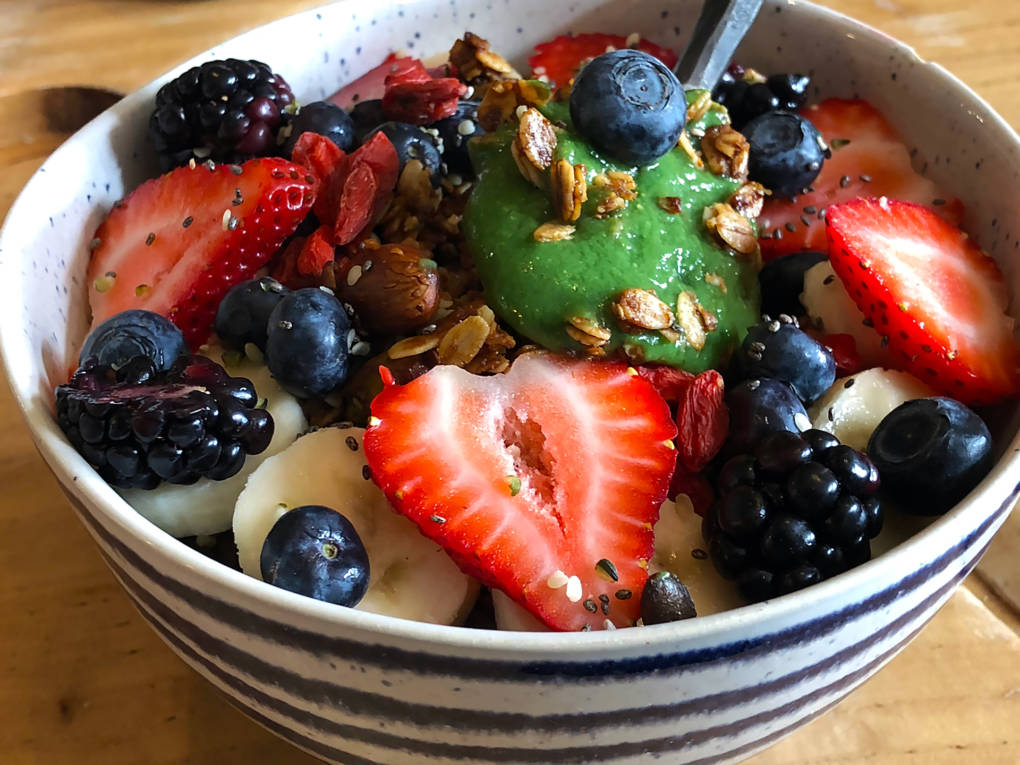
"caption": "Beloved Café's Green Goddess Bowl ($13): avocado, spinach, dates, ginger, lime, coconut water, topped with homemade granola, banana, fresh berries, goji berries, hemp seeds, chia seeds and maca. This bowl was great for getting energized at the start of a day. A perfect combo of sweet and savory.",
"description": null,
"title": "IMG_3601-new",
"credit": "Wendy Goodfriend",
"status": "inherit",
"isLoading": false,
"fetchFailed": false
},
"bayareabites_129464": {
"type": "attachments",
"id": "bayareabites_129464",
"meta": {
"index": "attachments_1716263798",
"site": "bayareabites",
"id": "129464",
"found": true
},
"parent": 129463,
"imgSizes": {
"small": {
"file": "https://ww2.kqed.org/app/uploads/sites/24/2018/07/gettyimages-932406182-db3ad2e5b465008ac099992638ce546d7e2c4c6a-520x390.jpg",
"width": 520,
"mimeType": "image/jpeg",
"height": 390
},
"twentyfourteen-full-width": {
"file": "https://ww2.kqed.org/app/uploads/sites/24/2018/07/gettyimages-932406182-db3ad2e5b465008ac099992638ce546d7e2c4c6a-1038x576.jpg",
"width": 1038,
"mimeType": "image/jpeg",
"height": 576
},
"thumbnail": {
"file": "https://ww2.kqed.org/app/uploads/sites/24/2018/07/gettyimages-932406182-db3ad2e5b465008ac099992638ce546d7e2c4c6a-160x120.jpg",
"width": 160,
"mimeType": "image/jpeg",
"height": 120
},
"fd-sm": {
"file": "https://ww2.kqed.org/app/uploads/sites/24/2018/07/gettyimages-932406182-db3ad2e5b465008ac099992638ce546d7e2c4c6a-960x720.jpg",
"width": 960,
"mimeType": "image/jpeg",
"height": 720
},
"post-thumbnail": {
"file": "https://ww2.kqed.org/app/uploads/sites/24/2018/07/gettyimages-932406182-db3ad2e5b465008ac099992638ce546d7e2c4c6a-672x372.jpg",
"width": 672,
"mimeType": "image/jpeg",
"height": 372
},
"xsmall": {
"file": "https://ww2.kqed.org/app/uploads/sites/24/2018/07/gettyimages-932406182-db3ad2e5b465008ac099992638ce546d7e2c4c6a-375x281.jpg",
"width": 375,
"mimeType": "image/jpeg",
"height": 281
},
"kqedFullSize": {
"file": "https://ww2.kqed.org/app/uploads/sites/24/2018/07/gettyimages-932406182-db3ad2e5b465008ac099992638ce546d7e2c4c6a.jpg",
"width": 3644,
"height": 2733
},
"large": {
"file": "https://ww2.kqed.org/app/uploads/sites/24/2018/07/gettyimages-932406182-db3ad2e5b465008ac099992638ce546d7e2c4c6a-1020x765.jpg",
"width": 1020,
"mimeType": "image/jpeg",
"height": 765
},
"xlarge": {
"file": "https://ww2.kqed.org/app/uploads/sites/24/2018/07/gettyimages-932406182-db3ad2e5b465008ac099992638ce546d7e2c4c6a-1180x885.jpg",
"width": 1180,
"mimeType": "image/jpeg",
"height": 885
},
"complete_open_graph": {
"file": "https://ww2.kqed.org/app/uploads/sites/24/2018/07/gettyimages-932406182-db3ad2e5b465008ac099992638ce546d7e2c4c6a-1200x900.jpg",
"width": 1200,
"mimeType": "image/jpeg",
"height": 900
},
"guest-author-50": {
"file": "https://ww2.kqed.org/app/uploads/sites/24/2018/07/gettyimages-932406182-db3ad2e5b465008ac099992638ce546d7e2c4c6a-50x50.jpg",
"width": 50,
"mimeType": "image/jpeg",
"height": 50
},
"guest-author-96": {
"file": "https://ww2.kqed.org/app/uploads/sites/24/2018/07/gettyimages-932406182-db3ad2e5b465008ac099992638ce546d7e2c4c6a-96x96.jpg",
"width": 96,
"mimeType": "image/jpeg",
"height": 96
},
"medium": {
"file": "https://ww2.kqed.org/app/uploads/sites/24/2018/07/gettyimages-932406182-db3ad2e5b465008ac099992638ce546d7e2c4c6a-800x600.jpg",
"width": 800,
"mimeType": "image/jpeg",
"height": 600
},
"guest-author-64": {
"file": "https://ww2.kqed.org/app/uploads/sites/24/2018/07/gettyimages-932406182-db3ad2e5b465008ac099992638ce546d7e2c4c6a-64x64.jpg",
"width": 64,
"mimeType": "image/jpeg",
"height": 64
},
"guest-author-32": {
"file": "https://ww2.kqed.org/app/uploads/sites/24/2018/07/gettyimages-932406182-db3ad2e5b465008ac099992638ce546d7e2c4c6a-32x32.jpg",
"width": 32,
"mimeType": "image/jpeg",
"height": 32
},
"fd-lrg": {
"file": "https://ww2.kqed.org/app/uploads/sites/24/2018/07/gettyimages-932406182-db3ad2e5b465008ac099992638ce546d7e2c4c6a-1920x1440.jpg",
"width": 1920,
"mimeType": "image/jpeg",
"height": 1440
},
"fd-med": {
"file": "https://ww2.kqed.org/app/uploads/sites/24/2018/07/gettyimages-932406182-db3ad2e5b465008ac099992638ce546d7e2c4c6a-1180x885.jpg",
"width": 1180,
"mimeType": "image/jpeg",
"height": 885
},
"full-width": {
"file": "https://ww2.kqed.org/app/uploads/sites/24/2018/07/gettyimages-932406182-db3ad2e5b465008ac099992638ce546d7e2c4c6a-1920x1440.jpg",
"width": 1920,
"mimeType": "image/jpeg",
"height": 1440
},
"detail": {
"file": "https://ww2.kqed.org/app/uploads/sites/24/2018/07/gettyimages-932406182-db3ad2e5b465008ac099992638ce546d7e2c4c6a-150x150.jpg",
"width": 150,
"mimeType": "image/jpeg",
"height": 150
},
"medium_large": {
"file": "https://ww2.kqed.org/app/uploads/sites/24/2018/07/gettyimages-932406182-db3ad2e5b465008ac099992638ce546d7e2c4c6a-768x576.jpg",
"width": 768,
"mimeType": "image/jpeg",
"height": 576
},
"guest-author-128": {
"file": "https://ww2.kqed.org/app/uploads/sites/24/2018/07/gettyimages-932406182-db3ad2e5b465008ac099992638ce546d7e2c4c6a-128x128.jpg",
"width": 128,
"mimeType": "image/jpeg",
"height": 128
},
"xxsmall": {
"file": "https://ww2.kqed.org/app/uploads/sites/24/2018/07/gettyimages-932406182-db3ad2e5b465008ac099992638ce546d7e2c4c6a-240x180.jpg",
"width": 240,
"mimeType": "image/jpeg",
"height": 180
}
},
"publishDate": 1532043666,
"modified": 1532043666,
"caption": null,
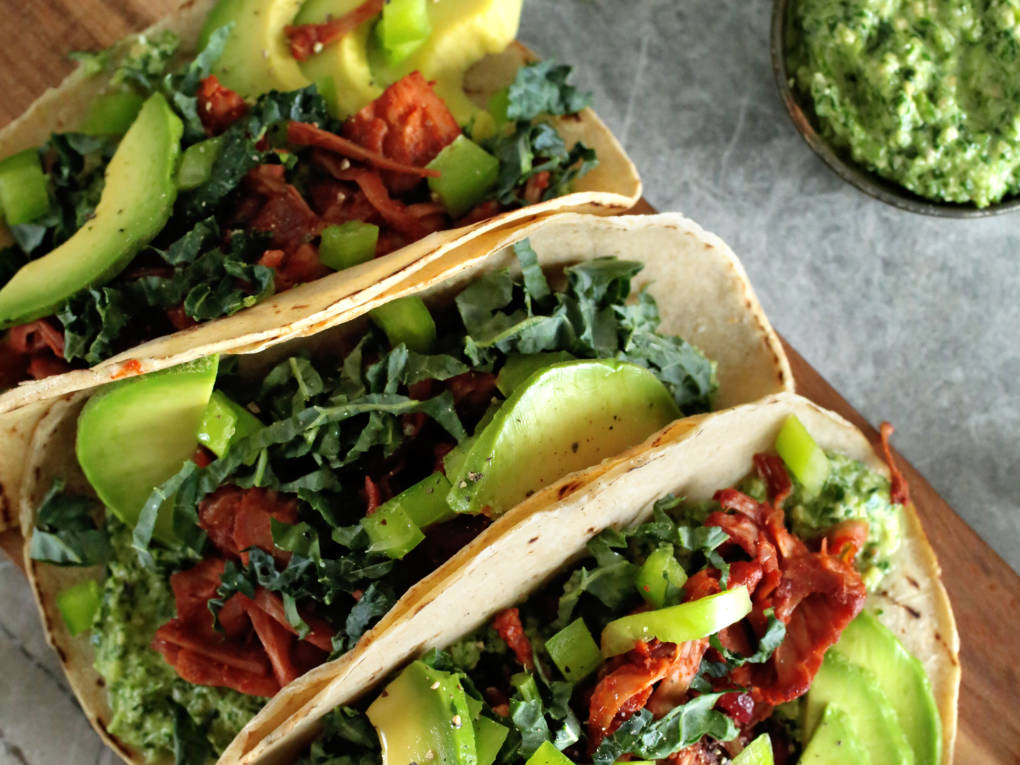
"description": "Pesto and pulled jackfruit tacos. In Southern California, working-class Mexican-American chefs are giving traditionally meaty dishes a vegan spin",
"title": "Pesto and pulled jackfruit tacos. In Southern California, working-class Mexican-American chefs are giving traditionally meaty dishes a vegan spin.",
"credit": null,
"status": "inherit",
"isLoading": false,
"fetchFailed": false
},
"bayareabites_129409": {
"type": "attachments",
"id": "bayareabites_129409",
"meta": {
"index": "attachments_1716263798",
"site": "bayareabites",
"id": "129409",
"found": true
},
"parent": 129408,
"imgSizes": {
"small": {
"file": "https://ww2.kqed.org/app/uploads/sites/24/2018/07/dsc07545-1-3e78c902c20ebbf203b86800ebf0af3a442656dc-520x390.jpg",
"width": 520,
"mimeType": "image/jpeg",
"height": 390
},
"twentyfourteen-full-width": {
"file": "https://ww2.kqed.org/app/uploads/sites/24/2018/07/dsc07545-1-3e78c902c20ebbf203b86800ebf0af3a442656dc-1038x576.jpg",
"width": 1038,
"mimeType": "image/jpeg",
"height": 576
},
"thumbnail": {
"file": "https://ww2.kqed.org/app/uploads/sites/24/2018/07/dsc07545-1-3e78c902c20ebbf203b86800ebf0af3a442656dc-160x120.jpg",
"width": 160,
"mimeType": "image/jpeg",
"height": 120
},
"fd-sm": {
"file": "https://ww2.kqed.org/app/uploads/sites/24/2018/07/dsc07545-1-3e78c902c20ebbf203b86800ebf0af3a442656dc-960x720.jpg",
"width": 960,
"mimeType": "image/jpeg",
"height": 720
},
"post-thumbnail": {
"file": "https://ww2.kqed.org/app/uploads/sites/24/2018/07/dsc07545-1-3e78c902c20ebbf203b86800ebf0af3a442656dc-672x372.jpg",
"width": 672,
"mimeType": "image/jpeg",
"height": 372
},
"xsmall": {
"file": "https://ww2.kqed.org/app/uploads/sites/24/2018/07/dsc07545-1-3e78c902c20ebbf203b86800ebf0af3a442656dc-375x281.jpg",
"width": 375,
"mimeType": "image/jpeg",
"height": 281
},
"kqedFullSize": {
"file": "https://ww2.kqed.org/app/uploads/sites/24/2018/07/dsc07545-1-3e78c902c20ebbf203b86800ebf0af3a442656dc.jpg",
"width": 3070,
"height": 2302
},
"large": {
"file": "https://ww2.kqed.org/app/uploads/sites/24/2018/07/dsc07545-1-3e78c902c20ebbf203b86800ebf0af3a442656dc-1020x765.jpg",
"width": 1020,
"mimeType": "image/jpeg",
"height": 765
},
"xlarge": {
"file": "https://ww2.kqed.org/app/uploads/sites/24/2018/07/dsc07545-1-3e78c902c20ebbf203b86800ebf0af3a442656dc-1180x885.jpg",
"width": 1180,
"mimeType": "image/jpeg",
"height": 885
},
"complete_open_graph": {
"file": "https://ww2.kqed.org/app/uploads/sites/24/2018/07/dsc07545-1-3e78c902c20ebbf203b86800ebf0af3a442656dc-1200x900.jpg",
"width": 1200,
"mimeType": "image/jpeg",
"height": 900
},
"guest-author-50": {
"file": "https://ww2.kqed.org/app/uploads/sites/24/2018/07/dsc07545-1-3e78c902c20ebbf203b86800ebf0af3a442656dc-50x50.jpg",
"width": 50,
"mimeType": "image/jpeg",
"height": 50
},
"guest-author-96": {
"file": "https://ww2.kqed.org/app/uploads/sites/24/2018/07/dsc07545-1-3e78c902c20ebbf203b86800ebf0af3a442656dc-96x96.jpg",
"width": 96,
"mimeType": "image/jpeg",
"height": 96
},
"medium": {
"file": "https://ww2.kqed.org/app/uploads/sites/24/2018/07/dsc07545-1-3e78c902c20ebbf203b86800ebf0af3a442656dc-800x600.jpg",
"width": 800,
"mimeType": "image/jpeg",
"height": 600
},
"guest-author-64": {
"file": "https://ww2.kqed.org/app/uploads/sites/24/2018/07/dsc07545-1-3e78c902c20ebbf203b86800ebf0af3a442656dc-64x64.jpg",
"width": 64,
"mimeType": "image/jpeg",
"height": 64
},
"guest-author-32": {
"file": "https://ww2.kqed.org/app/uploads/sites/24/2018/07/dsc07545-1-3e78c902c20ebbf203b86800ebf0af3a442656dc-32x32.jpg",
"width": 32,
"mimeType": "image/jpeg",
"height": 32
},
"fd-lrg": {
"file": "https://ww2.kqed.org/app/uploads/sites/24/2018/07/dsc07545-1-3e78c902c20ebbf203b86800ebf0af3a442656dc-1920x1440.jpg",
"width": 1920,
"mimeType": "image/jpeg",
"height": 1440
},
"fd-med": {
"file": "https://ww2.kqed.org/app/uploads/sites/24/2018/07/dsc07545-1-3e78c902c20ebbf203b86800ebf0af3a442656dc-1180x885.jpg",
"width": 1180,
"mimeType": "image/jpeg",
"height": 885
},
"full-width": {
"file": "https://ww2.kqed.org/app/uploads/sites/24/2018/07/dsc07545-1-3e78c902c20ebbf203b86800ebf0af3a442656dc-1920x1440.jpg",
"width": 1920,
"mimeType": "image/jpeg",
"height": 1440
},
"detail": {
"file": "https://ww2.kqed.org/app/uploads/sites/24/2018/07/dsc07545-1-3e78c902c20ebbf203b86800ebf0af3a442656dc-150x150.jpg",
"width": 150,
"mimeType": "image/jpeg",
"height": 150
},
"medium_large": {
"file": "https://ww2.kqed.org/app/uploads/sites/24/2018/07/dsc07545-1-3e78c902c20ebbf203b86800ebf0af3a442656dc-768x576.jpg",
"width": 768,
"mimeType": "image/jpeg",
"height": 576
},
"guest-author-128": {
"file": "https://ww2.kqed.org/app/uploads/sites/24/2018/07/dsc07545-1-3e78c902c20ebbf203b86800ebf0af3a442656dc-128x128.jpg",
"width": 128,
"mimeType": "image/jpeg",
"height": 128
},
"xxsmall": {
"file": "https://ww2.kqed.org/app/uploads/sites/24/2018/07/dsc07545-1-3e78c902c20ebbf203b86800ebf0af3a442656dc-240x180.jpg",
"width": 240,
"mimeType": "image/jpeg",
"height": 180
}
},
"publishDate": 1531408199,
"modified": 1531408362,
"caption": "A foal nurses from a mare at the Lindenhof Stud in Brandenburg, Germany. While mare's milk remains a niche product, its reputation as a health elixir is causing trouble for European producers in a more regulated age.",
"description": "A foal nurses from a mare at the Lindenhof Stud in Brandenburg, Germany. While mare's milk remains a niche product, its reputation as a health elixir is causing trouble for European producers in a more regulated age.",
"title": "A foal nurses from a mare at the Lindenhof Stud in Brandenburg, Germany. While mare's milk remains a niche product, its reputation as a health elixir is causing trouble for European producers in a more regulated age.",
"credit": "Susanna Forrest/for NPR",
"status": "inherit",
"isLoading": false,
"fetchFailed": false
},
"bayareabites_129384": {
"type": "attachments",
"id": "bayareabites_129384",
"meta": {
"index": "attachments_1716263798",
"site": "bayareabites",
"id": "129384",
"found": true
},
"parent": 129383,
"imgSizes": {
"small": {
"file": "https://ww2.kqed.org/app/uploads/sites/24/2018/07/gettyimages-675605831-5315302713a65b636cc85b7039110b506b2807a8-520x390.jpg",
"width": 520,
"mimeType": "image/jpeg",
"height": 390
},
"twentyfourteen-full-width": {
"file": "https://ww2.kqed.org/app/uploads/sites/24/2018/07/gettyimages-675605831-5315302713a65b636cc85b7039110b506b2807a8-1038x576.jpg",
"width": 1038,
"mimeType": "image/jpeg",
"height": 576
},
"thumbnail": {
"file": "https://ww2.kqed.org/app/uploads/sites/24/2018/07/gettyimages-675605831-5315302713a65b636cc85b7039110b506b2807a8-160x120.jpg",
"width": 160,
"mimeType": "image/jpeg",
"height": 120
},
"fd-sm": {
"file": "https://ww2.kqed.org/app/uploads/sites/24/2018/07/gettyimages-675605831-5315302713a65b636cc85b7039110b506b2807a8-960x720.jpg",
"width": 960,
"mimeType": "image/jpeg",
"height": 720
},
"post-thumbnail": {
"file": "https://ww2.kqed.org/app/uploads/sites/24/2018/07/gettyimages-675605831-5315302713a65b636cc85b7039110b506b2807a8-672x372.jpg",
"width": 672,
"mimeType": "image/jpeg",
"height": 372
},
"xsmall": {
"file": "https://ww2.kqed.org/app/uploads/sites/24/2018/07/gettyimages-675605831-5315302713a65b636cc85b7039110b506b2807a8-375x281.jpg",
"width": 375,
"mimeType": "image/jpeg",
"height": 281
},
"kqedFullSize": {
"file": "https://ww2.kqed.org/app/uploads/sites/24/2018/07/gettyimages-675605831-5315302713a65b636cc85b7039110b506b2807a8.jpg",
"width": 3794,
"height": 2845
},
"large": {
"file": "https://ww2.kqed.org/app/uploads/sites/24/2018/07/gettyimages-675605831-5315302713a65b636cc85b7039110b506b2807a8-1020x765.jpg",
"width": 1020,
"mimeType": "image/jpeg",
"height": 765
},
"xlarge": {
"file": "https://ww2.kqed.org/app/uploads/sites/24/2018/07/gettyimages-675605831-5315302713a65b636cc85b7039110b506b2807a8-1180x885.jpg",
"width": 1180,
"mimeType": "image/jpeg",
"height": 885
},
"complete_open_graph": {
"file": "https://ww2.kqed.org/app/uploads/sites/24/2018/07/gettyimages-675605831-5315302713a65b636cc85b7039110b506b2807a8-1200x900.jpg",
"width": 1200,
"mimeType": "image/jpeg",
"height": 900
},
"guest-author-50": {
"file": "https://ww2.kqed.org/app/uploads/sites/24/2018/07/gettyimages-675605831-5315302713a65b636cc85b7039110b506b2807a8-50x50.jpg",
"width": 50,
"mimeType": "image/jpeg",
"height": 50
},
"guest-author-96": {
"file": "https://ww2.kqed.org/app/uploads/sites/24/2018/07/gettyimages-675605831-5315302713a65b636cc85b7039110b506b2807a8-96x96.jpg",
"width": 96,
"mimeType": "image/jpeg",
"height": 96
},
"medium": {
"file": "https://ww2.kqed.org/app/uploads/sites/24/2018/07/gettyimages-675605831-5315302713a65b636cc85b7039110b506b2807a8-800x600.jpg",
"width": 800,
"mimeType": "image/jpeg",
"height": 600
},
"guest-author-64": {
"file": "https://ww2.kqed.org/app/uploads/sites/24/2018/07/gettyimages-675605831-5315302713a65b636cc85b7039110b506b2807a8-64x64.jpg",
"width": 64,
"mimeType": "image/jpeg",
"height": 64
},
"guest-author-32": {
"file": "https://ww2.kqed.org/app/uploads/sites/24/2018/07/gettyimages-675605831-5315302713a65b636cc85b7039110b506b2807a8-32x32.jpg",
"width": 32,
"mimeType": "image/jpeg",
"height": 32
},
"fd-lrg": {
"file": "https://ww2.kqed.org/app/uploads/sites/24/2018/07/gettyimages-675605831-5315302713a65b636cc85b7039110b506b2807a8-1920x1440.jpg",
"width": 1920,
"mimeType": "image/jpeg",
"height": 1440
},
"fd-med": {
"file": "https://ww2.kqed.org/app/uploads/sites/24/2018/07/gettyimages-675605831-5315302713a65b636cc85b7039110b506b2807a8-1180x885.jpg",
"width": 1180,
"mimeType": "image/jpeg",
"height": 885
},
"full-width": {
"file": "https://ww2.kqed.org/app/uploads/sites/24/2018/07/gettyimages-675605831-5315302713a65b636cc85b7039110b506b2807a8-1920x1440.jpg",
"width": 1920,
"mimeType": "image/jpeg",
"height": 1440
},
"detail": {
"file": "https://ww2.kqed.org/app/uploads/sites/24/2018/07/gettyimages-675605831-5315302713a65b636cc85b7039110b506b2807a8-150x150.jpg",
"width": 150,
"mimeType": "image/jpeg",
"height": 150
},
"medium_large": {
"file": "https://ww2.kqed.org/app/uploads/sites/24/2018/07/gettyimages-675605831-5315302713a65b636cc85b7039110b506b2807a8-768x576.jpg",
"width": 768,
"mimeType": "image/jpeg",
"height": 576
},
"guest-author-128": {
"file": "https://ww2.kqed.org/app/uploads/sites/24/2018/07/gettyimages-675605831-5315302713a65b636cc85b7039110b506b2807a8-128x128.jpg",
"width": 128,
"mimeType": "image/jpeg",
"height": 128
},
"xxsmall": {
"file": "https://ww2.kqed.org/app/uploads/sites/24/2018/07/gettyimages-675605831-5315302713a65b636cc85b7039110b506b2807a8-240x180.jpg",
"width": 240,
"mimeType": "image/jpeg",
"height": 180
}
},
"publishDate": 1531325584,
"modified": 1531325749,
"caption": "As cities and companies — including Starbucks — move to oust straws in a bid to reduce pollution, people with disabilities say they're losing access to a necessary, lifesaving tool.",
"description": "As cities and companies -- including Starbucks -- move to oust straws in a bid to reduce pollution, people with disabilities say they're losing access to a necessary, lifesaving tool.",
"title": "As cities and companies — including Starbucks — move to oust straws in a bid to reduce pollution, people with disabilities say they're losing access to a necessary, lifesaving tool.",
"credit": "Thn Rocn Khosit Rath Phachr Sukh /EyeEm via Getty Images",
"status": "inherit",
"isLoading": false,
"fetchFailed": false
},
"bayareabites_129260": {
"type": "attachments",
"id": "bayareabites_129260",
"meta": {
"index": "attachments_1716263798",
"site": "bayareabites",
"id": "129260",
"found": true
},
"parent": 129251,
"imgSizes": {
"small": {
"file": "https://ww2.kqed.org/app/uploads/sites/24/2018/07/BFI_Portraits_Hasselblad_Adrionna-new-520x534.jpg",
"width": 520,
"mimeType": "image/jpeg",
"height": 534
},
"twentyfourteen-full-width": {
"file": "https://ww2.kqed.org/app/uploads/sites/24/2018/07/BFI_Portraits_Hasselblad_Adrionna-new-1038x576.jpg",
"width": 1038,
"mimeType": "image/jpeg",
"height": 576
},
"thumbnail": {
"file": "https://ww2.kqed.org/app/uploads/sites/24/2018/07/BFI_Portraits_Hasselblad_Adrionna-new-160x164.jpg",
"width": 160,
"mimeType": "image/jpeg",
"height": 164
},
"fd-sm": {
"file": "https://ww2.kqed.org/app/uploads/sites/24/2018/07/BFI_Portraits_Hasselblad_Adrionna-new-960x987.jpg",
"width": 960,
"mimeType": "image/jpeg",
"height": 987
},
"post-thumbnail": {
"file": "https://ww2.kqed.org/app/uploads/sites/24/2018/07/BFI_Portraits_Hasselblad_Adrionna-new-672x372.jpg",
"width": 672,
"mimeType": "image/jpeg",
"height": 372
},
"xsmall": {
"file": "https://ww2.kqed.org/app/uploads/sites/24/2018/07/BFI_Portraits_Hasselblad_Adrionna-new-375x385.jpg",
"width": 375,
"mimeType": "image/jpeg",
"height": 385
},
"kqedFullSize": {
"file": "https://ww2.kqed.org/app/uploads/sites/24/2018/07/BFI_Portraits_Hasselblad_Adrionna-new.jpg",
"width": 1920,
"height": 1973
},
"large": {
"file": "https://ww2.kqed.org/app/uploads/sites/24/2018/07/BFI_Portraits_Hasselblad_Adrionna-new-1020x1048.jpg",
"width": 1020,
"mimeType": "image/jpeg",
"height": 1048
},
"xlarge": {
"file": "https://ww2.kqed.org/app/uploads/sites/24/2018/07/BFI_Portraits_Hasselblad_Adrionna-new-1180x1213.jpg",
"width": 1180,
"mimeType": "image/jpeg",
"height": 1213
},
"complete_open_graph": {
"file": "https://ww2.kqed.org/app/uploads/sites/24/2018/07/BFI_Portraits_Hasselblad_Adrionna-new-1168x1200.jpg",
"width": 1168,
"mimeType": "image/jpeg",
"height": 1200
},
"guest-author-50": {
"file": "https://ww2.kqed.org/app/uploads/sites/24/2018/07/BFI_Portraits_Hasselblad_Adrionna-new-50x50.jpg",
"width": 50,
"mimeType": "image/jpeg",
"height": 50
},
"guest-author-96": {
"file": "https://ww2.kqed.org/app/uploads/sites/24/2018/07/BFI_Portraits_Hasselblad_Adrionna-new-96x96.jpg",
"width": 96,
"mimeType": "image/jpeg",
"height": 96
},
"medium": {
"file": "https://ww2.kqed.org/app/uploads/sites/24/2018/07/BFI_Portraits_Hasselblad_Adrionna-new-800x822.jpg",
"width": 800,
"mimeType": "image/jpeg",
"height": 822
},
"guest-author-64": {
"file": "https://ww2.kqed.org/app/uploads/sites/24/2018/07/BFI_Portraits_Hasselblad_Adrionna-new-64x64.jpg",
"width": 64,
"mimeType": "image/jpeg",
"height": 64
},
"guest-author-32": {
"file": "https://ww2.kqed.org/app/uploads/sites/24/2018/07/BFI_Portraits_Hasselblad_Adrionna-new-32x32.jpg",
"width": 32,
"mimeType": "image/jpeg",
"height": 32
},
"fd-lrg": {
"file": "https://ww2.kqed.org/app/uploads/sites/24/2018/07/BFI_Portraits_Hasselblad_Adrionna-new-1920x1973.jpg",
"width": 1920,
"mimeType": "image/jpeg",
"height": 1973
},
"fd-med": {
"file": "https://ww2.kqed.org/app/uploads/sites/24/2018/07/BFI_Portraits_Hasselblad_Adrionna-new-1180x1213.jpg",
"width": 1180,
"mimeType": "image/jpeg",
"height": 1213
},
"full-width": {
"file": "https://ww2.kqed.org/app/uploads/sites/24/2018/07/BFI_Portraits_Hasselblad_Adrionna-new-1920x1973.jpg",
"width": 1920,
"mimeType": "image/jpeg",
"height": 1973
},
"detail": {
"file": "https://ww2.kqed.org/app/uploads/sites/24/2018/07/BFI_Portraits_Hasselblad_Adrionna-new-150x150.jpg",
"width": 150,
"mimeType": "image/jpeg",
"height": 150
},
"medium_large": {
"file": "https://ww2.kqed.org/app/uploads/sites/24/2018/07/BFI_Portraits_Hasselblad_Adrionna-new-768x789.jpg",
"width": 768,
"mimeType": "image/jpeg",
"height": 789
},
"guest-author-128": {
"file": "https://ww2.kqed.org/app/uploads/sites/24/2018/07/BFI_Portraits_Hasselblad_Adrionna-new-128x128.jpg",
"width": 128,
"mimeType": "image/jpeg",
"height": 128
},
"xxsmall": {
"file": "https://ww2.kqed.org/app/uploads/sites/24/2018/07/BFI_Portraits_Hasselblad_Adrionna-new-240x247.jpg",
"width": 240,
"mimeType": "image/jpeg",
"height": 247
}
},
"publishDate": 1530672090,
"modified": 1530672304,
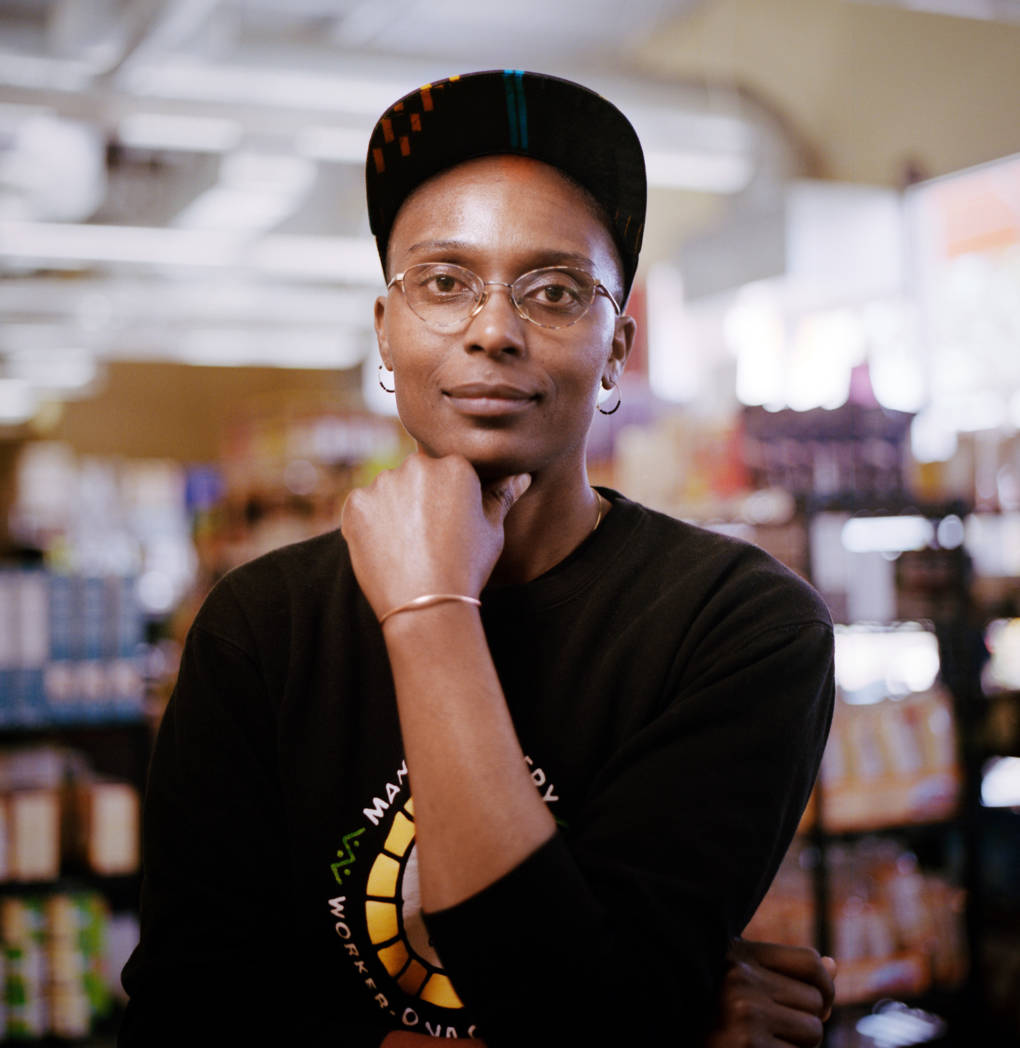
"caption": "Adrionna Fike, co-owner of the Mandela Grocery Cooperative, works in West Oakland, lives in Berkeley.",
"description": "Adrionna Fike, co-owner of the Mandela Grocery Cooperative, works in West Oakland, lives in Berkeley.",
"title": "BFI_Portraits_Hasselblad_Adrionna-new",
"credit": "Fabián Aguirre and Maya Pisciotto, \u003ca href=\"http://www.theunderstory.co\">The Understory \u003c/a>",
"status": "inherit",
"isLoading": false,
"fetchFailed": false
},
"bayareabites_129305": {
"type": "attachments",
"id": "bayareabites_129305",
"meta": {
"index": "attachments_1716263798",
"site": "bayareabites",
"id": "129305",
"found": true
},
"parent": 129304,
"imgSizes": {
"small": {
"file": "https://ww2.kqed.org/app/uploads/sites/24/2018/07/photo_3-757b14f2d5b2d8725bd1d8b6f24545000d0f3bf2-520x390.jpg",
"width": 520,
"mimeType": "image/jpeg",
"height": 390
},
"twentyfourteen-full-width": {
"file": "https://ww2.kqed.org/app/uploads/sites/24/2018/07/photo_3-757b14f2d5b2d8725bd1d8b6f24545000d0f3bf2-1038x576.jpg",
"width": 1038,
"mimeType": "image/jpeg",
"height": 576
},
"thumbnail": {
"file": "https://ww2.kqed.org/app/uploads/sites/24/2018/07/photo_3-757b14f2d5b2d8725bd1d8b6f24545000d0f3bf2-160x120.jpg",
"width": 160,
"mimeType": "image/jpeg",
"height": 120
},
"fd-sm": {
"file": "https://ww2.kqed.org/app/uploads/sites/24/2018/07/photo_3-757b14f2d5b2d8725bd1d8b6f24545000d0f3bf2-960x720.jpg",
"width": 960,
"mimeType": "image/jpeg",
"height": 720
},
"post-thumbnail": {
"file": "https://ww2.kqed.org/app/uploads/sites/24/2018/07/photo_3-757b14f2d5b2d8725bd1d8b6f24545000d0f3bf2-672x372.jpg",
"width": 672,
"mimeType": "image/jpeg",
"height": 372
},
"xsmall": {
"file": "https://ww2.kqed.org/app/uploads/sites/24/2018/07/photo_3-757b14f2d5b2d8725bd1d8b6f24545000d0f3bf2-375x281.jpg",
"width": 375,
"mimeType": "image/jpeg",
"height": 281
},
"kqedFullSize": {
"file": "https://ww2.kqed.org/app/uploads/sites/24/2018/07/photo_3-757b14f2d5b2d8725bd1d8b6f24545000d0f3bf2.jpg",
"width": 2516,
"height": 1887
},
"large": {
"file": "https://ww2.kqed.org/app/uploads/sites/24/2018/07/photo_3-757b14f2d5b2d8725bd1d8b6f24545000d0f3bf2-1020x765.jpg",
"width": 1020,
"mimeType": "image/jpeg",
"height": 765
},
"xlarge": {
"file": "https://ww2.kqed.org/app/uploads/sites/24/2018/07/photo_3-757b14f2d5b2d8725bd1d8b6f24545000d0f3bf2-1180x885.jpg",
"width": 1180,
"mimeType": "image/jpeg",
"height": 885
},
"complete_open_graph": {
"file": "https://ww2.kqed.org/app/uploads/sites/24/2018/07/photo_3-757b14f2d5b2d8725bd1d8b6f24545000d0f3bf2-1200x900.jpg",
"width": 1200,
"mimeType": "image/jpeg",
"height": 900
},
"guest-author-50": {
"file": "https://ww2.kqed.org/app/uploads/sites/24/2018/07/photo_3-757b14f2d5b2d8725bd1d8b6f24545000d0f3bf2-50x50.jpg",
"width": 50,
"mimeType": "image/jpeg",
"height": 50
},
"guest-author-96": {
"file": "https://ww2.kqed.org/app/uploads/sites/24/2018/07/photo_3-757b14f2d5b2d8725bd1d8b6f24545000d0f3bf2-96x96.jpg",
"width": 96,
"mimeType": "image/jpeg",
"height": 96
},
"medium": {
"file": "https://ww2.kqed.org/app/uploads/sites/24/2018/07/photo_3-757b14f2d5b2d8725bd1d8b6f24545000d0f3bf2-800x600.jpg",
"width": 800,
"mimeType": "image/jpeg",
"height": 600
},
"guest-author-64": {
"file": "https://ww2.kqed.org/app/uploads/sites/24/2018/07/photo_3-757b14f2d5b2d8725bd1d8b6f24545000d0f3bf2-64x64.jpg",
"width": 64,
"mimeType": "image/jpeg",
"height": 64
},
"guest-author-32": {
"file": "https://ww2.kqed.org/app/uploads/sites/24/2018/07/photo_3-757b14f2d5b2d8725bd1d8b6f24545000d0f3bf2-32x32.jpg",
"width": 32,
"mimeType": "image/jpeg",
"height": 32
},
"fd-lrg": {
"file": "https://ww2.kqed.org/app/uploads/sites/24/2018/07/photo_3-757b14f2d5b2d8725bd1d8b6f24545000d0f3bf2-1920x1440.jpg",
"width": 1920,
"mimeType": "image/jpeg",
"height": 1440
},
"fd-med": {
"file": "https://ww2.kqed.org/app/uploads/sites/24/2018/07/photo_3-757b14f2d5b2d8725bd1d8b6f24545000d0f3bf2-1180x885.jpg",
"width": 1180,
"mimeType": "image/jpeg",
"height": 885
},
"full-width": {
"file": "https://ww2.kqed.org/app/uploads/sites/24/2018/07/photo_3-757b14f2d5b2d8725bd1d8b6f24545000d0f3bf2-1920x1440.jpg",
"width": 1920,
"mimeType": "image/jpeg",
"height": 1440
},
"detail": {
"file": "https://ww2.kqed.org/app/uploads/sites/24/2018/07/photo_3-757b14f2d5b2d8725bd1d8b6f24545000d0f3bf2-150x150.jpg",
"width": 150,
"mimeType": "image/jpeg",
"height": 150
},
"medium_large": {
"file": "https://ww2.kqed.org/app/uploads/sites/24/2018/07/photo_3-757b14f2d5b2d8725bd1d8b6f24545000d0f3bf2-768x576.jpg",
"width": 768,
"mimeType": "image/jpeg",
"height": 576
},
"guest-author-128": {
"file": "https://ww2.kqed.org/app/uploads/sites/24/2018/07/photo_3-757b14f2d5b2d8725bd1d8b6f24545000d0f3bf2-128x128.jpg",
"width": 128,
"mimeType": "image/jpeg",
"height": 128
},
"xxsmall": {
"file": "https://ww2.kqed.org/app/uploads/sites/24/2018/07/photo_3-757b14f2d5b2d8725bd1d8b6f24545000d0f3bf2-240x180.jpg",
"width": 240,
"mimeType": "image/jpeg",
"height": 180
}
},
"publishDate": 1530896147,
"modified": 1530896718,
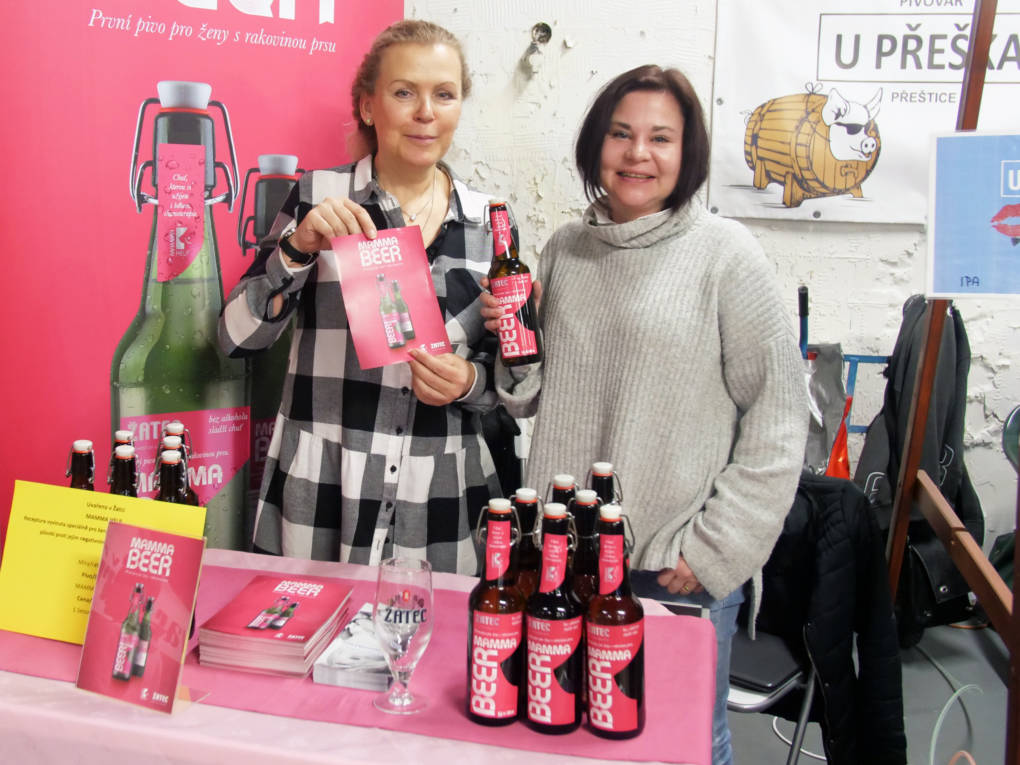
"caption": "Jana Kročáková and Petra Plánková of Mamma HELP show off their new brew aimed at helping breast cancer patients undergoing chemo \"feel normal\" and overcome their impaired sense of taste.",
"description": "Jana Kročáková and Petra Plánková of Mamma HELP show off their new brew aimed at helping breast cancer patients undergoing chemo \"feel normal\" and overcome their impaired sense of t",
"title": "Jana Kročáková and Petra Plánková of Mamma HELP show off their new brew aimed at helping breast cancer patients undergoing chemo \"feel normal\" and overcome their impaired sense of taste.",
"credit": "Elizabeth Zahradnicek-Haas",
"status": "inherit",
"isLoading": false,
"fetchFailed": false
},
"bayareabites_129296": {
"type": "attachments",
"id": "bayareabites_129296",
"meta": {
"index": "attachments_1716263798",
"site": "bayareabites",
"id": "129296",
"found": true
},
"parent": 129283,
"imgSizes": {
"small": {
"file": "https://ww2.kqed.org/app/uploads/sites/24/2018/07/HI_0318_IMPOSSIBLEBURGER_867889-1024x768-520x390.jpg",
"width": 520,
"mimeType": "image/jpeg",
"height": 390
},
"twentyfourteen-full-width": {
"file": "https://ww2.kqed.org/app/uploads/sites/24/2018/07/HI_0318_IMPOSSIBLEBURGER_867889-1024x768-1024x576.jpg",
"width": 1024,
"mimeType": "image/jpeg",
"height": 576
},
"thumbnail": {
"file": "https://ww2.kqed.org/app/uploads/sites/24/2018/07/HI_0318_IMPOSSIBLEBURGER_867889-1024x768-160x120.jpg",
"width": 160,
"mimeType": "image/jpeg",
"height": 120
},
"fd-sm": {
"file": "https://ww2.kqed.org/app/uploads/sites/24/2018/07/HI_0318_IMPOSSIBLEBURGER_867889-1024x768-960x720.jpg",
"width": 960,
"mimeType": "image/jpeg",
"height": 720
},
"post-thumbnail": {
"file": "https://ww2.kqed.org/app/uploads/sites/24/2018/07/HI_0318_IMPOSSIBLEBURGER_867889-1024x768-672x372.jpg",
"width": 672,
"mimeType": "image/jpeg",
"height": 372
},
"xsmall": {
"file": "https://ww2.kqed.org/app/uploads/sites/24/2018/07/HI_0318_IMPOSSIBLEBURGER_867889-1024x768-375x281.jpg",
"width": 375,
"mimeType": "image/jpeg",
"height": 281
},
"kqedFullSize": {
"file": "https://ww2.kqed.org/app/uploads/sites/24/2018/07/HI_0318_IMPOSSIBLEBURGER_867889-1024x768.jpg",
"width": 1024,
"height": 768
},
"large": {
"file": "https://ww2.kqed.org/app/uploads/sites/24/2018/07/HI_0318_IMPOSSIBLEBURGER_867889-1024x768-1020x765.jpg",
"width": 1020,
"mimeType": "image/jpeg",
"height": 765
},
"guest-author-50": {
"file": "https://ww2.kqed.org/app/uploads/sites/24/2018/07/HI_0318_IMPOSSIBLEBURGER_867889-1024x768-50x50.jpg",
"width": 50,
"mimeType": "image/jpeg",
"height": 50
},
"guest-author-96": {
"file": "https://ww2.kqed.org/app/uploads/sites/24/2018/07/HI_0318_IMPOSSIBLEBURGER_867889-1024x768-96x96.jpg",
"width": 96,
"mimeType": "image/jpeg",
"height": 96
},
"medium": {
"file": "https://ww2.kqed.org/app/uploads/sites/24/2018/07/HI_0318_IMPOSSIBLEBURGER_867889-1024x768-800x600.jpg",
"width": 800,
"mimeType": "image/jpeg",
"height": 600
},
"guest-author-64": {
"file": "https://ww2.kqed.org/app/uploads/sites/24/2018/07/HI_0318_IMPOSSIBLEBURGER_867889-1024x768-64x64.jpg",
"width": 64,
"mimeType": "image/jpeg",
"height": 64
},
"guest-author-32": {
"file": "https://ww2.kqed.org/app/uploads/sites/24/2018/07/HI_0318_IMPOSSIBLEBURGER_867889-1024x768-32x32.jpg",
"width": 32,
"mimeType": "image/jpeg",
"height": 32
},
"detail": {
"file": "https://ww2.kqed.org/app/uploads/sites/24/2018/07/HI_0318_IMPOSSIBLEBURGER_867889-1024x768-150x150.jpg",
"width": 150,
"mimeType": "image/jpeg",
"height": 150
},
"medium_large": {
"file": "https://ww2.kqed.org/app/uploads/sites/24/2018/07/HI_0318_IMPOSSIBLEBURGER_867889-1024x768-768x576.jpg",
"width": 768,
"mimeType": "image/jpeg",
"height": 576
},
"guest-author-128": {
"file": "https://ww2.kqed.org/app/uploads/sites/24/2018/07/HI_0318_IMPOSSIBLEBURGER_867889-1024x768-128x128.jpg",
"width": 128,
"mimeType": "image/jpeg",
"height": 128
},
"xxsmall": {
"file": "https://ww2.kqed.org/app/uploads/sites/24/2018/07/HI_0318_IMPOSSIBLEBURGER_867889-1024x768-240x180.jpg",
"width": 240,
"mimeType": "image/jpeg",
"height": 180
}
},
"publishDate": 1530807781,
"modified": 1530808527,
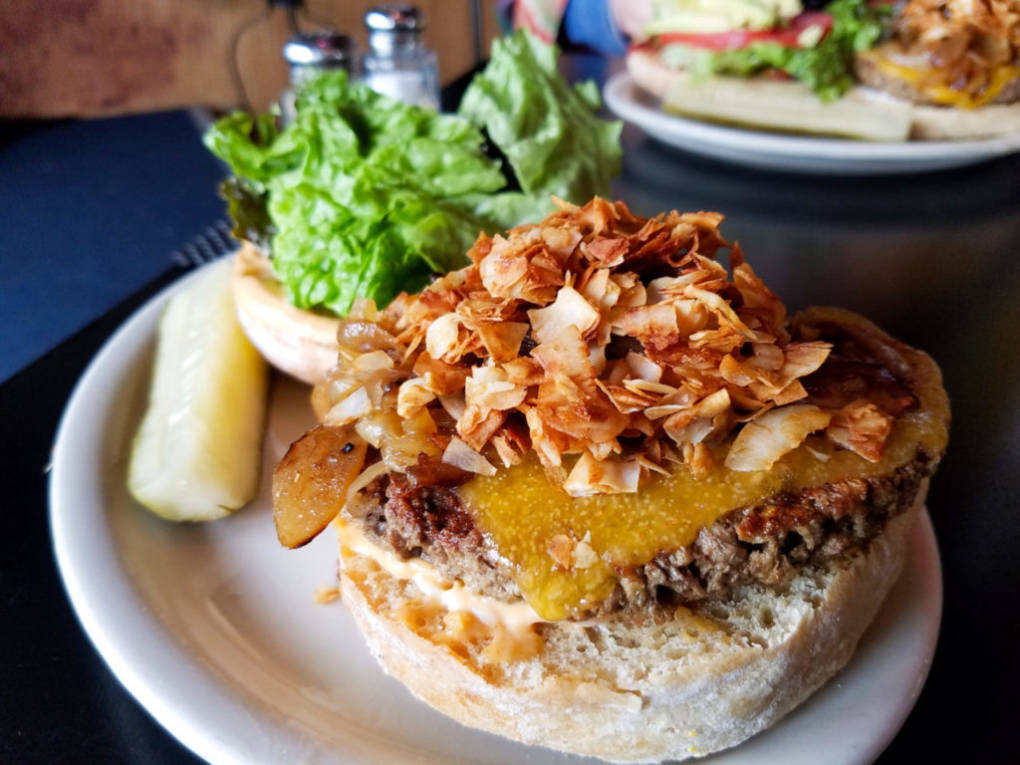
"caption": "The Impossible Burger at Gaia’s Garden in Santa Rosa looks, tastes and eats like a beef burger. Mostly. ",
"description": null,
"title": "Impossible Burger",
"credit": "Heather Irwin",
"status": "inherit",
"isLoading": false,
"fetchFailed": false
},
"bayareabites_129243": {
"type": "attachments",
"id": "bayareabites_129243",
"meta": {
"index": "attachments_1716263798",
"site": "bayareabites",
"id": "129243",
"found": true
},
"parent": 129238,
"imgSizes": {
"small": {
"file": "https://ww2.kqed.org/app/uploads/sites/24/2018/07/180622-gmo-labeling-top1-520x347.jpg",
"width": 520,
"mimeType": "image/jpeg",
"height": 347
},
"twentyfourteen-full-width": {
"file": "https://ww2.kqed.org/app/uploads/sites/24/2018/07/180622-gmo-labeling-top1-1038x576.jpg",
"width": 1038,
"mimeType": "image/jpeg",
"height": 576
},
"thumbnail": {
"file": "https://ww2.kqed.org/app/uploads/sites/24/2018/07/180622-gmo-labeling-top1-160x107.jpg",
"width": 160,
"mimeType": "image/jpeg",
"height": 107
},
"fd-sm": {
"file": "https://ww2.kqed.org/app/uploads/sites/24/2018/07/180622-gmo-labeling-top1-960x640.jpg",
"width": 960,
"mimeType": "image/jpeg",
"height": 640
},
"post-thumbnail": {
"file": "https://ww2.kqed.org/app/uploads/sites/24/2018/07/180622-gmo-labeling-top1-672x372.jpg",
"width": 672,
"mimeType": "image/jpeg",
"height": 372
},
"xsmall": {
"file": "https://ww2.kqed.org/app/uploads/sites/24/2018/07/180622-gmo-labeling-top1-375x250.jpg",
"width": 375,
"mimeType": "image/jpeg",
"height": 250
},
"kqedFullSize": {
"file": "https://ww2.kqed.org/app/uploads/sites/24/2018/07/180622-gmo-labeling-top1.jpg",
"width": 1200,
"height": 800
},
"large": {
"file": "https://ww2.kqed.org/app/uploads/sites/24/2018/07/180622-gmo-labeling-top1-1020x680.jpg",
"width": 1020,
"mimeType": "image/jpeg",
"height": 680
},
"xlarge": {
"file": "https://ww2.kqed.org/app/uploads/sites/24/2018/07/180622-gmo-labeling-top1-1180x787.jpg",
"width": 1180,
"mimeType": "image/jpeg",
"height": 787
},
"complete_open_graph": {
"file": "https://ww2.kqed.org/app/uploads/sites/24/2018/07/180622-gmo-labeling-top1-1200x800.jpg",
"width": 1200,
"mimeType": "image/jpeg",
"height": 800
},
"guest-author-50": {
"file": "https://ww2.kqed.org/app/uploads/sites/24/2018/07/180622-gmo-labeling-top1-50x50.jpg",
"width": 50,
"mimeType": "image/jpeg",
"height": 50
},
"guest-author-96": {
"file": "https://ww2.kqed.org/app/uploads/sites/24/2018/07/180622-gmo-labeling-top1-96x96.jpg",
"width": 96,
"mimeType": "image/jpeg",
"height": 96
},
"medium": {
"file": "https://ww2.kqed.org/app/uploads/sites/24/2018/07/180622-gmo-labeling-top1-800x533.jpg",
"width": 800,
"mimeType": "image/jpeg",
"height": 533
},
"guest-author-64": {
"file": "https://ww2.kqed.org/app/uploads/sites/24/2018/07/180622-gmo-labeling-top1-64x64.jpg",
"width": 64,
"mimeType": "image/jpeg",
"height": 64
},
"guest-author-32": {
"file": "https://ww2.kqed.org/app/uploads/sites/24/2018/07/180622-gmo-labeling-top1-32x32.jpg",
"width": 32,
"mimeType": "image/jpeg",
"height": 32
},
"fd-med": {
"file": "https://ww2.kqed.org/app/uploads/sites/24/2018/07/180622-gmo-labeling-top1-1180x787.jpg",
"width": 1180,
"mimeType": "image/jpeg",
"height": 787
},
"detail": {
"file": "https://ww2.kqed.org/app/uploads/sites/24/2018/07/180622-gmo-labeling-top1-150x150.jpg",
"width": 150,
"mimeType": "image/jpeg",
"height": 150
},
"medium_large": {
"file": "https://ww2.kqed.org/app/uploads/sites/24/2018/07/180622-gmo-labeling-top1-768x512.jpg",
"width": 768,
"mimeType": "image/jpeg",
"height": 512
},
"guest-author-128": {
"file": "https://ww2.kqed.org/app/uploads/sites/24/2018/07/180622-gmo-labeling-top1-128x128.jpg",
"width": 128,
"mimeType": "image/jpeg",
"height": 128
},
"xxsmall": {
"file": "https://ww2.kqed.org/app/uploads/sites/24/2018/07/180622-gmo-labeling-top1-240x160.jpg",
"width": 240,
"mimeType": "image/jpeg",
"height": 160
}
},
"publishDate": 1530630384,
"modified": 1530630524,
"caption": "GMO Labeling ",
"description": null,
"title": "180622-gmo-labeling-top1",
"credit": "Courtesy of Civil Eats",
"status": "inherit",
"isLoading": false,
"fetchFailed": false
},
"bayareabites_129234": {
"type": "attachments",
"id": "bayareabites_129234",
"meta": {
"index": "attachments_1716263798",
"site": "bayareabites",
"id": "129234",
"found": true
},
"parent": 129233,
"imgSizes": {
"small": {
"file": "https://ww2.kqed.org/app/uploads/sites/24/2018/07/gettyimages-903198704_wide-514c8bc33f8f0e44f2e7d8132e746d670b795083-520x292.jpg",
"width": 520,
"mimeType": "image/jpeg",
"height": 292
},
"twentyfourteen-full-width": {
"file": "https://ww2.kqed.org/app/uploads/sites/24/2018/07/gettyimages-903198704_wide-514c8bc33f8f0e44f2e7d8132e746d670b795083-1038x576.jpg",
"width": 1038,
"mimeType": "image/jpeg",
"height": 576
},
"thumbnail": {
"file": "https://ww2.kqed.org/app/uploads/sites/24/2018/07/gettyimages-903198704_wide-514c8bc33f8f0e44f2e7d8132e746d670b795083-160x90.jpg",
"width": 160,
"mimeType": "image/jpeg",
"height": 90
},
"fd-sm": {
"file": "https://ww2.kqed.org/app/uploads/sites/24/2018/07/gettyimages-903198704_wide-514c8bc33f8f0e44f2e7d8132e746d670b795083-960x540.jpg",
"width": 960,
"mimeType": "image/jpeg",
"height": 540
},
"post-thumbnail": {
"file": "https://ww2.kqed.org/app/uploads/sites/24/2018/07/gettyimages-903198704_wide-514c8bc33f8f0e44f2e7d8132e746d670b795083-672x372.jpg",
"width": 672,
"mimeType": "image/jpeg",
"height": 372
},
"xsmall": {
"file": "https://ww2.kqed.org/app/uploads/sites/24/2018/07/gettyimages-903198704_wide-514c8bc33f8f0e44f2e7d8132e746d670b795083-375x211.jpg",
"width": 375,
"mimeType": "image/jpeg",
"height": 211
},
"kqedFullSize": {
"file": "https://ww2.kqed.org/app/uploads/sites/24/2018/07/gettyimages-903198704_wide-514c8bc33f8f0e44f2e7d8132e746d670b795083.jpg",
"width": 2118,
"height": 1191
},
"large": {
"file": "https://ww2.kqed.org/app/uploads/sites/24/2018/07/gettyimages-903198704_wide-514c8bc33f8f0e44f2e7d8132e746d670b795083-1020x574.jpg",
"width": 1020,
"mimeType": "image/jpeg",
"height": 574
},
"xlarge": {
"file": "https://ww2.kqed.org/app/uploads/sites/24/2018/07/gettyimages-903198704_wide-514c8bc33f8f0e44f2e7d8132e746d670b795083-1180x664.jpg",
"width": 1180,
"mimeType": "image/jpeg",
"height": 664
},
"complete_open_graph": {
"file": "https://ww2.kqed.org/app/uploads/sites/24/2018/07/gettyimages-903198704_wide-514c8bc33f8f0e44f2e7d8132e746d670b795083-1200x675.jpg",
"width": 1200,
"mimeType": "image/jpeg",
"height": 675
},
"guest-author-50": {
"file": "https://ww2.kqed.org/app/uploads/sites/24/2018/07/gettyimages-903198704_wide-514c8bc33f8f0e44f2e7d8132e746d670b795083-50x50.jpg",
"width": 50,
"mimeType": "image/jpeg",
"height": 50
},
"guest-author-96": {
"file": "https://ww2.kqed.org/app/uploads/sites/24/2018/07/gettyimages-903198704_wide-514c8bc33f8f0e44f2e7d8132e746d670b795083-96x96.jpg",
"width": 96,
"mimeType": "image/jpeg",
"height": 96
},
"medium": {
"file": "https://ww2.kqed.org/app/uploads/sites/24/2018/07/gettyimages-903198704_wide-514c8bc33f8f0e44f2e7d8132e746d670b795083-800x450.jpg",
"width": 800,
"mimeType": "image/jpeg",
"height": 450
},
"guest-author-64": {
"file": "https://ww2.kqed.org/app/uploads/sites/24/2018/07/gettyimages-903198704_wide-514c8bc33f8f0e44f2e7d8132e746d670b795083-64x64.jpg",
"width": 64,
"mimeType": "image/jpeg",
"height": 64
},
"guest-author-32": {
"file": "https://ww2.kqed.org/app/uploads/sites/24/2018/07/gettyimages-903198704_wide-514c8bc33f8f0e44f2e7d8132e746d670b795083-32x32.jpg",
"width": 32,
"mimeType": "image/jpeg",
"height": 32
},
"fd-lrg": {
"file": "https://ww2.kqed.org/app/uploads/sites/24/2018/07/gettyimages-903198704_wide-514c8bc33f8f0e44f2e7d8132e746d670b795083-1920x1080.jpg",
"width": 1920,
"mimeType": "image/jpeg",
"height": 1080
},
"fd-med": {
"file": "https://ww2.kqed.org/app/uploads/sites/24/2018/07/gettyimages-903198704_wide-514c8bc33f8f0e44f2e7d8132e746d670b795083-1180x664.jpg",
"width": 1180,
"mimeType": "image/jpeg",
"height": 664
},
"full-width": {
"file": "https://ww2.kqed.org/app/uploads/sites/24/2018/07/gettyimages-903198704_wide-514c8bc33f8f0e44f2e7d8132e746d670b795083-1920x1080.jpg",
"width": 1920,
"mimeType": "image/jpeg",
"height": 1080
},
"detail": {
"file": "https://ww2.kqed.org/app/uploads/sites/24/2018/07/gettyimages-903198704_wide-514c8bc33f8f0e44f2e7d8132e746d670b795083-150x150.jpg",
"width": 150,
"mimeType": "image/jpeg",
"height": 150
},
"medium_large": {
"file": "https://ww2.kqed.org/app/uploads/sites/24/2018/07/gettyimages-903198704_wide-514c8bc33f8f0e44f2e7d8132e746d670b795083-768x432.jpg",
"width": 768,
"mimeType": "image/jpeg",
"height": 432
},
"guest-author-128": {
"file": "https://ww2.kqed.org/app/uploads/sites/24/2018/07/gettyimages-903198704_wide-514c8bc33f8f0e44f2e7d8132e746d670b795083-128x128.jpg",
"width": 128,
"mimeType": "image/jpeg",
"height": 128
},
"xxsmall": {
"file": "https://ww2.kqed.org/app/uploads/sites/24/2018/07/gettyimages-903198704_wide-514c8bc33f8f0e44f2e7d8132e746d670b795083-240x135.jpg",
"width": 240,
"mimeType": "image/jpeg",
"height": 135
}
},
"publishDate": 1530557792,
"modified": 1530557920,
"caption": "The latest study to link coffee and longevity adds to a growing body of evidence that, far from a vice, the brew can be protective of good health.",
"description": "The latest study to link coffee and longevity adds to a growing body of evidence that, far from a vice, the brew can be protective of good health.",
"title": "The latest study to link coffee and longevity adds to a growing body of evidence that, far from a vice, the brew can be protective of good health.",
"credit": "Sutthiwat Srikhrueadam / EyeEm/Getty Images/EyeEm",
"status": "inherit",
"isLoading": false,
"fetchFailed": false
}
},
"audioPlayerReducer": {
"postId": "stream_live",
"isPaused": true,
"isPlaying": false,
"pfsActive": false,
"pledgeModalIsOpen": true,
"playerDrawerIsOpen": false,
"liveAudioPlayStartedAt": 0,
"liveAudioPlayContext": ""
},
"authorsReducer": {
"byline_bayareabites_130101": {
"type": "authors",
"id": "byline_bayareabites_130101",
"meta": {
"override": true
},
"slug": "byline_bayareabites_130101",
"name": "Carolyn Beans, NPR Food",
"isLoading": false
},
"byline_bayareabites_130027": {
"type": "authors",
"id": "byline_bayareabites_130027",
"meta": {
"override": true
},
"slug": "byline_bayareabites_130027",
"name": "Allison Aubrey, \u003ca href=\"https://www.npr.org/programs/morning-edition/2018/08/06/635904259/morning-edition-for-august-6-2018\">Morning Edition\u003c/a>",
"isLoading": false
},
"byline_bayareabites_129949": {
"type": "authors",
"id": "byline_bayareabites_129949",
"meta": {
"override": true
},
"slug": "byline_bayareabites_129949",
"name": "Sara Kiley Watson, NPR Food",
"isLoading": false
},
"byline_bayareabites_129463": {
"type": "authors",
"id": "byline_bayareabites_129463",
"meta": {
"override": true
},
"slug": "byline_bayareabites_129463",
"name": "Gustavo Arellano, NPR Food",
"isLoading": false
},
"byline_bayareabites_129408": {
"type": "authors",
"id": "byline_bayareabites_129408",
"meta": {
"override": true
},
"slug": "byline_bayareabites_129408",
"name": "Susanna Forrest, NPR Food",
"isLoading": false
},
"byline_bayareabites_129383": {
"type": "authors",
"id": "byline_bayareabites_129383",
"meta": {
"override": true
},
"slug": "byline_bayareabites_129383",
"name": "Maria Godoy and Tove Danovich, NPR Food",
"isLoading": false
},
"byline_bayareabites_129304": {
"type": "authors",
"id": "byline_bayareabites_129304",
"meta": {
"override": true
},
"slug": "byline_bayareabites_129304",
"name": "Elizabeth Zahradnicek-Haas, NPR Food",
"isLoading": false
},
"byline_bayareabites_129283": {
"type": "authors",
"id": "byline_bayareabites_129283",
"meta": {
"override": true
},
"slug": "byline_bayareabites_129283",
"name": "\u003ca href=\"http://www.sonomamag.com/author/clairepelote/\">Claire Pelote\u003c/a>, \u003ca href=\"https://www.kqed.org/author/sonomamagazine\">Sonoma Magazine\u003c/a>",
"isLoading": false
},
"byline_bayareabites_129238": {
"type": "authors",
"id": "byline_bayareabites_129238",
"meta": {
"override": true
},
"slug": "byline_bayareabites_129238",
"name": "\u003ca href=\"https://civileats.com/author/rspector/\">Rebecca Spector\u003c/a>, \u003ca href=\"https://www.kqed.org/author/civileat\">Civil Eats\u003c/a>",
"isLoading": false
},
"byline_bayareabites_129233": {
"type": "authors",
"id": "byline_bayareabites_129233",
"meta": {
"override": true
},
"slug": "byline_bayareabites_129233",
"name": "Allison Aubrey, NPR Food",
"isLoading": false
},
"wendy-goodfriend": {
"type": "authors",
"id": "5014",
"meta": {
"index": "authors_1716337520",
"id": "5014",
"found": true
},
"name": "Wendy Goodfriend",
"firstName": "Wendy",
"lastName": "Goodfriend",
"slug": "wendy-goodfriend",
"email": "wendy@wendygoodfriend.com",
"display_author_email": false,
"staff_mastheads": [],
"title": "KQED Contributor",
"bio": "I was the Senior Digital Producer for KQED Food up until July, 2018. Since 2001, I designed, produced, managed and contributed to mostly food-related websites and blogs for KQED including: KQED.org; KQED Food; Bay Area Bites; Check, Please! Bay Area; Taste This; Celebrity Chefs; seven of Jacques Pepin's TV series websites; and Joanne Weir's Cooking in the City. I initiated the majority of KQED Food's social media feeds and maintained them up until 2017. As far as content creation, photography is my passion and I also shoot video and write stories. My photos have been used in articles for KQED Food, News, Arts, and Science as well as for promotional purposes in print and online. Professional education and training includes: clinical psychology, photography, commercial cooking, web design, information architecture and UX.",
"avatar": "https://secure.gravatar.com/avatar/dfba64372339cc34cf17e446e6f18fa8?s=600&d=blank&r=g",
"twitter": null,
"facebook": "bayareabites",
"instagram": null,
"linkedin": "wendygoodfriend",
"sites": [
{
"site": "jpepinheart",
"roles": []
},
{
"site": "about",
"roles": [
"editor"
]
},
{
"site": "bayareabites",
"roles": [
"subscriber"
]
},
{
"site": "science",
"roles": [
"administrator"
]
},
{
"site": "checkplease",
"roles": [
"subscriber"
]
},
{
"site": "food",
"roles": [
"author"
]
},
{
"site": "essentialpepin",
"roles": [
"administrator"
]
}
],
"headData": {
"title": "Wendy Goodfriend | KQED",
"description": "KQED Contributor",
"ogImgSrc": "https://secure.gravatar.com/avatar/dfba64372339cc34cf17e446e6f18fa8?s=600&d=blank&r=g",
"twImgSrc": "https://secure.gravatar.com/avatar/dfba64372339cc34cf17e446e6f18fa8?s=600&d=blank&r=g"
},
"isLoading": false,
"link": "/author/wendy-goodfriend"
},
"sarahhenry": {
"type": "authors",
"id": "5125",
"meta": {
"index": "authors_1716337520",
"id": "5125",
"found": true
},
"name": "Sarah Henry",
"firstName": "Sarah",
"lastName": "Henry",
"slug": "sarahhenry",
"email": "sarahhenry0509@gmail.com",
"display_author_email": false,
"staff_mastheads": [],
"title": null,
"bio": "\u003ca href=\"http://www.sarahhenrywriter.com/\">Sarah Henry\u003c/a> hails from Sydney, Australia, where she grew up eating lamingtons, Vegemite, and prawns (not shrimp) on the barbie (barbecue). Sarah has called the Bay Area home for the past two decades and remembers how delighted she was when a modest farmers' market sprouted in downtown San Francisco years ago. As a freelance writer Sarah has covered local food people, places, politics, culture, and news for the \u003ca href=\"http://www.sfgate.com/food/article/Latina-entrepreneurs-share-wealth-knowledge-2693764.php\">San Francisco Chronicle\u003c/a>, \u003ca href=\"http://www.mercurynews.com/food-wine/ci_21619882/good-eggs-pie-subscriptions-and-seafood-deliveries\">San Jose Mercury News\u003c/a>, \u003ca href=\"http://alumni.berkeley.edu/news/california-magazine/fall-2011-good-fight/justice%E2%80%94and-good-grub%E2%80%94-all\">California\u003c/a>, \u003ca href=\"http://www.modernluxury.com/san-francisco\">San Francisco\u003c/a>, \u003ca href=\"http://www.diablomag.com/Diablo-Magazine/November-2012/Artisan-Eats/\">Diablo\u003c/a>, \u003ca href=\"http://www.ediblecommunities.com/eastbay/fall-2012/school-lunch-20.htm\">Edible East Bay\u003c/a>, \u003ca href=\"http://www.ediblecommunities.com/marinandwinecountry/summer-2012-issue-14/getting-wild-at-a-west-marin-supper-club.htm\">Edible Marin & Wine Country\u003c/a>, and \u003ca href=\"http://www.berkeleyside.com/\">Berkeleyside\u003c/a>. A contributor to the national food policy site \u003ca href=\"http://civileats.com/\">Civil Eats\u003c/a>, her stories have also appeared in \u003ca href=\"http://www.theatlantic.com/sarah-henry/\">The Atlantic\u003c/a>, \u003ca href=\"http://www.afar.com/highlights/kamal-mouzawaks-beirut-lebanon\">AFAR\u003c/a>, \u003ca href=\"http://www.gilttaste.com/stories/5207-a-family-tied-together-by-apron-strings\">Gilt Taste\u003c/a>, \u003ca href=\"http://www.lhj.com/community/your-stories/whats-for-dinner-dude/?page=1\">Ladies' Home Journal\u003c/a>, \u003ca href=\"http://grist.org/author/sarah-henry/\">Grist\u003c/a>, \u003ca href=\"http://www.shareable.net/users/sarah-henry\">Shareable\u003c/a>, and \u003ca href=\"http://www.eatingwell.com/food_news_origins/green_sustainable/host_a_diy_food_swap\">Eating Well\u003c/a>. An epicurean tour guide for \u003ca href=\"http://edibleexcursions.net/\">Edible Excursions\u003c/a>, Sarah is the voice behind the blog \u003ca href=\"http://lettuceeatkale.com/\">Lettuce Eat Kale\u003c/a> and \u003ca href=\"http://twitter.com/lettuceeatkale\">tweets\u003c/a> under that moniker too.",
"avatar": "https://secure.gravatar.com/avatar/3fcd7301e44f9b621f8c9fc7ad678ac7?s=600&d=blank&r=g",
"twitter": "lettuceeatkale",
"facebook": "pages/Lettuce-Eat-Kale/239312194611",
"instagram": null,
"linkedin": null,
"sites": [
{
"site": "bayareabites",
"roles": [
"contributor"
]
},
{
"site": "food",
"roles": [
"contributor"
]
}
],
"headData": {
"title": "Sarah Henry | KQED",
"description": null,
"ogImgSrc": "https://secure.gravatar.com/avatar/3fcd7301e44f9b621f8c9fc7ad678ac7?s=600&d=blank&r=g",
"twImgSrc": "https://secure.gravatar.com/avatar/3fcd7301e44f9b621f8c9fc7ad678ac7?s=600&d=blank&r=g"
},
"isLoading": false,
"link": "/author/sarahhenry"
}
},
"pagesReducer": {
"bayareabites_category_health-and-nutrition": {
"type": "terms",
"id": "bayareabites_1245",
"meta": {
"index": "terms_1716263798",
"site": "bayareabites",
"id": "1245",
"score": 14.407251
},
"featImg": null,
"name": "health and nutrition",
"description": null,
"taxonomy": "category",
"headData": {
"twImgId": null,
"twTitle": null,
"ogTitle": null,
"ogImgId": null,
"twDescription": null,
"description": null,
"title": "health and nutrition Archives | KQED Bay Area Bites",
"ogDescription": null
},
"ttid": 1078,
"slug": "health-and-nutrition",
"isLoading": false,
"title": "health and nutrition",
"pageMeta": {
"site": "bayareabites",
"WpPageTemplate": "page-topic-editorial",
"currentPage": 5
},
"blocks": [
{
"blockName": "kqed/post-list",
"attrs": {
"layout": "cardArticle2",
"query": "posts/bayareabites?category=health-and-nutrition",
"seeMore": false,
"paginated": true,
"page": 5
}
},
{
"blockName": "kqed/ad"
}
]
}
},
"pfsSessionReducer": {},
"postsReducer": {
"stream_live": {
"type": "live",
"id": "stream_live",
"audioUrl": "https://streams.kqed.org/kqedradio",
"title": "Live Stream",
"excerpt": "Live Stream information currently unavailable.",
"link": "/radio",
"featImg": "",
"label": {
"name": "KQED Live",
"link": "/"
}
},
"stream_kqedNewscast": {
"type": "posts",
"id": "stream_kqedNewscast",
"audioUrl": "https://www.kqed.org/.stream/anon/radio/RDnews/newscast.mp3?_=1",
"title": "KQED Newscast",
"featImg": "",
"label": {
"name": "88.5 FM",
"link": "/"
}
},
"bayareabites_130101": {
"type": "posts",
"id": "bayareabites_130101",
"meta": {
"index": "posts_1716263798",
"site": "bayareabites",
"id": "130101",
"score": null,
"sort": [
1534547680000
]
},
"parent": 0,
"labelTerm": {
"site": "bayareabites"
},
"blocks": [],
"publishDate": 1534547680,
"format": "standard",
"disqusTitle": "Opinion: How I Learned To Face Food Waste And Plan Smarter",
"title": "Opinion: How I Learned To Face Food Waste And Plan Smarter",
"headTitle": "Bay Area Bites | KQED Food",
"content": "\u003cp>In Washington, D.C., Peter Rabbit regularly challenges me to stop wasting food. On a billboard hovering beyond my local grocery store and on posters on bus stop shelters, he casually chomps on a carrot while leaning on big bold letters: \"Better Ate Than Never.\"\u003c/p>\n\u003cp>Food waste estimates vary, but \u003ca href=\"https://www.nrdc.org/experts/andrea-spacht/report-wasted\">according to the Natural Resources Defense Council\u003c/a>, which runs this national \"\u003ca href=\"http://www.savethefood.com/\">Save the Food\u003c/a>\" campaign with the nonprofit \u003ca href=\"https://www.adcouncil.org/\">Ad Council\u003c/a>, up to 40 percent of food in America is lost each year. Producing this food requires up to about one-fifth of U.S. croplands, fertilizers and agricultural water. Once tossed, food becomes the No. 1 contributor, by weight, to U.S. landfills, where it releases methane, a greenhouse gas, while decaying.\u003c/p>\n\u003cp>Food is wasted across the supply chain — from farms to manufacturers to supermarkets to restaurants. But \u003ca href=\"https://www.refed.com/?sort=economic-value-per-ton\">more than 40 percent\u003c/a> of food loss comes from our own homes. \u003ca href=\"https://www.ers.usda.gov/webdocs/publications/43833/43680_eib121.pdf?v=41817\">According to the USDA\u003c/a>, nearly 300 pounds of food per person goes uneaten in American homes each year, costing a family of four around $1,500.\u003c/p>\n\u003cp>Under Peter Rabbit's watchful gaze, it's getting harder to ignore my four-person family's contribution to this problem. I vow to do better each time I toss rubbery celery or fuzzy jam. But my guilt quickly turns to relief that the offensive food is no longer lurking, and the cycle continues.\u003c/p>\n\u003cp>\"Patterns that contribute to food waste are often bound up in good intentions,\" JoAnne Berkenkamp, a senior advocate with NRDC, says. \"We tend to be aspirational shoppers. We have a big cart. We want to fill it with healthy things. We want to make sure we don't run out.\"\u003c/p>\n\u003cp>[ad fullwidth]\u003c/p>\n\u003cp>To finally face my food waste, I weighed all of the food that my family threw away from May through July. I only weighed food that we intended to eat but didn't, so waste like chicken bones and banana peels didn't count.\u003c/p>\n\u003cp>Factors in my favor: access to NRDC's \u003ca href=\"http://www.savethefood.com/tips\">food saving tips\u003c/a> and a spouse who, abhorring food waste, concocts culinary wonders with lifeless produce. Factors not in my favor: my unfounded fear of venturing beyond \"best by\" dates, a 3-year-old with an unpredictable appetite, and a 1-year-old with a serious food-throwing habit.\u003c/p>\n\u003cp>Through experimentation and experts' advice, here's what I learned during my family's three-month food waste challenge:\u003c/p>\n\u003cp>\u003cstrong>Meal plan (with high hopes and low expectations)\u003c/strong>\u003c/p>\n\u003cp>Planning out meals for the week is one of the most surefire ways to reduce excess food purchases. \"Once you start getting into the rhythm of planning, that well-intentioned purchase of fish or chicken doesn't turn up green in the back of the fridge two weeks later,\" says agricultural economist Brian Roe of Ohio State University.\u003c/p>\n\u003cp>I've been a meal planner for years, but this experiment made me realize that I rarely follow through. Come Thursday, I'm often too tired to cook or too tempted by a dinner invitation to eat Monday night's leftovers. So I've started planning for late-week meals that may not happen. I drop leftovers in the freezer and decide on Wednesday whether they'll make another appearance that week. Or if I intend to cook, I make sure that whatever ingredients I purchase can handle extra fridge time.\u003c/p>\n\u003cp>\u003cstrong>Learn food waste patterns\u003c/strong>\u003c/p>\n\u003cp>\"Once you understand your own patterns, you can get on top of it and change,\" says Berkenkamp. She realized that she often buys too much food before leaving town. I discovered that starchy food is my downfall. I always want more rice, french fries and pasta than I can eat. I started preparing smaller portions. And whenever french fries came with a sandwich at the food trucks by my office, I asked for half the typical serving. I paid the same for less food, but since I likely would have tossed half of the fries anyway, I didn't mind.\u003c/p>\n\u003cp>\u003cstrong>Start toddlers with smaller portions\u003c/strong>\u003c/p>\n\u003cp>I tried to learn which foods my youngest would hurl from his high chair, but one day's favorite was the next day's flying object. The NRDC suggests starting kids off with smaller portions, along with many other \u003ca href=\"https://www.savethefood.com/tips/how-to-waste-less-with-kids\">helpful tips on wasting less food with kids\u003c/a>. I learned to offer a quarter of what I thought he'd eat, and then more when the coast was clear. Mostly this worked well, but 15 percent of our waste was still spoiled milk, largely from his sippy cup.\u003c/p>\n\u003cp>As for my older son, he was more excited to eat when I let him mix batter or pick vegetables from our garden. \"We need to get better at connecting our kids to their food,\" says food waste consultant Jonathan Bloom, author of the book \u003ca href=\"https://www.amazon.com/American-Wasteland-America-Throws-Nearly/dp/0738215287\">American Wasteland\u003c/a>. \"If they have a role in growing, purchasing or even cooking what's on their plate, they'll have more respect for what a beautiful thing food can be.\"\u003c/p>\n\u003cfigure id=\"attachment_130103\" class=\"wp-caption alignright\" style=\"max-width: 1920px\">\u003cimg src=\"https://ww2.kqed.org/bayareabites/wp-content/uploads/sites/24/2018/08/img_7668_vert-3e06fc9e415e884c28f0681144b44450428b2606-e1534547587786.jpg\" alt=\"Starchy foods, such as french fries or pasta — which are often served in large portions — are typical suspects for the waste bin.\" width=\"1920\" height=\"2560\" class=\"size-full wp-image-130103\">\u003cfigcaption class=\"wp-caption-text\">Starchy foods, such as french fries or pasta — which are often served in large portions — are typical suspects for the waste bin. \u003ccite>(Carolyn Beans for NPR)\u003c/cite>\u003c/figcaption>\u003c/figure>\n\u003cp>\u003cstrong>Stray from recipes\u003c/strong>\u003c/p>\n\u003cp>Because of the way fresh herbs are packaged, \u003ca href=\"https://www.npr.org/sections/thesalt/2017/08/18/537307646/waste-of-thyme-why-do-we-have-to-buy-more-herbs-than-recipes-call-for\">we almost always need to buy more than a recipe calls for\u003c/a>. I threw away portions of five packages of herbs during this experiment. By the end, I found myself considering whether that teaspoon of fresh thyme was really necessary or whether I could swap in dried thyme or a sprig of rosemary I had lying around.\u003c/p>\n\u003cp>I also started substituting other ingredients. I planned a \u003ca href=\"https://cooking.nytimes.com/recipes/1016661-stir-fried-beans-with-tofu-and-chiles\">green beans and tofu dish\u003c/a> around tofu that was nearing its \"use by\" date. There were no green beans at our farmers market, so I bought sweet peppers and sliced them long and thin, and julienned carrots that I already had at home.\u003c/p>\n\u003cp>The more adventurous can forgo recipes, letting leftovers lead. My husband can work magic with a partially used can of chipotle peppers in adobo sauce — smoky bean dip, fiery pizza sauce, spicy egg scrambles.\u003c/p>\n\u003cp>\u003cstrong>Know when food is actually spoiled\u003c/strong>\u003c/p>\n\u003cp>Many a good food gets tossed because it's beyond the \"sell by\" date. But as \u003ca href=\"https://www.npr.org/sections/thesalt/2012/12/26/167819082/dont-fear-that-expired-food\">NPR has reported\u003c/a>, those dates have less to do with safety than with the manufacturer's understanding of when the food's flavor becomes less optimal. Instead, give food the sniff test. If it smells funny, don't eat it.\u003c/p>\n\u003cp>Even armed with this information and the \u003ca href=\"https://www.savethefood.com/tips/5-ways-to-revive-food\">NRDC's tips for reviving food\u003c/a>, I've been an adherent to \"sell by\" dates for so long that it was hard to ignore them. But I made progress. I turned mustard, two months past its expiration date, into a honey mustard vinaigrette. And I've pushed produce limits. Turns out that a slightly rubbery cucumber tastes like, well, a cucumber.\u003c/p>\n\u003cp>I've also tried to get better at predicting when opened food products will pass their prime. After I let jarred salsa verde spoil in my refrigerator not once but twice, I decided it was time to adjust my expectation of how long an open jar of salsa should last. I consulted the \u003ca href=\"https://www.foodsafety.gov/keep/foodkeeperapp/index.html\">FoodKeeper App\u003c/a>, which tells you how long a product will stay fresh in a pantry or refrigerator before and after being opened. For an opened jar of salsa in the refrigerator, it's a month. I went a week too long.\u003c/p>\n\u003cp>\u003cstrong>Guilt is not enough for change\u003c/strong>\u003c/p>\n\u003cp>\"People do have general guilt about wasting food,\" says Roe. He and then-graduate student Danyi Qi, now an agricultural economist at Louisiana State University, conducted a \u003ca href=\"http://journals.plos.org/plosone/article/file?id=10.1371/journal.pone.0159250&type=printable\">national survey\u003c/a> that found that over 75 percent of respondents either somewhat or strongly agreed that they feel guilty when throwing away food. But people also tend to think that their own contributions to food waste are no worse than anyone else's. Only about 14 percent of respondents felt that their households wasted more food than households of similar size.\u003c/p>\n\u003cp>While I've long felt guilty about food waste, it wasn't until I studied my food waste habits that I developed steps to change them. But studying personal food waste need not involve a kitchen scale. Berkenkamp simply stops and looks at food before throwing it away. \"I ask myself, 'What am I throwing out? Why?' \" she says. Bloom says composting has helped him. \"In addition to recycling food's nutrients,\" he says, \"it forces you to notice the types and amounts of food you're not using.\"\u003c/p>\n\u003cfigure id=\"attachment_130104\" class=\"wp-caption aligncenter\" style=\"max-width: 1920px\">\u003cimg src=\"https://ww2.kqed.org/bayareabites/wp-content/uploads/sites/24/2018/08/food-waste-chart-1_wide-1555d4cd08921ac073210a08227b9022f2a77d1e-e1534547559436.jpg\" alt=\"My food waste chart shows peaks and valleys.\" width=\"1920\" height=\"1080\" class=\"size-full wp-image-130104\">\u003cfigcaption class=\"wp-caption-text\">My food waste chart shows peaks and valleys. \u003ccite>(Carolyn Beans for NPR)\u003c/cite>\u003c/figcaption>\u003c/figure>\n\u003cp>\u003cstrong>Learn from blunders \u003c/strong>\u003c/p>\n\u003cp>Over three months, my family threw away 10,553 grams of food, or about 23 pounds. I plotted our daily food waste, hoping to see a downward trend. Instead, I saw a series of peaks and valleys. My new goal, although I'm no longer weighing waste, is to push these peaks farther apart. I'll try my best to \u003ca href=\"https://www.youtube.com/watch?time_continue=4&v=WREXBUZBrS8\">get to strawberries before the mold does\u003c/a>. And I'll plan meals better before vacations.\u003c/p>\n\u003cp>I dedicated about 30 minutes each Saturday to meal planning. But my mind also frequently wandered to questions like, \"How am I going to use up that half of a cup of ricotta?\" As the experiment progressed, I spent more time thinking about reducing waste. It became less of a chore than a habit — one that saves money, leads to new recipes, and makes at least some dent in my family's ecological footprint. Plus, when I pass those Peter Rabbit posters, I can now look the bunny in the eye. \u003c/p>\n\u003cp>[ad floatright]\u003c/p>\n\u003cp>\u003cem>Carolyn Beans is a freelance science journalist living in Washington, D.C. She specializes in ecology, evolution and health.\u003c/em>\u003c/p>\n\u003cdiv class=\"fullattribution\">Copyright 2018 NPR. To see more, visit http://www.npr.org/.\u003cimg src=\"https://www.google-analytics.com/__utm.gif?utmac=UA-5828686-4&utmdt=Opinion%3A+How+I+Learned+To+Face+Food+Waste+And+Plan+Smarter&utme=8(APIKey)9(MDAxOTAwOTE4MDEyMTkxMDAzNjczZDljZA004)\">\u003c/div>\n\n",
"disqusIdentifier": "130101 https://ww2.kqed.org/bayareabites/?p=130101",
"disqusUrl": "https://ww2.kqed.org/bayareabites/2018/08/17/opinion-how-i-learned-to-face-food-waste-and-plan-smarter/",
"stats": {
"hasVideo": false,
"hasChartOrMap": false,
"hasAudio": false,
"hasPolis": false,
"wordCount": 1636,
"hasGoogleForm": false,
"hasGallery": false,
"hasHearkenModule": false,
"iframeSrcs": [],
"paragraphCount": 33
},
"modified": 1534547680,
"excerpt": "According to the USDA, nearly 300 pounds of food per person gets thrown out in American homes each year. For three months, here's how one woman tried to cut back on food waste with her family of four.",
"headData": {
"twImgId": "",
"twTitle": "",
"ogTitle": "",
"ogImgId": "",
"twDescription": "",
"description": "According to the USDA, nearly 300 pounds of food per person gets thrown out in American homes each year. For three months, here's how one woman tried to cut back on food waste with her family of four.",
"title": "Opinion: How I Learned To Face Food Waste And Plan Smarter | KQED",
"ogDescription": "",
"schema": {
"@context": "https://schema.org",
"@type": "Article",
"headline": "Opinion: How I Learned To Face Food Waste And Plan Smarter",
"datePublished": "2018-08-17T16:14:40-07:00",
"dateModified": "2018-08-17T16:14:40-07:00",
"image": "https://cdn.kqed.org/wp-content/uploads/2020/02/KQED-OG-Image@1x.png"
}
},
"guestAuthors": [],
"slug": "opinion-how-i-learned-to-face-food-waste-and-plan-smarter",
"status": "publish",
"nprApiLink": "http://api.npr.org/query?id=638518284&apiKey=MDAxOTAwOTE4MDEyMTkxMDAzNjczZDljZA004",
"nprByline": "Carolyn Beans, NPR Food",
"nprStoryDate": "Fri, 17 Aug 2018 09:00:00 -0400",
"nprLastModifiedDate": "Fri, 17 Aug 2018 18:40:32 -0400",
"nprHtmlLink": "https://www.npr.org/sections/thesalt/2018/08/17/638518284/opinion-how-i-learned-to-face-food-waste-and-plan-smarter?ft=nprml&f=638518284",
"nprImageAgency": "Carolyn Beans for NPR",
"nprStoryId": "638518284",
"nprRetrievedStory": "1",
"nprPubDate": "Fri, 17 Aug 2018 18:40:00 -0400",
"path": "/bayareabites/130101/opinion-how-i-learned-to-face-food-waste-and-plan-smarter",
"audioTrackLength": null,
"parsedContent": [
{
"type": "contentString",
"content": "\u003cdiv class=\"post-body\">\u003cp>\u003cp>In Washington, D.C., Peter Rabbit regularly challenges me to stop wasting food. On a billboard hovering beyond my local grocery store and on posters on bus stop shelters, he casually chomps on a carrot while leaning on big bold letters: \"Better Ate Than Never.\"\u003c/p>\n\u003cp>Food waste estimates vary, but \u003ca href=\"https://www.nrdc.org/experts/andrea-spacht/report-wasted\">according to the Natural Resources Defense Council\u003c/a>, which runs this national \"\u003ca href=\"http://www.savethefood.com/\">Save the Food\u003c/a>\" campaign with the nonprofit \u003ca href=\"https://www.adcouncil.org/\">Ad Council\u003c/a>, up to 40 percent of food in America is lost each year. Producing this food requires up to about one-fifth of U.S. croplands, fertilizers and agricultural water. Once tossed, food becomes the No. 1 contributor, by weight, to U.S. landfills, where it releases methane, a greenhouse gas, while decaying.\u003c/p>\n\u003cp>Food is wasted across the supply chain — from farms to manufacturers to supermarkets to restaurants. But \u003ca href=\"https://www.refed.com/?sort=economic-value-per-ton\">more than 40 percent\u003c/a> of food loss comes from our own homes. \u003ca href=\"https://www.ers.usda.gov/webdocs/publications/43833/43680_eib121.pdf?v=41817\">According to the USDA\u003c/a>, nearly 300 pounds of food per person goes uneaten in American homes each year, costing a family of four around $1,500.\u003c/p>\n\u003cp>Under Peter Rabbit's watchful gaze, it's getting harder to ignore my four-person family's contribution to this problem. I vow to do better each time I toss rubbery celery or fuzzy jam. But my guilt quickly turns to relief that the offensive food is no longer lurking, and the cycle continues.\u003c/p>\n\u003cp>\"Patterns that contribute to food waste are often bound up in good intentions,\" JoAnne Berkenkamp, a senior advocate with NRDC, says. \"We tend to be aspirational shoppers. We have a big cart. We want to fill it with healthy things. We want to make sure we don't run out.\"\u003c/p>\n\u003cp>\u003c/p>\u003c/div>",
"attributes": {
"named": {},
"numeric": []
}
},
{
"type": "component",
"content": "",
"name": "ad",
"attributes": {
"named": {
"label": "fullwidth"
},
"numeric": [
"fullwidth"
]
}
},
{
"type": "contentString",
"content": "\u003cdiv class=\"post-body\">\u003cp>\u003c/p>\n\u003cp>To finally face my food waste, I weighed all of the food that my family threw away from May through July. I only weighed food that we intended to eat but didn't, so waste like chicken bones and banana peels didn't count.\u003c/p>\n\u003cp>Factors in my favor: access to NRDC's \u003ca href=\"http://www.savethefood.com/tips\">food saving tips\u003c/a> and a spouse who, abhorring food waste, concocts culinary wonders with lifeless produce. Factors not in my favor: my unfounded fear of venturing beyond \"best by\" dates, a 3-year-old with an unpredictable appetite, and a 1-year-old with a serious food-throwing habit.\u003c/p>\n\u003cp>Through experimentation and experts' advice, here's what I learned during my family's three-month food waste challenge:\u003c/p>\n\u003cp>\u003cstrong>Meal plan (with high hopes and low expectations)\u003c/strong>\u003c/p>\n\u003cp>Planning out meals for the week is one of the most surefire ways to reduce excess food purchases. \"Once you start getting into the rhythm of planning, that well-intentioned purchase of fish or chicken doesn't turn up green in the back of the fridge two weeks later,\" says agricultural economist Brian Roe of Ohio State University.\u003c/p>\n\u003cp>I've been a meal planner for years, but this experiment made me realize that I rarely follow through. Come Thursday, I'm often too tired to cook or too tempted by a dinner invitation to eat Monday night's leftovers. So I've started planning for late-week meals that may not happen. I drop leftovers in the freezer and decide on Wednesday whether they'll make another appearance that week. Or if I intend to cook, I make sure that whatever ingredients I purchase can handle extra fridge time.\u003c/p>\n\u003cp>\u003cstrong>Learn food waste patterns\u003c/strong>\u003c/p>\n\u003cp>\"Once you understand your own patterns, you can get on top of it and change,\" says Berkenkamp. She realized that she often buys too much food before leaving town. I discovered that starchy food is my downfall. I always want more rice, french fries and pasta than I can eat. I started preparing smaller portions. And whenever french fries came with a sandwich at the food trucks by my office, I asked for half the typical serving. I paid the same for less food, but since I likely would have tossed half of the fries anyway, I didn't mind.\u003c/p>\n\u003cp>\u003cstrong>Start toddlers with smaller portions\u003c/strong>\u003c/p>\n\u003cp>I tried to learn which foods my youngest would hurl from his high chair, but one day's favorite was the next day's flying object. The NRDC suggests starting kids off with smaller portions, along with many other \u003ca href=\"https://www.savethefood.com/tips/how-to-waste-less-with-kids\">helpful tips on wasting less food with kids\u003c/a>. I learned to offer a quarter of what I thought he'd eat, and then more when the coast was clear. Mostly this worked well, but 15 percent of our waste was still spoiled milk, largely from his sippy cup.\u003c/p>\n\u003cp>As for my older son, he was more excited to eat when I let him mix batter or pick vegetables from our garden. \"We need to get better at connecting our kids to their food,\" says food waste consultant Jonathan Bloom, author of the book \u003ca href=\"https://www.amazon.com/American-Wasteland-America-Throws-Nearly/dp/0738215287\">American Wasteland\u003c/a>. \"If they have a role in growing, purchasing or even cooking what's on their plate, they'll have more respect for what a beautiful thing food can be.\"\u003c/p>\n\u003cfigure id=\"attachment_130103\" class=\"wp-caption alignright\" style=\"max-width: 1920px\">\u003cimg src=\"https://ww2.kqed.org/bayareabites/wp-content/uploads/sites/24/2018/08/img_7668_vert-3e06fc9e415e884c28f0681144b44450428b2606-e1534547587786.jpg\" alt=\"Starchy foods, such as french fries or pasta — which are often served in large portions — are typical suspects for the waste bin.\" width=\"1920\" height=\"2560\" class=\"size-full wp-image-130103\">\u003cfigcaption class=\"wp-caption-text\">Starchy foods, such as french fries or pasta — which are often served in large portions — are typical suspects for the waste bin. \u003ccite>(Carolyn Beans for NPR)\u003c/cite>\u003c/figcaption>\u003c/figure>\n\u003cp>\u003cstrong>Stray from recipes\u003c/strong>\u003c/p>\n\u003cp>Because of the way fresh herbs are packaged, \u003ca href=\"https://www.npr.org/sections/thesalt/2017/08/18/537307646/waste-of-thyme-why-do-we-have-to-buy-more-herbs-than-recipes-call-for\">we almost always need to buy more than a recipe calls for\u003c/a>. I threw away portions of five packages of herbs during this experiment. By the end, I found myself considering whether that teaspoon of fresh thyme was really necessary or whether I could swap in dried thyme or a sprig of rosemary I had lying around.\u003c/p>\n\u003cp>I also started substituting other ingredients. I planned a \u003ca href=\"https://cooking.nytimes.com/recipes/1016661-stir-fried-beans-with-tofu-and-chiles\">green beans and tofu dish\u003c/a> around tofu that was nearing its \"use by\" date. There were no green beans at our farmers market, so I bought sweet peppers and sliced them long and thin, and julienned carrots that I already had at home.\u003c/p>\n\u003cp>The more adventurous can forgo recipes, letting leftovers lead. My husband can work magic with a partially used can of chipotle peppers in adobo sauce — smoky bean dip, fiery pizza sauce, spicy egg scrambles.\u003c/p>\n\u003cp>\u003cstrong>Know when food is actually spoiled\u003c/strong>\u003c/p>\n\u003cp>Many a good food gets tossed because it's beyond the \"sell by\" date. But as \u003ca href=\"https://www.npr.org/sections/thesalt/2012/12/26/167819082/dont-fear-that-expired-food\">NPR has reported\u003c/a>, those dates have less to do with safety than with the manufacturer's understanding of when the food's flavor becomes less optimal. Instead, give food the sniff test. If it smells funny, don't eat it.\u003c/p>\n\u003cp>Even armed with this information and the \u003ca href=\"https://www.savethefood.com/tips/5-ways-to-revive-food\">NRDC's tips for reviving food\u003c/a>, I've been an adherent to \"sell by\" dates for so long that it was hard to ignore them. But I made progress. I turned mustard, two months past its expiration date, into a honey mustard vinaigrette. And I've pushed produce limits. Turns out that a slightly rubbery cucumber tastes like, well, a cucumber.\u003c/p>\n\u003cp>I've also tried to get better at predicting when opened food products will pass their prime. After I let jarred salsa verde spoil in my refrigerator not once but twice, I decided it was time to adjust my expectation of how long an open jar of salsa should last. I consulted the \u003ca href=\"https://www.foodsafety.gov/keep/foodkeeperapp/index.html\">FoodKeeper App\u003c/a>, which tells you how long a product will stay fresh in a pantry or refrigerator before and after being opened. For an opened jar of salsa in the refrigerator, it's a month. I went a week too long.\u003c/p>\n\u003cp>\u003cstrong>Guilt is not enough for change\u003c/strong>\u003c/p>\n\u003cp>\"People do have general guilt about wasting food,\" says Roe. He and then-graduate student Danyi Qi, now an agricultural economist at Louisiana State University, conducted a \u003ca href=\"http://journals.plos.org/plosone/article/file?id=10.1371/journal.pone.0159250&type=printable\">national survey\u003c/a> that found that over 75 percent of respondents either somewhat or strongly agreed that they feel guilty when throwing away food. But people also tend to think that their own contributions to food waste are no worse than anyone else's. Only about 14 percent of respondents felt that their households wasted more food than households of similar size.\u003c/p>\n\u003cp>While I've long felt guilty about food waste, it wasn't until I studied my food waste habits that I developed steps to change them. But studying personal food waste need not involve a kitchen scale. Berkenkamp simply stops and looks at food before throwing it away. \"I ask myself, 'What am I throwing out? Why?' \" she says. Bloom says composting has helped him. \"In addition to recycling food's nutrients,\" he says, \"it forces you to notice the types and amounts of food you're not using.\"\u003c/p>\n\u003cfigure id=\"attachment_130104\" class=\"wp-caption aligncenter\" style=\"max-width: 1920px\">\u003cimg src=\"https://ww2.kqed.org/bayareabites/wp-content/uploads/sites/24/2018/08/food-waste-chart-1_wide-1555d4cd08921ac073210a08227b9022f2a77d1e-e1534547559436.jpg\" alt=\"My food waste chart shows peaks and valleys.\" width=\"1920\" height=\"1080\" class=\"size-full wp-image-130104\">\u003cfigcaption class=\"wp-caption-text\">My food waste chart shows peaks and valleys. \u003ccite>(Carolyn Beans for NPR)\u003c/cite>\u003c/figcaption>\u003c/figure>\n\u003cp>\u003cstrong>Learn from blunders \u003c/strong>\u003c/p>\n\u003cp>Over three months, my family threw away 10,553 grams of food, or about 23 pounds. I plotted our daily food waste, hoping to see a downward trend. Instead, I saw a series of peaks and valleys. My new goal, although I'm no longer weighing waste, is to push these peaks farther apart. I'll try my best to \u003ca href=\"https://www.youtube.com/watch?time_continue=4&v=WREXBUZBrS8\">get to strawberries before the mold does\u003c/a>. And I'll plan meals better before vacations.\u003c/p>\n\u003cp>I dedicated about 30 minutes each Saturday to meal planning. But my mind also frequently wandered to questions like, \"How am I going to use up that half of a cup of ricotta?\" As the experiment progressed, I spent more time thinking about reducing waste. It became less of a chore than a habit — one that saves money, leads to new recipes, and makes at least some dent in my family's ecological footprint. Plus, when I pass those Peter Rabbit posters, I can now look the bunny in the eye. \u003c/p>\n\u003cp>\u003c/p>\u003c/div>",
"attributes": {
"named": {},
"numeric": []
}
},
{
"type": "component",
"content": "",
"name": "ad",
"attributes": {
"named": {
"label": "floatright"
},
"numeric": [
"floatright"
]
}
},
{
"type": "contentString",
"content": "\u003cdiv class=\"post-body\">\u003cp>\u003c/p>\n\u003cp>\u003cem>Carolyn Beans is a freelance science journalist living in Washington, D.C. She specializes in ecology, evolution and health.\u003c/em>\u003c/p>\n\u003cdiv class=\"fullattribution\">Copyright 2018 NPR. To see more, visit http://www.npr.org/.\u003cimg src=\"https://www.google-analytics.com/__utm.gif?utmac=UA-5828686-4&utmdt=Opinion%3A+How+I+Learned+To+Face+Food+Waste+And+Plan+Smarter&utme=8(APIKey)9(MDAxOTAwOTE4MDEyMTkxMDAzNjczZDljZA004)\">\u003c/div>\n\n\u003c/div>\u003c/p>",
"attributes": {
"named": {},
"numeric": []
}
}
],
"link": "/bayareabites/130101/opinion-how-i-learned-to-face-food-waste-and-plan-smarter",
"authors": [
"byline_bayareabites_130101"
],
"categories": [
"bayareabites_1962",
"bayareabites_1245",
"bayareabites_60"
],
"featImg": "bayareabites_130102",
"label": "bayareabites"
},
"bayareabites_130027": {
"type": "posts",
"id": "bayareabites_130027",
"meta": {
"index": "posts_1716263798",
"site": "bayareabites",
"id": "130027",
"score": null,
"sort": [
1533584460000
]
},
"parent": 0,
"labelTerm": {
"site": "bayareabites"
},
"blocks": [],
"publishDate": 1533584460,
"format": "audio",
"disqusTitle": "Diet Hit A Snag? Your Gut Bacteria May Be Partly To Blame",
"title": "Diet Hit A Snag? Your Gut Bacteria May Be Partly To Blame",
"headTitle": "Bay Area Bites | KQED Food",
"content": "\u003cp>https://ondemand.npr.org/anon.npr-mp3/npr/me/2018/08/20180806_me_diet_hit_a_snag_your_gut_bacteria_may_be_partly_to_blame.mp3\u003c/p>\n\u003cp>Have you ever been on a diet but didn't hit your goal weight? Your gut bacteria may be part of the explanation.\u003c/p>\n\u003cp>New research suggests the mix of microbes in our guts can either help — or hinder — weight-loss efforts.\u003c/p>\n\u003cp>\"We started with the premise that people have different microbial makeups, and this could influence how well they do with dieting,\" explains \u003ca href=\"https://www.mayo.edu/research/faculty/kashyap-purna-c-m-b-b-s/bio-00092735\">Purna Kashyap\u003c/a>, a gastroenterologist at the Mayo Clinic in Rochester, Minn.\u003c/p>\n\u003cp>As part of the study, Kashyap and his collaborators tracked the progress of people who were enrolled in a lifestyle-intervention program for weight loss. The participants were advised to follow a low-calorie diet, and they were tracked closely for about three months.\u003c/p>\n\u003cp>[ad fullwidth]\u003c/p>\n\u003cp>\"We found that people who lost at least 5 percent of their body weight had a different gut bacteria as compared to those who did not lose 5 percent of their body weight,\" Kashyap explains. Their findings are \u003ca href=\"https://www.mayoclinicproceedings.org/article/S0025-6196(18)30148-4/abstract\">published\u003c/a> in the journal \u003cem>Mayo Clinic Proceedings\u003c/em>.\u003c/p>\n\u003cp>The successful dieters had an increased abundance of a bacteria called \u003ca href=\"https://www.ncbi.nlm.nih.gov/pmc/articles/PMC5585883/\">Phascolarctobacterium\u003c/a>, whereas another bacteria,\u003cem> Dialister\u003c/em>, was associated with a failure to lose the weight. And, Kashyap says it's likely that there are other types of bacteria that might influence dieting as well.\u003c/p>\n\u003cp>So, how might bacteria influence weight loss? It turns out we can get a significant number of calories from our microbes.\u003c/p>\n\u003cp>Here's how it works: Consider what happens when you eat an apple. You digest most of it.\u003c/p>\n\u003cp>\"But there's a certain part of the apple we can't absorb,\" explains \u003ca href=\"https://med.nyu.edu/faculty/martin-j-blaser\">Martin Blaser\u003c/a>, a professor in the Department of Microbiology at NYU Langone Medical Center. \"We don't have the right enzymes to digest every bit of [the apple], but our bacteria can.\"\u003c/p>\n\u003cp>Think of it this way: The bacteria eat what we can't.\u003c/p>\n\u003cp>And, in the process, they produce byproducts that we can digest. So these byproducts become another source of calories for us.\u003c/p>\n\u003cp>The new study suggests that certain bacteria — or mix of bacteria — may be more efficient at creating \"extra\" calories for us to digest.\u003c/p>\n\u003cp>\"Somewhere between 5 to 15 percent of all our calories come from that kind of digestion, where the microbes are providing energy for us, that we couldn't [otherwise] get,\" Blaser explains.\u003c/p>\n\u003cp>This calorie boost could be beneficial if food were scarce. \"If times were bad, if we were starving, we'd really welcome it,\" Blaser says.\u003c/p>\n\u003cp>But at a time when many people want to lose weight, these extra calories may be an unwanted gift.\u003c/p>\n\u003cp>But the study was small — just 26 participants. Now, researchers want to conduct a larger, follow-up study, including dieters from different geographic regions, to see if they can reproduce the results.\u003c/p>\n\u003cp>\"If two studies show the same thing, then we're on more solid ground,\" Blaser says. He was not involved in the research, but agreed to review the findings for NPR. For now, he says these findings are intriguing, but preliminary.\u003c/p>\n\u003cp>Down the road, if the results hold up in a larger group, it could lead to more tailored dieting approaches. \"What we would hope to do is to be able to individualize care for people,\" Kashyap says. \"And we'd also try to develop new probiotics, which we could use to change the microbial makeup.\"\u003c/p>\n\u003cp>Probiotics that are currently on the market would not be effective. The idea is to develop a new product that includes the specific types of bacteria linked to successful dieting.\u003c/p>\n\u003cp>But it's not so simple to manipulate the mix of microbes in our guts. Identifying the organism — or organisms — that are thought to be beneficial is just the first step.\u003c/p>\n\u003cp>Next, the organisms would need to be cultivated and mass-produced in order to create a new probiotic. \"Some bacteria are difficult to work with,\" so it could be challenging, says Blaser.\u003c/p>\n\u003cp>\u003c/p>\n\u003cp>So, if it's possible to produce a probiotic for dieters based on this research, \"it's at least some years off,\" Blaser says. \u003c/p>\n\u003cdiv class=\"fullattribution\">Copyright 2018 NPR. To see more, visit http://www.npr.org/.\u003cimg src=\"https://www.google-analytics.com/__utm.gif?utmac=UA-5828686-4&utmdt=Diet+Hit+A+Snag%3F+Your+Gut+Bacteria+May+Be+Partly+To+Blame&utme=8(APIKey)9(MDAxOTAwOTE4MDEyMTkxMDAzNjczZDljZA004)\">\u003c/div>\n\n",
"disqusIdentifier": "130027 https://ww2.kqed.org/bayareabites/?p=130027",
"disqusUrl": "https://ww2.kqed.org/bayareabites/2018/08/06/diet-hit-a-snag-your-gut-bacteria-may-be-partly-to-blame/",
"stats": {
"hasVideo": false,
"hasChartOrMap": false,
"hasAudio": false,
"hasPolis": false,
"wordCount": 702,
"hasGoogleForm": false,
"hasGallery": false,
"hasHearkenModule": false,
"iframeSrcs": [],
"paragraphCount": 24
},
"modified": 1533584460,
"excerpt": "Scientists are learning more about how our gut microbes may influence dieting. A small new study finds successful dieters have a different mix of bacteria than less-successful dieters.",
"headData": {
"twImgId": "",
"twTitle": "",
"ogTitle": "",
"ogImgId": "",
"twDescription": "",
"description": "Scientists are learning more about how our gut microbes may influence dieting. A small new study finds successful dieters have a different mix of bacteria than less-successful dieters.",
"title": "Diet Hit A Snag? Your Gut Bacteria May Be Partly To Blame | KQED",
"ogDescription": "",
"schema": {
"@context": "https://schema.org",
"@type": "Article",
"headline": "Diet Hit A Snag? Your Gut Bacteria May Be Partly To Blame",
"datePublished": "2018-08-06T12:41:00-07:00",
"dateModified": "2018-08-06T12:41:00-07:00",
"image": "https://cdn.kqed.org/wp-content/uploads/2020/02/KQED-OG-Image@1x.png"
}
},
"guestAuthors": [],
"slug": "diet-hit-a-snag-your-gut-bacteria-may-be-partly-to-blame",
"status": "publish",
"nprApiLink": "http://api.npr.org/query?id=635362706&apiKey=MDAxOTAwOTE4MDEyMTkxMDAzNjczZDljZA004",
"nprStoryDate": "Mon, 06 Aug 2018 04:58:00 -0400",
"nprLastModifiedDate": "Mon, 06 Aug 2018 10:33:51 -0400",
"nprHtmlLink": "https://www.npr.org/sections/thesalt/2018/08/06/635362706/diet-hit-a-snag-your-gut-bacteria-may-be-partly-to-blame?ft=nprml&f=635362706",
"nprAudio": "https://ondemand.npr.org/anon.npr-mp3/npr/me/2018/08/20180806_me_diet_hit_a_snag_your_gut_bacteria_may_be_partly_to_blame.mp3?orgId=1&topicId=1066&d=174&p=3&story=635362706&ft=nprml&f=635362706",
"nprImageAgency": "Getty Images",
"nprAudioM3u": "http://api.npr.org/m3u/1635907993-cb4d87.m3u?orgId=1&topicId=1066&d=174&p=3&story=635362706&ft=nprml&f=635362706",
"nprStoryId": "635362706",
"nprByline": "Allison Aubrey, \u003ca href=\"https://www.npr.org/programs/morning-edition/2018/08/06/635904259/morning-edition-for-august-6-2018\">Morning Edition\u003c/a>",
"audioTrackLength": 174,
"nprImageCredit": "sorbetto",
"nprRetrievedStory": "1",
"nprPubDate": "Mon, 06 Aug 2018 10:33:00 -0400",
"path": "/bayareabites/130027/diet-hit-a-snag-your-gut-bacteria-may-be-partly-to-blame",
"audioUrl": "https://ondemand.npr.org/anon.npr-mp3/npr/me/2018/08/20180806_me_diet_hit_a_snag_your_gut_bacteria_may_be_partly_to_blame.mp3?orgId=1&topicId=1066&d=174&p=3&story=635362706&ft=nprml&f=635362706",
"parsedContent": [
{
"type": "contentString",
"content": "\u003cdiv class=\"post-body\">\u003cp>\u003cp>\u003c/p>\u003c/div>",
"attributes": {
"named": {},
"numeric": []
}
},
{
"type": "component",
"content": "",
"name": "nprOneAudioLink",
"attributes": {
"named": {
"src": "https://ondemand.npr.org/anon.npr-mp3/npr/me/2018/08/20180806_me_diet_hit_a_snag_your_gut_bacteria_may_be_partly_to_blame.mp3"
},
"numeric": []
}
},
{
"type": "contentString",
"content": "\u003cdiv class=\"post-body\">\u003cp>\u003c/p>\n\u003cp>Have you ever been on a diet but didn't hit your goal weight? Your gut bacteria may be part of the explanation.\u003c/p>\n\u003cp>New research suggests the mix of microbes in our guts can either help — or hinder — weight-loss efforts.\u003c/p>\n\u003cp>\"We started with the premise that people have different microbial makeups, and this could influence how well they do with dieting,\" explains \u003ca href=\"https://www.mayo.edu/research/faculty/kashyap-purna-c-m-b-b-s/bio-00092735\">Purna Kashyap\u003c/a>, a gastroenterologist at the Mayo Clinic in Rochester, Minn.\u003c/p>\n\u003cp>As part of the study, Kashyap and his collaborators tracked the progress of people who were enrolled in a lifestyle-intervention program for weight loss. The participants were advised to follow a low-calorie diet, and they were tracked closely for about three months.\u003c/p>\n\u003cp>\u003c/p>\u003c/div>",
"attributes": {
"named": {},
"numeric": []
}
},
{
"type": "component",
"content": "",
"name": "ad",
"attributes": {
"named": {
"label": "fullwidth"
},
"numeric": [
"fullwidth"
]
}
},
{
"type": "contentString",
"content": "\u003cdiv class=\"post-body\">\u003cp>\u003c/p>\n\u003cp>\"We found that people who lost at least 5 percent of their body weight had a different gut bacteria as compared to those who did not lose 5 percent of their body weight,\" Kashyap explains. Their findings are \u003ca href=\"https://www.mayoclinicproceedings.org/article/S0025-6196(18)30148-4/abstract\">published\u003c/a> in the journal \u003cem>Mayo Clinic Proceedings\u003c/em>.\u003c/p>\n\u003cp>The successful dieters had an increased abundance of a bacteria called \u003ca href=\"https://www.ncbi.nlm.nih.gov/pmc/articles/PMC5585883/\">Phascolarctobacterium\u003c/a>, whereas another bacteria,\u003cem> Dialister\u003c/em>, was associated with a failure to lose the weight. And, Kashyap says it's likely that there are other types of bacteria that might influence dieting as well.\u003c/p>\n\u003cp>So, how might bacteria influence weight loss? It turns out we can get a significant number of calories from our microbes.\u003c/p>\n\u003cp>Here's how it works: Consider what happens when you eat an apple. You digest most of it.\u003c/p>\n\u003cp>\"But there's a certain part of the apple we can't absorb,\" explains \u003ca href=\"https://med.nyu.edu/faculty/martin-j-blaser\">Martin Blaser\u003c/a>, a professor in the Department of Microbiology at NYU Langone Medical Center. \"We don't have the right enzymes to digest every bit of [the apple], but our bacteria can.\"\u003c/p>\n\u003cp>Think of it this way: The bacteria eat what we can't.\u003c/p>\n\u003cp>And, in the process, they produce byproducts that we can digest. So these byproducts become another source of calories for us.\u003c/p>\n\u003cp>The new study suggests that certain bacteria — or mix of bacteria — may be more efficient at creating \"extra\" calories for us to digest.\u003c/p>\n\u003cp>\"Somewhere between 5 to 15 percent of all our calories come from that kind of digestion, where the microbes are providing energy for us, that we couldn't [otherwise] get,\" Blaser explains.\u003c/p>\n\u003cp>This calorie boost could be beneficial if food were scarce. \"If times were bad, if we were starving, we'd really welcome it,\" Blaser says.\u003c/p>\n\u003cp>But at a time when many people want to lose weight, these extra calories may be an unwanted gift.\u003c/p>\n\u003cp>But the study was small — just 26 participants. Now, researchers want to conduct a larger, follow-up study, including dieters from different geographic regions, to see if they can reproduce the results.\u003c/p>\n\u003cp>\"If two studies show the same thing, then we're on more solid ground,\" Blaser says. He was not involved in the research, but agreed to review the findings for NPR. For now, he says these findings are intriguing, but preliminary.\u003c/p>\n\u003cp>Down the road, if the results hold up in a larger group, it could lead to more tailored dieting approaches. \"What we would hope to do is to be able to individualize care for people,\" Kashyap says. \"And we'd also try to develop new probiotics, which we could use to change the microbial makeup.\"\u003c/p>\n\u003cp>Probiotics that are currently on the market would not be effective. The idea is to develop a new product that includes the specific types of bacteria linked to successful dieting.\u003c/p>\n\u003cp>But it's not so simple to manipulate the mix of microbes in our guts. Identifying the organism — or organisms — that are thought to be beneficial is just the first step.\u003c/p>\n\u003cp>Next, the organisms would need to be cultivated and mass-produced in order to create a new probiotic. \"Some bacteria are difficult to work with,\" so it could be challenging, says Blaser.\u003c/p>\n\u003cp>\u003c/p>\n\u003cp>So, if it's possible to produce a probiotic for dieters based on this research, \"it's at least some years off,\" Blaser says. \u003c/p>\n\u003cdiv class=\"fullattribution\">Copyright 2018 NPR. To see more, visit http://www.npr.org/.\u003cimg src=\"https://www.google-analytics.com/__utm.gif?utmac=UA-5828686-4&utmdt=Diet+Hit+A+Snag%3F+Your+Gut+Bacteria+May+Be+Partly+To+Blame&utme=8(APIKey)9(MDAxOTAwOTE4MDEyMTkxMDAzNjczZDljZA004)\">\u003c/div>\n\n\u003c/div>\u003c/p>",
"attributes": {
"named": {},
"numeric": []
}
}
],
"link": "/bayareabites/130027/diet-hit-a-snag-your-gut-bacteria-may-be-partly-to-blame",
"authors": [
"byline_bayareabites_130027"
],
"categories": [
"bayareabites_10028",
"bayareabites_1245",
"bayareabites_358"
],
"tags": [
"bayareabites_663",
"bayareabites_12708"
],
"featImg": "bayareabites_130028",
"label": "bayareabites"
},
"bayareabites_129949": {
"type": "posts",
"id": "bayareabites_129949",
"meta": {
"index": "posts_1716263798",
"site": "bayareabites",
"id": "129949",
"score": null,
"sort": [
1532971827000
]
},
"parent": 0,
"labelTerm": {
"site": "bayareabites"
},
"blocks": [],
"publishDate": 1532971827,
"format": "standard",
"disqusTitle": "Which Water Is Best For Health? Hint: Don't Discount The Tap",
"title": "Which Water Is Best For Health? Hint: Don't Discount The Tap",
"headTitle": "Bay Area Bites | KQED Food",
"content": "\u003cp>You can buy water with electrolytes, minerals or completely \"purified.\" You can buy it with the pH changed to make it alkaline. You can purify your own tap water or even add nutrients back into it. But after seeing a video of a \u003ca href=\"https://mitte.co\">pricey, high-tech filter\u003c/a> (about \u003ca href=\"https://mitte.co/get-your-mitte/\">$400 U.S.\u003c/a> on sale) that you can monitor with your phone, we wondered, how much of our water filtration fixation is healthy, and how much of it is hype?\u003c/p>\n\u003cp>As it turns out, scientists say that most tap water in the U.S. is just as good as the water in bottles or streaming out of a filter.\u003c/p>\n\u003cp>\"Assuming that the [tap] water satisfies all health and safety codes for the community, yeah, it's perfectly fine,\" says \u003ca href=\"http://www.montana.edu/hhd/facultyandstaff/dheil.html\">Dan Heil\u003c/a>, a professor of health and human performance at Montana State University.\u003c/p>\n\u003cp>U.S. tap water is regulated by the \u003ca href=\"https://www.epa.gov/ground-water-and-drinking-water/national-primary-drinking-water-regulations#Microorganisms\">Environmental Protection Agency\u003c/a>, which sets safety thresholds for the amount of microorganisms, chemicals and other contaminants in the water. \"In general, the drinking water quality in the U.S. is very good,\" says \u003ca href=\"https://sph.umich.edu/faculty-profiles/batterman-stuart.html\">Stuart Batterman\u003c/a>, a professor of environmental health sciences at University of Michigan.\u003c/p>\n\u003cp>Of course, there are exceptions, the most glaring being the \u003ca href=\"https://www.npr.org/sections/thetwo-way/2016/04/20/465545378/lead-laced-water-in-flint-a-step-by-step-look-at-the-makings-of-a-crisis\">lead pollution of Flint, Michigan's\u003c/a> water brought on by crumbling infrastructure and government mismanagement. The toxic effects of lead can be especially troublesome in children, and even \u003ca href=\"https://www.epa.gov/ground-water-and-drinking-water/basic-information-about-lead-drinking-water#health\">low levels of lead exposure\u003c/a> have been linked to nervous system damage, learning disabilities, short stature and impaired hearing.\u003c/p>\n\u003cp>[ad fullwidth]\u003c/p>\n\u003cp>In a situation like that, there are \u003ca href=\"https://www.ewg.org/tapwater/water-filter-guide.php?filtertype=All+filter+types&technology=All+filter+technologies&claim=Lead#findfilter\">quite a few filters\u003c/a> that can remove lead from the water, according to the Environmental Working Group. Back in 2016, NPR \u003ca href=\"https://www.npr.org/sections/health-shots/2016/06/24/481090373/are-your-pipes-made-of-lead-heres-a-quick-way-to-find-out\">created a test\u003c/a> you can use to check if you have lead pipes in your home. If you want to investigate the safety of your water further, \u003ca href=\"https://www.ewg.org/tapwater/#.W1c4HlVKhpg\">this tool\u003c/a> can show you if your water is in compliance with federal drinking water standards.\u003c/p>\n\u003cp>But say you live somewhere with safe water and want to run your tap water through a filter before drinking it. All that's really doing, Heil says, is making it more palatable by changing the odor or the taste. There's nothing really wrong with that, he says. If liking the taste of your water makes you drink more, then go for it.\u003c/p>\n\u003cp>When it comes to health, \u003ca href=\"https://research4kids.ucalgary.ca/profiles/tanis-fenton\">Tanis Fenton\u003c/a>, a registered dietitian and epidemiologist at Cumming School of Medicine at the University of Calgary, says the typical water filter sitting in your fridge won't really do anything. It probably won't even do that much for safety, since she says microbiological decontamination generally requires a sterilization step using UV light or sterilization chemicals.\u003c/p>\n\u003cp>\"Water can be contaminated with bacteria, or viruses, or amoeba ... which would cause disease,\" she says. \"These filters don't do anything to make water safer with respect to those things.\"\u003c/p>\n\u003cp>There's also no benefit to taking the naturally dissolved minerals out of municipally regulated tap water, Fenton says.\u003c/p>\n\u003cp>There actually might even be a bit of a risk if people over-purify their water, says \u003ca href=\"https://www.surrey.ac.uk/people/neil-i-ward\">Neil Ward\u003c/a>, an analytical chemistry professor at the University of Surrey in the U.K. If you constantly drink sterilized water, your gut flora could become used to that. And then in the off chance you drink water that isn't sterilized, he says your gut could react even more dramatically (and unpleasantly)\u003cstrong> \u003c/strong>to microbes or nitrates in the water.\u003c/p>\n\u003cp>\"A lot of that has been brought about because we have become very specialized in removing things from our normal diet,\" Ward says. \"When we are exposed to untreated things, we have reactions to it.\"\u003c/p>\n\u003cp>But what about adding minerals like calcium, potassium and magnesium to the water, like the filter from the video? If you're trying to replace all of the minerals from a healthy diet with mineralized water, Heil says it's probably just not going to happen. He says you'd have to drink gallons upon gallons of mineralized water before any health benefits are realized.\u003c/p>\n\u003cp>\"Rather than relying first on some fancy, expensive water, the first thing would be to modify your diet so that you are getting in all of the essential minerals and nutrients that your diet should be able to provide on it's own,\" he says.\u003c/p>\n\u003cp>Extra minerals from water won't hurt you, he says, but you'll probably just end up peeing them out if you are already getting enough nutrients in your diet.\u003c/p>\n\u003cp>Another confusing water option lining the shelves of grocery stores is alkaline water. Alkaline is a fancy way of saying \"basic,\" and this water's pH is a bit higher than standard tap water. \u003ca href=\"https://www.mayoclinic.org/healthy-lifestyle/nutrition-and-healthy-eating/expert-answers/alkaline-water/faq-20058029\">Some proponents say\u003c/a> this water can neutralize acid in your bloodstream or help prevent cancer and heart disease, but there's not a lot of research to back that up.\u003c/p>\n\u003cp>Fenton says there are no health benefits to alkaline water, but there have been instances of side effects, like reduced gallbladder emptying and toxic reactions. Baby rats given alkaline water even showed \u003ca href=\"https://www.ncbi.nlm.nih.gov/pubmed/11493345\">low body weight \u003c/a>and \u003ca href=\"https://www.ncbi.nlm.nih.gov/pubmed/9198011\">cardiac problems\u003c/a>.\u003c/p>\n\u003cp>\"Those things are really worrying,\" Fenton says. \"When there's no health benefits, it's really questionable why anyone would want alkaline water.\"\u003c/p>\n\u003cp>Water, just like cars, cell phones and shoes, is a part of the commercial market, says Ward. Purifying or adding minerals to water are ways to convince customers that one product is better than its competitors, even if in reality the only thing that changes about the water is the taste.\u003c/p>\n\u003cp>People also tend to like the idea of a quick and easy way to take the \"healthy\" route, says Heil, and buying a bottle of water with minerals in it is easier than uprooting a diet to make it more nutritious.\u003c/p>\n\u003cp>\"Everybody's got to drink,\" he says. \"Water all by itself isn't incredibly sexy, and we're all attracted to sexy new things. With a health outcome attached to it, people like that idea.\"\u003c/p>\n\u003cp>Filter manufacturers often use an environmental angle to sell their products, asking their audience to think about all the \u003ca href=\"https://www.npr.org/sections/thesalt/2013/10/28/241419373/how-much-water-actually-goes-into-making-a-bottle-of-water\">plastic bottles of water you could stop using\u003c/a> if you could just create perfect water in your own home. But cartridges and filters must be replaced, and then disposed of or recycled in some way. For a Brita pitcher, that's \u003ca href=\"https://www.brita.com/water-pitcher-support/\">every 40 gallons\u003c/a> or about every two months that you are tossing out a filter or \u003ca href=\"https://www.brita.com/recycling-filters/\">shipping it off to be recycled into a bike rack or watering can. \u003c/a>\u003c/p>\n\u003cp>At the end of the day, if you are trying to improve your health, help the planet, and save your wallet, filling up a reusable water bottle with tap water is a good way to start.\u003c/p>\n\u003cp>\"Tap water has, I think, become underrated as a source of healthy water,\" says Heil. Not to mention that it's basically free and creates less waste than the alternatives.\u003c/p>\n\u003cp>But water filter manufacturers urge a cautious approach. Faebian Bastiman, the chief technical officer of the high-tech water filter company Mitte, featured in the video mentioned above, argues that the water delivered to your house only has to legally comply with not having \"significant amounts of bad stuff in it.\" He also says municipal governments don't regulate the pipes inside your house or apartment complex. Having a filter, he argues, could be a last line of defense if there's something gross hanging out in those pipes.\u003c/p>\n\u003cp>However, the University of Michigan's Batterman notes that water utilities design and operate their systems to maintain a residual level of disinfectants to be in the water at the tap that should prevent microbial growth or biofilms. A water filter should only provide the last treatment or \"polishing,\" he says.\u003c/p>\n\u003cp>[ad floatright]\u003c/p>\n\u003cp>And at the end of the day, the most crucial thing is \u003ca href=\"https://www.npr.org/templates/story/story.php?storyId=11744838\">to actually drink water\u003c/a> and help your body stay hydrated. \u003c/p>\n\u003cdiv class=\"fullattribution\">Copyright 2018 NPR. To see more, visit http://www.npr.org/.\u003cimg src=\"https://www.google-analytics.com/__utm.gif?utmac=UA-5828686-4&utmdt=Which+Water+Is+Best+For+Health%3F+Hint%3A+Don%27t+Discount+The+Tap&utme=8(APIKey)9(MDAxOTAwOTE4MDEyMTkxMDAzNjczZDljZA004)\">\u003c/div>\n\n",
"disqusIdentifier": "129949 https://ww2.kqed.org/bayareabites/?p=129949",
"disqusUrl": "https://ww2.kqed.org/bayareabites/2018/07/30/which-water-is-best-for-health-hint-dont-discount-the-tap/",
"stats": {
"hasVideo": false,
"hasChartOrMap": false,
"hasAudio": false,
"hasPolis": false,
"wordCount": 1333,
"hasGoogleForm": false,
"hasGallery": false,
"hasHearkenModule": false,
"iframeSrcs": [],
"paragraphCount": 29
},
"modified": 1532971873,
"excerpt": "Scientists weigh in on whether Americans really need to pay for alkalinized, mineralized, or purified water from filters or bottles.",
"headData": {
"twImgId": "",
"twTitle": "",
"ogTitle": "",
"ogImgId": "",
"twDescription": "",
"description": "Scientists weigh in on whether Americans really need to pay for alkalinized, mineralized, or purified water from filters or bottles.",
"title": "Which Water Is Best For Health? Hint: Don't Discount The Tap | KQED",
"ogDescription": "",
"schema": {
"@context": "https://schema.org",
"@type": "Article",
"headline": "Which Water Is Best For Health? Hint: Don't Discount The Tap",
"datePublished": "2018-07-30T10:30:27-07:00",
"dateModified": "2018-07-30T10:31:13-07:00",
"image": "https://cdn.kqed.org/wp-content/uploads/2020/02/KQED-OG-Image@1x.png"
}
},
"guestAuthors": [],
"slug": "which-water-is-best-for-health-hint-dont-discount-the-tap",
"status": "publish",
"nprApiLink": "http://api.npr.org/query?id=632393234&apiKey=MDAxOTAwOTE4MDEyMTkxMDAzNjczZDljZA004",
"nprByline": "Sara Kiley Watson, NPR Food",
"nprStoryDate": "Fri, 27 Jul 2018 08:02:46 -0400",
"nprLastModifiedDate": "Fri, 27 Jul 2018 08:02:46 -0400",
"nprHtmlLink": "https://www.npr.org/sections/thesalt/2018/07/27/632393234/which-water-is-best-for-health-hint-dont-discount-the-tap?ft=nprml&f=632393234",
"nprImageAgency": "Getty Images",
"nprImageCredit": "PhotoAlto/Antoine Arraou",
"nprStoryId": "632393234",
"nprRetrievedStory": "1",
"nprPubDate": "Fri, 27 Jul 2018 08:02:00 -0400",
"path": "/bayareabites/129949/which-water-is-best-for-health-hint-dont-discount-the-tap",
"audioTrackLength": null,
"parsedContent": [
{
"type": "contentString",
"content": "\u003cdiv class=\"post-body\">\u003cp>\u003cp>You can buy water with electrolytes, minerals or completely \"purified.\" You can buy it with the pH changed to make it alkaline. You can purify your own tap water or even add nutrients back into it. But after seeing a video of a \u003ca href=\"https://mitte.co\">pricey, high-tech filter\u003c/a> (about \u003ca href=\"https://mitte.co/get-your-mitte/\">$400 U.S.\u003c/a> on sale) that you can monitor with your phone, we wondered, how much of our water filtration fixation is healthy, and how much of it is hype?\u003c/p>\n\u003cp>As it turns out, scientists say that most tap water in the U.S. is just as good as the water in bottles or streaming out of a filter.\u003c/p>\n\u003cp>\"Assuming that the [tap] water satisfies all health and safety codes for the community, yeah, it's perfectly fine,\" says \u003ca href=\"http://www.montana.edu/hhd/facultyandstaff/dheil.html\">Dan Heil\u003c/a>, a professor of health and human performance at Montana State University.\u003c/p>\n\u003cp>U.S. tap water is regulated by the \u003ca href=\"https://www.epa.gov/ground-water-and-drinking-water/national-primary-drinking-water-regulations#Microorganisms\">Environmental Protection Agency\u003c/a>, which sets safety thresholds for the amount of microorganisms, chemicals and other contaminants in the water. \"In general, the drinking water quality in the U.S. is very good,\" says \u003ca href=\"https://sph.umich.edu/faculty-profiles/batterman-stuart.html\">Stuart Batterman\u003c/a>, a professor of environmental health sciences at University of Michigan.\u003c/p>\n\u003cp>Of course, there are exceptions, the most glaring being the \u003ca href=\"https://www.npr.org/sections/thetwo-way/2016/04/20/465545378/lead-laced-water-in-flint-a-step-by-step-look-at-the-makings-of-a-crisis\">lead pollution of Flint, Michigan's\u003c/a> water brought on by crumbling infrastructure and government mismanagement. The toxic effects of lead can be especially troublesome in children, and even \u003ca href=\"https://www.epa.gov/ground-water-and-drinking-water/basic-information-about-lead-drinking-water#health\">low levels of lead exposure\u003c/a> have been linked to nervous system damage, learning disabilities, short stature and impaired hearing.\u003c/p>\n\u003cp>\u003c/p>\u003c/div>",
"attributes": {
"named": {},
"numeric": []
}
},
{
"type": "component",
"content": "",
"name": "ad",
"attributes": {
"named": {
"label": "fullwidth"
},
"numeric": [
"fullwidth"
]
}
},
{
"type": "contentString",
"content": "\u003cdiv class=\"post-body\">\u003cp>\u003c/p>\n\u003cp>In a situation like that, there are \u003ca href=\"https://www.ewg.org/tapwater/water-filter-guide.php?filtertype=All+filter+types&technology=All+filter+technologies&claim=Lead#findfilter\">quite a few filters\u003c/a> that can remove lead from the water, according to the Environmental Working Group. Back in 2016, NPR \u003ca href=\"https://www.npr.org/sections/health-shots/2016/06/24/481090373/are-your-pipes-made-of-lead-heres-a-quick-way-to-find-out\">created a test\u003c/a> you can use to check if you have lead pipes in your home. If you want to investigate the safety of your water further, \u003ca href=\"https://www.ewg.org/tapwater/#.W1c4HlVKhpg\">this tool\u003c/a> can show you if your water is in compliance with federal drinking water standards.\u003c/p>\n\u003cp>But say you live somewhere with safe water and want to run your tap water through a filter before drinking it. All that's really doing, Heil says, is making it more palatable by changing the odor or the taste. There's nothing really wrong with that, he says. If liking the taste of your water makes you drink more, then go for it.\u003c/p>\n\u003cp>When it comes to health, \u003ca href=\"https://research4kids.ucalgary.ca/profiles/tanis-fenton\">Tanis Fenton\u003c/a>, a registered dietitian and epidemiologist at Cumming School of Medicine at the University of Calgary, says the typical water filter sitting in your fridge won't really do anything. It probably won't even do that much for safety, since she says microbiological decontamination generally requires a sterilization step using UV light or sterilization chemicals.\u003c/p>\n\u003cp>\"Water can be contaminated with bacteria, or viruses, or amoeba ... which would cause disease,\" she says. \"These filters don't do anything to make water safer with respect to those things.\"\u003c/p>\n\u003cp>There's also no benefit to taking the naturally dissolved minerals out of municipally regulated tap water, Fenton says.\u003c/p>\n\u003cp>There actually might even be a bit of a risk if people over-purify their water, says \u003ca href=\"https://www.surrey.ac.uk/people/neil-i-ward\">Neil Ward\u003c/a>, an analytical chemistry professor at the University of Surrey in the U.K. If you constantly drink sterilized water, your gut flora could become used to that. And then in the off chance you drink water that isn't sterilized, he says your gut could react even more dramatically (and unpleasantly)\u003cstrong> \u003c/strong>to microbes or nitrates in the water.\u003c/p>\n\u003cp>\"A lot of that has been brought about because we have become very specialized in removing things from our normal diet,\" Ward says. \"When we are exposed to untreated things, we have reactions to it.\"\u003c/p>\n\u003cp>But what about adding minerals like calcium, potassium and magnesium to the water, like the filter from the video? If you're trying to replace all of the minerals from a healthy diet with mineralized water, Heil says it's probably just not going to happen. He says you'd have to drink gallons upon gallons of mineralized water before any health benefits are realized.\u003c/p>\n\u003cp>\"Rather than relying first on some fancy, expensive water, the first thing would be to modify your diet so that you are getting in all of the essential minerals and nutrients that your diet should be able to provide on it's own,\" he says.\u003c/p>\n\u003cp>Extra minerals from water won't hurt you, he says, but you'll probably just end up peeing them out if you are already getting enough nutrients in your diet.\u003c/p>\n\u003cp>Another confusing water option lining the shelves of grocery stores is alkaline water. Alkaline is a fancy way of saying \"basic,\" and this water's pH is a bit higher than standard tap water. \u003ca href=\"https://www.mayoclinic.org/healthy-lifestyle/nutrition-and-healthy-eating/expert-answers/alkaline-water/faq-20058029\">Some proponents say\u003c/a> this water can neutralize acid in your bloodstream or help prevent cancer and heart disease, but there's not a lot of research to back that up.\u003c/p>\n\u003cp>Fenton says there are no health benefits to alkaline water, but there have been instances of side effects, like reduced gallbladder emptying and toxic reactions. Baby rats given alkaline water even showed \u003ca href=\"https://www.ncbi.nlm.nih.gov/pubmed/11493345\">low body weight \u003c/a>and \u003ca href=\"https://www.ncbi.nlm.nih.gov/pubmed/9198011\">cardiac problems\u003c/a>.\u003c/p>\n\u003cp>\"Those things are really worrying,\" Fenton says. \"When there's no health benefits, it's really questionable why anyone would want alkaline water.\"\u003c/p>\n\u003cp>Water, just like cars, cell phones and shoes, is a part of the commercial market, says Ward. Purifying or adding minerals to water are ways to convince customers that one product is better than its competitors, even if in reality the only thing that changes about the water is the taste.\u003c/p>\n\u003cp>People also tend to like the idea of a quick and easy way to take the \"healthy\" route, says Heil, and buying a bottle of water with minerals in it is easier than uprooting a diet to make it more nutritious.\u003c/p>\n\u003cp>\"Everybody's got to drink,\" he says. \"Water all by itself isn't incredibly sexy, and we're all attracted to sexy new things. With a health outcome attached to it, people like that idea.\"\u003c/p>\n\u003cp>Filter manufacturers often use an environmental angle to sell their products, asking their audience to think about all the \u003ca href=\"https://www.npr.org/sections/thesalt/2013/10/28/241419373/how-much-water-actually-goes-into-making-a-bottle-of-water\">plastic bottles of water you could stop using\u003c/a> if you could just create perfect water in your own home. But cartridges and filters must be replaced, and then disposed of or recycled in some way. For a Brita pitcher, that's \u003ca href=\"https://www.brita.com/water-pitcher-support/\">every 40 gallons\u003c/a> or about every two months that you are tossing out a filter or \u003ca href=\"https://www.brita.com/recycling-filters/\">shipping it off to be recycled into a bike rack or watering can. \u003c/a>\u003c/p>\n\u003cp>At the end of the day, if you are trying to improve your health, help the planet, and save your wallet, filling up a reusable water bottle with tap water is a good way to start.\u003c/p>\n\u003cp>\"Tap water has, I think, become underrated as a source of healthy water,\" says Heil. Not to mention that it's basically free and creates less waste than the alternatives.\u003c/p>\n\u003cp>But water filter manufacturers urge a cautious approach. Faebian Bastiman, the chief technical officer of the high-tech water filter company Mitte, featured in the video mentioned above, argues that the water delivered to your house only has to legally comply with not having \"significant amounts of bad stuff in it.\" He also says municipal governments don't regulate the pipes inside your house or apartment complex. Having a filter, he argues, could be a last line of defense if there's something gross hanging out in those pipes.\u003c/p>\n\u003cp>However, the University of Michigan's Batterman notes that water utilities design and operate their systems to maintain a residual level of disinfectants to be in the water at the tap that should prevent microbial growth or biofilms. A water filter should only provide the last treatment or \"polishing,\" he says.\u003c/p>\n\u003cp>\u003c/p>\u003c/div>",
"attributes": {
"named": {},
"numeric": []
}
},
{
"type": "component",
"content": "",
"name": "ad",
"attributes": {
"named": {
"label": "floatright"
},
"numeric": [
"floatright"
]
}
},
{
"type": "contentString",
"content": "\u003cdiv class=\"post-body\">\u003cp>\u003c/p>\n\u003cp>And at the end of the day, the most crucial thing is \u003ca href=\"https://www.npr.org/templates/story/story.php?storyId=11744838\">to actually drink water\u003c/a> and help your body stay hydrated. \u003c/p>\n\u003cdiv class=\"fullattribution\">Copyright 2018 NPR. To see more, visit http://www.npr.org/.\u003cimg src=\"https://www.google-analytics.com/__utm.gif?utmac=UA-5828686-4&utmdt=Which+Water+Is+Best+For+Health%3F+Hint%3A+Don%27t+Discount+The+Tap&utme=8(APIKey)9(MDAxOTAwOTE4MDEyMTkxMDAzNjczZDljZA004)\">\u003c/div>\n\n\u003c/div>\u003c/p>",
"attributes": {
"named": {},
"numeric": []
}
}
],
"link": "/bayareabites/129949/which-water-is-best-for-health-hint-dont-discount-the-tap",
"authors": [
"byline_bayareabites_129949"
],
"categories": [
"bayareabites_13306",
"bayareabites_10028",
"bayareabites_1245",
"bayareabites_358"
],
"tags": [
"bayareabites_16218",
"bayareabites_402",
"bayareabites_16217",
"bayareabites_16216",
"bayareabites_1344"
],
"featImg": "bayareabites_129950",
"label": "bayareabites"
},
"bayareabites_129312": {
"type": "posts",
"id": "bayareabites_129312",
"meta": {
"index": "posts_1716263798",
"site": "bayareabites",
"id": "129312",
"score": null,
"sort": [
1532470844000
]
},
"parent": 0,
"labelTerm": {
"site": "bayareabites"
},
"blocks": [],
"publishDate": 1532470844,
"format": "image",
"disqusTitle": "Craving Vegetarian/Vegan Lunch in San Francisco's Mission",
"title": "Craving Vegetarian/Vegan Lunch in San Francisco's Mission",
"headTitle": "Bay Area Bites | KQED Food",
"content": "\u003cp>Vegetarian and vegan restaurants are abundant in the Bay Area where people tend to be conscious of the benefits of plant-based diets. Besides potential health benefits there are the ethical issues of eating animals and animal byproducts, as well as spiritual practices that involve abstaining from meat to purify the body, mind and spirit.\u003c/p>\n\u003cp>As a vegetarian/vegan it is comforting to go to a restaurant devoted to a purely plant-based diet. You have full access to all menu items and don’t need to be concerned about meat coming into contact with your food. There tends to be a greater awareness of the art of vegetarian cooking – combining foods to present a balanced and wholesome meal that doesn't leave you hungry or craving sugar from a lack of protein and carb overload. When eating at vegetarian-friendly spots that also serve meat, there is a tendency to be vigilant to ensure that the few menu items are truly animal-free.\u003c/p>\n\u003cfigure id=\"attachment_129542\" class=\"wp-caption aligncenter\" style=\"max-width: 1920px\">\u003cimg src=\"https://ww2.kqed.org/bayareabites/wp-content/uploads/sites/24/2018/07/IMG_3558-new.jpg\" alt=\"On my walk to the Mission I came upon this sign steering me in the right direction.\" width=\"1920\" height=\"2560\" class=\"size-full wp-image-129542\" srcset=\"https://ww2.kqed.org/app/uploads/sites/24/2018/07/IMG_3558-new.jpg 1920w, https://ww2.kqed.org/app/uploads/sites/24/2018/07/IMG_3558-new-160x213.jpg 160w, https://ww2.kqed.org/app/uploads/sites/24/2018/07/IMG_3558-new-800x1067.jpg 800w, https://ww2.kqed.org/app/uploads/sites/24/2018/07/IMG_3558-new-768x1024.jpg 768w, https://ww2.kqed.org/app/uploads/sites/24/2018/07/IMG_3558-new-1020x1360.jpg 1020w, https://ww2.kqed.org/app/uploads/sites/24/2018/07/IMG_3558-new-900x1200.jpg 900w, https://ww2.kqed.org/app/uploads/sites/24/2018/07/IMG_3558-new-1180x1573.jpg 1180w, https://ww2.kqed.org/app/uploads/sites/24/2018/07/IMG_3558-new-960x1280.jpg 960w, https://ww2.kqed.org/app/uploads/sites/24/2018/07/IMG_3558-new-240x320.jpg 240w, https://ww2.kqed.org/app/uploads/sites/24/2018/07/IMG_3558-new-375x500.jpg 375w, https://ww2.kqed.org/app/uploads/sites/24/2018/07/IMG_3558-new-520x693.jpg 520w\" sizes=\"(max-width: 1920px) 100vw, 1920px\">\u003cfigcaption class=\"wp-caption-text\">On my walk to the Mission I came upon this sign steering me in the right direction. \u003ccite>(Wendy Goodfriend)\u003c/cite>\u003c/figcaption>\u003c/figure>\n\u003cp>I was on a mission in SF’s Mission to find lunch at vegetarian/vegan restaurants serving a variety of cuisines.\u003c/p>\n\u003cp>\u003cstrong>I found four worthwhile spots:\u003c/strong>\u003c/p>\n\u003cul>\n\u003cli>\u003cstrong>Beloved Café\u003c/strong>, which I will highlight, is an organic and mostly vegan café that incorporates the concept of superfoods with herbalism, \u003ca href=\"https://en.wikipedia.org/wiki/Ayurveda\">Ayurveda\u003c/a>, and a belief that food is medicine.\u003c/li>\n\u003cli>\u003cstrong>Udupi Palace\u003c/strong>, a vegetarian Southern Indian restaurant.\u003c/li>\n\u003cli>\u003cstrong>Cha-Ya\u003c/strong>, a vegan Japanese sushi and noodle spot.\u003c/li>\n\u003cli>\u003cstrong>Gracias Madre\u003c/strong>, a vegan Mexican restaurant from the folks that own Café Gratitude and Be.Love.Farm.\u003c/li>\n\u003c/ul>\n\u003ch2>\u003ca href=\"https://www.belovedsf.com/\">Beloved Café, Juice & Tea\u003c/a>\u003c/h2>\n\u003cp>\u003ca href=\"https://www.google.com/maps/place/Beloved+Natural+Cafe+%26+Organic+Juicery/@37.752495,-122.420519,17.65z/data=!4m5!3m4!1s0x808f7e40bae0cdbf:0xf1e512c17d1105b8!8m2!3d37.7524063!4d-122.4192745\">3338 24th St, San Francisco\u003c/a>\u003c/p>\n\u003cfigure id=\"attachment_129527\" class=\"wp-caption aligncenter\" style=\"max-width: 1920px\">\u003cimg src=\"https://ww2.kqed.org/bayareabites/wp-content/uploads/sites/24/2018/07/IMG_3440-new.jpg\" alt=\"The entrance to the Beloved Café.\" width=\"1920\" height=\"1440\" class=\"size-full wp-image-129527\" srcset=\"https://ww2.kqed.org/app/uploads/sites/24/2018/07/IMG_3440-new.jpg 1920w, https://ww2.kqed.org/app/uploads/sites/24/2018/07/IMG_3440-new-160x120.jpg 160w, https://ww2.kqed.org/app/uploads/sites/24/2018/07/IMG_3440-new-800x600.jpg 800w, https://ww2.kqed.org/app/uploads/sites/24/2018/07/IMG_3440-new-768x576.jpg 768w, https://ww2.kqed.org/app/uploads/sites/24/2018/07/IMG_3440-new-1020x765.jpg 1020w, https://ww2.kqed.org/app/uploads/sites/24/2018/07/IMG_3440-new-1200x900.jpg 1200w, https://ww2.kqed.org/app/uploads/sites/24/2018/07/IMG_3440-new-1180x885.jpg 1180w, https://ww2.kqed.org/app/uploads/sites/24/2018/07/IMG_3440-new-960x720.jpg 960w, https://ww2.kqed.org/app/uploads/sites/24/2018/07/IMG_3440-new-240x180.jpg 240w, https://ww2.kqed.org/app/uploads/sites/24/2018/07/IMG_3440-new-375x281.jpg 375w, https://ww2.kqed.org/app/uploads/sites/24/2018/07/IMG_3440-new-520x390.jpg 520w\" sizes=\"(max-width: 1920px) 100vw, 1920px\">\u003cfigcaption class=\"wp-caption-text\">The entrance to the Beloved Café. \u003ccite>(Wendy Goodfriend)\u003c/cite>\u003c/figcaption>\u003c/figure>\n\u003cp>I fell in love with Beloved Café. It reminded me of \u003ca href=\"https://www.newyorker.com/culture/culture-desk/the-east-village-loses-the-angelica-kitchen-another-place-for-the-young-hungry-and-weird\">Angelica’s\u003c/a> in NYC – the original location at St. Marks Place – that introduced me to macrobiotic food in the early 1980s. Angelica's was a bohemian hole-in-the-wall that served its signature \u003ca href=\"https://www.urbannaturale.com/why-you-will-often-find-me-eating-at-angelica-kitchen/\">Dragon Bowl\u003c/a> that always made me feel so nourished and full of energy. It was also a community space where I could go to eat by myself and easily meet other like-minded people.\u003c/p>\n\u003cp>[ad fullwidth]\u003c/p>\n\u003cp>Beloved Café inhabits a small cozy space on 24th Street near Mission Street. The interior design and décor reflect the creativity and care supplied by artists and friends of the owners. The atmosphere is warm and friendly; the food tastes great and feels healthy, fulfilling and transformative.\u003c/p>\n\u003cfigure id=\"attachment_129567\" class=\"wp-caption aligncenter\" style=\"max-width: 1920px\">\u003cimg src=\"https://ww2.kqed.org/bayareabites/wp-content/uploads/sites/24/2018/07/IMG_3545-new.jpg\" alt=\"The menu displayed as art at the Beloved Café.\" width=\"1920\" height=\"1440\" class=\"size-full wp-image-129567\" srcset=\"https://ww2.kqed.org/app/uploads/sites/24/2018/07/IMG_3545-new.jpg 1920w, https://ww2.kqed.org/app/uploads/sites/24/2018/07/IMG_3545-new-160x120.jpg 160w, https://ww2.kqed.org/app/uploads/sites/24/2018/07/IMG_3545-new-800x600.jpg 800w, https://ww2.kqed.org/app/uploads/sites/24/2018/07/IMG_3545-new-768x576.jpg 768w, https://ww2.kqed.org/app/uploads/sites/24/2018/07/IMG_3545-new-1020x765.jpg 1020w, https://ww2.kqed.org/app/uploads/sites/24/2018/07/IMG_3545-new-1200x900.jpg 1200w, https://ww2.kqed.org/app/uploads/sites/24/2018/07/IMG_3545-new-1180x885.jpg 1180w, https://ww2.kqed.org/app/uploads/sites/24/2018/07/IMG_3545-new-960x720.jpg 960w, https://ww2.kqed.org/app/uploads/sites/24/2018/07/IMG_3545-new-240x180.jpg 240w, https://ww2.kqed.org/app/uploads/sites/24/2018/07/IMG_3545-new-375x281.jpg 375w, https://ww2.kqed.org/app/uploads/sites/24/2018/07/IMG_3545-new-520x390.jpg 520w\" sizes=\"(max-width: 1920px) 100vw, 1920px\">\u003cfigcaption class=\"wp-caption-text\">The menu displayed as art at the Beloved Café. \u003ccite>(Wendy Goodfriend)\u003c/cite>\u003c/figcaption>\u003c/figure>\n\u003cfigure id=\"attachment_129533\" class=\"wp-caption aligncenter\" style=\"max-width: 1920px\">\u003cimg src=\"https://ww2.kqed.org/bayareabites/wp-content/uploads/sites/24/2018/07/IMG_3605-new.jpg\" alt=\"The counter and open kitchen at Beloved Café.\" width=\"1920\" height=\"2560\" class=\"size-full wp-image-129533\" srcset=\"https://ww2.kqed.org/app/uploads/sites/24/2018/07/IMG_3605-new.jpg 1920w, https://ww2.kqed.org/app/uploads/sites/24/2018/07/IMG_3605-new-160x213.jpg 160w, https://ww2.kqed.org/app/uploads/sites/24/2018/07/IMG_3605-new-800x1067.jpg 800w, https://ww2.kqed.org/app/uploads/sites/24/2018/07/IMG_3605-new-768x1024.jpg 768w, https://ww2.kqed.org/app/uploads/sites/24/2018/07/IMG_3605-new-1020x1360.jpg 1020w, https://ww2.kqed.org/app/uploads/sites/24/2018/07/IMG_3605-new-900x1200.jpg 900w, https://ww2.kqed.org/app/uploads/sites/24/2018/07/IMG_3605-new-1180x1573.jpg 1180w, https://ww2.kqed.org/app/uploads/sites/24/2018/07/IMG_3605-new-960x1280.jpg 960w, https://ww2.kqed.org/app/uploads/sites/24/2018/07/IMG_3605-new-240x320.jpg 240w, https://ww2.kqed.org/app/uploads/sites/24/2018/07/IMG_3605-new-375x500.jpg 375w, https://ww2.kqed.org/app/uploads/sites/24/2018/07/IMG_3605-new-520x693.jpg 520w\" sizes=\"(max-width: 1920px) 100vw, 1920px\">\u003cfigcaption class=\"wp-caption-text\">The counter and open kitchen at Beloved Café. \u003ccite>(Wendy Goodfriend)\u003c/cite>\u003c/figcaption>\u003c/figure>\n\u003cp>I spoke with Amy Vito, co-owner of Beloved Café to get the story behind the restaurant. She and her partner, Kambiz, were looking to open a café in San Francisco and, after a two-year search, found a home in the Mission in 2017.\u003c/p>\n\u003cp>\u003cem>“We wanted to pour all our love into the space.”\u003c/em>\u003c/p>\n\u003cfigure id=\"attachment_129531\" class=\"wp-caption aligncenter\" style=\"max-width: 1920px\">\u003cimg src=\"https://ww2.kqed.org/bayareabites/wp-content/uploads/sites/24/2018/07/IMG_3575-new.jpg\" alt=\"Beloved Café Co-owner Amy Vito.\" width=\"1920\" height=\"2560\" class=\"size-full wp-image-129531\" srcset=\"https://ww2.kqed.org/app/uploads/sites/24/2018/07/IMG_3575-new.jpg 1920w, https://ww2.kqed.org/app/uploads/sites/24/2018/07/IMG_3575-new-160x213.jpg 160w, https://ww2.kqed.org/app/uploads/sites/24/2018/07/IMG_3575-new-800x1067.jpg 800w, https://ww2.kqed.org/app/uploads/sites/24/2018/07/IMG_3575-new-768x1024.jpg 768w, https://ww2.kqed.org/app/uploads/sites/24/2018/07/IMG_3575-new-1020x1360.jpg 1020w, https://ww2.kqed.org/app/uploads/sites/24/2018/07/IMG_3575-new-900x1200.jpg 900w, https://ww2.kqed.org/app/uploads/sites/24/2018/07/IMG_3575-new-1180x1573.jpg 1180w, https://ww2.kqed.org/app/uploads/sites/24/2018/07/IMG_3575-new-960x1280.jpg 960w, https://ww2.kqed.org/app/uploads/sites/24/2018/07/IMG_3575-new-240x320.jpg 240w, https://ww2.kqed.org/app/uploads/sites/24/2018/07/IMG_3575-new-375x500.jpg 375w, https://ww2.kqed.org/app/uploads/sites/24/2018/07/IMG_3575-new-520x693.jpg 520w\" sizes=\"(max-width: 1920px) 100vw, 1920px\">\u003cfigcaption class=\"wp-caption-text\">Beloved Café Co-owner Amy Vito. \u003ccite>(Wendy Goodfriend)\u003c/cite>\u003c/figcaption>\u003c/figure>\n\u003cp>They are both yoga teachers and Vipassana meditation practitioners and wanted to create an eatery where people could be nourished in a loving and conscious way like they were doing for themselves at home. Together they source ingredients carefully, follow health trends, and incorporate herbalism and Ayurvedic food practices into their cooking. Although they are both vegetarian they decided to simplify the offerings for Beloved and create a primarily \u003ca href=\"https://www.belovedsf.com/menus\">vegan menu\u003c/a> for the café (non-vegan items available are honey and ghee). \u003c/p>\n\u003cfigure id=\"attachment_129539\" class=\"wp-caption aligncenter\" style=\"max-width: 1920px\">\u003cimg src=\"https://ww2.kqed.org/bayareabites/wp-content/uploads/sites/24/2018/07/IMG_3538-new.jpg\" alt=\"Beloved's Stuffed Delicata Squash ($14): roasted delicata squash stuffed with homemade superfoods quinoa salad, topped with tahini dressing, spinach salad, avocado, beets and hummus.\" width=\"1920\" height=\"1440\" class=\"size-full wp-image-129539\" srcset=\"https://ww2.kqed.org/app/uploads/sites/24/2018/07/IMG_3538-new.jpg 1920w, https://ww2.kqed.org/app/uploads/sites/24/2018/07/IMG_3538-new-160x120.jpg 160w, https://ww2.kqed.org/app/uploads/sites/24/2018/07/IMG_3538-new-800x600.jpg 800w, https://ww2.kqed.org/app/uploads/sites/24/2018/07/IMG_3538-new-768x576.jpg 768w, https://ww2.kqed.org/app/uploads/sites/24/2018/07/IMG_3538-new-1020x765.jpg 1020w, https://ww2.kqed.org/app/uploads/sites/24/2018/07/IMG_3538-new-1200x900.jpg 1200w, https://ww2.kqed.org/app/uploads/sites/24/2018/07/IMG_3538-new-1180x885.jpg 1180w, https://ww2.kqed.org/app/uploads/sites/24/2018/07/IMG_3538-new-960x720.jpg 960w, https://ww2.kqed.org/app/uploads/sites/24/2018/07/IMG_3538-new-240x180.jpg 240w, https://ww2.kqed.org/app/uploads/sites/24/2018/07/IMG_3538-new-375x281.jpg 375w, https://ww2.kqed.org/app/uploads/sites/24/2018/07/IMG_3538-new-520x390.jpg 520w\" sizes=\"(max-width: 1920px) 100vw, 1920px\">\u003cfigcaption class=\"wp-caption-text\">Beloved's Stuffed Delicata Squash ($14): roasted delicata squash stuffed with homemade superfoods quinoa salad, topped with tahini dressing, spinach salad, avocado, beets and hummus. I loved this dish! Very rich, flavorful and fulfilling. \u003ccite>(Wendy Goodfriend)\u003c/cite>\u003c/figcaption>\u003c/figure>\n\u003cp>Beloved Café makes the majority of their basic ingredients in-house including homemade hummus, coconut yogurt, granola and nut milks from a variety of nuts including: cashews, walnuts, coconuts, pecans. They also make their own chai tea, golden milk and superfood sweets. All juices are freshly made to order.\u003c/p>\n\u003cfigure id=\"attachment_129522\" class=\"wp-caption aligncenter\" style=\"max-width: 1920px\">\u003cimg src=\"https://ww2.kqed.org/bayareabites/wp-content/uploads/sites/24/2018/07/IMG_3394-new.jpg\" alt=\"Superfood Smoothie: Green Hulk-Strength and Vitality. Banana, apple, nut milk, hemp seeds, maca, dates, spinach. ($11)\" width=\"1920\" height=\"2560\" class=\"size-full wp-image-129522\" srcset=\"https://ww2.kqed.org/app/uploads/sites/24/2018/07/IMG_3394-new.jpg 1920w, https://ww2.kqed.org/app/uploads/sites/24/2018/07/IMG_3394-new-160x213.jpg 160w, https://ww2.kqed.org/app/uploads/sites/24/2018/07/IMG_3394-new-800x1067.jpg 800w, https://ww2.kqed.org/app/uploads/sites/24/2018/07/IMG_3394-new-768x1024.jpg 768w, https://ww2.kqed.org/app/uploads/sites/24/2018/07/IMG_3394-new-1020x1360.jpg 1020w, https://ww2.kqed.org/app/uploads/sites/24/2018/07/IMG_3394-new-900x1200.jpg 900w, https://ww2.kqed.org/app/uploads/sites/24/2018/07/IMG_3394-new-1180x1573.jpg 1180w, https://ww2.kqed.org/app/uploads/sites/24/2018/07/IMG_3394-new-960x1280.jpg 960w, https://ww2.kqed.org/app/uploads/sites/24/2018/07/IMG_3394-new-240x320.jpg 240w, https://ww2.kqed.org/app/uploads/sites/24/2018/07/IMG_3394-new-375x500.jpg 375w, https://ww2.kqed.org/app/uploads/sites/24/2018/07/IMG_3394-new-520x693.jpg 520w\" sizes=\"(max-width: 1920px) 100vw, 1920px\">\u003cfigcaption class=\"wp-caption-text\">Superfood Smoothie: Green Hulk-Strength and Vitality. Banana, apple, nut milk, hemp seeds, maca, dates, spinach. ($11). I felt strong and powerful after drinking this smoothie...and it tasted great! \u003ccite>(Wendy Goodfriend)\u003c/cite>\u003c/figcaption>\u003c/figure>\n\u003cfigure id=\"attachment_129535\" class=\"wp-caption aligncenter\" style=\"max-width: 1920px\">\u003cimg src=\"https://ww2.kqed.org/bayareabites/wp-content/uploads/sites/24/2018/07/IMG_4234-new.jpg\" alt=\"Fresh Juice: Sweet Potato Lover- Anti-Inflammatory Immune Support. Sweet potato, carrot, apple, turmeric, ginger, lemon. ($9)\" width=\"1920\" height=\"2560\" class=\"size-full wp-image-129535\" srcset=\"https://ww2.kqed.org/app/uploads/sites/24/2018/07/IMG_4234-new.jpg 1920w, https://ww2.kqed.org/app/uploads/sites/24/2018/07/IMG_4234-new-160x213.jpg 160w, https://ww2.kqed.org/app/uploads/sites/24/2018/07/IMG_4234-new-800x1067.jpg 800w, https://ww2.kqed.org/app/uploads/sites/24/2018/07/IMG_4234-new-768x1024.jpg 768w, https://ww2.kqed.org/app/uploads/sites/24/2018/07/IMG_4234-new-1020x1360.jpg 1020w, https://ww2.kqed.org/app/uploads/sites/24/2018/07/IMG_4234-new-900x1200.jpg 900w, https://ww2.kqed.org/app/uploads/sites/24/2018/07/IMG_4234-new-1180x1573.jpg 1180w, https://ww2.kqed.org/app/uploads/sites/24/2018/07/IMG_4234-new-960x1280.jpg 960w, https://ww2.kqed.org/app/uploads/sites/24/2018/07/IMG_4234-new-240x320.jpg 240w, https://ww2.kqed.org/app/uploads/sites/24/2018/07/IMG_4234-new-375x500.jpg 375w, https://ww2.kqed.org/app/uploads/sites/24/2018/07/IMG_4234-new-520x693.jpg 520w\" sizes=\"(max-width: 1920px) 100vw, 1920px\">\u003cfigcaption class=\"wp-caption-text\">Fresh Juice: Sweet Potato Lover- Anti-Inflammatory Immune Support. Sweet potato, carrot, apple, turmeric, ginger, lemon.($9). The sweet potatoes seemed to add more texture than taste which provided a full-bodied drink with carrot and ginger as the dominant flavors. \u003ccite>(Wendy Goodfriend)\u003c/cite>\u003c/figcaption>\u003c/figure>\n\u003cfigure id=\"attachment_129528\" class=\"wp-caption aligncenter\" style=\"max-width: 1920px\">\u003cimg src=\"https://ww2.kqed.org/bayareabites/wp-content/uploads/sites/24/2018/07/IMG_3517-new.jpg\" alt=\"Superfood Smoothie: Million Dollar Smoothie - Nutritive, Energizing, Sustaining. Banana, nut milk, walnuts, HealthForce VitaMineral Greens, Udo's Vegan DHA oil, coconut oil, Ashwagandha, Maca, Siberian Ginseng, Triphala.($14)\" width=\"1920\" height=\"2560\" class=\"size-full wp-image-129528\" srcset=\"https://ww2.kqed.org/app/uploads/sites/24/2018/07/IMG_3517-new.jpg 1920w, https://ww2.kqed.org/app/uploads/sites/24/2018/07/IMG_3517-new-160x213.jpg 160w, https://ww2.kqed.org/app/uploads/sites/24/2018/07/IMG_3517-new-800x1067.jpg 800w, https://ww2.kqed.org/app/uploads/sites/24/2018/07/IMG_3517-new-768x1024.jpg 768w, https://ww2.kqed.org/app/uploads/sites/24/2018/07/IMG_3517-new-1020x1360.jpg 1020w, https://ww2.kqed.org/app/uploads/sites/24/2018/07/IMG_3517-new-900x1200.jpg 900w, https://ww2.kqed.org/app/uploads/sites/24/2018/07/IMG_3517-new-1180x1573.jpg 1180w, https://ww2.kqed.org/app/uploads/sites/24/2018/07/IMG_3517-new-960x1280.jpg 960w, https://ww2.kqed.org/app/uploads/sites/24/2018/07/IMG_3517-new-240x320.jpg 240w, https://ww2.kqed.org/app/uploads/sites/24/2018/07/IMG_3517-new-375x500.jpg 375w, https://ww2.kqed.org/app/uploads/sites/24/2018/07/IMG_3517-new-520x693.jpg 520w\" sizes=\"(max-width: 1920px) 100vw, 1920px\">\u003cfigcaption class=\"wp-caption-text\">Million Dollar Smoothie - Nutritive, Energizing, Sustaining. Banana, nut milk, walnuts, HealthForce VitaMineral Greens, Udo's Vegan DHA oil, coconut oil, Ashwagandha, Maca, Siberian Ginseng, Triphala. ($14). This smoothie was truly energizing. \u003ccite>(Wendy Goodfriend)\u003c/cite>\u003c/figcaption>\u003c/figure>\n\u003cfigure id=\"attachment_129540\" class=\"wp-caption aligncenter\" style=\"max-width: 1920px\">\u003cimg src=\"https://ww2.kqed.org/bayareabites/wp-content/uploads/sites/24/2018/07/IMG_3521-new.jpg\" alt=\"Golden Milk: A sultry blend of organic turmeric, ashwagandha, ginger, cardamom, clove, black pepper and vanilla in homemade nut milk with a touch of raw local honey.\" width=\"1920\" height=\"2560\" class=\"size-full wp-image-129540\" srcset=\"https://ww2.kqed.org/app/uploads/sites/24/2018/07/IMG_3521-new.jpg 1920w, https://ww2.kqed.org/app/uploads/sites/24/2018/07/IMG_3521-new-160x213.jpg 160w, https://ww2.kqed.org/app/uploads/sites/24/2018/07/IMG_3521-new-800x1067.jpg 800w, https://ww2.kqed.org/app/uploads/sites/24/2018/07/IMG_3521-new-768x1024.jpg 768w, https://ww2.kqed.org/app/uploads/sites/24/2018/07/IMG_3521-new-1020x1360.jpg 1020w, https://ww2.kqed.org/app/uploads/sites/24/2018/07/IMG_3521-new-900x1200.jpg 900w, https://ww2.kqed.org/app/uploads/sites/24/2018/07/IMG_3521-new-1180x1573.jpg 1180w, https://ww2.kqed.org/app/uploads/sites/24/2018/07/IMG_3521-new-960x1280.jpg 960w, https://ww2.kqed.org/app/uploads/sites/24/2018/07/IMG_3521-new-240x320.jpg 240w, https://ww2.kqed.org/app/uploads/sites/24/2018/07/IMG_3521-new-375x500.jpg 375w, https://ww2.kqed.org/app/uploads/sites/24/2018/07/IMG_3521-new-520x693.jpg 520w\" sizes=\"(max-width: 1920px) 100vw, 1920px\">\u003cfigcaption class=\"wp-caption-text\">Golden Milk: A sultry blend of organic turmeric, ashwagandha, ginger, cardamom, clove, black pepper and vanilla in homemade nut milk with a touch of raw local honey. This drink was like a warm mouth hug. \u003ccite>(Wendy Goodfriend)\u003c/cite>\u003c/figcaption>\u003c/figure>\n\u003cp>Vito claims the Quinoa Bowl & Roasted Vegetables ($13) is Beloved’s most popular item. It contains: quinoa, wild rice, coconut oil, roasted vegetables, fresh sprouts, toasted sesame seeds and pumpkin seeds, and chipotle aioli. \u003ca href=\"http://www.rhizocalitempeh.com/\">Rhizocali Tempeh\u003c/a> based in Oakland can be added as well as avocado or hummus ($2 for each item).\u003c/p>\n\u003cfigure id=\"attachment_129523\" class=\"wp-caption aligncenter\" style=\"max-width: 1920px\">\u003cimg src=\"https://ww2.kqed.org/bayareabites/wp-content/uploads/sites/24/2018/07/IMG_3407-new.jpg\" alt=\"Quinoa Bowl & Roasted Vegetables ($13): quinoa, wild rice, coconut oil, roasted vegetable, fresh sprouts, toasted sesame seeds and pumpkin seeds, chipotle aioli. Add avocado, hummus, Rhizocali tempeh ($2)\" width=\"1920\" height=\"1440\" class=\"size-full wp-image-129523\" srcset=\"https://ww2.kqed.org/app/uploads/sites/24/2018/07/IMG_3407-new.jpg 1920w, https://ww2.kqed.org/app/uploads/sites/24/2018/07/IMG_3407-new-160x120.jpg 160w, https://ww2.kqed.org/app/uploads/sites/24/2018/07/IMG_3407-new-800x600.jpg 800w, https://ww2.kqed.org/app/uploads/sites/24/2018/07/IMG_3407-new-768x576.jpg 768w, https://ww2.kqed.org/app/uploads/sites/24/2018/07/IMG_3407-new-1020x765.jpg 1020w, https://ww2.kqed.org/app/uploads/sites/24/2018/07/IMG_3407-new-1200x900.jpg 1200w, https://ww2.kqed.org/app/uploads/sites/24/2018/07/IMG_3407-new-1180x885.jpg 1180w, https://ww2.kqed.org/app/uploads/sites/24/2018/07/IMG_3407-new-960x720.jpg 960w, https://ww2.kqed.org/app/uploads/sites/24/2018/07/IMG_3407-new-240x180.jpg 240w, https://ww2.kqed.org/app/uploads/sites/24/2018/07/IMG_3407-new-375x281.jpg 375w, https://ww2.kqed.org/app/uploads/sites/24/2018/07/IMG_3407-new-520x390.jpg 520w\" sizes=\"(max-width: 1920px) 100vw, 1920px\">\u003cfigcaption class=\"wp-caption-text\">Quinoa Bowl & Roasted Vegetables ($13): quinoa, wild rice, coconut oil, roasted vegetable, fresh sprouts, toasted sesame seeds and pumpkin seeds, chipotle aioli. Add avocado, hummus, Rhizocali tempeh ($2). This dish was a complete meal that was quite rich and satisfying. \u003ccite>(Wendy Goodfriend)\u003c/cite>\u003c/figcaption>\u003c/figure>\n\u003cp>Herbal formulations for their offerings are sourced from local herbalists and the herbs are purchased through the \u003ca href=\"https://www.sonomaherbs.org/herb-exchange\">Sonoma County Herb Exchange\u003c/a>. The Elixirs and Tonics menu provides a variety of panaceas from aphrodisiac effects to stress relief, immune boosting, brain support, and mood balancing. \u003c/p>\n\u003cfigure id=\"attachment_129521\" class=\"wp-caption aligncenter\" style=\"max-width: 1920px\">\u003cimg src=\"https://ww2.kqed.org/bayareabites/wp-content/uploads/sites/24/2018/07/IMG_3388-new.jpg\" alt=\"The shelves at Beloved Café are lined with herbs, teas and elixirs.\" width=\"1920\" height=\"1440\" class=\"size-full wp-image-129521\" srcset=\"https://ww2.kqed.org/app/uploads/sites/24/2018/07/IMG_3388-new.jpg 1920w, https://ww2.kqed.org/app/uploads/sites/24/2018/07/IMG_3388-new-160x120.jpg 160w, https://ww2.kqed.org/app/uploads/sites/24/2018/07/IMG_3388-new-800x600.jpg 800w, https://ww2.kqed.org/app/uploads/sites/24/2018/07/IMG_3388-new-768x576.jpg 768w, https://ww2.kqed.org/app/uploads/sites/24/2018/07/IMG_3388-new-1020x765.jpg 1020w, https://ww2.kqed.org/app/uploads/sites/24/2018/07/IMG_3388-new-1200x900.jpg 1200w, https://ww2.kqed.org/app/uploads/sites/24/2018/07/IMG_3388-new-1180x885.jpg 1180w, https://ww2.kqed.org/app/uploads/sites/24/2018/07/IMG_3388-new-960x720.jpg 960w, https://ww2.kqed.org/app/uploads/sites/24/2018/07/IMG_3388-new-240x180.jpg 240w, https://ww2.kqed.org/app/uploads/sites/24/2018/07/IMG_3388-new-375x281.jpg 375w, https://ww2.kqed.org/app/uploads/sites/24/2018/07/IMG_3388-new-520x390.jpg 520w\" sizes=\"(max-width: 1920px) 100vw, 1920px\">\u003cfigcaption class=\"wp-caption-text\">The shelves at Beloved Café are lined with herbs, teas and elixirs. \u003ccite>(Wendy Goodfriend)\u003c/cite>\u003c/figcaption>\u003c/figure>\n\u003cp>With the exception of the tropical fruit, the organic produce comes from a variety of local farms within 100-mile radius.\u003c/p>\n\u003cfigure id=\"attachment_129536\" class=\"wp-caption aligncenter\" style=\"max-width: 1920px\">\u003cimg src=\"https://ww2.kqed.org/bayareabites/wp-content/uploads/sites/24/2018/07/IMG_4238-new.jpg\" alt=\"Citrus Hazelnut Kale Salad: kale, carrot, sprouts, orange slices, toasted hazelnuts, dried figs, in an apple cider vinaigrette. ($12) Add avocado, hummus, Rhizocali tempeh ($2)\" width=\"1920\" height=\"1440\" class=\"size-full wp-image-129536\" srcset=\"https://ww2.kqed.org/app/uploads/sites/24/2018/07/IMG_4238-new.jpg 1920w, https://ww2.kqed.org/app/uploads/sites/24/2018/07/IMG_4238-new-160x120.jpg 160w, https://ww2.kqed.org/app/uploads/sites/24/2018/07/IMG_4238-new-800x600.jpg 800w, https://ww2.kqed.org/app/uploads/sites/24/2018/07/IMG_4238-new-768x576.jpg 768w, https://ww2.kqed.org/app/uploads/sites/24/2018/07/IMG_4238-new-1020x765.jpg 1020w, https://ww2.kqed.org/app/uploads/sites/24/2018/07/IMG_4238-new-1200x900.jpg 1200w, https://ww2.kqed.org/app/uploads/sites/24/2018/07/IMG_4238-new-1180x885.jpg 1180w, https://ww2.kqed.org/app/uploads/sites/24/2018/07/IMG_4238-new-960x720.jpg 960w, https://ww2.kqed.org/app/uploads/sites/24/2018/07/IMG_4238-new-240x180.jpg 240w, https://ww2.kqed.org/app/uploads/sites/24/2018/07/IMG_4238-new-375x281.jpg 375w, https://ww2.kqed.org/app/uploads/sites/24/2018/07/IMG_4238-new-520x390.jpg 520w\" sizes=\"(max-width: 1920px) 100vw, 1920px\">\u003cfigcaption class=\"wp-caption-text\">Citrus Hazelnut Kale Salad: kale, carrot, sprouts, orange slices, toasted hazelnuts, dried figs, in an apple cider vinaigrette. ($12) Add avocado, hummus, Rhizocali tempeh ($2). Very refreshing and light but satisfied my hunger. \u003ccite>(Wendy Goodfriend)\u003c/cite>\u003c/figcaption>\u003c/figure>\n\u003cfigure id=\"attachment_129529\" class=\"wp-caption aligncenter\" style=\"max-width: 1920px\">\u003cimg src=\"https://ww2.kqed.org/bayareabites/wp-content/uploads/sites/24/2018/07/IMG_3522-new.jpg\" alt=\"Dal Soup (cup-$6 | hearty bowl $10) Spiced lentil soup bowl includes quinoa, topped with cilantro, raisin chuntney and ghee.\" width=\"1920\" height=\"1440\" class=\"size-full wp-image-129529\" srcset=\"https://ww2.kqed.org/app/uploads/sites/24/2018/07/IMG_3522-new.jpg 1920w, https://ww2.kqed.org/app/uploads/sites/24/2018/07/IMG_3522-new-160x120.jpg 160w, https://ww2.kqed.org/app/uploads/sites/24/2018/07/IMG_3522-new-800x600.jpg 800w, https://ww2.kqed.org/app/uploads/sites/24/2018/07/IMG_3522-new-768x576.jpg 768w, https://ww2.kqed.org/app/uploads/sites/24/2018/07/IMG_3522-new-1020x765.jpg 1020w, https://ww2.kqed.org/app/uploads/sites/24/2018/07/IMG_3522-new-1200x900.jpg 1200w, https://ww2.kqed.org/app/uploads/sites/24/2018/07/IMG_3522-new-1180x885.jpg 1180w, https://ww2.kqed.org/app/uploads/sites/24/2018/07/IMG_3522-new-960x720.jpg 960w, https://ww2.kqed.org/app/uploads/sites/24/2018/07/IMG_3522-new-240x180.jpg 240w, https://ww2.kqed.org/app/uploads/sites/24/2018/07/IMG_3522-new-375x281.jpg 375w, https://ww2.kqed.org/app/uploads/sites/24/2018/07/IMG_3522-new-520x390.jpg 520w\" sizes=\"(max-width: 1920px) 100vw, 1920px\">\u003cfigcaption class=\"wp-caption-text\">Dal Soup (cup-$6 | hearty bowl $10) Spiced lentil soup bowl includes quinoa, topped with cilantro, beets, raisin chuntney and ghee. Beloved's Dal is one of the best I have tasted! \u003ccite>(Wendy Goodfriend)\u003c/cite>\u003c/figcaption>\u003c/figure>\n\u003cp>The organic tea menu is extensive, and the teas originate from various countries around the globe. The food and drink recipes have been developed and adapted from a variety of sources and experiences researching, cooking and traveling. They encourage their team members to be creative and experiment developing new products – recently, a beet latte was added to the menu from this practice. \u003c/p>\n\u003cfigure id=\"attachment_129534\" class=\"wp-caption aligncenter\" style=\"max-width: 1920px\">\u003cimg src=\"https://ww2.kqed.org/bayareabites/wp-content/uploads/sites/24/2018/07/IMG_4229-new.jpg\" alt=\"The extensive organic tea menu.\" width=\"1920\" height=\"2560\" class=\"size-full wp-image-129534\" srcset=\"https://ww2.kqed.org/app/uploads/sites/24/2018/07/IMG_4229-new.jpg 1920w, https://ww2.kqed.org/app/uploads/sites/24/2018/07/IMG_4229-new-160x213.jpg 160w, https://ww2.kqed.org/app/uploads/sites/24/2018/07/IMG_4229-new-800x1067.jpg 800w, https://ww2.kqed.org/app/uploads/sites/24/2018/07/IMG_4229-new-768x1024.jpg 768w, https://ww2.kqed.org/app/uploads/sites/24/2018/07/IMG_4229-new-1020x1360.jpg 1020w, https://ww2.kqed.org/app/uploads/sites/24/2018/07/IMG_4229-new-900x1200.jpg 900w, https://ww2.kqed.org/app/uploads/sites/24/2018/07/IMG_4229-new-1180x1573.jpg 1180w, https://ww2.kqed.org/app/uploads/sites/24/2018/07/IMG_4229-new-960x1280.jpg 960w, https://ww2.kqed.org/app/uploads/sites/24/2018/07/IMG_4229-new-240x320.jpg 240w, https://ww2.kqed.org/app/uploads/sites/24/2018/07/IMG_4229-new-375x500.jpg 375w, https://ww2.kqed.org/app/uploads/sites/24/2018/07/IMG_4229-new-520x693.jpg 520w\" sizes=\"(max-width: 1920px) 100vw, 1920px\">\u003cfigcaption class=\"wp-caption-text\">The extensive organic tea menu. \u003ccite>(Wendy Goodfriend)\u003c/cite>\u003c/figcaption>\u003c/figure>\n\u003cfigure id=\"attachment_129537\" class=\"wp-caption aligncenter\" style=\"max-width: 1920px\">\u003cimg src=\"https://ww2.kqed.org/bayareabites/wp-content/uploads/sites/24/2018/07/IMG_3617-new.jpg\" alt=\"Serving tea at Beloved Café.\" width=\"1920\" height=\"2560\" class=\"size-full wp-image-129537\" srcset=\"https://ww2.kqed.org/app/uploads/sites/24/2018/07/IMG_3617-new.jpg 1920w, https://ww2.kqed.org/app/uploads/sites/24/2018/07/IMG_3617-new-160x213.jpg 160w, https://ww2.kqed.org/app/uploads/sites/24/2018/07/IMG_3617-new-800x1067.jpg 800w, https://ww2.kqed.org/app/uploads/sites/24/2018/07/IMG_3617-new-768x1024.jpg 768w, https://ww2.kqed.org/app/uploads/sites/24/2018/07/IMG_3617-new-1020x1360.jpg 1020w, https://ww2.kqed.org/app/uploads/sites/24/2018/07/IMG_3617-new-900x1200.jpg 900w, https://ww2.kqed.org/app/uploads/sites/24/2018/07/IMG_3617-new-1180x1573.jpg 1180w, https://ww2.kqed.org/app/uploads/sites/24/2018/07/IMG_3617-new-960x1280.jpg 960w, https://ww2.kqed.org/app/uploads/sites/24/2018/07/IMG_3617-new-240x320.jpg 240w, https://ww2.kqed.org/app/uploads/sites/24/2018/07/IMG_3617-new-375x500.jpg 375w, https://ww2.kqed.org/app/uploads/sites/24/2018/07/IMG_3617-new-520x693.jpg 520w\" sizes=\"(max-width: 1920px) 100vw, 1920px\">\u003cfigcaption class=\"wp-caption-text\">Serving tea at Beloved Café. \u003ccite>(Wendy Goodfriend)\u003c/cite>\u003c/figcaption>\u003c/figure>\n\u003cp>Vito shared that through a healthy plant-based diet (including ingredients deemed “superfoods” like ashwaganda, triphala, maca, chaga, spirulina, turmeric, Siberian ginseng, and more), these high vibration foods support a disease-free body, spiritual development and the process of awakening.\u003c/p>\n\u003cp> \u003cem>“At some point your spiritual practice and your regular life are no longer separated, it just becomes one unified experience.”\u003c/em>\u003c/p>\n\u003cp>Beloved Café believes in giving back to the community as well as creating community and they \u003ca href=\"https://www.belovedsf.com/about\">donate money to a number of organizations\u003c/a> that aim to create economic justice and do positive work for humanity and wildlife throughout the world.\u003c/p>\n\u003cp>\u003cem>“Our bottom line isn’t about making a profit, it’s about delivering something that we really believe in and that is really healing and nourishing for the body – which is a big paradigm shift from the typical restaurant owner. Food is medicine and we want to educate people in a way that is not pushing this lifestyle onto people.”\u003c/em>\u003c/p>\n\u003cfigure id=\"attachment_129538\" class=\"wp-caption aligncenter\" style=\"max-width: 1920px\">\u003cimg src=\"https://ww2.kqed.org/bayareabites/wp-content/uploads/sites/24/2018/07/IMG_3570-new.jpg\" alt=\"If more of us valued Food and Cheer & Song...it would be a Merrier World\" width=\"1920\" height=\"2560\" class=\"size-full wp-image-129538\" srcset=\"https://ww2.kqed.org/app/uploads/sites/24/2018/07/IMG_3570-new.jpg 1920w, https://ww2.kqed.org/app/uploads/sites/24/2018/07/IMG_3570-new-160x213.jpg 160w, https://ww2.kqed.org/app/uploads/sites/24/2018/07/IMG_3570-new-800x1067.jpg 800w, https://ww2.kqed.org/app/uploads/sites/24/2018/07/IMG_3570-new-768x1024.jpg 768w, https://ww2.kqed.org/app/uploads/sites/24/2018/07/IMG_3570-new-1020x1360.jpg 1020w, https://ww2.kqed.org/app/uploads/sites/24/2018/07/IMG_3570-new-900x1200.jpg 900w, https://ww2.kqed.org/app/uploads/sites/24/2018/07/IMG_3570-new-1180x1573.jpg 1180w, https://ww2.kqed.org/app/uploads/sites/24/2018/07/IMG_3570-new-960x1280.jpg 960w, https://ww2.kqed.org/app/uploads/sites/24/2018/07/IMG_3570-new-240x320.jpg 240w, https://ww2.kqed.org/app/uploads/sites/24/2018/07/IMG_3570-new-375x500.jpg 375w, https://ww2.kqed.org/app/uploads/sites/24/2018/07/IMG_3570-new-520x693.jpg 520w\" sizes=\"(max-width: 1920px) 100vw, 1920px\">\u003cfigcaption class=\"wp-caption-text\">If more of us valued Food and Cheer & Song...it would be a Merrier World \u003ccite>(Wendy Goodfriend)\u003c/cite>\u003c/figcaption>\u003c/figure>\n\u003ch2>\u003ca href=\"http://www.udupipalaceca.com/\">Udupi Palace\u003c/a>\u003c/h2>\n\u003cp>\u003ca href=\"https://www.google.com/maps/place/Udupi+Palace/@37.7567608,-122.4231388,17z/data=!3m1!4b1!4m5!3m4!1s0x808f7e3e861f6461:0x16bf3c7919aaa08b!8m2!3d37.7567566!4d-122.4209448\">1007 Valencia St, San Francisco\u003c/a> (second location at \u003ca href=\"https://www.google.com/maps/place/Udupi+Palace/@37.8717585,-122.2749944,17z/data=!3m1!4b1!4m5!3m4!1s0x80857e98e20224e1:0x9aeec76fe2f3d422!8m2!3d37.8717585!4d-122.2728057\">1023, 1903 University Ave, Berkeley\u003c/a>)\u003c/p>\n\u003cfigure id=\"attachment_129576\" class=\"wp-caption aligncenter\" style=\"max-width: 1920px\">\u003cimg src=\"https://ww2.kqed.org/bayareabites/wp-content/uploads/sites/24/2018/07/IMG_3129-new.jpg\" alt=\"Spinach Masala Dosa - served with Sambar, Coconut, Tomato, & Ginger Chutney ($9.95)\" width=\"1920\" height=\"1440\" class=\"size-full wp-image-129576\" srcset=\"https://ww2.kqed.org/app/uploads/sites/24/2018/07/IMG_3129-new.jpg 1920w, https://ww2.kqed.org/app/uploads/sites/24/2018/07/IMG_3129-new-160x120.jpg 160w, https://ww2.kqed.org/app/uploads/sites/24/2018/07/IMG_3129-new-800x600.jpg 800w, https://ww2.kqed.org/app/uploads/sites/24/2018/07/IMG_3129-new-768x576.jpg 768w, https://ww2.kqed.org/app/uploads/sites/24/2018/07/IMG_3129-new-1020x765.jpg 1020w, https://ww2.kqed.org/app/uploads/sites/24/2018/07/IMG_3129-new-1200x900.jpg 1200w, https://ww2.kqed.org/app/uploads/sites/24/2018/07/IMG_3129-new-1180x885.jpg 1180w, https://ww2.kqed.org/app/uploads/sites/24/2018/07/IMG_3129-new-960x720.jpg 960w, https://ww2.kqed.org/app/uploads/sites/24/2018/07/IMG_3129-new-240x180.jpg 240w, https://ww2.kqed.org/app/uploads/sites/24/2018/07/IMG_3129-new-375x281.jpg 375w, https://ww2.kqed.org/app/uploads/sites/24/2018/07/IMG_3129-new-520x390.jpg 520w\" sizes=\"(max-width: 1920px) 100vw, 1920px\">\u003cfigcaption class=\"wp-caption-text\">Spinach Masala Dosa - served with Sambar, Coconut, Tomato, & Ginger Chutney ($9.95) \u003ccite>(Wendy Goodfriend)\u003c/cite>\u003c/figcaption>\u003c/figure>\n\u003cp>Udupi Palace on Valencia near 21st Street serves South Indian vegetarian cuisine. The no-frills atmosphere is decorated with imagery from Indian culture. Highlights include the dosas and uthappam. The former are thin crepes made from a batter of rice and lentils that wrap around a variety of fillings, and the latter are thicker pancakes made from the same batter, adorned with a range of toppings. There are also a number of vegetable curries to choose from and a good way to sample them is to order the South Indian Thali which is an assorted platter of soup, curries, rice, bread and dessert. \u003c/p>\n\u003cp>The Spinach Masala Dosa is classic and delicious. All dosas are served with Sambar, a lentil-based vegetable soup that is full of flavor and spice, and three chutneys: coconut, tomato, and ginger.\u003c/p>\n\u003cfigure id=\"attachment_129575\" class=\"wp-caption aligncenter\" style=\"max-width: 1920px\">\u003cimg src=\"https://ww2.kqed.org/bayareabites/wp-content/uploads/sites/24/2018/07/IMG_3127-new.jpg\" alt=\"Spinach Masala Dosa interior.\" width=\"1920\" height=\"1440\" class=\"size-full wp-image-129575\" srcset=\"https://ww2.kqed.org/app/uploads/sites/24/2018/07/IMG_3127-new.jpg 1920w, https://ww2.kqed.org/app/uploads/sites/24/2018/07/IMG_3127-new-160x120.jpg 160w, https://ww2.kqed.org/app/uploads/sites/24/2018/07/IMG_3127-new-800x600.jpg 800w, https://ww2.kqed.org/app/uploads/sites/24/2018/07/IMG_3127-new-768x576.jpg 768w, https://ww2.kqed.org/app/uploads/sites/24/2018/07/IMG_3127-new-1020x765.jpg 1020w, https://ww2.kqed.org/app/uploads/sites/24/2018/07/IMG_3127-new-1200x900.jpg 1200w, https://ww2.kqed.org/app/uploads/sites/24/2018/07/IMG_3127-new-1180x885.jpg 1180w, https://ww2.kqed.org/app/uploads/sites/24/2018/07/IMG_3127-new-960x720.jpg 960w, https://ww2.kqed.org/app/uploads/sites/24/2018/07/IMG_3127-new-240x180.jpg 240w, https://ww2.kqed.org/app/uploads/sites/24/2018/07/IMG_3127-new-375x281.jpg 375w, https://ww2.kqed.org/app/uploads/sites/24/2018/07/IMG_3127-new-520x390.jpg 520w\" sizes=\"(max-width: 1920px) 100vw, 1920px\">\u003cfigcaption class=\"wp-caption-text\">Spinach Masala Dosa interior. \u003ccite>(Wendy Goodfriend)\u003c/cite>\u003c/figcaption>\u003c/figure>\n\u003cp>The Mix Veg Uthappam was crispy around the edges, chewy with medium density and seemed to reside somewhere between a pancake and a pizza. The vegetables toppings are cooked into the batter and consisted of onions, peas, shredded carrots and tomatoes. The three chutneys should all be sampled as each one complements the uthappam with unique flavor. \u003c/p>\n\u003cfigure id=\"attachment_129578\" class=\"wp-caption aligncenter\" style=\"max-width: 1920px\">\u003cimg src=\"https://ww2.kqed.org/bayareabites/wp-content/uploads/sites/24/2018/07/IMG_4168-new.jpg\" alt=\"Mix Veg Uthappam ($9.95)\" width=\"1920\" height=\"1440\" class=\"size-full wp-image-129578\" srcset=\"https://ww2.kqed.org/app/uploads/sites/24/2018/07/IMG_4168-new.jpg 1920w, https://ww2.kqed.org/app/uploads/sites/24/2018/07/IMG_4168-new-160x120.jpg 160w, https://ww2.kqed.org/app/uploads/sites/24/2018/07/IMG_4168-new-800x600.jpg 800w, https://ww2.kqed.org/app/uploads/sites/24/2018/07/IMG_4168-new-768x576.jpg 768w, https://ww2.kqed.org/app/uploads/sites/24/2018/07/IMG_4168-new-1020x765.jpg 1020w, https://ww2.kqed.org/app/uploads/sites/24/2018/07/IMG_4168-new-1200x900.jpg 1200w, https://ww2.kqed.org/app/uploads/sites/24/2018/07/IMG_4168-new-1180x885.jpg 1180w, https://ww2.kqed.org/app/uploads/sites/24/2018/07/IMG_4168-new-960x720.jpg 960w, https://ww2.kqed.org/app/uploads/sites/24/2018/07/IMG_4168-new-240x180.jpg 240w, https://ww2.kqed.org/app/uploads/sites/24/2018/07/IMG_4168-new-375x281.jpg 375w, https://ww2.kqed.org/app/uploads/sites/24/2018/07/IMG_4168-new-520x390.jpg 520w\" sizes=\"(max-width: 1920px) 100vw, 1920px\">\u003cfigcaption class=\"wp-caption-text\">Mix Veg Uthappam ($9.95) \u003ccite>(Wendy Goodfriend)\u003c/cite>\u003c/figcaption>\u003c/figure>\n\u003cfigure id=\"attachment_129579\" class=\"wp-caption aligncenter\" style=\"max-width: 1920px\">\u003cimg src=\"https://ww2.kqed.org/bayareabites/wp-content/uploads/sites/24/2018/07/IMG_4170-new.jpg\" alt=\"Mix Veg Uthappam close up.\" width=\"1920\" height=\"2560\" class=\"size-full wp-image-129579\" srcset=\"https://ww2.kqed.org/app/uploads/sites/24/2018/07/IMG_4170-new.jpg 1920w, https://ww2.kqed.org/app/uploads/sites/24/2018/07/IMG_4170-new-160x213.jpg 160w, https://ww2.kqed.org/app/uploads/sites/24/2018/07/IMG_4170-new-800x1067.jpg 800w, https://ww2.kqed.org/app/uploads/sites/24/2018/07/IMG_4170-new-768x1024.jpg 768w, https://ww2.kqed.org/app/uploads/sites/24/2018/07/IMG_4170-new-1020x1360.jpg 1020w, https://ww2.kqed.org/app/uploads/sites/24/2018/07/IMG_4170-new-900x1200.jpg 900w, https://ww2.kqed.org/app/uploads/sites/24/2018/07/IMG_4170-new-1180x1573.jpg 1180w, https://ww2.kqed.org/app/uploads/sites/24/2018/07/IMG_4170-new-960x1280.jpg 960w, https://ww2.kqed.org/app/uploads/sites/24/2018/07/IMG_4170-new-240x320.jpg 240w, https://ww2.kqed.org/app/uploads/sites/24/2018/07/IMG_4170-new-375x500.jpg 375w, https://ww2.kqed.org/app/uploads/sites/24/2018/07/IMG_4170-new-520x693.jpg 520w\" sizes=\"(max-width: 1920px) 100vw, 1920px\">\u003cfigcaption class=\"wp-caption-text\">Mix Veg Uthappam close up. \u003ccite>(Wendy Goodfriend)\u003c/cite>\u003c/figcaption>\u003c/figure>\n\u003cp>Udupi's Sweet Lassi was especially creamy and thick and had a floral hint of rosewater which made it a refreshing complement to both the savory dosa and uthappam.\u003c/p>\n\u003cfigure id=\"attachment_129577\" class=\"wp-caption aligncenter\" style=\"max-width: 1920px\">\u003cimg src=\"https://ww2.kqed.org/bayareabites/wp-content/uploads/sites/24/2018/07/IMG_4165-new.jpg\" alt=\"Sweet Lassi ($2.50)\" width=\"1920\" height=\"2560\" class=\"size-full wp-image-129577\" srcset=\"https://ww2.kqed.org/app/uploads/sites/24/2018/07/IMG_4165-new.jpg 1920w, https://ww2.kqed.org/app/uploads/sites/24/2018/07/IMG_4165-new-160x213.jpg 160w, https://ww2.kqed.org/app/uploads/sites/24/2018/07/IMG_4165-new-800x1067.jpg 800w, https://ww2.kqed.org/app/uploads/sites/24/2018/07/IMG_4165-new-768x1024.jpg 768w, https://ww2.kqed.org/app/uploads/sites/24/2018/07/IMG_4165-new-1020x1360.jpg 1020w, https://ww2.kqed.org/app/uploads/sites/24/2018/07/IMG_4165-new-900x1200.jpg 900w, https://ww2.kqed.org/app/uploads/sites/24/2018/07/IMG_4165-new-1180x1573.jpg 1180w, https://ww2.kqed.org/app/uploads/sites/24/2018/07/IMG_4165-new-960x1280.jpg 960w, https://ww2.kqed.org/app/uploads/sites/24/2018/07/IMG_4165-new-240x320.jpg 240w, https://ww2.kqed.org/app/uploads/sites/24/2018/07/IMG_4165-new-375x500.jpg 375w, https://ww2.kqed.org/app/uploads/sites/24/2018/07/IMG_4165-new-520x693.jpg 520w\" sizes=\"(max-width: 1920px) 100vw, 1920px\">\u003cfigcaption class=\"wp-caption-text\">Sweet Lassi ($2.50) \u003ccite>(Wendy Goodfriend)\u003c/cite>\u003c/figcaption>\u003c/figure>\n\u003cfigure id=\"attachment_129580\" class=\"wp-caption aligncenter\" style=\"max-width: 1920px\">\u003cimg src=\"https://ww2.kqed.org/bayareabites/wp-content/uploads/sites/24/2018/07/IMG_4189-new.jpg\" alt=\"Udupi Palace exterior.\" width=\"1920\" height=\"1440\" class=\"size-full wp-image-129580\" srcset=\"https://ww2.kqed.org/app/uploads/sites/24/2018/07/IMG_4189-new.jpg 1920w, https://ww2.kqed.org/app/uploads/sites/24/2018/07/IMG_4189-new-160x120.jpg 160w, https://ww2.kqed.org/app/uploads/sites/24/2018/07/IMG_4189-new-800x600.jpg 800w, https://ww2.kqed.org/app/uploads/sites/24/2018/07/IMG_4189-new-768x576.jpg 768w, https://ww2.kqed.org/app/uploads/sites/24/2018/07/IMG_4189-new-1020x765.jpg 1020w, https://ww2.kqed.org/app/uploads/sites/24/2018/07/IMG_4189-new-1200x900.jpg 1200w, https://ww2.kqed.org/app/uploads/sites/24/2018/07/IMG_4189-new-1180x885.jpg 1180w, https://ww2.kqed.org/app/uploads/sites/24/2018/07/IMG_4189-new-960x720.jpg 960w, https://ww2.kqed.org/app/uploads/sites/24/2018/07/IMG_4189-new-240x180.jpg 240w, https://ww2.kqed.org/app/uploads/sites/24/2018/07/IMG_4189-new-375x281.jpg 375w, https://ww2.kqed.org/app/uploads/sites/24/2018/07/IMG_4189-new-520x390.jpg 520w\" sizes=\"(max-width: 1920px) 100vw, 1920px\">\u003cfigcaption class=\"wp-caption-text\">Udupi Palace exterior. \u003ccite>(Wendy Goodfriend)\u003c/cite>\u003c/figcaption>\u003c/figure>\n\u003cp>In 2008, \u003cem>Check, Please Bay Area\u003c/em> reviewed Udupi Palace in Berkeley. Learn about the background of the restaurant and what the reviewers said about the South Indian cuisine. The segment begins at \u003cstrong>18:07\u003c/strong> of this episode.\u003c/p>\n\u003cp>https://youtu.be/fr86c-TQRZ4?t=18m7s\u003c/p>\n\u003ch2>\u003ca href=\"https://www.facebook.com/Cha-Ya-Vegetarian-San-Francisco-109684878154/\">Cha-Ya\u003c/a>\u003c/h2>\n\u003cp>\u003ca href=\"https://www.google.com/maps/place/Cha-Ya/@37.7607722,-122.423892,17z/data=!3m2!4b1!5s0x808f7e3d22fa8c93:0x486cece4b4f4d9f0!4m5!3m4!1s0x808f7e3d22153df7:0x1116a2e5e08405f!8m2!3d37.760768!4d-122.421698\">762 Valencia St, San Francisco\u003c/a> (second location at \u003ca href=\"https://www.google.com/maps/place/Cha-Ya/@37.8768387,-122.2713369,17z/data=!3m1!4b1!4m5!3m4!1s0x80857ea1ba1e17b1:0xdc610e9b5e2a357a!8m2!3d37.8768387!4d-122.2691482\">1686 Shattuck Ave, Berkeley\u003c/a>) \u003c/p>\n\u003cp>Cha-Ya Japanese Vegetarian Cuisine is located on Valencia between 18th and 19th Streets. According to the menu, the cuisine originated at a Zen temple in Fukui in the mid-13th century. The monks practiced \u003ca href=\"https://medium.com/tokyoyoga/traditional-japanese-buddhist-cuisine-shojin-ryori-starter-guide-2cc48d728913\">\u003cem>shojin ryori\u003c/em>\u003c/a>, daily cooking with seasonal vegetables, plants from the mountains, seaweed, soybean curd, and seeds. Cha-ya’s vegan menu is founded on this cuisine and is prepared primarily as sushi, tempura and noodle dishes.\u003c/p>\n\u003cp>The general feeling of the Cha-ya experience is that you are eating clean, healthy, nourishing food. A go-to vegan comfort food spot that calms the body, mind and spirit. For East Bay folks, the Berkeley restaurant provides the same comfort and quality.\u003c/p>\n\u003cfigure id=\"attachment_129609\" class=\"wp-caption aligncenter\" style=\"max-width: 1920px\">\u003cimg src=\"https://ww2.kqed.org/bayareabites/wp-content/uploads/sites/24/2018/07/IMG_3242-new.jpg\" alt=\"Hana Gomoku: Seasoned sushi rice bowl. Shiitake, green beans, carrots, lotus root, tofu puch, yam cake, hijiki. ($13)\" width=\"1920\" height=\"1920\" class=\"size-full wp-image-129609\" srcset=\"https://ww2.kqed.org/app/uploads/sites/24/2018/07/IMG_3242-new.jpg 1920w, https://ww2.kqed.org/app/uploads/sites/24/2018/07/IMG_3242-new-160x160.jpg 160w, https://ww2.kqed.org/app/uploads/sites/24/2018/07/IMG_3242-new-800x800.jpg 800w, https://ww2.kqed.org/app/uploads/sites/24/2018/07/IMG_3242-new-768x768.jpg 768w, https://ww2.kqed.org/app/uploads/sites/24/2018/07/IMG_3242-new-1020x1020.jpg 1020w, https://ww2.kqed.org/app/uploads/sites/24/2018/07/IMG_3242-new-1200x1200.jpg 1200w, https://ww2.kqed.org/app/uploads/sites/24/2018/07/IMG_3242-new-1180x1180.jpg 1180w, https://ww2.kqed.org/app/uploads/sites/24/2018/07/IMG_3242-new-960x960.jpg 960w, https://ww2.kqed.org/app/uploads/sites/24/2018/07/IMG_3242-new-240x240.jpg 240w, https://ww2.kqed.org/app/uploads/sites/24/2018/07/IMG_3242-new-375x375.jpg 375w, https://ww2.kqed.org/app/uploads/sites/24/2018/07/IMG_3242-new-520x520.jpg 520w, https://ww2.kqed.org/app/uploads/sites/24/2018/07/IMG_3242-new-32x32.jpg 32w, https://ww2.kqed.org/app/uploads/sites/24/2018/07/IMG_3242-new-50x50.jpg 50w, https://ww2.kqed.org/app/uploads/sites/24/2018/07/IMG_3242-new-64x64.jpg 64w, https://ww2.kqed.org/app/uploads/sites/24/2018/07/IMG_3242-new-96x96.jpg 96w, https://ww2.kqed.org/app/uploads/sites/24/2018/07/IMG_3242-new-128x128.jpg 128w, https://ww2.kqed.org/app/uploads/sites/24/2018/07/IMG_3242-new-150x150.jpg 150w\" sizes=\"(max-width: 1920px) 100vw, 1920px\">\u003cfigcaption class=\"wp-caption-text\">Hana Gomoku: Seasoned sushi rice bowl. Shiitake, green beans, carrots, lotus root, tofu puch, yam cake, hijiki. ($13) \u003ccite>(Wendy Goodfriend)\u003c/cite>\u003c/figcaption>\u003c/figure>\n\u003cp>Cha-ya offers \u003ca href=\"https://en.wikipedia.org/wiki/Sushi\">sushi\u003c/a> in the form of specialty rolls ($10) as well as Hosomaki (thin rolls $5), Nigiri sushi (2 pieces, veg resides as topping on rice mound $4), and Uramaki (medium rolls or inside-out rolls, rice on the outside and nori on the inside $7). Brown rice can be substituted for sushi rice ( $2 for specialty rolls, $1 per item for other types). \u003c/p>\n\u003cfigure id=\"attachment_129610\" class=\"wp-caption aligncenter\" style=\"max-width: 1920px\">\u003cimg src=\"https://ww2.kqed.org/bayareabites/wp-content/uploads/sites/24/2018/07/IMG_3244-new.jpg\" alt='Cha-Ya Vegan Roll: The traditional \"futomaki\" roll vegan style. Spinach, atsuage tofu, cucumber, broccolini, shiitake, kampyo, yamagobo and ginger. ($10)' width=\"1920\" height=\"1920\" class=\"size-full wp-image-129610\" srcset=\"https://ww2.kqed.org/app/uploads/sites/24/2018/07/IMG_3244-new.jpg 1920w, https://ww2.kqed.org/app/uploads/sites/24/2018/07/IMG_3244-new-160x160.jpg 160w, https://ww2.kqed.org/app/uploads/sites/24/2018/07/IMG_3244-new-800x800.jpg 800w, https://ww2.kqed.org/app/uploads/sites/24/2018/07/IMG_3244-new-768x768.jpg 768w, https://ww2.kqed.org/app/uploads/sites/24/2018/07/IMG_3244-new-1020x1020.jpg 1020w, https://ww2.kqed.org/app/uploads/sites/24/2018/07/IMG_3244-new-1200x1200.jpg 1200w, https://ww2.kqed.org/app/uploads/sites/24/2018/07/IMG_3244-new-1180x1180.jpg 1180w, https://ww2.kqed.org/app/uploads/sites/24/2018/07/IMG_3244-new-960x960.jpg 960w, https://ww2.kqed.org/app/uploads/sites/24/2018/07/IMG_3244-new-240x240.jpg 240w, https://ww2.kqed.org/app/uploads/sites/24/2018/07/IMG_3244-new-375x375.jpg 375w, https://ww2.kqed.org/app/uploads/sites/24/2018/07/IMG_3244-new-520x520.jpg 520w, https://ww2.kqed.org/app/uploads/sites/24/2018/07/IMG_3244-new-32x32.jpg 32w, https://ww2.kqed.org/app/uploads/sites/24/2018/07/IMG_3244-new-50x50.jpg 50w, https://ww2.kqed.org/app/uploads/sites/24/2018/07/IMG_3244-new-64x64.jpg 64w, https://ww2.kqed.org/app/uploads/sites/24/2018/07/IMG_3244-new-96x96.jpg 96w, https://ww2.kqed.org/app/uploads/sites/24/2018/07/IMG_3244-new-128x128.jpg 128w, https://ww2.kqed.org/app/uploads/sites/24/2018/07/IMG_3244-new-150x150.jpg 150w\" sizes=\"(max-width: 1920px) 100vw, 1920px\">\u003cfigcaption class=\"wp-caption-text\">Cha-Ya Vegan Roll is a specialty roll in the traditional \"futomaki\" roll vegan style. Spinach, atsuage tofu, cucumber, broccolini, shiitake, kampyo, yamagobo and ginger. ($10) \u003ccite>(Wendy Goodfriend)\u003c/cite>\u003c/figcaption>\u003c/figure>\n\u003cp>For the noodle options, the menu offers three types: Udon (flour), Soba (buckwheat blend) and Harusame (clear potato starch +$2).\u003c/p>\n\u003cfigure id=\"attachment_129608\" class=\"wp-caption aligncenter\" style=\"max-width: 1920px\">\u003cimg src=\"https://ww2.kqed.org/bayareabites/wp-content/uploads/sites/24/2018/07/IMG_3240-new.jpg\" alt=\"Sansai Noodle Soup: Soba noodles, wild mountain vegetables, bracken, bamboo shoots, wood ear mushrooms, carrots, enoki. ($12)\" width=\"1920\" height=\"1920\" class=\"size-full wp-image-129608\" srcset=\"https://ww2.kqed.org/app/uploads/sites/24/2018/07/IMG_3240-new.jpg 1920w, https://ww2.kqed.org/app/uploads/sites/24/2018/07/IMG_3240-new-160x160.jpg 160w, https://ww2.kqed.org/app/uploads/sites/24/2018/07/IMG_3240-new-800x800.jpg 800w, https://ww2.kqed.org/app/uploads/sites/24/2018/07/IMG_3240-new-768x768.jpg 768w, https://ww2.kqed.org/app/uploads/sites/24/2018/07/IMG_3240-new-1020x1020.jpg 1020w, https://ww2.kqed.org/app/uploads/sites/24/2018/07/IMG_3240-new-1200x1200.jpg 1200w, https://ww2.kqed.org/app/uploads/sites/24/2018/07/IMG_3240-new-1180x1180.jpg 1180w, https://ww2.kqed.org/app/uploads/sites/24/2018/07/IMG_3240-new-960x960.jpg 960w, https://ww2.kqed.org/app/uploads/sites/24/2018/07/IMG_3240-new-240x240.jpg 240w, https://ww2.kqed.org/app/uploads/sites/24/2018/07/IMG_3240-new-375x375.jpg 375w, https://ww2.kqed.org/app/uploads/sites/24/2018/07/IMG_3240-new-520x520.jpg 520w, https://ww2.kqed.org/app/uploads/sites/24/2018/07/IMG_3240-new-32x32.jpg 32w, https://ww2.kqed.org/app/uploads/sites/24/2018/07/IMG_3240-new-50x50.jpg 50w, https://ww2.kqed.org/app/uploads/sites/24/2018/07/IMG_3240-new-64x64.jpg 64w, https://ww2.kqed.org/app/uploads/sites/24/2018/07/IMG_3240-new-96x96.jpg 96w, https://ww2.kqed.org/app/uploads/sites/24/2018/07/IMG_3240-new-128x128.jpg 128w, https://ww2.kqed.org/app/uploads/sites/24/2018/07/IMG_3240-new-150x150.jpg 150w\" sizes=\"(max-width: 1920px) 100vw, 1920px\">\u003cfigcaption class=\"wp-caption-text\">Sansai Noodle Soup: Soba noodles, wild mountain vegetables, bracken, bamboo shoots, wood ear mushrooms, carrots, enoki. ($12) \u003ccite>(Wendy Goodfriend)\u003c/cite>\u003c/figcaption>\u003c/figure>\n\u003cfigure id=\"attachment_129611\" class=\"wp-caption aligncenter\" style=\"max-width: 1920px\">\u003cimg src=\"https://ww2.kqed.org/bayareabites/wp-content/uploads/sites/24/2018/07/IMG_3259-new.jpg\" alt=\"Sansai Noodle Soup: Soba noodles displayed along with wild mountain vegetables, bracken, bamboo shoots, wood ear mushrooms, carrots, enoki. ($12)\" width=\"1920\" height=\"2560\" class=\"size-full wp-image-129611\" srcset=\"https://ww2.kqed.org/app/uploads/sites/24/2018/07/IMG_3259-new.jpg 1920w, https://ww2.kqed.org/app/uploads/sites/24/2018/07/IMG_3259-new-160x213.jpg 160w, https://ww2.kqed.org/app/uploads/sites/24/2018/07/IMG_3259-new-800x1067.jpg 800w, https://ww2.kqed.org/app/uploads/sites/24/2018/07/IMG_3259-new-768x1024.jpg 768w, https://ww2.kqed.org/app/uploads/sites/24/2018/07/IMG_3259-new-1020x1360.jpg 1020w, https://ww2.kqed.org/app/uploads/sites/24/2018/07/IMG_3259-new-900x1200.jpg 900w, https://ww2.kqed.org/app/uploads/sites/24/2018/07/IMG_3259-new-1180x1573.jpg 1180w, https://ww2.kqed.org/app/uploads/sites/24/2018/07/IMG_3259-new-960x1280.jpg 960w, https://ww2.kqed.org/app/uploads/sites/24/2018/07/IMG_3259-new-240x320.jpg 240w, https://ww2.kqed.org/app/uploads/sites/24/2018/07/IMG_3259-new-375x500.jpg 375w, https://ww2.kqed.org/app/uploads/sites/24/2018/07/IMG_3259-new-520x693.jpg 520w\" sizes=\"(max-width: 1920px) 100vw, 1920px\">\u003cfigcaption class=\"wp-caption-text\">Sansai Noodle Soup: Soba noodles, wild mountain vegetables, bracken, bamboo shoots, wood ear mushrooms, carrots, enoki. ($12). This noodle soup is truly comforting and warms the body as well as the spirit. \u003ccite>(Wendy Goodfriend)\u003c/cite>\u003c/figcaption>\u003c/figure>\n\u003cfigure id=\"attachment_129613\" class=\"wp-caption aligncenter\" style=\"max-width: 1920px\">\u003cimg src=\"https://ww2.kqed.org/bayareabites/wp-content/uploads/sites/24/2018/07/IMG_3281-new.jpg\" alt=\"Cha-ya interior.\" width=\"1920\" height=\"1440\" class=\"size-full wp-image-129613\" srcset=\"https://ww2.kqed.org/app/uploads/sites/24/2018/07/IMG_3281-new.jpg 1920w, https://ww2.kqed.org/app/uploads/sites/24/2018/07/IMG_3281-new-160x120.jpg 160w, https://ww2.kqed.org/app/uploads/sites/24/2018/07/IMG_3281-new-800x600.jpg 800w, https://ww2.kqed.org/app/uploads/sites/24/2018/07/IMG_3281-new-768x576.jpg 768w, https://ww2.kqed.org/app/uploads/sites/24/2018/07/IMG_3281-new-1020x765.jpg 1020w, https://ww2.kqed.org/app/uploads/sites/24/2018/07/IMG_3281-new-1200x900.jpg 1200w, https://ww2.kqed.org/app/uploads/sites/24/2018/07/IMG_3281-new-1180x885.jpg 1180w, https://ww2.kqed.org/app/uploads/sites/24/2018/07/IMG_3281-new-960x720.jpg 960w, https://ww2.kqed.org/app/uploads/sites/24/2018/07/IMG_3281-new-240x180.jpg 240w, https://ww2.kqed.org/app/uploads/sites/24/2018/07/IMG_3281-new-375x281.jpg 375w, https://ww2.kqed.org/app/uploads/sites/24/2018/07/IMG_3281-new-520x390.jpg 520w\" sizes=\"(max-width: 1920px) 100vw, 1920px\">\u003cfigcaption class=\"wp-caption-text\">Cha-ya interior. \u003ccite>(Wendy Goodfriend)\u003c/cite>\u003c/figcaption>\u003c/figure>\n\u003cfigure id=\"attachment_129614\" class=\"wp-caption aligncenter\" style=\"max-width: 1920px\">\u003cimg src=\"https://ww2.kqed.org/bayareabites/wp-content/uploads/sites/24/2018/07/IMG_3284-new.jpg\" alt=\"Cha-ya exterior.\" width=\"1920\" height=\"1440\" class=\"size-full wp-image-129614\" srcset=\"https://ww2.kqed.org/app/uploads/sites/24/2018/07/IMG_3284-new.jpg 1920w, https://ww2.kqed.org/app/uploads/sites/24/2018/07/IMG_3284-new-160x120.jpg 160w, https://ww2.kqed.org/app/uploads/sites/24/2018/07/IMG_3284-new-800x600.jpg 800w, https://ww2.kqed.org/app/uploads/sites/24/2018/07/IMG_3284-new-768x576.jpg 768w, https://ww2.kqed.org/app/uploads/sites/24/2018/07/IMG_3284-new-1020x765.jpg 1020w, https://ww2.kqed.org/app/uploads/sites/24/2018/07/IMG_3284-new-1200x900.jpg 1200w, https://ww2.kqed.org/app/uploads/sites/24/2018/07/IMG_3284-new-1180x885.jpg 1180w, https://ww2.kqed.org/app/uploads/sites/24/2018/07/IMG_3284-new-960x720.jpg 960w, https://ww2.kqed.org/app/uploads/sites/24/2018/07/IMG_3284-new-240x180.jpg 240w, https://ww2.kqed.org/app/uploads/sites/24/2018/07/IMG_3284-new-375x281.jpg 375w, https://ww2.kqed.org/app/uploads/sites/24/2018/07/IMG_3284-new-520x390.jpg 520w\" sizes=\"(max-width: 1920px) 100vw, 1920px\">\u003cfigcaption class=\"wp-caption-text\">Cha-ya exterior. \u003ccite>(Wendy Goodfriend)\u003c/cite>\u003c/figcaption>\u003c/figure>\n\u003ch2>\u003ca href=\"https://gracias-madre.com/index.html\">Gracias Madre\u003c/a>\u003c/h2>\n\u003cp>\u003ca href=\"https://www.google.com/maps/place/Gracias+Madre/@37.7615702,-122.4212028,17z/data=!3m2!4b1!5s0x808f7e3ca2be90ed:0xdb78b1e6a687a60!4m5!3m4!1s0x808f7e3ca285741f:0xf0ec55539199c7f9!8m2!3d37.761566!4d-122.4190088\">2211 Mission St, San Francisco\u003c/a>\u003c/p>\n\u003cp>According to the \u003ca href=\"https://gracias-madre.com/about.html\">website\u003c/a>, Matthew and Terces Engelhart, the founders of Café Gratitude and \u003ca href=\"https://www.belovefarm.com/\">Be.Love.Farm\u003c/a> could not find organic vegan Mexican food in the Bay Area so in collaboration with \u003ca href=\"http://graciasmadreweho.com/\">Chandra Gilbert\u003c/a>, now Executive Chef at the LA restaurant, they opened Gracias Madre in the Mission, the home of Mexican culture and cuisine in San Francisco. \u003c/p>\n\u003cp>For this guide, I focused on the three bowls offered at lunch. My favorite was the Bowl Dos which had a flavorful mixture of savory and sweet elements that worked well together. \u003c/p>\n\u003cfigure id=\"attachment_129622\" class=\"wp-caption aligncenter\" style=\"max-width: 1920px\">\u003cimg src=\"https://ww2.kqed.org/bayareabites/wp-content/uploads/sites/24/2018/07/IMG_3796-new.jpg\" alt=\"Bowl Dos: Braised lentils and mushrooms with peanut sauce and spinach served on a bed of coconut brown rice. Topped with pico de gallo, spicy pineapple salsa, and avocado. ($15)\" width=\"1920\" height=\"1440\" class=\"size-full wp-image-129622\" srcset=\"https://ww2.kqed.org/app/uploads/sites/24/2018/07/IMG_3796-new.jpg 1920w, https://ww2.kqed.org/app/uploads/sites/24/2018/07/IMG_3796-new-160x120.jpg 160w, https://ww2.kqed.org/app/uploads/sites/24/2018/07/IMG_3796-new-800x600.jpg 800w, https://ww2.kqed.org/app/uploads/sites/24/2018/07/IMG_3796-new-768x576.jpg 768w, https://ww2.kqed.org/app/uploads/sites/24/2018/07/IMG_3796-new-1020x765.jpg 1020w, https://ww2.kqed.org/app/uploads/sites/24/2018/07/IMG_3796-new-1200x900.jpg 1200w, https://ww2.kqed.org/app/uploads/sites/24/2018/07/IMG_3796-new-1180x885.jpg 1180w, https://ww2.kqed.org/app/uploads/sites/24/2018/07/IMG_3796-new-960x720.jpg 960w, https://ww2.kqed.org/app/uploads/sites/24/2018/07/IMG_3796-new-240x180.jpg 240w, https://ww2.kqed.org/app/uploads/sites/24/2018/07/IMG_3796-new-375x281.jpg 375w, https://ww2.kqed.org/app/uploads/sites/24/2018/07/IMG_3796-new-520x390.jpg 520w\" sizes=\"(max-width: 1920px) 100vw, 1920px\">\u003cfigcaption class=\"wp-caption-text\">Bowl Dos: Braised lentils and mushrooms with peanut sauce and spinach served on a bed of coconut brown rice. Topped with pico de gallo, spicy pineapple salsa, and avocado. ($15) \u003ccite>(Wendy Goodfriend)\u003c/cite>\u003c/figcaption>\u003c/figure>\n\u003cfigure id=\"attachment_129617\" class=\"wp-caption aligncenter\" style=\"max-width: 1920px\">\u003cimg src=\"https://ww2.kqed.org/bayareabites/wp-content/uploads/sites/24/2018/07/IMG_3747-new.jpg\" alt=\"Bowl Uno: Tempeh chorizo, black beans, guacamole, brown rice and pico de gallo served on a bed of romaine and topped with nacho cashew cheese and pepitas. ($15)\" width=\"1920\" height=\"1440\" class=\"size-full wp-image-129617\" srcset=\"https://ww2.kqed.org/app/uploads/sites/24/2018/07/IMG_3747-new.jpg 1920w, https://ww2.kqed.org/app/uploads/sites/24/2018/07/IMG_3747-new-160x120.jpg 160w, https://ww2.kqed.org/app/uploads/sites/24/2018/07/IMG_3747-new-800x600.jpg 800w, https://ww2.kqed.org/app/uploads/sites/24/2018/07/IMG_3747-new-768x576.jpg 768w, https://ww2.kqed.org/app/uploads/sites/24/2018/07/IMG_3747-new-1020x765.jpg 1020w, https://ww2.kqed.org/app/uploads/sites/24/2018/07/IMG_3747-new-1200x900.jpg 1200w, https://ww2.kqed.org/app/uploads/sites/24/2018/07/IMG_3747-new-1180x885.jpg 1180w, https://ww2.kqed.org/app/uploads/sites/24/2018/07/IMG_3747-new-960x720.jpg 960w, https://ww2.kqed.org/app/uploads/sites/24/2018/07/IMG_3747-new-240x180.jpg 240w, https://ww2.kqed.org/app/uploads/sites/24/2018/07/IMG_3747-new-375x281.jpg 375w, https://ww2.kqed.org/app/uploads/sites/24/2018/07/IMG_3747-new-520x390.jpg 520w\" sizes=\"(max-width: 1920px) 100vw, 1920px\">\u003cfigcaption class=\"wp-caption-text\">Bowl Uno: Tempeh chorizo, black beans, guacamole, brown rice and pico de gallo served on a bed of romaine and topped with nacho cashew cheese and pepitas. ($15) \u003ccite>(Wendy Goodfriend)\u003c/cite>\u003c/figcaption>\u003c/figure>\n\u003cfigure id=\"attachment_129619\" class=\"wp-caption aligncenter\" style=\"max-width: 1920px\">\u003cimg src=\"https://ww2.kqed.org/bayareabites/wp-content/uploads/sites/24/2018/07/IMG_3762-new.jpg\" alt=\"Pozole: Traditonal hominy stew in a spicy red ancho broth with avocado, cabbage and cashew crema. ($14)\" width=\"1920\" height=\"1440\" class=\"size-full wp-image-129619\" srcset=\"https://ww2.kqed.org/app/uploads/sites/24/2018/07/IMG_3762-new.jpg 1920w, https://ww2.kqed.org/app/uploads/sites/24/2018/07/IMG_3762-new-160x120.jpg 160w, https://ww2.kqed.org/app/uploads/sites/24/2018/07/IMG_3762-new-800x600.jpg 800w, https://ww2.kqed.org/app/uploads/sites/24/2018/07/IMG_3762-new-768x576.jpg 768w, https://ww2.kqed.org/app/uploads/sites/24/2018/07/IMG_3762-new-1020x765.jpg 1020w, https://ww2.kqed.org/app/uploads/sites/24/2018/07/IMG_3762-new-1200x900.jpg 1200w, https://ww2.kqed.org/app/uploads/sites/24/2018/07/IMG_3762-new-1180x885.jpg 1180w, https://ww2.kqed.org/app/uploads/sites/24/2018/07/IMG_3762-new-960x720.jpg 960w, https://ww2.kqed.org/app/uploads/sites/24/2018/07/IMG_3762-new-240x180.jpg 240w, https://ww2.kqed.org/app/uploads/sites/24/2018/07/IMG_3762-new-375x281.jpg 375w, https://ww2.kqed.org/app/uploads/sites/24/2018/07/IMG_3762-new-520x390.jpg 520w\" sizes=\"(max-width: 1920px) 100vw, 1920px\">\u003cfigcaption class=\"wp-caption-text\">Pozole: Traditonal hominy stew in a spicy red ancho broth with avocado, cabbage and cashew crema. ($14) \u003ccite>(Wendy Goodfriend)\u003c/cite>\u003c/figcaption>\u003c/figure>\n\u003cfigure id=\"attachment_129620\" class=\"wp-caption aligncenter\" style=\"max-width: 1920px\">\u003cimg src=\"https://ww2.kqed.org/bayareabites/wp-content/uploads/sites/24/2018/07/IMG_3768-new.jpg\" alt=\"Gracias Madre Smoothies: Madre Green - Spinach, cilantro, mint, avocado, pineapple, and sea salt. Tropical Green - Mango, pineapple, spinach, coconut milk, ginger, and sea salt.\" width=\"1920\" height=\"2560\" class=\"size-full wp-image-129620\" srcset=\"https://ww2.kqed.org/app/uploads/sites/24/2018/07/IMG_3768-new.jpg 1920w, https://ww2.kqed.org/app/uploads/sites/24/2018/07/IMG_3768-new-160x213.jpg 160w, https://ww2.kqed.org/app/uploads/sites/24/2018/07/IMG_3768-new-800x1067.jpg 800w, https://ww2.kqed.org/app/uploads/sites/24/2018/07/IMG_3768-new-768x1024.jpg 768w, https://ww2.kqed.org/app/uploads/sites/24/2018/07/IMG_3768-new-1020x1360.jpg 1020w, https://ww2.kqed.org/app/uploads/sites/24/2018/07/IMG_3768-new-900x1200.jpg 900w, https://ww2.kqed.org/app/uploads/sites/24/2018/07/IMG_3768-new-1180x1573.jpg 1180w, https://ww2.kqed.org/app/uploads/sites/24/2018/07/IMG_3768-new-960x1280.jpg 960w, https://ww2.kqed.org/app/uploads/sites/24/2018/07/IMG_3768-new-240x320.jpg 240w, https://ww2.kqed.org/app/uploads/sites/24/2018/07/IMG_3768-new-375x500.jpg 375w, https://ww2.kqed.org/app/uploads/sites/24/2018/07/IMG_3768-new-520x693.jpg 520w\" sizes=\"(max-width: 1920px) 100vw, 1920px\">\u003cfigcaption class=\"wp-caption-text\">Gracias Madre Smoothies: Madre Green - Spinach, cilantro, mint, avocado, pineapple, and sea salt. Tropical Green - Mango, pineapple, spinach, coconut milk, ginger, and sea salt. Both of these smoothies were flavorful and satisfying. \u003ccite>(Wendy Goodfriend)\u003c/cite>\u003c/figcaption>\u003c/figure>\n\u003cfigure id=\"attachment_129616\" class=\"wp-caption aligncenter\" style=\"max-width: 1920px\">\u003cimg src=\"https://ww2.kqed.org/bayareabites/wp-content/uploads/sites/24/2018/07/IMG_3735-new.jpg\" alt=\"Gracias Madre outdoor patio.\" width=\"1920\" height=\"1440\" class=\"size-full wp-image-129616\" srcset=\"https://ww2.kqed.org/app/uploads/sites/24/2018/07/IMG_3735-new.jpg 1920w, https://ww2.kqed.org/app/uploads/sites/24/2018/07/IMG_3735-new-160x120.jpg 160w, https://ww2.kqed.org/app/uploads/sites/24/2018/07/IMG_3735-new-800x600.jpg 800w, https://ww2.kqed.org/app/uploads/sites/24/2018/07/IMG_3735-new-768x576.jpg 768w, https://ww2.kqed.org/app/uploads/sites/24/2018/07/IMG_3735-new-1020x765.jpg 1020w, https://ww2.kqed.org/app/uploads/sites/24/2018/07/IMG_3735-new-1200x900.jpg 1200w, https://ww2.kqed.org/app/uploads/sites/24/2018/07/IMG_3735-new-1180x885.jpg 1180w, https://ww2.kqed.org/app/uploads/sites/24/2018/07/IMG_3735-new-960x720.jpg 960w, https://ww2.kqed.org/app/uploads/sites/24/2018/07/IMG_3735-new-240x180.jpg 240w, https://ww2.kqed.org/app/uploads/sites/24/2018/07/IMG_3735-new-375x281.jpg 375w, https://ww2.kqed.org/app/uploads/sites/24/2018/07/IMG_3735-new-520x390.jpg 520w\" sizes=\"(max-width: 1920px) 100vw, 1920px\">\u003cfigcaption class=\"wp-caption-text\">Gracias Madre outdoor patio. \u003ccite>(Wendy Goodfriend)\u003c/cite>\u003c/figcaption>\u003c/figure>\n\u003cfigure id=\"attachment_129627\" class=\"wp-caption aligncenter\" style=\"max-width: 1920px\">\u003cimg src=\"https://ww2.kqed.org/bayareabites/wp-content/uploads/sites/24/2018/07/IMG_3811-new.jpg\" alt=\"Gracias Madre exterior.\" width=\"1920\" height=\"1440\" class=\"size-full wp-image-129627\" srcset=\"https://ww2.kqed.org/app/uploads/sites/24/2018/07/IMG_3811-new.jpg 1920w, https://ww2.kqed.org/app/uploads/sites/24/2018/07/IMG_3811-new-160x120.jpg 160w, https://ww2.kqed.org/app/uploads/sites/24/2018/07/IMG_3811-new-800x600.jpg 800w, https://ww2.kqed.org/app/uploads/sites/24/2018/07/IMG_3811-new-768x576.jpg 768w, https://ww2.kqed.org/app/uploads/sites/24/2018/07/IMG_3811-new-1020x765.jpg 1020w, https://ww2.kqed.org/app/uploads/sites/24/2018/07/IMG_3811-new-1200x900.jpg 1200w, https://ww2.kqed.org/app/uploads/sites/24/2018/07/IMG_3811-new-1180x885.jpg 1180w, https://ww2.kqed.org/app/uploads/sites/24/2018/07/IMG_3811-new-960x720.jpg 960w, https://ww2.kqed.org/app/uploads/sites/24/2018/07/IMG_3811-new-240x180.jpg 240w, https://ww2.kqed.org/app/uploads/sites/24/2018/07/IMG_3811-new-375x281.jpg 375w, https://ww2.kqed.org/app/uploads/sites/24/2018/07/IMG_3811-new-520x390.jpg 520w\" sizes=\"(max-width: 1920px) 100vw, 1920px\">\u003cfigcaption class=\"wp-caption-text\">Gracias Madre exterior. \u003ccite>(Wendy Goodfriend)\u003c/cite>\u003c/figcaption>\u003c/figure>\n\u003cfigure id=\"attachment_129625\" class=\"wp-caption aligncenter\" style=\"max-width: 1920px\">\u003cimg src=\"https://ww2.kqed.org/bayareabites/wp-content/uploads/sites/24/2018/07/IMG_3806-new.jpg\" alt=\"Gracias Madre signage.\" width=\"1920\" height=\"2560\" class=\"size-full wp-image-129625\" srcset=\"https://ww2.kqed.org/app/uploads/sites/24/2018/07/IMG_3806-new.jpg 1920w, https://ww2.kqed.org/app/uploads/sites/24/2018/07/IMG_3806-new-160x213.jpg 160w, https://ww2.kqed.org/app/uploads/sites/24/2018/07/IMG_3806-new-800x1067.jpg 800w, https://ww2.kqed.org/app/uploads/sites/24/2018/07/IMG_3806-new-768x1024.jpg 768w, https://ww2.kqed.org/app/uploads/sites/24/2018/07/IMG_3806-new-1020x1360.jpg 1020w, https://ww2.kqed.org/app/uploads/sites/24/2018/07/IMG_3806-new-900x1200.jpg 900w, https://ww2.kqed.org/app/uploads/sites/24/2018/07/IMG_3806-new-1180x1573.jpg 1180w, https://ww2.kqed.org/app/uploads/sites/24/2018/07/IMG_3806-new-960x1280.jpg 960w, https://ww2.kqed.org/app/uploads/sites/24/2018/07/IMG_3806-new-240x320.jpg 240w, https://ww2.kqed.org/app/uploads/sites/24/2018/07/IMG_3806-new-375x500.jpg 375w, https://ww2.kqed.org/app/uploads/sites/24/2018/07/IMG_3806-new-520x693.jpg 520w\" sizes=\"(max-width: 1920px) 100vw, 1920px\">\u003cfigcaption class=\"wp-caption-text\">Gracias Madre signage. \u003ccite>(Wendy Goodfriend)\u003c/cite>\u003c/figcaption>\u003c/figure>\n\u003cp>In 2016, \u003cem>Check, Please Bay Area\u003c/em> reviewed Gracias Madre. Learn about the background of the restaurant and what the reviewers said about the vegan Mexican cuisine.\u003c/p>\n\u003cp>[ad floatright]\u003c/p>\n\u003cp>https://www.youtube.com/watch?v=BEa4SnWjlUs\u003c/p>\n\n",
"disqusIdentifier": "129312 https://ww2.kqed.org/bayareabites/?p=129312",
"disqusUrl": "https://ww2.kqed.org/bayareabites/2018/07/24/craving-vegetarian-vegan-lunch-in-san-franciscos-mission/",
"stats": {
"hasVideo": true,
"hasChartOrMap": false,
"hasAudio": false,
"hasPolis": false,
"wordCount": 2267,
"hasGoogleForm": false,
"hasGallery": false,
"hasHearkenModule": false,
"iframeSrcs": [],
"paragraphCount": 36
},
"modified": 1539806082,
"excerpt": "Looking for a good lunch spot in the Mission that serves purely vegetarian/vegan food? These four vegetarian restaurants featured represent different cuisines: Indian, Japanese, Mexican, and Healthy Local Superfood-enhanced. ",
"headData": {
"twImgId": "",
"twTitle": "",
"ogTitle": "",
"ogImgId": "",
"twDescription": "",
"description": "Looking for a good lunch spot in the Mission that serves purely vegetarian/vegan food? These four vegetarian restaurants featured represent different cuisines: Indian, Japanese, Mexican, and Healthy Local Superfood-enhanced. ",
"title": "Craving Vegetarian/Vegan Lunch in San Francisco's Mission | KQED",
"ogDescription": "",
"schema": {
"@context": "https://schema.org",
"@type": "Article",
"headline": "Craving Vegetarian/Vegan Lunch in San Francisco's Mission",
"datePublished": "2018-07-24T15:20:44-07:00",
"dateModified": "2018-10-17T12:54:42-07:00",
"image": "https://cdn.kqed.org/wp-content/uploads/2020/02/KQED-OG-Image@1x.png"
}
},
"guestAuthors": [],
"slug": "craving-vegetarian-vegan-lunch-in-san-franciscos-mission",
"status": "publish",
"path": "/bayareabites/129312/craving-vegetarian-vegan-lunch-in-san-franciscos-mission",
"audioTrackLength": null,
"parsedContent": [
{
"type": "contentString",
"content": "\u003cdiv class=\"post-body\">\u003cp>\u003cp>Vegetarian and vegan restaurants are abundant in the Bay Area where people tend to be conscious of the benefits of plant-based diets. Besides potential health benefits there are the ethical issues of eating animals and animal byproducts, as well as spiritual practices that involve abstaining from meat to purify the body, mind and spirit.\u003c/p>\n\u003cp>As a vegetarian/vegan it is comforting to go to a restaurant devoted to a purely plant-based diet. You have full access to all menu items and don’t need to be concerned about meat coming into contact with your food. There tends to be a greater awareness of the art of vegetarian cooking – combining foods to present a balanced and wholesome meal that doesn't leave you hungry or craving sugar from a lack of protein and carb overload. When eating at vegetarian-friendly spots that also serve meat, there is a tendency to be vigilant to ensure that the few menu items are truly animal-free.\u003c/p>\n\u003cfigure id=\"attachment_129542\" class=\"wp-caption aligncenter\" style=\"max-width: 1920px\">\u003cimg src=\"https://ww2.kqed.org/bayareabites/wp-content/uploads/sites/24/2018/07/IMG_3558-new.jpg\" alt=\"On my walk to the Mission I came upon this sign steering me in the right direction.\" width=\"1920\" height=\"2560\" class=\"size-full wp-image-129542\" srcset=\"https://ww2.kqed.org/app/uploads/sites/24/2018/07/IMG_3558-new.jpg 1920w, https://ww2.kqed.org/app/uploads/sites/24/2018/07/IMG_3558-new-160x213.jpg 160w, https://ww2.kqed.org/app/uploads/sites/24/2018/07/IMG_3558-new-800x1067.jpg 800w, https://ww2.kqed.org/app/uploads/sites/24/2018/07/IMG_3558-new-768x1024.jpg 768w, https://ww2.kqed.org/app/uploads/sites/24/2018/07/IMG_3558-new-1020x1360.jpg 1020w, https://ww2.kqed.org/app/uploads/sites/24/2018/07/IMG_3558-new-900x1200.jpg 900w, https://ww2.kqed.org/app/uploads/sites/24/2018/07/IMG_3558-new-1180x1573.jpg 1180w, https://ww2.kqed.org/app/uploads/sites/24/2018/07/IMG_3558-new-960x1280.jpg 960w, https://ww2.kqed.org/app/uploads/sites/24/2018/07/IMG_3558-new-240x320.jpg 240w, https://ww2.kqed.org/app/uploads/sites/24/2018/07/IMG_3558-new-375x500.jpg 375w, https://ww2.kqed.org/app/uploads/sites/24/2018/07/IMG_3558-new-520x693.jpg 520w\" sizes=\"(max-width: 1920px) 100vw, 1920px\">\u003cfigcaption class=\"wp-caption-text\">On my walk to the Mission I came upon this sign steering me in the right direction. \u003ccite>(Wendy Goodfriend)\u003c/cite>\u003c/figcaption>\u003c/figure>\n\u003cp>I was on a mission in SF’s Mission to find lunch at vegetarian/vegan restaurants serving a variety of cuisines.\u003c/p>\n\u003cp>\u003cstrong>I found four worthwhile spots:\u003c/strong>\u003c/p>\n\u003cul>\n\u003cli>\u003cstrong>Beloved Café\u003c/strong>, which I will highlight, is an organic and mostly vegan café that incorporates the concept of superfoods with herbalism, \u003ca href=\"https://en.wikipedia.org/wiki/Ayurveda\">Ayurveda\u003c/a>, and a belief that food is medicine.\u003c/li>\n\u003cli>\u003cstrong>Udupi Palace\u003c/strong>, a vegetarian Southern Indian restaurant.\u003c/li>\n\u003cli>\u003cstrong>Cha-Ya\u003c/strong>, a vegan Japanese sushi and noodle spot.\u003c/li>\n\u003cli>\u003cstrong>Gracias Madre\u003c/strong>, a vegan Mexican restaurant from the folks that own Café Gratitude and Be.Love.Farm.\u003c/li>\n\u003c/ul>\n\u003ch2>\u003ca href=\"https://www.belovedsf.com/\">Beloved Café, Juice & Tea\u003c/a>\u003c/h2>\n\u003cp>\u003ca href=\"https://www.google.com/maps/place/Beloved+Natural+Cafe+%26+Organic+Juicery/@37.752495,-122.420519,17.65z/data=!4m5!3m4!1s0x808f7e40bae0cdbf:0xf1e512c17d1105b8!8m2!3d37.7524063!4d-122.4192745\">3338 24th St, San Francisco\u003c/a>\u003c/p>\n\u003cfigure id=\"attachment_129527\" class=\"wp-caption aligncenter\" style=\"max-width: 1920px\">\u003cimg src=\"https://ww2.kqed.org/bayareabites/wp-content/uploads/sites/24/2018/07/IMG_3440-new.jpg\" alt=\"The entrance to the Beloved Café.\" width=\"1920\" height=\"1440\" class=\"size-full wp-image-129527\" srcset=\"https://ww2.kqed.org/app/uploads/sites/24/2018/07/IMG_3440-new.jpg 1920w, https://ww2.kqed.org/app/uploads/sites/24/2018/07/IMG_3440-new-160x120.jpg 160w, https://ww2.kqed.org/app/uploads/sites/24/2018/07/IMG_3440-new-800x600.jpg 800w, https://ww2.kqed.org/app/uploads/sites/24/2018/07/IMG_3440-new-768x576.jpg 768w, https://ww2.kqed.org/app/uploads/sites/24/2018/07/IMG_3440-new-1020x765.jpg 1020w, https://ww2.kqed.org/app/uploads/sites/24/2018/07/IMG_3440-new-1200x900.jpg 1200w, https://ww2.kqed.org/app/uploads/sites/24/2018/07/IMG_3440-new-1180x885.jpg 1180w, https://ww2.kqed.org/app/uploads/sites/24/2018/07/IMG_3440-new-960x720.jpg 960w, https://ww2.kqed.org/app/uploads/sites/24/2018/07/IMG_3440-new-240x180.jpg 240w, https://ww2.kqed.org/app/uploads/sites/24/2018/07/IMG_3440-new-375x281.jpg 375w, https://ww2.kqed.org/app/uploads/sites/24/2018/07/IMG_3440-new-520x390.jpg 520w\" sizes=\"(max-width: 1920px) 100vw, 1920px\">\u003cfigcaption class=\"wp-caption-text\">The entrance to the Beloved Café. \u003ccite>(Wendy Goodfriend)\u003c/cite>\u003c/figcaption>\u003c/figure>\n\u003cp>I fell in love with Beloved Café. It reminded me of \u003ca href=\"https://www.newyorker.com/culture/culture-desk/the-east-village-loses-the-angelica-kitchen-another-place-for-the-young-hungry-and-weird\">Angelica’s\u003c/a> in NYC – the original location at St. Marks Place – that introduced me to macrobiotic food in the early 1980s. Angelica's was a bohemian hole-in-the-wall that served its signature \u003ca href=\"https://www.urbannaturale.com/why-you-will-often-find-me-eating-at-angelica-kitchen/\">Dragon Bowl\u003c/a> that always made me feel so nourished and full of energy. It was also a community space where I could go to eat by myself and easily meet other like-minded people.\u003c/p>\n\u003cp>\u003c/p>\u003c/div>",
"attributes": {
"named": {},
"numeric": []
}
},
{
"type": "component",
"content": "",
"name": "ad",
"attributes": {
"named": {
"label": "fullwidth"
},
"numeric": [
"fullwidth"
]
}
},
{
"type": "contentString",
"content": "\u003cdiv class=\"post-body\">\u003cp>\u003c/p>\n\u003cp>Beloved Café inhabits a small cozy space on 24th Street near Mission Street. The interior design and décor reflect the creativity and care supplied by artists and friends of the owners. The atmosphere is warm and friendly; the food tastes great and feels healthy, fulfilling and transformative.\u003c/p>\n\u003cfigure id=\"attachment_129567\" class=\"wp-caption aligncenter\" style=\"max-width: 1920px\">\u003cimg src=\"https://ww2.kqed.org/bayareabites/wp-content/uploads/sites/24/2018/07/IMG_3545-new.jpg\" alt=\"The menu displayed as art at the Beloved Café.\" width=\"1920\" height=\"1440\" class=\"size-full wp-image-129567\" srcset=\"https://ww2.kqed.org/app/uploads/sites/24/2018/07/IMG_3545-new.jpg 1920w, https://ww2.kqed.org/app/uploads/sites/24/2018/07/IMG_3545-new-160x120.jpg 160w, https://ww2.kqed.org/app/uploads/sites/24/2018/07/IMG_3545-new-800x600.jpg 800w, https://ww2.kqed.org/app/uploads/sites/24/2018/07/IMG_3545-new-768x576.jpg 768w, https://ww2.kqed.org/app/uploads/sites/24/2018/07/IMG_3545-new-1020x765.jpg 1020w, https://ww2.kqed.org/app/uploads/sites/24/2018/07/IMG_3545-new-1200x900.jpg 1200w, https://ww2.kqed.org/app/uploads/sites/24/2018/07/IMG_3545-new-1180x885.jpg 1180w, https://ww2.kqed.org/app/uploads/sites/24/2018/07/IMG_3545-new-960x720.jpg 960w, https://ww2.kqed.org/app/uploads/sites/24/2018/07/IMG_3545-new-240x180.jpg 240w, https://ww2.kqed.org/app/uploads/sites/24/2018/07/IMG_3545-new-375x281.jpg 375w, https://ww2.kqed.org/app/uploads/sites/24/2018/07/IMG_3545-new-520x390.jpg 520w\" sizes=\"(max-width: 1920px) 100vw, 1920px\">\u003cfigcaption class=\"wp-caption-text\">The menu displayed as art at the Beloved Café. \u003ccite>(Wendy Goodfriend)\u003c/cite>\u003c/figcaption>\u003c/figure>\n\u003cfigure id=\"attachment_129533\" class=\"wp-caption aligncenter\" style=\"max-width: 1920px\">\u003cimg src=\"https://ww2.kqed.org/bayareabites/wp-content/uploads/sites/24/2018/07/IMG_3605-new.jpg\" alt=\"The counter and open kitchen at Beloved Café.\" width=\"1920\" height=\"2560\" class=\"size-full wp-image-129533\" srcset=\"https://ww2.kqed.org/app/uploads/sites/24/2018/07/IMG_3605-new.jpg 1920w, https://ww2.kqed.org/app/uploads/sites/24/2018/07/IMG_3605-new-160x213.jpg 160w, https://ww2.kqed.org/app/uploads/sites/24/2018/07/IMG_3605-new-800x1067.jpg 800w, https://ww2.kqed.org/app/uploads/sites/24/2018/07/IMG_3605-new-768x1024.jpg 768w, https://ww2.kqed.org/app/uploads/sites/24/2018/07/IMG_3605-new-1020x1360.jpg 1020w, https://ww2.kqed.org/app/uploads/sites/24/2018/07/IMG_3605-new-900x1200.jpg 900w, https://ww2.kqed.org/app/uploads/sites/24/2018/07/IMG_3605-new-1180x1573.jpg 1180w, https://ww2.kqed.org/app/uploads/sites/24/2018/07/IMG_3605-new-960x1280.jpg 960w, https://ww2.kqed.org/app/uploads/sites/24/2018/07/IMG_3605-new-240x320.jpg 240w, https://ww2.kqed.org/app/uploads/sites/24/2018/07/IMG_3605-new-375x500.jpg 375w, https://ww2.kqed.org/app/uploads/sites/24/2018/07/IMG_3605-new-520x693.jpg 520w\" sizes=\"(max-width: 1920px) 100vw, 1920px\">\u003cfigcaption class=\"wp-caption-text\">The counter and open kitchen at Beloved Café. \u003ccite>(Wendy Goodfriend)\u003c/cite>\u003c/figcaption>\u003c/figure>\n\u003cp>I spoke with Amy Vito, co-owner of Beloved Café to get the story behind the restaurant. She and her partner, Kambiz, were looking to open a café in San Francisco and, after a two-year search, found a home in the Mission in 2017.\u003c/p>\n\u003cp>\u003cem>“We wanted to pour all our love into the space.”\u003c/em>\u003c/p>\n\u003cfigure id=\"attachment_129531\" class=\"wp-caption aligncenter\" style=\"max-width: 1920px\">\u003cimg src=\"https://ww2.kqed.org/bayareabites/wp-content/uploads/sites/24/2018/07/IMG_3575-new.jpg\" alt=\"Beloved Café Co-owner Amy Vito.\" width=\"1920\" height=\"2560\" class=\"size-full wp-image-129531\" srcset=\"https://ww2.kqed.org/app/uploads/sites/24/2018/07/IMG_3575-new.jpg 1920w, https://ww2.kqed.org/app/uploads/sites/24/2018/07/IMG_3575-new-160x213.jpg 160w, https://ww2.kqed.org/app/uploads/sites/24/2018/07/IMG_3575-new-800x1067.jpg 800w, https://ww2.kqed.org/app/uploads/sites/24/2018/07/IMG_3575-new-768x1024.jpg 768w, https://ww2.kqed.org/app/uploads/sites/24/2018/07/IMG_3575-new-1020x1360.jpg 1020w, https://ww2.kqed.org/app/uploads/sites/24/2018/07/IMG_3575-new-900x1200.jpg 900w, https://ww2.kqed.org/app/uploads/sites/24/2018/07/IMG_3575-new-1180x1573.jpg 1180w, https://ww2.kqed.org/app/uploads/sites/24/2018/07/IMG_3575-new-960x1280.jpg 960w, https://ww2.kqed.org/app/uploads/sites/24/2018/07/IMG_3575-new-240x320.jpg 240w, https://ww2.kqed.org/app/uploads/sites/24/2018/07/IMG_3575-new-375x500.jpg 375w, https://ww2.kqed.org/app/uploads/sites/24/2018/07/IMG_3575-new-520x693.jpg 520w\" sizes=\"(max-width: 1920px) 100vw, 1920px\">\u003cfigcaption class=\"wp-caption-text\">Beloved Café Co-owner Amy Vito. \u003ccite>(Wendy Goodfriend)\u003c/cite>\u003c/figcaption>\u003c/figure>\n\u003cp>They are both yoga teachers and Vipassana meditation practitioners and wanted to create an eatery where people could be nourished in a loving and conscious way like they were doing for themselves at home. Together they source ingredients carefully, follow health trends, and incorporate herbalism and Ayurvedic food practices into their cooking. Although they are both vegetarian they decided to simplify the offerings for Beloved and create a primarily \u003ca href=\"https://www.belovedsf.com/menus\">vegan menu\u003c/a> for the café (non-vegan items available are honey and ghee). \u003c/p>\n\u003cfigure id=\"attachment_129539\" class=\"wp-caption aligncenter\" style=\"max-width: 1920px\">\u003cimg src=\"https://ww2.kqed.org/bayareabites/wp-content/uploads/sites/24/2018/07/IMG_3538-new.jpg\" alt=\"Beloved's Stuffed Delicata Squash ($14): roasted delicata squash stuffed with homemade superfoods quinoa salad, topped with tahini dressing, spinach salad, avocado, beets and hummus.\" width=\"1920\" height=\"1440\" class=\"size-full wp-image-129539\" srcset=\"https://ww2.kqed.org/app/uploads/sites/24/2018/07/IMG_3538-new.jpg 1920w, https://ww2.kqed.org/app/uploads/sites/24/2018/07/IMG_3538-new-160x120.jpg 160w, https://ww2.kqed.org/app/uploads/sites/24/2018/07/IMG_3538-new-800x600.jpg 800w, https://ww2.kqed.org/app/uploads/sites/24/2018/07/IMG_3538-new-768x576.jpg 768w, https://ww2.kqed.org/app/uploads/sites/24/2018/07/IMG_3538-new-1020x765.jpg 1020w, https://ww2.kqed.org/app/uploads/sites/24/2018/07/IMG_3538-new-1200x900.jpg 1200w, https://ww2.kqed.org/app/uploads/sites/24/2018/07/IMG_3538-new-1180x885.jpg 1180w, https://ww2.kqed.org/app/uploads/sites/24/2018/07/IMG_3538-new-960x720.jpg 960w, https://ww2.kqed.org/app/uploads/sites/24/2018/07/IMG_3538-new-240x180.jpg 240w, https://ww2.kqed.org/app/uploads/sites/24/2018/07/IMG_3538-new-375x281.jpg 375w, https://ww2.kqed.org/app/uploads/sites/24/2018/07/IMG_3538-new-520x390.jpg 520w\" sizes=\"(max-width: 1920px) 100vw, 1920px\">\u003cfigcaption class=\"wp-caption-text\">Beloved's Stuffed Delicata Squash ($14): roasted delicata squash stuffed with homemade superfoods quinoa salad, topped with tahini dressing, spinach salad, avocado, beets and hummus. I loved this dish! Very rich, flavorful and fulfilling. \u003ccite>(Wendy Goodfriend)\u003c/cite>\u003c/figcaption>\u003c/figure>\n\u003cp>Beloved Café makes the majority of their basic ingredients in-house including homemade hummus, coconut yogurt, granola and nut milks from a variety of nuts including: cashews, walnuts, coconuts, pecans. They also make their own chai tea, golden milk and superfood sweets. All juices are freshly made to order.\u003c/p>\n\u003cfigure id=\"attachment_129522\" class=\"wp-caption aligncenter\" style=\"max-width: 1920px\">\u003cimg src=\"https://ww2.kqed.org/bayareabites/wp-content/uploads/sites/24/2018/07/IMG_3394-new.jpg\" alt=\"Superfood Smoothie: Green Hulk-Strength and Vitality. Banana, apple, nut milk, hemp seeds, maca, dates, spinach. ($11)\" width=\"1920\" height=\"2560\" class=\"size-full wp-image-129522\" srcset=\"https://ww2.kqed.org/app/uploads/sites/24/2018/07/IMG_3394-new.jpg 1920w, https://ww2.kqed.org/app/uploads/sites/24/2018/07/IMG_3394-new-160x213.jpg 160w, https://ww2.kqed.org/app/uploads/sites/24/2018/07/IMG_3394-new-800x1067.jpg 800w, https://ww2.kqed.org/app/uploads/sites/24/2018/07/IMG_3394-new-768x1024.jpg 768w, https://ww2.kqed.org/app/uploads/sites/24/2018/07/IMG_3394-new-1020x1360.jpg 1020w, https://ww2.kqed.org/app/uploads/sites/24/2018/07/IMG_3394-new-900x1200.jpg 900w, https://ww2.kqed.org/app/uploads/sites/24/2018/07/IMG_3394-new-1180x1573.jpg 1180w, https://ww2.kqed.org/app/uploads/sites/24/2018/07/IMG_3394-new-960x1280.jpg 960w, https://ww2.kqed.org/app/uploads/sites/24/2018/07/IMG_3394-new-240x320.jpg 240w, https://ww2.kqed.org/app/uploads/sites/24/2018/07/IMG_3394-new-375x500.jpg 375w, https://ww2.kqed.org/app/uploads/sites/24/2018/07/IMG_3394-new-520x693.jpg 520w\" sizes=\"(max-width: 1920px) 100vw, 1920px\">\u003cfigcaption class=\"wp-caption-text\">Superfood Smoothie: Green Hulk-Strength and Vitality. Banana, apple, nut milk, hemp seeds, maca, dates, spinach. ($11). I felt strong and powerful after drinking this smoothie...and it tasted great! \u003ccite>(Wendy Goodfriend)\u003c/cite>\u003c/figcaption>\u003c/figure>\n\u003cfigure id=\"attachment_129535\" class=\"wp-caption aligncenter\" style=\"max-width: 1920px\">\u003cimg src=\"https://ww2.kqed.org/bayareabites/wp-content/uploads/sites/24/2018/07/IMG_4234-new.jpg\" alt=\"Fresh Juice: Sweet Potato Lover- Anti-Inflammatory Immune Support. Sweet potato, carrot, apple, turmeric, ginger, lemon. ($9)\" width=\"1920\" height=\"2560\" class=\"size-full wp-image-129535\" srcset=\"https://ww2.kqed.org/app/uploads/sites/24/2018/07/IMG_4234-new.jpg 1920w, https://ww2.kqed.org/app/uploads/sites/24/2018/07/IMG_4234-new-160x213.jpg 160w, https://ww2.kqed.org/app/uploads/sites/24/2018/07/IMG_4234-new-800x1067.jpg 800w, https://ww2.kqed.org/app/uploads/sites/24/2018/07/IMG_4234-new-768x1024.jpg 768w, https://ww2.kqed.org/app/uploads/sites/24/2018/07/IMG_4234-new-1020x1360.jpg 1020w, https://ww2.kqed.org/app/uploads/sites/24/2018/07/IMG_4234-new-900x1200.jpg 900w, https://ww2.kqed.org/app/uploads/sites/24/2018/07/IMG_4234-new-1180x1573.jpg 1180w, https://ww2.kqed.org/app/uploads/sites/24/2018/07/IMG_4234-new-960x1280.jpg 960w, https://ww2.kqed.org/app/uploads/sites/24/2018/07/IMG_4234-new-240x320.jpg 240w, https://ww2.kqed.org/app/uploads/sites/24/2018/07/IMG_4234-new-375x500.jpg 375w, https://ww2.kqed.org/app/uploads/sites/24/2018/07/IMG_4234-new-520x693.jpg 520w\" sizes=\"(max-width: 1920px) 100vw, 1920px\">\u003cfigcaption class=\"wp-caption-text\">Fresh Juice: Sweet Potato Lover- Anti-Inflammatory Immune Support. Sweet potato, carrot, apple, turmeric, ginger, lemon.($9). The sweet potatoes seemed to add more texture than taste which provided a full-bodied drink with carrot and ginger as the dominant flavors. \u003ccite>(Wendy Goodfriend)\u003c/cite>\u003c/figcaption>\u003c/figure>\n\u003cfigure id=\"attachment_129528\" class=\"wp-caption aligncenter\" style=\"max-width: 1920px\">\u003cimg src=\"https://ww2.kqed.org/bayareabites/wp-content/uploads/sites/24/2018/07/IMG_3517-new.jpg\" alt=\"Superfood Smoothie: Million Dollar Smoothie - Nutritive, Energizing, Sustaining. Banana, nut milk, walnuts, HealthForce VitaMineral Greens, Udo's Vegan DHA oil, coconut oil, Ashwagandha, Maca, Siberian Ginseng, Triphala.($14)\" width=\"1920\" height=\"2560\" class=\"size-full wp-image-129528\" srcset=\"https://ww2.kqed.org/app/uploads/sites/24/2018/07/IMG_3517-new.jpg 1920w, https://ww2.kqed.org/app/uploads/sites/24/2018/07/IMG_3517-new-160x213.jpg 160w, https://ww2.kqed.org/app/uploads/sites/24/2018/07/IMG_3517-new-800x1067.jpg 800w, https://ww2.kqed.org/app/uploads/sites/24/2018/07/IMG_3517-new-768x1024.jpg 768w, https://ww2.kqed.org/app/uploads/sites/24/2018/07/IMG_3517-new-1020x1360.jpg 1020w, https://ww2.kqed.org/app/uploads/sites/24/2018/07/IMG_3517-new-900x1200.jpg 900w, https://ww2.kqed.org/app/uploads/sites/24/2018/07/IMG_3517-new-1180x1573.jpg 1180w, https://ww2.kqed.org/app/uploads/sites/24/2018/07/IMG_3517-new-960x1280.jpg 960w, https://ww2.kqed.org/app/uploads/sites/24/2018/07/IMG_3517-new-240x320.jpg 240w, https://ww2.kqed.org/app/uploads/sites/24/2018/07/IMG_3517-new-375x500.jpg 375w, https://ww2.kqed.org/app/uploads/sites/24/2018/07/IMG_3517-new-520x693.jpg 520w\" sizes=\"(max-width: 1920px) 100vw, 1920px\">\u003cfigcaption class=\"wp-caption-text\">Million Dollar Smoothie - Nutritive, Energizing, Sustaining. Banana, nut milk, walnuts, HealthForce VitaMineral Greens, Udo's Vegan DHA oil, coconut oil, Ashwagandha, Maca, Siberian Ginseng, Triphala. ($14). This smoothie was truly energizing. \u003ccite>(Wendy Goodfriend)\u003c/cite>\u003c/figcaption>\u003c/figure>\n\u003cfigure id=\"attachment_129540\" class=\"wp-caption aligncenter\" style=\"max-width: 1920px\">\u003cimg src=\"https://ww2.kqed.org/bayareabites/wp-content/uploads/sites/24/2018/07/IMG_3521-new.jpg\" alt=\"Golden Milk: A sultry blend of organic turmeric, ashwagandha, ginger, cardamom, clove, black pepper and vanilla in homemade nut milk with a touch of raw local honey.\" width=\"1920\" height=\"2560\" class=\"size-full wp-image-129540\" srcset=\"https://ww2.kqed.org/app/uploads/sites/24/2018/07/IMG_3521-new.jpg 1920w, https://ww2.kqed.org/app/uploads/sites/24/2018/07/IMG_3521-new-160x213.jpg 160w, https://ww2.kqed.org/app/uploads/sites/24/2018/07/IMG_3521-new-800x1067.jpg 800w, https://ww2.kqed.org/app/uploads/sites/24/2018/07/IMG_3521-new-768x1024.jpg 768w, https://ww2.kqed.org/app/uploads/sites/24/2018/07/IMG_3521-new-1020x1360.jpg 1020w, https://ww2.kqed.org/app/uploads/sites/24/2018/07/IMG_3521-new-900x1200.jpg 900w, https://ww2.kqed.org/app/uploads/sites/24/2018/07/IMG_3521-new-1180x1573.jpg 1180w, https://ww2.kqed.org/app/uploads/sites/24/2018/07/IMG_3521-new-960x1280.jpg 960w, https://ww2.kqed.org/app/uploads/sites/24/2018/07/IMG_3521-new-240x320.jpg 240w, https://ww2.kqed.org/app/uploads/sites/24/2018/07/IMG_3521-new-375x500.jpg 375w, https://ww2.kqed.org/app/uploads/sites/24/2018/07/IMG_3521-new-520x693.jpg 520w\" sizes=\"(max-width: 1920px) 100vw, 1920px\">\u003cfigcaption class=\"wp-caption-text\">Golden Milk: A sultry blend of organic turmeric, ashwagandha, ginger, cardamom, clove, black pepper and vanilla in homemade nut milk with a touch of raw local honey. This drink was like a warm mouth hug. \u003ccite>(Wendy Goodfriend)\u003c/cite>\u003c/figcaption>\u003c/figure>\n\u003cp>Vito claims the Quinoa Bowl & Roasted Vegetables ($13) is Beloved’s most popular item. It contains: quinoa, wild rice, coconut oil, roasted vegetables, fresh sprouts, toasted sesame seeds and pumpkin seeds, and chipotle aioli. \u003ca href=\"http://www.rhizocalitempeh.com/\">Rhizocali Tempeh\u003c/a> based in Oakland can be added as well as avocado or hummus ($2 for each item).\u003c/p>\n\u003cfigure id=\"attachment_129523\" class=\"wp-caption aligncenter\" style=\"max-width: 1920px\">\u003cimg src=\"https://ww2.kqed.org/bayareabites/wp-content/uploads/sites/24/2018/07/IMG_3407-new.jpg\" alt=\"Quinoa Bowl & Roasted Vegetables ($13): quinoa, wild rice, coconut oil, roasted vegetable, fresh sprouts, toasted sesame seeds and pumpkin seeds, chipotle aioli. Add avocado, hummus, Rhizocali tempeh ($2)\" width=\"1920\" height=\"1440\" class=\"size-full wp-image-129523\" srcset=\"https://ww2.kqed.org/app/uploads/sites/24/2018/07/IMG_3407-new.jpg 1920w, https://ww2.kqed.org/app/uploads/sites/24/2018/07/IMG_3407-new-160x120.jpg 160w, https://ww2.kqed.org/app/uploads/sites/24/2018/07/IMG_3407-new-800x600.jpg 800w, https://ww2.kqed.org/app/uploads/sites/24/2018/07/IMG_3407-new-768x576.jpg 768w, https://ww2.kqed.org/app/uploads/sites/24/2018/07/IMG_3407-new-1020x765.jpg 1020w, https://ww2.kqed.org/app/uploads/sites/24/2018/07/IMG_3407-new-1200x900.jpg 1200w, https://ww2.kqed.org/app/uploads/sites/24/2018/07/IMG_3407-new-1180x885.jpg 1180w, https://ww2.kqed.org/app/uploads/sites/24/2018/07/IMG_3407-new-960x720.jpg 960w, https://ww2.kqed.org/app/uploads/sites/24/2018/07/IMG_3407-new-240x180.jpg 240w, https://ww2.kqed.org/app/uploads/sites/24/2018/07/IMG_3407-new-375x281.jpg 375w, https://ww2.kqed.org/app/uploads/sites/24/2018/07/IMG_3407-new-520x390.jpg 520w\" sizes=\"(max-width: 1920px) 100vw, 1920px\">\u003cfigcaption class=\"wp-caption-text\">Quinoa Bowl & Roasted Vegetables ($13): quinoa, wild rice, coconut oil, roasted vegetable, fresh sprouts, toasted sesame seeds and pumpkin seeds, chipotle aioli. Add avocado, hummus, Rhizocali tempeh ($2). This dish was a complete meal that was quite rich and satisfying. \u003ccite>(Wendy Goodfriend)\u003c/cite>\u003c/figcaption>\u003c/figure>\n\u003cp>Herbal formulations for their offerings are sourced from local herbalists and the herbs are purchased through the \u003ca href=\"https://www.sonomaherbs.org/herb-exchange\">Sonoma County Herb Exchange\u003c/a>. The Elixirs and Tonics menu provides a variety of panaceas from aphrodisiac effects to stress relief, immune boosting, brain support, and mood balancing. \u003c/p>\n\u003cfigure id=\"attachment_129521\" class=\"wp-caption aligncenter\" style=\"max-width: 1920px\">\u003cimg src=\"https://ww2.kqed.org/bayareabites/wp-content/uploads/sites/24/2018/07/IMG_3388-new.jpg\" alt=\"The shelves at Beloved Café are lined with herbs, teas and elixirs.\" width=\"1920\" height=\"1440\" class=\"size-full wp-image-129521\" srcset=\"https://ww2.kqed.org/app/uploads/sites/24/2018/07/IMG_3388-new.jpg 1920w, https://ww2.kqed.org/app/uploads/sites/24/2018/07/IMG_3388-new-160x120.jpg 160w, https://ww2.kqed.org/app/uploads/sites/24/2018/07/IMG_3388-new-800x600.jpg 800w, https://ww2.kqed.org/app/uploads/sites/24/2018/07/IMG_3388-new-768x576.jpg 768w, https://ww2.kqed.org/app/uploads/sites/24/2018/07/IMG_3388-new-1020x765.jpg 1020w, https://ww2.kqed.org/app/uploads/sites/24/2018/07/IMG_3388-new-1200x900.jpg 1200w, https://ww2.kqed.org/app/uploads/sites/24/2018/07/IMG_3388-new-1180x885.jpg 1180w, https://ww2.kqed.org/app/uploads/sites/24/2018/07/IMG_3388-new-960x720.jpg 960w, https://ww2.kqed.org/app/uploads/sites/24/2018/07/IMG_3388-new-240x180.jpg 240w, https://ww2.kqed.org/app/uploads/sites/24/2018/07/IMG_3388-new-375x281.jpg 375w, https://ww2.kqed.org/app/uploads/sites/24/2018/07/IMG_3388-new-520x390.jpg 520w\" sizes=\"(max-width: 1920px) 100vw, 1920px\">\u003cfigcaption class=\"wp-caption-text\">The shelves at Beloved Café are lined with herbs, teas and elixirs. \u003ccite>(Wendy Goodfriend)\u003c/cite>\u003c/figcaption>\u003c/figure>\n\u003cp>With the exception of the tropical fruit, the organic produce comes from a variety of local farms within 100-mile radius.\u003c/p>\n\u003cfigure id=\"attachment_129536\" class=\"wp-caption aligncenter\" style=\"max-width: 1920px\">\u003cimg src=\"https://ww2.kqed.org/bayareabites/wp-content/uploads/sites/24/2018/07/IMG_4238-new.jpg\" alt=\"Citrus Hazelnut Kale Salad: kale, carrot, sprouts, orange slices, toasted hazelnuts, dried figs, in an apple cider vinaigrette. ($12) Add avocado, hummus, Rhizocali tempeh ($2)\" width=\"1920\" height=\"1440\" class=\"size-full wp-image-129536\" srcset=\"https://ww2.kqed.org/app/uploads/sites/24/2018/07/IMG_4238-new.jpg 1920w, https://ww2.kqed.org/app/uploads/sites/24/2018/07/IMG_4238-new-160x120.jpg 160w, https://ww2.kqed.org/app/uploads/sites/24/2018/07/IMG_4238-new-800x600.jpg 800w, https://ww2.kqed.org/app/uploads/sites/24/2018/07/IMG_4238-new-768x576.jpg 768w, https://ww2.kqed.org/app/uploads/sites/24/2018/07/IMG_4238-new-1020x765.jpg 1020w, https://ww2.kqed.org/app/uploads/sites/24/2018/07/IMG_4238-new-1200x900.jpg 1200w, https://ww2.kqed.org/app/uploads/sites/24/2018/07/IMG_4238-new-1180x885.jpg 1180w, https://ww2.kqed.org/app/uploads/sites/24/2018/07/IMG_4238-new-960x720.jpg 960w, https://ww2.kqed.org/app/uploads/sites/24/2018/07/IMG_4238-new-240x180.jpg 240w, https://ww2.kqed.org/app/uploads/sites/24/2018/07/IMG_4238-new-375x281.jpg 375w, https://ww2.kqed.org/app/uploads/sites/24/2018/07/IMG_4238-new-520x390.jpg 520w\" sizes=\"(max-width: 1920px) 100vw, 1920px\">\u003cfigcaption class=\"wp-caption-text\">Citrus Hazelnut Kale Salad: kale, carrot, sprouts, orange slices, toasted hazelnuts, dried figs, in an apple cider vinaigrette. ($12) Add avocado, hummus, Rhizocali tempeh ($2). Very refreshing and light but satisfied my hunger. \u003ccite>(Wendy Goodfriend)\u003c/cite>\u003c/figcaption>\u003c/figure>\n\u003cfigure id=\"attachment_129529\" class=\"wp-caption aligncenter\" style=\"max-width: 1920px\">\u003cimg src=\"https://ww2.kqed.org/bayareabites/wp-content/uploads/sites/24/2018/07/IMG_3522-new.jpg\" alt=\"Dal Soup (cup-$6 | hearty bowl $10) Spiced lentil soup bowl includes quinoa, topped with cilantro, raisin chuntney and ghee.\" width=\"1920\" height=\"1440\" class=\"size-full wp-image-129529\" srcset=\"https://ww2.kqed.org/app/uploads/sites/24/2018/07/IMG_3522-new.jpg 1920w, https://ww2.kqed.org/app/uploads/sites/24/2018/07/IMG_3522-new-160x120.jpg 160w, https://ww2.kqed.org/app/uploads/sites/24/2018/07/IMG_3522-new-800x600.jpg 800w, https://ww2.kqed.org/app/uploads/sites/24/2018/07/IMG_3522-new-768x576.jpg 768w, https://ww2.kqed.org/app/uploads/sites/24/2018/07/IMG_3522-new-1020x765.jpg 1020w, https://ww2.kqed.org/app/uploads/sites/24/2018/07/IMG_3522-new-1200x900.jpg 1200w, https://ww2.kqed.org/app/uploads/sites/24/2018/07/IMG_3522-new-1180x885.jpg 1180w, https://ww2.kqed.org/app/uploads/sites/24/2018/07/IMG_3522-new-960x720.jpg 960w, https://ww2.kqed.org/app/uploads/sites/24/2018/07/IMG_3522-new-240x180.jpg 240w, https://ww2.kqed.org/app/uploads/sites/24/2018/07/IMG_3522-new-375x281.jpg 375w, https://ww2.kqed.org/app/uploads/sites/24/2018/07/IMG_3522-new-520x390.jpg 520w\" sizes=\"(max-width: 1920px) 100vw, 1920px\">\u003cfigcaption class=\"wp-caption-text\">Dal Soup (cup-$6 | hearty bowl $10) Spiced lentil soup bowl includes quinoa, topped with cilantro, beets, raisin chuntney and ghee. Beloved's Dal is one of the best I have tasted! \u003ccite>(Wendy Goodfriend)\u003c/cite>\u003c/figcaption>\u003c/figure>\n\u003cp>The organic tea menu is extensive, and the teas originate from various countries around the globe. The food and drink recipes have been developed and adapted from a variety of sources and experiences researching, cooking and traveling. They encourage their team members to be creative and experiment developing new products – recently, a beet latte was added to the menu from this practice. \u003c/p>\n\u003cfigure id=\"attachment_129534\" class=\"wp-caption aligncenter\" style=\"max-width: 1920px\">\u003cimg src=\"https://ww2.kqed.org/bayareabites/wp-content/uploads/sites/24/2018/07/IMG_4229-new.jpg\" alt=\"The extensive organic tea menu.\" width=\"1920\" height=\"2560\" class=\"size-full wp-image-129534\" srcset=\"https://ww2.kqed.org/app/uploads/sites/24/2018/07/IMG_4229-new.jpg 1920w, https://ww2.kqed.org/app/uploads/sites/24/2018/07/IMG_4229-new-160x213.jpg 160w, https://ww2.kqed.org/app/uploads/sites/24/2018/07/IMG_4229-new-800x1067.jpg 800w, https://ww2.kqed.org/app/uploads/sites/24/2018/07/IMG_4229-new-768x1024.jpg 768w, https://ww2.kqed.org/app/uploads/sites/24/2018/07/IMG_4229-new-1020x1360.jpg 1020w, https://ww2.kqed.org/app/uploads/sites/24/2018/07/IMG_4229-new-900x1200.jpg 900w, https://ww2.kqed.org/app/uploads/sites/24/2018/07/IMG_4229-new-1180x1573.jpg 1180w, https://ww2.kqed.org/app/uploads/sites/24/2018/07/IMG_4229-new-960x1280.jpg 960w, https://ww2.kqed.org/app/uploads/sites/24/2018/07/IMG_4229-new-240x320.jpg 240w, https://ww2.kqed.org/app/uploads/sites/24/2018/07/IMG_4229-new-375x500.jpg 375w, https://ww2.kqed.org/app/uploads/sites/24/2018/07/IMG_4229-new-520x693.jpg 520w\" sizes=\"(max-width: 1920px) 100vw, 1920px\">\u003cfigcaption class=\"wp-caption-text\">The extensive organic tea menu. \u003ccite>(Wendy Goodfriend)\u003c/cite>\u003c/figcaption>\u003c/figure>\n\u003cfigure id=\"attachment_129537\" class=\"wp-caption aligncenter\" style=\"max-width: 1920px\">\u003cimg src=\"https://ww2.kqed.org/bayareabites/wp-content/uploads/sites/24/2018/07/IMG_3617-new.jpg\" alt=\"Serving tea at Beloved Café.\" width=\"1920\" height=\"2560\" class=\"size-full wp-image-129537\" srcset=\"https://ww2.kqed.org/app/uploads/sites/24/2018/07/IMG_3617-new.jpg 1920w, https://ww2.kqed.org/app/uploads/sites/24/2018/07/IMG_3617-new-160x213.jpg 160w, https://ww2.kqed.org/app/uploads/sites/24/2018/07/IMG_3617-new-800x1067.jpg 800w, https://ww2.kqed.org/app/uploads/sites/24/2018/07/IMG_3617-new-768x1024.jpg 768w, https://ww2.kqed.org/app/uploads/sites/24/2018/07/IMG_3617-new-1020x1360.jpg 1020w, https://ww2.kqed.org/app/uploads/sites/24/2018/07/IMG_3617-new-900x1200.jpg 900w, https://ww2.kqed.org/app/uploads/sites/24/2018/07/IMG_3617-new-1180x1573.jpg 1180w, https://ww2.kqed.org/app/uploads/sites/24/2018/07/IMG_3617-new-960x1280.jpg 960w, https://ww2.kqed.org/app/uploads/sites/24/2018/07/IMG_3617-new-240x320.jpg 240w, https://ww2.kqed.org/app/uploads/sites/24/2018/07/IMG_3617-new-375x500.jpg 375w, https://ww2.kqed.org/app/uploads/sites/24/2018/07/IMG_3617-new-520x693.jpg 520w\" sizes=\"(max-width: 1920px) 100vw, 1920px\">\u003cfigcaption class=\"wp-caption-text\">Serving tea at Beloved Café. \u003ccite>(Wendy Goodfriend)\u003c/cite>\u003c/figcaption>\u003c/figure>\n\u003cp>Vito shared that through a healthy plant-based diet (including ingredients deemed “superfoods” like ashwaganda, triphala, maca, chaga, spirulina, turmeric, Siberian ginseng, and more), these high vibration foods support a disease-free body, spiritual development and the process of awakening.\u003c/p>\n\u003cp> \u003cem>“At some point your spiritual practice and your regular life are no longer separated, it just becomes one unified experience.”\u003c/em>\u003c/p>\n\u003cp>Beloved Café believes in giving back to the community as well as creating community and they \u003ca href=\"https://www.belovedsf.com/about\">donate money to a number of organizations\u003c/a> that aim to create economic justice and do positive work for humanity and wildlife throughout the world.\u003c/p>\n\u003cp>\u003cem>“Our bottom line isn’t about making a profit, it’s about delivering something that we really believe in and that is really healing and nourishing for the body – which is a big paradigm shift from the typical restaurant owner. Food is medicine and we want to educate people in a way that is not pushing this lifestyle onto people.”\u003c/em>\u003c/p>\n\u003cfigure id=\"attachment_129538\" class=\"wp-caption aligncenter\" style=\"max-width: 1920px\">\u003cimg src=\"https://ww2.kqed.org/bayareabites/wp-content/uploads/sites/24/2018/07/IMG_3570-new.jpg\" alt=\"If more of us valued Food and Cheer & Song...it would be a Merrier World\" width=\"1920\" height=\"2560\" class=\"size-full wp-image-129538\" srcset=\"https://ww2.kqed.org/app/uploads/sites/24/2018/07/IMG_3570-new.jpg 1920w, https://ww2.kqed.org/app/uploads/sites/24/2018/07/IMG_3570-new-160x213.jpg 160w, https://ww2.kqed.org/app/uploads/sites/24/2018/07/IMG_3570-new-800x1067.jpg 800w, https://ww2.kqed.org/app/uploads/sites/24/2018/07/IMG_3570-new-768x1024.jpg 768w, https://ww2.kqed.org/app/uploads/sites/24/2018/07/IMG_3570-new-1020x1360.jpg 1020w, https://ww2.kqed.org/app/uploads/sites/24/2018/07/IMG_3570-new-900x1200.jpg 900w, https://ww2.kqed.org/app/uploads/sites/24/2018/07/IMG_3570-new-1180x1573.jpg 1180w, https://ww2.kqed.org/app/uploads/sites/24/2018/07/IMG_3570-new-960x1280.jpg 960w, https://ww2.kqed.org/app/uploads/sites/24/2018/07/IMG_3570-new-240x320.jpg 240w, https://ww2.kqed.org/app/uploads/sites/24/2018/07/IMG_3570-new-375x500.jpg 375w, https://ww2.kqed.org/app/uploads/sites/24/2018/07/IMG_3570-new-520x693.jpg 520w\" sizes=\"(max-width: 1920px) 100vw, 1920px\">\u003cfigcaption class=\"wp-caption-text\">If more of us valued Food and Cheer & Song...it would be a Merrier World \u003ccite>(Wendy Goodfriend)\u003c/cite>\u003c/figcaption>\u003c/figure>\n\u003ch2>\u003ca href=\"http://www.udupipalaceca.com/\">Udupi Palace\u003c/a>\u003c/h2>\n\u003cp>\u003ca href=\"https://www.google.com/maps/place/Udupi+Palace/@37.7567608,-122.4231388,17z/data=!3m1!4b1!4m5!3m4!1s0x808f7e3e861f6461:0x16bf3c7919aaa08b!8m2!3d37.7567566!4d-122.4209448\">1007 Valencia St, San Francisco\u003c/a> (second location at \u003ca href=\"https://www.google.com/maps/place/Udupi+Palace/@37.8717585,-122.2749944,17z/data=!3m1!4b1!4m5!3m4!1s0x80857e98e20224e1:0x9aeec76fe2f3d422!8m2!3d37.8717585!4d-122.2728057\">1023, 1903 University Ave, Berkeley\u003c/a>)\u003c/p>\n\u003cfigure id=\"attachment_129576\" class=\"wp-caption aligncenter\" style=\"max-width: 1920px\">\u003cimg src=\"https://ww2.kqed.org/bayareabites/wp-content/uploads/sites/24/2018/07/IMG_3129-new.jpg\" alt=\"Spinach Masala Dosa - served with Sambar, Coconut, Tomato, & Ginger Chutney ($9.95)\" width=\"1920\" height=\"1440\" class=\"size-full wp-image-129576\" srcset=\"https://ww2.kqed.org/app/uploads/sites/24/2018/07/IMG_3129-new.jpg 1920w, https://ww2.kqed.org/app/uploads/sites/24/2018/07/IMG_3129-new-160x120.jpg 160w, https://ww2.kqed.org/app/uploads/sites/24/2018/07/IMG_3129-new-800x600.jpg 800w, https://ww2.kqed.org/app/uploads/sites/24/2018/07/IMG_3129-new-768x576.jpg 768w, https://ww2.kqed.org/app/uploads/sites/24/2018/07/IMG_3129-new-1020x765.jpg 1020w, https://ww2.kqed.org/app/uploads/sites/24/2018/07/IMG_3129-new-1200x900.jpg 1200w, https://ww2.kqed.org/app/uploads/sites/24/2018/07/IMG_3129-new-1180x885.jpg 1180w, https://ww2.kqed.org/app/uploads/sites/24/2018/07/IMG_3129-new-960x720.jpg 960w, https://ww2.kqed.org/app/uploads/sites/24/2018/07/IMG_3129-new-240x180.jpg 240w, https://ww2.kqed.org/app/uploads/sites/24/2018/07/IMG_3129-new-375x281.jpg 375w, https://ww2.kqed.org/app/uploads/sites/24/2018/07/IMG_3129-new-520x390.jpg 520w\" sizes=\"(max-width: 1920px) 100vw, 1920px\">\u003cfigcaption class=\"wp-caption-text\">Spinach Masala Dosa - served with Sambar, Coconut, Tomato, & Ginger Chutney ($9.95) \u003ccite>(Wendy Goodfriend)\u003c/cite>\u003c/figcaption>\u003c/figure>\n\u003cp>Udupi Palace on Valencia near 21st Street serves South Indian vegetarian cuisine. The no-frills atmosphere is decorated with imagery from Indian culture. Highlights include the dosas and uthappam. The former are thin crepes made from a batter of rice and lentils that wrap around a variety of fillings, and the latter are thicker pancakes made from the same batter, adorned with a range of toppings. There are also a number of vegetable curries to choose from and a good way to sample them is to order the South Indian Thali which is an assorted platter of soup, curries, rice, bread and dessert. \u003c/p>\n\u003cp>The Spinach Masala Dosa is classic and delicious. All dosas are served with Sambar, a lentil-based vegetable soup that is full of flavor and spice, and three chutneys: coconut, tomato, and ginger.\u003c/p>\n\u003cfigure id=\"attachment_129575\" class=\"wp-caption aligncenter\" style=\"max-width: 1920px\">\u003cimg src=\"https://ww2.kqed.org/bayareabites/wp-content/uploads/sites/24/2018/07/IMG_3127-new.jpg\" alt=\"Spinach Masala Dosa interior.\" width=\"1920\" height=\"1440\" class=\"size-full wp-image-129575\" srcset=\"https://ww2.kqed.org/app/uploads/sites/24/2018/07/IMG_3127-new.jpg 1920w, https://ww2.kqed.org/app/uploads/sites/24/2018/07/IMG_3127-new-160x120.jpg 160w, https://ww2.kqed.org/app/uploads/sites/24/2018/07/IMG_3127-new-800x600.jpg 800w, https://ww2.kqed.org/app/uploads/sites/24/2018/07/IMG_3127-new-768x576.jpg 768w, https://ww2.kqed.org/app/uploads/sites/24/2018/07/IMG_3127-new-1020x765.jpg 1020w, https://ww2.kqed.org/app/uploads/sites/24/2018/07/IMG_3127-new-1200x900.jpg 1200w, https://ww2.kqed.org/app/uploads/sites/24/2018/07/IMG_3127-new-1180x885.jpg 1180w, https://ww2.kqed.org/app/uploads/sites/24/2018/07/IMG_3127-new-960x720.jpg 960w, https://ww2.kqed.org/app/uploads/sites/24/2018/07/IMG_3127-new-240x180.jpg 240w, https://ww2.kqed.org/app/uploads/sites/24/2018/07/IMG_3127-new-375x281.jpg 375w, https://ww2.kqed.org/app/uploads/sites/24/2018/07/IMG_3127-new-520x390.jpg 520w\" sizes=\"(max-width: 1920px) 100vw, 1920px\">\u003cfigcaption class=\"wp-caption-text\">Spinach Masala Dosa interior. \u003ccite>(Wendy Goodfriend)\u003c/cite>\u003c/figcaption>\u003c/figure>\n\u003cp>The Mix Veg Uthappam was crispy around the edges, chewy with medium density and seemed to reside somewhere between a pancake and a pizza. The vegetables toppings are cooked into the batter and consisted of onions, peas, shredded carrots and tomatoes. The three chutneys should all be sampled as each one complements the uthappam with unique flavor. \u003c/p>\n\u003cfigure id=\"attachment_129578\" class=\"wp-caption aligncenter\" style=\"max-width: 1920px\">\u003cimg src=\"https://ww2.kqed.org/bayareabites/wp-content/uploads/sites/24/2018/07/IMG_4168-new.jpg\" alt=\"Mix Veg Uthappam ($9.95)\" width=\"1920\" height=\"1440\" class=\"size-full wp-image-129578\" srcset=\"https://ww2.kqed.org/app/uploads/sites/24/2018/07/IMG_4168-new.jpg 1920w, https://ww2.kqed.org/app/uploads/sites/24/2018/07/IMG_4168-new-160x120.jpg 160w, https://ww2.kqed.org/app/uploads/sites/24/2018/07/IMG_4168-new-800x600.jpg 800w, https://ww2.kqed.org/app/uploads/sites/24/2018/07/IMG_4168-new-768x576.jpg 768w, https://ww2.kqed.org/app/uploads/sites/24/2018/07/IMG_4168-new-1020x765.jpg 1020w, https://ww2.kqed.org/app/uploads/sites/24/2018/07/IMG_4168-new-1200x900.jpg 1200w, https://ww2.kqed.org/app/uploads/sites/24/2018/07/IMG_4168-new-1180x885.jpg 1180w, https://ww2.kqed.org/app/uploads/sites/24/2018/07/IMG_4168-new-960x720.jpg 960w, https://ww2.kqed.org/app/uploads/sites/24/2018/07/IMG_4168-new-240x180.jpg 240w, https://ww2.kqed.org/app/uploads/sites/24/2018/07/IMG_4168-new-375x281.jpg 375w, https://ww2.kqed.org/app/uploads/sites/24/2018/07/IMG_4168-new-520x390.jpg 520w\" sizes=\"(max-width: 1920px) 100vw, 1920px\">\u003cfigcaption class=\"wp-caption-text\">Mix Veg Uthappam ($9.95) \u003ccite>(Wendy Goodfriend)\u003c/cite>\u003c/figcaption>\u003c/figure>\n\u003cfigure id=\"attachment_129579\" class=\"wp-caption aligncenter\" style=\"max-width: 1920px\">\u003cimg src=\"https://ww2.kqed.org/bayareabites/wp-content/uploads/sites/24/2018/07/IMG_4170-new.jpg\" alt=\"Mix Veg Uthappam close up.\" width=\"1920\" height=\"2560\" class=\"size-full wp-image-129579\" srcset=\"https://ww2.kqed.org/app/uploads/sites/24/2018/07/IMG_4170-new.jpg 1920w, https://ww2.kqed.org/app/uploads/sites/24/2018/07/IMG_4170-new-160x213.jpg 160w, https://ww2.kqed.org/app/uploads/sites/24/2018/07/IMG_4170-new-800x1067.jpg 800w, https://ww2.kqed.org/app/uploads/sites/24/2018/07/IMG_4170-new-768x1024.jpg 768w, https://ww2.kqed.org/app/uploads/sites/24/2018/07/IMG_4170-new-1020x1360.jpg 1020w, https://ww2.kqed.org/app/uploads/sites/24/2018/07/IMG_4170-new-900x1200.jpg 900w, https://ww2.kqed.org/app/uploads/sites/24/2018/07/IMG_4170-new-1180x1573.jpg 1180w, https://ww2.kqed.org/app/uploads/sites/24/2018/07/IMG_4170-new-960x1280.jpg 960w, https://ww2.kqed.org/app/uploads/sites/24/2018/07/IMG_4170-new-240x320.jpg 240w, https://ww2.kqed.org/app/uploads/sites/24/2018/07/IMG_4170-new-375x500.jpg 375w, https://ww2.kqed.org/app/uploads/sites/24/2018/07/IMG_4170-new-520x693.jpg 520w\" sizes=\"(max-width: 1920px) 100vw, 1920px\">\u003cfigcaption class=\"wp-caption-text\">Mix Veg Uthappam close up. \u003ccite>(Wendy Goodfriend)\u003c/cite>\u003c/figcaption>\u003c/figure>\n\u003cp>Udupi's Sweet Lassi was especially creamy and thick and had a floral hint of rosewater which made it a refreshing complement to both the savory dosa and uthappam.\u003c/p>\n\u003cfigure id=\"attachment_129577\" class=\"wp-caption aligncenter\" style=\"max-width: 1920px\">\u003cimg src=\"https://ww2.kqed.org/bayareabites/wp-content/uploads/sites/24/2018/07/IMG_4165-new.jpg\" alt=\"Sweet Lassi ($2.50)\" width=\"1920\" height=\"2560\" class=\"size-full wp-image-129577\" srcset=\"https://ww2.kqed.org/app/uploads/sites/24/2018/07/IMG_4165-new.jpg 1920w, https://ww2.kqed.org/app/uploads/sites/24/2018/07/IMG_4165-new-160x213.jpg 160w, https://ww2.kqed.org/app/uploads/sites/24/2018/07/IMG_4165-new-800x1067.jpg 800w, https://ww2.kqed.org/app/uploads/sites/24/2018/07/IMG_4165-new-768x1024.jpg 768w, https://ww2.kqed.org/app/uploads/sites/24/2018/07/IMG_4165-new-1020x1360.jpg 1020w, https://ww2.kqed.org/app/uploads/sites/24/2018/07/IMG_4165-new-900x1200.jpg 900w, https://ww2.kqed.org/app/uploads/sites/24/2018/07/IMG_4165-new-1180x1573.jpg 1180w, https://ww2.kqed.org/app/uploads/sites/24/2018/07/IMG_4165-new-960x1280.jpg 960w, https://ww2.kqed.org/app/uploads/sites/24/2018/07/IMG_4165-new-240x320.jpg 240w, https://ww2.kqed.org/app/uploads/sites/24/2018/07/IMG_4165-new-375x500.jpg 375w, https://ww2.kqed.org/app/uploads/sites/24/2018/07/IMG_4165-new-520x693.jpg 520w\" sizes=\"(max-width: 1920px) 100vw, 1920px\">\u003cfigcaption class=\"wp-caption-text\">Sweet Lassi ($2.50) \u003ccite>(Wendy Goodfriend)\u003c/cite>\u003c/figcaption>\u003c/figure>\n\u003cfigure id=\"attachment_129580\" class=\"wp-caption aligncenter\" style=\"max-width: 1920px\">\u003cimg src=\"https://ww2.kqed.org/bayareabites/wp-content/uploads/sites/24/2018/07/IMG_4189-new.jpg\" alt=\"Udupi Palace exterior.\" width=\"1920\" height=\"1440\" class=\"size-full wp-image-129580\" srcset=\"https://ww2.kqed.org/app/uploads/sites/24/2018/07/IMG_4189-new.jpg 1920w, https://ww2.kqed.org/app/uploads/sites/24/2018/07/IMG_4189-new-160x120.jpg 160w, https://ww2.kqed.org/app/uploads/sites/24/2018/07/IMG_4189-new-800x600.jpg 800w, https://ww2.kqed.org/app/uploads/sites/24/2018/07/IMG_4189-new-768x576.jpg 768w, https://ww2.kqed.org/app/uploads/sites/24/2018/07/IMG_4189-new-1020x765.jpg 1020w, https://ww2.kqed.org/app/uploads/sites/24/2018/07/IMG_4189-new-1200x900.jpg 1200w, https://ww2.kqed.org/app/uploads/sites/24/2018/07/IMG_4189-new-1180x885.jpg 1180w, https://ww2.kqed.org/app/uploads/sites/24/2018/07/IMG_4189-new-960x720.jpg 960w, https://ww2.kqed.org/app/uploads/sites/24/2018/07/IMG_4189-new-240x180.jpg 240w, https://ww2.kqed.org/app/uploads/sites/24/2018/07/IMG_4189-new-375x281.jpg 375w, https://ww2.kqed.org/app/uploads/sites/24/2018/07/IMG_4189-new-520x390.jpg 520w\" sizes=\"(max-width: 1920px) 100vw, 1920px\">\u003cfigcaption class=\"wp-caption-text\">Udupi Palace exterior. \u003ccite>(Wendy Goodfriend)\u003c/cite>\u003c/figcaption>\u003c/figure>\n\u003cp>In 2008, \u003cem>Check, Please Bay Area\u003c/em> reviewed Udupi Palace in Berkeley. Learn about the background of the restaurant and what the reviewers said about the South Indian cuisine. The segment begins at \u003cstrong>18:07\u003c/strong> of this episode.\u003c/p>\u003c/p>\u003cp>\u003cspan class='utils-parseShortcode-shortcodes-__youtubeShortcode__embedYoutube'>\n \u003cspan class='utils-parseShortcode-shortcodes-__youtubeShortcode__embedYoutubeInside'>\n \u003ciframe\n loading='lazy'\n class='utils-parseShortcode-shortcodes-__youtubeShortcode__youtubePlayer'\n type='text/html'\n src='//www.youtube.com/embed/fr86c-TQRZ4'\n title='//www.youtube.com/embed/fr86c-TQRZ4'\n allowfullscreen='true'\n style='border:0;'>\u003c/iframe>\n \u003c/span>\n \u003c/span>\u003c/p>\u003cp>\u003ch2>\u003ca href=\"https://www.facebook.com/Cha-Ya-Vegetarian-San-Francisco-109684878154/\">Cha-Ya\u003c/a>\u003c/h2>\n\u003cp>\u003ca href=\"https://www.google.com/maps/place/Cha-Ya/@37.7607722,-122.423892,17z/data=!3m2!4b1!5s0x808f7e3d22fa8c93:0x486cece4b4f4d9f0!4m5!3m4!1s0x808f7e3d22153df7:0x1116a2e5e08405f!8m2!3d37.760768!4d-122.421698\">762 Valencia St, San Francisco\u003c/a> (second location at \u003ca href=\"https://www.google.com/maps/place/Cha-Ya/@37.8768387,-122.2713369,17z/data=!3m1!4b1!4m5!3m4!1s0x80857ea1ba1e17b1:0xdc610e9b5e2a357a!8m2!3d37.8768387!4d-122.2691482\">1686 Shattuck Ave, Berkeley\u003c/a>) \u003c/p>\n\u003cp>Cha-Ya Japanese Vegetarian Cuisine is located on Valencia between 18th and 19th Streets. According to the menu, the cuisine originated at a Zen temple in Fukui in the mid-13th century. The monks practiced \u003ca href=\"https://medium.com/tokyoyoga/traditional-japanese-buddhist-cuisine-shojin-ryori-starter-guide-2cc48d728913\">\u003cem>shojin ryori\u003c/em>\u003c/a>, daily cooking with seasonal vegetables, plants from the mountains, seaweed, soybean curd, and seeds. Cha-ya’s vegan menu is founded on this cuisine and is prepared primarily as sushi, tempura and noodle dishes.\u003c/p>\n\u003cp>The general feeling of the Cha-ya experience is that you are eating clean, healthy, nourishing food. A go-to vegan comfort food spot that calms the body, mind and spirit. For East Bay folks, the Berkeley restaurant provides the same comfort and quality.\u003c/p>\n\u003cfigure id=\"attachment_129609\" class=\"wp-caption aligncenter\" style=\"max-width: 1920px\">\u003cimg src=\"https://ww2.kqed.org/bayareabites/wp-content/uploads/sites/24/2018/07/IMG_3242-new.jpg\" alt=\"Hana Gomoku: Seasoned sushi rice bowl. Shiitake, green beans, carrots, lotus root, tofu puch, yam cake, hijiki. ($13)\" width=\"1920\" height=\"1920\" class=\"size-full wp-image-129609\" srcset=\"https://ww2.kqed.org/app/uploads/sites/24/2018/07/IMG_3242-new.jpg 1920w, https://ww2.kqed.org/app/uploads/sites/24/2018/07/IMG_3242-new-160x160.jpg 160w, https://ww2.kqed.org/app/uploads/sites/24/2018/07/IMG_3242-new-800x800.jpg 800w, https://ww2.kqed.org/app/uploads/sites/24/2018/07/IMG_3242-new-768x768.jpg 768w, https://ww2.kqed.org/app/uploads/sites/24/2018/07/IMG_3242-new-1020x1020.jpg 1020w, https://ww2.kqed.org/app/uploads/sites/24/2018/07/IMG_3242-new-1200x1200.jpg 1200w, https://ww2.kqed.org/app/uploads/sites/24/2018/07/IMG_3242-new-1180x1180.jpg 1180w, https://ww2.kqed.org/app/uploads/sites/24/2018/07/IMG_3242-new-960x960.jpg 960w, https://ww2.kqed.org/app/uploads/sites/24/2018/07/IMG_3242-new-240x240.jpg 240w, https://ww2.kqed.org/app/uploads/sites/24/2018/07/IMG_3242-new-375x375.jpg 375w, https://ww2.kqed.org/app/uploads/sites/24/2018/07/IMG_3242-new-520x520.jpg 520w, https://ww2.kqed.org/app/uploads/sites/24/2018/07/IMG_3242-new-32x32.jpg 32w, https://ww2.kqed.org/app/uploads/sites/24/2018/07/IMG_3242-new-50x50.jpg 50w, https://ww2.kqed.org/app/uploads/sites/24/2018/07/IMG_3242-new-64x64.jpg 64w, https://ww2.kqed.org/app/uploads/sites/24/2018/07/IMG_3242-new-96x96.jpg 96w, https://ww2.kqed.org/app/uploads/sites/24/2018/07/IMG_3242-new-128x128.jpg 128w, https://ww2.kqed.org/app/uploads/sites/24/2018/07/IMG_3242-new-150x150.jpg 150w\" sizes=\"(max-width: 1920px) 100vw, 1920px\">\u003cfigcaption class=\"wp-caption-text\">Hana Gomoku: Seasoned sushi rice bowl. Shiitake, green beans, carrots, lotus root, tofu puch, yam cake, hijiki. ($13) \u003ccite>(Wendy Goodfriend)\u003c/cite>\u003c/figcaption>\u003c/figure>\n\u003cp>Cha-ya offers \u003ca href=\"https://en.wikipedia.org/wiki/Sushi\">sushi\u003c/a> in the form of specialty rolls ($10) as well as Hosomaki (thin rolls $5), Nigiri sushi (2 pieces, veg resides as topping on rice mound $4), and Uramaki (medium rolls or inside-out rolls, rice on the outside and nori on the inside $7). Brown rice can be substituted for sushi rice ( $2 for specialty rolls, $1 per item for other types). \u003c/p>\n\u003cfigure id=\"attachment_129610\" class=\"wp-caption aligncenter\" style=\"max-width: 1920px\">\u003cimg src=\"https://ww2.kqed.org/bayareabites/wp-content/uploads/sites/24/2018/07/IMG_3244-new.jpg\" alt='Cha-Ya Vegan Roll: The traditional \"futomaki\" roll vegan style. Spinach, atsuage tofu, cucumber, broccolini, shiitake, kampyo, yamagobo and ginger. ($10)' width=\"1920\" height=\"1920\" class=\"size-full wp-image-129610\" srcset=\"https://ww2.kqed.org/app/uploads/sites/24/2018/07/IMG_3244-new.jpg 1920w, https://ww2.kqed.org/app/uploads/sites/24/2018/07/IMG_3244-new-160x160.jpg 160w, https://ww2.kqed.org/app/uploads/sites/24/2018/07/IMG_3244-new-800x800.jpg 800w, https://ww2.kqed.org/app/uploads/sites/24/2018/07/IMG_3244-new-768x768.jpg 768w, https://ww2.kqed.org/app/uploads/sites/24/2018/07/IMG_3244-new-1020x1020.jpg 1020w, https://ww2.kqed.org/app/uploads/sites/24/2018/07/IMG_3244-new-1200x1200.jpg 1200w, https://ww2.kqed.org/app/uploads/sites/24/2018/07/IMG_3244-new-1180x1180.jpg 1180w, https://ww2.kqed.org/app/uploads/sites/24/2018/07/IMG_3244-new-960x960.jpg 960w, https://ww2.kqed.org/app/uploads/sites/24/2018/07/IMG_3244-new-240x240.jpg 240w, https://ww2.kqed.org/app/uploads/sites/24/2018/07/IMG_3244-new-375x375.jpg 375w, https://ww2.kqed.org/app/uploads/sites/24/2018/07/IMG_3244-new-520x520.jpg 520w, https://ww2.kqed.org/app/uploads/sites/24/2018/07/IMG_3244-new-32x32.jpg 32w, https://ww2.kqed.org/app/uploads/sites/24/2018/07/IMG_3244-new-50x50.jpg 50w, https://ww2.kqed.org/app/uploads/sites/24/2018/07/IMG_3244-new-64x64.jpg 64w, https://ww2.kqed.org/app/uploads/sites/24/2018/07/IMG_3244-new-96x96.jpg 96w, https://ww2.kqed.org/app/uploads/sites/24/2018/07/IMG_3244-new-128x128.jpg 128w, https://ww2.kqed.org/app/uploads/sites/24/2018/07/IMG_3244-new-150x150.jpg 150w\" sizes=\"(max-width: 1920px) 100vw, 1920px\">\u003cfigcaption class=\"wp-caption-text\">Cha-Ya Vegan Roll is a specialty roll in the traditional \"futomaki\" roll vegan style. Spinach, atsuage tofu, cucumber, broccolini, shiitake, kampyo, yamagobo and ginger. ($10) \u003ccite>(Wendy Goodfriend)\u003c/cite>\u003c/figcaption>\u003c/figure>\n\u003cp>For the noodle options, the menu offers three types: Udon (flour), Soba (buckwheat blend) and Harusame (clear potato starch +$2).\u003c/p>\n\u003cfigure id=\"attachment_129608\" class=\"wp-caption aligncenter\" style=\"max-width: 1920px\">\u003cimg src=\"https://ww2.kqed.org/bayareabites/wp-content/uploads/sites/24/2018/07/IMG_3240-new.jpg\" alt=\"Sansai Noodle Soup: Soba noodles, wild mountain vegetables, bracken, bamboo shoots, wood ear mushrooms, carrots, enoki. ($12)\" width=\"1920\" height=\"1920\" class=\"size-full wp-image-129608\" srcset=\"https://ww2.kqed.org/app/uploads/sites/24/2018/07/IMG_3240-new.jpg 1920w, https://ww2.kqed.org/app/uploads/sites/24/2018/07/IMG_3240-new-160x160.jpg 160w, https://ww2.kqed.org/app/uploads/sites/24/2018/07/IMG_3240-new-800x800.jpg 800w, https://ww2.kqed.org/app/uploads/sites/24/2018/07/IMG_3240-new-768x768.jpg 768w, https://ww2.kqed.org/app/uploads/sites/24/2018/07/IMG_3240-new-1020x1020.jpg 1020w, https://ww2.kqed.org/app/uploads/sites/24/2018/07/IMG_3240-new-1200x1200.jpg 1200w, https://ww2.kqed.org/app/uploads/sites/24/2018/07/IMG_3240-new-1180x1180.jpg 1180w, https://ww2.kqed.org/app/uploads/sites/24/2018/07/IMG_3240-new-960x960.jpg 960w, https://ww2.kqed.org/app/uploads/sites/24/2018/07/IMG_3240-new-240x240.jpg 240w, https://ww2.kqed.org/app/uploads/sites/24/2018/07/IMG_3240-new-375x375.jpg 375w, https://ww2.kqed.org/app/uploads/sites/24/2018/07/IMG_3240-new-520x520.jpg 520w, https://ww2.kqed.org/app/uploads/sites/24/2018/07/IMG_3240-new-32x32.jpg 32w, https://ww2.kqed.org/app/uploads/sites/24/2018/07/IMG_3240-new-50x50.jpg 50w, https://ww2.kqed.org/app/uploads/sites/24/2018/07/IMG_3240-new-64x64.jpg 64w, https://ww2.kqed.org/app/uploads/sites/24/2018/07/IMG_3240-new-96x96.jpg 96w, https://ww2.kqed.org/app/uploads/sites/24/2018/07/IMG_3240-new-128x128.jpg 128w, https://ww2.kqed.org/app/uploads/sites/24/2018/07/IMG_3240-new-150x150.jpg 150w\" sizes=\"(max-width: 1920px) 100vw, 1920px\">\u003cfigcaption class=\"wp-caption-text\">Sansai Noodle Soup: Soba noodles, wild mountain vegetables, bracken, bamboo shoots, wood ear mushrooms, carrots, enoki. ($12) \u003ccite>(Wendy Goodfriend)\u003c/cite>\u003c/figcaption>\u003c/figure>\n\u003cfigure id=\"attachment_129611\" class=\"wp-caption aligncenter\" style=\"max-width: 1920px\">\u003cimg src=\"https://ww2.kqed.org/bayareabites/wp-content/uploads/sites/24/2018/07/IMG_3259-new.jpg\" alt=\"Sansai Noodle Soup: Soba noodles displayed along with wild mountain vegetables, bracken, bamboo shoots, wood ear mushrooms, carrots, enoki. ($12)\" width=\"1920\" height=\"2560\" class=\"size-full wp-image-129611\" srcset=\"https://ww2.kqed.org/app/uploads/sites/24/2018/07/IMG_3259-new.jpg 1920w, https://ww2.kqed.org/app/uploads/sites/24/2018/07/IMG_3259-new-160x213.jpg 160w, https://ww2.kqed.org/app/uploads/sites/24/2018/07/IMG_3259-new-800x1067.jpg 800w, https://ww2.kqed.org/app/uploads/sites/24/2018/07/IMG_3259-new-768x1024.jpg 768w, https://ww2.kqed.org/app/uploads/sites/24/2018/07/IMG_3259-new-1020x1360.jpg 1020w, https://ww2.kqed.org/app/uploads/sites/24/2018/07/IMG_3259-new-900x1200.jpg 900w, https://ww2.kqed.org/app/uploads/sites/24/2018/07/IMG_3259-new-1180x1573.jpg 1180w, https://ww2.kqed.org/app/uploads/sites/24/2018/07/IMG_3259-new-960x1280.jpg 960w, https://ww2.kqed.org/app/uploads/sites/24/2018/07/IMG_3259-new-240x320.jpg 240w, https://ww2.kqed.org/app/uploads/sites/24/2018/07/IMG_3259-new-375x500.jpg 375w, https://ww2.kqed.org/app/uploads/sites/24/2018/07/IMG_3259-new-520x693.jpg 520w\" sizes=\"(max-width: 1920px) 100vw, 1920px\">\u003cfigcaption class=\"wp-caption-text\">Sansai Noodle Soup: Soba noodles, wild mountain vegetables, bracken, bamboo shoots, wood ear mushrooms, carrots, enoki. ($12). This noodle soup is truly comforting and warms the body as well as the spirit. \u003ccite>(Wendy Goodfriend)\u003c/cite>\u003c/figcaption>\u003c/figure>\n\u003cfigure id=\"attachment_129613\" class=\"wp-caption aligncenter\" style=\"max-width: 1920px\">\u003cimg src=\"https://ww2.kqed.org/bayareabites/wp-content/uploads/sites/24/2018/07/IMG_3281-new.jpg\" alt=\"Cha-ya interior.\" width=\"1920\" height=\"1440\" class=\"size-full wp-image-129613\" srcset=\"https://ww2.kqed.org/app/uploads/sites/24/2018/07/IMG_3281-new.jpg 1920w, https://ww2.kqed.org/app/uploads/sites/24/2018/07/IMG_3281-new-160x120.jpg 160w, https://ww2.kqed.org/app/uploads/sites/24/2018/07/IMG_3281-new-800x600.jpg 800w, https://ww2.kqed.org/app/uploads/sites/24/2018/07/IMG_3281-new-768x576.jpg 768w, https://ww2.kqed.org/app/uploads/sites/24/2018/07/IMG_3281-new-1020x765.jpg 1020w, https://ww2.kqed.org/app/uploads/sites/24/2018/07/IMG_3281-new-1200x900.jpg 1200w, https://ww2.kqed.org/app/uploads/sites/24/2018/07/IMG_3281-new-1180x885.jpg 1180w, https://ww2.kqed.org/app/uploads/sites/24/2018/07/IMG_3281-new-960x720.jpg 960w, https://ww2.kqed.org/app/uploads/sites/24/2018/07/IMG_3281-new-240x180.jpg 240w, https://ww2.kqed.org/app/uploads/sites/24/2018/07/IMG_3281-new-375x281.jpg 375w, https://ww2.kqed.org/app/uploads/sites/24/2018/07/IMG_3281-new-520x390.jpg 520w\" sizes=\"(max-width: 1920px) 100vw, 1920px\">\u003cfigcaption class=\"wp-caption-text\">Cha-ya interior. \u003ccite>(Wendy Goodfriend)\u003c/cite>\u003c/figcaption>\u003c/figure>\n\u003cfigure id=\"attachment_129614\" class=\"wp-caption aligncenter\" style=\"max-width: 1920px\">\u003cimg src=\"https://ww2.kqed.org/bayareabites/wp-content/uploads/sites/24/2018/07/IMG_3284-new.jpg\" alt=\"Cha-ya exterior.\" width=\"1920\" height=\"1440\" class=\"size-full wp-image-129614\" srcset=\"https://ww2.kqed.org/app/uploads/sites/24/2018/07/IMG_3284-new.jpg 1920w, https://ww2.kqed.org/app/uploads/sites/24/2018/07/IMG_3284-new-160x120.jpg 160w, https://ww2.kqed.org/app/uploads/sites/24/2018/07/IMG_3284-new-800x600.jpg 800w, https://ww2.kqed.org/app/uploads/sites/24/2018/07/IMG_3284-new-768x576.jpg 768w, https://ww2.kqed.org/app/uploads/sites/24/2018/07/IMG_3284-new-1020x765.jpg 1020w, https://ww2.kqed.org/app/uploads/sites/24/2018/07/IMG_3284-new-1200x900.jpg 1200w, https://ww2.kqed.org/app/uploads/sites/24/2018/07/IMG_3284-new-1180x885.jpg 1180w, https://ww2.kqed.org/app/uploads/sites/24/2018/07/IMG_3284-new-960x720.jpg 960w, https://ww2.kqed.org/app/uploads/sites/24/2018/07/IMG_3284-new-240x180.jpg 240w, https://ww2.kqed.org/app/uploads/sites/24/2018/07/IMG_3284-new-375x281.jpg 375w, https://ww2.kqed.org/app/uploads/sites/24/2018/07/IMG_3284-new-520x390.jpg 520w\" sizes=\"(max-width: 1920px) 100vw, 1920px\">\u003cfigcaption class=\"wp-caption-text\">Cha-ya exterior. \u003ccite>(Wendy Goodfriend)\u003c/cite>\u003c/figcaption>\u003c/figure>\n\u003ch2>\u003ca href=\"https://gracias-madre.com/index.html\">Gracias Madre\u003c/a>\u003c/h2>\n\u003cp>\u003ca href=\"https://www.google.com/maps/place/Gracias+Madre/@37.7615702,-122.4212028,17z/data=!3m2!4b1!5s0x808f7e3ca2be90ed:0xdb78b1e6a687a60!4m5!3m4!1s0x808f7e3ca285741f:0xf0ec55539199c7f9!8m2!3d37.761566!4d-122.4190088\">2211 Mission St, San Francisco\u003c/a>\u003c/p>\n\u003cp>According to the \u003ca href=\"https://gracias-madre.com/about.html\">website\u003c/a>, Matthew and Terces Engelhart, the founders of Café Gratitude and \u003ca href=\"https://www.belovefarm.com/\">Be.Love.Farm\u003c/a> could not find organic vegan Mexican food in the Bay Area so in collaboration with \u003ca href=\"http://graciasmadreweho.com/\">Chandra Gilbert\u003c/a>, now Executive Chef at the LA restaurant, they opened Gracias Madre in the Mission, the home of Mexican culture and cuisine in San Francisco. \u003c/p>\n\u003cp>For this guide, I focused on the three bowls offered at lunch. My favorite was the Bowl Dos which had a flavorful mixture of savory and sweet elements that worked well together. \u003c/p>\n\u003cfigure id=\"attachment_129622\" class=\"wp-caption aligncenter\" style=\"max-width: 1920px\">\u003cimg src=\"https://ww2.kqed.org/bayareabites/wp-content/uploads/sites/24/2018/07/IMG_3796-new.jpg\" alt=\"Bowl Dos: Braised lentils and mushrooms with peanut sauce and spinach served on a bed of coconut brown rice. Topped with pico de gallo, spicy pineapple salsa, and avocado. ($15)\" width=\"1920\" height=\"1440\" class=\"size-full wp-image-129622\" srcset=\"https://ww2.kqed.org/app/uploads/sites/24/2018/07/IMG_3796-new.jpg 1920w, https://ww2.kqed.org/app/uploads/sites/24/2018/07/IMG_3796-new-160x120.jpg 160w, https://ww2.kqed.org/app/uploads/sites/24/2018/07/IMG_3796-new-800x600.jpg 800w, https://ww2.kqed.org/app/uploads/sites/24/2018/07/IMG_3796-new-768x576.jpg 768w, https://ww2.kqed.org/app/uploads/sites/24/2018/07/IMG_3796-new-1020x765.jpg 1020w, https://ww2.kqed.org/app/uploads/sites/24/2018/07/IMG_3796-new-1200x900.jpg 1200w, https://ww2.kqed.org/app/uploads/sites/24/2018/07/IMG_3796-new-1180x885.jpg 1180w, https://ww2.kqed.org/app/uploads/sites/24/2018/07/IMG_3796-new-960x720.jpg 960w, https://ww2.kqed.org/app/uploads/sites/24/2018/07/IMG_3796-new-240x180.jpg 240w, https://ww2.kqed.org/app/uploads/sites/24/2018/07/IMG_3796-new-375x281.jpg 375w, https://ww2.kqed.org/app/uploads/sites/24/2018/07/IMG_3796-new-520x390.jpg 520w\" sizes=\"(max-width: 1920px) 100vw, 1920px\">\u003cfigcaption class=\"wp-caption-text\">Bowl Dos: Braised lentils and mushrooms with peanut sauce and spinach served on a bed of coconut brown rice. Topped with pico de gallo, spicy pineapple salsa, and avocado. ($15) \u003ccite>(Wendy Goodfriend)\u003c/cite>\u003c/figcaption>\u003c/figure>\n\u003cfigure id=\"attachment_129617\" class=\"wp-caption aligncenter\" style=\"max-width: 1920px\">\u003cimg src=\"https://ww2.kqed.org/bayareabites/wp-content/uploads/sites/24/2018/07/IMG_3747-new.jpg\" alt=\"Bowl Uno: Tempeh chorizo, black beans, guacamole, brown rice and pico de gallo served on a bed of romaine and topped with nacho cashew cheese and pepitas. ($15)\" width=\"1920\" height=\"1440\" class=\"size-full wp-image-129617\" srcset=\"https://ww2.kqed.org/app/uploads/sites/24/2018/07/IMG_3747-new.jpg 1920w, https://ww2.kqed.org/app/uploads/sites/24/2018/07/IMG_3747-new-160x120.jpg 160w, https://ww2.kqed.org/app/uploads/sites/24/2018/07/IMG_3747-new-800x600.jpg 800w, https://ww2.kqed.org/app/uploads/sites/24/2018/07/IMG_3747-new-768x576.jpg 768w, https://ww2.kqed.org/app/uploads/sites/24/2018/07/IMG_3747-new-1020x765.jpg 1020w, https://ww2.kqed.org/app/uploads/sites/24/2018/07/IMG_3747-new-1200x900.jpg 1200w, https://ww2.kqed.org/app/uploads/sites/24/2018/07/IMG_3747-new-1180x885.jpg 1180w, https://ww2.kqed.org/app/uploads/sites/24/2018/07/IMG_3747-new-960x720.jpg 960w, https://ww2.kqed.org/app/uploads/sites/24/2018/07/IMG_3747-new-240x180.jpg 240w, https://ww2.kqed.org/app/uploads/sites/24/2018/07/IMG_3747-new-375x281.jpg 375w, https://ww2.kqed.org/app/uploads/sites/24/2018/07/IMG_3747-new-520x390.jpg 520w\" sizes=\"(max-width: 1920px) 100vw, 1920px\">\u003cfigcaption class=\"wp-caption-text\">Bowl Uno: Tempeh chorizo, black beans, guacamole, brown rice and pico de gallo served on a bed of romaine and topped with nacho cashew cheese and pepitas. ($15) \u003ccite>(Wendy Goodfriend)\u003c/cite>\u003c/figcaption>\u003c/figure>\n\u003cfigure id=\"attachment_129619\" class=\"wp-caption aligncenter\" style=\"max-width: 1920px\">\u003cimg src=\"https://ww2.kqed.org/bayareabites/wp-content/uploads/sites/24/2018/07/IMG_3762-new.jpg\" alt=\"Pozole: Traditonal hominy stew in a spicy red ancho broth with avocado, cabbage and cashew crema. ($14)\" width=\"1920\" height=\"1440\" class=\"size-full wp-image-129619\" srcset=\"https://ww2.kqed.org/app/uploads/sites/24/2018/07/IMG_3762-new.jpg 1920w, https://ww2.kqed.org/app/uploads/sites/24/2018/07/IMG_3762-new-160x120.jpg 160w, https://ww2.kqed.org/app/uploads/sites/24/2018/07/IMG_3762-new-800x600.jpg 800w, https://ww2.kqed.org/app/uploads/sites/24/2018/07/IMG_3762-new-768x576.jpg 768w, https://ww2.kqed.org/app/uploads/sites/24/2018/07/IMG_3762-new-1020x765.jpg 1020w, https://ww2.kqed.org/app/uploads/sites/24/2018/07/IMG_3762-new-1200x900.jpg 1200w, https://ww2.kqed.org/app/uploads/sites/24/2018/07/IMG_3762-new-1180x885.jpg 1180w, https://ww2.kqed.org/app/uploads/sites/24/2018/07/IMG_3762-new-960x720.jpg 960w, https://ww2.kqed.org/app/uploads/sites/24/2018/07/IMG_3762-new-240x180.jpg 240w, https://ww2.kqed.org/app/uploads/sites/24/2018/07/IMG_3762-new-375x281.jpg 375w, https://ww2.kqed.org/app/uploads/sites/24/2018/07/IMG_3762-new-520x390.jpg 520w\" sizes=\"(max-width: 1920px) 100vw, 1920px\">\u003cfigcaption class=\"wp-caption-text\">Pozole: Traditonal hominy stew in a spicy red ancho broth with avocado, cabbage and cashew crema. ($14) \u003ccite>(Wendy Goodfriend)\u003c/cite>\u003c/figcaption>\u003c/figure>\n\u003cfigure id=\"attachment_129620\" class=\"wp-caption aligncenter\" style=\"max-width: 1920px\">\u003cimg src=\"https://ww2.kqed.org/bayareabites/wp-content/uploads/sites/24/2018/07/IMG_3768-new.jpg\" alt=\"Gracias Madre Smoothies: Madre Green - Spinach, cilantro, mint, avocado, pineapple, and sea salt. Tropical Green - Mango, pineapple, spinach, coconut milk, ginger, and sea salt.\" width=\"1920\" height=\"2560\" class=\"size-full wp-image-129620\" srcset=\"https://ww2.kqed.org/app/uploads/sites/24/2018/07/IMG_3768-new.jpg 1920w, https://ww2.kqed.org/app/uploads/sites/24/2018/07/IMG_3768-new-160x213.jpg 160w, https://ww2.kqed.org/app/uploads/sites/24/2018/07/IMG_3768-new-800x1067.jpg 800w, https://ww2.kqed.org/app/uploads/sites/24/2018/07/IMG_3768-new-768x1024.jpg 768w, https://ww2.kqed.org/app/uploads/sites/24/2018/07/IMG_3768-new-1020x1360.jpg 1020w, https://ww2.kqed.org/app/uploads/sites/24/2018/07/IMG_3768-new-900x1200.jpg 900w, https://ww2.kqed.org/app/uploads/sites/24/2018/07/IMG_3768-new-1180x1573.jpg 1180w, https://ww2.kqed.org/app/uploads/sites/24/2018/07/IMG_3768-new-960x1280.jpg 960w, https://ww2.kqed.org/app/uploads/sites/24/2018/07/IMG_3768-new-240x320.jpg 240w, https://ww2.kqed.org/app/uploads/sites/24/2018/07/IMG_3768-new-375x500.jpg 375w, https://ww2.kqed.org/app/uploads/sites/24/2018/07/IMG_3768-new-520x693.jpg 520w\" sizes=\"(max-width: 1920px) 100vw, 1920px\">\u003cfigcaption class=\"wp-caption-text\">Gracias Madre Smoothies: Madre Green - Spinach, cilantro, mint, avocado, pineapple, and sea salt. Tropical Green - Mango, pineapple, spinach, coconut milk, ginger, and sea salt. Both of these smoothies were flavorful and satisfying. \u003ccite>(Wendy Goodfriend)\u003c/cite>\u003c/figcaption>\u003c/figure>\n\u003cfigure id=\"attachment_129616\" class=\"wp-caption aligncenter\" style=\"max-width: 1920px\">\u003cimg src=\"https://ww2.kqed.org/bayareabites/wp-content/uploads/sites/24/2018/07/IMG_3735-new.jpg\" alt=\"Gracias Madre outdoor patio.\" width=\"1920\" height=\"1440\" class=\"size-full wp-image-129616\" srcset=\"https://ww2.kqed.org/app/uploads/sites/24/2018/07/IMG_3735-new.jpg 1920w, https://ww2.kqed.org/app/uploads/sites/24/2018/07/IMG_3735-new-160x120.jpg 160w, https://ww2.kqed.org/app/uploads/sites/24/2018/07/IMG_3735-new-800x600.jpg 800w, https://ww2.kqed.org/app/uploads/sites/24/2018/07/IMG_3735-new-768x576.jpg 768w, https://ww2.kqed.org/app/uploads/sites/24/2018/07/IMG_3735-new-1020x765.jpg 1020w, https://ww2.kqed.org/app/uploads/sites/24/2018/07/IMG_3735-new-1200x900.jpg 1200w, https://ww2.kqed.org/app/uploads/sites/24/2018/07/IMG_3735-new-1180x885.jpg 1180w, https://ww2.kqed.org/app/uploads/sites/24/2018/07/IMG_3735-new-960x720.jpg 960w, https://ww2.kqed.org/app/uploads/sites/24/2018/07/IMG_3735-new-240x180.jpg 240w, https://ww2.kqed.org/app/uploads/sites/24/2018/07/IMG_3735-new-375x281.jpg 375w, https://ww2.kqed.org/app/uploads/sites/24/2018/07/IMG_3735-new-520x390.jpg 520w\" sizes=\"(max-width: 1920px) 100vw, 1920px\">\u003cfigcaption class=\"wp-caption-text\">Gracias Madre outdoor patio. \u003ccite>(Wendy Goodfriend)\u003c/cite>\u003c/figcaption>\u003c/figure>\n\u003cfigure id=\"attachment_129627\" class=\"wp-caption aligncenter\" style=\"max-width: 1920px\">\u003cimg src=\"https://ww2.kqed.org/bayareabites/wp-content/uploads/sites/24/2018/07/IMG_3811-new.jpg\" alt=\"Gracias Madre exterior.\" width=\"1920\" height=\"1440\" class=\"size-full wp-image-129627\" srcset=\"https://ww2.kqed.org/app/uploads/sites/24/2018/07/IMG_3811-new.jpg 1920w, https://ww2.kqed.org/app/uploads/sites/24/2018/07/IMG_3811-new-160x120.jpg 160w, https://ww2.kqed.org/app/uploads/sites/24/2018/07/IMG_3811-new-800x600.jpg 800w, https://ww2.kqed.org/app/uploads/sites/24/2018/07/IMG_3811-new-768x576.jpg 768w, https://ww2.kqed.org/app/uploads/sites/24/2018/07/IMG_3811-new-1020x765.jpg 1020w, https://ww2.kqed.org/app/uploads/sites/24/2018/07/IMG_3811-new-1200x900.jpg 1200w, https://ww2.kqed.org/app/uploads/sites/24/2018/07/IMG_3811-new-1180x885.jpg 1180w, https://ww2.kqed.org/app/uploads/sites/24/2018/07/IMG_3811-new-960x720.jpg 960w, https://ww2.kqed.org/app/uploads/sites/24/2018/07/IMG_3811-new-240x180.jpg 240w, https://ww2.kqed.org/app/uploads/sites/24/2018/07/IMG_3811-new-375x281.jpg 375w, https://ww2.kqed.org/app/uploads/sites/24/2018/07/IMG_3811-new-520x390.jpg 520w\" sizes=\"(max-width: 1920px) 100vw, 1920px\">\u003cfigcaption class=\"wp-caption-text\">Gracias Madre exterior. \u003ccite>(Wendy Goodfriend)\u003c/cite>\u003c/figcaption>\u003c/figure>\n\u003cfigure id=\"attachment_129625\" class=\"wp-caption aligncenter\" style=\"max-width: 1920px\">\u003cimg src=\"https://ww2.kqed.org/bayareabites/wp-content/uploads/sites/24/2018/07/IMG_3806-new.jpg\" alt=\"Gracias Madre signage.\" width=\"1920\" height=\"2560\" class=\"size-full wp-image-129625\" srcset=\"https://ww2.kqed.org/app/uploads/sites/24/2018/07/IMG_3806-new.jpg 1920w, https://ww2.kqed.org/app/uploads/sites/24/2018/07/IMG_3806-new-160x213.jpg 160w, https://ww2.kqed.org/app/uploads/sites/24/2018/07/IMG_3806-new-800x1067.jpg 800w, https://ww2.kqed.org/app/uploads/sites/24/2018/07/IMG_3806-new-768x1024.jpg 768w, https://ww2.kqed.org/app/uploads/sites/24/2018/07/IMG_3806-new-1020x1360.jpg 1020w, https://ww2.kqed.org/app/uploads/sites/24/2018/07/IMG_3806-new-900x1200.jpg 900w, https://ww2.kqed.org/app/uploads/sites/24/2018/07/IMG_3806-new-1180x1573.jpg 1180w, https://ww2.kqed.org/app/uploads/sites/24/2018/07/IMG_3806-new-960x1280.jpg 960w, https://ww2.kqed.org/app/uploads/sites/24/2018/07/IMG_3806-new-240x320.jpg 240w, https://ww2.kqed.org/app/uploads/sites/24/2018/07/IMG_3806-new-375x500.jpg 375w, https://ww2.kqed.org/app/uploads/sites/24/2018/07/IMG_3806-new-520x693.jpg 520w\" sizes=\"(max-width: 1920px) 100vw, 1920px\">\u003cfigcaption class=\"wp-caption-text\">Gracias Madre signage. \u003ccite>(Wendy Goodfriend)\u003c/cite>\u003c/figcaption>\u003c/figure>\n\u003cp>In 2016, \u003cem>Check, Please Bay Area\u003c/em> reviewed Gracias Madre. Learn about the background of the restaurant and what the reviewers said about the vegan Mexican cuisine.\u003c/p>\n\u003cp>\u003c/p>\u003c/div>",
"attributes": {
"named": {},
"numeric": []
}
},
{
"type": "component",
"content": "",
"name": "ad",
"attributes": {
"named": {
"label": "floatright"
},
"numeric": [
"floatright"
]
}
},
{
"type": "contentString",
"content": "\u003cdiv class=\"post-body\">\u003cp>\u003c/p>\u003c/p>\u003cp>\u003cspan class='utils-parseShortcode-shortcodes-__youtubeShortcode__embedYoutube'>\n \u003cspan class='utils-parseShortcode-shortcodes-__youtubeShortcode__embedYoutubeInside'>\n \u003ciframe\n loading='lazy'\n class='utils-parseShortcode-shortcodes-__youtubeShortcode__youtubePlayer'\n type='text/html'\n src='//www.youtube.com/embed/BEa4SnWjlUs'\n title='//www.youtube.com/embed/BEa4SnWjlUs'\n allowfullscreen='true'\n style='border:0;'>\u003c/iframe>\n \u003c/span>\n \u003c/span>\u003c/p>\u003cp>\n\u003c/div>\u003c/p>",
"attributes": {
"named": {},
"numeric": []
}
}
],
"link": "/bayareabites/129312/craving-vegetarian-vegan-lunch-in-san-franciscos-mission",
"authors": [
"5014"
],
"categories": [
"bayareabites_2998",
"bayareabites_109",
"bayareabites_11028",
"bayareabites_10028",
"bayareabites_13746",
"bayareabites_1245",
"bayareabites_1875",
"bayareabites_1807",
"bayareabites_10",
"bayareabites_90",
"bayareabites_358",
"bayareabites_1873"
],
"tags": [
"bayareabites_13419",
"bayareabites_14745",
"bayareabites_1871",
"bayareabites_108"
],
"featImg": "bayareabites_129532",
"label": "bayareabites"
},
"bayareabites_129463": {
"type": "posts",
"id": "bayareabites_129463",
"meta": {
"index": "posts_1716263798",
"site": "bayareabites",
"id": "129463",
"score": null,
"sort": [
1532044361000
]
},
"parent": 0,
"labelTerm": {
"site": "bayareabites"
},
"blocks": [],
"publishDate": 1532044361,
"format": "standard",
"disqusTitle": "Carne Asada, Hold The Meat: Why Latinos Are Embracing Vegan-Mexican Cuisine",
"title": "Carne Asada, Hold The Meat: Why Latinos Are Embracing Vegan-Mexican Cuisine",
"headTitle": "Bay Area Bites | KQED Food",
"content": "\u003cp>Tall, dreadlocked Josh Scheper knew he was out of place as he surveyed the scene at a Santa Ana, Calif., parking lot on a Sunday morning this past April. And the 46-year-old loved it.\u003c/p>\n\u003cp>Hundreds of people waited in line at stalls for vegan food, but few people looked like the Los Angeles resident. Nearly everyone in the crowd was young and Latino, as were the chefs. The food on sale was Mexican — but not hippie-dippy cafe standbys like cauliflower tacos, or tempeh-stuffed burritos. Instead, chefs reimagined meaty classics that were honest-to-goodness \u003cem>bueno\u003c/em>.\u003c/p>\n\u003cp>\u003ca href=\"https://www.instagram.com/vegatinos\">Vegatinos\u003c/a> offered jackfruit tacos, the fruit cooked so that it tasted like al pastor, the spiced pork-on-a-spit tradition from central Mexico. \u003ca href=\"https://www.instagram.com/veganbyvictorias\">Vegan by Victoria's\u003c/a>, the host of the event, hawked dairy-free Mexican and Salvadoran pan dulce (sweet bread). Another stall blasted ranchera music as a stern-looking millennial wearing a Los Angeles Dodgers hat and a Pendleton jacket ladled vegan pozole (hominy stew usually prepared with pork) into big bowls while he sung its praises to a customer.\u003c/p>\n\u003cp>Scheper stared in awe at it all. \"[I'm] happy to not have white hipster vegans run all the vegan stuff,\" he finally said, tongue only somewhat in cheek.\u003c/p>\n\u003cp>Vegan Latino cuisine has received some mainstream attention this decade, from New York City (where Erick Castro shares his Puerto Rican creations on Instagram at \u003ca href=\"https://www.instagram.com/howtobeveganinthehood/\">How to Be Vegan in the Hood\u003c/a>) to \u003ca href=\"https://www.instagram.com/healthyvoyager\">Colombian-American cookbook author Carolyn Scott-Hamilton\u003c/a> in Miami.\u003c/p>\n\u003cp>[ad fullwidth]\u003c/p>\n\u003cp>But over the past year, pop-up festivals organized around Vegan-Mex vendors in Southern California have become a local sensation. They usually occur in working-class Latino suburbs like Santa Ana, Ontario, Highland Park, and Whittier. Full-time vegans – or white ones, for that matter — are a minority at these events. The majority of customers are young Mexican-Americans who heard about the pop-ups on social media, or through word-of-mouth best summed up the following way: \u003cem>No, seriously, it's good! And it tastes like the real thing!\u003c/em>\u003c/p>\n\u003cp>The movement's hype is such that vegan caterer La Venganza won \u003ca href=\"http://www.lataco.com/your-taco-madness-2018-recap-photos/\">L.A. Taco's annual Taco Madness competition\u003c/a> for best taco in Southern California, beating far-more-established (and non-vegan) competitors. It's a victory that chef-owner Raul Medina quickly downplays.\u003c/p>\n\u003cp>\"I didn't win,\" he said. \"Veganism did.\"\u003c/p>\n\u003cfigure id=\"attachment_129465\" class=\"wp-caption aligncenter\" style=\"max-width: 1920px\">\u003cimg src=\"https://ww2.kqed.org/bayareabites/wp-content/uploads/sites/24/2018/07/vegana_mexicana_family-7ecccab3787805dac706d2b4e23d2b64e8c97b73-e1532044307220.jpg\" alt=\"Loreta Ruiz (center) runs La Vegana Mexicana, a food pop-up based in Southern California, with her children, Loreta Sierra (left) and Luis Sierra.\" width=\"1920\" height=\"1440\" class=\"size-full wp-image-129465\">\u003cfigcaption class=\"wp-caption-text\">Loreta Ruiz (center) runs La Vegana Mexicana, a food pop-up based in Southern California, with her children, Loreta Sierra (left) and Luis Sierra. \u003ccite>(Gustavo Arellano/for NPR)\u003c/cite>\u003c/figcaption>\u003c/figure>\n\u003cp>The fast-talking, wise-cracking 34-year-old Medina is typical of a new generation of Vegan-Mex chefs: He simultaneously rejects \u003cem>and\u003c/em> embraces the meatier side of Mexican food. Medina uses everything from jackfruit to the hardened skim of soy milk to tackle taco classics like carne asada, chicken, and even \u003cem>tripitas \u003c/em>— beef tripe.\u003c/p>\n\u003cp>Medina says a white vegan customer \"once came up and asked, 'Why would you veganize \u003cem>tripitas\u003c/em>?' \" he said with a laugh. \"Because it's culturally nostalgic working-class food. You can't just dismiss that.\"\u003c/p>\n\u003cp>Medina started La Venganza three years ago in Oakland, while working as a paralegal for an immigration attorney. \"I wanted to find a good vegan taco de carnitas,\" he said, \"and I couldn't find an affordable one. They were only at affluent vegan hipster spots.\"\u003c/p>\n\u003cp>He took inspiration from vegan traditions in the East Bay's communities of color, specifically Buddhist temples and \u003ca href=\"http://souleyvegan.com/\">Souley Vegan\u003c/a>, a famous soul food spot. And he also thought about his father, who was dying of complications from diabetes.\u003c/p>\n\u003cp>\"Everyone has a dad like that,\" Medina said, a reference to the fact that \u003ca href=\"https://www.cdc.gov/features/hispanichealth/index.html\">U.S. Latinos\u003c/a> and \u003ca href=\"https://www.nih.gov/news-events/nih-research-matters/factors-contributing-higher-incidence-diabetes-black-americans\">African-Americans\u003c/a> are more likely to develop Type 2 diabetes than whites. There are many factors behind these health disparities, including \u003ca href=\"https://hub.jhu.edu/magazine/2014/spring/racial-food-deserts/\">limited access\u003c/a> to stores that sell fresh, healthy foods in lower-income Latino and African-American communities. Health concerns are one reason why veganism is \u003ca href=\"https://www.nytimes.com/2017/11/28/dining/black-vegan-cooking.html\">growing in popularity\u003c/a> among African-Americans today. \"Blacks .... already had a solution for food deserts,\" Medina said. \"It's called veganism.\"\u003c/p>\n\u003cp>Medina moved down to Southern California last year after his father died and decided to keep La Venganza catering going in memory of his \u003cem>papi\u003c/em>. He offers tacos every Tuesday at \u003ca href=\"https://missionbarsa.com/\">Mission Bar in Santa Ana\u003c/a>; on a recent evening, the line was nearly out the door. Working with pre-cooked ingredients and a hot plate to heat tortillas, Medina cranked out tacos almost as fast as he got orders.\u003c/p>\n\u003cp>\"Limes, bro, you forgot the limes!\" he cracked at an Asian-American customer who had quickly run off with chorizo tacos made from granulated beets. \"It's the worst, nastiest, saltiest, oiliest meat you can find,\" Medina said of the traditional pork sausage. \"Why \u003cem>not\u003c/em> make it vegan? Why are we just giving up that [vegan] market to rich people? We need to take back our ingredients and meals, and make it available to people of color.\"\u003c/p>\n\u003cp>There are no hard numbers on how many Mexican-Americans are vegan, but this way of eating isn't so far off from what their ancestors ate in pre-Columbian times. Before the Conquest, most of Mexico's indigenous natives followed a plant-based diet. Beef, pork, chicken, lamb and goat — the mainstay meats of modern-day Mexican food — all came with the Spaniards.\u003c/p>\n\u003cp>\"Many of our dishes are vegan by nature,\" says Loreta Ruiz, who \u003ca href=\"https://www.laveganamexicana.com/\">runs La Vegana Mexicana\u003c/a> with her two college-age children, Loreta and Luis Sierra. \"But just the word 'vegan' scares [Mexican] people. It's like, 'Our food is so rich and so beautiful, why are you going to alter it?'\"\u003c/p>\n\u003cp>La Vegana specializes in tamales, using a lard-free masa (cornmeal) that Ruiz said took two years to perfect so that her tamales are properly fluffy and moist. She and her children do stage pop-up food tents at community festivals, but their focus is on trying to break into restaurants and supermarkets.\u003c/p>\n\u003cp>Ruiz grew up in Mexico City with a father who was vegan \"before it was a thing.\" But she didn't give veganism a try until her daughter, Loreta, was 8. \"Even at that age,\" Ruiz said, \"she was questioning about why we needed to drink milk, or why we needed to kill animals.\"\u003c/p>\n\u003cp>The family tried to go vegan to support the young Loreta but found that a lot of the vegan food at the time was processed \"and didn't even taste good.\" So Ruiz experimented in her kitchen until friends suggested she sell food to the public. Her job with the Mexican consulate kept her busy, but she finally decided to debut La Vegana last year at a Dia de los Muertos event. The family sold tamales so fast that they couldn't thaw them out quick enough. But customers didn't seem to care – drawn perhaps by the novelty at first, they stayed around for the flavor, Ruiz says.\u003c/p>\n\u003cp>\"I was amazed at how many people wanted to try our tamales,\" Ruiz said. \"One guy came back seven times through the night, because he wanted to try them all!\"\u003c/p>\n\u003cp>Ruiz's daughter, Loreta Sierra, isn't surprised that Latinos of her generation seem more open to going vegan. (A young Salvadoran chef in Los Angeles \u003ca href=\"http://www.lataco.com/meet-the-l-a-chef-who-has-veganized-40-dishes-from-el-salvador-and-is-going-for-more/\">veganized over 40 of her country's meals\u003c/a>). \"Our generation overall is more concerned about environmentalism and environmental racism — the future of our planet,\" says the 22-year-old, who is currently an undergraduate at the University of California, Los Angeles. \"If we want to have a habitable planet, we need to start being more proactive in what we consume.\"\u003c/p>\n\u003cp>Her brother, Luis Sierra, still encounters heavy skepticism from other Mexican-Americans about his Vegan-Mex lifestyle, but he takes it in stride.\u003c/p>\n\u003cp>\"Guys on my crew, they make fun of me all the time,\" says the 19-year-old, who volunteers for the Los Angeles Fire Department. \"'Oh, yeah, that's why you're so skinny!' But then I give them one of my mom's tamales, and they change their mind right away.\"\u003c/p>\n\u003chr>\n\u003cp>\u003cem>Gustavo Arellano is the author of \u003c/em>Taco USA: How Mexican Food Conquered America\u003cem>, and a longtime guest on NPR's \"Barbershop\" segment on \u003c/em>Weekend All Things Considered. \u003c/p>\n\u003cp>[ad floatright]\u003c/p>\n\u003cp>\u003cem>Copyright 2018 \u003ca href=\"http://www.npr.org/\">NPR\u003c/a>.\u003c/em> \u003c/p>\n\n",
"disqusIdentifier": "129463 https://ww2.kqed.org/bayareabites/?p=129463",
"disqusUrl": "https://ww2.kqed.org/bayareabites/2018/07/19/carne-asada-hold-the-meat-why-latinos-are-embracing-vegan-mexican-cuisine/",
"stats": {
"hasVideo": false,
"hasChartOrMap": false,
"hasAudio": false,
"hasPolis": false,
"wordCount": 1398,
"hasGoogleForm": false,
"hasGallery": false,
"hasHearkenModule": false,
"iframeSrcs": [],
"paragraphCount": 28
},
"modified": 1532368407,
"excerpt": "Meat-heavy dishes are a mainstay of Mexican cooking. But spurred by health and environmental concerns, working-class Mexican-American chefs are giving traditional dishes a plant-based makeover.",
"headData": {
"twImgId": "",
"twTitle": "",
"ogTitle": "",
"ogImgId": "",
"twDescription": "",
"description": "Meat-heavy dishes are a mainstay of Mexican cooking. But spurred by health and environmental concerns, working-class Mexican-American chefs are giving traditional dishes a plant-based makeover.",
"title": "Carne Asada, Hold The Meat: Why Latinos Are Embracing Vegan-Mexican Cuisine | KQED",
"ogDescription": "",
"schema": {
"@context": "https://schema.org",
"@type": "Article",
"headline": "Carne Asada, Hold The Meat: Why Latinos Are Embracing Vegan-Mexican Cuisine",
"datePublished": "2018-07-19T16:52:41-07:00",
"dateModified": "2018-07-23T10:53:27-07:00",
"image": "https://cdn.kqed.org/wp-content/uploads/2020/02/KQED-OG-Image@1x.png"
}
},
"guestAuthors": [],
"slug": "carne-asada-hold-the-meat-why-latinos-are-embracing-vegan-mexican-cuisine",
"status": "publish",
"nprApiLink": "http://api.npr.org/query?id=629629261&apiKey=MDAxOTAwOTE4MDEyMTkxMDAzNjczZDljZA004",
"nprByline": "Gustavo Arellano, NPR Food",
"nprStoryDate": "Thu, 19 Jul 2018 13:21:00 -0400",
"nprLastModifiedDate": "Thu, 19 Jul 2018 14:53:36 -0400",
"nprHtmlLink": "https://www.npr.org/sections/thesalt/2018/07/19/629629261/carne-asada-hold-the-meat-why-latinos-are-embracing-vegan-mexican-cuisine?ft=nprml&f=629629261",
"nprImageAgency": "Getty Images",
"nprImageCredit": "Evi Oravecz/Green Evi/Picture Press",
"nprStoryId": "629629261",
"nprRetrievedStory": "1",
"nprPubDate": "Thu, 19 Jul 2018 13:21:00 -0400",
"path": "/bayareabites/129463/carne-asada-hold-the-meat-why-latinos-are-embracing-vegan-mexican-cuisine",
"audioTrackLength": null,
"parsedContent": [
{
"type": "contentString",
"content": "\u003cdiv class=\"post-body\">\u003cp>\u003cp>Tall, dreadlocked Josh Scheper knew he was out of place as he surveyed the scene at a Santa Ana, Calif., parking lot on a Sunday morning this past April. And the 46-year-old loved it.\u003c/p>\n\u003cp>Hundreds of people waited in line at stalls for vegan food, but few people looked like the Los Angeles resident. Nearly everyone in the crowd was young and Latino, as were the chefs. The food on sale was Mexican — but not hippie-dippy cafe standbys like cauliflower tacos, or tempeh-stuffed burritos. Instead, chefs reimagined meaty classics that were honest-to-goodness \u003cem>bueno\u003c/em>.\u003c/p>\n\u003cp>\u003ca href=\"https://www.instagram.com/vegatinos\">Vegatinos\u003c/a> offered jackfruit tacos, the fruit cooked so that it tasted like al pastor, the spiced pork-on-a-spit tradition from central Mexico. \u003ca href=\"https://www.instagram.com/veganbyvictorias\">Vegan by Victoria's\u003c/a>, the host of the event, hawked dairy-free Mexican and Salvadoran pan dulce (sweet bread). Another stall blasted ranchera music as a stern-looking millennial wearing a Los Angeles Dodgers hat and a Pendleton jacket ladled vegan pozole (hominy stew usually prepared with pork) into big bowls while he sung its praises to a customer.\u003c/p>\n\u003cp>Scheper stared in awe at it all. \"[I'm] happy to not have white hipster vegans run all the vegan stuff,\" he finally said, tongue only somewhat in cheek.\u003c/p>\n\u003cp>Vegan Latino cuisine has received some mainstream attention this decade, from New York City (where Erick Castro shares his Puerto Rican creations on Instagram at \u003ca href=\"https://www.instagram.com/howtobeveganinthehood/\">How to Be Vegan in the Hood\u003c/a>) to \u003ca href=\"https://www.instagram.com/healthyvoyager\">Colombian-American cookbook author Carolyn Scott-Hamilton\u003c/a> in Miami.\u003c/p>\n\u003cp>\u003c/p>\u003c/div>",
"attributes": {
"named": {},
"numeric": []
}
},
{
"type": "component",
"content": "",
"name": "ad",
"attributes": {
"named": {
"label": "fullwidth"
},
"numeric": [
"fullwidth"
]
}
},
{
"type": "contentString",
"content": "\u003cdiv class=\"post-body\">\u003cp>\u003c/p>\n\u003cp>But over the past year, pop-up festivals organized around Vegan-Mex vendors in Southern California have become a local sensation. They usually occur in working-class Latino suburbs like Santa Ana, Ontario, Highland Park, and Whittier. Full-time vegans – or white ones, for that matter — are a minority at these events. The majority of customers are young Mexican-Americans who heard about the pop-ups on social media, or through word-of-mouth best summed up the following way: \u003cem>No, seriously, it's good! And it tastes like the real thing!\u003c/em>\u003c/p>\n\u003cp>The movement's hype is such that vegan caterer La Venganza won \u003ca href=\"http://www.lataco.com/your-taco-madness-2018-recap-photos/\">L.A. Taco's annual Taco Madness competition\u003c/a> for best taco in Southern California, beating far-more-established (and non-vegan) competitors. It's a victory that chef-owner Raul Medina quickly downplays.\u003c/p>\n\u003cp>\"I didn't win,\" he said. \"Veganism did.\"\u003c/p>\n\u003cfigure id=\"attachment_129465\" class=\"wp-caption aligncenter\" style=\"max-width: 1920px\">\u003cimg src=\"https://ww2.kqed.org/bayareabites/wp-content/uploads/sites/24/2018/07/vegana_mexicana_family-7ecccab3787805dac706d2b4e23d2b64e8c97b73-e1532044307220.jpg\" alt=\"Loreta Ruiz (center) runs La Vegana Mexicana, a food pop-up based in Southern California, with her children, Loreta Sierra (left) and Luis Sierra.\" width=\"1920\" height=\"1440\" class=\"size-full wp-image-129465\">\u003cfigcaption class=\"wp-caption-text\">Loreta Ruiz (center) runs La Vegana Mexicana, a food pop-up based in Southern California, with her children, Loreta Sierra (left) and Luis Sierra. \u003ccite>(Gustavo Arellano/for NPR)\u003c/cite>\u003c/figcaption>\u003c/figure>\n\u003cp>The fast-talking, wise-cracking 34-year-old Medina is typical of a new generation of Vegan-Mex chefs: He simultaneously rejects \u003cem>and\u003c/em> embraces the meatier side of Mexican food. Medina uses everything from jackfruit to the hardened skim of soy milk to tackle taco classics like carne asada, chicken, and even \u003cem>tripitas \u003c/em>— beef tripe.\u003c/p>\n\u003cp>Medina says a white vegan customer \"once came up and asked, 'Why would you veganize \u003cem>tripitas\u003c/em>?' \" he said with a laugh. \"Because it's culturally nostalgic working-class food. You can't just dismiss that.\"\u003c/p>\n\u003cp>Medina started La Venganza three years ago in Oakland, while working as a paralegal for an immigration attorney. \"I wanted to find a good vegan taco de carnitas,\" he said, \"and I couldn't find an affordable one. They were only at affluent vegan hipster spots.\"\u003c/p>\n\u003cp>He took inspiration from vegan traditions in the East Bay's communities of color, specifically Buddhist temples and \u003ca href=\"http://souleyvegan.com/\">Souley Vegan\u003c/a>, a famous soul food spot. And he also thought about his father, who was dying of complications from diabetes.\u003c/p>\n\u003cp>\"Everyone has a dad like that,\" Medina said, a reference to the fact that \u003ca href=\"https://www.cdc.gov/features/hispanichealth/index.html\">U.S. Latinos\u003c/a> and \u003ca href=\"https://www.nih.gov/news-events/nih-research-matters/factors-contributing-higher-incidence-diabetes-black-americans\">African-Americans\u003c/a> are more likely to develop Type 2 diabetes than whites. There are many factors behind these health disparities, including \u003ca href=\"https://hub.jhu.edu/magazine/2014/spring/racial-food-deserts/\">limited access\u003c/a> to stores that sell fresh, healthy foods in lower-income Latino and African-American communities. Health concerns are one reason why veganism is \u003ca href=\"https://www.nytimes.com/2017/11/28/dining/black-vegan-cooking.html\">growing in popularity\u003c/a> among African-Americans today. \"Blacks .... already had a solution for food deserts,\" Medina said. \"It's called veganism.\"\u003c/p>\n\u003cp>Medina moved down to Southern California last year after his father died and decided to keep La Venganza catering going in memory of his \u003cem>papi\u003c/em>. He offers tacos every Tuesday at \u003ca href=\"https://missionbarsa.com/\">Mission Bar in Santa Ana\u003c/a>; on a recent evening, the line was nearly out the door. Working with pre-cooked ingredients and a hot plate to heat tortillas, Medina cranked out tacos almost as fast as he got orders.\u003c/p>\n\u003cp>\"Limes, bro, you forgot the limes!\" he cracked at an Asian-American customer who had quickly run off with chorizo tacos made from granulated beets. \"It's the worst, nastiest, saltiest, oiliest meat you can find,\" Medina said of the traditional pork sausage. \"Why \u003cem>not\u003c/em> make it vegan? Why are we just giving up that [vegan] market to rich people? We need to take back our ingredients and meals, and make it available to people of color.\"\u003c/p>\n\u003cp>There are no hard numbers on how many Mexican-Americans are vegan, but this way of eating isn't so far off from what their ancestors ate in pre-Columbian times. Before the Conquest, most of Mexico's indigenous natives followed a plant-based diet. Beef, pork, chicken, lamb and goat — the mainstay meats of modern-day Mexican food — all came with the Spaniards.\u003c/p>\n\u003cp>\"Many of our dishes are vegan by nature,\" says Loreta Ruiz, who \u003ca href=\"https://www.laveganamexicana.com/\">runs La Vegana Mexicana\u003c/a> with her two college-age children, Loreta and Luis Sierra. \"But just the word 'vegan' scares [Mexican] people. It's like, 'Our food is so rich and so beautiful, why are you going to alter it?'\"\u003c/p>\n\u003cp>La Vegana specializes in tamales, using a lard-free masa (cornmeal) that Ruiz said took two years to perfect so that her tamales are properly fluffy and moist. She and her children do stage pop-up food tents at community festivals, but their focus is on trying to break into restaurants and supermarkets.\u003c/p>\n\u003cp>Ruiz grew up in Mexico City with a father who was vegan \"before it was a thing.\" But she didn't give veganism a try until her daughter, Loreta, was 8. \"Even at that age,\" Ruiz said, \"she was questioning about why we needed to drink milk, or why we needed to kill animals.\"\u003c/p>\n\u003cp>The family tried to go vegan to support the young Loreta but found that a lot of the vegan food at the time was processed \"and didn't even taste good.\" So Ruiz experimented in her kitchen until friends suggested she sell food to the public. Her job with the Mexican consulate kept her busy, but she finally decided to debut La Vegana last year at a Dia de los Muertos event. The family sold tamales so fast that they couldn't thaw them out quick enough. But customers didn't seem to care – drawn perhaps by the novelty at first, they stayed around for the flavor, Ruiz says.\u003c/p>\n\u003cp>\"I was amazed at how many people wanted to try our tamales,\" Ruiz said. \"One guy came back seven times through the night, because he wanted to try them all!\"\u003c/p>\n\u003cp>Ruiz's daughter, Loreta Sierra, isn't surprised that Latinos of her generation seem more open to going vegan. (A young Salvadoran chef in Los Angeles \u003ca href=\"http://www.lataco.com/meet-the-l-a-chef-who-has-veganized-40-dishes-from-el-salvador-and-is-going-for-more/\">veganized over 40 of her country's meals\u003c/a>). \"Our generation overall is more concerned about environmentalism and environmental racism — the future of our planet,\" says the 22-year-old, who is currently an undergraduate at the University of California, Los Angeles. \"If we want to have a habitable planet, we need to start being more proactive in what we consume.\"\u003c/p>\n\u003cp>Her brother, Luis Sierra, still encounters heavy skepticism from other Mexican-Americans about his Vegan-Mex lifestyle, but he takes it in stride.\u003c/p>\n\u003cp>\"Guys on my crew, they make fun of me all the time,\" says the 19-year-old, who volunteers for the Los Angeles Fire Department. \"'Oh, yeah, that's why you're so skinny!' But then I give them one of my mom's tamales, and they change their mind right away.\"\u003c/p>\n\u003chr>\n\u003cp>\u003cem>Gustavo Arellano is the author of \u003c/em>Taco USA: How Mexican Food Conquered America\u003cem>, and a longtime guest on NPR's \"Barbershop\" segment on \u003c/em>Weekend All Things Considered. \u003c/p>\n\u003cp>\u003c/p>\u003c/div>",
"attributes": {
"named": {},
"numeric": []
}
},
{
"type": "component",
"content": "",
"name": "ad",
"attributes": {
"named": {
"label": "floatright"
},
"numeric": [
"floatright"
]
}
},
{
"type": "contentString",
"content": "\u003cdiv class=\"post-body\">\u003cp>\u003c/p>\n\u003cp>\u003cem>Copyright 2018 \u003ca href=\"http://www.npr.org/\">NPR\u003c/a>.\u003c/em> \u003c/p>\n\n\u003c/div>\u003c/p>",
"attributes": {
"named": {},
"numeric": []
}
}
],
"link": "/bayareabites/129463/carne-asada-hold-the-meat-why-latinos-are-embracing-vegan-mexican-cuisine",
"authors": [
"byline_bayareabites_129463"
],
"categories": [
"bayareabites_11028",
"bayareabites_2090",
"bayareabites_10028",
"bayareabites_4084",
"bayareabites_1245",
"bayareabites_2035",
"bayareabites_358",
"bayareabites_60",
"bayareabites_1873"
],
"tags": [
"bayareabites_758",
"bayareabites_767",
"bayareabites_1871"
],
"featImg": "bayareabites_129464",
"label": "bayareabites"
},
"bayareabites_129408": {
"type": "posts",
"id": "bayareabites_129408",
"meta": {
"index": "posts_1716263798",
"site": "bayareabites",
"id": "129408",
"score": null,
"sort": [
1531408415000
]
},
"parent": 0,
"labelTerm": {
"site": "bayareabites"
},
"blocks": [],
"publishDate": 1531408415,
"format": "standard",
"disqusTitle": "Mare's Milk For Health? Europeans Look To Horses For Ancient Remedy",
"title": "Mare's Milk For Health? Europeans Look To Horses For Ancient Remedy",
"headTitle": "Bay Area Bites | KQED Food",
"content": "\u003cp>Goat's milk. Sheep's milk. Soy milk. Almond milk. The grocery store shelves these days are filled with alternatives to dairy from cows. But in Europe, interest is growing in milk from a surprising source: horses.\u003c/p>\n\u003cp>While the idea of sipping mare's milk might sound unusual to Western readers, it's been a traditional staple in Central Asia, where it is often fermented into \"koumiss,\" a mildly alcoholic drink that was adopted by Russian doctors in the mid-19th century as a treatment for tuberculosis. Patients no less illustrious than the writers Anton Chekhov and Leo Tolstoy swore by its curative powers. In Europe today, mare's milk remains a niche product, but its reputation as a health elixir is causing trouble for producers in a more regulated age.\u003c/p>\n\u003cp>That includes dairy farms like Lindenhof Stud, located in the lush countryside of Brandenburg, Germany, a 45-minute train ride outside Berlin. The elegant bays, grays and chestnuts that wander over to nibble at my pockets are pedigreed sports mares. And their milk is consumed not just by their foals, but by humans. \"We couldn't start our own business 'til socialism ended,\" Lindenhof's owner, Siegfried Dörge, says. \"And then in 1991 we bought mares to breed and to milk.\"\u003c/p>\n\u003cp>Hand-milking the 10 mares takes him just half an hour a day and provides another income stream to supplement boarding, riding holidays and sales of the farm's award-winning horses.\u003c/p>\n\u003cp>Each mare gives about a liter of spare milk a day and will only lactate when her offspring is at her side, so the foal stays with his mother until he's naturally weaned. The milk is flash-frozen in quarter-liter packs at minus 22\u003cstrong> \u003c/strong>degrees Fahrenheit and sold either direct from the farm or via organic grocery stores. It is high in vitamin C and iron but low in fat, with levels of lactose and casein that are closer to human breast milk than cow. There was no milk for me to taste yet when I visited, but fans say it has a sweet, slightly nutty flavor, like almond milk.\u003c/p>\n\u003cp>[ad fullwidth]\u003c/p>\n\u003cp>There are only about 30 mare's milk producers in Germany and more scattered across Europe, chiefly in the Netherlands, Belgium and France, although few countries have national associations and there is no pan-European organization. Dörge follows the same German regulations for producing certified raw mare's milk as he does for raw milk from cows, goats and sheep, and he constantly tests for impurities.\u003c/p>\n\u003cp>His vigilance makes the milk pricey at nearly 10 euros (or nearly $12) a liter, but he has regular customers who come from as far as Hannover, some two hours away\u003cstrong>, \u003c/strong>to stock up. Often the clients take mare's milk to relieve skin or digestive problems. Peer-reviewed papers suggest mare's milk can objectively \u003ca href=\"https://www.ncbi.nlm.nih.gov/pubmed/19462320\">improve atopic dermatitis or eczema\u003c/a>. A few studies in rats suggest that koumiss \u003ca href=\"https://www.ncbi.nlm.nih.gov/pubmed/22558569\">reduces mercury toxicity\u003c/a> and that plain mare's milk enhanced \u003ca href=\"https://www.ncbi.nlm.nih.gov/pubmed/10392421\">rats' immune responsiveness\u003c/a>.\u003c/p>\n\u003cp>\u003cstrong> \u003c/strong>But no one has yet been able to pinpoint any anti-inflammatory effect on the human digestive system, despite the enthusiastic reviews from customers on some producers' websites. Siegfried Dörge has one customer who has been purchasing mare's milk from him for 20 years. \"If he stops drinking it,\" Dörge says, \"he gets terrible eczema once again.\"\u003c/p>\n\u003cp>\"If I could promote mare's milk as a medicinal product, I would probably sell three times as much,\" Dörge tells me, but EU regulations forbid all food producers from making curative claims. He isn't even allowed to link to the relevant studies on mare's milk from his website.\u003c/p>\n\u003cp>\"We are at the eye of a hurricane,\" says Julie Decayeux. She's the only European producer selling fresh pasteurized mare's milk, and she also exports powdered milk around the world. The Belgian farmer established an equine dairy called Chevalait in Normandy, France, in 2003 to preserve the local draft horse breed, the Percheron, and is now one of the largest producers in Europe, with 200 mares.\u003c/p>\n\u003cp>\"After the [Second World] War, with the Marshall Plan, French farmers bought tractors and sold their horses,\" Decayeux says. \"Now there are nine draft horse breeds left in France and they are very fragile. At Chevalait we put the horses first. We're not here to make money from the horses. We are here to breed good Percherons, and the only way for that to work financially is the milk.\"\u003c/p>\n\u003cp>In any case, she adds, if you do not respect the horses, they will not produce much milk: \"They are not genetically programmed to produce milk like a cow. You need a relationship with them for them to share their milk with you.\"\u003c/p>\n\u003cp>At first, mare's milk was a hard sell, and Decayeux had to attend agricultural fairs and salons every weekend to publicize it. But then word spread and Chevalait built a market for itself. She weaned her two youngest sons on mare's milk, and uses it to cook everything from béchamel sauce to chia pudding.\u003c/p>\n\u003cp>Decayeux estimates that some 40 percent of Chevalait's customers are dealing with skin conditions like psoriasis or eczema or inflammatory bowel problems like Crohn's disease, but 60 percent are parents feeding babies with allergies to cows' milk.\u003c/p>\n\u003cp>But while peer-reviewed studies suggest that mare's milk can be a \u003ca href=\"https://www.ncbi.nlm.nih.gov/pubmed/10808187\">safe substitute\u003c/a> for most children with allergies to cow's milk, Chevalait can't make this a selling point, either. Under another EU regulation, food producers can only make nutritional claims about their products if those claims have been confirmed by the European Food Safety Authority (EFSA), which researches scientific claims and independently advises the EU.\u003c/p>\n\u003cp>Decayeux says she recently received a letter from French officials \"telling me that I must remove any wording from our website that says mare's milk is the closest milk to breast milk, or else the site will be shut down.\"\u003c/p>\n\u003cp>Mare's milk producers want to see more scientific studies into the potential medical benefits of their product, but that kind of research is costly, Rainer Schubert, chairman of the German Association of Mare's Milk Producers and a retired lecturer in human physiology and nutritional medicine, wrote in an email. He calculated that any formal, rigorous medical study would cost some €350,000 [$412,000], and there's no big European mare's milk industry to underwrite the expense.\u003c/p>\n\u003cp>There's more science already available to support the nutritional case for mare's milk as a breast milk substitute — but Decayeux needs to jump more regulatory hurdles before she can legally make those claims. The farmer is unbowed. In April, Chevalait had a visit from the regional president of Normandy, France, Hervé Morin, who wants to help save the Percheron from extinction. \u003ca href=\"#_msocom_2\"> \u003c/a>In June, Decayeux spoke about mare's milk for babies at a European Horse Network working group at the European Parliament in Brussels. The Horse Council of Normandy will present a dossier concerning the nutritional properties of mare's milk to the EFSA for validation. But she says it will take two to three years for producers to get official approval to market mare's milk for infants.\u003c/p>\n\u003cp>Despite the delay, the tiny industry seems poised for change. In March 2017 the European Parliament voted to formulate guidelines for standards and inspections at European horse and donkey dairies, a move that Schubert thinks will help. \"It could lead to an increase in awareness of mare's milk and in sales,\" he says.\u003c/p>\n\u003cp>And Julie Decayeux remains an undaunted evangelist. \"I am 52 now and this is hard work, so we are looking for partners to develop the market,\" she laughs. \"We're asking people all over the world to think about opening mare's milk farms — in America, in South America, in Africa. Why not?\"\u003c/p>\n\u003chr>\n\u003cp>\u003cem> Susanna Forrest is the author of \u003c/em>The Age of the Horse: An Equine Journey Through Human History. \u003c/p>\n\u003cp>[ad floatright]\u003c/p>\n\u003cp>\u003cem>Copyright 2018 \u003ca href=\"http://www.npr.org/\">NPR\u003c/a>.\u003c/em> \u003c/p>\n\n",
"disqusIdentifier": "129408 https://ww2.kqed.org/bayareabites/?p=129408",
"disqusUrl": "https://ww2.kqed.org/bayareabites/2018/07/12/mares-milk-for-health-europeans-look-to-horses-for-ancient-remedy/",
"stats": {
"hasVideo": false,
"hasChartOrMap": false,
"hasAudio": false,
"hasPolis": false,
"wordCount": 1357,
"hasGoogleForm": false,
"hasGallery": false,
"hasHearkenModule": false,
"iframeSrcs": [],
"paragraphCount": 24
},
"modified": 1531408415,
"excerpt": "Chekhov and Tolstoy swore by its curative powers. While mare's milk remains a niche product, its reputation as a health elixir is causing trouble for European producers in a more regulated age.",
"headData": {
"twImgId": "",
"twTitle": "",
"ogTitle": "",
"ogImgId": "",
"twDescription": "",
"description": "Chekhov and Tolstoy swore by its curative powers. While mare's milk remains a niche product, its reputation as a health elixir is causing trouble for European producers in a more regulated age.",
"title": "Mare's Milk For Health? Europeans Look To Horses For Ancient Remedy | KQED",
"ogDescription": "",
"schema": {
"@context": "https://schema.org",
"@type": "Article",
"headline": "Mare's Milk For Health? Europeans Look To Horses For Ancient Remedy",
"datePublished": "2018-07-12T08:13:35-07:00",
"dateModified": "2018-07-12T08:13:35-07:00",
"image": "https://cdn.kqed.org/wp-content/uploads/2020/02/KQED-OG-Image@1x.png"
}
},
"guestAuthors": [],
"slug": "mares-milk-for-health-europeans-look-to-horses-for-ancient-remedy",
"status": "publish",
"nprApiLink": "http://api.npr.org/query?id=627454097&apiKey=MDAxOTAwOTE4MDEyMTkxMDAzNjczZDljZA004",
"nprByline": "Susanna Forrest, NPR Food",
"nprStoryDate": "Thu, 12 Jul 2018 08:02:48 -0400",
"nprLastModifiedDate": "Thu, 12 Jul 2018 08:02:48 -0400",
"nprHtmlLink": "https://www.npr.org/sections/thesalt/2018/07/12/627454097/mares-milk-for-health-europeans-look-to-horses-for-ancient-remedy?ft=nprml&f=627454097",
"nprImageAgency": "for NPR",
"nprImageCredit": "Susanna Forrest",
"nprStoryId": "627454097",
"nprRetrievedStory": "1",
"nprPubDate": "Thu, 12 Jul 2018 08:02:00 -0400",
"path": "/bayareabites/129408/mares-milk-for-health-europeans-look-to-horses-for-ancient-remedy",
"audioTrackLength": null,
"parsedContent": [
{
"type": "contentString",
"content": "\u003cdiv class=\"post-body\">\u003cp>\u003cp>Goat's milk. Sheep's milk. Soy milk. Almond milk. The grocery store shelves these days are filled with alternatives to dairy from cows. But in Europe, interest is growing in milk from a surprising source: horses.\u003c/p>\n\u003cp>While the idea of sipping mare's milk might sound unusual to Western readers, it's been a traditional staple in Central Asia, where it is often fermented into \"koumiss,\" a mildly alcoholic drink that was adopted by Russian doctors in the mid-19th century as a treatment for tuberculosis. Patients no less illustrious than the writers Anton Chekhov and Leo Tolstoy swore by its curative powers. In Europe today, mare's milk remains a niche product, but its reputation as a health elixir is causing trouble for producers in a more regulated age.\u003c/p>\n\u003cp>That includes dairy farms like Lindenhof Stud, located in the lush countryside of Brandenburg, Germany, a 45-minute train ride outside Berlin. The elegant bays, grays and chestnuts that wander over to nibble at my pockets are pedigreed sports mares. And their milk is consumed not just by their foals, but by humans. \"We couldn't start our own business 'til socialism ended,\" Lindenhof's owner, Siegfried Dörge, says. \"And then in 1991 we bought mares to breed and to milk.\"\u003c/p>\n\u003cp>Hand-milking the 10 mares takes him just half an hour a day and provides another income stream to supplement boarding, riding holidays and sales of the farm's award-winning horses.\u003c/p>\n\u003cp>Each mare gives about a liter of spare milk a day and will only lactate when her offspring is at her side, so the foal stays with his mother until he's naturally weaned. The milk is flash-frozen in quarter-liter packs at minus 22\u003cstrong> \u003c/strong>degrees Fahrenheit and sold either direct from the farm or via organic grocery stores. It is high in vitamin C and iron but low in fat, with levels of lactose and casein that are closer to human breast milk than cow. There was no milk for me to taste yet when I visited, but fans say it has a sweet, slightly nutty flavor, like almond milk.\u003c/p>\n\u003cp>\u003c/p>\u003c/div>",
"attributes": {
"named": {},
"numeric": []
}
},
{
"type": "component",
"content": "",
"name": "ad",
"attributes": {
"named": {
"label": "fullwidth"
},
"numeric": [
"fullwidth"
]
}
},
{
"type": "contentString",
"content": "\u003cdiv class=\"post-body\">\u003cp>\u003c/p>\n\u003cp>There are only about 30 mare's milk producers in Germany and more scattered across Europe, chiefly in the Netherlands, Belgium and France, although few countries have national associations and there is no pan-European organization. Dörge follows the same German regulations for producing certified raw mare's milk as he does for raw milk from cows, goats and sheep, and he constantly tests for impurities.\u003c/p>\n\u003cp>His vigilance makes the milk pricey at nearly 10 euros (or nearly $12) a liter, but he has regular customers who come from as far as Hannover, some two hours away\u003cstrong>, \u003c/strong>to stock up. Often the clients take mare's milk to relieve skin or digestive problems. Peer-reviewed papers suggest mare's milk can objectively \u003ca href=\"https://www.ncbi.nlm.nih.gov/pubmed/19462320\">improve atopic dermatitis or eczema\u003c/a>. A few studies in rats suggest that koumiss \u003ca href=\"https://www.ncbi.nlm.nih.gov/pubmed/22558569\">reduces mercury toxicity\u003c/a> and that plain mare's milk enhanced \u003ca href=\"https://www.ncbi.nlm.nih.gov/pubmed/10392421\">rats' immune responsiveness\u003c/a>.\u003c/p>\n\u003cp>\u003cstrong> \u003c/strong>But no one has yet been able to pinpoint any anti-inflammatory effect on the human digestive system, despite the enthusiastic reviews from customers on some producers' websites. Siegfried Dörge has one customer who has been purchasing mare's milk from him for 20 years. \"If he stops drinking it,\" Dörge says, \"he gets terrible eczema once again.\"\u003c/p>\n\u003cp>\"If I could promote mare's milk as a medicinal product, I would probably sell three times as much,\" Dörge tells me, but EU regulations forbid all food producers from making curative claims. He isn't even allowed to link to the relevant studies on mare's milk from his website.\u003c/p>\n\u003cp>\"We are at the eye of a hurricane,\" says Julie Decayeux. She's the only European producer selling fresh pasteurized mare's milk, and she also exports powdered milk around the world. The Belgian farmer established an equine dairy called Chevalait in Normandy, France, in 2003 to preserve the local draft horse breed, the Percheron, and is now one of the largest producers in Europe, with 200 mares.\u003c/p>\n\u003cp>\"After the [Second World] War, with the Marshall Plan, French farmers bought tractors and sold their horses,\" Decayeux says. \"Now there are nine draft horse breeds left in France and they are very fragile. At Chevalait we put the horses first. We're not here to make money from the horses. We are here to breed good Percherons, and the only way for that to work financially is the milk.\"\u003c/p>\n\u003cp>In any case, she adds, if you do not respect the horses, they will not produce much milk: \"They are not genetically programmed to produce milk like a cow. You need a relationship with them for them to share their milk with you.\"\u003c/p>\n\u003cp>At first, mare's milk was a hard sell, and Decayeux had to attend agricultural fairs and salons every weekend to publicize it. But then word spread and Chevalait built a market for itself. She weaned her two youngest sons on mare's milk, and uses it to cook everything from béchamel sauce to chia pudding.\u003c/p>\n\u003cp>Decayeux estimates that some 40 percent of Chevalait's customers are dealing with skin conditions like psoriasis or eczema or inflammatory bowel problems like Crohn's disease, but 60 percent are parents feeding babies with allergies to cows' milk.\u003c/p>\n\u003cp>But while peer-reviewed studies suggest that mare's milk can be a \u003ca href=\"https://www.ncbi.nlm.nih.gov/pubmed/10808187\">safe substitute\u003c/a> for most children with allergies to cow's milk, Chevalait can't make this a selling point, either. Under another EU regulation, food producers can only make nutritional claims about their products if those claims have been confirmed by the European Food Safety Authority (EFSA), which researches scientific claims and independently advises the EU.\u003c/p>\n\u003cp>Decayeux says she recently received a letter from French officials \"telling me that I must remove any wording from our website that says mare's milk is the closest milk to breast milk, or else the site will be shut down.\"\u003c/p>\n\u003cp>Mare's milk producers want to see more scientific studies into the potential medical benefits of their product, but that kind of research is costly, Rainer Schubert, chairman of the German Association of Mare's Milk Producers and a retired lecturer in human physiology and nutritional medicine, wrote in an email. He calculated that any formal, rigorous medical study would cost some €350,000 [$412,000], and there's no big European mare's milk industry to underwrite the expense.\u003c/p>\n\u003cp>There's more science already available to support the nutritional case for mare's milk as a breast milk substitute — but Decayeux needs to jump more regulatory hurdles before she can legally make those claims. The farmer is unbowed. In April, Chevalait had a visit from the regional president of Normandy, France, Hervé Morin, who wants to help save the Percheron from extinction. \u003ca href=\"#_msocom_2\"> \u003c/a>In June, Decayeux spoke about mare's milk for babies at a European Horse Network working group at the European Parliament in Brussels. The Horse Council of Normandy will present a dossier concerning the nutritional properties of mare's milk to the EFSA for validation. But she says it will take two to three years for producers to get official approval to market mare's milk for infants.\u003c/p>\n\u003cp>Despite the delay, the tiny industry seems poised for change. In March 2017 the European Parliament voted to formulate guidelines for standards and inspections at European horse and donkey dairies, a move that Schubert thinks will help. \"It could lead to an increase in awareness of mare's milk and in sales,\" he says.\u003c/p>\n\u003cp>And Julie Decayeux remains an undaunted evangelist. \"I am 52 now and this is hard work, so we are looking for partners to develop the market,\" she laughs. \"We're asking people all over the world to think about opening mare's milk farms — in America, in South America, in Africa. Why not?\"\u003c/p>\n\u003chr>\n\u003cp>\u003cem> Susanna Forrest is the author of \u003c/em>The Age of the Horse: An Equine Journey Through Human History. \u003c/p>\n\u003cp>\u003c/p>\u003c/div>",
"attributes": {
"named": {},
"numeric": []
}
},
{
"type": "component",
"content": "",
"name": "ad",
"attributes": {
"named": {
"label": "floatright"
},
"numeric": [
"floatright"
]
}
},
{
"type": "contentString",
"content": "\u003cdiv class=\"post-body\">\u003cp>\u003c/p>\n\u003cp>\u003cem>Copyright 2018 \u003ca href=\"http://www.npr.org/\">NPR\u003c/a>.\u003c/em> \u003c/p>\n\n\u003c/div>\u003c/p>",
"attributes": {
"named": {},
"numeric": []
}
}
],
"link": "/bayareabites/129408/mares-milk-for-health-europeans-look-to-horses-for-ancient-remedy",
"authors": [
"byline_bayareabites_129408"
],
"categories": [
"bayareabites_13306",
"bayareabites_1874",
"bayareabites_11028",
"bayareabites_10028",
"bayareabites_4084",
"bayareabites_1245",
"bayareabites_358"
],
"tags": [
"bayareabites_15778",
"bayareabites_16207",
"bayareabites_1621"
],
"featImg": "bayareabites_129409",
"label": "bayareabites"
},
"bayareabites_129383": {
"type": "posts",
"id": "bayareabites_129383",
"meta": {
"index": "posts_1716263798",
"site": "bayareabites",
"id": "129383",
"score": null,
"sort": [
1531325796000
]
},
"parent": 0,
"labelTerm": {
"site": "bayareabites"
},
"blocks": [],
"publishDate": 1531325796,
"format": "standard",
"disqusTitle": "Why People With Disabilities Want Bans On Plastic Straws To Be More Flexible",
"title": "Why People With Disabilities Want Bans On Plastic Straws To Be More Flexible",
"headTitle": "Bay Area Bites | KQED Food",
"content": "\u003cp>It was a hot day at the zoo when Jordan Carlson's son, who has motor-planning delays, got thirsty. \"We went to the snack bar and found out they had a 'no straw' policy,\" Carlson says. \"It was a hot day and he couldn't drink.\"\u003c/p>\n\u003cp>Their only option was to leave the park and look for a business that sold drinks with a straw. Without one, her son can't drink beverages. At home they use reusable straws and she tries to keep some on hand when they leave the house, but \"I'm human and sometimes I forget,\" Carlson explains. People with disabilities have to be much more conscious of what businesses and communities offer, Carlson says.\u003c/p>\n\u003cp>On social media, many people are ecstatic about the crush of cities and businesses pledging to ban plastic straws once and for all. Ever since a video showing a sea turtle with a straw stuck up its nose went viral, campaigns like #StopSucking for a strawless ocean have gained considerable traction. Seattle this month implemented a \u003ca href=\"http://thehill.com/policy/energy-environment/395118-seattle-plastic-straw-utensil-ban-takes-effect\">citywide ban on plastic straws\u003c/a>, Starbucks announced on Monday that it will phase out the use of plastic straws by 2020,\u003cstrong> \u003c/strong>and many other municipalities and businesses are likely to follow suit. As one Twitter user \u003ca href=\"https://twitter.com/trishalive/status/1013077353629732864\">posted\u003c/a>, \"My waiter asked 'Now, do we want straws OR do we want to save the turtles?' and honestly we all deserve that environmental guilt trip.\"\u003c/p>\n\u003cp>But for many people with disabilities, going without plastic straws isn't a question of how much they care about dolphins or sea turtles; it can be a matter of life or death.\u003c/p>\n\u003cp>There are many alternatives to plastic straws — paper, biodegradable plastics and even reusable straws made from metal or silicone. But paper straws and similar biodegradable options often fall apart too quickly or are easy for people with limited jaw control to bite through. Silicone straws are often not flexible — one of the most important features for people with mobility challenges. Reusable straws need to be washed, which not all people with disabilities can do easily. And metal straws, which conduct heat and cold in addition to being hard and inflexible, can pose a safety risk.\u003c/p>\n\u003cp>[ad fullwidth]\u003c/p>\n\u003cp>\"Disabled people have to find ways to navigate through the world because they know it was not made for us,\" says Lei Wiley-Mydske, an autism activist who has autism herself. \"If someone says, 'This does not work for me,' it's because they've tried everything else.\"\u003c/p>\n\u003cp>\"Also, what if you decide on the spur of the moment to go have a drink with friends after work but forgot your reusable straw that day?\" adds Lawrence Carter-Long, communications director for the national Disability Rights Education & Defense Fund. \"[That] doesn't leave a lot of room for spontaneity — something nondisabled folks get to largely take for granted.\"\u003c/p>\n\u003cp>On social media, many people have responded to claims that people with disabilities need plastic straws by asking what people did before plastic straws were invented. \"They aspirated liquid in their lungs, developed pneumonia and died,\" says\u003cstrong> \u003c/strong>Shaun Bickley, co-chair of the \u003ca href=\"https://www.seattle.gov/commission-for-people-with-disabilities\">Seattle Commission for People with DisAbilities,\u003c/a> a volunteer organization that's supposed to advise the city council or agencies on disabilities issues.\u003c/p>\n\u003cp>How much plastic straw and stirrer pollution is out there? Scientific estimates vary. One report suggests they make up more than \u003ca href=\"https://static1.squarespace.com/static/5522e85be4b0b65a7c78ac96/t/5aa0618a8165f553aa68b8b8/1520631281665/5+Gyres+BAN+List2.pdf\">7 percent\u003c/a> of the plastics found in the U.S. by piece. By comparison, the same report found plastic bottle caps alone accounted for nearly 17 percent. But straws make up a much smaller percentage of pollution \u003ca href=\"https://phys.org/news/2018-04-science-amount-straws-plastic-pollution.html\">by weight.\u003c/a>\u003c/p>\n\u003cp>Environmentalists have latched onto a figure stating that Americans use over 500 million plastic straws every day — a number that was derived from phone calls made by a 9-year-old boy in 2011. Despite its frequent repetition, there's uncertainty over the accuracy of that figure.\u003c/p>\n\u003cp>In a post detailing how the plastic straw became the cause du jour for those who love the oceans, Dune Ives, executive director for the Lonely Whale Foundation, \u003ca href=\"https://www.globalwildlife.org/2017/10/19/the-gateway-plastic/\">wrote\u003c/a>, \"We found plastic water bottles too endemic, plastic bags already somewhat politicized, and no viable alternative for the plastic cup in ALL markets.\" So they chose plastic straws, a \"playful\" alternative and a \"'gateway plastic' to the larger and more serious plastic pollution conversation.\"\u003c/p>\n\u003cp>Most of the plastic in the ocean does come from land, says \u003ca href=\"https://www.nrdc.org/experts/darby-hoover\">Darby Hoover\u003c/a>, senior resource specialist for the Natural Resources Defense Council. She notes that because plastic\u003cstrong> \u003c/strong>breaks up into smaller and smaller particles, it can be hard to tell what it used to be in some cases.\u003c/p>\n\u003cp>\"Straws are maybe not the biggest source of either plastic pollution or disposable plastic we consume, but they're in there,\" Hoover says.\u003c/p>\n\u003cp>And for many people who want to consume less plastic, she says\u003cstrong>, \u003c/strong>straws are low-hanging fruit.\u003c/p>\n\u003cp>Yet in general Hoover says that she's wary of outright bans on things. \"I personally think we as a country use way too many disposable water bottles. That said, there are times when I'm caught somewhere, don't have a reusable bottle, and want the option to have water and not a sugary drink.\"\u003c/p>\n\u003cp>\"They key is breaking habits,\" Hoover says. \"Is something a habit because you truly need it or because you got used to doing it that way?\"\u003c/p>\n\u003cp>Carter-Long says he's sympathetic to environmental concerns about plastic pollution, but any public policy aiming to reduce the use of straws needs to make accommodations for people who might need them. Ideally, he says,\u003cstrong> \u003c/strong>\"each restaurant owner [would] follow their own conscience, maybe keep a stockpile of plastic straws in their store rooms for people to use who need them.\"\u003c/p>\n\u003cp>A spokesman for Seattle Public Utilities confirmed to NPR that the city's new plastic straw ban does include a waiver allowing restaurants to give disposable, flexible plastic straws to customers who need them for physical or medical reasons. But Carter-Long and Bickley say there doesn't seem to be widespread awareness of the exemption.\u003cstrong> \u003c/strong>Bickley says he asked over a dozen Seattle chain restaurants – including McDonald's and Chipotle – \"if they had plastic straws available for people with allergies or need, and they told me no.\"\u003c/p>\n\u003cp>And just because an exemption is written into law doesn't mean businesses will comply, even if they know about it. \"So many businesses try to get around already ignoring things with ADA [the Americans With Disabilities Act] until someone says, 'I need a ramp or wider hallway or ramp in bathroom or Braille menu,' \" says Jordan Carlson. \"Sometimes you need to bring a lawsuit just to have your voice heard.\"\u003c/p>\n\u003cp>Although Bickley serves on a commission that is supposed to advise Seattle's city agencies on disability issues, he says no one consulted the group before passing the plastic straw ban.\u003c/p>\n\u003cp>Dianne Laurine, who lives in Seattle, has cerebral palsy, is quadriplegic\u003cstrong> \u003c/strong>and has no use of her extremities. \"She is old enough to remember a time before plastic and everybody just used rubber straws,\" Laurine's caretaker, Bill Reeves, says on her behalf, since she has a severe speech impediment.\u003c/p>\n\u003cp>\"They ended up being disgusting, hard to clean. The advent of plastic in the 1950s changed her life,\" Reeves says.\u003c/p>\n\u003cp>When asked what it felt like when the straw ban went into effect without consulting those with disabilities, Laurine audibly repeated one word, \"Awful. Awful. Awful.\"\u003c/p>\n\u003cp>\"You're putting this burden on disabled people to come up with a solution. You're not asking companies that manufacture straws to come up with a version that works for us,\" autism activist Wiley-Mydske says. \"You won't even take the bus instead of driving your car somewhere,\" she says, adding, \"How many of you are willing to die for the environment?\"\u003c/p>\n\u003cp>\u003ca href=\"http://www.twitter.com/tkdano\">\u003cem>Tove K. Danovich\u003c/em>\u003c/a>\u003cem> is a journalist based in Portland, Ore. Maria Godoy is a senior editor with NPR and host of The Salt.\u003c/em>\u003c/p>\n\u003cp>\u003cem>NPR Business Desk intern Charlotte Norsworthy contributed to this report.\u003c/em> \u003c/p>\n\u003cp>[ad floatright]\u003c/p>\n\u003cp>\u003cem>Copyright 2018 \u003ca href=\"http://www.npr.org/\">NPR\u003c/a>.\u003c/em> \u003c/p>\n\n",
"disqusIdentifier": "129383 https://ww2.kqed.org/bayareabites/?p=129383",
"disqusUrl": "https://ww2.kqed.org/bayareabites/2018/07/11/why-people-with-disabilities-want-bans-on-plastic-straws-to-be-more-flexible/",
"stats": {
"hasVideo": false,
"hasChartOrMap": false,
"hasAudio": false,
"hasPolis": false,
"wordCount": 1349,
"hasGoogleForm": false,
"hasGallery": false,
"hasHearkenModule": false,
"iframeSrcs": [],
"paragraphCount": 29
},
"modified": 1531325796,
"excerpt": "As cities and companies — including Starbucks — move to oust straws in a bid to reduce pollution, people with disabilities say they're losing access to a necessary, lifesaving tool.",
"headData": {
"twImgId": "",
"twTitle": "",
"ogTitle": "",
"ogImgId": "",
"twDescription": "",
"description": "As cities and companies — including Starbucks — move to oust straws in a bid to reduce pollution, people with disabilities say they're losing access to a necessary, lifesaving tool.",
"title": "Why People With Disabilities Want Bans On Plastic Straws To Be More Flexible | KQED",
"ogDescription": "",
"schema": {
"@context": "https://schema.org",
"@type": "Article",
"headline": "Why People With Disabilities Want Bans On Plastic Straws To Be More Flexible",
"datePublished": "2018-07-11T09:16:36-07:00",
"dateModified": "2018-07-11T09:16:36-07:00",
"image": "https://cdn.kqed.org/wp-content/uploads/2020/02/KQED-OG-Image@1x.png"
}
},
"guestAuthors": [],
"slug": "why-people-with-disabilities-want-bans-on-plastic-straws-to-be-more-flexible",
"status": "publish",
"nprApiLink": "http://api.npr.org/query?id=627773979&apiKey=MDAxOTAwOTE4MDEyMTkxMDAzNjczZDljZA004",
"nprByline": "Maria Godoy and Tove Danovich, NPR Food",
"nprStoryDate": "Wed, 11 Jul 2018 08:02:00 -0400",
"nprLastModifiedDate": "Wed, 11 Jul 2018 11:17:01 -0400",
"nprHtmlLink": "https://www.npr.org/sections/thesalt/2018/07/11/627773979/why-people-with-disabilities-want-bans-on-plastic-straws-to-be-more-flexible?ft=nprml&f=627773979",
"nprImageAgency": "EyeEm via Getty Images",
"nprImageCredit": "Thn Rocn Khosit Rath Phachr Sukh ",
"nprStoryId": "627773979",
"nprRetrievedStory": "1",
"nprPubDate": "Wed, 11 Jul 2018 11:17:00 -0400",
"path": "/bayareabites/129383/why-people-with-disabilities-want-bans-on-plastic-straws-to-be-more-flexible",
"audioTrackLength": null,
"parsedContent": [
{
"type": "contentString",
"content": "\u003cdiv class=\"post-body\">\u003cp>\u003cp>It was a hot day at the zoo when Jordan Carlson's son, who has motor-planning delays, got thirsty. \"We went to the snack bar and found out they had a 'no straw' policy,\" Carlson says. \"It was a hot day and he couldn't drink.\"\u003c/p>\n\u003cp>Their only option was to leave the park and look for a business that sold drinks with a straw. Without one, her son can't drink beverages. At home they use reusable straws and she tries to keep some on hand when they leave the house, but \"I'm human and sometimes I forget,\" Carlson explains. People with disabilities have to be much more conscious of what businesses and communities offer, Carlson says.\u003c/p>\n\u003cp>On social media, many people are ecstatic about the crush of cities and businesses pledging to ban plastic straws once and for all. Ever since a video showing a sea turtle with a straw stuck up its nose went viral, campaigns like #StopSucking for a strawless ocean have gained considerable traction. Seattle this month implemented a \u003ca href=\"http://thehill.com/policy/energy-environment/395118-seattle-plastic-straw-utensil-ban-takes-effect\">citywide ban on plastic straws\u003c/a>, Starbucks announced on Monday that it will phase out the use of plastic straws by 2020,\u003cstrong> \u003c/strong>and many other municipalities and businesses are likely to follow suit. As one Twitter user \u003ca href=\"https://twitter.com/trishalive/status/1013077353629732864\">posted\u003c/a>, \"My waiter asked 'Now, do we want straws OR do we want to save the turtles?' and honestly we all deserve that environmental guilt trip.\"\u003c/p>\n\u003cp>But for many people with disabilities, going without plastic straws isn't a question of how much they care about dolphins or sea turtles; it can be a matter of life or death.\u003c/p>\n\u003cp>There are many alternatives to plastic straws — paper, biodegradable plastics and even reusable straws made from metal or silicone. But paper straws and similar biodegradable options often fall apart too quickly or are easy for people with limited jaw control to bite through. Silicone straws are often not flexible — one of the most important features for people with mobility challenges. Reusable straws need to be washed, which not all people with disabilities can do easily. And metal straws, which conduct heat and cold in addition to being hard and inflexible, can pose a safety risk.\u003c/p>\n\u003cp>\u003c/p>\u003c/div>",
"attributes": {
"named": {},
"numeric": []
}
},
{
"type": "component",
"content": "",
"name": "ad",
"attributes": {
"named": {
"label": "fullwidth"
},
"numeric": [
"fullwidth"
]
}
},
{
"type": "contentString",
"content": "\u003cdiv class=\"post-body\">\u003cp>\u003c/p>\n\u003cp>\"Disabled people have to find ways to navigate through the world because they know it was not made for us,\" says Lei Wiley-Mydske, an autism activist who has autism herself. \"If someone says, 'This does not work for me,' it's because they've tried everything else.\"\u003c/p>\n\u003cp>\"Also, what if you decide on the spur of the moment to go have a drink with friends after work but forgot your reusable straw that day?\" adds Lawrence Carter-Long, communications director for the national Disability Rights Education & Defense Fund. \"[That] doesn't leave a lot of room for spontaneity — something nondisabled folks get to largely take for granted.\"\u003c/p>\n\u003cp>On social media, many people have responded to claims that people with disabilities need plastic straws by asking what people did before plastic straws were invented. \"They aspirated liquid in their lungs, developed pneumonia and died,\" says\u003cstrong> \u003c/strong>Shaun Bickley, co-chair of the \u003ca href=\"https://www.seattle.gov/commission-for-people-with-disabilities\">Seattle Commission for People with DisAbilities,\u003c/a> a volunteer organization that's supposed to advise the city council or agencies on disabilities issues.\u003c/p>\n\u003cp>How much plastic straw and stirrer pollution is out there? Scientific estimates vary. One report suggests they make up more than \u003ca href=\"https://static1.squarespace.com/static/5522e85be4b0b65a7c78ac96/t/5aa0618a8165f553aa68b8b8/1520631281665/5+Gyres+BAN+List2.pdf\">7 percent\u003c/a> of the plastics found in the U.S. by piece. By comparison, the same report found plastic bottle caps alone accounted for nearly 17 percent. But straws make up a much smaller percentage of pollution \u003ca href=\"https://phys.org/news/2018-04-science-amount-straws-plastic-pollution.html\">by weight.\u003c/a>\u003c/p>\n\u003cp>Environmentalists have latched onto a figure stating that Americans use over 500 million plastic straws every day — a number that was derived from phone calls made by a 9-year-old boy in 2011. Despite its frequent repetition, there's uncertainty over the accuracy of that figure.\u003c/p>\n\u003cp>In a post detailing how the plastic straw became the cause du jour for those who love the oceans, Dune Ives, executive director for the Lonely Whale Foundation, \u003ca href=\"https://www.globalwildlife.org/2017/10/19/the-gateway-plastic/\">wrote\u003c/a>, \"We found plastic water bottles too endemic, plastic bags already somewhat politicized, and no viable alternative for the plastic cup in ALL markets.\" So they chose plastic straws, a \"playful\" alternative and a \"'gateway plastic' to the larger and more serious plastic pollution conversation.\"\u003c/p>\n\u003cp>Most of the plastic in the ocean does come from land, says \u003ca href=\"https://www.nrdc.org/experts/darby-hoover\">Darby Hoover\u003c/a>, senior resource specialist for the Natural Resources Defense Council. She notes that because plastic\u003cstrong> \u003c/strong>breaks up into smaller and smaller particles, it can be hard to tell what it used to be in some cases.\u003c/p>\n\u003cp>\"Straws are maybe not the biggest source of either plastic pollution or disposable plastic we consume, but they're in there,\" Hoover says.\u003c/p>\n\u003cp>And for many people who want to consume less plastic, she says\u003cstrong>, \u003c/strong>straws are low-hanging fruit.\u003c/p>\n\u003cp>Yet in general Hoover says that she's wary of outright bans on things. \"I personally think we as a country use way too many disposable water bottles. That said, there are times when I'm caught somewhere, don't have a reusable bottle, and want the option to have water and not a sugary drink.\"\u003c/p>\n\u003cp>\"They key is breaking habits,\" Hoover says. \"Is something a habit because you truly need it or because you got used to doing it that way?\"\u003c/p>\n\u003cp>Carter-Long says he's sympathetic to environmental concerns about plastic pollution, but any public policy aiming to reduce the use of straws needs to make accommodations for people who might need them. Ideally, he says,\u003cstrong> \u003c/strong>\"each restaurant owner [would] follow their own conscience, maybe keep a stockpile of plastic straws in their store rooms for people to use who need them.\"\u003c/p>\n\u003cp>A spokesman for Seattle Public Utilities confirmed to NPR that the city's new plastic straw ban does include a waiver allowing restaurants to give disposable, flexible plastic straws to customers who need them for physical or medical reasons. But Carter-Long and Bickley say there doesn't seem to be widespread awareness of the exemption.\u003cstrong> \u003c/strong>Bickley says he asked over a dozen Seattle chain restaurants – including McDonald's and Chipotle – \"if they had plastic straws available for people with allergies or need, and they told me no.\"\u003c/p>\n\u003cp>And just because an exemption is written into law doesn't mean businesses will comply, even if they know about it. \"So many businesses try to get around already ignoring things with ADA [the Americans With Disabilities Act] until someone says, 'I need a ramp or wider hallway or ramp in bathroom or Braille menu,' \" says Jordan Carlson. \"Sometimes you need to bring a lawsuit just to have your voice heard.\"\u003c/p>\n\u003cp>Although Bickley serves on a commission that is supposed to advise Seattle's city agencies on disability issues, he says no one consulted the group before passing the plastic straw ban.\u003c/p>\n\u003cp>Dianne Laurine, who lives in Seattle, has cerebral palsy, is quadriplegic\u003cstrong> \u003c/strong>and has no use of her extremities. \"She is old enough to remember a time before plastic and everybody just used rubber straws,\" Laurine's caretaker, Bill Reeves, says on her behalf, since she has a severe speech impediment.\u003c/p>\n\u003cp>\"They ended up being disgusting, hard to clean. The advent of plastic in the 1950s changed her life,\" Reeves says.\u003c/p>\n\u003cp>When asked what it felt like when the straw ban went into effect without consulting those with disabilities, Laurine audibly repeated one word, \"Awful. Awful. Awful.\"\u003c/p>\n\u003cp>\"You're putting this burden on disabled people to come up with a solution. You're not asking companies that manufacture straws to come up with a version that works for us,\" autism activist Wiley-Mydske says. \"You won't even take the bus instead of driving your car somewhere,\" she says, adding, \"How many of you are willing to die for the environment?\"\u003c/p>\n\u003cp>\u003ca href=\"http://www.twitter.com/tkdano\">\u003cem>Tove K. Danovich\u003c/em>\u003c/a>\u003cem> is a journalist based in Portland, Ore. Maria Godoy is a senior editor with NPR and host of The Salt.\u003c/em>\u003c/p>\n\u003cp>\u003cem>NPR Business Desk intern Charlotte Norsworthy contributed to this report.\u003c/em> \u003c/p>\n\u003cp>\u003c/p>\u003c/div>",
"attributes": {
"named": {},
"numeric": []
}
},
{
"type": "component",
"content": "",
"name": "ad",
"attributes": {
"named": {
"label": "floatright"
},
"numeric": [
"floatright"
]
}
},
{
"type": "contentString",
"content": "\u003cdiv class=\"post-body\">\u003cp>\u003c/p>\n\u003cp>\u003cem>Copyright 2018 \u003ca href=\"http://www.npr.org/\">NPR\u003c/a>.\u003c/em> \u003c/p>\n\n\u003c/div>\u003c/p>",
"attributes": {
"named": {},
"numeric": []
}
}
],
"link": "/bayareabites/129383/why-people-with-disabilities-want-bans-on-plastic-straws-to-be-more-flexible",
"authors": [
"byline_bayareabites_129383"
],
"categories": [
"bayareabites_11028",
"bayareabites_10028",
"bayareabites_1245",
"bayareabites_2035",
"bayareabites_358",
"bayareabites_60"
],
"tags": [
"bayareabites_14992",
"bayareabites_16206",
"bayareabites_16173"
],
"featImg": "bayareabites_129384",
"label": "bayareabites"
},
"bayareabites_129251": {
"type": "posts",
"id": "bayareabites_129251",
"meta": {
"index": "posts_1716263798",
"site": "bayareabites",
"id": "129251",
"score": null,
"sort": [
1531158155000
]
},
"parent": 0,
"labelTerm": {
"site": "bayareabites"
},
"blocks": [],
"publishDate": 1531158155,
"format": "standard",
"disqusTitle": "An Oakland Community Grocery Store Feeds Its People",
"title": "An Oakland Community Grocery Store Feeds Its People",
"headTitle": "Bay Area Bites | KQED Food",
"content": "\u003cp>\u003cem>In late June, the \u003c/em>\u003cem>\u003ca href=\"https://food.berkeley.edu/\">Berkeley Food Institute\u003c/a>\u003c/em>\u003cem> at UC Berkeley launched a multi-media project \u003c/em>\u003cem>\u003ca href=\"https://food.berkeley.edu/resources/changemakers/\">Hungry for Change\u003c/a>\u003c/em>\u003cem>, which features twenty trailblazing food systems reformers from across the Golden State, dedicated to advancing equity, health, and sustainability in food and farming systems. \u003c/em>\u003c/p>\n\u003cp>\u003cem>Several of the individuals profiled—who work in a range of fields including farming, food advocacy, and food security—call the Bay Area home. What they have in common: These innovators offer seeds of hope during challenging times.\u003c/em>\u003c/p>\n\u003cp>\u003cem> \u003c/em>\u003cem>Meet Oakland food business owner Adrionna Fike, a champion of the cooperative grocery model in an age of \u003c/em>\u003cem>\u003ca href=\"https://www.kqed.org/bayareabites/125376/can-food-co-ops-survive-the-new-retail-reality\">mega-retail stores\u003c/a>\u003c/em>\u003cem> and \u003c/em>\u003cem>\u003ca href=\"https://www.sfchronicle.com/food/article/Good-Eggs-hatches-new-plan-for-online-food-11060438.php\">online delivery services\u003c/a>\u003c/em>\u003cem>.\u003c/em>\u003c/p>\n\u003cp>Adrionna Fike is a worker-owner at the cooperative Mandela Grocery Cooperative in West Oakland. Fike was drawn to the community-oriented co-op—which is owned and operated by young black people—when she relocated to Oakland in 2008. Raised in an athletic family in Los Angeles, Fike, who played basketball for Columbia University while attending Barnard College, grew up eating processed food before health challenges forced her to reconsider her diet. The grocery sells organic and conventional produce from small local farms, dairy and meat from nearby ranches, and wholesome packaged foods. The grocery store is slated to move to a larger location in 2018.\u003c/p>\n\u003cp>Adrionna Fike had always dreamed of owning a neighborhood store selling good food that resonated with the community and held a particular concern for African American life. She imagined a store where African Americans felt welcome, that paid homage to historic black culture, and served as a place of nourishment in mind, body, spirit, and soul. She found such a home in West Oakland at the \u003ca href=\"https://www.mandelafoods.com/\">Mandela Grocery Cooperative\u003c/a>, which opened its doors in June 2009 under the Mandela Foods Cooperative banner, with the goal of providing access to affordable, healthy, and culturally relevant foods. “From the day I set foot inside the store I knew I wanted to be a part of it,” says Fike, who came on board in 2012. The cooperative model, with its team approach and esprit de corps, appeals to Fike, who describes her workplace as a joyous environment where she can be herself. In turn, being of service to others feeds Fike. “I like serving people, that’s my calling and my reward, I receive so much back from our customers.”\u003c/p>\n\u003cp>[ad fullwidth]\u003c/p>\n\u003cp>West Oakland has long been overlooked by supermarket chains. Instead, corner liquor stores have proliferated. Such stores typically offer mass-market products of questionable nutritional value, the kind of food that is detrimental to health and contributes to high rates of heart disease, obesity, and diabetes among African Americans.\u003c/p>\n\u003cfigure id=\"attachment_129259\" class=\"wp-caption aligncenter\" style=\"max-width: 1920px\">\u003cimg src=\"https://ww2.kqed.org/bayareabites/wp-content/uploads/sites/24/2018/07/BFI_B-roll_Adrionna_1.17.1-new.jpg\" alt=\"“The face of the community…the guardian of food security.”\" width=\"1920\" height=\"1080\" class=\"size-full wp-image-129259\" srcset=\"https://ww2.kqed.org/app/uploads/sites/24/2018/07/BFI_B-roll_Adrionna_1.17.1-new.jpg 1920w, https://ww2.kqed.org/app/uploads/sites/24/2018/07/BFI_B-roll_Adrionna_1.17.1-new-160x90.jpg 160w, https://ww2.kqed.org/app/uploads/sites/24/2018/07/BFI_B-roll_Adrionna_1.17.1-new-800x450.jpg 800w, https://ww2.kqed.org/app/uploads/sites/24/2018/07/BFI_B-roll_Adrionna_1.17.1-new-768x432.jpg 768w, https://ww2.kqed.org/app/uploads/sites/24/2018/07/BFI_B-roll_Adrionna_1.17.1-new-1020x574.jpg 1020w, https://ww2.kqed.org/app/uploads/sites/24/2018/07/BFI_B-roll_Adrionna_1.17.1-new-1200x675.jpg 1200w, https://ww2.kqed.org/app/uploads/sites/24/2018/07/BFI_B-roll_Adrionna_1.17.1-new-1180x664.jpg 1180w, https://ww2.kqed.org/app/uploads/sites/24/2018/07/BFI_B-roll_Adrionna_1.17.1-new-960x540.jpg 960w, https://ww2.kqed.org/app/uploads/sites/24/2018/07/BFI_B-roll_Adrionna_1.17.1-new-240x135.jpg 240w, https://ww2.kqed.org/app/uploads/sites/24/2018/07/BFI_B-roll_Adrionna_1.17.1-new-375x211.jpg 375w, https://ww2.kqed.org/app/uploads/sites/24/2018/07/BFI_B-roll_Adrionna_1.17.1-new-520x293.jpg 520w\" sizes=\"(max-width: 1920px) 100vw, 1920px\">\u003cfigcaption class=\"wp-caption-text\">“The face of the community…the guardian of food security.” \u003ccite>(Fabián Aguirre and Maya Pisciotto, \u003ca href=\"http://www.theunderstory.co\">The Understory \u003c/a>)\u003c/cite>\u003c/figcaption>\u003c/figure>\n\u003cp>A full-service grocery store* has long been high on the wish list of residents of this community, which struggled for decades with high crime, pollution, and underemployment. West Oakland is considered a food desert by the US Department of Agriculture. The term refers to impoverished neighborhoods devoid of stores or markets selling fresh fruits and vegetables and other nutritious food. A historically vibrant enclave for African American artists, the area is experiencing a regeneration fueled by gentrification pressures from the San Francisco Bay Area’s technology boom. There’s also a resurgence of black culture in the area, from African American chefs and food producers to muralists, sculptors, and other creative makers—many of whom shop at the store, Fike adds. ”The co-op is the face of the community, the guardian of food security here. It’s important to put resources into the places where people live,” says Fike.\u003c/p>\n\u003cp>\u003ca href=\"http://www.mandelamarketplace.org/\">Mandela MarketPlace\u003c/a>, a nonprofit with a decade-old program that, among other efforts, delivers fresh fruits and vegetables to corner stores, was instrumental in opening the co-op. But in Spring 2018, the grocery store became independent of that organization, says Fike. Now, the co-op is attempting to expand by raising $1 million through a \u003ca href=\"https://www.gofundme.com/MandelaGrocery\">crowdfunding effort\u003c/a> and a \u003ca href=\"http://www.mandelafoods.com/expansion\">proposal\u003c/a> for soda tax funds from the city of Oakland. It’s a pivotal time in the co-op’s history.\u003c/p>\n\u003cp>In 2017, the grocery business landed a lease on an 11,000-square-foot prime corner spot next door to its current digs. The co-op originally wanted to occupy the space but lost out years earlier to a national chain store. The co-op’s first location is just 2,500-square-feet, and some of that space houses a separate café. For years, the store—with its local produce and perishables, bulk-bin offerings, and dry goods—had to compete for customers with a 99 Cents Only Store next door (that store, which closed in early 2017, offered conventional packaged foods and produce at a deep discount).\u003c/p>\n\u003cfigure id=\"attachment_129256\" class=\"wp-caption aligncenter\" style=\"max-width: 1920px\">\u003cimg src=\"https://ww2.kqed.org/bayareabites/wp-content/uploads/sites/24/2018/07/BFI_B-roll_Adrionna_1.7.1-new.jpg\" alt=\"The cooperative measures success in many ways. Getting fresh produce into the community is one.\" width=\"1920\" height=\"1080\" class=\"size-full wp-image-129256\" srcset=\"https://ww2.kqed.org/app/uploads/sites/24/2018/07/BFI_B-roll_Adrionna_1.7.1-new.jpg 1920w, https://ww2.kqed.org/app/uploads/sites/24/2018/07/BFI_B-roll_Adrionna_1.7.1-new-160x90.jpg 160w, https://ww2.kqed.org/app/uploads/sites/24/2018/07/BFI_B-roll_Adrionna_1.7.1-new-800x450.jpg 800w, https://ww2.kqed.org/app/uploads/sites/24/2018/07/BFI_B-roll_Adrionna_1.7.1-new-768x432.jpg 768w, https://ww2.kqed.org/app/uploads/sites/24/2018/07/BFI_B-roll_Adrionna_1.7.1-new-1020x574.jpg 1020w, https://ww2.kqed.org/app/uploads/sites/24/2018/07/BFI_B-roll_Adrionna_1.7.1-new-1200x675.jpg 1200w, https://ww2.kqed.org/app/uploads/sites/24/2018/07/BFI_B-roll_Adrionna_1.7.1-new-1180x664.jpg 1180w, https://ww2.kqed.org/app/uploads/sites/24/2018/07/BFI_B-roll_Adrionna_1.7.1-new-960x540.jpg 960w, https://ww2.kqed.org/app/uploads/sites/24/2018/07/BFI_B-roll_Adrionna_1.7.1-new-240x135.jpg 240w, https://ww2.kqed.org/app/uploads/sites/24/2018/07/BFI_B-roll_Adrionna_1.7.1-new-375x211.jpg 375w, https://ww2.kqed.org/app/uploads/sites/24/2018/07/BFI_B-roll_Adrionna_1.7.1-new-520x293.jpg 520w\" sizes=\"(max-width: 1920px) 100vw, 1920px\">\u003cfigcaption class=\"wp-caption-text\">The cooperative measures success in many ways. Getting fresh produce into the community is one. \u003ccite>(Fabián Aguirre and Maya Pisciotto, \u003ca href=\"http://www.theunderstory.co\">The Understory \u003c/a>)\u003c/cite>\u003c/figcaption>\u003c/figure>\n\u003cp>After the co-op opened in the midst of a nationwide recession it struggled early on. But sales grew modestly each year. Its customers reflect today’s West Oakland: a diverse group of local residents, including people of color and low-income residents, commuters (it’s opposite a BART stop), and a new wave of workers from San Francisco. Some are priced out of the city, some prefer the culture of West Oakland over the current climate in San Francisco, and some are well-compensated tech employees. The co-op also cultivates a strong youth culture among worker-owners and customers alike. The mix has helped keep the co-op’s doors open during tough times while also staying true to its mission.\u003c/p>\n\u003cp>But this isn’t a generic grocery store, nor is it some hippie counterculture co-op. It’s a modern market, with murals of African Americans on its window and a playlist that reflects the staff’s tastes. “We’ve succeeded because we’ve created a comfortable vibe,” says Fike, 35, of the team, which currently consists of three other co-owners and a half-dozen candidates on track to become co-owners. “It reflects the foodways, art, and style of African American culture and the people who work in the store are personable and genuine. Customers like the staff, the energy, the music.” All this helps make the co-op a destination, which is key since consumers can otherwise buy everything they need without ever leaving the house. “Everything about my workplace is gratifying—on both sides of the counter,” says Fike. “There’s respect from my co-workers and from the customers for what we’re doing here. We’re creating community and culture and, as a former anthropology student, that’s what’s most interesting to me. It is at the heart of what it means to be human.”\u003c/p>\n\u003cfigure id=\"attachment_129258\" class=\"wp-caption aligncenter\" style=\"max-width: 1920px\">\u003cimg src=\"https://ww2.kqed.org/bayareabites/wp-content/uploads/sites/24/2018/07/BFI_B-roll_Adrionna_1.15.1-new.jpg\" alt=\"In the co-op model, every worker-owner has a voice at the table.\" width=\"1920\" height=\"1080\" class=\"size-full wp-image-129258\" srcset=\"https://ww2.kqed.org/app/uploads/sites/24/2018/07/BFI_B-roll_Adrionna_1.15.1-new.jpg 1920w, https://ww2.kqed.org/app/uploads/sites/24/2018/07/BFI_B-roll_Adrionna_1.15.1-new-160x90.jpg 160w, https://ww2.kqed.org/app/uploads/sites/24/2018/07/BFI_B-roll_Adrionna_1.15.1-new-800x450.jpg 800w, https://ww2.kqed.org/app/uploads/sites/24/2018/07/BFI_B-roll_Adrionna_1.15.1-new-768x432.jpg 768w, https://ww2.kqed.org/app/uploads/sites/24/2018/07/BFI_B-roll_Adrionna_1.15.1-new-1020x574.jpg 1020w, https://ww2.kqed.org/app/uploads/sites/24/2018/07/BFI_B-roll_Adrionna_1.15.1-new-1200x675.jpg 1200w, https://ww2.kqed.org/app/uploads/sites/24/2018/07/BFI_B-roll_Adrionna_1.15.1-new-1180x664.jpg 1180w, https://ww2.kqed.org/app/uploads/sites/24/2018/07/BFI_B-roll_Adrionna_1.15.1-new-960x540.jpg 960w, https://ww2.kqed.org/app/uploads/sites/24/2018/07/BFI_B-roll_Adrionna_1.15.1-new-240x135.jpg 240w, https://ww2.kqed.org/app/uploads/sites/24/2018/07/BFI_B-roll_Adrionna_1.15.1-new-375x211.jpg 375w, https://ww2.kqed.org/app/uploads/sites/24/2018/07/BFI_B-roll_Adrionna_1.15.1-new-520x293.jpg 520w\" sizes=\"(max-width: 1920px) 100vw, 1920px\">\u003cfigcaption class=\"wp-caption-text\">In the co-op model, every worker-owner has a voice at the table. \u003ccite>(Fabián Aguirre and Maya Pisciotto, \u003ca href=\"http://www.theunderstory.co\">The Understory \u003c/a>)\u003c/cite>\u003c/figcaption>\u003c/figure>\n\u003cp>The co-op measures success in many ways. Getting produce to the people is at its core: From 2013 to 2016, the store distributed more than 700,000 pounds of fresh produce, 46 percent of it from family farms within 200 miles of Oakland, helping keep small farmers on the land by boosting their income. The co-op has circulated more than $7 million within the local community.\u003c/p>\n\u003cp>The store looks for ways to make eating well more affordable. It features innovative programing such as \u003ca href=\"http://www.mandelamarketplace.org/freshcreds\">Fresh Creds\u003c/a>, a \u003ca href=\"https://www.fns.usda.gov/snap/supplemental-nutrition-assistance-program-snap\">Supplemental Nutrition Assistance Program\u003c/a> (SNAP or “food stamps”) match incentive. The co-op fulfills a federal grant secured by Mandela MarketPlace that entitles any shopper who spends money on fresh produce, frozen fruits and vegetables, or canned fruits and vegetable without added sugar to a 50 percent discount on those items. It’s been a hit with customers.\u003c/p>\n\u003cp>The cooperative also offers an owner like Fike the chance to be part of a business based on equality and inclusion in pay, profit-sharing, and a voice at the table. “This is a sustainable model,” says Fike. “When you operate ethically with integrity, honesty, and transparency, people respond to that and are inspired by that.”\u003c/p>\n\u003cp>\u003cem>Reprinted with permission from \u003c/em>\u003ca href=\"https://food.berkeley.edu/resources/changemakers/\">Hungry for Change\u003c/a>\u003cem>, a publication of the \u003ca href=\"https://food.berkeley.edu/\">Berkeley Food Institute\u003c/a>. Read about other California emerging food systems changemakers \u003ca href=\"https://food.berkeley.edu/resources/changemakers/the-changemakers-of-hungry-for-change/\">here\u003c/a>.\u003c/em>\u003c/p>\n\u003cp>\u003cem>*In April this year, \u003ca href=\"https://communityfoodsmarket.com/\">Community Foods Market\u003c/a> (formerly People’s Community Market) broke ground on its \u003ca href=\"https://www.sfchronicle.com/news/article/Community-Foods-Market-finally-breaks-ground-in-12839166.php\">long-awaited, full-service grocery store\u003c/a> in West Oakland, which BAB reported on back in \u003ca href=\"https://www.kqed.org/bayareabites/59137/coming-soon-a-supermarket-in-west-oakland\">2013\u003c/a> and \u003ca href=\"https://www.kqed.org/bayareabites/30498/peoples-community-market-closer-to-finding-funding-with-white-house-announcement\">2011\u003c/a>.\u003c/em>\u003c/p>\n\u003cp>[ad floatright]\u003c/p>\n\u003cp>https://youtu.be/wRDFCHOeuJ4\u003c/p>\n\n",
"disqusIdentifier": "129251 https://ww2.kqed.org/bayareabites/?p=129251",
"disqusUrl": "https://ww2.kqed.org/bayareabites/2018/07/09/an-oakland-community-grocery-store-feeds-its-people/",
"stats": {
"hasVideo": false,
"hasChartOrMap": false,
"hasAudio": false,
"hasPolis": false,
"wordCount": 1484,
"hasGoogleForm": false,
"hasGallery": false,
"hasHearkenModule": false,
"iframeSrcs": [],
"paragraphCount": 17
},
"modified": 1531325452,
"excerpt": "The Berkeley Food Institute launches \u003cem>Hungry for Change\u003c/em>, a multi-media project showcasing twenty emerging food systems leaders. Meet one of them: Adrionna Fike, co-owner of Mandela Grocery Cooperative in West Oakland.",
"headData": {
"twImgId": "",
"twTitle": "",
"ogTitle": "",
"ogImgId": "",
"twDescription": "",
"description": "The Berkeley Food Institute launches Hungry for Change, a multi-media project showcasing twenty emerging food systems leaders. Meet one of them: Adrionna Fike, co-owner of Mandela Grocery Cooperative in West Oakland.",
"title": "An Oakland Community Grocery Store Feeds Its People | KQED",
"ogDescription": "",
"schema": {
"@context": "https://schema.org",
"@type": "Article",
"headline": "An Oakland Community Grocery Store Feeds Its People",
"datePublished": "2018-07-09T10:42:35-07:00",
"dateModified": "2018-07-11T09:10:52-07:00",
"image": "https://cdn.kqed.org/wp-content/uploads/2020/02/KQED-OG-Image@1x.png"
}
},
"guestAuthors": [],
"slug": "an-oakland-community-grocery-store-feeds-its-people",
"status": "publish",
"path": "/bayareabites/129251/an-oakland-community-grocery-store-feeds-its-people",
"audioTrackLength": null,
"parsedContent": [
{
"type": "contentString",
"content": "\u003cdiv class=\"post-body\">\u003cp>\u003cp>\u003cem>In late June, the \u003c/em>\u003cem>\u003ca href=\"https://food.berkeley.edu/\">Berkeley Food Institute\u003c/a>\u003c/em>\u003cem> at UC Berkeley launched a multi-media project \u003c/em>\u003cem>\u003ca href=\"https://food.berkeley.edu/resources/changemakers/\">Hungry for Change\u003c/a>\u003c/em>\u003cem>, which features twenty trailblazing food systems reformers from across the Golden State, dedicated to advancing equity, health, and sustainability in food and farming systems. \u003c/em>\u003c/p>\n\u003cp>\u003cem>Several of the individuals profiled—who work in a range of fields including farming, food advocacy, and food security—call the Bay Area home. What they have in common: These innovators offer seeds of hope during challenging times.\u003c/em>\u003c/p>\n\u003cp>\u003cem> \u003c/em>\u003cem>Meet Oakland food business owner Adrionna Fike, a champion of the cooperative grocery model in an age of \u003c/em>\u003cem>\u003ca href=\"https://www.kqed.org/bayareabites/125376/can-food-co-ops-survive-the-new-retail-reality\">mega-retail stores\u003c/a>\u003c/em>\u003cem> and \u003c/em>\u003cem>\u003ca href=\"https://www.sfchronicle.com/food/article/Good-Eggs-hatches-new-plan-for-online-food-11060438.php\">online delivery services\u003c/a>\u003c/em>\u003cem>.\u003c/em>\u003c/p>\n\u003cp>Adrionna Fike is a worker-owner at the cooperative Mandela Grocery Cooperative in West Oakland. Fike was drawn to the community-oriented co-op—which is owned and operated by young black people—when she relocated to Oakland in 2008. Raised in an athletic family in Los Angeles, Fike, who played basketball for Columbia University while attending Barnard College, grew up eating processed food before health challenges forced her to reconsider her diet. The grocery sells organic and conventional produce from small local farms, dairy and meat from nearby ranches, and wholesome packaged foods. The grocery store is slated to move to a larger location in 2018.\u003c/p>\n\u003cp>Adrionna Fike had always dreamed of owning a neighborhood store selling good food that resonated with the community and held a particular concern for African American life. She imagined a store where African Americans felt welcome, that paid homage to historic black culture, and served as a place of nourishment in mind, body, spirit, and soul. She found such a home in West Oakland at the \u003ca href=\"https://www.mandelafoods.com/\">Mandela Grocery Cooperative\u003c/a>, which opened its doors in June 2009 under the Mandela Foods Cooperative banner, with the goal of providing access to affordable, healthy, and culturally relevant foods. “From the day I set foot inside the store I knew I wanted to be a part of it,” says Fike, who came on board in 2012. The cooperative model, with its team approach and esprit de corps, appeals to Fike, who describes her workplace as a joyous environment where she can be herself. In turn, being of service to others feeds Fike. “I like serving people, that’s my calling and my reward, I receive so much back from our customers.”\u003c/p>\n\u003cp>\u003c/p>\u003c/div>",
"attributes": {
"named": {},
"numeric": []
}
},
{
"type": "component",
"content": "",
"name": "ad",
"attributes": {
"named": {
"label": "fullwidth"
},
"numeric": [
"fullwidth"
]
}
},
{
"type": "contentString",
"content": "\u003cdiv class=\"post-body\">\u003cp>\u003c/p>\n\u003cp>West Oakland has long been overlooked by supermarket chains. Instead, corner liquor stores have proliferated. Such stores typically offer mass-market products of questionable nutritional value, the kind of food that is detrimental to health and contributes to high rates of heart disease, obesity, and diabetes among African Americans.\u003c/p>\n\u003cfigure id=\"attachment_129259\" class=\"wp-caption aligncenter\" style=\"max-width: 1920px\">\u003cimg src=\"https://ww2.kqed.org/bayareabites/wp-content/uploads/sites/24/2018/07/BFI_B-roll_Adrionna_1.17.1-new.jpg\" alt=\"“The face of the community…the guardian of food security.”\" width=\"1920\" height=\"1080\" class=\"size-full wp-image-129259\" srcset=\"https://ww2.kqed.org/app/uploads/sites/24/2018/07/BFI_B-roll_Adrionna_1.17.1-new.jpg 1920w, https://ww2.kqed.org/app/uploads/sites/24/2018/07/BFI_B-roll_Adrionna_1.17.1-new-160x90.jpg 160w, https://ww2.kqed.org/app/uploads/sites/24/2018/07/BFI_B-roll_Adrionna_1.17.1-new-800x450.jpg 800w, https://ww2.kqed.org/app/uploads/sites/24/2018/07/BFI_B-roll_Adrionna_1.17.1-new-768x432.jpg 768w, https://ww2.kqed.org/app/uploads/sites/24/2018/07/BFI_B-roll_Adrionna_1.17.1-new-1020x574.jpg 1020w, https://ww2.kqed.org/app/uploads/sites/24/2018/07/BFI_B-roll_Adrionna_1.17.1-new-1200x675.jpg 1200w, https://ww2.kqed.org/app/uploads/sites/24/2018/07/BFI_B-roll_Adrionna_1.17.1-new-1180x664.jpg 1180w, https://ww2.kqed.org/app/uploads/sites/24/2018/07/BFI_B-roll_Adrionna_1.17.1-new-960x540.jpg 960w, https://ww2.kqed.org/app/uploads/sites/24/2018/07/BFI_B-roll_Adrionna_1.17.1-new-240x135.jpg 240w, https://ww2.kqed.org/app/uploads/sites/24/2018/07/BFI_B-roll_Adrionna_1.17.1-new-375x211.jpg 375w, https://ww2.kqed.org/app/uploads/sites/24/2018/07/BFI_B-roll_Adrionna_1.17.1-new-520x293.jpg 520w\" sizes=\"(max-width: 1920px) 100vw, 1920px\">\u003cfigcaption class=\"wp-caption-text\">“The face of the community…the guardian of food security.” \u003ccite>(Fabián Aguirre and Maya Pisciotto, \u003ca href=\"http://www.theunderstory.co\">The Understory \u003c/a>)\u003c/cite>\u003c/figcaption>\u003c/figure>\n\u003cp>A full-service grocery store* has long been high on the wish list of residents of this community, which struggled for decades with high crime, pollution, and underemployment. West Oakland is considered a food desert by the US Department of Agriculture. The term refers to impoverished neighborhoods devoid of stores or markets selling fresh fruits and vegetables and other nutritious food. A historically vibrant enclave for African American artists, the area is experiencing a regeneration fueled by gentrification pressures from the San Francisco Bay Area’s technology boom. There’s also a resurgence of black culture in the area, from African American chefs and food producers to muralists, sculptors, and other creative makers—many of whom shop at the store, Fike adds. ”The co-op is the face of the community, the guardian of food security here. It’s important to put resources into the places where people live,” says Fike.\u003c/p>\n\u003cp>\u003ca href=\"http://www.mandelamarketplace.org/\">Mandela MarketPlace\u003c/a>, a nonprofit with a decade-old program that, among other efforts, delivers fresh fruits and vegetables to corner stores, was instrumental in opening the co-op. But in Spring 2018, the grocery store became independent of that organization, says Fike. Now, the co-op is attempting to expand by raising $1 million through a \u003ca href=\"https://www.gofundme.com/MandelaGrocery\">crowdfunding effort\u003c/a> and a \u003ca href=\"http://www.mandelafoods.com/expansion\">proposal\u003c/a> for soda tax funds from the city of Oakland. It’s a pivotal time in the co-op’s history.\u003c/p>\n\u003cp>In 2017, the grocery business landed a lease on an 11,000-square-foot prime corner spot next door to its current digs. The co-op originally wanted to occupy the space but lost out years earlier to a national chain store. The co-op’s first location is just 2,500-square-feet, and some of that space houses a separate café. For years, the store—with its local produce and perishables, bulk-bin offerings, and dry goods—had to compete for customers with a 99 Cents Only Store next door (that store, which closed in early 2017, offered conventional packaged foods and produce at a deep discount).\u003c/p>\n\u003cfigure id=\"attachment_129256\" class=\"wp-caption aligncenter\" style=\"max-width: 1920px\">\u003cimg src=\"https://ww2.kqed.org/bayareabites/wp-content/uploads/sites/24/2018/07/BFI_B-roll_Adrionna_1.7.1-new.jpg\" alt=\"The cooperative measures success in many ways. Getting fresh produce into the community is one.\" width=\"1920\" height=\"1080\" class=\"size-full wp-image-129256\" srcset=\"https://ww2.kqed.org/app/uploads/sites/24/2018/07/BFI_B-roll_Adrionna_1.7.1-new.jpg 1920w, https://ww2.kqed.org/app/uploads/sites/24/2018/07/BFI_B-roll_Adrionna_1.7.1-new-160x90.jpg 160w, https://ww2.kqed.org/app/uploads/sites/24/2018/07/BFI_B-roll_Adrionna_1.7.1-new-800x450.jpg 800w, https://ww2.kqed.org/app/uploads/sites/24/2018/07/BFI_B-roll_Adrionna_1.7.1-new-768x432.jpg 768w, https://ww2.kqed.org/app/uploads/sites/24/2018/07/BFI_B-roll_Adrionna_1.7.1-new-1020x574.jpg 1020w, https://ww2.kqed.org/app/uploads/sites/24/2018/07/BFI_B-roll_Adrionna_1.7.1-new-1200x675.jpg 1200w, https://ww2.kqed.org/app/uploads/sites/24/2018/07/BFI_B-roll_Adrionna_1.7.1-new-1180x664.jpg 1180w, https://ww2.kqed.org/app/uploads/sites/24/2018/07/BFI_B-roll_Adrionna_1.7.1-new-960x540.jpg 960w, https://ww2.kqed.org/app/uploads/sites/24/2018/07/BFI_B-roll_Adrionna_1.7.1-new-240x135.jpg 240w, https://ww2.kqed.org/app/uploads/sites/24/2018/07/BFI_B-roll_Adrionna_1.7.1-new-375x211.jpg 375w, https://ww2.kqed.org/app/uploads/sites/24/2018/07/BFI_B-roll_Adrionna_1.7.1-new-520x293.jpg 520w\" sizes=\"(max-width: 1920px) 100vw, 1920px\">\u003cfigcaption class=\"wp-caption-text\">The cooperative measures success in many ways. Getting fresh produce into the community is one. \u003ccite>(Fabián Aguirre and Maya Pisciotto, \u003ca href=\"http://www.theunderstory.co\">The Understory \u003c/a>)\u003c/cite>\u003c/figcaption>\u003c/figure>\n\u003cp>After the co-op opened in the midst of a nationwide recession it struggled early on. But sales grew modestly each year. Its customers reflect today’s West Oakland: a diverse group of local residents, including people of color and low-income residents, commuters (it’s opposite a BART stop), and a new wave of workers from San Francisco. Some are priced out of the city, some prefer the culture of West Oakland over the current climate in San Francisco, and some are well-compensated tech employees. The co-op also cultivates a strong youth culture among worker-owners and customers alike. The mix has helped keep the co-op’s doors open during tough times while also staying true to its mission.\u003c/p>\n\u003cp>But this isn’t a generic grocery store, nor is it some hippie counterculture co-op. It’s a modern market, with murals of African Americans on its window and a playlist that reflects the staff’s tastes. “We’ve succeeded because we’ve created a comfortable vibe,” says Fike, 35, of the team, which currently consists of three other co-owners and a half-dozen candidates on track to become co-owners. “It reflects the foodways, art, and style of African American culture and the people who work in the store are personable and genuine. Customers like the staff, the energy, the music.” All this helps make the co-op a destination, which is key since consumers can otherwise buy everything they need without ever leaving the house. “Everything about my workplace is gratifying—on both sides of the counter,” says Fike. “There’s respect from my co-workers and from the customers for what we’re doing here. We’re creating community and culture and, as a former anthropology student, that’s what’s most interesting to me. It is at the heart of what it means to be human.”\u003c/p>\n\u003cfigure id=\"attachment_129258\" class=\"wp-caption aligncenter\" style=\"max-width: 1920px\">\u003cimg src=\"https://ww2.kqed.org/bayareabites/wp-content/uploads/sites/24/2018/07/BFI_B-roll_Adrionna_1.15.1-new.jpg\" alt=\"In the co-op model, every worker-owner has a voice at the table.\" width=\"1920\" height=\"1080\" class=\"size-full wp-image-129258\" srcset=\"https://ww2.kqed.org/app/uploads/sites/24/2018/07/BFI_B-roll_Adrionna_1.15.1-new.jpg 1920w, https://ww2.kqed.org/app/uploads/sites/24/2018/07/BFI_B-roll_Adrionna_1.15.1-new-160x90.jpg 160w, https://ww2.kqed.org/app/uploads/sites/24/2018/07/BFI_B-roll_Adrionna_1.15.1-new-800x450.jpg 800w, https://ww2.kqed.org/app/uploads/sites/24/2018/07/BFI_B-roll_Adrionna_1.15.1-new-768x432.jpg 768w, https://ww2.kqed.org/app/uploads/sites/24/2018/07/BFI_B-roll_Adrionna_1.15.1-new-1020x574.jpg 1020w, https://ww2.kqed.org/app/uploads/sites/24/2018/07/BFI_B-roll_Adrionna_1.15.1-new-1200x675.jpg 1200w, https://ww2.kqed.org/app/uploads/sites/24/2018/07/BFI_B-roll_Adrionna_1.15.1-new-1180x664.jpg 1180w, https://ww2.kqed.org/app/uploads/sites/24/2018/07/BFI_B-roll_Adrionna_1.15.1-new-960x540.jpg 960w, https://ww2.kqed.org/app/uploads/sites/24/2018/07/BFI_B-roll_Adrionna_1.15.1-new-240x135.jpg 240w, https://ww2.kqed.org/app/uploads/sites/24/2018/07/BFI_B-roll_Adrionna_1.15.1-new-375x211.jpg 375w, https://ww2.kqed.org/app/uploads/sites/24/2018/07/BFI_B-roll_Adrionna_1.15.1-new-520x293.jpg 520w\" sizes=\"(max-width: 1920px) 100vw, 1920px\">\u003cfigcaption class=\"wp-caption-text\">In the co-op model, every worker-owner has a voice at the table. \u003ccite>(Fabián Aguirre and Maya Pisciotto, \u003ca href=\"http://www.theunderstory.co\">The Understory \u003c/a>)\u003c/cite>\u003c/figcaption>\u003c/figure>\n\u003cp>The co-op measures success in many ways. Getting produce to the people is at its core: From 2013 to 2016, the store distributed more than 700,000 pounds of fresh produce, 46 percent of it from family farms within 200 miles of Oakland, helping keep small farmers on the land by boosting their income. The co-op has circulated more than $7 million within the local community.\u003c/p>\n\u003cp>The store looks for ways to make eating well more affordable. It features innovative programing such as \u003ca href=\"http://www.mandelamarketplace.org/freshcreds\">Fresh Creds\u003c/a>, a \u003ca href=\"https://www.fns.usda.gov/snap/supplemental-nutrition-assistance-program-snap\">Supplemental Nutrition Assistance Program\u003c/a> (SNAP or “food stamps”) match incentive. The co-op fulfills a federal grant secured by Mandela MarketPlace that entitles any shopper who spends money on fresh produce, frozen fruits and vegetables, or canned fruits and vegetable without added sugar to a 50 percent discount on those items. It’s been a hit with customers.\u003c/p>\n\u003cp>The cooperative also offers an owner like Fike the chance to be part of a business based on equality and inclusion in pay, profit-sharing, and a voice at the table. “This is a sustainable model,” says Fike. “When you operate ethically with integrity, honesty, and transparency, people respond to that and are inspired by that.”\u003c/p>\n\u003cp>\u003cem>Reprinted with permission from \u003c/em>\u003ca href=\"https://food.berkeley.edu/resources/changemakers/\">Hungry for Change\u003c/a>\u003cem>, a publication of the \u003ca href=\"https://food.berkeley.edu/\">Berkeley Food Institute\u003c/a>. Read about other California emerging food systems changemakers \u003ca href=\"https://food.berkeley.edu/resources/changemakers/the-changemakers-of-hungry-for-change/\">here\u003c/a>.\u003c/em>\u003c/p>\n\u003cp>\u003cem>*In April this year, \u003ca href=\"https://communityfoodsmarket.com/\">Community Foods Market\u003c/a> (formerly People’s Community Market) broke ground on its \u003ca href=\"https://www.sfchronicle.com/news/article/Community-Foods-Market-finally-breaks-ground-in-12839166.php\">long-awaited, full-service grocery store\u003c/a> in West Oakland, which BAB reported on back in \u003ca href=\"https://www.kqed.org/bayareabites/59137/coming-soon-a-supermarket-in-west-oakland\">2013\u003c/a> and \u003ca href=\"https://www.kqed.org/bayareabites/30498/peoples-community-market-closer-to-finding-funding-with-white-house-announcement\">2011\u003c/a>.\u003c/em>\u003c/p>\n\u003cp>\u003c/p>\u003c/div>",
"attributes": {
"named": {},
"numeric": []
}
},
{
"type": "component",
"content": "",
"name": "ad",
"attributes": {
"named": {
"label": "floatright"
},
"numeric": [
"floatright"
]
}
},
{
"type": "contentString",
"content": "\u003cdiv class=\"post-body\">\u003cp>\u003c/p>\u003c/p>\u003cp>\u003cspan class='utils-parseShortcode-shortcodes-__youtubeShortcode__embedYoutube'>\n \u003cspan class='utils-parseShortcode-shortcodes-__youtubeShortcode__embedYoutubeInside'>\n \u003ciframe\n loading='lazy'\n class='utils-parseShortcode-shortcodes-__youtubeShortcode__youtubePlayer'\n type='text/html'\n src='//www.youtube.com/embed/wRDFCHOeuJ4'\n title='//www.youtube.com/embed/wRDFCHOeuJ4'\n allowfullscreen='true'\n style='border:0;'>\u003c/iframe>\n \u003c/span>\n \u003c/span>\u003c/p>\u003cp>\n\u003c/div>\u003c/p>",
"attributes": {
"named": {},
"numeric": []
}
}
],
"link": "/bayareabites/129251/an-oakland-community-grocery-store-feeds-its-people",
"authors": [
"5125"
],
"categories": [
"bayareabites_109",
"bayareabites_8770",
"bayareabites_11028",
"bayareabites_3032",
"bayareabites_10028",
"bayareabites_1245",
"bayareabites_1875",
"bayareabites_366",
"bayareabites_2035"
],
"tags": [
"bayareabites_16199",
"bayareabites_14124",
"bayareabites_9531",
"bayareabites_16202",
"bayareabites_16201",
"bayareabites_16200",
"bayareabites_16203",
"bayareabites_11838"
],
"featImg": "bayareabites_129260",
"label": "bayareabites"
},
"bayareabites_129304": {
"type": "posts",
"id": "bayareabites_129304",
"meta": {
"index": "posts_1716263798",
"site": "bayareabites",
"id": "129304",
"score": null,
"sort": [
1530896975000
]
},
"parent": 0,
"labelTerm": {
"site": "bayareabites"
},
"blocks": [],
"publishDate": 1530896975,
"format": "standard",
"disqusTitle": "Czech Company Designs A Nonalcoholic Beer To Taste Good To Cancer Patients",
"title": "Czech Company Designs A Nonalcoholic Beer To Taste Good To Cancer Patients",
"headTitle": "Bay Area Bites | KQED Food",
"content": "\u003cp>Many oncology patients swear off alcohol during treatment, but in the Czech Republic, where beer is the national beverage, cancer patients undergoing chemotherapy have a new option.\u003c/p>\n\u003cp>The non-alcoholic Mamma Beer (\u003cem>mamma\u003c/em> is the Latin word for \"breast\") is meant to counteract \u003ca href=\"https://www.healthline.com/symptom/dysgeusia\">dysgeusia\u003c/a>, a palate-altering phenomena that is often a side effect of chemotherapy that makes food and drink taste bitter or bland. It is targeted to women undergoing chemotherapy for breast cancer, and is one of several new products coming onto the market specifically to address the changes in the way food tastes to cancer patients.\u003c/p>\n\u003cp>\"Chemotherapy in breast cancer patients often causes a loss in taste or a change of taste that leads to a lower intake of nutrients that patients need during their treatment,\" says Dr. Karolína Hovorková, an oncologist who has been distributing samples of Mamma Beer to her patients at Onkocentrum clinic in Prague since April.\u003c/p>\n\u003cp>Research from the Netherlands' Wageningen University confirms that \u003ca href=\"https://www.wur.nl/en/project/Changes-to-sense-of-taste-and-smell-in-cancer-patients.htm\">taste disturbance\u003c/a> in cancer patients can not only interfere with their overall nutritional status but may also affect treatment and recovery.\u003c/p>\n\u003cp>So in a country with an annual beer consumption of over 140 liters per capita, where a draft beer can cost less than a bottle of water in restaurants, it should come as no surprise that some doctors here see a drop of truth in the Czech proverb, \u003cem>Pivo je lék\u003c/em>: Beer is medicine.\u003c/p>\n\u003cp>[ad fullwidth]\u003c/p>\n\u003cp>Hovorková is one of them. She believes beer can boost vitamin intake, aid digestion, and stimulate the appetite and suggests a small amount to patients before and after treatment.\u003c/p>\n\u003cp>Science has yet to prove the actual health benefits of opening a cold one during chemo, but current research does support the idea that drinking beer in moderation can be good for your health. The brew has been shown to \u003ca href=\"https://pubs.acs.org/doi/abs/10.1021/jf204306z\">get the gastric juices flowing\u003c/a>, which can mean better digestion. Findings from the Francis Crick Institute in London show that alcohol \u003ca href=\"https://www.nature.com/articles/ncomms14014\">triggers\u003c/a> hunger-inducing neurons in mice.\u003c/p>\n\u003cp>But for Jana Drexlerová, enjoying beer, let alone many of her favorite foods, was out of the question when she underwent chemotherapy for breast cancer in 2011.\u003c/p>\n\u003cp>\"After chemotherapy, everything tasted like sand,\" says Drexlerová, who also suffered painful mouth lesions that prevented her from eating. \"When I finally got my appetite back, all I could eat was cold tomato soup, and even that was flavorless.\"\u003c/p>\n\u003cp>Drexlerová is now the CEO of nonprofit breast-cancer advocacy group \u003ca href=\"http://www.mammahelp.cz/\">Mamma HELP\u003c/a>, a counseling and support center. She's also the creative force behind Mamma Beer. Back in 1999, she and her team created a pink lager for a fundraiser. Then in early 2018, they revisited the idea, this time creating an alcohol-free beer fortified with potassium and vitamin B.\u003c/p>\n\u003cp>\"I wanted the beer to boost nutrition and improve health during treatment,\" says Drexlerová. \"It was also important for me to give these women back a sense of normalcy in their lives.\"\u003c/p>\n\u003cp>Žatec, a brewery in the hops-rich region of Ústí nad Labem, 40 miles north of Prague, is known for its organic and gluten-free beers. It produced an initial run of 400 fuchsia-labeled bottles of Mamma Beer. Brewers drew on Drexlerová's personal experience with dysgeusia to create the beer's flavor, adding apple juice to counter the metallic bitterness that is a common complaint among chemo patients.\u003c/p>\n\u003cp>The beer's distinct flavor — sweet and fruity, with a tangy finish that's halfway between a cider and a beer — has proven successful with Mamma HELP's clients.\u003c/p>\n\u003cp>One of them, Dr. Jarmila Vavřinová, an epidemiologist now on her fifth cycle of chemotherapy, says that she drank Mamma Beer when she had difficulty swallowing.\u003c/p>\n\u003cp>\"I would also recommend it to help with the nausea,\" she says, \"It worked really quickly for me.\" Vavřinová says she wishes more products existed for cancer patients facing appetite loss and illness during chemotherapy.\u003c/p>\n\u003cp>Mamma Beer debuted this past March at the Prague Beer Festival and has been distributed at oncology wards and pharmacies.\u003c/p>\n\u003cp>\"The response has been overwhelming,\" says Drexlerová.\"We've had an outpouring of calls and messages via social media.\" The organization hopes to eventually put its product on Czech supermarket shelves.\u003c/p>\n\u003cp>Helping cancer patients maintain quality of life through culinary pleasure is a mission that Mamma HELP shares with the Amsterdam-based \u003ca href=\"https://hungerndthirst.org/\">HungerNDThirst Foundation\u003c/a>, an organization focused on the management of dysgeusia through education, research, tastings and product development.\u003c/p>\n\u003cfigure id=\"attachment_129306\" class=\"wp-caption aligncenter\" style=\"max-width: 2030px\">\u003cimg src=\"https://ww2.kqed.org/bayareabites/wp-content/uploads/sites/24/2018/07/photo_8-5a2518c84edd88782cce70a10b4a8e9915058549.jpg\" alt=\"Robert Greene of the HungerNDThirst Foundation shows cancer caregivers his photographs of plates with metal parts to help them understand the flavors chemo patients may be tasting.\" width=\"2030\" height=\"1522\" class=\"size-full wp-image-129306\" srcset=\"https://ww2.kqed.org/app/uploads/sites/24/2018/07/photo_8-5a2518c84edd88782cce70a10b4a8e9915058549.jpg 2030w, https://ww2.kqed.org/app/uploads/sites/24/2018/07/photo_8-5a2518c84edd88782cce70a10b4a8e9915058549-160x120.jpg 160w, https://ww2.kqed.org/app/uploads/sites/24/2018/07/photo_8-5a2518c84edd88782cce70a10b4a8e9915058549-800x600.jpg 800w, https://ww2.kqed.org/app/uploads/sites/24/2018/07/photo_8-5a2518c84edd88782cce70a10b4a8e9915058549-768x576.jpg 768w, https://ww2.kqed.org/app/uploads/sites/24/2018/07/photo_8-5a2518c84edd88782cce70a10b4a8e9915058549-1020x765.jpg 1020w, https://ww2.kqed.org/app/uploads/sites/24/2018/07/photo_8-5a2518c84edd88782cce70a10b4a8e9915058549-1200x900.jpg 1200w, https://ww2.kqed.org/app/uploads/sites/24/2018/07/photo_8-5a2518c84edd88782cce70a10b4a8e9915058549-1180x885.jpg 1180w, https://ww2.kqed.org/app/uploads/sites/24/2018/07/photo_8-5a2518c84edd88782cce70a10b4a8e9915058549-960x720.jpg 960w, https://ww2.kqed.org/app/uploads/sites/24/2018/07/photo_8-5a2518c84edd88782cce70a10b4a8e9915058549-240x180.jpg 240w, https://ww2.kqed.org/app/uploads/sites/24/2018/07/photo_8-5a2518c84edd88782cce70a10b4a8e9915058549-375x281.jpg 375w, https://ww2.kqed.org/app/uploads/sites/24/2018/07/photo_8-5a2518c84edd88782cce70a10b4a8e9915058549-520x390.jpg 520w\" sizes=\"(max-width: 2030px) 100vw, 2030px\">\u003cfigcaption class=\"wp-caption-text\">Robert Greene of the HungerNDThirst Foundation shows cancer caregivers his photographs of plates with metal parts to help them understand the flavors chemo patients may be tasting. \u003ccite>(Elizabeth Zahradnicek-Haas)\u003c/cite>\u003c/figcaption>\u003c/figure>\n\u003cp>Founder Robert Greene, a former oncology nurse, was diagnosed with colon cancer in 2012. Unable to indulge his cravings for comfort foods like cheesecake and ice cream during treatment, he says he lived on calorie-rich nutrition drinks and little else.\u003c/p>\n\u003cp>\"I remember those protein shakes tasting really terrible,\" says Greene.\u003c/p>\n\u003cp>For Greene, finding a way to mirror the sensation of \"eating iron and metal\" was the key to helping caregivers who have not experienced \"chemo mouth\" to understand what it feels like.\u003c/p>\n\u003cp>\"I started photographing screws and bolts on a plate next to a side of vegetables,\" he says. But people still didn't get it.\u003c/p>\n\u003cp>In 2017, Greene enlisted chef Christian Boomker to create a simple butter cookie incorporating a botanical extract that mimicked the metallic aftertaste of food during chemo. He shared samples with hospitals and caregivers.\u003c/p>\n\u003cp>Greene has been flooded with orders for his ATE™ (Awareness Through Experience) biscuits. The cookies have since been used at symposiums for cancer dietitians and by multinational food corporation Danone, whose Nutricia research division announced a \u003ca href=\"http://%5Bhttps//www.nutriciaresearch.com/new-collaboration-to-challenge-taste-alterations-in-cancer-patients/\">partnership\u003c/a> with the HungerNDThirst Foundation in February 2018.\u003c/p>\n\u003cp>Danone isn't the only company to see big potential in the food-and-beverage market targeting chemo patients. Food industry publication \u003cem>Food Dive\u003c/em> \u003ca href=\"https://www.fooddive.com/news/czech-brewery-develops-alcohol-free-beer-for-breast-cancer-patients/523915/\">reports\u003c/a> that both Hormel Foods and Nestlé have launched product lines designed for this niche category, a sector reportedly \u003ca href=\"https://www.wsj.com/articles/nestle-develops-foods-to-treat-diseases-1460483711\">worth $15 billion\u003c/a>, according to \u003cem>The Wall Street Journal.\u003c/em>\u003c/p>\n\u003cp>While beverages tend to make up the majority of convenience foods geared toward cancer patients, Hormel Health Labs' Vital Cuisine line features palate-pleasers such as vegetarian stew and chicken and dumplings made with sensitive taste buds in mind.\u003c/p>\n\u003cp>Chef Ron DeSantis, who helped develop Hormel's recipes, drew on his experience cooking for his wife, a breast cancer survivor.\u003c/p>\n\u003cp>\"Bland things like rice and pasta worked well enough,\" he says, \"but I also discovered that butternut squash and legumes, white beans and chickpeas, paired with warming spices for an earthy flavor, were successful.\"\u003c/p>\n\u003cp>As he worked with Hormel food scientists to develop similar recipes for Vital Cuisine, DeSantis remained mindful of his wife's taste and texture preferences at the time of her treatment.\u003c/p>\n\u003cp>For example, he says algae protein gave the ready-to-serve meals a mouth feel that recalls a classical French roux while adding nutrients.\u003c/p>\n\u003cp>The company will continue to expand its Vital Cuisine offerings, currently available \u003ca href=\"http://www.homecarenutrition.com/vital-cuisine\">online\u003c/a> and in select retail stores in the U.S. Upcoming additions include a high-calorie, high-protein shake, a clear protein beverage, and even cookies.\u003c/p>\n\u003cp>Such developments give Greene hope. \"Having a company listen to patients' experience will hopefully stimulate the creation of improved products,\" he says. \"Until there is a real solution to the problem, if something can give you some sort of joy within that terrible period, that's a positive thing.\" \u003c/p>\n\u003cp>[ad floatright]\u003c/p>\n\u003cp> \u003cem>Copyright 2018 \u003ca href=\"http://www.npr.org/\">NPR\u003c/a>.\u003c/em> \u003c/p>\n\n",
"disqusIdentifier": "129304 https://ww2.kqed.org/bayareabites/?p=129304",
"disqusUrl": "https://ww2.kqed.org/bayareabites/2018/07/06/czech-company-designs-a-nonalcoholic-beer-to-taste-good-to-cancer-patients/",
"stats": {
"hasVideo": false,
"hasChartOrMap": false,
"hasAudio": false,
"hasPolis": false,
"wordCount": 1275,
"hasGoogleForm": false,
"hasGallery": false,
"hasHearkenModule": false,
"iframeSrcs": [],
"paragraphCount": 35
},
"modified": 1530896975,
"excerpt": "A nonalcoholic brew joins the growing market to help chemo patients overcome the changes in their palates that make food unappealing. And it just might help them feel better, too.",
"headData": {
"twImgId": "",
"twTitle": "",
"ogTitle": "",
"ogImgId": "",
"twDescription": "",
"description": "A nonalcoholic brew joins the growing market to help chemo patients overcome the changes in their palates that make food unappealing. And it just might help them feel better, too.",
"title": "Czech Company Designs A Nonalcoholic Beer To Taste Good To Cancer Patients | KQED",
"ogDescription": "",
"schema": {
"@context": "https://schema.org",
"@type": "Article",
"headline": "Czech Company Designs A Nonalcoholic Beer To Taste Good To Cancer Patients",
"datePublished": "2018-07-06T10:09:35-07:00",
"dateModified": "2018-07-06T10:09:35-07:00",
"image": "https://cdn.kqed.org/wp-content/uploads/2020/02/KQED-OG-Image@1x.png"
}
},
"guestAuthors": [],
"slug": "czech-company-designs-a-nonalcoholic-beer-to-taste-good-to-cancer-patients",
"status": "publish",
"nprApiLink": "http://api.npr.org/query?id=625386388&apiKey=MDAxOTAwOTE4MDEyMTkxMDAzNjczZDljZA004",
"nprByline": "Elizabeth Zahradnicek-Haas, NPR Food",
"nprStoryDate": "Fri, 06 Jul 2018 08:02:48 -0400",
"nprLastModifiedDate": "Fri, 06 Jul 2018 08:02:48 -0400",
"nprHtmlLink": "https://www.npr.org/sections/thesalt/2018/07/06/625386388/czech-company-designs-a-nonalcoholic-beer-to-taste-good-to-cancer-patients?ft=nprml&f=625386388",
"nprImageAgency": "Elizabeth Zahradnicek-Haas",
"nprStoryId": "625386388",
"nprRetrievedStory": "1",
"nprPubDate": "Fri, 06 Jul 2018 08:02:00 -0400",
"path": "/bayareabites/129304/czech-company-designs-a-nonalcoholic-beer-to-taste-good-to-cancer-patients",
"audioTrackLength": null,
"parsedContent": [
{
"type": "contentString",
"content": "\u003cdiv class=\"post-body\">\u003cp>\u003cp>Many oncology patients swear off alcohol during treatment, but in the Czech Republic, where beer is the national beverage, cancer patients undergoing chemotherapy have a new option.\u003c/p>\n\u003cp>The non-alcoholic Mamma Beer (\u003cem>mamma\u003c/em> is the Latin word for \"breast\") is meant to counteract \u003ca href=\"https://www.healthline.com/symptom/dysgeusia\">dysgeusia\u003c/a>, a palate-altering phenomena that is often a side effect of chemotherapy that makes food and drink taste bitter or bland. It is targeted to women undergoing chemotherapy for breast cancer, and is one of several new products coming onto the market specifically to address the changes in the way food tastes to cancer patients.\u003c/p>\n\u003cp>\"Chemotherapy in breast cancer patients often causes a loss in taste or a change of taste that leads to a lower intake of nutrients that patients need during their treatment,\" says Dr. Karolína Hovorková, an oncologist who has been distributing samples of Mamma Beer to her patients at Onkocentrum clinic in Prague since April.\u003c/p>\n\u003cp>Research from the Netherlands' Wageningen University confirms that \u003ca href=\"https://www.wur.nl/en/project/Changes-to-sense-of-taste-and-smell-in-cancer-patients.htm\">taste disturbance\u003c/a> in cancer patients can not only interfere with their overall nutritional status but may also affect treatment and recovery.\u003c/p>\n\u003cp>So in a country with an annual beer consumption of over 140 liters per capita, where a draft beer can cost less than a bottle of water in restaurants, it should come as no surprise that some doctors here see a drop of truth in the Czech proverb, \u003cem>Pivo je lék\u003c/em>: Beer is medicine.\u003c/p>\n\u003cp>\u003c/p>\u003c/div>",
"attributes": {
"named": {},
"numeric": []
}
},
{
"type": "component",
"content": "",
"name": "ad",
"attributes": {
"named": {
"label": "fullwidth"
},
"numeric": [
"fullwidth"
]
}
},
{
"type": "contentString",
"content": "\u003cdiv class=\"post-body\">\u003cp>\u003c/p>\n\u003cp>Hovorková is one of them. She believes beer can boost vitamin intake, aid digestion, and stimulate the appetite and suggests a small amount to patients before and after treatment.\u003c/p>\n\u003cp>Science has yet to prove the actual health benefits of opening a cold one during chemo, but current research does support the idea that drinking beer in moderation can be good for your health. The brew has been shown to \u003ca href=\"https://pubs.acs.org/doi/abs/10.1021/jf204306z\">get the gastric juices flowing\u003c/a>, which can mean better digestion. Findings from the Francis Crick Institute in London show that alcohol \u003ca href=\"https://www.nature.com/articles/ncomms14014\">triggers\u003c/a> hunger-inducing neurons in mice.\u003c/p>\n\u003cp>But for Jana Drexlerová, enjoying beer, let alone many of her favorite foods, was out of the question when she underwent chemotherapy for breast cancer in 2011.\u003c/p>\n\u003cp>\"After chemotherapy, everything tasted like sand,\" says Drexlerová, who also suffered painful mouth lesions that prevented her from eating. \"When I finally got my appetite back, all I could eat was cold tomato soup, and even that was flavorless.\"\u003c/p>\n\u003cp>Drexlerová is now the CEO of nonprofit breast-cancer advocacy group \u003ca href=\"http://www.mammahelp.cz/\">Mamma HELP\u003c/a>, a counseling and support center. She's also the creative force behind Mamma Beer. Back in 1999, she and her team created a pink lager for a fundraiser. Then in early 2018, they revisited the idea, this time creating an alcohol-free beer fortified with potassium and vitamin B.\u003c/p>\n\u003cp>\"I wanted the beer to boost nutrition and improve health during treatment,\" says Drexlerová. \"It was also important for me to give these women back a sense of normalcy in their lives.\"\u003c/p>\n\u003cp>Žatec, a brewery in the hops-rich region of Ústí nad Labem, 40 miles north of Prague, is known for its organic and gluten-free beers. It produced an initial run of 400 fuchsia-labeled bottles of Mamma Beer. Brewers drew on Drexlerová's personal experience with dysgeusia to create the beer's flavor, adding apple juice to counter the metallic bitterness that is a common complaint among chemo patients.\u003c/p>\n\u003cp>The beer's distinct flavor — sweet and fruity, with a tangy finish that's halfway between a cider and a beer — has proven successful with Mamma HELP's clients.\u003c/p>\n\u003cp>One of them, Dr. Jarmila Vavřinová, an epidemiologist now on her fifth cycle of chemotherapy, says that she drank Mamma Beer when she had difficulty swallowing.\u003c/p>\n\u003cp>\"I would also recommend it to help with the nausea,\" she says, \"It worked really quickly for me.\" Vavřinová says she wishes more products existed for cancer patients facing appetite loss and illness during chemotherapy.\u003c/p>\n\u003cp>Mamma Beer debuted this past March at the Prague Beer Festival and has been distributed at oncology wards and pharmacies.\u003c/p>\n\u003cp>\"The response has been overwhelming,\" says Drexlerová.\"We've had an outpouring of calls and messages via social media.\" The organization hopes to eventually put its product on Czech supermarket shelves.\u003c/p>\n\u003cp>Helping cancer patients maintain quality of life through culinary pleasure is a mission that Mamma HELP shares with the Amsterdam-based \u003ca href=\"https://hungerndthirst.org/\">HungerNDThirst Foundation\u003c/a>, an organization focused on the management of dysgeusia through education, research, tastings and product development.\u003c/p>\n\u003cfigure id=\"attachment_129306\" class=\"wp-caption aligncenter\" style=\"max-width: 2030px\">\u003cimg src=\"https://ww2.kqed.org/bayareabites/wp-content/uploads/sites/24/2018/07/photo_8-5a2518c84edd88782cce70a10b4a8e9915058549.jpg\" alt=\"Robert Greene of the HungerNDThirst Foundation shows cancer caregivers his photographs of plates with metal parts to help them understand the flavors chemo patients may be tasting.\" width=\"2030\" height=\"1522\" class=\"size-full wp-image-129306\" srcset=\"https://ww2.kqed.org/app/uploads/sites/24/2018/07/photo_8-5a2518c84edd88782cce70a10b4a8e9915058549.jpg 2030w, https://ww2.kqed.org/app/uploads/sites/24/2018/07/photo_8-5a2518c84edd88782cce70a10b4a8e9915058549-160x120.jpg 160w, https://ww2.kqed.org/app/uploads/sites/24/2018/07/photo_8-5a2518c84edd88782cce70a10b4a8e9915058549-800x600.jpg 800w, https://ww2.kqed.org/app/uploads/sites/24/2018/07/photo_8-5a2518c84edd88782cce70a10b4a8e9915058549-768x576.jpg 768w, https://ww2.kqed.org/app/uploads/sites/24/2018/07/photo_8-5a2518c84edd88782cce70a10b4a8e9915058549-1020x765.jpg 1020w, https://ww2.kqed.org/app/uploads/sites/24/2018/07/photo_8-5a2518c84edd88782cce70a10b4a8e9915058549-1200x900.jpg 1200w, https://ww2.kqed.org/app/uploads/sites/24/2018/07/photo_8-5a2518c84edd88782cce70a10b4a8e9915058549-1180x885.jpg 1180w, https://ww2.kqed.org/app/uploads/sites/24/2018/07/photo_8-5a2518c84edd88782cce70a10b4a8e9915058549-960x720.jpg 960w, https://ww2.kqed.org/app/uploads/sites/24/2018/07/photo_8-5a2518c84edd88782cce70a10b4a8e9915058549-240x180.jpg 240w, https://ww2.kqed.org/app/uploads/sites/24/2018/07/photo_8-5a2518c84edd88782cce70a10b4a8e9915058549-375x281.jpg 375w, https://ww2.kqed.org/app/uploads/sites/24/2018/07/photo_8-5a2518c84edd88782cce70a10b4a8e9915058549-520x390.jpg 520w\" sizes=\"(max-width: 2030px) 100vw, 2030px\">\u003cfigcaption class=\"wp-caption-text\">Robert Greene of the HungerNDThirst Foundation shows cancer caregivers his photographs of plates with metal parts to help them understand the flavors chemo patients may be tasting. \u003ccite>(Elizabeth Zahradnicek-Haas)\u003c/cite>\u003c/figcaption>\u003c/figure>\n\u003cp>Founder Robert Greene, a former oncology nurse, was diagnosed with colon cancer in 2012. Unable to indulge his cravings for comfort foods like cheesecake and ice cream during treatment, he says he lived on calorie-rich nutrition drinks and little else.\u003c/p>\n\u003cp>\"I remember those protein shakes tasting really terrible,\" says Greene.\u003c/p>\n\u003cp>For Greene, finding a way to mirror the sensation of \"eating iron and metal\" was the key to helping caregivers who have not experienced \"chemo mouth\" to understand what it feels like.\u003c/p>\n\u003cp>\"I started photographing screws and bolts on a plate next to a side of vegetables,\" he says. But people still didn't get it.\u003c/p>\n\u003cp>In 2017, Greene enlisted chef Christian Boomker to create a simple butter cookie incorporating a botanical extract that mimicked the metallic aftertaste of food during chemo. He shared samples with hospitals and caregivers.\u003c/p>\n\u003cp>Greene has been flooded with orders for his ATE™ (Awareness Through Experience) biscuits. The cookies have since been used at symposiums for cancer dietitians and by multinational food corporation Danone, whose Nutricia research division announced a \u003ca href=\"http://%5Bhttps//www.nutriciaresearch.com/new-collaboration-to-challenge-taste-alterations-in-cancer-patients/\">partnership\u003c/a> with the HungerNDThirst Foundation in February 2018.\u003c/p>\n\u003cp>Danone isn't the only company to see big potential in the food-and-beverage market targeting chemo patients. Food industry publication \u003cem>Food Dive\u003c/em> \u003ca href=\"https://www.fooddive.com/news/czech-brewery-develops-alcohol-free-beer-for-breast-cancer-patients/523915/\">reports\u003c/a> that both Hormel Foods and Nestlé have launched product lines designed for this niche category, a sector reportedly \u003ca href=\"https://www.wsj.com/articles/nestle-develops-foods-to-treat-diseases-1460483711\">worth $15 billion\u003c/a>, according to \u003cem>The Wall Street Journal.\u003c/em>\u003c/p>\n\u003cp>While beverages tend to make up the majority of convenience foods geared toward cancer patients, Hormel Health Labs' Vital Cuisine line features palate-pleasers such as vegetarian stew and chicken and dumplings made with sensitive taste buds in mind.\u003c/p>\n\u003cp>Chef Ron DeSantis, who helped develop Hormel's recipes, drew on his experience cooking for his wife, a breast cancer survivor.\u003c/p>\n\u003cp>\"Bland things like rice and pasta worked well enough,\" he says, \"but I also discovered that butternut squash and legumes, white beans and chickpeas, paired with warming spices for an earthy flavor, were successful.\"\u003c/p>\n\u003cp>As he worked with Hormel food scientists to develop similar recipes for Vital Cuisine, DeSantis remained mindful of his wife's taste and texture preferences at the time of her treatment.\u003c/p>\n\u003cp>For example, he says algae protein gave the ready-to-serve meals a mouth feel that recalls a classical French roux while adding nutrients.\u003c/p>\n\u003cp>The company will continue to expand its Vital Cuisine offerings, currently available \u003ca href=\"http://www.homecarenutrition.com/vital-cuisine\">online\u003c/a> and in select retail stores in the U.S. Upcoming additions include a high-calorie, high-protein shake, a clear protein beverage, and even cookies.\u003c/p>\n\u003cp>Such developments give Greene hope. \"Having a company listen to patients' experience will hopefully stimulate the creation of improved products,\" he says. \"Until there is a real solution to the problem, if something can give you some sort of joy within that terrible period, that's a positive thing.\" \u003c/p>\n\u003cp>\u003c/p>\u003c/div>",
"attributes": {
"named": {},
"numeric": []
}
},
{
"type": "component",
"content": "",
"name": "ad",
"attributes": {
"named": {
"label": "floatright"
},
"numeric": [
"floatright"
]
}
},
{
"type": "contentString",
"content": "\u003cdiv class=\"post-body\">\u003cp>\u003c/p>\n\u003cp> \u003cem>Copyright 2018 \u003ca href=\"http://www.npr.org/\">NPR\u003c/a>.\u003c/em> \u003c/p>\n\n\u003c/div>\u003c/p>",
"attributes": {
"named": {},
"numeric": []
}
}
],
"link": "/bayareabites/129304/czech-company-designs-a-nonalcoholic-beer-to-taste-good-to-cancer-patients",
"authors": [
"byline_bayareabites_129304"
],
"categories": [
"bayareabites_301",
"bayareabites_13306",
"bayareabites_11028",
"bayareabites_10028",
"bayareabites_4084",
"bayareabites_1245",
"bayareabites_358"
],
"tags": [
"bayareabites_14753",
"bayareabites_635",
"bayareabites_16204"
],
"featImg": "bayareabites_129305",
"label": "bayareabites"
},
"bayareabites_129283": {
"type": "posts",
"id": "bayareabites_129283",
"meta": {
"index": "posts_1716263798",
"site": "bayareabites",
"id": "129283",
"score": null,
"sort": [
1530808777000
]
},
"parent": 0,
"labelTerm": {
"site": "bayareabites"
},
"blocks": [],
"publishDate": 1530808777,
"format": "standard",
"disqusTitle": "Hot Instagram Food Trends and Where to Find Them in Sonoma County",
"title": "Hot Instagram Food Trends and Where to Find Them in Sonoma County",
"headTitle": "Bay Area Bites | KQED Food",
"content": "\u003cp>It’s hard to dine out these days without seeing at least a couple of people hovering with smartphones over their plates. Taking a bite before it’s been immortalized on Instagram is pretty much a cardinal sin. Gone are the days when a well-thumbed copy of Zagat served as the restaurant bible. Today, #foodtrends and #foodporn are the new guiding principles. But, in the ever expanding Instagram universe, it’s hard to keep track of what’s new and what’s old: one day, unicorn cake and cloud eggs are hot; the next, they’re not. To give you a taste of the latest foodie fad, we’ve rounded up the new kids on the block: the hottest Instagram food trends (at least at this particular moment) and where to find them in Sonoma County.\u003c/p>\n\u003cp>\u003cstrong>Impossible Burger\u003c/strong>: This burger is the real deal. Well, sort of. Crafted from wheat, coconut oil, and potatoes, it is bound to make even a carnivore drool. The secret ingredient? Heme - a molecule that gives ground beef its color and taste (when derived from blood's hemoglobin) but that can also be found in plants. Plant heme makes the Impossible Burger not only taste but smell, sizzle, and cook like, you guessed it, angus beef. Don't believe us? Try it for yourself. \u003ca href=\"http://www.sonomamag.com/biteclub/a-burger-thats-not-actually-a-burger-thats-impossible/\">\u003cstrong>Gaia's Garden in Santa Rosa\u003c/strong>\u003c/a> serves up this meat-free burger with a variety of toppings, including pesto aioli and vegan coconut \"bacon,\" and tops it with a house-made whole grain bun. Sign us up!\u003c/p>\n\u003cfigure id=\"attachment_129298\" class=\"wp-caption aligncenter\" style=\"max-width: 536px\">\u003cimg src=\"https://ww2.kqed.org/bayareabites/wp-content/uploads/sites/24/2018/07/JB0110_IZAKAYA_013_857071-536x800.jpg\" alt=\"From top, macaron ice cream sandwiches Cookies and Cream, Ube Coconut and Blueberry Matcha from Izakaya Kitaru restaurant in Petaluma.\" width=\"536\" height=\"800\" class=\"size-full wp-image-129298\" srcset=\"https://ww2.kqed.org/app/uploads/sites/24/2018/07/JB0110_IZAKAYA_013_857071-536x800.jpg 536w, https://ww2.kqed.org/app/uploads/sites/24/2018/07/JB0110_IZAKAYA_013_857071-536x800-160x239.jpg 160w, https://ww2.kqed.org/app/uploads/sites/24/2018/07/JB0110_IZAKAYA_013_857071-536x800-240x358.jpg 240w, https://ww2.kqed.org/app/uploads/sites/24/2018/07/JB0110_IZAKAYA_013_857071-536x800-375x560.jpg 375w, https://ww2.kqed.org/app/uploads/sites/24/2018/07/JB0110_IZAKAYA_013_857071-536x800-520x776.jpg 520w\" sizes=\"(max-width: 536px) 100vw, 536px\">\u003cfigcaption class=\"wp-caption-text\">Matcha 2.0 \u003ccite>(John Burgess)\u003c/cite>\u003c/figcaption>\u003c/figure>\n\u003cp>\u003cstrong>Matcha 2.0: \u003c/strong>In Japan, matcha has been around for centuries as part of the traditional tea ceremony - in the Instagram world, the finely ground green powder has been hot for at least a year, or two. Matcha first took social media by storm in the form of hot tea and latte, now it's popping up in new iterations like macaroons and parfaits. \"Traditionalists\" can find matcha tea at \u003cstrong>\u003ca href=\"http://thetasteoftea.com/\">The Taste of Tea in Healdsburg\u003c/a>\u003c/strong>, and matcha latte at \u003cstrong>\u003ca href=\"http://www.brewcoffeeandbeer.com/\">Brew in Santa Rosa\u003c/a>\u003c/strong>, and \u003cstrong>\u003ca href=\"https://www.acrecoffee.com/\">Acre Coffee in Santa Rosa and Petaluma\u003c/a>\u003c/strong> (Acre source their matcha from Samovar Tea in San Francisco). Want to add a new twist to your matcha fix? Try Blueberry Matcha macaron ice cream sandwiches from \u003cstrong>\u003ca href=\"https://kitarupetaluma.business.site/\">Izakaya Kitaru restaurant in Petaluma\u003c/a>.\u003c/strong>\u003c/p>\n\u003cfigure id=\"attachment_129294\" class=\"wp-caption aligncenter\" style=\"max-width: 629px\">\u003cimg src=\"https://ww2.kqed.org/bayareabites/wp-content/uploads/sites/24/2018/07/AJ0824_REVIVEKOMBUCHAOLIVERS_02_838517-629x800.jpg\" alt=\"Gut-Friendly Foods\" width=\"629\" height=\"800\" class=\"size-full wp-image-129294\" srcset=\"https://ww2.kqed.org/app/uploads/sites/24/2018/07/AJ0824_REVIVEKOMBUCHAOLIVERS_02_838517-629x800.jpg 629w, https://ww2.kqed.org/app/uploads/sites/24/2018/07/AJ0824_REVIVEKOMBUCHAOLIVERS_02_838517-629x800-160x203.jpg 160w, https://ww2.kqed.org/app/uploads/sites/24/2018/07/AJ0824_REVIVEKOMBUCHAOLIVERS_02_838517-629x800-240x305.jpg 240w, https://ww2.kqed.org/app/uploads/sites/24/2018/07/AJ0824_REVIVEKOMBUCHAOLIVERS_02_838517-629x800-375x477.jpg 375w, https://ww2.kqed.org/app/uploads/sites/24/2018/07/AJ0824_REVIVEKOMBUCHAOLIVERS_02_838517-629x800-520x661.jpg 520w\" sizes=\"(max-width: 629px) 100vw, 629px\">\u003cfigcaption class=\"wp-caption-text\">Gut-Friendly Foods \u003ccite>(Alvin Jornada)\u003c/cite>\u003c/figcaption>\u003c/figure>\n\u003cp>\u003cstrong>Gut-Friendly Foods: \u003c/strong>According to \u003ca href=\"https://www.health.harvard.edu/blog/fermented-foods-for-better-gut-health-2018051613841\">research\u003c/a>, fermented foods and drinks like sauerkraut, kimchi, kombucha and kefir can help strengthen your gut microbiome (the 100 trillion bacteria and microorganisms that live in your digestive tract) by giving your body a healthy dose of probiotics. As it turns out, fermented foods are not only good to your gut, they \u003ca href=\"https://www.scientificamerican.com/article/mental-health-may-depend-on-creatures-in-the-gut/\">might make you happier\u003c/a>, too. If you'd like to take care of your gut, you're in luck: Sonoma County is pretty much the capital of fermented foods (and we're not only talking wine and sourdough). There's an annual \u003ca href=\"http://www.sonomamag.com/biteclub/get-pickled-at-the-fermentation-festival-in-petaluma/\">Fermentation Festival\u003c/a> and plenty of probiotic-rich foods and drinks, found in local stores and restaurants. \u003cstrong>A few to check out:\u003c/strong> fermented drinks from \u003cstrong>\u003ca href=\"https://www.revivekombucha.com/\">Revive Kombucha\u003c/a> \u003c/strong>and \u003cstrong>\u003ca href=\"http://www.thekefiry.com/\">The Kefiry\u003c/a>, \u003c/strong>sauerkrauts, kimchis, fermented live shots, salsas and sugar-free srirachas from \u003ca href=\"http://wildbrine.com/where-to-get-wild/\">\u003cstrong>Wildbrine\u003c/strong>\u003c/a>, and fresh pickled vegetables from \u003ca href=\"http://sonomabrinery.com/products/\">\u003cstrong>Sonoma Brinery\u003c/strong>\u003c/a>.\u003c/p>\n\u003cfigure id=\"attachment_129299\" class=\"wp-caption aligncenter\" style=\"max-width: 1024px\">\u003cimg src=\"https://ww2.kqed.org/bayareabites/wp-content/uploads/sites/24/2018/07/JB0523_EDIBLE_001_874010-1024x708.jpg\" alt=\"Charred Cucumber Salad with yogurt, nasturtium, marigold and watercress from SHED chef Perry Hoffman in Healdsburg. \" width=\"1024\" height=\"708\" class=\"size-full wp-image-129299\" srcset=\"https://ww2.kqed.org/app/uploads/sites/24/2018/07/JB0523_EDIBLE_001_874010-1024x708.jpg 1024w, https://ww2.kqed.org/app/uploads/sites/24/2018/07/JB0523_EDIBLE_001_874010-1024x708-160x111.jpg 160w, https://ww2.kqed.org/app/uploads/sites/24/2018/07/JB0523_EDIBLE_001_874010-1024x708-800x553.jpg 800w, https://ww2.kqed.org/app/uploads/sites/24/2018/07/JB0523_EDIBLE_001_874010-1024x708-768x531.jpg 768w, https://ww2.kqed.org/app/uploads/sites/24/2018/07/JB0523_EDIBLE_001_874010-1024x708-1020x705.jpg 1020w, https://ww2.kqed.org/app/uploads/sites/24/2018/07/JB0523_EDIBLE_001_874010-1024x708-960x664.jpg 960w, https://ww2.kqed.org/app/uploads/sites/24/2018/07/JB0523_EDIBLE_001_874010-1024x708-240x166.jpg 240w, https://ww2.kqed.org/app/uploads/sites/24/2018/07/JB0523_EDIBLE_001_874010-1024x708-375x259.jpg 375w, https://ww2.kqed.org/app/uploads/sites/24/2018/07/JB0523_EDIBLE_001_874010-1024x708-520x360.jpg 520w\" sizes=\"(max-width: 1024px) 100vw, 1024px\">\u003cfigcaption class=\"wp-caption-text\">Edible Flowers \u003ccite>(John Burgess)\u003c/cite>\u003c/figcaption>\u003c/figure>\n\u003cp>\u003cstrong>Edible Flowers: \u003c/strong>They may have been around for a while, but edible flowers never seem to wilt on Instagram. This 'gram is all about aesthetics, which makes edible flowers fit right in with the rest of the #foodtrends, while also standing out among them with their vibrant color. In Sonoma County, they're a regular on farm-to-table menus. \u003ca href=\"https://healdsburgshed.com/\">\u003cstrong>Healdsburg SHED\u003c/strong>\u003c/a> grows their own flowers year-round at Home Farm (pictured) - Anise Hyssop, Borage, Calendula, Chive Blossoms, Cornflower, Dianthus, Johnny Jump-Ups, and Nasturtium are a few of the flowers you can find on their menu. Other local spots for flower loving foodies include \u003ca href=\"https://www.singlethreadfarms.com/\">\u003cstrong>Single Thread\u003c/strong>\u003c/a> and \u003ca href=\"http://www.barndiva.com/\">\u003cstrong>Barndiva\u003c/strong>\u003c/a> in Healdsburg, \u003ca href=\"https://www.farmhouseinn.com/\">\u003cstrong>Farmhouse Inn and Restaurant\u003c/strong>\u003c/a> in Forestville, \u003ca href=\"https://www.kj.com/\">\u003cstrong>Kendall-Jackson Wine Estate & Gardens\u003c/strong>\u003c/a> and \u003ca href=\"http://zazukitchen.com/\">\u003cstrong>Zazu Kitchen + Farm\u003c/strong>\u003c/a> in Sebastopol.\u003c/p>\n\u003cfigure id=\"attachment_129300\" class=\"wp-caption aligncenter\" style=\"max-width: 600px\">\u003cimg src=\"https://ww2.kqed.org/bayareabites/wp-content/uploads/sites/24/2018/07/ThePharmacyFacebookturmeric-600x800.jpg\" alt=\"Turmeric\" width=\"600\" height=\"800\" class=\"size-full wp-image-129300\" srcset=\"https://ww2.kqed.org/app/uploads/sites/24/2018/07/ThePharmacyFacebookturmeric-600x800.jpg 600w, https://ww2.kqed.org/app/uploads/sites/24/2018/07/ThePharmacyFacebookturmeric-600x800-160x213.jpg 160w, https://ww2.kqed.org/app/uploads/sites/24/2018/07/ThePharmacyFacebookturmeric-600x800-240x320.jpg 240w, https://ww2.kqed.org/app/uploads/sites/24/2018/07/ThePharmacyFacebookturmeric-600x800-375x500.jpg 375w, https://ww2.kqed.org/app/uploads/sites/24/2018/07/ThePharmacyFacebookturmeric-600x800-520x693.jpg 520w\" sizes=\"(max-width: 600px) 100vw, 600px\">\u003cfigcaption class=\"wp-caption-text\">Turmeric \u003ccite>(Courtesy of Sonoma Magazine)\u003c/cite>\u003c/figcaption>\u003c/figure>\n\u003cp>\u003cstrong>Turmeric: \u003c/strong>Turmeric, a spice commonly used in India, Southeast Asia and the Middle East, is being touted for all of its (potential) health benefits. From fighting inflammation to aiding digestion, it's is the latest \"must-have\" for healthy people. \u003ca href=\"https://www.thepharmacysonomacounty.com/\">\u003cstrong>The Pharmacy in Santa Rosa\u003c/strong>\u003c/a>, a source for \u003ca href=\"http://www.sonomamag.com/biteclub/the-pharmacy-cafe-opens/\">\"thoughtfully-crafted foods that nourish and enrich our bodies\u003c/a>,\" serves up two food trends in one - turmeric and gut-friendly probiotics - with turmeric ginger kefir and turmeric ginger lassi. Want to make a cup of \u003ca href=\"https://minimalistbaker.com/5-minute-vegan-golden-milk/\">soothing Golden Milk\u003c/a>? \u003cstrong>Healdsburg SHED\u003c/strong> has got \u003ca href=\"https://shop.healdsburgshed.com/products/shed-turmeric\">all the spice you need\u003c/a>. Crave more turmeric? Insta health gurus are getting creative with turmeric French toast and turmeric rice noodle stir fry, showing how versatile this spice can be.\u003c/p>\n\u003cfigure id=\"attachment_129293\" class=\"wp-caption aligncenter\" style=\"max-width: 643px\">\u003cimg src=\"https://ww2.kqed.org/bayareabites/wp-content/uploads/sites/24/2018/07/ACAIBOWLLALASCREAMERY-643x800.jpg\" alt=\"Acai Bowls\" width=\"643\" height=\"800\" class=\"size-full wp-image-129293\" srcset=\"https://ww2.kqed.org/app/uploads/sites/24/2018/07/ACAIBOWLLALASCREAMERY-643x800.jpg 643w, https://ww2.kqed.org/app/uploads/sites/24/2018/07/ACAIBOWLLALASCREAMERY-643x800-160x199.jpg 160w, https://ww2.kqed.org/app/uploads/sites/24/2018/07/ACAIBOWLLALASCREAMERY-643x800-240x299.jpg 240w, https://ww2.kqed.org/app/uploads/sites/24/2018/07/ACAIBOWLLALASCREAMERY-643x800-375x467.jpg 375w, https://ww2.kqed.org/app/uploads/sites/24/2018/07/ACAIBOWLLALASCREAMERY-643x800-520x647.jpg 520w\" sizes=\"(max-width: 643px) 100vw, 643px\">\u003cfigcaption class=\"wp-caption-text\">Acai Bowls \u003ccite>(Courtesy of Sonoma Magazine)\u003c/cite>\u003c/figcaption>\u003c/figure>\n\u003cp>\u003cstrong>Acai Bowls: \u003c/strong>Instagram health nuts have been obsessing over bowl food since... forever (even the British royals have caught on to the trend: \u003ca href=\"https://www.bbc.com/news/uk-44184941\">Prince Harry and Meghan Markle served it at their wedding reception\u003c/a>). Among the latest bowls to be added to the foodie trend list are those containing acai - paired with fresh fruit, nut butters, coconut, chia seeds and even collagen. Acai, antioxidant-rich purple berries from Brazil, also happen to be counted as a \"superfood,\" and the health claims are many: in addition to boosting energy, these magic berries are supposed to improve sleep and aid weight loss. As with most health trends, none of this has been scientifically proven, yet. Incredibly healthy or not, acai bowls are pretty delicious. In Sonoma County, you can find them at \u003cstrong>\u003ca href=\"http://lalascreamery.com/#/home\">Lala's Creamery\u003c/a> \u003c/strong>in Petaluma (pictured), \u003cstrong>\u003ca href=\"https://www.thenectary.net/\">The Nectary\u003c/a>\u003c/strong> in Sebastopol and Healdsburg, \u003cstrong>\u003ca href=\"https://www.facebook.com/elhuertoofsonoma/\">El Huerto\u003c/a>\u003c/strong> in Sonoma and \u003cstrong>\u003ca href=\"http://www.jambajuice.com/\">Jamba Juice\u003c/a>\u003c/strong> in Santa Rosa.\u003c/p>\n\u003cfigure id=\"attachment_129297\" class=\"wp-caption aligncenter\" style=\"max-width: 1024px\">\u003cimg src=\"https://ww2.kqed.org/bayareabites/wp-content/uploads/sites/24/2018/07/HI0817_MISOGOODRAMEN_POKE_840020-1024x750.jpg\" alt=\"Salmon poke bowl at Miso Good Ramen with avocado, sprouts, cucumber in Santa Rosa. \" width=\"1024\" height=\"750\" class=\"size-full wp-image-129297\" srcset=\"https://ww2.kqed.org/app/uploads/sites/24/2018/07/HI0817_MISOGOODRAMEN_POKE_840020-1024x750.jpg 1024w, https://ww2.kqed.org/app/uploads/sites/24/2018/07/HI0817_MISOGOODRAMEN_POKE_840020-1024x750-160x117.jpg 160w, https://ww2.kqed.org/app/uploads/sites/24/2018/07/HI0817_MISOGOODRAMEN_POKE_840020-1024x750-800x586.jpg 800w, https://ww2.kqed.org/app/uploads/sites/24/2018/07/HI0817_MISOGOODRAMEN_POKE_840020-1024x750-768x563.jpg 768w, https://ww2.kqed.org/app/uploads/sites/24/2018/07/HI0817_MISOGOODRAMEN_POKE_840020-1024x750-1020x747.jpg 1020w, https://ww2.kqed.org/app/uploads/sites/24/2018/07/HI0817_MISOGOODRAMEN_POKE_840020-1024x750-960x703.jpg 960w, https://ww2.kqed.org/app/uploads/sites/24/2018/07/HI0817_MISOGOODRAMEN_POKE_840020-1024x750-240x176.jpg 240w, https://ww2.kqed.org/app/uploads/sites/24/2018/07/HI0817_MISOGOODRAMEN_POKE_840020-1024x750-375x275.jpg 375w, https://ww2.kqed.org/app/uploads/sites/24/2018/07/HI0817_MISOGOODRAMEN_POKE_840020-1024x750-520x381.jpg 520w\" sizes=\"(max-width: 1024px) 100vw, 1024px\">\u003cfigcaption class=\"wp-caption-text\">Poke Bowls \u003ccite>(Heather Irwin)\u003c/cite>\u003c/figcaption>\u003c/figure>\n\u003cp>\u003cstrong>Poke Bowls:\u003c/strong> Another bowl that's caught the attention of Instagrammers, this Hawaiian delicacy pairs cubed raw fish with pretty much anything (with the emphasis on \"healthy.\") From ahi poke to \"deconstructed sushi,\" in the form of a California roll bowl, there's something for every palate (including vegan tofu options). In Sonoma County, \u003ca href=\"http://www.sanfranciscocrabshipping.com/raw-bar-grill/\">\u003cstrong>Santa Rosa Raw Seafood Bar and Grill\u003c/strong>\u003c/a> offers a poke bowl with Ahi sashimi, capers, roast bell peppers, parsley, and good old extra virgin olive oil. Other local spots that serve poke include \u003ca href=\"https://www.yelp.com/biz/t4-and-poke-santa-rosa-2\">\u003cstrong>T4 and Poke, \u003c/strong>\u003c/a>\u003cstrong>\u003ca href=\"https://www.zoftigeatery.com/\">Zoftig Eatery\u003c/a>\u003c/strong> and \u003cstrong>\u003ca href=\"http://misogoodramen.com/\">Miso Good Ramen\u003c/a>\u003c/strong> (pictured) in Santa Rosa. For a warm Sonoma summer day, any excuse to avoid the oven is exactly what we're looking for.\u003c/p>\n\u003cfigure id=\"attachment_129295\" class=\"wp-caption aligncenter\" style=\"max-width: 800px\">\u003cimg src=\"https://ww2.kqed.org/bayareabites/wp-content/uploads/sites/24/2018/07/AVOCADOTOAST-800x800.jpg\" alt=\"Avocado Toast\" width=\"800\" height=\"800\" class=\"size-full wp-image-129295\" srcset=\"https://ww2.kqed.org/app/uploads/sites/24/2018/07/AVOCADOTOAST-800x800.jpg 800w, https://ww2.kqed.org/app/uploads/sites/24/2018/07/AVOCADOTOAST-800x800-160x160.jpg 160w, https://ww2.kqed.org/app/uploads/sites/24/2018/07/AVOCADOTOAST-800x800-768x768.jpg 768w, https://ww2.kqed.org/app/uploads/sites/24/2018/07/AVOCADOTOAST-800x800-240x240.jpg 240w, https://ww2.kqed.org/app/uploads/sites/24/2018/07/AVOCADOTOAST-800x800-375x375.jpg 375w, https://ww2.kqed.org/app/uploads/sites/24/2018/07/AVOCADOTOAST-800x800-520x520.jpg 520w, https://ww2.kqed.org/app/uploads/sites/24/2018/07/AVOCADOTOAST-800x800-32x32.jpg 32w, https://ww2.kqed.org/app/uploads/sites/24/2018/07/AVOCADOTOAST-800x800-50x50.jpg 50w, https://ww2.kqed.org/app/uploads/sites/24/2018/07/AVOCADOTOAST-800x800-64x64.jpg 64w, https://ww2.kqed.org/app/uploads/sites/24/2018/07/AVOCADOTOAST-800x800-96x96.jpg 96w, https://ww2.kqed.org/app/uploads/sites/24/2018/07/AVOCADOTOAST-800x800-128x128.jpg 128w, https://ww2.kqed.org/app/uploads/sites/24/2018/07/AVOCADOTOAST-800x800-150x150.jpg 150w\" sizes=\"(max-width: 800px) 100vw, 800px\">\u003cfigcaption class=\"wp-caption-text\">Avocado Toast \u003ccite>(Courtesy of Sonoma Magazine)\u003c/cite>\u003c/figcaption>\u003c/figure>\n\u003cp>\u003cstrong>Avocado Toast: \u003c/strong>Before you call this article \"fake news,\" hear us out. Yes, in the world of fleeting food trends, avocado toast is not as hot as it used to be. But, in California - the promised avocado land - it can never totally go out of style. While a snap of a perfectly sliced avocado or a shot of a green, creamy smoothie may be cool, nothing beats the beauty of a simple \"avo\" toast. For a taste of an Instagram trend that never goes cold, visit \u003cstrong>\u003ca href=\"http://www.brewcoffeeandbeer.com/\">Brew \u003c/a>\u003c/strong>(pictured) or \u003cstrong>\u003ca href=\"https://www.thepharmacysonomacounty.com/\">The Pharmacy\u003c/a> \u003c/strong>in Santa Rosa,\u003ca href=\"https://www.facebook.com/elhuertoofsonoma/\">\u003cstrong> El Huerto\u003c/strong>\u003c/a> in Sonoma, and \u003ca href=\"http://dellafattoria.com/\">\u003cstrong>Della Fattoria\u003c/strong>\u003c/a> in Petaluma.\u003c/p>\n\u003cp>[ad fullwidth]\u003c/p>\n\u003cp>[ad floatright]\u003c/p>\n\u003cp>\u003cem>This article was originally published on \u003ca href=\"http://www.sonomamag.com/hot-instagram-food-trends-and-where-to-try-them-in-sonoma-county/\">Sonoma Magazine\u003c/a>.\u003c/em>\u003c/p>\n\n",
"disqusIdentifier": "129283 https://ww2.kqed.org/bayareabites/?p=129283",
"disqusUrl": "https://ww2.kqed.org/bayareabites/2018/07/05/hot-instagram-food-trends-and-where-to-find-them-in-sonoma-county/",
"stats": {
"hasVideo": false,
"hasChartOrMap": false,
"hasAudio": false,
"hasPolis": false,
"wordCount": 1279,
"hasGoogleForm": false,
"hasGallery": false,
"hasHearkenModule": false,
"iframeSrcs": [],
"paragraphCount": 12
},
"modified": 1531158241,
"excerpt": "To give you a taste of the latest foodie fad, we’ve rounded up the new kids on the block: the hottest Instagram food trends (at least at this particular moment) and where to find them in Sonoma County. ",
"headData": {
"twImgId": "",
"twTitle": "",
"ogTitle": "",
"ogImgId": "",
"twDescription": "",
"description": "To give you a taste of the latest foodie fad, we’ve rounded up the new kids on the block: the hottest Instagram food trends (at least at this particular moment) and where to find them in Sonoma County. ",
"title": "Hot Instagram Food Trends and Where to Find Them in Sonoma County | KQED",
"ogDescription": "",
"schema": {
"@context": "https://schema.org",
"@type": "Article",
"headline": "Hot Instagram Food Trends and Where to Find Them in Sonoma County",
"datePublished": "2018-07-05T09:39:37-07:00",
"dateModified": "2018-07-09T10:44:01-07:00",
"image": "https://cdn.kqed.org/wp-content/uploads/2020/02/KQED-OG-Image@1x.png"
}
},
"guestAuthors": [],
"slug": "hot-instagram-food-trends-and-where-to-find-them-in-sonoma-county",
"status": "publish",
"nprByline": "\u003ca href=\"http://www.sonomamag.com/author/clairepelote/\">Claire Pelote\u003c/a>, \u003ca href=\"https://www.kqed.org/author/sonomamagazine\">Sonoma Magazine\u003c/a>",
"path": "/bayareabites/129283/hot-instagram-food-trends-and-where-to-find-them-in-sonoma-county",
"audioTrackLength": null,
"parsedContent": [
{
"type": "contentString",
"content": "\u003cdiv class=\"post-body\">\u003cp>\u003cp>It’s hard to dine out these days without seeing at least a couple of people hovering with smartphones over their plates. Taking a bite before it’s been immortalized on Instagram is pretty much a cardinal sin. Gone are the days when a well-thumbed copy of Zagat served as the restaurant bible. Today, #foodtrends and #foodporn are the new guiding principles. But, in the ever expanding Instagram universe, it’s hard to keep track of what’s new and what’s old: one day, unicorn cake and cloud eggs are hot; the next, they’re not. To give you a taste of the latest foodie fad, we’ve rounded up the new kids on the block: the hottest Instagram food trends (at least at this particular moment) and where to find them in Sonoma County.\u003c/p>\n\u003cp>\u003cstrong>Impossible Burger\u003c/strong>: This burger is the real deal. Well, sort of. Crafted from wheat, coconut oil, and potatoes, it is bound to make even a carnivore drool. The secret ingredient? Heme - a molecule that gives ground beef its color and taste (when derived from blood's hemoglobin) but that can also be found in plants. Plant heme makes the Impossible Burger not only taste but smell, sizzle, and cook like, you guessed it, angus beef. Don't believe us? Try it for yourself. \u003ca href=\"http://www.sonomamag.com/biteclub/a-burger-thats-not-actually-a-burger-thats-impossible/\">\u003cstrong>Gaia's Garden in Santa Rosa\u003c/strong>\u003c/a> serves up this meat-free burger with a variety of toppings, including pesto aioli and vegan coconut \"bacon,\" and tops it with a house-made whole grain bun. Sign us up!\u003c/p>\n\u003cfigure id=\"attachment_129298\" class=\"wp-caption aligncenter\" style=\"max-width: 536px\">\u003cimg src=\"https://ww2.kqed.org/bayareabites/wp-content/uploads/sites/24/2018/07/JB0110_IZAKAYA_013_857071-536x800.jpg\" alt=\"From top, macaron ice cream sandwiches Cookies and Cream, Ube Coconut and Blueberry Matcha from Izakaya Kitaru restaurant in Petaluma.\" width=\"536\" height=\"800\" class=\"size-full wp-image-129298\" srcset=\"https://ww2.kqed.org/app/uploads/sites/24/2018/07/JB0110_IZAKAYA_013_857071-536x800.jpg 536w, https://ww2.kqed.org/app/uploads/sites/24/2018/07/JB0110_IZAKAYA_013_857071-536x800-160x239.jpg 160w, https://ww2.kqed.org/app/uploads/sites/24/2018/07/JB0110_IZAKAYA_013_857071-536x800-240x358.jpg 240w, https://ww2.kqed.org/app/uploads/sites/24/2018/07/JB0110_IZAKAYA_013_857071-536x800-375x560.jpg 375w, https://ww2.kqed.org/app/uploads/sites/24/2018/07/JB0110_IZAKAYA_013_857071-536x800-520x776.jpg 520w\" sizes=\"(max-width: 536px) 100vw, 536px\">\u003cfigcaption class=\"wp-caption-text\">Matcha 2.0 \u003ccite>(John Burgess)\u003c/cite>\u003c/figcaption>\u003c/figure>\n\u003cp>\u003cstrong>Matcha 2.0: \u003c/strong>In Japan, matcha has been around for centuries as part of the traditional tea ceremony - in the Instagram world, the finely ground green powder has been hot for at least a year, or two. Matcha first took social media by storm in the form of hot tea and latte, now it's popping up in new iterations like macaroons and parfaits. \"Traditionalists\" can find matcha tea at \u003cstrong>\u003ca href=\"http://thetasteoftea.com/\">The Taste of Tea in Healdsburg\u003c/a>\u003c/strong>, and matcha latte at \u003cstrong>\u003ca href=\"http://www.brewcoffeeandbeer.com/\">Brew in Santa Rosa\u003c/a>\u003c/strong>, and \u003cstrong>\u003ca href=\"https://www.acrecoffee.com/\">Acre Coffee in Santa Rosa and Petaluma\u003c/a>\u003c/strong> (Acre source their matcha from Samovar Tea in San Francisco). Want to add a new twist to your matcha fix? Try Blueberry Matcha macaron ice cream sandwiches from \u003cstrong>\u003ca href=\"https://kitarupetaluma.business.site/\">Izakaya Kitaru restaurant in Petaluma\u003c/a>.\u003c/strong>\u003c/p>\n\u003cfigure id=\"attachment_129294\" class=\"wp-caption aligncenter\" style=\"max-width: 629px\">\u003cimg src=\"https://ww2.kqed.org/bayareabites/wp-content/uploads/sites/24/2018/07/AJ0824_REVIVEKOMBUCHAOLIVERS_02_838517-629x800.jpg\" alt=\"Gut-Friendly Foods\" width=\"629\" height=\"800\" class=\"size-full wp-image-129294\" srcset=\"https://ww2.kqed.org/app/uploads/sites/24/2018/07/AJ0824_REVIVEKOMBUCHAOLIVERS_02_838517-629x800.jpg 629w, https://ww2.kqed.org/app/uploads/sites/24/2018/07/AJ0824_REVIVEKOMBUCHAOLIVERS_02_838517-629x800-160x203.jpg 160w, https://ww2.kqed.org/app/uploads/sites/24/2018/07/AJ0824_REVIVEKOMBUCHAOLIVERS_02_838517-629x800-240x305.jpg 240w, https://ww2.kqed.org/app/uploads/sites/24/2018/07/AJ0824_REVIVEKOMBUCHAOLIVERS_02_838517-629x800-375x477.jpg 375w, https://ww2.kqed.org/app/uploads/sites/24/2018/07/AJ0824_REVIVEKOMBUCHAOLIVERS_02_838517-629x800-520x661.jpg 520w\" sizes=\"(max-width: 629px) 100vw, 629px\">\u003cfigcaption class=\"wp-caption-text\">Gut-Friendly Foods \u003ccite>(Alvin Jornada)\u003c/cite>\u003c/figcaption>\u003c/figure>\n\u003cp>\u003cstrong>Gut-Friendly Foods: \u003c/strong>According to \u003ca href=\"https://www.health.harvard.edu/blog/fermented-foods-for-better-gut-health-2018051613841\">research\u003c/a>, fermented foods and drinks like sauerkraut, kimchi, kombucha and kefir can help strengthen your gut microbiome (the 100 trillion bacteria and microorganisms that live in your digestive tract) by giving your body a healthy dose of probiotics. As it turns out, fermented foods are not only good to your gut, they \u003ca href=\"https://www.scientificamerican.com/article/mental-health-may-depend-on-creatures-in-the-gut/\">might make you happier\u003c/a>, too. If you'd like to take care of your gut, you're in luck: Sonoma County is pretty much the capital of fermented foods (and we're not only talking wine and sourdough). There's an annual \u003ca href=\"http://www.sonomamag.com/biteclub/get-pickled-at-the-fermentation-festival-in-petaluma/\">Fermentation Festival\u003c/a> and plenty of probiotic-rich foods and drinks, found in local stores and restaurants. \u003cstrong>A few to check out:\u003c/strong> fermented drinks from \u003cstrong>\u003ca href=\"https://www.revivekombucha.com/\">Revive Kombucha\u003c/a> \u003c/strong>and \u003cstrong>\u003ca href=\"http://www.thekefiry.com/\">The Kefiry\u003c/a>, \u003c/strong>sauerkrauts, kimchis, fermented live shots, salsas and sugar-free srirachas from \u003ca href=\"http://wildbrine.com/where-to-get-wild/\">\u003cstrong>Wildbrine\u003c/strong>\u003c/a>, and fresh pickled vegetables from \u003ca href=\"http://sonomabrinery.com/products/\">\u003cstrong>Sonoma Brinery\u003c/strong>\u003c/a>.\u003c/p>\n\u003cfigure id=\"attachment_129299\" class=\"wp-caption aligncenter\" style=\"max-width: 1024px\">\u003cimg src=\"https://ww2.kqed.org/bayareabites/wp-content/uploads/sites/24/2018/07/JB0523_EDIBLE_001_874010-1024x708.jpg\" alt=\"Charred Cucumber Salad with yogurt, nasturtium, marigold and watercress from SHED chef Perry Hoffman in Healdsburg. \" width=\"1024\" height=\"708\" class=\"size-full wp-image-129299\" srcset=\"https://ww2.kqed.org/app/uploads/sites/24/2018/07/JB0523_EDIBLE_001_874010-1024x708.jpg 1024w, https://ww2.kqed.org/app/uploads/sites/24/2018/07/JB0523_EDIBLE_001_874010-1024x708-160x111.jpg 160w, https://ww2.kqed.org/app/uploads/sites/24/2018/07/JB0523_EDIBLE_001_874010-1024x708-800x553.jpg 800w, https://ww2.kqed.org/app/uploads/sites/24/2018/07/JB0523_EDIBLE_001_874010-1024x708-768x531.jpg 768w, https://ww2.kqed.org/app/uploads/sites/24/2018/07/JB0523_EDIBLE_001_874010-1024x708-1020x705.jpg 1020w, https://ww2.kqed.org/app/uploads/sites/24/2018/07/JB0523_EDIBLE_001_874010-1024x708-960x664.jpg 960w, https://ww2.kqed.org/app/uploads/sites/24/2018/07/JB0523_EDIBLE_001_874010-1024x708-240x166.jpg 240w, https://ww2.kqed.org/app/uploads/sites/24/2018/07/JB0523_EDIBLE_001_874010-1024x708-375x259.jpg 375w, https://ww2.kqed.org/app/uploads/sites/24/2018/07/JB0523_EDIBLE_001_874010-1024x708-520x360.jpg 520w\" sizes=\"(max-width: 1024px) 100vw, 1024px\">\u003cfigcaption class=\"wp-caption-text\">Edible Flowers \u003ccite>(John Burgess)\u003c/cite>\u003c/figcaption>\u003c/figure>\n\u003cp>\u003cstrong>Edible Flowers: \u003c/strong>They may have been around for a while, but edible flowers never seem to wilt on Instagram. This 'gram is all about aesthetics, which makes edible flowers fit right in with the rest of the #foodtrends, while also standing out among them with their vibrant color. In Sonoma County, they're a regular on farm-to-table menus. \u003ca href=\"https://healdsburgshed.com/\">\u003cstrong>Healdsburg SHED\u003c/strong>\u003c/a> grows their own flowers year-round at Home Farm (pictured) - Anise Hyssop, Borage, Calendula, Chive Blossoms, Cornflower, Dianthus, Johnny Jump-Ups, and Nasturtium are a few of the flowers you can find on their menu. Other local spots for flower loving foodies include \u003ca href=\"https://www.singlethreadfarms.com/\">\u003cstrong>Single Thread\u003c/strong>\u003c/a> and \u003ca href=\"http://www.barndiva.com/\">\u003cstrong>Barndiva\u003c/strong>\u003c/a> in Healdsburg, \u003ca href=\"https://www.farmhouseinn.com/\">\u003cstrong>Farmhouse Inn and Restaurant\u003c/strong>\u003c/a> in Forestville, \u003ca href=\"https://www.kj.com/\">\u003cstrong>Kendall-Jackson Wine Estate & Gardens\u003c/strong>\u003c/a> and \u003ca href=\"http://zazukitchen.com/\">\u003cstrong>Zazu Kitchen + Farm\u003c/strong>\u003c/a> in Sebastopol.\u003c/p>\n\u003cfigure id=\"attachment_129300\" class=\"wp-caption aligncenter\" style=\"max-width: 600px\">\u003cimg src=\"https://ww2.kqed.org/bayareabites/wp-content/uploads/sites/24/2018/07/ThePharmacyFacebookturmeric-600x800.jpg\" alt=\"Turmeric\" width=\"600\" height=\"800\" class=\"size-full wp-image-129300\" srcset=\"https://ww2.kqed.org/app/uploads/sites/24/2018/07/ThePharmacyFacebookturmeric-600x800.jpg 600w, https://ww2.kqed.org/app/uploads/sites/24/2018/07/ThePharmacyFacebookturmeric-600x800-160x213.jpg 160w, https://ww2.kqed.org/app/uploads/sites/24/2018/07/ThePharmacyFacebookturmeric-600x800-240x320.jpg 240w, https://ww2.kqed.org/app/uploads/sites/24/2018/07/ThePharmacyFacebookturmeric-600x800-375x500.jpg 375w, https://ww2.kqed.org/app/uploads/sites/24/2018/07/ThePharmacyFacebookturmeric-600x800-520x693.jpg 520w\" sizes=\"(max-width: 600px) 100vw, 600px\">\u003cfigcaption class=\"wp-caption-text\">Turmeric \u003ccite>(Courtesy of Sonoma Magazine)\u003c/cite>\u003c/figcaption>\u003c/figure>\n\u003cp>\u003cstrong>Turmeric: \u003c/strong>Turmeric, a spice commonly used in India, Southeast Asia and the Middle East, is being touted for all of its (potential) health benefits. From fighting inflammation to aiding digestion, it's is the latest \"must-have\" for healthy people. \u003ca href=\"https://www.thepharmacysonomacounty.com/\">\u003cstrong>The Pharmacy in Santa Rosa\u003c/strong>\u003c/a>, a source for \u003ca href=\"http://www.sonomamag.com/biteclub/the-pharmacy-cafe-opens/\">\"thoughtfully-crafted foods that nourish and enrich our bodies\u003c/a>,\" serves up two food trends in one - turmeric and gut-friendly probiotics - with turmeric ginger kefir and turmeric ginger lassi. Want to make a cup of \u003ca href=\"https://minimalistbaker.com/5-minute-vegan-golden-milk/\">soothing Golden Milk\u003c/a>? \u003cstrong>Healdsburg SHED\u003c/strong> has got \u003ca href=\"https://shop.healdsburgshed.com/products/shed-turmeric\">all the spice you need\u003c/a>. Crave more turmeric? Insta health gurus are getting creative with turmeric French toast and turmeric rice noodle stir fry, showing how versatile this spice can be.\u003c/p>\n\u003cfigure id=\"attachment_129293\" class=\"wp-caption aligncenter\" style=\"max-width: 643px\">\u003cimg src=\"https://ww2.kqed.org/bayareabites/wp-content/uploads/sites/24/2018/07/ACAIBOWLLALASCREAMERY-643x800.jpg\" alt=\"Acai Bowls\" width=\"643\" height=\"800\" class=\"size-full wp-image-129293\" srcset=\"https://ww2.kqed.org/app/uploads/sites/24/2018/07/ACAIBOWLLALASCREAMERY-643x800.jpg 643w, https://ww2.kqed.org/app/uploads/sites/24/2018/07/ACAIBOWLLALASCREAMERY-643x800-160x199.jpg 160w, https://ww2.kqed.org/app/uploads/sites/24/2018/07/ACAIBOWLLALASCREAMERY-643x800-240x299.jpg 240w, https://ww2.kqed.org/app/uploads/sites/24/2018/07/ACAIBOWLLALASCREAMERY-643x800-375x467.jpg 375w, https://ww2.kqed.org/app/uploads/sites/24/2018/07/ACAIBOWLLALASCREAMERY-643x800-520x647.jpg 520w\" sizes=\"(max-width: 643px) 100vw, 643px\">\u003cfigcaption class=\"wp-caption-text\">Acai Bowls \u003ccite>(Courtesy of Sonoma Magazine)\u003c/cite>\u003c/figcaption>\u003c/figure>\n\u003cp>\u003cstrong>Acai Bowls: \u003c/strong>Instagram health nuts have been obsessing over bowl food since... forever (even the British royals have caught on to the trend: \u003ca href=\"https://www.bbc.com/news/uk-44184941\">Prince Harry and Meghan Markle served it at their wedding reception\u003c/a>). Among the latest bowls to be added to the foodie trend list are those containing acai - paired with fresh fruit, nut butters, coconut, chia seeds and even collagen. Acai, antioxidant-rich purple berries from Brazil, also happen to be counted as a \"superfood,\" and the health claims are many: in addition to boosting energy, these magic berries are supposed to improve sleep and aid weight loss. As with most health trends, none of this has been scientifically proven, yet. Incredibly healthy or not, acai bowls are pretty delicious. In Sonoma County, you can find them at \u003cstrong>\u003ca href=\"http://lalascreamery.com/#/home\">Lala's Creamery\u003c/a> \u003c/strong>in Petaluma (pictured), \u003cstrong>\u003ca href=\"https://www.thenectary.net/\">The Nectary\u003c/a>\u003c/strong> in Sebastopol and Healdsburg, \u003cstrong>\u003ca href=\"https://www.facebook.com/elhuertoofsonoma/\">El Huerto\u003c/a>\u003c/strong> in Sonoma and \u003cstrong>\u003ca href=\"http://www.jambajuice.com/\">Jamba Juice\u003c/a>\u003c/strong> in Santa Rosa.\u003c/p>\n\u003cfigure id=\"attachment_129297\" class=\"wp-caption aligncenter\" style=\"max-width: 1024px\">\u003cimg src=\"https://ww2.kqed.org/bayareabites/wp-content/uploads/sites/24/2018/07/HI0817_MISOGOODRAMEN_POKE_840020-1024x750.jpg\" alt=\"Salmon poke bowl at Miso Good Ramen with avocado, sprouts, cucumber in Santa Rosa. \" width=\"1024\" height=\"750\" class=\"size-full wp-image-129297\" srcset=\"https://ww2.kqed.org/app/uploads/sites/24/2018/07/HI0817_MISOGOODRAMEN_POKE_840020-1024x750.jpg 1024w, https://ww2.kqed.org/app/uploads/sites/24/2018/07/HI0817_MISOGOODRAMEN_POKE_840020-1024x750-160x117.jpg 160w, https://ww2.kqed.org/app/uploads/sites/24/2018/07/HI0817_MISOGOODRAMEN_POKE_840020-1024x750-800x586.jpg 800w, https://ww2.kqed.org/app/uploads/sites/24/2018/07/HI0817_MISOGOODRAMEN_POKE_840020-1024x750-768x563.jpg 768w, https://ww2.kqed.org/app/uploads/sites/24/2018/07/HI0817_MISOGOODRAMEN_POKE_840020-1024x750-1020x747.jpg 1020w, https://ww2.kqed.org/app/uploads/sites/24/2018/07/HI0817_MISOGOODRAMEN_POKE_840020-1024x750-960x703.jpg 960w, https://ww2.kqed.org/app/uploads/sites/24/2018/07/HI0817_MISOGOODRAMEN_POKE_840020-1024x750-240x176.jpg 240w, https://ww2.kqed.org/app/uploads/sites/24/2018/07/HI0817_MISOGOODRAMEN_POKE_840020-1024x750-375x275.jpg 375w, https://ww2.kqed.org/app/uploads/sites/24/2018/07/HI0817_MISOGOODRAMEN_POKE_840020-1024x750-520x381.jpg 520w\" sizes=\"(max-width: 1024px) 100vw, 1024px\">\u003cfigcaption class=\"wp-caption-text\">Poke Bowls \u003ccite>(Heather Irwin)\u003c/cite>\u003c/figcaption>\u003c/figure>\n\u003cp>\u003cstrong>Poke Bowls:\u003c/strong> Another bowl that's caught the attention of Instagrammers, this Hawaiian delicacy pairs cubed raw fish with pretty much anything (with the emphasis on \"healthy.\") From ahi poke to \"deconstructed sushi,\" in the form of a California roll bowl, there's something for every palate (including vegan tofu options). In Sonoma County, \u003ca href=\"http://www.sanfranciscocrabshipping.com/raw-bar-grill/\">\u003cstrong>Santa Rosa Raw Seafood Bar and Grill\u003c/strong>\u003c/a> offers a poke bowl with Ahi sashimi, capers, roast bell peppers, parsley, and good old extra virgin olive oil. Other local spots that serve poke include \u003ca href=\"https://www.yelp.com/biz/t4-and-poke-santa-rosa-2\">\u003cstrong>T4 and Poke, \u003c/strong>\u003c/a>\u003cstrong>\u003ca href=\"https://www.zoftigeatery.com/\">Zoftig Eatery\u003c/a>\u003c/strong> and \u003cstrong>\u003ca href=\"http://misogoodramen.com/\">Miso Good Ramen\u003c/a>\u003c/strong> (pictured) in Santa Rosa. For a warm Sonoma summer day, any excuse to avoid the oven is exactly what we're looking for.\u003c/p>\n\u003cfigure id=\"attachment_129295\" class=\"wp-caption aligncenter\" style=\"max-width: 800px\">\u003cimg src=\"https://ww2.kqed.org/bayareabites/wp-content/uploads/sites/24/2018/07/AVOCADOTOAST-800x800.jpg\" alt=\"Avocado Toast\" width=\"800\" height=\"800\" class=\"size-full wp-image-129295\" srcset=\"https://ww2.kqed.org/app/uploads/sites/24/2018/07/AVOCADOTOAST-800x800.jpg 800w, https://ww2.kqed.org/app/uploads/sites/24/2018/07/AVOCADOTOAST-800x800-160x160.jpg 160w, https://ww2.kqed.org/app/uploads/sites/24/2018/07/AVOCADOTOAST-800x800-768x768.jpg 768w, https://ww2.kqed.org/app/uploads/sites/24/2018/07/AVOCADOTOAST-800x800-240x240.jpg 240w, https://ww2.kqed.org/app/uploads/sites/24/2018/07/AVOCADOTOAST-800x800-375x375.jpg 375w, https://ww2.kqed.org/app/uploads/sites/24/2018/07/AVOCADOTOAST-800x800-520x520.jpg 520w, https://ww2.kqed.org/app/uploads/sites/24/2018/07/AVOCADOTOAST-800x800-32x32.jpg 32w, https://ww2.kqed.org/app/uploads/sites/24/2018/07/AVOCADOTOAST-800x800-50x50.jpg 50w, https://ww2.kqed.org/app/uploads/sites/24/2018/07/AVOCADOTOAST-800x800-64x64.jpg 64w, https://ww2.kqed.org/app/uploads/sites/24/2018/07/AVOCADOTOAST-800x800-96x96.jpg 96w, https://ww2.kqed.org/app/uploads/sites/24/2018/07/AVOCADOTOAST-800x800-128x128.jpg 128w, https://ww2.kqed.org/app/uploads/sites/24/2018/07/AVOCADOTOAST-800x800-150x150.jpg 150w\" sizes=\"(max-width: 800px) 100vw, 800px\">\u003cfigcaption class=\"wp-caption-text\">Avocado Toast \u003ccite>(Courtesy of Sonoma Magazine)\u003c/cite>\u003c/figcaption>\u003c/figure>\n\u003cp>\u003cstrong>Avocado Toast: \u003c/strong>Before you call this article \"fake news,\" hear us out. Yes, in the world of fleeting food trends, avocado toast is not as hot as it used to be. But, in California - the promised avocado land - it can never totally go out of style. While a snap of a perfectly sliced avocado or a shot of a green, creamy smoothie may be cool, nothing beats the beauty of a simple \"avo\" toast. For a taste of an Instagram trend that never goes cold, visit \u003cstrong>\u003ca href=\"http://www.brewcoffeeandbeer.com/\">Brew \u003c/a>\u003c/strong>(pictured) or \u003cstrong>\u003ca href=\"https://www.thepharmacysonomacounty.com/\">The Pharmacy\u003c/a> \u003c/strong>in Santa Rosa,\u003ca href=\"https://www.facebook.com/elhuertoofsonoma/\">\u003cstrong> El Huerto\u003c/strong>\u003c/a> in Sonoma, and \u003ca href=\"http://dellafattoria.com/\">\u003cstrong>Della Fattoria\u003c/strong>\u003c/a> in Petaluma.\u003c/p>\n\u003cp>\u003c/p>\u003c/div>",
"attributes": {
"named": {},
"numeric": []
}
},
{
"type": "component",
"content": "",
"name": "ad",
"attributes": {
"named": {
"label": "fullwidth"
},
"numeric": [
"fullwidth"
]
}
},
{
"type": "contentString",
"content": "\u003cdiv class=\"post-body\">\u003cp>\u003c/p>\n\u003cp>\u003c/p>\u003c/div>",
"attributes": {
"named": {},
"numeric": []
}
},
{
"type": "component",
"content": "",
"name": "ad",
"attributes": {
"named": {
"label": "floatright"
},
"numeric": [
"floatright"
]
}
},
{
"type": "contentString",
"content": "\u003cdiv class=\"post-body\">\u003cp>\u003c/p>\n\u003cp>\u003cem>This article was originally published on \u003ca href=\"http://www.sonomamag.com/hot-instagram-food-trends-and-where-to-try-them-in-sonoma-county/\">Sonoma Magazine\u003c/a>.\u003c/em>\u003c/p>\n\n\u003c/div>\u003c/p>",
"attributes": {
"named": {},
"numeric": []
}
}
],
"link": "/bayareabites/129283/hot-instagram-food-trends-and-where-to-find-them-in-sonoma-county",
"authors": [
"byline_bayareabites_129283"
],
"categories": [
"bayareabites_109",
"bayareabites_11028",
"bayareabites_1865",
"bayareabites_10028",
"bayareabites_4084",
"bayareabites_1245",
"bayareabites_1875",
"bayareabites_15155",
"bayareabites_1807",
"bayareabites_358",
"bayareabites_15156"
],
"tags": [
"bayareabites_15459",
"bayareabites_15750",
"bayareabites_13159"
],
"featImg": "bayareabites_129296",
"label": "bayareabites"
},
"bayareabites_129238": {
"type": "posts",
"id": "bayareabites_129238",
"meta": {
"index": "posts_1716263798",
"site": "bayareabites",
"id": "129238",
"score": null,
"sort": [
1530632832000
]
},
"parent": 0,
"labelTerm": {
"site": "bayareabites"
},
"blocks": [],
"publishDate": 1530632832,
"format": "standard",
"disqusTitle": "3 Reasons to be Concerned about the USDA’s Proposed GMO Labeling Rules",
"title": "3 Reasons to be Concerned about the USDA’s Proposed GMO Labeling Rules",
"headTitle": "Bay Area Bites | KQED Food",
"content": "\u003cp>\u003cem>Advocates say the rules raise a number of red flags, and could end up causing more confusion than clarity.\u003c/em>\u003c/p>\n\u003cp>Food labels help consumers quickly discern whether their food contains gluten, aspartame, high fructose corn syrup, trans-fats, or MSG. This same right to know should be clearly offered for foods that are genetically engineered (“GE” or “GMO”), especially since \u003ca href=\"https://www.centerforfoodsafety.org/issues/976/ge-food-labeling/us-polls-on-ge-food-labeling\">polls consistently show\u003c/a> that Americans overwhelmingly believe they have the right to know if their food is GE, with roughly 90 percent regularly voicing support for mandatory GMO labeling as a result of concerns about health, food safety, and environmental impacts from GE foods.\u003c/p>\n\u003cp>That’s why the U.S. Department of Agriculture’s (USDA) long-awaited proposed regulations for GMO labeling on food are so surprising.\u003c/p>\n\u003cp>Released in May, the regulations come out of a \u003ca href=\"https://www.congress.gov/114/plaws/publ216/PLAW-114publ216.pdf\">2016 law\u003c/a> signed by President Obama prohibiting existing state GE labeling laws, such as \u003ca href=\"https://www.npr.org/sections/thesalt/2016/03/27/471759643/how-little-vermont-got-big-food-companies-to-label-gmos\">Vermont’s\u003c/a>, which required on-package mandatory labeling, and instead created a nationwide standard. Instead of proposing straightforward rules, the 100-page USDA document presents a range of alternatives on a number of key issues, and leaves a handful of questions open for comment, to be decided in the final rule.\u003c/p>\n\u003cp>For many consumers and influencers in the food movement, the federal GE labeling law has offered a ray of hope for transparency about what’s in our food and how it’s produced. After the 2016 law was passed, food journalist \u003ca href=\"https://www.nytimes.com/2016/09/02/opinion/gmo-labeling-law-could-stir-a-revolution.html\">Mark Bittman wrote\u003c/a> that the law “could stir a revolution” of folks wanting to know more about their food, including whether antibiotics or pesticides were used in the production of those foods.\u003c/p>\n\u003cp>[ad fullwidth]\u003c/p>\n\u003cp>However, for those of us advocating for true transparency of foods produced using genetic engineering, the new USDA rules raise a number of big red flags. Here are the three ways the rules could end up causing more confusion than clarity.\u003c/p>\n\u003cp>\u003cstrong>1. They Propose Using “Bioengineered,” and the Acronym BE Instead of “Genetically Engineered” or GMO.\u003c/strong>\u003c/p>\n\u003cp>The term GMO has been used by farmers, food manufacturers, retailers, and the government for over a decade and is widely familiar to many. The National Organic Program, proposed by the USDA in 2000, excluded the use of GMOs in organic production and handling. The \u003ca href=\"https://www.nongmoproject.org/about/history/\">Non-GMO Project\u003c/a>, founded in 2007, tests food products for the presence of GMOs and has certified thousands of food products in the marketplace.\u003c/p>\n\u003cp>The USDA proposes \u003cem>only\u003c/em> allowing the term “bioengineered,” or “BE,” on products produced using genetic engineering, and does not allow other more well-known terms—a scenario that would likely confuse many consumers.\u003c/p>\n\u003cp>Government-mandated speech such as food labeling should be presented in a neutral way. The 2016 law requires that for purposes of the regulations, “a bioengineered food … shall not be treated as safer than, or not as safe as, a non-bioengineered counterpart.” Yet the symbols proposed to be used on packaging include an image of a sun, and another that uses the letters BE to create a smiley-face—both project an image that these foods are healthy and beneficial for the environment.\u003c/p>\n\u003cfigure id=\"attachment_129244\" class=\"wp-caption aligncenter\" style=\"max-width: 700px\">\u003cimg src=\"https://ww2.kqed.org/bayareabites/wp-content/uploads/sites/24/2018/07/180622-gmo-labeling-inline-1.jpg\" alt=\"GMO Labeling -Do these symbols say GMO to you?\" width=\"700\" height=\"324\" class=\"size-full wp-image-129244\" srcset=\"https://ww2.kqed.org/app/uploads/sites/24/2018/07/180622-gmo-labeling-inline-1.jpg 700w, https://ww2.kqed.org/app/uploads/sites/24/2018/07/180622-gmo-labeling-inline-1-160x74.jpg 160w, https://ww2.kqed.org/app/uploads/sites/24/2018/07/180622-gmo-labeling-inline-1-240x111.jpg 240w, https://ww2.kqed.org/app/uploads/sites/24/2018/07/180622-gmo-labeling-inline-1-375x174.jpg 375w, https://ww2.kqed.org/app/uploads/sites/24/2018/07/180622-gmo-labeling-inline-1-520x241.jpg 520w\" sizes=\"(max-width: 700px) 100vw, 700px\">\u003cfigcaption class=\"wp-caption-text\">Do these symbols say GMO to you? \u003ccite>(Courtesy of Civil Eats)\u003c/cite>\u003c/figcaption>\u003c/figure>\n\u003cp>\u003cstrong>2. They Propose the Use of Digital QR Codes Instead of On-Package Text Labeling.\u003c/strong>\u003c/p>\n\u003cp>The agency proposes that QR codes (encoded images on a package that must be scanned with a smartphone) be allowed as a substitute for clear, legible language on the package. In 2017, the Center for Food Safety (CFS) \u003ca href=\"https://www.centerforfoodsafety.org/press-releases/5061/victory-usda-releases-gmo-labeling-study\">forced the public disclosure\u003c/a> of the USDA’s own \u003ca href=\"https://www.ams.usda.gov/sites/default/files/media/USDADeloitteStudyofElectronicorDigitalDisclosure20170801.pdf\">study\u003c/a> on the efficacy of this labeling, which showed it would not provide adequate disclosure to millions of Americans.\u003c/p>\n\u003cp>Among other things, the study concluded that consumers are: unfamiliar with QR codes or do not know that digital links contain food information; may not have equipment capable of scanning digital links on their own; may be unable to connect to broadband, or connect at a speed that is so slow that they cannot load information; and that technological challenges disproportionately impact low-income earners, rural residents, and Americans over the age of 65. By not mandating on-package text labeling, the proposed rule discriminates against more than 100 million Americans who do not have adequate access to this technology.\u003c/p>\n\u003cp>\u003cstrong>3. It Proposes that Highly Refined Foods such as Oils and Candy be Exempt from Labeling.\u003c/strong>\u003c/p>\n\u003cp>Another big question left unanswered in the proposed rules is whether or not genetically engineered foods such as cooking oil, candy, and soda will get labeled. These are ingredients that are typically derived from GE crops, but they’ve been processed in such a way that the GE content may or may not be detectable by a genetic test in the final product. This puts labeling on thousands of GE products in question.\u003c/p>\n\u003cp>In addition to these big three issues, the USDA’s proposal also seeks comments on how to deal with newer forms of genetic engineering—such as \u003ca href=\"https://www.ams.usda.gov/sites/default/files/media/MSExcludedMethodsNOPFall2017.pdf\">synthetic biology\u003c/a>, \u003ca href=\"https://www.fda.gov/Food/IngredientsPackagingLabeling/GEPlants/ucm537109.htm\">gene-editing\u003c/a>, and CRISPR—and whether or not to include foods produced using this technology.\u003c/p>\n\u003cp>The USDA will be \u003ca href=\"https://www.regulations.gov/document?D=AMS_FRDOC_0001-1709\">accepting public comments\u003c/a> on the proposed rule until July 3, 2018.\u003c/p>\n\u003cp>\u003c/p>\n\u003cp>\u003cem>This article was originally published on \u003ca href=\"https://civileats.com/2018/06/22/3-reasons-to-be-concerned-about-the-usdas-proposed-gmo-labeling-rules/\">Civil Eats\u003c/a>.\u003c/em>\u003c/p>\n\n",
"disqusIdentifier": "129238 https://ww2.kqed.org/bayareabites/?p=129238",
"disqusUrl": "https://ww2.kqed.org/bayareabites/2018/07/03/3-reasons-to-be-concerned-about-the-usdas-proposed-gmo-labeling-rules/",
"stats": {
"hasVideo": false,
"hasChartOrMap": false,
"hasAudio": false,
"hasPolis": false,
"wordCount": 911,
"hasGoogleForm": false,
"hasGallery": false,
"hasHearkenModule": false,
"iframeSrcs": [],
"paragraphCount": 20
},
"modified": 1530809243,
"excerpt": "Advocates say the rules raise a number of red flags, and could end up causing more confusion than clarity.",
"headData": {
"twImgId": "",
"twTitle": "",
"ogTitle": "",
"ogImgId": "",
"twDescription": "",
"description": "Advocates say the rules raise a number of red flags, and could end up causing more confusion than clarity.",
"title": "3 Reasons to be Concerned about the USDA’s Proposed GMO Labeling Rules | KQED",
"ogDescription": "",
"schema": {
"@context": "https://schema.org",
"@type": "Article",
"headline": "3 Reasons to be Concerned about the USDA’s Proposed GMO Labeling Rules",
"datePublished": "2018-07-03T08:47:12-07:00",
"dateModified": "2018-07-05T09:47:23-07:00",
"image": "https://cdn.kqed.org/wp-content/uploads/2020/02/KQED-OG-Image@1x.png"
}
},
"guestAuthors": [],
"slug": "3-reasons-to-be-concerned-about-the-usdas-proposed-gmo-labeling-rules",
"status": "publish",
"nprByline": "\u003ca href=\"https://civileats.com/author/rspector/\">Rebecca Spector\u003c/a>, \u003ca href=\"https://www.kqed.org/author/civileat\">Civil Eats\u003c/a>",
"path": "/bayareabites/129238/3-reasons-to-be-concerned-about-the-usdas-proposed-gmo-labeling-rules",
"audioTrackLength": null,
"parsedContent": [
{
"type": "contentString",
"content": "\u003cdiv class=\"post-body\">\u003cp>\u003cp>\u003cem>Advocates say the rules raise a number of red flags, and could end up causing more confusion than clarity.\u003c/em>\u003c/p>\n\u003cp>Food labels help consumers quickly discern whether their food contains gluten, aspartame, high fructose corn syrup, trans-fats, or MSG. This same right to know should be clearly offered for foods that are genetically engineered (“GE” or “GMO”), especially since \u003ca href=\"https://www.centerforfoodsafety.org/issues/976/ge-food-labeling/us-polls-on-ge-food-labeling\">polls consistently show\u003c/a> that Americans overwhelmingly believe they have the right to know if their food is GE, with roughly 90 percent regularly voicing support for mandatory GMO labeling as a result of concerns about health, food safety, and environmental impacts from GE foods.\u003c/p>\n\u003cp>That’s why the U.S. Department of Agriculture’s (USDA) long-awaited proposed regulations for GMO labeling on food are so surprising.\u003c/p>\n\u003cp>Released in May, the regulations come out of a \u003ca href=\"https://www.congress.gov/114/plaws/publ216/PLAW-114publ216.pdf\">2016 law\u003c/a> signed by President Obama prohibiting existing state GE labeling laws, such as \u003ca href=\"https://www.npr.org/sections/thesalt/2016/03/27/471759643/how-little-vermont-got-big-food-companies-to-label-gmos\">Vermont’s\u003c/a>, which required on-package mandatory labeling, and instead created a nationwide standard. Instead of proposing straightforward rules, the 100-page USDA document presents a range of alternatives on a number of key issues, and leaves a handful of questions open for comment, to be decided in the final rule.\u003c/p>\n\u003cp>For many consumers and influencers in the food movement, the federal GE labeling law has offered a ray of hope for transparency about what’s in our food and how it’s produced. After the 2016 law was passed, food journalist \u003ca href=\"https://www.nytimes.com/2016/09/02/opinion/gmo-labeling-law-could-stir-a-revolution.html\">Mark Bittman wrote\u003c/a> that the law “could stir a revolution” of folks wanting to know more about their food, including whether antibiotics or pesticides were used in the production of those foods.\u003c/p>\n\u003cp>\u003c/p>\u003c/div>",
"attributes": {
"named": {},
"numeric": []
}
},
{
"type": "component",
"content": "",
"name": "ad",
"attributes": {
"named": {
"label": "fullwidth"
},
"numeric": [
"fullwidth"
]
}
},
{
"type": "contentString",
"content": "\u003cdiv class=\"post-body\">\u003cp>\u003c/p>\n\u003cp>However, for those of us advocating for true transparency of foods produced using genetic engineering, the new USDA rules raise a number of big red flags. Here are the three ways the rules could end up causing more confusion than clarity.\u003c/p>\n\u003cp>\u003cstrong>1. They Propose Using “Bioengineered,” and the Acronym BE Instead of “Genetically Engineered” or GMO.\u003c/strong>\u003c/p>\n\u003cp>The term GMO has been used by farmers, food manufacturers, retailers, and the government for over a decade and is widely familiar to many. The National Organic Program, proposed by the USDA in 2000, excluded the use of GMOs in organic production and handling. The \u003ca href=\"https://www.nongmoproject.org/about/history/\">Non-GMO Project\u003c/a>, founded in 2007, tests food products for the presence of GMOs and has certified thousands of food products in the marketplace.\u003c/p>\n\u003cp>The USDA proposes \u003cem>only\u003c/em> allowing the term “bioengineered,” or “BE,” on products produced using genetic engineering, and does not allow other more well-known terms—a scenario that would likely confuse many consumers.\u003c/p>\n\u003cp>Government-mandated speech such as food labeling should be presented in a neutral way. The 2016 law requires that for purposes of the regulations, “a bioengineered food … shall not be treated as safer than, or not as safe as, a non-bioengineered counterpart.” Yet the symbols proposed to be used on packaging include an image of a sun, and another that uses the letters BE to create a smiley-face—both project an image that these foods are healthy and beneficial for the environment.\u003c/p>\n\u003cfigure id=\"attachment_129244\" class=\"wp-caption aligncenter\" style=\"max-width: 700px\">\u003cimg src=\"https://ww2.kqed.org/bayareabites/wp-content/uploads/sites/24/2018/07/180622-gmo-labeling-inline-1.jpg\" alt=\"GMO Labeling -Do these symbols say GMO to you?\" width=\"700\" height=\"324\" class=\"size-full wp-image-129244\" srcset=\"https://ww2.kqed.org/app/uploads/sites/24/2018/07/180622-gmo-labeling-inline-1.jpg 700w, https://ww2.kqed.org/app/uploads/sites/24/2018/07/180622-gmo-labeling-inline-1-160x74.jpg 160w, https://ww2.kqed.org/app/uploads/sites/24/2018/07/180622-gmo-labeling-inline-1-240x111.jpg 240w, https://ww2.kqed.org/app/uploads/sites/24/2018/07/180622-gmo-labeling-inline-1-375x174.jpg 375w, https://ww2.kqed.org/app/uploads/sites/24/2018/07/180622-gmo-labeling-inline-1-520x241.jpg 520w\" sizes=\"(max-width: 700px) 100vw, 700px\">\u003cfigcaption class=\"wp-caption-text\">Do these symbols say GMO to you? \u003ccite>(Courtesy of Civil Eats)\u003c/cite>\u003c/figcaption>\u003c/figure>\n\u003cp>\u003cstrong>2. They Propose the Use of Digital QR Codes Instead of On-Package Text Labeling.\u003c/strong>\u003c/p>\n\u003cp>The agency proposes that QR codes (encoded images on a package that must be scanned with a smartphone) be allowed as a substitute for clear, legible language on the package. In 2017, the Center for Food Safety (CFS) \u003ca href=\"https://www.centerforfoodsafety.org/press-releases/5061/victory-usda-releases-gmo-labeling-study\">forced the public disclosure\u003c/a> of the USDA’s own \u003ca href=\"https://www.ams.usda.gov/sites/default/files/media/USDADeloitteStudyofElectronicorDigitalDisclosure20170801.pdf\">study\u003c/a> on the efficacy of this labeling, which showed it would not provide adequate disclosure to millions of Americans.\u003c/p>\n\u003cp>Among other things, the study concluded that consumers are: unfamiliar with QR codes or do not know that digital links contain food information; may not have equipment capable of scanning digital links on their own; may be unable to connect to broadband, or connect at a speed that is so slow that they cannot load information; and that technological challenges disproportionately impact low-income earners, rural residents, and Americans over the age of 65. By not mandating on-package text labeling, the proposed rule discriminates against more than 100 million Americans who do not have adequate access to this technology.\u003c/p>\n\u003cp>\u003cstrong>3. It Proposes that Highly Refined Foods such as Oils and Candy be Exempt from Labeling.\u003c/strong>\u003c/p>\n\u003cp>Another big question left unanswered in the proposed rules is whether or not genetically engineered foods such as cooking oil, candy, and soda will get labeled. These are ingredients that are typically derived from GE crops, but they’ve been processed in such a way that the GE content may or may not be detectable by a genetic test in the final product. This puts labeling on thousands of GE products in question.\u003c/p>\n\u003cp>In addition to these big three issues, the USDA’s proposal also seeks comments on how to deal with newer forms of genetic engineering—such as \u003ca href=\"https://www.ams.usda.gov/sites/default/files/media/MSExcludedMethodsNOPFall2017.pdf\">synthetic biology\u003c/a>, \u003ca href=\"https://www.fda.gov/Food/IngredientsPackagingLabeling/GEPlants/ucm537109.htm\">gene-editing\u003c/a>, and CRISPR—and whether or not to include foods produced using this technology.\u003c/p>\n\u003cp>The USDA will be \u003ca href=\"https://www.regulations.gov/document?D=AMS_FRDOC_0001-1709\">accepting public comments\u003c/a> on the proposed rule until July 3, 2018.\u003c/p>\n\u003cp>\u003c/p>\n\u003cp>\u003cem>This article was originally published on \u003ca href=\"https://civileats.com/2018/06/22/3-reasons-to-be-concerned-about-the-usdas-proposed-gmo-labeling-rules/\">Civil Eats\u003c/a>.\u003c/em>\u003c/p>\n\n\u003c/div>\u003c/p>",
"attributes": {
"named": {},
"numeric": []
}
}
],
"link": "/bayareabites/129238/3-reasons-to-be-concerned-about-the-usdas-proposed-gmo-labeling-rules",
"authors": [
"byline_bayareabites_129238"
],
"categories": [
"bayareabites_11028",
"bayareabites_10028",
"bayareabites_1245",
"bayareabites_12555",
"bayareabites_2035",
"bayareabites_358",
"bayareabites_60"
],
"tags": [
"bayareabites_10771",
"bayareabites_10787"
],
"featImg": "bayareabites_129243",
"label": "bayareabites"
},
"bayareabites_129233": {
"type": "posts",
"id": "bayareabites_129233",
"meta": {
"index": "posts_1716263798",
"site": "bayareabites",
"id": "129233",
"score": null,
"sort": [
1530557946000
]
},
"parent": 0,
"labelTerm": {
"site": "bayareabites"
},
"blocks": [],
"publishDate": 1530557946,
"format": "standard",
"disqusTitle": "Coffee Drinkers Are More Likely To Live Longer. Decaf May Do The Trick, Too",
"title": "Coffee Drinkers Are More Likely To Live Longer. Decaf May Do The Trick, Too",
"headTitle": "Bay Area Bites | KQED Food",
"content": "\u003cp>Coffee is far from a vice.\u003c/p>\n\u003cp>There's now lots of evidence pointing to its health benefits, including a possible \u003ca href=\"https://www.npr.org/sections/thesalt/2015/11/16/456191657/drink-to-your-health-study-links-daily-coffee-habit-to-longevity\">longevity boost\u003c/a> for those of us with a daily coffee habit.\u003c/p>\n\u003cp>The latest findings come from a \u003ca href=\"https://jamanetwork.com/journals/jamainternalmedicine/article-abstract/2686145\">study\u003c/a> published Monday in JAMA Internal Medicine that included about a half-million people in England, Scotland and Wales. Participants ranged in age from 38 to 73.\u003c/p>\n\u003cp>\"We found that people who drank two to three cups per day had about a 12 percent lower risk of death compared to non-coffee drinkers\" during the decade-long study, says \u003ca href=\"https://dceg.cancer.gov/fellowship-training/what-our-fellows-do/meet-current-fellows/meb-fellows\">Erikka Loftfield\u003c/a>, a research fellow at the National Cancer Institute. \u003c/p>\n\u003cp>This was true among all coffee drinkers — even those who were determined to be slow metabolizers of caffeine. (These are people who tend to be more sensitive to the effects of caffeine.) And the association held up among drinkers of decaffeinated coffee, too.\u003c/p>\n\u003cp>[ad fullwidth]\u003c/p>\n\u003cp>In the U.S., there are similar findings linking higher consumption of coffee to a \u003ca href=\"https://www.ncbi.nlm.nih.gov/pubmed/28693036\">lower risk of early death\u003c/a> in African-Americans, Japanese-Americans, Latinos and white adults, both men and women. A daily coffee habit is also linked to a \u003ca href=\"http://www.npr.org/sections/thesalt/2013/03/15/174334493/a-daily-habit-of-green-tea-or-coffee-cuts-stroke-risk\">decreased risk of stroke\u003c/a> and \u003ca href=\"http://www.npr.org/sections/thesalt/2013/11/15/245250931/how-coffee-citrus-and-nuts-help-cut-the-risk-of-diabetes\">Type 2 diabetes.\u003c/a>\u003c/p>\n\u003cp>What is it about coffee that may be protective? It's not likely to be the caffeine. While studies don't prove that coffee extends life, several studies have suggested a longevity boost among drinkers of decaf as well as regular coffee. \u003c/p>\n\u003cp>So, researchers have turned their attention to the bean. \u003cstrong>\u003c/strong>\u003c/p>\n\u003cp>\"The coffee bean itself is loaded with many different nutrients and phyto-chemicals,\" nutrition researcher \u003ca href=\"http://www.hsph.harvard.edu/walter-willett/\">Walter Willett\u003c/a> of the Harvard School of Public Health\u003ca href=\"https://www.npr.org/sections/thesalt/2015/11/16/456191657/drink-to-your-health-study-links-daily-coffee-habit-to-longevity\"> told us\u003c/a> in 2015. These compounds include lignans, quinides and magnesium, some of which may help reduce insulin resistance and inflammation. \"My guess is that they're working together to have some of these benefits,\" Willett said. (He's the author of a study that points to a 15 percent \u003ca href=\"http://circ.ahajournals.org/content/early/2015/11/10/CIRCULATIONAHA.115.017341?sid=5c4b9ef3-96dd-44b8-8188-0a3ca2ec8c9d\">lower risk\u003c/a> of early death among men and women who drink coffee, compared with those who do not consume it.)\u003c/p>\n\u003cp>\"Coffee, with its thousand chemicals, includes a number of polyphenol-like, antioxidant-rich compounds,\" says \u003ca href=\"https://profiles.stanford.edu/christopher-gardner\">Christopher Gardner\u003c/a>, who directs nutrition studies at the Stanford Prevention Research Center. He says there's so much evidence supporting the idea that coffee can be a healthy part of your diet, it's now included in the U.S. Dietary Guidelines. In 2015, the experts behind the guidelines \u003ca href=\"http://health.gov/dietaryguidelines/2015-scientific-report/PDFs/Scientific-Report-of-the-2015-Dietary-Guidelines-Advisory-Committee.pdf\">concluded\u003c/a> that a daily coffee habit may help protect against Type 2 diabetes and cardiovascular disease.\u003c/p>\n\u003cp>Gardner says part of the benefit of coffee may be linked to something profoundly simple: It brings people joy.\u003c/p>\n\u003cp>\"Think about when you're drinking coffee — aren't you stopping and relaxing a little bit?\" Gardner asks.\u003c/p>\n\u003cp>He says it's such a simple pleasure. \"I just love holding that hot beverage in my hand. It's the morning ritual,\" he says. He drinks at least three cups a day.\u003c/p>\n\u003cp>So, how did coffee achieve such an image makeover? It wasn't too long ago that coffee was considered a vice.\u003c/p>\n\u003cp>Gardner says the bad rap goes back to a time when people who drank coffee were also very likely to smoke cigarettes. \u003c/p>\n\u003cp>So, when earlier epidemiological studies suggested that coffee consumption was \u003ca href=\"https://www.nejm.org/doi/full/10.1056/NEJMoa1112010\">associated with health risks\u003c/a>, researchers were thrown off. It wasn't until they separated these two habit apart that a completely different picture emerged.\u003c/p>\n\u003cp>\"Smoking was the cause of the association,\" Gardner says. \"Ever since they disentangled smoking, coffee wasn't just null, it was [shown to be] beneficial.\" \u003c/p>\n\u003cp>\u003c/p>\n\u003cp>\u003cem>Copyright 2018 \u003ca href=\"http://www.npr.org/\">NPR\u003c/a>.\u003c/em> \u003c/p>\n\n",
"disqusIdentifier": "129233 https://ww2.kqed.org/bayareabites/?p=129233",
"disqusUrl": "https://ww2.kqed.org/bayareabites/2018/07/02/coffee-drinkers-are-more-likely-to-live-longer-decaf-may-do-the-trick-too/",
"stats": {
"hasVideo": false,
"hasChartOrMap": false,
"hasAudio": false,
"hasPolis": false,
"wordCount": 603,
"hasGoogleForm": false,
"hasGallery": false,
"hasHearkenModule": false,
"iframeSrcs": [],
"paragraphCount": 20
},
"modified": 1530634935,
"excerpt": "The latest study to link coffee and longevity adds to a growing body of evidence that, far from a vice, the brew can be protective of good health.",
"headData": {
"twImgId": "",
"twTitle": "",
"ogTitle": "",
"ogImgId": "",
"twDescription": "",
"description": "The latest study to link coffee and longevity adds to a growing body of evidence that, far from a vice, the brew can be protective of good health.",
"title": "Coffee Drinkers Are More Likely To Live Longer. Decaf May Do The Trick, Too | KQED",
"ogDescription": "",
"schema": {
"@context": "https://schema.org",
"@type": "Article",
"headline": "Coffee Drinkers Are More Likely To Live Longer. Decaf May Do The Trick, Too",
"datePublished": "2018-07-02T11:59:06-07:00",
"dateModified": "2018-07-03T09:22:15-07:00",
"image": "https://cdn.kqed.org/wp-content/uploads/2020/02/KQED-OG-Image@1x.png"
}
},
"guestAuthors": [],
"slug": "coffee-drinkers-are-more-likely-to-live-longer-decaf-may-do-the-trick-too",
"status": "publish",
"nprApiLink": "http://api.npr.org/query?id=625128383&apiKey=MDAxOTAwOTE4MDEyMTkxMDAzNjczZDljZA004",
"nprByline": "Allison Aubrey, NPR Food",
"nprStoryDate": "Mon, 02 Jul 2018 12:26:00 -0400",
"nprLastModifiedDate": "Mon, 02 Jul 2018 13:06:42 -0400",
"nprHtmlLink": "https://www.npr.org/sections/thesalt/2018/07/02/625128383/coffee-drinkers-are-more-likely-to-live-longer-decaf-may-do-the-trick-too?ft=nprml&f=625128383",
"nprImageAgency": "Getty Images/EyeEm",
"nprImageCredit": "Sutthiwat Srikhrueadam / EyeEm",
"nprStoryId": "625128383",
"nprRetrievedStory": "1",
"nprPubDate": "Mon, 02 Jul 2018 13:06:00 -0400",
"path": "/bayareabites/129233/coffee-drinkers-are-more-likely-to-live-longer-decaf-may-do-the-trick-too",
"audioTrackLength": null,
"parsedContent": [
{
"type": "contentString",
"content": "\u003cdiv class=\"post-body\">\u003cp>\u003cp>Coffee is far from a vice.\u003c/p>\n\u003cp>There's now lots of evidence pointing to its health benefits, including a possible \u003ca href=\"https://www.npr.org/sections/thesalt/2015/11/16/456191657/drink-to-your-health-study-links-daily-coffee-habit-to-longevity\">longevity boost\u003c/a> for those of us with a daily coffee habit.\u003c/p>\n\u003cp>The latest findings come from a \u003ca href=\"https://jamanetwork.com/journals/jamainternalmedicine/article-abstract/2686145\">study\u003c/a> published Monday in JAMA Internal Medicine that included about a half-million people in England, Scotland and Wales. Participants ranged in age from 38 to 73.\u003c/p>\n\u003cp>\"We found that people who drank two to three cups per day had about a 12 percent lower risk of death compared to non-coffee drinkers\" during the decade-long study, says \u003ca href=\"https://dceg.cancer.gov/fellowship-training/what-our-fellows-do/meet-current-fellows/meb-fellows\">Erikka Loftfield\u003c/a>, a research fellow at the National Cancer Institute. \u003c/p>\n\u003cp>This was true among all coffee drinkers — even those who were determined to be slow metabolizers of caffeine. (These are people who tend to be more sensitive to the effects of caffeine.) And the association held up among drinkers of decaffeinated coffee, too.\u003c/p>\n\u003cp>\u003c/p>\u003c/div>",
"attributes": {
"named": {},
"numeric": []
}
},
{
"type": "component",
"content": "",
"name": "ad",
"attributes": {
"named": {
"label": "fullwidth"
},
"numeric": [
"fullwidth"
]
}
},
{
"type": "contentString",
"content": "\u003cdiv class=\"post-body\">\u003cp>\u003c/p>\n\u003cp>In the U.S., there are similar findings linking higher consumption of coffee to a \u003ca href=\"https://www.ncbi.nlm.nih.gov/pubmed/28693036\">lower risk of early death\u003c/a> in African-Americans, Japanese-Americans, Latinos and white adults, both men and women. A daily coffee habit is also linked to a \u003ca href=\"http://www.npr.org/sections/thesalt/2013/03/15/174334493/a-daily-habit-of-green-tea-or-coffee-cuts-stroke-risk\">decreased risk of stroke\u003c/a> and \u003ca href=\"http://www.npr.org/sections/thesalt/2013/11/15/245250931/how-coffee-citrus-and-nuts-help-cut-the-risk-of-diabetes\">Type 2 diabetes.\u003c/a>\u003c/p>\n\u003cp>What is it about coffee that may be protective? It's not likely to be the caffeine. While studies don't prove that coffee extends life, several studies have suggested a longevity boost among drinkers of decaf as well as regular coffee. \u003c/p>\n\u003cp>So, researchers have turned their attention to the bean. \u003cstrong>\u003c/strong>\u003c/p>\n\u003cp>\"The coffee bean itself is loaded with many different nutrients and phyto-chemicals,\" nutrition researcher \u003ca href=\"http://www.hsph.harvard.edu/walter-willett/\">Walter Willett\u003c/a> of the Harvard School of Public Health\u003ca href=\"https://www.npr.org/sections/thesalt/2015/11/16/456191657/drink-to-your-health-study-links-daily-coffee-habit-to-longevity\"> told us\u003c/a> in 2015. These compounds include lignans, quinides and magnesium, some of which may help reduce insulin resistance and inflammation. \"My guess is that they're working together to have some of these benefits,\" Willett said. (He's the author of a study that points to a 15 percent \u003ca href=\"http://circ.ahajournals.org/content/early/2015/11/10/CIRCULATIONAHA.115.017341?sid=5c4b9ef3-96dd-44b8-8188-0a3ca2ec8c9d\">lower risk\u003c/a> of early death among men and women who drink coffee, compared with those who do not consume it.)\u003c/p>\n\u003cp>\"Coffee, with its thousand chemicals, includes a number of polyphenol-like, antioxidant-rich compounds,\" says \u003ca href=\"https://profiles.stanford.edu/christopher-gardner\">Christopher Gardner\u003c/a>, who directs nutrition studies at the Stanford Prevention Research Center. He says there's so much evidence supporting the idea that coffee can be a healthy part of your diet, it's now included in the U.S. Dietary Guidelines. In 2015, the experts behind the guidelines \u003ca href=\"http://health.gov/dietaryguidelines/2015-scientific-report/PDFs/Scientific-Report-of-the-2015-Dietary-Guidelines-Advisory-Committee.pdf\">concluded\u003c/a> that a daily coffee habit may help protect against Type 2 diabetes and cardiovascular disease.\u003c/p>\n\u003cp>Gardner says part of the benefit of coffee may be linked to something profoundly simple: It brings people joy.\u003c/p>\n\u003cp>\"Think about when you're drinking coffee — aren't you stopping and relaxing a little bit?\" Gardner asks.\u003c/p>\n\u003cp>He says it's such a simple pleasure. \"I just love holding that hot beverage in my hand. It's the morning ritual,\" he says. He drinks at least three cups a day.\u003c/p>\n\u003cp>So, how did coffee achieve such an image makeover? It wasn't too long ago that coffee was considered a vice.\u003c/p>\n\u003cp>Gardner says the bad rap goes back to a time when people who drank coffee were also very likely to smoke cigarettes. \u003c/p>\n\u003cp>So, when earlier epidemiological studies suggested that coffee consumption was \u003ca href=\"https://www.nejm.org/doi/full/10.1056/NEJMoa1112010\">associated with health risks\u003c/a>, researchers were thrown off. It wasn't until they separated these two habit apart that a completely different picture emerged.\u003c/p>\n\u003cp>\"Smoking was the cause of the association,\" Gardner says. \"Ever since they disentangled smoking, coffee wasn't just null, it was [shown to be] beneficial.\" \u003c/p>\n\u003cp>\u003c/p>\n\u003cp>\u003cem>Copyright 2018 \u003ca href=\"http://www.npr.org/\">NPR\u003c/a>.\u003c/em> \u003c/p>\n\n\u003c/div>\u003c/p>",
"attributes": {
"named": {},
"numeric": []
}
}
],
"link": "/bayareabites/129233/coffee-drinkers-are-more-likely-to-live-longer-decaf-may-do-the-trick-too",
"authors": [
"byline_bayareabites_129233"
],
"categories": [
"bayareabites_11028",
"bayareabites_10028",
"bayareabites_1245",
"bayareabites_358",
"bayareabites_1248"
],
"tags": [
"bayareabites_125"
],
"featImg": "bayareabites_129234",
"label": "bayareabites"
}
},
"podcastsReducer": {
"isFetching": false,
"fetchFailed": false,
"hasFetched": false,
"podcasts": {}
},
"radioProgramsReducer": {
"isFetching": false,
"fetchFailed": false,
"hasFetched": false,
"radioPrograms": {}
},
"radioSearchSegmentsReducer": {},
"programsReducer": {
"all-things-considered": {
"id": "all-things-considered",
"title": "All Things Considered",
"info": "Every weekday, \u003cem>All Things Considered\u003c/em> hosts Robert Siegel, Audie Cornish, Ari Shapiro, and Kelly McEvers present the program's trademark mix of news, interviews, commentaries, reviews, and offbeat features. Michel Martin hosts on the weekends.",
"airtime": "MON-FRI 1pm-2pm, 4:30pm-6:30pm\u003cbr />SAT-SUN 5pm-6pm",
"imageSrc": "https://cdn.kqed.org/wp-content/uploads/2024/04/All-Things-Considered-Podcast-Tile-360x360-1.jpg",
"officialWebsiteLink": "https://www.npr.org/programs/all-things-considered/",
"meta": {
"site": "news",
"source": "npr"
},
"link": "/radio/program/all-things-considered"
},
"american-suburb-podcast": {
"id": "american-suburb-podcast",
"title": "American Suburb: The Podcast",
"tagline": "The flip side of gentrification, told through one town",
"info": "Gentrification is changing cities across America, forcing people from neighborhoods they have long called home. Call them the displaced. Now those priced out of the Bay Area are looking for a better life in an unlikely place. American Suburb follows this migration to one California town along the Delta, 45 miles from San Francisco. But is this once sleepy suburb ready for them?",
"imageSrc": "https://cdn.kqed.org/wp-content/uploads/2024/04/American-Suburb-Podcast-Tile-703x703-1.jpg",
"officialWebsiteLink": "/news/series/american-suburb-podcast",
"meta": {
"site": "news",
"source": "kqed",
"order": 19
},
"link": "/news/series/american-suburb-podcast/",
"subscribe": {
"npr": "https://rpb3r.app.goo.gl/RBrW",
"apple": "https://itunes.apple.com/WebObjects/MZStore.woa/wa/viewPodcast?mt=2&id=1287748328",
"tuneIn": "https://tunein.com/radio/American-Suburb-p1086805/",
"rss": "https://ww2.kqed.org/news/series/american-suburb-podcast/feed/podcast",
"google": "https://podcasts.google.com/feed/aHR0cHM6Ly9mZWVkcy5tZWdhcGhvbmUuZm0vS1FJTkMzMDExODgxNjA5"
}
},
"baycurious": {
"id": "baycurious",
"title": "Bay Curious",
"tagline": "Exploring the Bay Area, one question at a time",
"info": "KQED’s new podcast, Bay Curious, gets to the bottom of the mysteries — both profound and peculiar — that give the Bay Area its unique identity. And we’ll do it with your help! You ask the questions. You decide what Bay Curious investigates. And you join us on the journey to find the answers.",
"imageSrc": "https://cdn.kqed.org/wp-content/uploads/2024/04/Bay-Curious-Podcast-Tile-703x703-1.jpg",
"imageAlt": "KQED Bay Curious",
"officialWebsiteLink": "/news/series/baycurious",
"meta": {
"site": "news",
"source": "kqed",
"order": 3
},
"link": "/podcasts/baycurious",
"subscribe": {
"apple": "https://podcasts.apple.com/us/podcast/bay-curious/id1172473406",
"npr": "https://www.npr.org/podcasts/500557090/bay-curious",
"rss": "https://ww2.kqed.org/news/category/bay-curious-podcast/feed/podcast",
"amazon": "https://music.amazon.com/podcasts/9a90d476-aa04-455d-9a4c-0871ed6216d4/bay-curious",
"stitcher": "https://www.stitcher.com/podcast/kqed/bay-curious",
"spotify": "https://open.spotify.com/show/6O76IdmhixfijmhTZLIJ8k"
}
},
"bbc-world-service": {
"id": "bbc-world-service",
"title": "BBC World Service",
"info": "The day's top stories from BBC News compiled twice daily in the week, once at weekends.",
"airtime": "MON-FRI 9pm-10pm, TUE-FRI 1am-2am",
"imageSrc": "https://cdn.kqed.org/wp-content/uploads/2024/04/BBC-World-Service-Podcast-Tile-360x360-1.jpg",
"officialWebsiteLink": "https://www.bbc.co.uk/sounds/play/live:bbc_world_service",
"meta": {
"site": "news",
"source": "BBC World Service"
},
"link": "/radio/program/bbc-world-service",
"subscribe": {
"apple": "https://itunes.apple.com/us/podcast/global-news-podcast/id135067274?mt=2",
"tuneIn": "https://tunein.com/radio/BBC-World-Service-p455581/",
"rss": "https://podcasts.files.bbci.co.uk/p02nq0gn.rss"
}
},
"californiareport": {
"id": "californiareport",
"title": "The California Report",
"tagline": "California, day by day",
"info": "KQED’s statewide radio news program providing daily coverage of issues, trends and public policy decisions.",
"imageSrc": "https://cdn.kqed.org/wp-content/uploads/2024/04/The-California-Report-Podcast-Tile-703x703-1.jpg",
"imageAlt": "KQED The California Report",
"officialWebsiteLink": "/californiareport",
"meta": {
"site": "news",
"source": "kqed",
"order": 8
},
"link": "/californiareport",
"subscribe": {
"apple": "https://podcasts.apple.com/us/podcast/kqeds-the-california-report/id79681292",
"amazon": "https://music.amazon.com/podcasts/26099305-72af-4542-9dde-ac1807fe36d5/kqed-s-the-california-report",
"npr": "https://www.npr.org/podcasts/432285393/the-california-report",
"stitcher": "https://www.stitcher.com/podcast/kqedfm-kqeds-the-california-report-podcast-8838",
"rss": "https://ww2.kqed.org/news/tag/tcram/feed/podcast"
}
},
"californiareportmagazine": {
"id": "californiareportmagazine",
"title": "The California Report Magazine",
"tagline": "Your state, your stories",
"info": "Every week, The California Report Magazine takes you on a road trip for the ears: to visit the places and meet the people who make California unique. The in-depth storytelling podcast from the California Report.",
"airtime": "FRI 4:30pm-5pm, 6:30pm-7pm, 11pm-11:30pm",
"imageSrc": "https://cdn.kqed.org/wp-content/uploads/2024/04/The-California-Report-Magazine-Podcast-Tile-703x703-1.jpg",
"imageAlt": "KQED The California Report Magazine",
"officialWebsiteLink": "/californiareportmagazine",
"meta": {
"site": "news",
"source": "kqed",
"order": 10
},
"link": "/californiareportmagazine",
"subscribe": {
"apple": "https://podcasts.apple.com/us/podcast/the-california-report-magazine/id1314750545",
"google": "https://podcasts.google.com/feed/aHR0cHM6Ly9mZWVkcy5tZWdhcGhvbmUuZm0vS1FJTkM3NjkwNjk1OTAz",
"npr": "https://www.npr.org/podcasts/564733126/the-california-report-magazine",
"stitcher": "https://www.stitcher.com/podcast/kqed/the-california-report-magazine",
"rss": "https://ww2.kqed.org/news/tag/tcrmag/feed/podcast"
}
},
"city-arts": {
"id": "city-arts",
"title": "City Arts & Lectures",
"info": "A one-hour radio program to hear celebrated writers, artists and thinkers address contemporary ideas and values, often discussing the creative process. Please note: tapes or transcripts are not available",
"imageSrc": "https://ww2.kqed.org/radio/wp-content/uploads/sites/50/2018/05/cityartsandlecture-300x300.jpg",
"officialWebsiteLink": "https://www.cityarts.net/",
"airtime": "SUN 1pm-2pm, TUE 10pm, WED 1am",
"meta": {
"site": "news",
"source": "City Arts & Lectures"
},
"link": "https://www.cityarts.net",
"subscribe": {
"tuneIn": "https://tunein.com/radio/City-Arts-and-Lectures-p692/",
"rss": "https://www.cityarts.net/feed/"
}
},
"closealltabs": {
"id": "closealltabs",
"title": "Close All Tabs",
"tagline": "Your irreverent guide to the trends redefining our world",
"info": "Close All Tabs breaks down how digital culture shapes our world through thoughtful insights and irreverent humor.",
"imageSrc": "https://cdn.kqed.org/wp-content/uploads/2025/02/CAT_2_Tile-scaled.jpg",
"imageAlt": "KQED Close All Tabs",
"officialWebsiteLink": "/podcasts/closealltabs",
"meta": {
"site": "news",
"source": "kqed",
"order": 1
},
"link": "/podcasts/closealltabs",
"subscribe": {
"apple": "https://podcasts.apple.com/us/podcast/close-all-tabs/id214663465",
"rss": "https://feeds.megaphone.fm/KQINC6993880386",
"amazon": "https://music.amazon.com/podcasts/92d9d4ac-67a3-4eed-b10a-fb45d45b1ef2/close-all-tabs",
"spotify": "https://open.spotify.com/show/6LAJFHnGK1pYXYzv6SIol6?si=deb0cae19813417c"
}
},
"code-switch-life-kit": {
"id": "code-switch-life-kit",
"title": "Code Switch / Life Kit",
"info": "\u003cem>Code Switch\u003c/em>, which listeners will hear in the first part of the hour, has fearless and much-needed conversations about race. Hosted by journalists of color, the show tackles the subject of race head-on, exploring how it impacts every part of society — from politics and pop culture to history, sports and more.\u003cbr />\u003cbr />\u003cem>Life Kit\u003c/em>, which will be in the second part of the hour, guides you through spaces and feelings no one prepares you for — from finances to mental health, from workplace microaggressions to imposter syndrome, from relationships to parenting. The show features experts with real world experience and shares their knowledge. Because everyone needs a little help being human.\u003cbr />\u003cbr />\u003ca href=\"https://www.npr.org/podcasts/510312/codeswitch\">\u003cem>Code Switch\u003c/em> offical site and podcast\u003c/a>\u003cbr />\u003ca href=\"https://www.npr.org/lifekit\">\u003cem>Life Kit\u003c/em> offical site and podcast\u003c/a>\u003cbr />",
"airtime": "SUN 9pm-10pm",
"imageSrc": "https://cdn.kqed.org/wp-content/uploads/2024/04/Code-Switch-Life-Kit-Podcast-Tile-360x360-1.jpg",
"meta": {
"site": "radio",
"source": "npr"
},
"link": "/radio/program/code-switch-life-kit",
"subscribe": {
"apple": "https://podcasts.apple.com/podcast/1112190608?mt=2&at=11l79Y&ct=nprdirectory",
"google": "https://podcasts.google.com/feed/aHR0cHM6Ly93d3cubnByLm9yZy9yc3MvcG9kY2FzdC5waHA_aWQ9NTEwMzEy",
"spotify": "https://open.spotify.com/show/3bExJ9JQpkwNhoHvaIIuyV",
"rss": "https://feeds.npr.org/510312/podcast.xml"
}
},
"commonwealth-club": {
"id": "commonwealth-club",
"title": "Commonwealth Club of California Podcast",
"info": "The Commonwealth Club of California is the nation's oldest and largest public affairs forum. As a non-partisan forum, The Club brings to the public airwaves diverse viewpoints on important topics. The Club's weekly radio broadcast - the oldest in the U.S., dating back to 1924 - is carried across the nation on public radio stations and is now podcasting. Our website archive features audio of our recent programs, as well as selected speeches from our long and distinguished history. This podcast feed is usually updated twice a week and is always un-edited.",
"airtime": "THU 10pm, FRI 1am",
"imageSrc": "https://cdn.kqed.org/wp-content/uploads/2024/04/Commonwealth-Club-Podcast-Tile-360x360-1.jpg",
"officialWebsiteLink": "https://www.commonwealthclub.org/podcasts",
"meta": {
"site": "news",
"source": "Commonwealth Club of California"
},
"link": "/radio/program/commonwealth-club",
"subscribe": {
"apple": "https://itunes.apple.com/us/podcast/commonwealth-club-of-california-podcast/id976334034?mt=2",
"google": "https://podcasts.google.com/feed/aHR0cDovL3d3dy5jb21tb253ZWFsdGhjbHViLm9yZy9hdWRpby9wb2RjYXN0L3dlZWtseS54bWw",
"tuneIn": "https://tunein.com/radio/Commonwealth-Club-of-California-p1060/"
}
},
"forum": {
"id": "forum",
"title": "Forum",
"tagline": "The conversation starts here",
"info": "KQED’s live call-in program discussing local, state, national and international issues, as well as in-depth interviews.",
"airtime": "MON-FRI 9am-11am, 10pm-11pm",
"imageSrc": "https://cdn.kqed.org/wp-content/uploads/2024/04/Forum-Podcast-Tile-703x703-1.jpg",
"imageAlt": "KQED Forum with Mina Kim and Alexis Madrigal",
"officialWebsiteLink": "/forum",
"meta": {
"site": "news",
"source": "kqed",
"order": 9
},
"link": "/forum",
"subscribe": {
"apple": "https://podcasts.apple.com/us/podcast/kqeds-forum/id73329719",
"google": "https://podcasts.google.com/feed/aHR0cHM6Ly9mZWVkcy5tZWdhcGhvbmUuZm0vS1FJTkM5NTU3MzgxNjMz",
"npr": "https://www.npr.org/podcasts/432307980/forum",
"stitcher": "https://www.stitcher.com/podcast/kqedfm-kqeds-forum-podcast",
"rss": "https://feeds.megaphone.fm/KQINC9557381633"
}
},
"freakonomics-radio": {
"id": "freakonomics-radio",
"title": "Freakonomics Radio",
"info": "Freakonomics Radio is a one-hour award-winning podcast and public-radio project hosted by Stephen Dubner, with co-author Steve Levitt as a regular guest. It is produced in partnership with WNYC.",
"imageSrc": "https://ww2.kqed.org/news/wp-content/uploads/sites/10/2018/05/freakonomicsRadio.png",
"officialWebsiteLink": "http://freakonomics.com/",
"airtime": "SUN 1am-2am, SAT 3pm-4pm",
"meta": {
"site": "radio",
"source": "WNYC"
},
"link": "/radio/program/freakonomics-radio",
"subscribe": {
"npr": "https://rpb3r.app.goo.gl/4s8b",
"apple": "https://itunes.apple.com/us/podcast/freakonomics-radio/id354668519",
"tuneIn": "https://tunein.com/podcasts/WNYC-Podcasts/Freakonomics-Radio-p272293/",
"rss": "https://feeds.feedburner.com/freakonomicsradio"
}
},
"fresh-air": {
"id": "fresh-air",
"title": "Fresh Air",
"info": "Hosted by Terry Gross, \u003cem>Fresh Air from WHYY\u003c/em> is the Peabody Award-winning weekday magazine of contemporary arts and issues. One of public radio's most popular programs, Fresh Air features intimate conversations with today's biggest luminaries.",
"airtime": "MON-FRI 7pm-8pm",
"imageSrc": "https://cdn.kqed.org/wp-content/uploads/2024/04/Fresh-Air-Podcast-Tile-360x360-1.jpg",
"officialWebsiteLink": "https://www.npr.org/programs/fresh-air/",
"meta": {
"site": "radio",
"source": "npr"
},
"link": "/radio/program/fresh-air",
"subscribe": {
"npr": "https://rpb3r.app.goo.gl/4s8b",
"apple": "https://itunes.apple.com/WebObjects/MZStore.woa/wa/viewPodcast?s=143441&mt=2&id=214089682&at=11l79Y&ct=nprdirectory",
"tuneIn": "https://tunein.com/radio/Fresh-Air-p17/",
"rss": "https://feeds.npr.org/381444908/podcast.xml"
}
},
"here-and-now": {
"id": "here-and-now",
"title": "Here & Now",
"info": "A live production of NPR and WBUR Boston, in collaboration with stations across the country, Here & Now reflects the fluid world of news as it's happening in the middle of the day, with timely, in-depth news, interviews and conversation. Hosted by Robin Young, Jeremy Hobson and Tonya Mosley.",
"airtime": "MON-THU 11am-12pm",
"imageSrc": "https://cdn.kqed.org/wp-content/uploads/2024/04/Here-And-Now-Podcast-Tile-360x360-1.jpg",
"officialWebsiteLink": "http://www.wbur.org/hereandnow",
"meta": {
"site": "news",
"source": "npr"
},
"link": "/radio/program/here-and-now",
"subsdcribe": {
"apple": "https://itunes.apple.com/WebObjects/MZStore.woa/wa/viewPodcast?mt=2&id=426698661",
"tuneIn": "https://tunein.com/radio/Here--Now-p211/",
"rss": "https://feeds.npr.org/510051/podcast.xml"
}
},
"hidden-brain": {
"id": "hidden-brain",
"title": "Hidden Brain",
"info": "Shankar Vedantam uses science and storytelling to reveal the unconscious patterns that drive human behavior, shape our choices and direct our relationships.",
"imageSrc": "https://ww2.kqed.org/radio/wp-content/uploads/sites/50/2018/05/hiddenbrain.jpg",
"officialWebsiteLink": "https://www.npr.org/series/423302056/hidden-brain",
"airtime": "SUN 7pm-8pm",
"meta": {
"site": "news",
"source": "NPR"
},
"link": "/radio/program/hidden-brain",
"subscribe": {
"apple": "https://itunes.apple.com/us/podcast/hidden-brain/id1028908750?mt=2",
"tuneIn": "https://tunein.com/podcasts/Science-Podcasts/Hidden-Brain-p787503/",
"rss": "https://feeds.npr.org/510308/podcast.xml"
}
},
"how-i-built-this": {
"id": "how-i-built-this",
"title": "How I Built This with Guy Raz",
"info": "Guy Raz dives into the stories behind some of the world's best known companies. How I Built This weaves a narrative journey about innovators, entrepreneurs and idealists—and the movements they built.",
"imageSrc": "https://ww2.kqed.org/news/wp-content/uploads/sites/10/2018/05/howIBuiltThis.png",
"officialWebsiteLink": "https://www.npr.org/podcasts/510313/how-i-built-this",
"airtime": "SUN 7:30pm-8pm",
"meta": {
"site": "news",
"source": "npr"
},
"link": "/radio/program/how-i-built-this",
"subscribe": {
"npr": "https://rpb3r.app.goo.gl/3zxy",
"apple": "https://itunes.apple.com/us/podcast/how-i-built-this-with-guy-raz/id1150510297?mt=2",
"tuneIn": "https://tunein.com/podcasts/Arts--Culture-Podcasts/How-I-Built-This-p910896/",
"rss": "https://feeds.npr.org/510313/podcast.xml"
}
},
"hyphenacion": {
"id": "hyphenacion",
"title": "Hyphenación",
"tagline": "Where conversation and cultura meet",
"info": "What kind of no sabo word is Hyphenación? For us, it’s about living within a hyphenation. Like being a third-gen Mexican-American from the Texas border now living that Bay Area Chicano life. Like Xorje! Each week we bring together a couple of hyphenated Latinos to talk all about personal life choices: family, careers, relationships, belonging … everything is on the table. ",
"imageSrc": "https://cdn.kqed.org/wp-content/uploads/2025/03/Hyphenacion_FinalAssets_PodcastTile.png",
"imageAlt": "KQED Hyphenación",
"officialWebsiteLink": "/podcasts/hyphenacion",
"meta": {
"site": "news",
"source": "kqed",
"order": 15
},
"link": "/podcasts/hyphenacion",
"subscribe": {
"apple": "https://podcasts.apple.com/us/podcast/hyphenaci%C3%B3n/id1191591838",
"spotify": "https://open.spotify.com/show/2p3Fifq96nw9BPcmFdIq0o?si=39209f7b25774f38",
"youtube": "https://www.youtube.com/c/kqedarts",
"amazon": "https://music.amazon.com/podcasts/6c3dd23c-93fb-4aab-97ba-1725fa6315f1/hyphenaci%C3%B3n",
"rss": "https://feeds.megaphone.fm/KQINC2275451163"
}
},
"jerrybrown": {
"id": "jerrybrown",
"title": "The Political Mind of Jerry Brown",
"tagline": "Lessons from a lifetime in politics",
"info": "The Political Mind of Jerry Brown brings listeners the wisdom of the former Governor, Mayor, and presidential candidate. Scott Shafer interviewed Brown for more than 40 hours, covering the former governor's life and half-century in the political game – and Brown has some lessons he'd like to share. ",
"imageSrc": "https://cdn.kqed.org/wp-content/uploads/2024/04/The-Political-Mind-of-Jerry-Brown-Podcast-Tile-703x703-1.jpg",
"imageAlt": "KQED The Political Mind of Jerry Brown",
"officialWebsiteLink": "/podcasts/jerrybrown",
"meta": {
"site": "news",
"source": "kqed",
"order": 18
},
"link": "/podcasts/jerrybrown",
"subscribe": {
"npr": "https://www.npr.org/podcasts/790253322/the-political-mind-of-jerry-brown",
"apple": "https://itunes.apple.com/us/podcast/id1492194549",
"rss": "https://ww2.kqed.org/news/series/jerrybrown/feed/podcast/",
"tuneIn": "http://tun.in/pjGcK",
"stitcher": "https://www.stitcher.com/podcast/kqed/the-political-mind-of-jerry-brown",
"spotify": "https://open.spotify.com/show/54C1dmuyFyKMFttY6X2j6r?si=K8SgRCoISNK6ZbjpXrX5-w",
"amazon": "https://music.amazon.com/podcasts/44420f75-3b0e-4301-ab3b-16da6b09e543/the-political-mind-of-jerry-brown"
}
},
"latino-usa": {
"id": "latino-usa",
"title": "Latino USA",
"airtime": "MON 1am-2am, SUN 6pm-7pm",
"info": "Latino USA, the radio journal of news and culture, is the only national, English-language radio program produced from a Latino perspective.",
"imageSrc": "https://ww2.kqed.org/radio/wp-content/uploads/sites/50/2018/04/latinoUsa.jpg",
"officialWebsiteLink": "http://latinousa.org/",
"meta": {
"site": "news",
"source": "npr"
},
"link": "/radio/program/latino-usa",
"subscribe": {
"npr": "https://rpb3r.app.goo.gl/xtTd",
"apple": "https://itunes.apple.com/WebObjects/MZStore.woa/wa/viewPodcast?s=143441&mt=2&id=79681317&at=11l79Y&ct=nprdirectory",
"tuneIn": "https://tunein.com/radio/Latino-USA-p621/",
"rss": "https://feeds.npr.org/510016/podcast.xml"
}
},
"marketplace": {
"id": "marketplace",
"title": "Marketplace",
"info": "Our flagship program, helmed by Kai Ryssdal, examines what the day in money delivered, through stories, conversations, newsworthy numbers and more. Updated Monday through Friday at about 3:30 p.m. PT.",
"airtime": "MON-FRI 4pm-4:30pm, MON-WED 6:30pm-7pm",
"imageSrc": "https://cdn.kqed.org/wp-content/uploads/2024/04/Marketplace-Podcast-Tile-360x360-1.jpg",
"officialWebsiteLink": "https://www.marketplace.org/",
"meta": {
"site": "news",
"source": "American Public Media"
},
"link": "/radio/program/marketplace",
"subscribe": {
"apple": "https://itunes.apple.com/WebObjects/MZStore.woa/wa/viewPodcast?s=143441&mt=2&id=201853034&at=11l79Y&ct=nprdirectory",
"tuneIn": "https://tunein.com/radio/APM-Marketplace-p88/",
"rss": "https://feeds.publicradio.org/public_feeds/marketplace-pm/rss/rss"
}
},
"masters-of-scale": {
"id": "masters-of-scale",
"title": "Masters of Scale",
"info": "Masters of Scale is an original podcast in which LinkedIn co-founder and Greylock Partner Reid Hoffman sets out to describe and prove theories that explain how great entrepreneurs take their companies from zero to a gazillion in ingenious fashion.",
"airtime": "Every other Wednesday June 12 through October 16 at 8pm (repeats Thursdays at 2am)",
"imageSrc": "https://cdn.kqed.org/wp-content/uploads/2024/04/Masters-of-Scale-Podcast-Tile-360x360-1.jpg",
"officialWebsiteLink": "https://mastersofscale.com/",
"meta": {
"site": "radio",
"source": "WaitWhat"
},
"link": "/radio/program/masters-of-scale",
"subscribe": {
"apple": "http://mastersofscale.app.link/",
"rss": "https://rss.art19.com/masters-of-scale"
}
},
"mindshift": {
"id": "mindshift",
"title": "MindShift",
"tagline": "A podcast about the future of learning and how we raise our kids",
"info": "The MindShift podcast explores the innovations in education that are shaping how kids learn. Hosts Ki Sung and Katrina Schwartz introduce listeners to educators, researchers, parents and students who are developing effective ways to improve how kids learn. We cover topics like how fed-up administrators are developing surprising tactics to deal with classroom disruptions; how listening to podcasts are helping kids develop reading skills; the consequences of overparenting; and why interdisciplinary learning can engage students on all ends of the traditional achievement spectrum. This podcast is part of the MindShift education site, a division of KQED News. KQED is an NPR/PBS member station based in San Francisco. You can also visit the MindShift website for episodes and supplemental blog posts or tweet us \u003ca href=\"https://twitter.com/MindShiftKQED\">@MindShiftKQED\u003c/a> or visit us at \u003ca href=\"/mindshift\">MindShift.KQED.org\u003c/a>",
"imageSrc": "https://cdn.kqed.org/wp-content/uploads/2024/04/Mindshift-Podcast-Tile-703x703-1.jpg",
"imageAlt": "KQED MindShift: How We Will Learn",
"officialWebsiteLink": "/mindshift/",
"meta": {
"site": "news",
"source": "kqed",
"order": 12
},
"link": "/podcasts/mindshift",
"subscribe": {
"apple": "https://podcasts.apple.com/us/podcast/mindshift-podcast/id1078765985",
"google": "https://podcasts.google.com/feed/aHR0cHM6Ly9mZWVkcy5tZWdhcGhvbmUuZm0vS1FJTkM1NzY0NjAwNDI5",
"npr": "https://www.npr.org/podcasts/464615685/mind-shift-podcast",
"stitcher": "https://www.stitcher.com/podcast/kqed/stories-teachers-share",
"spotify": "https://open.spotify.com/show/0MxSpNYZKNprFLCl7eEtyx"
}
},
"morning-edition": {
"id": "morning-edition",
"title": "Morning Edition",
"info": "\u003cem>Morning Edition\u003c/em> takes listeners around the country and the world with multi-faceted stories and commentaries every weekday. Hosts Steve Inskeep, David Greene and Rachel Martin bring you the latest breaking news and features to prepare you for the day.",
"airtime": "MON-FRI 3am-9am",
"imageSrc": "https://cdn.kqed.org/wp-content/uploads/2024/04/Morning-Edition-Podcast-Tile-360x360-1.jpg",
"officialWebsiteLink": "https://www.npr.org/programs/morning-edition/",
"meta": {
"site": "news",
"source": "npr"
},
"link": "/radio/program/morning-edition"
},
"onourwatch": {
"id": "onourwatch",
"title": "On Our Watch",
"tagline": "Deeply-reported investigative journalism",
"info": "For decades, the process for how police police themselves has been inconsistent – if not opaque. In some states, like California, these proceedings were completely hidden. After a new police transparency law unsealed scores of internal affairs files, our reporters set out to examine these cases and the shadow world of police discipline. On Our Watch brings listeners into the rooms where officers are questioned and witnesses are interrogated to find out who this system is really protecting. Is it the officers, or the public they've sworn to serve?",
"imageSrc": "https://cdn.kqed.org/wp-content/uploads/2024/04/On-Our-Watch-Podcast-Tile-703x703-1.jpg",
"imageAlt": "On Our Watch from NPR and KQED",
"officialWebsiteLink": "/podcasts/onourwatch",
"meta": {
"site": "news",
"source": "kqed",
"order": 11
},
"link": "/podcasts/onourwatch",
"subscribe": {
"apple": "https://podcasts.apple.com/podcast/id1567098962",
"google": "https://podcasts.google.com/feed/aHR0cHM6Ly9mZWVkcy5ucHIub3JnLzUxMDM2MC9wb2RjYXN0LnhtbD9zYz1nb29nbGVwb2RjYXN0cw",
"npr": "https://rpb3r.app.goo.gl/onourwatch",
"spotify": "https://open.spotify.com/show/0OLWoyizopu6tY1XiuX70x",
"tuneIn": "https://tunein.com/radio/On-Our-Watch-p1436229/",
"stitcher": "https://www.stitcher.com/show/on-our-watch",
"rss": "https://feeds.npr.org/510360/podcast.xml"
}
},
"on-the-media": {
"id": "on-the-media",
"title": "On The Media",
"info": "Our weekly podcast explores how the media 'sausage' is made, casts an incisive eye on fluctuations in the marketplace of ideas, and examines threats to the freedom of information and expression in America and abroad. For one hour a week, the show tries to lift the veil from the process of \"making media,\" especially news media, because it's through that lens that we see the world and the world sees us",
"airtime": "SUN 2pm-3pm, MON 12am-1am",
"imageSrc": "https://ww2.kqed.org/radio/wp-content/uploads/sites/50/2018/04/onTheMedia.png",
"officialWebsiteLink": "https://www.wnycstudios.org/shows/otm",
"meta": {
"site": "news",
"source": "wnyc"
},
"link": "/radio/program/on-the-media",
"subscribe": {
"apple": "https://itunes.apple.com/us/podcast/on-the-media/id73330715?mt=2",
"tuneIn": "https://tunein.com/radio/On-the-Media-p69/",
"rss": "http://feeds.wnyc.org/onthemedia"
}
},
"pbs-newshour": {
"id": "pbs-newshour",
"title": "PBS NewsHour",
"info": "Analysis, background reports and updates from the PBS NewsHour putting today's news in context.",
"airtime": "MON-FRI 3pm-4pm",
"imageSrc": "https://cdn.kqed.org/wp-content/uploads/2024/04/PBS-News-Hour-Podcast-Tile-360x360-1.jpg",
"officialWebsiteLink": "https://www.pbs.org/newshour/",
"meta": {
"site": "news",
"source": "pbs"
},
"link": "/radio/program/pbs-newshour",
"subscribe": {
"apple": "https://itunes.apple.com/us/podcast/pbs-newshour-full-show/id394432287?mt=2",
"tuneIn": "https://tunein.com/radio/PBS-NewsHour---Full-Show-p425698/",
"rss": "https://www.pbs.org/newshour/feeds/rss/podcasts/show"
}
},
"perspectives": {
"id": "perspectives",
"title": "Perspectives",
"tagline": "KQED's series of daily listener commentaries since 1991",
"info": "KQED's series of daily listener commentaries since 1991.",
"imageSrc": "https://cdn.kqed.org/wp-content/uploads/2025/01/Perspectives_Tile_Final.jpg",
"imageAlt": "KQED Perspectives",
"officialWebsiteLink": "/perspectives/",
"meta": {
"site": "radio",
"source": "kqed",
"order": 14
},
"link": "/perspectives",
"subscribe": {
"apple": "https://podcasts.apple.com/us/podcast/id73801135",
"npr": "https://www.npr.org/podcasts/432309616/perspectives",
"rss": "https://ww2.kqed.org/perspectives/category/perspectives/feed/",
"google": "https://podcasts.google.com/feed/aHR0cHM6Ly93dzIua3FlZC5vcmcvcGVyc3BlY3RpdmVzL2NhdGVnb3J5L3BlcnNwZWN0aXZlcy9mZWVkLw"
}
},
"planet-money": {
"id": "planet-money",
"title": "Planet Money",
"info": "The economy explained. Imagine you could call up a friend and say, Meet me at the bar and tell me what's going on with the economy. Now imagine that's actually a fun evening.",
"airtime": "SUN 3pm-4pm",
"imageSrc": "https://ww2.kqed.org/radio/wp-content/uploads/sites/50/2018/04/planetmoney.jpg",
"officialWebsiteLink": "https://www.npr.org/sections/money/",
"meta": {
"site": "news",
"source": "npr"
},
"link": "/radio/program/planet-money",
"subscribe": {
"npr": "https://rpb3r.app.goo.gl/M4f5",
"apple": "https://itunes.apple.com/us/podcast/planet-money/id290783428?mt=2",
"tuneIn": "https://tunein.com/podcasts/Business--Economics-Podcasts/Planet-Money-p164680/",
"rss": "https://feeds.npr.org/510289/podcast.xml"
}
},
"politicalbreakdown": {
"id": "politicalbreakdown",
"title": "Political Breakdown",
"tagline": "Politics from a personal perspective",
"info": "Political Breakdown is a new series that explores the political intersection of California and the nation. Each week hosts Scott Shafer and Marisa Lagos are joined with a new special guest to unpack politics -- with personality — and offer an insider’s glimpse at how politics happens.",
"airtime": "THU 6:30pm-7pm",
"imageSrc": "https://cdn.kqed.org/wp-content/uploads/2024/04/Political-Breakdown-2024-Podcast-Tile-703x703-1.jpg",
"imageAlt": "KQED Political Breakdown",
"officialWebsiteLink": "/podcasts/politicalbreakdown",
"meta": {
"site": "radio",
"source": "kqed",
"order": 5
},
"link": "/podcasts/politicalbreakdown",
"subscribe": {
"apple": "https://podcasts.apple.com/us/podcast/political-breakdown/id1327641087",
"amazon": "https://music.amazon.com/podcasts/e0c2d153-ad36-4c8d-901d-f1da6a724824/political-breakdown",
"npr": "https://www.npr.org/podcasts/572155894/political-breakdown",
"stitcher": "https://www.stitcher.com/podcast/kqed/political-breakdown",
"spotify": "https://open.spotify.com/show/07RVyIjIdk2WDuVehvBMoN",
"rss": "https://ww2.kqed.org/news/tag/political-breakdown/feed/podcast"
}
},
"possible": {
"id": "possible",
"title": "Possible",
"info": "Possible is hosted by entrepreneur Reid Hoffman and writer Aria Finger. Together in Possible, Hoffman and Finger lead enlightening discussions about building a brighter collective future. The show features interviews with visionary guests like Trevor Noah, Sam Altman and Janette Sadik-Khan. Possible paints an optimistic portrait of the world we can create through science, policy, business, art and our shared humanity. It asks: What if everything goes right for once? How can we get there? Each episode also includes a short fiction story generated by advanced AI GPT-4, serving as a thought-provoking springboard to speculate how humanity could leverage technology for good.",
"airtime": "SUN 2pm",
"imageSrc": "https://cdn.kqed.org/wp-content/uploads/2024/04/Possible-Podcast-Tile-360x360-1.jpg",
"officialWebsiteLink": "https://www.possible.fm/",
"meta": {
"site": "news",
"source": "Possible"
},
"link": "/radio/program/possible",
"subscribe": {
"apple": "https://podcasts.apple.com/us/podcast/possible/id1677184070",
"spotify": "https://open.spotify.com/show/730YpdUSNlMyPQwNnyjp4k"
}
},
"pri-the-world": {
"id": "pri-the-world",
"title": "PRI's The World: Latest Edition",
"info": "Each weekday, host Marco Werman and his team of producers bring you the world's most interesting stories in an hour of radio that reminds us just how small our planet really is.",
"airtime": "MON-FRI 2pm-3pm",
"imageSrc": "https://cdn.kqed.org/wp-content/uploads/2024/04/The-World-Podcast-Tile-360x360-1.jpg",
"officialWebsiteLink": "https://www.pri.org/programs/the-world",
"meta": {
"site": "news",
"source": "PRI"
},
"link": "/radio/program/pri-the-world",
"subscribe": {
"apple": "https://itunes.apple.com/us/podcast/pris-the-world-latest-edition/id278196007?mt=2",
"tuneIn": "https://tunein.com/podcasts/News--Politics-Podcasts/PRIs-The-World-p24/",
"rss": "http://feeds.feedburner.com/pri/theworld"
}
},
"radiolab": {
"id": "radiolab",
"title": "Radiolab",
"info": "A two-time Peabody Award-winner, Radiolab is an investigation told through sounds and stories, and centered around one big idea. In the Radiolab world, information sounds like music and science and culture collide. Hosted by Jad Abumrad and Robert Krulwich, the show is designed for listeners who demand skepticism, but appreciate wonder. WNYC Studios is the producer of other leading podcasts including Freakonomics Radio, Death, Sex & Money, On the Media and many more.",
"airtime": "SUN 12am-1am, SAT 2pm-3pm",
"imageSrc": "https://ww2.kqed.org/radio/wp-content/uploads/sites/50/2018/04/radiolab1400.png",
"officialWebsiteLink": "https://www.wnycstudios.org/shows/radiolab/",
"meta": {
"site": "science",
"source": "WNYC"
},
"link": "/radio/program/radiolab",
"subscribe": {
"apple": "https://itunes.apple.com/us/podcast/radiolab/id152249110?mt=2",
"tuneIn": "https://tunein.com/radio/RadioLab-p68032/",
"rss": "https://feeds.wnyc.org/radiolab"
}
},
"reveal": {
"id": "reveal",
"title": "Reveal",
"info": "Created by The Center for Investigative Reporting and PRX, Reveal is public radios first one-hour weekly radio show and podcast dedicated to investigative reporting. Credible, fact based and without a partisan agenda, Reveal combines the power and artistry of driveway moment storytelling with data-rich reporting on critically important issues. The result is stories that inform and inspire, arming our listeners with information to right injustices, hold the powerful accountable and improve lives.Reveal is hosted by Al Letson and showcases the award-winning work of CIR and newsrooms large and small across the nation. In a radio and podcast market crowded with choices, Reveal focuses on important and often surprising stories that illuminate the world for our listeners.",
"airtime": "SAT 4pm-5pm",
"imageSrc": "https://ww2.kqed.org/radio/wp-content/uploads/sites/50/2018/04/reveal300px.png",
"officialWebsiteLink": "https://www.revealnews.org/episodes/",
"meta": {
"site": "news",
"source": "npr"
},
"link": "/radio/program/reveal",
"subscribe": {
"apple": "https://itunes.apple.com/us/podcast/reveal/id886009669",
"tuneIn": "https://tunein.com/radio/Reveal-p679597/",
"rss": "http://feeds.revealradio.org/revealpodcast"
}
},
"rightnowish": {
"id": "rightnowish",
"title": "Rightnowish",
"tagline": "Art is where you find it",
"info": "Rightnowish digs into life in the Bay Area right now… ish. Journalist Pendarvis Harshaw takes us to galleries painted on the sides of liquor stores in West Oakland. We'll dance in warehouses in the Bayview, make smoothies with kids in South Berkeley, and listen to classical music in a 1984 Cutlass Supreme in Richmond. Every week, Pen talks to movers and shakers about how the Bay Area shapes what they create, and how they shape the place we call home.",
"imageSrc": "https://cdn.kqed.org/wp-content/uploads/2024/04/Rightnowish-Podcast-Tile-500x500-1.jpg",
"imageAlt": "KQED Rightnowish with Pendarvis Harshaw",
"officialWebsiteLink": "/podcasts/rightnowish",
"meta": {
"site": "arts",
"source": "kqed",
"order": 16
},
"link": "/podcasts/rightnowish",
"subscribe": {
"npr": "https://www.npr.org/podcasts/721590300/rightnowish",
"rss": "https://ww2.kqed.org/arts/programs/rightnowish/feed/podcast",
"apple": "https://podcasts.apple.com/us/podcast/rightnowish/id1482187648",
"stitcher": "https://www.stitcher.com/podcast/kqed/rightnowish",
"google": "https://podcasts.google.com/feed/aHR0cHM6Ly9mZWVkcy5tZWdhcGhvbmUuZm0vS1FJTkMxMjU5MTY3NDc4",
"spotify": "https://open.spotify.com/show/7kEJuafTzTVan7B78ttz1I"
}
},
"science-friday": {
"id": "science-friday",
"title": "Science Friday",
"info": "Science Friday is a weekly science talk show, broadcast live over public radio stations nationwide. Each week, the show focuses on science topics that are in the news and tries to bring an educated, balanced discussion to bear on the scientific issues at hand. Panels of expert guests join host Ira Flatow, a veteran science journalist, to discuss science and to take questions from listeners during the call-in portion of the program.",
"airtime": "FRI 11am-1pm",
"imageSrc": "https://cdn.kqed.org/wp-content/uploads/2024/04/Science-Friday-Podcast-Tile-360x360-1.jpg",
"officialWebsiteLink": "https://www.wnycstudios.org/shows/science-friday",
"meta": {
"site": "news",
"source": "npr"
},
"link": "/radio/program/science-friday",
"subscribe": {
"apple": "https://itunes.apple.com/WebObjects/MZStore.woa/wa/viewPodcast?s=143441&mt=2&id=73329284&at=11l79Y&ct=nprdirectory",
"tuneIn": "https://tunein.com/radio/Science-Friday-p394/",
"rss": "http://feeds.wnyc.org/science-friday"
}
},
"snap-judgment": {
"id": "snap-judgment",
"title": "Snap Judgment",
"tagline": "Real stories with killer beats",
"info": "The Snap Judgment radio show and podcast mixes real stories with killer beats to produce cinematic, dramatic radio. Snap's musical brand of storytelling dares listeners to see the world through the eyes of another. This is storytelling... with a BEAT!! Snap first aired on public radio stations nationwide in July 2010. Today, Snap Judgment airs on over 450 public radio stations and is brought to the airwaves by KQED & PRX.",
"airtime": "SAT 1pm-2pm, 9pm-10pm",
"imageSrc": "https://cdn.kqed.org/wp-content/uploads/2024/05/Snap-Judgment-Podcast-Tile-703x703-1.jpg",
"imageAlt": "KQED Snap Judgment",
"officialWebsiteLink": "https://snapjudgment.org",
"meta": {
"site": "arts",
"source": "kqed",
"order": 4
},
"link": "https://snapjudgment.org",
"subscribe": {
"apple": "https://podcasts.apple.com/us/podcast/snap-judgment/id283657561",
"npr": "https://www.npr.org/podcasts/449018144/snap-judgment",
"stitcher": "https://www.pandora.com/podcast/snap-judgment/PC:241?source=stitcher-sunset",
"spotify": "https://open.spotify.com/show/3Cct7ZWmxHNAtLgBTqjC5v",
"rss": "https://snap.feed.snapjudgment.org/"
}
},
"soldout": {
"id": "soldout",
"title": "SOLD OUT: Rethinking Housing in America",
"tagline": "A new future for housing",
"info": "Sold Out: Rethinking Housing in America",
"imageSrc": "https://cdn.kqed.org/wp-content/uploads/2024/04/Sold-Out-Podcast-Tile-703x703-1.jpg",
"imageAlt": "KQED Sold Out: Rethinking Housing in America",
"officialWebsiteLink": "/podcasts/soldout",
"meta": {
"site": "news",
"source": "kqed",
"order": 13
},
"link": "/podcasts/soldout",
"subscribe": {
"npr": "https://www.npr.org/podcasts/911586047/s-o-l-d-o-u-t-a-new-future-for-housing",
"apple": "https://podcasts.apple.com/us/podcast/introducing-sold-out-rethinking-housing-in-america/id1531354937",
"rss": "https://feeds.megaphone.fm/soldout",
"spotify": "https://open.spotify.com/show/38dTBSk2ISFoPiyYNoKn1X",
"stitcher": "https://www.stitcher.com/podcast/kqed/sold-out-rethinking-housing-in-america",
"tunein": "https://tunein.com/radio/SOLD-OUT-Rethinking-Housing-in-America-p1365871/"
}
},
"spooked": {
"id": "spooked",
"title": "Spooked",
"tagline": "True-life supernatural stories",
"info": "",
"imageSrc": "https://cdn.kqed.org/wp-content/uploads/2024/10/Spooked-Podcast-Tile-703x703-1.jpg",
"imageAlt": "KQED Spooked",
"officialWebsiteLink": "https://spookedpodcast.org/",
"meta": {
"site": "news",
"source": "kqed",
"order": 7
},
"link": "https://spookedpodcast.org/",
"subscribe": {
"apple": "https://podcasts.apple.com/us/podcast/spooked/id1279361017",
"npr": "https://www.npr.org/podcasts/549547848/snap-judgment-presents-spooked",
"spotify": "https://open.spotify.com/show/76571Rfl3m7PLJQZKQIGCT",
"rss": "https://feeds.simplecast.com/TBotaapn"
}
},
"tech-nation": {
"id": "tech-nation",
"title": "Tech Nation Radio Podcast",
"info": "Tech Nation is a weekly public radio program, hosted by Dr. Moira Gunn. Founded in 1993, it has grown from a simple interview show to a multi-faceted production, featuring conversations with noted technology and science leaders, and a weekly science and technology-related commentary.",
"airtime": "FRI 10pm",
"imageSrc": "https://cdn.kqed.org/wp-content/uploads/2024/04/Tech-Nation-Radio-Podcast-Tile-360x360-1.jpg",
"officialWebsiteLink": "http://technation.podomatic.com/",
"meta": {
"site": "science",
"source": "Tech Nation Media"
},
"link": "/radio/program/tech-nation",
"subscribe": {
"rss": "https://technation.podomatic.com/rss2.xml"
}
},
"ted-radio-hour": {
"id": "ted-radio-hour",
"title": "TED Radio Hour",
"info": "The TED Radio Hour is a journey through fascinating ideas, astonishing inventions, fresh approaches to old problems, and new ways to think and create.",
"airtime": "SUN 3pm-4pm, SAT 10pm-11pm",
"imageSrc": "https://ww2.kqed.org/radio/wp-content/uploads/sites/50/2018/04/tedRadioHour.jpg",
"officialWebsiteLink": "https://www.npr.org/programs/ted-radio-hour/?showDate=2018-06-22",
"meta": {
"site": "news",
"source": "npr"
},
"link": "/radio/program/ted-radio-hour",
"subscribe": {
"npr": "https://rpb3r.app.goo.gl/8vsS",
"apple": "https://itunes.apple.com/WebObjects/MZStore.woa/wa/viewPodcast?s=143441&mt=2&id=523121474&at=11l79Y&ct=nprdirectory",
"tuneIn": "https://tunein.com/radio/TED-Radio-Hour-p418021/",
"rss": "https://feeds.npr.org/510298/podcast.xml"
}
},
"thebay": {
"id": "thebay",
"title": "The Bay",
"tagline": "Local news to keep you rooted",
"info": "Host Devin Katayama walks you through the biggest story of the day with reporters and newsmakers.",
"imageSrc": "https://cdn.kqed.org/wp-content/uploads/2024/04/The-Bay-Podcast-Tile-703x703-1.jpg",
"imageAlt": "KQED The Bay",
"officialWebsiteLink": "/podcasts/thebay",
"meta": {
"site": "radio",
"source": "kqed",
"order": 2
},
"link": "/podcasts/thebay",
"subscribe": {
"apple": "https://podcasts.apple.com/us/podcast/the-bay/id1350043452",
"amazon": "https://music.amazon.com/podcasts/d800ea4c-7a2c-42f2-b861-edaf78a5db0b/the-bay",
"npr": "https://www.npr.org/podcasts/586725995/the-bay",
"stitcher": "https://www.stitcher.com/podcast/kqed/the-bay",
"spotify": "https://open.spotify.com/show/4BIKBKIujizLHlIlBNaAqQ",
"rss": "https://feeds.megaphone.fm/KQINC8259786327"
}
},
"thelatest": {
"id": "thelatest",
"title": "The Latest",
"tagline": "Trusted local news in real time",
"info": "",
"imageSrc": "https://cdn.kqed.org/wp-content/uploads/2025/05/The-Latest-2025-Podcast-Tile-703x703-1.jpg",
"imageAlt": "KQED The Latest",
"officialWebsiteLink": "/thelatest",
"meta": {
"site": "news",
"source": "kqed",
"order": 6
},
"link": "/thelatest",
"subscribe": {
"apple": "https://podcasts.apple.com/us/podcast/the-latest-from-kqed/id1197721799",
"npr": "https://www.npr.org/podcasts/1257949365/the-latest-from-k-q-e-d",
"spotify": "https://open.spotify.com/show/5KIIXMgM9GTi5AepwOYvIZ?si=bd3053fec7244dba",
"rss": "https://feeds.megaphone.fm/KQINC9137121918"
}
},
"theleap": {
"id": "theleap",
"title": "The Leap",
"tagline": "What if you closed your eyes, and jumped?",
"info": "Stories about people making dramatic, risky changes, told by award-winning public radio reporter Judy Campbell.",
"imageSrc": "https://cdn.kqed.org/wp-content/uploads/2024/04/The-Leap-Podcast-Tile-703x703-1.jpg",
"imageAlt": "KQED The Leap",
"officialWebsiteLink": "/podcasts/theleap",
"meta": {
"site": "news",
"source": "kqed",
"order": 17
},
"link": "/podcasts/theleap",
"subscribe": {
"apple": "https://podcasts.apple.com/us/podcast/the-leap/id1046668171",
"npr": "https://www.npr.org/podcasts/447248267/the-leap",
"stitcher": "https://www.stitcher.com/podcast/kqed/the-leap",
"spotify": "https://open.spotify.com/show/3sSlVHHzU0ytLwuGs1SD1U",
"rss": "https://ww2.kqed.org/news/programs/the-leap/feed/podcast"
}
},
"the-moth-radio-hour": {
"id": "the-moth-radio-hour",
"title": "The Moth Radio Hour",
"info": "Since its launch in 1997, The Moth has presented thousands of true stories, told live and without notes, to standing-room-only crowds worldwide. Moth storytellers stand alone, under a spotlight, with only a microphone and a roomful of strangers. The storyteller and the audience embark on a high-wire act of shared experience which is both terrifying and exhilarating. Since 2008, The Moth podcast has featured many of our favorite stories told live on Moth stages around the country. For information on all of our programs and live events, visit themoth.org.",
"airtime": "SAT 8pm-9pm and SUN 11am-12pm",
"imageSrc": "https://ww2.kqed.org/radio/wp-content/uploads/sites/50/2018/04/theMoth.jpg",
"officialWebsiteLink": "https://themoth.org/",
"meta": {
"site": "arts",
"source": "prx"
},
"link": "/radio/program/the-moth-radio-hour",
"subscribe": {
"apple": "https://itunes.apple.com/us/podcast/the-moth-podcast/id275699983?mt=2",
"tuneIn": "https://tunein.com/radio/The-Moth-p273888/",
"rss": "http://feeds.themoth.org/themothpodcast"
}
},
"the-new-yorker-radio-hour": {
"id": "the-new-yorker-radio-hour",
"title": "The New Yorker Radio Hour",
"info": "The New Yorker Radio Hour is a weekly program presented by the magazine's editor, David Remnick, and produced by WNYC Studios and The New Yorker. Each episode features a diverse mix of interviews, profiles, storytelling, and an occasional burst of humor inspired by the magazine, and shaped by its writers, artists, and editors. This isn't a radio version of a magazine, but something all its own, reflecting the rich possibilities of audio storytelling and conversation. Theme music for the show was composed and performed by Merrill Garbus of tUnE-YArDs.",
"airtime": "SAT 10am-11am",
"imageSrc": "https://cdn.kqed.org/wp-content/uploads/2024/04/The-New-Yorker-Podcast-Tile-360x360-1.jpg",
"officialWebsiteLink": "https://www.wnycstudios.org/shows/tnyradiohour",
"meta": {
"site": "arts",
"source": "WNYC"
},
"link": "/radio/program/the-new-yorker-radio-hour",
"subscribe": {
"apple": "https://itunes.apple.com/us/podcast/id1050430296",
"tuneIn": "https://tunein.com/podcasts/WNYC-Podcasts/New-Yorker-Radio-Hour-p803804/",
"rss": "https://feeds.feedburner.com/newyorkerradiohour"
}
},
"the-sam-sanders-show": {
"id": "the-sam-sanders-show",
"title": "The Sam Sanders Show",
"info": "One of public radio's most dynamic voices, Sam Sanders helped launch The NPR Politics Podcast and hosted NPR's hit show It's Been A Minute. Now, the award-winning host returns with something brand new, The Sam Sanders Show. Every week, Sam Sanders and friends dig into the culture that shapes our lives: what's driving the biggest trends, how artists really think, and even the memes you can't stop scrolling past. Sam is beloved for his way of unpacking the world and bringing you up close to fresh currents and engaging conversations. The Sam Sanders Show is smart, funny and always a good time.",
"airtime": "FRI 12-1pm AND SAT 11am-12pm",
"imageSrc": "https://cdn.kqed.org/wp-content/uploads/2025/11/The-Sam-Sanders-Show-Podcast-Tile-400x400-1.jpg",
"officialWebsiteLink": "https://www.kcrw.com/shows/the-sam-sanders-show/latest",
"meta": {
"site": "arts",
"source": "KCRW"
},
"link": "https://www.kcrw.com/shows/the-sam-sanders-show/latest",
"subscribe": {
"rss": "https://feed.cdnstream1.com/zjb/feed/download/ac/28/59/ac28594c-e1d0-4231-8728-61865cdc80e8.xml"
}
},
"the-splendid-table": {
"id": "the-splendid-table",
"title": "The Splendid Table",
"info": "\u003cem>The Splendid Table\u003c/em> hosts our nation's conversations about cooking, sustainability and food culture.",
"imageSrc": "https://cdn.kqed.org/wp-content/uploads/2024/04/The-Splendid-Table-Podcast-Tile-360x360-1.jpg",
"officialWebsiteLink": "https://www.splendidtable.org/",
"airtime": "SUN 10-11 pm",
"meta": {
"site": "radio",
"source": "npr"
},
"link": "/radio/program/the-splendid-table"
},
"this-american-life": {
"id": "this-american-life",
"title": "This American Life",
"info": "This American Life is a weekly public radio show, heard by 2.2 million people on more than 500 stations. Another 2.5 million people download the weekly podcast. It is hosted by Ira Glass, produced in collaboration with Chicago Public Media, delivered to stations by PRX The Public Radio Exchange, and has won all of the major broadcasting awards.",
"airtime": "SAT 12pm-1pm, 7pm-8pm",
"imageSrc": "https://ww2.kqed.org/radio/wp-content/uploads/sites/50/2018/04/thisAmericanLife.png",
"officialWebsiteLink": "https://www.thisamericanlife.org/",
"meta": {
"site": "news",
"source": "wbez"
},
"link": "/radio/program/this-american-life",
"subscribe": {
"apple": "https://itunes.apple.com/WebObjects/MZStore.woa/wa/viewPodcast?s=143441&mt=2&id=201671138&at=11l79Y&ct=nprdirectory",
"rss": "https://www.thisamericanlife.org/podcast/rss.xml"
}
},
"tinydeskradio": {
"id": "tinydeskradio",
"title": "Tiny Desk Radio",
"info": "We're bringing the best of Tiny Desk to the airwaves, only on public radio.",
"airtime": "SUN 8pm and SAT 9pm",
"imageSrc": "https://cdn.kqed.org/wp-content/uploads/2025/04/300x300-For-Member-Station-Logo-Tiny-Desk-Radio-@2x.png",
"officialWebsiteLink": "https://www.npr.org/series/g-s1-52030/tiny-desk-radio",
"meta": {
"site": "news",
"source": "npr"
},
"link": "/radio/program/tinydeskradio",
"subscribe": {
"rss": "https://feeds.npr.org/g-s1-52030/rss.xml"
}
},
"wait-wait-dont-tell-me": {
"id": "wait-wait-dont-tell-me",
"title": "Wait Wait... Don't Tell Me!",
"info": "Peter Sagal and Bill Kurtis host the weekly NPR News quiz show alongside some of the best and brightest news and entertainment personalities.",
"airtime": "SUN 10am-11am, SAT 11am-12pm, SAT 6pm-7pm",
"imageSrc": "https://cdn.kqed.org/wp-content/uploads/2024/04/Wait-Wait-Podcast-Tile-300x300-1.jpg",
"officialWebsiteLink": "https://www.npr.org/programs/wait-wait-dont-tell-me/",
"meta": {
"site": "news",
"source": "npr"
},
"link": "/radio/program/wait-wait-dont-tell-me",
"subscribe": {
"npr": "https://rpb3r.app.goo.gl/Xogv",
"apple": "https://itunes.apple.com/WebObjects/MZStore.woa/wa/viewPodcast?s=143441&mt=2&id=121493804&at=11l79Y&ct=nprdirectory",
"tuneIn": "https://tunein.com/radio/Wait-Wait-Dont-Tell-Me-p46/",
"rss": "https://feeds.npr.org/344098539/podcast.xml"
}
},
"weekend-edition-saturday": {
"id": "weekend-edition-saturday",
"title": "Weekend Edition Saturday",
"info": "Weekend Edition Saturday wraps up the week's news and offers a mix of analysis and features on a wide range of topics, including arts, sports, entertainment, and human interest stories. The two-hour program is hosted by NPR's Peabody Award-winning Scott Simon.",
"airtime": "SAT 5am-10am",
"imageSrc": "https://cdn.kqed.org/wp-content/uploads/2024/04/Weekend-Edition-Podcast-Tile-360x360-1.jpg",
"officialWebsiteLink": "https://www.npr.org/programs/weekend-edition-saturday/",
"meta": {
"site": "news",
"source": "npr"
},
"link": "/radio/program/weekend-edition-saturday"
},
"weekend-edition-sunday": {
"id": "weekend-edition-sunday",
"title": "Weekend Edition Sunday",
"info": "Weekend Edition Sunday features interviews with newsmakers, artists, scientists, politicians, musicians, writers, theologians and historians. The program has covered news events from Nelson Mandela's 1990 release from a South African prison to the capture of Saddam Hussein.",
"airtime": "SUN 5am-10am",
"imageSrc": "https://cdn.kqed.org/wp-content/uploads/2024/04/Weekend-Edition-Podcast-Tile-360x360-1.jpg",
"officialWebsiteLink": "https://www.npr.org/programs/weekend-edition-sunday/",
"meta": {
"site": "news",
"source": "npr"
},
"link": "/radio/program/weekend-edition-sunday"
}
},
"racesReducer": {},
"racesGenElectionReducer": {},
"racesGenElection2026Reducer": {},
"racesGenElection2026PresidentialReducer": {},
"radioSchedulesReducer": {},
"listsReducer": {
"posts/bayareabites?category=health-and-nutrition": {
"isFetching": false,
"latestQuery": {
"from": 48,
"size": 12
},
"vitalsOnly": false,
"totalRequested": 12,
"isLoading": false,
"isLoadingMore": true,
"total": {
"value": 759,
"relation": "eq"
},
"items": [
"bayareabites_130101",
"bayareabites_130027",
"bayareabites_129949",
"bayareabites_129312",
"bayareabites_129463",
"bayareabites_129408",
"bayareabites_129383",
"bayareabites_129251",
"bayareabites_129304",
"bayareabites_129283",
"bayareabites_129238",
"bayareabites_129233"
],
"complete": true
}
},
"recallGuideReducer": {
"intros": {},
"policy": {},
"candidates": {}
},
"savedArticleReducer": {
"articles": [],
"status": {}
},
"newslettersReducer": {
"isFetching": false,
"fetchFailed": false,
"hasFetched": false,
"newsletters": {},
"isSubscribing": false,
"isUnsubscribing": false,
"subscribedNewsletters": {}
},
"termsReducer": {
"about": {
"name": "About",
"type": "terms",
"id": "about",
"slug": "about",
"link": "/about",
"taxonomy": "site"
},
"arts": {
"name": "Arts & Culture",
"grouping": [
"arts",
"pop",
"trulyca"
],
"description": "KQED Arts provides daily in-depth coverage of the Bay Area's music, art, film, performing arts, literature and arts news, as well as cultural commentary and criticism.",
"type": "terms",
"id": "arts",
"slug": "arts",
"link": "/arts",
"taxonomy": "site"
},
"artschool": {
"name": "Art School",
"parent": "arts",
"type": "terms",
"id": "artschool",
"slug": "artschool",
"link": "/artschool",
"taxonomy": "site"
},
"bayareabites": {
"name": "KQED food",
"grouping": [
"food",
"bayareabites",
"checkplease"
],
"parent": "food",
"type": "terms",
"id": "bayareabites",
"slug": "bayareabites",
"link": "/food",
"taxonomy": "site"
},
"bayareahiphop": {
"name": "Bay Area Hiphop",
"type": "terms",
"id": "bayareahiphop",
"slug": "bayareahiphop",
"link": "/bayareahiphop",
"taxonomy": "site"
},
"campaign21": {
"name": "Campaign 21",
"type": "terms",
"id": "campaign21",
"slug": "campaign21",
"link": "/campaign21",
"taxonomy": "site"
},
"careers": {
"name": "Careers",
"type": "terms",
"id": "careers",
"slug": "careers",
"link": "/careers",
"taxonomy": "site"
},
"checkplease": {
"name": "KQED food",
"grouping": [
"food",
"bayareabites",
"checkplease"
],
"parent": "food",
"type": "terms",
"id": "checkplease",
"slug": "checkplease",
"link": "/food",
"taxonomy": "site"
},
"education": {
"name": "Education",
"grouping": [
"education"
],
"type": "terms",
"id": "education",
"slug": "education",
"link": "/education",
"taxonomy": "site"
},
"elections": {
"name": "Elections",
"type": "terms",
"id": "elections",
"slug": "elections",
"link": "/elections",
"taxonomy": "site"
},
"events": {
"name": "Events",
"type": "terms",
"id": "events",
"slug": "events",
"link": "/events",
"taxonomy": "site"
},
"event": {
"name": "Event",
"alias": "events",
"type": "terms",
"id": "event",
"slug": "event",
"link": "/event",
"taxonomy": "site"
},
"filmschoolshorts": {
"name": "Film School Shorts",
"type": "terms",
"id": "filmschoolshorts",
"slug": "filmschoolshorts",
"link": "/filmschoolshorts",
"taxonomy": "site"
},
"food": {
"name": "KQED food",
"grouping": [
"food",
"bayareabites",
"checkplease"
],
"type": "terms",
"id": "food",
"slug": "food",
"link": "/food",
"taxonomy": "site"
},
"forum": {
"name": "Forum",
"relatedContentQuery": "posts/forum?",
"parent": "news",
"type": "terms",
"id": "forum",
"slug": "forum",
"link": "/forum",
"taxonomy": "site"
},
"futureofyou": {
"name": "Future of You",
"grouping": [
"science",
"futureofyou"
],
"parent": "science",
"type": "terms",
"id": "futureofyou",
"slug": "futureofyou",
"link": "/futureofyou",
"taxonomy": "site"
},
"jpepinheart": {
"name": "KQED food",
"relatedContentQuery": "posts/food,bayareabites,checkplease",
"parent": "food",
"type": "terms",
"id": "jpepinheart",
"slug": "jpepinheart",
"link": "/food",
"taxonomy": "site"
},
"liveblog": {
"name": "Live Blog",
"type": "terms",
"id": "liveblog",
"slug": "liveblog",
"link": "/liveblog",
"taxonomy": "site"
},
"livetv": {
"name": "Live TV",
"parent": "tv",
"type": "terms",
"id": "livetv",
"slug": "livetv",
"link": "/livetv",
"taxonomy": "site"
},
"lowdown": {
"name": "The Lowdown",
"relatedContentQuery": "posts/lowdown?",
"parent": "news",
"type": "terms",
"id": "lowdown",
"slug": "lowdown",
"link": "/lowdown",
"taxonomy": "site"
},
"mindshift": {
"name": "Mindshift",
"parent": "news",
"description": "MindShift explores the future of education by highlighting the innovative – and sometimes counterintuitive – ways educators and parents are helping all children succeed.",
"type": "terms",
"id": "mindshift",
"slug": "mindshift",
"link": "/mindshift",
"taxonomy": "site"
},
"news": {
"name": "News",
"grouping": [
"news",
"forum"
],
"type": "terms",
"id": "news",
"slug": "news",
"link": "/news",
"taxonomy": "site"
},
"newsletters": {
"name": "newsletters",
"type": "terms",
"id": "newsletters",
"slug": "newsletters",
"link": "/newsletters",
"taxonomy": "site"
},
"perspectives": {
"name": "Perspectives",
"parent": "radio",
"type": "terms",
"id": "perspectives",
"slug": "perspectives",
"link": "/perspectives",
"taxonomy": "site"
},
"podcasts": {
"name": "Podcasts",
"type": "terms",
"id": "podcasts",
"slug": "podcasts",
"link": "/podcasts",
"taxonomy": "site"
},
"pop": {
"name": "Pop",
"parent": "arts",
"type": "terms",
"id": "pop",
"slug": "pop",
"link": "/pop",
"taxonomy": "site"
},
"pressroom": {
"name": "Pressroom",
"type": "terms",
"id": "pressroom",
"slug": "pressroom",
"link": "/pressroom",
"taxonomy": "site"
},
"quest": {
"name": "Quest",
"parent": "science",
"type": "terms",
"id": "quest",
"slug": "quest",
"link": "/quest",
"taxonomy": "site"
},
"radio": {
"name": "Radio",
"grouping": [
"forum",
"perspectives"
],
"description": "Listen to KQED Public Radio – home of Forum and The California Report – on 88.5 FM in San Francisco, 89.3 FM in Sacramento, 88.3 FM in Santa Rosa and 88.1 FM in Martinez.",
"type": "terms",
"id": "radio",
"slug": "radio",
"link": "/radio",
"taxonomy": "site"
},
"root": {
"name": "KQED",
"image": "https://ww2.kqed.org/app/uploads/2020/02/KQED-OG-Image@1x.png",
"imageWidth": 1200,
"imageHeight": 630,
"headData": {
"title": "KQED | News, Radio, Podcasts, TV | Public Media for Northern California",
"description": "KQED provides public radio, television, and independent reporting on issues that matter to the Bay Area. We’re the NPR and PBS member station for Northern California."
},
"type": "terms",
"id": "root",
"slug": "root",
"link": "/root",
"taxonomy": "site"
},
"science": {
"name": "Science",
"grouping": [
"science",
"futureofyou"
],
"description": "KQED Science brings you award-winning science and environment coverage from the Bay Area and beyond.",
"type": "terms",
"id": "science",
"slug": "science",
"link": "/science",
"taxonomy": "site"
},
"stateofhealth": {
"name": "State of Health",
"parent": "science",
"type": "terms",
"id": "stateofhealth",
"slug": "stateofhealth",
"link": "/stateofhealth",
"taxonomy": "site"
},
"support": {
"name": "Support",
"type": "terms",
"id": "support",
"slug": "support",
"link": "/support",
"taxonomy": "site"
},
"thedolist": {
"name": "The Do List",
"parent": "arts",
"type": "terms",
"id": "thedolist",
"slug": "thedolist",
"link": "/thedolist",
"taxonomy": "site"
},
"trulyca": {
"name": "Truly CA",
"grouping": [
"arts",
"pop",
"trulyca"
],
"parent": "arts",
"type": "terms",
"id": "trulyca",
"slug": "trulyca",
"link": "/trulyca",
"taxonomy": "site"
},
"tv": {
"name": "TV",
"type": "terms",
"id": "tv",
"slug": "tv",
"link": "/tv",
"taxonomy": "site"
},
"voterguide": {
"name": "Voter Guide",
"parent": "elections",
"alias": "elections",
"type": "terms",
"id": "voterguide",
"slug": "voterguide",
"link": "/voterguide",
"taxonomy": "site"
},
"guiaelectoral": {
"name": "Guia Electoral",
"parent": "elections",
"alias": "elections",
"type": "terms",
"id": "guiaelectoral",
"slug": "guiaelectoral",
"link": "/guiaelectoral",
"taxonomy": "site"
},
"bayareabites_category_health-and-nutrition": {
"isLoading": true
},
"bayareabites_1245": {
"type": "terms",
"id": "bayareabites_1245",
"meta": {
"index": "terms_1716263798",
"site": "bayareabites",
"id": "1245",
"found": true
},
"relationships": {},
"featImg": null,
"name": "health and nutrition",
"description": null,
"taxonomy": "category",
"headData": {
"twImgId": null,
"twTitle": null,
"ogTitle": null,
"ogImgId": null,
"twDescription": null,
"description": null,
"title": "health and nutrition Archives | KQED Bay Area Bites",
"ogDescription": null
},
"ttid": 1078,
"slug": "health-and-nutrition",
"isLoading": false,
"link": "/bayareabites/category/health-and-nutrition"
},
"bayareabites_1962": {
"type": "terms",
"id": "bayareabites_1962",
"meta": {
"index": "terms_1716263798",
"site": "bayareabites",
"id": "1962",
"found": true
},
"relationships": {},
"featImg": null,
"name": "economy and food costs",
"description": null,
"taxonomy": "category",
"headData": {
"twImgId": null,
"twTitle": null,
"ogTitle": null,
"ogImgId": null,
"twDescription": null,
"description": null,
"title": "economy and food costs Archives | KQED Bay Area Bites",
"ogDescription": null
},
"ttid": 1488,
"slug": "economy-and-food-costs",
"isLoading": false,
"link": "/bayareabites/category/economy-and-food-costs"
},
"bayareabites_60": {
"type": "terms",
"id": "bayareabites_60",
"meta": {
"index": "terms_1716263798",
"site": "bayareabites",
"id": "60",
"found": true
},
"relationships": {},
"featImg": null,
"name": "sustainability, environment, climate change",
"description": null,
"taxonomy": "category",
"headData": {
"twImgId": null,
"twTitle": null,
"ogTitle": null,
"ogImgId": null,
"twDescription": null,
"description": null,
"title": "sustainability, environment, climate change Archives | KQED Bay Area Bites",
"ogDescription": null
},
"ttid": 23,
"slug": "sustainability",
"isLoading": false,
"link": "/bayareabites/category/sustainability"
},
"bayareabites_10028": {
"type": "terms",
"id": "bayareabites_10028",
"meta": {
"index": "terms_1716263798",
"site": "bayareabites",
"id": "10028",
"found": true
},
"relationships": {},
"featImg": null,
"name": "food news",
"description": null,
"taxonomy": "category",
"headData": {
"twImgId": null,
"twTitle": null,
"ogTitle": null,
"ogImgId": null,
"twDescription": null,
"description": null,
"title": "food news Archives | KQED Bay Area Bites",
"ogDescription": null
},
"ttid": 8301,
"slug": "food-news",
"isLoading": false,
"link": "/bayareabites/category/food-news"
},
"bayareabites_358": {
"type": "terms",
"id": "bayareabites_358",
"meta": {
"index": "terms_1716263798",
"site": "bayareabites",
"id": "358",
"found": true
},
"relationships": {},
"featImg": null,
"name": "science",
"description": null,
"taxonomy": "category",
"headData": {
"twImgId": null,
"twTitle": null,
"ogTitle": null,
"ogImgId": null,
"twDescription": null,
"description": null,
"title": "science Archives | KQED Bay Area Bites",
"ogDescription": null
},
"ttid": 7943,
"slug": "science",
"isLoading": false,
"link": "/bayareabites/category/science"
},
"bayareabites_663": {
"type": "terms",
"id": "bayareabites_663",
"meta": {
"index": "terms_1716263798",
"site": "bayareabites",
"id": "663",
"found": true
},
"relationships": {},
"featImg": null,
"name": "diet",
"description": null,
"taxonomy": "tag",
"headData": {
"twImgId": null,
"twTitle": null,
"ogTitle": null,
"ogImgId": null,
"twDescription": null,
"description": null,
"title": "diet Archives | KQED Bay Area Bites",
"ogDescription": null
},
"ttid": 628,
"slug": "diet",
"isLoading": false,
"link": "/bayareabites/tag/diet"
},
"bayareabites_12708": {
"type": "terms",
"id": "bayareabites_12708",
"meta": {
"index": "terms_1716263798",
"site": "bayareabites",
"id": "12708",
"found": true
},
"relationships": {},
"featImg": null,
"name": "gut bacteria",
"description": null,
"taxonomy": "tag",
"headData": {
"twImgId": null,
"twTitle": null,
"ogTitle": null,
"ogImgId": null,
"twDescription": null,
"description": null,
"title": "gut bacteria Archives | KQED Bay Area Bites",
"ogDescription": null
},
"ttid": 7171,
"slug": "gut-bacteria",
"isLoading": false,
"link": "/bayareabites/tag/gut-bacteria"
},
"bayareabites_13306": {
"type": "terms",
"id": "bayareabites_13306",
"meta": {
"index": "terms_1716263798",
"site": "bayareabites",
"id": "13306",
"found": true
},
"relationships": {},
"featImg": null,
"name": "beverages",
"description": null,
"taxonomy": "category",
"headData": {
"twImgId": null,
"twTitle": null,
"ogTitle": null,
"ogImgId": null,
"twDescription": null,
"description": null,
"title": "beverages Archives | KQED Bay Area Bites",
"ogDescription": null
},
"ttid": 7773,
"slug": "beverages",
"isLoading": false,
"link": "/bayareabites/category/beverages"
},
"bayareabites_16218": {
"type": "terms",
"id": "bayareabites_16218",
"meta": {
"index": "terms_1716263798",
"site": "bayareabites",
"id": "16218",
"found": true
},
"relationships": {},
"featImg": null,
"name": "alkaline water",
"description": null,
"taxonomy": "tag",
"headData": {
"twImgId": null,
"twTitle": null,
"ogTitle": null,
"ogImgId": null,
"twDescription": null,
"description": null,
"title": "alkaline water Archives | KQED Bay Area Bites",
"ogDescription": null
},
"ttid": 100548,
"slug": "alkaline-water",
"isLoading": false,
"link": "/bayareabites/tag/alkaline-water"
},
"bayareabites_402": {
"type": "terms",
"id": "bayareabites_402",
"meta": {
"index": "terms_1716263798",
"site": "bayareabites",
"id": "402",
"found": true
},
"relationships": {},
"featImg": null,
"name": "bottled water",
"description": null,
"taxonomy": "tag",
"headData": {
"twImgId": null,
"twTitle": null,
"ogTitle": null,
"ogImgId": null,
"twDescription": null,
"description": null,
"title": "bottled water Archives | KQED Bay Area Bites",
"ogDescription": null
},
"ttid": 367,
"slug": "bottled-water",
"isLoading": false,
"link": "/bayareabites/tag/bottled-water"
},
"bayareabites_16217": {
"type": "terms",
"id": "bayareabites_16217",
"meta": {
"index": "terms_1716263798",
"site": "bayareabites",
"id": "16217",
"found": true
},
"relationships": {},
"featImg": null,
"name": "filtered water",
"description": null,
"taxonomy": "tag",
"headData": {
"twImgId": null,
"twTitle": null,
"ogTitle": null,
"ogImgId": null,
"twDescription": null,
"description": null,
"title": "filtered water Archives | KQED Bay Area Bites",
"ogDescription": null
},
"ttid": 100547,
"slug": "filtered-water",
"isLoading": false,
"link": "/bayareabites/tag/filtered-water"
},
"bayareabites_16216": {
"type": "terms",
"id": "bayareabites_16216",
"meta": {
"index": "terms_1716263798",
"site": "bayareabites",
"id": "16216",
"found": true
},
"relationships": {},
"featImg": null,
"name": "tap water",
"description": null,
"taxonomy": "tag",
"headData": {
"twImgId": null,
"twTitle": null,
"ogTitle": null,
"ogImgId": null,
"twDescription": null,
"description": null,
"title": "tap water Archives | KQED Bay Area Bites",
"ogDescription": null
},
"ttid": 100546,
"slug": "tap-water",
"isLoading": false,
"link": "/bayareabites/tag/tap-water"
},
"bayareabites_1344": {
"type": "terms",
"id": "bayareabites_1344",
"meta": {
"index": "terms_1716263798",
"site": "bayareabites",
"id": "1344",
"found": true
},
"relationships": {},
"featImg": null,
"name": "water",
"description": null,
"taxonomy": "tag",
"headData": {
"twImgId": null,
"twTitle": null,
"ogTitle": null,
"ogImgId": null,
"twDescription": null,
"description": null,
"title": "water Archives | KQED Bay Area Bites",
"ogDescription": null
},
"ttid": 1295,
"slug": "water",
"isLoading": false,
"link": "/bayareabites/tag/water"
},
"bayareabites_2998": {
"type": "terms",
"id": "bayareabites_2998",
"meta": {
"index": "terms_1716263798",
"site": "bayareabites",
"id": "2998",
"found": true
},
"relationships": {},
"featImg": null,
"name": "asian food and drink",
"description": null,
"taxonomy": "category",
"headData": {
"twImgId": null,
"twTitle": null,
"ogTitle": null,
"ogImgId": null,
"twDescription": null,
"description": null,
"title": "asian food and drink Archives | KQED Bay Area Bites",
"ogDescription": null
},
"ttid": 58,
"slug": "asian-food-and-drink",
"isLoading": false,
"link": "/bayareabites/category/asian-food-and-drink"
},
"bayareabites_109": {
"type": "terms",
"id": "bayareabites_109",
"meta": {
"index": "terms_1716263798",
"site": "bayareabites",
"id": "109",
"found": true
},
"relationships": {},
"featImg": null,
"name": "bay area",
"description": null,
"taxonomy": "category",
"headData": {
"twImgId": null,
"twTitle": null,
"ogTitle": null,
"ogImgId": null,
"twDescription": null,
"description": null,
"title": "bay area Archives | KQED Bay Area Bites",
"ogDescription": null
},
"ttid": 73,
"slug": "bay-area",
"isLoading": false,
"link": "/bayareabites/category/bay-area"
},
"bayareabites_11028": {
"type": "terms",
"id": "bayareabites_11028",
"meta": {
"index": "terms_1716263798",
"site": "bayareabites",
"id": "11028",
"found": true
},
"relationships": {},
"featImg": null,
"name": "food art",
"description": null,
"taxonomy": "category",
"headData": {
"twImgId": null,
"twTitle": null,
"ogTitle": null,
"ogImgId": null,
"twDescription": null,
"description": null,
"title": "food art Archives | KQED Bay Area Bites",
"ogDescription": null
},
"ttid": 7736,
"slug": "food-art",
"isLoading": false,
"link": "/bayareabites/category/food-art"
},
"bayareabites_13746": {
"type": "terms",
"id": "bayareabites_13746",
"meta": {
"index": "terms_1716263798",
"site": "bayareabites",
"id": "13746",
"found": true
},
"relationships": {},
"featImg": null,
"name": "guides",
"description": null,
"taxonomy": "category",
"headData": {
"twImgId": null,
"twTitle": null,
"ogTitle": null,
"ogImgId": null,
"twDescription": null,
"description": null,
"title": "guides Archives | KQED Bay Area Bites",
"ogDescription": null
},
"ttid": 8219,
"slug": "guides-2",
"isLoading": false,
"link": "/bayareabites/category/guides-2"
},
"bayareabites_1875": {
"type": "terms",
"id": "bayareabites_1875",
"meta": {
"index": "terms_1716263798",
"site": "bayareabites",
"id": "1875",
"found": true
},
"relationships": {},
"featImg": null,
"name": "local food businesses",
"description": null,
"taxonomy": "category",
"headData": {
"twImgId": null,
"twTitle": null,
"ogTitle": null,
"ogImgId": null,
"twDescription": null,
"description": null,
"title": "local food businesses Archives | KQED Bay Area Bites",
"ogDescription": null
},
"ttid": 1453,
"slug": "local-food-businesses",
"isLoading": false,
"link": "/bayareabites/category/local-food-businesses"
},
"bayareabites_1807": {
"type": "terms",
"id": "bayareabites_1807",
"meta": {
"index": "terms_1716263798",
"site": "bayareabites",
"id": "1807",
"found": true
},
"relationships": {},
"featImg": null,
"name": "restaurants, bars, cafes, pop-ups",
"description": null,
"taxonomy": "category",
"headData": {
"twImgId": null,
"twTitle": null,
"ogTitle": null,
"ogImgId": null,
"twDescription": null,
"description": null,
"title": "restaurants, bars, cafes, pop-ups Archives | KQED Bay Area Bites",
"ogDescription": null
},
"ttid": 56,
"slug": "restaurants-and-bars",
"isLoading": false,
"link": "/bayareabites/category/restaurants-and-bars"
},
"bayareabites_10": {
"type": "terms",
"id": "bayareabites_10",
"meta": {
"index": "terms_1716263798",
"site": "bayareabites",
"id": "10",
"found": true
},
"relationships": {},
"featImg": null,
"name": "reviews",
"description": null,
"taxonomy": "category",
"headData": {
"twImgId": null,
"twTitle": null,
"ogTitle": null,
"ogImgId": null,
"twDescription": null,
"description": null,
"title": "reviews Archives | KQED Bay Area Bites",
"ogDescription": null
},
"ttid": 24,
"slug": "reviews",
"isLoading": false,
"link": "/bayareabites/category/reviews"
},
"bayareabites_90": {
"type": "terms",
"id": "bayareabites_90",
"meta": {
"index": "terms_1716263798",
"site": "bayareabites",
"id": "90",
"found": true
},
"relationships": {},
"featImg": null,
"name": "san francisco",
"description": null,
"taxonomy": "category",
"headData": {
"twImgId": null,
"twTitle": null,
"ogTitle": null,
"ogImgId": null,
"twDescription": null,
"description": null,
"title": "san francisco Archives | KQED Bay Area Bites",
"ogDescription": null
},
"ttid": 54,
"slug": "san-francisco",
"isLoading": false,
"link": "/bayareabites/category/san-francisco"
},
"bayareabites_1873": {
"type": "terms",
"id": "bayareabites_1873",
"meta": {
"index": "terms_1716263798",
"site": "bayareabites",
"id": "1873",
"found": true
},
"relationships": {},
"featImg": null,
"name": "vegetarian and vegan",
"description": null,
"taxonomy": "category",
"headData": {
"twImgId": null,
"twTitle": null,
"ogTitle": null,
"ogImgId": null,
"twDescription": null,
"description": null,
"title": "vegetarian and vegan Archives | KQED Bay Area Bites",
"ogDescription": null
},
"ttid": 1451,
"slug": "vegetarian-and-vegan",
"isLoading": false,
"link": "/bayareabites/category/vegetarian-and-vegan"
},
"bayareabites_13419": {
"type": "terms",
"id": "bayareabites_13419",
"meta": {
"index": "terms_1716263798",
"site": "bayareabites",
"id": "13419",
"found": true
},
"relationships": {},
"featImg": null,
"name": "guides",
"description": null,
"taxonomy": "tag",
"headData": {
"twImgId": null,
"twTitle": null,
"ogTitle": null,
"ogImgId": null,
"twDescription": null,
"description": null,
"title": "guides Archives | KQED Bay Area Bites",
"ogDescription": null
},
"ttid": 7888,
"slug": "guides",
"isLoading": false,
"link": "/bayareabites/tag/guides"
},
"bayareabites_14745": {
"type": "terms",
"id": "bayareabites_14745",
"meta": {
"index": "terms_1716263798",
"site": "bayareabites",
"id": "14745",
"found": true
},
"relationships": {},
"featImg": null,
"name": "san francisco",
"description": null,
"taxonomy": "tag",
"headData": {
"twImgId": null,
"twTitle": null,
"ogTitle": null,
"ogImgId": null,
"twDescription": null,
"description": null,
"title": "san francisco Archives | KQED Bay Area Bites",
"ogDescription": null
},
"ttid": 817,
"slug": "san-francisco",
"isLoading": false,
"link": "/bayareabites/tag/san-francisco"
},
"bayareabites_1871": {
"type": "terms",
"id": "bayareabites_1871",
"meta": {
"index": "terms_1716263798",
"site": "bayareabites",
"id": "1871",
"found": true
},
"relationships": {},
"featImg": null,
"name": "vegan",
"description": null,
"taxonomy": "tag",
"headData": {
"twImgId": null,
"twTitle": null,
"ogTitle": null,
"ogImgId": null,
"twDescription": null,
"description": null,
"title": "vegan Archives | KQED Bay Area Bites",
"ogDescription": null
},
"ttid": 1450,
"slug": "vegan",
"isLoading": false,
"link": "/bayareabites/tag/vegan"
},
"bayareabites_108": {
"type": "terms",
"id": "bayareabites_108",
"meta": {
"index": "terms_1716263798",
"site": "bayareabites",
"id": "108",
"found": true
},
"relationships": {},
"featImg": null,
"name": "vegetarian",
"description": null,
"taxonomy": "tag",
"headData": {
"twImgId": null,
"twTitle": null,
"ogTitle": null,
"ogImgId": null,
"twDescription": null,
"description": null,
"title": "vegetarian Archives | KQED Bay Area Bites",
"ogDescription": null
},
"ttid": 72,
"slug": "vegetarian",
"isLoading": false,
"link": "/bayareabites/tag/vegetarian"
},
"bayareabites_2090": {
"type": "terms",
"id": "bayareabites_2090",
"meta": {
"index": "terms_1716263798",
"site": "bayareabites",
"id": "2090",
"found": true
},
"relationships": {},
"featImg": null,
"name": "food history and celebrities",
"description": null,
"taxonomy": "category",
"headData": {
"twImgId": null,
"twTitle": null,
"ogTitle": null,
"ogImgId": null,
"twDescription": null,
"description": null,
"title": "food history and celebrities Archives | KQED Bay Area Bites",
"ogDescription": null
},
"ttid": 1561,
"slug": "food-history-and-celebrities",
"isLoading": false,
"link": "/bayareabites/category/food-history-and-celebrities"
},
"bayareabites_4084": {
"type": "terms",
"id": "bayareabites_4084",
"meta": {
"index": "terms_1716263798",
"site": "bayareabites",
"id": "4084",
"found": true
},
"relationships": {},
"featImg": null,
"name": "food trends and technology",
"description": null,
"taxonomy": "category",
"headData": {
"twImgId": null,
"twTitle": null,
"ogTitle": null,
"ogImgId": null,
"twDescription": null,
"description": null,
"title": "food trends and technology Archives | KQED Bay Area Bites",
"ogDescription": null
},
"ttid": 2573,
"slug": "food-and-technology",
"isLoading": false,
"link": "/bayareabites/category/food-and-technology"
},
"bayareabites_2035": {
"type": "terms",
"id": "bayareabites_2035",
"meta": {
"index": "terms_1716263798",
"site": "bayareabites",
"id": "2035",
"found": true
},
"relationships": {},
"featImg": null,
"name": "politics, activism, food safety",
"description": null,
"taxonomy": "category",
"headData": {
"twImgId": null,
"twTitle": null,
"ogTitle": null,
"ogImgId": null,
"twDescription": null,
"description": null,
"title": "politics, activism, food safety Archives | KQED Bay Area Bites",
"ogDescription": null
},
"ttid": 943,
"slug": "politics-activism-food-safety",
"isLoading": false,
"link": "/bayareabites/category/politics-activism-food-safety"
},
"bayareabites_758": {
"type": "terms",
"id": "bayareabites_758",
"meta": {
"index": "terms_1716263798",
"site": "bayareabites",
"id": "758",
"found": true
},
"relationships": {},
"featImg": null,
"name": "mexican food",
"description": null,
"taxonomy": "tag",
"headData": {
"twImgId": null,
"twTitle": null,
"ogTitle": null,
"ogImgId": null,
"twDescription": null,
"description": null,
"title": "mexican food Archives | KQED Bay Area Bites",
"ogDescription": null
},
"ttid": 1868,
"slug": "mexican-food",
"isLoading": false,
"link": "/bayareabites/tag/mexican-food"
},
"bayareabites_767": {
"type": "terms",
"id": "bayareabites_767",
"meta": {
"index": "terms_1716263798",
"site": "bayareabites",
"id": "767",
"found": true
},
"relationships": {},
"featImg": null,
"name": "tacos",
"description": null,
"taxonomy": "tag",
"headData": {
"twImgId": null,
"twTitle": null,
"ogTitle": null,
"ogImgId": null,
"twDescription": null,
"description": null,
"title": "tacos Archives | KQED Bay Area Bites",
"ogDescription": null
},
"ttid": 1316,
"slug": "tacos",
"isLoading": false,
"link": "/bayareabites/tag/tacos"
},
"bayareabites_1874": {
"type": "terms",
"id": "bayareabites_1874",
"meta": {
"index": "terms_1716263798",
"site": "bayareabites",
"id": "1874",
"found": true
},
"relationships": {},
"featImg": null,
"name": "farmers and farms",
"description": null,
"taxonomy": "category",
"headData": {
"twImgId": null,
"twTitle": null,
"ogTitle": null,
"ogImgId": null,
"twDescription": null,
"description": null,
"title": "farmers and farms Archives | KQED Bay Area Bites",
"ogDescription": null
},
"ttid": 1452,
"slug": "farmers-farmers-markets",
"isLoading": false,
"link": "/bayareabites/category/farmers-farmers-markets"
},
"bayareabites_15778": {
"type": "terms",
"id": "bayareabites_15778",
"meta": {
"index": "terms_1716263798",
"site": "bayareabites",
"id": "15778",
"found": true
},
"relationships": {},
"featImg": null,
"name": "horse milk",
"description": null,
"taxonomy": "tag",
"headData": {
"twImgId": null,
"twTitle": null,
"ogTitle": null,
"ogImgId": null,
"twDescription": null,
"description": null,
"title": "horse milk Archives | KQED Bay Area Bites",
"ogDescription": null
},
"ttid": 100108,
"slug": "horse-milk",
"isLoading": false,
"link": "/bayareabites/tag/horse-milk"
},
"bayareabites_16207": {
"type": "terms",
"id": "bayareabites_16207",
"meta": {
"index": "terms_1716263798",
"site": "bayareabites",
"id": "16207",
"found": true
},
"relationships": {},
"featImg": null,
"name": "mare's milk",
"description": null,
"taxonomy": "tag",
"headData": {
"twImgId": null,
"twTitle": null,
"ogTitle": null,
"ogImgId": null,
"twDescription": null,
"description": null,
"title": "mare's milk Archives | KQED Bay Area Bites",
"ogDescription": null
},
"ttid": 100537,
"slug": "mares-milk",
"isLoading": false,
"link": "/bayareabites/tag/mares-milk"
},
"bayareabites_1621": {
"type": "terms",
"id": "bayareabites_1621",
"meta": {
"index": "terms_1716263798",
"site": "bayareabites",
"id": "1621",
"found": true
},
"relationships": {},
"featImg": null,
"name": "milk",
"description": null,
"taxonomy": "tag",
"headData": {
"twImgId": null,
"twTitle": null,
"ogTitle": null,
"ogImgId": null,
"twDescription": null,
"description": null,
"title": "milk Archives | KQED Bay Area Bites",
"ogDescription": null
},
"ttid": 1320,
"slug": "milk",
"isLoading": false,
"link": "/bayareabites/tag/milk"
},
"bayareabites_14992": {
"type": "terms",
"id": "bayareabites_14992",
"meta": {
"index": "terms_1716263798",
"site": "bayareabites",
"id": "14992",
"found": true
},
"relationships": {},
"featImg": null,
"name": "disabilities",
"description": null,
"taxonomy": "tag",
"headData": {
"twImgId": null,
"twTitle": null,
"ogTitle": null,
"ogImgId": null,
"twDescription": null,
"description": null,
"title": "disabilities Archives | KQED Bay Area Bites",
"ogDescription": null
},
"ttid": 99322,
"slug": "disabilities",
"isLoading": false,
"link": "/bayareabites/tag/disabilities"
},
"bayareabites_16206": {
"type": "terms",
"id": "bayareabites_16206",
"meta": {
"index": "terms_1716263798",
"site": "bayareabites",
"id": "16206",
"found": true
},
"relationships": {},
"featImg": null,
"name": "plastic straws",
"description": null,
"taxonomy": "tag",
"headData": {
"twImgId": null,
"twTitle": null,
"ogTitle": null,
"ogImgId": null,
"twDescription": null,
"description": null,
"title": "plastic straws Archives | KQED Bay Area Bites",
"ogDescription": null
},
"ttid": 100536,
"slug": "plastic-straws",
"isLoading": false,
"link": "/bayareabites/tag/plastic-straws"
},
"bayareabites_16173": {
"type": "terms",
"id": "bayareabites_16173",
"meta": {
"index": "terms_1716263798",
"site": "bayareabites",
"id": "16173",
"found": true
},
"relationships": {},
"featImg": null,
"name": "straws",
"description": null,
"taxonomy": "tag",
"headData": {
"twImgId": null,
"twTitle": null,
"ogTitle": null,
"ogImgId": null,
"twDescription": null,
"description": null,
"title": "straws Archives | KQED Bay Area Bites",
"ogDescription": null
},
"ttid": 100503,
"slug": "straws",
"isLoading": false,
"link": "/bayareabites/tag/straws"
},
"bayareabites_8770": {
"type": "terms",
"id": "bayareabites_8770",
"meta": {
"index": "terms_1716263798",
"site": "bayareabites",
"id": "8770",
"found": true
},
"relationships": {},
"featImg": null,
"name": "east bay",
"description": null,
"taxonomy": "category",
"headData": {
"twImgId": null,
"twTitle": null,
"ogTitle": null,
"ogImgId": null,
"twDescription": null,
"description": null,
"title": "east bay Archives | KQED Bay Area Bites",
"ogDescription": null
},
"ttid": 7634,
"slug": "east-bay",
"isLoading": false,
"link": "/bayareabites/category/east-bay"
},
"bayareabites_3032": {
"type": "terms",
"id": "bayareabites_3032",
"meta": {
"index": "terms_1716263798",
"site": "bayareabites",
"id": "3032",
"found": true
},
"relationships": {},
"featImg": null,
"name": "food banks, hunger, volunteer",
"description": null,
"taxonomy": "category",
"headData": {
"twImgId": null,
"twTitle": null,
"ogTitle": null,
"ogImgId": null,
"twDescription": null,
"description": null,
"title": "food banks, hunger, volunteer Archives | KQED Bay Area Bites",
"ogDescription": null
},
"ttid": 2109,
"slug": "food-banks-hunger-volunteer",
"isLoading": false,
"link": "/bayareabites/category/food-banks-hunger-volunteer"
},
"bayareabites_366": {
"type": "terms",
"id": "bayareabites_366",
"meta": {
"index": "terms_1716263798",
"site": "bayareabites",
"id": "366",
"found": true
},
"relationships": {},
"featImg": null,
"name": "oakland",
"description": null,
"taxonomy": "category",
"headData": {
"twImgId": null,
"twTitle": null,
"ogTitle": null,
"ogImgId": null,
"twDescription": null,
"description": null,
"title": "oakland Archives | KQED Bay Area Bites",
"ogDescription": null
},
"ttid": 7635,
"slug": "oakland",
"isLoading": false,
"link": "/bayareabites/category/oakland"
},
"bayareabites_16199": {
"type": "terms",
"id": "bayareabites_16199",
"meta": {
"index": "terms_1716263798",
"site": "bayareabites",
"id": "16199",
"found": true
},
"relationships": {},
"featImg": null,
"name": "Adrionna Fike",
"description": null,
"taxonomy": "tag",
"headData": {
"twImgId": null,
"twTitle": null,
"ogTitle": null,
"ogImgId": null,
"twDescription": null,
"description": null,
"title": "Adrionna Fike Archives | KQED Bay Area Bites",
"ogDescription": null
},
"ttid": 100529,
"slug": "adrionna-fike",
"isLoading": false,
"link": "/bayareabites/tag/adrionna-fike"
},
"bayareabites_14124": {
"type": "terms",
"id": "bayareabites_14124",
"meta": {
"index": "terms_1716263798",
"site": "bayareabites",
"id": "14124",
"found": true
},
"relationships": {},
"featImg": null,
"name": "Berkeley Food Institute",
"description": null,
"taxonomy": "tag",
"headData": {
"twImgId": null,
"twTitle": null,
"ogTitle": null,
"ogImgId": null,
"twDescription": null,
"description": null,
"title": "Berkeley Food Institute Archives | KQED Bay Area Bites",
"ogDescription": null
},
"ttid": 8600,
"slug": "berkeley-food-institute",
"isLoading": false,
"link": "/bayareabites/tag/berkeley-food-institute"
},
"bayareabites_9531": {
"type": "terms",
"id": "bayareabites_9531",
"meta": {
"index": "terms_1716263798",
"site": "bayareabites",
"id": "9531",
"found": true
},
"relationships": {},
"featImg": null,
"name": "food deserts",
"description": null,
"taxonomy": "tag",
"headData": {
"twImgId": null,
"twTitle": null,
"ogTitle": null,
"ogImgId": null,
"twDescription": null,
"description": null,
"title": "food deserts Archives | KQED Bay Area Bites",
"ogDescription": null
},
"ttid": 3985,
"slug": "food-deserts",
"isLoading": false,
"link": "/bayareabites/tag/food-deserts"
},
"bayareabites_16202": {
"type": "terms",
"id": "bayareabites_16202",
"meta": {
"index": "terms_1716263798",
"site": "bayareabites",
"id": "16202",
"found": true
},
"relationships": {},
"featImg": null,
"name": "Fresh Creds",
"description": null,
"taxonomy": "tag",
"headData": {
"twImgId": null,
"twTitle": null,
"ogTitle": null,
"ogImgId": null,
"twDescription": null,
"description": null,
"title": "Fresh Creds Archives | KQED Bay Area Bites",
"ogDescription": null
},
"ttid": 100532,
"slug": "fresh-creds",
"isLoading": false,
"link": "/bayareabites/tag/fresh-creds"
},
"bayareabites_16201": {
"type": "terms",
"id": "bayareabites_16201",
"meta": {
"index": "terms_1716263798",
"site": "bayareabites",
"id": "16201",
"found": true
},
"relationships": {},
"featImg": null,
"name": "Hungry for Change",
"description": null,
"taxonomy": "tag",
"headData": {
"twImgId": null,
"twTitle": null,
"ogTitle": null,
"ogImgId": null,
"twDescription": null,
"description": null,
"title": "Hungry for Change Archives | KQED Bay Area Bites",
"ogDescription": null
},
"ttid": 100531,
"slug": "hungry-for-change",
"isLoading": false,
"link": "/bayareabites/tag/hungry-for-change"
},
"bayareabites_16200": {
"type": "terms",
"id": "bayareabites_16200",
"meta": {
"index": "terms_1716263798",
"site": "bayareabites",
"id": "16200",
"found": true
},
"relationships": {},
"featImg": null,
"name": "Mandela Grocery Cooperative",
"description": null,
"taxonomy": "tag",
"headData": {
"twImgId": null,
"twTitle": null,
"ogTitle": null,
"ogImgId": null,
"twDescription": null,
"description": null,
"title": "Mandela Grocery Cooperative Archives | KQED Bay Area Bites",
"ogDescription": null
},
"ttid": 100530,
"slug": "mandela-grocery-cooperative",
"isLoading": false,
"link": "/bayareabites/tag/mandela-grocery-cooperative"
},
"bayareabites_16203": {
"type": "terms",
"id": "bayareabites_16203",
"meta": {
"index": "terms_1716263798",
"site": "bayareabites",
"id": "16203",
"found": true
},
"relationships": {},
"featImg": null,
"name": "Mandela MarketPlace",
"description": null,
"taxonomy": "tag",
"headData": {
"twImgId": null,
"twTitle": null,
"ogTitle": null,
"ogImgId": null,
"twDescription": null,
"description": null,
"title": "Mandela MarketPlace Archives | KQED Bay Area Bites",
"ogDescription": null
},
"ttid": 100533,
"slug": "mandela-marketplace",
"isLoading": false,
"link": "/bayareabites/tag/mandela-marketplace"
},
"bayareabites_11838": {
"type": "terms",
"id": "bayareabites_11838",
"meta": {
"index": "terms_1716263798",
"site": "bayareabites",
"id": "11838",
"found": true
},
"relationships": {},
"featImg": null,
"name": "SNAP",
"description": null,
"taxonomy": "tag",
"headData": {
"twImgId": null,
"twTitle": null,
"ogTitle": null,
"ogImgId": null,
"twDescription": null,
"description": null,
"title": "SNAP Archives | KQED Bay Area Bites",
"ogDescription": null
},
"ttid": 6300,
"slug": "snap",
"isLoading": false,
"link": "/bayareabites/tag/snap"
},
"bayareabites_301": {
"type": "terms",
"id": "bayareabites_301",
"meta": {
"index": "terms_1716263798",
"site": "bayareabites",
"id": "301",
"found": true
},
"relationships": {},
"featImg": null,
"name": "beer",
"description": "Beer",
"taxonomy": "category",
"headData": {
"twImgId": null,
"twTitle": null,
"ogTitle": null,
"ogImgId": null,
"twDescription": null,
"description": "beer",
"title": "beer Archives | KQED Bay Area Bites",
"ogDescription": null
},
"ttid": 1071,
"slug": "beer",
"isLoading": false,
"link": "/bayareabites/category/beer"
},
"bayareabites_14753": {
"type": "terms",
"id": "bayareabites_14753",
"meta": {
"index": "terms_1716263798",
"site": "bayareabites",
"id": "14753",
"found": true
},
"relationships": {},
"featImg": null,
"name": "beer",
"description": null,
"taxonomy": "tag",
"headData": {
"twImgId": null,
"twTitle": null,
"ogTitle": null,
"ogImgId": null,
"twDescription": null,
"description": null,
"title": "beer Archives | KQED Bay Area Bites",
"ogDescription": null
},
"ttid": 266,
"slug": "beer",
"isLoading": false,
"link": "/bayareabites/tag/beer"
},
"bayareabites_635": {
"type": "terms",
"id": "bayareabites_635",
"meta": {
"index": "terms_1716263798",
"site": "bayareabites",
"id": "635",
"found": true
},
"relationships": {},
"featImg": null,
"name": "cancer",
"description": null,
"taxonomy": "tag",
"headData": {
"twImgId": null,
"twTitle": null,
"ogTitle": null,
"ogImgId": null,
"twDescription": null,
"description": null,
"title": "cancer Archives | KQED Bay Area Bites",
"ogDescription": null
},
"ttid": 600,
"slug": "cancer",
"isLoading": false,
"link": "/bayareabites/tag/cancer"
},
"bayareabites_16204": {
"type": "terms",
"id": "bayareabites_16204",
"meta": {
"index": "terms_1716263798",
"site": "bayareabites",
"id": "16204",
"found": true
},
"relationships": {},
"featImg": null,
"name": "nonalcoholic beer",
"description": null,
"taxonomy": "tag",
"headData": {
"twImgId": null,
"twTitle": null,
"ogTitle": null,
"ogImgId": null,
"twDescription": null,
"description": null,
"title": "nonalcoholic beer Archives | KQED Bay Area Bites",
"ogDescription": null
},
"ttid": 100534,
"slug": "nonalcoholic-beer",
"isLoading": false,
"link": "/bayareabites/tag/nonalcoholic-beer"
},
"bayareabites_1865": {
"type": "terms",
"id": "bayareabites_1865",
"meta": {
"index": "terms_1716263798",
"site": "bayareabites",
"id": "1865",
"found": true
},
"relationships": {},
"featImg": null,
"name": "food bloggers and social media",
"description": null,
"taxonomy": "category",
"headData": {
"twImgId": null,
"twTitle": null,
"ogTitle": null,
"ogImgId": null,
"twDescription": null,
"description": null,
"title": "food bloggers and social media Archives | KQED Bay Area Bites",
"ogDescription": null
},
"ttid": 1240,
"slug": "food-bloggers-and-social-media",
"isLoading": false,
"link": "/bayareabites/category/food-bloggers-and-social-media"
},
"bayareabites_15155": {
"type": "terms",
"id": "bayareabites_15155",
"meta": {
"index": "terms_1716263798",
"site": "bayareabites",
"id": "15155",
"found": true
},
"relationships": {},
"featImg": null,
"name": "north bay",
"description": null,
"taxonomy": "category",
"headData": {
"twImgId": null,
"twTitle": null,
"ogTitle": null,
"ogImgId": null,
"twDescription": null,
"description": null,
"title": "north bay Archives | KQED Bay Area Bites",
"ogDescription": null
},
"ttid": 99485,
"slug": "north-bay",
"isLoading": false,
"link": "/bayareabites/category/north-bay"
},
"bayareabites_15156": {
"type": "terms",
"id": "bayareabites_15156",
"meta": {
"index": "terms_1716263798",
"site": "bayareabites",
"id": "15156",
"found": true
},
"relationships": {},
"featImg": null,
"name": "sonoma",
"description": null,
"taxonomy": "category",
"headData": {
"twImgId": null,
"twTitle": null,
"ogTitle": null,
"ogImgId": null,
"twDescription": null,
"description": null,
"title": "sonoma Archives | KQED Bay Area Bites",
"ogDescription": null
},
"ttid": 99486,
"slug": "sonoma",
"isLoading": false,
"link": "/bayareabites/category/sonoma"
},
"bayareabites_15459": {
"type": "terms",
"id": "bayareabites_15459",
"meta": {
"index": "terms_1716263798",
"site": "bayareabites",
"id": "15459",
"found": true
},
"relationships": {},
"featImg": null,
"name": "avocado toast",
"description": null,
"taxonomy": "tag",
"headData": {
"twImgId": null,
"twTitle": null,
"ogTitle": null,
"ogImgId": null,
"twDescription": null,
"description": null,
"title": "avocado toast Archives | KQED Bay Area Bites",
"ogDescription": null
},
"ttid": 99789,
"slug": "avocado-toast",
"isLoading": false,
"link": "/bayareabites/tag/avocado-toast"
},
"bayareabites_15750": {
"type": "terms",
"id": "bayareabites_15750",
"meta": {
"index": "terms_1716263798",
"site": "bayareabites",
"id": "15750",
"found": true
},
"relationships": {},
"featImg": null,
"name": "impossible burger",
"description": null,
"taxonomy": "tag",
"headData": {
"twImgId": null,
"twTitle": null,
"ogTitle": null,
"ogImgId": null,
"twDescription": null,
"description": null,
"title": "impossible burger Archives | KQED Bay Area Bites",
"ogDescription": null
},
"ttid": 100080,
"slug": "impossible-burger",
"isLoading": false,
"link": "/bayareabites/tag/impossible-burger"
},
"bayareabites_13159": {
"type": "terms",
"id": "bayareabites_13159",
"meta": {
"index": "terms_1716263798",
"site": "bayareabites",
"id": "13159",
"found": true
},
"relationships": {},
"featImg": null,
"name": "instagram",
"description": null,
"taxonomy": "tag",
"headData": {
"twImgId": null,
"twTitle": null,
"ogTitle": null,
"ogImgId": null,
"twDescription": null,
"description": null,
"title": "instagram Archives | KQED Bay Area Bites",
"ogDescription": null
},
"ttid": 7622,
"slug": "instagram",
"isLoading": false,
"link": "/bayareabites/tag/instagram"
},
"bayareabites_12555": {
"type": "terms",
"id": "bayareabites_12555",
"meta": {
"index": "terms_1716263798",
"site": "bayareabites",
"id": "12555",
"found": true
},
"relationships": {},
"featImg": null,
"name": "marketing, advertising & labeling",
"description": null,
"taxonomy": "category",
"headData": {
"twImgId": null,
"twTitle": null,
"ogTitle": null,
"ogImgId": null,
"twDescription": null,
"description": null,
"title": "marketing, advertising & labeling Archives | KQED Bay Area Bites",
"ogDescription": null
},
"ttid": 7018,
"slug": "marketing-and-advertising",
"isLoading": false,
"link": "/bayareabites/category/marketing-and-advertising"
},
"bayareabites_10771": {
"type": "terms",
"id": "bayareabites_10771",
"meta": {
"index": "terms_1716263798",
"site": "bayareabites",
"id": "10771",
"found": true
},
"relationships": {},
"featImg": null,
"name": "GMO",
"description": null,
"taxonomy": "tag",
"headData": {
"twImgId": null,
"twTitle": null,
"ogTitle": null,
"ogImgId": null,
"twDescription": null,
"description": null,
"title": "GMO Archives | KQED Bay Area Bites",
"ogDescription": null
},
"ttid": 5225,
"slug": "gmo",
"isLoading": false,
"link": "/bayareabites/tag/gmo"
},
"bayareabites_10787": {
"type": "terms",
"id": "bayareabites_10787",
"meta": {
"index": "terms_1716263798",
"site": "bayareabites",
"id": "10787",
"found": true
},
"relationships": {},
"featImg": null,
"name": "GMOs",
"description": null,
"taxonomy": "tag",
"headData": {
"twImgId": null,
"twTitle": null,
"ogTitle": null,
"ogImgId": null,
"twDescription": null,
"description": null,
"title": "GMOs Archives | KQED Bay Area Bites",
"ogDescription": null
},
"ttid": 5241,
"slug": "gmos",
"isLoading": false,
"link": "/bayareabites/tag/gmos"
},
"bayareabites_1248": {
"type": "terms",
"id": "bayareabites_1248",
"meta": {
"index": "terms_1716263798",
"site": "bayareabites",
"id": "1248",
"found": true
},
"relationships": {},
"featImg": null,
"name": "tea and coffee",
"description": null,
"taxonomy": "category",
"headData": {
"twImgId": null,
"twTitle": null,
"ogTitle": null,
"ogImgId": null,
"twDescription": null,
"description": null,
"title": "tea and coffee Archives | KQED Bay Area Bites",
"ogDescription": null
},
"ttid": 1086,
"slug": "tea-and-coffee",
"isLoading": false,
"link": "/bayareabites/category/tea-and-coffee"
},
"bayareabites_125": {
"type": "terms",
"id": "bayareabites_125",
"meta": {
"index": "terms_1716263798",
"site": "bayareabites",
"id": "125",
"found": true
},
"relationships": {},
"featImg": null,
"name": "coffee",
"description": null,
"taxonomy": "tag",
"headData": {
"twImgId": null,
"twTitle": null,
"ogTitle": null,
"ogImgId": null,
"twDescription": null,
"description": null,
"title": "coffee Archives | KQED Bay Area Bites",
"ogDescription": null
},
"ttid": 89,
"slug": "coffee",
"isLoading": false,
"link": "/bayareabites/tag/coffee"
}
},
"userPermissionsReducer": {
"wpLoggedIn": false
},
"eventsReducer": {},
"fssReducer": {},
"tvDailyScheduleReducer": {},
"tvWeeklyScheduleReducer": {},
"tvPrimetimeScheduleReducer": {},
"tvMonthlyScheduleReducer": {},
"userAccountReducer": {
"user": {
"email": null,
"emailStatus": "EMAIL_UNVALIDATED",
"loggedStatus": "LOGGED_OUT",
"loggingChecked": false,
"articles": [],
"firstName": null,
"lastName": null,
"phoneNumber": null,
"fetchingMembership": false,
"membershipError": false,
"memberships": [
{
"id": null,
"startDate": null,
"firstName": null,
"lastName": null,
"familyNumber": null,
"memberNumber": null,
"memberSince": null,
"expirationDate": null,
"pfsEligible": false,
"isSustaining": false,
"membershipLevel": "Prospect",
"membershipStatus": "Non Member",
"lastGiftDate": null,
"renewalDate": null,
"lastDonationAmount": null
}
]
},
"authModal": {
"isOpen": false,
"view": "LANDING_VIEW"
},
"error": null
},
"youthMediaReducer": {},
"checkPleaseReducer": {
"filterData": {
"region": {
"key": "Restaurant Region",
"filters": [
"Any Region"
]
},
"cuisine": {
"key": "Restaurant Cuisine",
"filters": [
"Any Cuisine"
]
}
},
"restaurantDataById": {},
"restaurantIdsSorted": [],
"error": null
},
"userAgentReducer": {
"userAgent": "Mozilla/5.0 AppleWebKit/537.36 (KHTML, like Gecko; compatible; ClaudeBot/1.0; +claudebot@anthropic.com)",
"isBot": true
},
"requestOutcomesReducer": {
"notFound": []
}
}